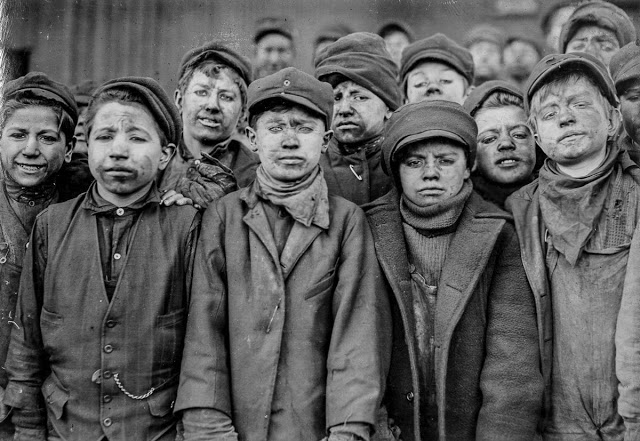
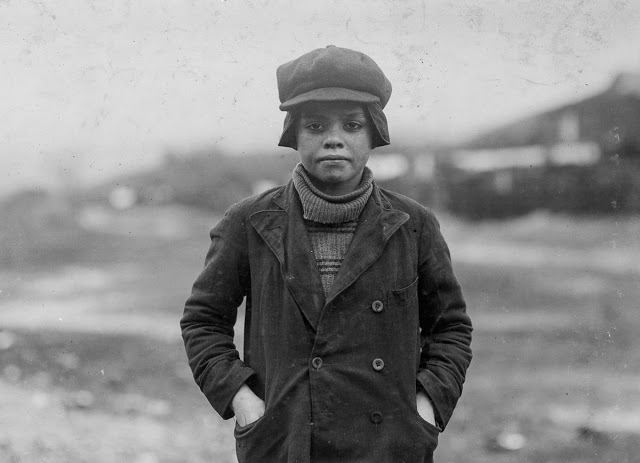
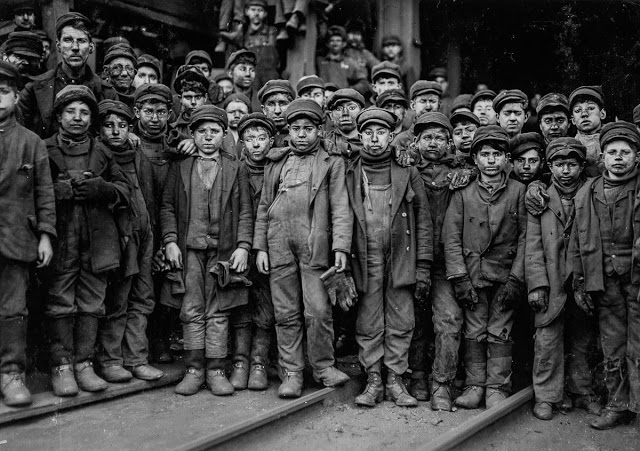
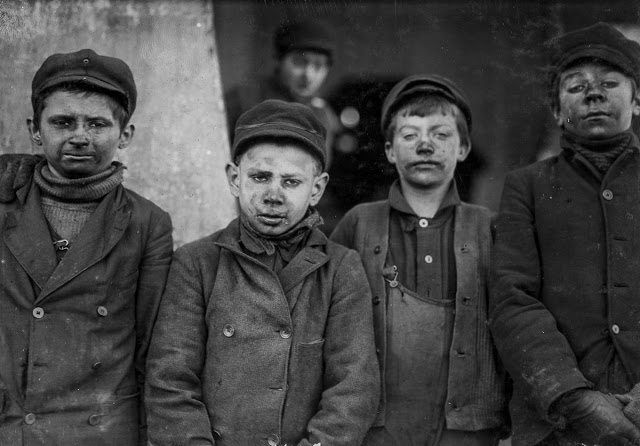
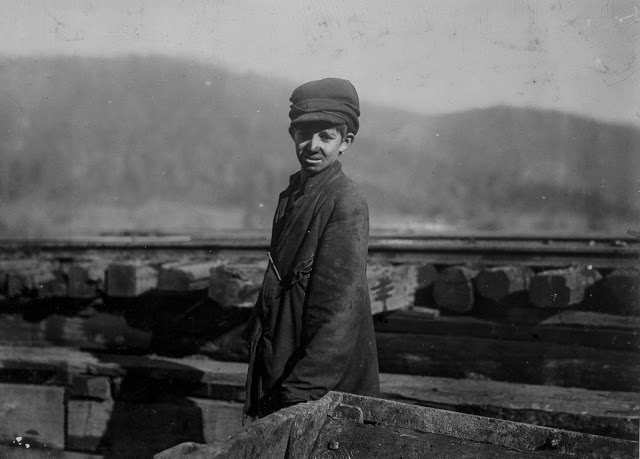
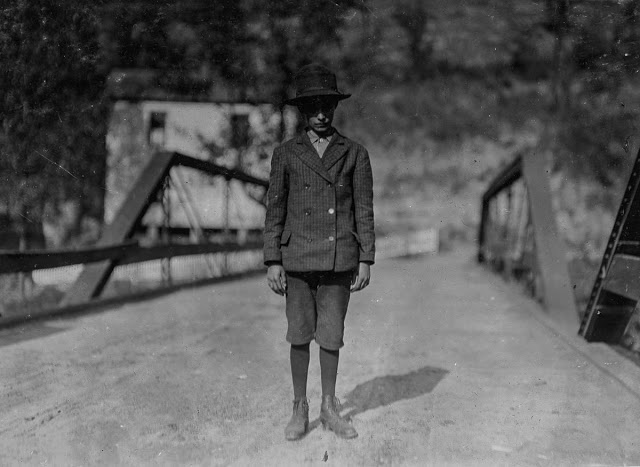
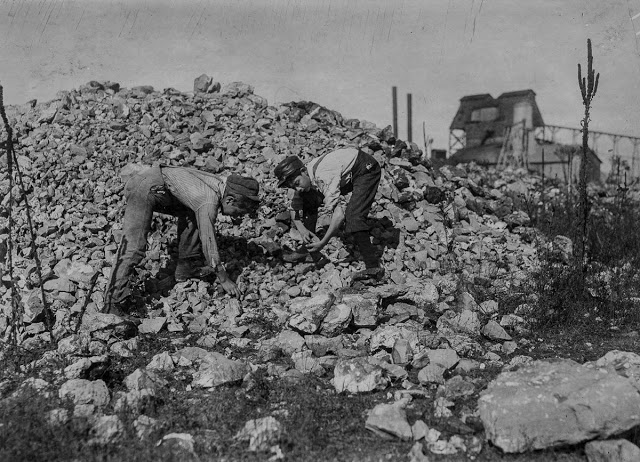
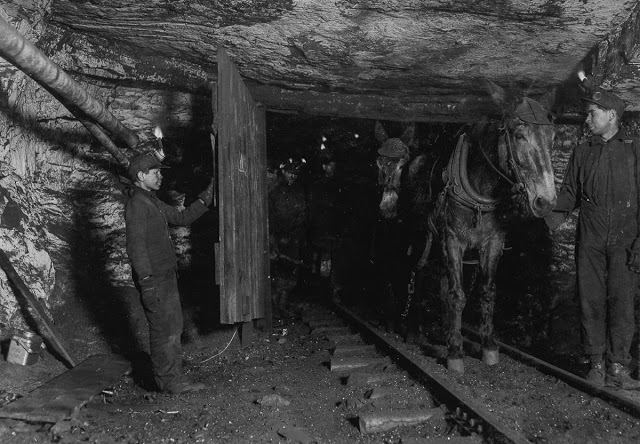
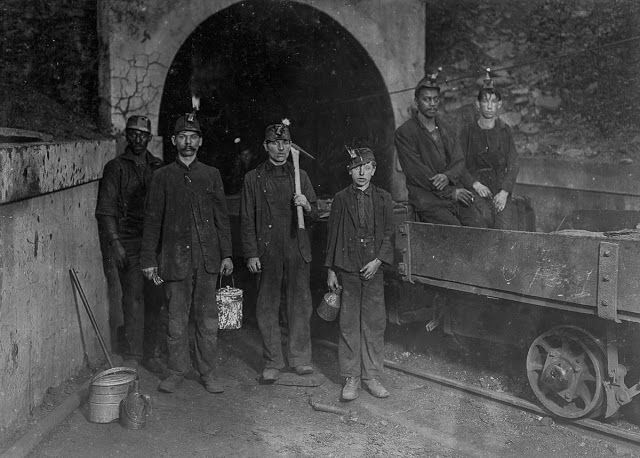
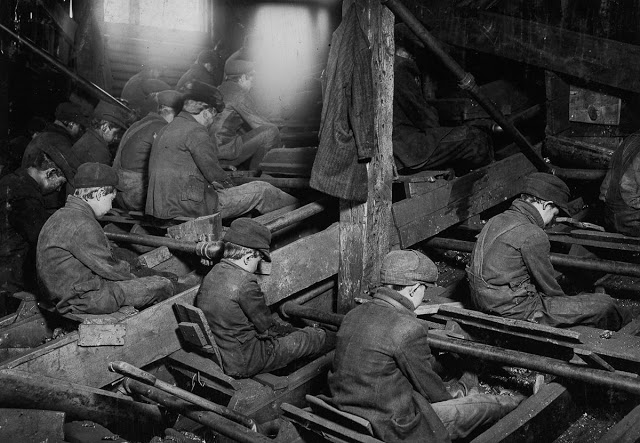
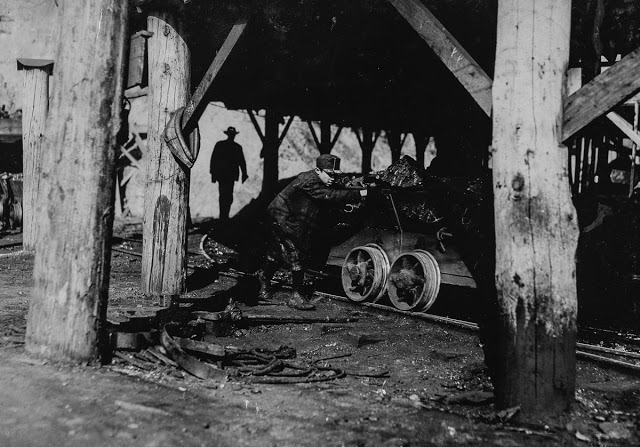
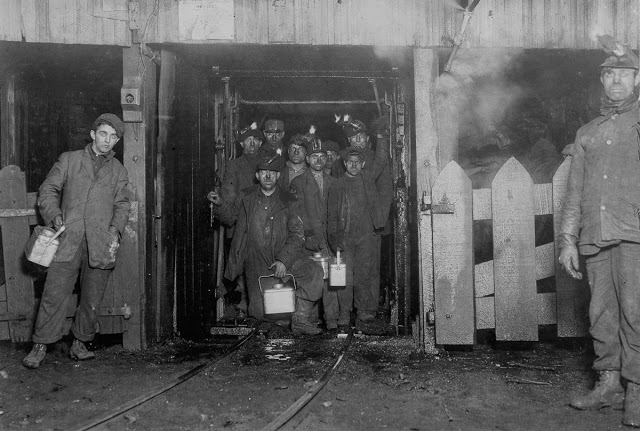
After the Civil War, the availability of natural resources, new inventions, and a receptive market combined to fuel an industrial boom. The demand for labor grew, and in the late 19th and early 20th centuries many children were drawn into the labor force. Factory wages were so low that children often had to work to help support their families. The number of children under the age of 15 who worked in industrial jobs for wages climbed from 1.5 million in 1890 to 2 million in 1910.
Businesses liked to hire children because they worked in unskilled jobs for lower wages than adults, and their small hands made them more adept at handling small parts and tools. Children were seen as part of the family economy. Immigrants and rural migrants often sent their children to work, or worked alongside them. However, child laborers barely experienced their youth. Going to school to prepare for a better future was an opportunity these underage workers rarely enjoyed. As children worked in industrial settings, they began to develop serious health problems. Many child laborers were underweight. Some suffered from stunted growth and curvature of the spine. They developed diseases related to their work environment, such as tuberculosis and bronchitis for those who worked in coal mines or cotton mills. They faced high accident rates due to physical and mental fatigue caused by hard work and long hours.
Lewis Hine, a New York City schoolteacher and photographer, believed that a picture could tell a powerful story. He felt so strongly about the abuse of children as workers that he quit his teaching job and became an investigative photographer for the National Child Labor Committee. Hine traveled around the country photographing the working conditions of children in all types of industries. He photographed children in coal mines, in meatpacking houses, in textile mills, and in canneries. He took pictures of children working in the streets as shoe shiners, newsboys, and hawkers. In many instances he tricked his way into factories to take the pictures that factory managers did not want the public to see. He was careful to document every photograph with precise facts and figures. To obtain captions for his pictures, he interviewed the children on some pretext and then scribbled his notes with his hand hidden inside his pocket. Because he used subterfuge to take his photographs, he believed that he had to be “double-sure that my photo data was 100% pure–no retouching or fakery of any kind.” Hine defined a good photograph as “a reproduction of impressions made upon the photographer which he desires to repeat to others.” Because he realized his photographs were subjective, he described his work as “photo-interpretation.”
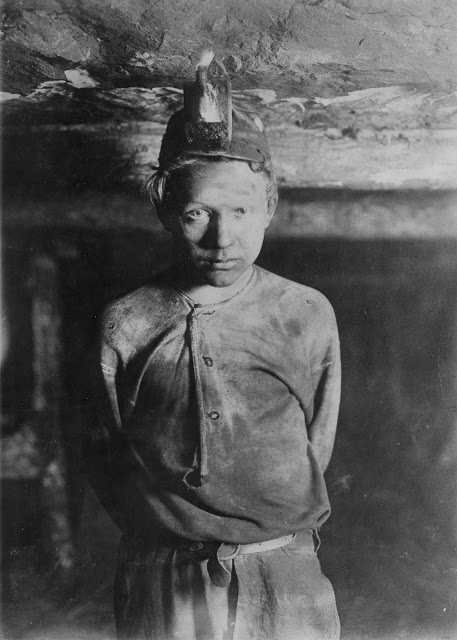
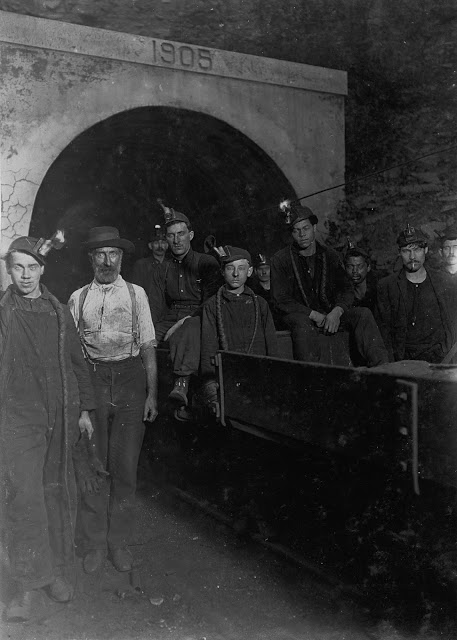
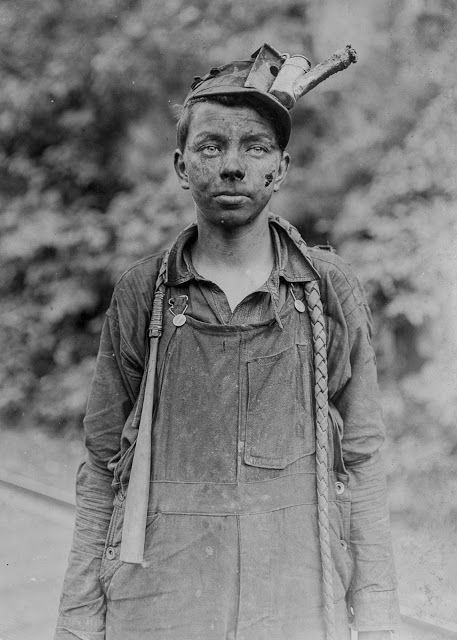
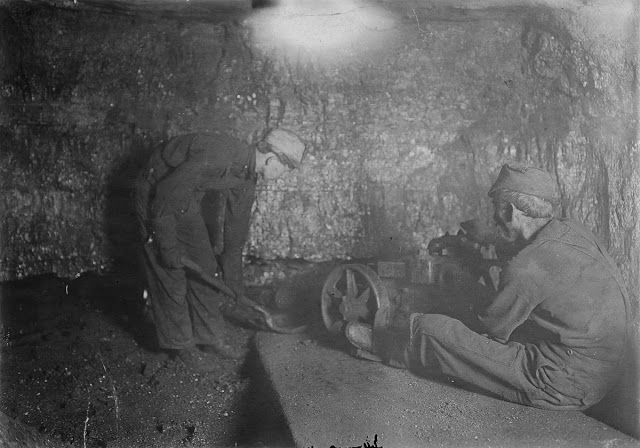
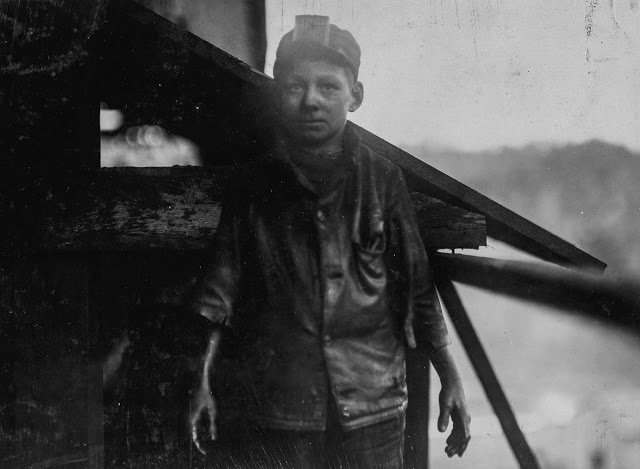
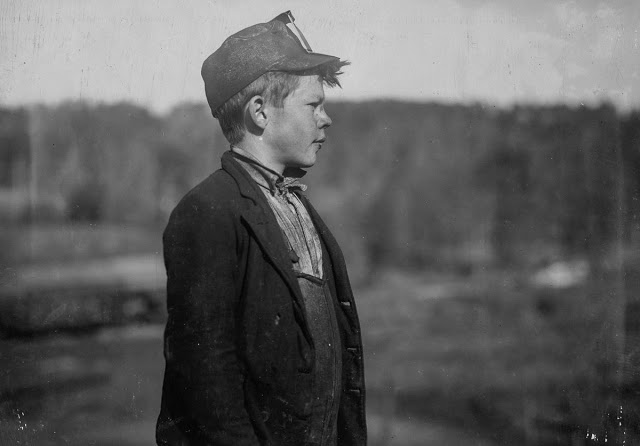
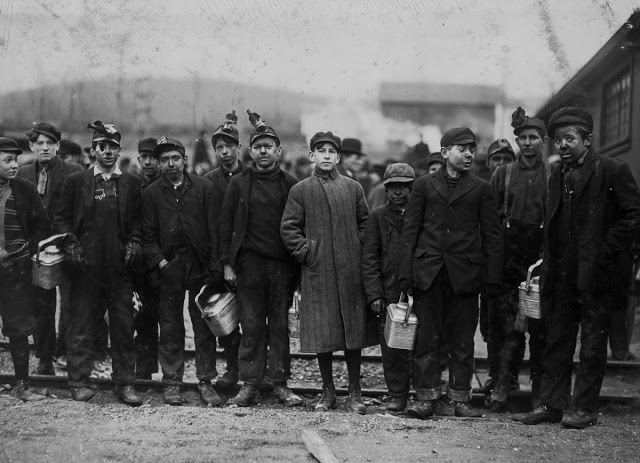
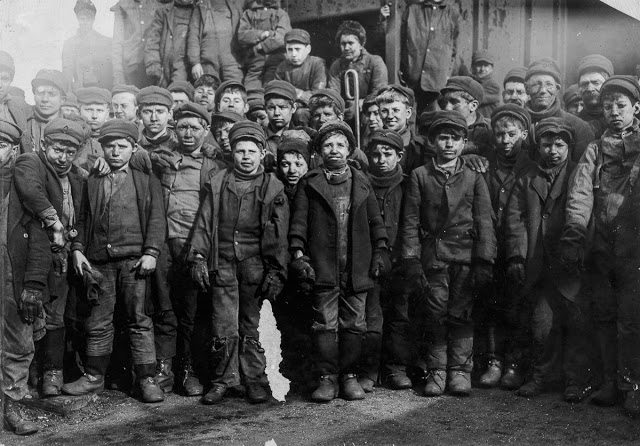
A trapper boy, one mile inside Turkey Knob Mine in Macdonald, West Virginia, 1908.At the entrance to a West Virginia mine, 1908.A young driver at Brown Mine in West Virginia, 1908.A tipple boy at Turkey Knob Mine in Macdonald, West Virginia, 1908.Frank, age 14. He had been working in a mine for three years and had been hospitalized for a year when his leg was crushed by a coal car, 1906.A boy shovels loose rock in a mine in Red Star, West Virginia, 1908.Shorpy Higginbotham, a worker at Bessie Mine in Alabama, 1910.Dave, a pusher at Bessie Mine in Alabama, 1910.Jim McNulty, 15, a leader inside a mine at Leadville Shaft in Pennsylvania, 1911.Mine workers in Nanticoke, Pennsylvania, 1911.Breaker boys employed by the Pennsylvania Coal Company, 1911.Breaker boys employed by the Pennsylvania Coal Company, 1911.Breaker boys employed by the Pennsylvania Coal Company, 1911.Mine worker Angelo Ross, who claims to be 13, but is likely younger, 1911.Breaker boys employed by the Pennsylvania Coal Company, 1911.Breaker boys employed by the Pennsylvania Coal Company, 1911.Breaker boys employed by the Pennsylvania Coal Company, 1911.Harley Bruce, a worker at Indian Mountain Mine in Tennessee, 1910.Arlie Fankins, 14, a shoveler in Barnesville Mine in West Virginia, 1908.Basil Roberts and James Hopper, both 12, cull through waste from a zinc mine in Aurora, Missouri, 1910.Willie Bryden, age 14, holds the door for a mule cart in a Pennsylvania mine, 1911.Mine workers in Gary, West Virginia, 1908.Breaker boys at work breaking coal. The process produces clouds of dust which coat the workers’ lungs, 1911.James O’Dell pushes a coal cart outside a mine in Coal Creek, Tennessee, 1910.Workers wait for the cage to ascend to the surface at the end of the day, 1910.
In the depths of the Great Depression, the United States government created the Resettlement Administration to help provide relief for drought-stricken and impoverished farmers. The RA was restructured and renamed the Farm Security Administration in 1937.
One of the FSA’s most notable efforts was its small team of documentary photographers, who traveled the country recording the living conditions of Americans. Directed by Roy Stryker, the photographers included now-legendary documentarians Dorothea Lange, Walker Evans, Gordon Parks and Russell Lee, among others.
In 1936, 21-year-old Minnesotan John Felix Vachon got a job with the FSA as an assistant messenger while attending the Catholic University of America. He had no previous interest in photography, but his constant immersion in the work of the FSA photographers motivated him to try his own hand at shooting.
He started out by wandering around Washington with a Leica camera, and soon received training, equipment and encouragement from Stryker, Evans and other FSA photographers. By 1938, he was shooting solo assignments.
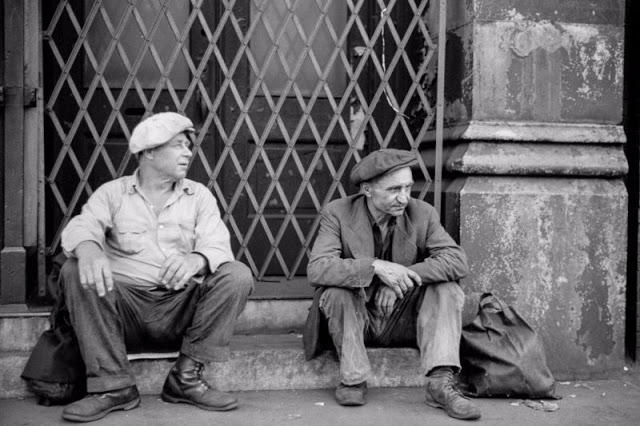
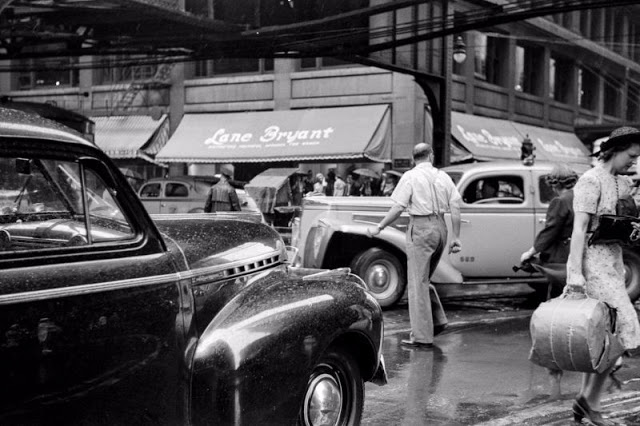
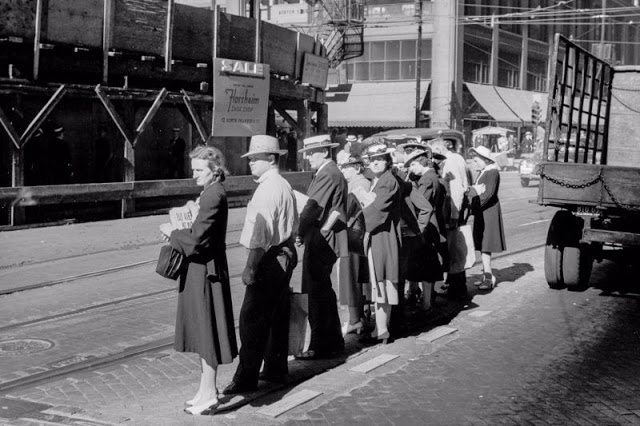
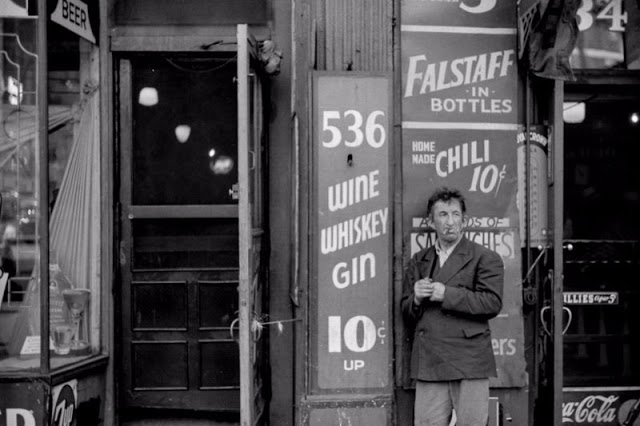
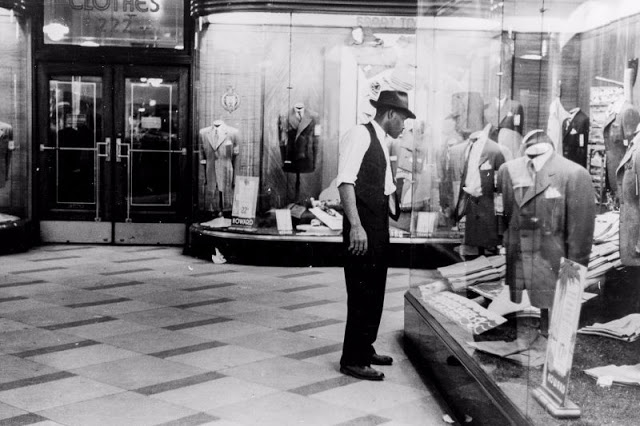
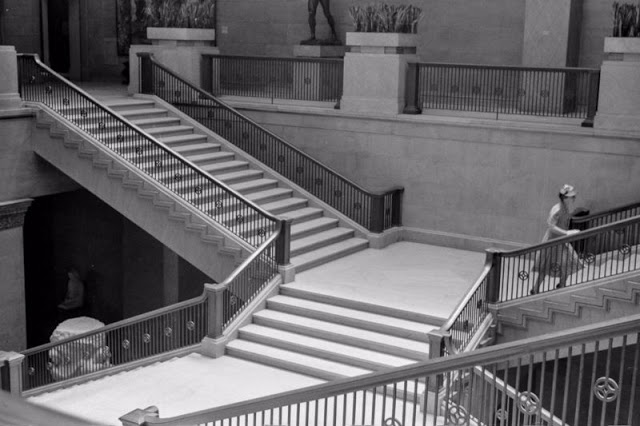
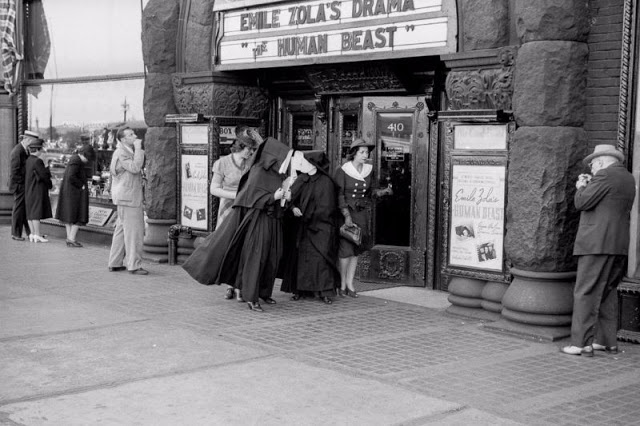
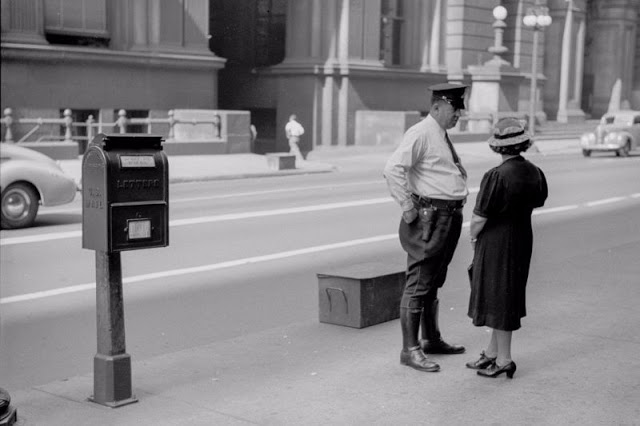
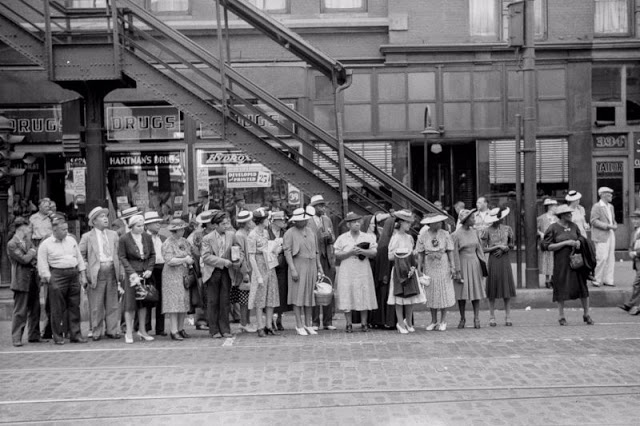
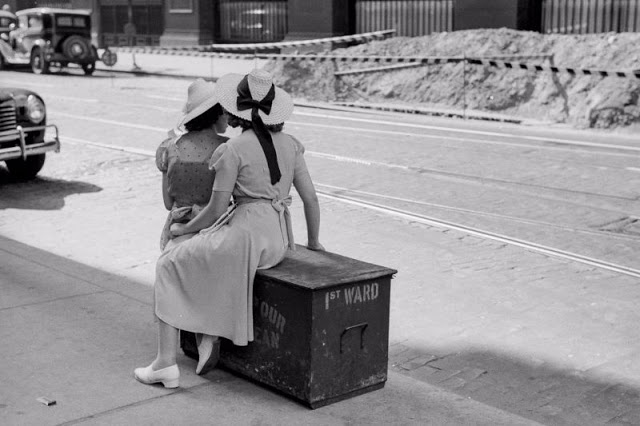
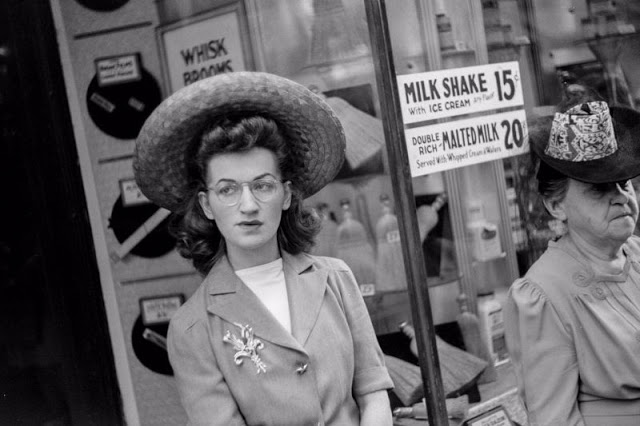
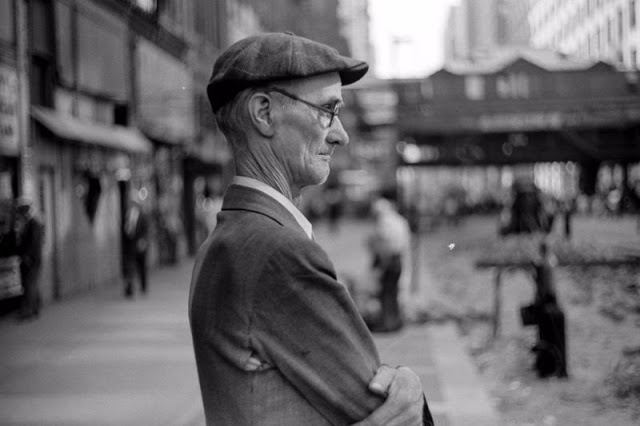
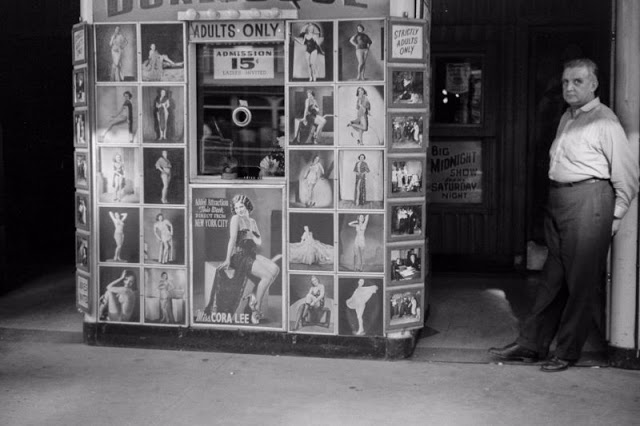
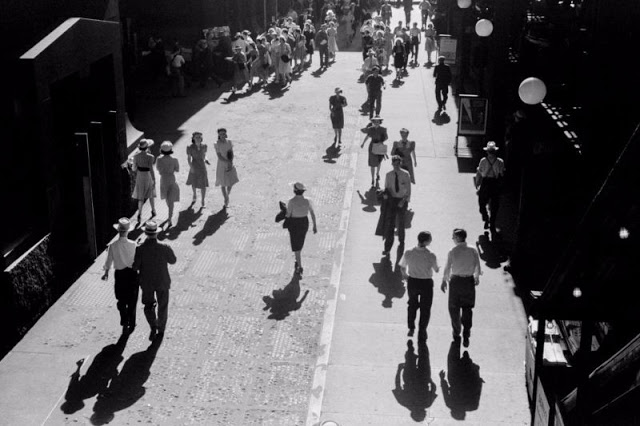
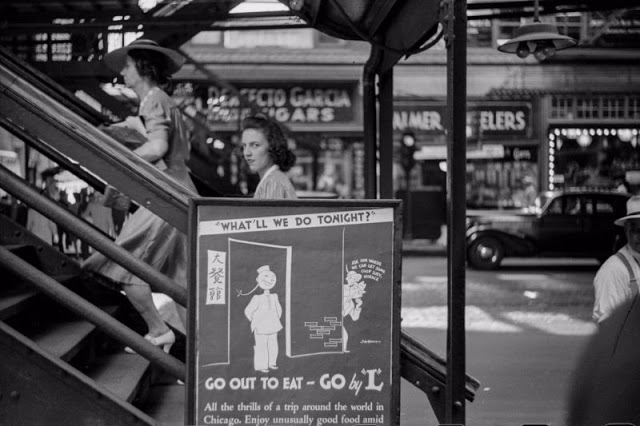
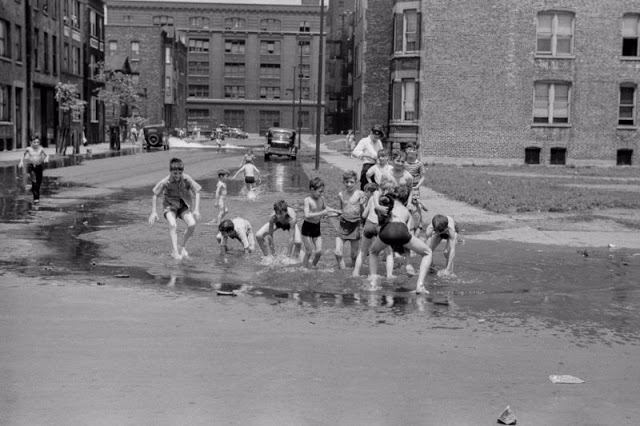
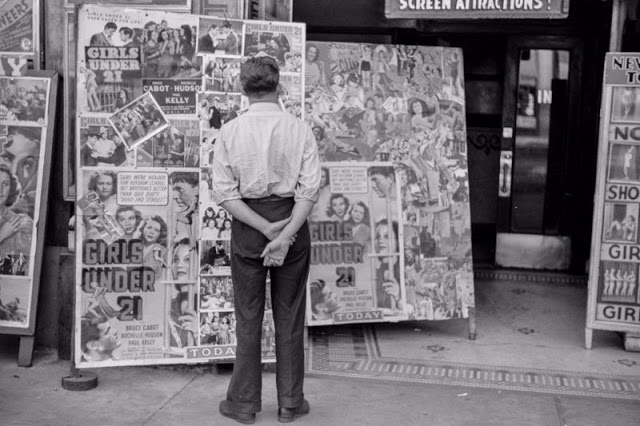
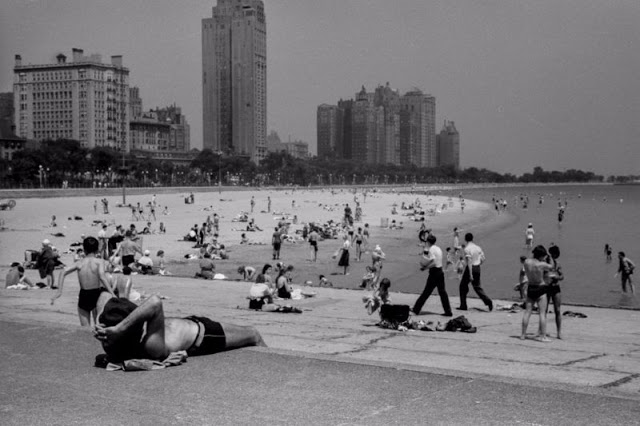
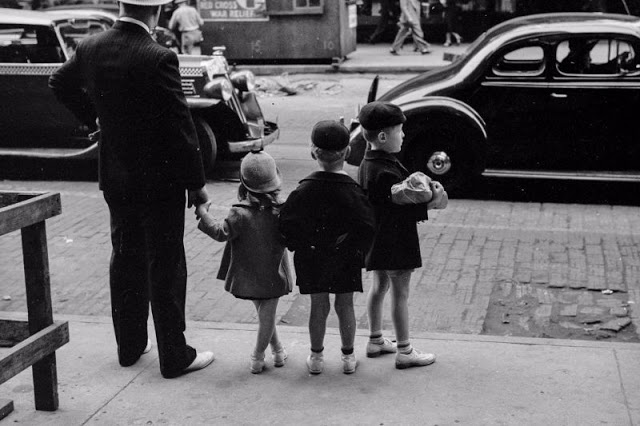
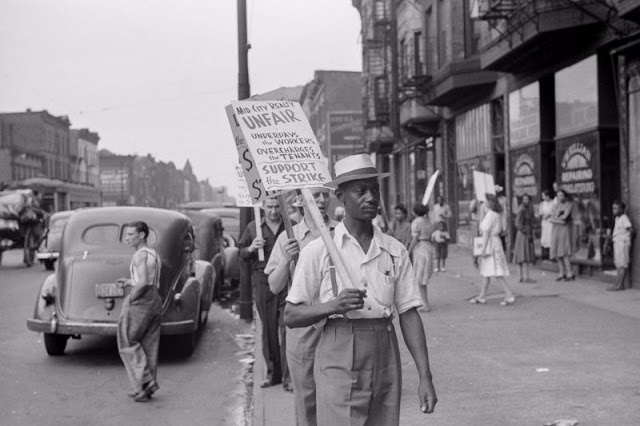
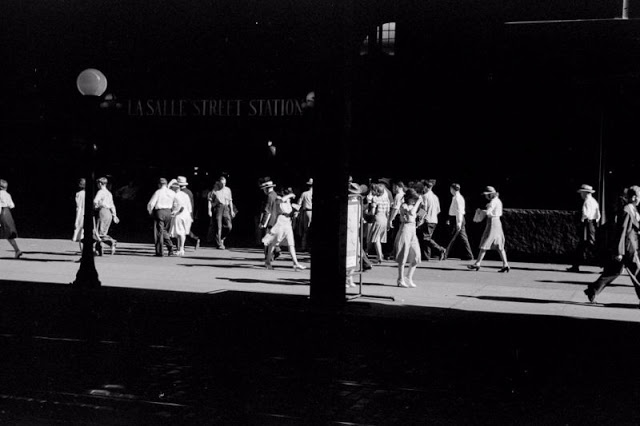
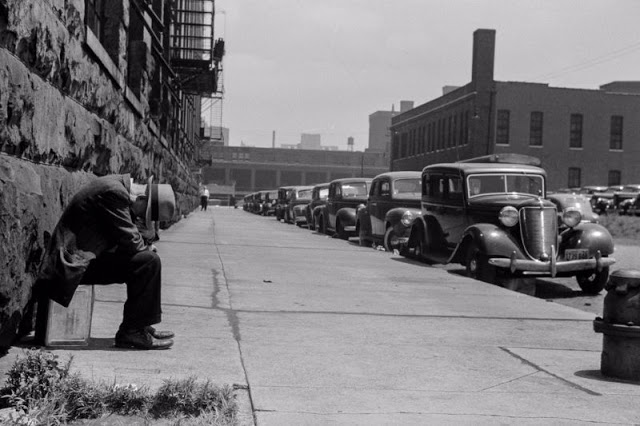
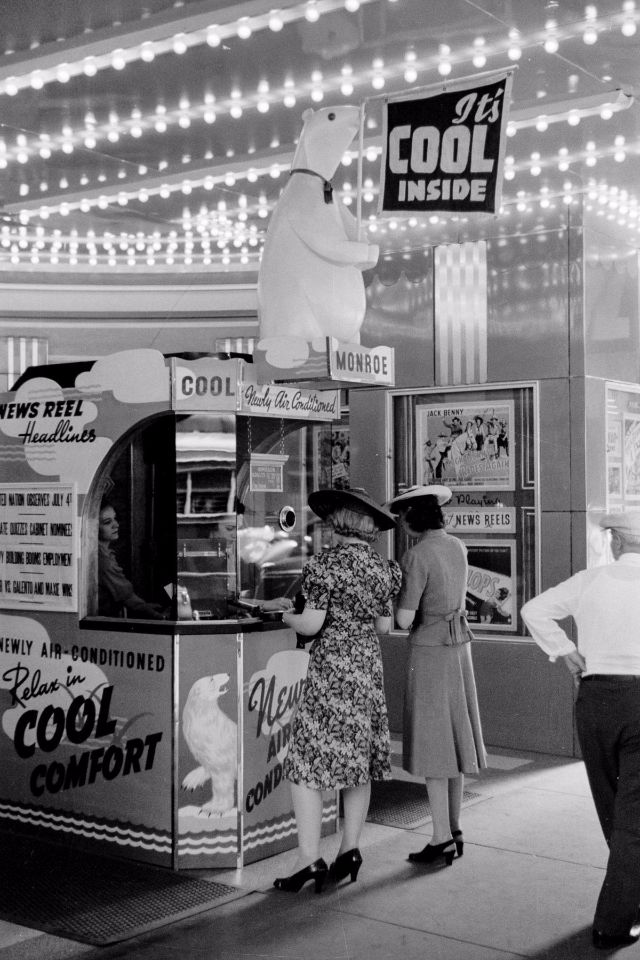
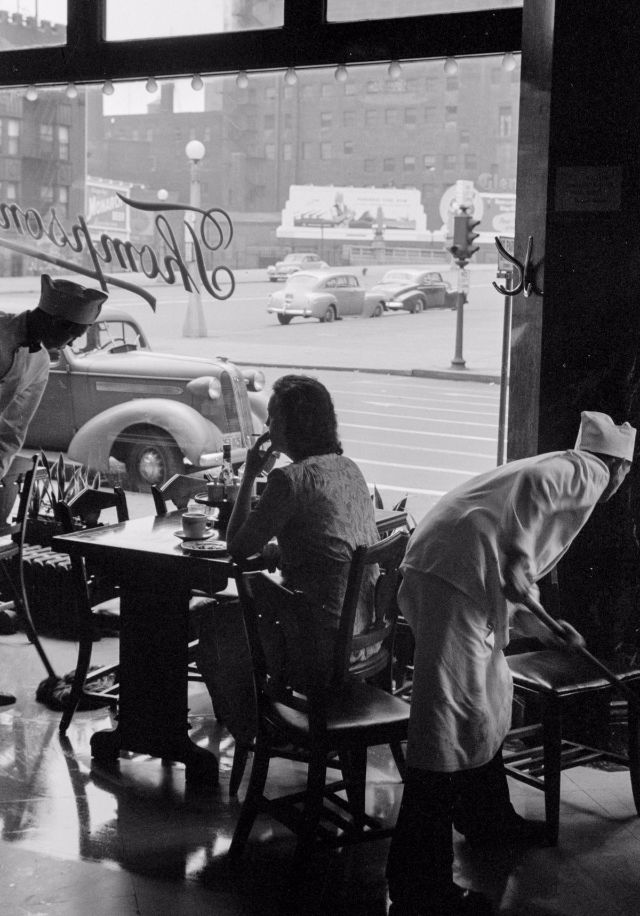
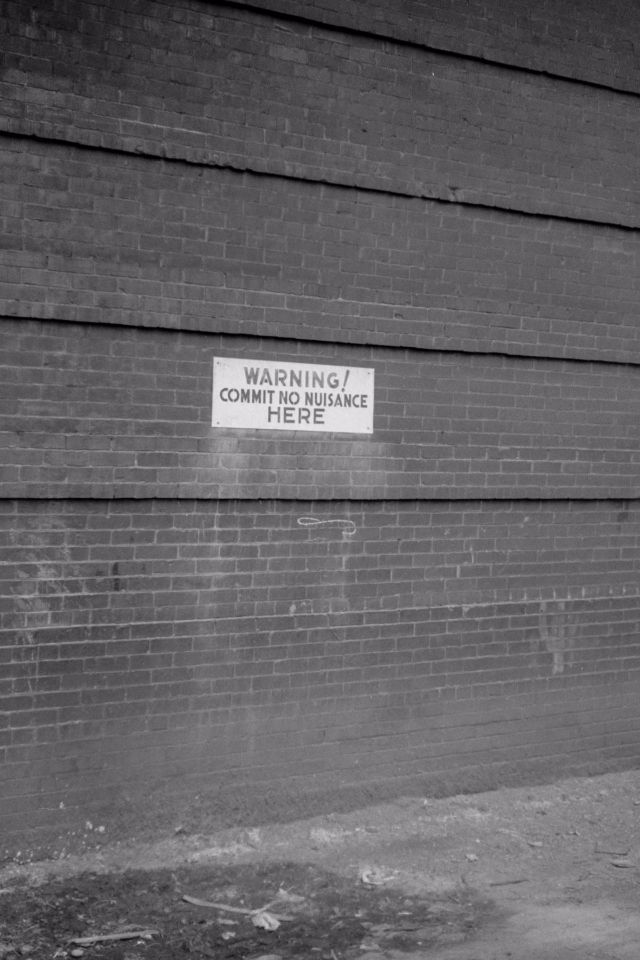
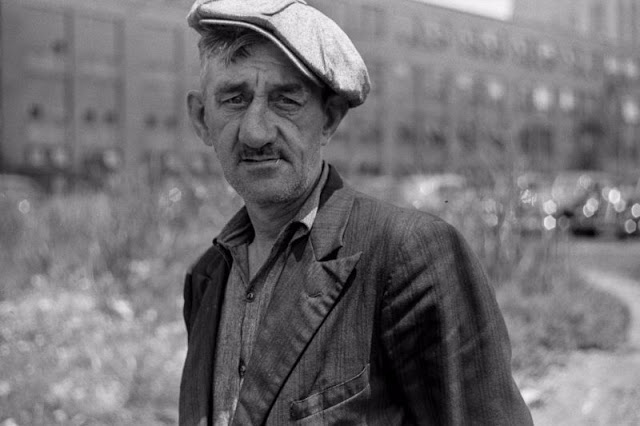
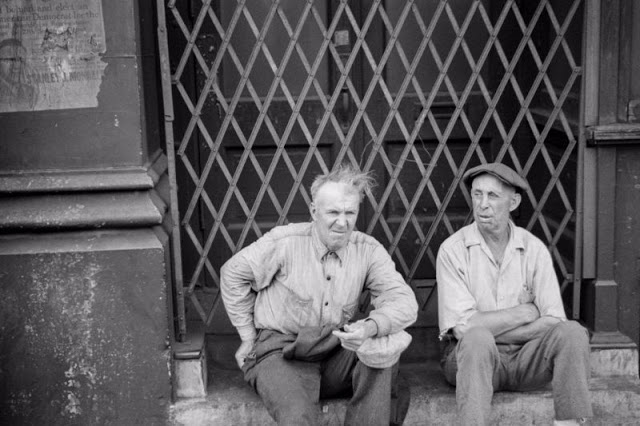
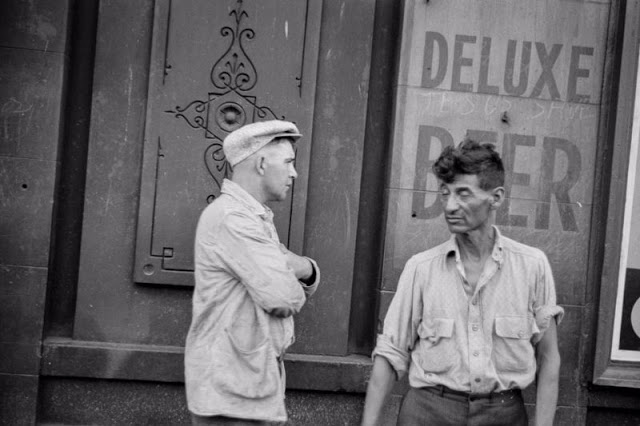
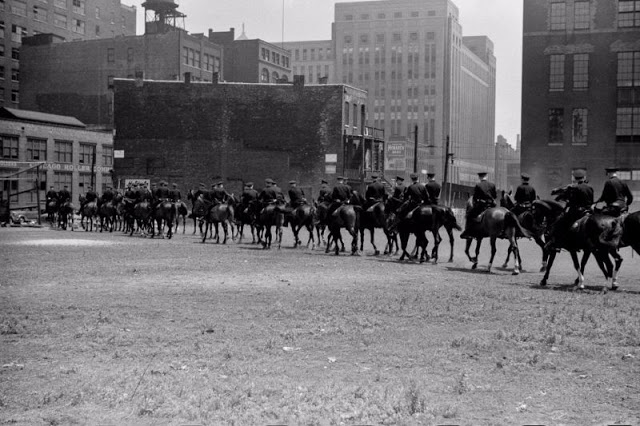
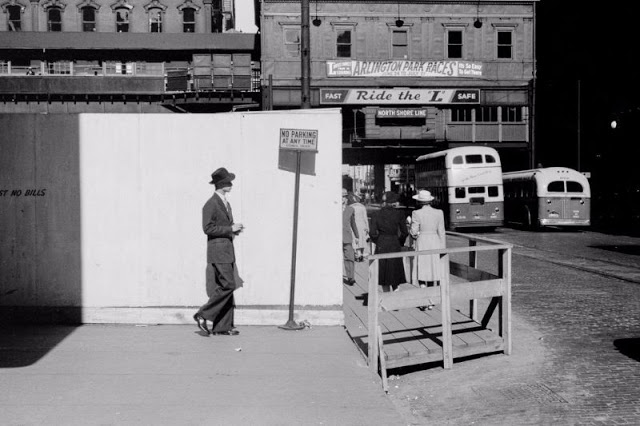
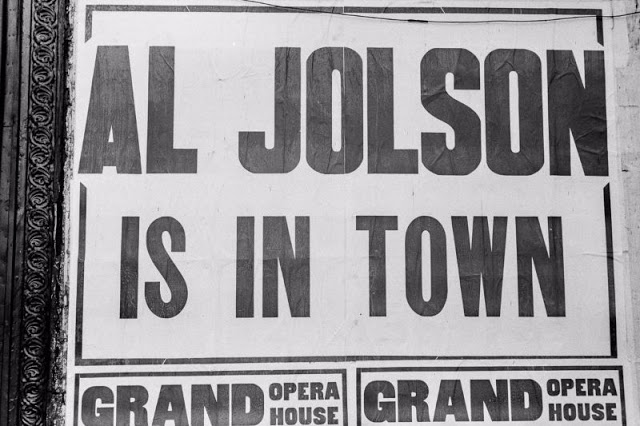
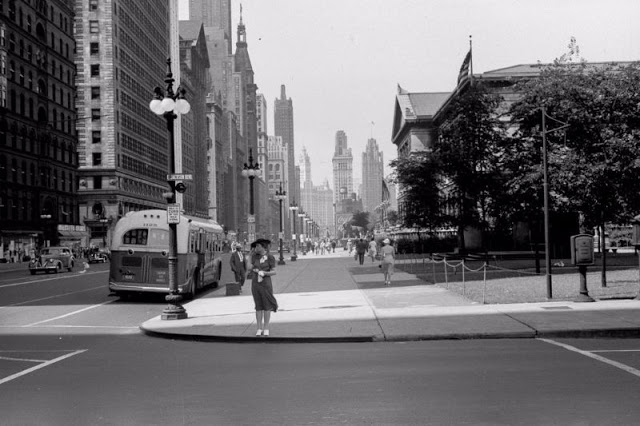
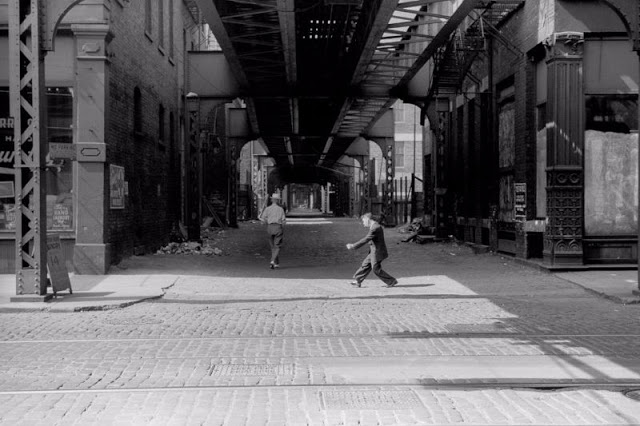
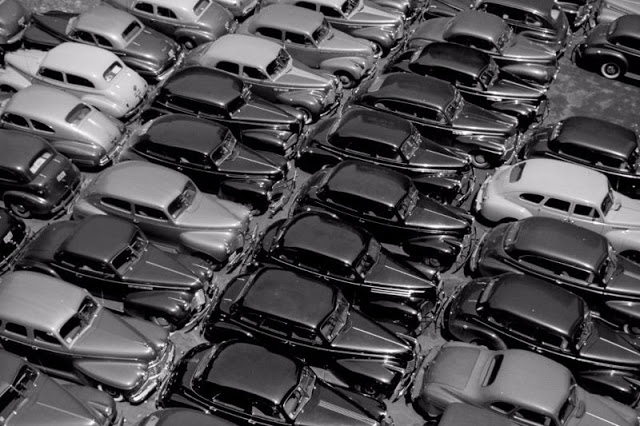
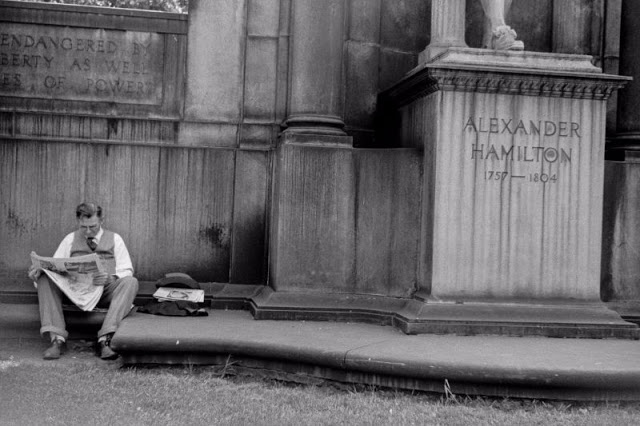
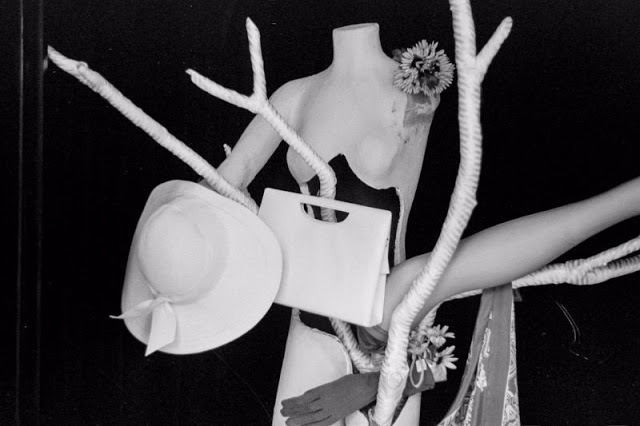
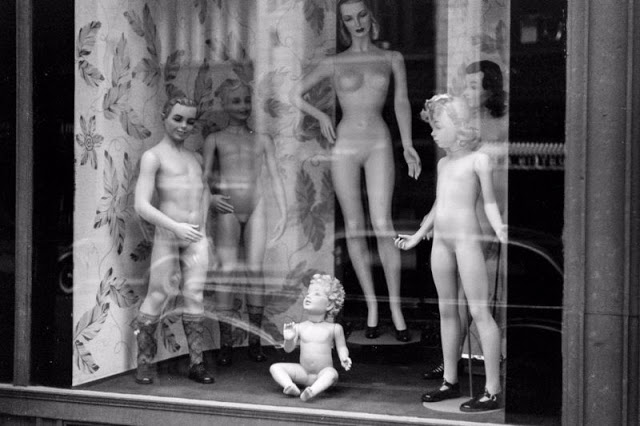
Here, the still-green photographer explores the streets of Chicago in 1941, capturing images of city life in photos that are sometimes distant and unobtrusive, but often sharply observant and quietly funny.
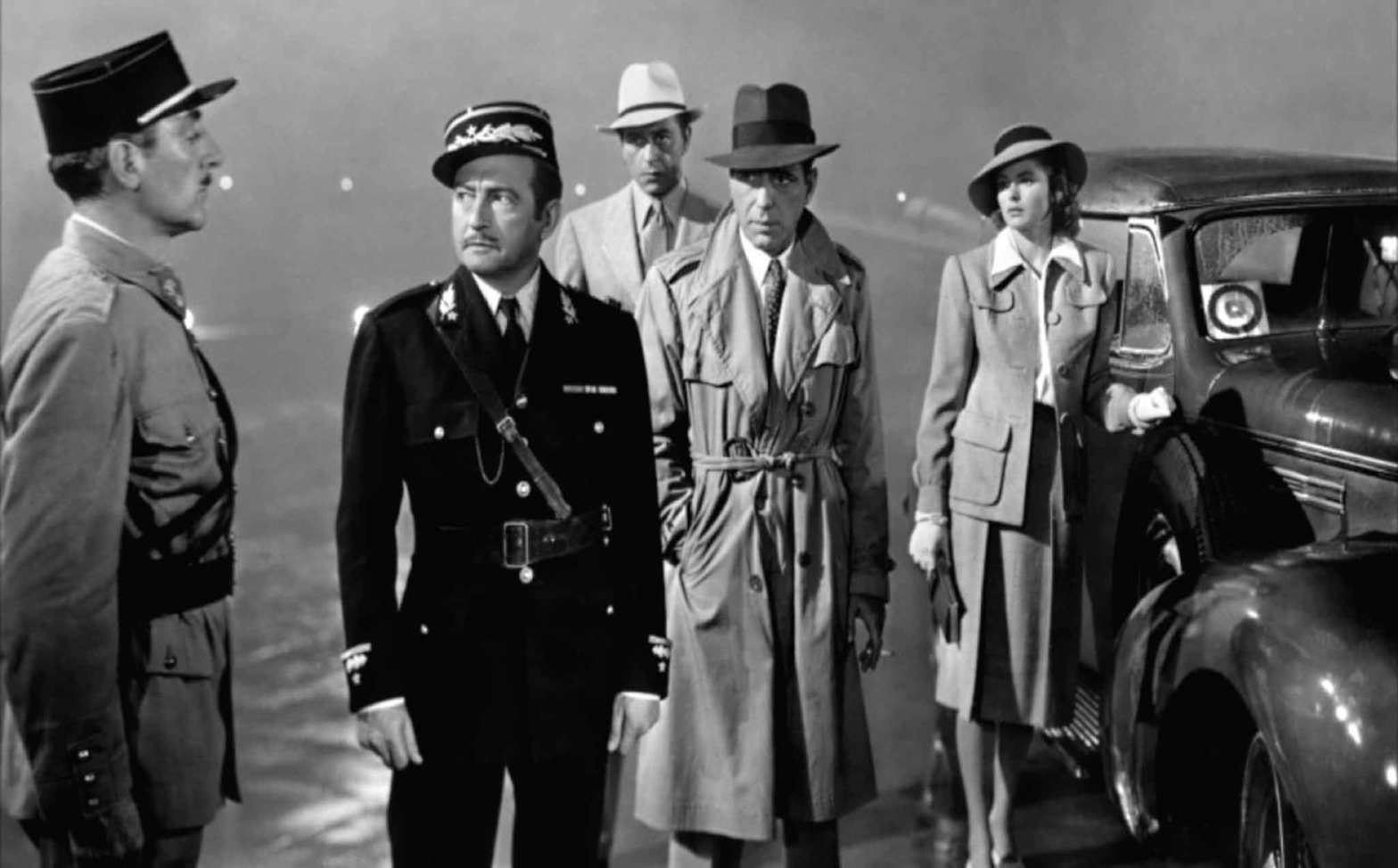
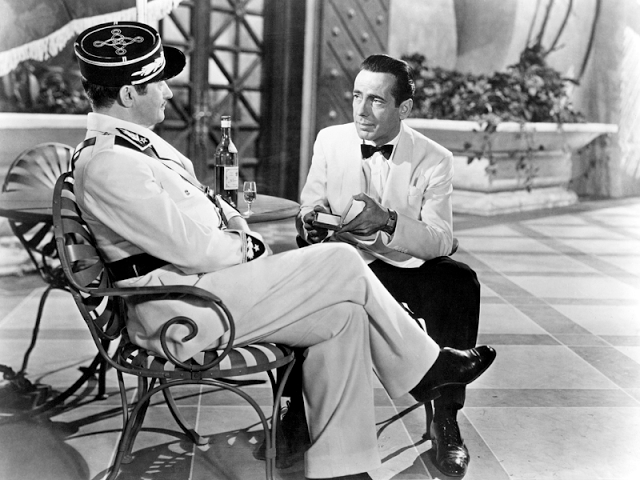
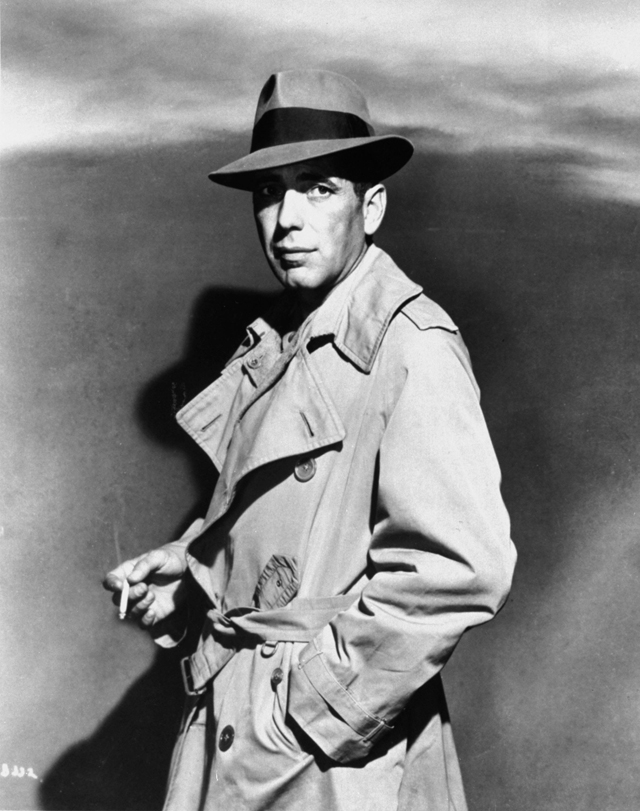
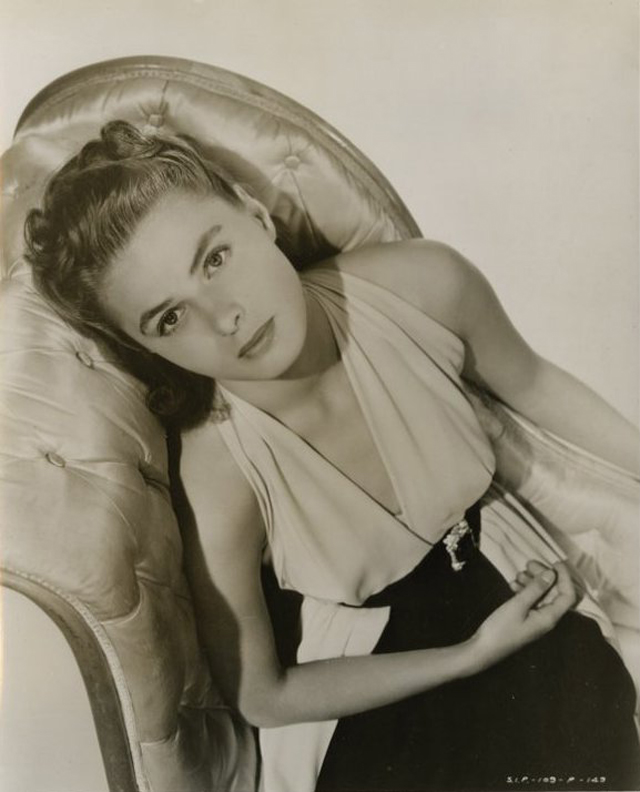
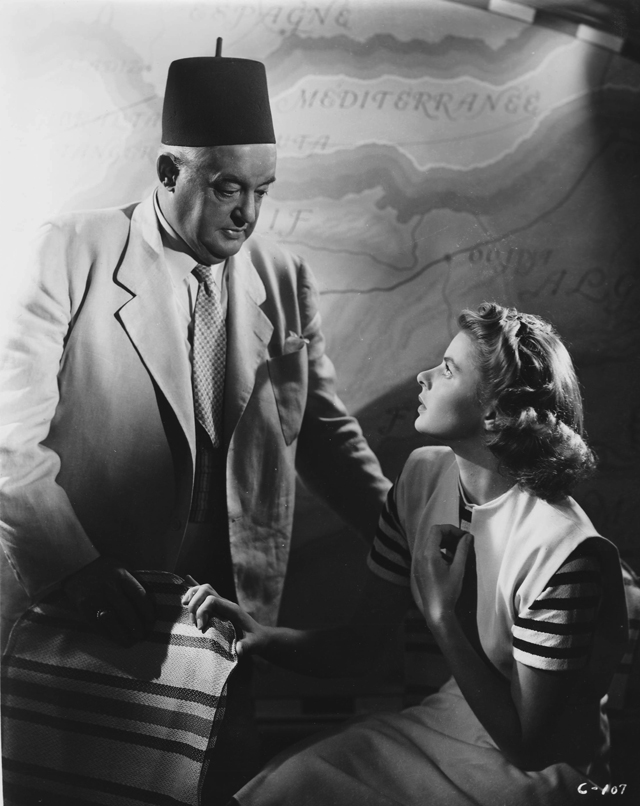
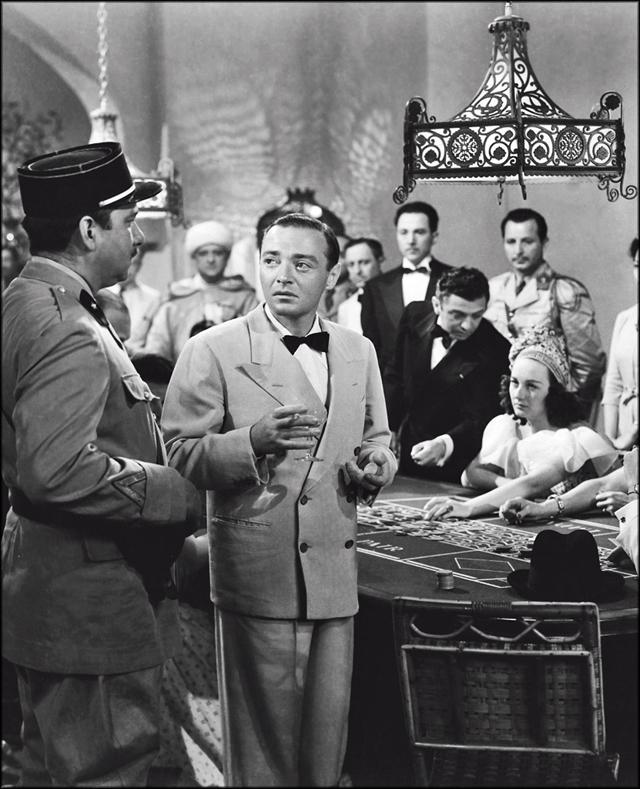
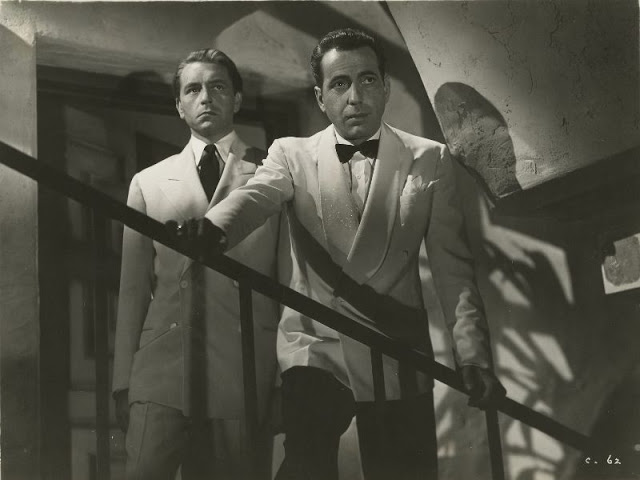
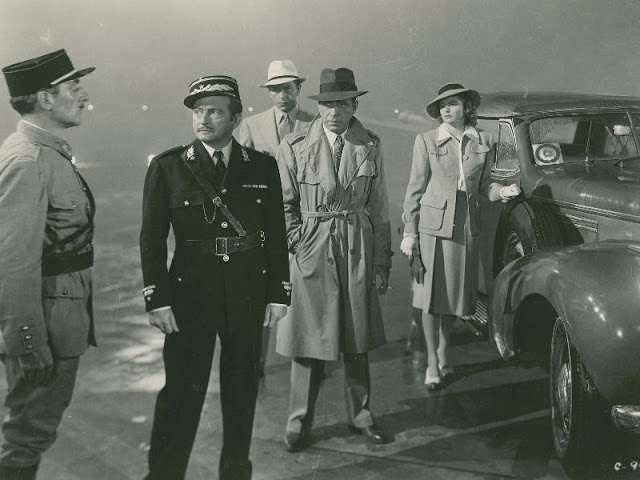
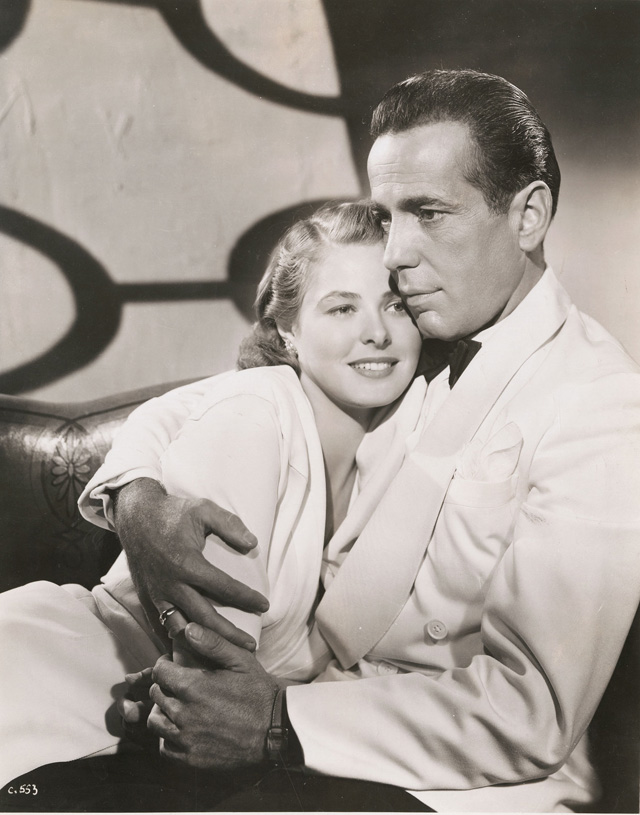
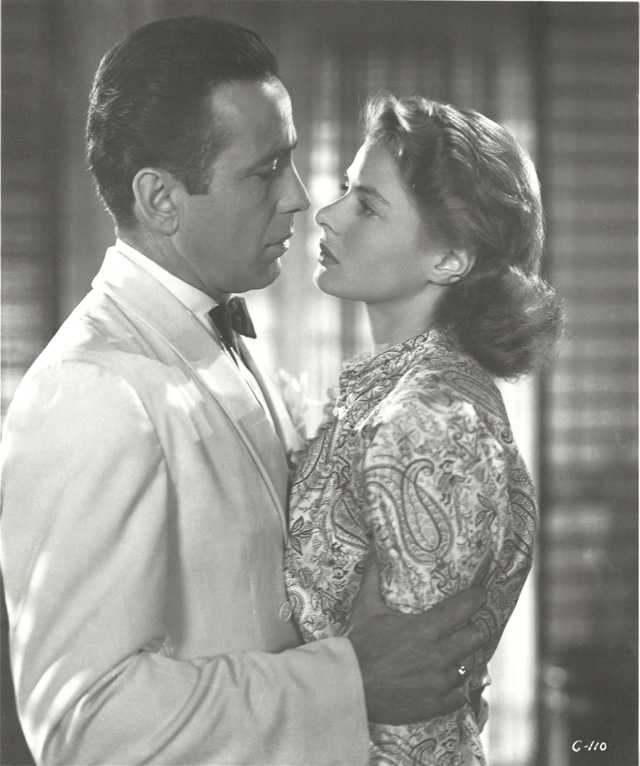
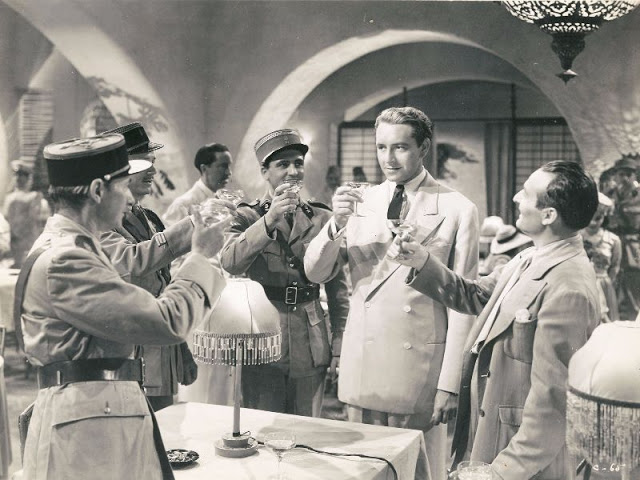
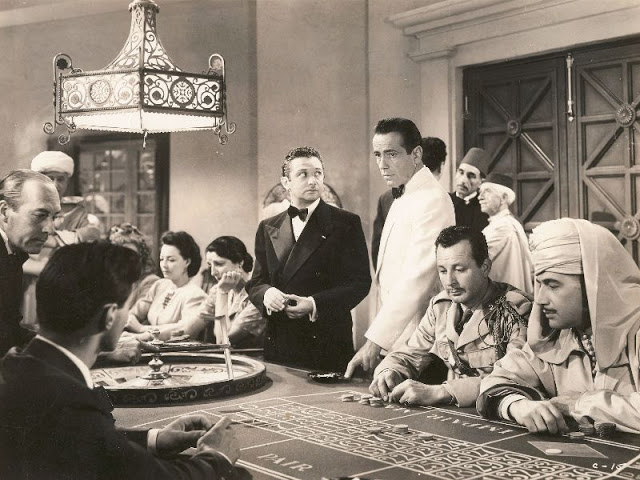
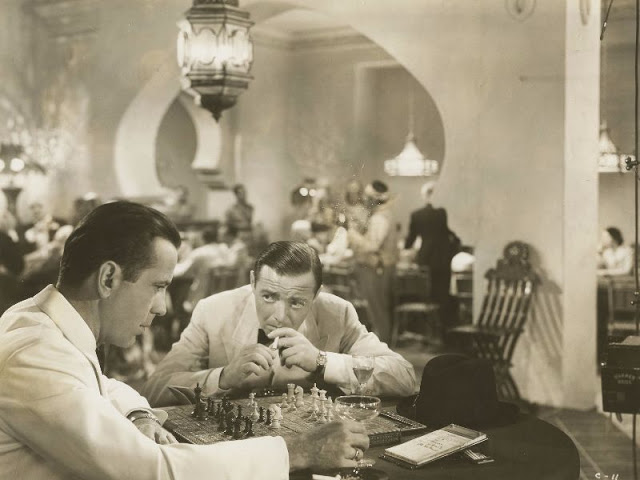
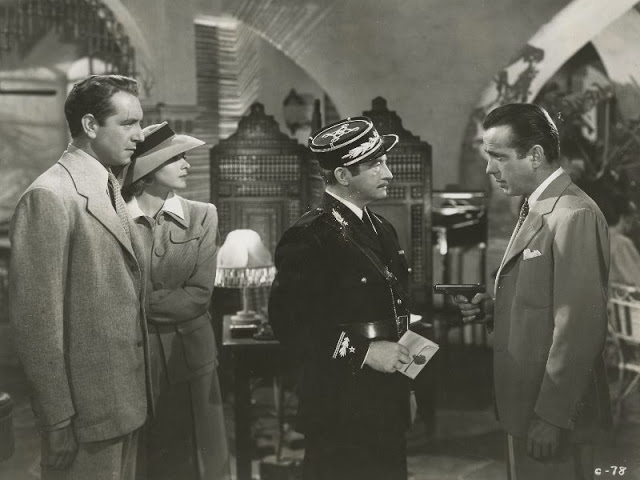
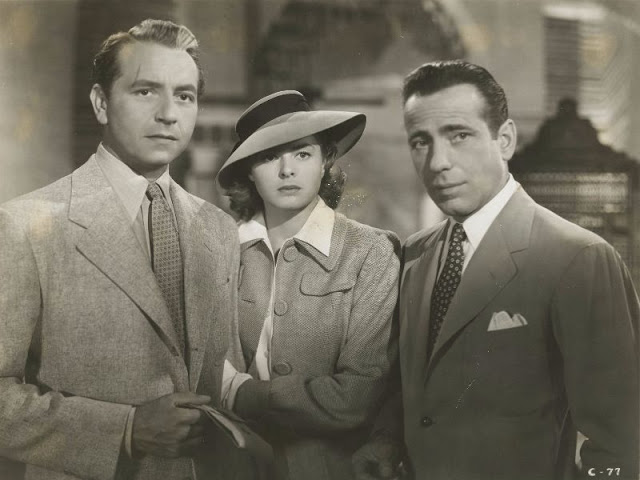
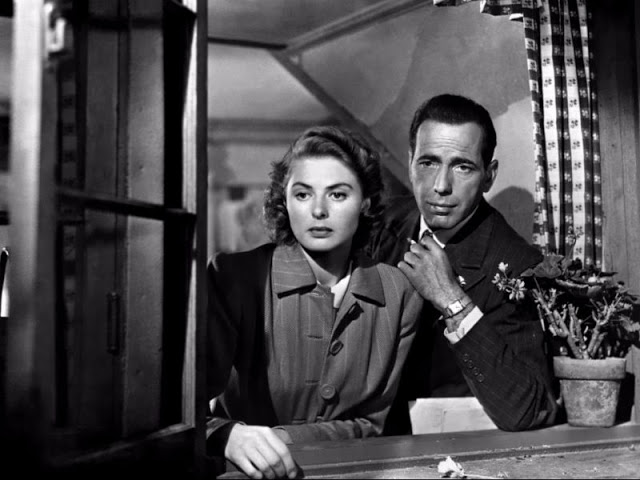
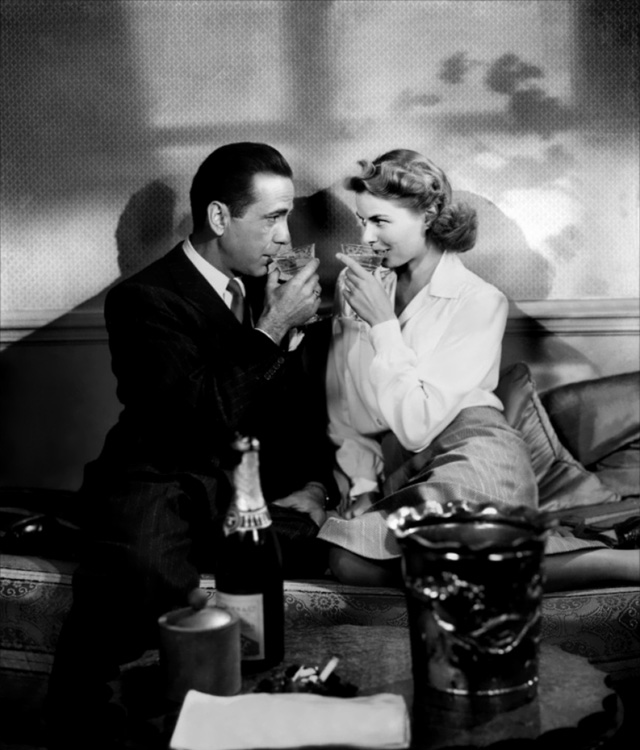
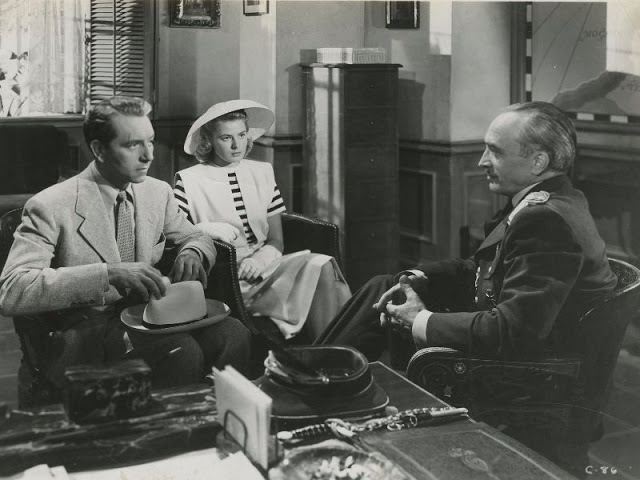
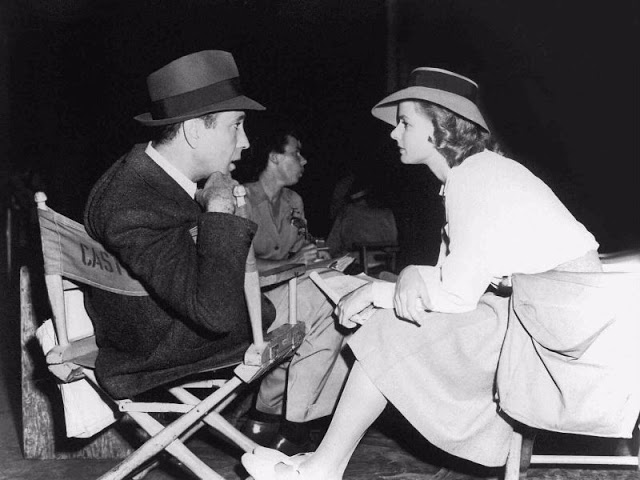
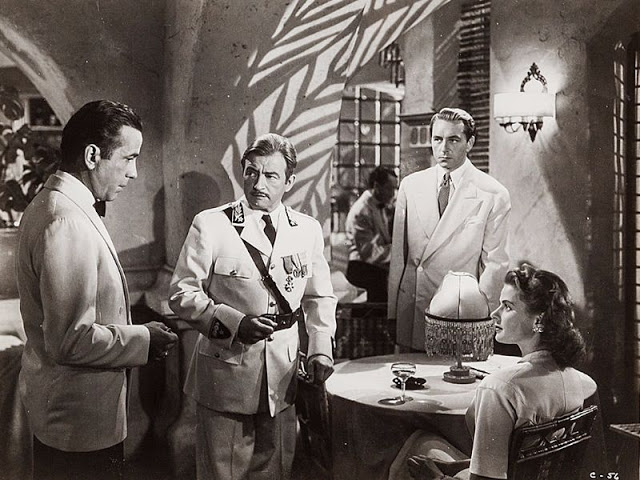
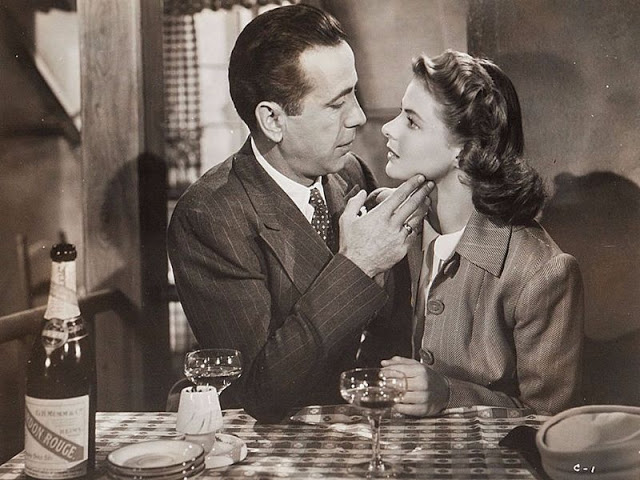
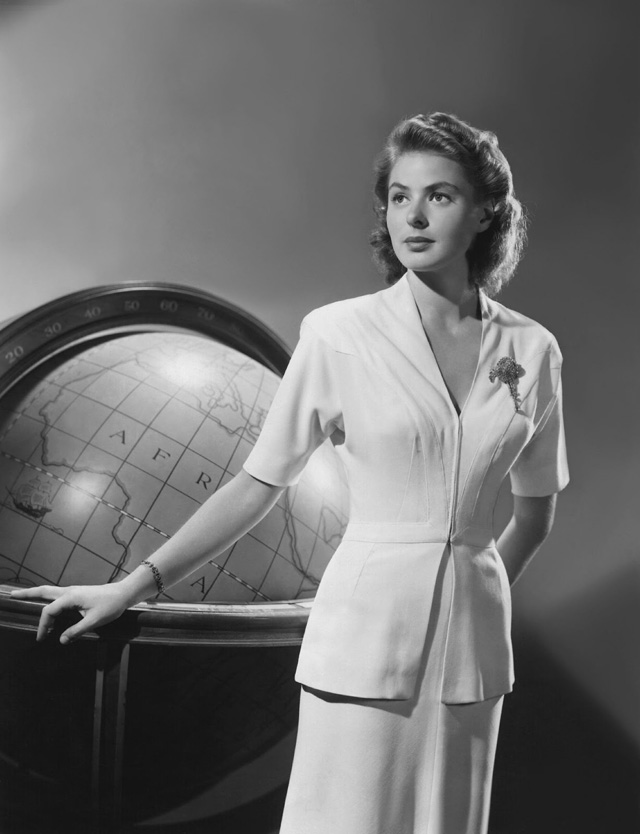
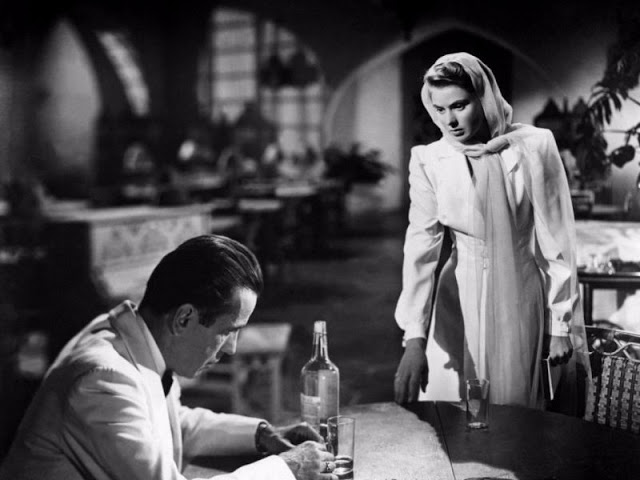
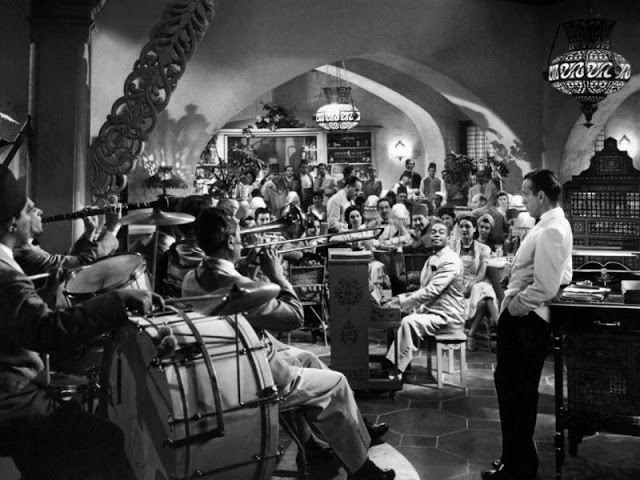
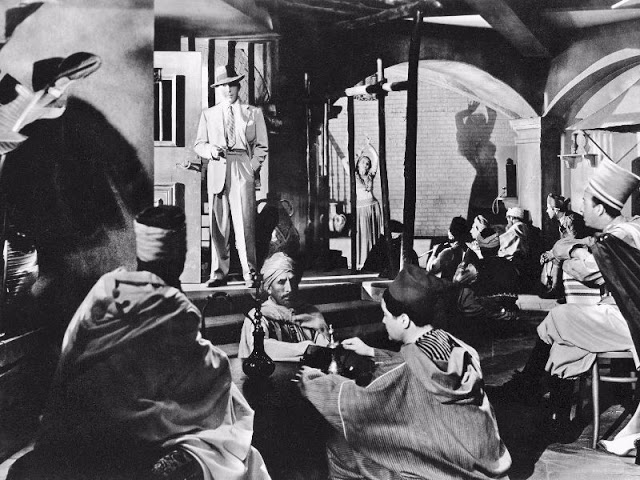
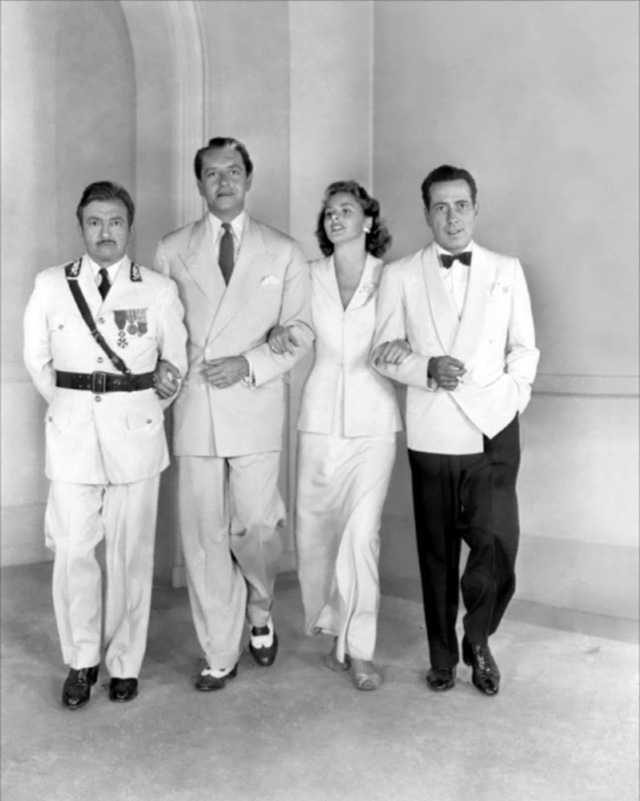
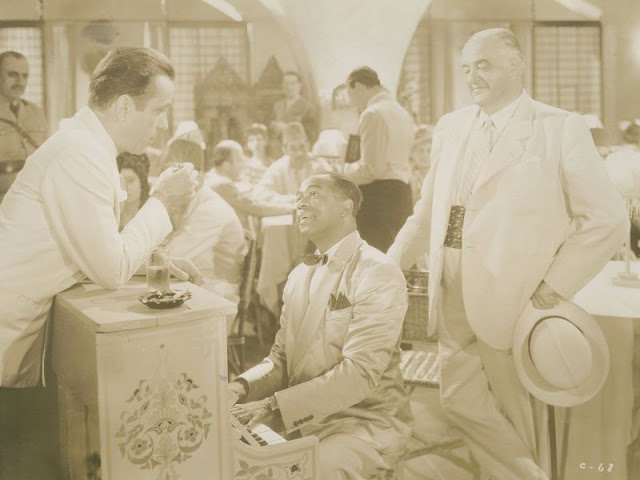
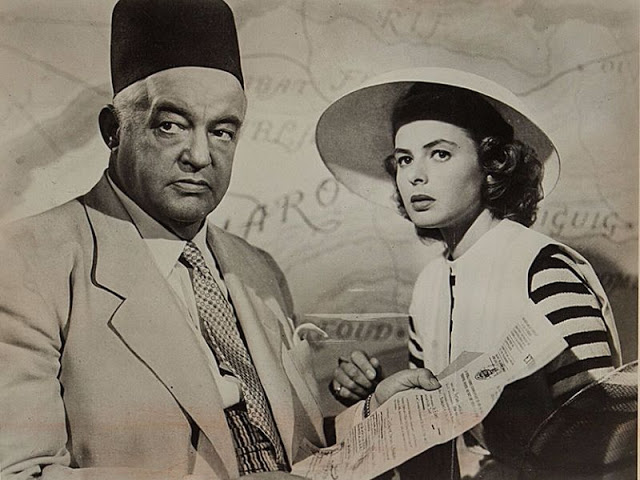
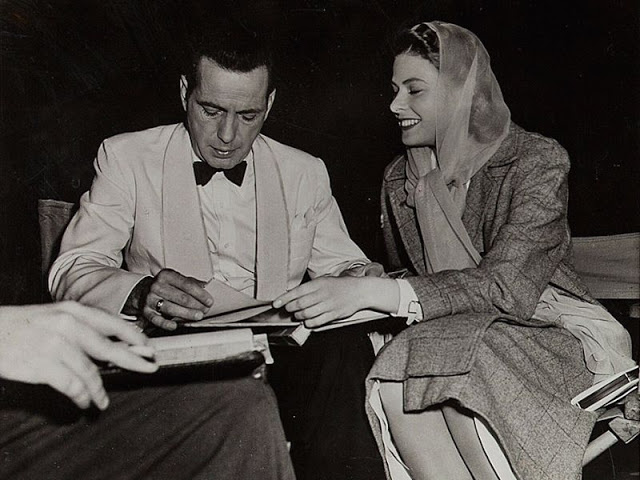
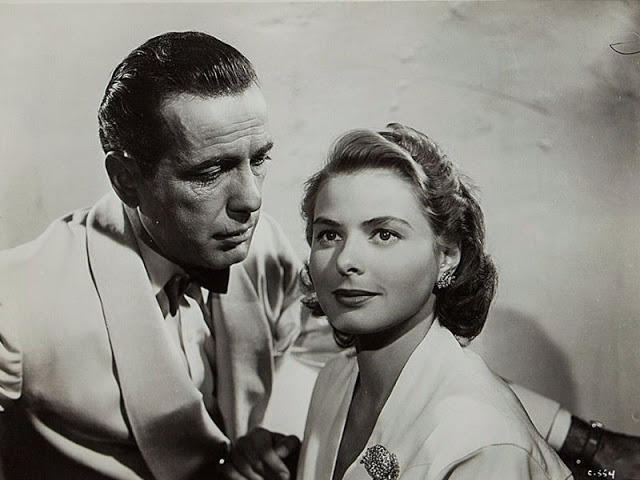
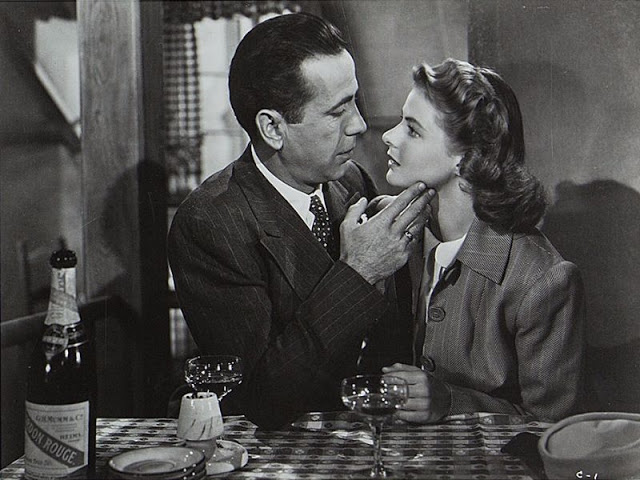
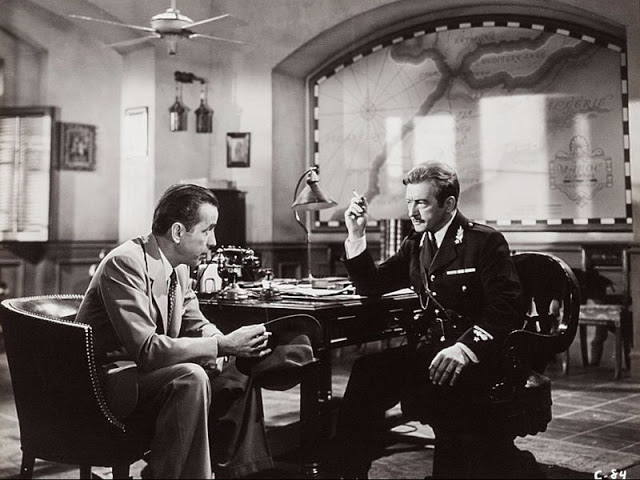
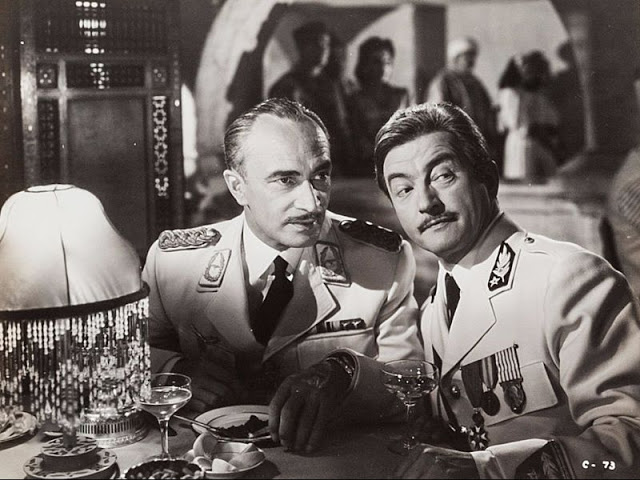
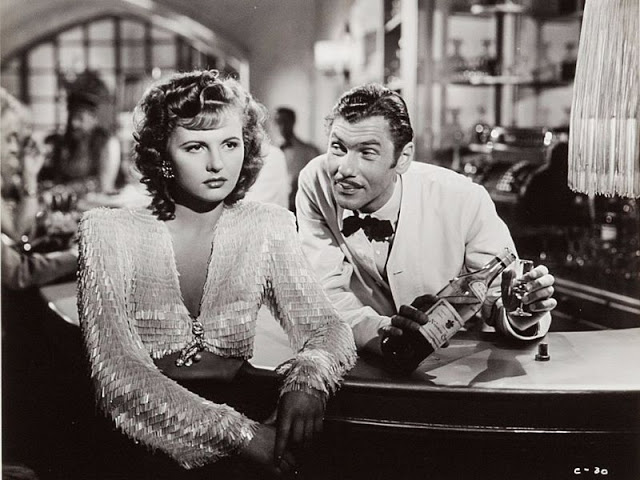
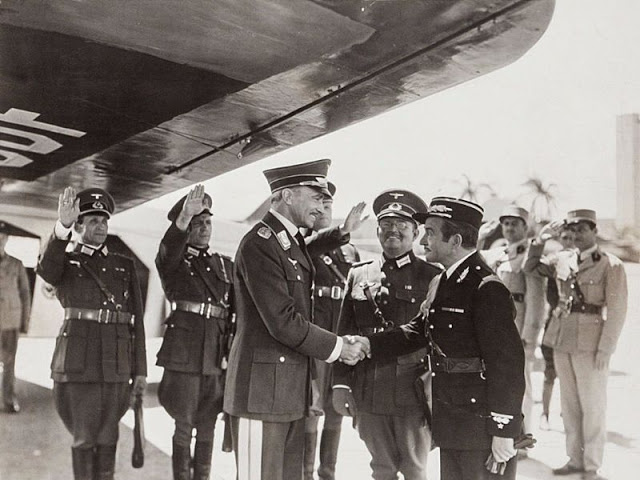
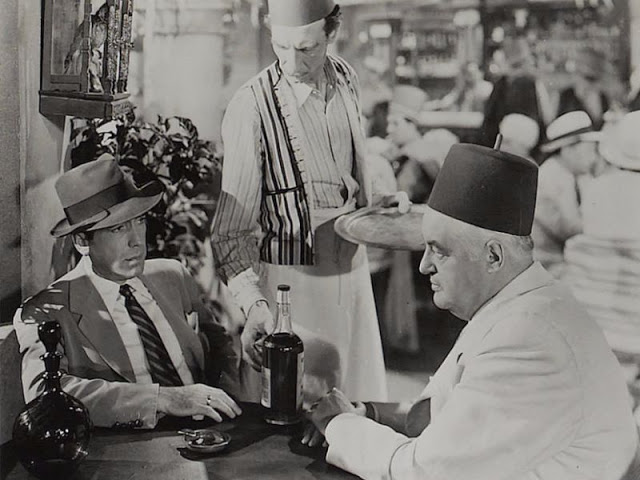
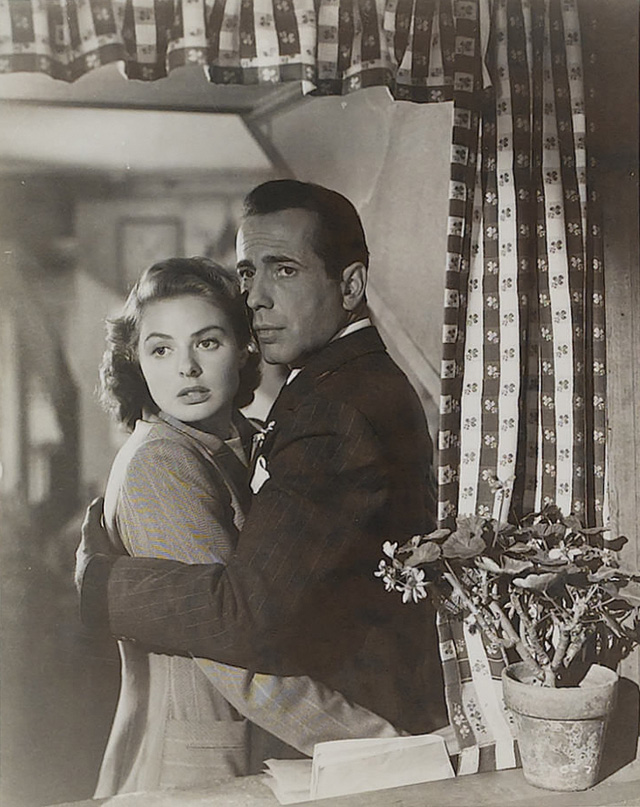
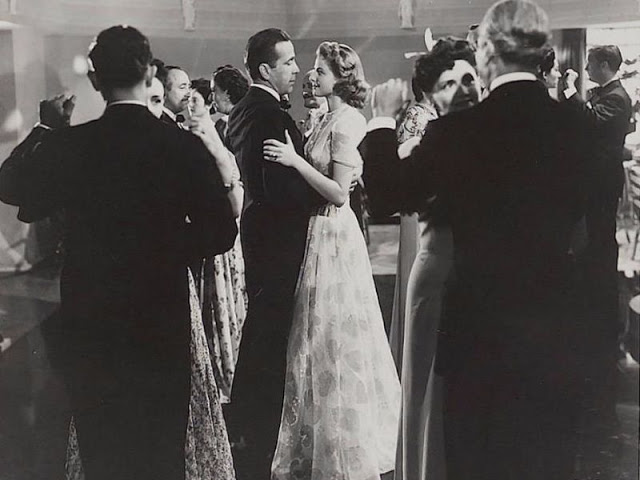
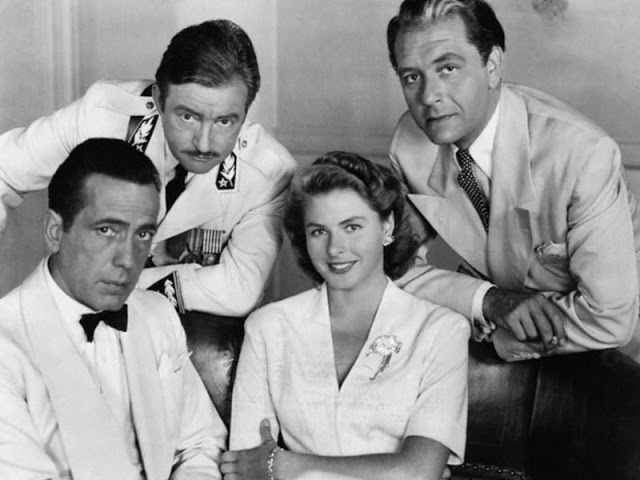
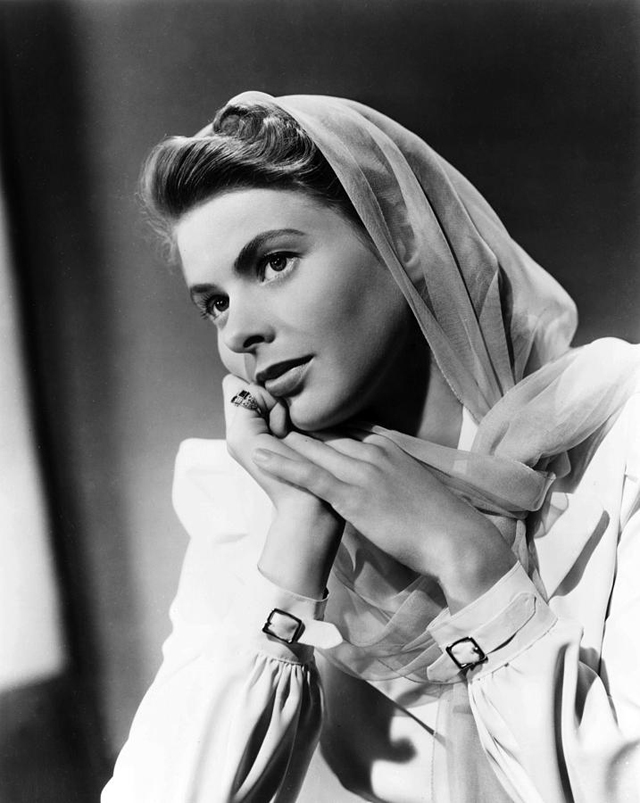
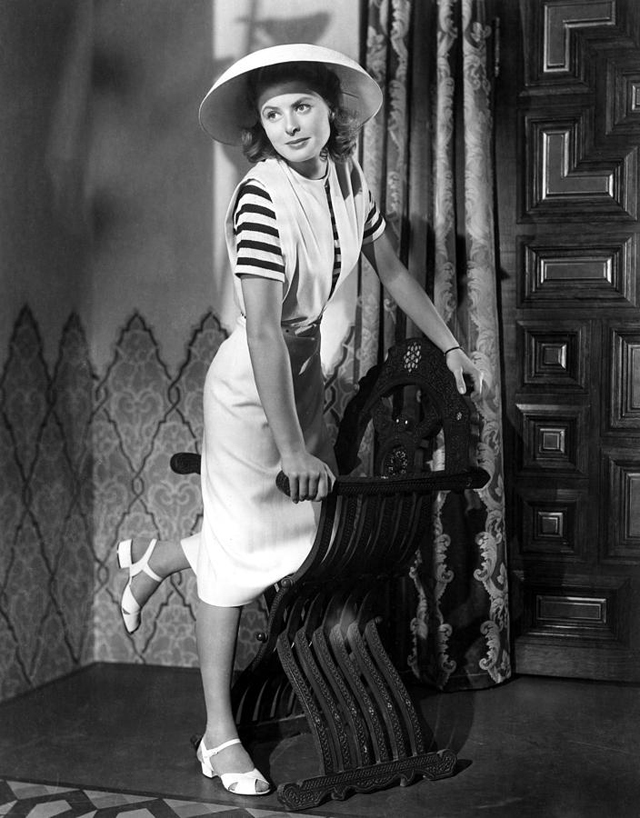
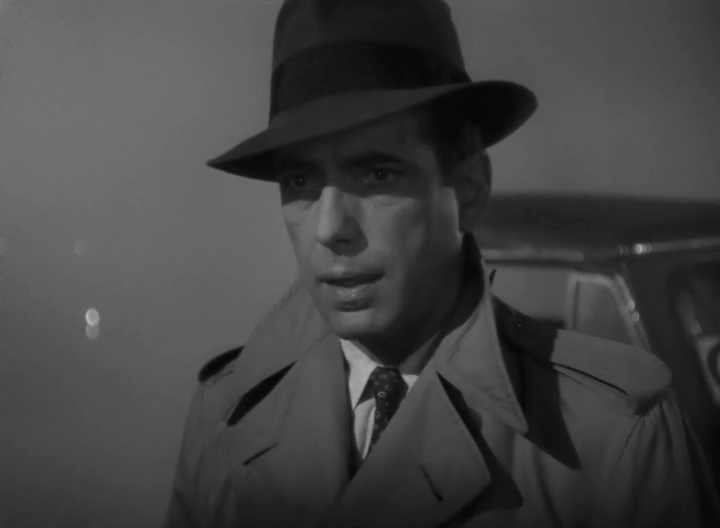
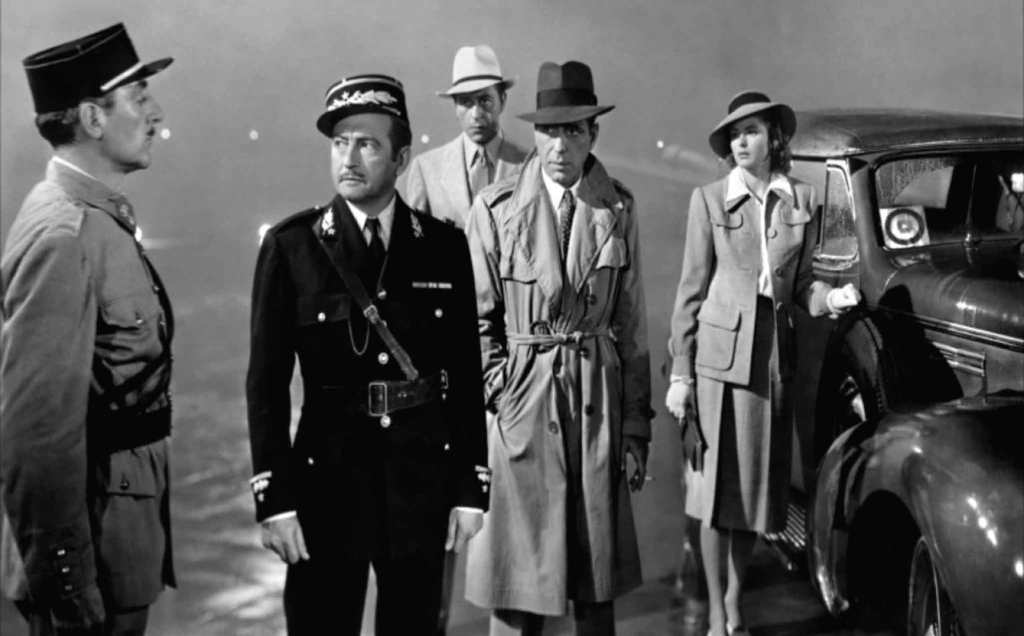
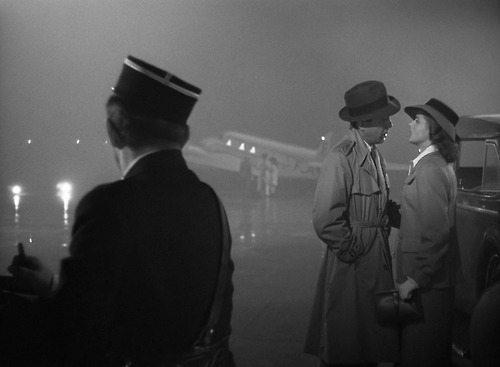
‘Casablanca’ is a 1942 American romantic drama film directed by Michael Curtiz and based on Murray Burnett and Joan Alison’s unproduced stage play Everybody Comes to Rick’s. The film stars Humphrey Bogart, Ingrid Bergman, and Paul Henreid; it also features Claude Rains, Conrad Veidt, Sydney Greenstreet, Peter Lorre, and Dooley Wilson.
Set during World War II, it focuses on an American expatriate who must choose between his love for a woman and helping her Czech Resistance leader husband escape the Vichy-controlled city of Casablanca to continue his fight against the Nazis.
Although ‘Casablanca’ was an A-list film with established stars and first-rate writers, no one involved with its production expected it to be anything out of the ordinary. It was just one of hundreds of pictures produced by Hollywood every year.
‘Casablanca’ went on to win three Academy Awards – Best Picture, Director (Curtiz) and Adapted Screenplay (the Epsteins and Koch) – and gradually its reputation grew. Its lead characters, memorable lines, and pervasive theme song have all become iconic and the film consistently ranks near the top of lists of the greatest films in history.
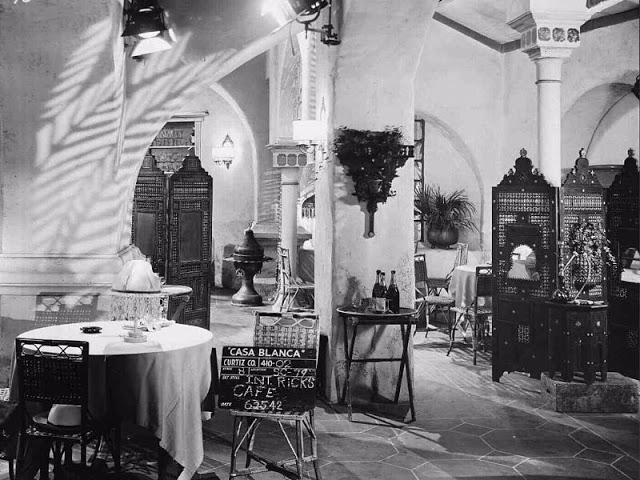
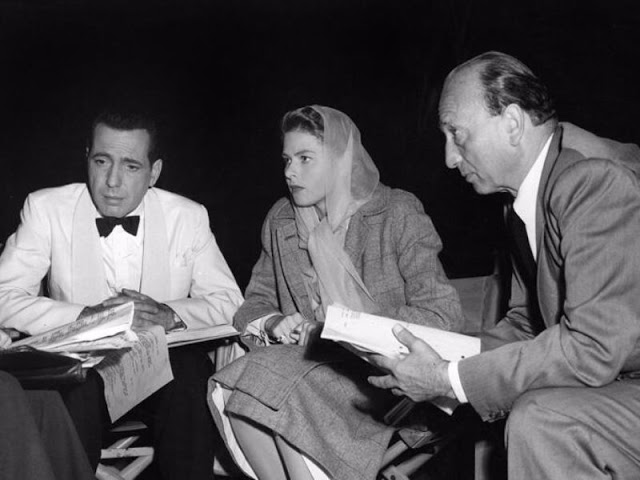
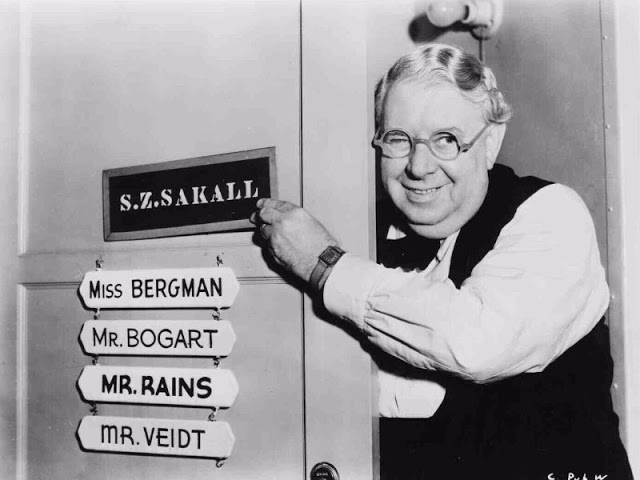
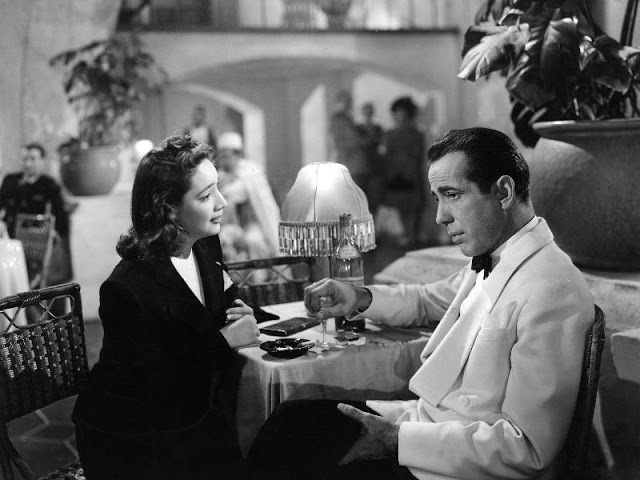
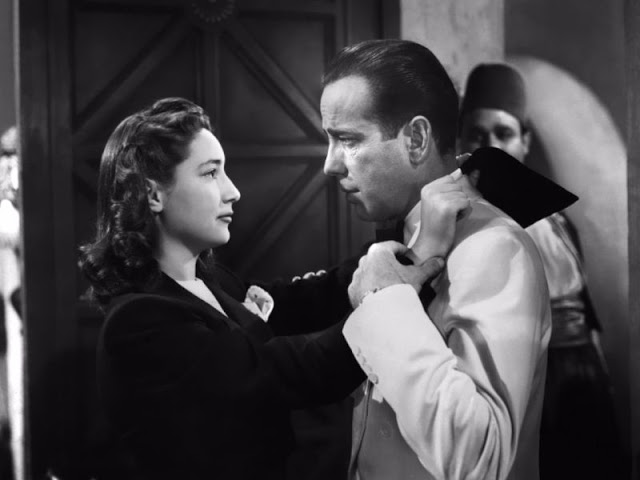
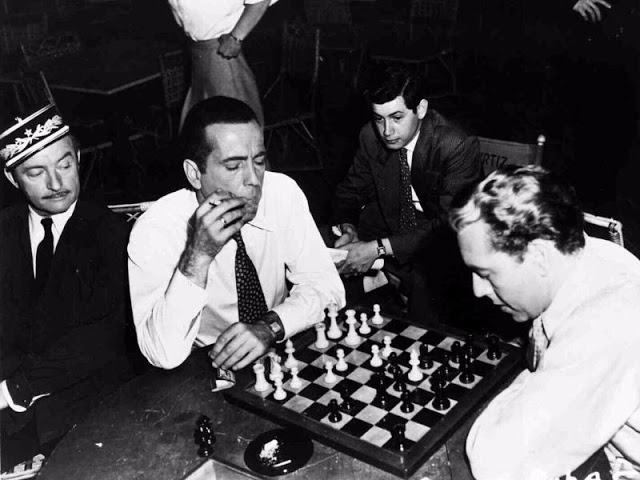
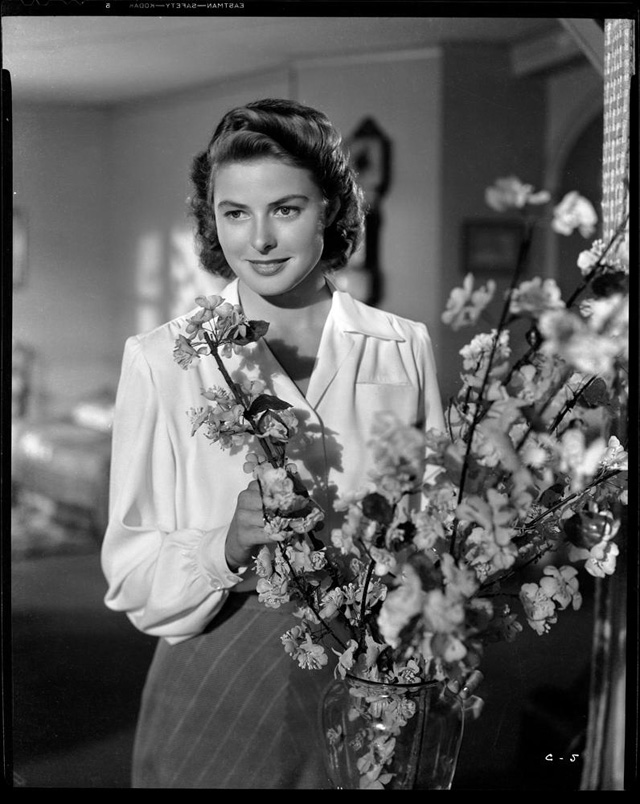
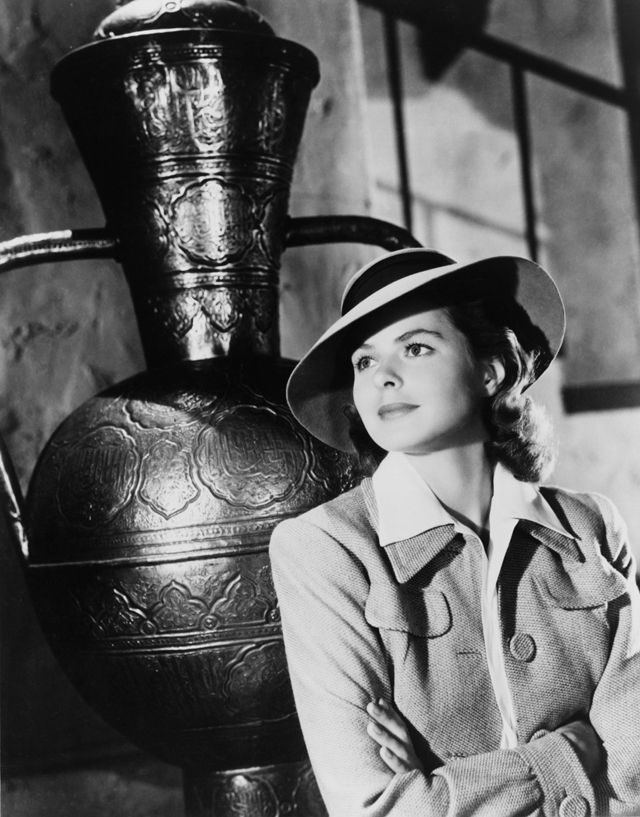
Here is a behind-the-scenes photo collection of the filming of ‘Casablanca’ in 1942.
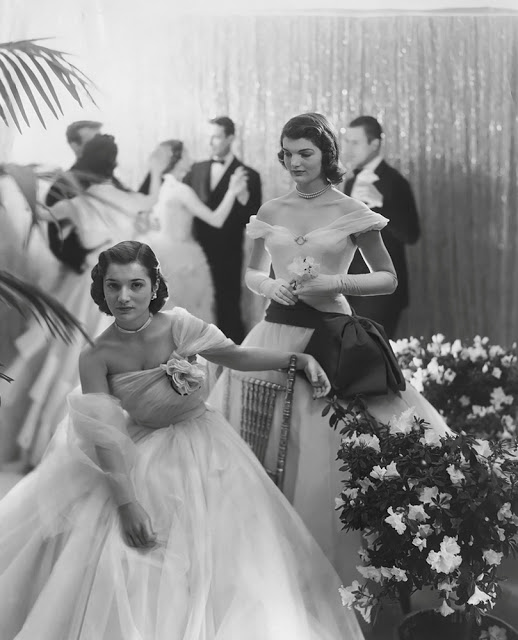
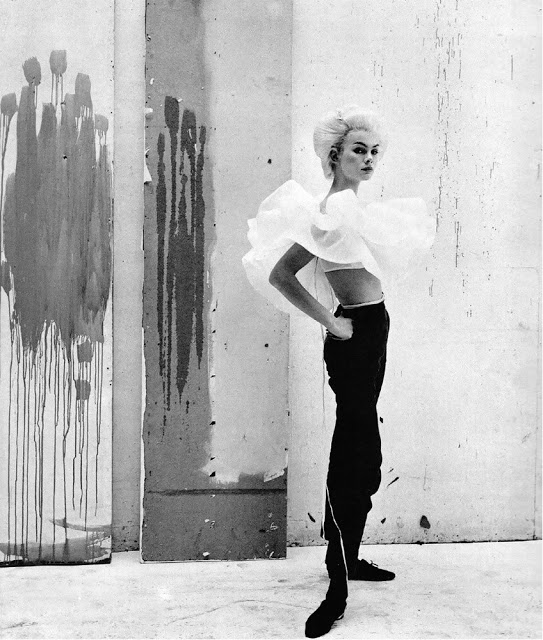
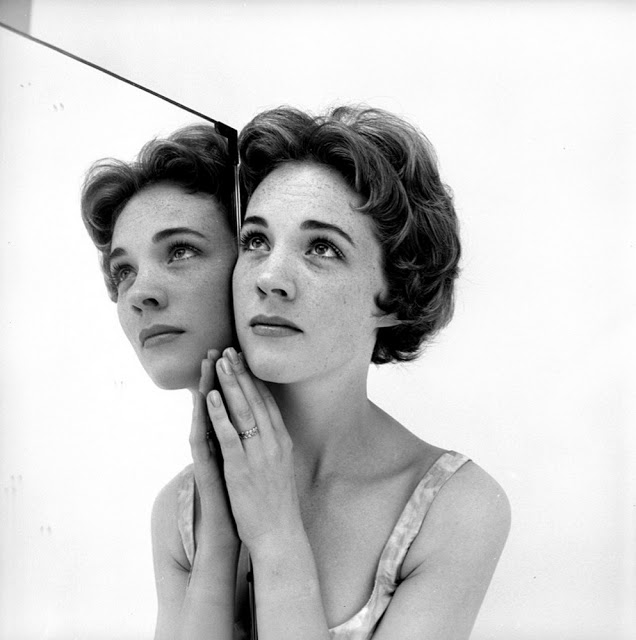
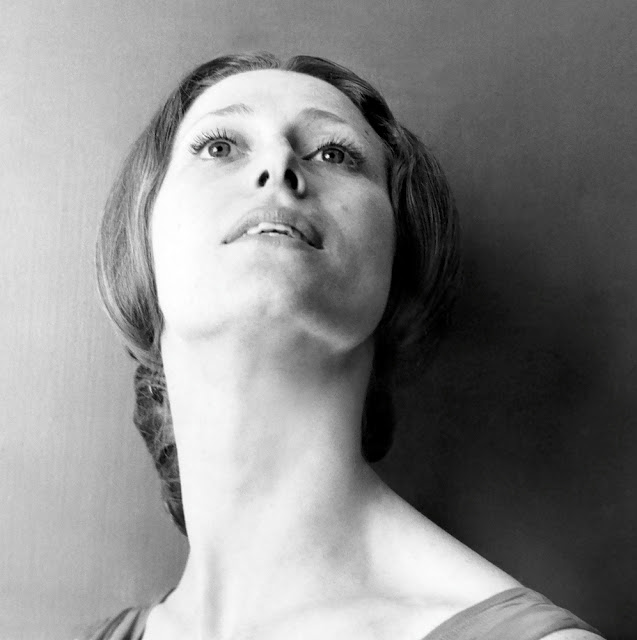
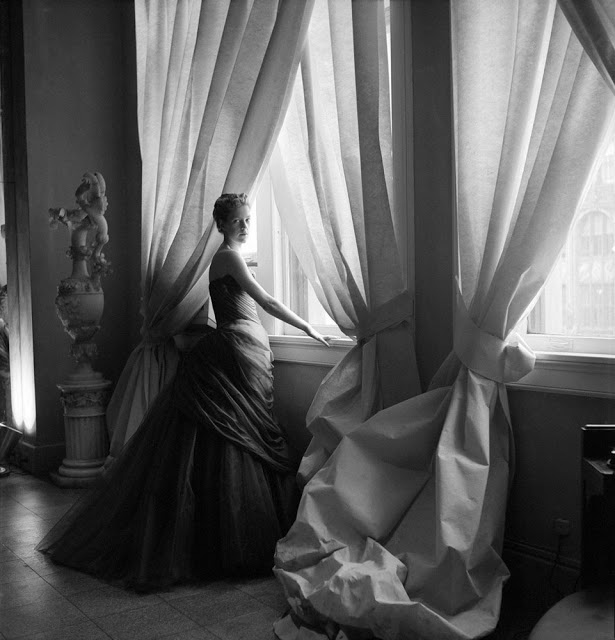
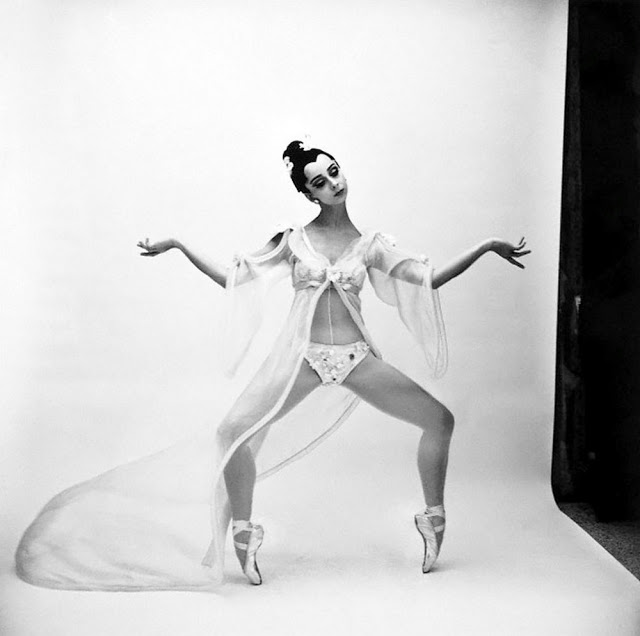
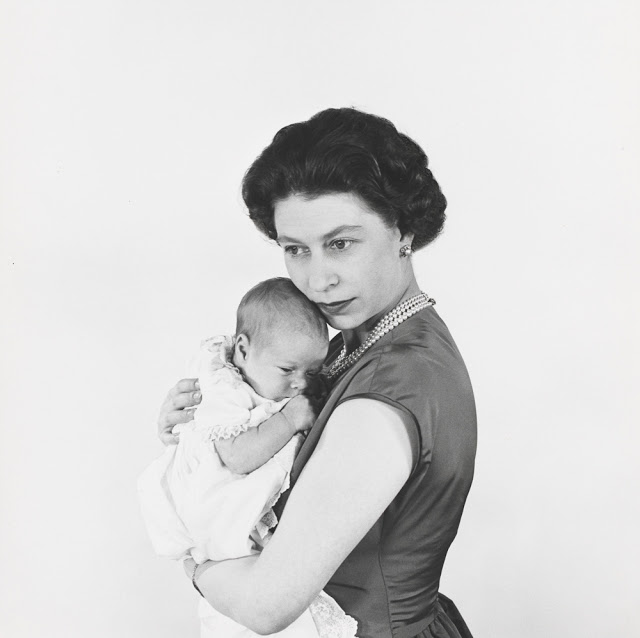
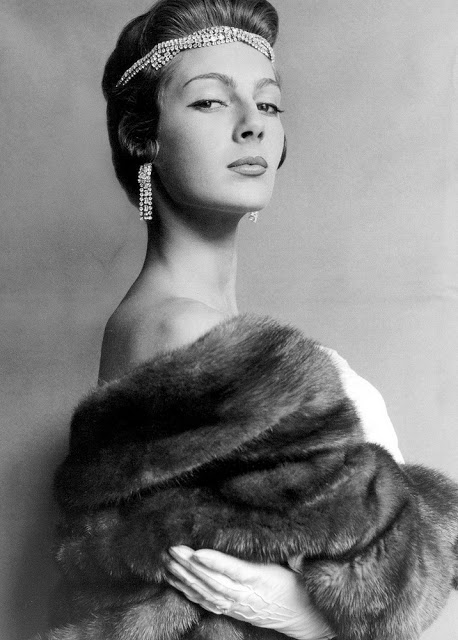
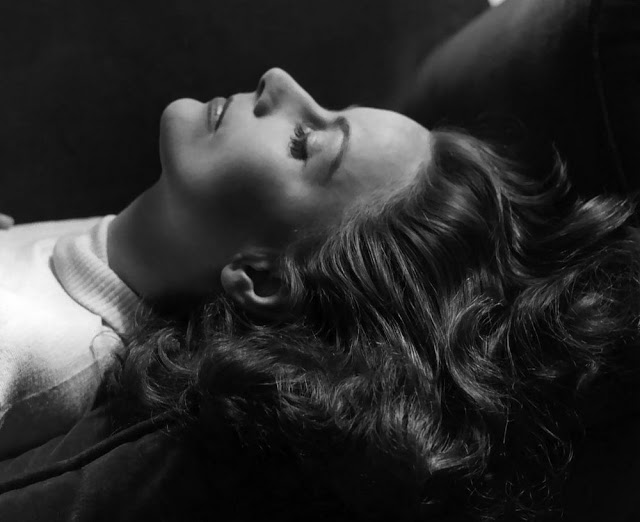
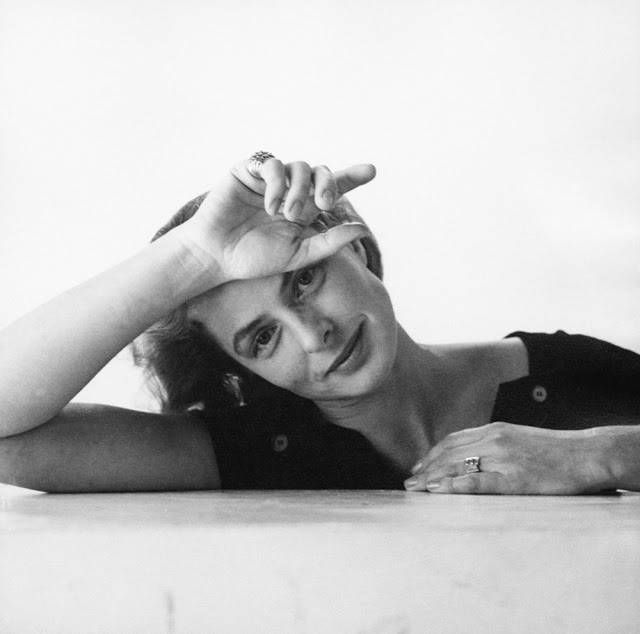
Sir Cecil Beaton (1904-1980) is one of the most celebrated British portrait photographers of the Twentieth century and is renowned for his images of elegance, glamour and style. His influence on portrait photography was profound and lives on today in the work of many contemporary photographers including David Bailey and Mario Testino.
Seeking to pursue his interest in photography, Beaton sent photos to editors and fell in with the Bright Young Things, London’s bohemian crowd. He was eventually hired as a staff photographer for Vanity Fair and Vogue, where he developed a unique style of posing sitters with unusual backgrounds. Beaton published his first collection of works in 1930 with The Book of Beauty, and his fame grew to the point where he was tapped to photograph the wedding of the Duke of Windsor and Wallis Warfield in 1937 and Queen Elizabeth’s coronation in 1953.
Cecil Beaton was a favorite photographer of celebrities and aristocrats. His famous subjects included leading ladies such as Marilyn Monroe, Grace Kelly and Audrey and Katharine Hepburn.
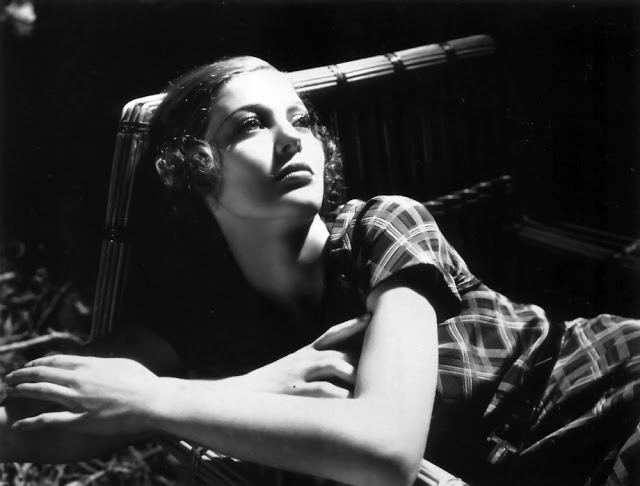
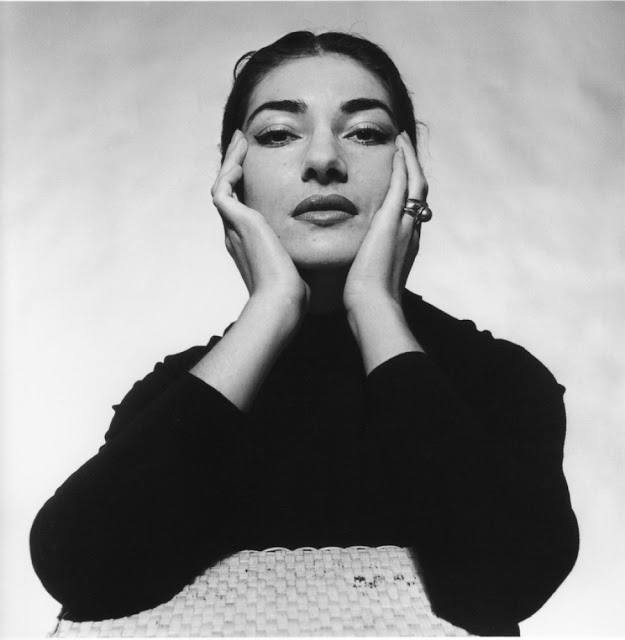
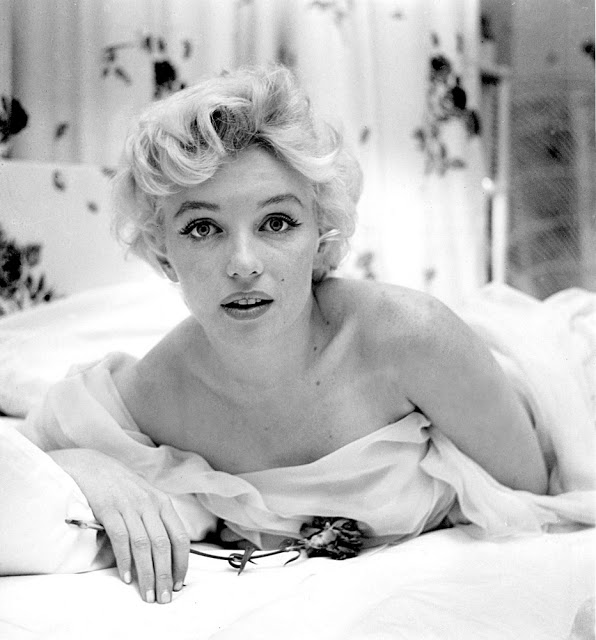
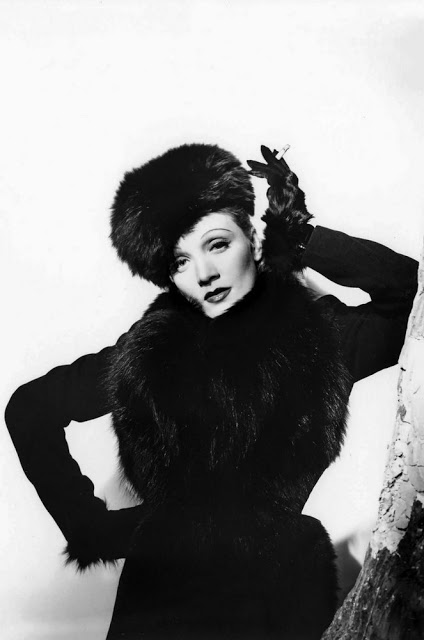
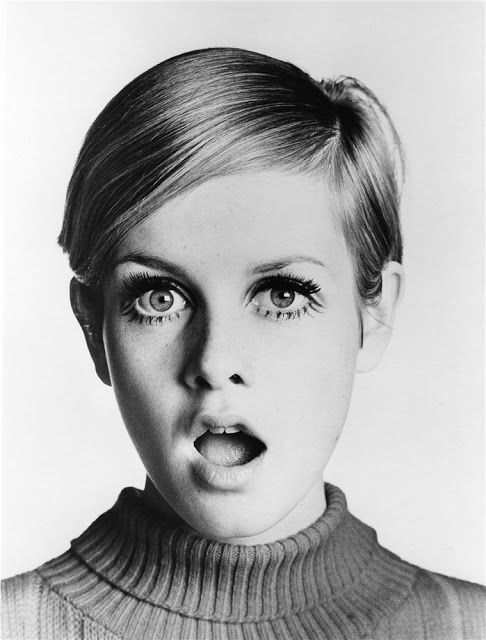
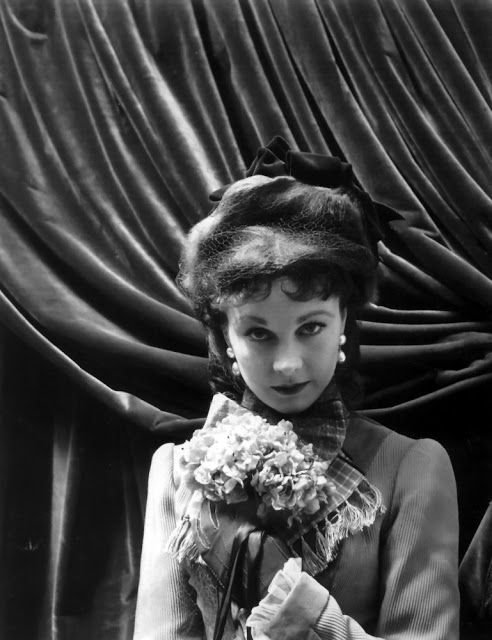
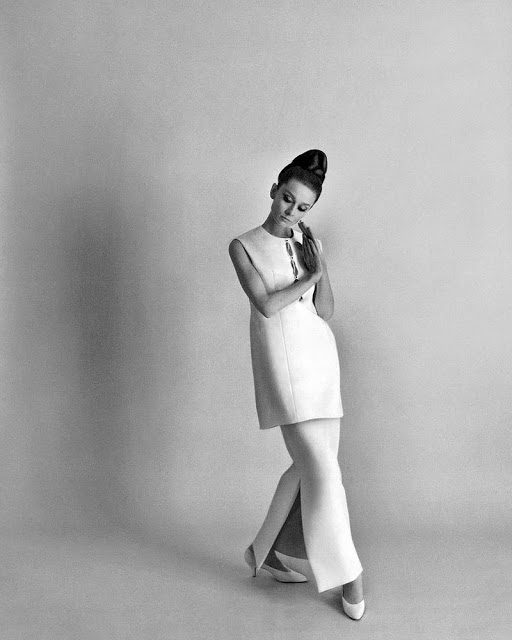
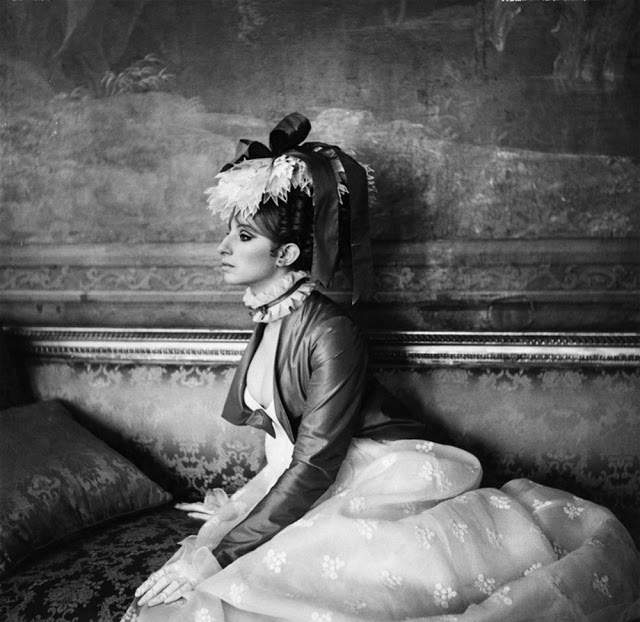
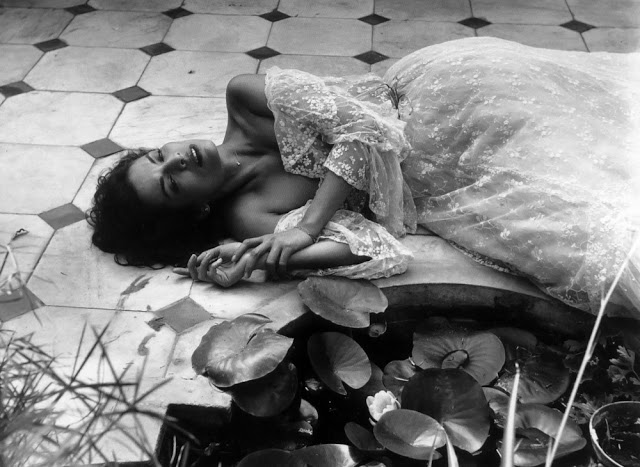
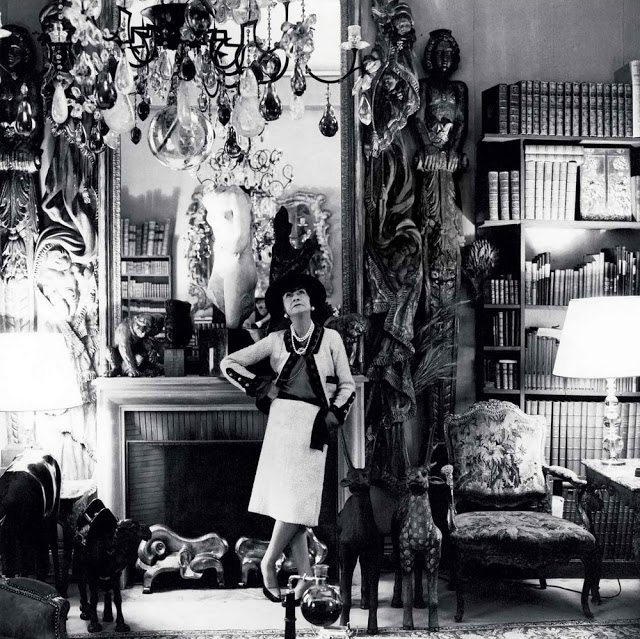
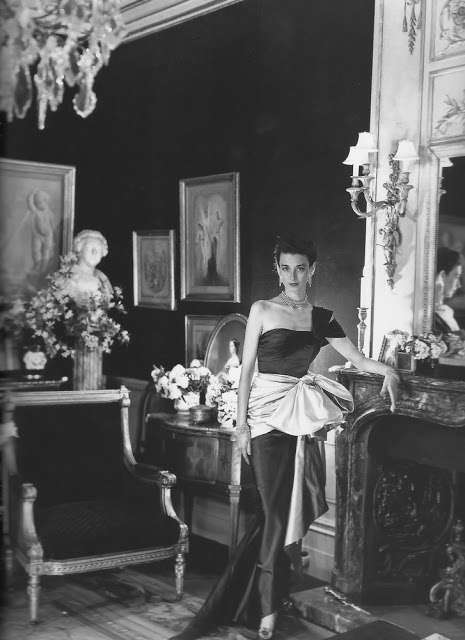
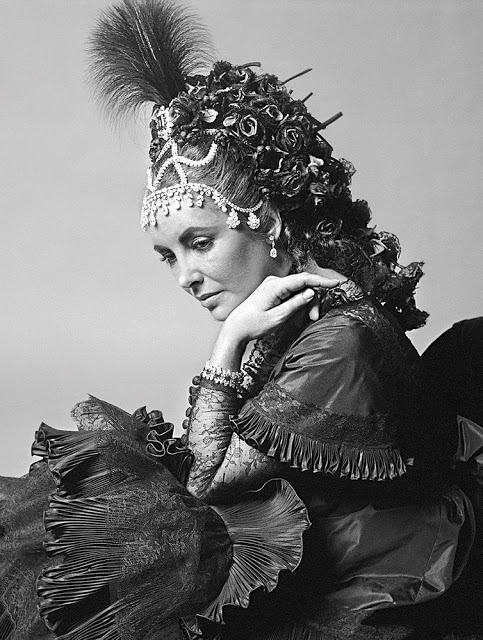
Jacqueline (Kennedy Onassis) and Lee Bouvier (Radziwill)Jean ShrimptonJulie AndrewsKatharine HepburnLoretta YoungMaria CallasMarilyn MonroeMarlene DietrichMaya PlisetskayaNancy JamesNY City Ballet dancer Mimi PaulQueen Elizabeth II with Prince AndrewSandra Douglas HomeTwiggyVivien Leigh as Anna KareninaGrace KellyAudrey HepburnBarbra StreisandBianca JaggerCoco ChanelDorian LeighElizabeth TaylorFiona Campbell-WalterGreta GarboIngrid Bergman
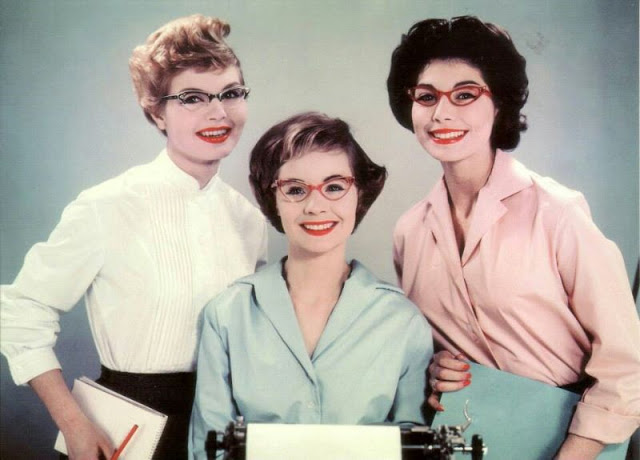
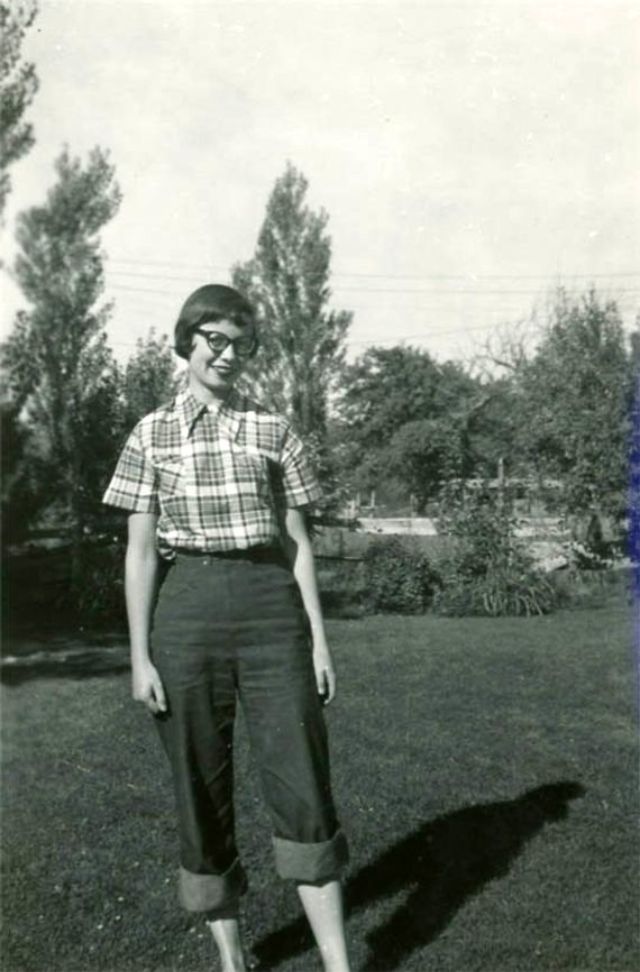
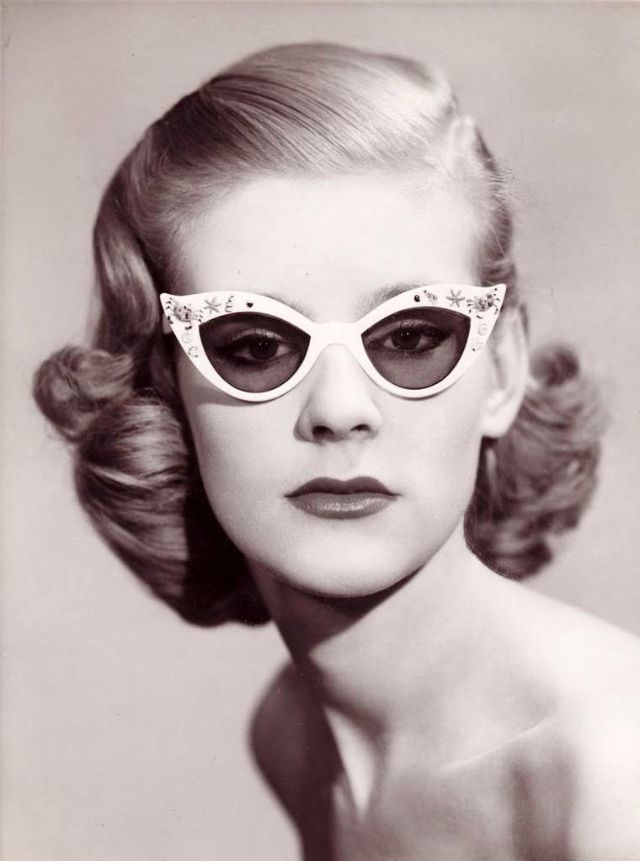
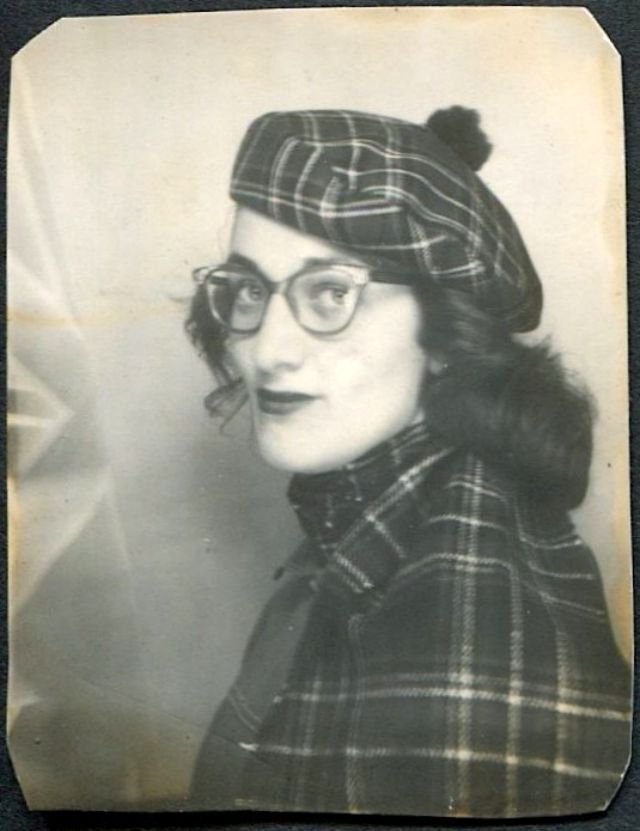
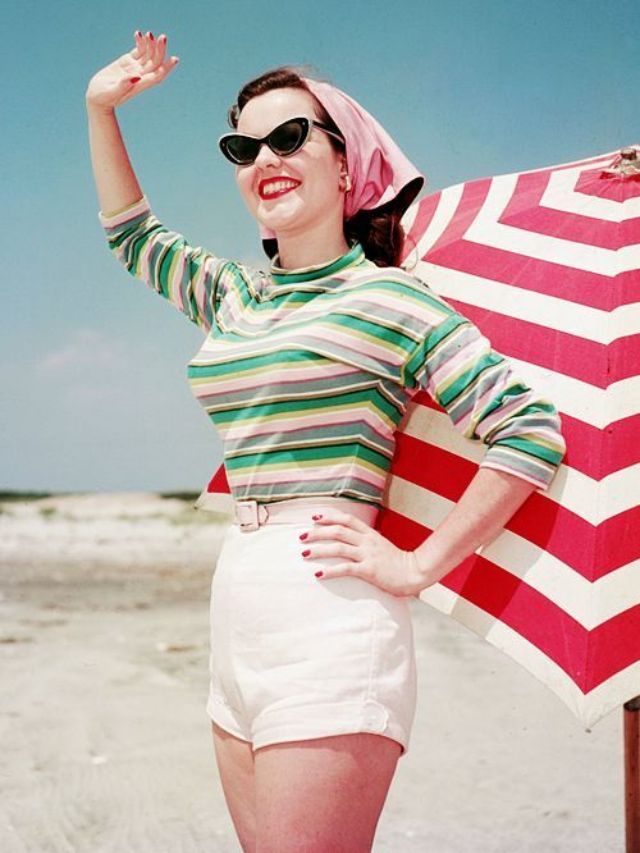
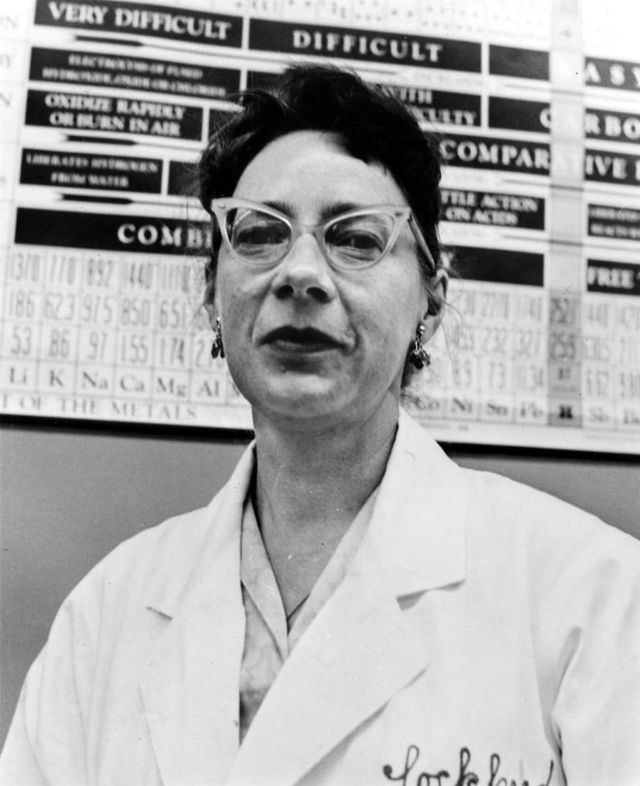
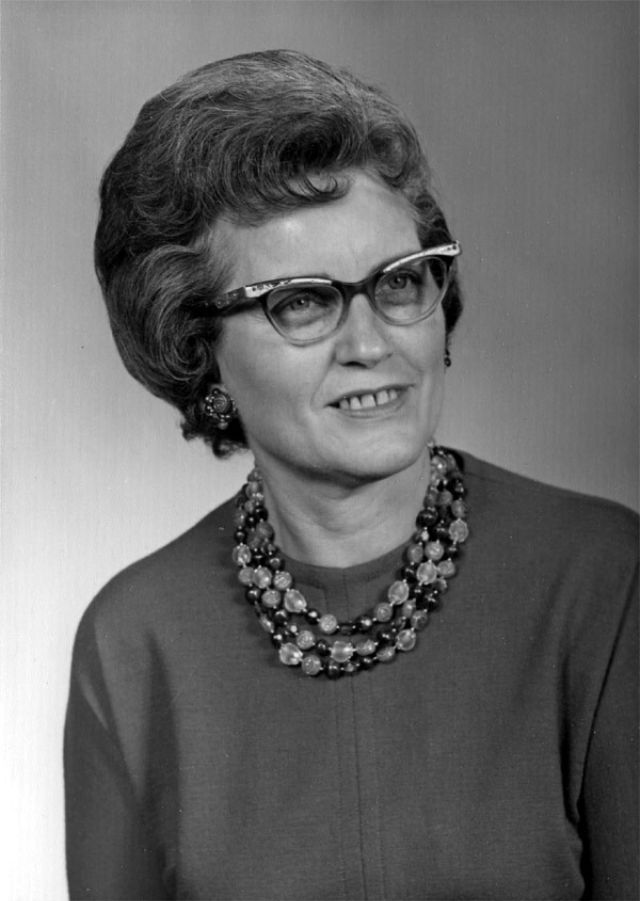
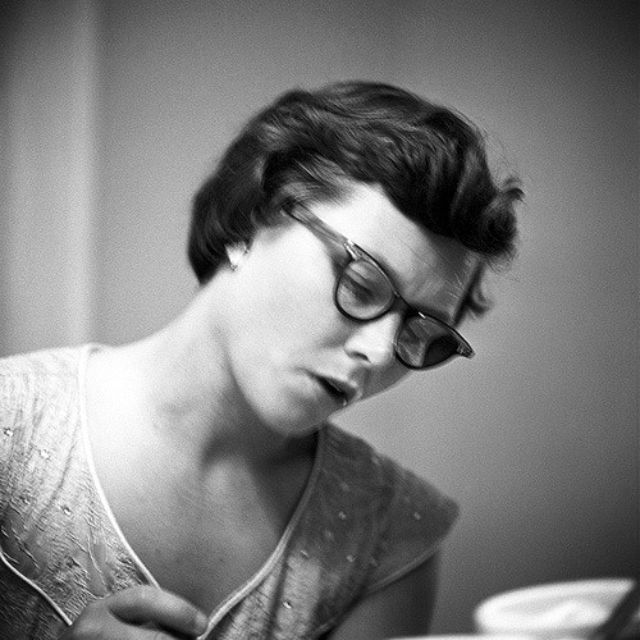
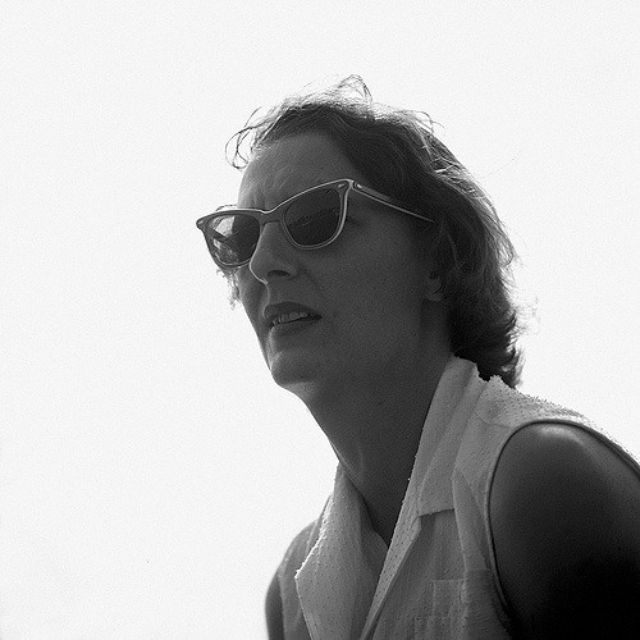
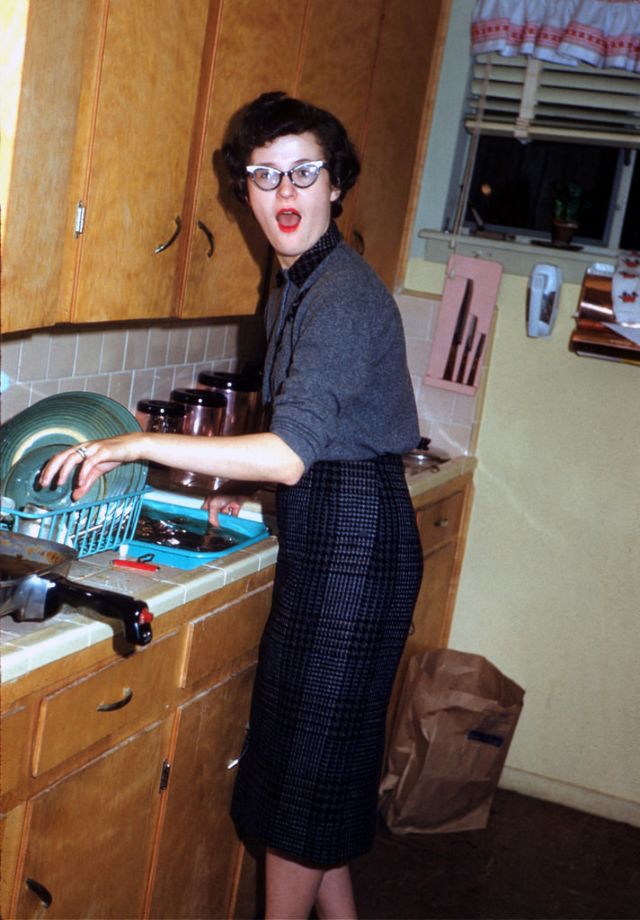
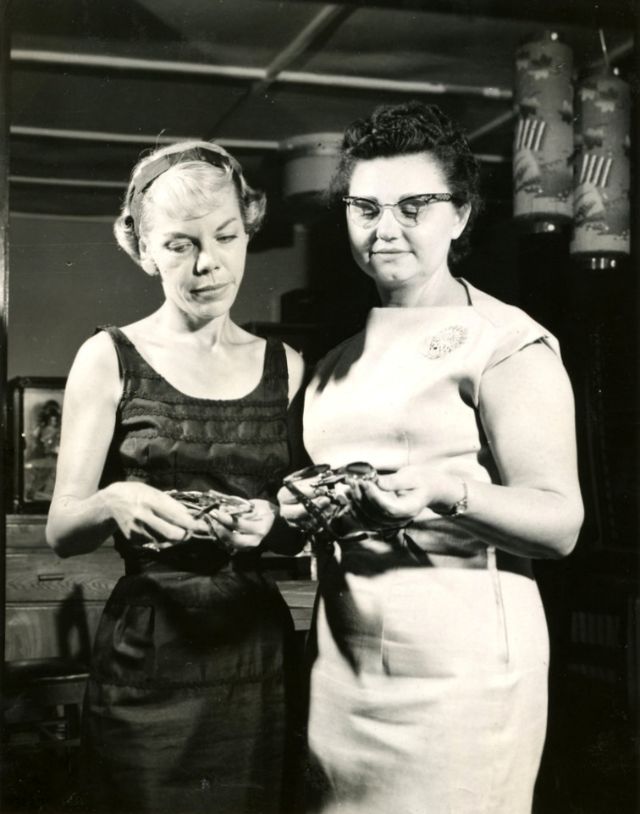
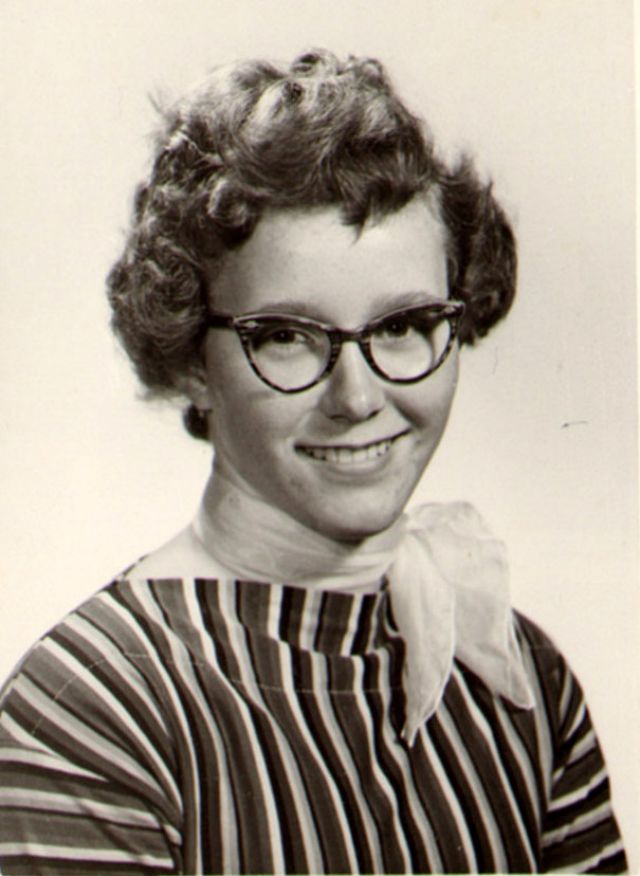
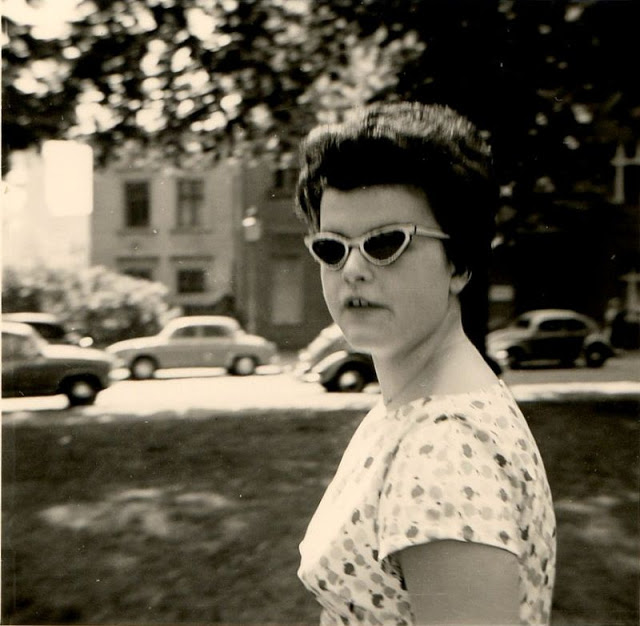
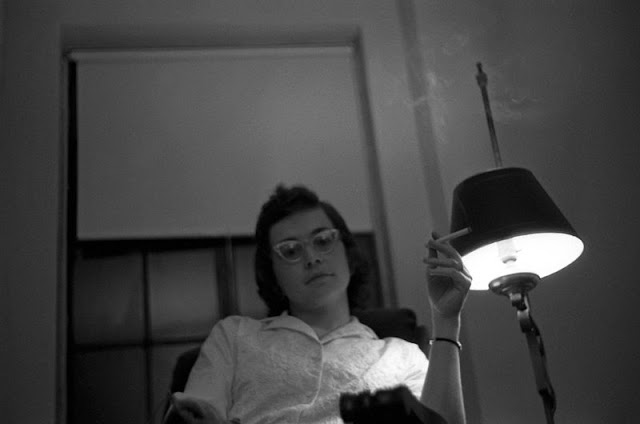
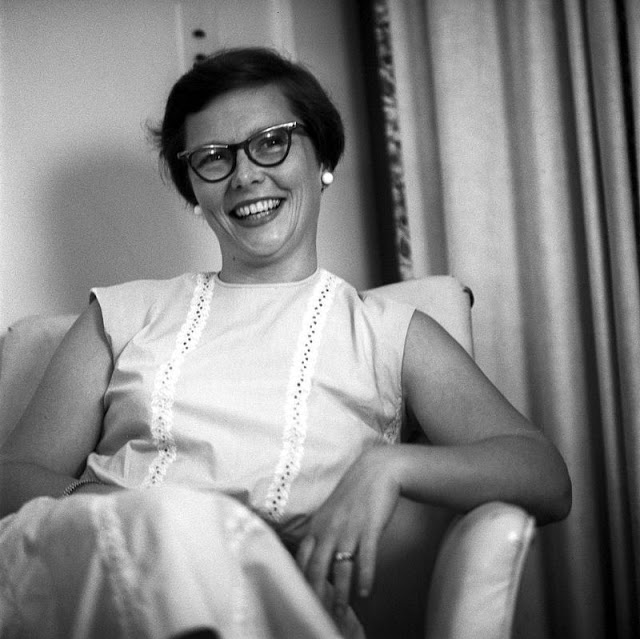
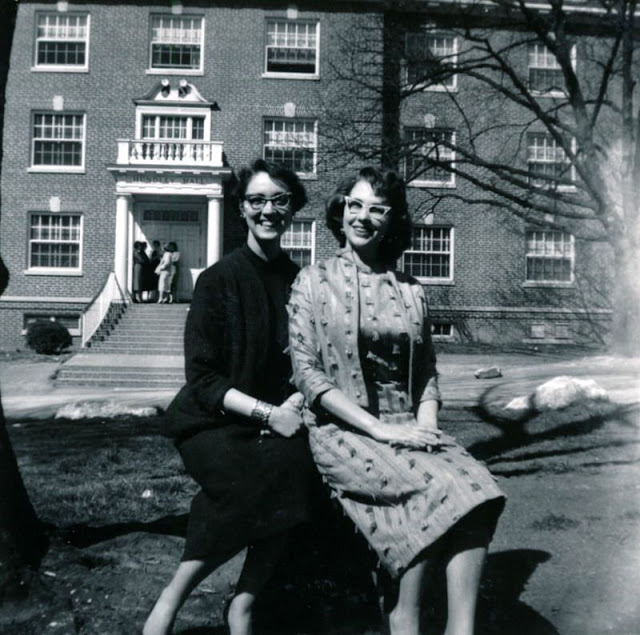
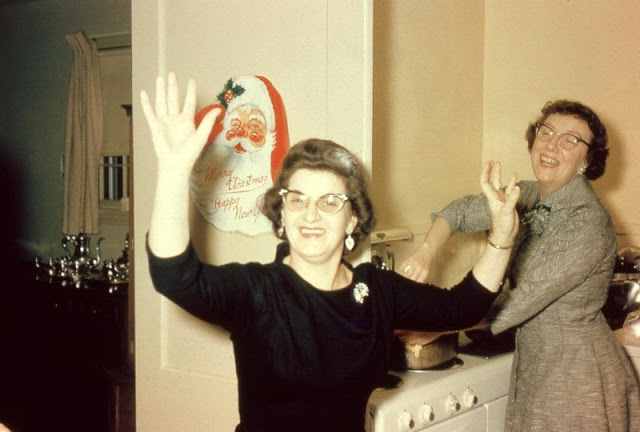
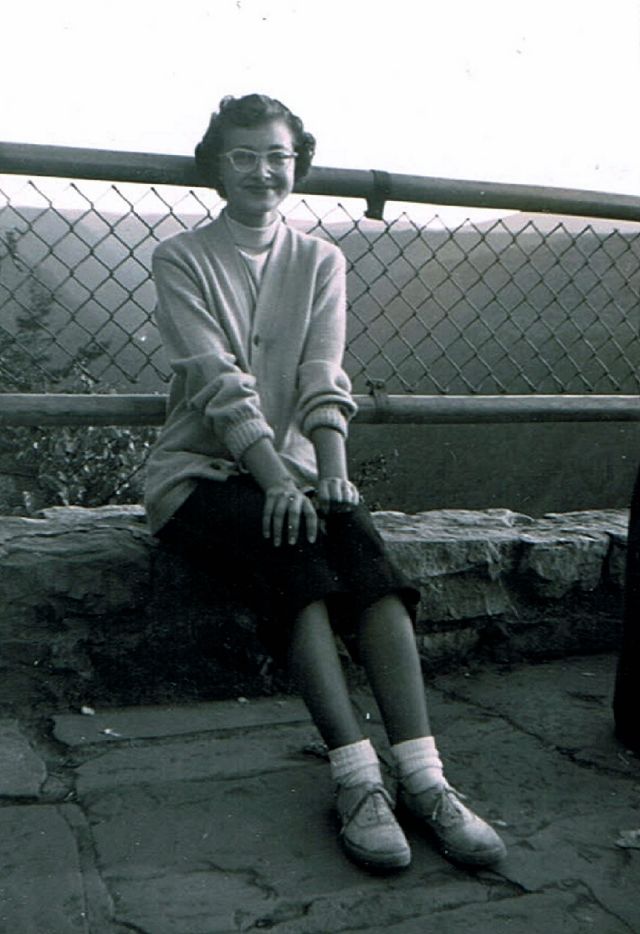
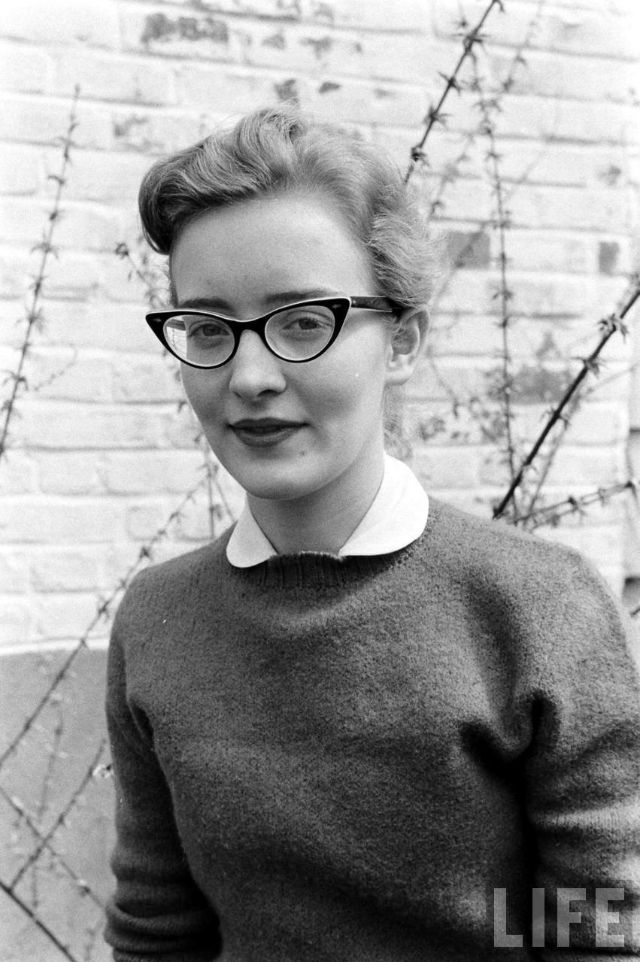
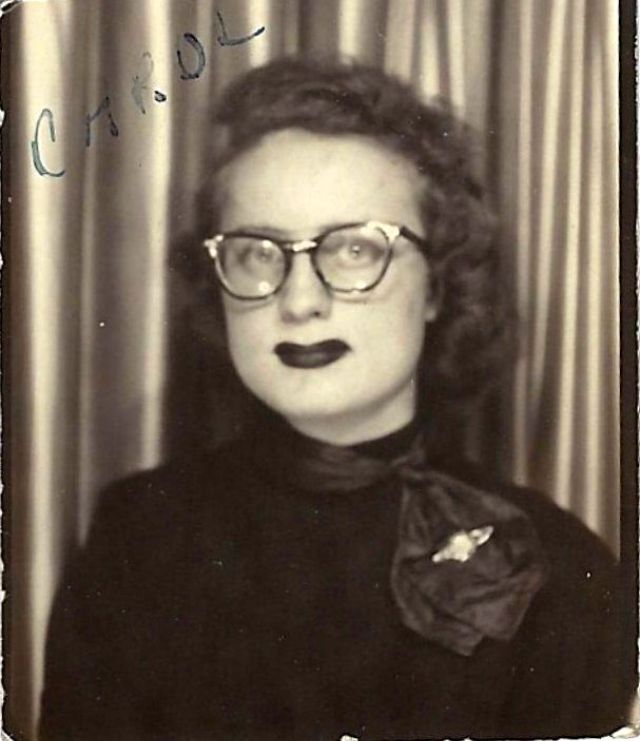
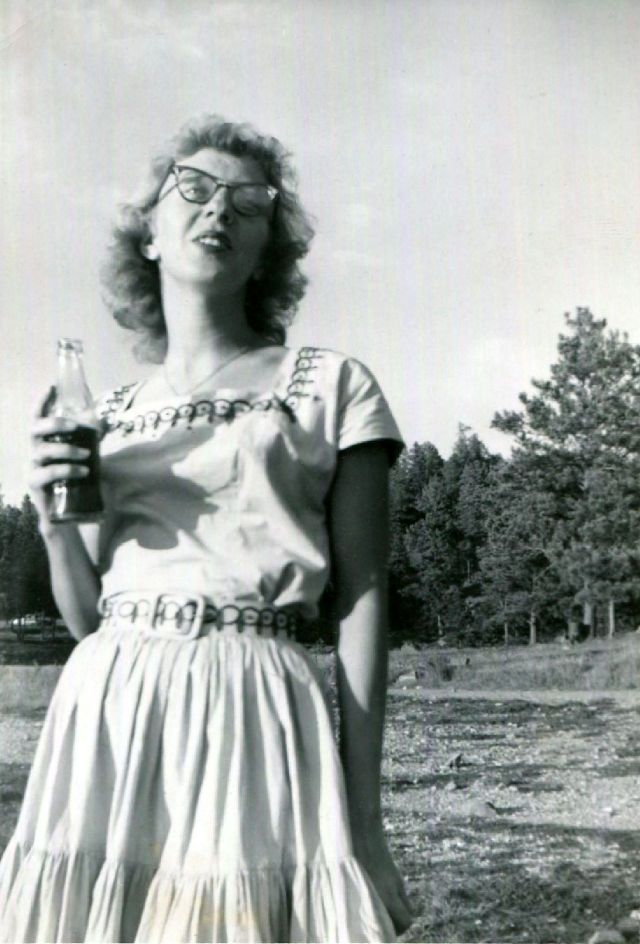
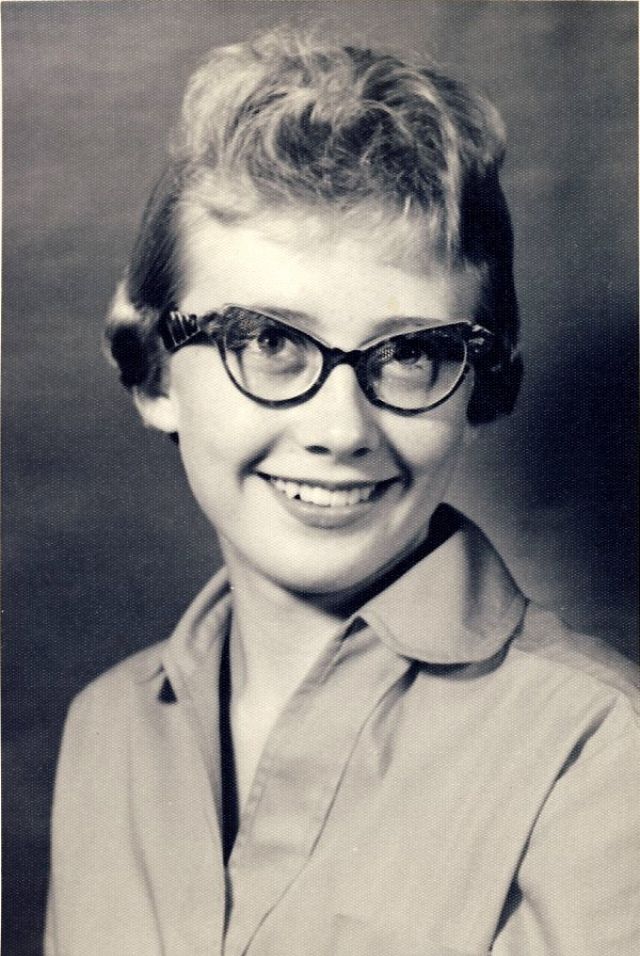
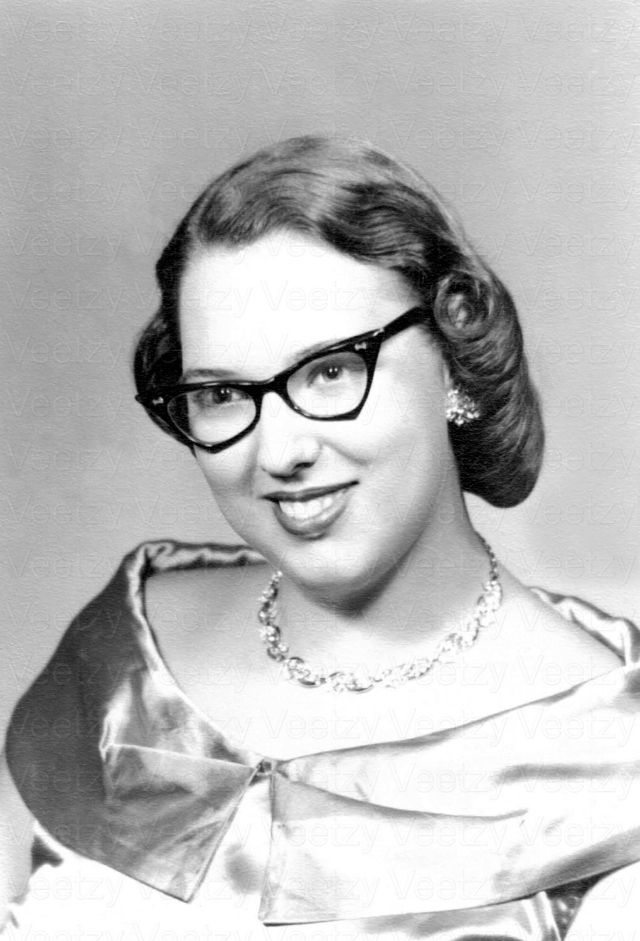
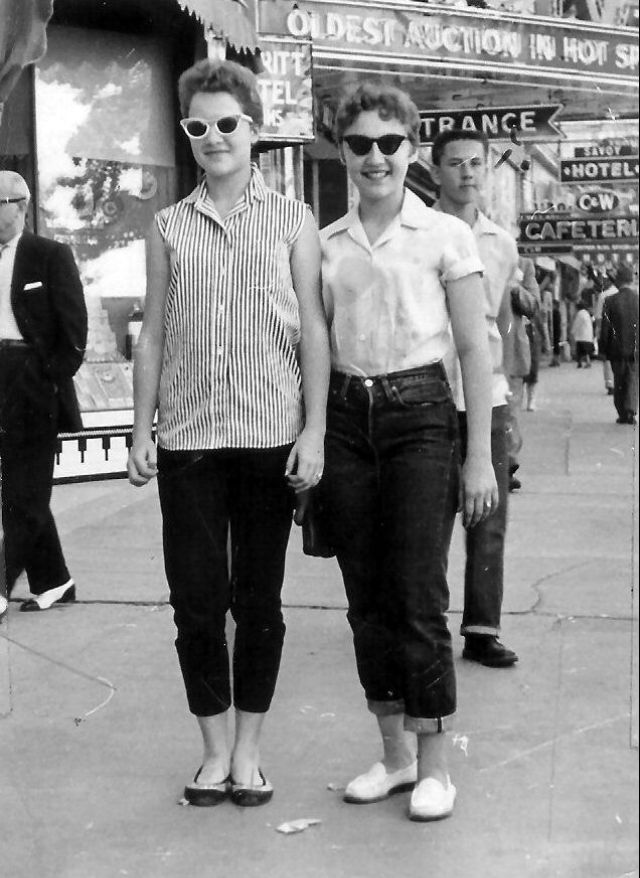
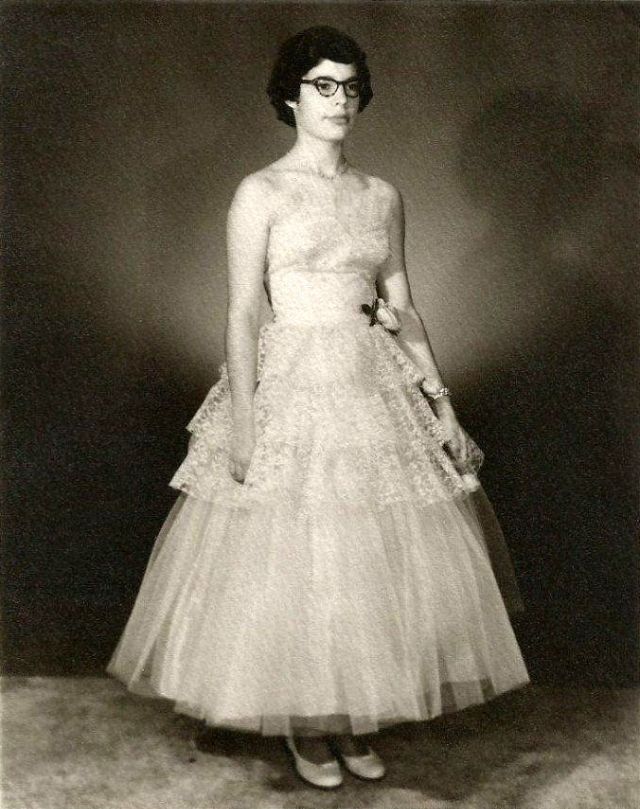
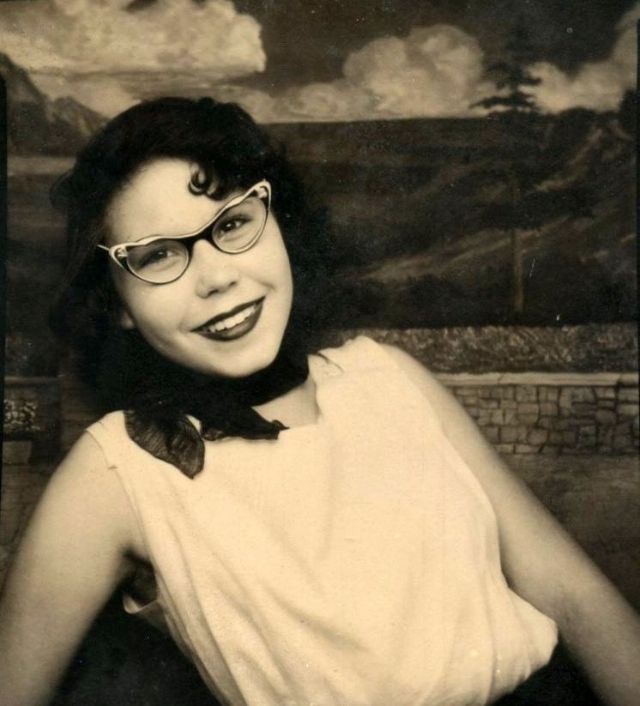
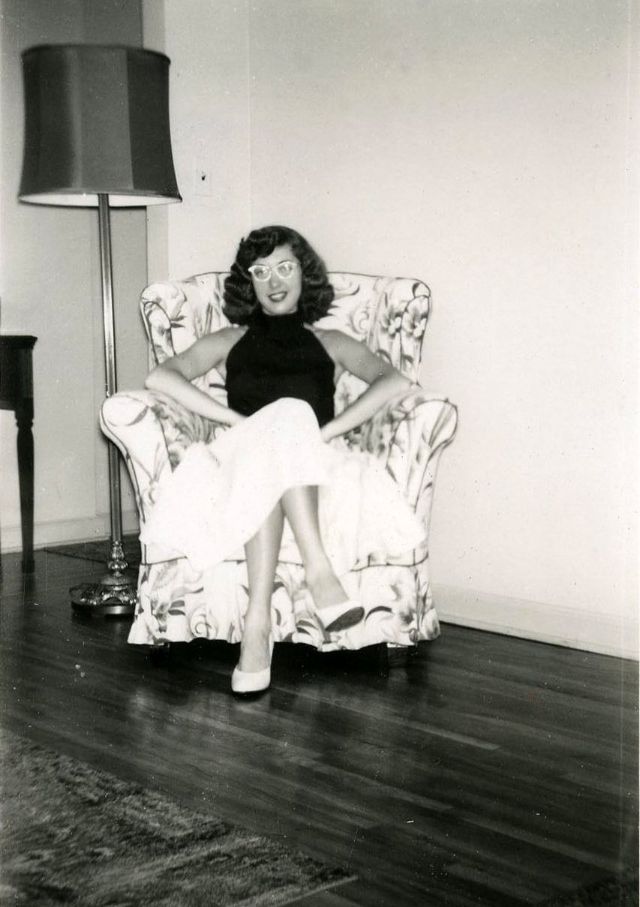
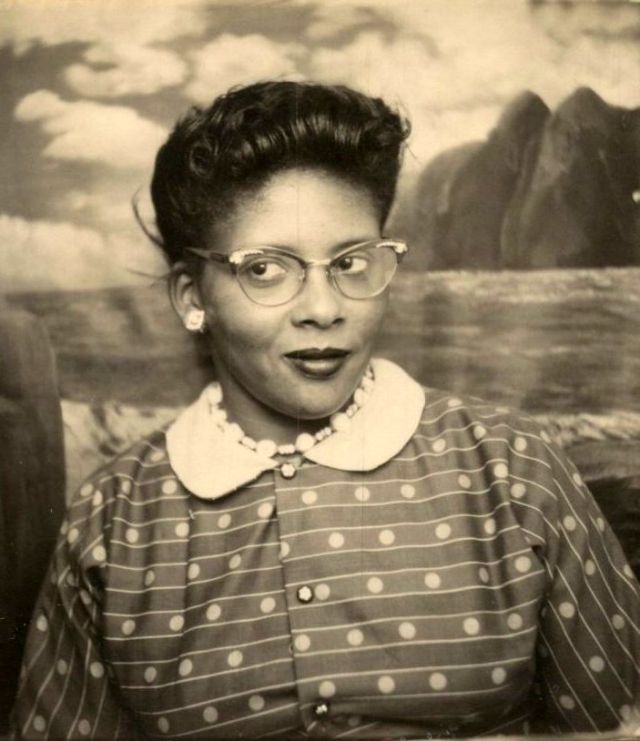
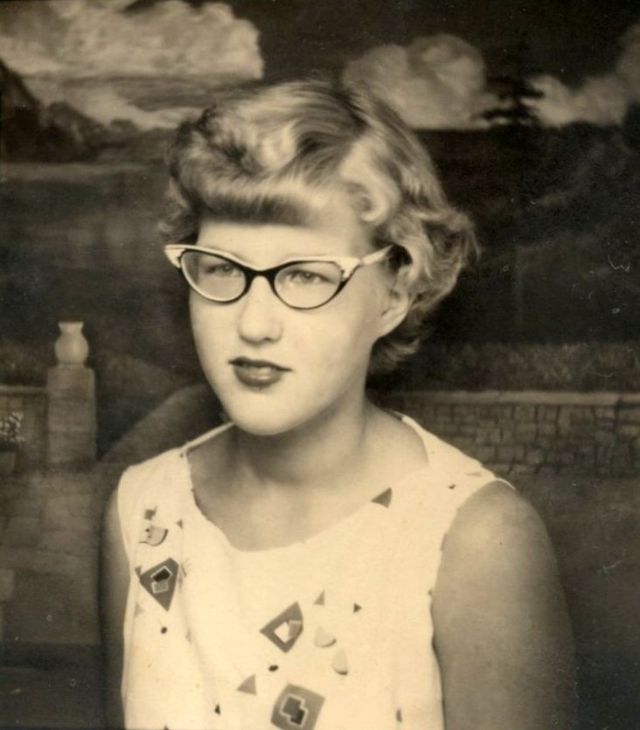
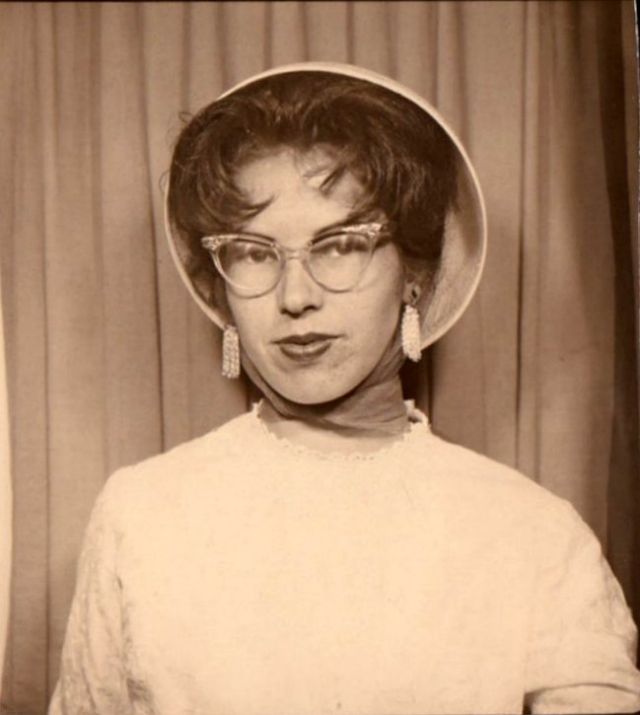
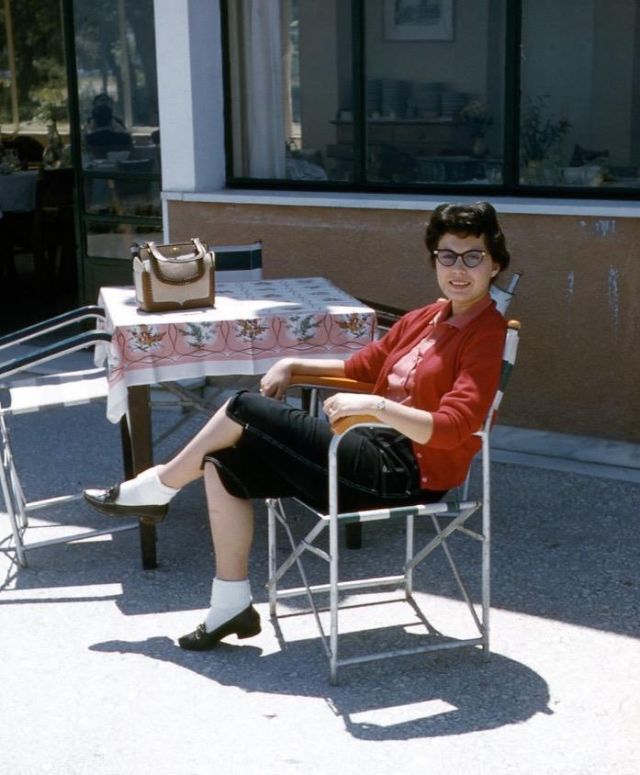
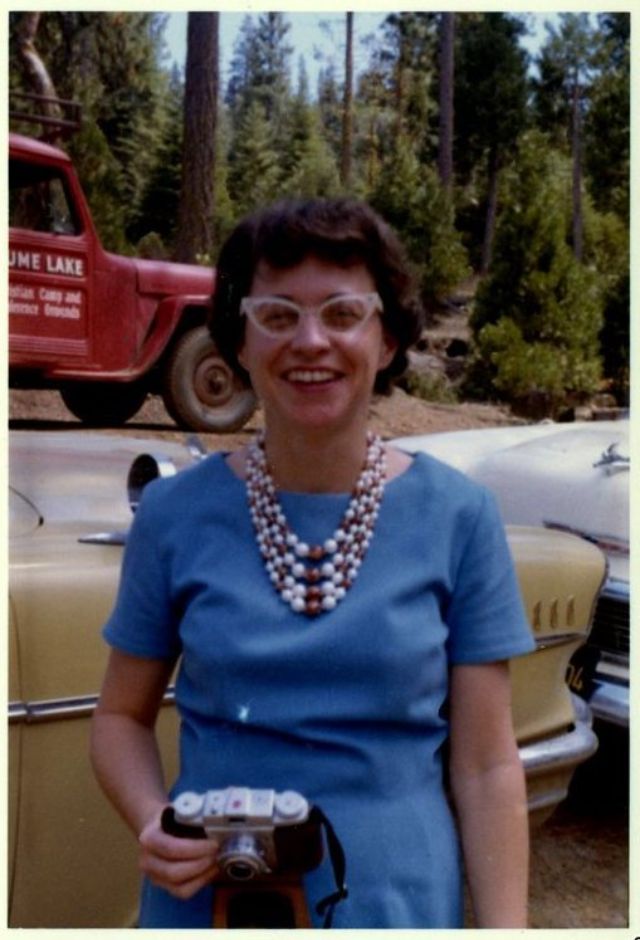
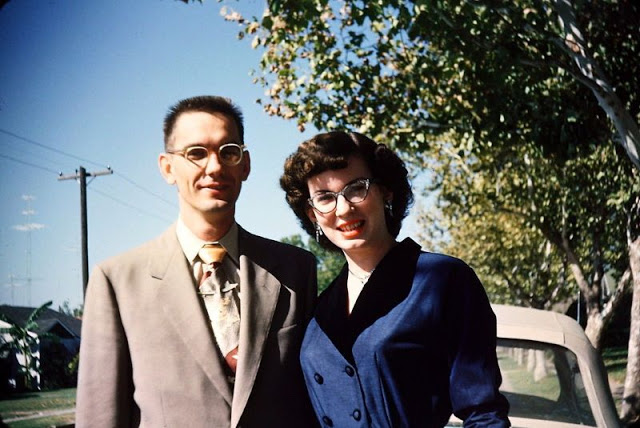
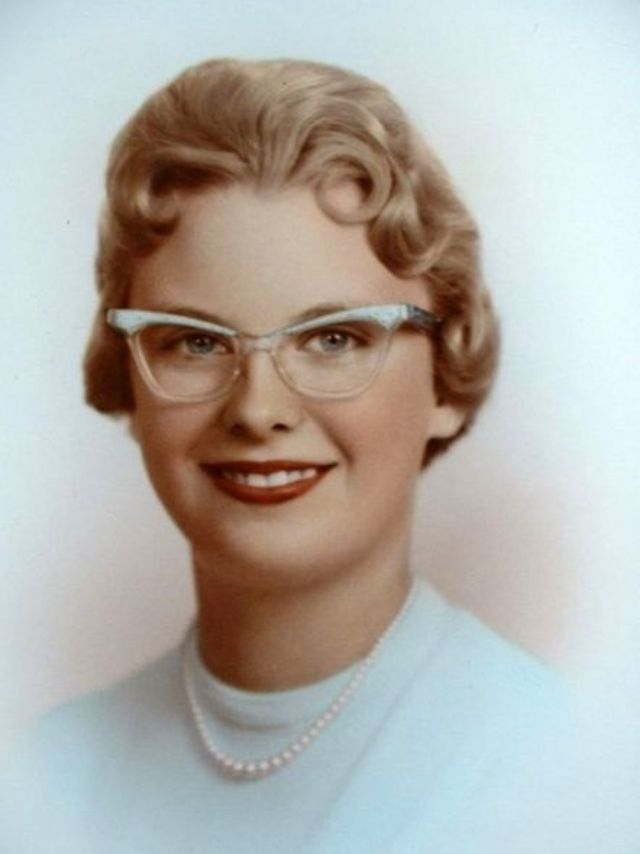
Cat eye glasses, sometimes called “cat eyes” or “cat glasses”, are a shape of women’s and sometimes men’s eyewear. They have an upsweep at the outer edges where the temples or arms join the frame front.
This glasses style was mainly popular in the 1950s and 1960s. A photo collection that shows women wearing these cool glasses in the 1950s.
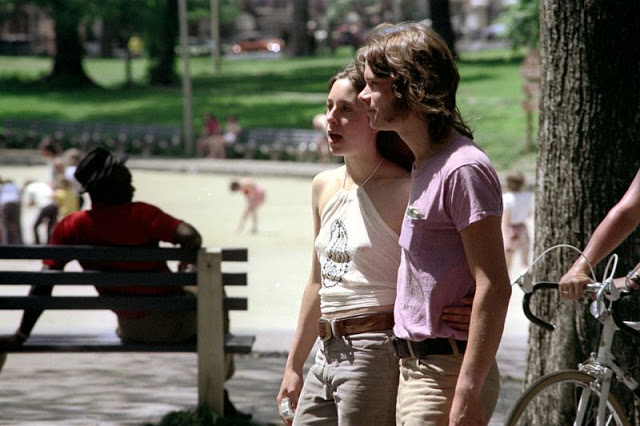
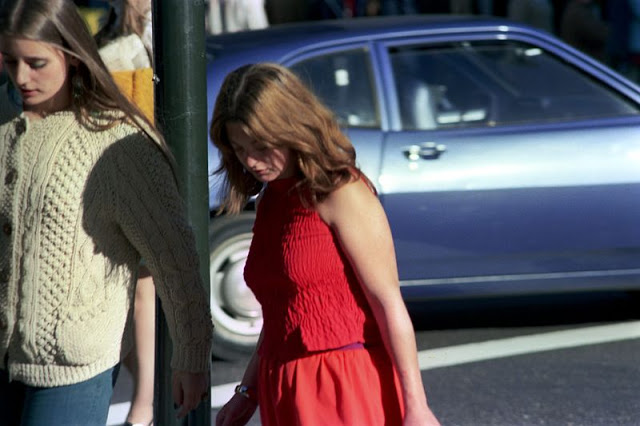
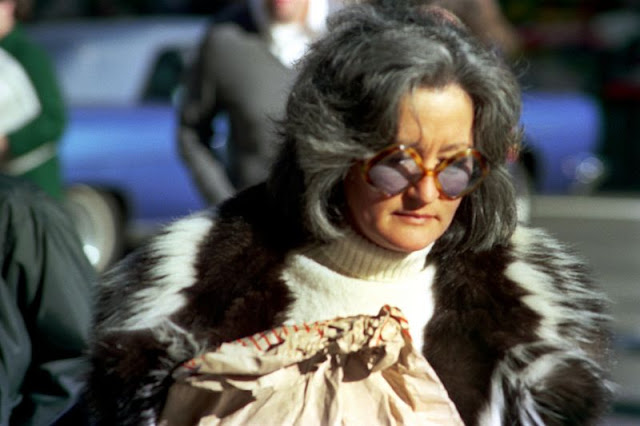
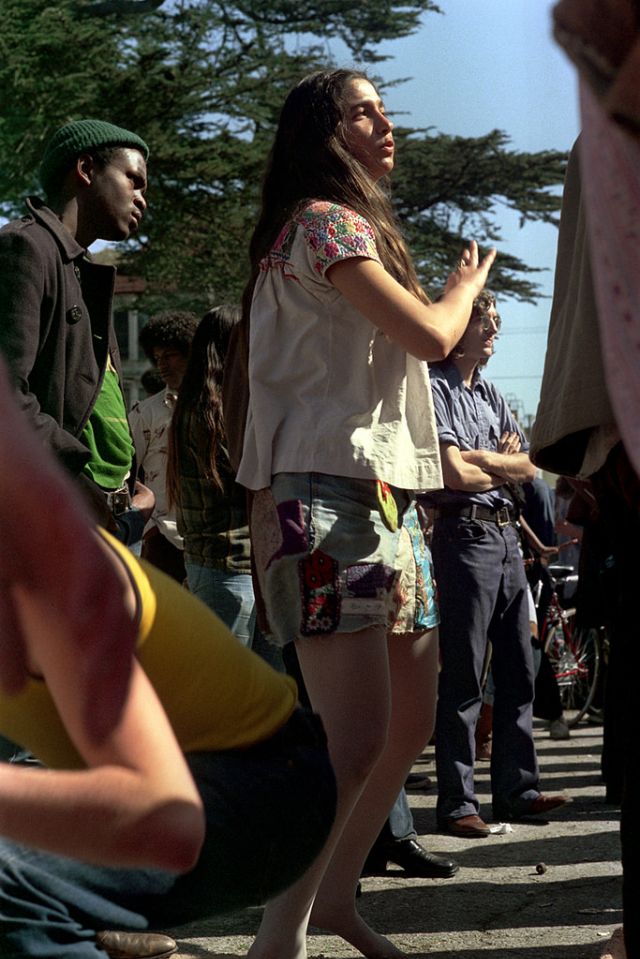
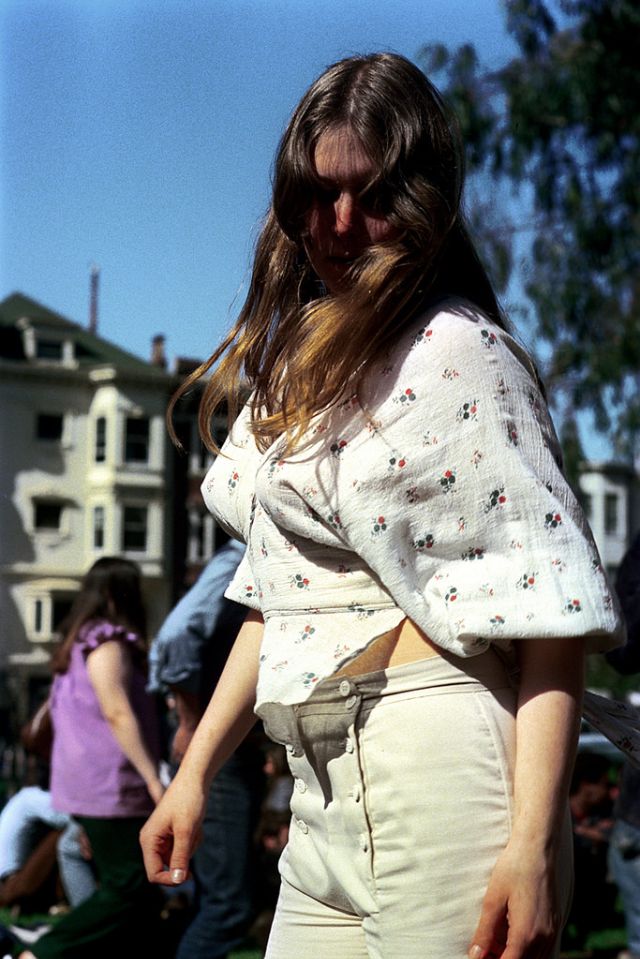
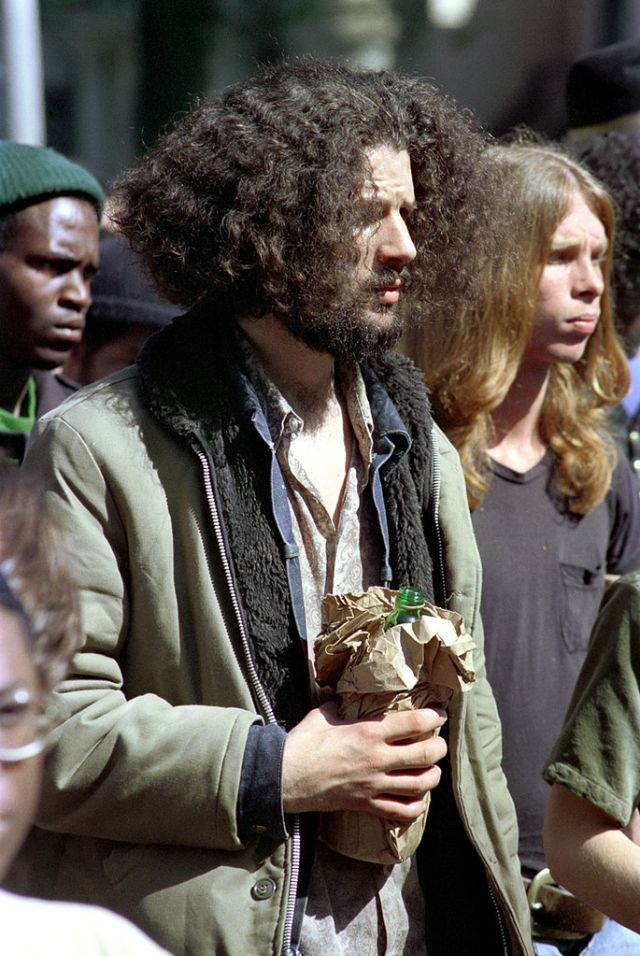
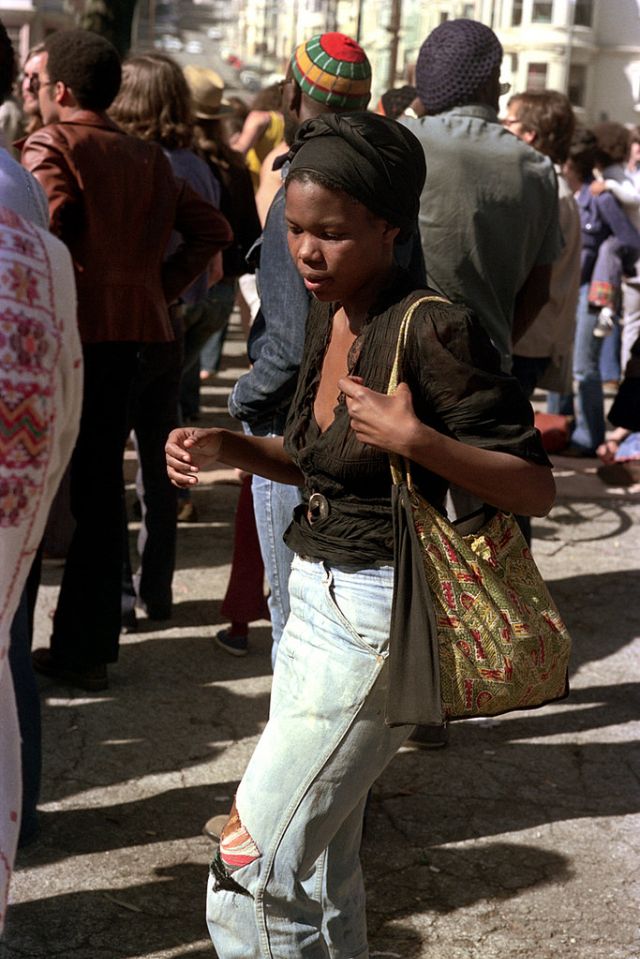
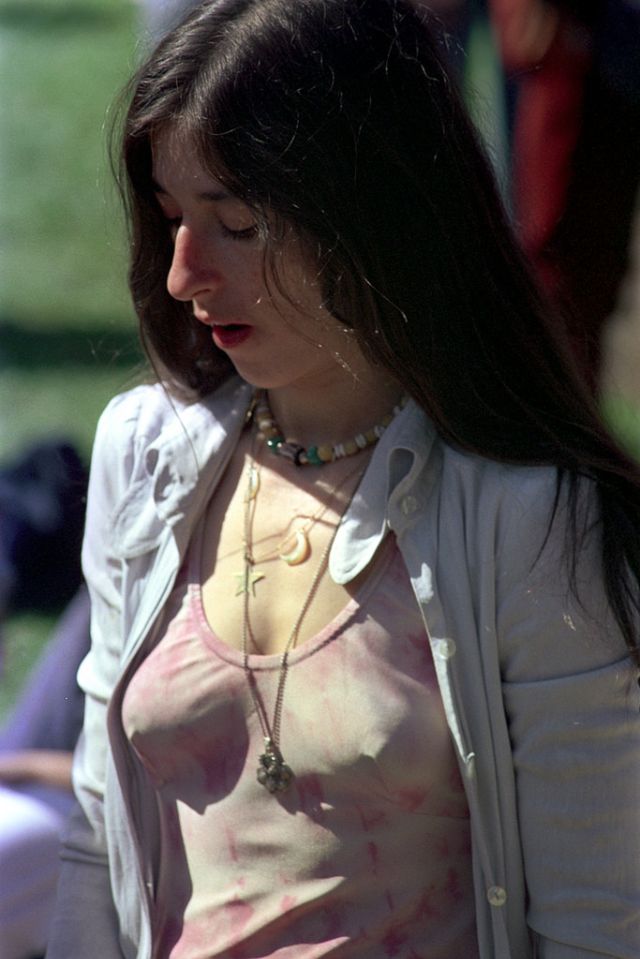
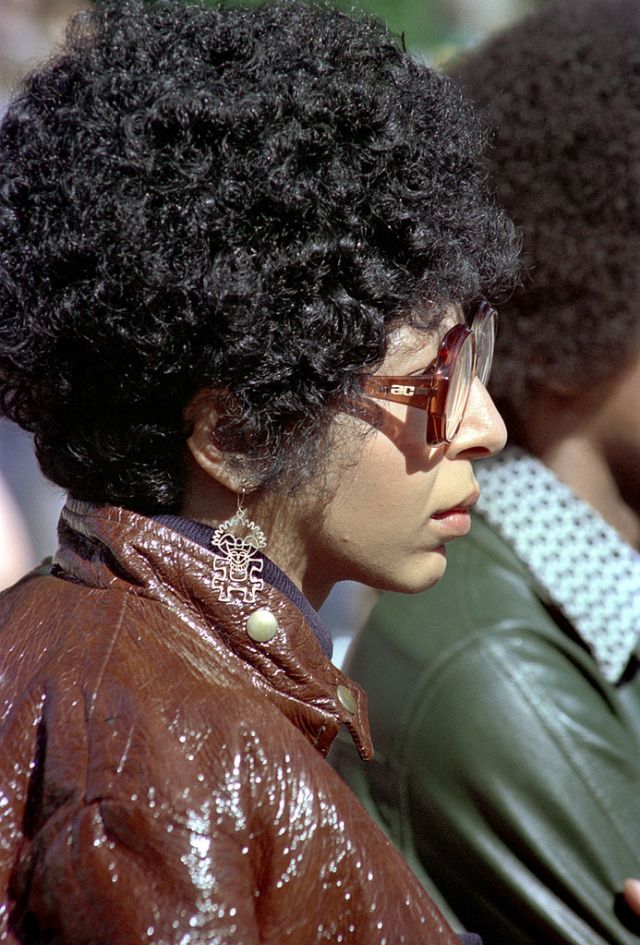
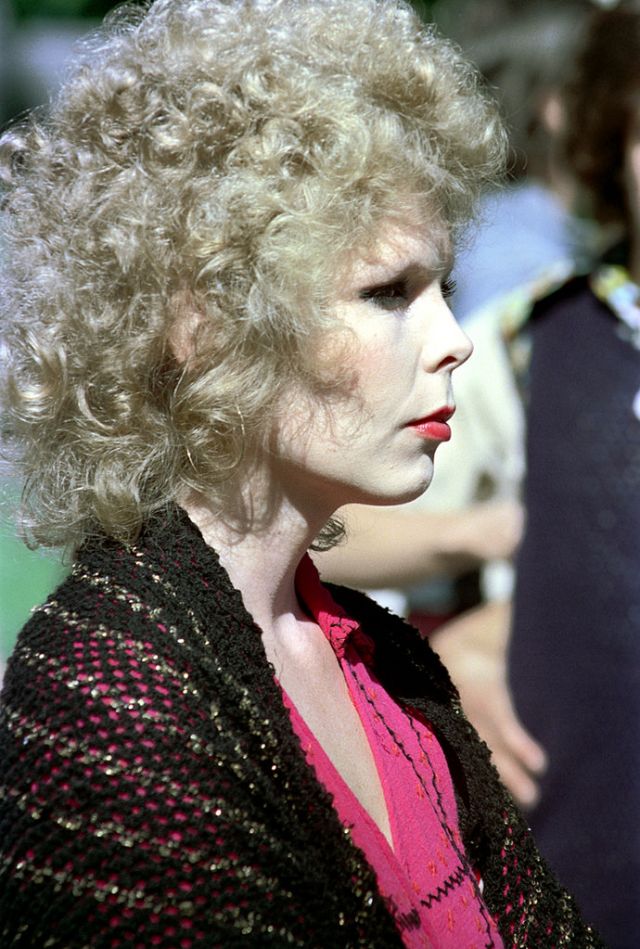
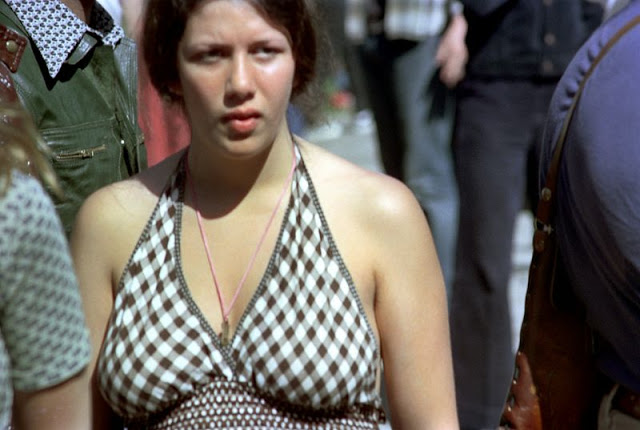
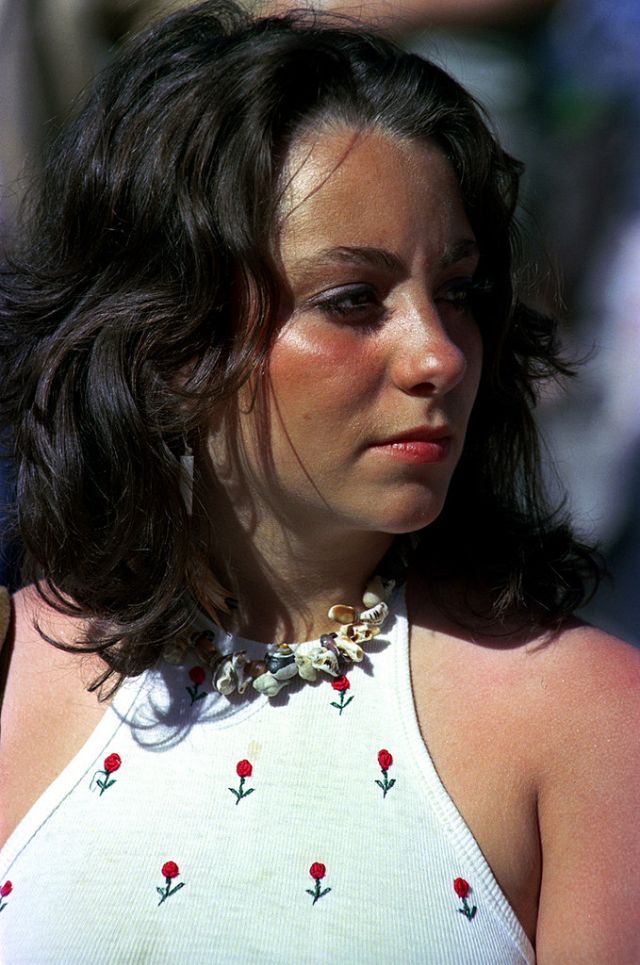
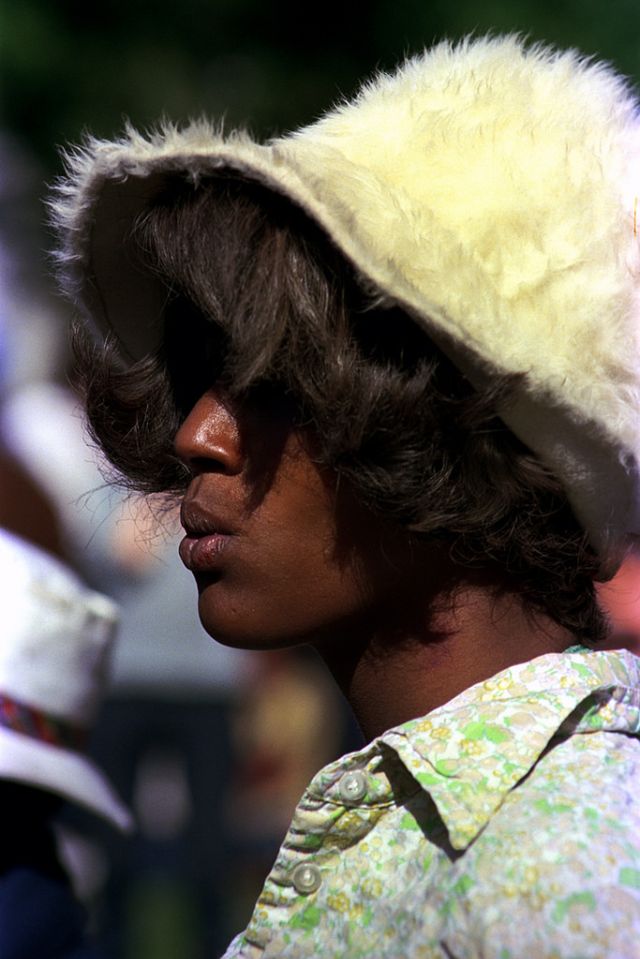
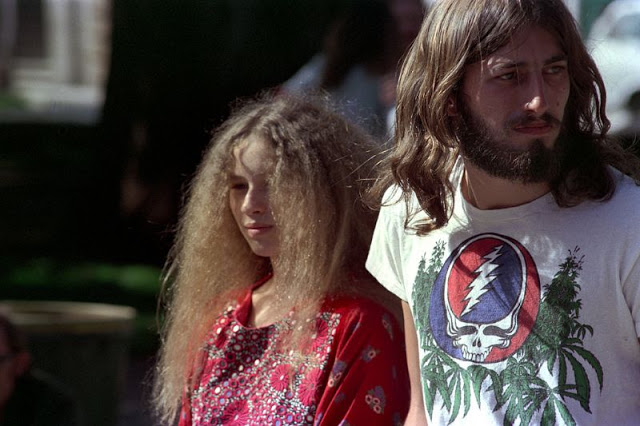
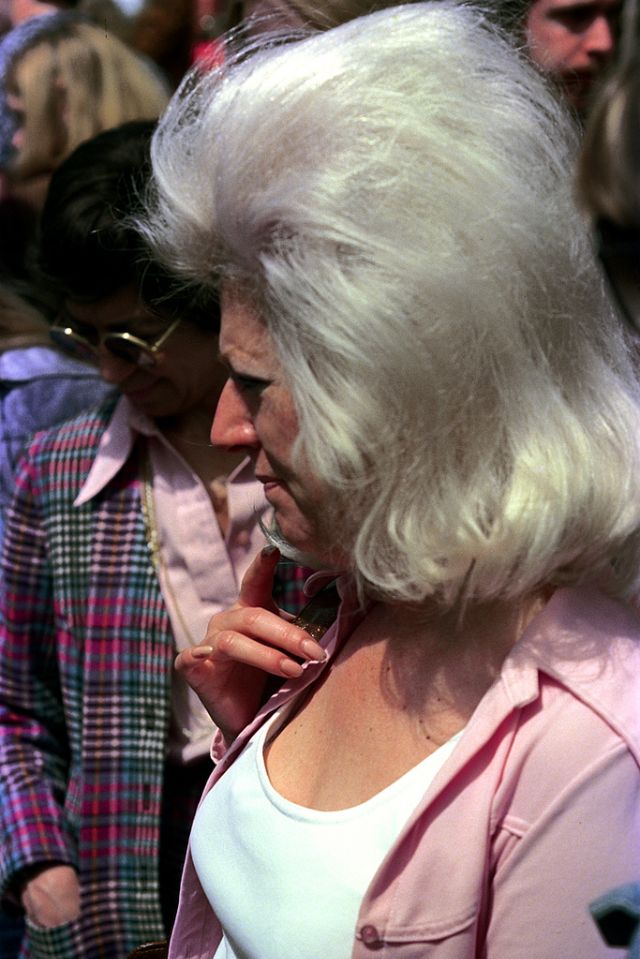
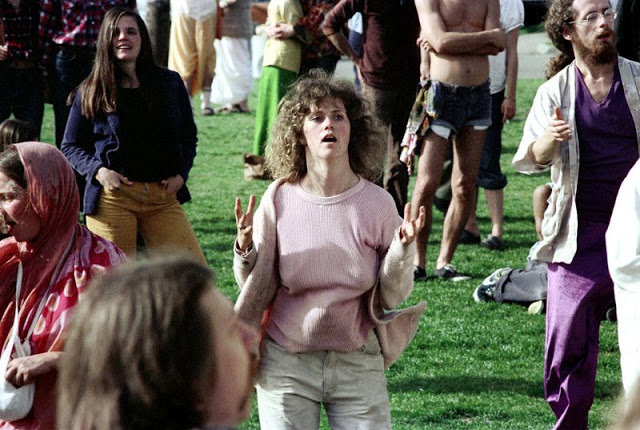
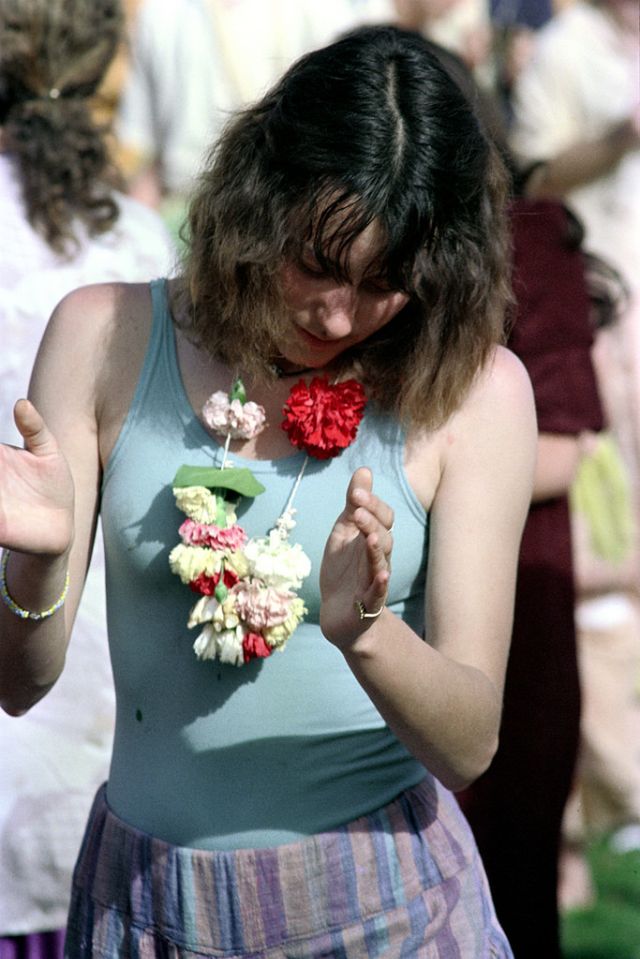
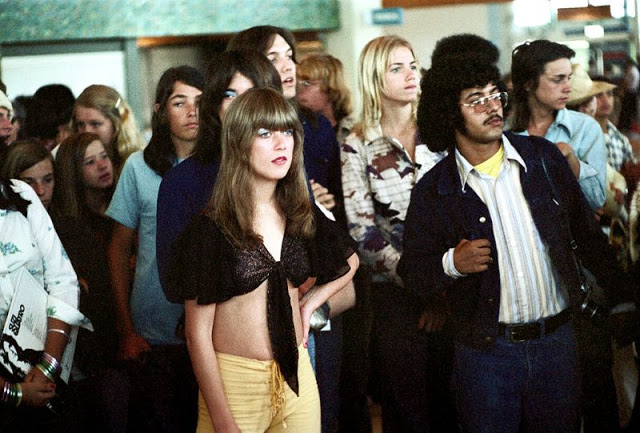
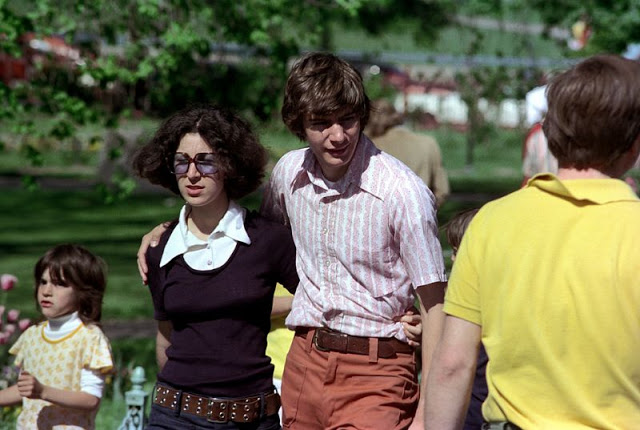
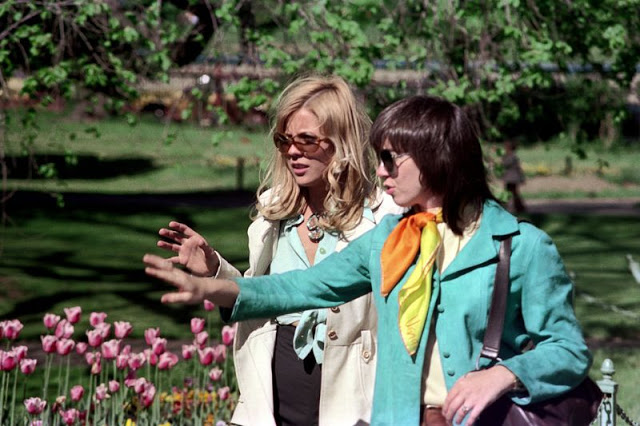
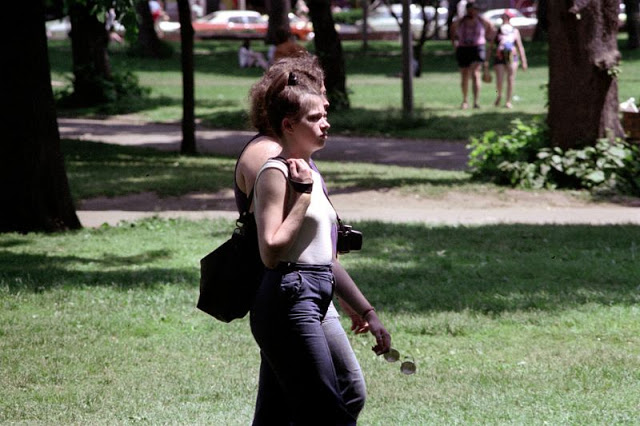
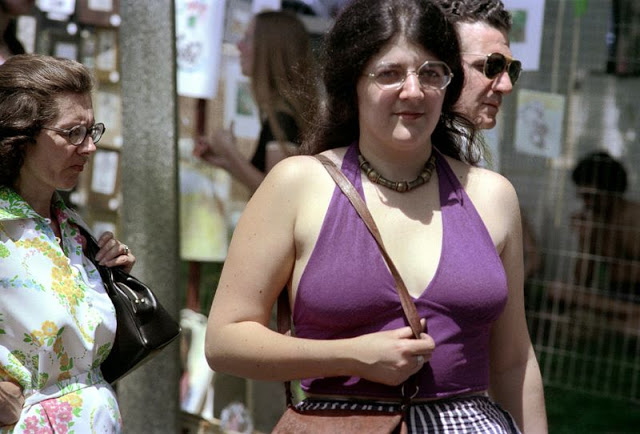
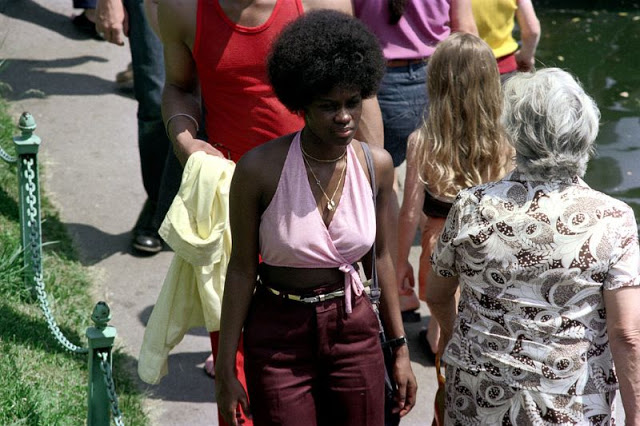
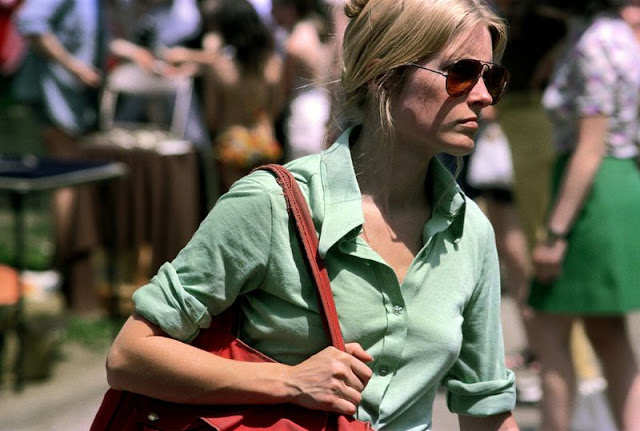
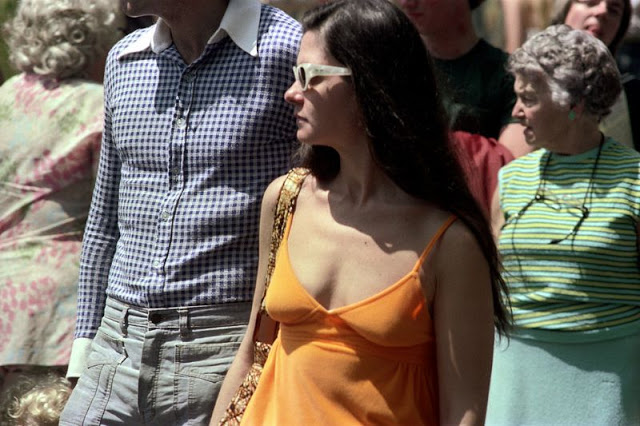
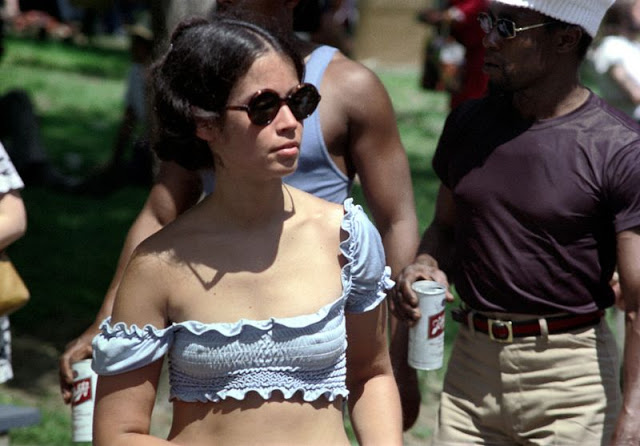
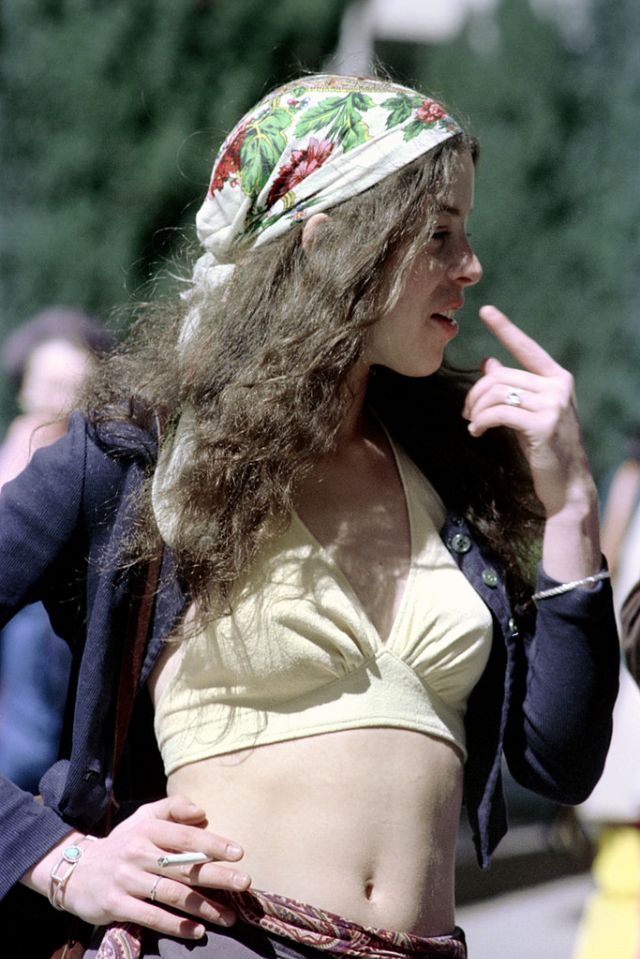
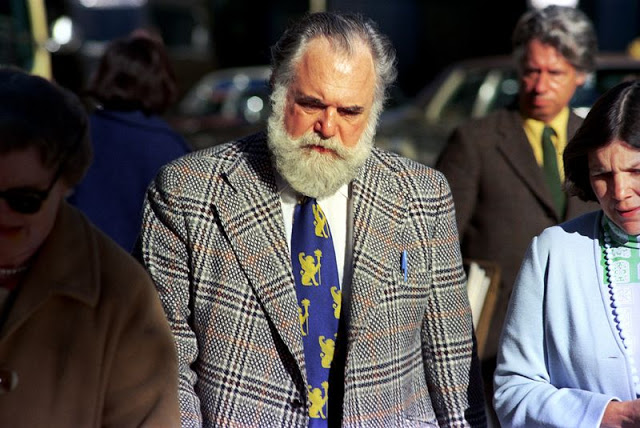
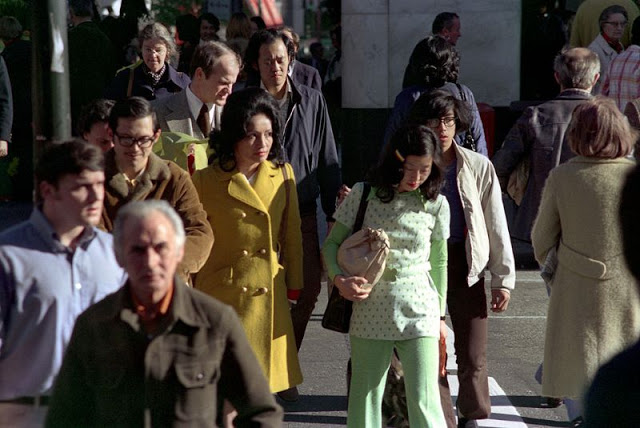
Fashion in the 1970s was about individuality. Common items included mini skirts, bell-bottoms popularized by hippies, and the androgynous glam rock and disco styles that introduced platform shoes, bright colors, glitter, and satin.
Generally the most famous silhouette of the mid and late 1970s for both genders was that of tight on top and loose on bottom. The 1970s also saw the birth of the indifferent, anti-conformist casual chic approach to fashion, which consisted of sweaters, T-shirts, jeans and sneakers.
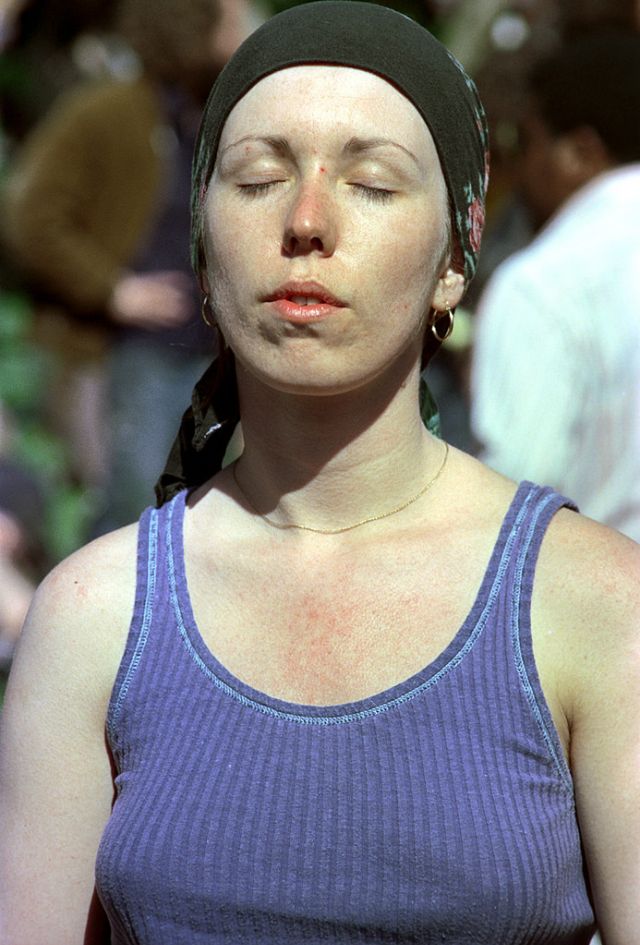
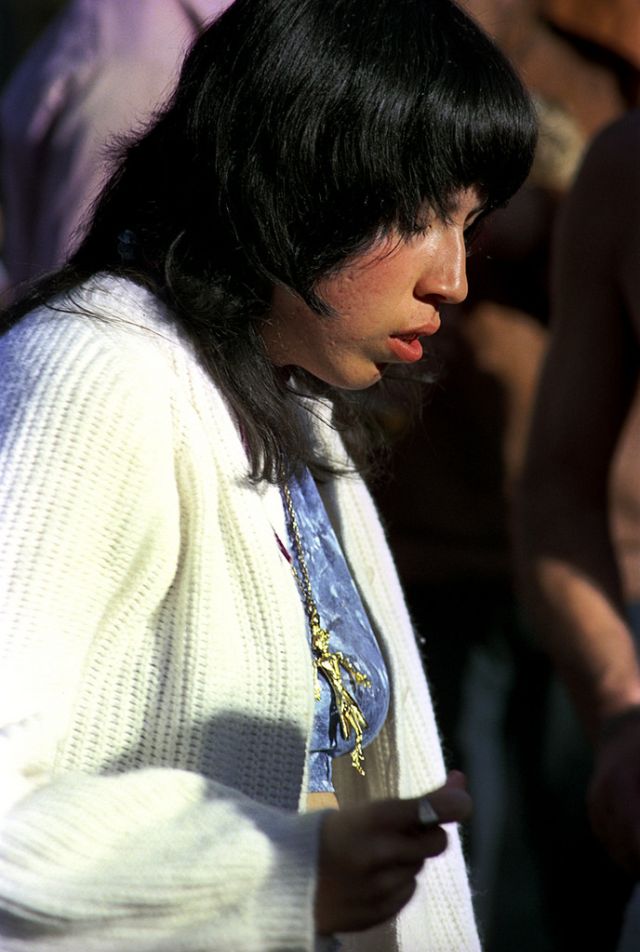
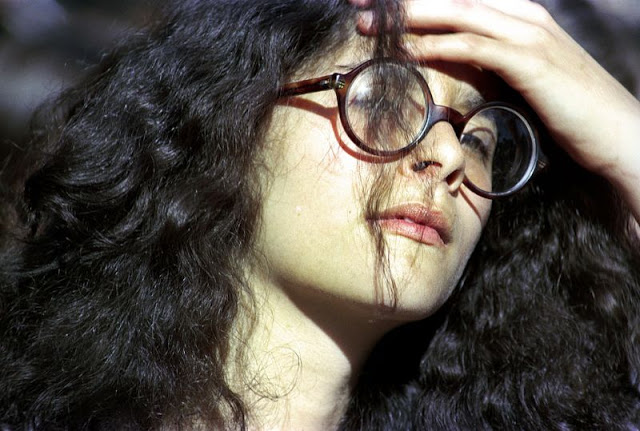
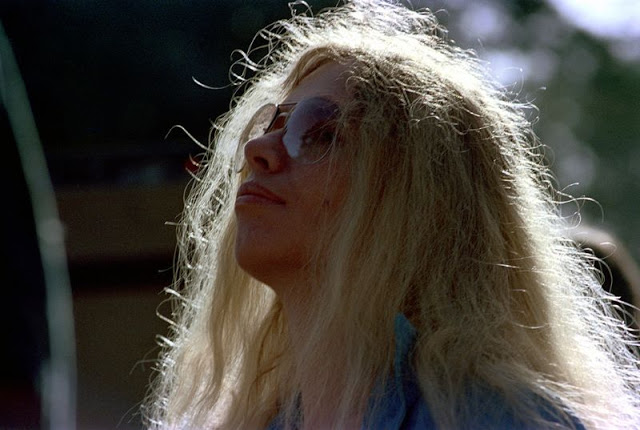
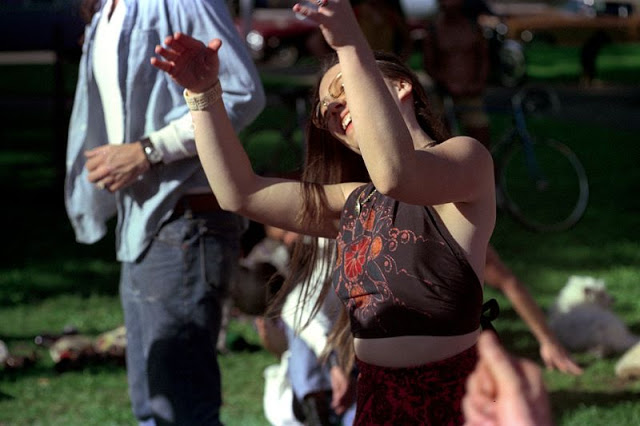
Nick DeWolf shot these fascinating photos that shows street fashion styles of Californians in 1974.
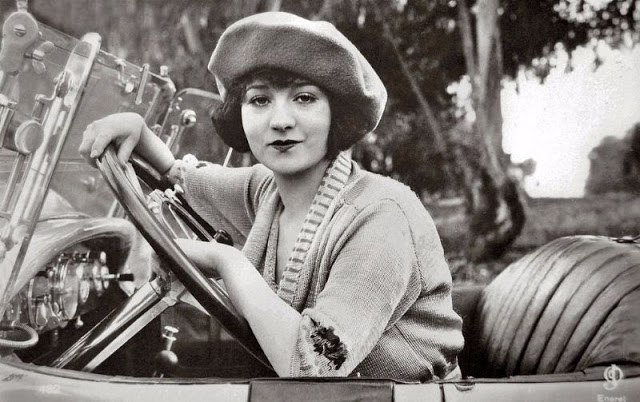
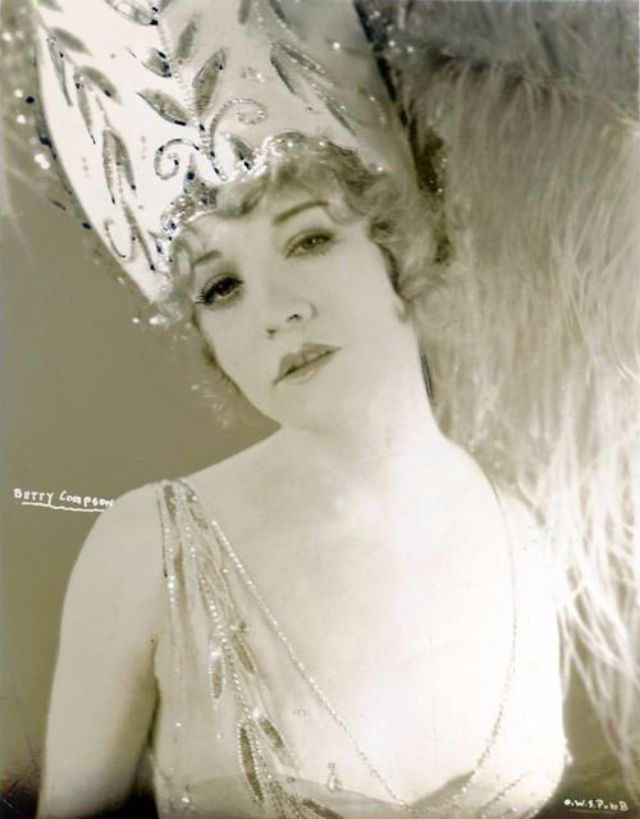
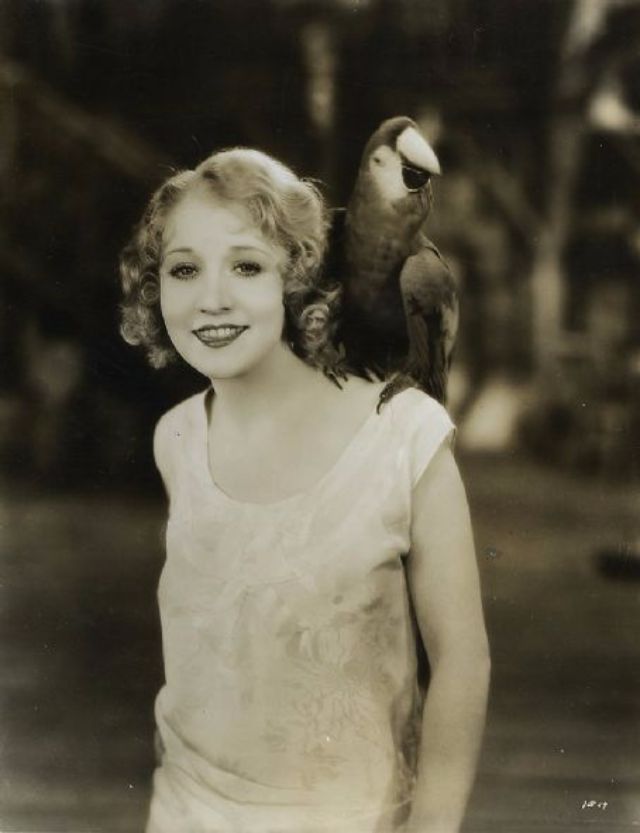
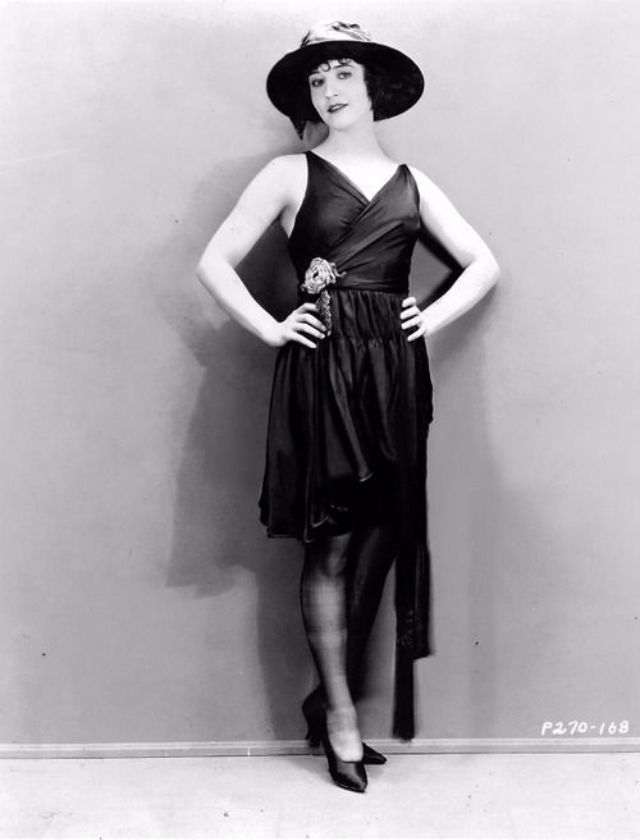
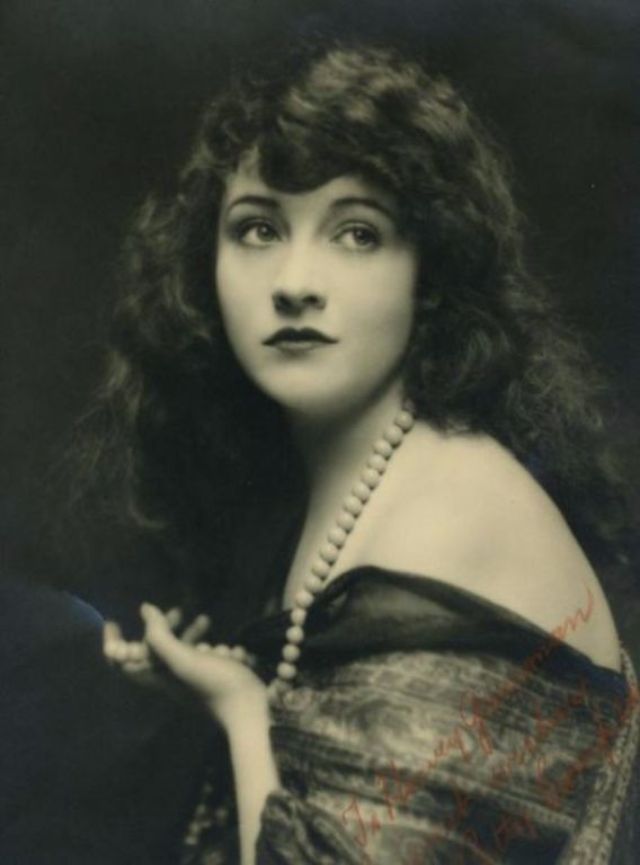
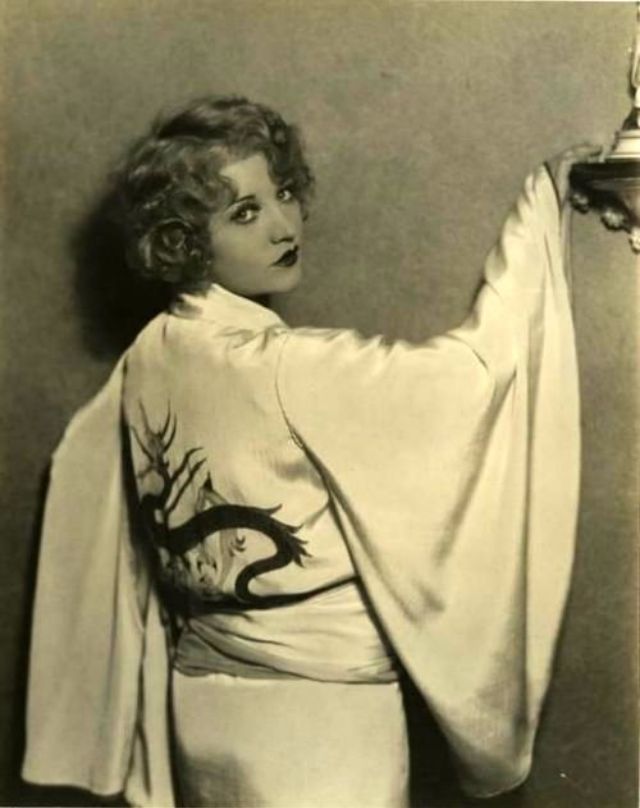
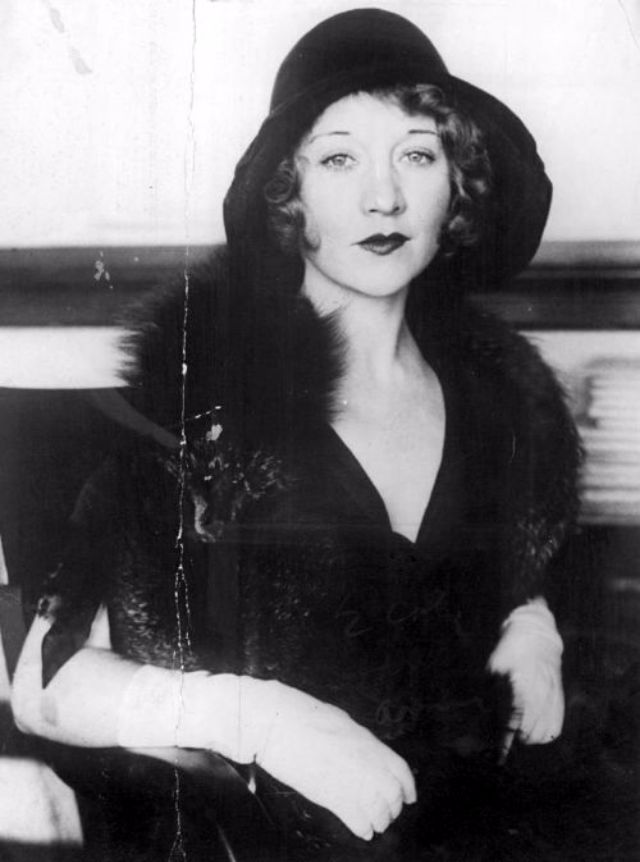
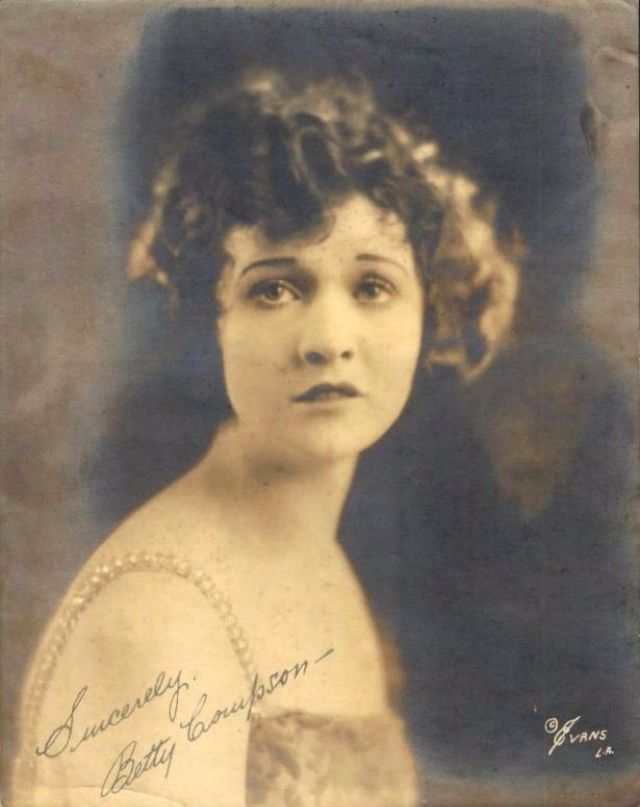
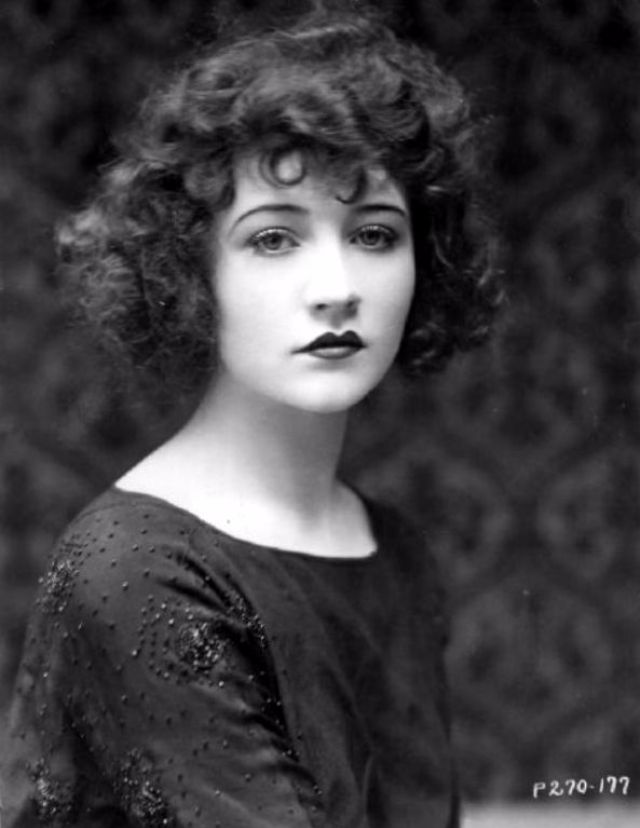
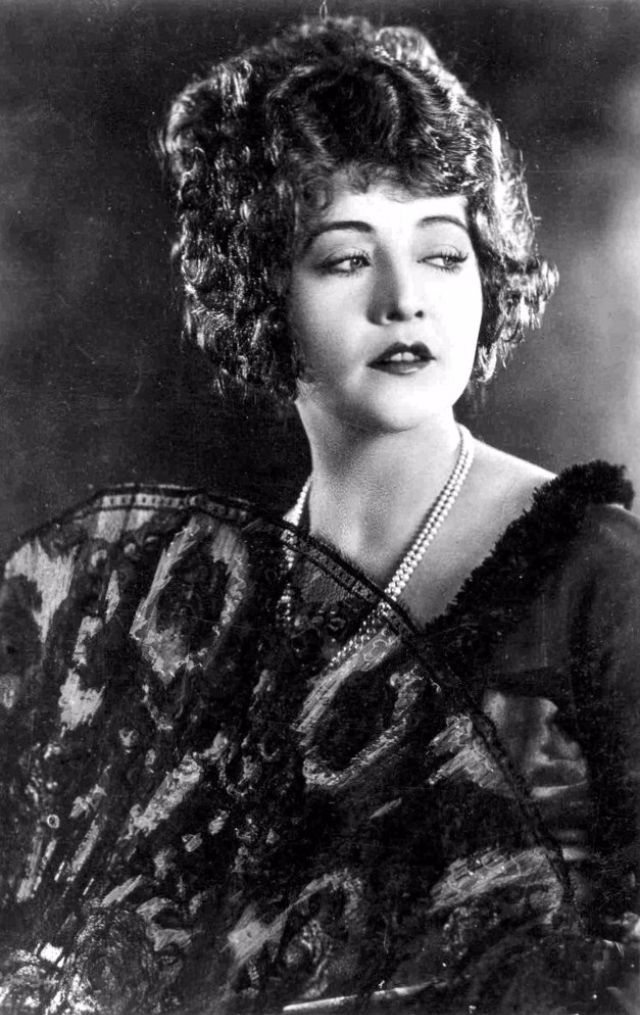
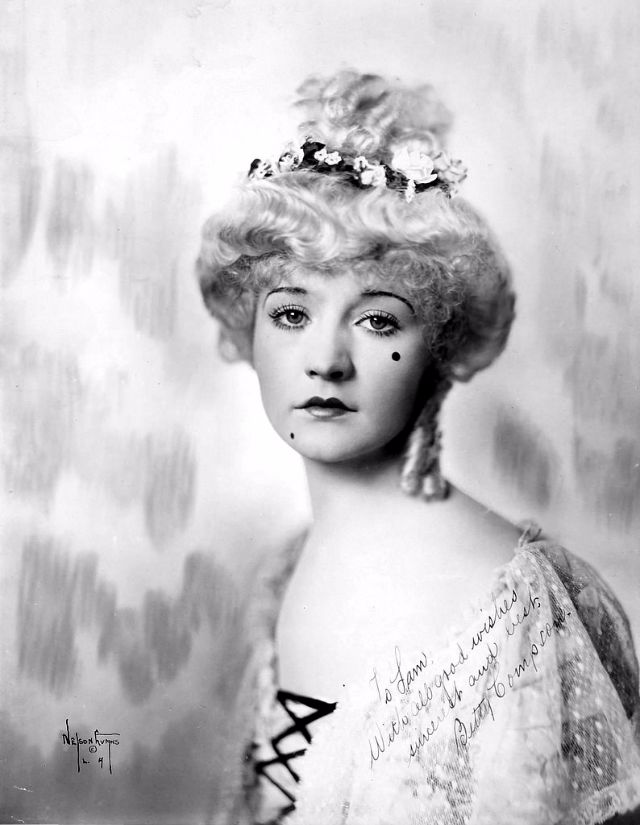
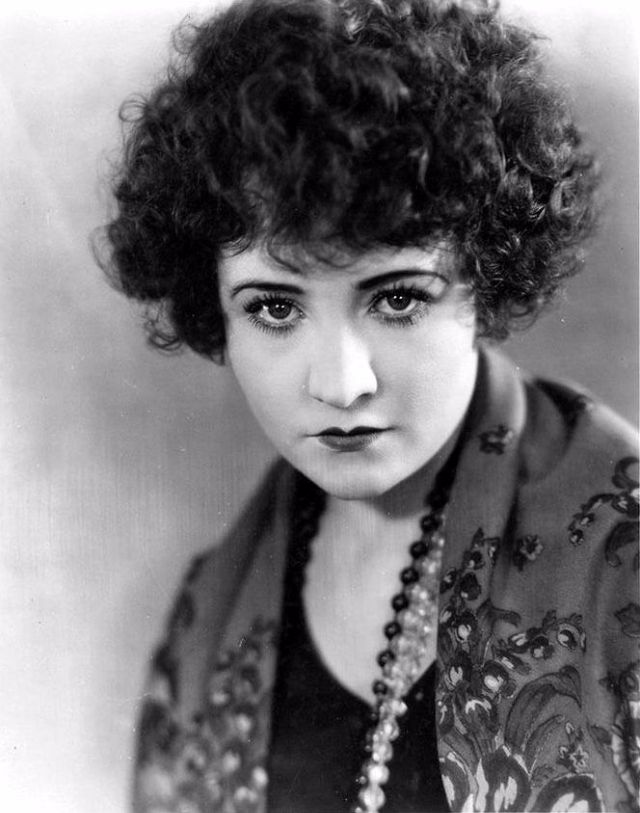
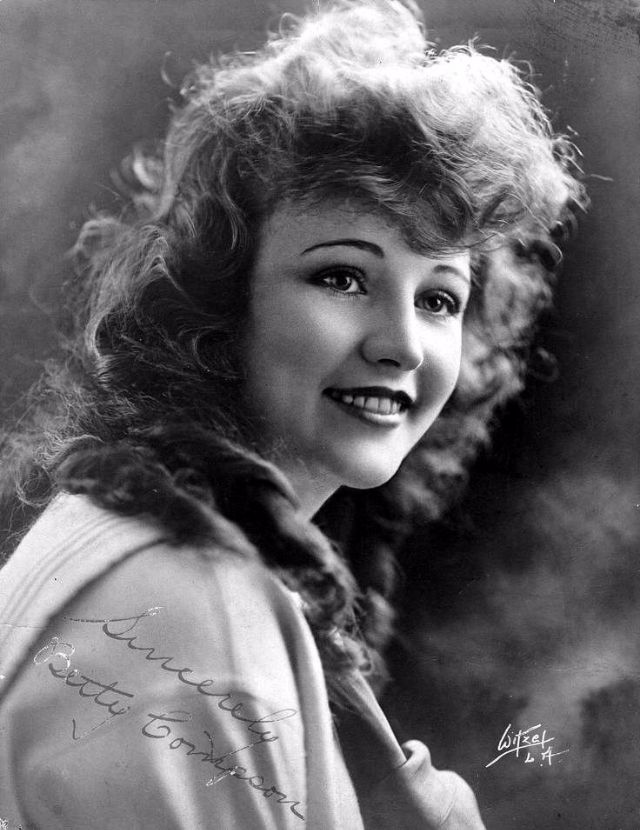
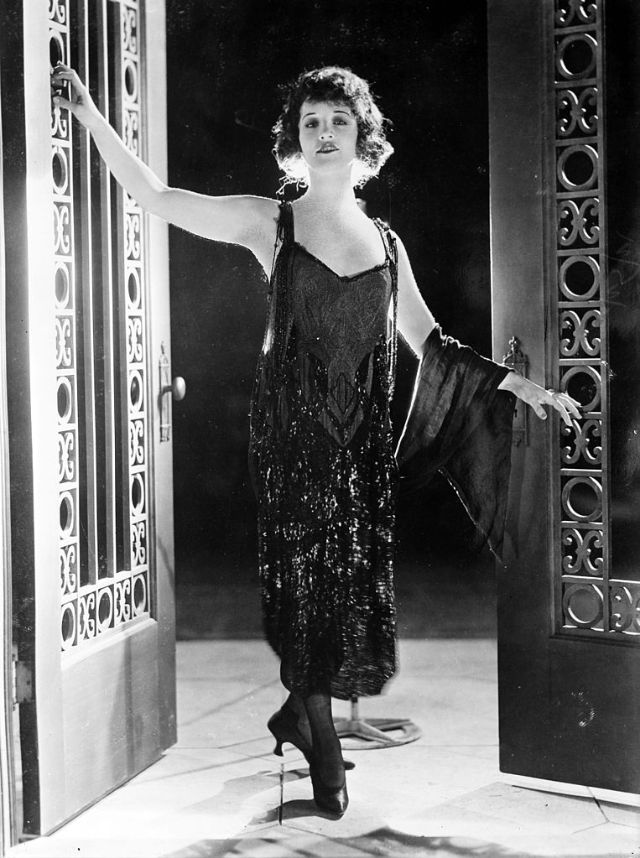
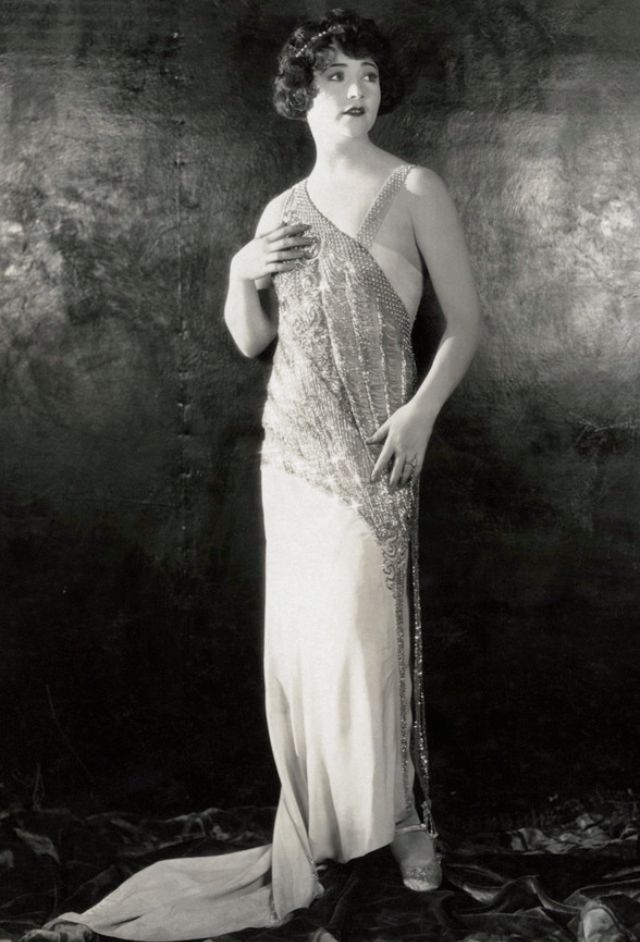
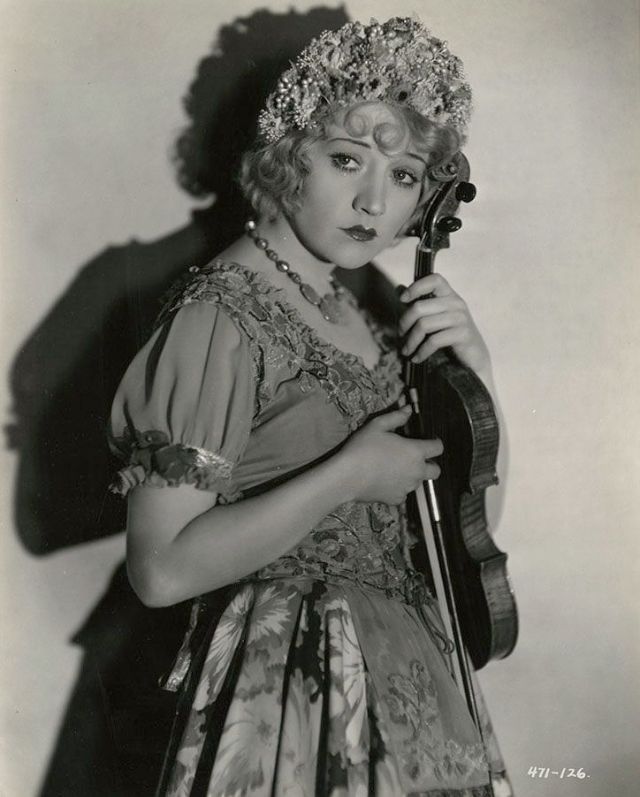
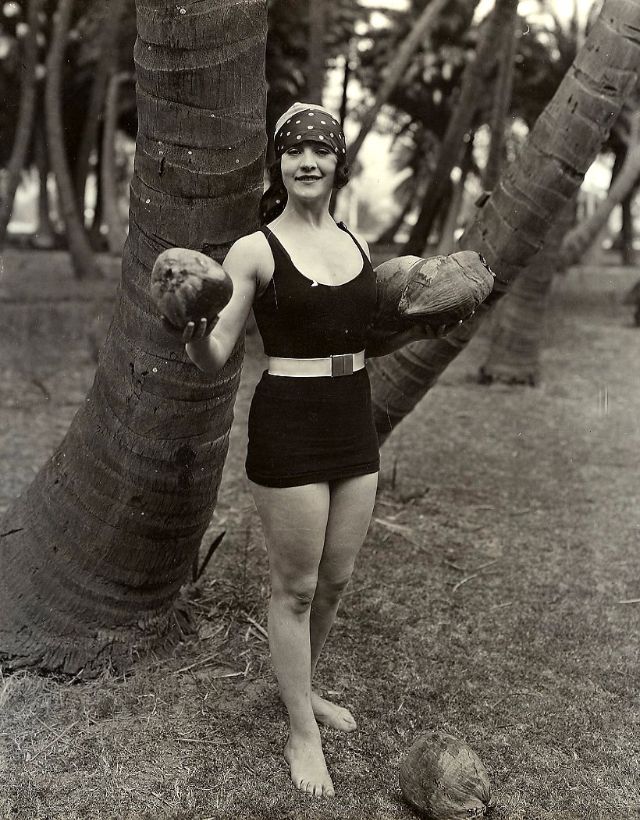
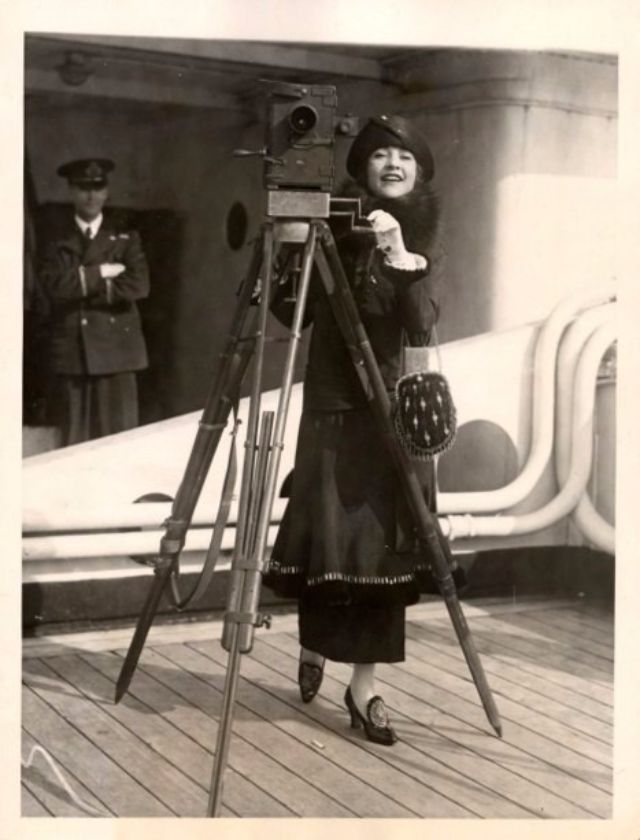
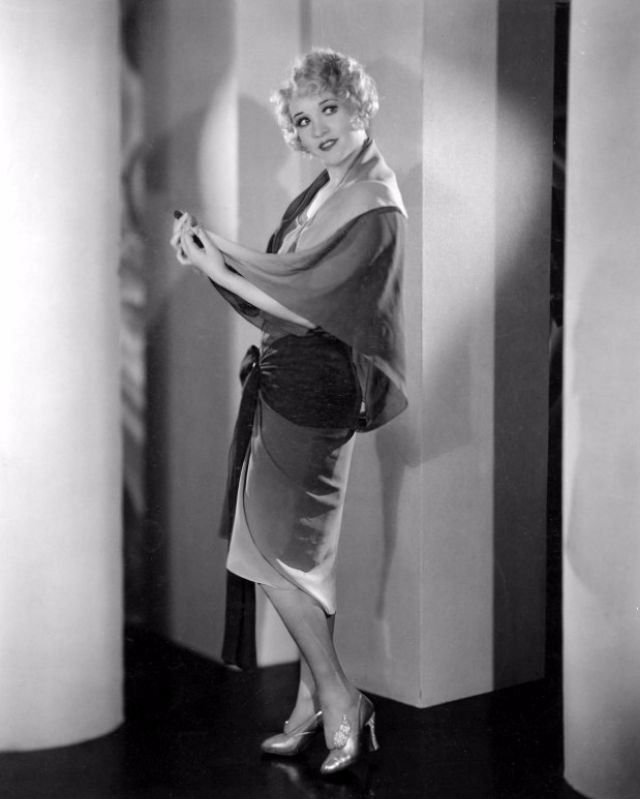
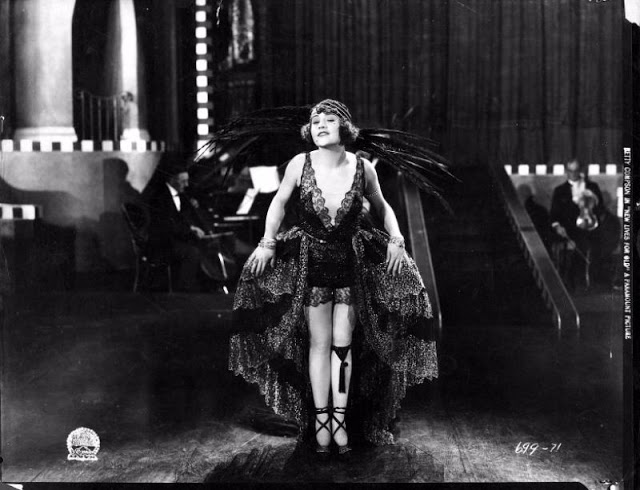
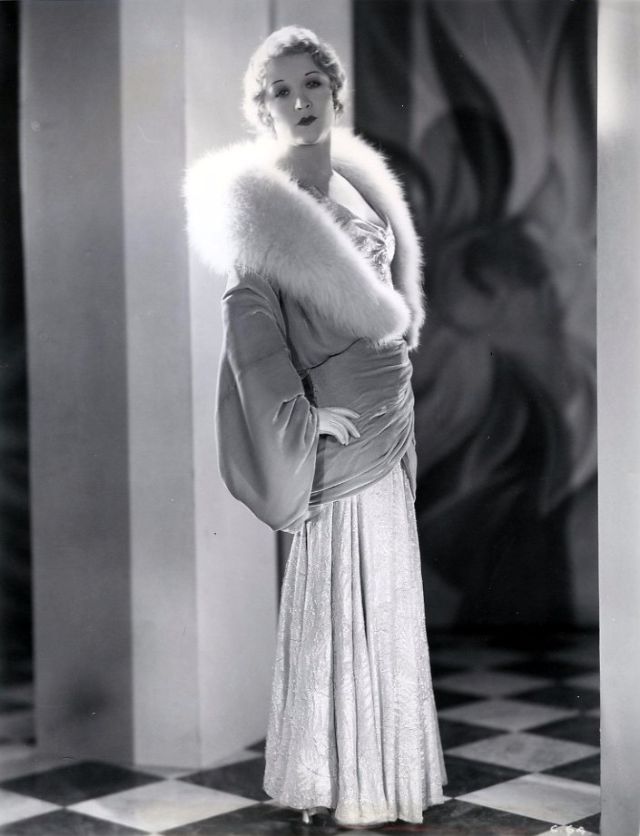
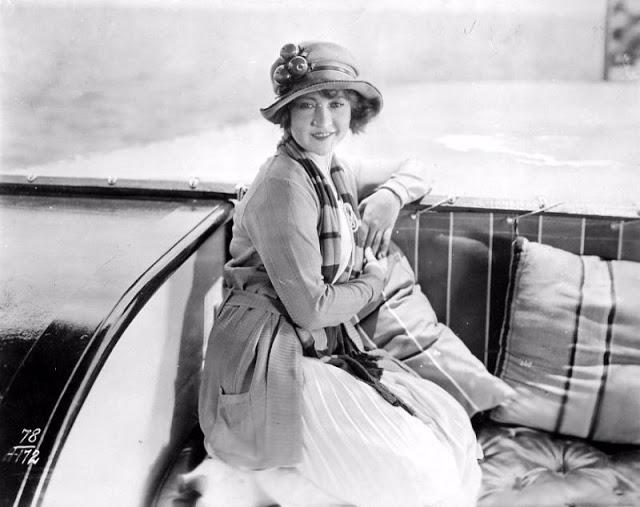
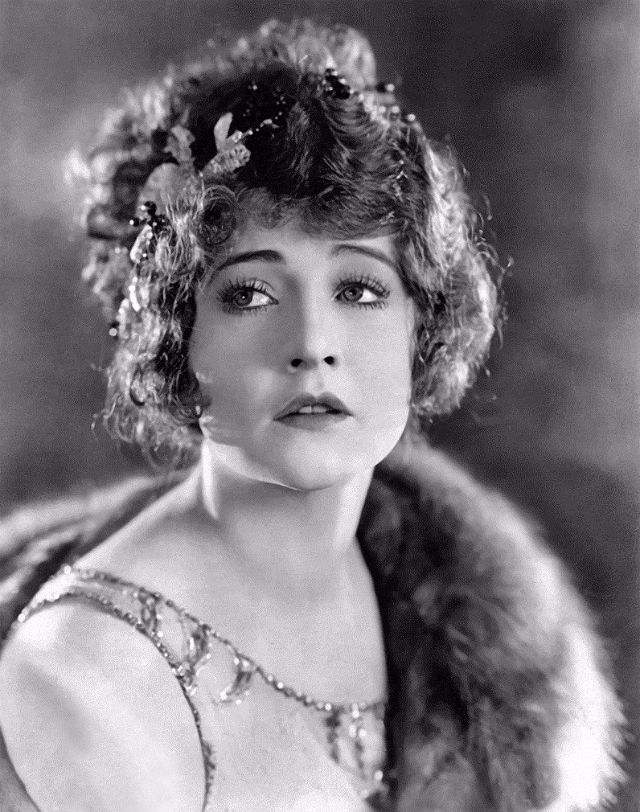
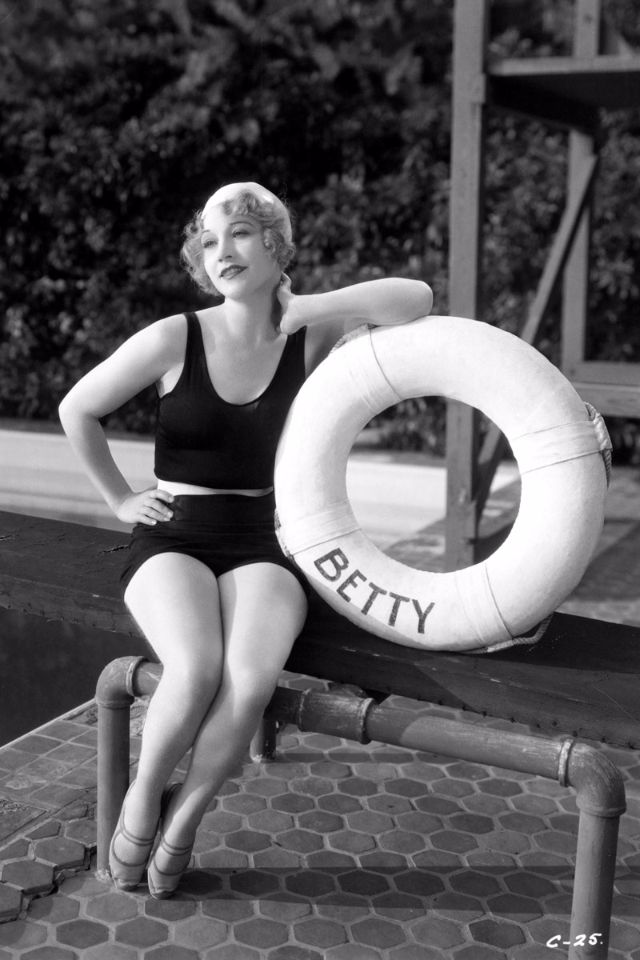
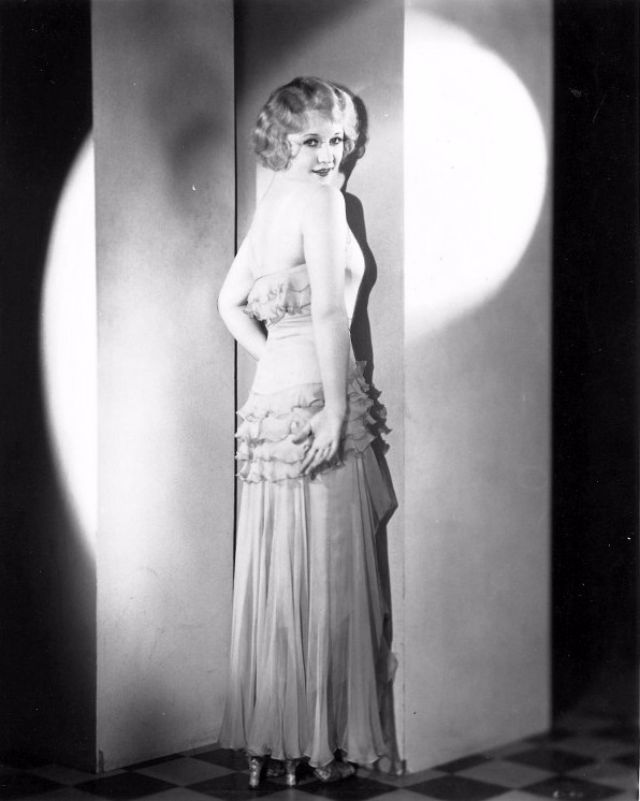
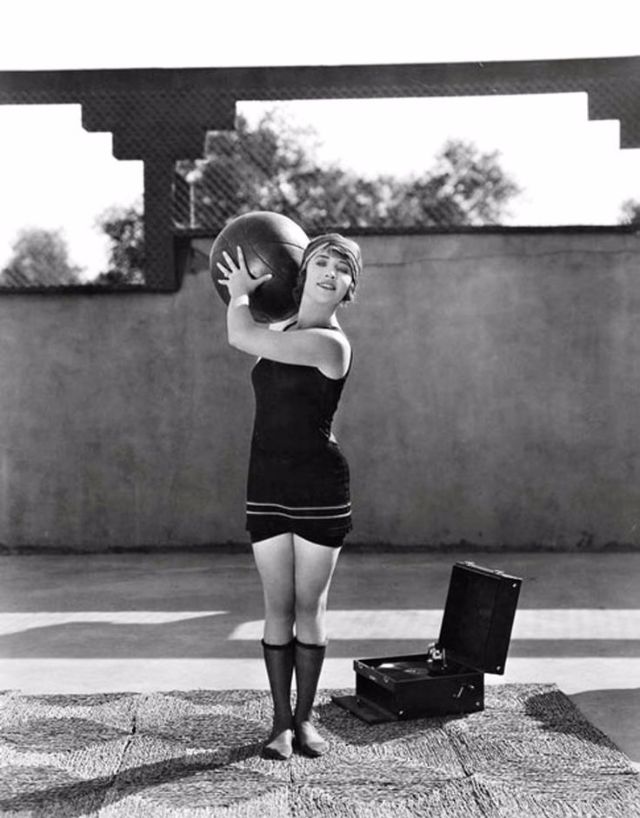
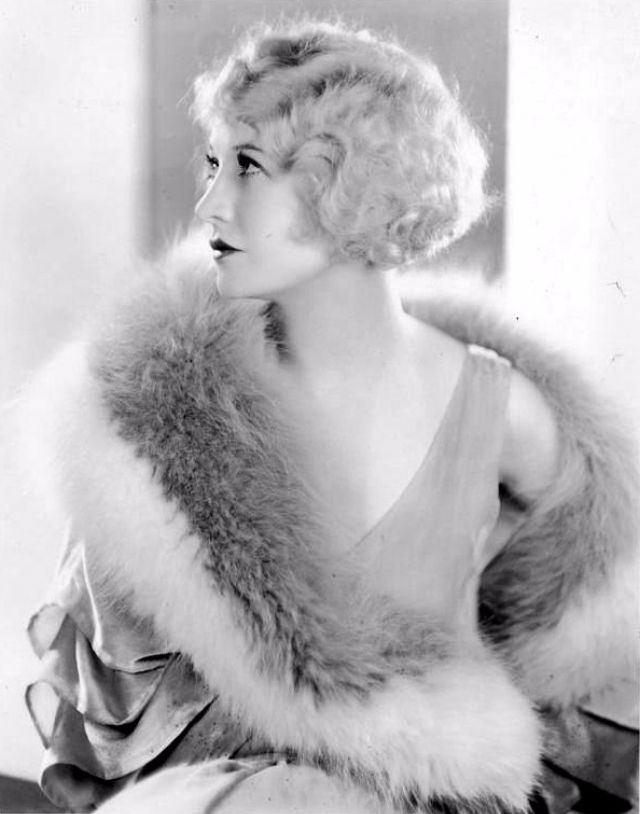
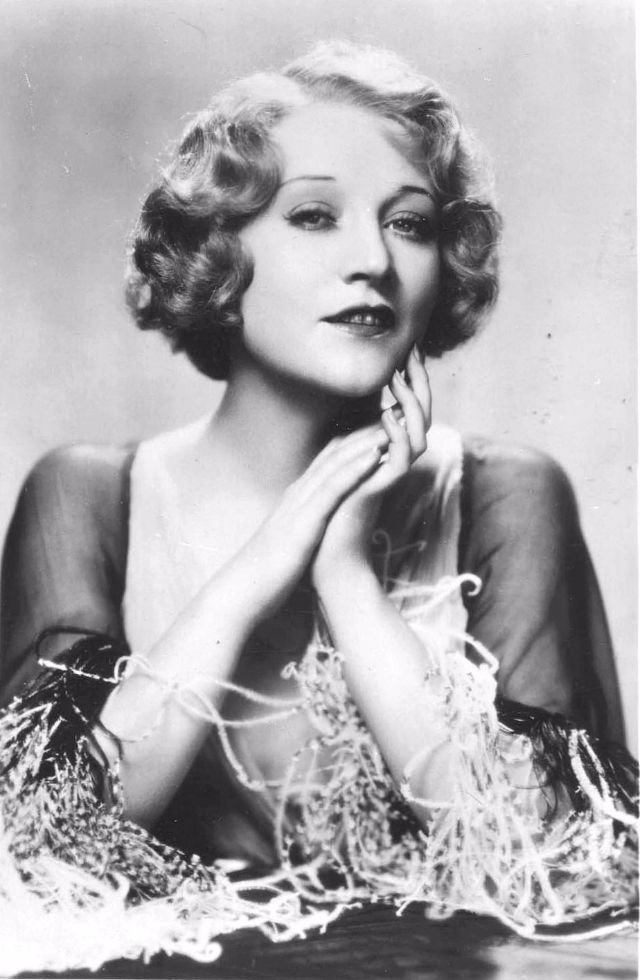
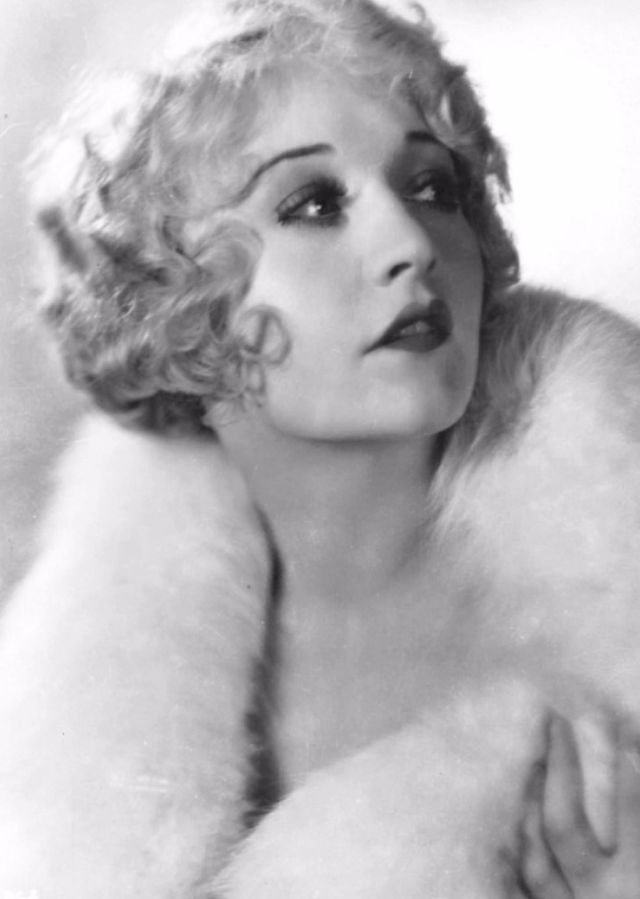
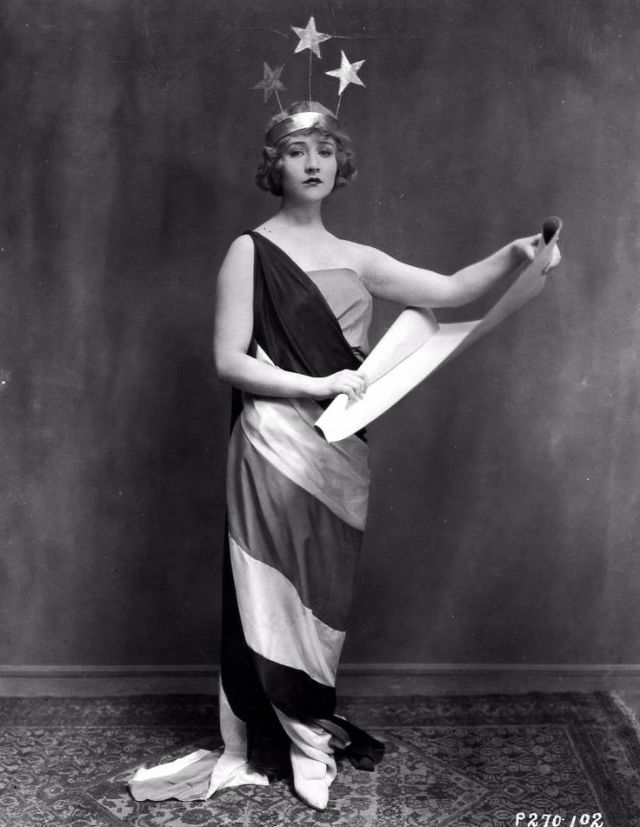
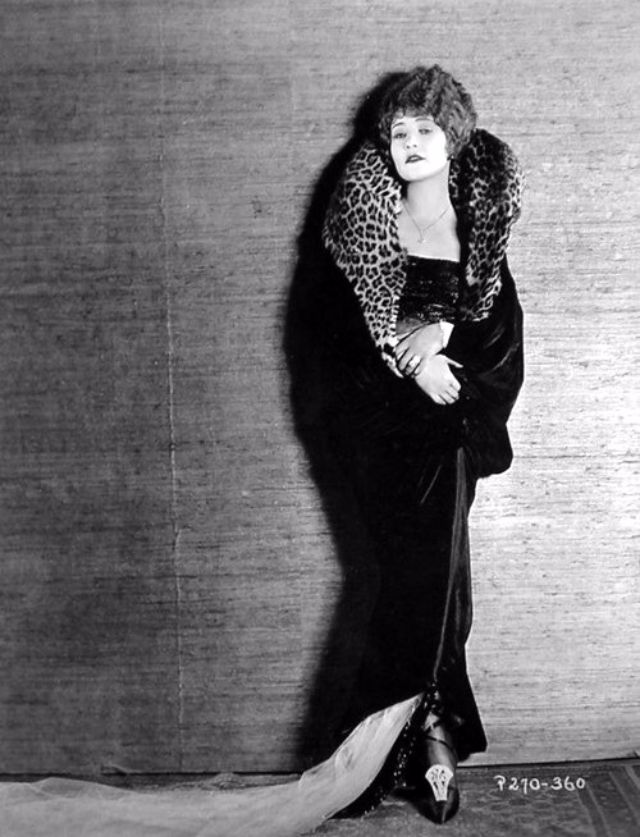
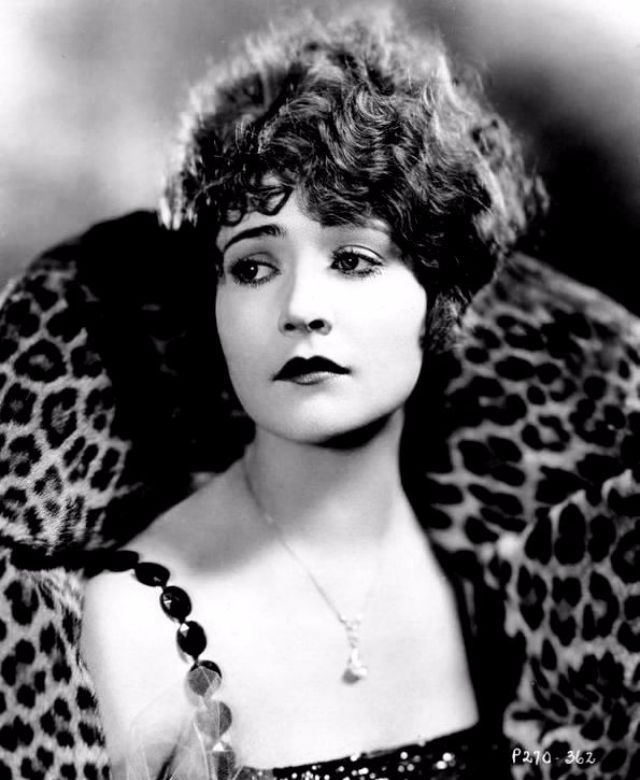
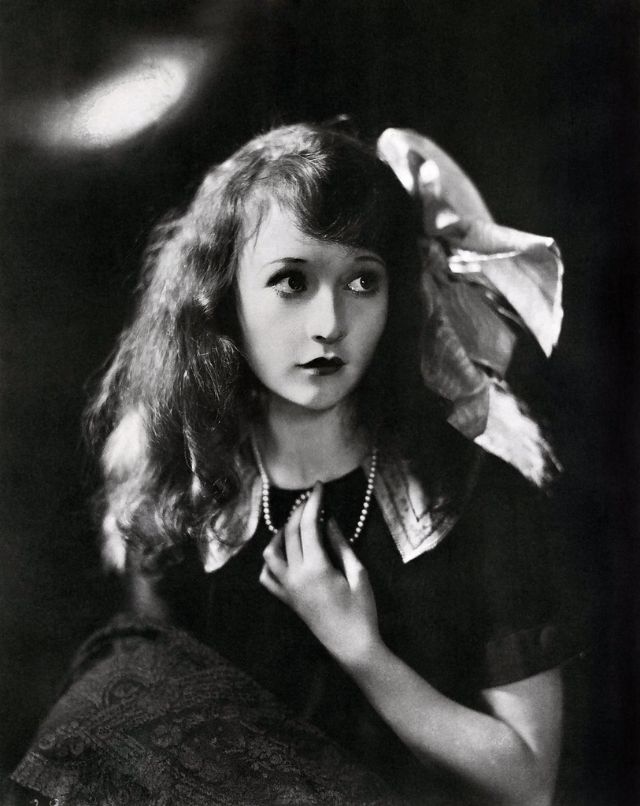
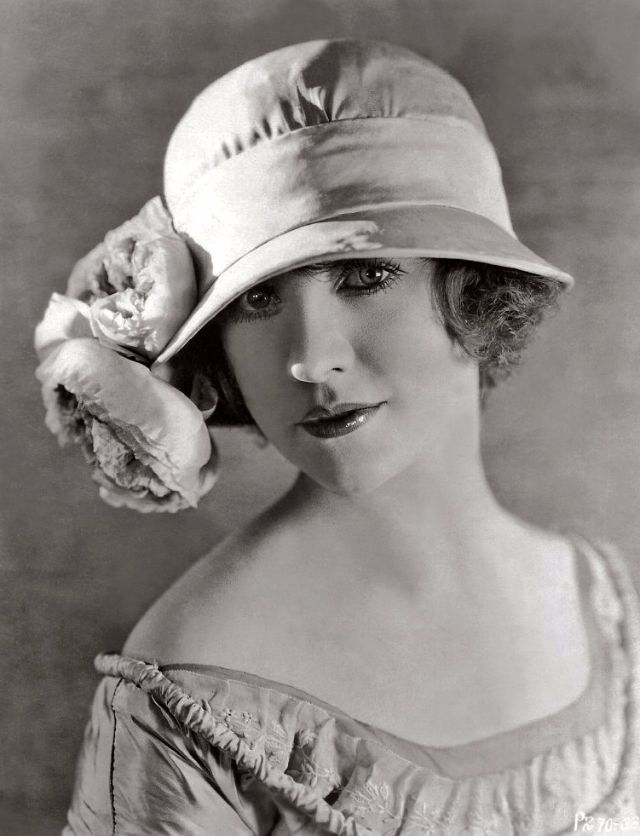
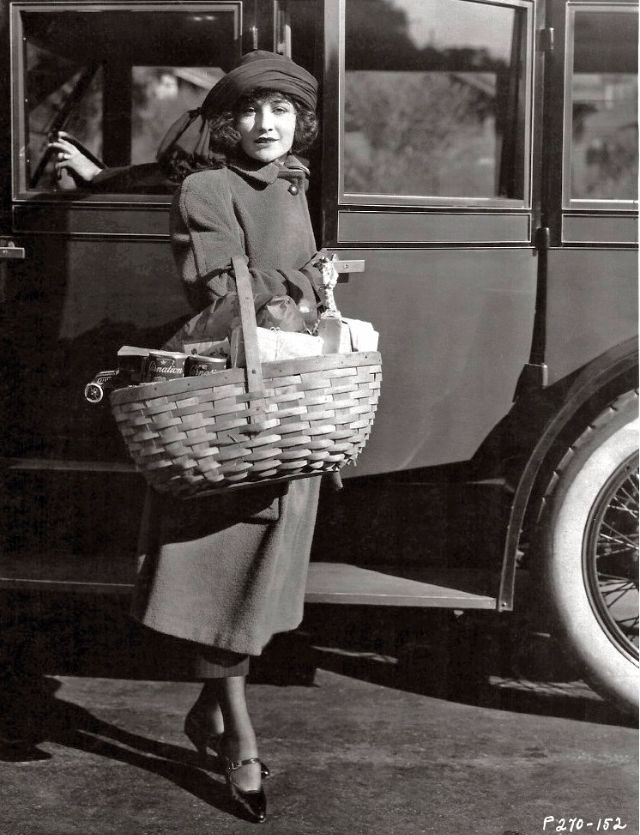
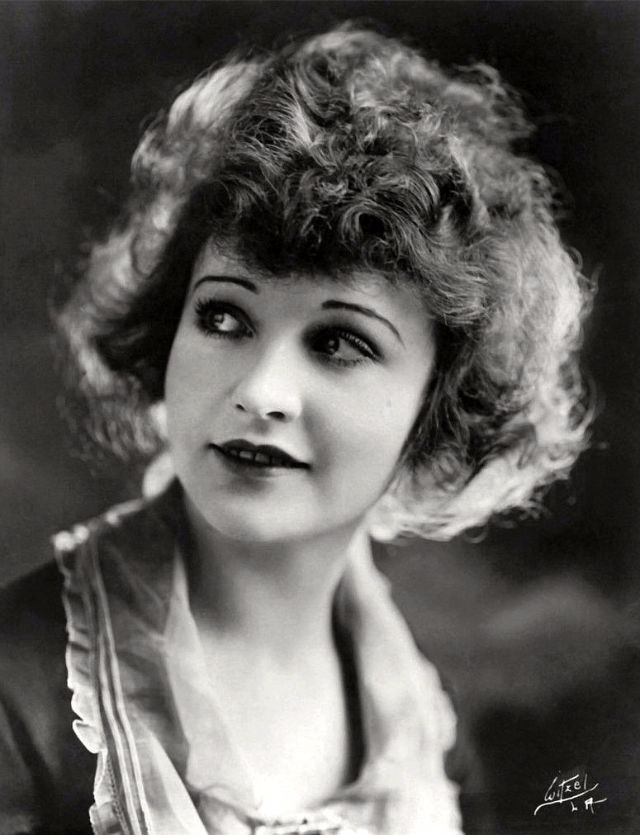
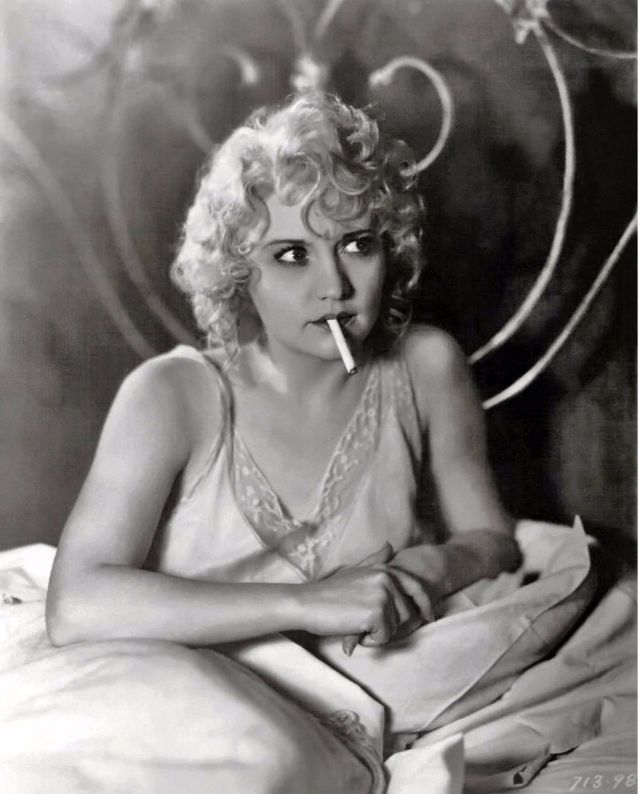
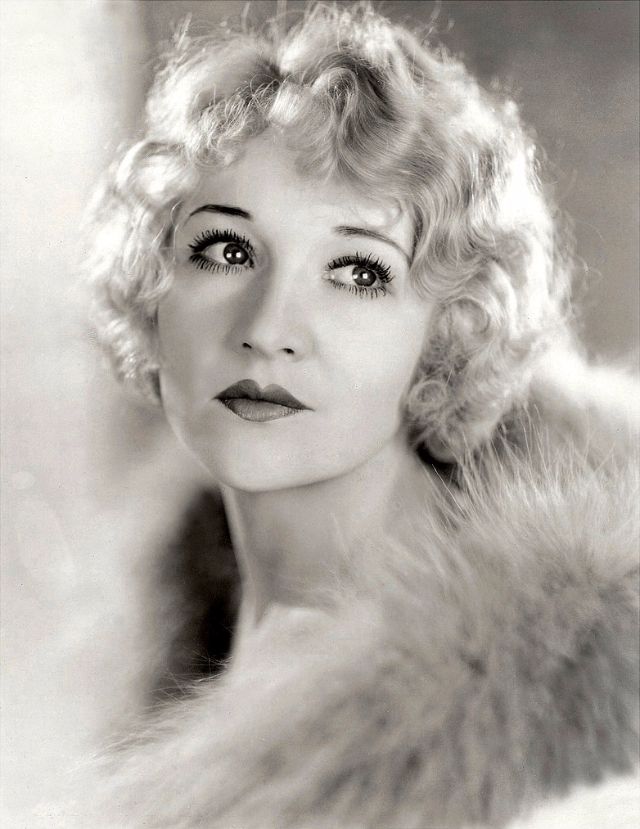
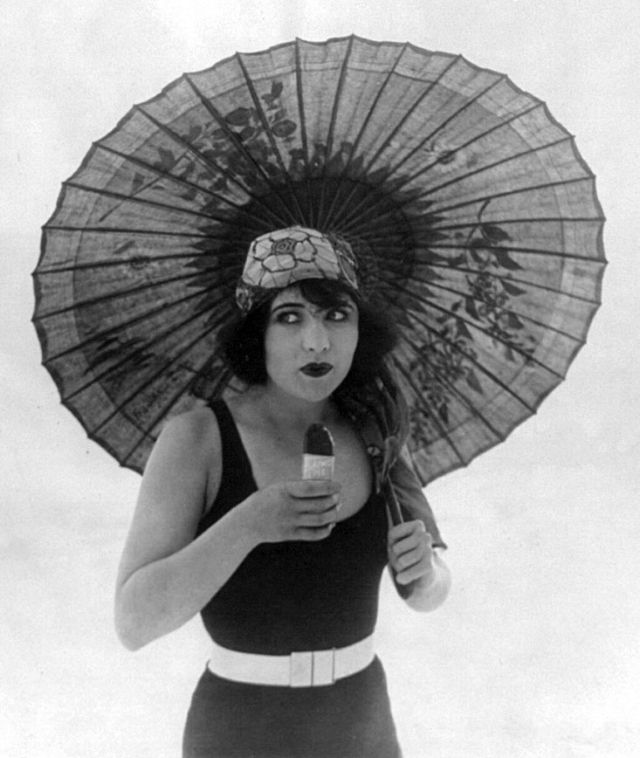
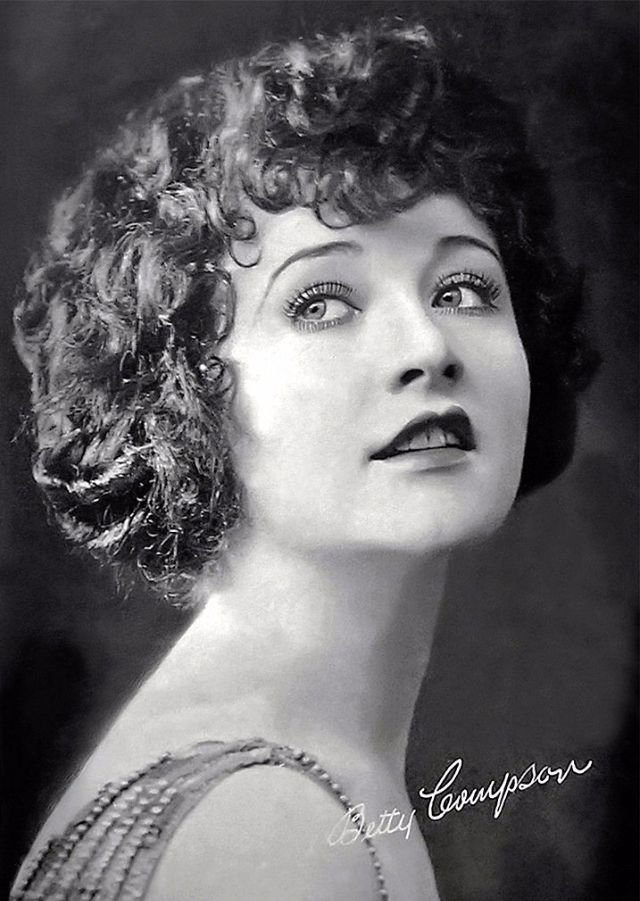
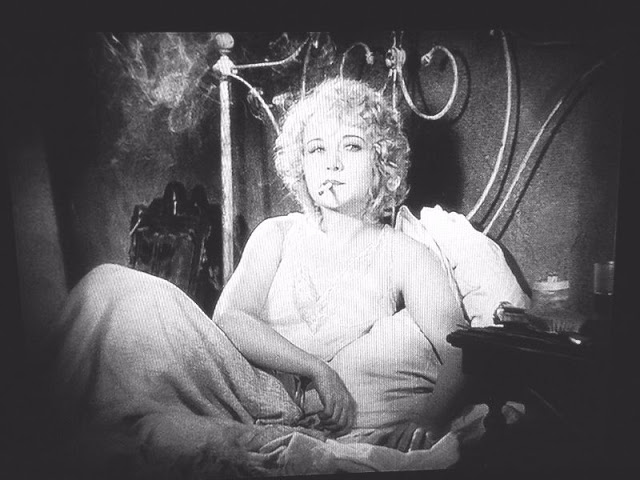
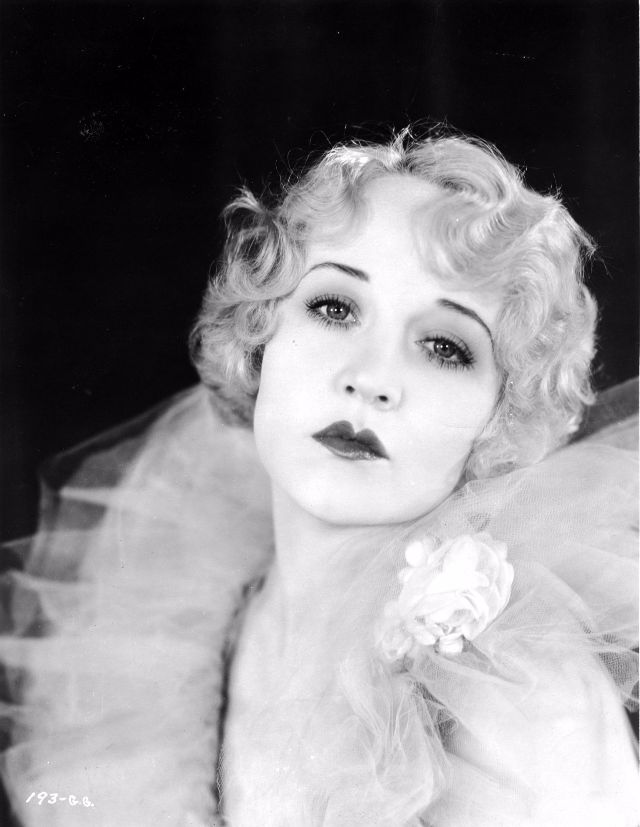
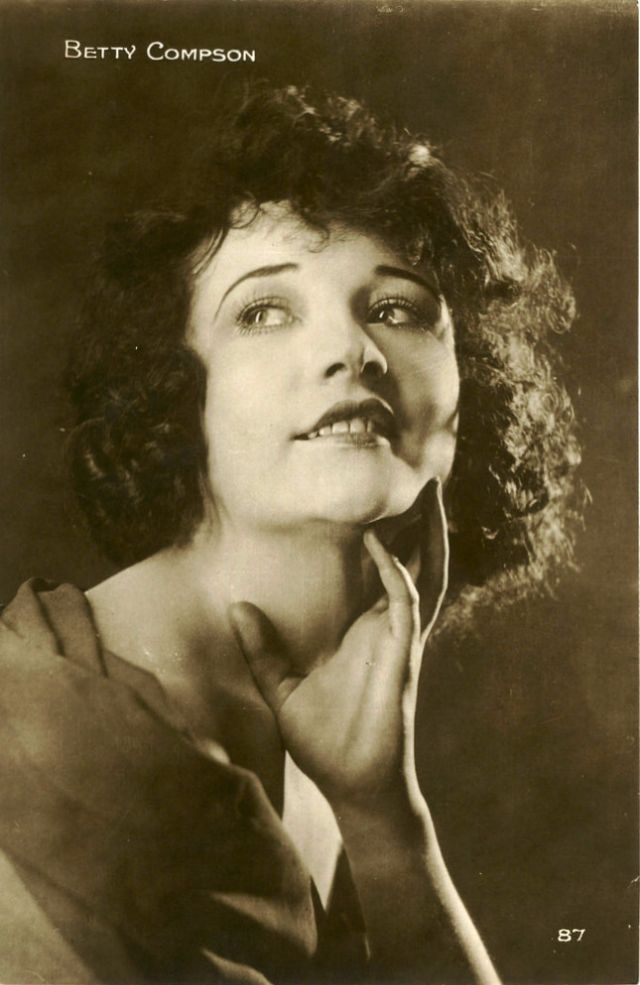
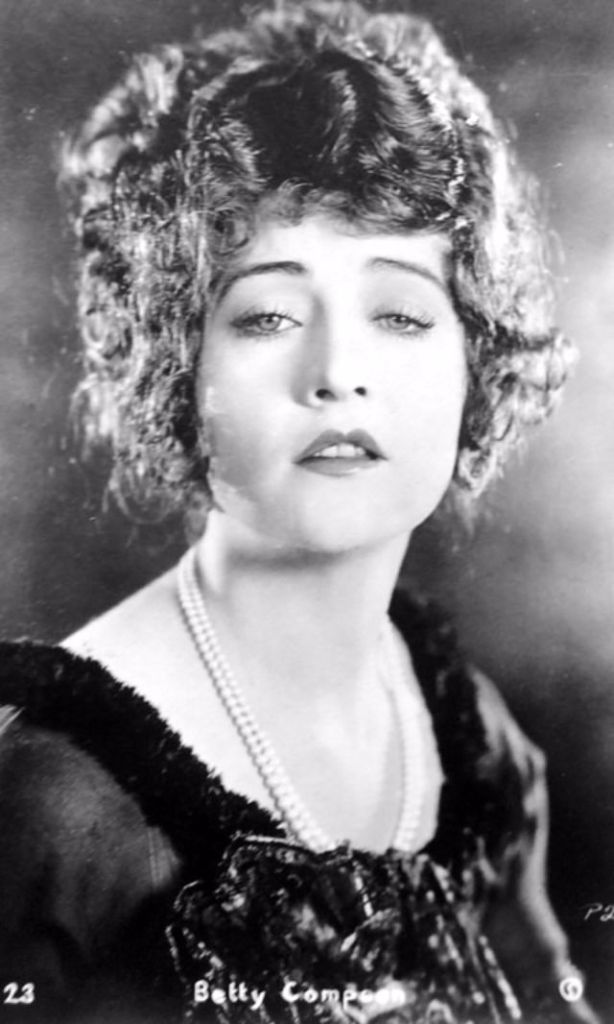
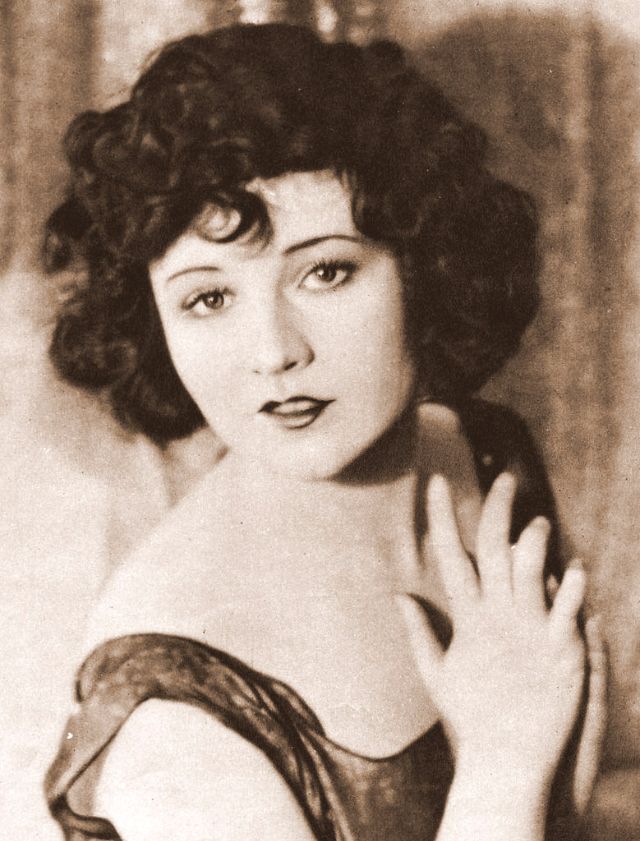
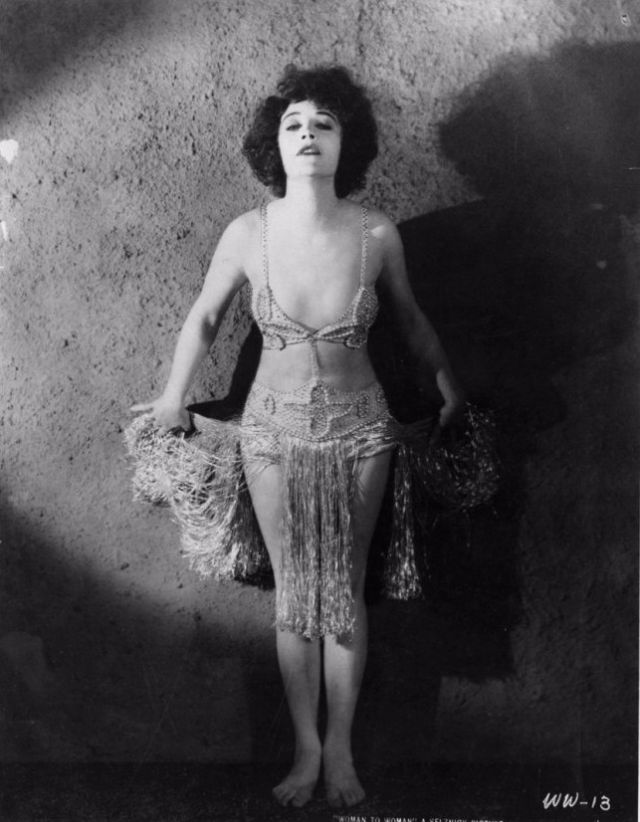
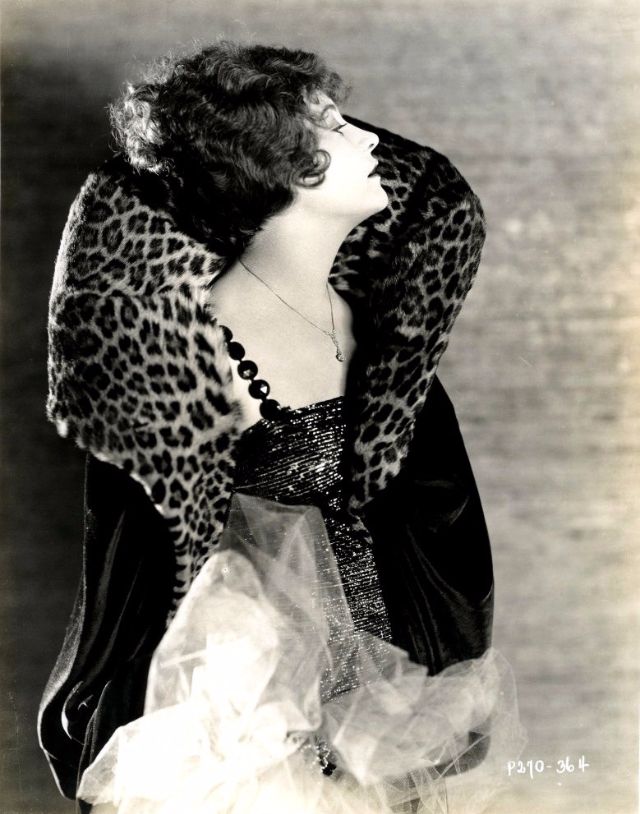
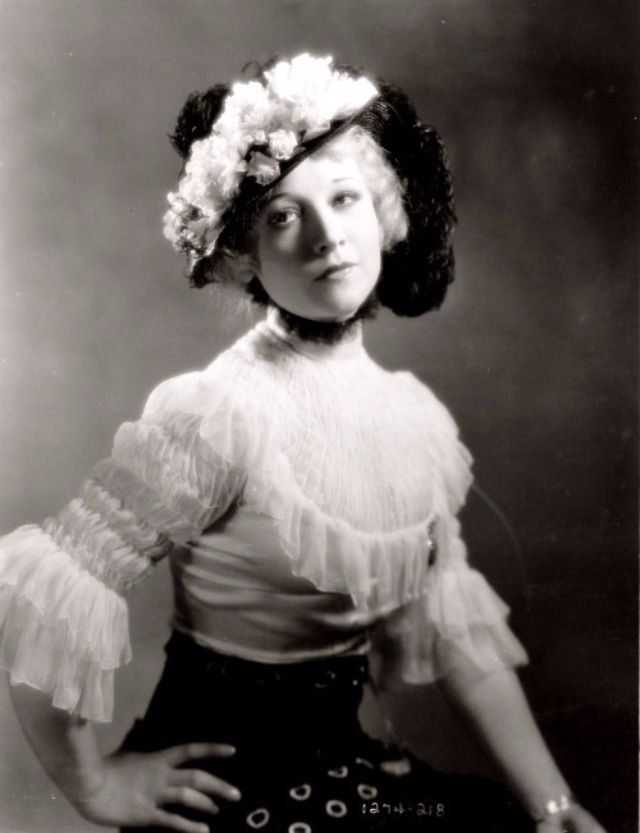
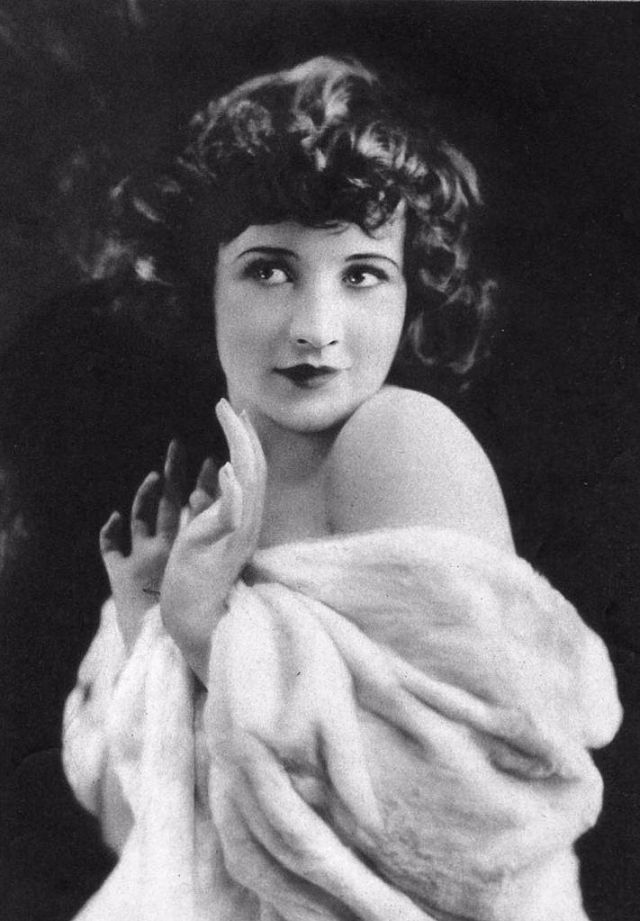
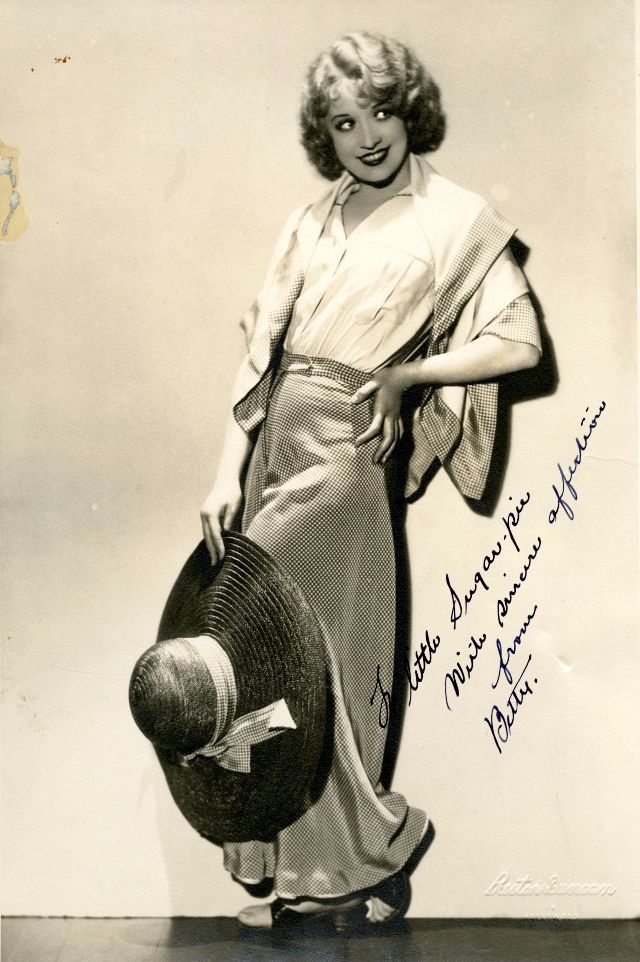
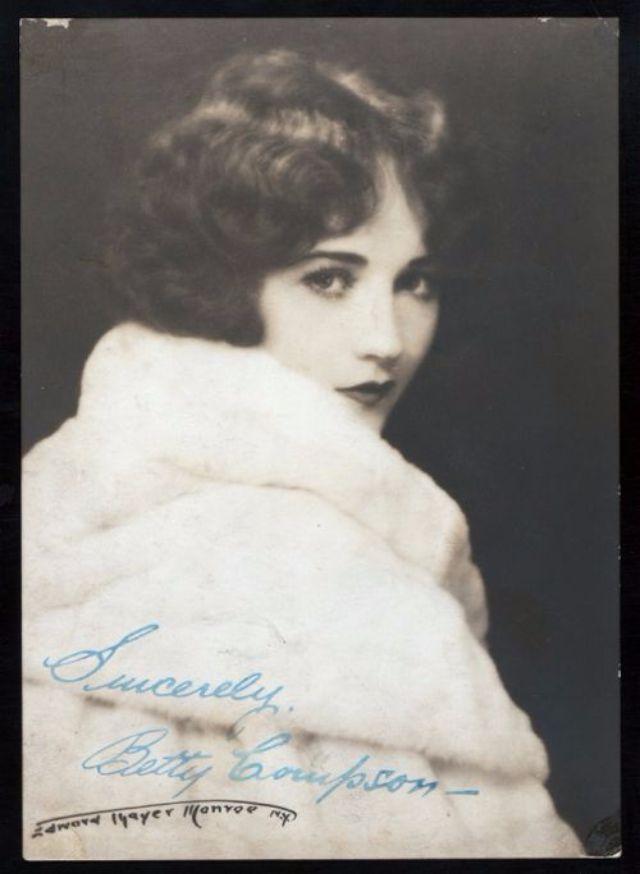
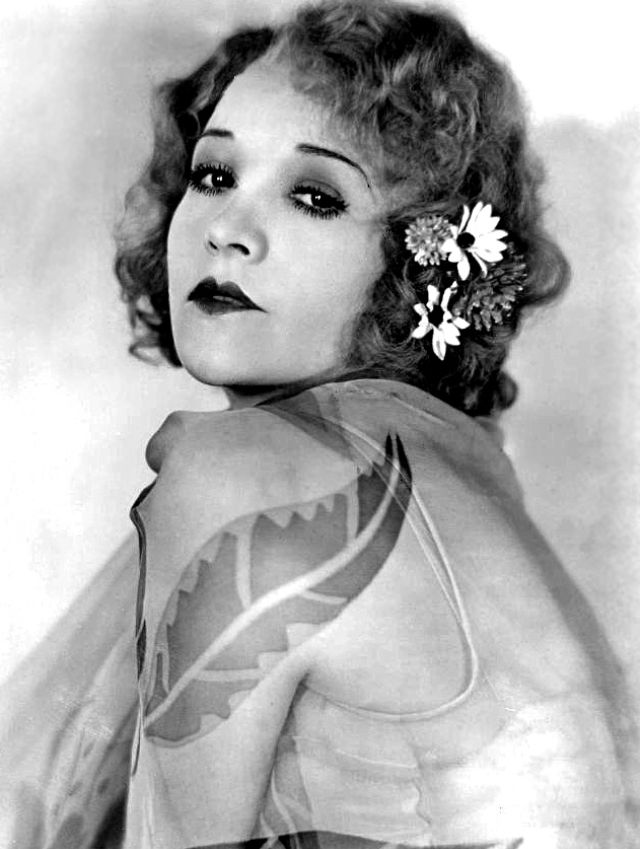
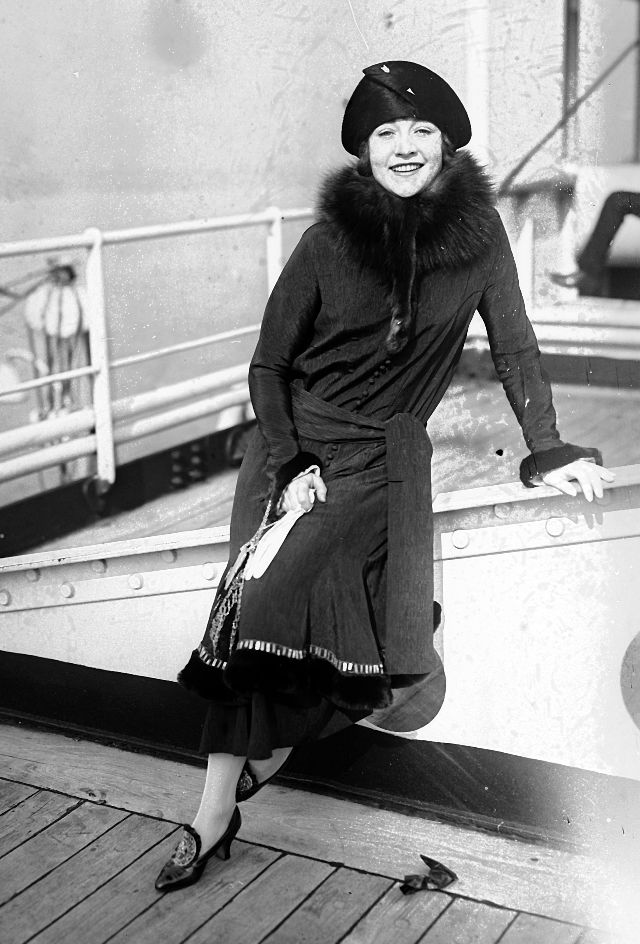
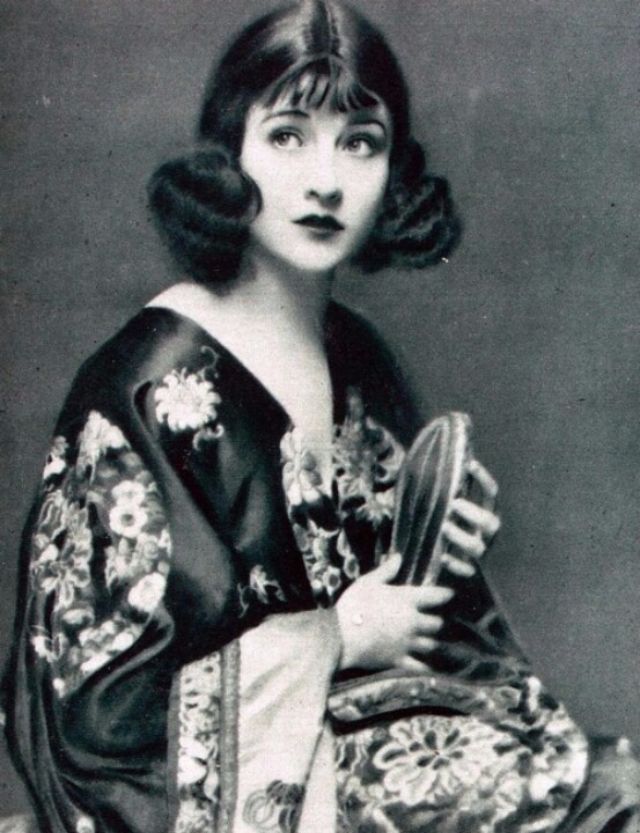
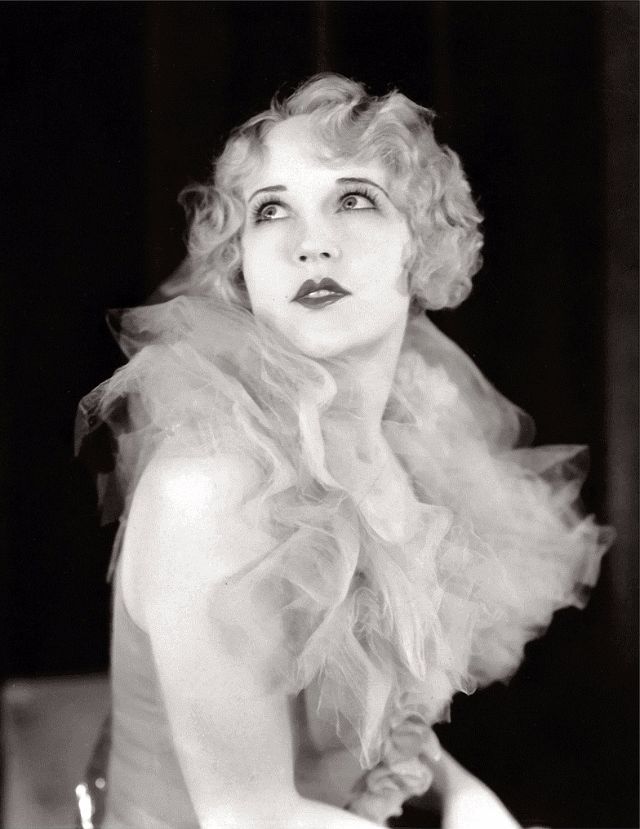
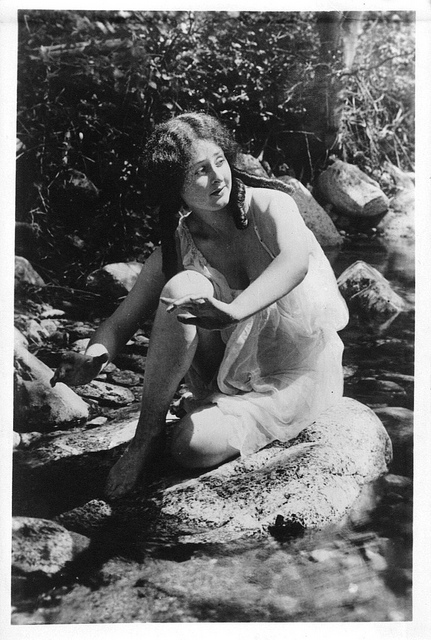
Betty Compson (1897-1974) was an American actress and film producer. Most famous in silent films and early talkies, she is best known in her performances in The Docks of New York and The Barker, the latter earning a nomination for the Academy Award for Best Actress.
Born Eleanor Luicime Compson in Beaver, Utah, she dropped out of school to help her family after her father’s death, and began her show business career as a violinist and toured with her mother in vaudeville. Betty was offered a contract with Al Christie in 1915.
Over the next five years she appeared in more than forty short films. Her career really took off when she co-starred with Lon Chaney in the 1919 drama The Miracle Man, and became one of highest paid actresses in Hollywood.
Betty was also one of the first women to run her own production company.
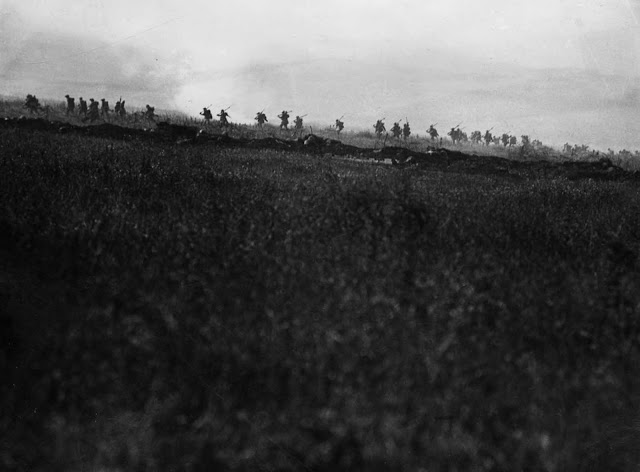
The Battle of the Somme, also known as the Somme Offensive, was one of the largest battles of the First World War. Fought between July 1 and November 1, 1916 near the Somme River in France, it was also one of the bloodiest military battles in history. On the first day alone, the British suffered more than 57,000 casualties, and by the end of the campaign the Allies and Central Powers would lose more than 1.5 million men.
The Somme campaign in 1916 was the first great offensive of World War I for the British, and it produced a more critical British attitude toward the war. During and after the Somme, the British army started a real improvement in tactics. Also, the French attacked at the Somme and achieved greater advances on July 1 than the British did, with far fewer casualties.
But it is the losses that are most remembered. The first day of the Somme offensive, July 1, 1916, resulted in 57,470 British casualties, greater than the total combined British casualties in the Crimean, Boer, and Korean wars. In contrast, the French, with fewer divisions, suffered only around 2,000 casualties. By the time the offensive ended in November, the British had suffered around 420,000 casualties, and the French about 200,000. German casualty numbers are controversial, but may be about 465,000.
How did this happen? In early 1916, the French proposed a joint Franco-British offensive astride the river Somme. Because of Verdun, the British army assumed the major role of the Somme offensive. Hence, on July 1, 1916, the British army attacked north of the Somme with fourteen infantry divisions, while the French attacked astride and south of the Somme with five divisions. In defense, the German army deployed seven divisions. The British attack was planned by Douglas Haig and Henry Rawlinson, GOC Fourth Army. The two differed about the depth of the offensive and the length of the bombardment, so the adopted plan was an awkward mixture.
The artillery was the key to the offensive, but it did not have the ability to cut all the wire, destroy deep German trenches, knock out all enemy guns, or provide a useful barrage for the infantry attack. And at zero hour on July 1, the artillery shifted away from the German front trenches too quickly and left the infantry exposed. But the French, with Verdun experience, had much more heavy artillery and attacked in rushes, capturing more ground and suffering less.
After July 1, a long stalemate settled in, with the German army digging defenses faster than Allied attacks could take place. Despite small advances, the Somme became a bloody battle of attrition, and Haig has been criticized for prolonging the campaign into winter, especially for the last six weeks. The Somme was an expensive lesson in how not to mount effective attacks, but the German army was also weakened and in February retreated to new, and shorter, defensive lines.
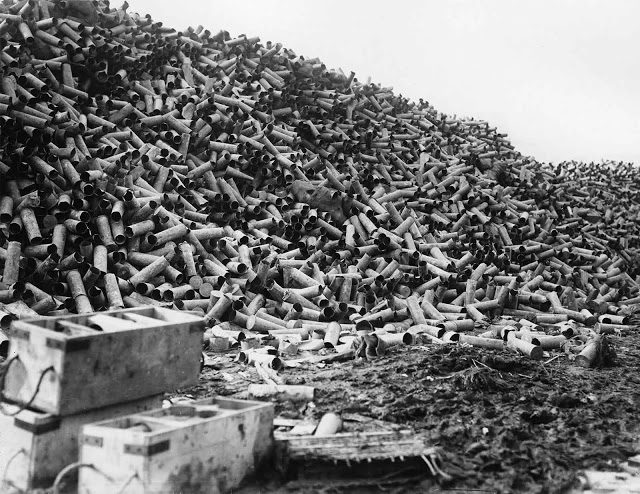
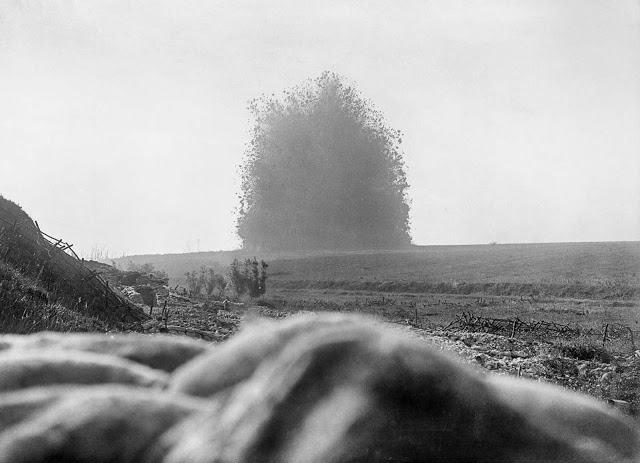
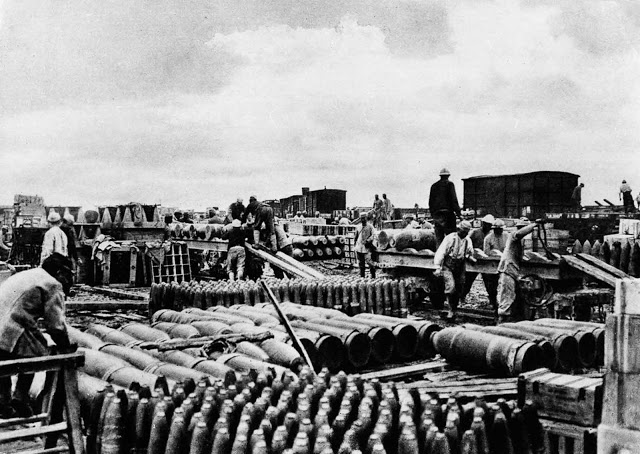
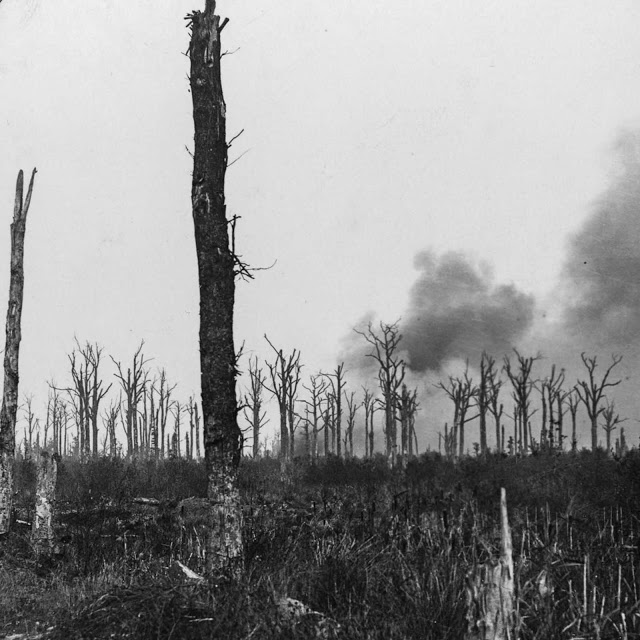
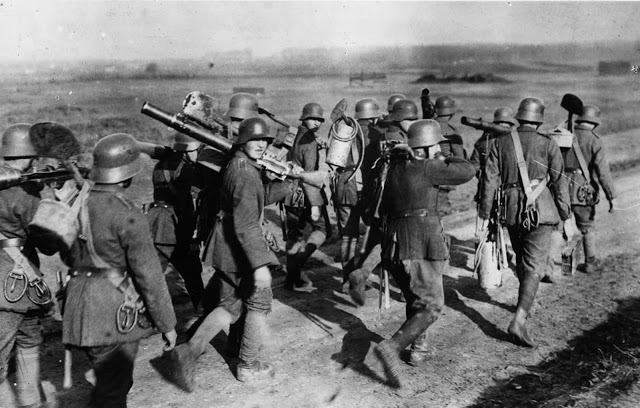
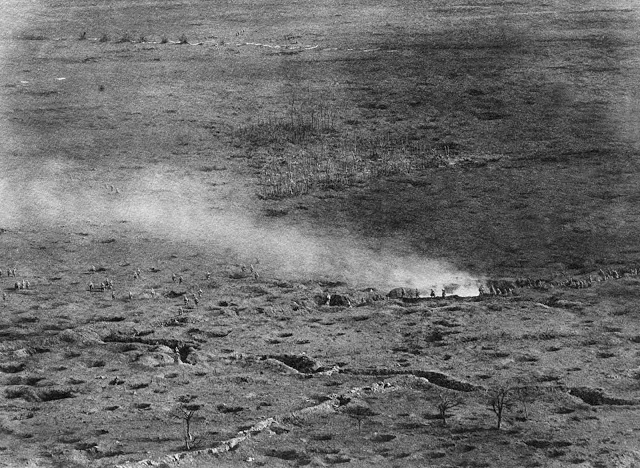
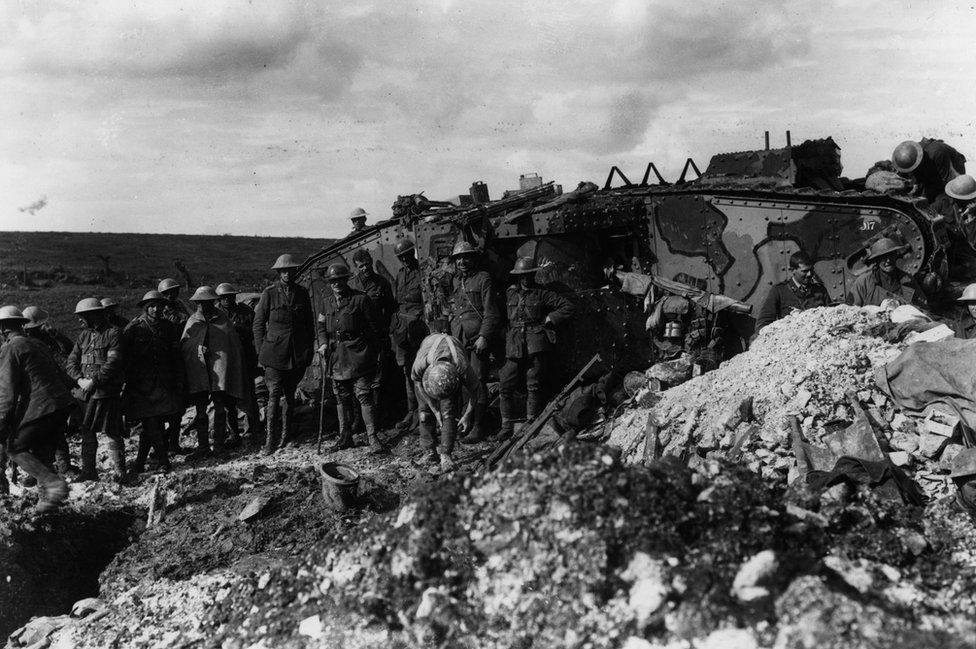
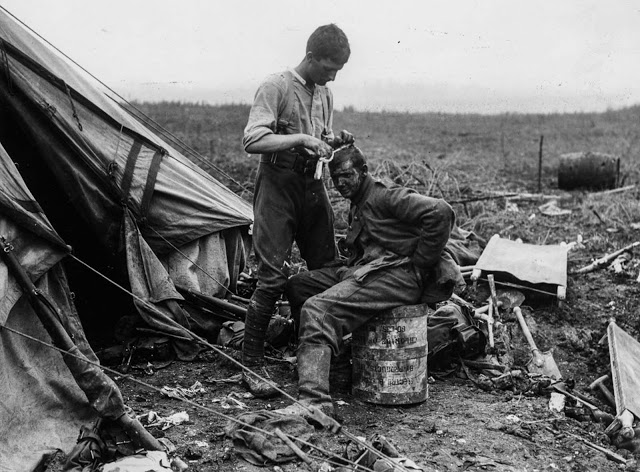
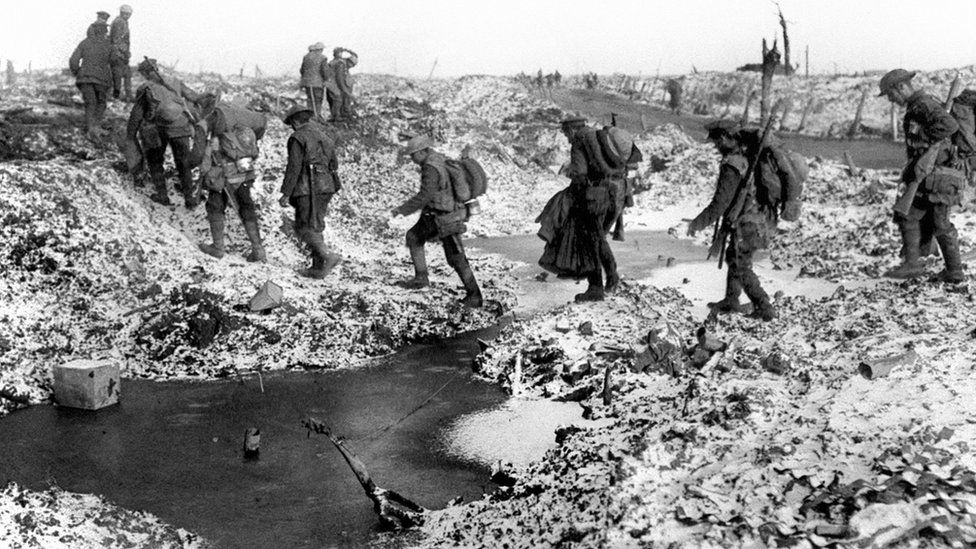
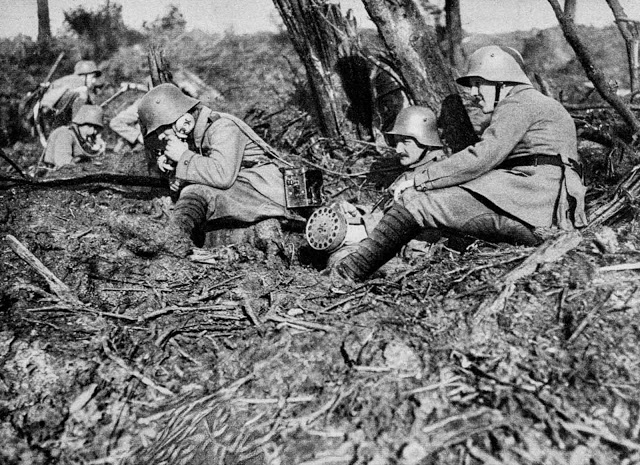
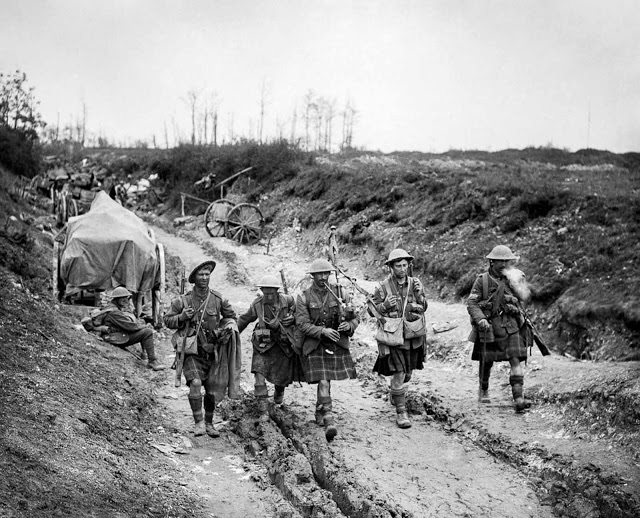
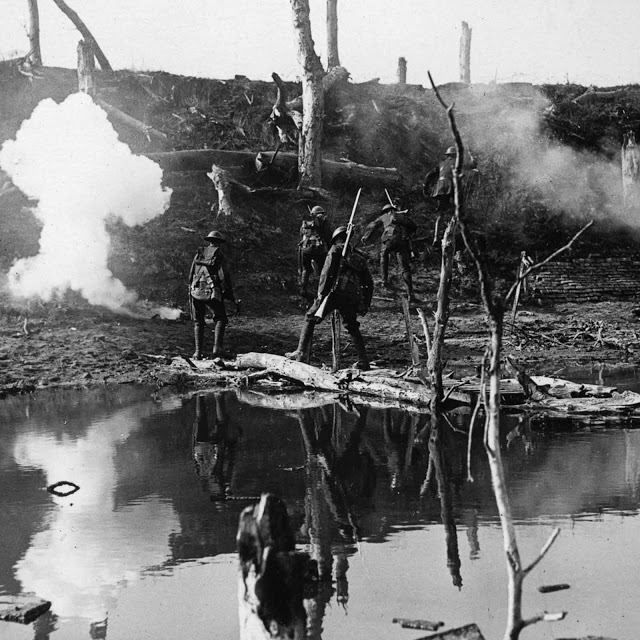
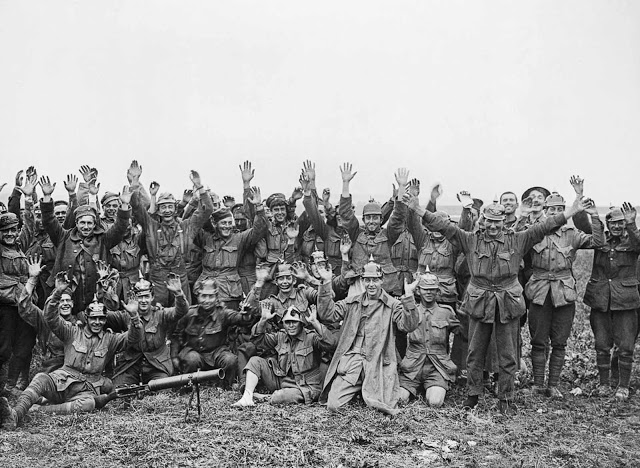
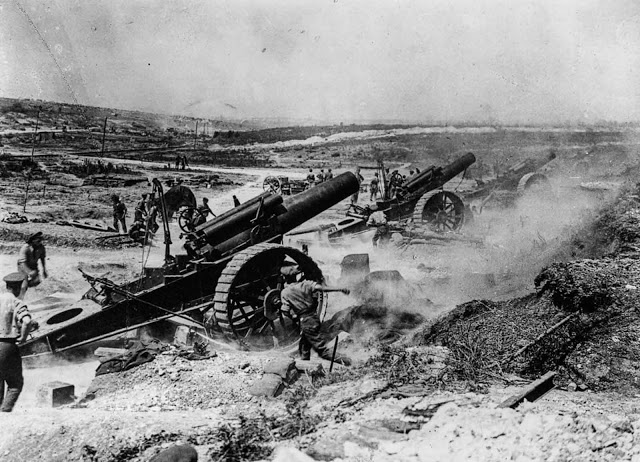
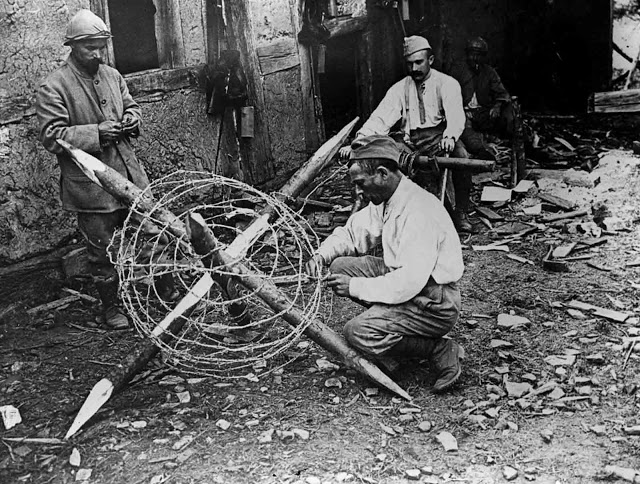
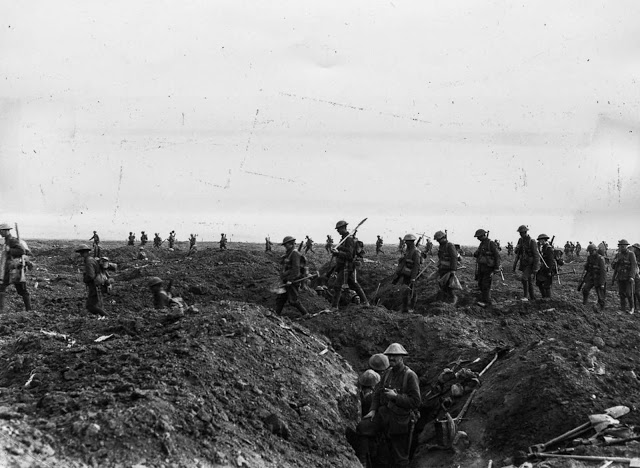
In the week leading up to the battle, over 1.5 million shells were fired.French troops prepare to move on German positions.A 45,000-pound mine (2 ton) under the German front line positions at Hawthorn Redoubt is fired 10 minutes before the assault at Beaumont Hamel on the first day of the Battle of the Somme. The mine left a crater 130 feet (40 m) across and 58 feet (18 m) deep. July 1, 1916.Men of the Royal Irish Rifles rest during the opening hours of the Battle of the Somme. July 1, 1916.British troops go “over the top” in a scene staged for a newsreel film on the battle. 1916.British 34th Division troops advance on the first day of the battle.The British trenches, manned by the 11th battalion, The Cheshire Regiment, near La Boisselle.An artillery depot behind German lines. 1916.Artillery barrages light up the sky during the attack on Beaumont Hamel. July 2, 1916.Wounded British soldiers return from the front lines.Indian cavalry of the British army. 1916.Mametz Wood was the objective of the 38th (Welsh) Division at the Battle of the Somme. The division took 4,000 casualties capturing the wood.German troops carry Lewis gun equipment.Gas-masked men of the British Machine Gun Corps with a Vickers machine gun.An aerial view of a French offensive.A German soldier at the Battle of the Somme, 1916The last Allied push began on 15 September, with the British engaged in the Battle of Flers-Courcelette, which also saw the tank make its debut. German defenders were forced to abandon their positions but there was still no breakthrough.A British soldier dresses the wounds of a German prisoner near Bernafay Wood. July 19, 1916.A French soldier peers over the edge of a trench.Bad weather was turning much of the battlefield into a quagmire. The vermin-ridden trenches were havens for dirt and disease and battle was finally brought to a halt on 18 November.Canadian troops fix bayonets before going over the top to assault German positions.A German field telephonist relays artillery requests from the front lines.A piper of the 7th Seaforth Highlanders leads four men of the 26th Brigade back from the trenches after the attack on Longueval. July 14, 1916.Soldiers cross the river Ancre during the Allied attack on Thiepval Ridge. September, 1916.German prisoners carry British wounded during the assault on Trones Wood.British soldiers advancing under cover of gas and smoke while making a break in the German lines through to Serre and Thiepval. September, 1916.Men of the 1st Anzac Division, some wearing German helmets, pose for the camera after fighting near Pozieres Ridge. July 23, 1916.Men of the Border Regiment rest in shallow dugouts near Thiepval Wood. August, 1916.A 6-inch howitzer is hauled through the mud near Pozieres. September, 1916.The 39th Siege Battery artillery in action in the Fricourt-Mametz Valley. August, 1916.A man builds barbed wire obstacles on the Somme. September, 1916.Reinforcements cross the old German front line during the advance towards Flers. September 15, 1916.A Mark I tank lies ditched north of Bouleaux Wood on the day tanks first went into action.Soldiers gather near a Mark I tank at Flers. September 17, 1916.British soldiers eat hot rations in the Ancre Valley. October, 1916.Horses haul ammunition forward in deep mud along the Lesboeufs Road outside Flers. November, 1916.A German cannon lies buried under uprooted trees in Louage Wood during an Allied offensive. October 10, 1916.A German soldier walks through the ruined streets of Peronne. November, 1916.By mid-September the British were ready to assault the German third line of defences with a new weapon, the tank.Soldiers sit in the trenches of the wood called Des Fermes in the Somme.
Opened on 1 August 1844, the Zoologischer Garten Berlin was the first zoo in Germany. The aquarium opened in 1913. The first animals were donated by Frederick William IV, King of Prussia, from the menagerie and pheasantry of the Tiergarten. The nearby U-Bahn station was opened the same year.
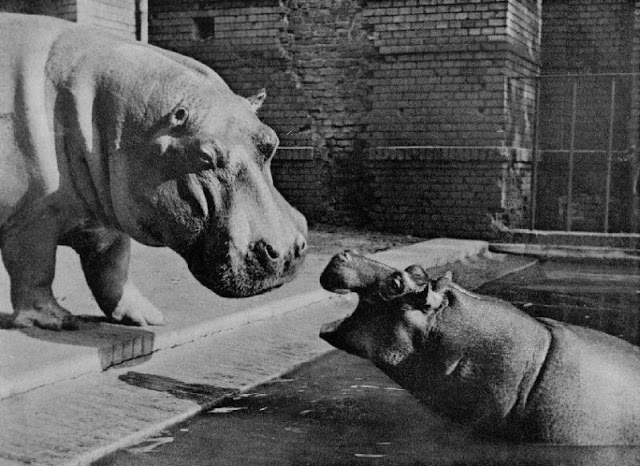
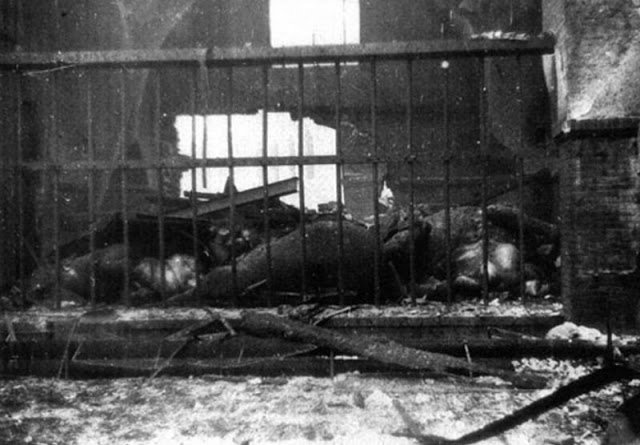
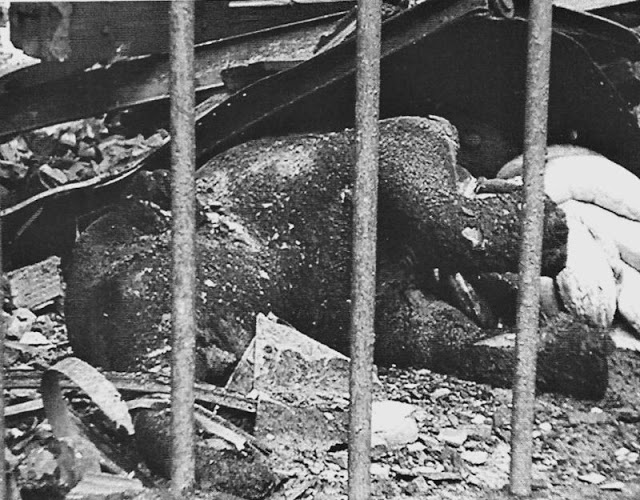
During World War II, the zoo area was hit by Allied bombs for the first time on 8 September 1941. Most damage was done during the bombardments on 22 and 23 November 1943. In less than 15 minutes, 30% of the zoo population was killed on the first day. On the second day the aquarium building was completely destroyed by a direct hit. Of the eight elephants only one survived, the bull Siam. 2-year-old hippo bull Knautschke was saved from the fire in his animal house. Most damage was done during the Battle of Berlin. From 22 April 1945 onwards, the zoo was under constant artillery fire of the Red Army. Heavy fighting took place on the zoo area till 30 April. Because of safety measures, some predators and other dangerous animals were killed by the zoo keepers.
By the end of the war, the zoo was fortified with the Zoo Tower, a huge flak tower that was one of the last remaining areas of Nazi German resistance against the Red Army, with its bunkers and anti-aircraft weapons defending against Allied air forces. At the entrance of the zoo, there was a small underground shelter for zoo visitors and keepers. During the battle, wounded German soldiers were taken care for here by female personnel and the wives of zookeepers. On 30 April, the zoo flak bunker surrendered.
A count on May 31, 1945, revealed only 91 of 3,715 animals had survived, including two lion cubs, two hyenas, Asian bull elephant Siam, hippo bull Knautschke, ten hamadryas baboons, a chimpanzee, and a black stork. After the battle, some animals disappeared or were eaten by Red Army soldiers. Following the zoo’s destruction, it and the associated aquarium was reconstructed on modern principles so as to display the animals in as close to their natural environment as feasible. The success in breeding animals, including some rare species, demonstrates the efficacy of these new methods.
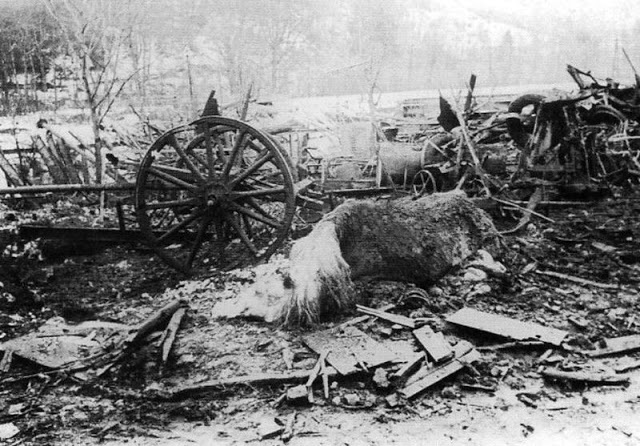
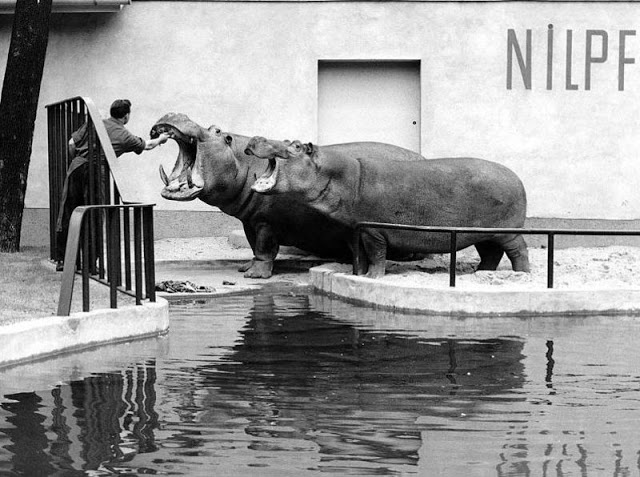
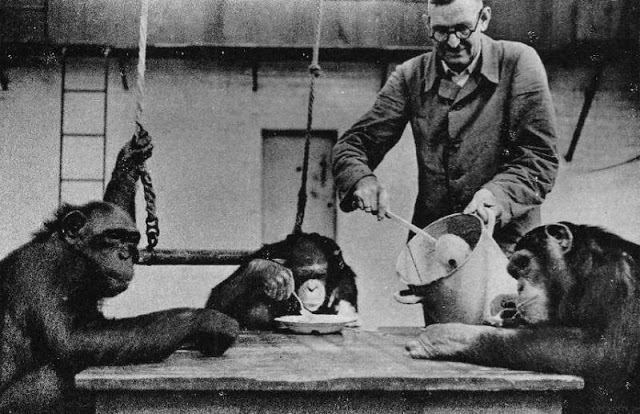
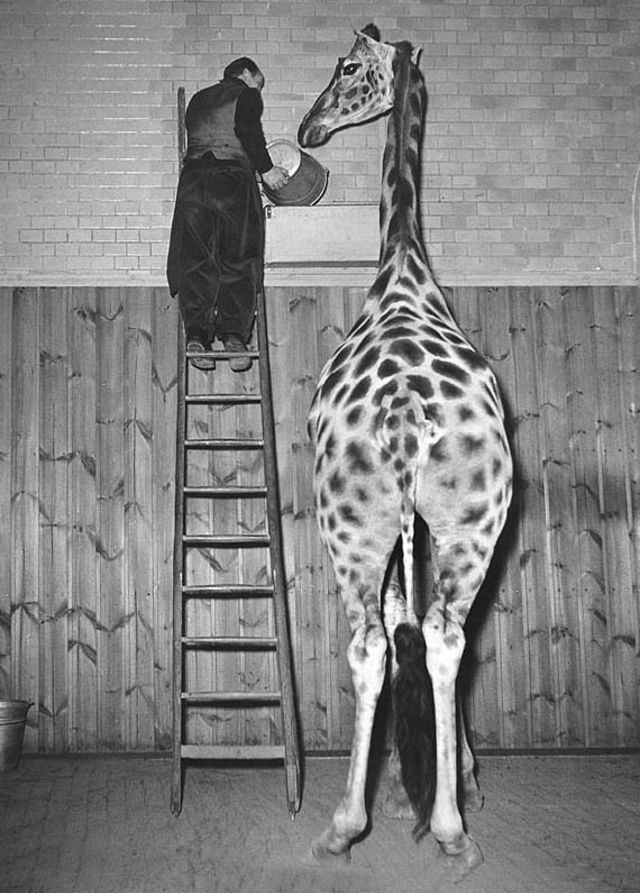
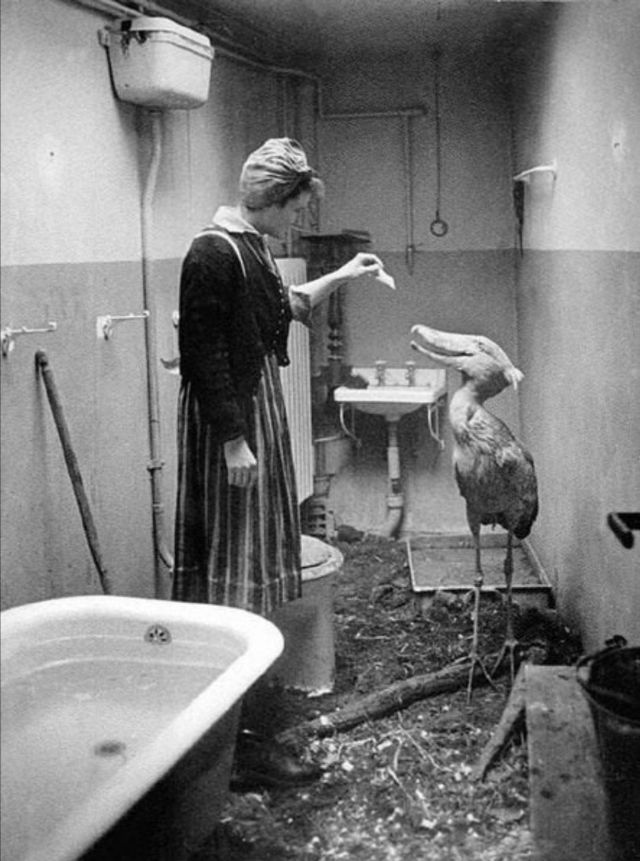
In the middle of the hail of bombs in 1943, hippo “Knautschke” was born in Berlin Zoo and was one of only 91 zoo animals to survive the Second World War. Here he presents himself in May 1957 together with his daughter “Boulette” on the rural part of the grounds of the hippo house, which was newly opened in 1956.Chimpanzees “Titine”, “Lore” and “Susi” were served food at the table in the 1940s.The first zoo giraffes to reach Germany were born in the wild, captured there and transported to Europe. Giraffe “Rike”, however, was born in October 1938 in the Berlin Zoo. She stayed there until she died of lung disease in February 1957.Shoebill stork being cared for after the bombing of the Zoo, 1943.Siam, the elephant before the war.Hippo “Gretl” standing in the damaged Hippo enclosure, 1943.A dead giraffe was killed in the bombings.Postwar photo of hippos “Knautschke” and “Bulette”.Siam the elephant looking through a gate.Group of elephants killed in the bombings.Charred baby elephant after bombing in Berlin 1943, all 7 elephants at the zoo were burned alive.March 3 ,1943 British attack on Berlin Zoo, 3900 animals of the zoo perished.Escaped animals, killed on the streets of Berlin, 1945.Hungry Berliners carve up a horse killed in the shellings, 1945.A wrecked building at the Berlin Zoo, 1943.More ruins at the Zoo, following the November raid.
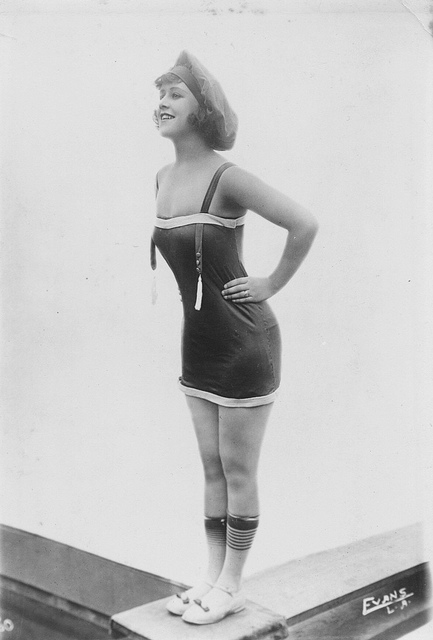
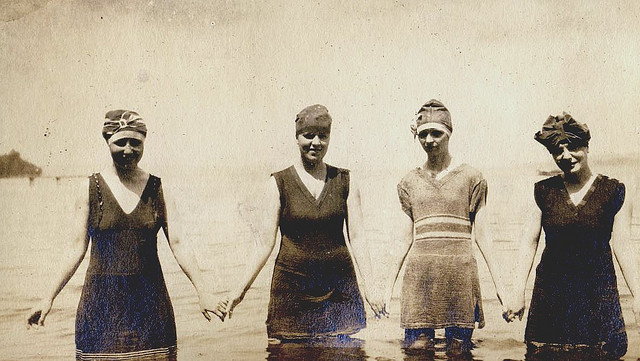
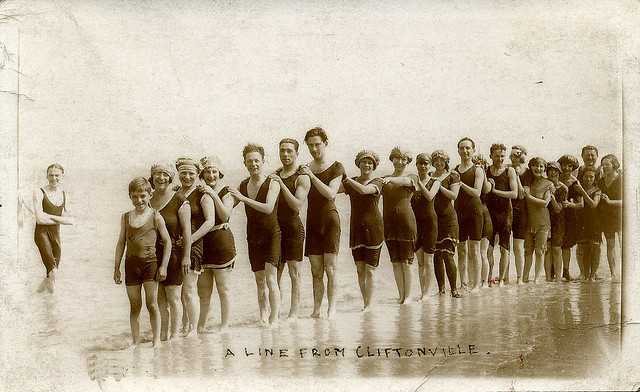
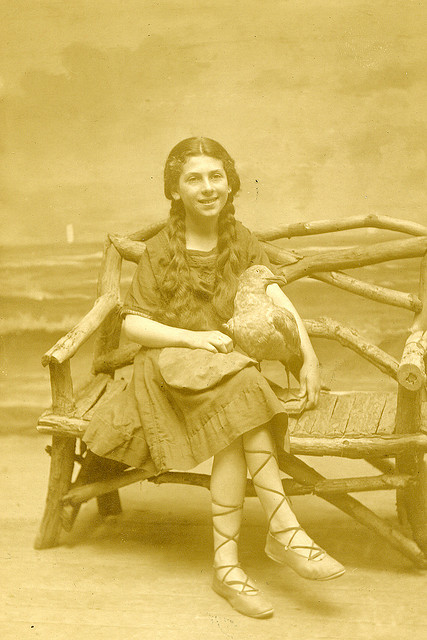
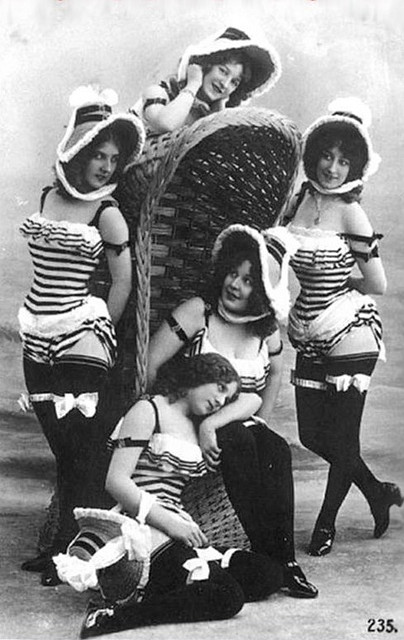
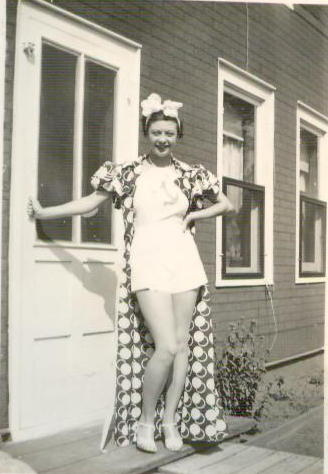
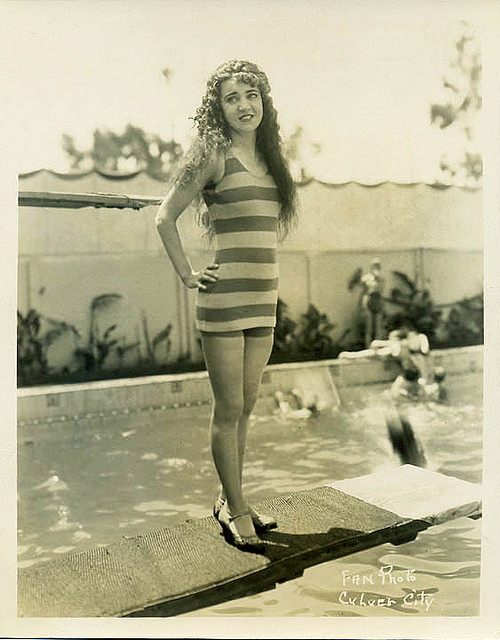
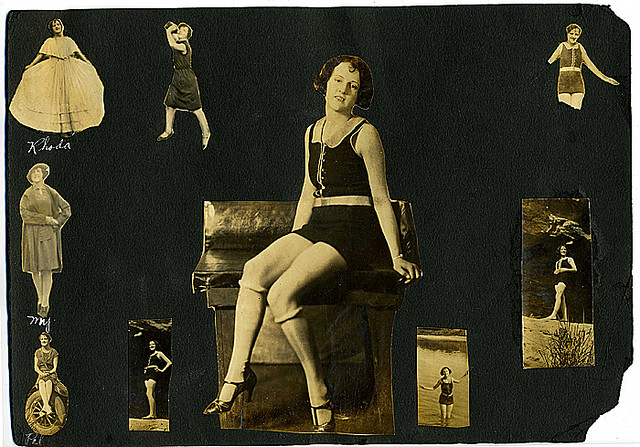
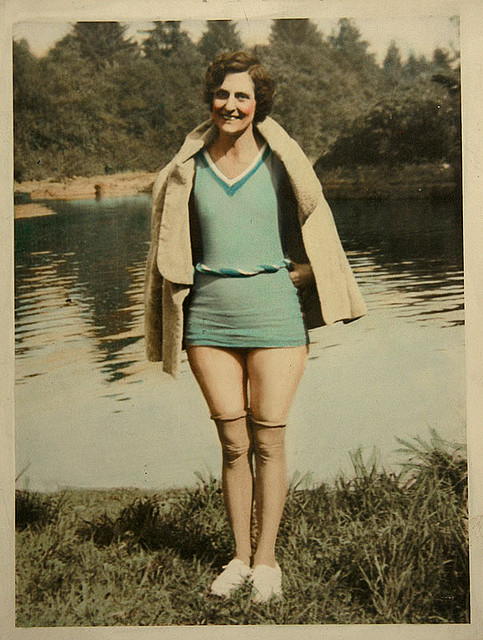
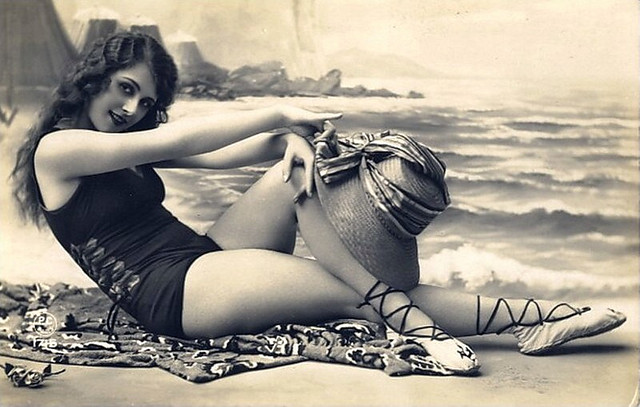
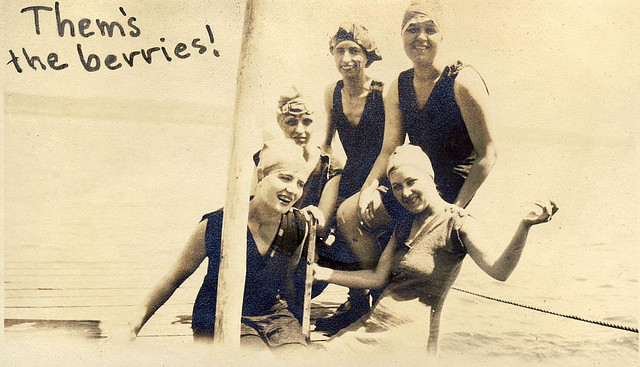
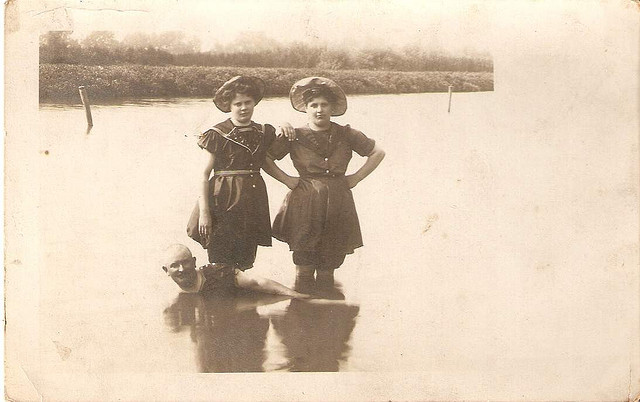
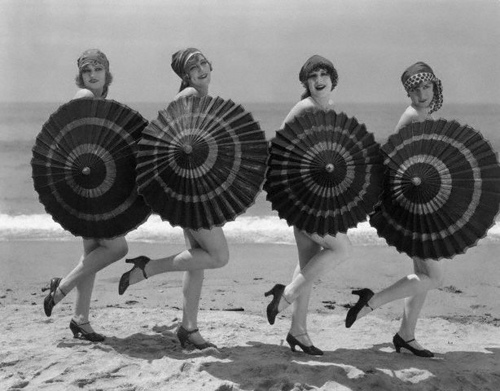
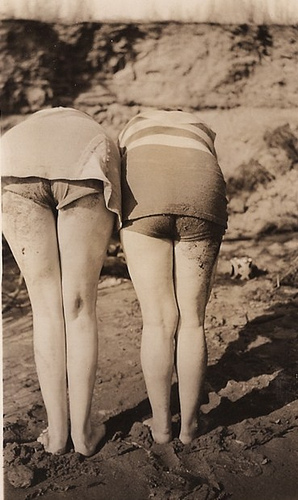
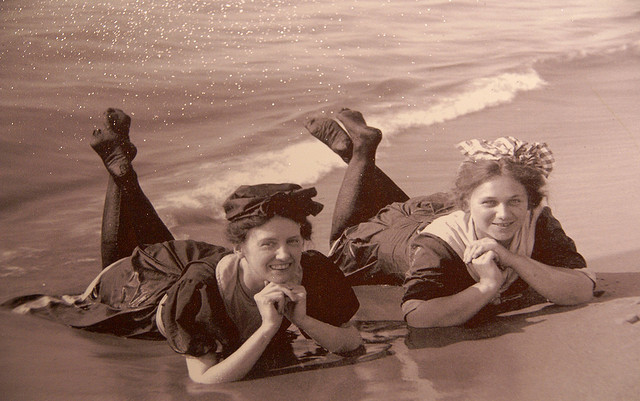
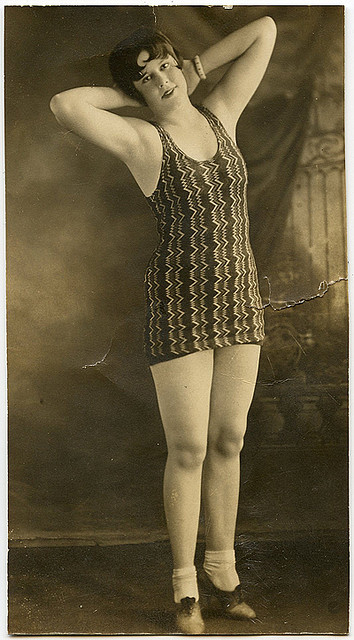
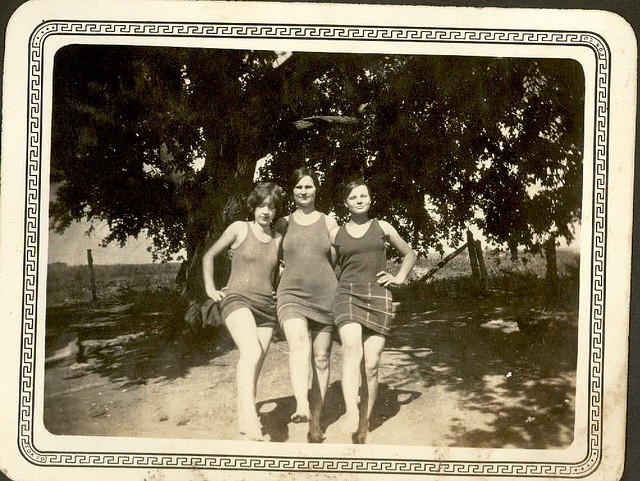
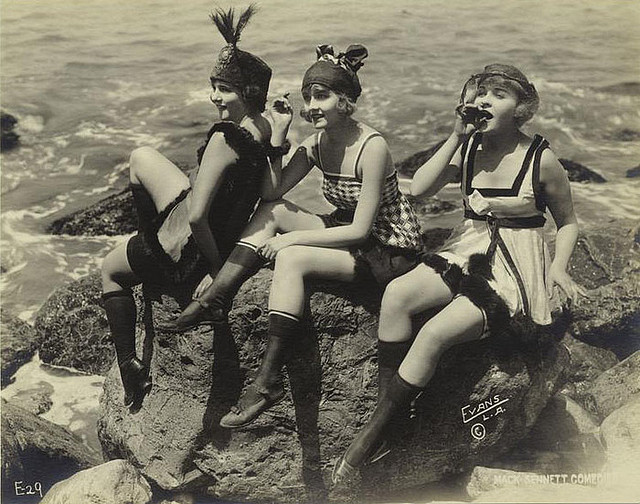
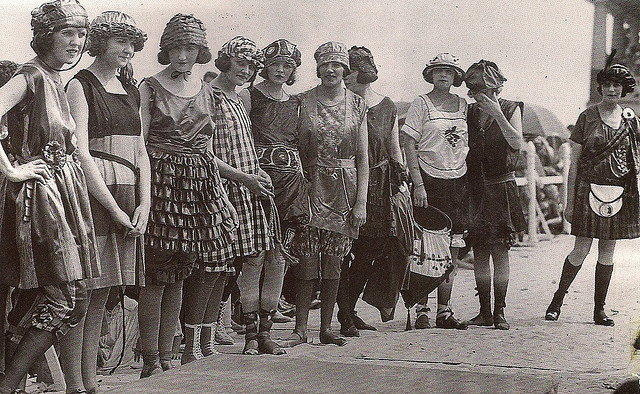
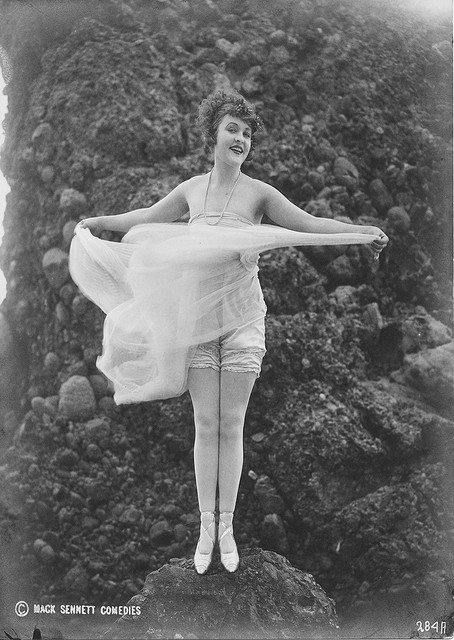
By the end of the 19th century people were flocking to the oceanside beaches for popular seaside activities such as swimming, surf bathing, and diving. The clumsy Victorian-style bathing costumes were becoming burdensome. A need for a new style bathing suits that retained modesty but was free enough to allow the young lady to engage in swimming was obvious.
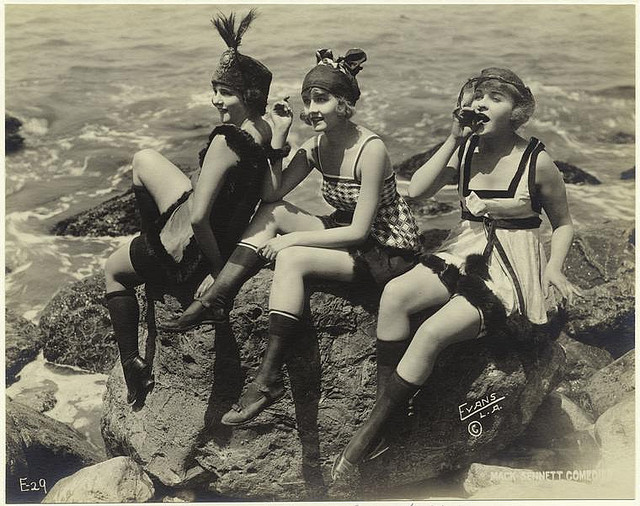
By 1910 bathing suits no longer camouflaged the contours of the female body. The yards of fabric used in Victorian bathing skirts and bloomers were reduced to show a little more of the figure and to allow for exposure to the sun.
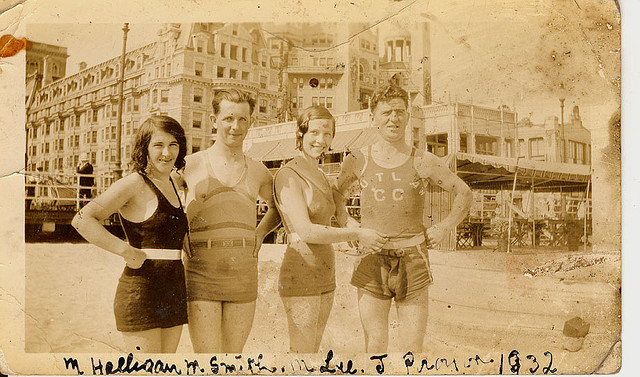
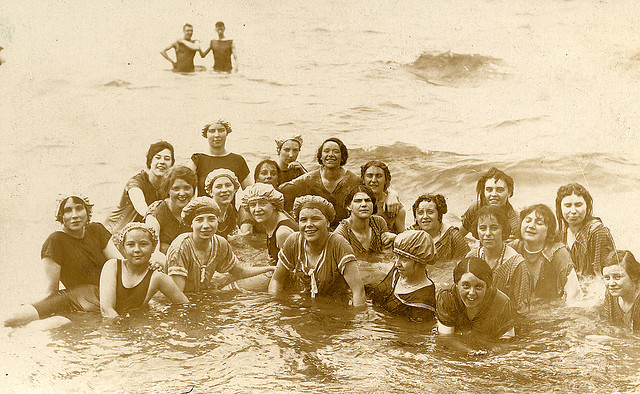
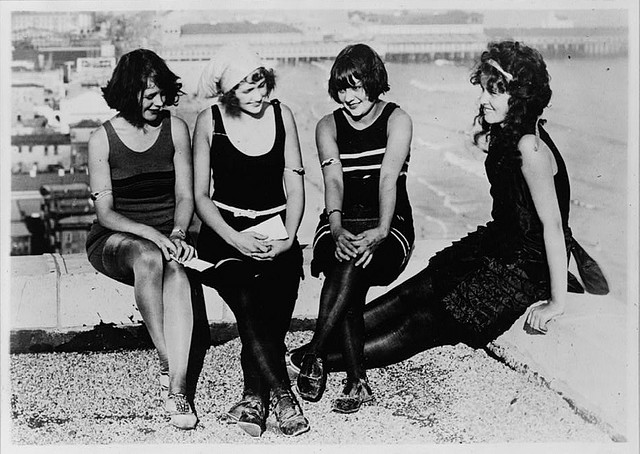
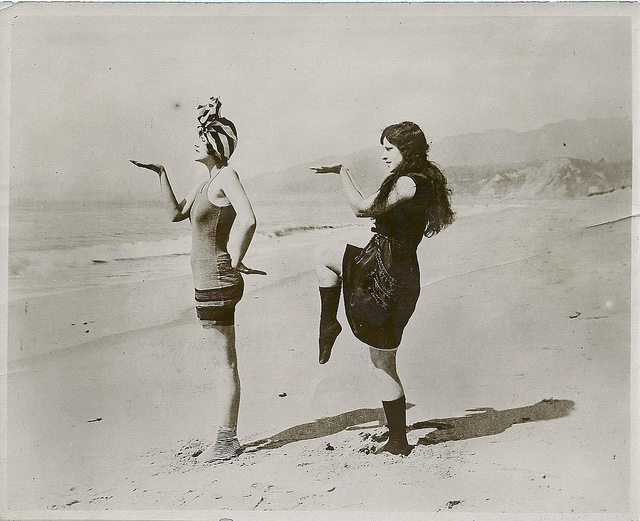
Up until the first decades of the 20th century, the only activity for women in the ocean involved jumping through the waves while holding on to a rope attached to an off-shore buoy. By 1915, women athletes started to share the actual sport of swimming with men and thus began to reduce the amount of heavy fabric used in their billowing swimsuits.
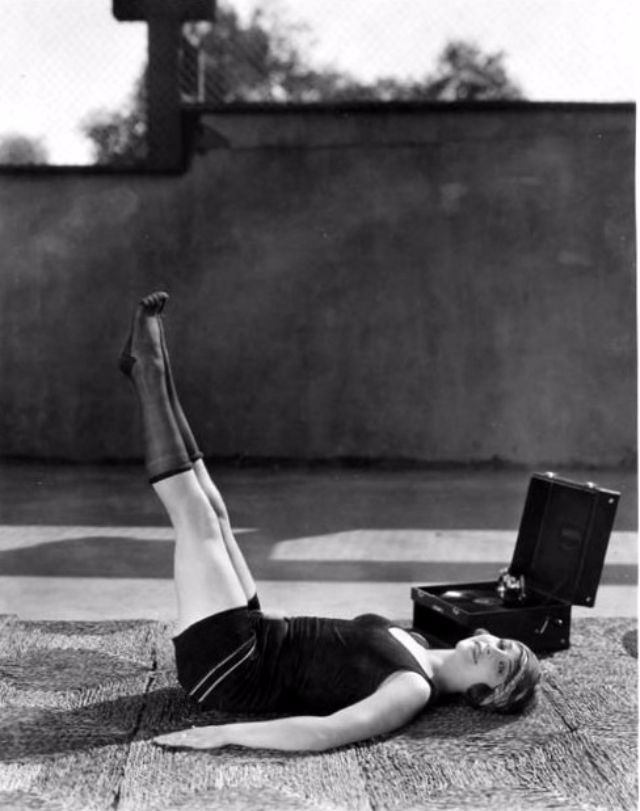
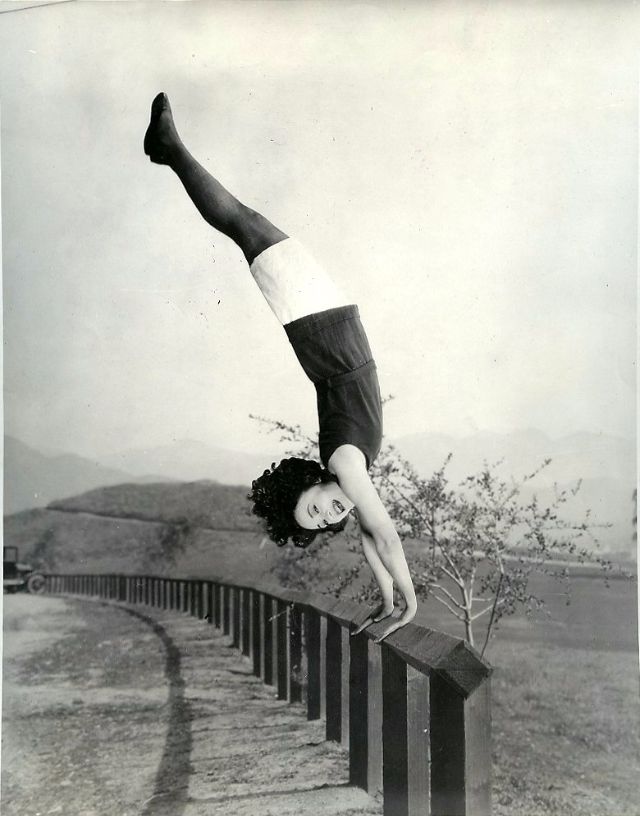
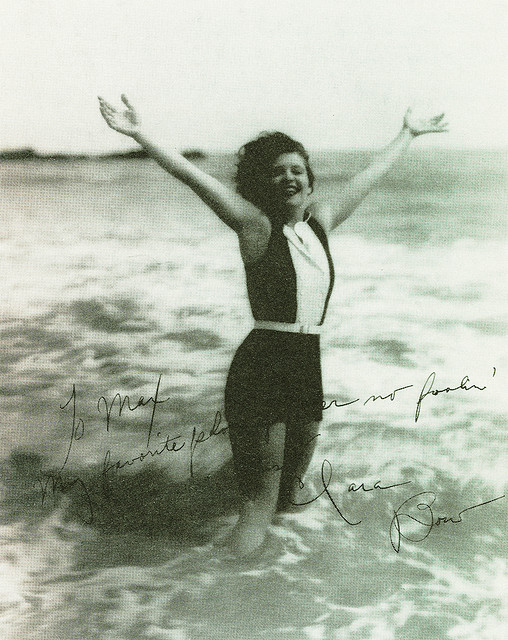
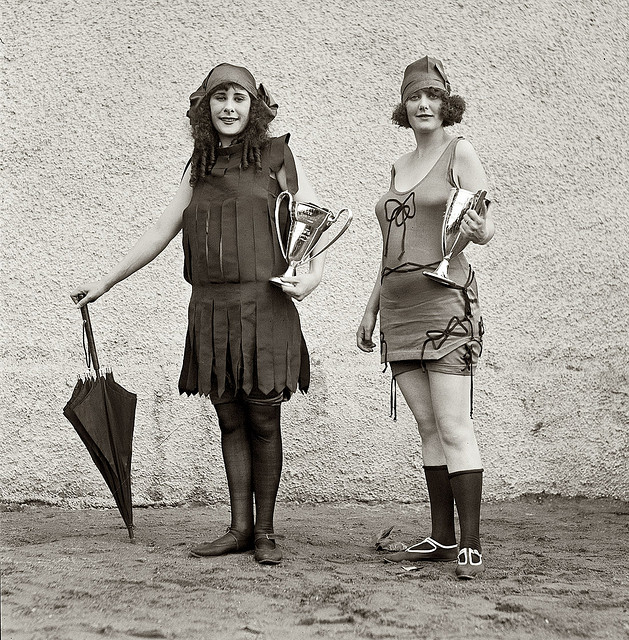
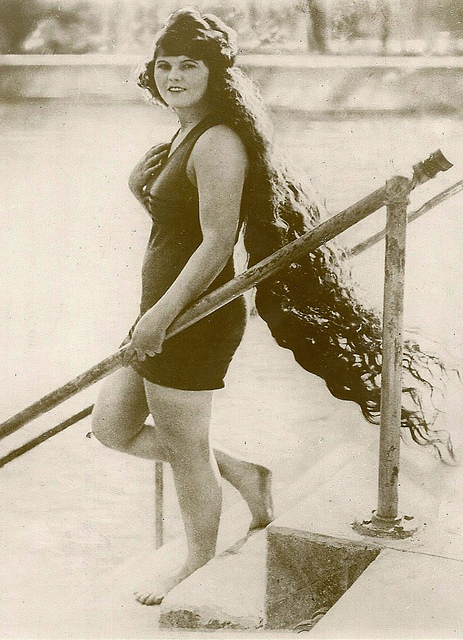
By the early 1920s women’s bathing suits were reduced to a one piece garment with a long top that covered shorts. Though matching stockings were still worn, vintage swimwear began to shrink and more and more flesh was exposed from the bottom of the trunks to the tops of the stockings. By the mid-1920s Vogue magazine was telling its readers that “the newest thing for the sea is a jersey bathing suit as near a maillot as the unwritten law will permit.”