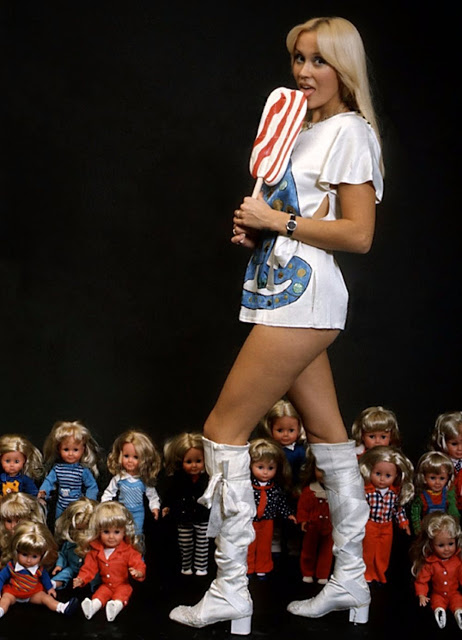
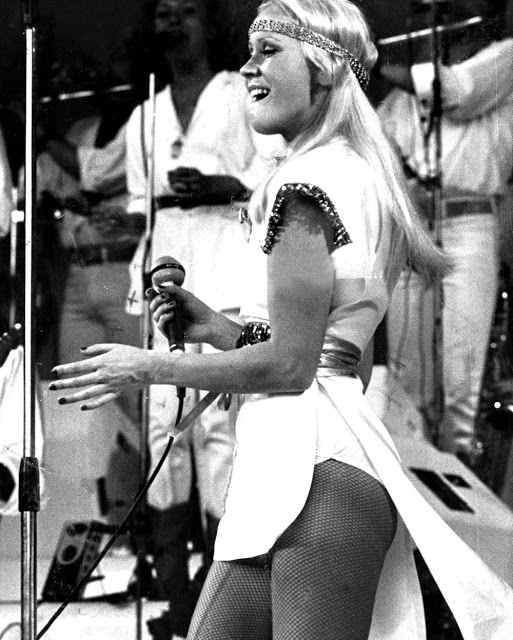
ABBA are a Swedish pop group formed in Stockholm in 1972 by Agnetha Fältskog, Björn Ulvaeus, Benny Andersson, and Anni-Frid Lyngstad. The group’s name is an acronym of the first letters of their first names. Widely considered one of the greatest musical groups of all time, they became one of the most commercially successful acts in the history of popular music, topping the charts worldwide from 1974 to 1983. They have achieved 44 hit singles.
In 1974, ABBA were Sweden’s first winner of the Eurovision Song Contest with the song “Waterloo”, which in 2005 was chosen as the best song in the competition’s history as part of the 50th anniversary celebration of the contest. During the band’s main active years, it consisted of two married couples: Fältskog and Ulvaeus, and Lyngstad and Andersson. With the increase of their popularity, their personal lives suffered, which eventually resulted in the collapse of both marriages. The relationship changes were reflected in the group’s music, with latter compositions featuring darker and more introspective lyrics. After ABBA disbanded, Andersson and Ulvaeus continued their success writing music for the stage, while Fältskog and Lyngstad and pursued solo careers.
Ten years after the group disbanded, a compilation, ABBA Gold, was released, becoming a worldwide best-seller. In 1999, ABBA’s music was adapted into Mamma Mia!, a successful musical that toured worldwide. A film of the same name, released in 2008, became the highest-grossing film in the United Kingdom that year. A sequel, Mamma Mia! Here We Go Again, was released in 2018. That same year it was also announced that the band had reunited and recorded two new songs after 35 inactive years, which were released in September 2021 as the lead singles from Voyage, their first studio album in 40 years, to be released in November 2021. A concert residency featuring ABBA as virtual avatars – dubbed ‘ABBAtars’ to support the album will take place from May to September 2022.
They are one of the best-selling music artists of all time, with sales estimated at 150 million records worldwide. In 2012, ABBA was ranked eighth-best-selling singles artists in the United Kingdom, with 11.2 million singles sold. ABBA were the first group from a non-English-speaking country to achieve consistent success in the charts of English-speaking countries, including the United States, United Kingdom, Republic of Ireland, Canada, Australia, New Zealand, The Philippines and South Africa. They are the best-selling Swedish band of all time and one of the best-selling bands originating in continental Europe. ABBA had eight consecutive number-one albums in the UK. The group also enjoyed significant success in Latin America, and recorded a collection of their hit songs in Spanish. The group was inducted into the Rock and Roll Hall of Fame in 2010. In 2015, their song “Dancing Queen” was inducted into the Recording Academy’s Grammy Hall of Fame.
Subscribe to continue reading
Become a paid subscriber to get access to the rest of this post and other exclusive content.
When we think of the Nazis’ crimes against humanity, the most obvious example is the horrific, systematic murder of about 6 million Jews across Europe. However, the Holocaust does not represent the full extent of Nazi genocide.
In total, aside from enemies killed in battle, the Nazis murdered approximately 11 million people. One of the groups most devastated was non-Jewish Polish civilians. The Nazis killed at least 1.8 million ethnic Poles, with some estimates ranging as high as 3 million.
They carried out these killings in Nazi-occupied Poland in service of their principle of Lebensraum, a colonialist concept that called for Germany to expand its borders to the east and take others’ territory — often by killing them — so that ethnic Germans might settle it. Ultimately, the Nazis put this principle into action in the form of Generalplan Ost.
This initiative detailed the planned extermination of the Slavic peoples who lived east of Germany and the resettlement of their land with ethnic German peoples. At best, the plan showed an utter disregard for Polish civilian lives. At worst, it called for their systematic extermination.
The Nazis hoped that their invasion of Poland in 1939 would ultimately allow them to remove or exterminate tens of millions of Poles and other Slavic peoples in Eastern Europe in order to make way for the planned resettlement of the area with “racially pure” Germans.
Hitler’s speech to his generals in August 1939 upon the invasion of Poland (and the beginning of World War II) explicitly and chillingly stated exactly how his soldiers were to treat Polish civilians who fell under their control: “Kill without pity or mercy all men, women or children of Polish descent or language.”
Likewise, SS leader Heinrich Himmler said, “All Polish specialists will be exploited in our military-industrial complex. Later, all Poles will disappear from this world. It is imperative that the great German nation considers the elimination of all Polish people as its chief task.”
Indeed, the Nazis hoped to execute 85 percent of all Poles and keep the remaining 15 percent as slaves.
Nazi preparation for this destruction of Polish society had begun well before it came to fruition. Throughout the late 1930s, the Nazis had been drawing up a list of some 61,000 prominent Polish civilians (scholars, politicians, priests, Catholics, and others) to be killed. In 1939, Nazi leaders then distributed this list to SS death squads who followed the advancing German military forces into Poland in order to execute the civilians on the list as well as anyone else perceived to be a threat.
Indeed, the Nazis proceeded to execute the Poles on the list as well as about 60,000 others in 1939 and 1940 across Nazi-occupied Poland in what was called Operation Tannenberg. But this was just the initial phase of the Nazis’ planned destruction of the Polish people.
In addition to the systematic execution of specific individuals, the Nazis killed an indiscriminate murder of civilians once the German Air Force started bombing cities, even those that had no military or strategic value whatsoever.
It is estimated that more than 200,000 Polish civilians died due to aerial bombing in Nazi-occupied Poland in the months following September 1939 as the Nazi war machine rolled into their country and, in conjunction with the Soviet invasion from the east, quickly destroyed Polish resistance. For example, the town of Frampol was completely destroyed and 50 percent of its inhabitants were killed by German bombing for the sole purpose of practicing their aim for future bombing raids.
On the ground, German soldiers murdered Polish civilians at an equally horrifying rate. “Polish civilians and soldiers are dragged out everywhere,” one soldier said. “When we finish our operation, the entire village is on fire. Nobody is left alive, also all the dogs were shot.”
As the war progressed and Germany took full control of Poland, the Nazis put procedures of systematic genocide into place. The Nazis forced about 1.5 million Polish civilians from their homes, replacing them with Germans, and forcing the displaced into slave labor camps and some of the same death camps where Jews were slaughtered. About 150,000 non-Jewish Poles were sent to Auschwitz alone, with another 65,000 dying in the Stutthof concentration camp set up specifically for Poles.
Poles who did resist such mass deportations and killings, like those in the resistance who led the Warsaw Uprising of 1944, were arrested and killed en masse with the Nazis showing no mercy.
At the same time, the Nazis kidnapped thousands of local women during army raids of Polish cities. These women were sent to serve as sex slaves in German brothels with girls as young as 15 sometimes taken from their homes for this specific purpose.
Meanwhile, young Polish children with certain desired physical features (such as blue eyes) were also subject to kidnapping by German authorities. These children were forced into a series of tests to determine their capacity for Germanization. The children who passed these tests were resettled into “pure” German families while those who failed were executed or sent to death camps.
This fate befell about 50,000-200,000 children, with 10,000 of them killed in the process, and most of them never able to reunite with their families after the war.
These numbers, appalling though they are, scarcely do justice to what must have been the true horror for those who suffered in Nazi-occupied Poland.
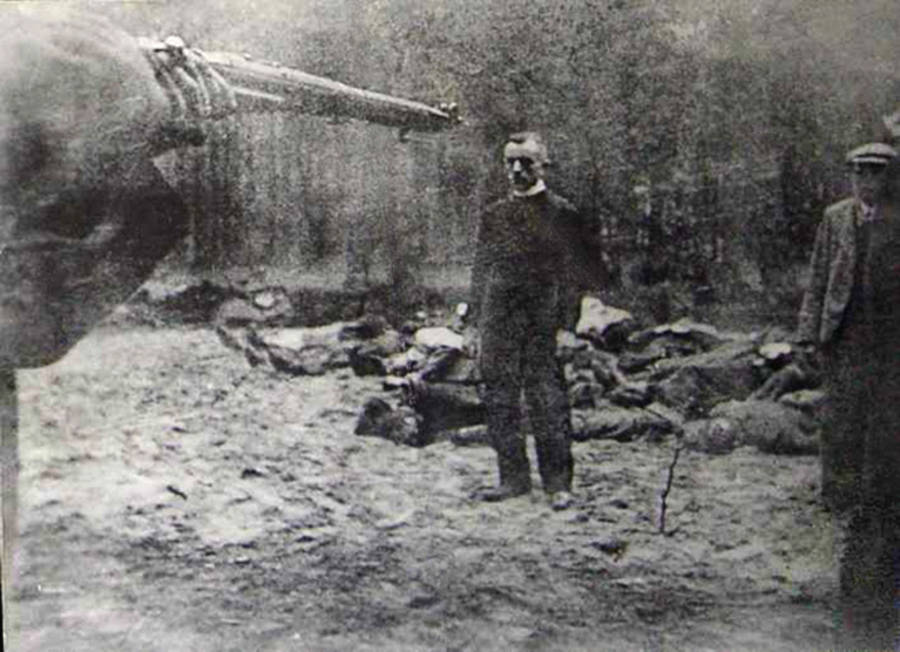
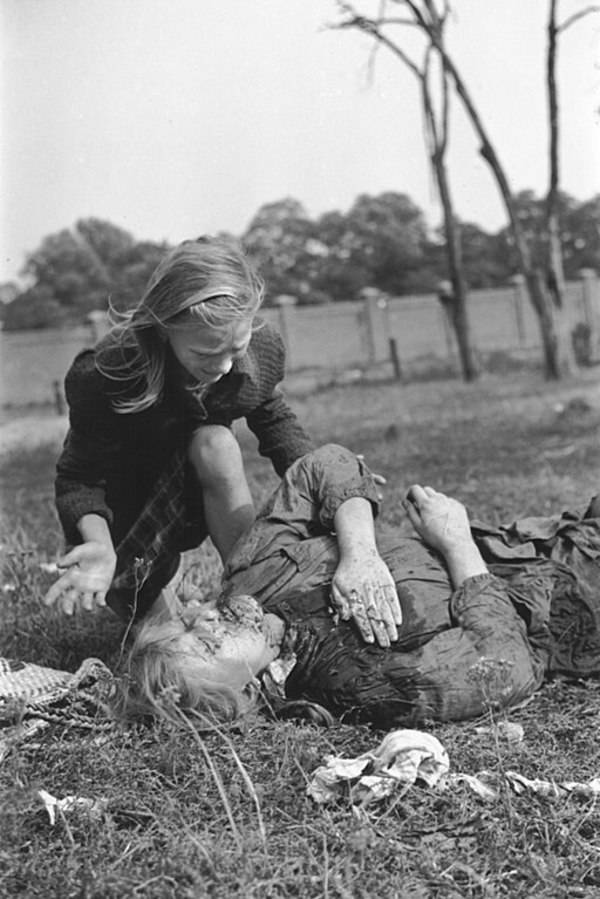
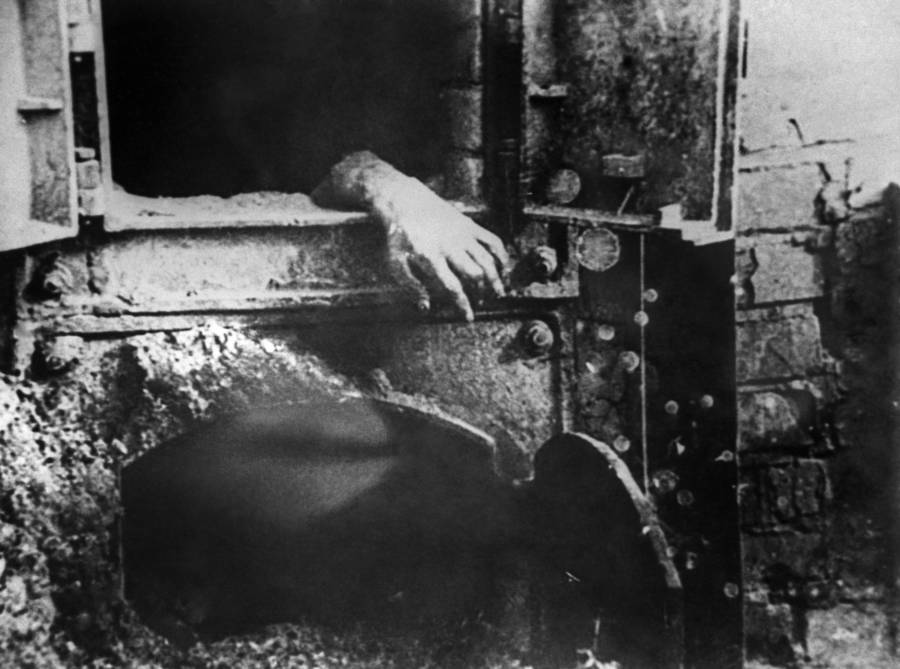
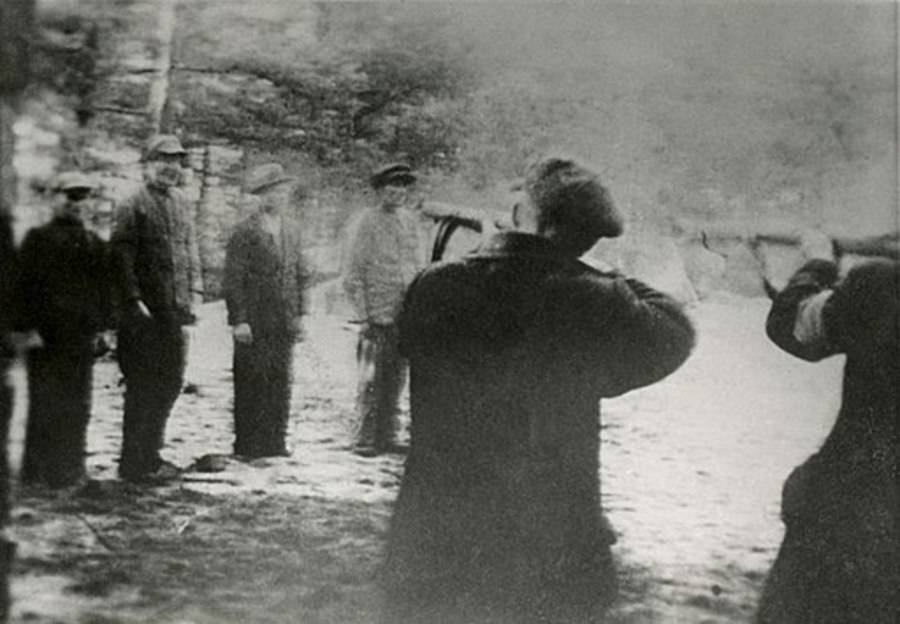
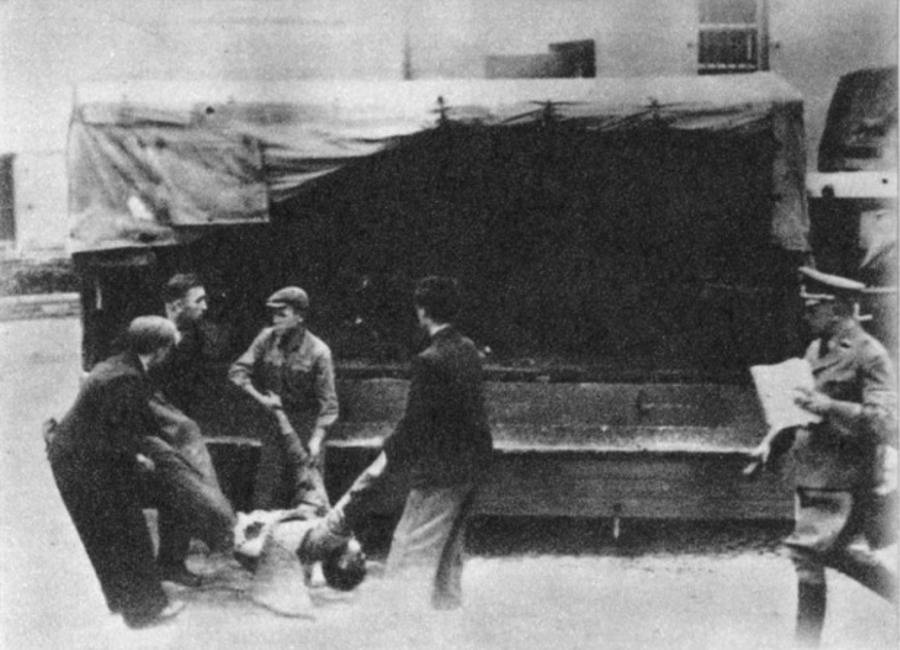
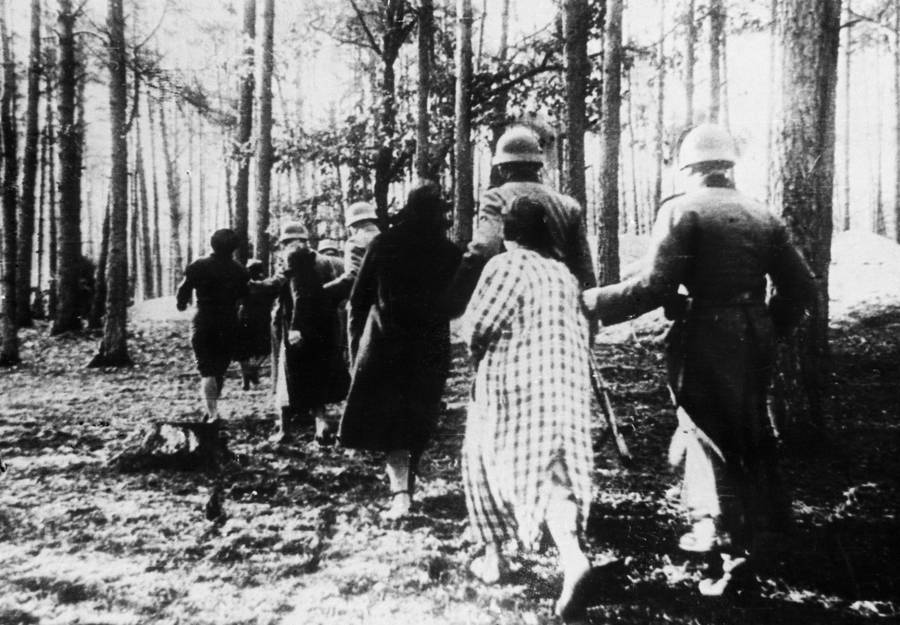
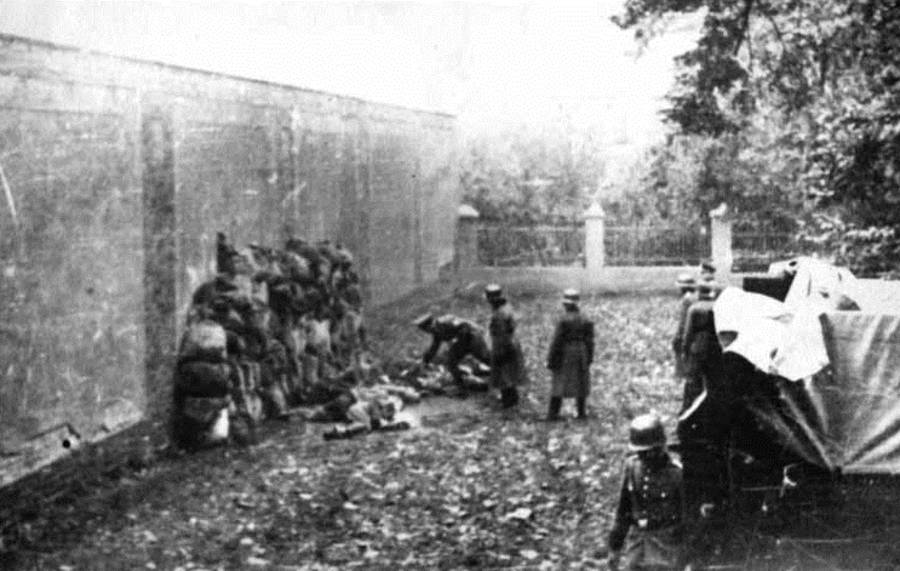
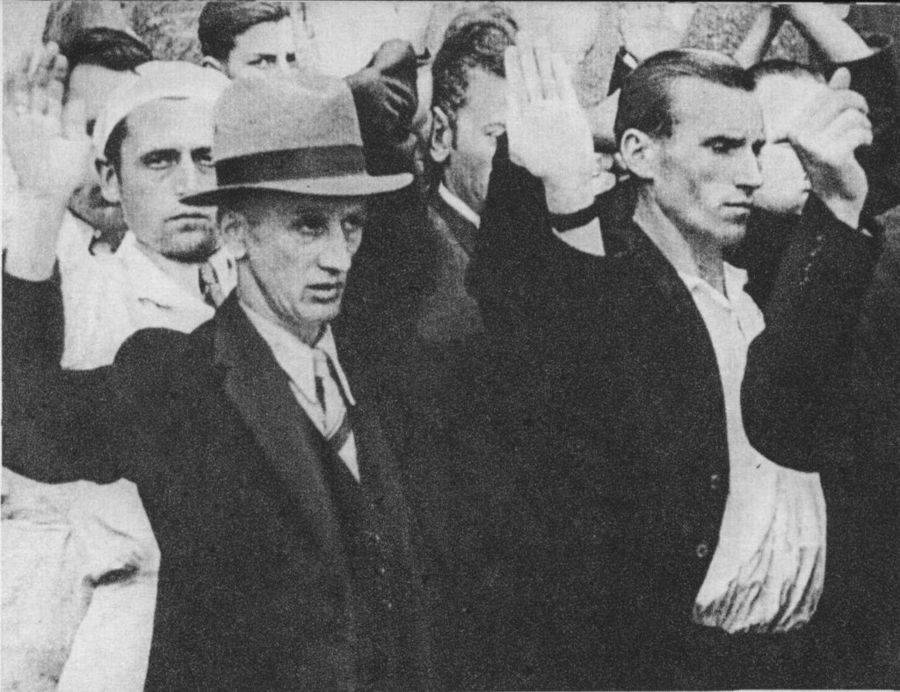
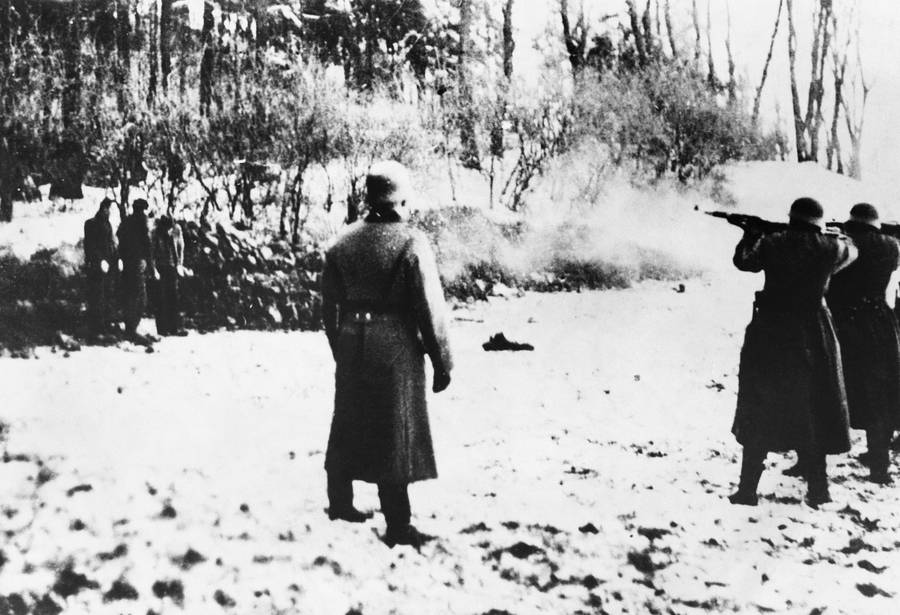
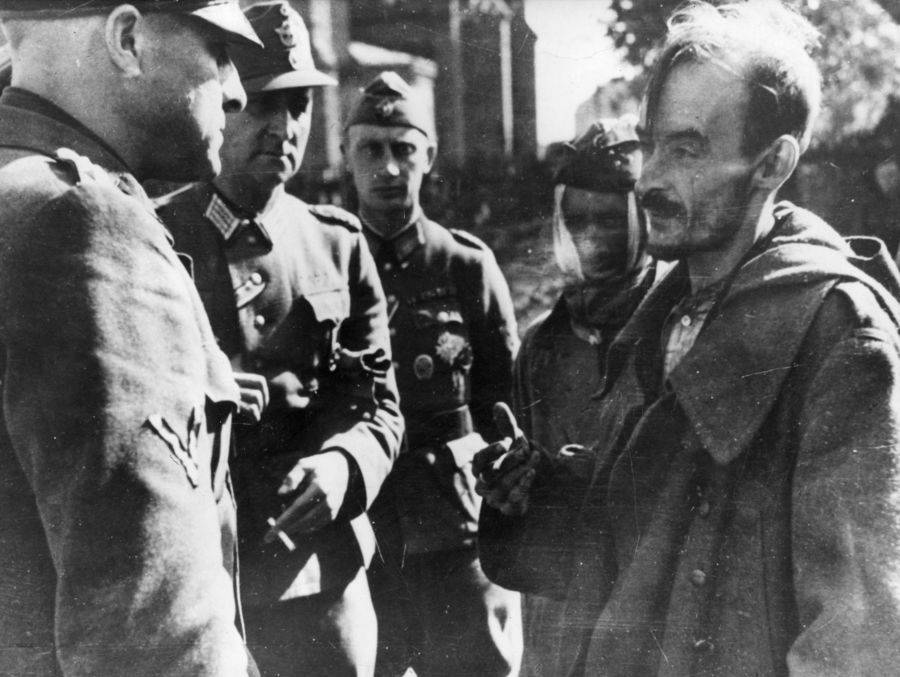
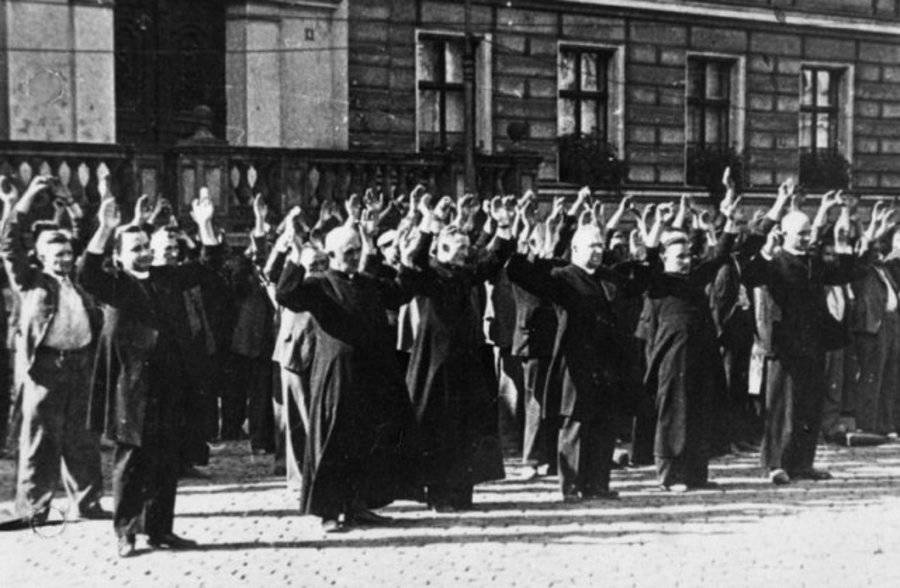
Six Polish civilians stand before a Nazi firing squad. 1939.A Nazi prepares to shoot a man during the Piasnica massacres of 1939-1940, in which 12,000-14,000 Poles (intelligentsia, psychiatric patients, and others) were killed.Kazimiera Mika, a 12-year-old Polish girl, mourns the death of her older sister, Andzia, who was killed in Warsaw during a German air raid in 1939.Nazi officials mock Catholicism (one of their targets for eradication) inside a Polish church. Circa 1942.A victim’s hand sits perched on the edge of a crematorium furnace at the Nazis’ Stutthof concentration camp built to house and slaughter Poles. May 8, 1945.Czeslawa Kwoka, a 14-year-old Polish Catholic girl who was sent to Auschwitz. This photo was taken once she arrived at the camp and after an official there had beat her about the face with a stick. She died in the camp in 1943.Nazis execute some of the 56 Poles who were killed in Bochnia on Dec. 18, 1939 as a reprisal for a recent attack on a German police officer by a Polish underground organization.Ethnic Germans arrive for resettlement in Nazi-occupied Poland. Circa 1942.Nazis prepare to shoot Poles as part of a mass execution in Piasnica in 1939. This photo was stolen from the SS member who took it by Polish workers and later made public.Nazi soldiers dress up in robes in order to mock Catholic ceremonies at an unspecified town in Poland. Circa 1945.Men dispose of one of the 1,200 Poles summarily executed by the Nazis in the streets of Warsaw during an uprising there in late 1943 and early 1944.Polish children line up inside a Nazi labor camp in Dzierzazna. Circa 1942-1943.Nazi soldiers lead a group of Polish women into a forested area to be shot. Location and date unspecified.Maximilian Kolbe, a Polish monk who was sent to the Auschwitz concentration camp for providing shelter to Jews. While at Auschwitz, Kolbe switched places with a condemned man because the latter had a family and he didn’t.Three Polish men killed as part of a public execution for trading in sugar and flour in Kutno on June 9, 1941.A Nazi official conducts roll call at the Kinder KZ concentration camp for Polish children in Lodz. Date unspecified.Two Polish victims of summary execution by occupying Nazi forces hang from a lamppost. 1941.Nazis murder Polish civilians in Leszno by lining them up against a wall and shooting them. 1939.Polish civilians surrender after being arrested as part of a “lapanka” (mass round-up for purposes of immediate deportation) on Parkowa Street in Warsaw. 1939.Public execution of 54 Poles in Rozki village near Radom in 1942.Polish men watch as a Nazi firing squad picks their fellow prisoners off methodically. The Polish men in this photo were shot in retaliation for the death of one German soldier.Polish inmates of Pawiak prison, hanged by Nazis in Warsaw on Feb. 11, 1944.A Polish prisoner of war is interrogated by German officers after the failed uprising of Poles against the Nazis in Warsaw in 1944.Polish civilian arrested during a “lapanka” round-up and guarded by German soldiers in Warsaw. 1939.Polish hostages (including Roman Catholic priests) stand with their hands raised in Bydgoszcz in September 1939.
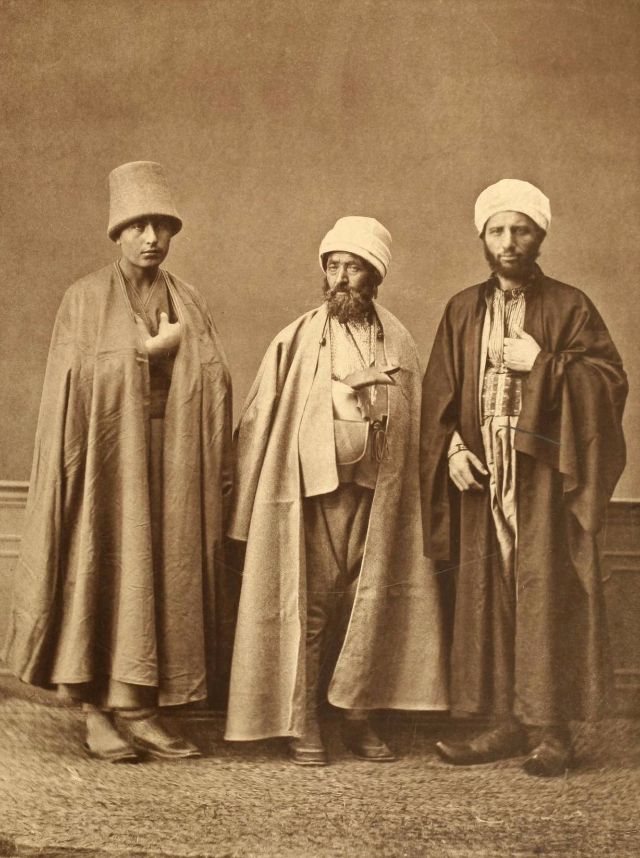
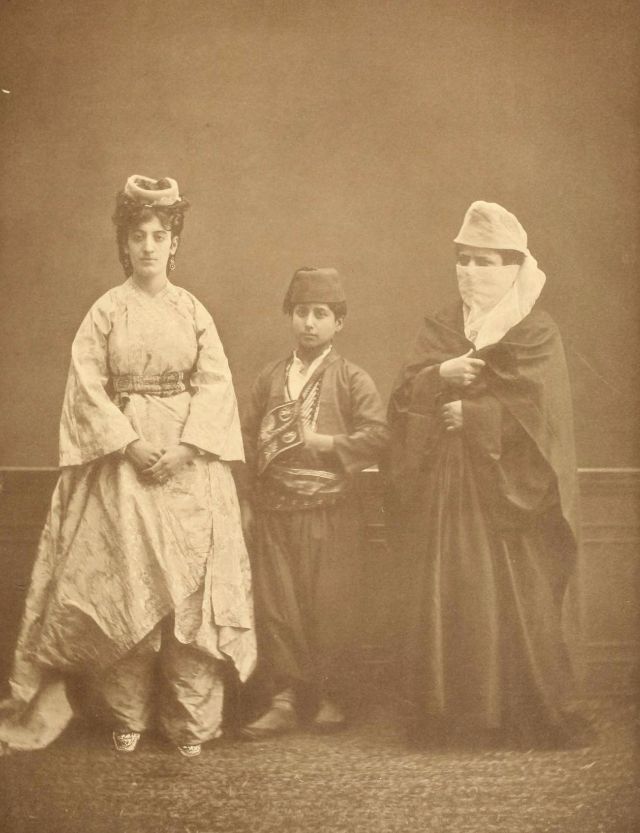
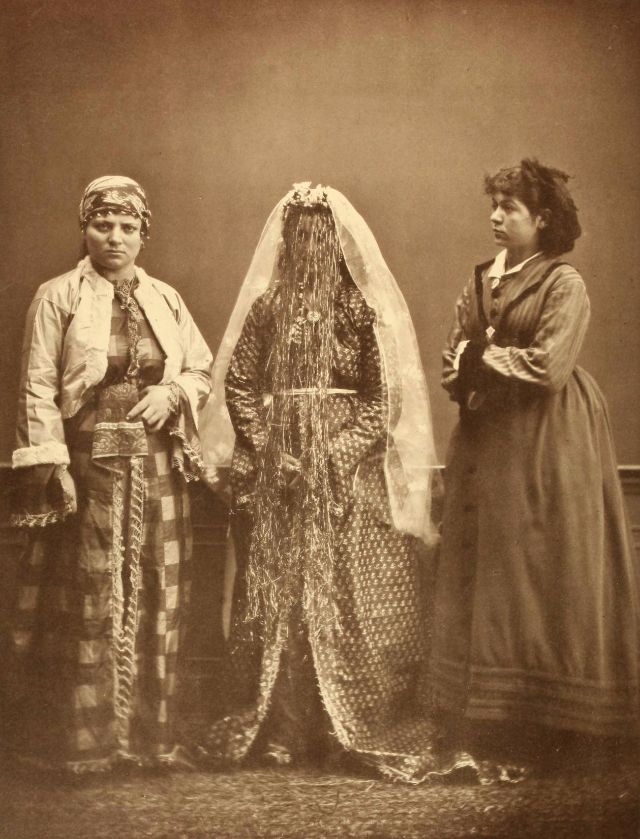
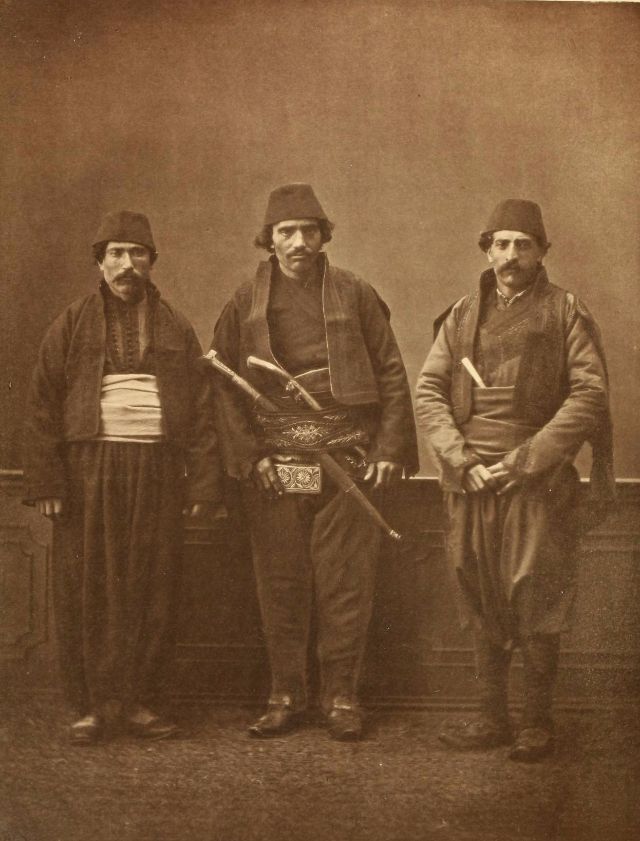
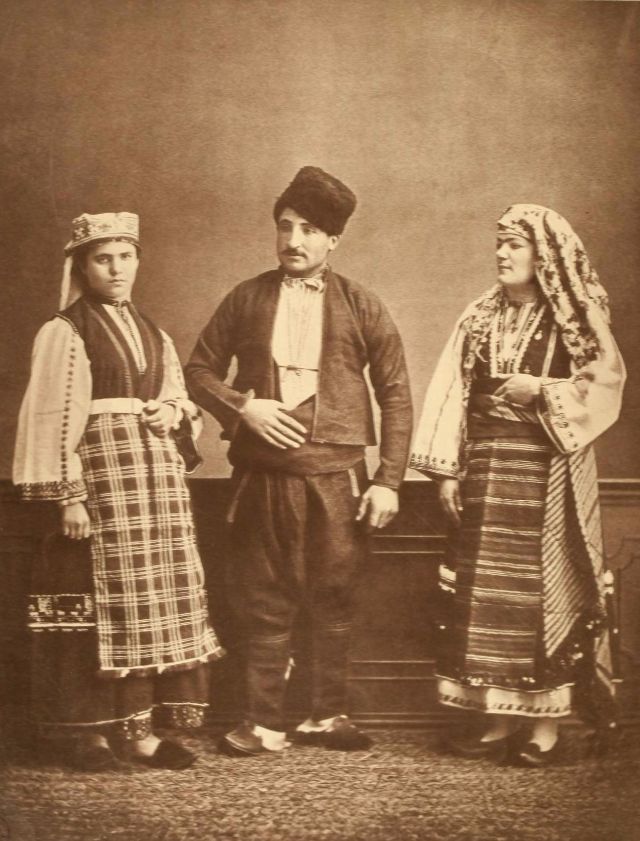
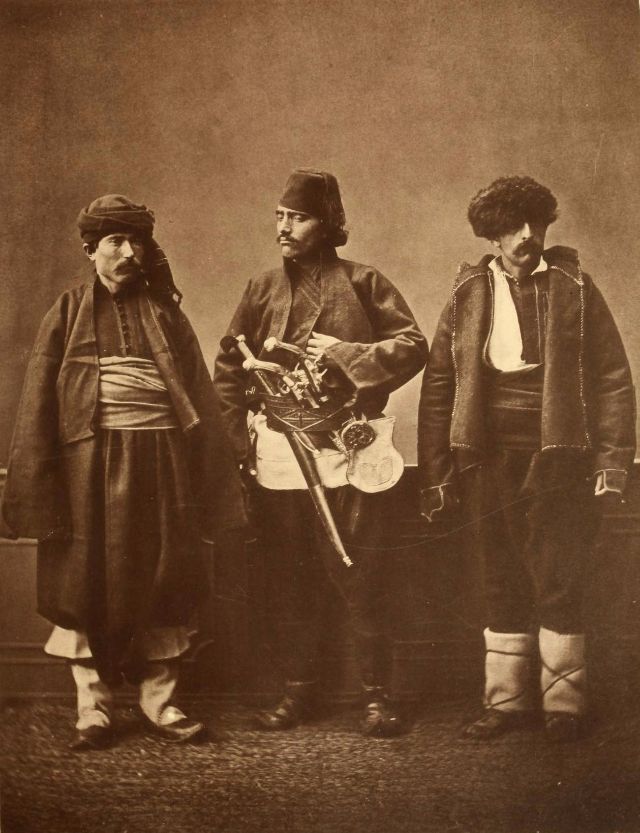
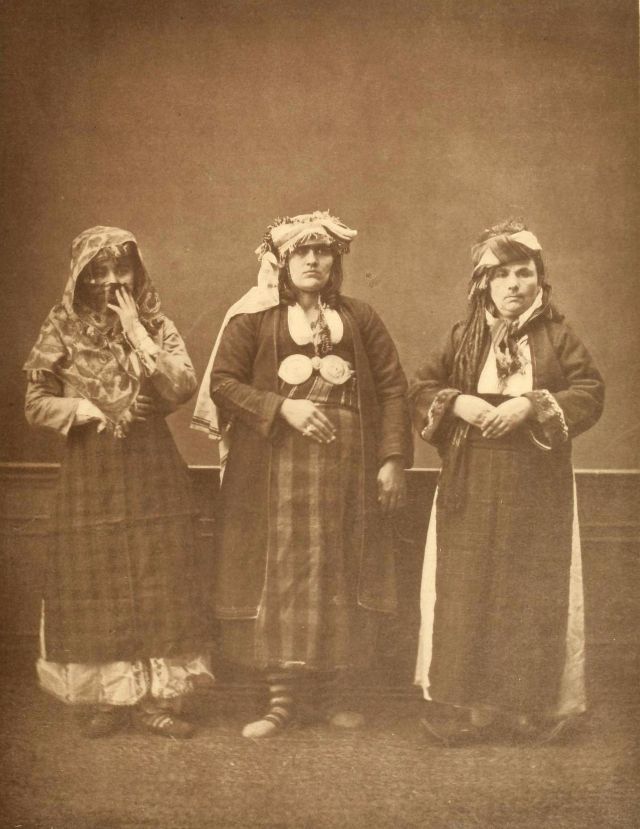
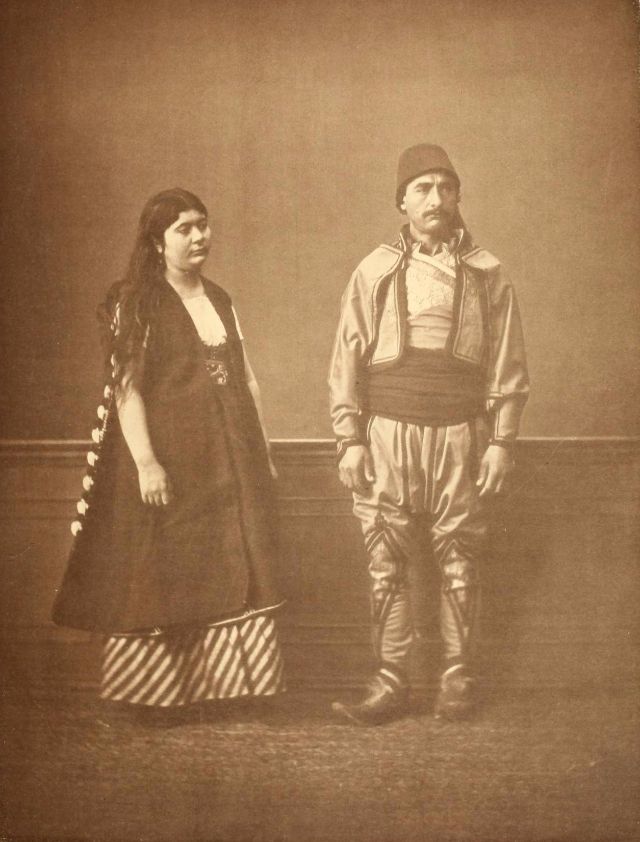
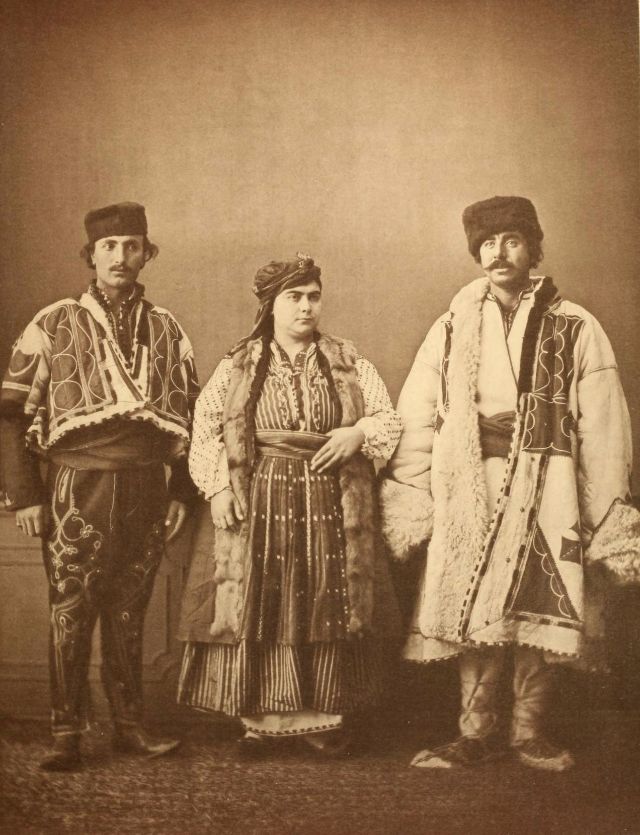
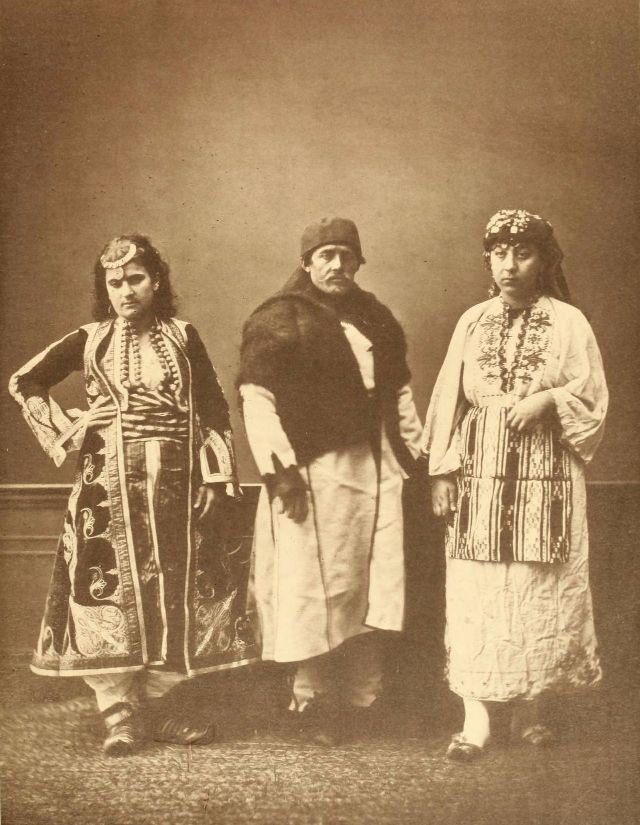
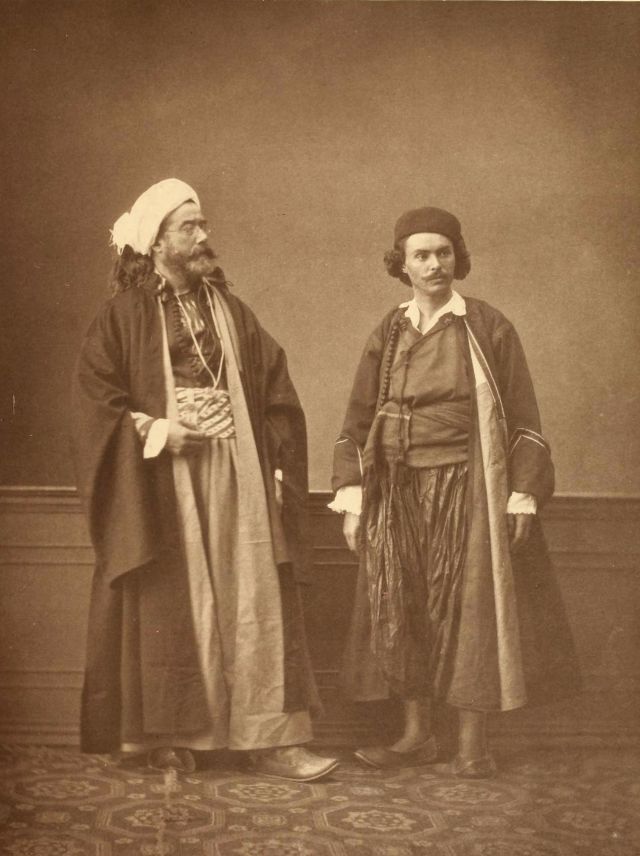
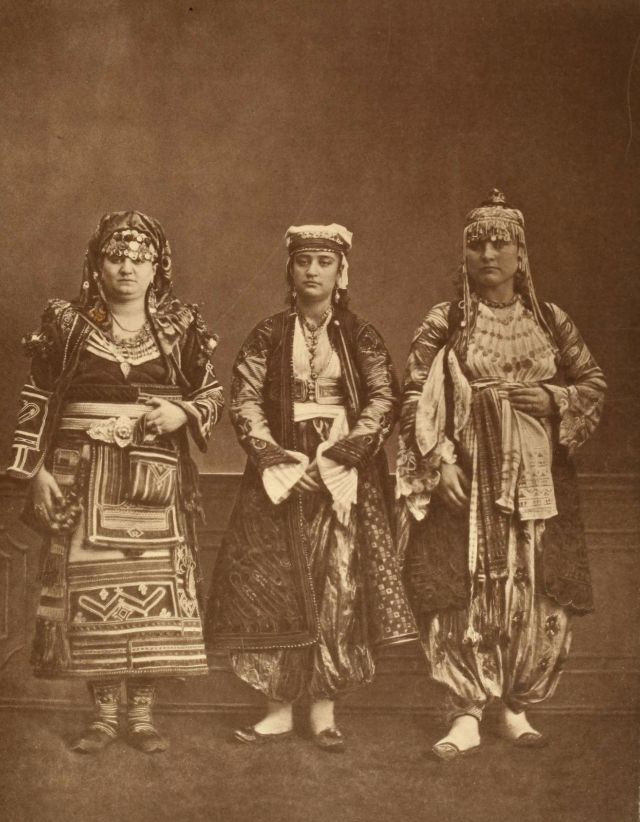
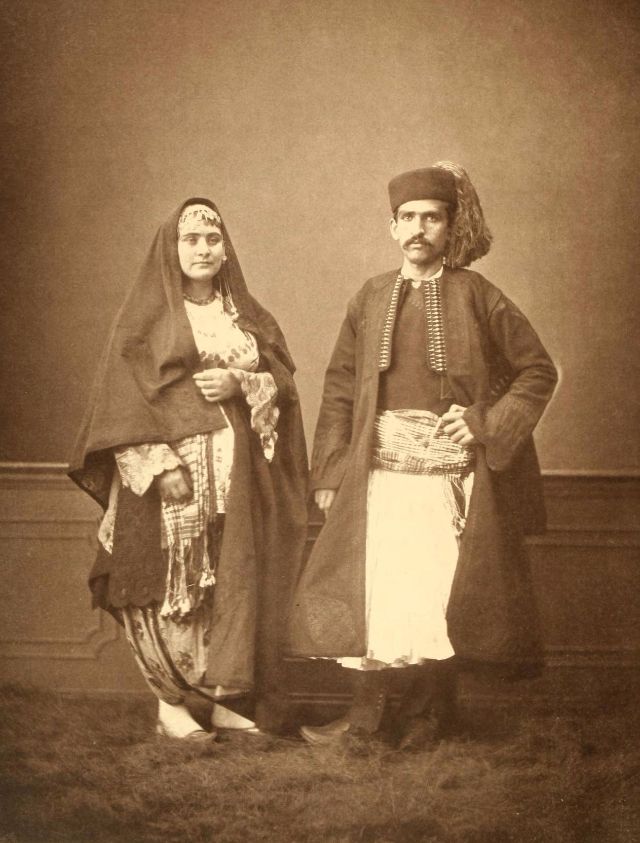
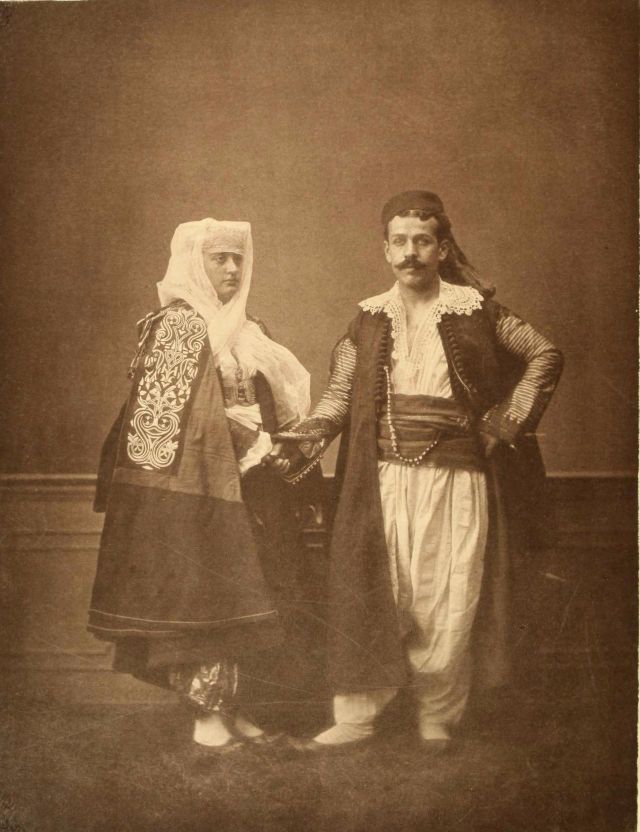
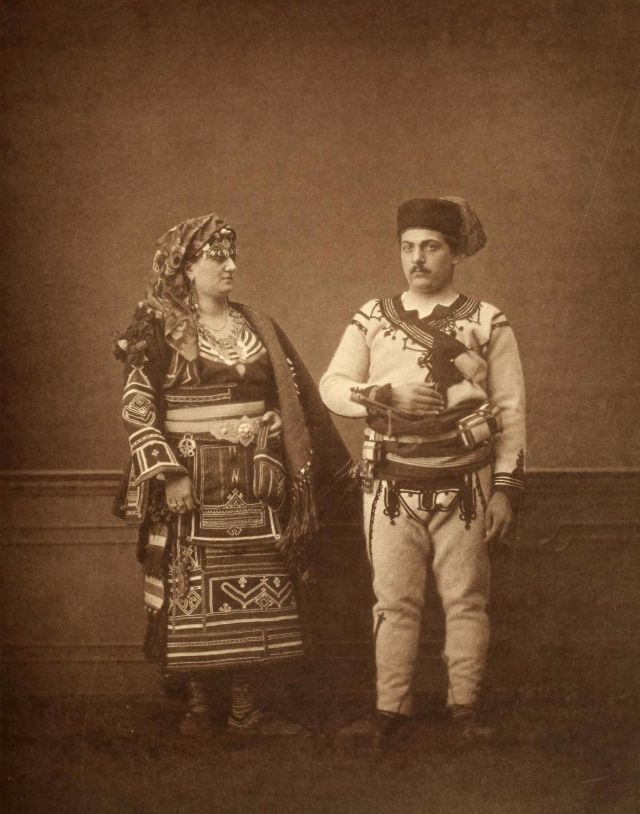
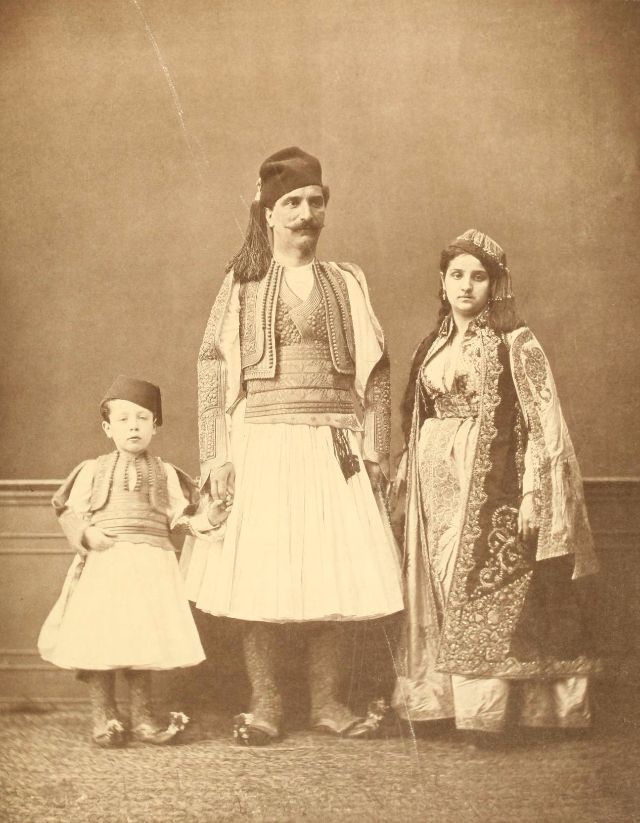
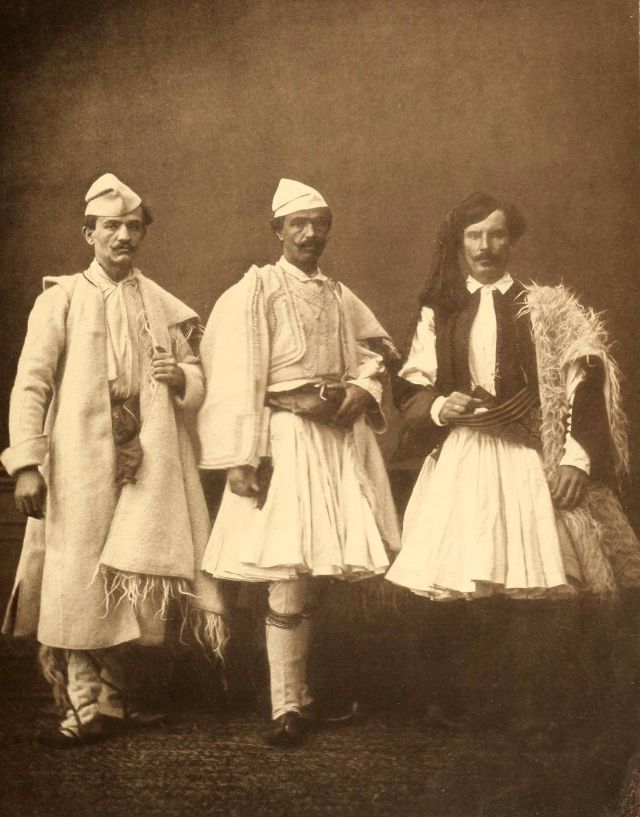
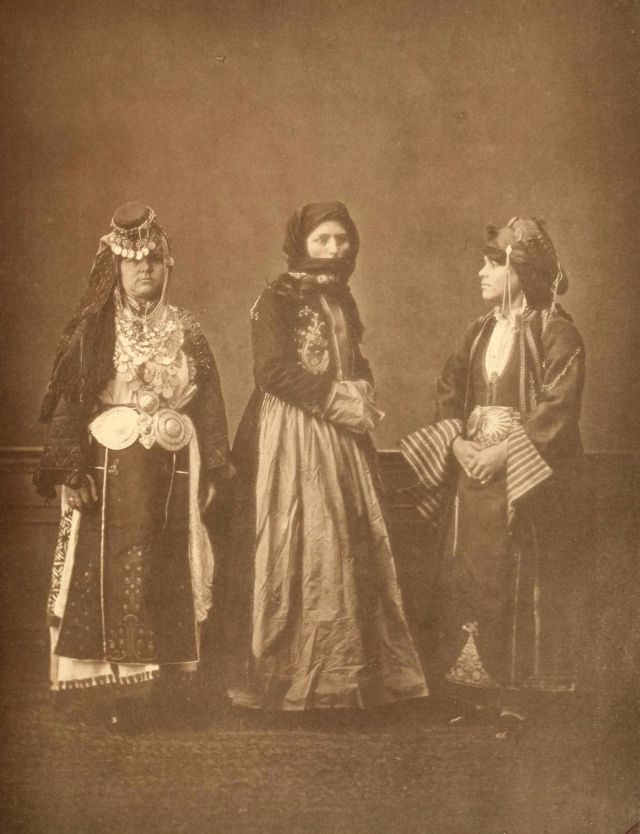
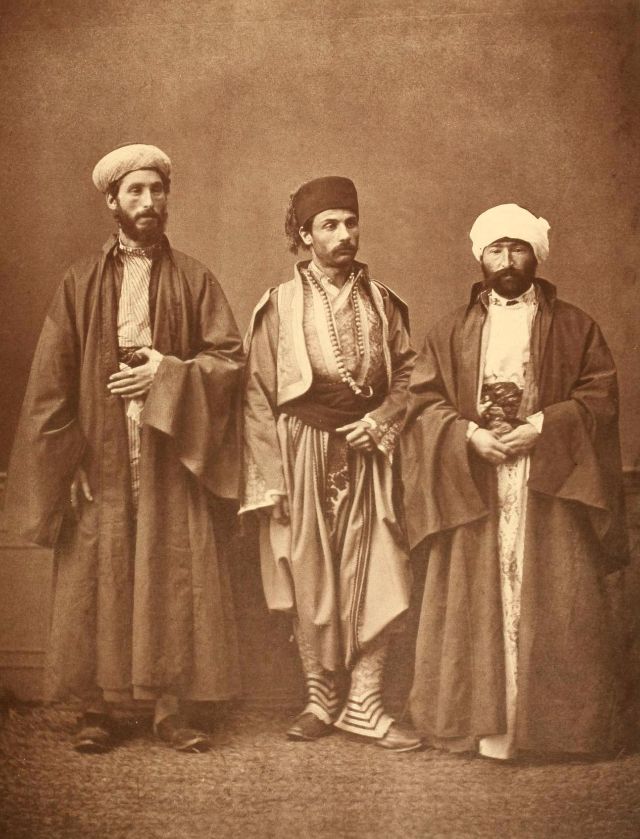
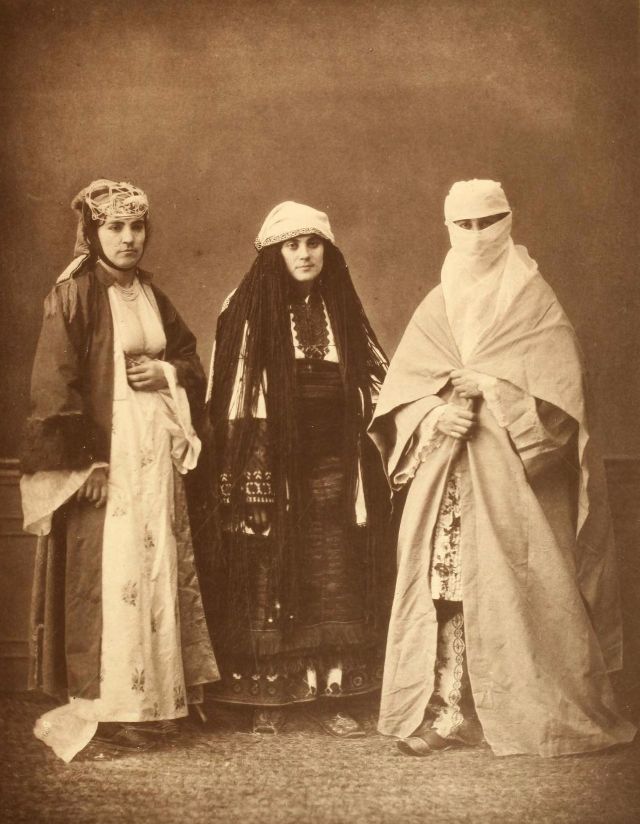
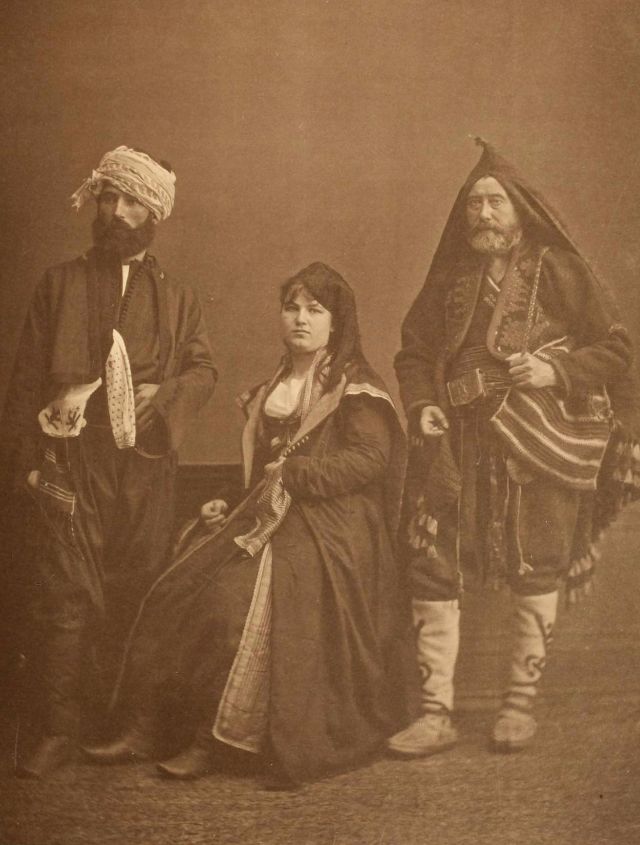
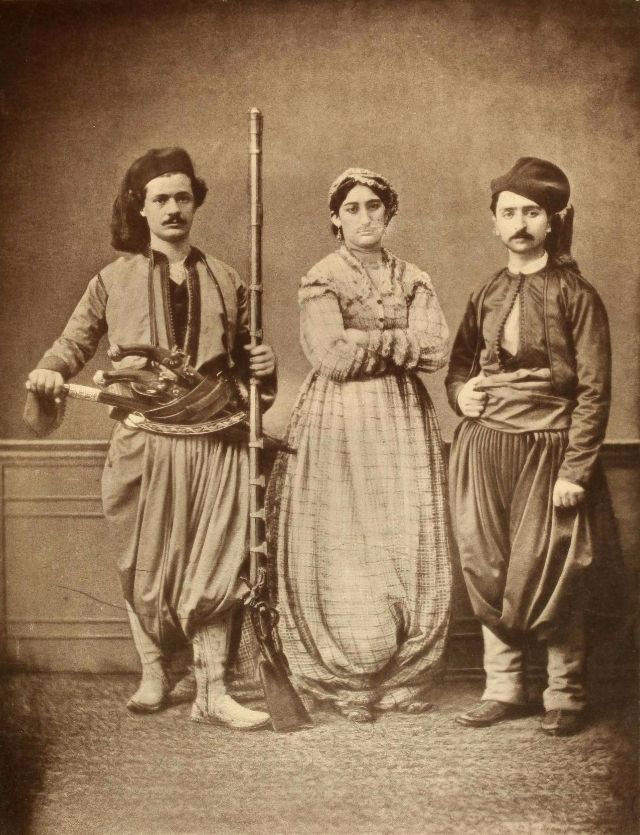
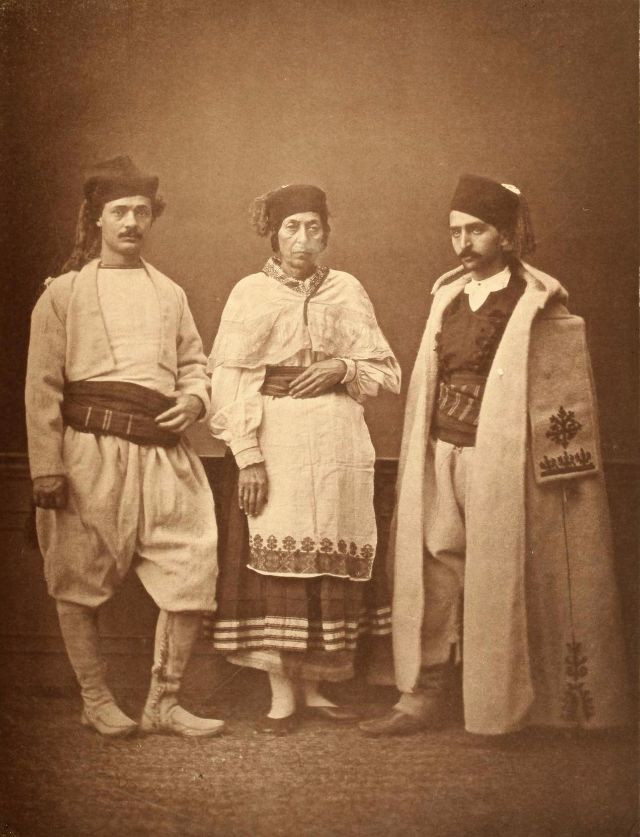
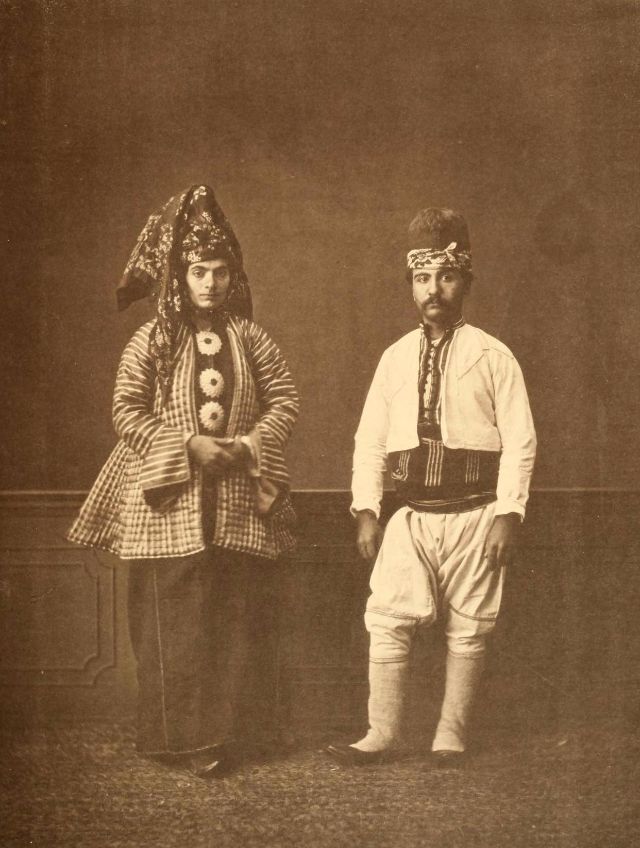
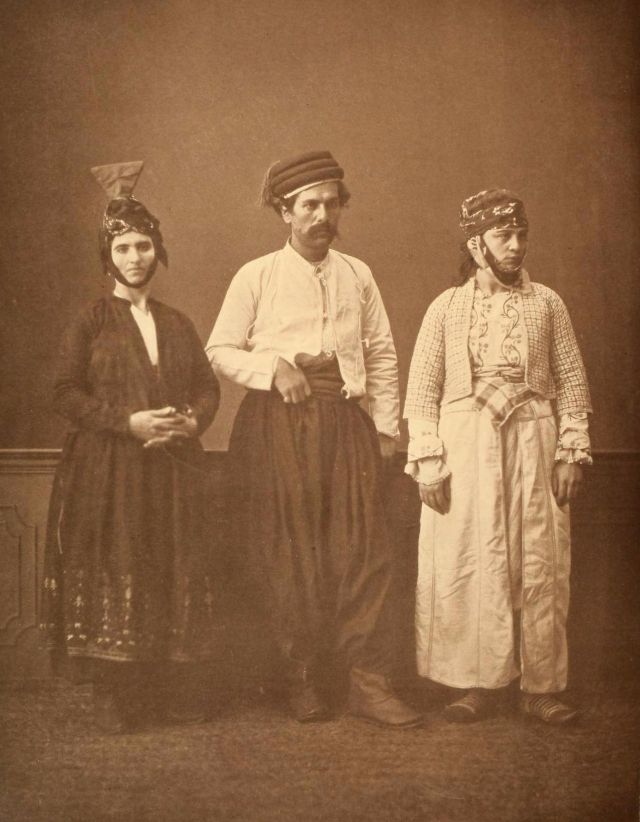
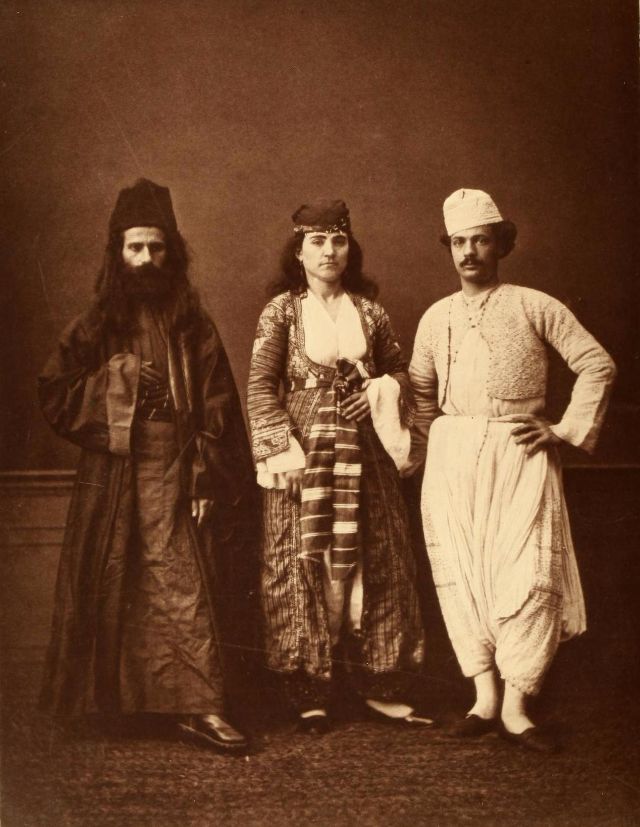
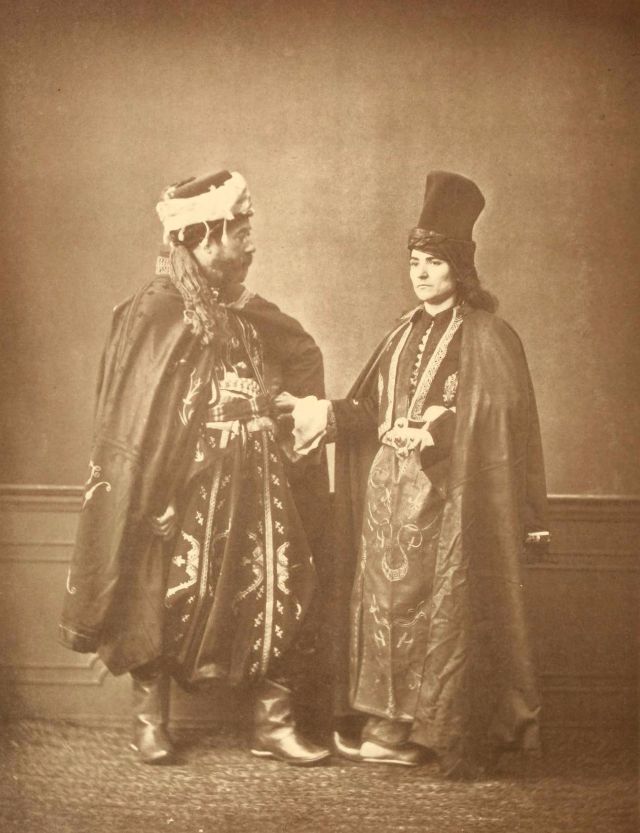
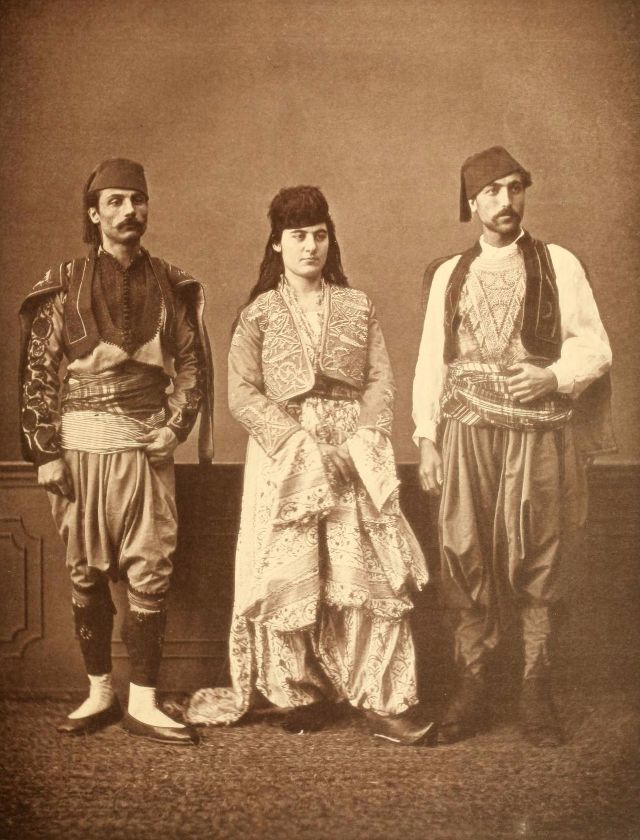
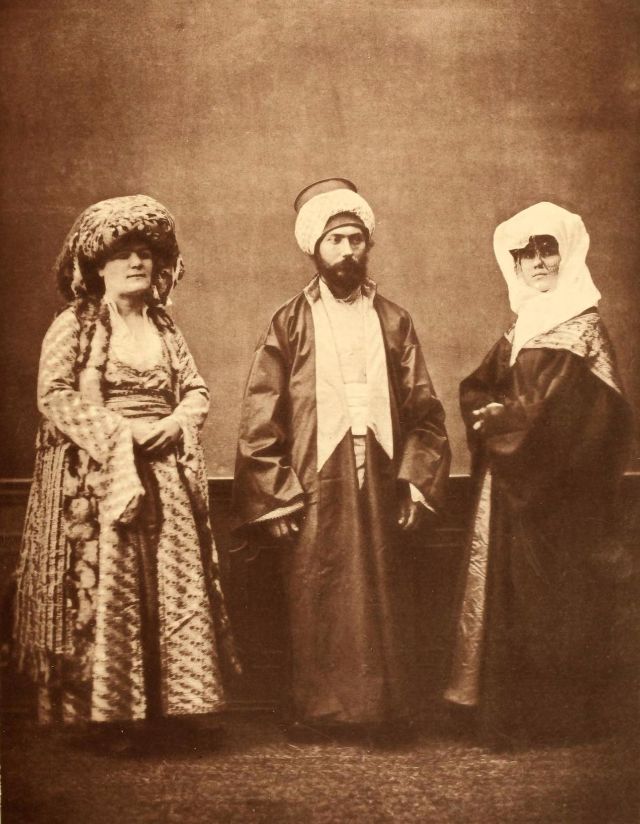
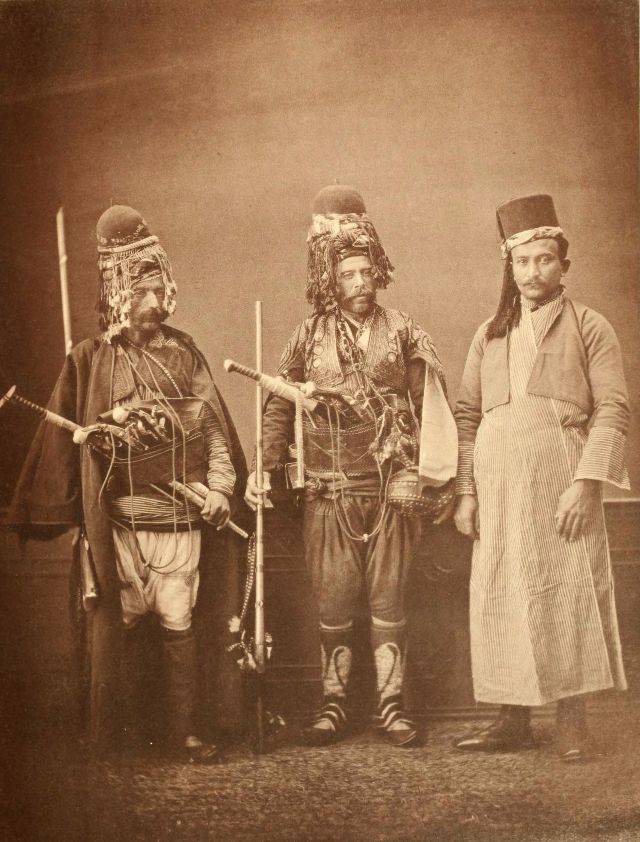
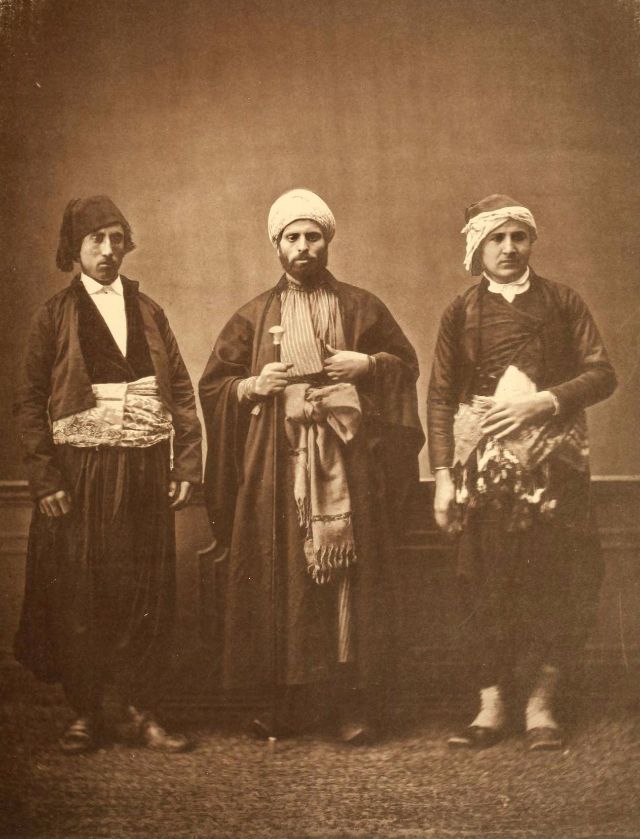
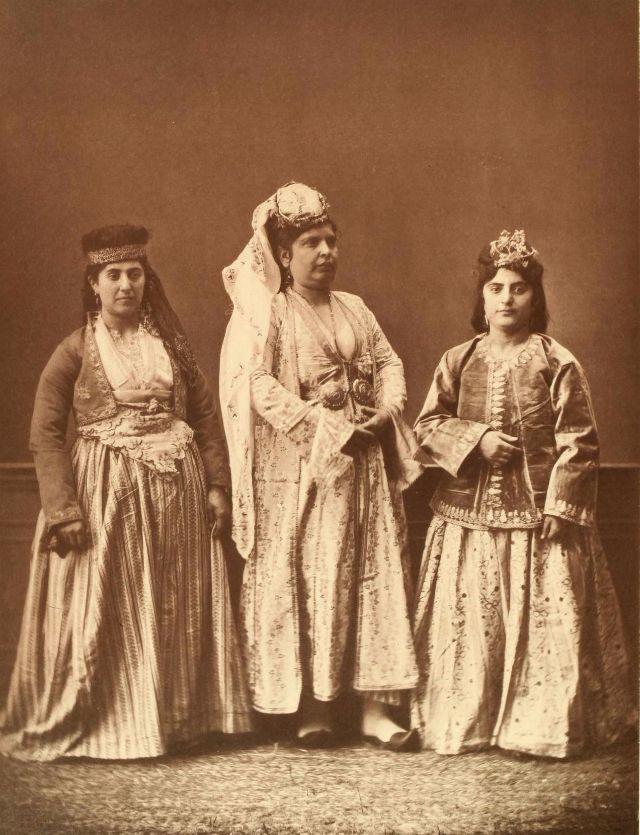
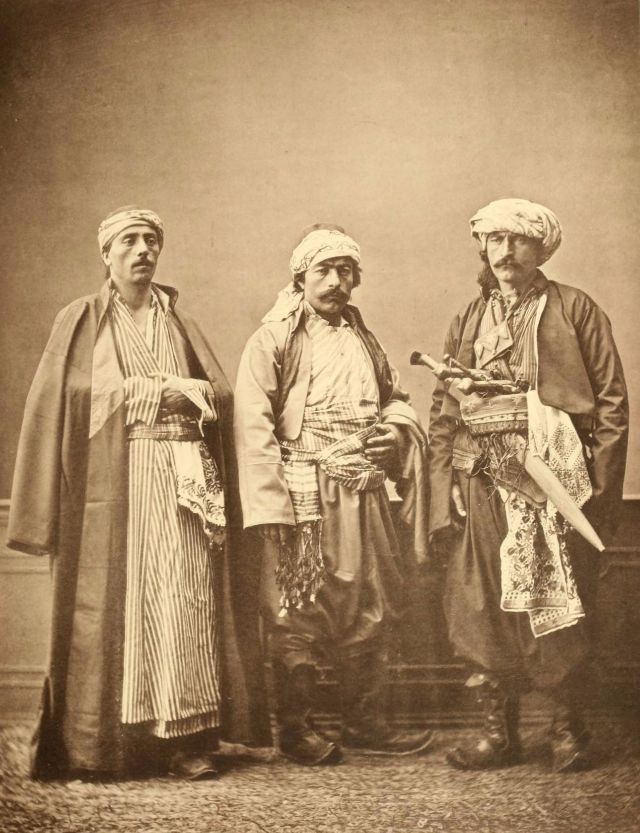
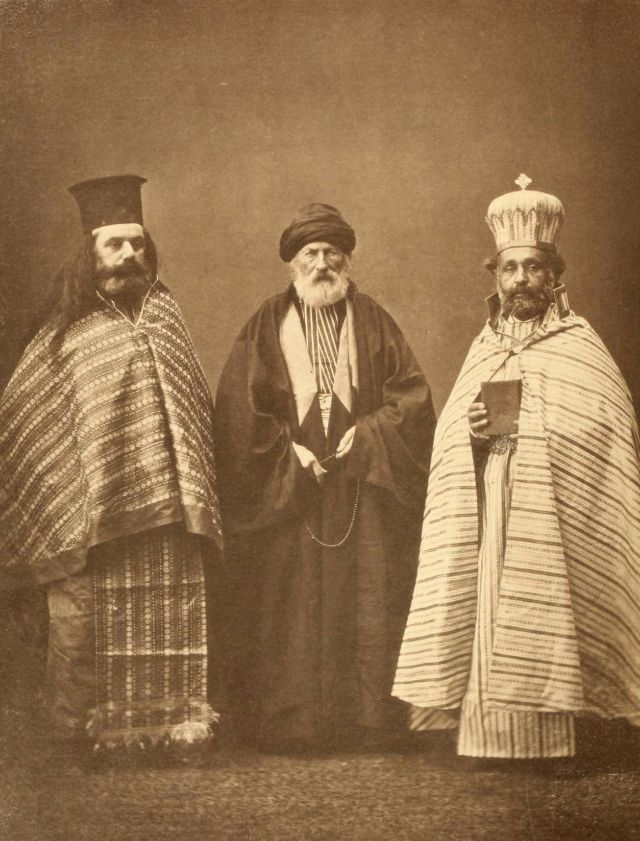
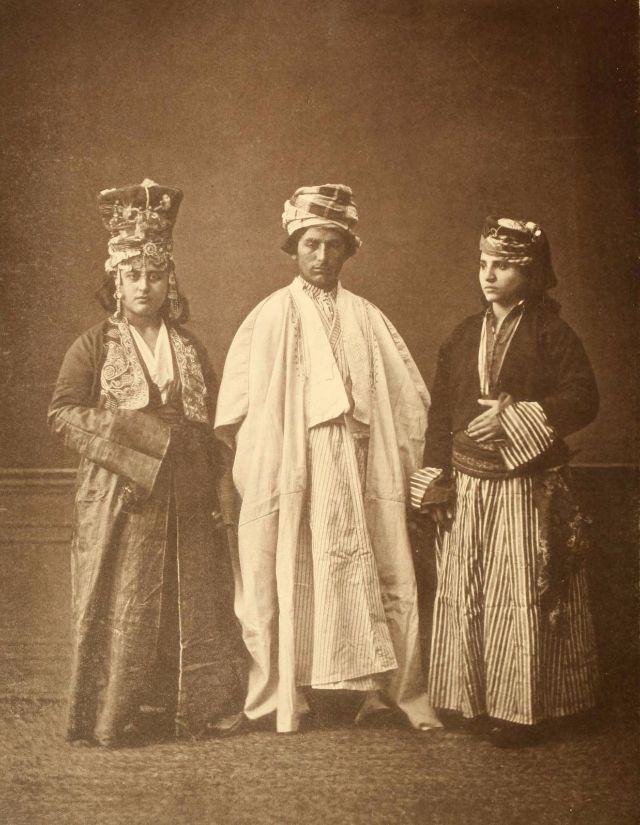
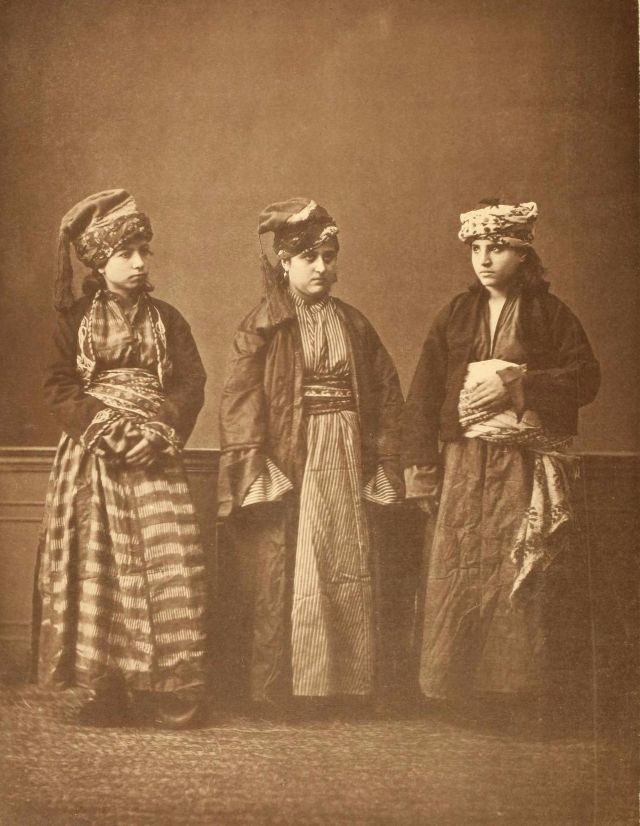
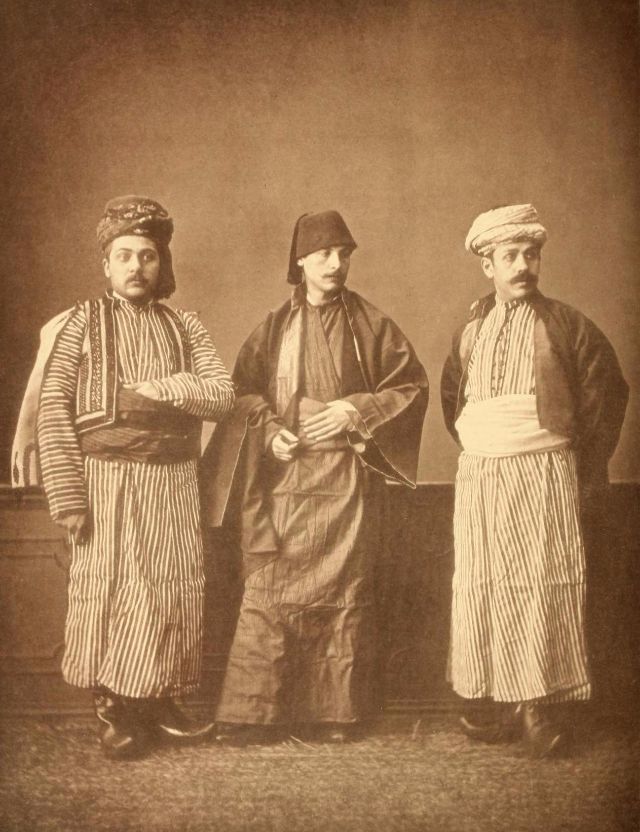
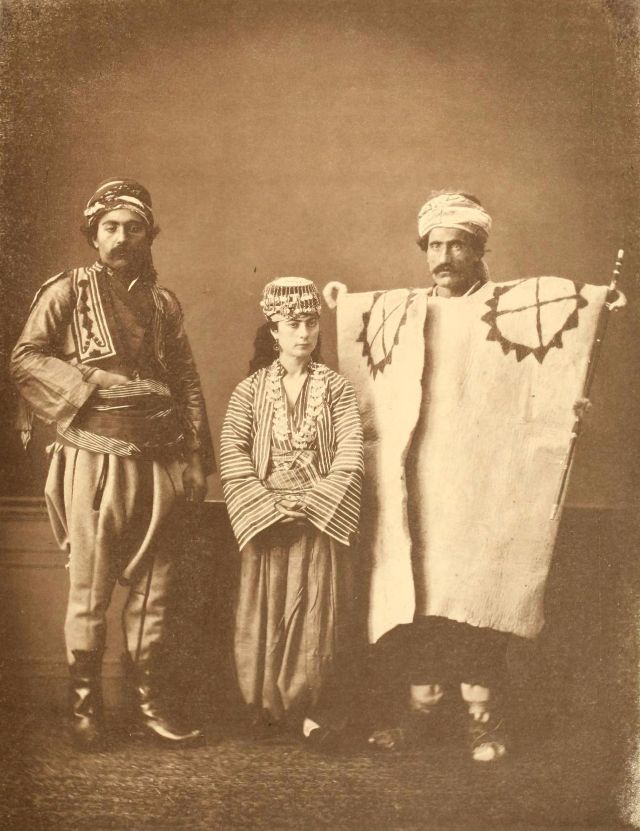
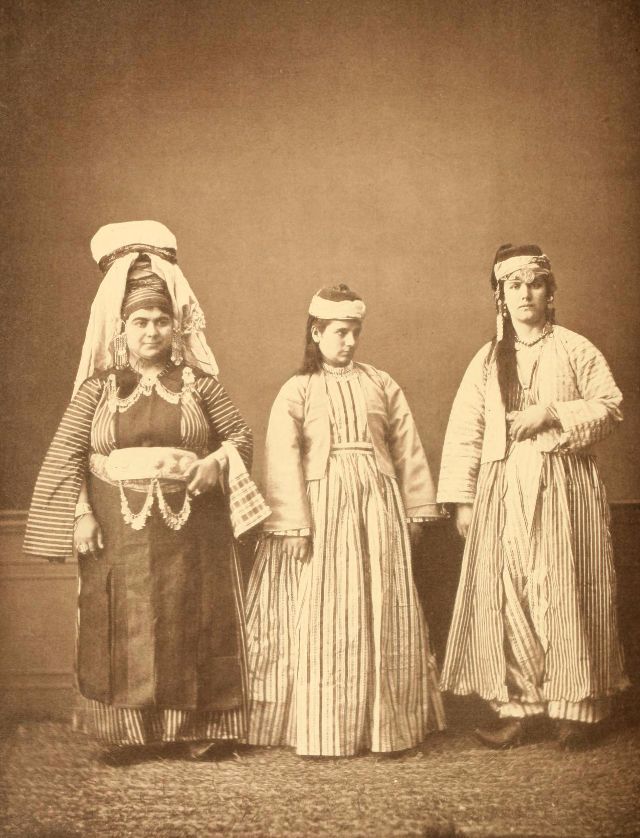
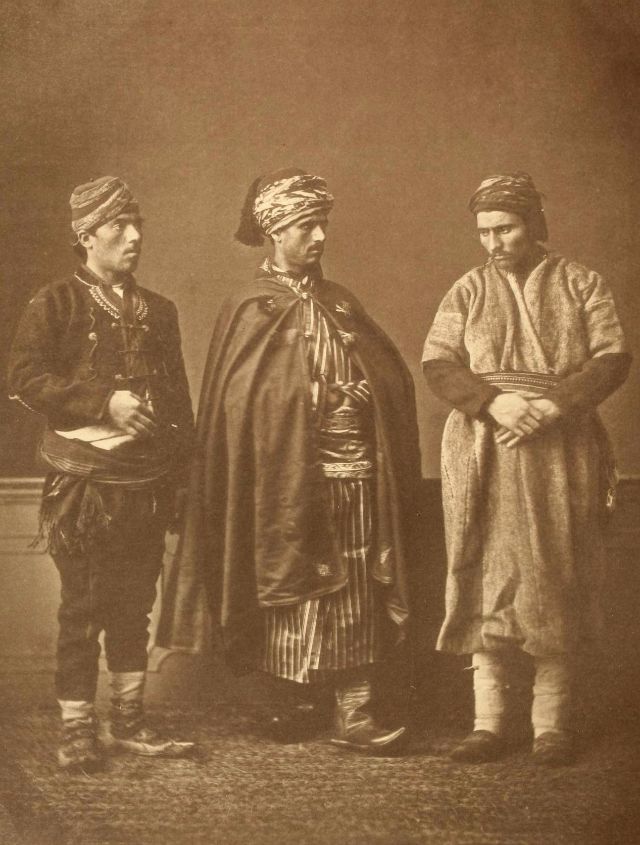
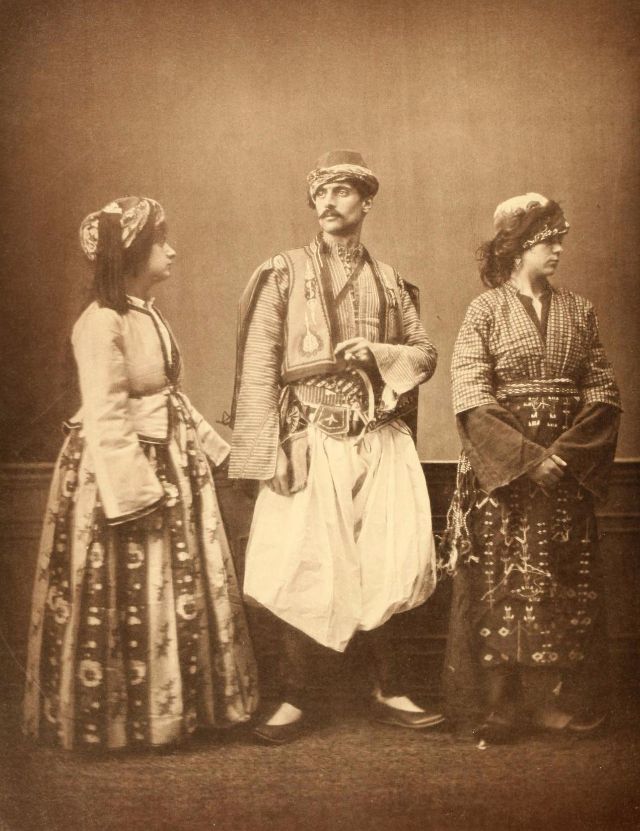
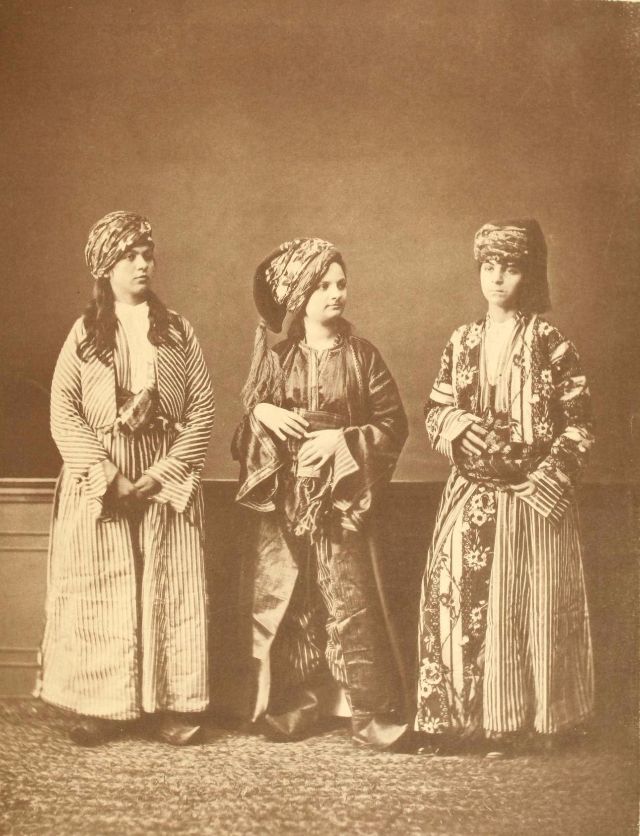
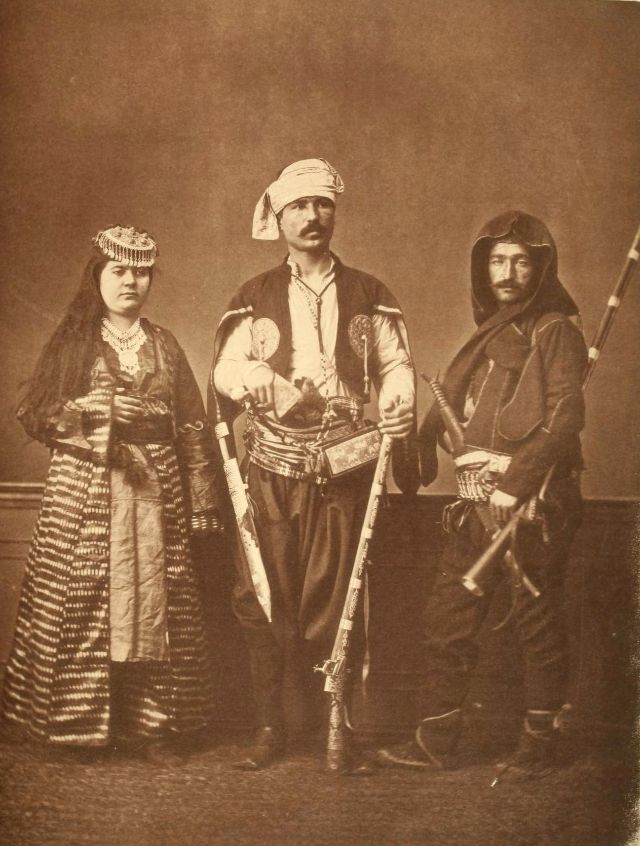
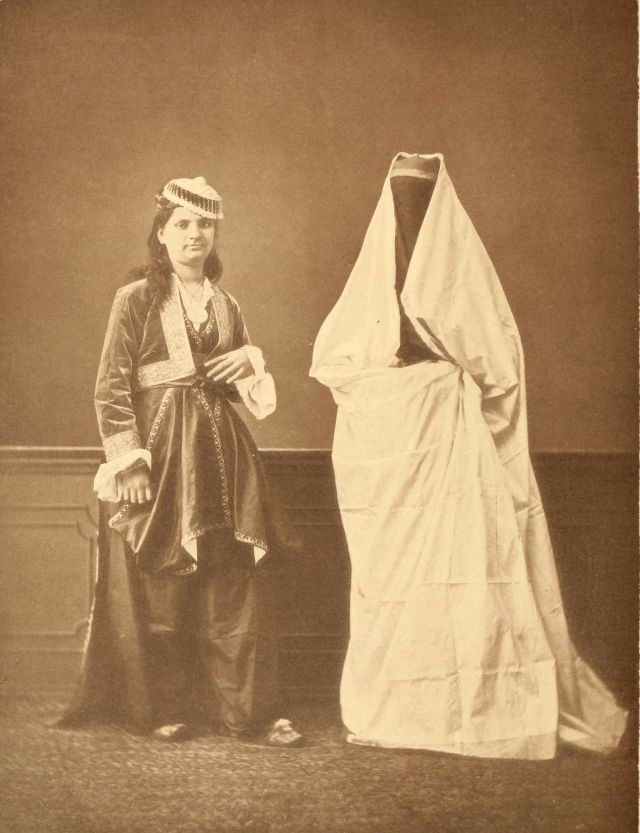
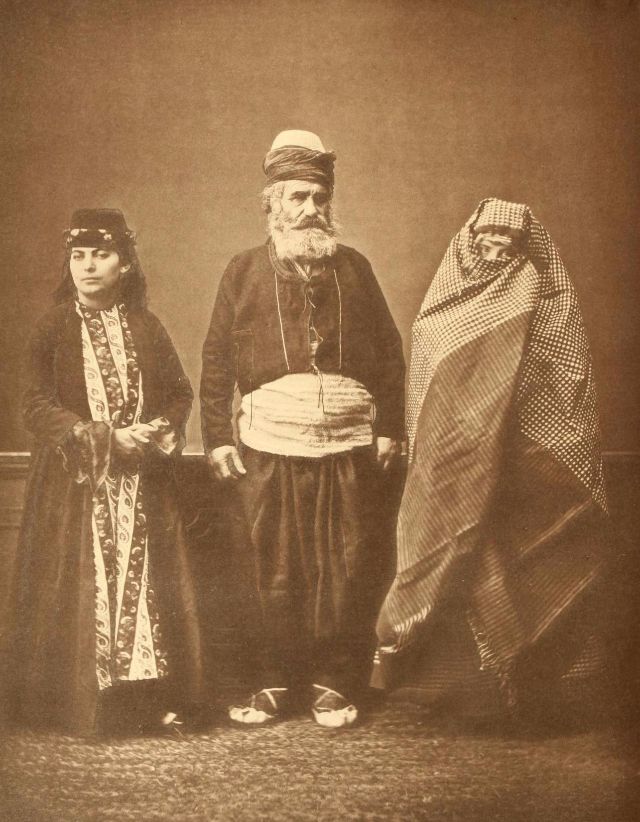
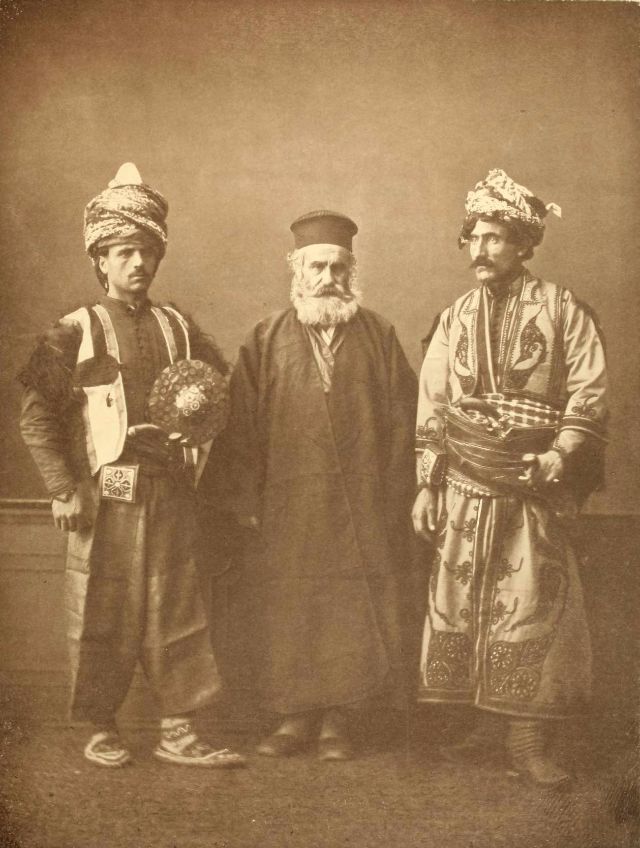
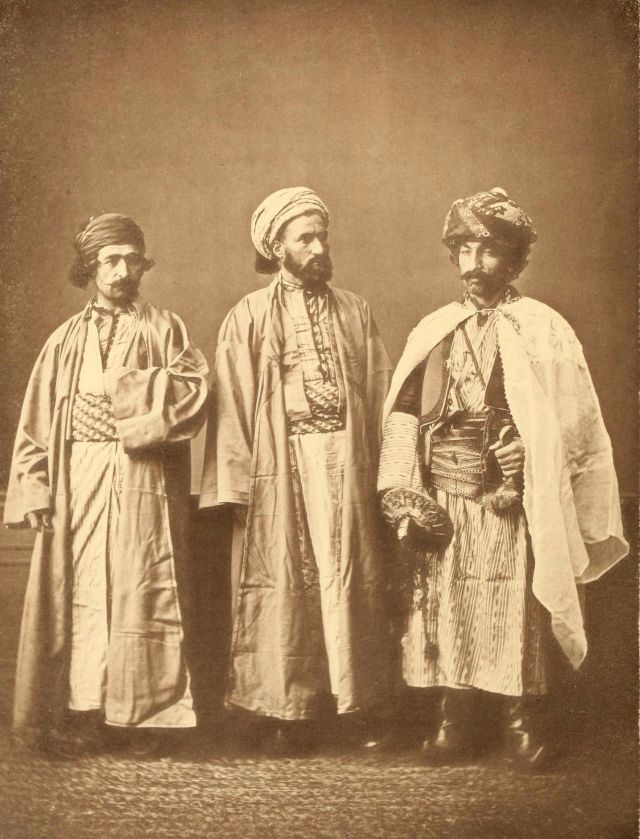
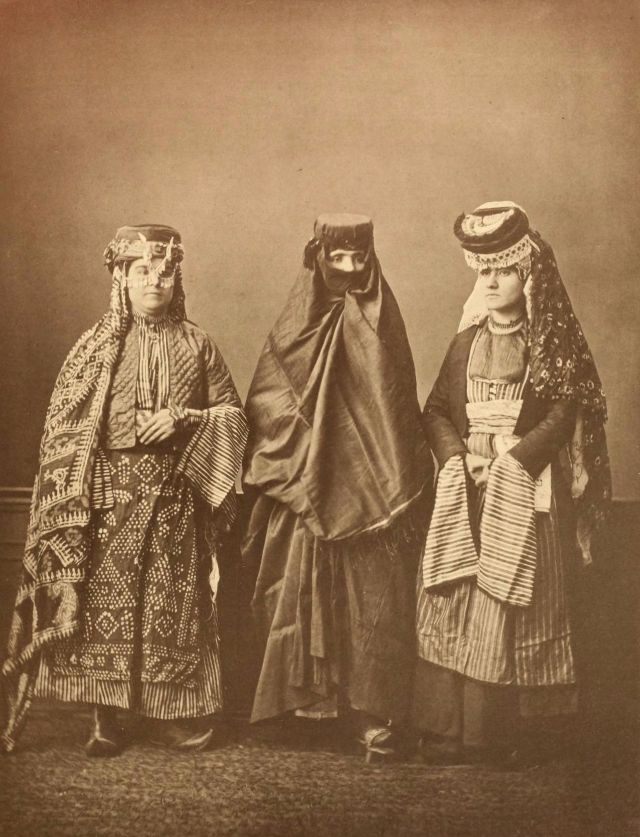
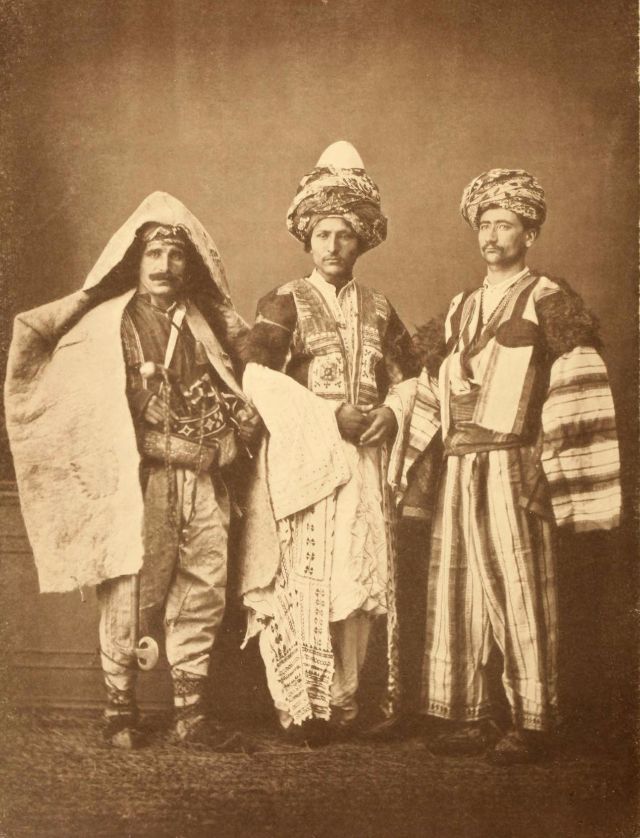
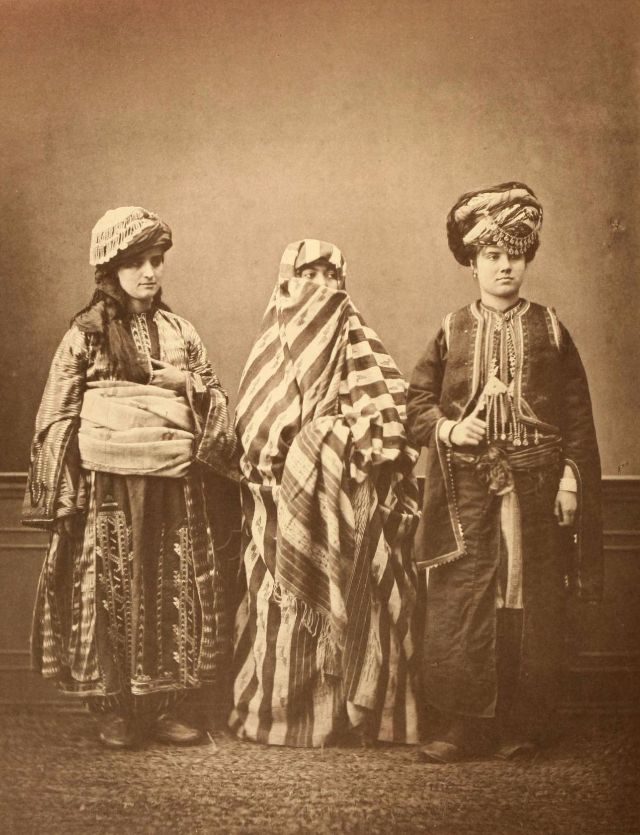
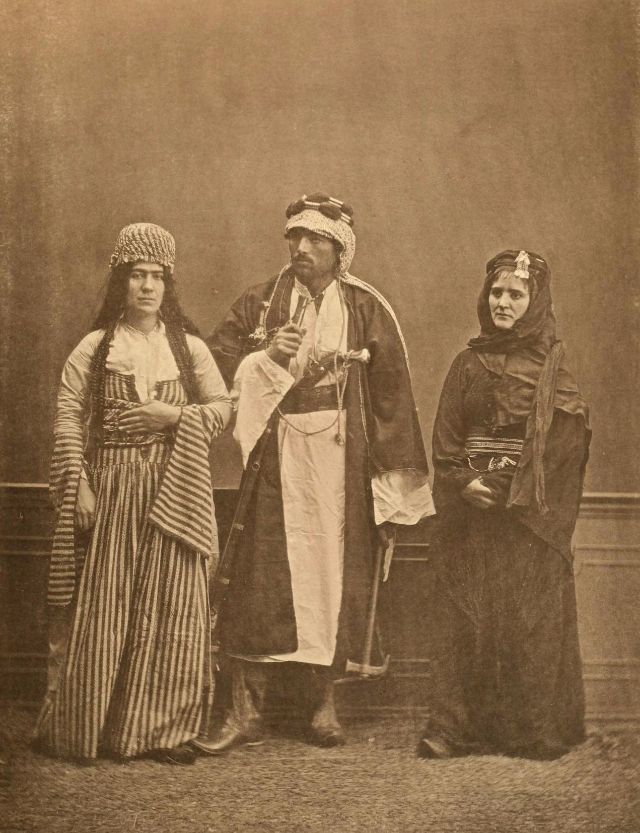
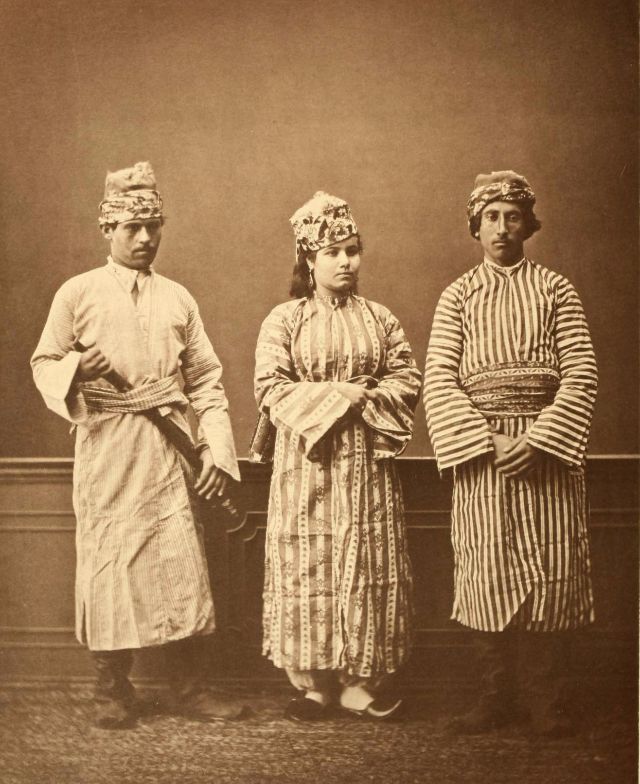
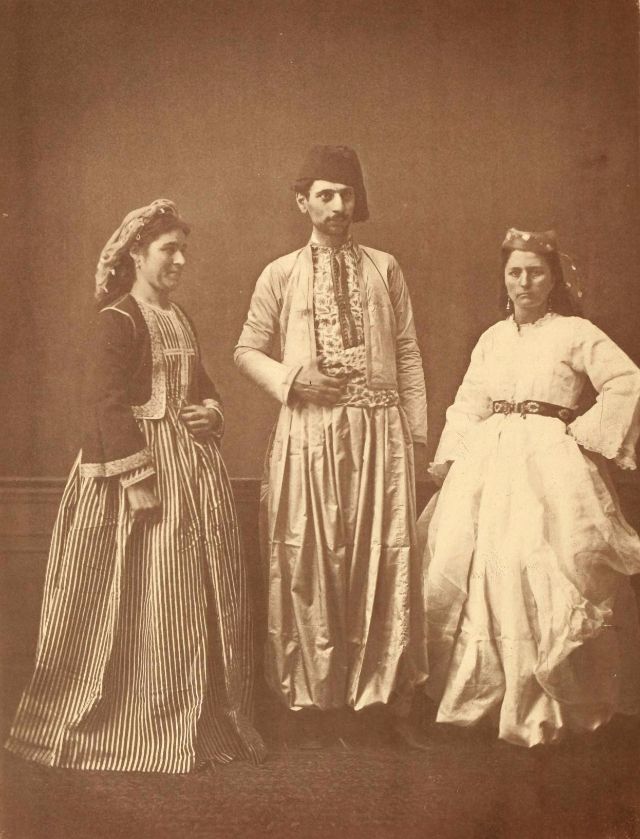
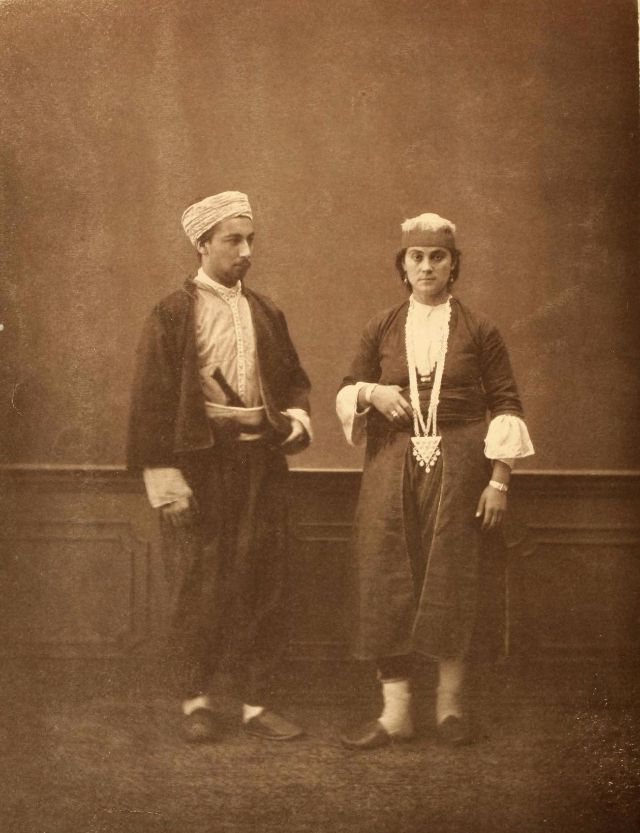
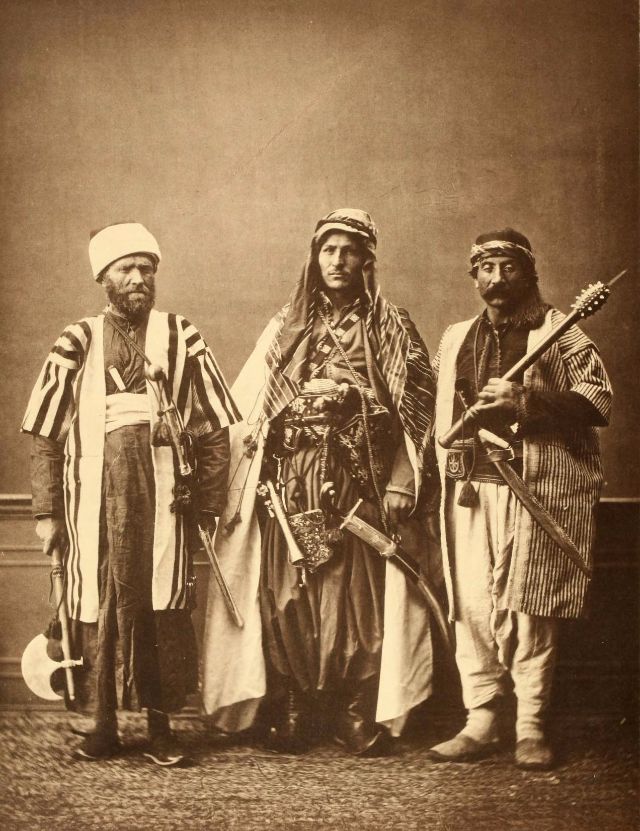
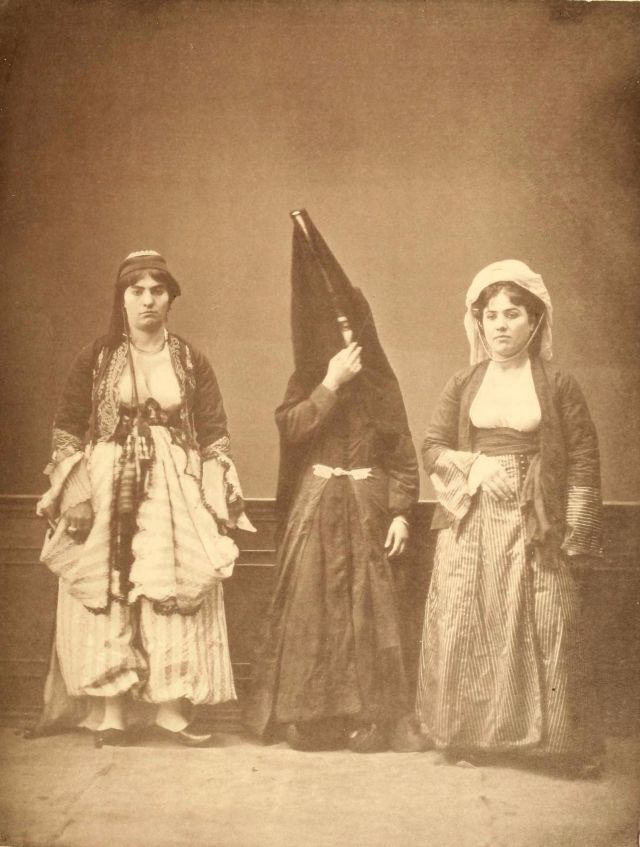
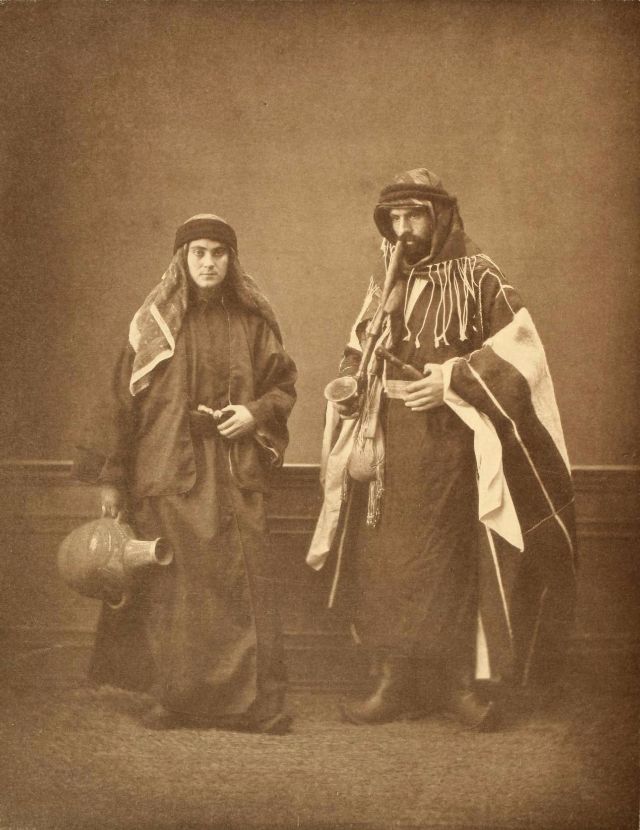
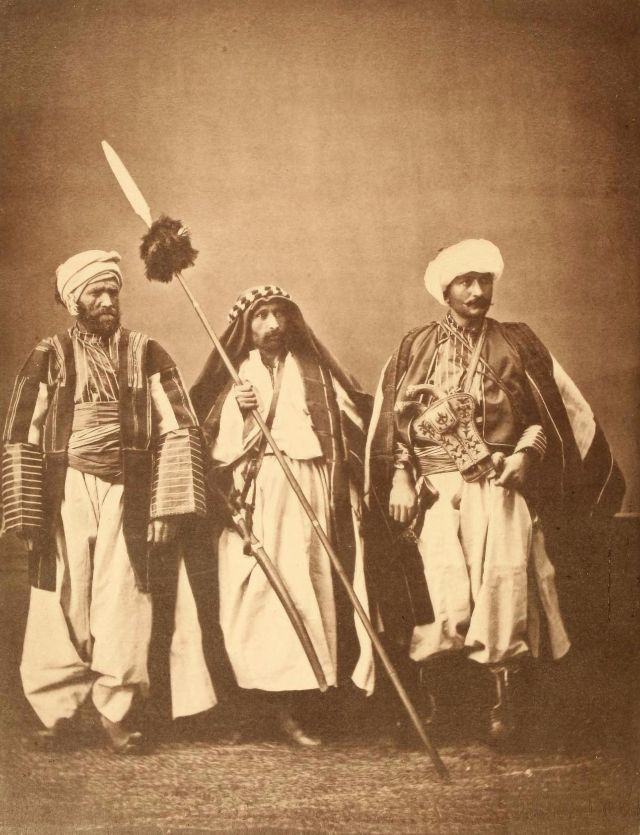
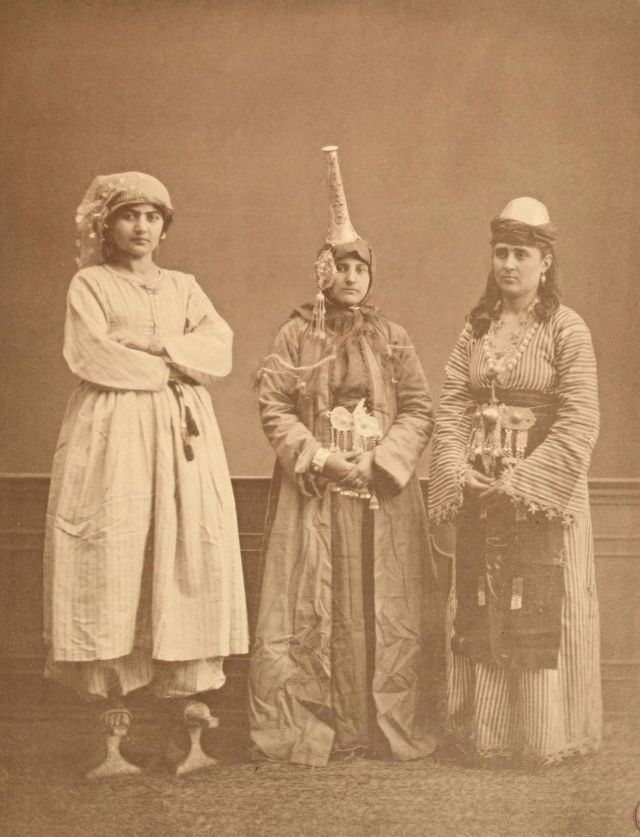
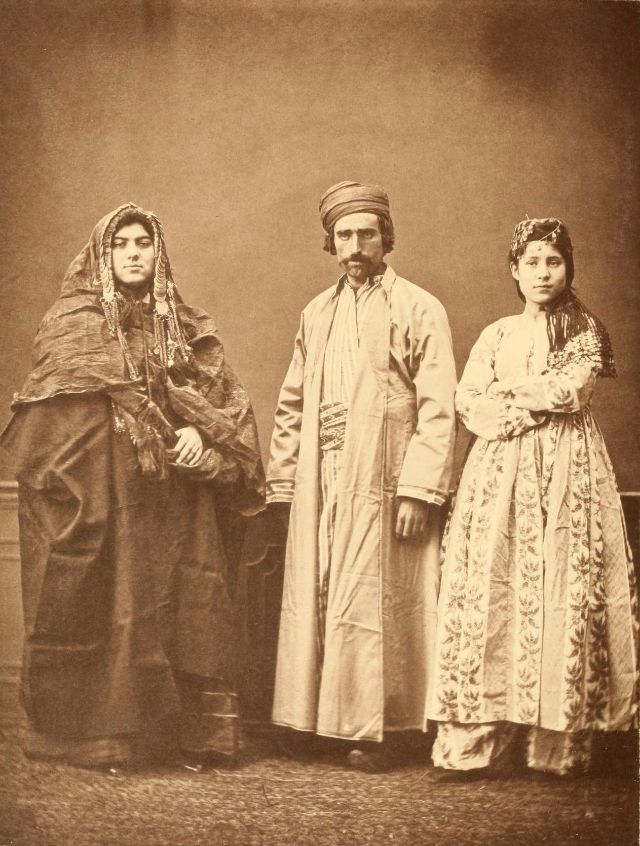
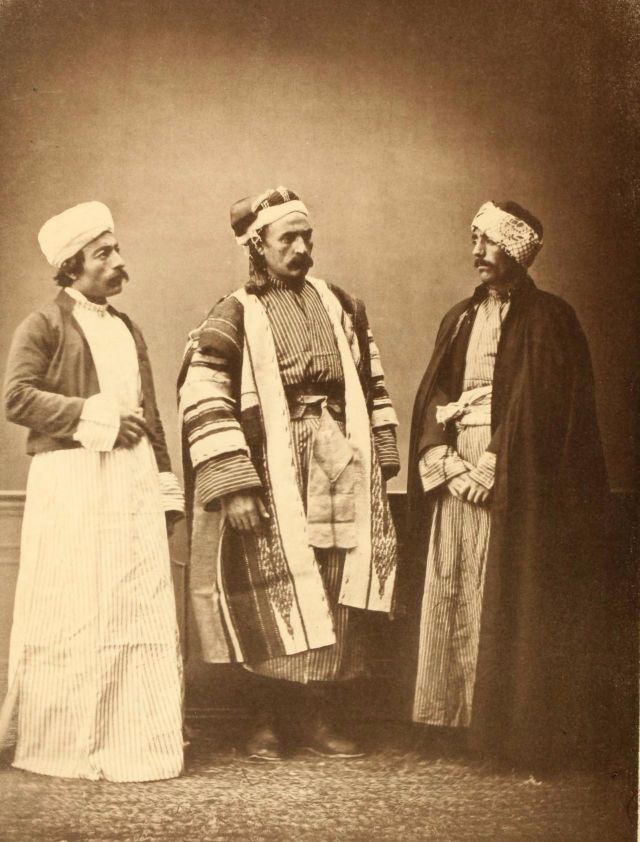
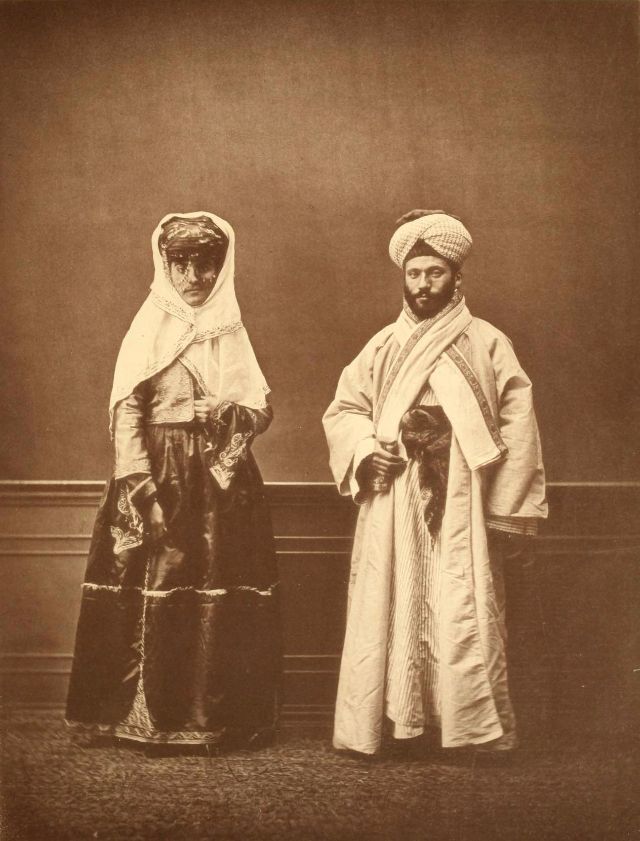
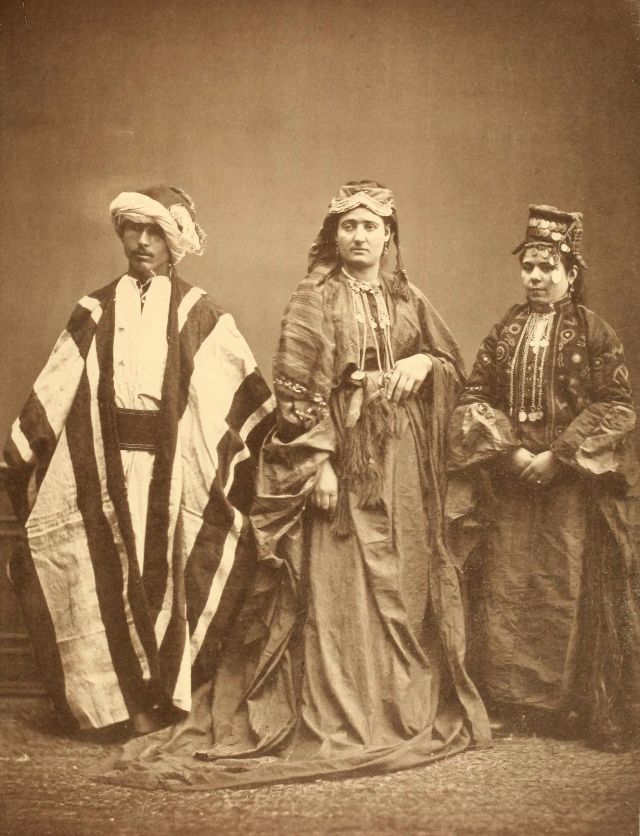
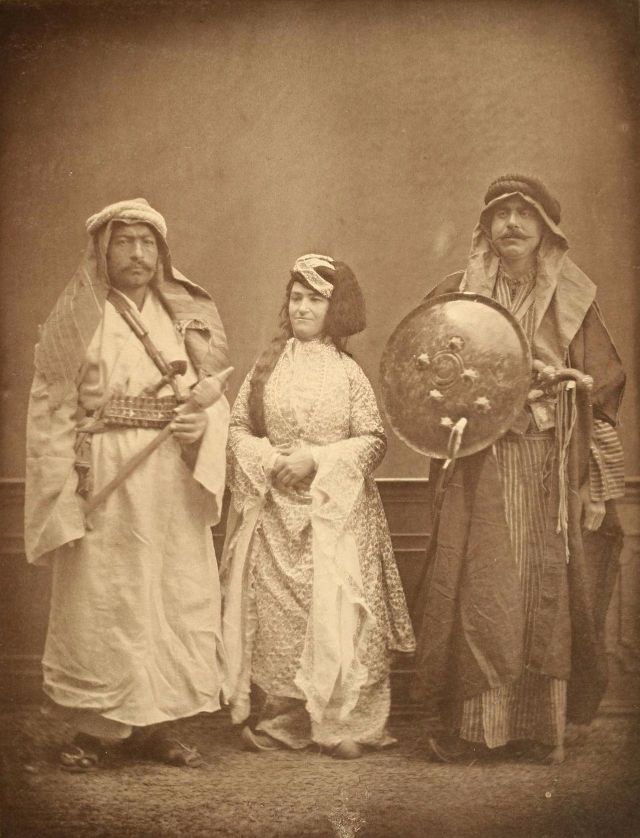
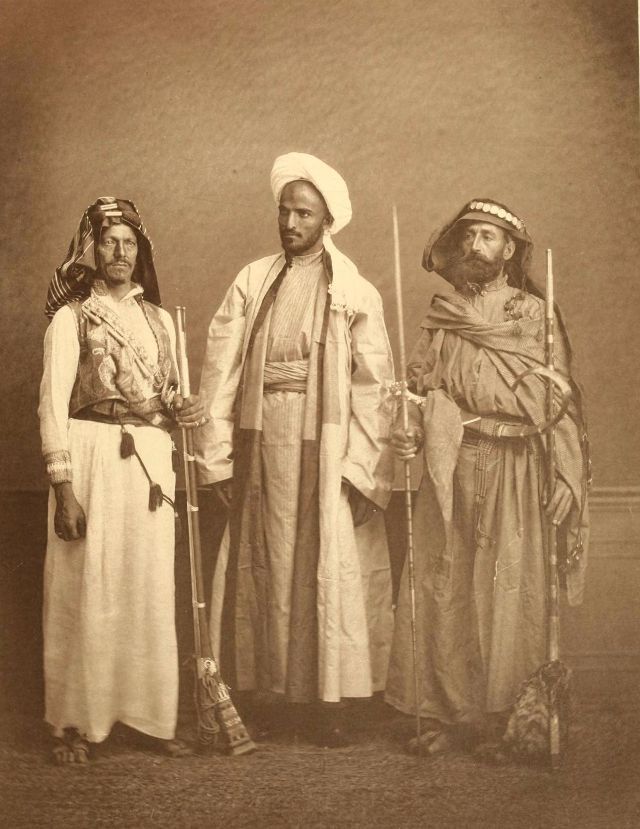
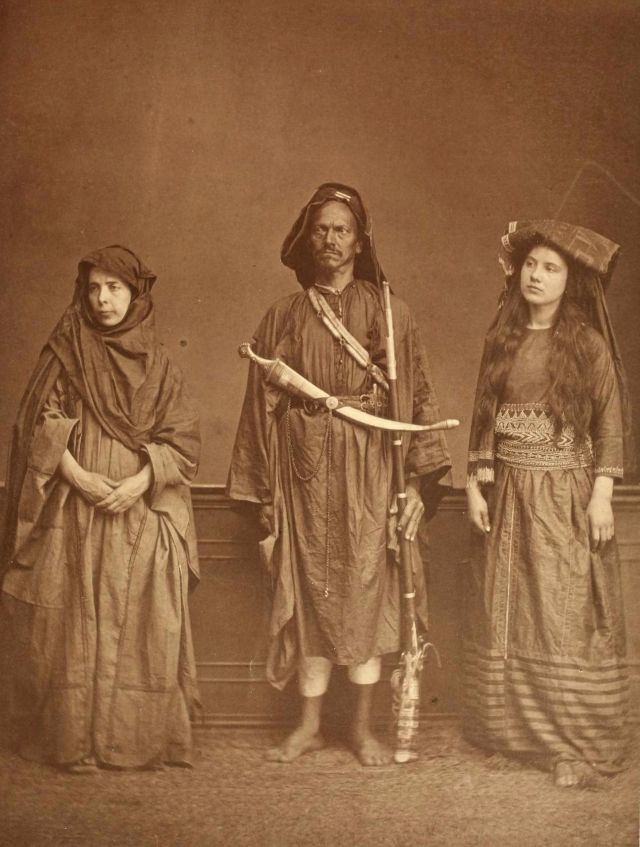
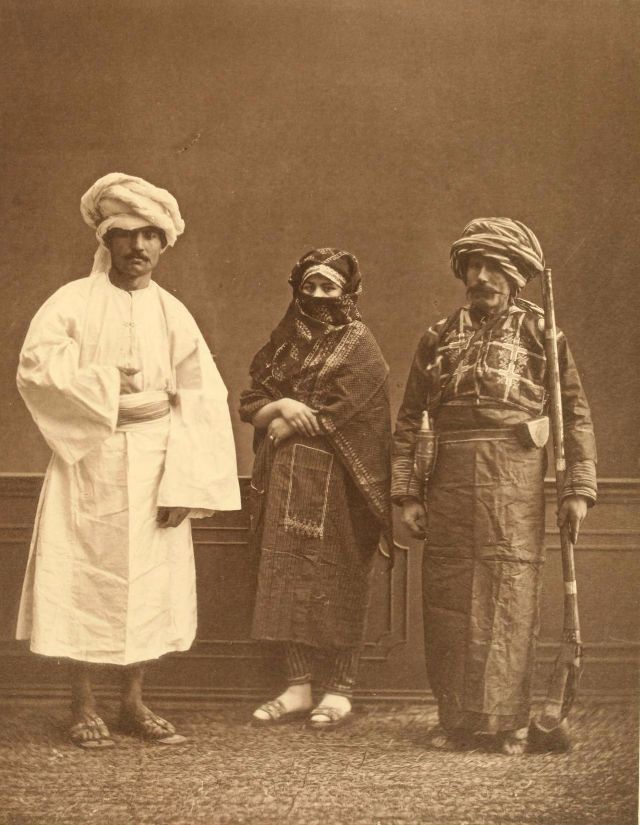
Ottoman clothing is the style and design of clothing worn by the Ottoman Turks.
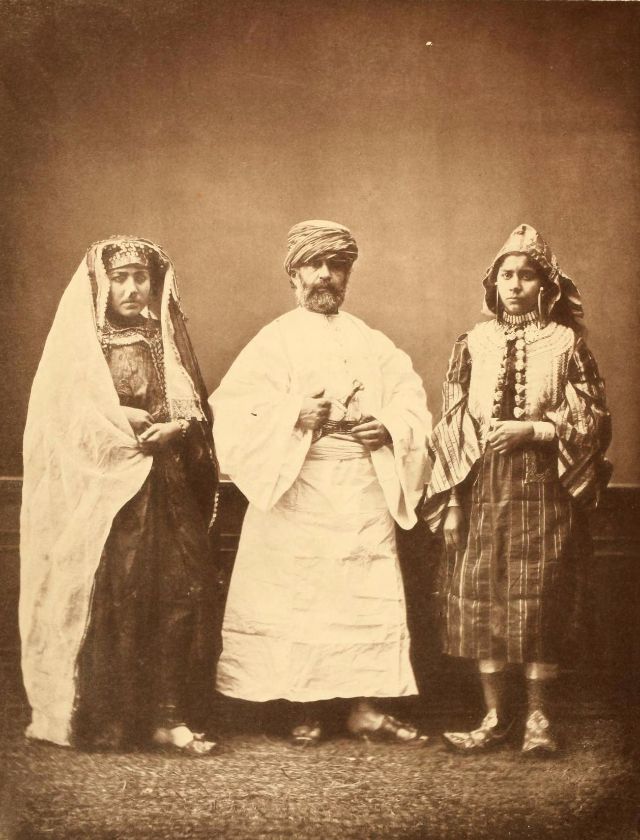
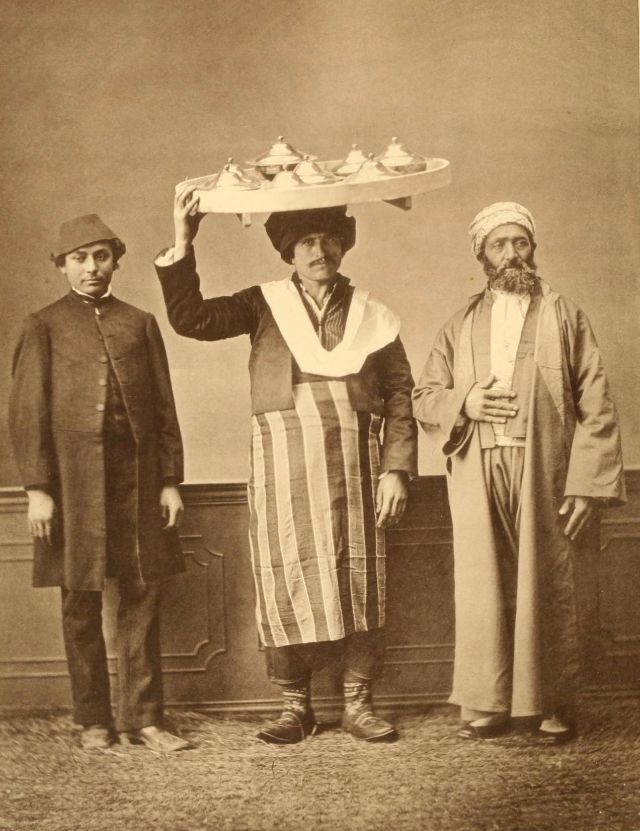
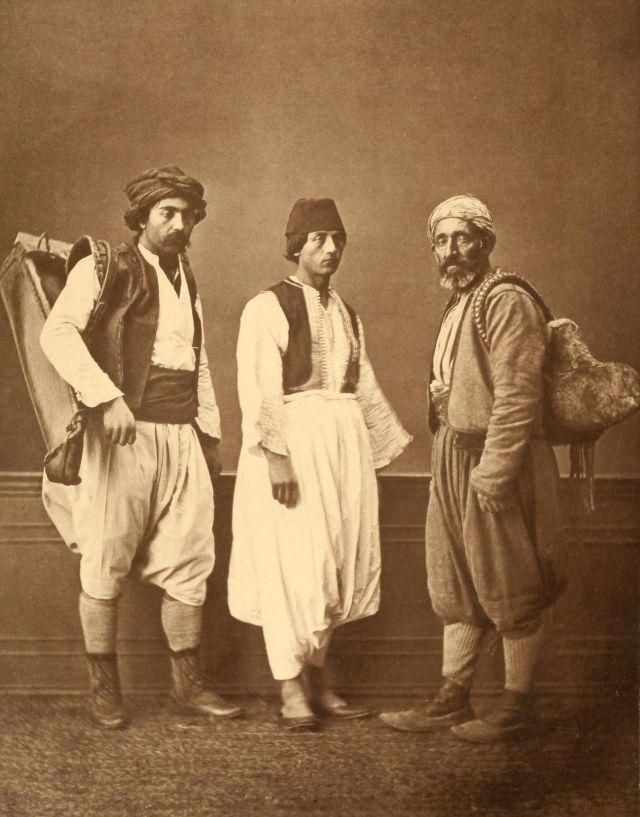
While the Palace and its court dressed lavishly, the common people were only concerned with covering themselves. Starting in the reign of Suleiman the Magnificent, administrators enacted sumptuary laws upon clothing. The clothing of Muslims, Christians, Jewish communities, clergy, tradesmen, and state and military officials were particularly strictly regulated during the reign of Suleiman the Magnificent.
In this period men wore outer items such as ‘mintan’ (a vest or short jacket), ‘zibin’, ‘salvar’ (trousers), ‘kusak’ (a sash), ‘potur’, ‘entari’ (a long robe), ‘kalpak’, ‘sarik’ on the head; ‘çarik’, ‘çizme’, ‘çedik’, ‘Yemeni’ on the feet. The administrators and the wealthy wore caftans with fur lining and embroidery, whereas the middle class wore ‘cübbe’ (a mid-length robe) and ‘hirka’ (a short robe or tunic), and the poor wore collarless ‘cepken’ or ‘yelek’ (vest).
Women’s everyday wear was salvar (trousers), a gömlek (chemise) that came down to the mid-calf or ankle, a short, fitted jacket called a hirka, and a sash or belt tied at or just below the waist. For formal occasions, such as visiting friends, the woman added an entari, a long robe that was cut like the hirka apart from the length. Both hirka and entari were buttoned to the waist, leaving the skirts open in front. Both garments also had buttons all the way to the throat, but were often buttoned only to the underside of the bust, leaving the garments to gape open over the bust. All of these clothes could be brightly colored and patterned. However, when a woman left the house, she covered her clothes with a ferace, a dark, modestly cut robe that buttoned all the way to the throat. She also covered her face with a variety of veils or wraps.
Bashlyks, or hats, were the most prominent accessories of social status. While the people wore “külah’s” covered with ‘abani’ or ‘Yemeni’, the cream of the society wore bashlyks such as ‘yusufi, örfi, katibi, kavaze’, etc. During the rule of Süleyman a bashlyk called ‘perisani’ was popular as the palace people valued bashlyks adorned with precious stones.
During the ‘Tanzimat’ and ‘Mesrutiyet’ period in the 19th century, the common people still keeping to their traditional clothing styles presented a great contrast with the administrators and the wealthy wearing ‘redingot’, jacket, waistcoat, boyunbagi (tie), ‘mintan’, sharp-pointed and high-heeled shoes. Women’s clothes of the Ottoman period were observed in the ‘mansions’ and Palace courts. ‘Entari’, ‘kusak’, ‘salvar’, ‘basörtü’, ‘ferace’ of the 19th century continued their existence without much change.
Women’s wear becoming more showy and extravagant brought about adorned hair buns and tailoring. Tailoring in its real sense began in this period. The sense of women’s wear primarily began in large residential centers such as Istanbul and Izmir in the 19th century and as women gradually began to participate in the social life, along with the westernization movement.
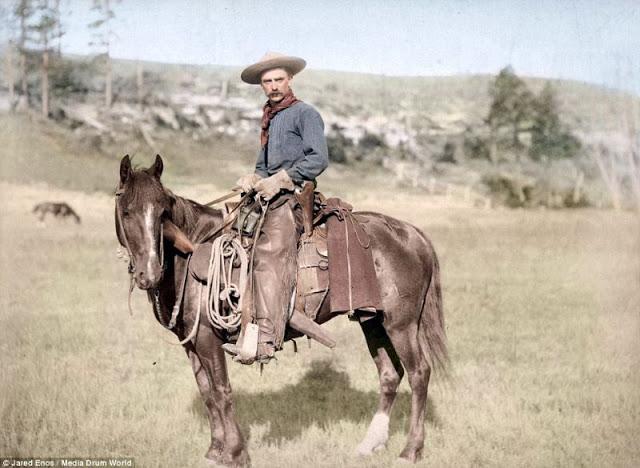
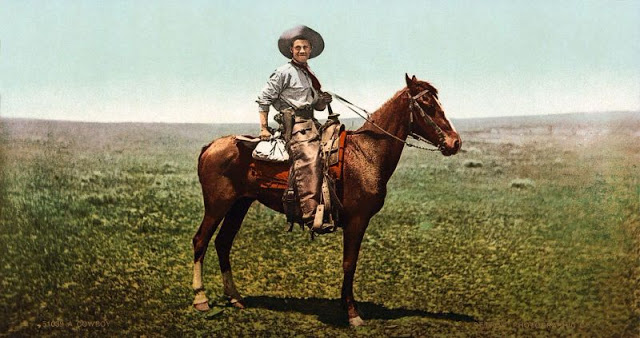
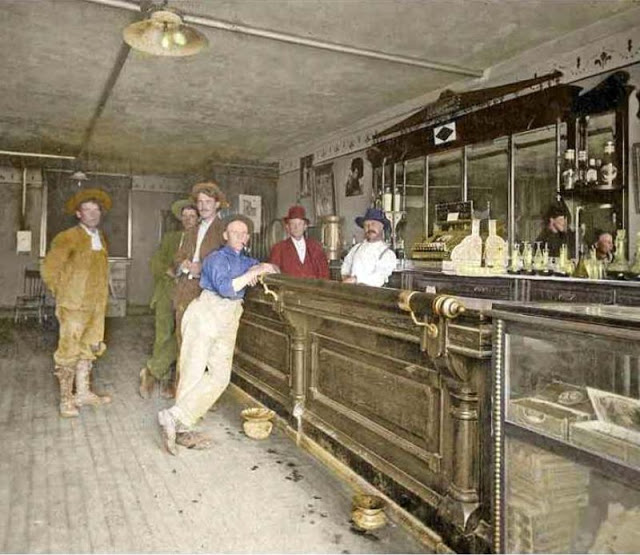
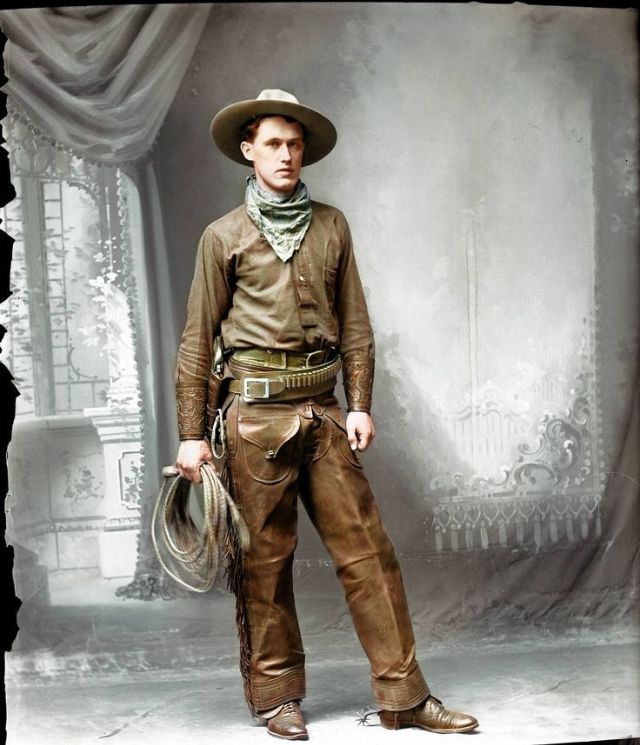
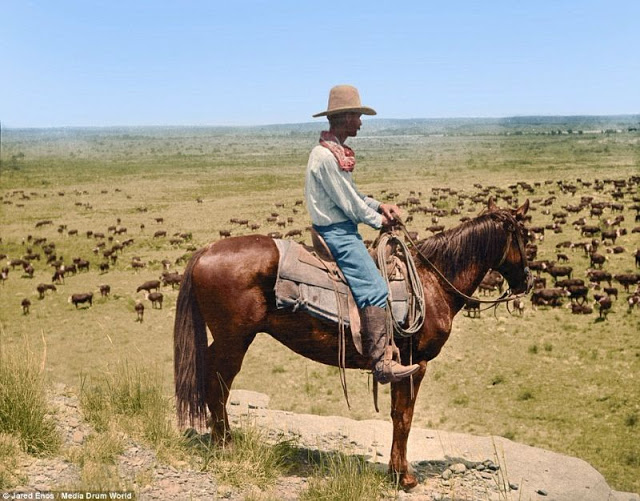
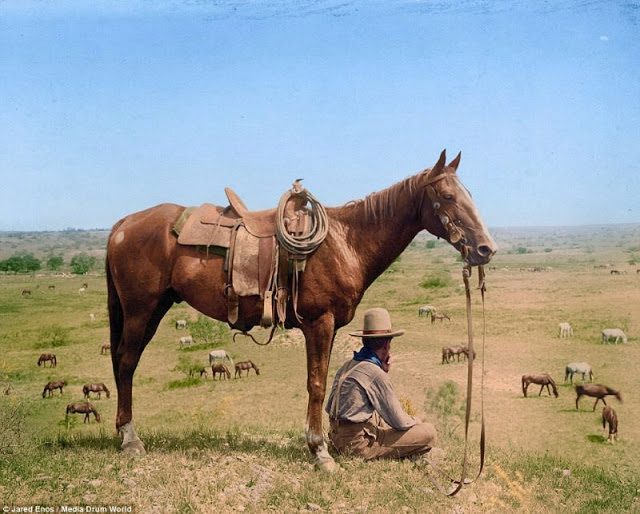
A cowboy is an animal herder who tends cattle on ranches in North America, traditionally on horseback, and often performs a multitude of other ranch-related tasks. The historic American cowboy of the late 19th century arose from the vaquero traditions of northern Mexico and became a figure of special significance and legend.
A subtype, called a wrangler, specifically tends the horses used to work cattle. In addition to ranch work, some cowboys work for or participate in rodeos.
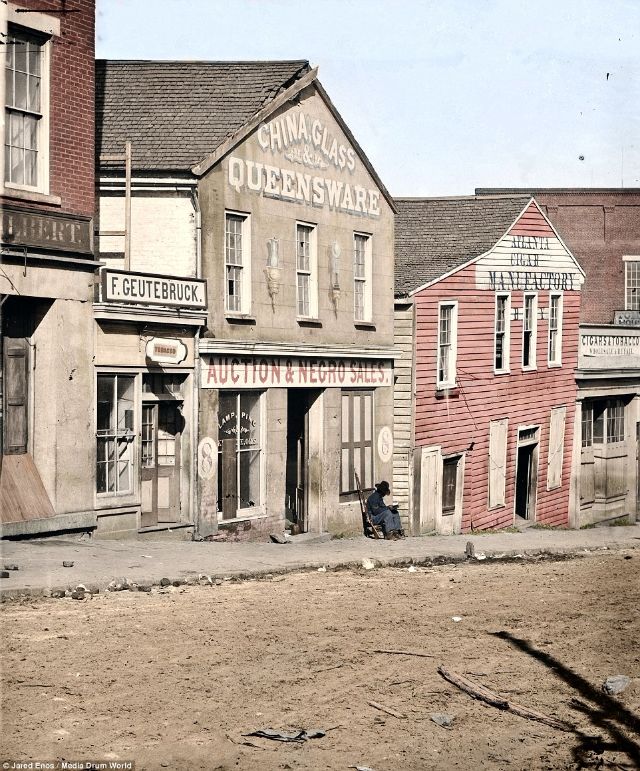
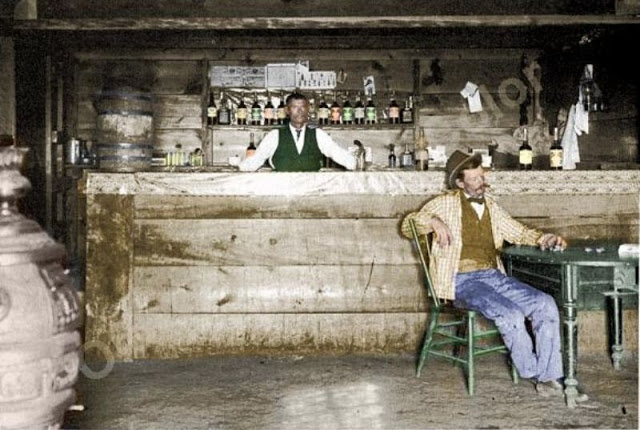
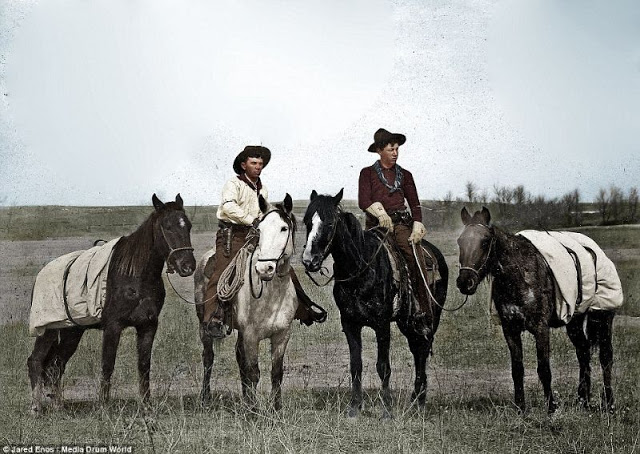
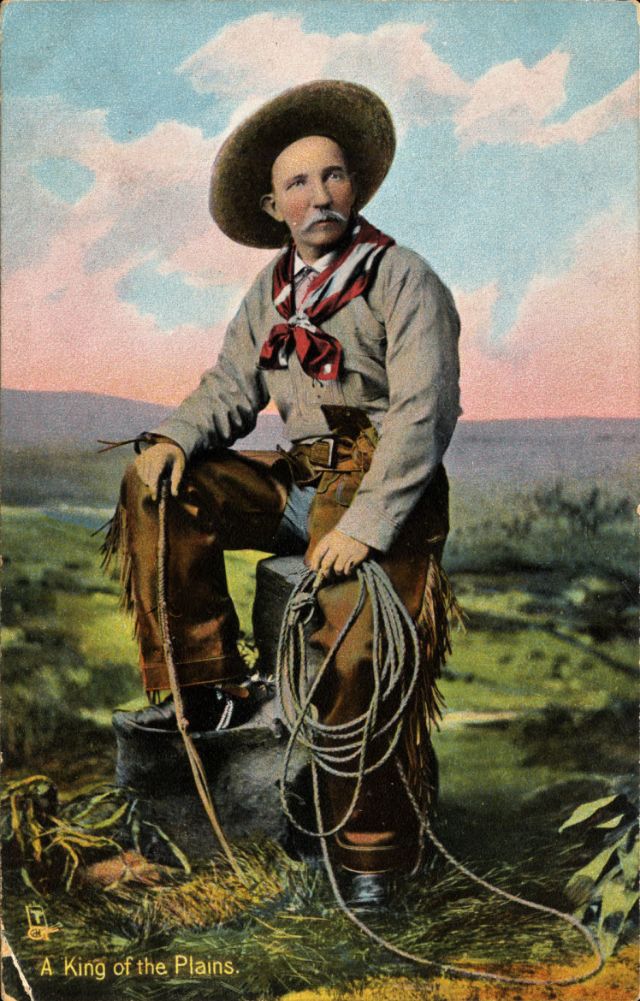
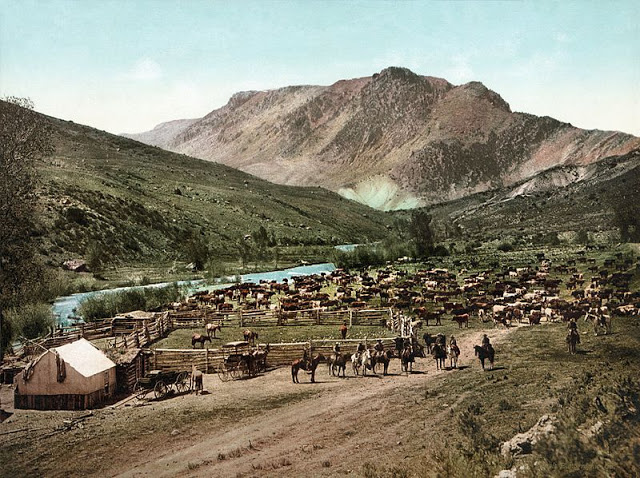
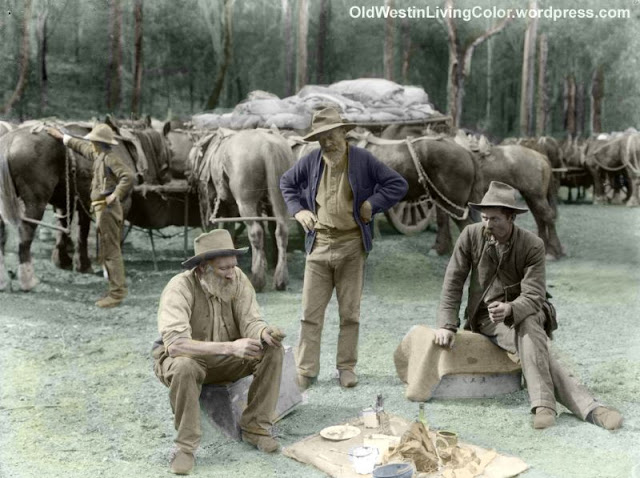
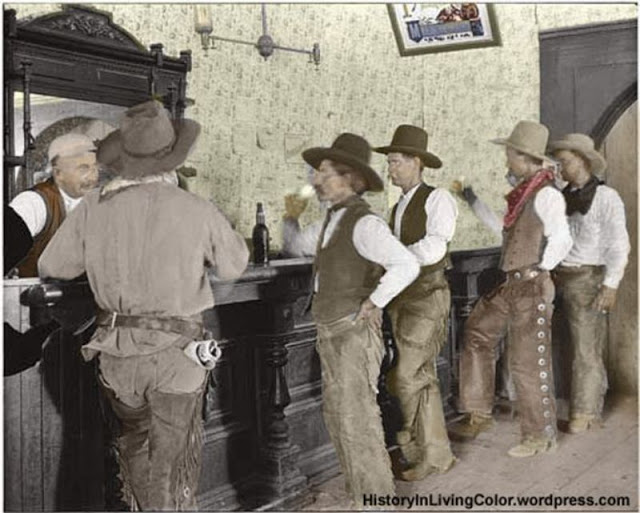
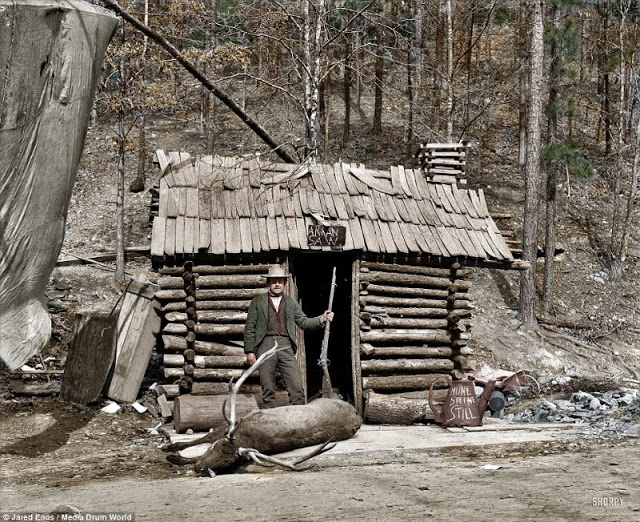
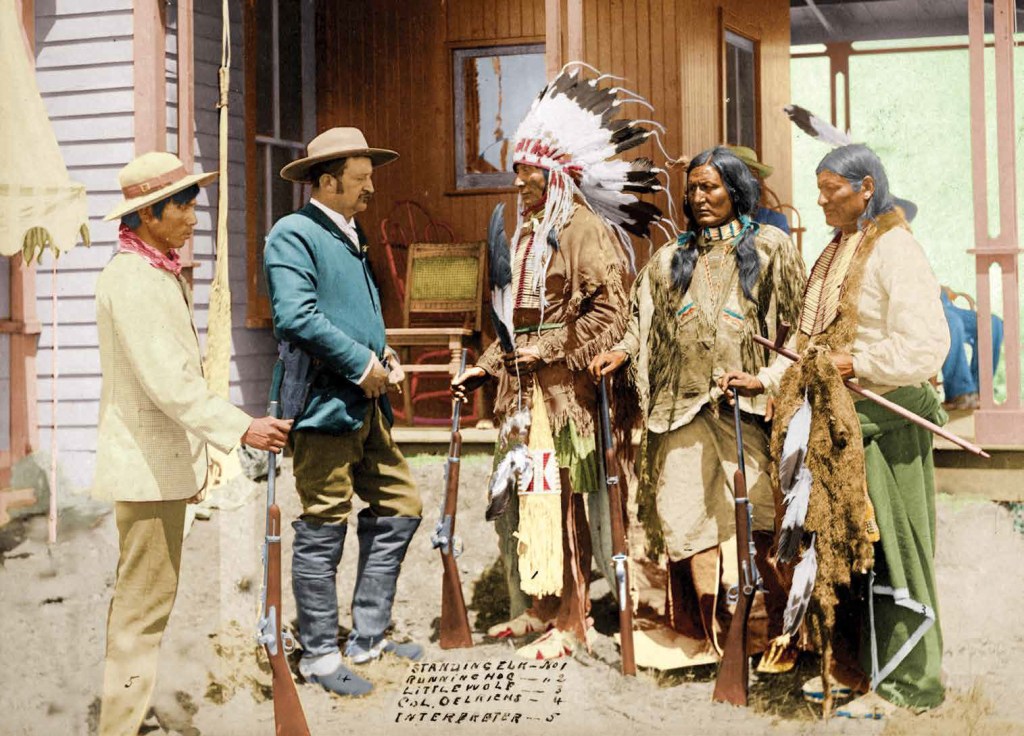
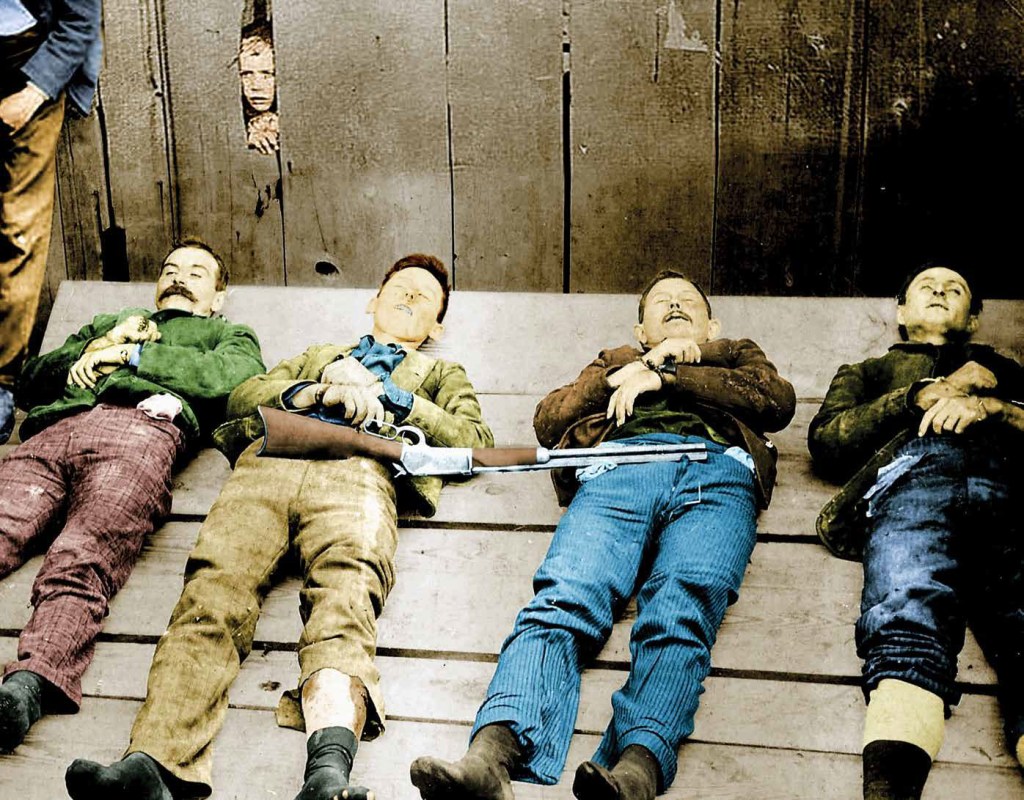
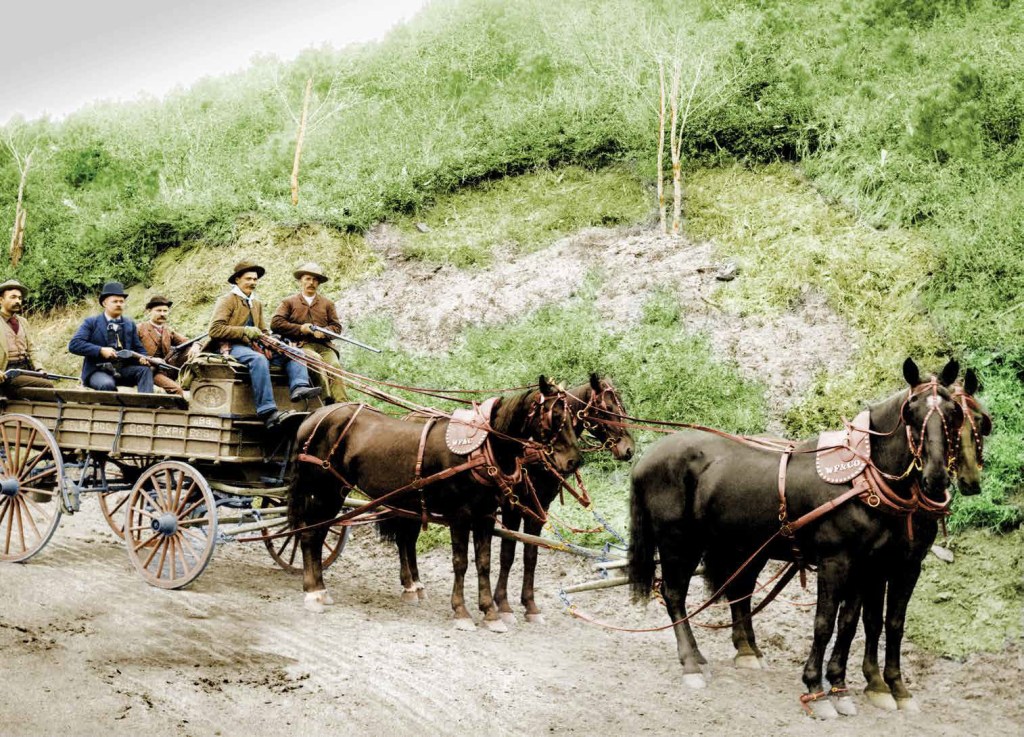
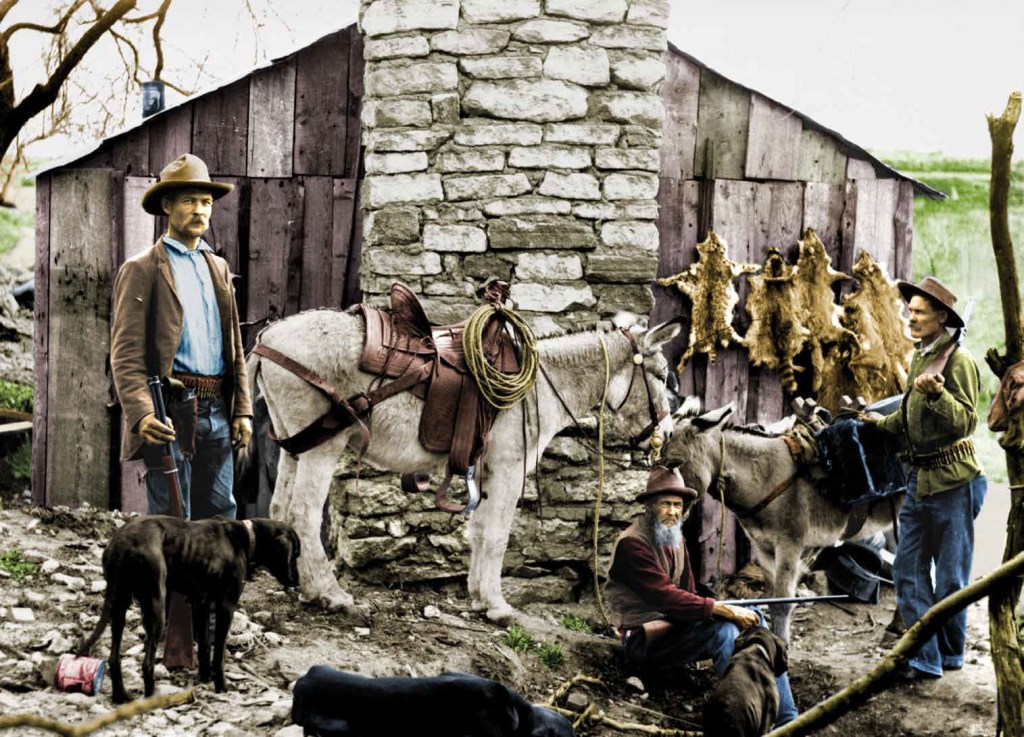
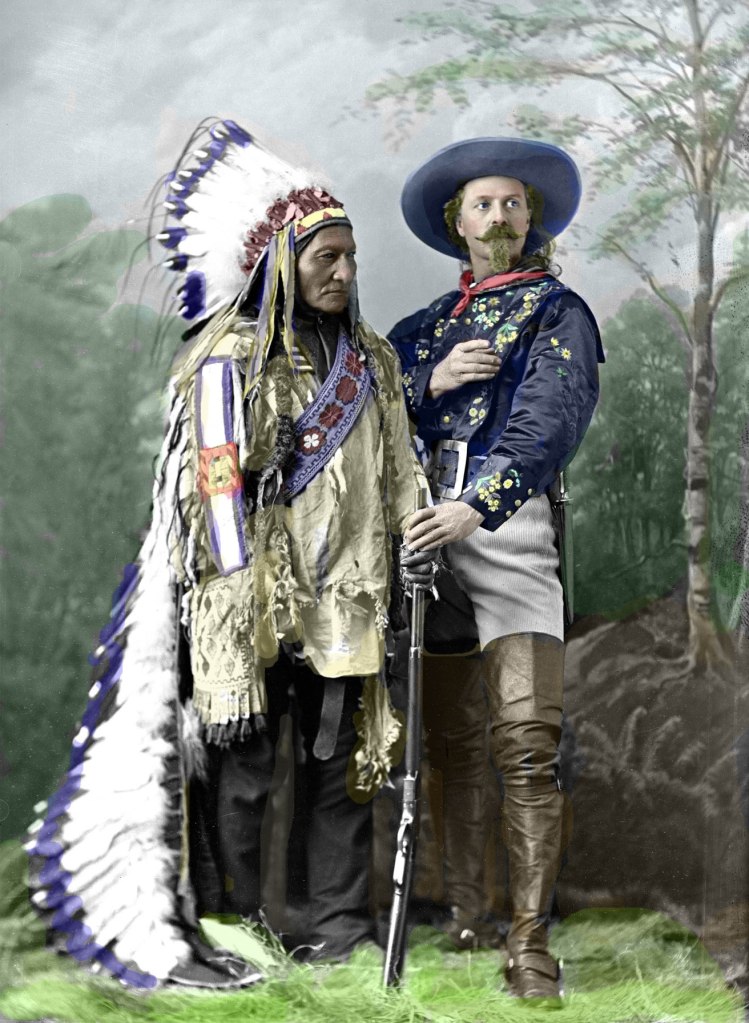
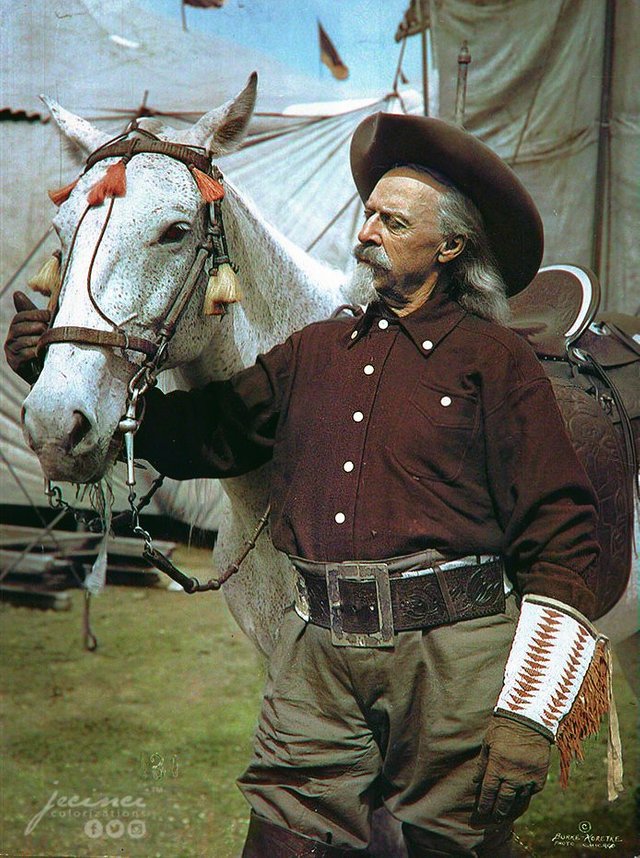
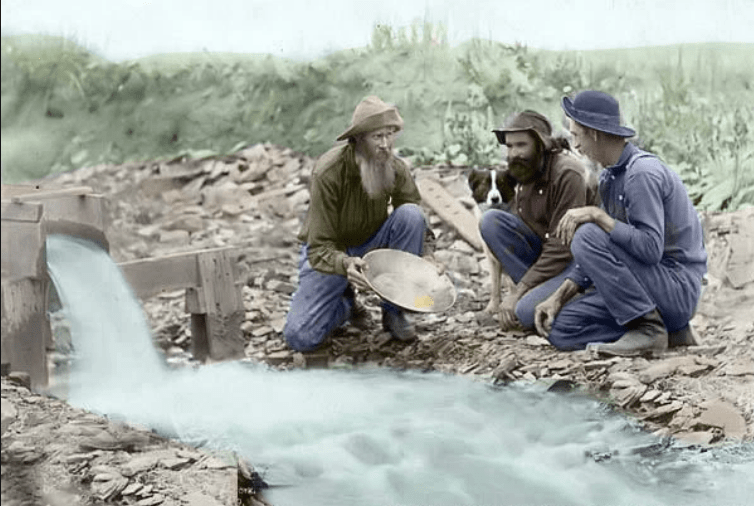
Here is an amazing collection of colorized pictures that shows the Old West from the late 19th to early 20th centuries.
Portrait of a cowboy from 1887A man sits at the frontage of buildings in Atlanta, Georgia, 1864A cowboy in a saloon bar, Wyoming, 1888Getting ready for a cattle drive, 1889A King of the Plains, 1898A round-up in Colorado, 1898Ready to go, 1898Australian bullock drivers, 1900Cowboys in a saloon bar, 1900In a Deadwood bar, South Dakota, 1900Portrait of a young cowboy, 1900A cowboy stands in front of his cabin, Hot Springs, Arkansas, 1901Man on a knoll overlooking the grazing herd at LS Ranch, Texas, 1907The horse wrangler, Bonham, Texas, June 1910The Interview.” Left to right: An interpreter, Colonel Oelrichs, Chief Standing Elk, Running Hog, and Little Wolf. The Northern Cheyenne took part in the 1876 Battle of Little Bighorn, and the Native American men pictured here are probably some of those who were removed to “Indian Territory” after the battle, later fled from relocation, and settled in Montana. All the “Indians” are armed, but interestingly, Little Wolf also carries a peace pipe. (July 4, 1887. John C. H. Grabill, photographer.)Deceased members of the Dalton Gang who attempted to simultaneously rob two banks in Coffeyville, Kansas. October 1892 The Dalton Gang was led by three brothers—Emmett “Em,” Robert “Bob,” and Gratton “Grat” Dalton—who started as lawmen, but in 1890, after being unpaid for their work, they turned their guns over to the over side, robbing banks and trains. Being outlaws ran in their blood, apparently, as their other brother, William M. “Bill” Dalton, rode with the Wild Bunch, and they were all related on their mother’s side to the Younger brothers, who rode with Jesse James. On October 5, 1892, the Dalton Gang attempted to simultaneously rob two banks in Coffeyville, Kansas. A few citizens recognized some of the gang members as they entered town, though, so the residents quietly got their guns, surrounded the banks, and greeted the robbers with a hail of gunfire. Grat and Bob were killed, but Em lived to go to trial. This classic photograph shows the deceased gang members (left to right: Bill Power, Bob Dalton, Grat Dalton, Dick Broadwell) after their robbery attempt. (October 1892, Cramers Art Rooms of Cherryvale, Kansas, publishers.)A Wells Fargo Express Company Deadwood treasure wagon and its guards keep watch over $250,000 in gold bullion from the Homestake Mine in Lead, South Dakota. 1890Trapper and Hunter William Dove Crabtree, two of his sons, and their hunting dogs at their cabin located on Long Creek in Brown’s Basin, Arizona Territory. 1908 Three trappers in the Arizona Territory, 1908Buffalo Bill Cody and Sitting Bull, 1885Buffalo Bill Cody & his horse Isham at the Wild West arena, 1905Prospectors panning for gold in the Old West. Late 1800’s.
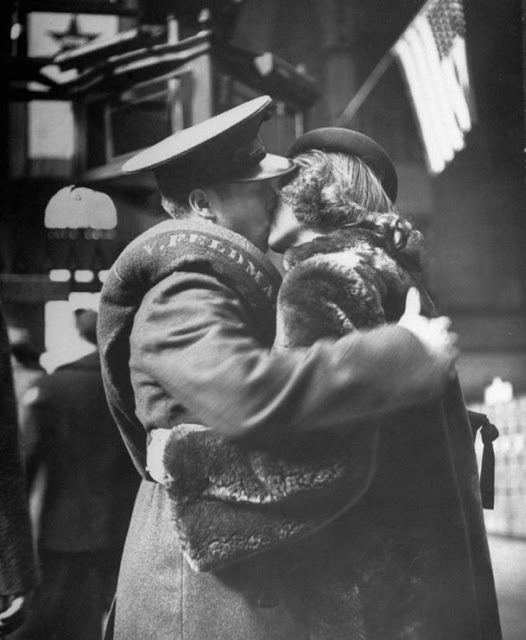
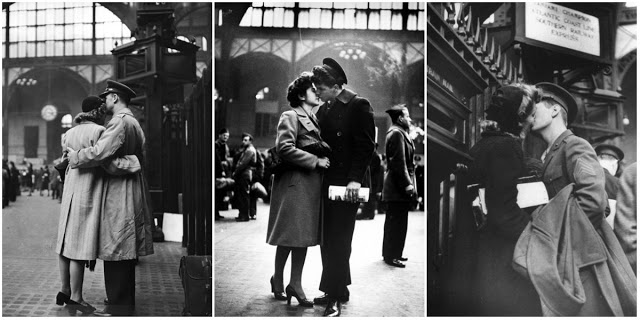
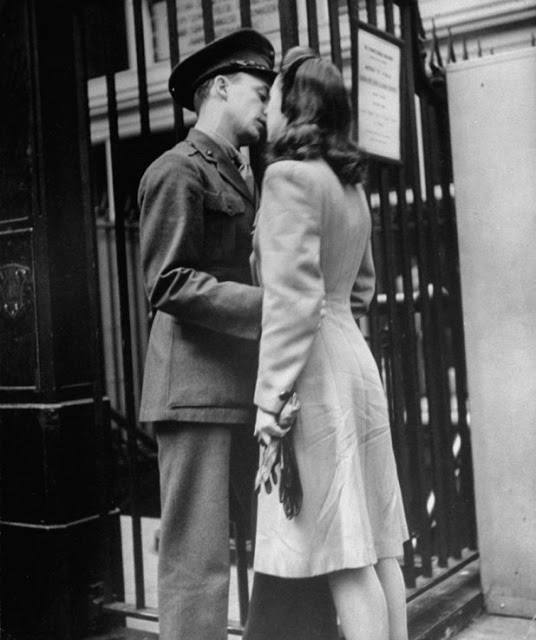
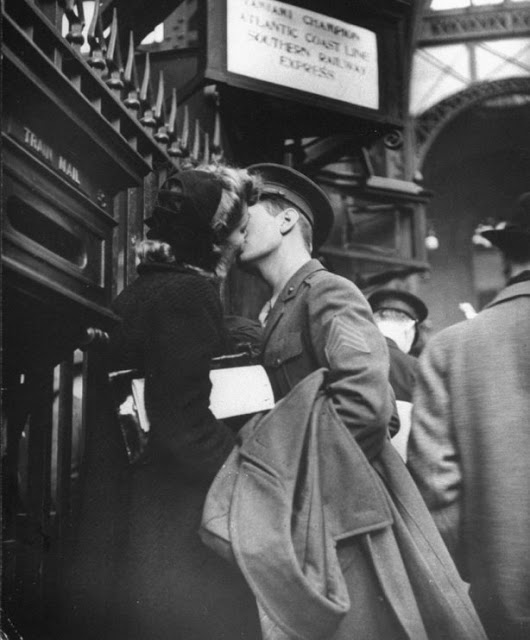
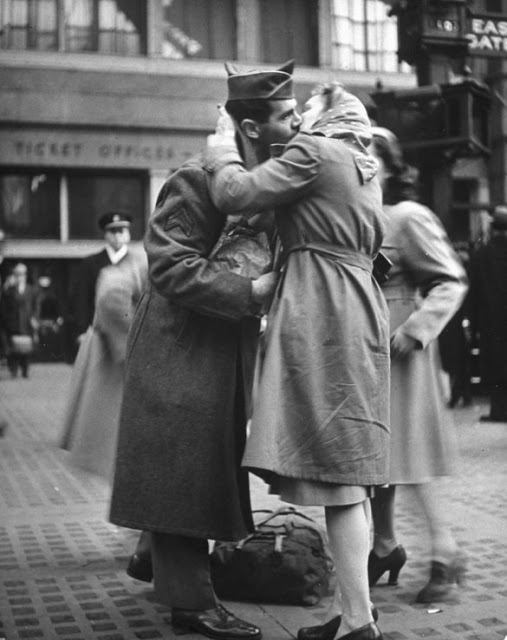
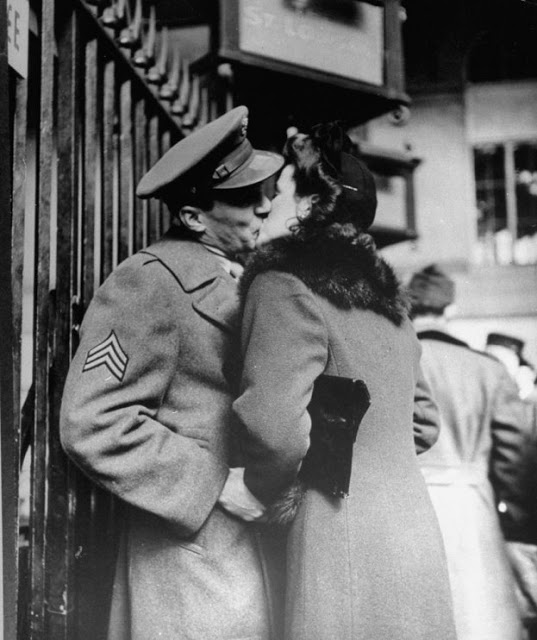
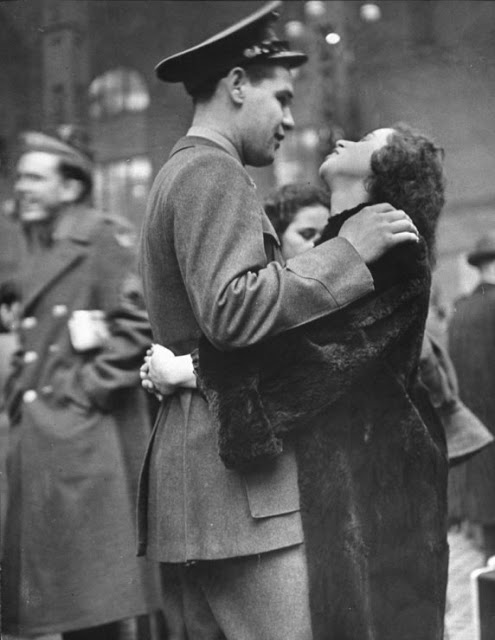
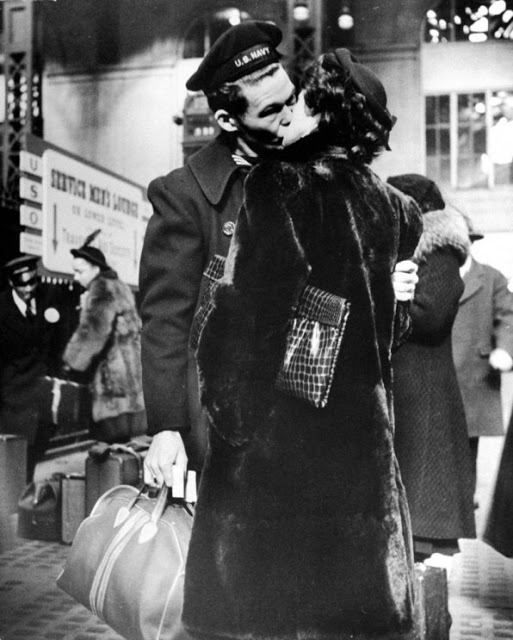
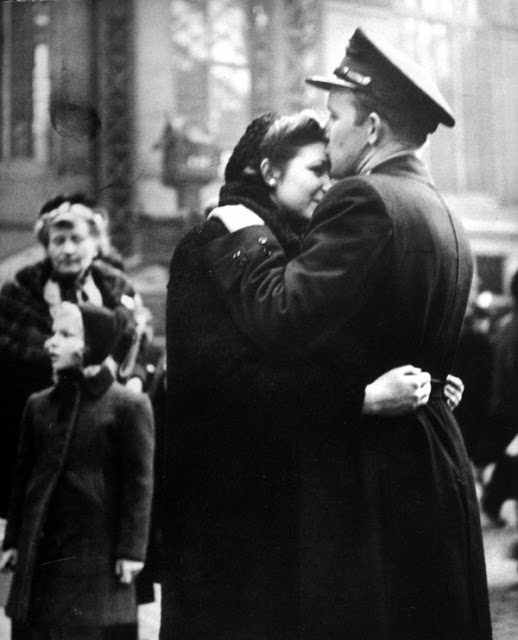
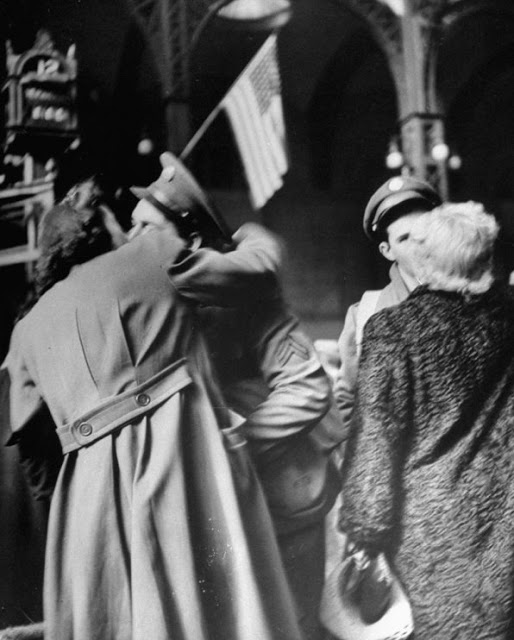
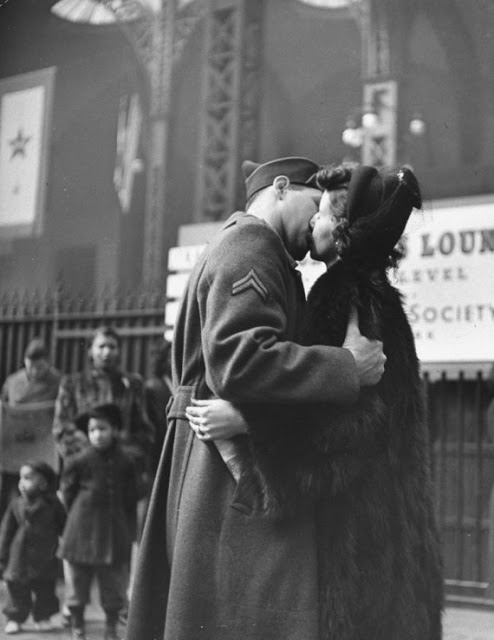
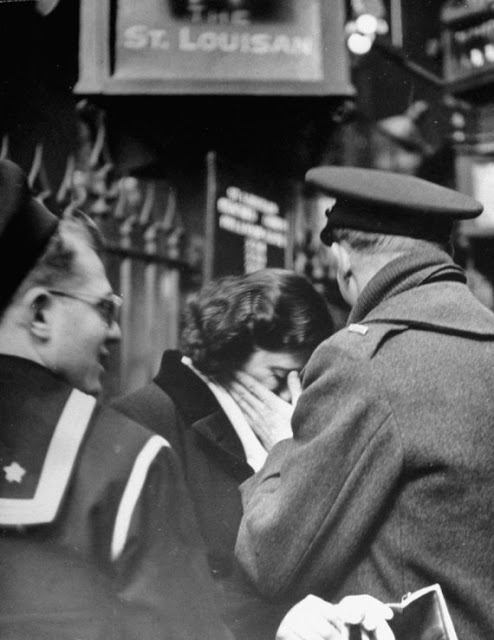
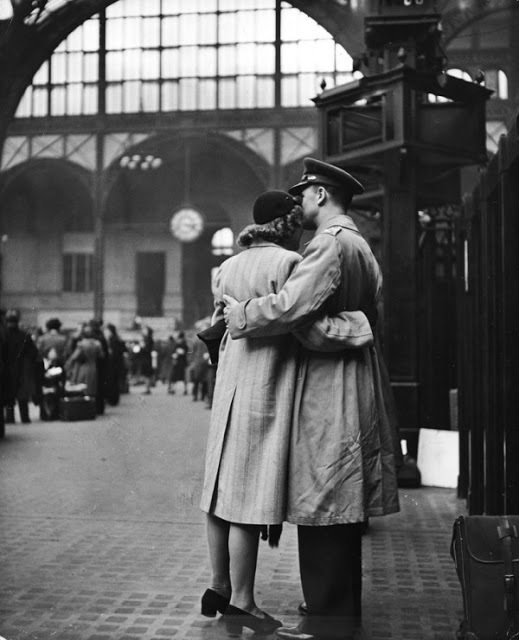
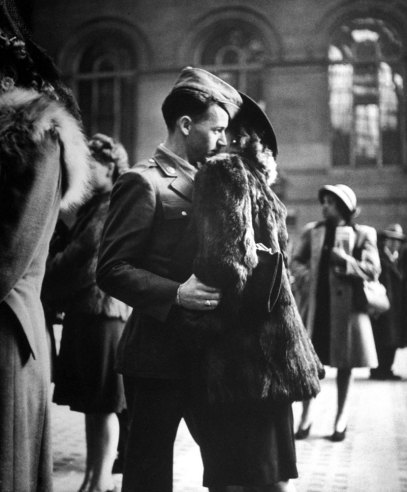
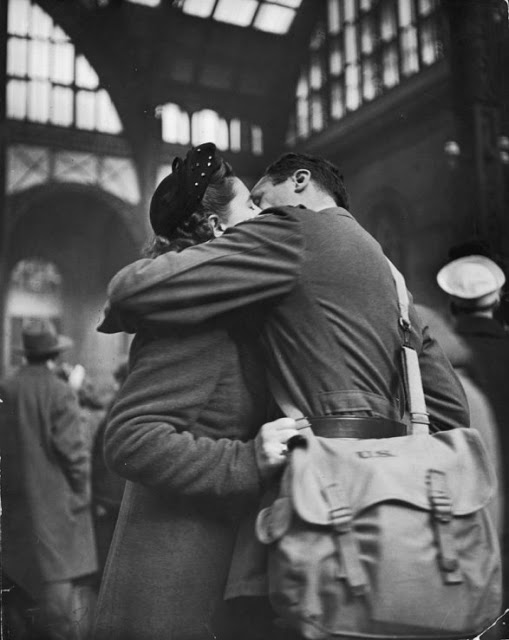
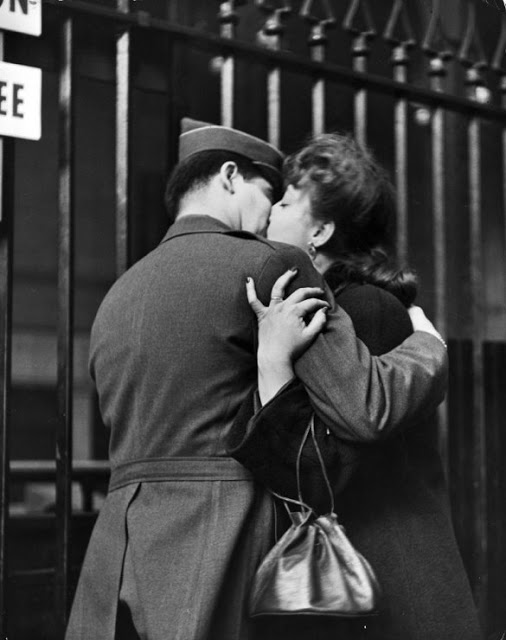
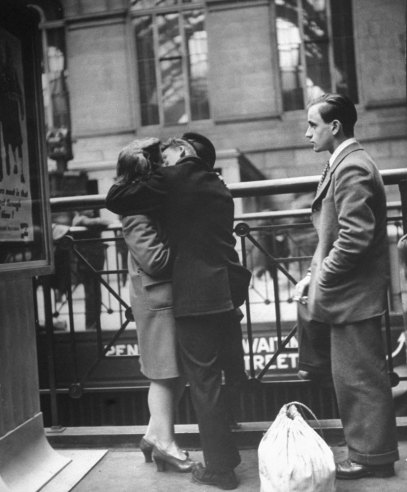
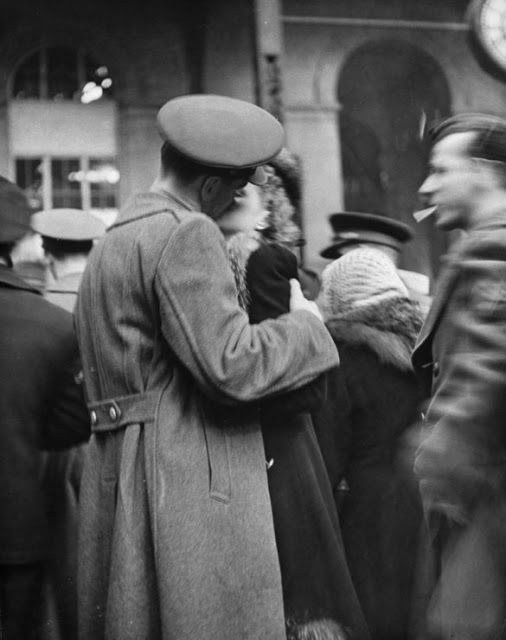
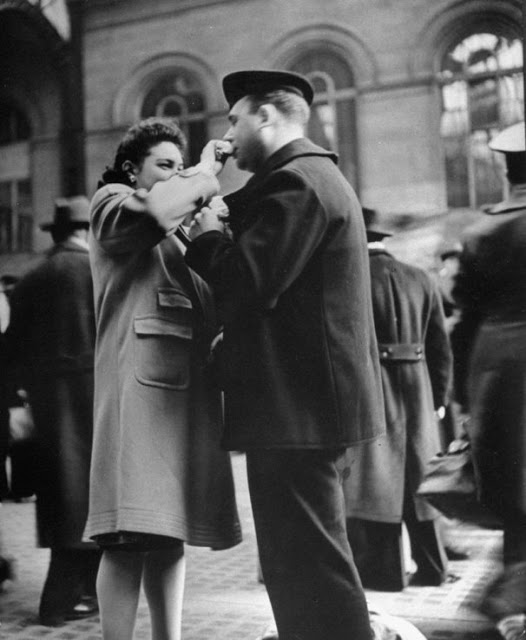
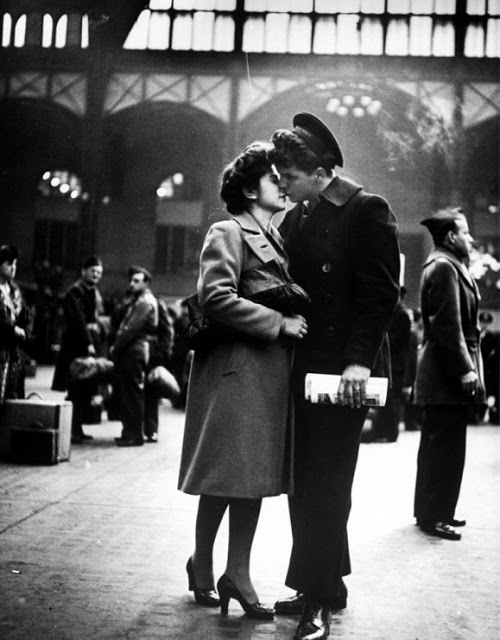
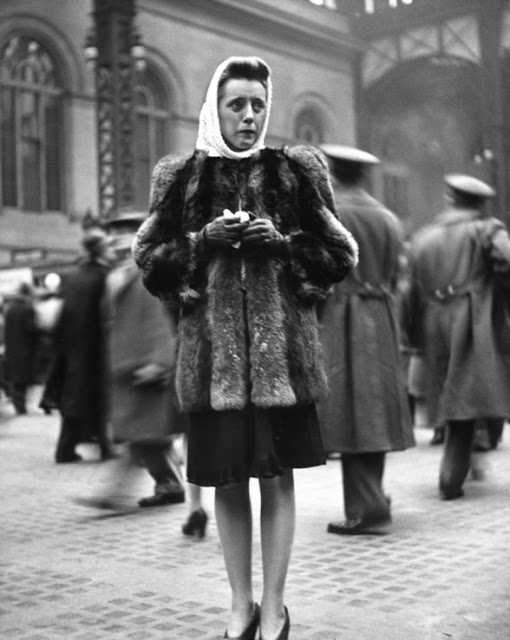
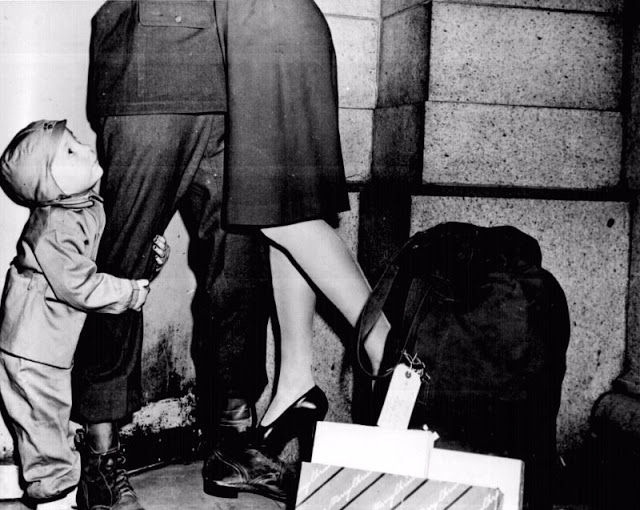
They stand in front of the gates leading to the trains, deep in each other’s arms, not caring who sees or what they think.
Each goodbye is a drama complete in itself. Sometimes the girl stands with arms around the boys’ waist, hands tightly clasped behind. Another fits her head into the curve of his cheek while tears fall onto his coat. Now and then the boy will take her face between his hands and speak reassuringly. Or if the wait is long they may just stand quietly, not saying anything. The common denominator of all these goodbyes is sadness and tenderness, and complete oblivion for the moment to anything but their own individual heartaches.
The photos here, made by LIFE photographer’s Alfred Eisenstaedt in April 1943 at the height of the Second World War, capture true romance — its agonies, its resilience — in ways that pictures filled with sweetness and light never could. Yes, of course, the emotions on display are clearly heightened by the fact that some of these young men, bidding their sweethearts farewell, might never return from the war.
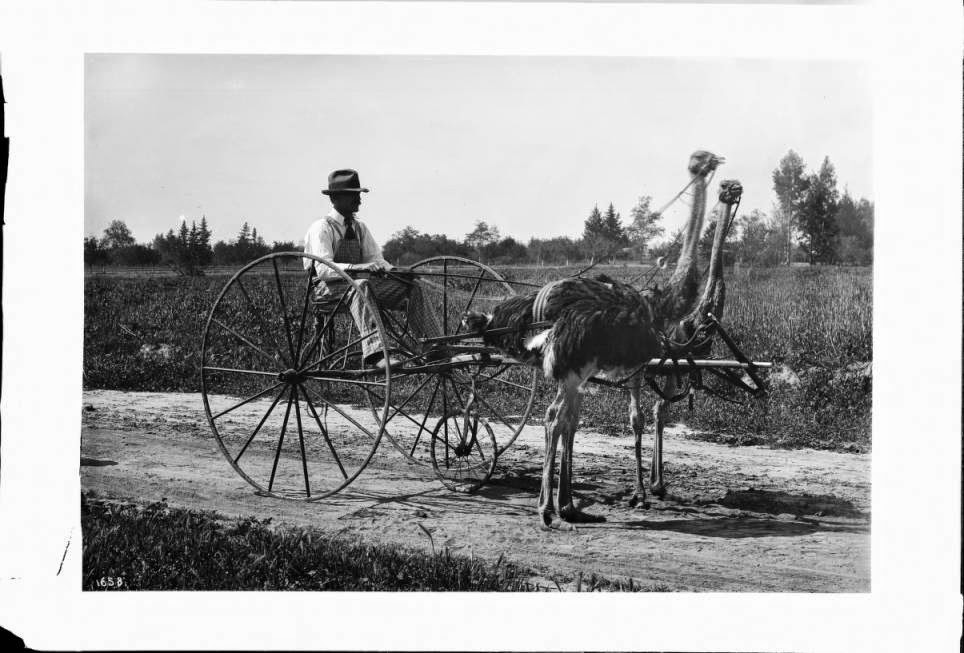
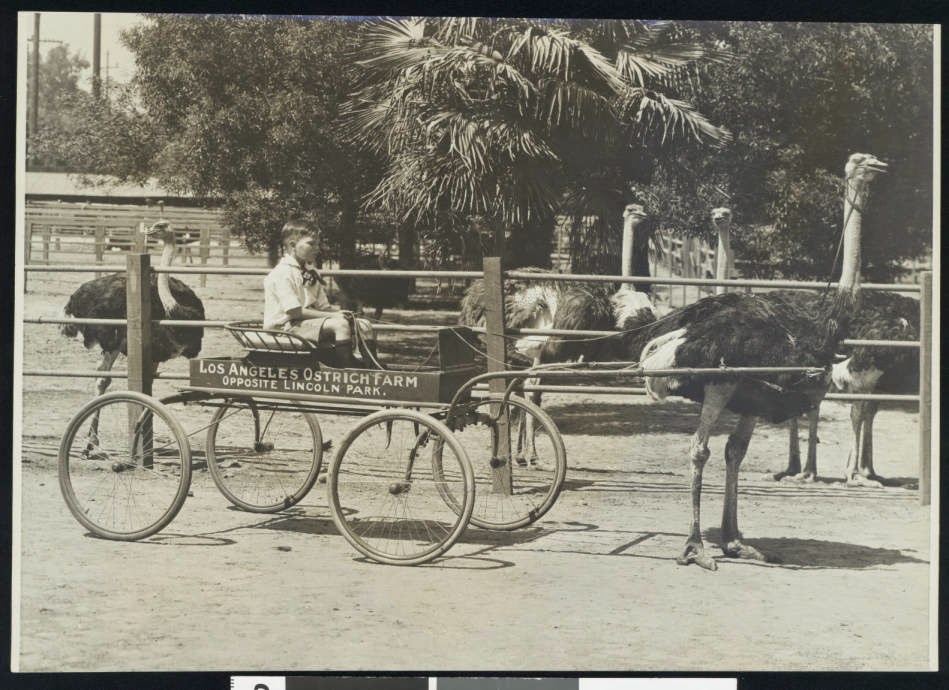
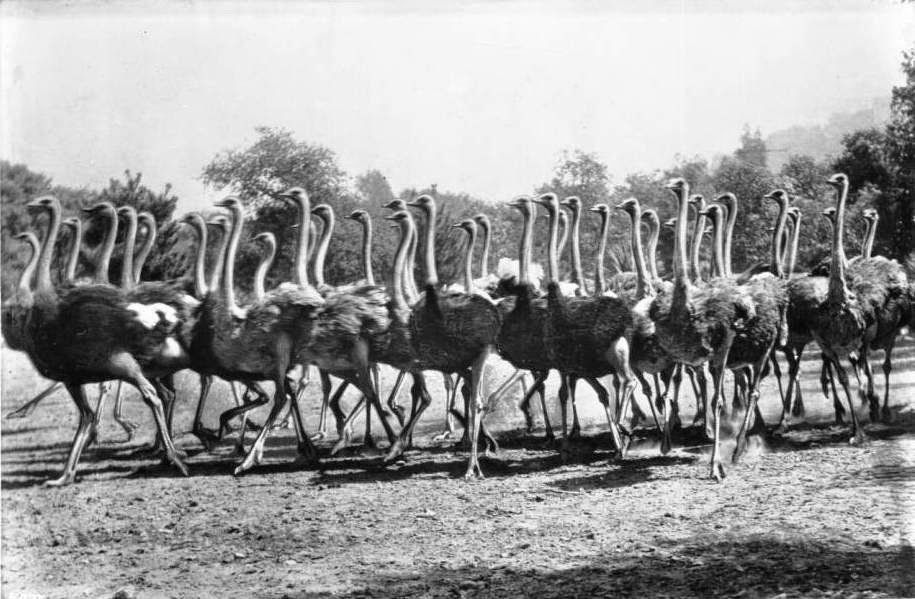
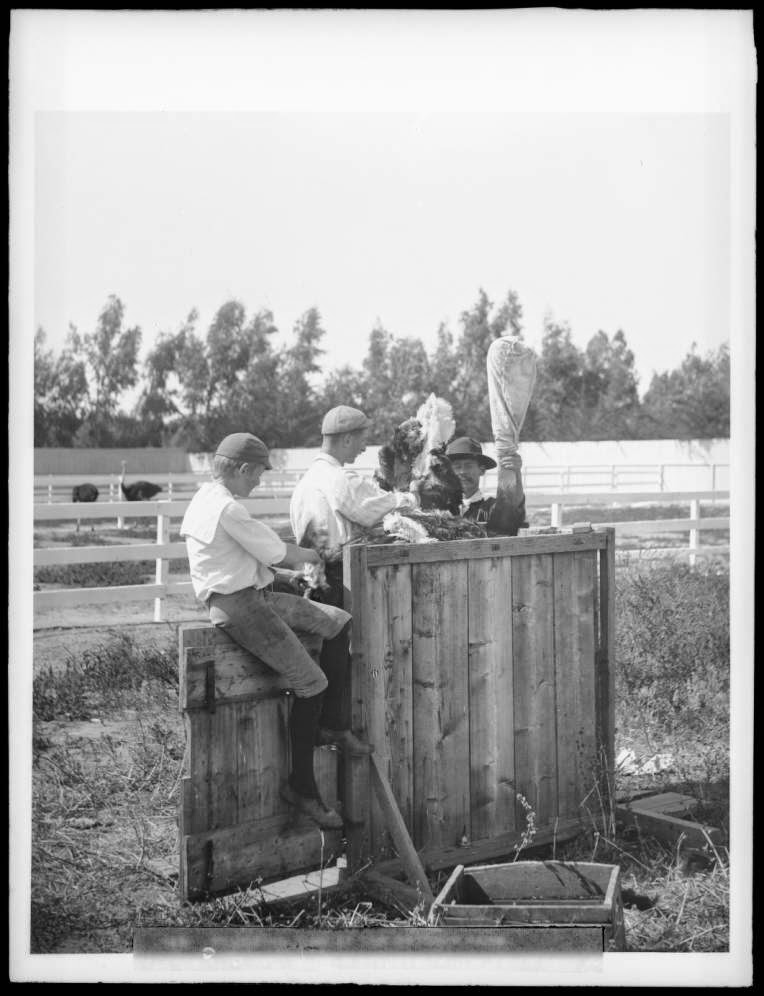
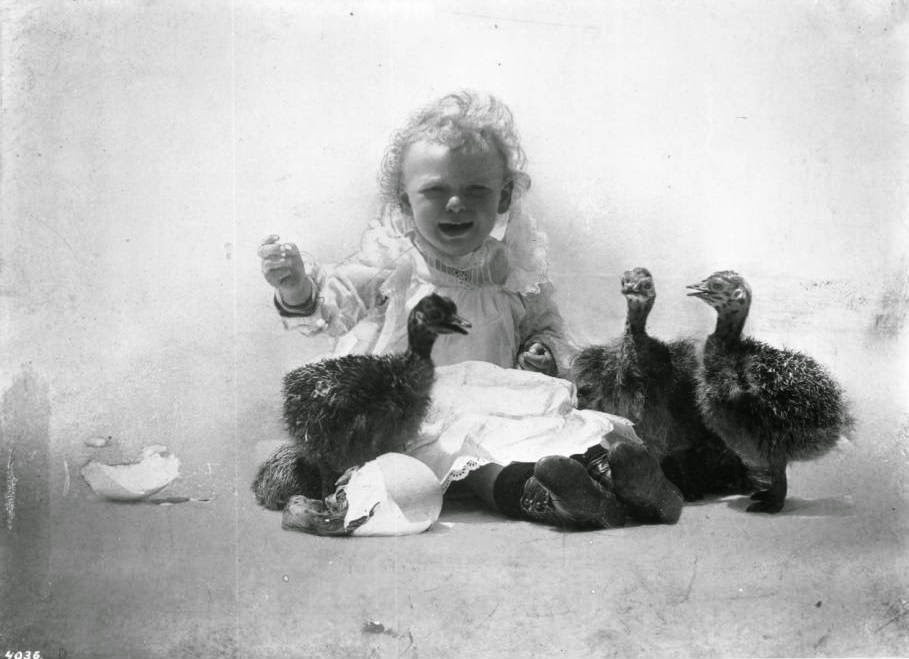
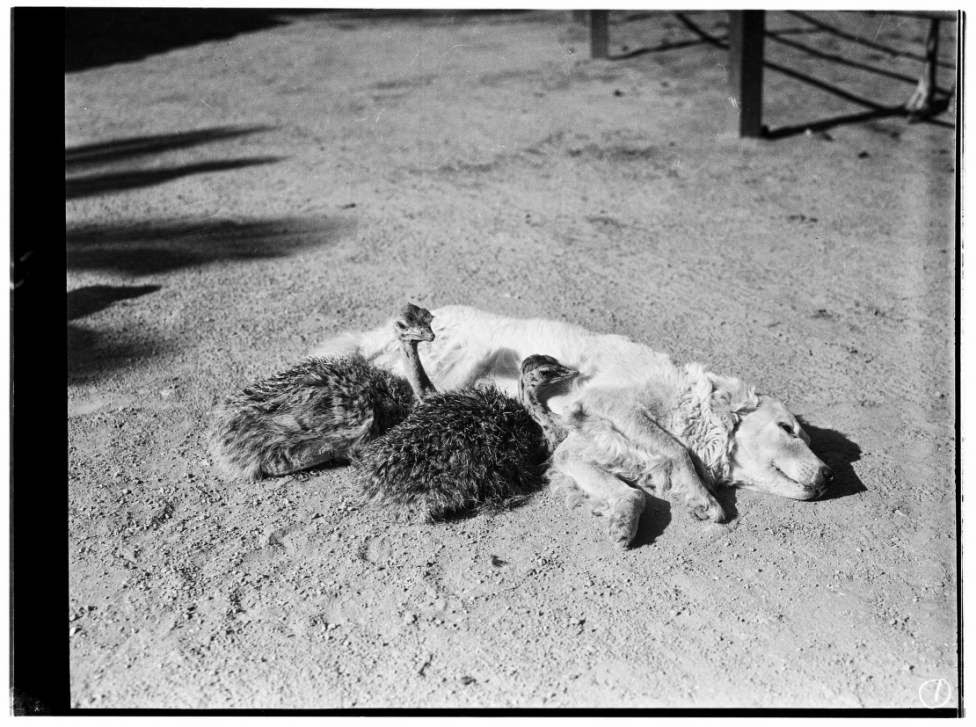
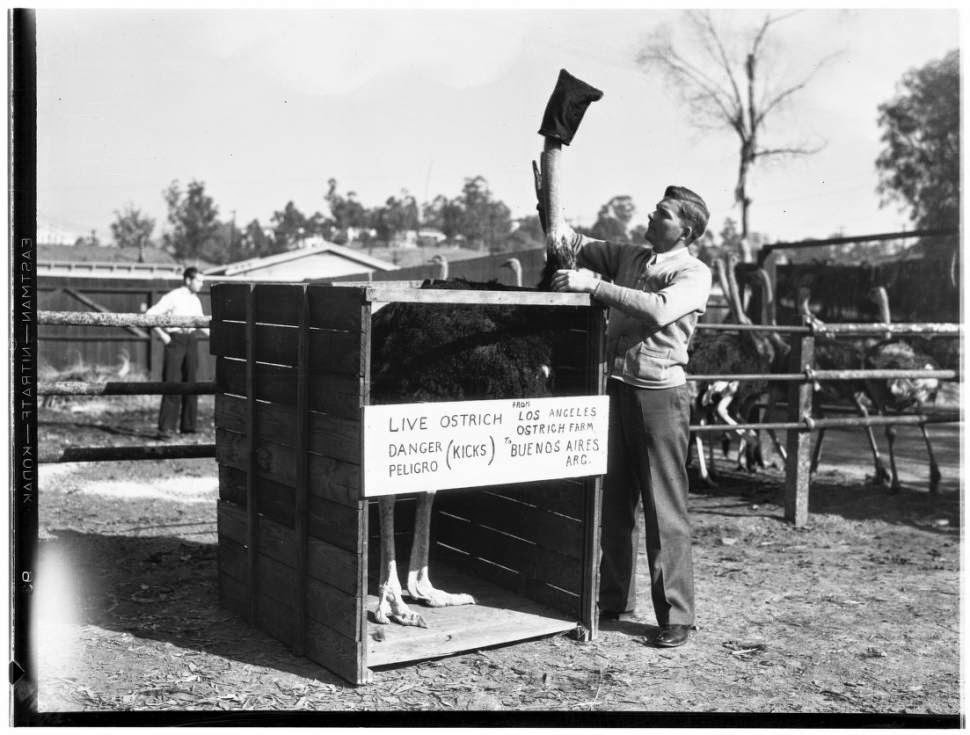
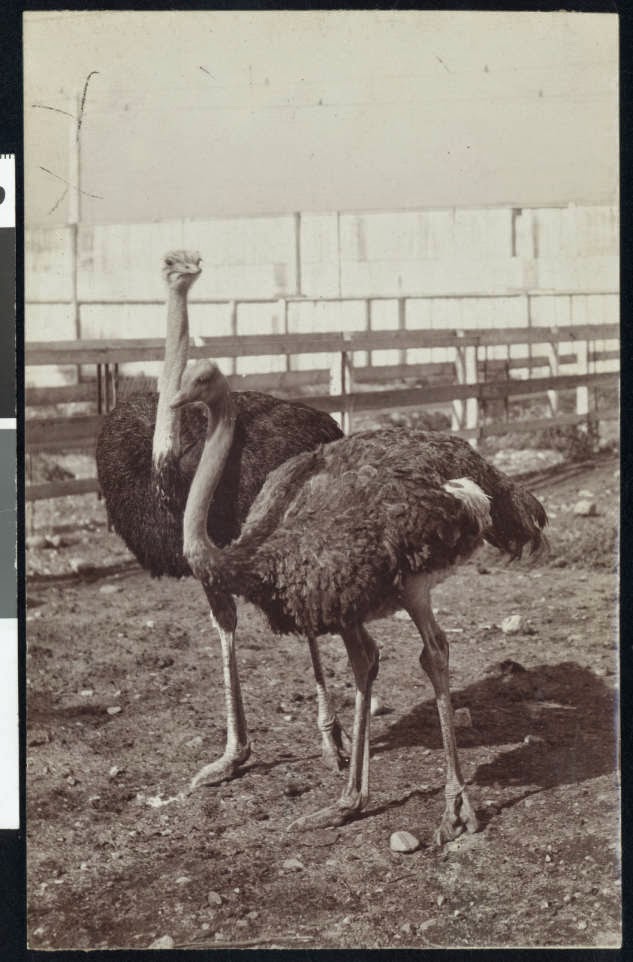
In the late 19th-century, tourists flocked to Southern California’s ostrich farms to gawk at the ungainly birds.
Ostriches arrived in Southern California in 1883 when an English naturalist named Charles Sketchley opened a farm devoted to the tall, flightless birds near Anaheim, in what is today Buena Park. Sketchley’s investors, who included developer Gaylord Wilshire (of Wilshire Boulevard fame), organized as the California Ostrich Farming Company and contributed $80,000 to the enterprise.
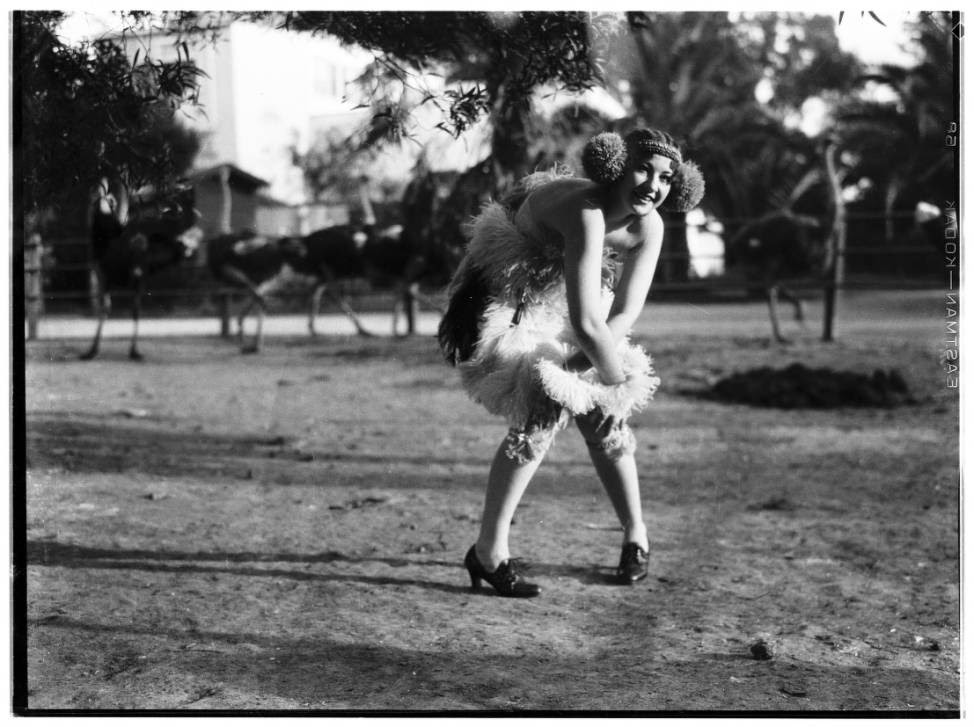
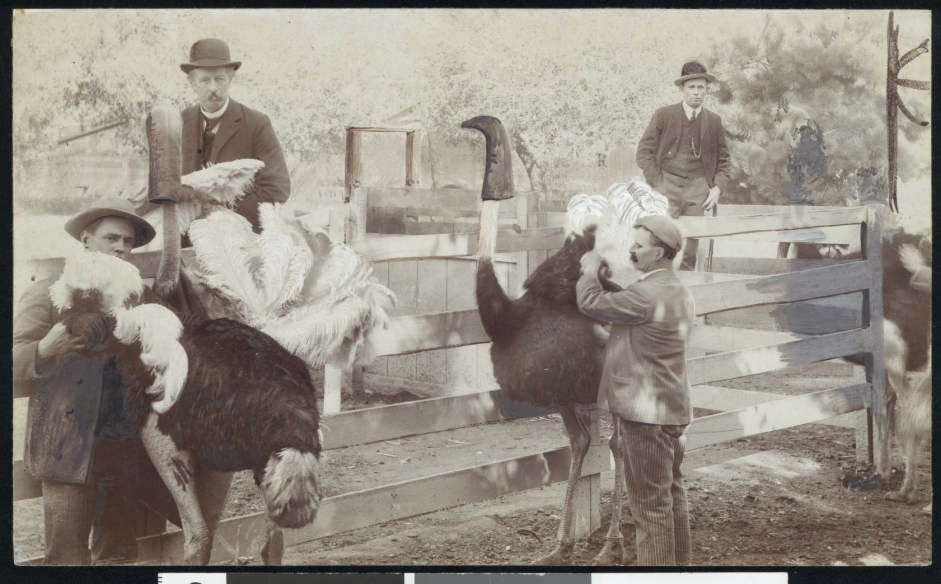
The farm — the first of its kind in the U.S. — sought to capitalize on a trend in women’s fashion that favored ostrich feathers for muffs, hats, and boas. Until 1883, only ostrich feathers shipped at great cost from the birds’ native continent of Africa were available for these luxury accessories. Sketchley, who had previous experience managing ostrich farms in South Africa, envisioned fortunes built upon locally sourced ostrich feathers.
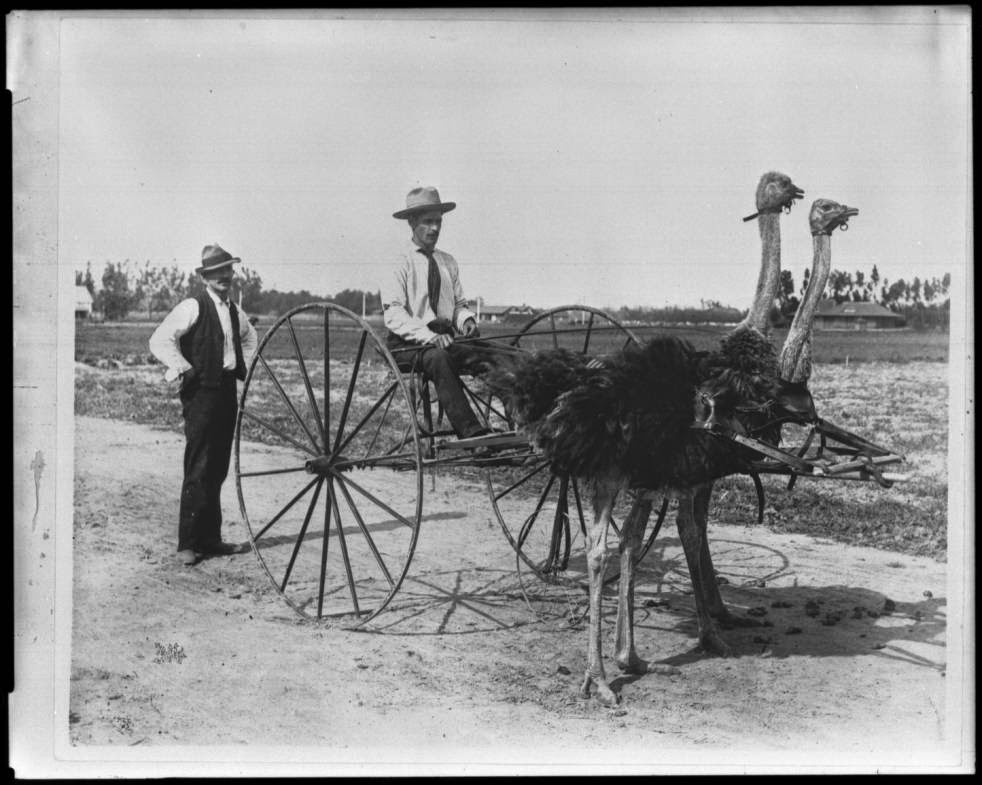
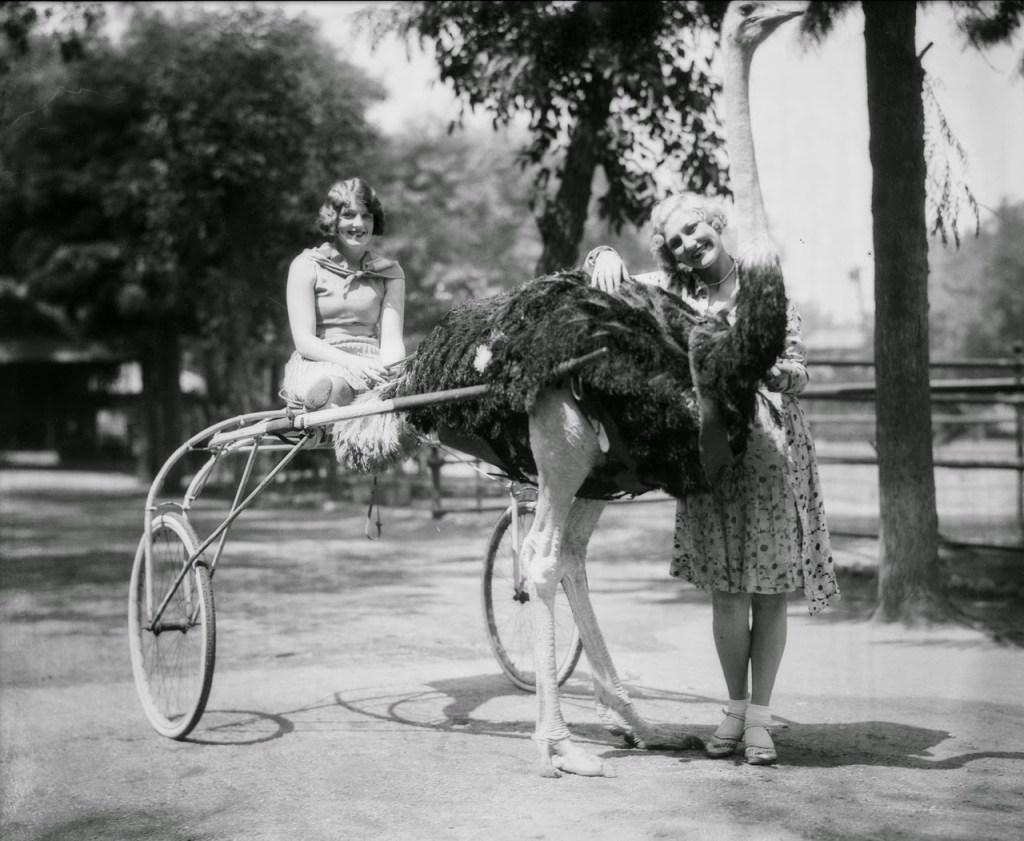
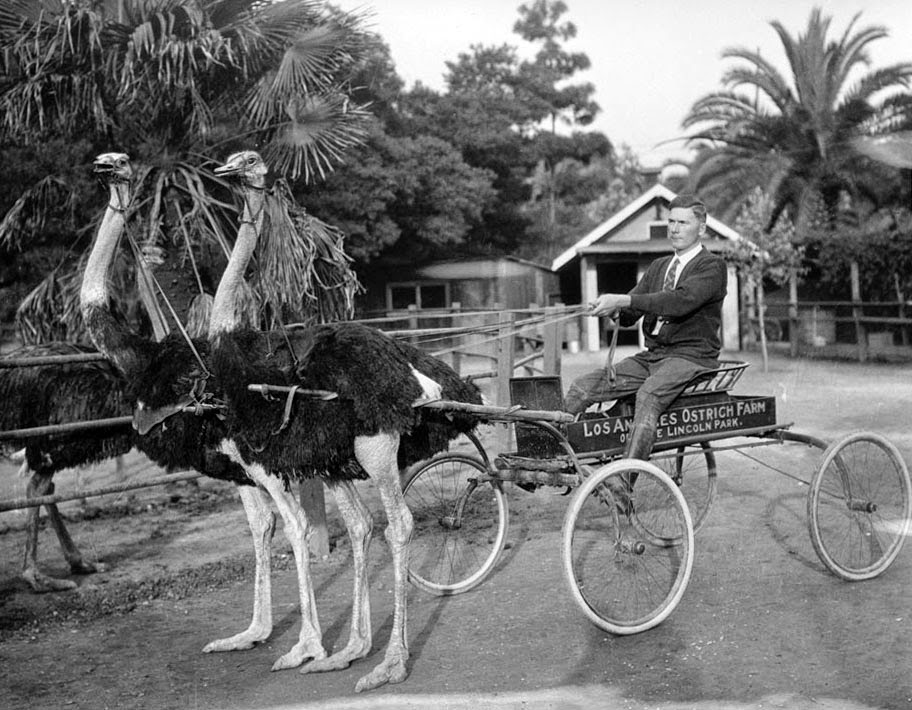
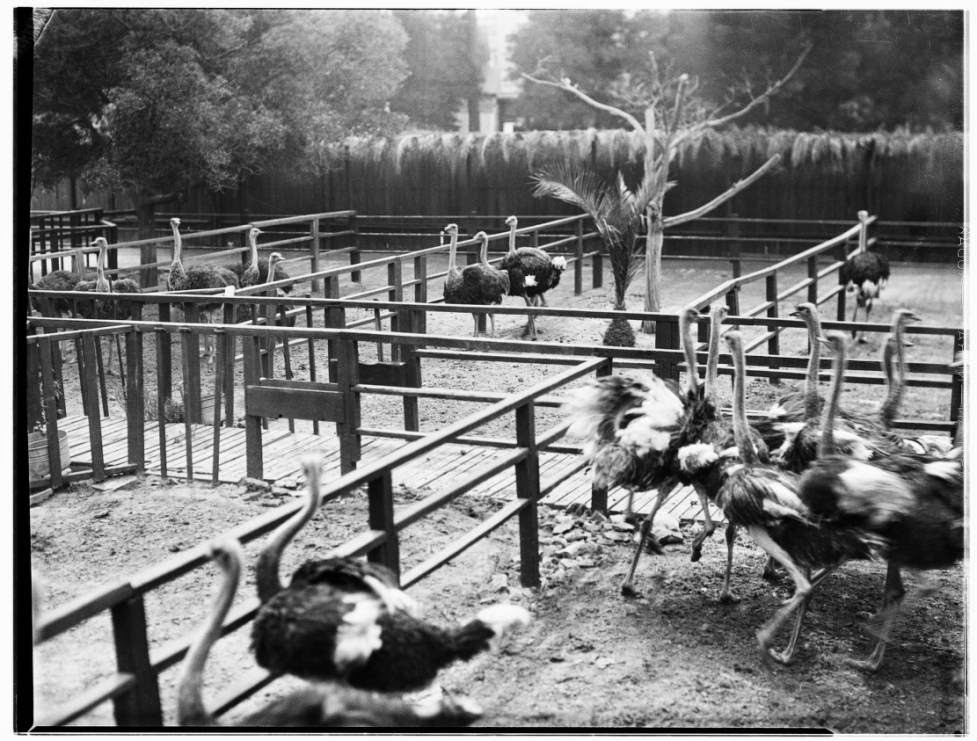
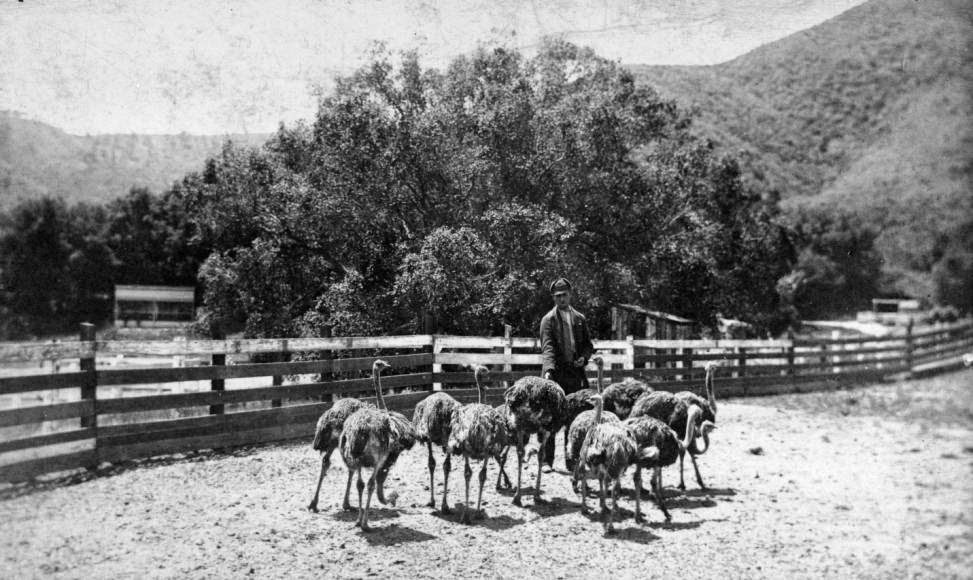
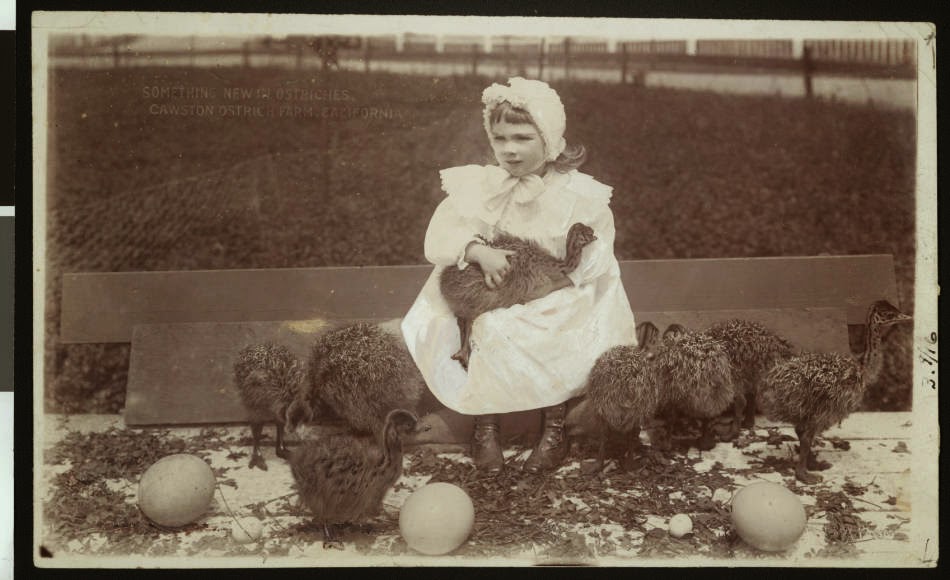
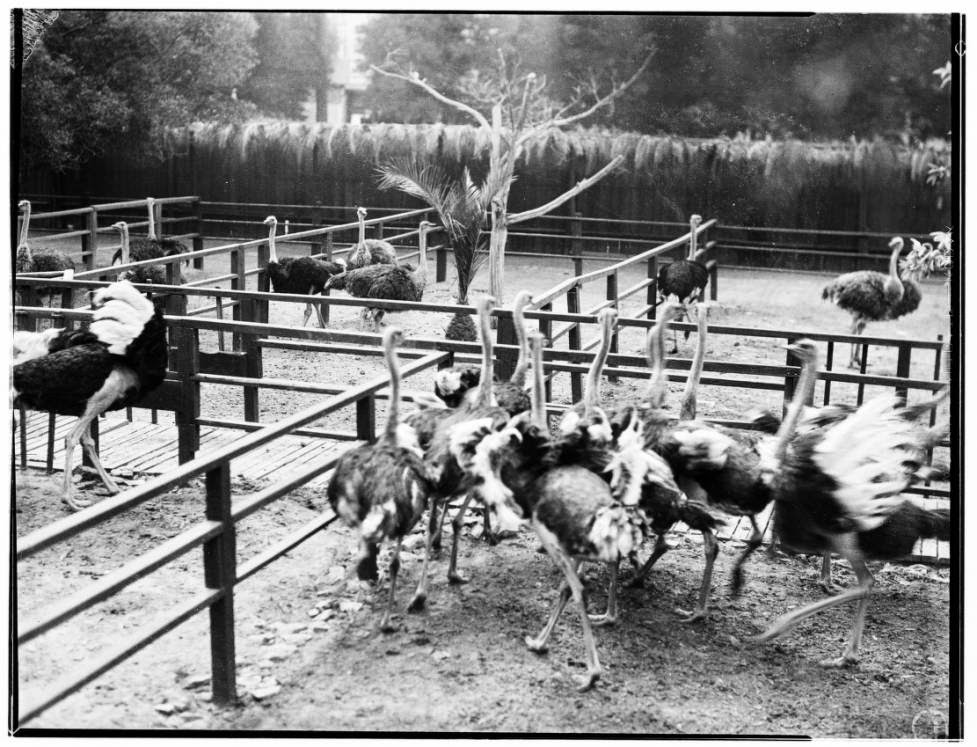
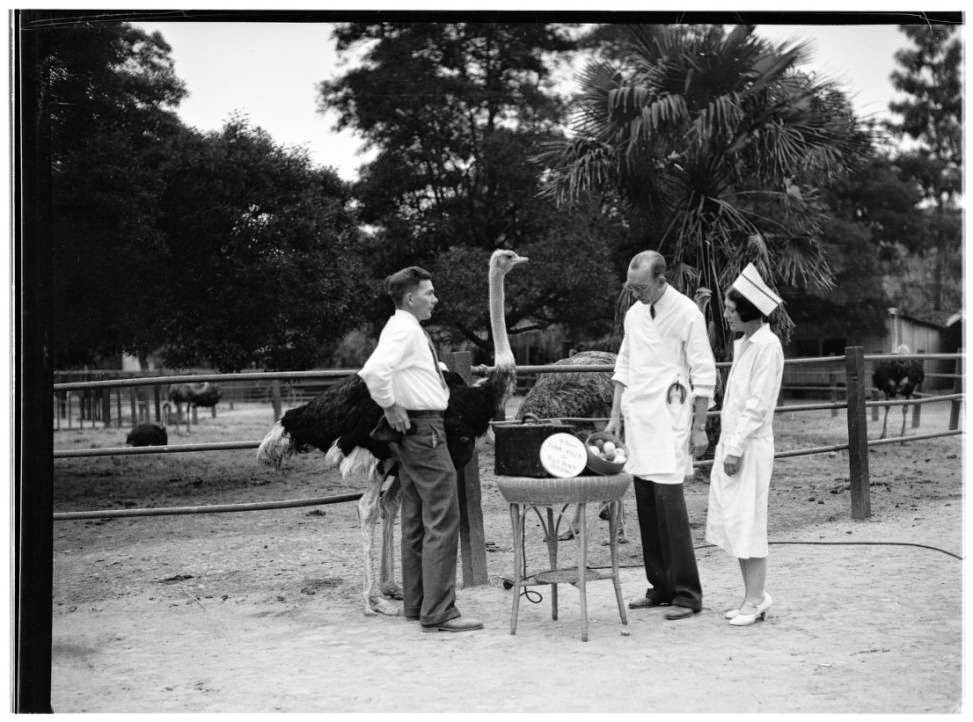
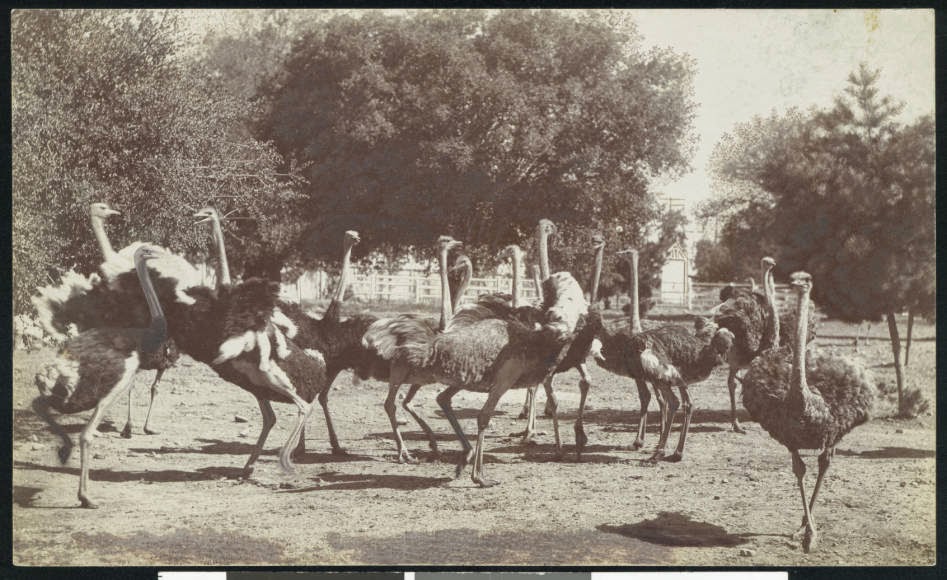
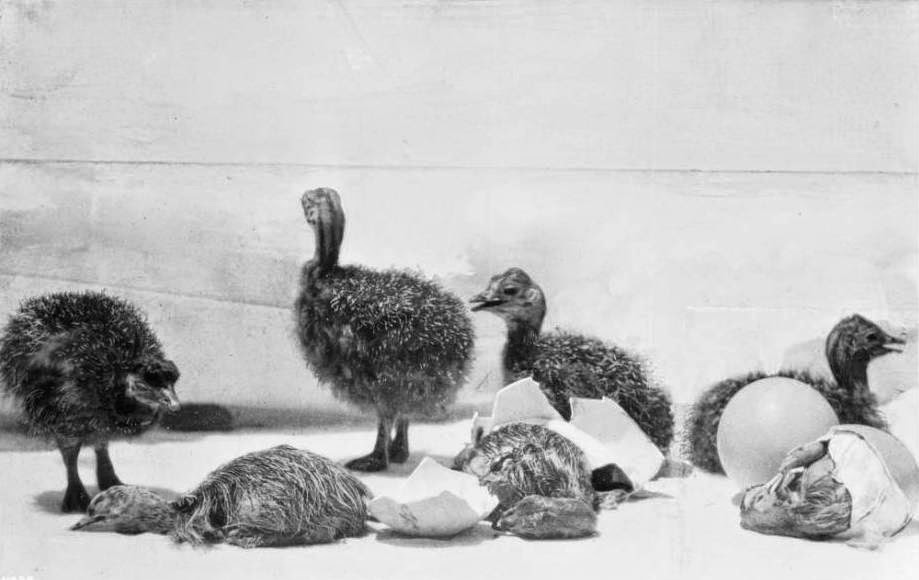
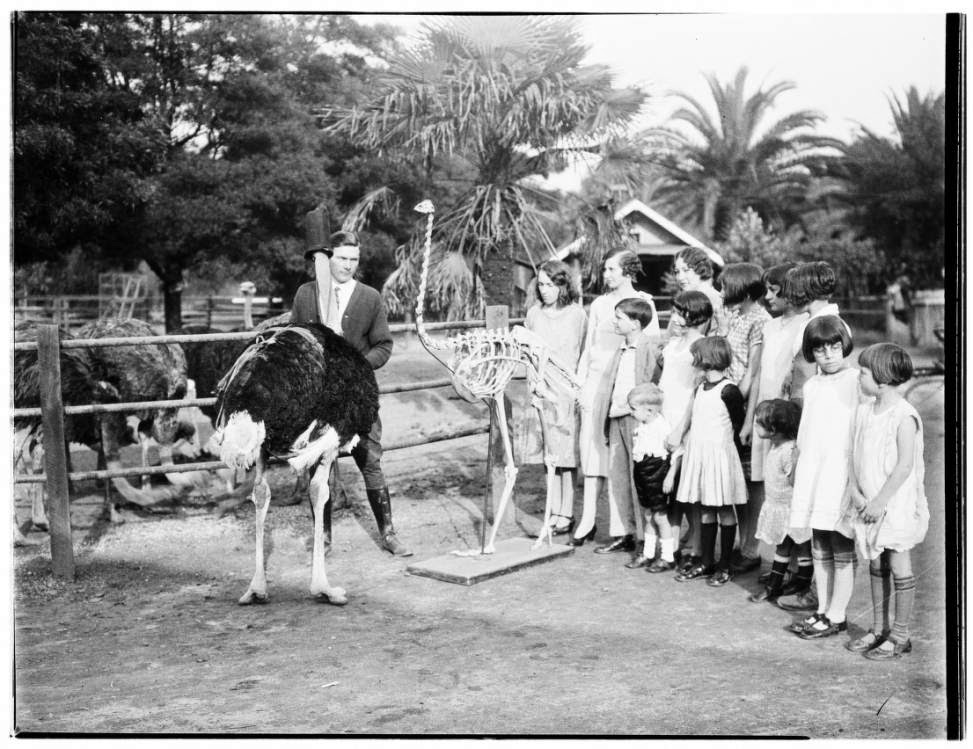
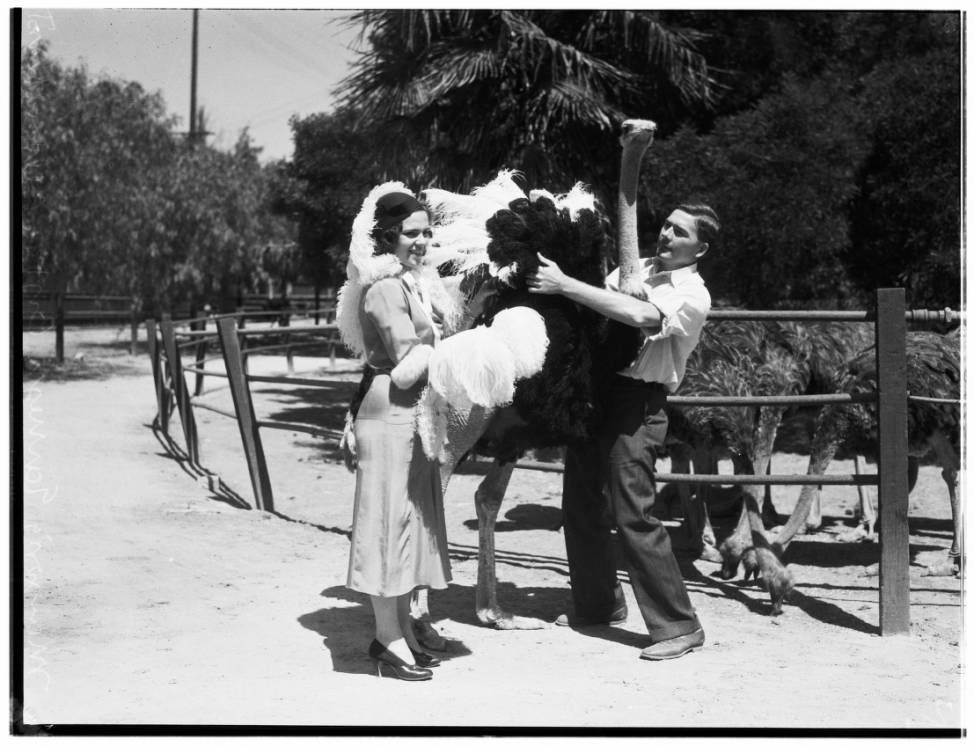
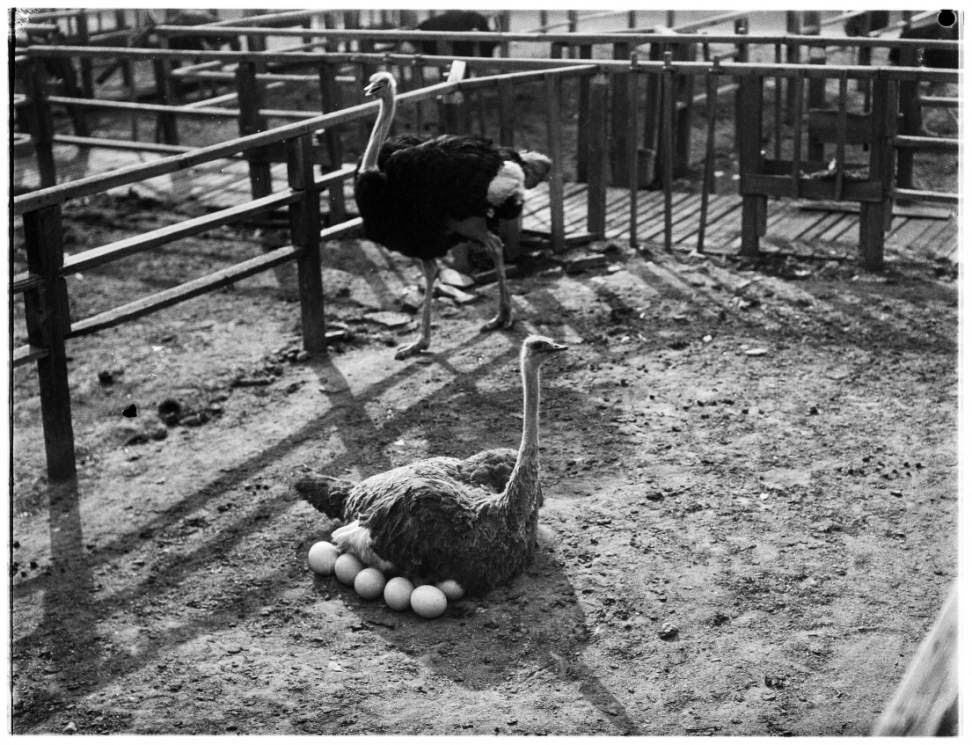
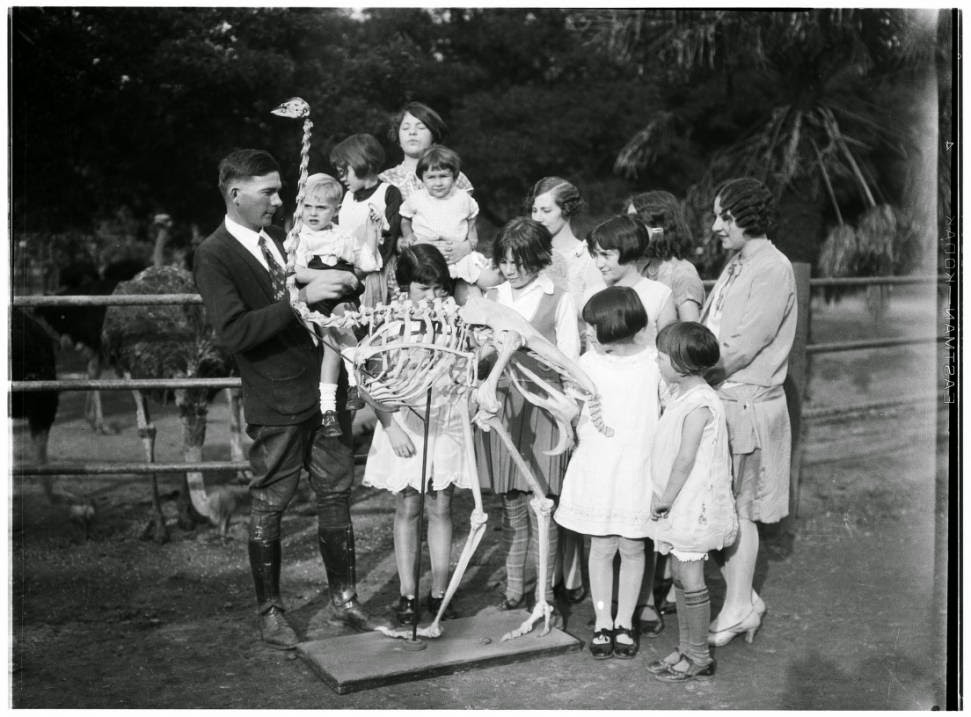
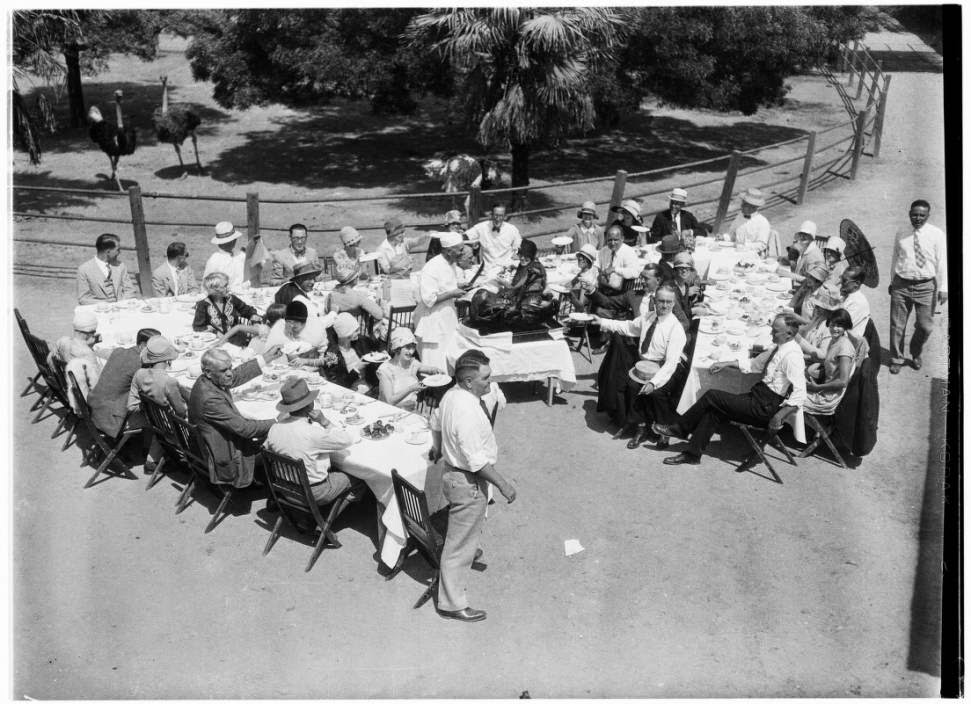
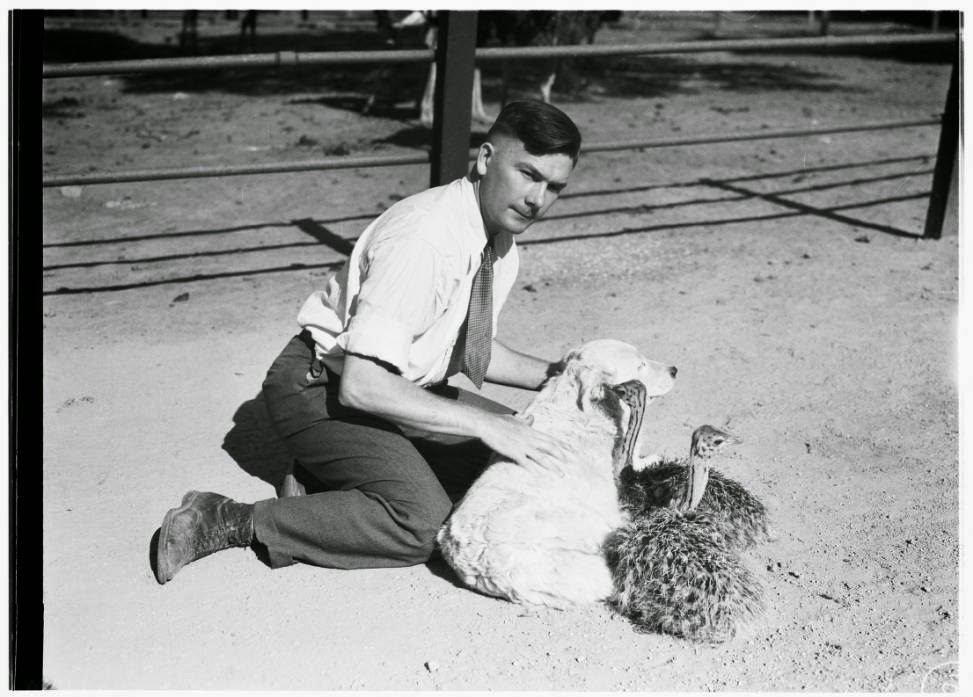
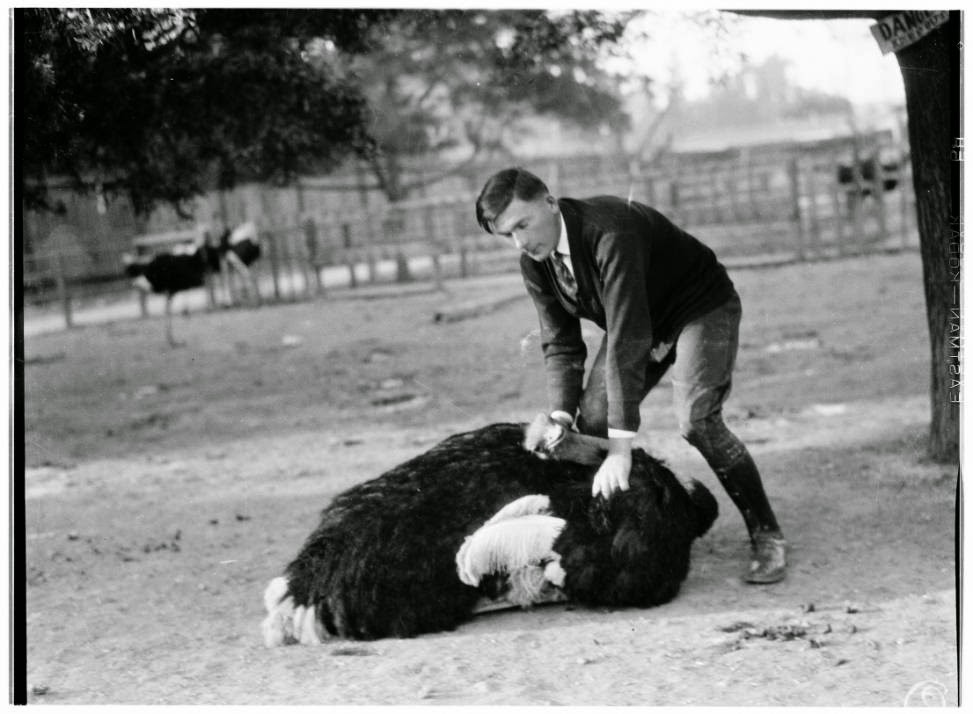
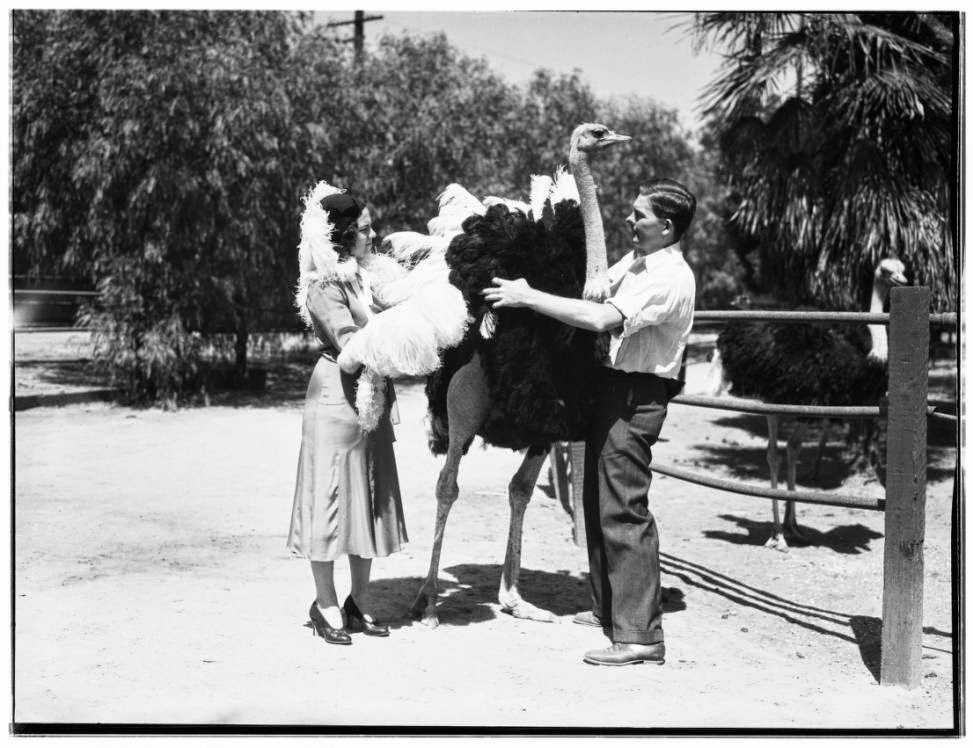
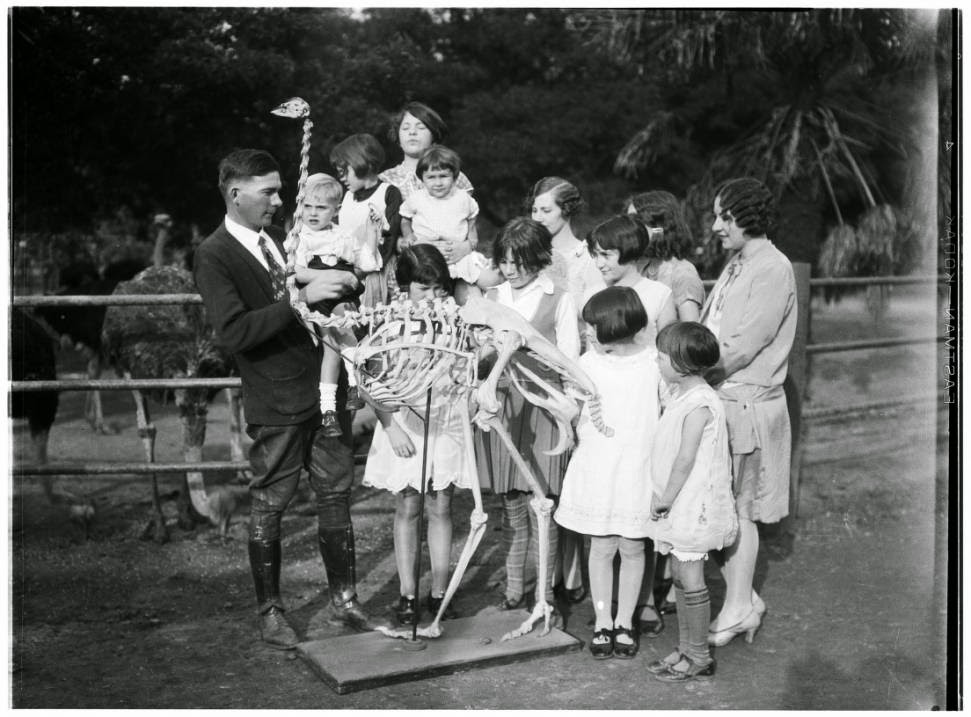
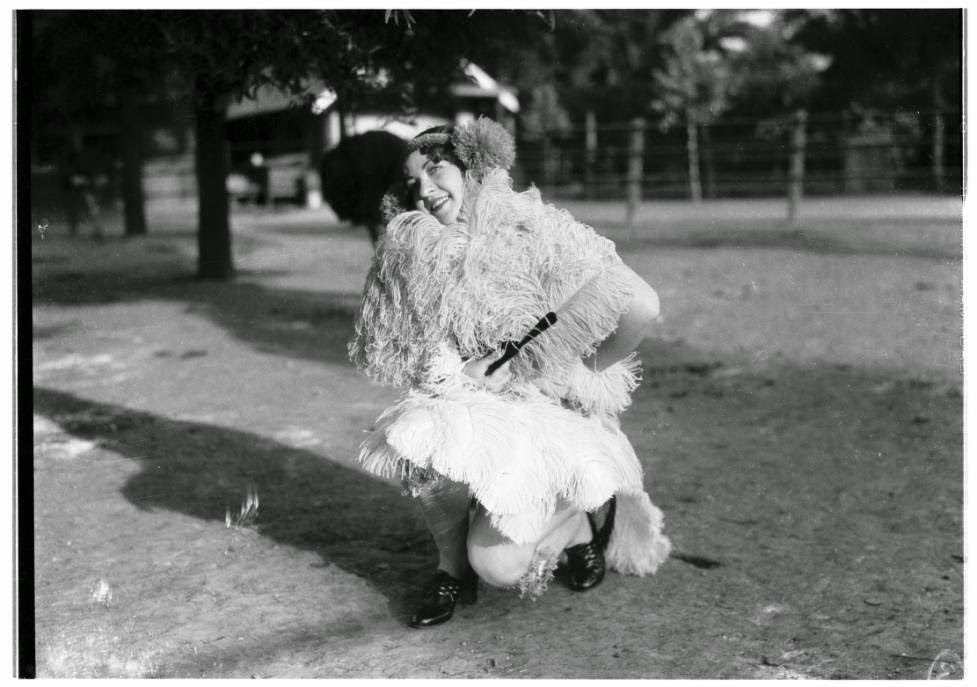
A photographer for the Dick Whittington studio captured this scene for the Southern California Fair Association in 1929.Two ostriches pulling a cart from the Los Angeles Ostrich Farm, 1900.Man sitting in a racing carriage pulled by a team of two ostrichs, South Pasadena, 1903.Ostrich from the Los Angeles Ostrich Farm pulling a cart, 1900.Woman in flapper’s dress dancing at an ostrich farm in Lincoln Park.Herd or flock of racing ostriches on an ostrich farm in South Pasadena, 1903.Corralled ostriches in Lincoln Park.View of a man with a group ostriches at the Kenilworth Ostrich Farm, showing hills in the background, 1900.Little girl holding baby ostriches at the Cawston Ostrich Farm, 1900.Ostriches in a corral at Lincoln Park.Doctor and nurse attending to an ostrich in Lincoln Park.Ostriches at an Ostrich Farm in California, 1900.Group of baby ostriches hatching from their eggs, South Pasadena, 1900.Men tending to ostriches at an Ostrich Farm in California, 1900.Plucking ostriches, Santa Monica, 1890.Little girl sitting with baby ostriches, South Pasadena, 1900.Team of two ostriches pulling a racing cart, California, 1903.Two ostrich chicks snuggled near a sleeping dog in Lincoln Park.Man preparing an ostrich for transport in Lincoln Park.Man in Lincoln Park displaying an ostrich to onlooking children.Man and a woman tending to an ostrich in Lincoln Park.Nesting ostrich in Lincoln Park.Children examining a displayed ostrich skeleton in Lincoln Park.Two ostriches at the Cawston Ostrich Farm, 1900.Lunch party in Lincoln Park eating a roast ostrich.Man, dog and ostrich chicks in Lincoln Park.Man restraining an ostrich in Lincoln Park.Man and a woman examining the wings of an ostrich.Man strangling an ostrich at a farm in Lincoln Park.Woman in an ostrich-feather stole at an ostrich farm at Lincoln Park.
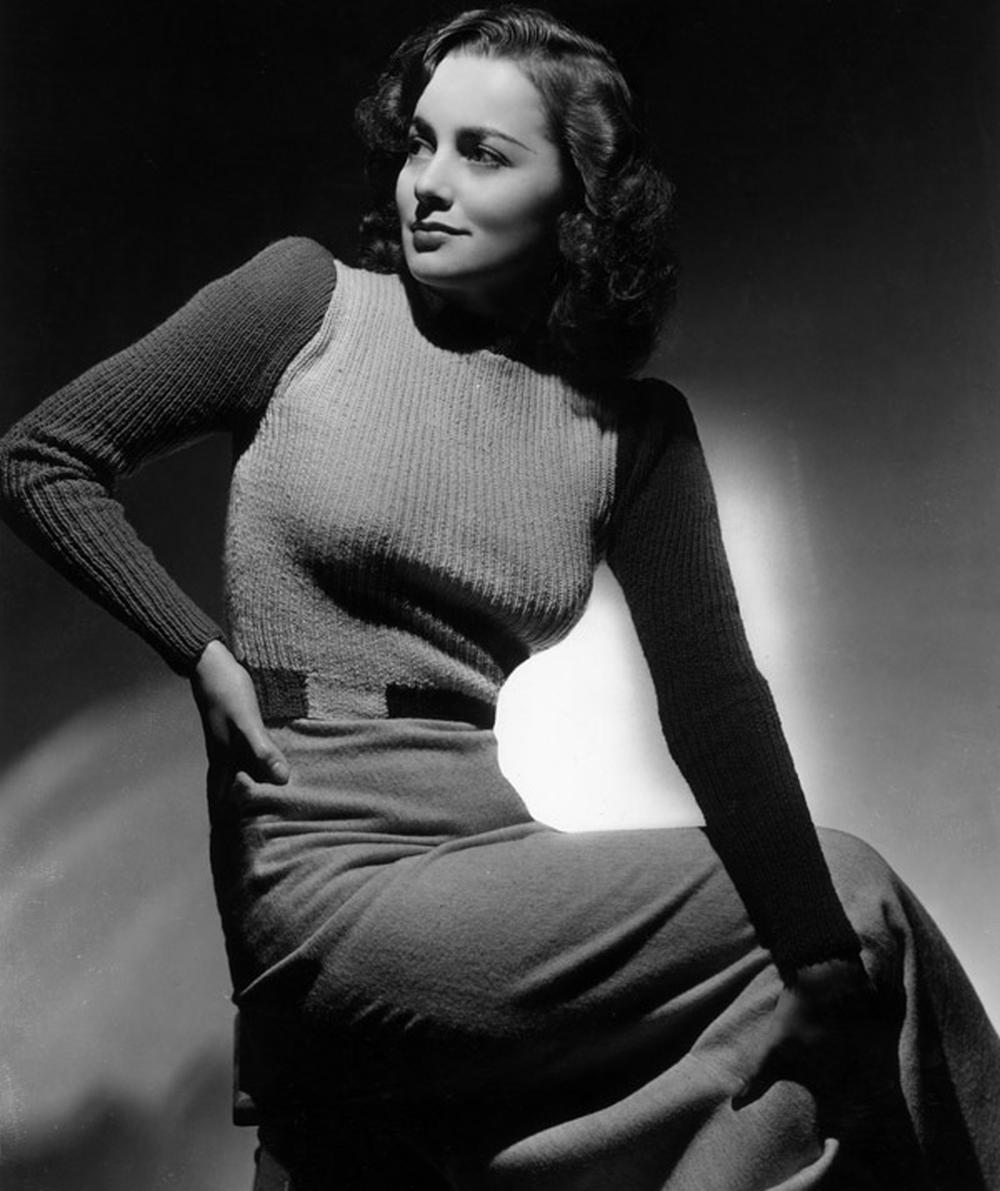
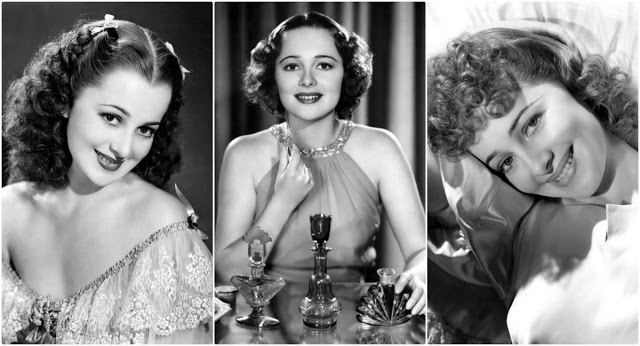
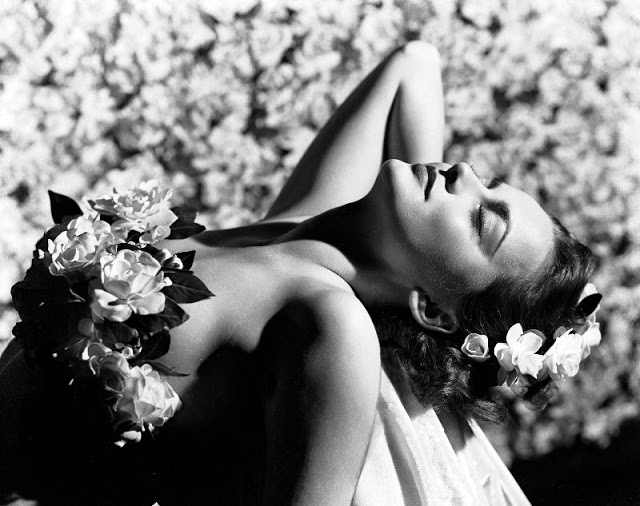
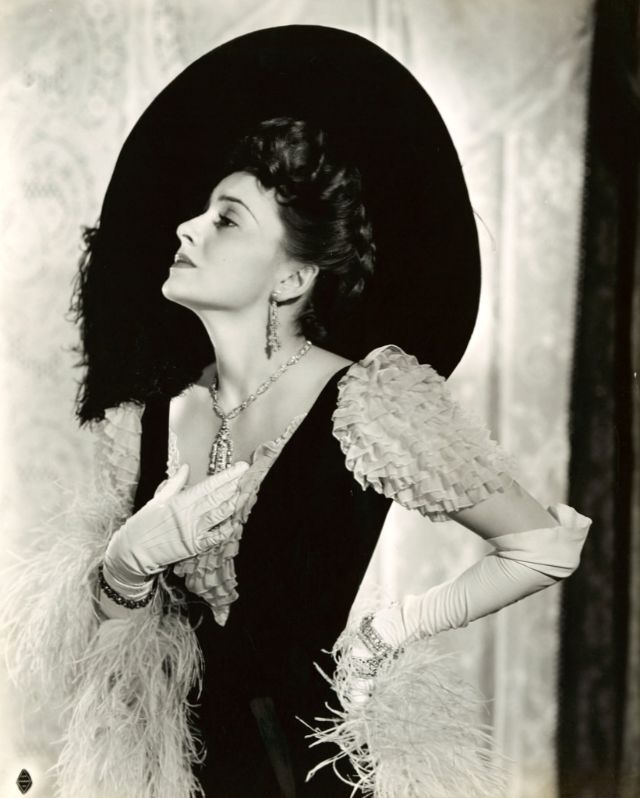
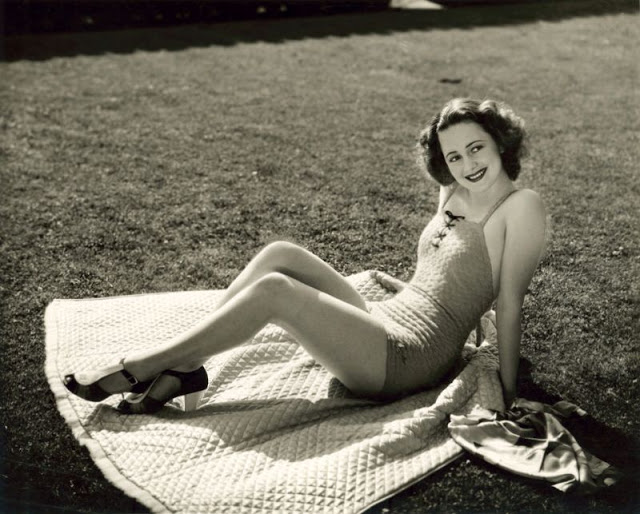
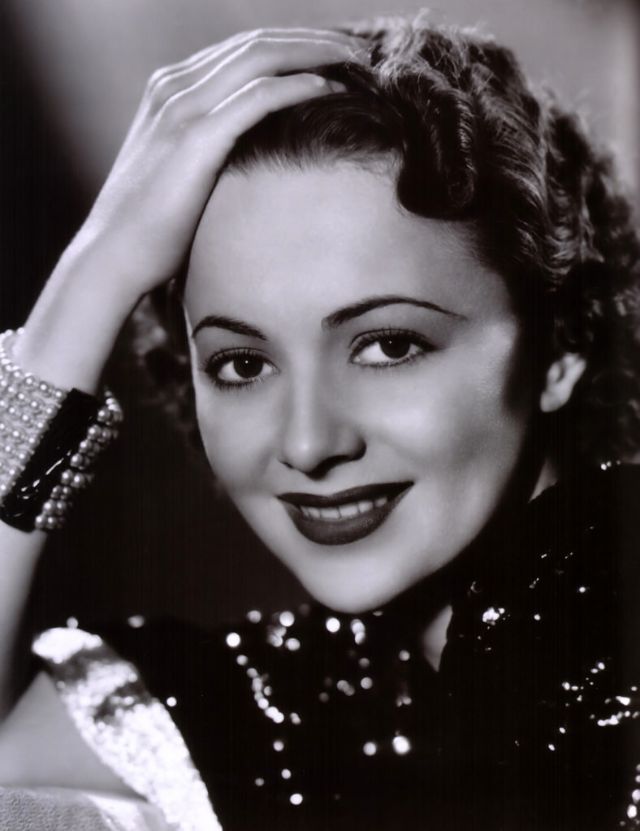
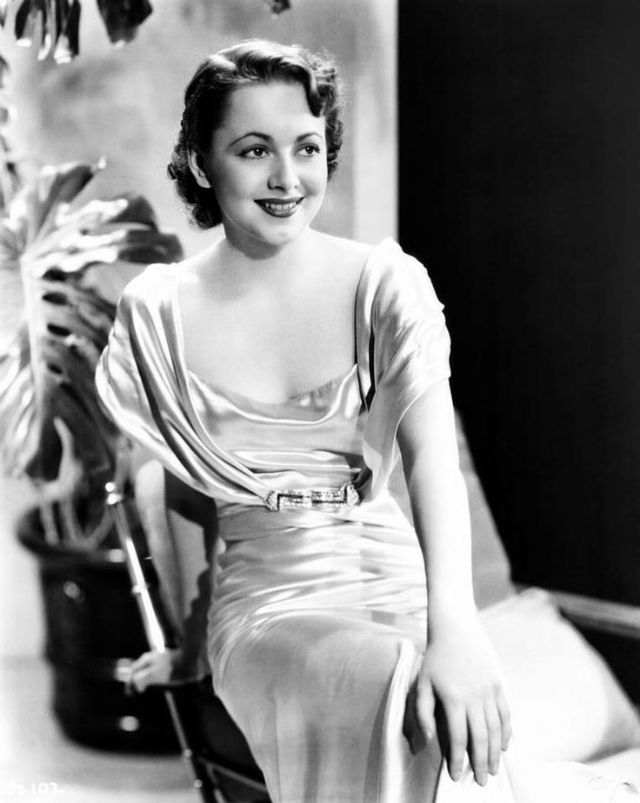
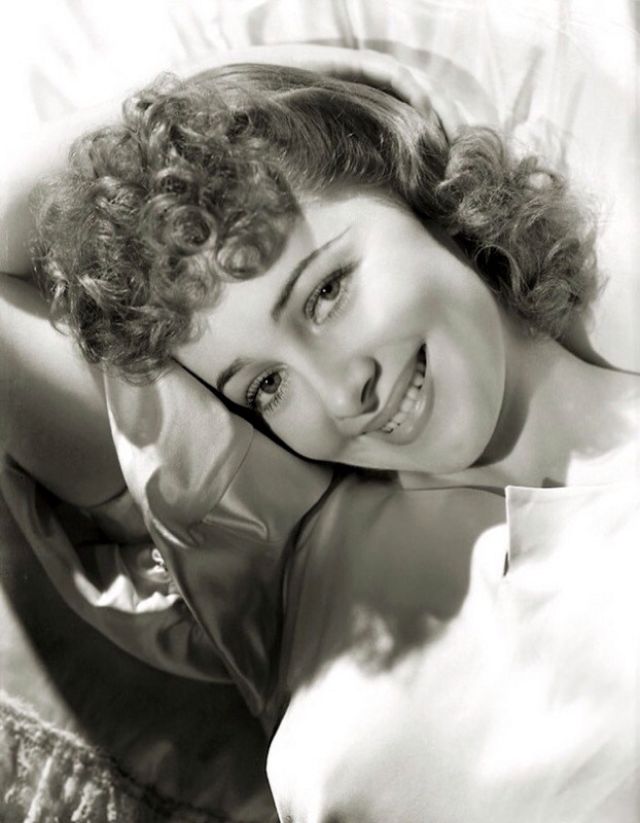
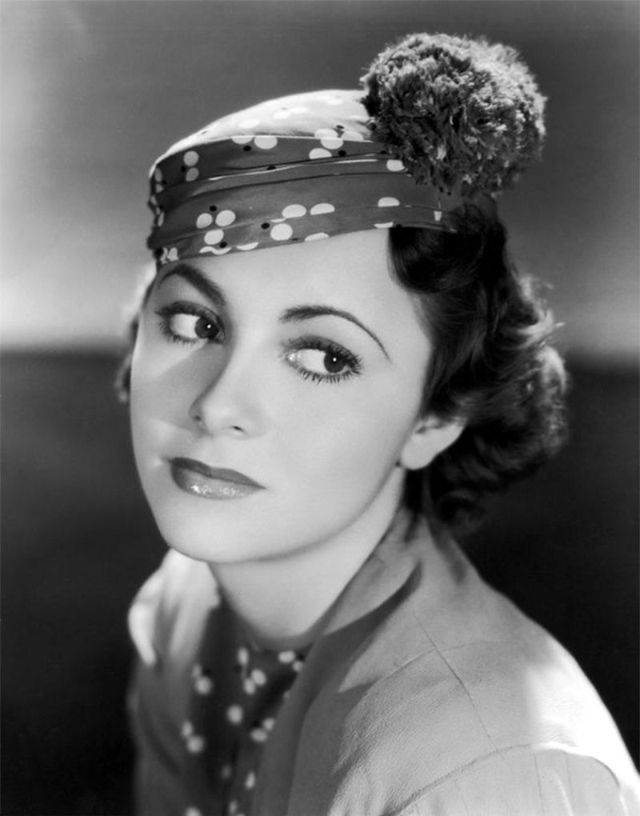
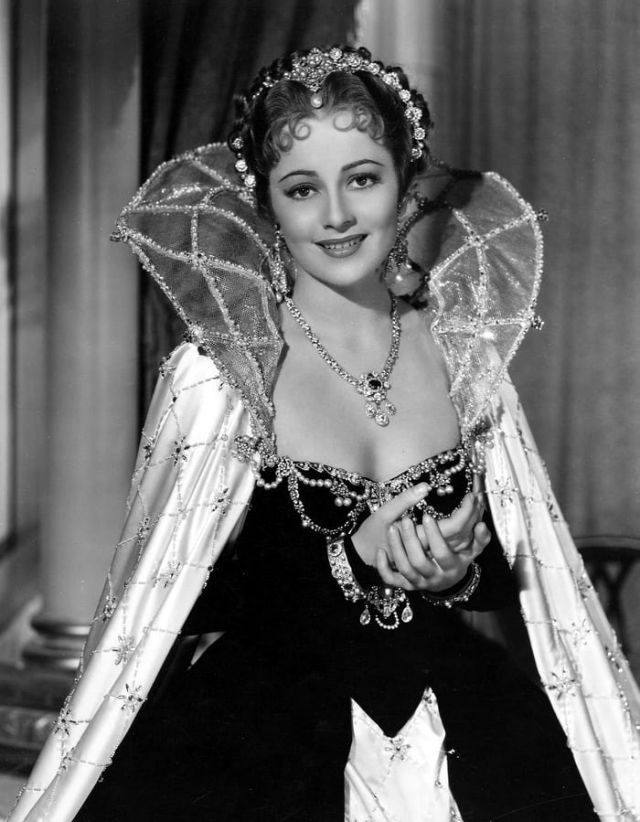
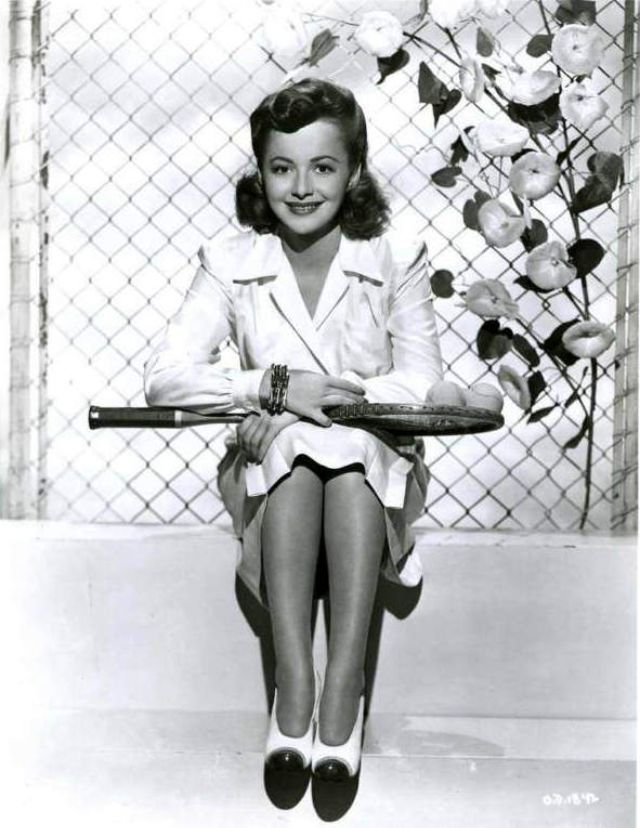
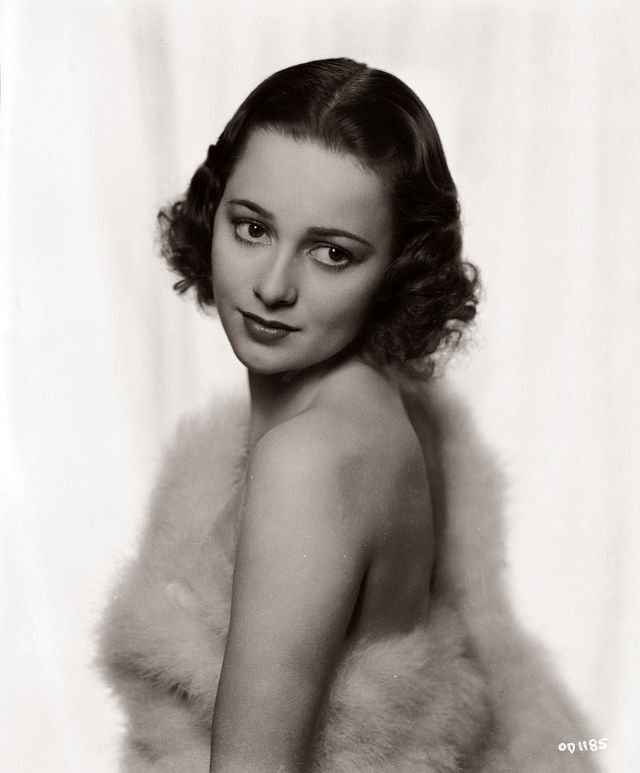
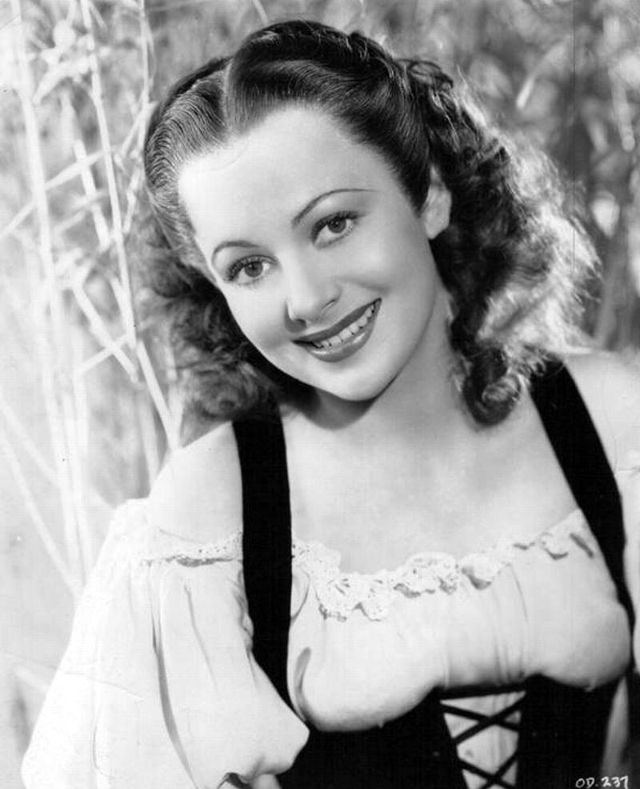
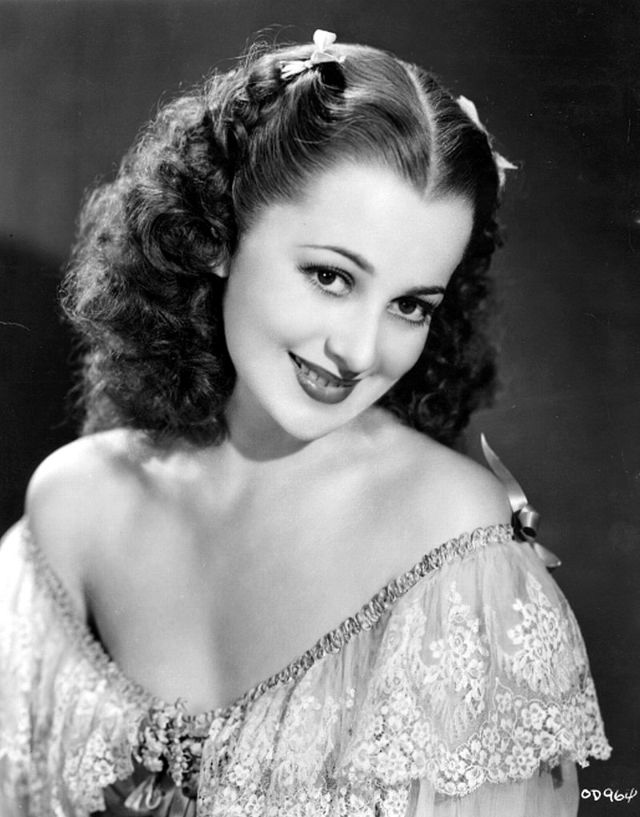
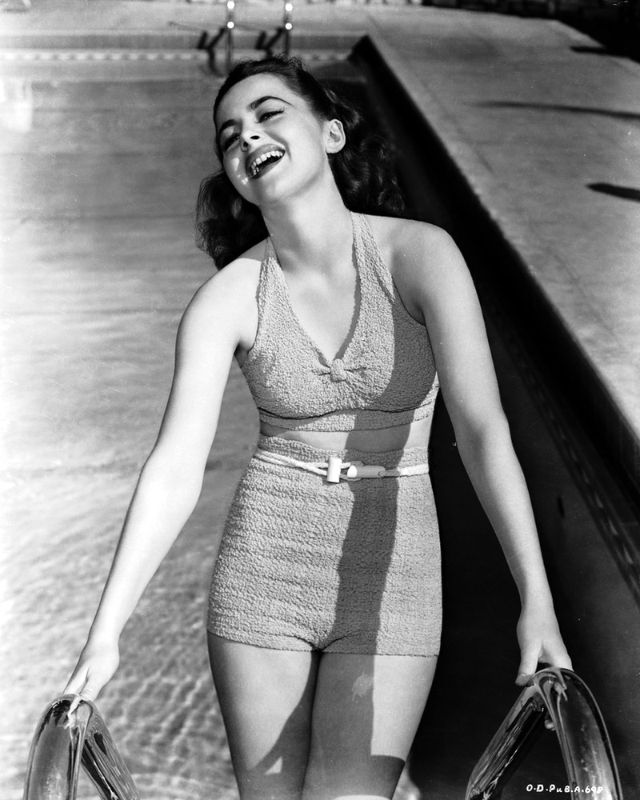
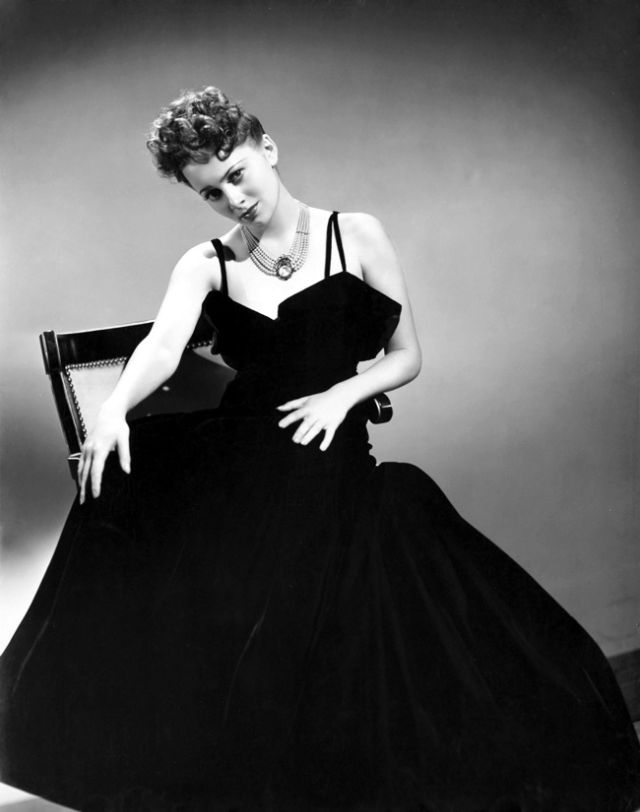
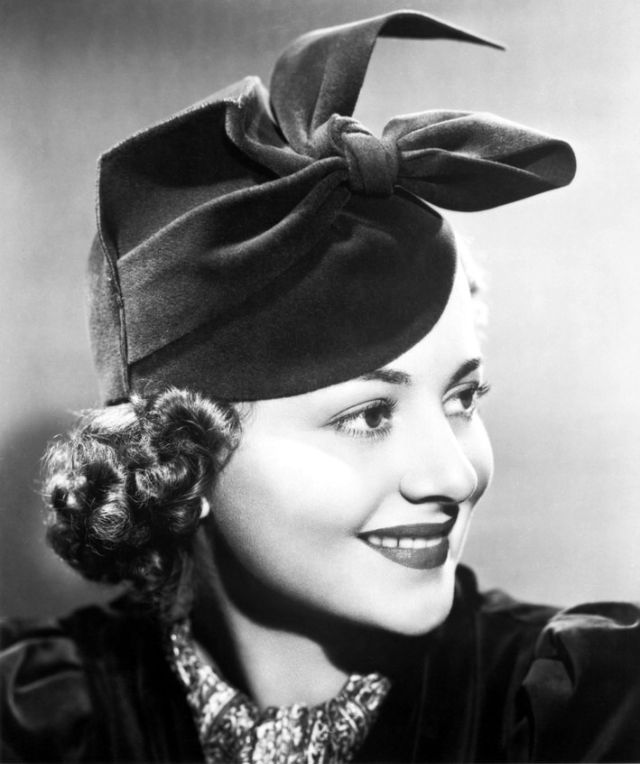
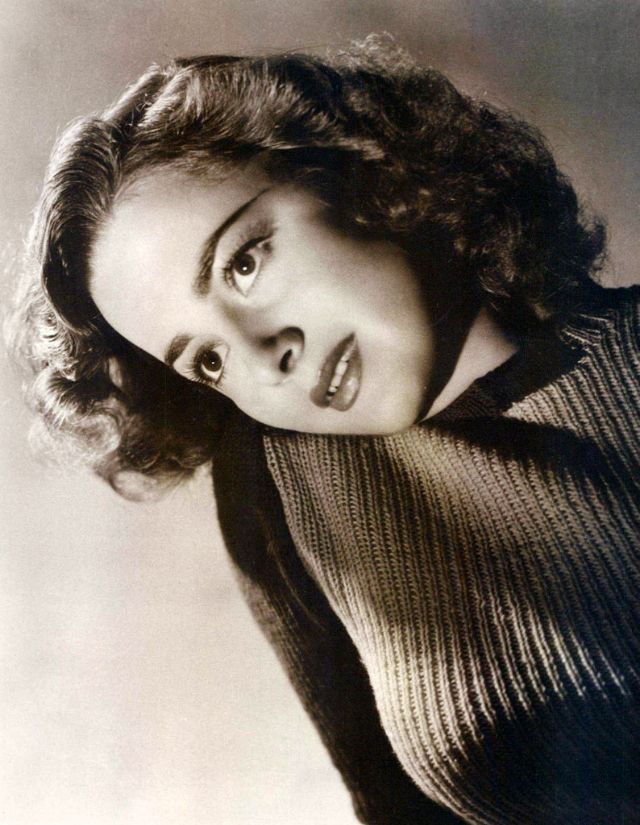
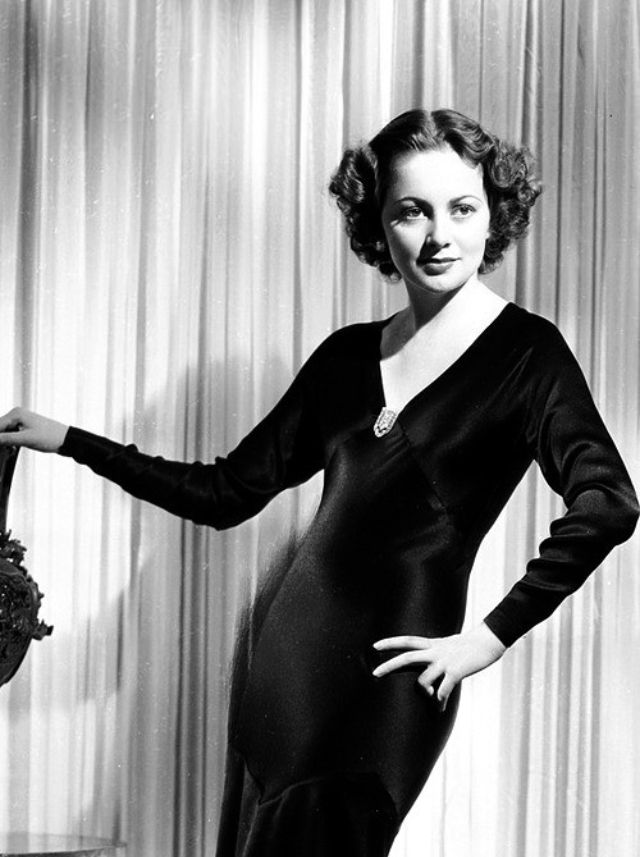
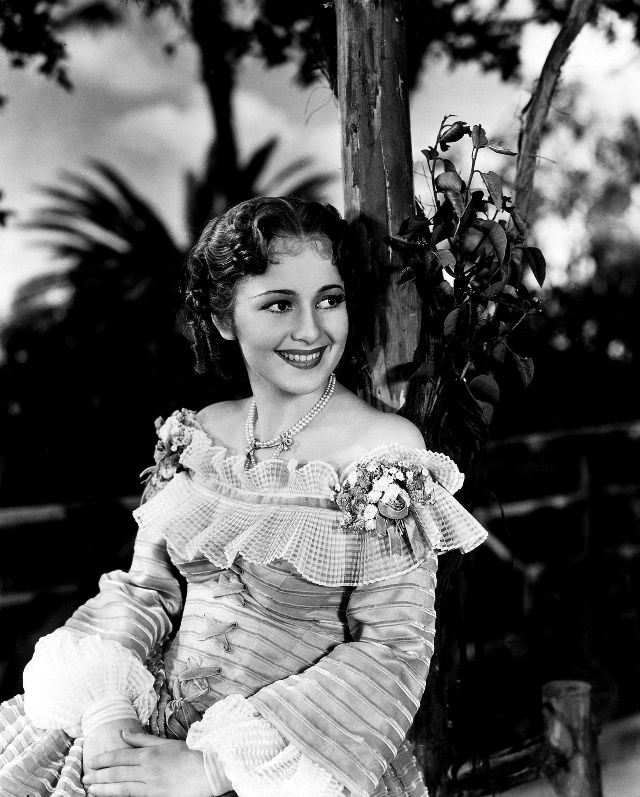
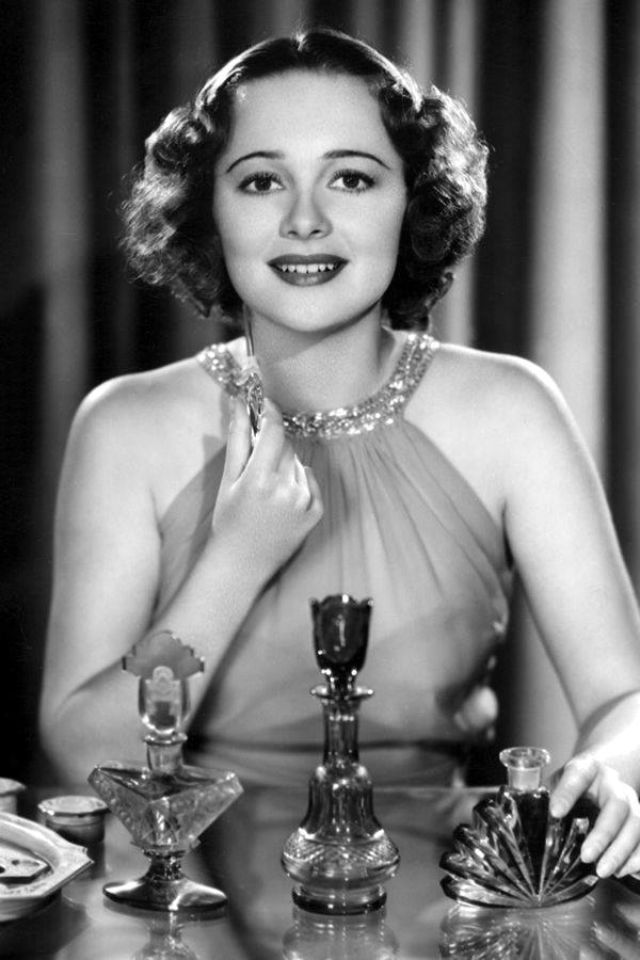
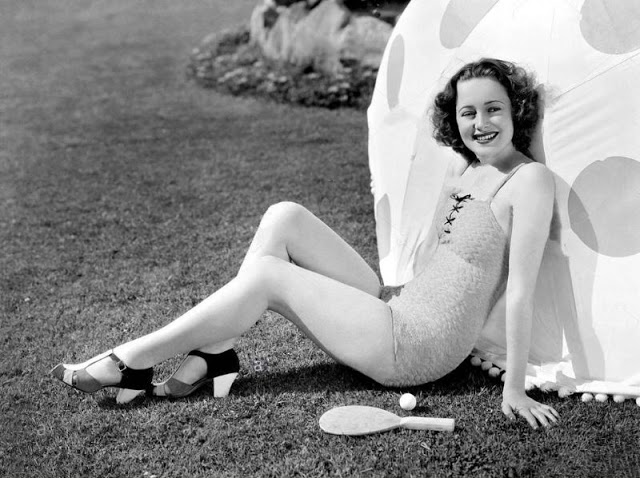
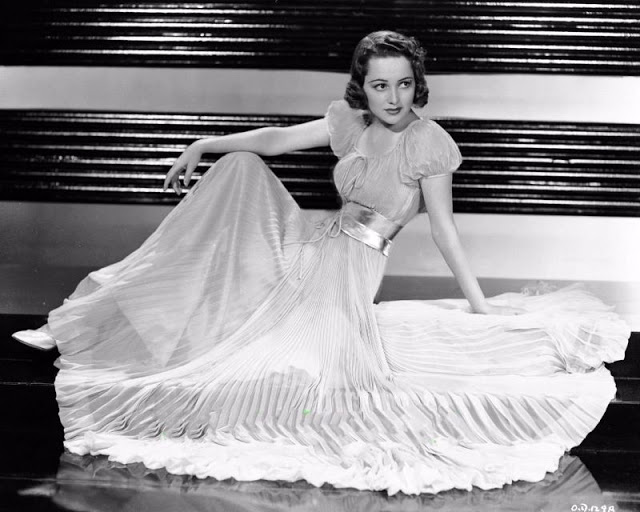
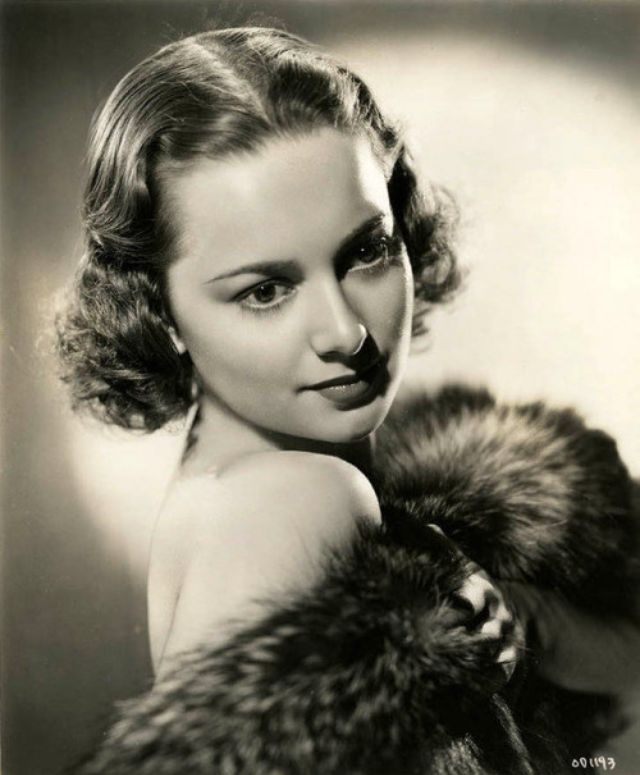
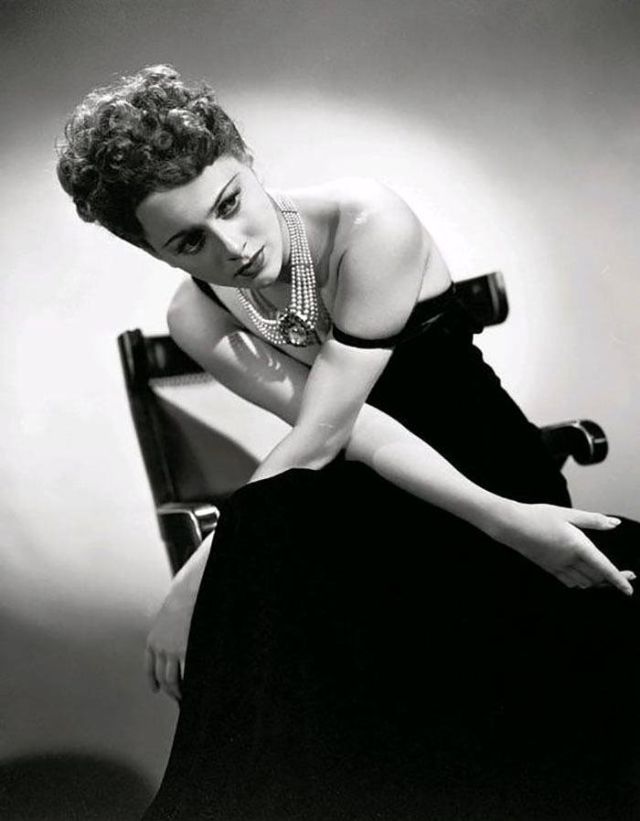
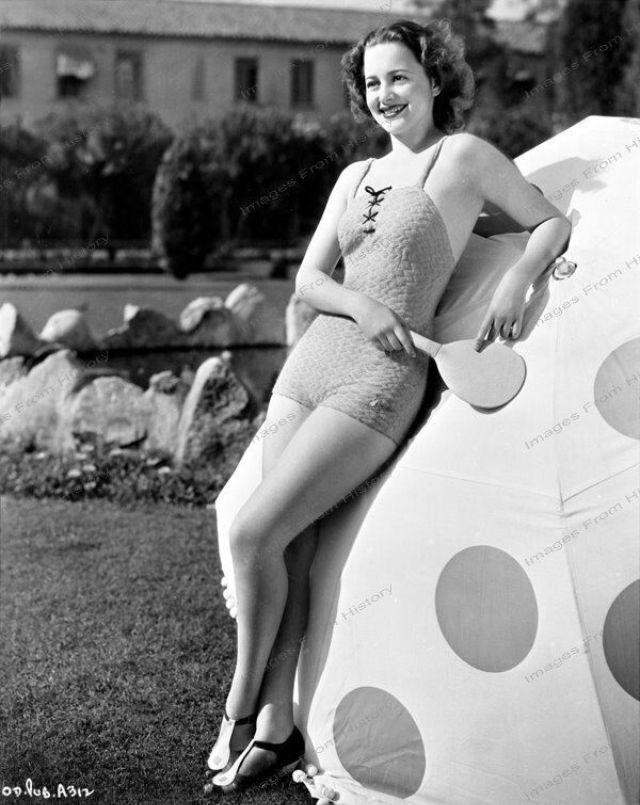
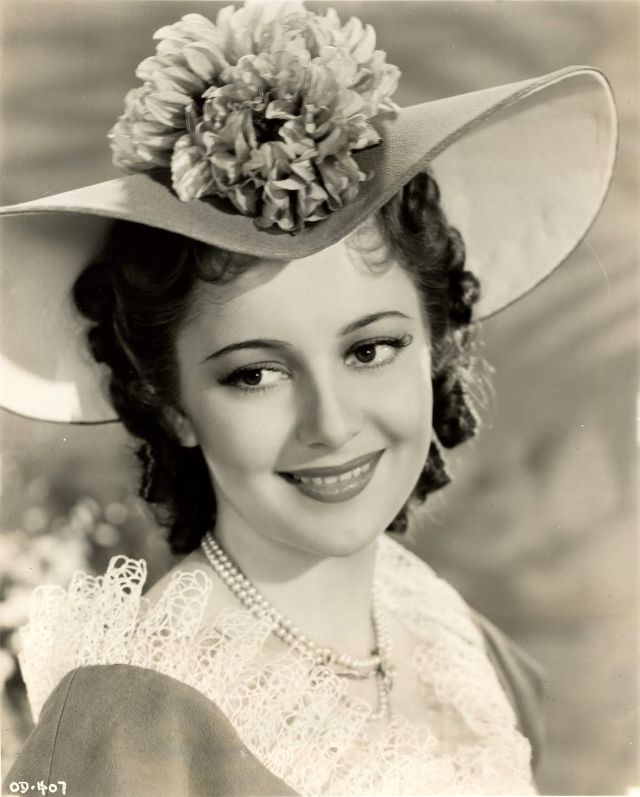
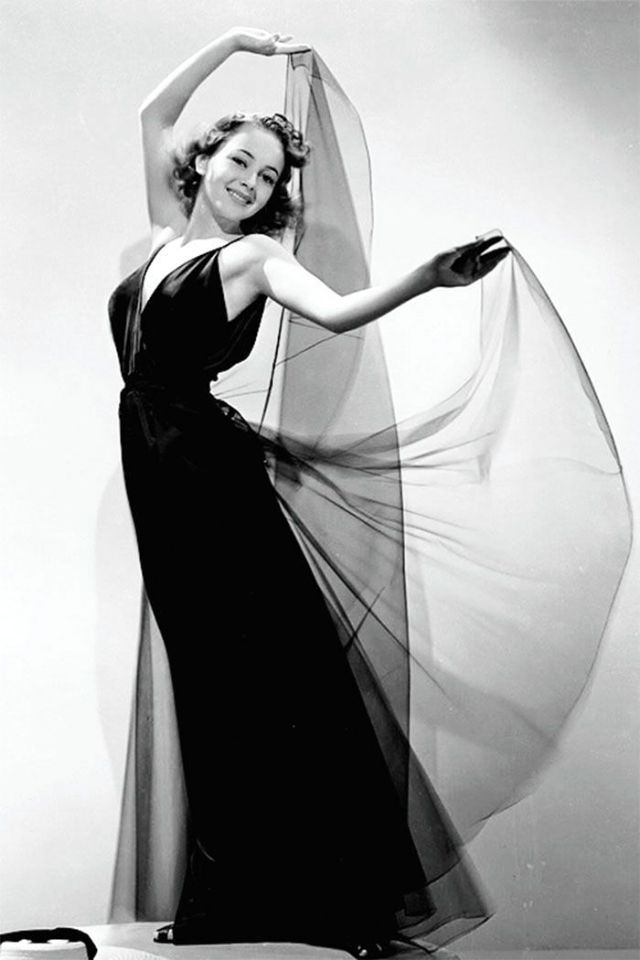
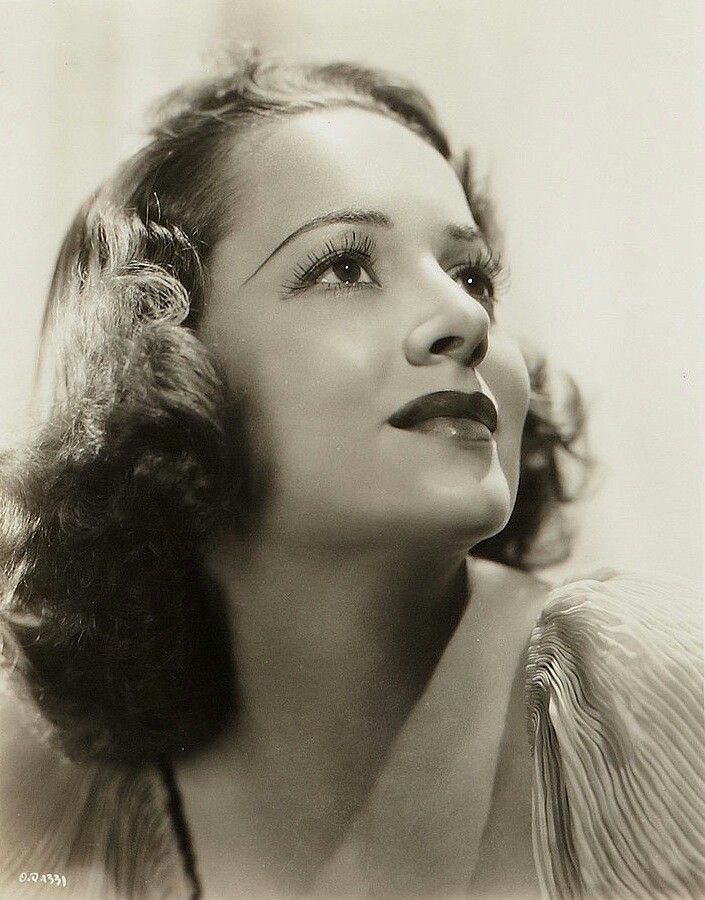
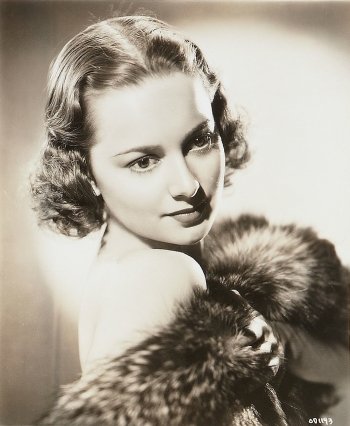
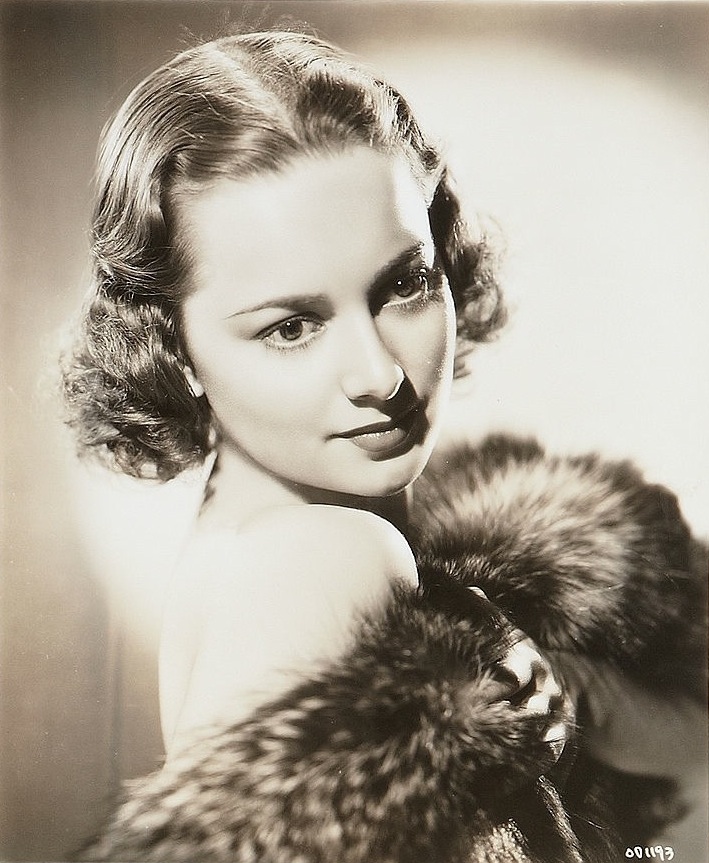
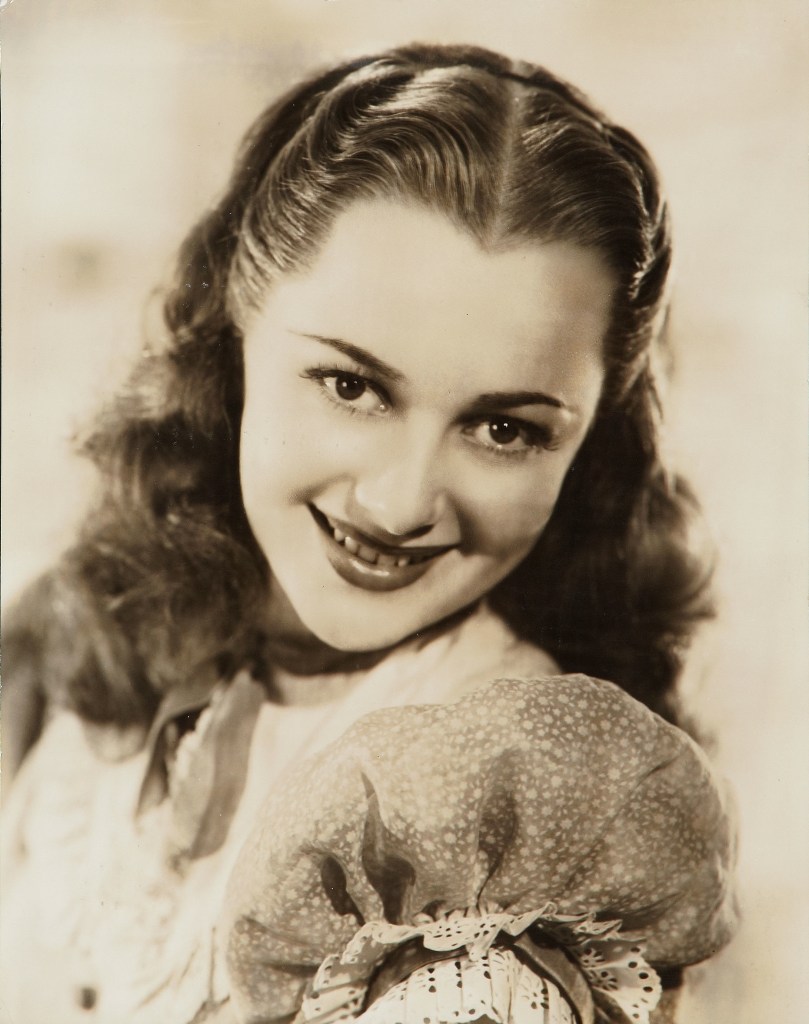
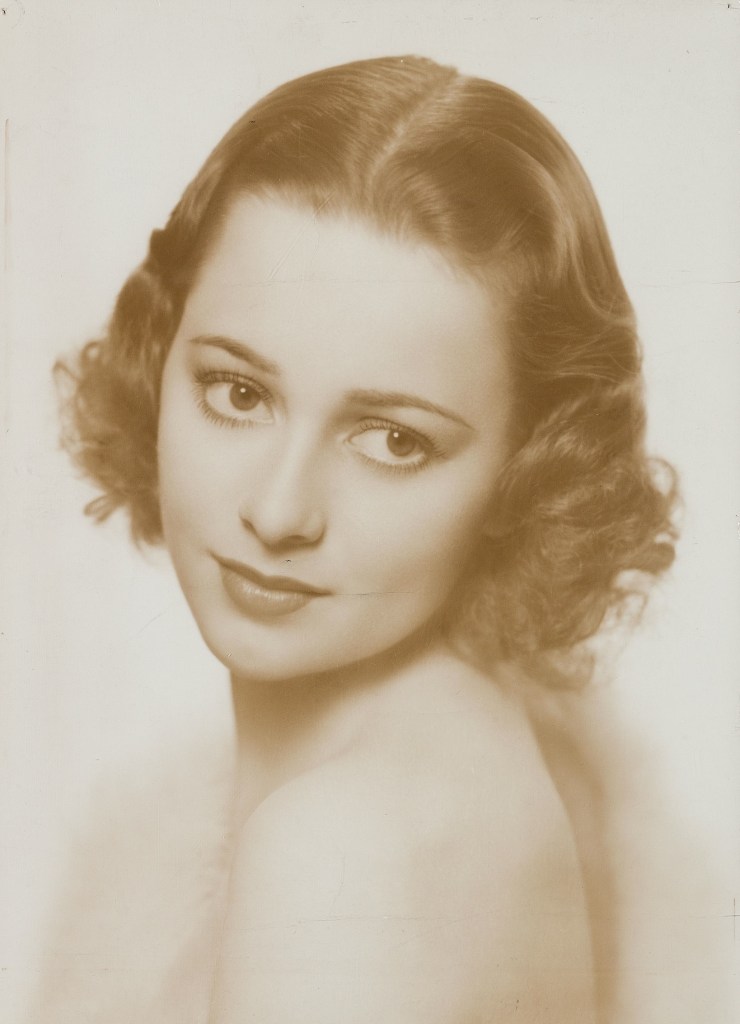
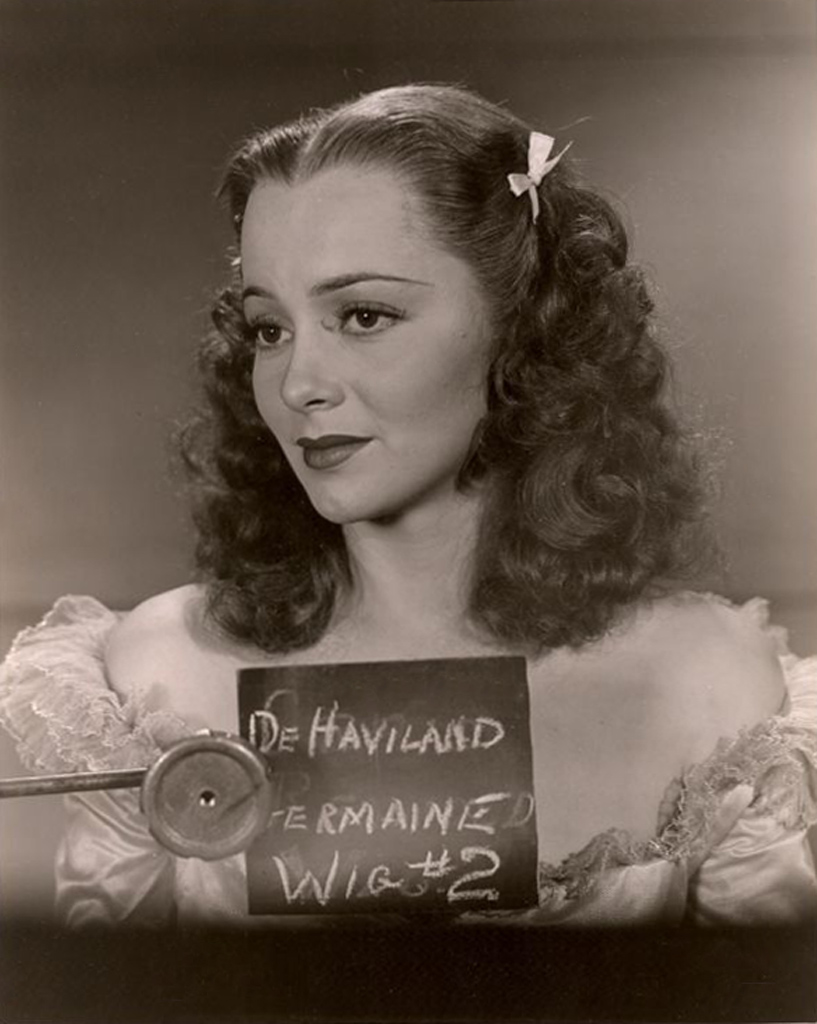
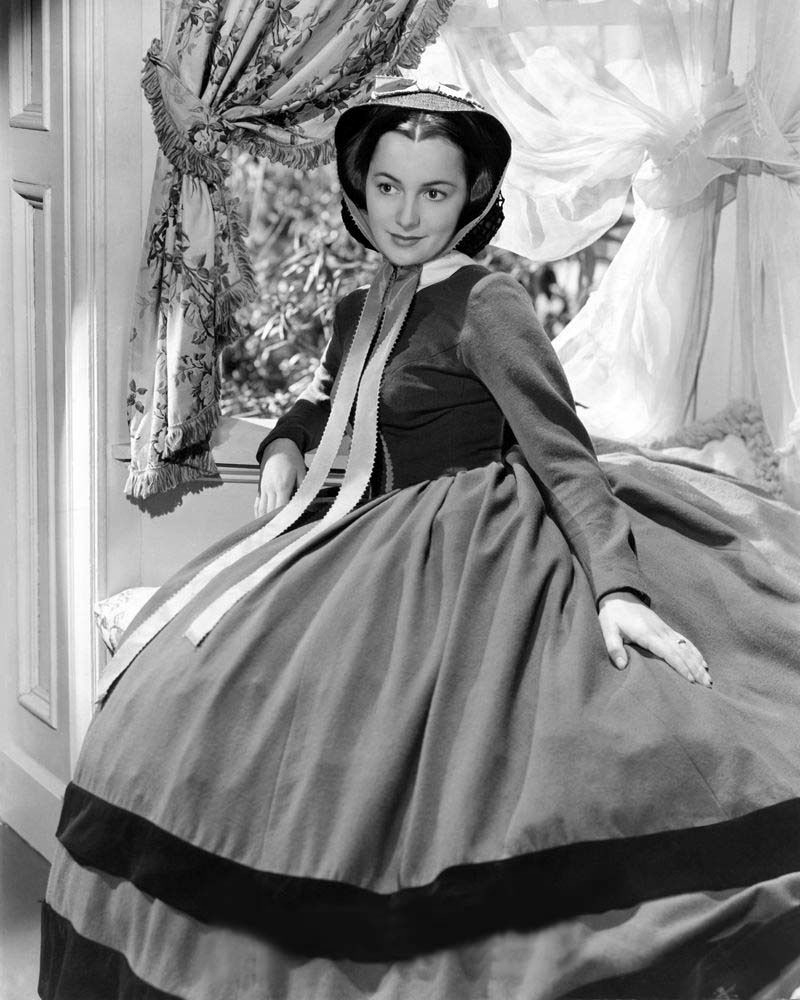
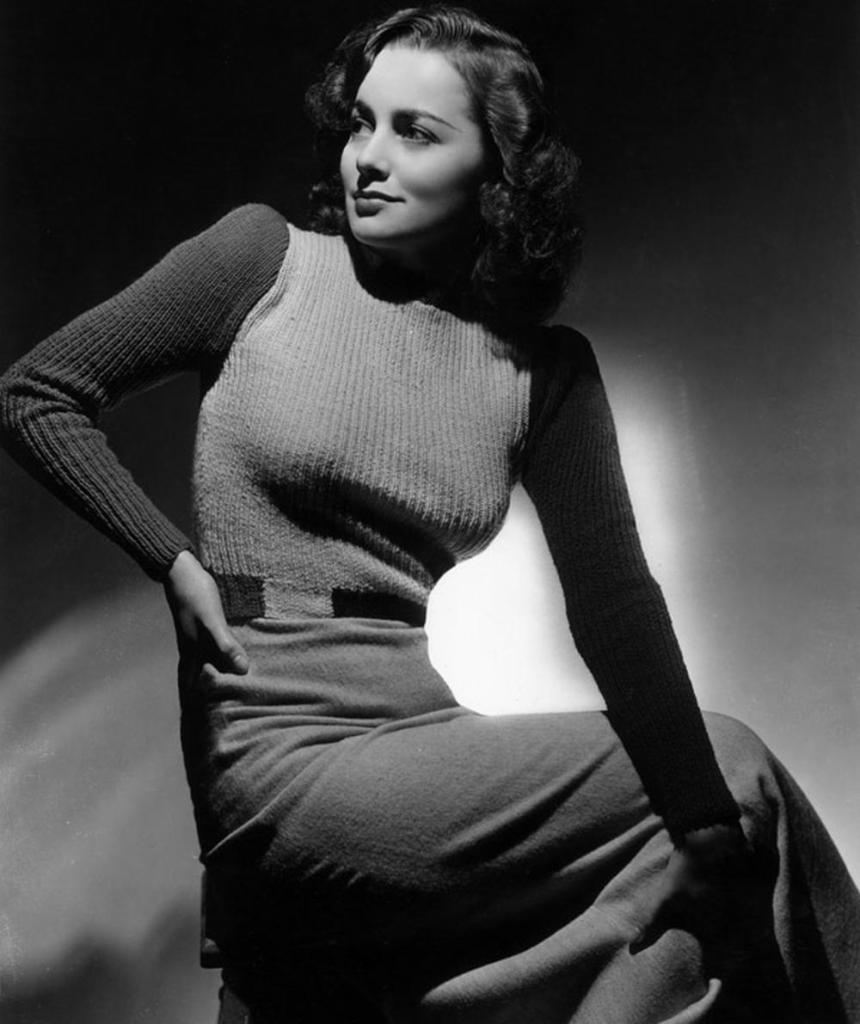
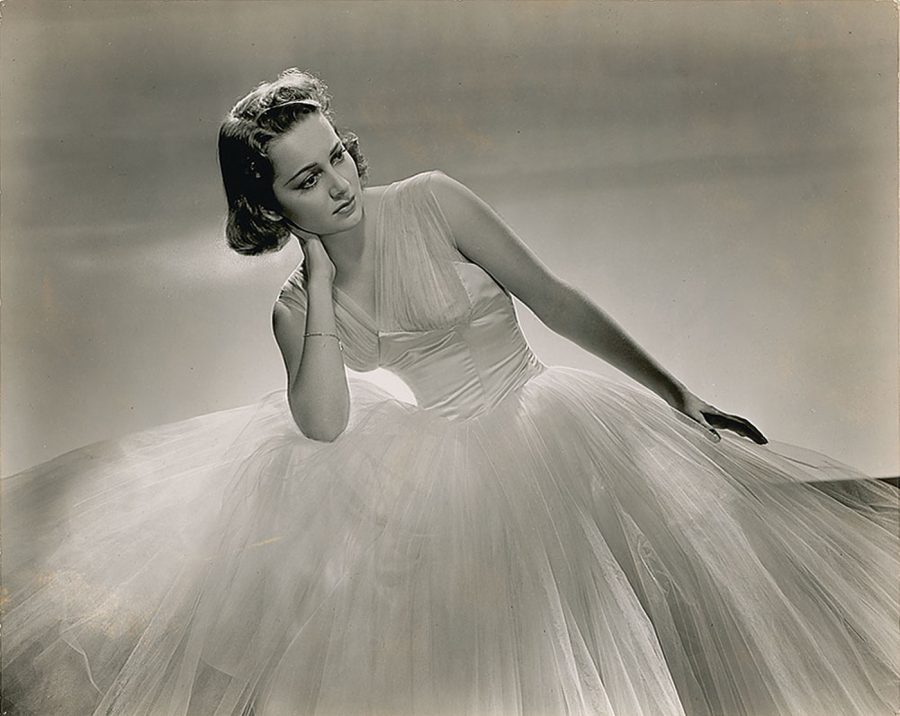
Dame Olivia Mary de Havilland DBE (July 1, 1916 – July 26, 2020) was a British-American actress. The major works of her cinematic career spanned from 1935 to 1988. She appeared in 49 feature films and was one of the leading actors of her time. She was the oldest living and earliest surviving Academy Award winner until her death in 2020 and was widely considered as being the last surviving major-star from the Golden Age of Hollywood cinema. Her younger sister was Oscar-winning actress, Joan Fontaine.
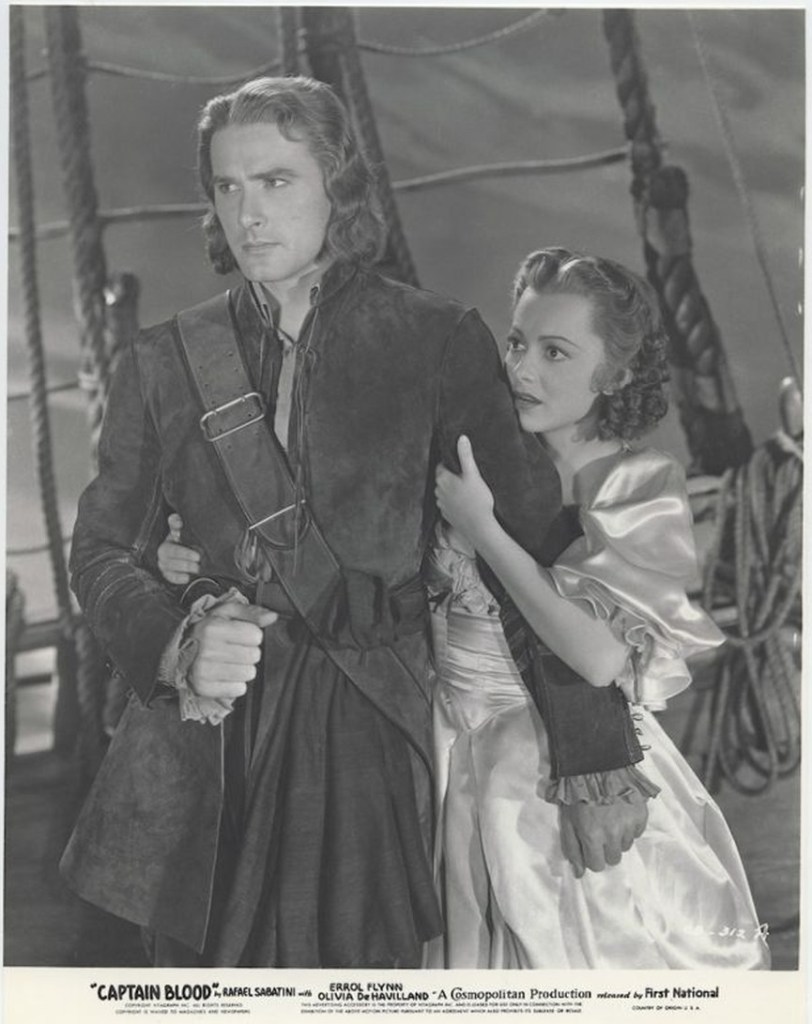
De Havilland first came to prominence with Errol Flynn as a screen couple in adventure films such as Captain Blood (1935) and The Adventures of Robin Hood (1938). One of her best-known roles is that of Melanie Hamilton in Gone with the Wind (1939), for which she received her first of five Oscar nominations, the only one for Best Supporting Actress. De Havilland departed from ingénue roles in the 1940s and later distinguished herself for performances in Hold Back the Dawn (1941), To Each His Own (1946), The Snake Pit (1948), and The Heiress (1949), receiving nominations for Best Actress for each and winning for To Each His Own and The Heiress. She was also successful in work on stage and television. De Havilland lived in Paris from the 1950s and received honors such as the National Medal of the Arts, the Légion d’honneur, and the appointment to Dame Commander of the Order of the British Empire.
In addition to her film career, de Havilland continued her work in the theatre, appearing three times on Broadway, in Romeo and Juliet (1951), Candida (1952), and A Gift of Time (1962). She also worked in television, appearing in the successful miniseries Roots: The Next Generations (1979) and Anastasia: The Mystery of Anna (1986), for which she received a Primetime Emmy Award nomination and won the Golden Globe Award for Best Supporting Actress in a Television Movie or Series. During her film career, de Havilland also collected two New York Film Critics Circle Awards, the National Board of Review Award for Best Actress, and the Venice Film Festival Volpi Cup. For her contributions to the motion picture industry, she received a star on the Hollywood Walk of Fame. She and her sister remain the only siblings to have won major acting Academy Awards.
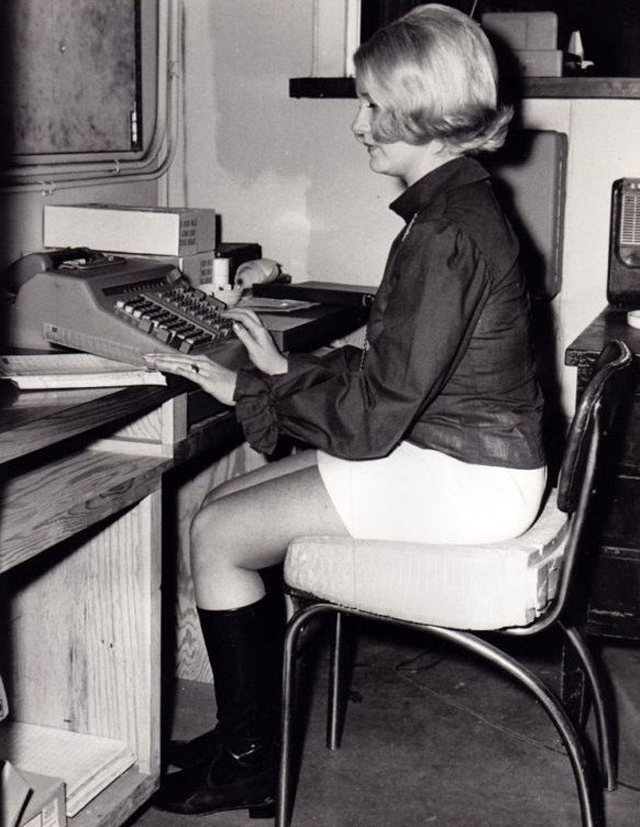
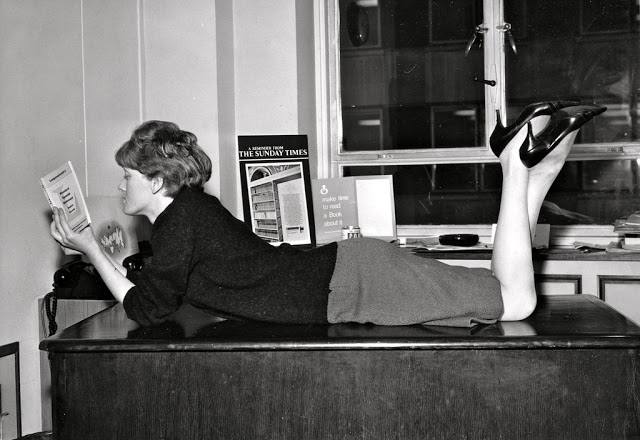
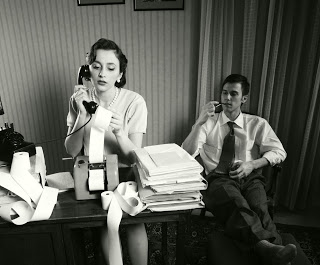
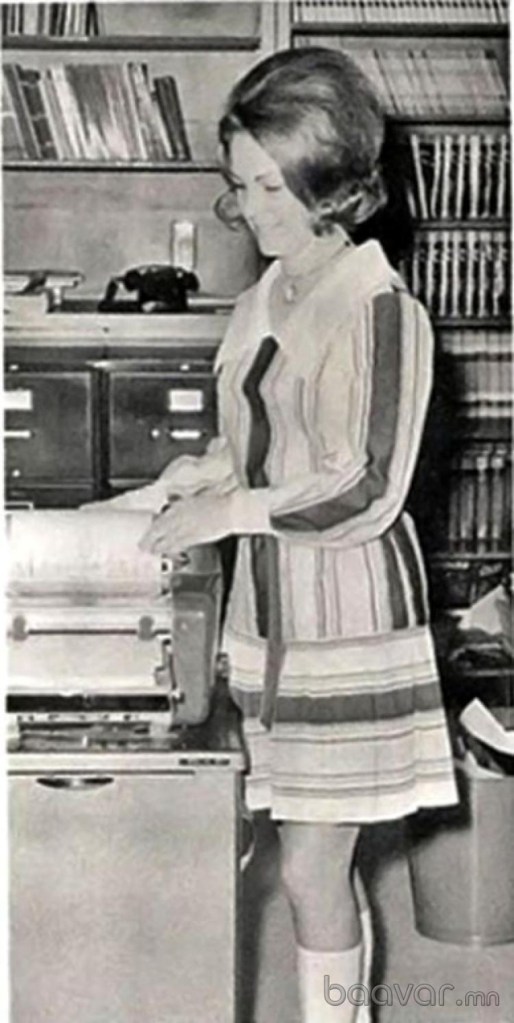
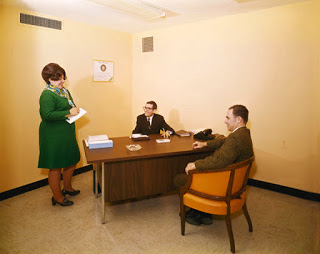
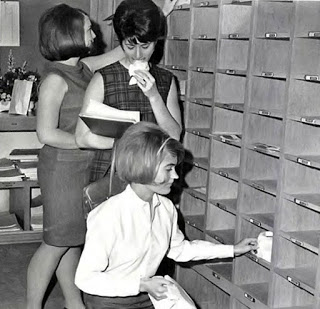
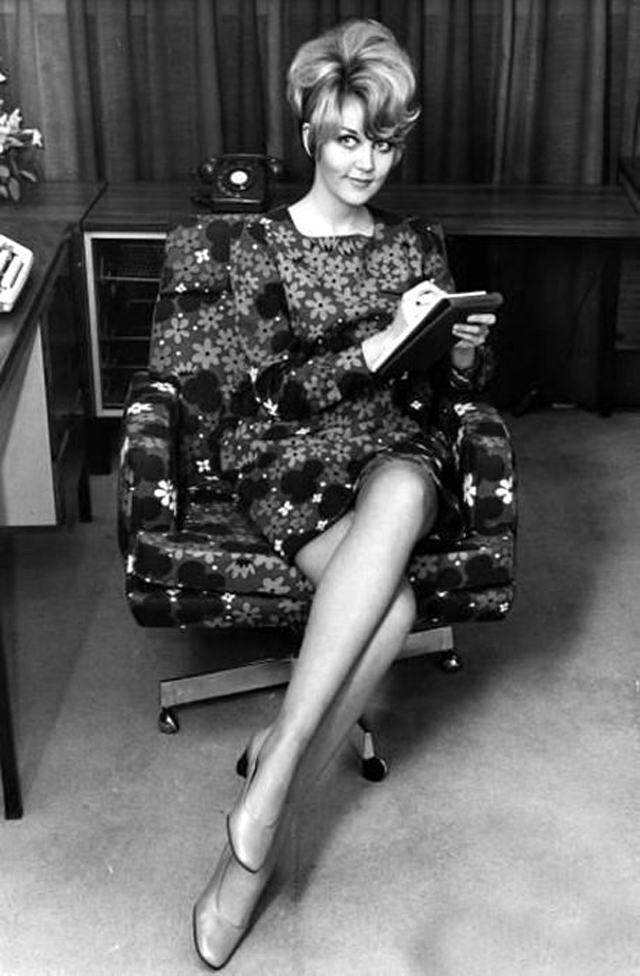
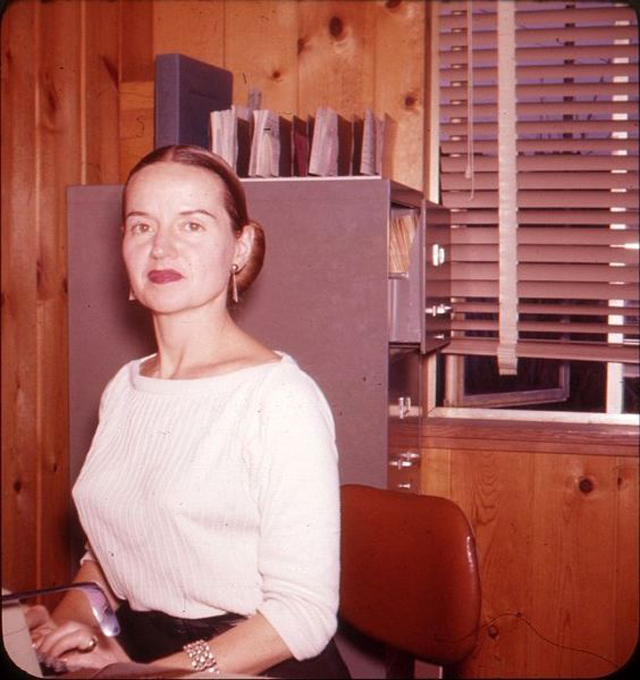
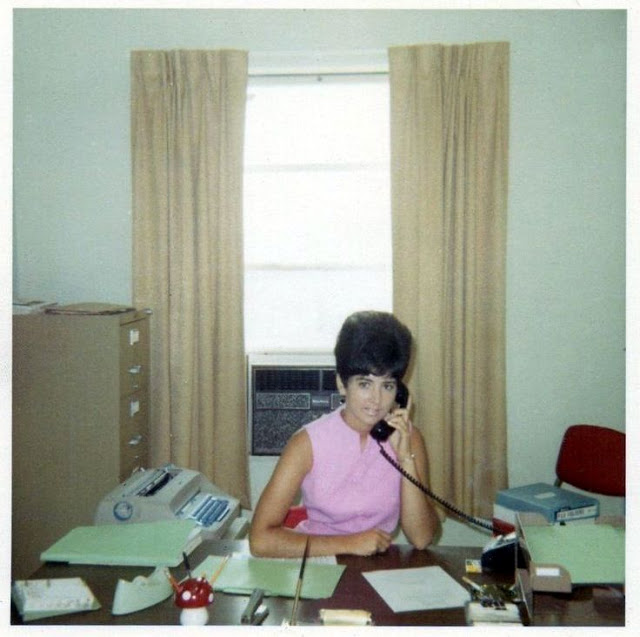
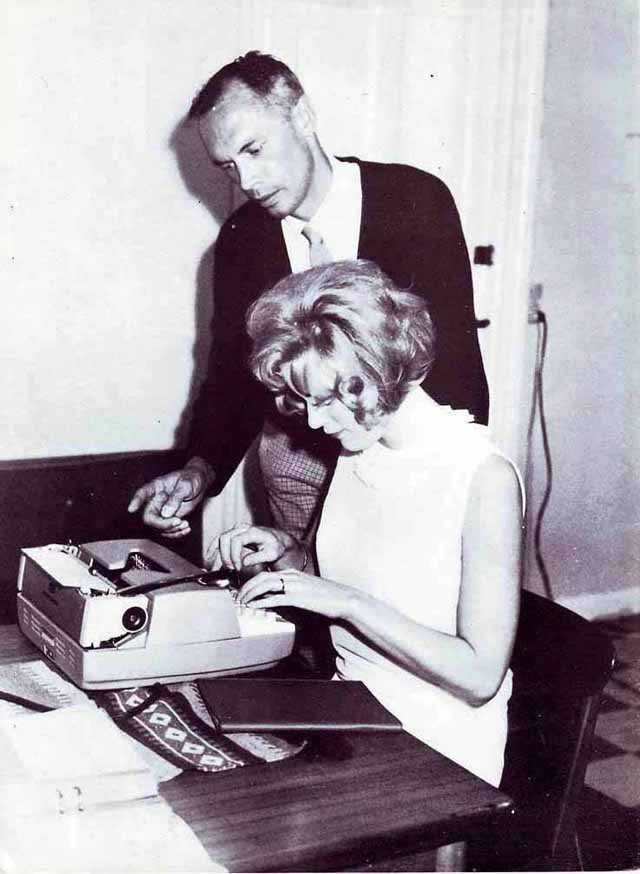
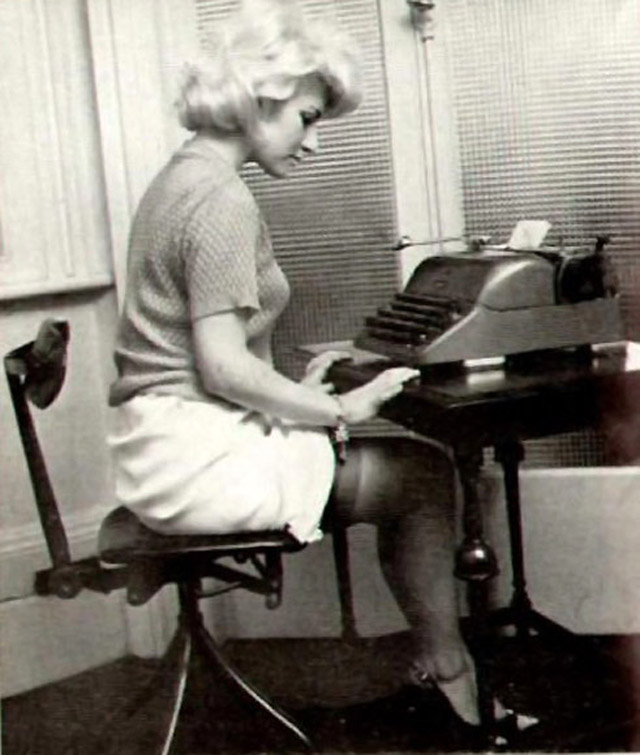
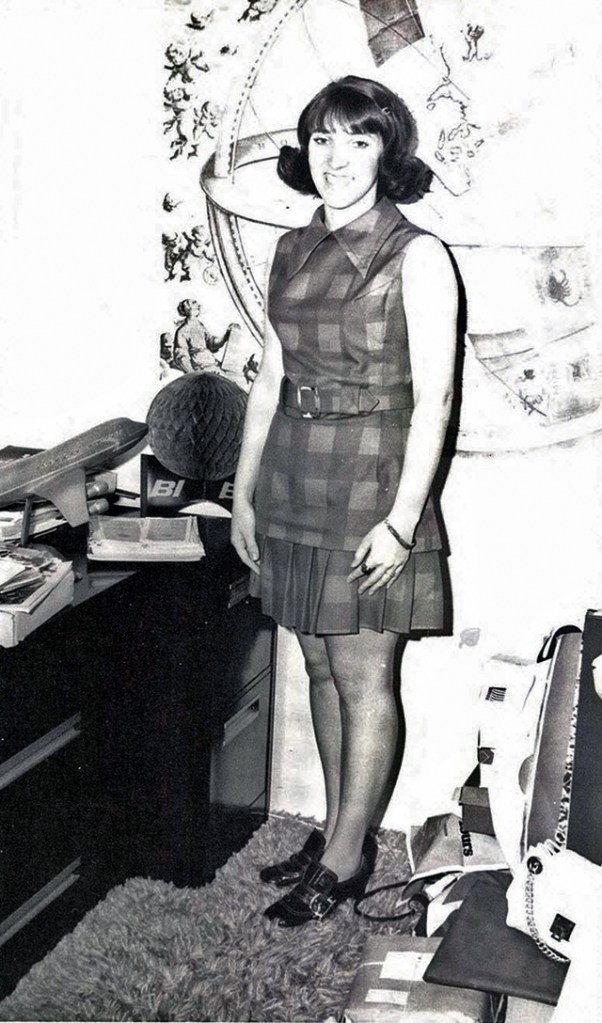
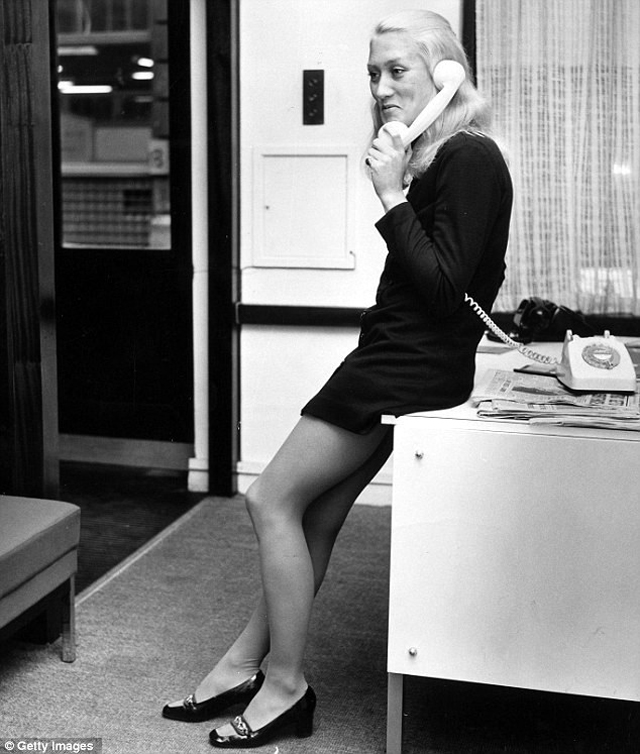
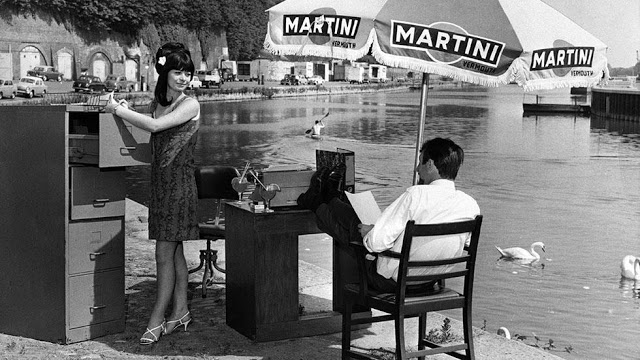
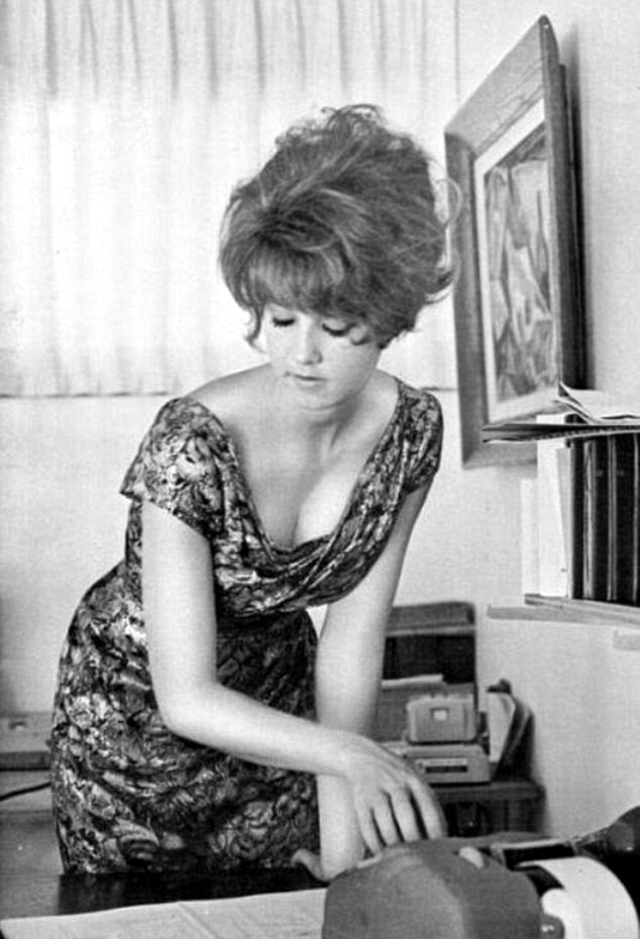
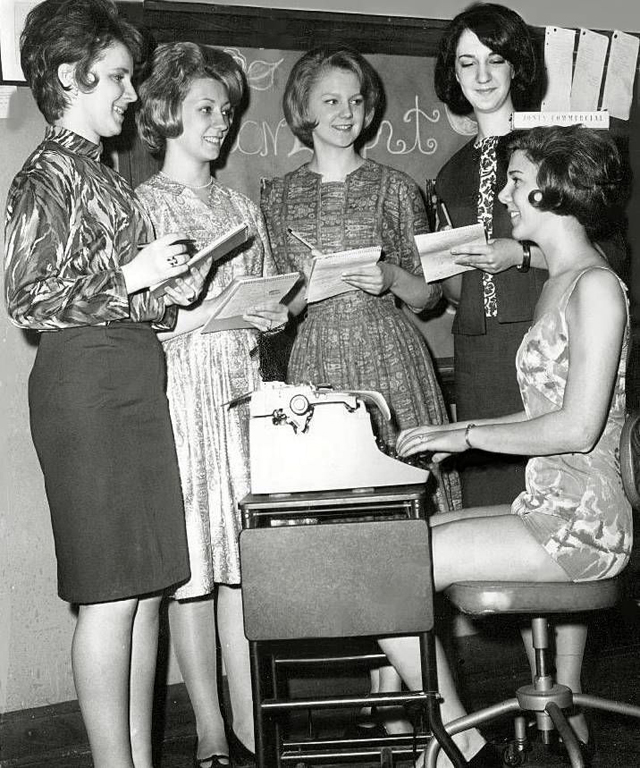
The office of the 1950s and ‘60s was, in many ways, the embodiment of the American dream; it allowed for a comfortable salary, an independent lifestyle, and room for advancement.
In the 1960s, the number one job for American women was the secretarial occupation. The most common job for American women today is still the same. According to the U.S. Census, 96% of the approximately 4 million people who identify themselves today as secretaries (or something similar) are women.