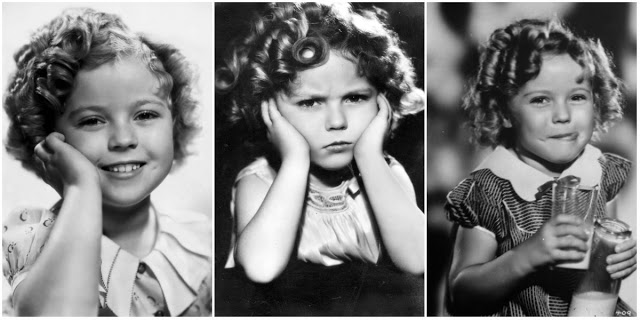
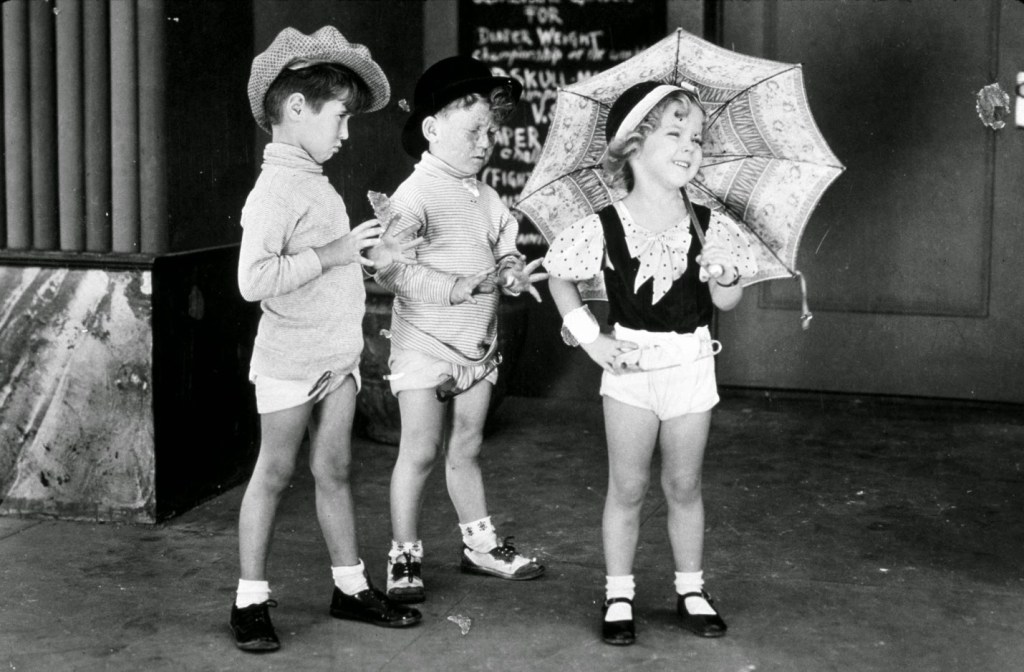
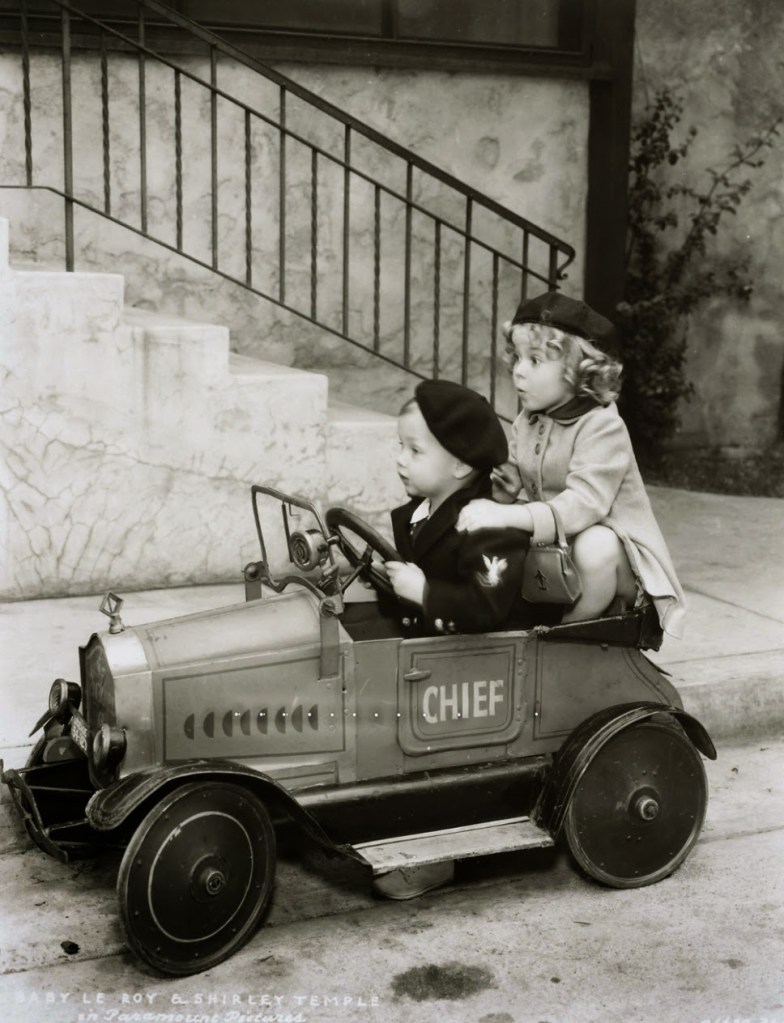
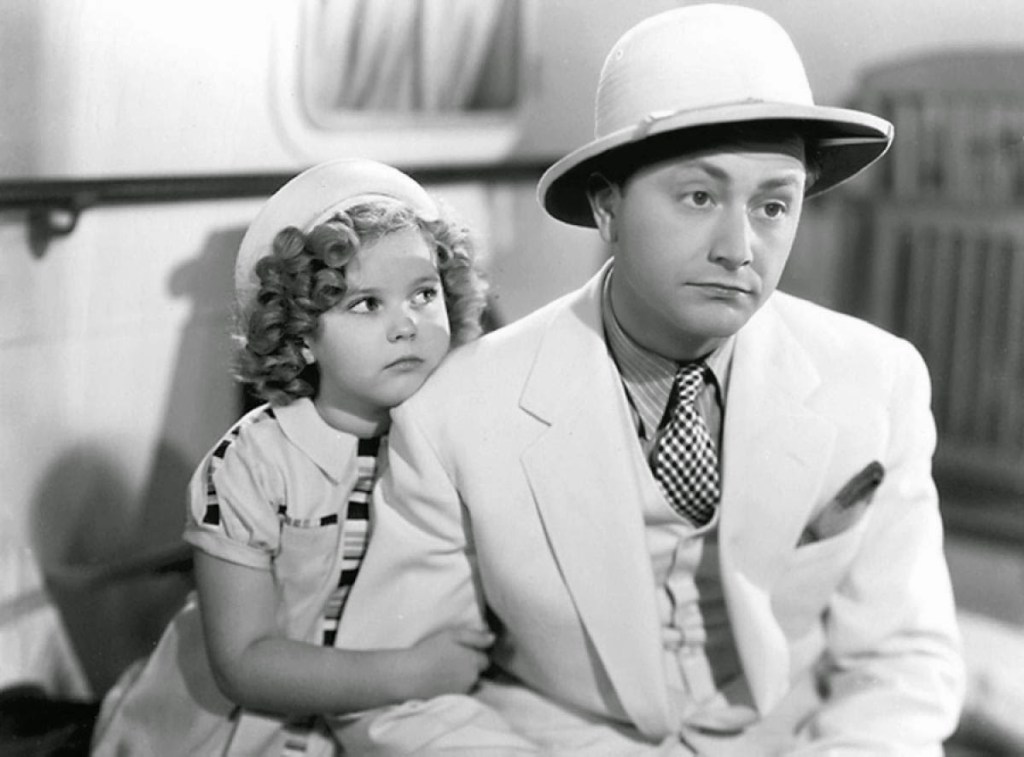
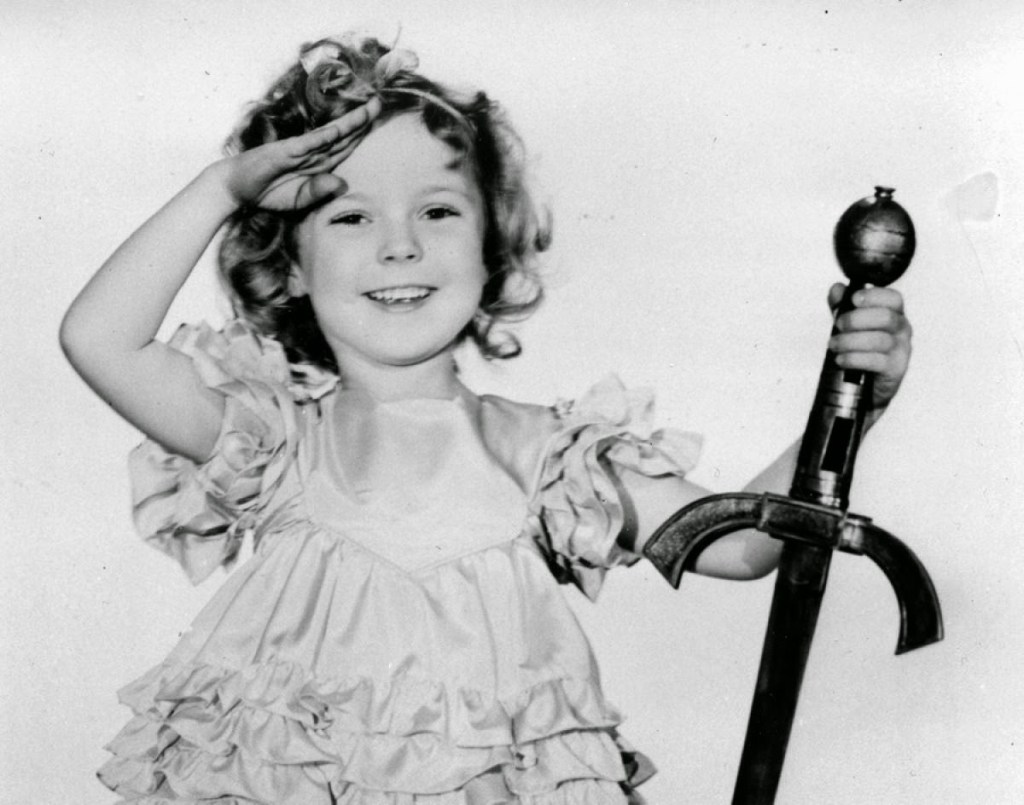
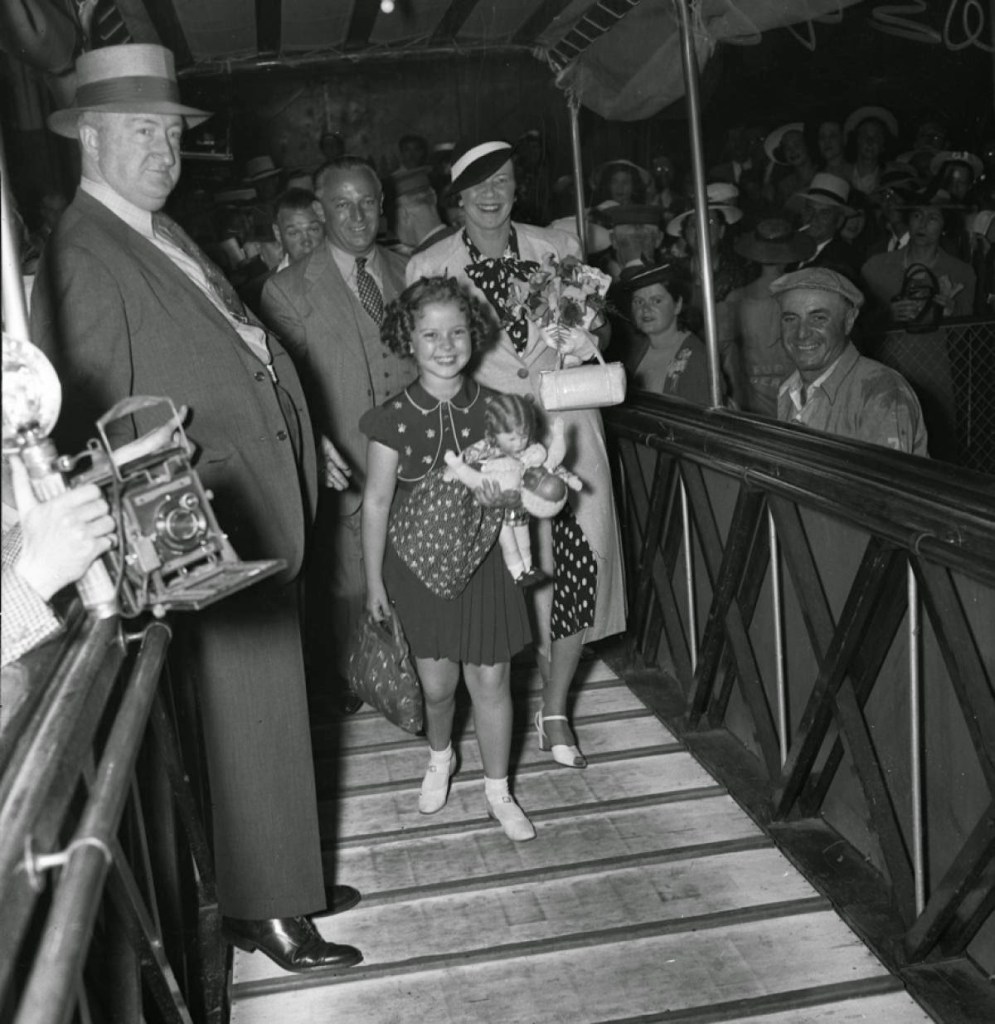
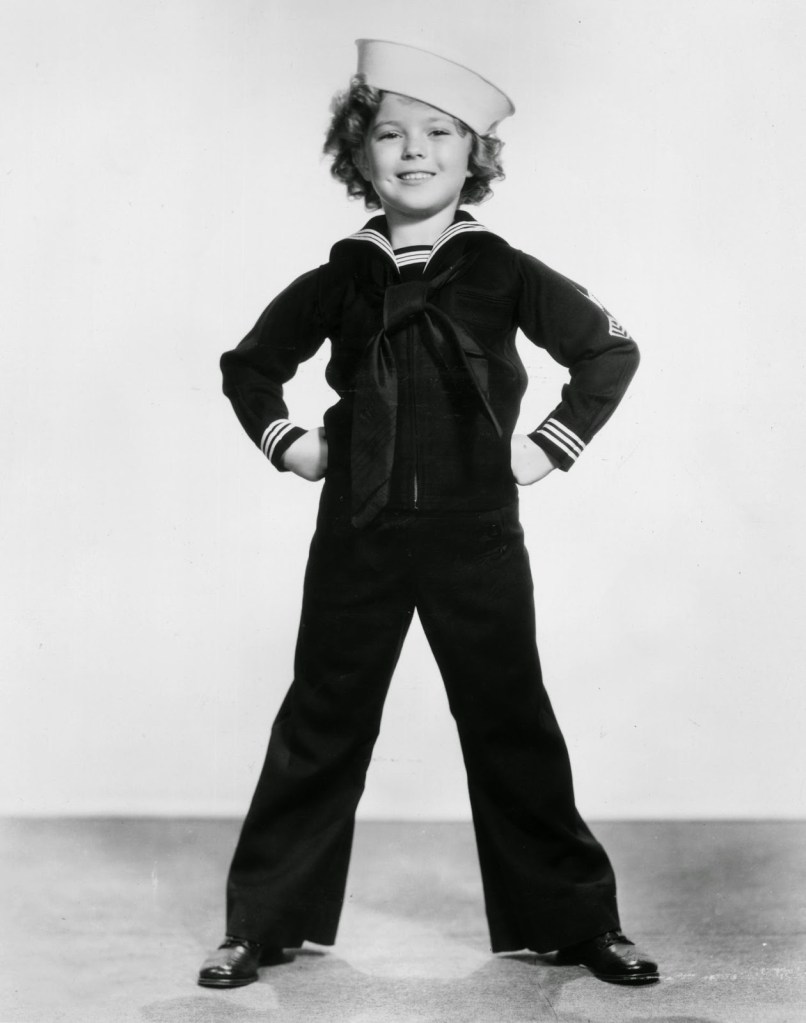
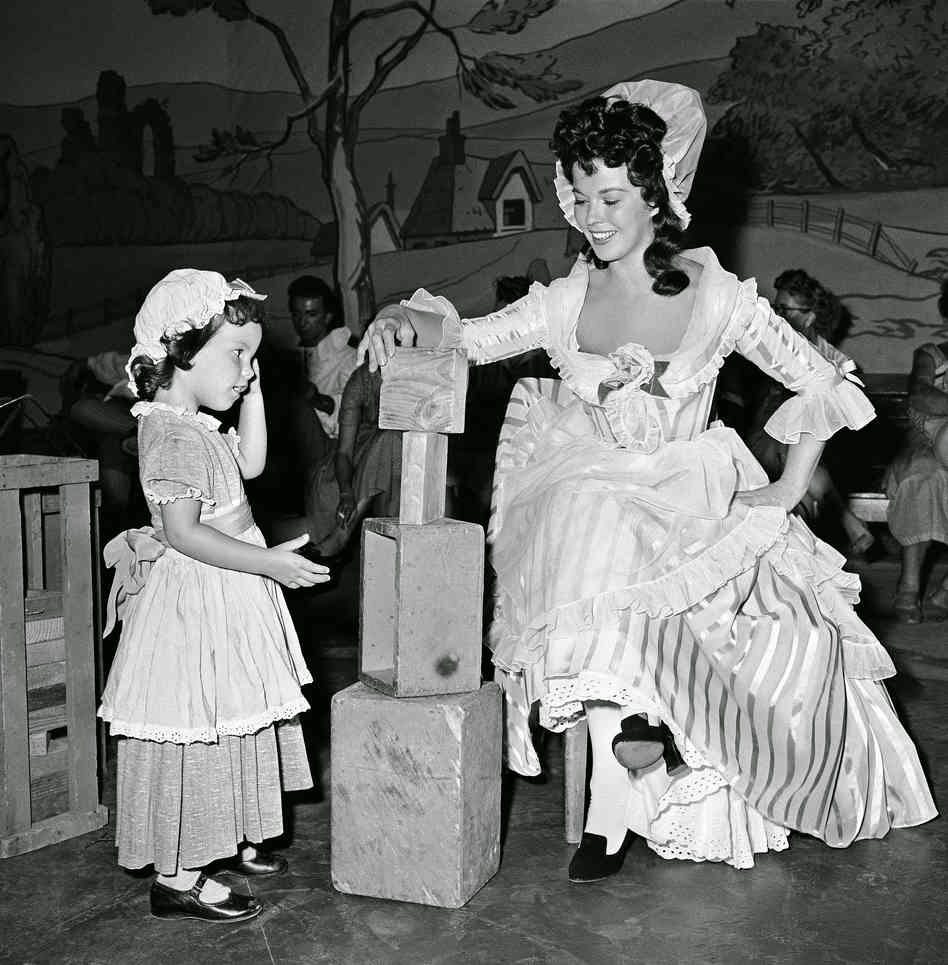
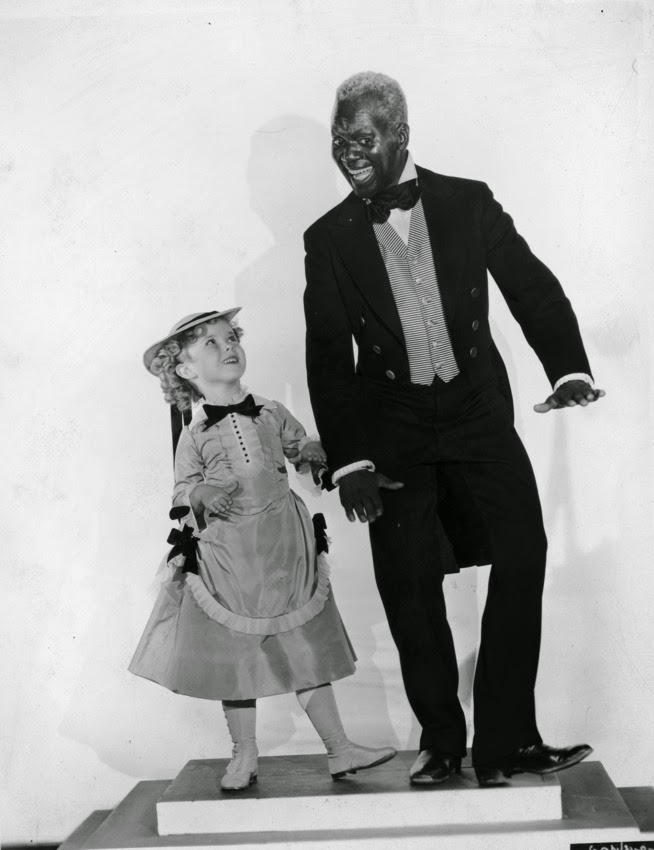
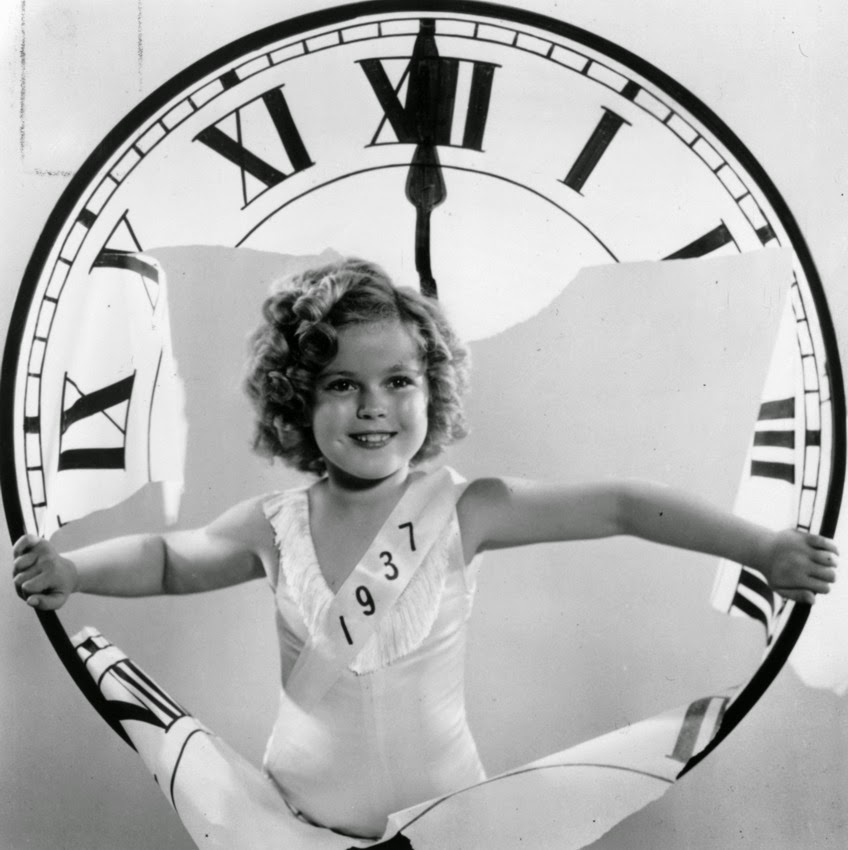
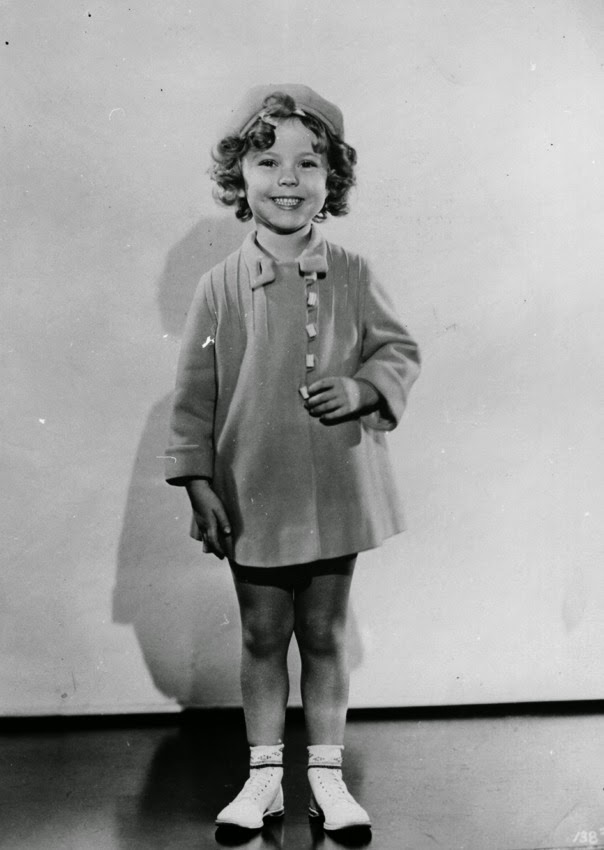
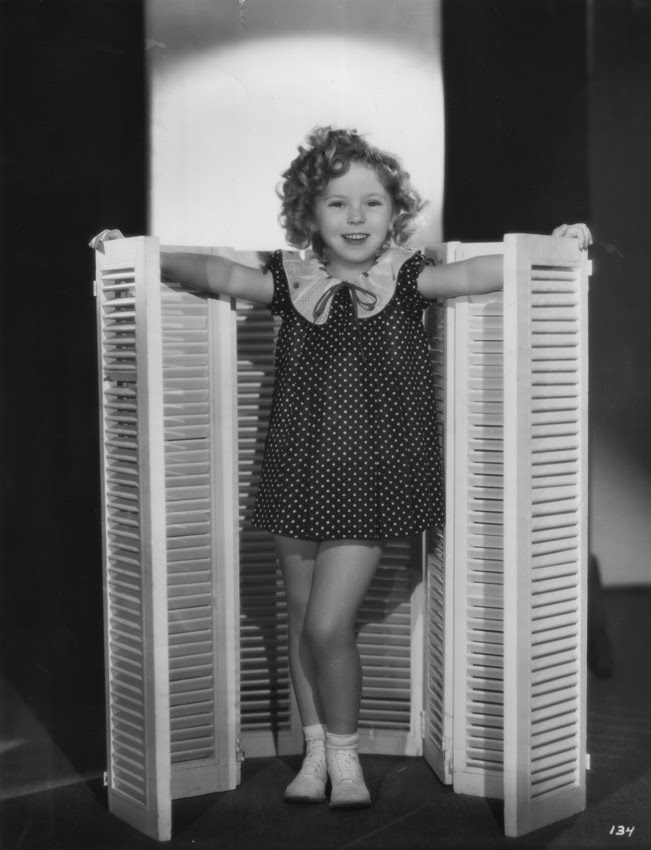
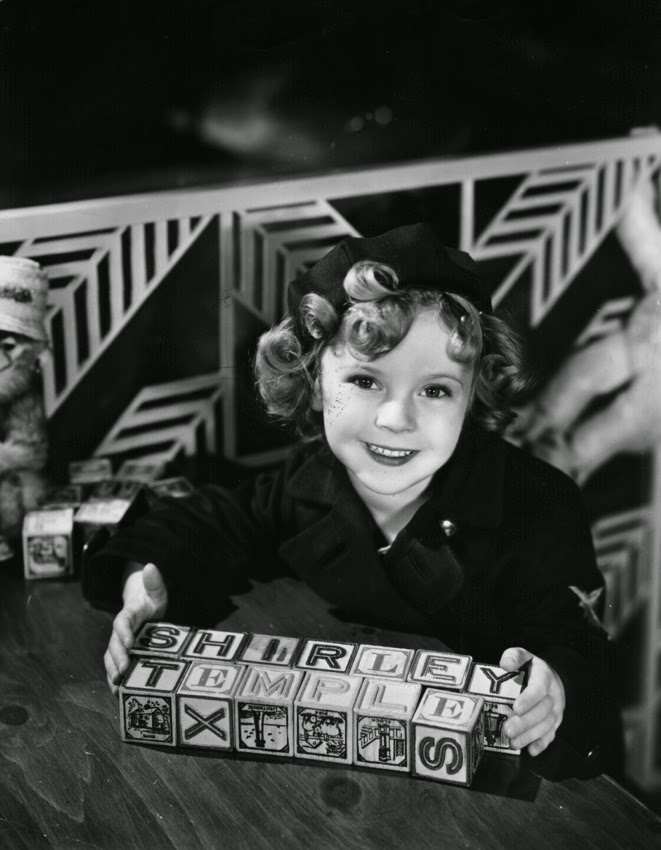
Shirley Temple Black (1928-2014) was an American film and television actress, singer, dancer and public servant, most famous as a child star in the 1930s.
Temple began her film career in 1932 at the age of three. In 1934, she found international fame in Bright Eyes, a feature film designed specifically for her talents. She received a special Juvenile Academy Award in February 1935 for her outstanding contribution as a juvenile performer to motion pictures during 1934, and film hits such as Curly Top and Heidi followed year after year during the mid-to-late 1930s.
Licensed merchandise that capitalized on her wholesome image included dolls, dishes and clothing. Her box office popularity waned as she reached adolescence. She appeared in a few films of varying quality in her mid-to-late teens, and retired completely from films in 1950 at the age of 22. She was the top box-office draw in Hollywood for four years in a row (1935–38) in a Motion Picture Herald poll.
Below, we present a collection of 36 cute black and white photos of Shirley Temple when she was a child in the 1930s.
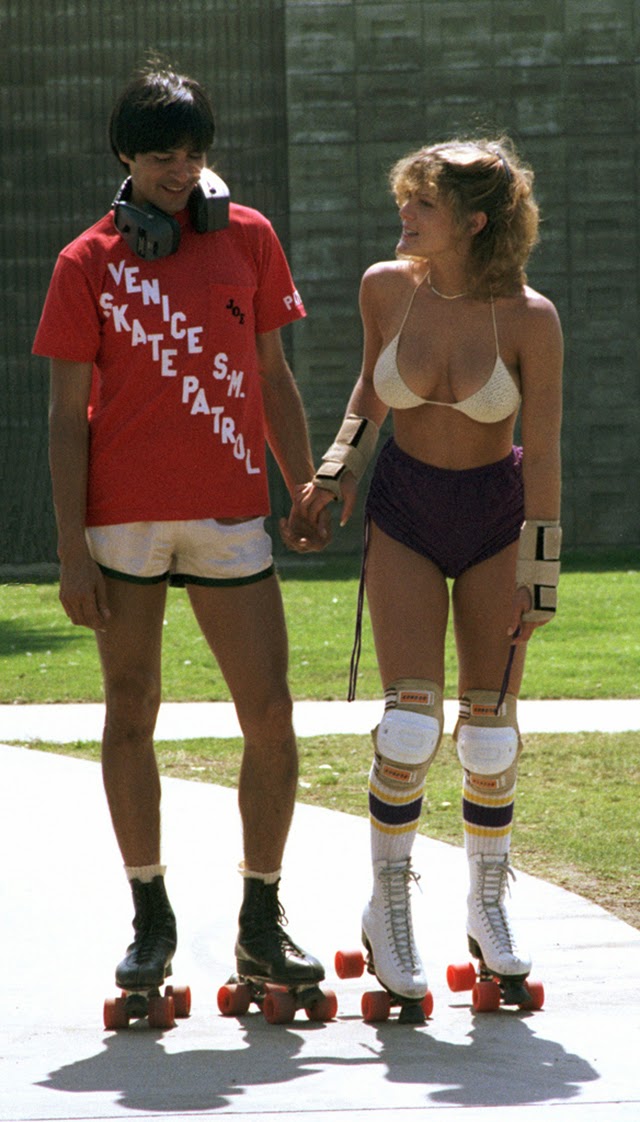
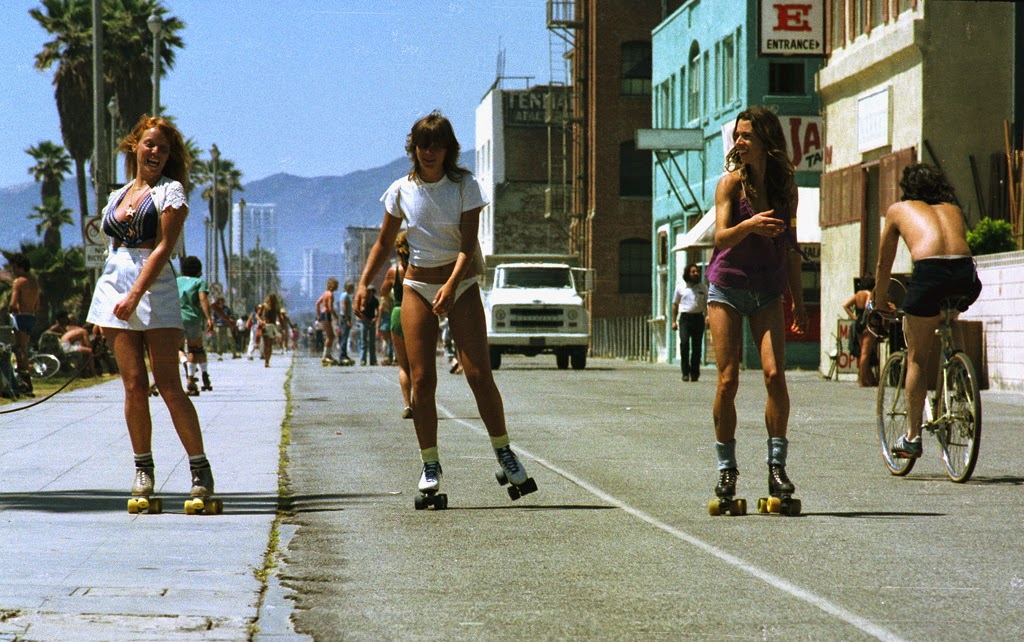
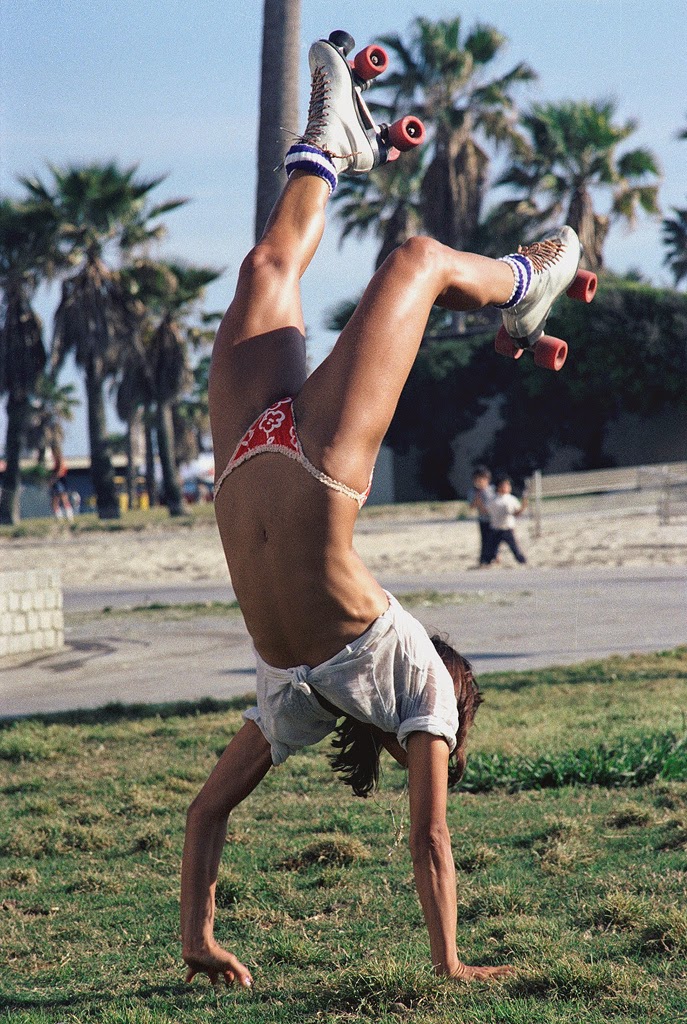
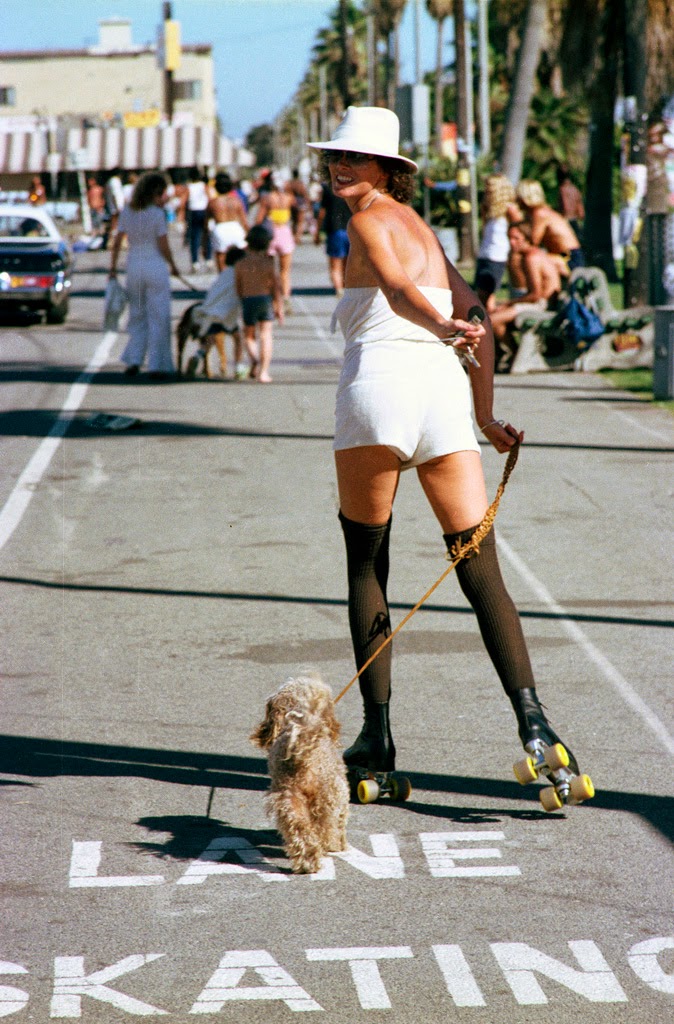
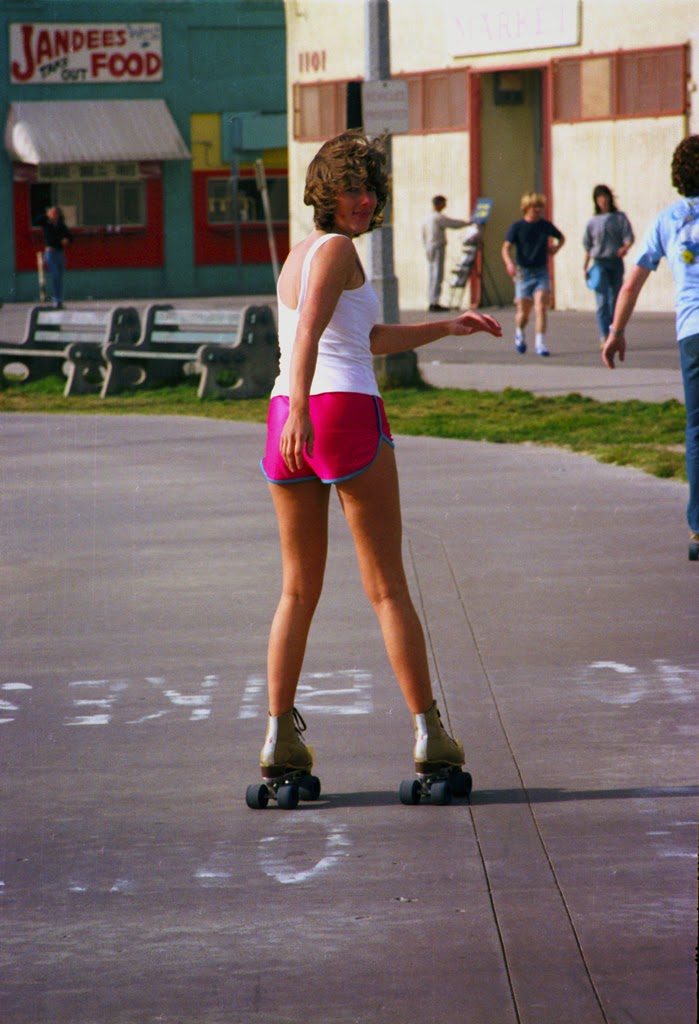
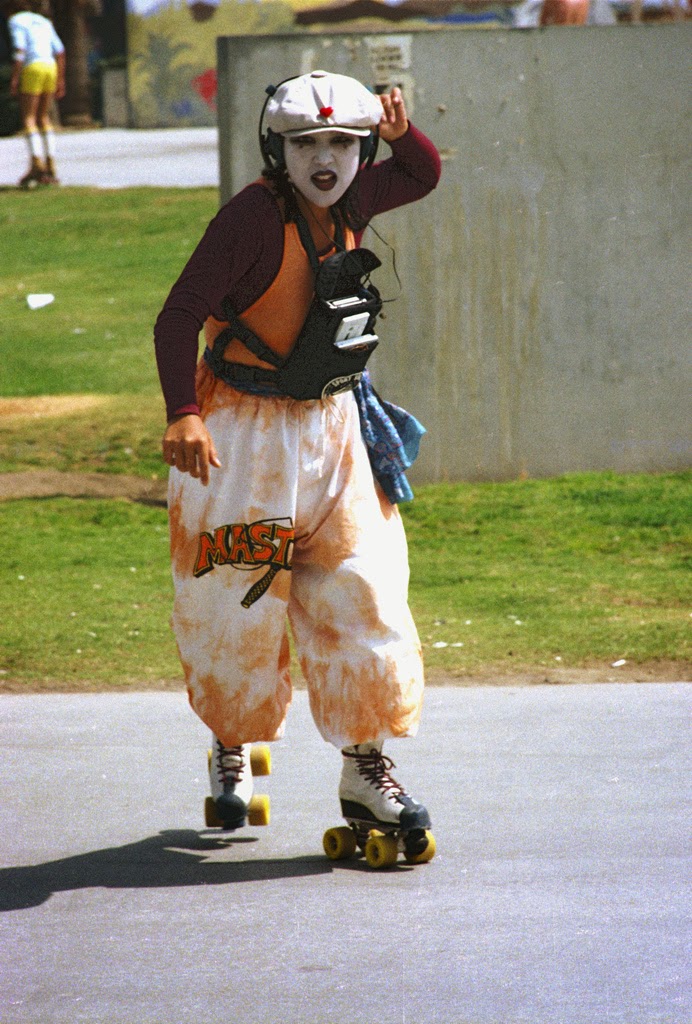
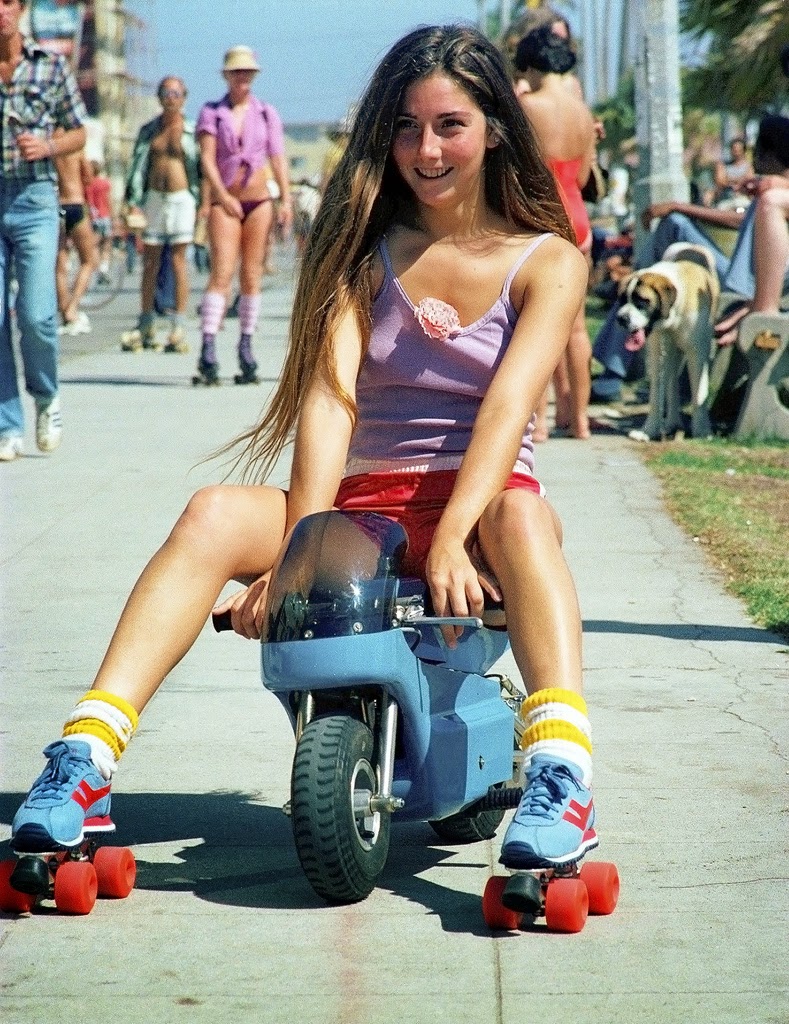
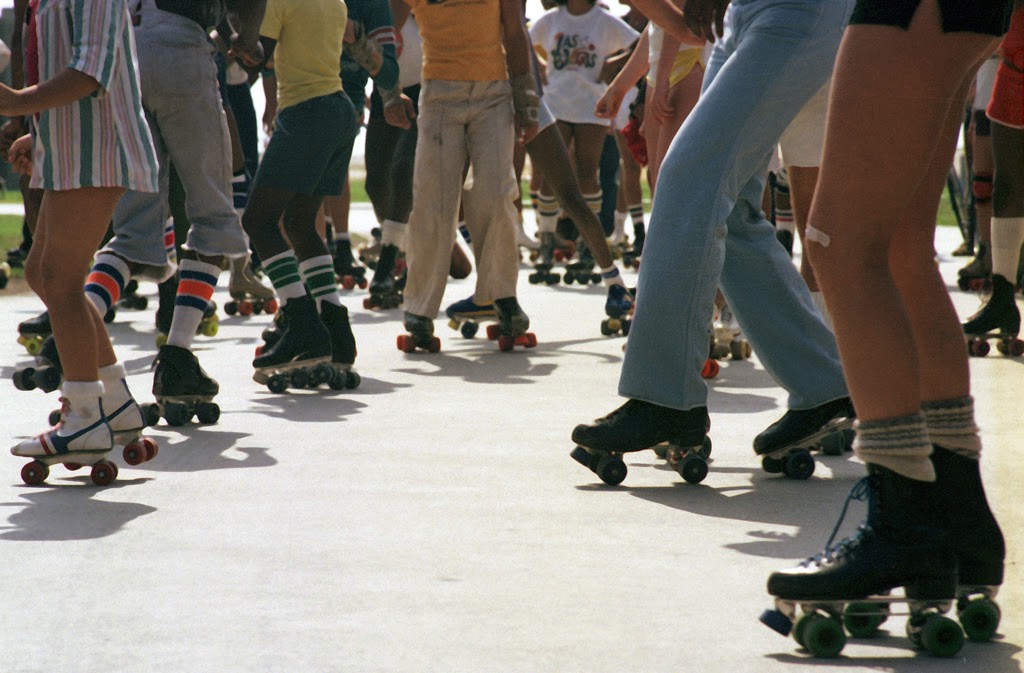
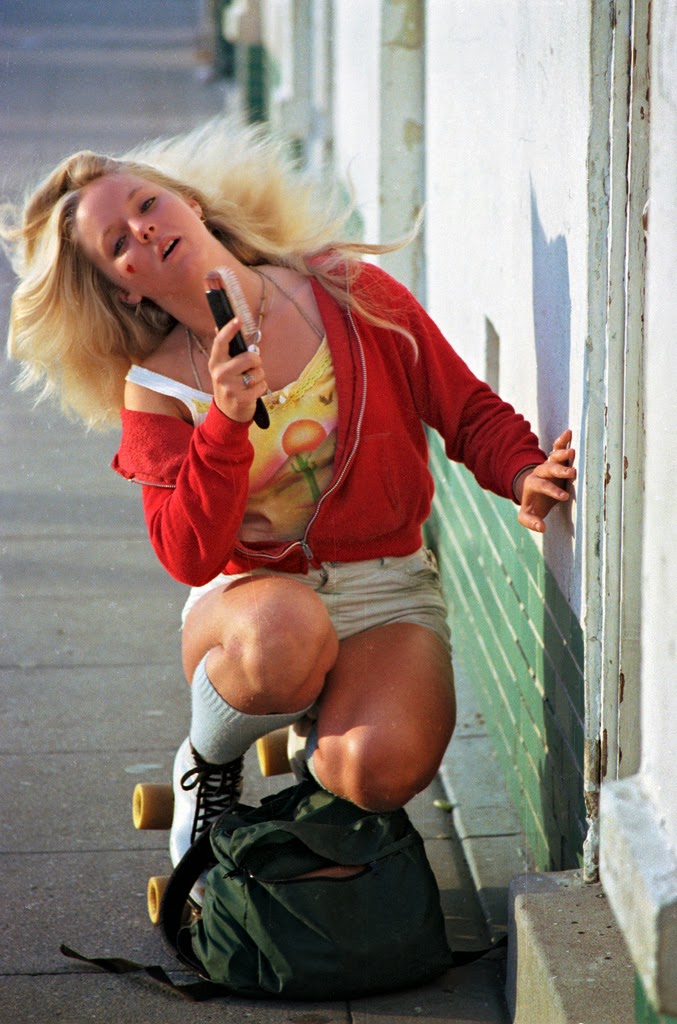
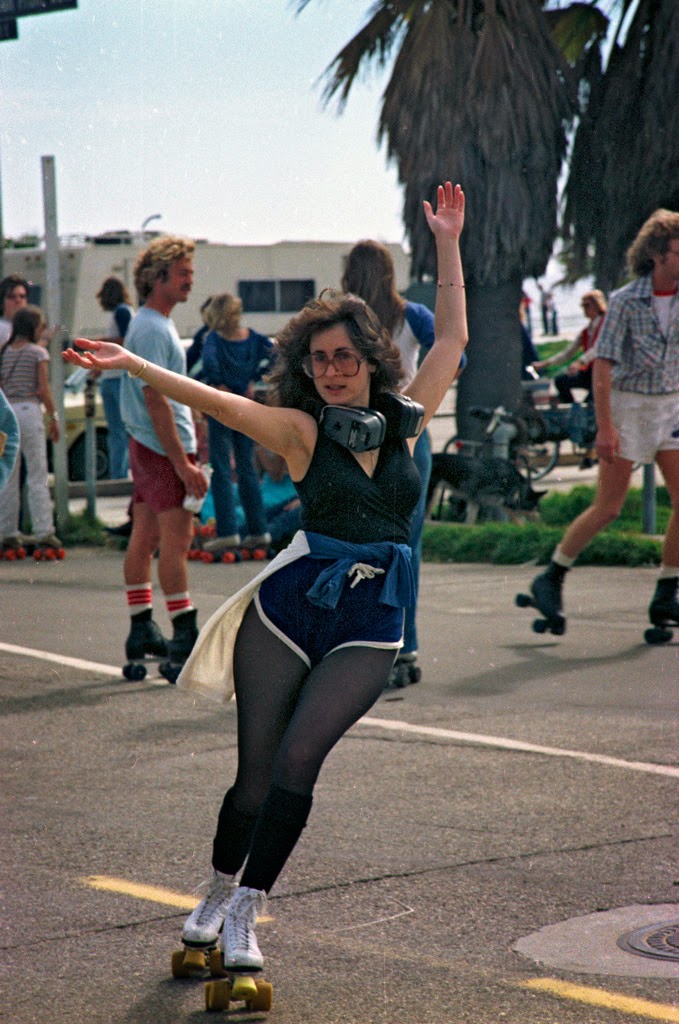
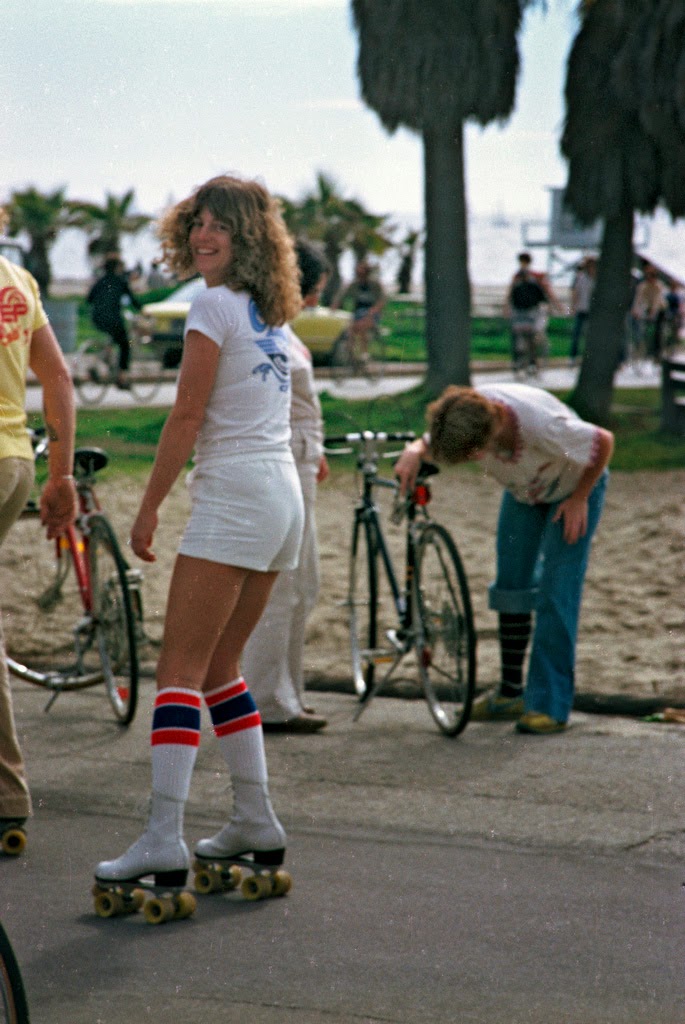
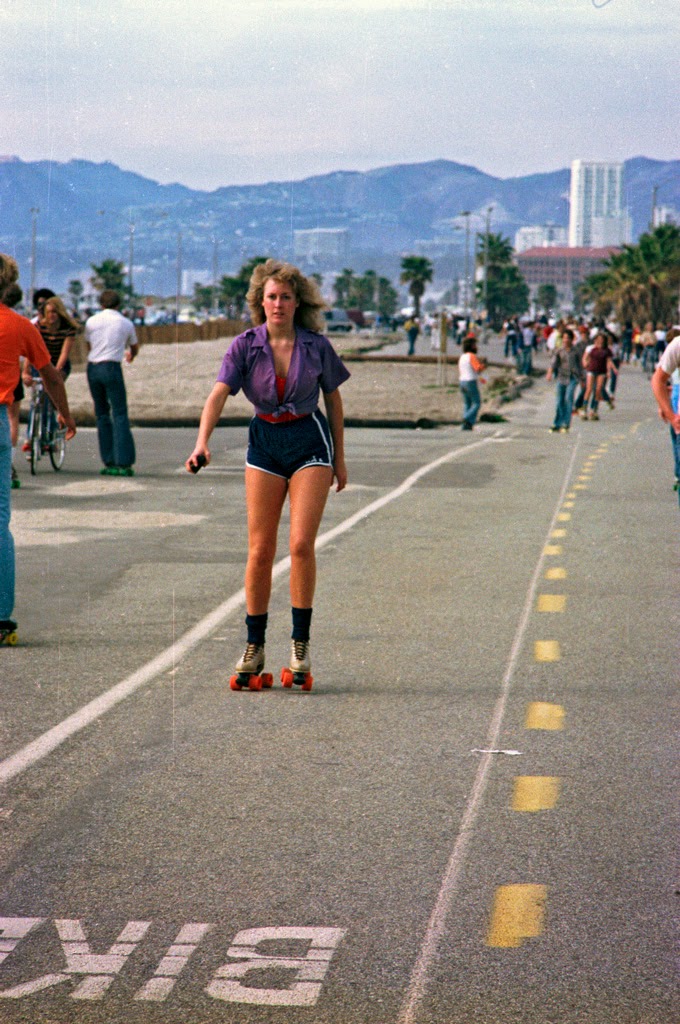
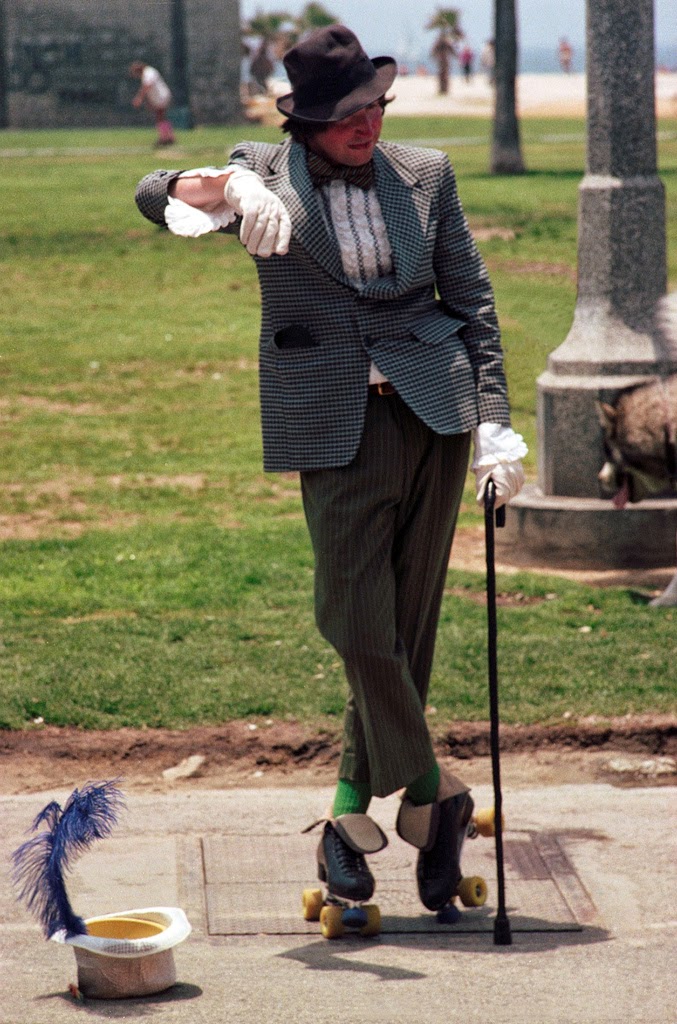
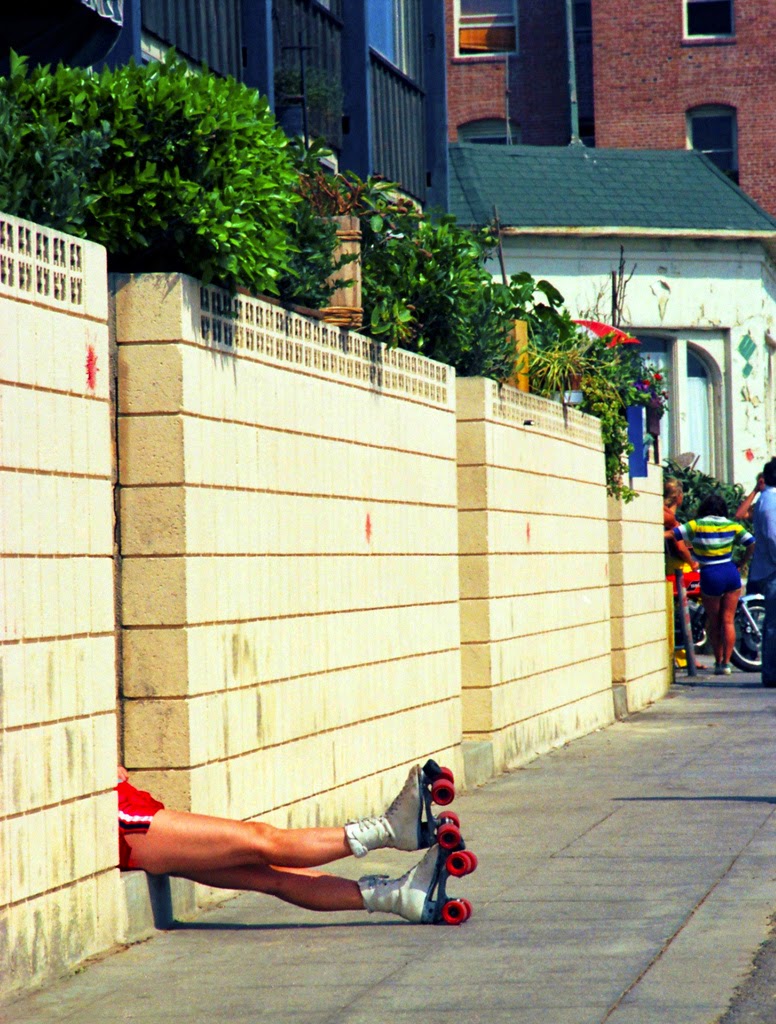
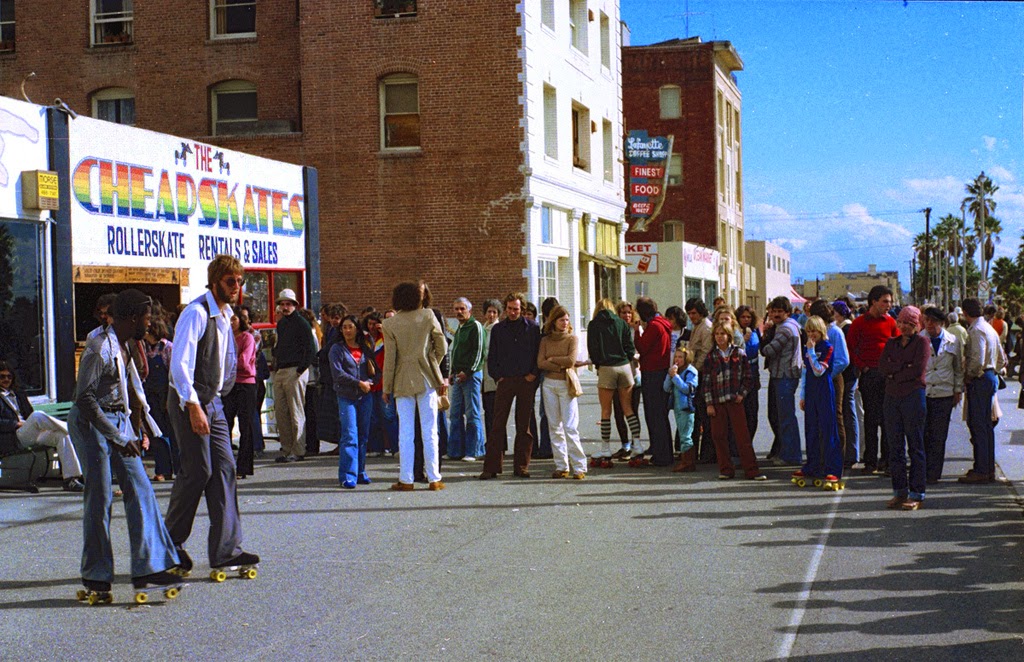
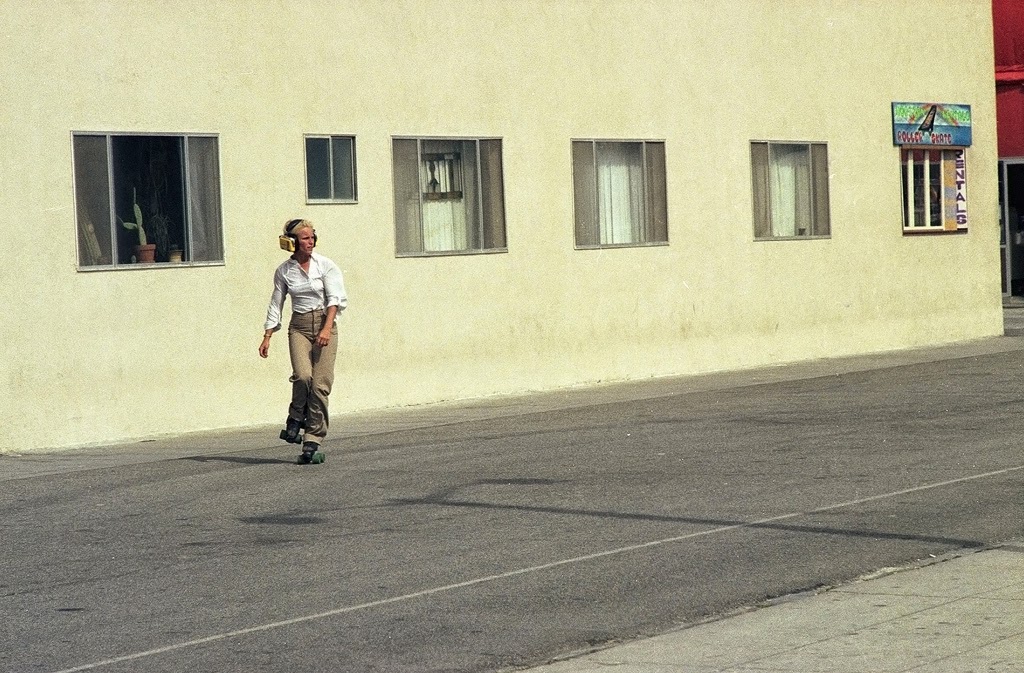
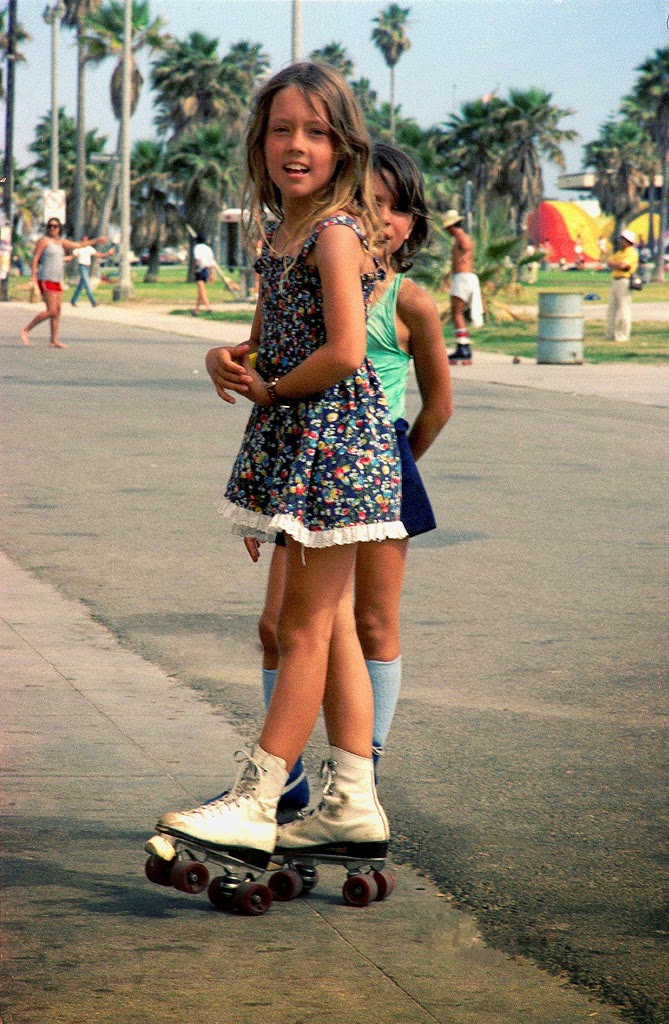
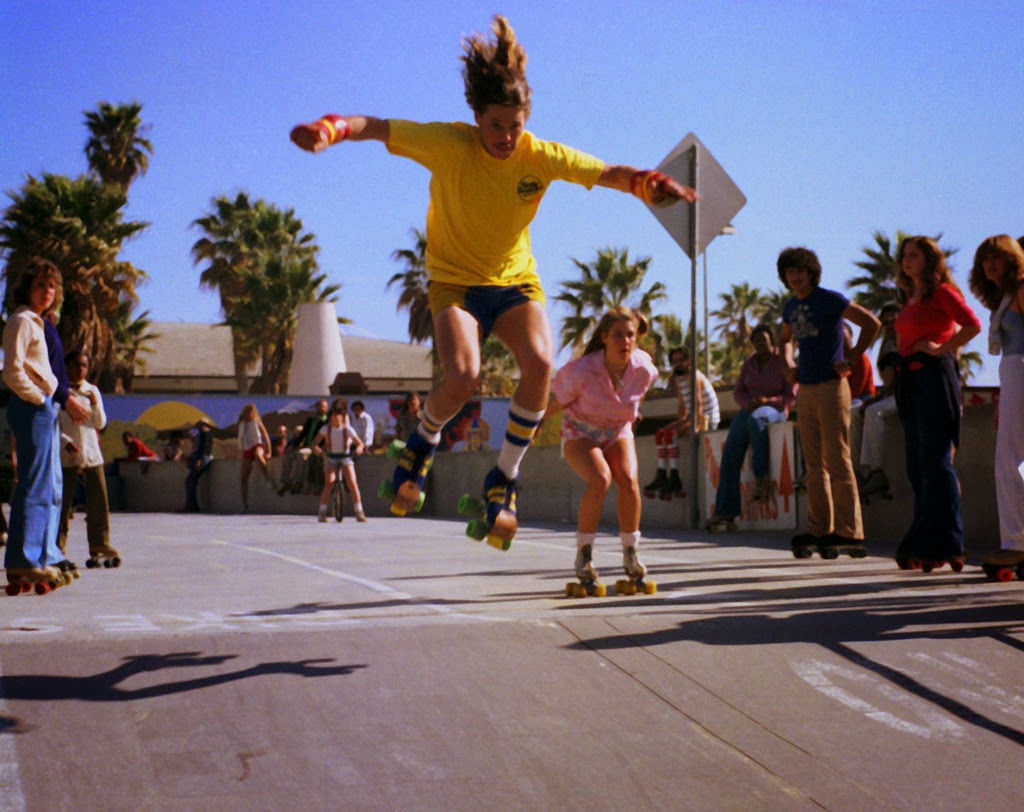
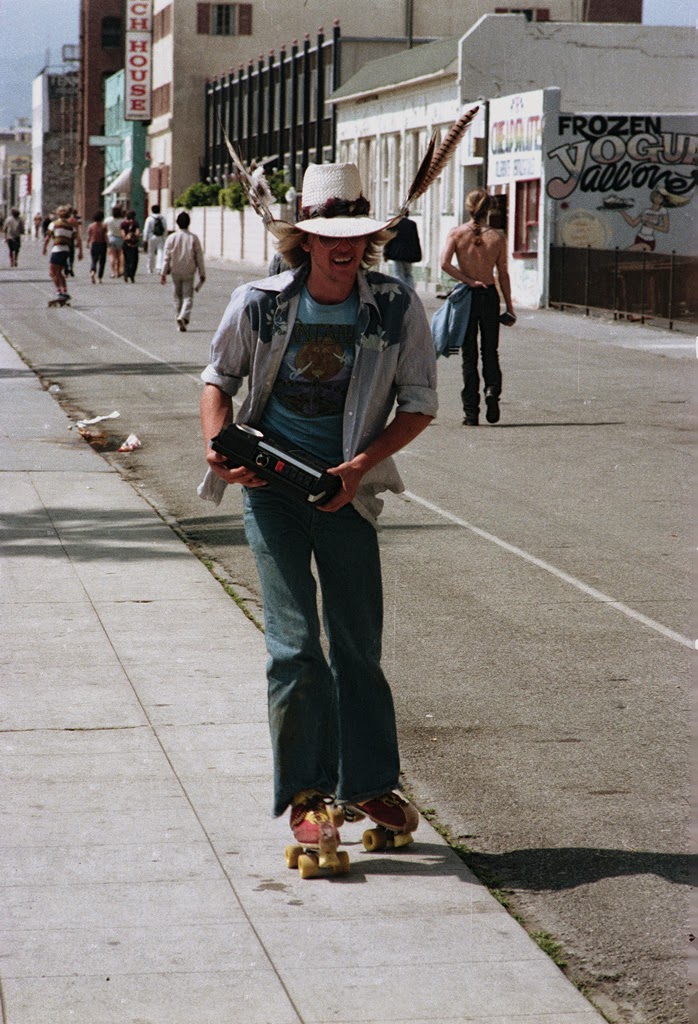
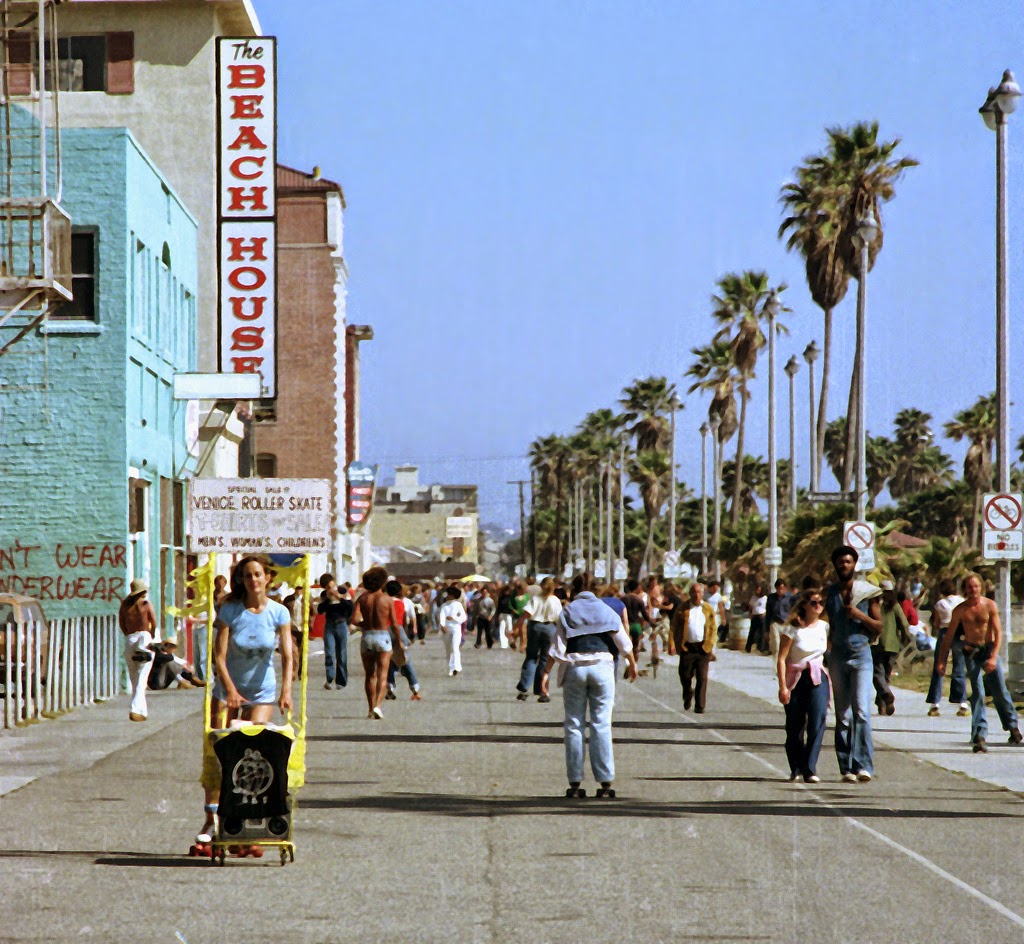
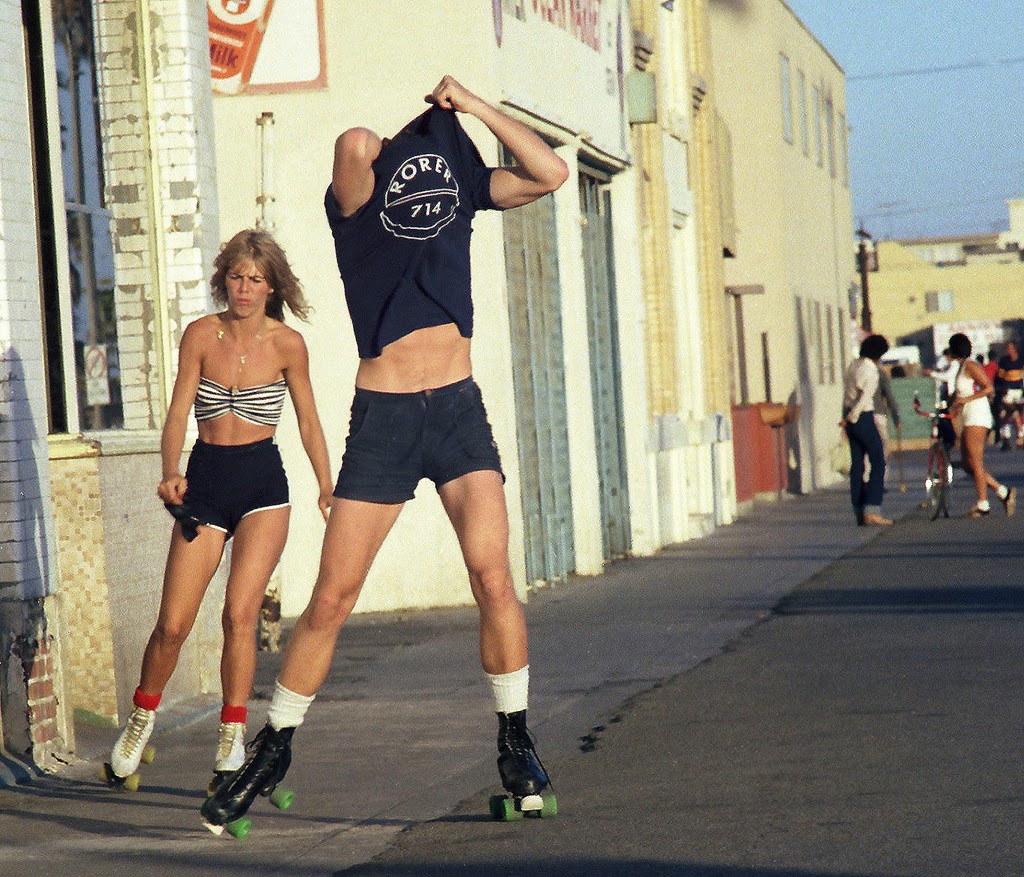
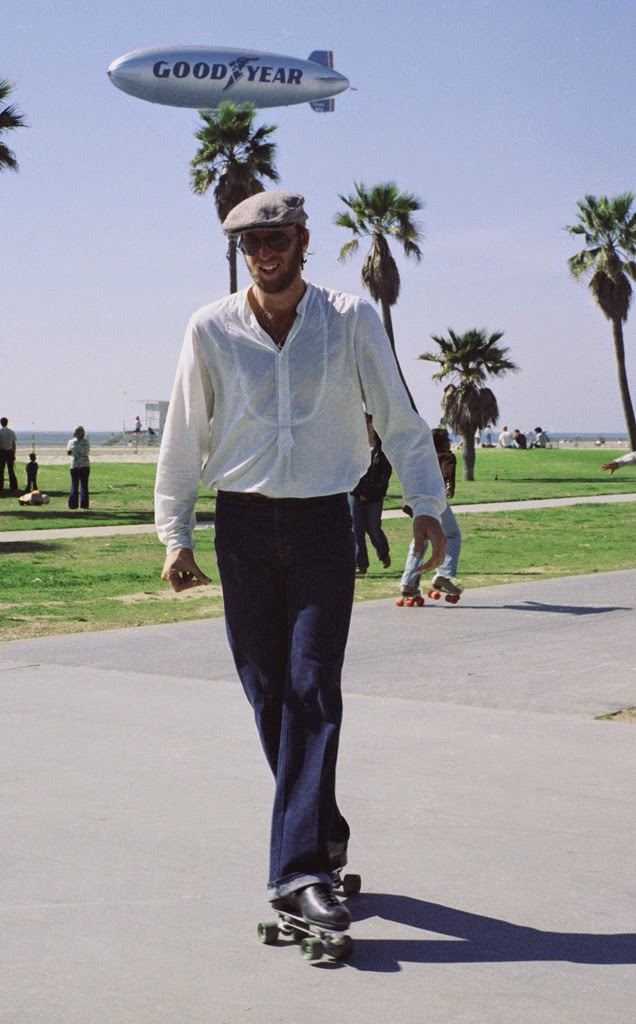
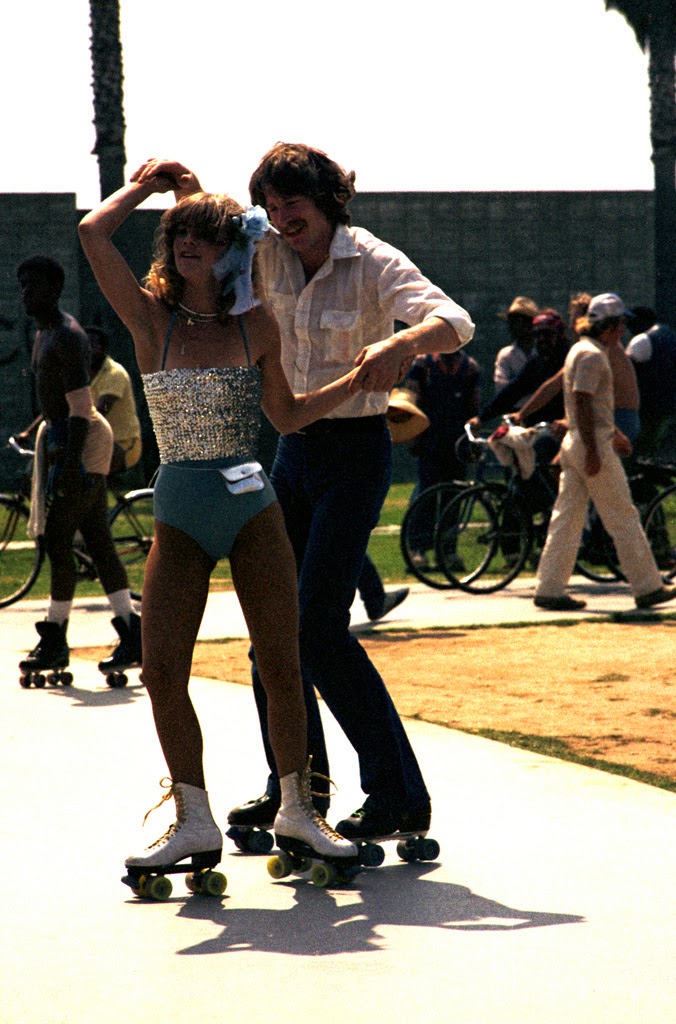
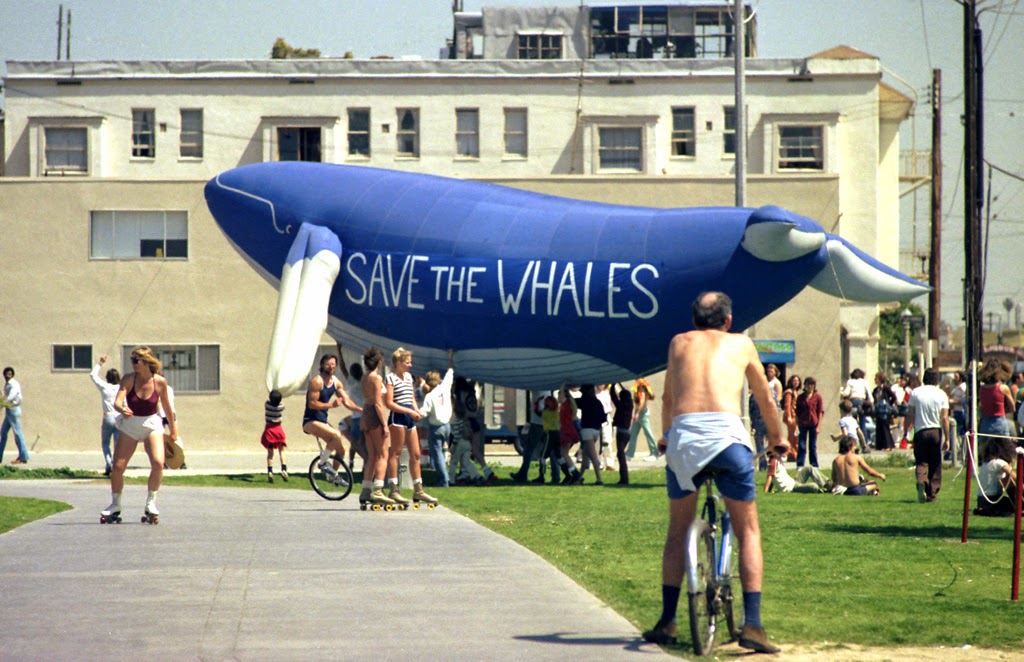
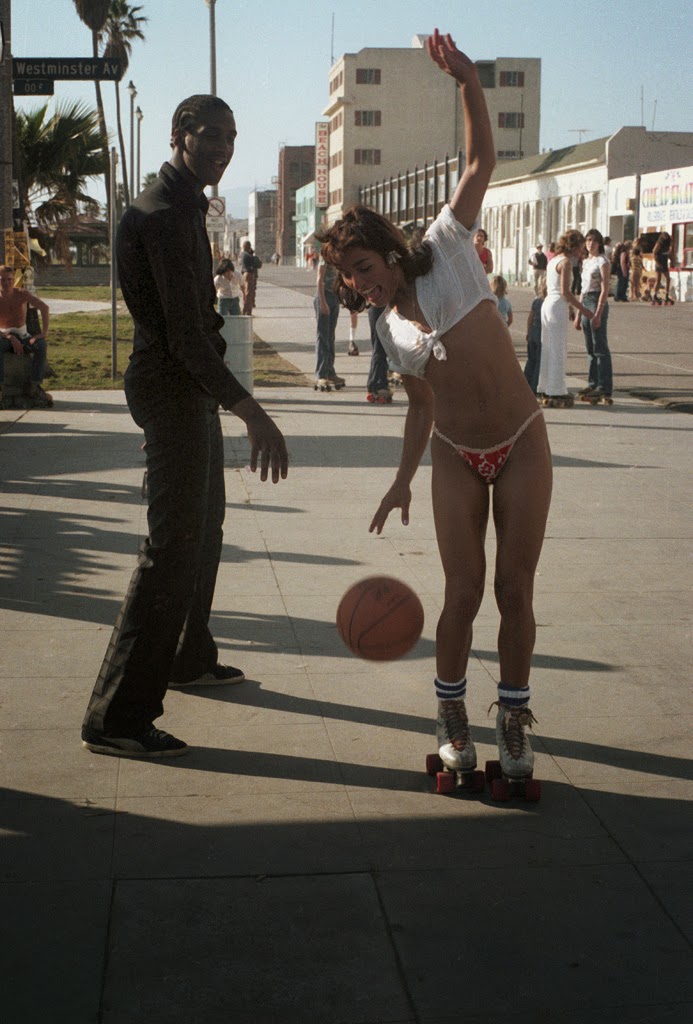
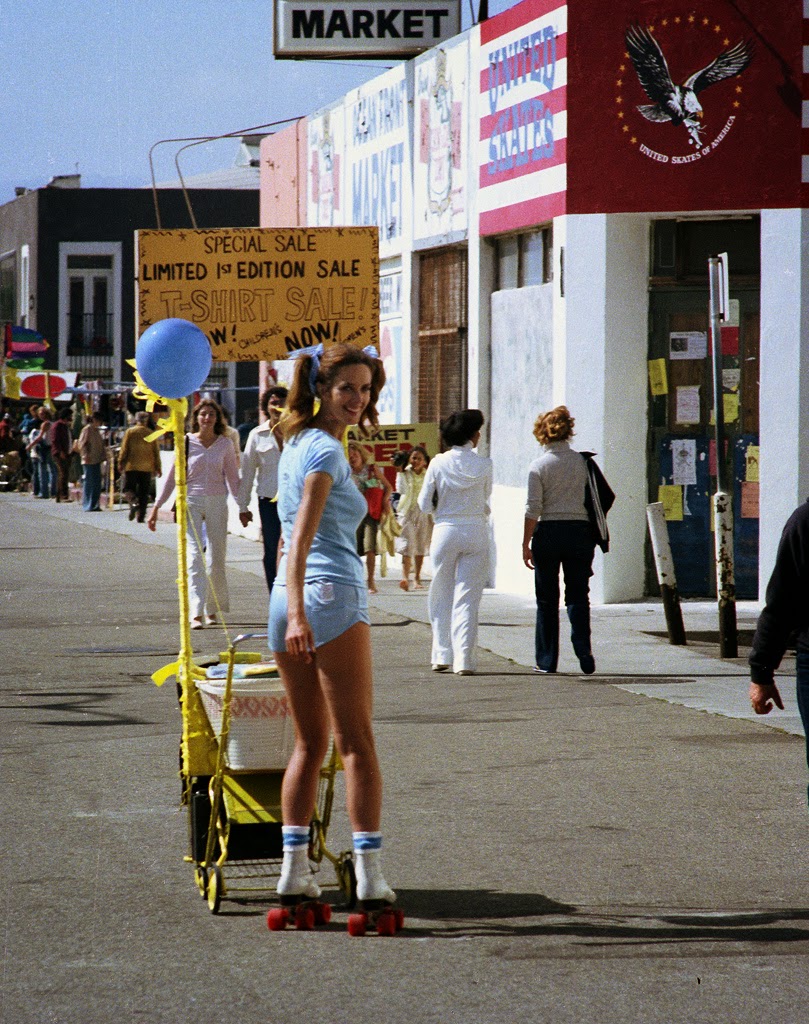
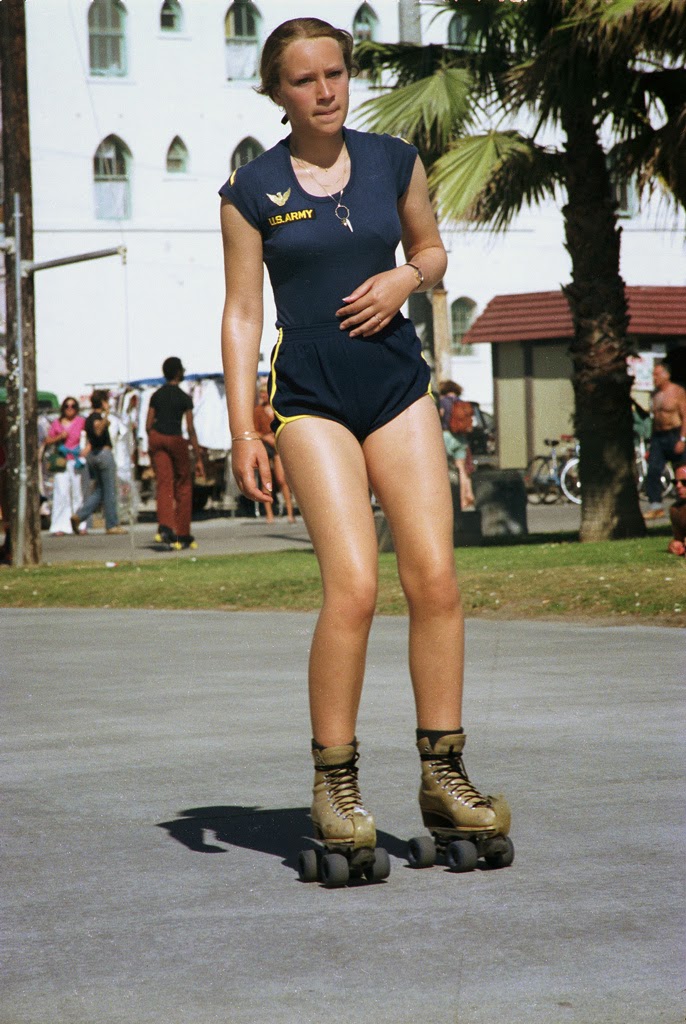
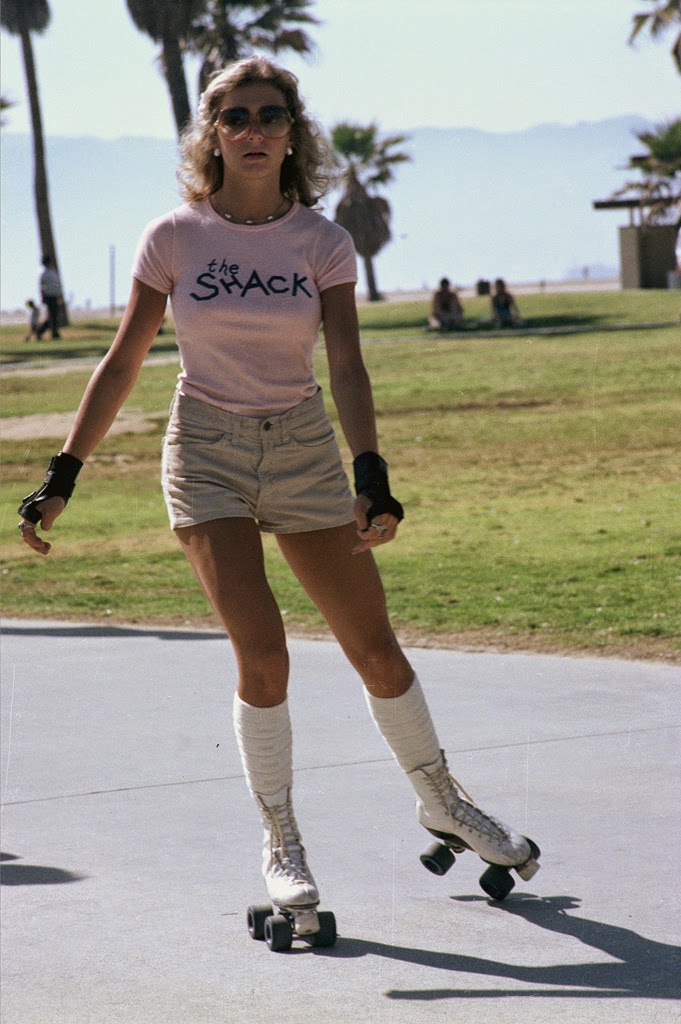
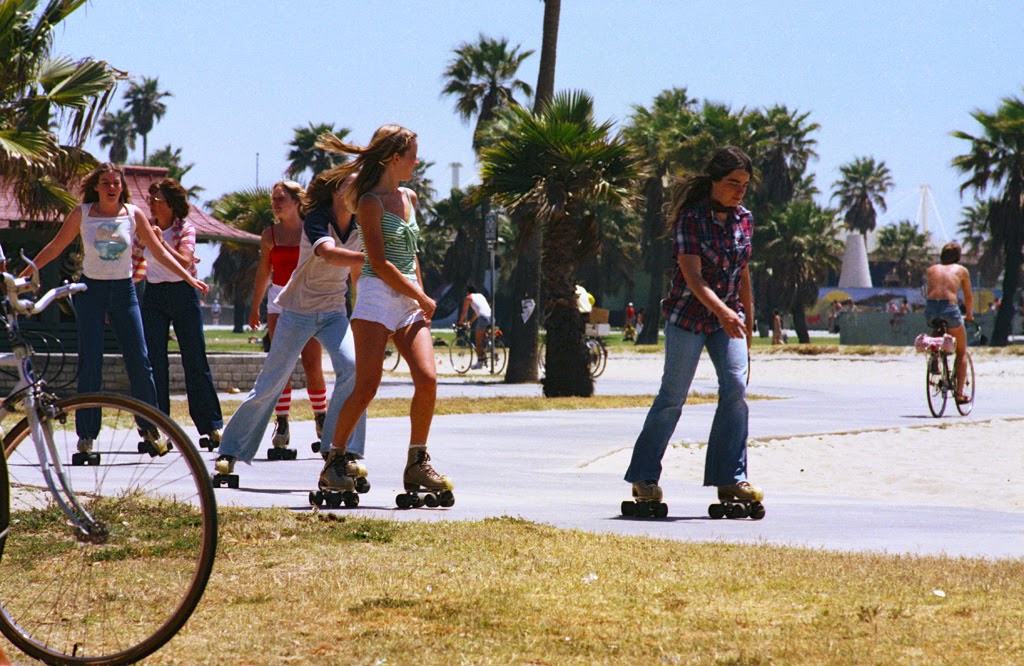
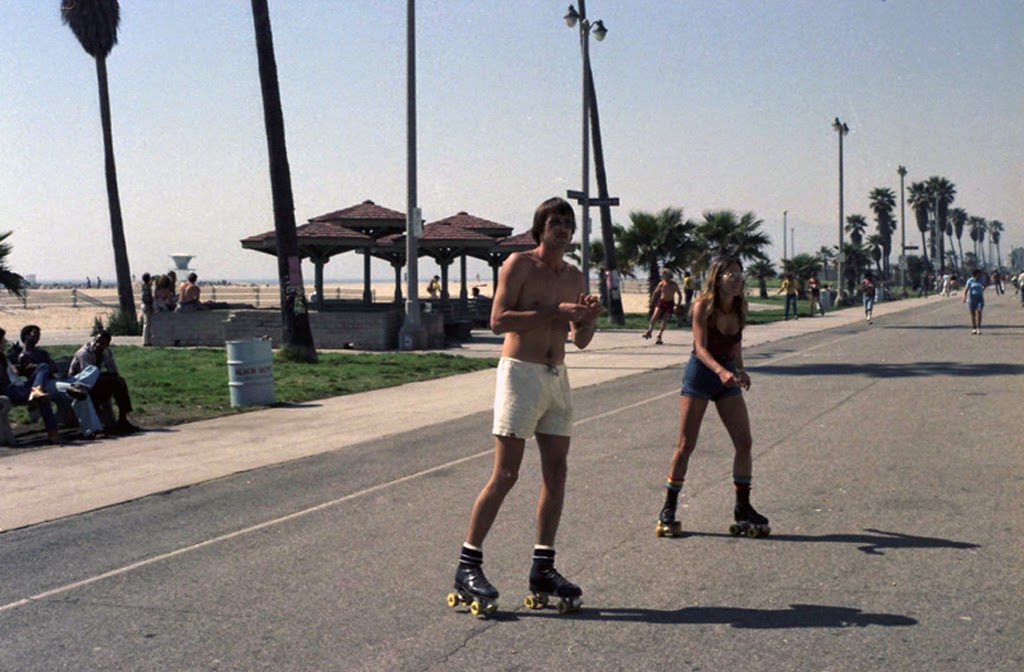
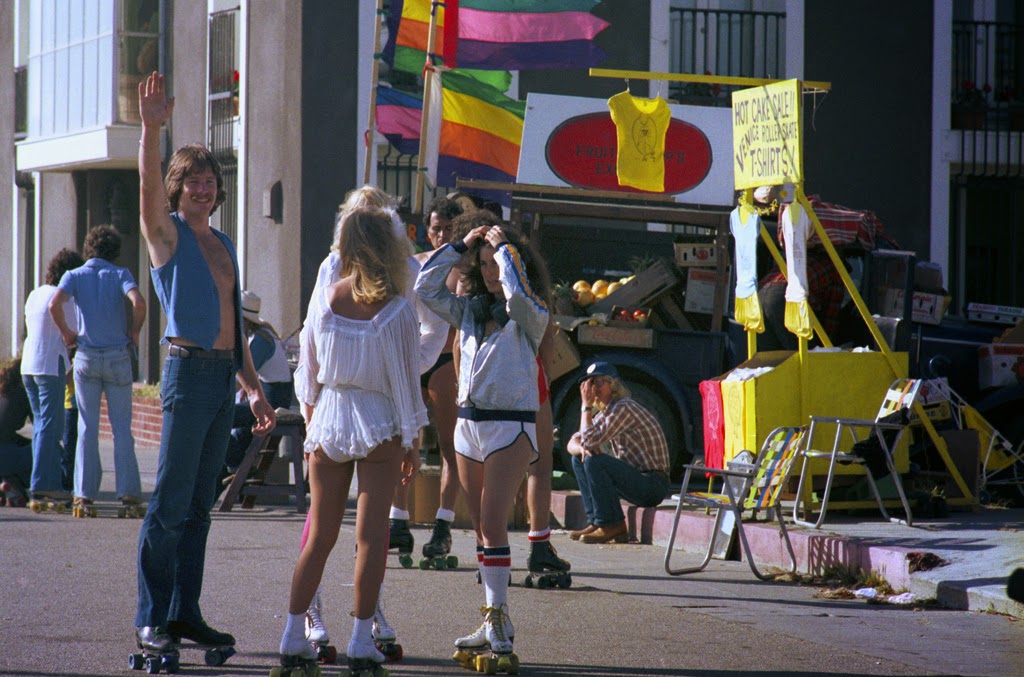
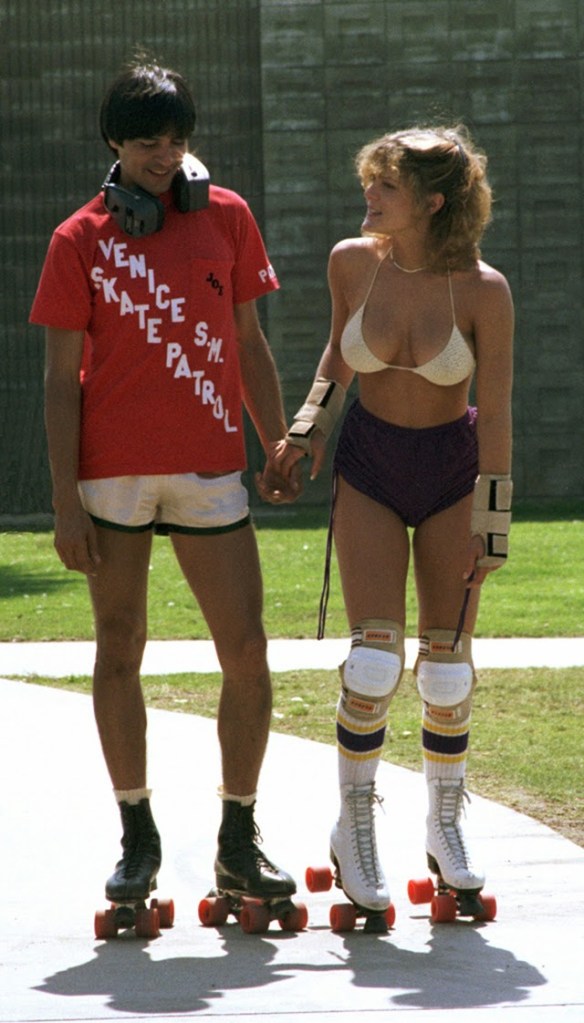
Roller skating has and always will be an all-time favorite activity to do while visiting Venice Beach. Here’s a collection of 34 interesting vintage photographs of roller skater girls skating at Ocean Front Walk, California in 1979.
Mathew Brady (1823-1896) was one of the most prolific photographers of the nineteenth century, creating a visual documentation of the Civil War period (1860-1865).
During the Civil War, Brady and his associates traveled throughout the eastern part of the country, capturing the effects of the War through photographs of people, towns, and battlefields. Additionally, Brady kept studios in Washington, DC and New York City, where many influential politicians and war heroes sat for portraits.
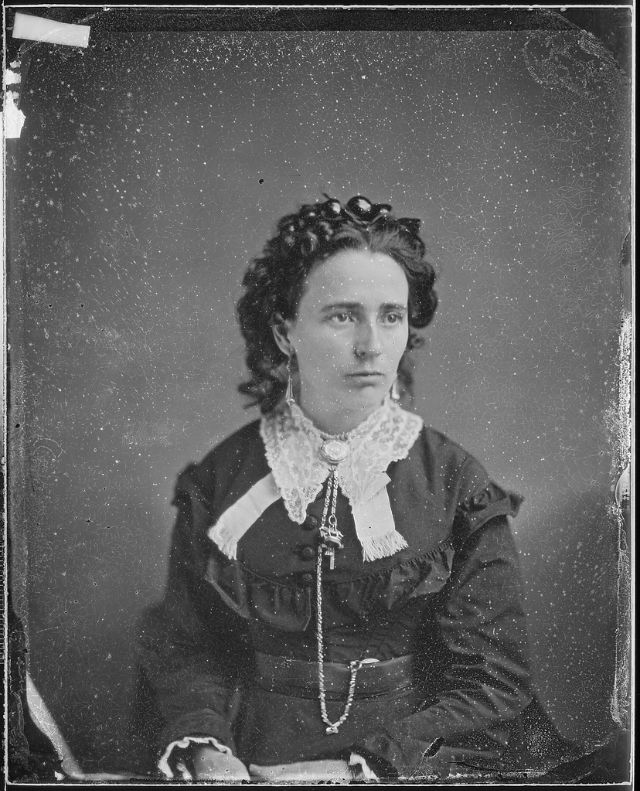
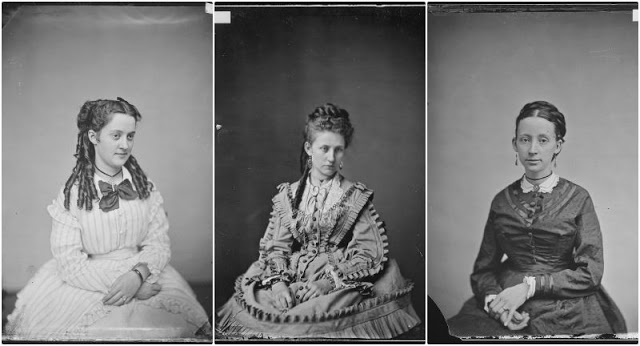
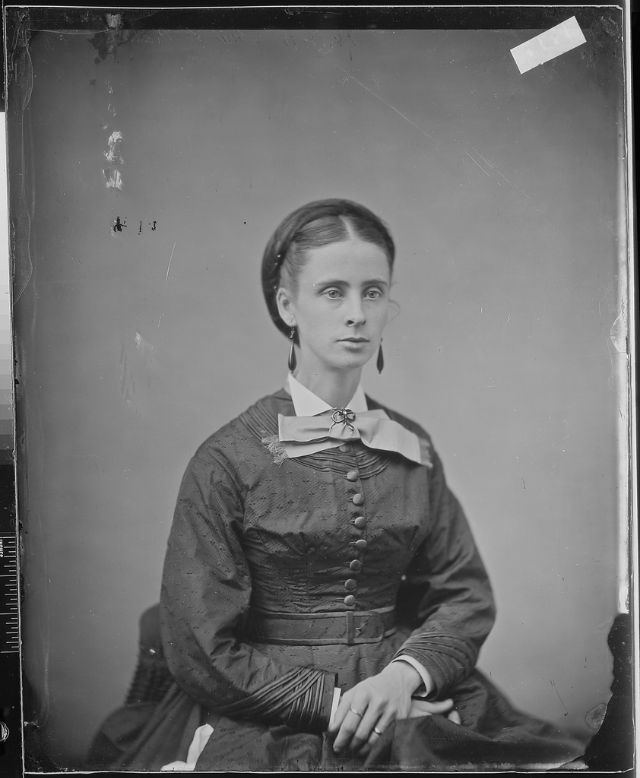
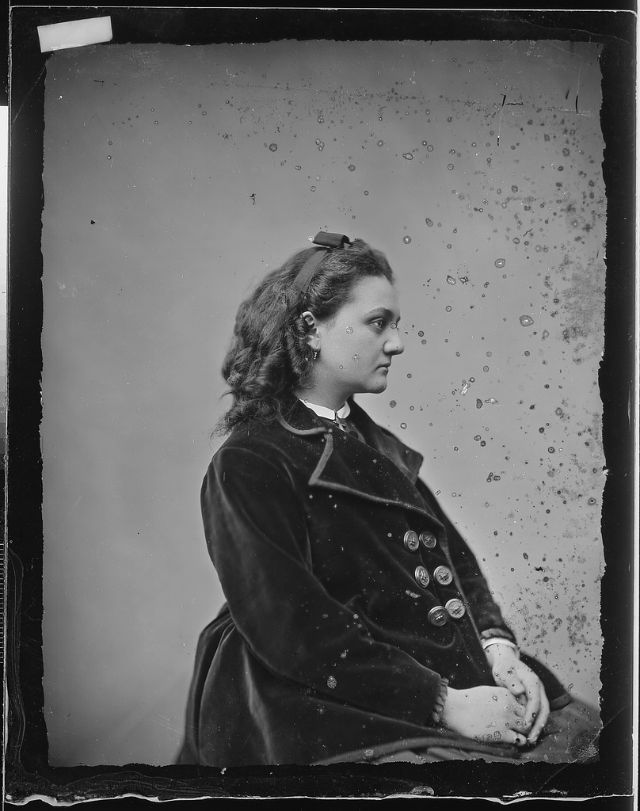
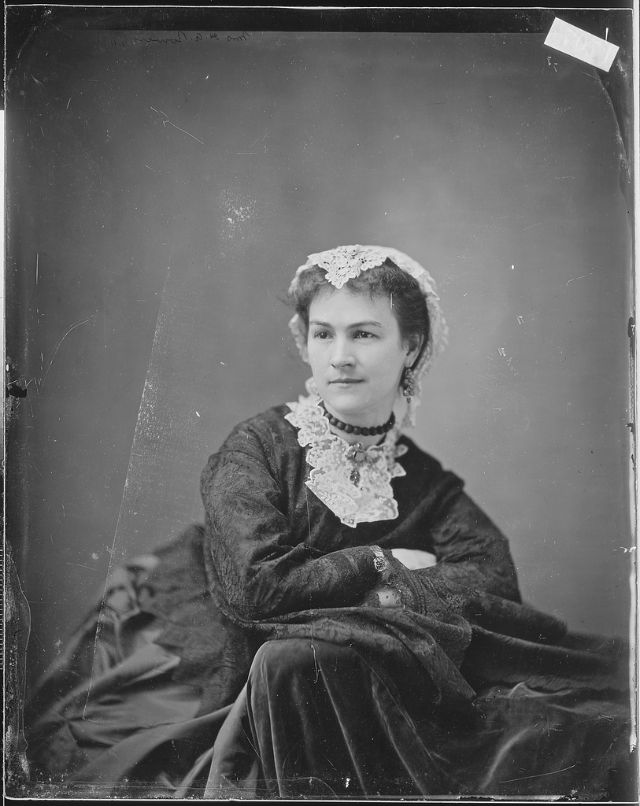
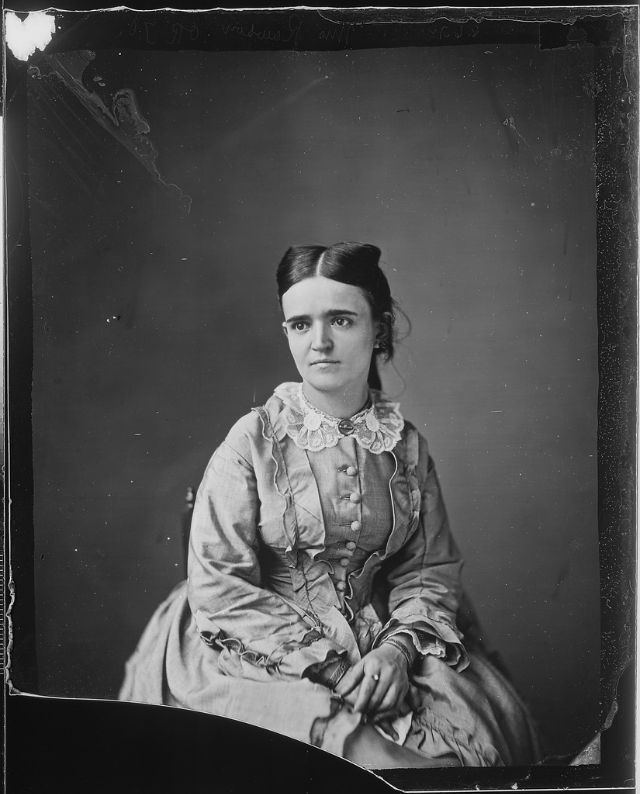
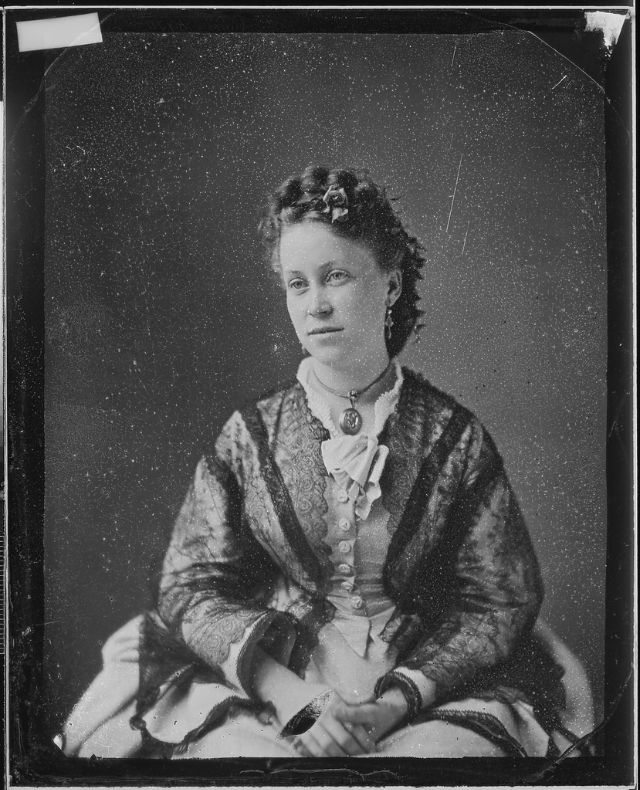
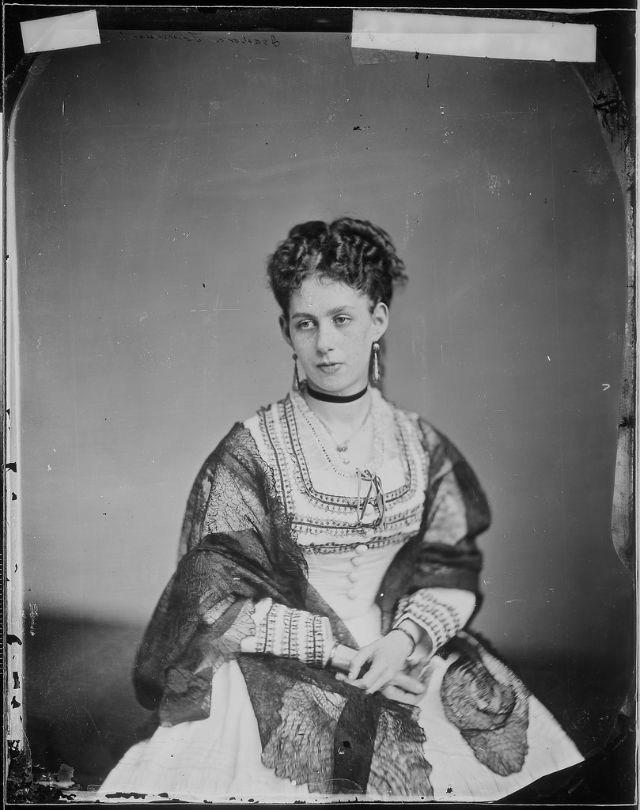
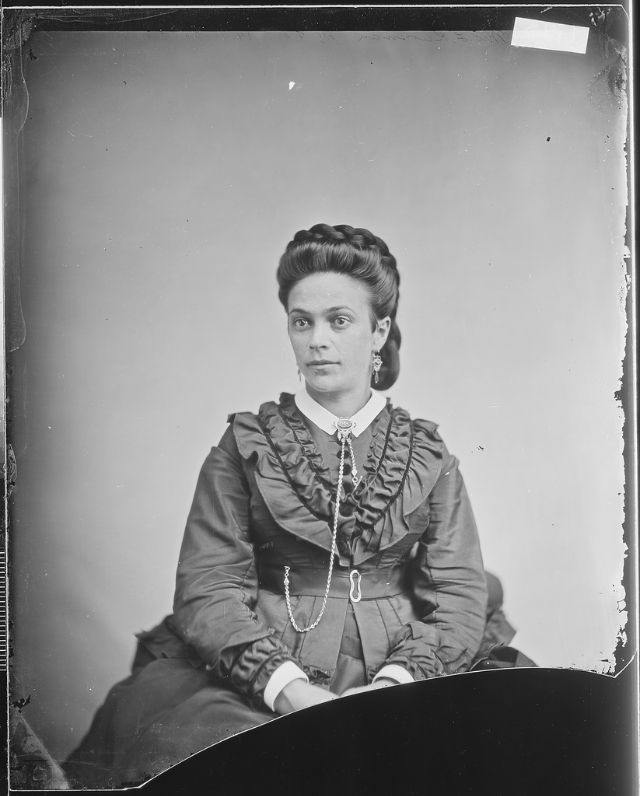
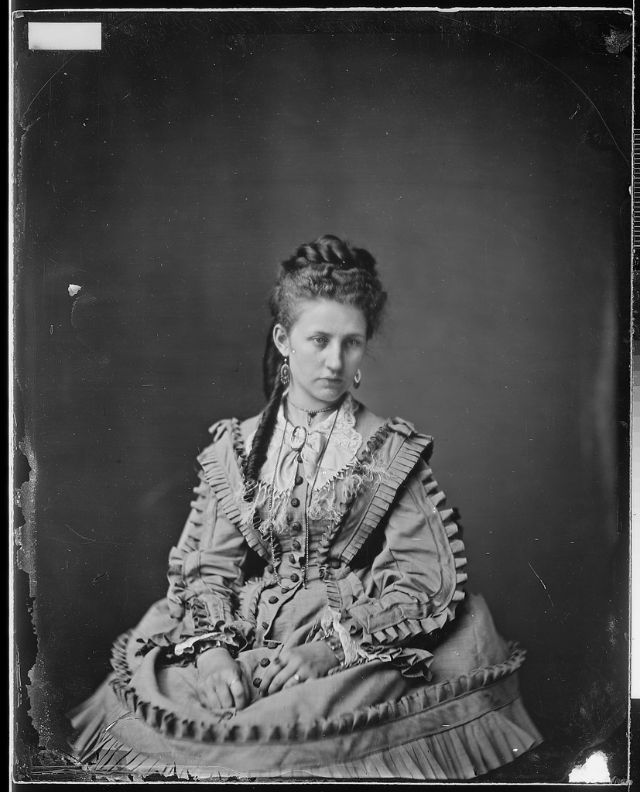
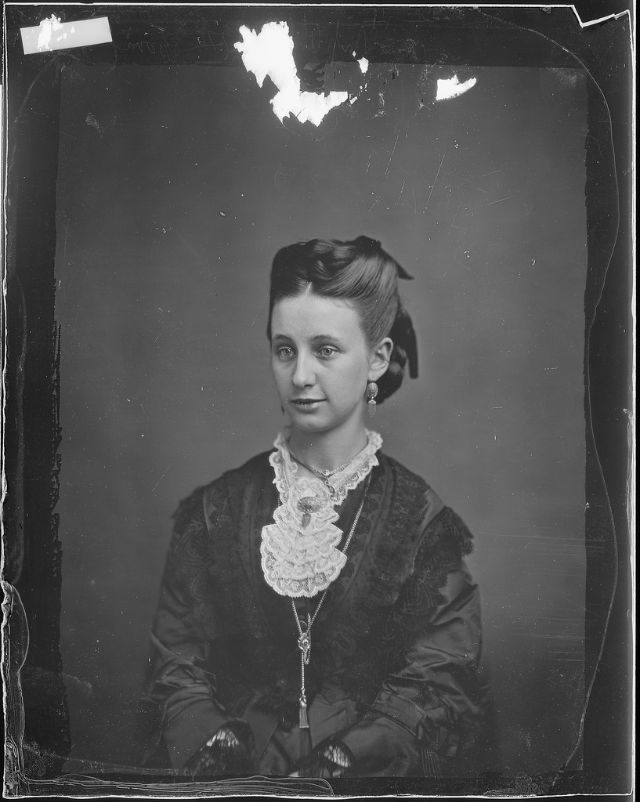
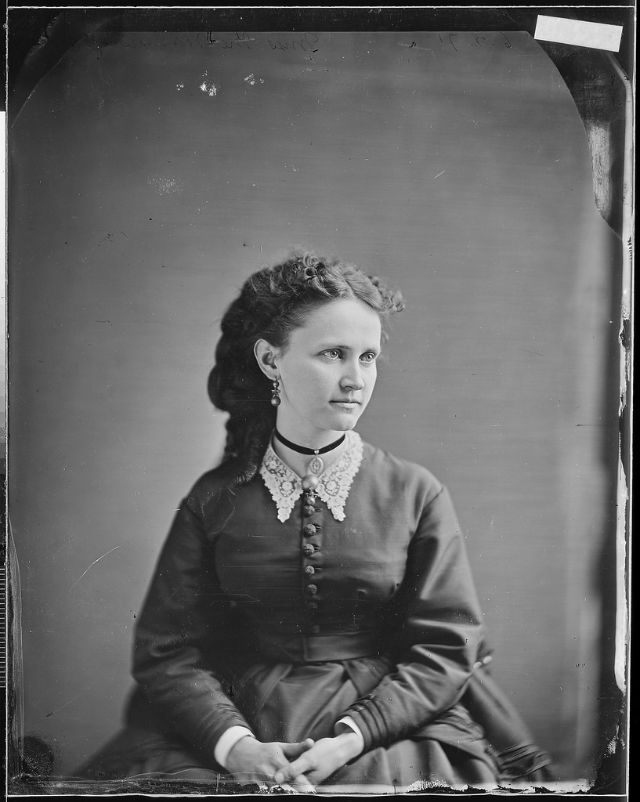
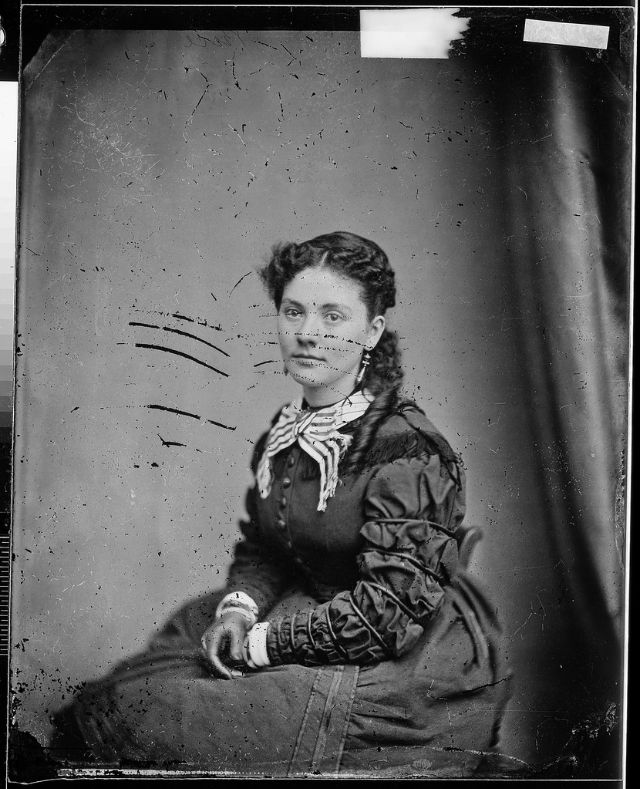
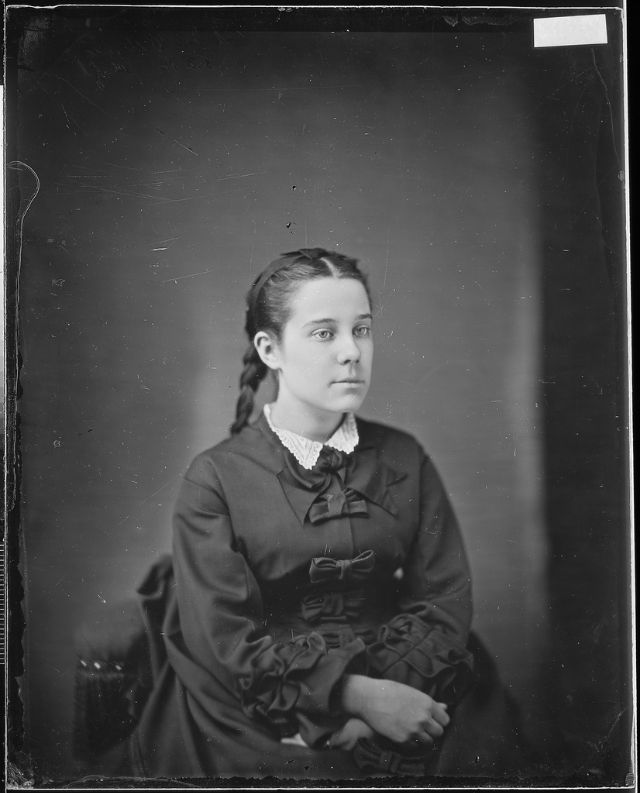
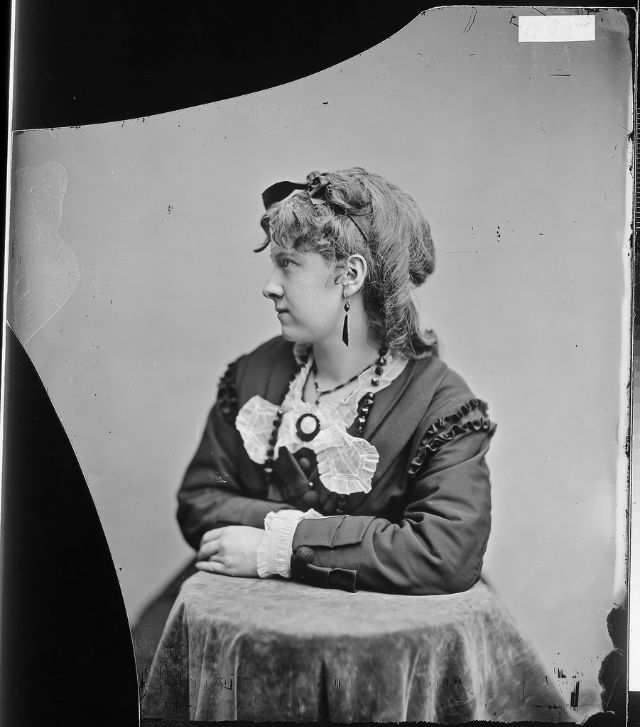
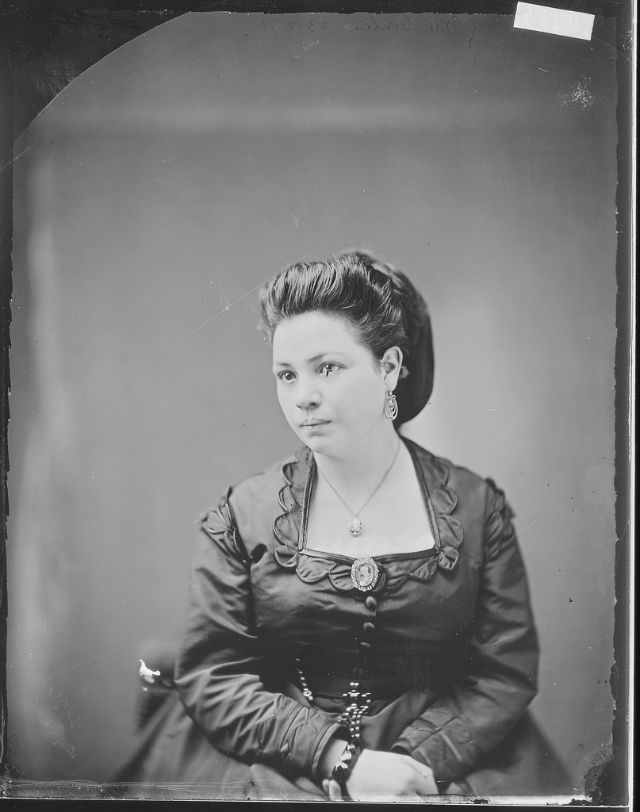
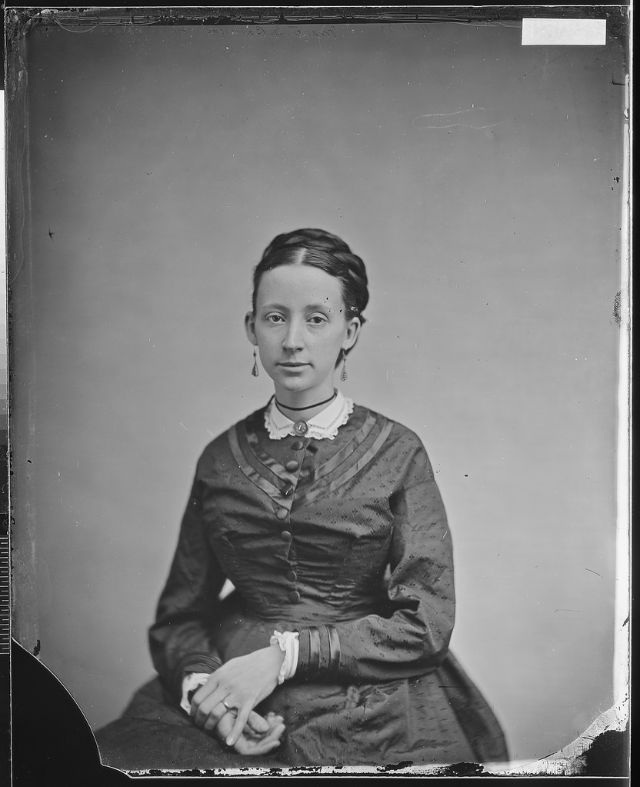
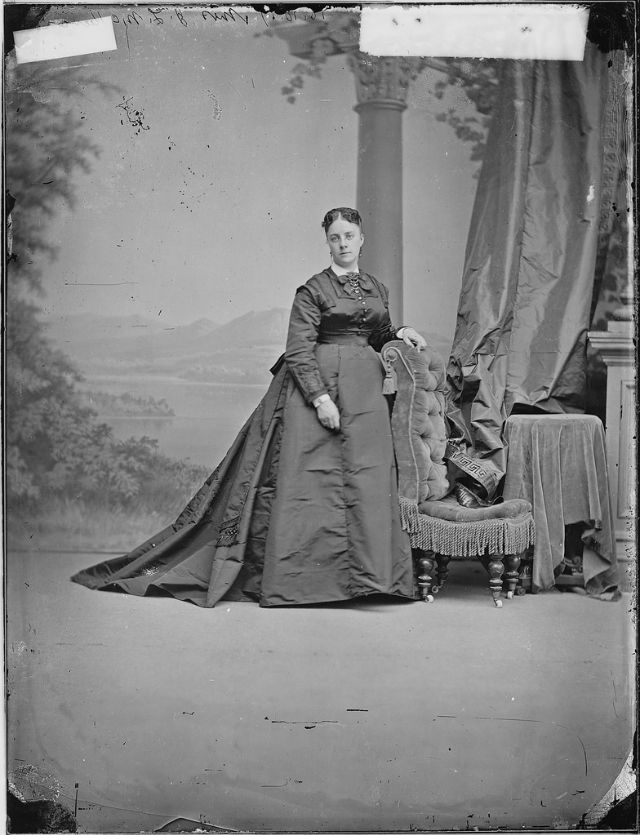
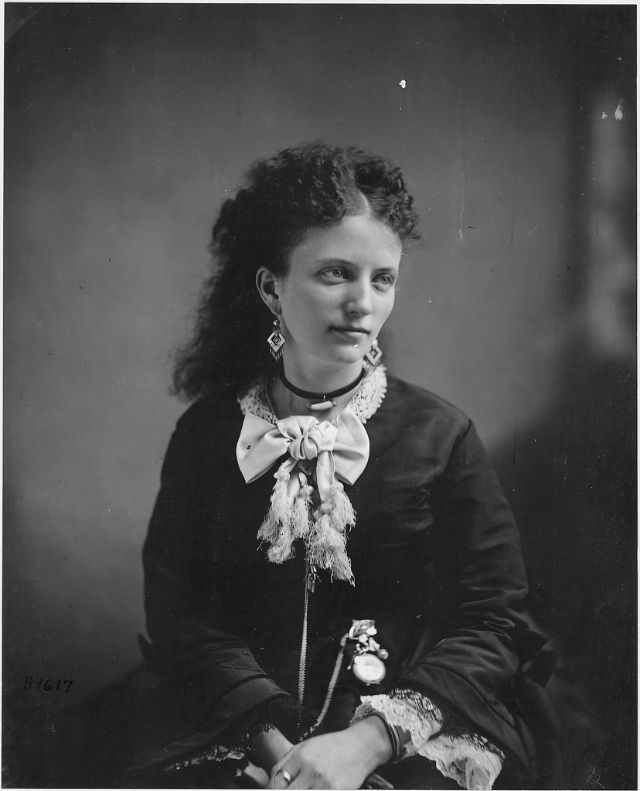
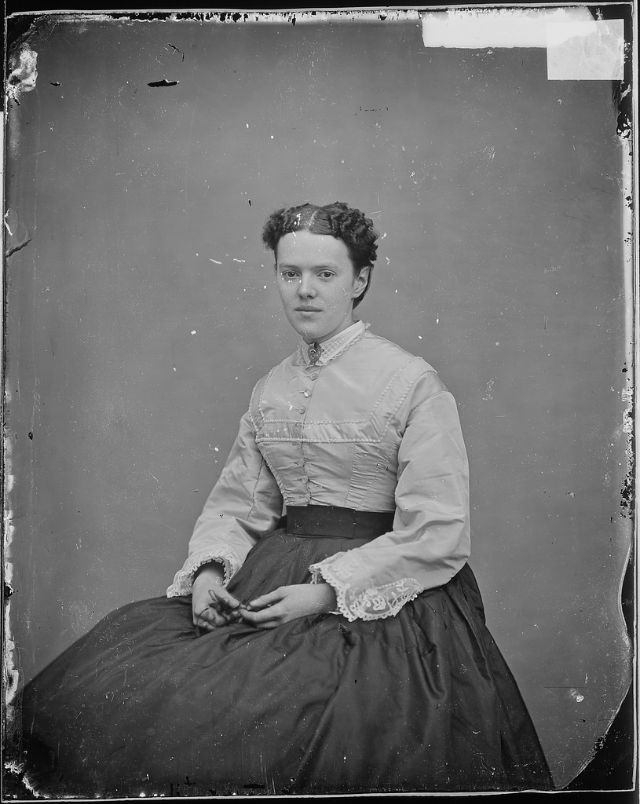
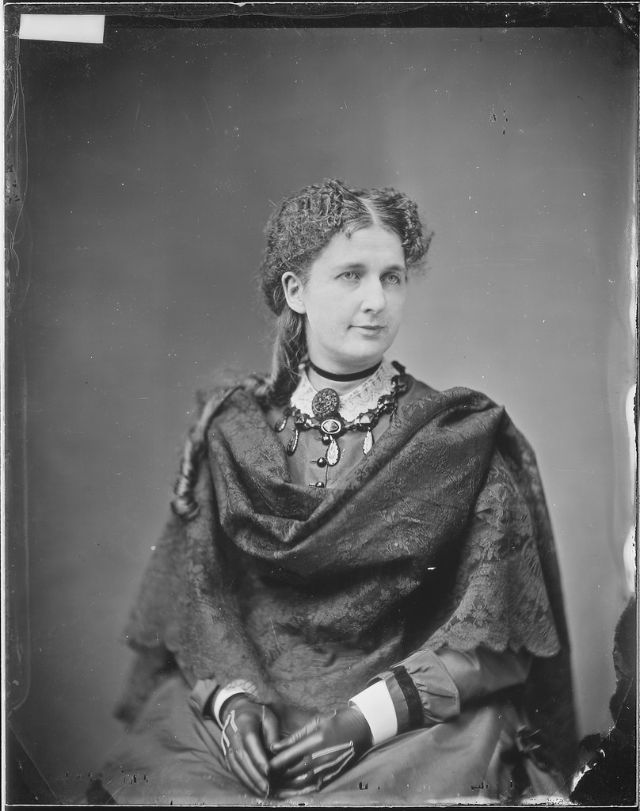
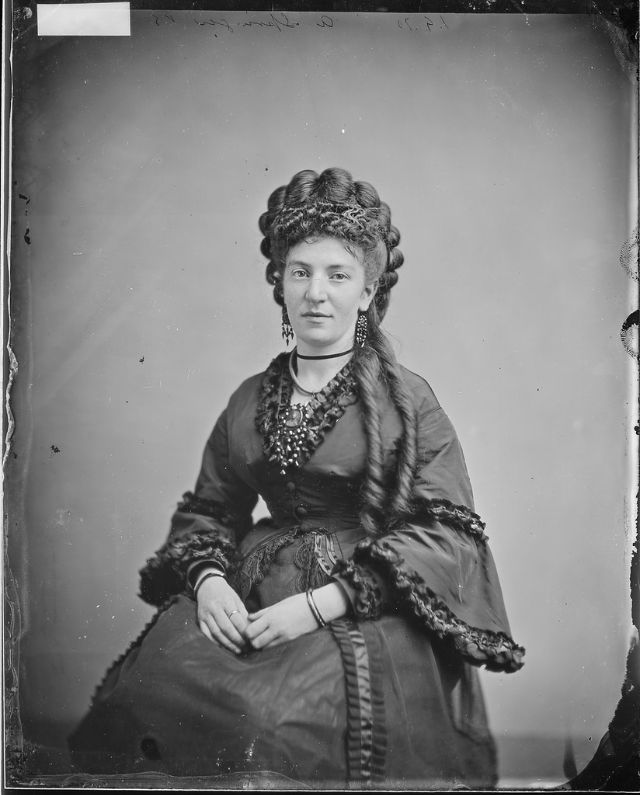
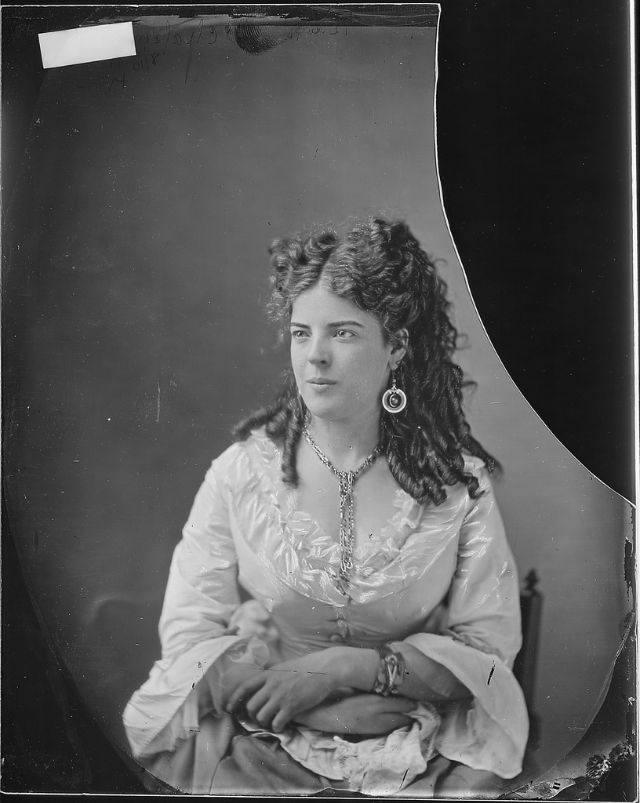
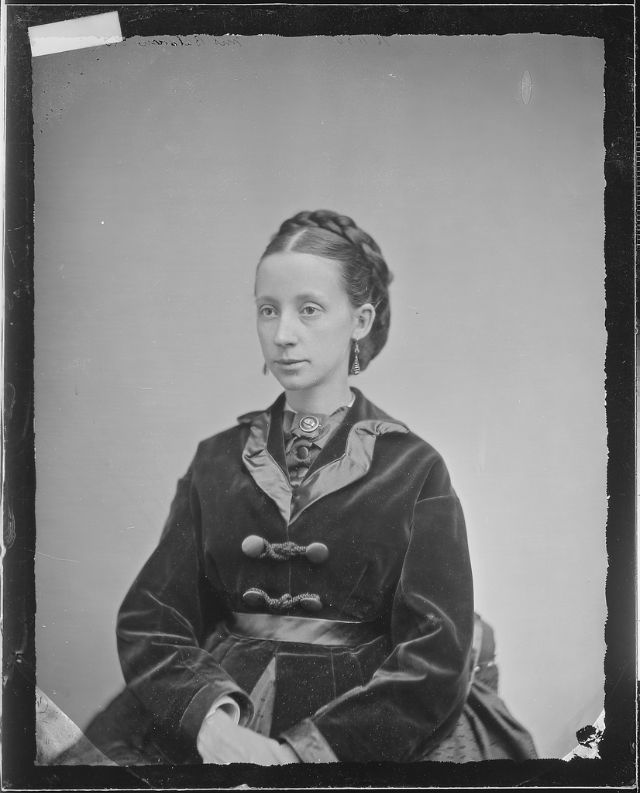
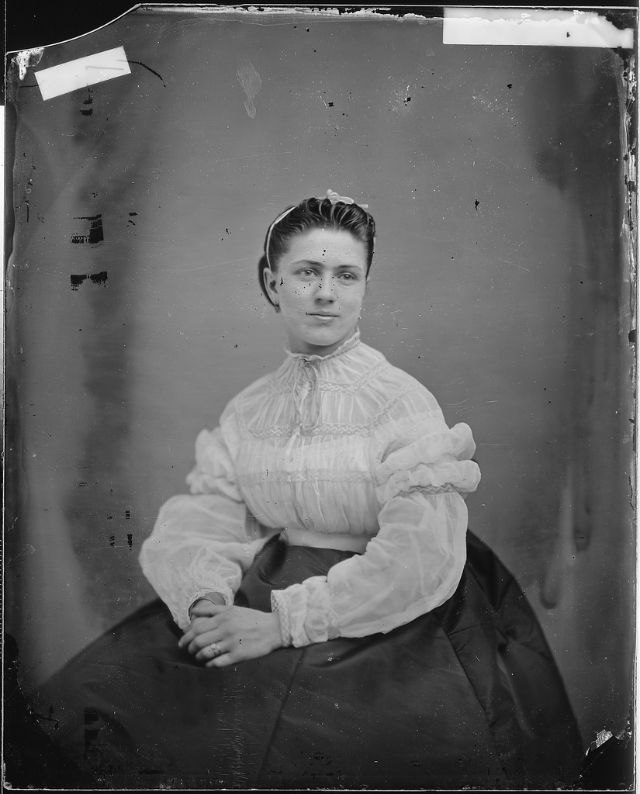
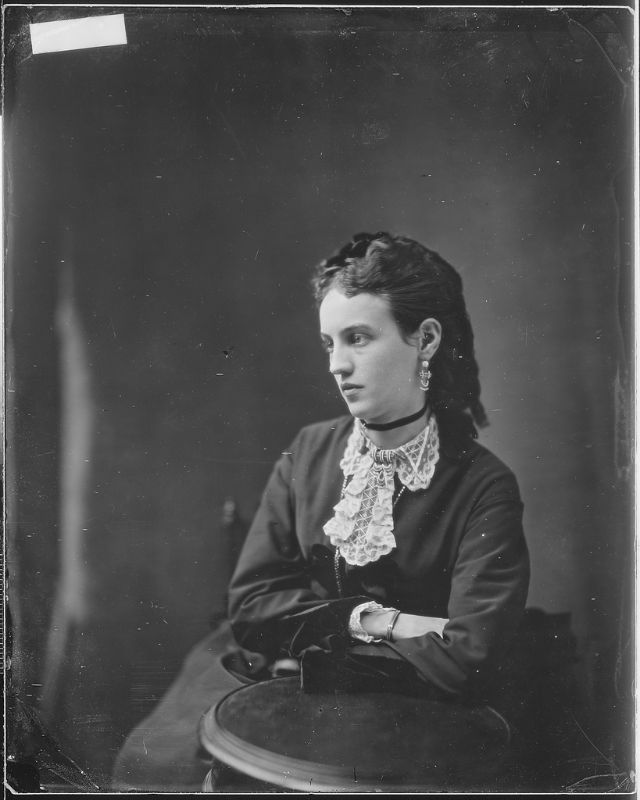
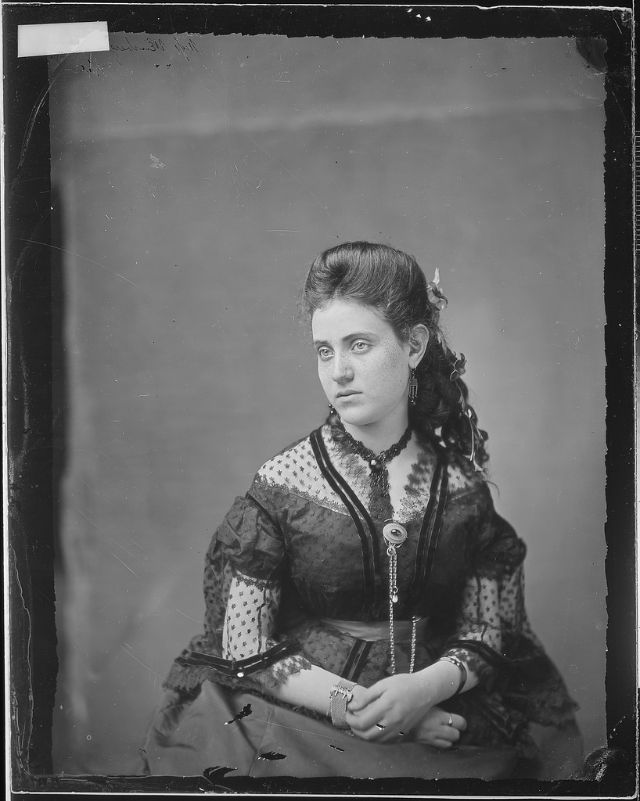
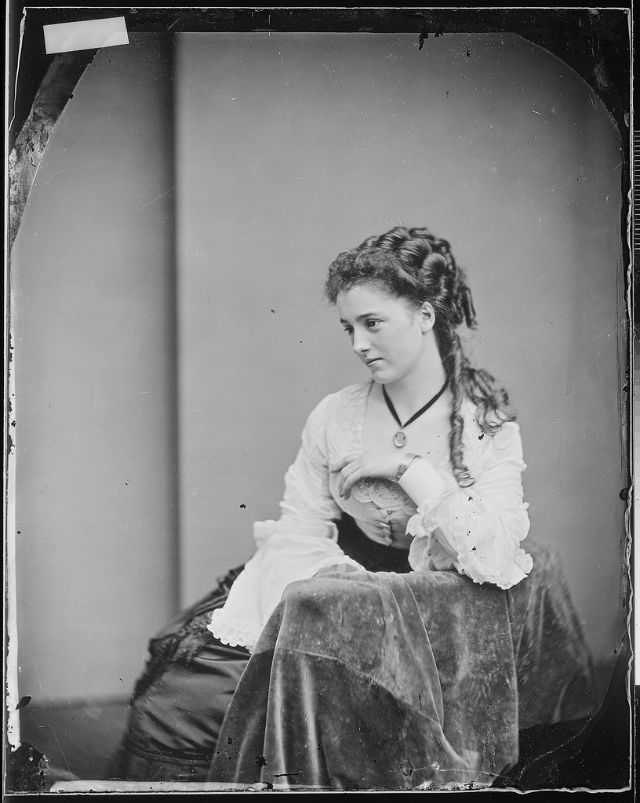
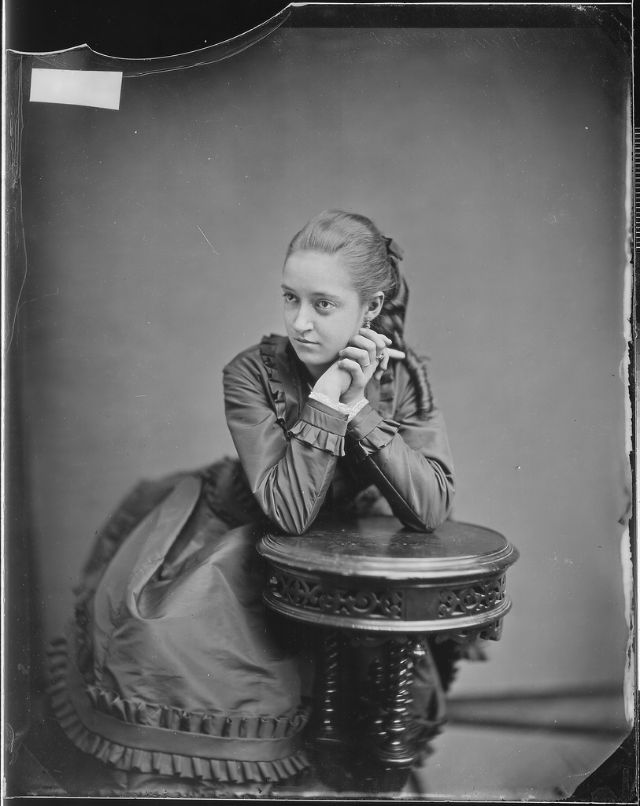
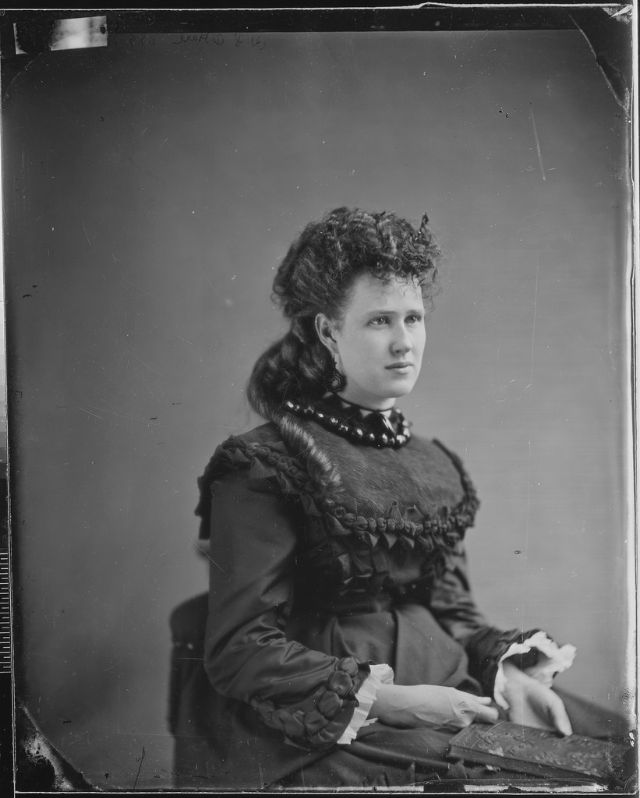
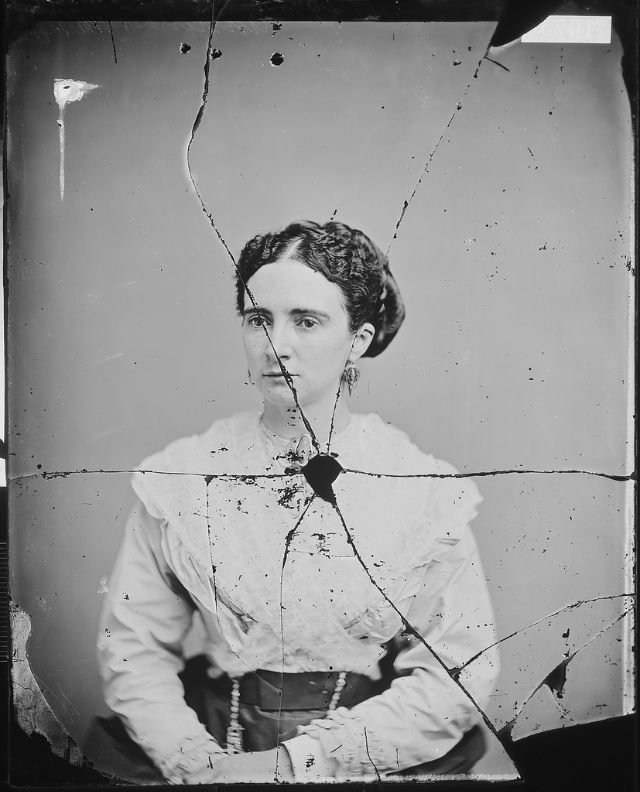
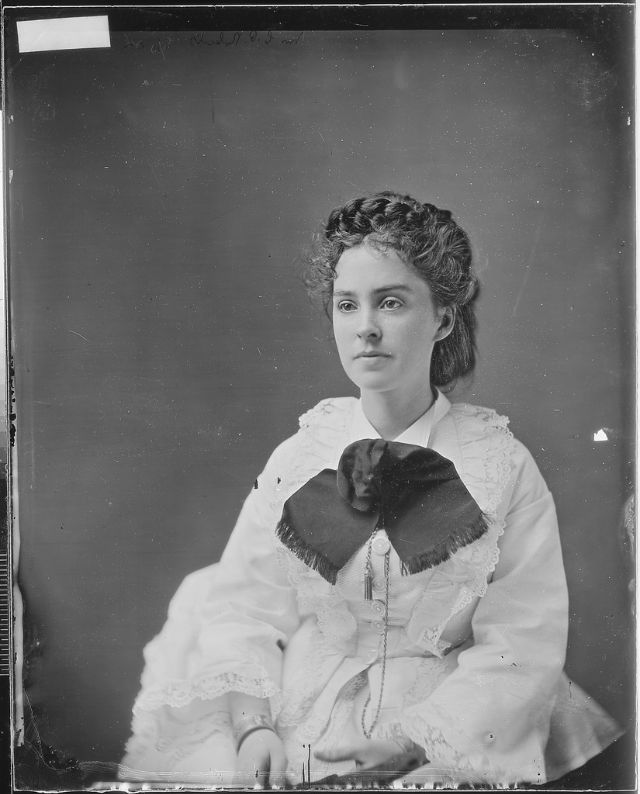
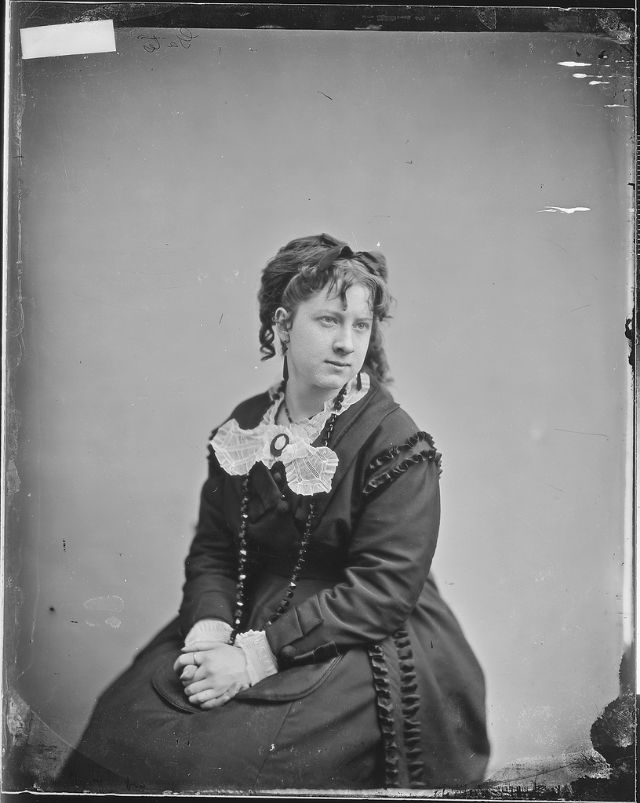
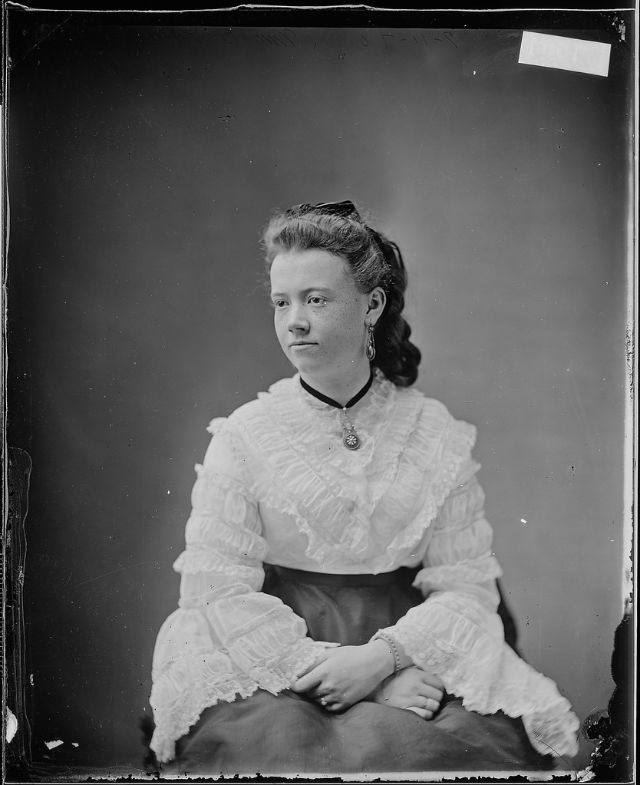
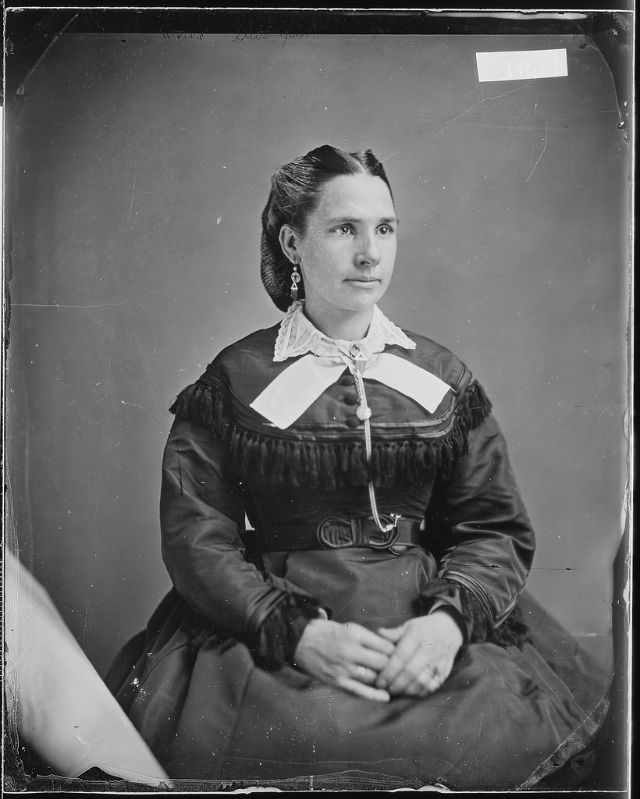
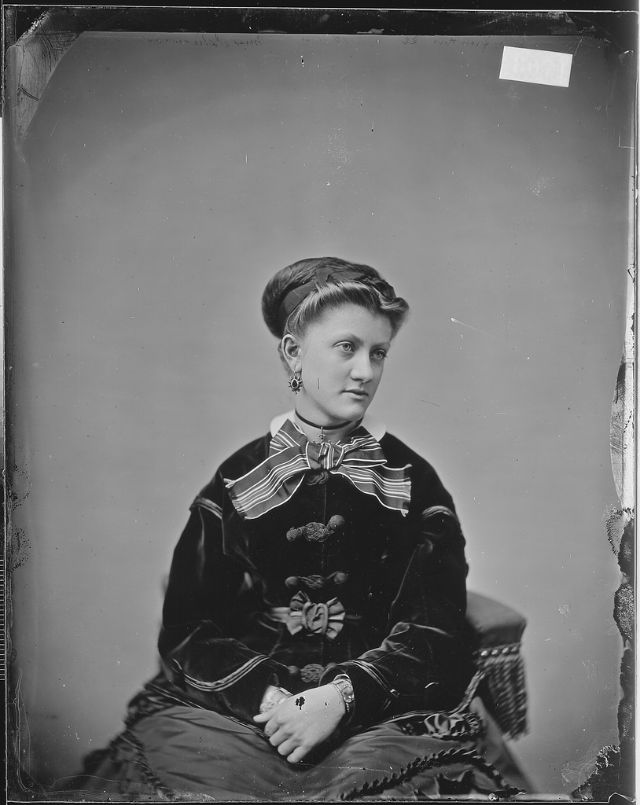
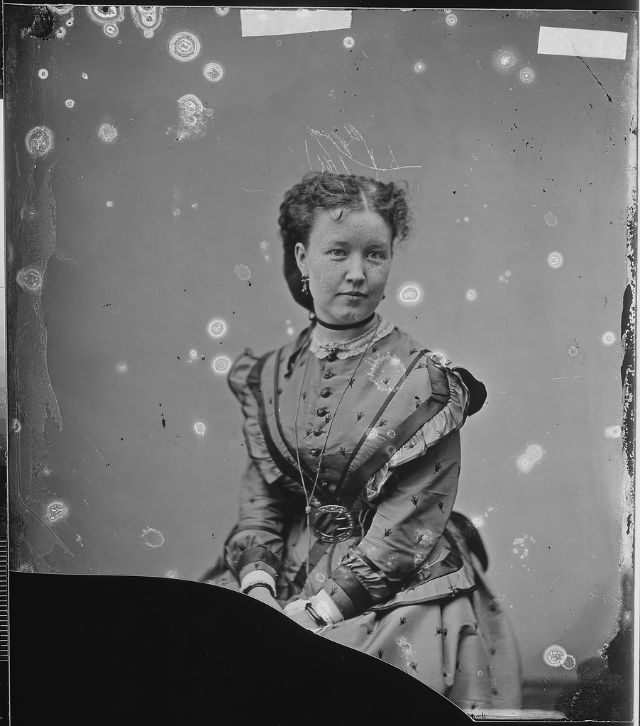
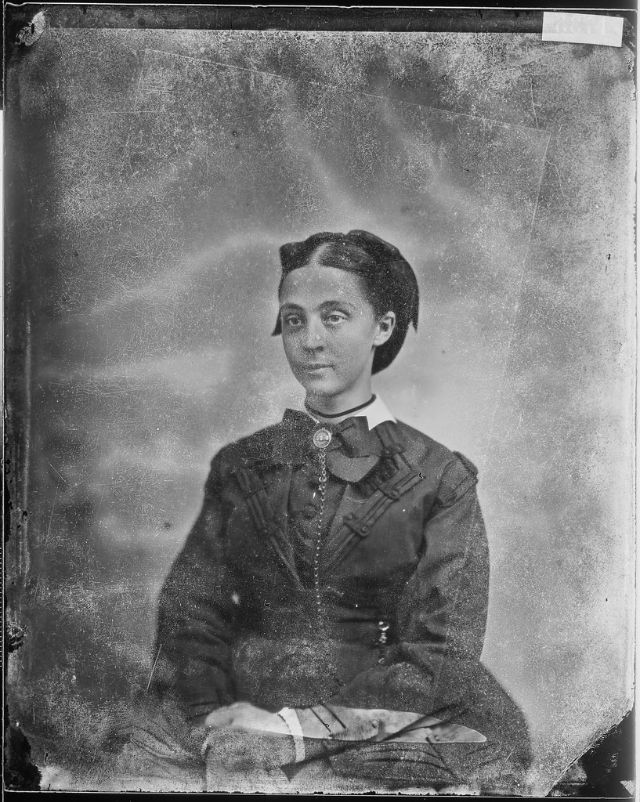
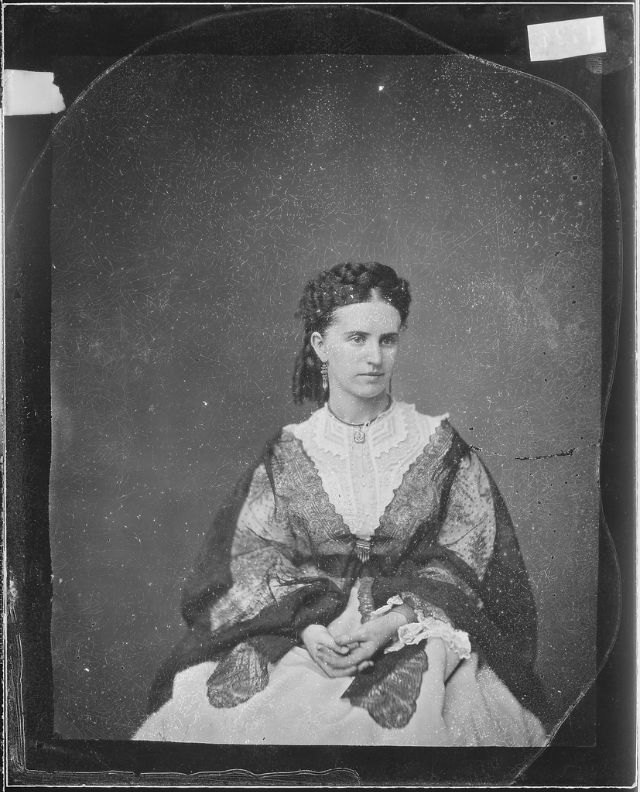
Mathew Brady photographed many subjects in the time of the Civil War, including various portraits of women.
The U.S. National Archives has digitized over 6,000 images from the series Mathew Brady Photographs of Civil War-Era Personalities and Scenes, and here are some young ladies from the collection that he shot around 1863.
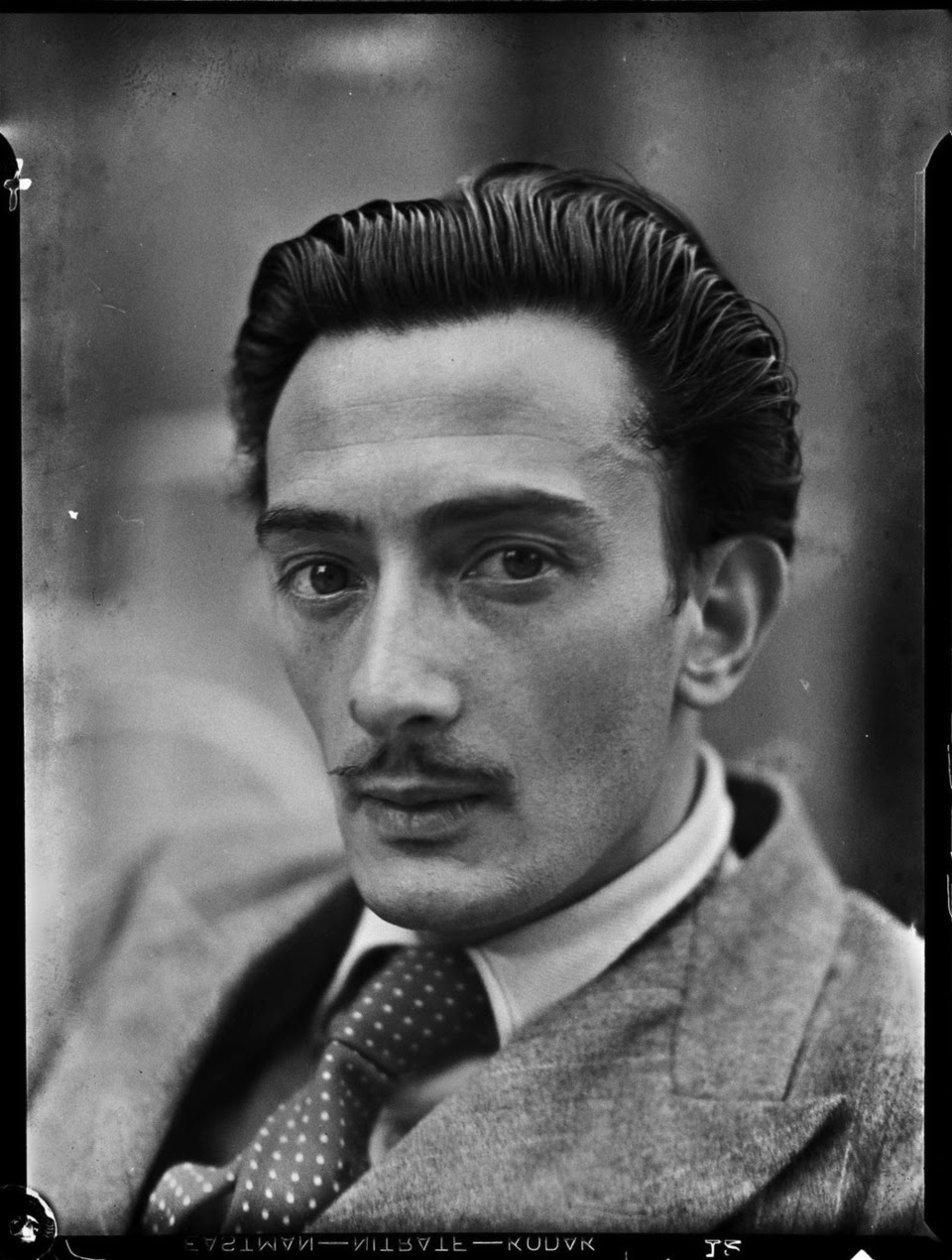
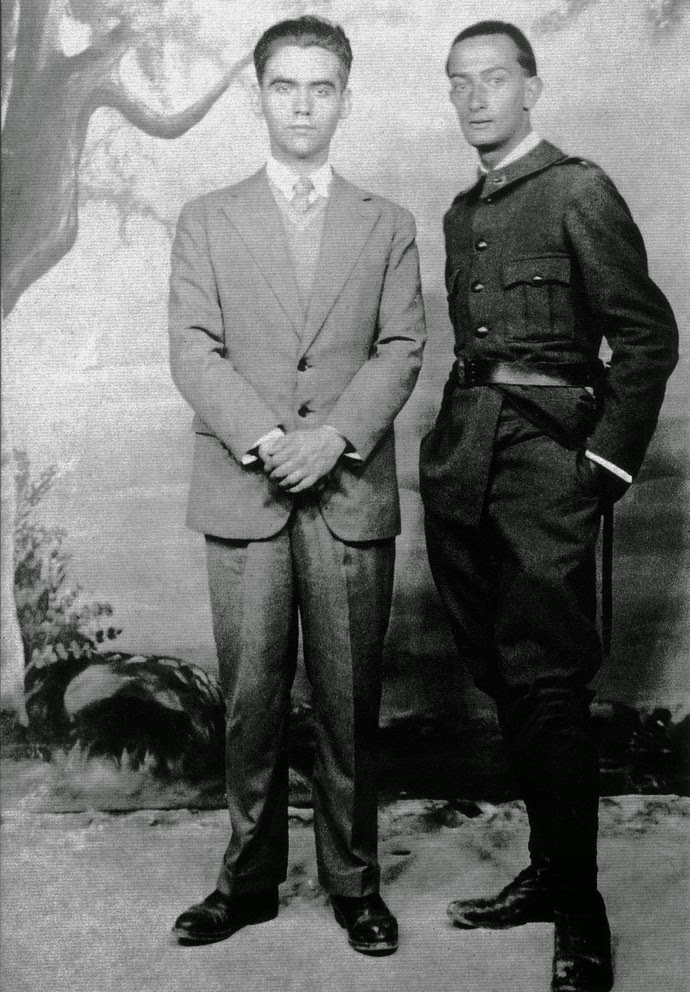
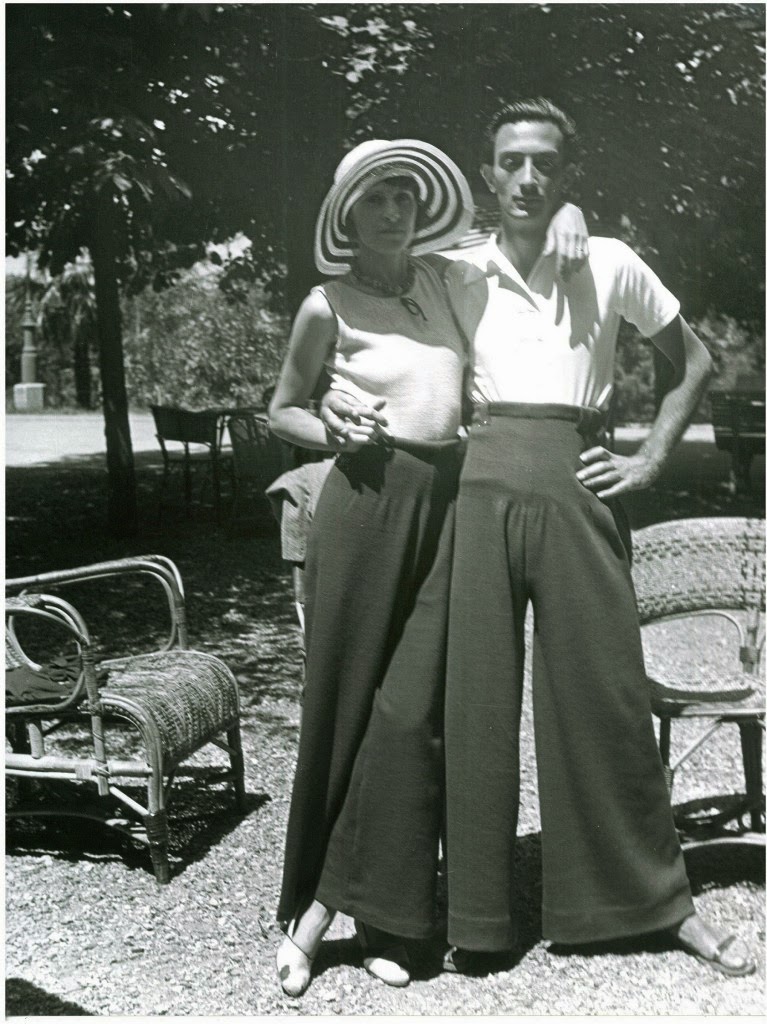
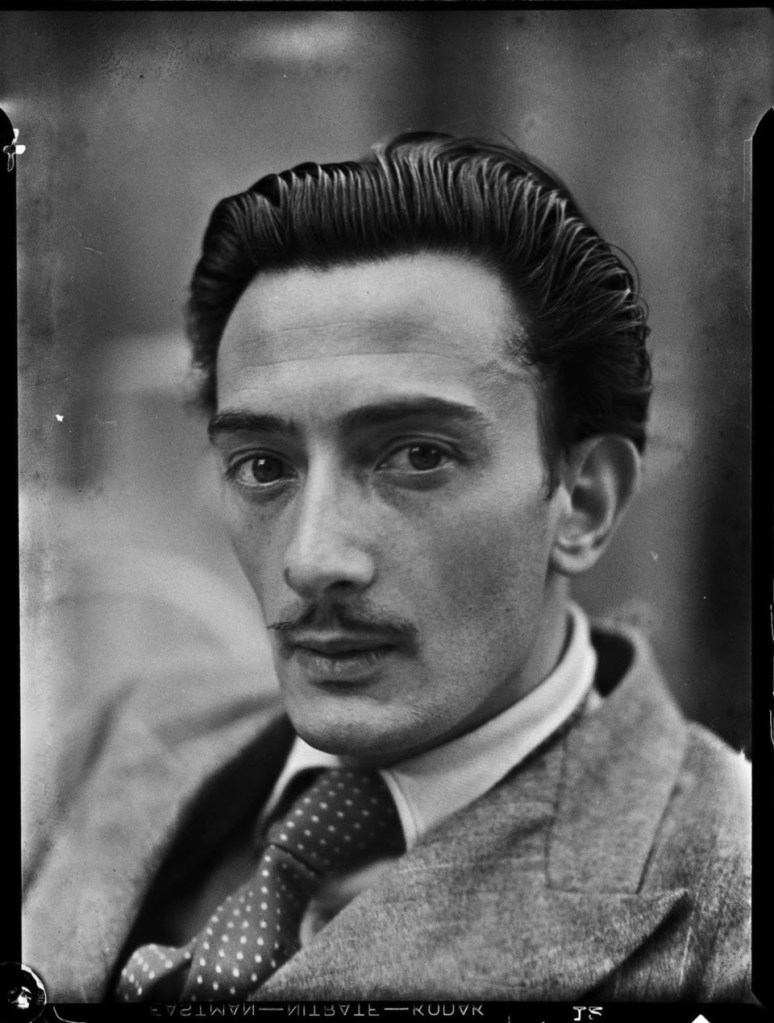
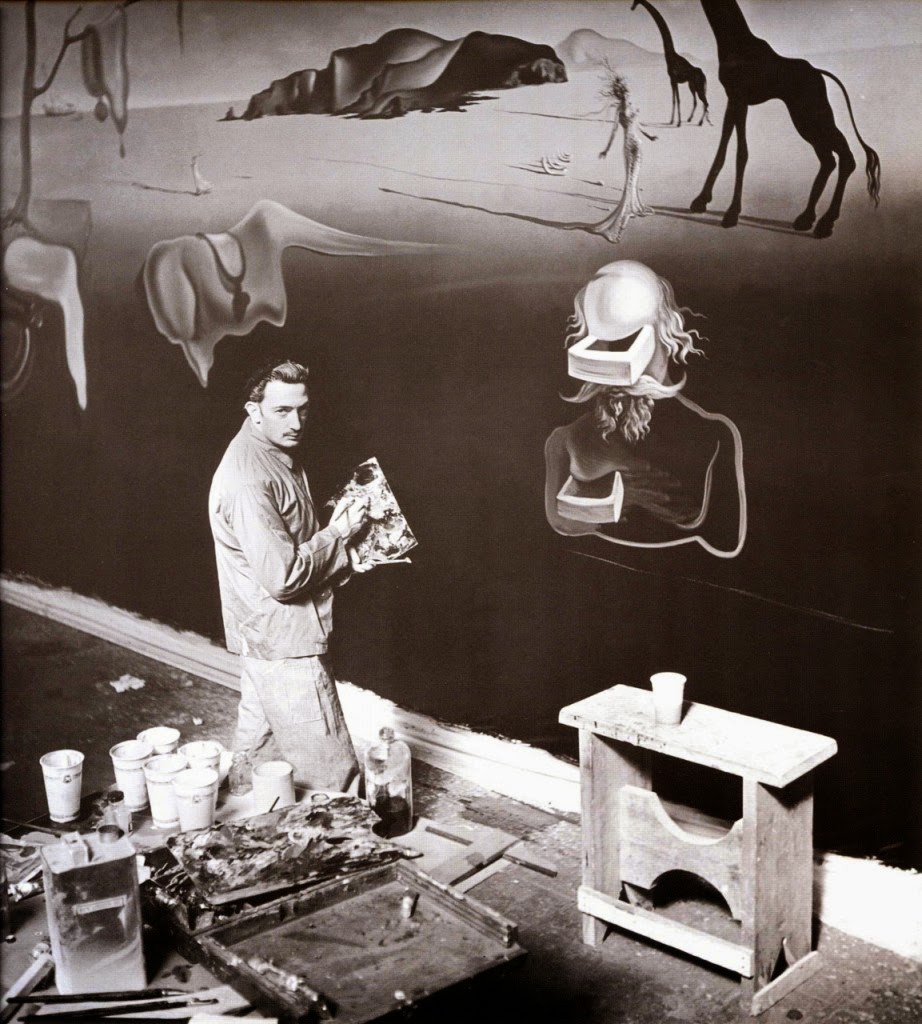
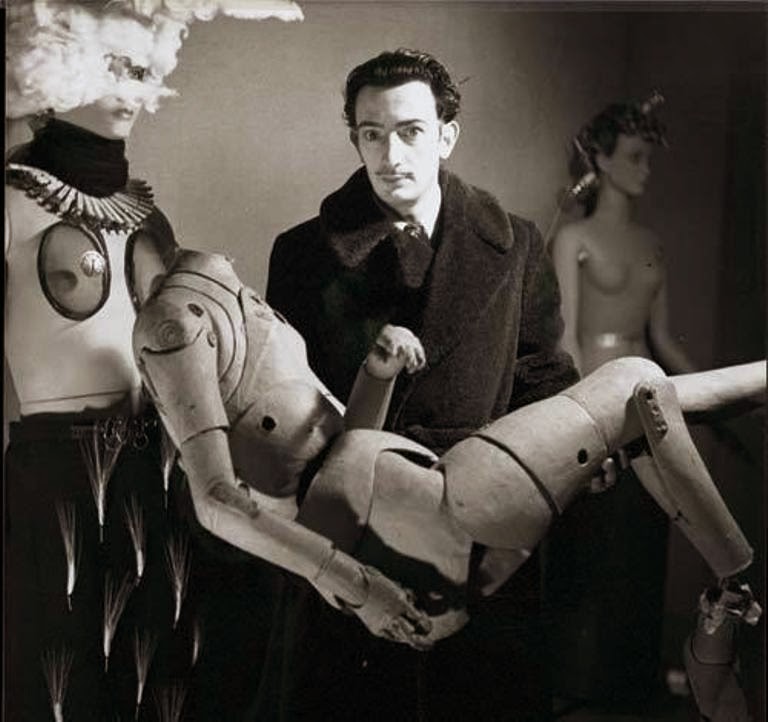
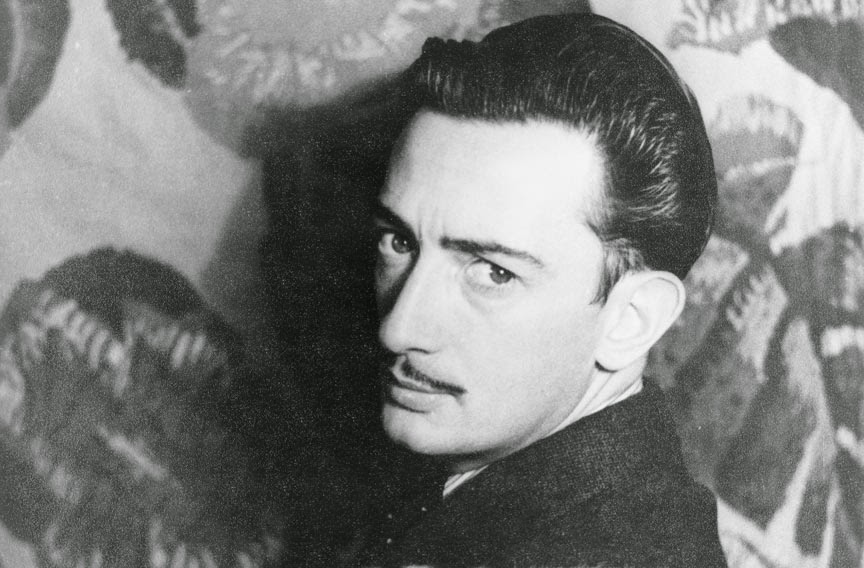
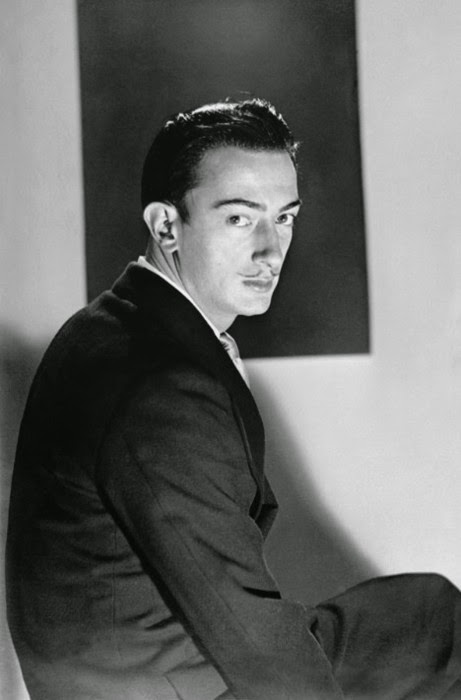
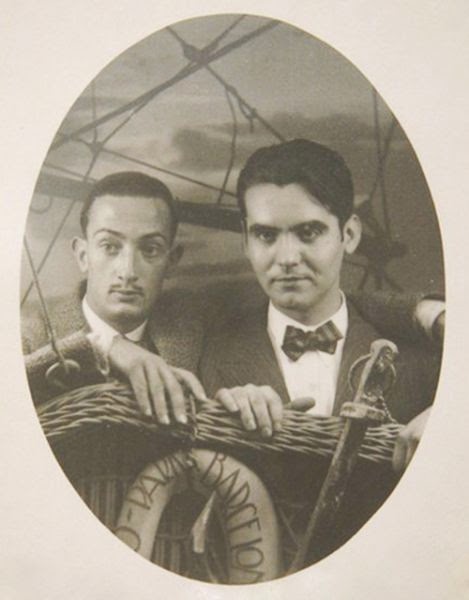
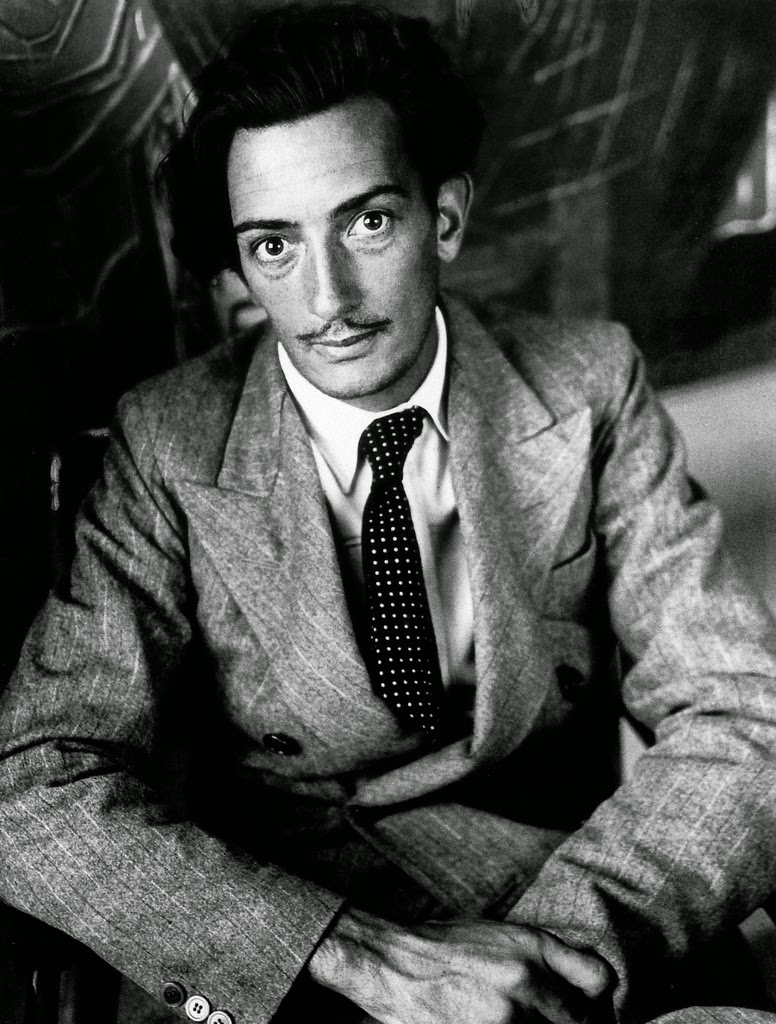
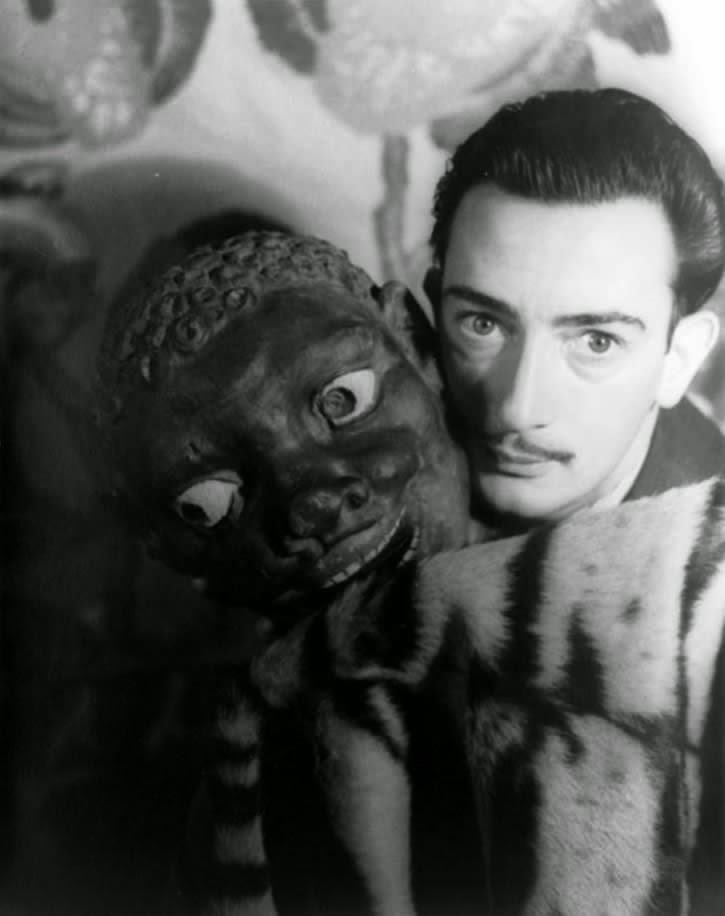
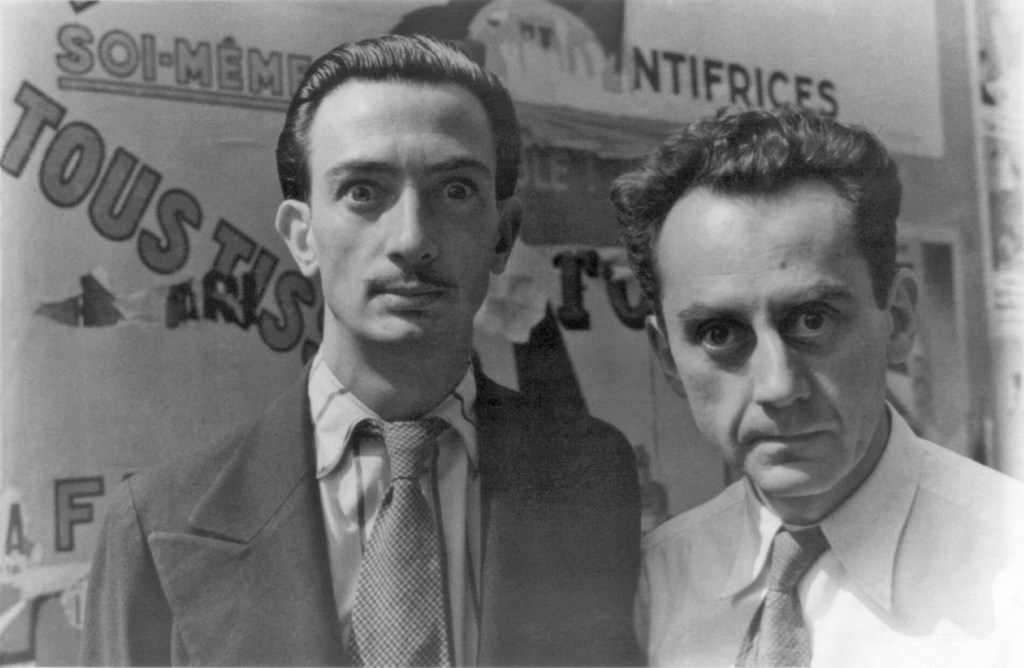
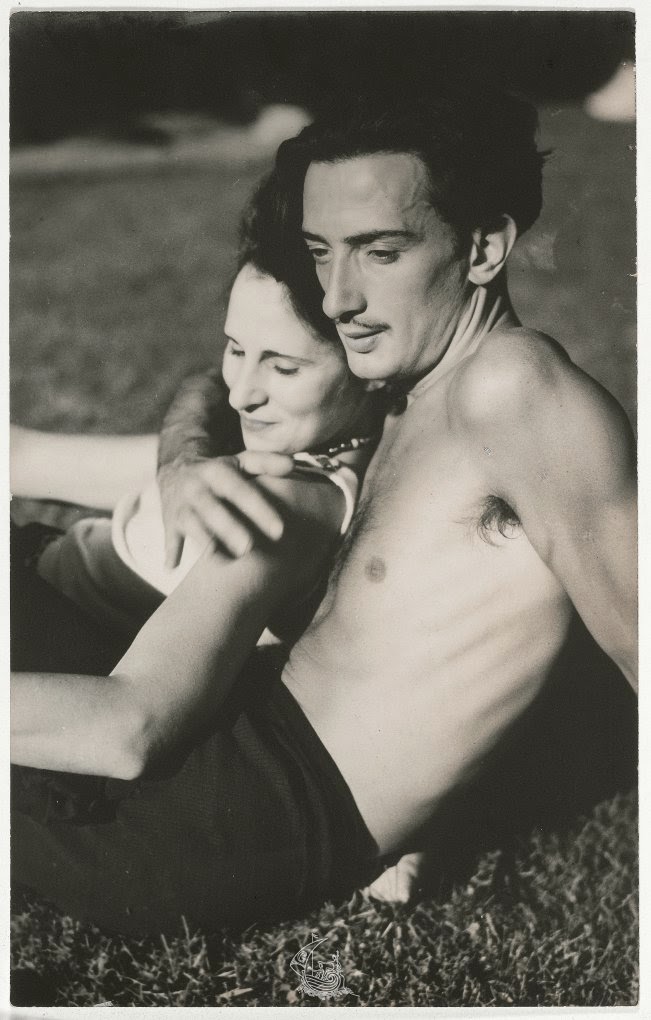
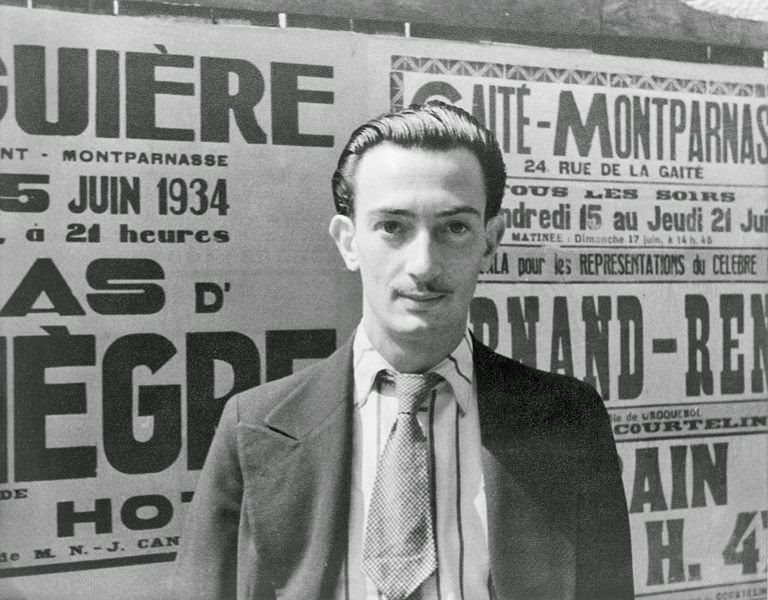
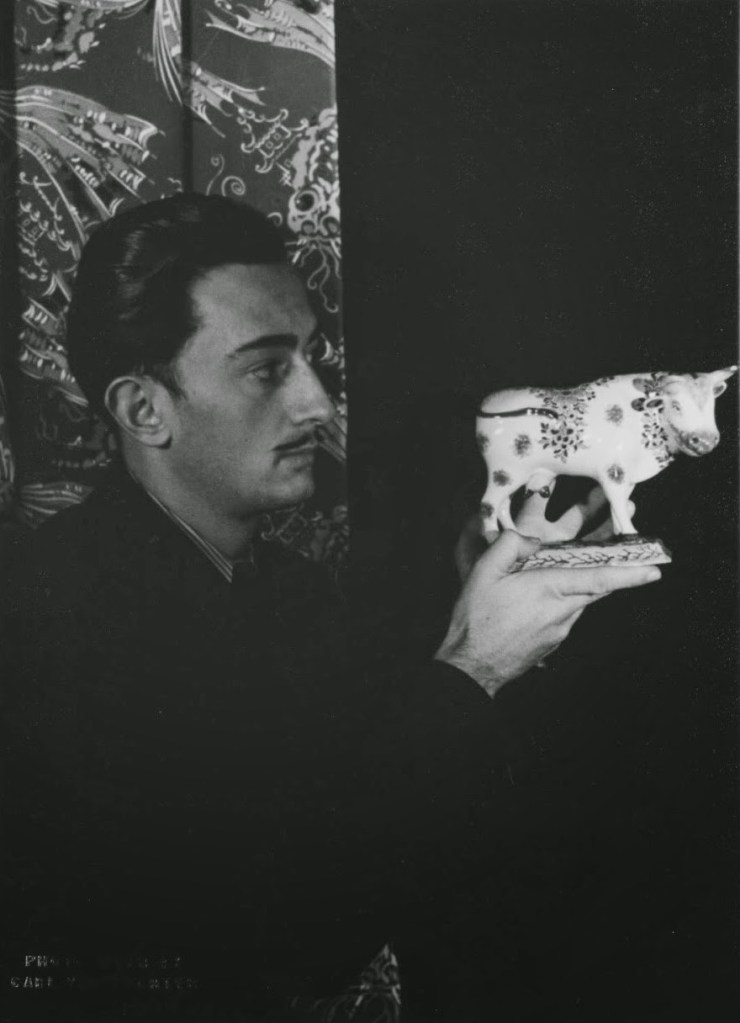
Salvador Dali is the most famous of the Surrealist artists. His ability to shock and entertain made his paintings popular to many people. Many of today’s artists have been inspired by Dali’s work.
Salvador began drawing and painting while he was still young. He painted outdoor scenes such as sailboats and houses. He also painted portraits. Even as a teenager he experimented with modern painting styles such as Impressionism. When he turned seventeen he moved to Madrid, Spain to study at the Academy of Fine Arts.
In 1931 Salvador Dali painted what would become his most famous painting and perhaps the most famous painting of the Surrealist movement. It is titled The Persistence of Memory. The scene is a normal looking desert landscape, but it is covered with melting watches.
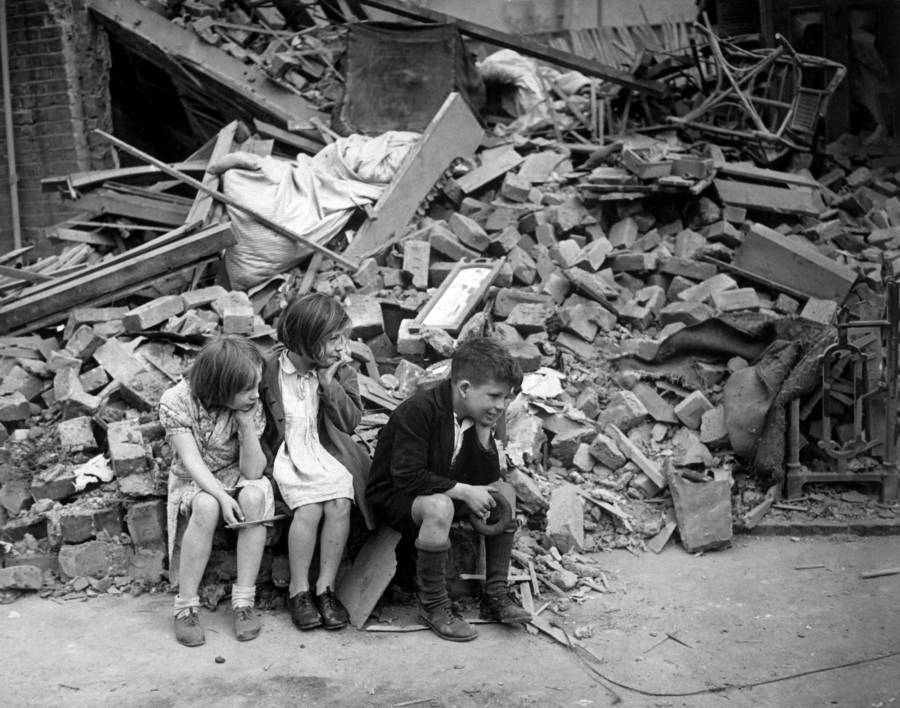
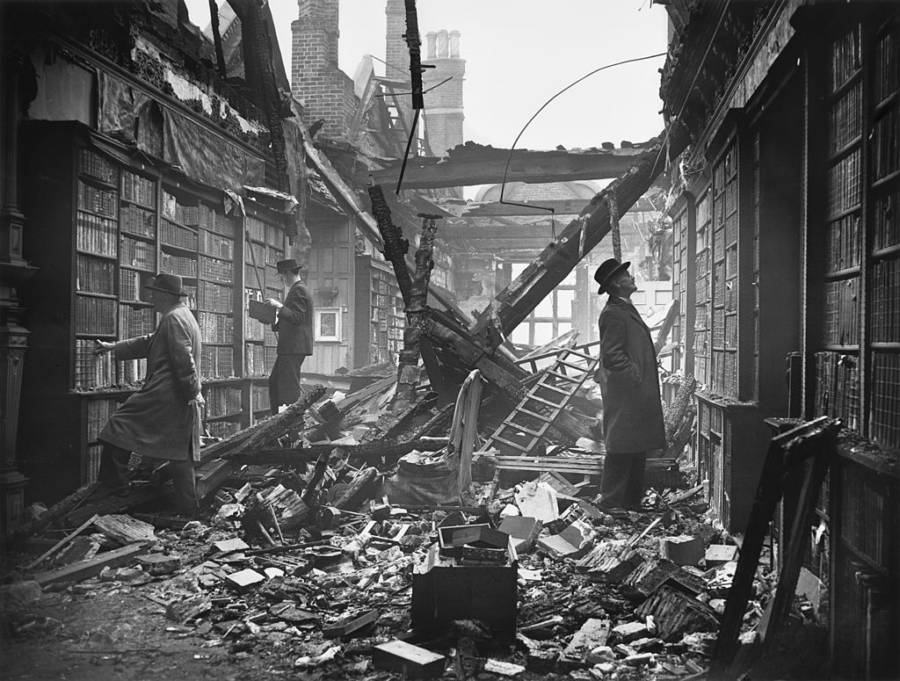
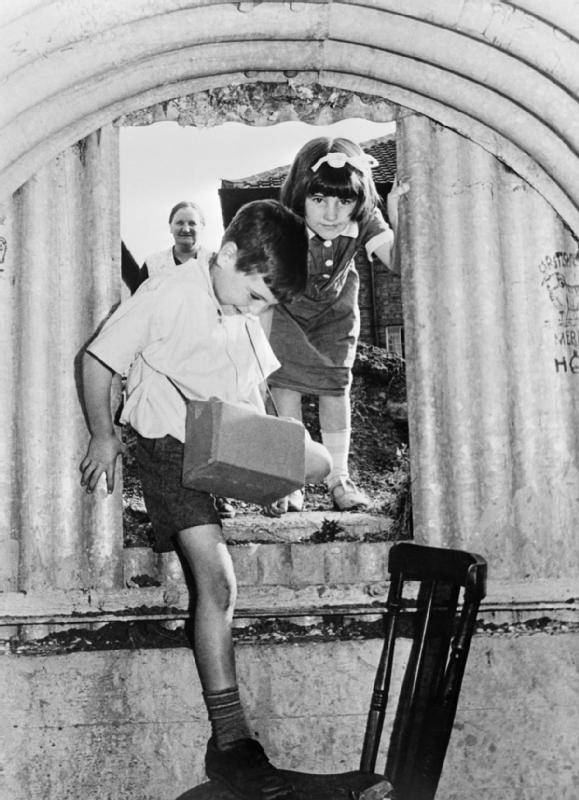
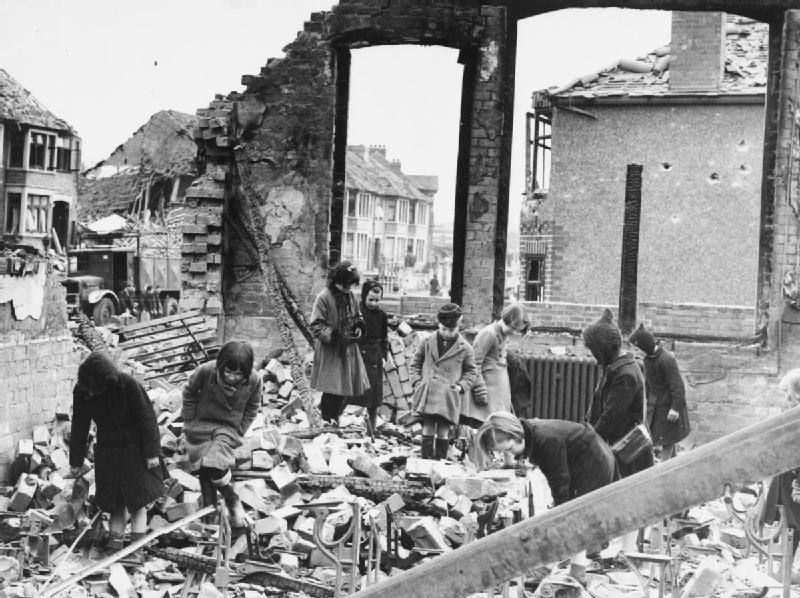
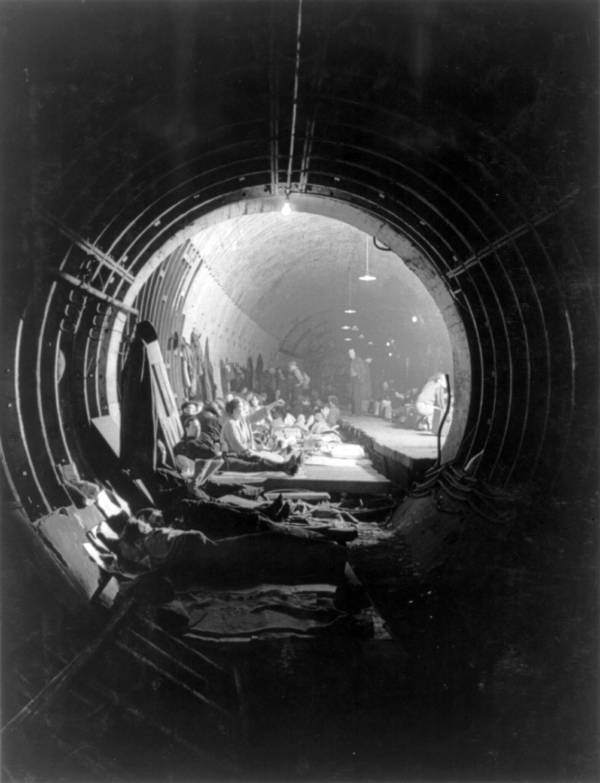
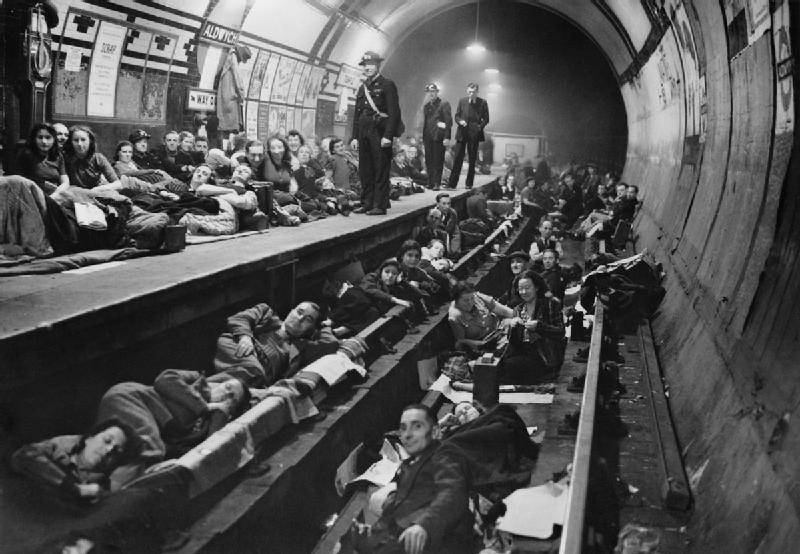
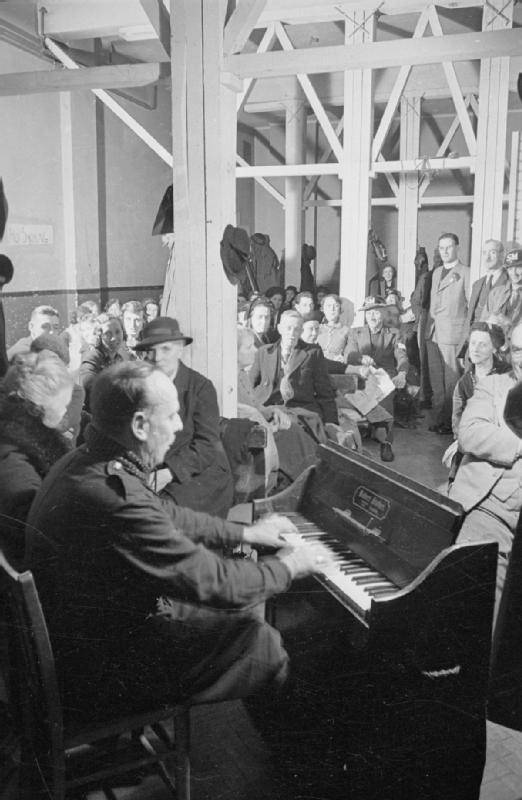
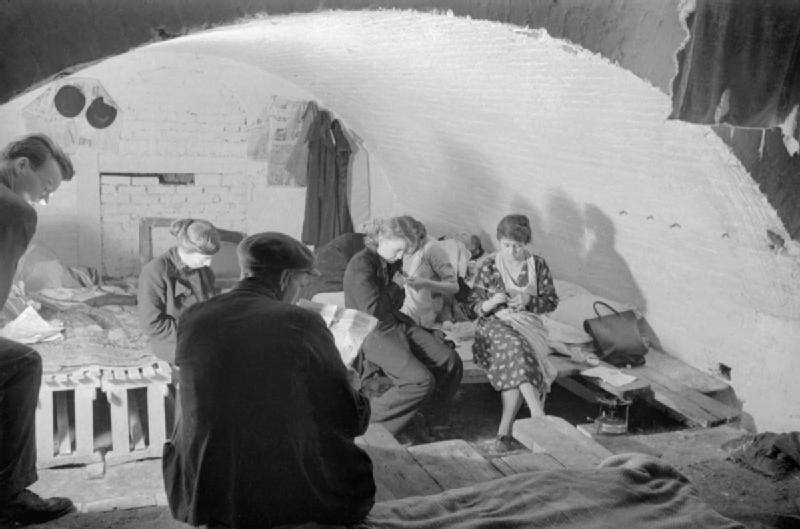
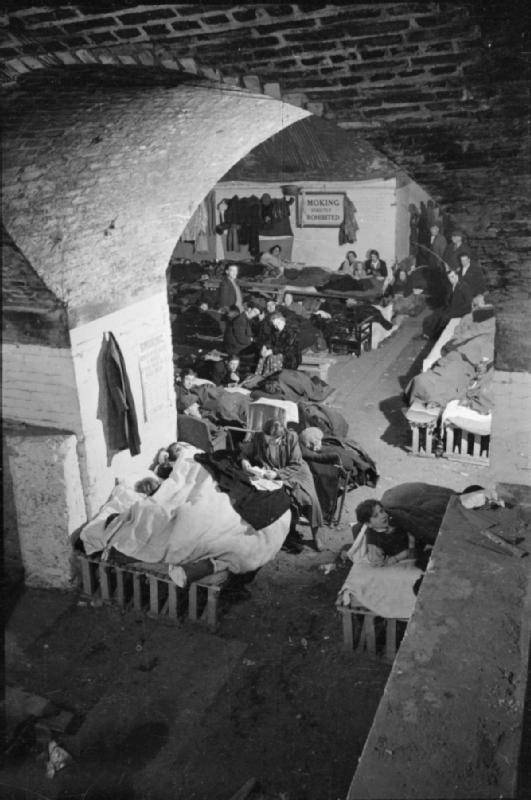
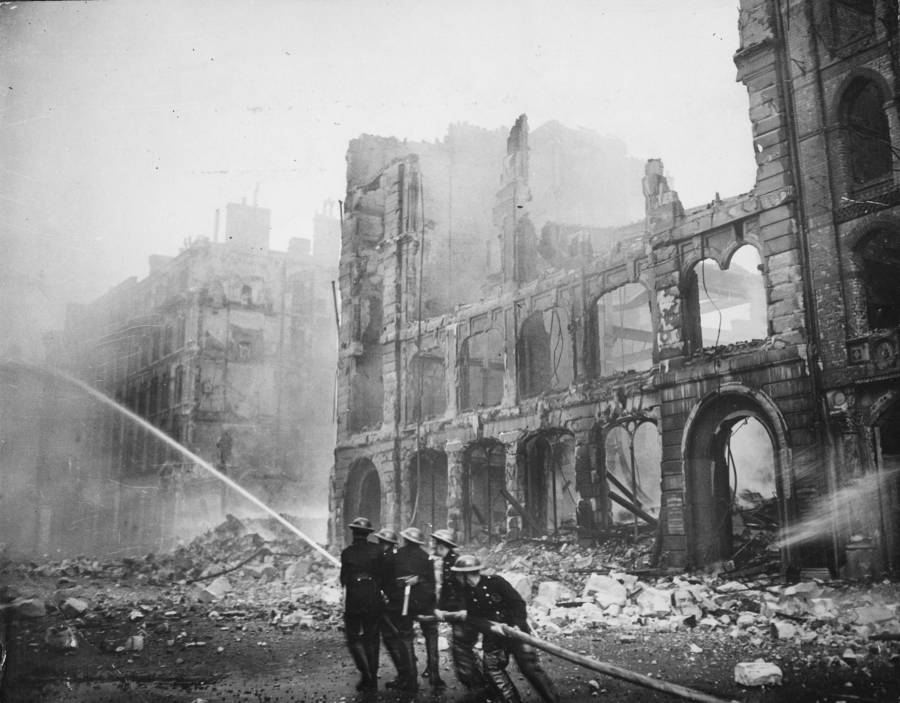
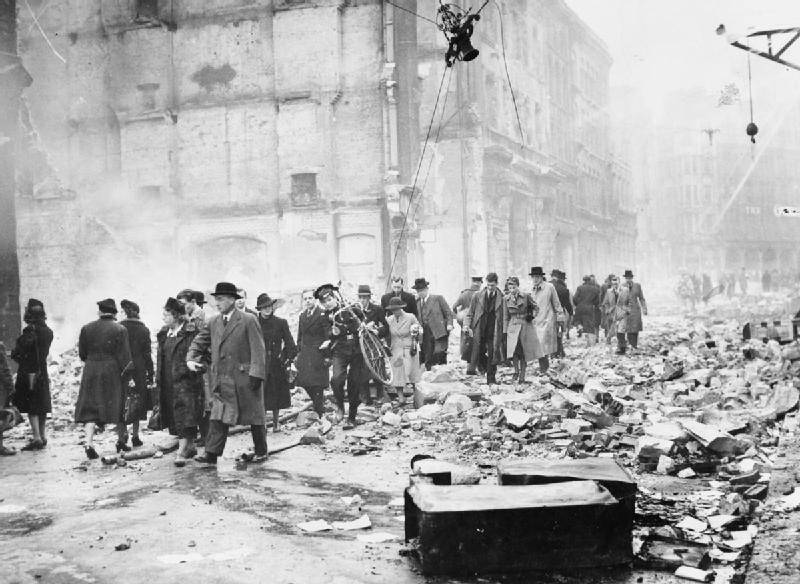
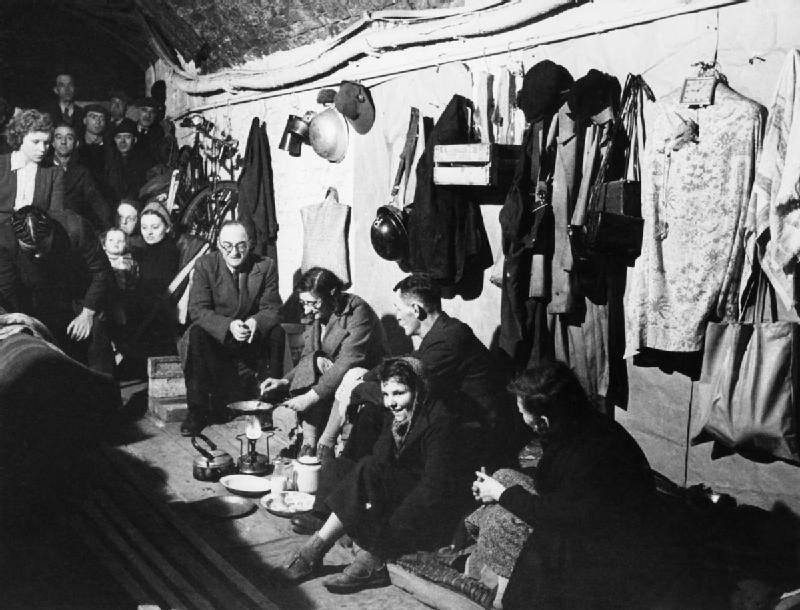
The Blitz was a German bombing campaign against the United Kingdom in 1940 and 1941, during the Second World War. The term was first used by the British press and originated from the term “Blitzkrieg”, the German word for ‘lightning war’.
The Germans conducted mass air attacks against industrial targets, towns, and cities, beginning with raids on London towards the end of the Battle of Britain in 1940 (a battle for daylight air superiority between the Luftwaffe and the Royal Air Force over the United Kingdom). By September 1940, the Luftwaffe had lost the Battle of Britain and the German air fleets (Luftflotten) were ordered to attack London, to draw RAF Fighter Command into a battle of annihilation. Adolf Hitler and Reichsmarschall Hermann Göring, commander-in-chief of the Luftwaffe, ordered the new policy on 6 September 1940. From 7 September 1940, London was systematically bombed by the Luftwaffe for 56 of the following 57 days and nights. Most notable was a large daylight attack against London on 15 September.
The Luftwaffe gradually decreased daylight operations in favour of night attacks to evade attacks by the RAF, and the Blitz became a night bombing campaign after October 1940. The Luftwaffe attacked the main Atlantic seaport of Liverpool in the Liverpool Blitz. The North Sea port of Hull, a convenient and easily found target or secondary target for bombers unable to locate their primary targets, suffered the Hull Blitz. The port cities of Bristol, Cardiff, Portsmouth, Plymouth, Southampton, Swansea, Belfast, and Glasgow were also bombed, as were the industrial centres of Birmingham, Coventry, Manchester and Sheffield. More than 40,000 civilians were killed by Luftwaffe bombing during the war, almost half of them in the capital, where more than a million houses were destroyed or damaged.
In early July 1940, the German High Command began planning Operation Barbarossa, the invasion of the Soviet Union. Bombing failed to demoralise the British into surrender or do much damage to the war economy; eight months of bombing never seriously hampered British war production, which continued to increase. The greatest effect was to force the British to disperse the production of aircraft and spare parts. British wartime studies concluded that cities generally took 10 to 15 days to recover when hit severely, but exceptions like Birmingham took three months.
The German air offensive failed because the Luftwaffe High Command (Oberkommando der Luftwaffe, OKL) did not develop a methodical strategy for destroying British war industry. Poor intelligence about British industry and economic efficiency led to OKL concentrating on tactics rather than strategy. The bombing effort was diluted by attacks against several sets of industries instead of constant pressure on the most vital.
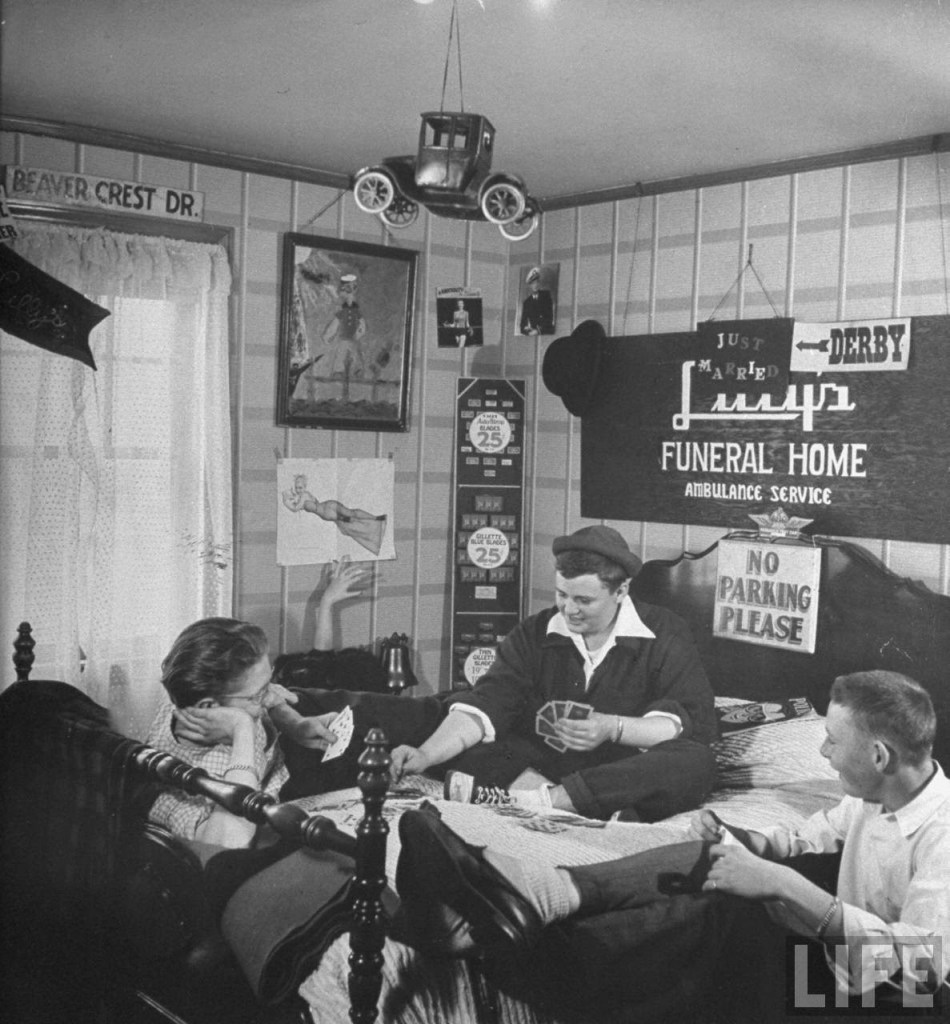
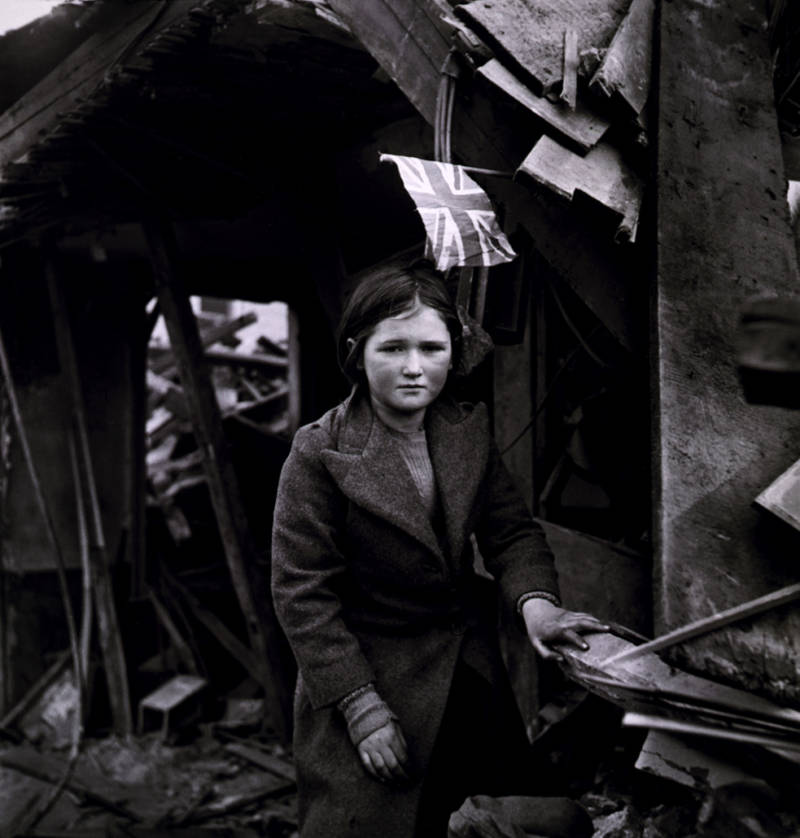
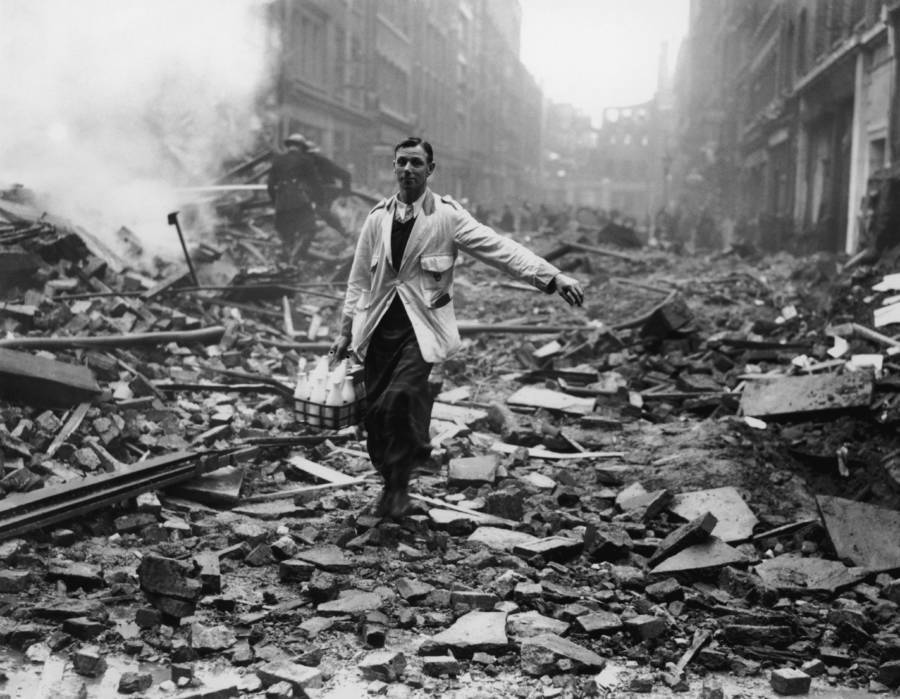
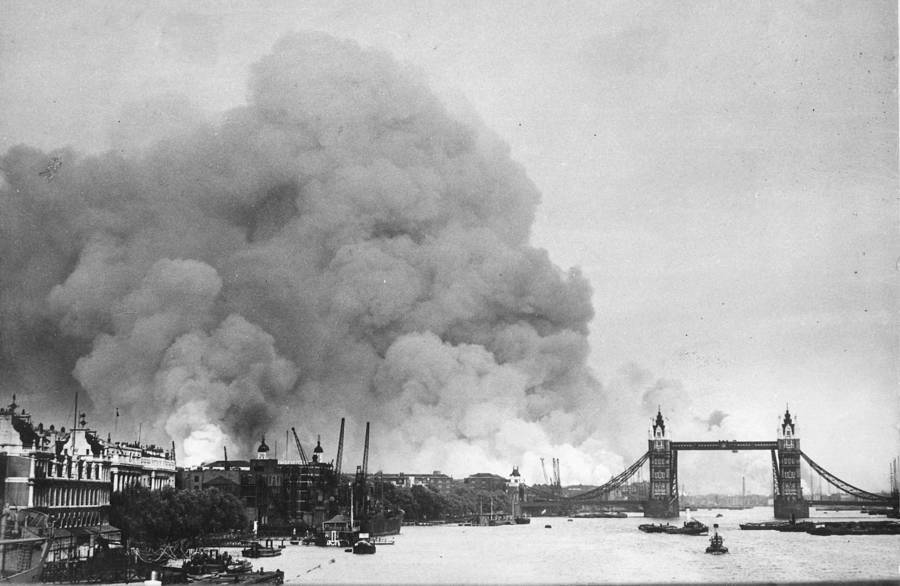
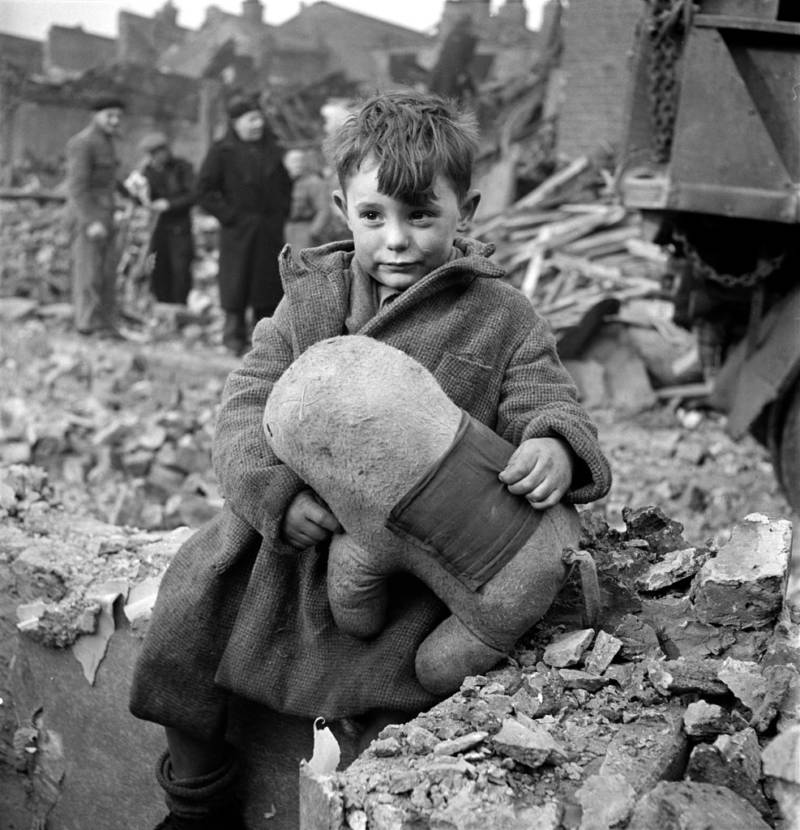
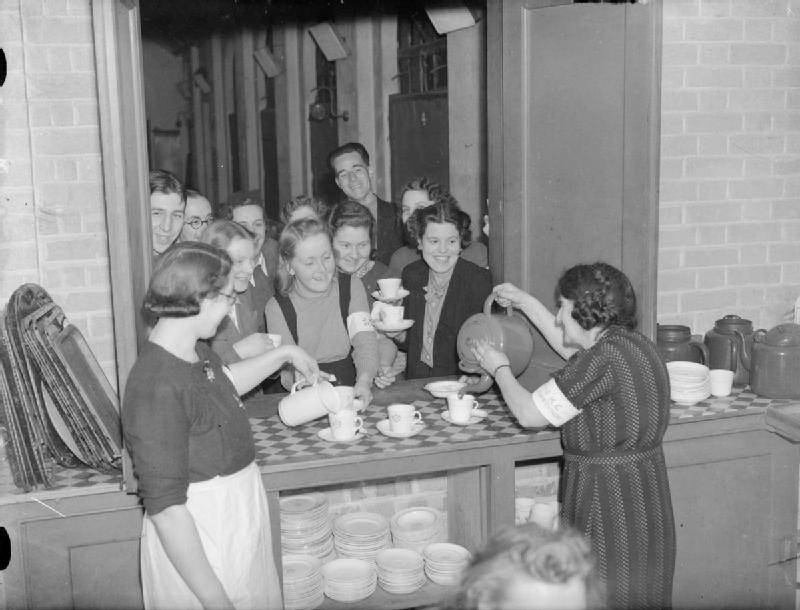
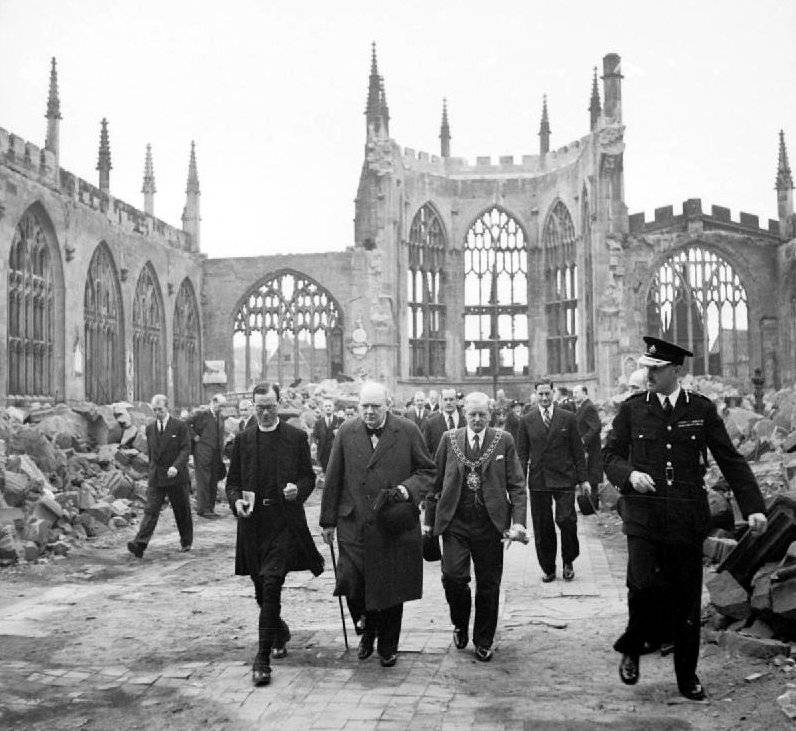
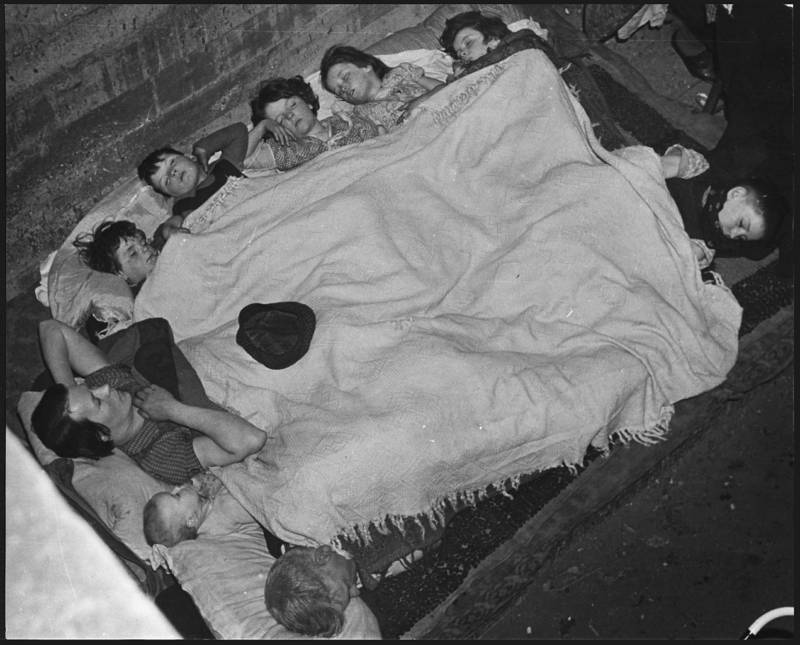
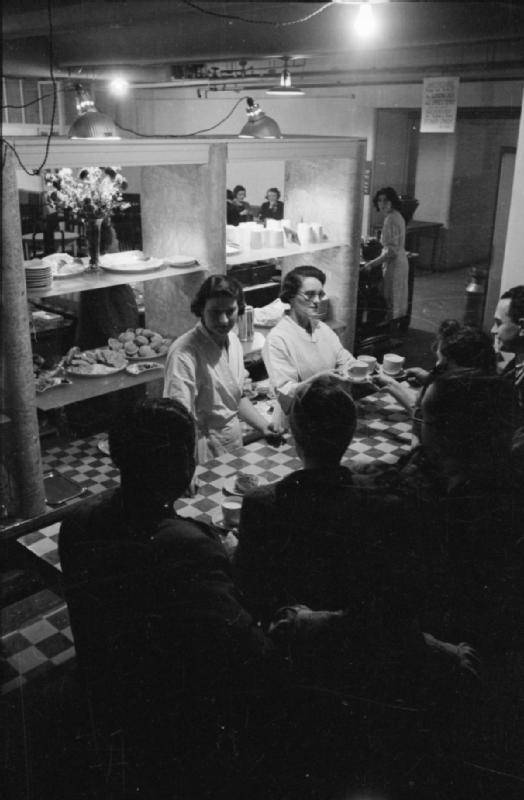
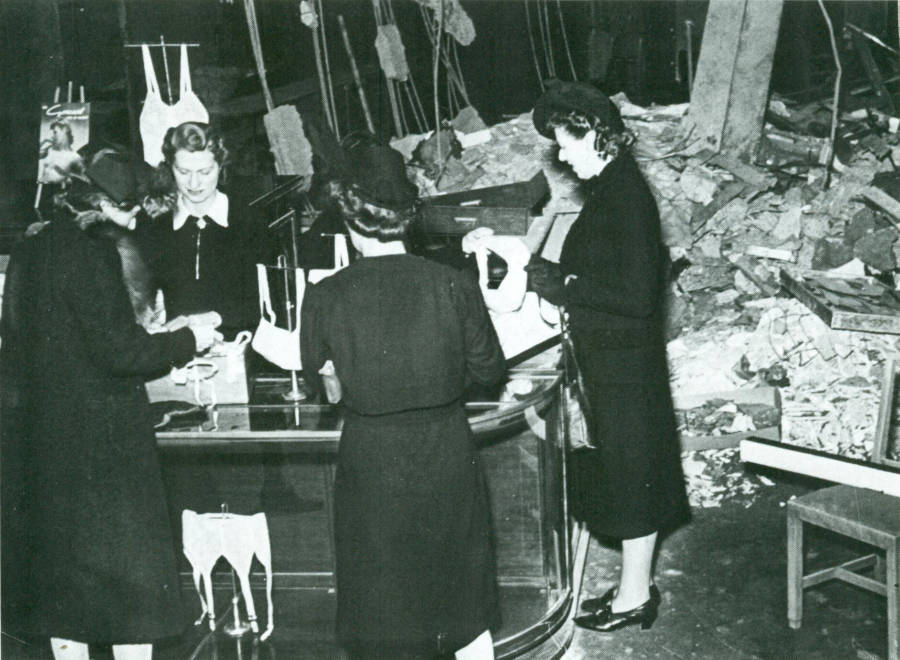
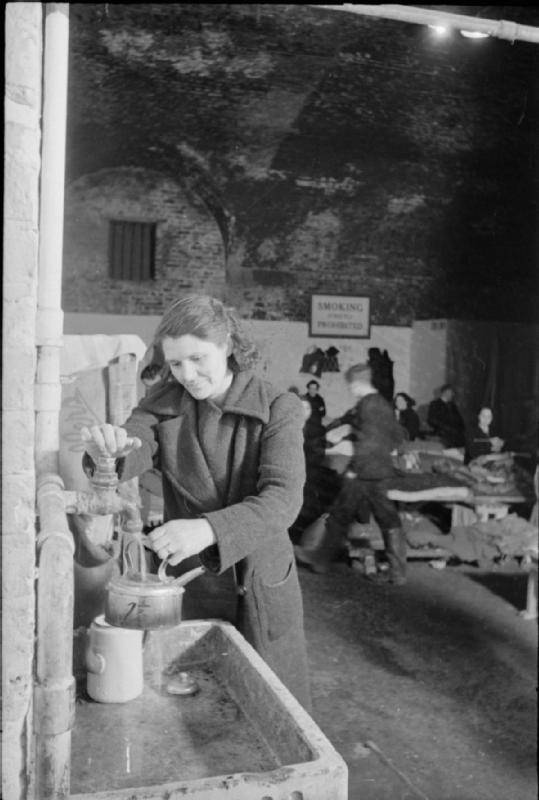
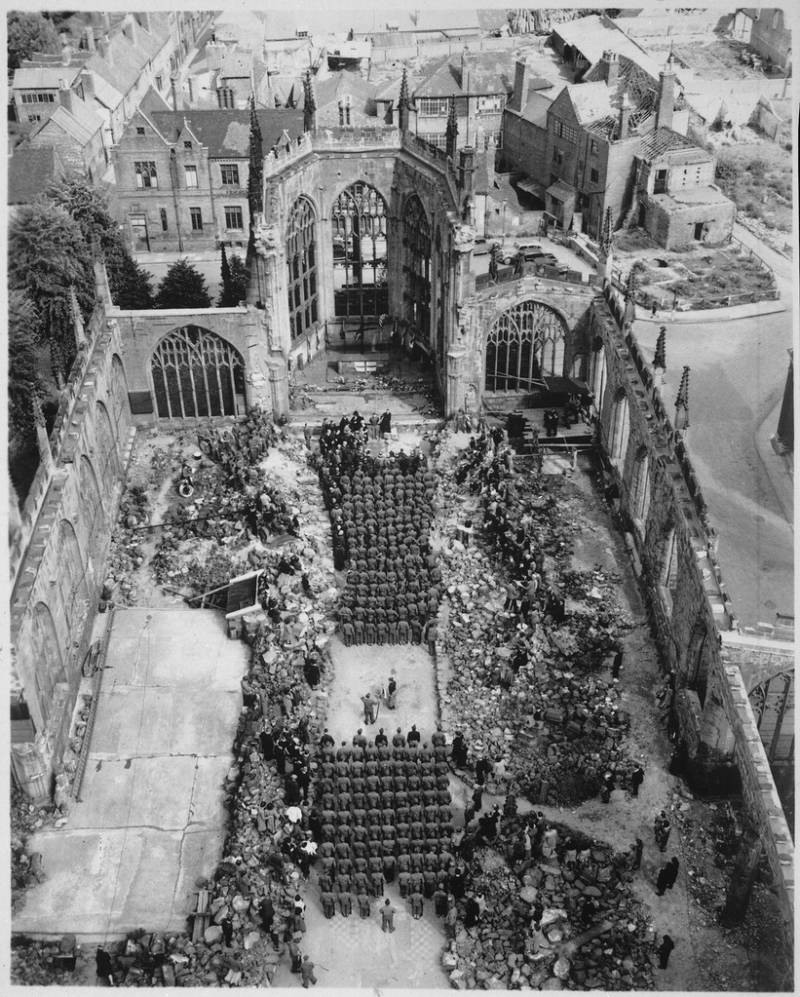
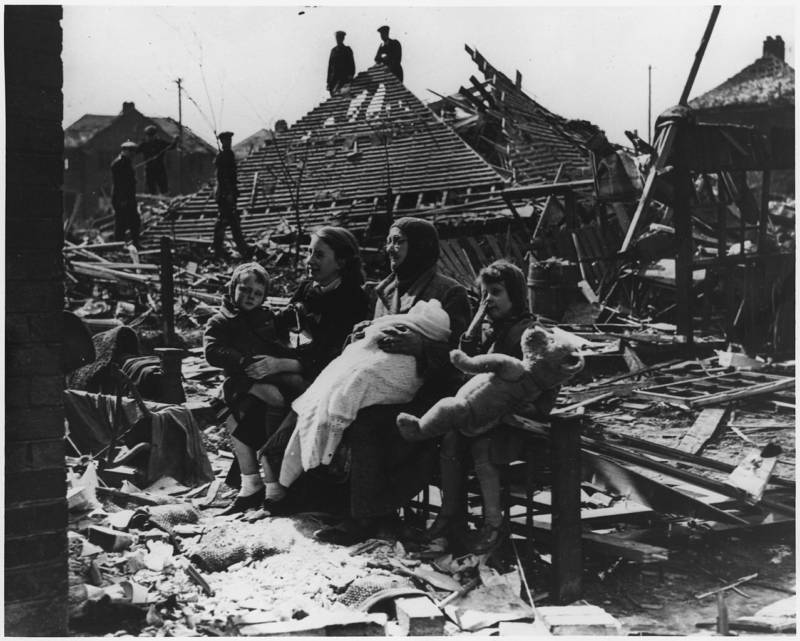
A milkman makes his deliveries through the ruins of the city. London. October 9, 1940.In the aftermath of a bombing, smoke billows up behind the River Thames. London. September 7, 1940.A group of children sit on the rubble of what was once their home. London. September 1940.Workers at the National Archives take a break from dodging bombs to play cricket while wearing gas masks. London. Circa 1940-1941.Men browse the books among the ruins of the Holland House library shortly after it was destroyed by a bombing. London. October 23, 1940Two children make their way into a bomb shelter. The boy is carrying a box with a gas mask inside. London. June or August 1940.City life carries on in the ruins of London. Circa 1940-1941.Children sit in front of a bomb shelter and try on new shoes donated by an American charity. London. 1941.Children search for their books amid the ruins of their school. Coventry. April 10, 1941.Two women smile happily as they scavenge what they can from the debris of their homes. London. 1940.A young boy sits in the ruins of his home with a stuffed animal on his lap. London. 1941Volunteers pour tea in an air raid shelter under a church. London. 1940.Winston Churchill walks through the ruins of Coventry Cathedral. September 28, 1941.A large family huddles together under a single blanket. London. Circa 1940-1945.The wrecked shell of a bus shows what would’ve happened to anyone who stayed above ground through the bombings. Coventry. November 1940.Inside the London subway system, which has been converted into an air raid shelter. London. 1940-1941.A tight squeeze of bunk beds inside of a bomb shelter. London. 1940.Londoners rest on the tracks of the subway system, waiting out another bombing. London. 1940.A man in a bomb shelter hidden under a church plays piano to keep people’s spirits high. London. 1940.Civilians in a bomb shelter knit and read the paper to pass the time while their homes are destroyed by German bombs. London. November 1940.Underneath railway arches, Londoners waiting out a bombing raid settle into their makeshift mattresses and get ready for a long night. London. November 1940.Firefighters struggle to put out the blazes left in the wake of a bombing. London. 1941.The people of London make their way back above ground and go about their days, passing through the devastated ruins of their city. London. Circa 1940-1941.Civilians watch calmly as the British Army runs a practice exercise for shooting down attacking bombers. London. August 1939.A line of bunk beds sit in the London subway system. London. Circa 1940-1945.A woman cooks a meal inside of the London subway system, waiting for the bombings to end. November 1940.A young woman puts on the gramophone, letting a little music drown out the sounds of the falling bombs. London. 1940.A restaurant stays open through the bombings by selling food in the basement. London. 1940.Nurses in an air raid shelter give a woman first aid care. London. 1940.A group of women knit and chat their way through the bombings while a man sets up a clock to add a little color to the dreary white of the bomb shelter. London. 1940.A shop stays open, treating their destroyed walls as nothing but a small hiccup in everyday business. London. Circa 1940-1945.Underground, a woman fills up a kettle for tea. London. 1940.Boys in a basement shelter play a game of cards to pass the time. London. 1940.A young girl stands in the ruins of her home, the Union Jack waving above her head. London. January 1945.A Mother’s Day service, held in the broken hull of Coventry Cathedral. May 13, 1945A family sits outside of their ruined home while the men behind them sift through the rubble.London. Circa 1940-1941.
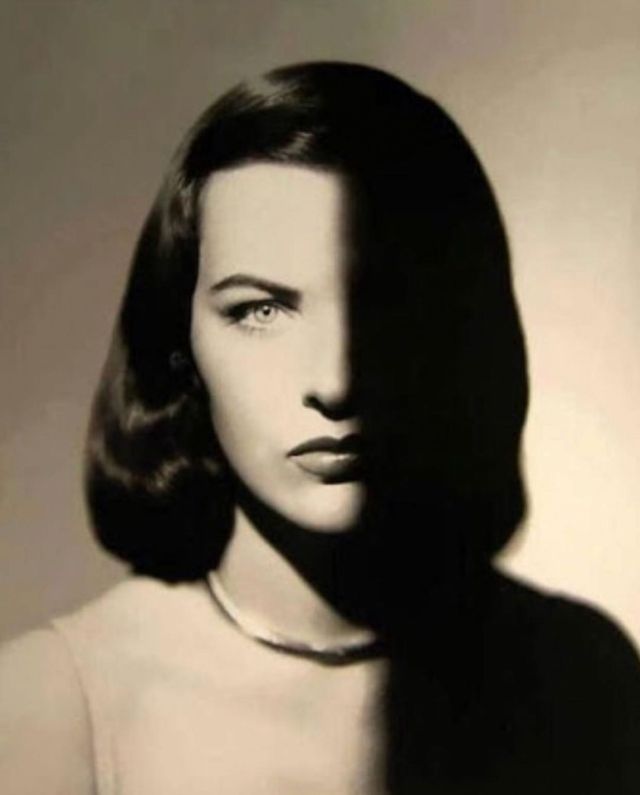
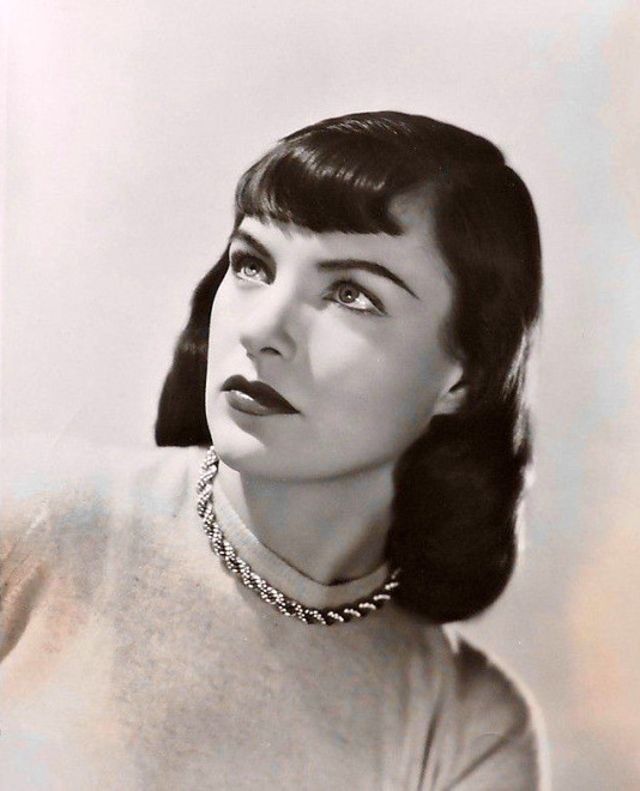
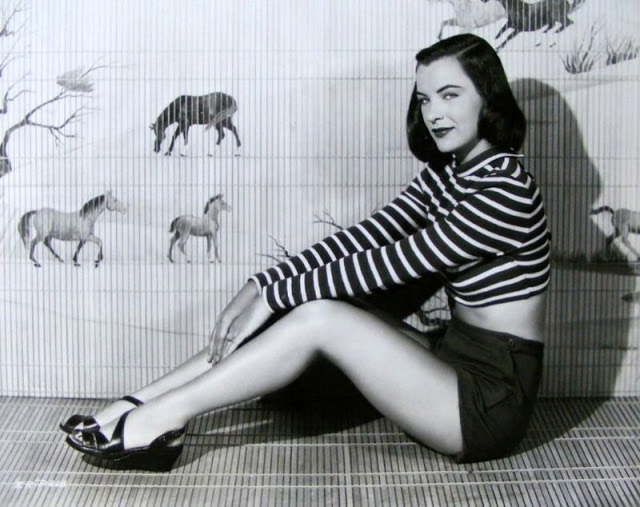
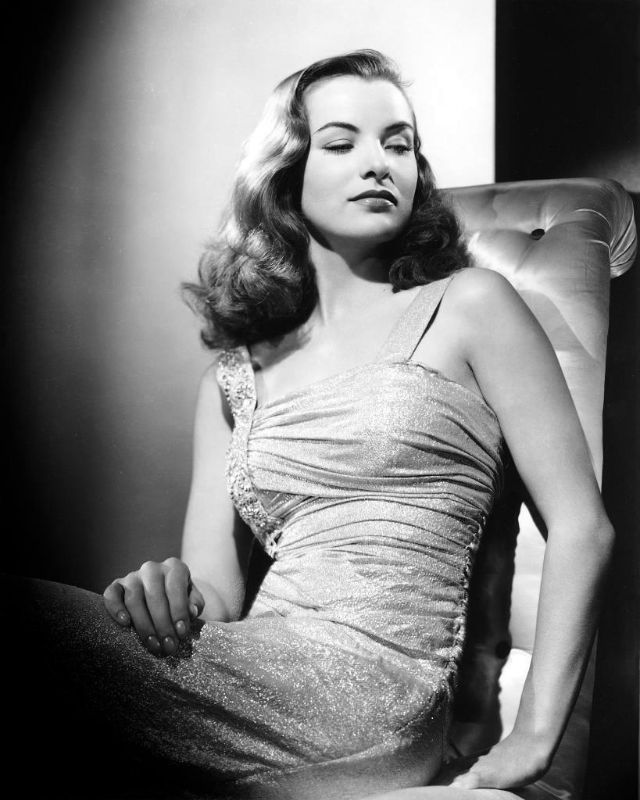
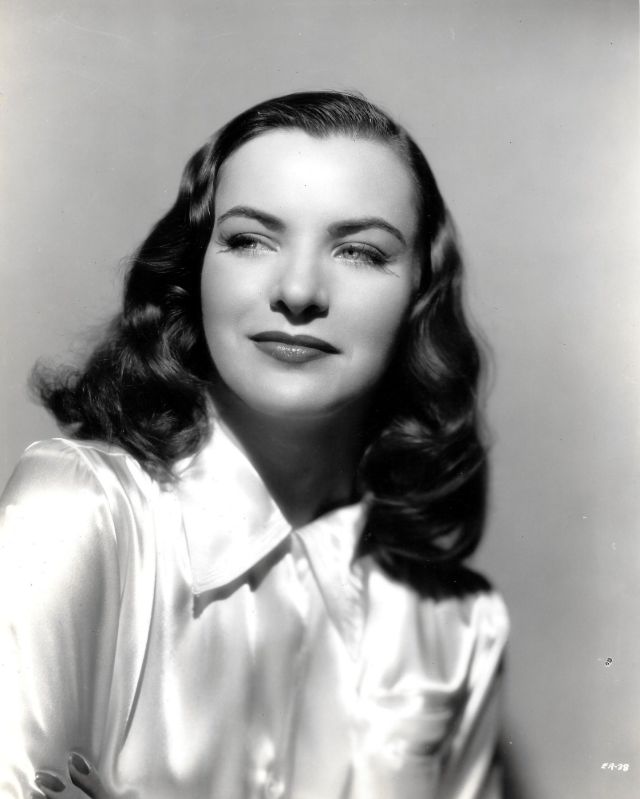
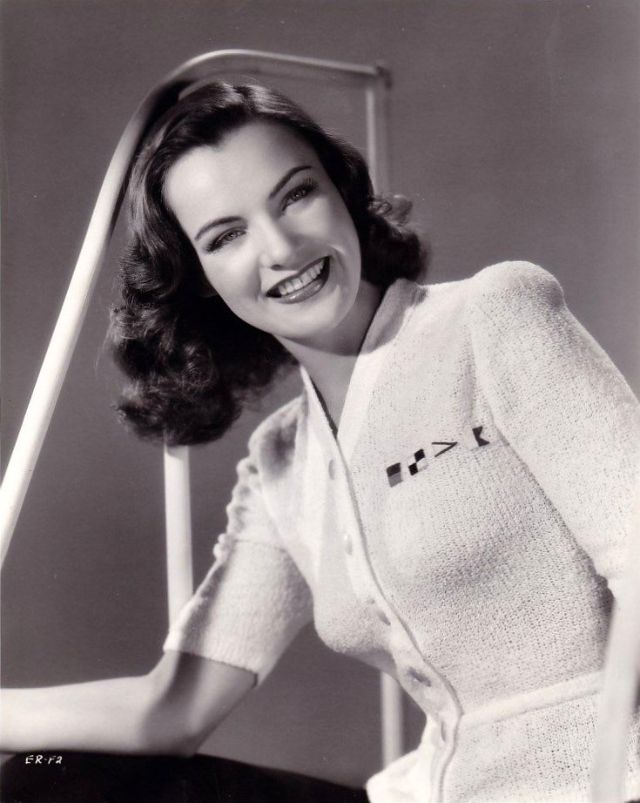
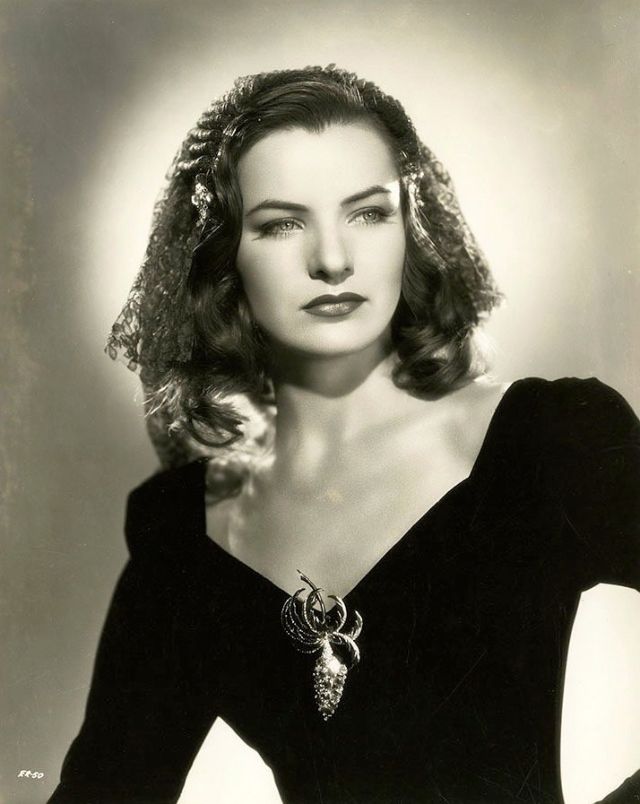
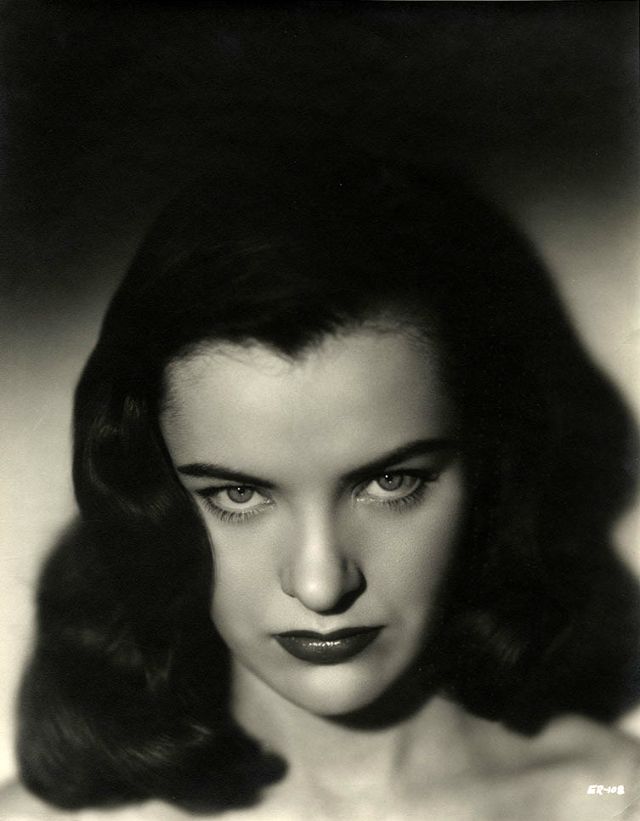
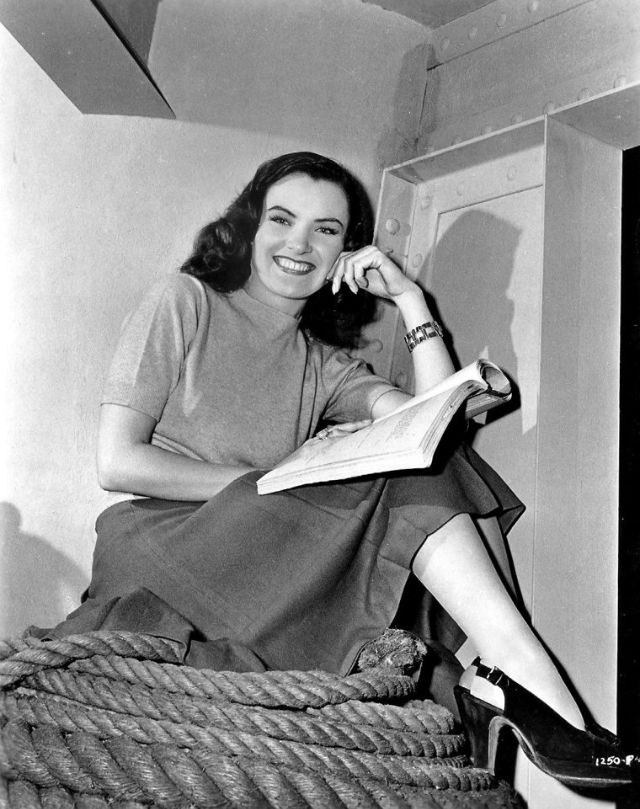
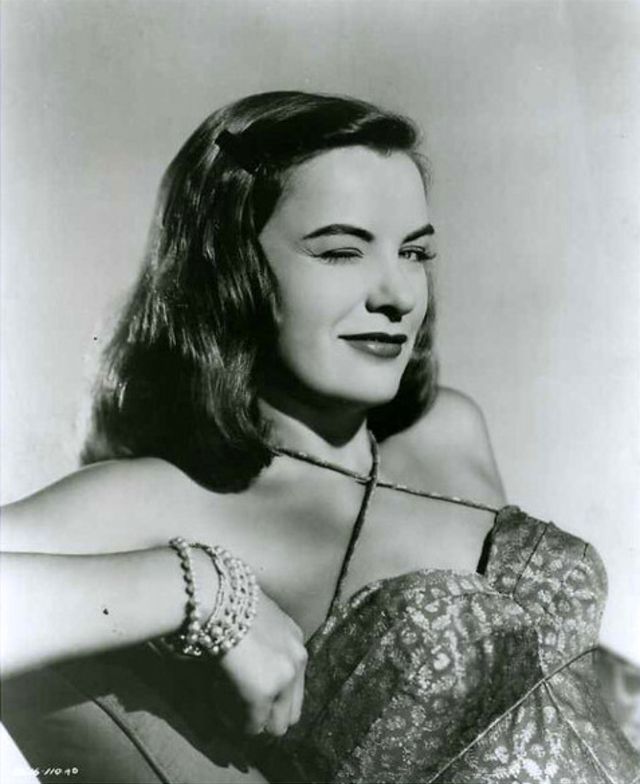
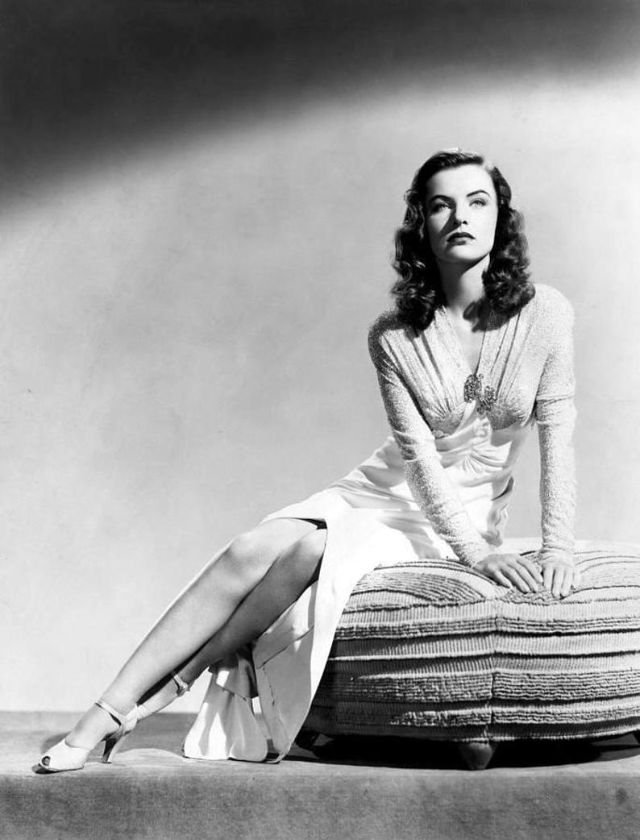
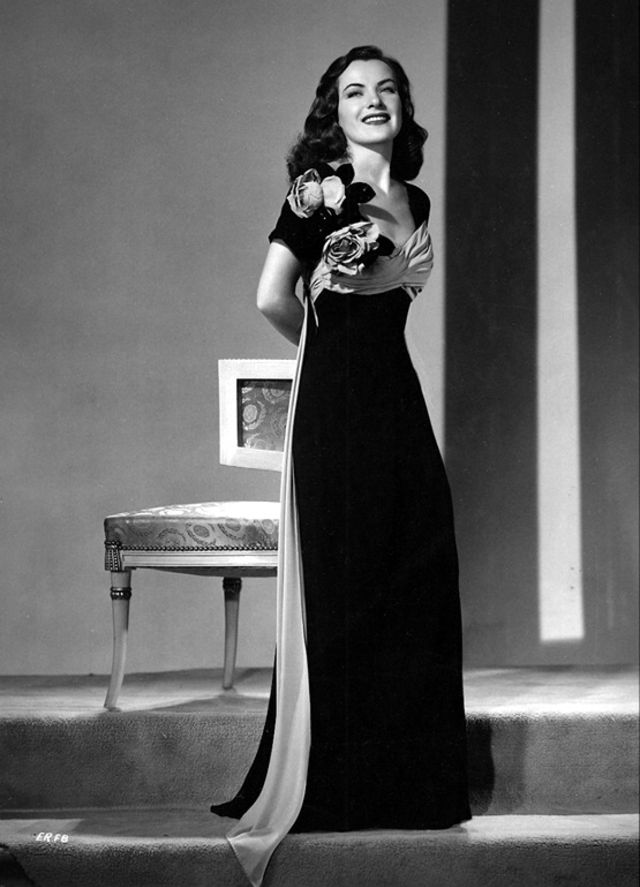
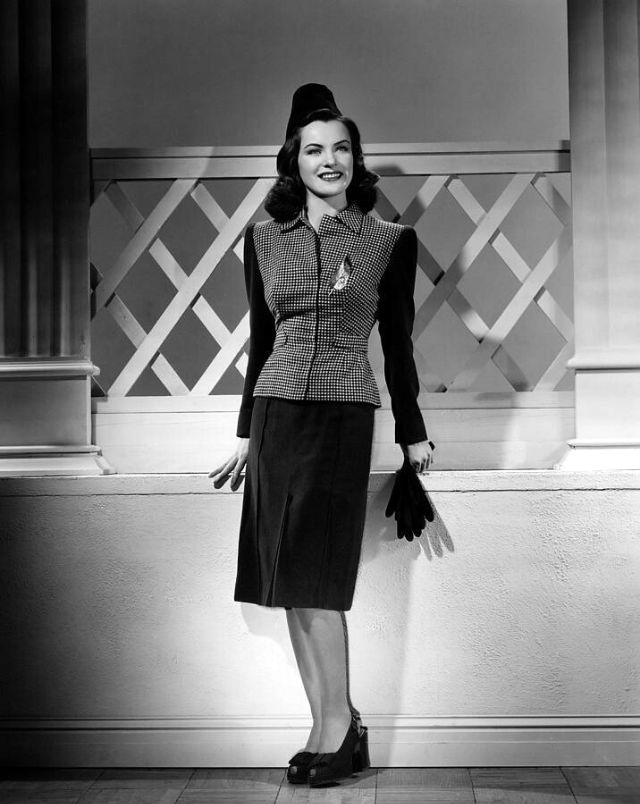
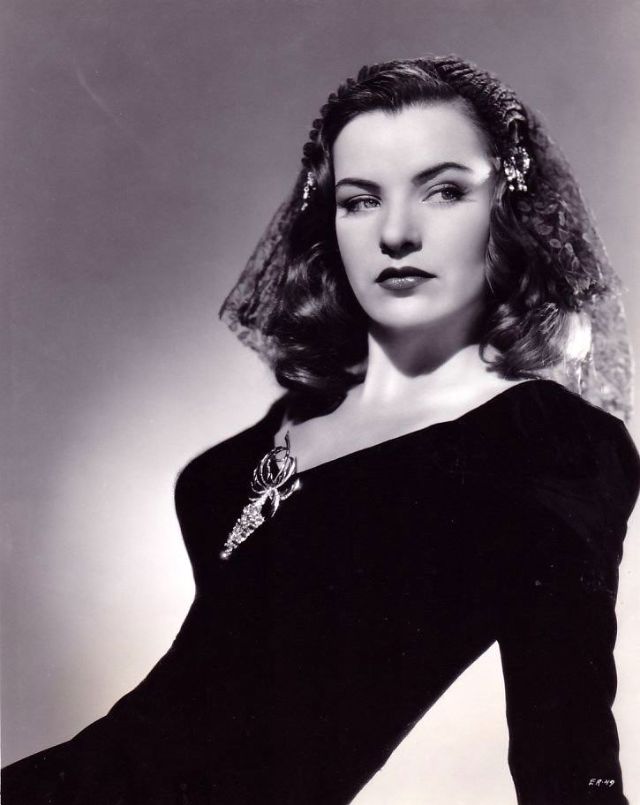
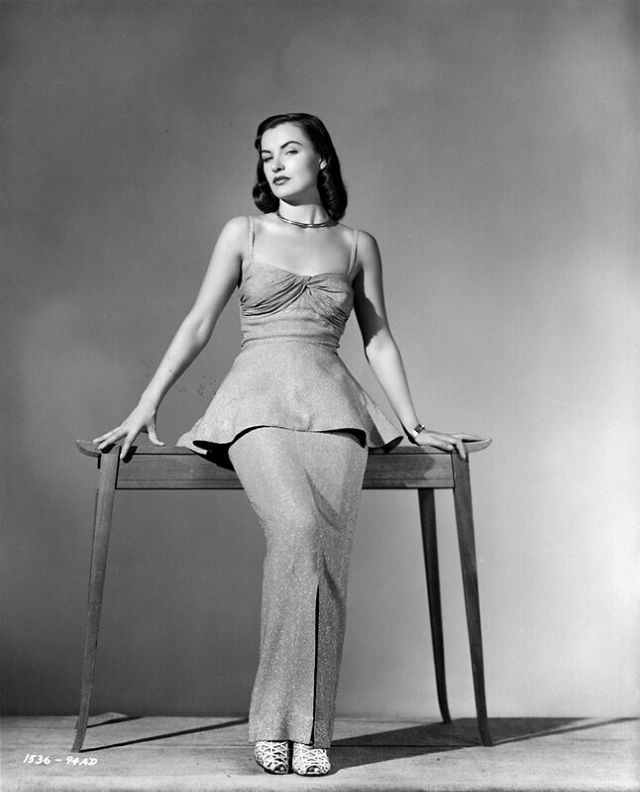
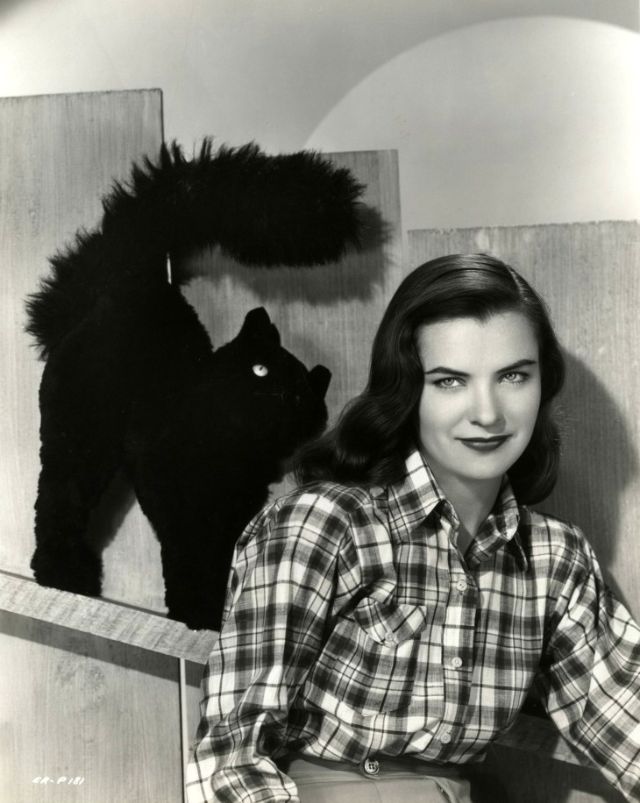
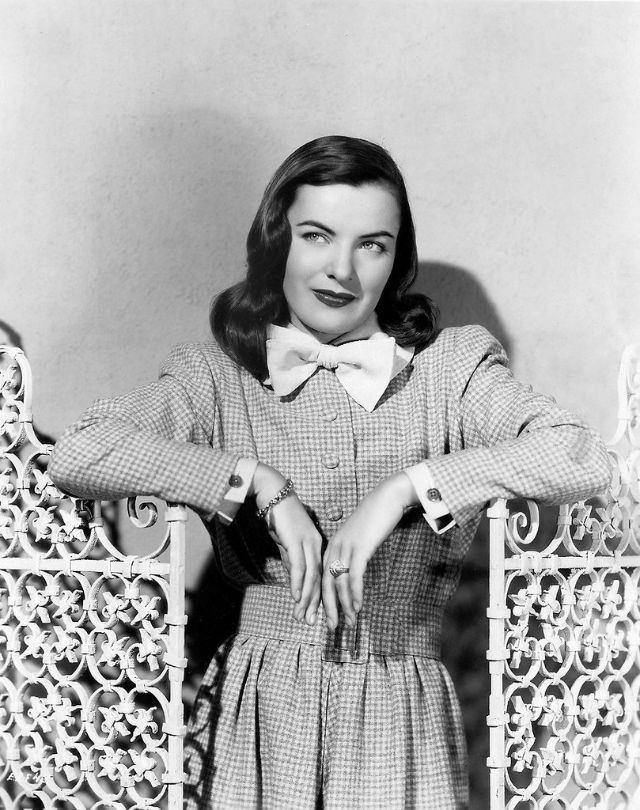
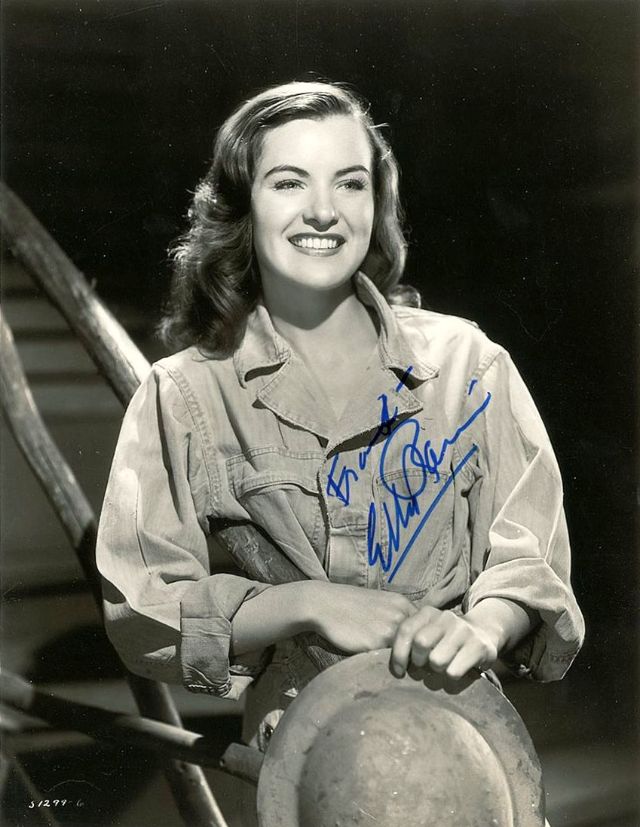
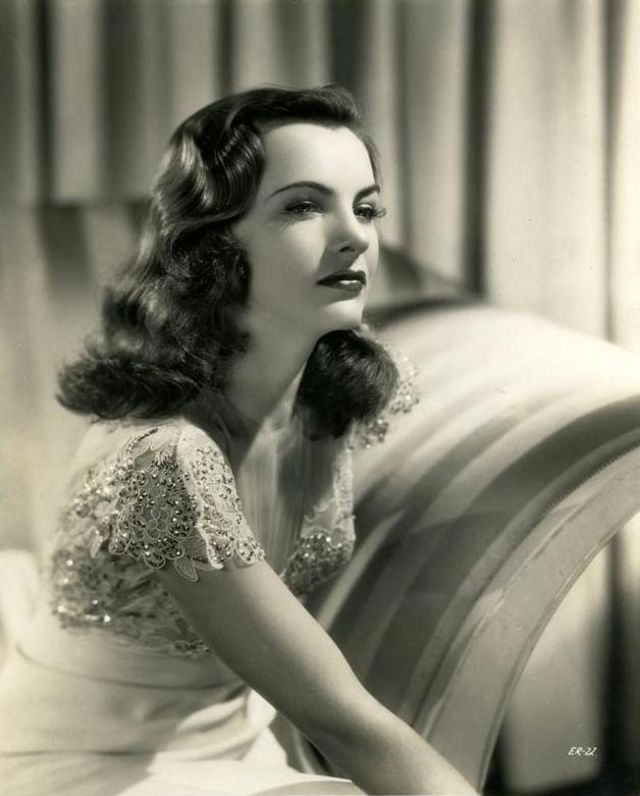
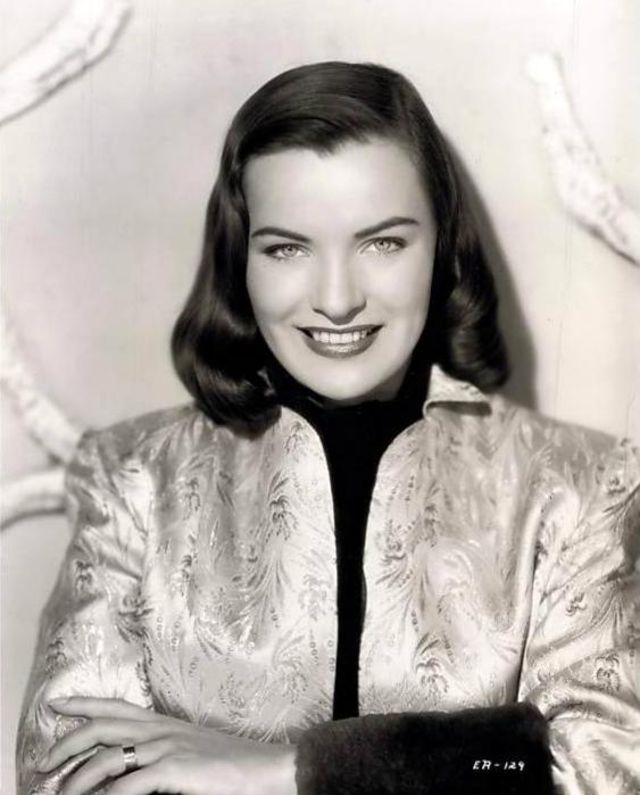
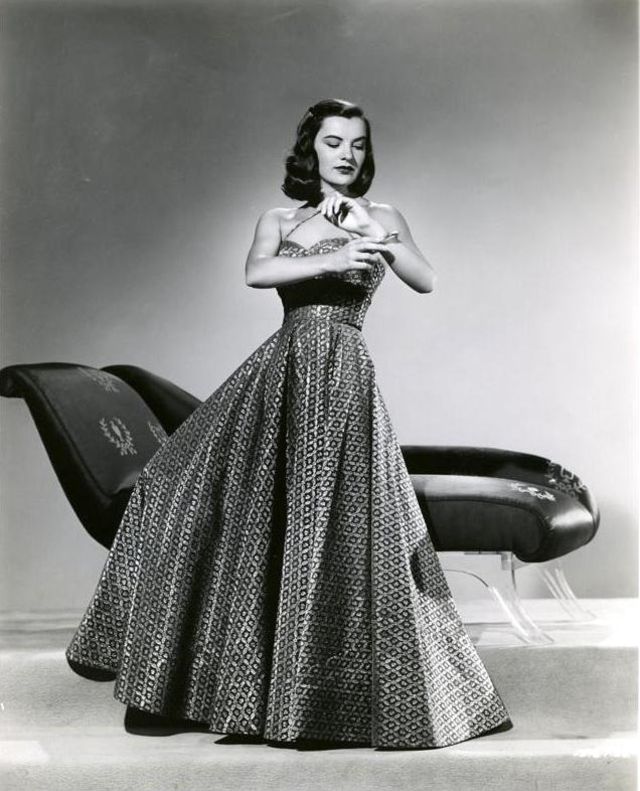
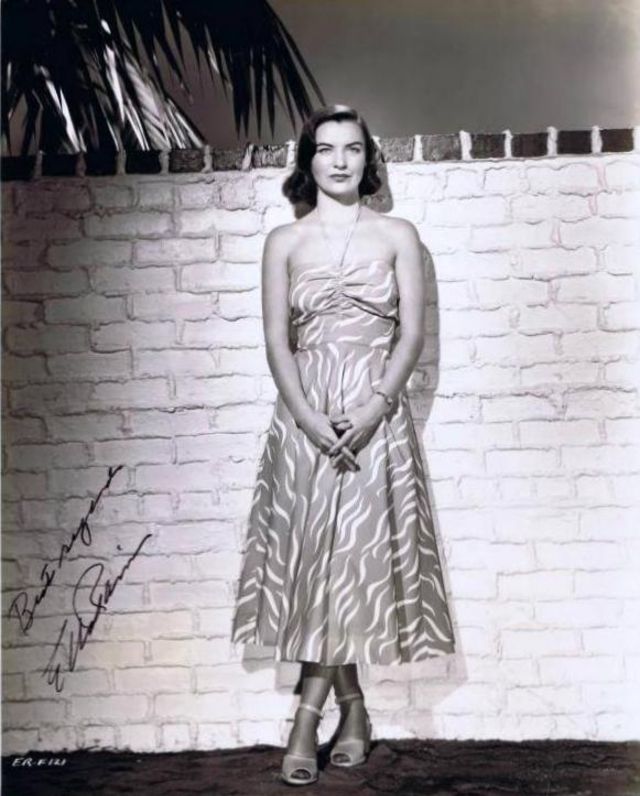
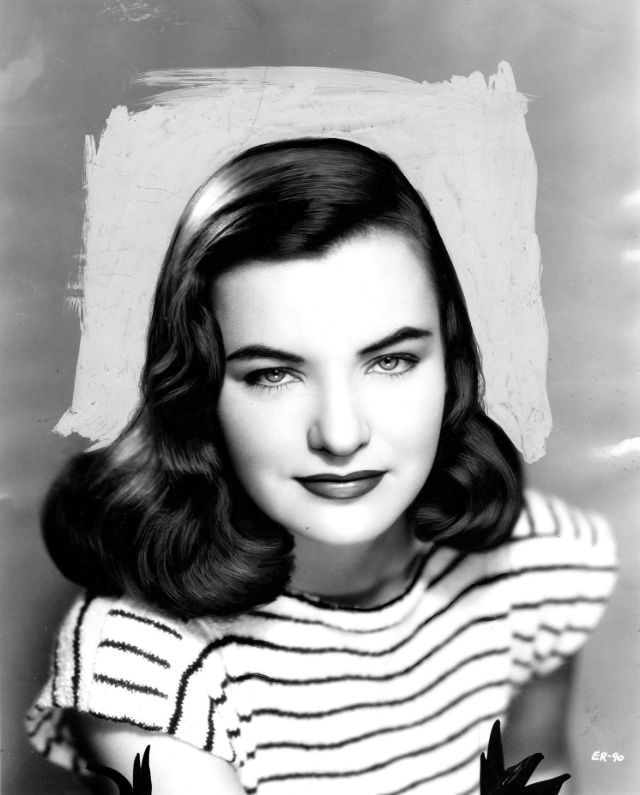
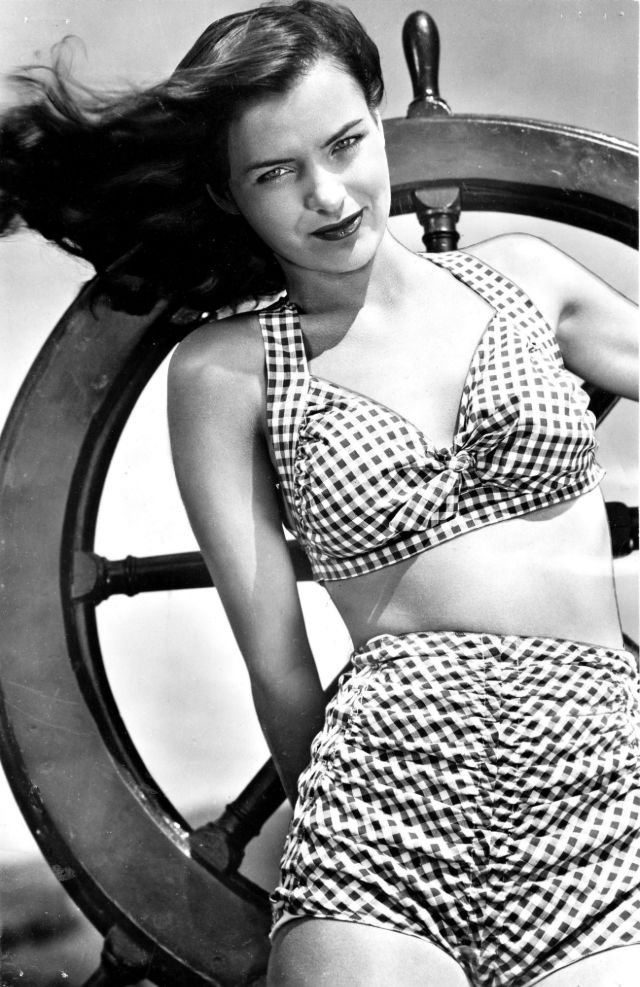
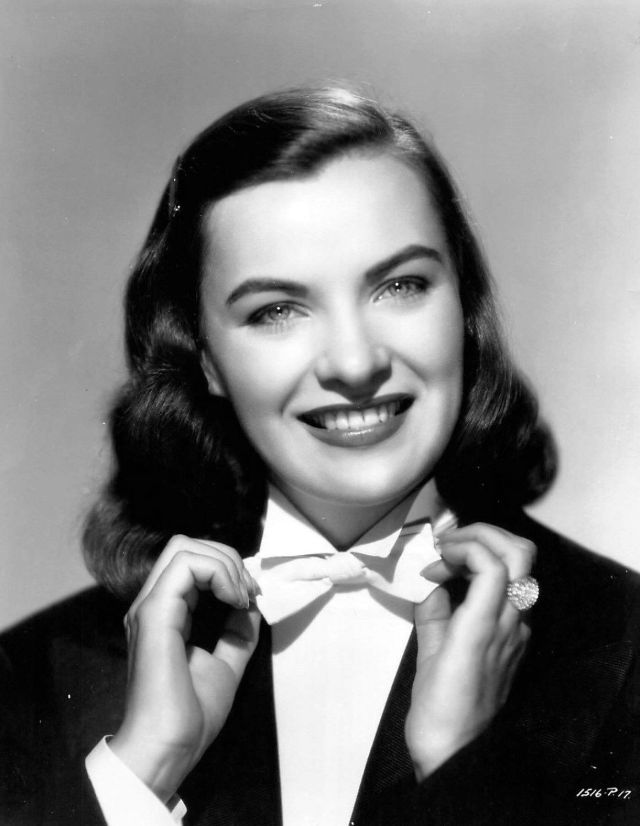
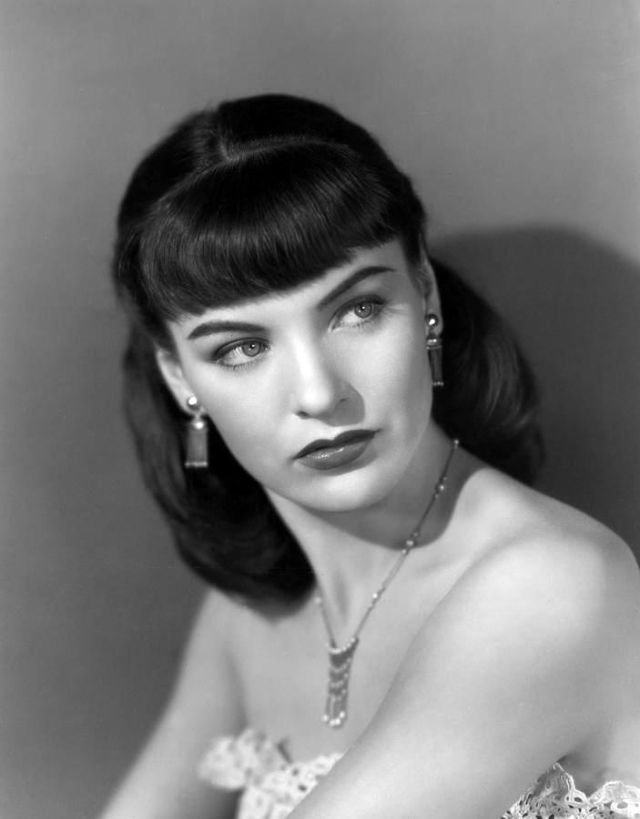
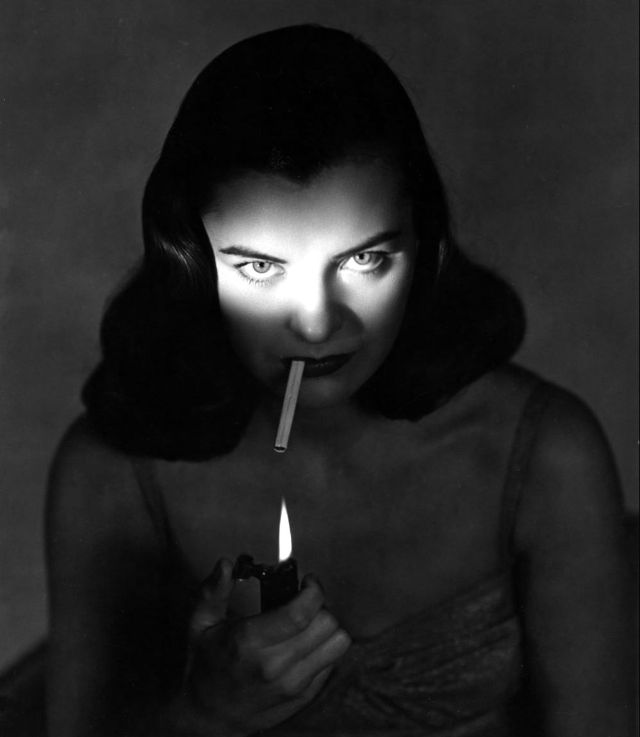
Born 1920 near Snoqualmie Falls, Washington, American film and television actress Ella Raines studied drama at the University of Washington and was appearing in a play there when she was seen by director Howard Hawks. She became the first actress signed to the new production company he had formed with the actor Charles Boyer, B-H Productions, and made her film debut in Corvette K-225 (1943) which Hawks produced.
Immediately following her role in Corvette K-225, Raines was cast in the all-female war film Cry “Havoc” (also 1943). She starred in the film noir Phantom Lady, the Preston Sturges comedy Hail the Conquering Hero, and the John Wayne western Tall in the Saddle (all 1944).
Raines began appearing in such films as The Strange Affair of Uncle Harry (1945) and the thriller The Web (1947). With the exception of Brute Force (1947), in which Raines appeared with Burt Lancaster, none of her later films were nearly as successful as her earlier movies and her career began to decline.
In 1954 and 1955, Raines starred in the television series Janet Dean, Registered Nurse. She also appeared in some television series, and retired from acting in 1957, but made one further screen appearance with a guest role in the series Matt Houston in 1984.
Raines has two stars on the Hollywood Walk of Fame for her contribution to motion pictures at 7021 Hollywood Boulevard, and for television at 6600 Hollywood Boulevard.
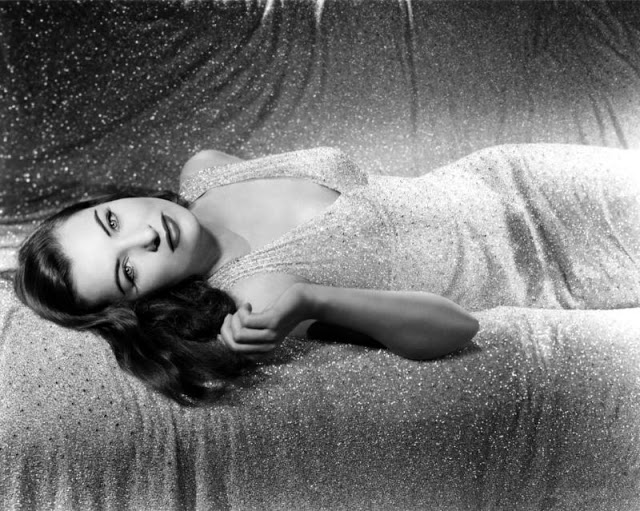
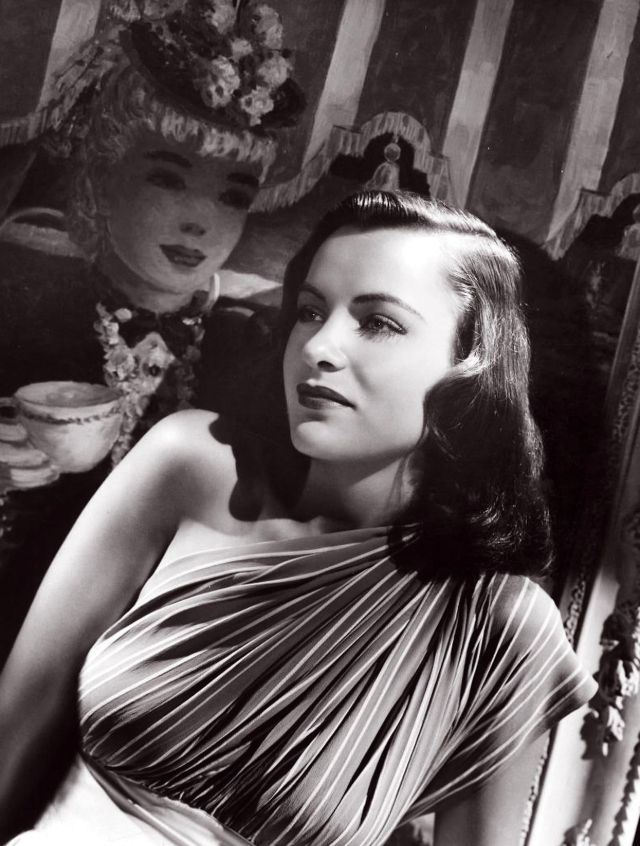
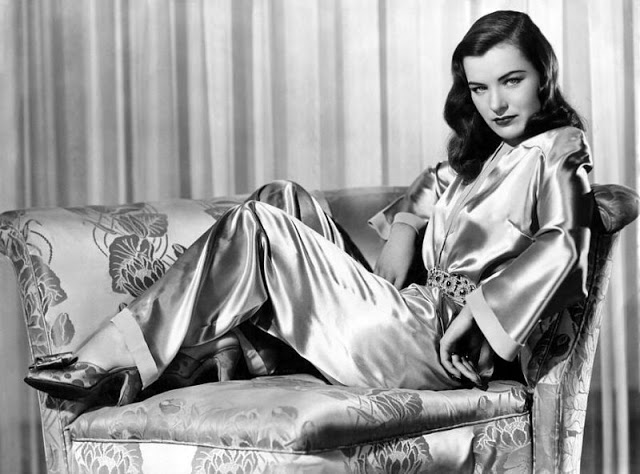
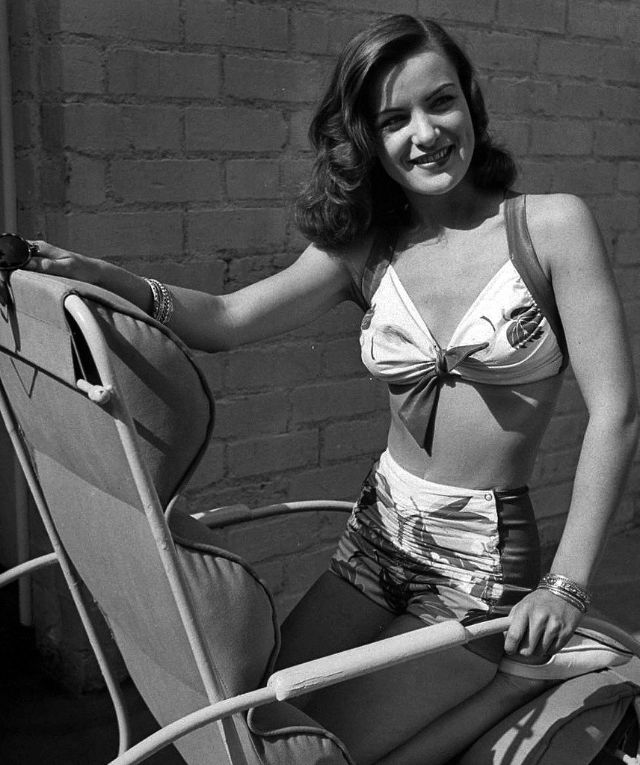
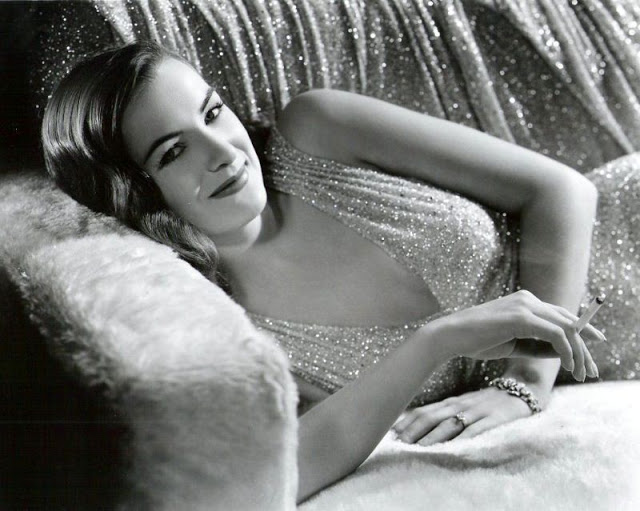
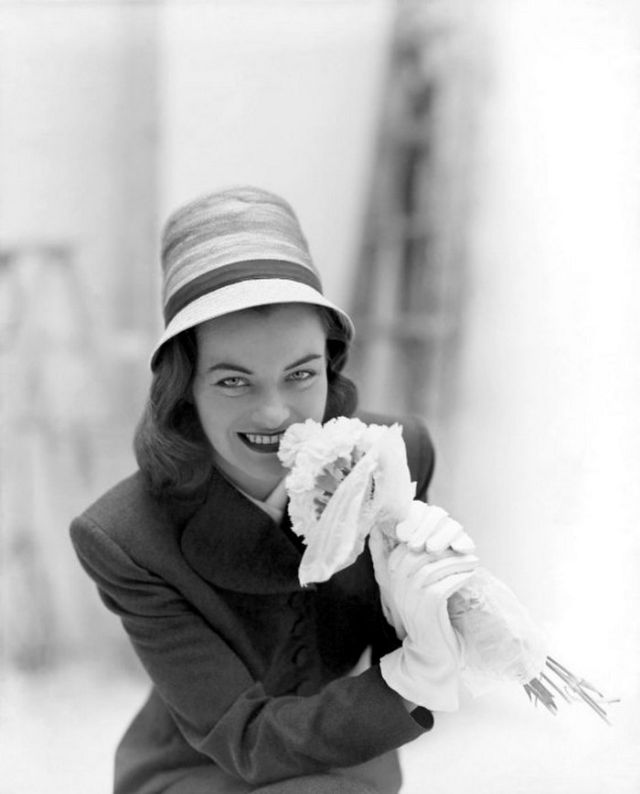
Take a look at these glamorous photos to see the beauty of Ella Raines in the 1940s.
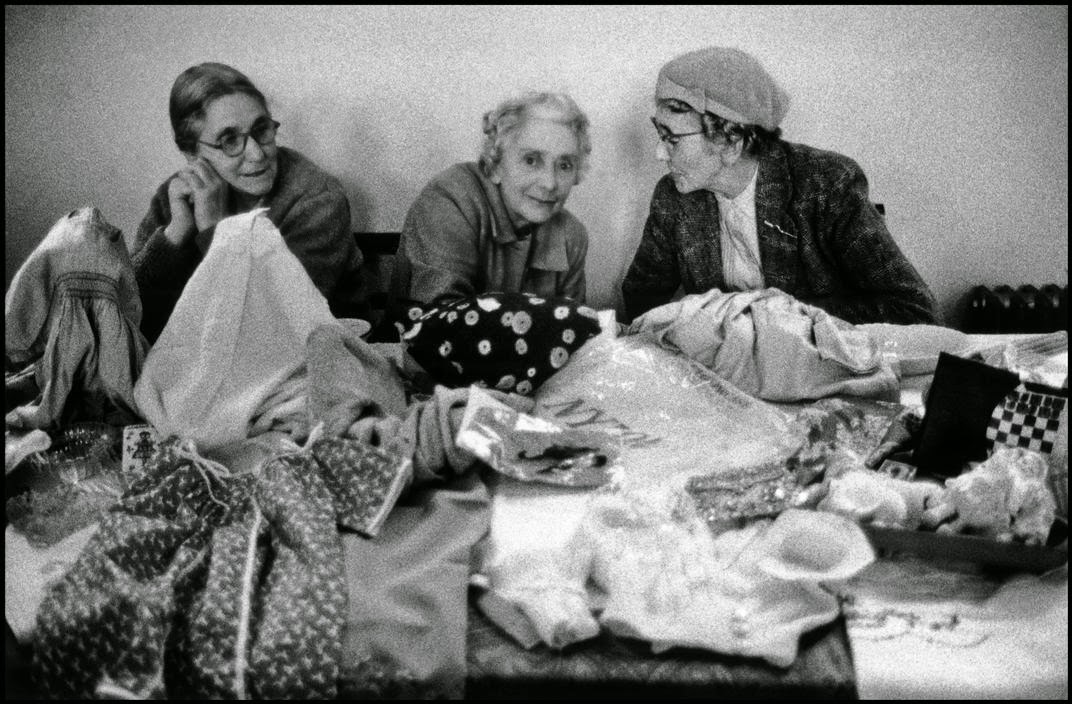
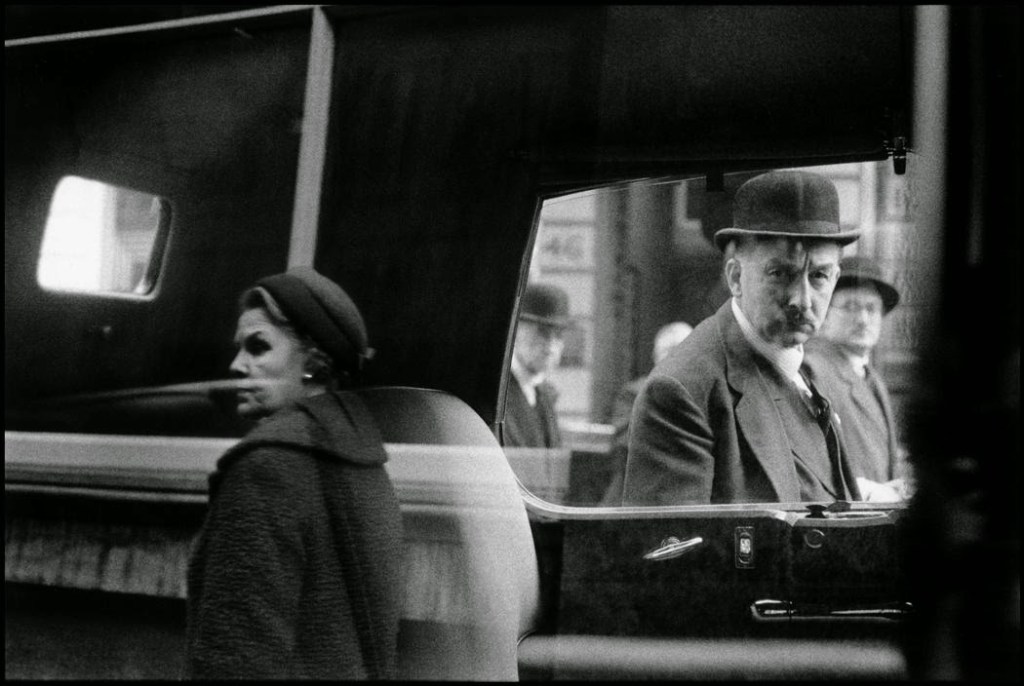
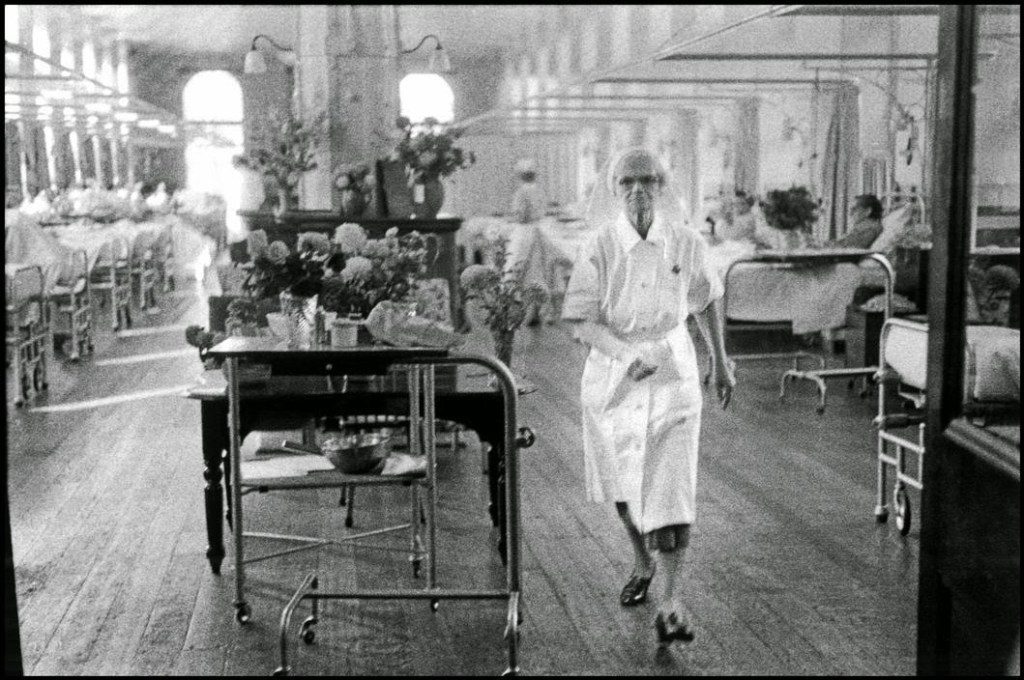
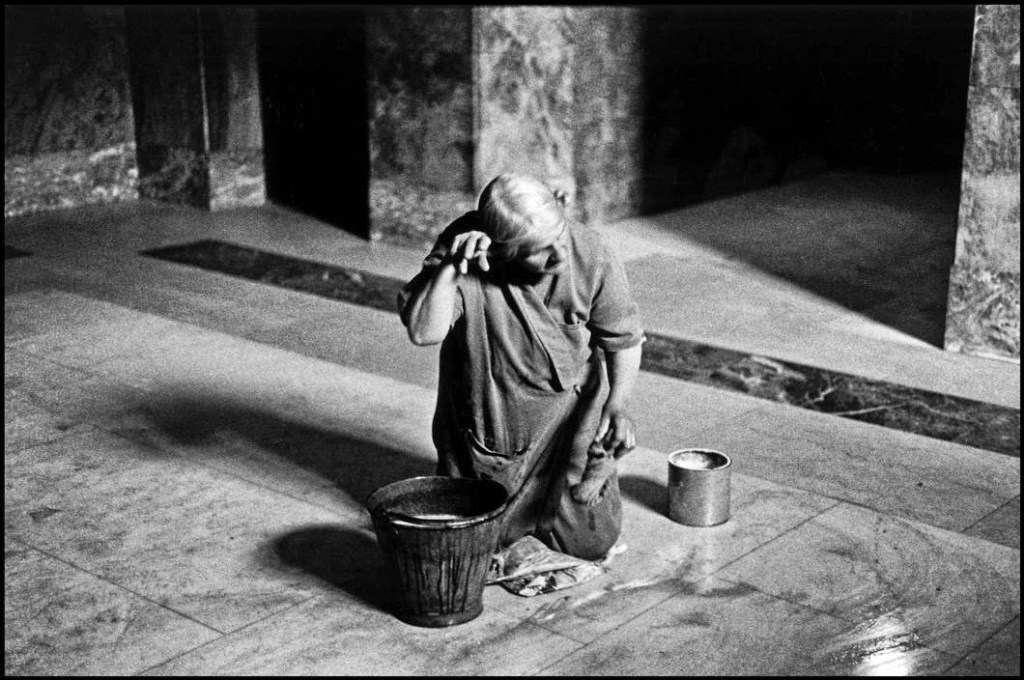
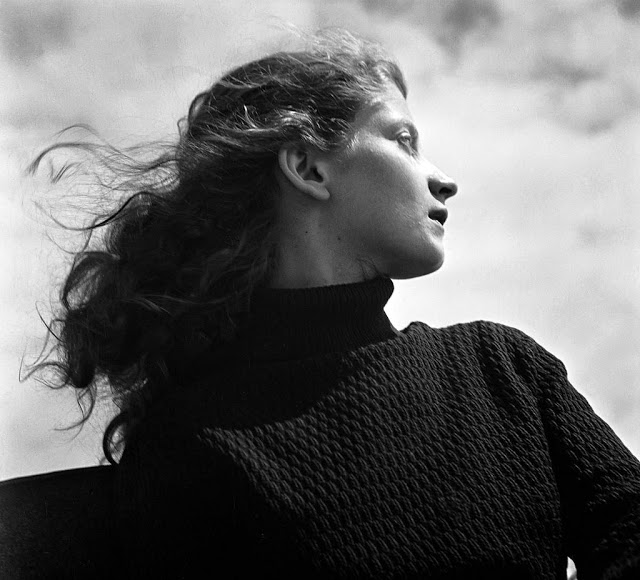
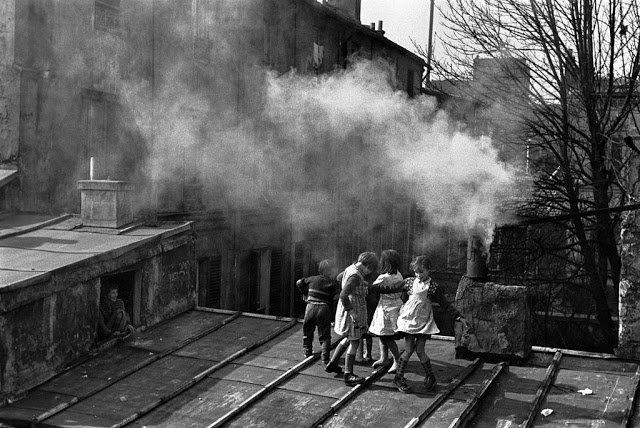
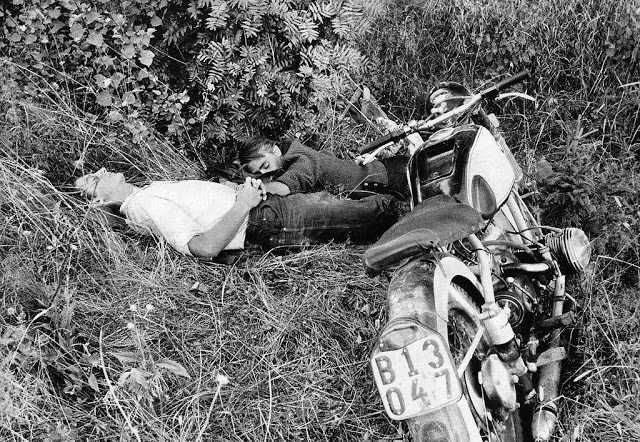
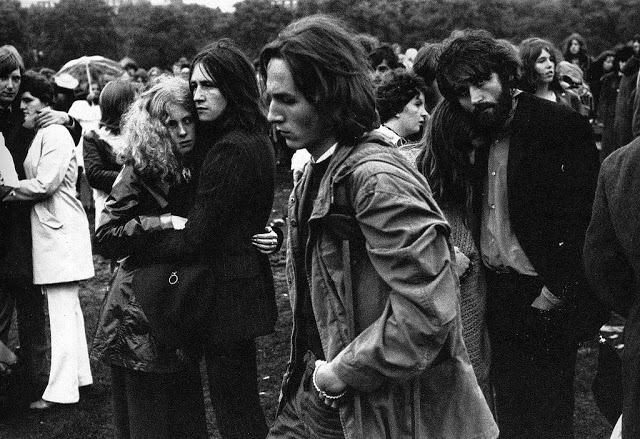
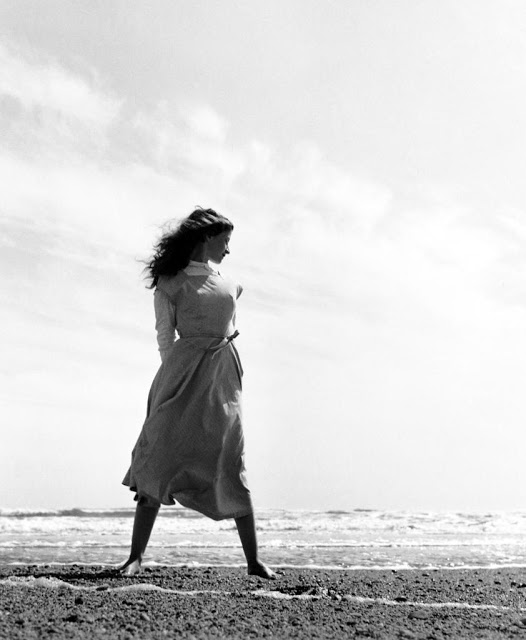
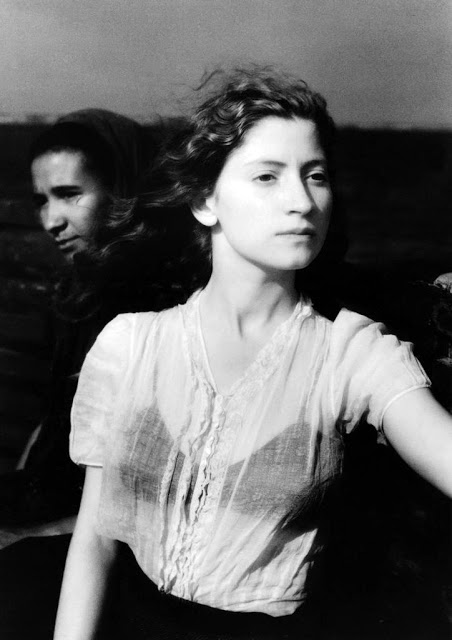
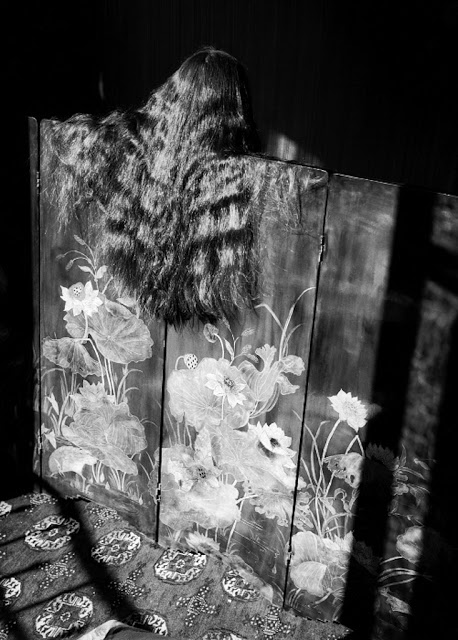
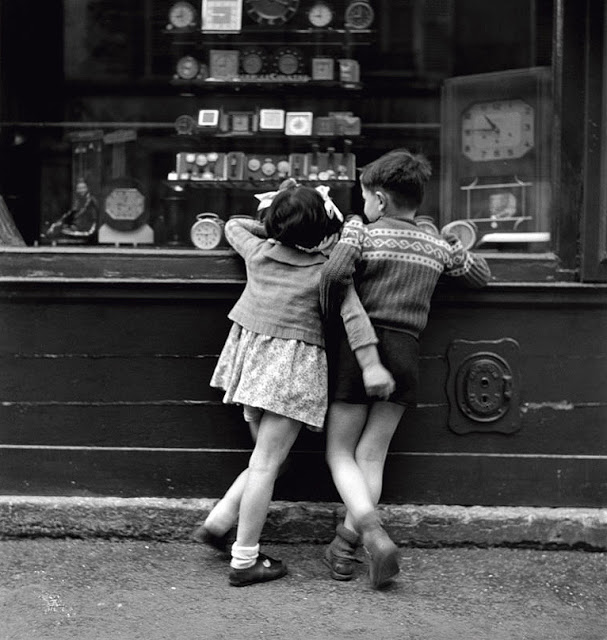
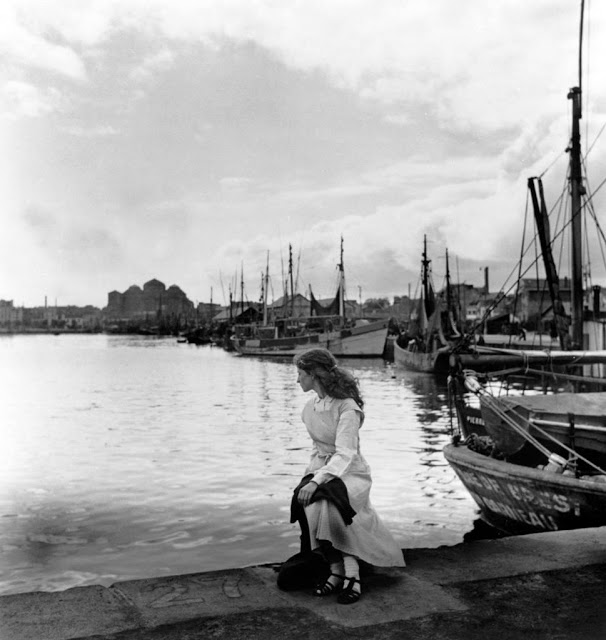
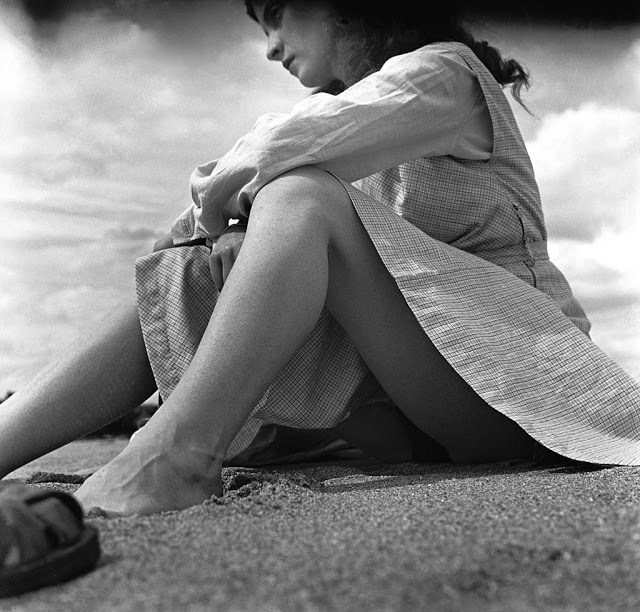
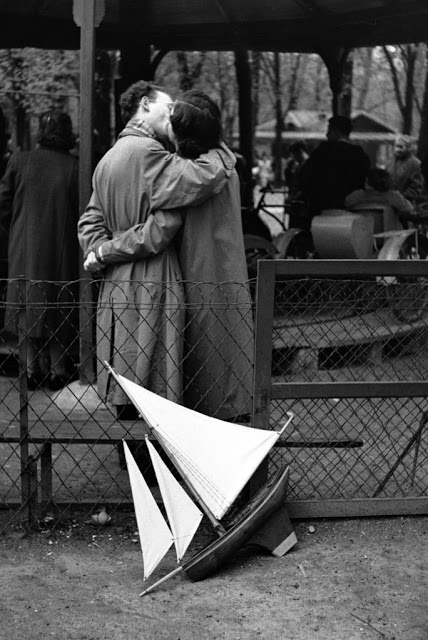
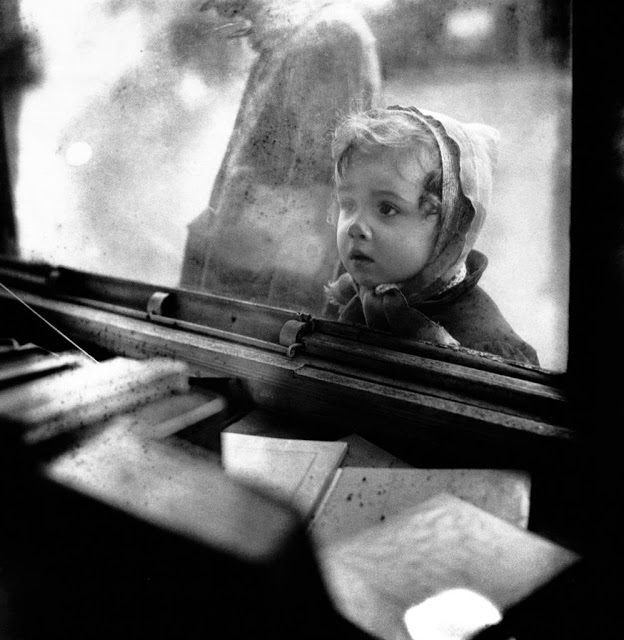
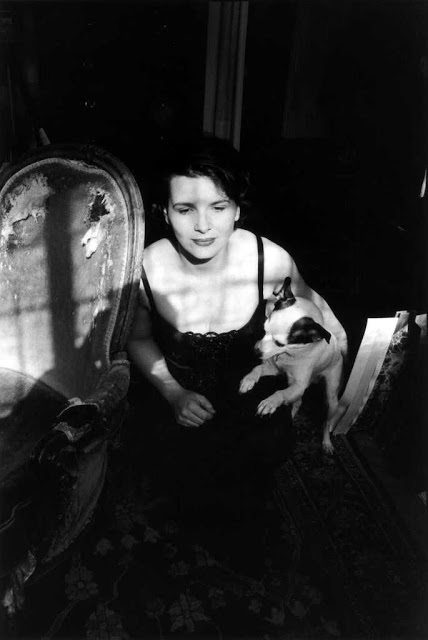
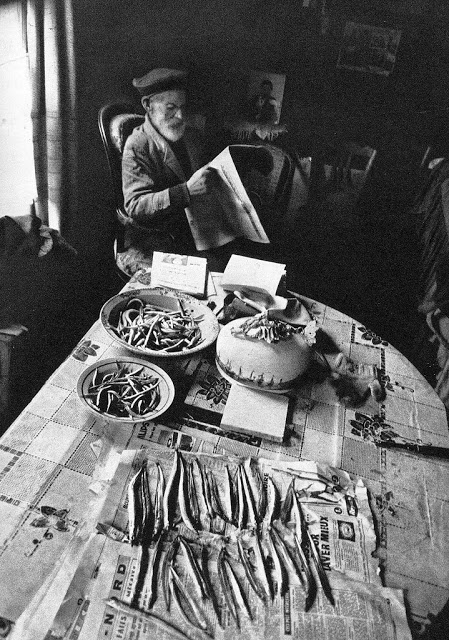
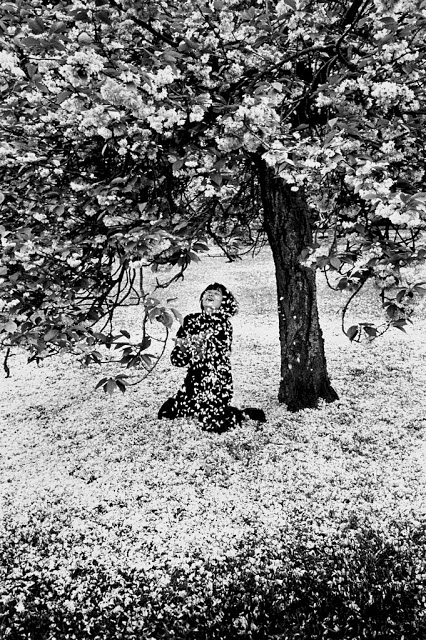
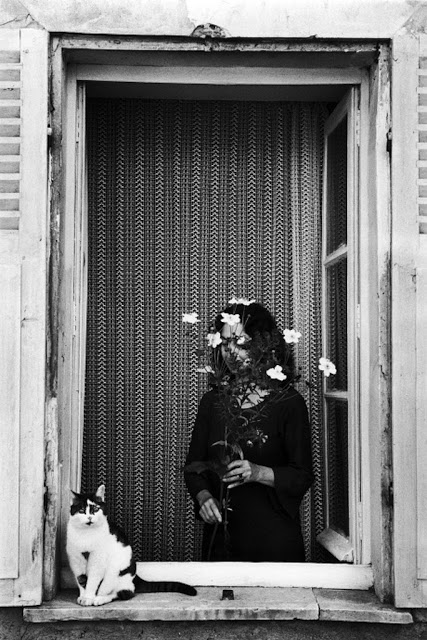
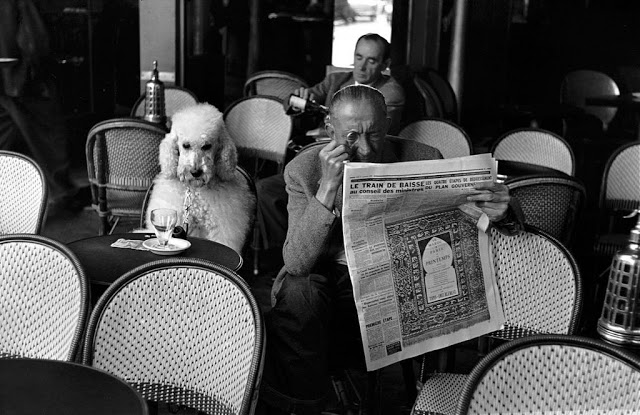
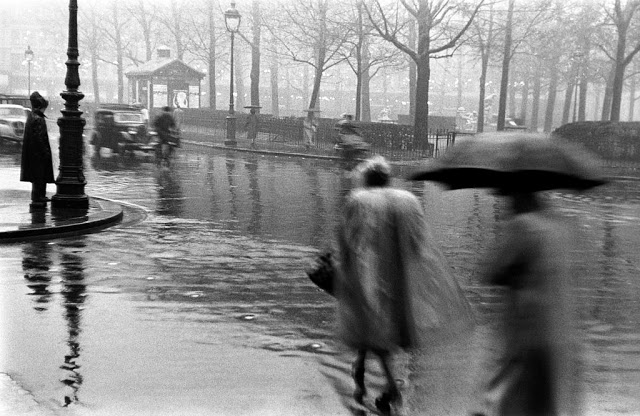
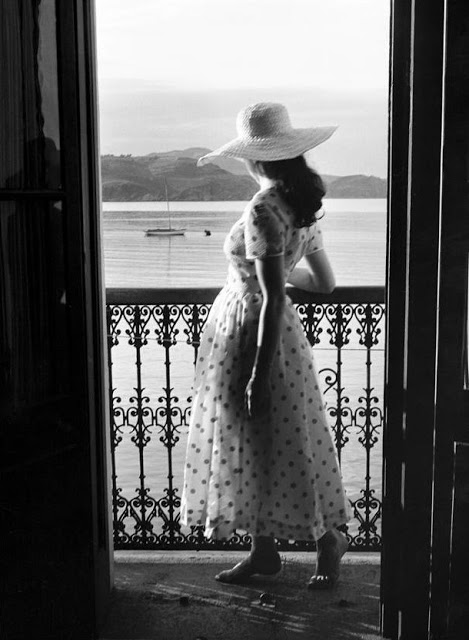
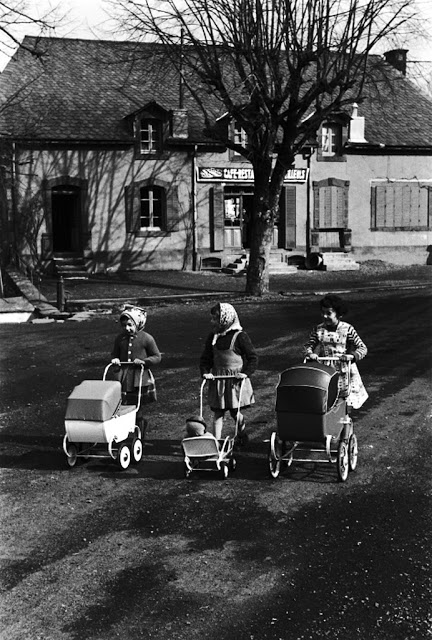
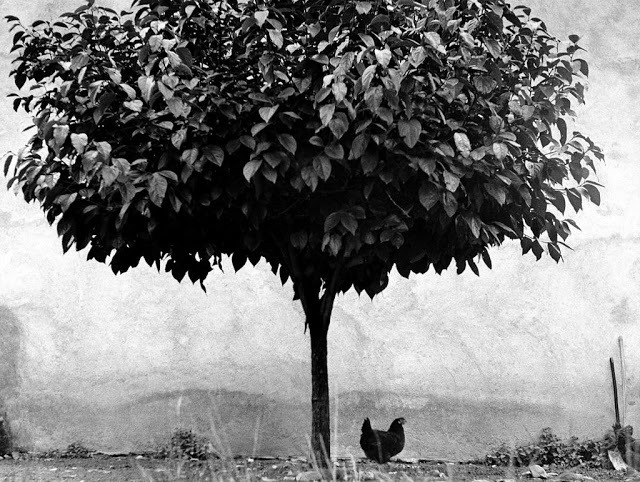
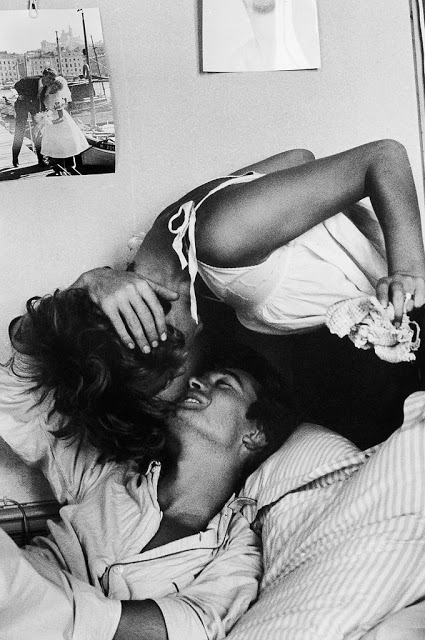
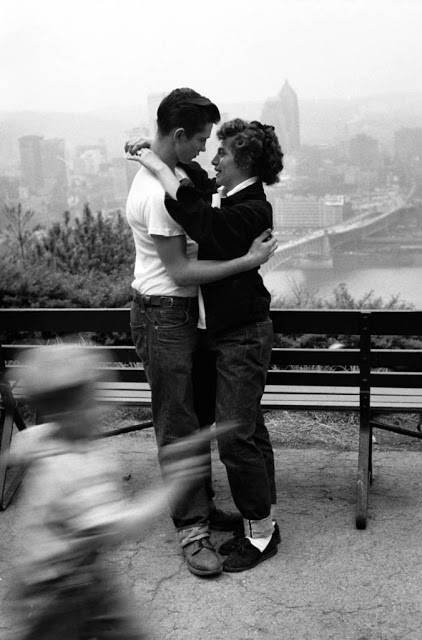
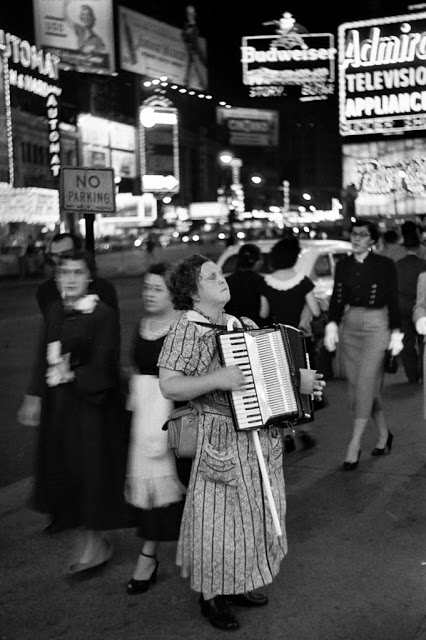
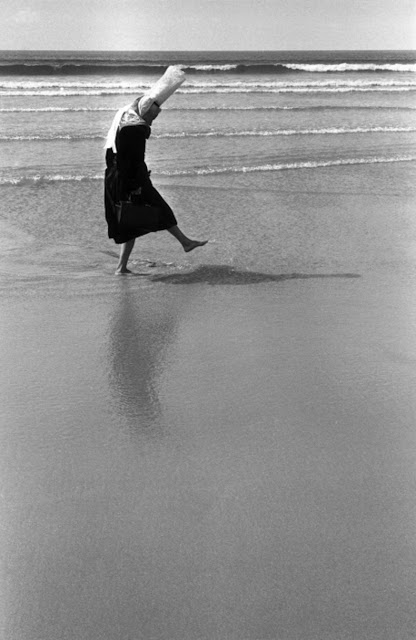
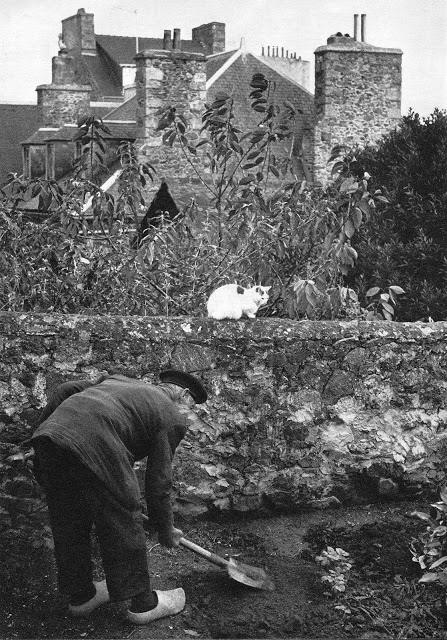
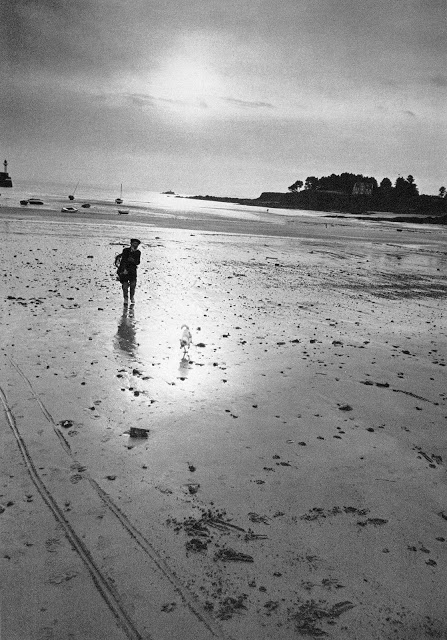
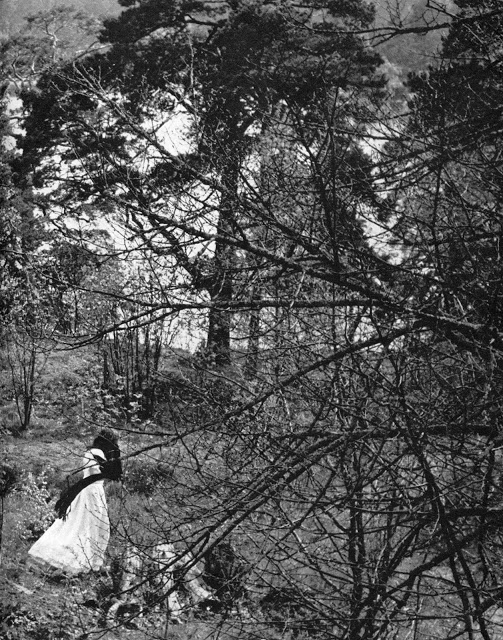
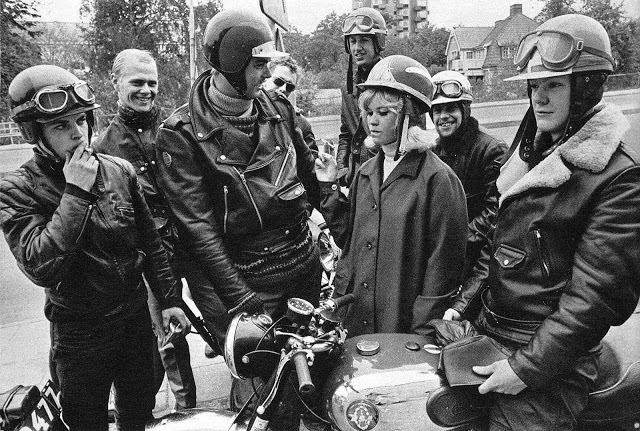
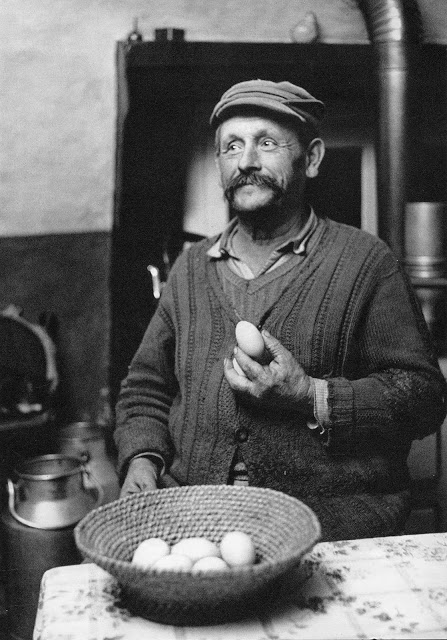
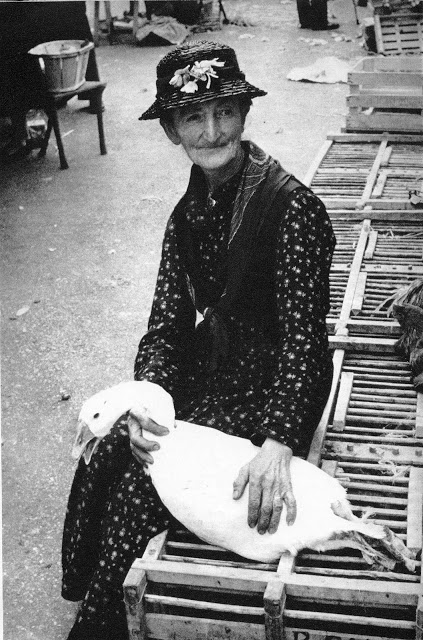
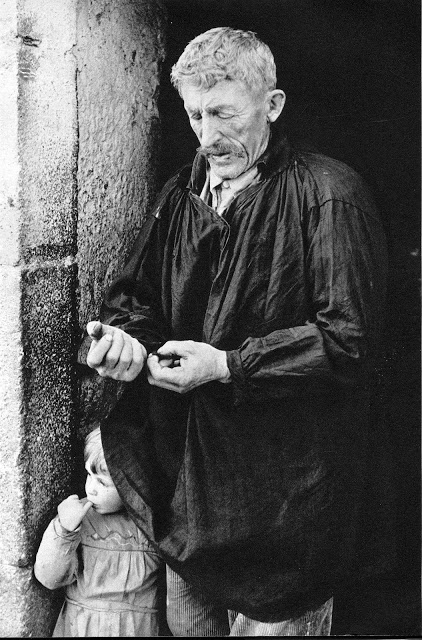
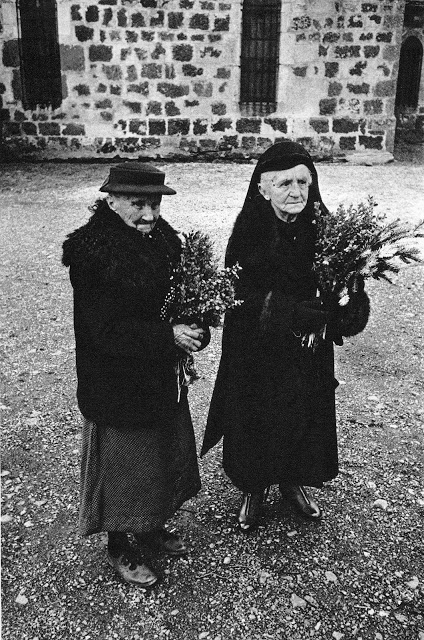
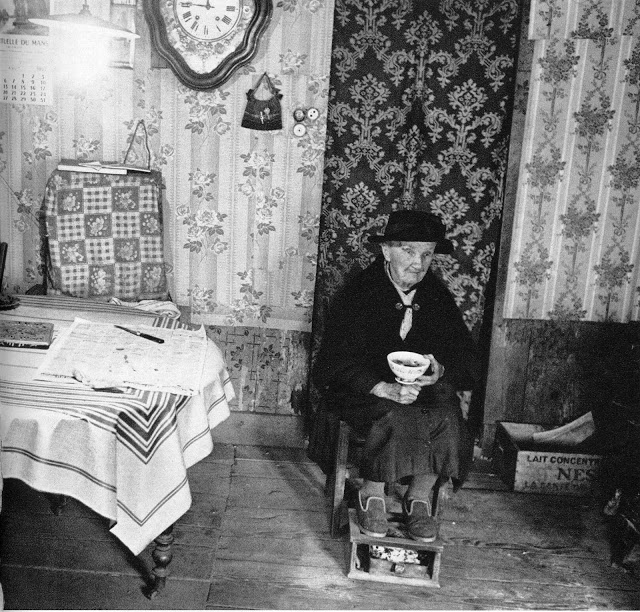
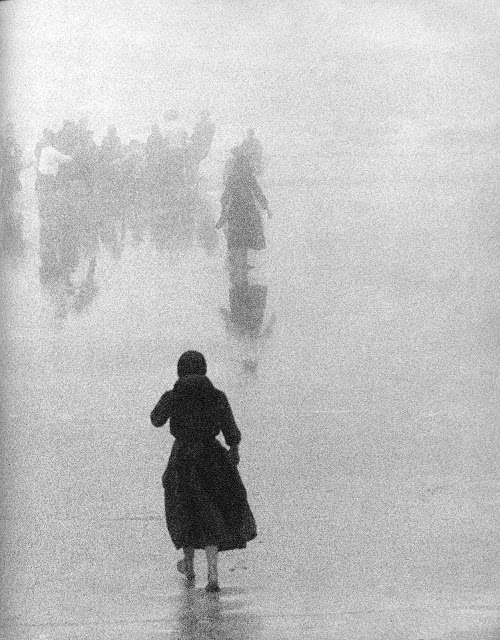
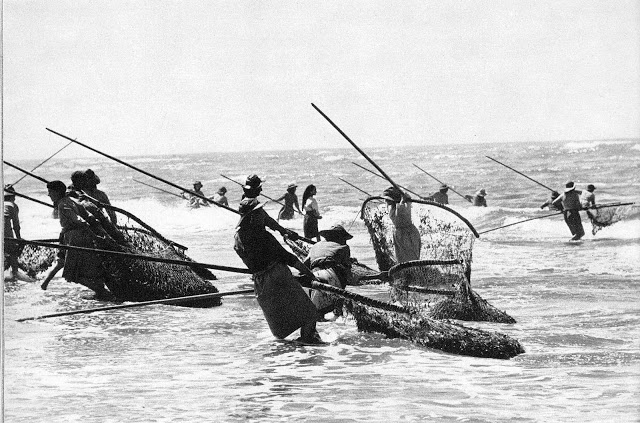
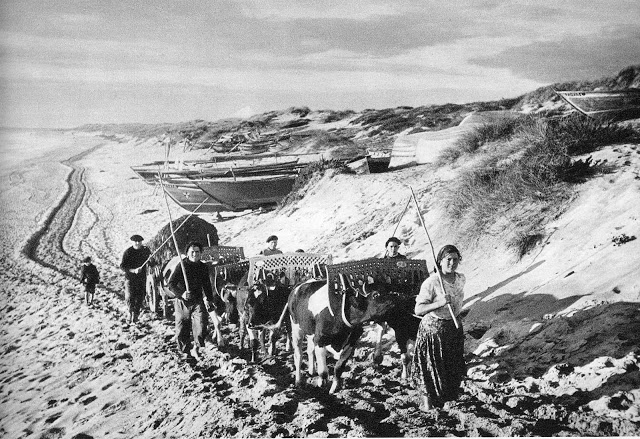
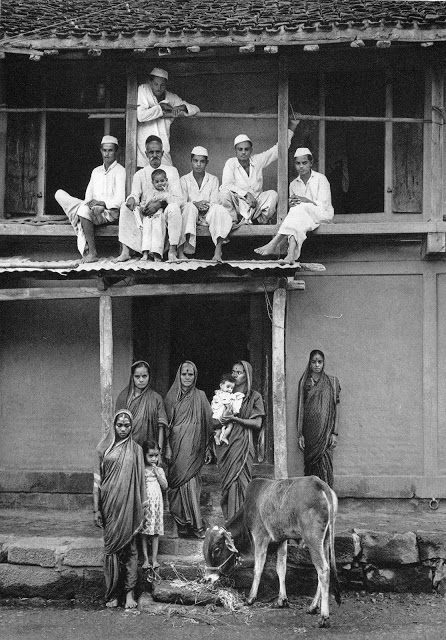
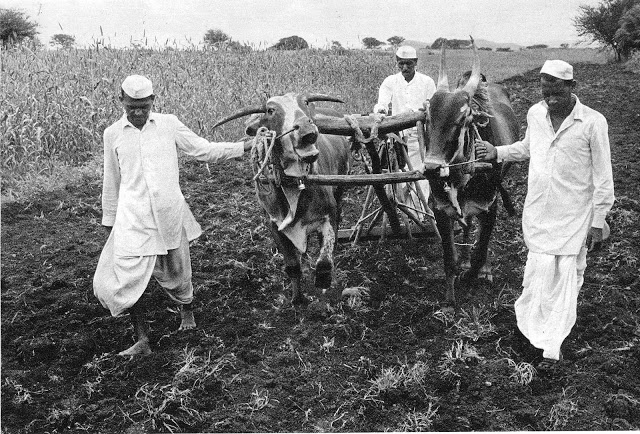
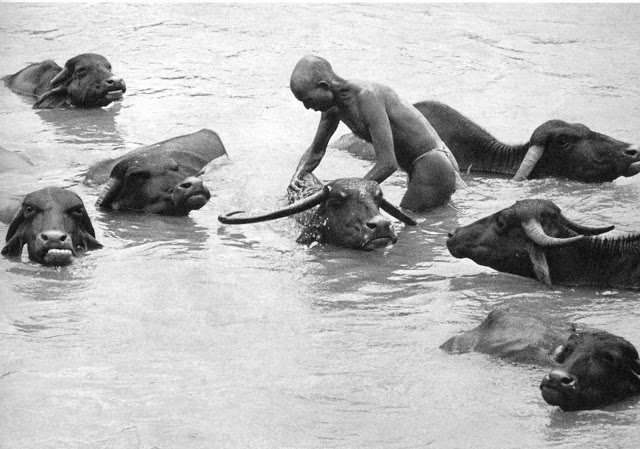
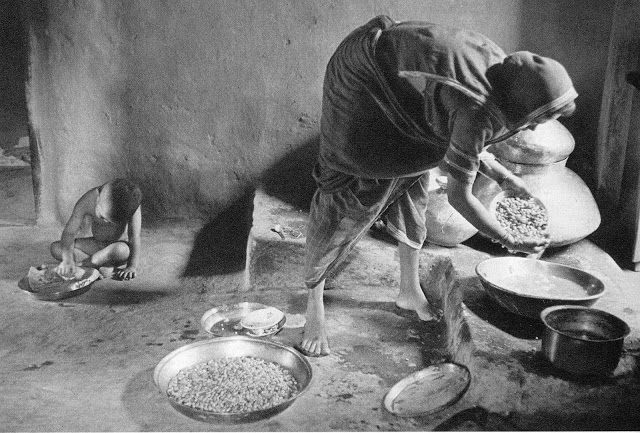
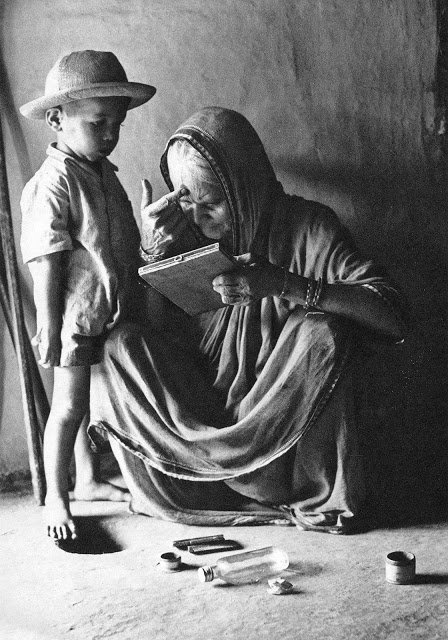
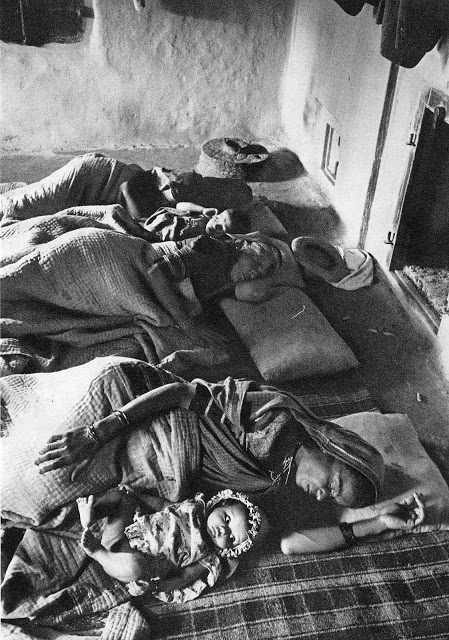
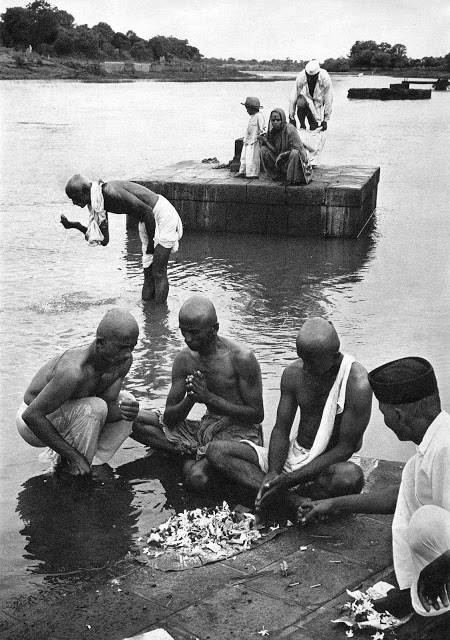
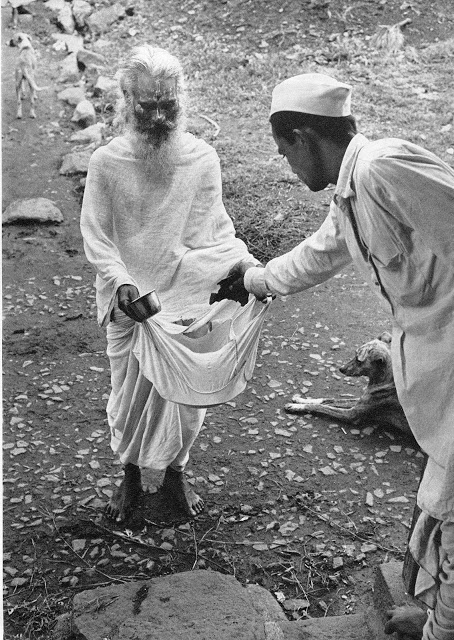
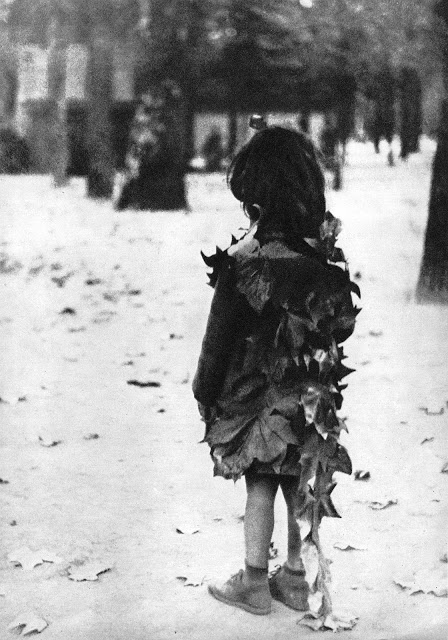
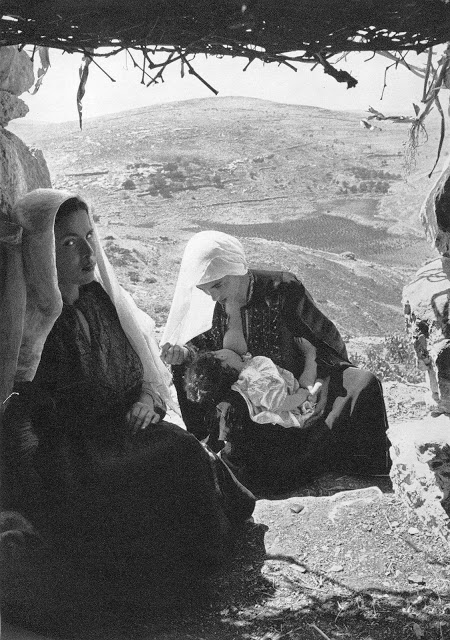
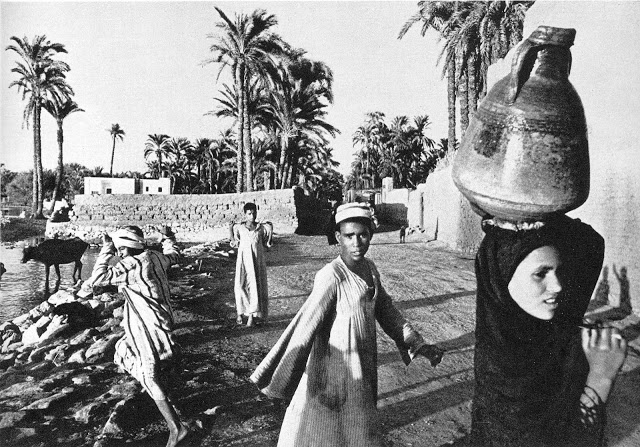
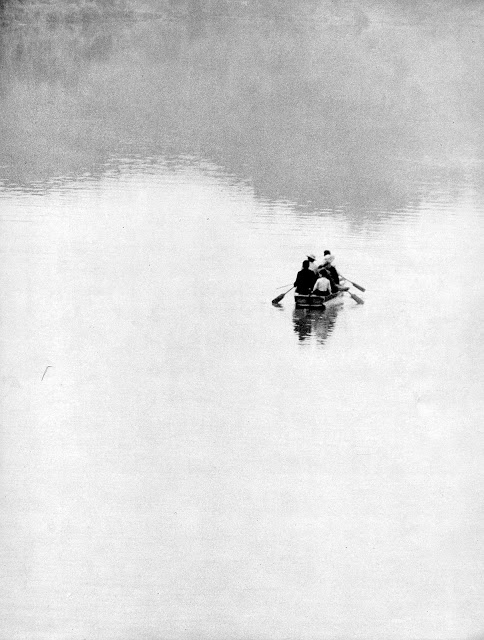
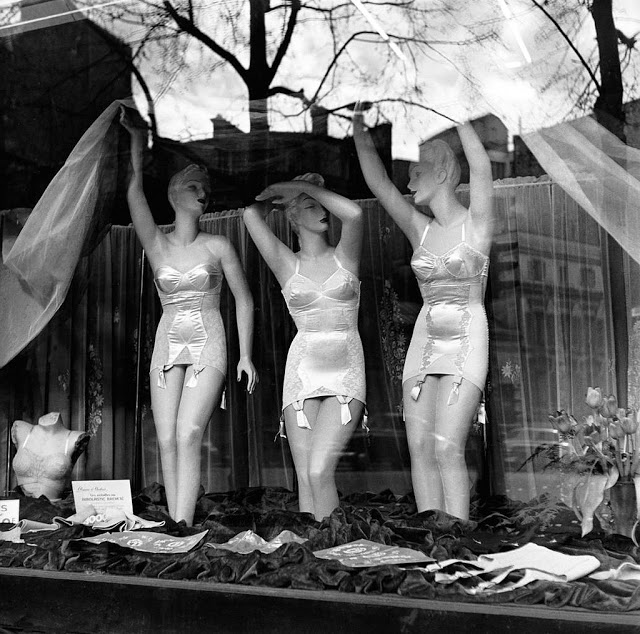
Édouard Boubat was born in Montmartre, Paris in 1923. He studied typography and graphic arts at the École Estienne and worked for a printing company before becoming a photographer. In 1943 he was subjected to service du travail obligatoire, forced labour of French people in Nazi Germany, and witnessed the horrors of World War II. He took his first photograph after the war in 1946 and was awarded the Kodak Prize the following year. He travelled the world for the French magazine Réalités, where his colleague was Jean-Philippe Charbonnier, and later worked as a freelance photographer. French poet Jacques Prévert called him a “peace correspondent” as he was humanist, apolitical and photographed uplifting subjects. His son Bernard Boubat is also a photographer.
Boubat died on June 30th, 1999, at the age of 75. Below are some of his amazing photographs that capture everyday life around the world from between the 1940s and 1960s.
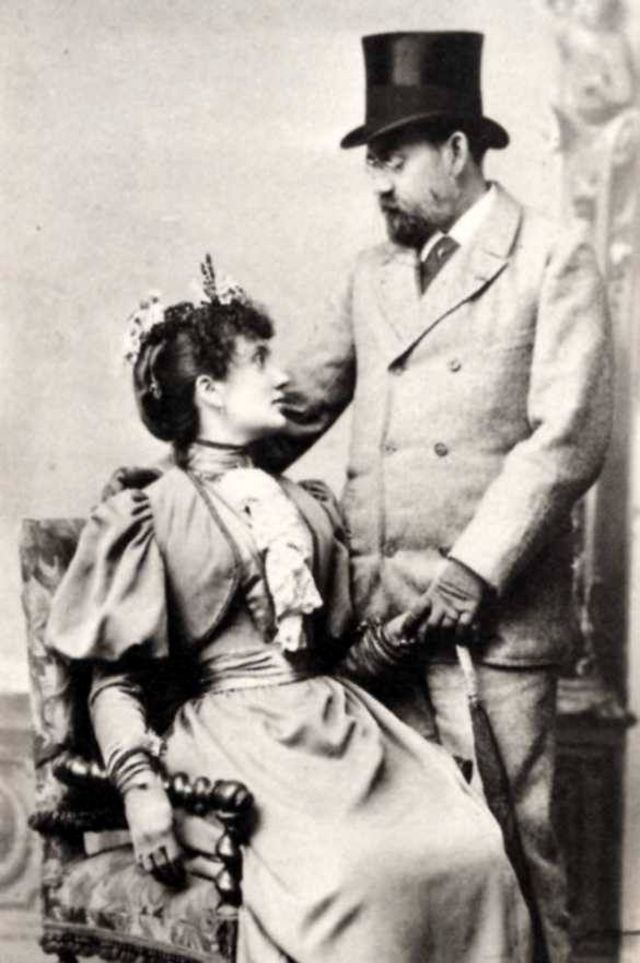
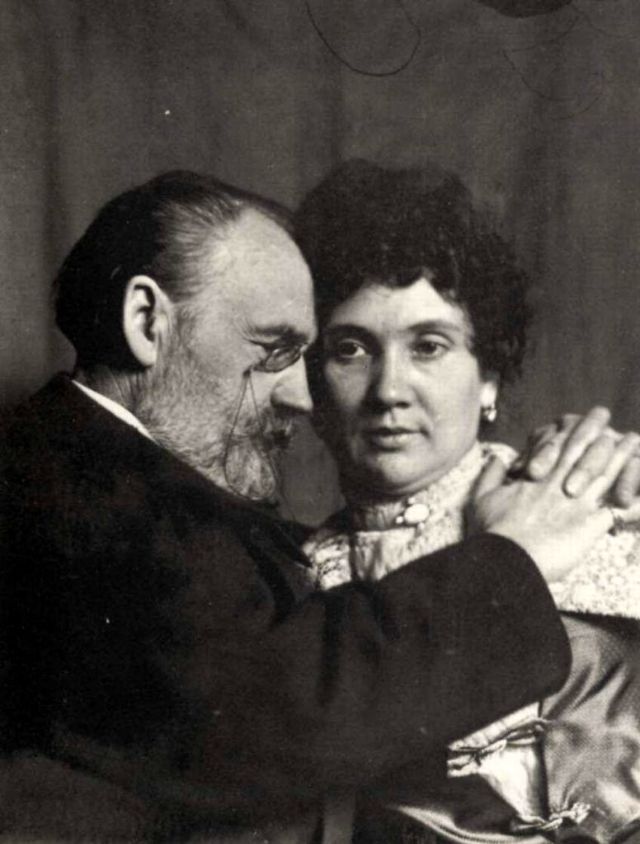
Born 1840 in Paris, French novelist, playwright, journalist Émile Zola was also the best-known practitioner of the literary school of naturalism, and an important contributor to the development of theatrical naturalism.
Zola was a major figure in the political liberalization of France and in the exoneration of the falsely accused and convicted army officer Alfred Dreyfus, which is encapsulated in the renowned newspaper headline J’Accuse…! He was nominated for the first and second Nobel Prize in Literature in 1901 and 1902.
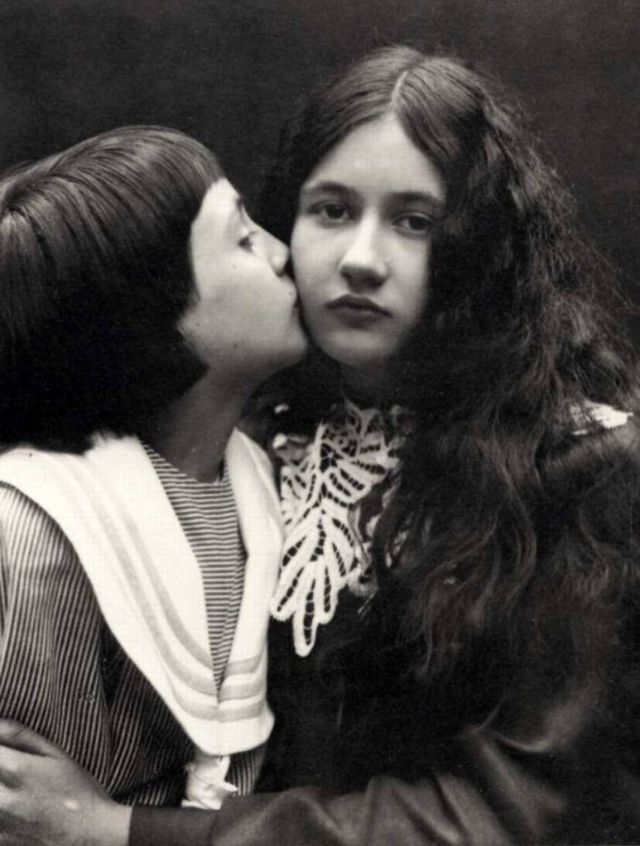
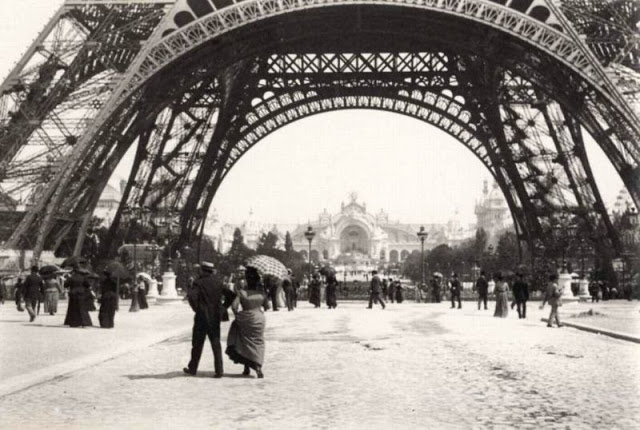
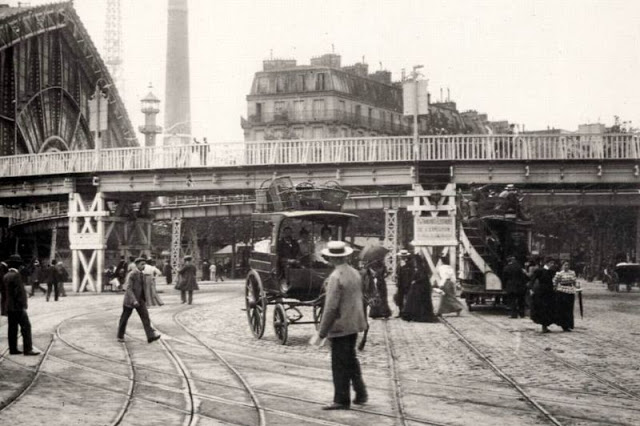
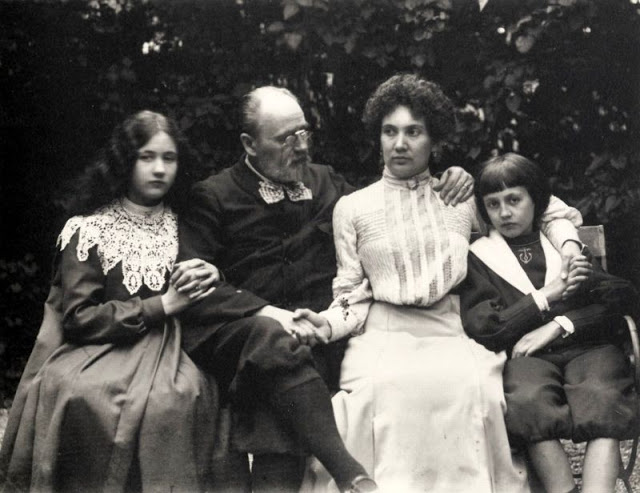
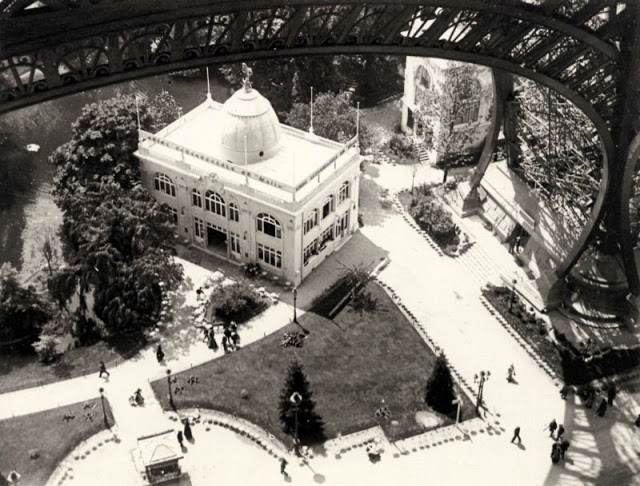
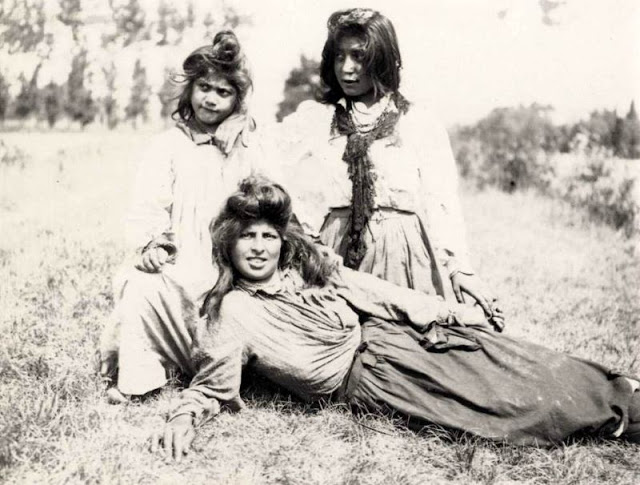
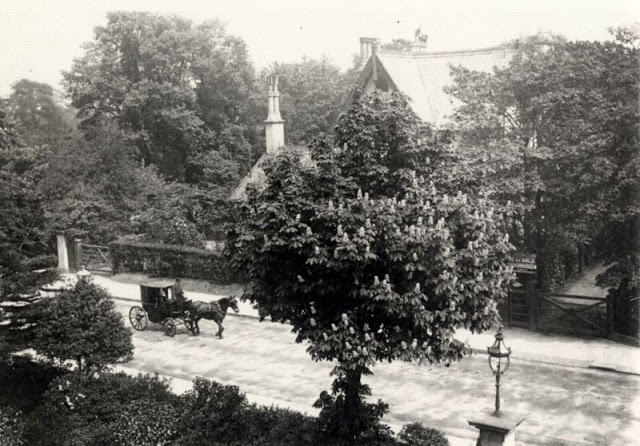
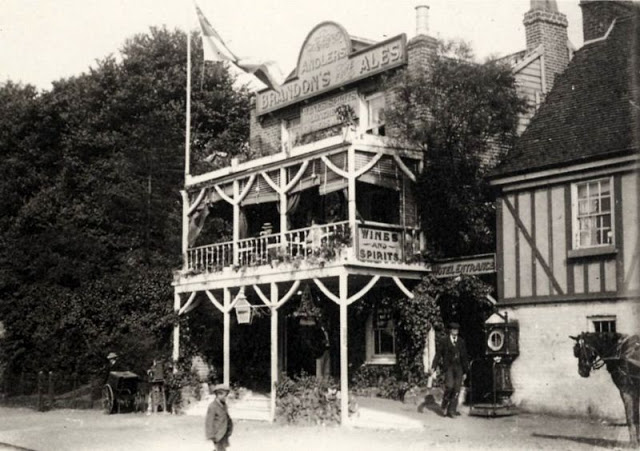
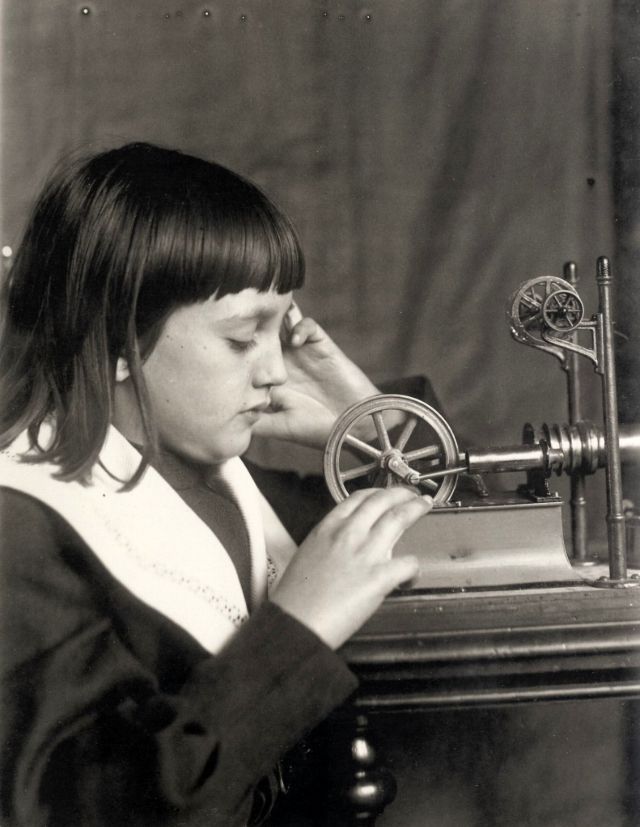
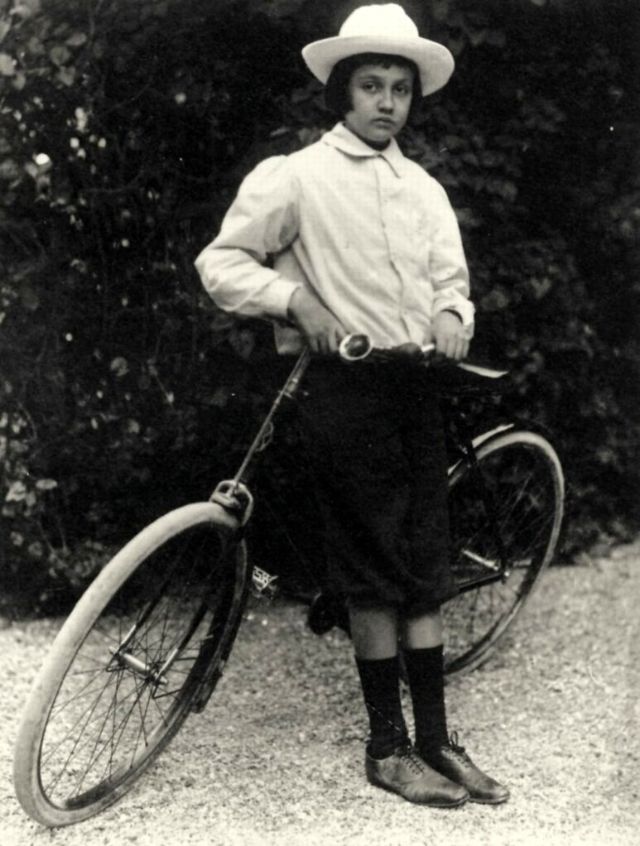
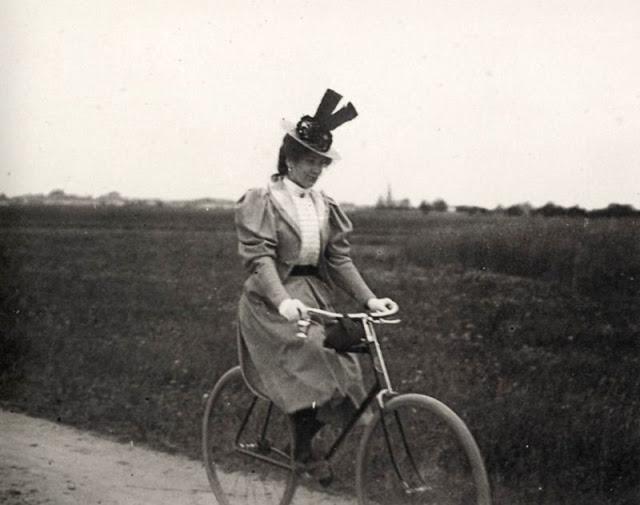
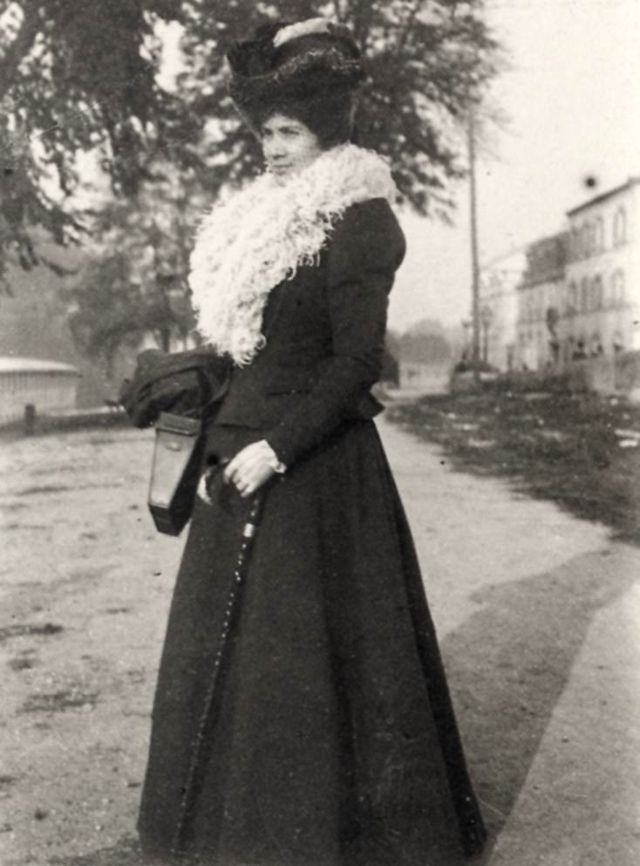
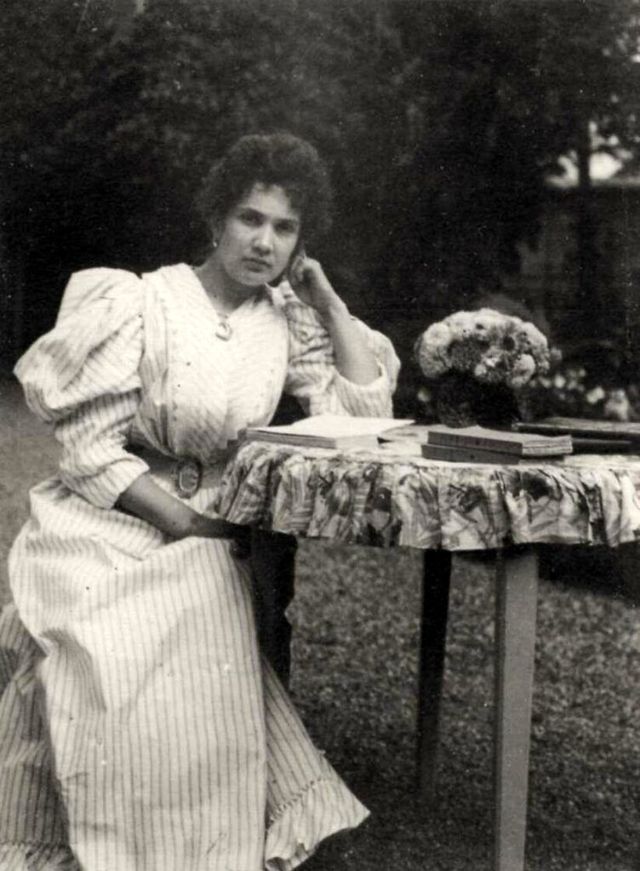
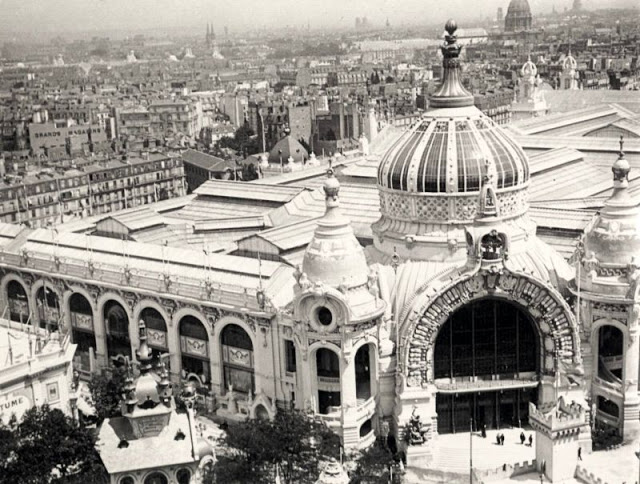
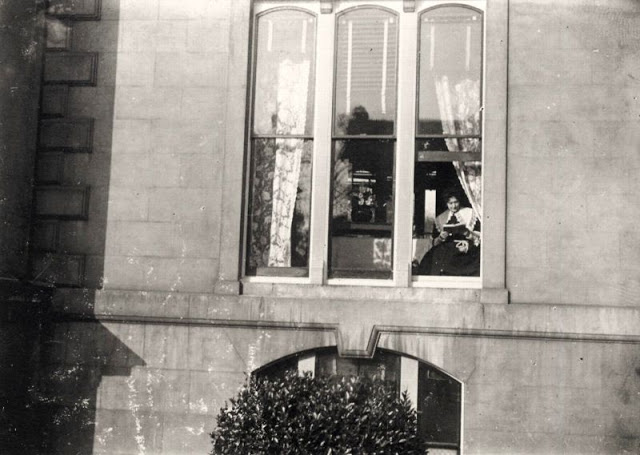
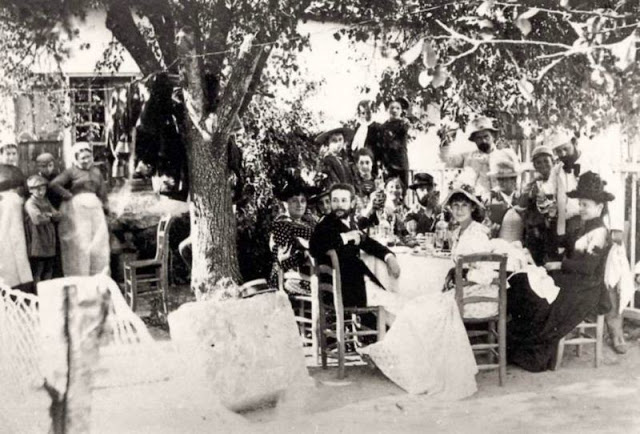
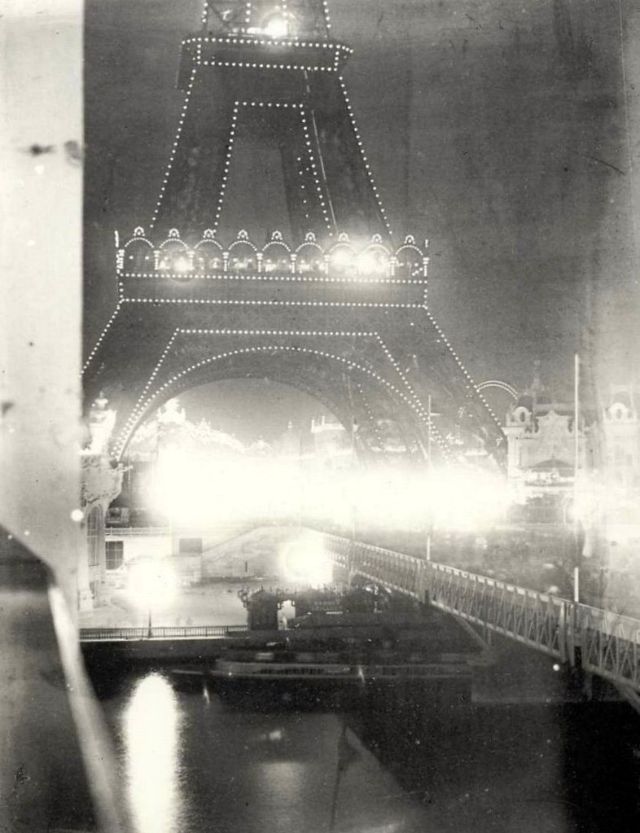
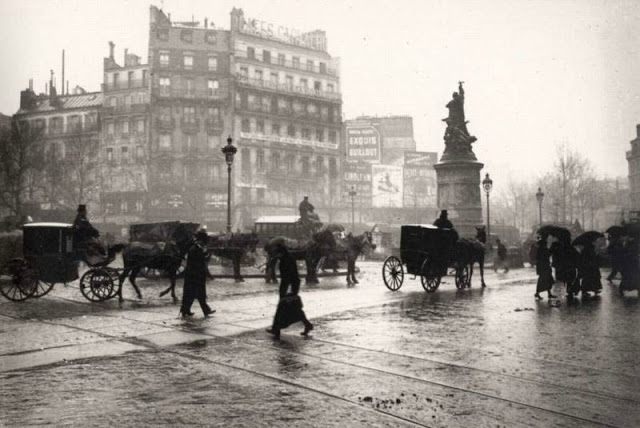
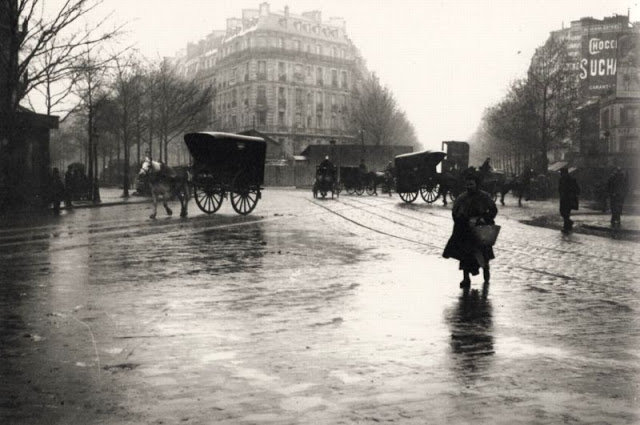
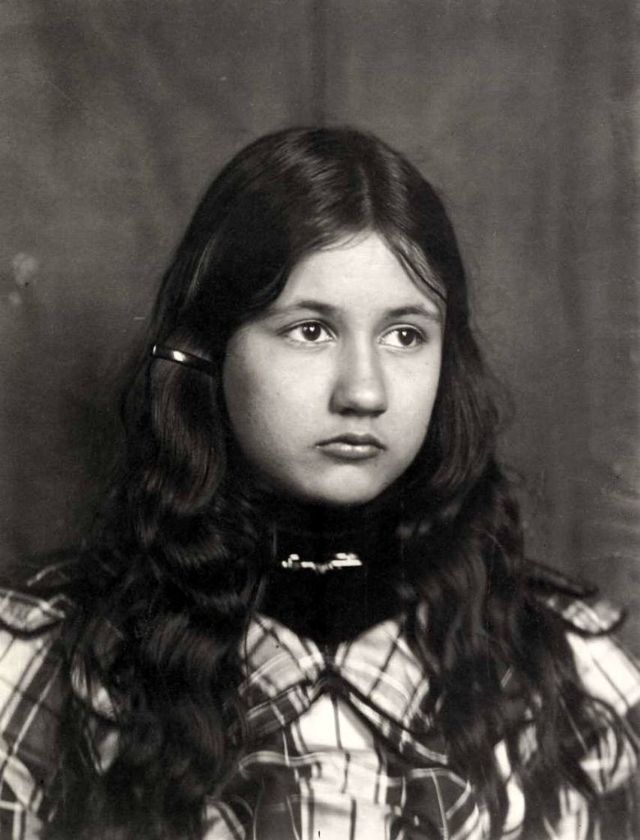
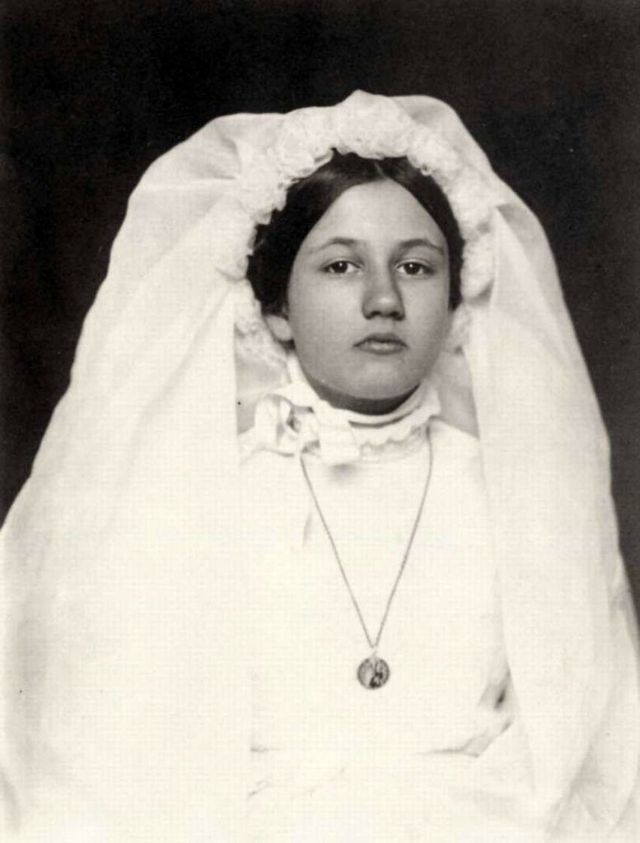
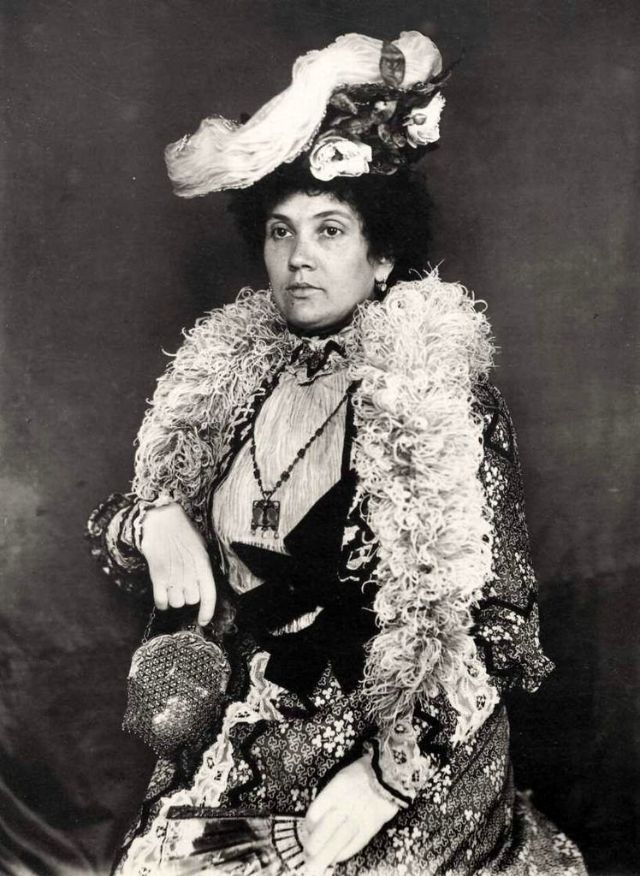
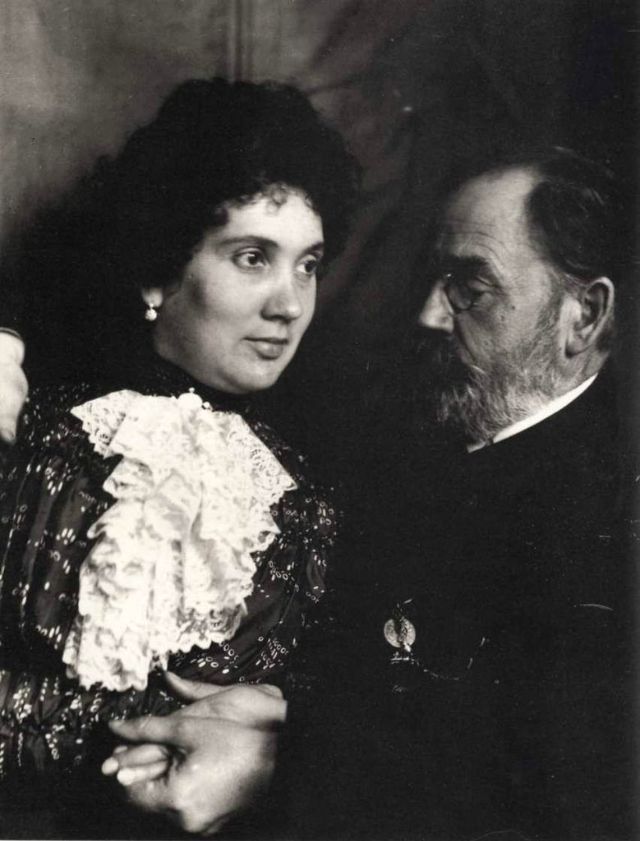
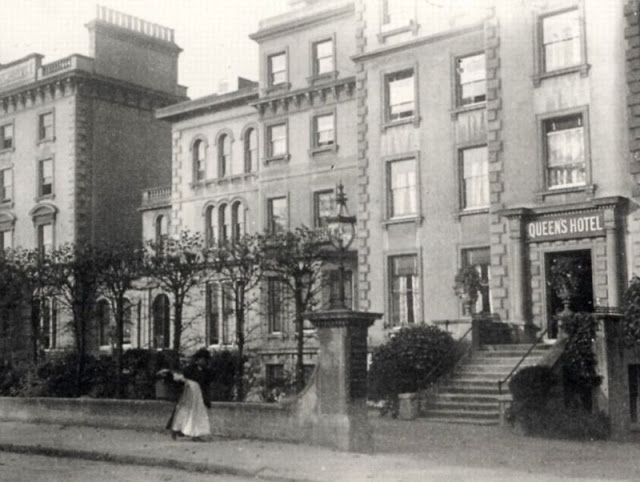
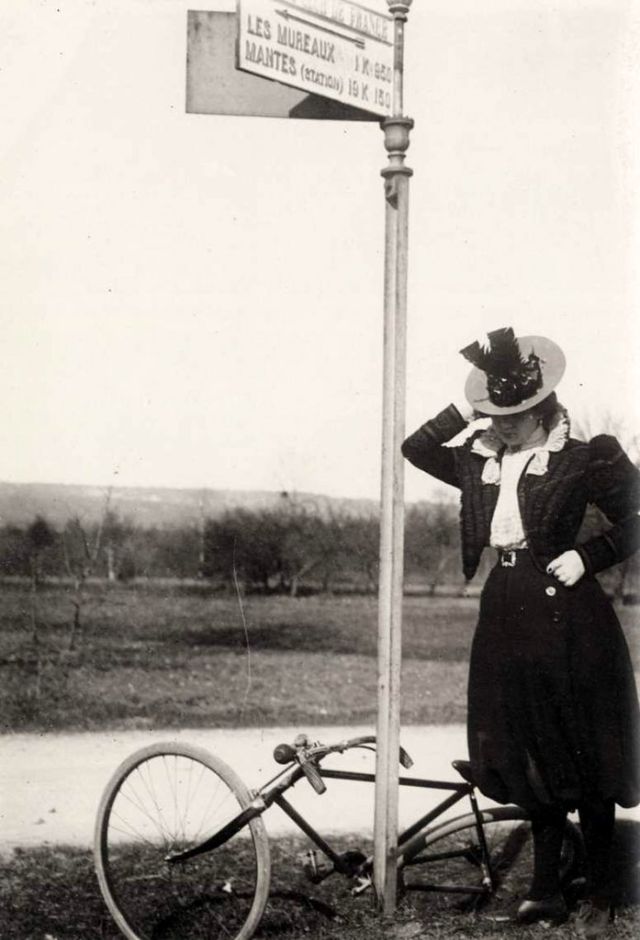
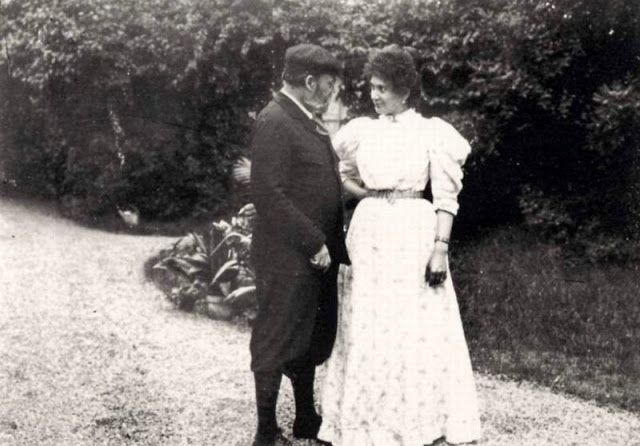
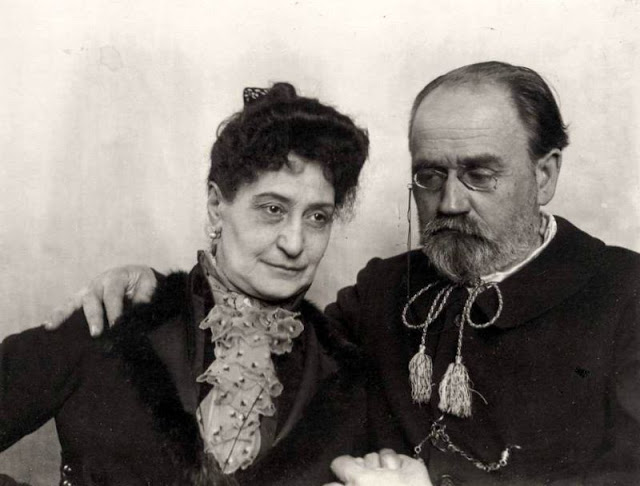
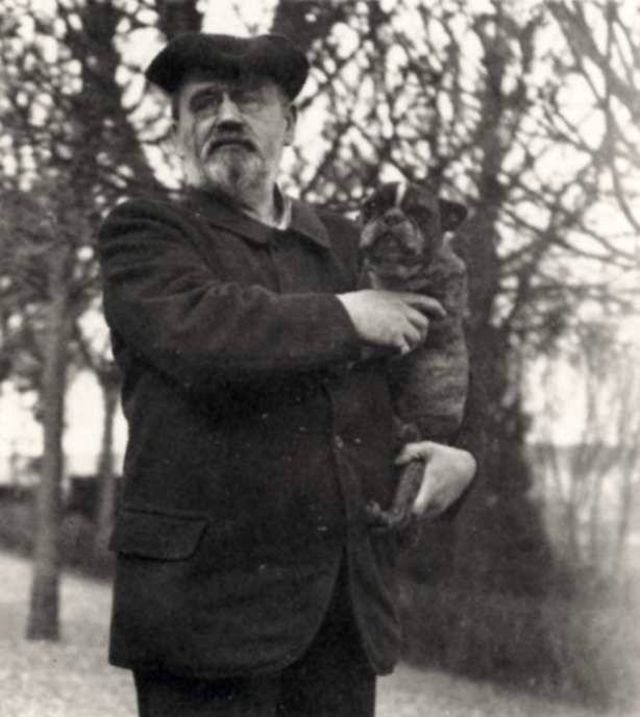
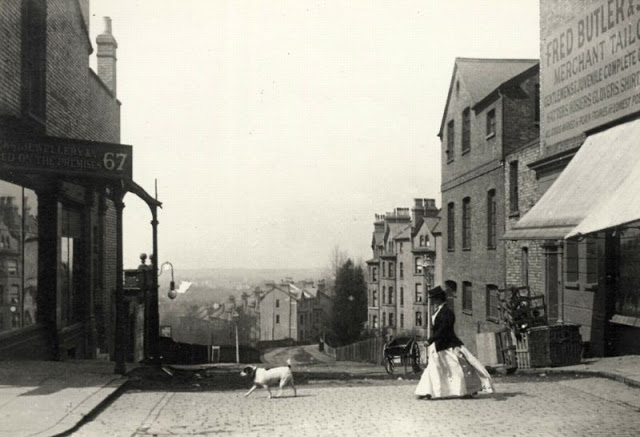
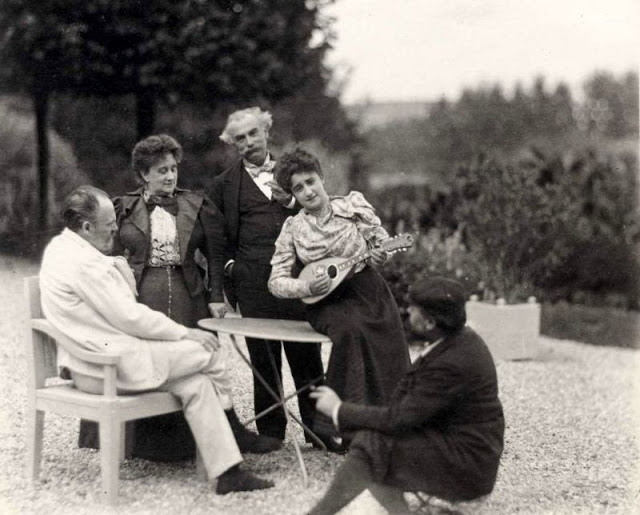
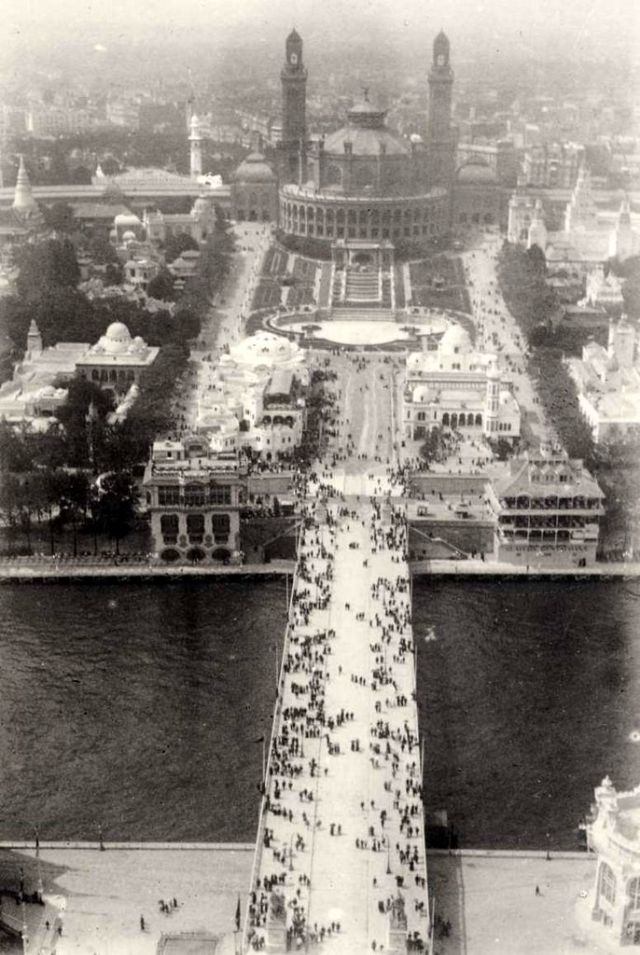
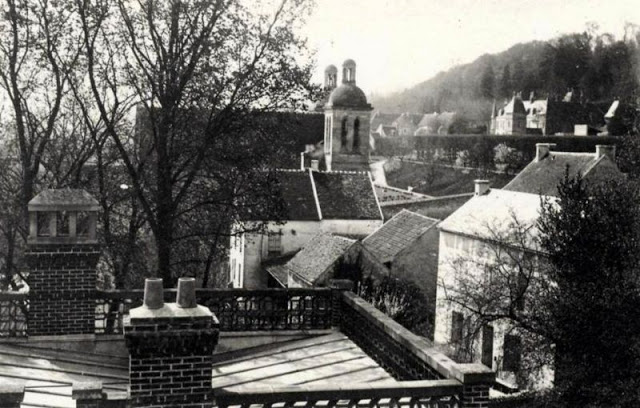
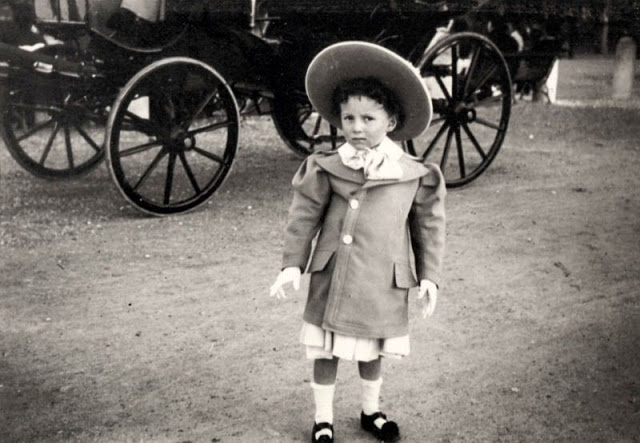
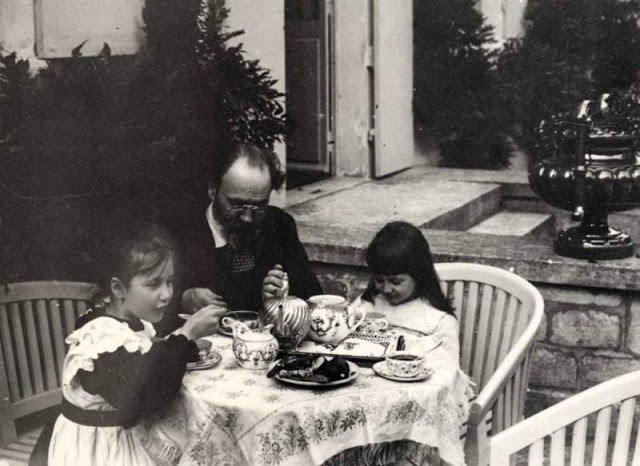
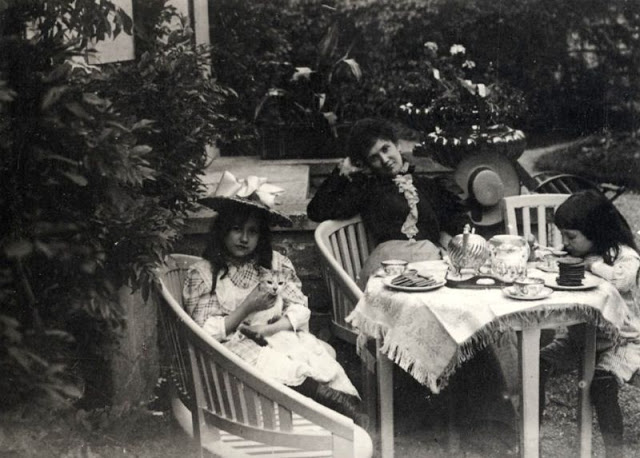
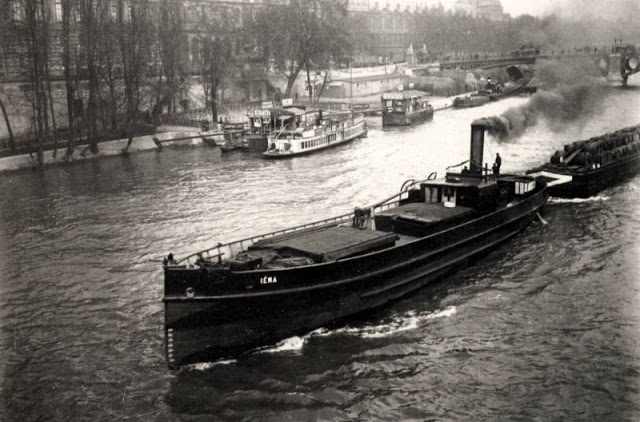
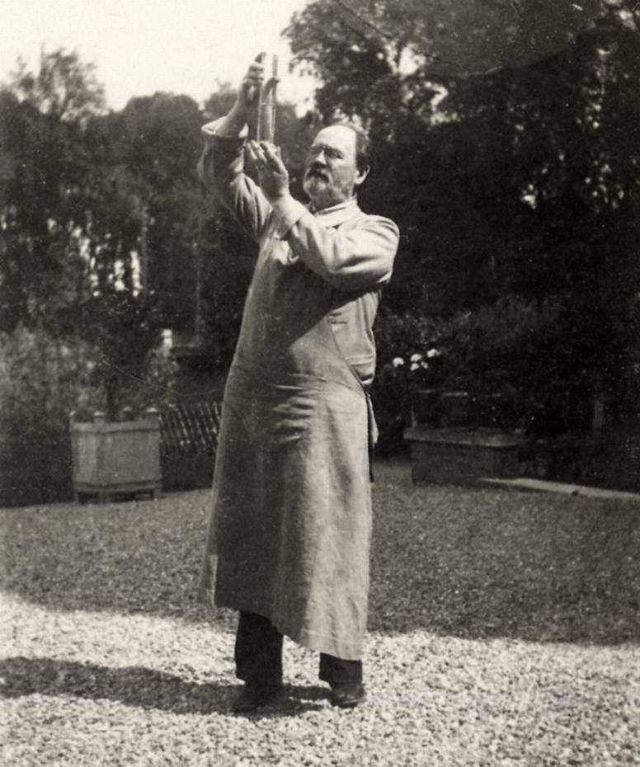
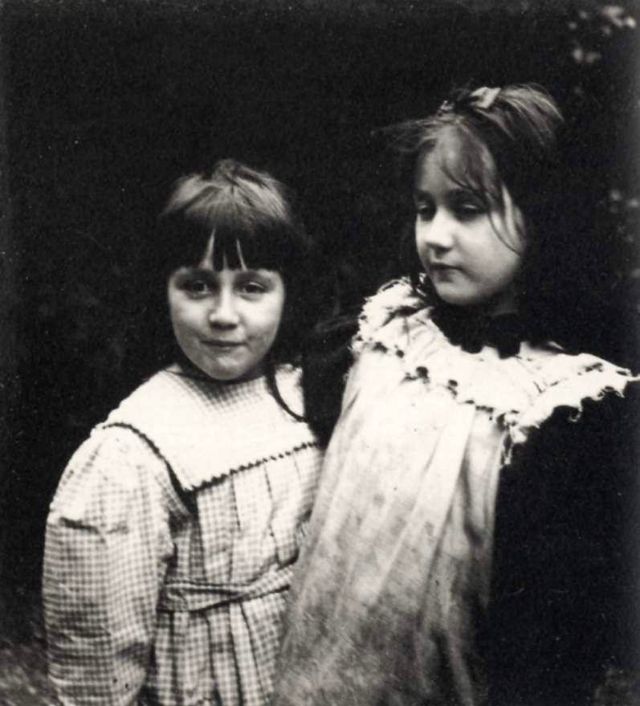
In addition, Zola was quite a talented photographer as well. A lot of the pictures in this set captured everyday life during the early Edwardian age, most of them were from the 1900 Exposition Universelle.
Zola died in 1902 of carbon monoxide poisoning caused by an improperly ventilated chimney, aged 62.
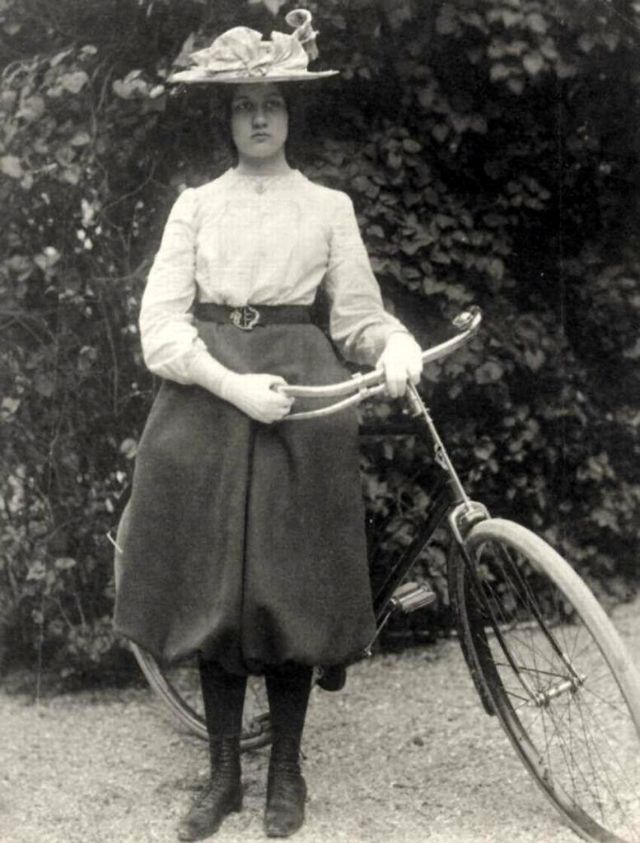
Eiffel tower and the Palais d’ElectriciteElectric tram in the 1900 exhibitionEmile Zola and the children on the steps of the Indo-Chinese Pavilion, Paris, 1900Family portraitFlying boat in front of the Tour du Monde panoramaFrom the towerGypsy girlsHouse in Upper Norwood near Queen’s HotelHouse near Queen’s HotelIn Walton-on-ThamesPortrait of JacquesJacques with bicycle given to him by his fatherJeanne on a bicycleJeanne with opera glassesPortrait of JeanneMetallurgy pavilionMoving pavementMrs Zola in the Queen’s Hotel, SydenhamOld Paris pavillion, and other pavillionsOpen air cafePalace of ElectricityParis at nightPlace de ClichyPlace de ClichyPlace Prosper-Goubaux, ParisPont d’IénaPortrait of DenisePortrait of DenisePortrait of DenisePortrait of JeannePortrait of JeannePortrait of JeanneQueen’s Hotel, Upper NorwoodRendezvousSaying goodbye to JeanneSelf portrait with AlexandrineSelf portrait with dogSelf portrait with JeanneSelf portrait with JeanneSelf portraitSelf portraitStreet near Crystal PalaceThe Devil’s Wheel at the Paris exhibitionThe Zolas and Charpentiers in MedanTrocadero from the Eiffel TowerView over Medan from the terraceZola with his boxA young RomanAfter lunchAfter lunchBoats on the SeineChecking the developing fluidChildren playingCrossroad in ParisDenise and JaquesDenise with bicycle that her father gave her