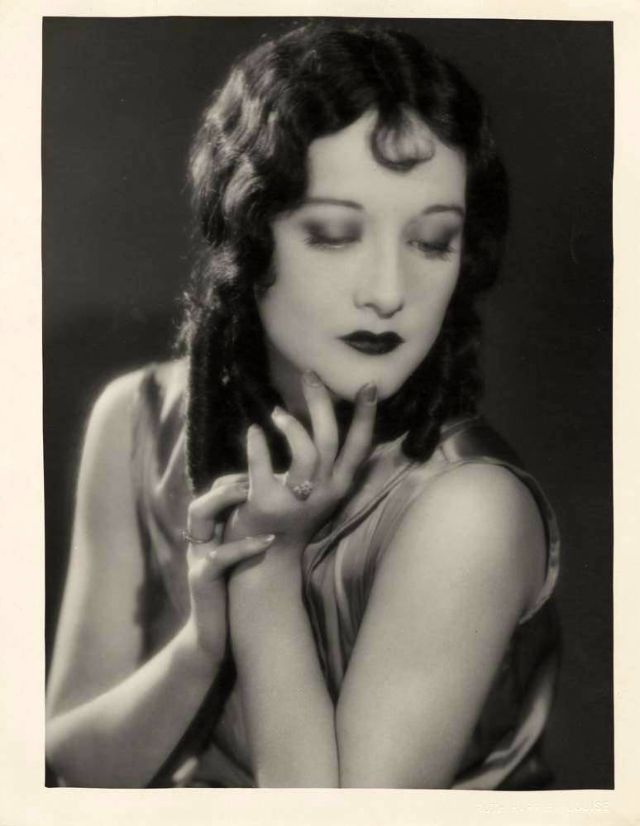
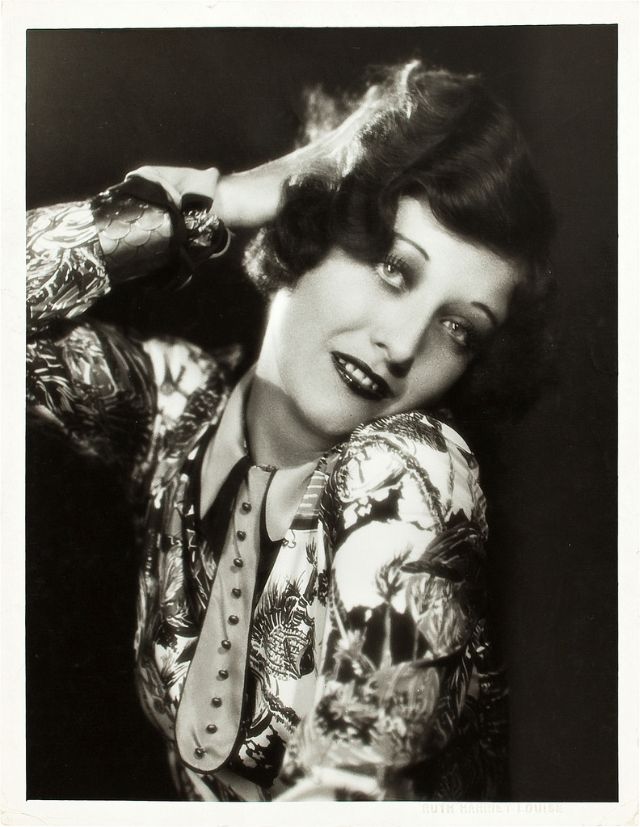
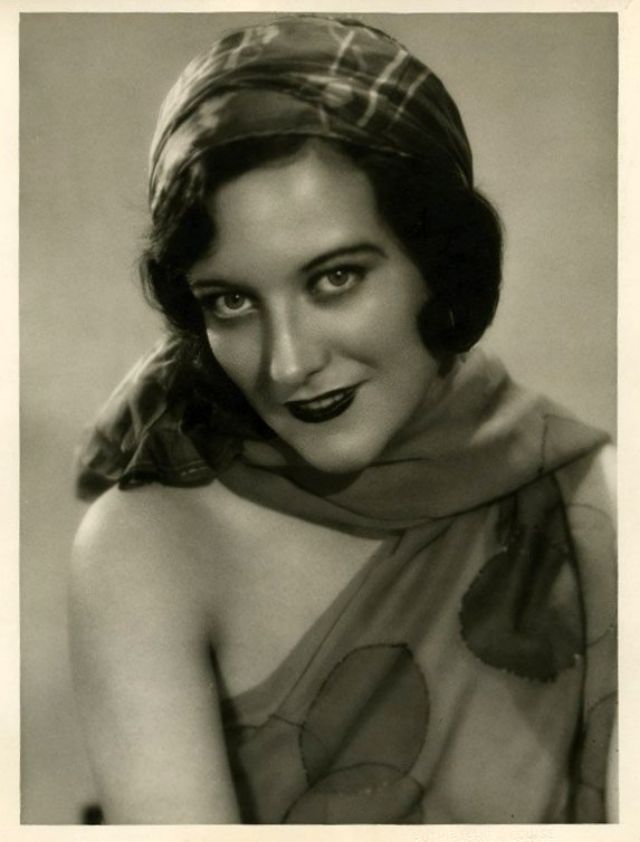
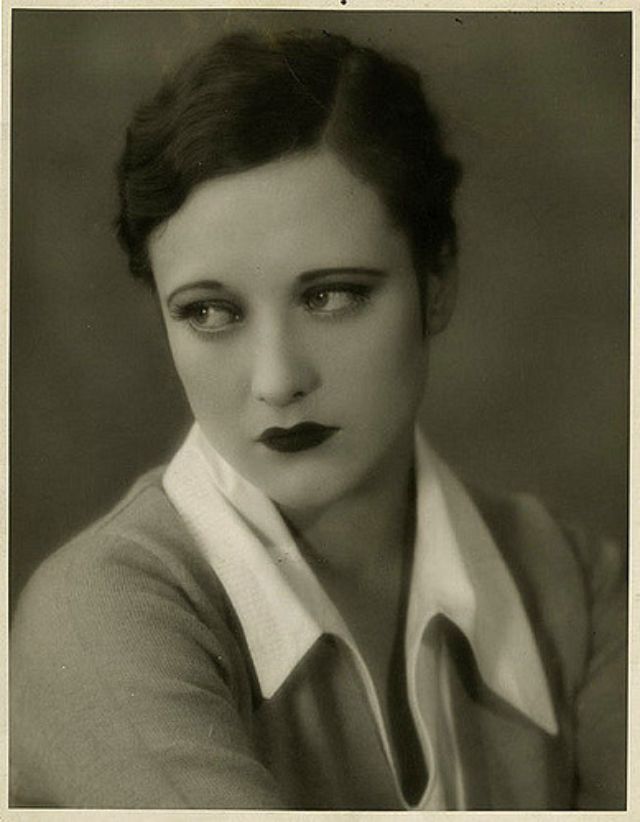
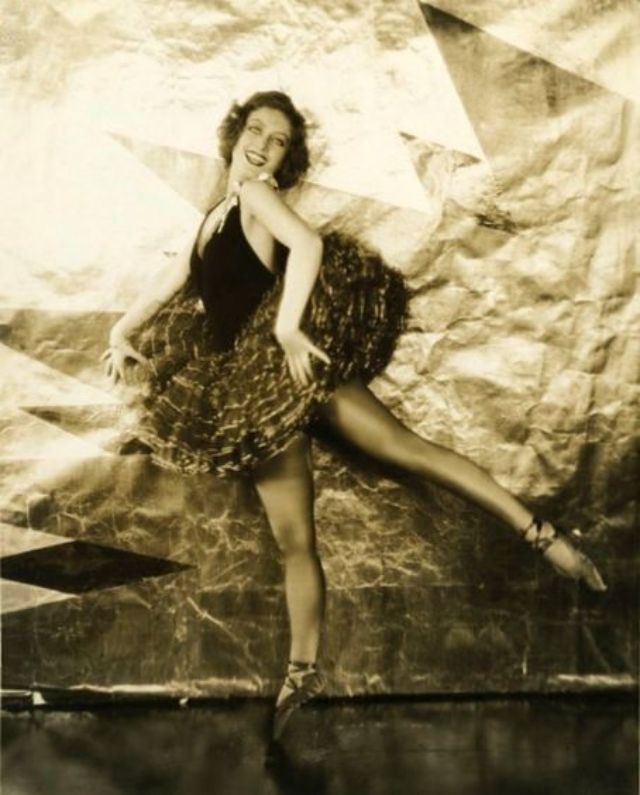
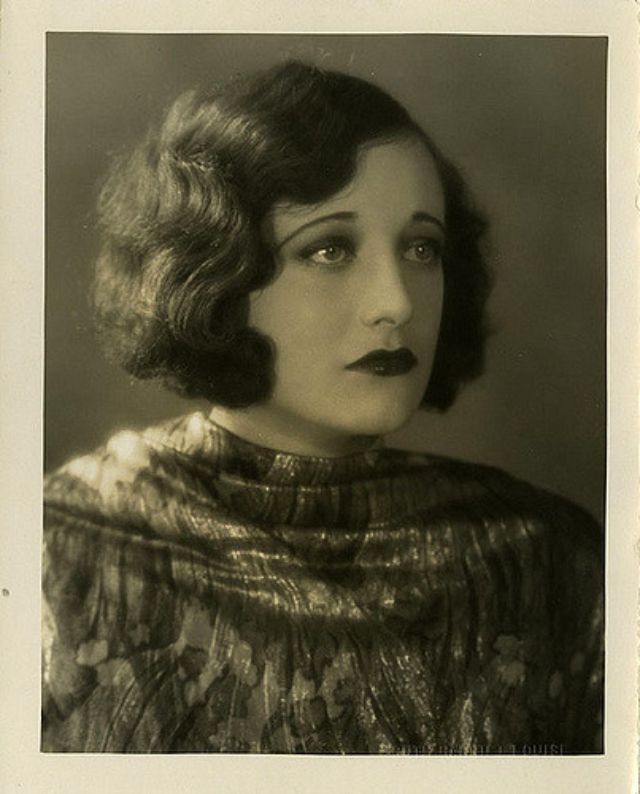
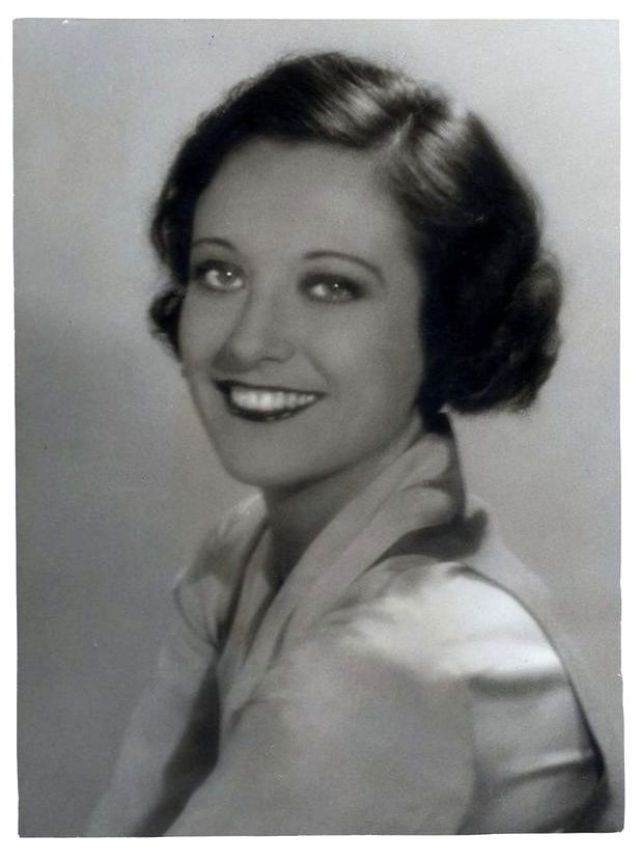
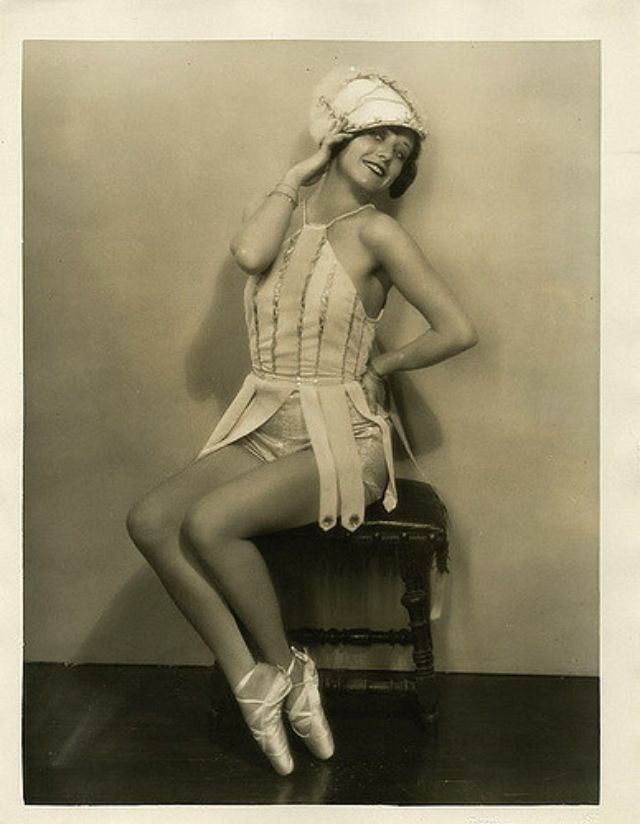
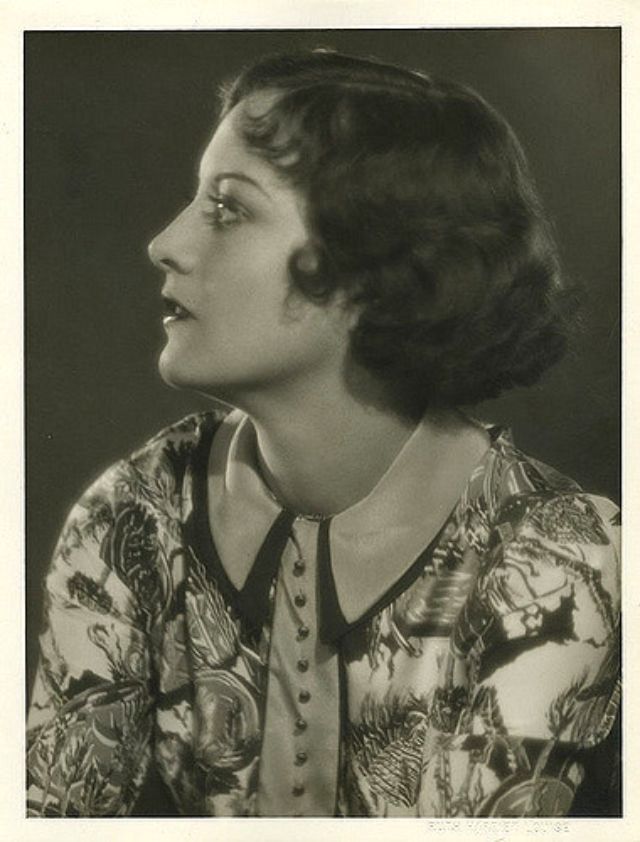
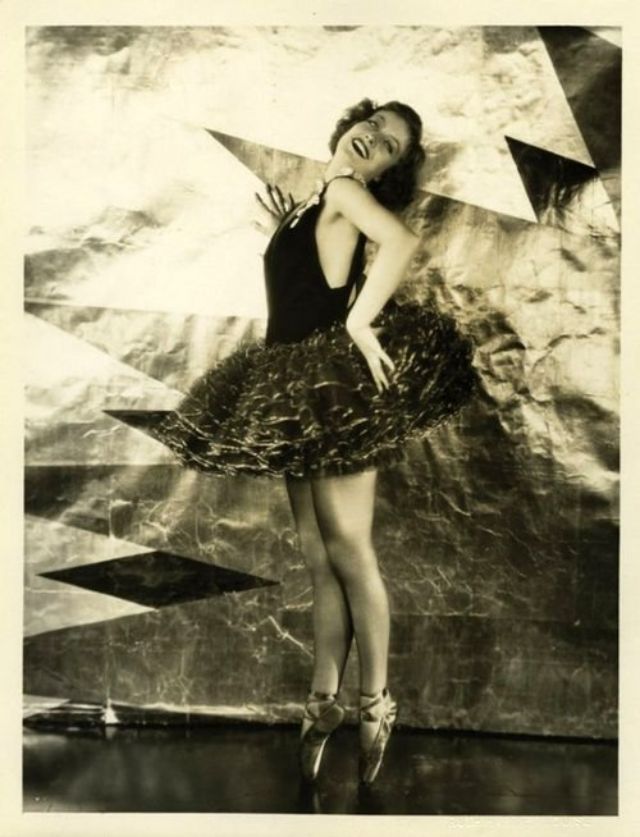
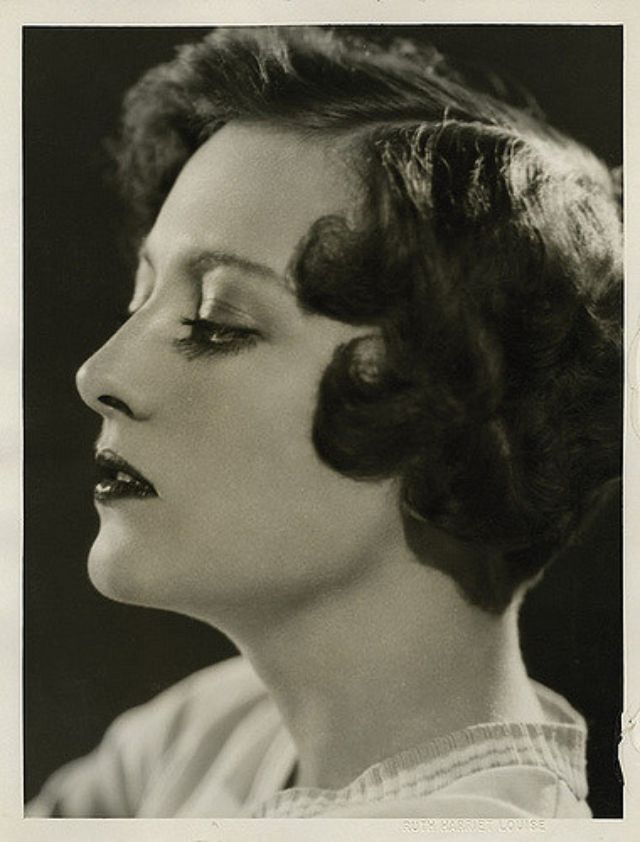
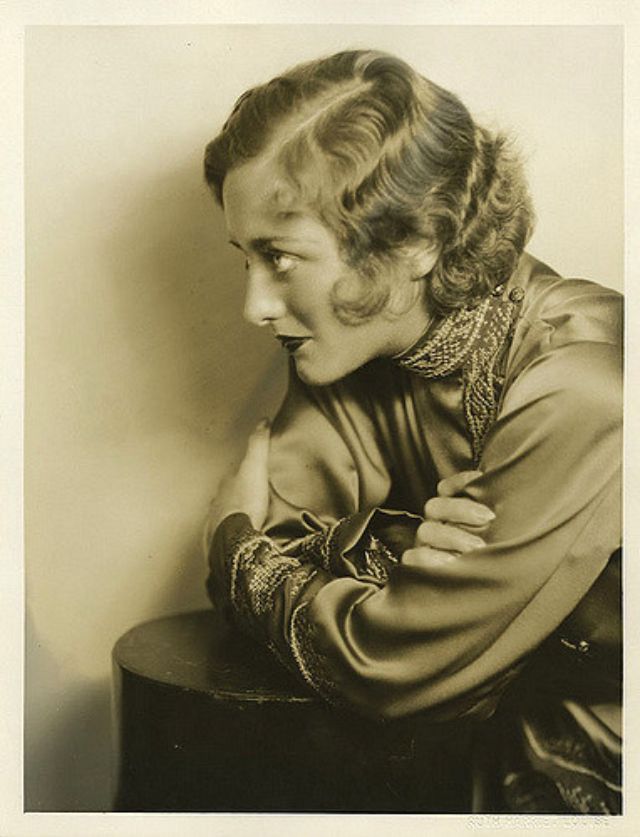
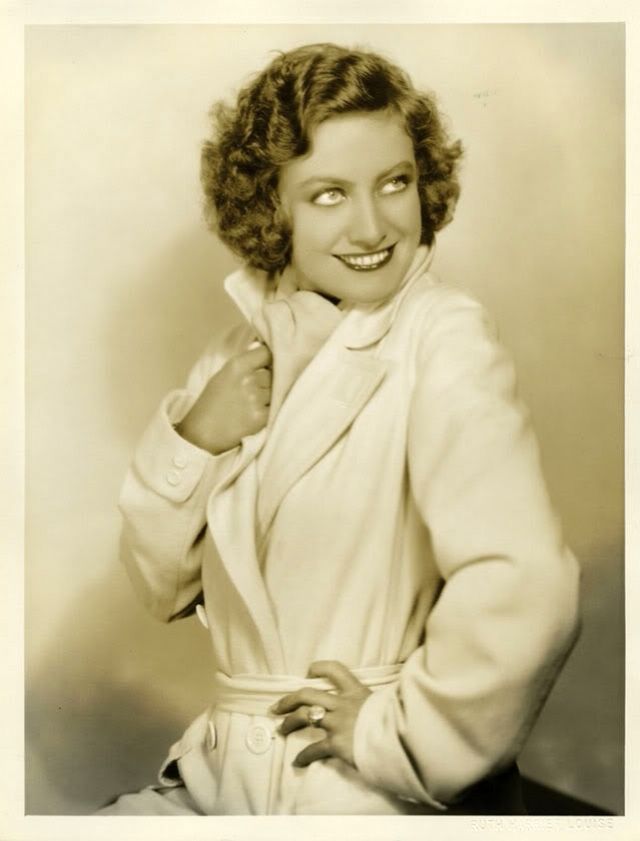
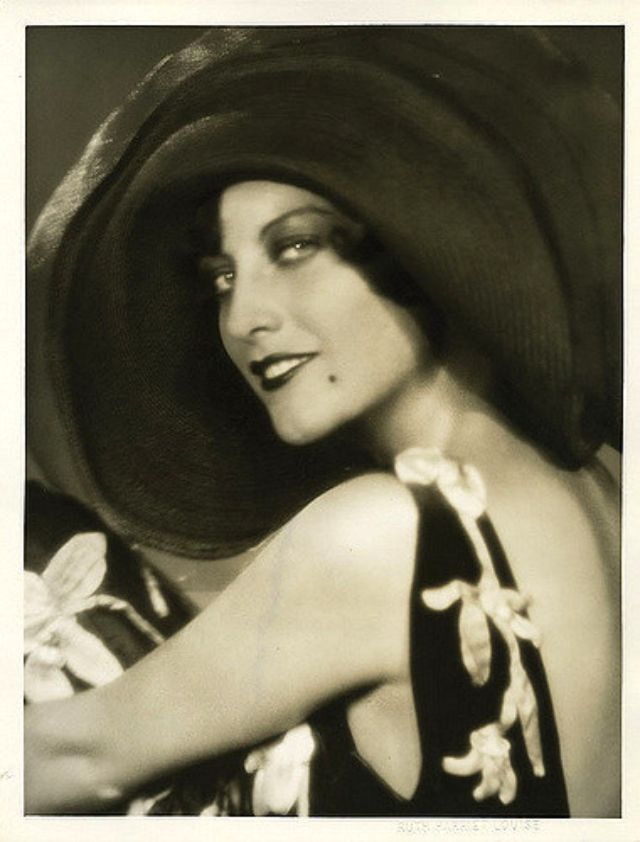
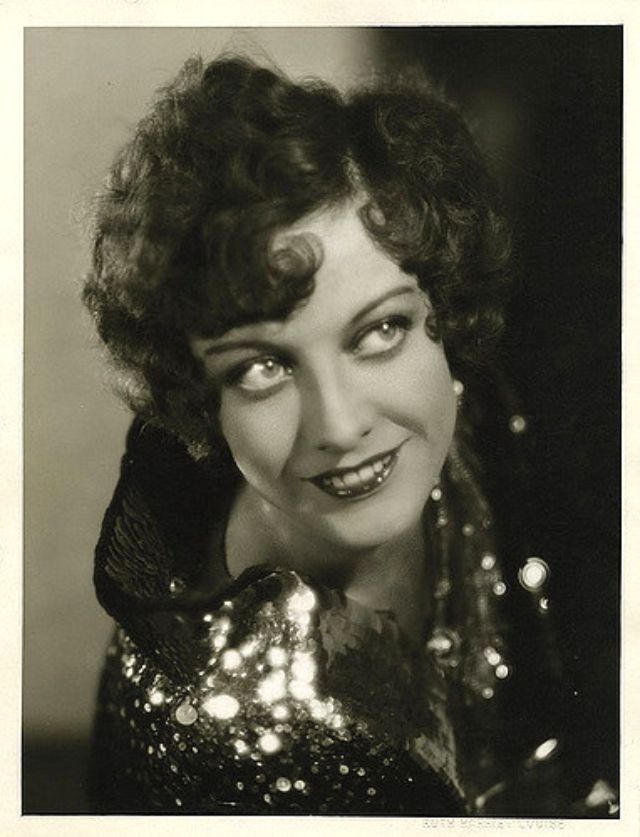
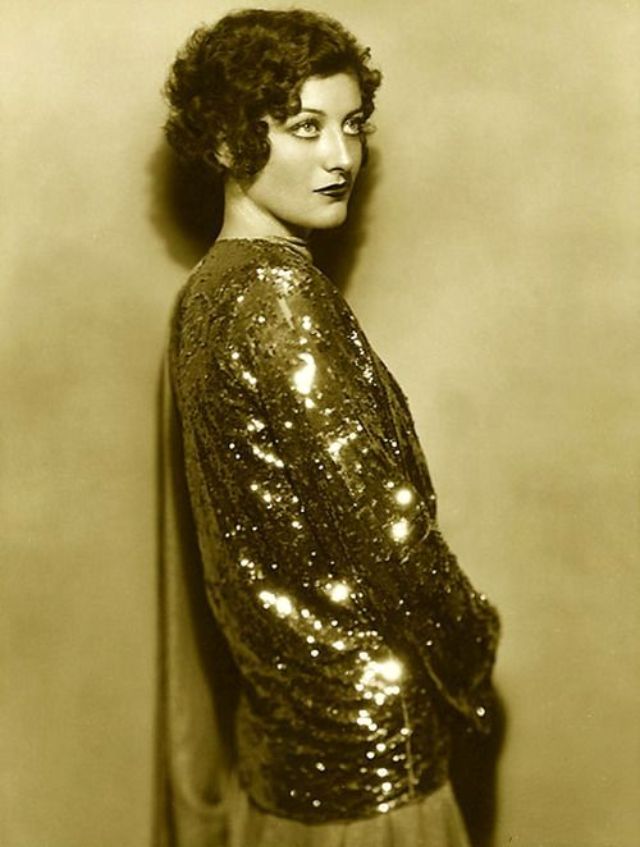
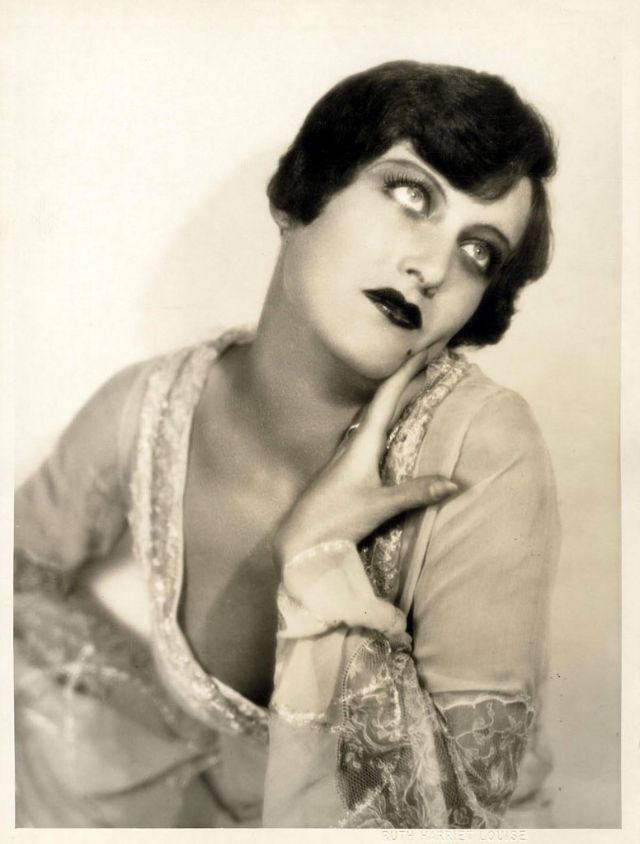
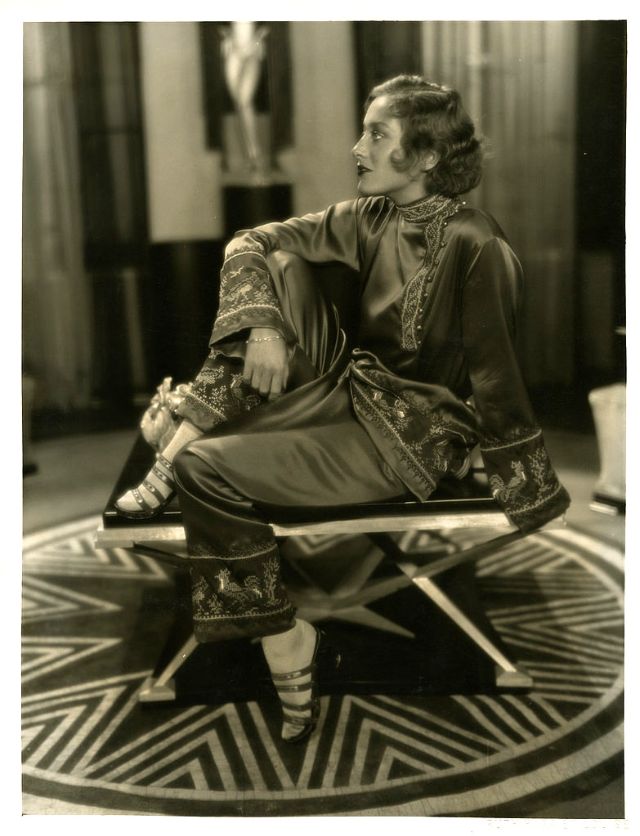
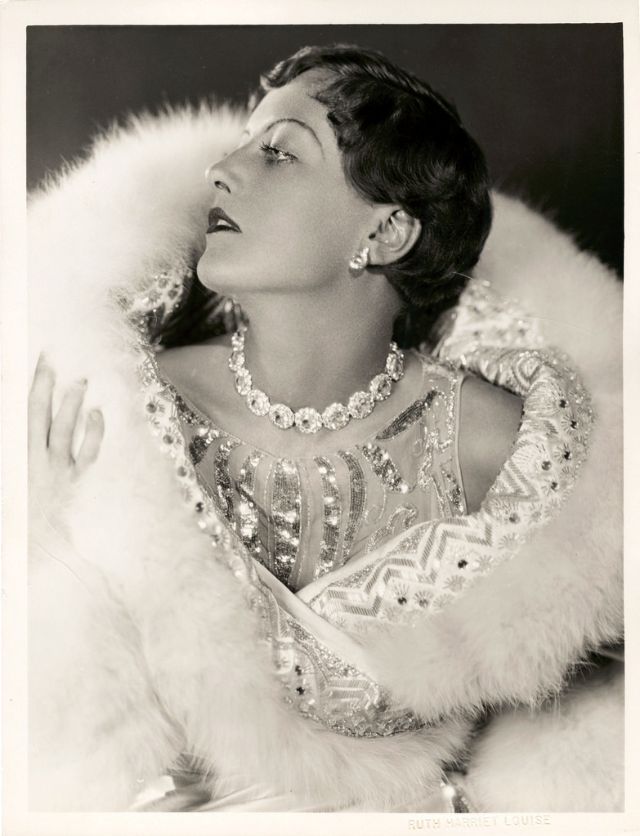
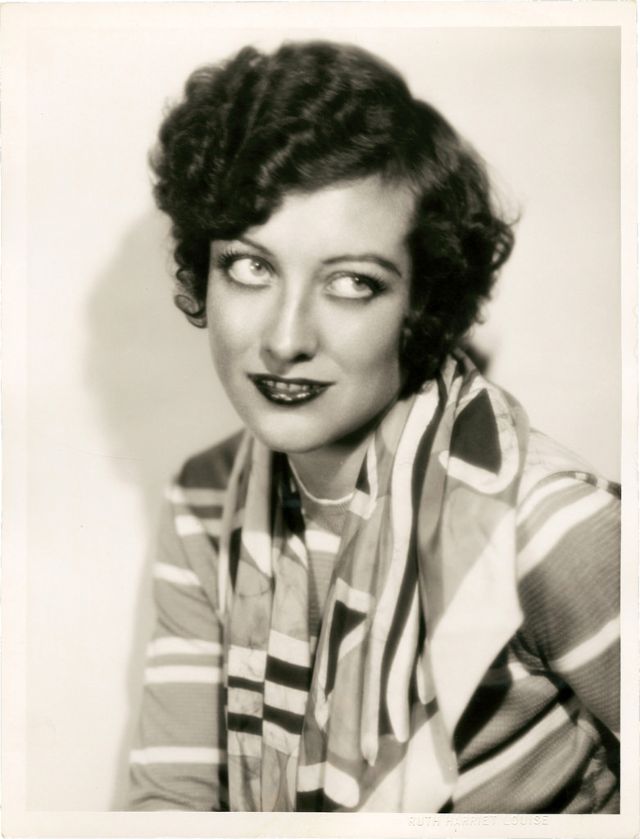
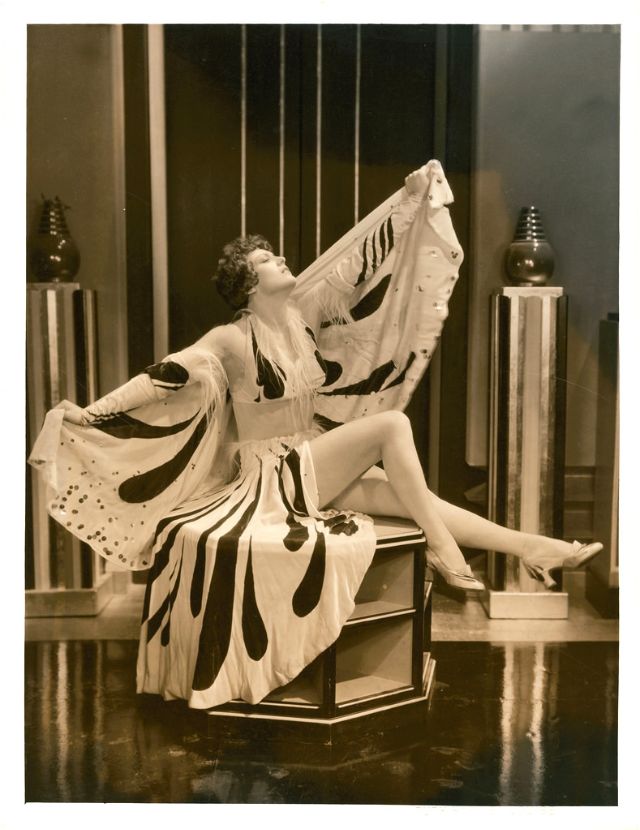
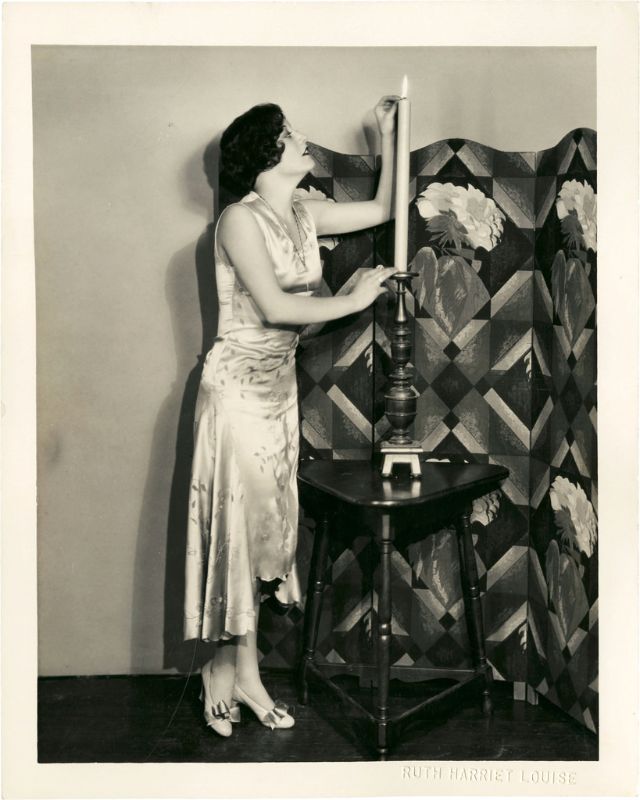
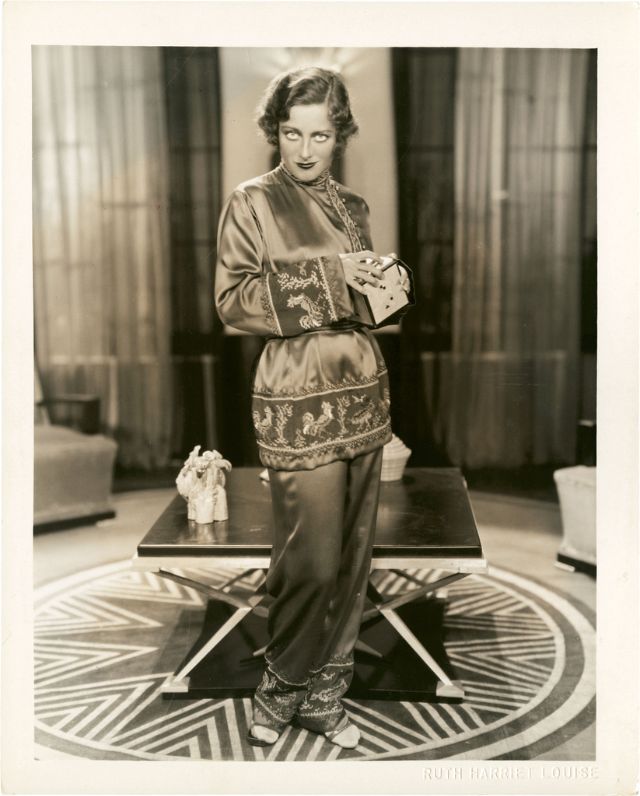
Born Ruth Goldstein in 1903 in New York City, but raised in New Brunswick, New Jersey. Ruth Harriet Louise was hired by Metro Goldwyn Mayer as chief portrait photographer in the summer of 1925, at the young age of 22 years old and became the only woman doing so for the Hollywood studios at the time.
From 1925 to 1930, she took many portrait photographs of starlets and major performers including Greta Garbo, Lon Chaney, John Gilbert, Joan Crawford, Marion Davies, Norma Shearer, Lili Damita, Buster Keaton, Myrna Loy, Douglas Fairbanks Jr., Bessie Love, Lillian Gish, and Anna Sten…
Louise was among the first Hollywood photographers to break away from the old-fashioned convention of staid portrait shots and introduce the nuance of her sitter’s perosnality. When she photographed stars in costume she attempted to find something of the character being portrayed.
Louise decided to retire from her career in 1930 to marry director Leigh Jason. Sadly, after ten years of martial bliss, she died in 1940 from complications from childbirth in Los Angeles, California.
It is estimated that she took more than 100,000 photos during her tenure at MGM. Today she is considered an equal with George Hurrell Sr. and other renowned glamour photographers of the era.
These portrait photos of Joan Crawford that she took in the 1920s are so gorgeous.
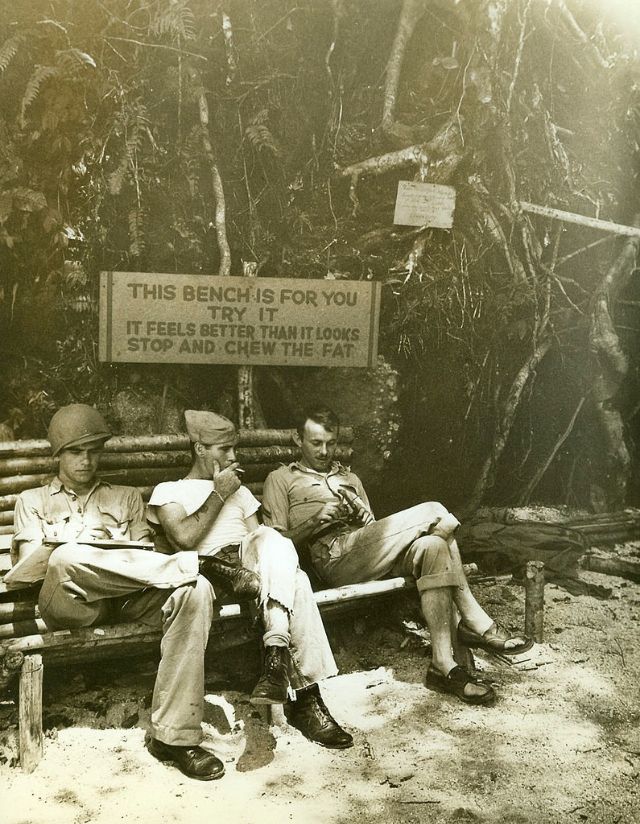
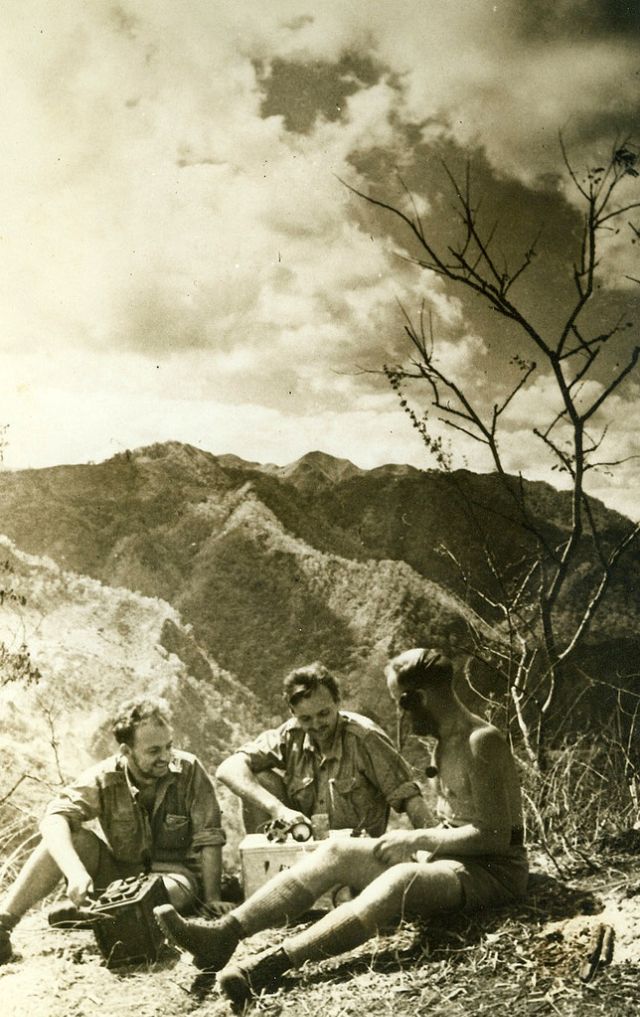
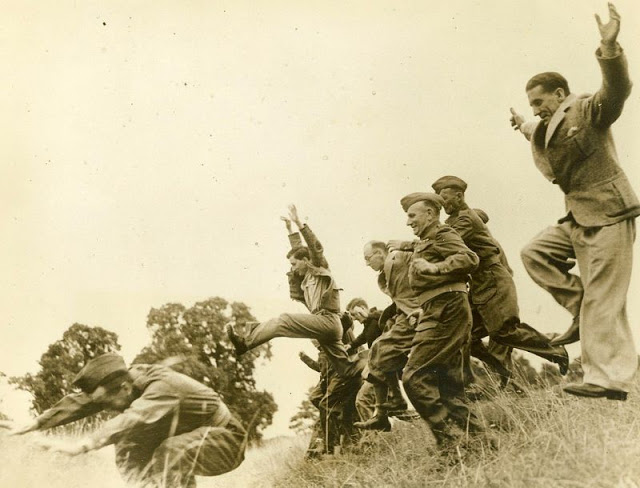
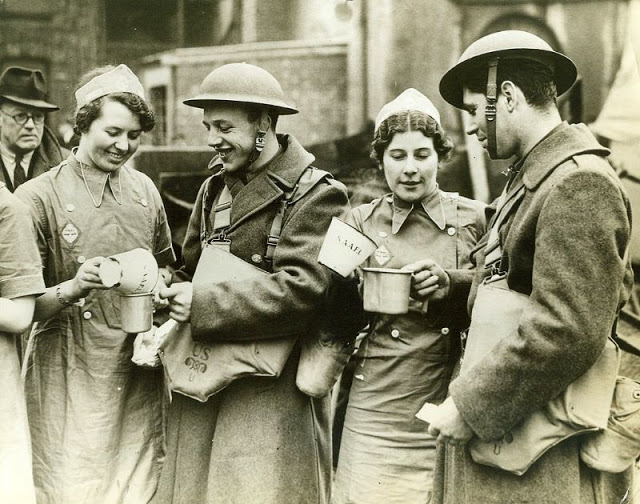
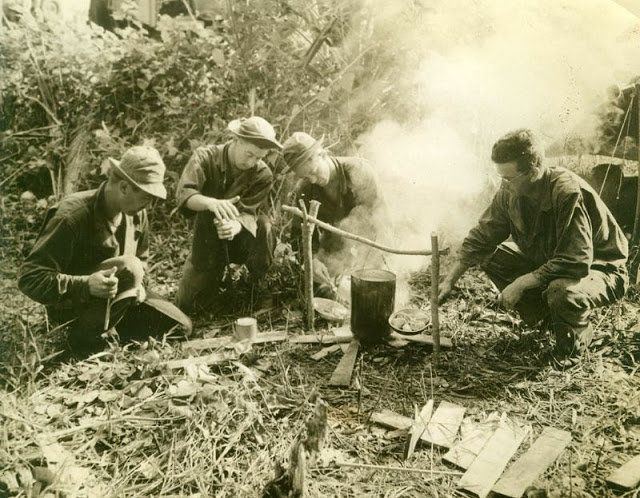
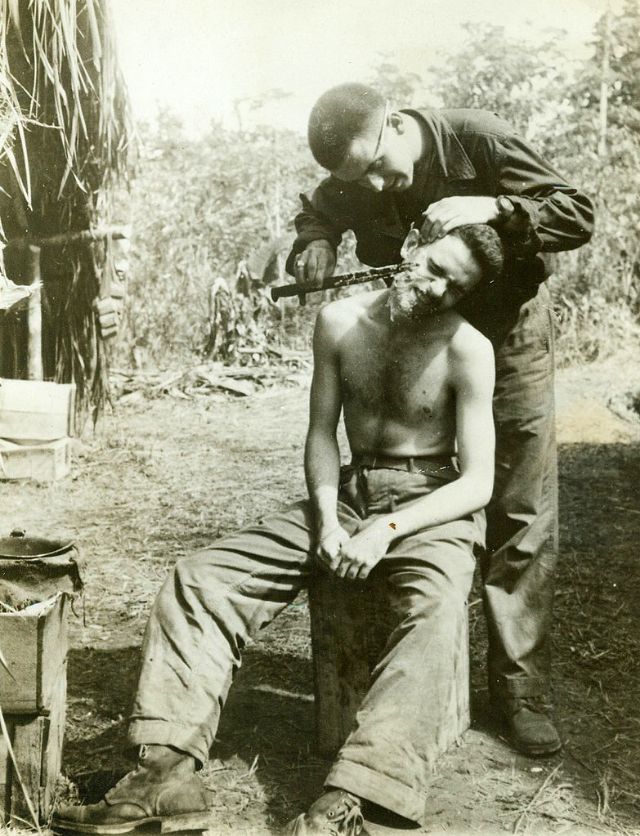
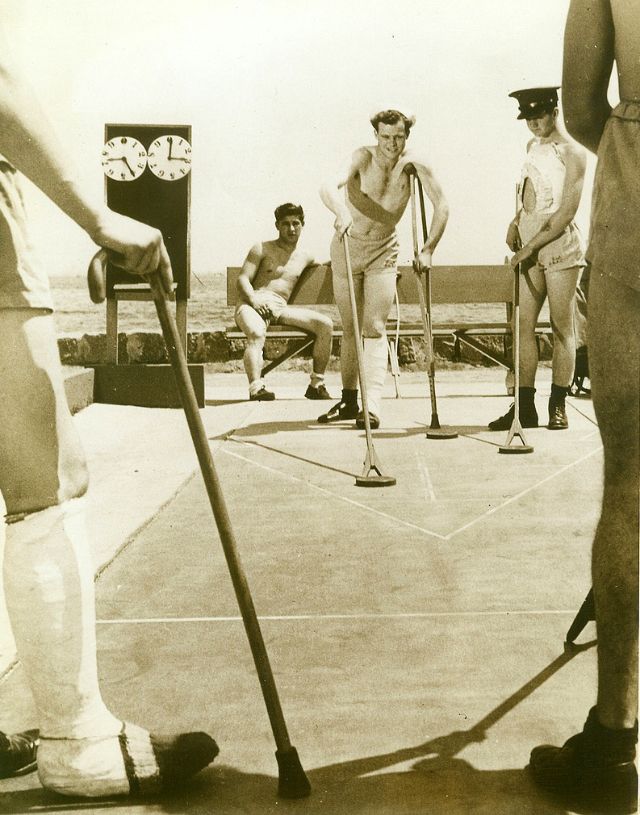
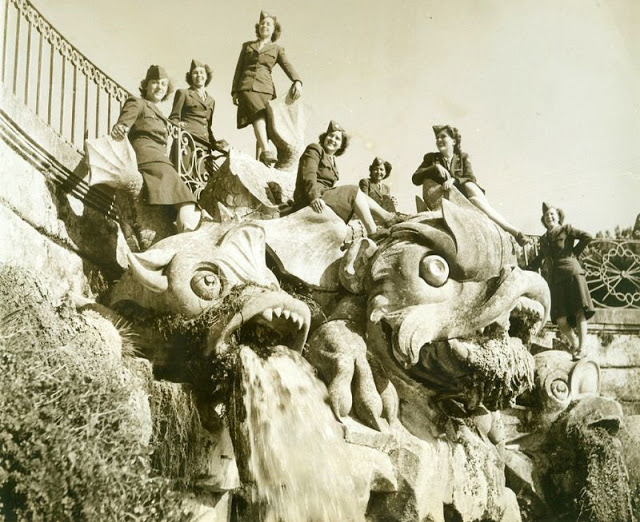
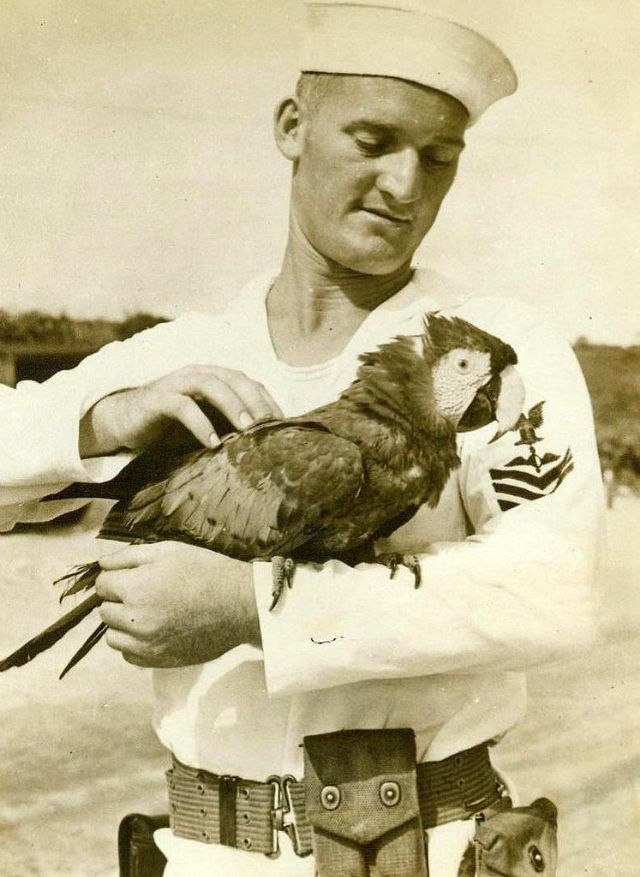
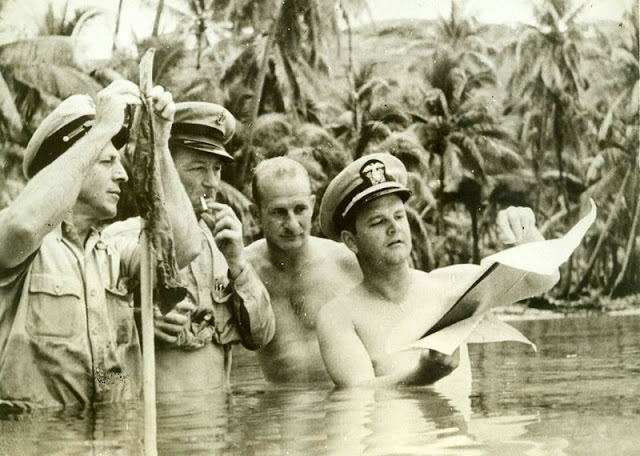
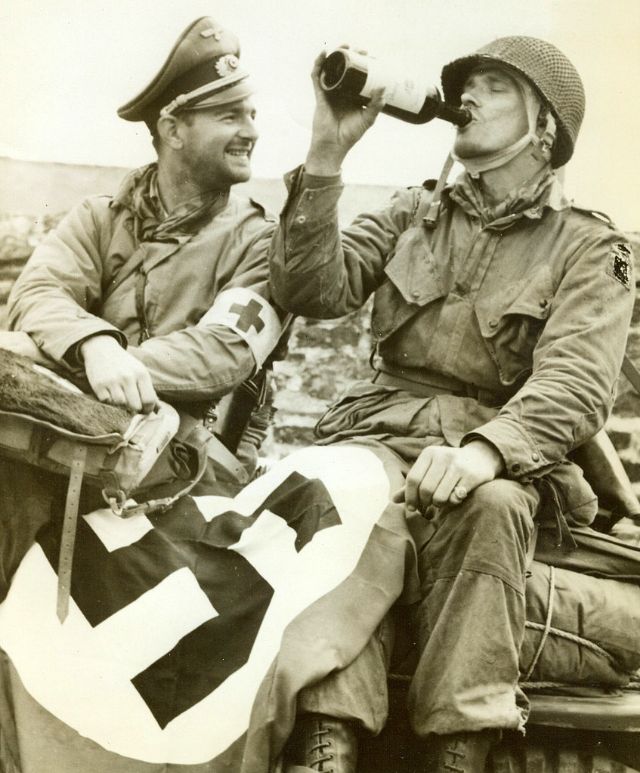
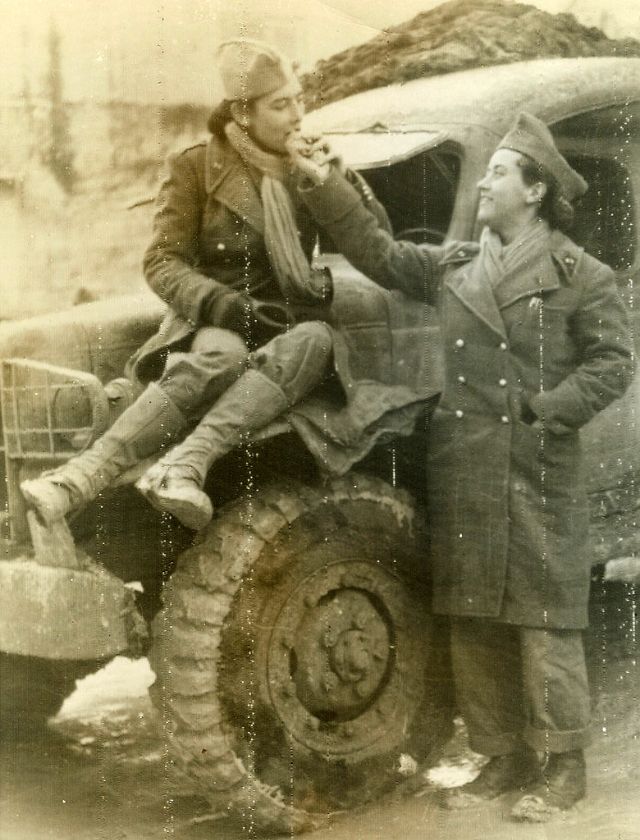
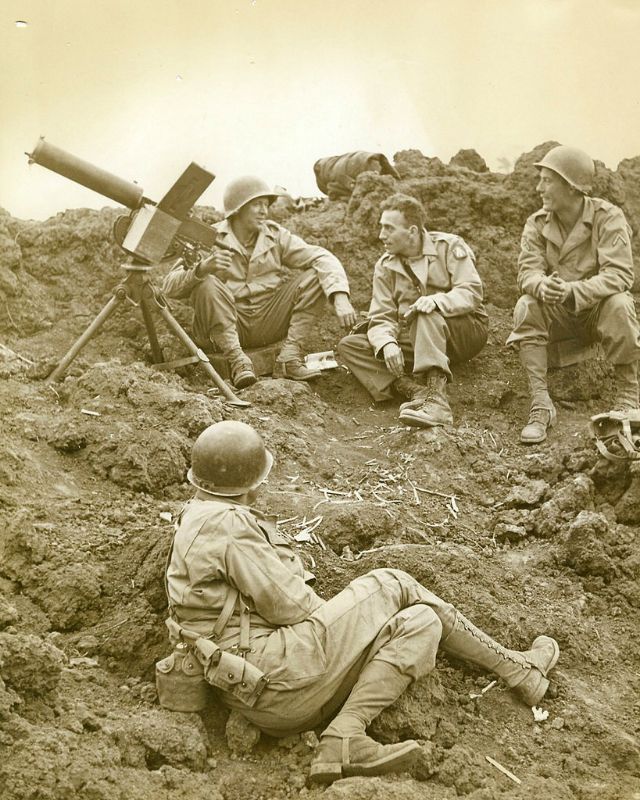
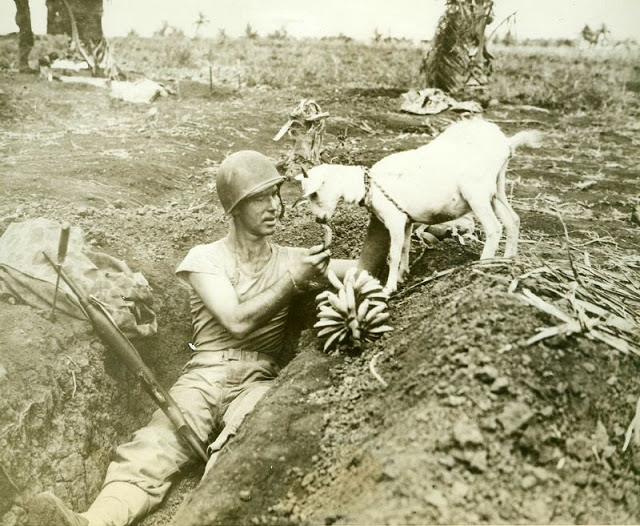
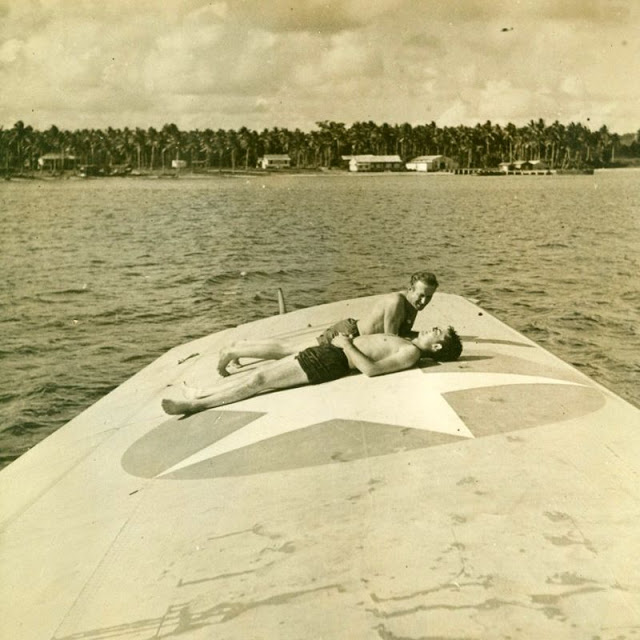
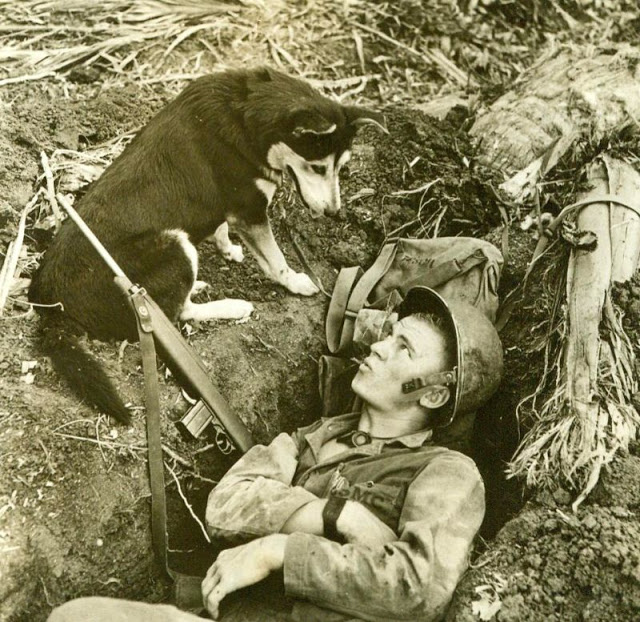
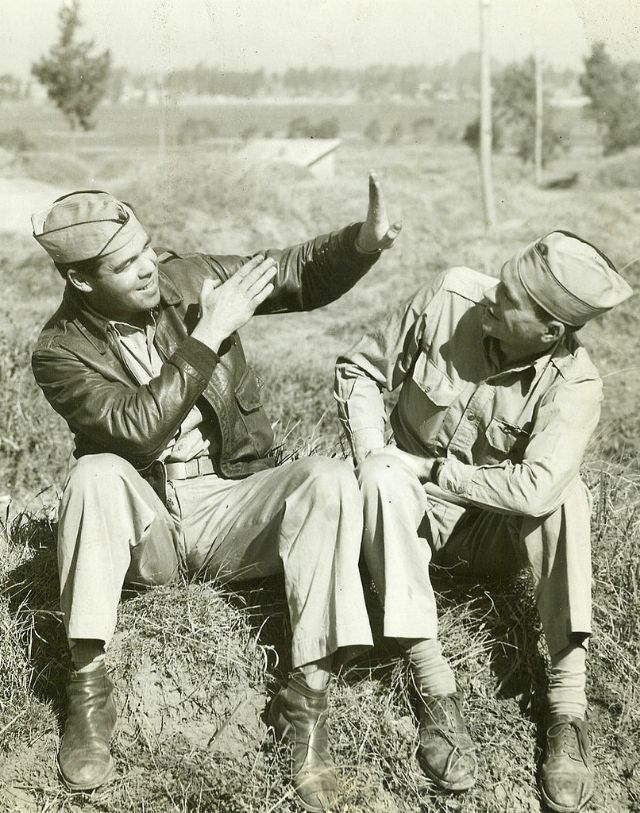
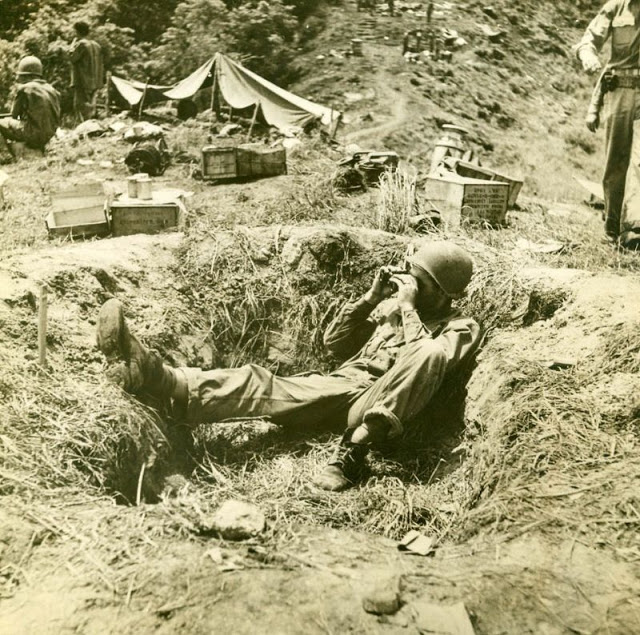
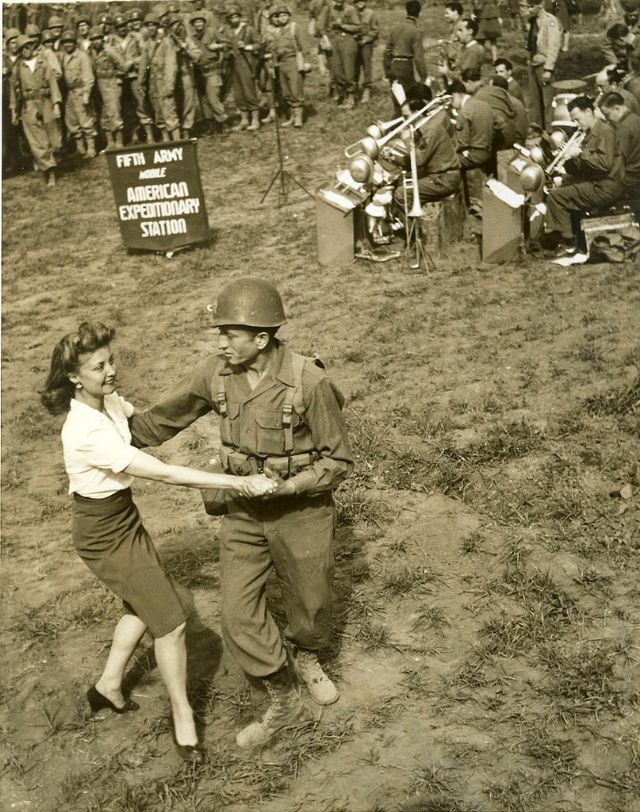
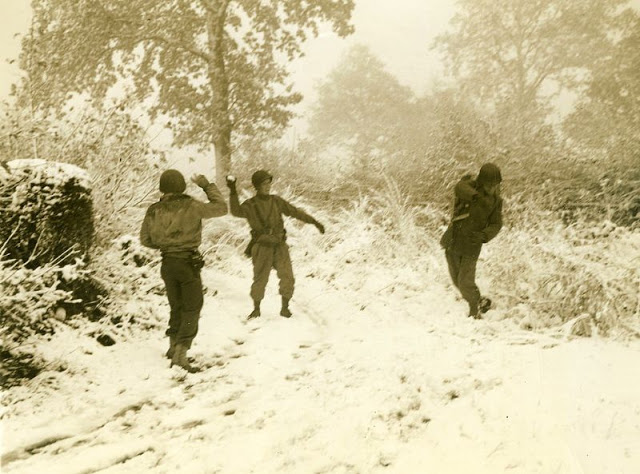
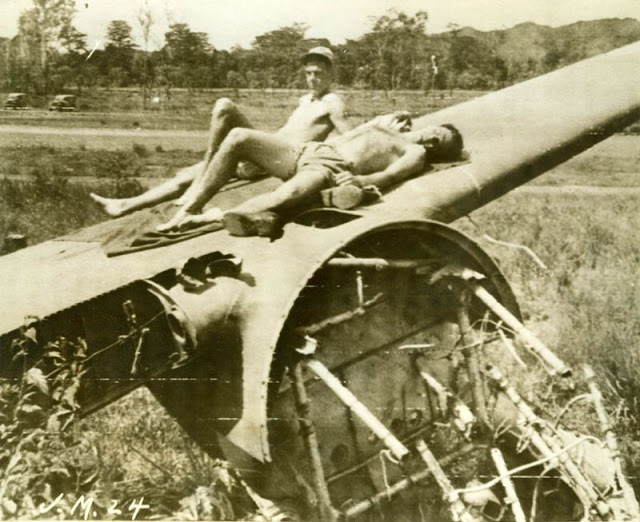
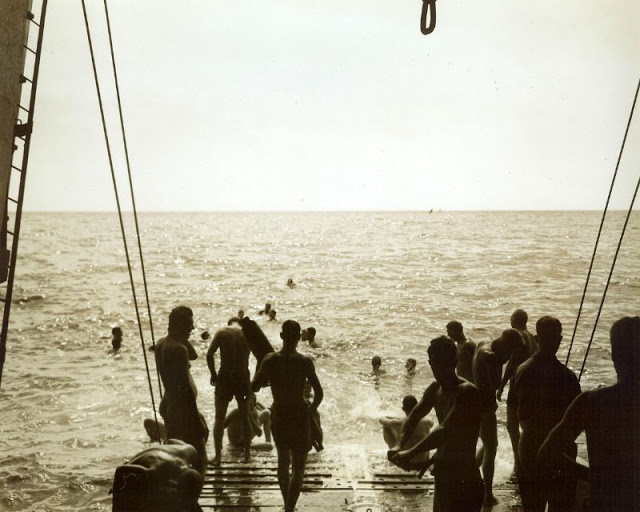
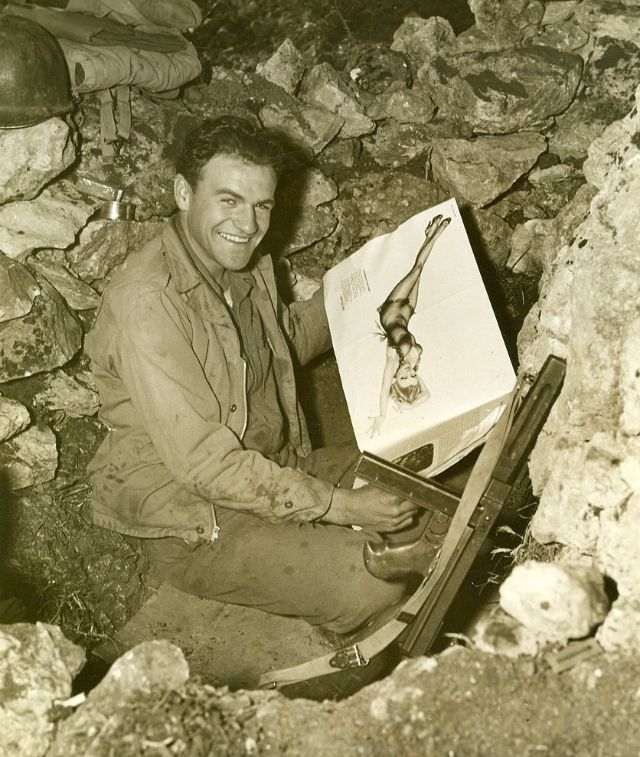
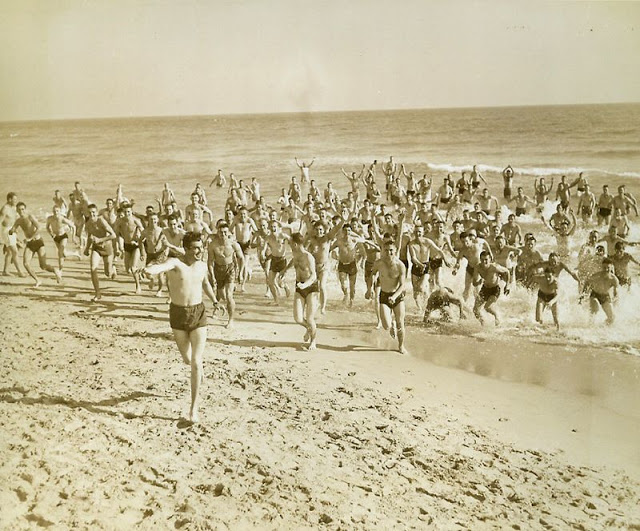
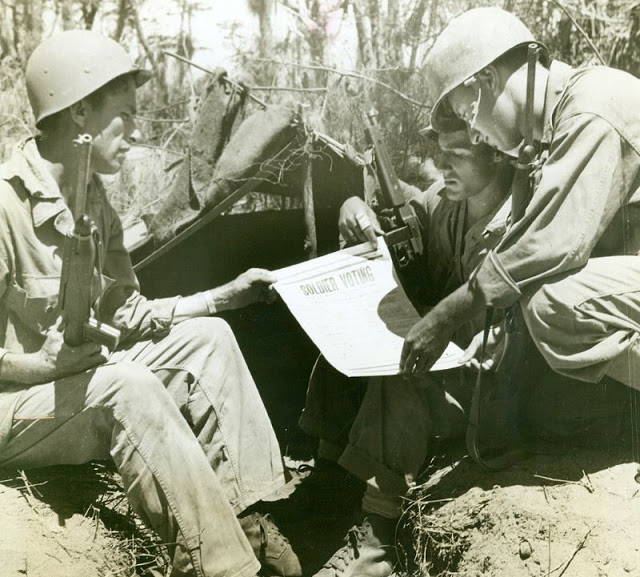
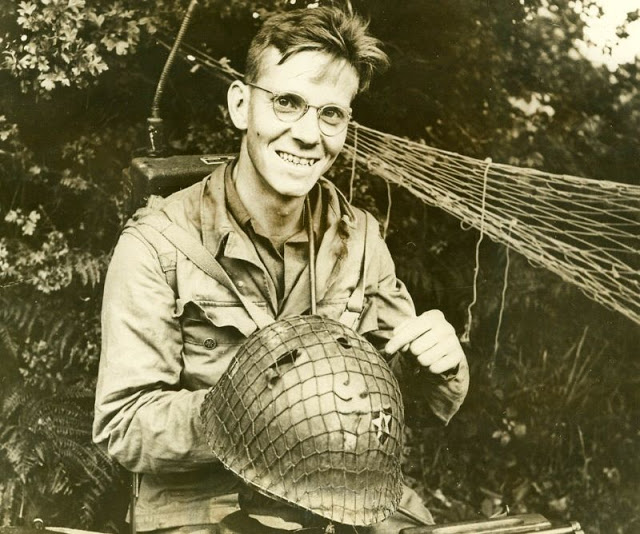
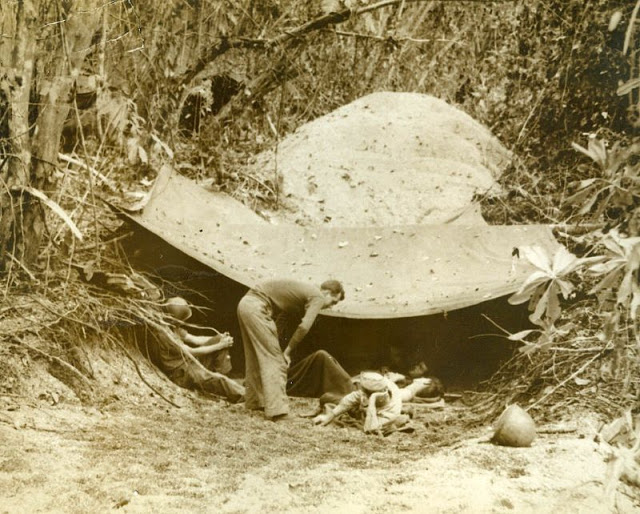
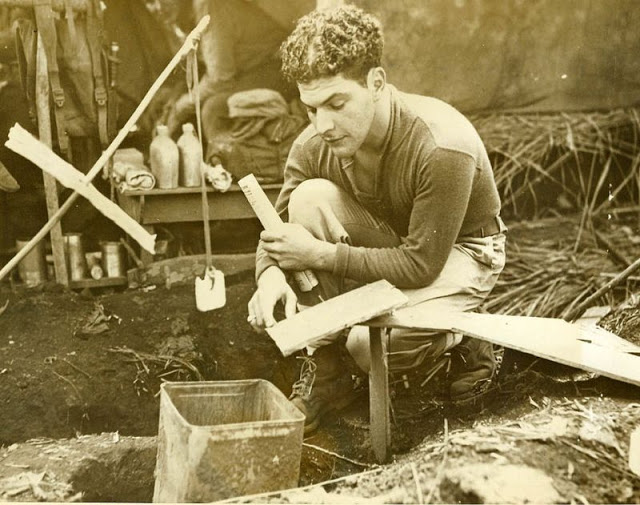
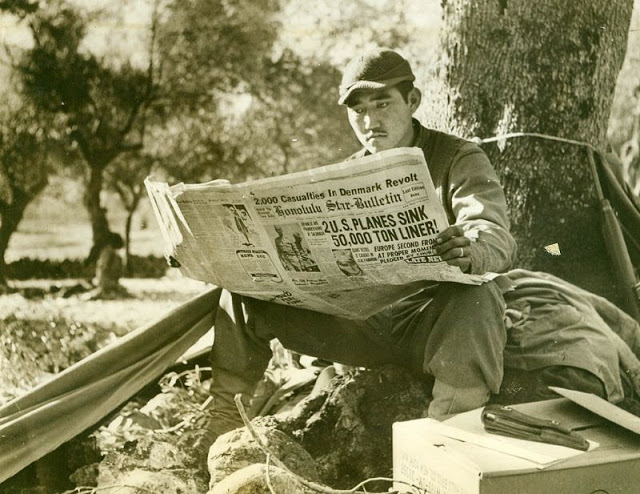
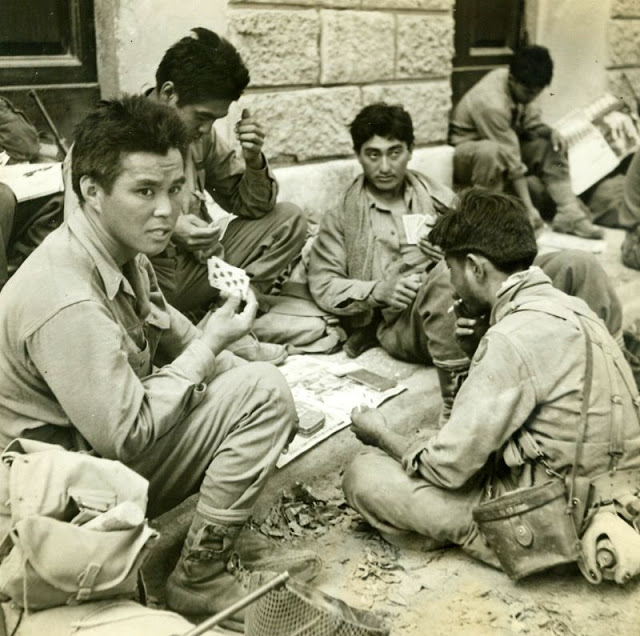
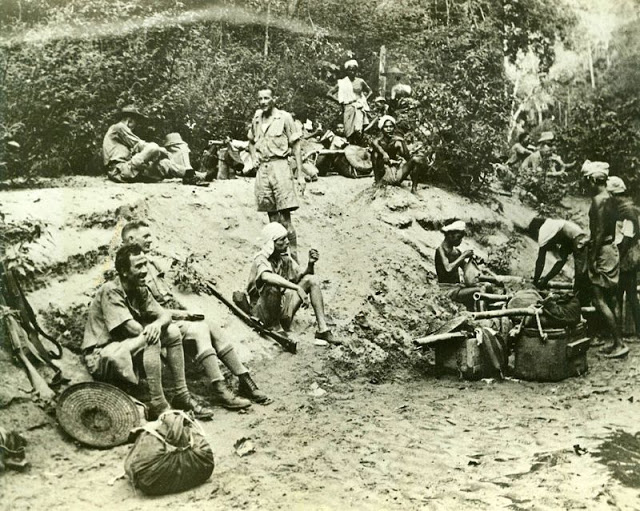
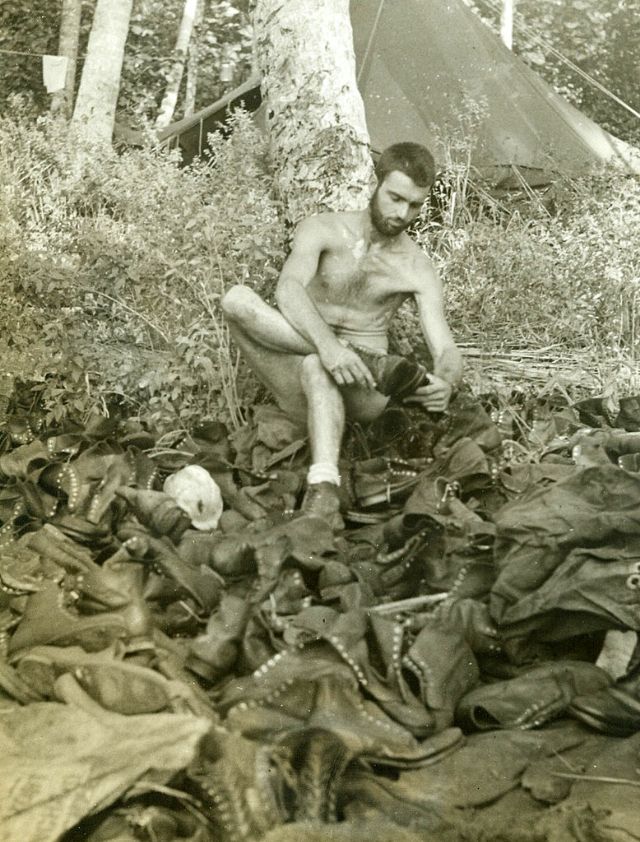
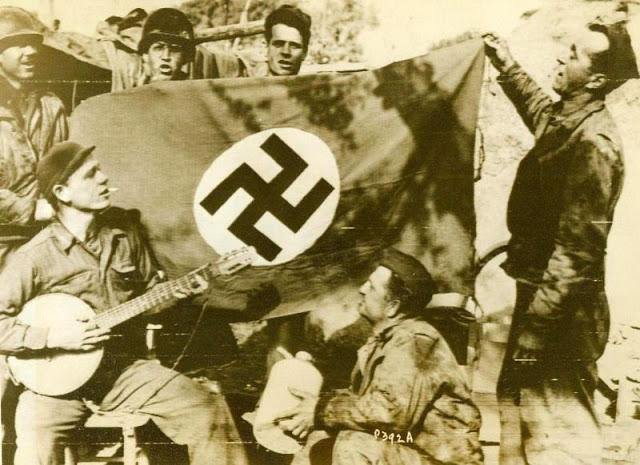
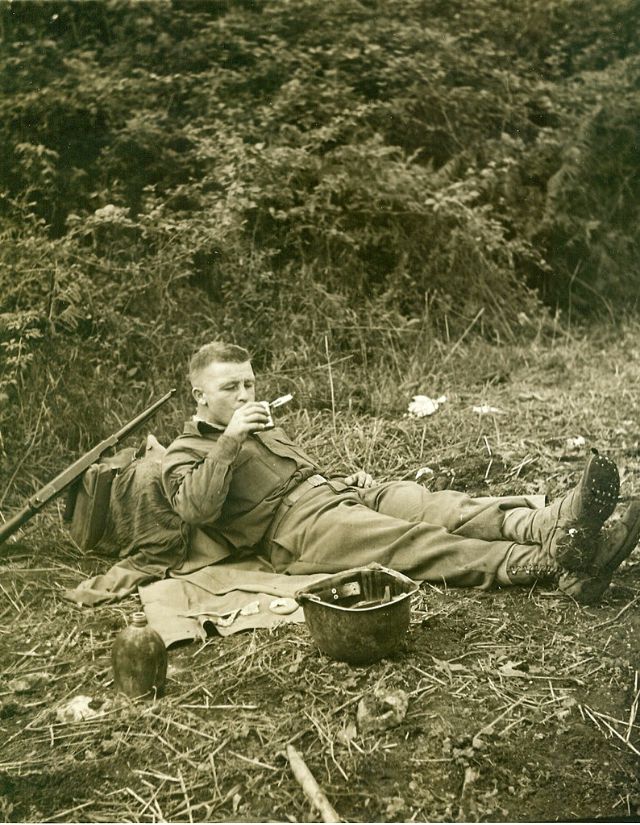
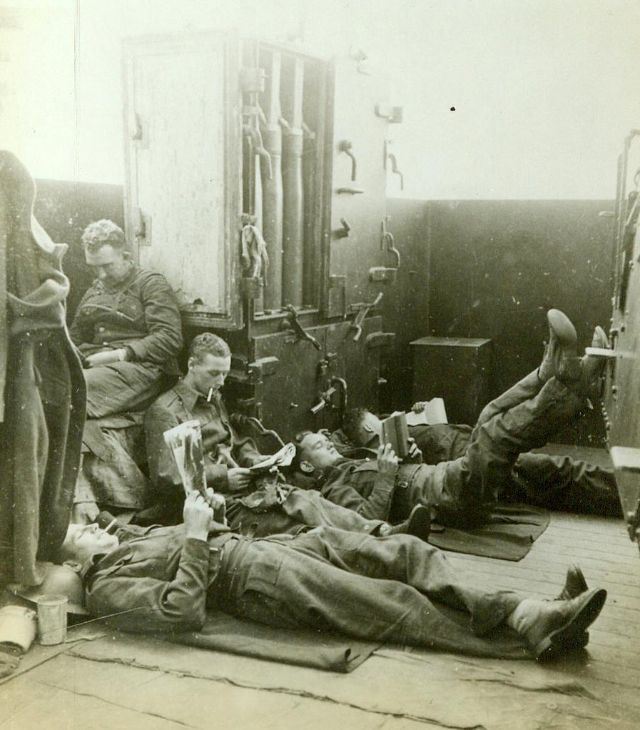
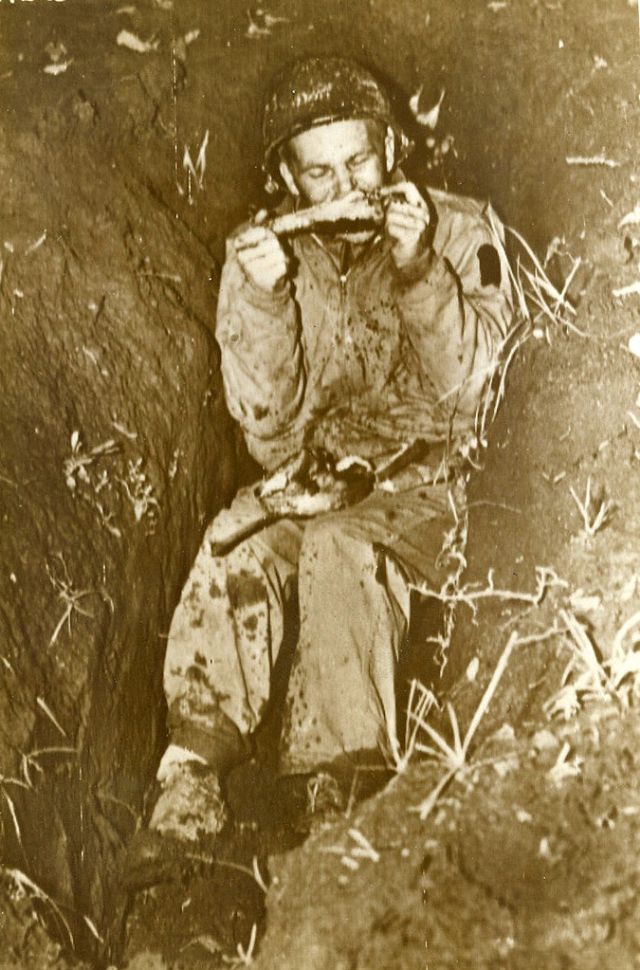
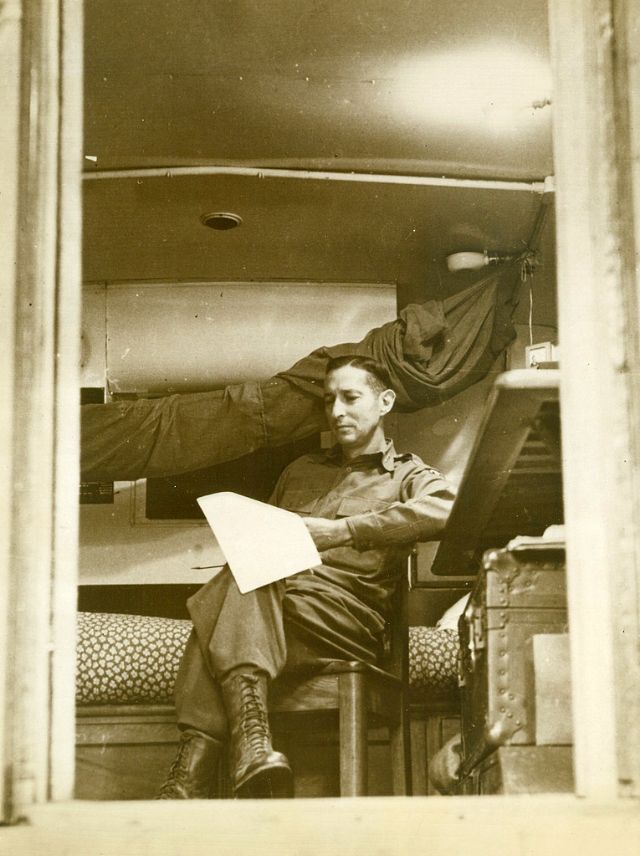
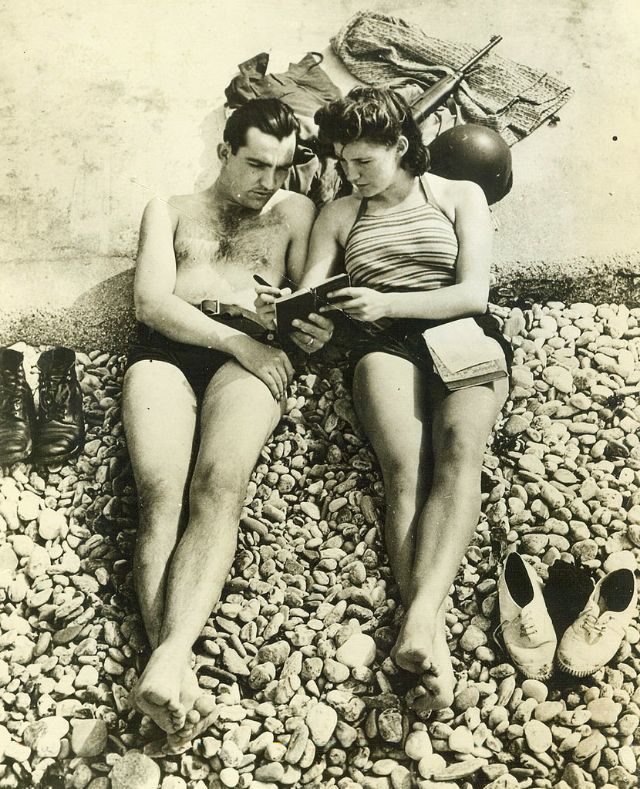
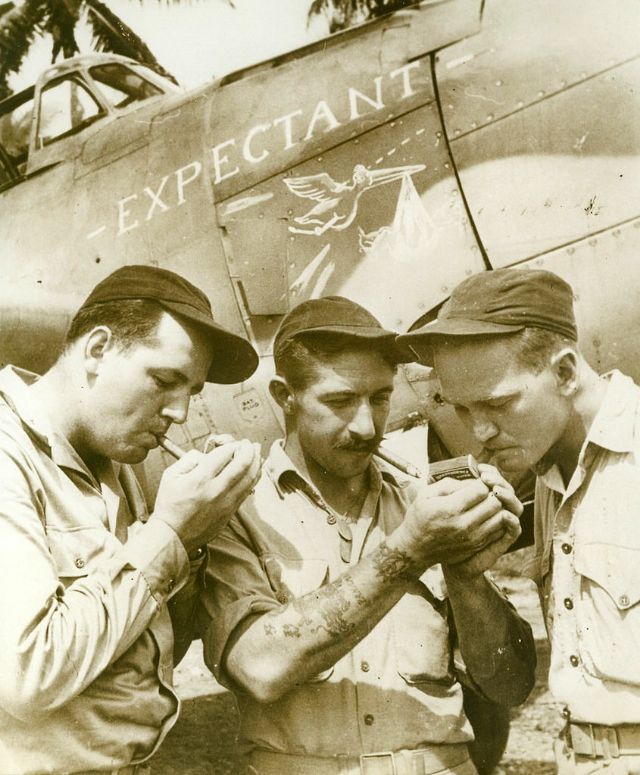
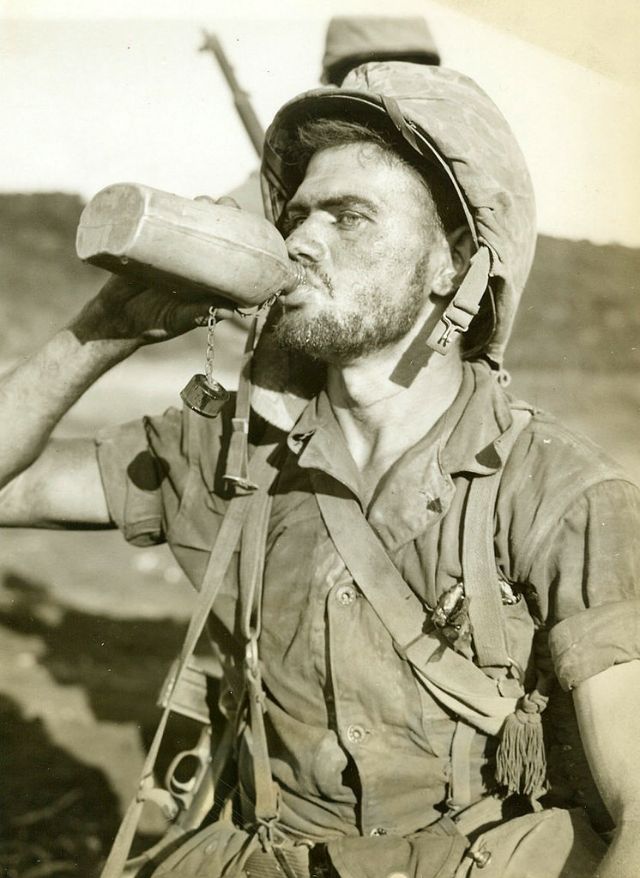
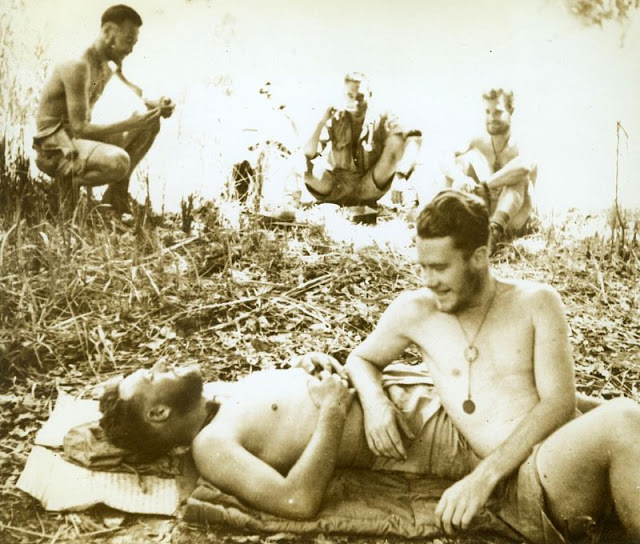
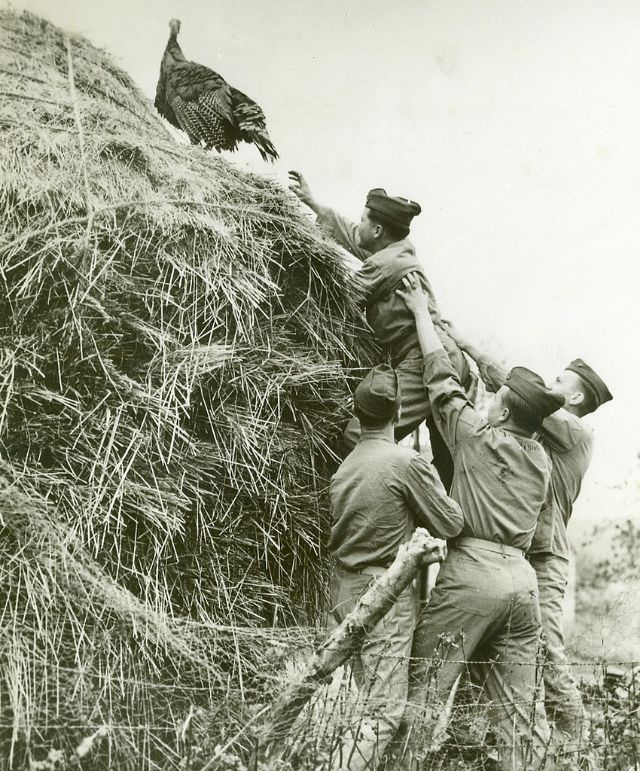
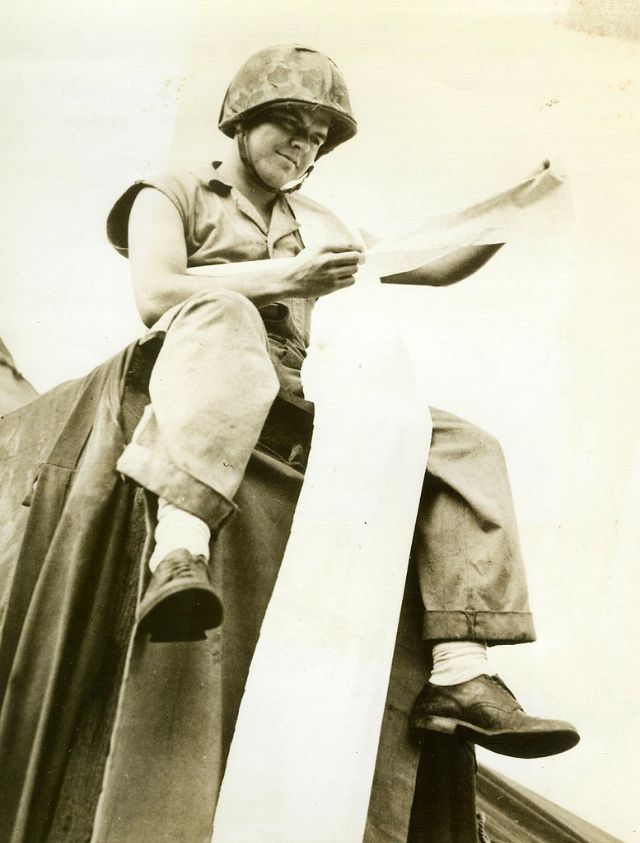
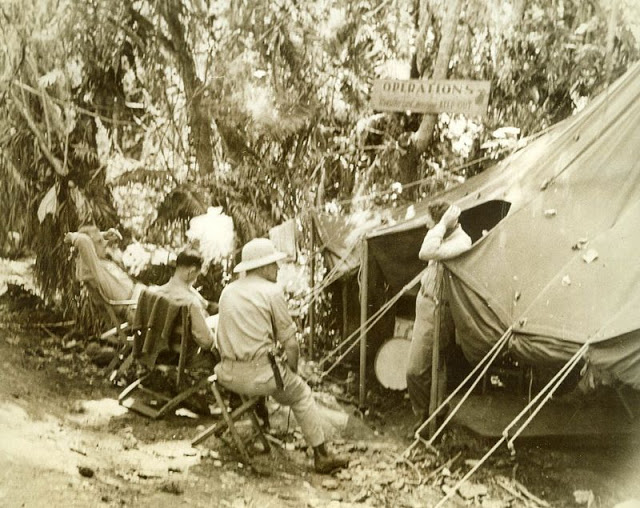
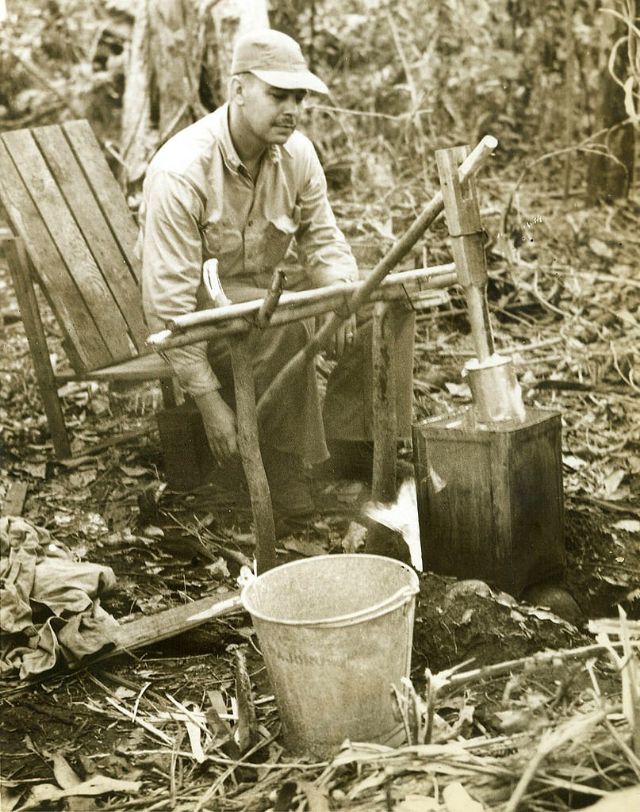
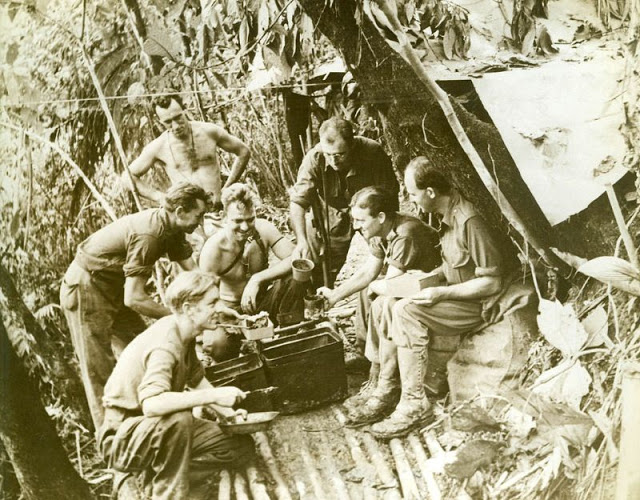
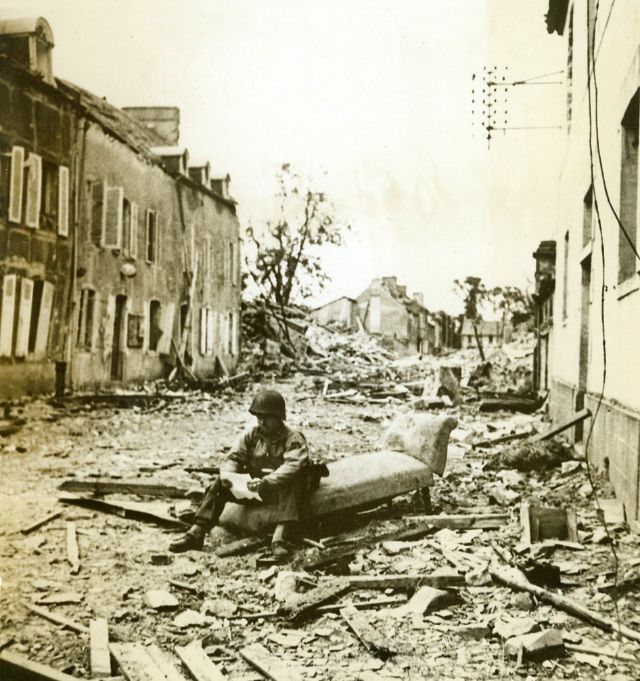
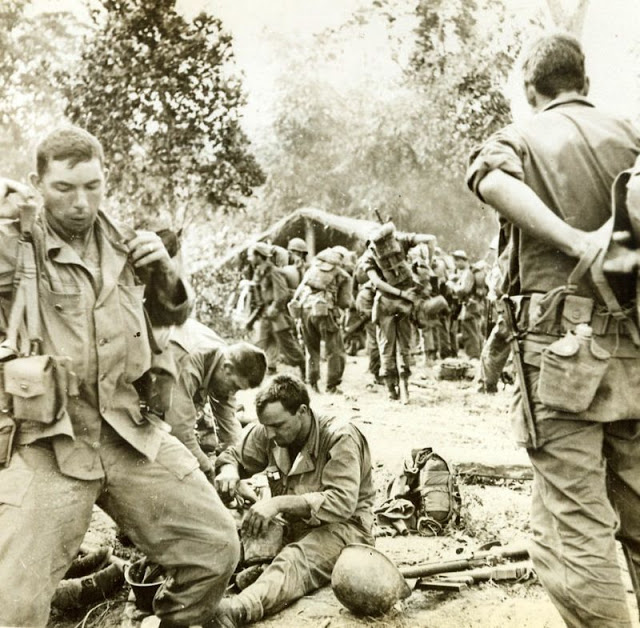
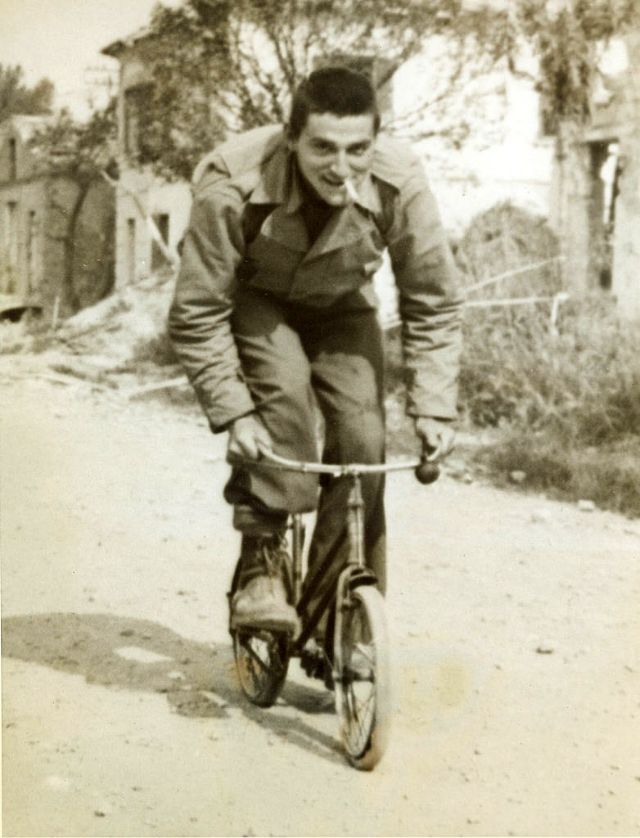
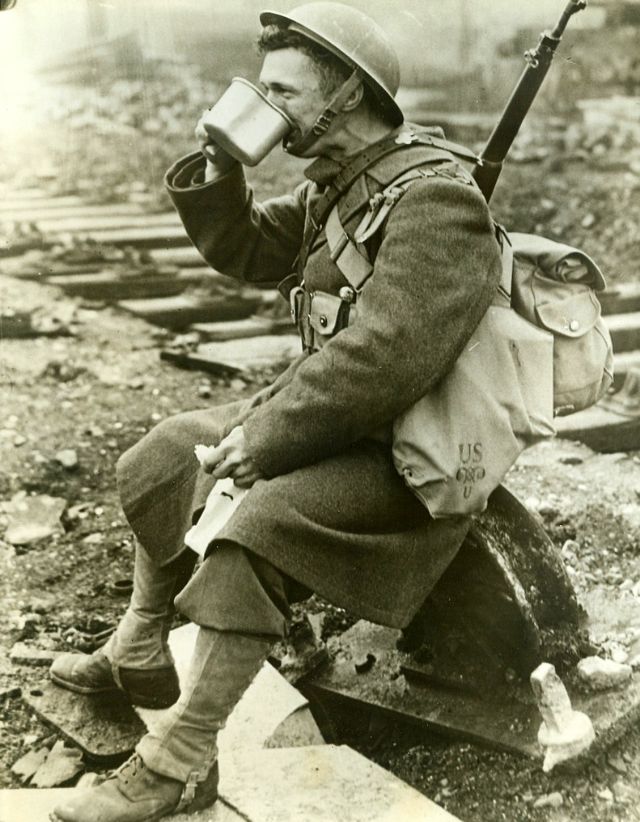
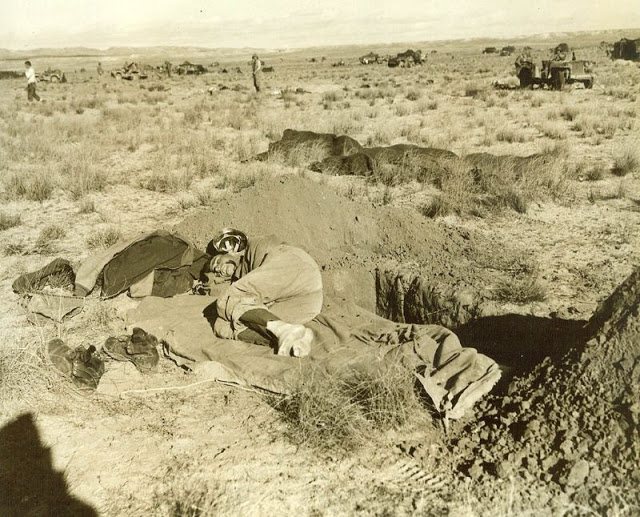
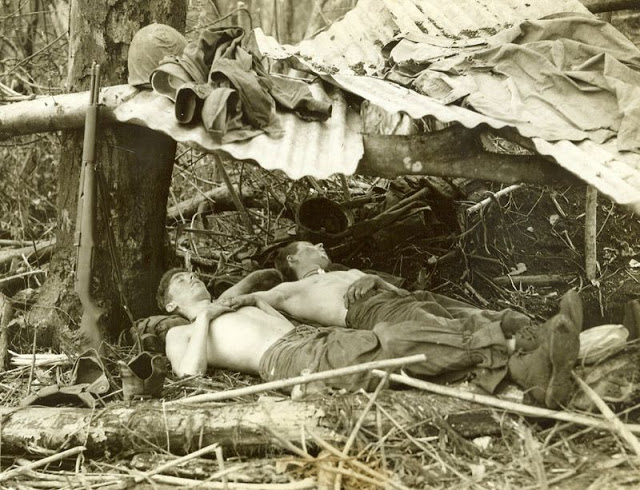
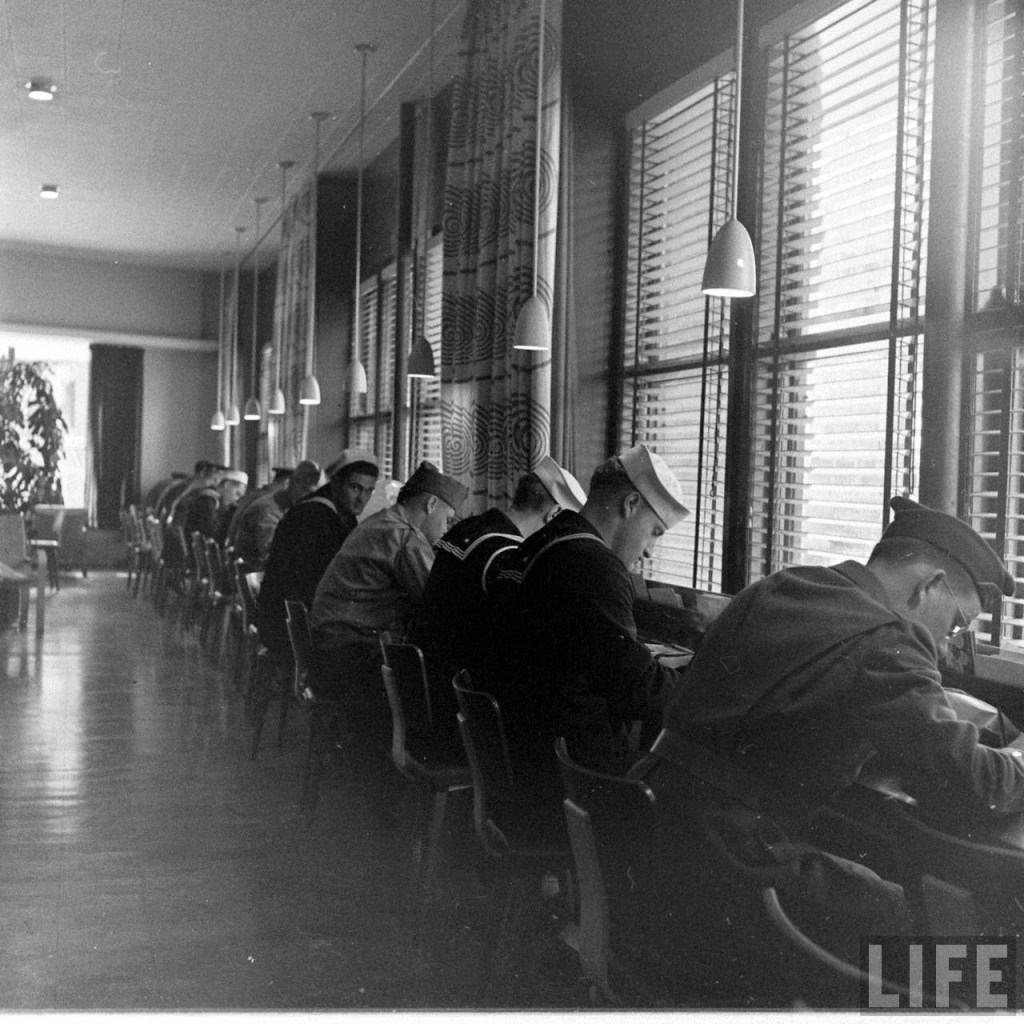
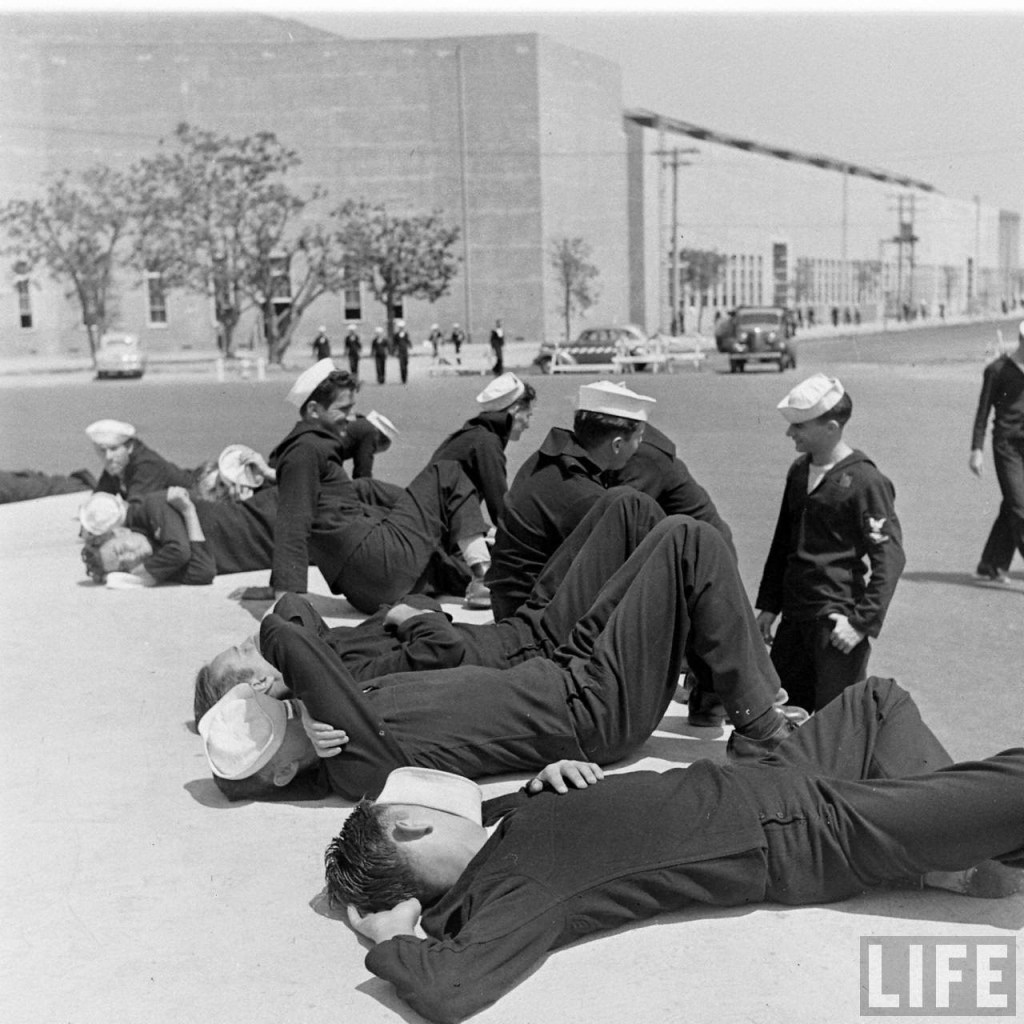
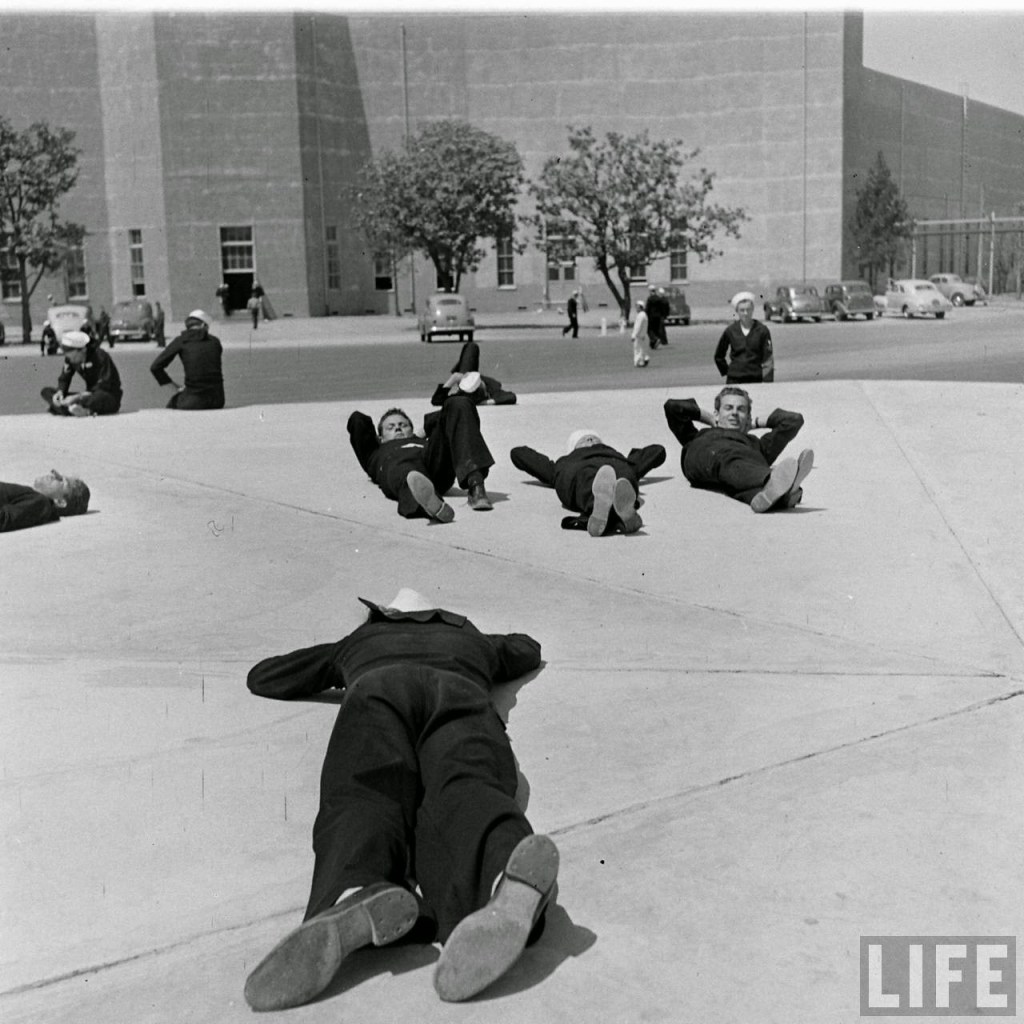
War brings pain, sacrifice. It is really cruel, especially for the soldiers directly involved in combat. Private moments for soldiers are really something rare and worthwhile.
A collection of emotional pictures from MacArthur Museum that shows rare private moments of soldiers resting during the World War II.
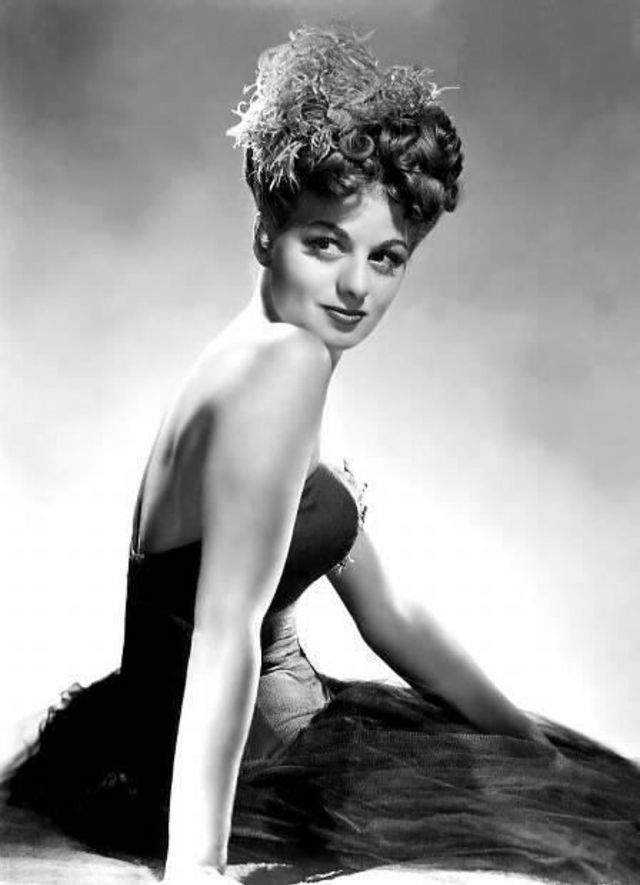
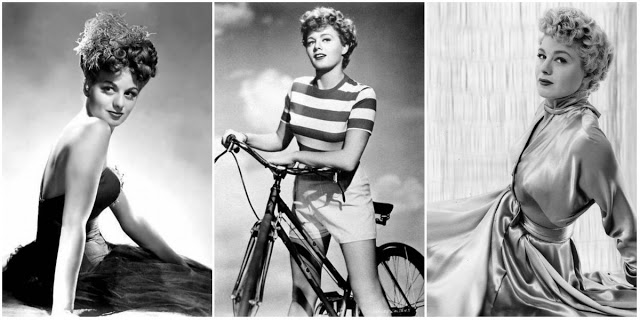
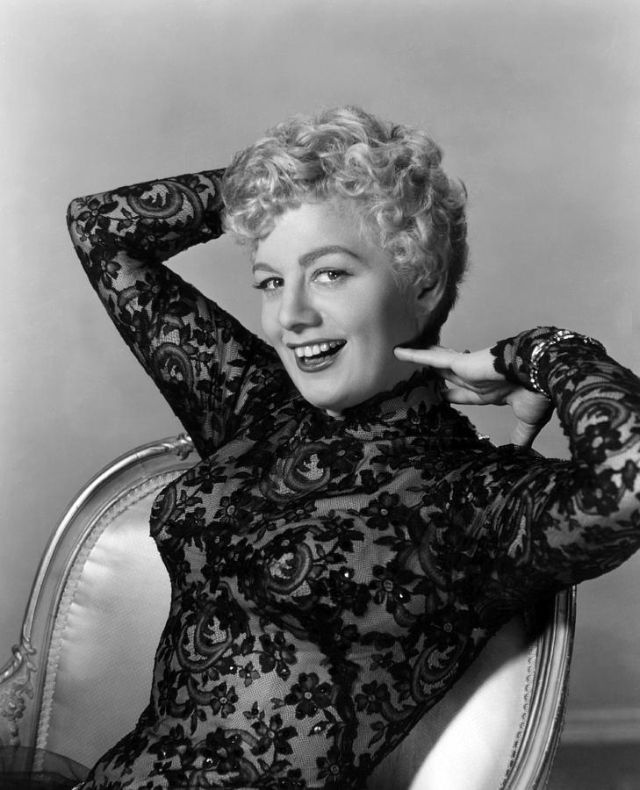
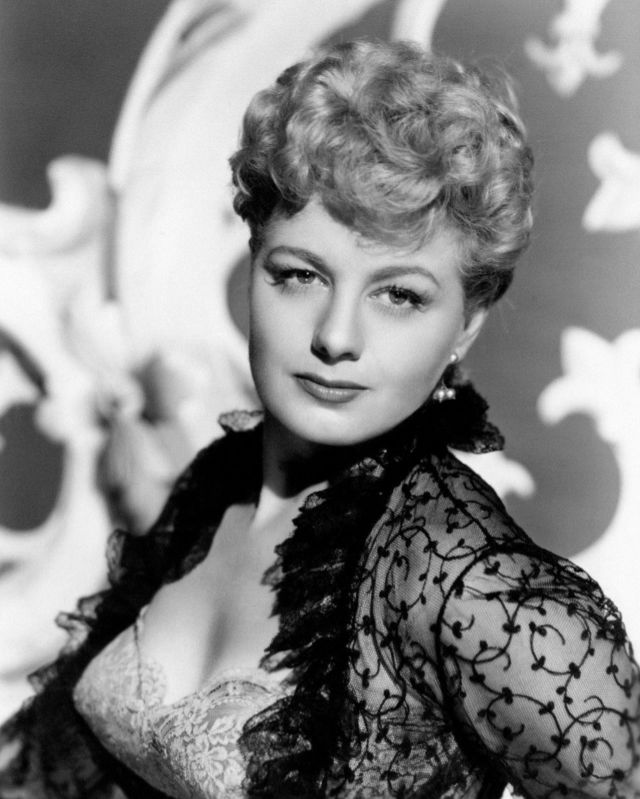
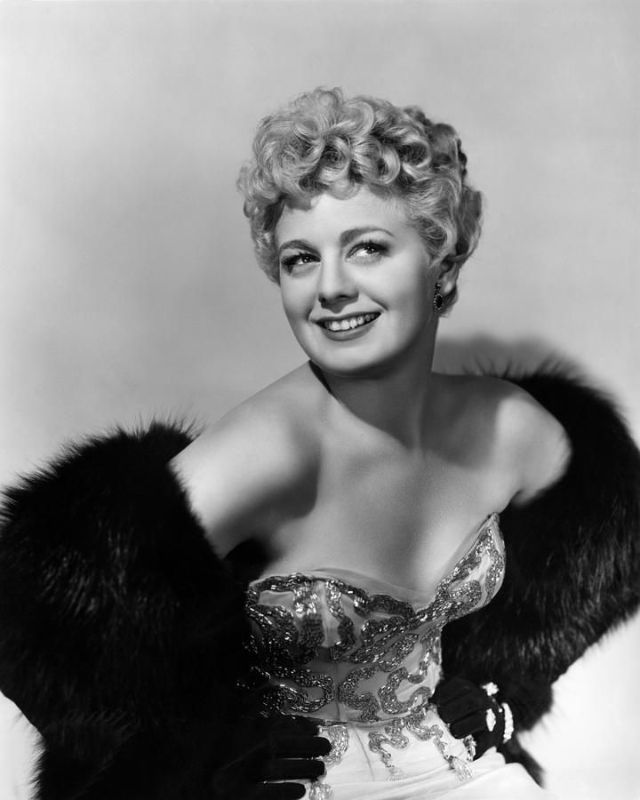
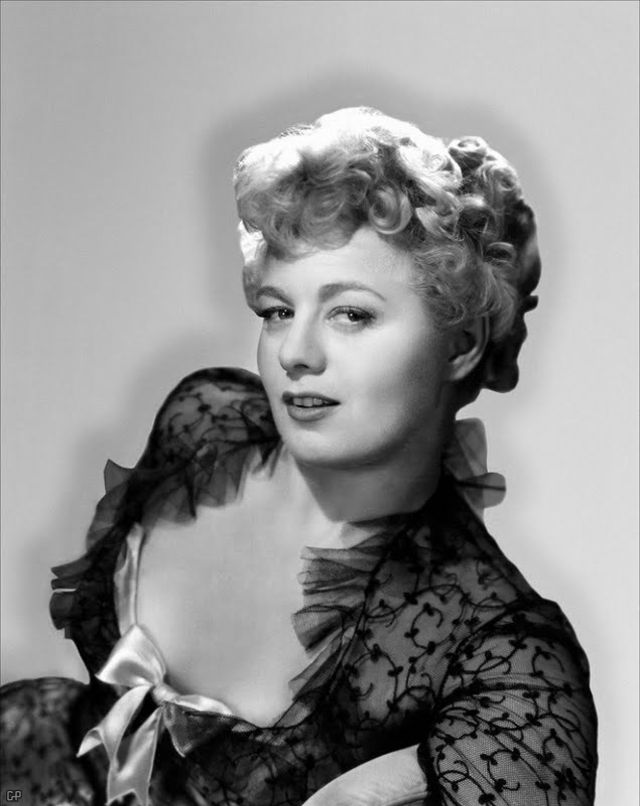
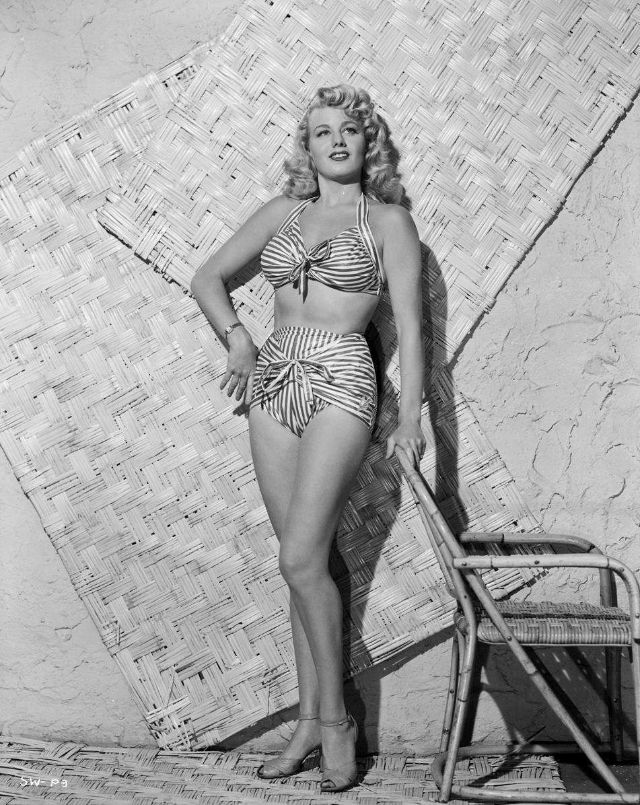
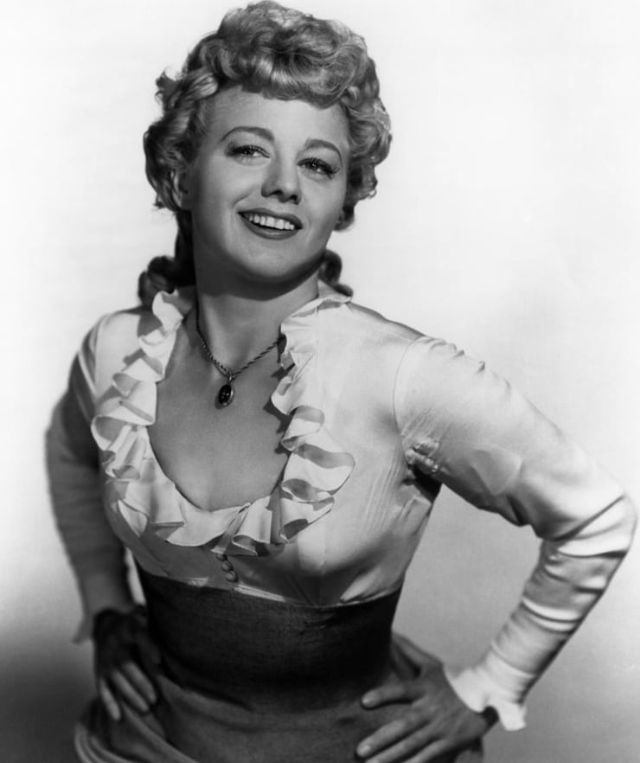
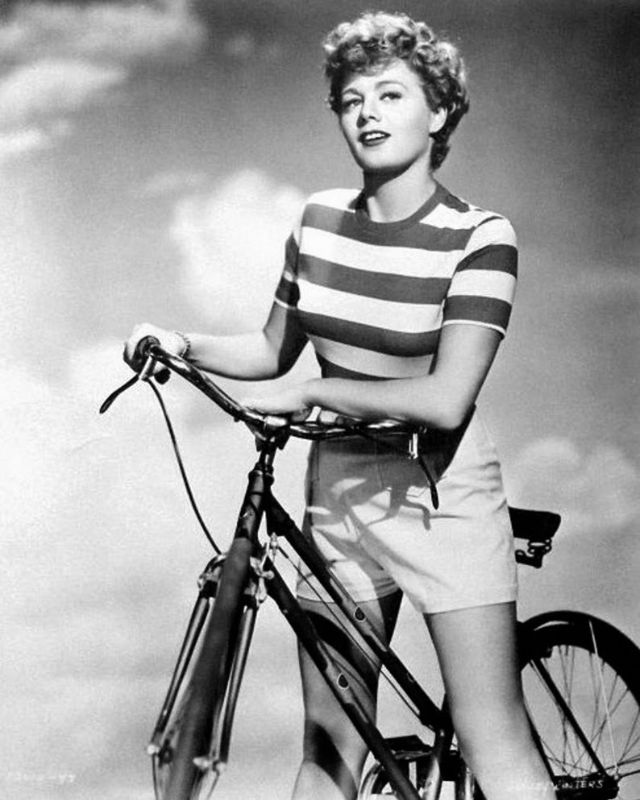
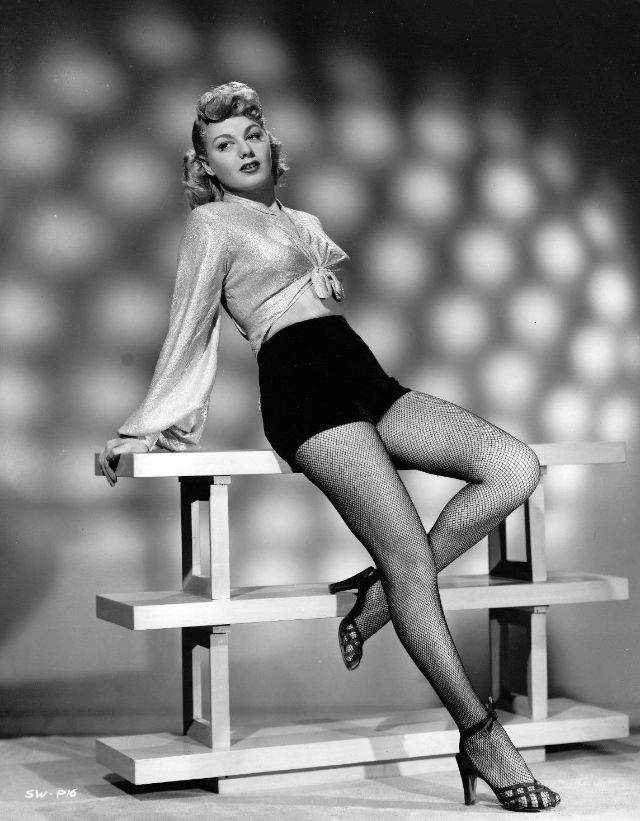
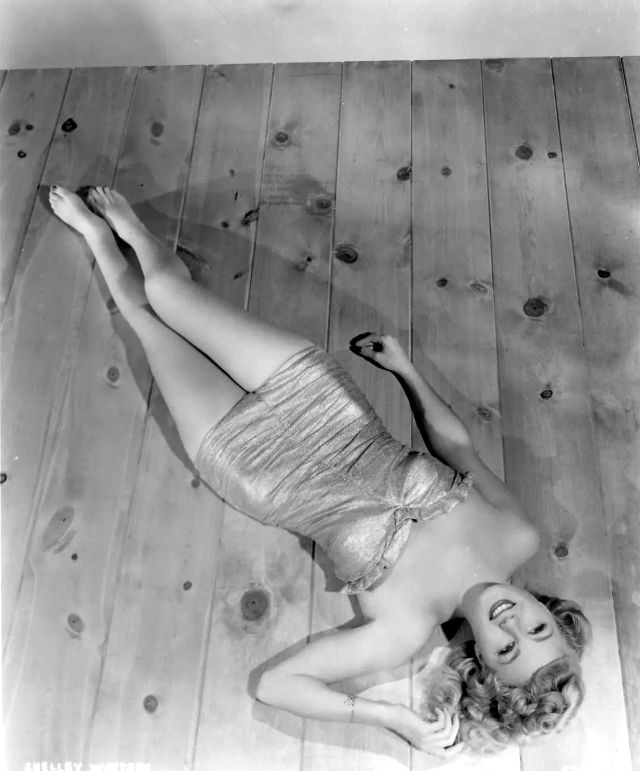
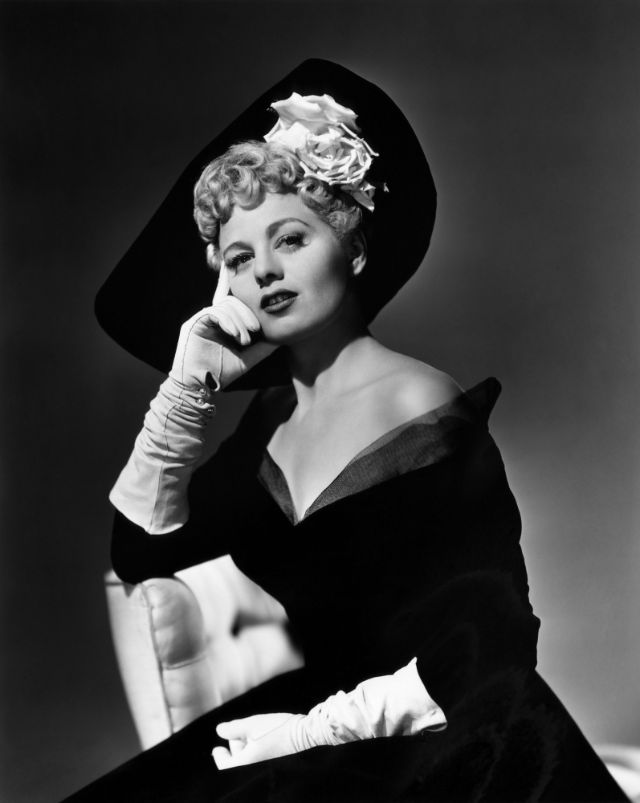
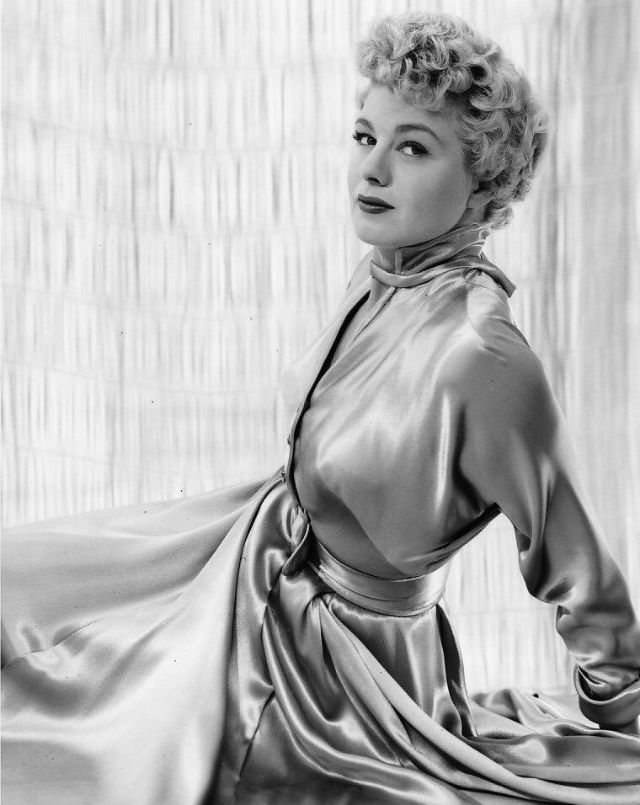
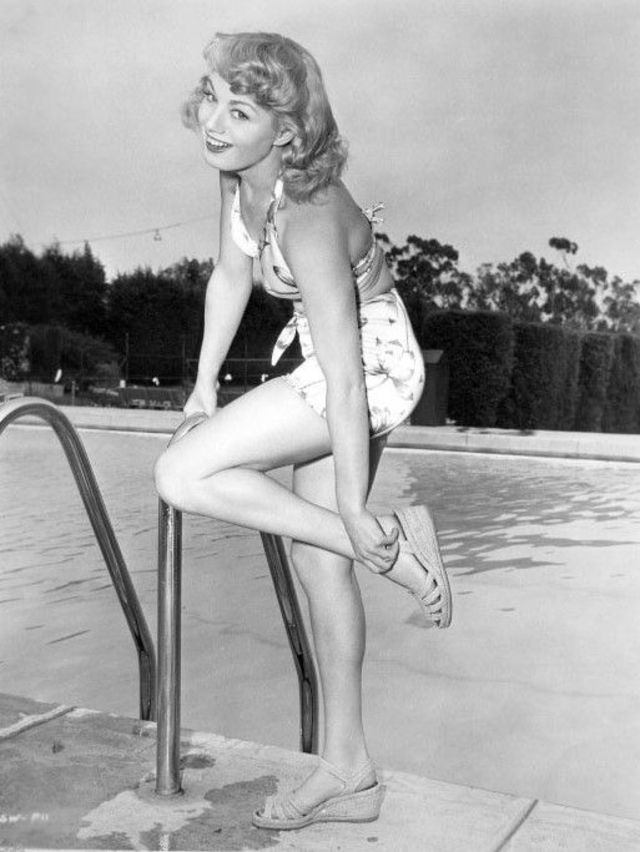
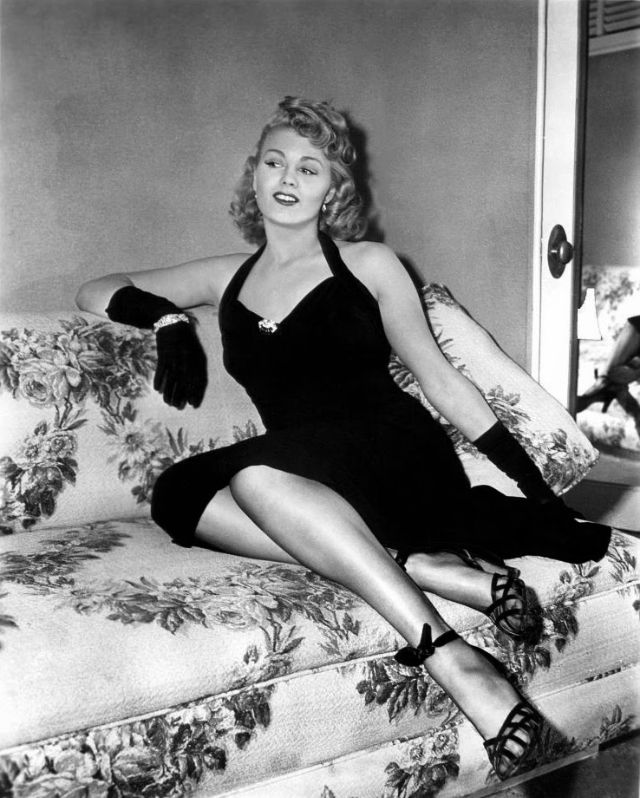
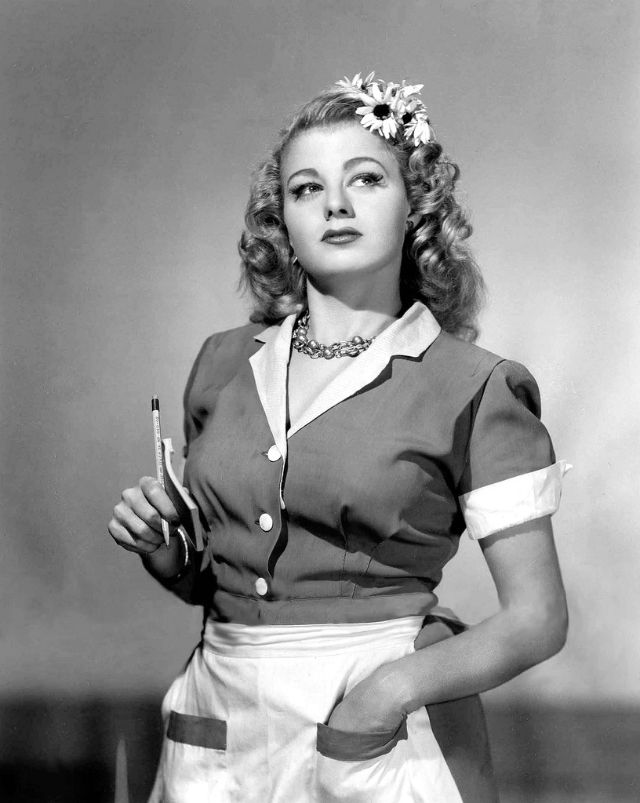
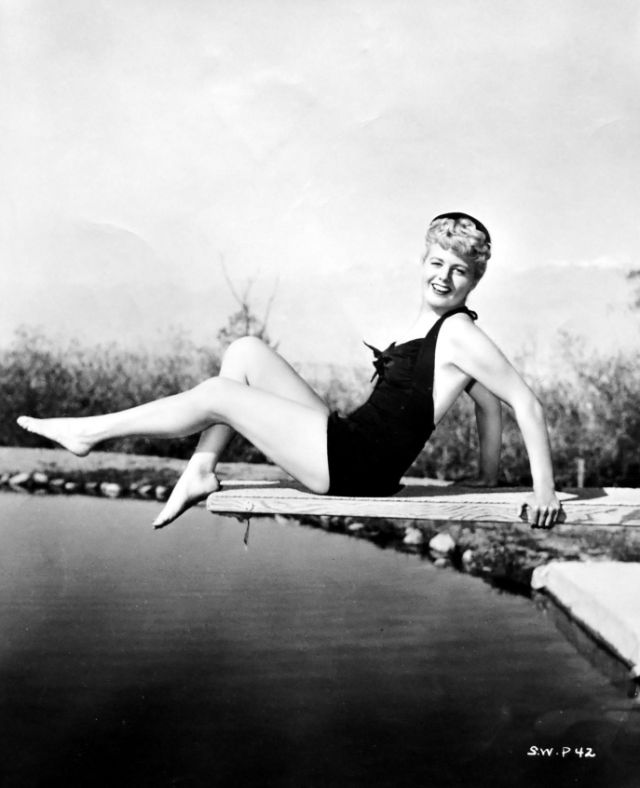
Shelley Winters (born August 18, 1920 – January 14, 2006) was an American actress whose career spanned almost six decades. She won two Academy Awards for her supporting roles in Hollywood films, but her zany, wisecracking real-life persona entertained a much larger audience over the years as a frequent talk-show guest. Winters nevertheless left behind an impressive body of work, playing “victims, babes, shrews, and matriarchs with sassy confidence,” noted her Times of London obituary. “Whatever Winters may have lacked in looks she made up for in presence and star quality. She specialized in big, ballsy, independent, modern women… Her characters often knew what they wanted, though they did not necessarily get it.”
Winters was born in 1920, though when she arrived in Hollywood she gave her birthdate as 1922. She grew up in Brooklyn, New York, and began entering local beauty pageants during her teen years. Determined to become an actress, she even auditioned for the Scarlett O’Hara role in Gone with the Wind during a nationwide talent search. She later recalled that the director, George Cukor, treated her kindly during her tryout, and urged her to finish her schooling and begin with stage roles. Winters began taking drama classes at the New School for Social Research in New York City, and in between small roles in plays and musicals worked as an entertainer at the summer resorts in the Catskills of upstate New York.
Winters’ break came when Hollywood studio executive Harry Cohn saw her on Broadway in Rosalinda , and signed her to Columbia Pictures. She made a saucy screen debut in What a Woman! in 1943, a Rosalind Russell film, but was unhappy with the bit parts to which the studio seemed to confine her. Returning once again to the classroom, she took courses at the Actors Studio in Los Angeles, and shared an apartment with a relatively unknown starlet who would later go on to fame as Marilyn Monroe. At one point, the two single women decided they would date like men, and not become emotionally attached, and each went on to enjoy a string of romances with some well-known names, which Winters would later detail in her autobiography. She also claimed to have taught Monroe the open-mouthed pout that later made her famous.
Winters reconnected with Cukor when he hired her for what became her breakout role in a 1947 film called A Double Life. In it, she was cast as the first of many murder victims on screen, or as women otherwise abused by life. In 1951, Winters convinced George Stevens to hire her for the part of a frumpy factory worker when he was casting A Place in the Sun . She did so by pleading with him to meet her in a hotel lobby, and then dressing in so shabby an outfit that Stevens failed to recognize her. With that she won the part of a young woman slain by her beau, Montgomery Clift, when she becomes pregnant and jeopardizes his relationship with Elizabeth Taylor’s heiress character. A Place in the Sun earned Winters an Academy Award nomination for Best Actress in a Leading Role.
Winters won more rave reviews in a 1955 film, The Night of the Hunter, and earned her first Oscar for her turn as Mrs. Van Daan in The Diary of Anne Frank in 1959, this time in the Best Supporting Actress category. Six years later, she won again for her performance as the vicious mother of a blind woman in A Patch of Blue, making her the first actress ever to win the Best Supporting Actress Award twice.
Other memorable film roles for Winters included the 1962 adaptation of Vladimir Nabokov’s shocking novel Lolita, a Stanley Kubrick project, and the original Poseidon Adventure ocean-liner disaster flick from 1972. She taught classes at the Actors Studio in New York City for a number of years, and helped one of her students, Robert De Niro, obtain one of his first solid roles as her son in Bloody Mama. In the 1970s, she made regular appearances on all the television talk shows, and earned a reputation for a somewhat bawdy sense of humor and divulging juicy tales about dating in Hollywood during its golden era. She recounted many of these stories in her 1980 memoir, Shelley, Also Known as Shirley, which became a bestseller for its dishy tales of romances with Marlon Brando, William Holden, and Sean Connery.
Winters may be better known to a younger generation for her recurring role as Roseanne’s grandmother on the hit 1990s series of the same name. She died of heart failure in a Beverly Hills, California, convalescent center on January 14, 2006, at the age of 85.
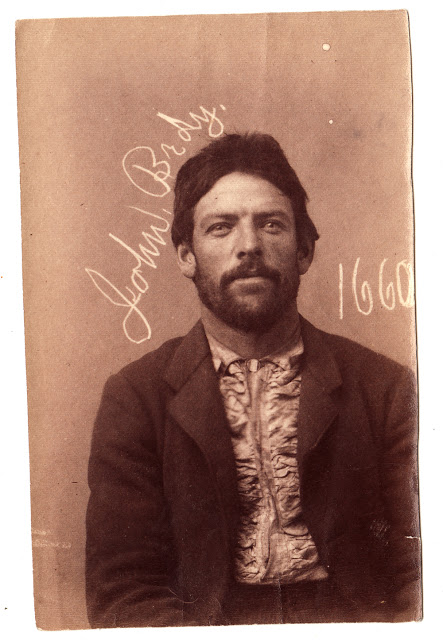
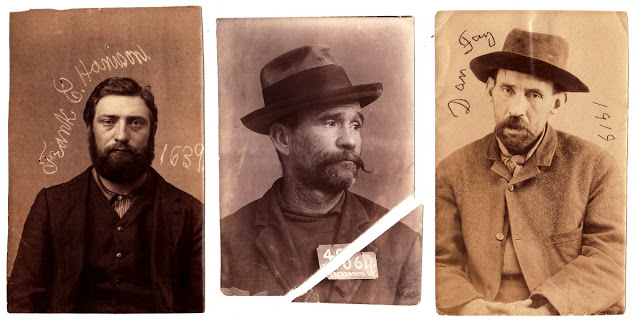
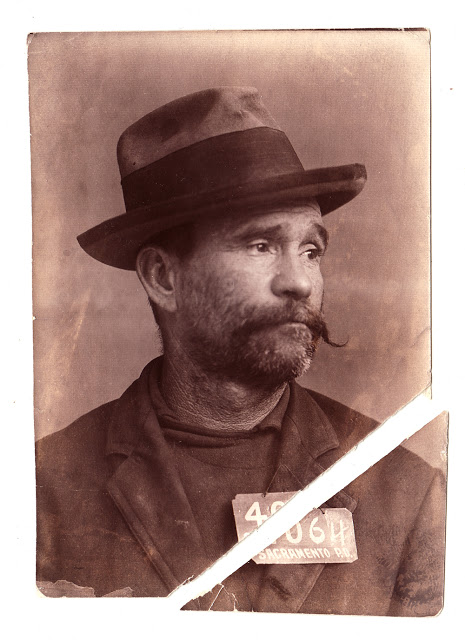
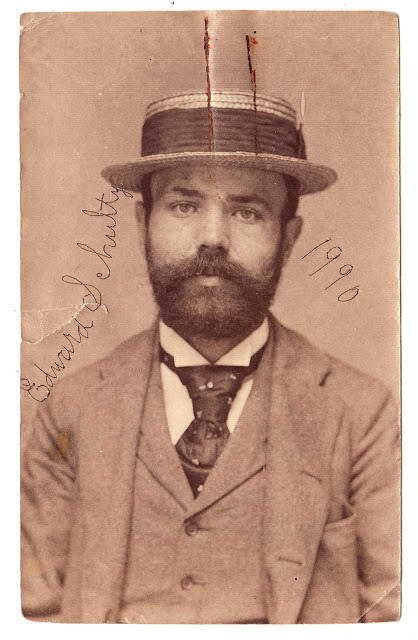
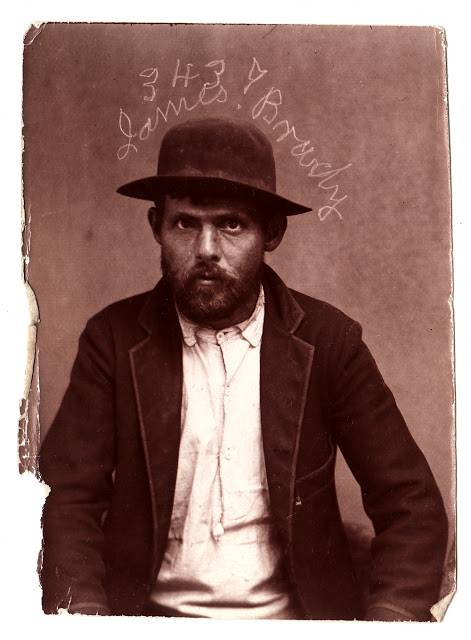
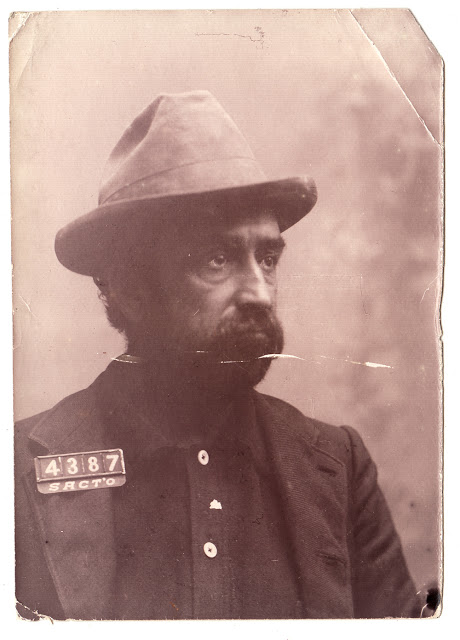
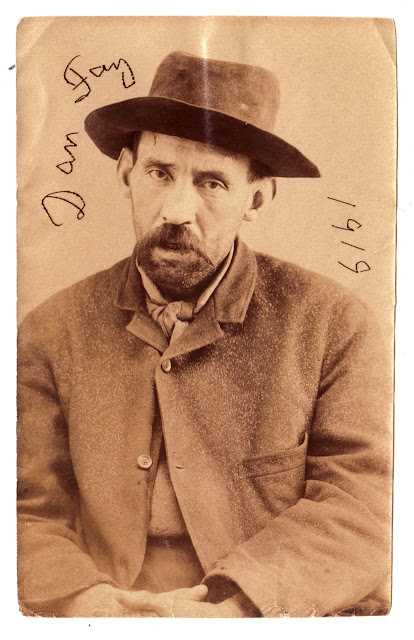
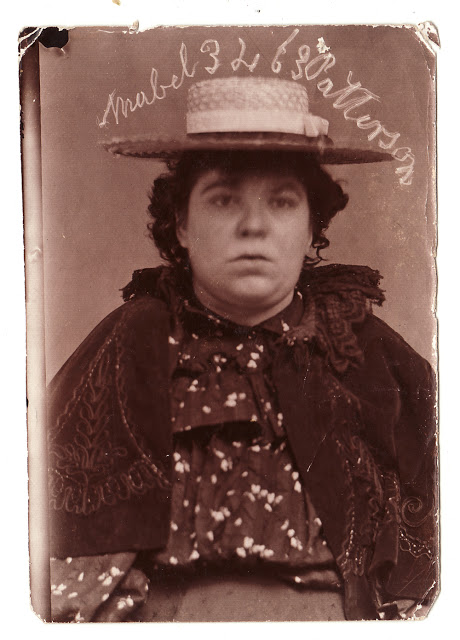
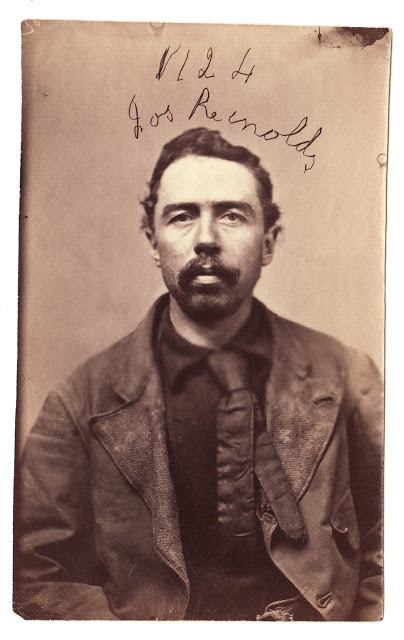
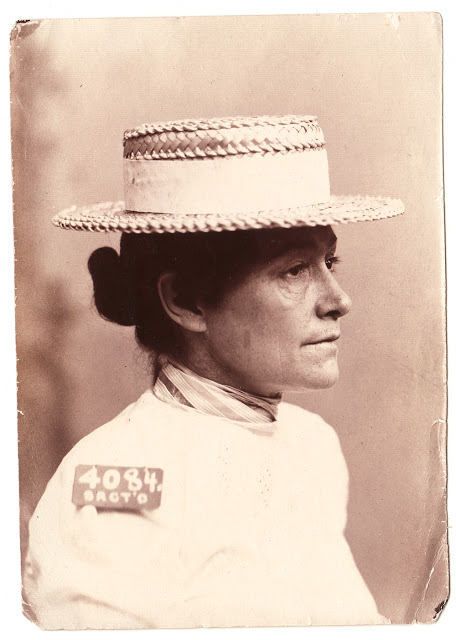
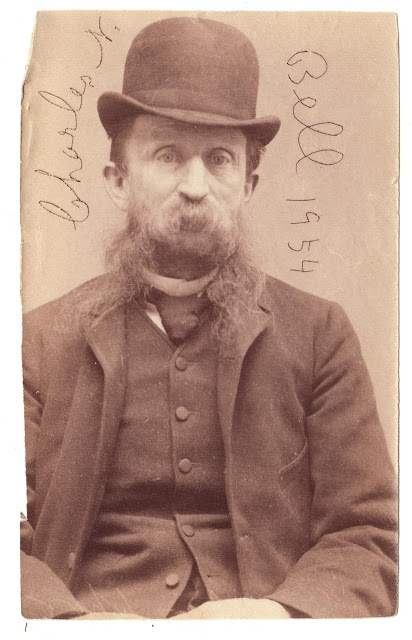
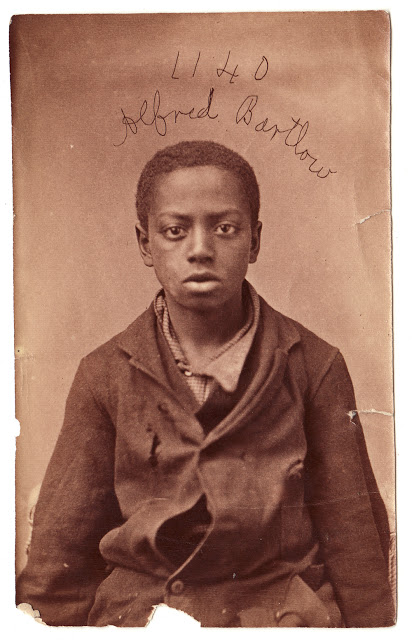
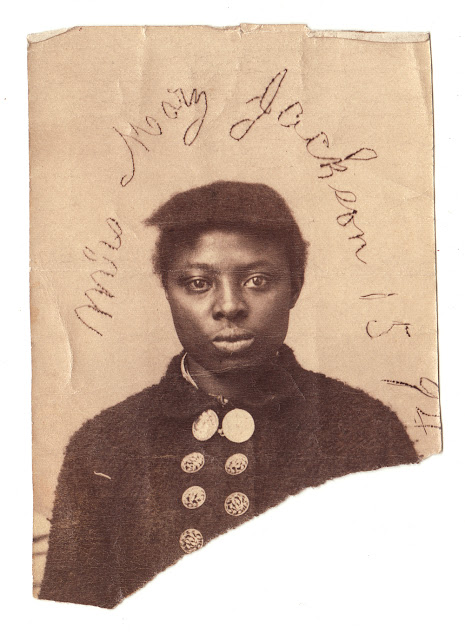
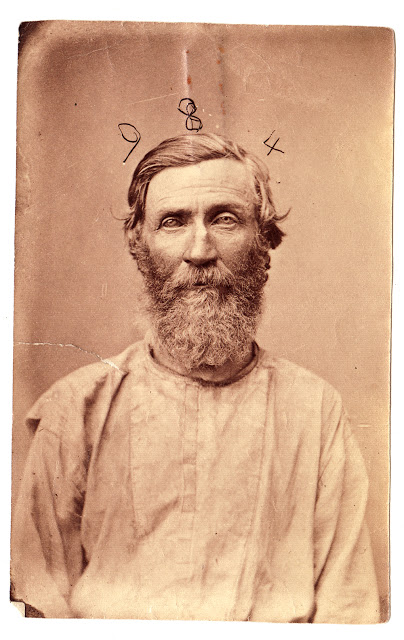
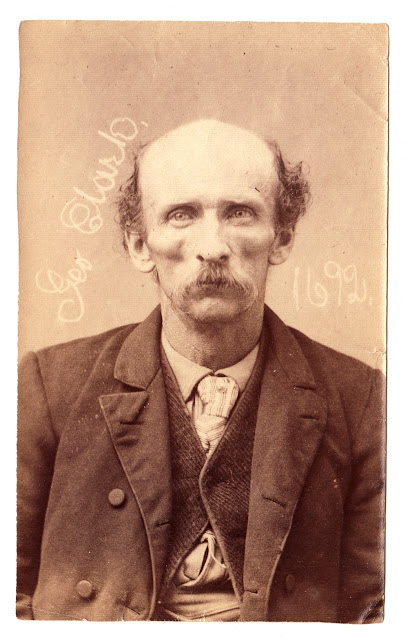
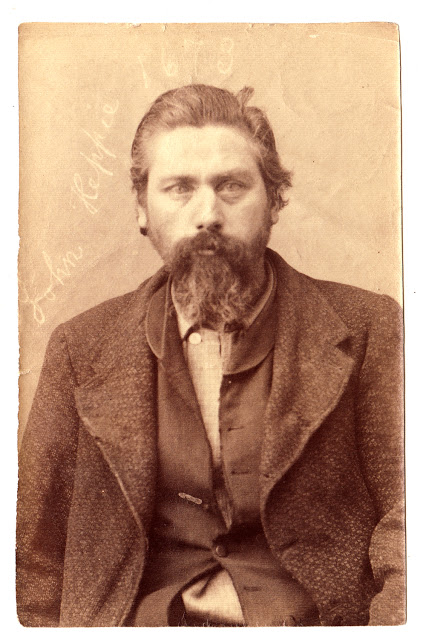
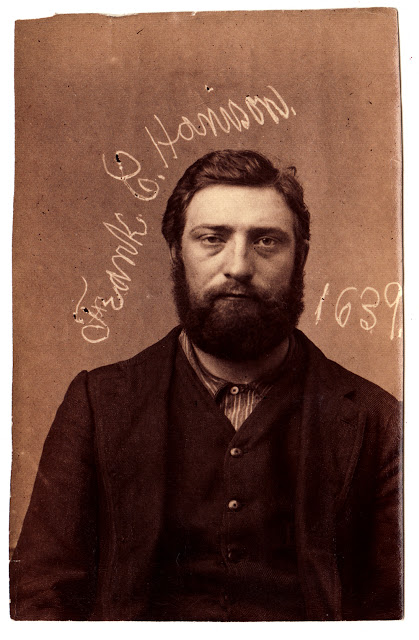
Murder and mayhem have long fascinated photographers and film aficionados, and are also inextricably linked with collectors of vernacular photography. But, how did the mugshot become a fine-art collectible? For New York-based collector and curator Mark Michaelson the answer is personal. In an interview with the New York Daily News he noted, “I’m looking for photos that move me for whatever reason. From things that are terribly funny to things that are terribly tragic.”
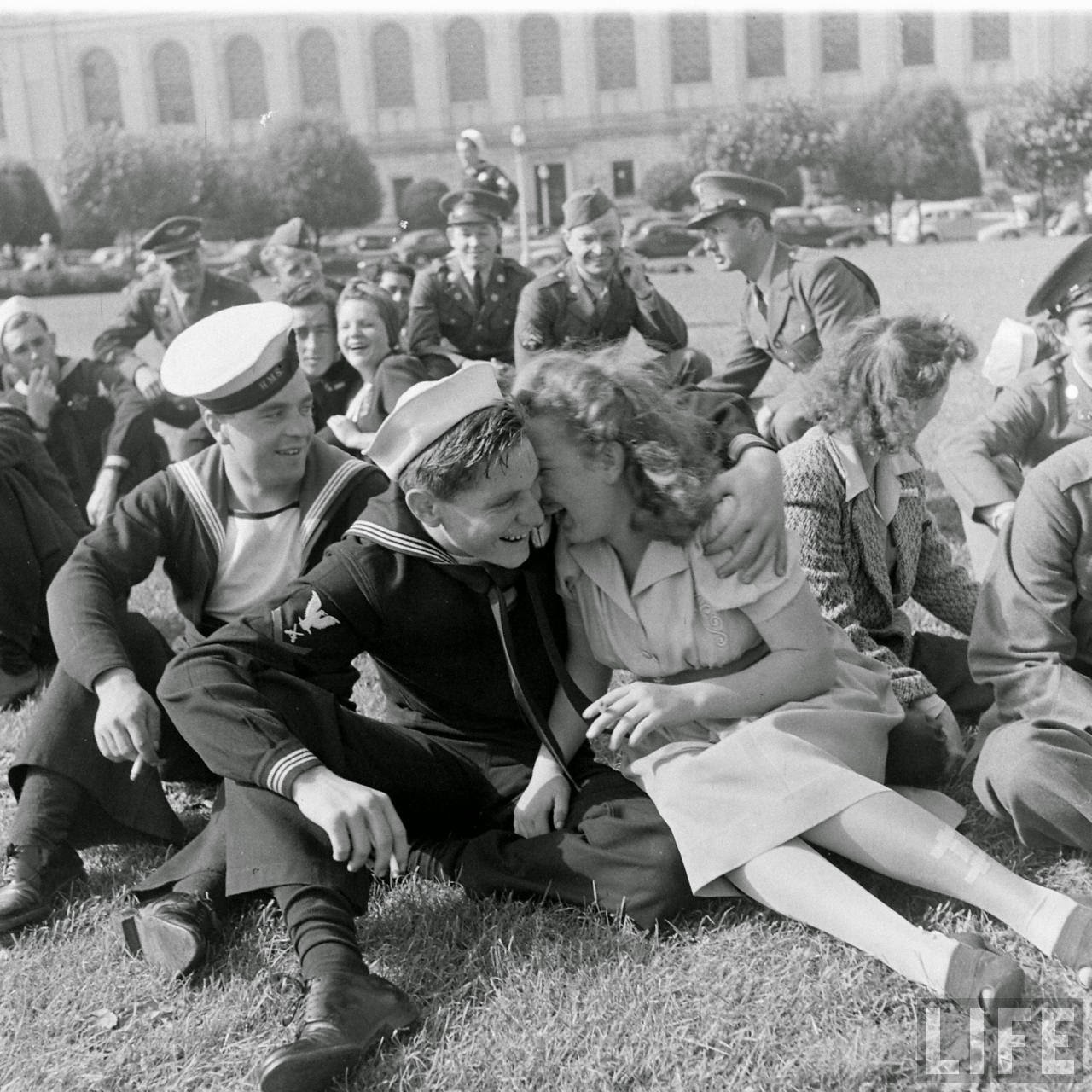
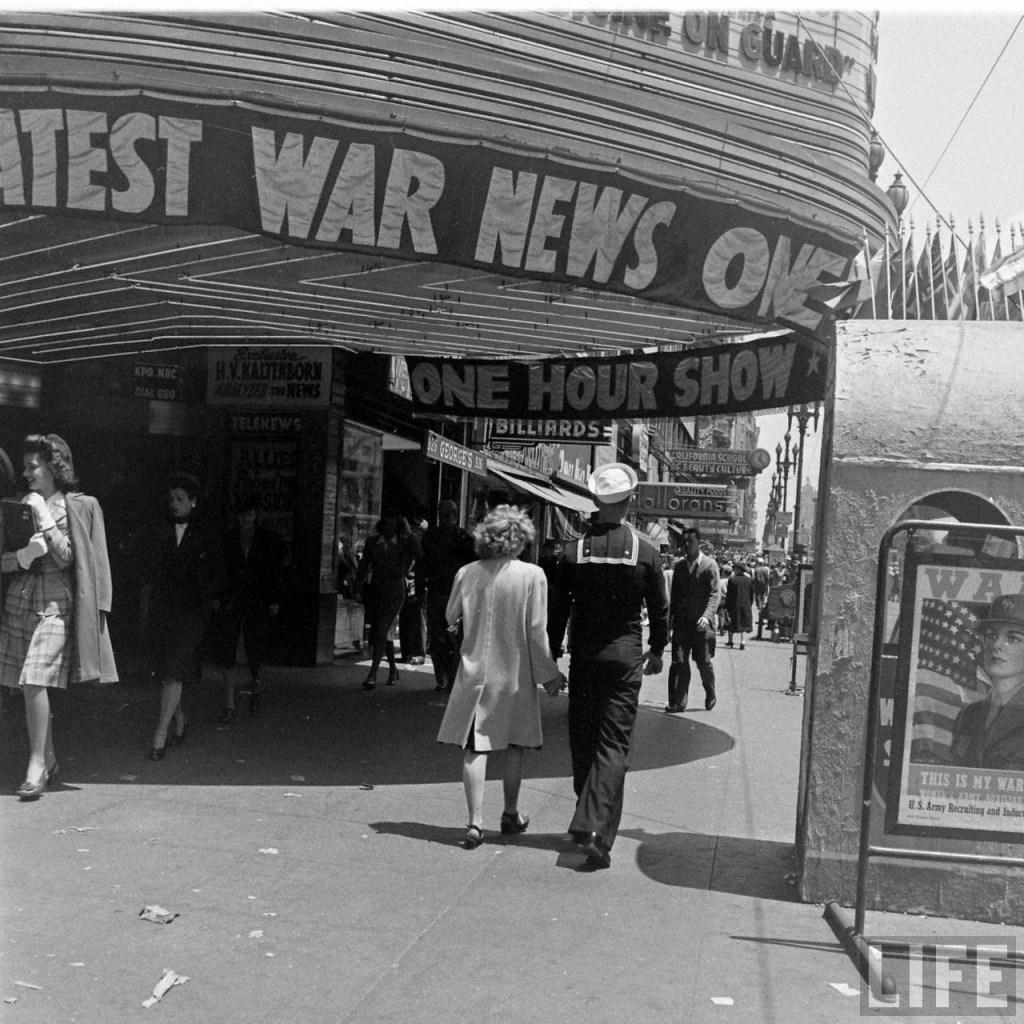
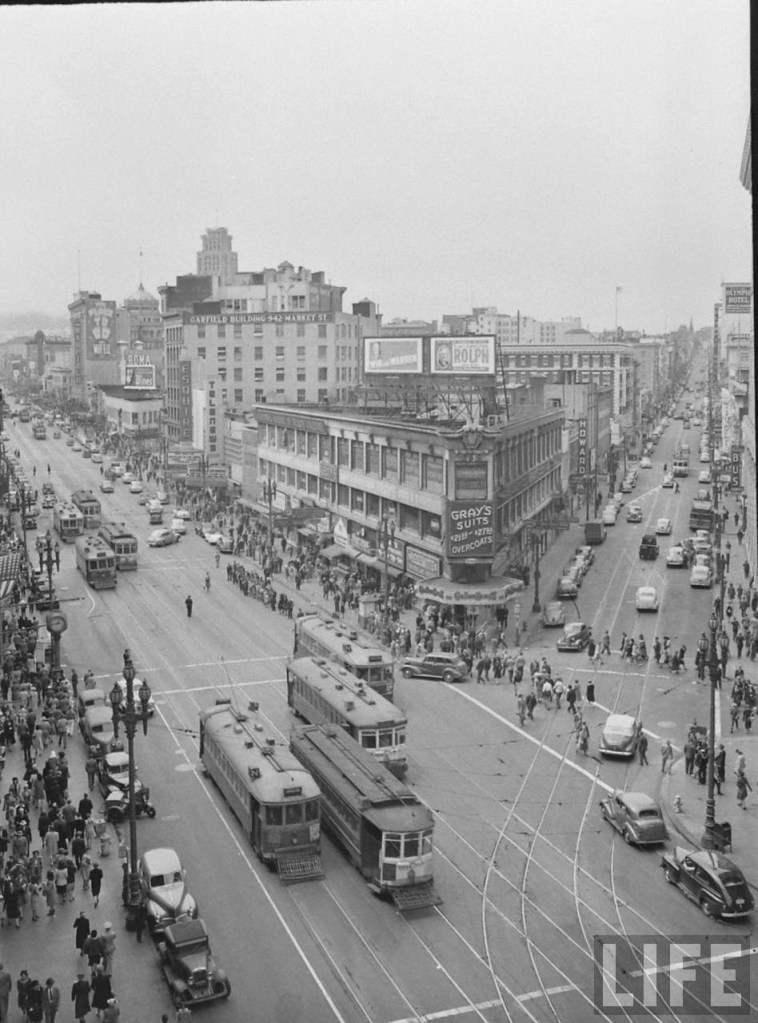
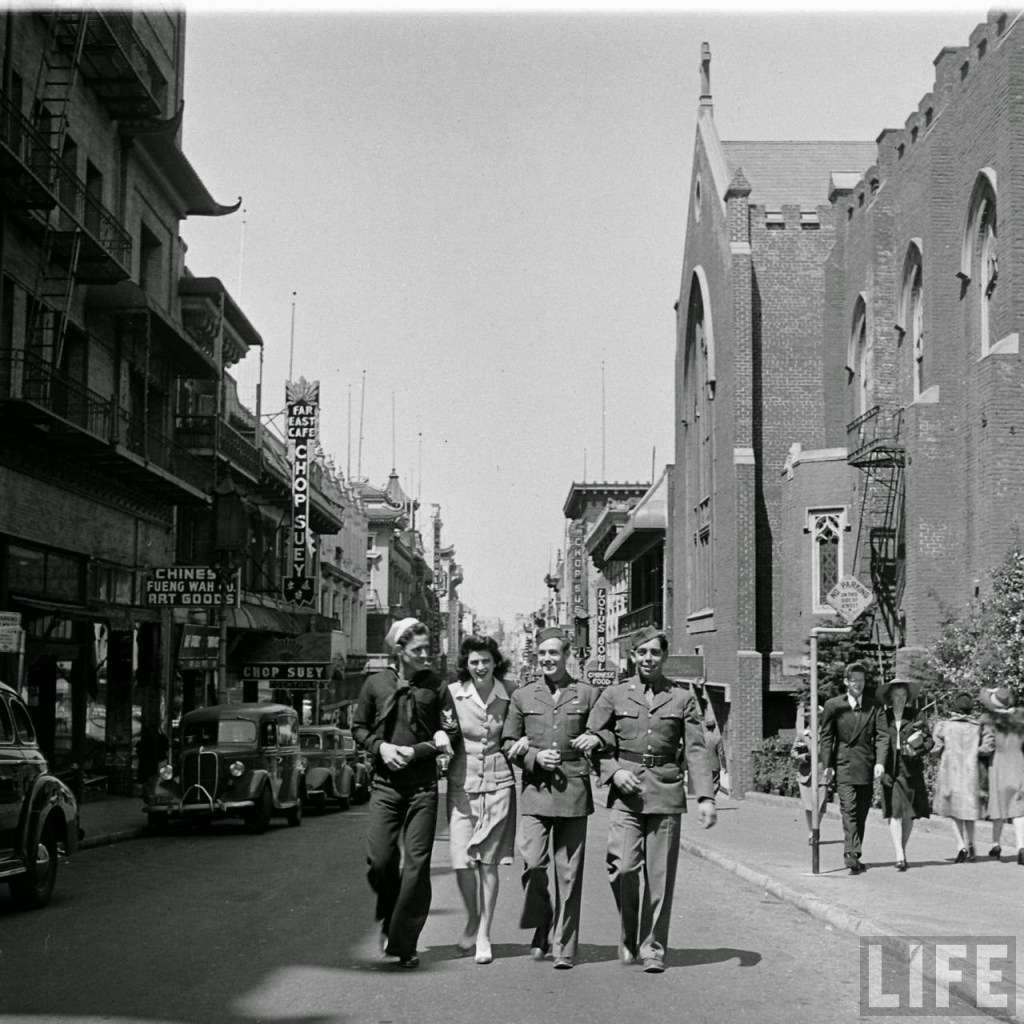
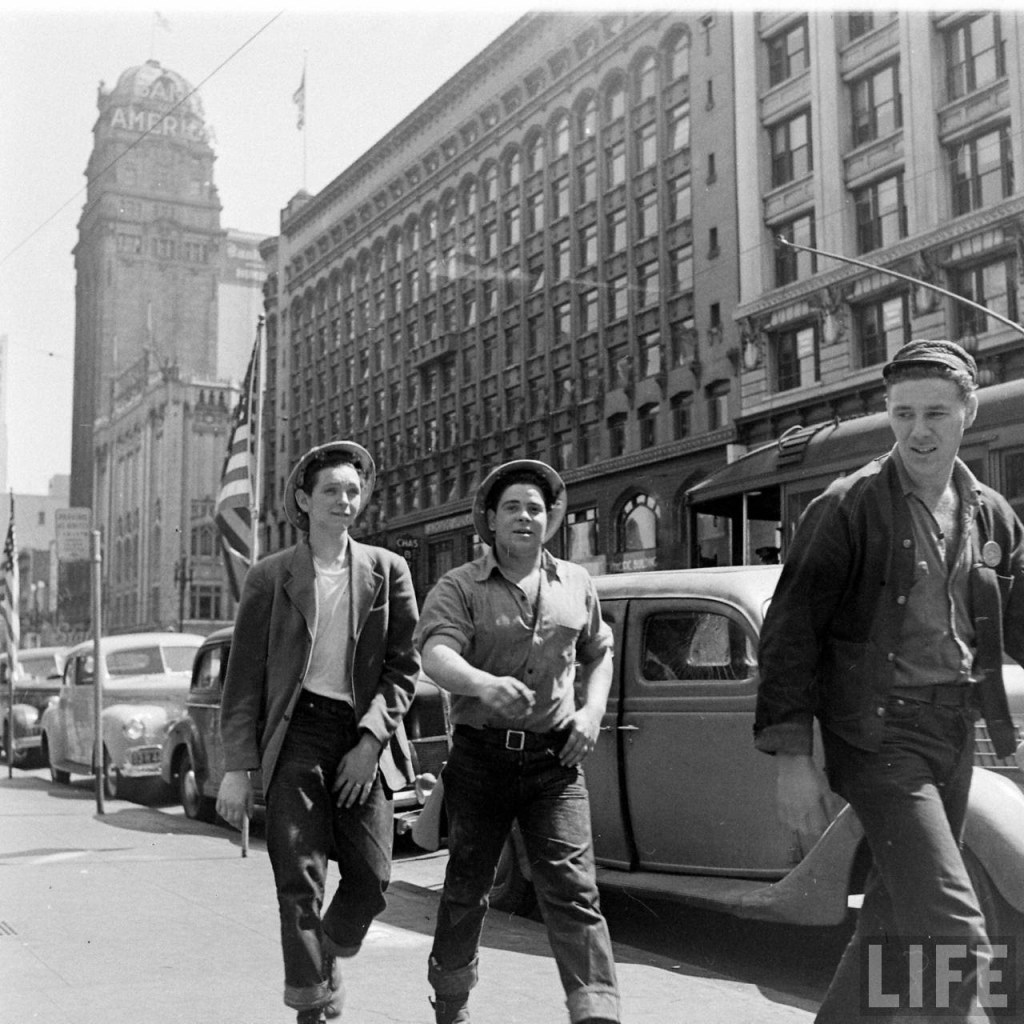
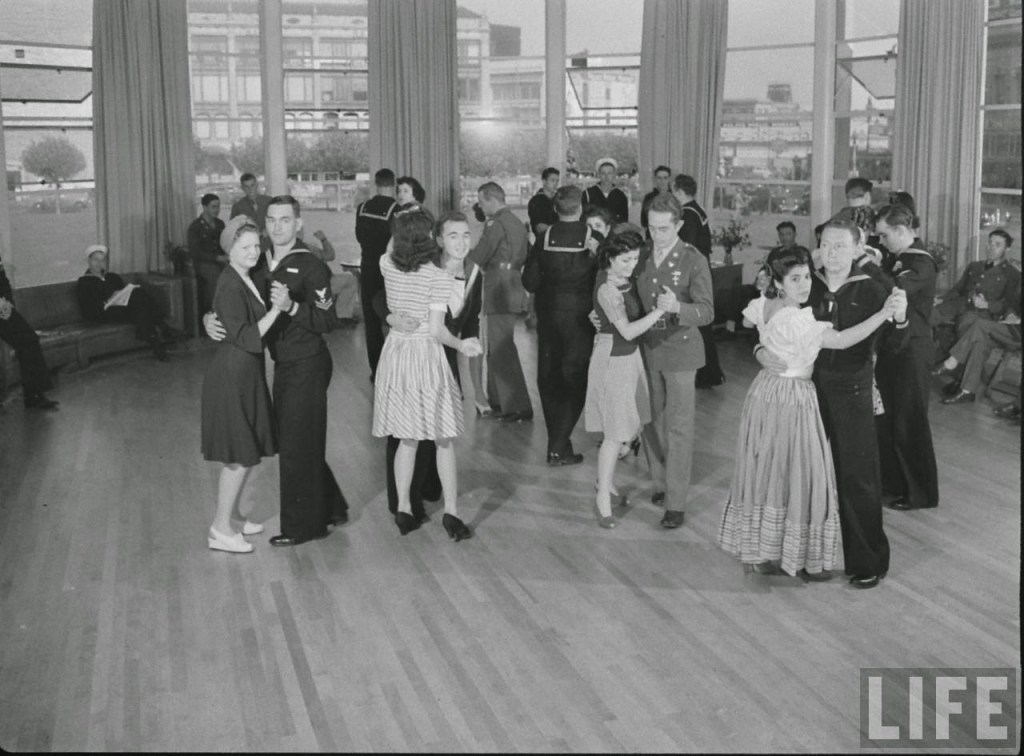
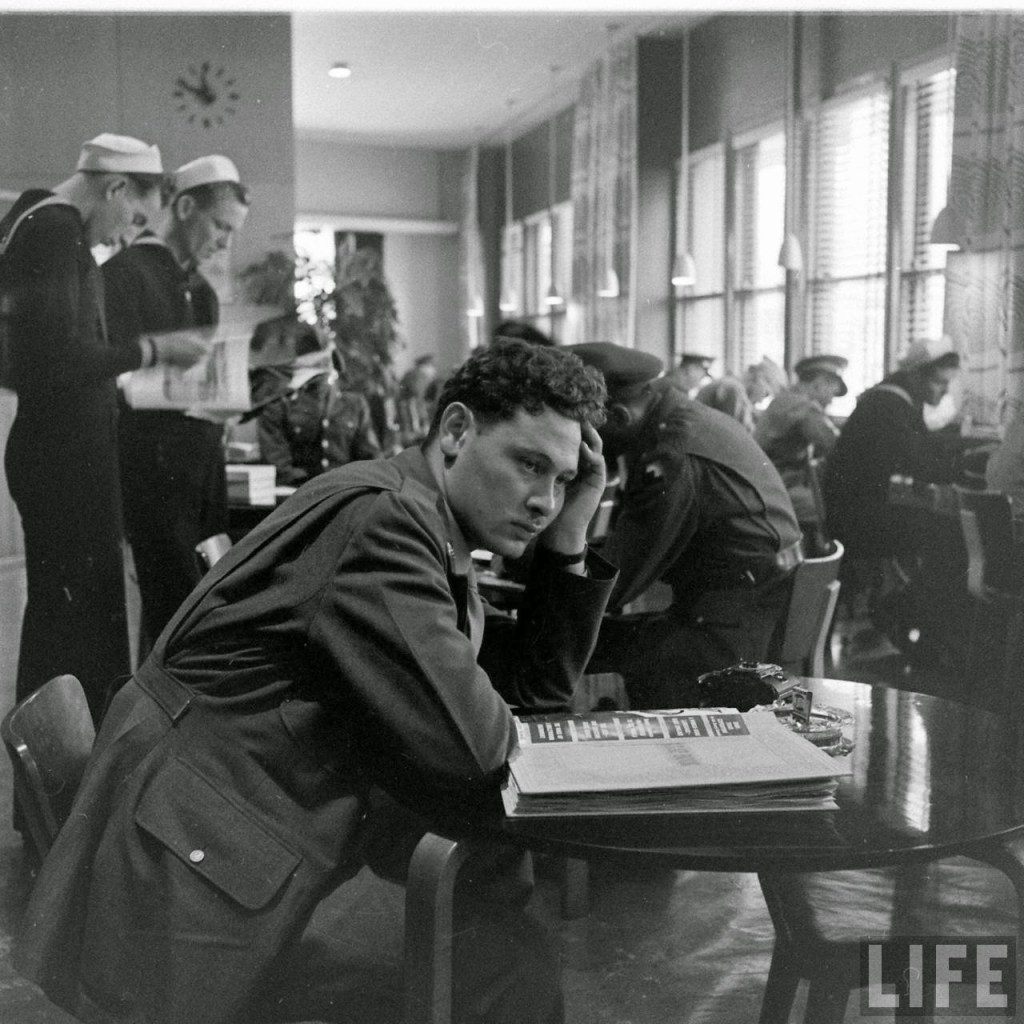
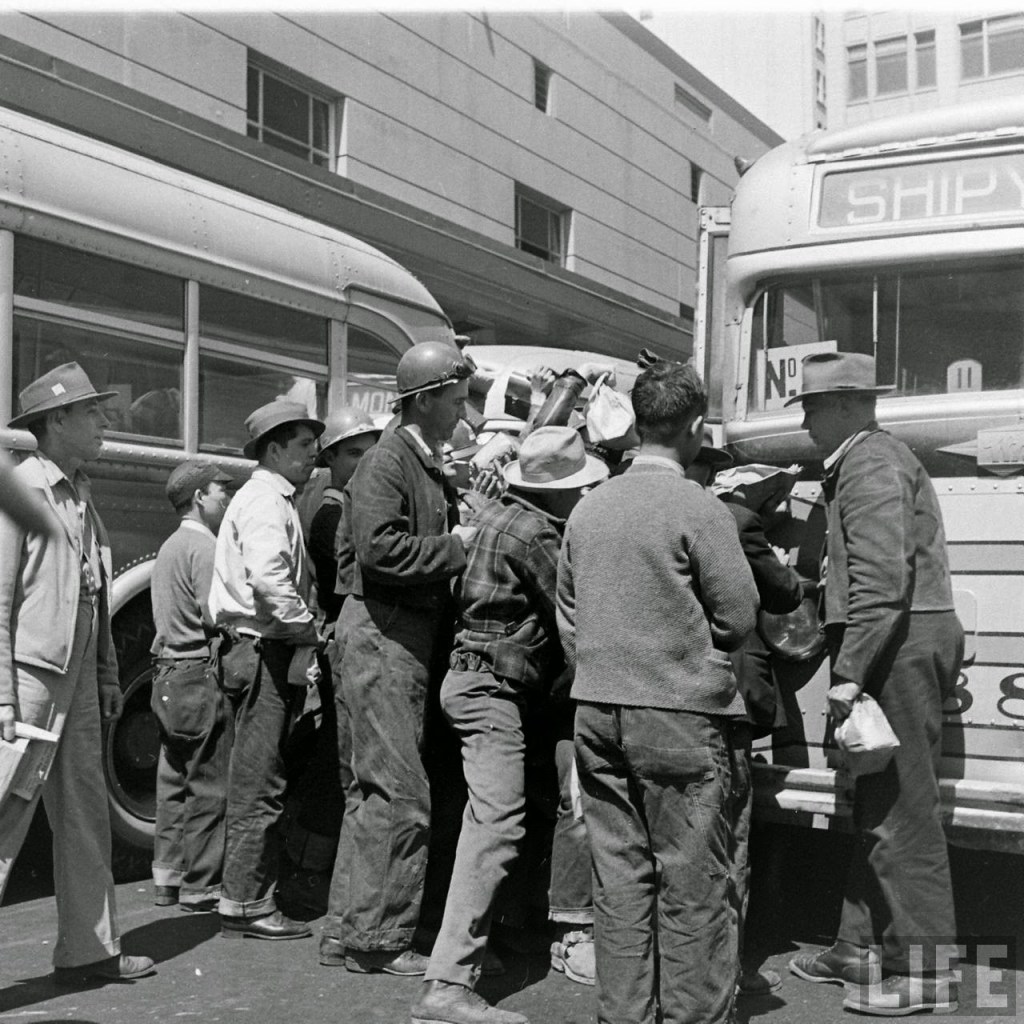
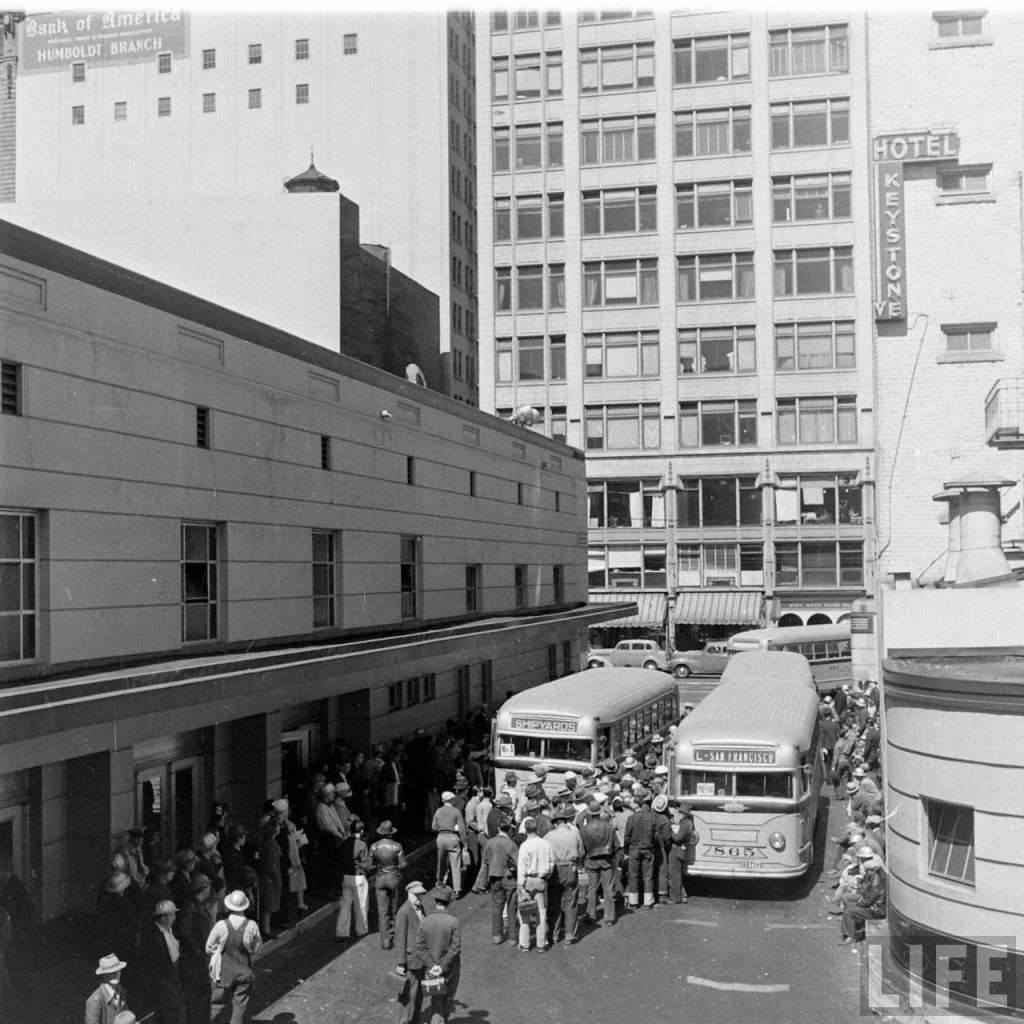
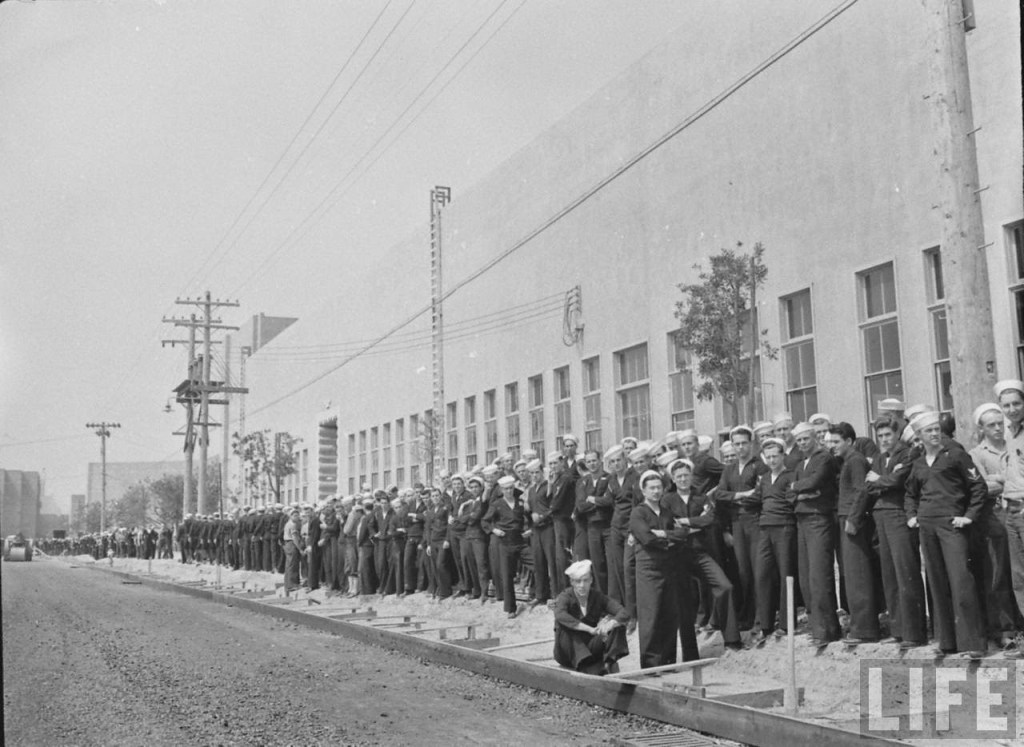
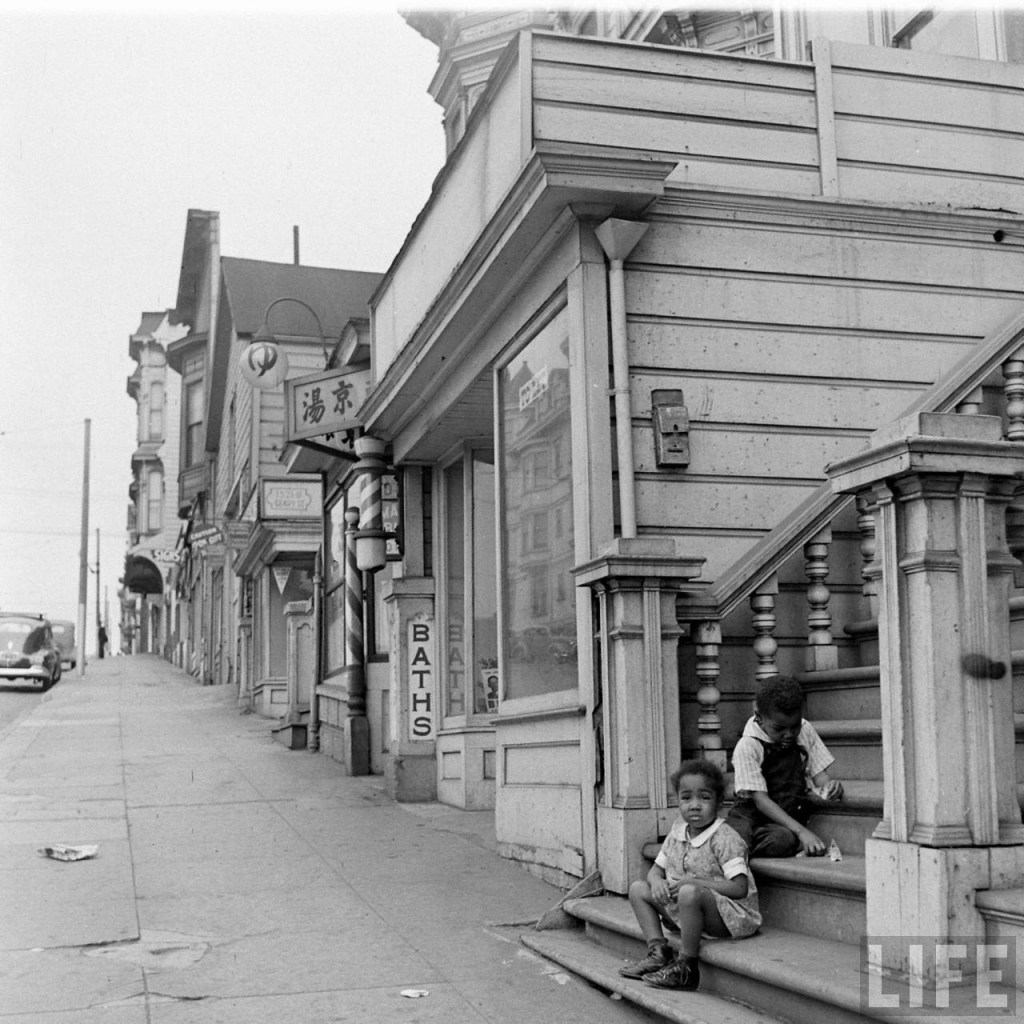
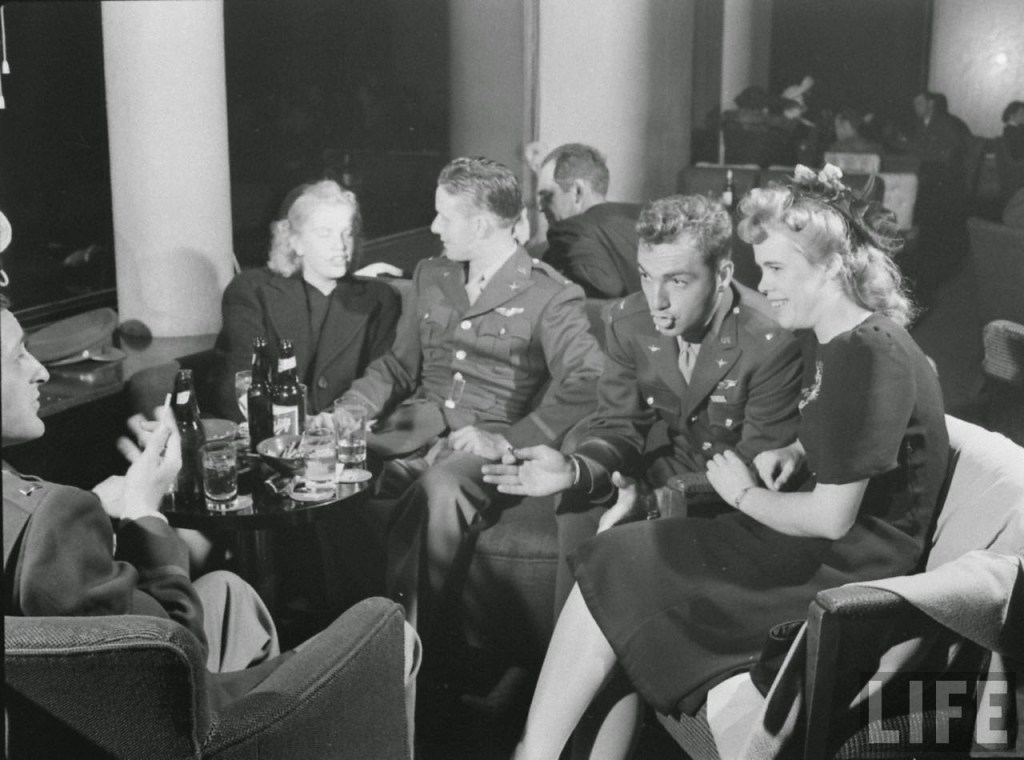
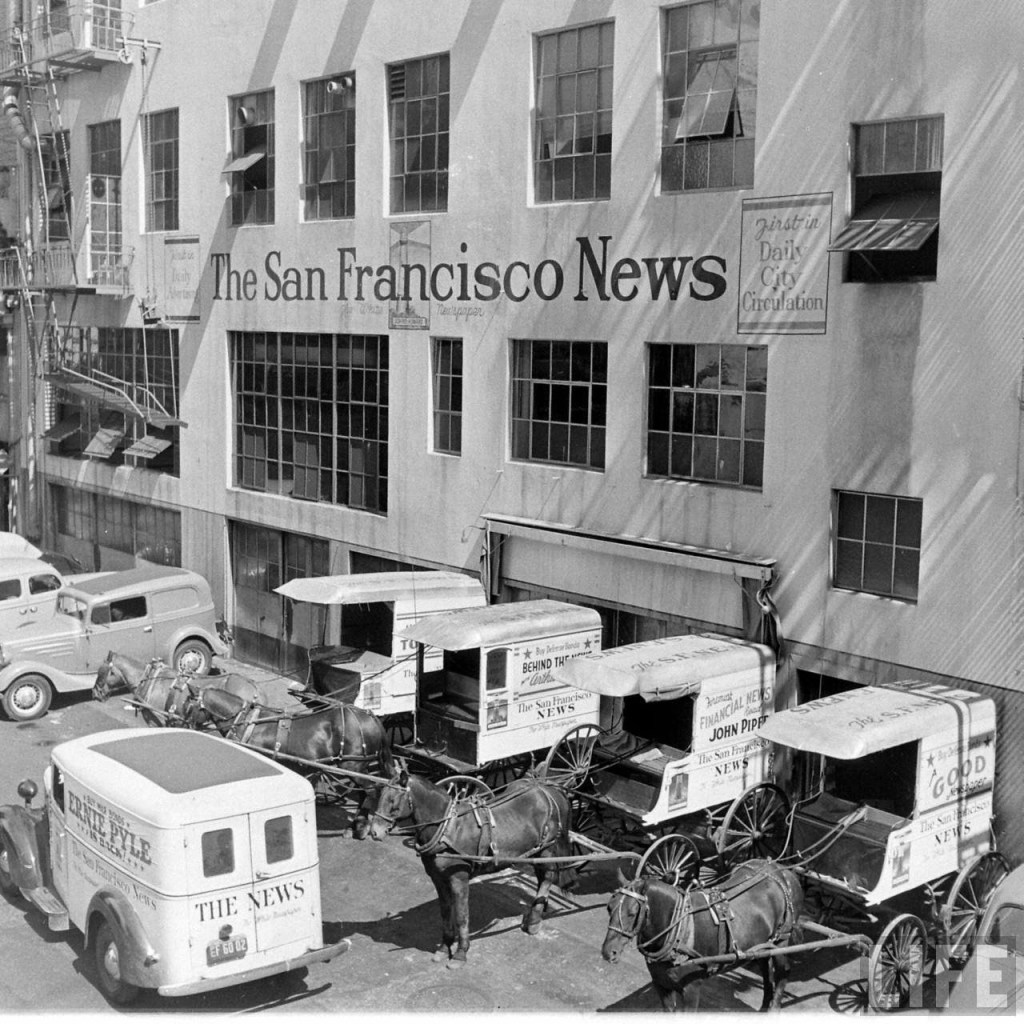
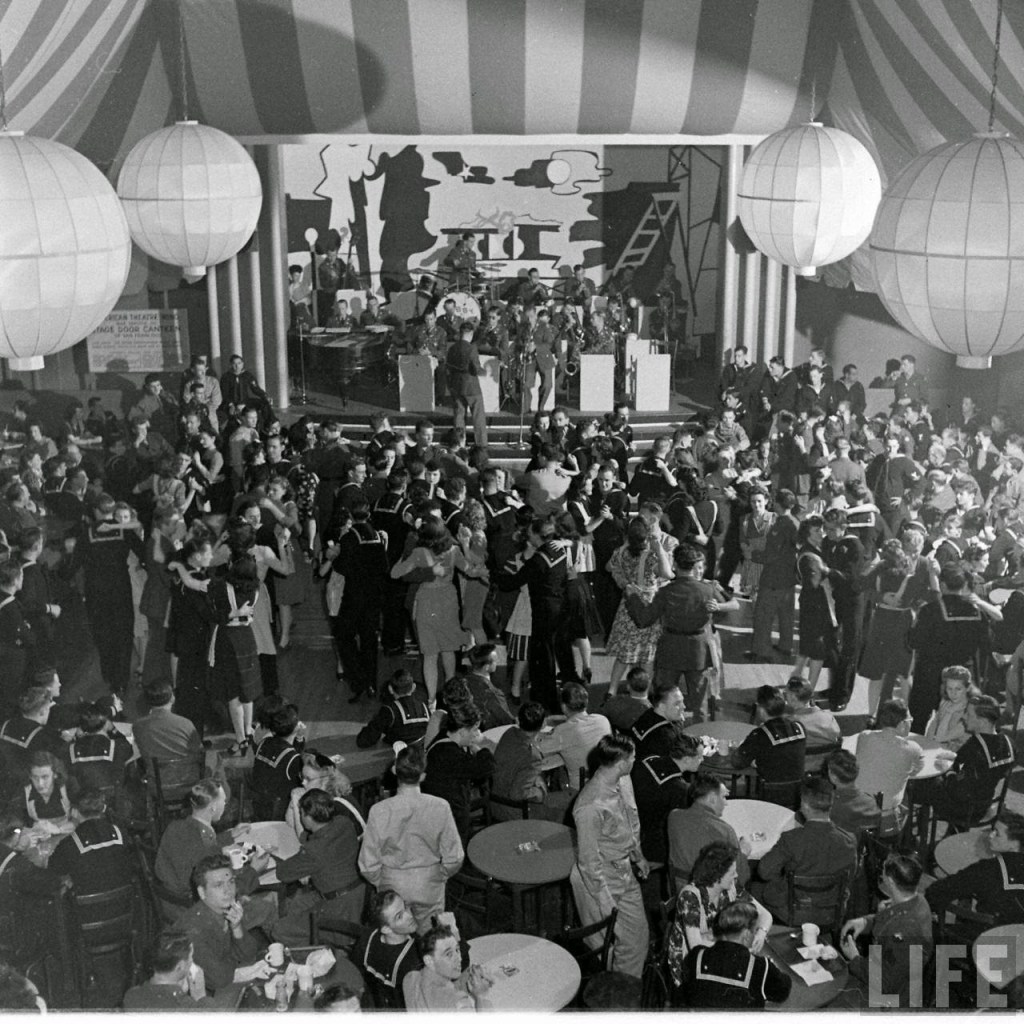
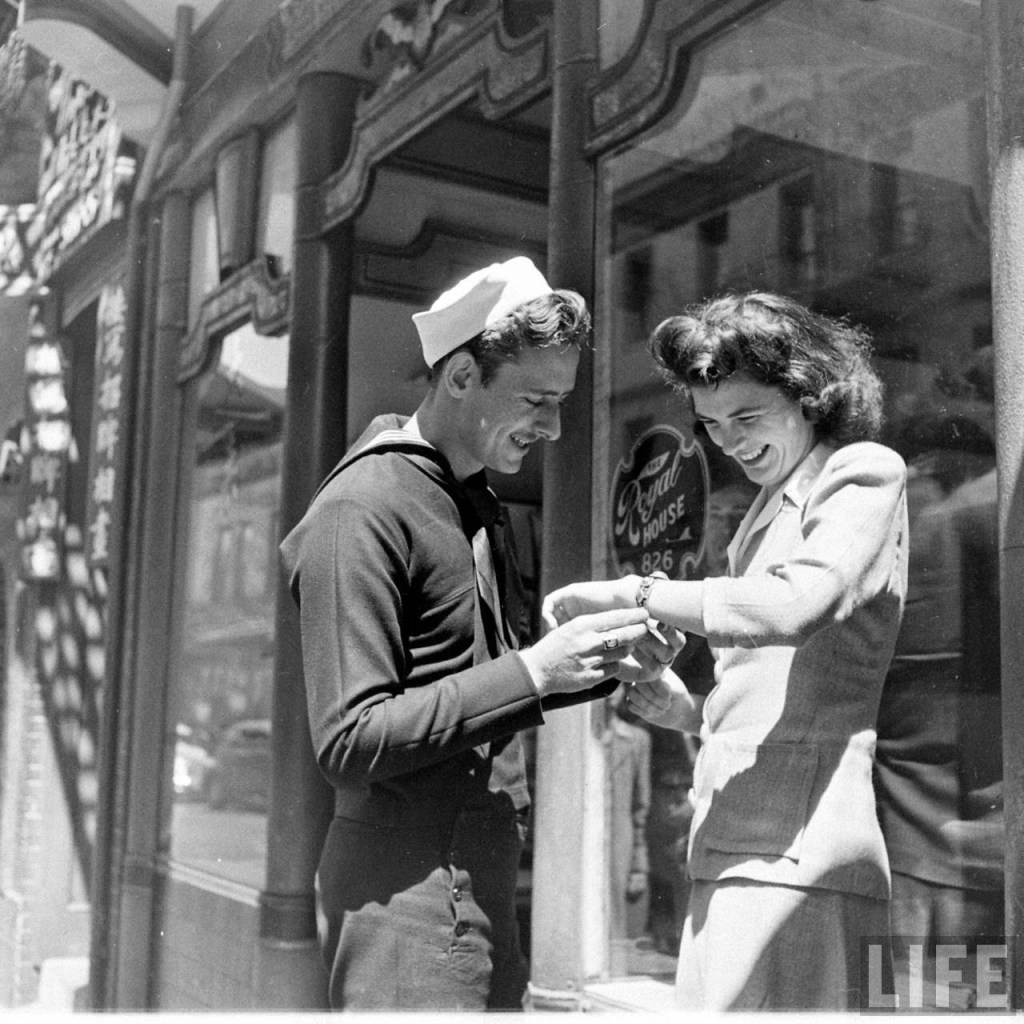
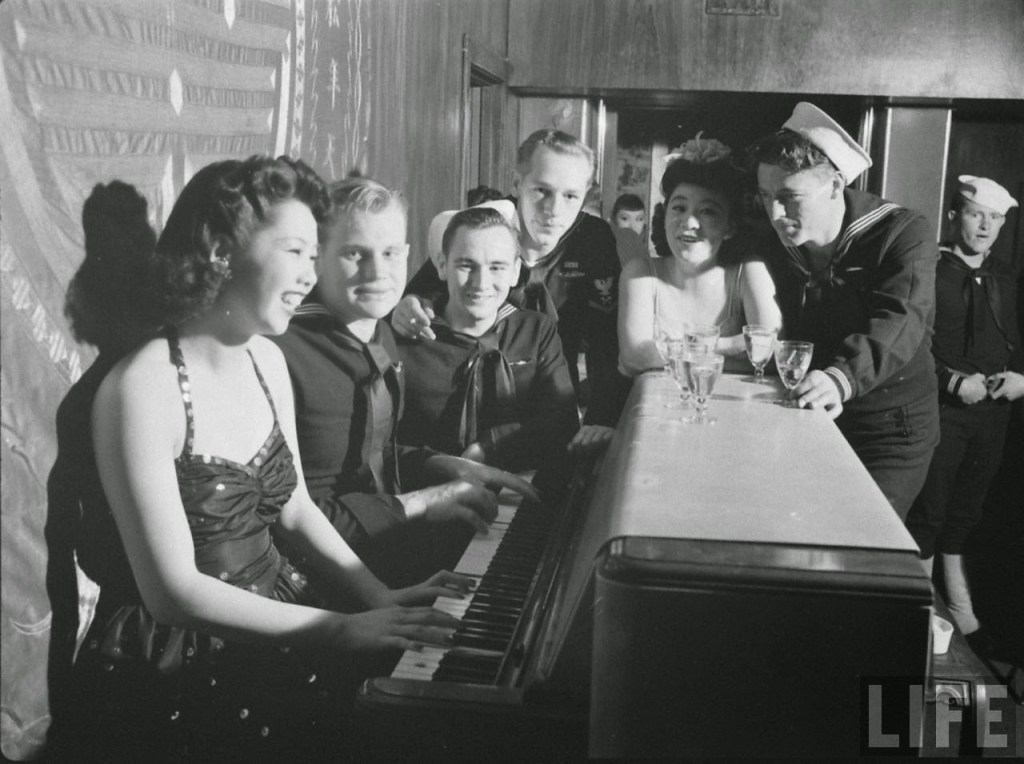
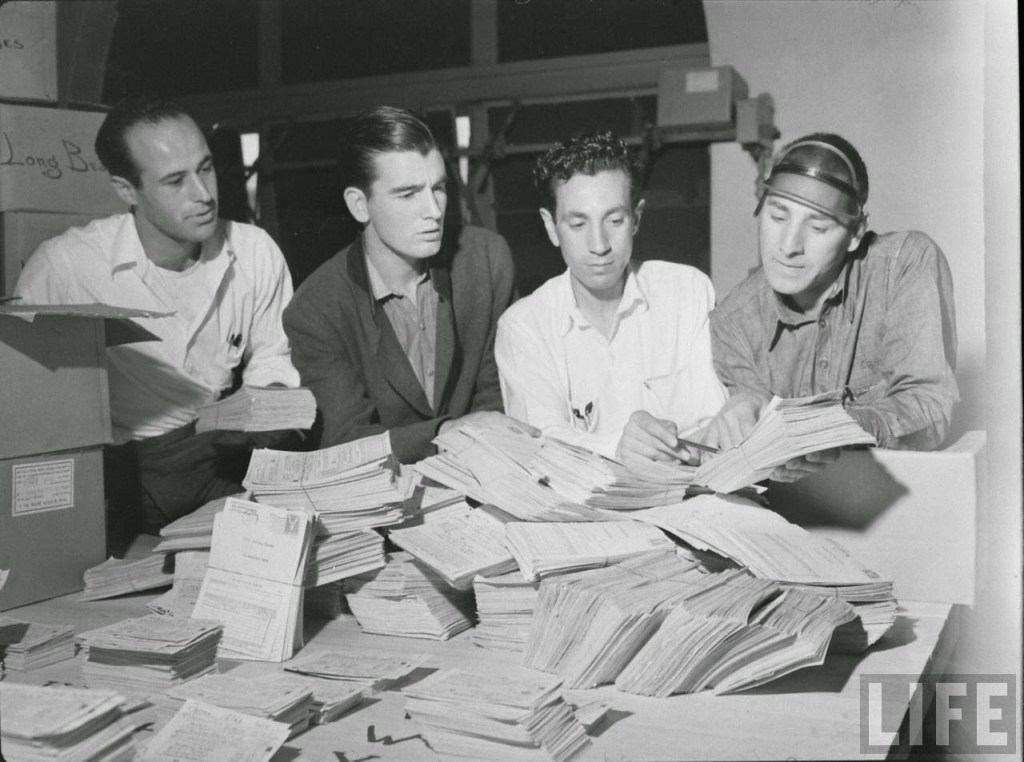
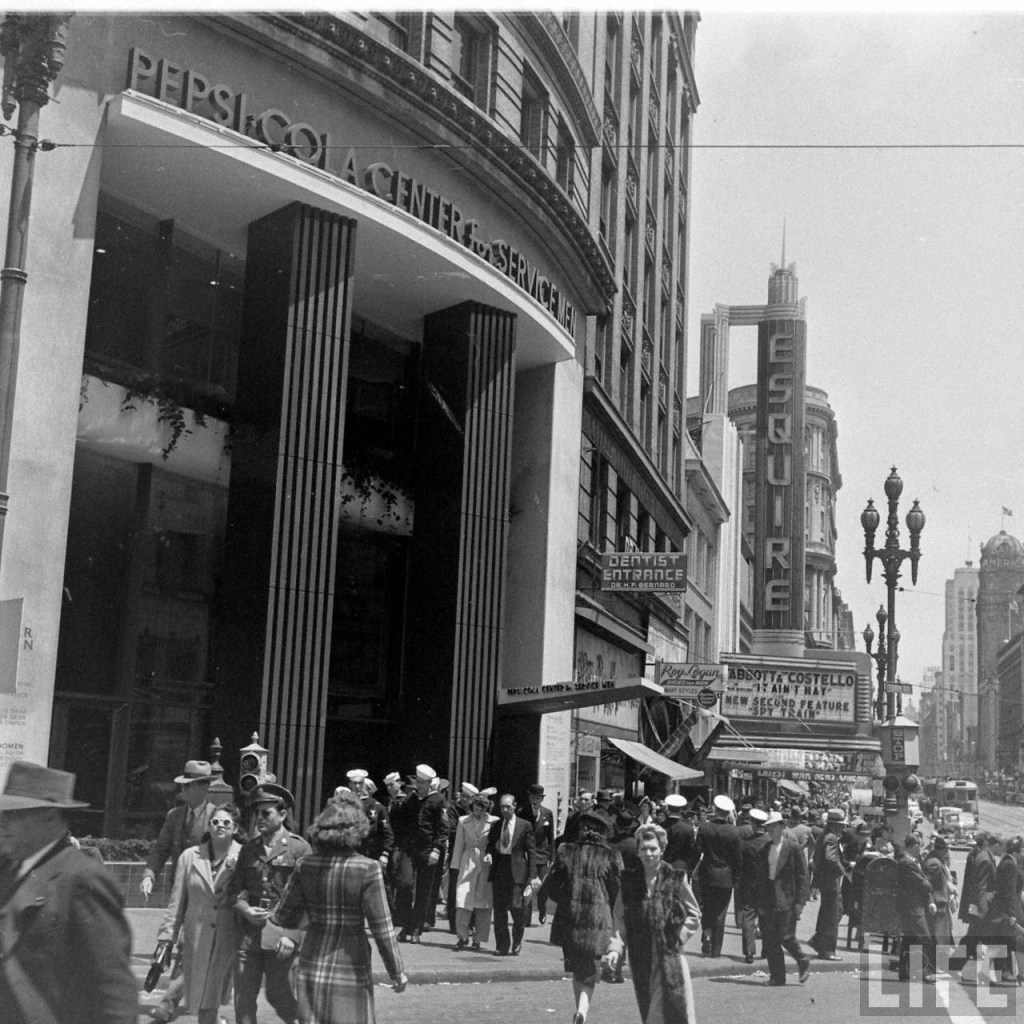
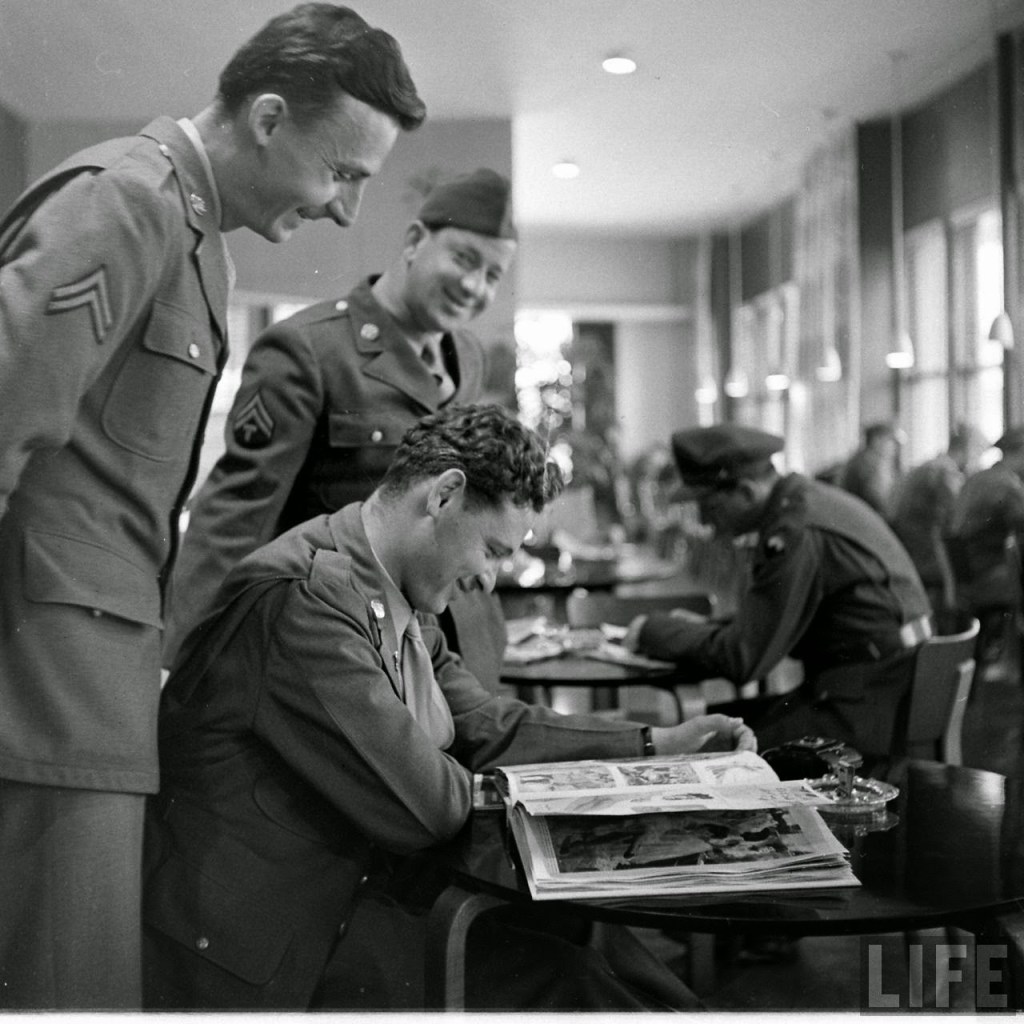
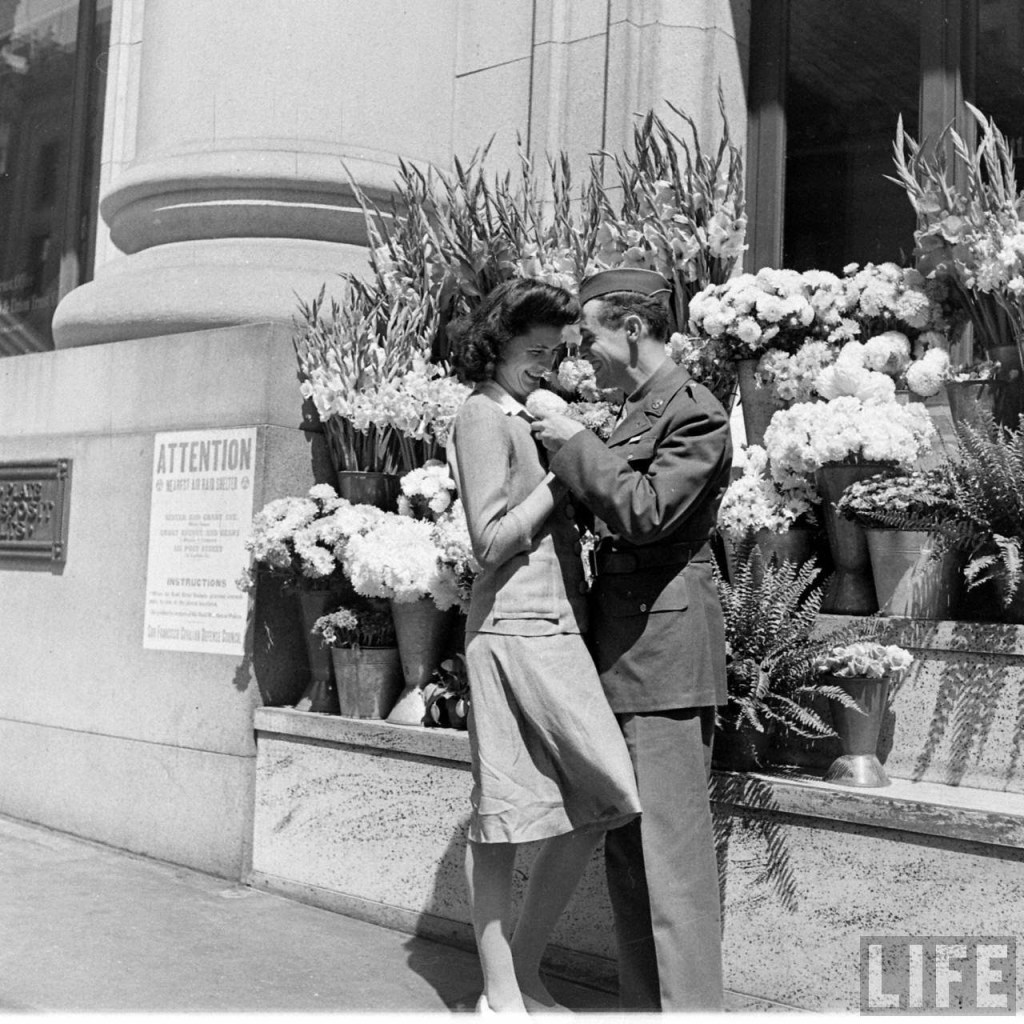
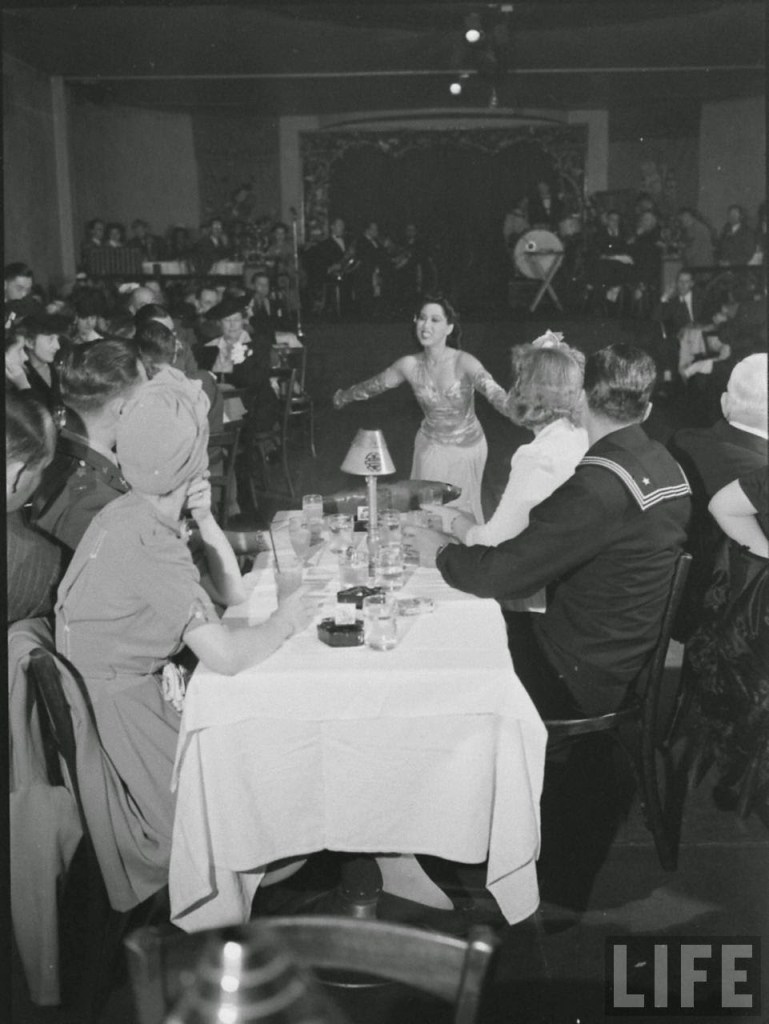
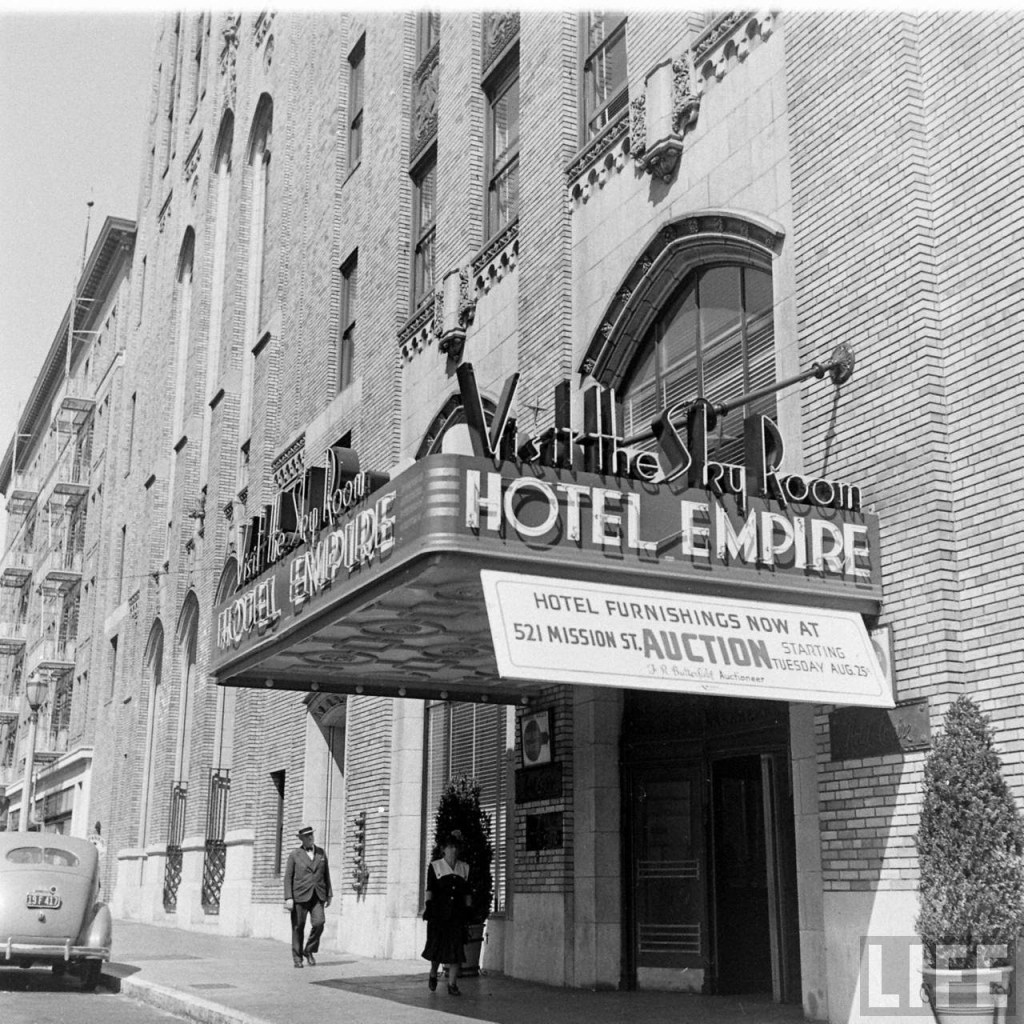
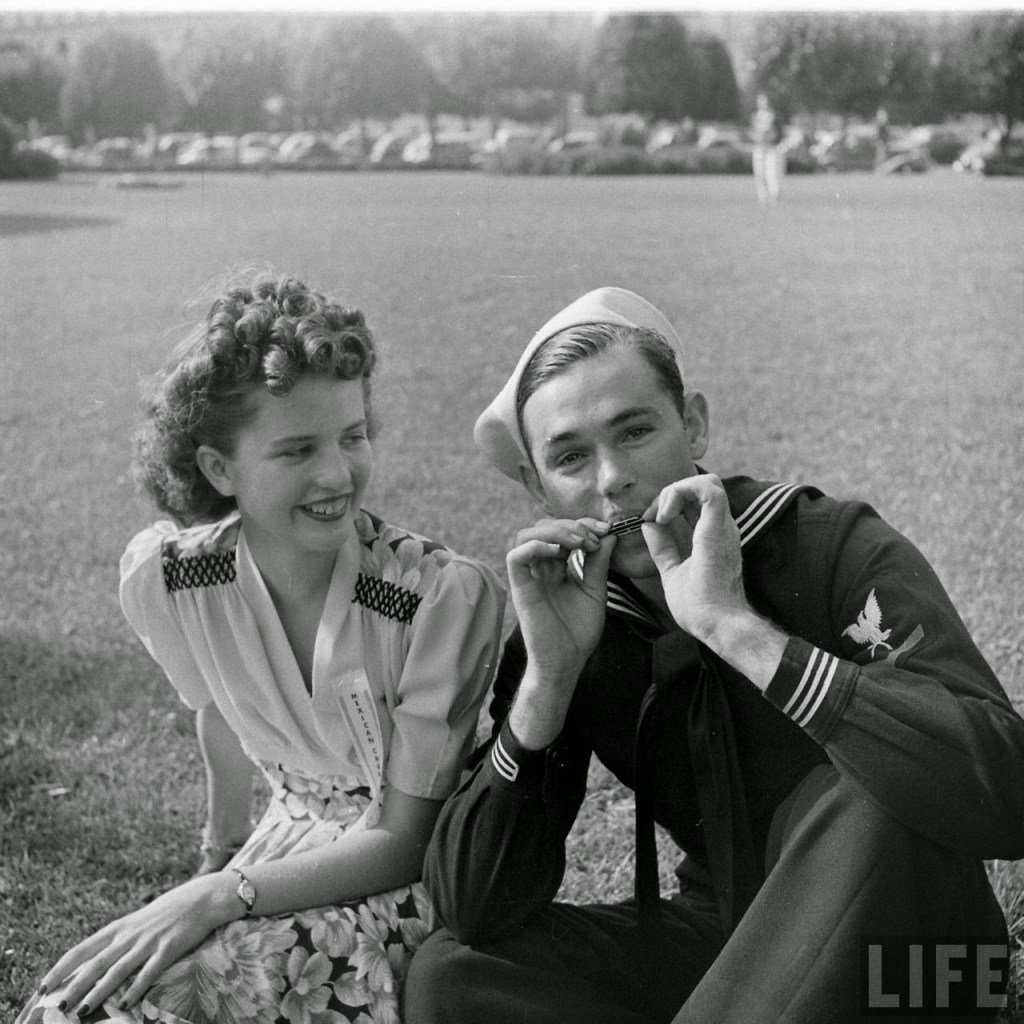
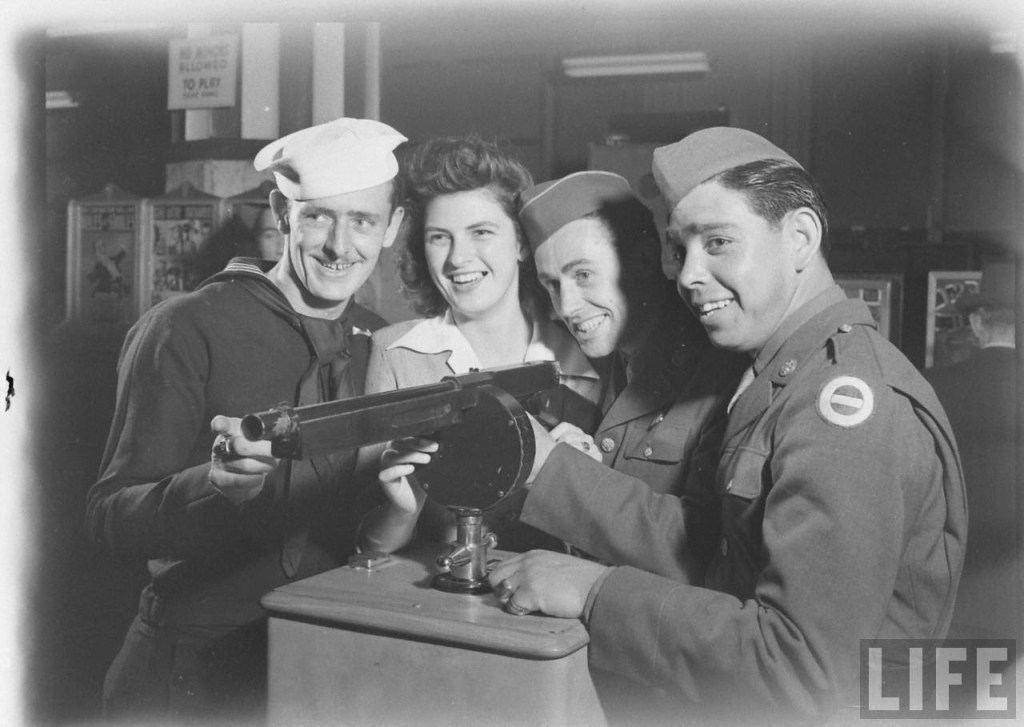
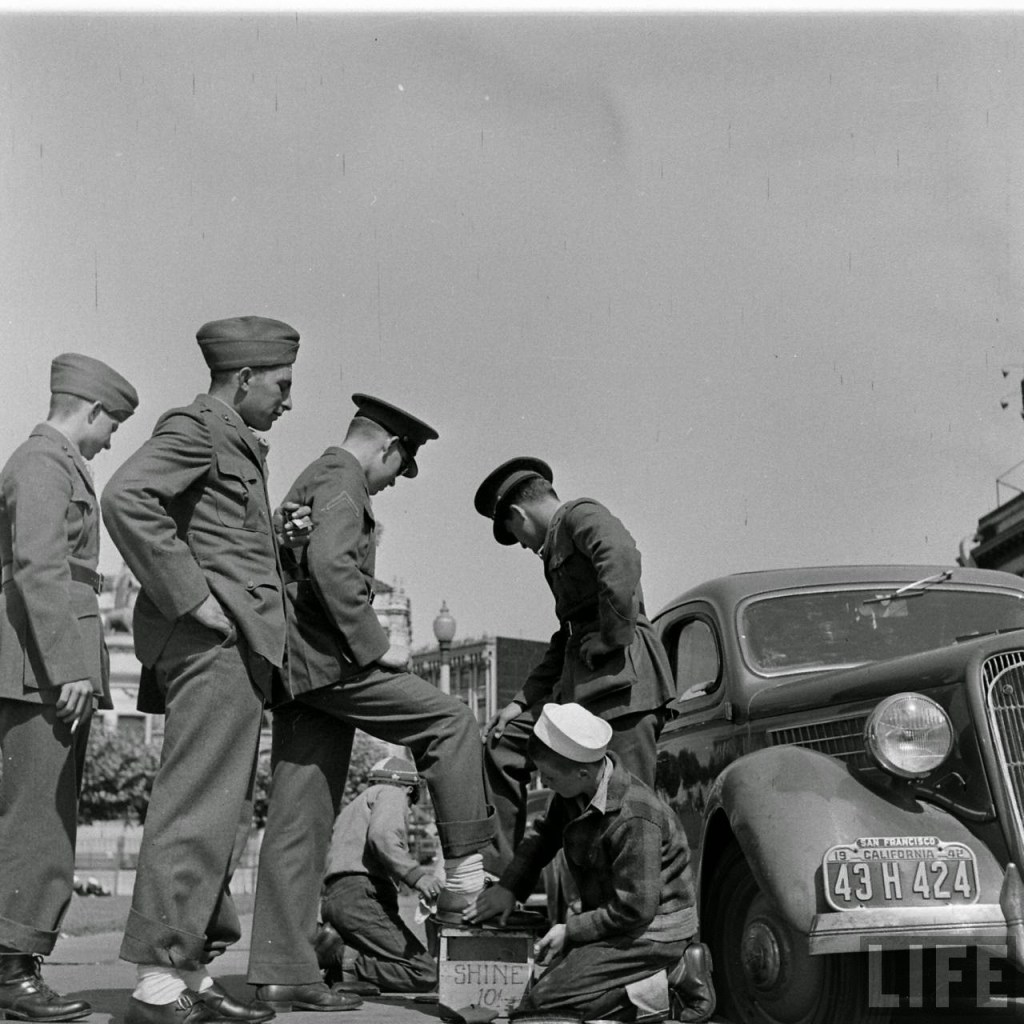
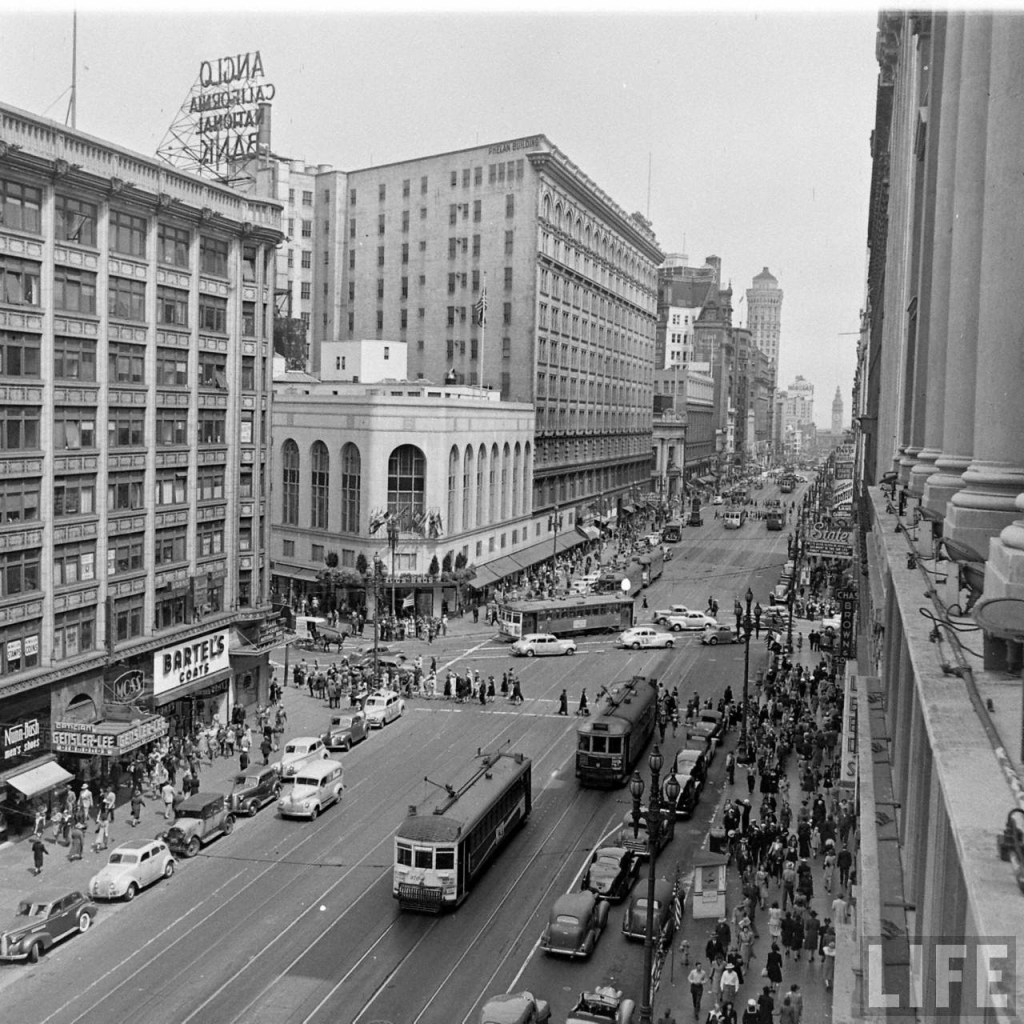
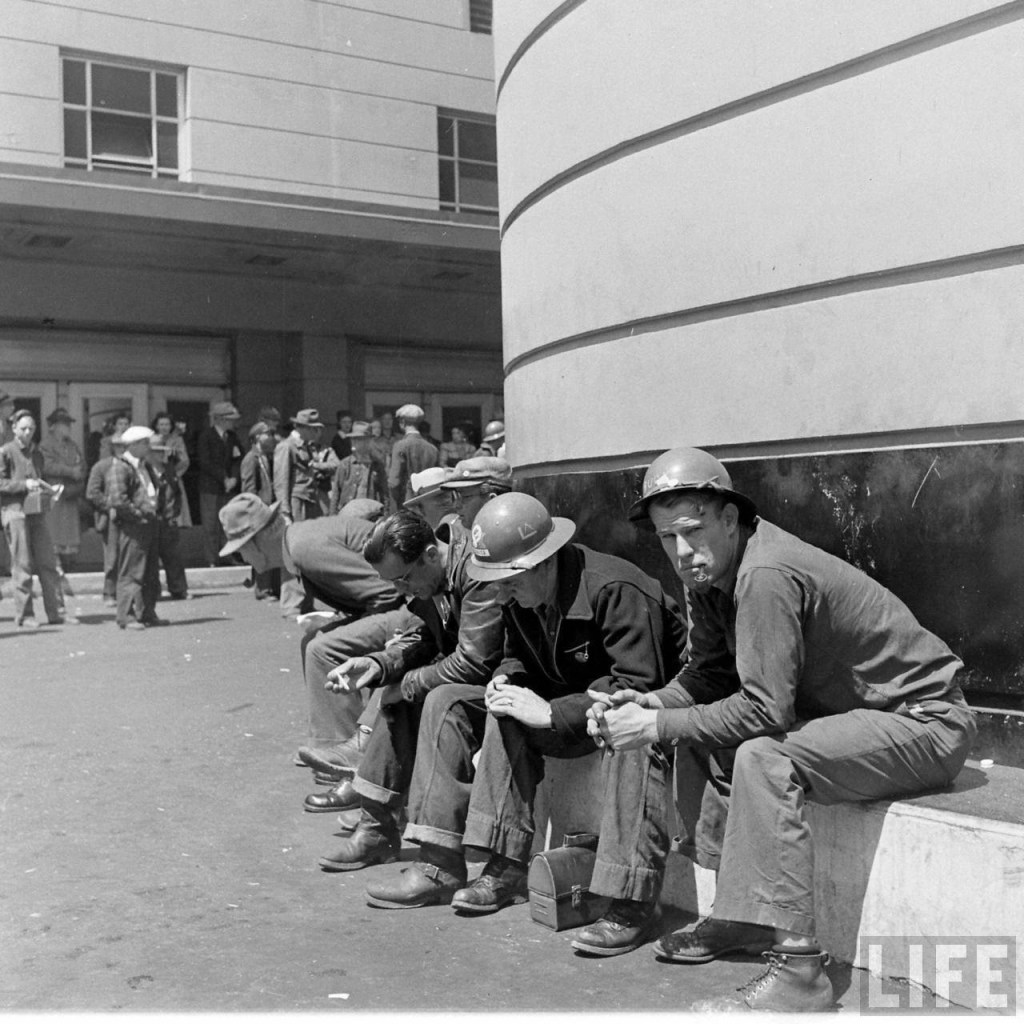
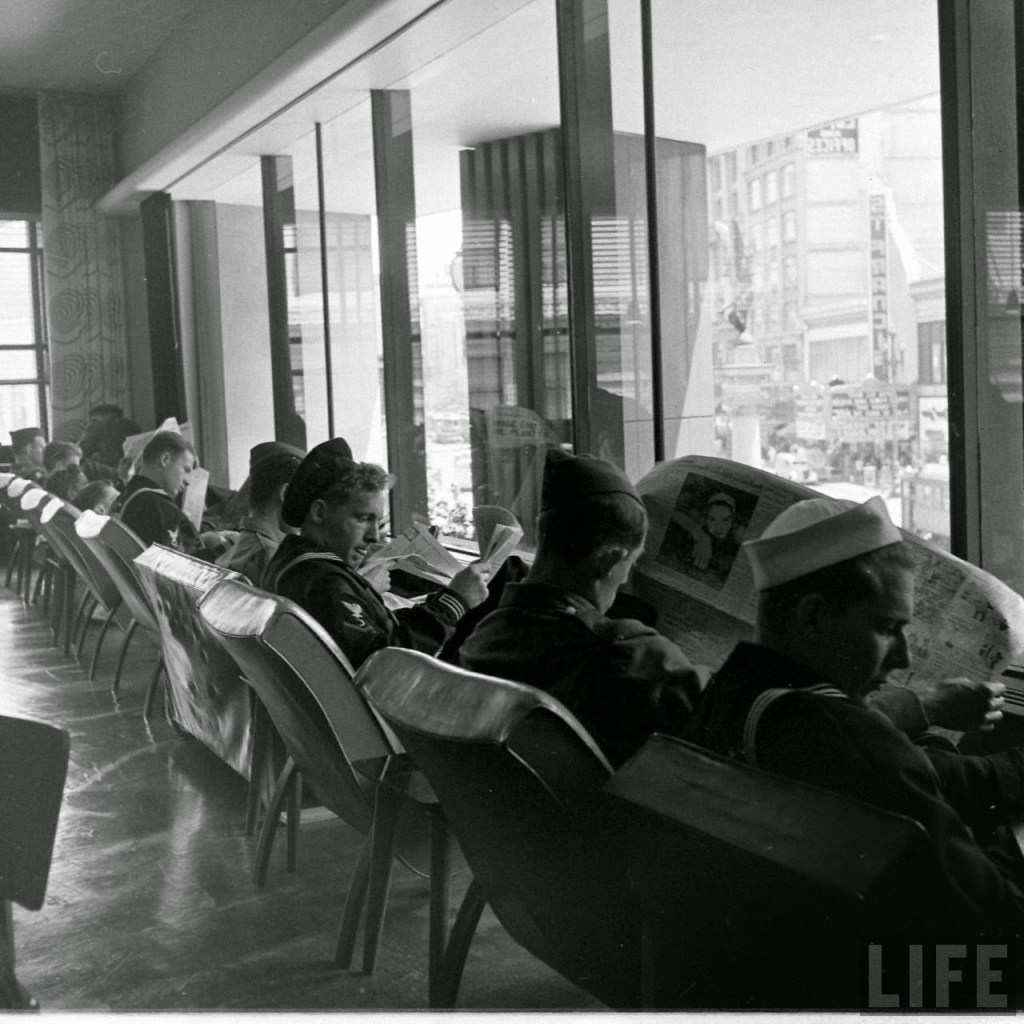
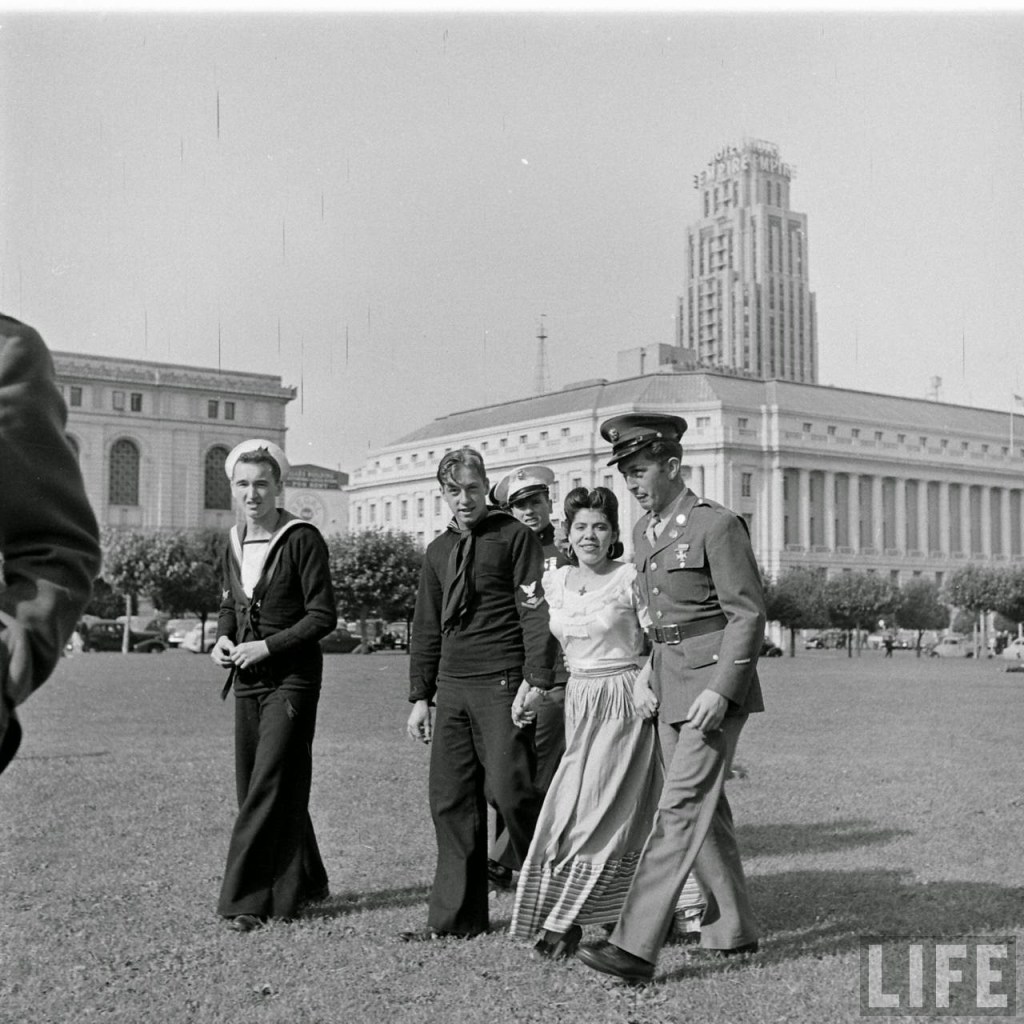
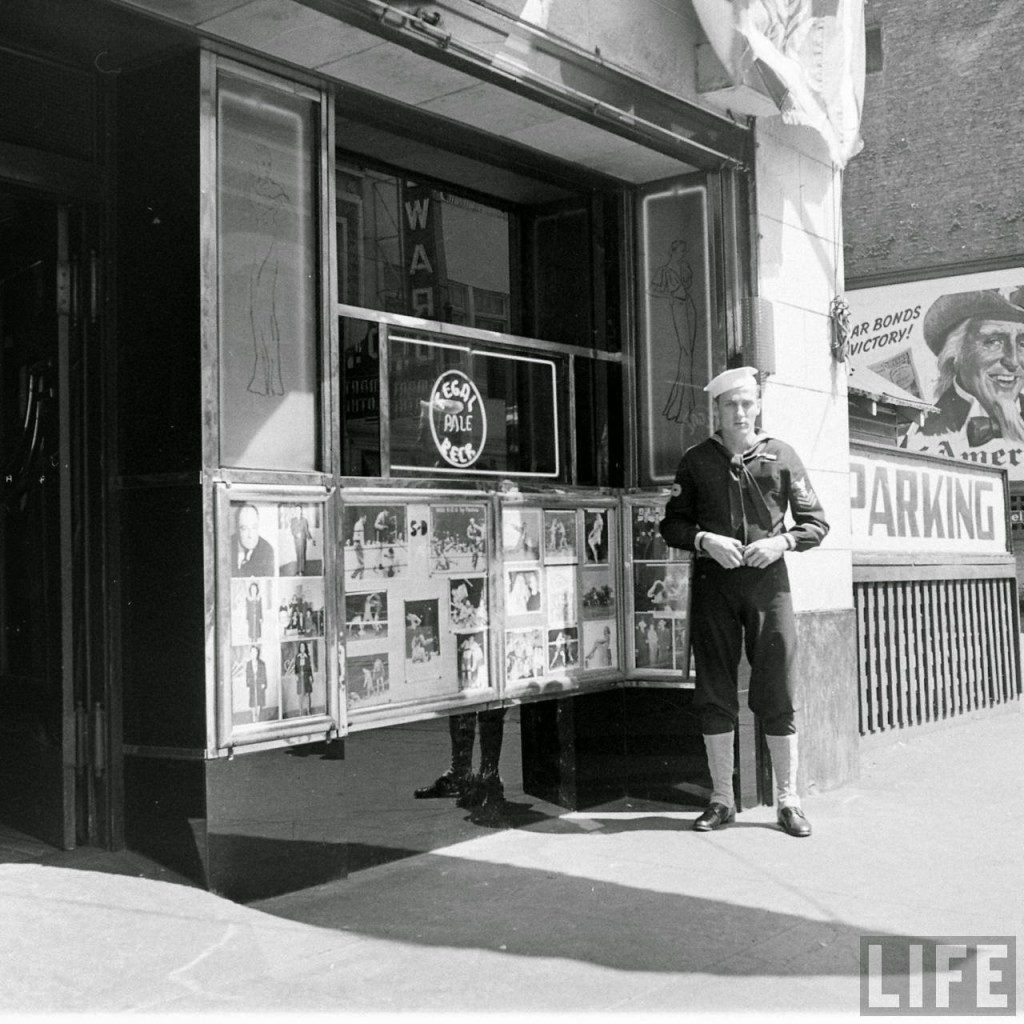
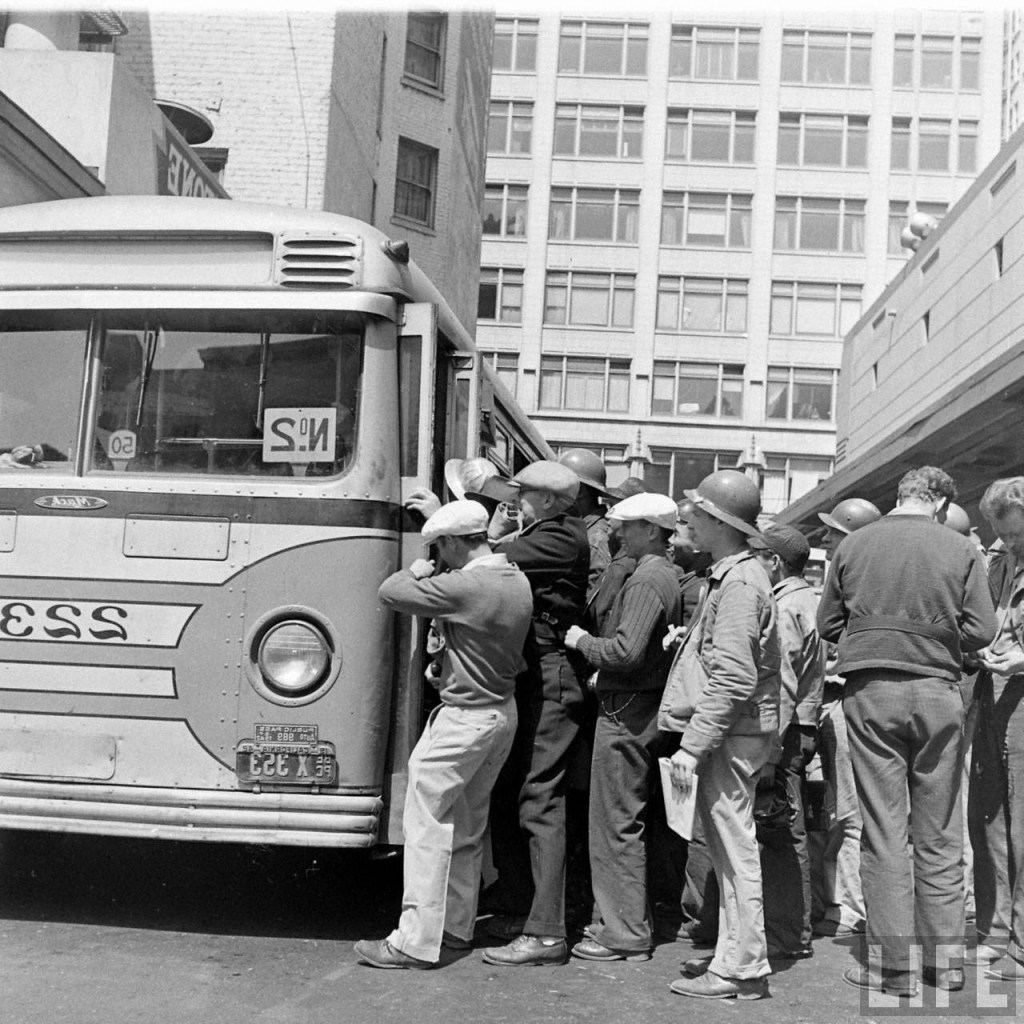
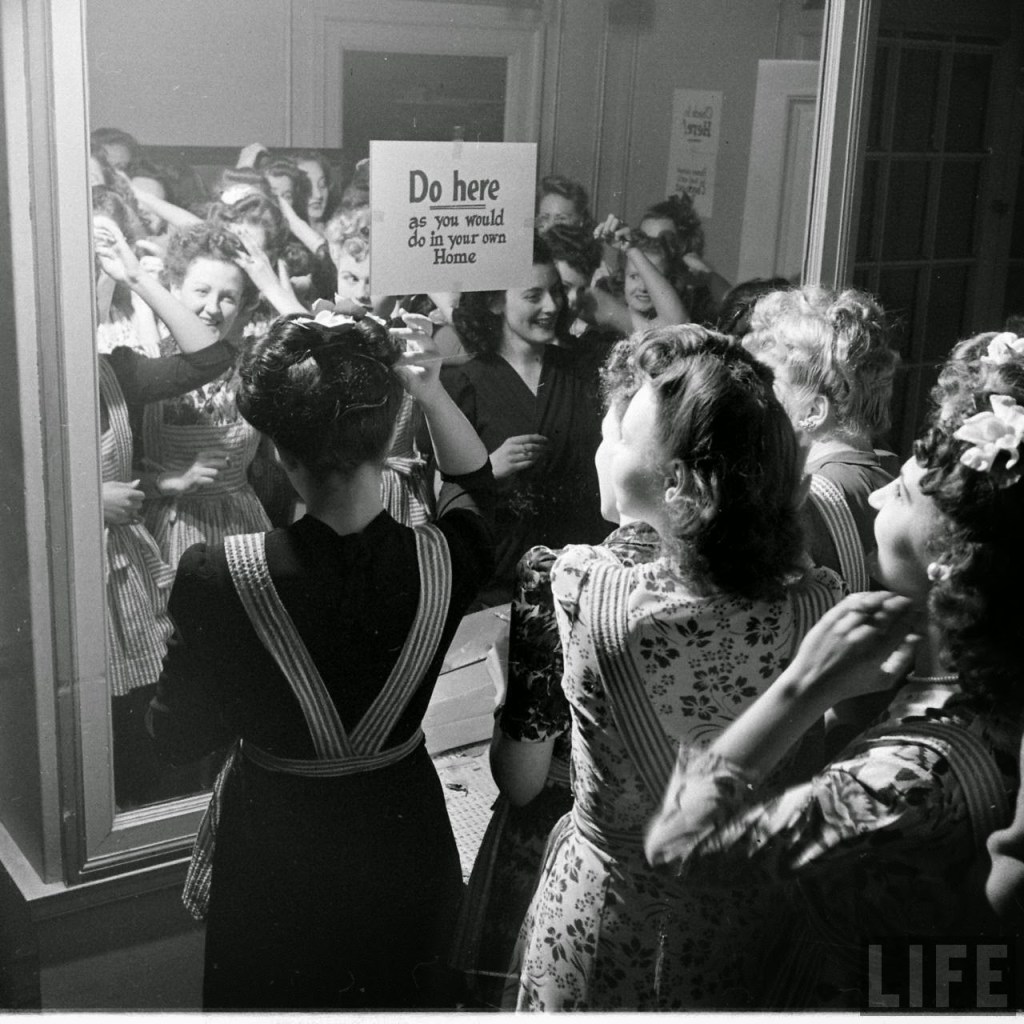
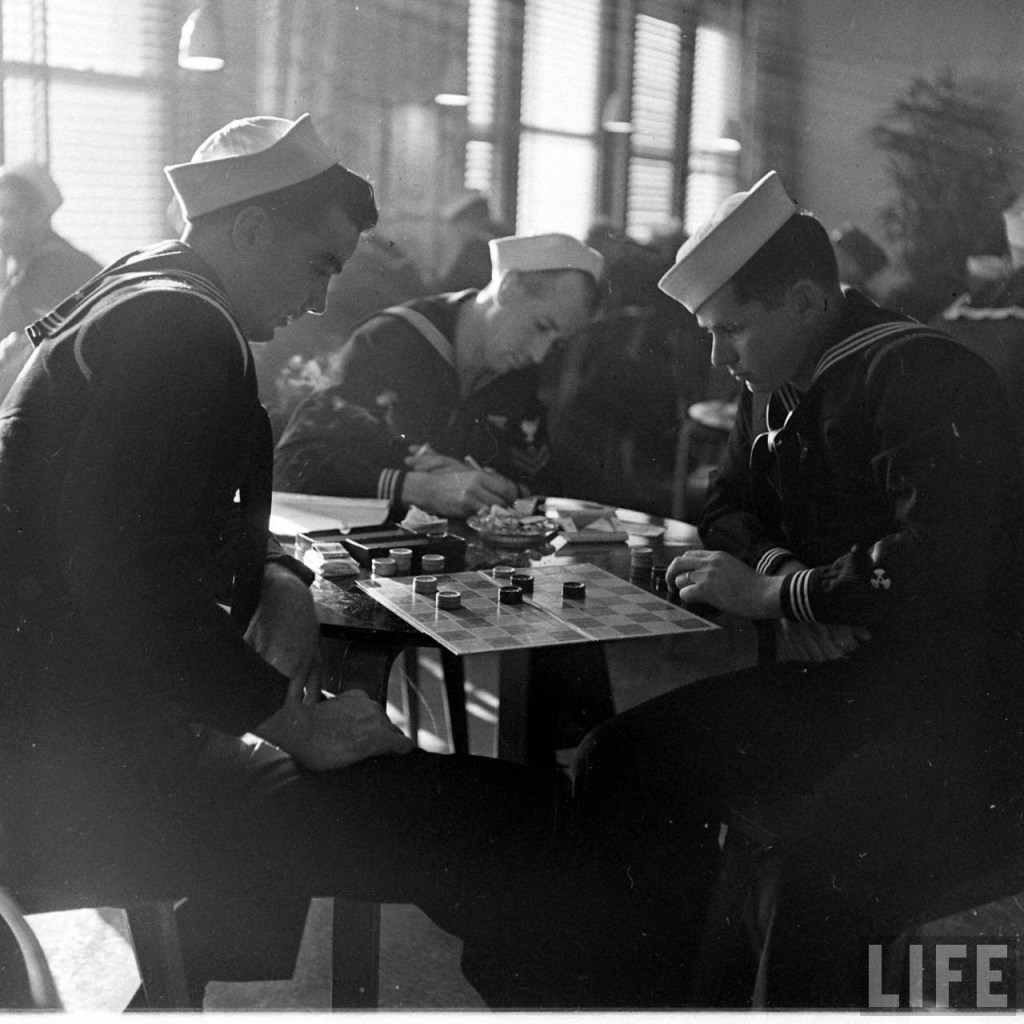
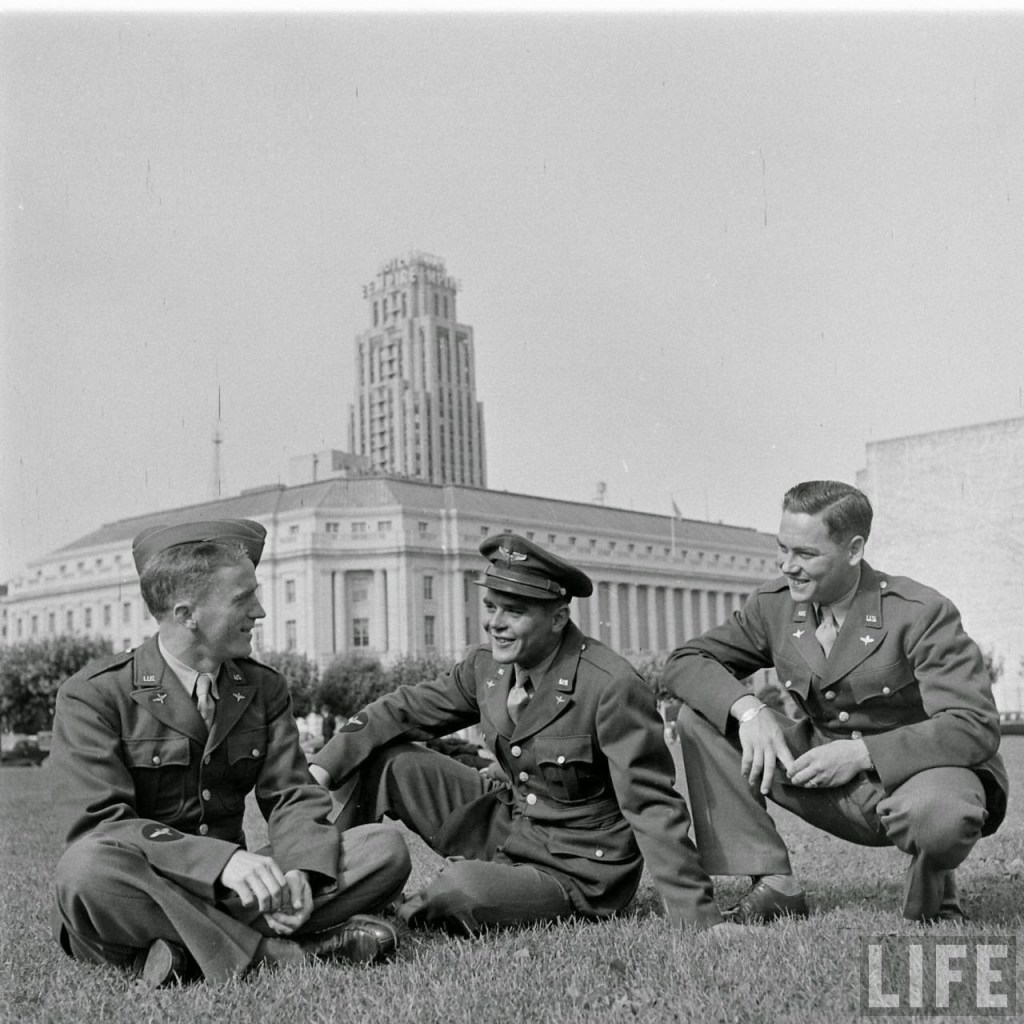
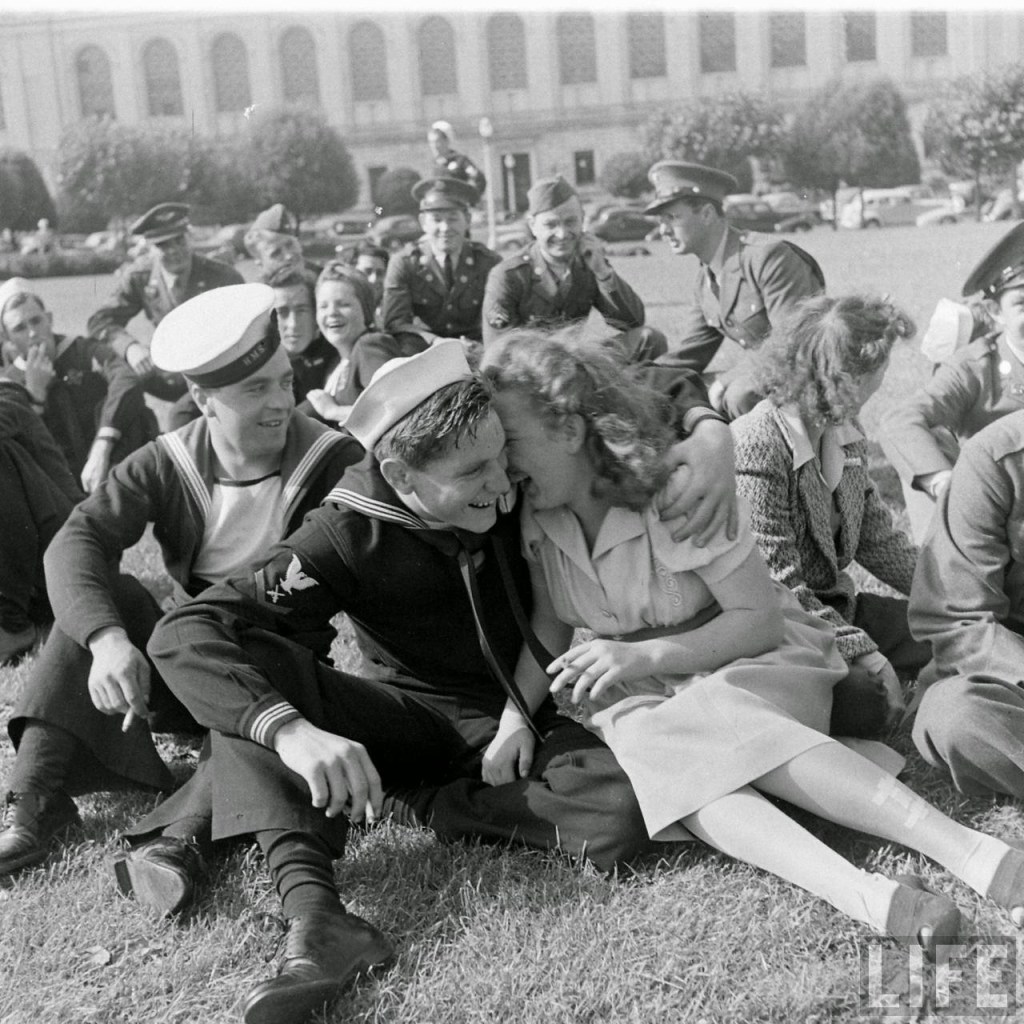
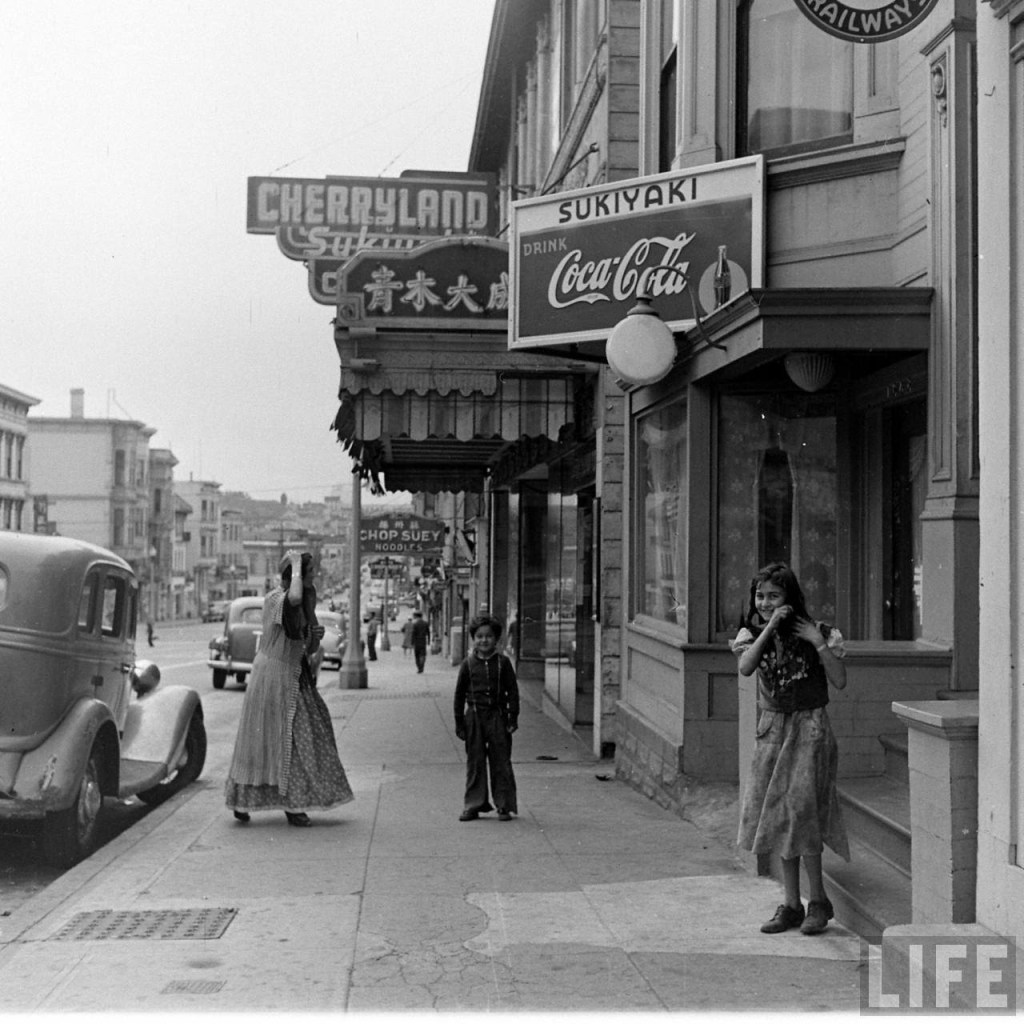
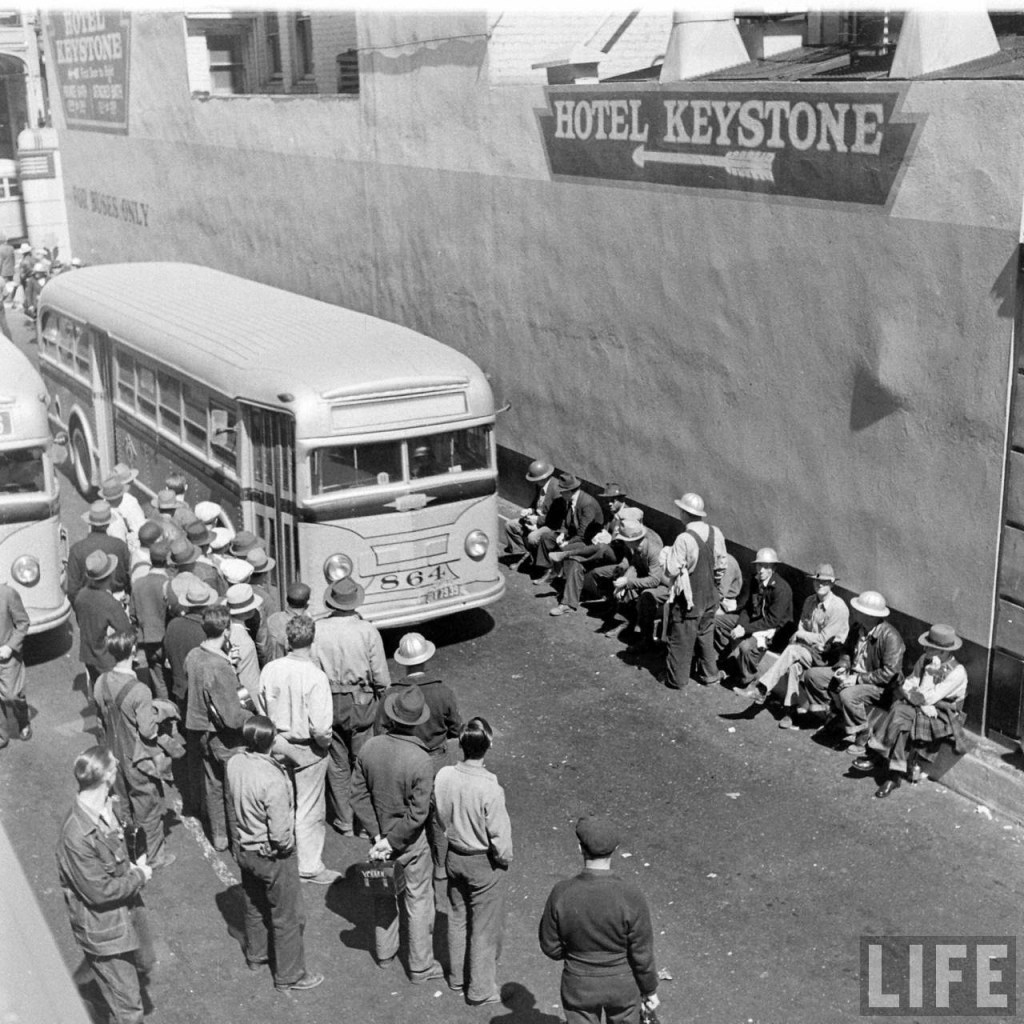
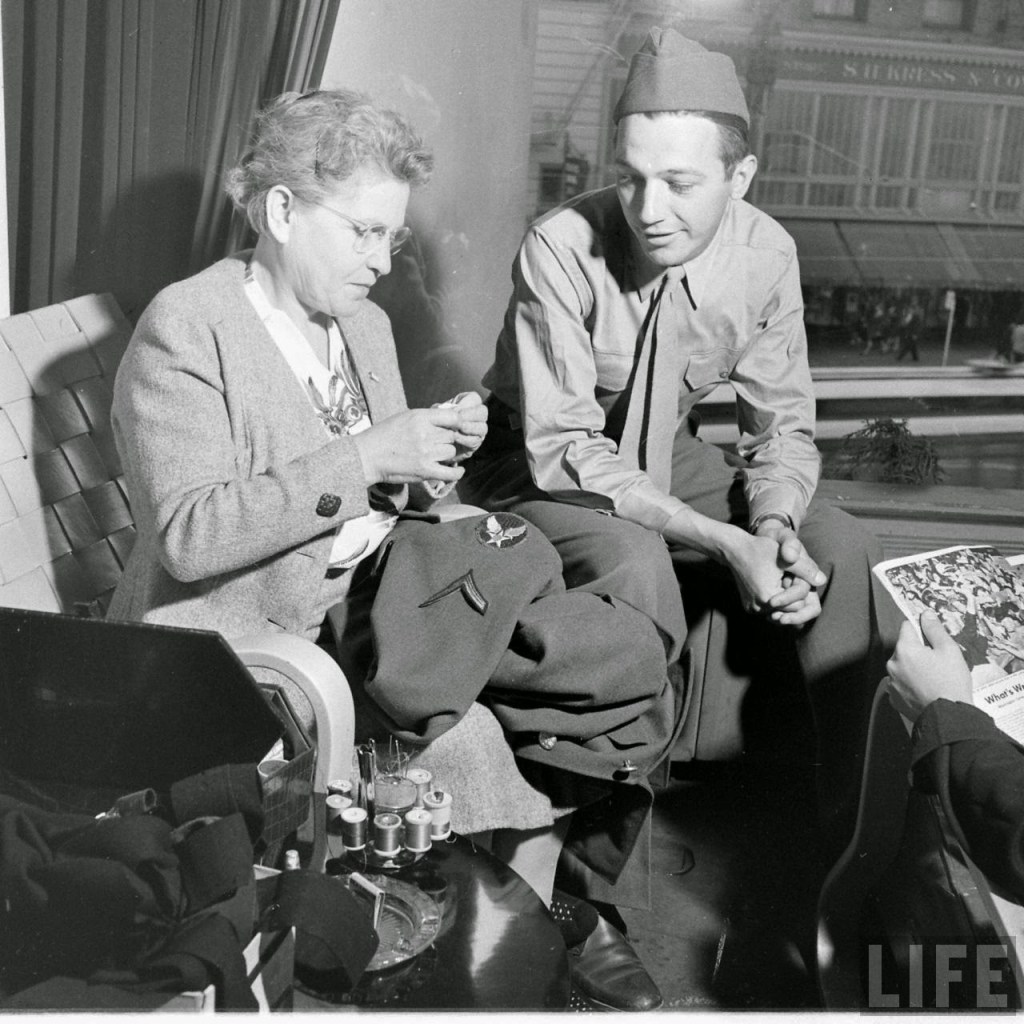
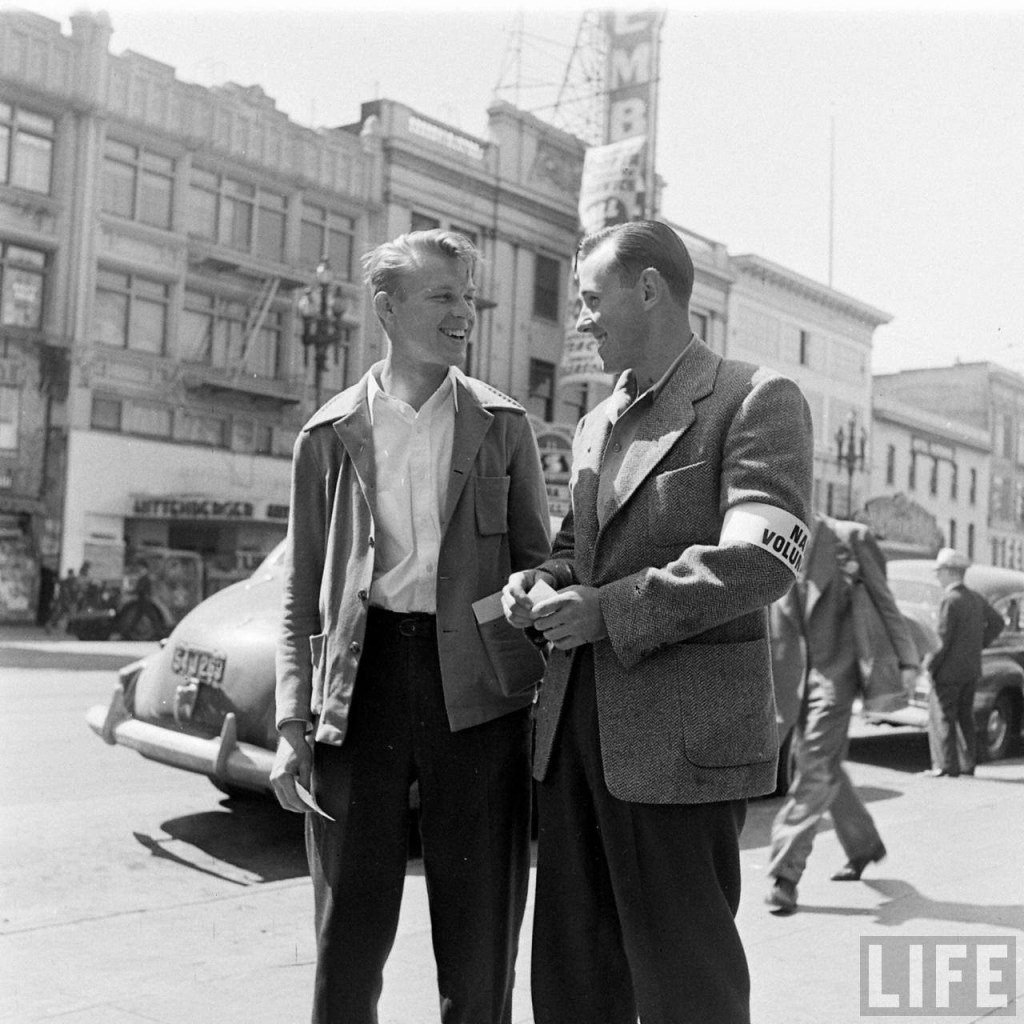
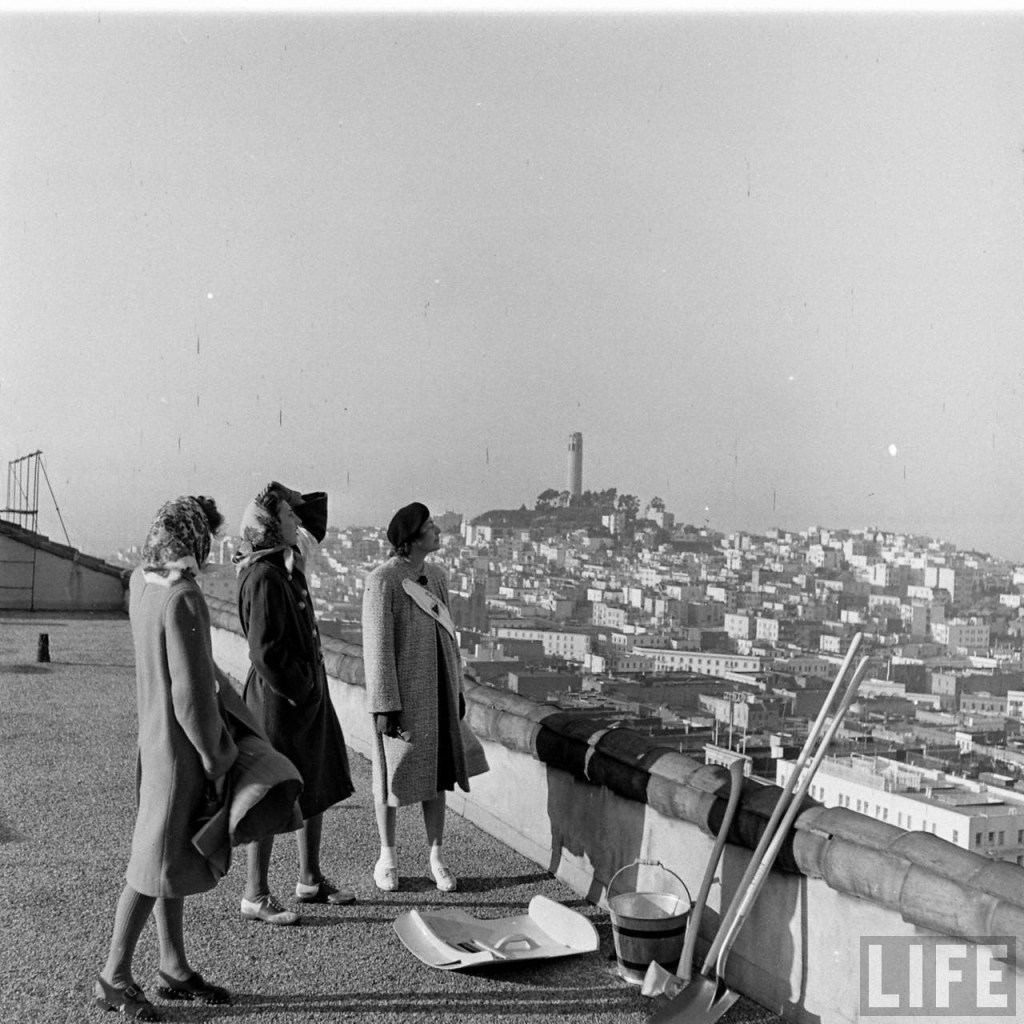
Here’s a collection of interesting black and white photographs of daily life in San Francisco during wartime. All photographs were taken by LIFE photographer Meith Hagel in 1943.
Norfolk is an independent city in the Commonwealth of Virginia in the United States. It is the second-most populous city in Virginia after neighboring Virginia Beach.
Norfolk is located at the core of the Hampton Roads metropolitan area, named for the large natural harbor of the same name located at the mouth of Chesapeake Bay. It is one of nine cities and seven counties that constitute the Hampton Roads metro area, officially known as the Virginia Beach-Norfolk-Newport News, VA-NC MSA.
The city is bordered to the west by the Elizabeth River and to the north by the Chesapeake Bay. It also shares land borders with the independent cities of Chesapeake to its south and Virginia Beach to its east. Norfolk is one of the oldest cities in Hampton Roads, and is considered to be the historic, urban, financial, and cultural center of the region.
As the city is bordered by multiple bodies of water, Norfolk has many miles of riverfront and bayfront property, including beaches on the Chesapeake Bay. It is linked to its neighbors by an extensive network of Interstate highways, bridges, tunnels, and three bridge-tunnel complexes, which are the only bridge-tunnels in the United States.
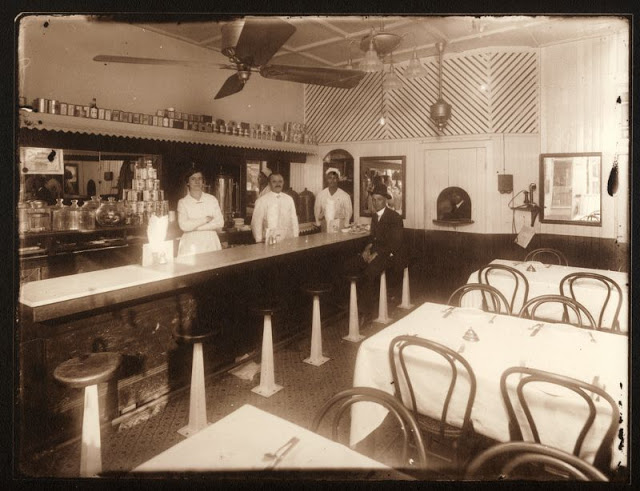
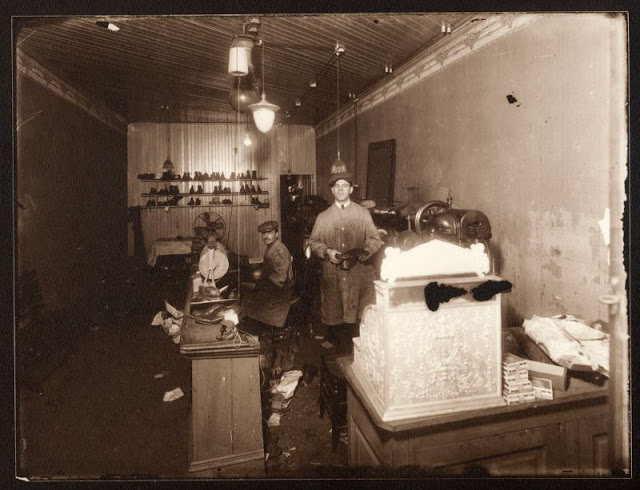
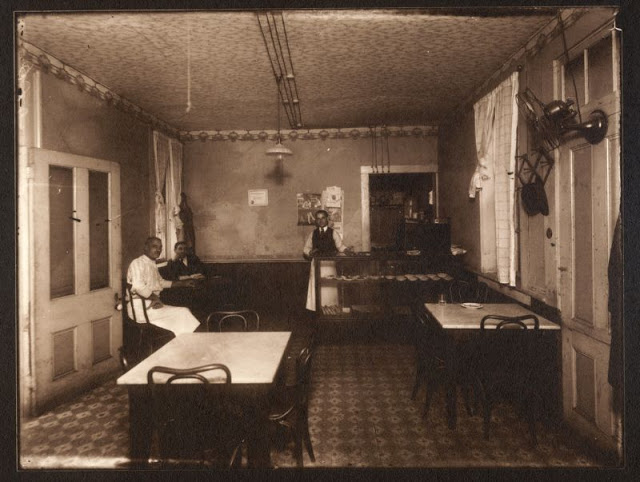
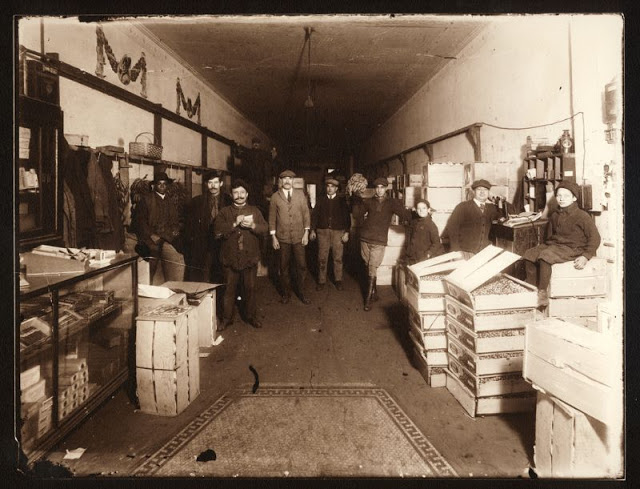
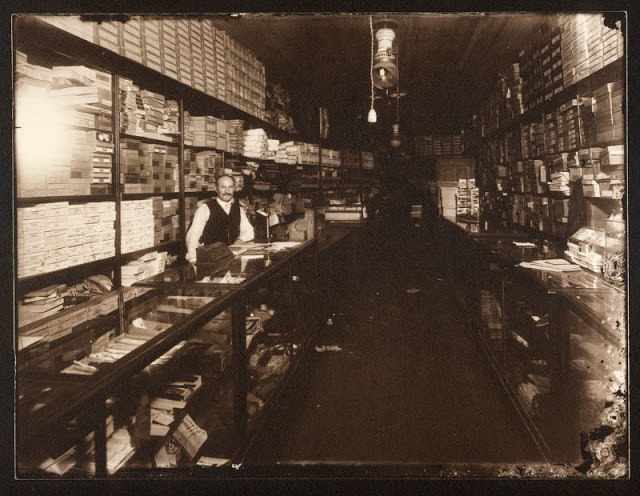
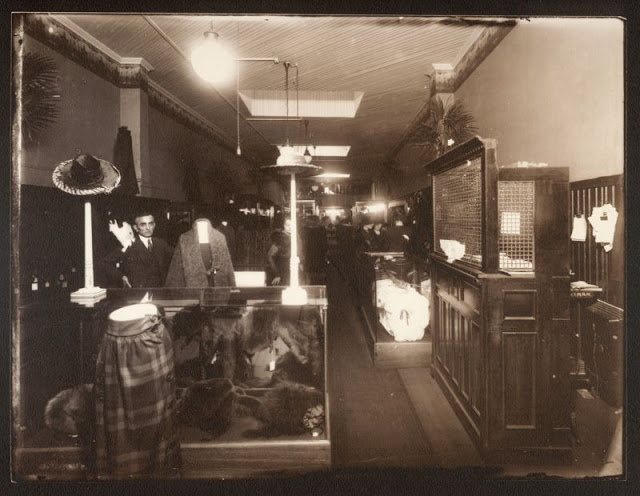
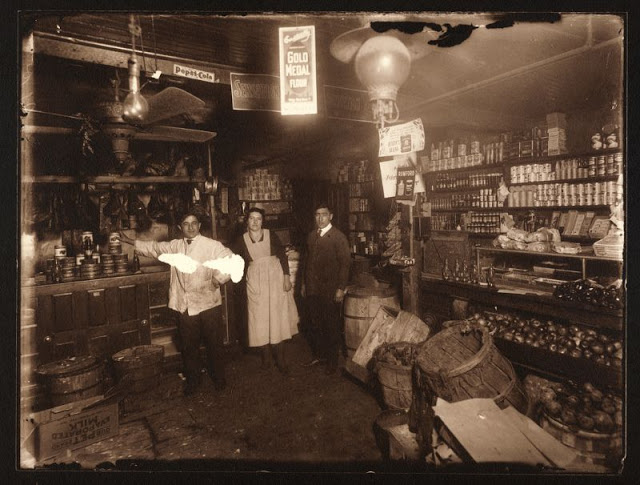
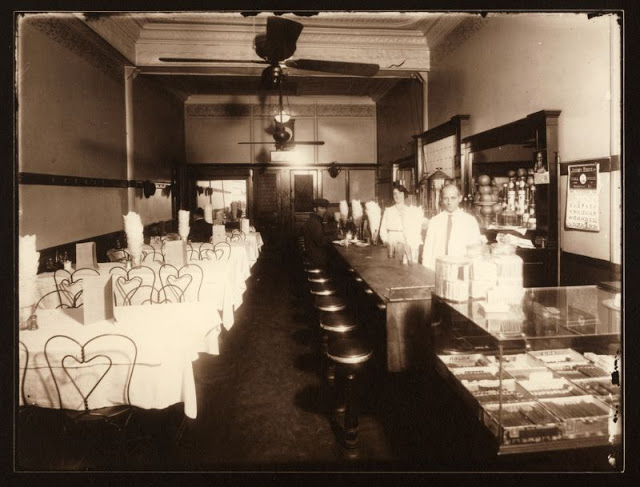
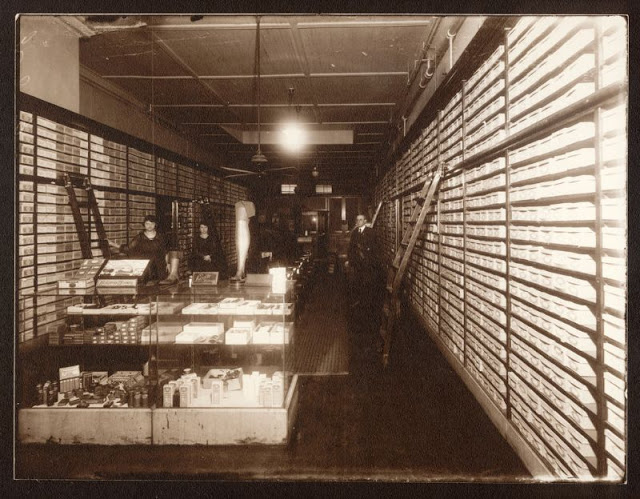
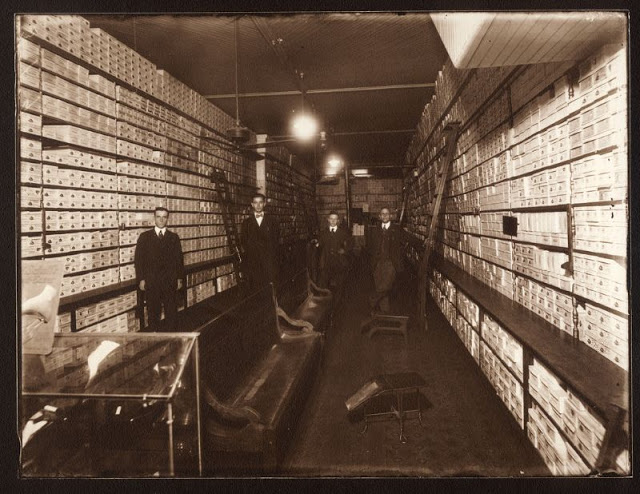
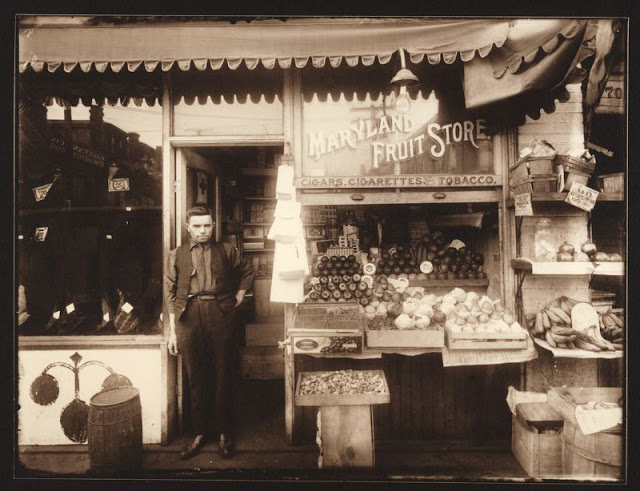
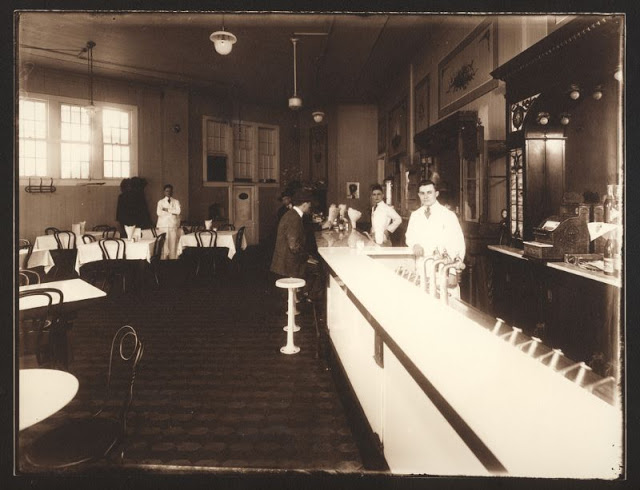
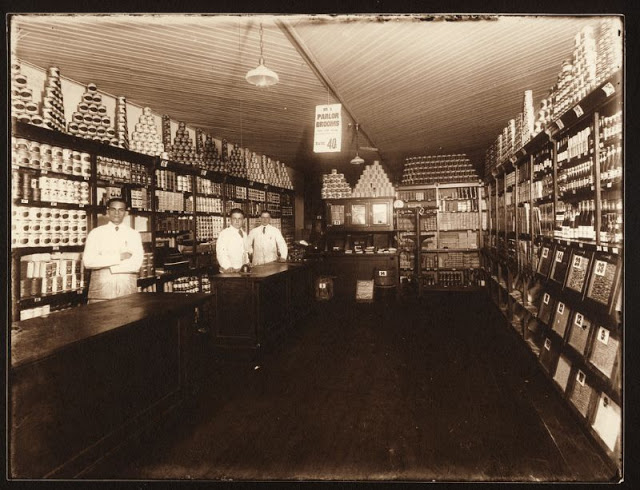
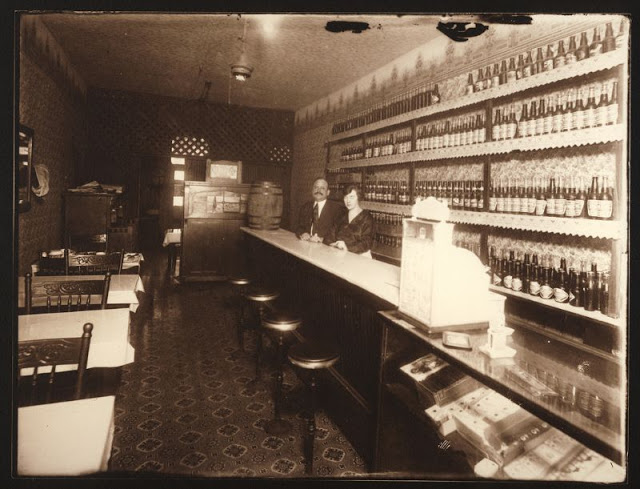
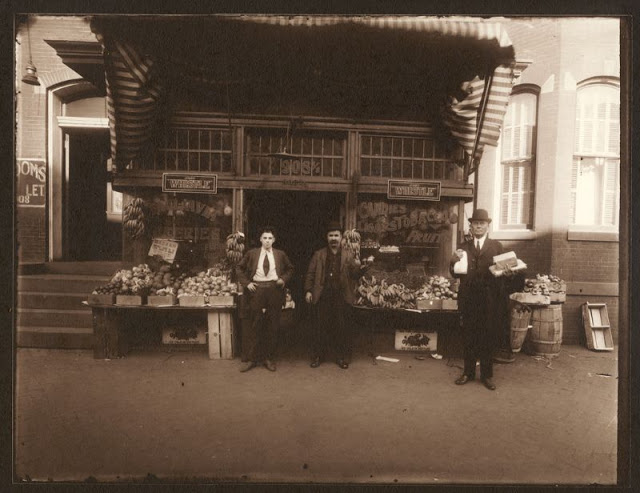
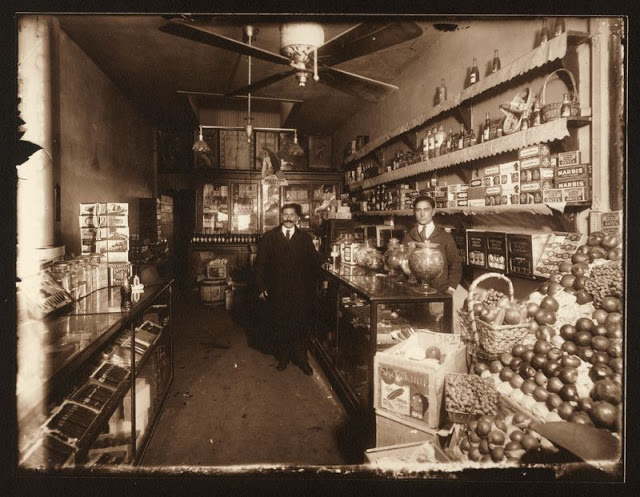
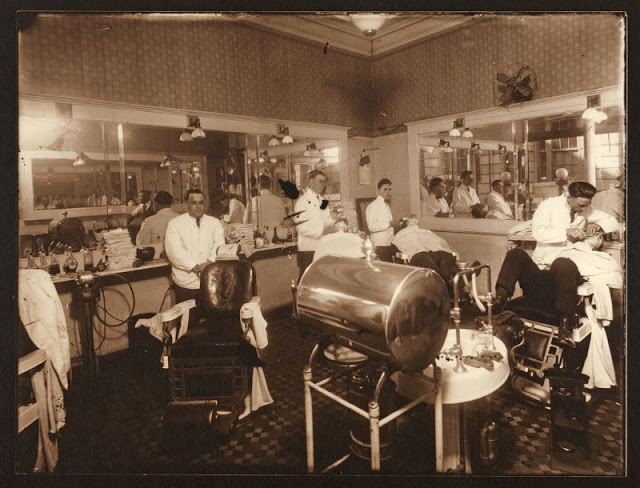
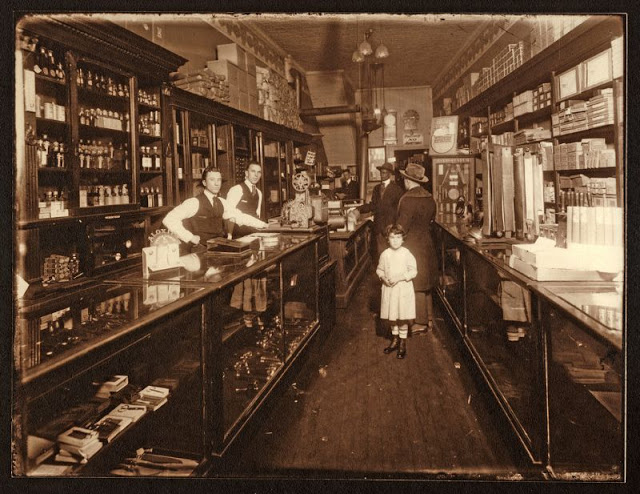
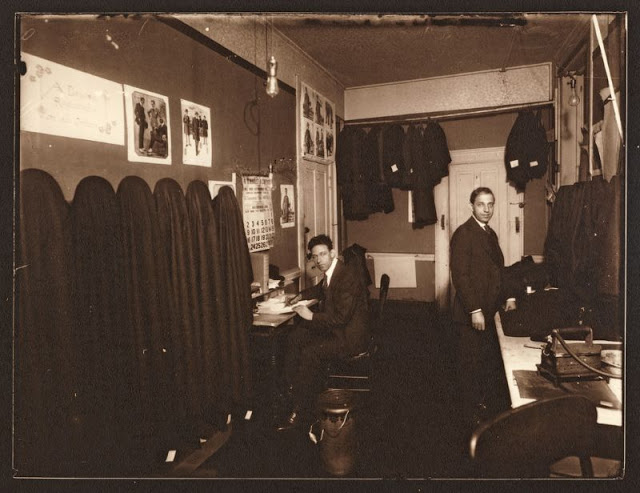
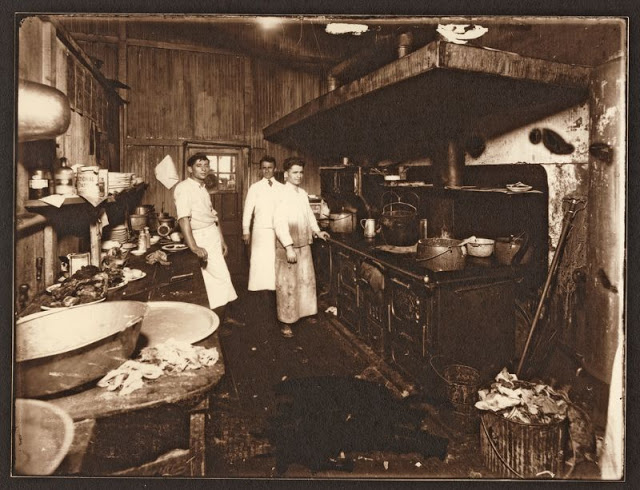
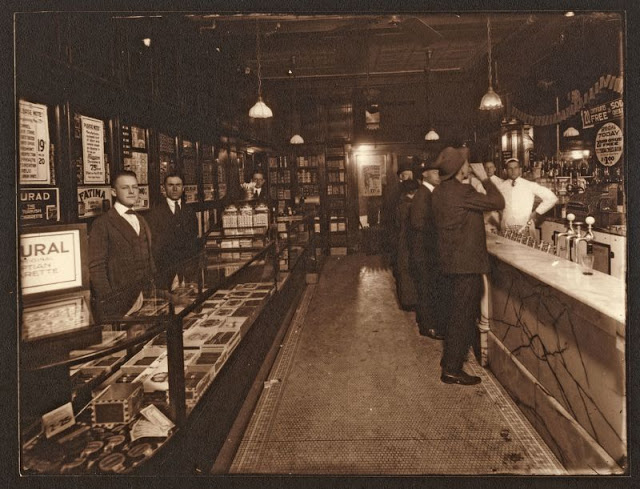
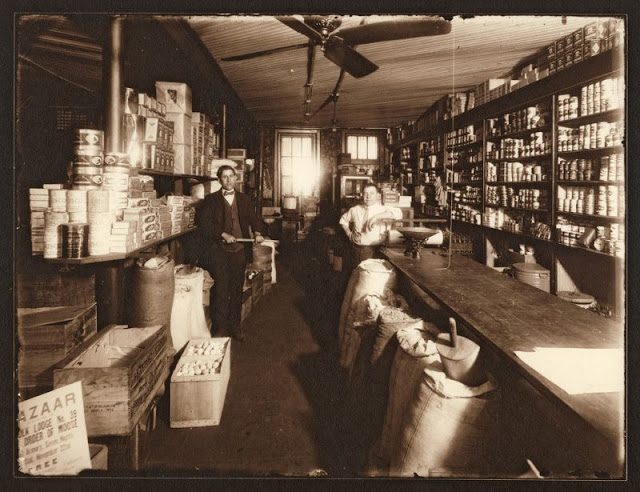
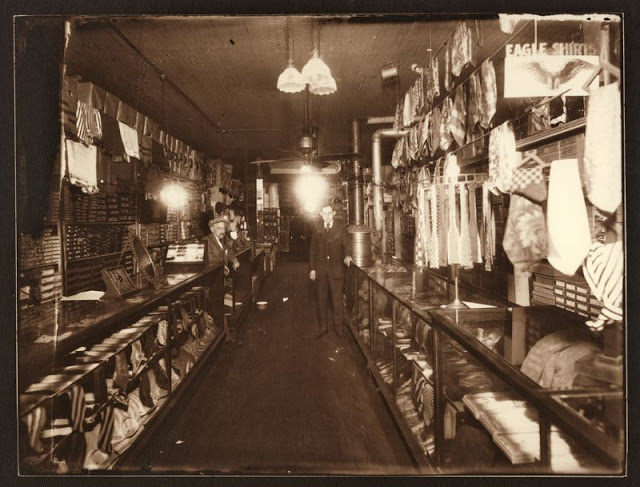
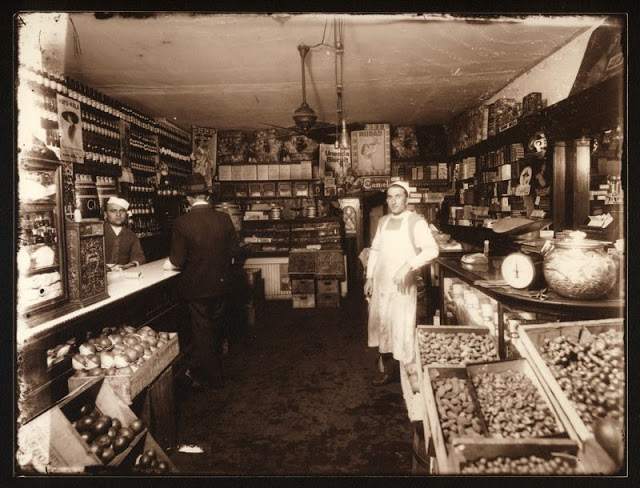
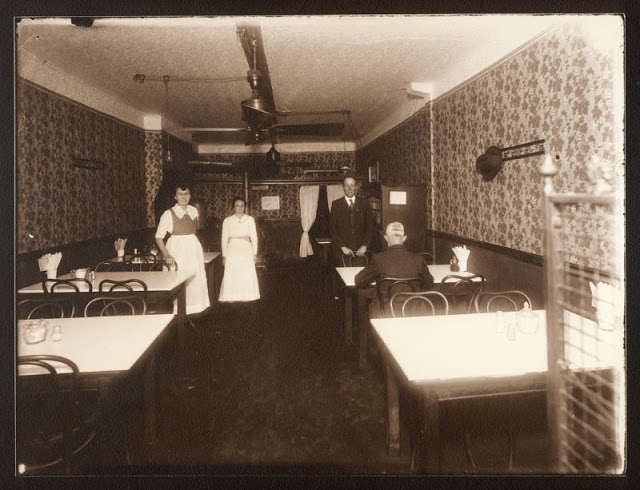
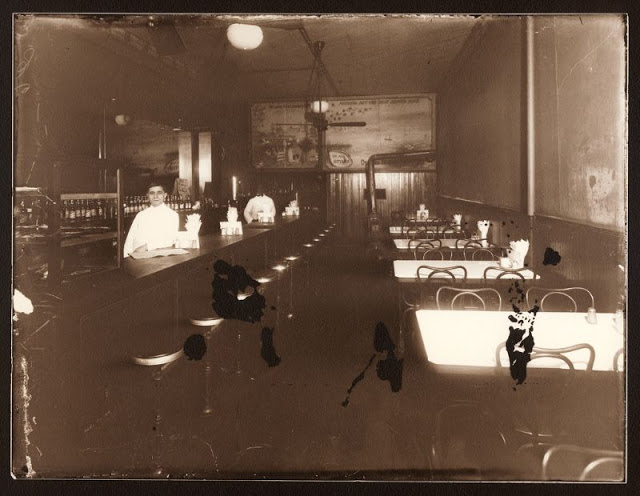
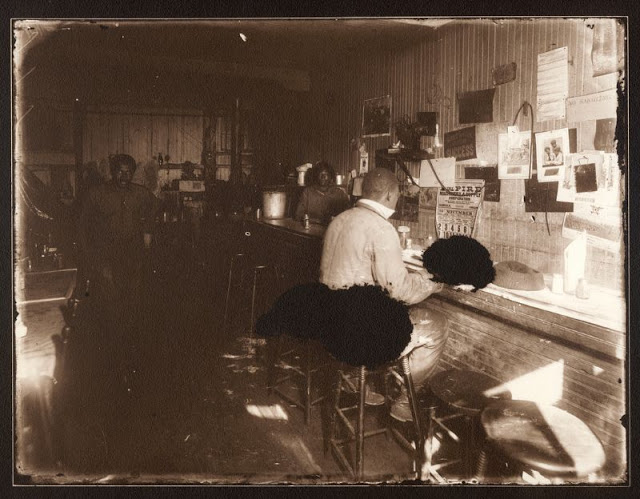
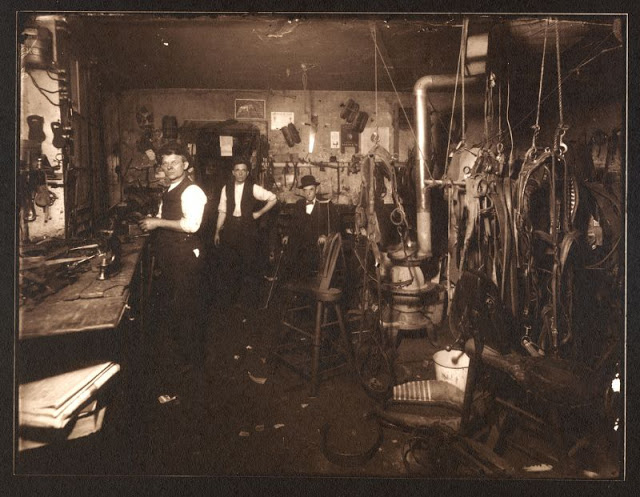
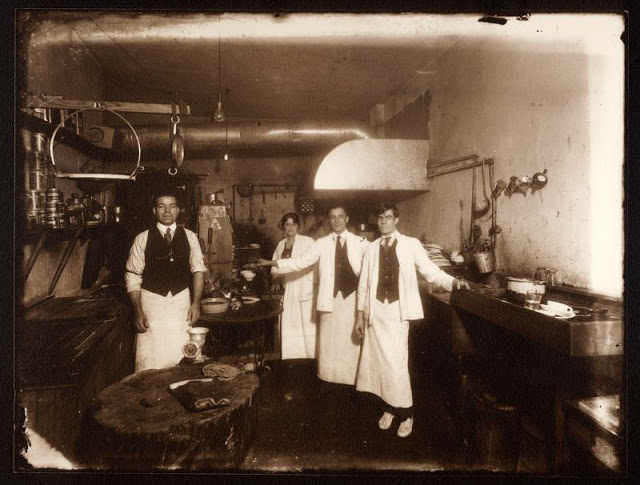
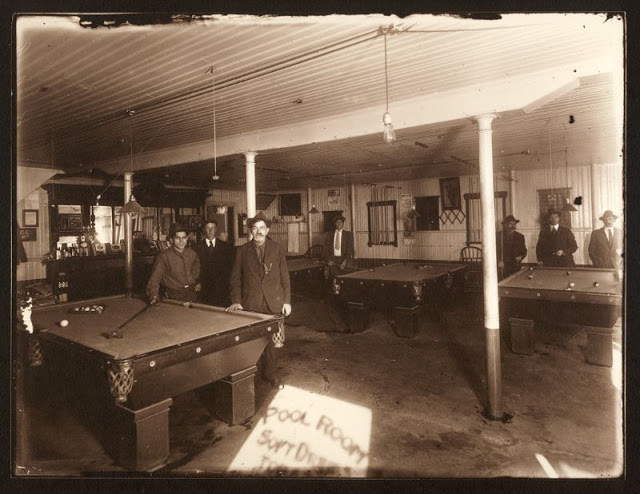
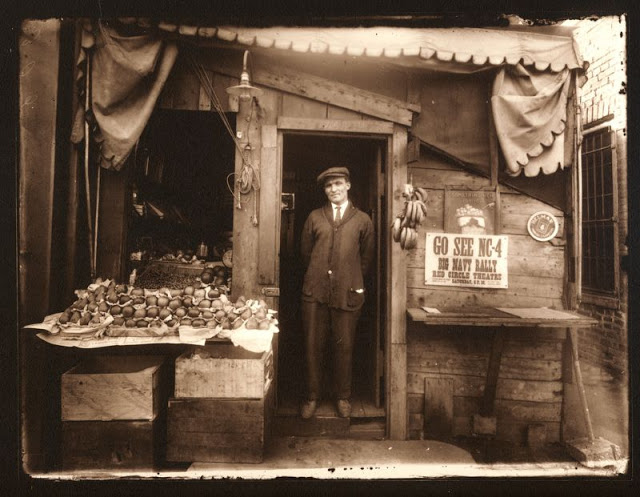
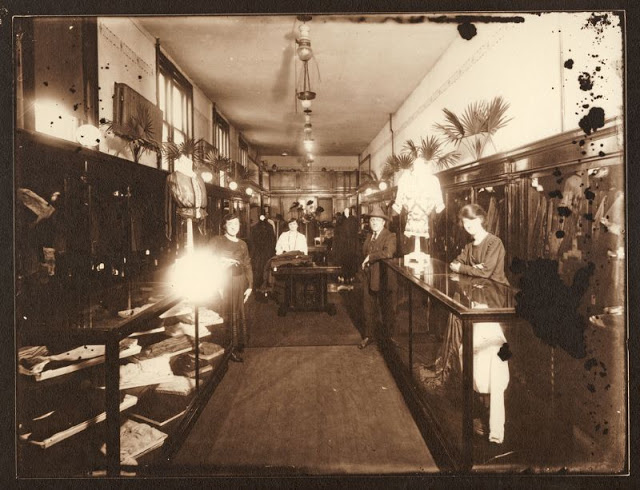
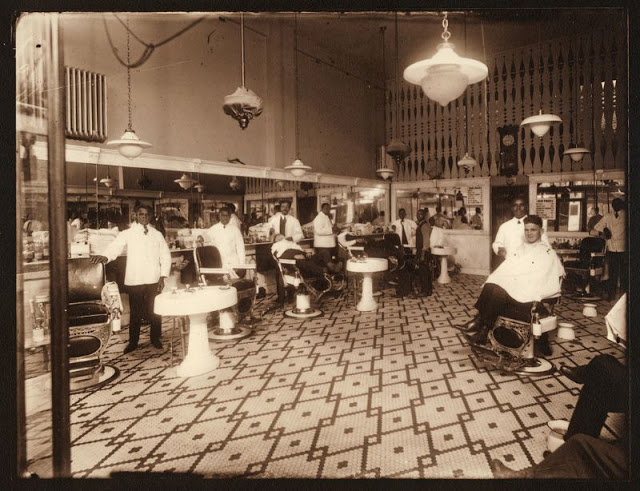
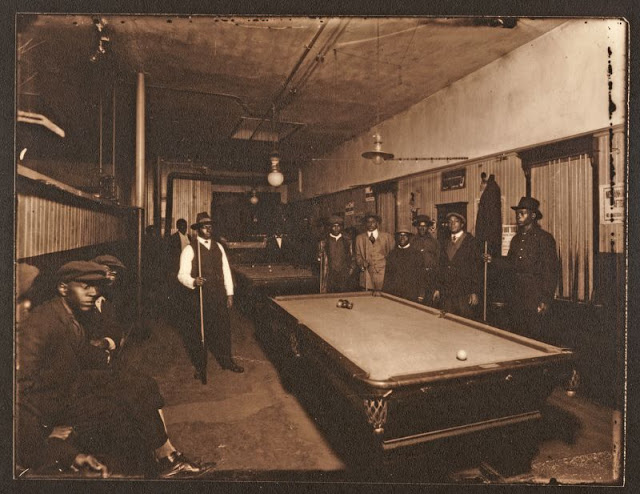
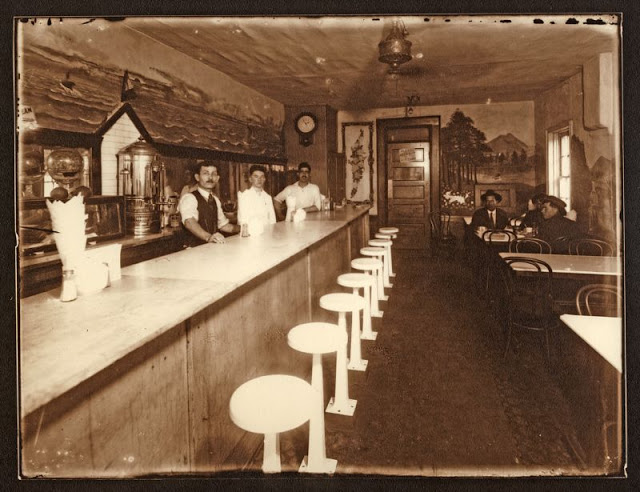
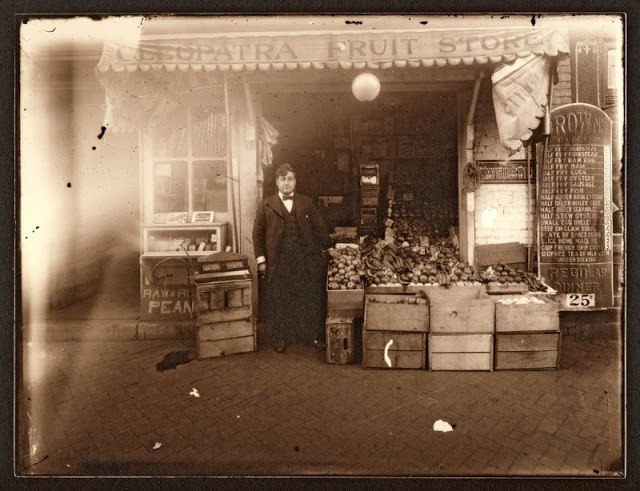
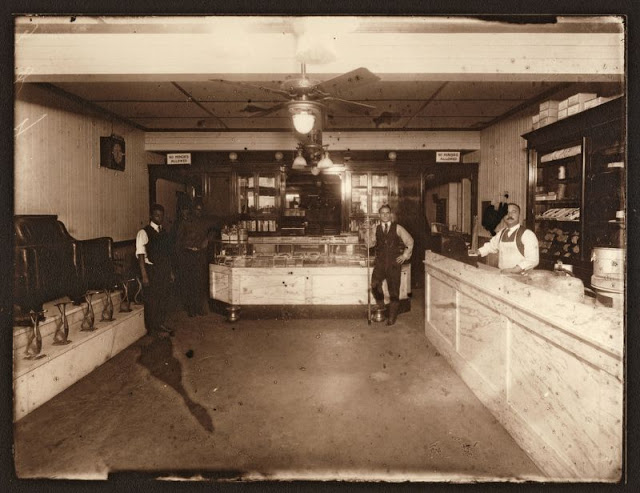
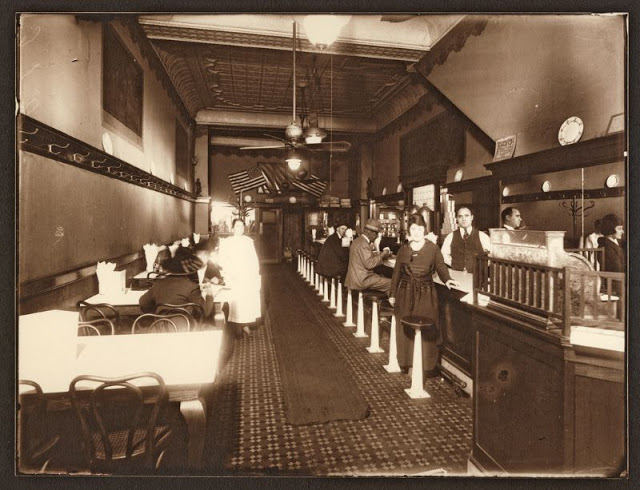
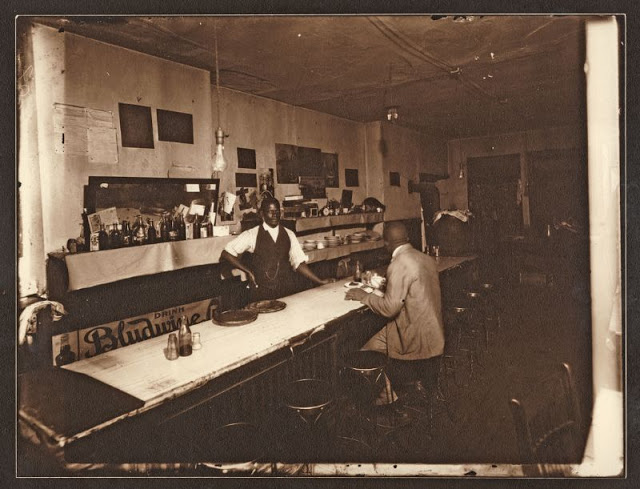
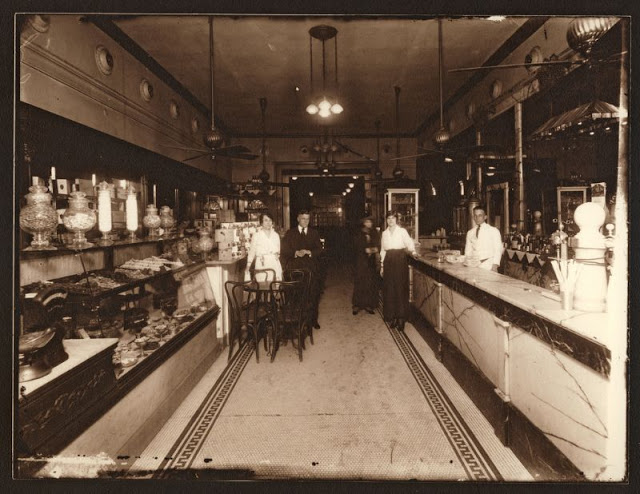
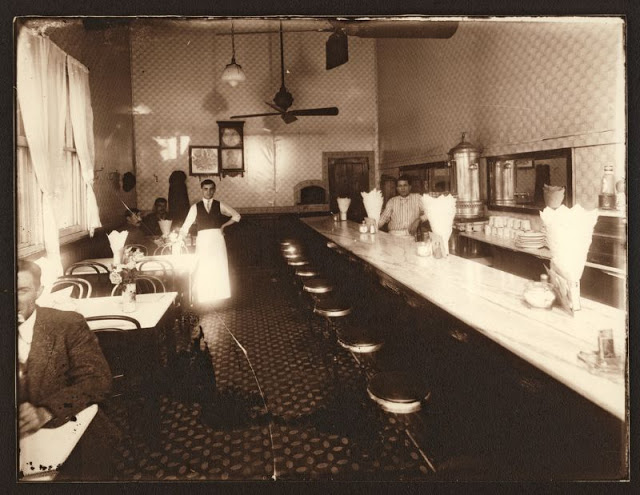
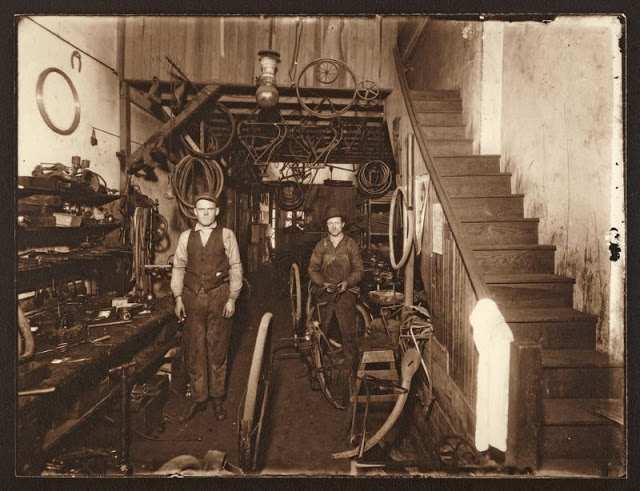
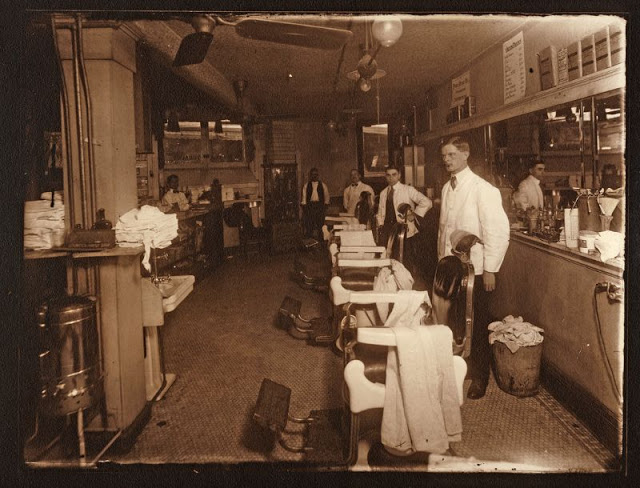
Here below is an amazing photo collection that shows what daily life at restaurants and stores of Norfolk looked like in 1919.
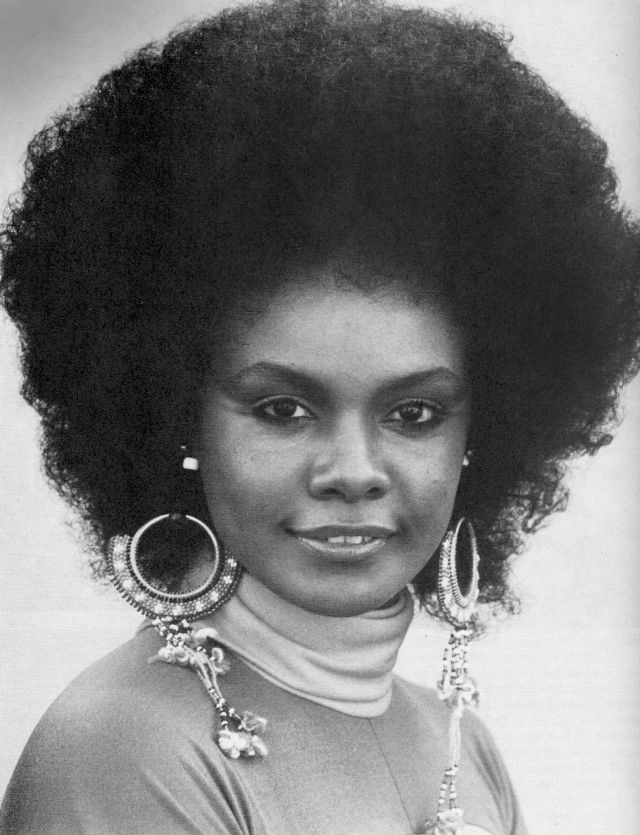
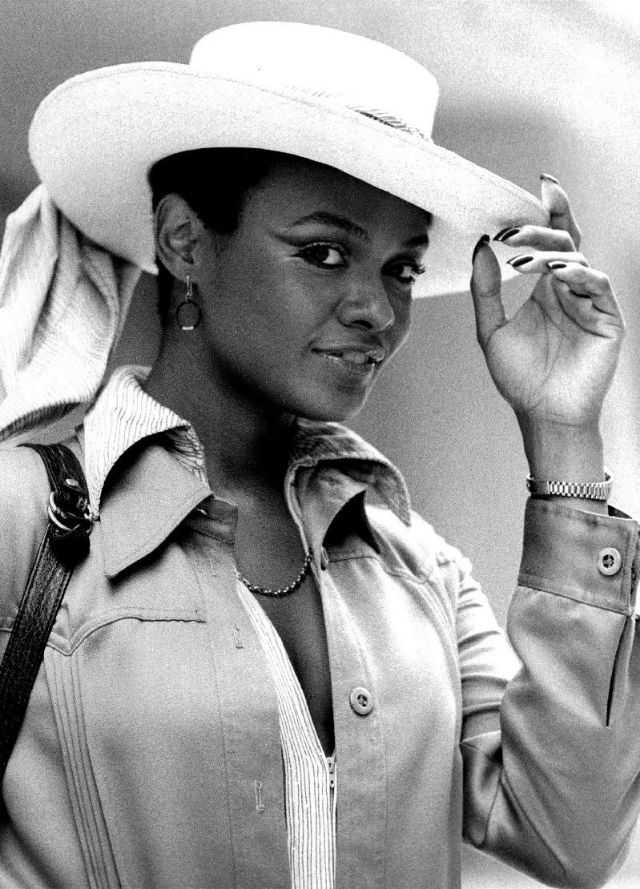
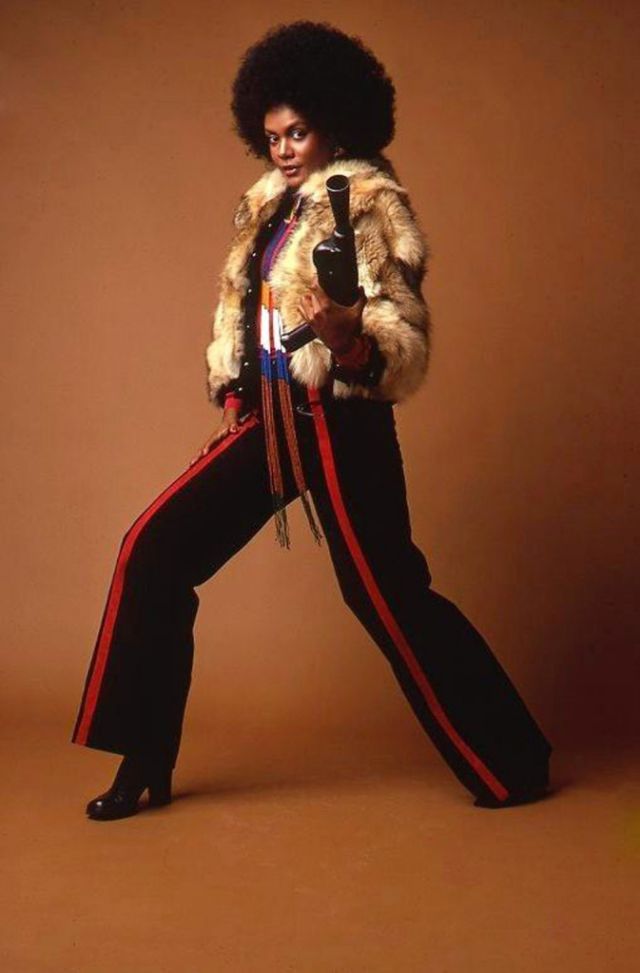
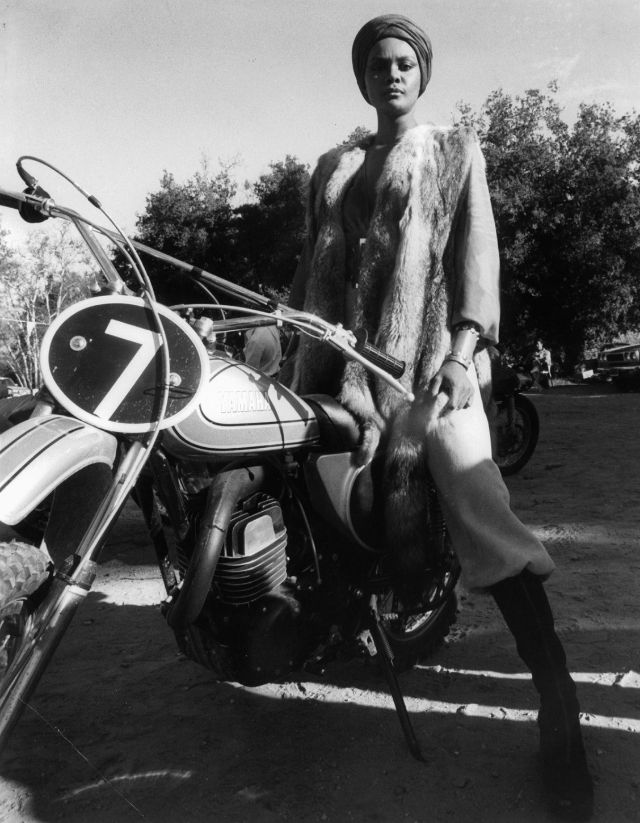
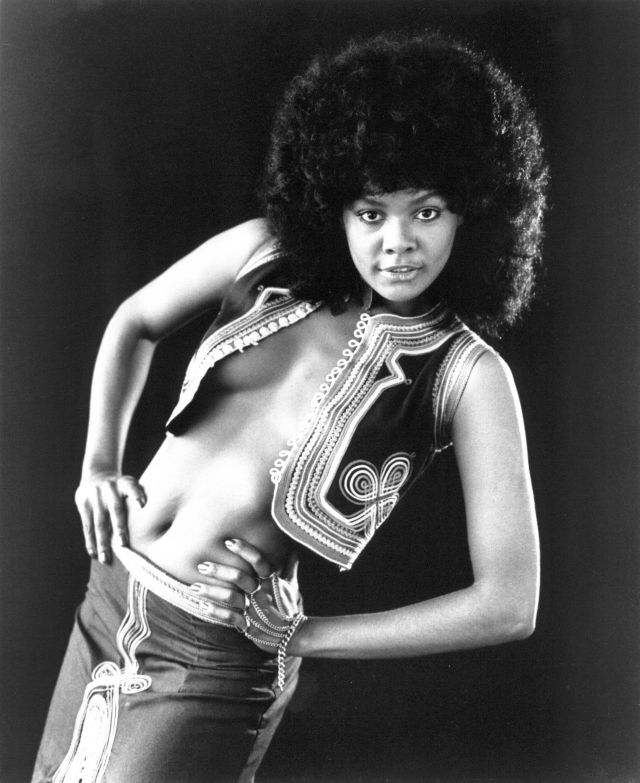
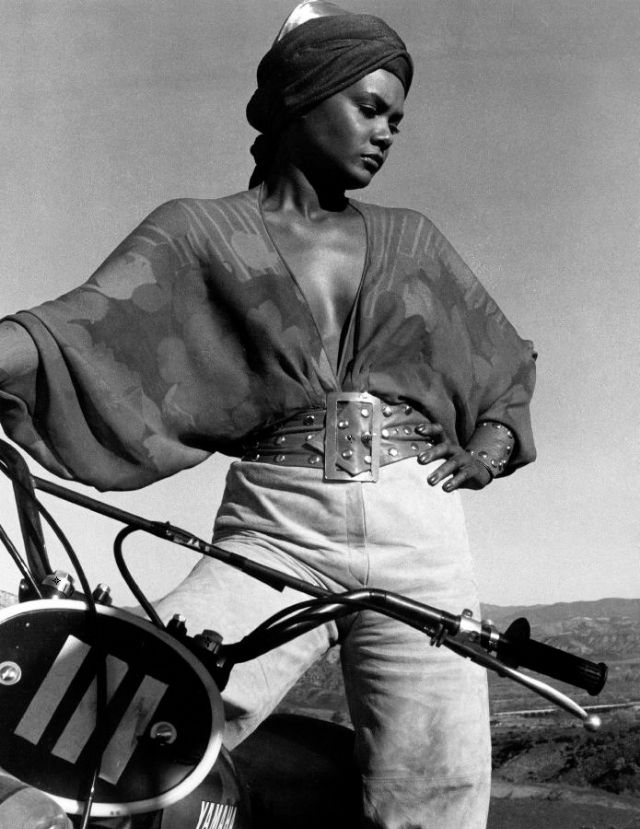
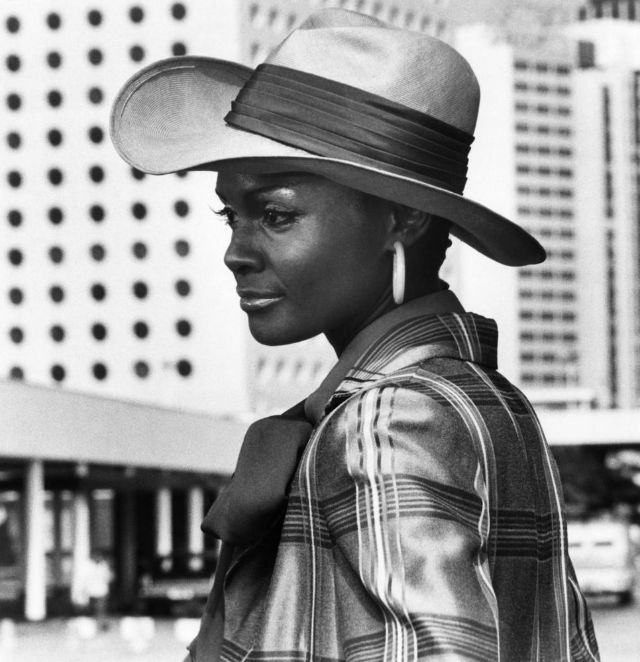
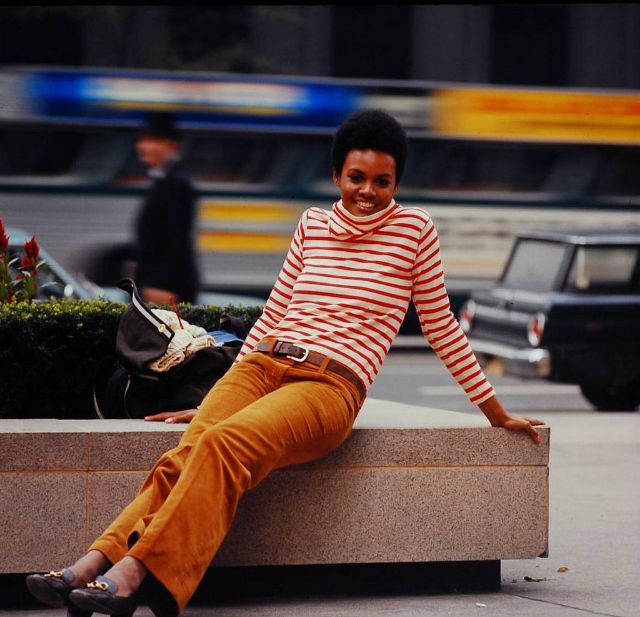
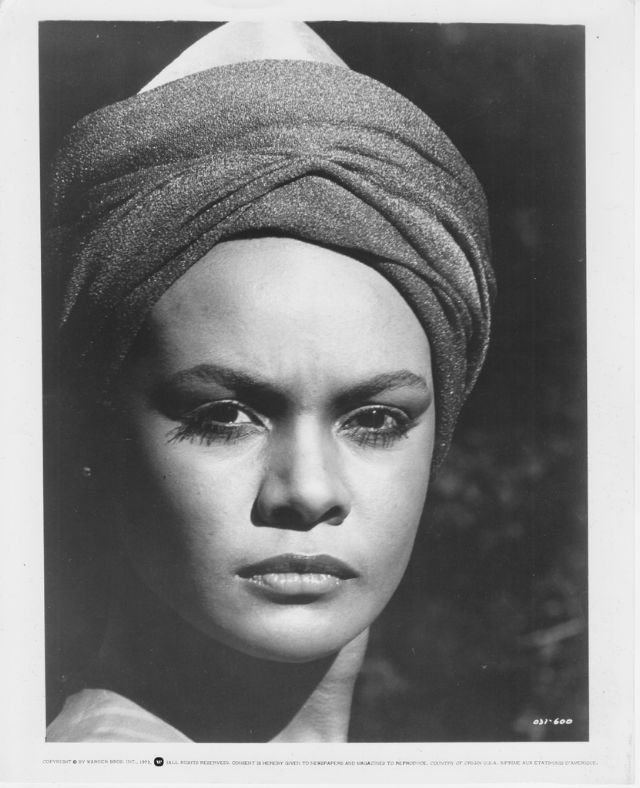
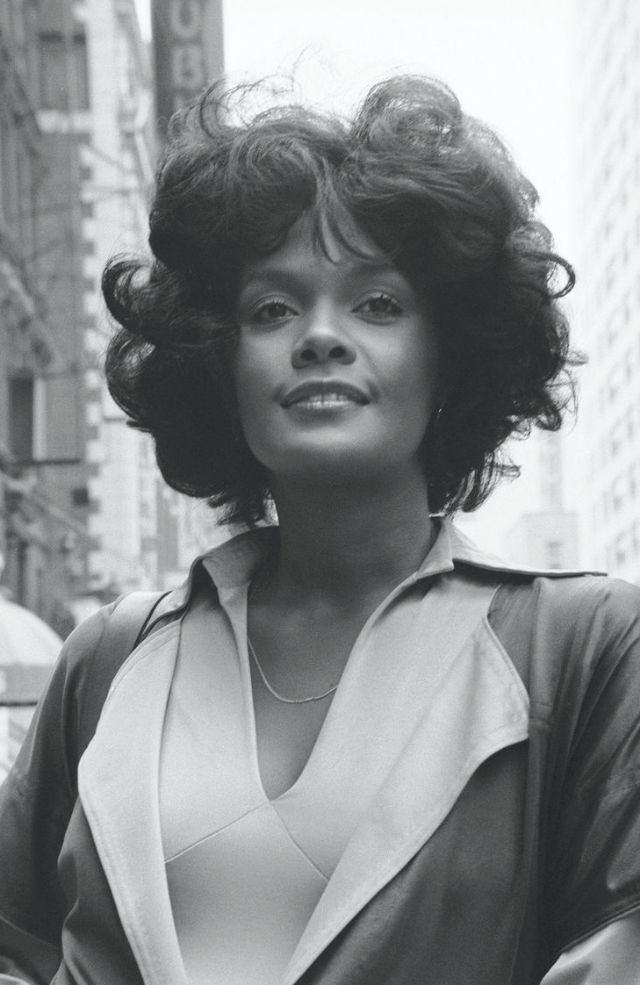
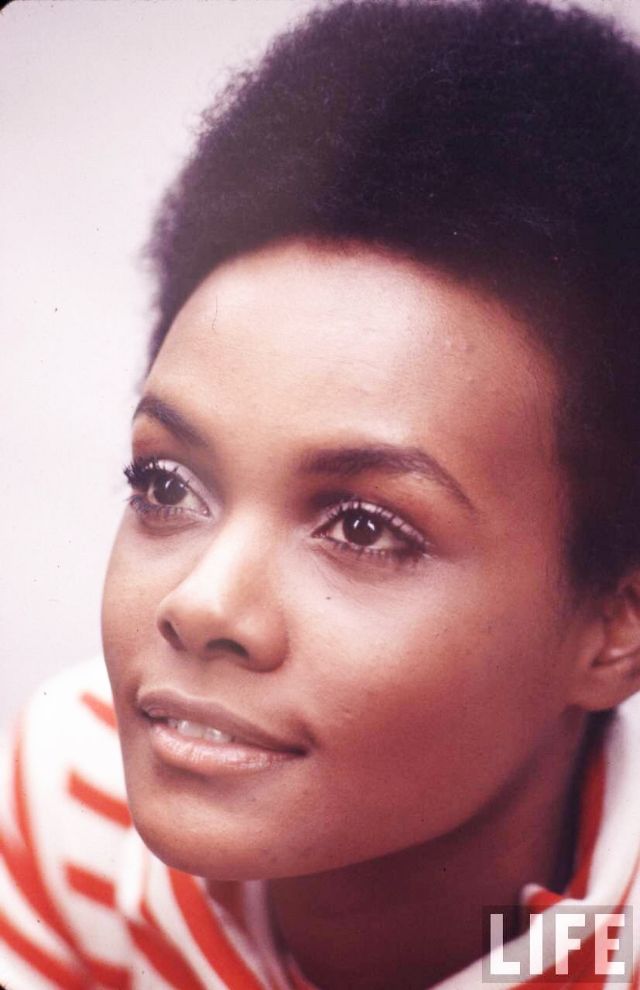
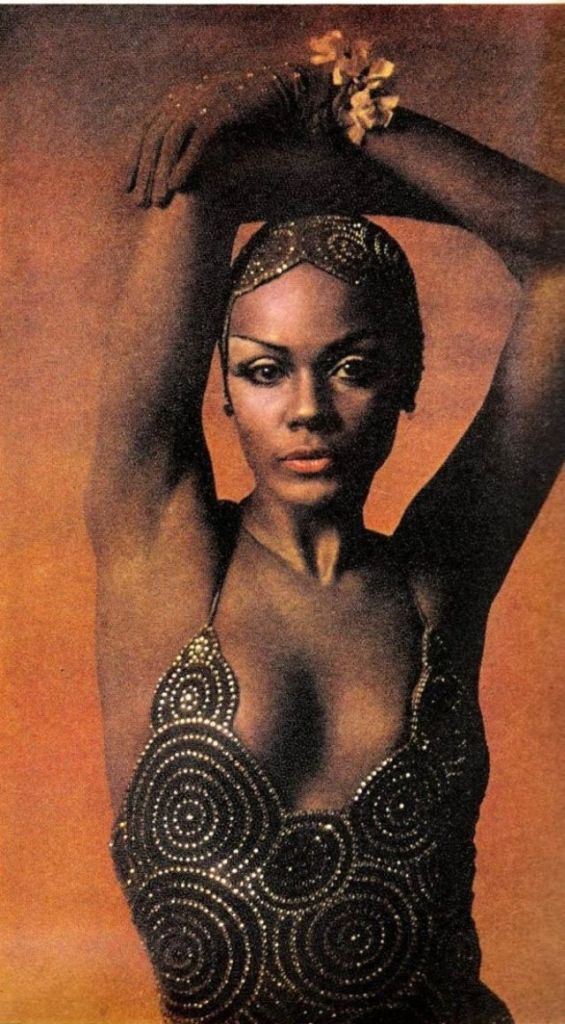
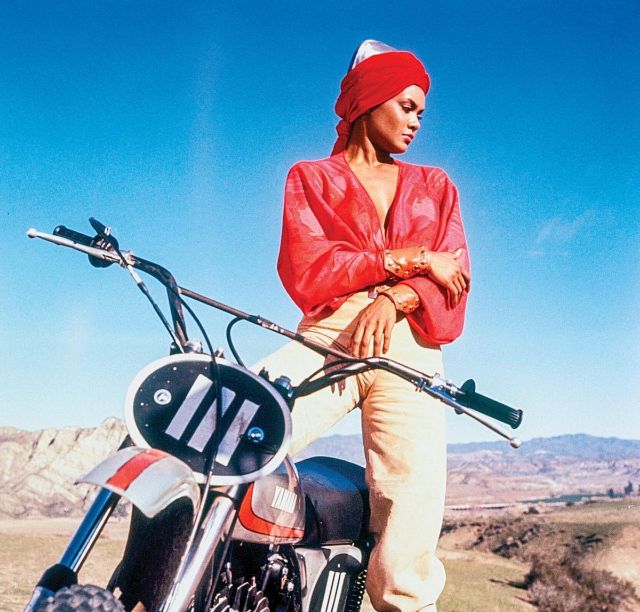
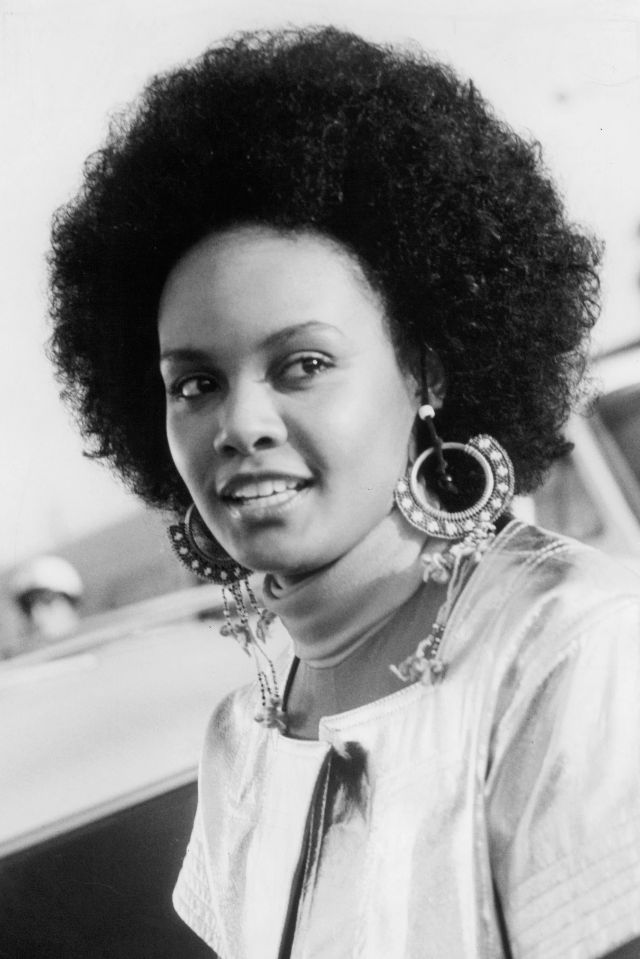
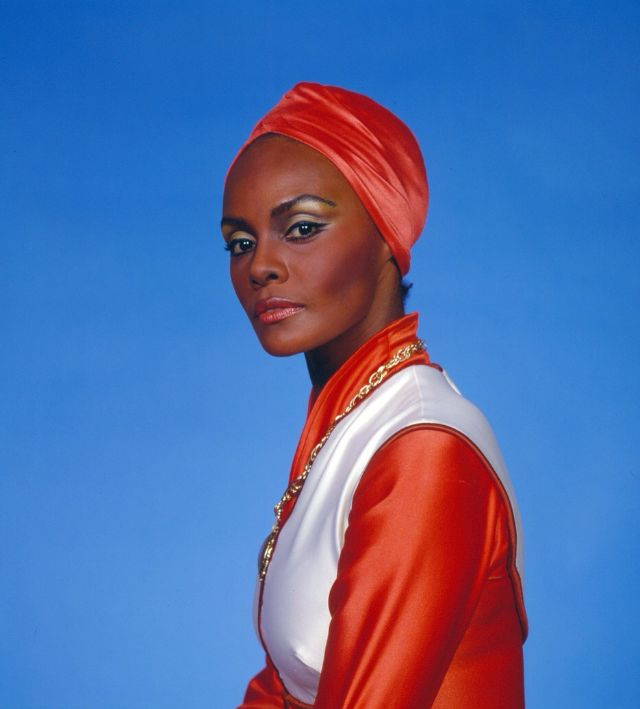
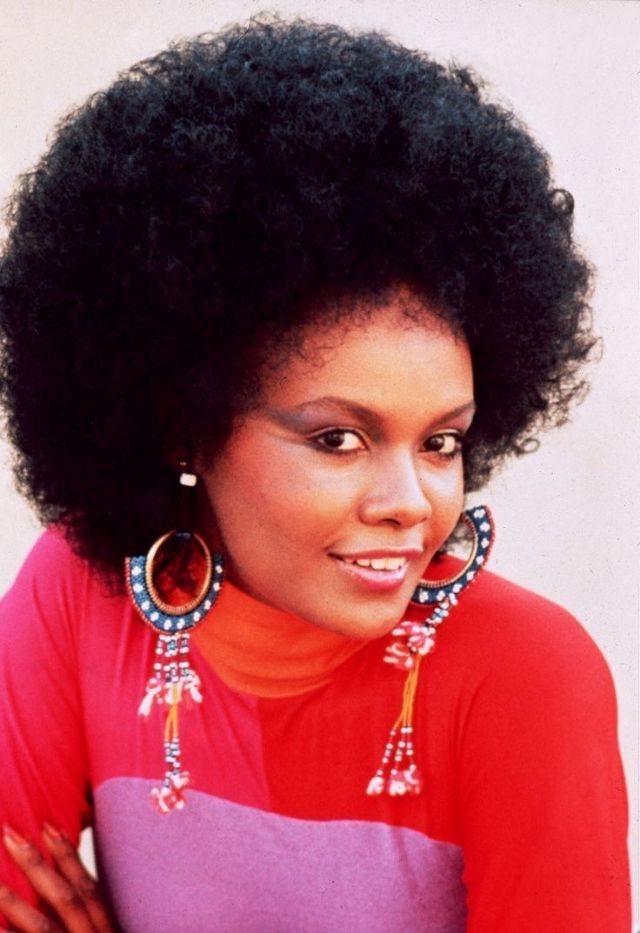
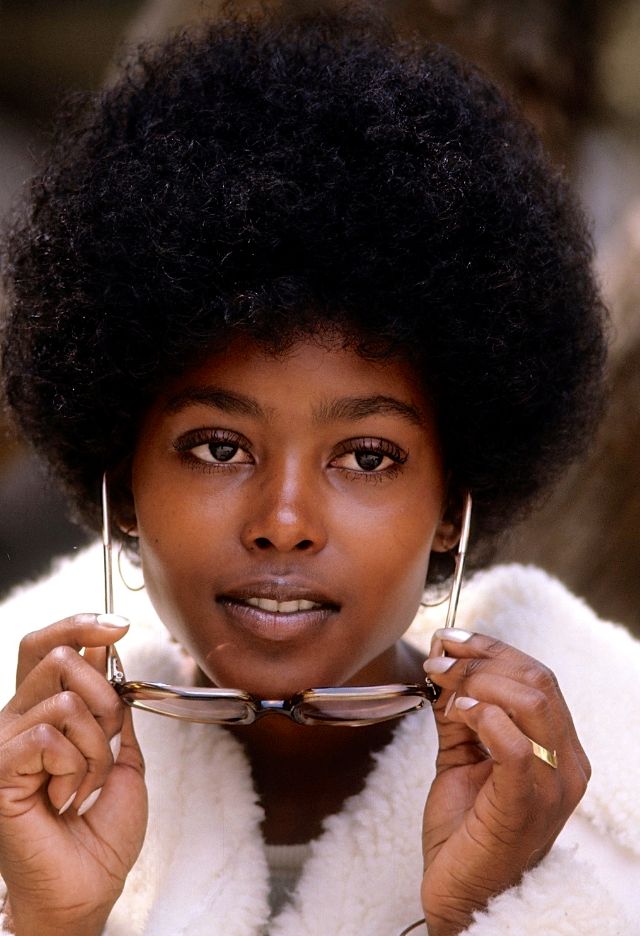
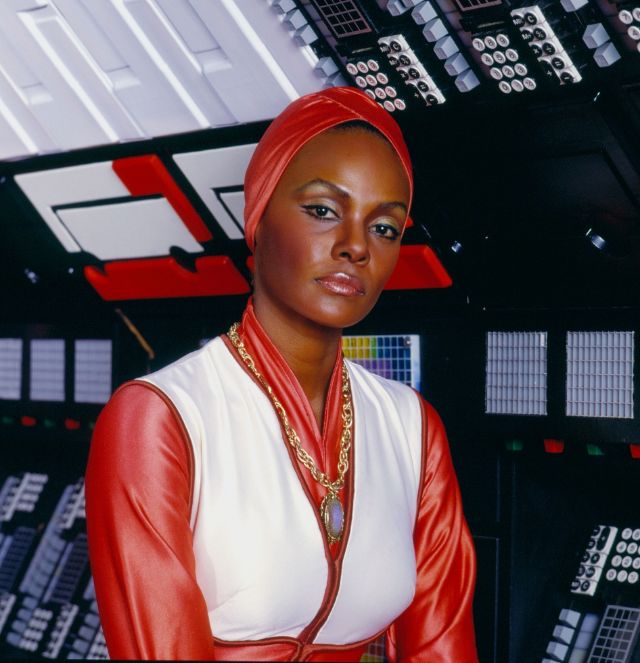
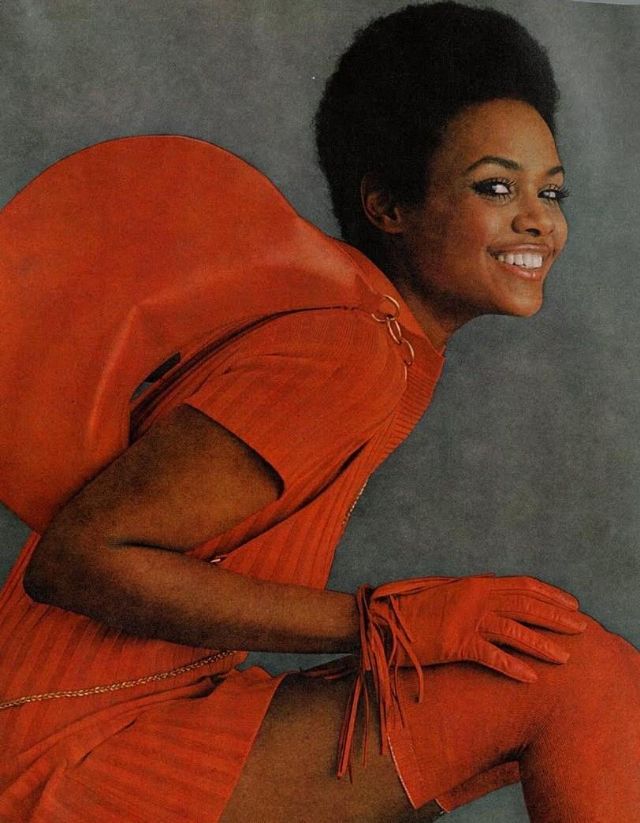
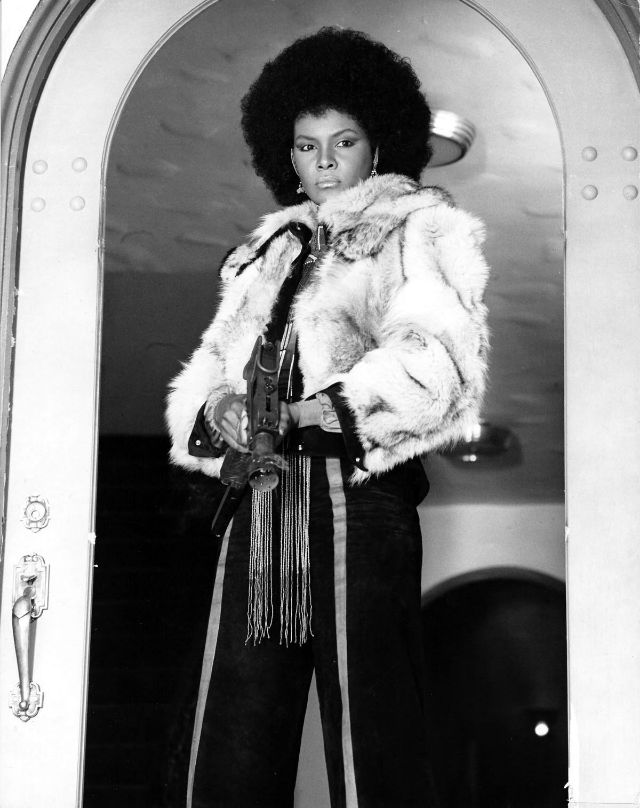
Tamara Janice Dobson (May 14, 1947 – October 2, 2006) was an American actress and fashion model. Beginning her career in modeling during the late 1960s, Dobson became best known for her title role as government agent Cleopatra “Cleo” Jones the 1973 Blaxploitation film Cleopatra Jones and its 1975 sequel Cleopatra Jones and the Casino of Gold.
Born in Baltimore, Maryland, Dobson was the second of four children born to Melvin and Evelyn Dobson (née Russell). Dobson started as a beautician. Dobson started her modeling career doing fashion shows at her school, Maryland Institute College of Art, where she also received her degree in fashion illustration. While studying, Dobson was discovered in 1969 and began to film commercials and modeled.
After school, Dobson moved from Maryland to New York to model and act full-time. Dobson modeled for Jet Magazine sometime during her early modeling career. Dobson eventually became a fashion model for Vogue Magazine, in addition to modeling for Essence magazine. She was also in TV commercials for Revlon, Fabergé, and Chanel. Dobson is also recognized by the Guinness Book of World Records as the “Tallest Leading Lady in Film”, standing at 6 foot 2 inches. Aside from Cleopatra Jones, Dobson had roles in other films such as; Come Back, Charleston Blue, Chained Heat and Norman… Is That You?
Dobson also starred in episode 13 of Buck Rogers in the 25th Century as Doctor Delora Bayliss and in Season 2 of Jason of Star Command.
Dobson was diagnosed with multiple sclerosis in 2000. She died on October 2, 2006 at Keswick Multi-Care Center in Baltimore, Maryland, of complications from pneumonia and multiple sclerosis, at age 59. Dobson never married or had children.
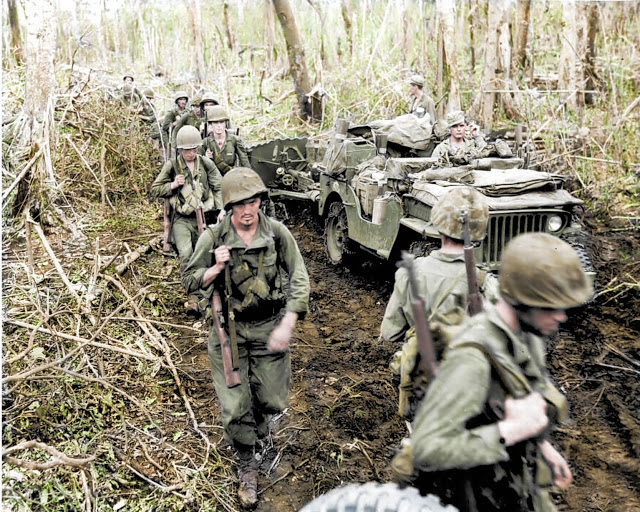
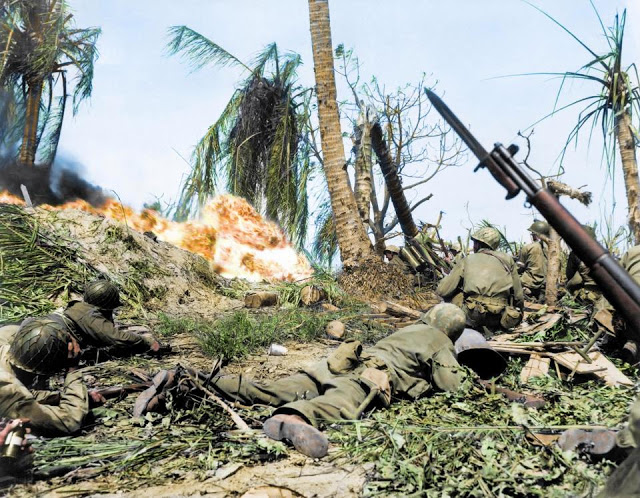
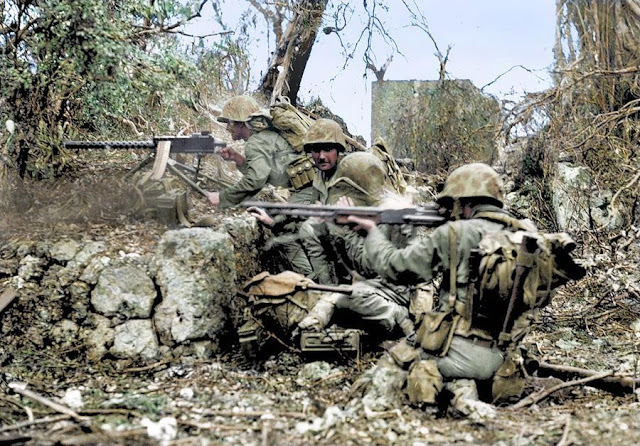
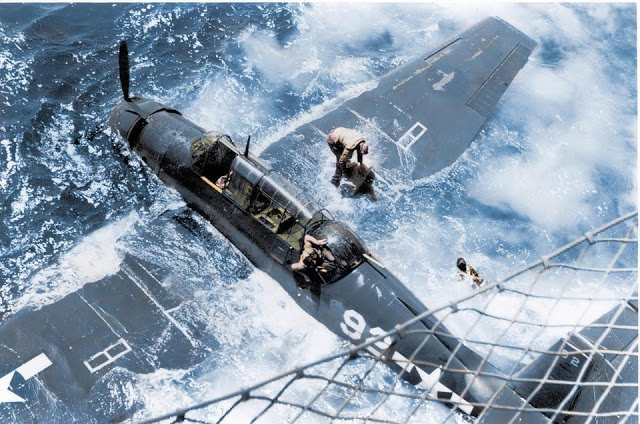
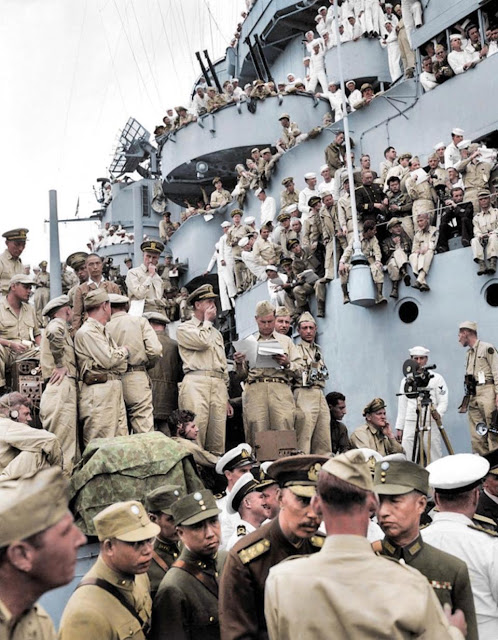
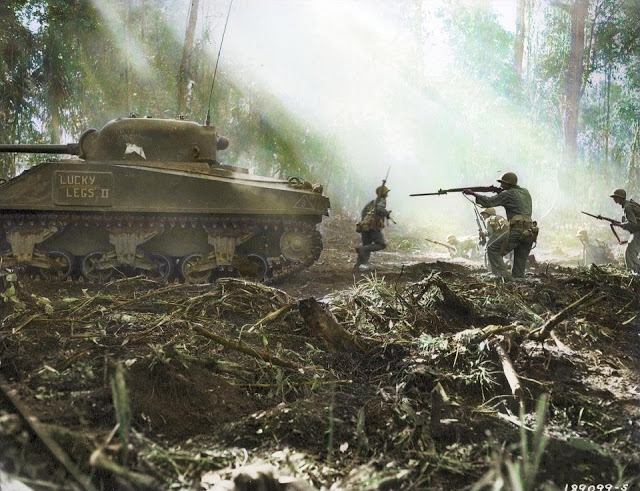
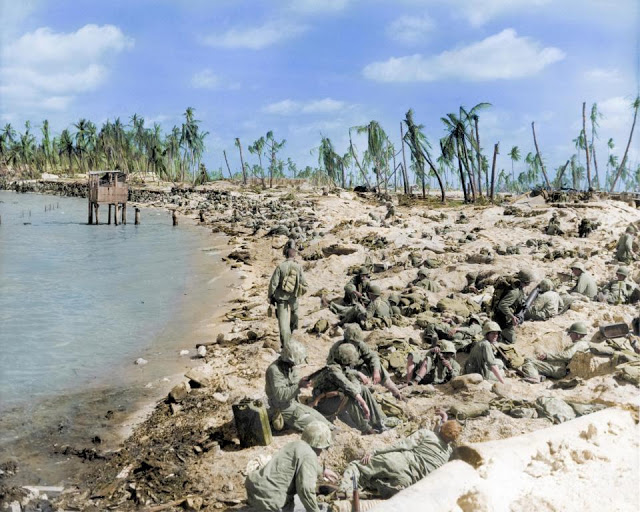
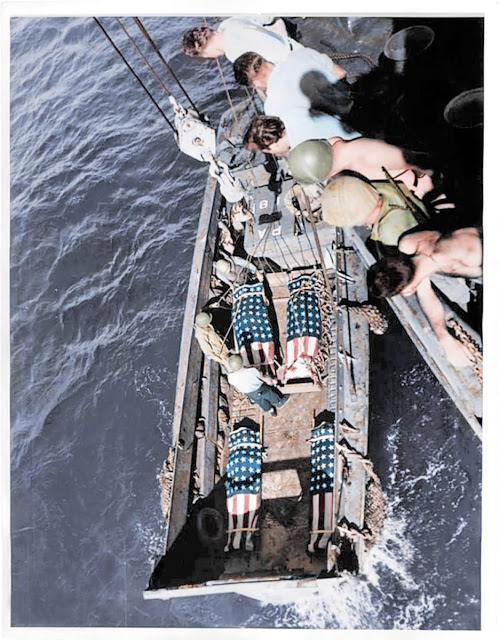
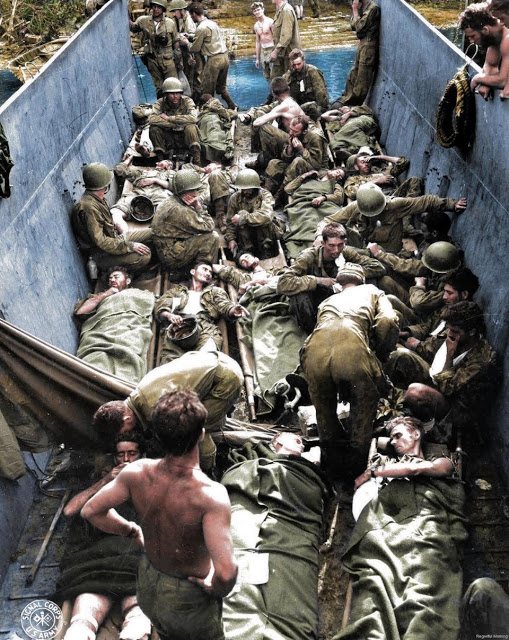
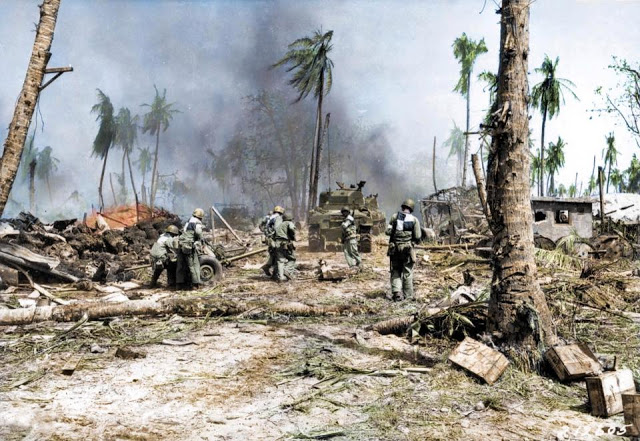
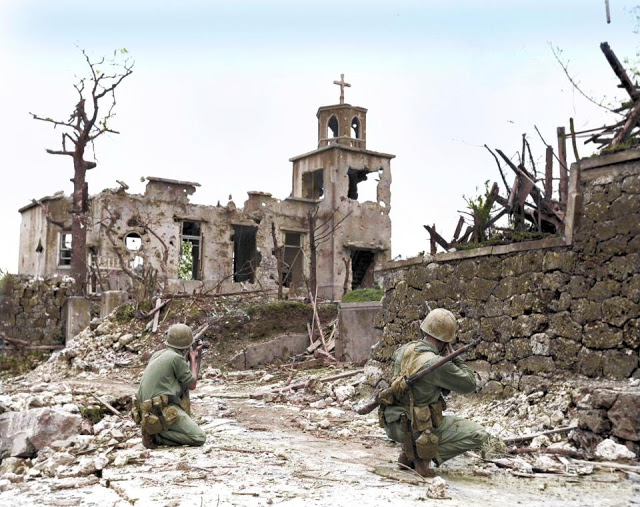
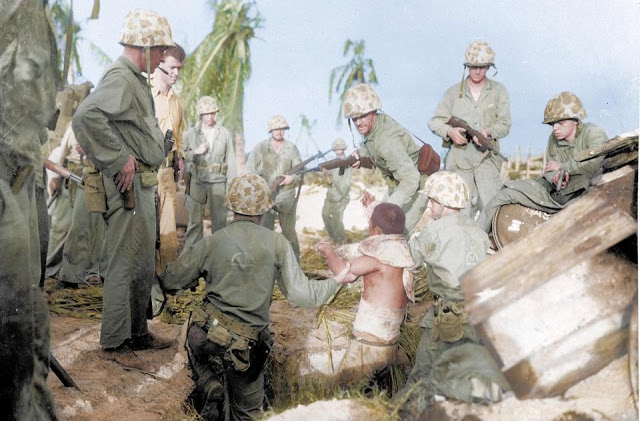
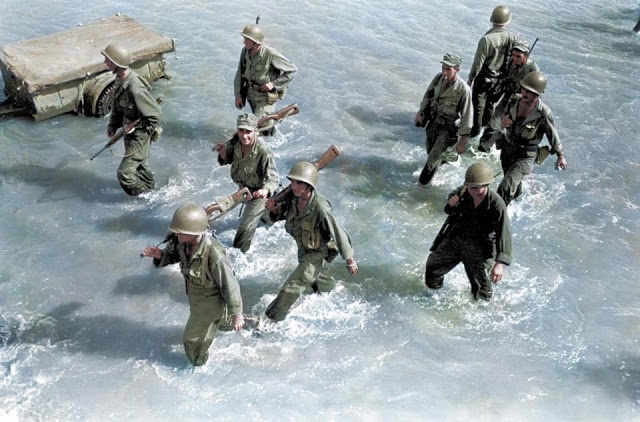
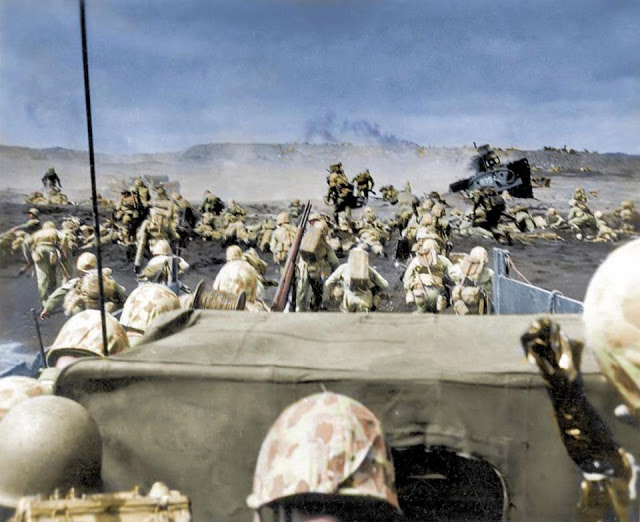
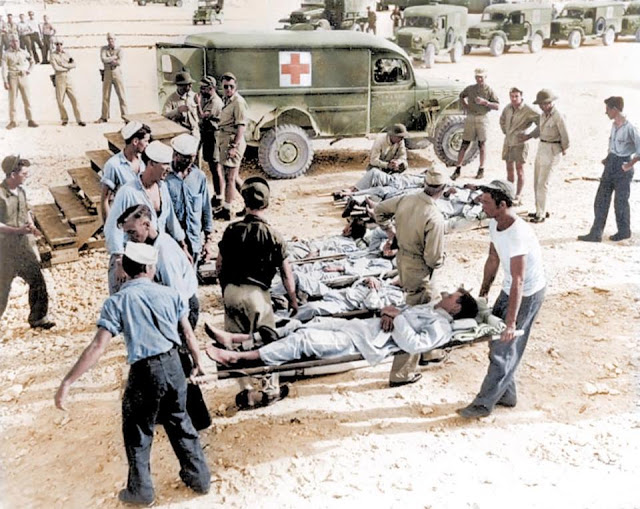
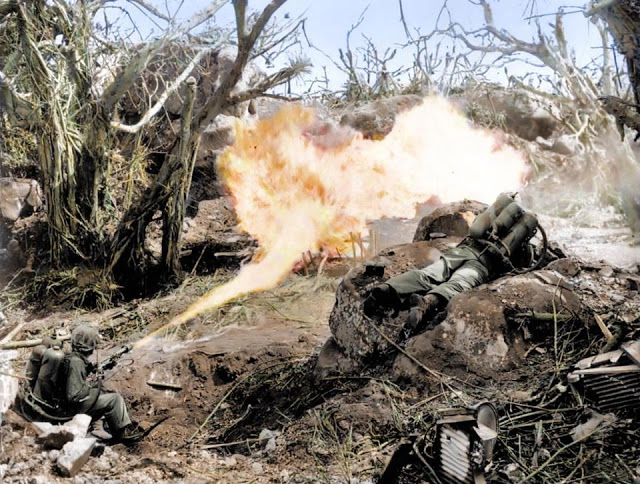
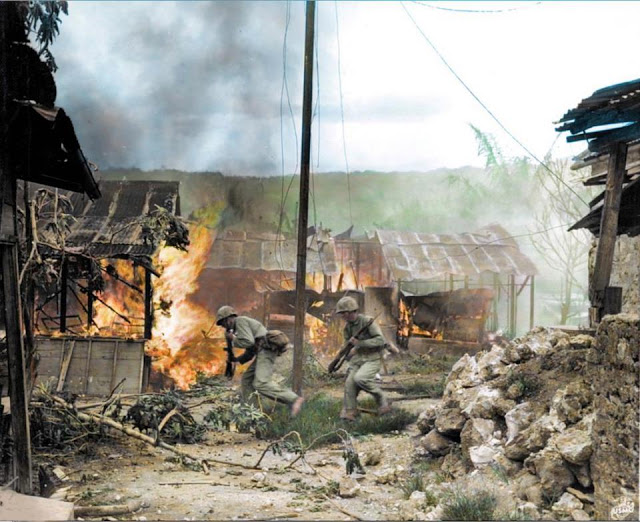
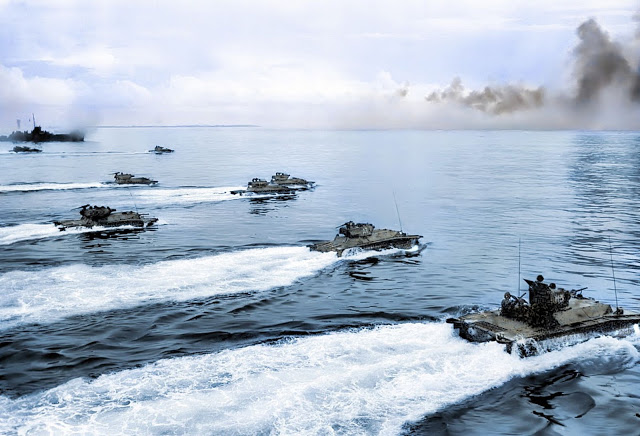
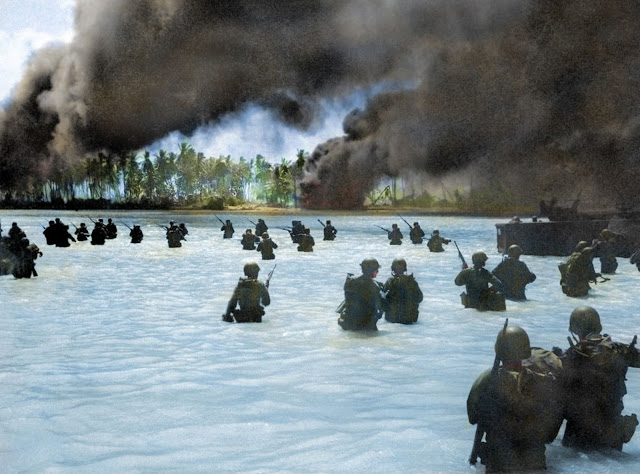
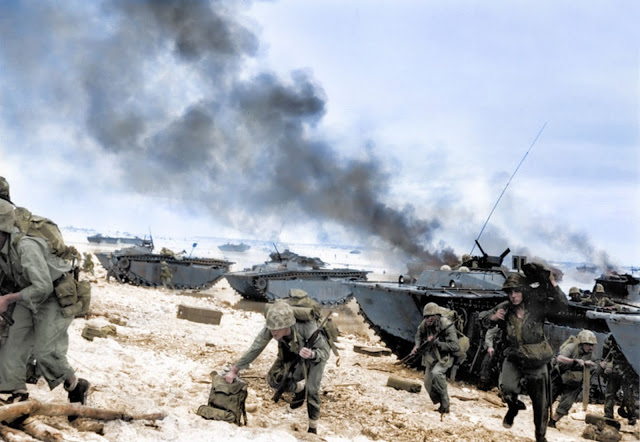
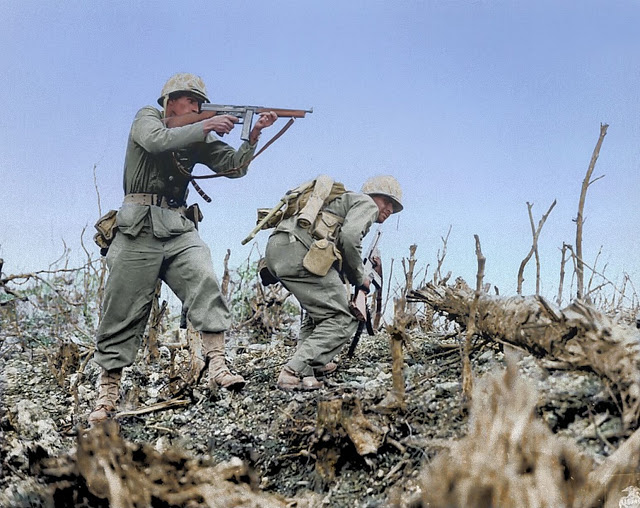
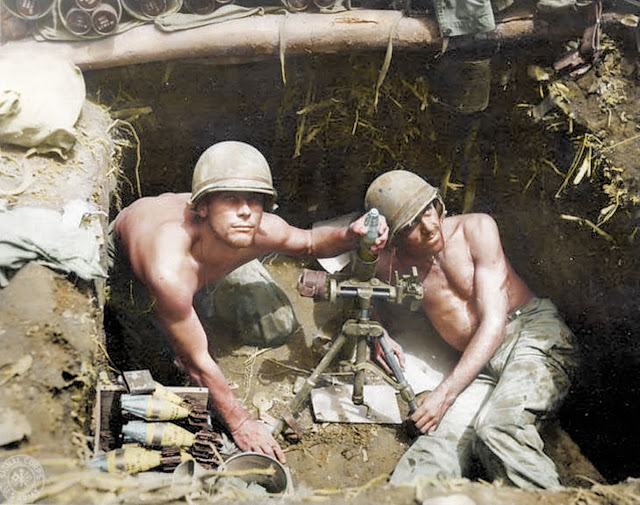
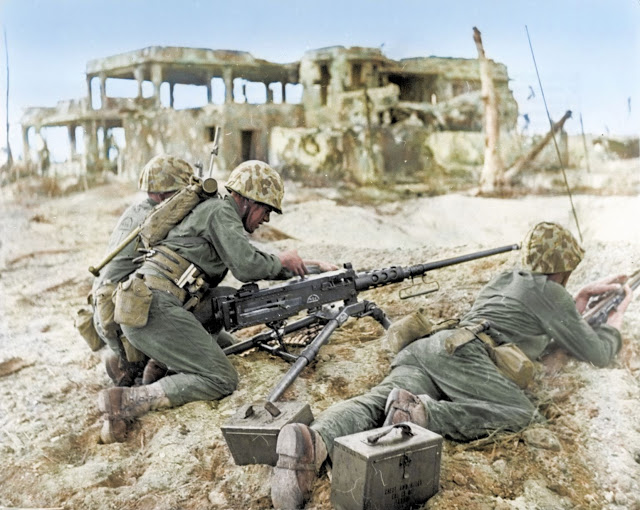
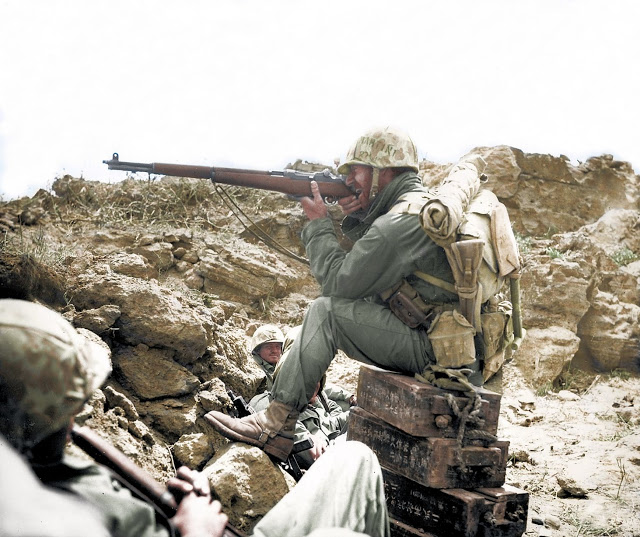
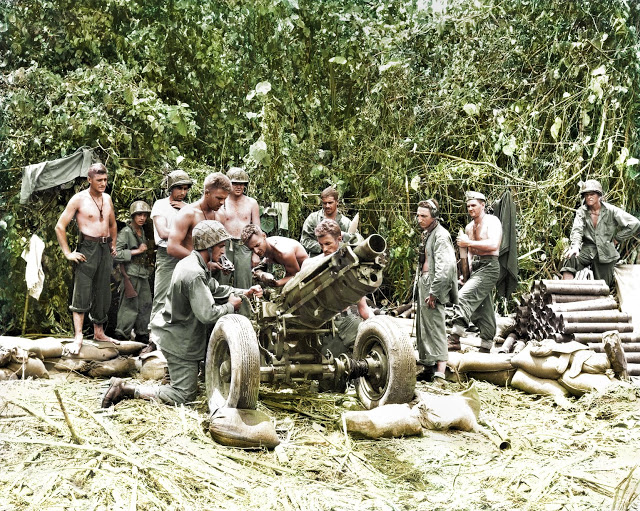
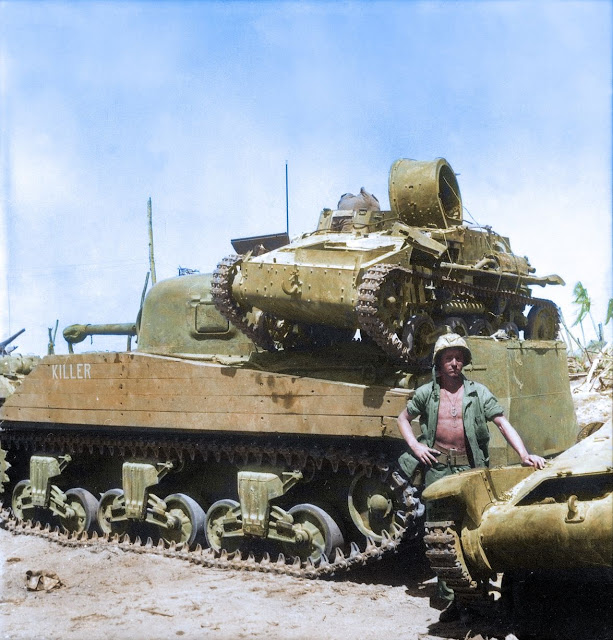
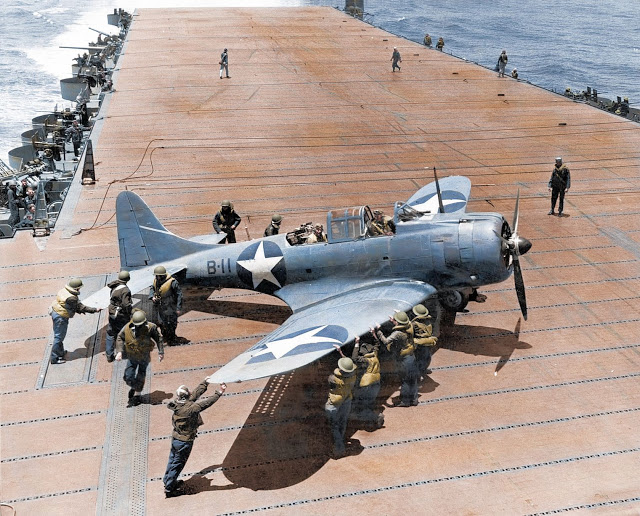
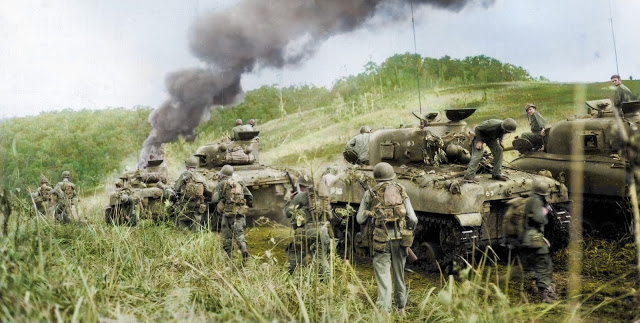
Stunning photos of the US Army during the War in the Pacific have been brought to life through vivid colorization. The breathtaking images capture the perils of war, from men being stretchered away to hospital to soldiers fighting at Okinawa.
From December 1941 to September 1945, war raged on across Asia and the Pacific. The conflict, which led to around 36 million casualties, was a turning point in World War II. The unexpected Japanese air strike on Pearl Harbor in December 1941 triggered the USA’s involvement in the Second World War.
On December 8, America declared war on Japan, along with the other Allied nations.
Royston Leonard, from Cardiff, Wales, is the man who brought these photos to life. “The Japanese code was to not surrender and to fight to the death which was their way to die in battle with honour, almost no prisoners were taken unless they were badly injured and could no longer fight,” he said. “I’ve seen a lot of photos of the European war in color but almost nothing from the Pacific War.”
US soldiers of the 7th Infantry Division attacking a Japanese blockhouse on Kwajalein in the Marshall Islands in 1944. The troops began capturing the islands by landing their forces on the beaches.U.S. Marines firing an M1919 Browning machine gun during the fighting on the island of Peleliu. These .30 caliber weapons were typically used during World War II.An Avenger aircraft from the squadron VT-26, after engine failure and a catapult mishap on board the aircraft carrier USS Bataan CVE-29. March 13, 1944.Spectators from all over the world pick vantage positions on the deck of the USS Missouri, in Tokyo Bay in September 1945, to watch the Japanese surrender ceremony marking the end of World War II.U.S. Army soldiers on Bougainville, an island in Papua New Guinea, taking cover behind an M4 Sherman tank in February 1943.Men of the US 1st Marine Division fighting just beyond White Beach, Peleliu in September 1944.US marines huddled on the beaches during the Battle of Tarawa in World War Two, Kiribati, 1943. There were around 4,600 fatalities recorded following the bloody battle.Deceased US soldiers are wrapped in their national flag and carefully lowered down onto a ship by comrades ready for burial.Wounded troops lying on stretchers aboard a lighter in Munda Point, New Georgia. There were more than 36 million casualties during the War in the Pacific.Soldiers make their way across the barren landscape in Kwajalein, Marshall Islands, 1944.While a patrol moves in from the rear, two United States Marines cover a Japanese sniper hiding in a church, below Shuri Castle on Okinawa, 1945.Captured wounded Japanese soldier surrounded by Marines on Kwajalein Atoll, Marshall Islands. During World War II, it’s estimated that between 19,500 and 50,000 members of the Imperial Japanese military surrendered to the Allies.US 1st Cavalry Division crossing the Pasig River, Manilla in February 1945. Around 41,500 US troops were declared missing or dead during the Pacific War.US troops make their first strike on the Japanese Home Islands at Iwo Jima in 1945. The battle lasted for five weeks and contained some of the most bloody and brutal fighting of the whole war.Survivors of USS Indianapolis en route to hospital after being rescued in August 1945. After the sailor’s ship was sank by Japanese tornadoes, sharks swarmed the survivors in the wreckage.A U.S. Marine shares his water bottle with a stray kitten found under a burned-out Japanese tank on Tarawa in 1943.Marines torch a Japanese defensive in Iwo Jima’s Mount Suribachi by using flamethrowers in 1945. These military tools were an effective weapon for burning out entrenched fighters who would have otherwise continued to fight, costing more lives. Pictured are Pvt. Richard Klatt and PFC Wilfred Voegeli.This picture was taken during The Battle of Saipan, where the Allied invasion fleet left Pearl Harbor in 1944. Tragically, 30,000 troops and Japanese civilians were declared dead following the conflict.Alligator landing vehicles heading toward defences on Peleliu in September 1944.Men wade through the water near Butaritari Beach, Makin Atoll in November 1943.US Marines under heavy fire from enemy Japanese positions during the beginning of the Battle of Peleliu in 1944.Two Marines from the 2nd Battalion, 1st Marine Regiment during fighting at Wana Ridge during the Battle of Okinawa, May 1945.Marines firing mortar shells in the Solomon Islands.US Marines on the beach of Namur Islet, Kwajalein Atoll.A US marine takes aim while sitting on Japanese ammunition boxes.Marines from the H Battery, 3rd Battalion set up artillery in the Solomon Islands just off Blue Beach 2.Private First Class N. E. Carling stands beside the American M4 Sherman medium tank ‘Killer’ on Kwajalein Atoll.Men of the US First Marines Division at Cape Gloucester, New Britain, Bismarck Archipelago, late December 1943.A US Navy Douglas SBD-3 Dauntless of bombing squadron VB-8 on the deck of the aircraft carrier USS Hornet (CV-8) during the Battle of Midway in 1942.Troops and their tanks in New Guinea in April 1944.
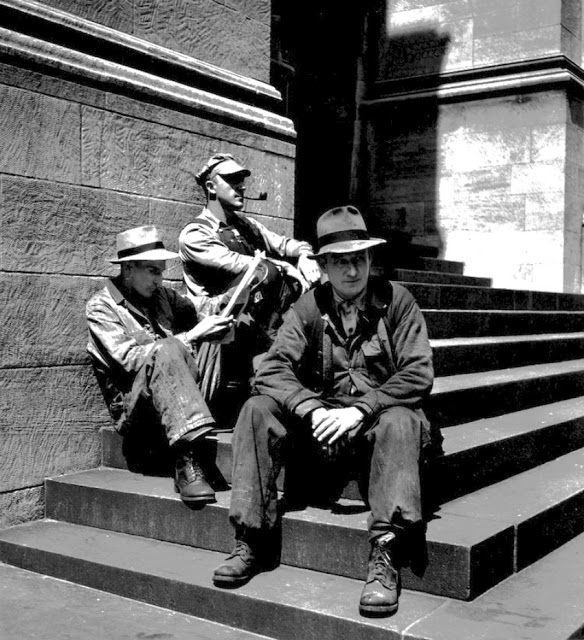
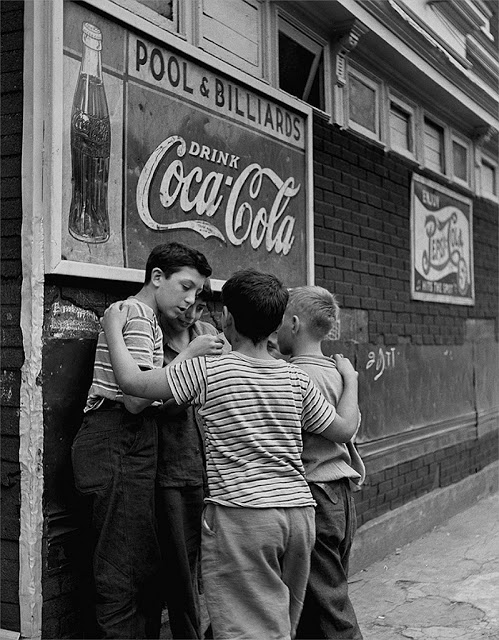
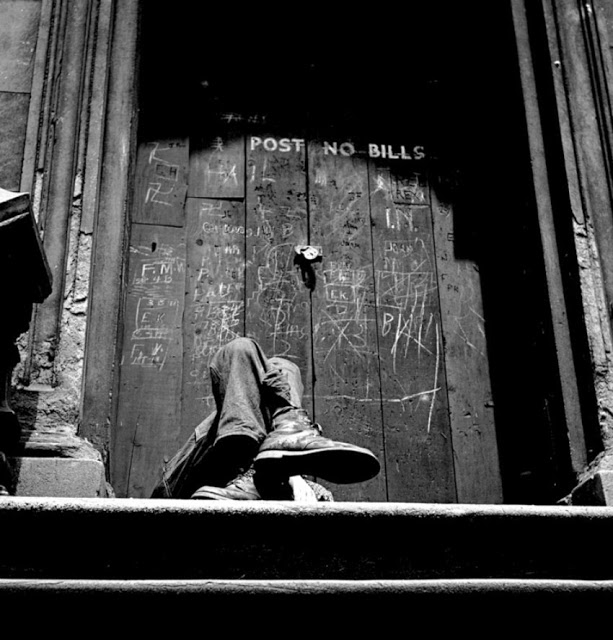
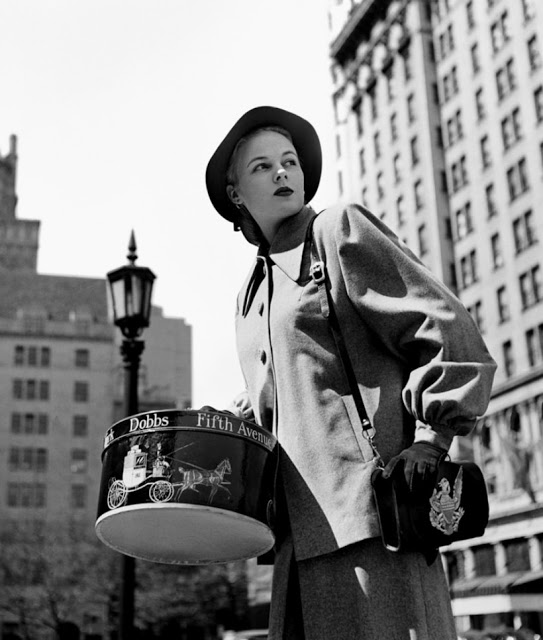
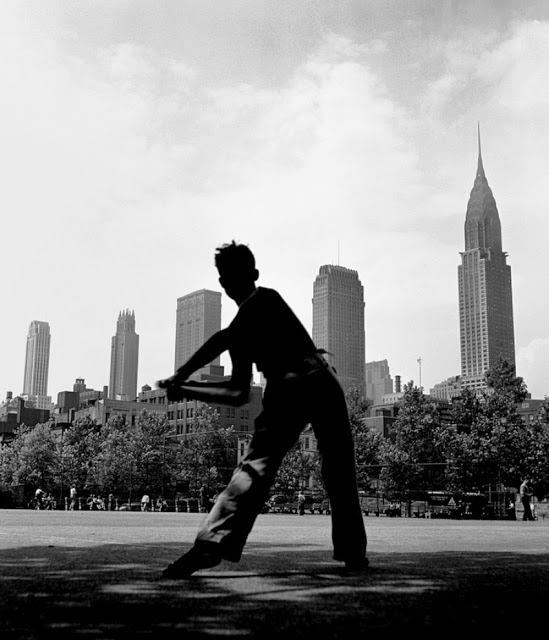
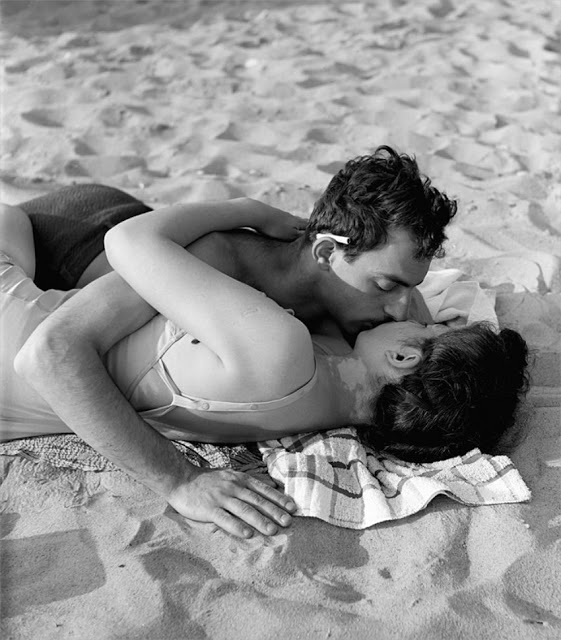
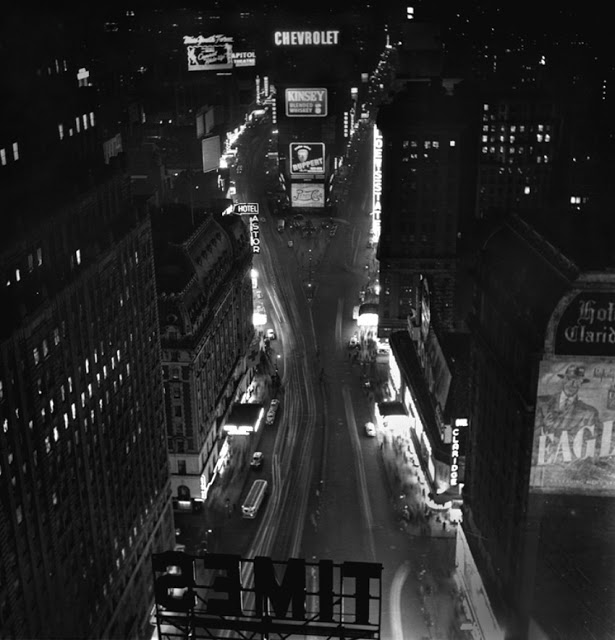
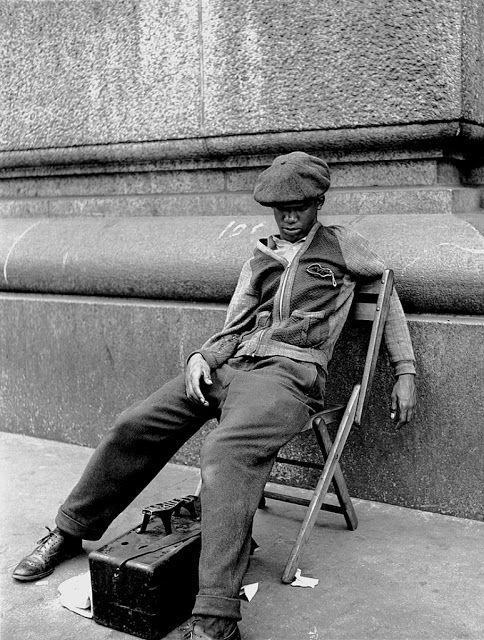
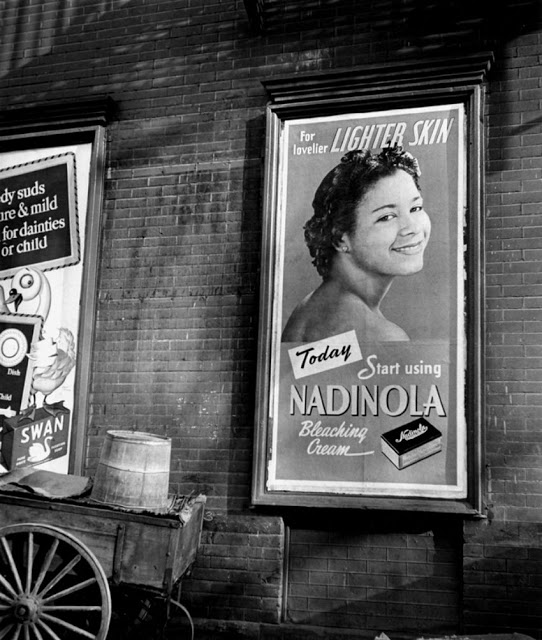
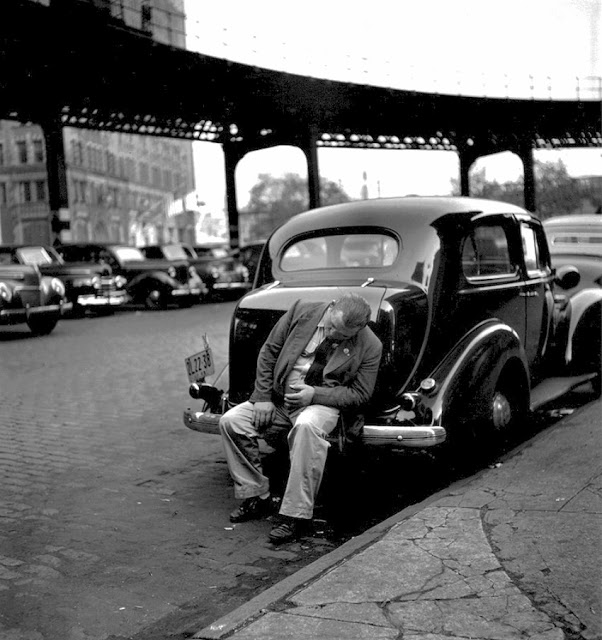
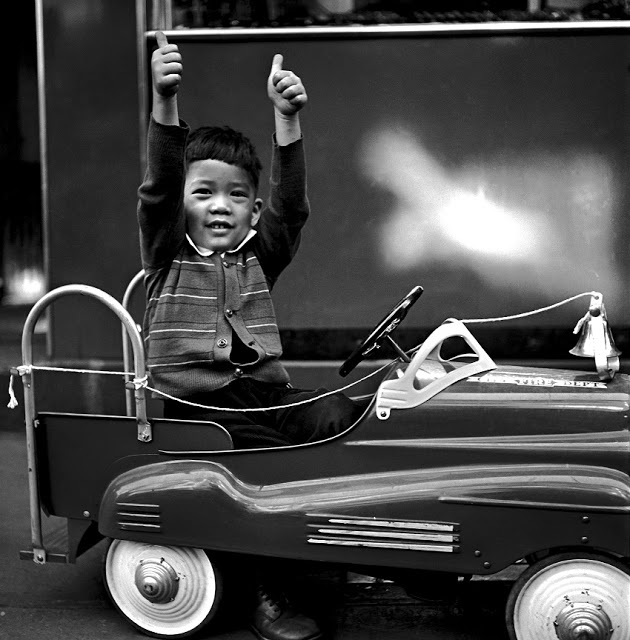
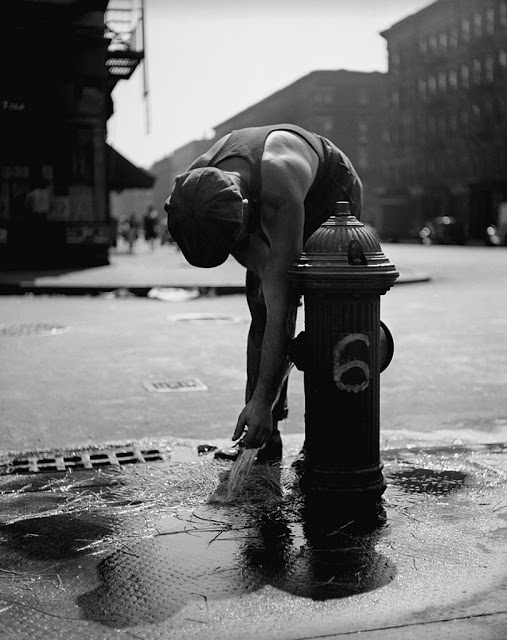
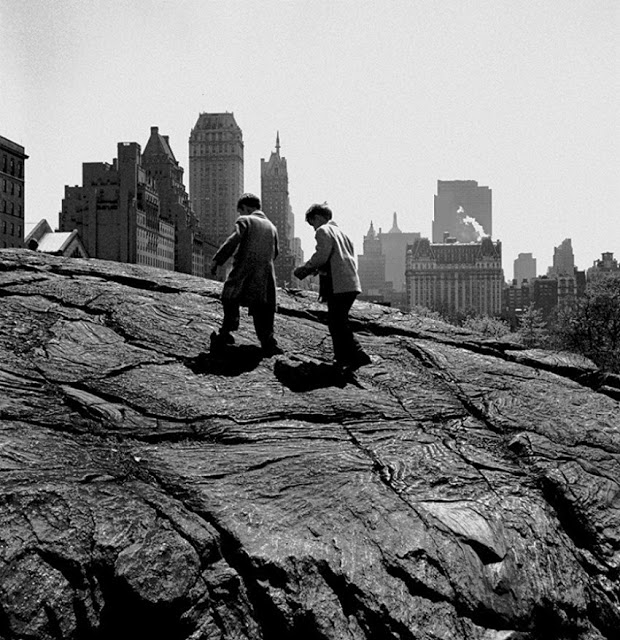
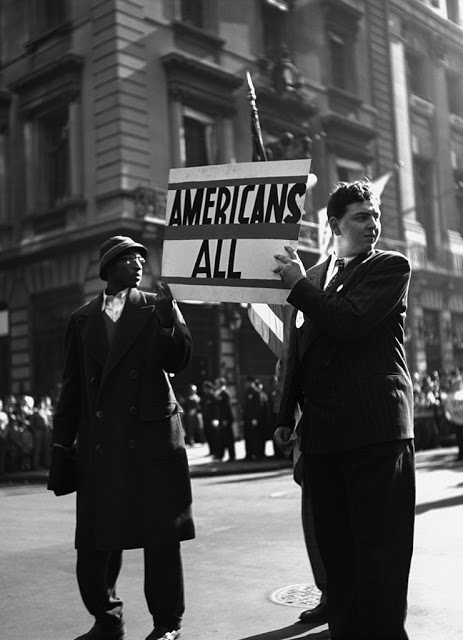
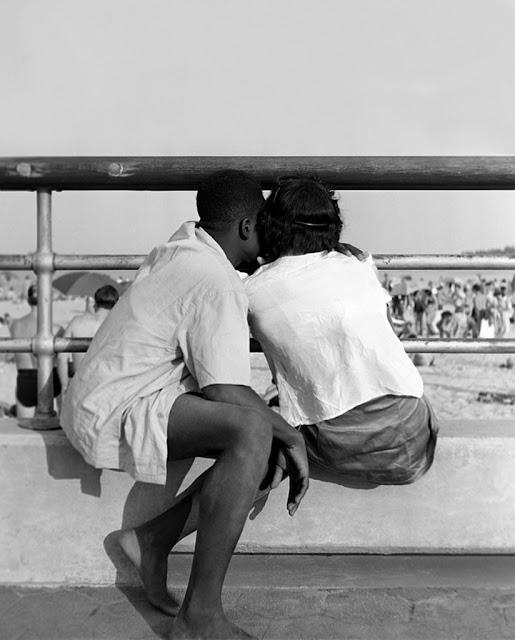
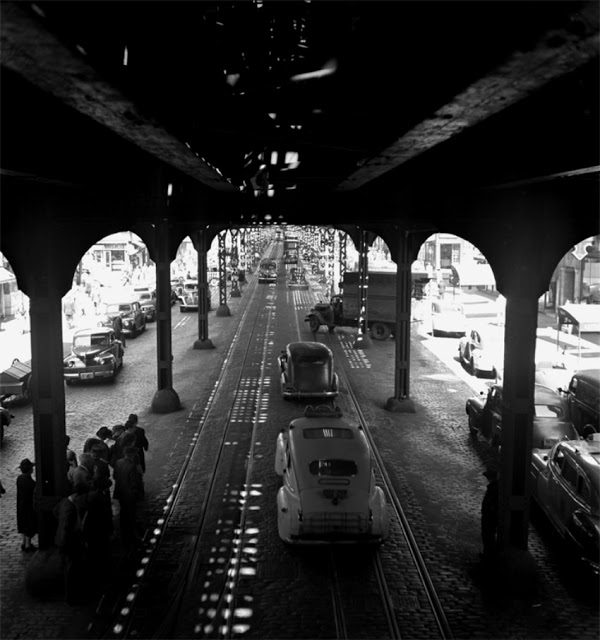
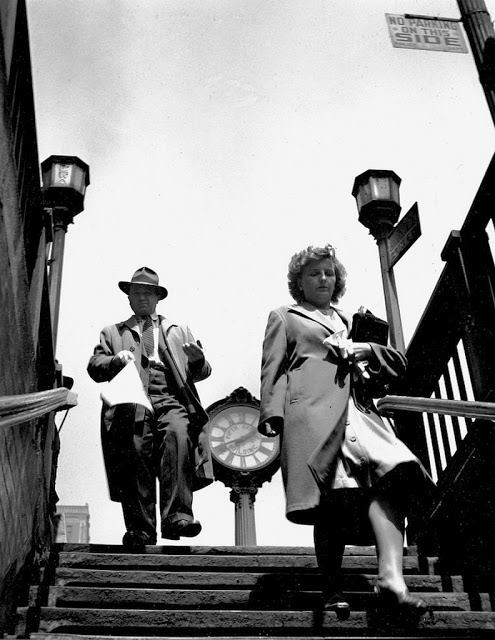
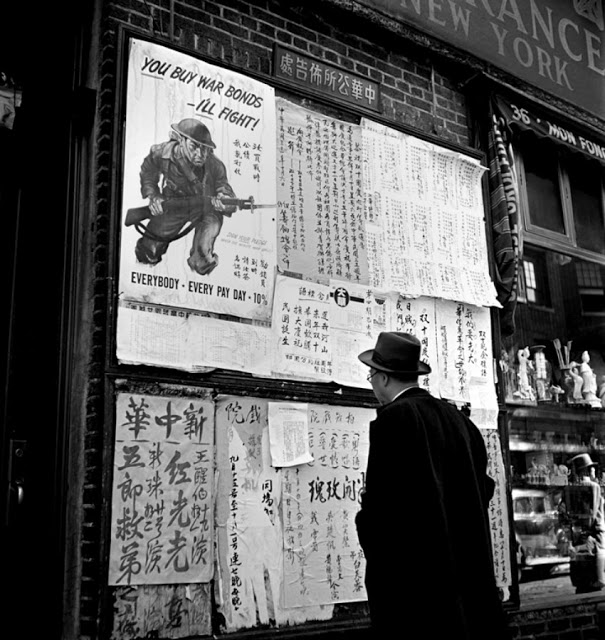
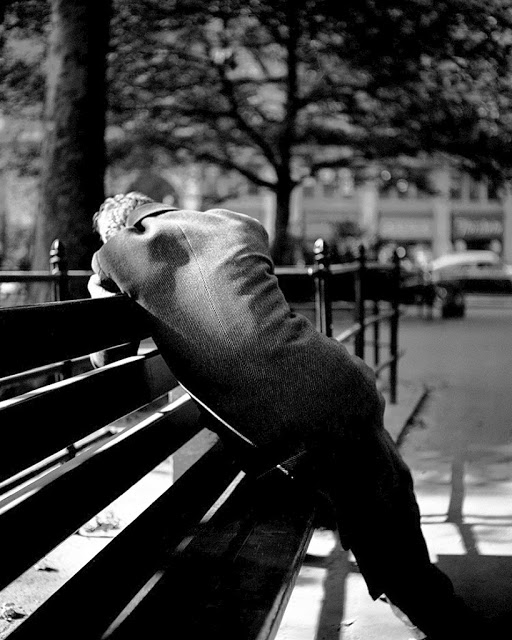
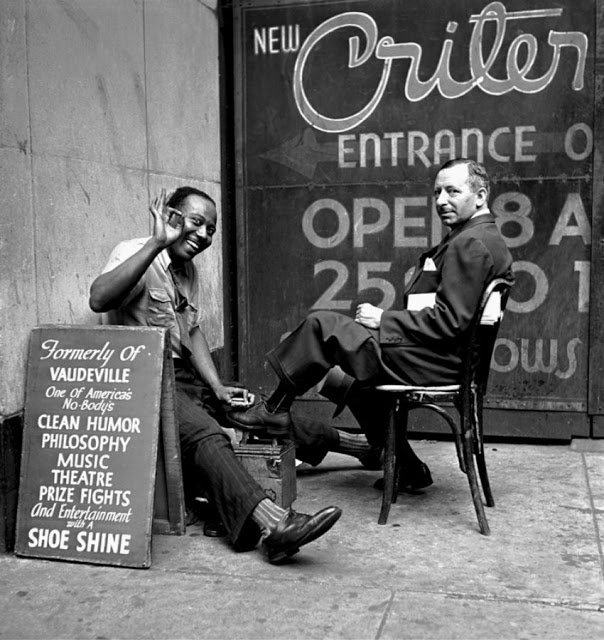
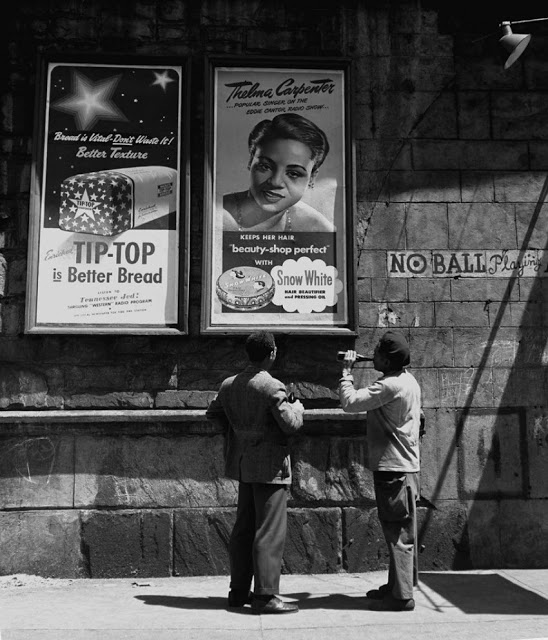
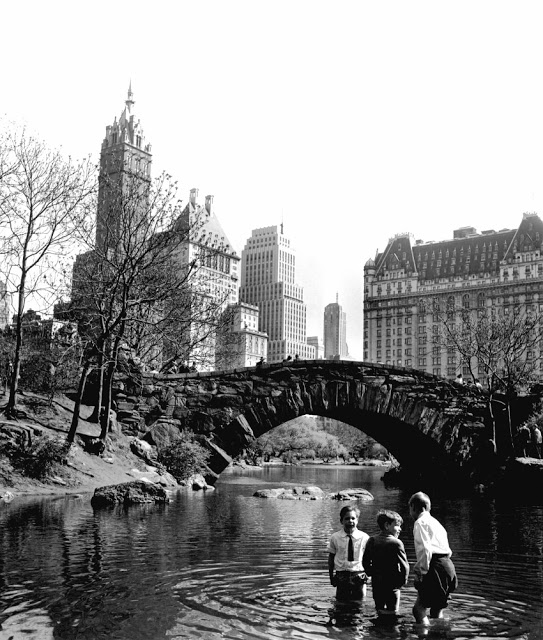
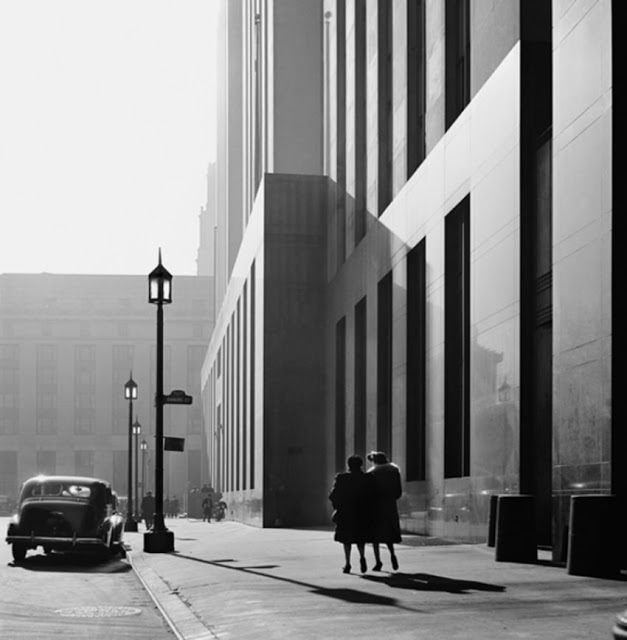
Fred Stein (1909-1967) was an early pioneer of the hand-held camera who became a gifted street photographer in Paris and New York after he was forced to flee his native Germany by the Nazi threat in the early 1930s. He explored the new creative possibilities of photography, capturing spontaneous scenes from life on the street. He was also a master portraitist, creating intimate images of many of the great personalities of the 20th century.
In the freedom of New York, the energy of the city infused Stein’s work. He added the medium-format Rolleiflex, which takes pictures in a square format.
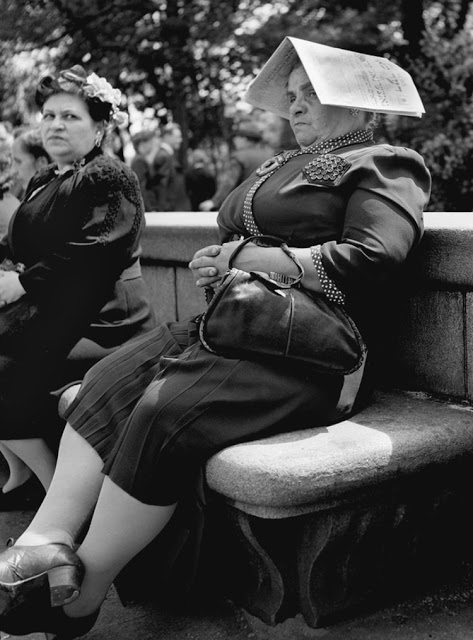
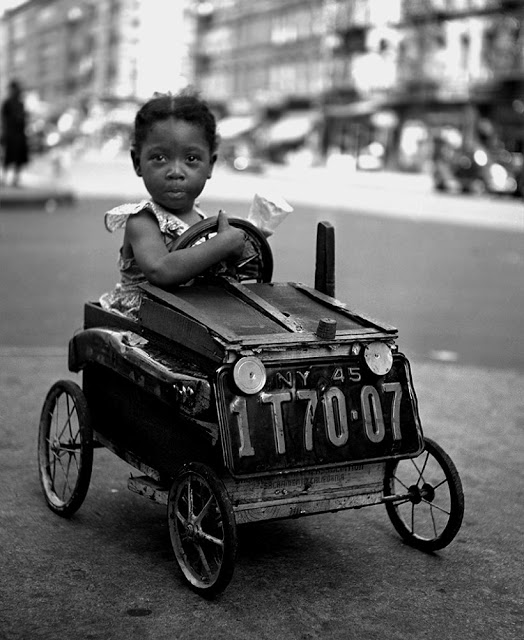
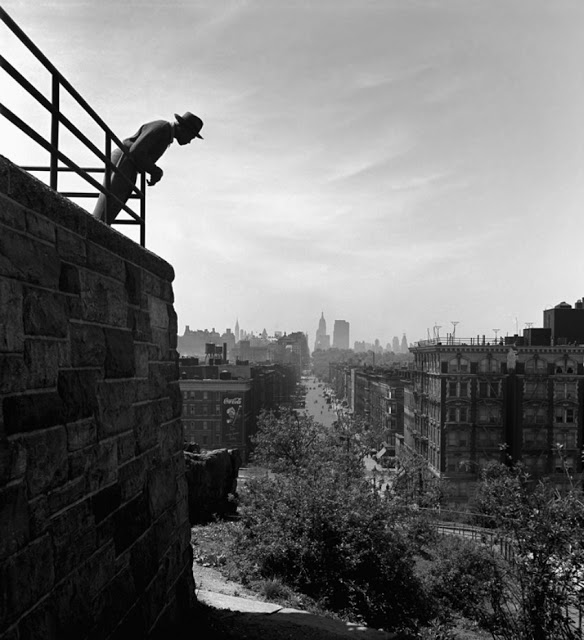
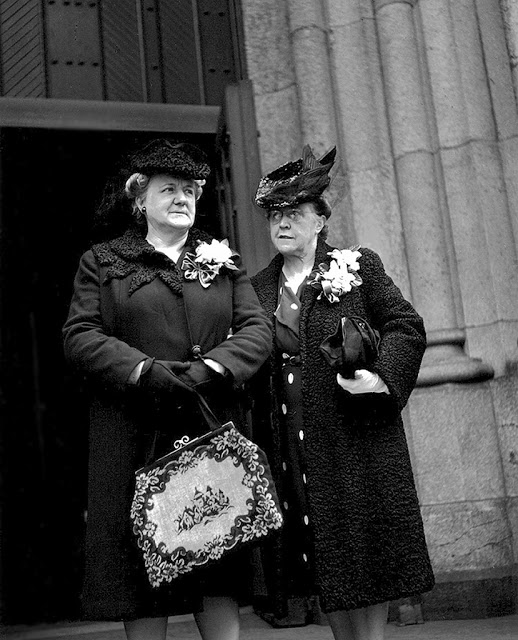
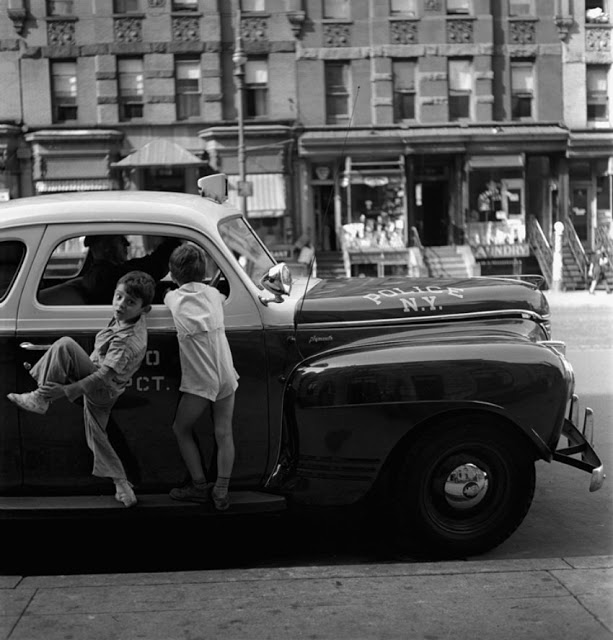
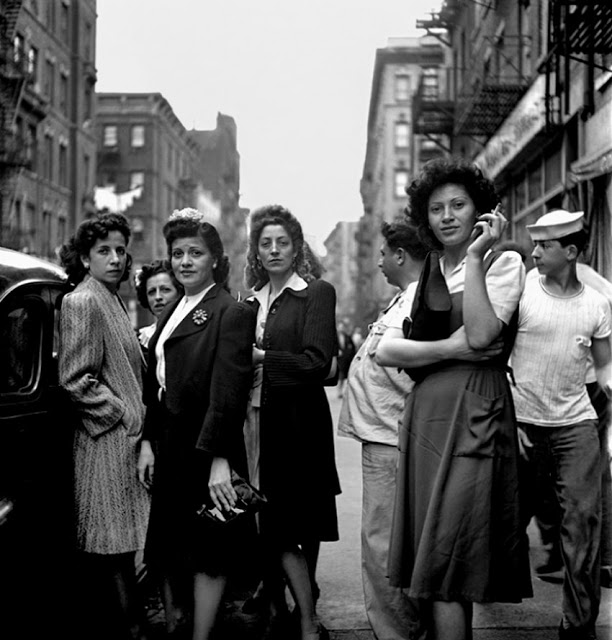
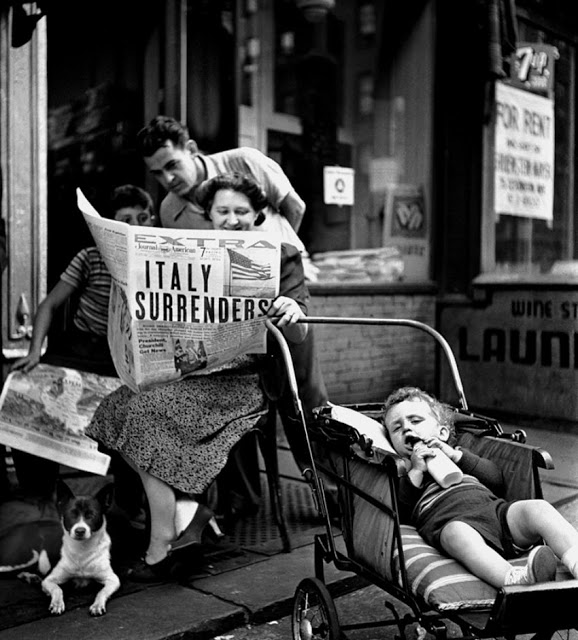
The city’s cultural mix fit perfectly with his talents and concerns. He took to the streets and ranged from Harlem to Fifth Avenue, invigorated by the bustle and variety of the New World. He loved the American spirit; and as an outsider, he came to the various ethnic areas without preconceived ideas. He was able to see in the residents a style, humor and dignity that seems perfectly fresh, even today, as evidenced in “Little Italy” 1943.