





































Bringing You the Wonder of Yesterday – Today


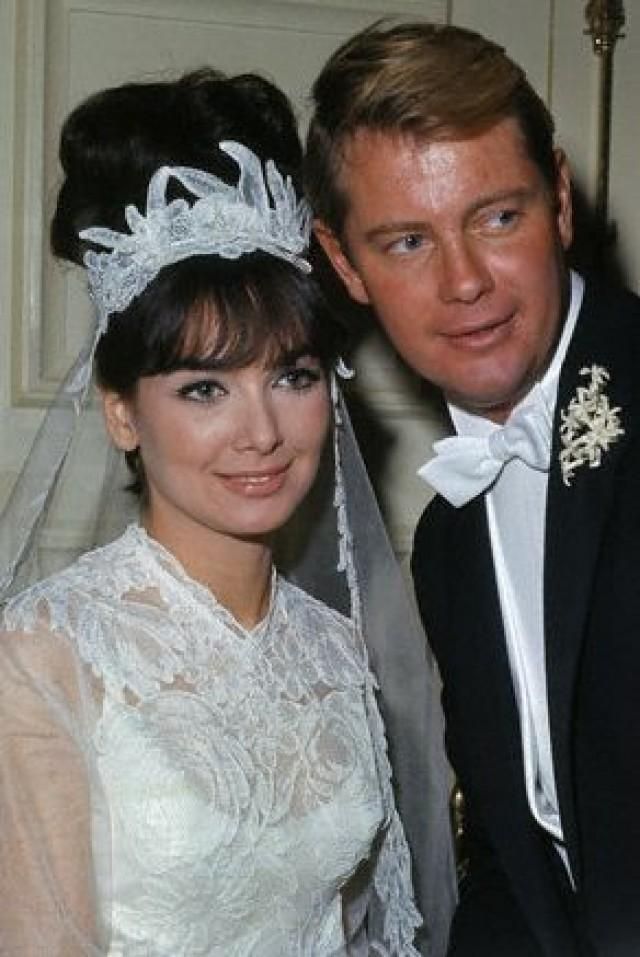
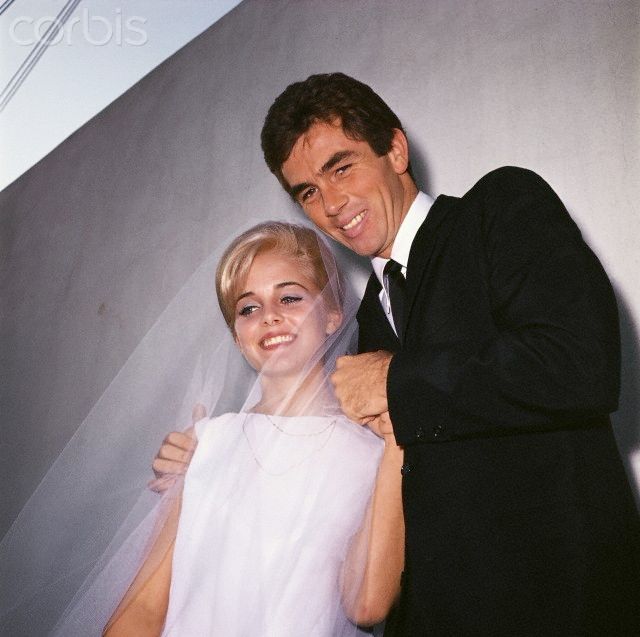
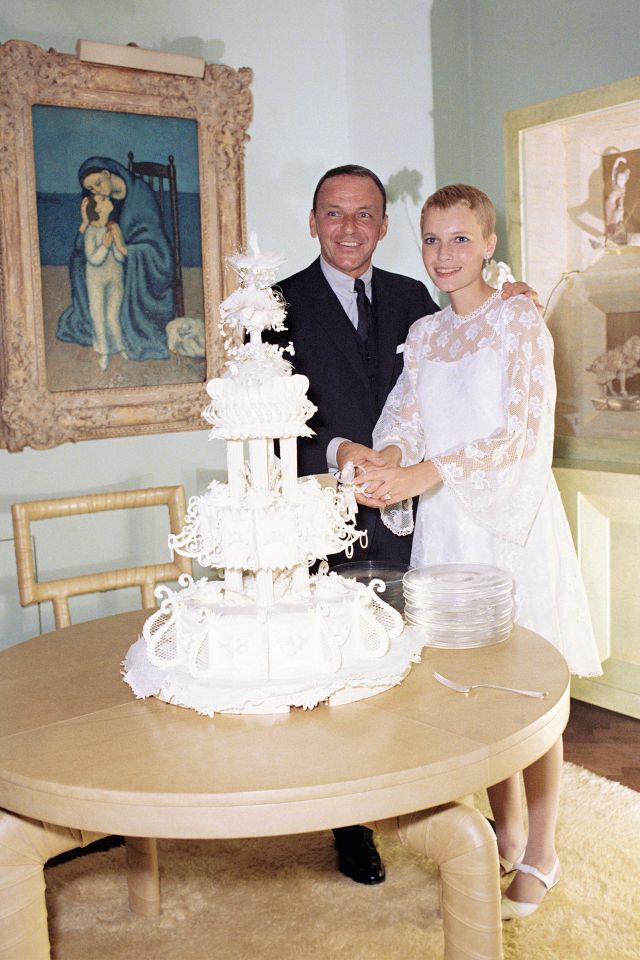
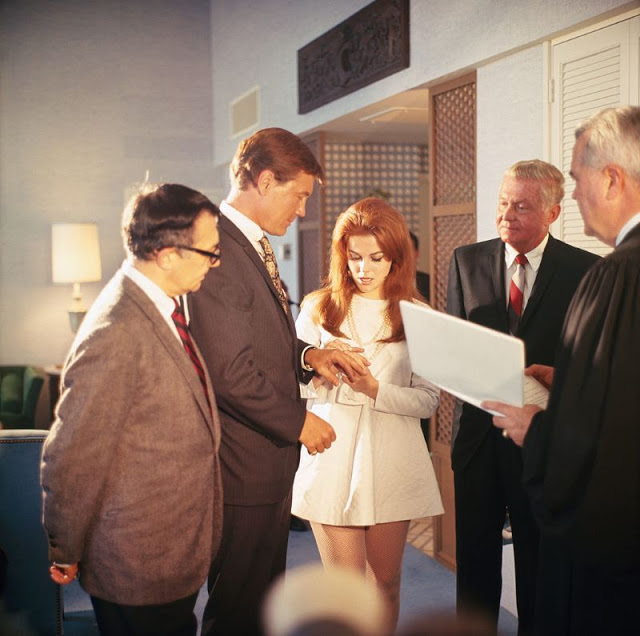

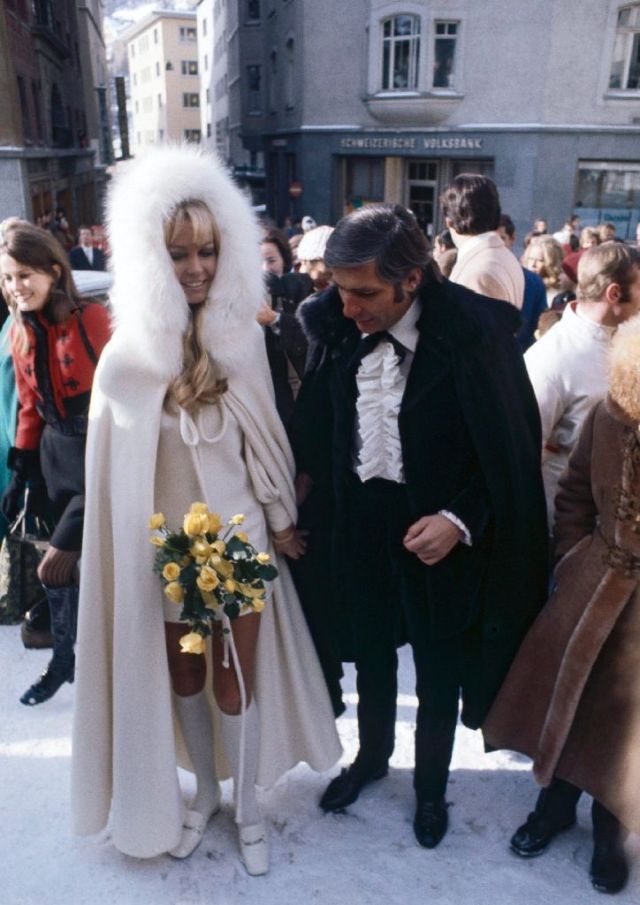
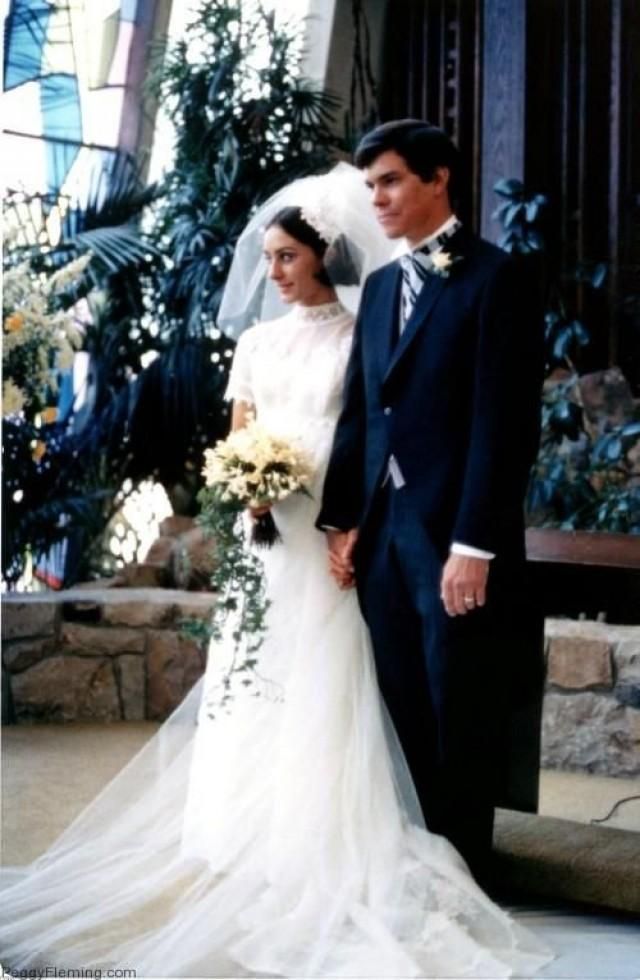
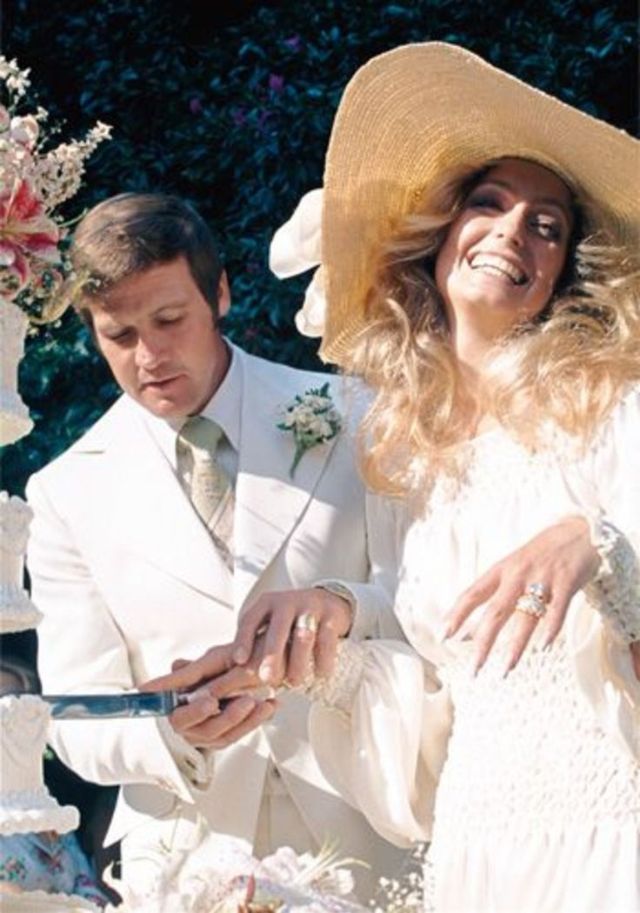


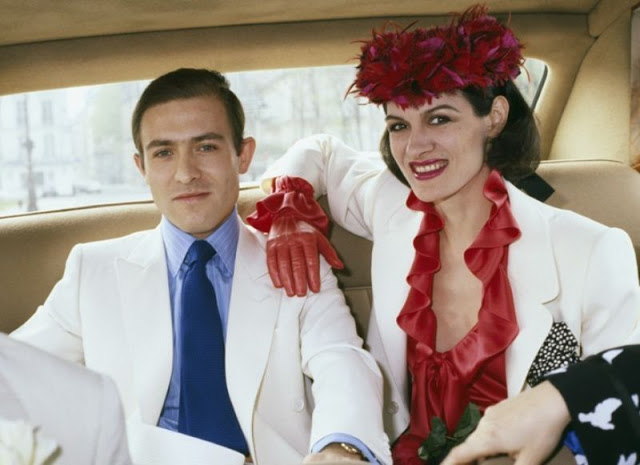
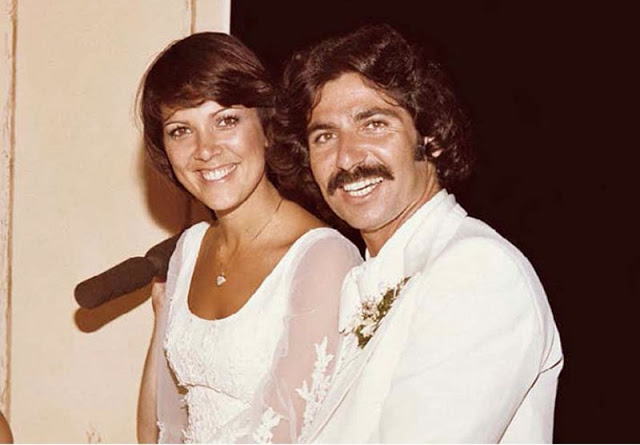


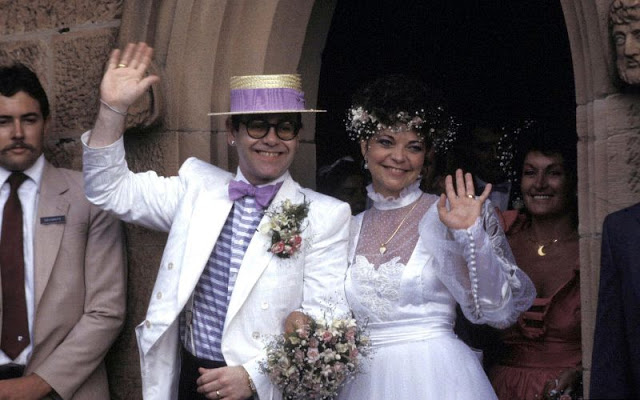






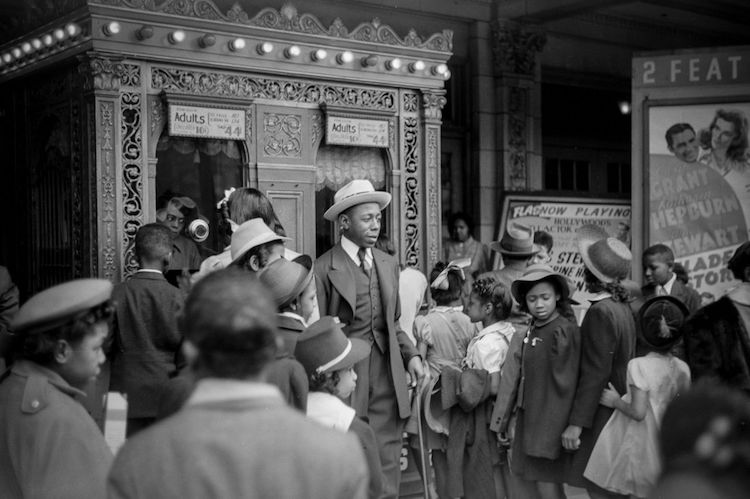

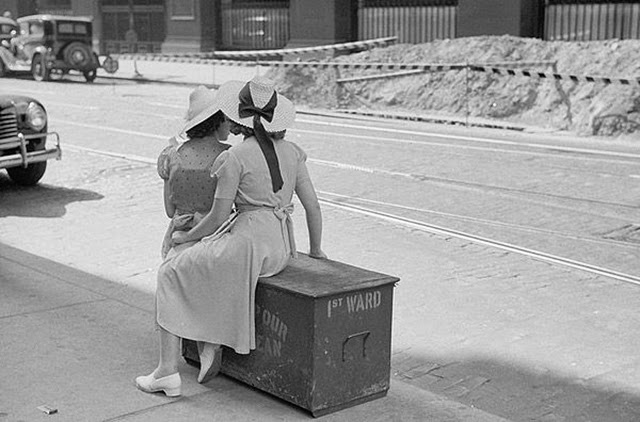
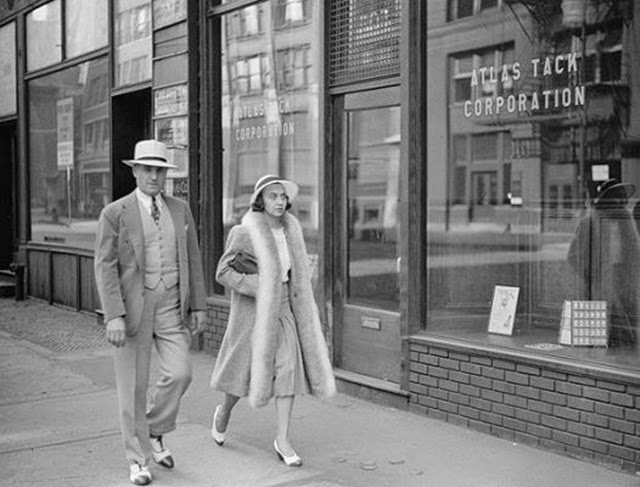

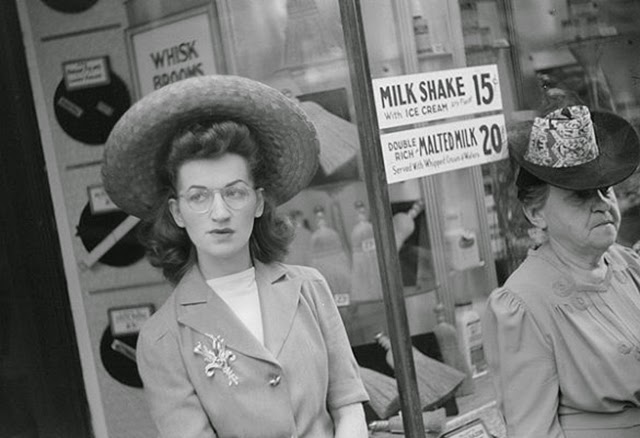







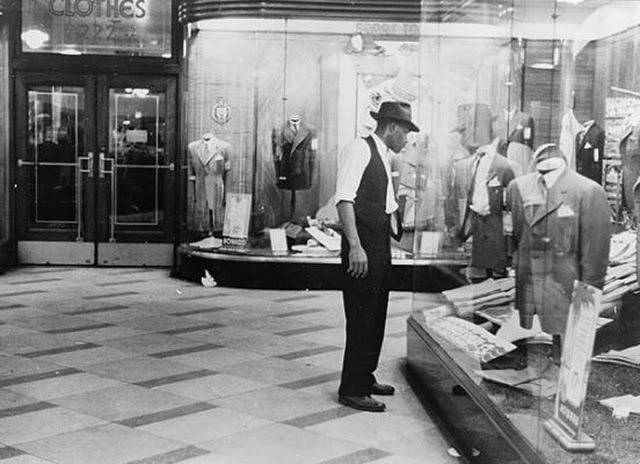
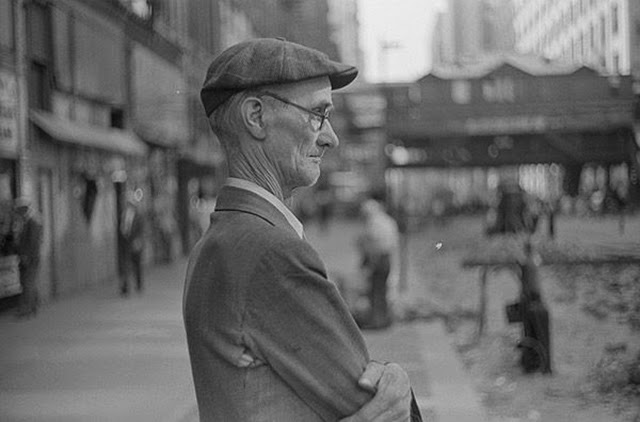


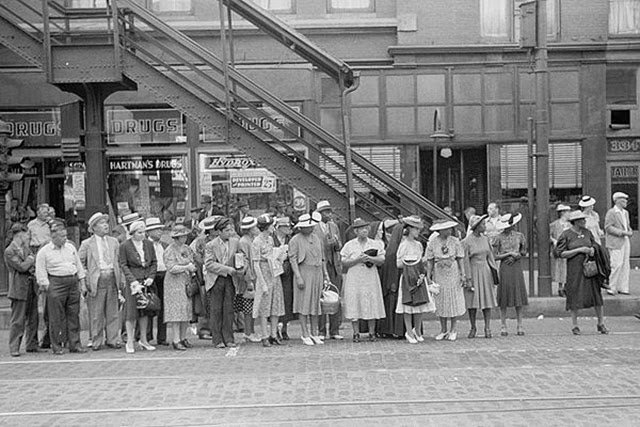
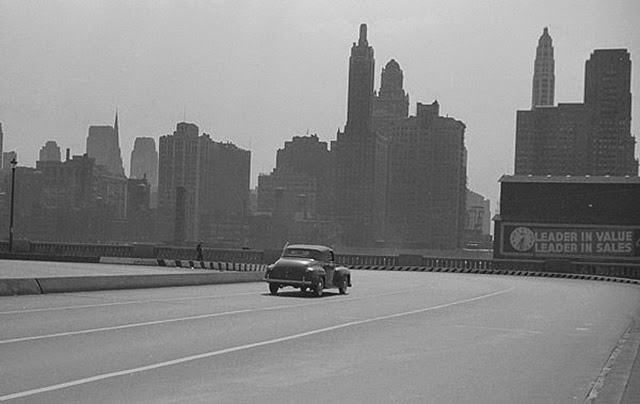
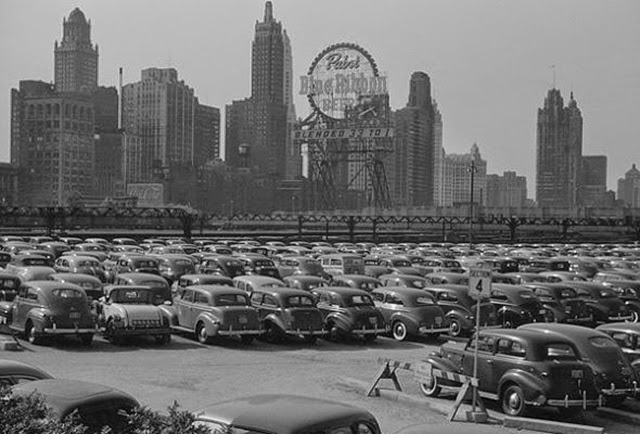


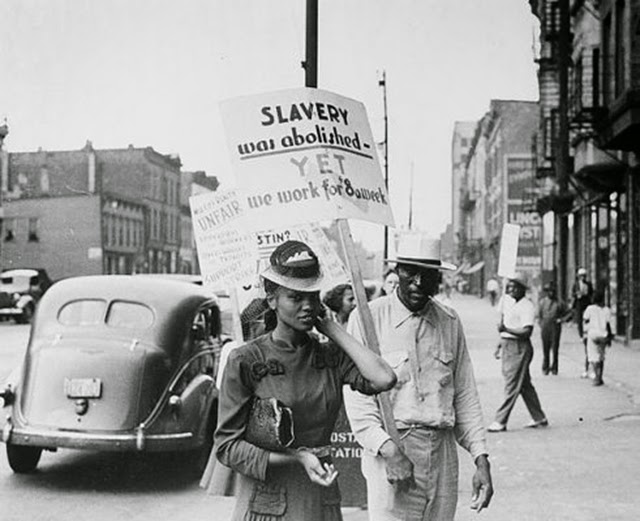
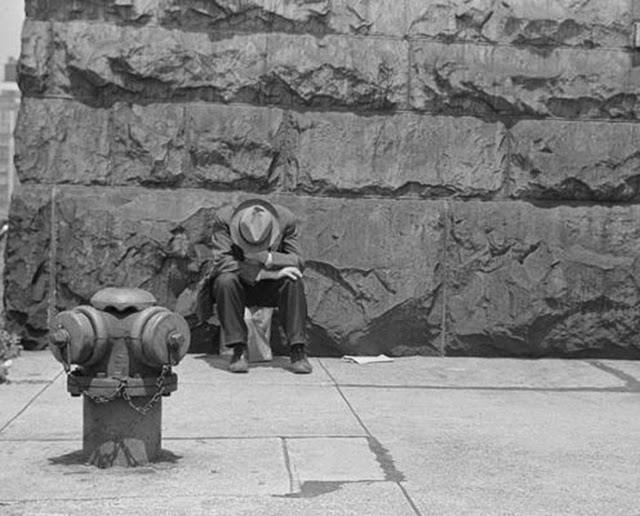





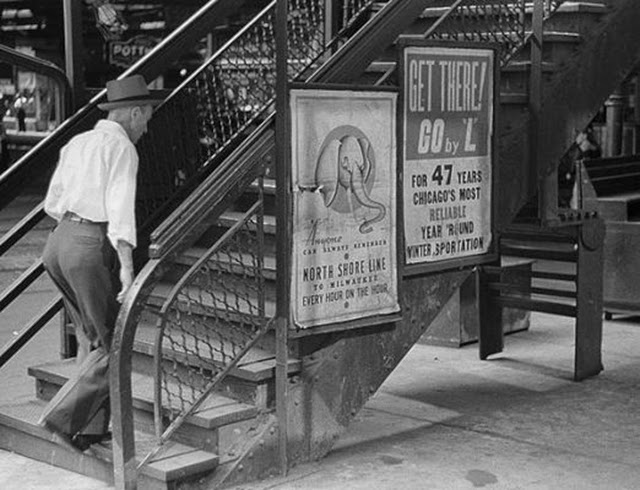




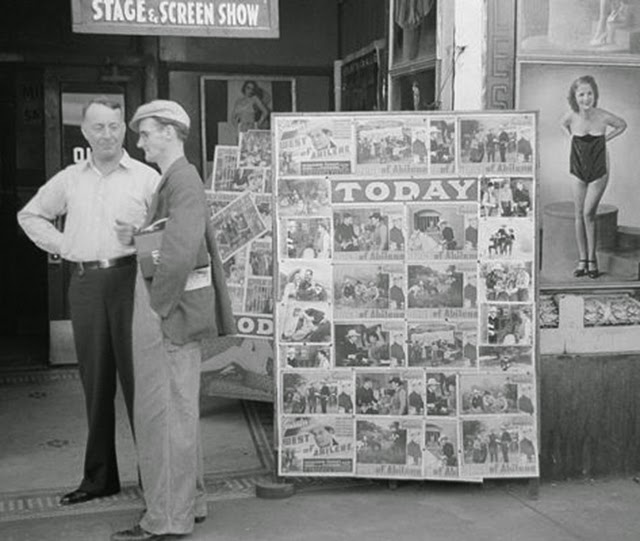

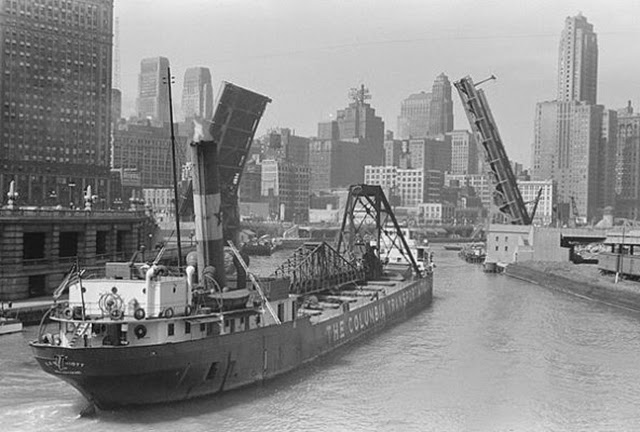
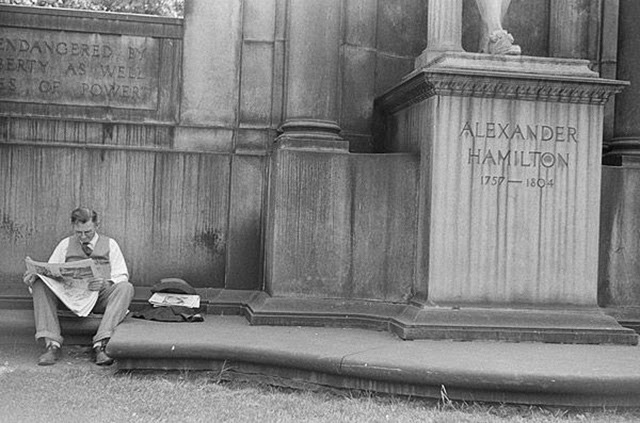


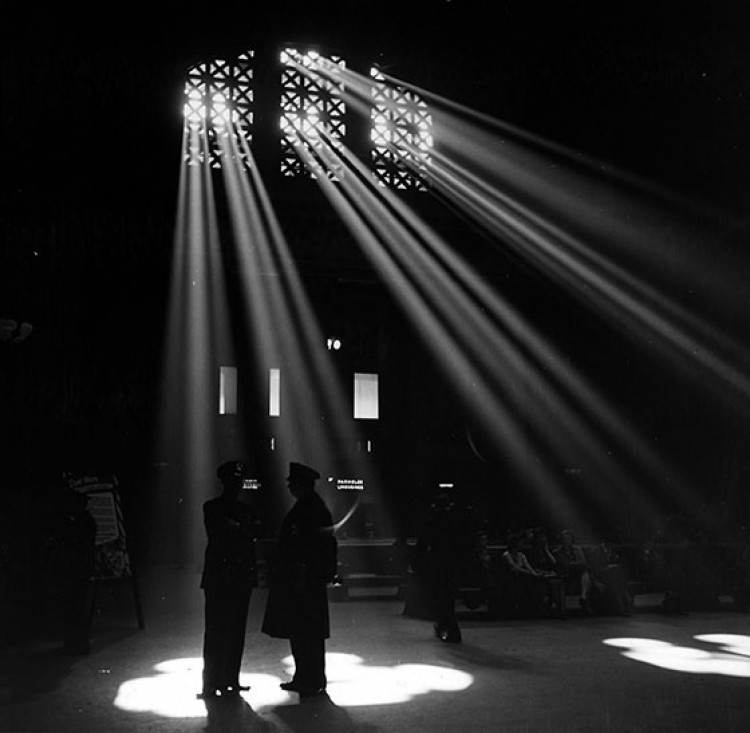




(Photos by John Vachon, via Chicago magazine)

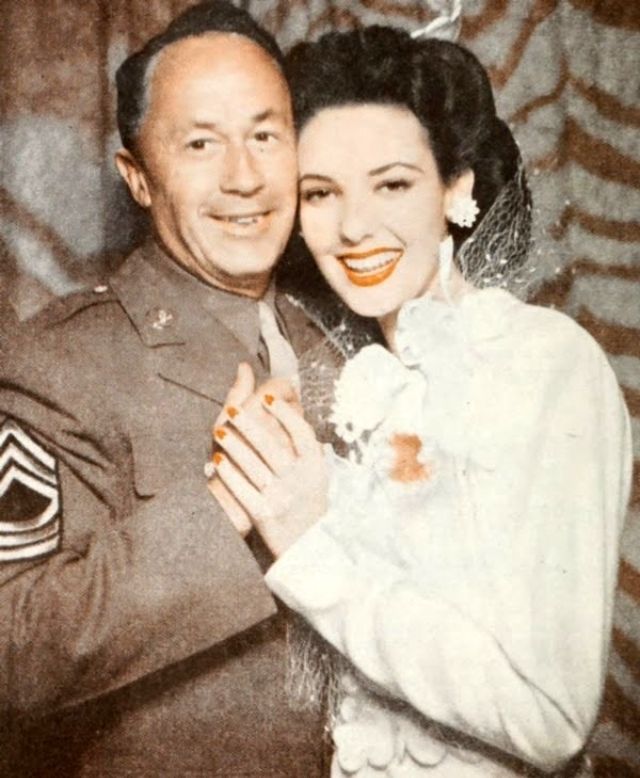
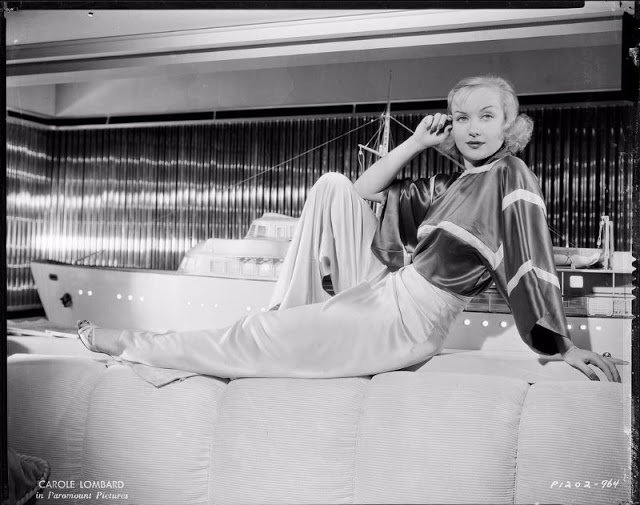
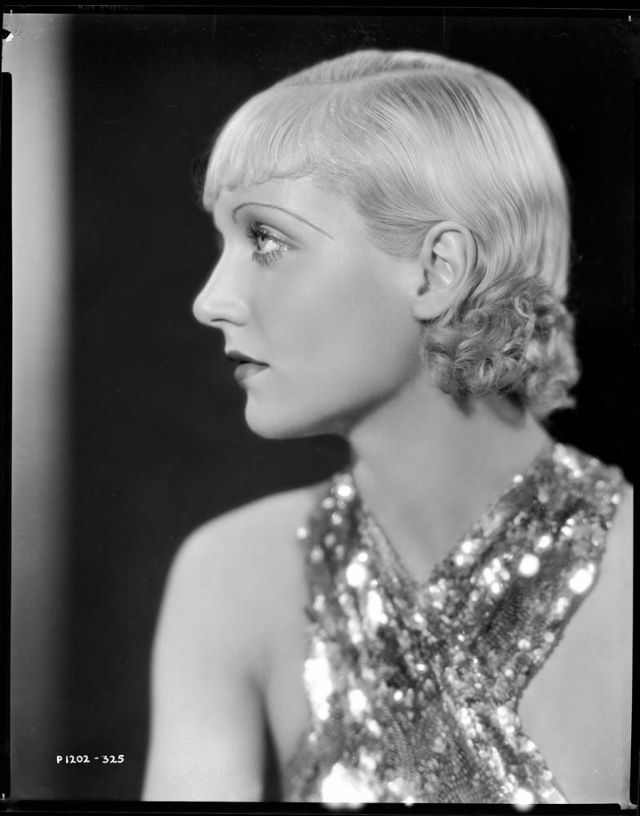
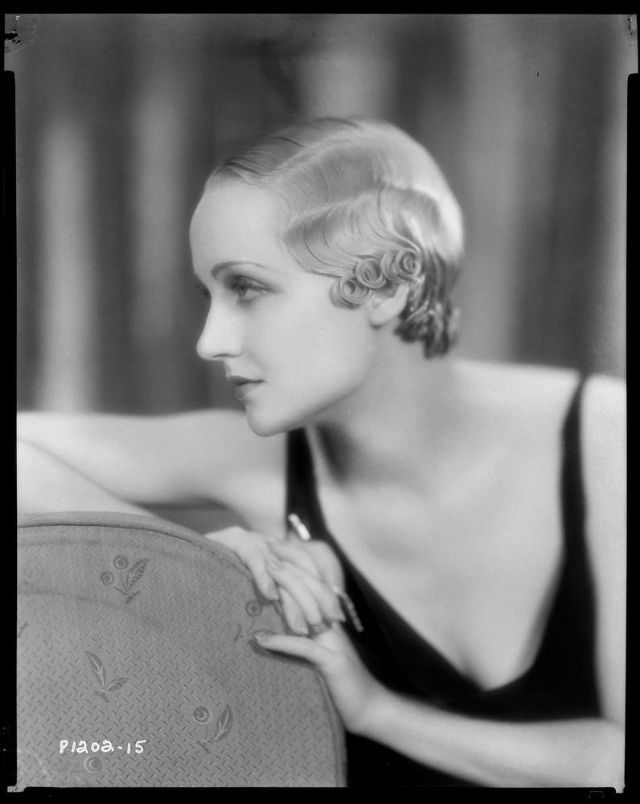
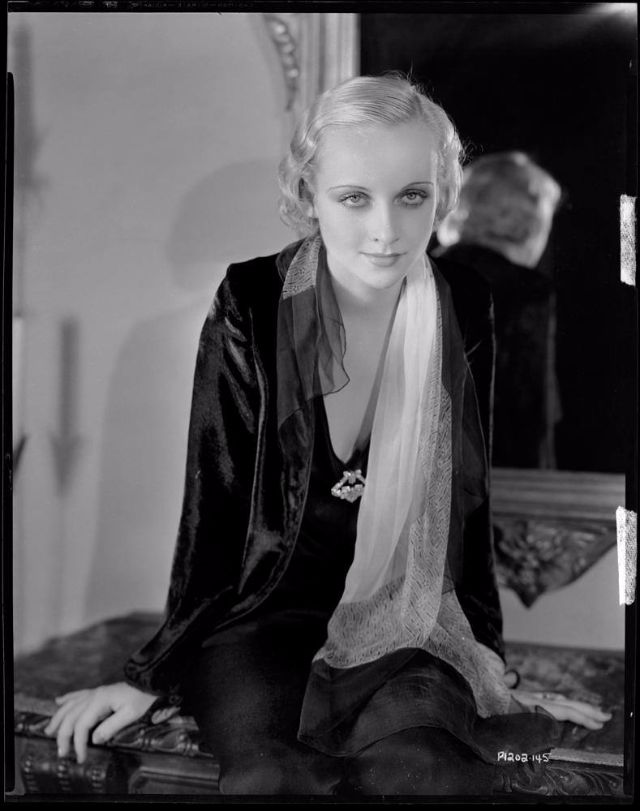
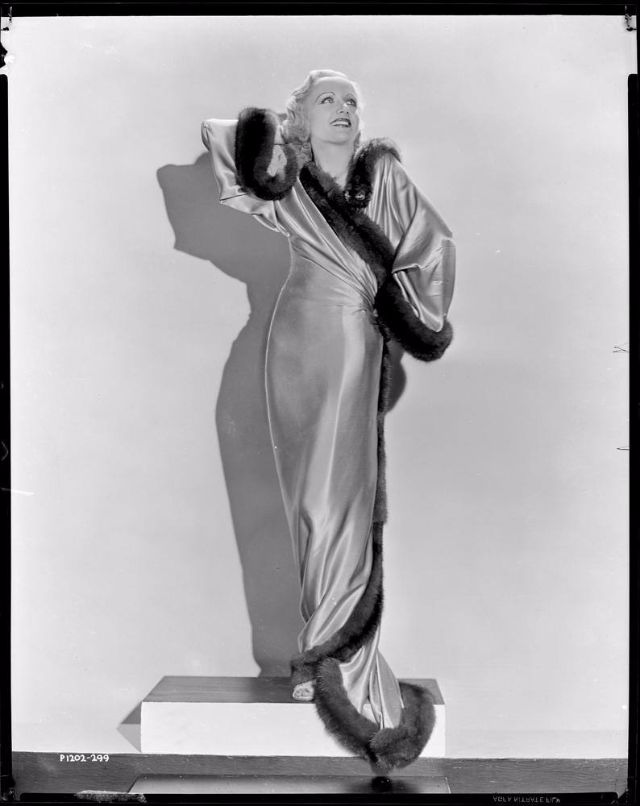
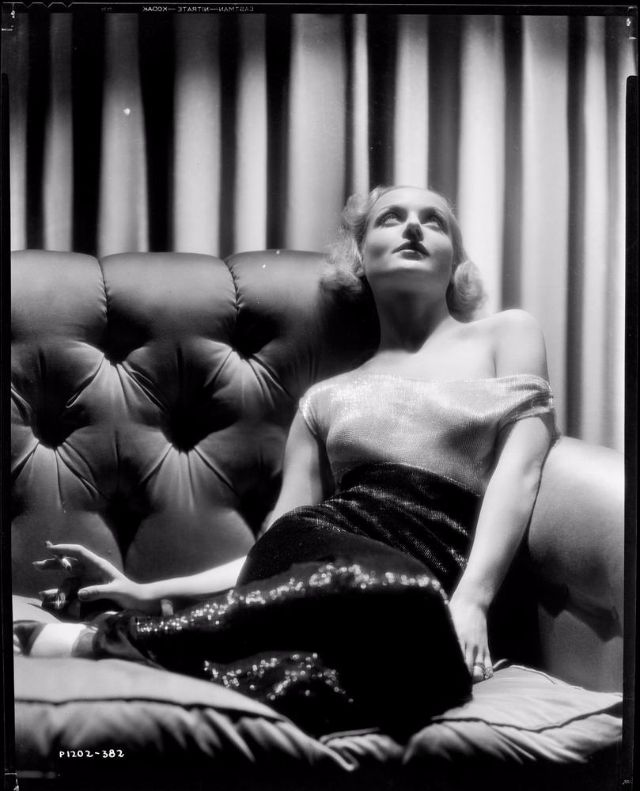
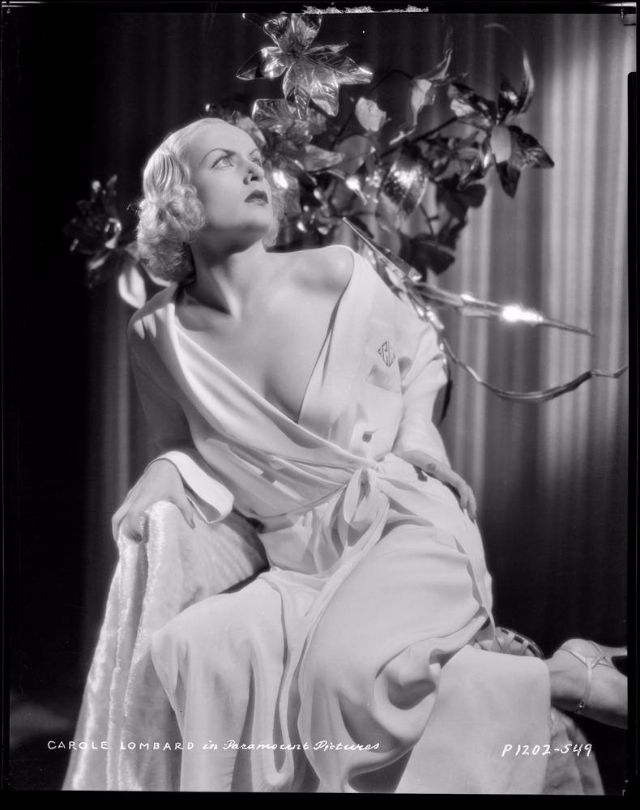
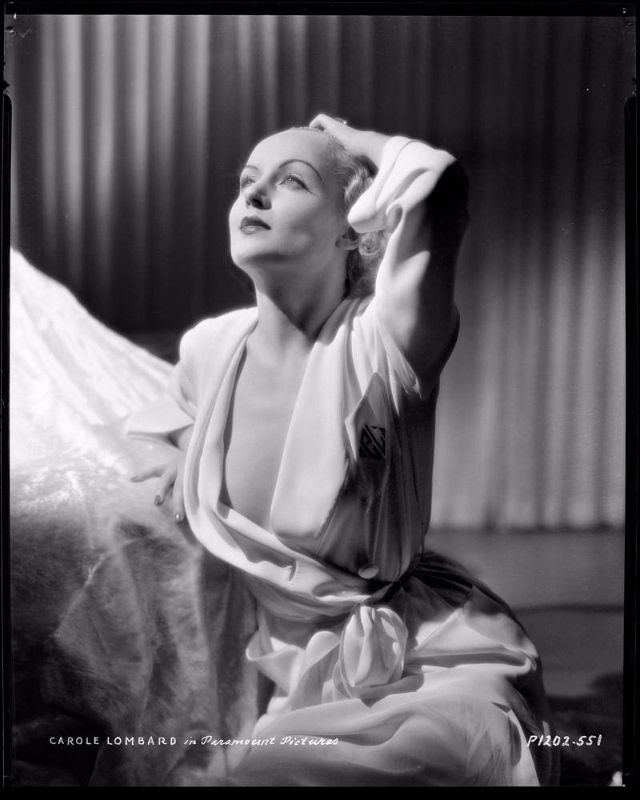
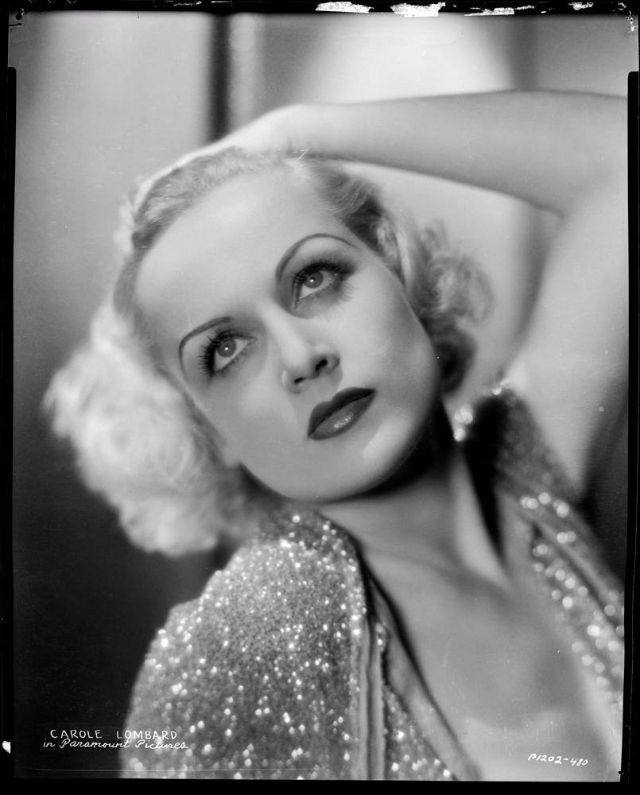
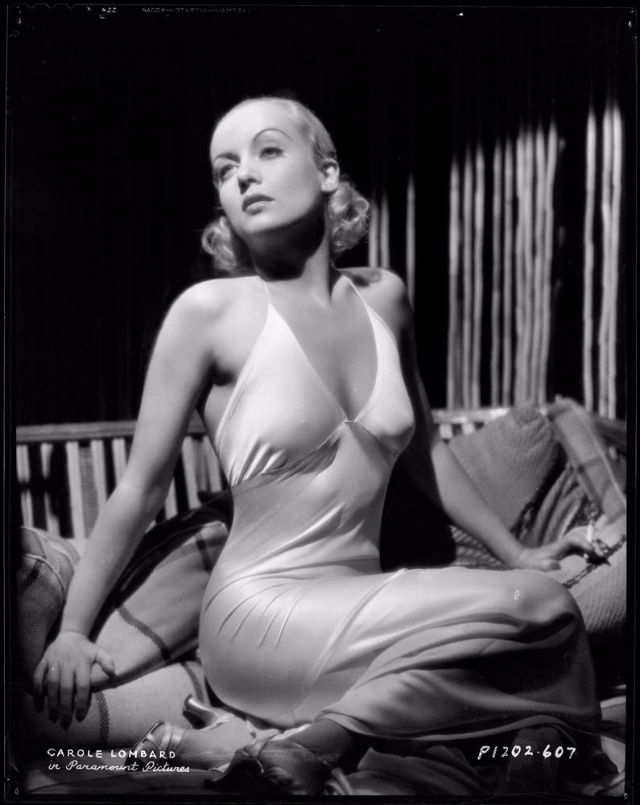
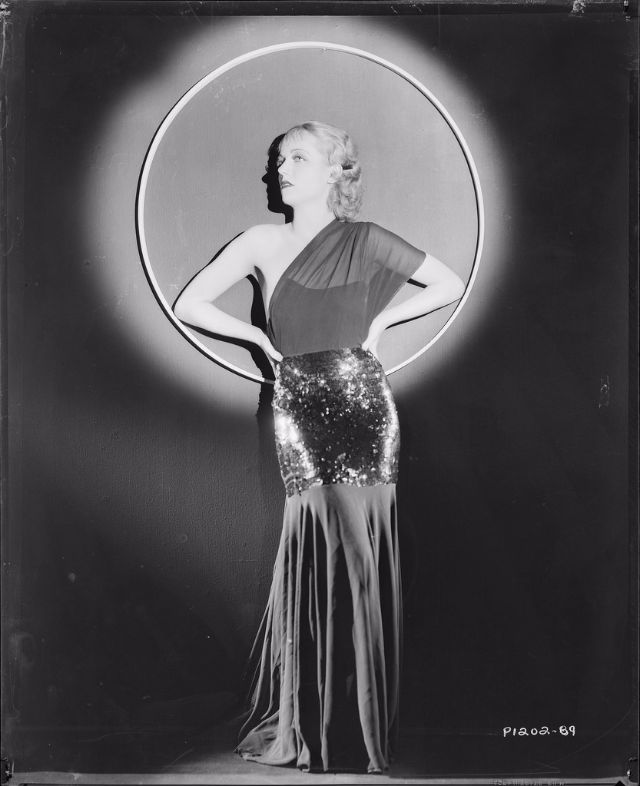
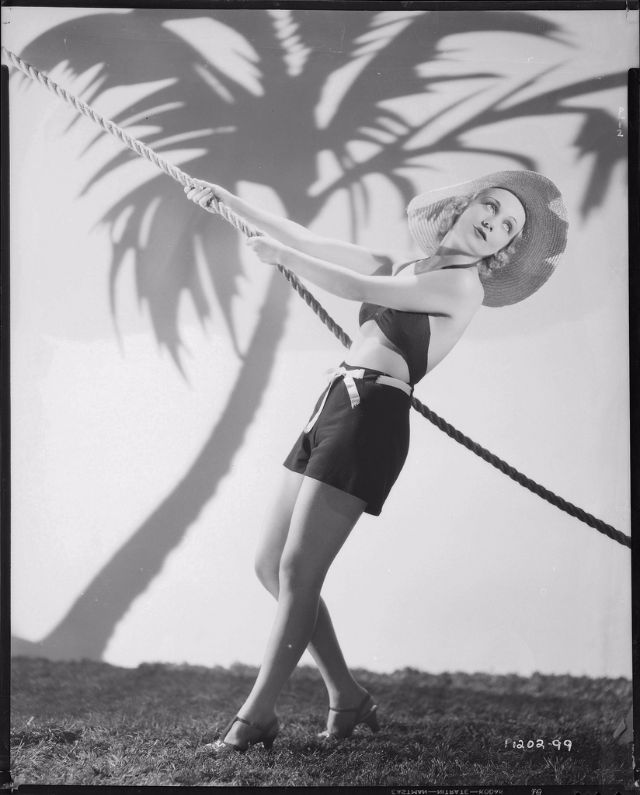
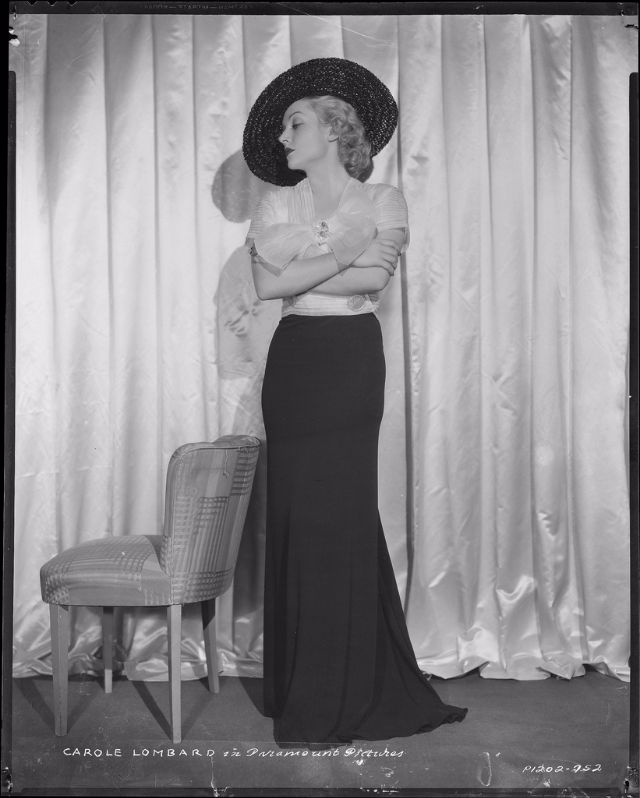
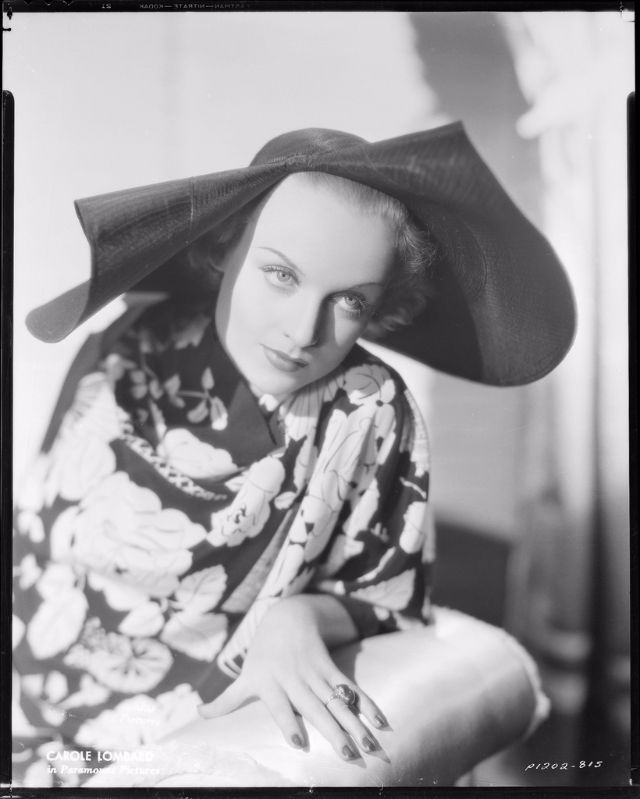
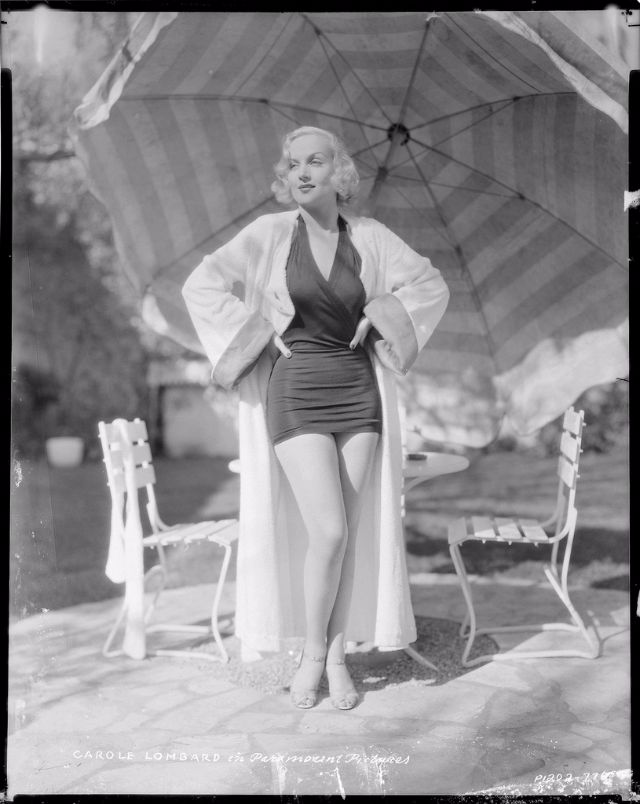
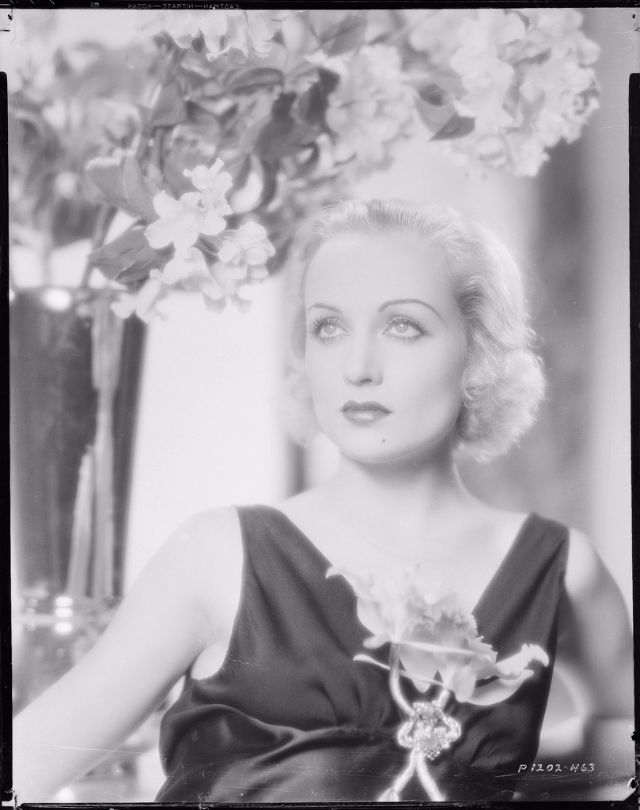
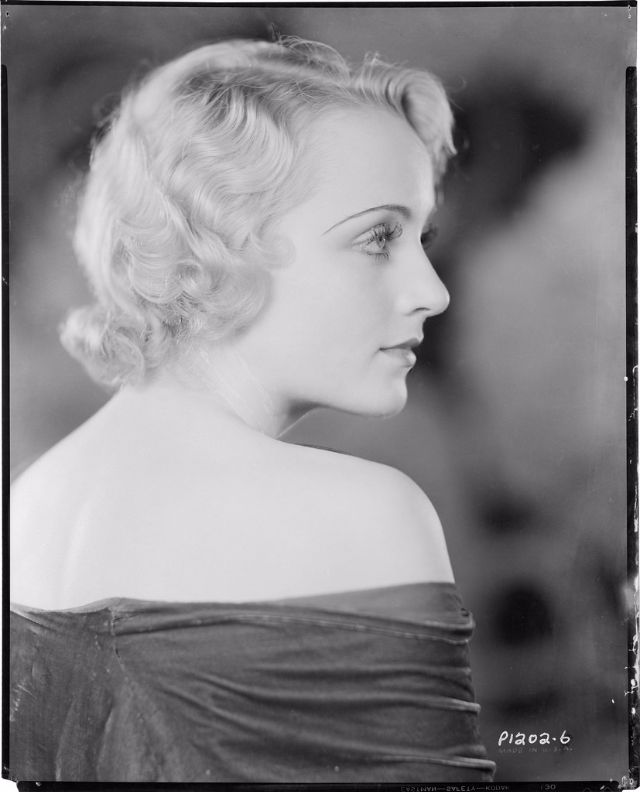
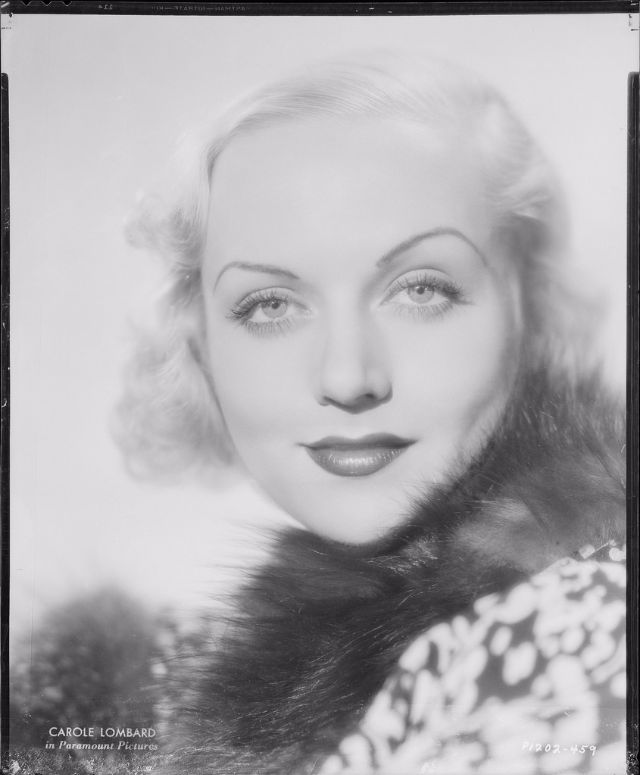
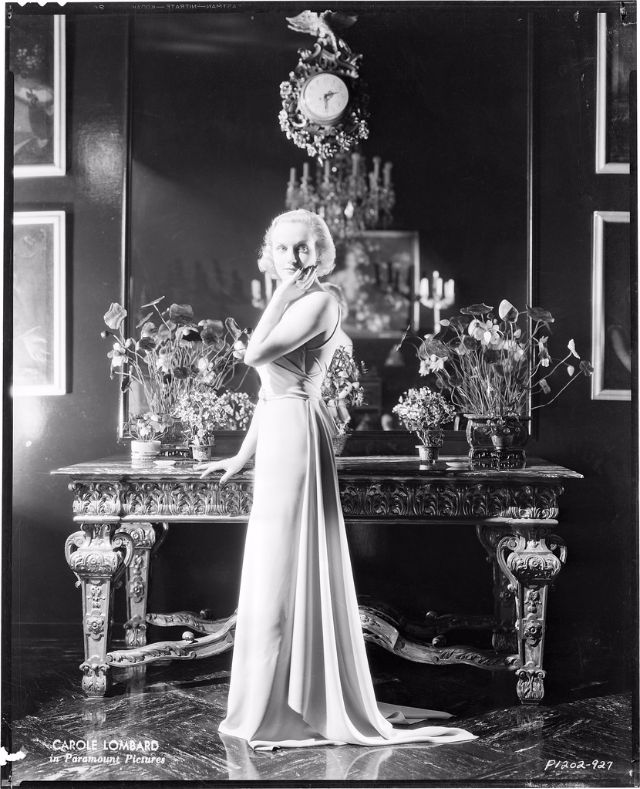
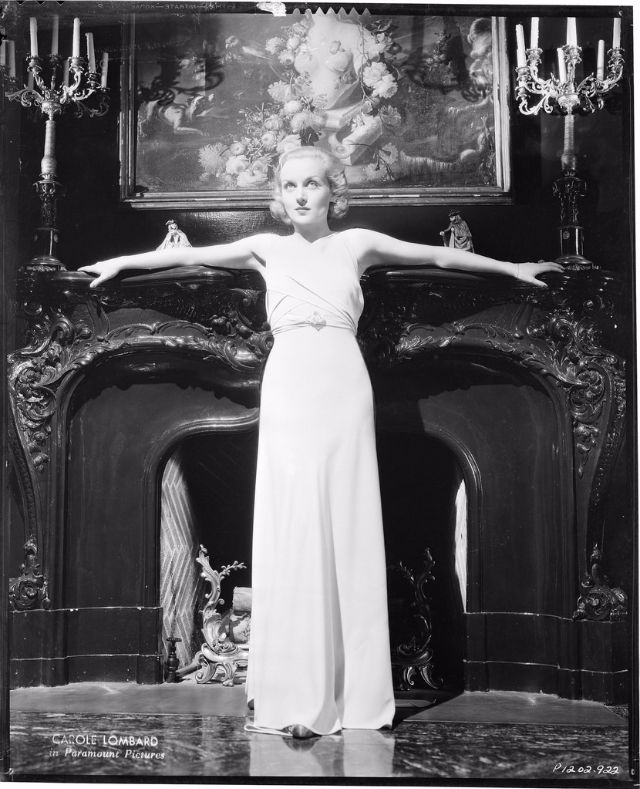
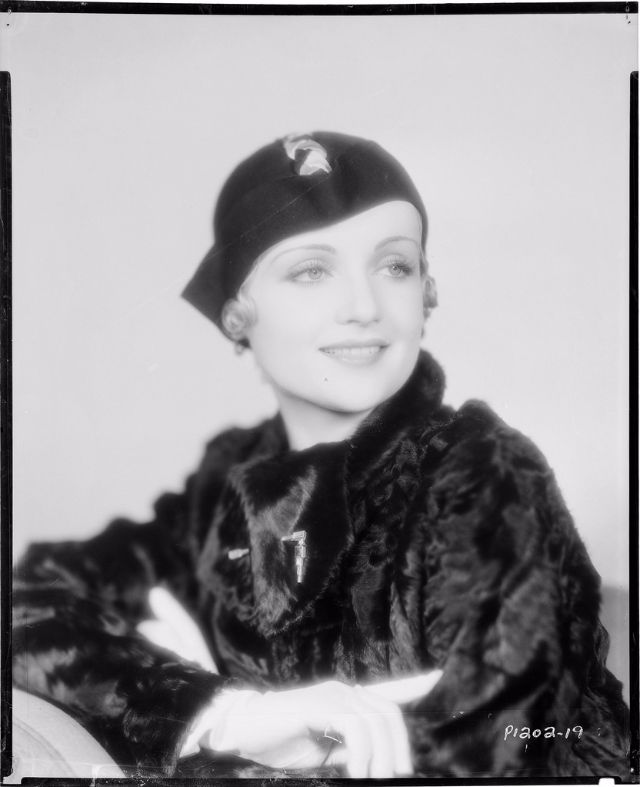
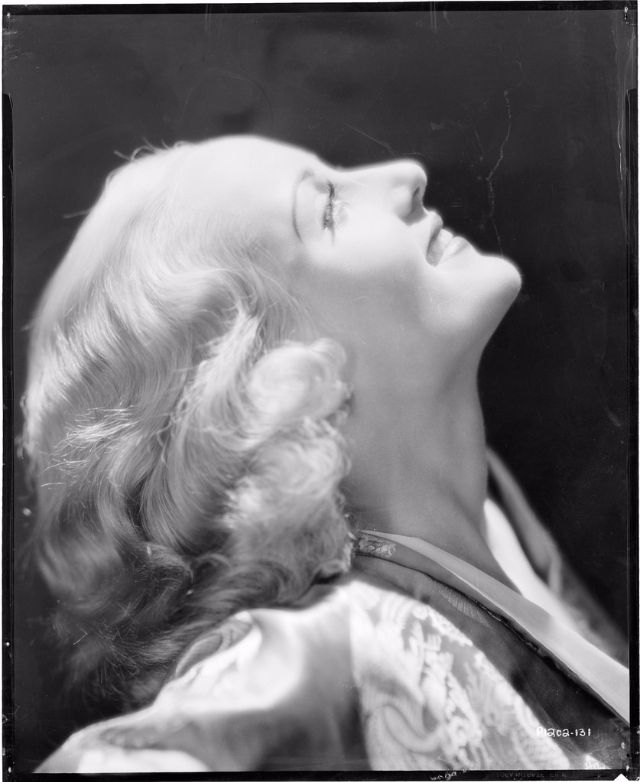
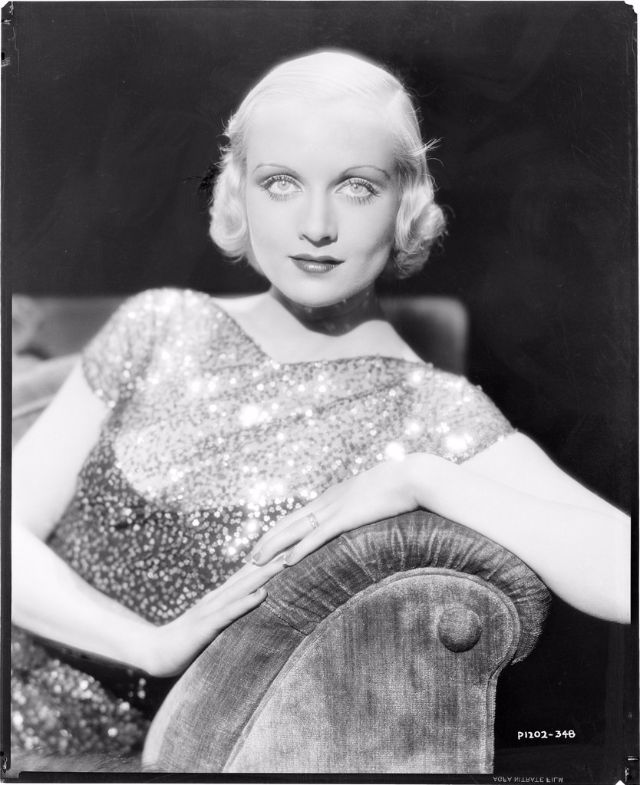
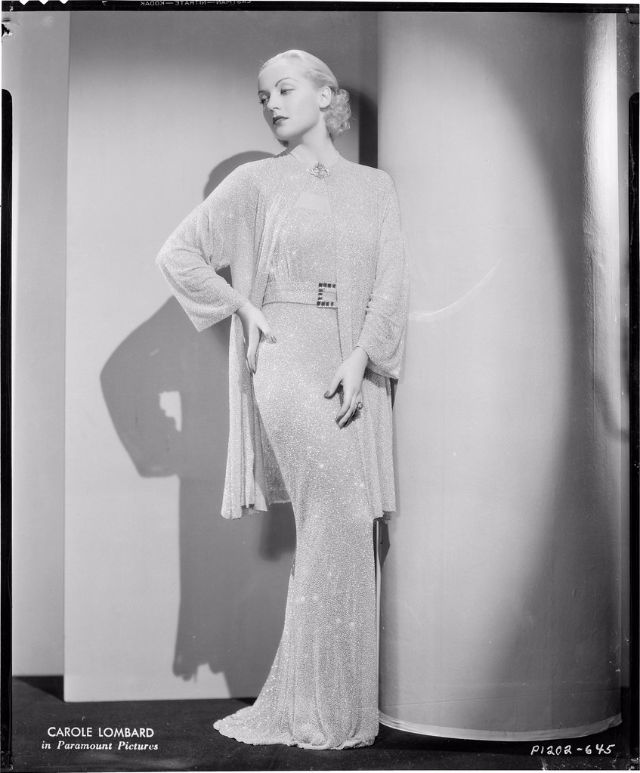
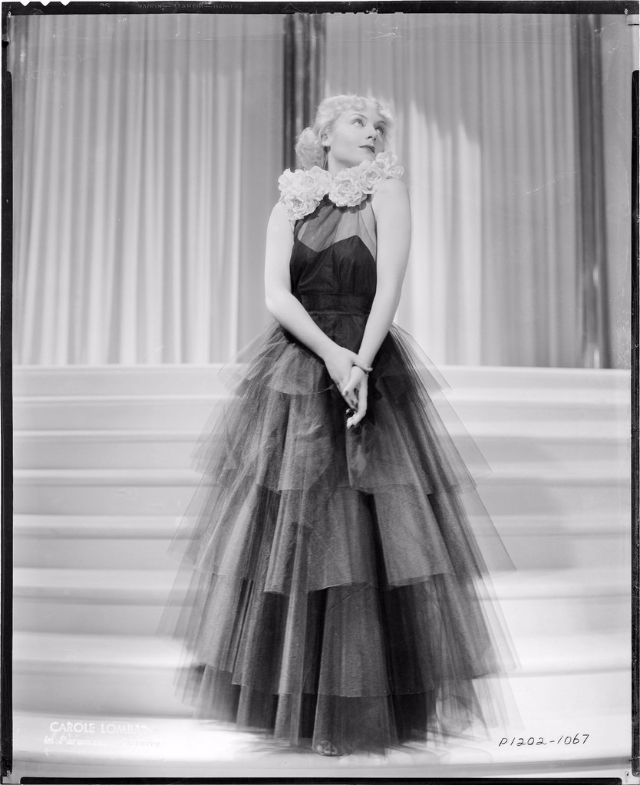
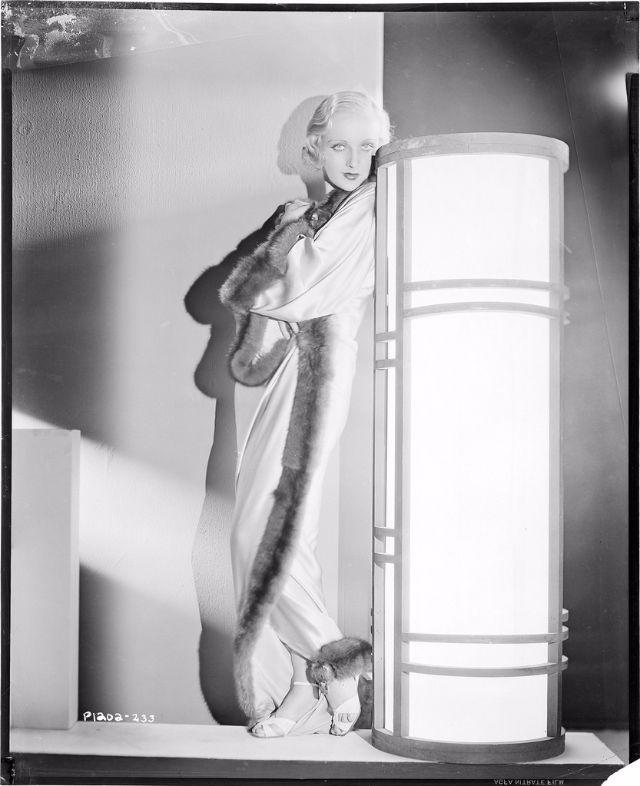
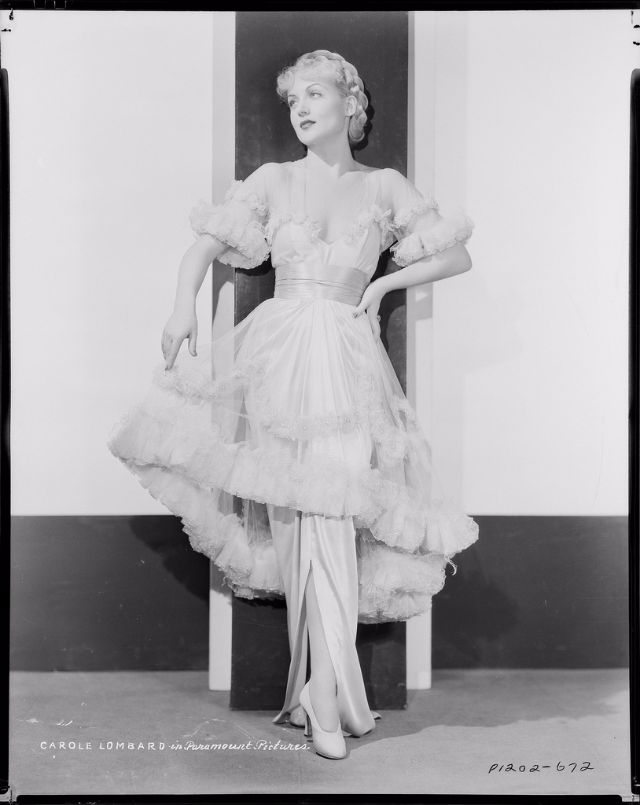
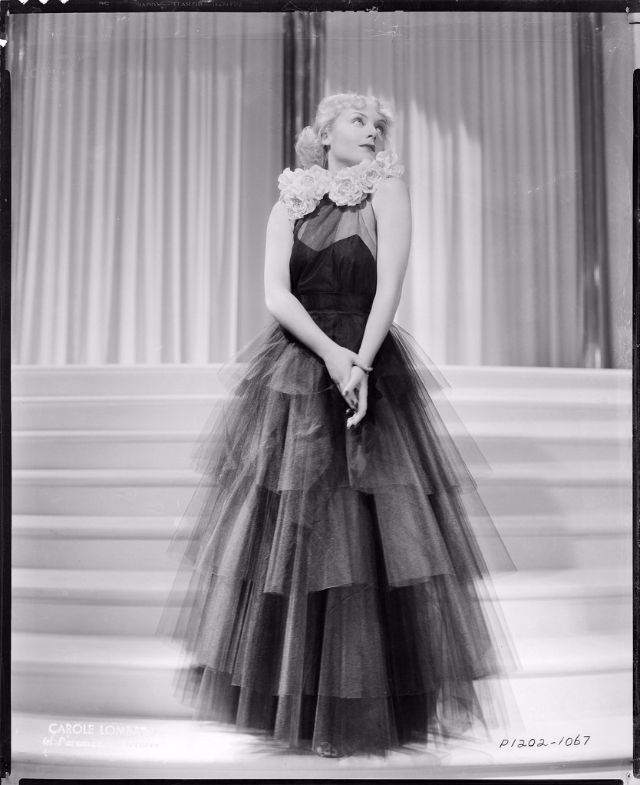
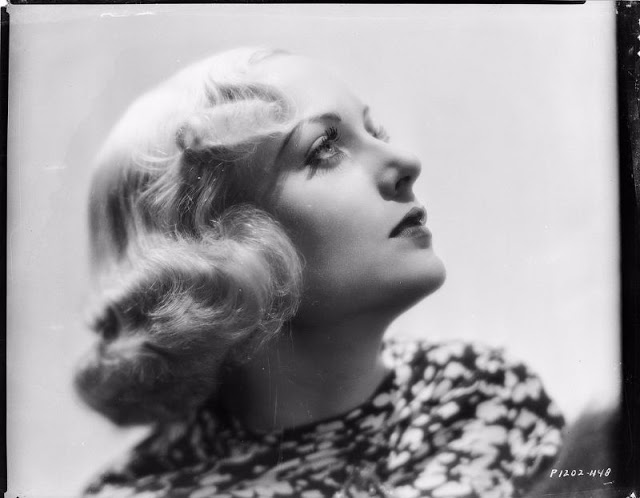
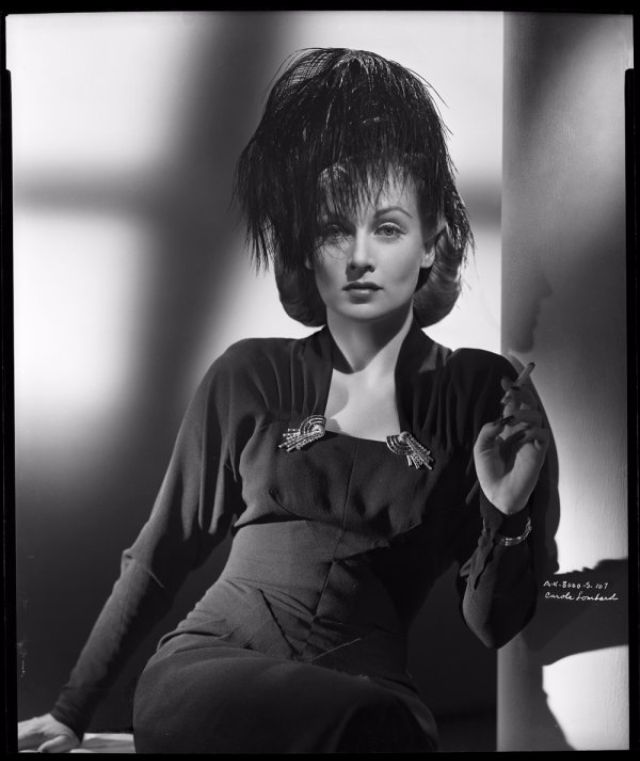
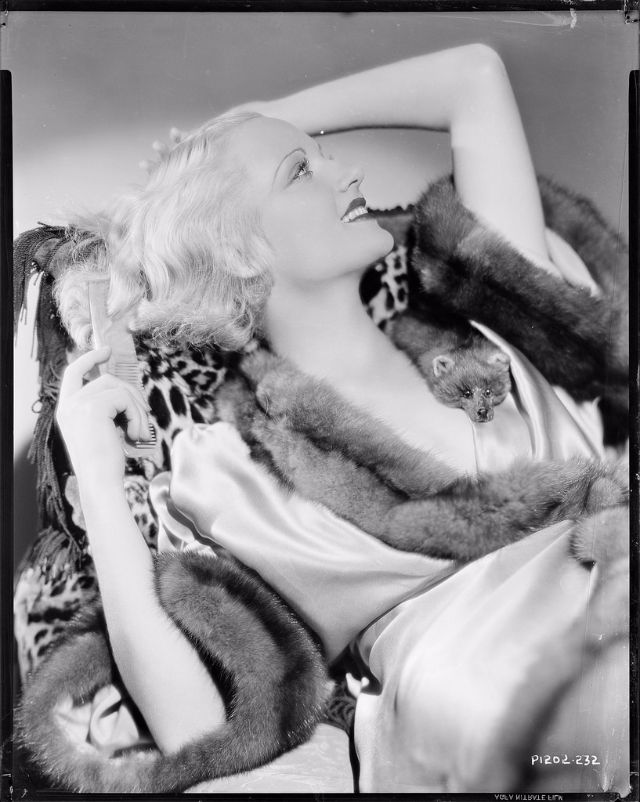
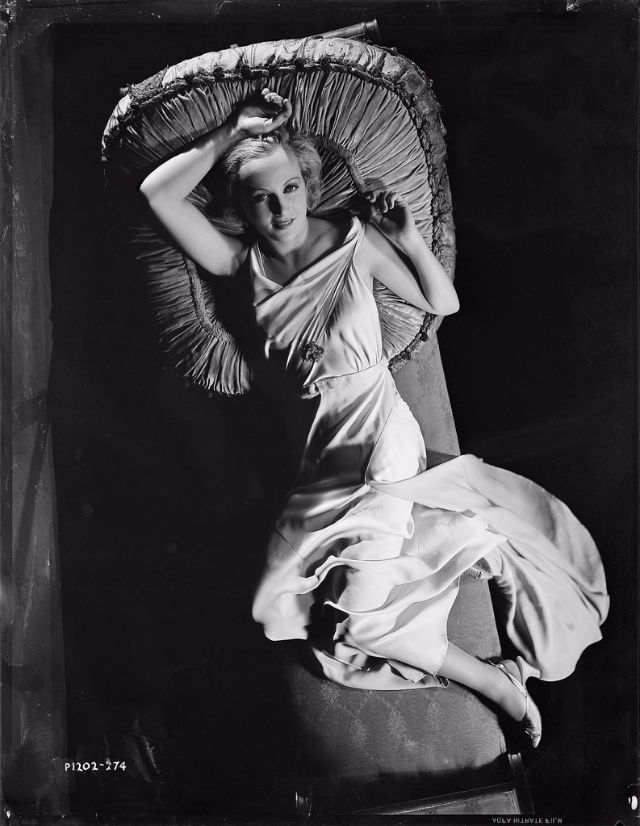
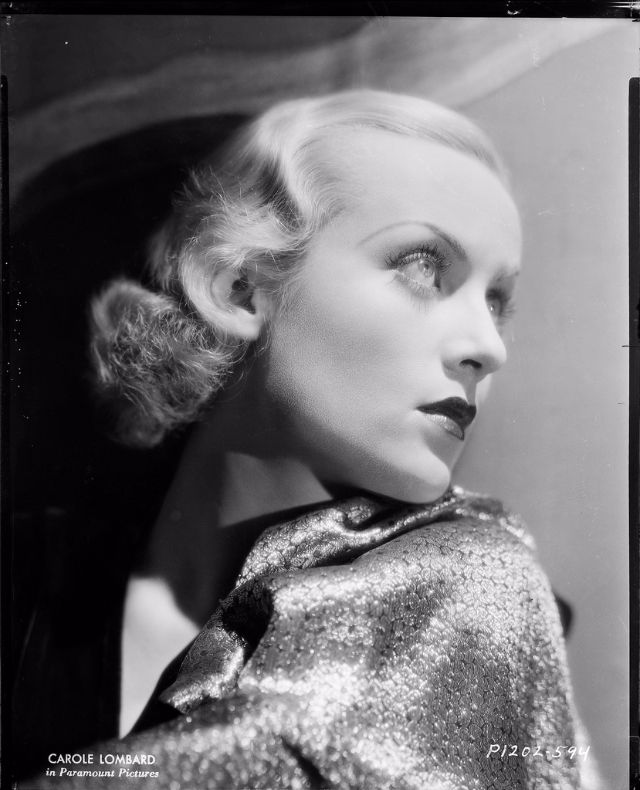
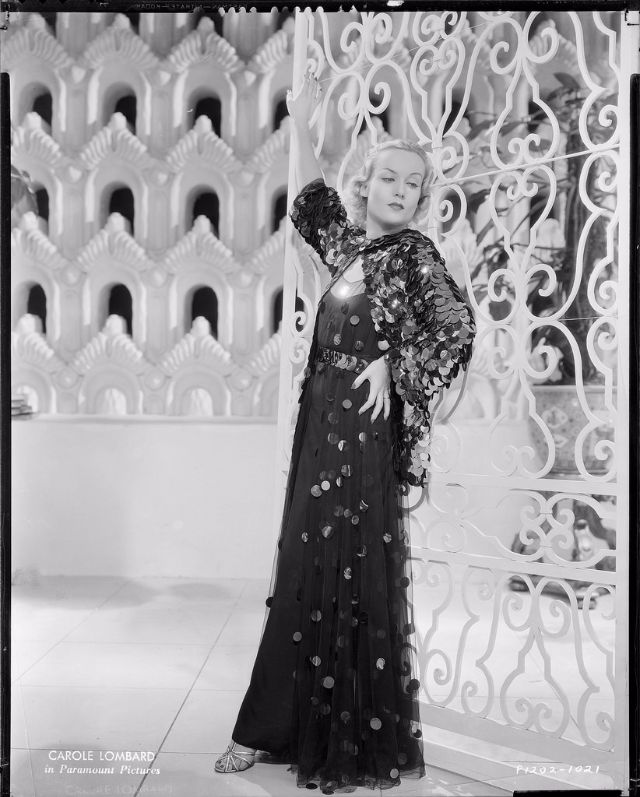
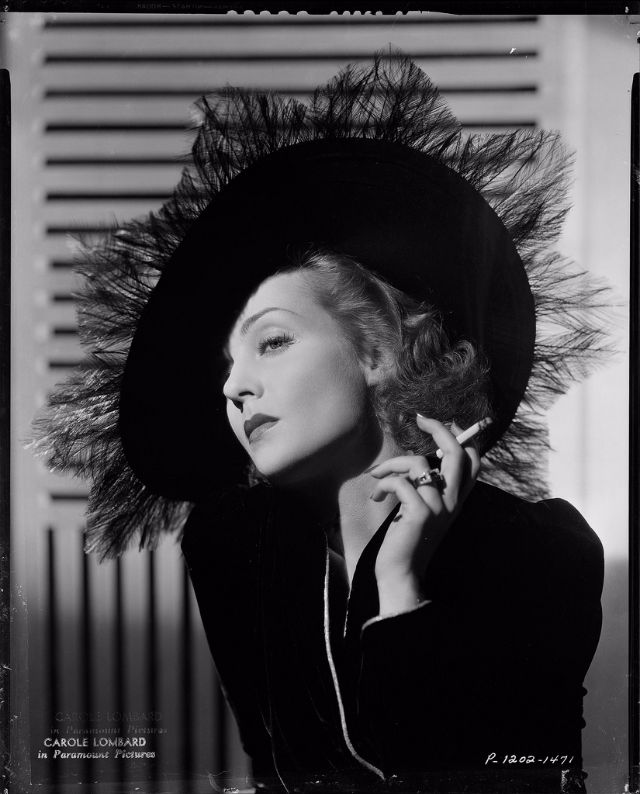
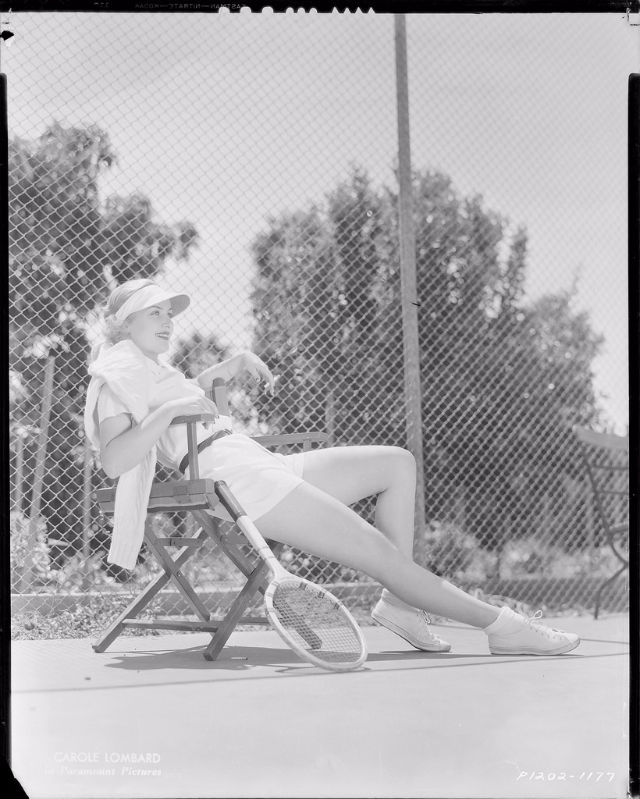
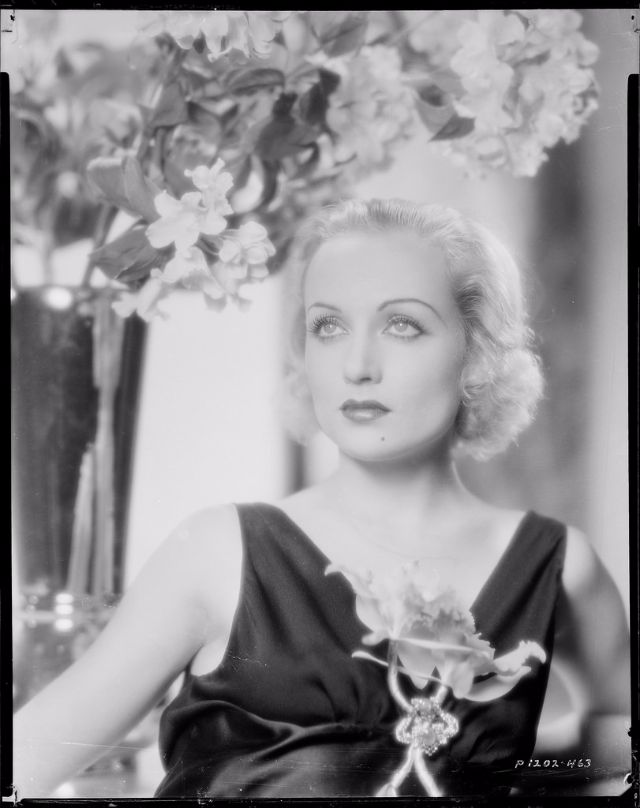
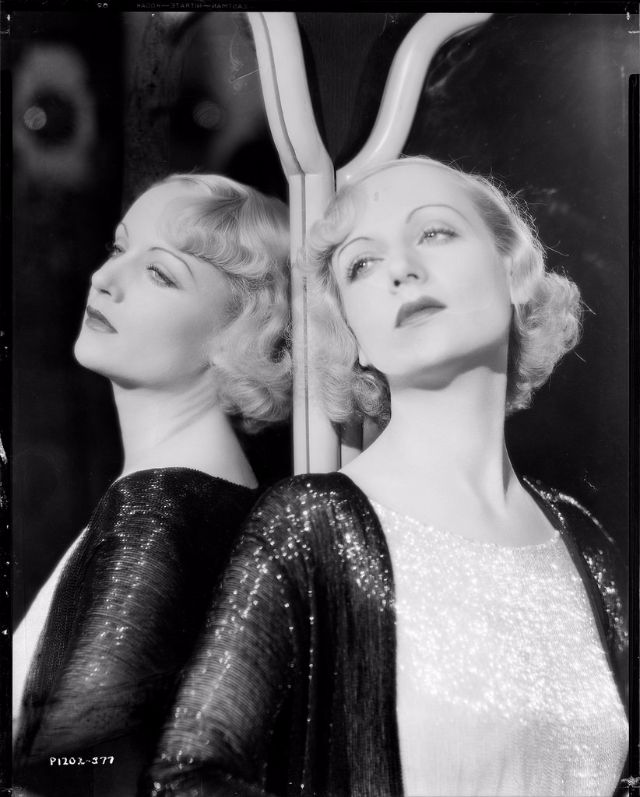
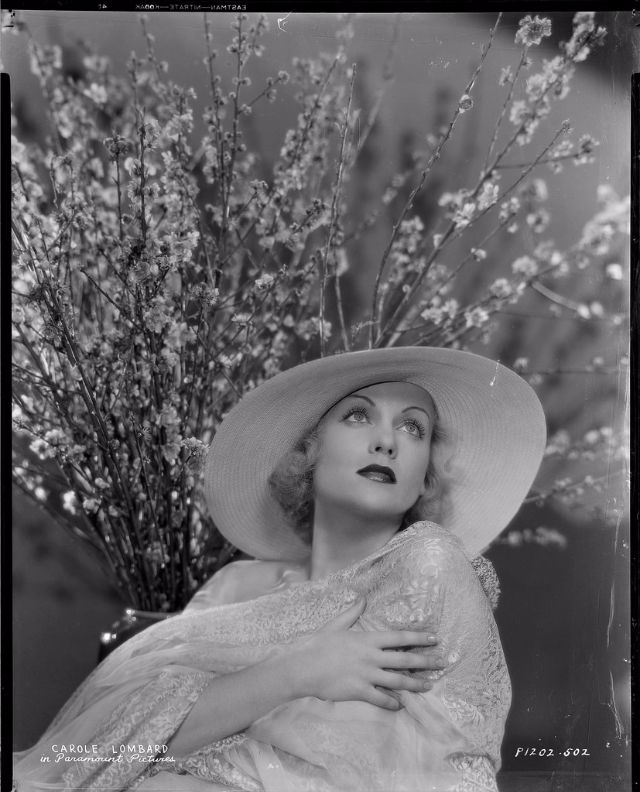
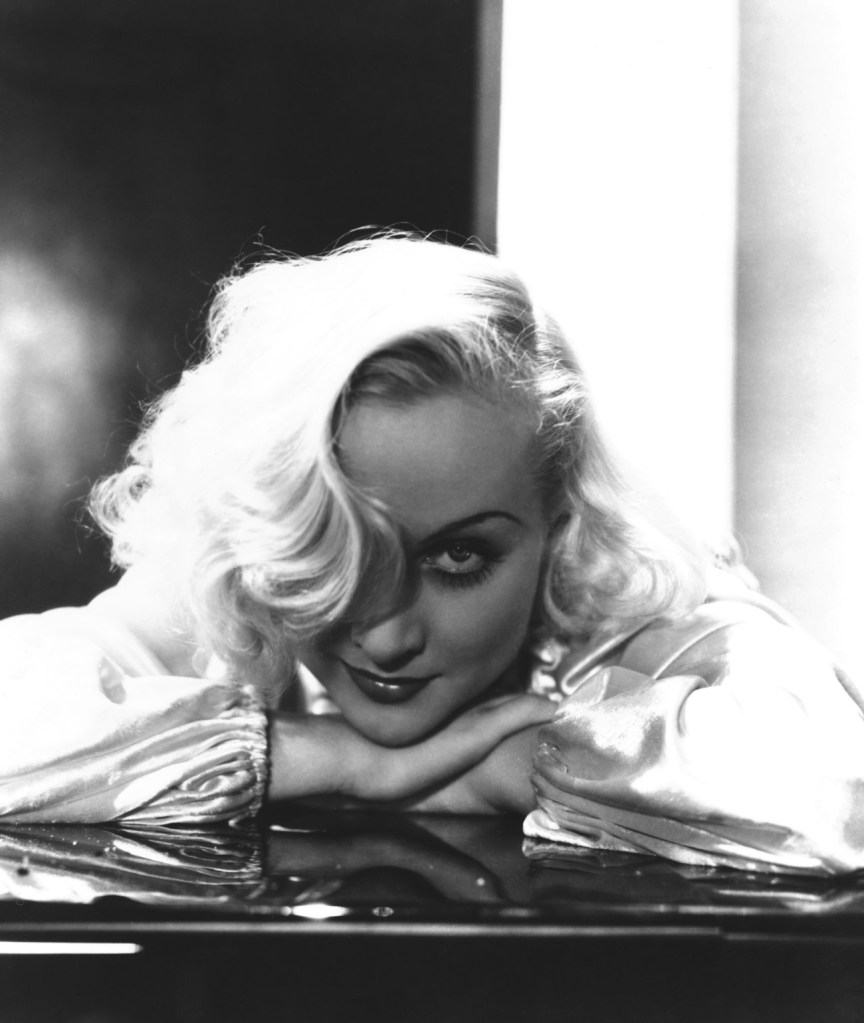
Carole Lombard (born Jane Alice Peters; October 6, 1908 – January 16, 1942) was an American actress, particularly noted for her energetic, often off-beat roles in screwball comedies. In 1999, the American Film Institute ranked Lombard 23rd on its list of the greatest female stars of Classic Hollywood Cinema.
Lombard was born into a wealthy family in Fort Wayne, Indiana, but was raised in Los Angeles by her single mother. At 12, she was recruited by director Allan Dwan and made her screen debut in A Perfect Crime (1921). Eager to become an actress, she signed a contract with the Fox Film Corporation at age 16, but mainly played bit parts. She was dropped by Fox just before her 18th birthday after a shattered windshield from a car accident left a scar on her face. Lombard appeared in fifteen short comedies for Mack Sennett between 1927 and 1929, and then began appearing in feature films such as High Voltage (1929) and The Racketeer (1929). After a successful appearance in The Arizona Kid (1930), she was signed to a contract with Paramount Pictures.
Paramount quickly began casting Lombard as a leading lady, primarily in drama films. Her profile increased when she married William Powell in 1931, but the couple divorced amicably after two years. A turning point in Lombard’s career came when she starred in Howard Hawks’s pioneering screwball comedy Twentieth Century (1934). The actress found her niche in this genre, and continued to appear in films such as Hands Across the Table (1935) (forming a popular partnership with Fred MacMurray), My Man Godfrey (1936), for which she was nominated for the Academy Award for Best Actress, and Nothing Sacred (1937). At this time, Lombard married “The King of Hollywood”, Clark Gable, and the supercouple gained much attention from the media. Keen to win an Oscar, Lombard began to move towards more serious roles at the end of the decade. Unsuccessful in this aim, she returned to comedy in Alfred Hitchcock’s Mr. & Mrs. Smith (1941) and Ernst Lubitsch’s To Be or Not to Be (1942), her final film role.
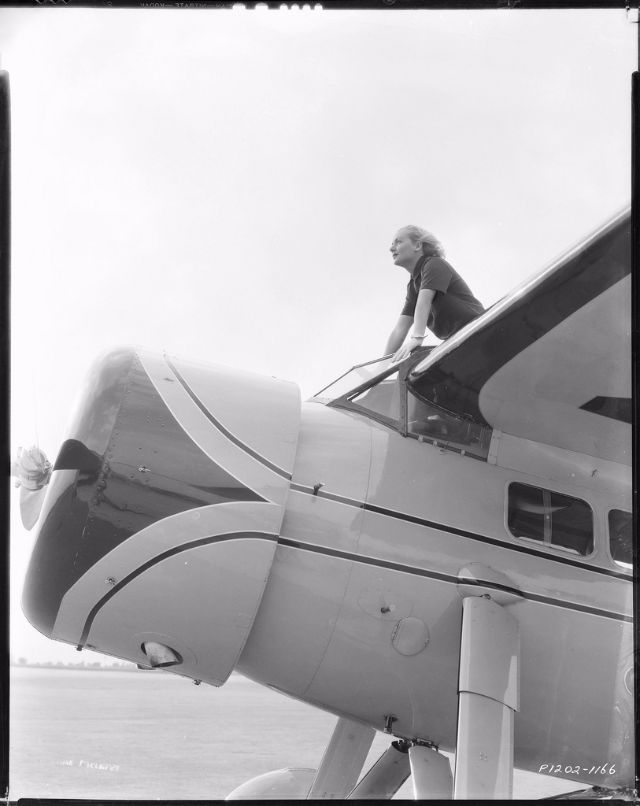
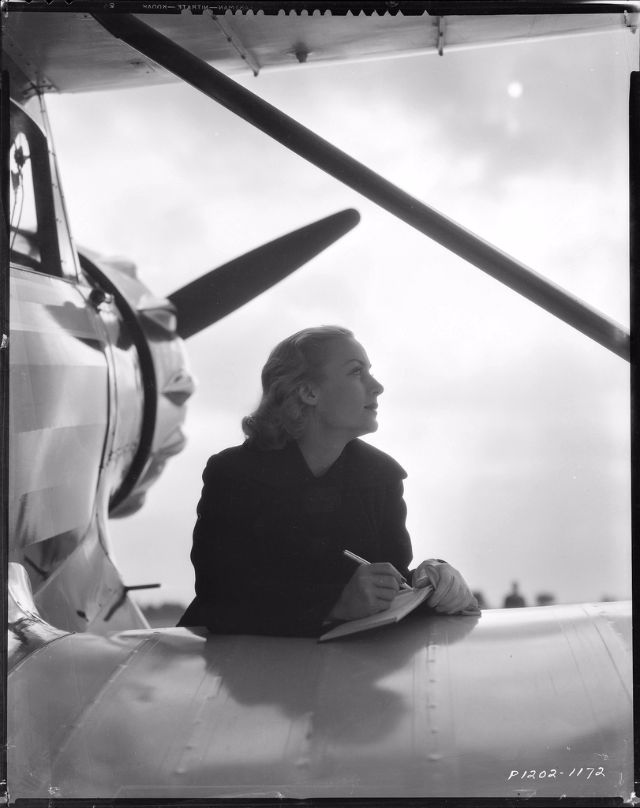
Lombard’s career was cut short when she died at the age of 33 aboard TWA Flight 3, which crashed on Mount Potosi, Nevada, while returning from a war bond tour. Today, she is remembered as one of the definitive actresses of the screwball comedy genre and American comedy, and as an icon of American cinema.







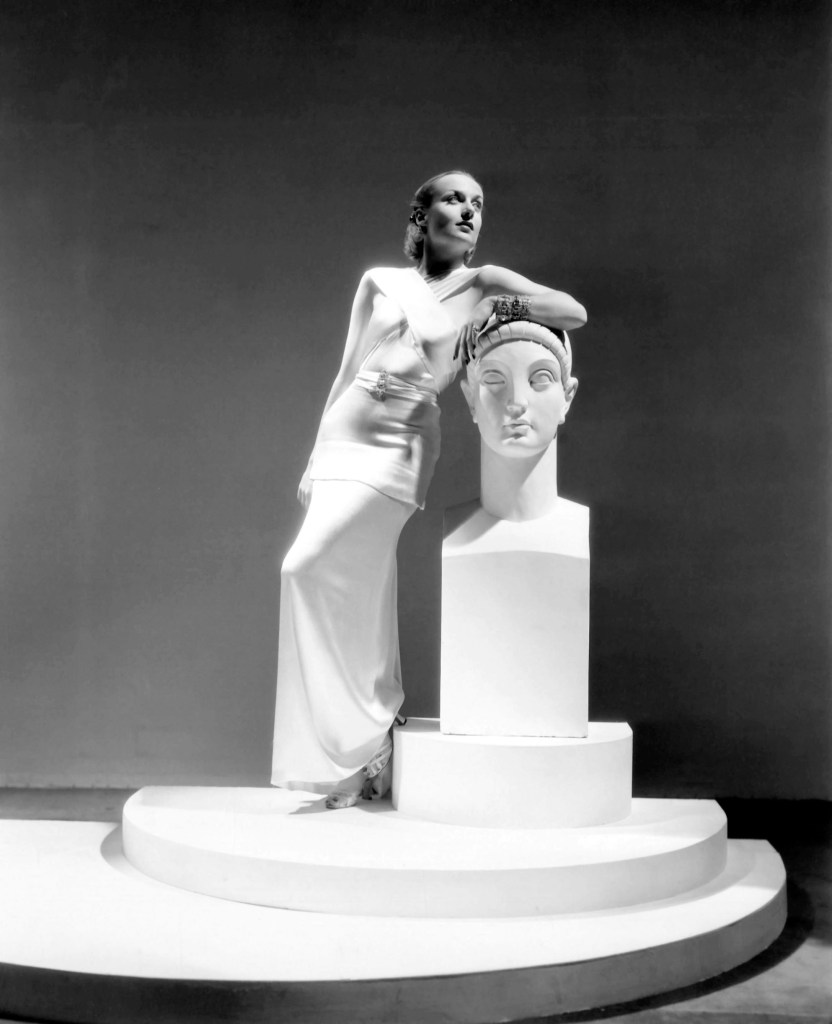

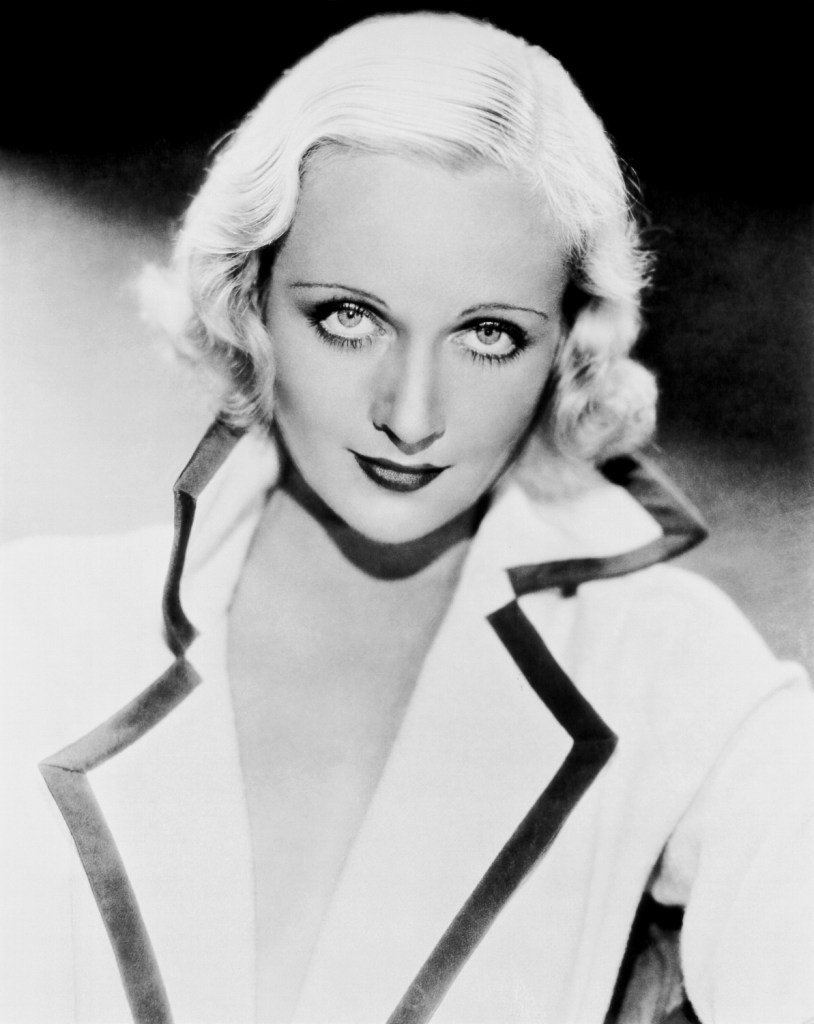
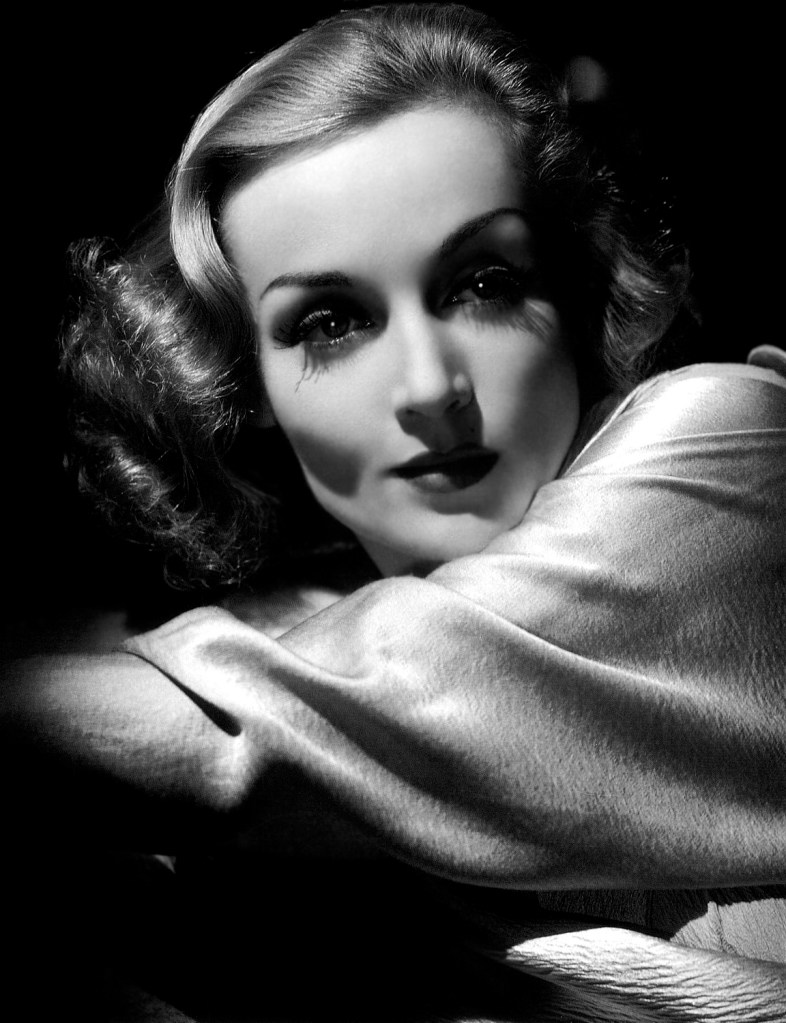

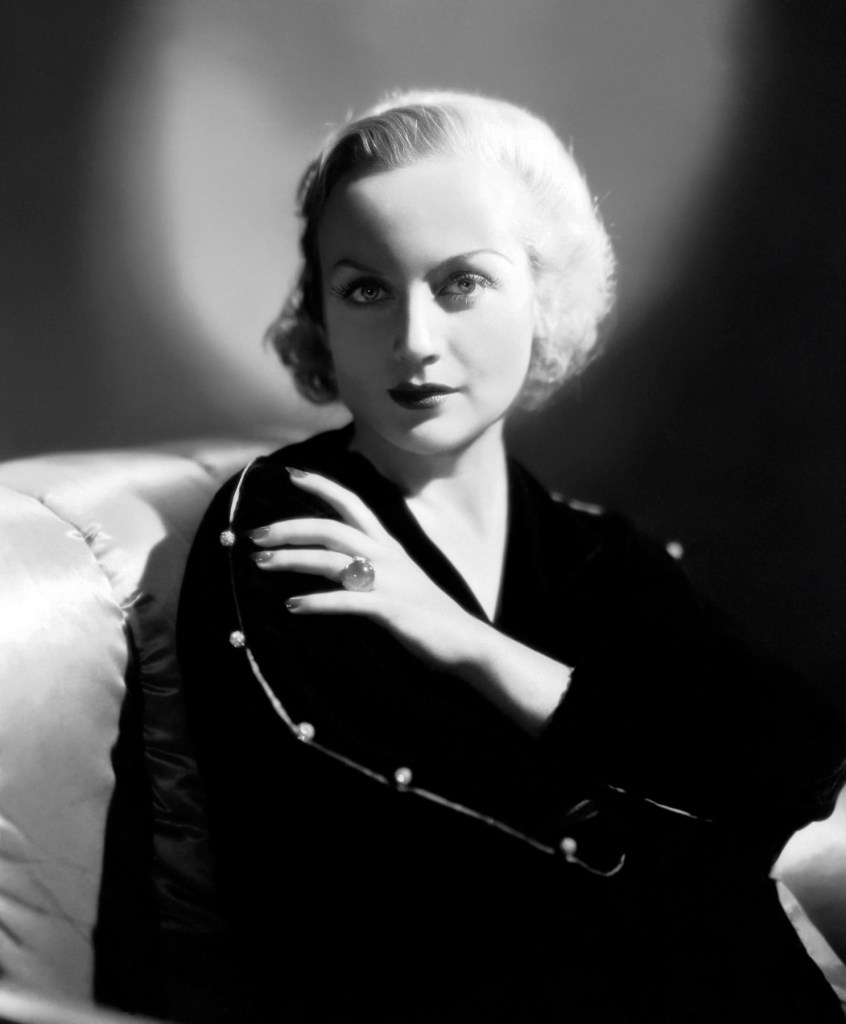






















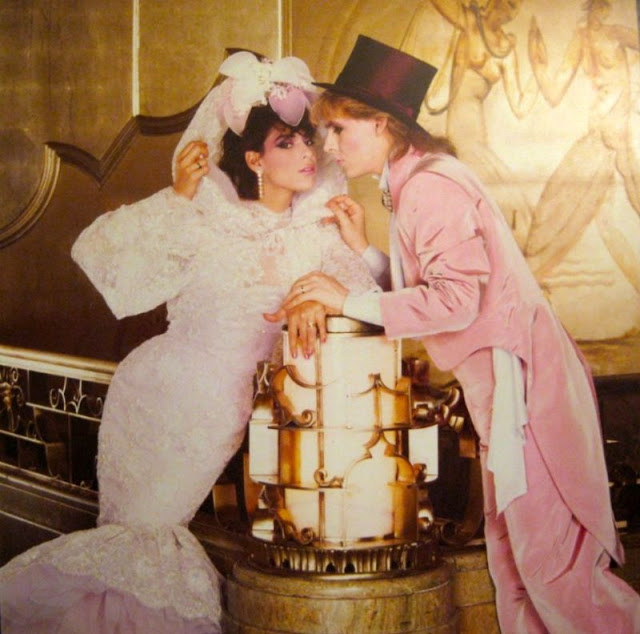
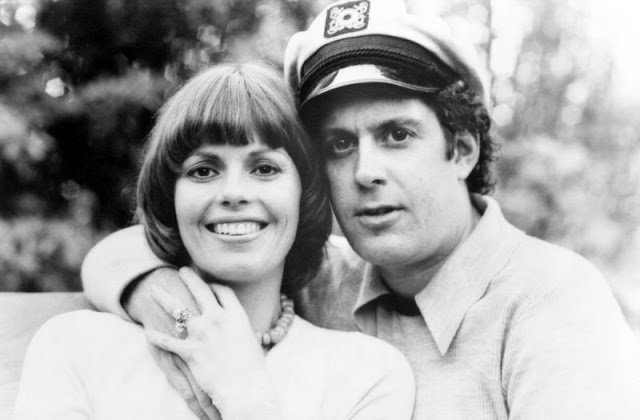
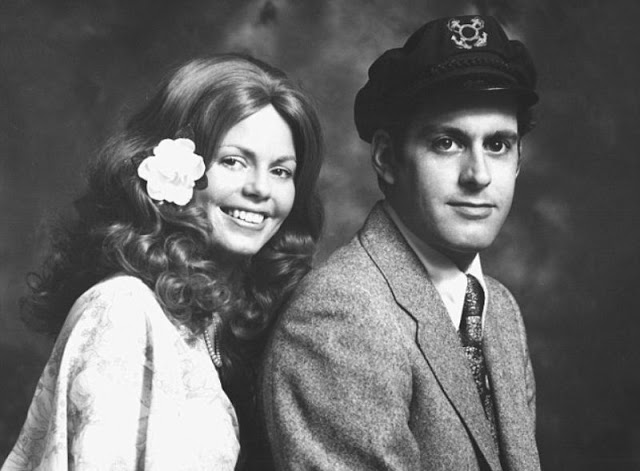
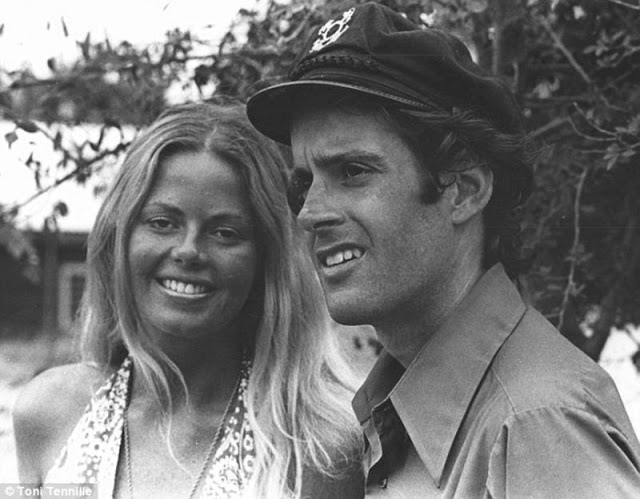
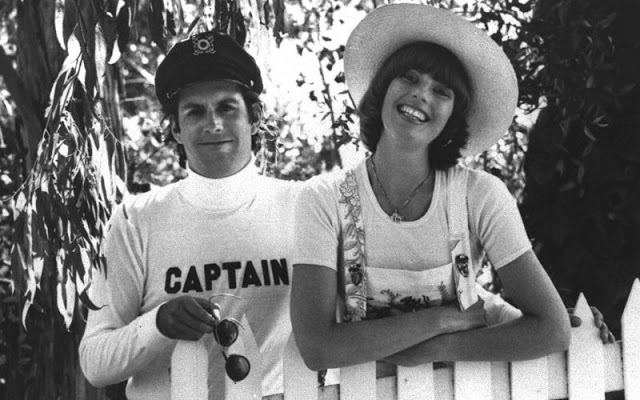
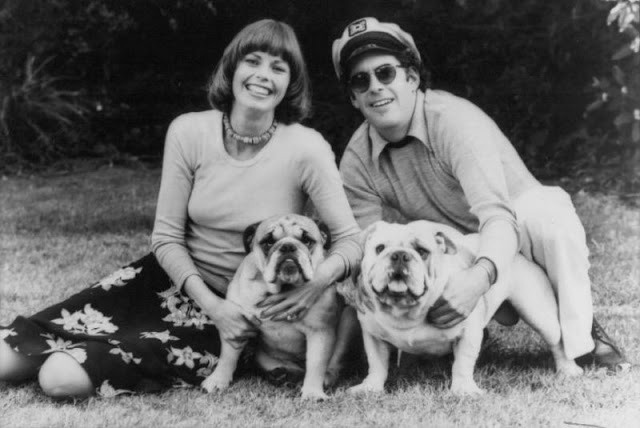
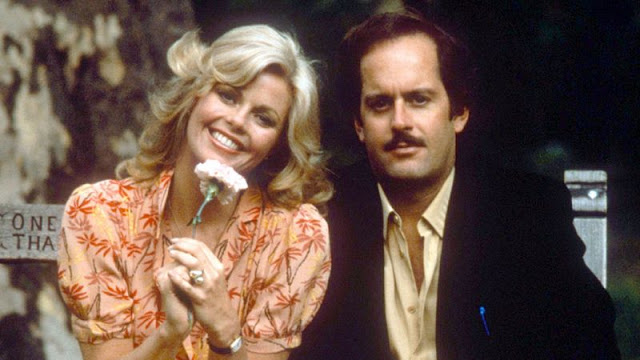
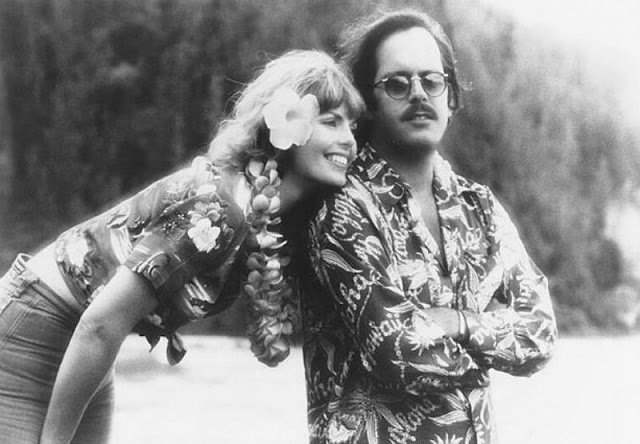
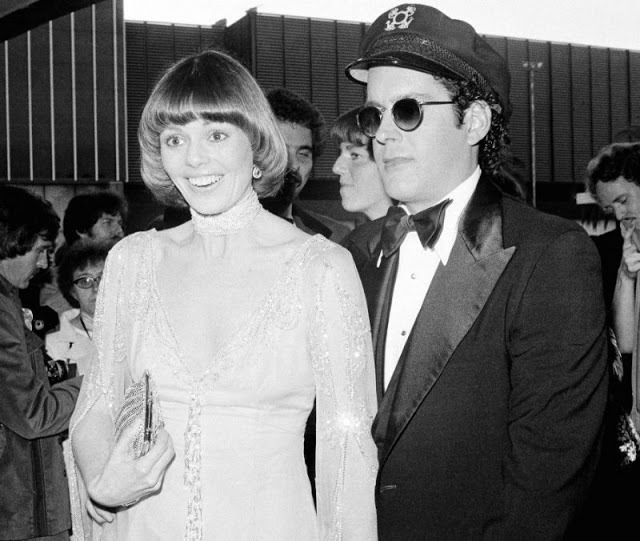
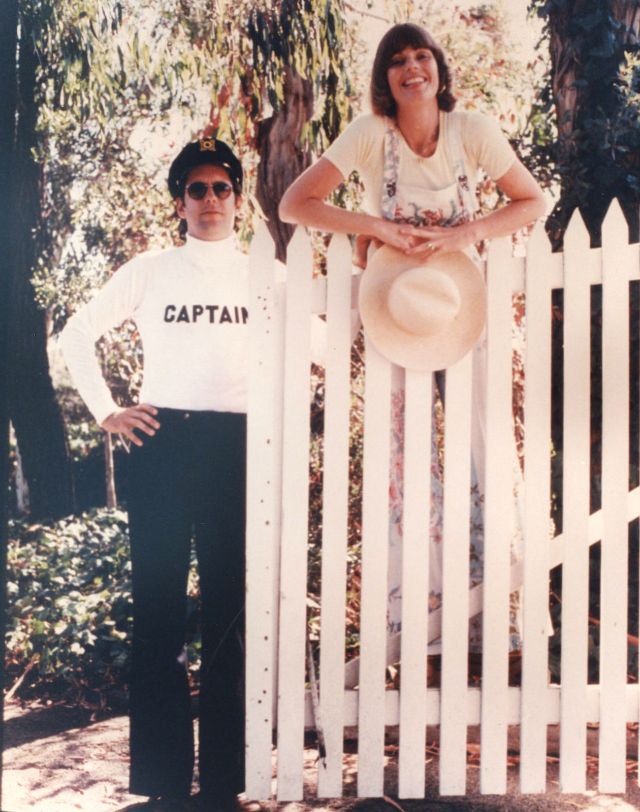
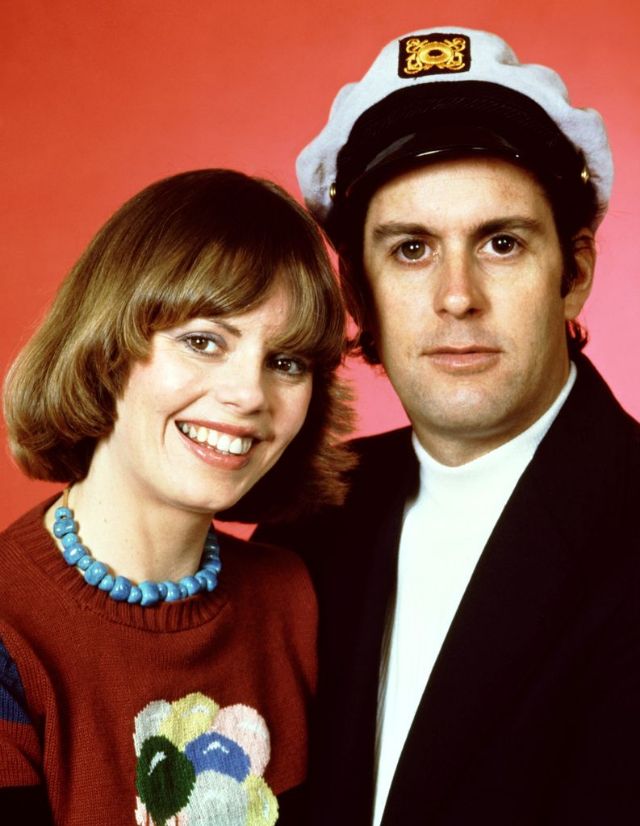
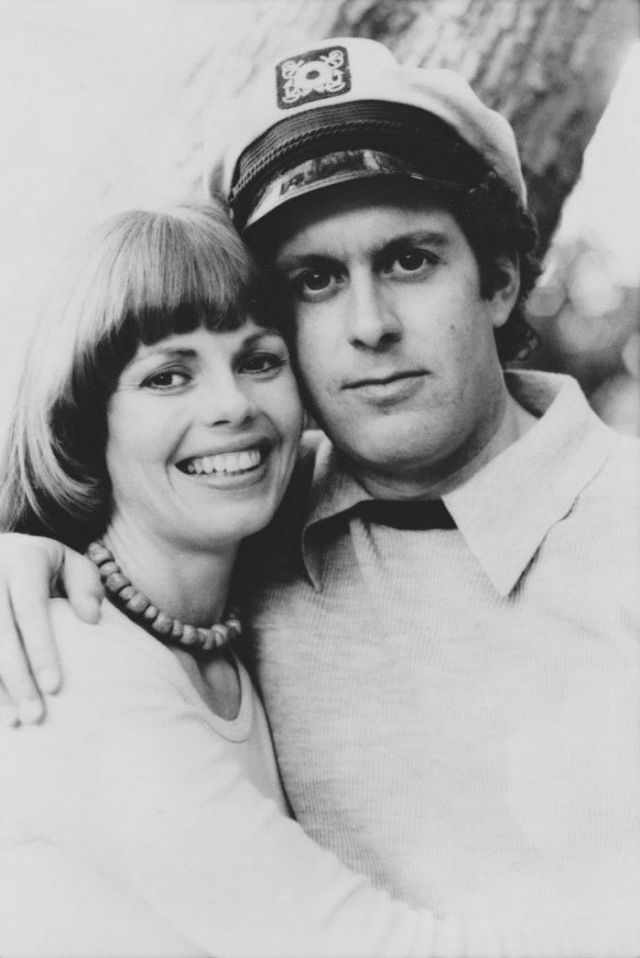
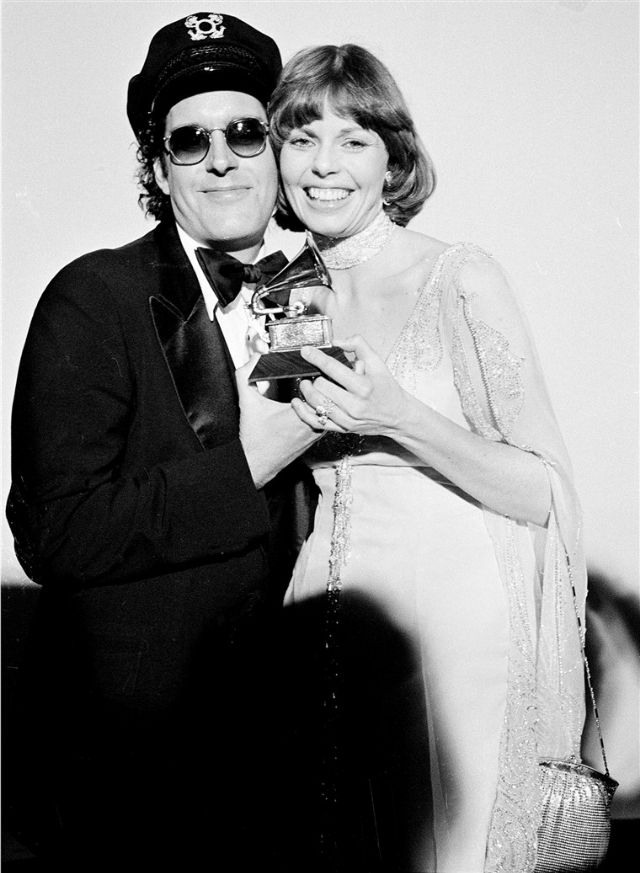
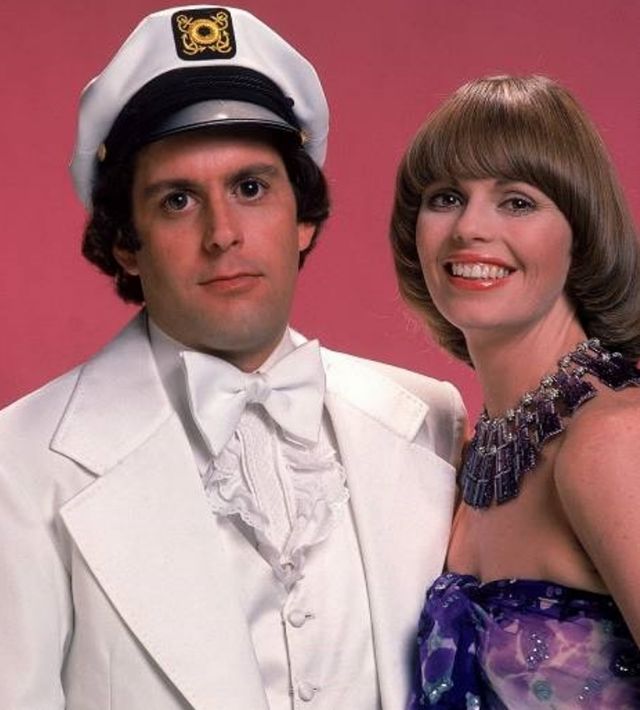
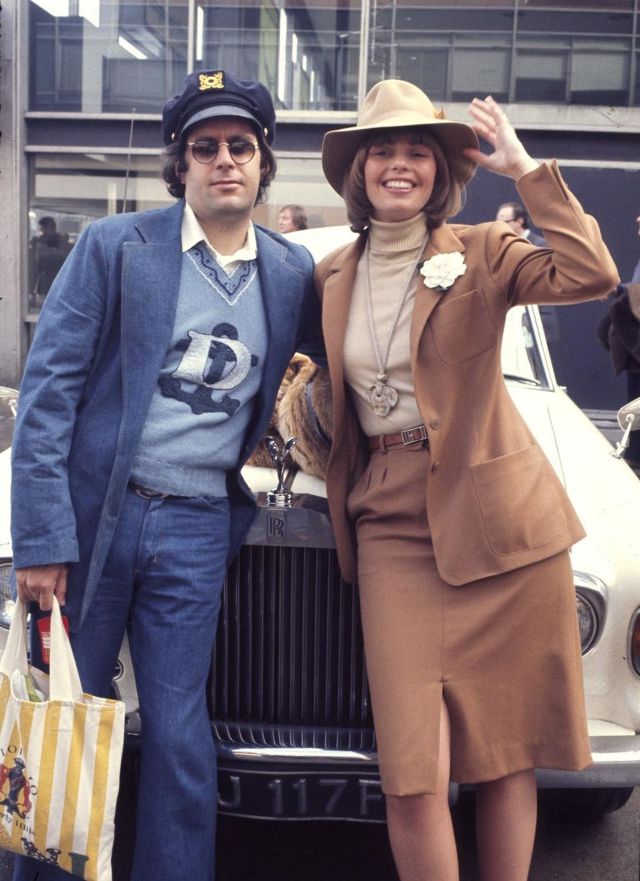
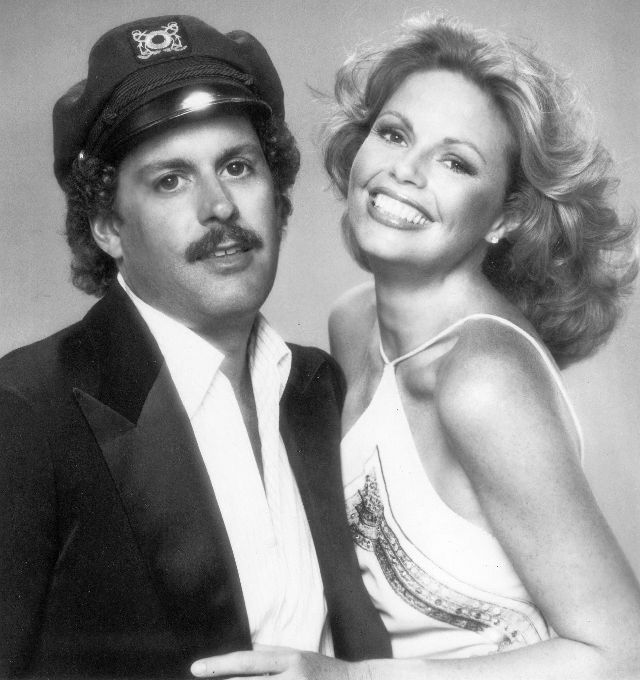
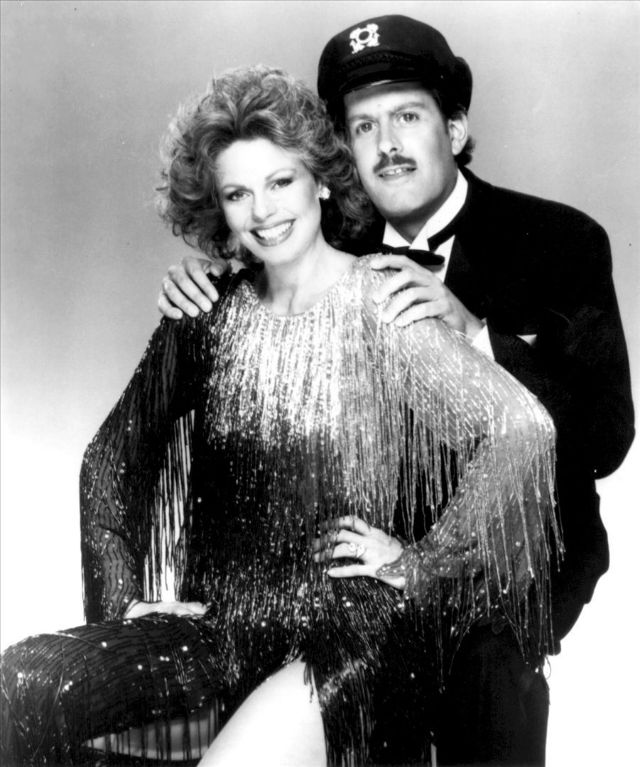
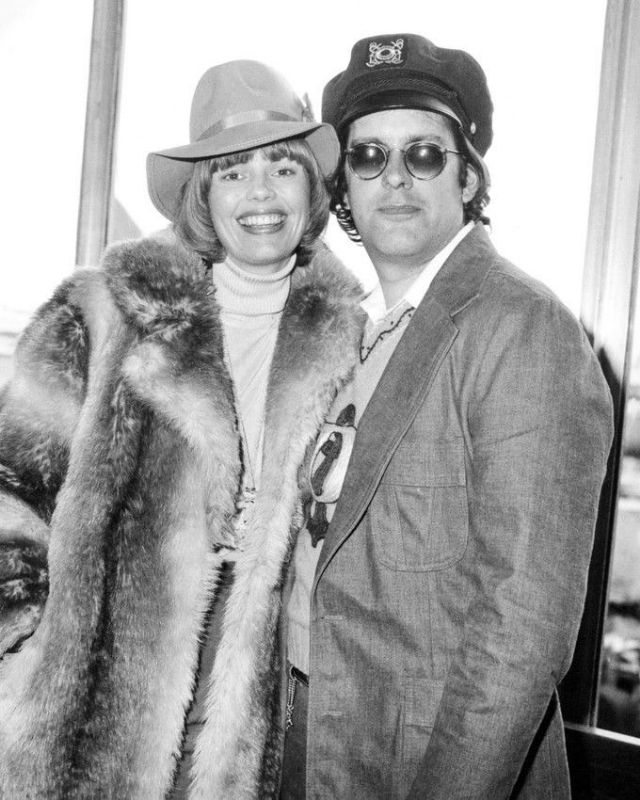
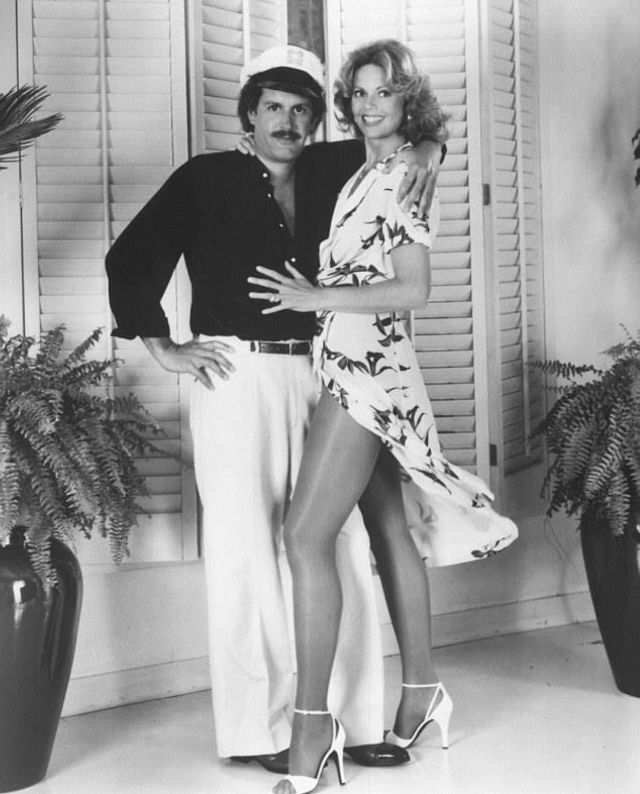
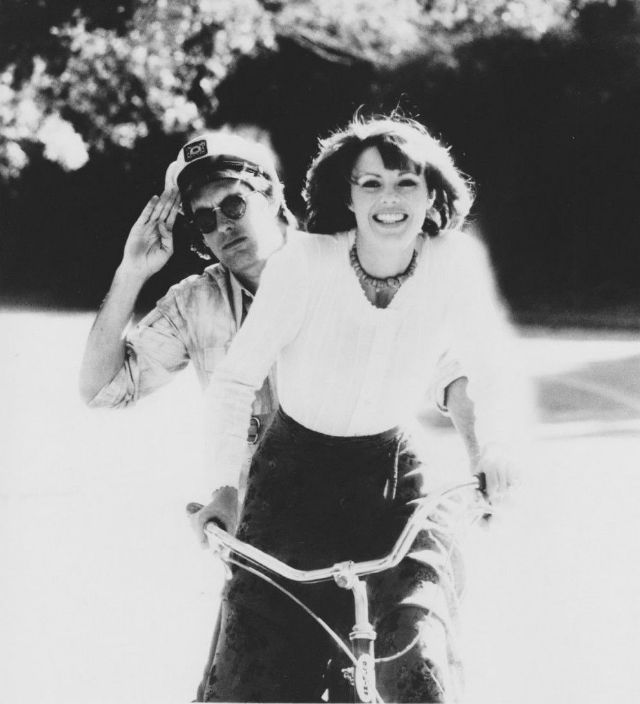
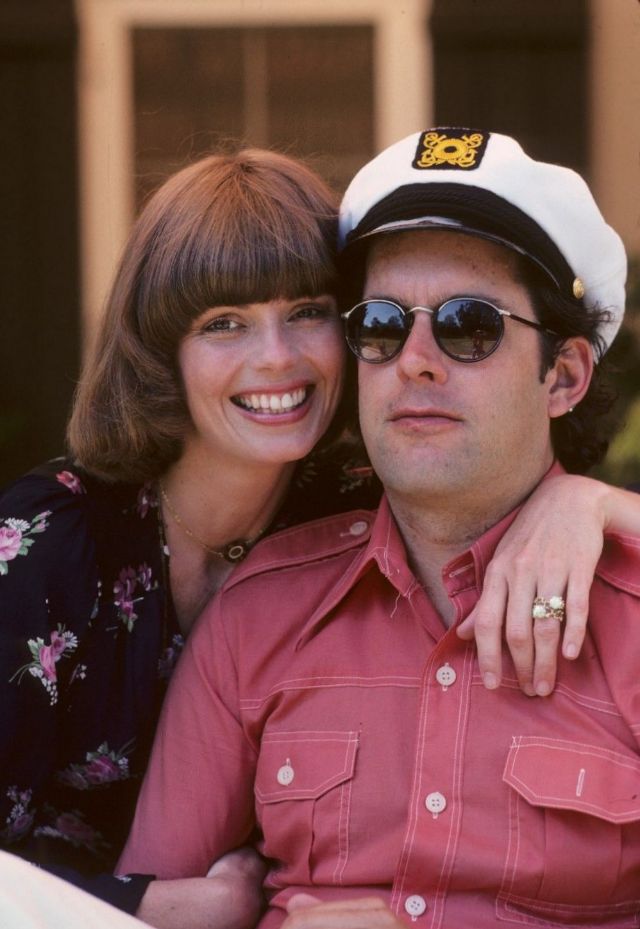
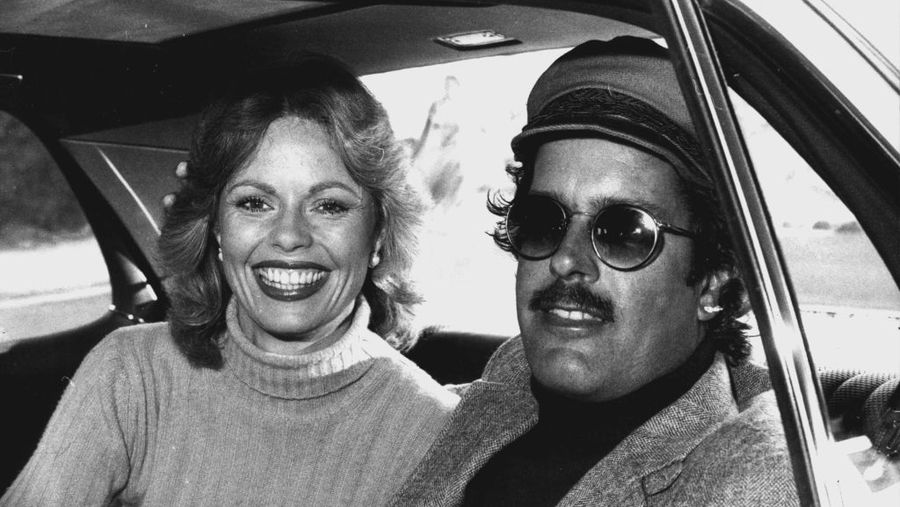
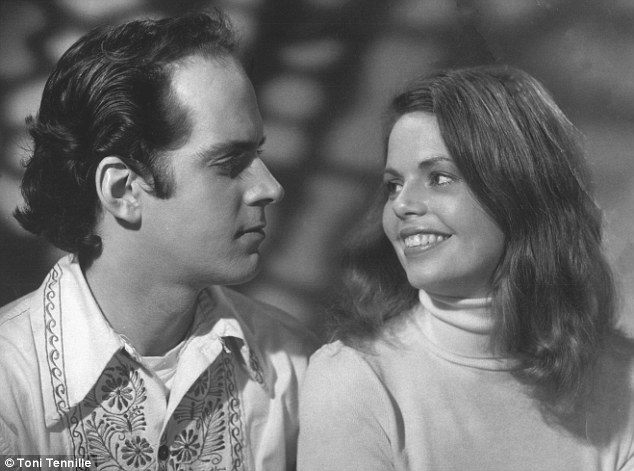
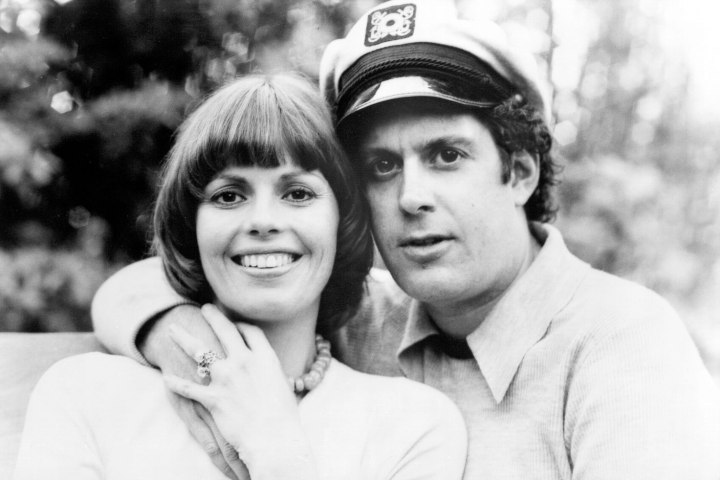
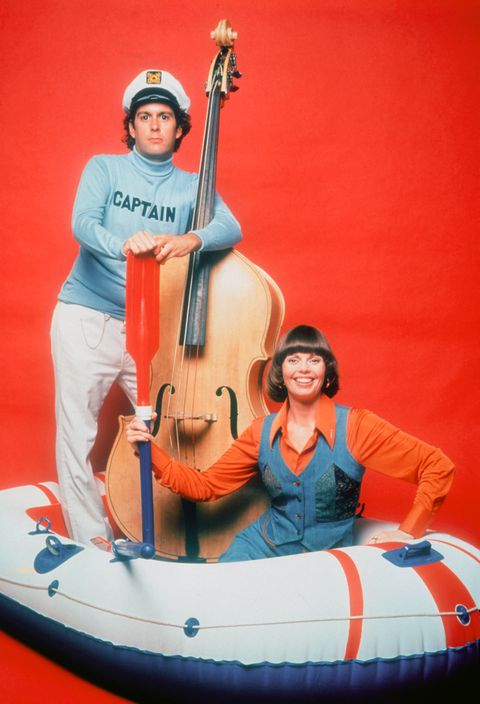
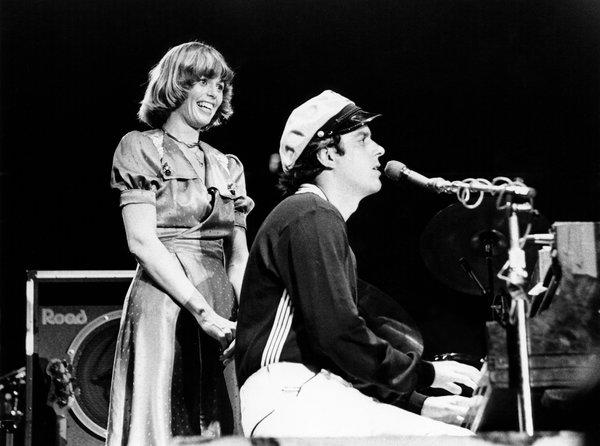
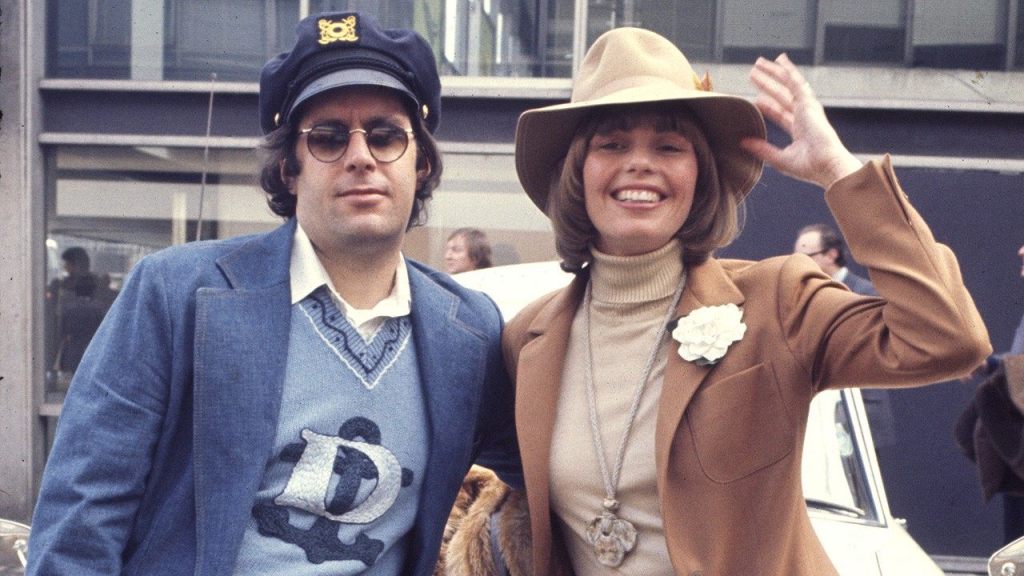
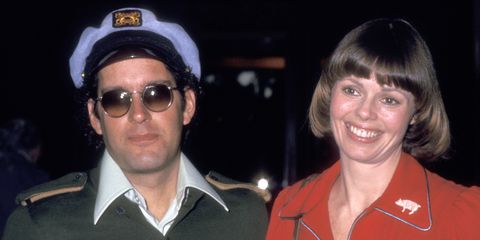
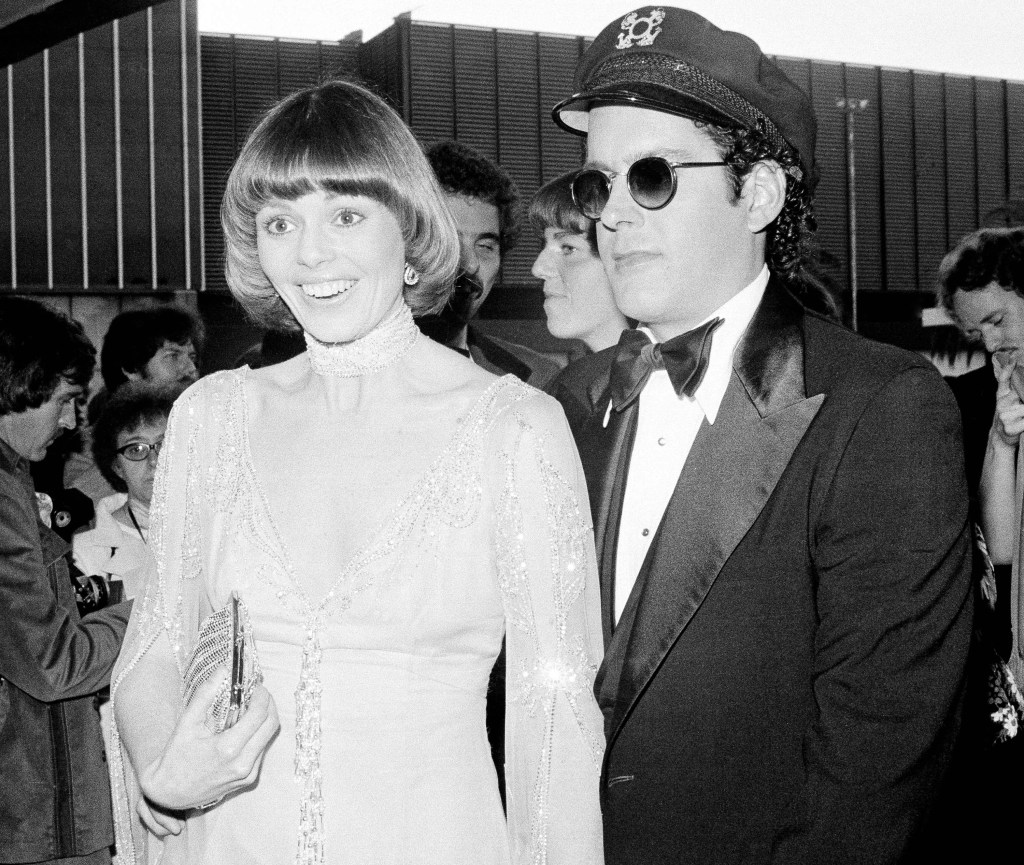
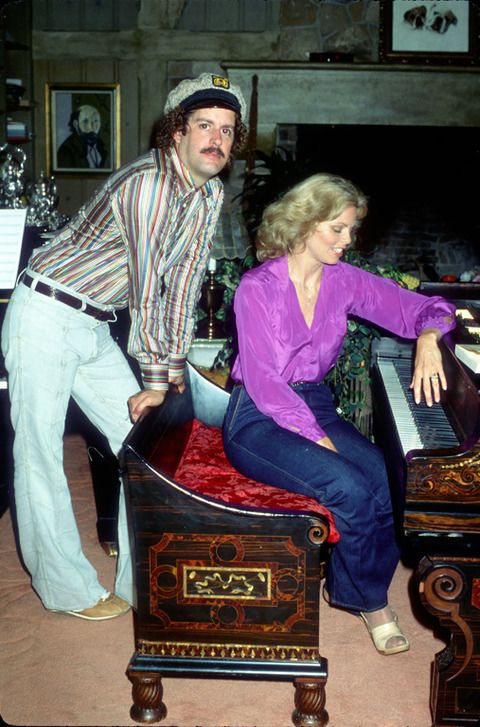
Captain & Tennille were American recording artists whose primary success occurred in the 1970s. The husband-and-wife team were “Captain” Daryl Dragon (August 27, 1942 – January 2, 2019) and Toni Tennille (born May 8, 1940). They have five albums certified gold or platinum and scored numerous hits on the US singles charts, the most enduring of which included “Love Will Keep Us Together”, “Do That to Me One More Time”, and “Muskrat Love”. They hosted their own television variety series on ABC in 1976–77.

Back in 1947, when LIFE accompanied 10,000 young men and women to Balboa Beach in Southern California for spring break, the shenanigans wouldn’t have scored any higher than a PG rating. Daylight brought beachside dancing, boat races, beauty pageants and sunbathing. The evening hours found students aglow in the warmth of bonfires as portable radios churned out the tunes of the day.
These fascinating vintage photographs, taken by Peter Stackpole, that show what spring break looked like in Southern California in the 1940s.

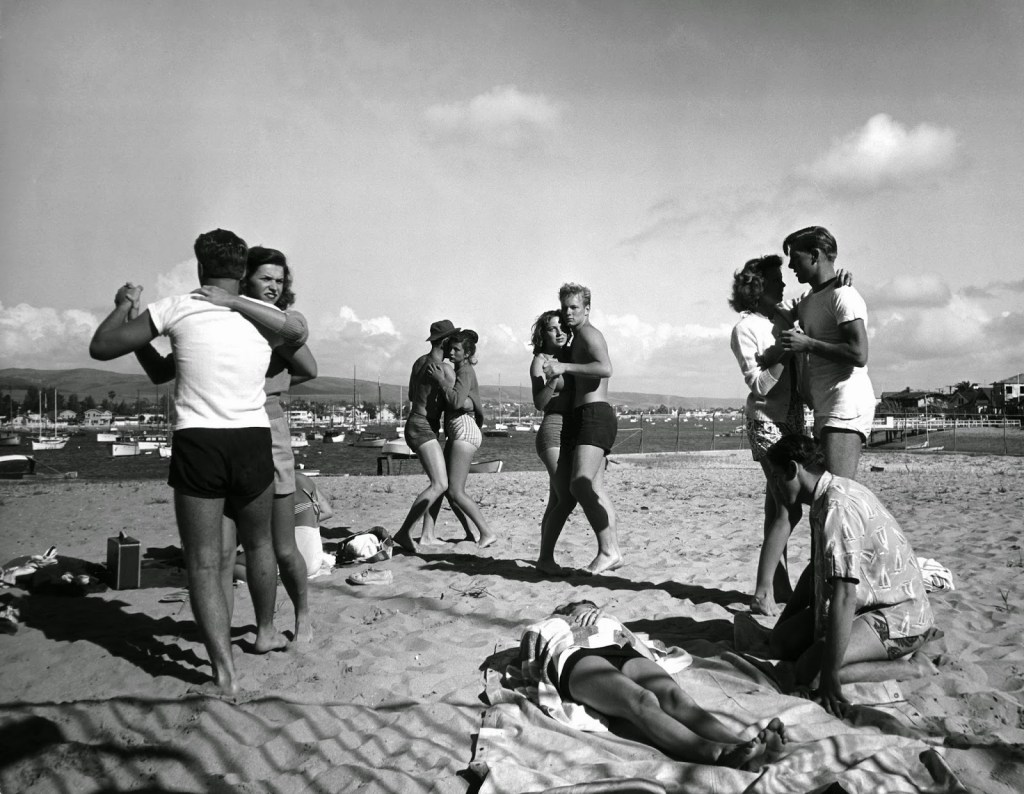
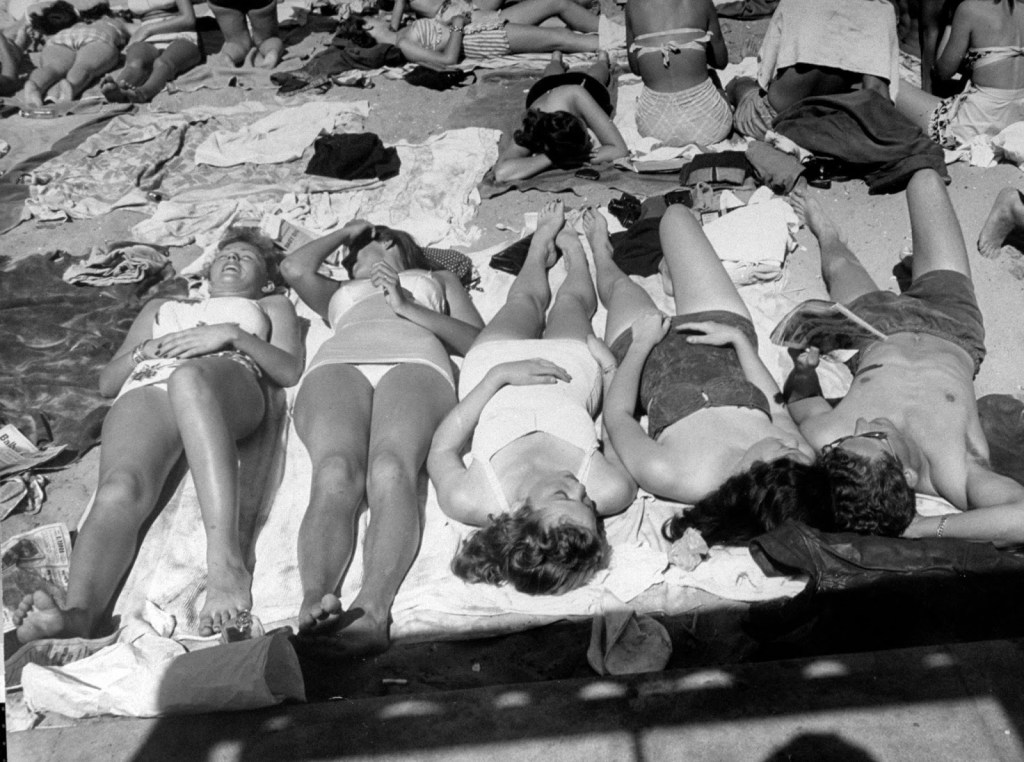


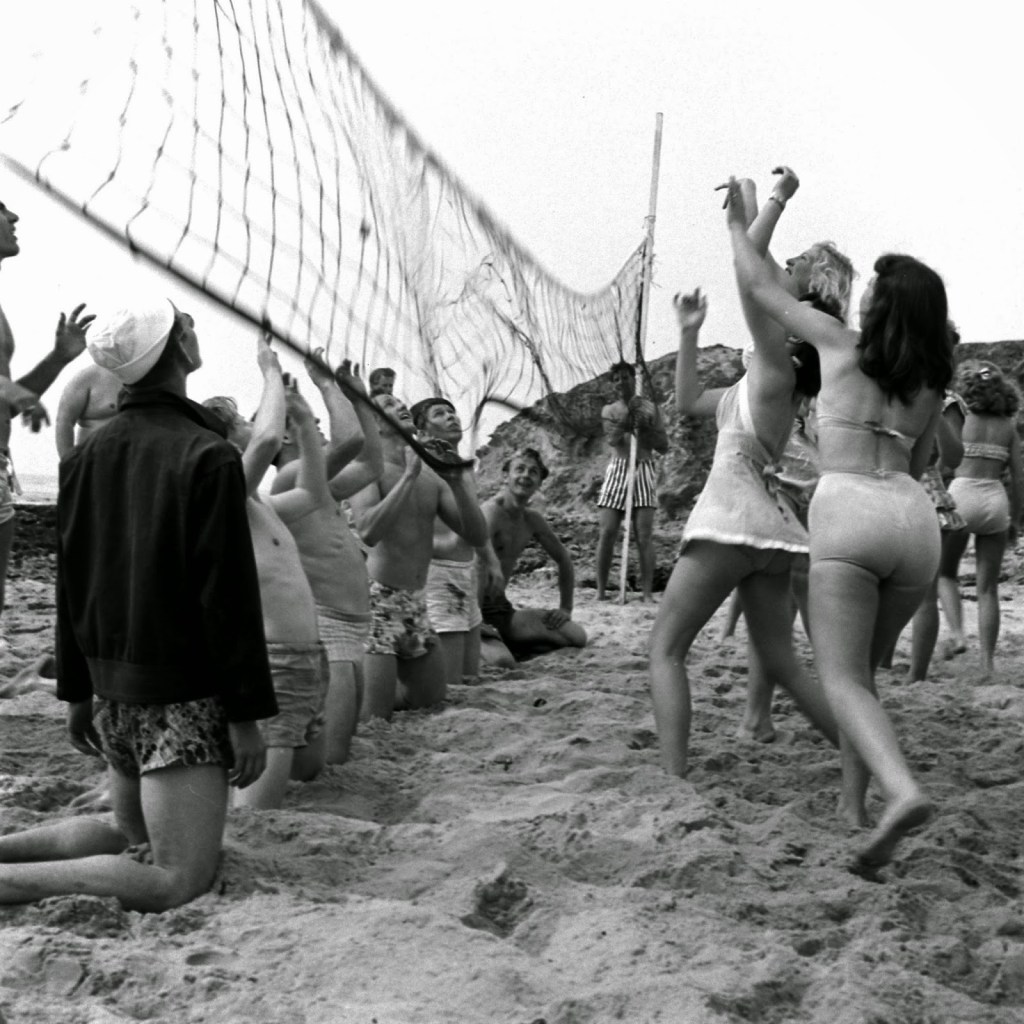


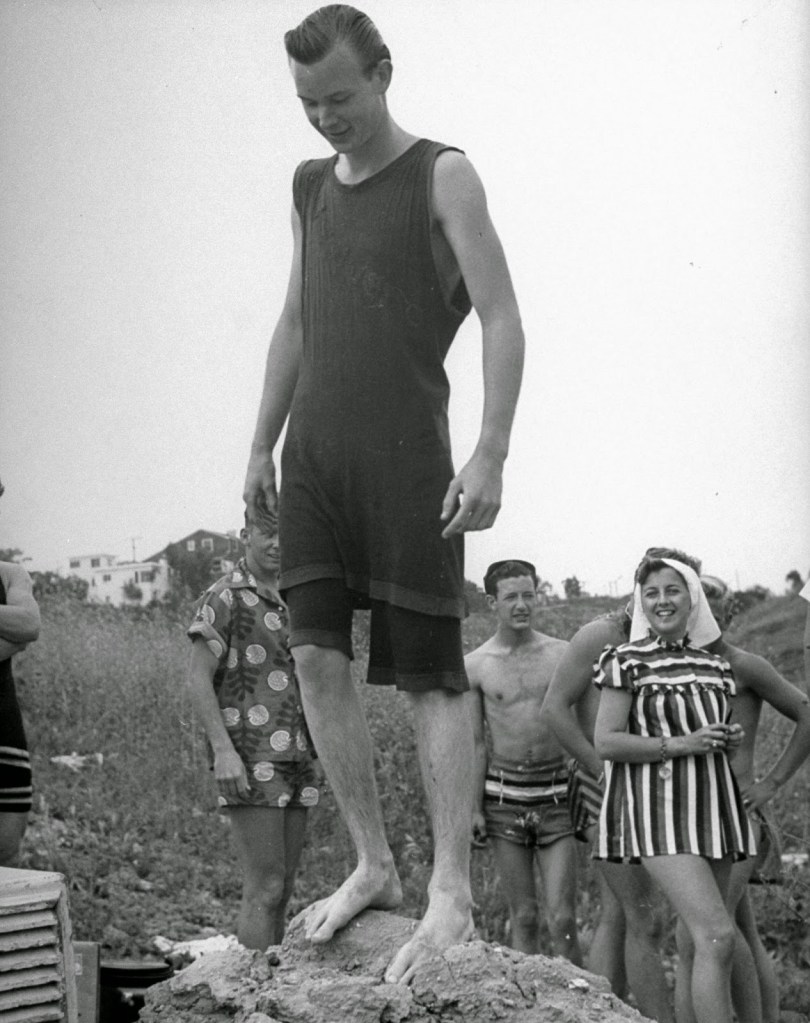
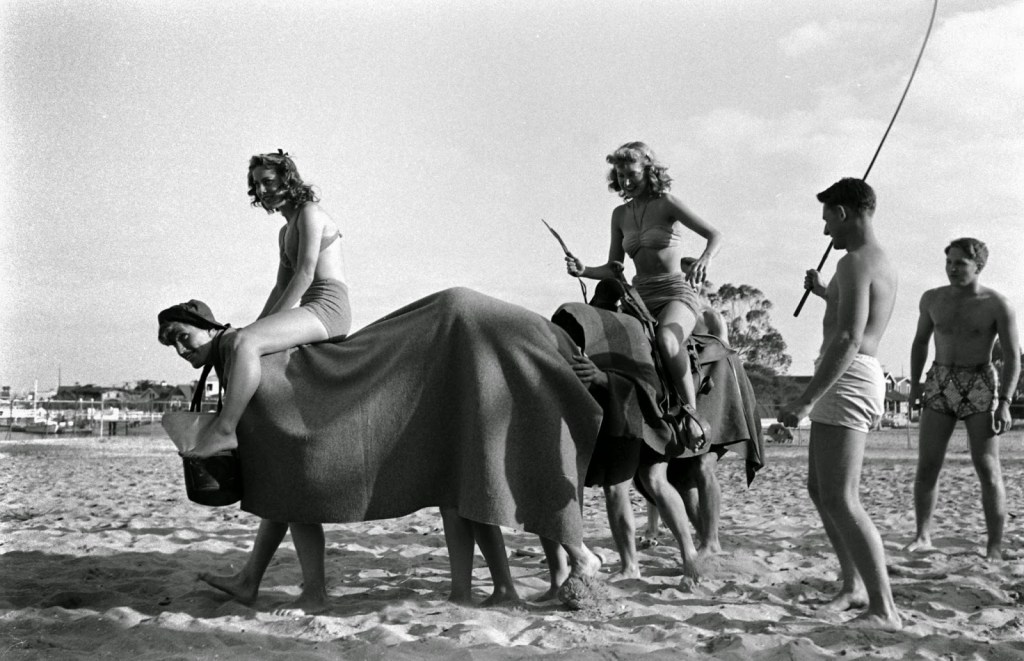


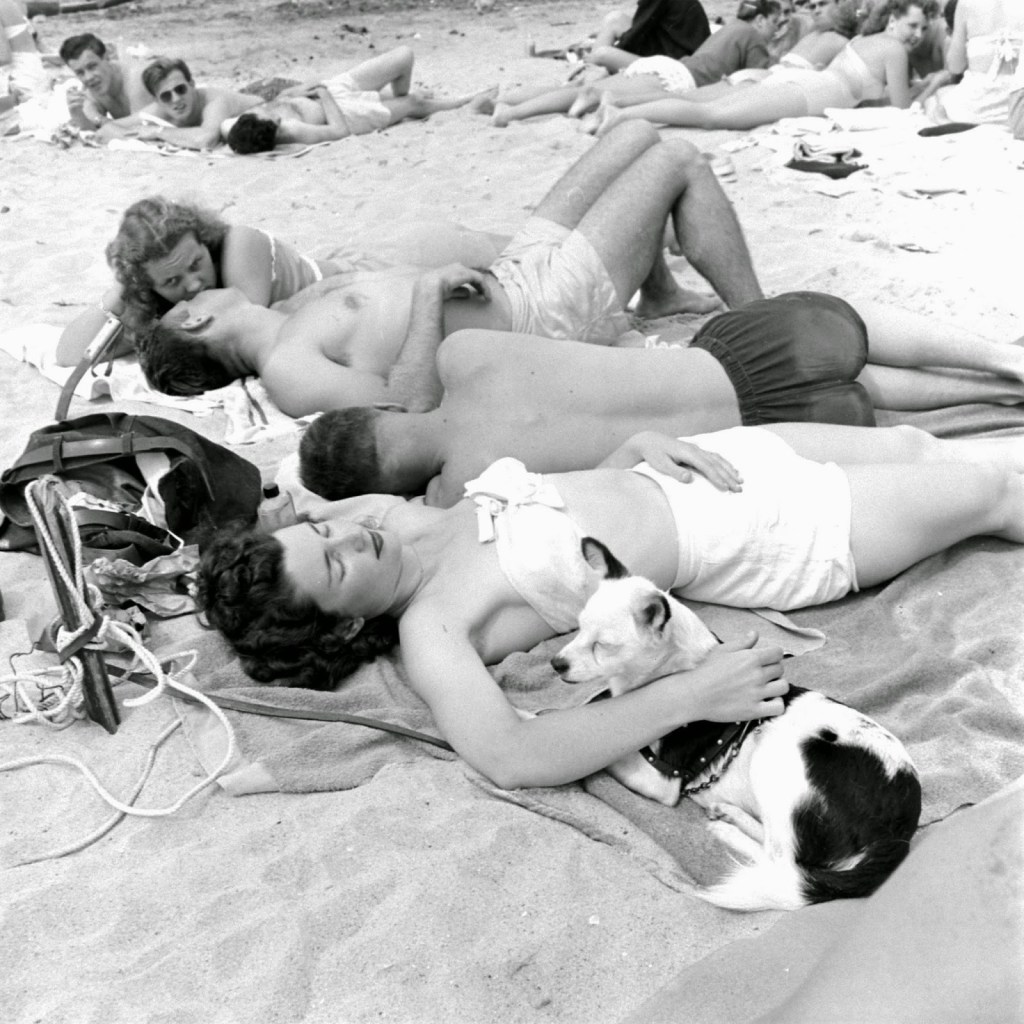


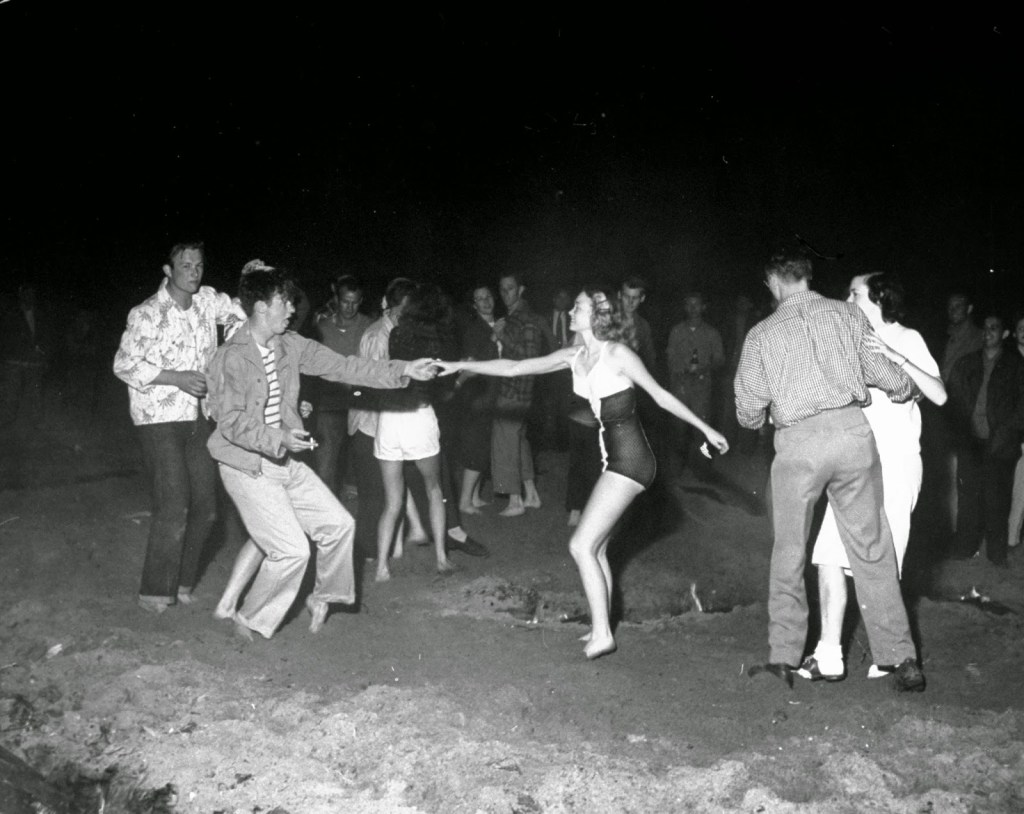

(Photos:Peter Stackpole—The LIFE Picture Collection/Getty Images)
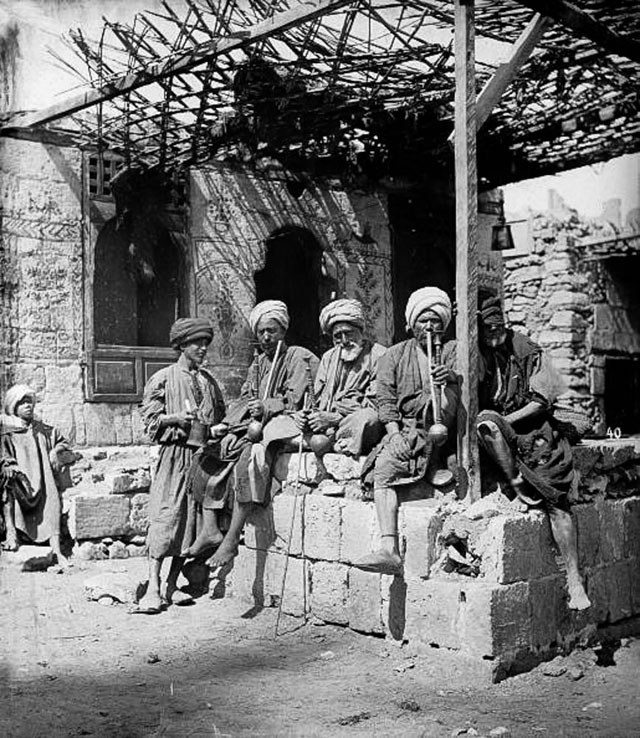
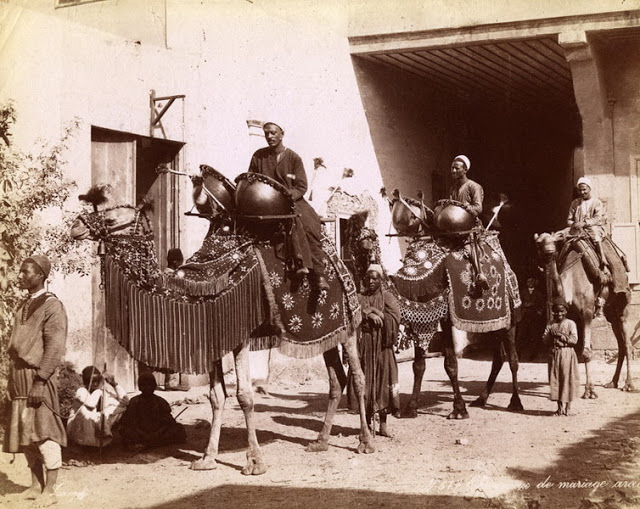
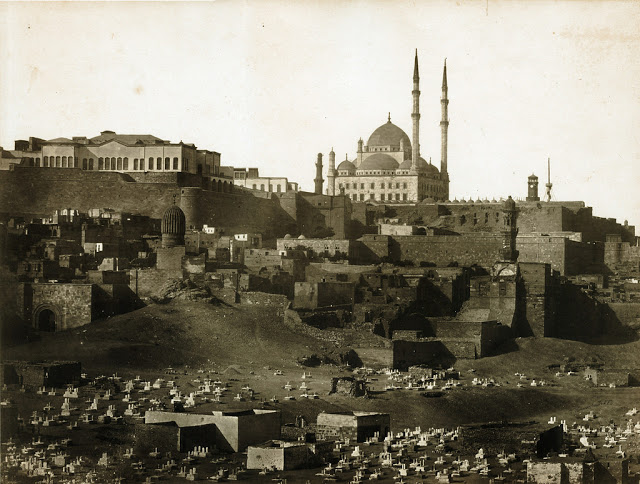
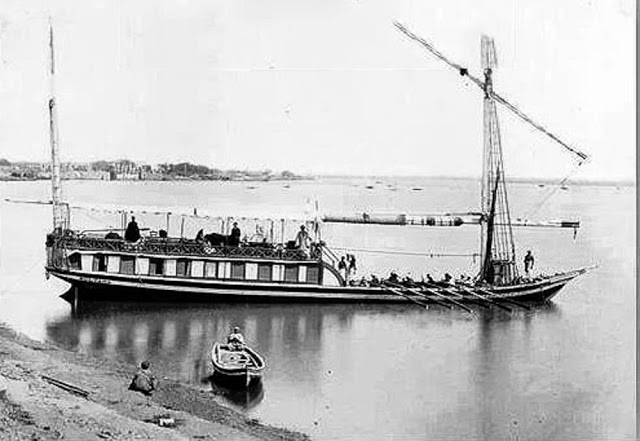
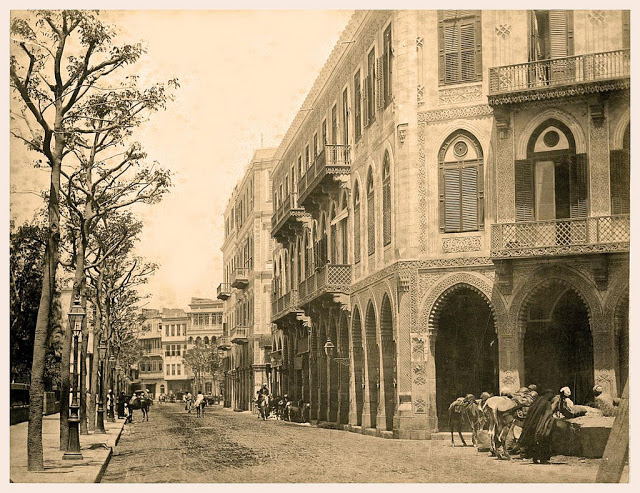
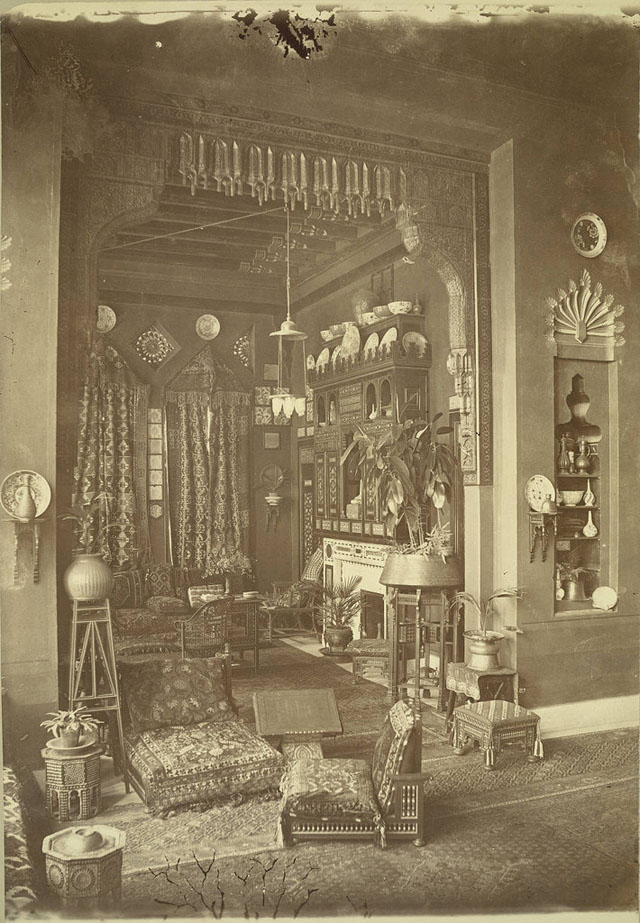
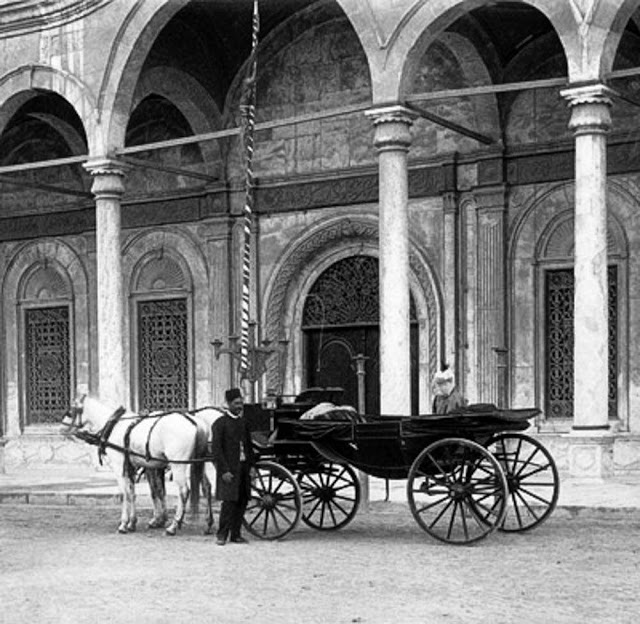
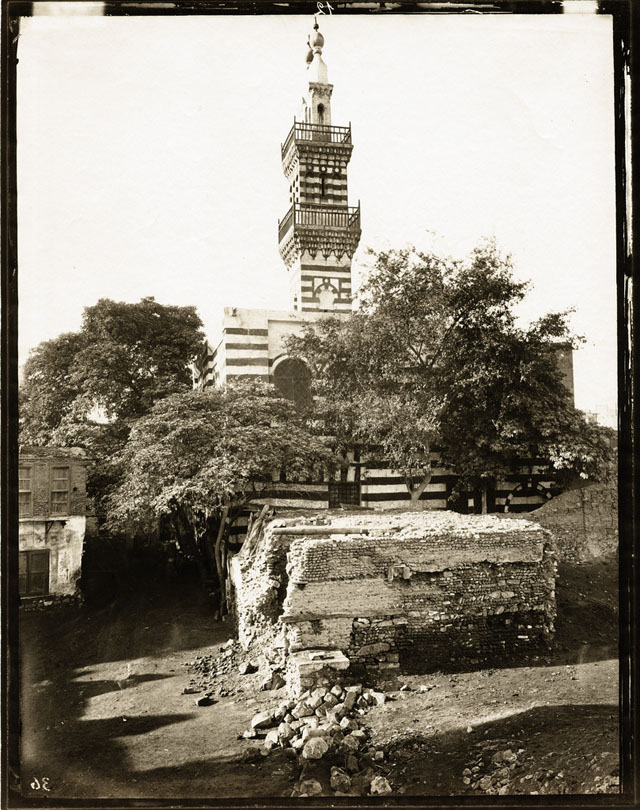
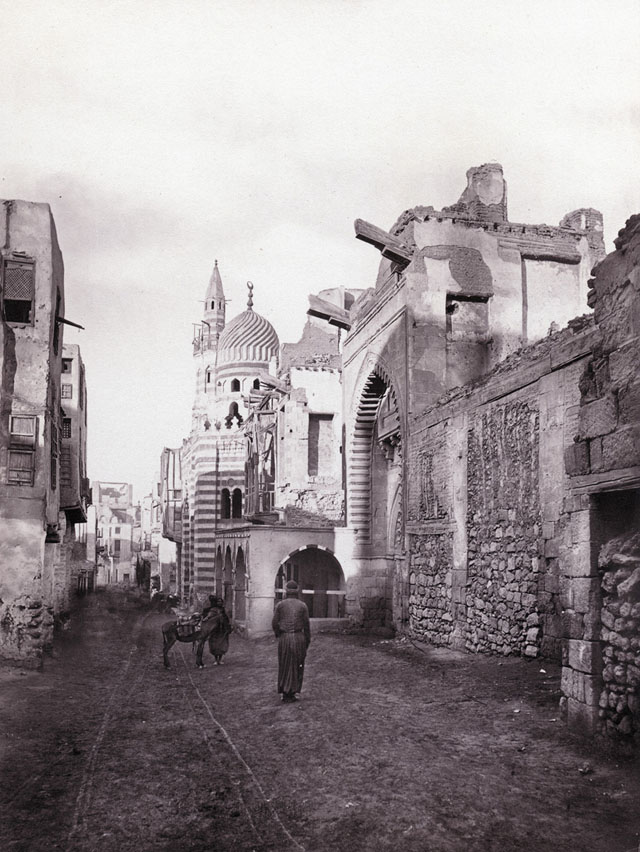
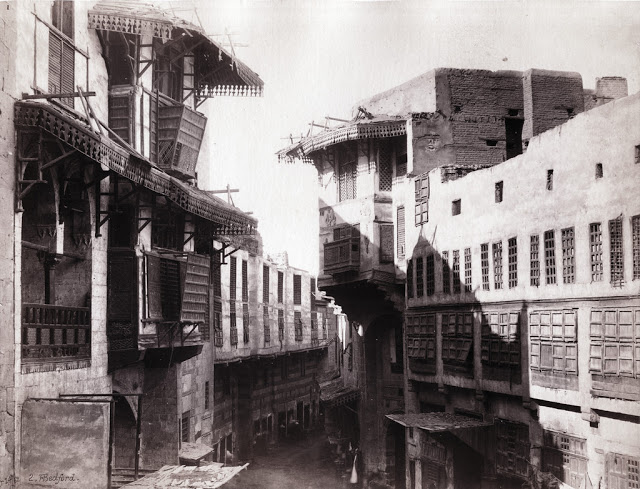
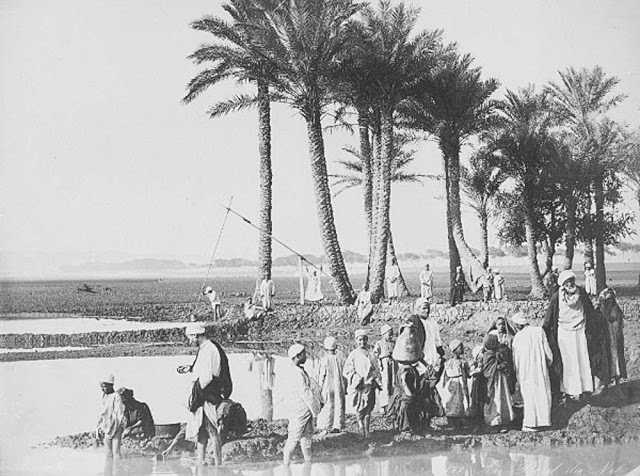
Cairo is the capital and largest city of Egypt. The Cairo metropolitan area, with a population of 21.3 million, is the largest metropolitan area in the Arab world, the second largest in Africa, and the sixth largest in the world. Cairo is associated with ancient Egypt, as the famous Giza pyramid complex and the ancient city of Memphis are located in its geographical area. Located near the Nile Delta, Cairo was founded in 969 AD during the Fatimid dynasty, but the land composing the present-day city was the site of Ancient National Capitals whose remnants remain visible in parts of Old Cairo. Cairo has long been a centre of the region’s political and cultural life, and is titled “the city of a thousand minarets” for its preponderance of Islamic architecture. Cairo is considered a World City with a “Beta +” classification according to GaWC.
Today, the Egyptian capital has the oldest and largest film and music industries in the Arab world, as well as the world’s second-oldest institution of higher learning, Al-Azhar University. Many international media, businesses, and organizations have regional headquarters in the city; the Arab League has had its headquarters in Cairo for most of its existence.
With a population of over 9 million spread over 453 km2 (175 sq mi), Cairo is by far the largest city in Egypt. An additional 9.5 million inhabitants live in close proximity to the city. Cairo, like many other megacities, suffers from high levels of pollution and traffic. The Cairo Metro is one of only two metro systems in Africa (the other being in Algiers, Algeria), and ranks amongst the fifteen busiest in the world, with over 1 billion annual passenger rides. The economy of Cairo was ranked first in the Middle East in 2005, and 43rd globally on Foreign Policy’s 2010 Global Cities Index.(Wikipedia)










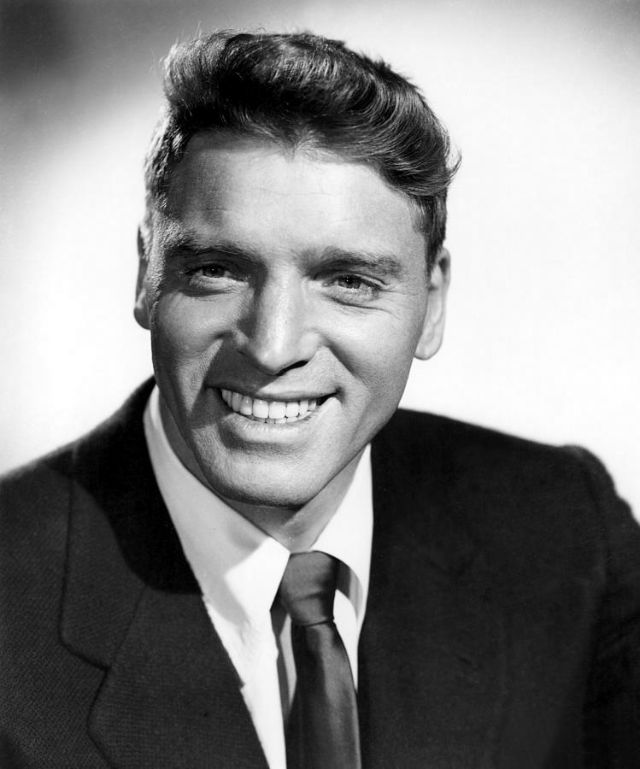
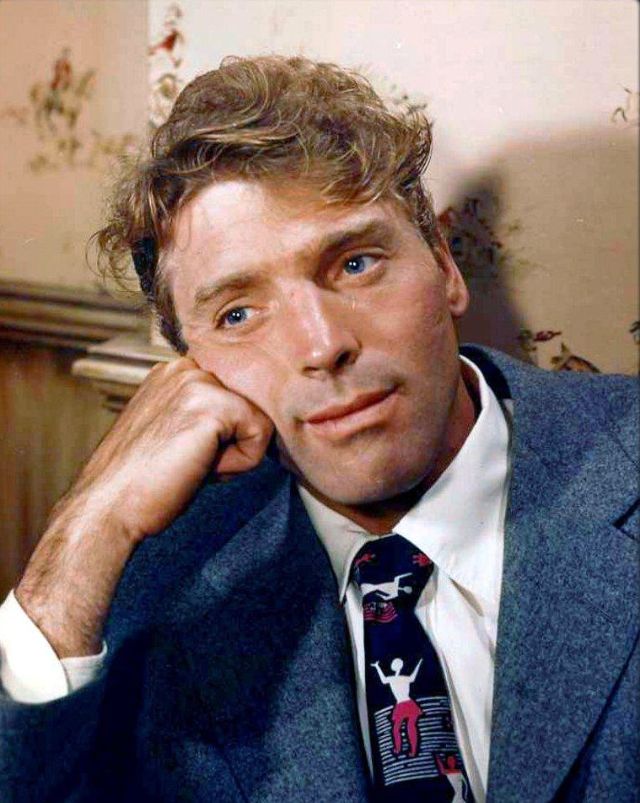
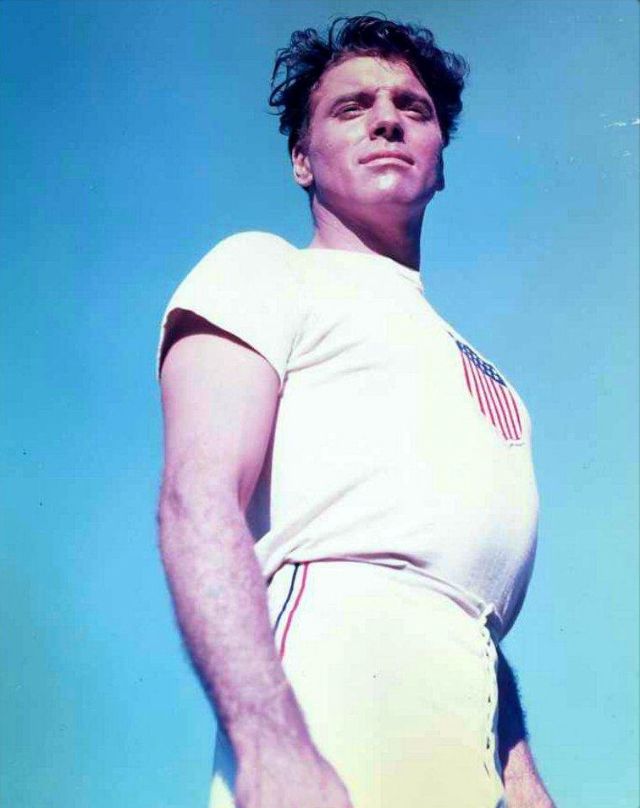
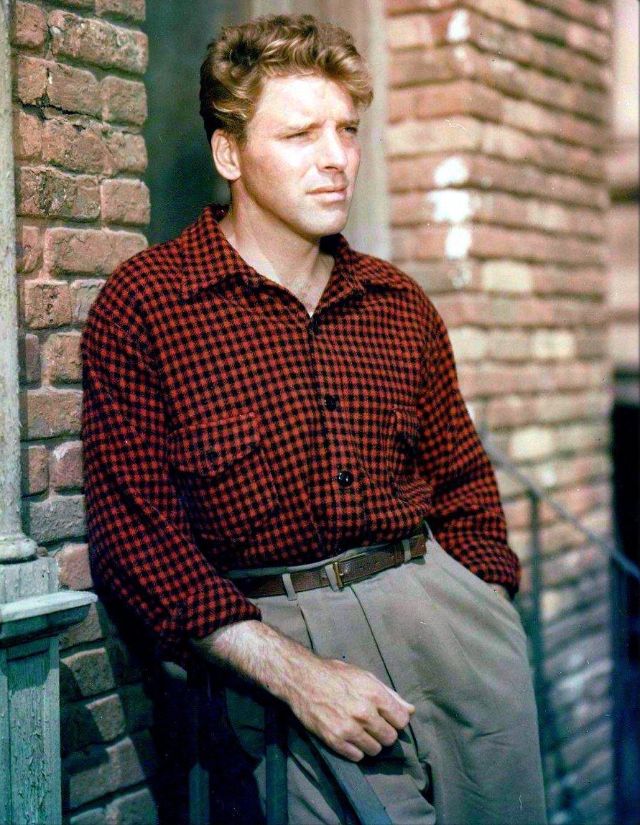
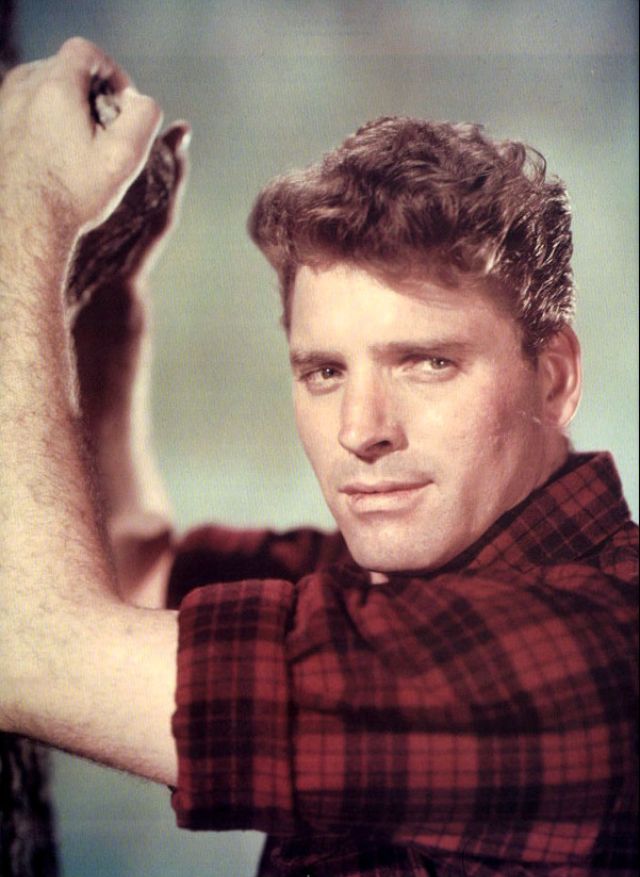
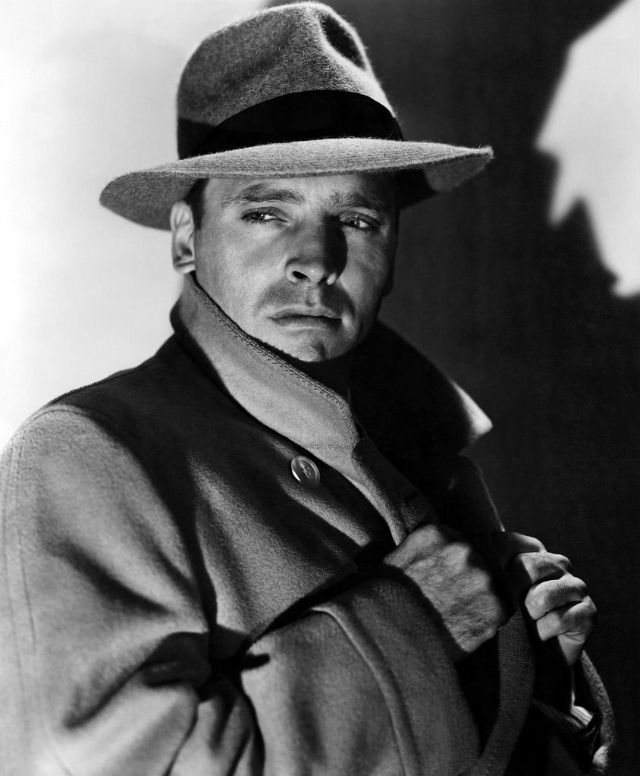
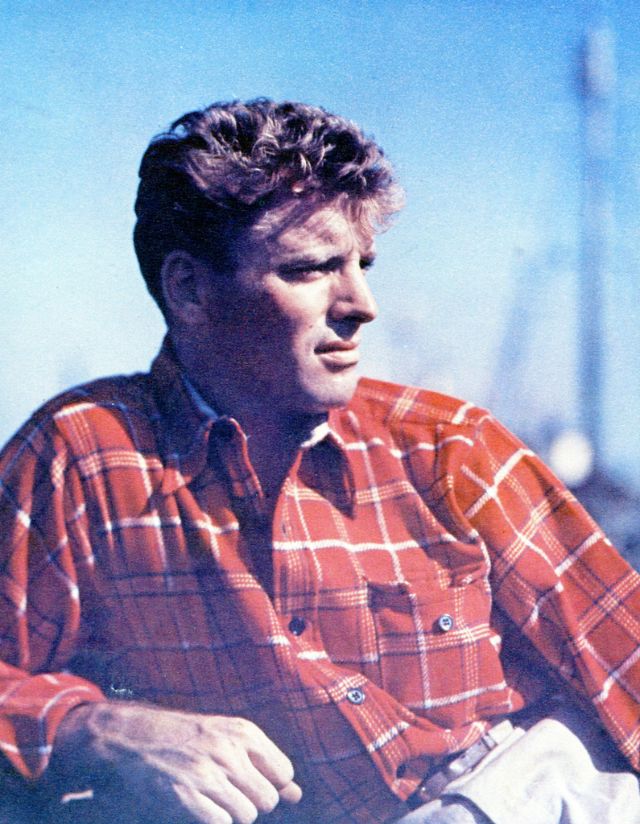
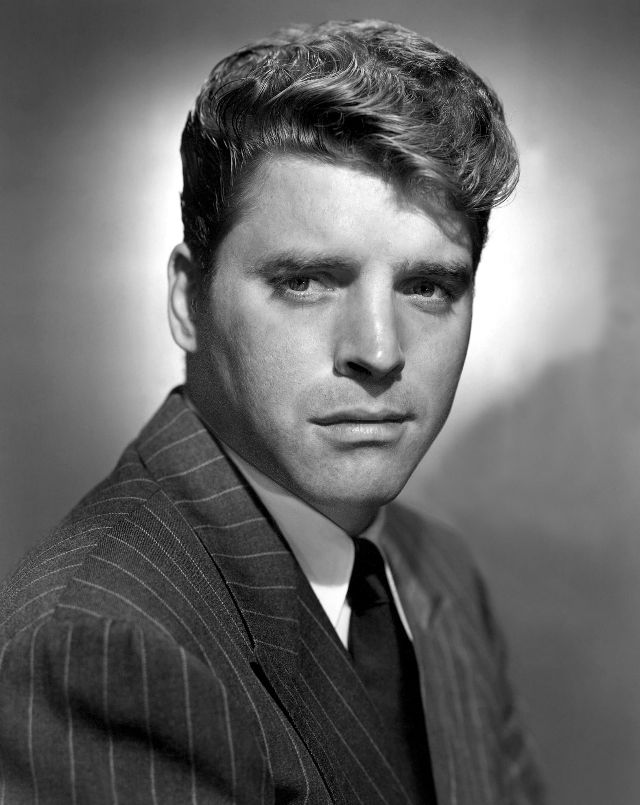
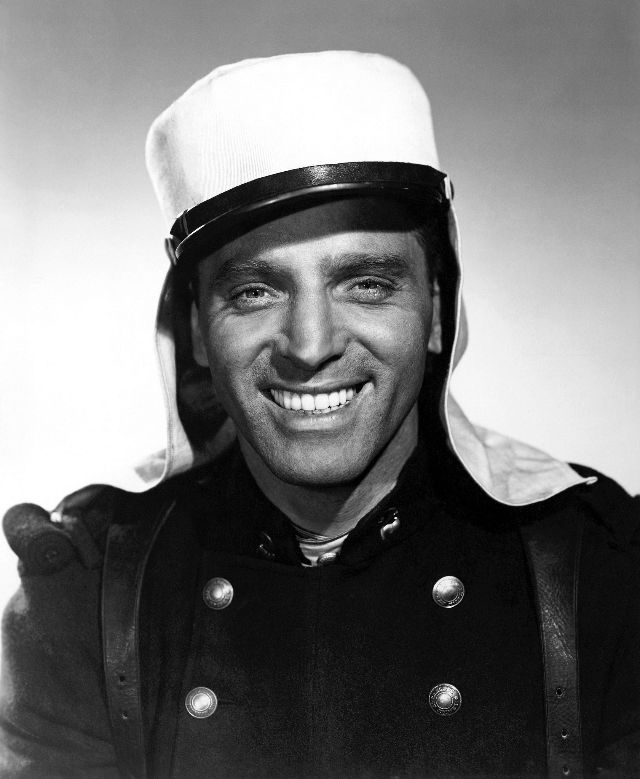
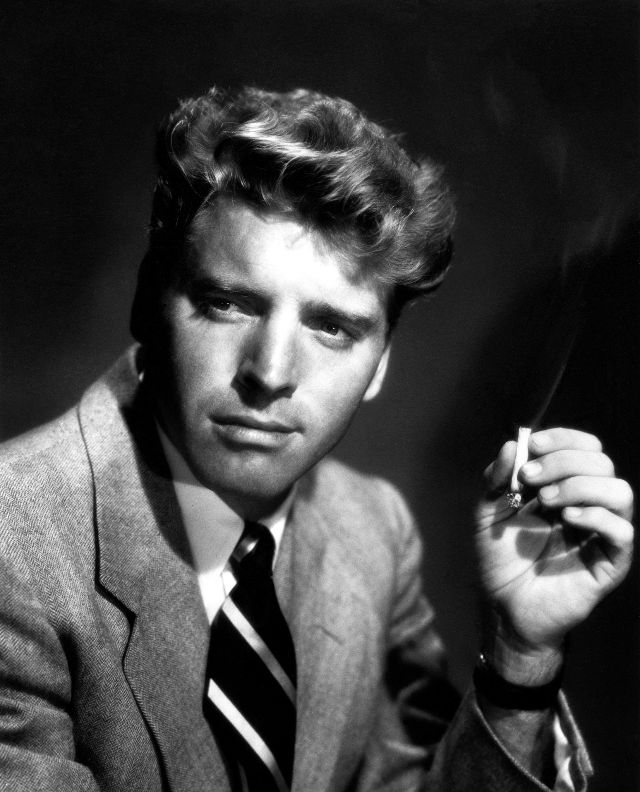
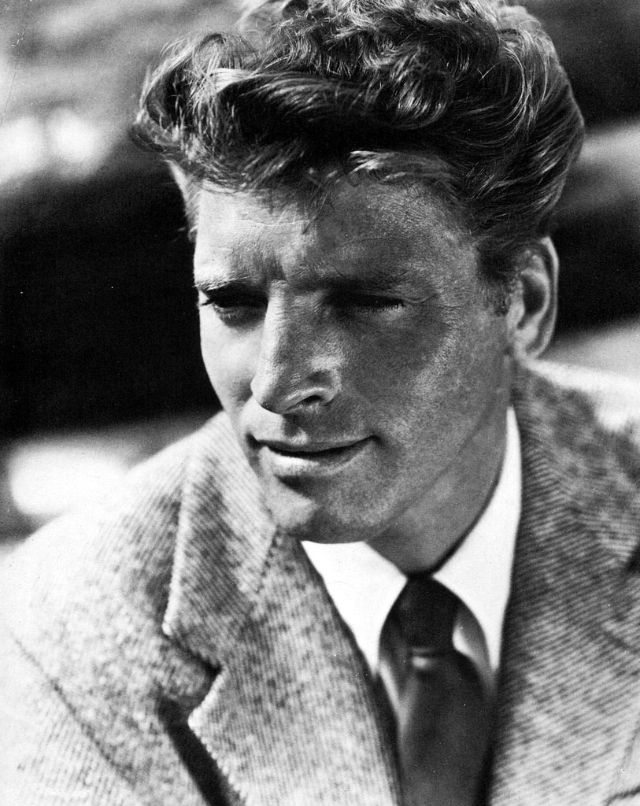
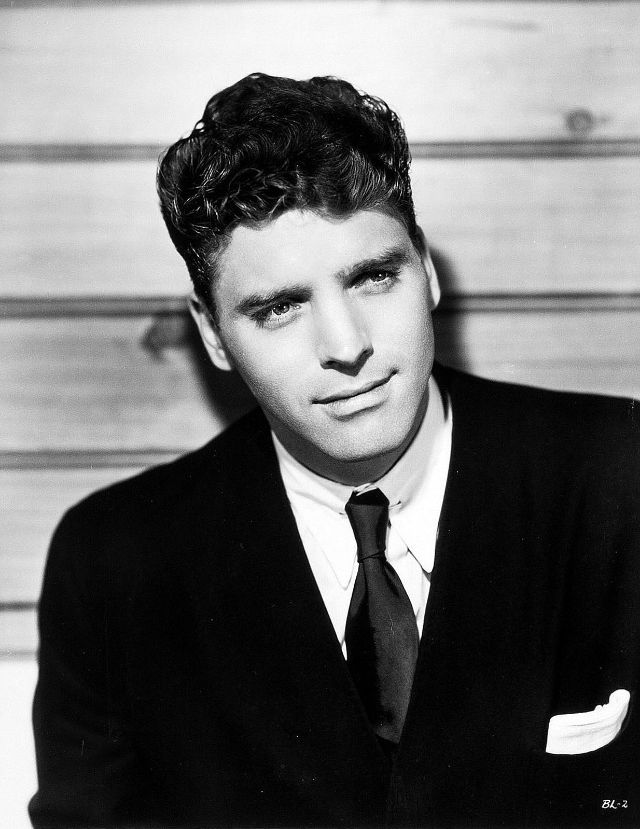
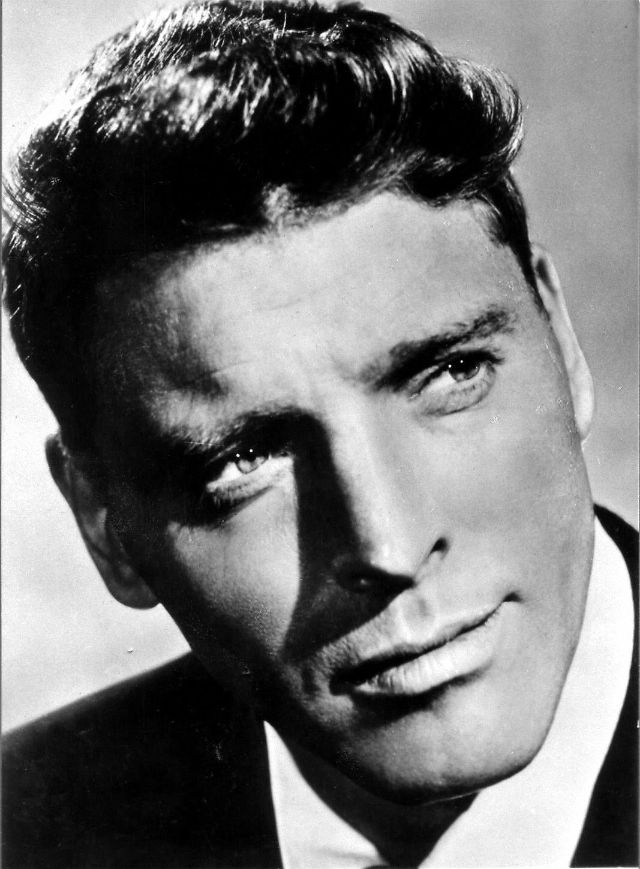
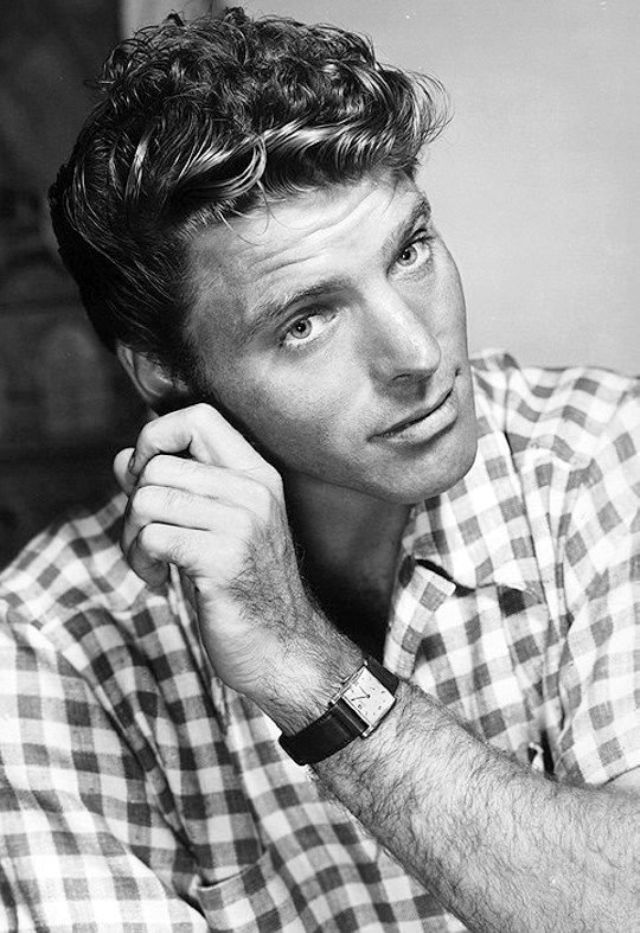
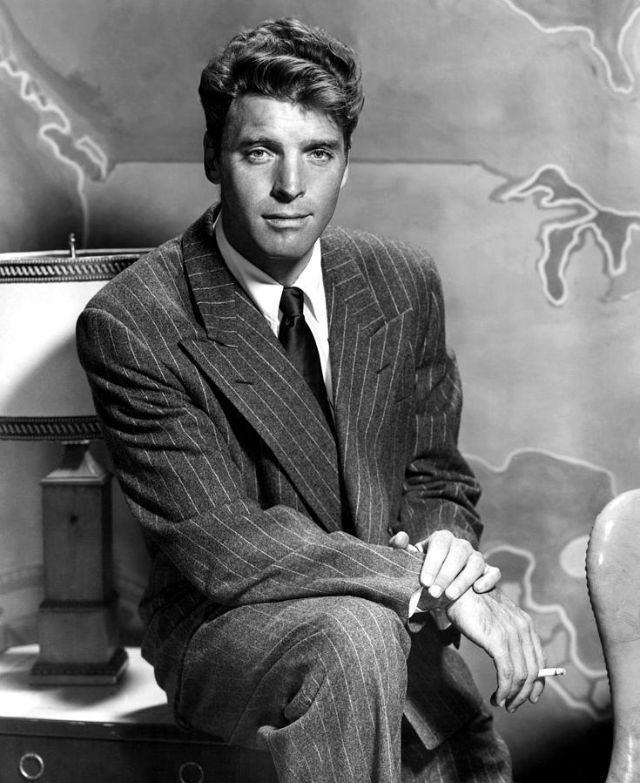
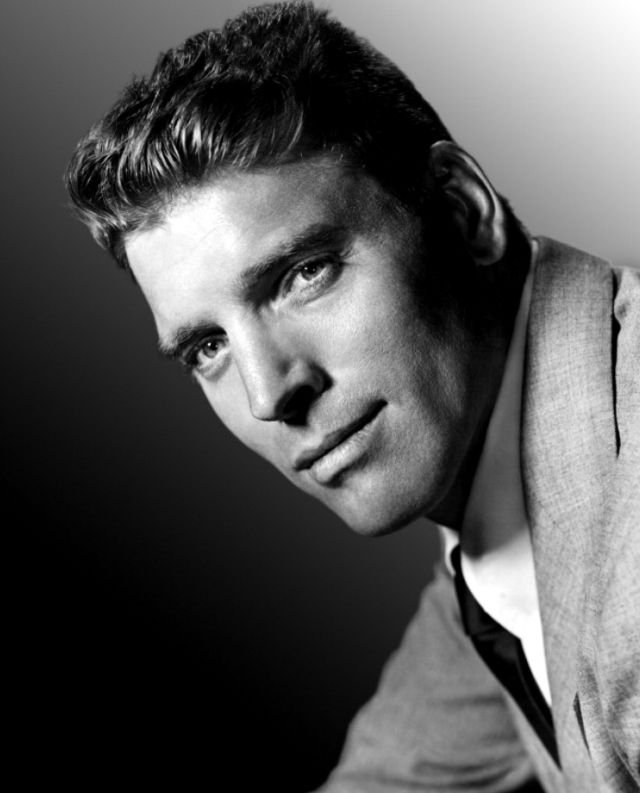
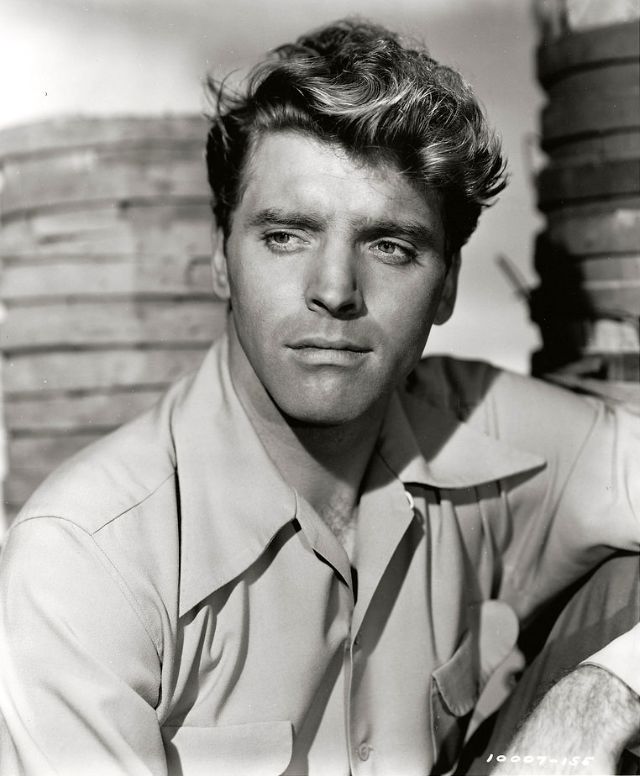
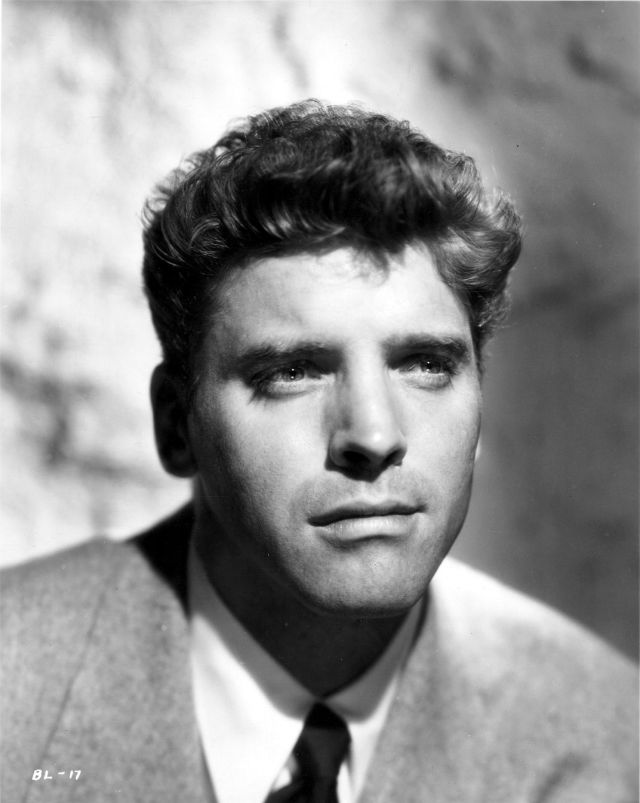
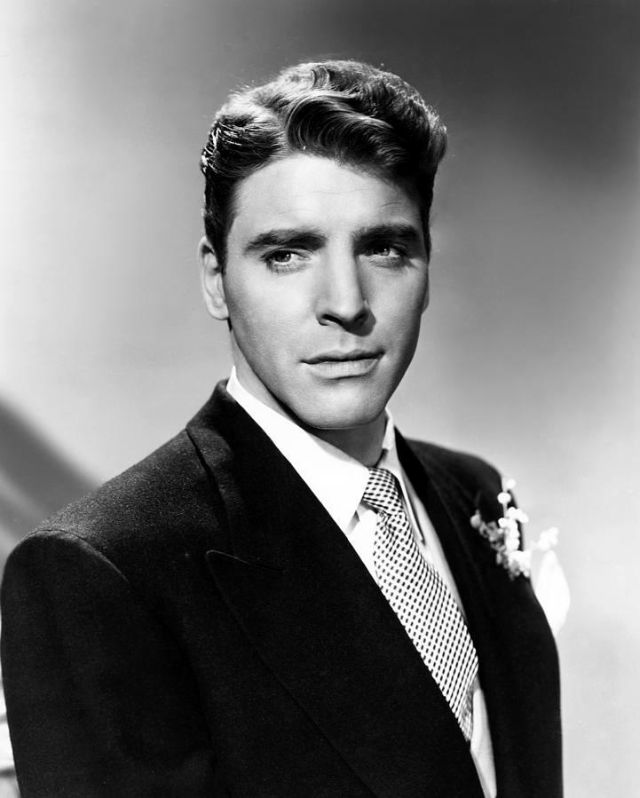
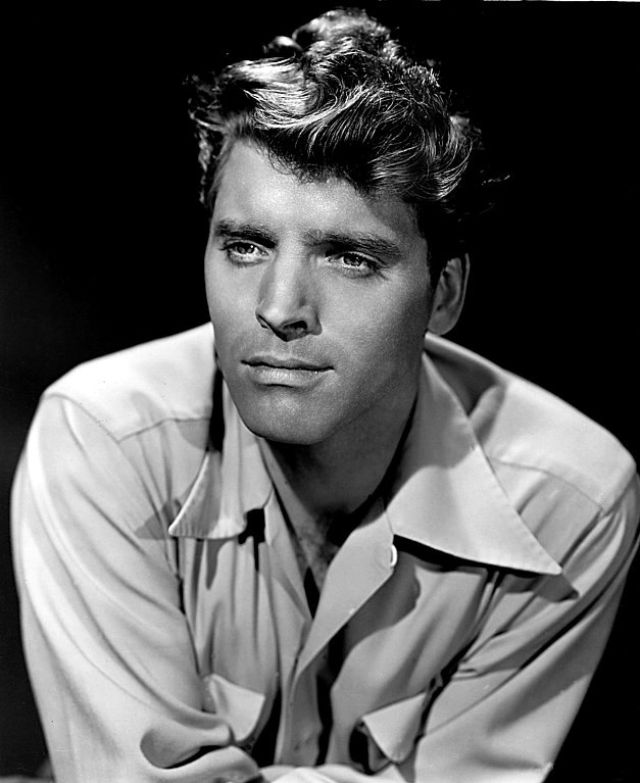
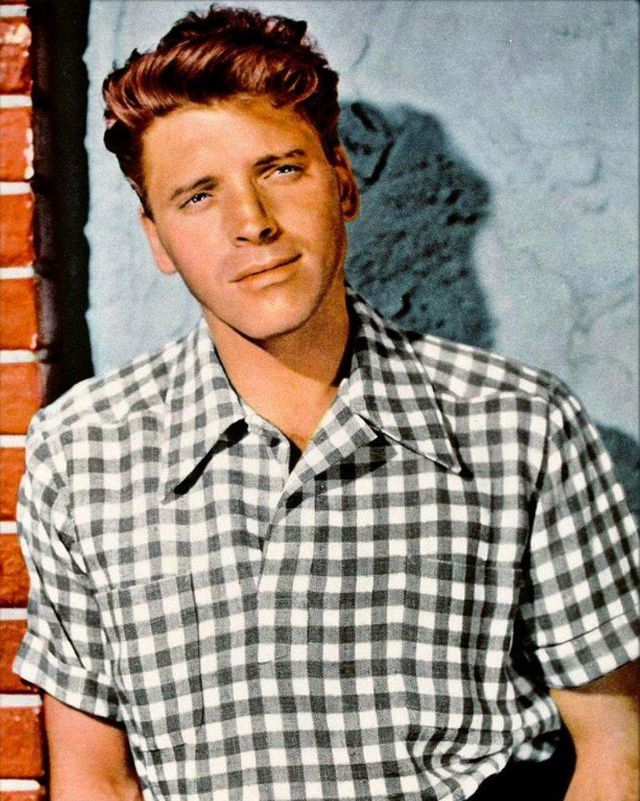
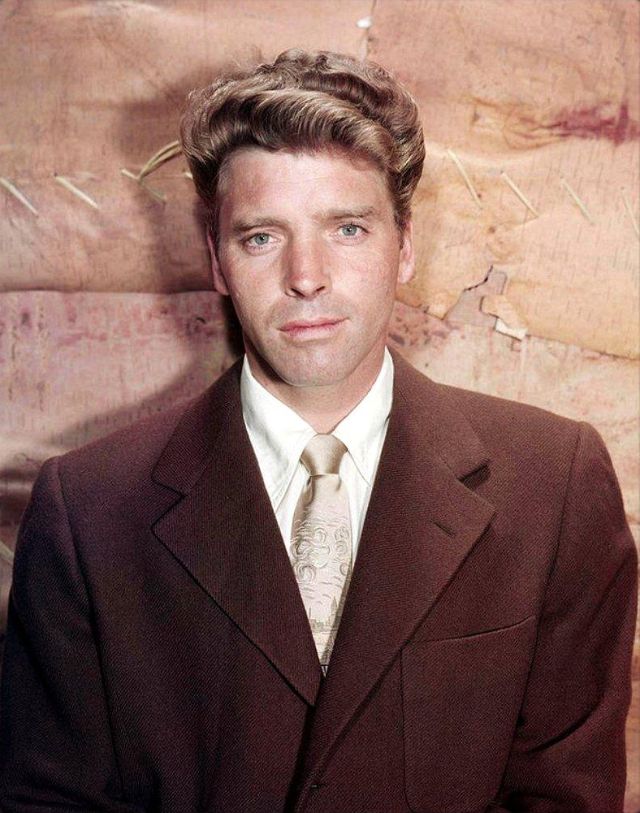
Born 1913 in Manhattan, New York, American actor and producer Burt Lancaster was initially known for playing “tough guys”, he went on to achieve success with more complex and challenging roles.
Lancaster was nominated four times for Academy Awards, and won once for his work in Elmer Gantry in 1960. He also won a Golden Globe Award for that performance and BAFTA Awards for Birdman of Alcatraz (1962) and Atlantic City (1980).
During the 1950s, his production company Hecht-Hill-Lancaster was highly successful, making films such as Trapeze (1956), Sweet Smell of Success (1957), Run Silent, Run Deep (1958), and Separate Tables (1958).
Lancaster’s acting career ended after he suffered a stroke in 1990, which left him partly paralyzed and largely unable to speak. He died in his apartment in Century City, California, from a third heart attack at in 1994, at the age of 80.
The American Film Institute ranks Lancaster as #19 of the greatest male stars of classic Hollywood cinema.
Take a look at these pictures to see a young Burt Lancaster in the 1940s and 1950s.














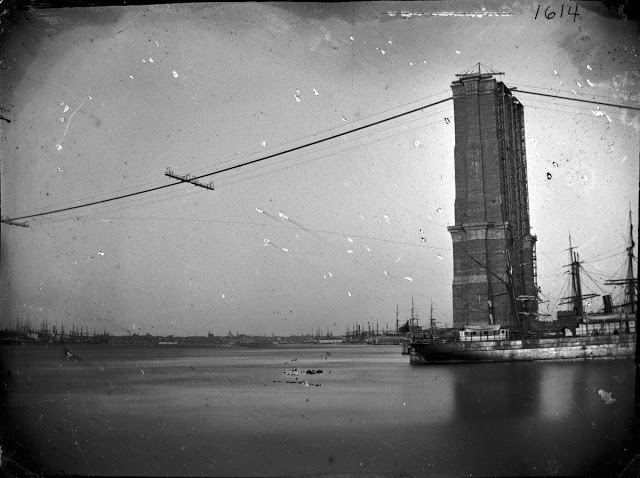
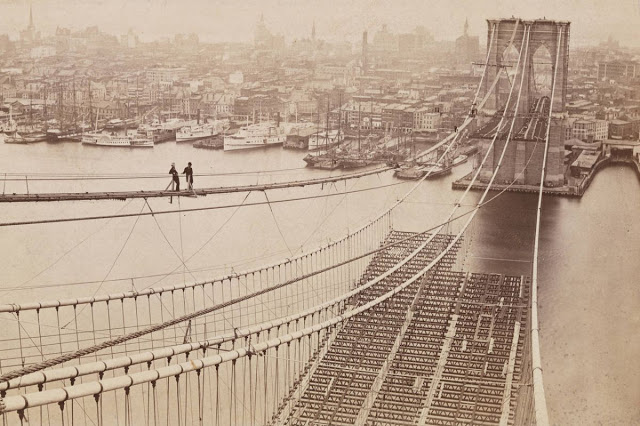
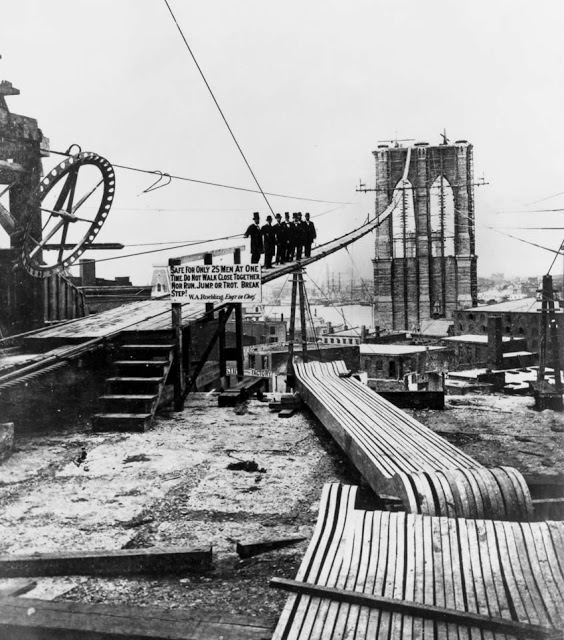
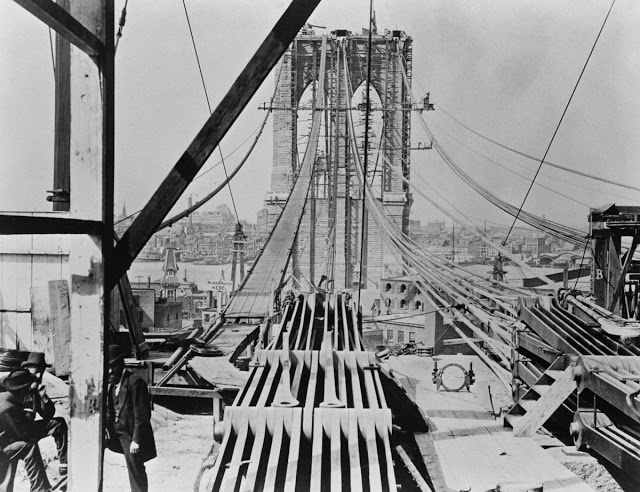
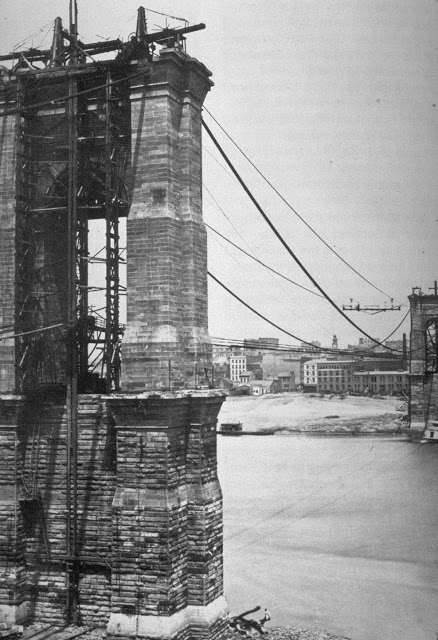
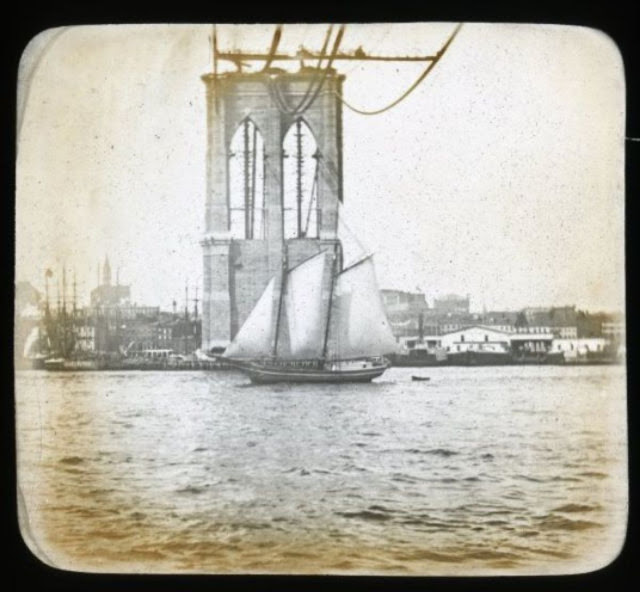
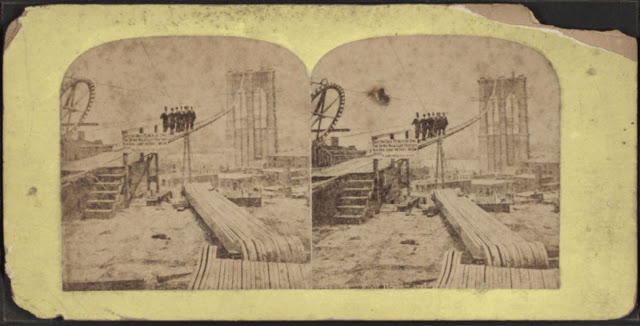
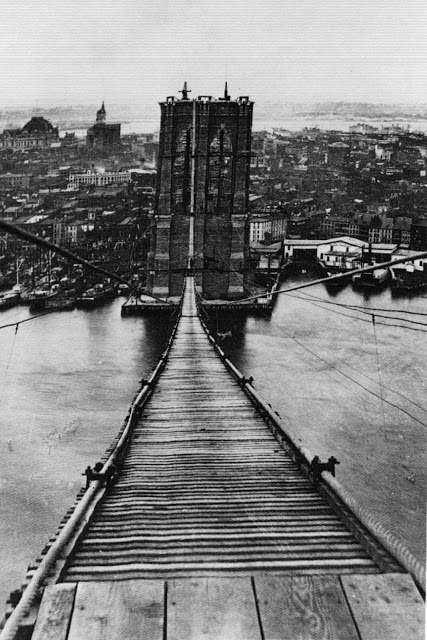
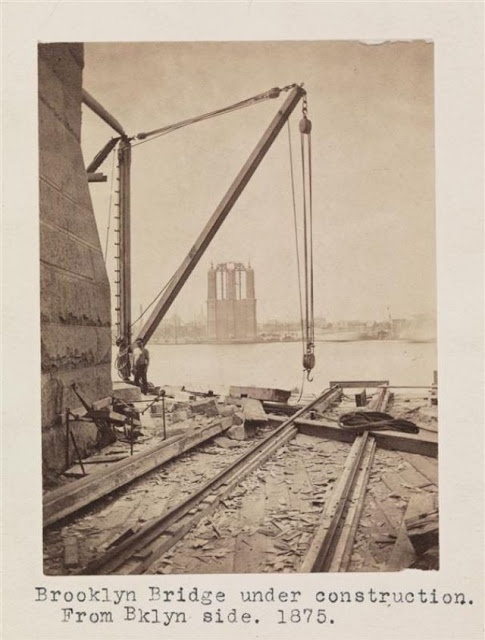
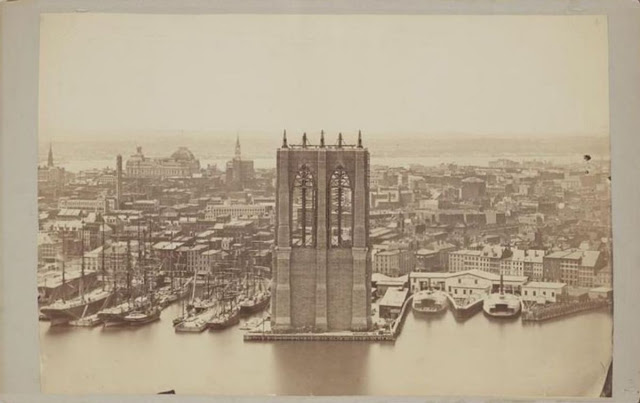
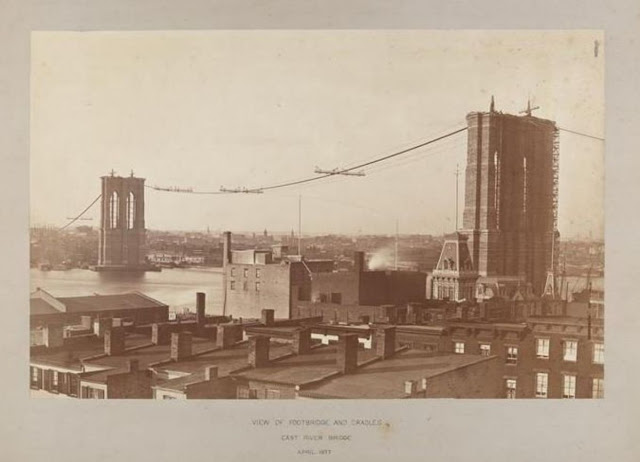
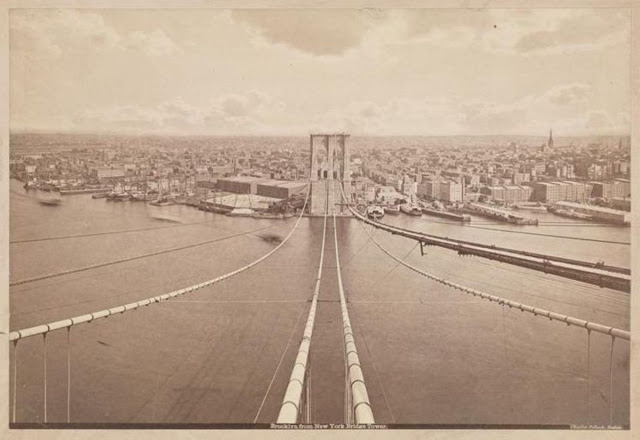
When it opened in 1883, the Brooklyn Bridge was the answer to a geographical problem that should be familiar to anyone living in New York today: the jobs were in Manhattan but the cheap housing was in the outer borough. The solution was a very complicated one that tested the limits of engineering and technological ingenuity.
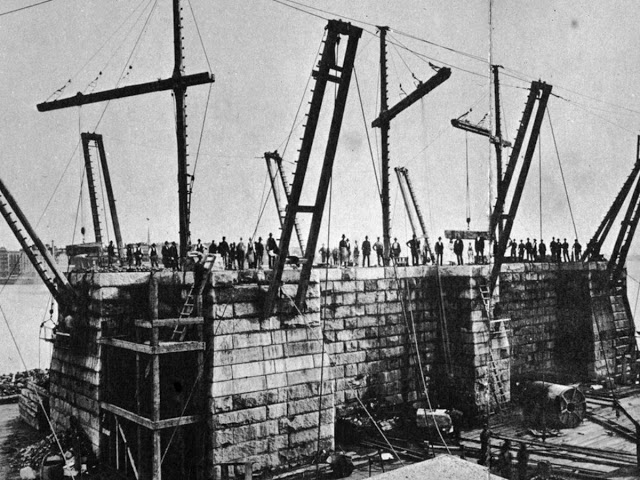
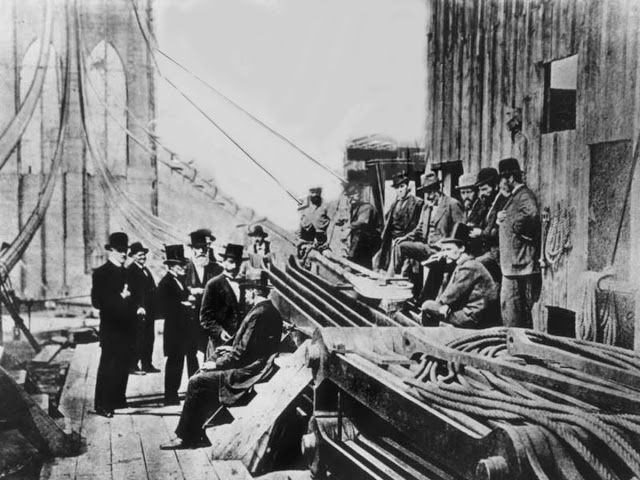
On paper, the suspension bridge to be constructed across the East River – an unprecedented distance – sounded veritably un-buildable. But that’s what drew John Roebling to the project: having earned a reputation as a designer of suspension bridges, he made his major breakthrough on the Brooklyn: a web truss made of steel, added to either side of the bridge roadway. This would make the bridge six times stronger than it needed to be. The mammoth project would consume him, literally – he died of tetanus after losing toes in a construction-related boat accident – and more than two dozen construction workers, who would die in falls and in a fire.
After Roebling’s 32-year-old son, Washington, took over as chief engineer, he himself ended up bedridden from compression sickness, the result of building the bridge’s two granite foundations inside timber caissons, or watertight chambers, which were sunk to depths of 44 feet on the Brooklyn side and 78 feet on the New York side. His partial paralysis led Roebling’s wife, Emily, to step in. She had studied higher mathematics, the calculations of catenary curves, materials strength, bridge specifications, and the intricacies of cable construction, and spent the next 11 years assisting her husband on the bridge’s construction.