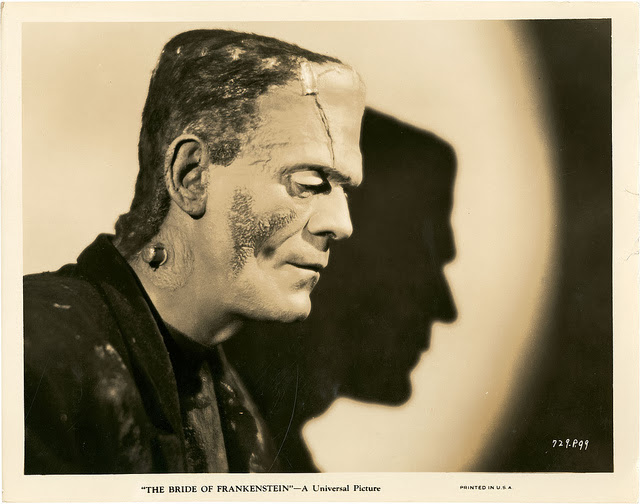
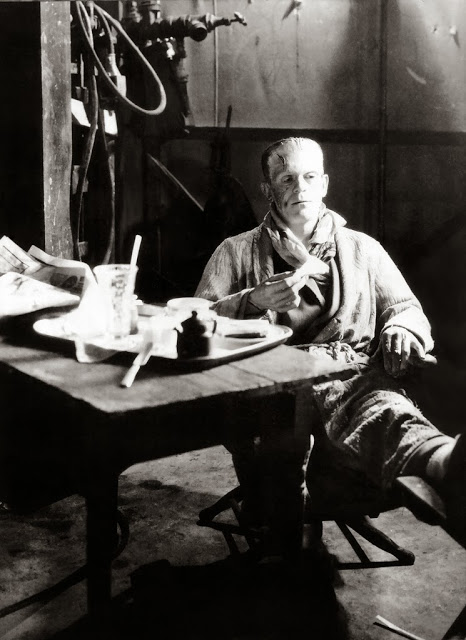
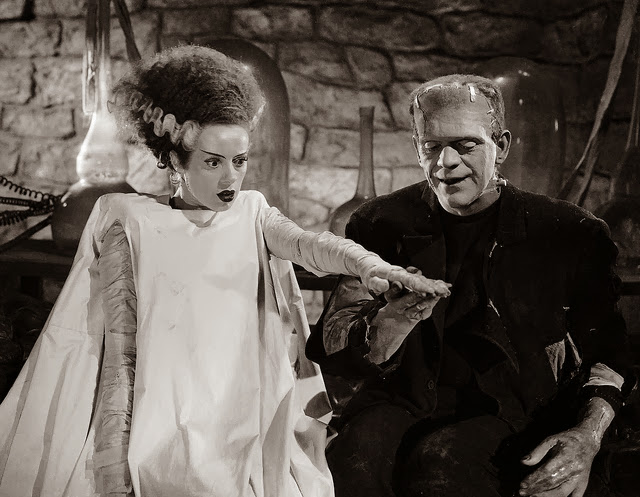
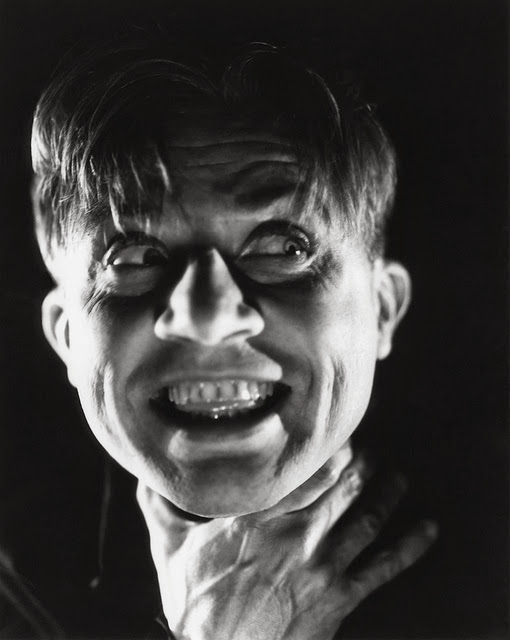
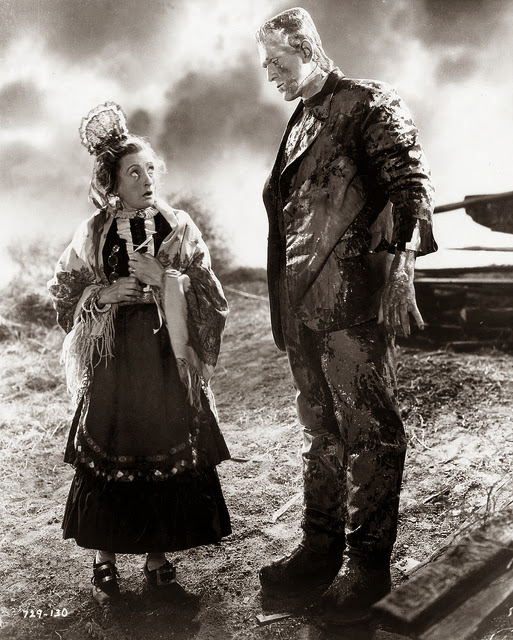
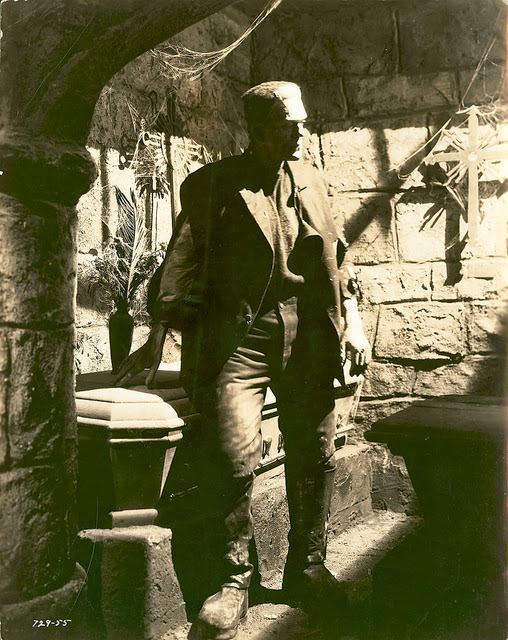
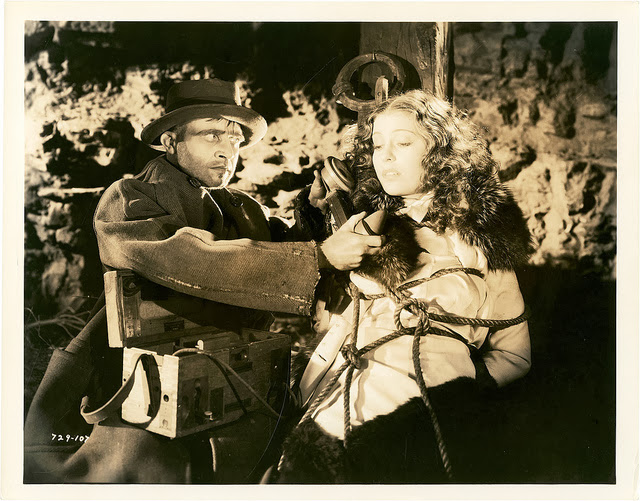
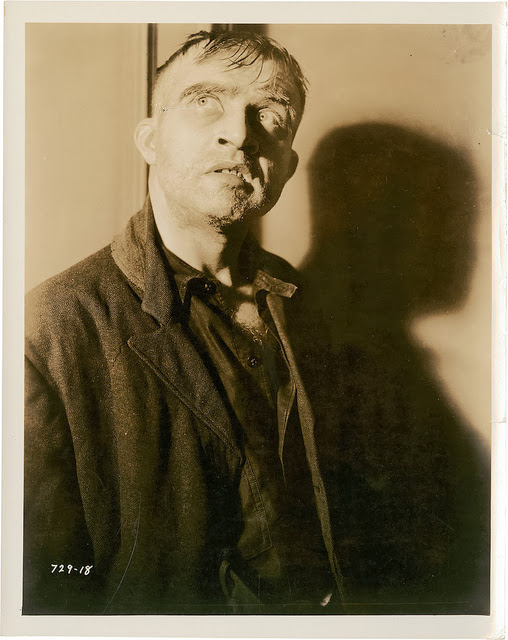
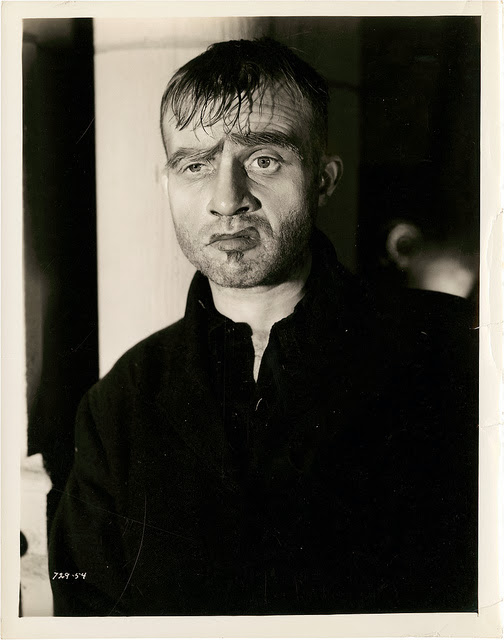
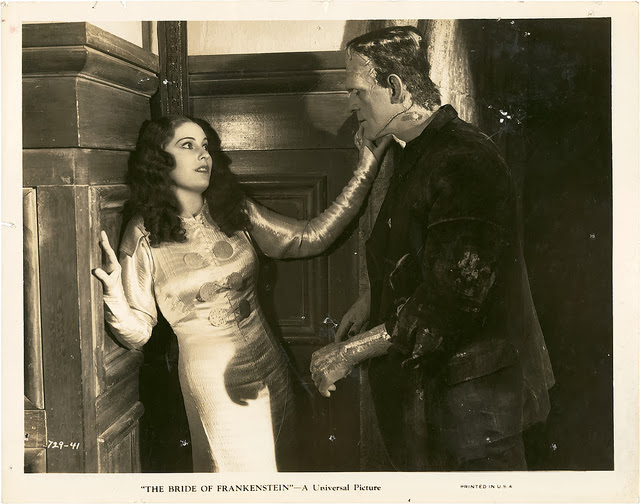
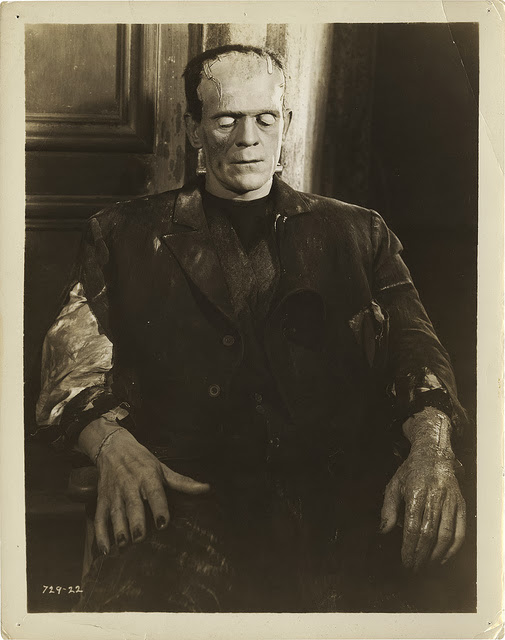
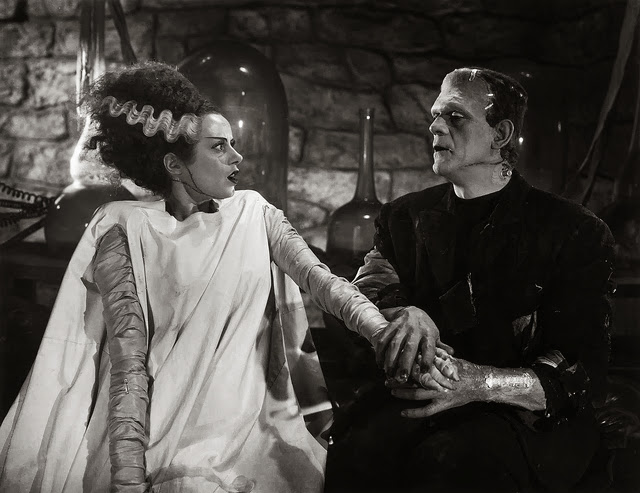
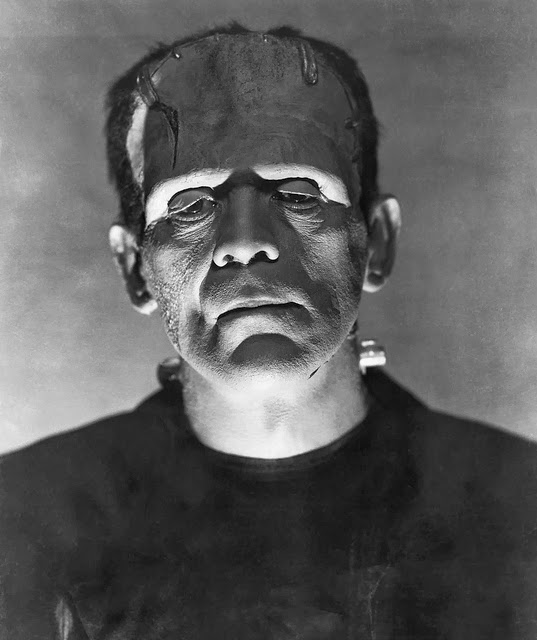
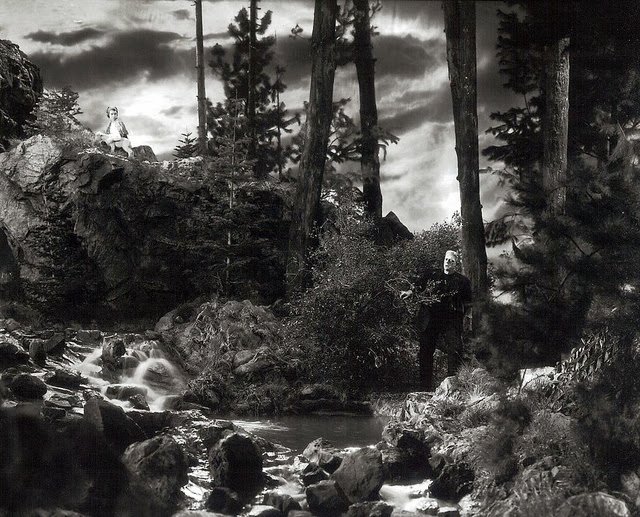
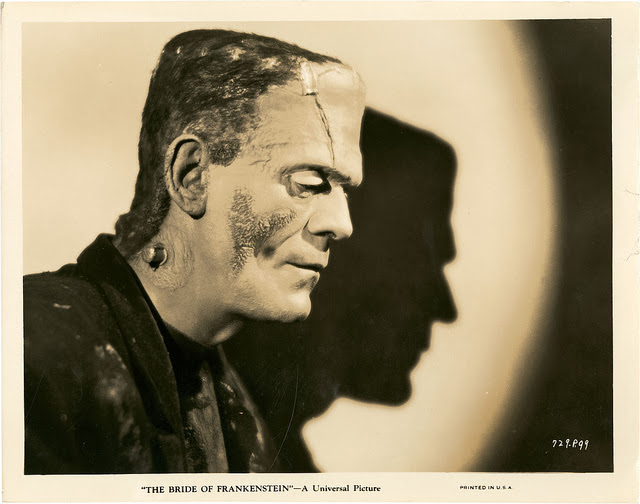
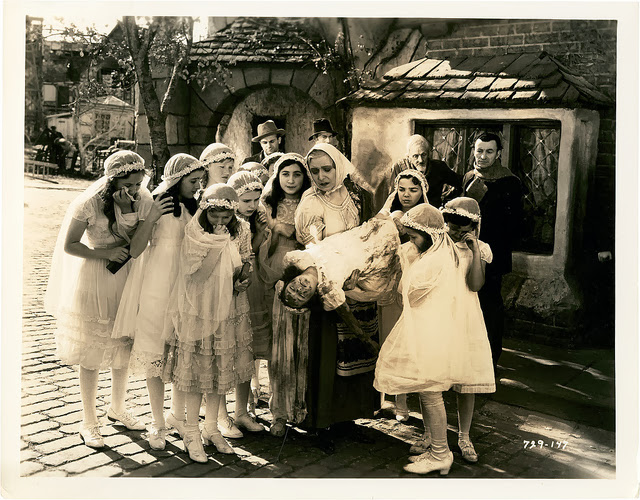
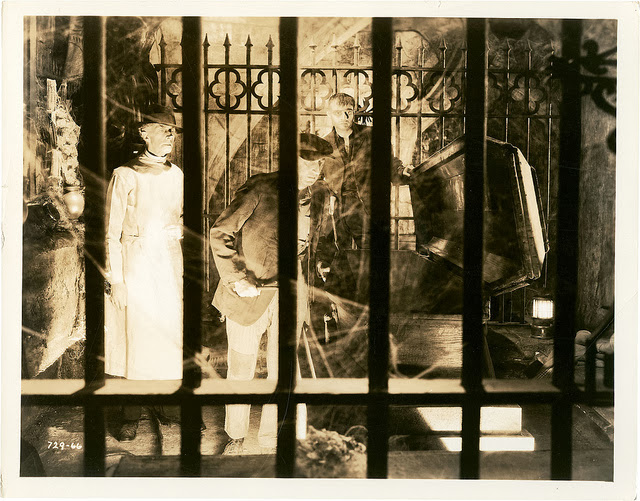
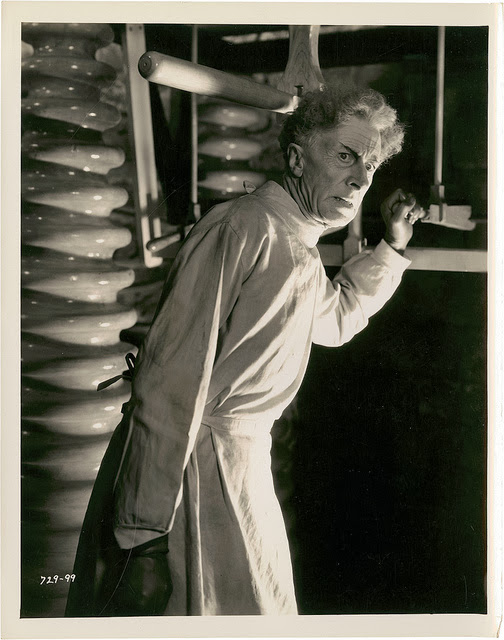
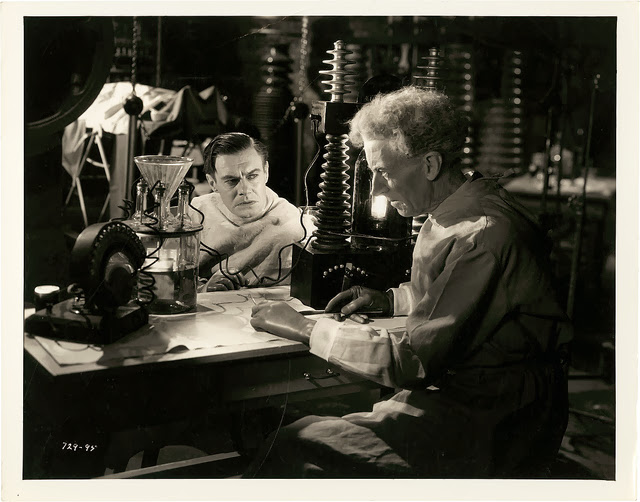
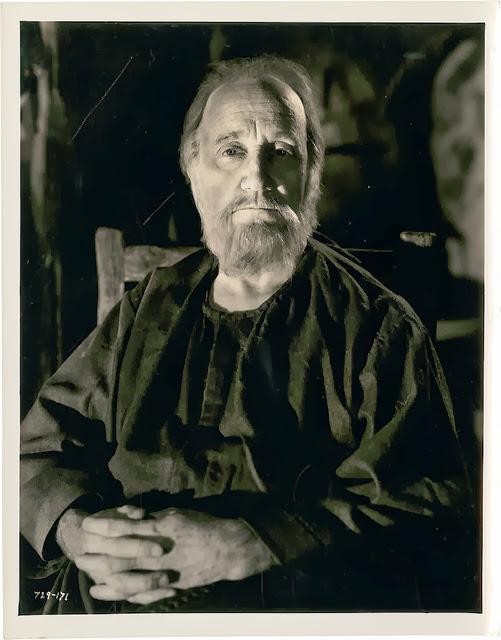
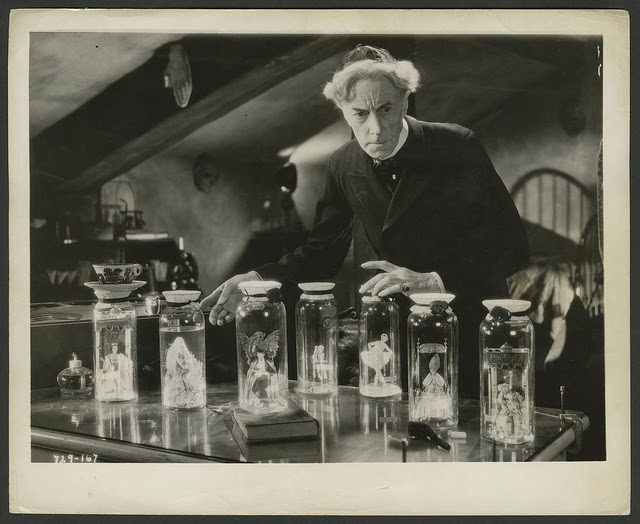
Bride of Frankenstein is a 1935 American horror film, the first sequel to Frankenstein (1931). Bride of Frankenstein was directed by James Whale and stars Boris Karloff as The Monster, Elsa Lanchester in the dual role of his mate and Mary Shelley, Colin Clive as Henry Frankenstein, and Ernest Thesiger as Doctor Septimus Pretorius. Below are some of vintage photos from Bride of Frankenstein in 1935.
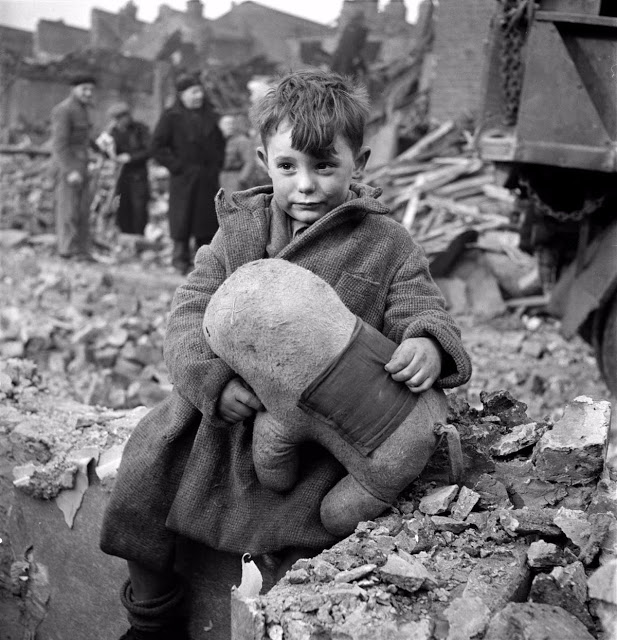
“Here are faces that I have found memorable. If they are not all as happy as kings, it is because in this imperfect world and these hazardous times, the camera’s eye, like the eye of a child, often sees true,” wrote Toni Frissell. Those two eyes met in the below photo, one of the most heartbreaking photos to come out of the London Blitz.
Toni Frissell’s famous image of an abandoned boy clutching a stuffed animal in the rubble of 1945 London.
The boy did in fact survive the war and became a truck driver. In the photo he’s sitting outside where his house used to be. Frissell regarding this picture: “I was told he had come back from playing and found his house a shambles—his mother, father and brother dead under the rubble…he was looking up at the sky, his face an expression of both confusion and defiance. The defiance made him look like a young Winston Churchill. This photograph was used by IBM to publicize a show in London. The boy grew up to become a truck driver after the war, and walking past the IBM offices, he recognized his picture.”
The boy did in fact survive the war and became a truck driver.
Toni Frissell was one of the most famous fashion photographers of the day, working with both Cecil Beaton and Edward Steichen. During the WWII, Frissell volunteered for the American Red Cross, later becoming the official photographer of the Women’s Army Corps. She traveled to the European front twice, and spent time in London documenting the horrors of war above and below the ground.
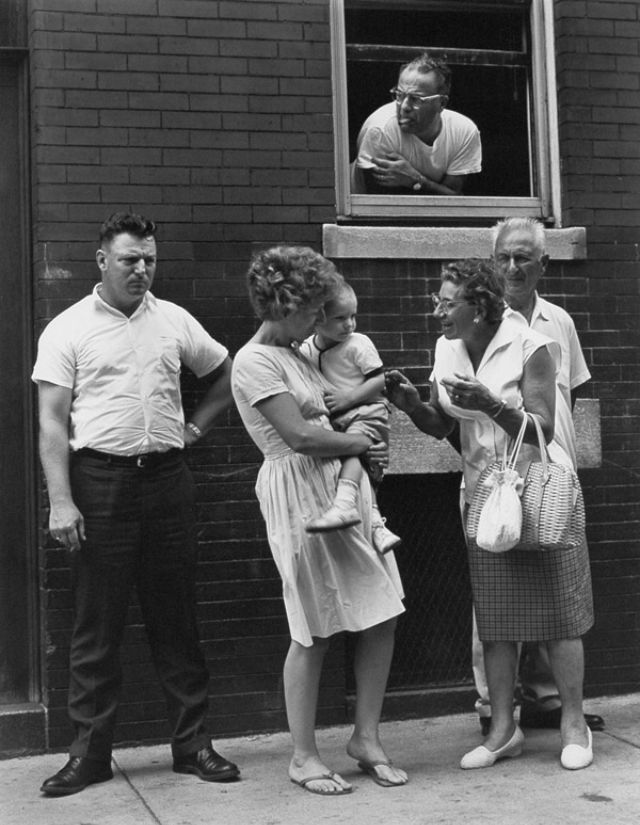
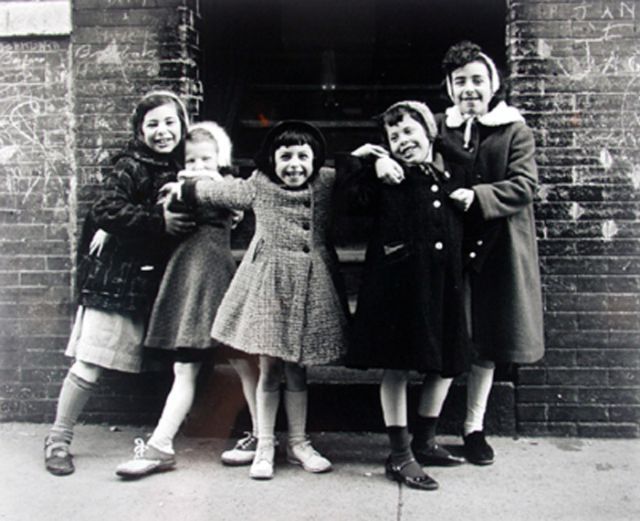
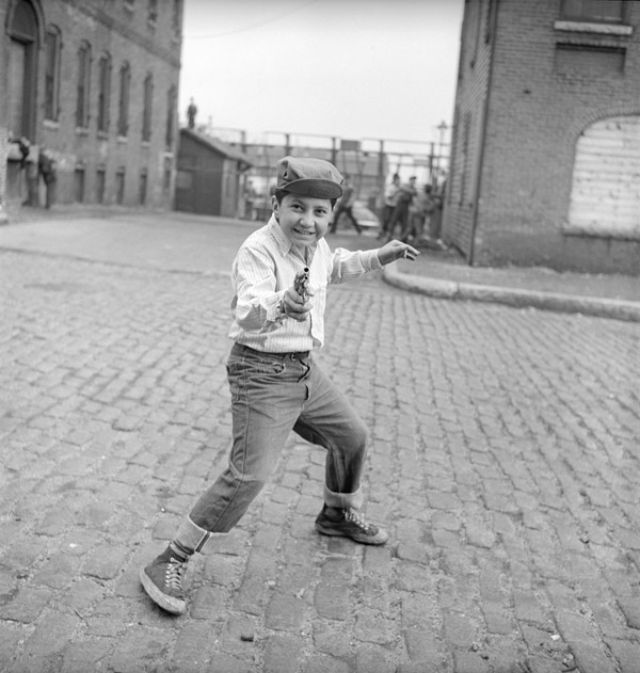
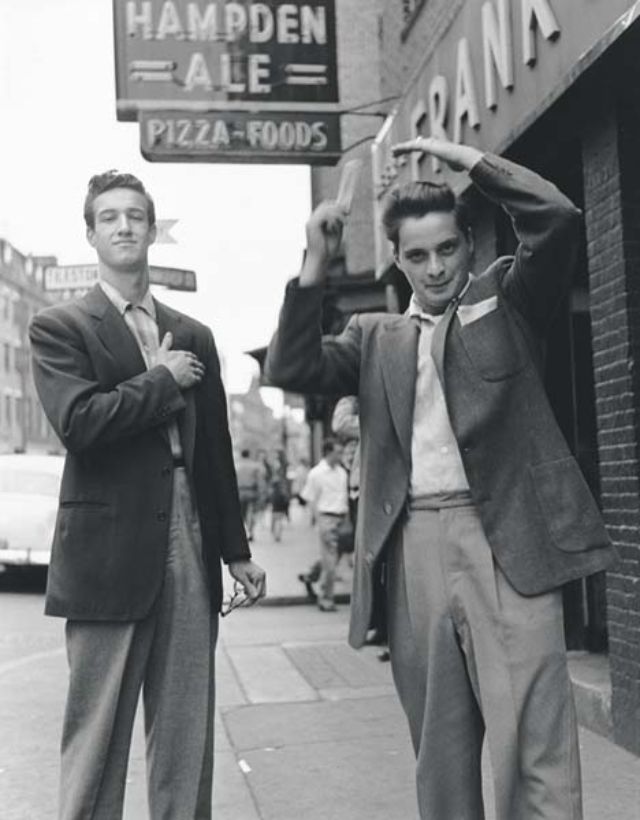
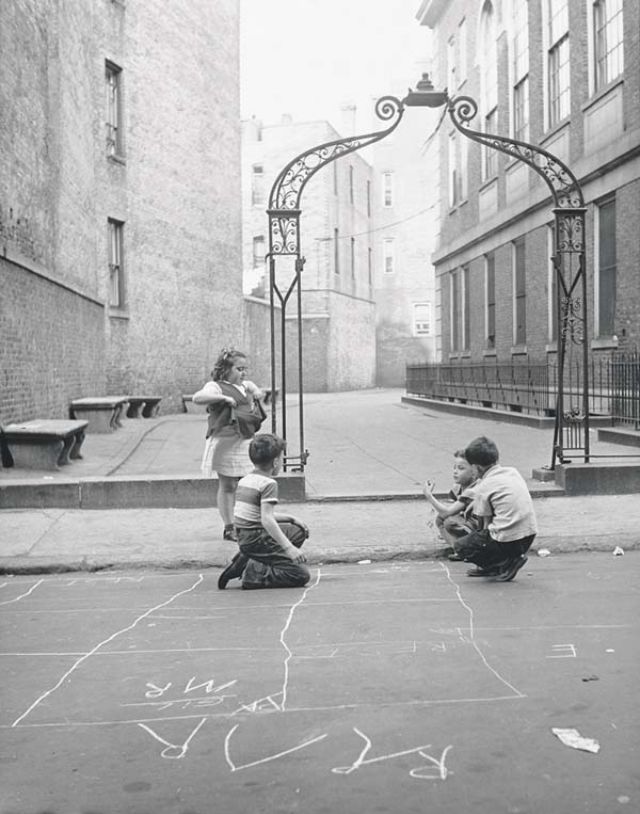
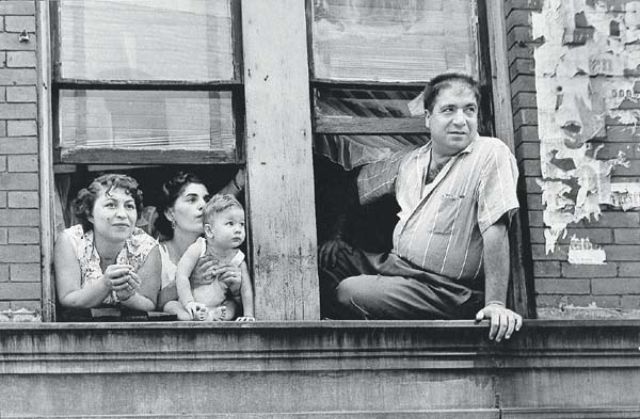
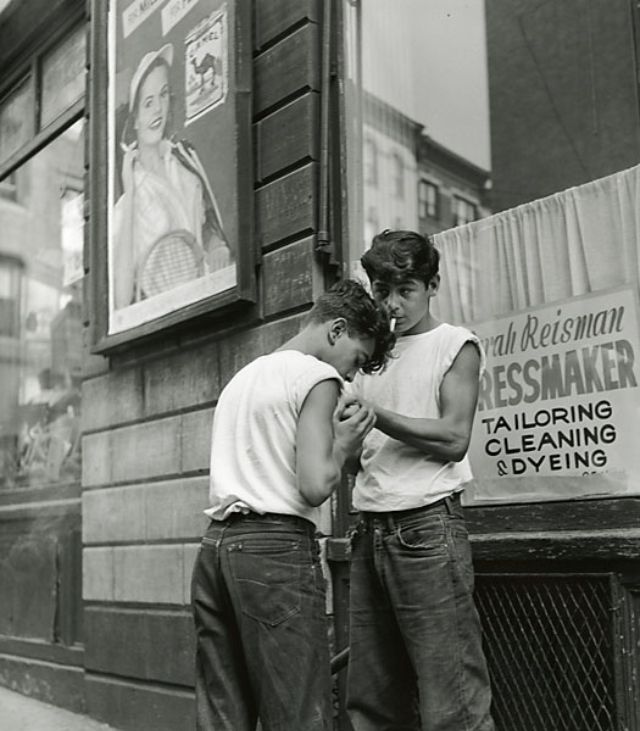
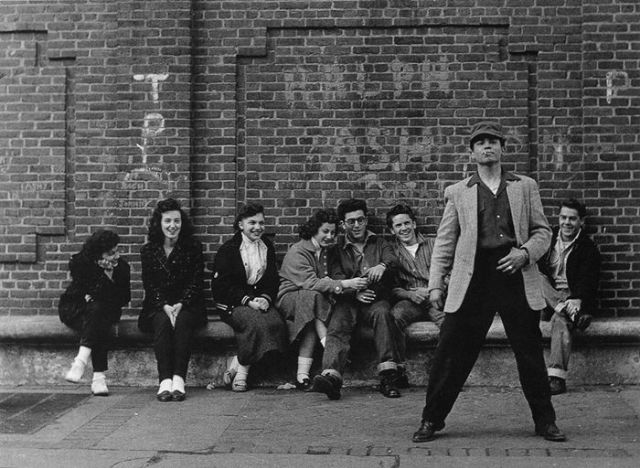
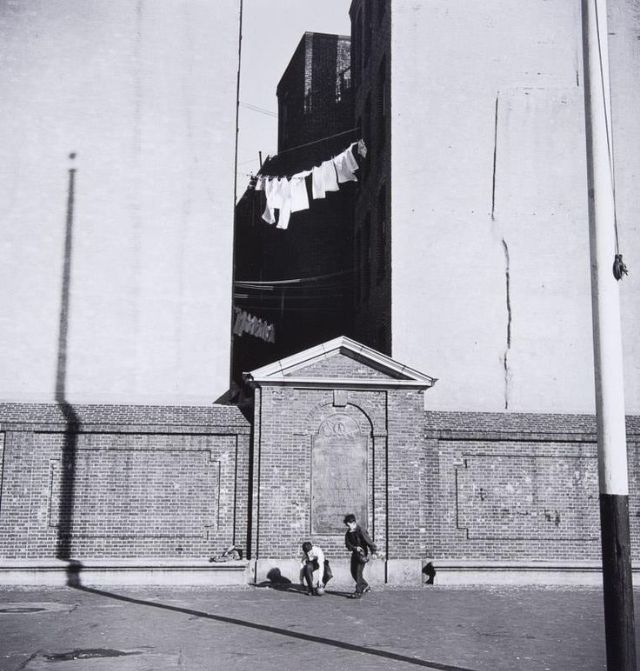
Although he was born and raised in New York City, American space physicist Jules Aarons (1921-2008) spent the majority of his life in the Boston area. He was known for his study of radio-wave propagation, and a photographer known for his street photography in Boston.
Aarons first became interested in photography as a youth, taking pictures of his family in Rockaway, New York. While pursuing his college degrees and working as a scientist, he continued to develop his craft, taking his camera with him on business trips around the world.
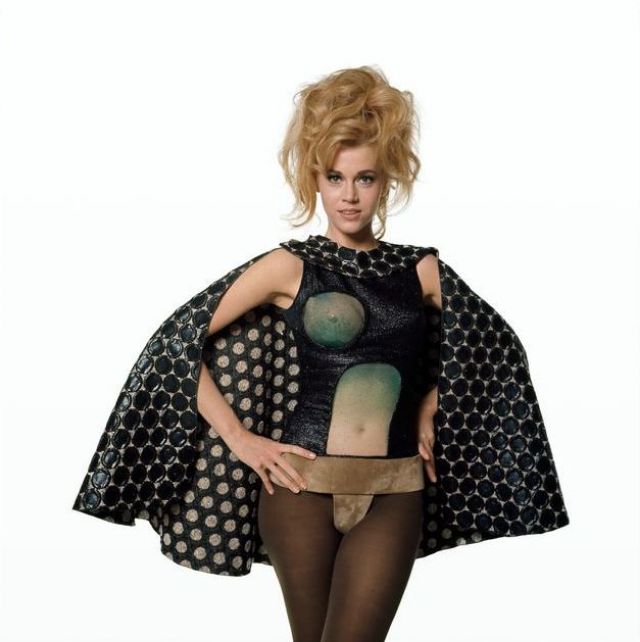
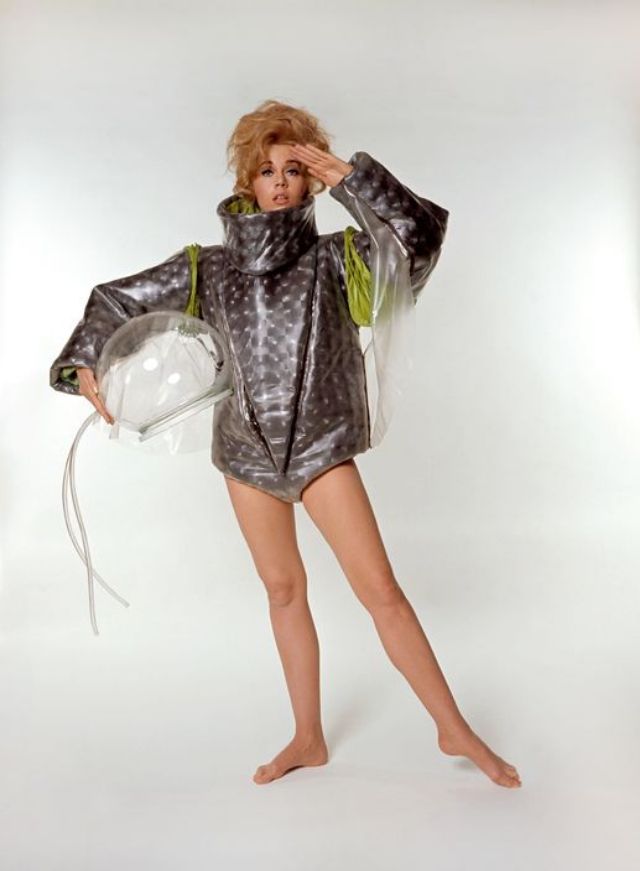
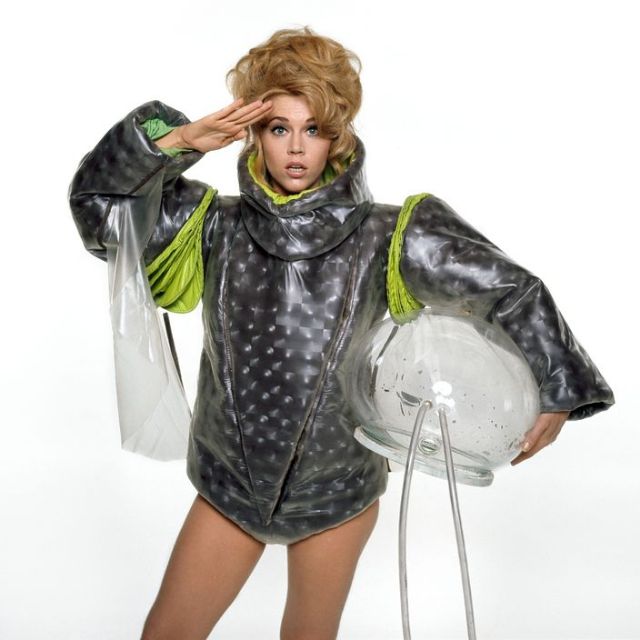
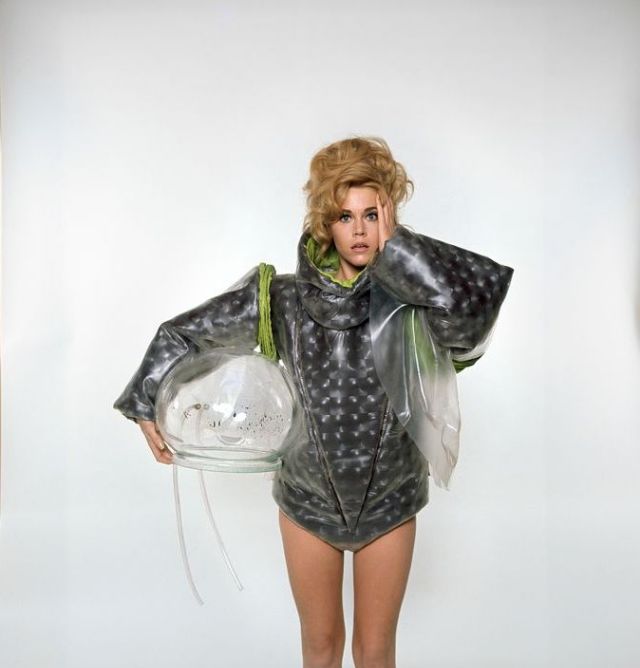
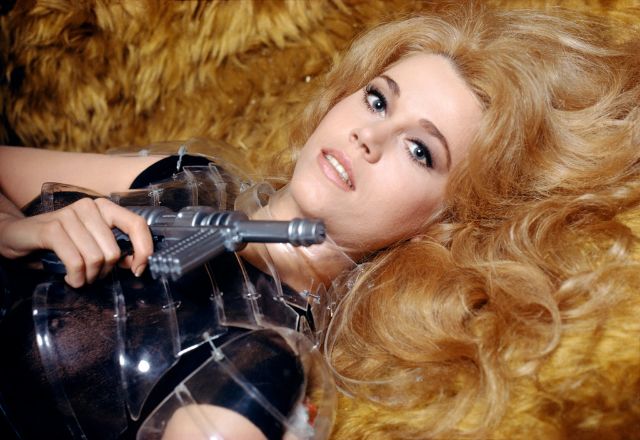
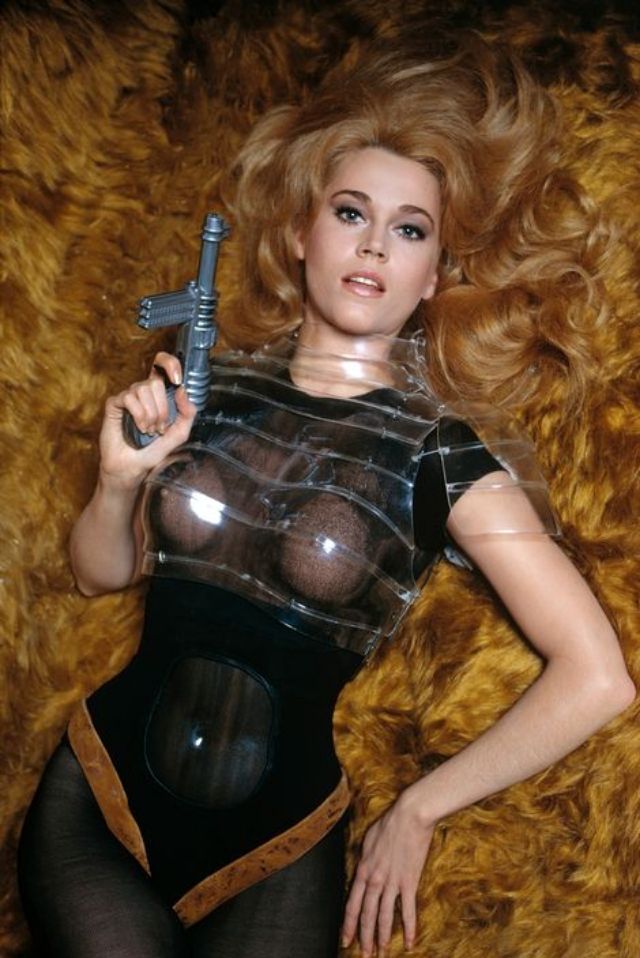
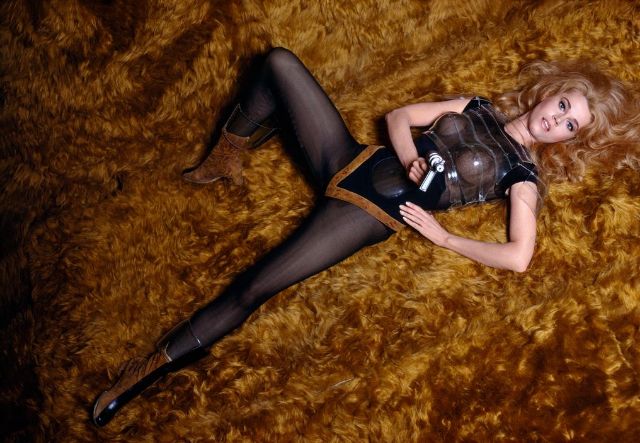
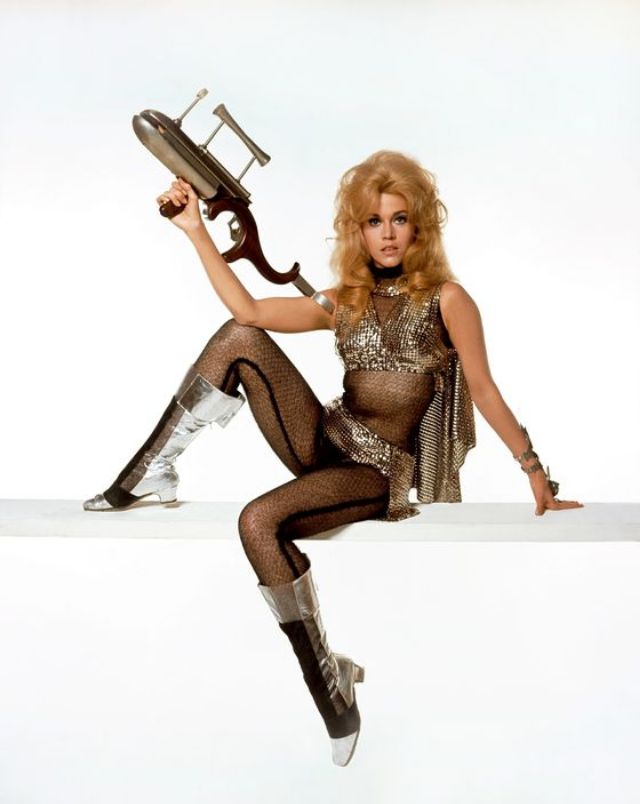
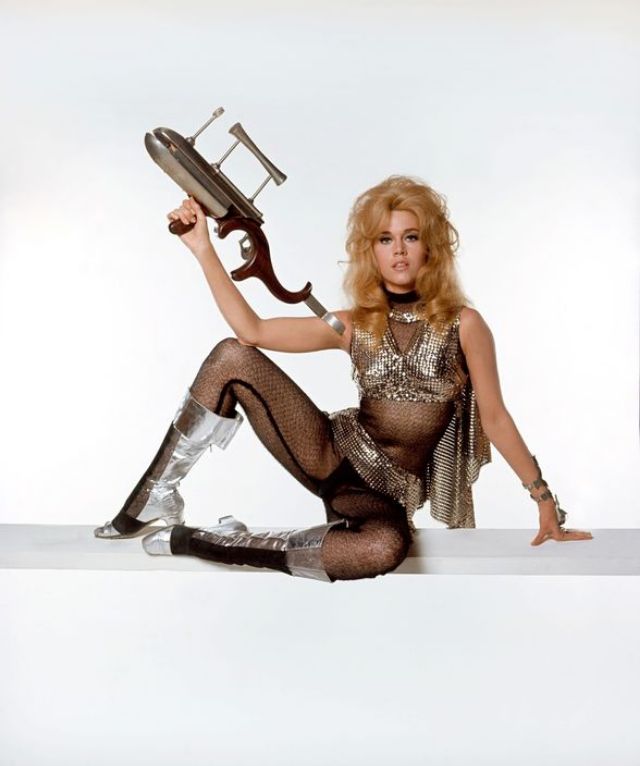
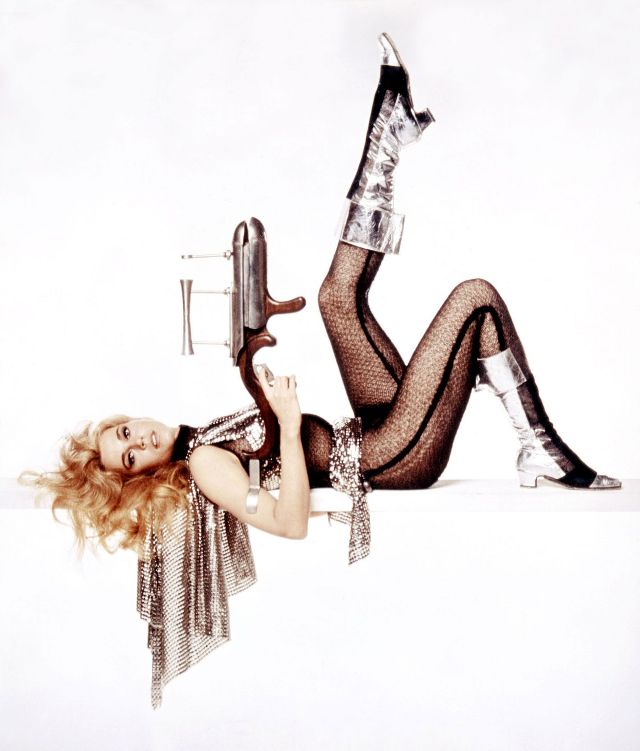
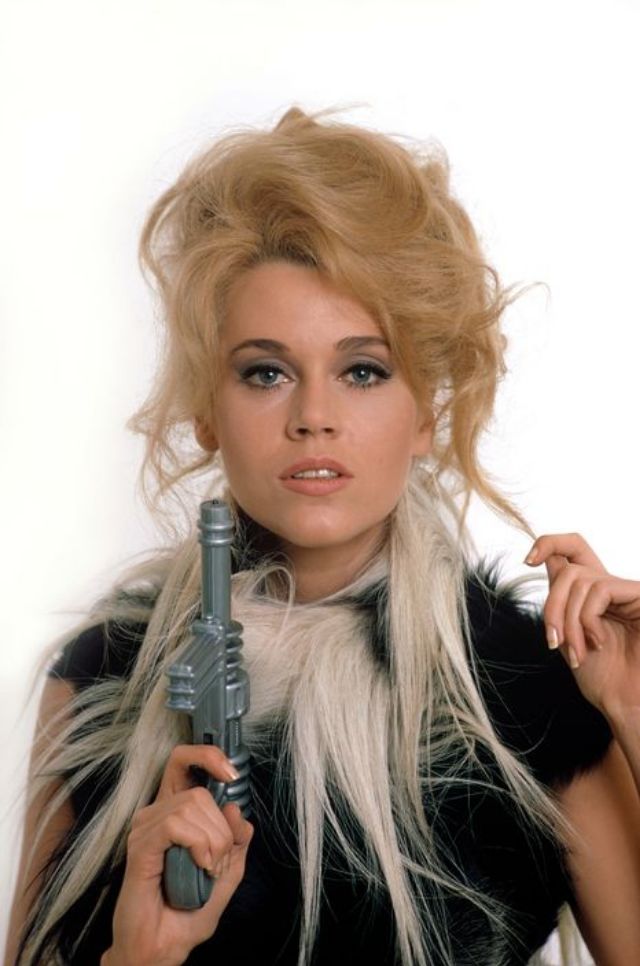
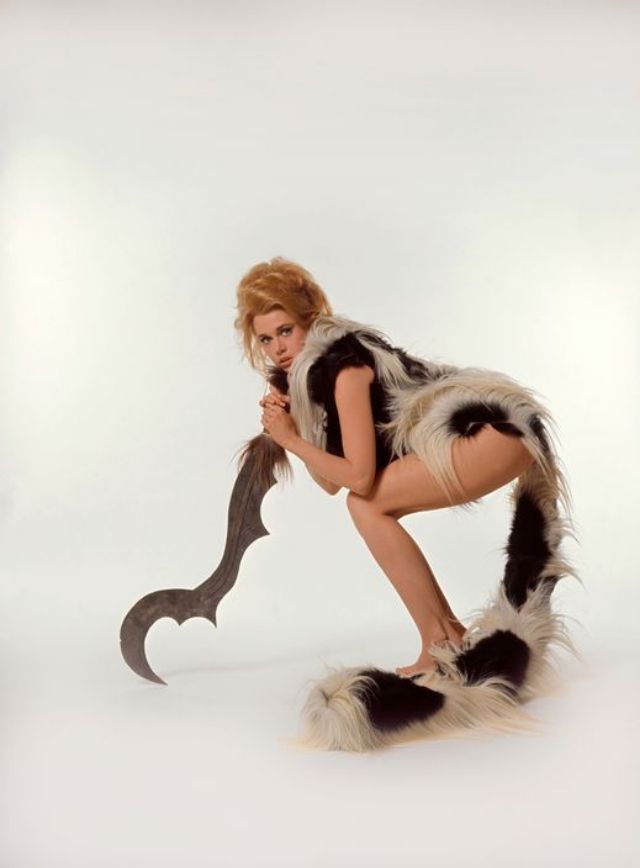
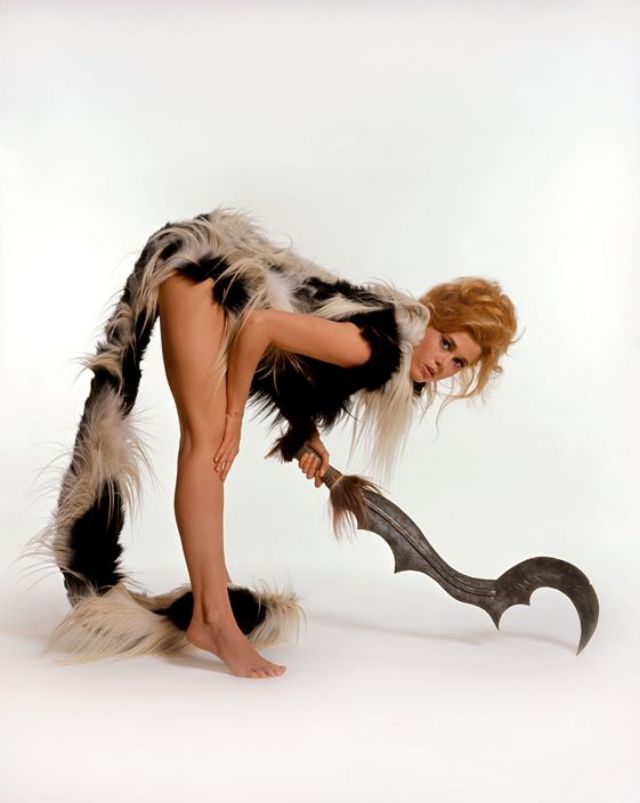
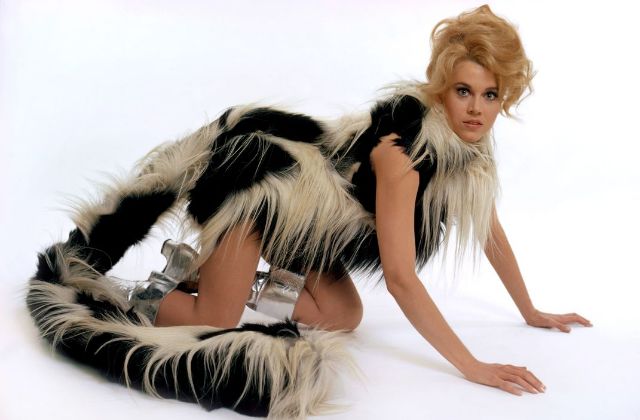
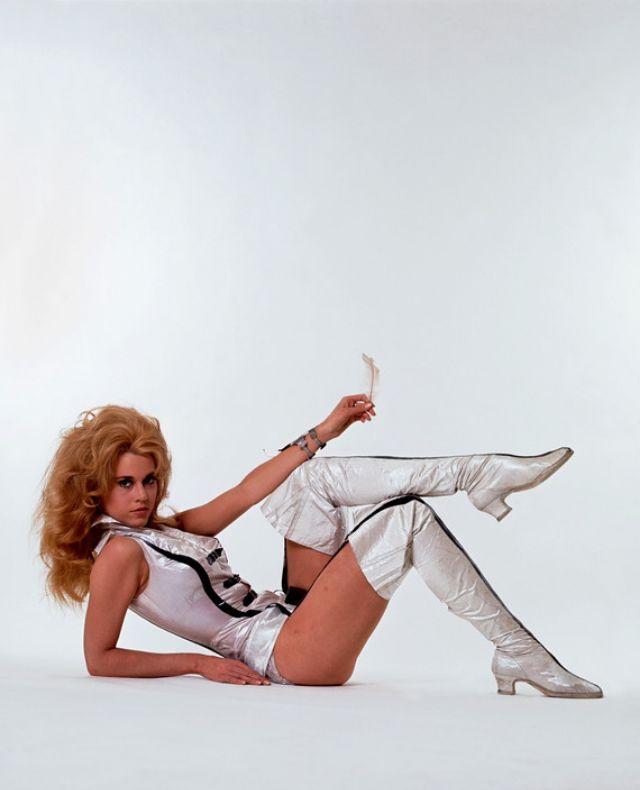
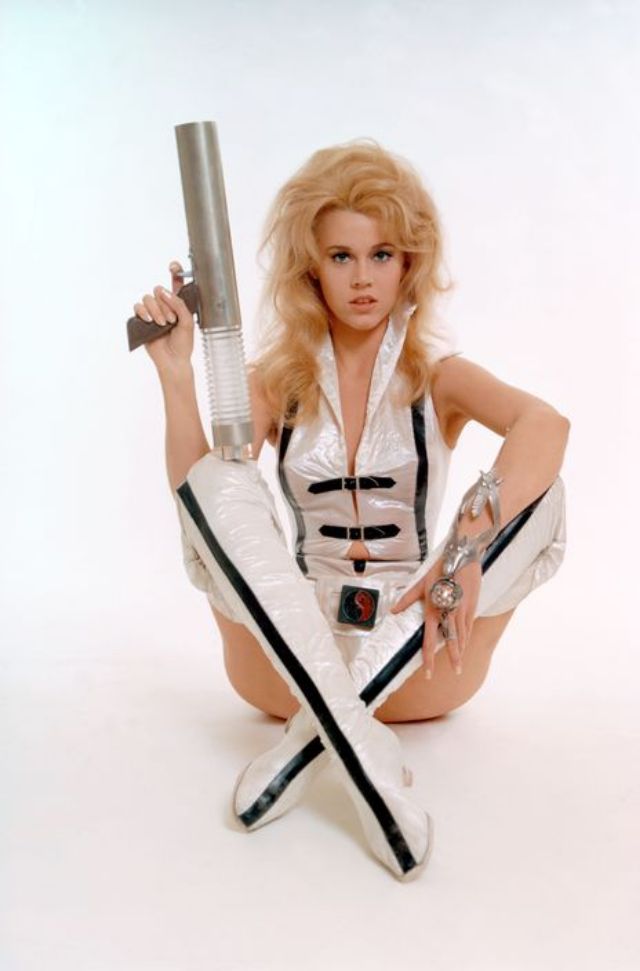
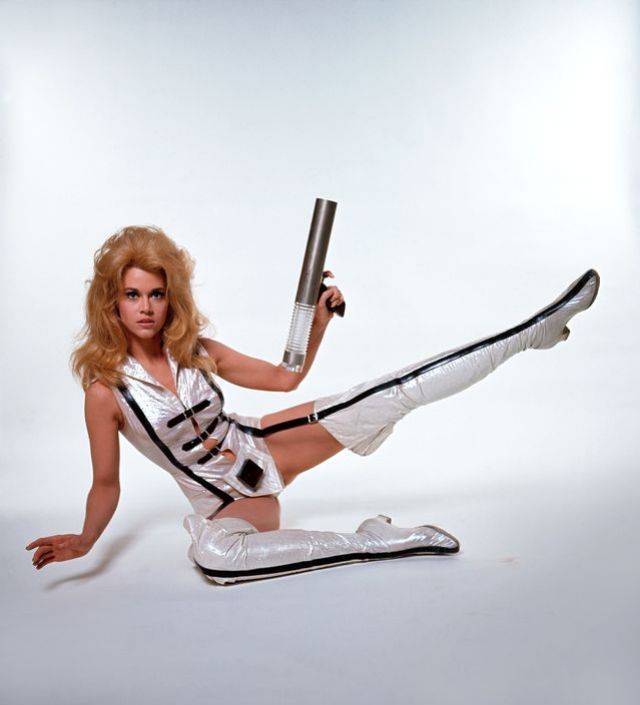
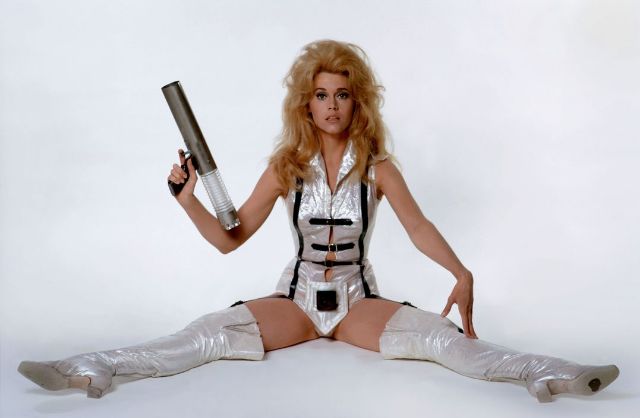
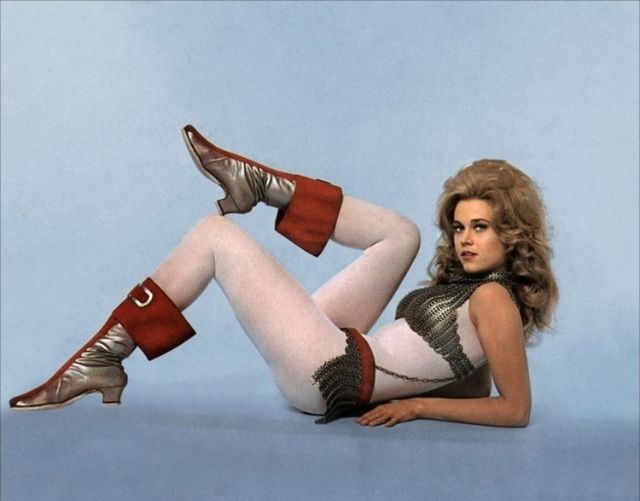
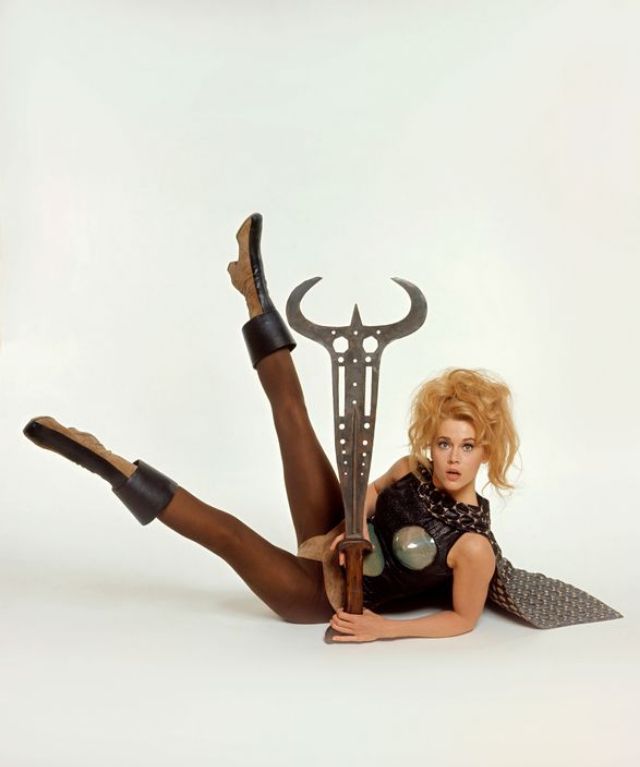
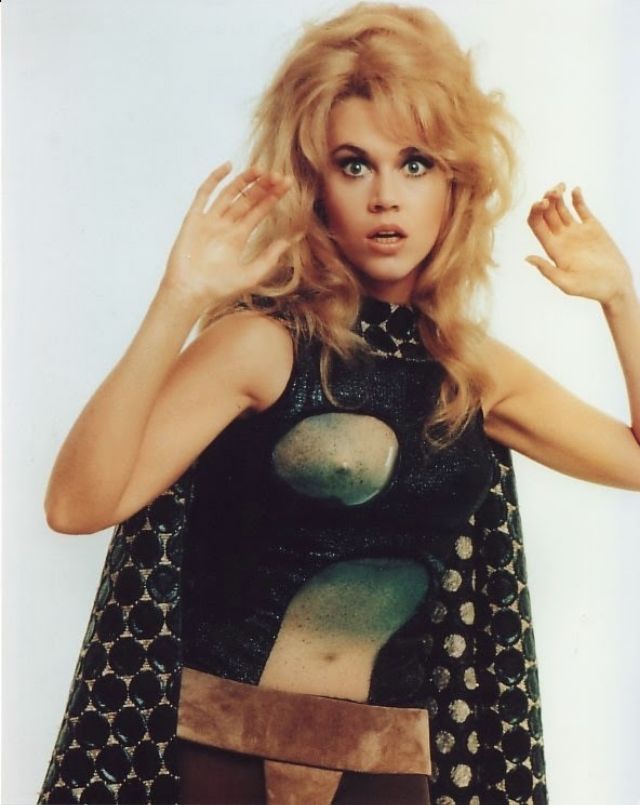
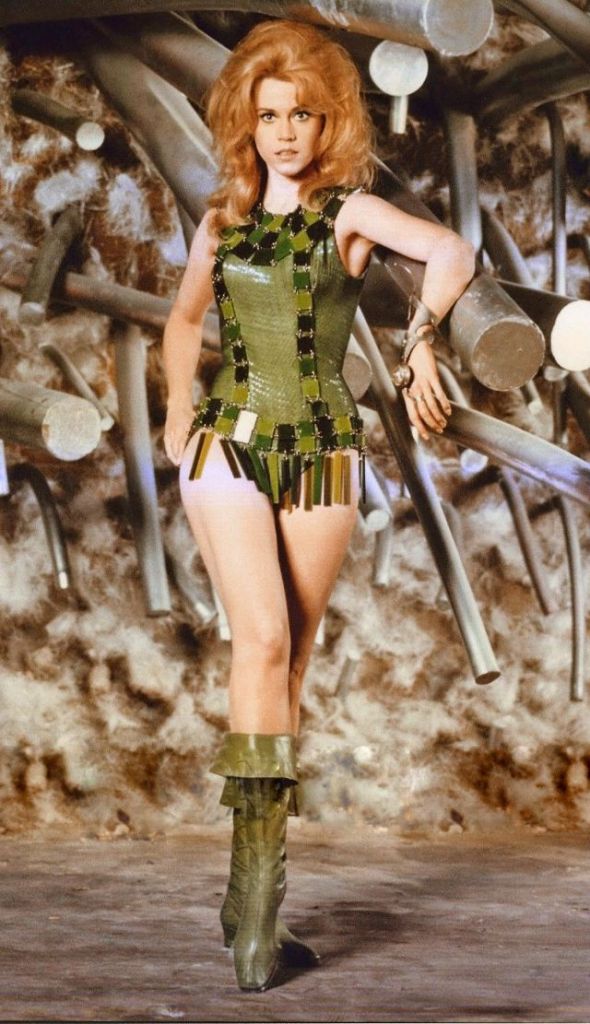
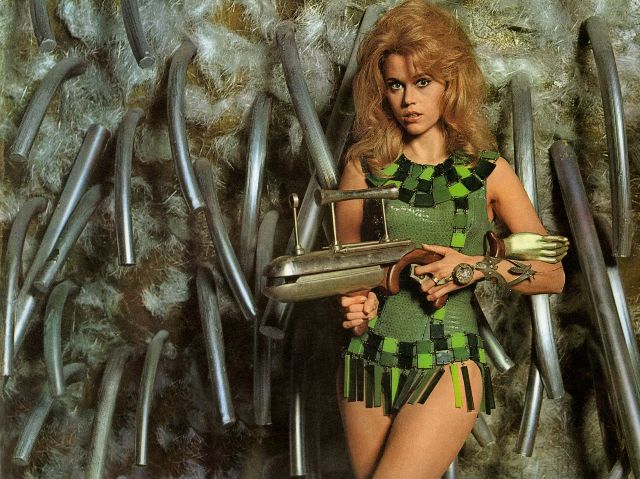
The 1968 movie Barbarella became known as not only one of Jane Fonda’s most memorable roles, but also the pinnacle of sexy sci-fi costuming. Fonda took on the titular role of Barbarella–a futuristic astronaut in the year 40,000 who is tasked with stopping the evil Durand Durand. Directed by her husband at the time, Roger Vadim, Fonda wears sexy outfits for much of the movie. Despite being a critical and commercial failure at the time of its release, the film has gone on to become a cult classic.
Beyond the laughable sets, ridiculous soundtrack and psychedelic effects there are real influential gems to be mined. Barbarella’s journey is much like a fantasy quest and key concepts like a conscious computer on a ship came before even Kubrick’s 2001: A Space Odyssey. But all that is beside the point, the truly memorable parts of the movie are the costumes and Jane Fonda underwent eight costume changes in the one film. Like in the 5th Element, Barbarella’s wardrobe for the film was conceived by a fashion designer rather than a typical film or theater costumer.
Jane Fonda’s costumes for the film were the work of Jacques Fonteray and fashion designer Paco Rabanne. Fonteray would later work on films such as Moon Raker and The Party while Rabanne’s fashion forward designs became renowned for their bold details. Influenced by armor as well as the 1960s women’s liberation movement, quite a few of the designs included nontraditional materials.
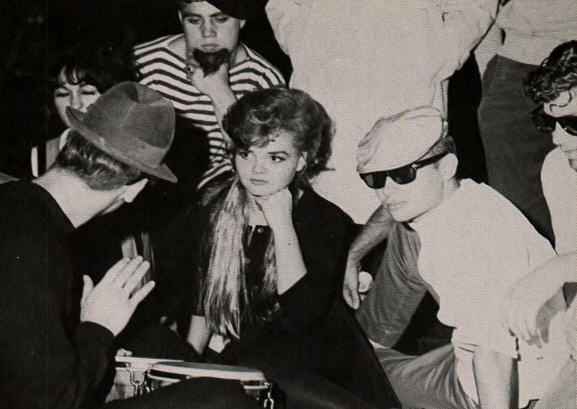
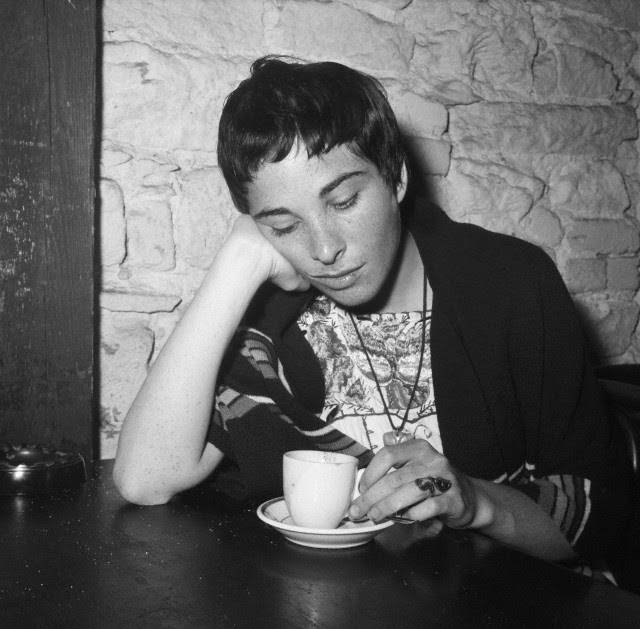
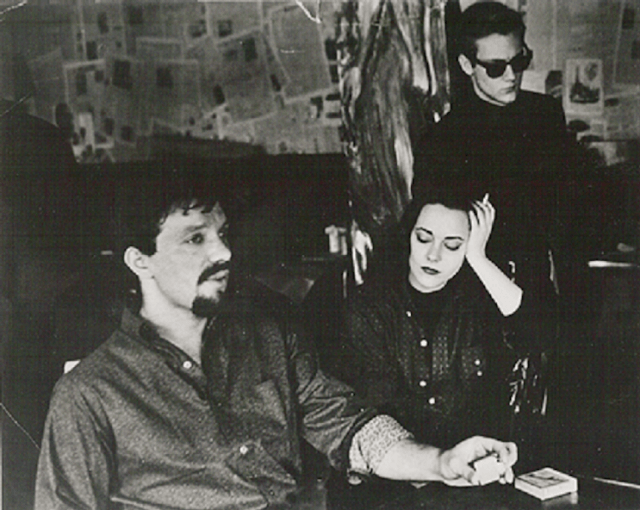
Before there were Hippies, there were Beatniks. Beatniks were followers of the Beat Generation – influential poets and authors through the late 1940s to the early ’60s.
Jack Kerouac came up with the “beat generation” concept – the underground, anti-conformist youth gathering in New York that he was a part of. He also related the term to the Biblical beatitudes and the hipster phrase of being “beaten down”. Though at first Beatniks had a prophet-like connotation, the term came to signify a stereotype of people that, as Joyce Johnson (a Beat writer) said: “sold books, sold black turtleneck sweaters and bongos, berets and dark glasses, sold a way of life that seemed like dangerous fun—thus to be either condemned or imitated.”
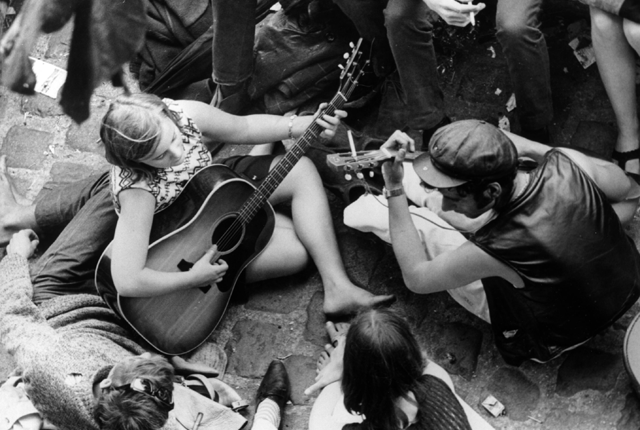
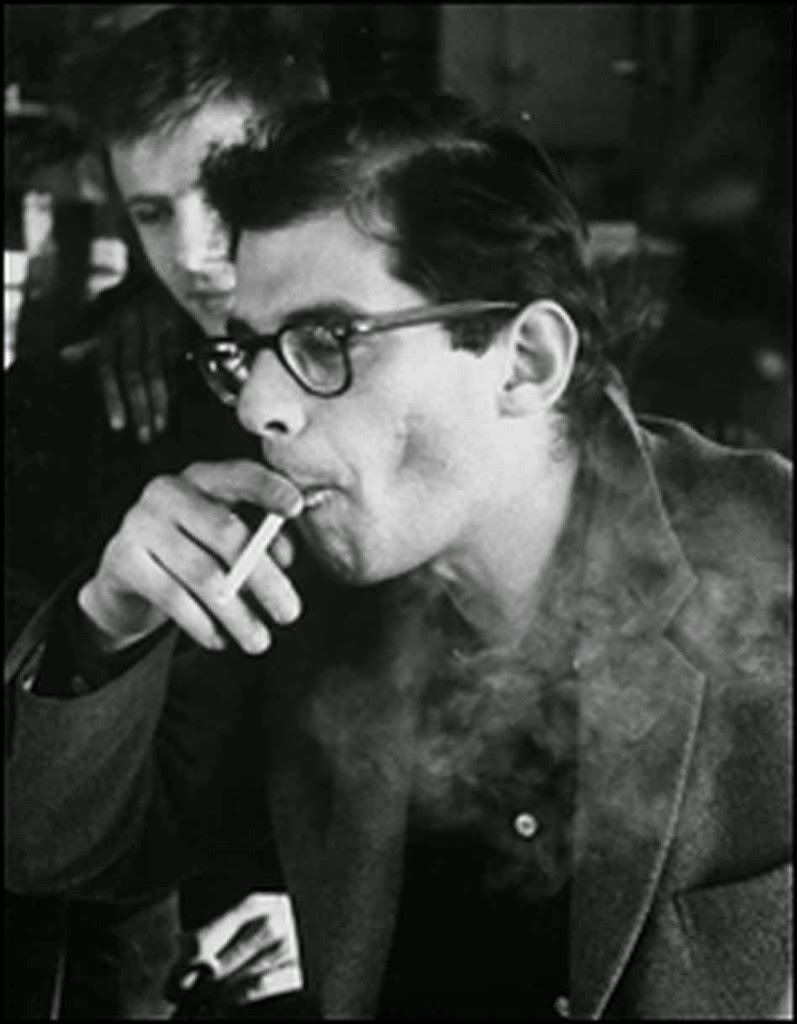
They were anti-materialistic, soul searching people, open to drugs and a bohemian lifestyle. They hung out in smoky coffeehouses, listened to jazz and blues, were usually proficient in art or poetry, liked to dress in all-black, and had an air of mysteriousness about them. They highly influenced culture of the decades following – Bob Dylan, the Beatles, and Pink Floyd took on Beatnik characteristics and morphed in to free-thinking hippies. Allen Ginsberg led the way for the conversion.
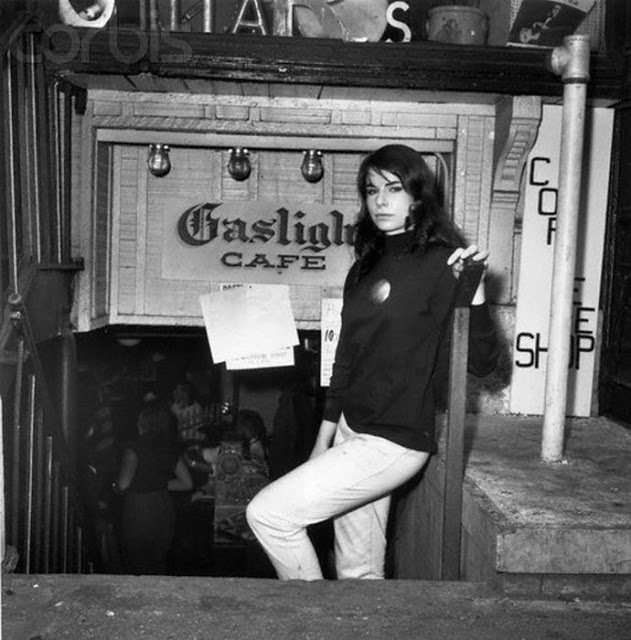
03 Feb 1959, Manhattan, New York, New York, USA — A beatnik woman stands in front of the entrance to the Gaslight Cafe, a center of beatnik poet life, in Greenwich Village, New York.
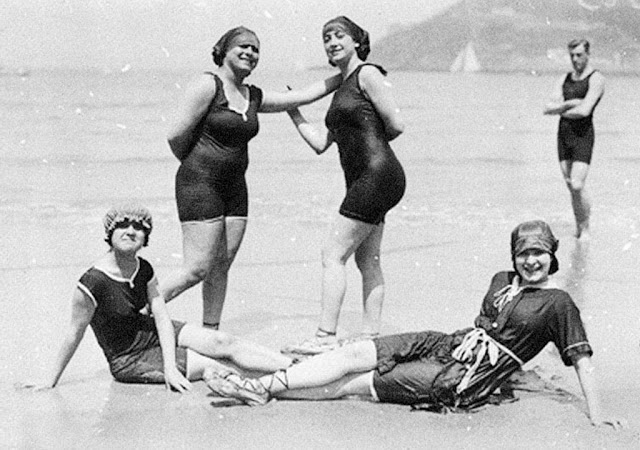
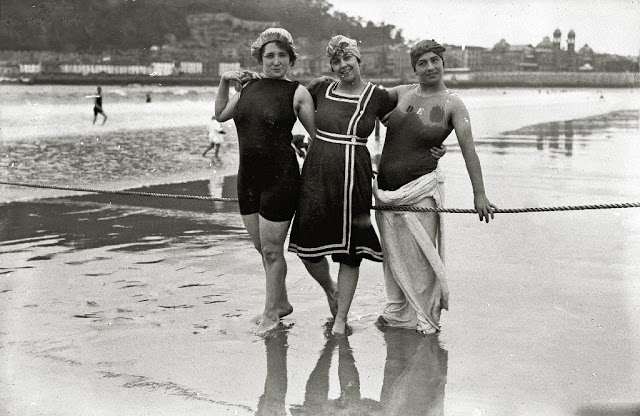
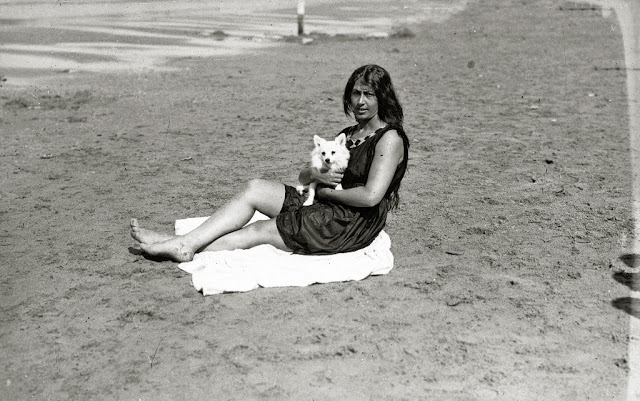
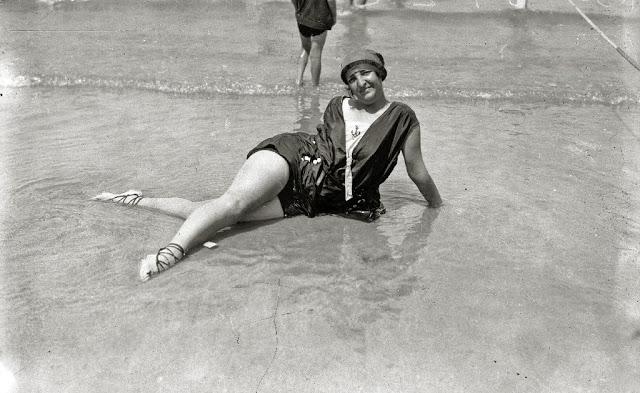
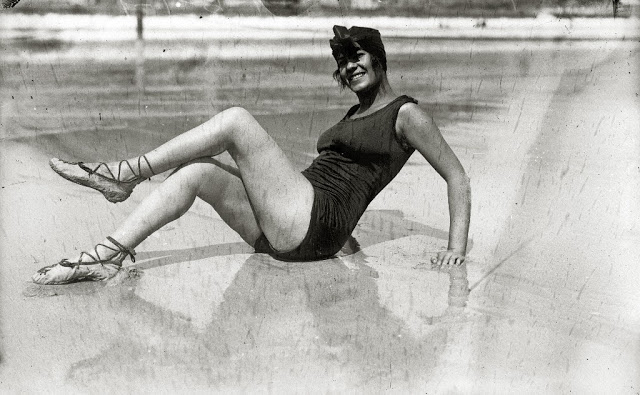
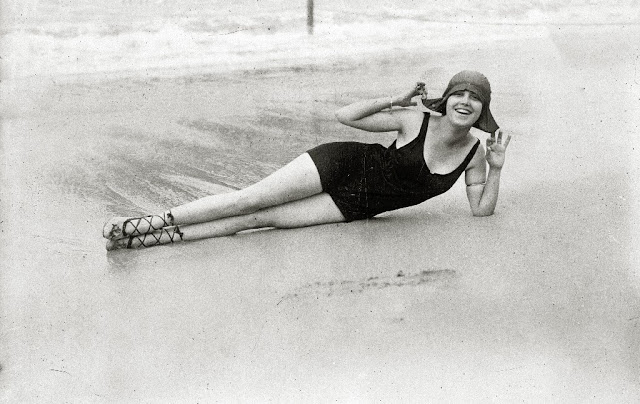
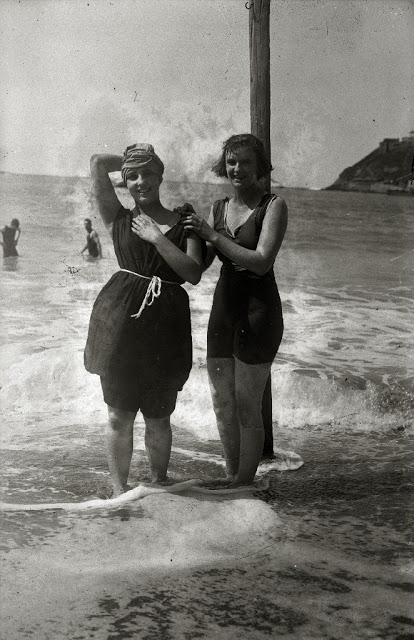
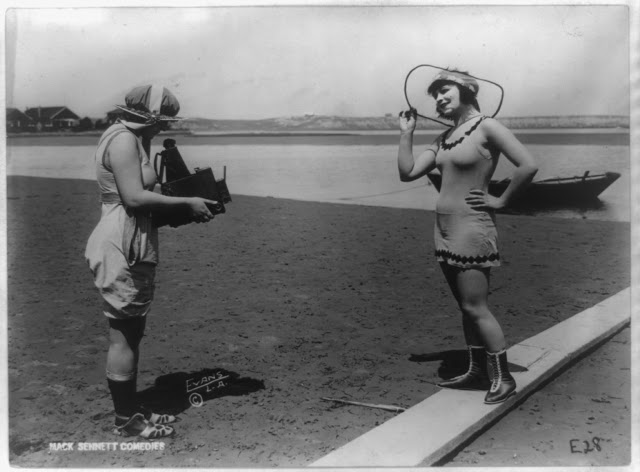
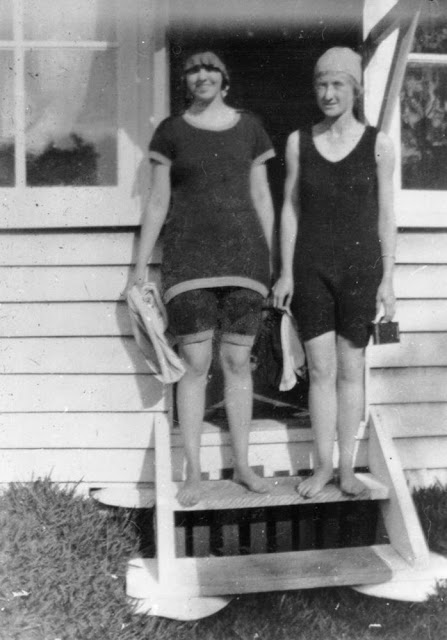
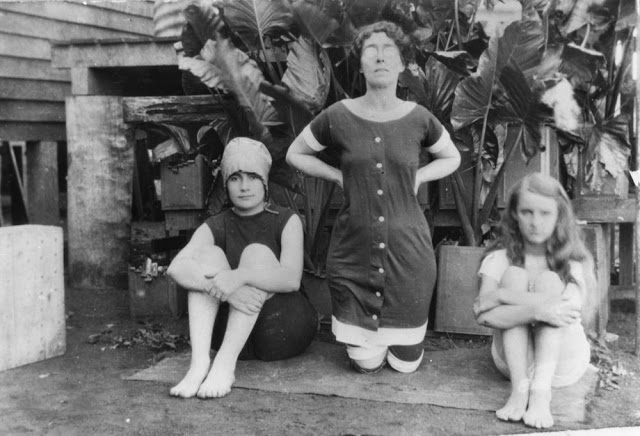
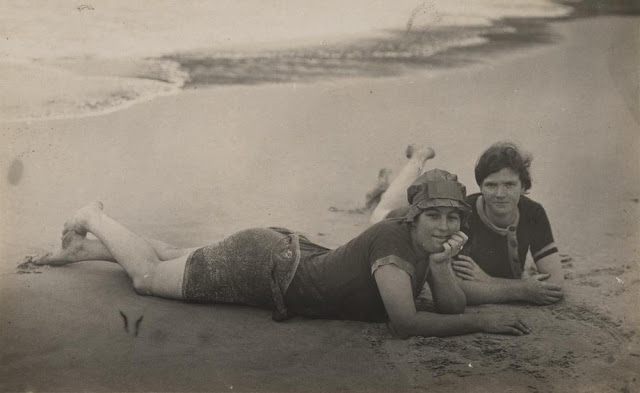
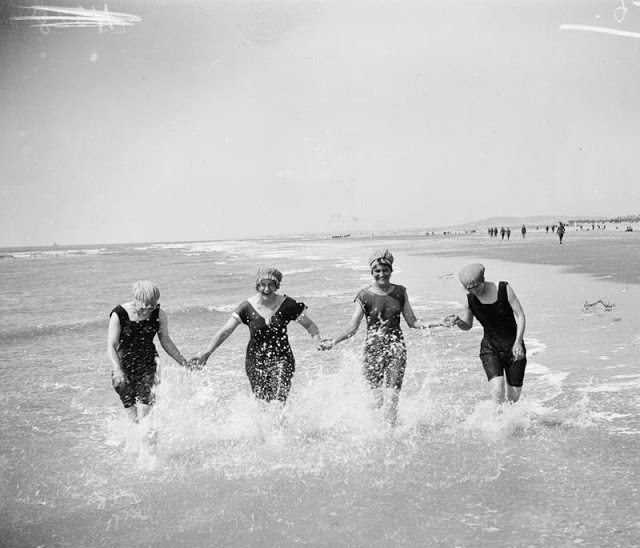
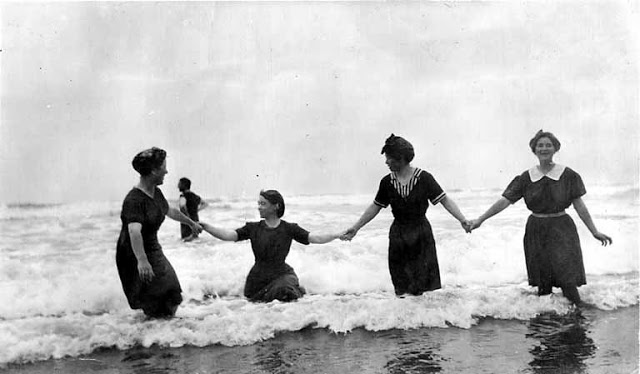
Despite opposition from some groups, the form-fitting style proved popular. It was not long before swimwear started to shrink further. At first arms were exposed and then legs up to mid-thigh. Necklines receded from around the neck down to around the top of the bosom. The development of new fabrics allowed for new varieties of more comfortable and practical swimwear.
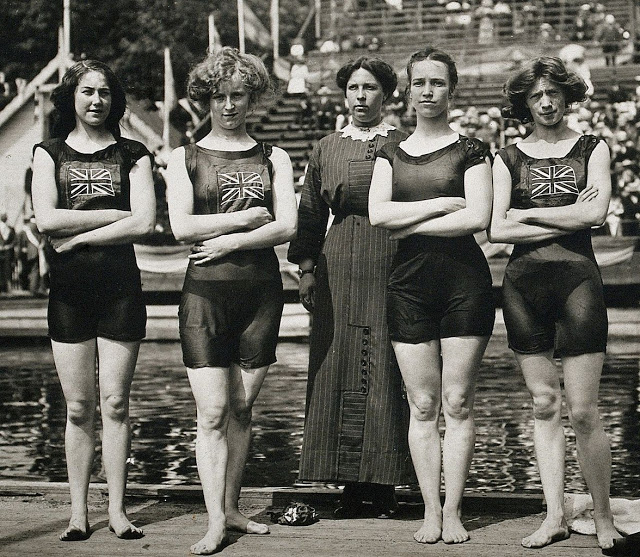
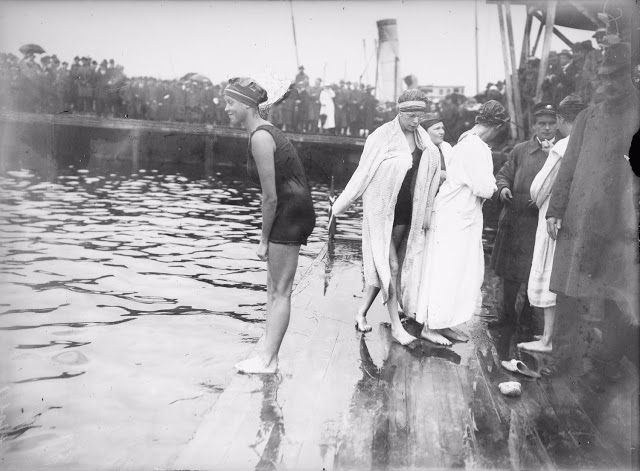
Female swimming was introduced at the 1912 Summer Olympics. Competitors from 17 countries took part, with women from nine countries wearing swimsuits similar to Kellerman’s swimsuit, which were similar to swimsuits worn by the male swimmers.
In 1913, inspired by the breakthrough, the designer Carl Jantzen made the first functional two-piece swimwear, a close-fitting one-piece with shorts on the bottom and short sleeves on top.
The name “swim suit” was coined in 1915 by Jantzen Knitting Mills, a sweater manufacturer who launched a swimwear brand named the Red Diving Girl. The first annual bathing-suit day at New York’s Madison Square Garden in 1916 was a landmark. The swimsuit apron, a design for early swimwear, disappeared by 1918, leaving a tunic covering the shorts.
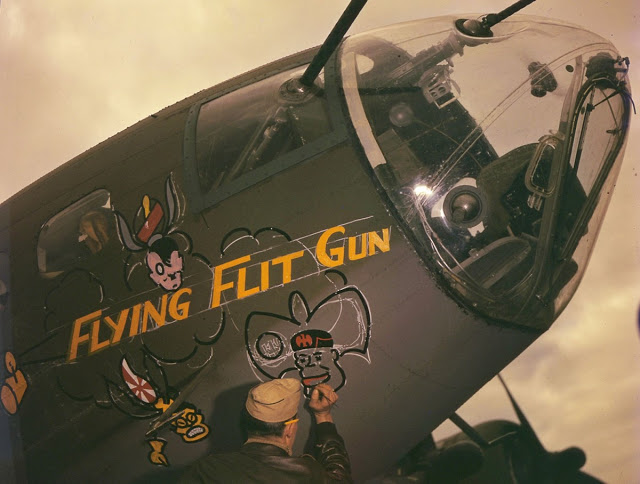
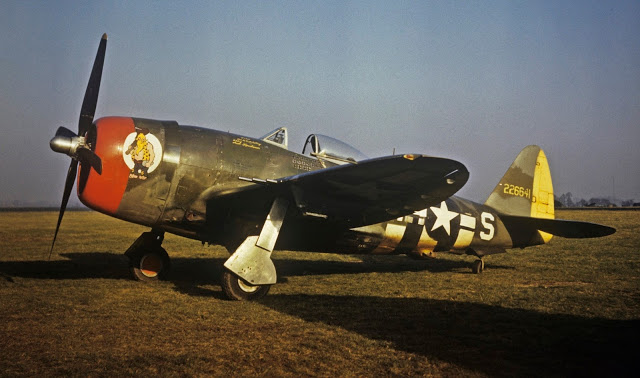
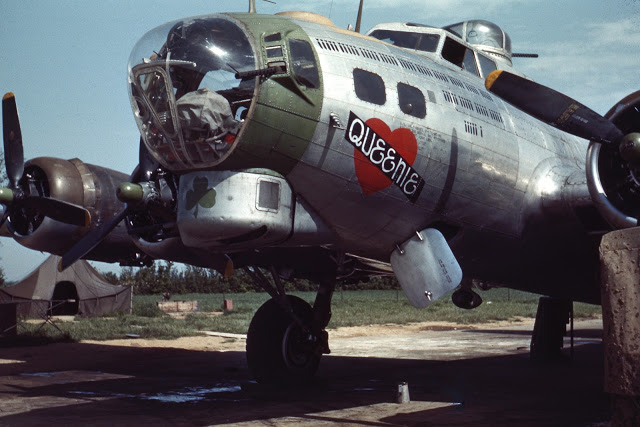
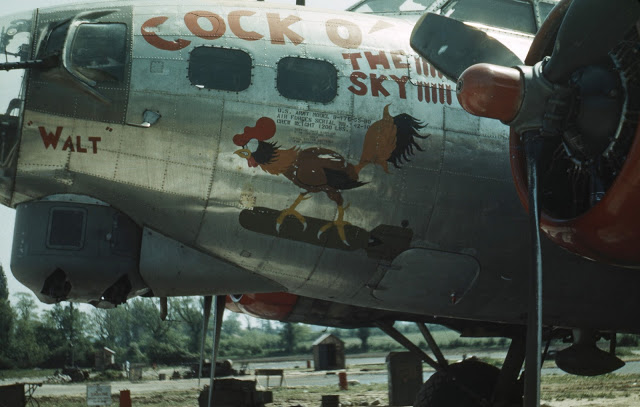
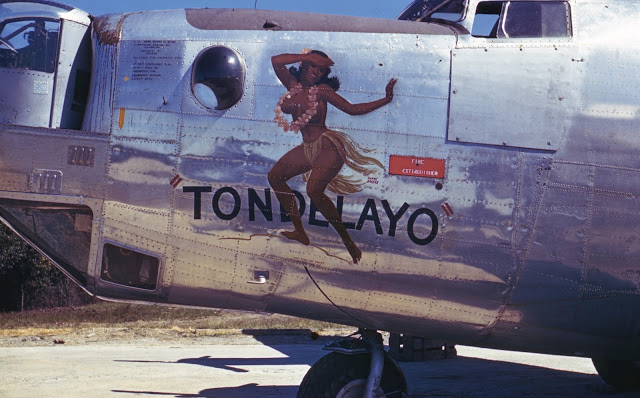
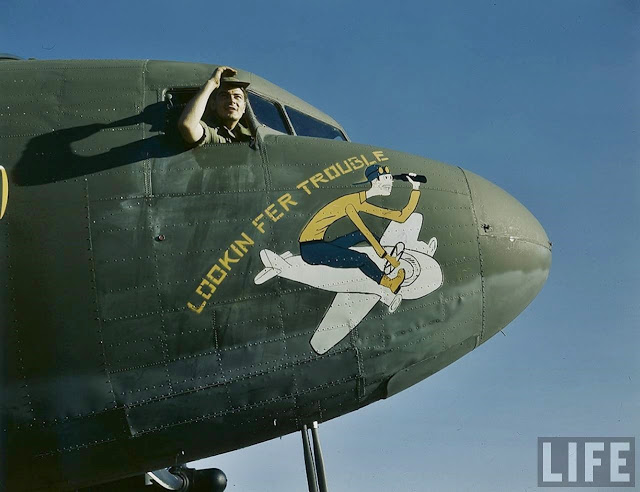
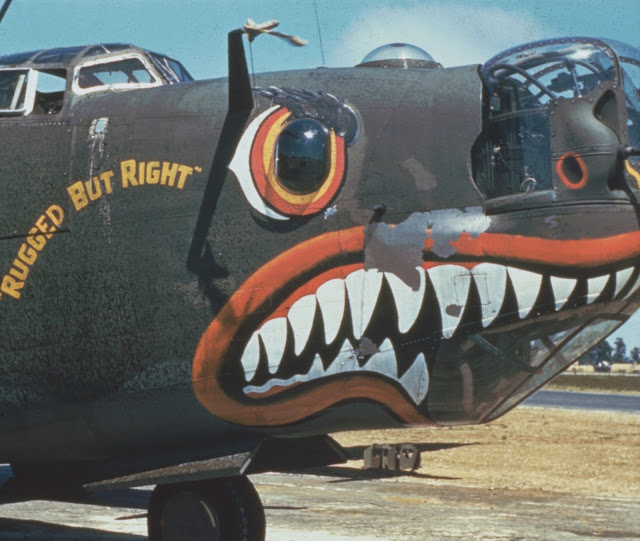
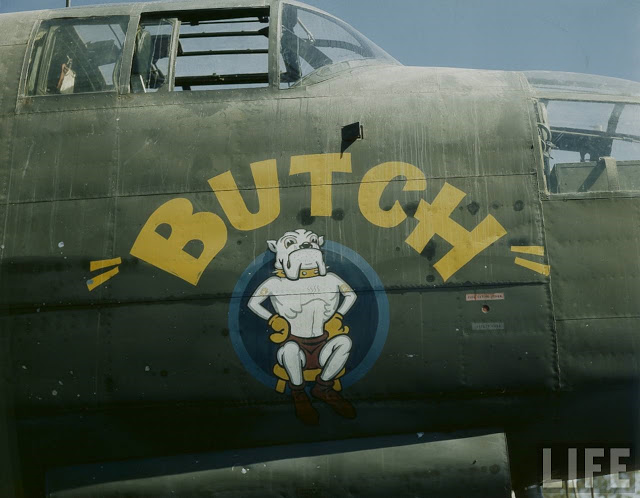
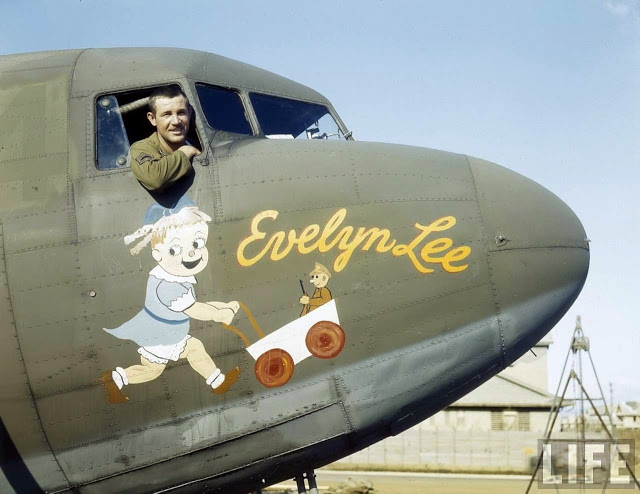
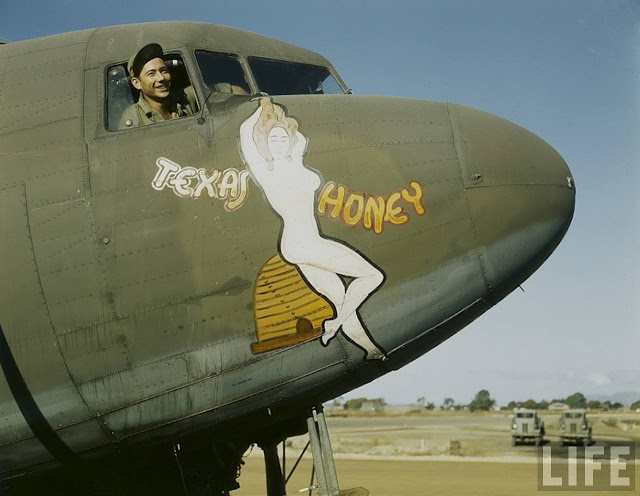
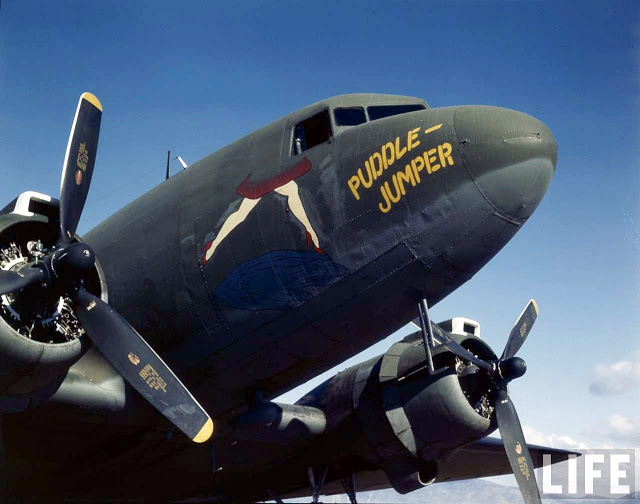
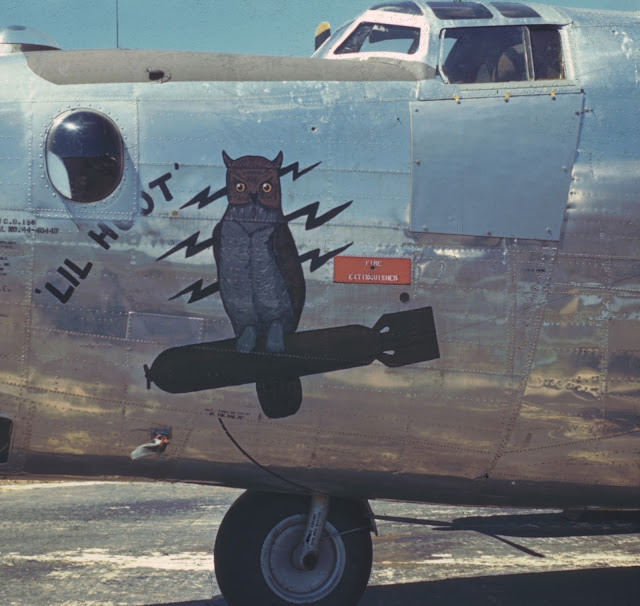
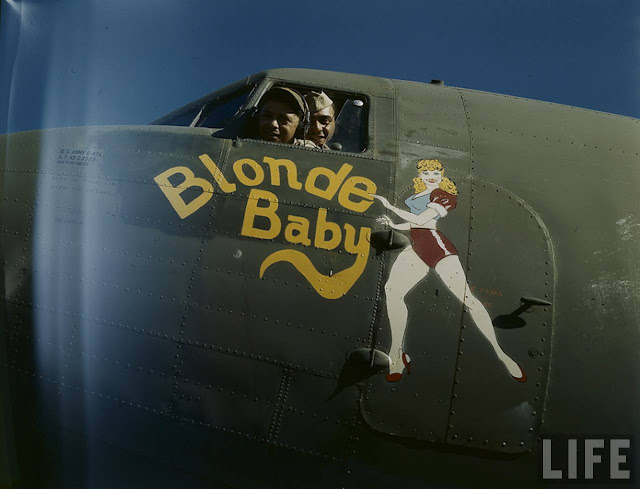
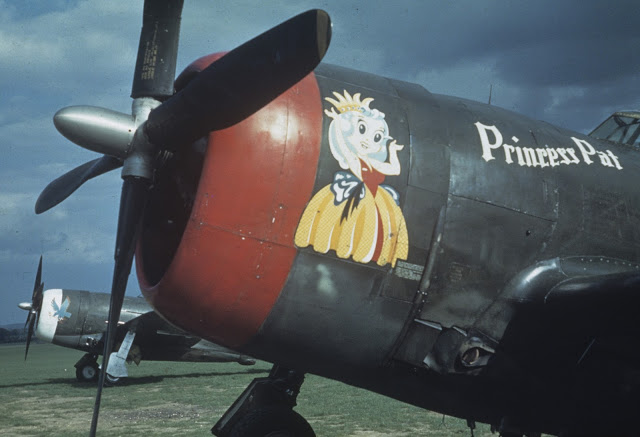
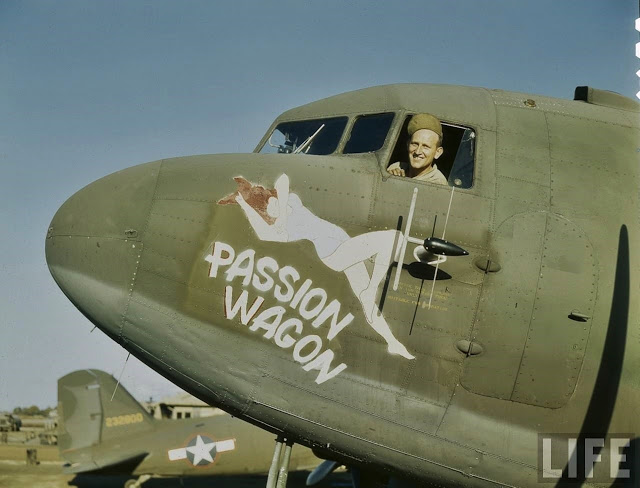
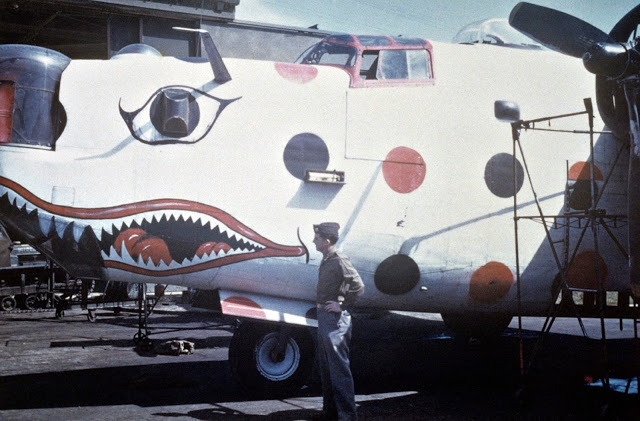
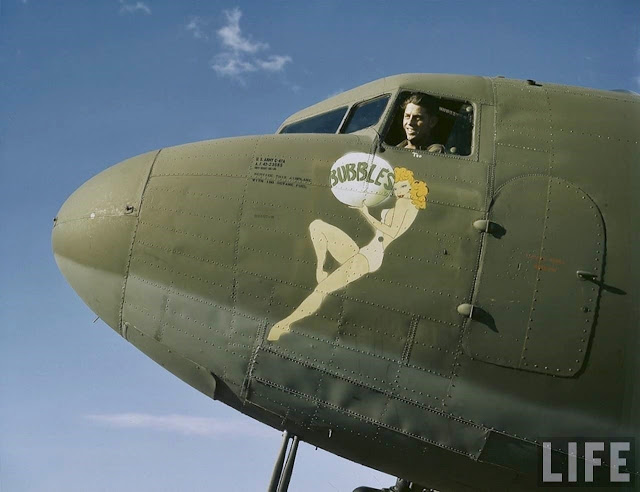
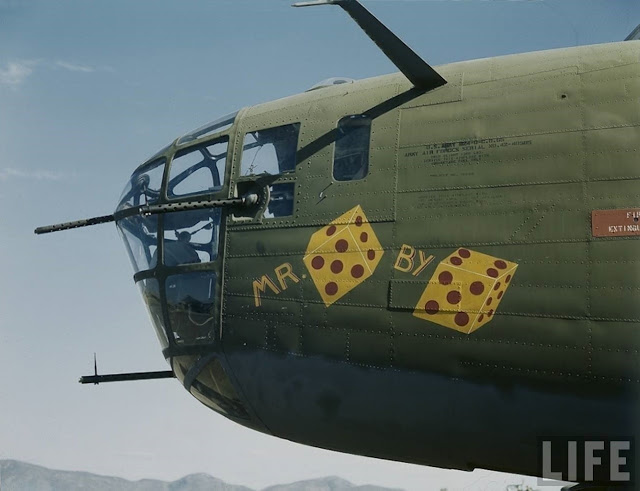
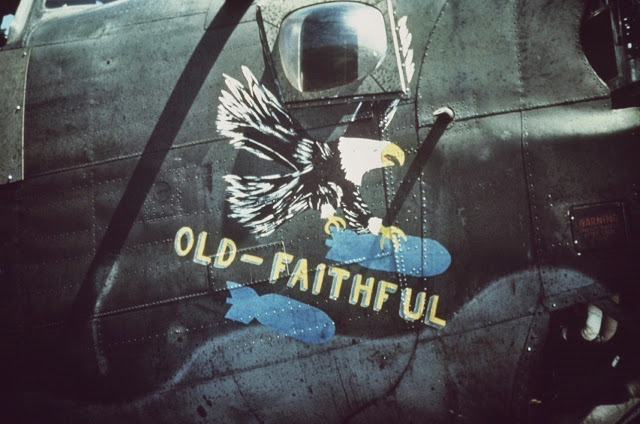
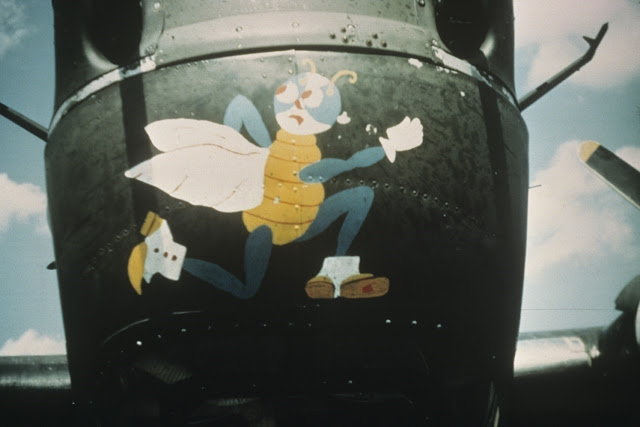
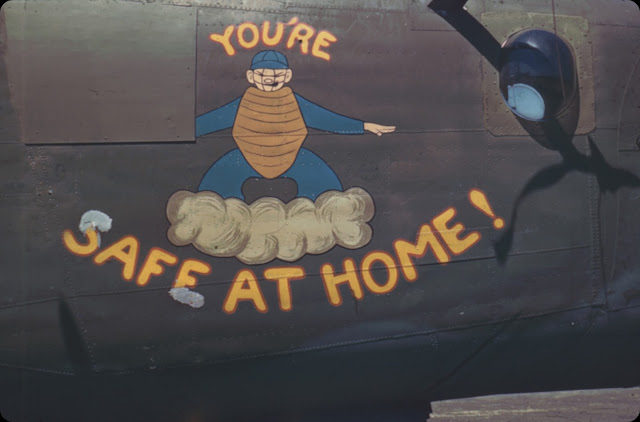
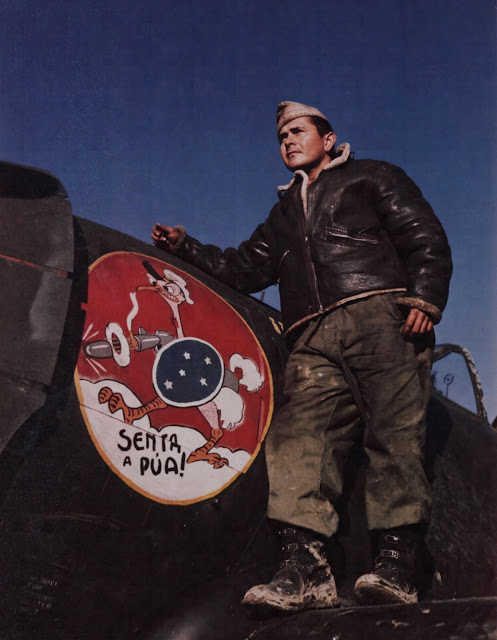
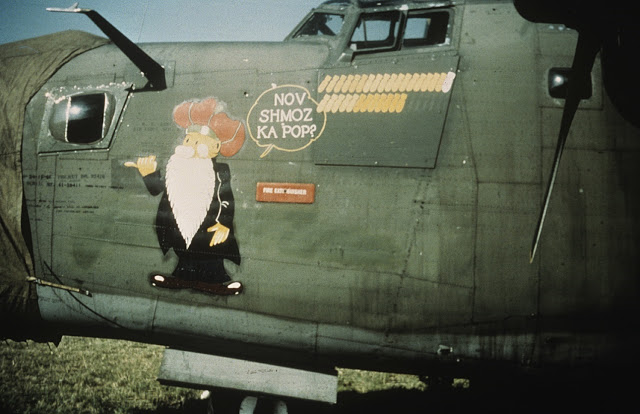
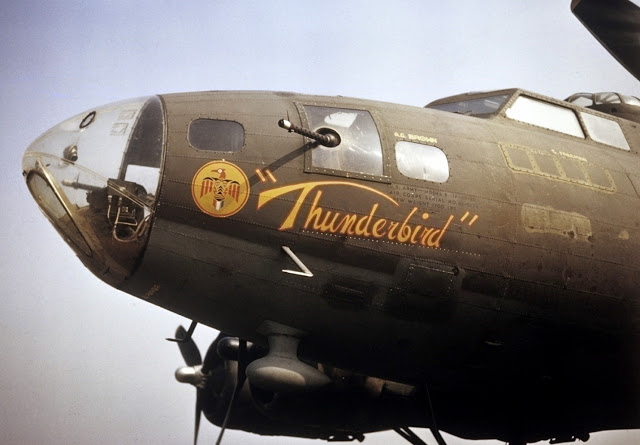
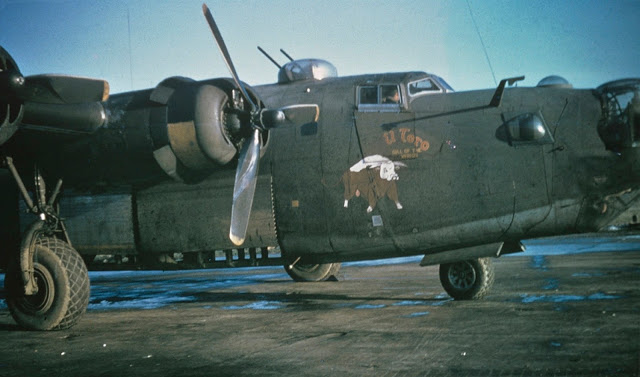
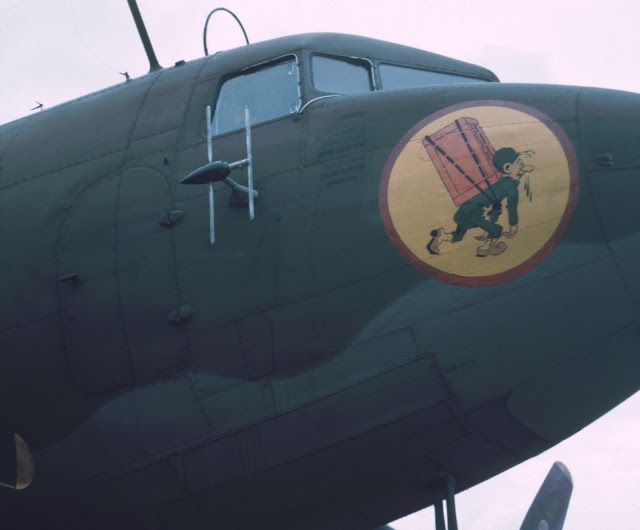
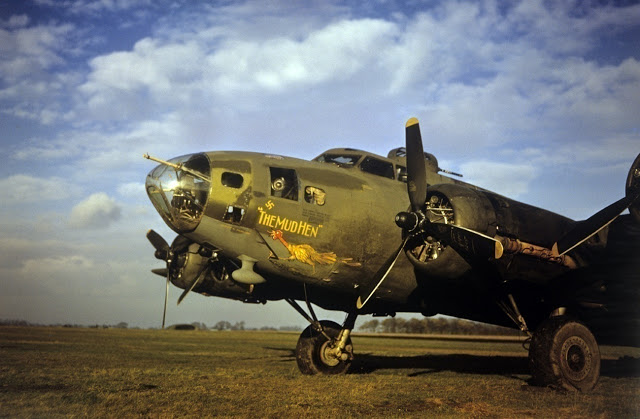
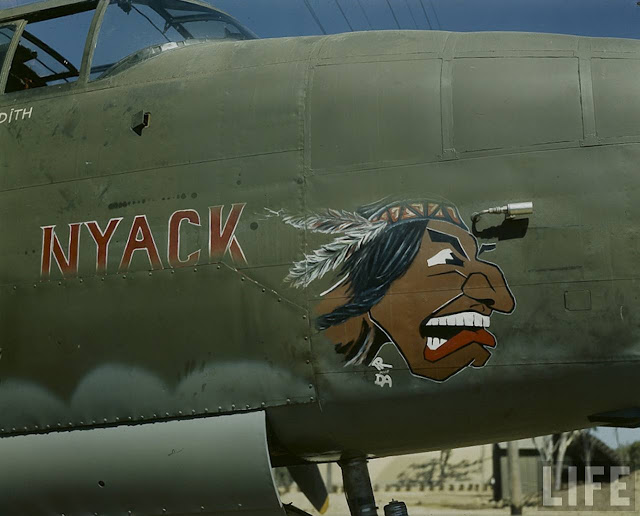
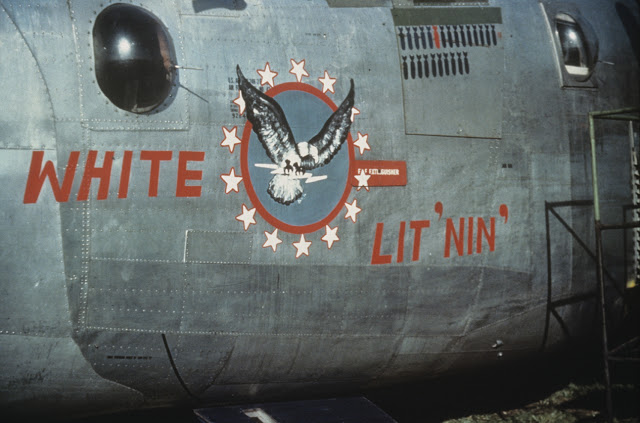
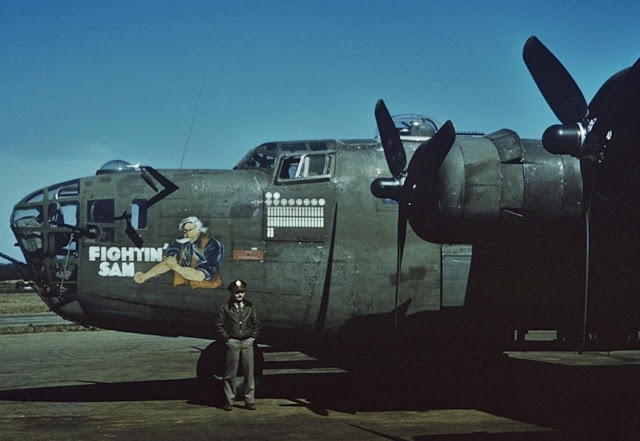
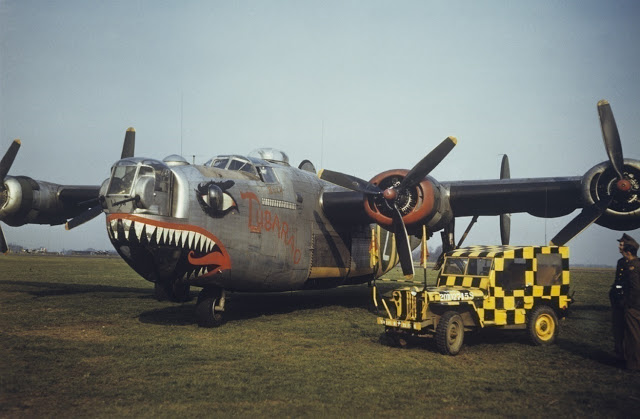
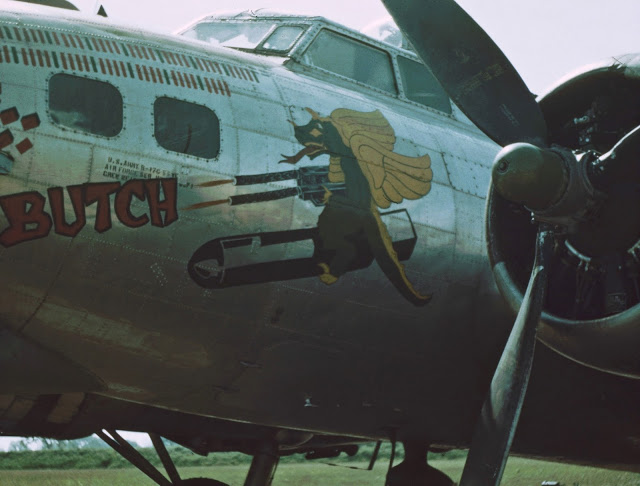
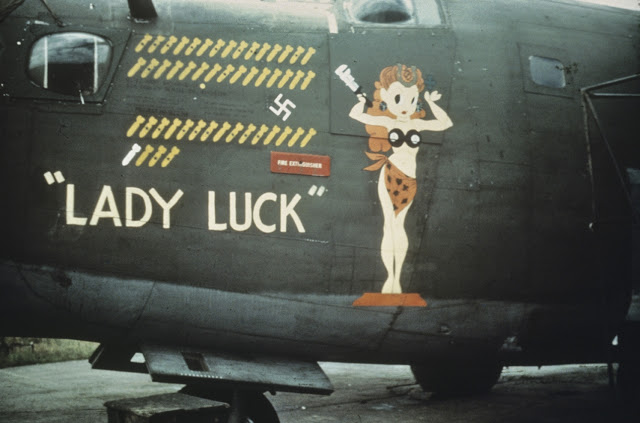
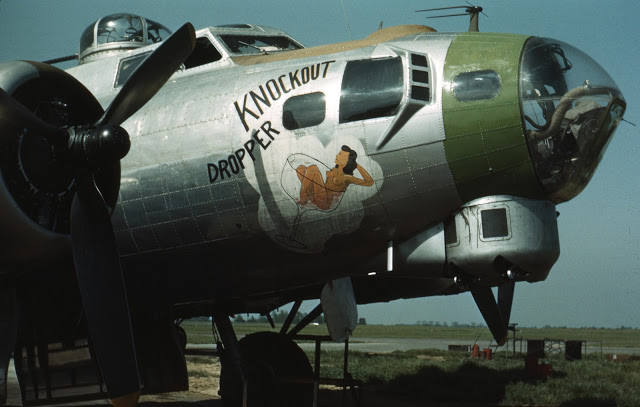
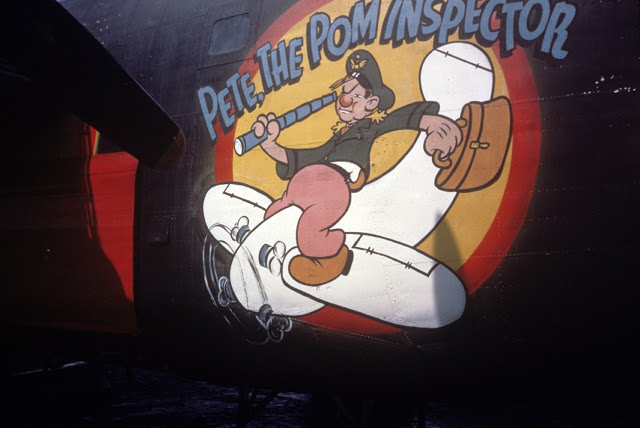
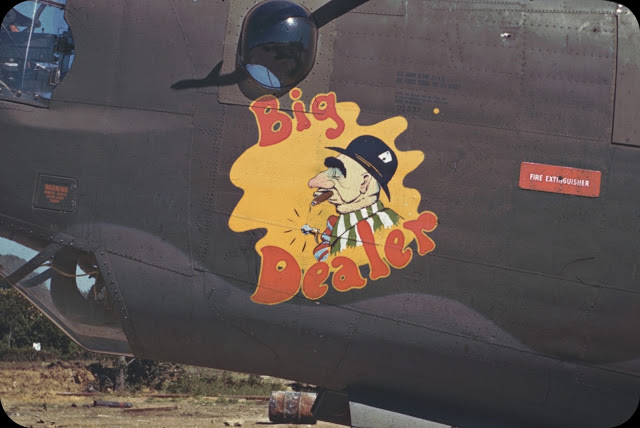
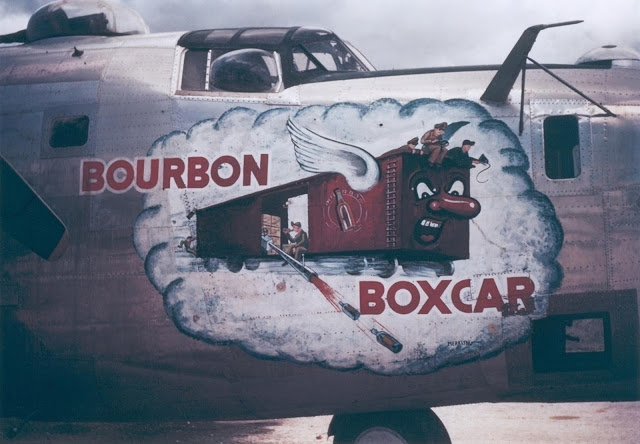
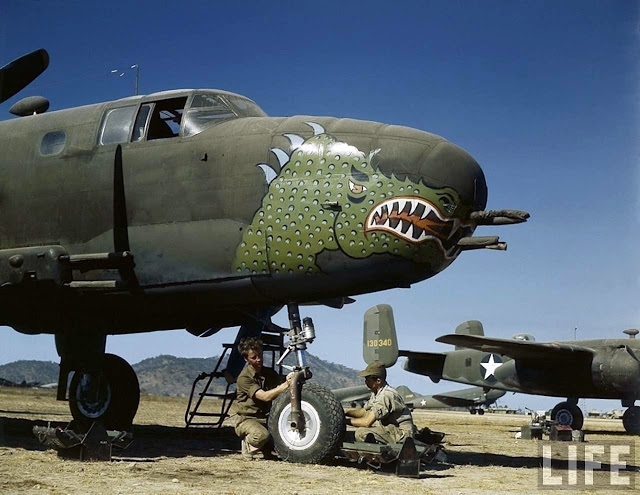
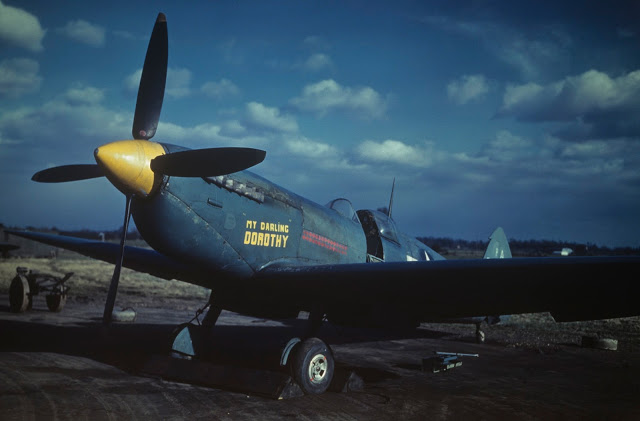
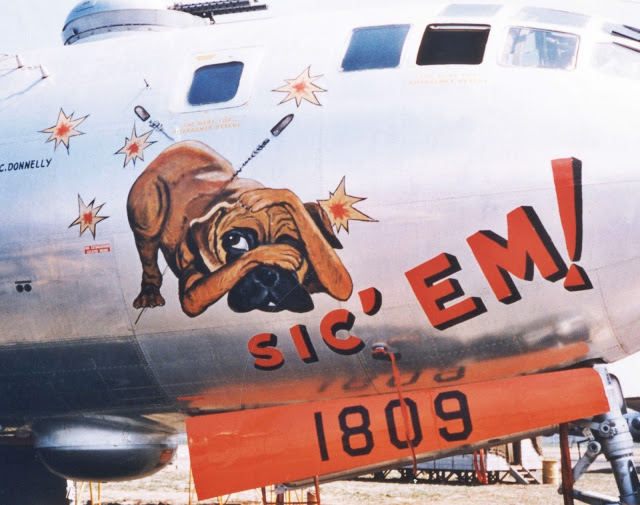
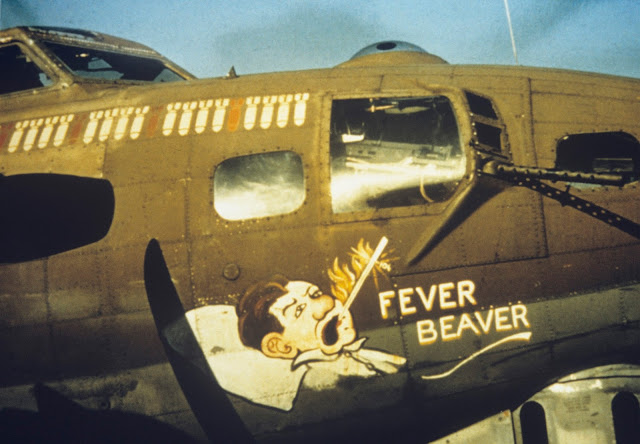
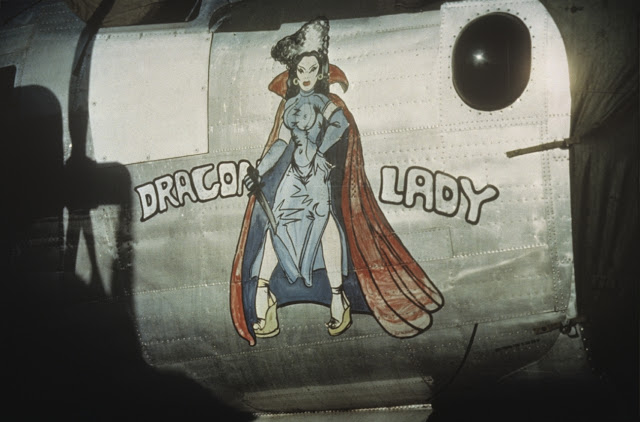
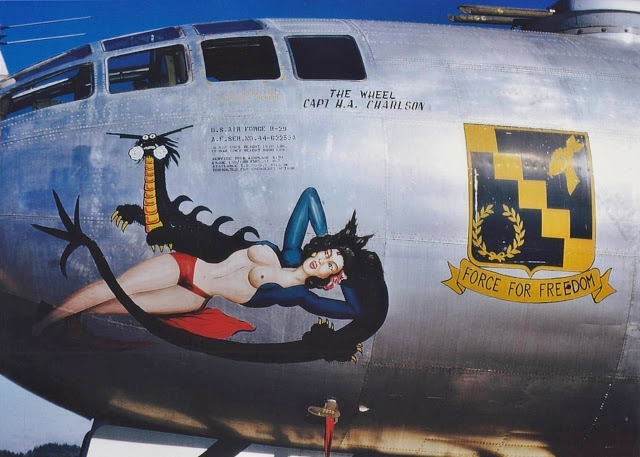
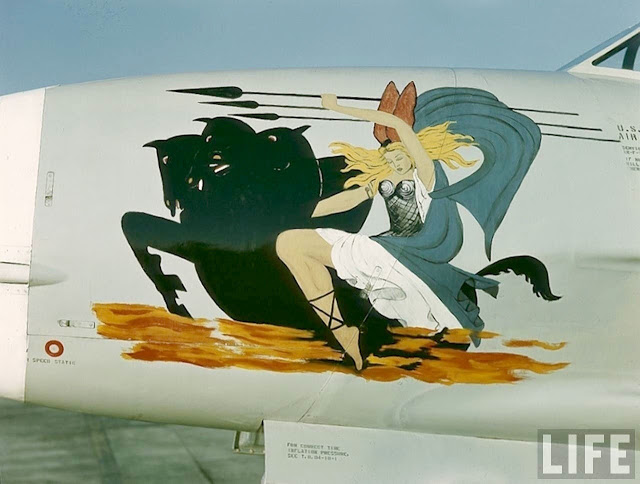
The inscription of art work on military planes dates to World War I, when paintings were usually extravagant company or unit insignia. However, regulations were put in place after the war to stymie the practice.
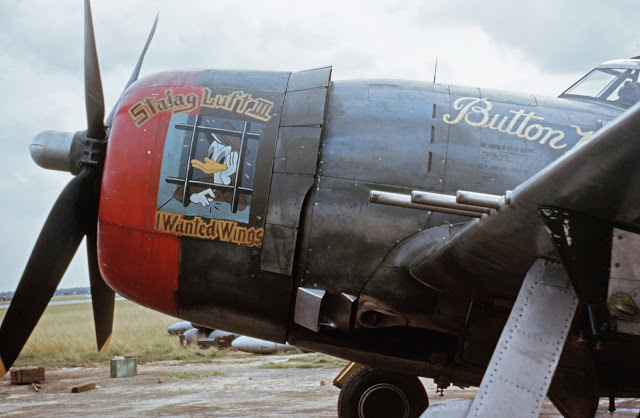
As the United States entered World War II, nose art regulations were relaxed, or in many cases totally ignored. WWII would become the golden age of aircraft artistry.
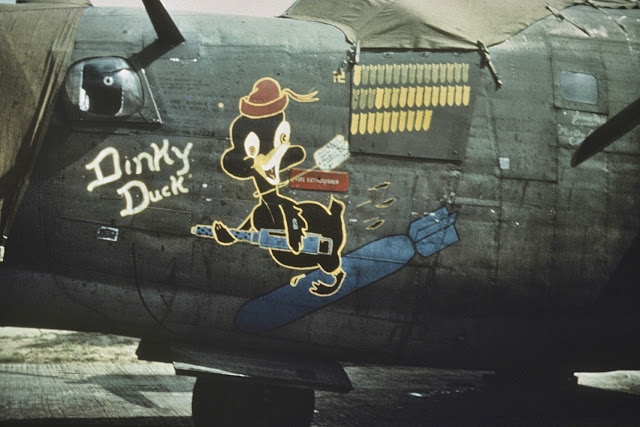
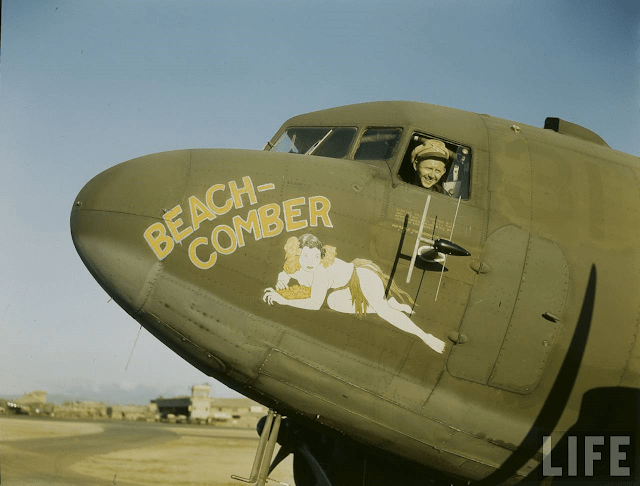
Artwork was typically painted on the nose of the plane, and the term “nose art” was coined.
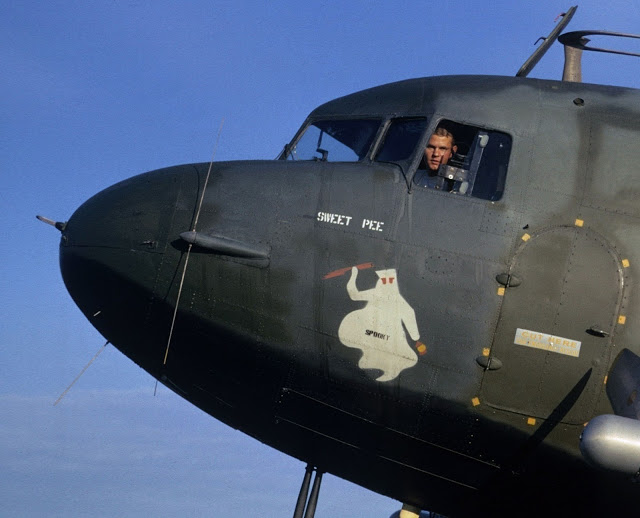
Nose art was a morale booster, and those in daily combat needed that boost. Facing the prospect of death on every flight, the crew deserved all of the encouragement, and smiles, available to them.
The art on the plane unified the crew, and identified it, and made it unique from all of the aircraft in their unit or on their base.