19 Wonderful Vintage Photographs That Show What Spring Break Looked Like in Southern California in the 1940s

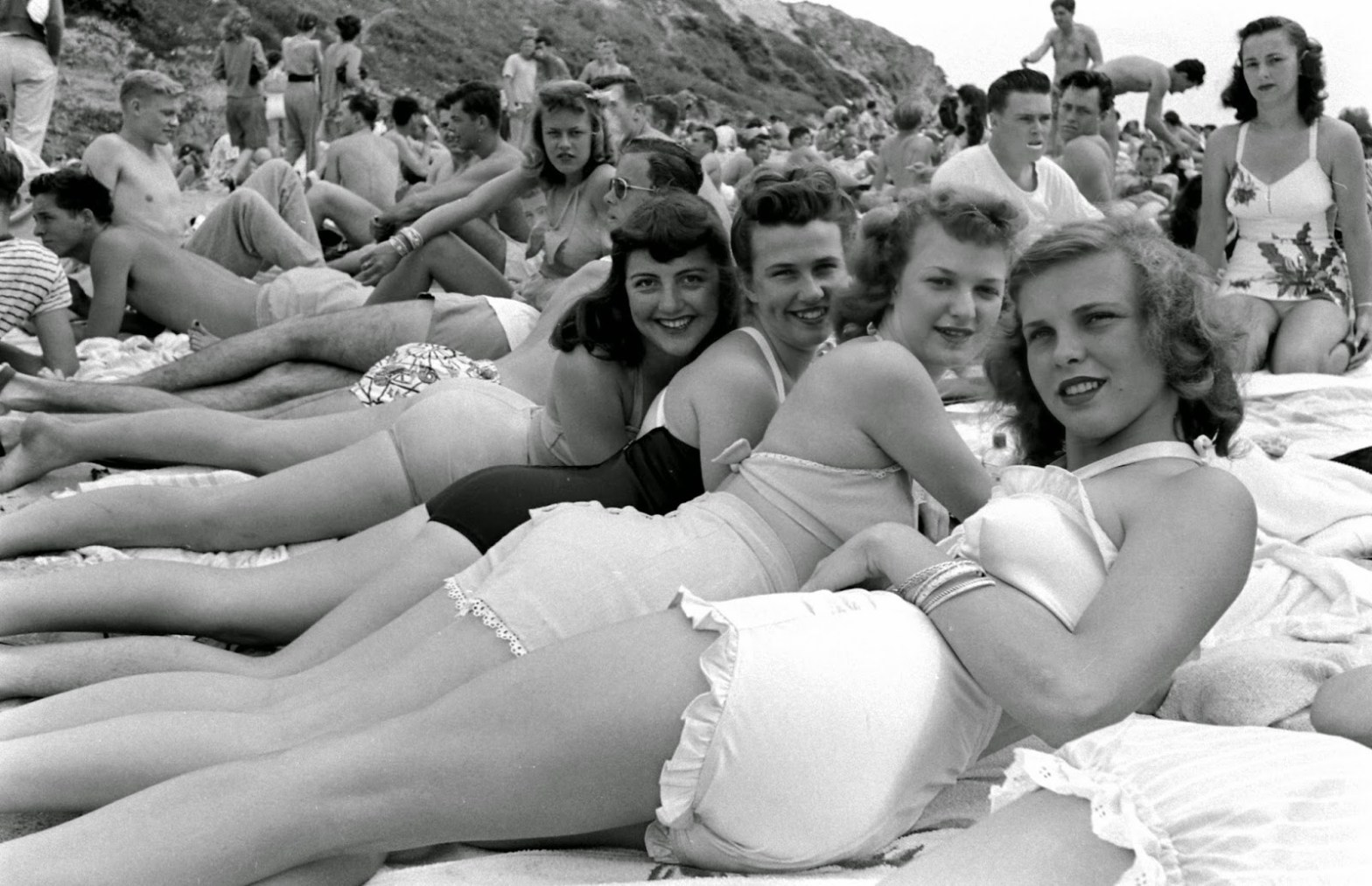
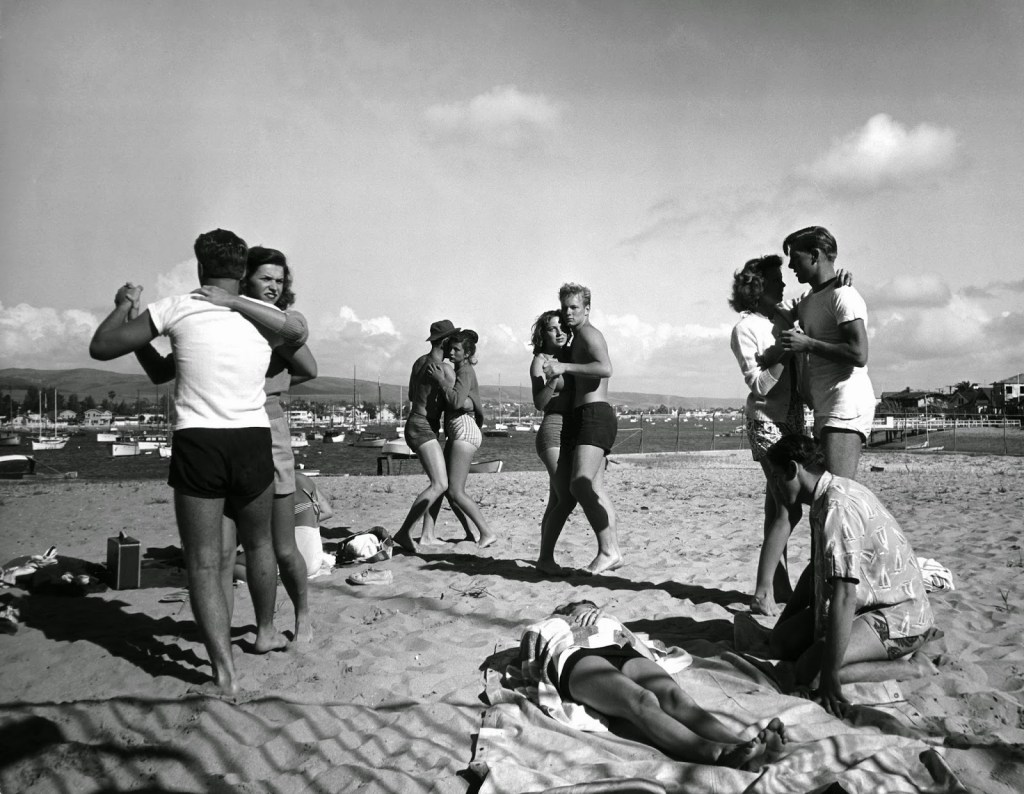
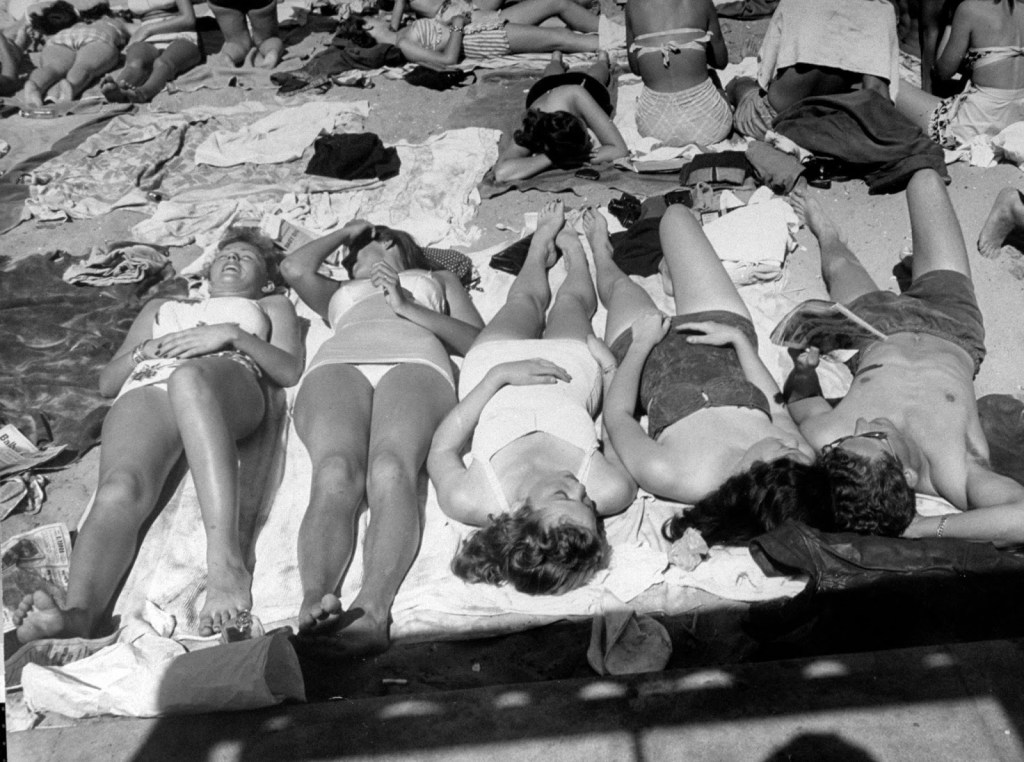
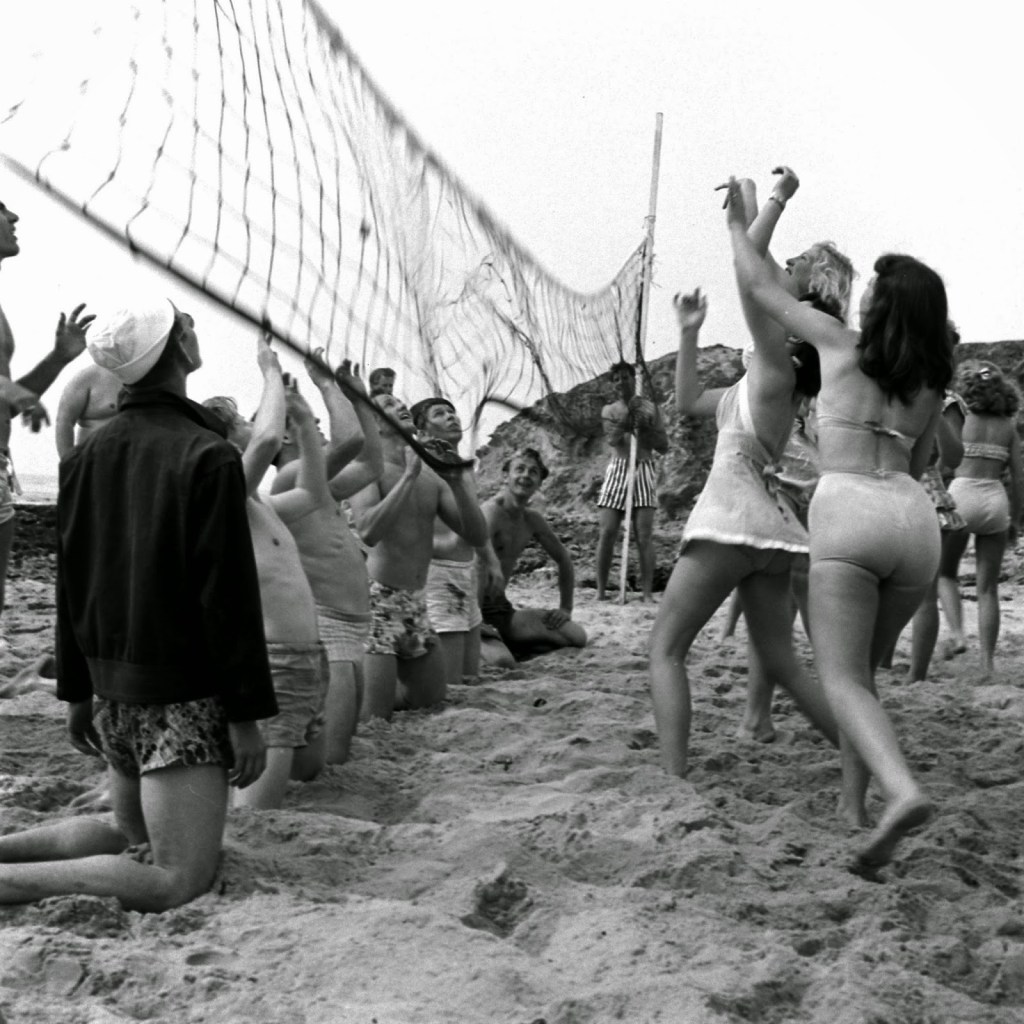
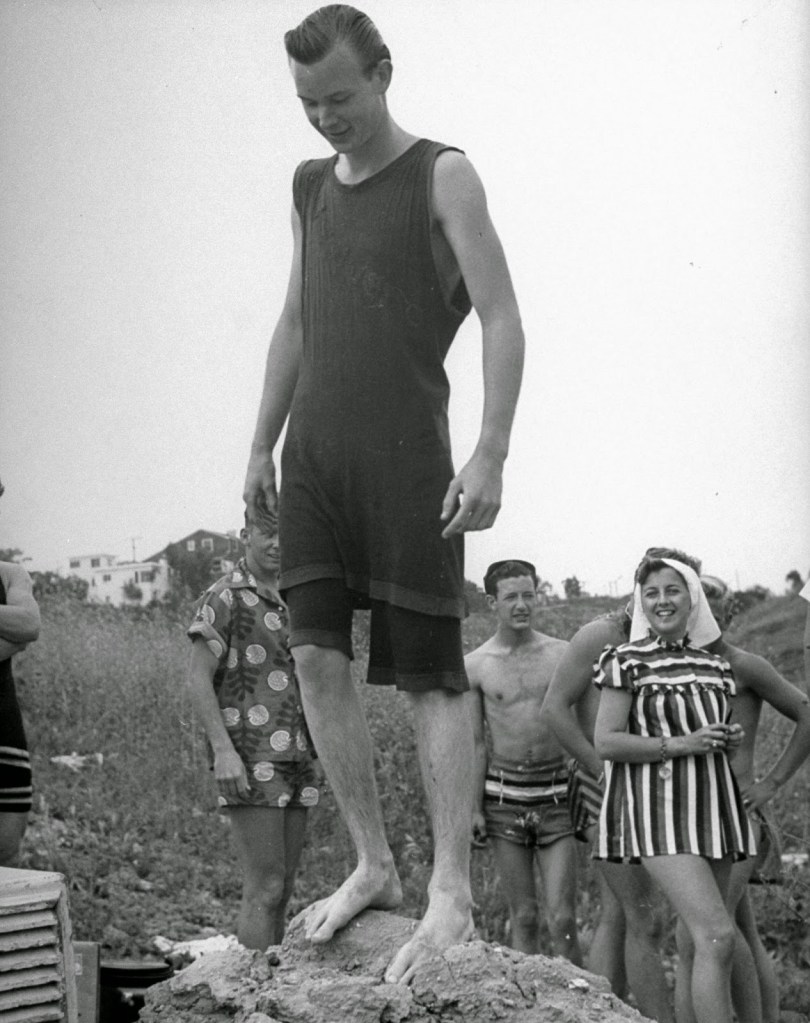
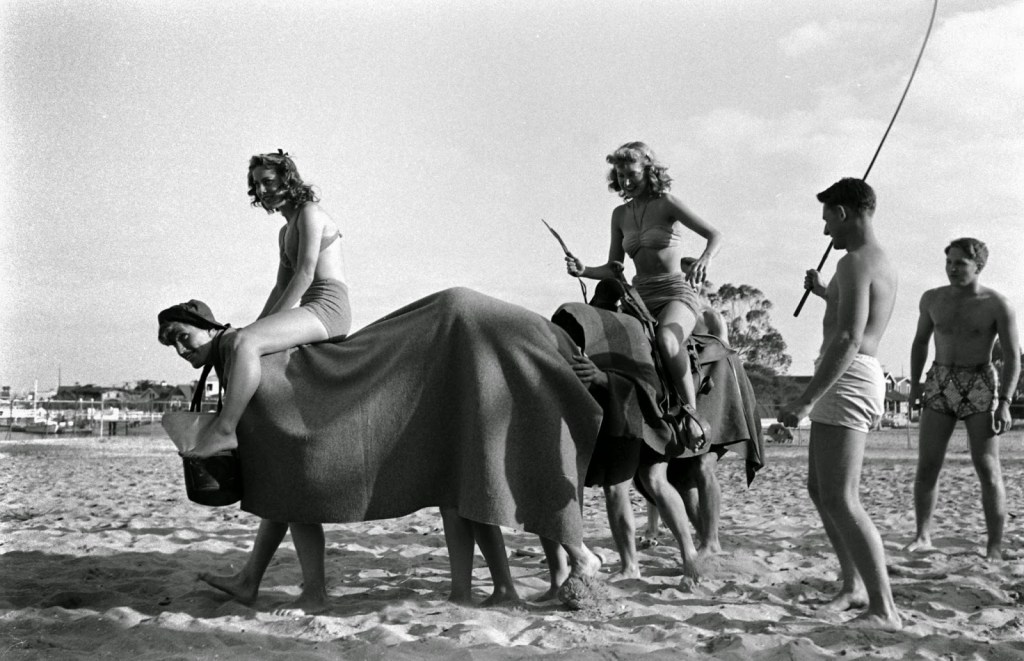
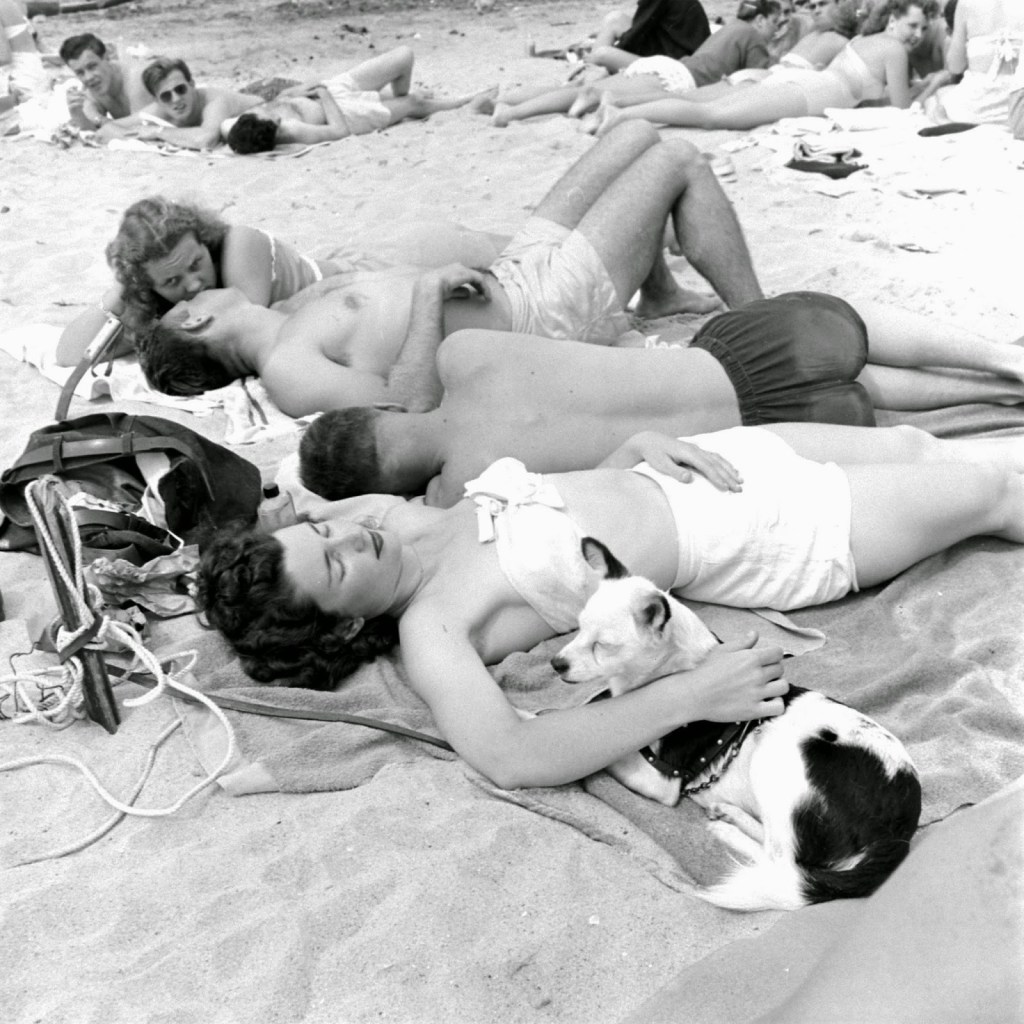
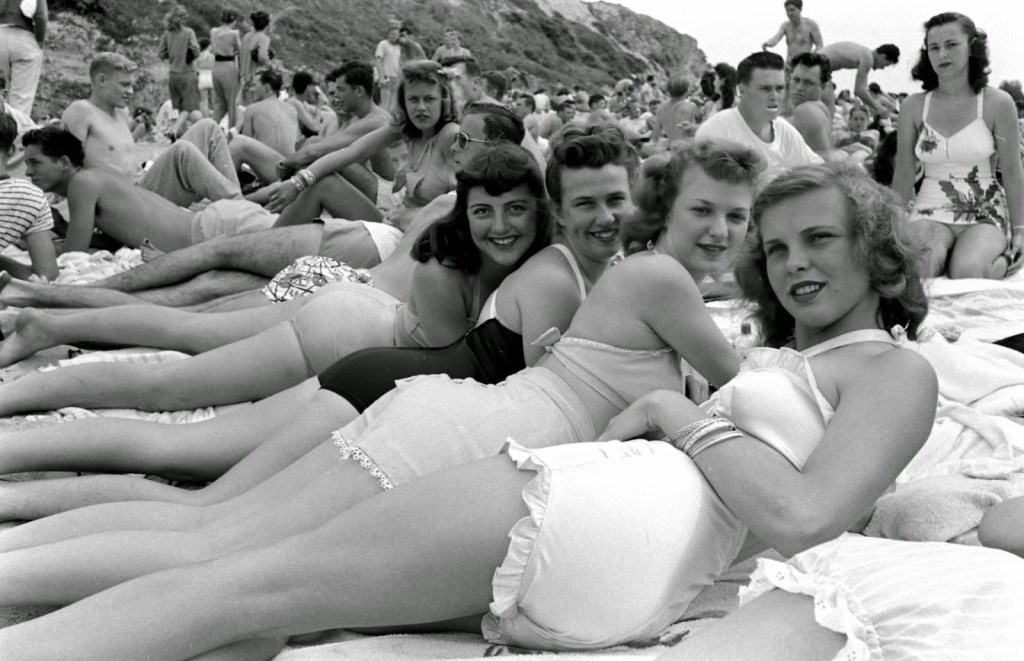
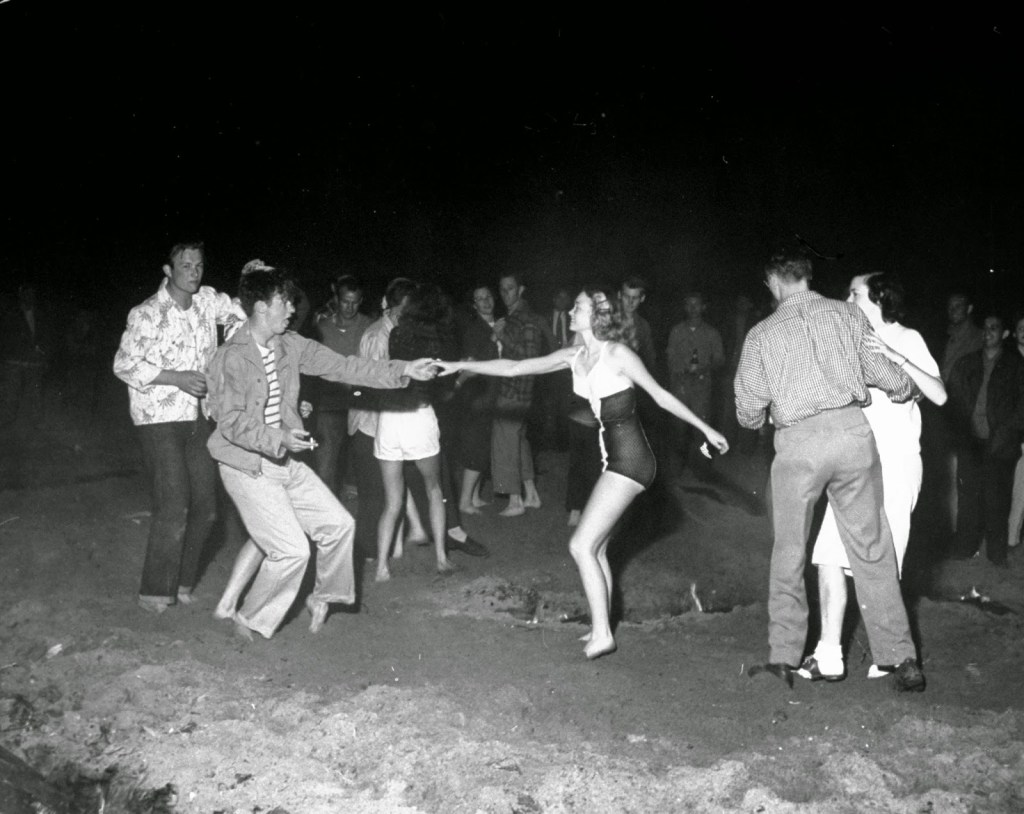
Back in 1947, when LIFE accompanied 10,000 young men and women to Balboa Beach in Southern California for spring break, the shenanigans wouldn’t have scored any higher than a PG rating. Daylight brought beachside dancing, boat races, beauty pageants and sunbathing. The evening hours found students aglow in the warmth of bonfires as portable radios churned out the tunes of the day.

These fascinating vintage photographs, taken by Peter Stackpole, that show what spring break looked like in Southern California in the 1940s.

(Photos:Peter Stackpole—The LIFE Picture Collection/Getty Images)

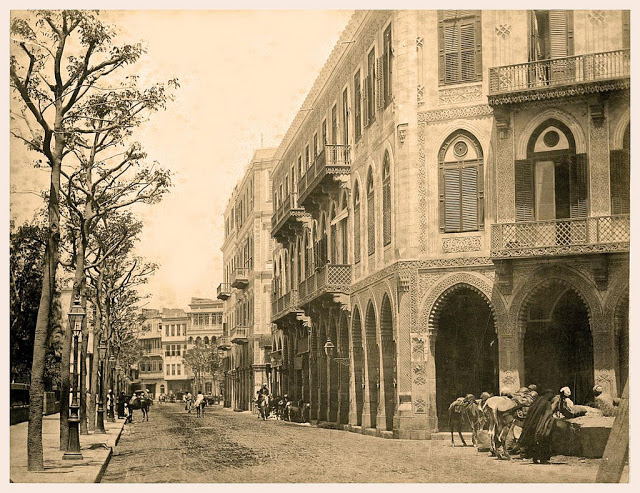
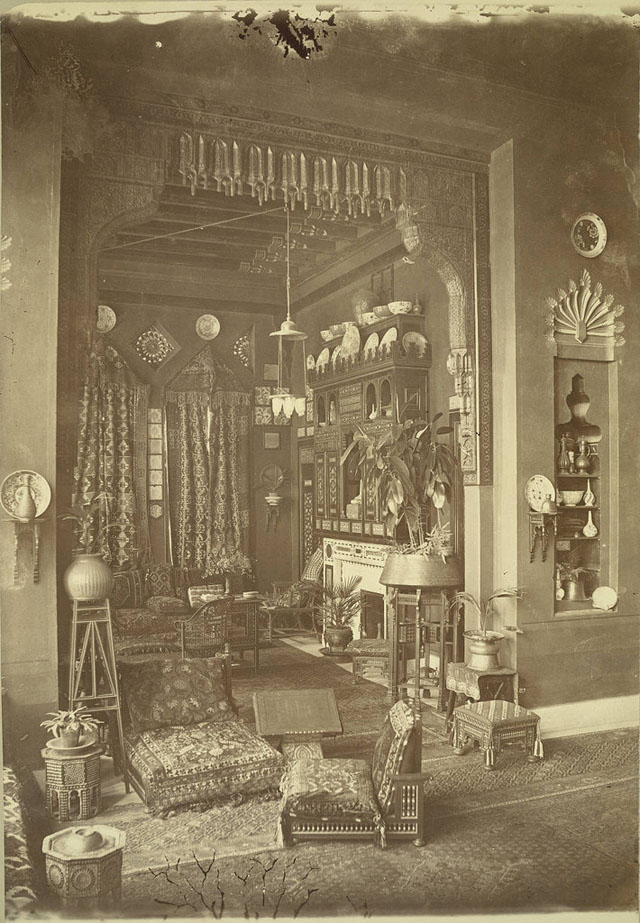
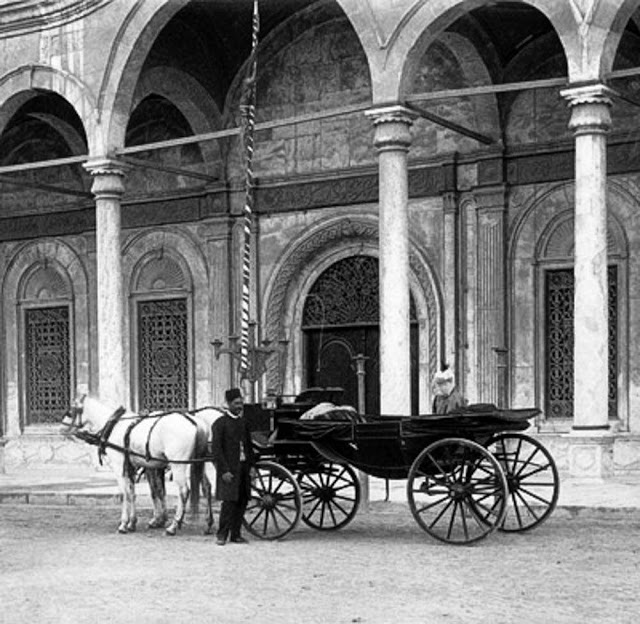
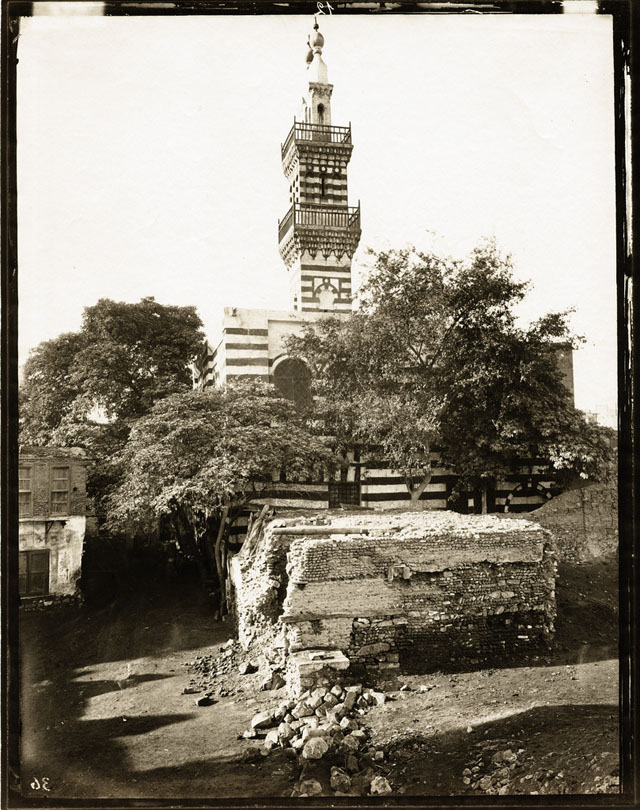
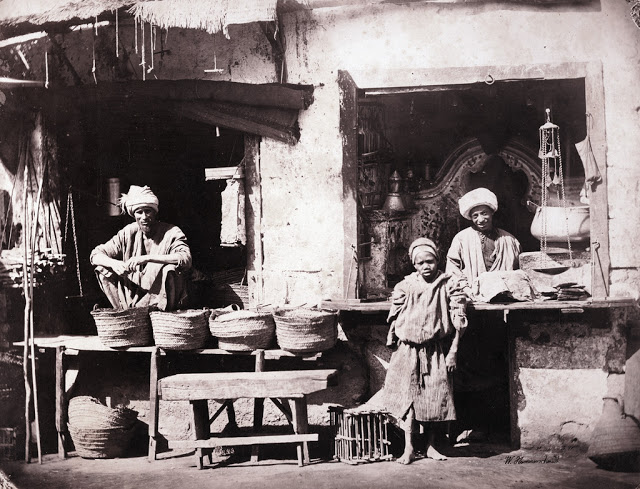
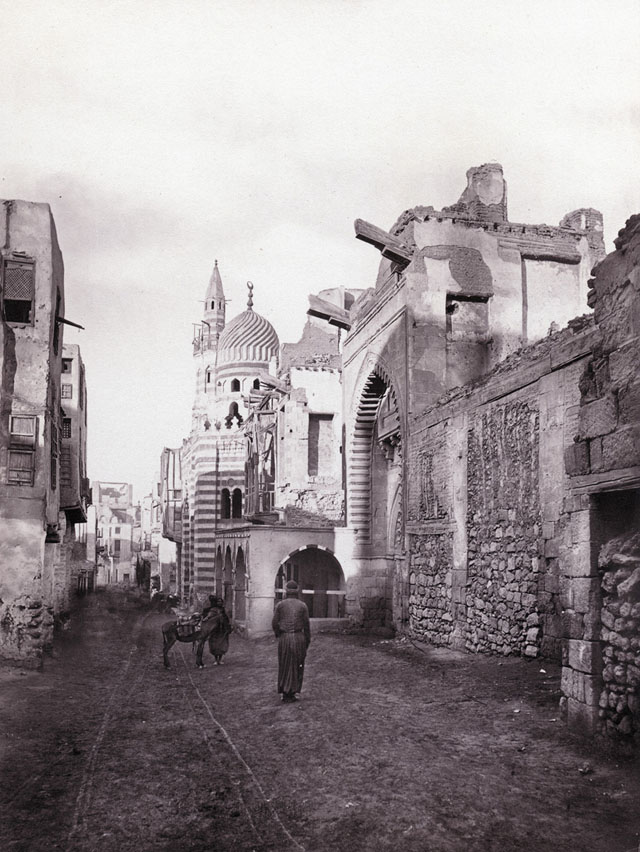
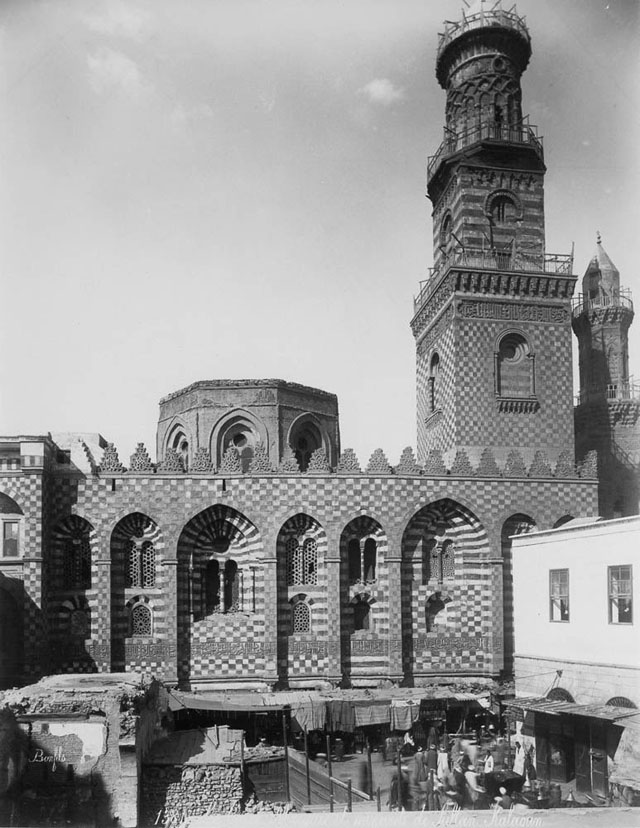
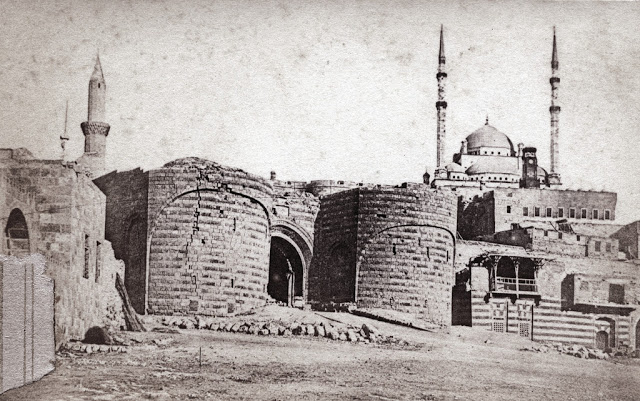
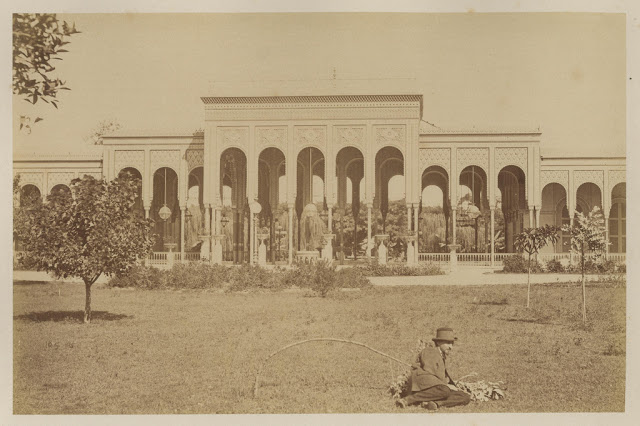
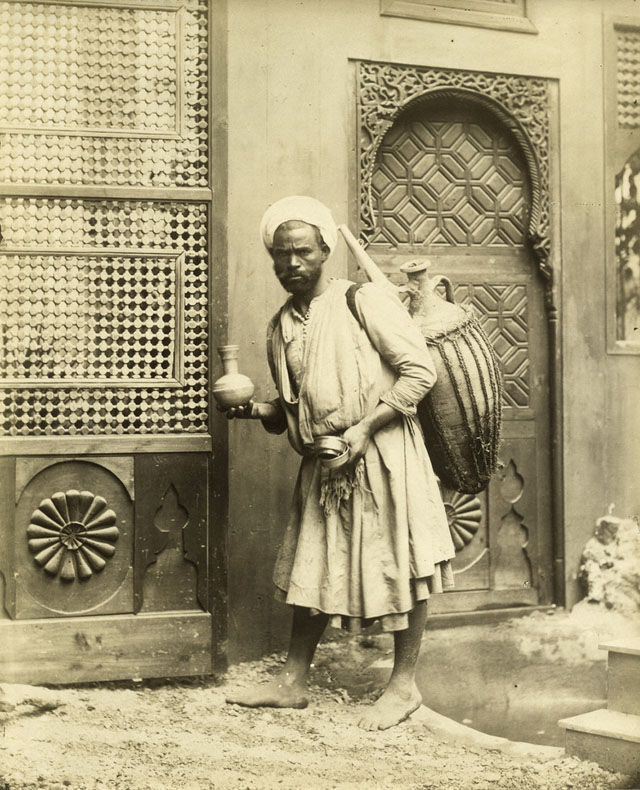
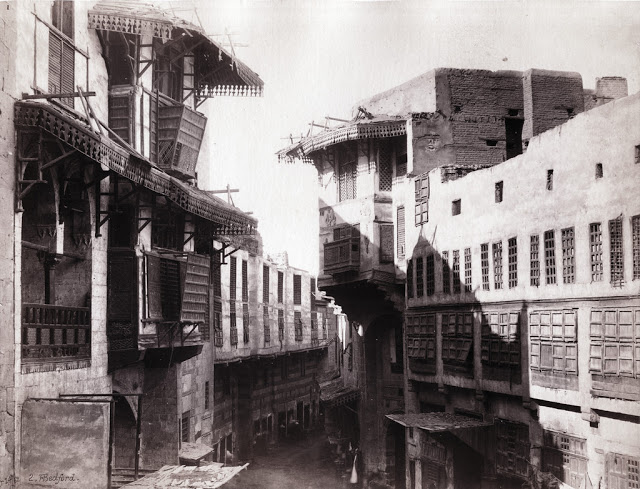
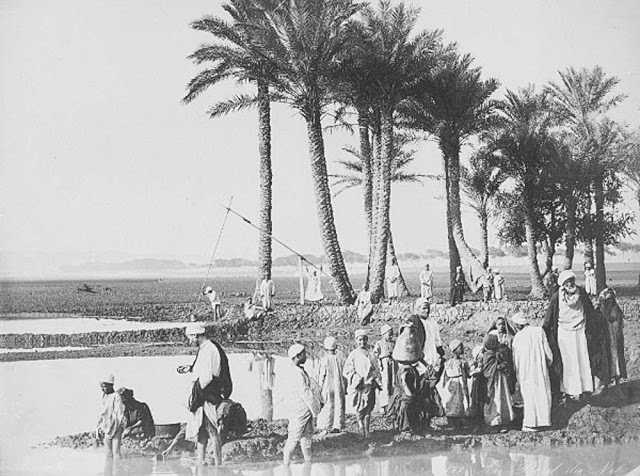
27 Amazing Historical Photos of Life in Cairo from between the 1860s and 1880s

Cairo is the capital and largest city of Egypt. The Cairo metropolitan area, with a population of 21.3 million, is the largest metropolitan area in the Arab world, the second largest in Africa, and the sixth largest in the world. Cairo is associated with ancient Egypt, as the famous Giza pyramid complex and the ancient city of Memphis are located in its geographical area. Located near the Nile Delta, Cairo was founded in 969 AD during the Fatimid dynasty, but the land composing the present-day city was the site of Ancient National Capitals whose remnants remain visible in parts of Old Cairo. Cairo has long been a centre of the region’s political and cultural life, and is titled “the city of a thousand minarets” for its preponderance of Islamic architecture. Cairo is considered a World City with a “Beta +” classification according to GaWC.

Today, the Egyptian capital has the oldest and largest film and music industries in the Arab world, as well as the world’s second-oldest institution of higher learning, Al-Azhar University. Many international media, businesses, and organizations have regional headquarters in the city; the Arab League has had its headquarters in Cairo for most of its existence.

With a population of over 9 million spread over 453 km2 (175 sq mi), Cairo is by far the largest city in Egypt. An additional 9.5 million inhabitants live in close proximity to the city. Cairo, like many other megacities, suffers from high levels of pollution and traffic. The Cairo Metro is one of only two metro systems in Africa (the other being in Algiers, Algeria), and ranks amongst the fifteen busiest in the world, with over 1 billion annual passenger rides. The economy of Cairo was ranked first in the Middle East in 2005, and 43rd globally on Foreign Policy’s 2010 Global Cities Index.(Wikipedia)

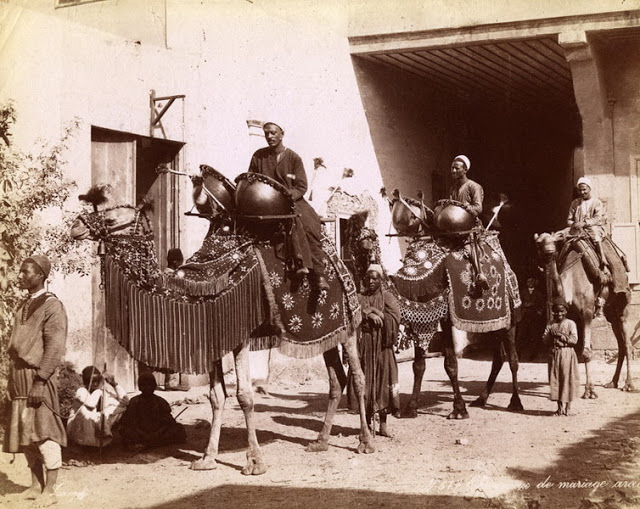
Cairo wedding in 1890
Cairo, 1865
Cairo, Egypt, 1875
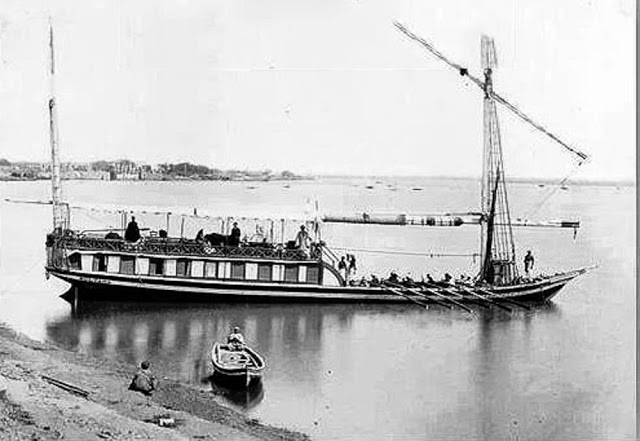
Dhow on the Nile, Cairo, 1880
Downtown in Cairo, 1881
Egyptian women in Cairo, 1880
Interior of Egyptian home in Cairo, 1870s
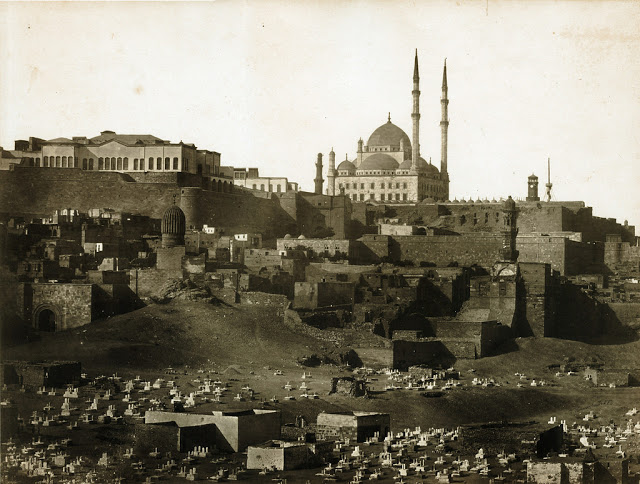
Mohammed Ali mosque, Cairo, 1880s
Mosque, Cairo, Egypt, 1869
Public scribe, Cairo, 1880
Rice and oil merchants, Cairo, 1860
Street in Cairo, Egypt, 1865
Sultan Kalaoun mosque, 1880
The Citadel Gate, Cairo, 1864
The Palace Gezirah, Cairo, 1873
Tombs of the Mamaluks, Cairo, Egypt, 1875
Water carrier in Cairo, 1880
Water carriers, Cairo, 1864
Water carriers, Cairo, Egypt, 1880s
Water Vendor, Cairo, 1880
A Cairo man filtering water, 1880
A Street in Cairo, 1862
Along the Nile, Cairo, 1880
Cairo antique seller in the 1880s
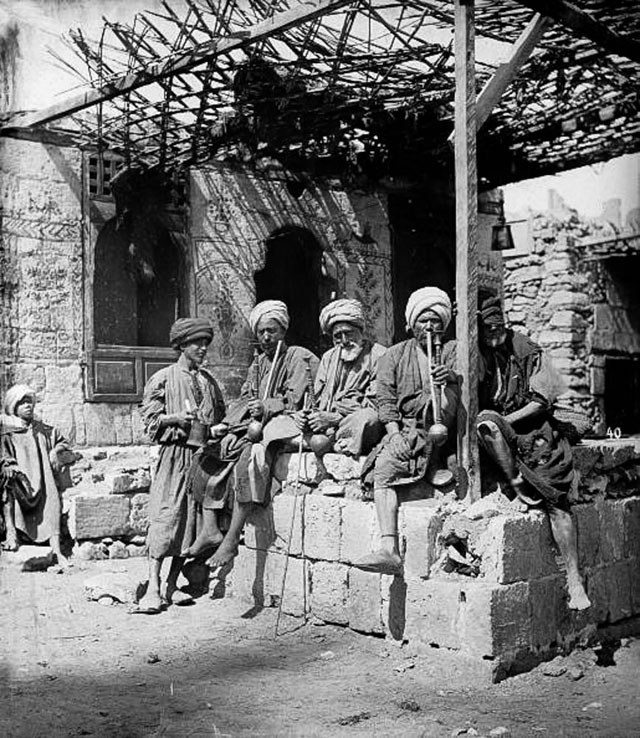
Cairo coffee house in the 1880s
Cairo in the 1880s

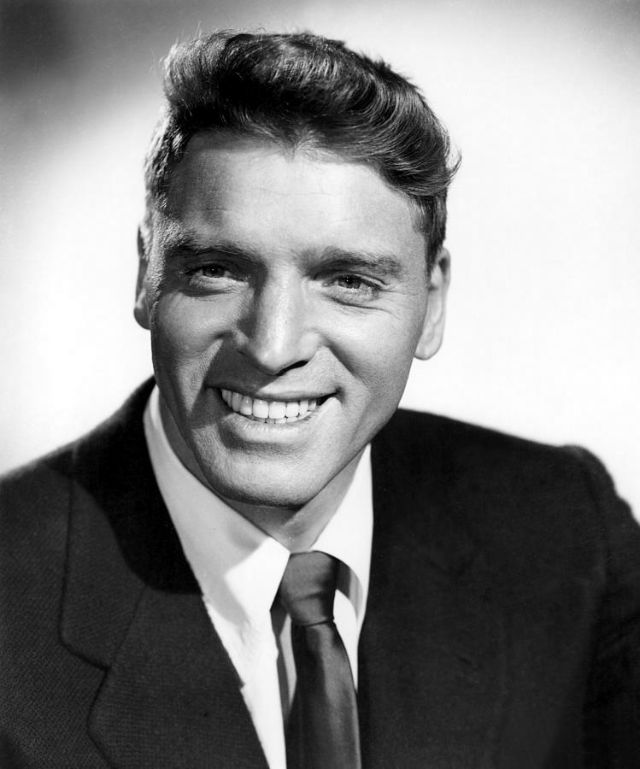
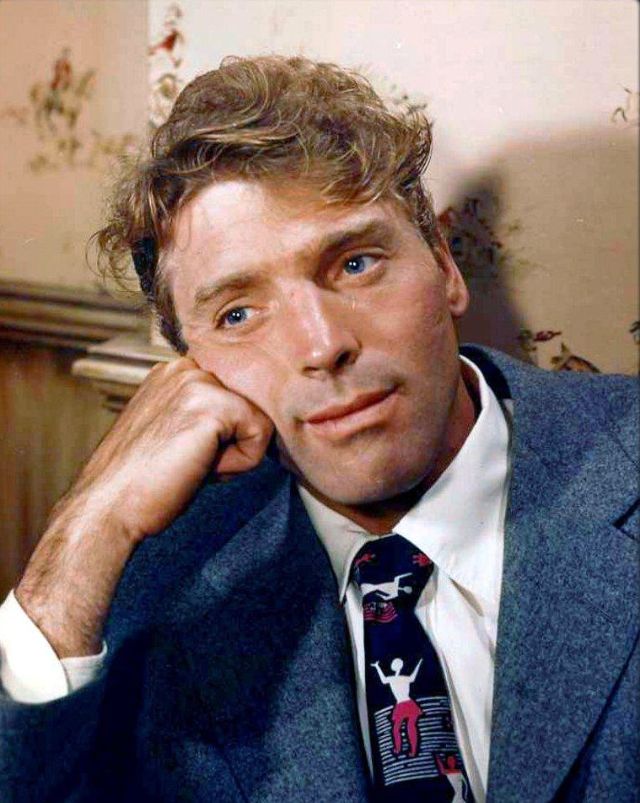
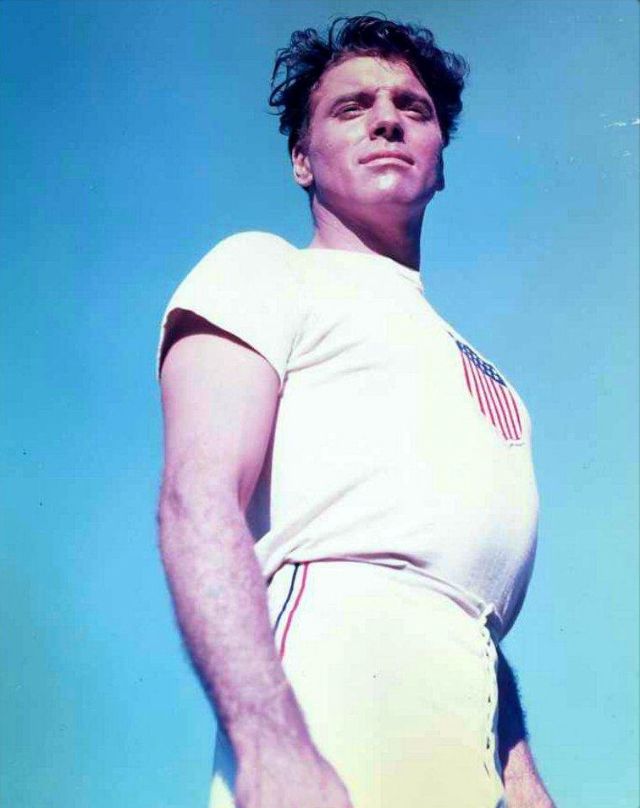
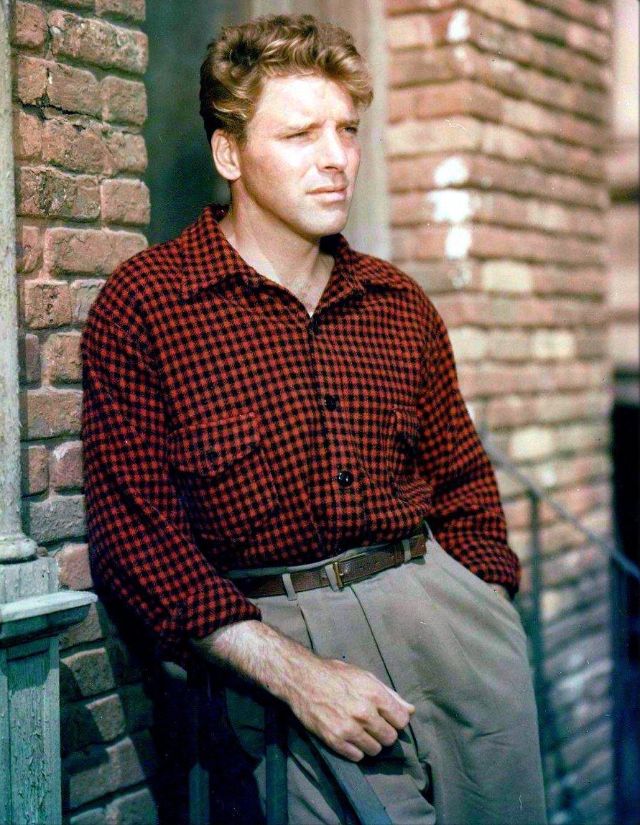
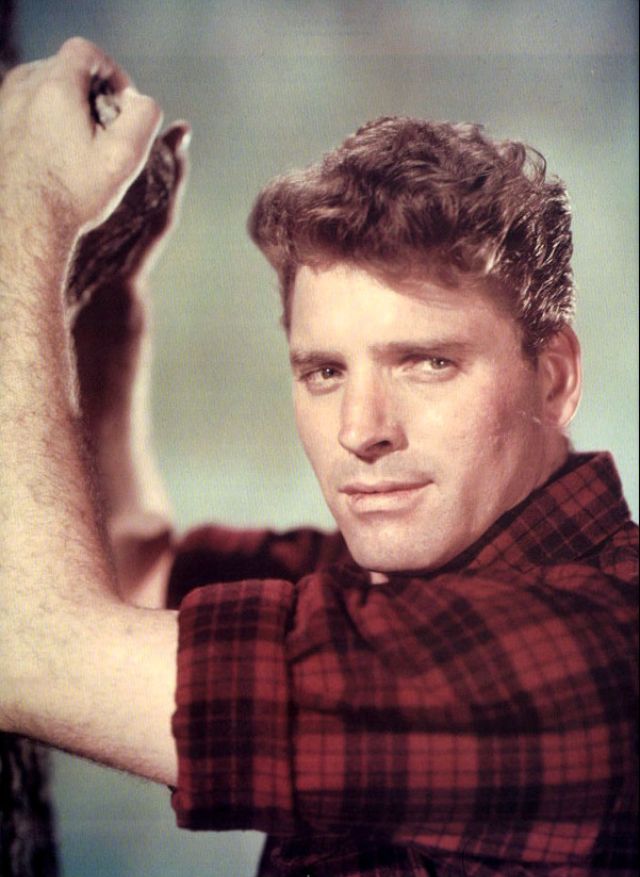
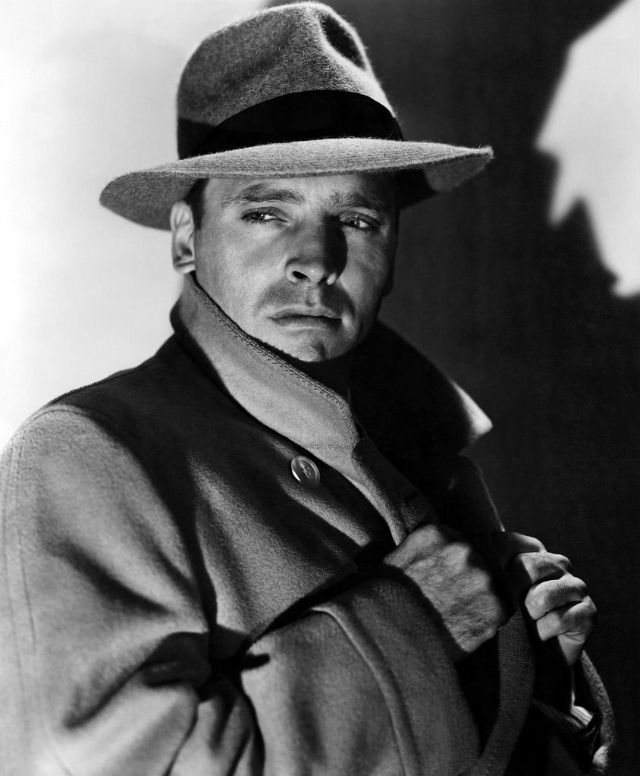
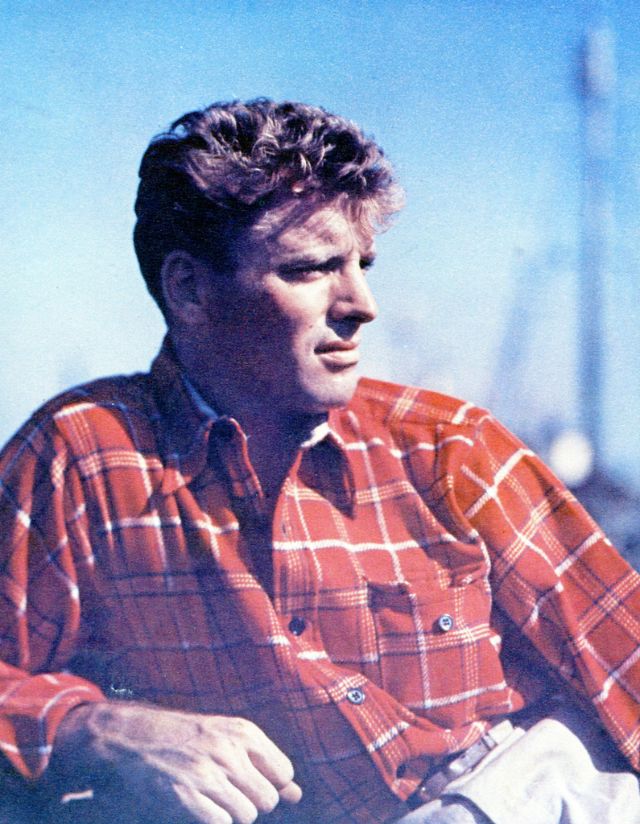
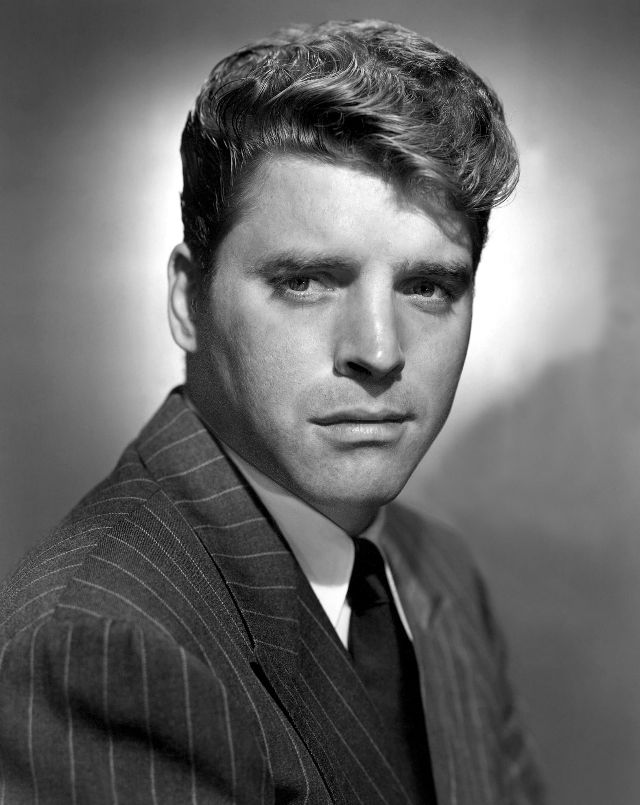
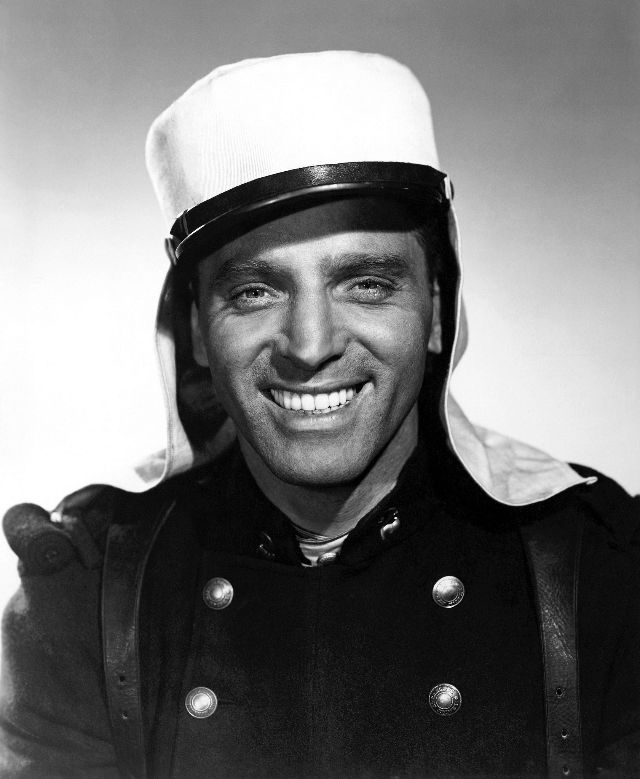
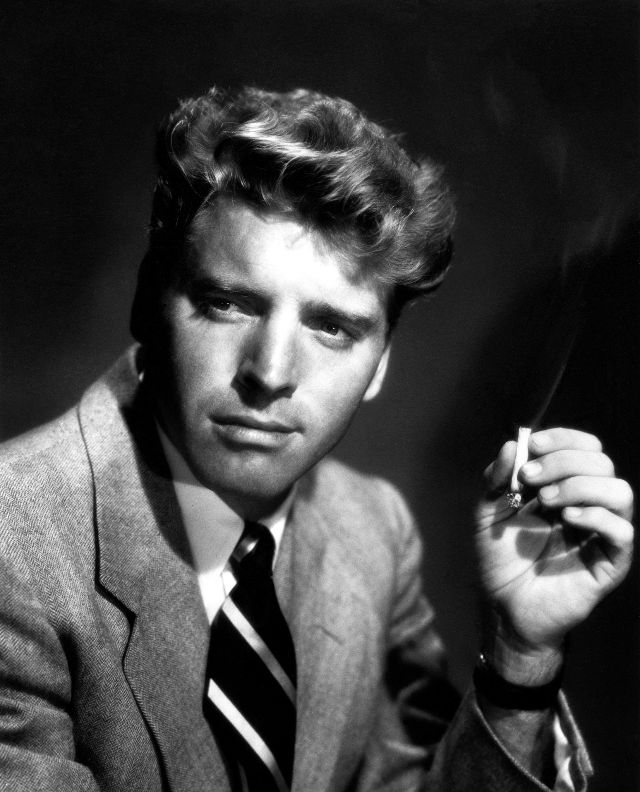
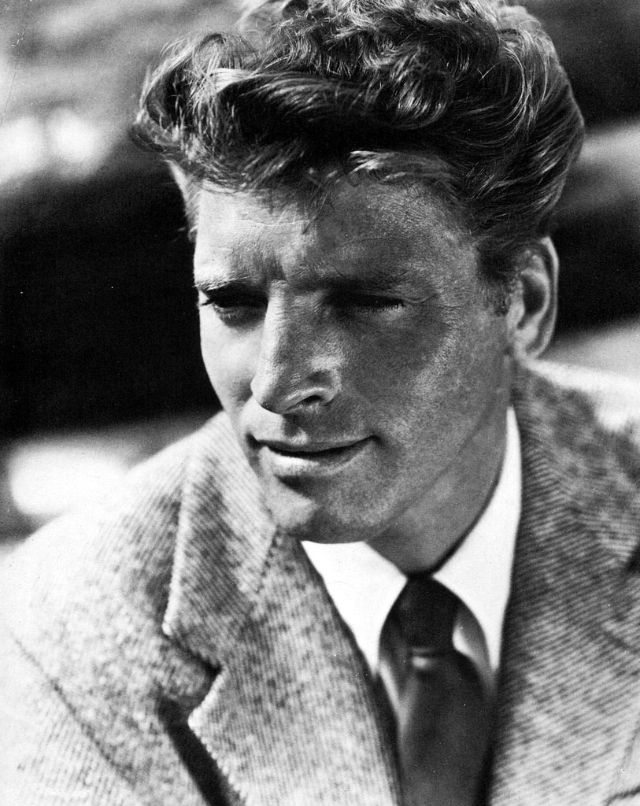
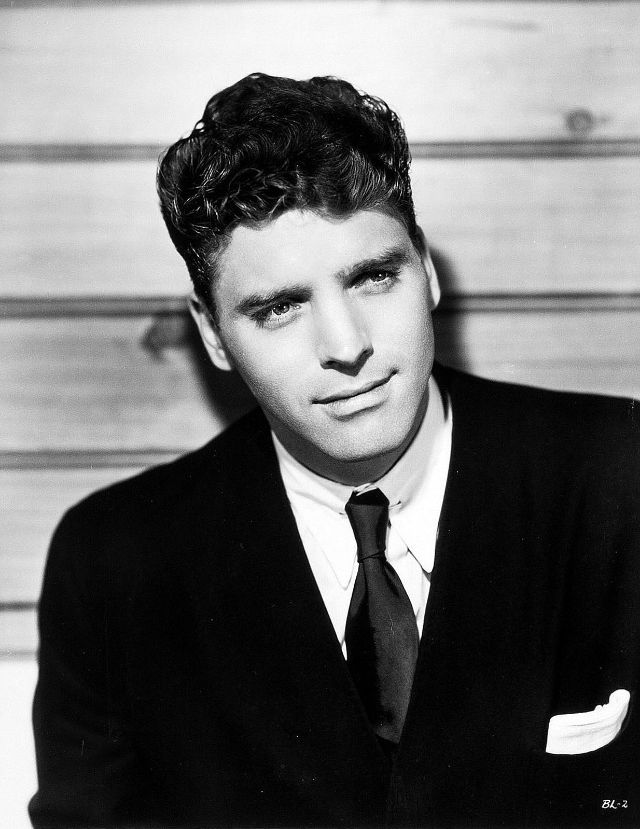
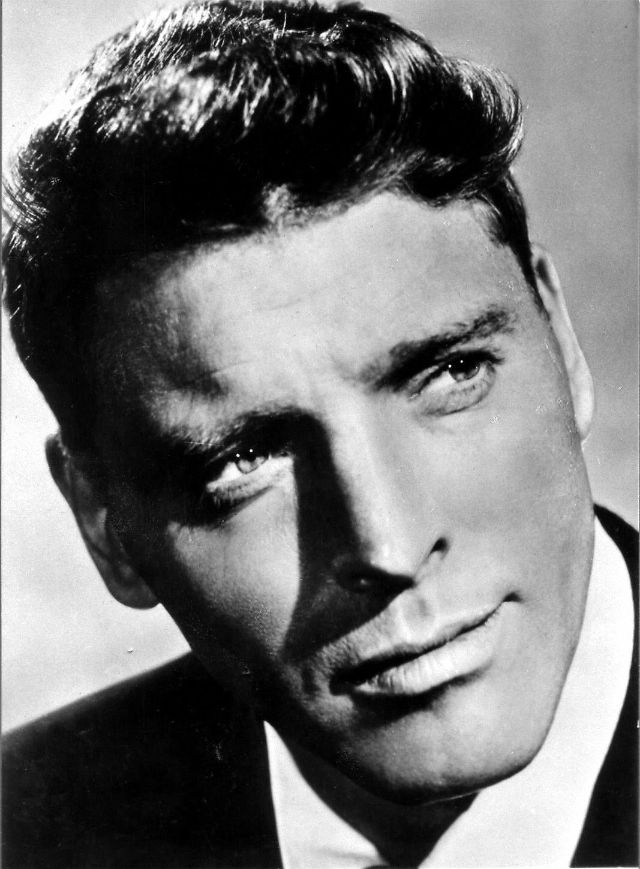
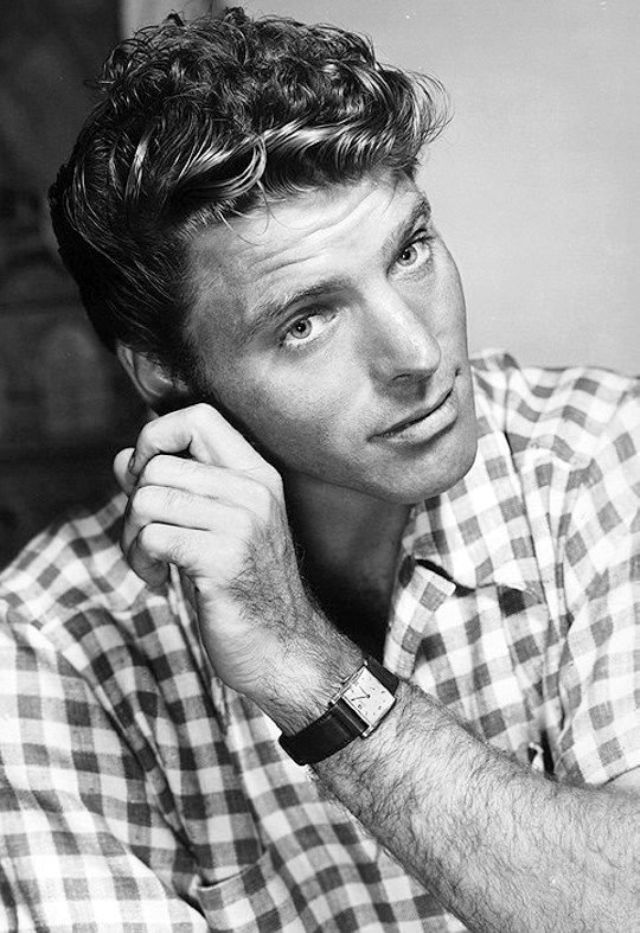
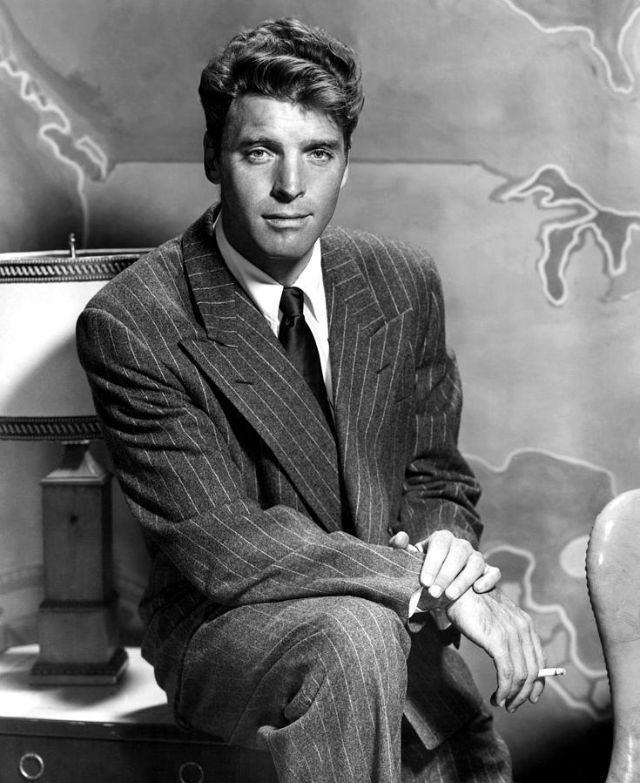
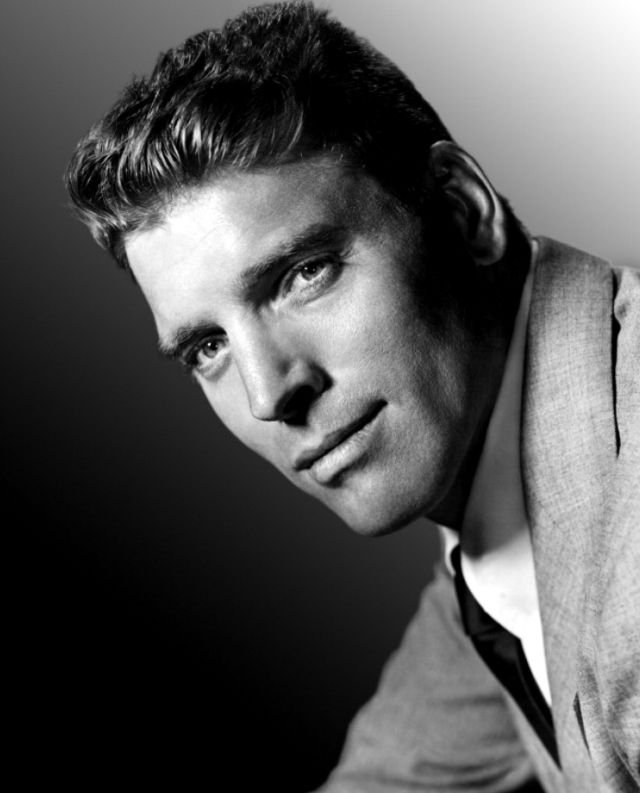
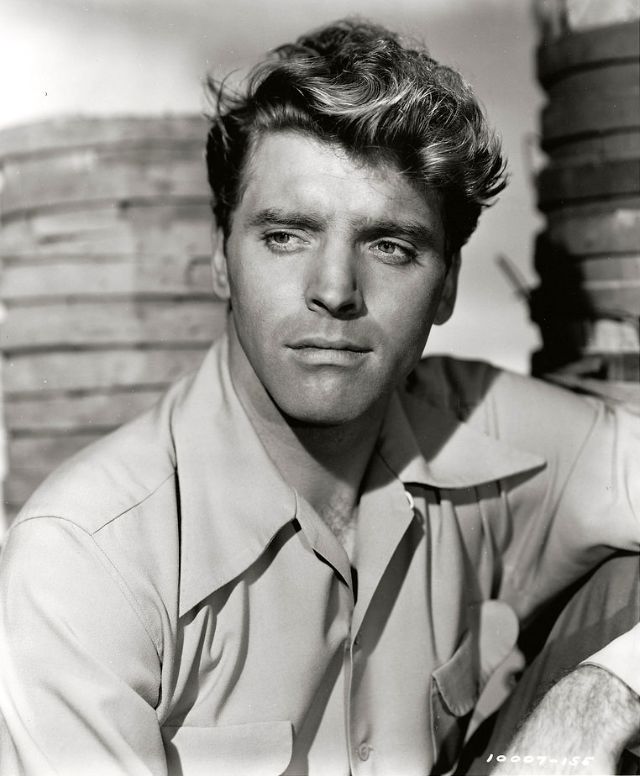
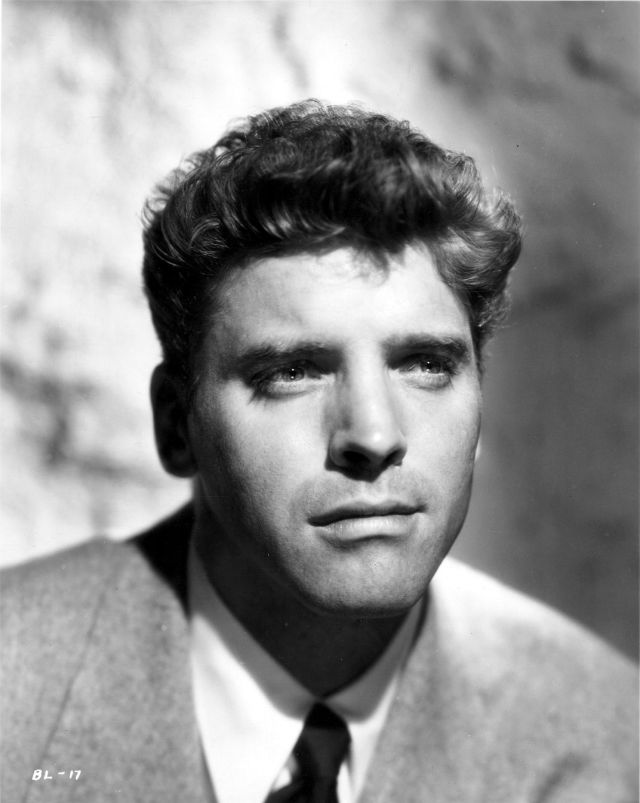
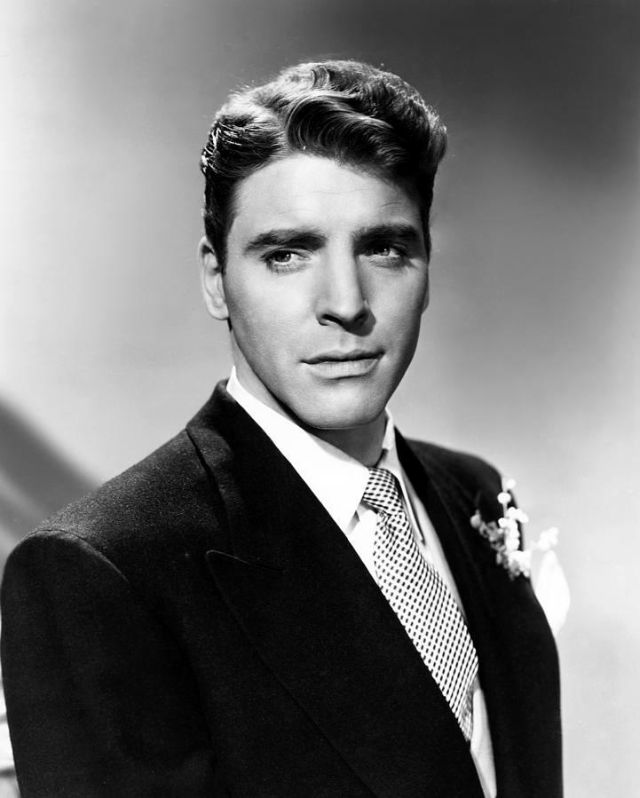
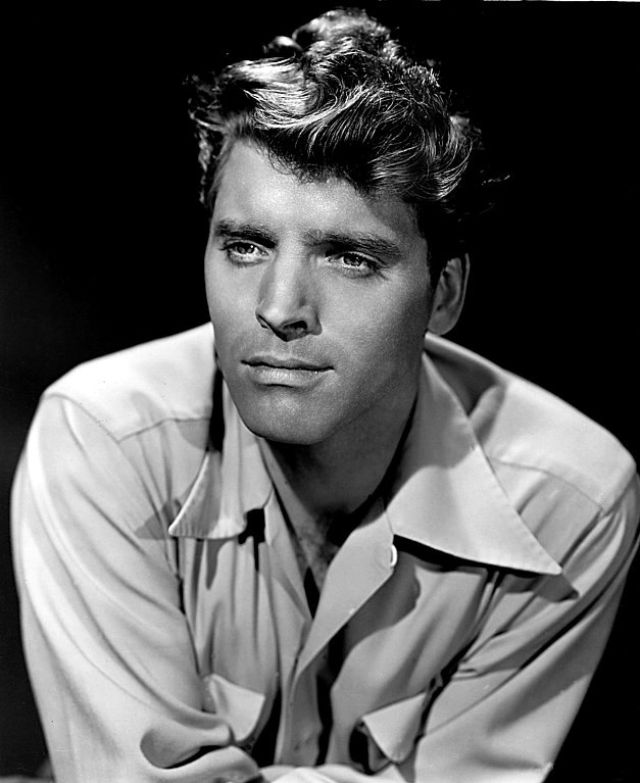
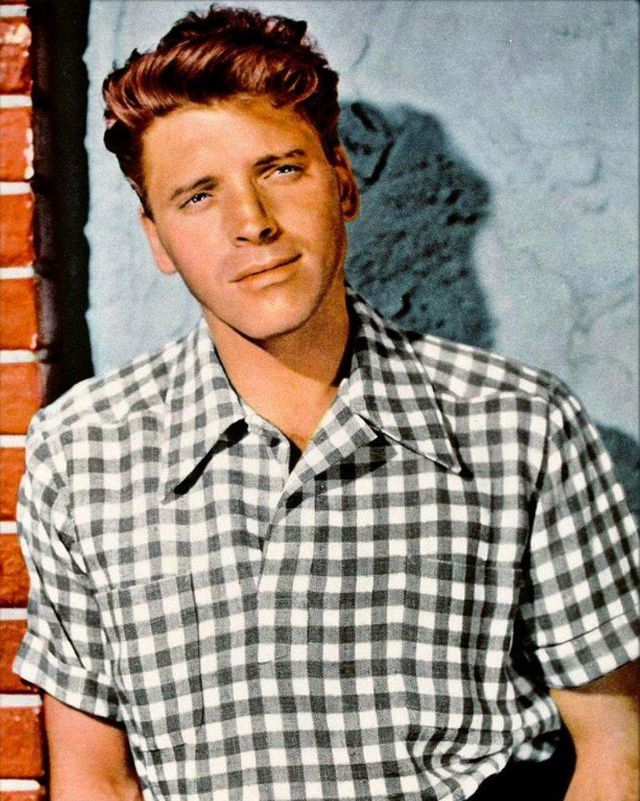
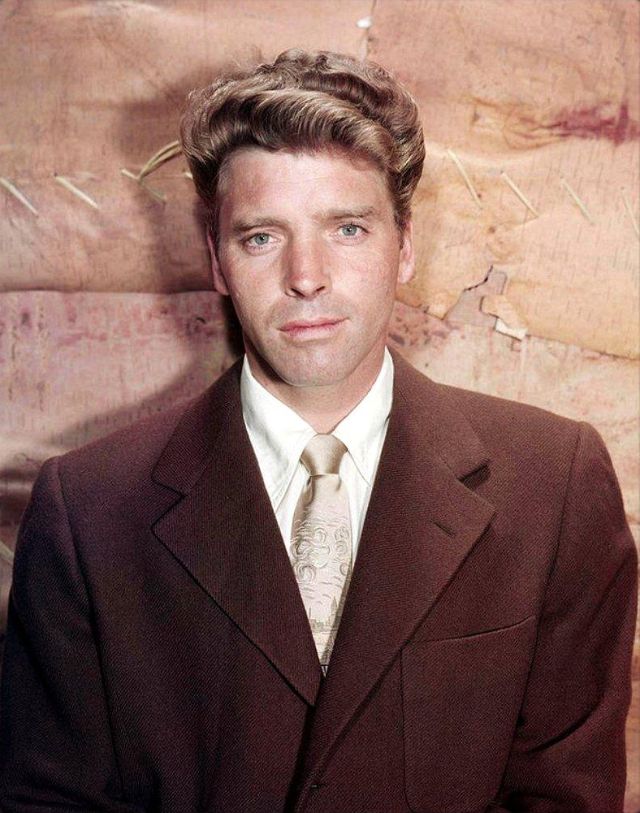
39 Vintage Photos of Actor Burt Lancaster in the 1940s and 1950s

Born 1913 in Manhattan, New York, American actor and producer Burt Lancaster was initially known for playing “tough guys”, he went on to achieve success with more complex and challenging roles.

Lancaster was nominated four times for Academy Awards, and won once for his work in Elmer Gantry in 1960. He also won a Golden Globe Award for that performance and BAFTA Awards for Birdman of Alcatraz (1962) and Atlantic City (1980).

During the 1950s, his production company Hecht-Hill-Lancaster was highly successful, making films such as Trapeze (1956), Sweet Smell of Success (1957), Run Silent, Run Deep (1958), and Separate Tables (1958).

Lancaster’s acting career ended after he suffered a stroke in 1990, which left him partly paralyzed and largely unable to speak. He died in his apartment in Century City, California, from a third heart attack at in 1994, at the age of 80.

The American Film Institute ranks Lancaster as #19 of the greatest male stars of classic Hollywood cinema.
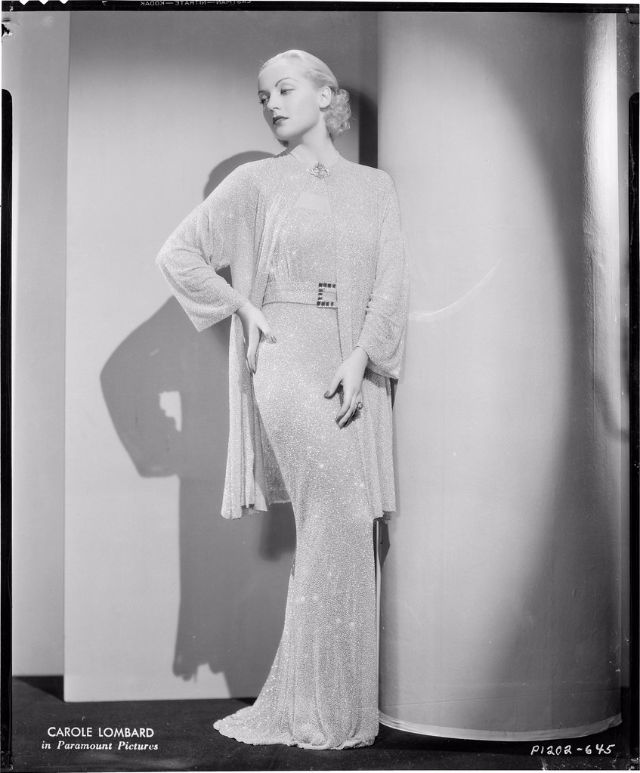
Take a look at these pictures to see a young Burt Lancaster in the 1940s and 1950s.

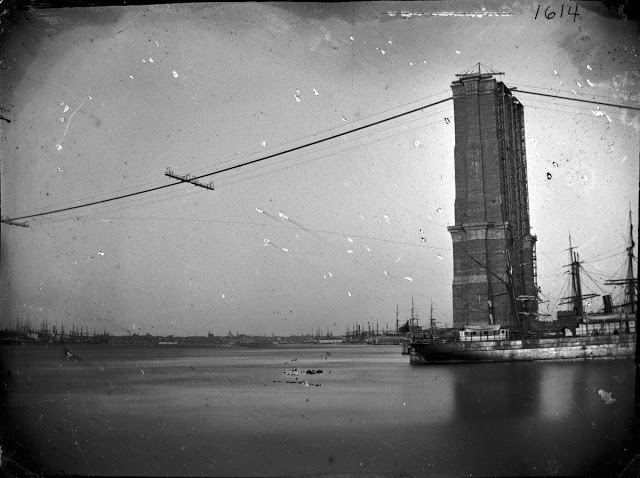
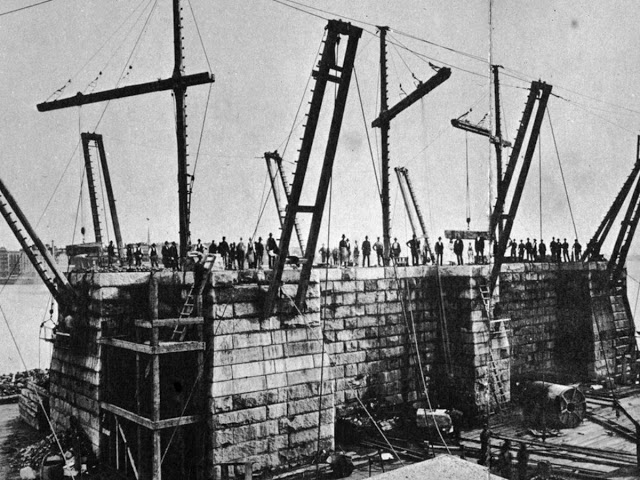
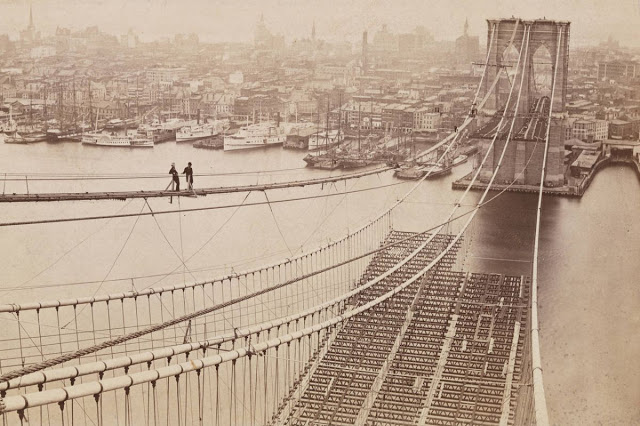
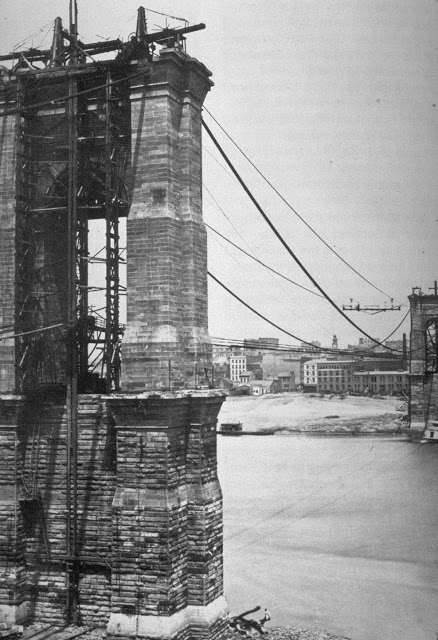
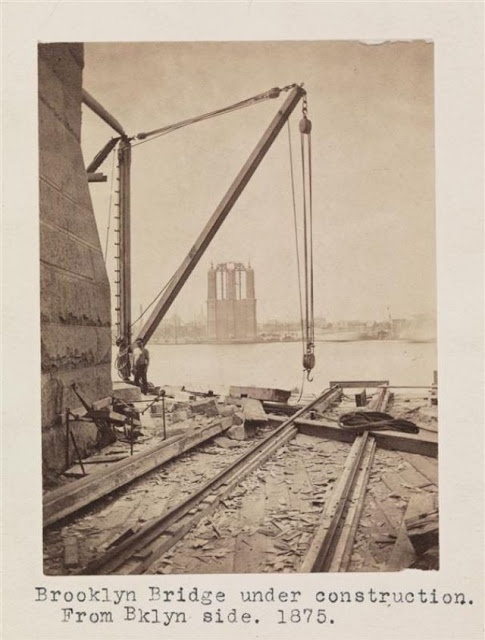
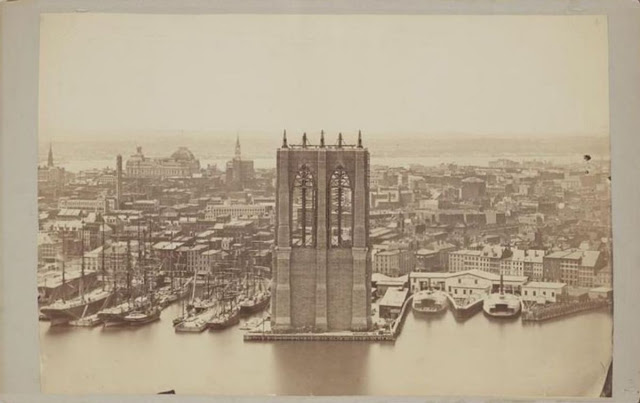
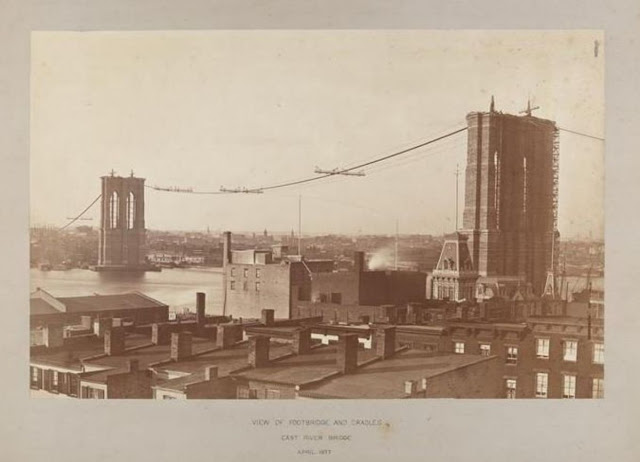
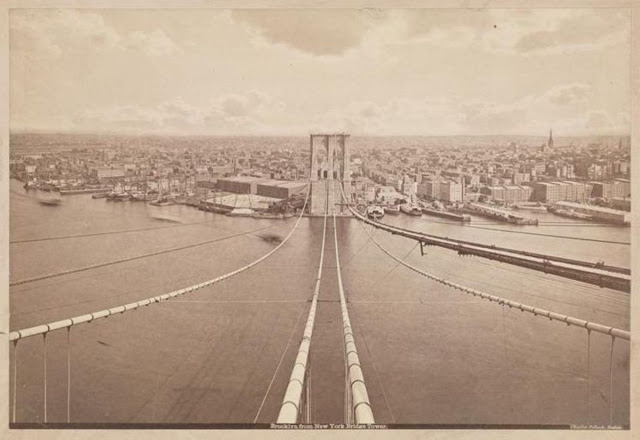
16 Amazing Photos of the Brooklyn Bridge Under Construction

When it opened in 1883, the Brooklyn Bridge was the answer to a geographical problem that should be familiar to anyone living in New York today: the jobs were in Manhattan but the cheap housing was in the outer borough. The solution was a very complicated one that tested the limits of engineering and technological ingenuity.

On paper, the suspension bridge to be constructed across the East River – an unprecedented distance – sounded veritably un-buildable. But that’s what drew John Roebling to the project: having earned a reputation as a designer of suspension bridges, he made his major breakthrough on the Brooklyn: a web truss made of steel, added to either side of the bridge roadway. This would make the bridge six times stronger than it needed to be. The mammoth project would consume him, literally – he died of tetanus after losing toes in a construction-related boat accident – and more than two dozen construction workers, who would die in falls and in a fire.

After Roebling’s 32-year-old son, Washington, took over as chief engineer, he himself ended up bedridden from compression sickness, the result of building the bridge’s two granite foundations inside timber caissons, or watertight chambers, which were sunk to depths of 44 feet on the Brooklyn side and 78 feet on the New York side. His partial paralysis led Roebling’s wife, Emily, to step in. She had studied higher mathematics, the calculations of catenary curves, materials strength, bridge specifications, and the intricacies of cable construction, and spent the next 11 years assisting her husband on the bridge’s construction.

Construction of Brooklyn Bridge, ca. 1872-1887.
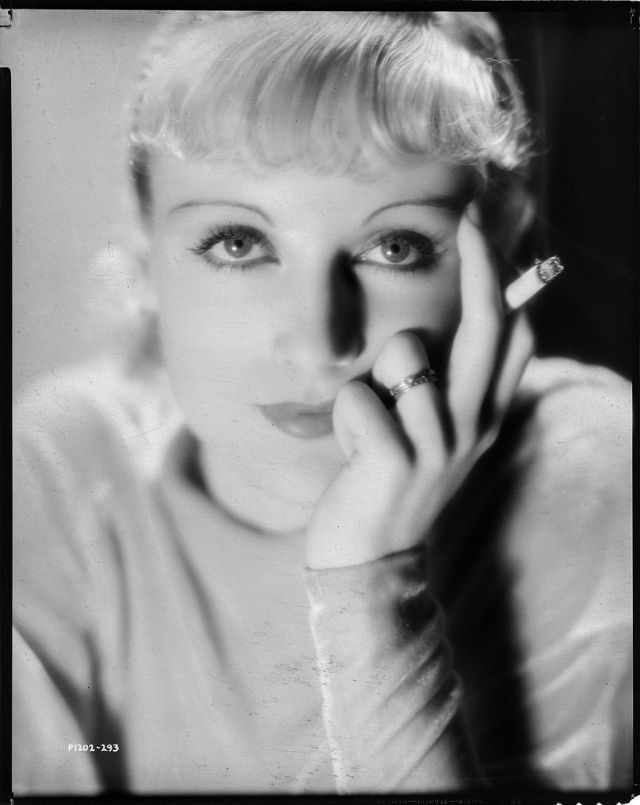
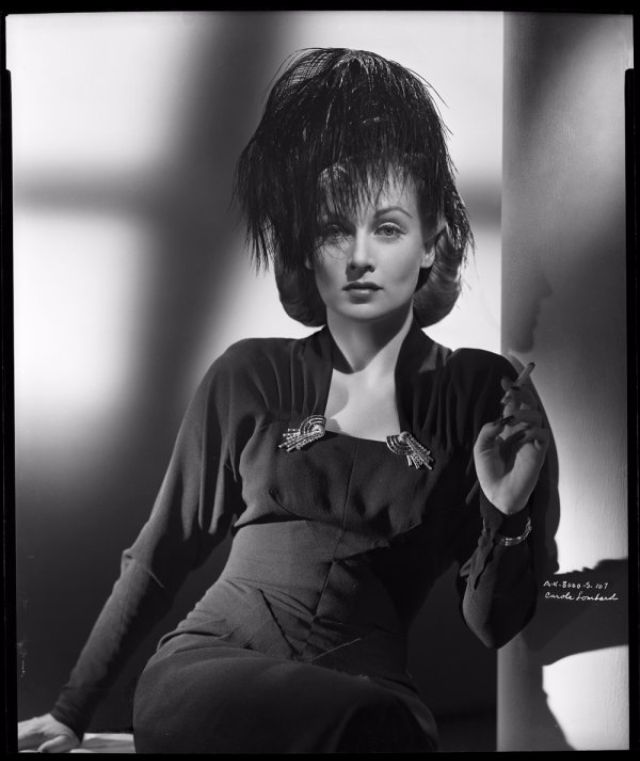
The towers of the Brooklyn Bridge were built atop the submerged caissons.
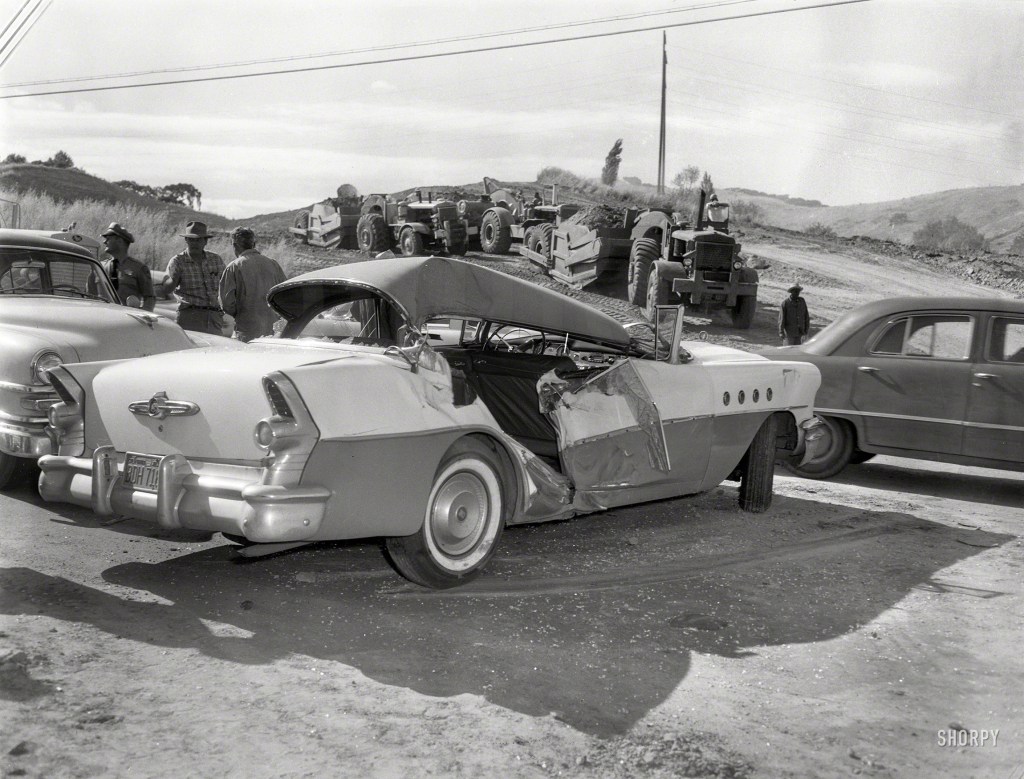
Workmen on cables during construction, 1881.
Early plan of one tower for the Brooklyn Bridge, 1867.
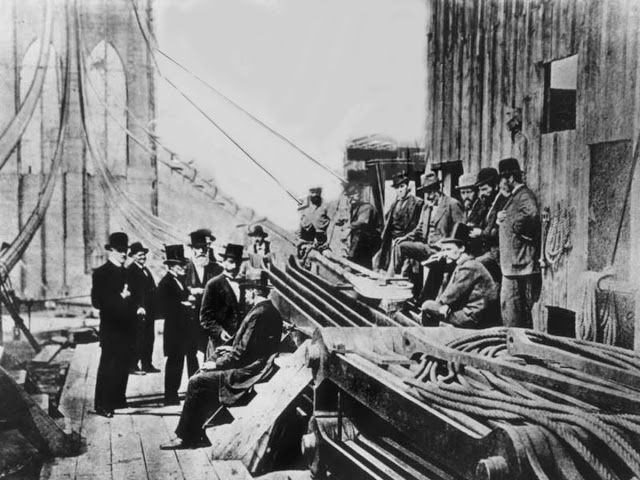
Foremen, workers and others on site in 1877.
Visiting the construction site, 1877.
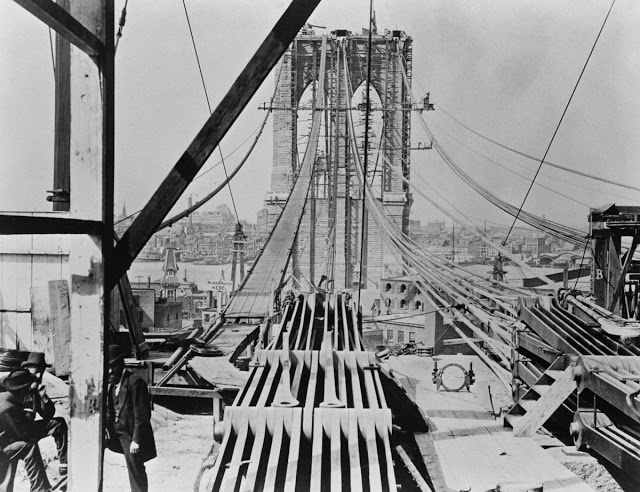
Brooklyn Bridge during construction, 1877.
Brooklyn Bridge during construction, 1874.
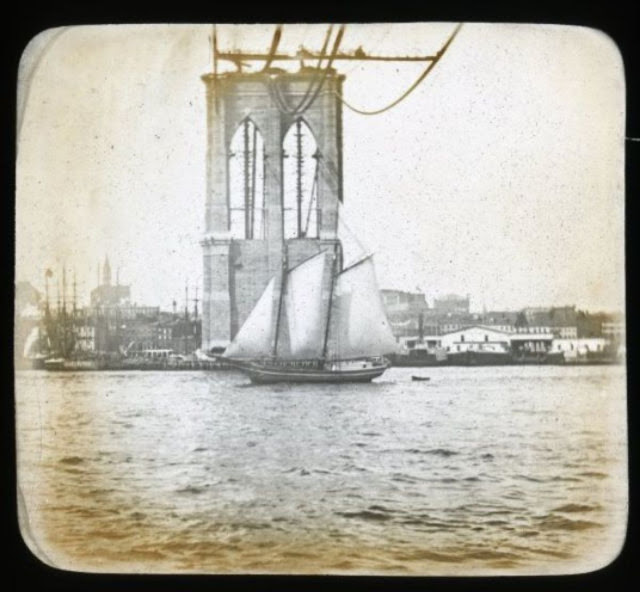
Ship passes beneath the Brooklyn Bridge during construction, 1870s.
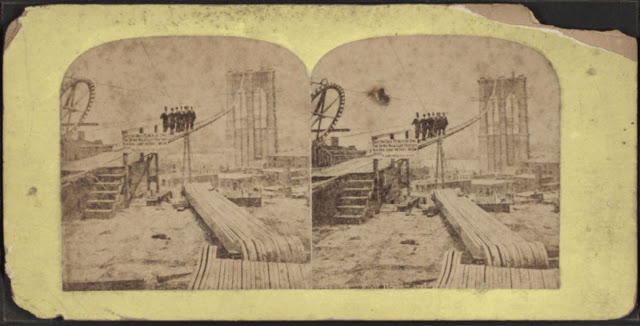
Construction of Brooklyn Bridge, from Robert N. Dennis’ collection of stereoscopic views.
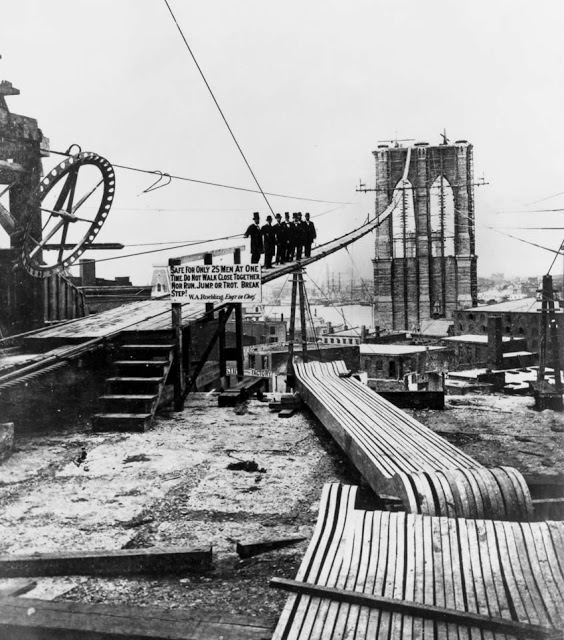
Footpath on the Brooklyn Bridge, 1880s.
Construction work in 1875.
One tower of the Brooklyn Bridge under construction, 1875.
Footbridge and cradles, 1877.
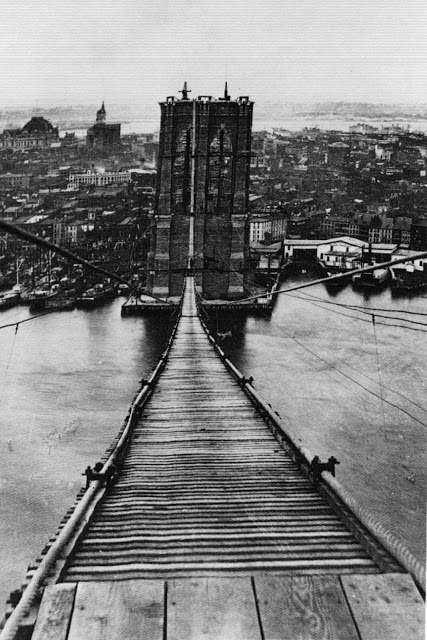
View from one of the bridge’s towers in 1880.
The Brooklyn Bridge under construction, 1880.

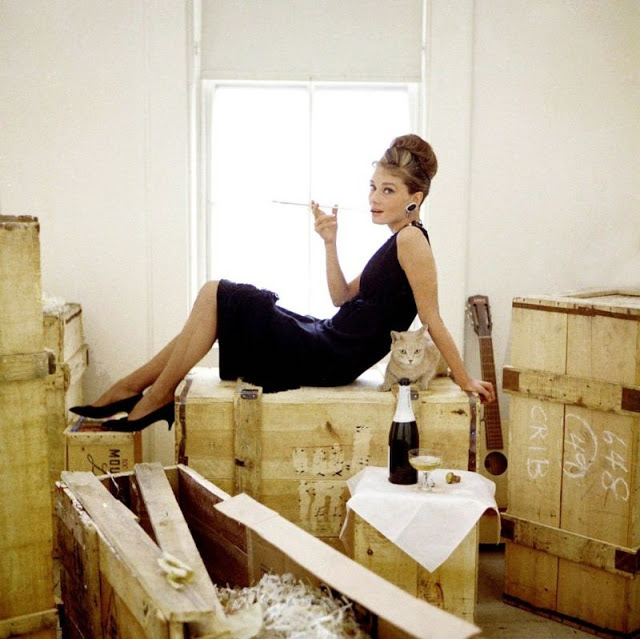
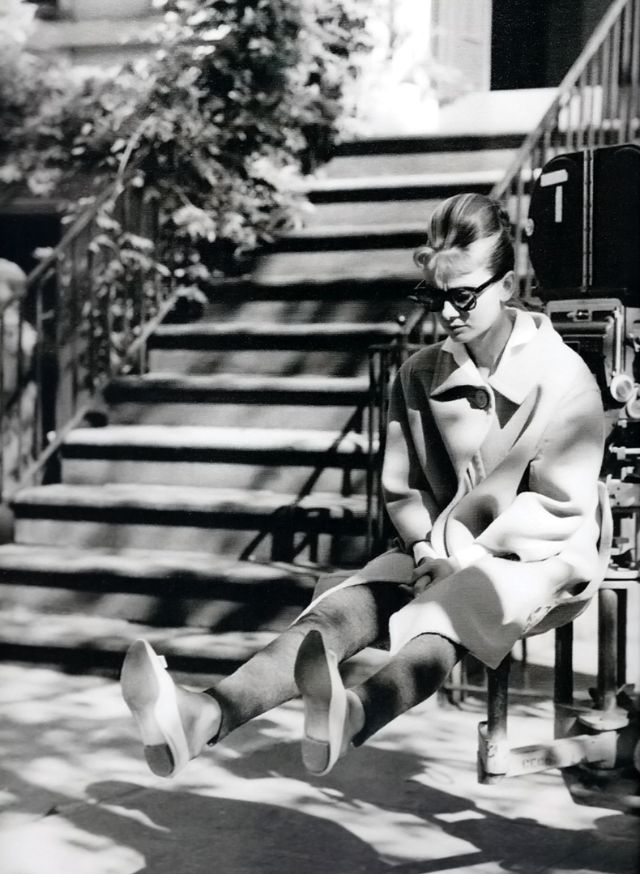
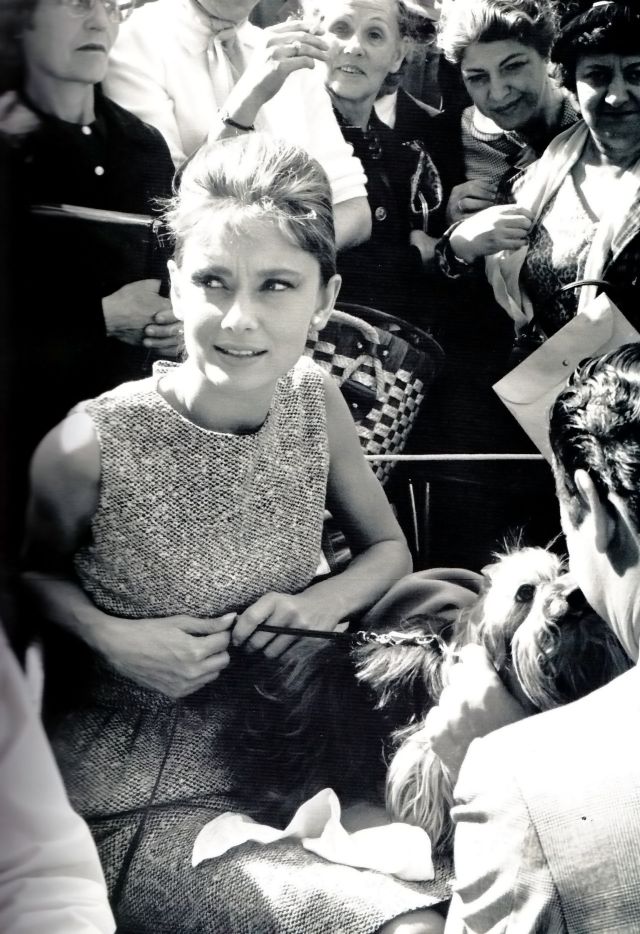
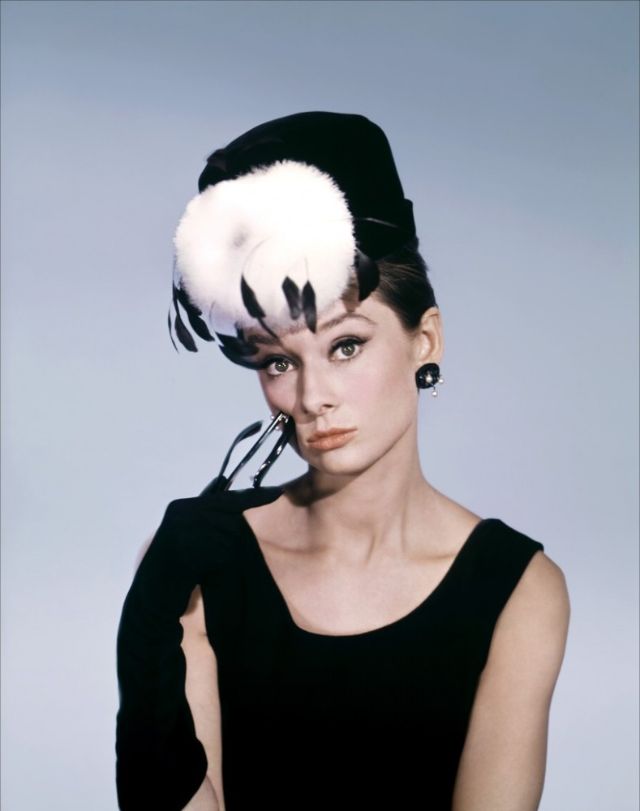
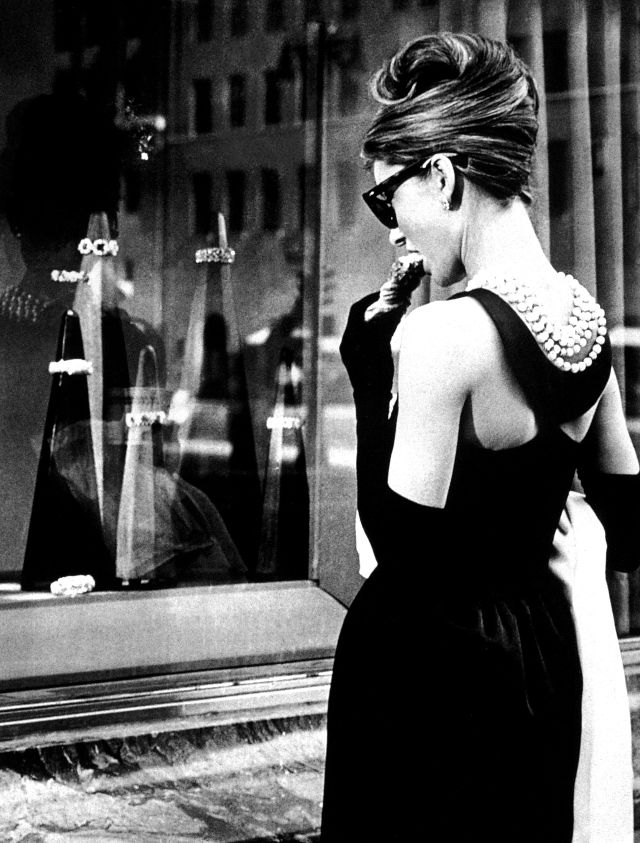
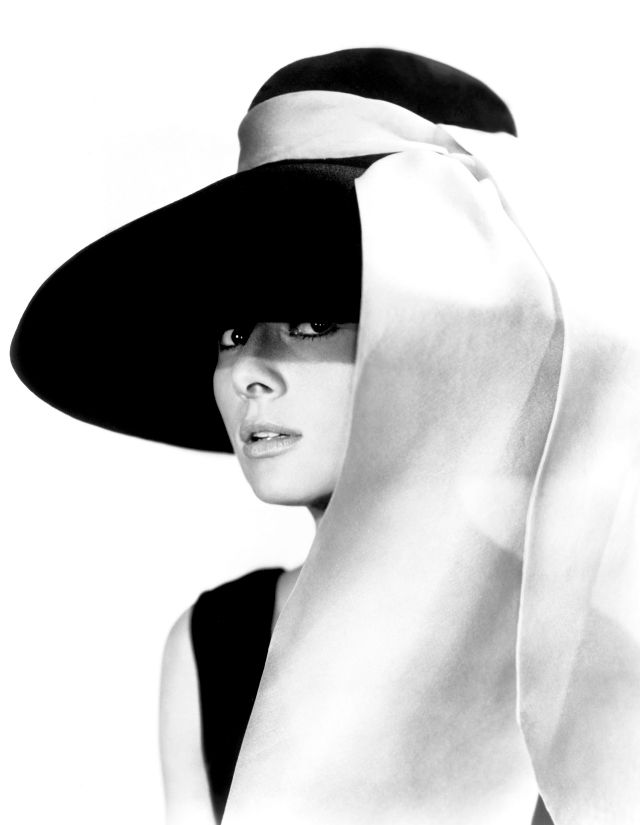
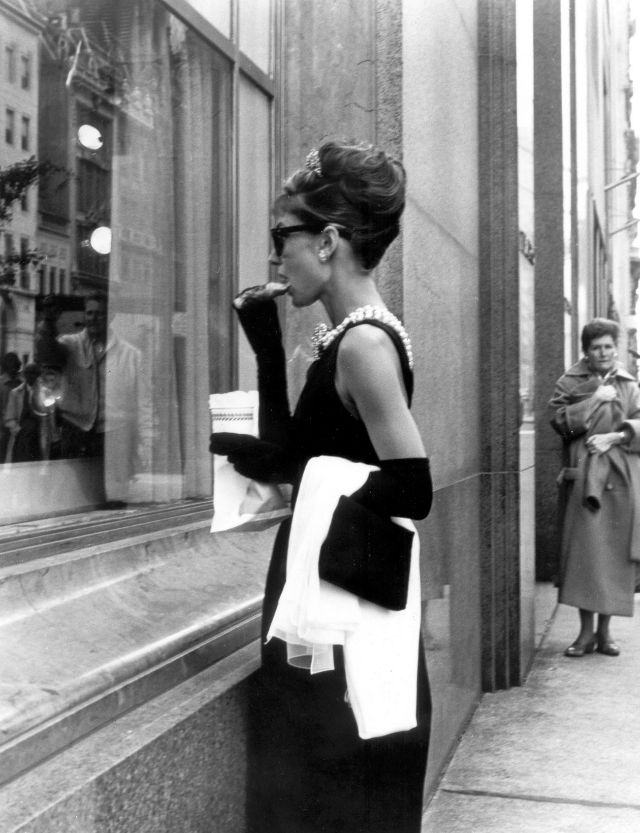
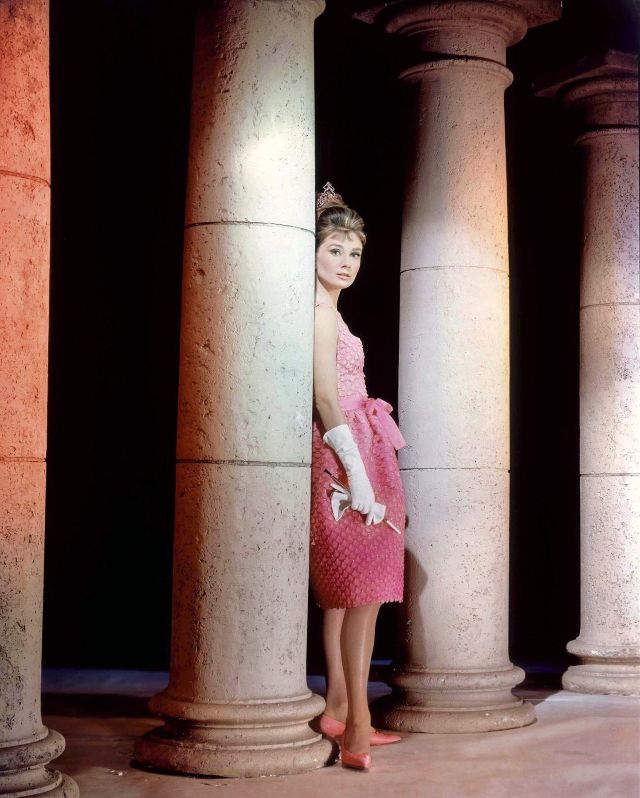
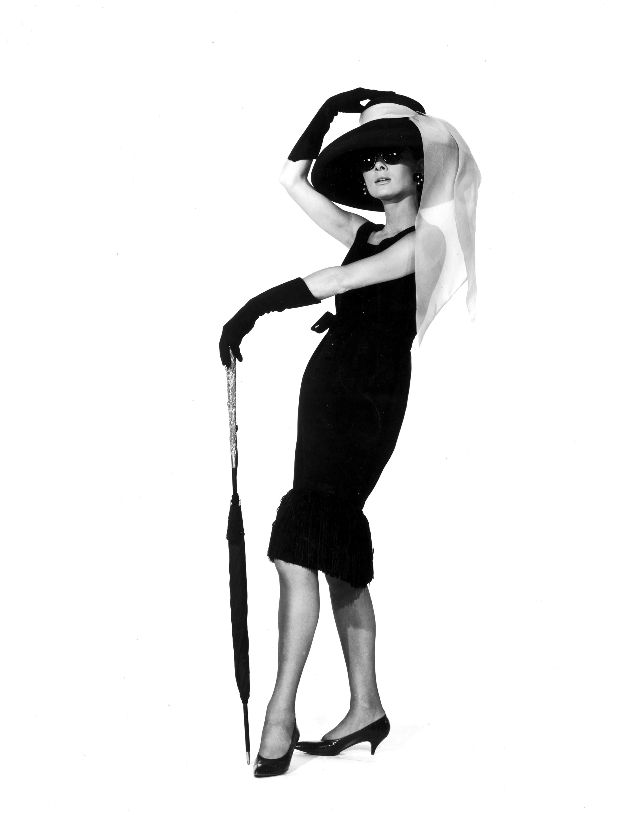
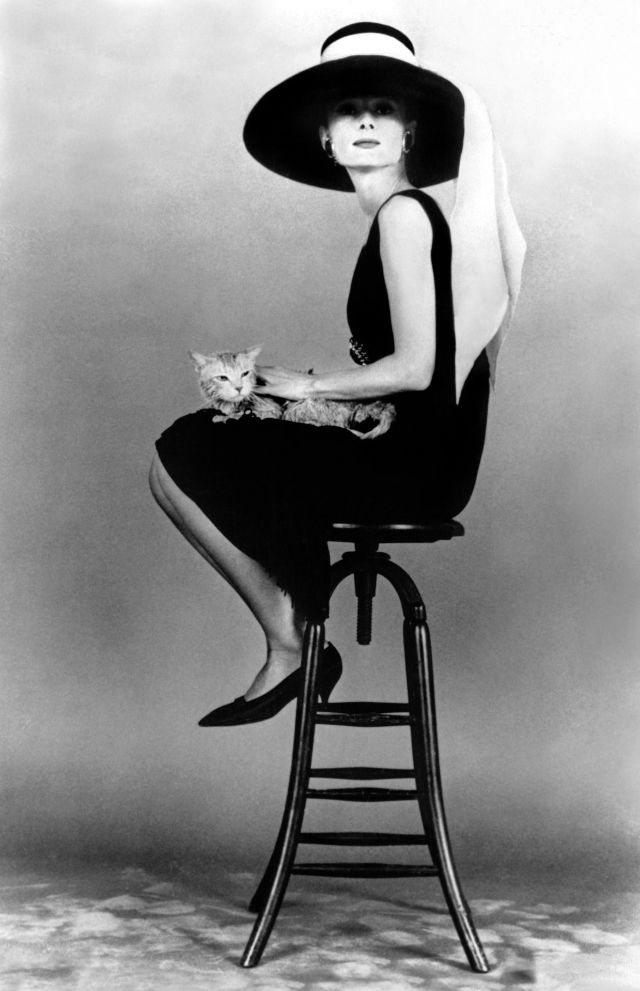
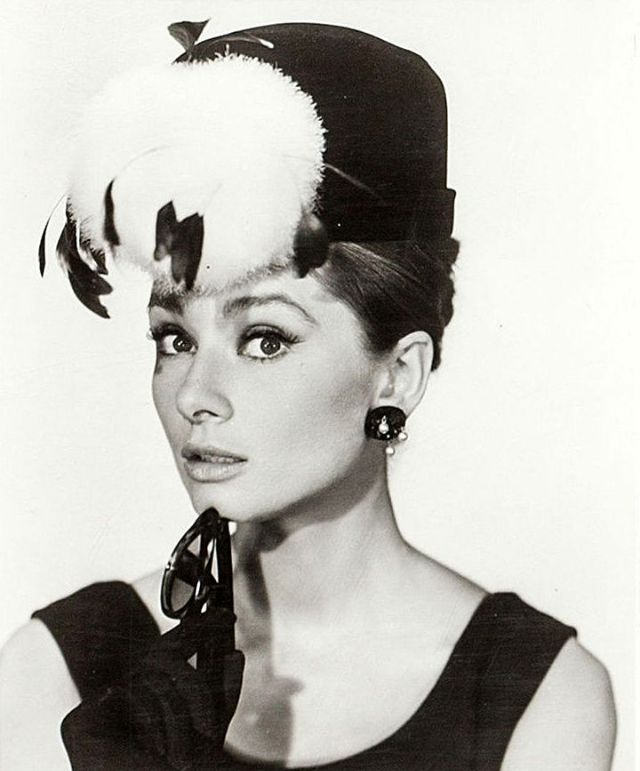
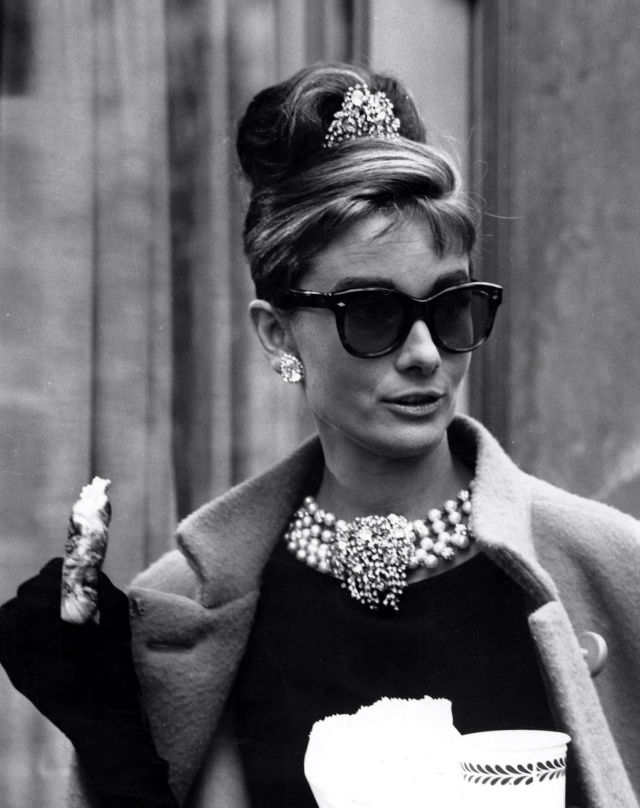
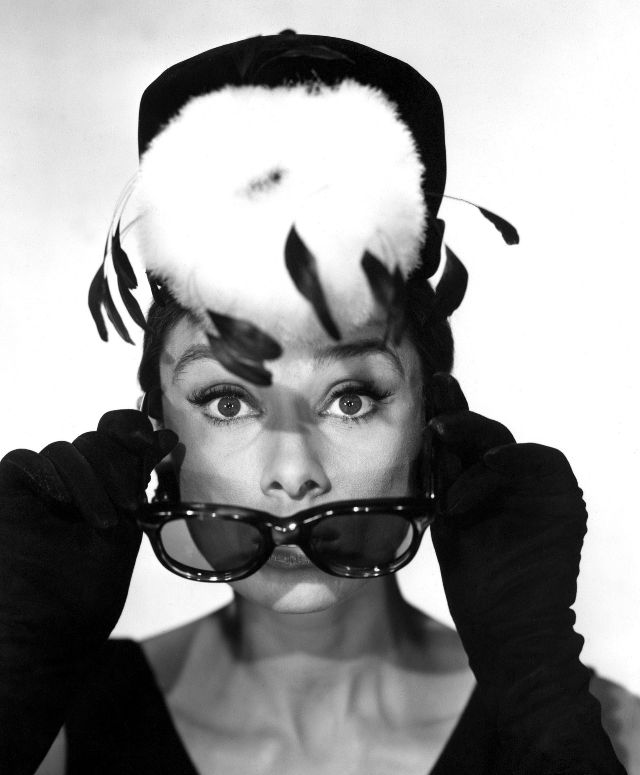
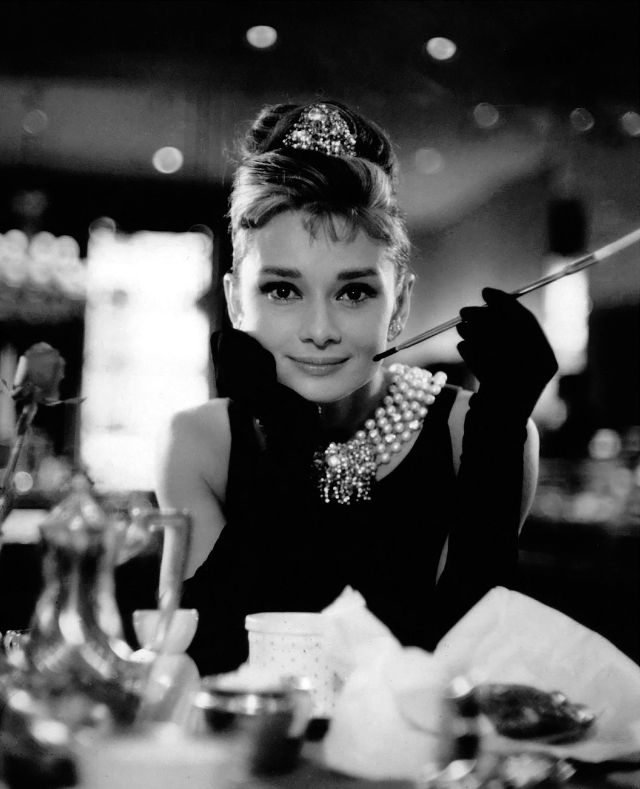
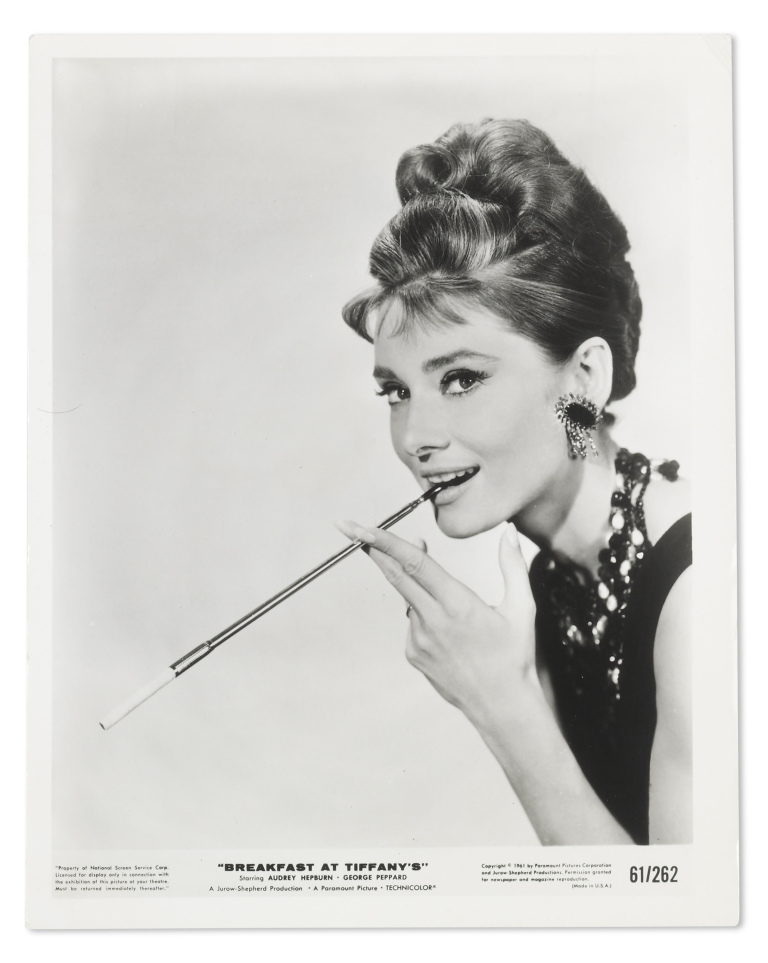
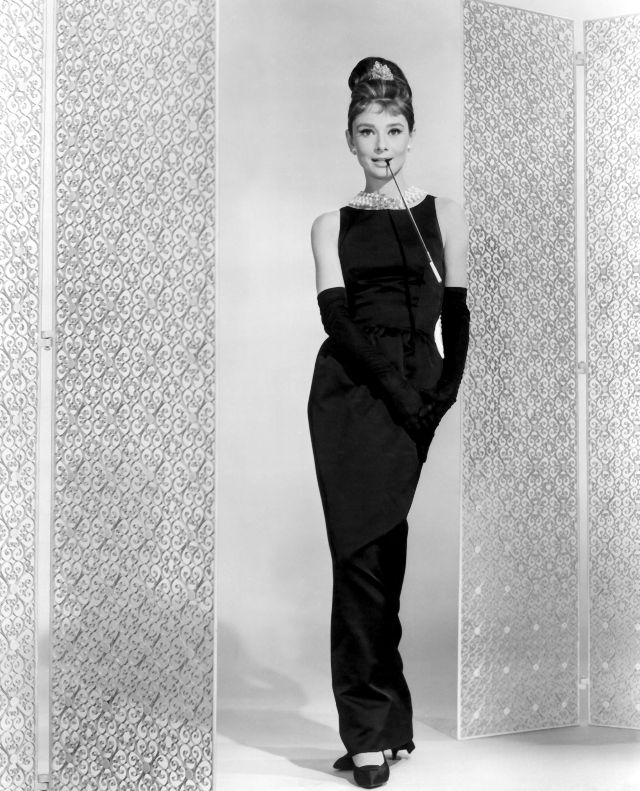
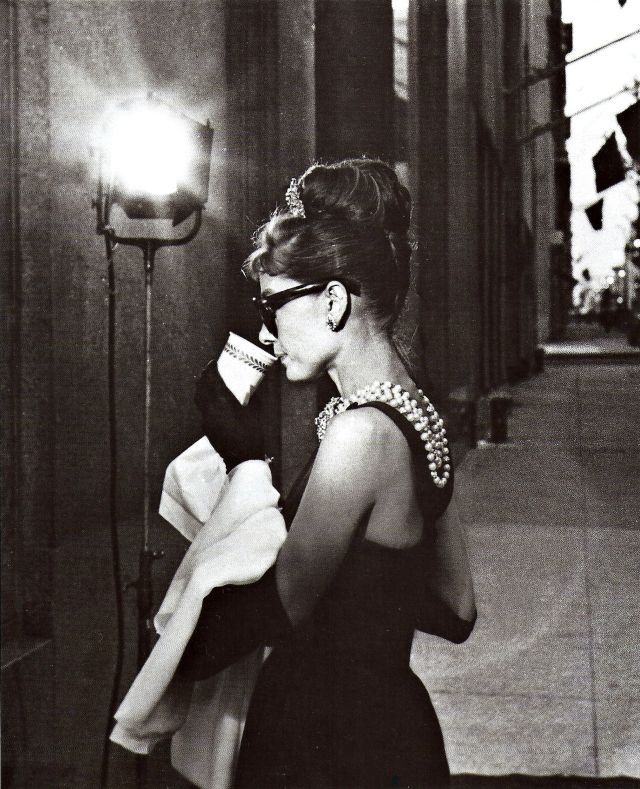
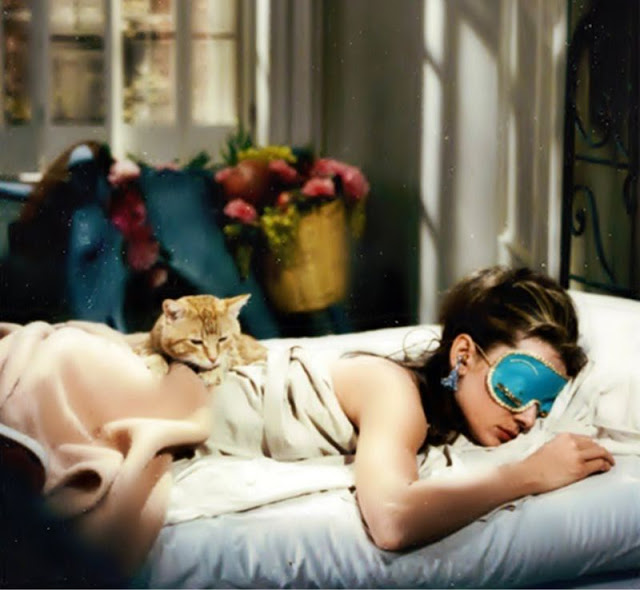
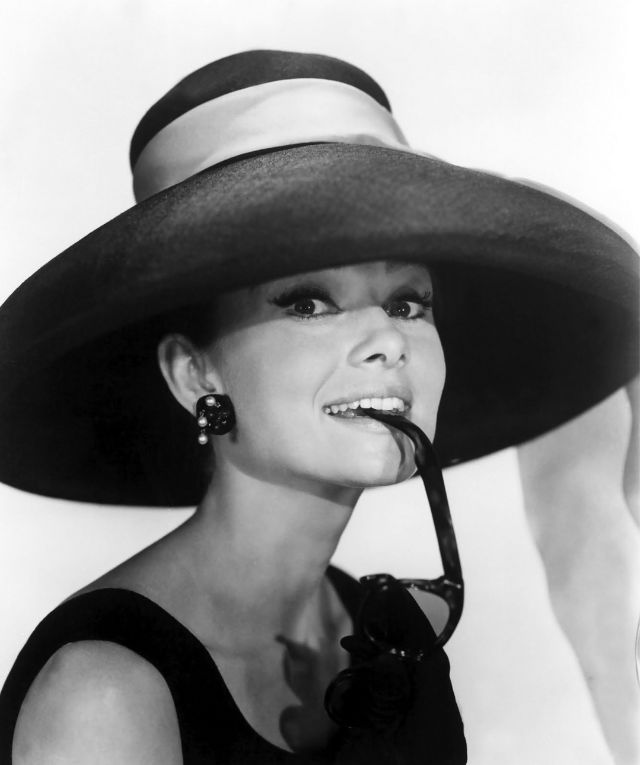
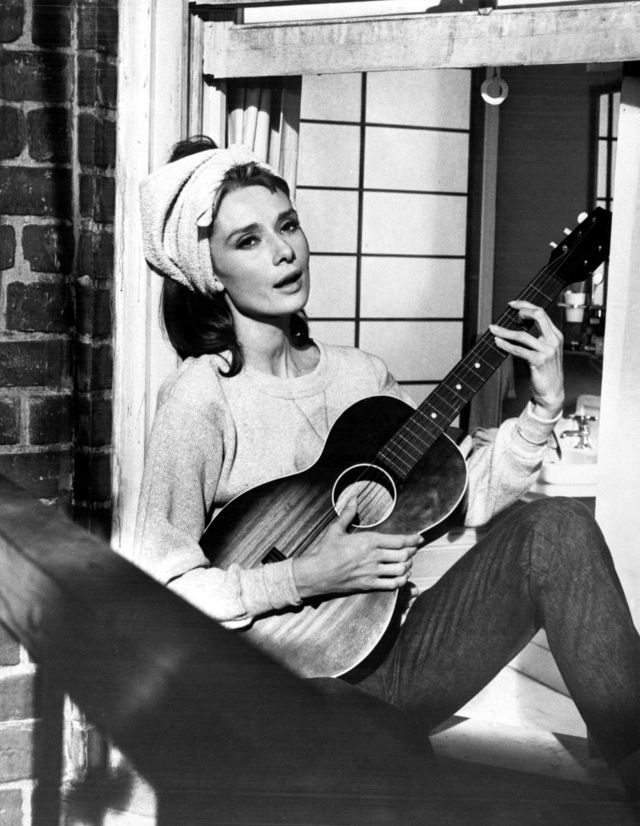
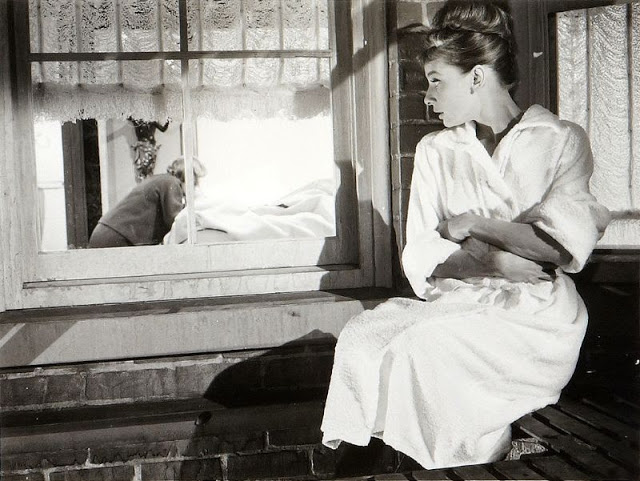
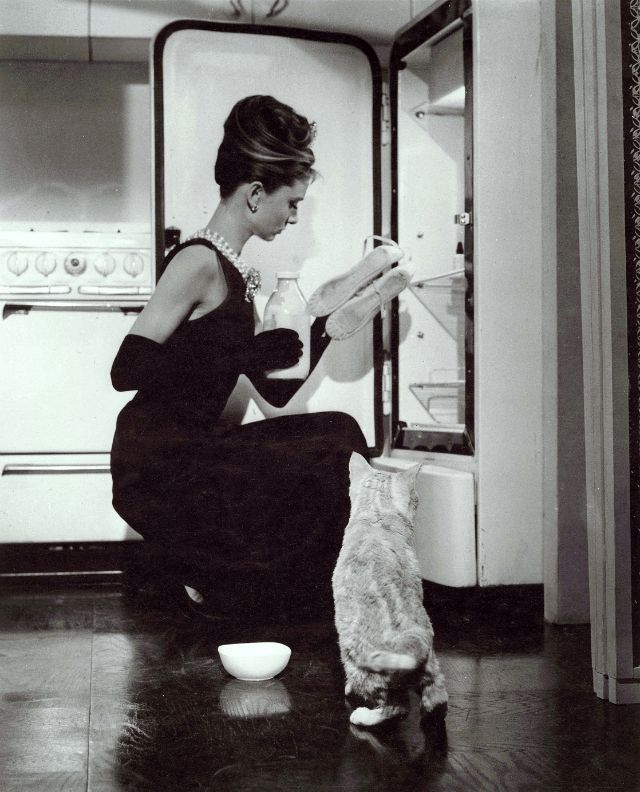
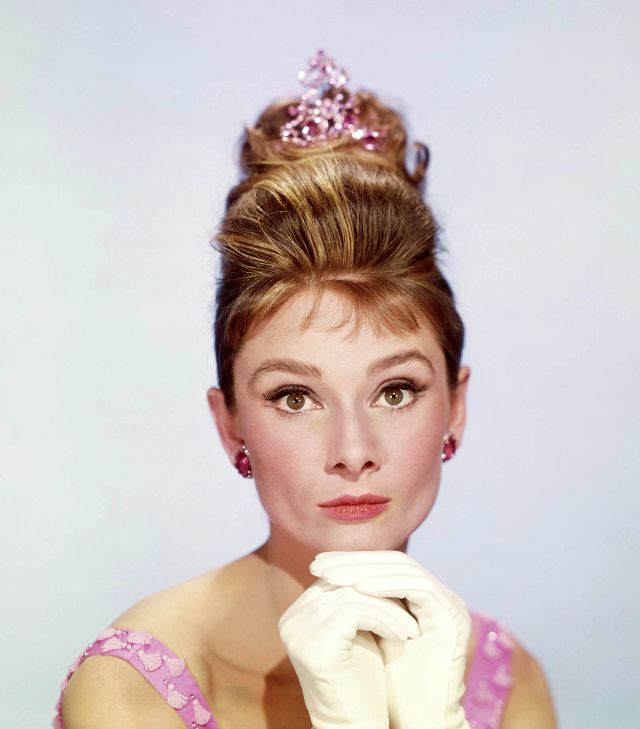
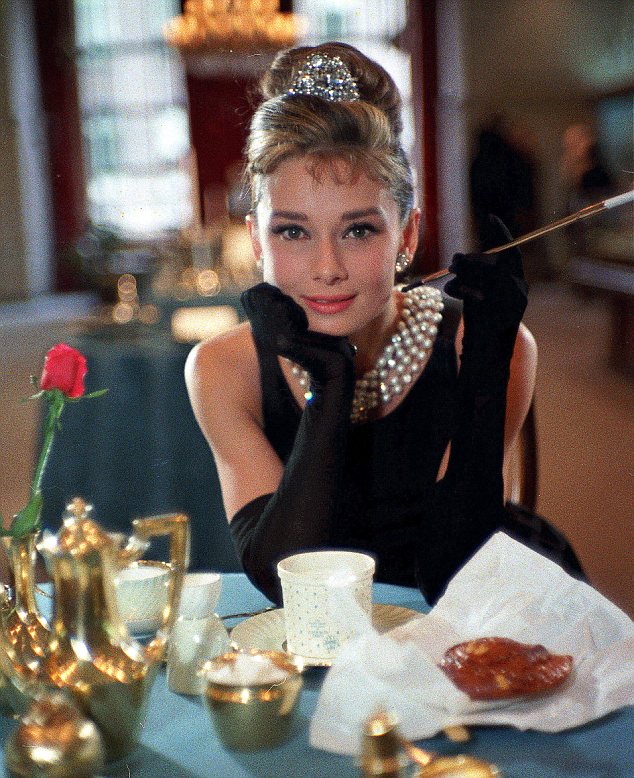
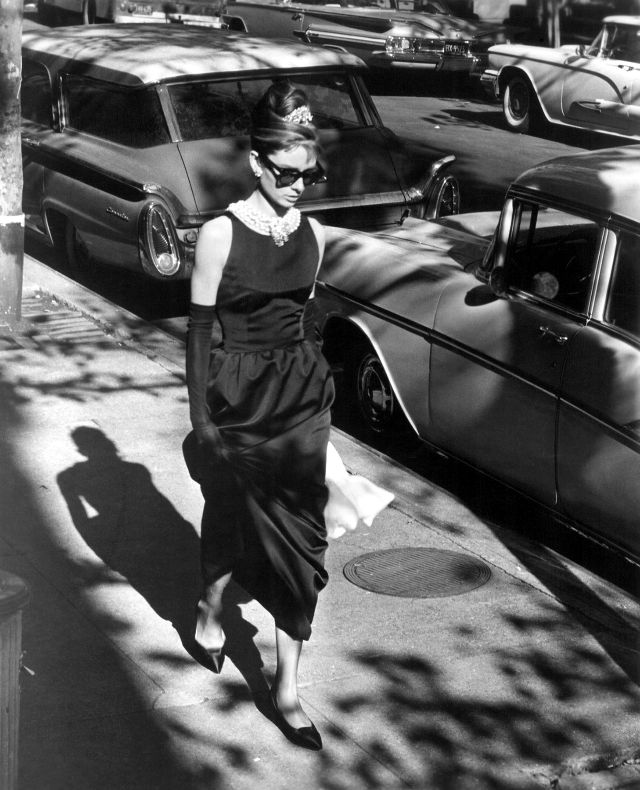
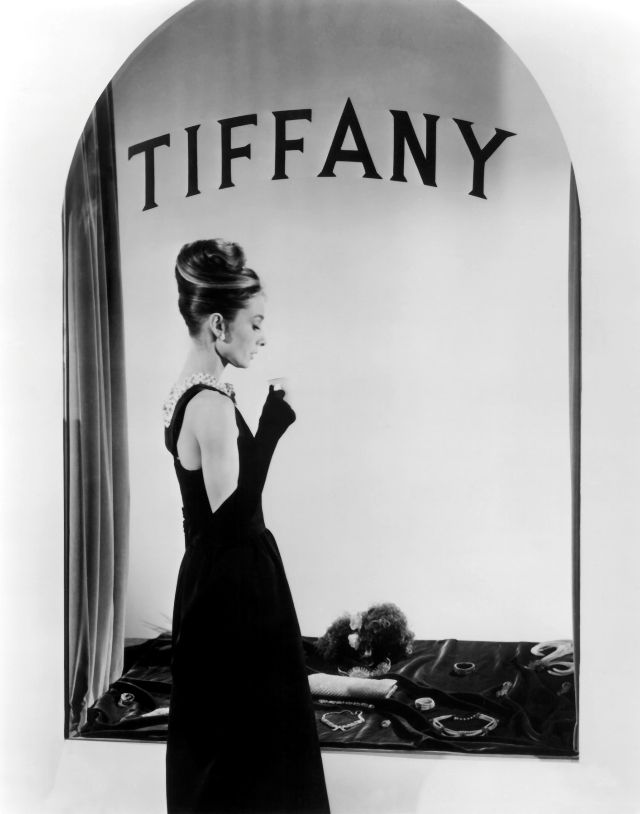
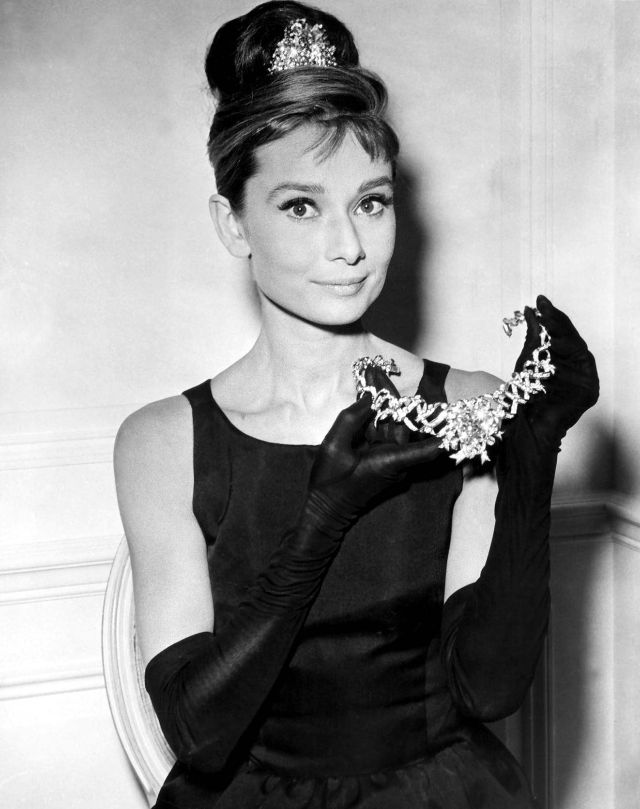
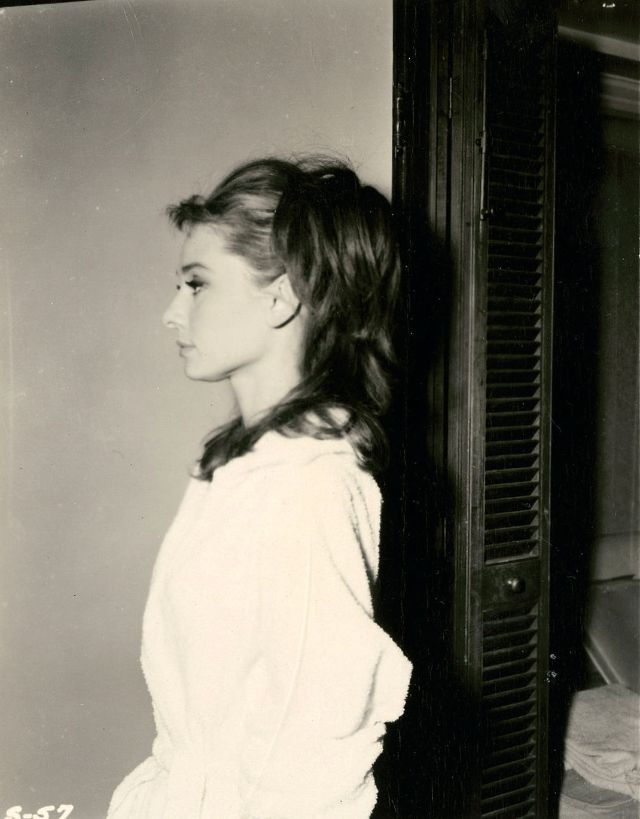
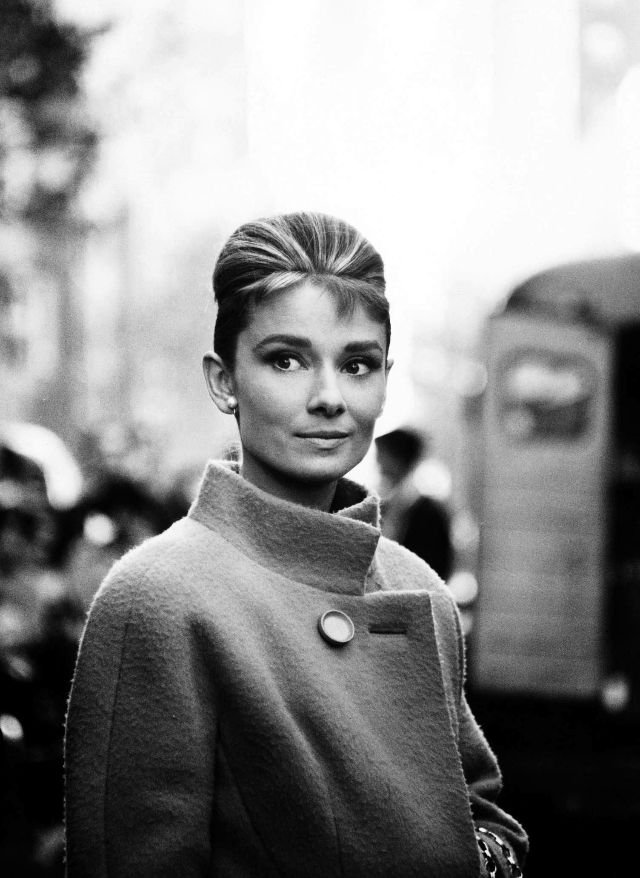
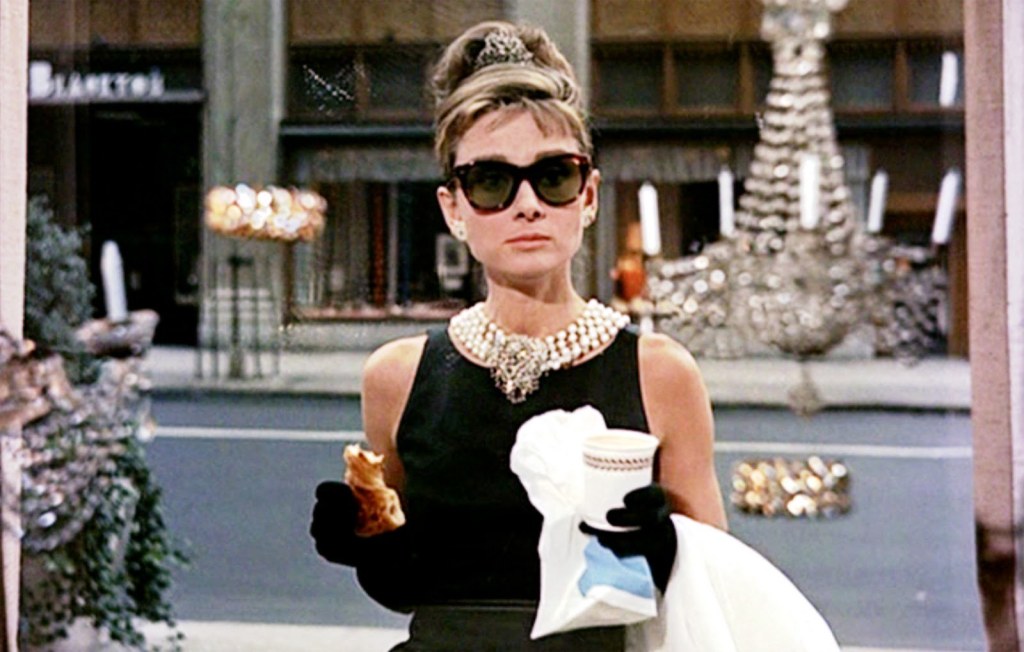
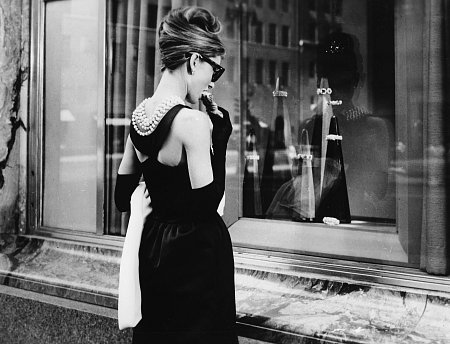
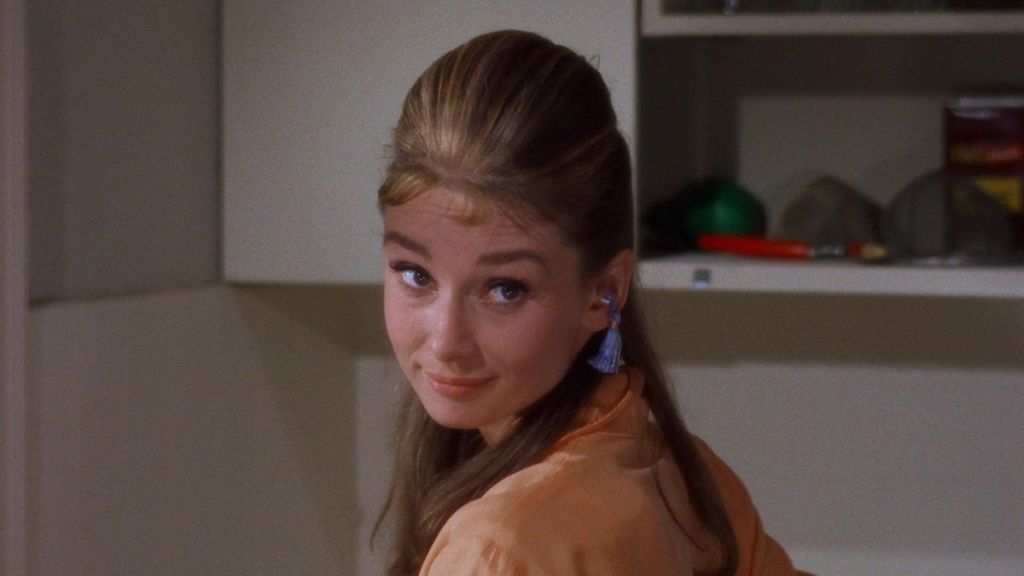
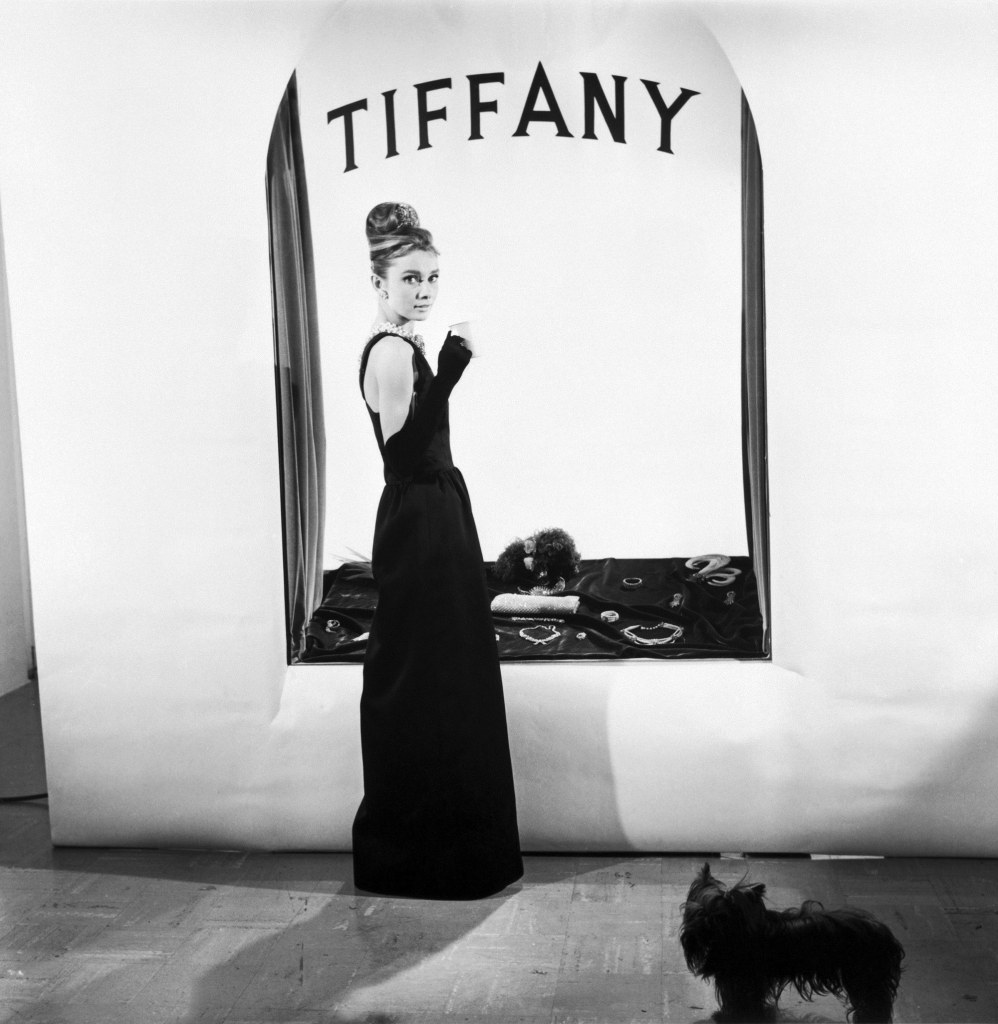
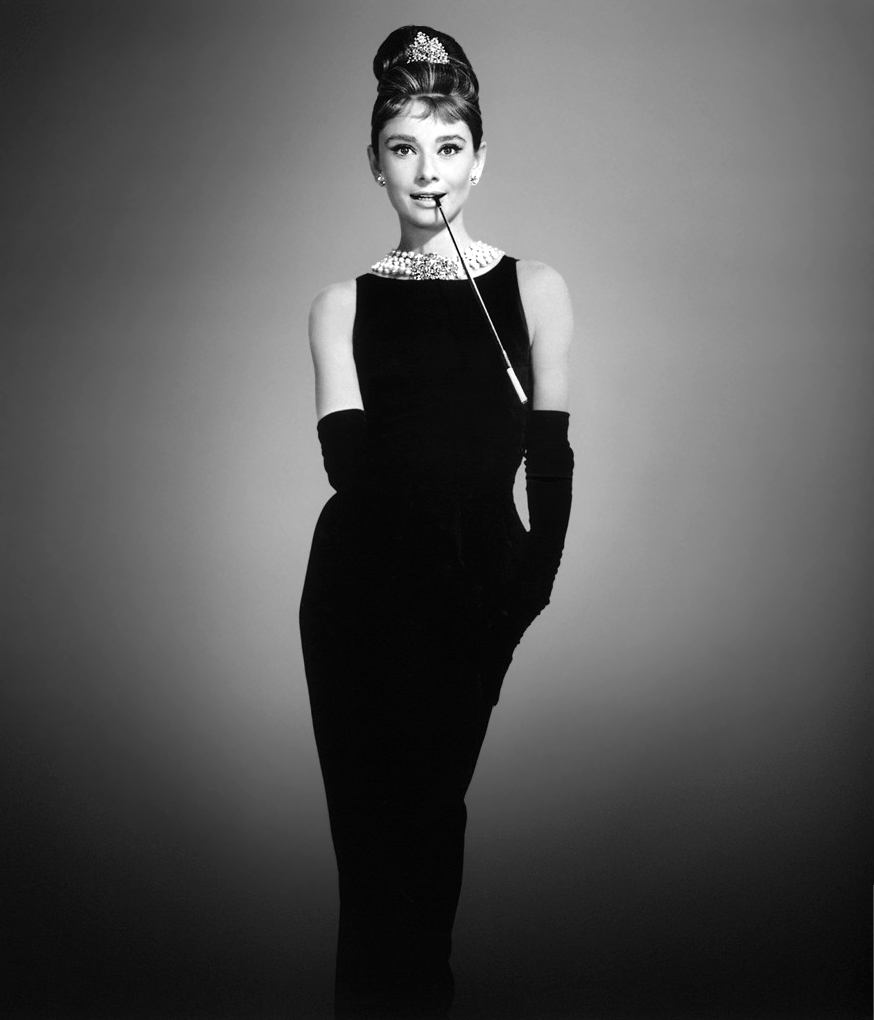
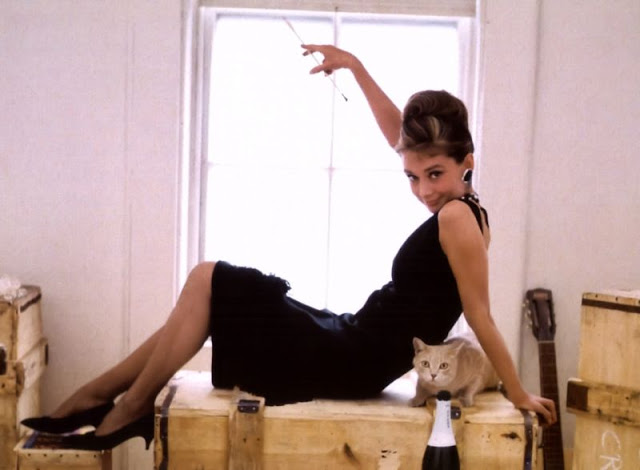
50 Beautiful Photos That Show Fashion Styles of Audrey Hepburn in “Breakfast at Tiffany’s”, 1961

Breakfast at Tiffany’s is a 1961 American romantic comedy film directed by Blake Edwards, written by George Axelrod, adapted from Truman Capote’s 1958 novella of the same name, and starring Audrey Hepburn as Holly Golightly, a naïve, eccentric café society girl who falls in love with a struggling writer (George Peppard). It also featured Patricia Neal, Buddy Ebsen, Martin Balsam, and Mickey Rooney in supporting roles.

Breakfast at Tiffany’s was theatrically released by Paramount Pictures on October 5, 1961, to critical and commercial success, grossing $14 million on a $2.5 million budget. Hepburn’s portrayal of Holly Golightly is generally considered to be one of her most memorable and identifiable roles. She regarded it as one of her most challenging roles, since she was an introvert required to play an extrovert.

The film received five nominations at the 34th Academy Awards: Best Actress (for Hepburn), Best Adapted Screenplay, Best Production Design, winning Best Original Score and Best Original Song for “Moon River”. The film is considered “culturally, historically or aesthetically” significant by the U.S. Library of Congress and was selected to be preserved in the National Film Registry in 2012.

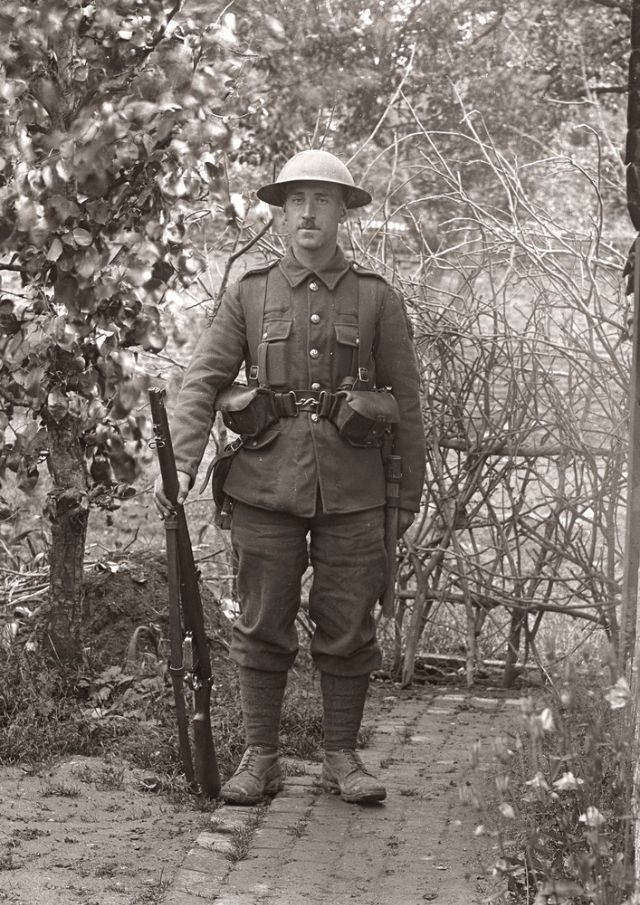
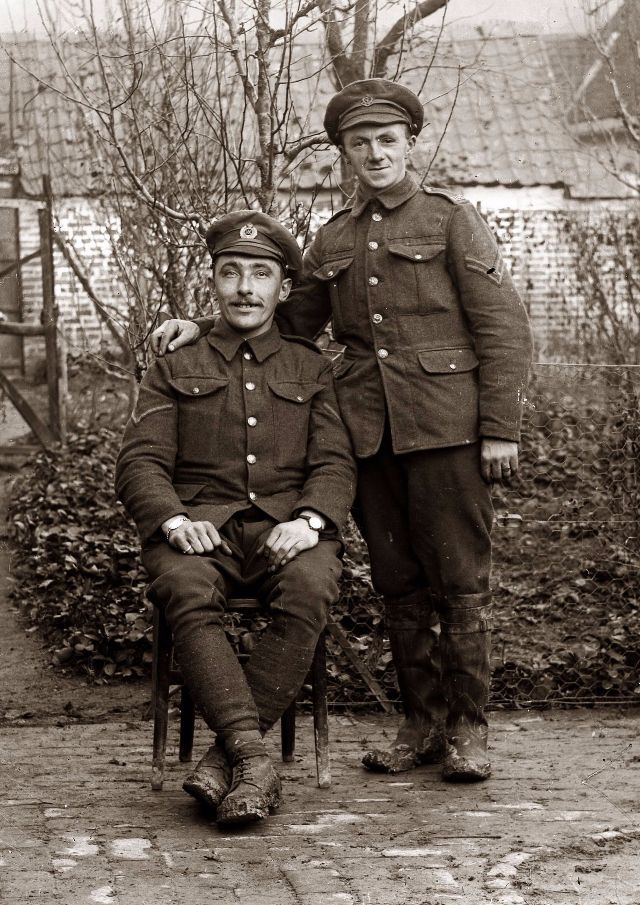
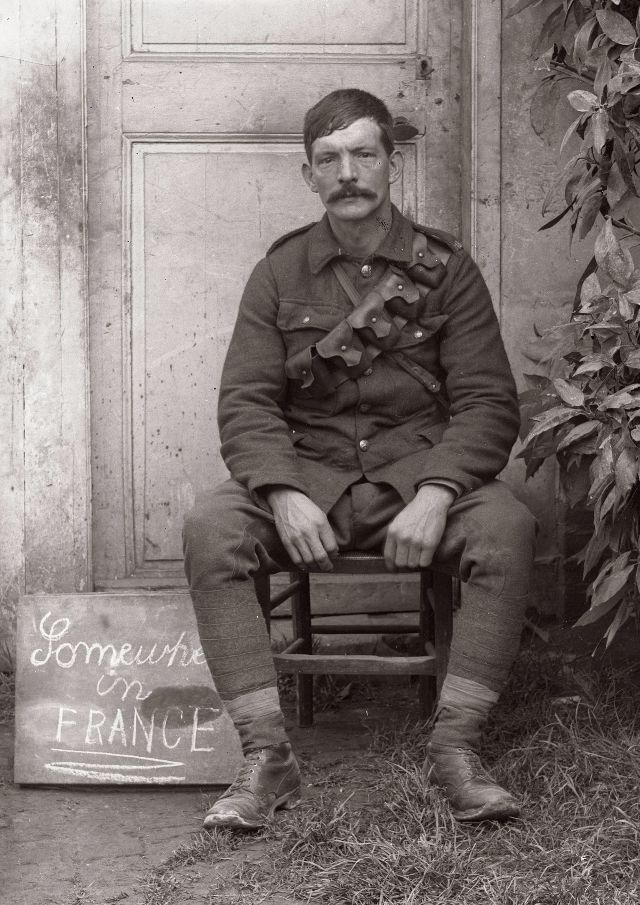
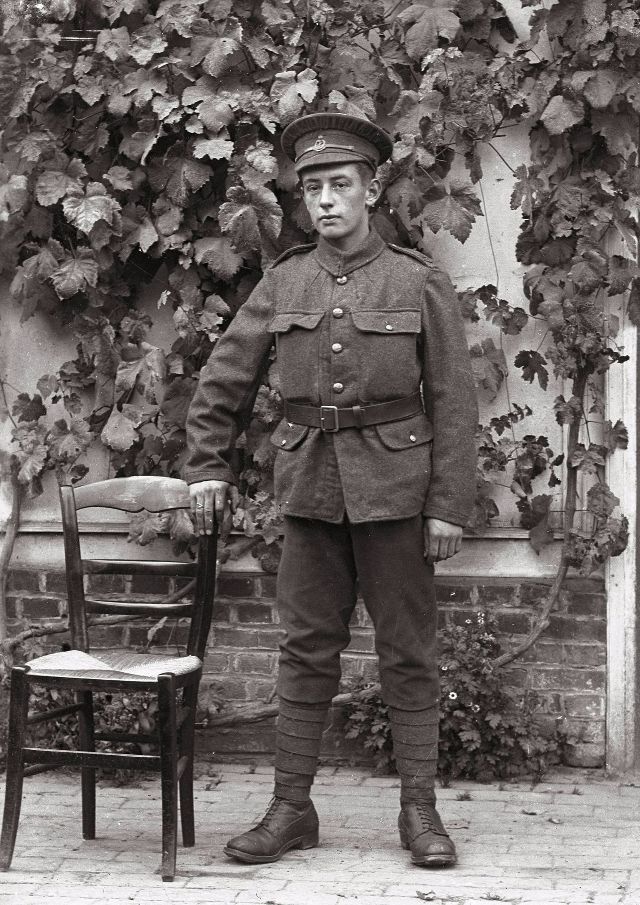
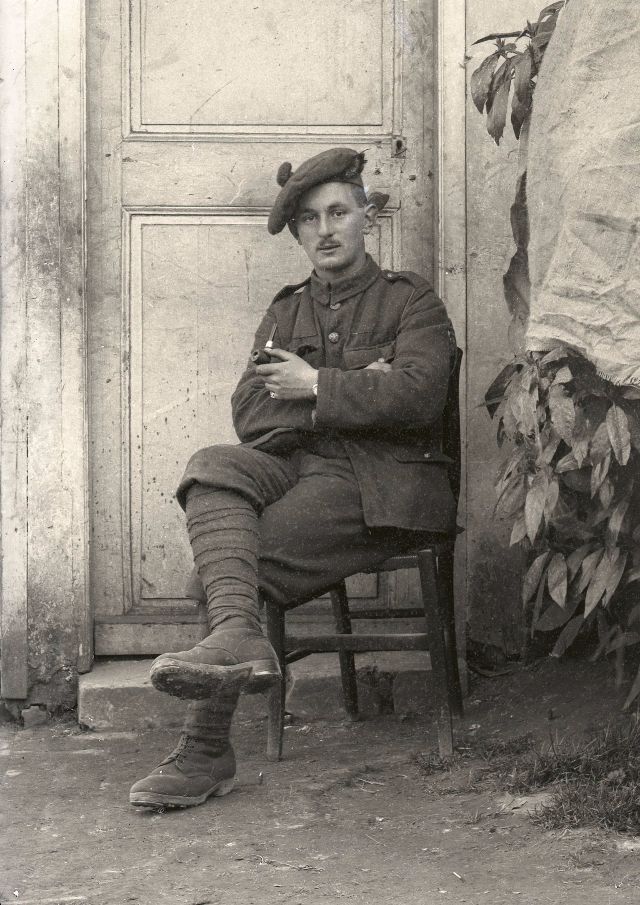
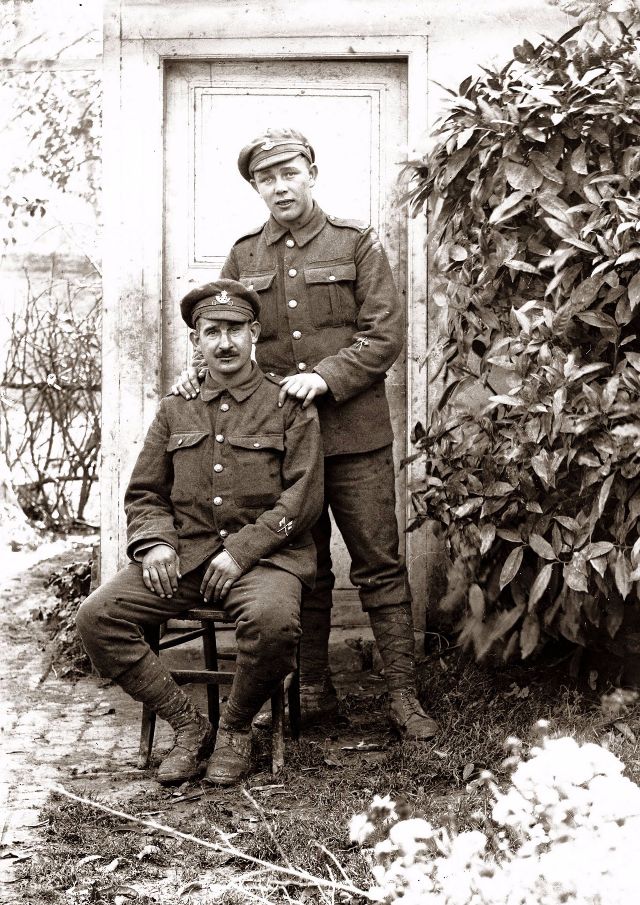
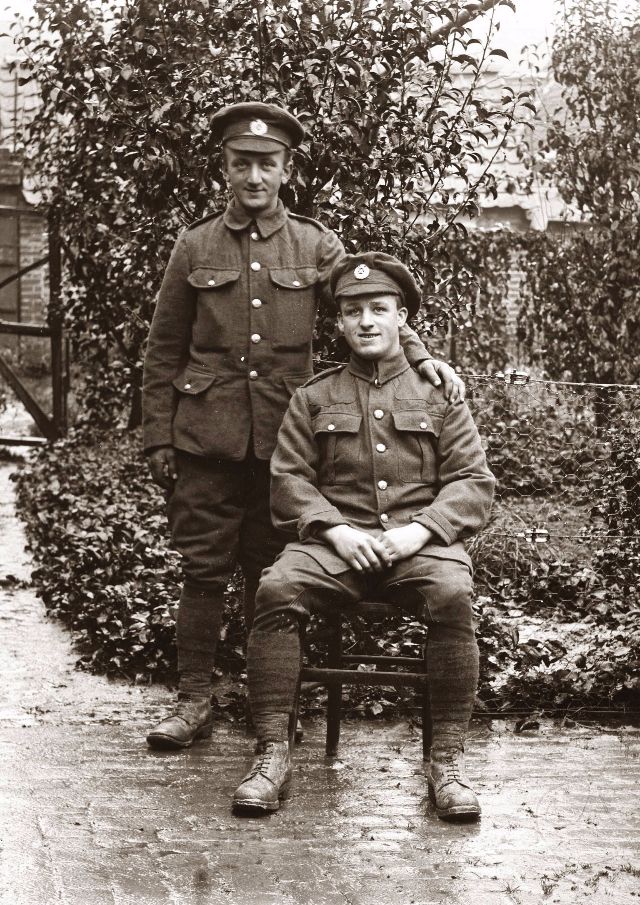
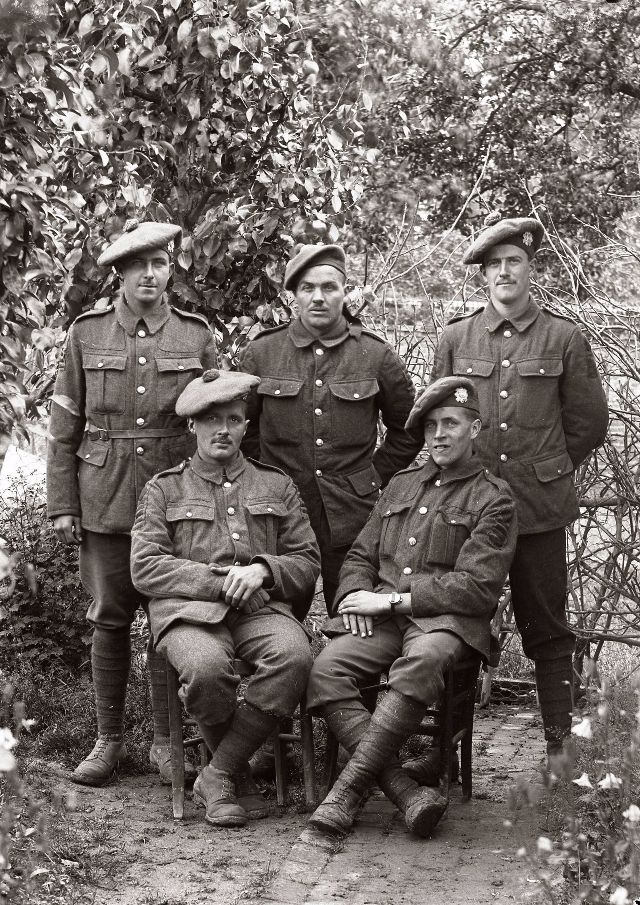
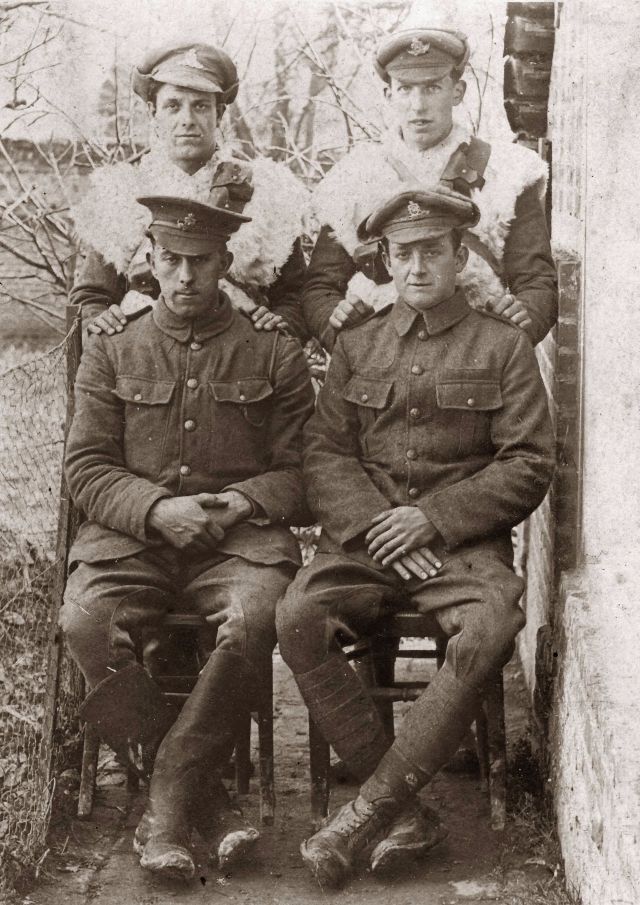
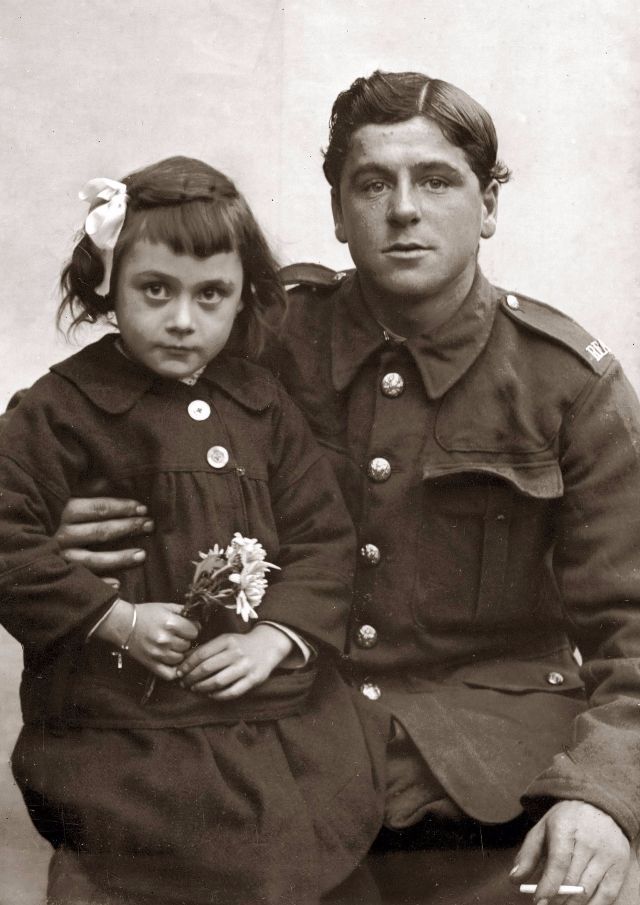
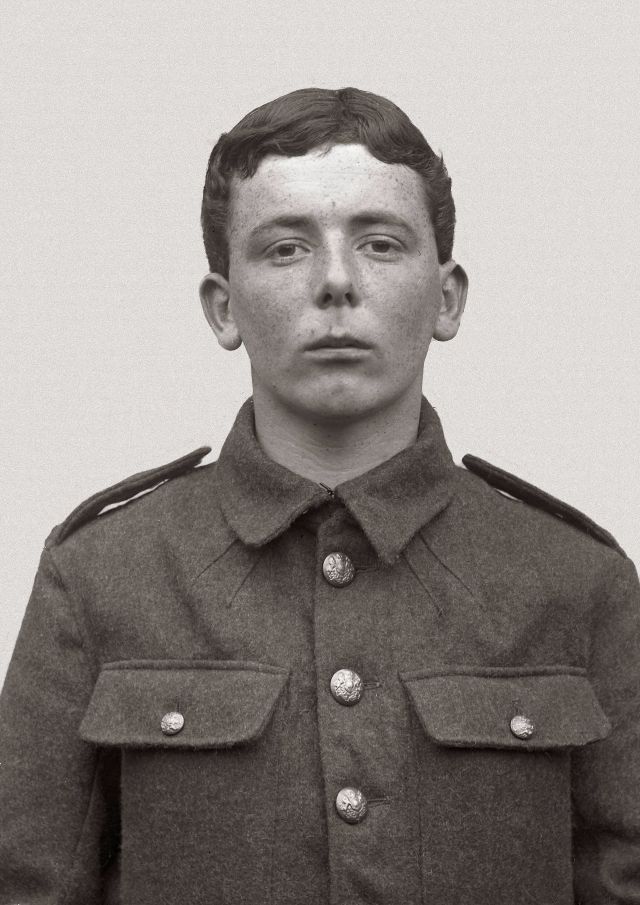
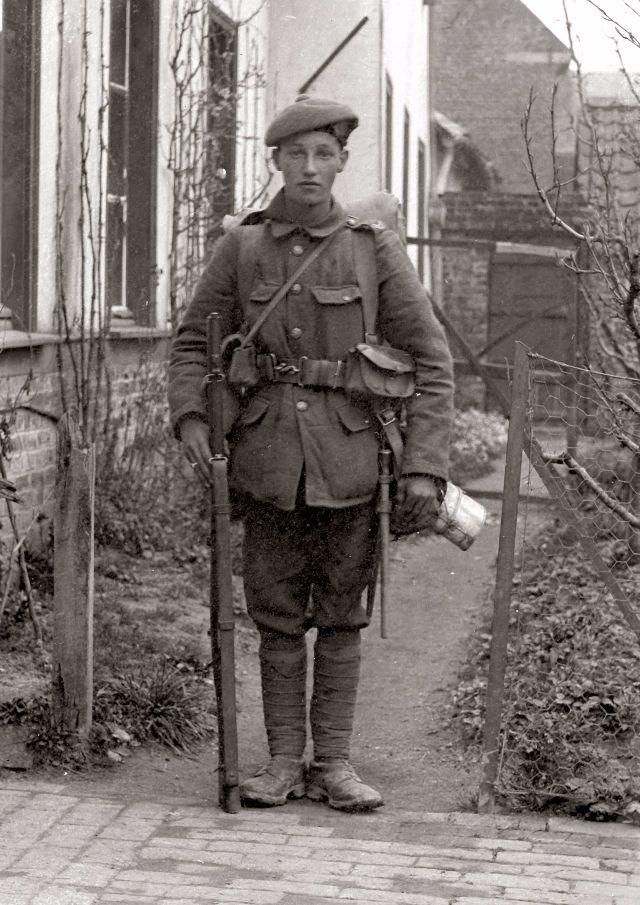
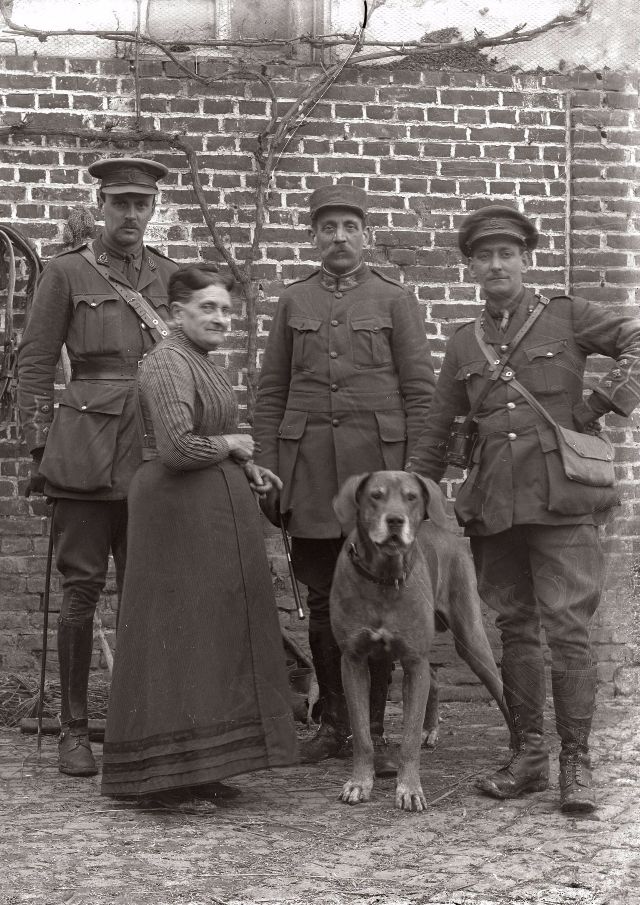
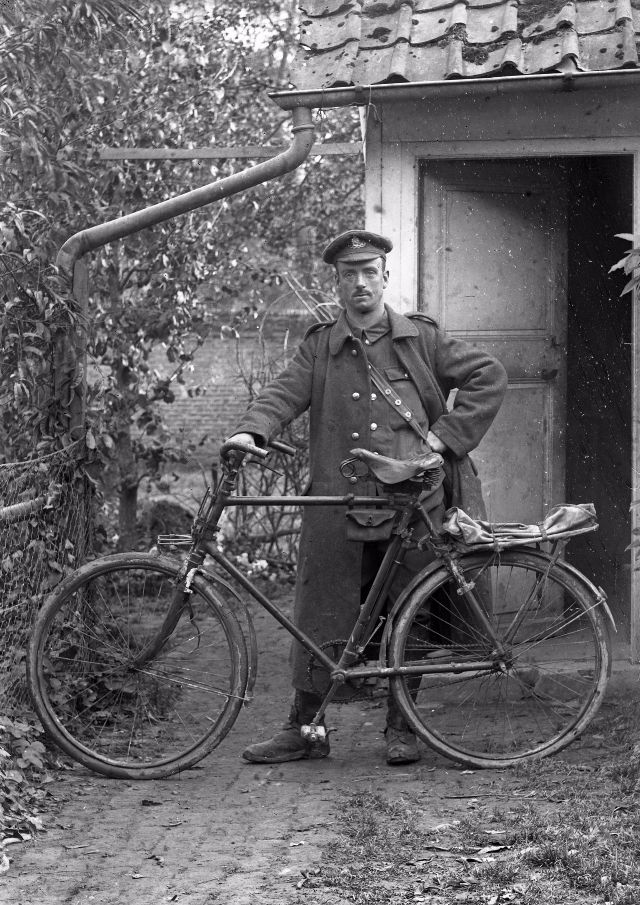
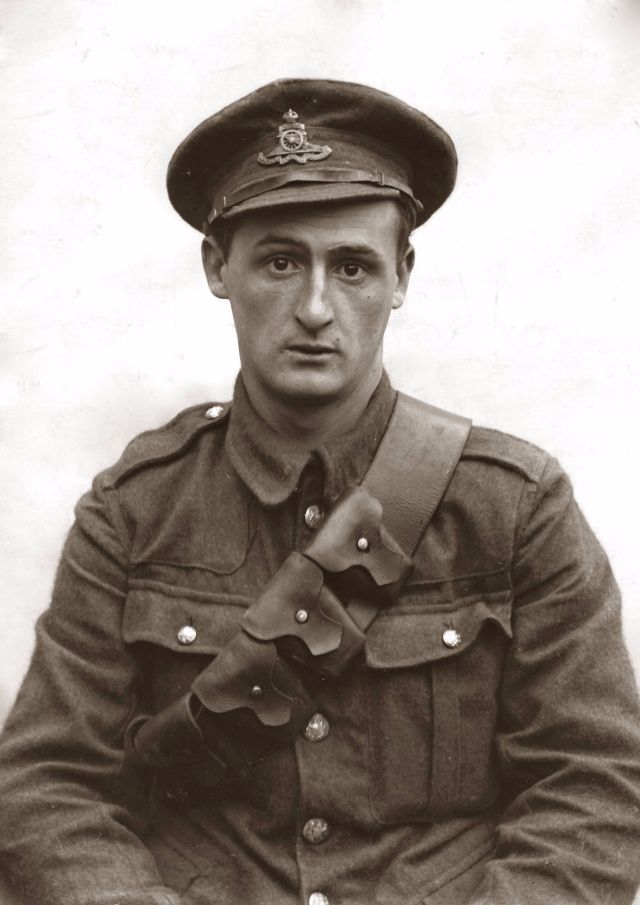
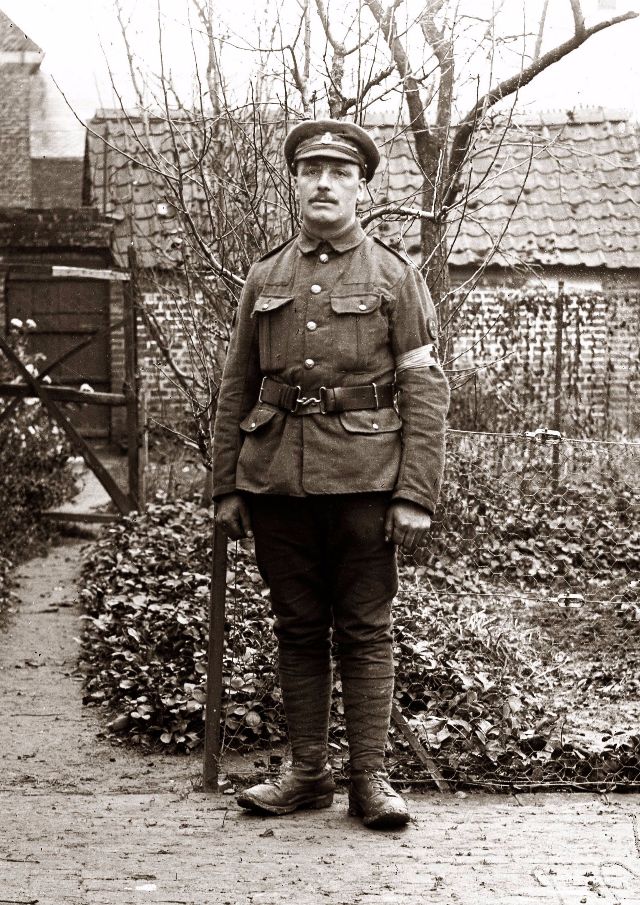
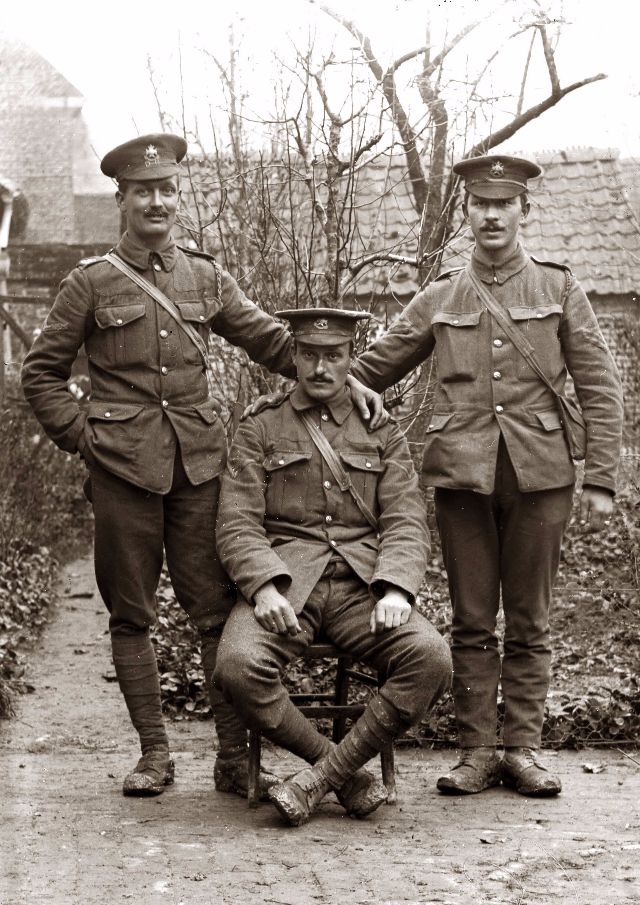
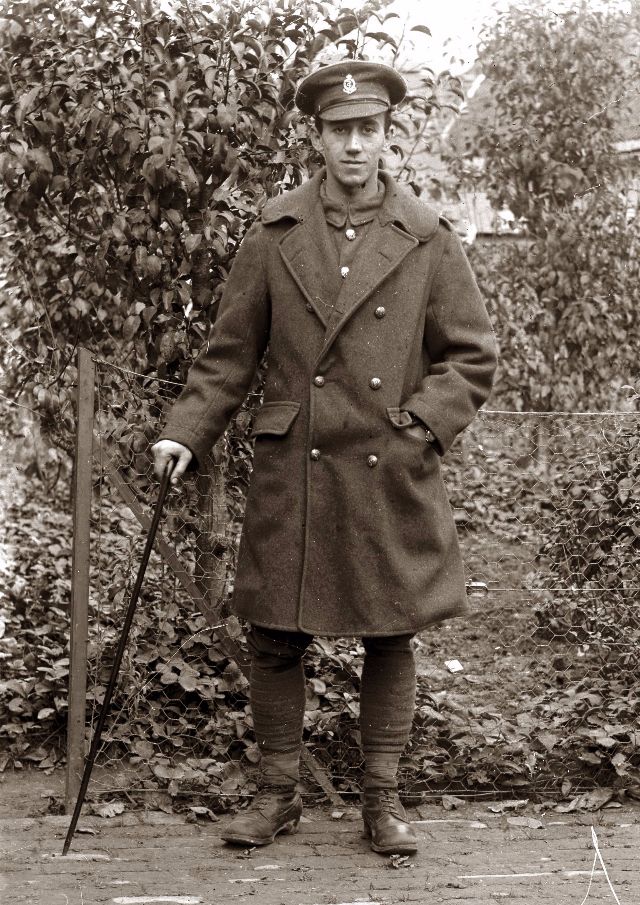
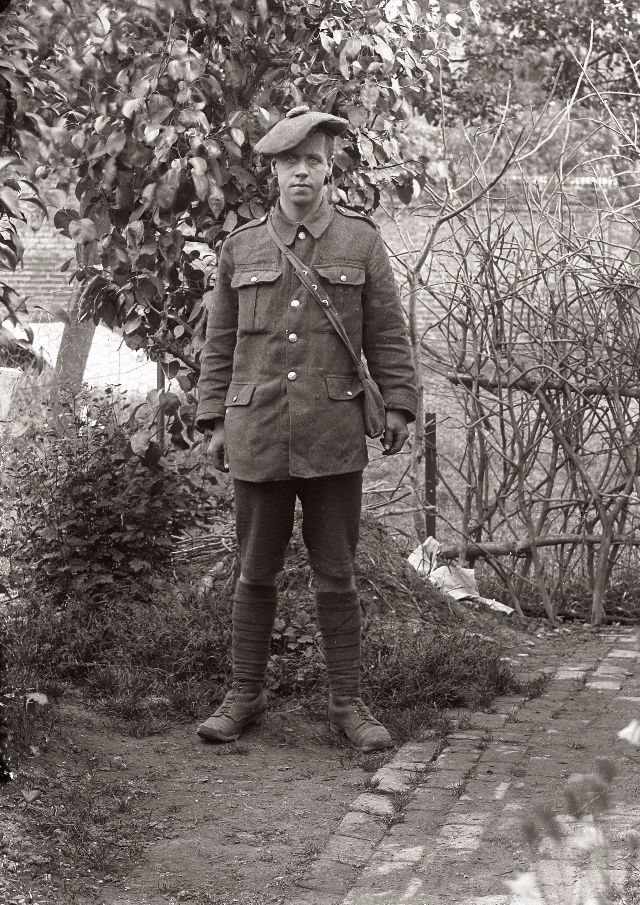
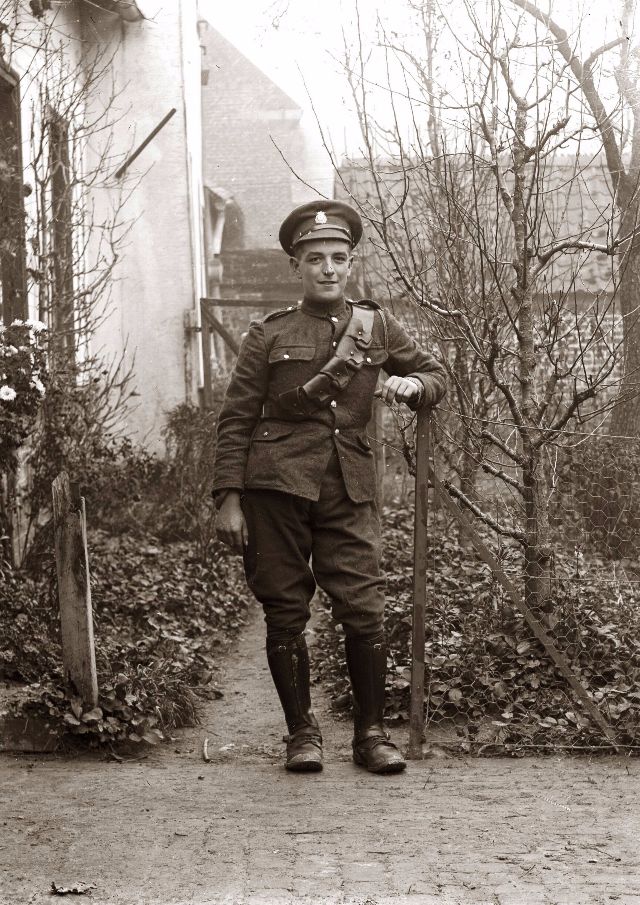
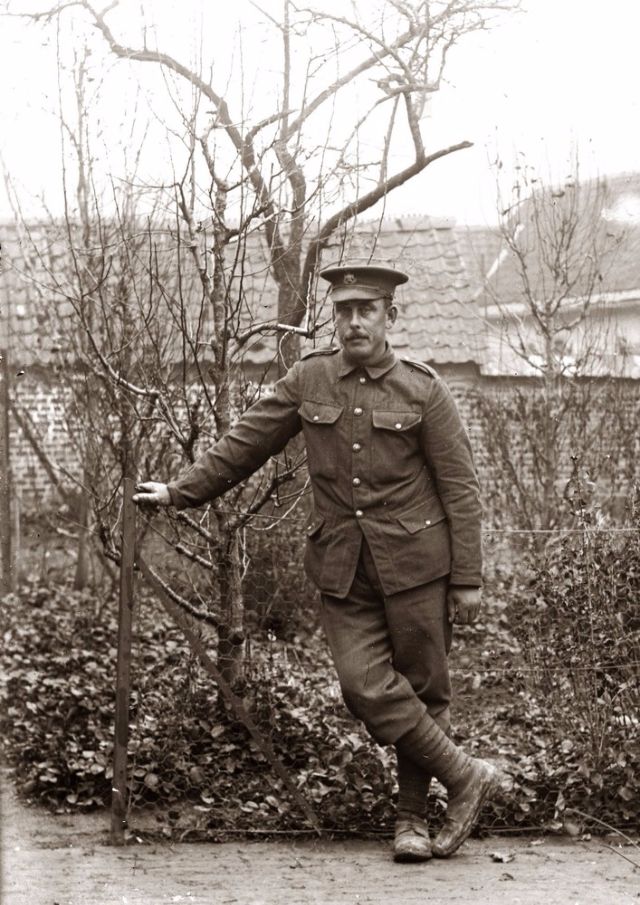
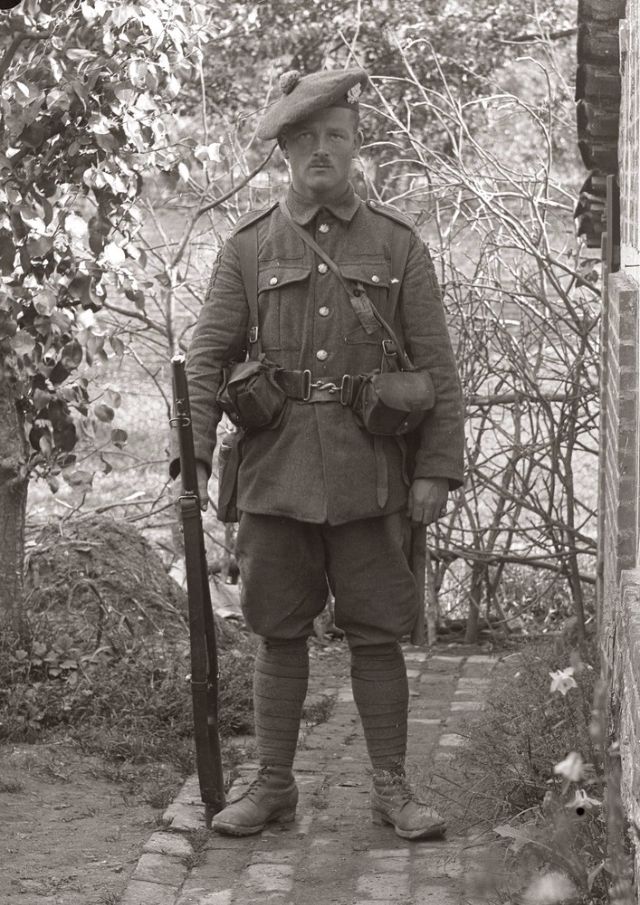
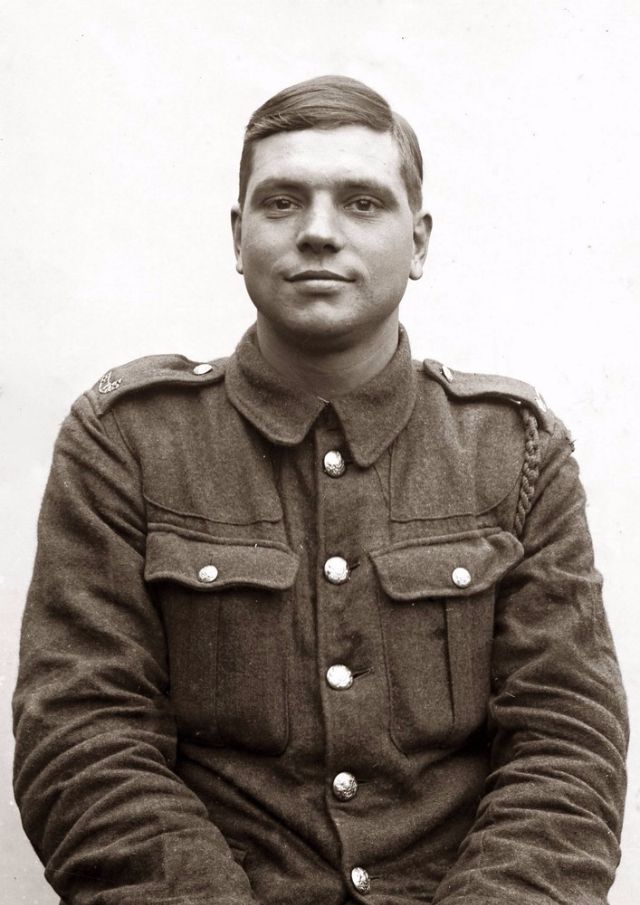
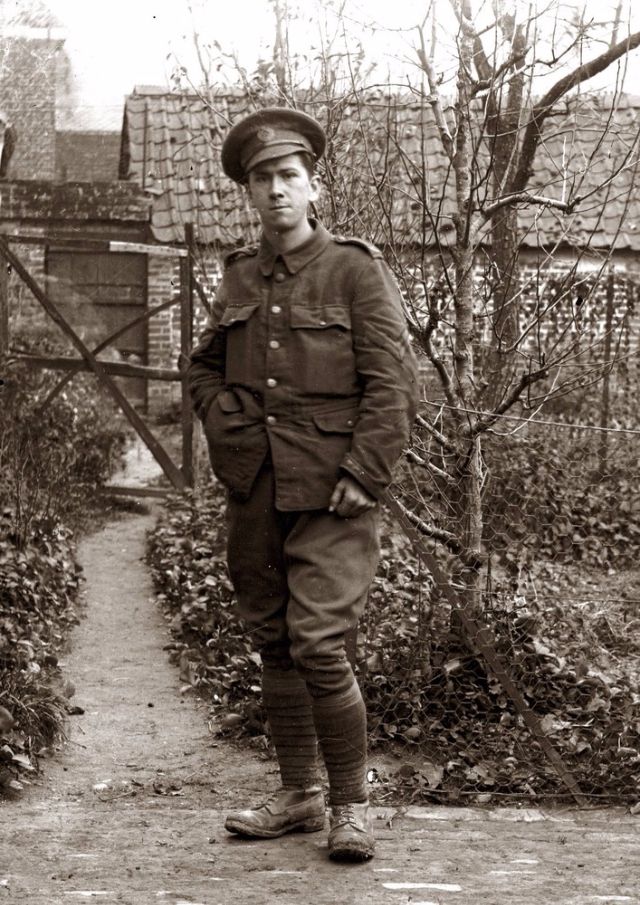
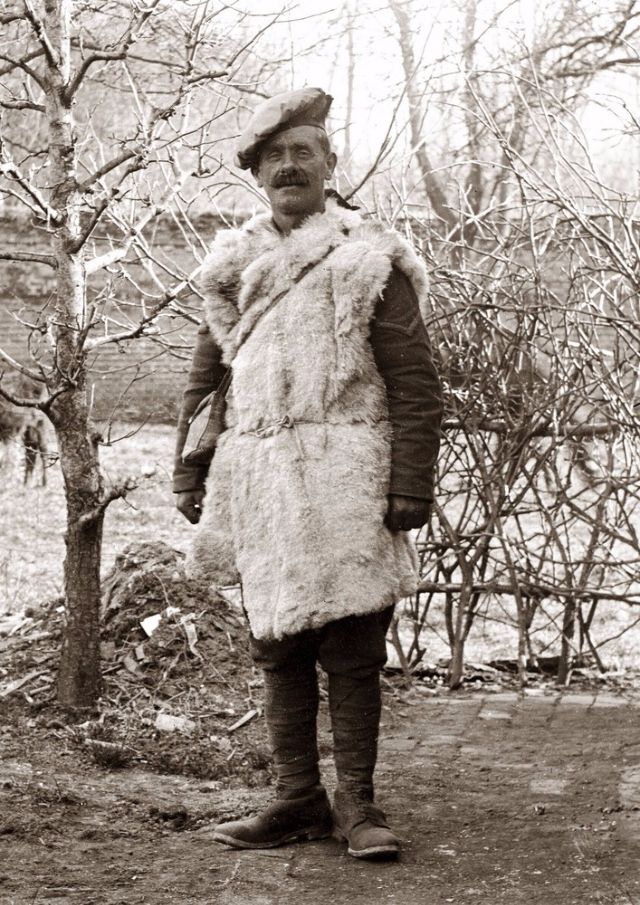
46 Amazing Portrait Photos of British Soldiers during the Great War

For much of the First World War, the small French village of Vignacourt was always behind the front lines – as a staging point, casualty clearing station and recreation area for troops of all nationalities moving up to and then back from the battlefields on the Somme. Here, one enterprising photographer took the opportunity of offering portrait photographs. A century later, his stunning images were discovered, abandoned, in a farm house.

Captured on glass, printed into postcards and posted home, the photographs enabled soldiers to maintain a fragile link with loved ones at home. Just like the selfies of today, the portraits were a mixture of the good and the indifferent, the in-focus and the out-of-focus. The images showed British and a few Australian soldiers, in formal or informal poses, during or just before the most murderous battle in the history of the British Empire.

This collection covers many of the significant aspects of British involvement on the Western Front, from military life to the friendships and bonds formed between the soldiers and civilians. With servicemen from around the world these faces are gathered together for what would become the front line of the Battle of the Somme. Beautifully reproduced, it is a unique collection and a magnificent memorial.

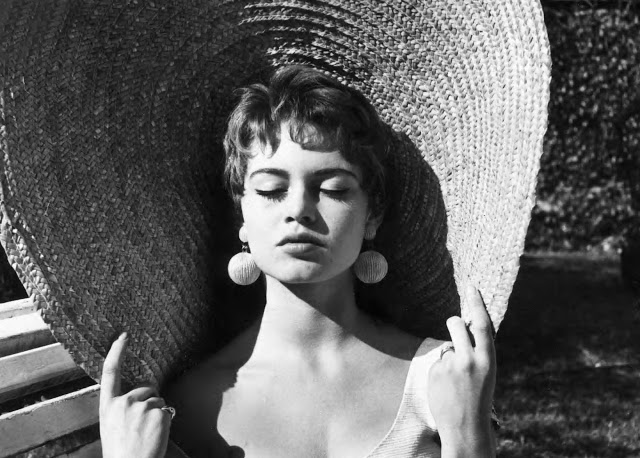
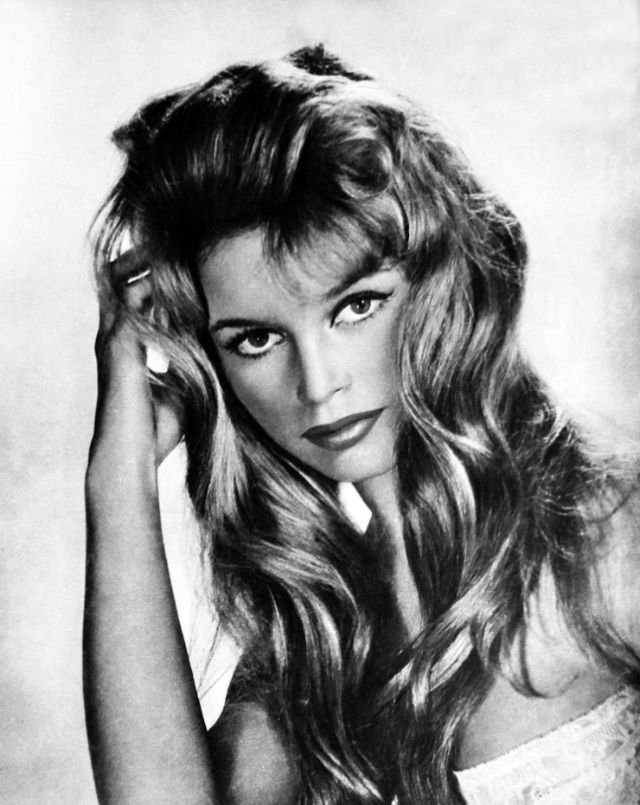
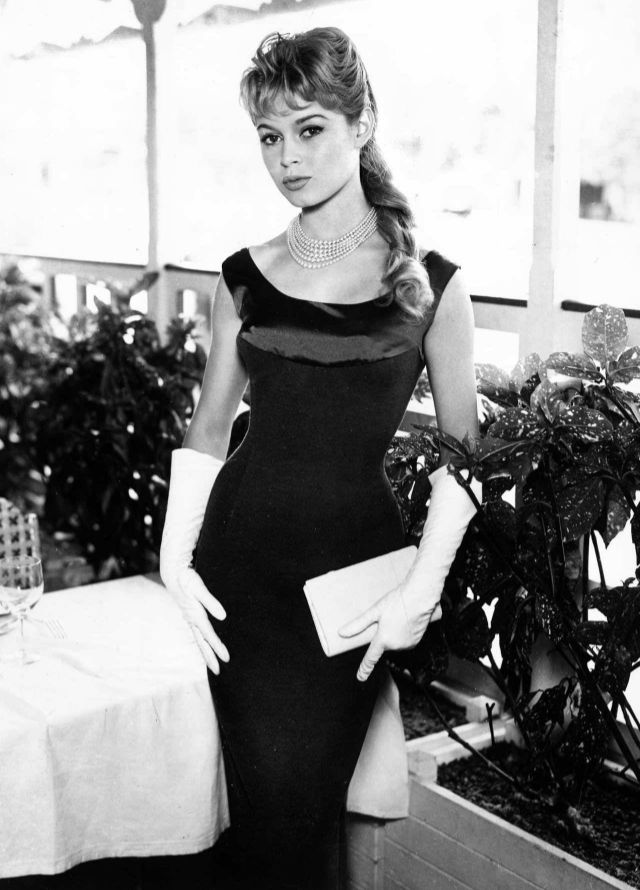
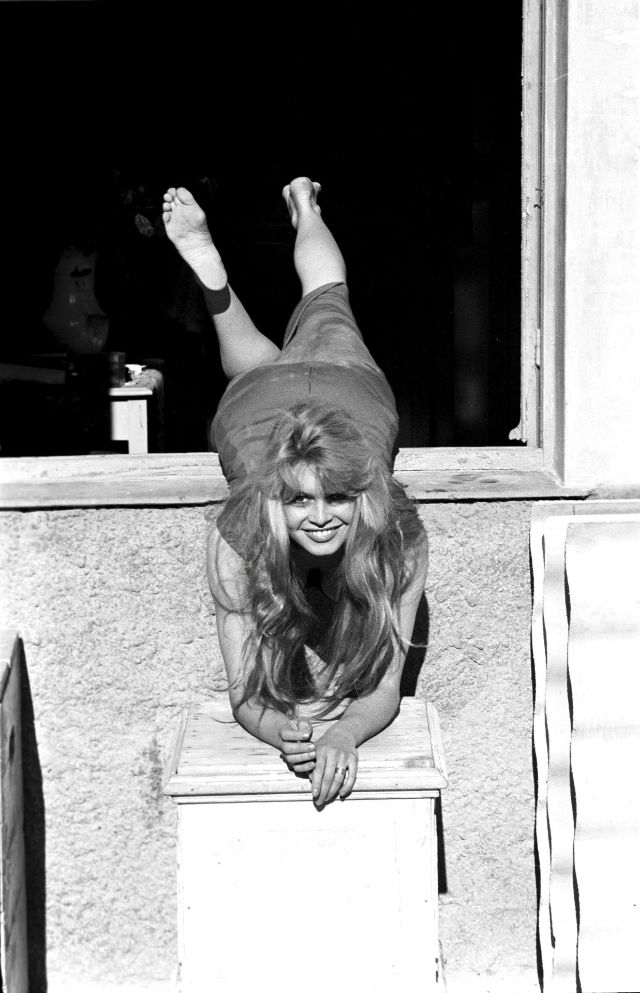
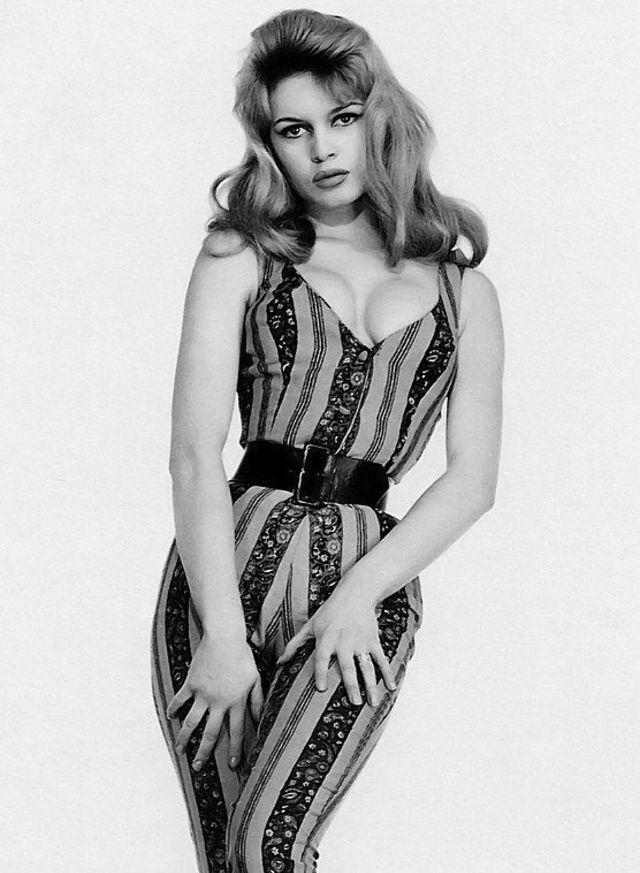
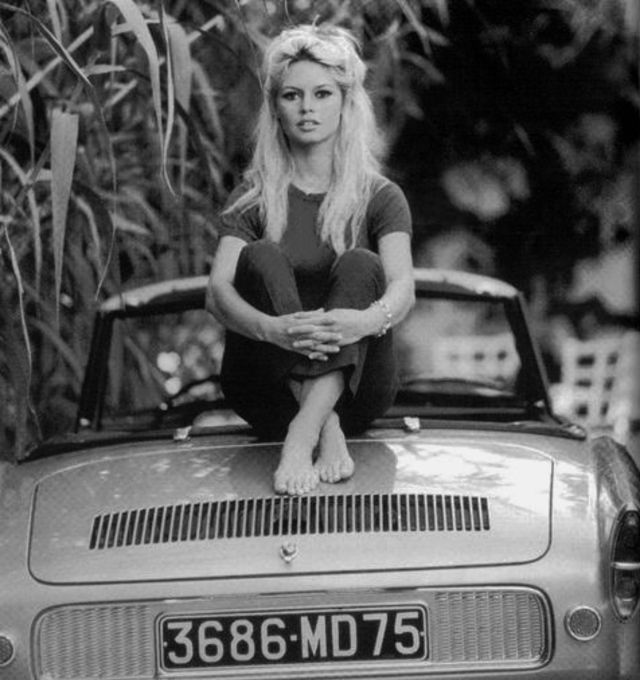
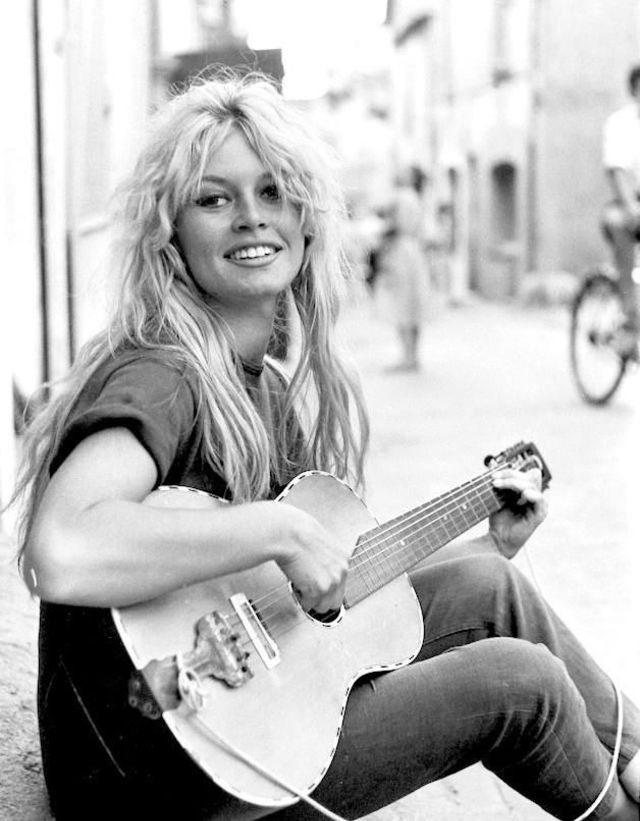
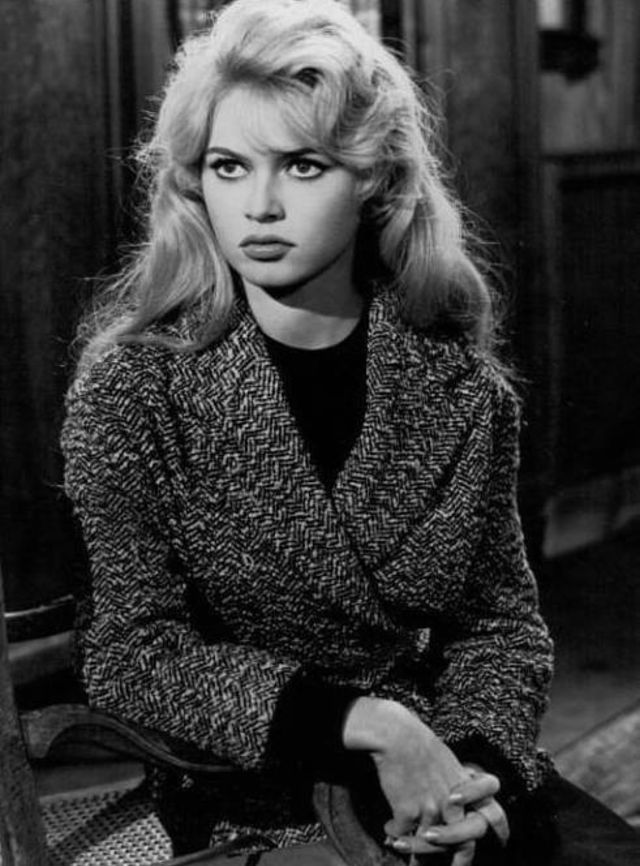
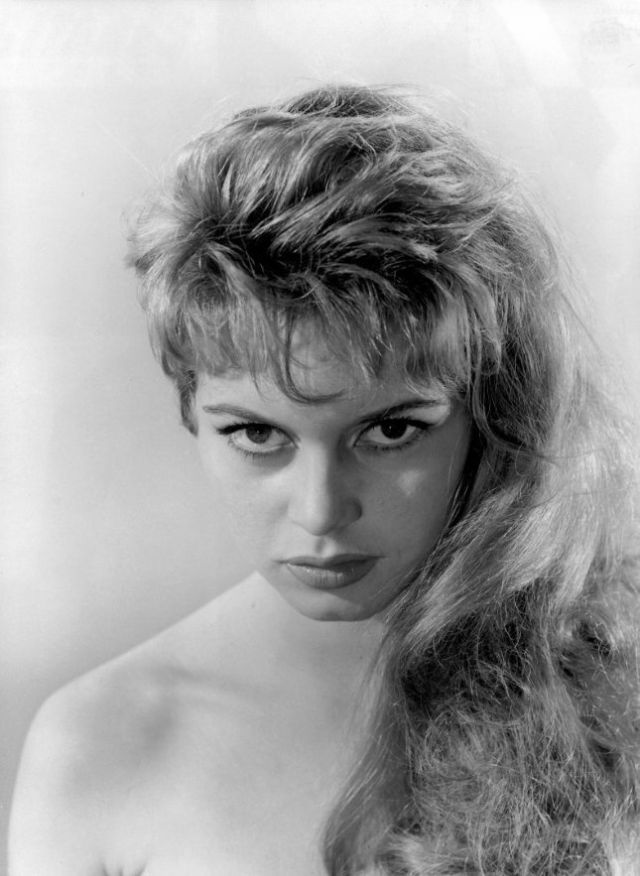
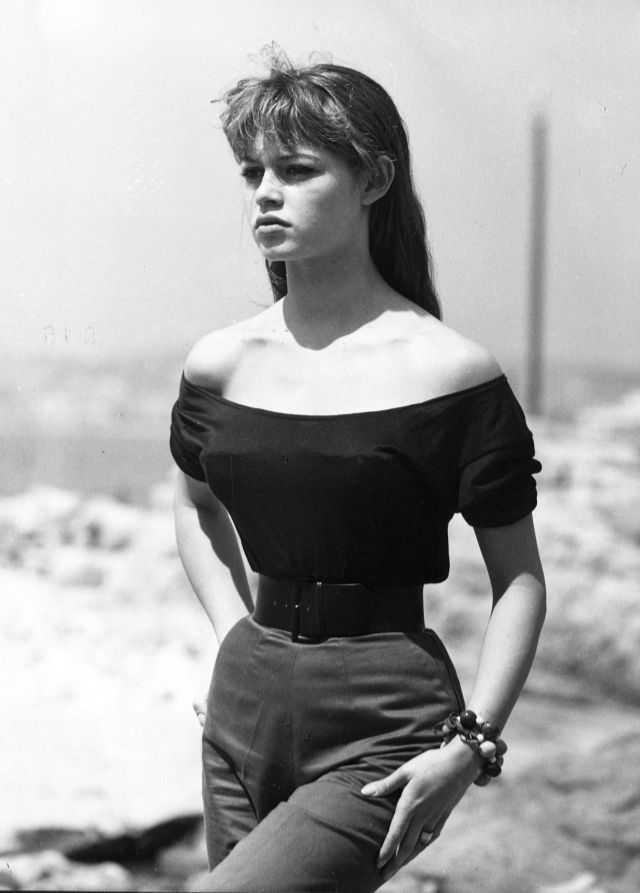
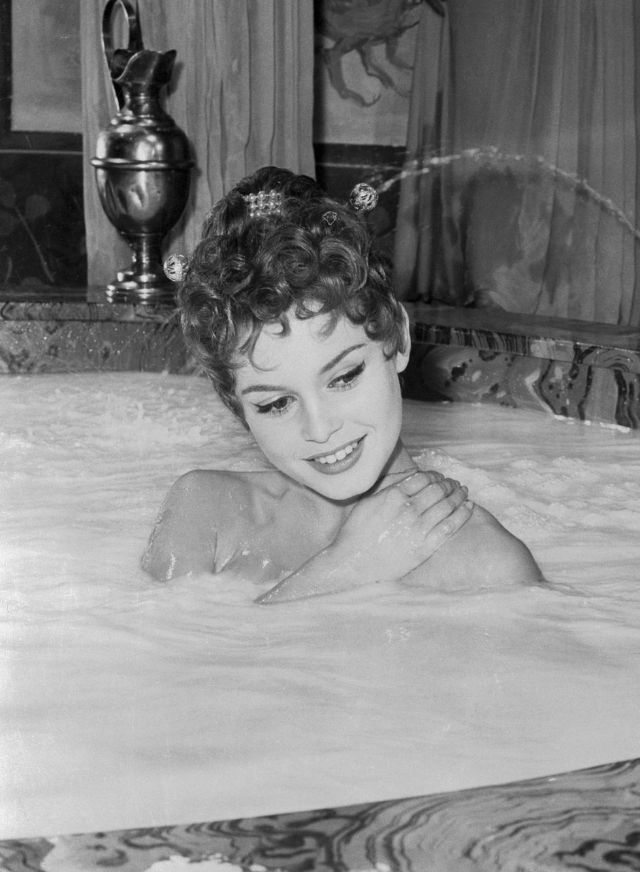
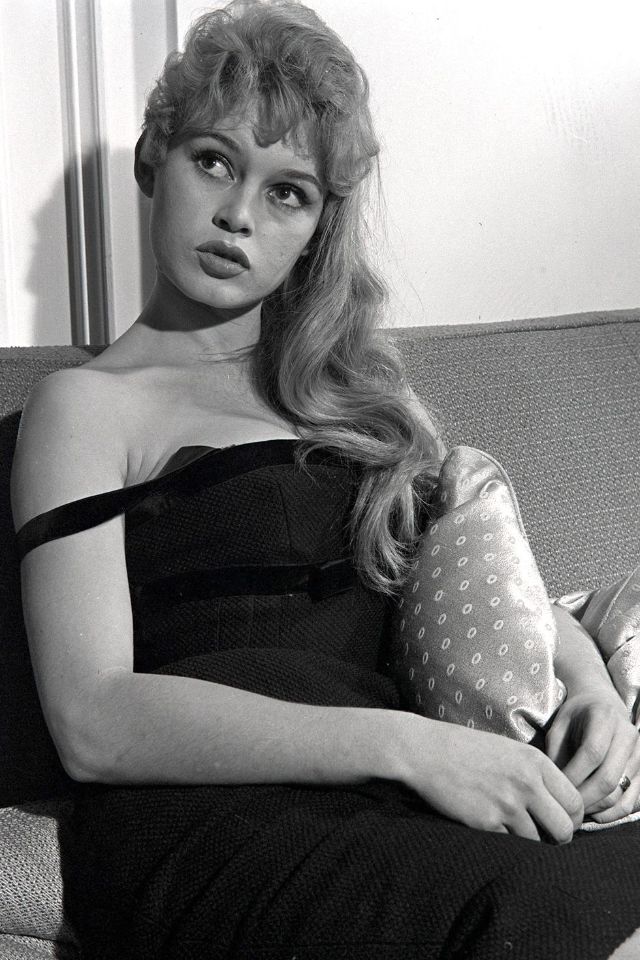
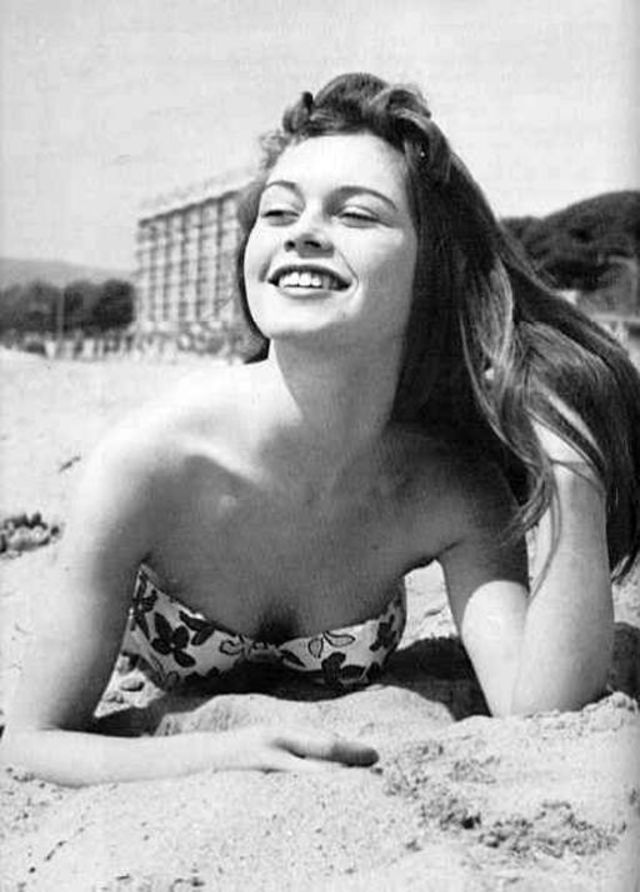
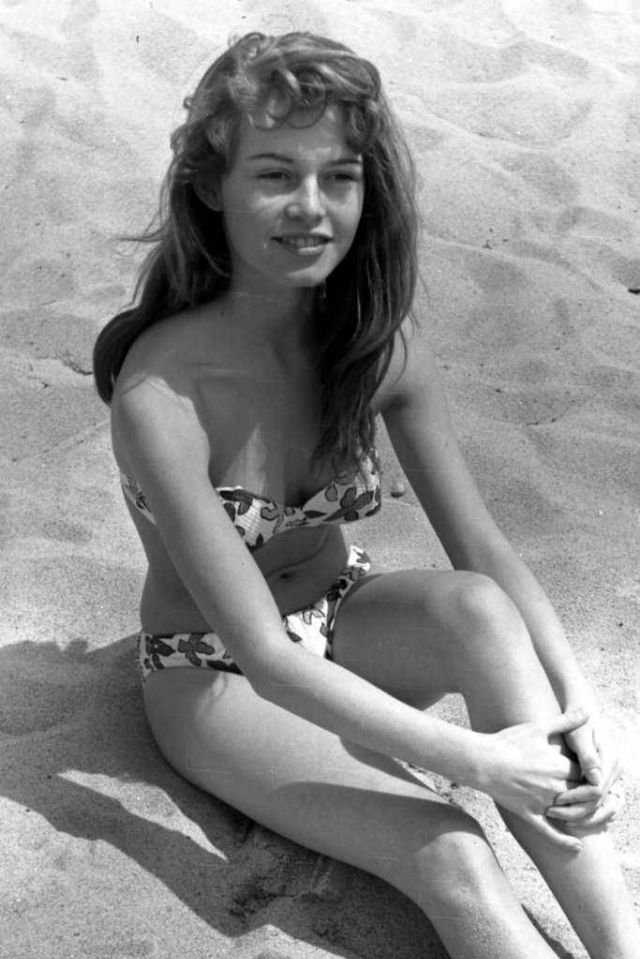
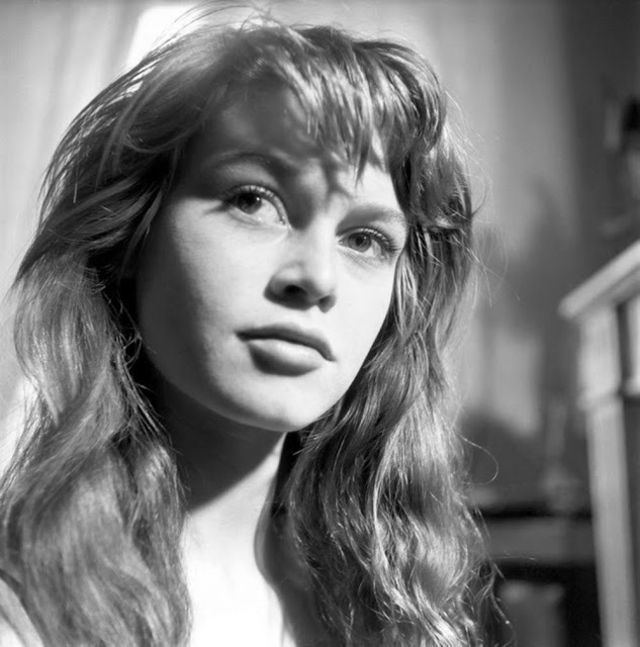
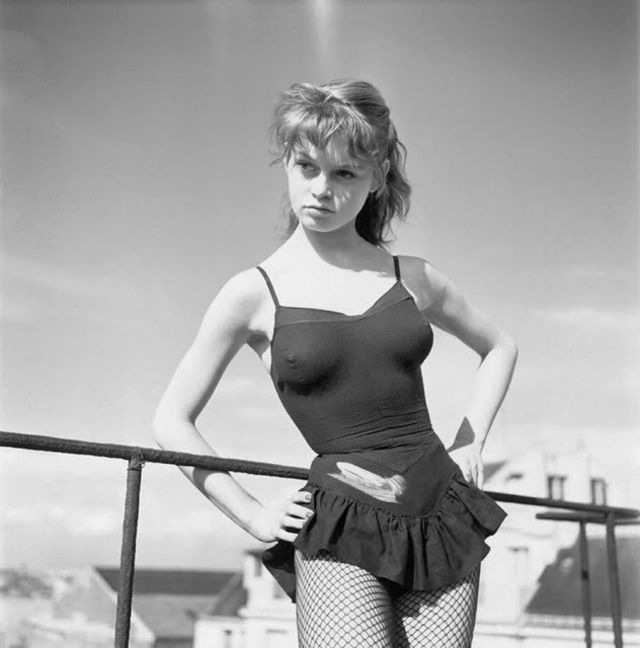
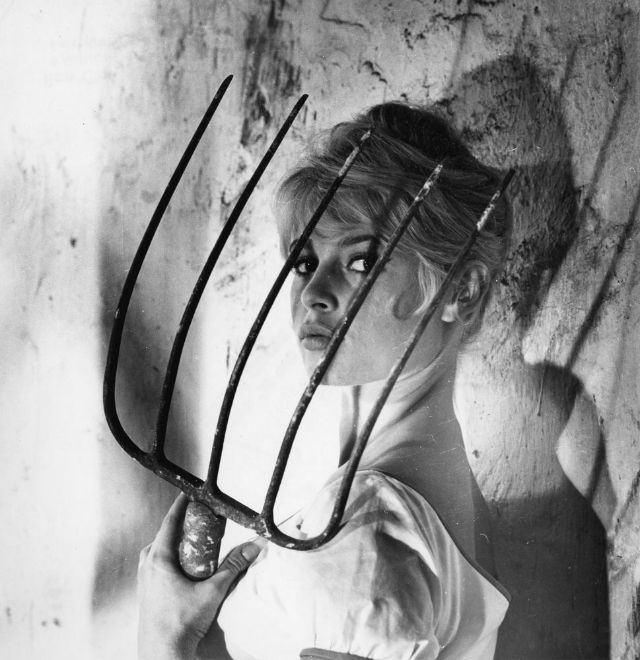
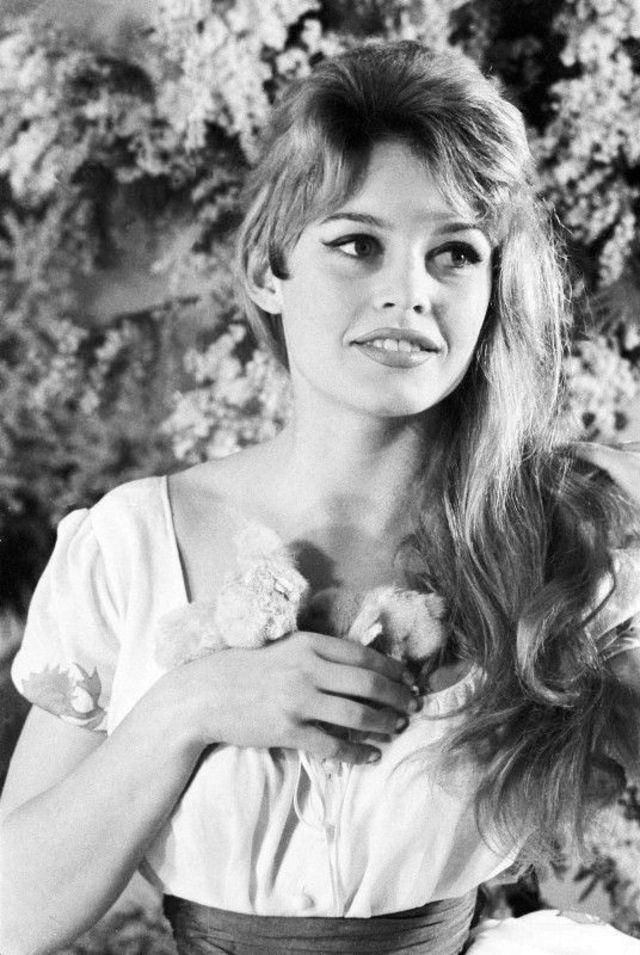
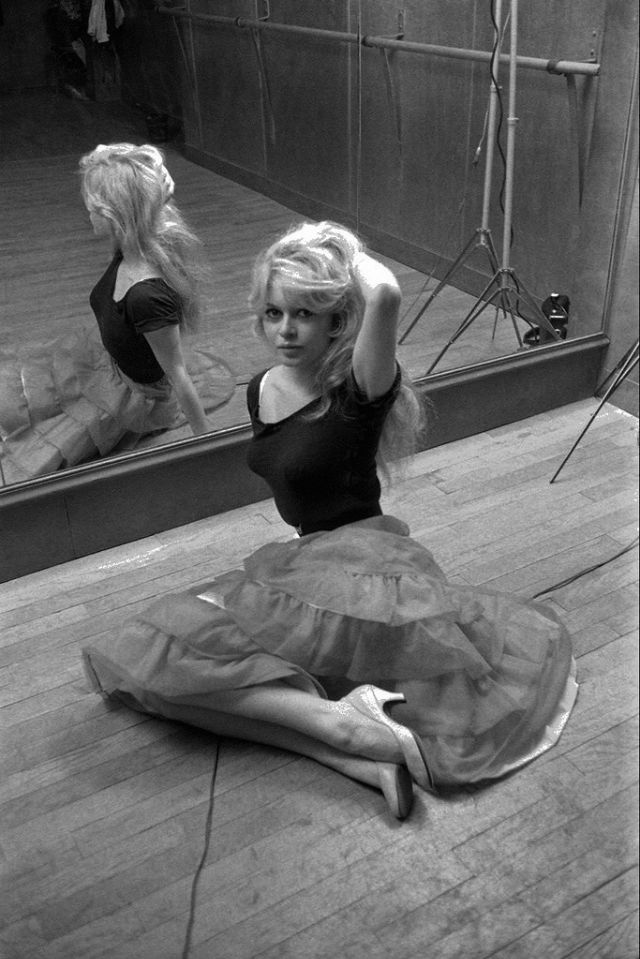
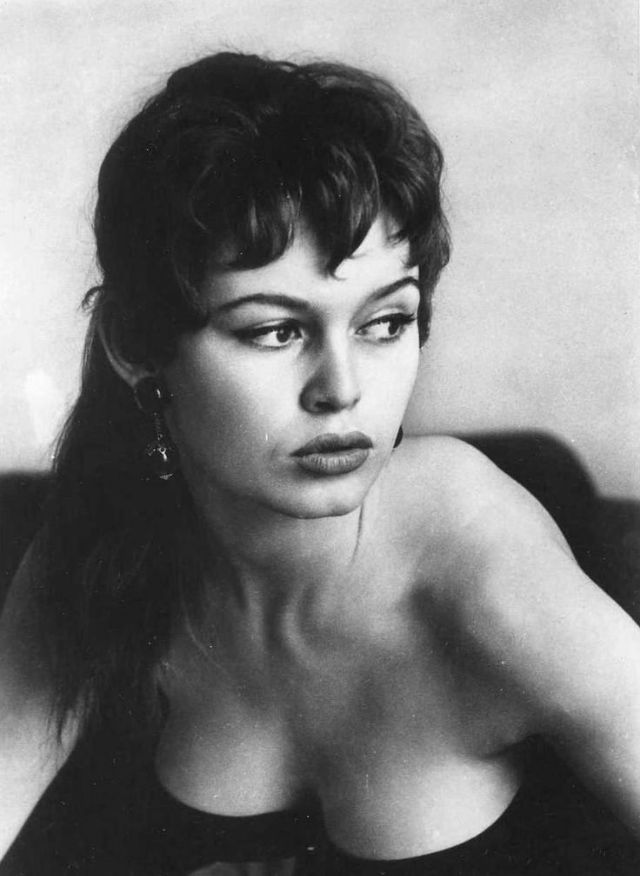
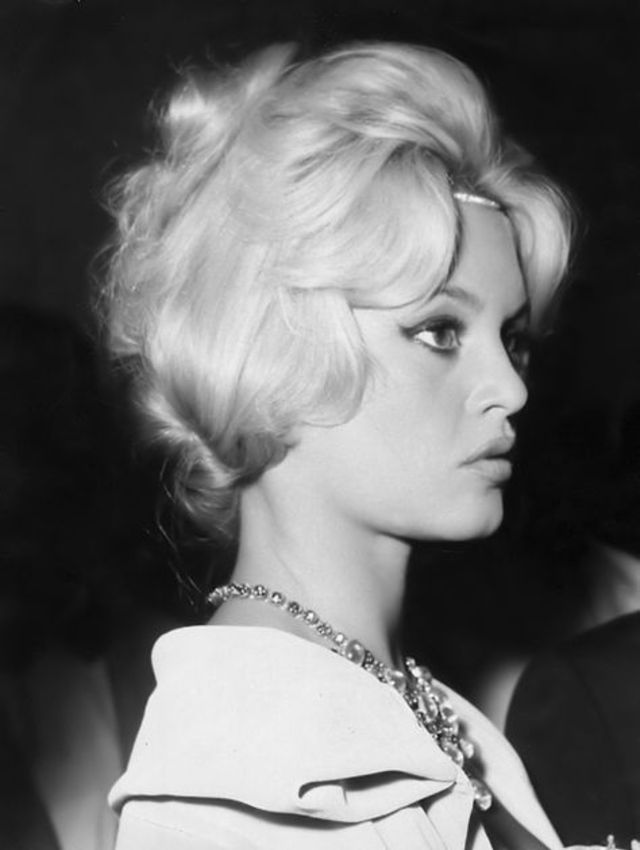
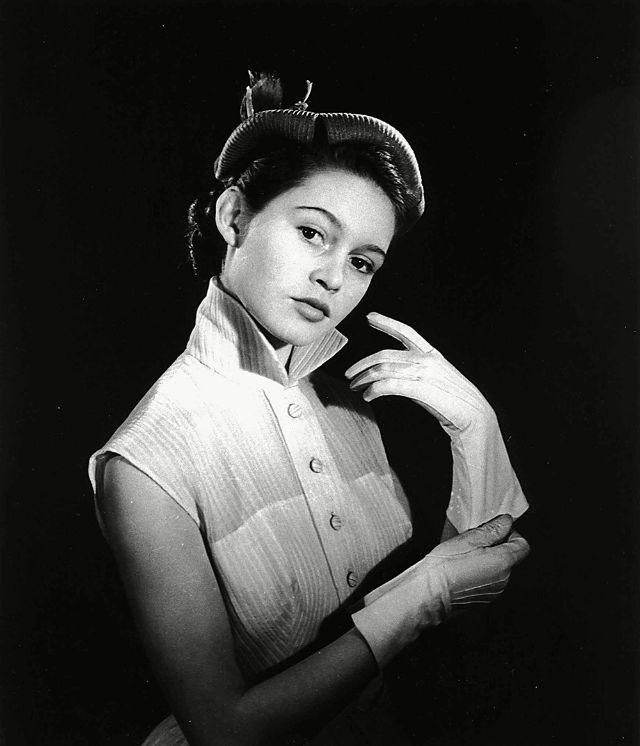
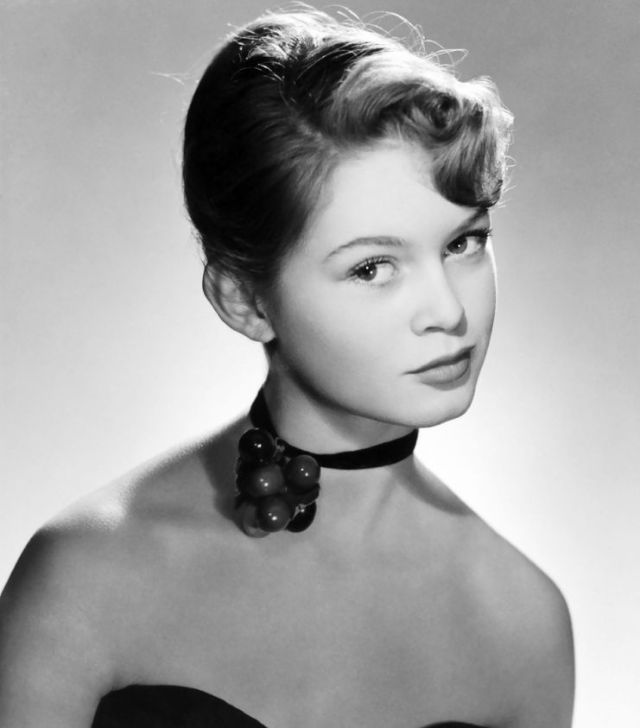
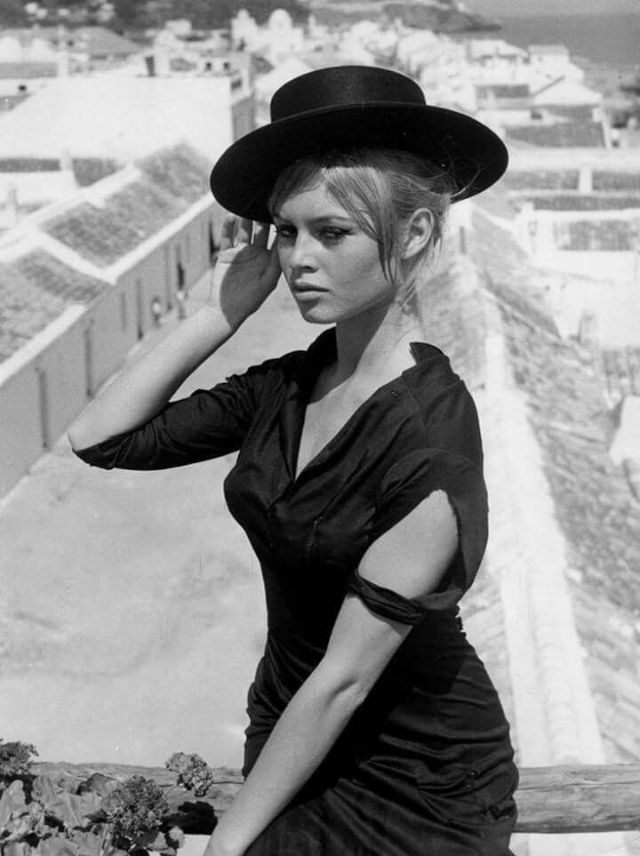
Stunning Photos of Brigitte Bardot During the 1950s

Brigitte Anne-Marie Bardot, born 28 September 1934, often referred to by her initials B.B., is a French animal rights activist and former actress and singer. Famous for portraying sexually emancipated personae with hedonistic lifestyles, she was one of the best known sex symbols of the late 1950s and 1960s. Although she withdrew from the entertainment industry in 1973, she remains a major popular culture icon.

Born and raised in Paris, Bardot was an aspiring ballerina in her early life. She started her acting career in 1952. She achieved international recognition in 1957 for her role in And God Created Woman (1956), and also caught the attention of French intellectuals. She was the subject of Simone de Beauvoir’s 1959 essay The Lolita Syndrome, which described her as a “locomotive of women’s history” and built upon existentialist themes to declare her the first and most liberated woman of post-war France. Bardot later starred in Jean-Luc Godard’s film Le Mépris (1963). For her role in Louis Malle’s film Viva Maria! (1965) she was nominated for the BAFTA Award for Best Foreign Actress.

Bardot retired from the entertainment industry in 1973. She had acted in 47 films, performed in several musicals and recorded more than 60 songs. She was awarded the Legion of Honour in 1985 but refused to accept it. After retiring, she became an animal rights activist. During the 2000s, she generated controversy by criticizing immigration and Islam in France, and she has been fined five times for inciting racial hatred. She is married to Bernard d’Ormale, a former adviser to Marine Le Pen, France’s main far-right political leader.

40 Vintage Photos from the 1935 Movie “Bride of Frankenstein”

Bride of Frankenstein is a 1935 American horror film, the first sequel to Frankenstein (1931). Bride of Frankenstein was directed by James Whale and stars Boris Karloff as The Monster, Elsa Lanchester in the dual role of his mate and Mary Shelley, Colin Clive as Henry Frankenstein, and Ernest Thesiger as Doctor Septimus Pretorius. Below are some of vintage photos from Bride of Frankenstein in 1935.

28 Extraordinary Vintage Photos of Men From Boston in the 1840s & 1850s

Joshua Bates 1850
Wendell Phillips 1850
George Thompson 1851
Wendell Phillips, William Lloyd Garrison and George Thompson 1851
Daniel Webster 1847
Charles Sumner 1855
William Makepeace Thackeray 1855
Charles Lenox Remond 1851-1856
Francis Jackson 1850
Charles Calistus Burleigh 1850
Henry Clarke Wright 1847
Robert Purvis 1850
George Thompson 1851
William Robson 1858
George Thompson 1841
Charles Calistus Burleigh 1850
Gerrit Smith 1850
Wendell Phillips 1841
Mellen Chamberlain 1855
James Haughton 1846
Thomas Garrett 1850
Passmore Williamson 1856
Henry Clarke Wright 1847
John Greenleaf Whittier 1850
Unidentified man 1854
Theodore Parker 1855
Unidentified man 1854

via Boston Public Library

The Story Behind Toni Frissell’s Iconic Image of an Abandoned Boy Clutching a Stuffed Animal in the Rubble of 1945 London

“Here are faces that I have found memorable. If they are not all as happy as kings, it is because in this imperfect world and these hazardous times, the camera’s eye, like the eye of a child, often sees true,” wrote Toni Frissell. Those two eyes met in the below photo, one of the most heartbreaking photos to come out of the London Blitz.

Toni Frissell’s famous image of an abandoned boy clutching a stuffed animal in the rubble of 1945 London.

The boy did in fact survive the war and became a truck driver. In the photo he’s sitting outside where his house used to be. Frissell regarding this picture: “I was told he had come back from playing and found his house a shambles—his mother, father and brother dead under the rubble…he was looking up at the sky, his face an expression of both confusion and defiance. The defiance made him look like a young Winston Churchill. This photograph was used by IBM to publicize a show in London. The boy grew up to become a truck driver after the war, and walking past the IBM offices, he recognized his picture.”

The boy did in fact survive the war and became a truck driver.

Toni Frissell was one of the most famous fashion photographers of the day, working with both Cecil Beaton and Edward Steichen. During the WWII, Frissell volunteered for the American Red Cross, later becoming the official photographer of the Women’s Army Corps. She traveled to the European front twice, and spent time in London documenting the horrors of war above and below the ground.

Yesterday Today

Bringing You the Wonder of Yesterday - Today

Skip to content ↓