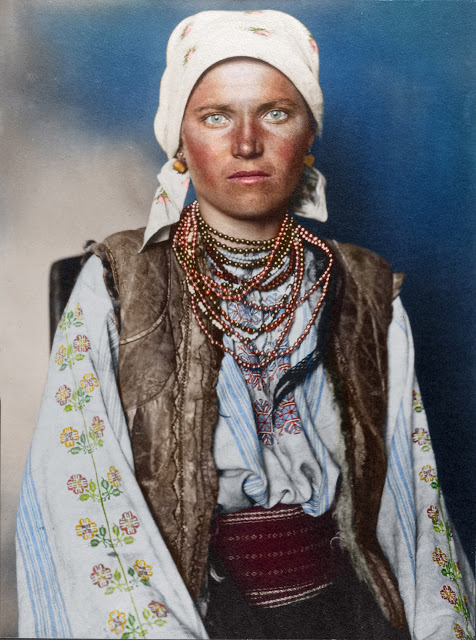
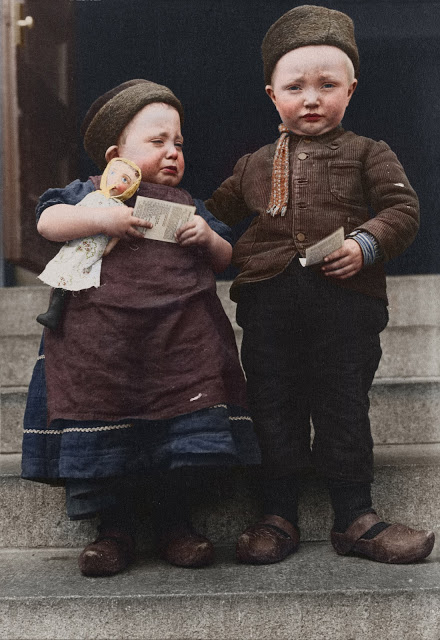
The photographs were taken by an immigration official named Augustus Frederick Sherman. He took photographs of immigrants who were being detained for further interrogation, whether for medical or other reasons. Some would be permitted to stay while others would be forced to return to the homes they risked so much to leave.
Sherman requested that his subjects open their trunks and wear the traditional dress of their homelands, resulting in more than 200 striking photographs of Guadeloupeans, Bavarians, Romanians and Laplanders—men and women whose chief similarity was their wish to become Americans.
To help bring out the vitality of these historic images, TIME commissioned freelance photo editor Sanna Dullaway to colorize a selection of them.
Portrait of a Ruthenian woman at the Ellis Island Immigration Station, 1906.Portrait of a Guadeloupean woman at the Ellis Island Immigration Station, 1911Portrait of Dutch siblings at the Ellis Island Immigration Station, 1905.Portrait of a Bavarian man at the Ellis Island Immigration Station, 1905.Portrait of a Romanian woman at the Ellis Island Immigration Station, circa 1905-1914.Portrait of a Laplander woman from Finland at the Ellis Island Immigration Station, 1905.Portrait of an Algerian man at the Ellis Island Immigration Station, circa 1905-1914.Portrait of Lapland children, possibly from Sweden at the Ellis Island Immigration Station, circa 1905-1914.Portrait of an Albanian soldier at the Ellis Island Immigration Station, circa 1905-1914.Portrait of a Dutch woman at the Ellis Island Immigration Station, circa 1905-1914.Portrait of a German stowaway at the Ellis Island Immigration Station, 1911.Portrait of a Cossack man from the steppes of Russia at the Ellis Island Immigration Station, circa 1905-1914.Portrait of three women from Guadeloupe at the Ellis Island Immigration Station, 1911.Portrait of a Romanian shepherd at the Ellis Island Immigration Station, 1906.Portrait of an Italian woman at the Ellis Island Immigration Station, 1906.
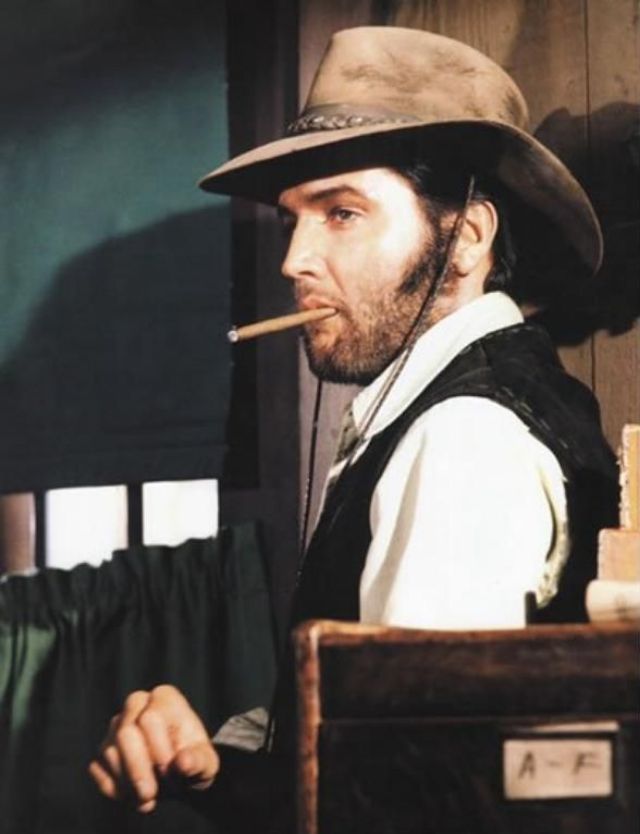
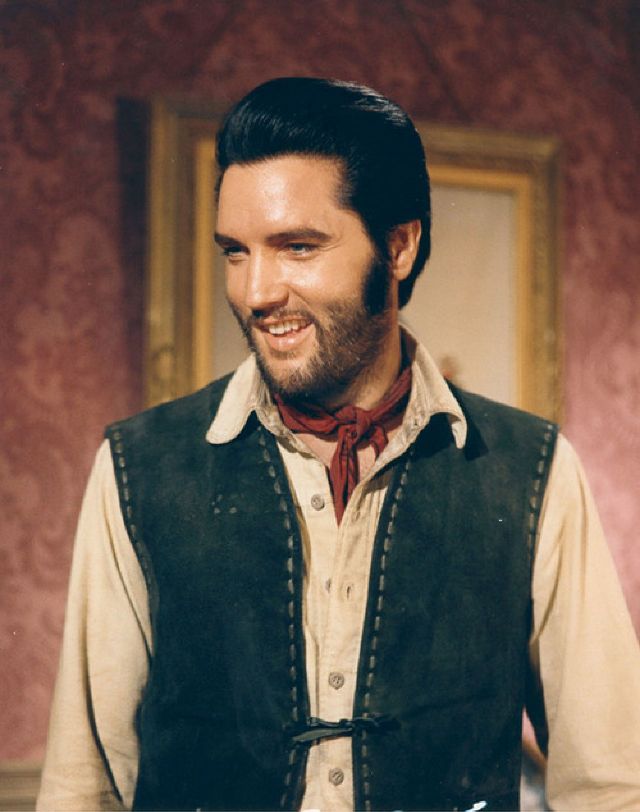
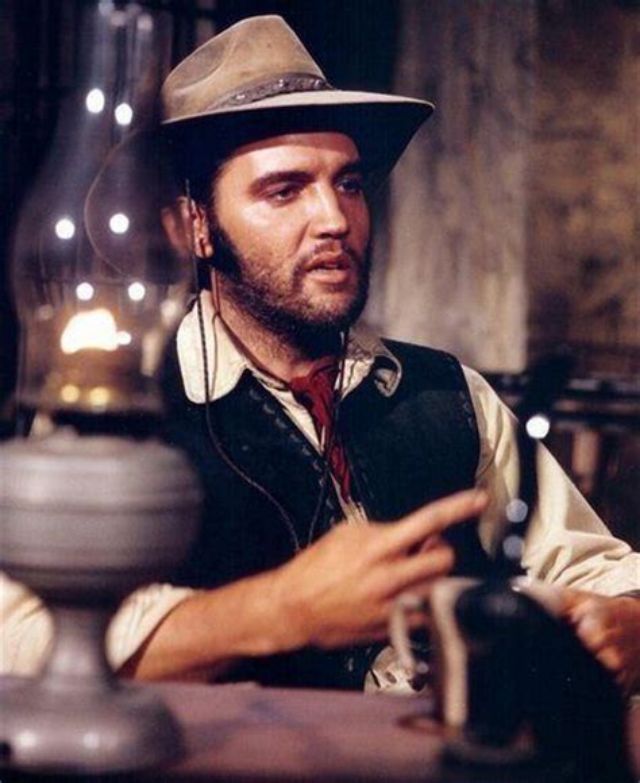
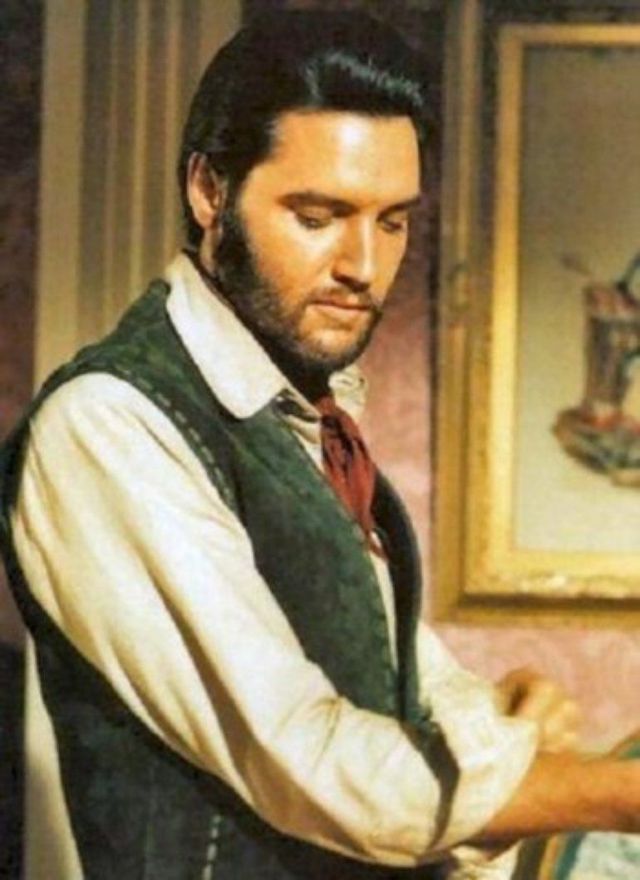
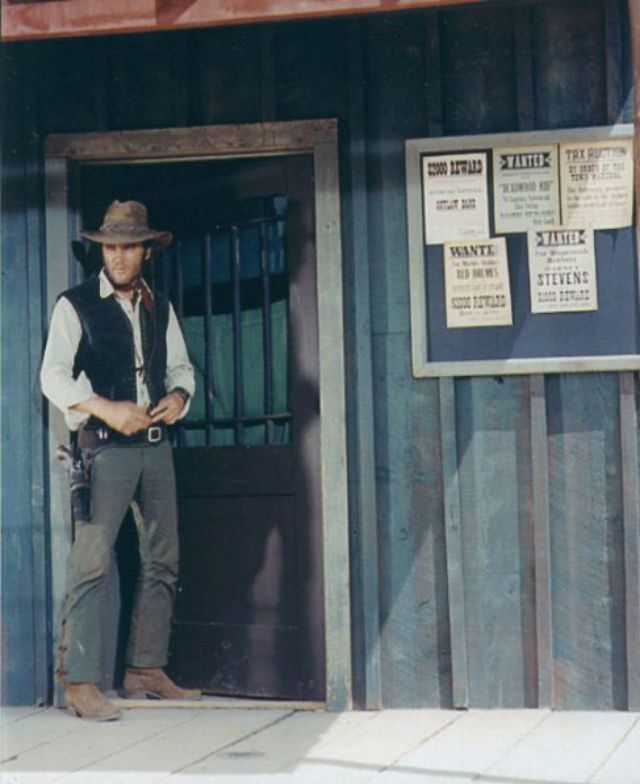
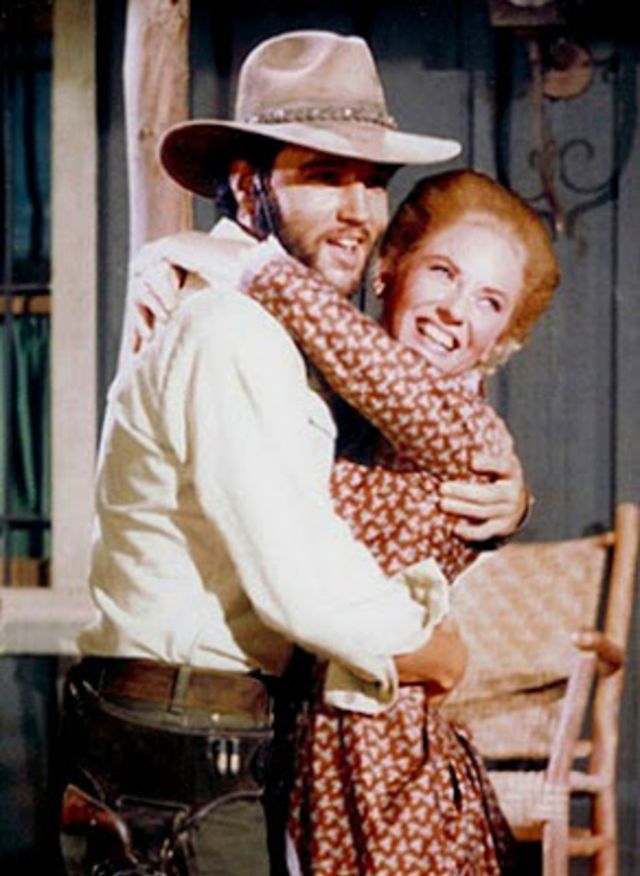
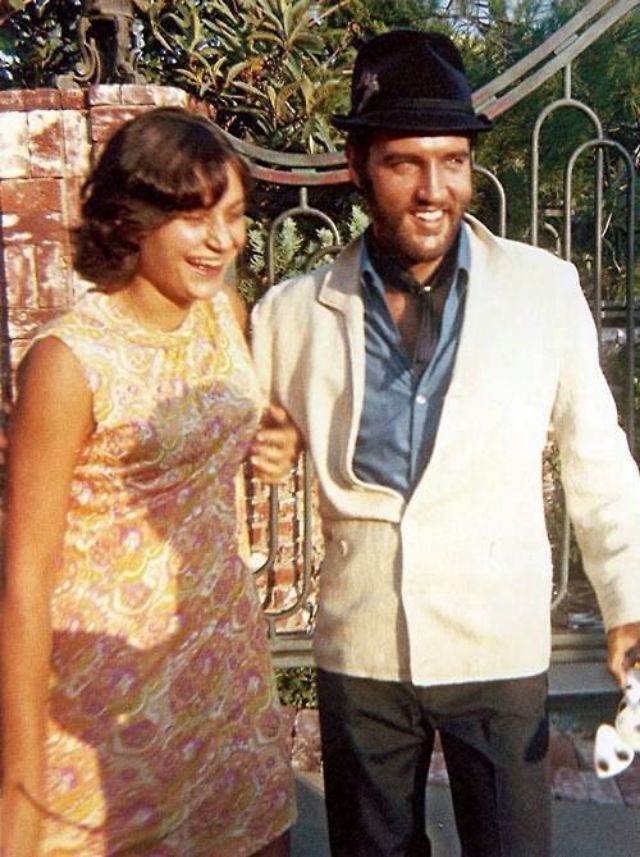
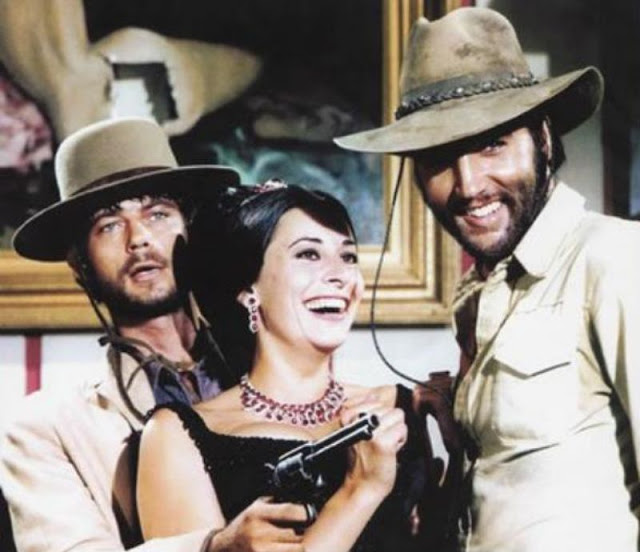
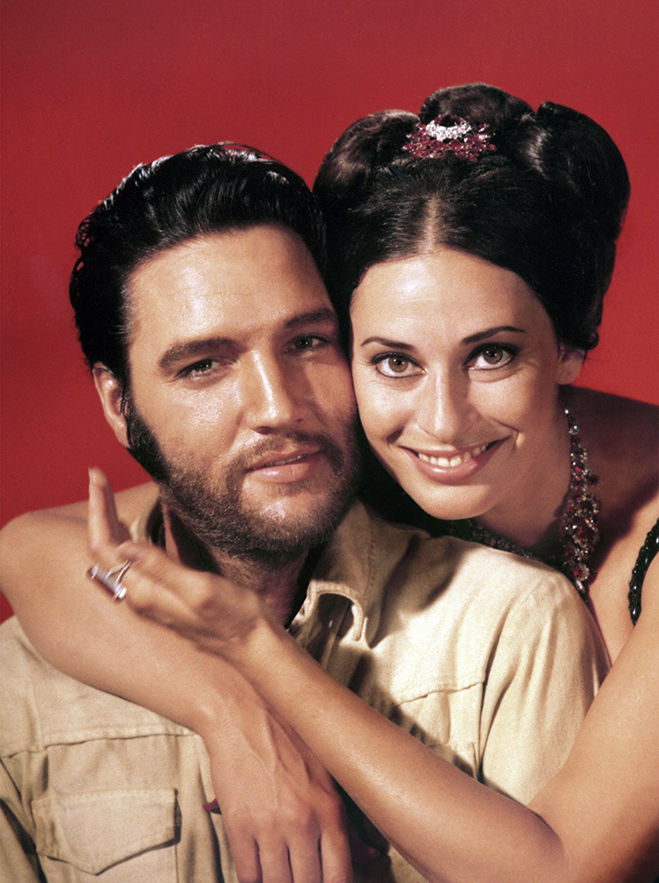
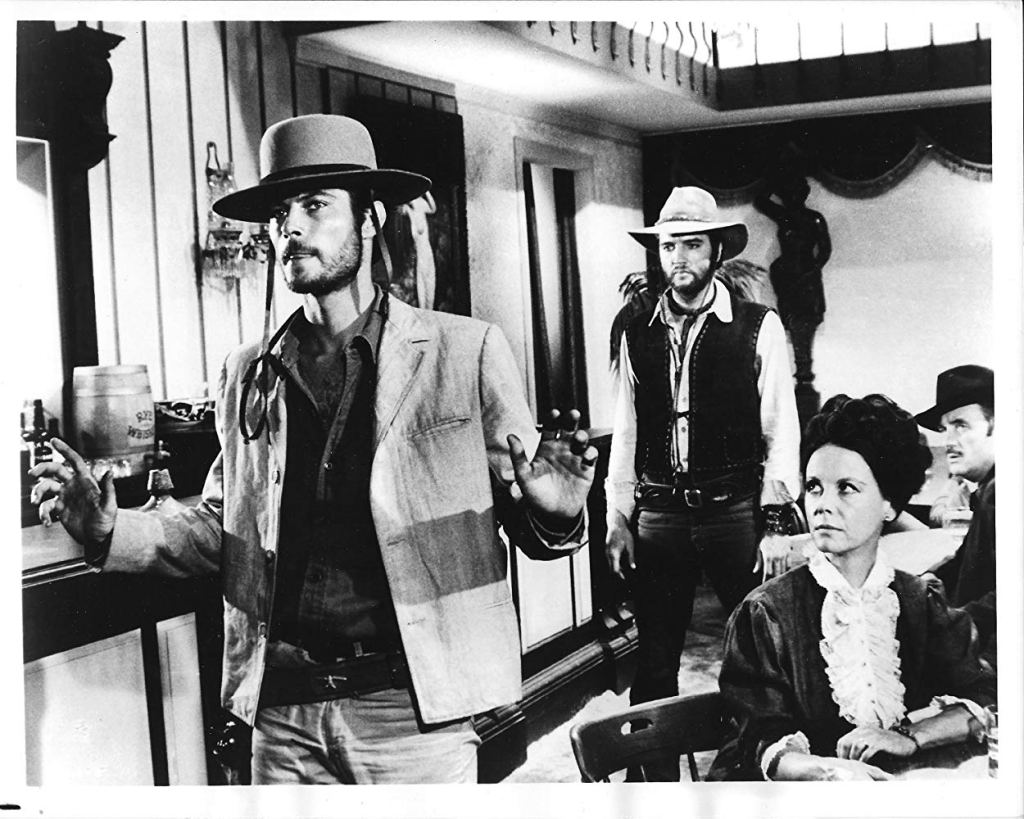
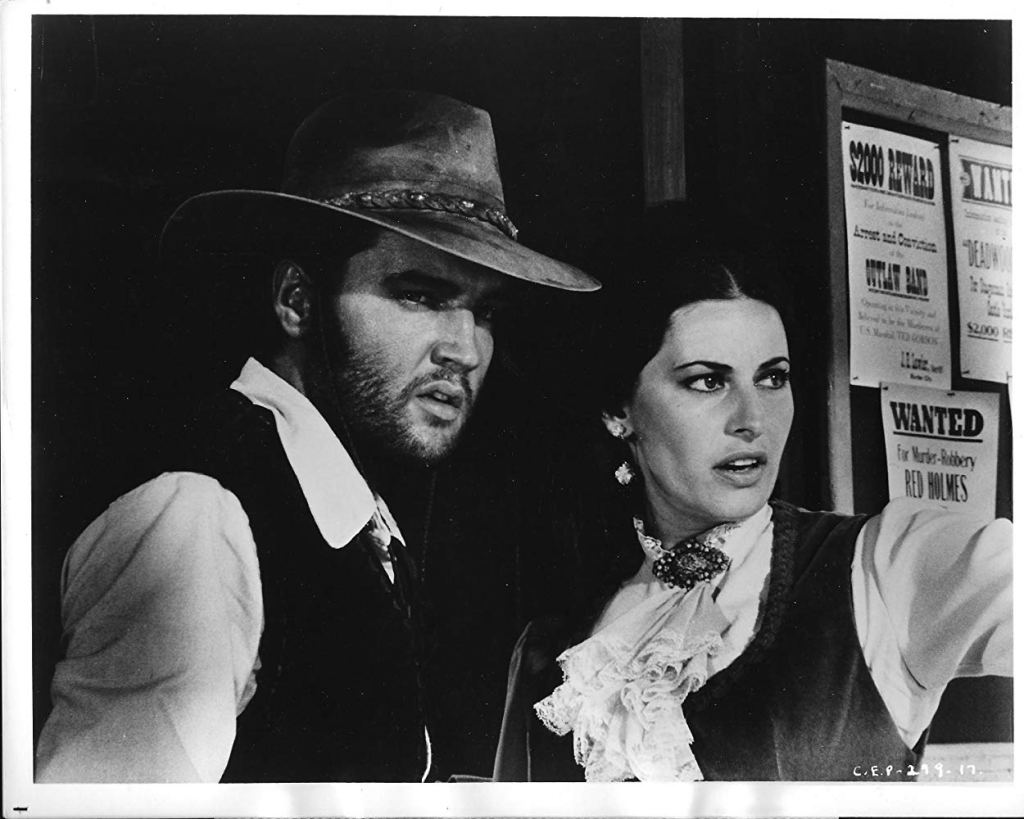
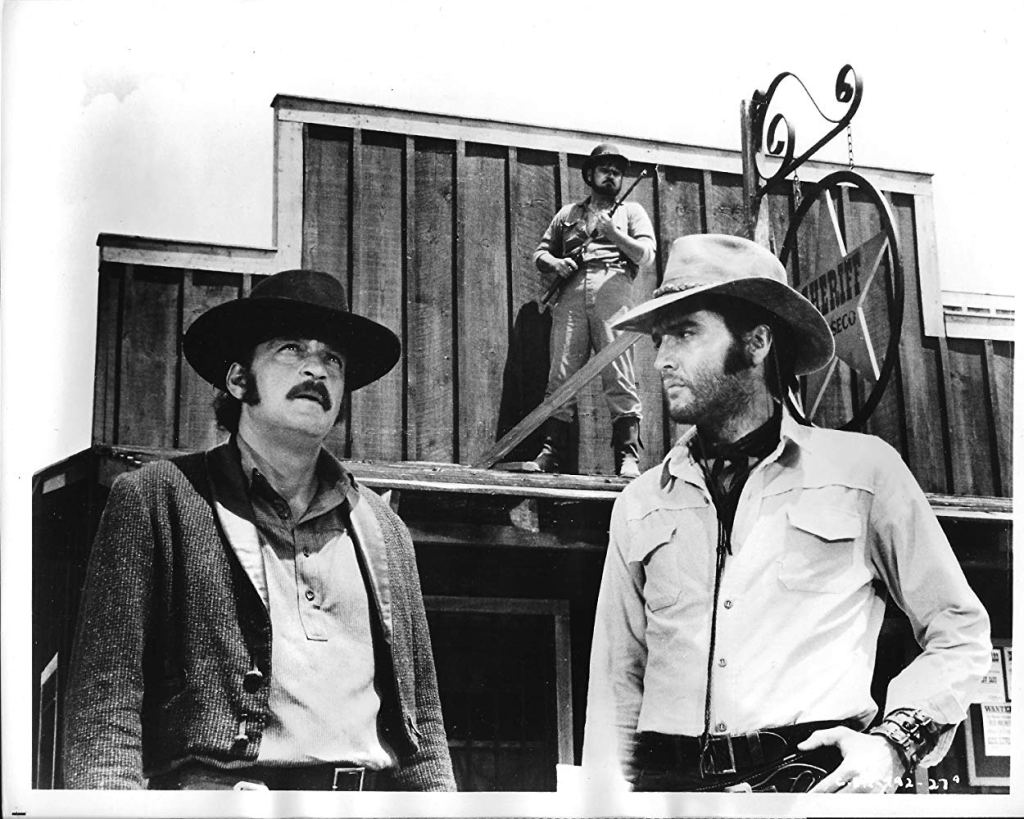
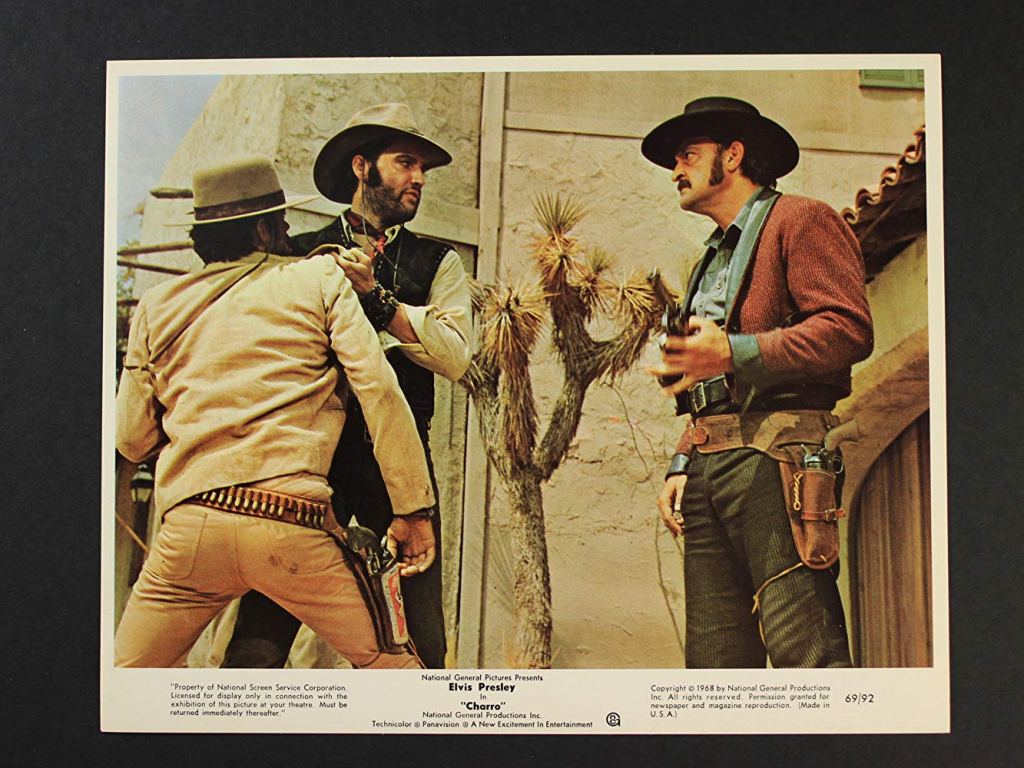
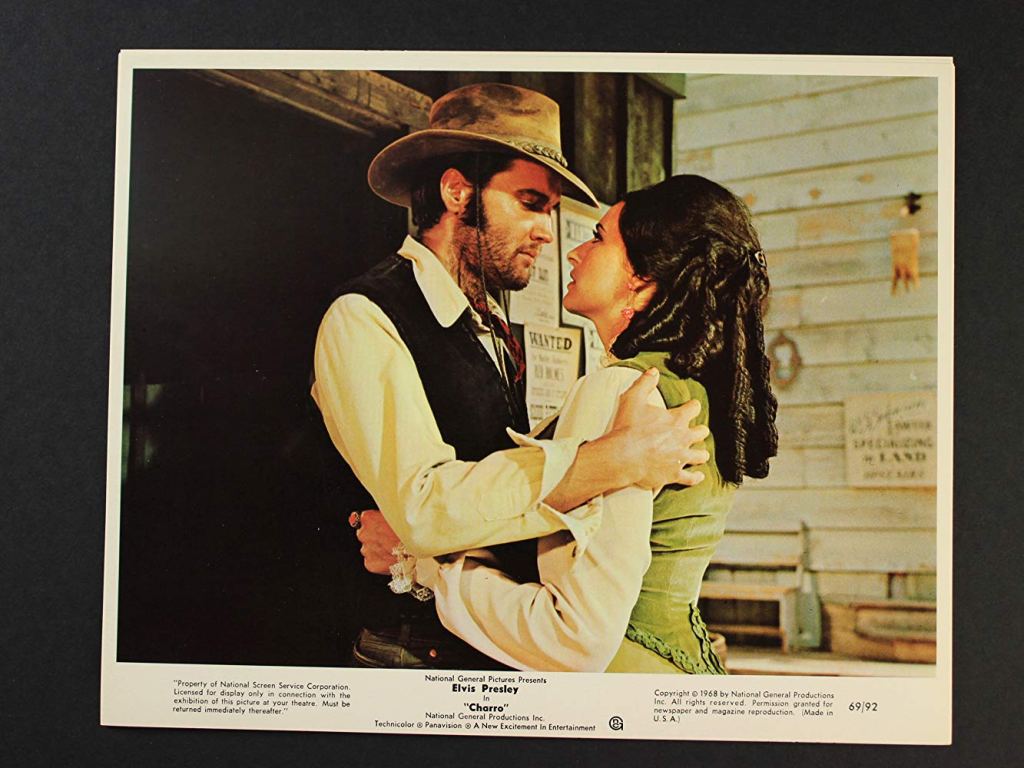
Charro! is a 1969 American western film starring Elvis Presley shot on location at Apacheland Movie Ranch and Old Tucson Studios in Arizona. Uniquely, Presley did not sing on-screen, and the film featured no songs at all except for the main title theme, which was played over the opening credits. It was also the only movie in which Presley wore a beard.
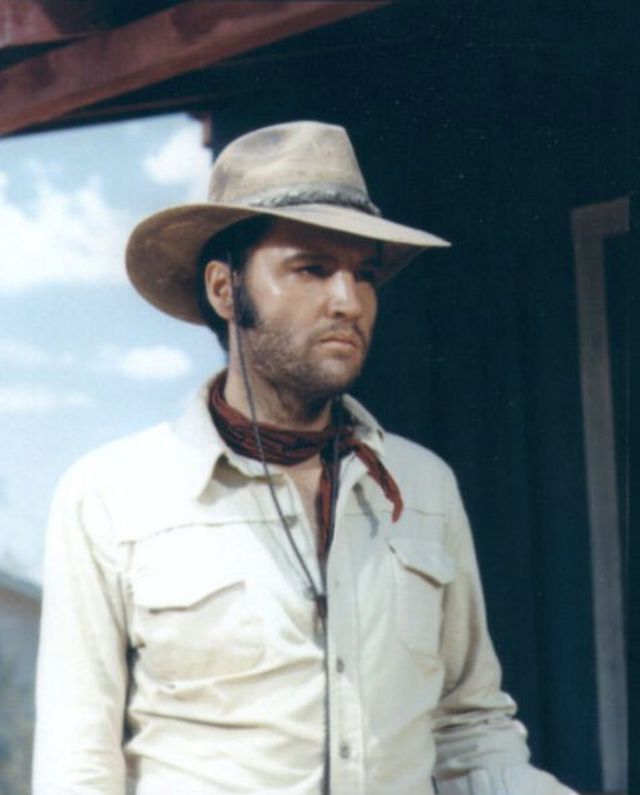
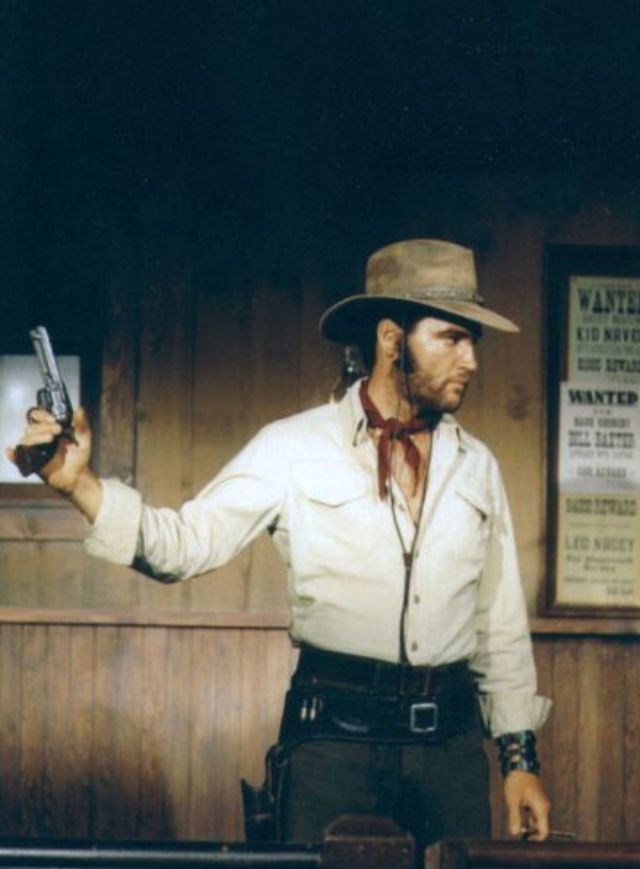
With its gritty look, violent antihero, and cynical point of view, Charro! was obviously patterned after the grim Italian westerns of the 1960s. Elvis’ character, Jess Wade, is costumed similarly to Clint Eastwood’s notorious Man with No Name from Sergio Leone’s Italian westerns.
Both wore a scruffy beard and dust-covered western garb, and both kept a well-worn cigar in their mouths. The music in Charro! was scored by Hugo Montenegro, who was responsible for the memorable score of The Good, the Bad, and the Ugly. Unfortunately, director Charles Marquis Warren was no match for Sergio Leone, and Charro! suffers from poor production values.
At the time, much was made about the absence of songs in the film, as though that fact proved Charro! was a serious effort. Advertisements for the film declared Charro! featured “a different kind of role… a different kind of man.” Elvis granted more interviews and generated more publicity for Charro! than he had for any film in a long time. One interview quoted him as saying, “Charro! is the first movie I ever made without singing a song. I play a gunfighter, and I just couldn’t see a singing gunfighter.” Eventually, Elvis did agree to sing the title tune, but there are no songs within the body of the film.
Charro! was filmed in the late summer of 1968 after Elvis’ comeback special had been shot for television, though the special would not air until December. Elvis seemed to have taken stock of his career that year: He recorded music that was not merely fodder for soundtrack albums, and he starred in a prestigious television special. Perhaps Elvis was hoping to upgrade his acting career as well by appearing in a completely different type of film. Unfortunately, the film was a dismal critical failure; much of the blame was placed at the feet of director Charles Marquis Warren. Warren had been a writer, director, and producer for several western television series during the 1960s. Though he had not worked in the cinema since the 1950s, he chose to produce, direct, and write the screenplay for Charro!
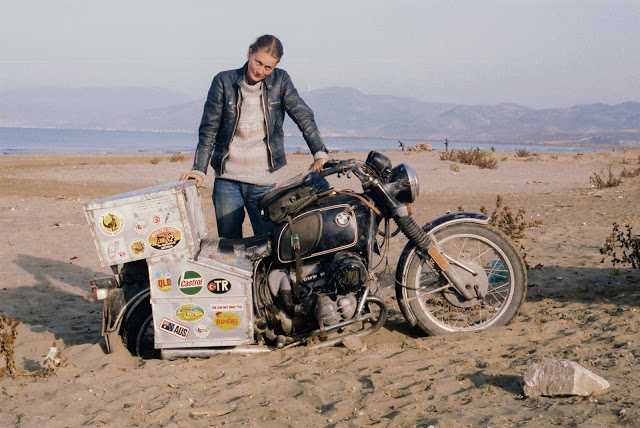
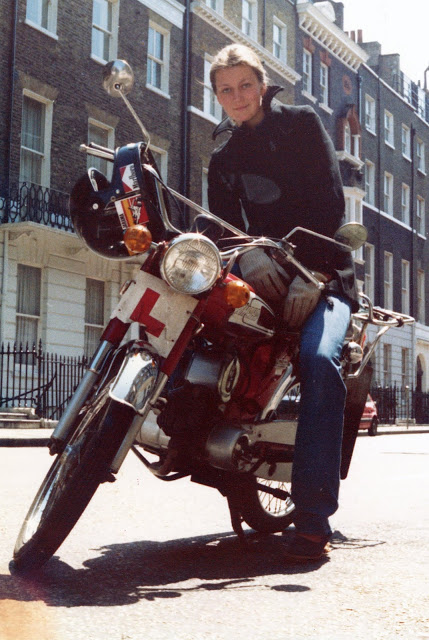
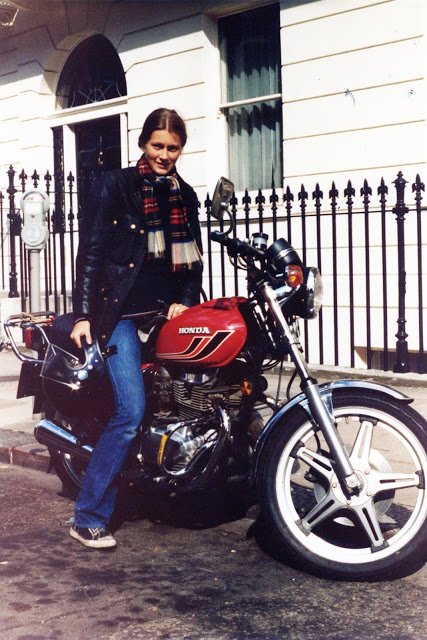
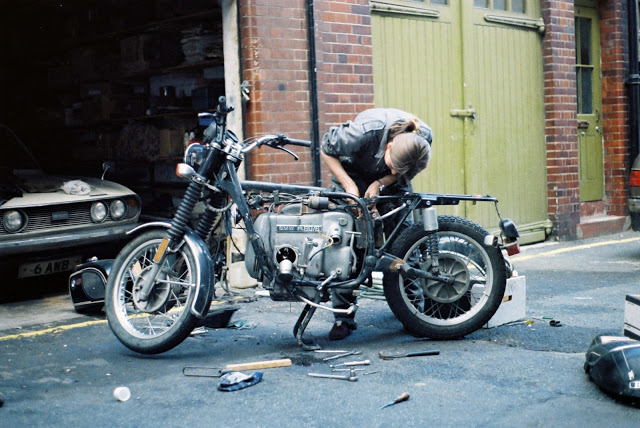
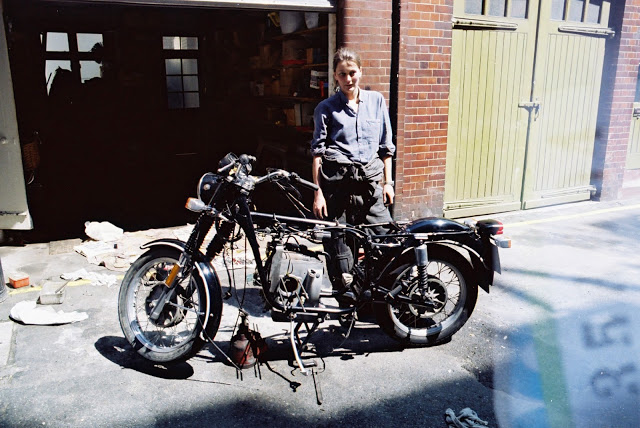
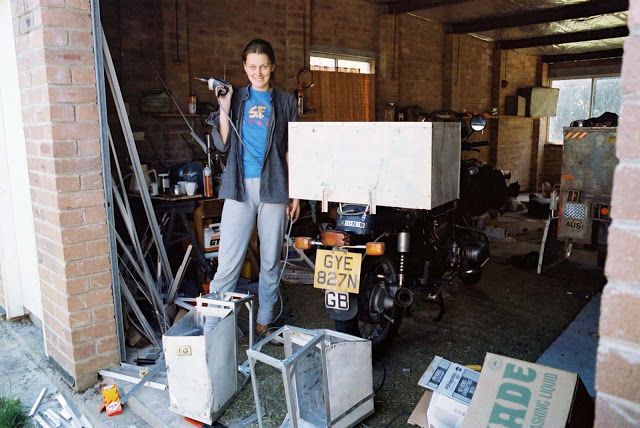
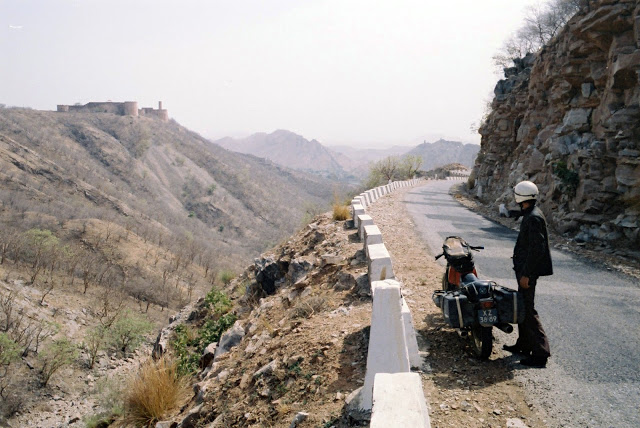
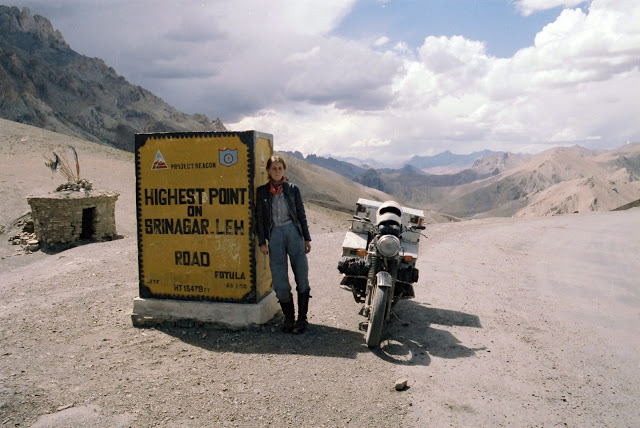
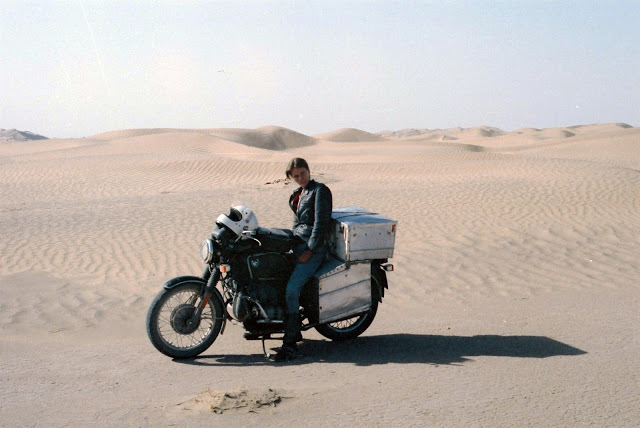
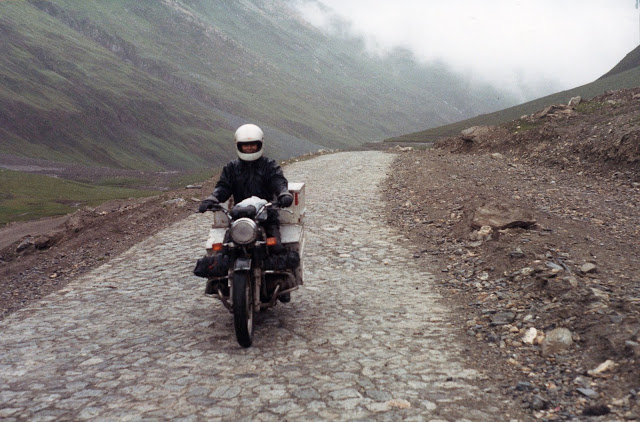
In an age before sat-nav, internet, email and mobile phones – and in an age when women hardly ever traveled alone to adventurous countries – Elspeth Elspeth achieved something that is still remarkable today. In 1982, Beard embarked on a two-year solo journey that would take her around the world on her beloved motorbike – the first British woman to do so. From the outback of Australia to the mountains of Nepal, Beard has traveled through some fascinating places. The great stories behind these places and her achievement as a solo rider have been turned into a brilliant book, Lone Rider, in 2017.
In October 1982, Beard shipped her beloved BMW to New York and arrived at Heathrow with a tent and a few belongings. “I was very nervous but I was also excited and felt a tingle of freedom.” When she arrived in New York, she got on her motorbike and rode to Canada, then south to Mexico and back north to Los Angeles.
“Traveling in those days was so different,” she said. “There was no internet and no satellite navigation. It was a real adventure. I didn’t know where I would be staying that night or where I could eat or buy petrol. I would plan my route two or three days ahead and hope for the best. It was thrilling and I finally felt free.”
After traveling thousands of miles across the United States, Beard shipped her bike from Los Angeles to Sydney, where she spent eleven months working as an architect, before motorcycling across Australia. In Townsville, Queensland, she had an accident which left her hospitalized for two weeks.
“I was traveling with two people I’d met on the way,” she told Express. “We were riding through the outback and my front wheel sank into a pothole. The bike cartwheeled and I flew through the air. I landed on my head and have no memory of the accident. All I remember is waking up in hospital feeling confused and frightened.”
If her traveling companions hadn’t been with her, Elspeth would have died. However, she was determined to carry on. “I did everything I could to minimize the risk but you can’t do a trip like that without expecting to have a few accidents.”
Beard carried on riding to Perth, and she shipped her bike to Singapore, before traveling through Bali, Java and Sumatra, Malaysia and Thailand.
In Singapore, she spent 6 weeks replacing important documents and gear after they were all stolen. In Thailand, she collided with a dog, and recuperated staying with a local family; the family fed her the remains of the dog that she had crashed into.
From Thailand, Beard rode to India, traveled to Pakistan and Iran, then through Turkey and back into mainland Europe before arriving back in London in November, 1984.
More than 30 years on, Elspeth believes her epic adventure made her into the person she is today. “The trip completely changed my life and made me the person I am now. It taught me there was nothing I couldn’t cope with and there wasn’t a problem I couldn’t solve. Now I would never take no for an answer. It has given me an inner strength and confidence to tackle anything.”
When she returned, Elspeth finished her architecture qualification and now has her own firm near her home in Guildford, Surrey. But she still hits the road as often as she can. “Now I have a collection of bikes and still love to ride. And I still have my trusty BMW. It’s like an old friend.”
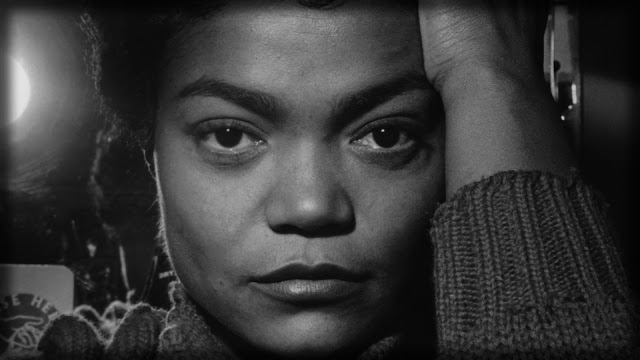
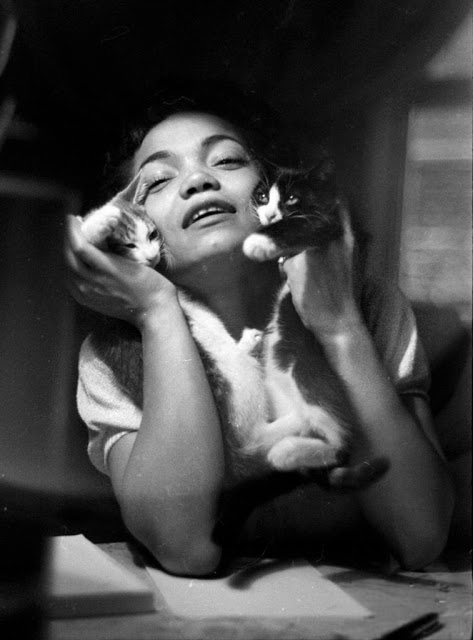
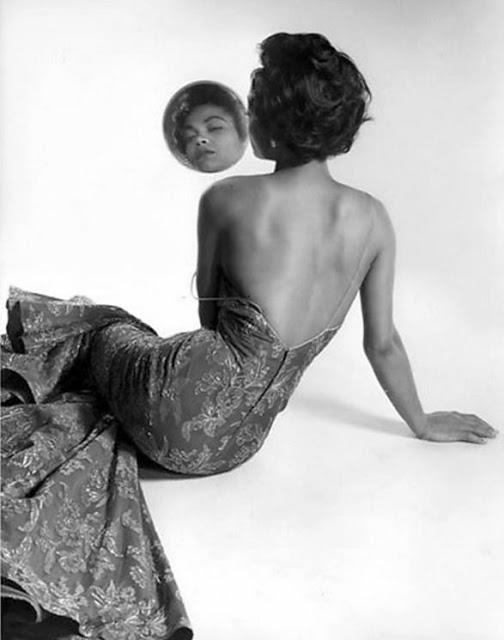
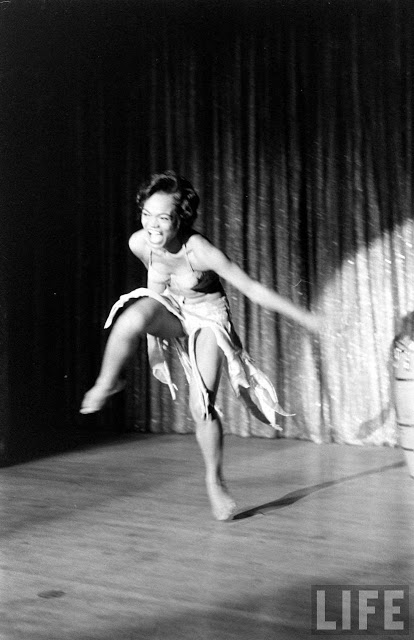
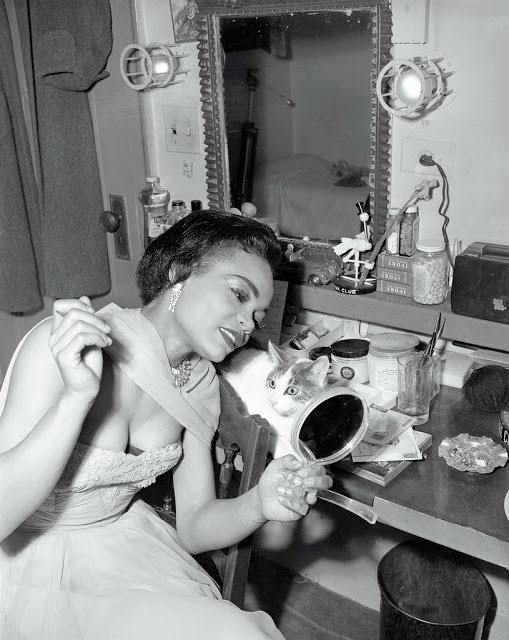
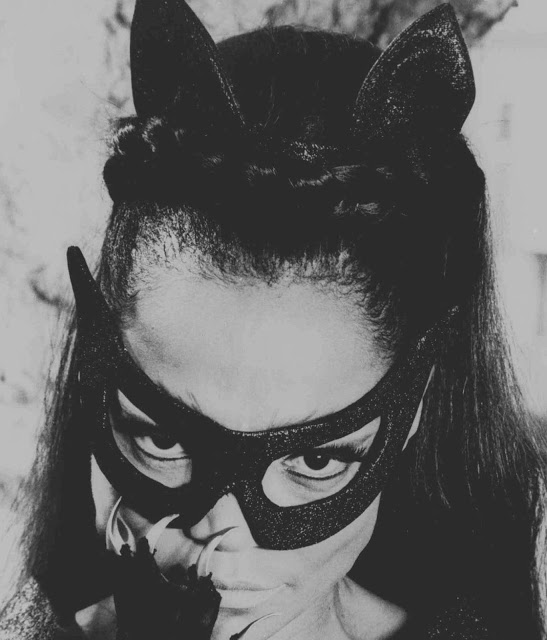
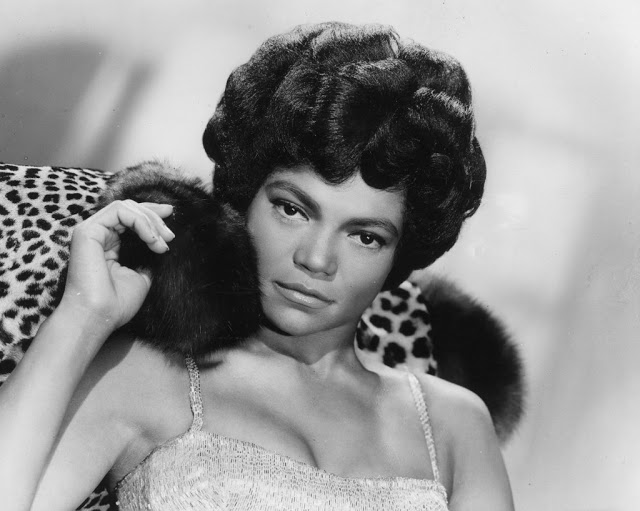
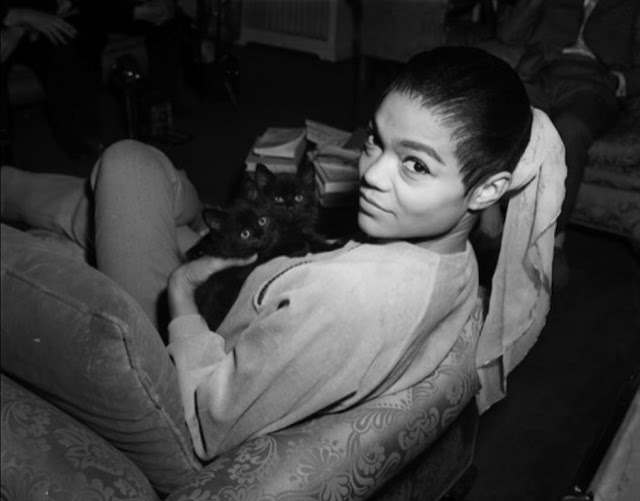
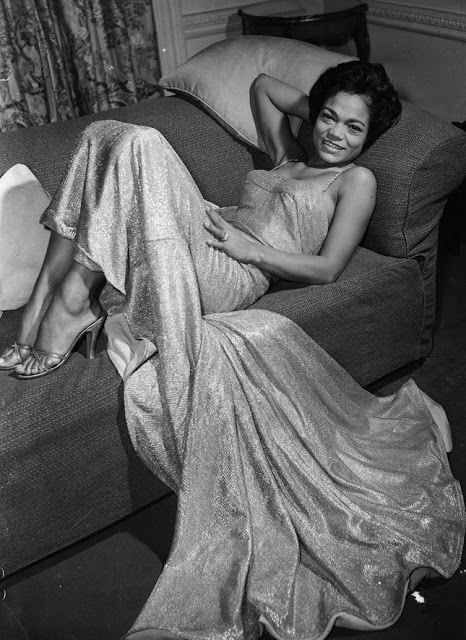
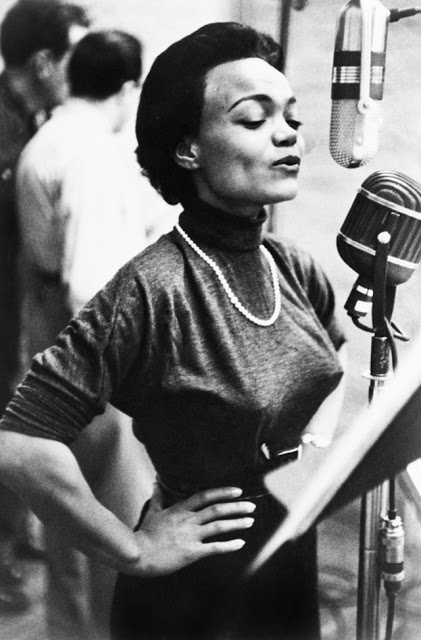
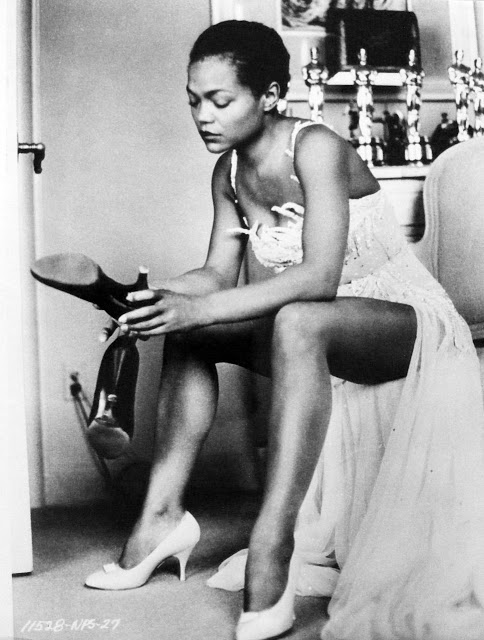
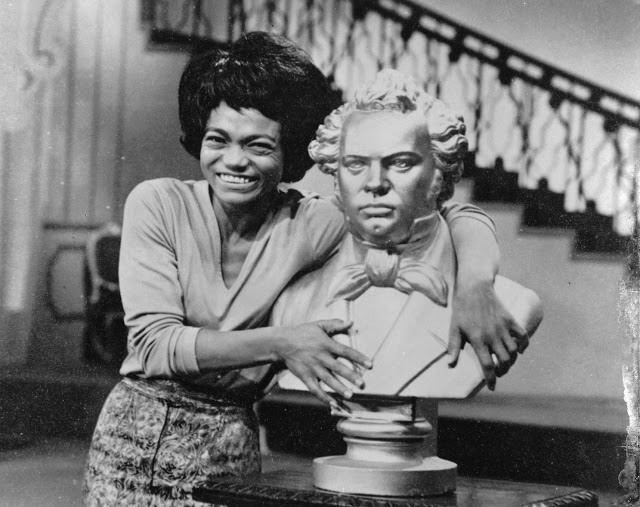
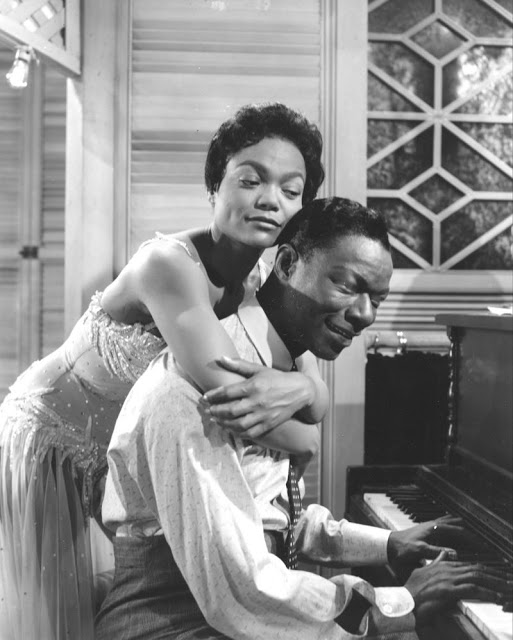
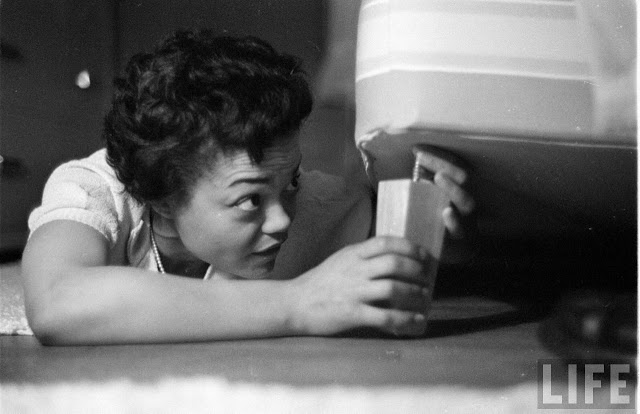
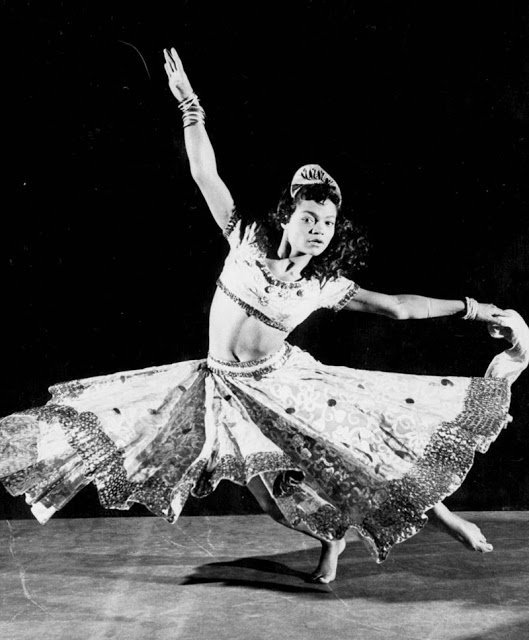
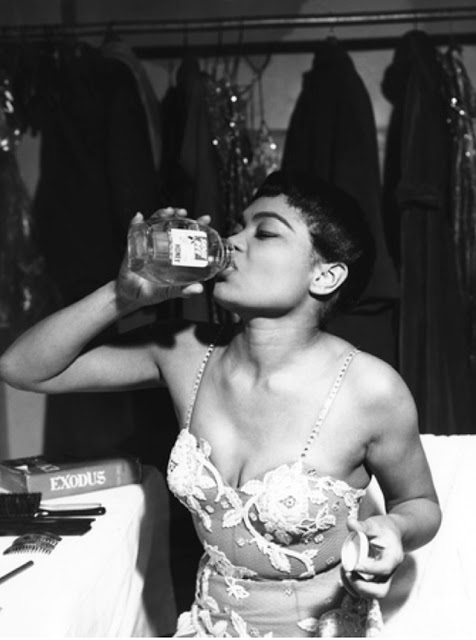
Eartha Kitt (born Eartha Mae Keith; January 17, 1927 – December 25, 2008) was an American singer, actress, comedienne, dancer, and activist known for her highly distinctive singing style and her 1953 recordings of “C’est si bon” and the Christmas novelty song “Santa Baby”, both of which reached the top 10 on the Billboard Hot 100. Orson Welles once called her the “most exciting woman in the world”.
Kitt began her career in 1942 and appeared in the 1945 original Broadway theatre production of the musical Carib Song. In the early 1950s, she had six US Top 30 hits, including “Uska Dara” and “I Want to Be Evil”. Her other notable recordings include the UK Top 10 hit “Under the Bridges of Paris” (1954), “Just an Old Fashioned Girl” (1956) and “Where Is My Man” (1983). She starred as Catwoman in the third and final season of the television series Batman in 1967.
In 1968, her career in the U.S. deteriorated after she made anti-Vietnam War statements at a White House luncheon. Ten years later, she made a successful return to Broadway in the 1978 original production of the musical Timbuktu!, for which she received the first of her two Tony Award nominations. Her second was for the 2000 original production of the musical The Wild Party. Kitt wrote three autobiographies.
Kitt found a new generation of fans through her roles in the Disney films The Emperor’s New Groove (2000), in which she voiced the villainous Yzma, and Holes (2003). She reprised the role as Yzma in the direct-to-video sequel Kronk’s New Groove (2005), as well as the animated series The Emperor’s New School (2006–2008). Her work on the latter earned her two Daytime Emmy Awards. She posthumously won a third Emmy in 2010 for her guest performance on Wonder Pets!.
Eartha Kitt died of colon cancer on Christmas Day 2008, three weeks short of her 82nd birthday at her home in Weston, Connecticut.
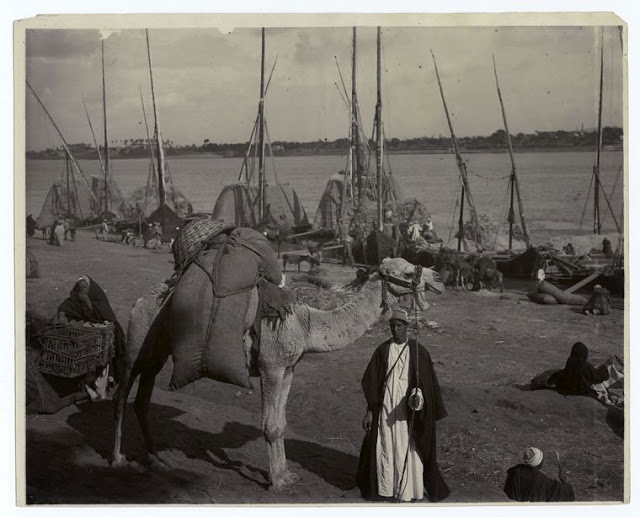
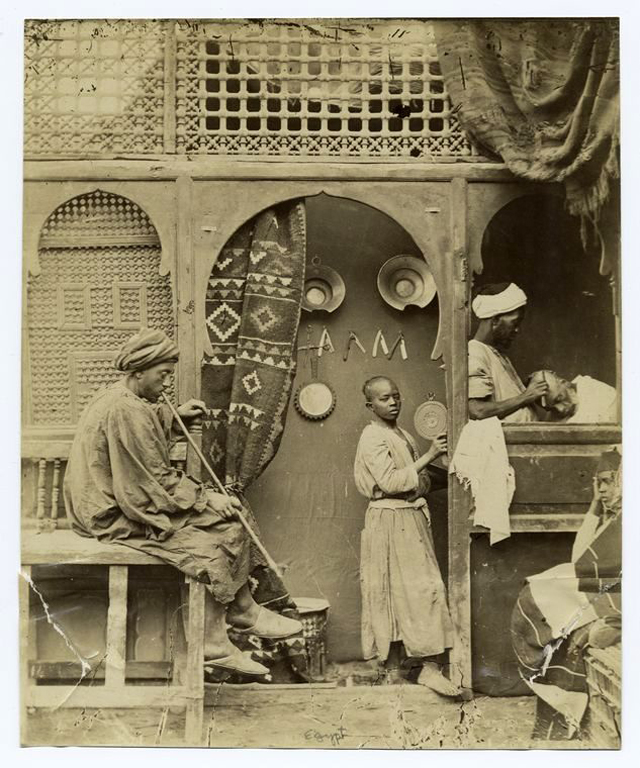
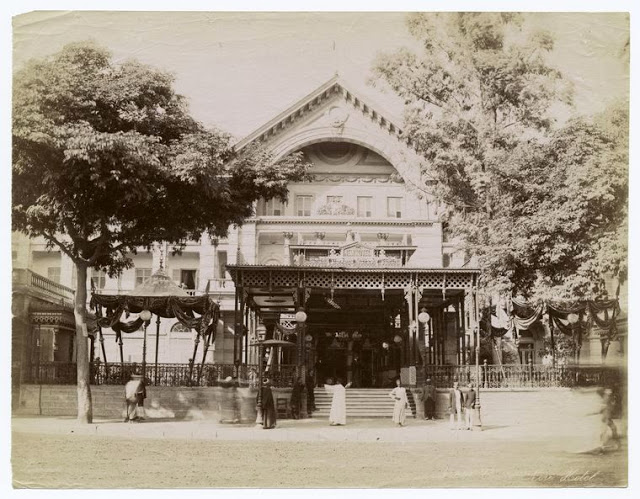
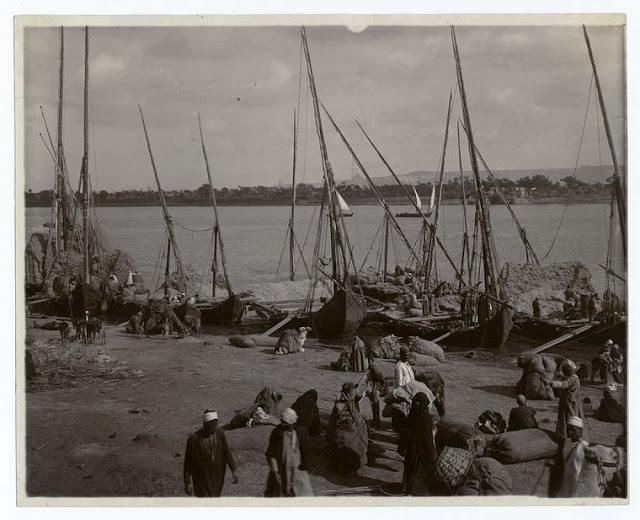
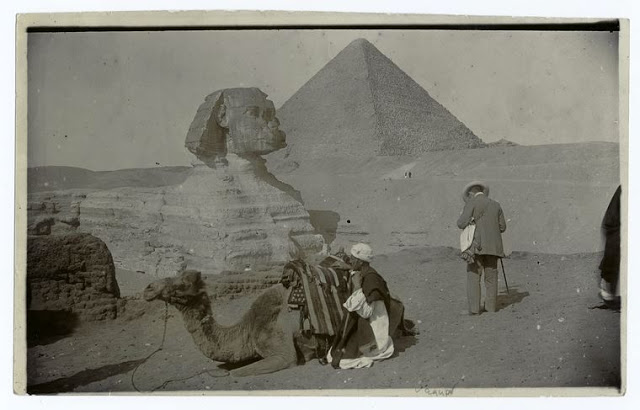
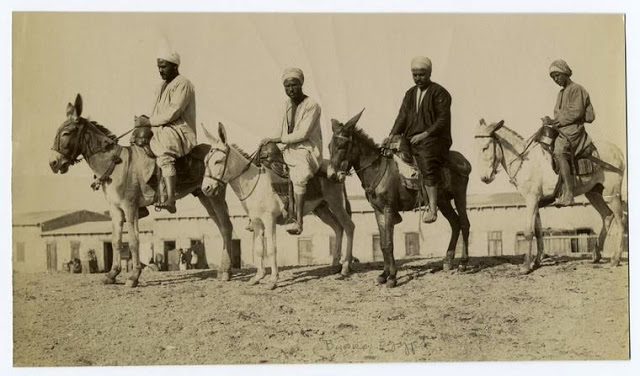
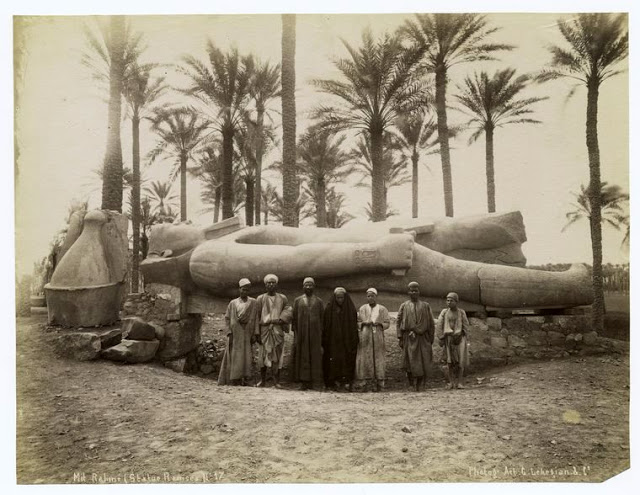
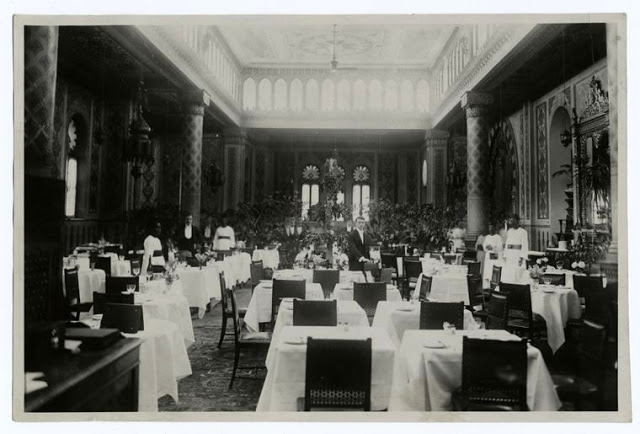
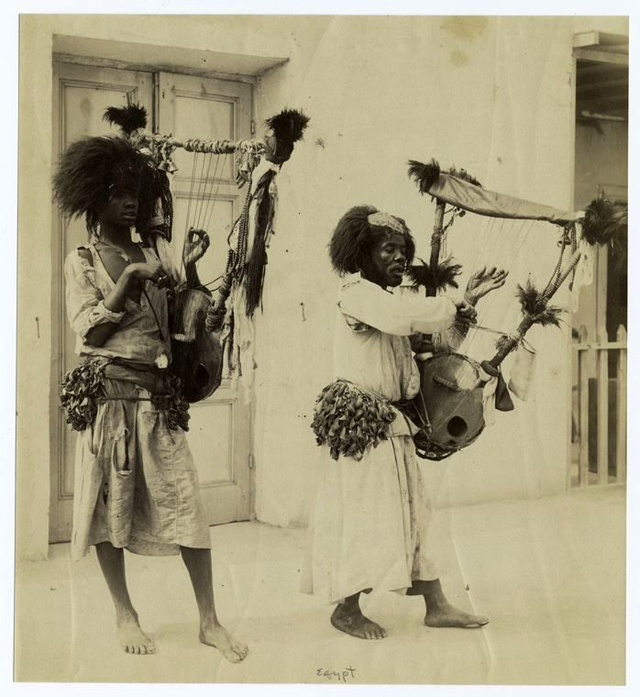
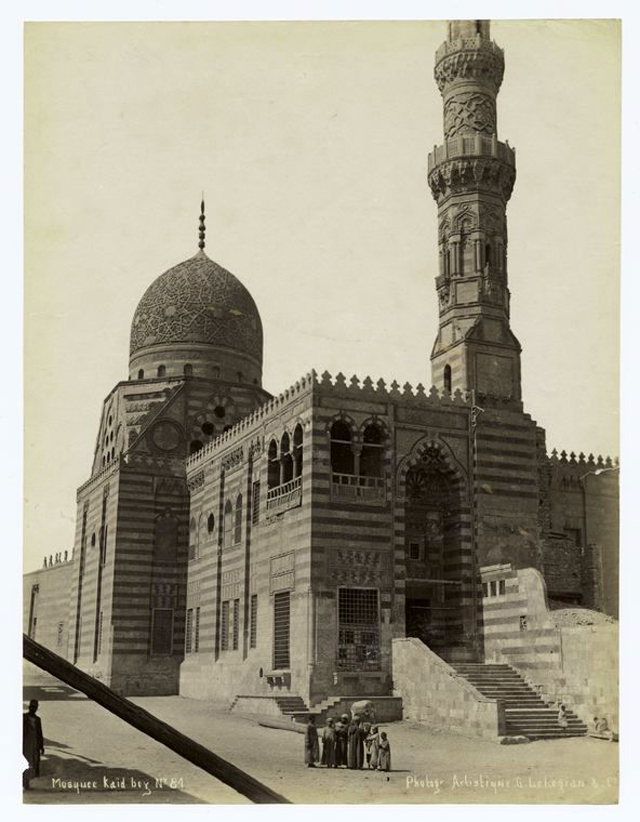
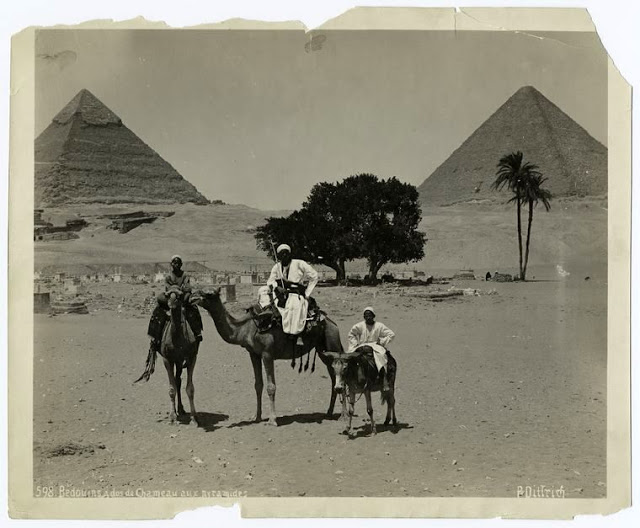
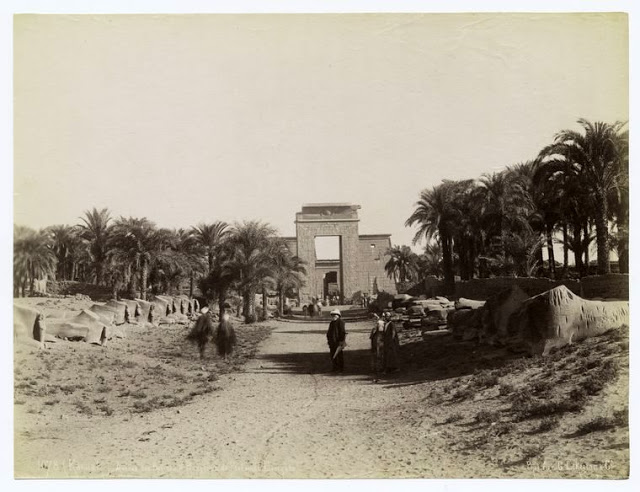
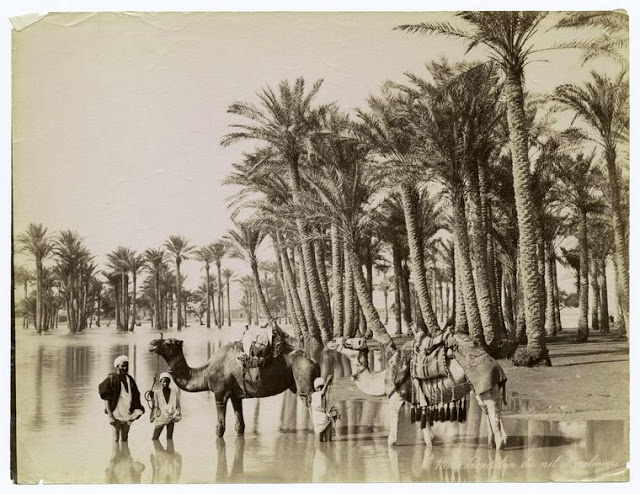
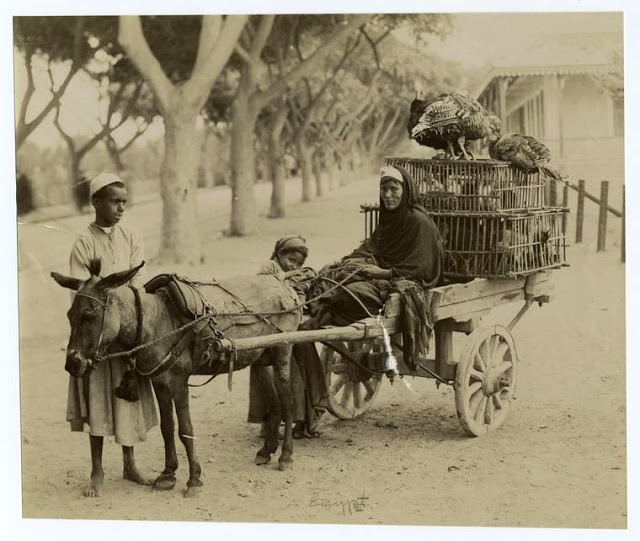
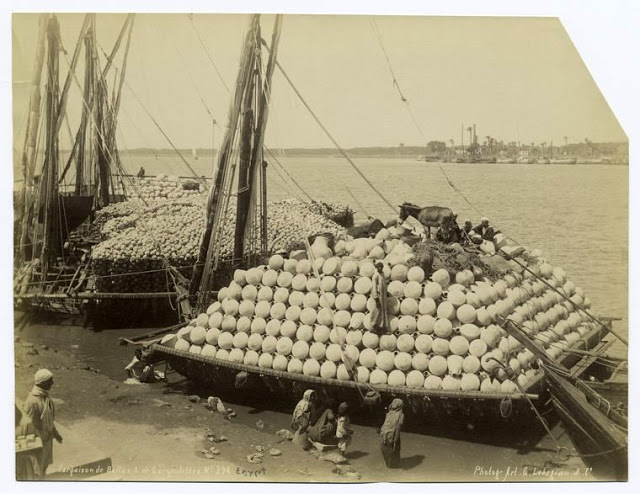
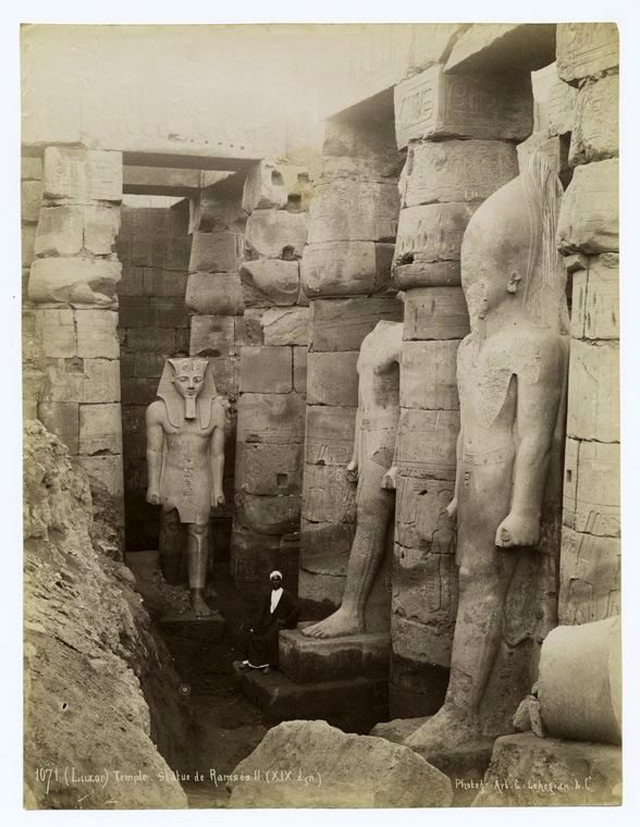
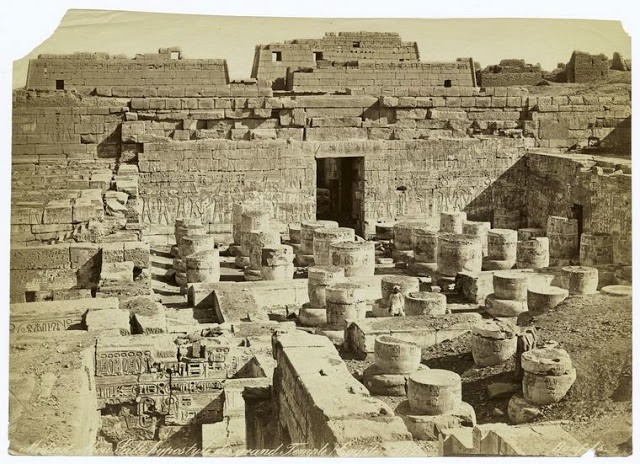
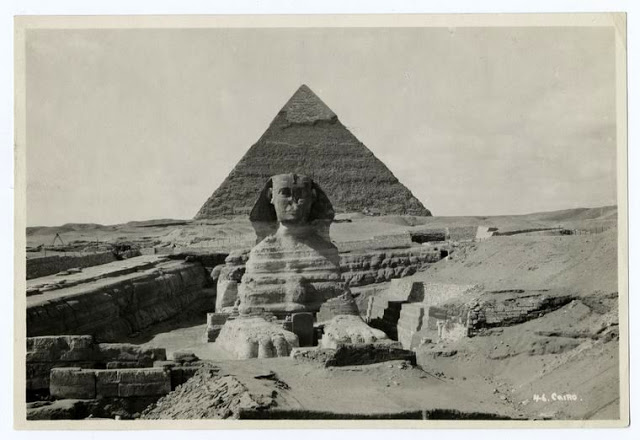
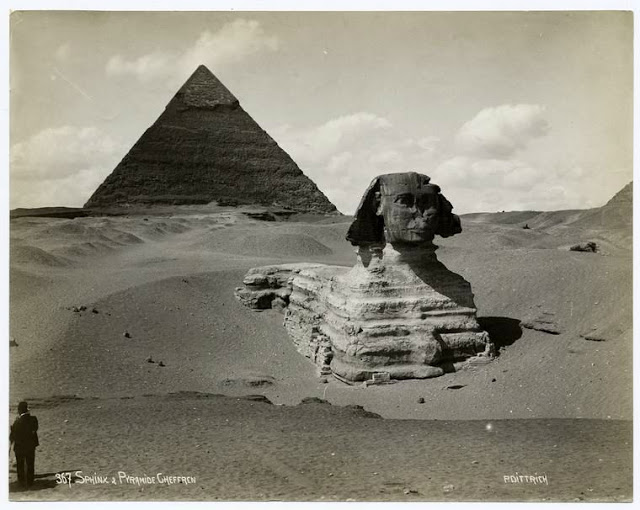
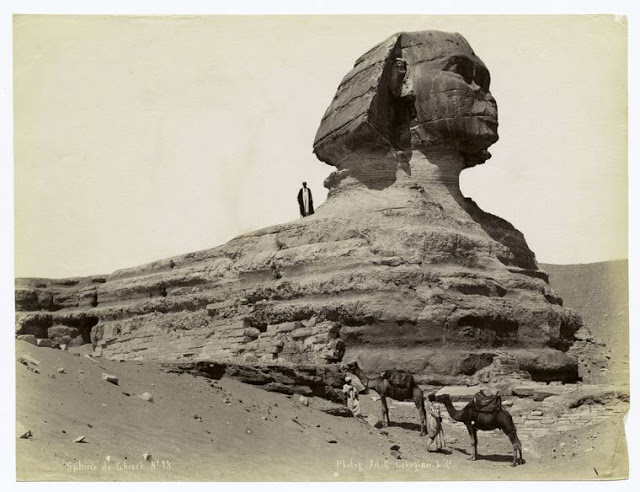
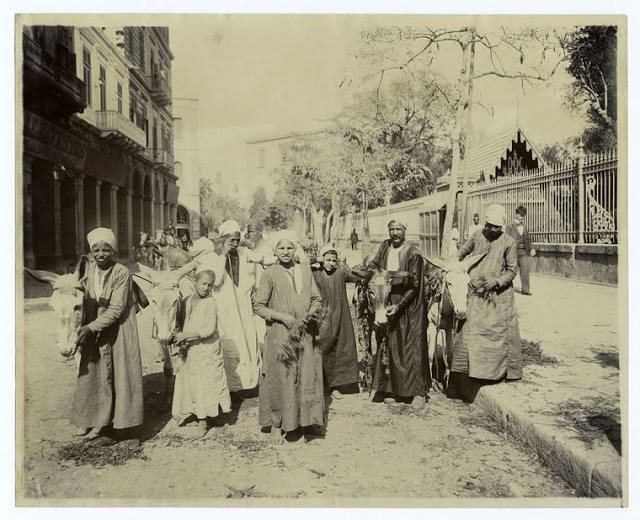
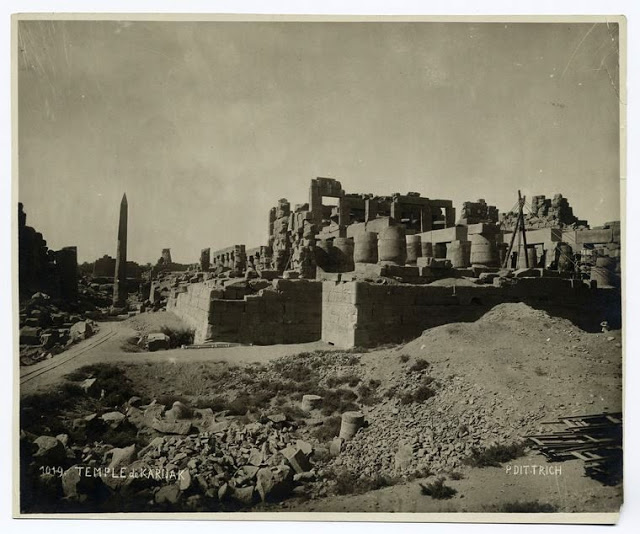
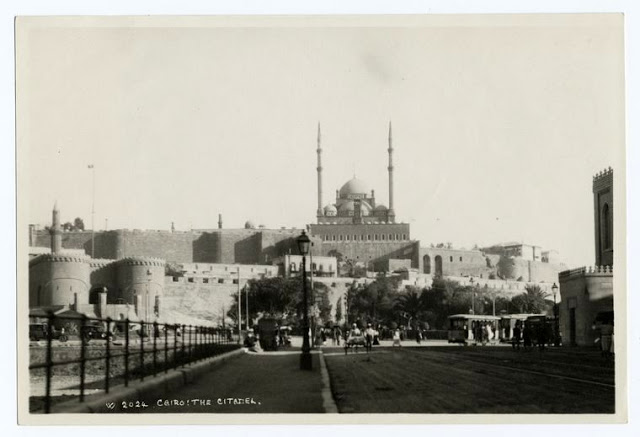
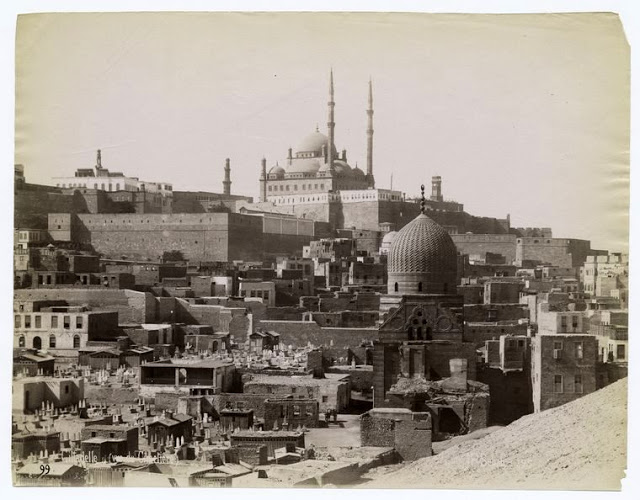
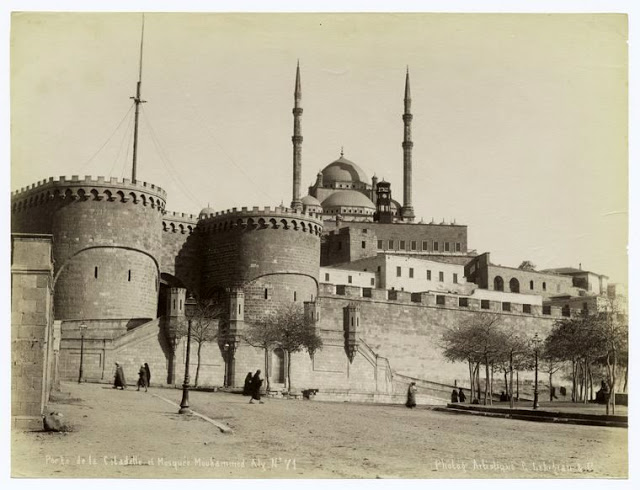
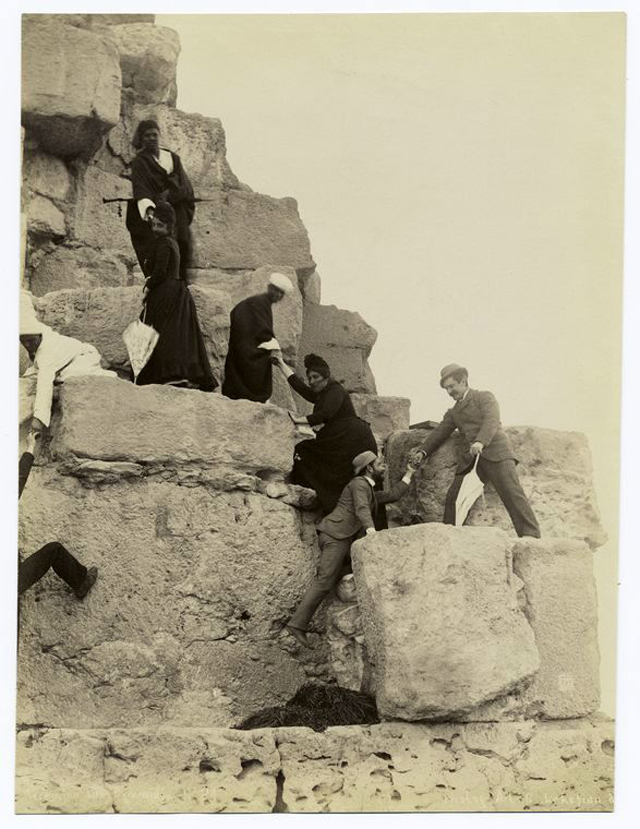
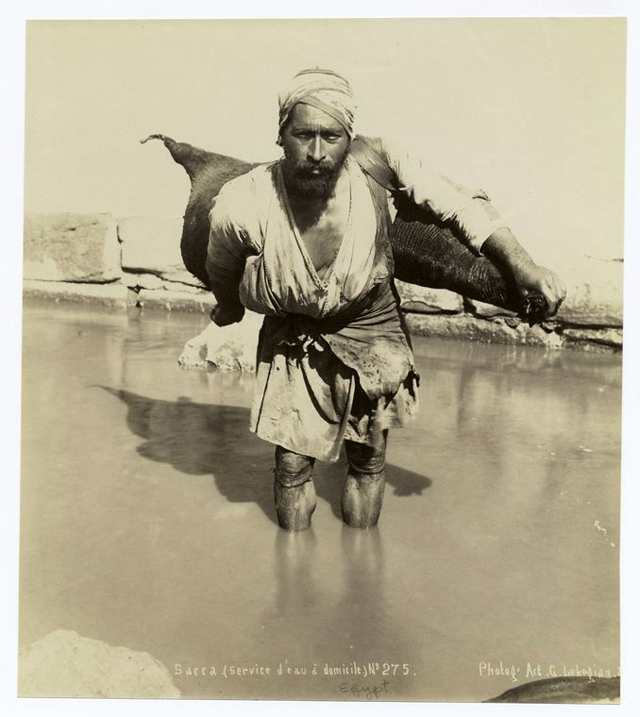
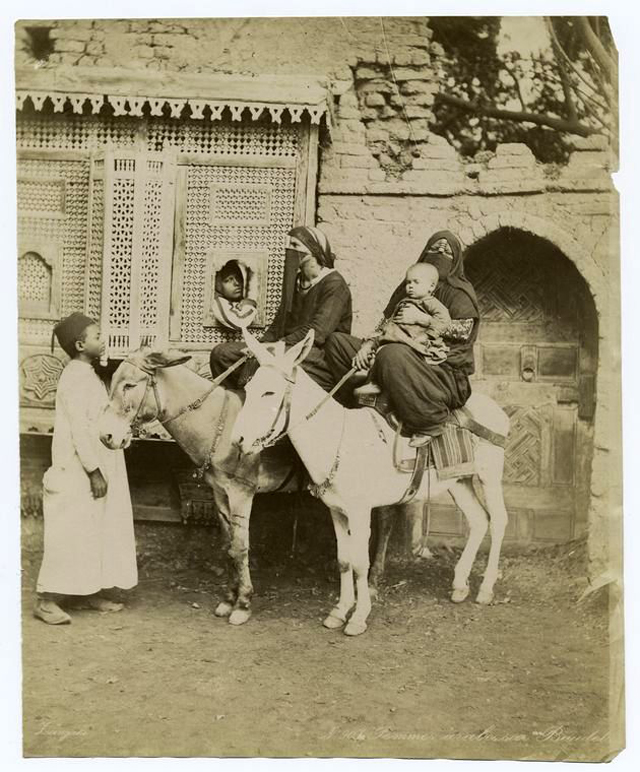
Ancient transportation, Nile, EgyptBarber shopCairo, New HotelDown Nile from Kasr-el-Nil (Nile bridge), EgyptFeed boats (trodden straw) unloading on the Nile, EgyptFellah womenFour men and a table of foodGreat Sphinx of GizaGroup of Sudanese in EgyptLuxor, Ramesses IIMerchant womenMit Rahine (statue Ramses)Mobile Arab restaurant in EgyptMoorish dining room at Shepheards Hotel, CairoMusicians with their stringed instrumentsPeople at a mosque in CairoPeople at the Ancient Egyptian Pyramids of GizaPeople celebrating festivalIn front of Temple of Amun gateway in LuxorChildren on a horse wagonPeople with their camels on the NilePeople with their donkey cartPhilaePhilaePort Said in EgyptPottery shipping at Nile RiverRamses II in Luxor TempleShepheard’s Hotel in CairoSnake charmerStreet in CairoThe Ancient Egyptian Pyramids of GizaThe Great Hypostyle HallThe Great Sphinx of GizaThe Great Sphinx of GizaThe Great Sphinx of GizaThe Great Sphinx of GizaThe irrepressible donkey boys at CairoThe Karnak Temple ComplexThe Saladin Citadel of CairoThe Saladin Citadel of CairoThe Saladin Citadel of CairoThe Temple of Kom OmboTourist at the Great Sphinx of GizaTourists at the Great Sphinx of GizaTourists climbing the pyramidsWater carrierWomen and children preparing sugar caneWomen riding on their donkeysWomen with their donkey cartA dragoman asleep on his ‘ship of the desert’
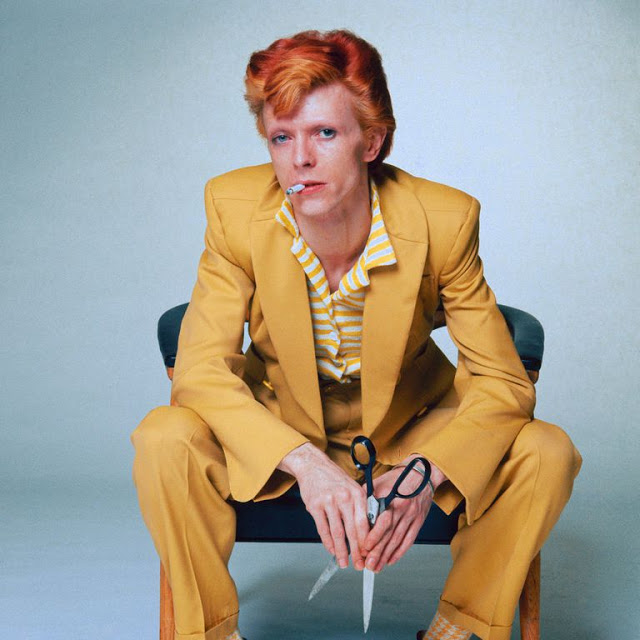
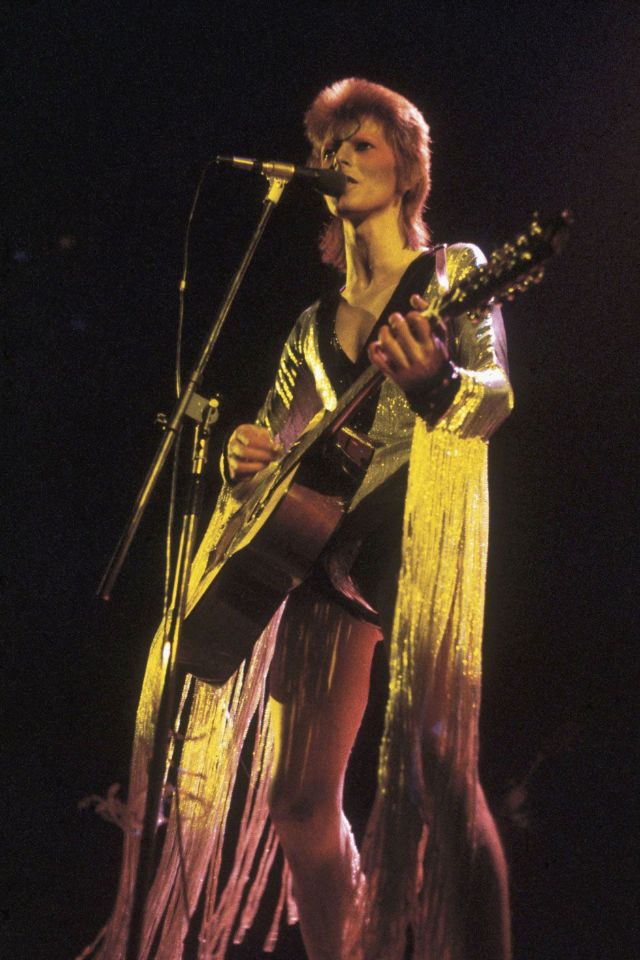
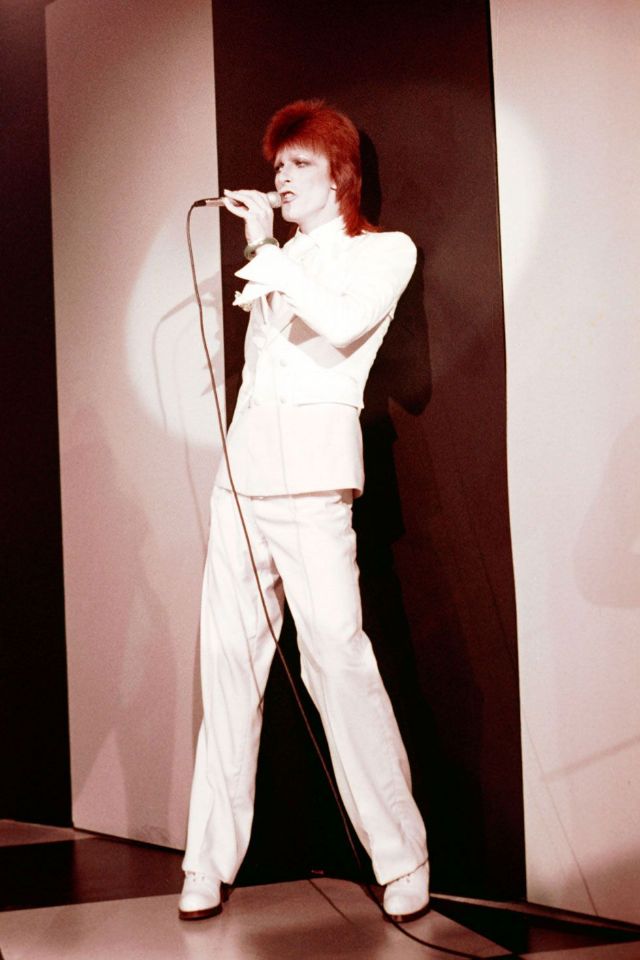
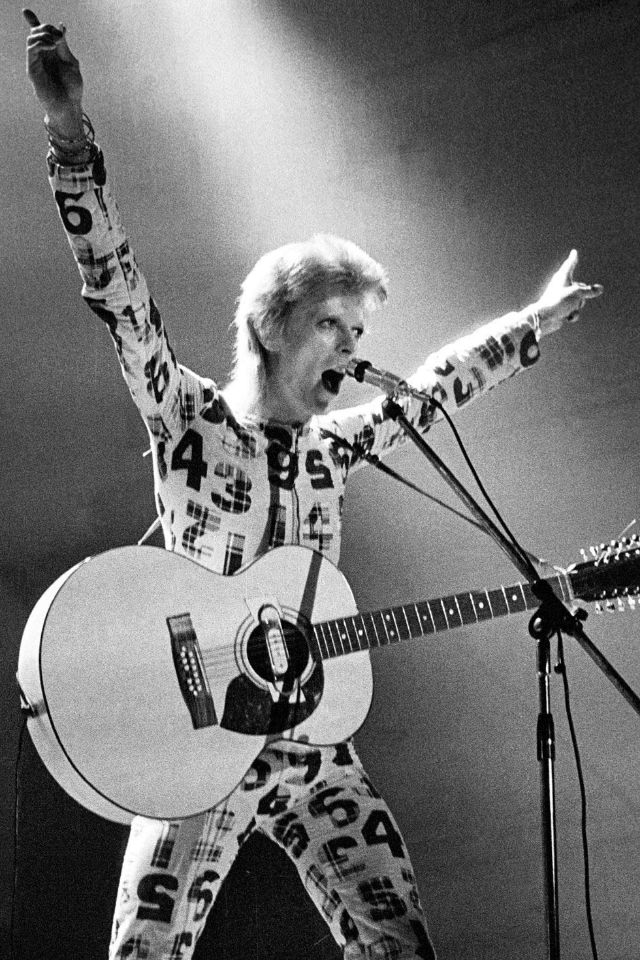
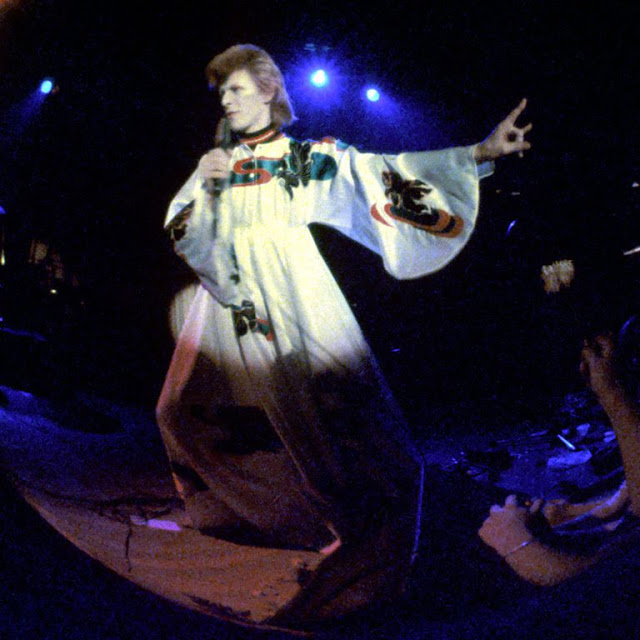
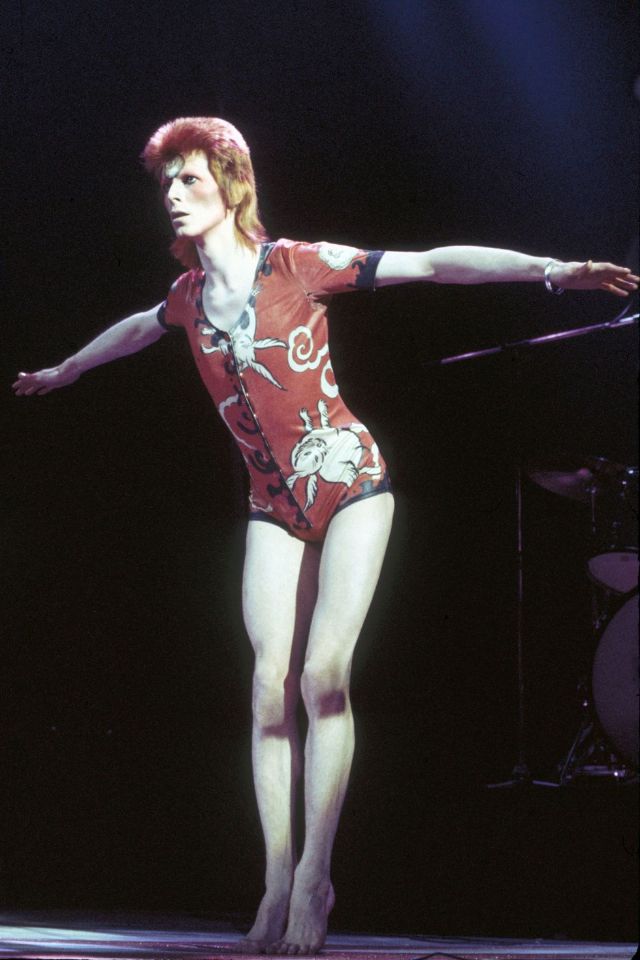
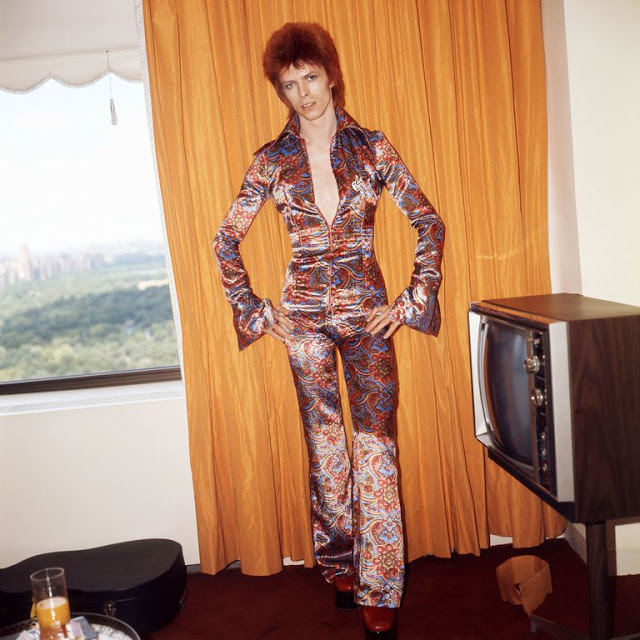
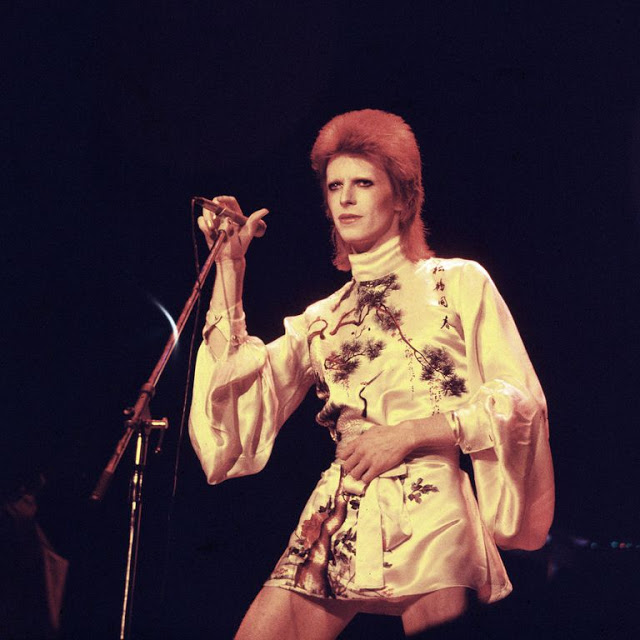
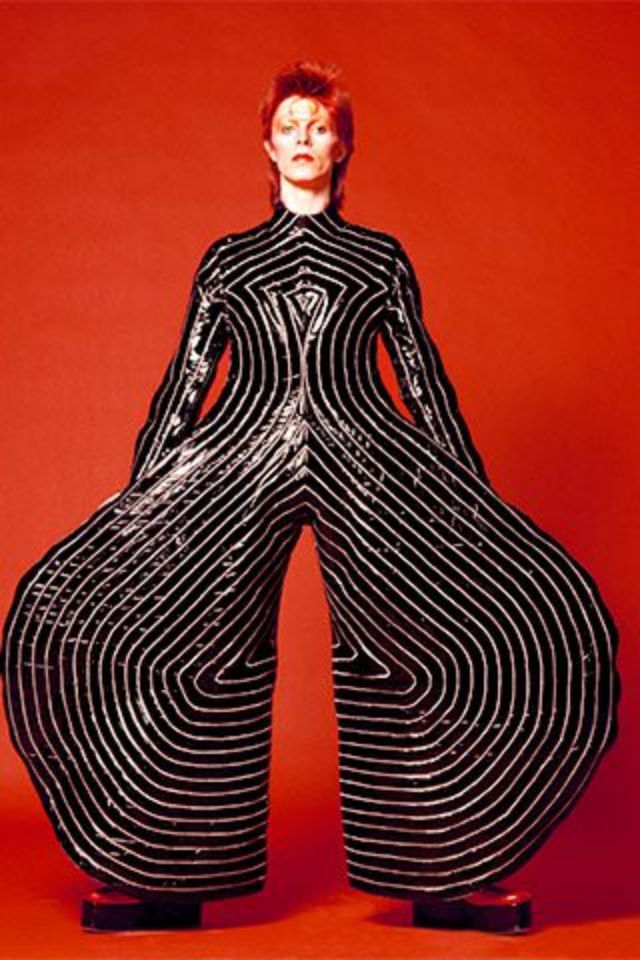
With a career spanning six decades David Bowie had long cemented himself as pop culture’s most fashion-forward music icon.
From his emergence as a monochrome teen mod in the 1960s, to the glitter-soaked, gender-bending explosion as Ziggy Stardust in the 1970s, and the new romanticism, neo-classicism and Berlin-channelling looks that followed, Bowie is best known for undergoing a style renaissance at every possible turn.
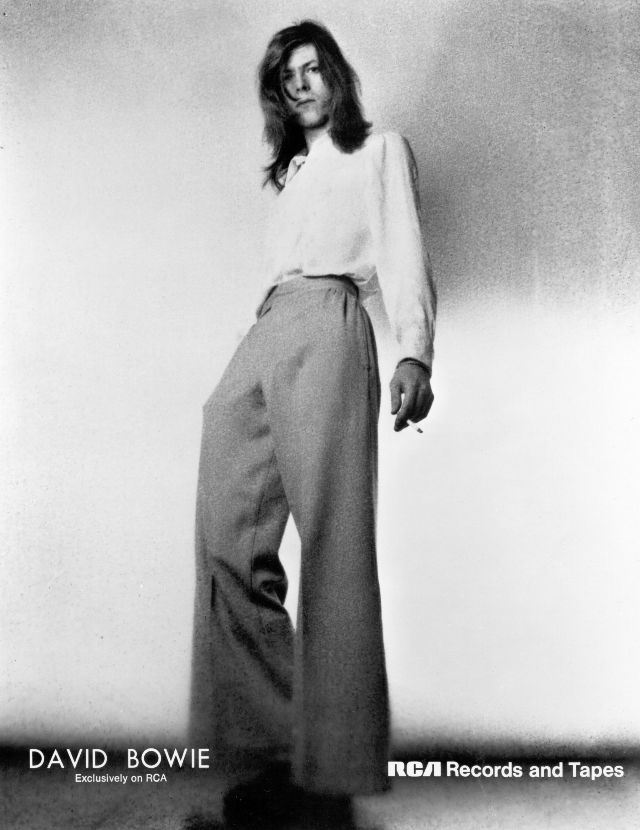
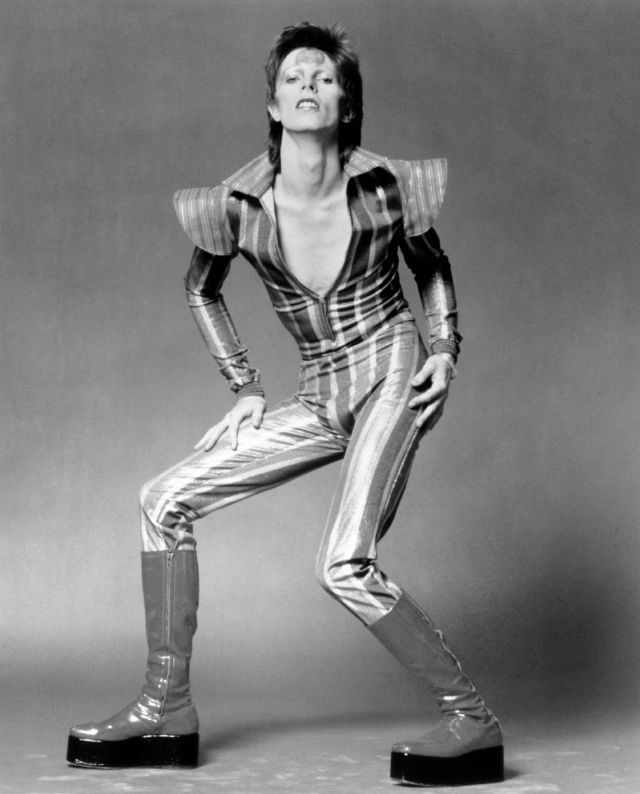
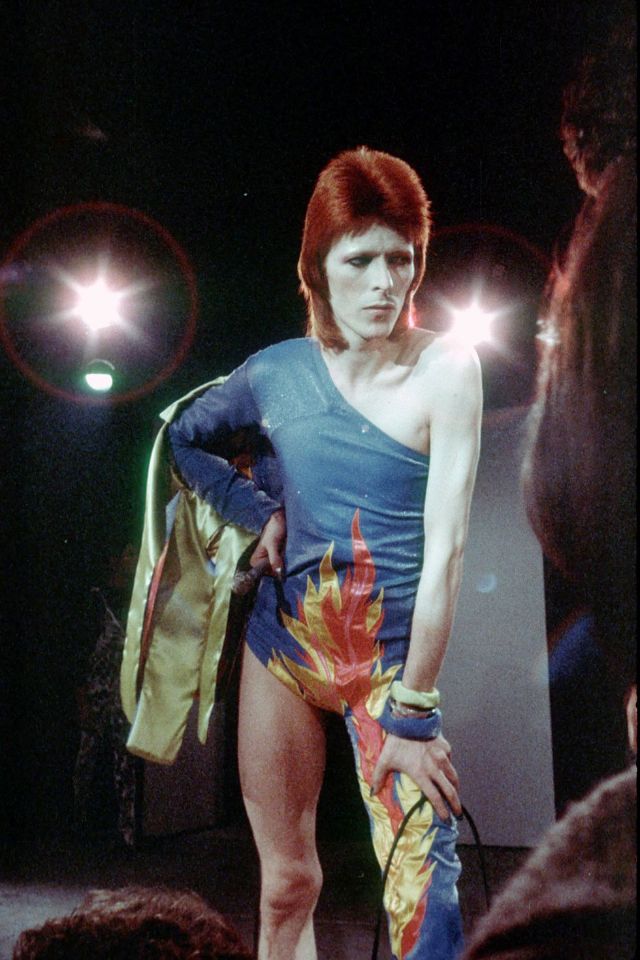
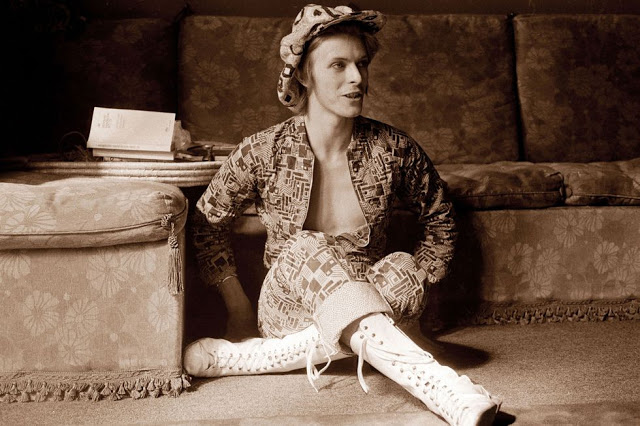
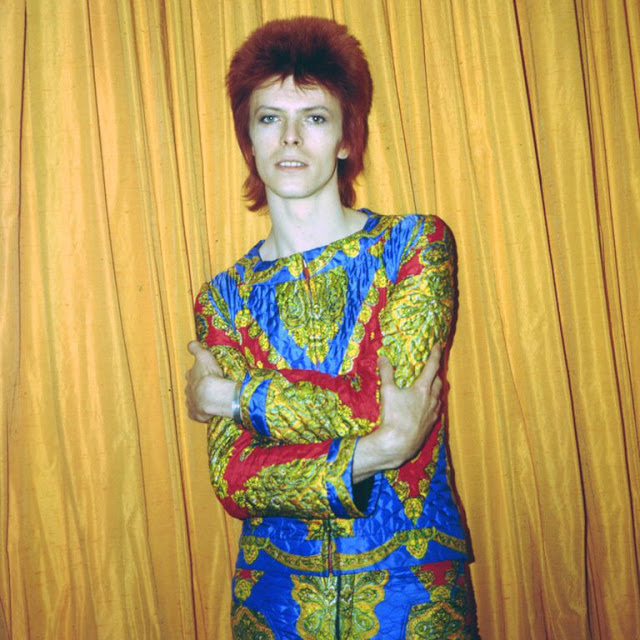
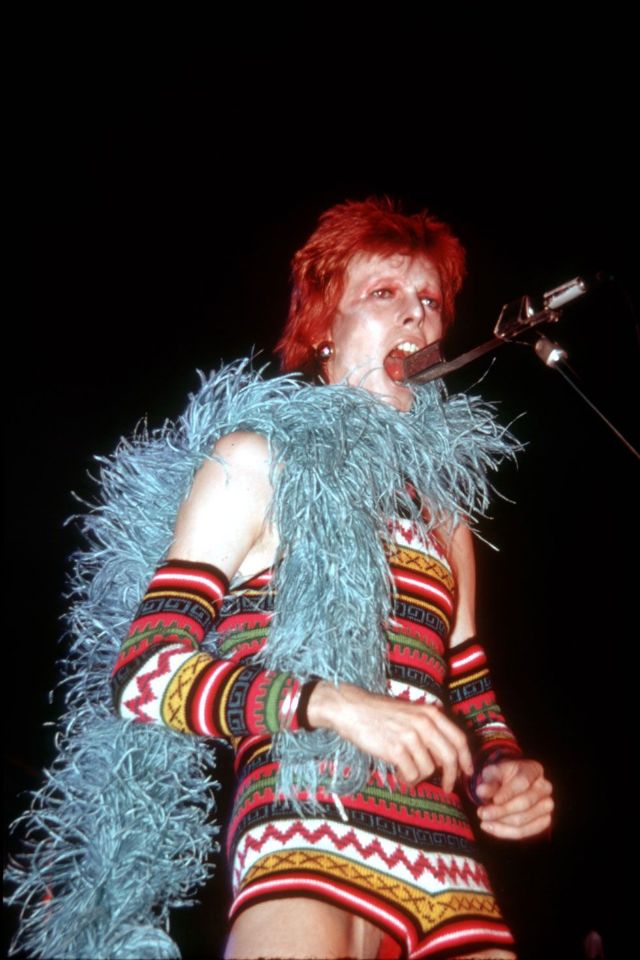
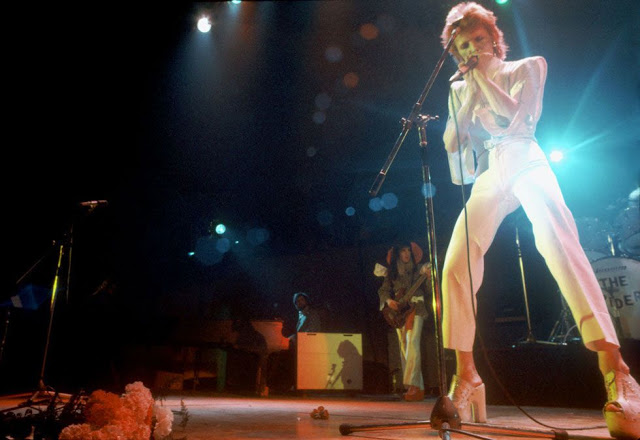
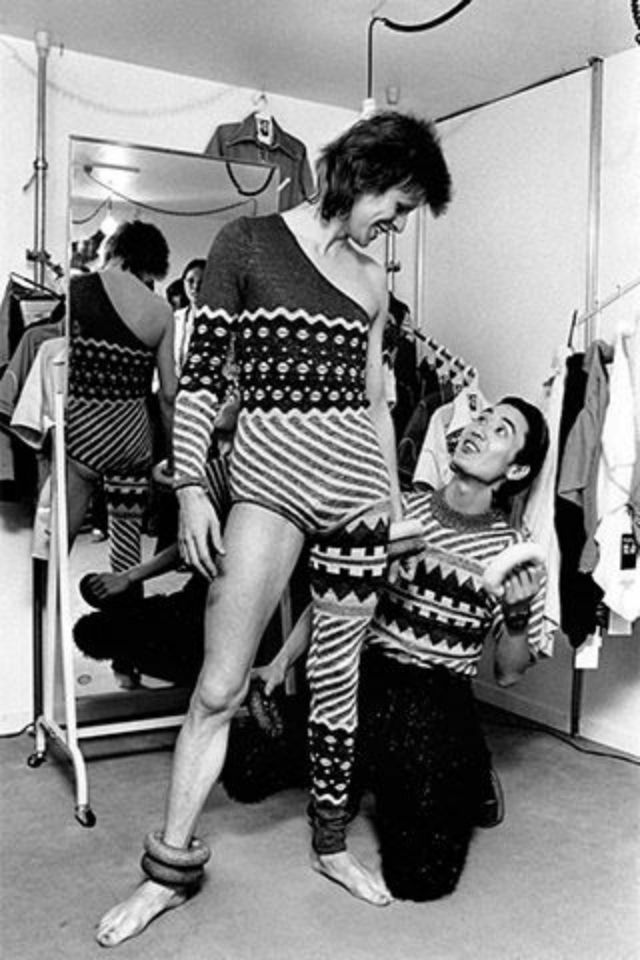
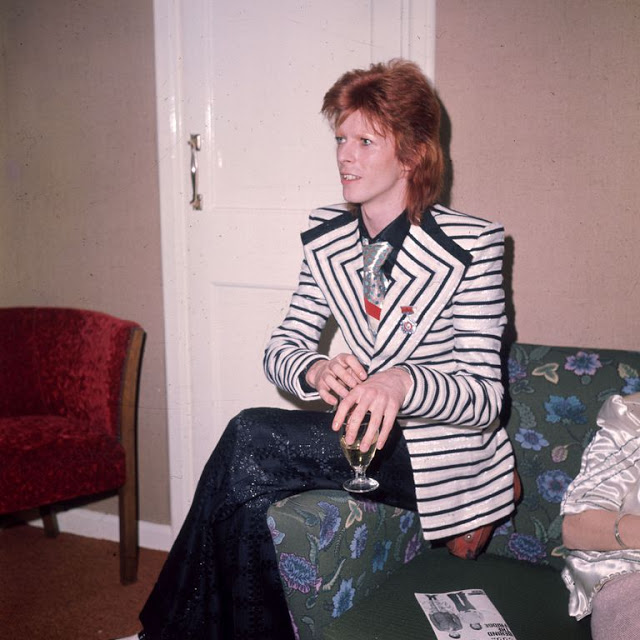
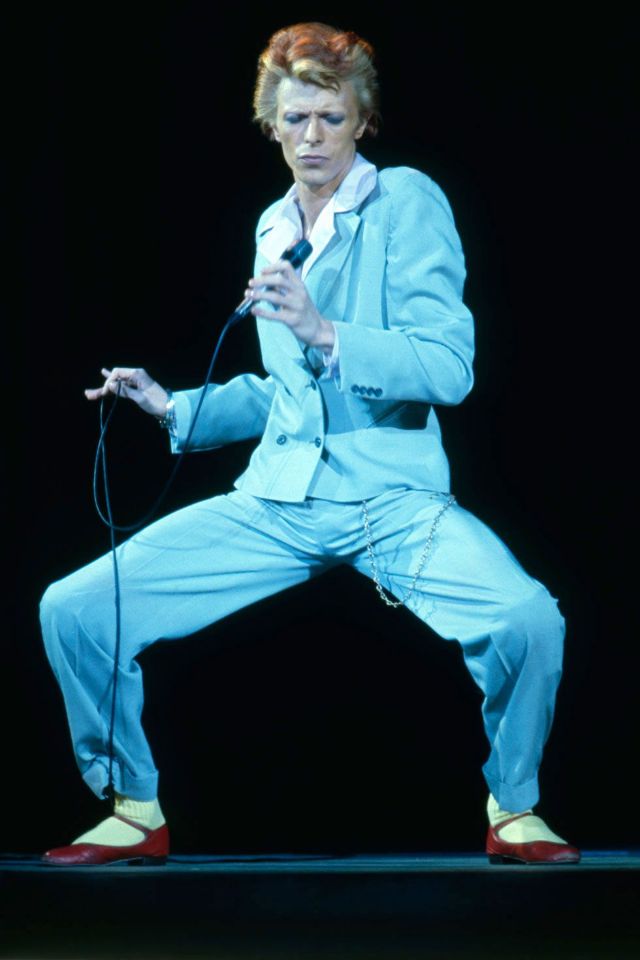
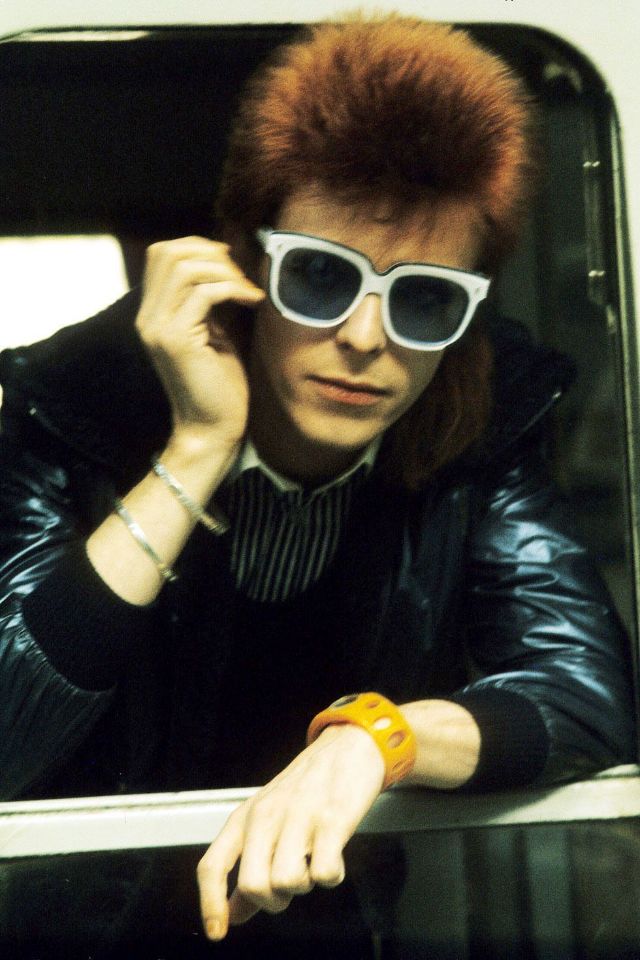
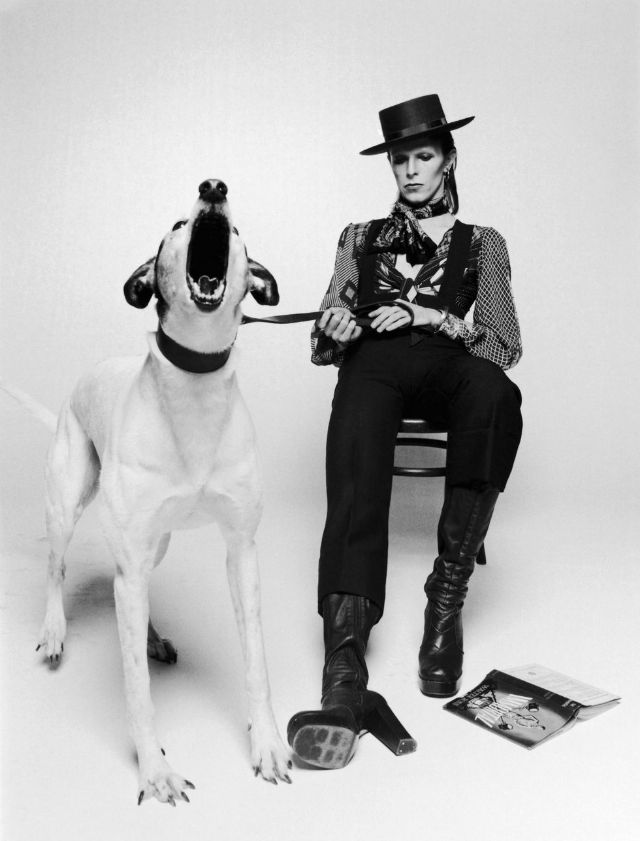
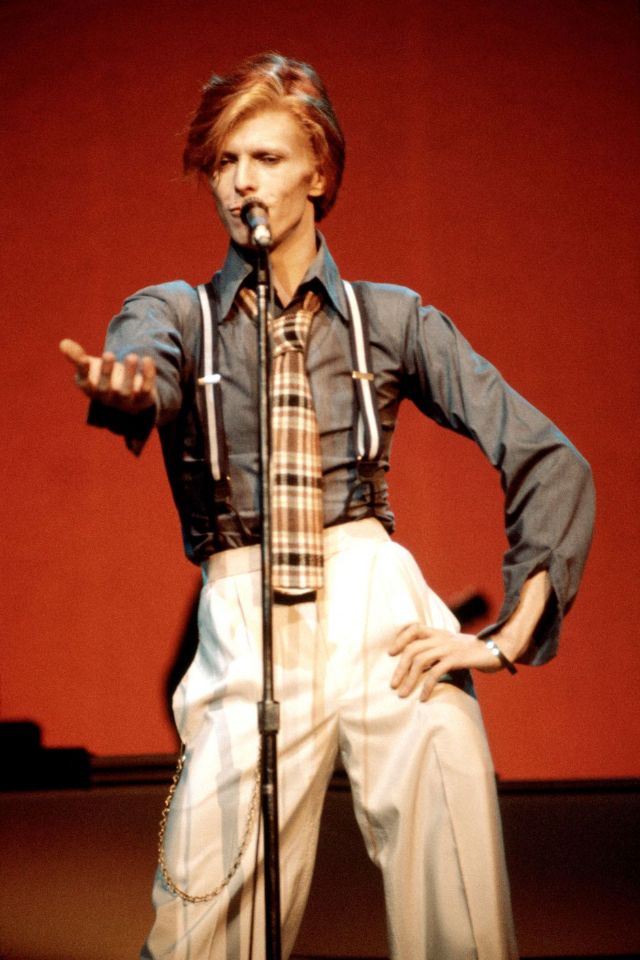
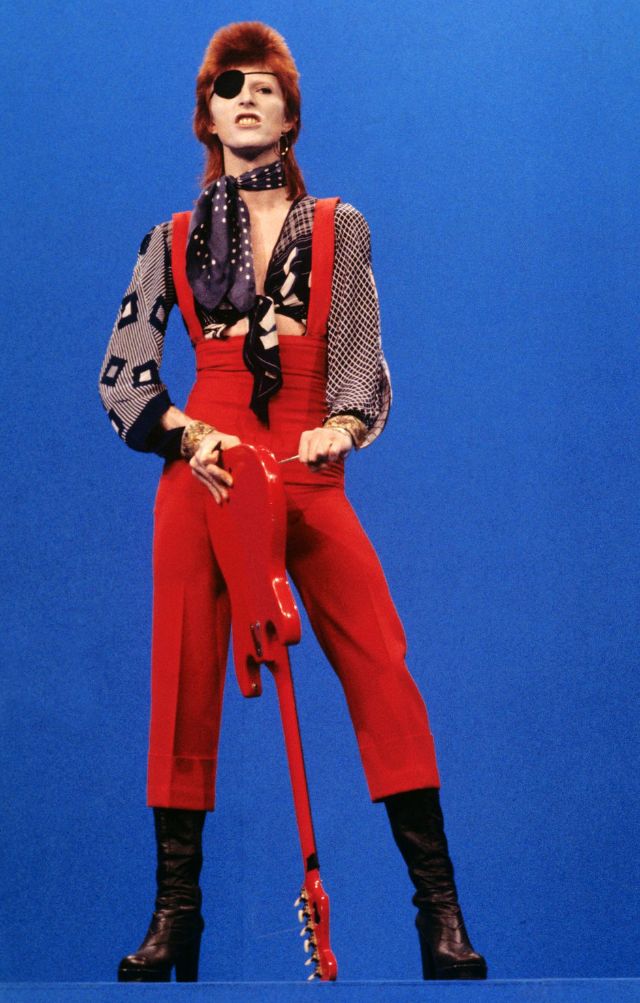
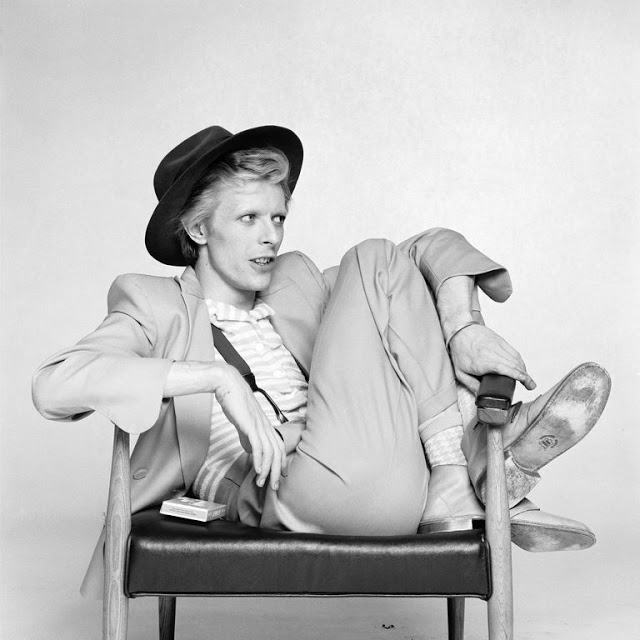
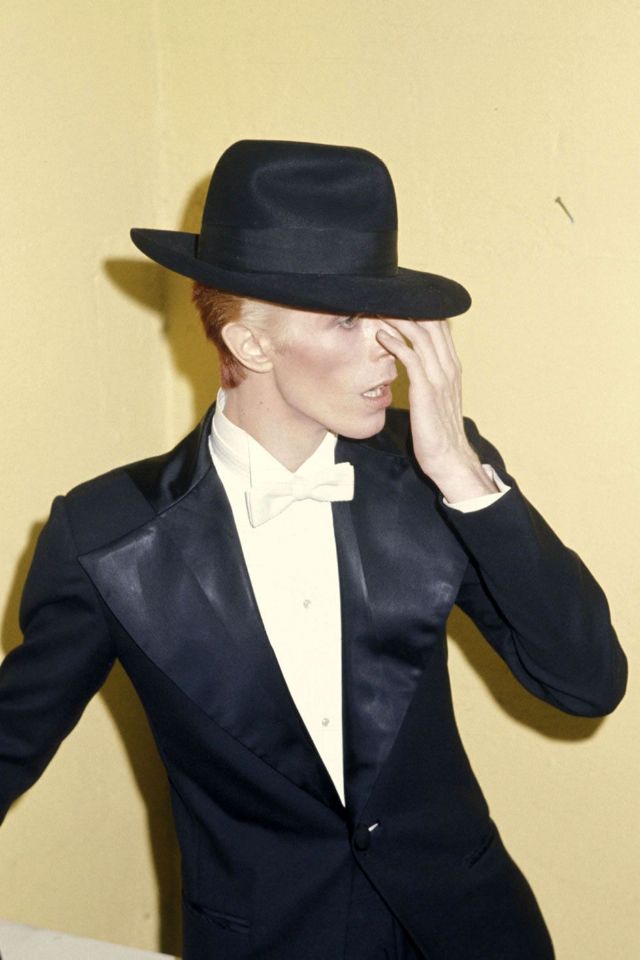
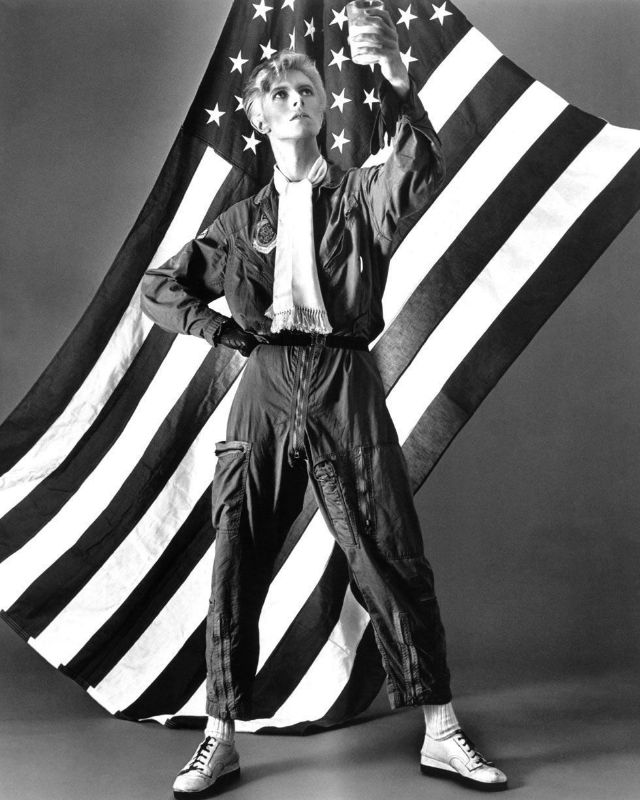
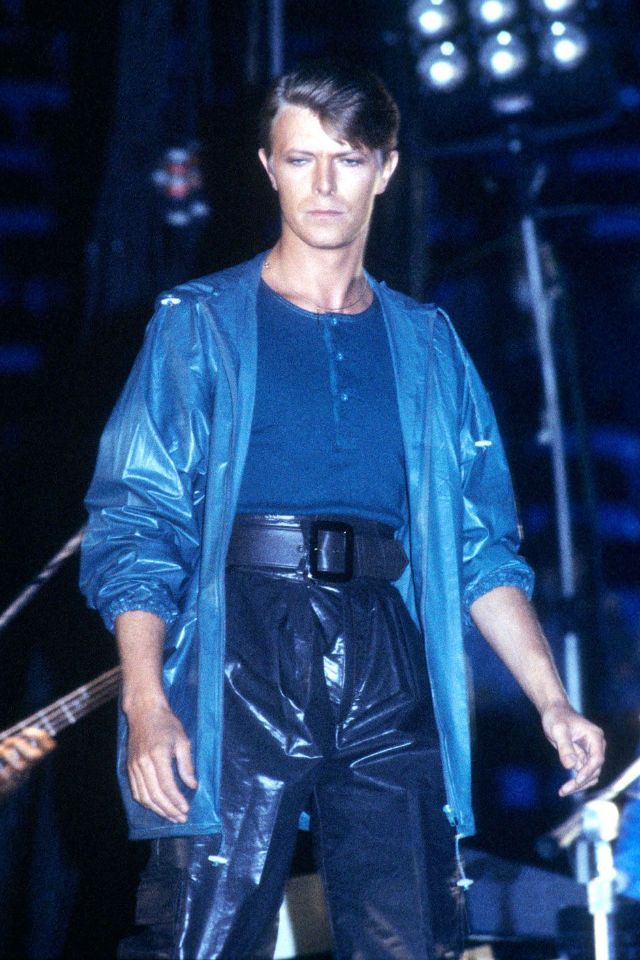
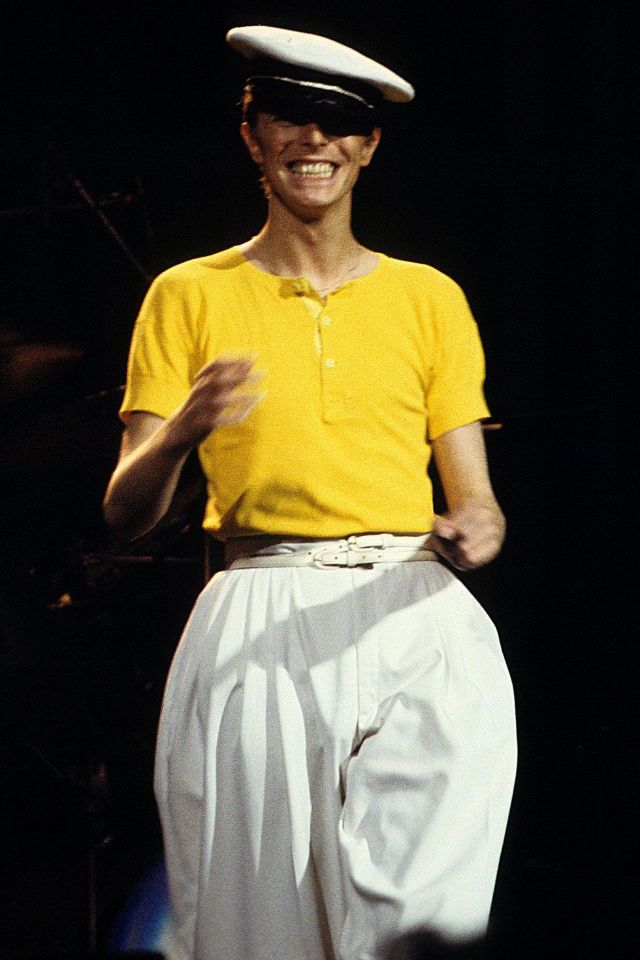
In wide leg pants posing for a portrait promoting the Hunky Dory album in London, 1971.In a striped jumpsuit and platform boots posing for a portrait as Ziggy Stardust in London, 1972.In an asymmetrical bodysuit performing onstage as Ziggy Stardust, 1972.In lace up boots and a printed jumpsuit being interviewed at home in Beckenham, London, 1972Wearing a fringed number designed by Kansai Yamamoto performing at the Hammersmith Odeon, 1973.In all-white performing at The Marquee Club in London, 1973.In a number-printed jumpsuit on his Stardust tour, 1973.In a billowing robe performing on stage, 1973.In a colorful quilted set photographed in a New York City hotel room, 1973.In a blue feather boa performing in Los Angeles, 1973.In an all-white look performing in Los Angeles, 1973.With designer Kansai Yamamoto, 1973.In a Kansai Yamamoto-designed bodysuit performing at the Hammersmith Odeon, 1973.In a silk flared jumpsuit posing for a portrait in New York City, 1973.In a printed mini dress performing on his Ziggy Stardust/Aladdin Sane tour in London, 1973.In a look by Japanese Designer Kansai Yamamoto, 1973.In a striped blazer with wide lapels caught candid, 1973.In a blue suit performing in Los Angeles during his Diamond Dogs tour, 1974.In sunglasses, pictured in England, 1974.In a yellow suit for a promo photo, 1974.In a top hat, heeled boots, and overalls posing his album Diamond Dogs, 1974.In suspenders and a plaid tie performing at Radio City Music Hall during the Philly Dogs Tour, 1974.In an eye patch and red overalls performing “Rebel Rebel” on the TV show TopPop in Hilversum, Netherlands, 1974.In a suit and wide brim hat for a promo photo, 1974.In a fedora and suit at the 17th Annual Grammy Awards, 1975.In a jumpsuit and sneakers posing for a portrait, 1976.In pleather pants performing in Oakland, California, 1978.In a sailor cap and parachute pants on his Low/Heroes tour at Madison Square Garden, 1978.
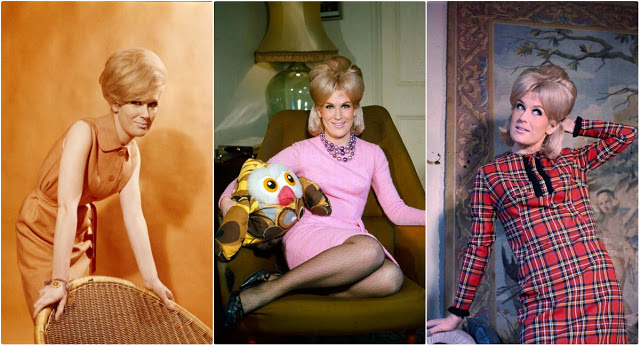
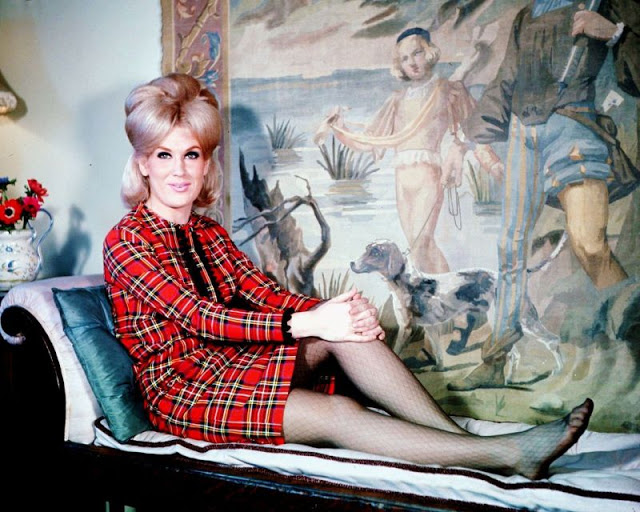
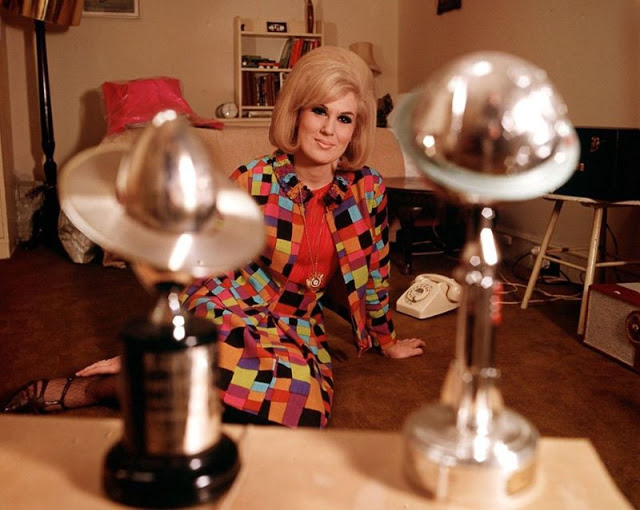
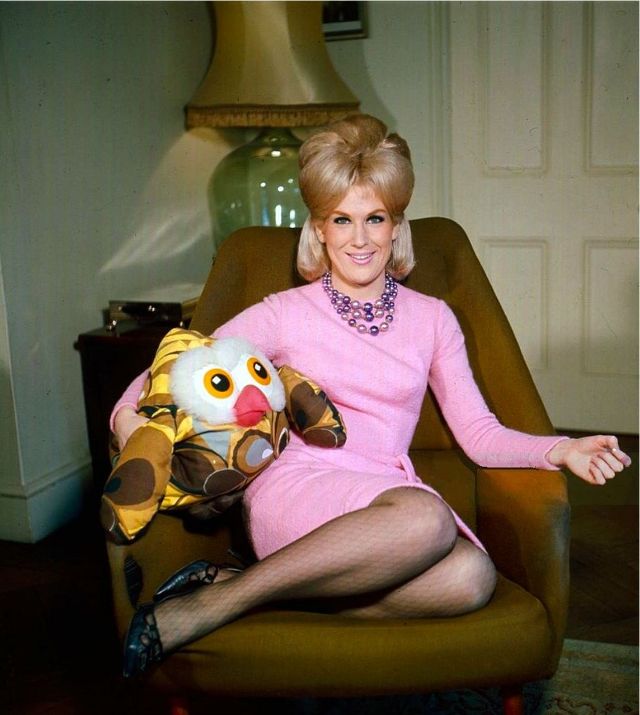
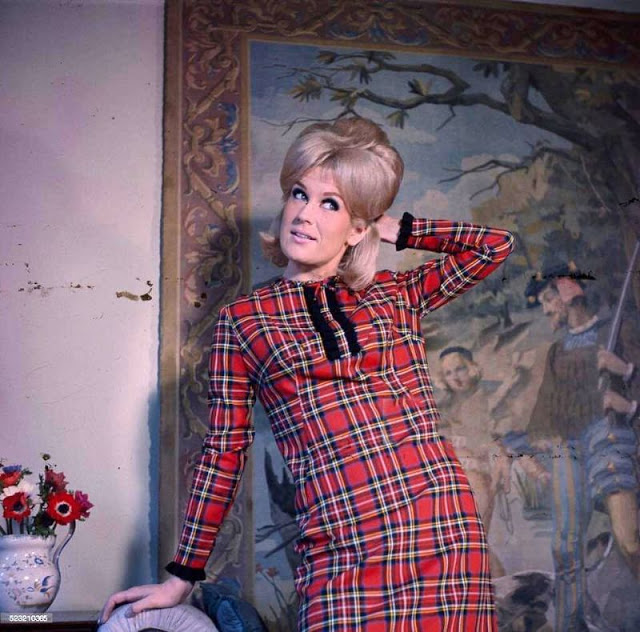
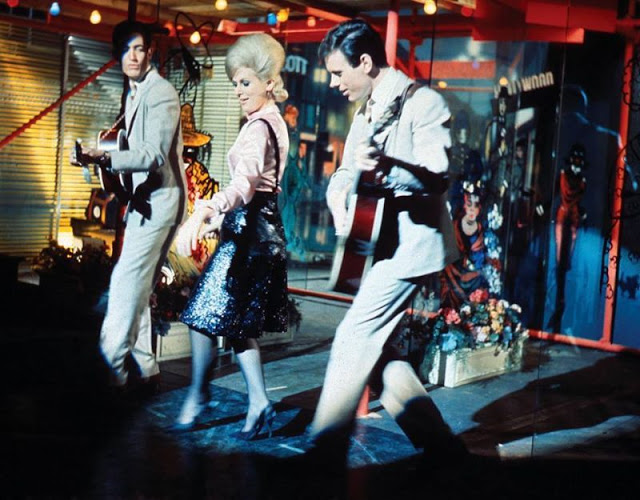
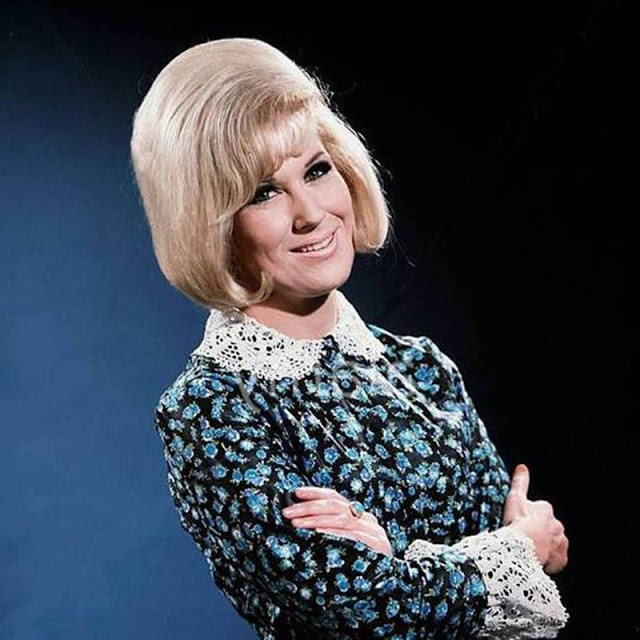
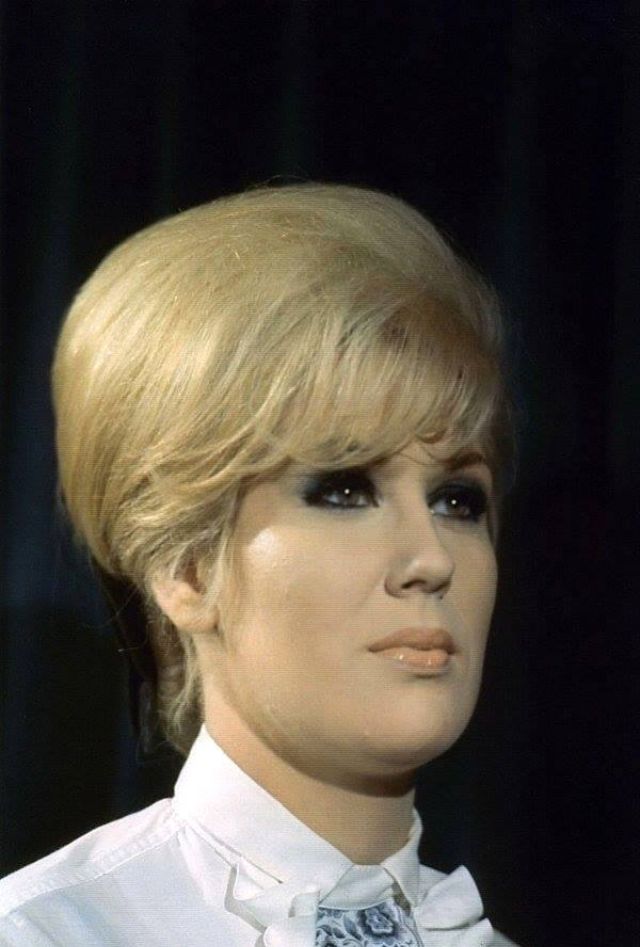
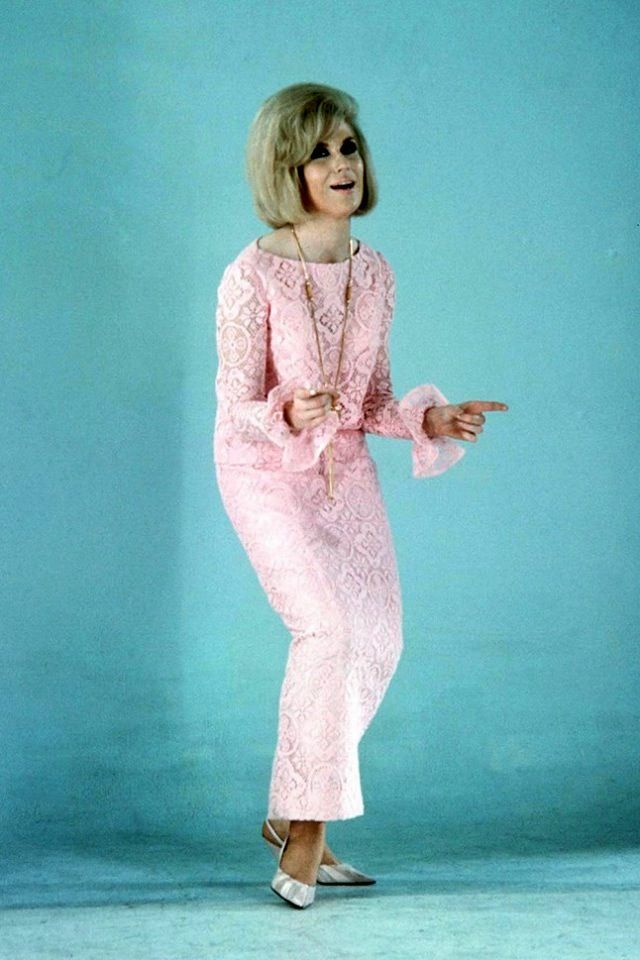
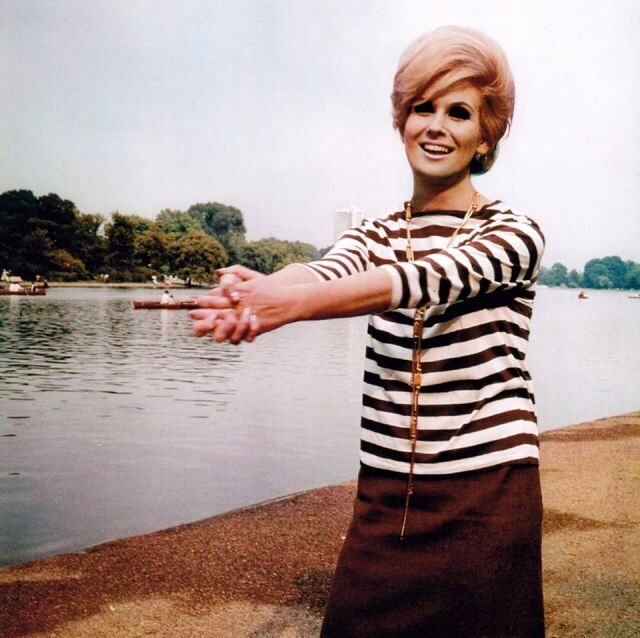
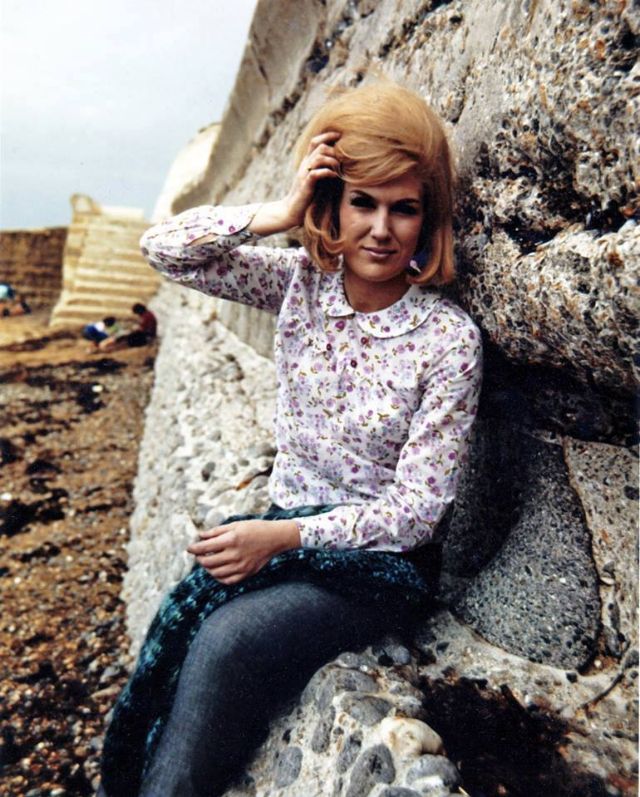
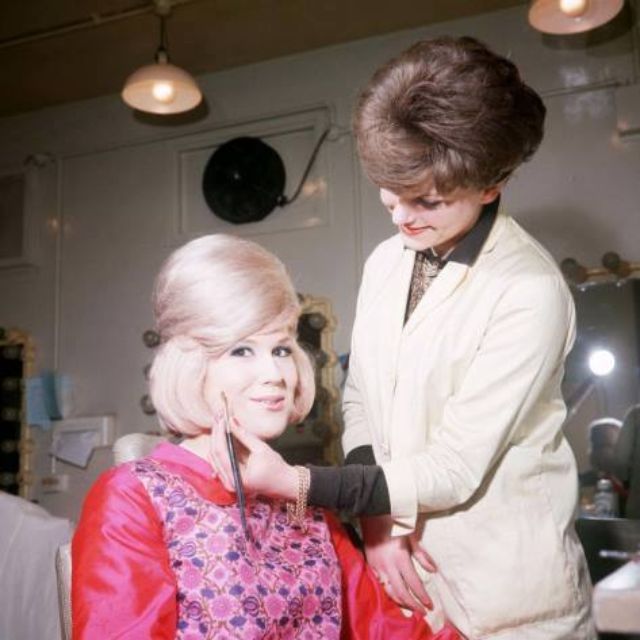
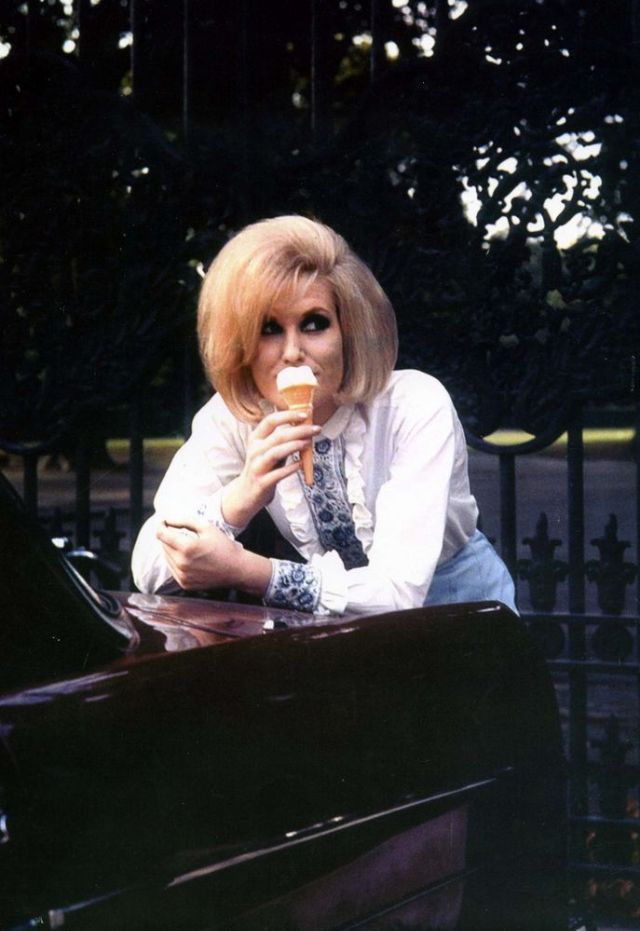
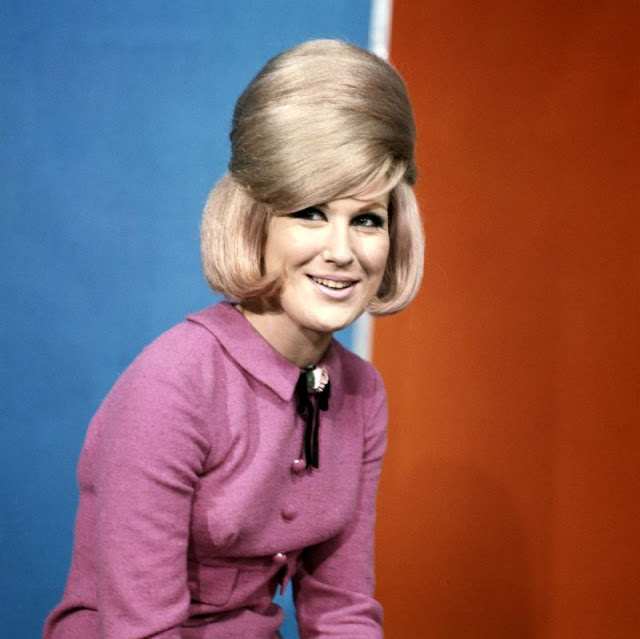
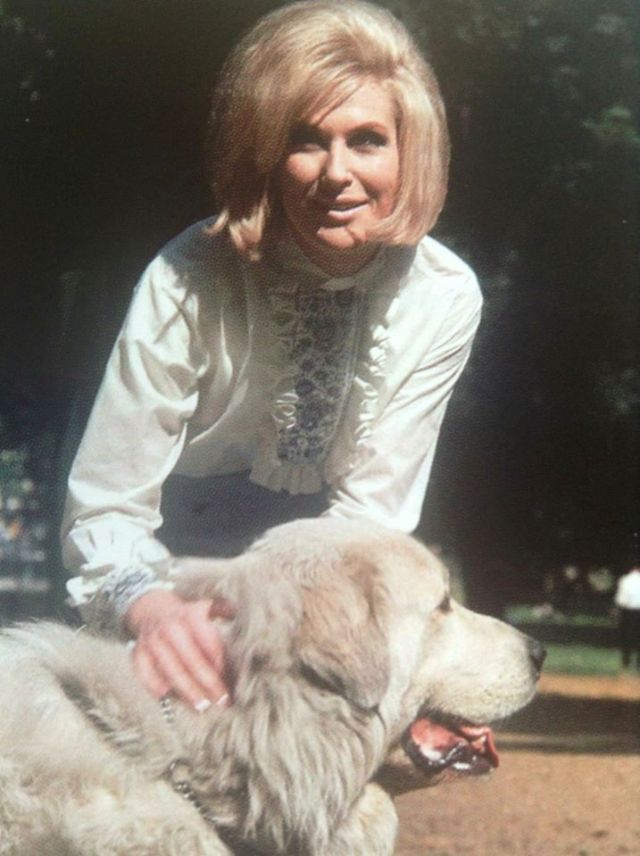
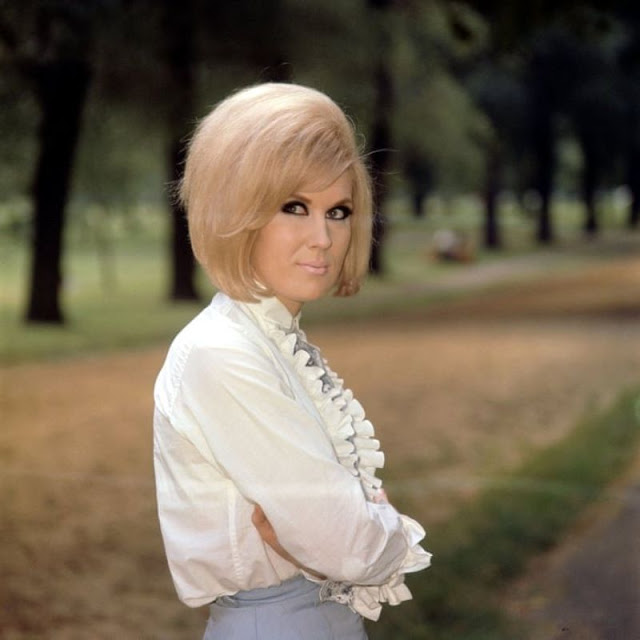
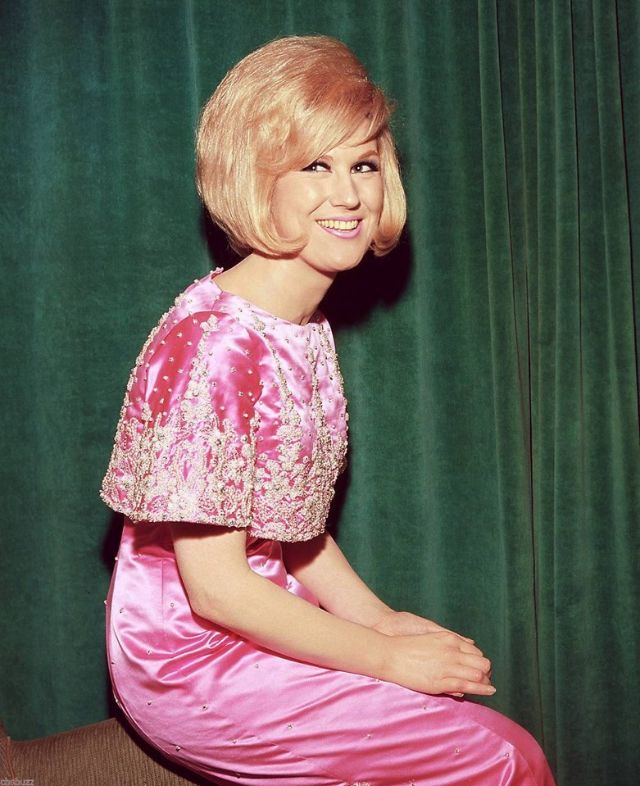
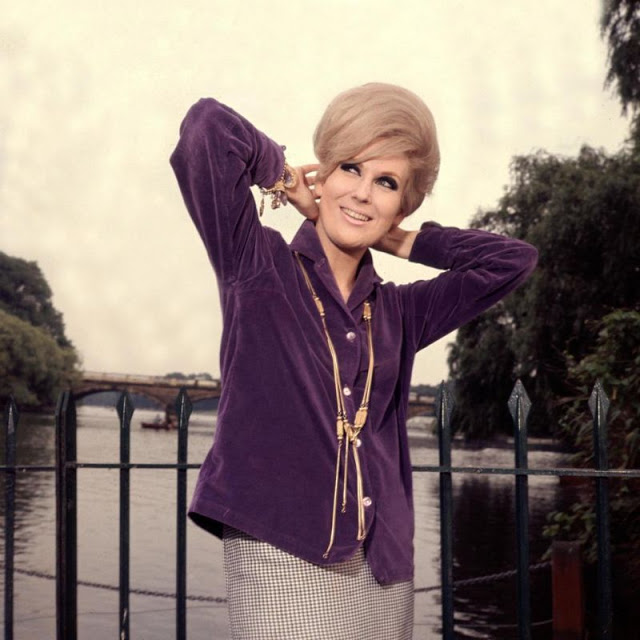
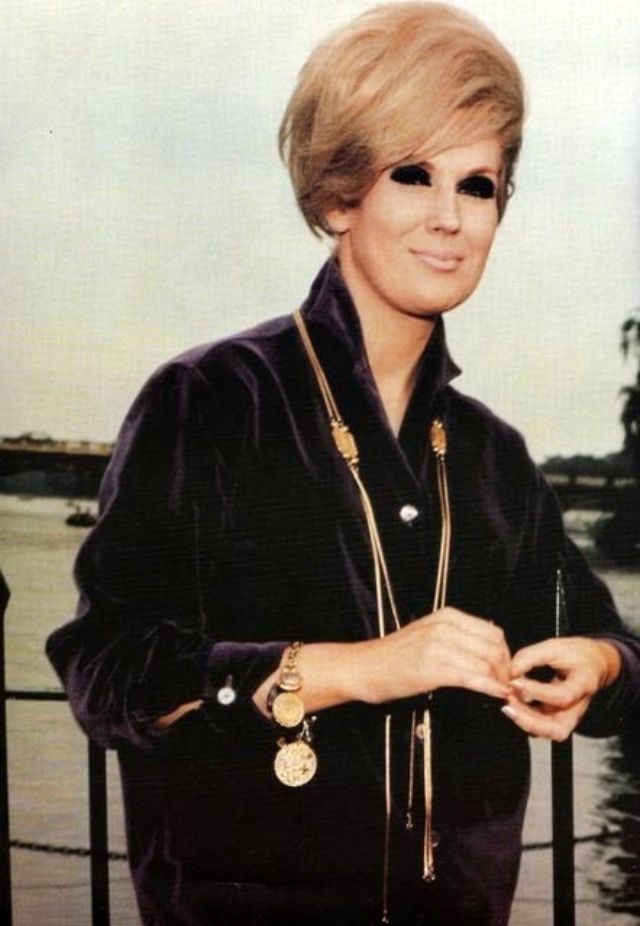
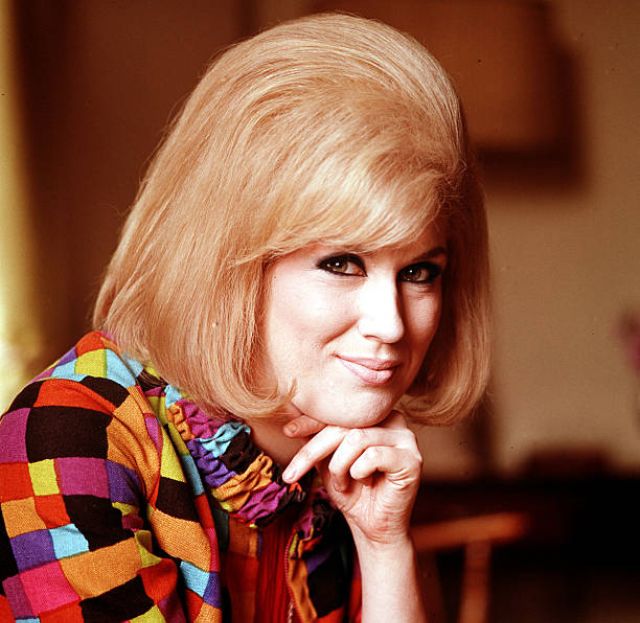
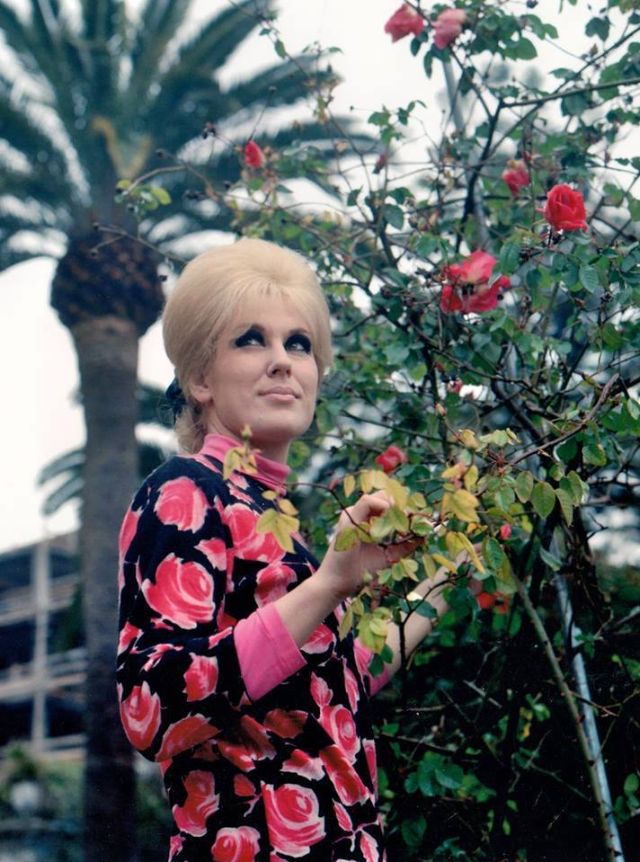
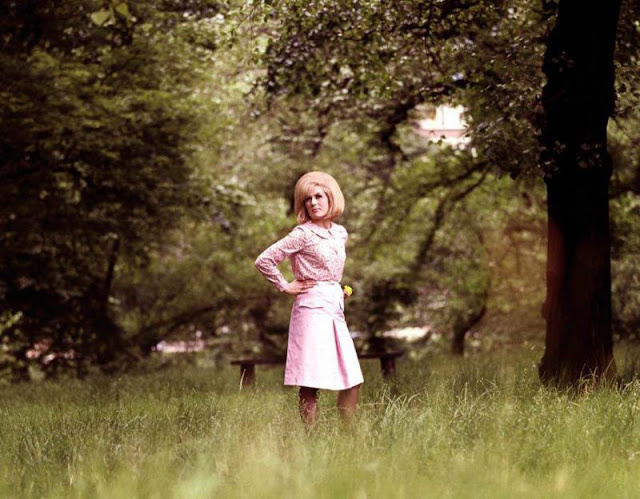
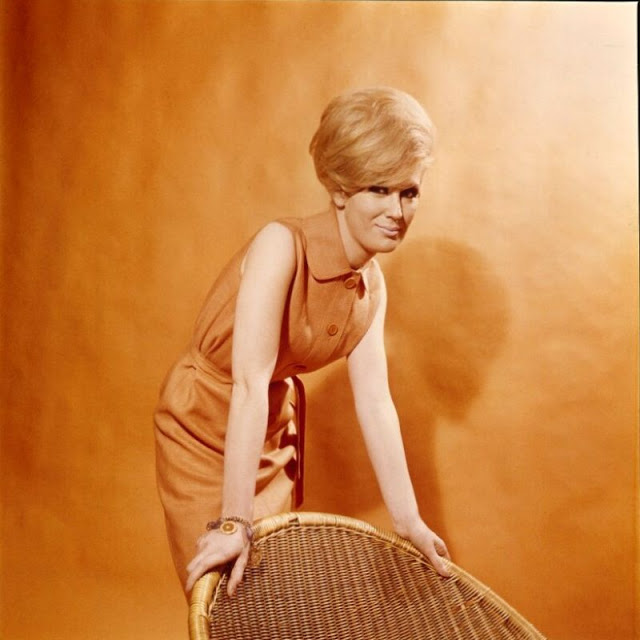
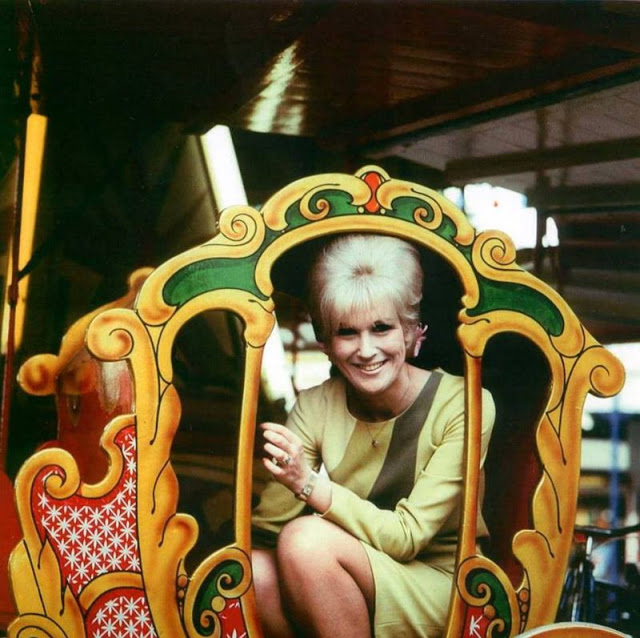
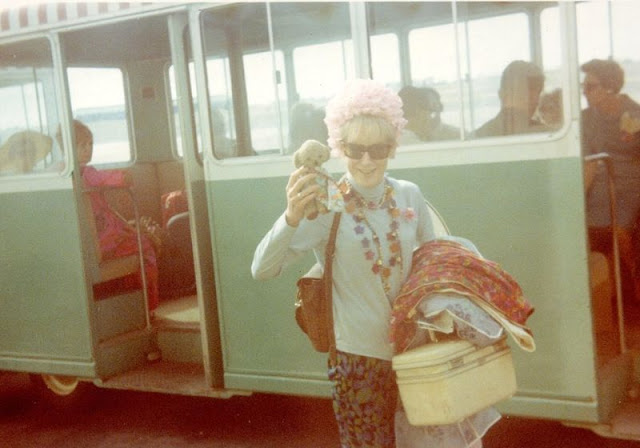
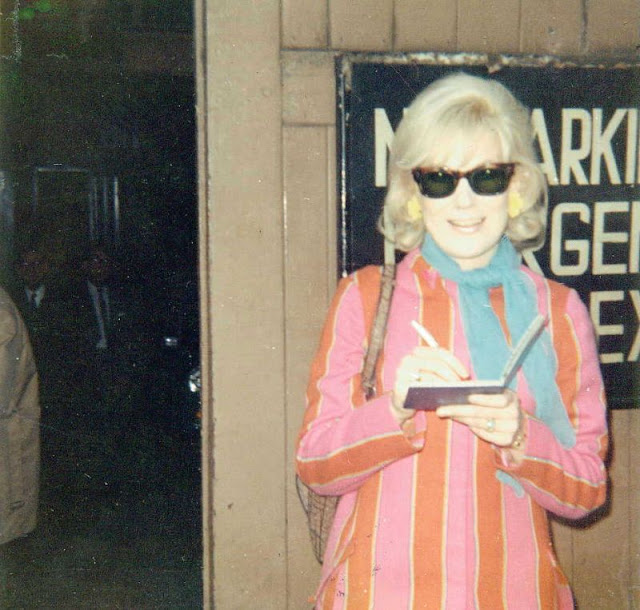
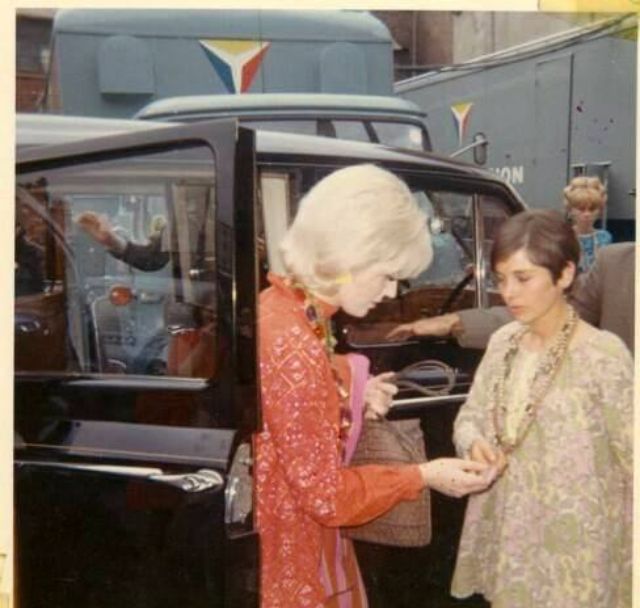
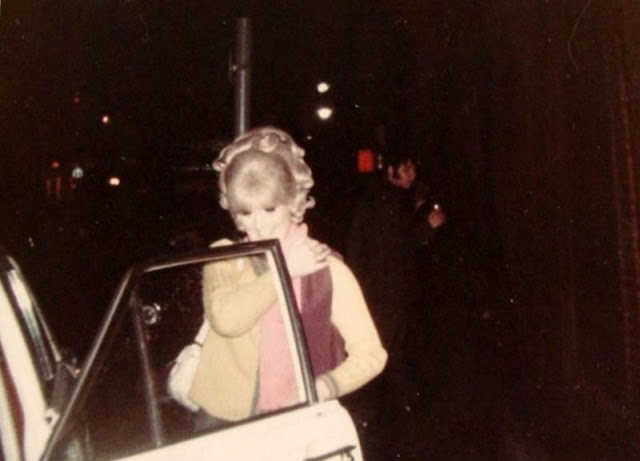
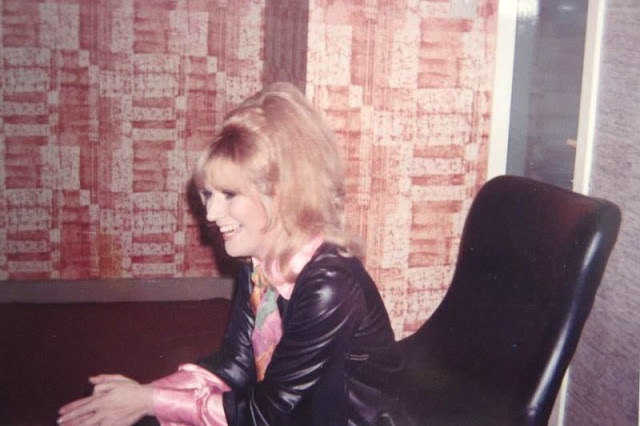
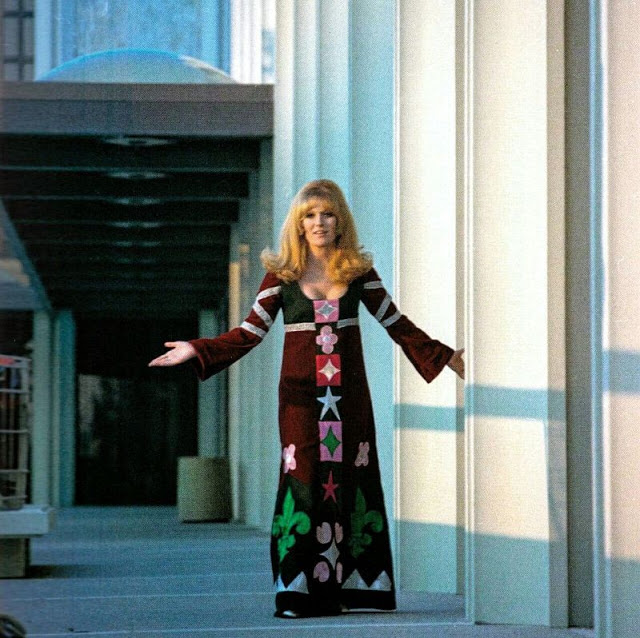
Born 1939 as Mary Isobel Catherine Bernadette O’Brien in West Hampstead, English pop singer and record producer Dusty Springfield learned to sing at home, she joined her first professional group, The Lana Sisters, in 1958, and two years later formed a pop-folk vocal trio, The Springfields, with her brother Tom Springfield and Tim Field. They became the UK’s top selling act.
Springfield began her solo career in 1963 with the upbeat pop hit, “I Only Want to Be with You”. Among the hits that followed were “Wishin’ and Hopin’?” (1964), “I Just Don’t Know What to Do with Myself” (1964), “You Don’t Have to Say You Love Me” (1966), and “Son of a Preacher Man” (1968).
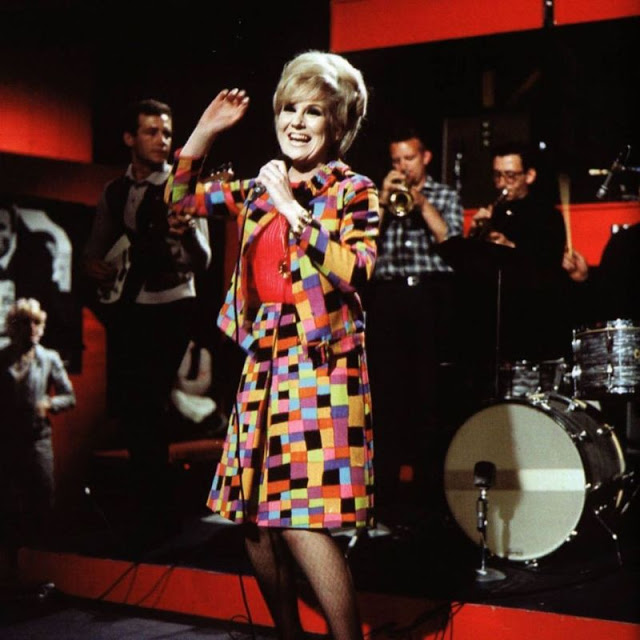
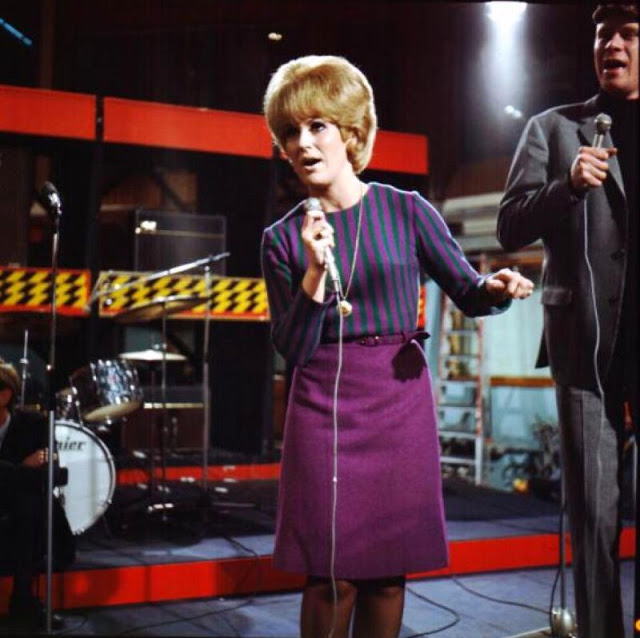
With her distinctive sensual mezzo-soprano sound, Springfield was an important singer of blue-eyed soul and at her peak was one of the most successful British female performers, with six top 20 singles on the US Billboard Hot 100 and sixteen on the UK Singles Chart from 1963 to 1989.
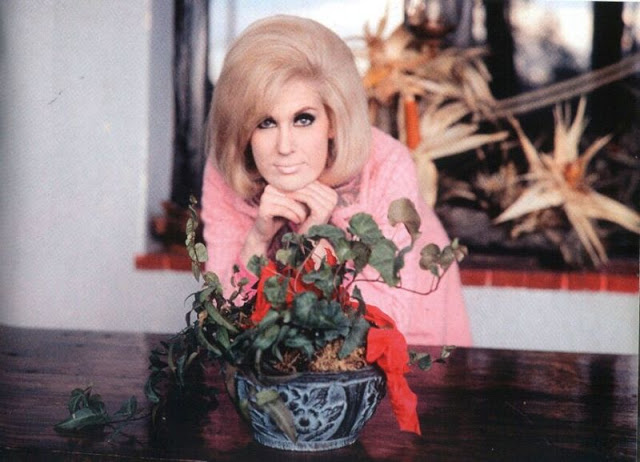
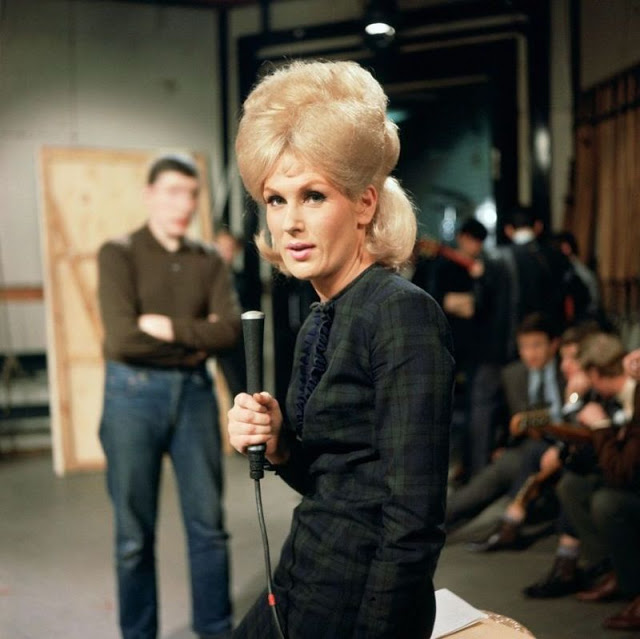
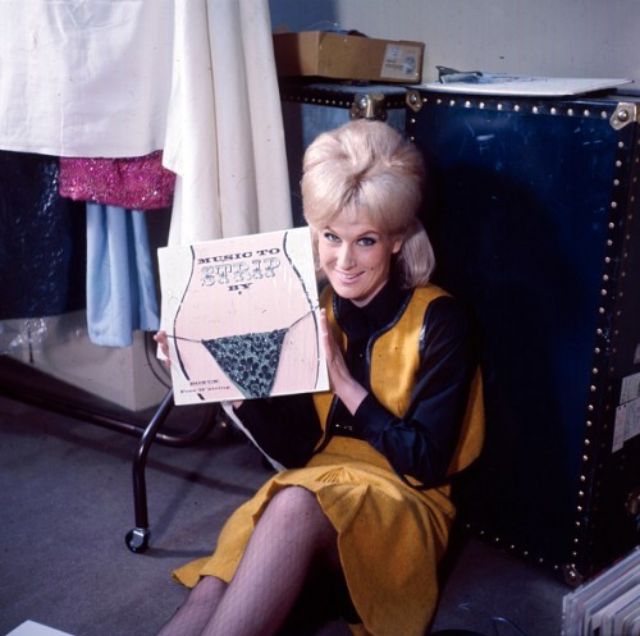
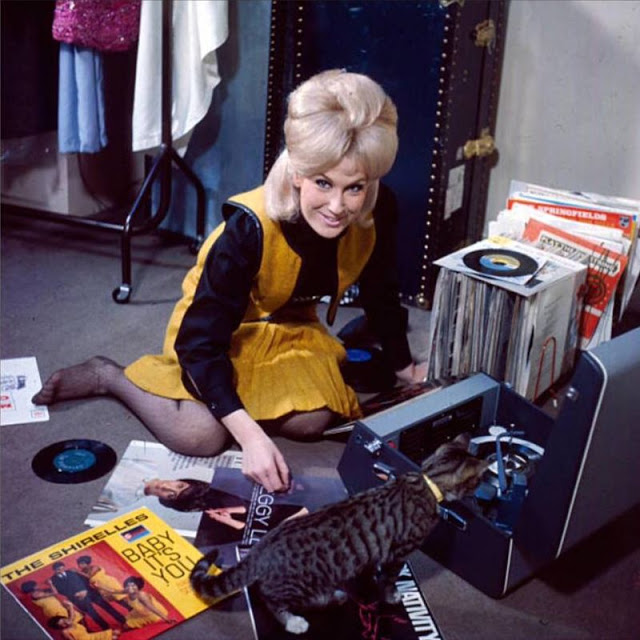
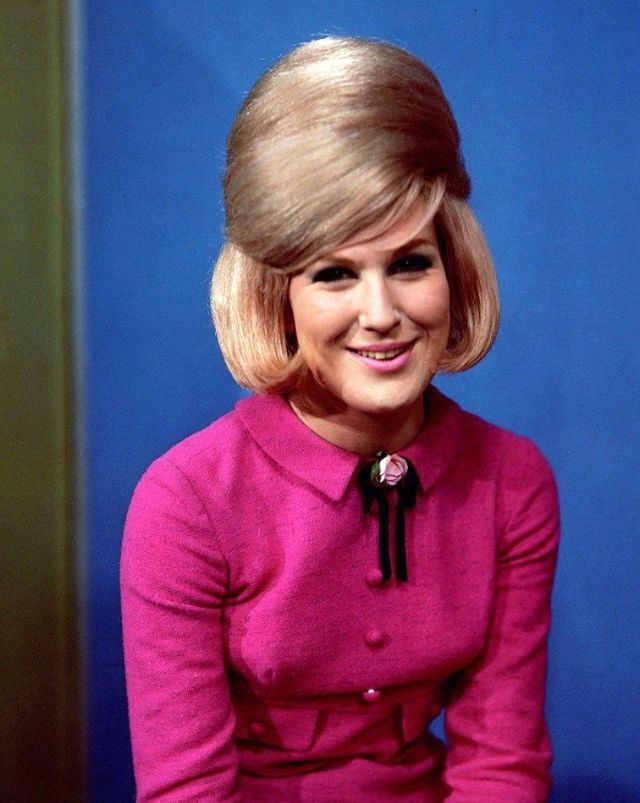
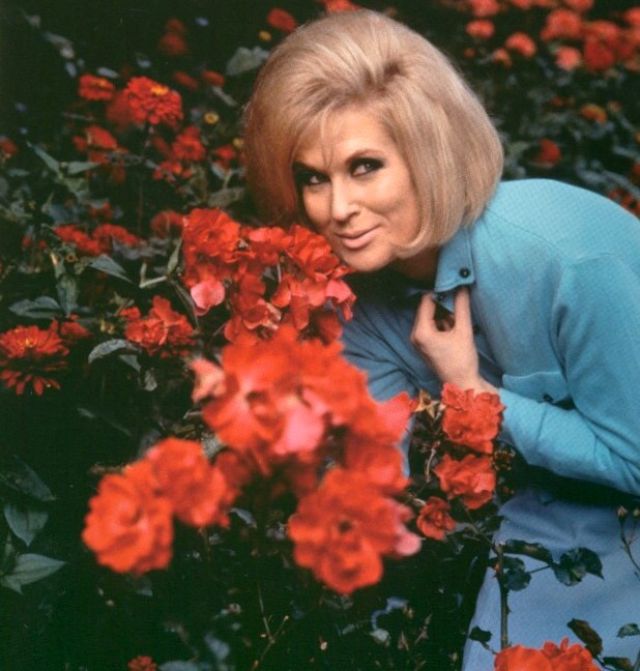
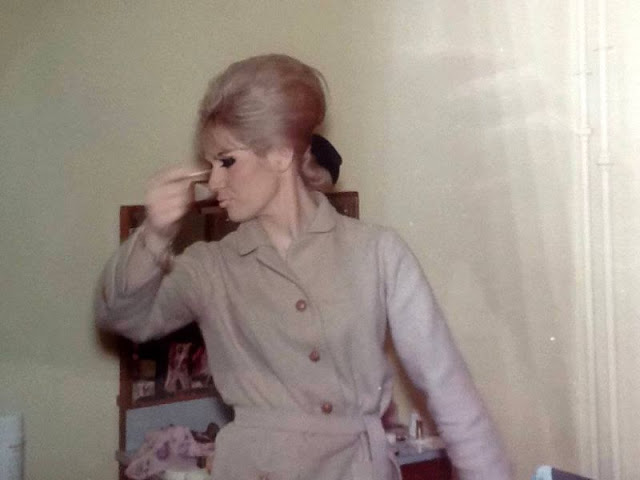
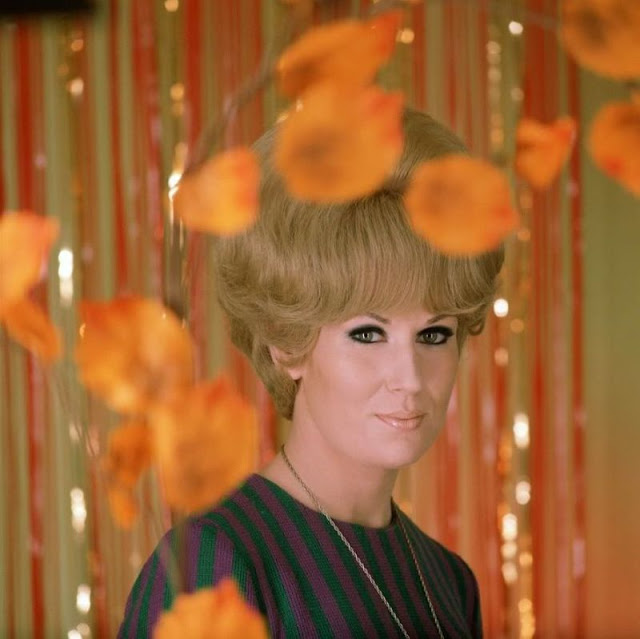
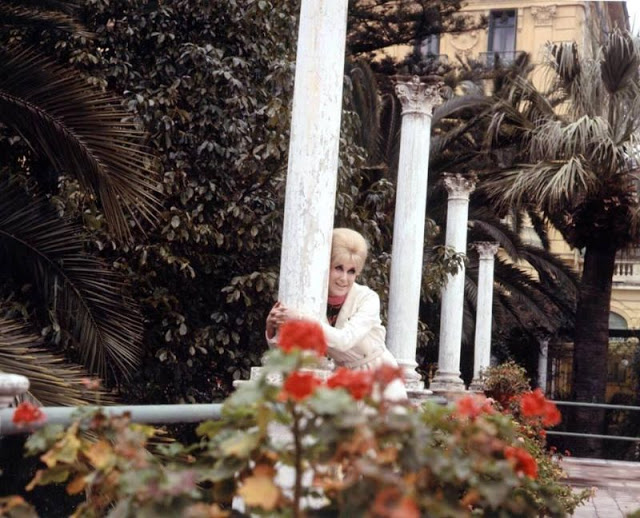
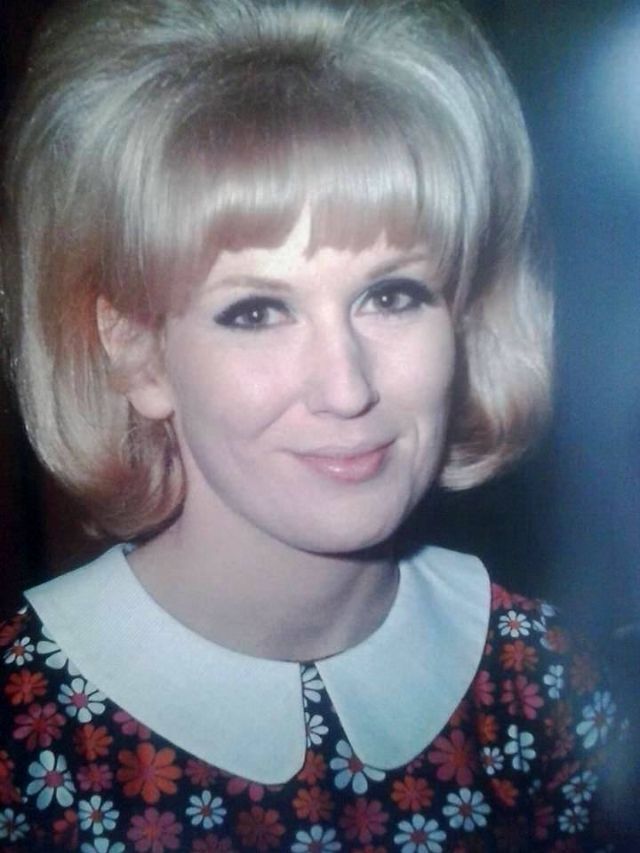
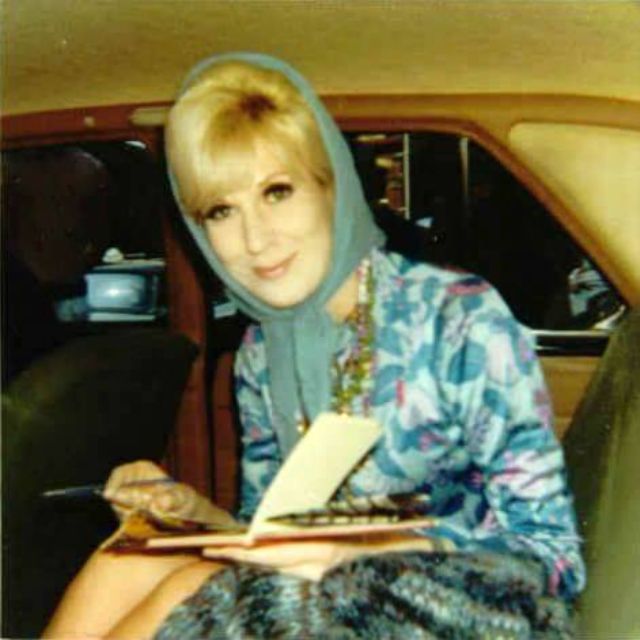
Springfield had her career extended from the late 1950s to the 1990s. She is a member of the US Rock and Roll and UK Music Halls of Fame. International polls have named Springfield among the best female rock artists of all time. Her image, supported by a peroxide blonde bouffant hairstyle, evening gowns, and heavy make-up, as well as her flamboyant performances made her an icon of the Swinging Sixties.
Springfield died in Henley-on-Thames, Oxfordshire in 1999 because of breast cancer, aged 59.