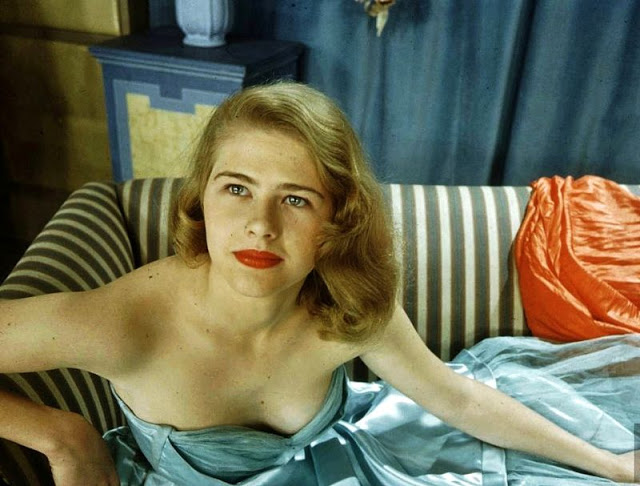
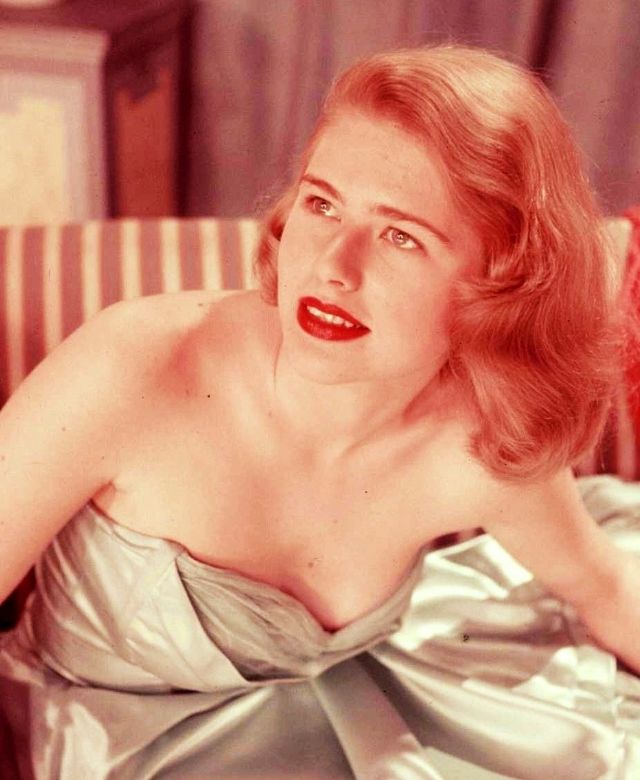
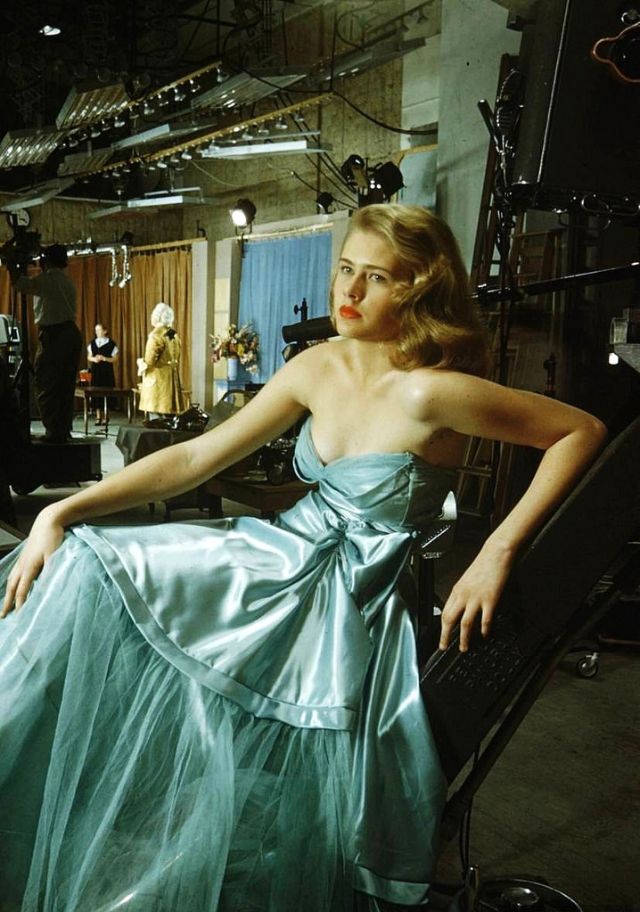
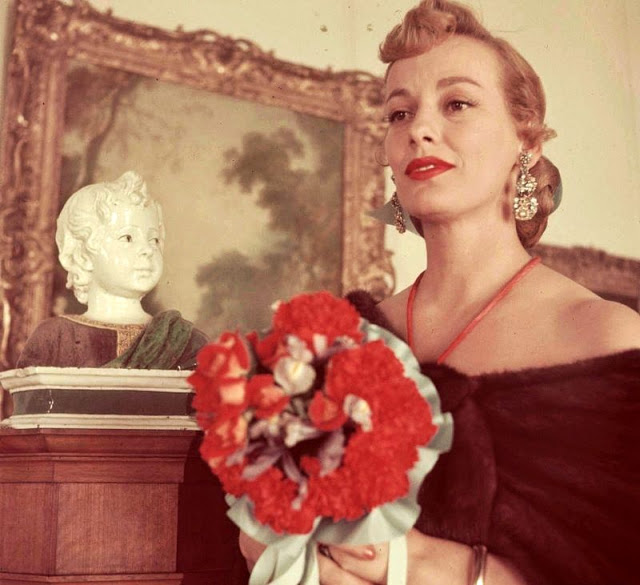
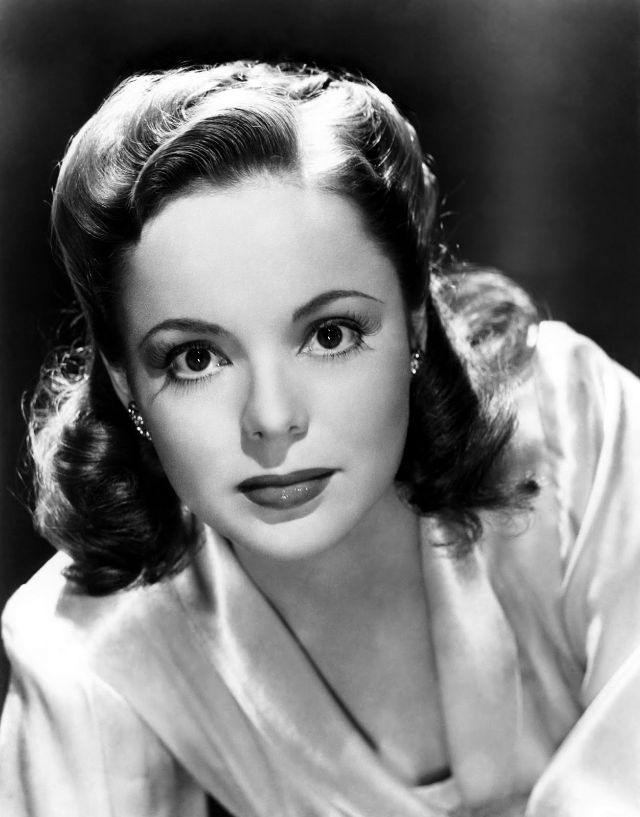
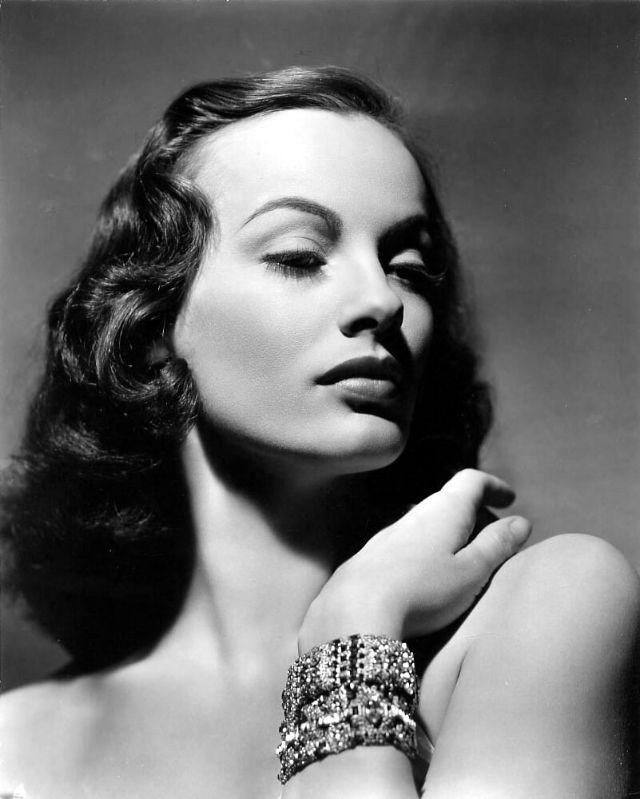
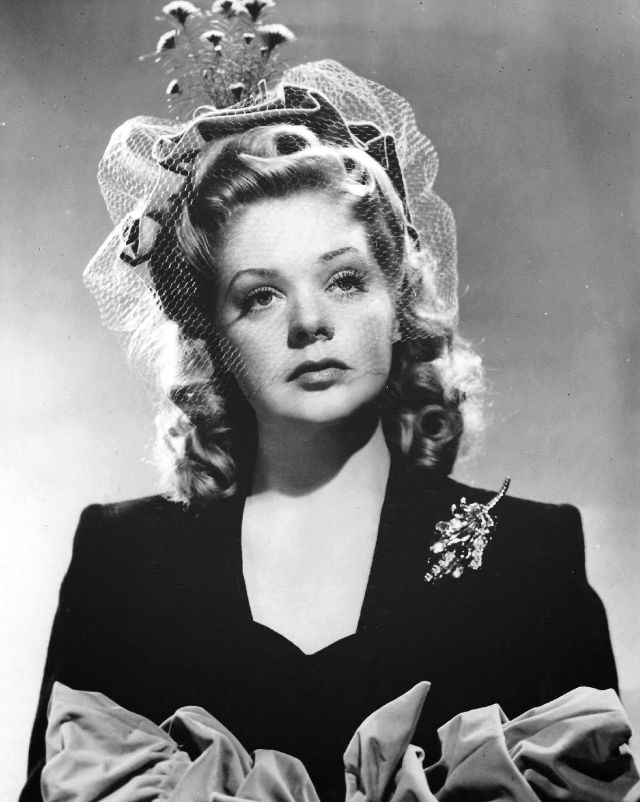
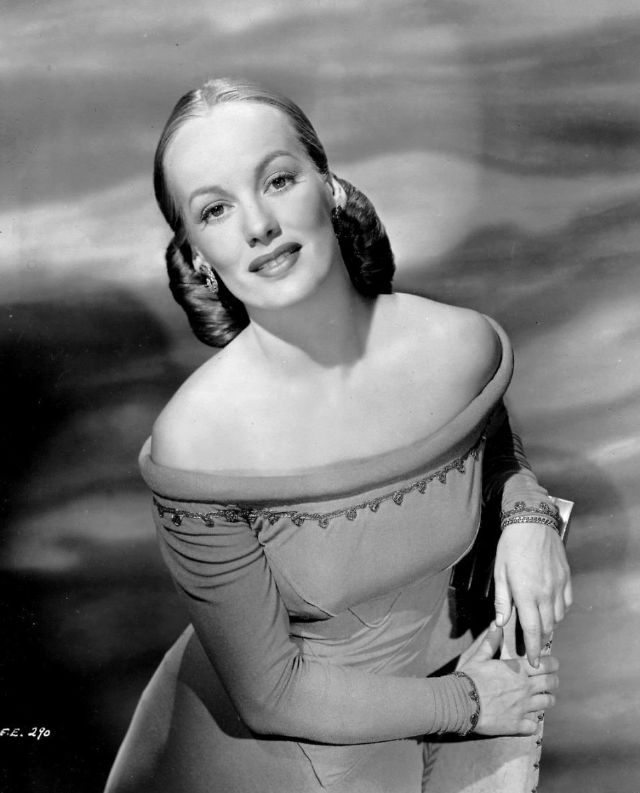
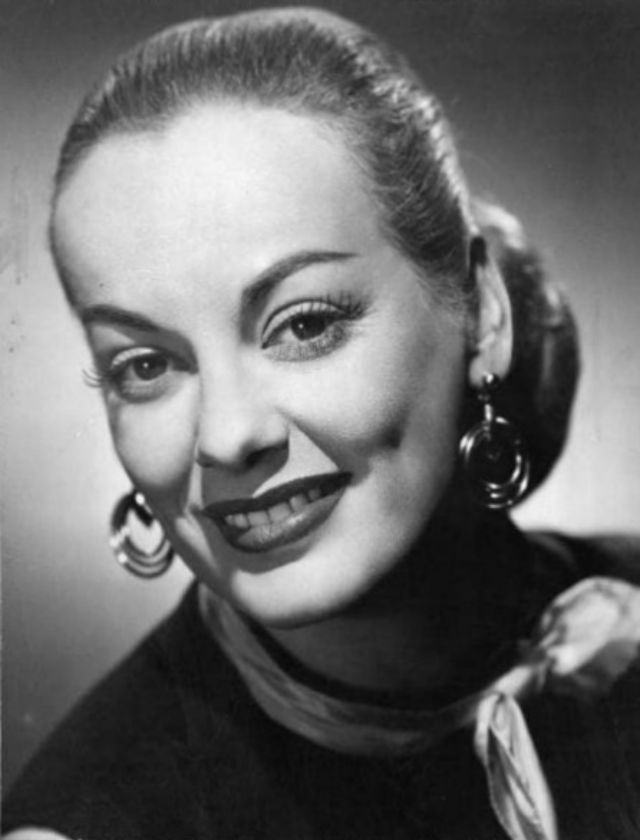
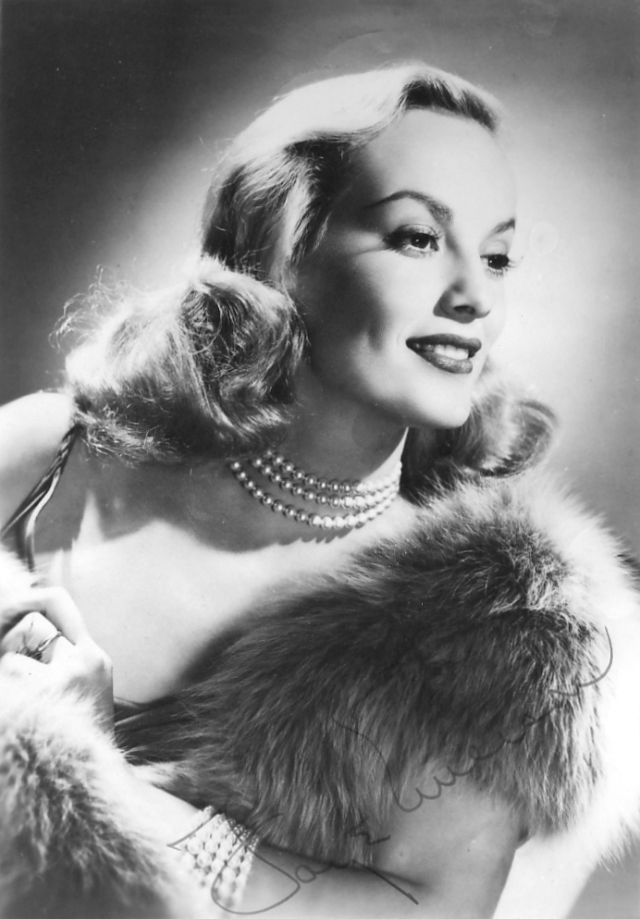
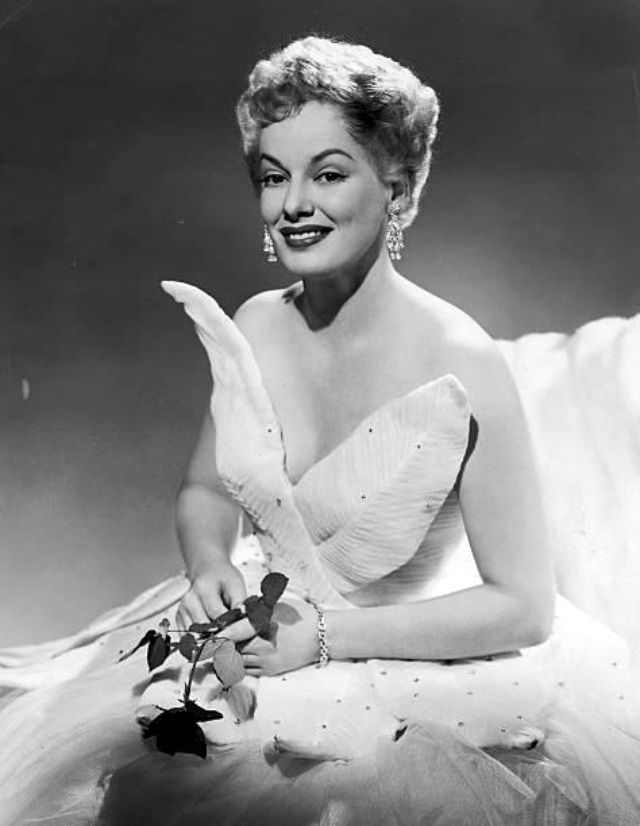
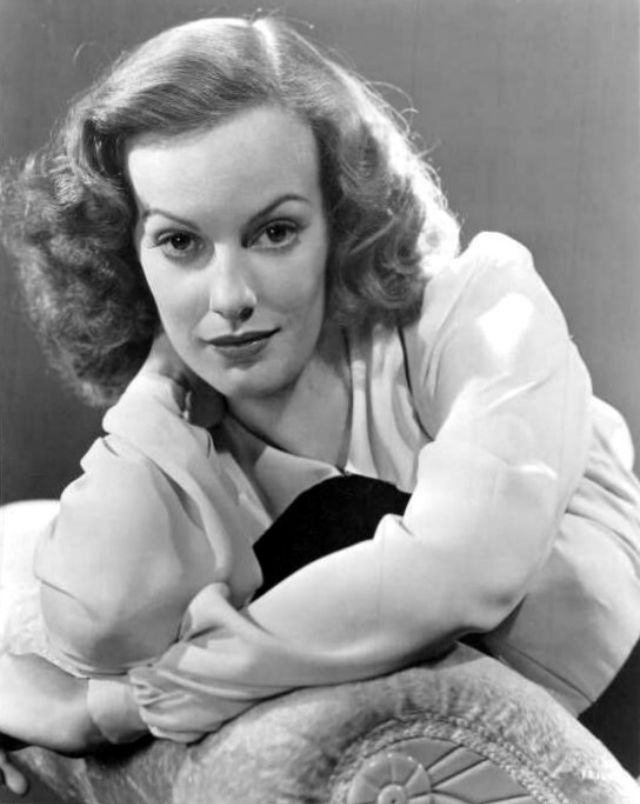
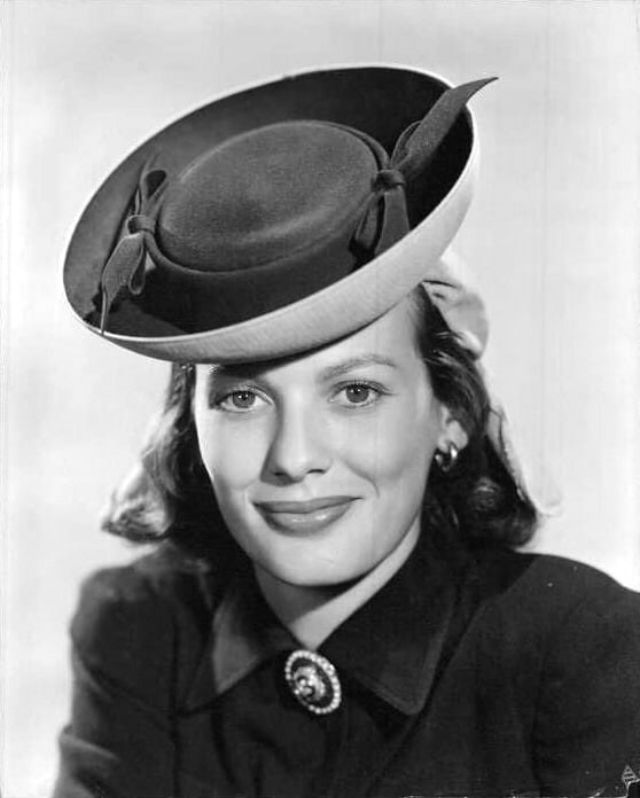
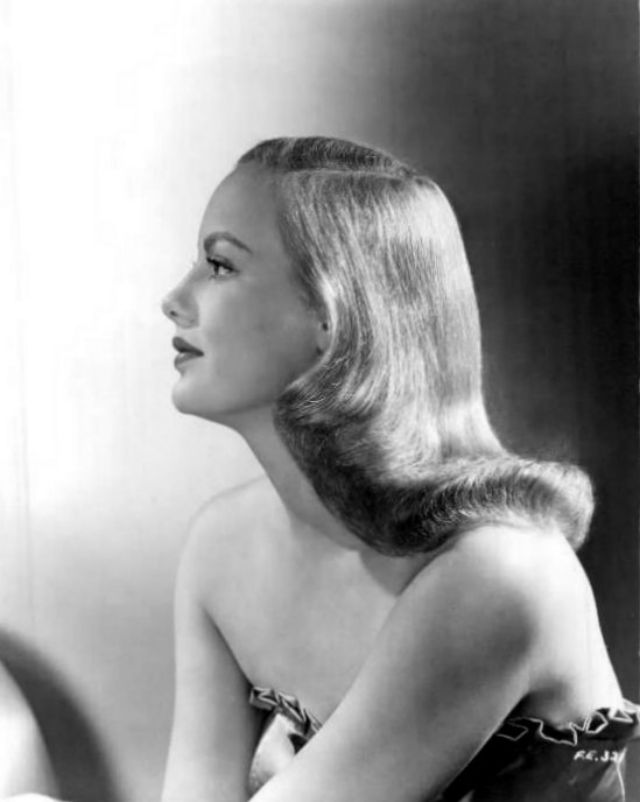
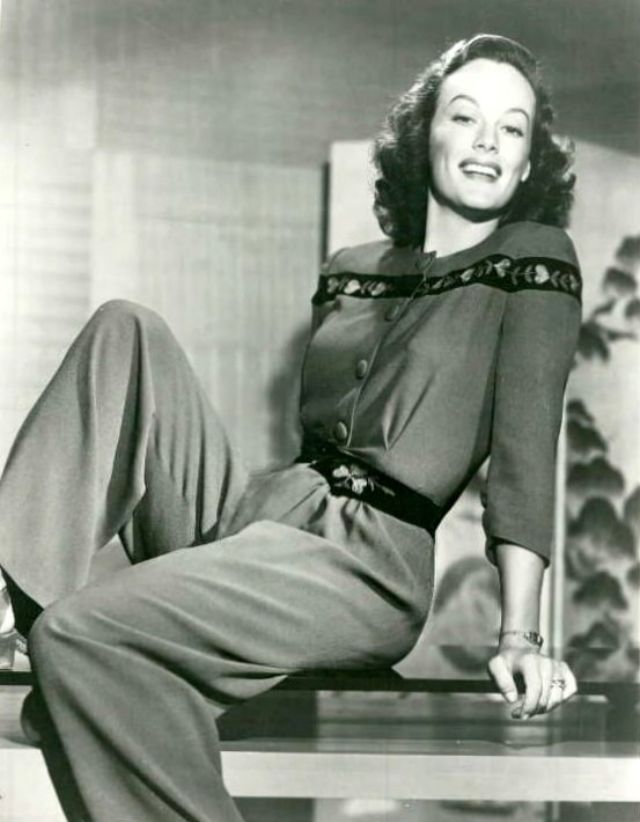
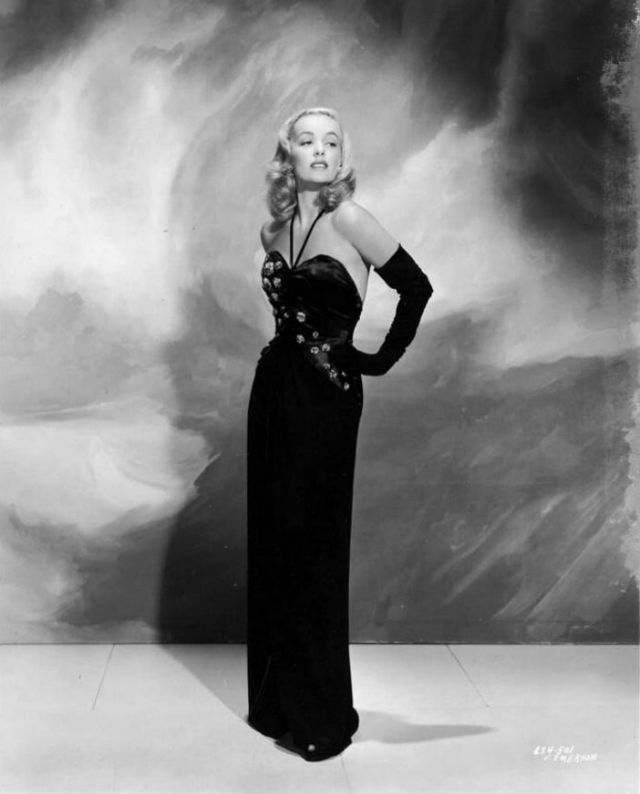
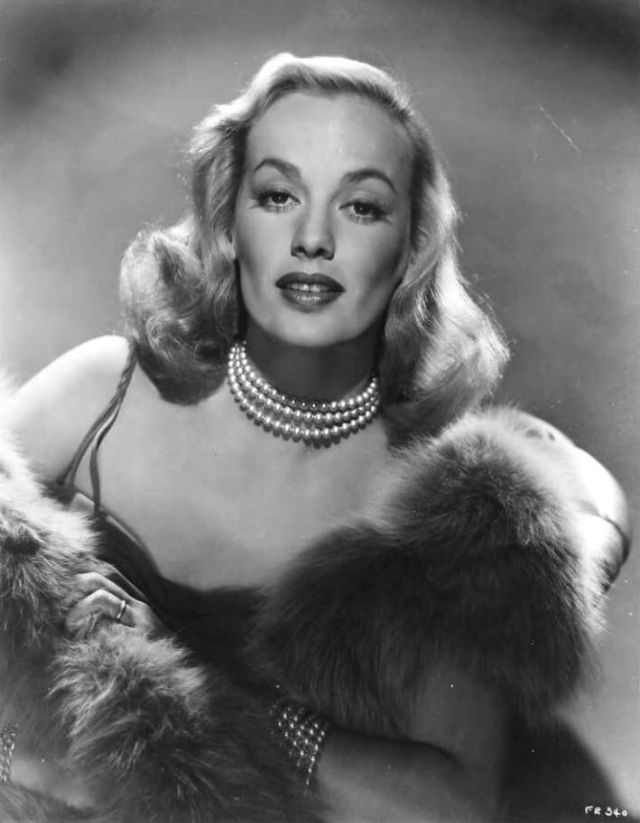
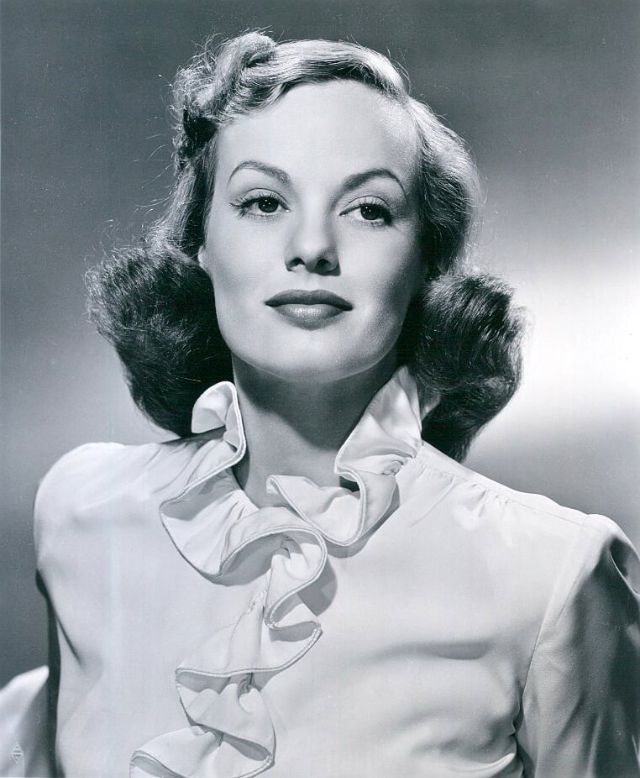
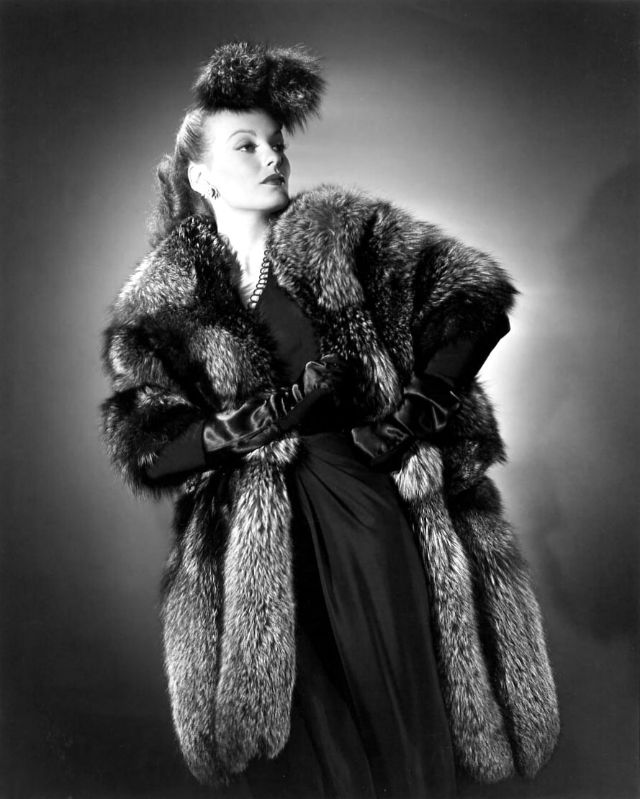
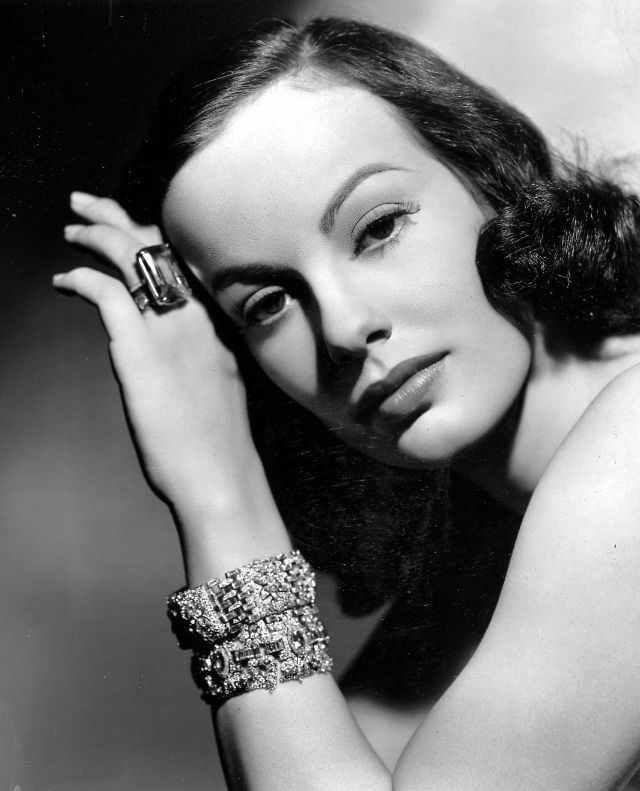
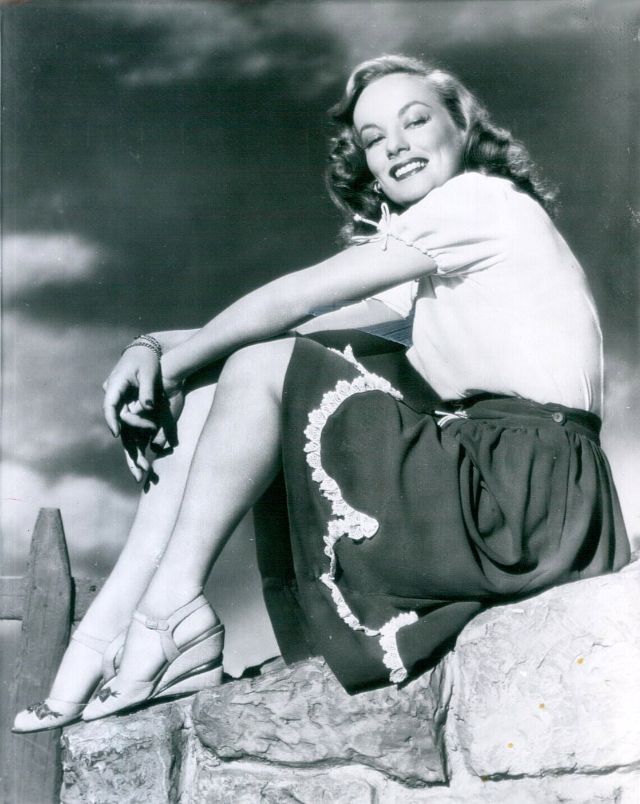
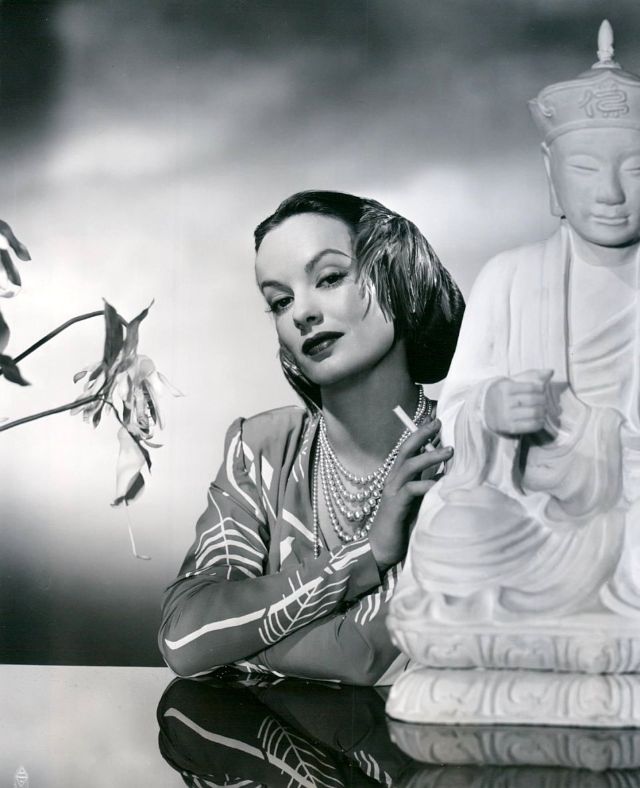
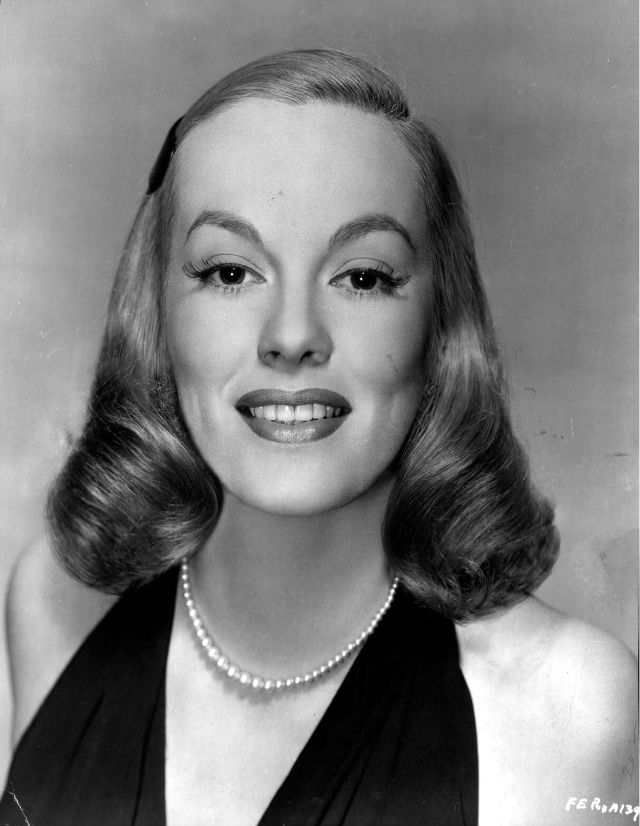
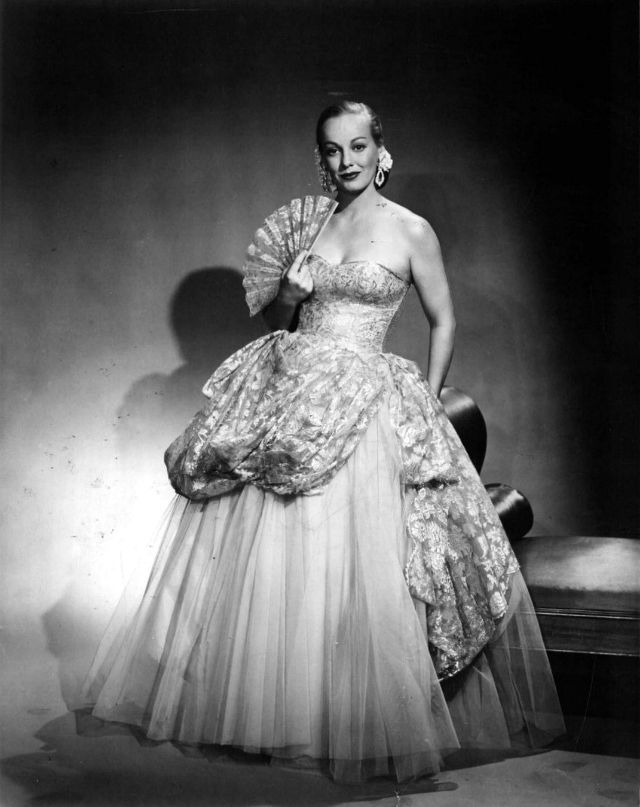
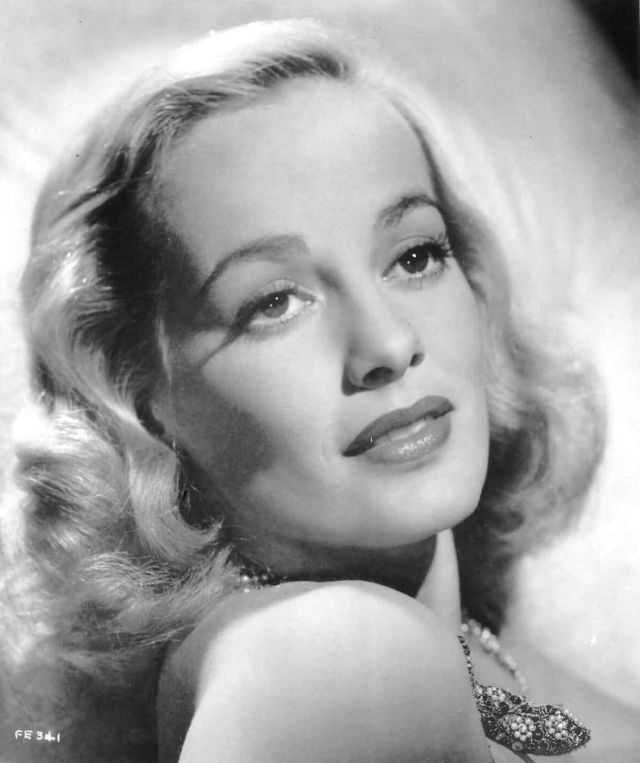
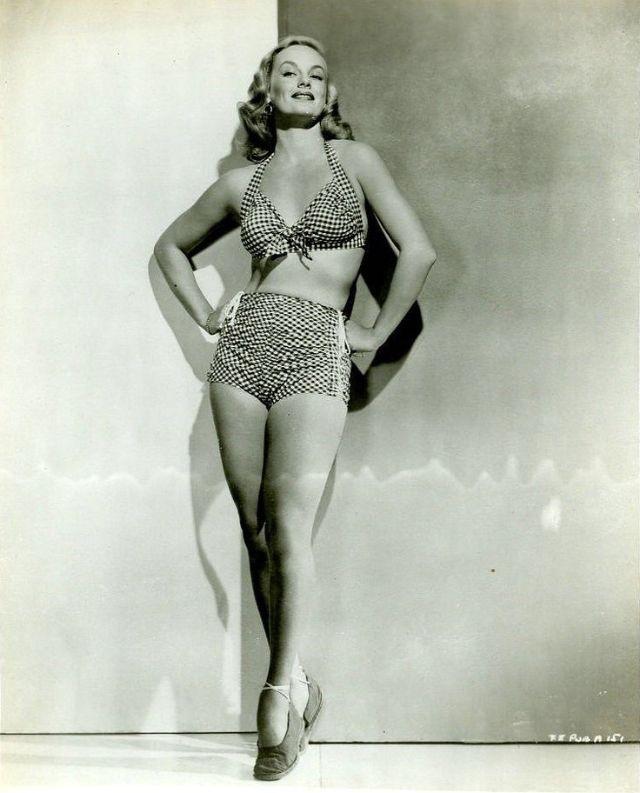
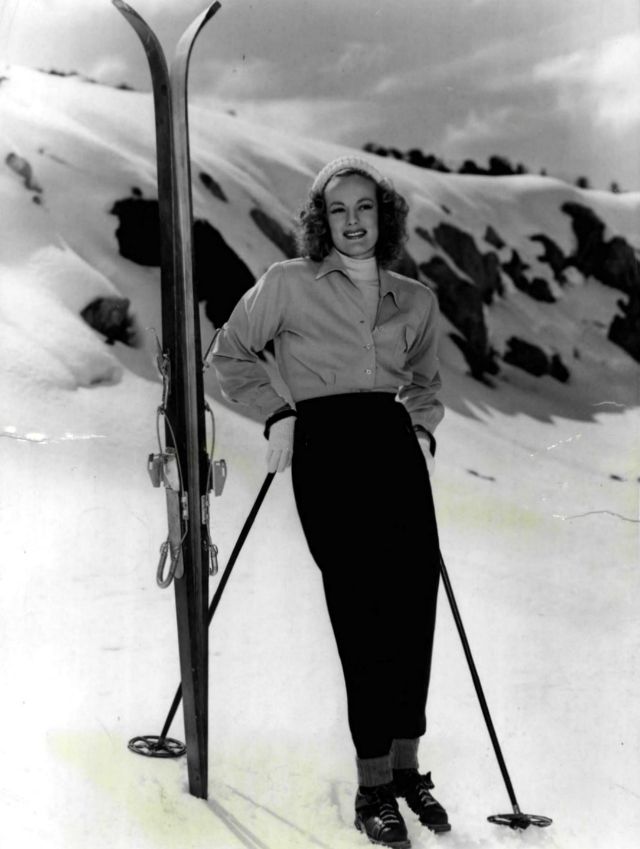
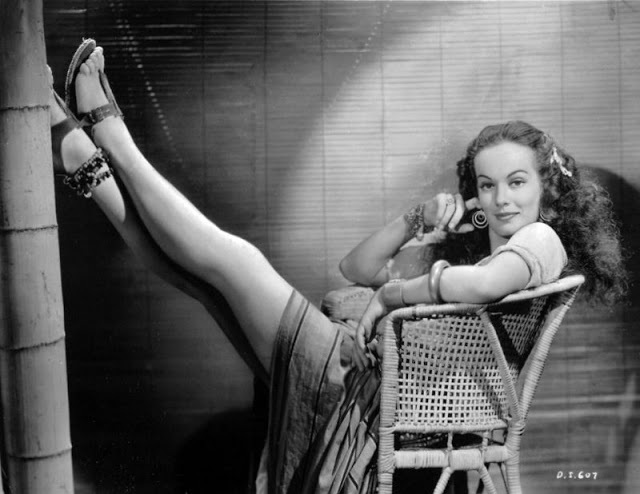
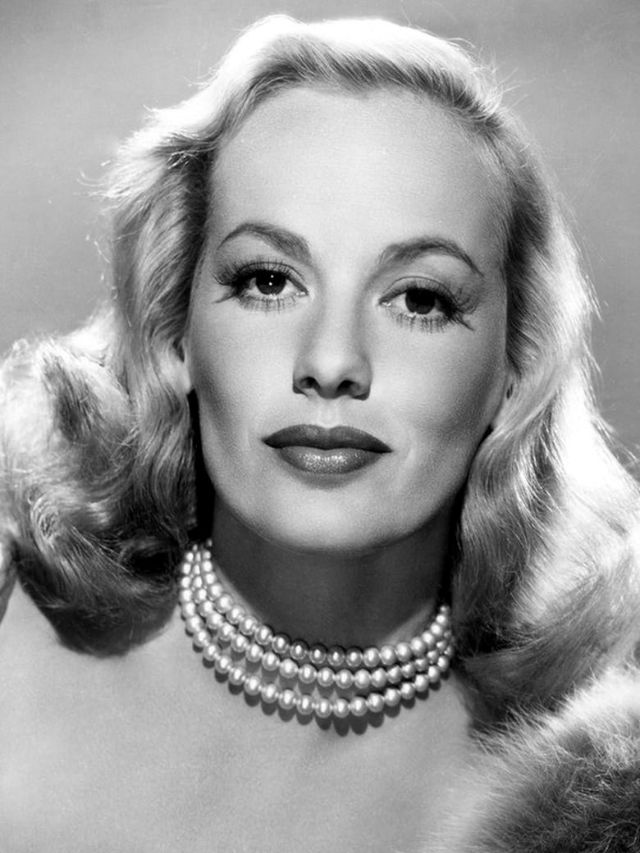
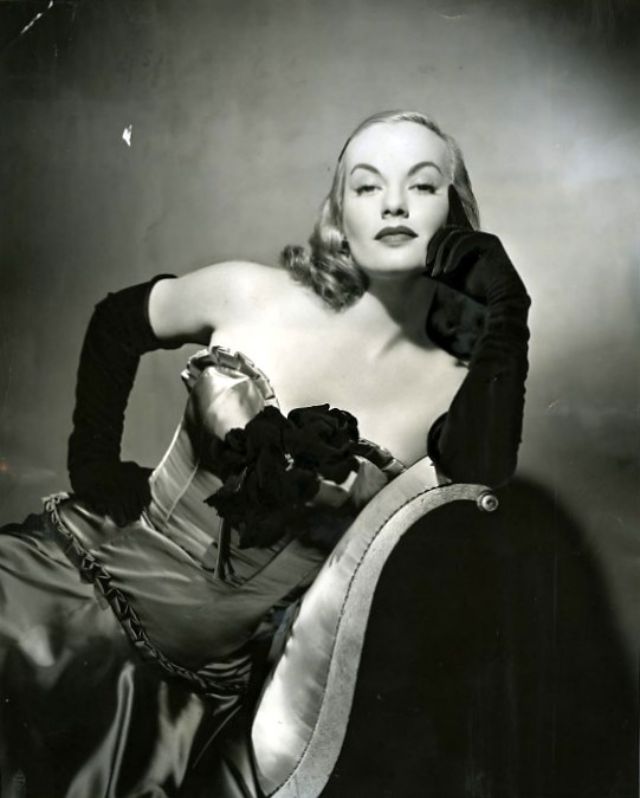
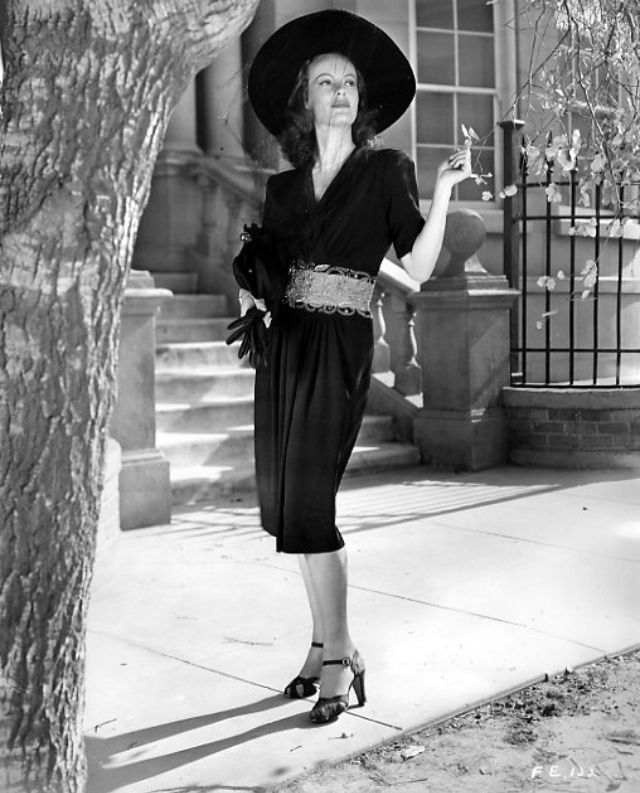
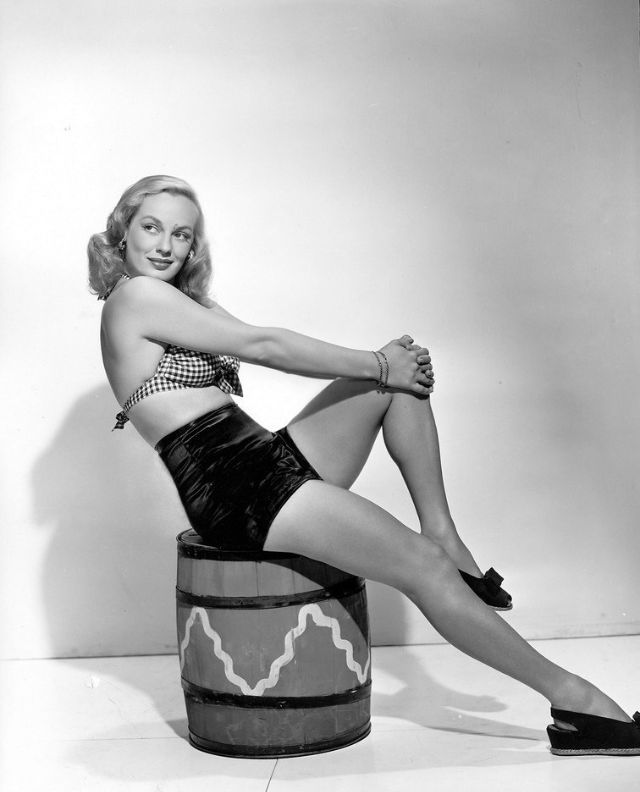
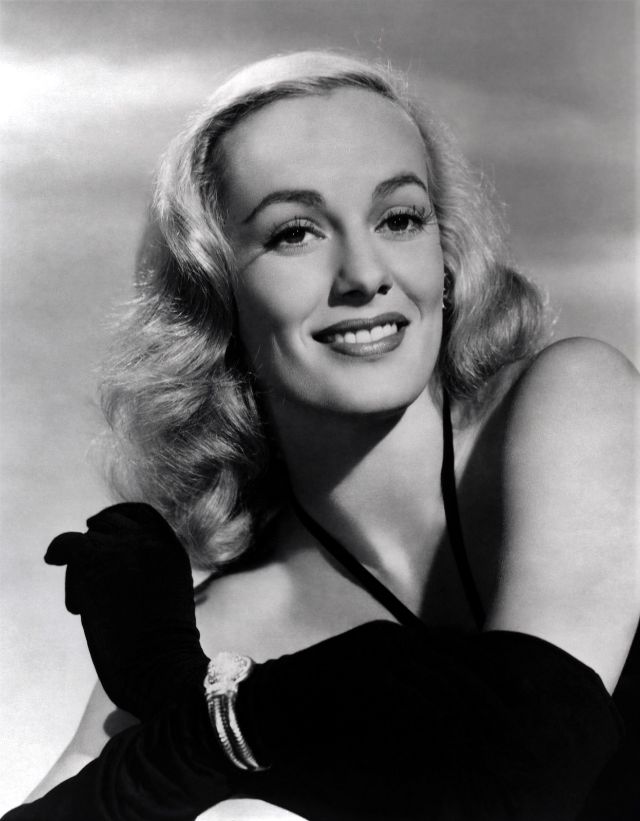
Born 1917 in Elizabeth, Louisiana, American film actress and television interviewer Faye Emerson had her film debut in 1941 and acted in many Warner Bros. films.
In 1944, Emerson played one of her more memorable roles as Zachary Scott’s former lover in The Mask of Dimitrios. She also appeared in a number of other crime dramas: Danger Signal (1945) and Guilty Bystander (1950).
Emerson’s Broadway debut came in 1948 in The Play’s the Thing. Her other Broadway credits included Back to Methuselah (1958), Protective Custody (1956), The Heavenly Twins (1955), and Parisienne (1950).
In 1948, Emerson made a move to TV and began acting in various anthology series, including The Chevrolet Tele-Theatre, The Philco Television Playhouse, and Goodyear Television Playhouse. She served as host for several short-lived talk shows and musical/variety shows, including Paris Cavalcade of Fashions (1948) and The Faye Emerson Show (CBS, 1950).
For her contributions to the motion picture industry, Emerson received a star on the Hollywood Walk of Fame in 1960. Her star is located at 6529 Hollywood Blvd.
Emerson died in 1983 at age 65 from stomach cancer in Deià, Majorca, where she had lived since 1975.
Take a look at these glamorous photos to see the beauty of Faye Emerson in the 1940s and Eraly 1950s.
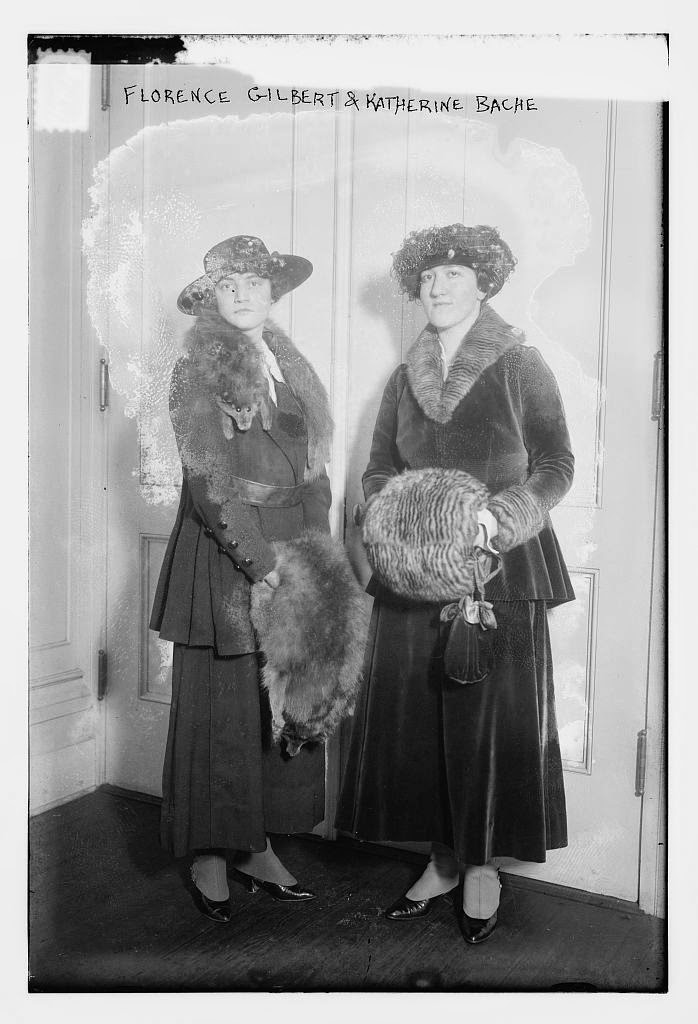
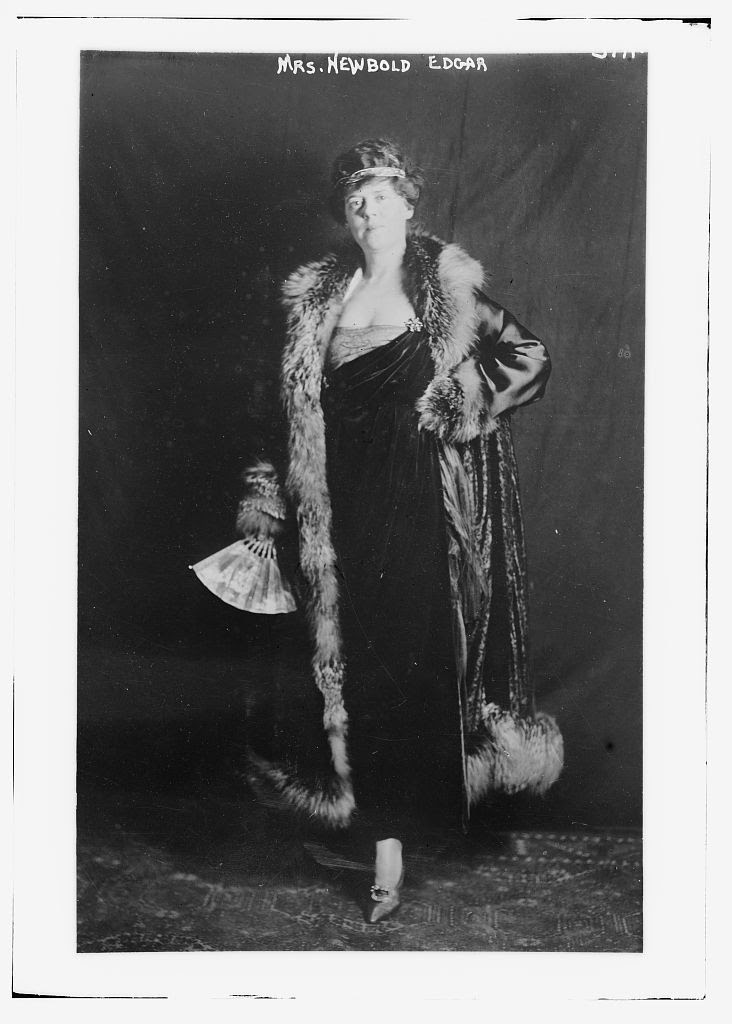
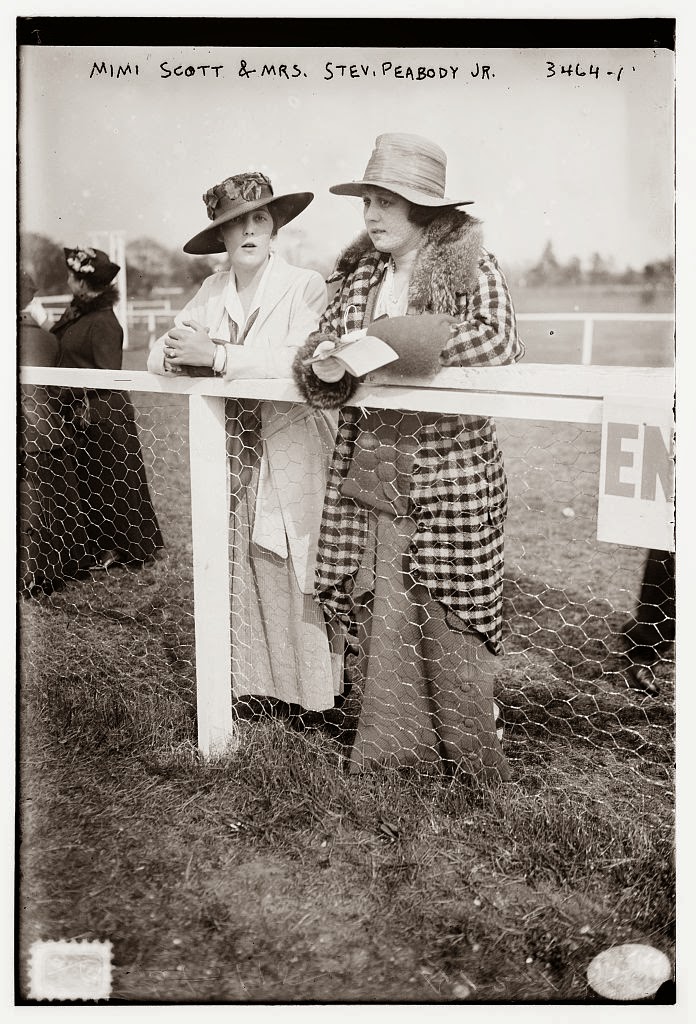
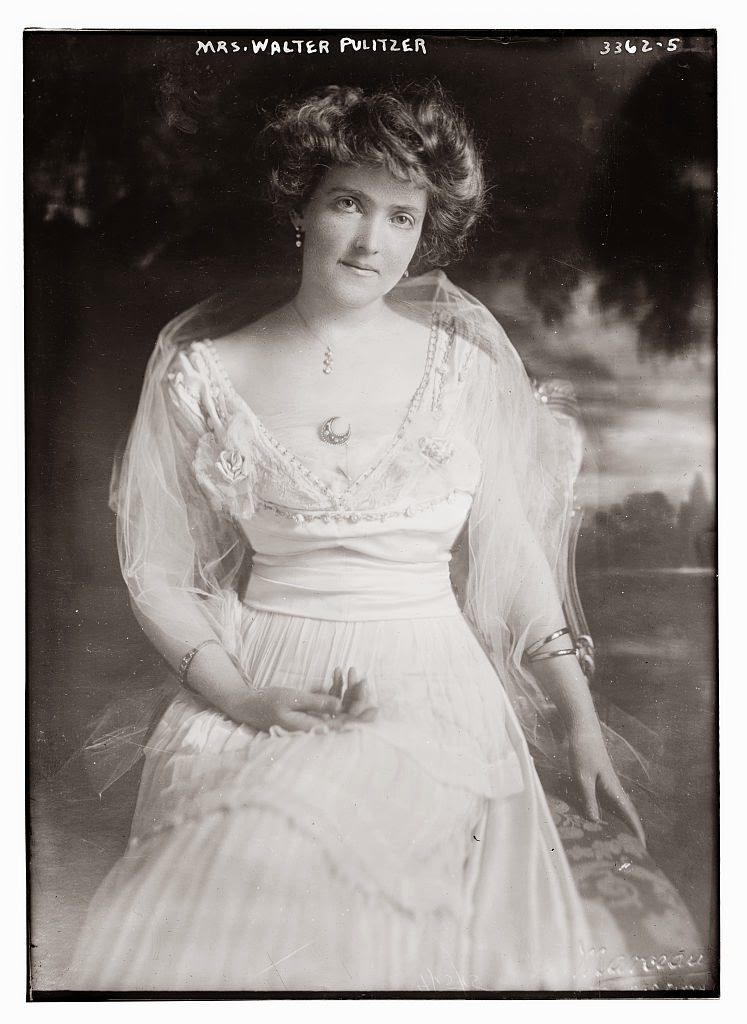
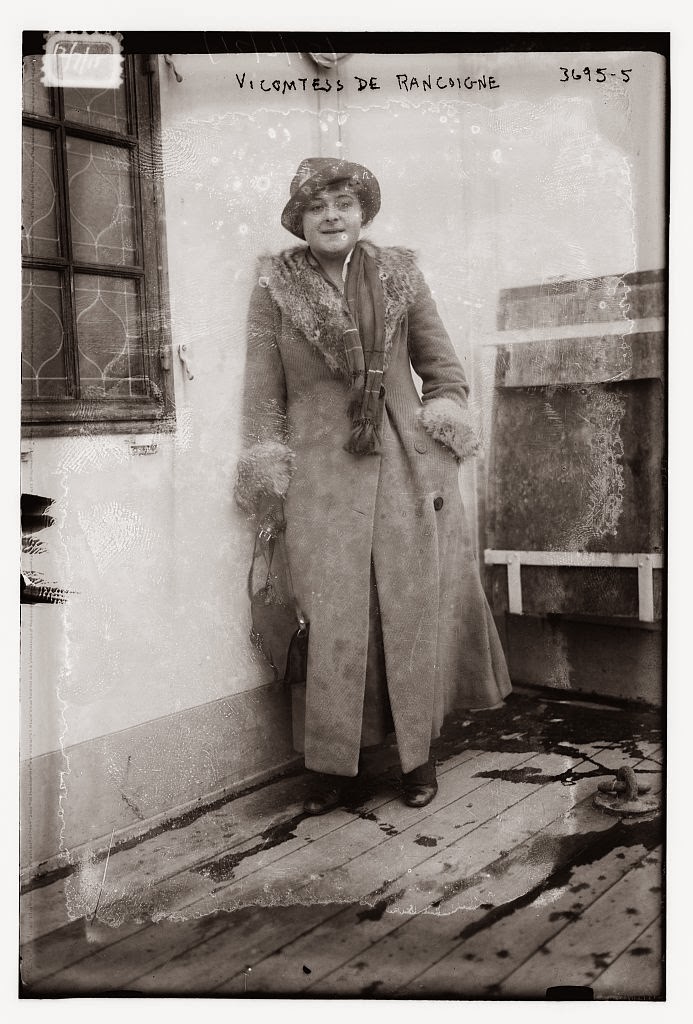
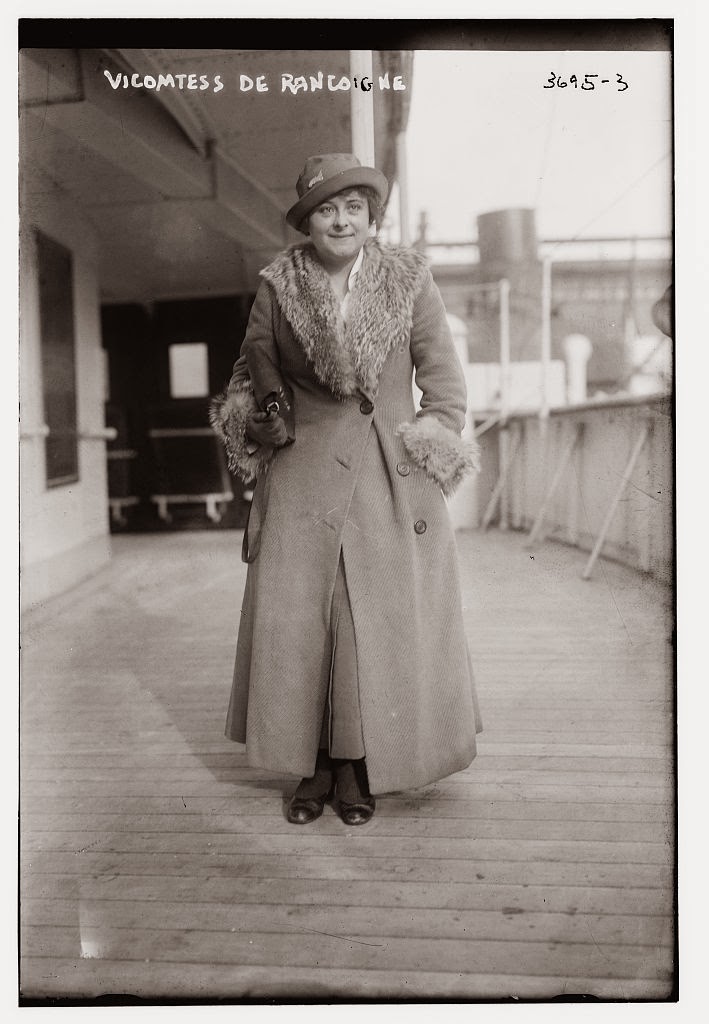
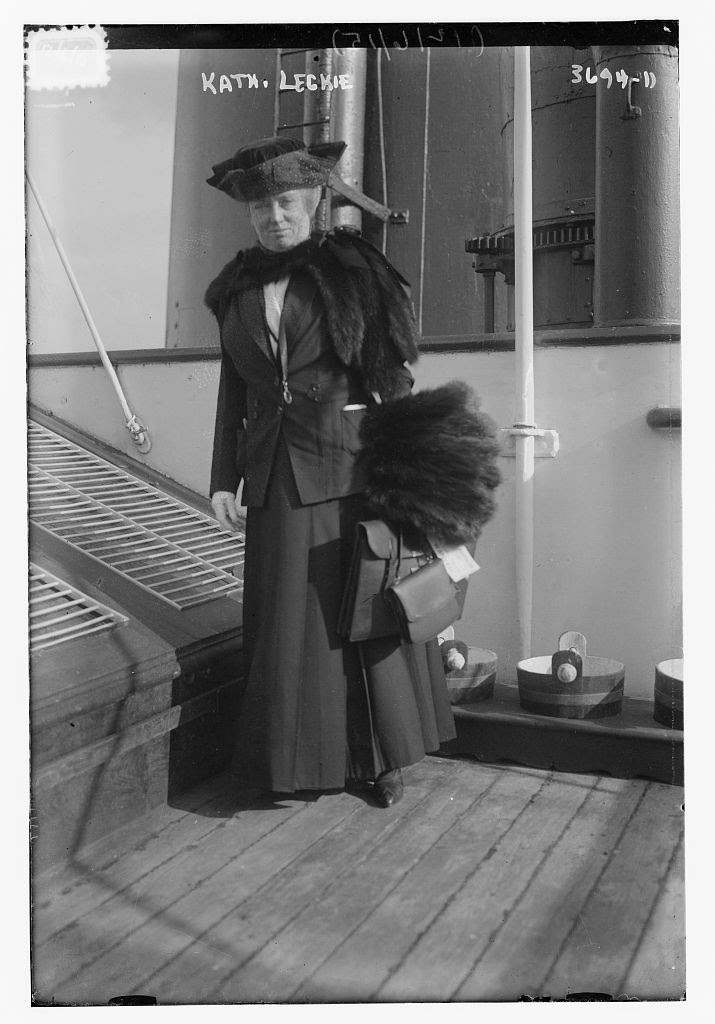
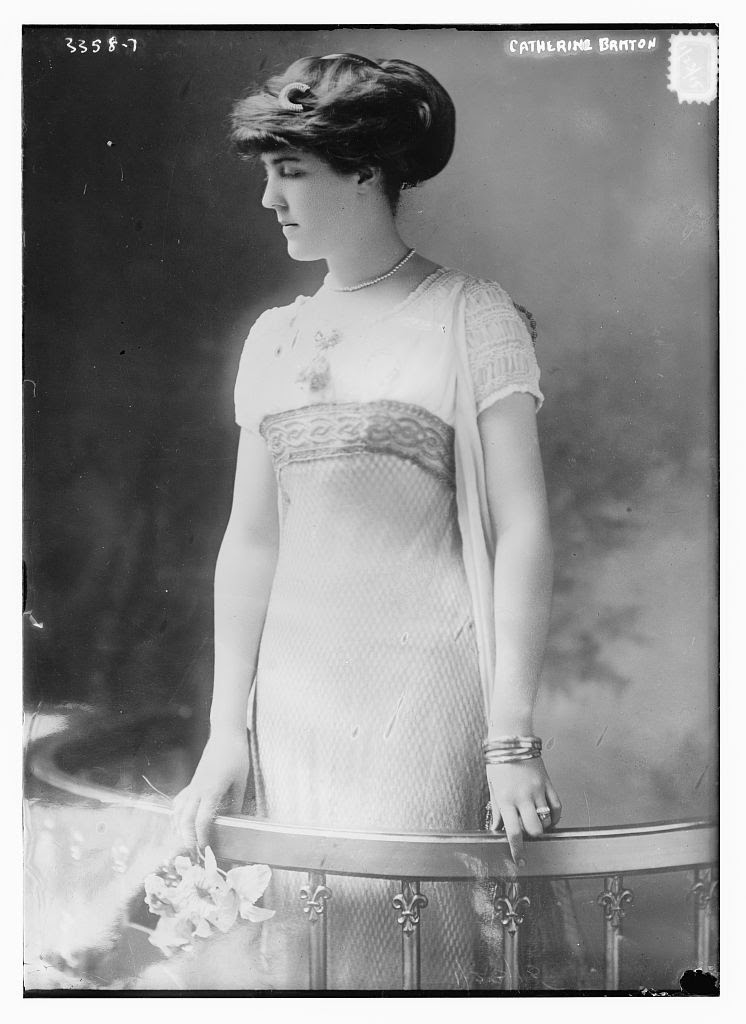
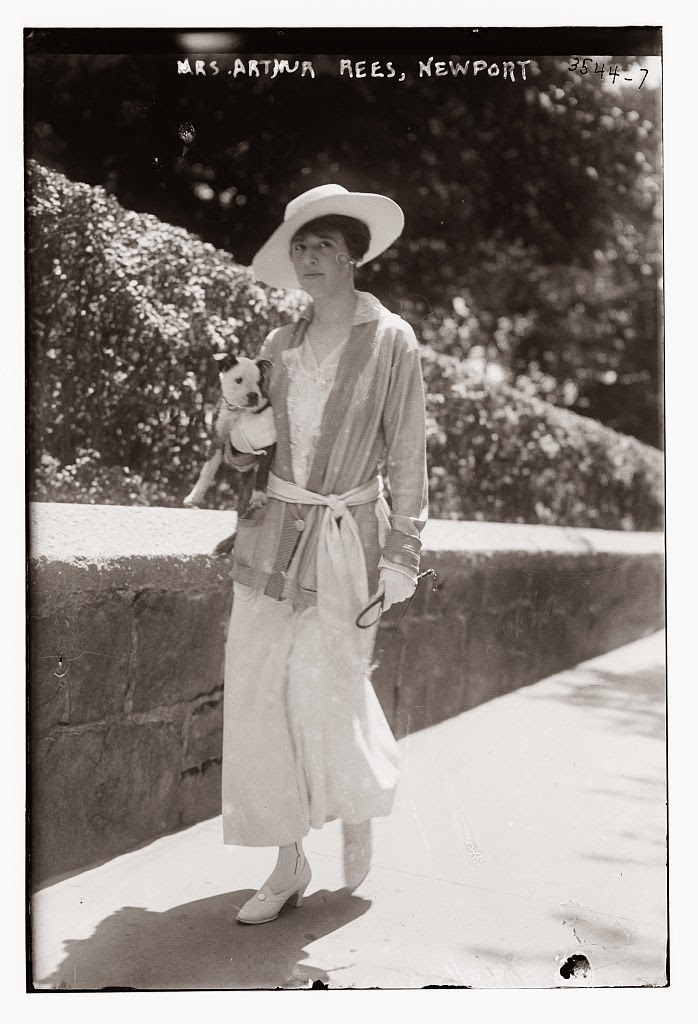
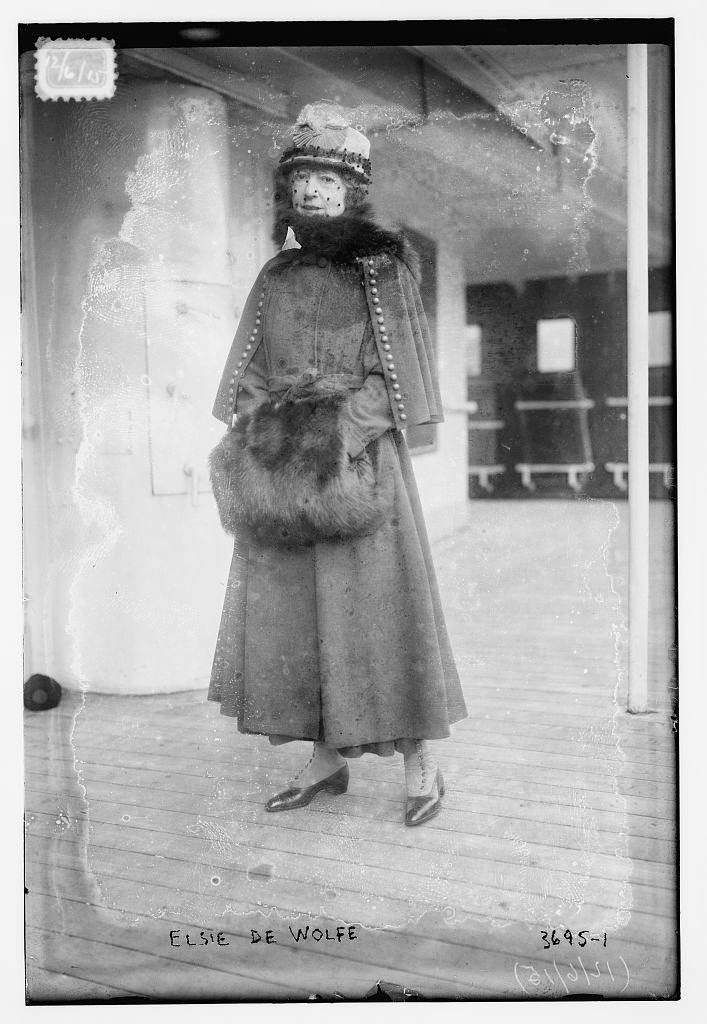
While many people think of the 1920s as the years when women’s clothes became radical, women’s fashions in the 1910s made a definitive switch from what had come before, marking the new century as something special.
Until 1908, the curvaceous silhouette that had characterized the 1890s was still in vogue, but it underwent some changes. The push was for corsetry that was more supportive of the spine and abdomen. Clothing was moving away from the heavy, restrictive styles that required bustles and padding and towards a more natural form. Women wanted healthier lives and healthier clothes to go with those lives.
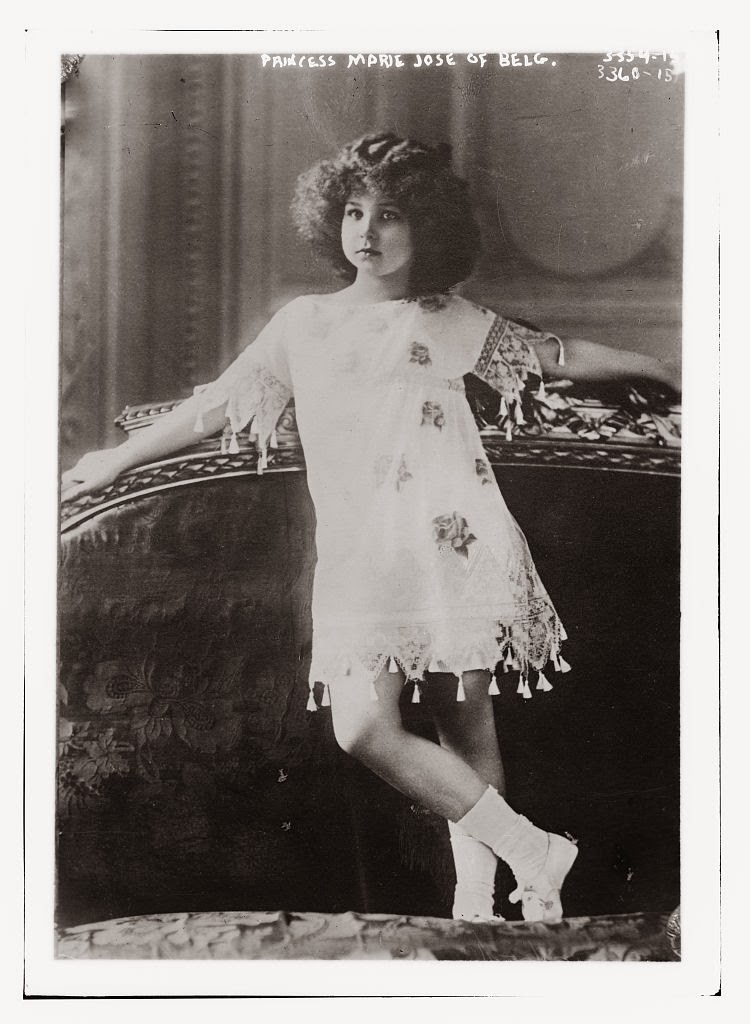
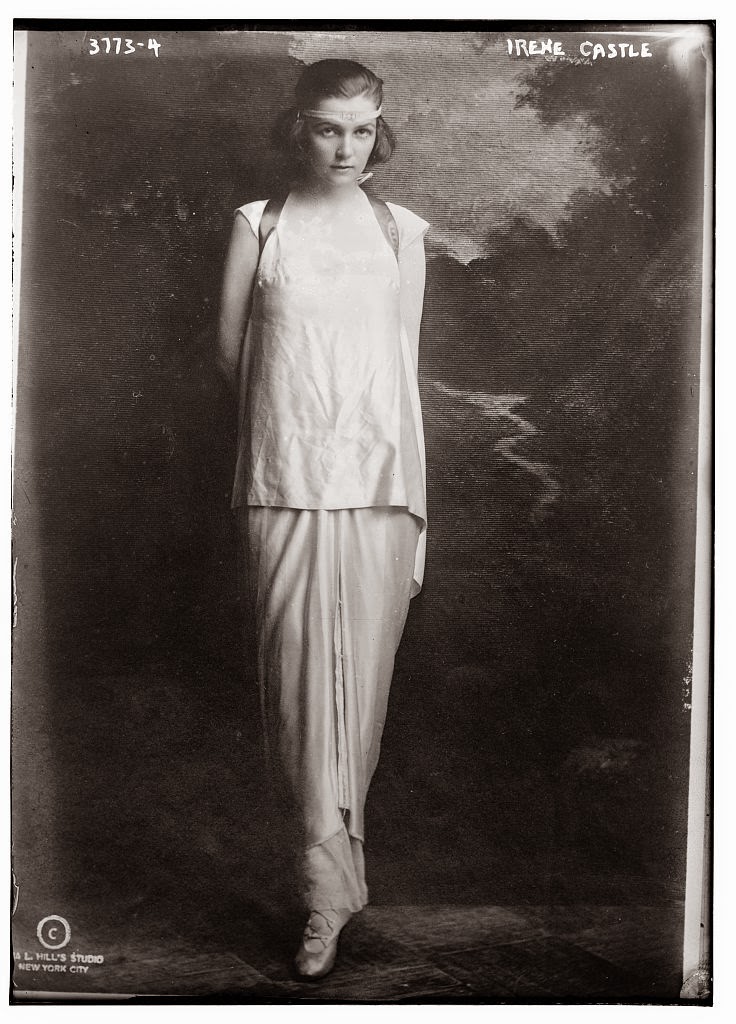
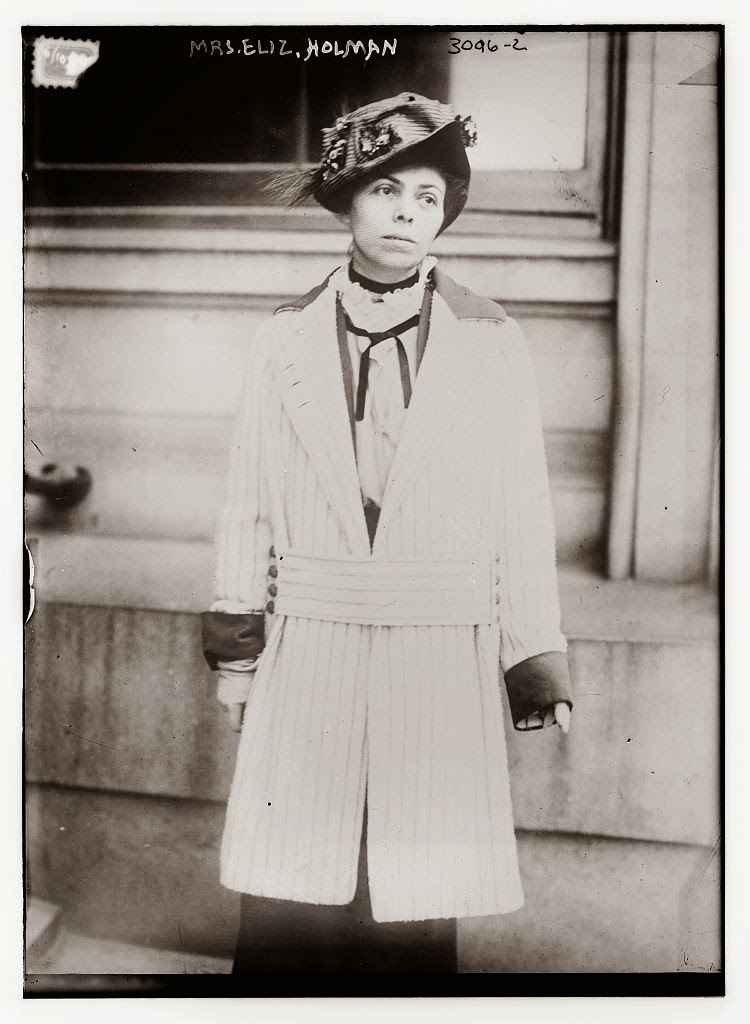
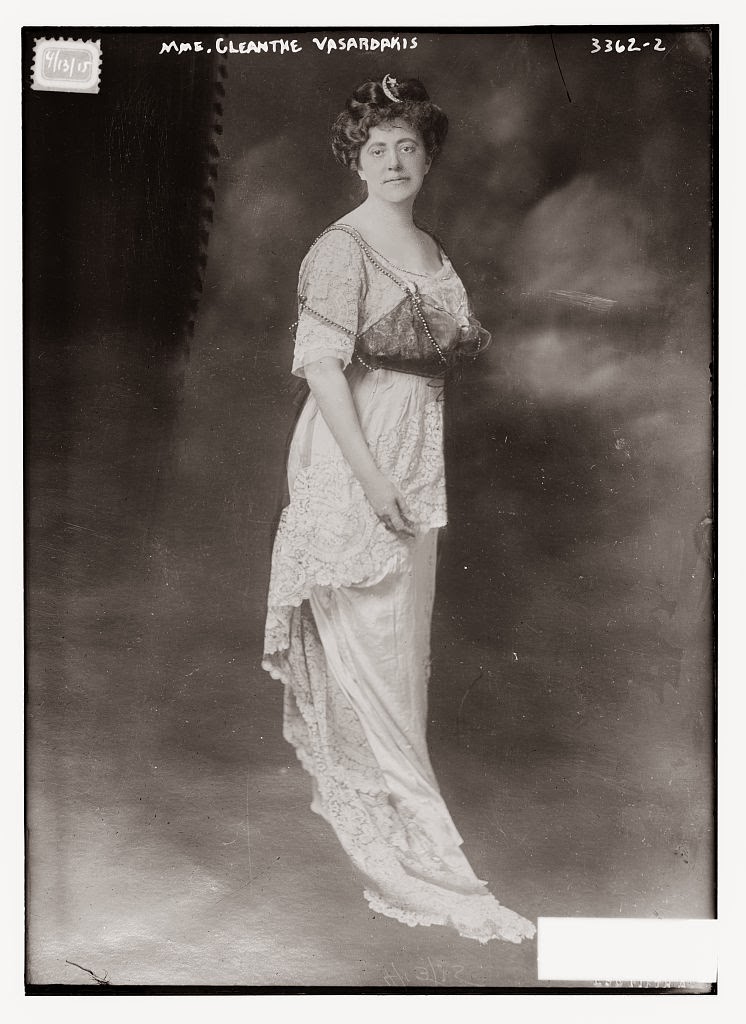
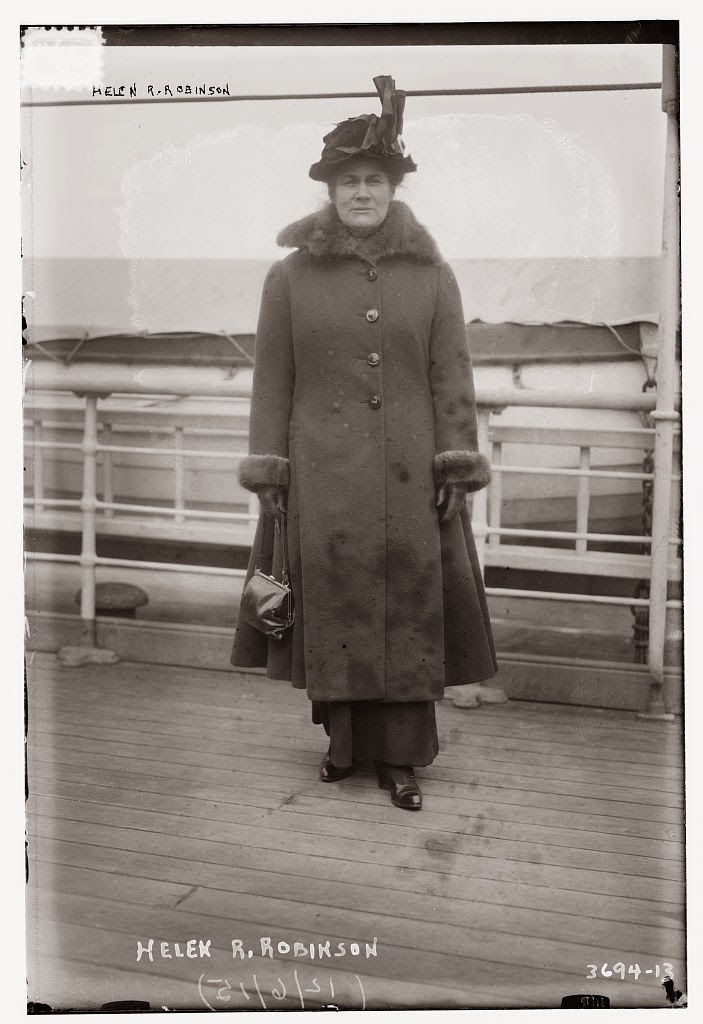
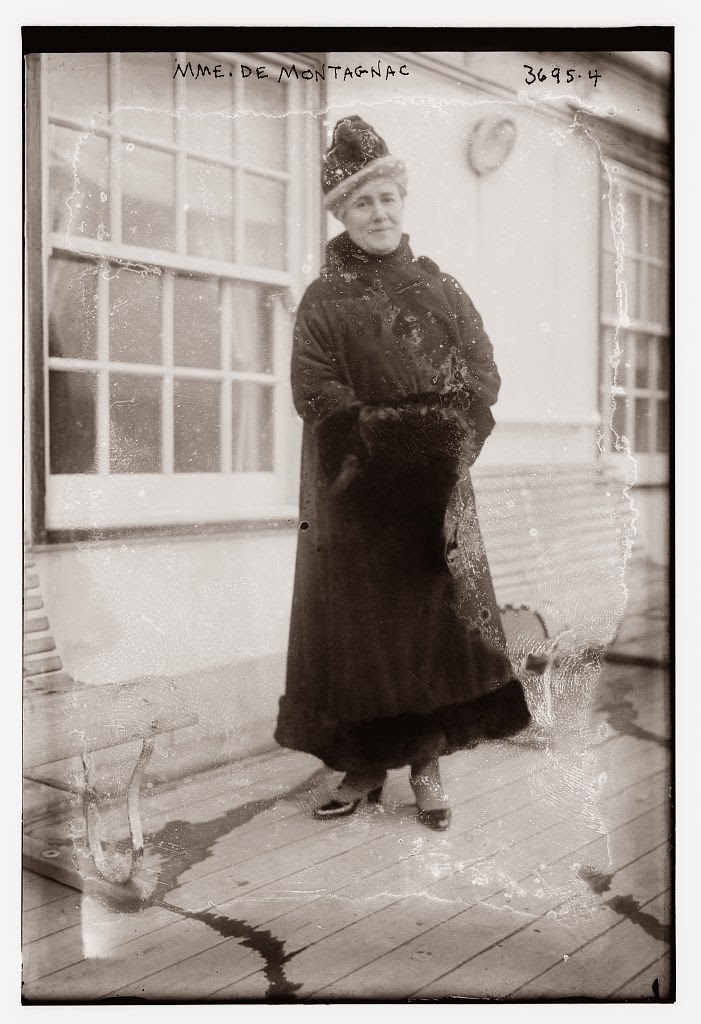
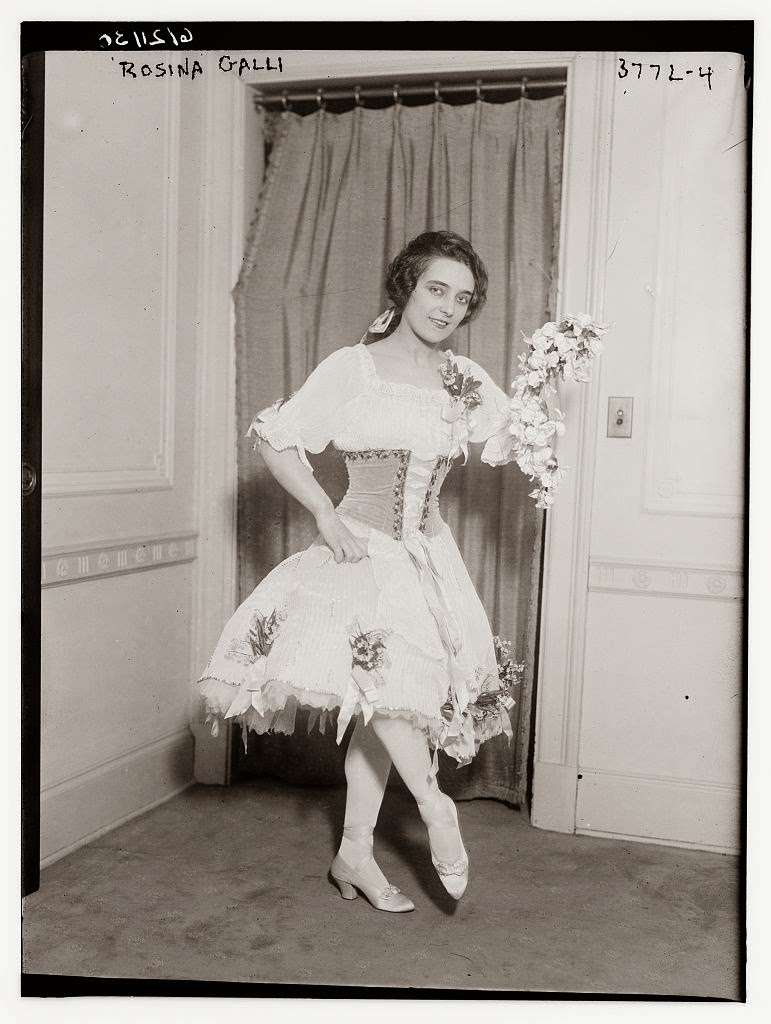
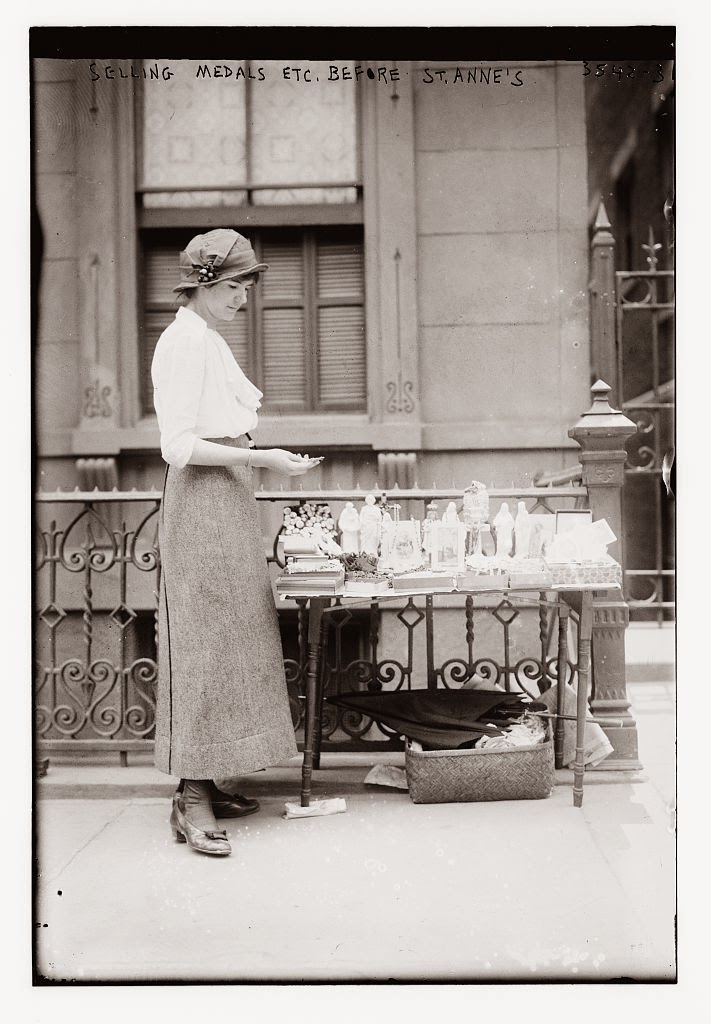
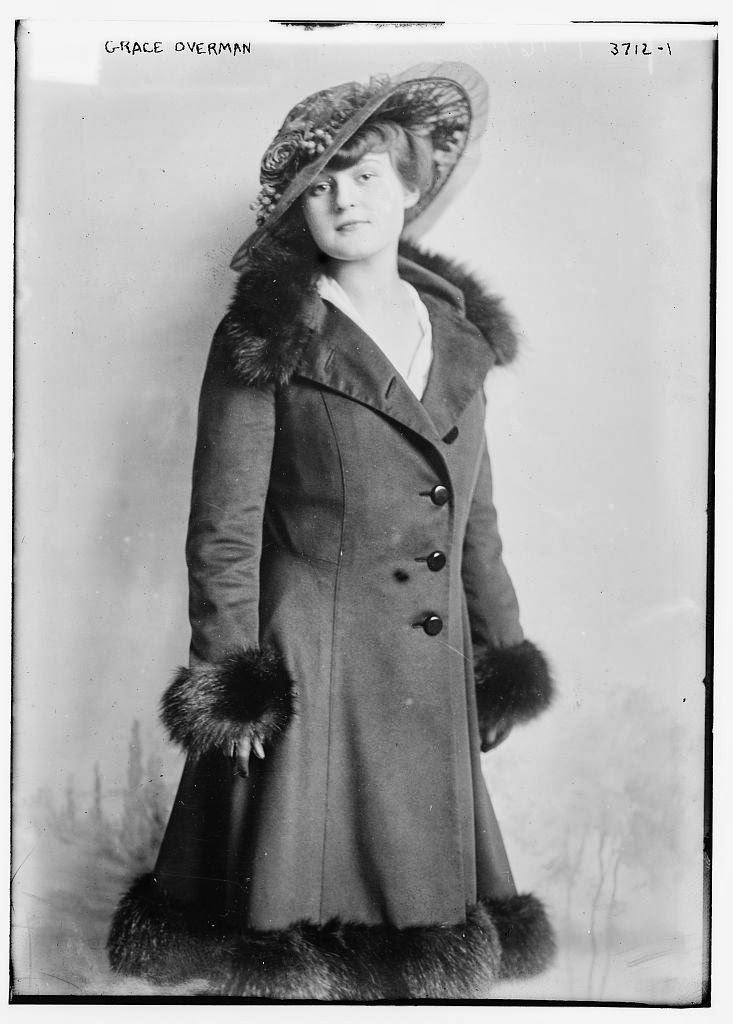
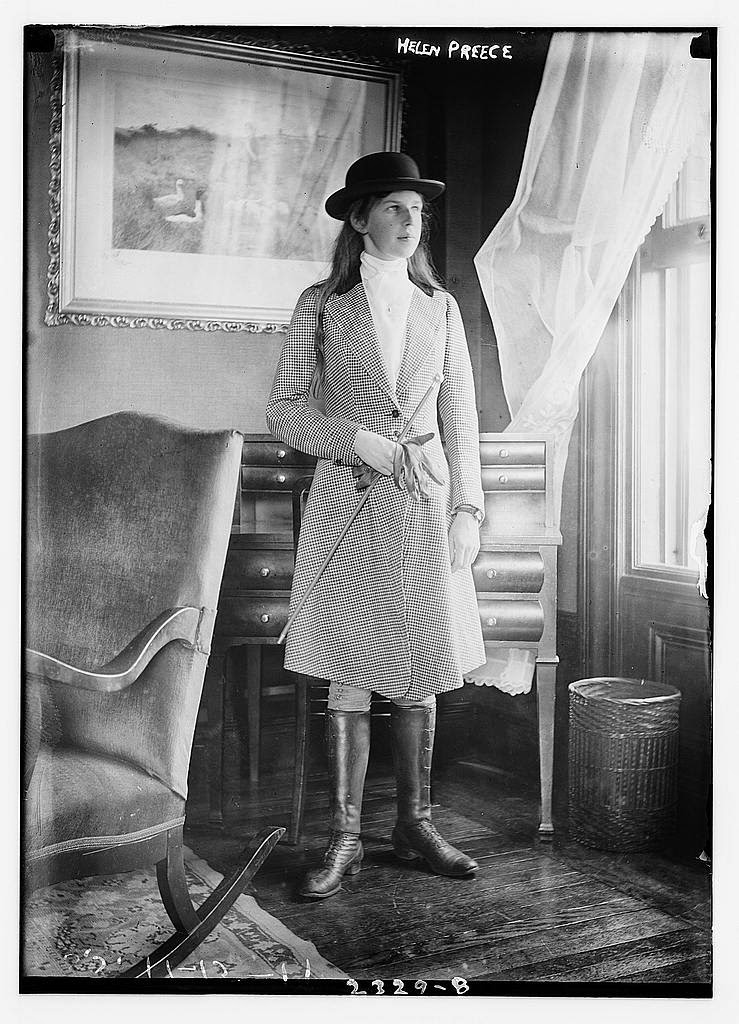
Here, a small collection vintage images from the Library of Congress that show women’s fashions from the 1910s.
Farrah Fawcett and Lee Majors started dating in 1968. The latter spotted a photo of Fawcett in his agent’s office, and asked to be introduced to her. “I remember thinking she was quite beautiful and had a beautiful name,” he told People magazine.
Given that Majors was already famous as the star of the western series The Big Valley, he took it upon himself to mentor Fawcett and help her career.
“She was just a little girl from Corpus Christi,” he recalled. “All the mistakes I had made and the lessons I had learned the hard way, I tried to use to help Farrah.” Majors used his clout to get Fawcett guest roles on TV, including her breakout part on the Owen Marshall series.
They married in 1973, but by the end of the decade, the celebrity couple had drifted apart. They finalized their divorce in 1982, after Fawcett had fallen for Majors’ close friend Ryan O’Neal.
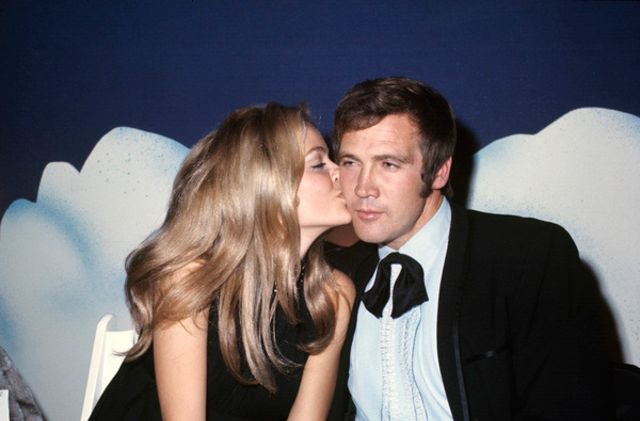
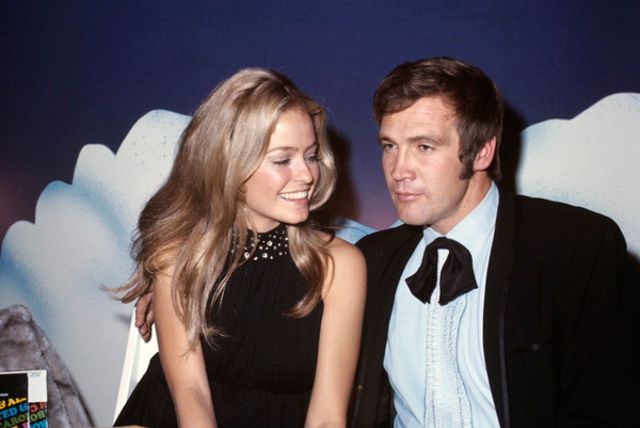
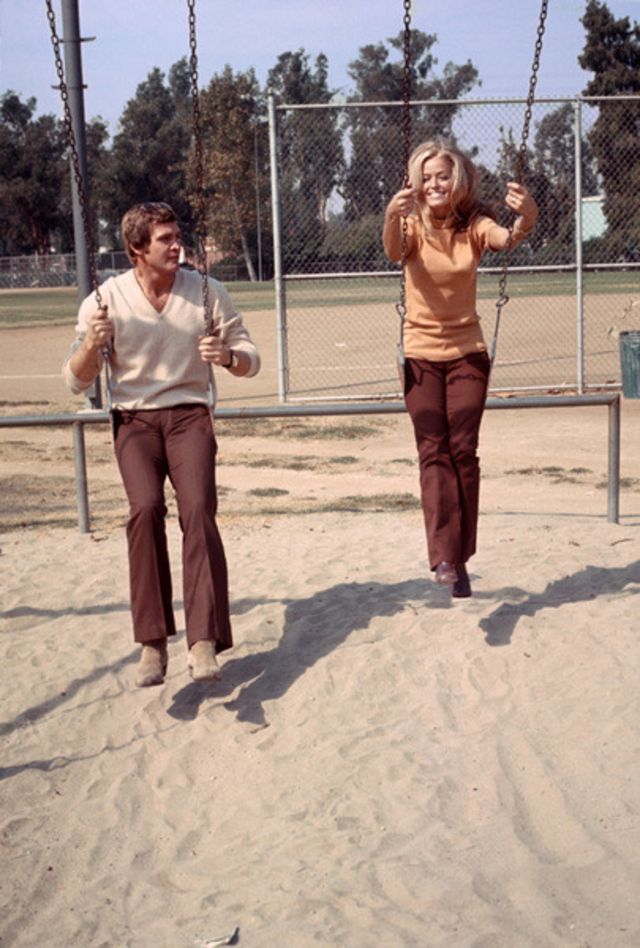
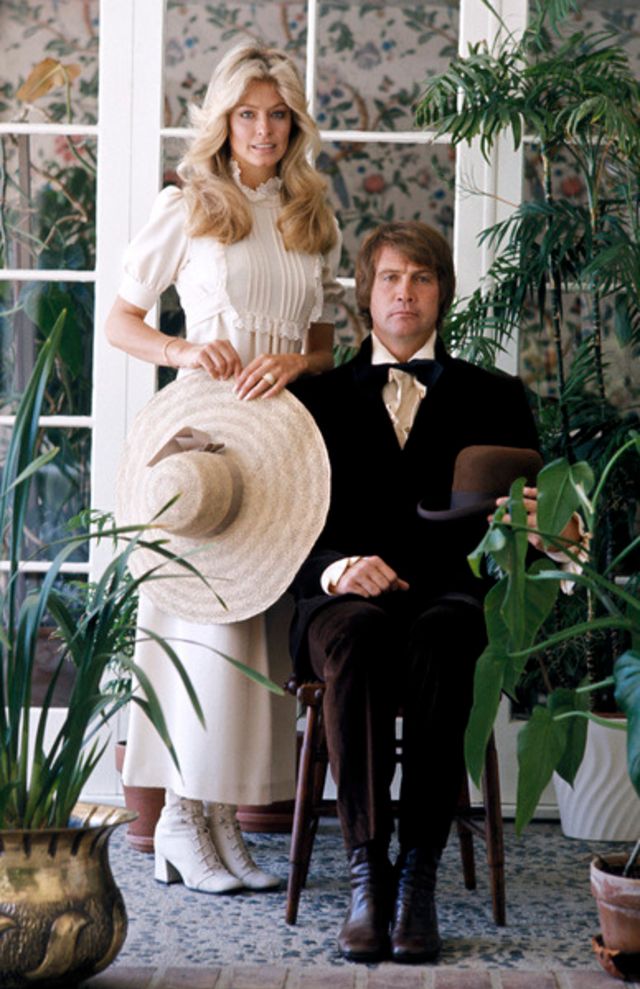
Before their marriage, these photos captured lovely moments of Farrah Fawcett and her future husband Lee Majors in the late 1960s and early 1970s.
The father/daughter relationship is a special one, a thought that’s not lost on these famous fathers. Whether they’re brand-new daddies just learning the ropes of parenthood or experienced family men, these busy showbiz dads make time for the lil lucky ladies in their lives. Scroll down for a selection of cute celebrity dads and their even cuter offspring.
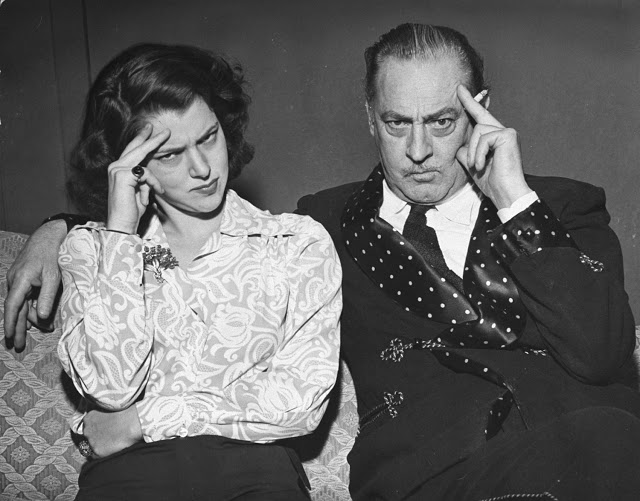
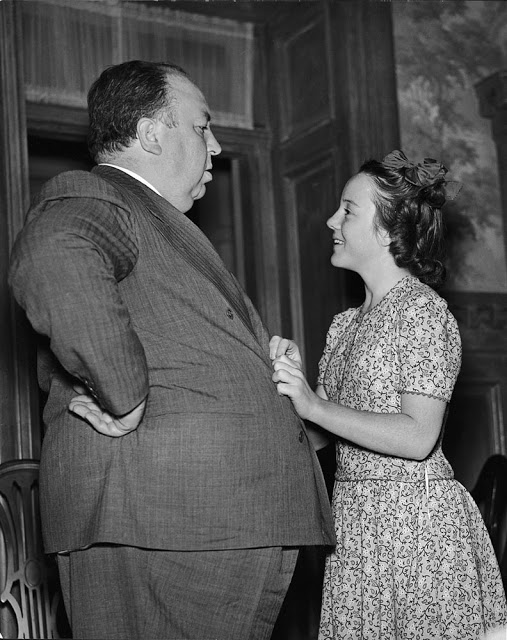
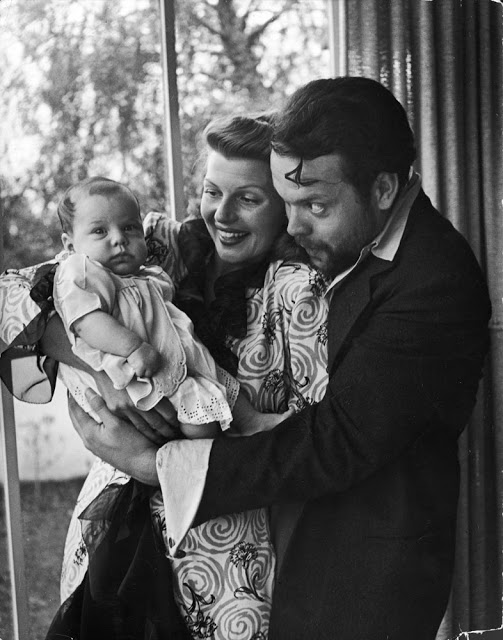
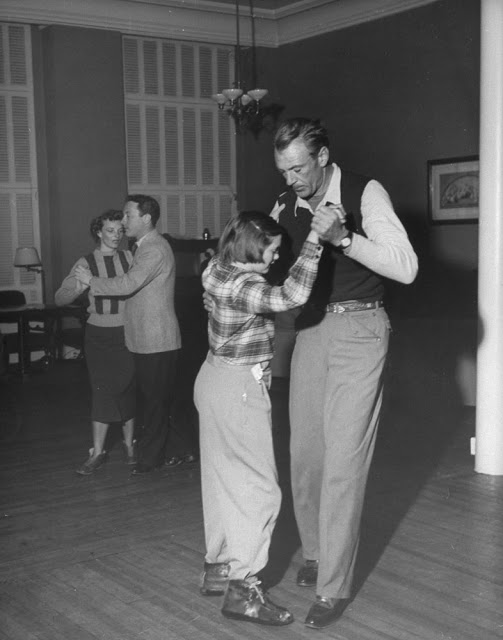
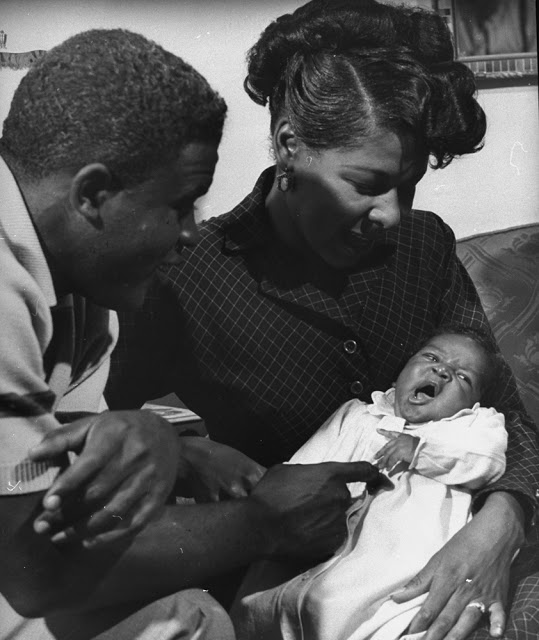
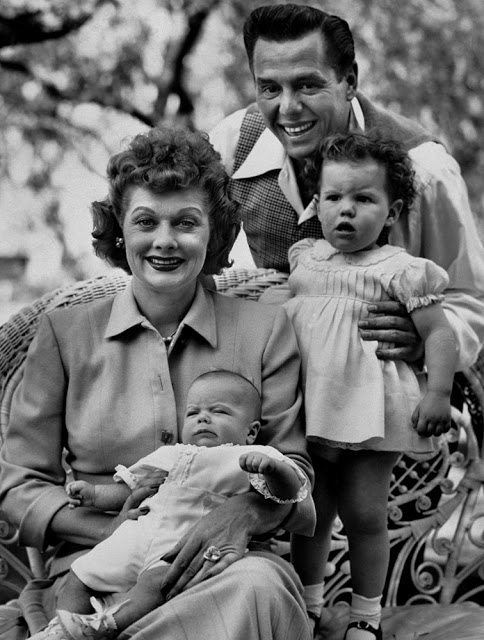
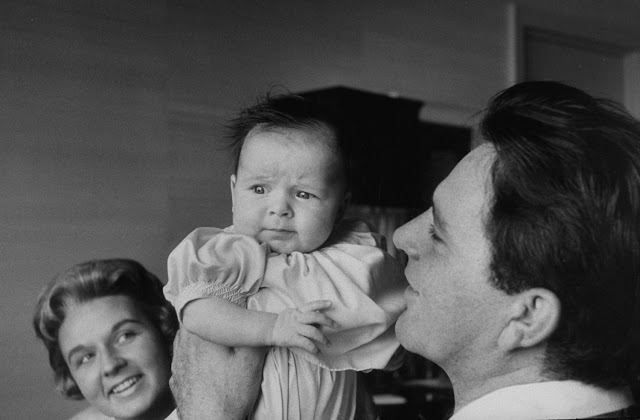
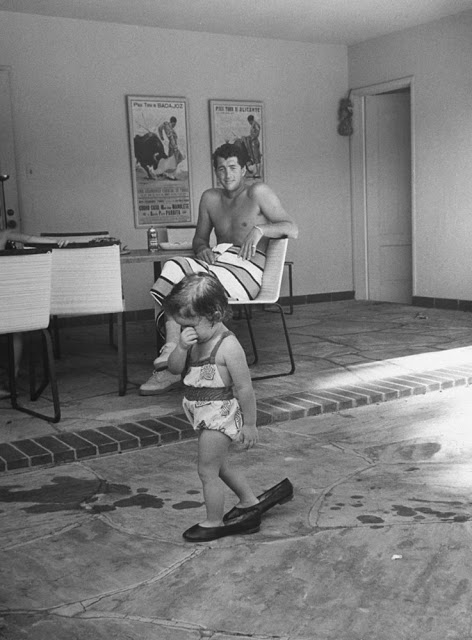
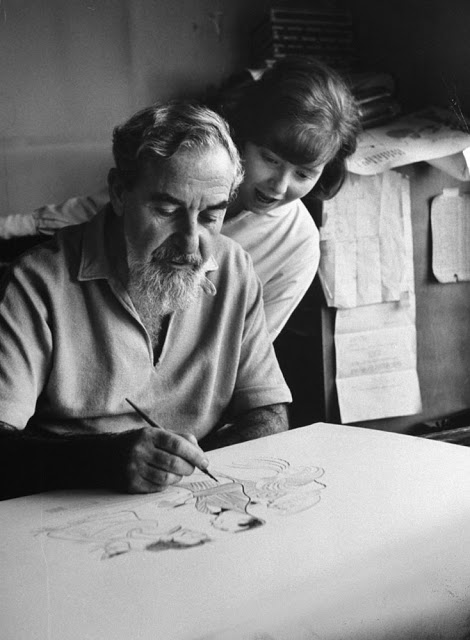
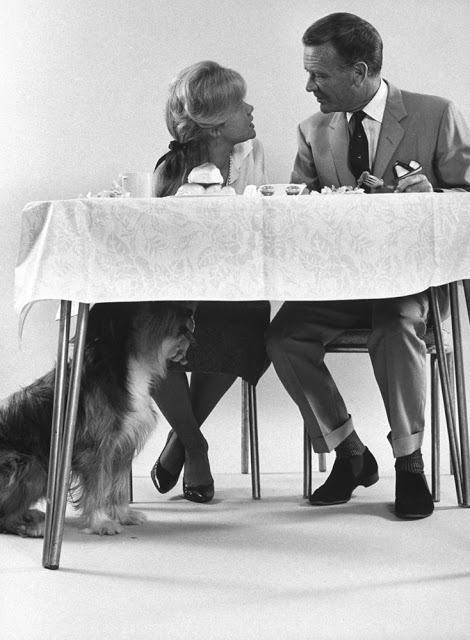
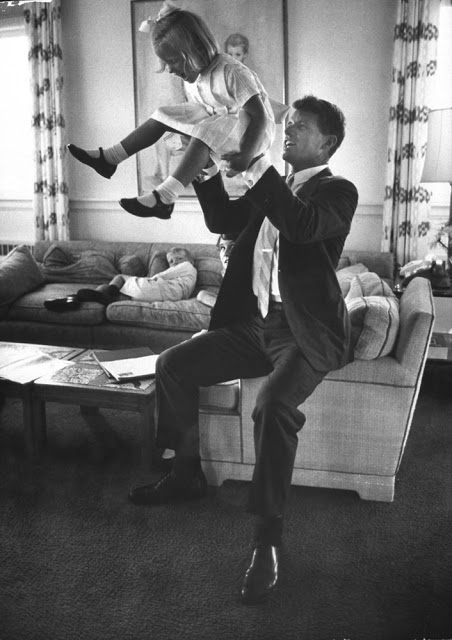
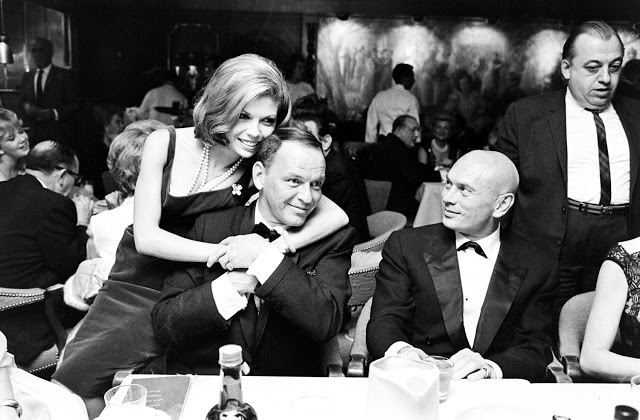
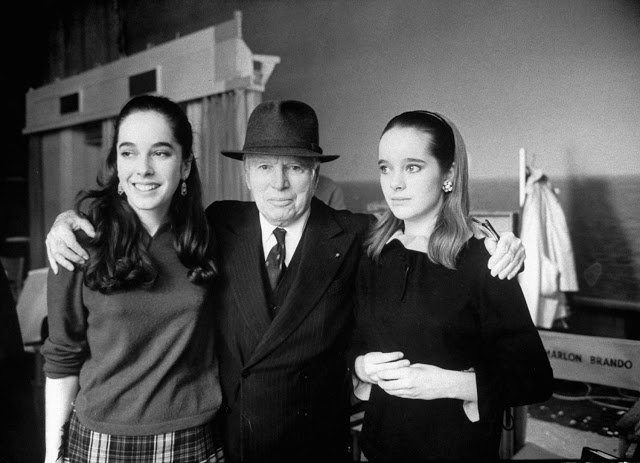
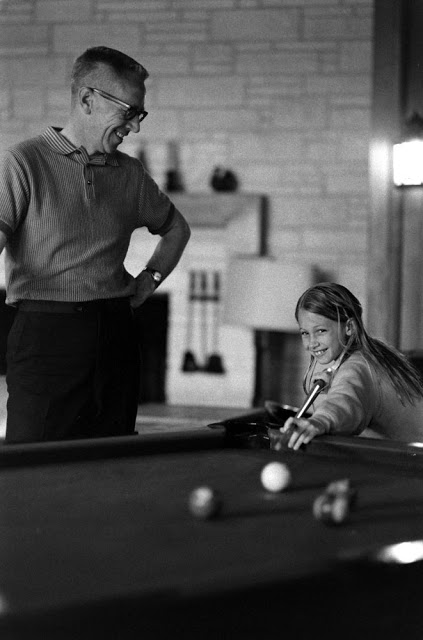
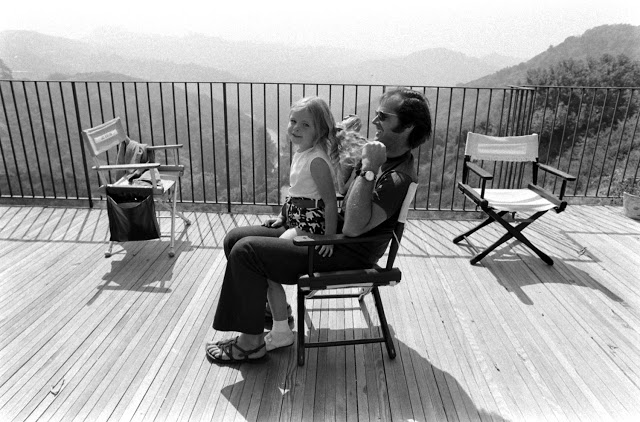
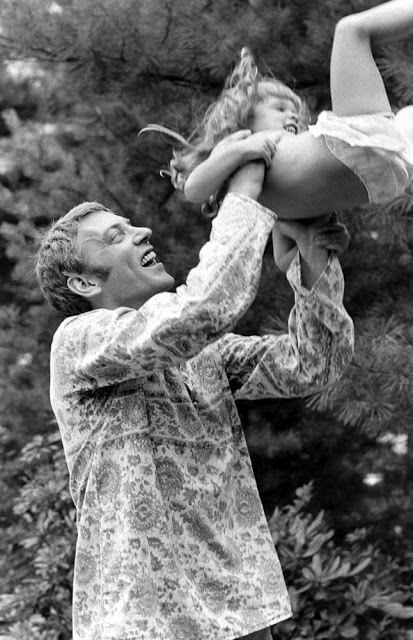
John Barrymore and daughter Diana, 1942.Alfred Hitchcock and daughter Patricia, 1942Orson Wells, Rita Hayworth and daughter Rebecca, 1945.Michael Redgrave and daughter Lynn, 1946.Gary Cooper and daughter Maria, 1949.Jackie and Rachel Robinson with their infant daughter, Sharon, Los Angeles, 1950.Pablo Picasso and daughter Paloma, 1951.Harry Truman and daughter Margaret, 1952.Desi Arnaz with daughter Lucie, Lucille Ball and Desi Arnaz Jr., 1953.Richard Burton and daughter Kate, 1957.John F. Kennedy with daughter Caroline, 1958.Dean Martin with daughter Gina Caroline, 1958.Tony Curtis with daughter Jamie Lee, 1959.John Glenn with daughter Lyn, 1959.Ann-Margret with her father Gustav Olsson, 1961.Burt Lancaster with daughter Sighle (pronounced Sheila), 1961Al Hirschfeld with his daughter Nina, 1961.Astronaut Scott Carpenter with daughter Candy, 1962.John Mills with daughter Hayley, 1962.Actor Steve McQueen kissing daughter goodnight at home. 1963Robert F. Kennedy with daughter Mary, 1963.Lyndon Johnson with daughters Lucy and Lynda, 1964Vikings quarterback Fran Tarkenton and daughter Hayley, 1965.Frank Sinatra and daughter Nancy (with Yul Brynner), 1965.Charlie Chaplin with daughters Josephine and Victoria, 1966.Charles M. Schulz and daughter Jill, 1967.Robert Redford and daughter Shauna, 1969.Dustin Hoffman with his daughter Karina, 1969.Jack Nicholson and daughter Jennifer, 1969.Donald Sutherland and daughter Rachel, 1970.
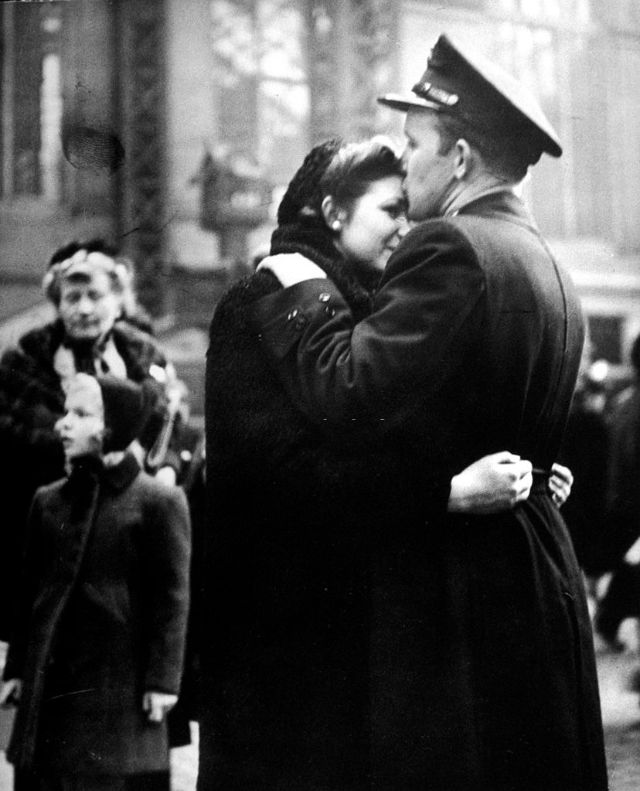
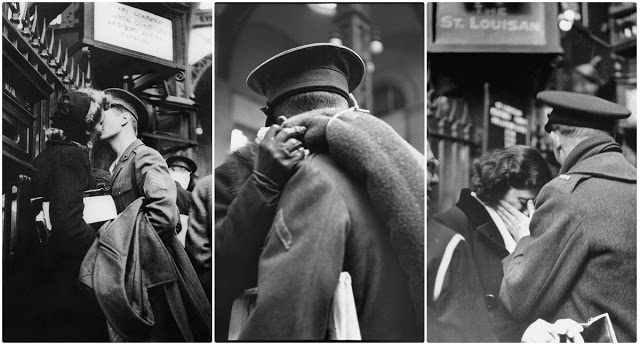
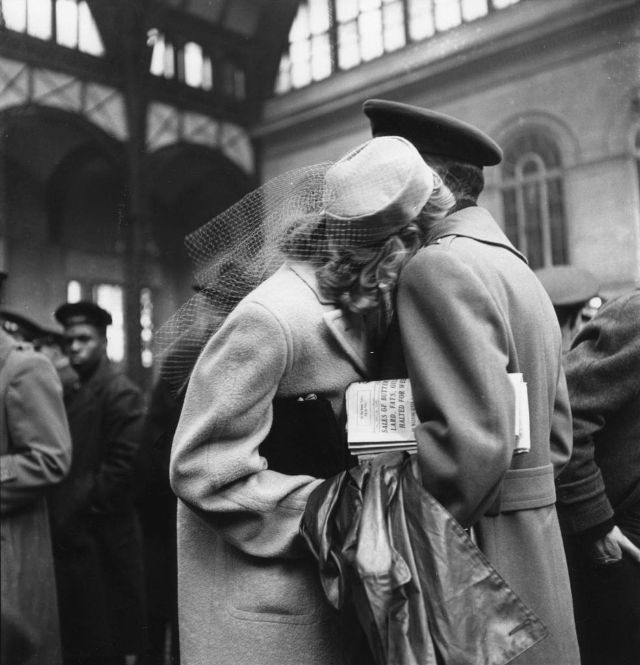
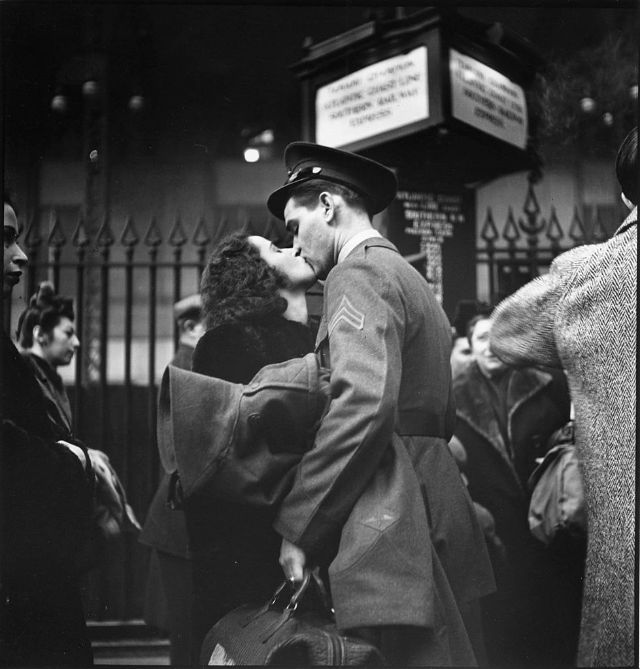
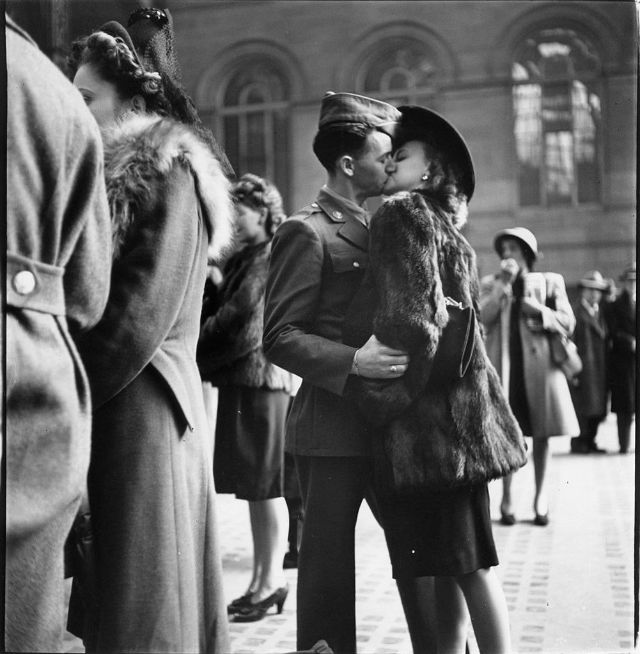
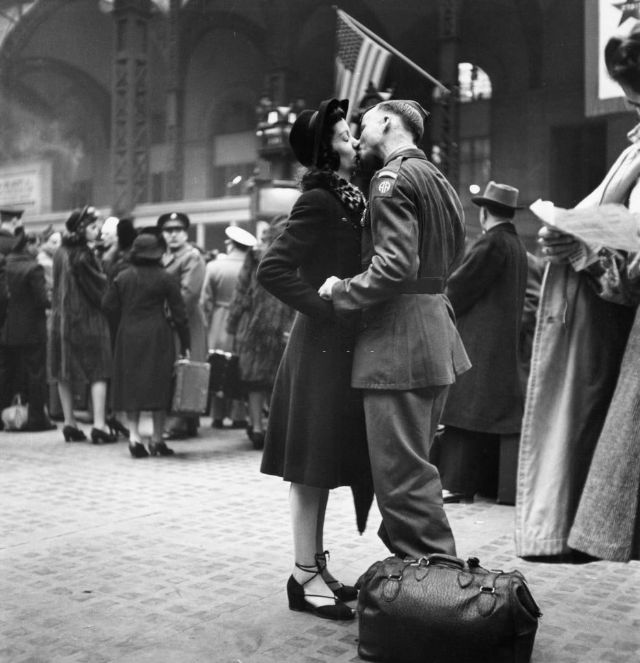
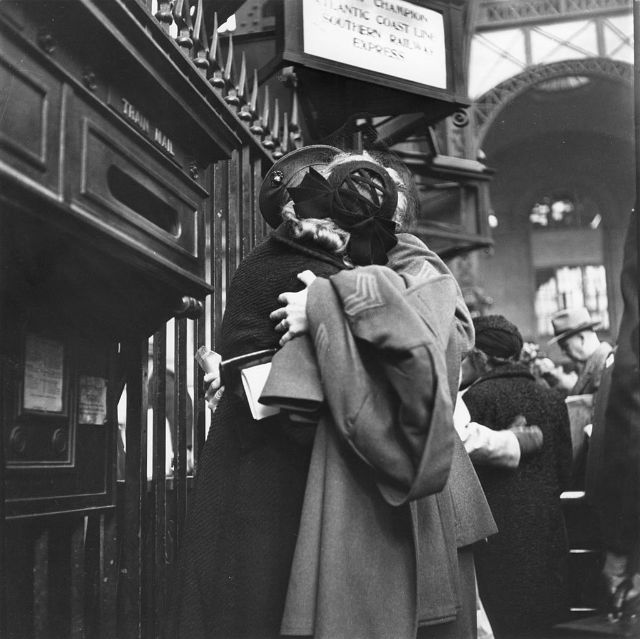
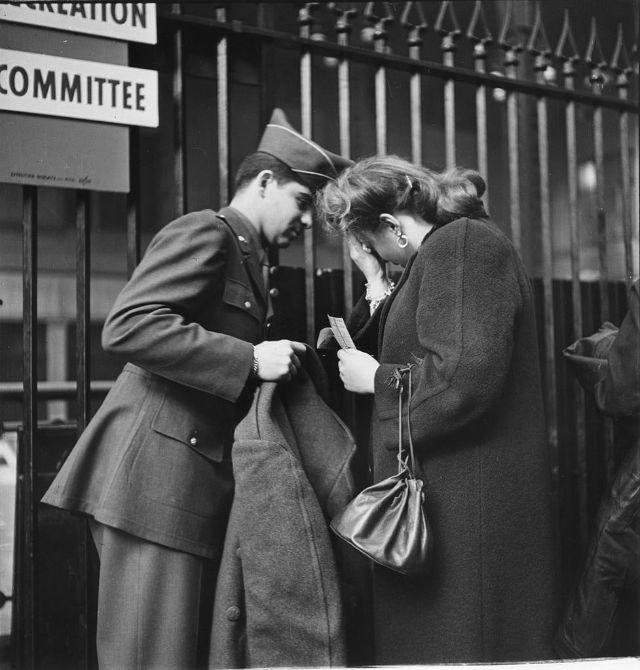
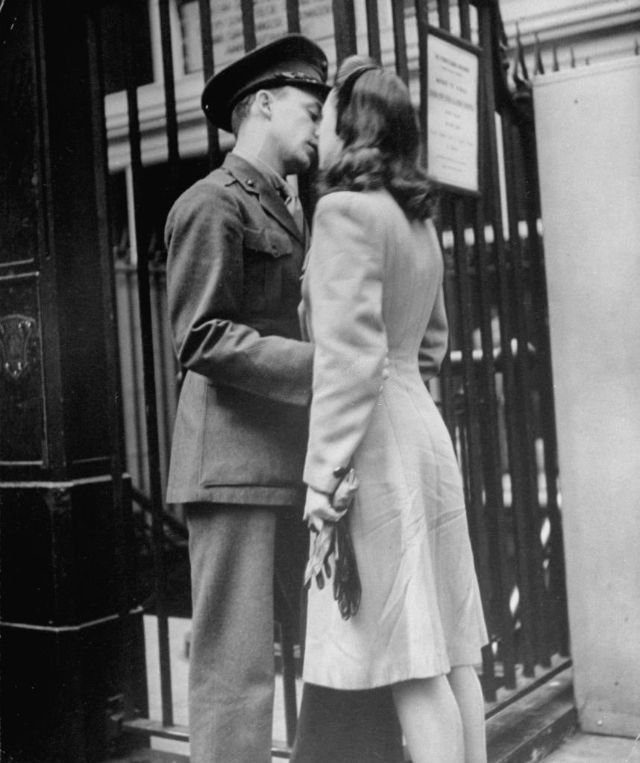
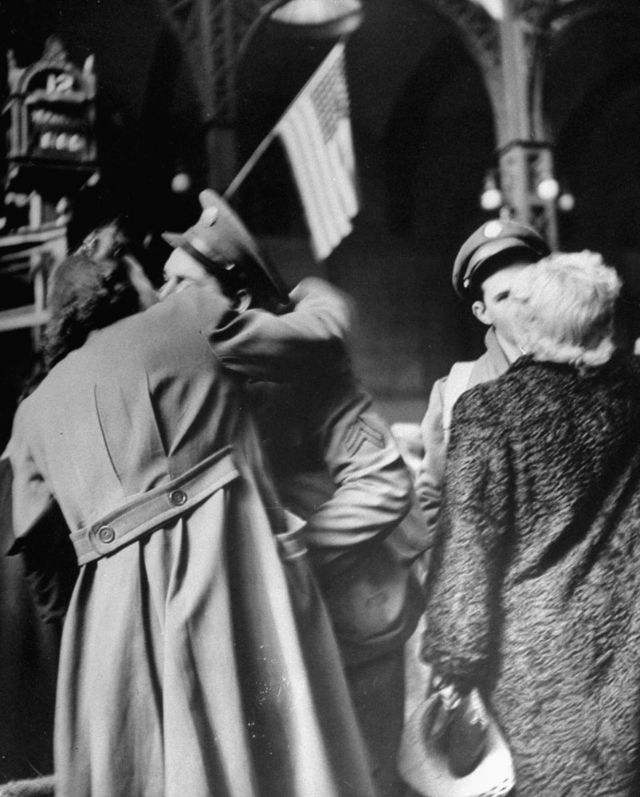
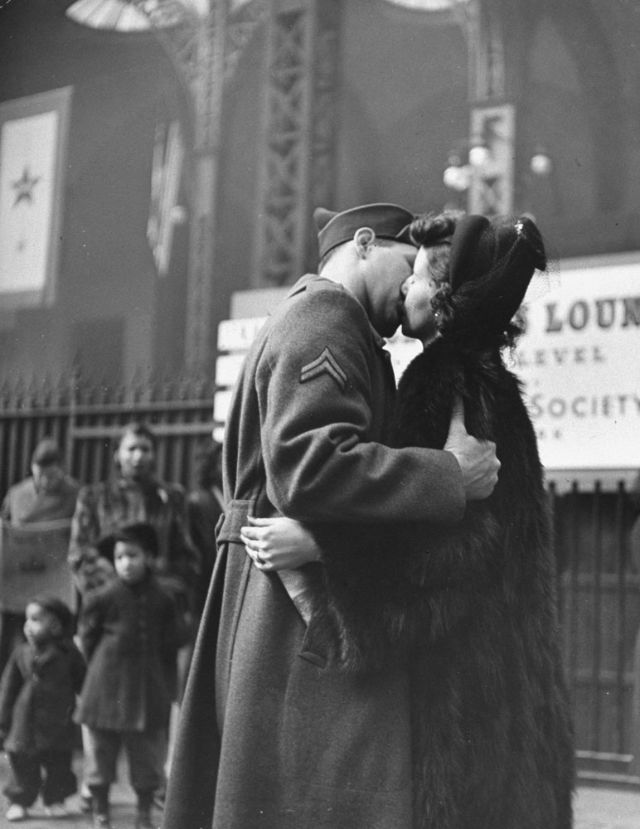
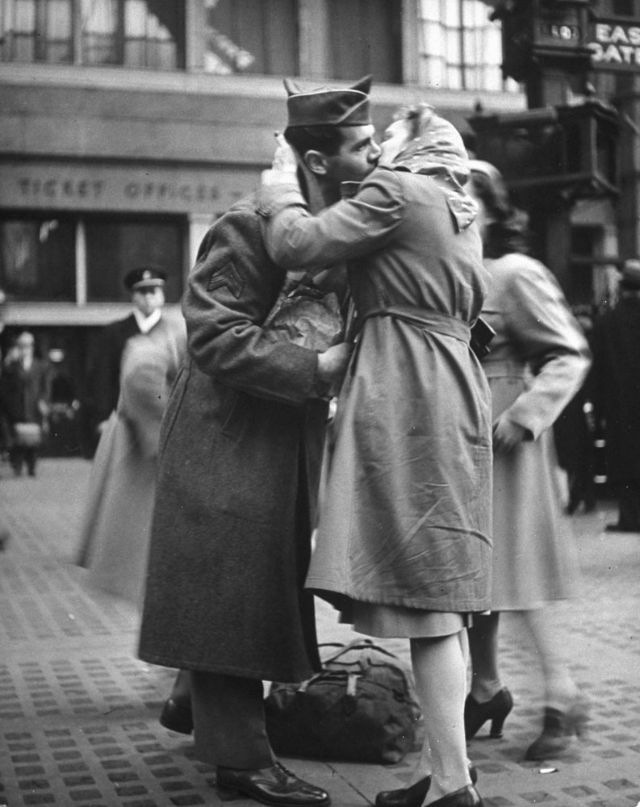
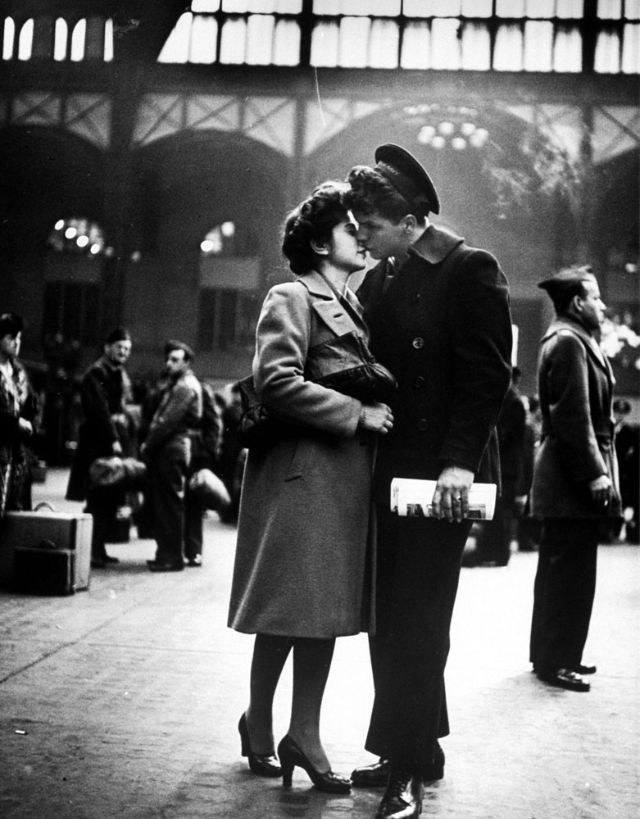
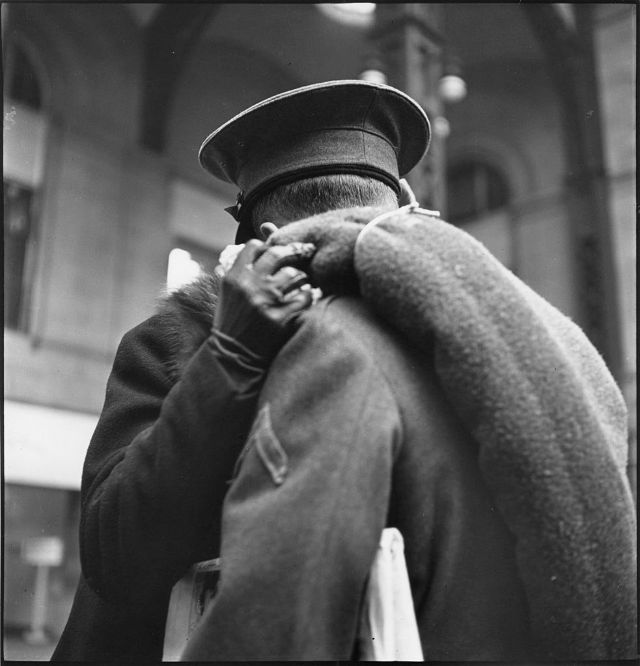
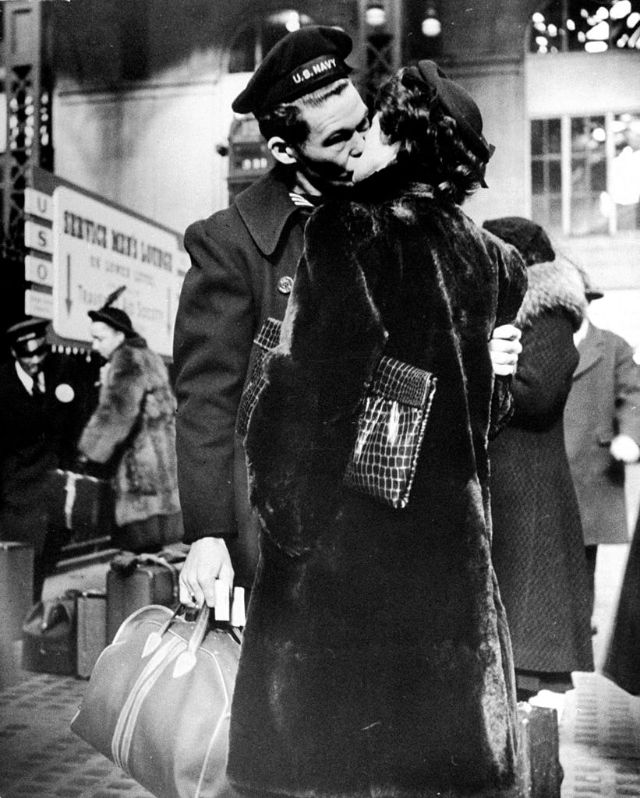
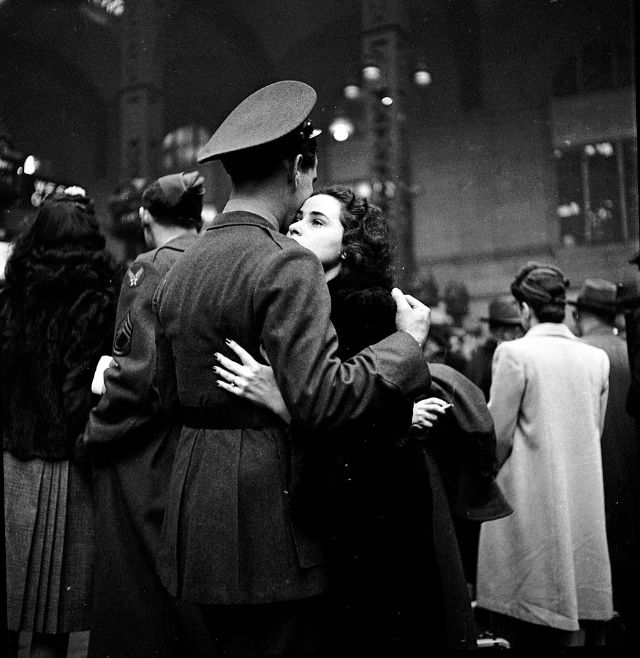
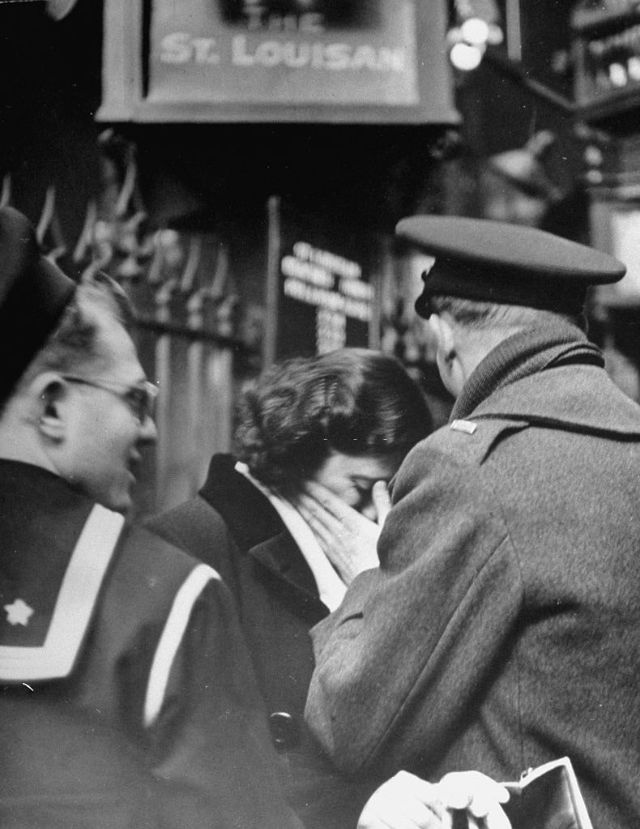
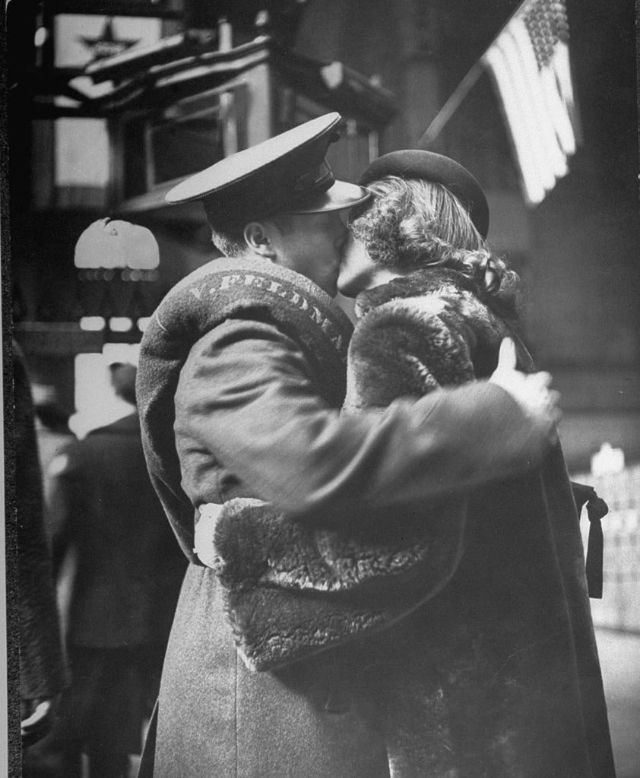
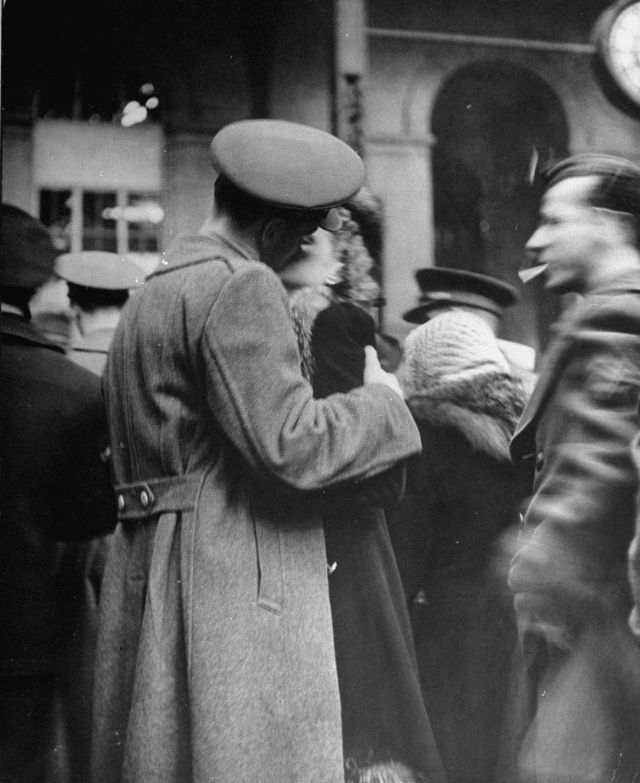
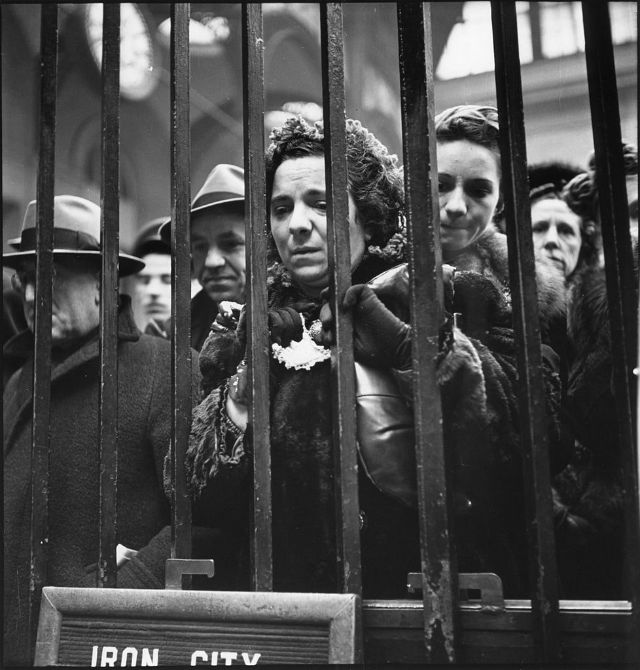
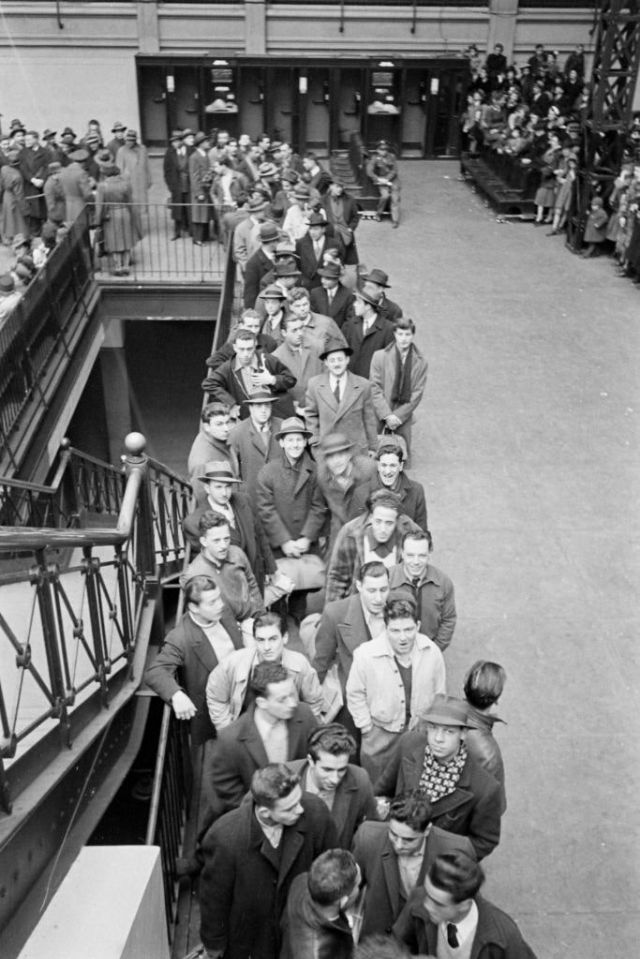
At the height of the Second World War, in April 1943, LIFE photographer Alfred Eisenstaedt came to Penn Station and captured the sorrowful farewell scenes between young soldiers and their families. These forlorn figures, who were bidding goodbyes, seemed to anxiously fear that they might never have any chance to reunite with their loved ones after this departure.
Here’s how LIFE described the scenes in its February 14, 1944 issue:
They stand in front of the gates leading to the trains, deep in each other’s arms, not caring who sees or what they think.
Each goodbye is a drama complete in itself, which Eisenstaedt’s pictures movingly tell. Sometimes the girl stands with arms around the boys’ waist, hands tightly clasped behind. Another fits her head into the curve of his cheek while tears fall onto his coat. Now and then the boy will take her face between his hands and speak reassuringly. Or if the wait is long they may just stand quietly, not saying anything. The common denominator of all these goodbyes is sadness and tenderness, and complete oblivion for the moment to anything but their own individual heartaches.
Below are 34 black-and-white photographs capture the farewells at the station:
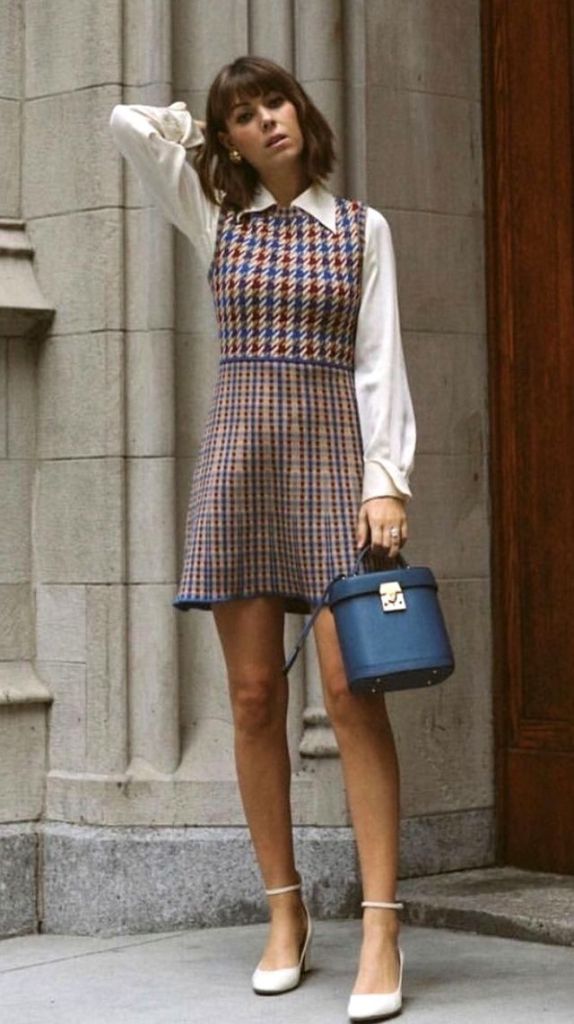
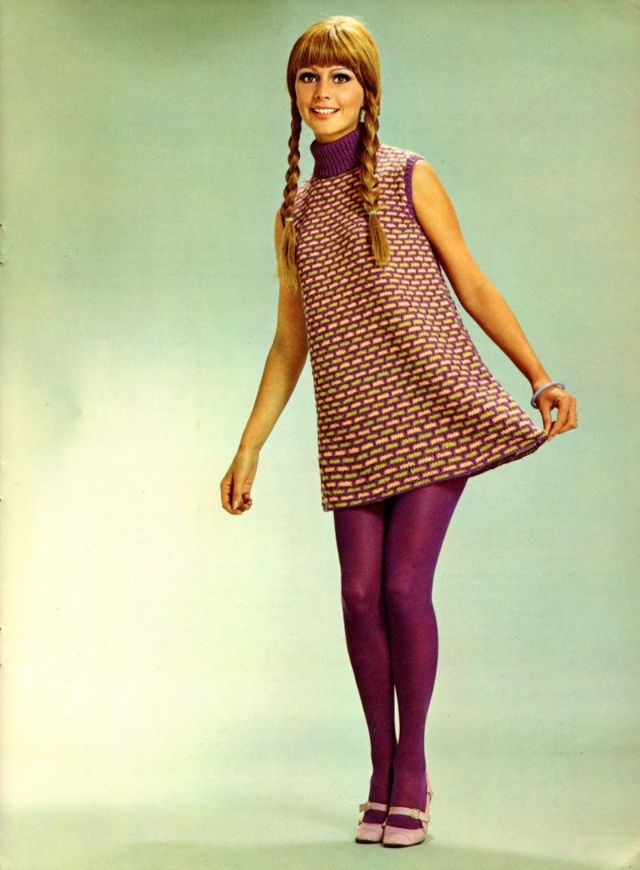
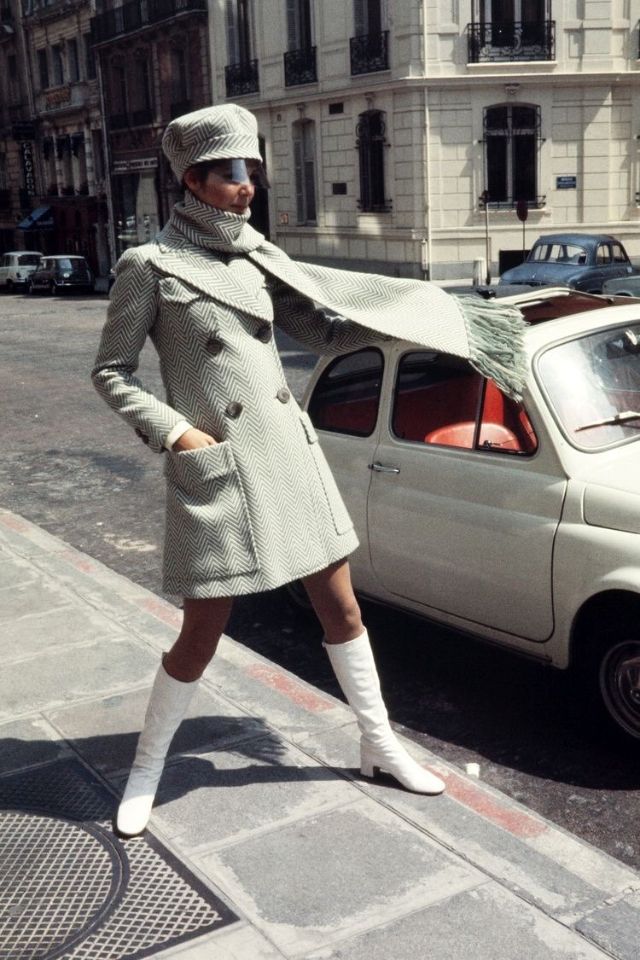
There’s no denying that the ’60s were one of the most impactful eras in fashion. Setting the tone for modern style, the decade revolutionised womenswear with bold colours, striking cuts and a rebelliously youthful attitude. So, it comes as no surprise that 50 years on, key trends from the time continue to influence designers, stylists and fashion-lovers the world over.
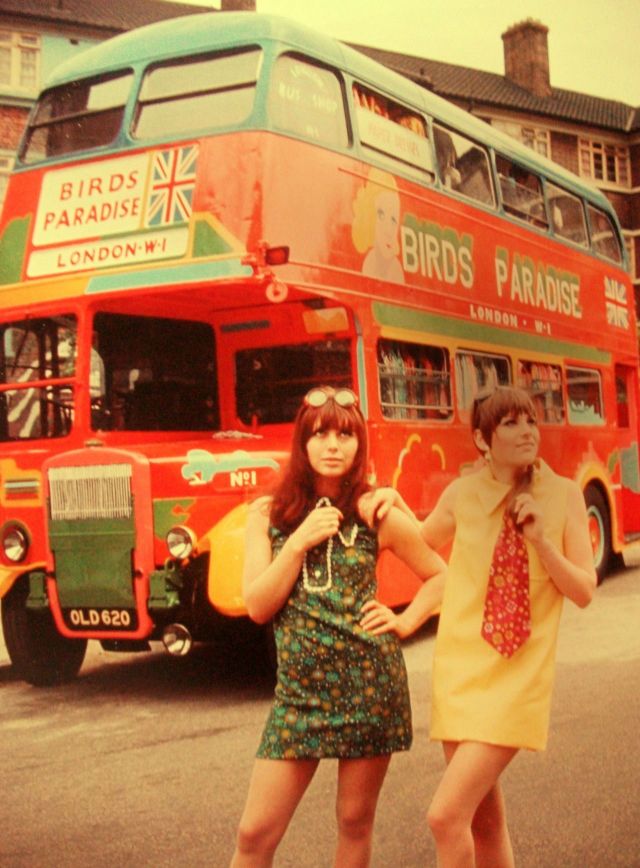
The swinging sixties were a time where traditions were broken, and self-expression was encouraged. Influenced by the youth of the day, the decade dished up plenty of style inspiration. Moving away from the prim and proper ’50s and into rebellious new times, ’60s fashion was revolutionary.
Key fashion styles of the decade included mod, beatnik and hippie looks, all of which captured the artful, fun and free spirit of the time.
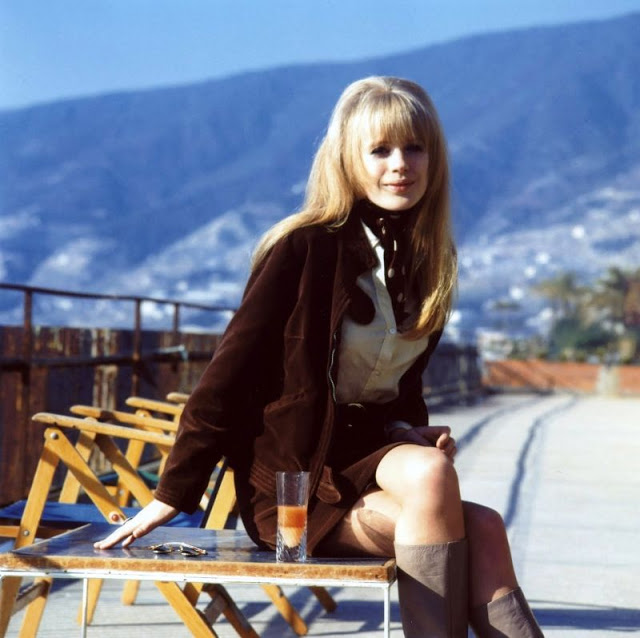
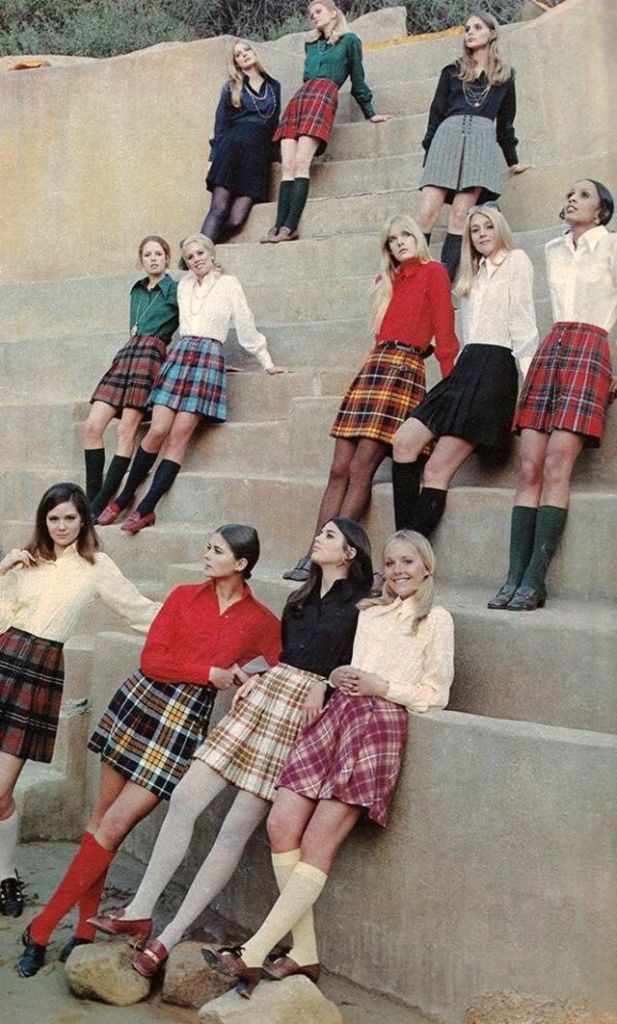
Take a look at these fabulous photos to see what fashion trends of young women looked like in the 1960s.
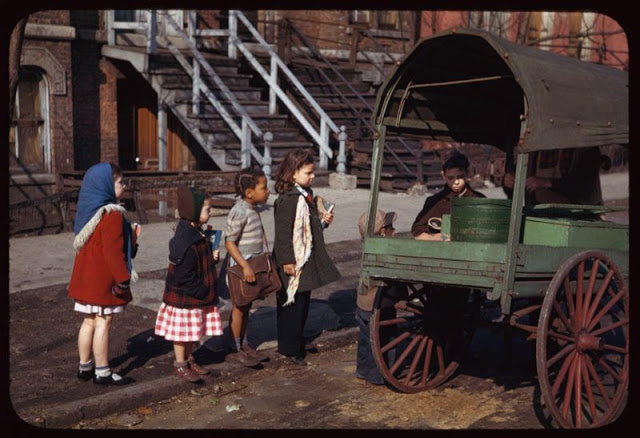
Everyday life in the United States during the 1940s was shaped largely by World War II, which had profound impacts on the home front. The early part of the decade saw families adjusting to wartime realities, with many men enlisting or being drafted into military service. Women stepped into roles that were traditionally held by men, working in factories and other industries to support the war effort. This period saw the iconic image of “Rosie the Riveter” become a symbol of female empowerment and the nation’s collective effort towards victory. Rationing became a part of daily life, with households conserving food, gasoline, and other resources to ensure that enough supplies were available for the military.
Despite the challenges, the 1940s were also a time of significant social change. The war accelerated technological advancements and fostered a sense of unity and purpose among Americans. People came together to support the war effort through various means, such as buying war bonds, participating in scrap drives, and volunteering for civil defense duties. The sense of community and patriotism was palpable, as everyone contributed in their own way to the nation’s goals. Additionally, the experiences and opportunities that women and minorities gained during the war laid the groundwork for future social movements and advancements in civil rights.
The latter part of the 1940s saw the United States transitioning from wartime to peacetime. The end of the war brought about a period of economic prosperity and growth, often referred to as the post-war boom. Soldiers returned home, and many took advantage of the GI Bill to pursue higher education or buy homes, leading to a surge in suburban development. Consumer goods, which had been scarce during the war, became more available, and Americans enjoyed new conveniences such as refrigerators, washing machines, and television sets. The baby boom began during this period, as families reunited and began to grow.
Culturally, the 1940s were a vibrant time for music, movies, and fashion. Swing music and big bands were immensely popular, with figures like Glenn Miller and Duke Ellington dominating the airwaves. Hollywood produced some of its most enduring classics, including films like “Casablanca” and “It’s a Wonderful Life.” Fashion also saw significant changes, with practical wartime styles giving way to more lavish and expressive designs as the decade progressed. Overall, the 1940s were a time of resilience, adaptation, and transformation, leaving a lasting impact on American society.
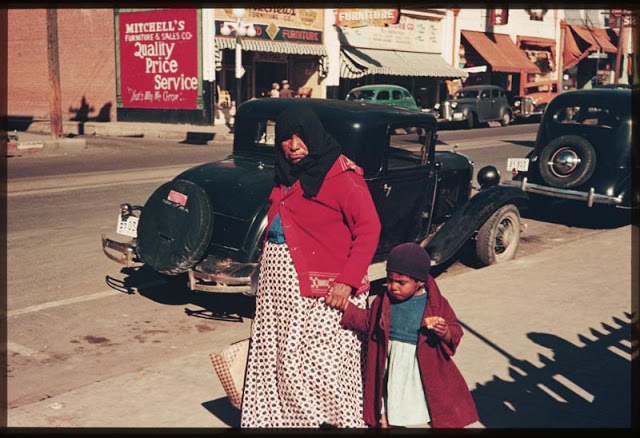
Tucson on Saturday afternoon, Arizona, Feb. 1940Bull and whiskered leader Loudoun co., Virginia, September 1940
Subscribe to continue reading
Become a paid subscriber to get access to the rest of this post and other exclusive content.
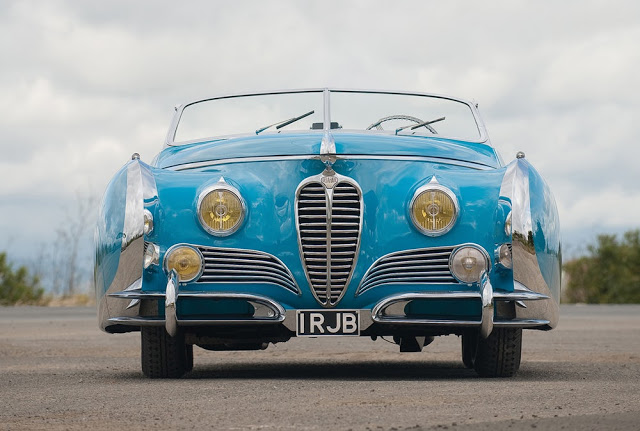
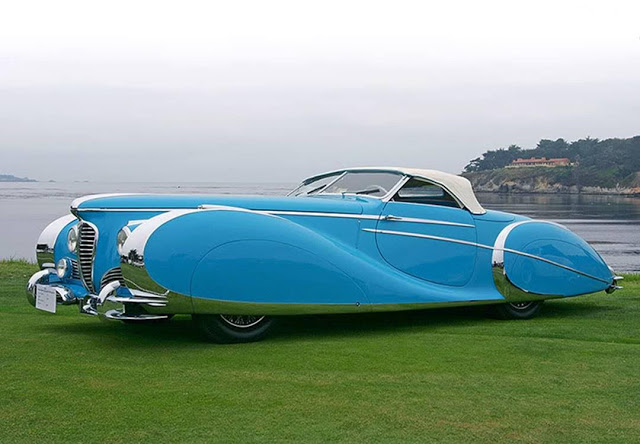
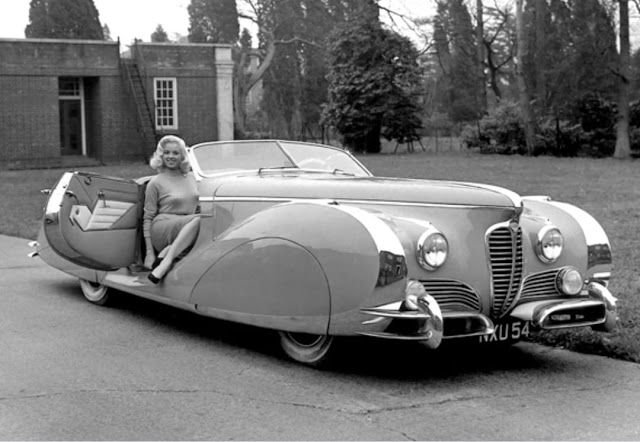
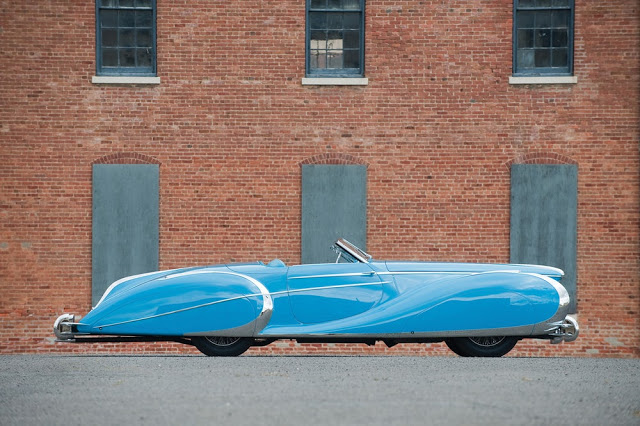
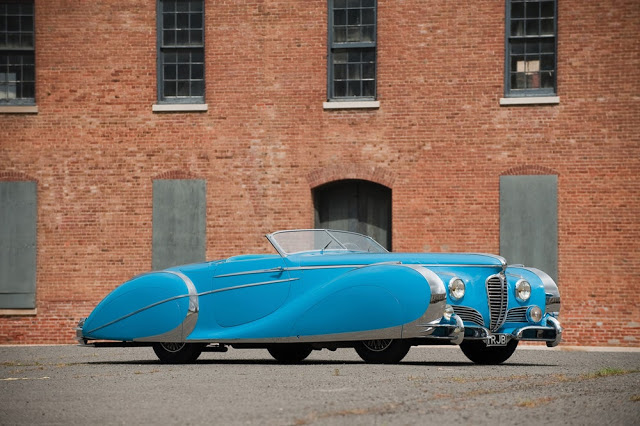
The most dramatic of all supercars is this 2-seat roadster which was owned by English movie star Diana Dors. Built for the post-war concours circuit, Saoutchik was responsible for its extreme body which borrowed styling cues from other earlier designs.
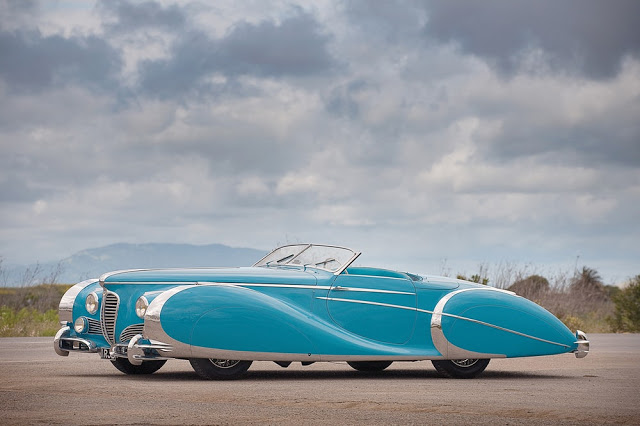
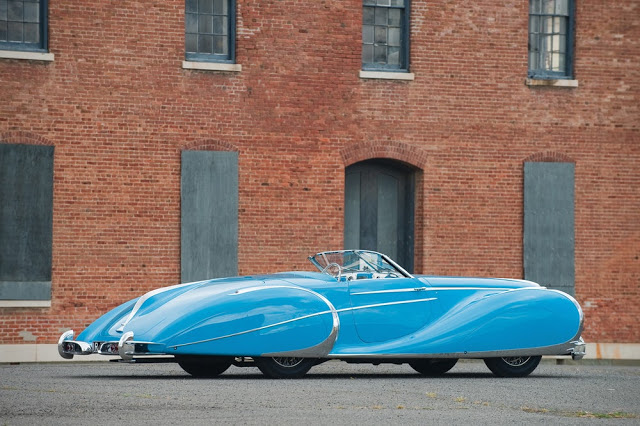
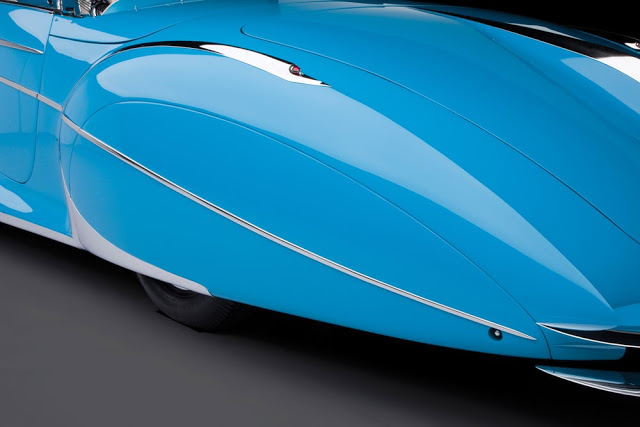
Using the French curves of the thirties with more modern baroque ornamentation, Saoutchik conveys a sense of drama and movement with this design. With completely enclosed wheels, the car’s best angle is its profile as the front has a confusing mix of elements that look like they came from different sources. At the time, the aggressive use of chrome was revolutionary and an emerging trend that the American manufacturers would go on to master.
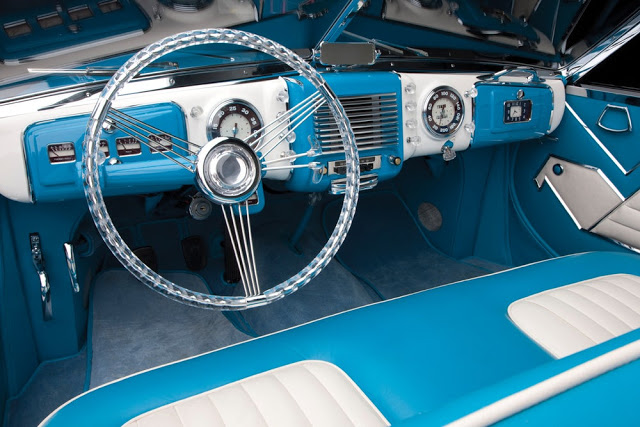
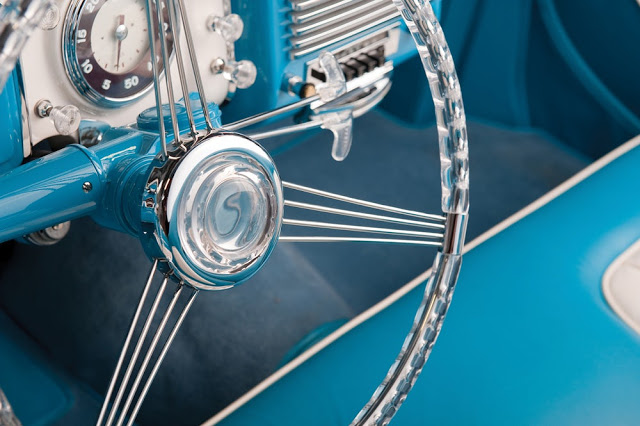
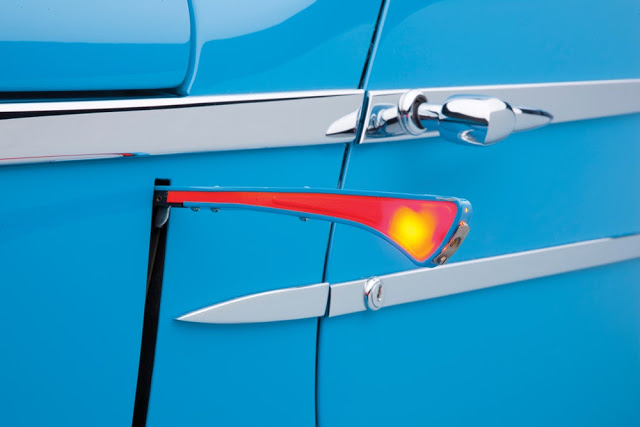
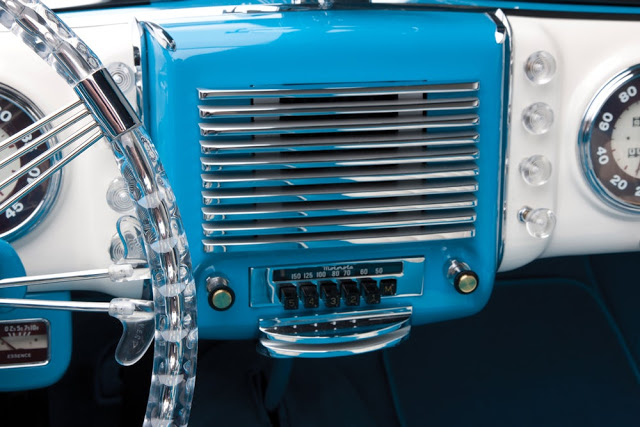
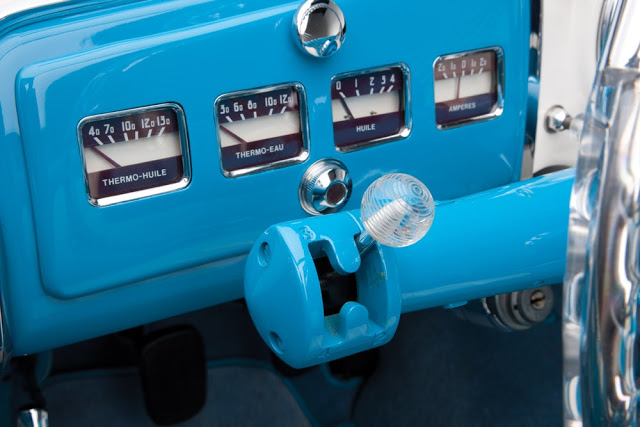
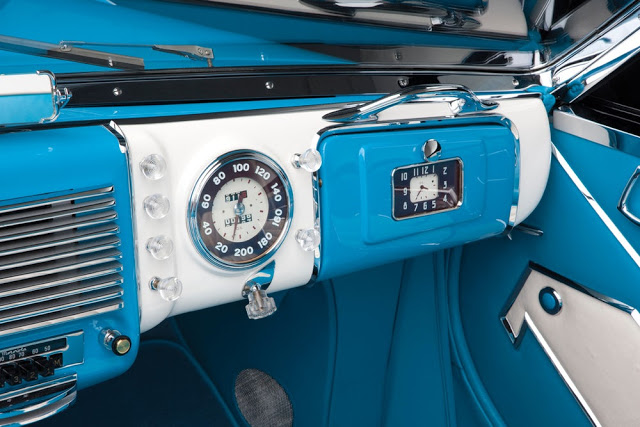
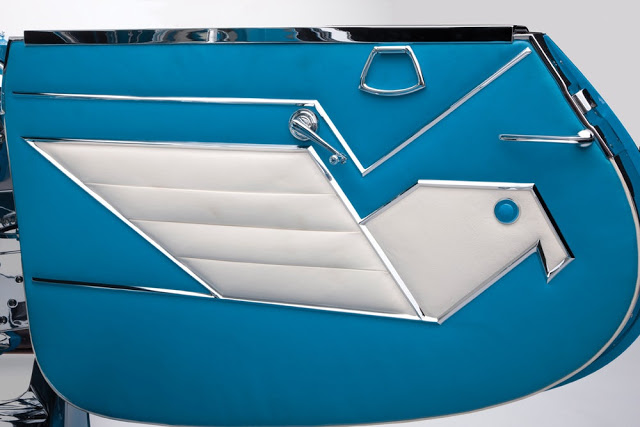
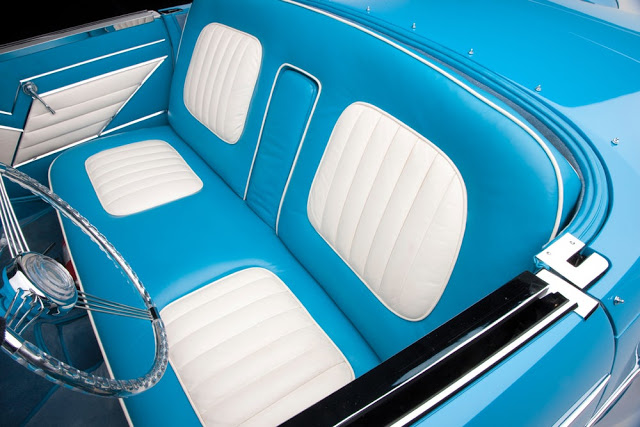
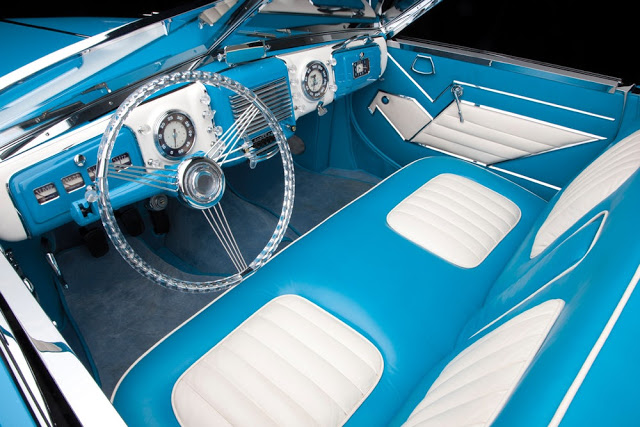
Much of this Delahaye’s beauty is also shown in details such as chrome accents that highlight the curves and feature embedded turn signals or the small strips which flank the side and add a sense of speed while hiding the door handles. At the front is a curious nose which was inspired by the Figoni et Falaschi-designed Narval produced just a year earlier. Inside, a two-tone interior is relentlessly busy and features a medley of designs that work together in their excess. Rows of knobs are everywhere and the see-through steering wheel made of lucite is unique.
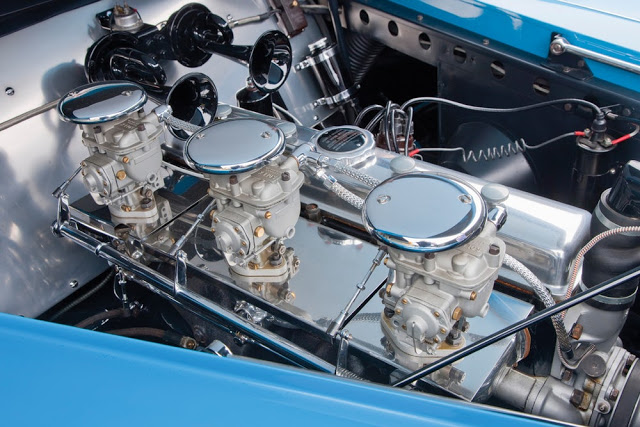
The car is built upon the first new Delahaye chassis designed after the war. New features for this model included a much larger 4.5 liter engine, a De-Dion rear suspension, Dubbonet front suspension, Lockhead brakes, and novelties such as a radio and heater came standard. When everything worked, the chassis was superb, but many cars suffered from breakdowns, particularly around the complex suspension and fragile drive-line.
The first owner of this car, chassis 815025, was Sir John Gaul of England who brought the car to several European concours, catching the attention of the press and public wherever it went. In 1949, it won top honors at the Grand Castle du Bois de Boulogne in Paris, the Monte Carlo Concours and Coup de l’Automobile in San Remo almost always accompanied by an attractive lady.
British actress Diana Dors and her 1949 Delahaye 175 S Saoutchik Roadster.
By the seventies the roadster had made its way to Colorado where maintenance on the race-spec engine and Dubonnet suspension became a nuisance. The owner then chopped out the entire front section of the chassis to fit a GM Toronado system which was front wheel drive.
For nearly forty years the original engine and car were separated much to the blissful ignorance of everyone who could still appreciate its distinct design. Eventually correct 175 parts were sourced and the owner had Fran Roxas refurbish the massive Delahaye. It made a welcome debut restoration at the 2006 Pebble Beach Concours where it graced the shoreline beside the best examples of the marque. Later, the original engine was sourced and it was offered at Sports & Classics of Monterey by RM Auctions with an estimate of $4,000,000-$6,000,000 USD.