Historic Photos Taken Before, During, and After the Hindenburg Disaster in 1937

The crash of the Hindenburg was one of the most jarring aviation disasters of its day.

On May 6, 1937, the massive German airship caught fire while attempting to land near Lakehurst, New Jersey, killing 35 people aboard, plus one ground crew member. Of the 97 passengers and crew members on board, 62 managed to survive.

The horrifying incident was captured by reporters and photographers and replayed on radio broadcasts, in newsprint, and on newsreels. News of the disaster led to a public loss of confidence in airship travel, ending an era. The 245 m (803 f) Hindenburg used flammable hydrogen for lift, which incinerated the airship in a massive fireball, but the actual cause of the initial fire remains unknown.

Here are 33 historic images of the Hindenburg’s first successful year of transatlantic travel, and of its tragic ending in May 1937.

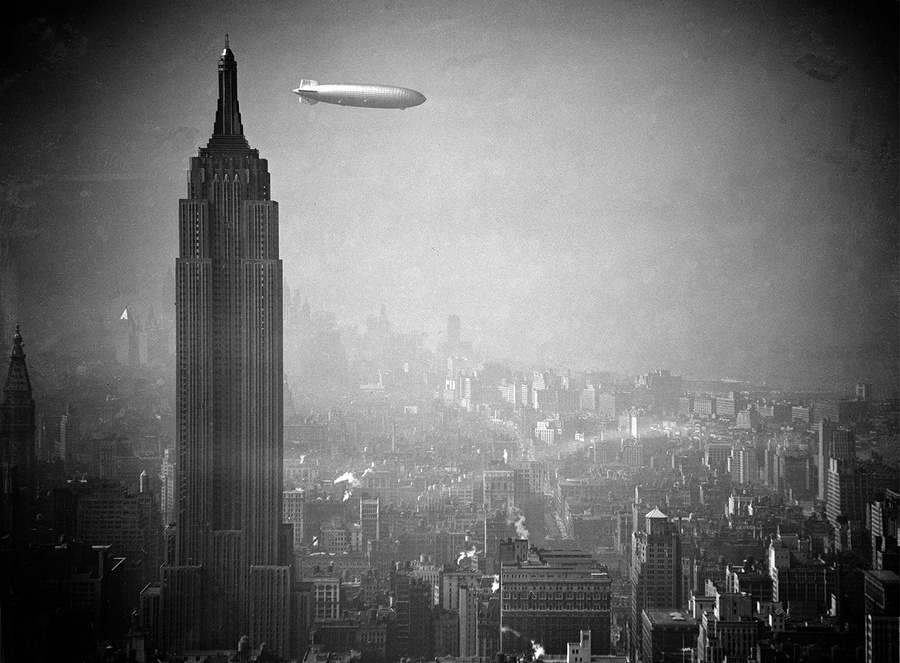
The German zeppelin Hindenburg flies over Manhattan on May 6, 1937. A few hours later, the ship burst into flames in an attempt to land at Lakehurst, New Jersey
Finishing touches are applied to the A/S Hindenburg in the huge German construction hangar at Friedrichshafen. Workmen, dwarfed in comparison with the ship’s huge tail surfaces, are chemically treating the fabric covering the huge hull.
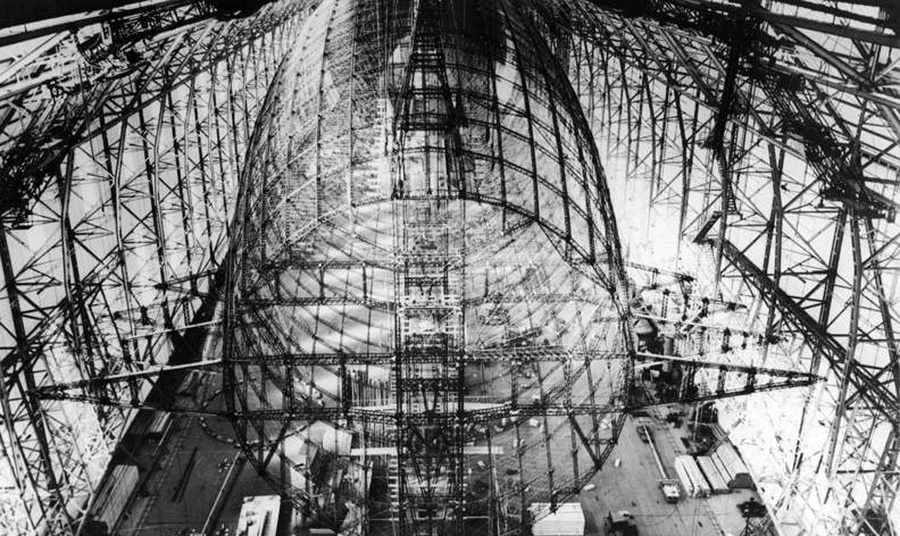
The steel skeleton of “LZ 129”, the new German airship, under construction in Friedrichshafen. The airship would later be named after the late Field Marshal Paul von Hindenburg, former President of Germany.
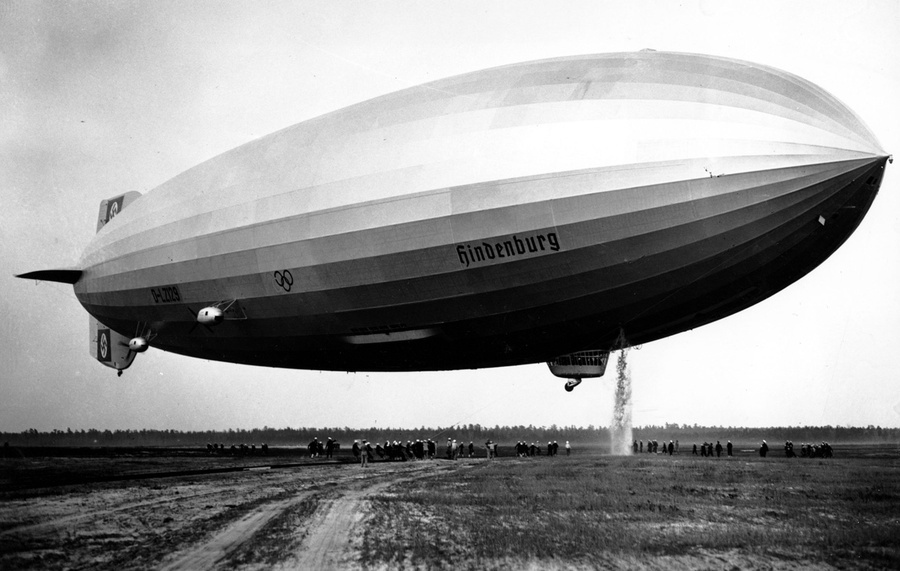
The Hindenburg dumps water to ensure a smoother landing in Lakehurst, New Jersey, on May 9, 1936. The airship made 17 round trips across the Atlantic Ocean in 1936, transporting 2,600 passengers in comfort at speeds up to 135 km/h (85 mph). The Zeppelin Company began constructing the Hindenburg in 1931, several years before Adolf Hitler’s appointment as German Chancellor. For the 14 months it operated, the airship flew under the newly-changed German national flag, the swastika flag of the Nazi Party.
Spectators and ground crew surround the gondola of the Hindenburg as the lighter-than-air ship prepares to depart the U.S. Naval Station at Lakehurst, New Jersey, on May 11, 1936, on a return trip to Germany.
A color photograph of the dining room aboard the Hindenburg.
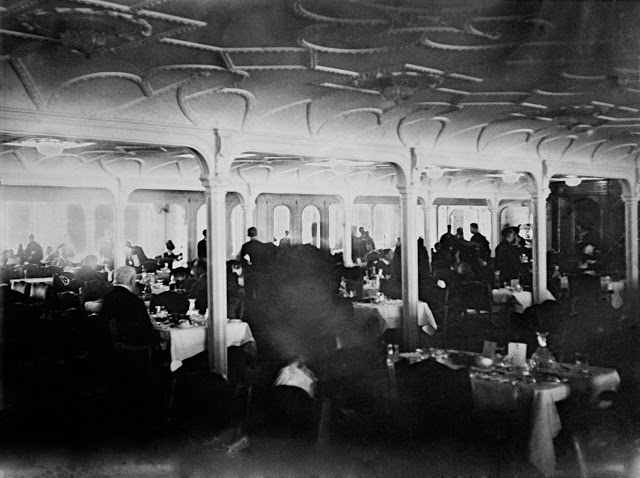
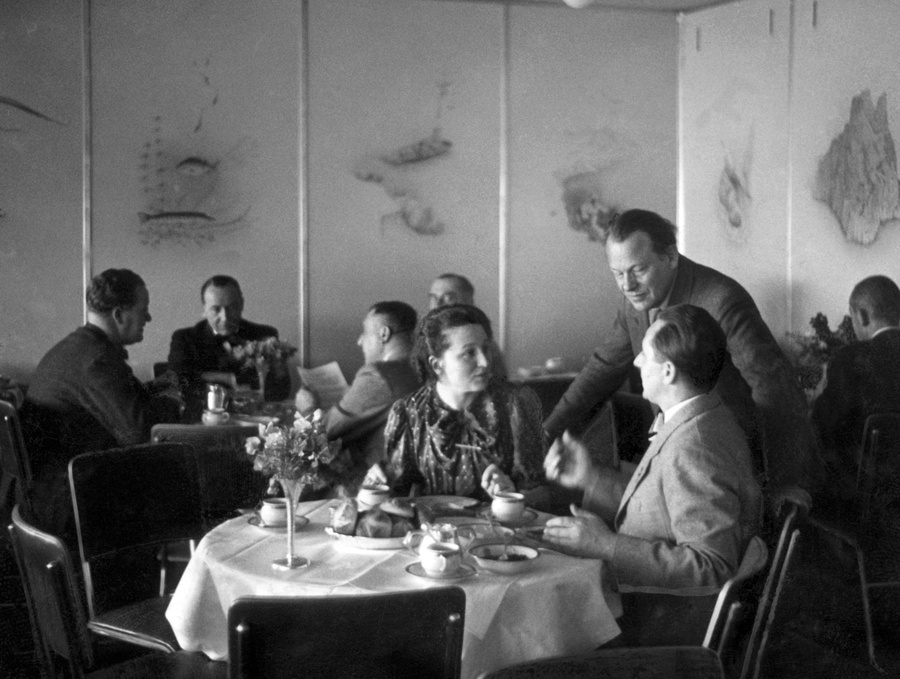
Passengers in the dining room of the Hindenburg, in April of 1936.
The Hindenburg flies over the Boston Common in Boston, Massachusetts in 1936. Another small plane can also be seen at top right.
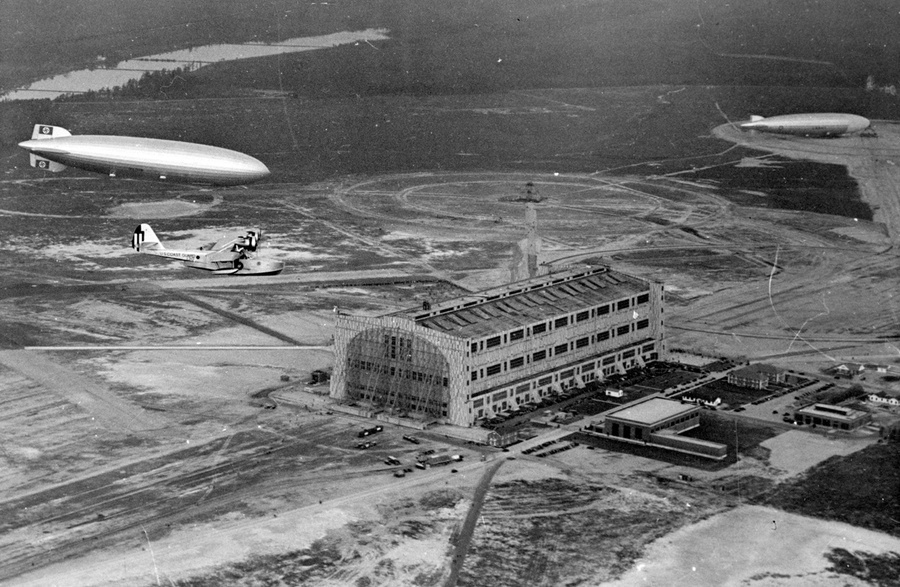
A U.S. Coast Guard plane escorts the Hindenburg to a landing at Lakehurst, New Jersey, on its inaugural flight between Freidrichshafen and Lakehurst in 1936.
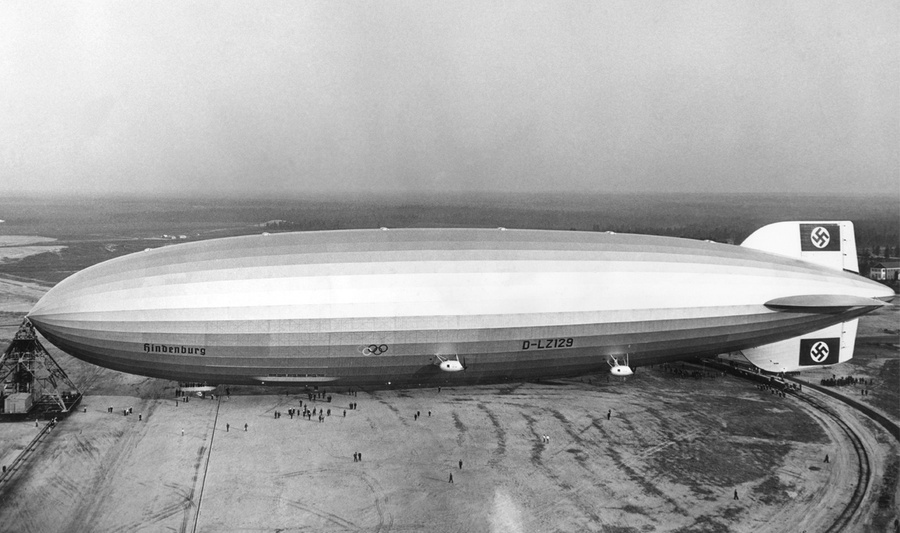
The giant German zeppelin Hindenburg, in Lakehurst, New Jersey, in May of 1936. The Olympic rings on the side were promoting the 1936 Berlin Summer Olympics.
The Hindenburg trundles into the U.S. Navy hangar, its nose hooked to the mobile mooring tower, at Lakehurst, New Jersey, on May 9, 1936. The rigid airship had just set a record for its first north Atlantic crossing, the first leg of ten scheduled round trips between Germany and America.
The German-built zeppelin Hindenburg is shown from behind, with the Swastika symbol on its tail wing, as the dirigible is partially enclosed by its hangar at the U.S. Navy Air Station in Lakehurst, New Jersey, May 9, 1936.
The Hindenburg, above ground crew at the U.S. Navy Air Station in Lakehurst, New Jersey.
The Hindenburg floats past the Empire State Building over Manhattan on August 8, 1936, en route to Lakehurst, New Jersey, from Germany.
A modern, electrically equipped kitchen aboard the Hindenburg provided for the passengers and crew, seen in this undated photograph.
Interior of the lounge aboard the Hindenburg, where passenger windows could be opened.
The Hindenburg floats over Manhattan Island in New York City on May 6, 1937, just hours from disaster in nearby New Jersey.
The German dirigible Hindenburg, just before it crashed before landing at the U.S. Naval Station in Lakehurst, New Jersey, on May 6, 1937.
At approximately 7:25 p.m. local time, the German zeppelin Hindenburg burst into flames as it nosed toward the mooring post at the Naval Air Station in Lakehurst, New Jersey, on May 6, 1937. The airship was still some 200 feet above the ground.
The Hindenburg quickly went up in flames — less than a minute passed between the first signs of trouble and complete disaster. This image captures a moment between the second and third explosions before the airship hit the ground.
As the lifting Hydrogen gas burned and escaped from the rear of the Hindenburg, the tail dropped to the ground, sending a burst of flame punching through the nose. Ground crew below scatter to flee the inferno.
A survivor flees the collapsing structure of the airship Hindenburg. (Note, the hand-retouching in this photo came from the original)
The wreckage of the Hindenburg in Lakehurst, New Jersey, on May 6, 1937.
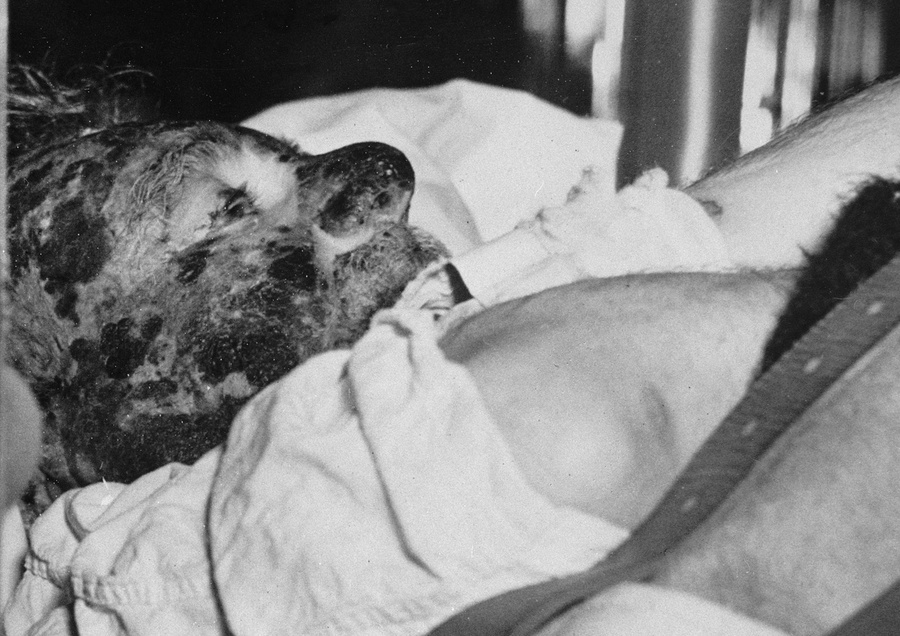
Major Hans Hugo Witt of the German Luftwaffe, who was severely burned in the Hindenburg disaster, is seen as he is transferred from Paul Kimball Hospital in Lakewood, New Jersey, to another area hospital, on May 7, 1937.
An unidentified woman survivor is led from the scene of the Hindenburg disaster at the U.S. Naval Station in Lakehurst, New Jersey, on May 6, 1937.
Adolf Fisher, an injured mechanic from the German airship Hindenburg, is transferred from Paul Kimball Hospital in Lakewood, New Jersey, to an ambulance going to another area hospital, on May 7, 1937.
Members of the U.S. Navy Board of Inquiry inspect the wreckage of the German zeppelin Hindenburg on the field in New Jersey, on May 8, 1937.
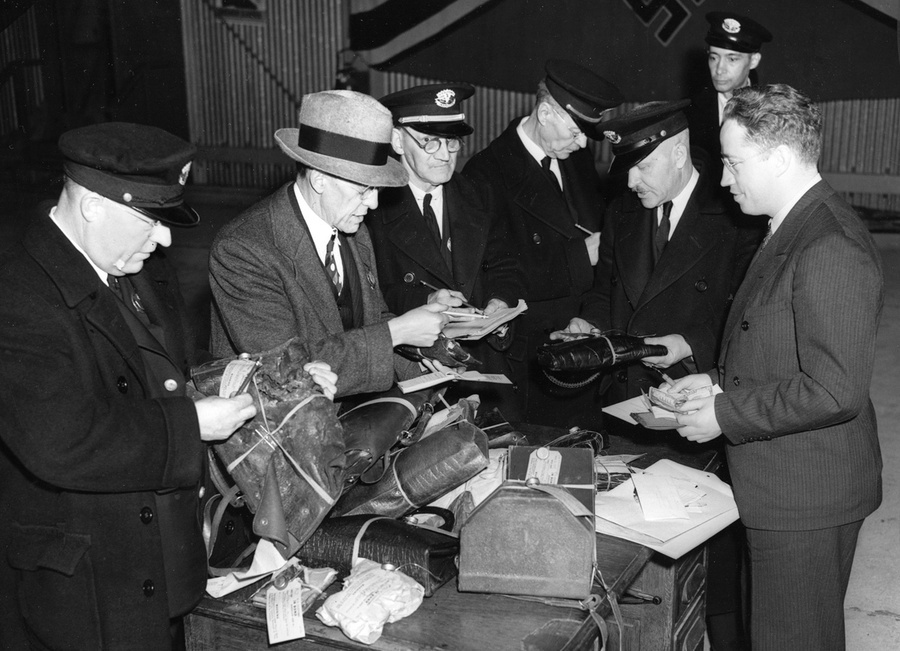
Customs officers search through baggage items salvaged in the Hindenburg explosion in Lakehurst, New Jersey, May 6, 1937.
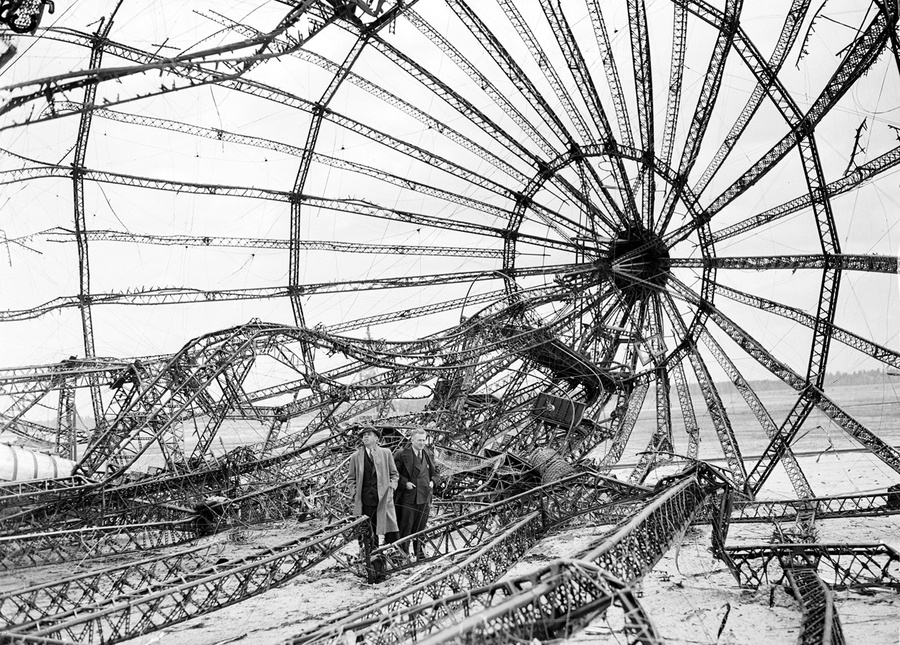
Two men inspect the twisted metal framework of the Hindenburg in New Jersey in May of 1937.
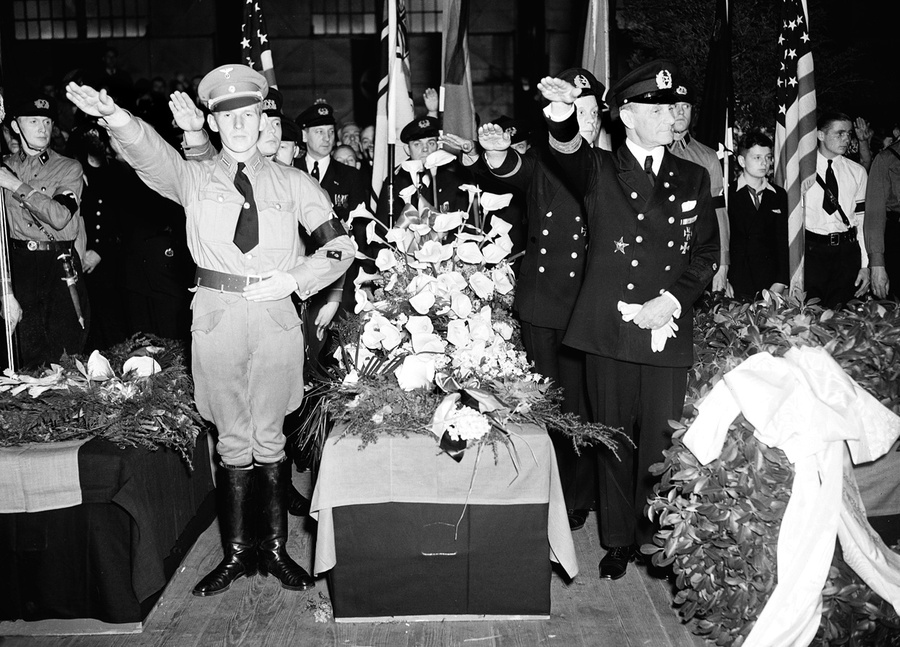
In New York City, funeral services for the 28 Germans who lost their lives in the Hindenburg disaster are held on the Hamburg-American pier, on May 11, 1937. About 10,000 members of German organizations lined the pier.
German soldiers give the salute as they stand beside the casket of Capt. Ernest A. Lehmann, former commander of the zeppelin Hindenburg, during funeral services held on the Hamburg-American pier in New York City, on May 11, 1937. The swastika-draped caskets were placed on board the SS Hamburg for their return to Europe.
Surviving members of the crew aboard the ill-fated German zeppelin Hindenburg are photographed at the Naval Air station in Lakehurst, New Jersey, on May 7, 1937. Rudolph Sauter, chief engineer, is at center wearing white cap; behind him is Heinrich Kubis, a steward; Heinrich Bauer, watch officer, is third from right wearing black cap; and 13-year-old Werner Franz, cabin boy, is center front row. Several members of the airship’s crew are wearing U.S. Marine summer clothing furnished them to replace clothing burned from many of their bodies as they escaped from the flaming dirigible.
An aerial view of the wreckage of the Hindenburg airship near the hangar at the Naval Air station in Lakehurst, New Jersey, on May 7, 1937.

(via The Atlantic)

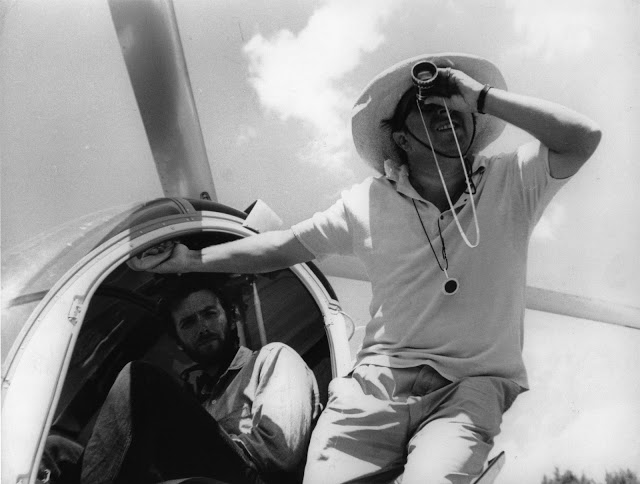
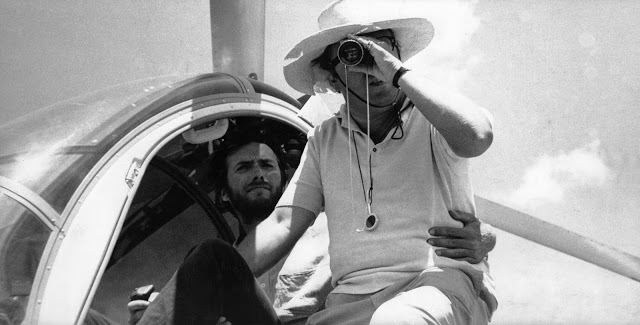
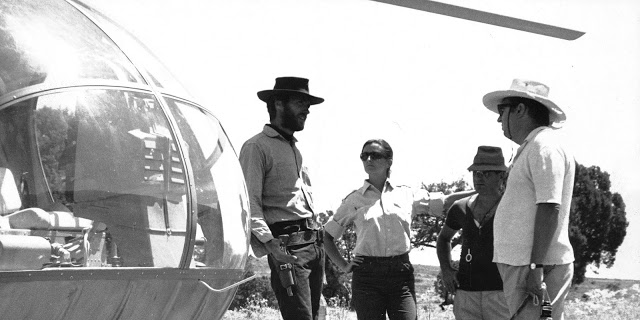
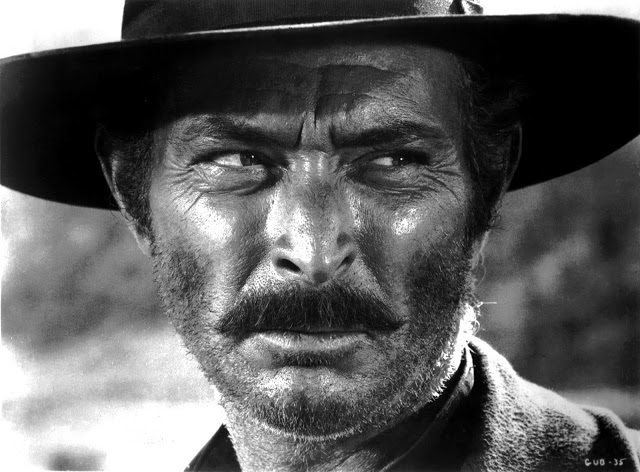
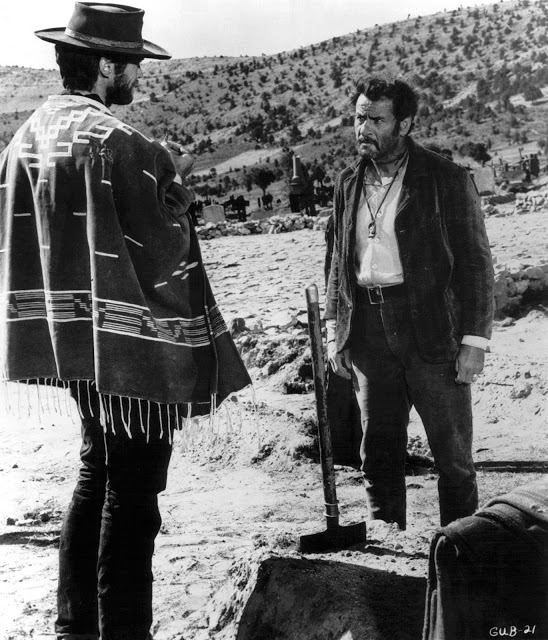
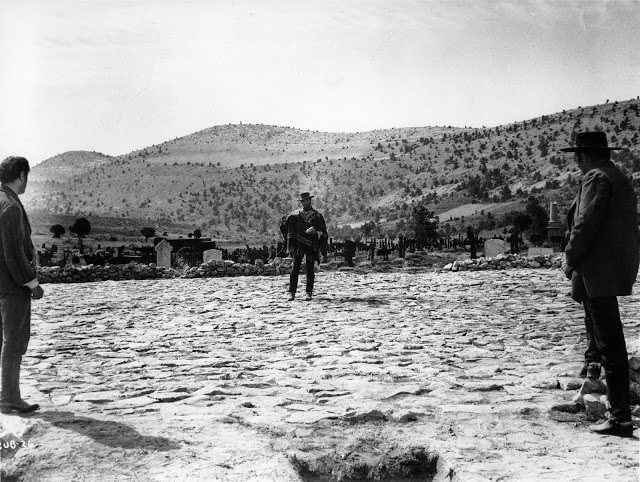
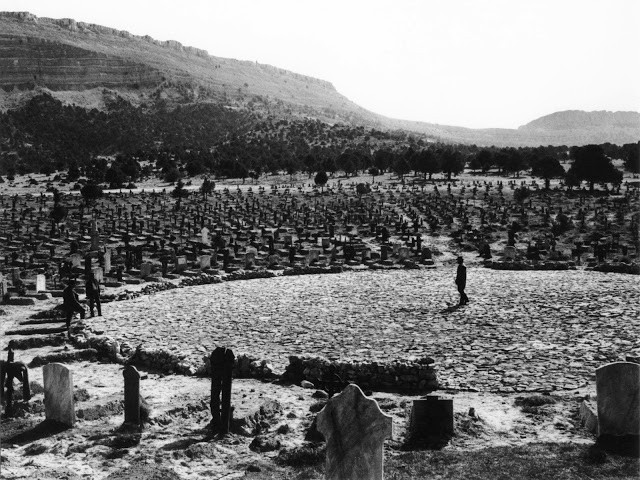
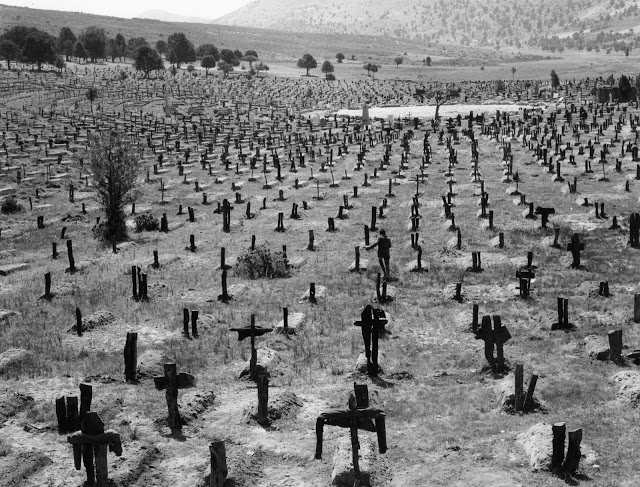
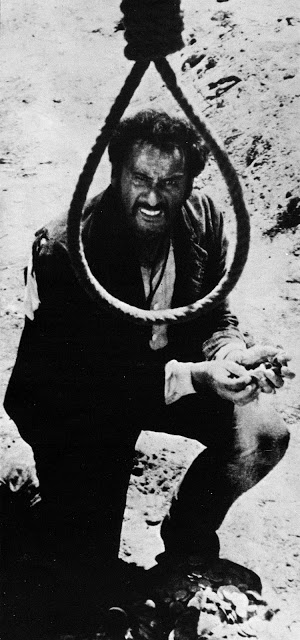
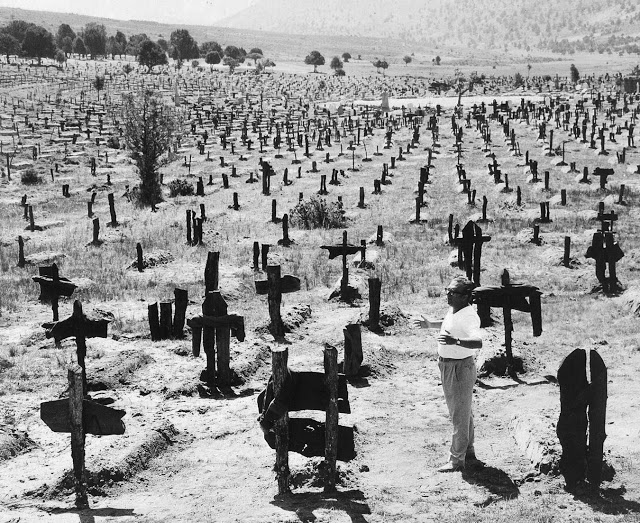
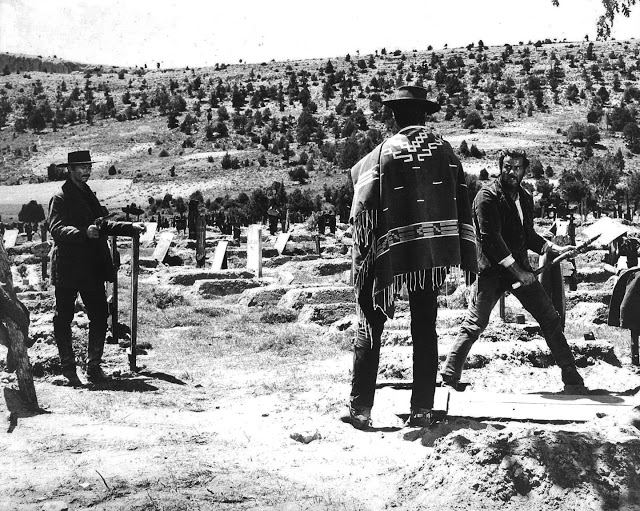
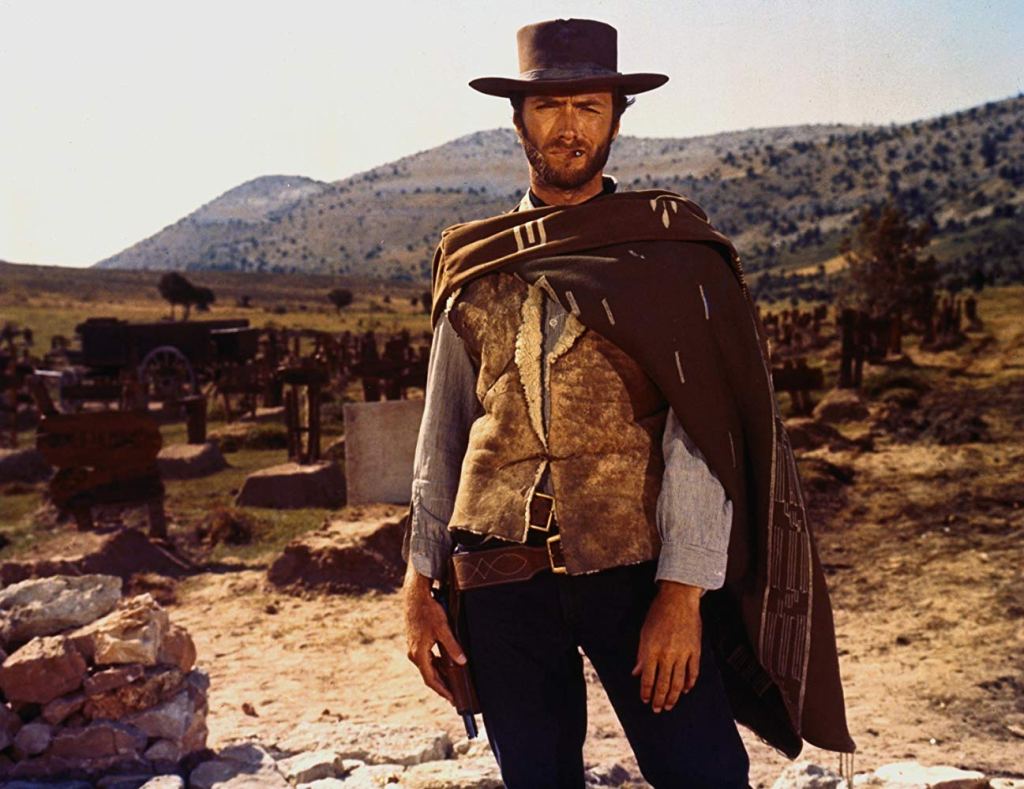
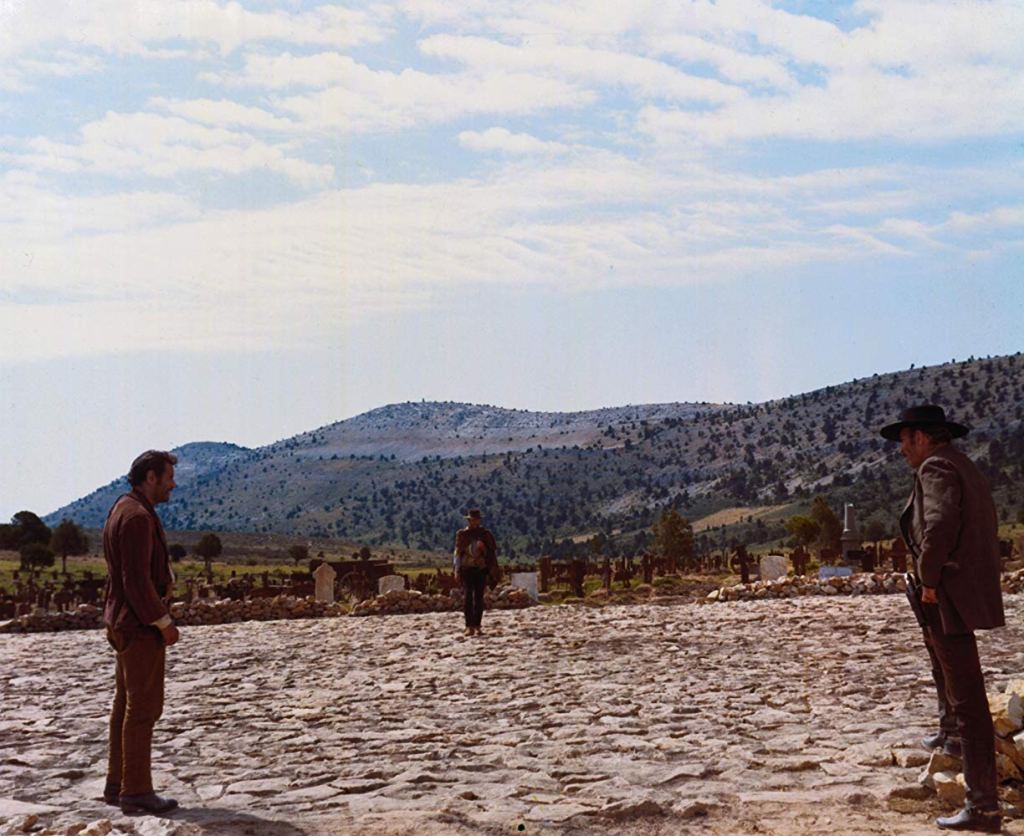
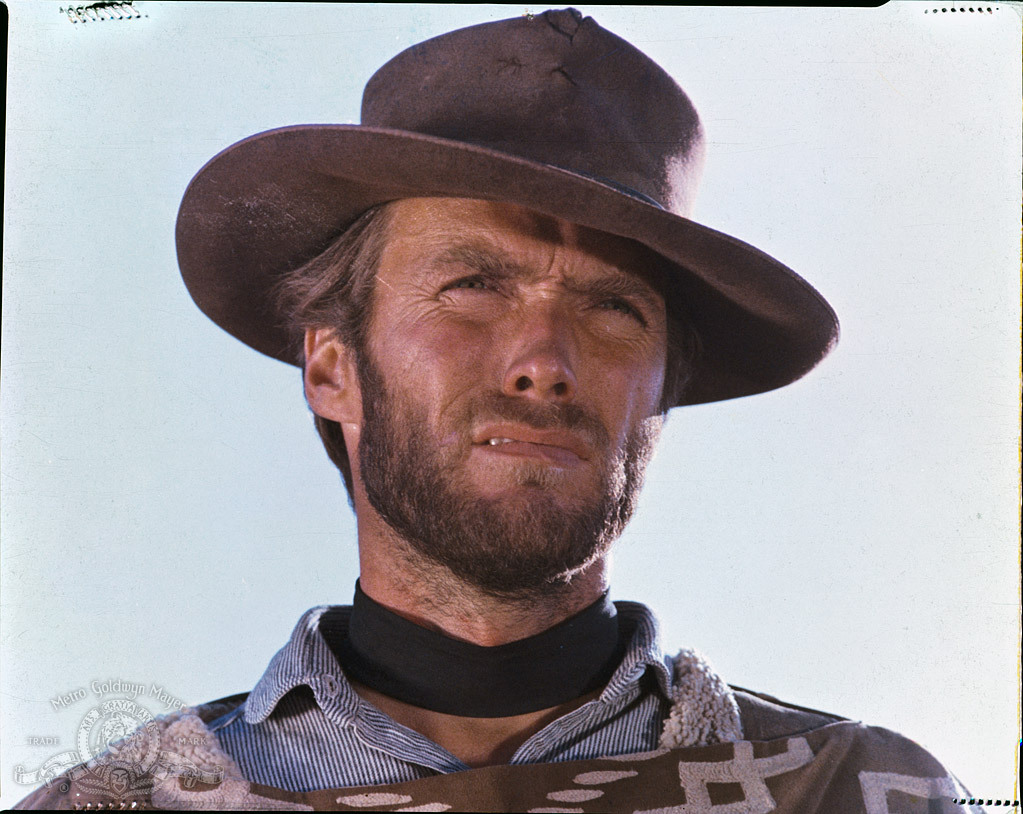
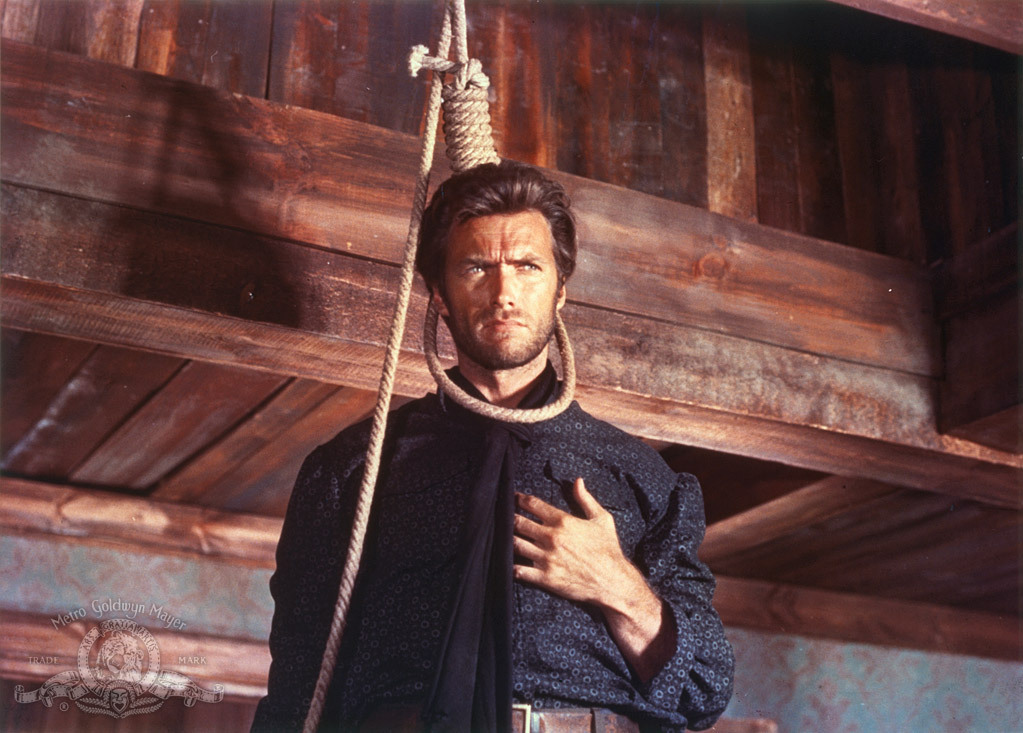
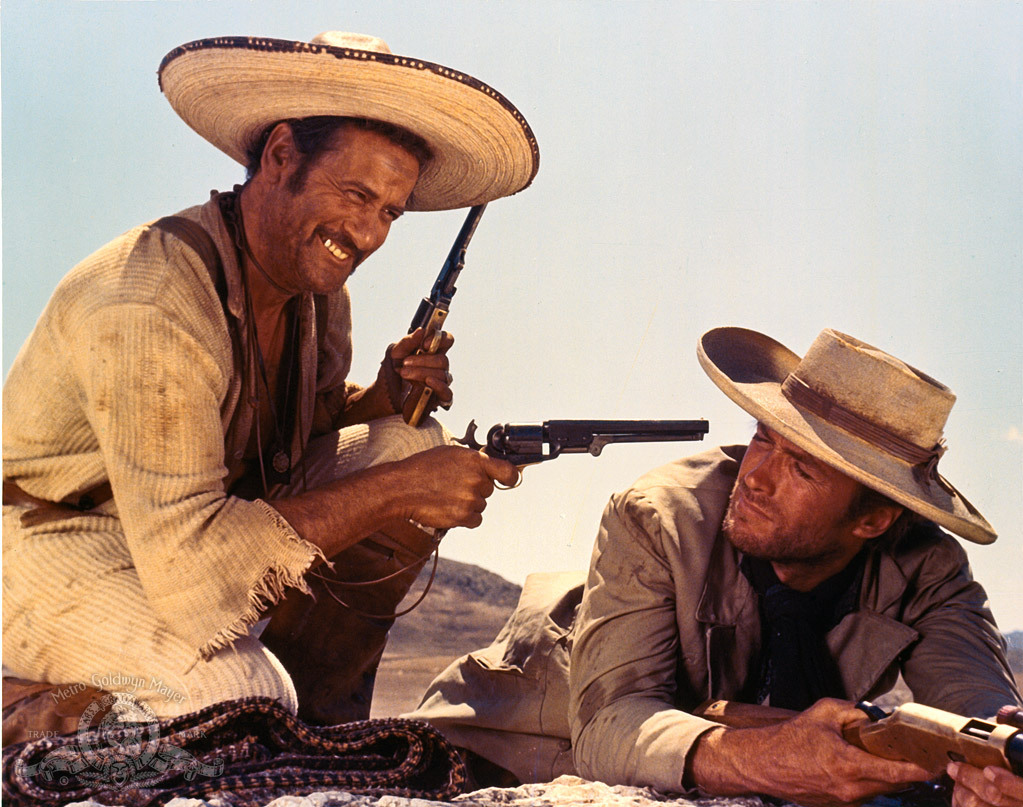
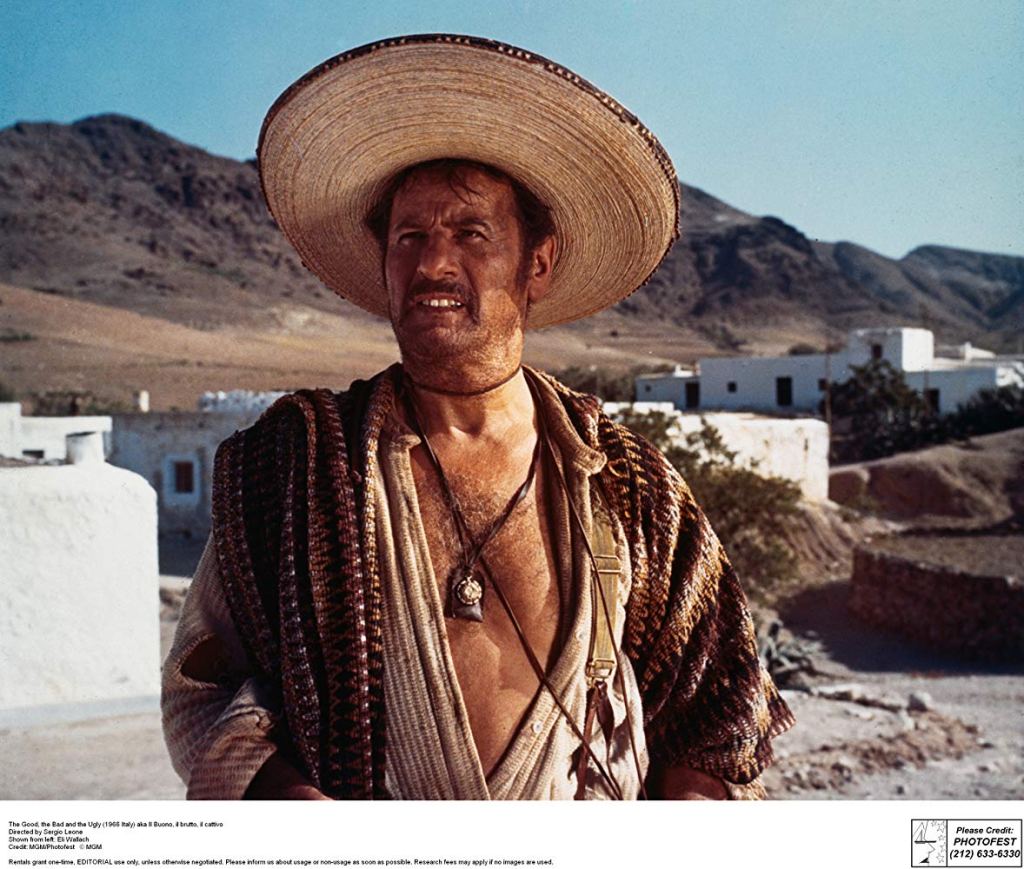
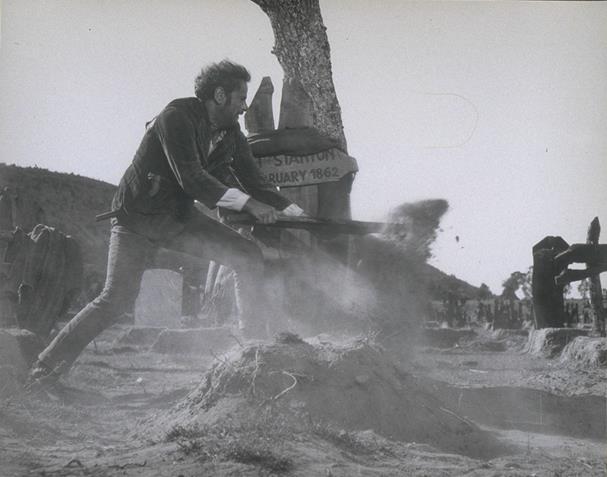
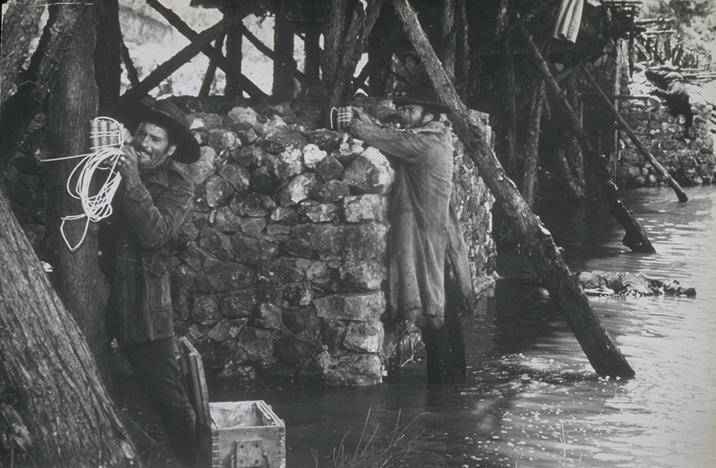
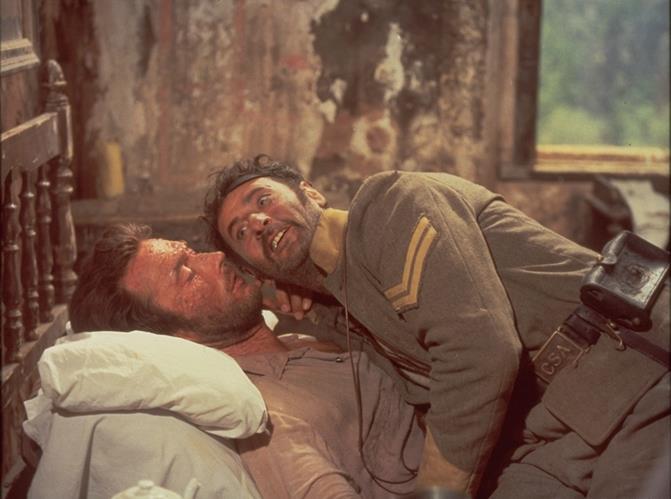
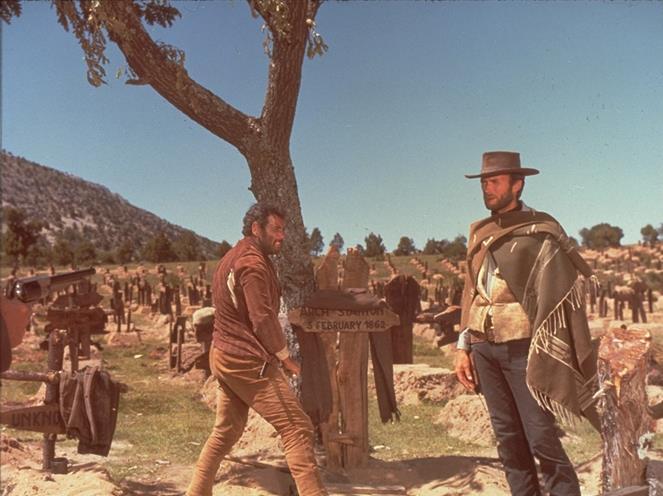
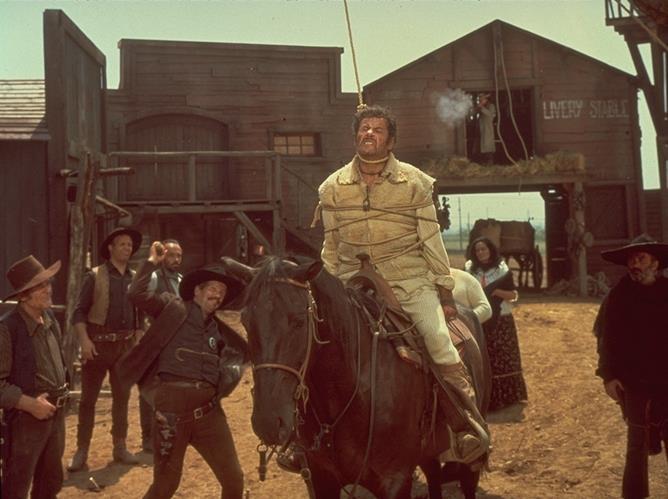
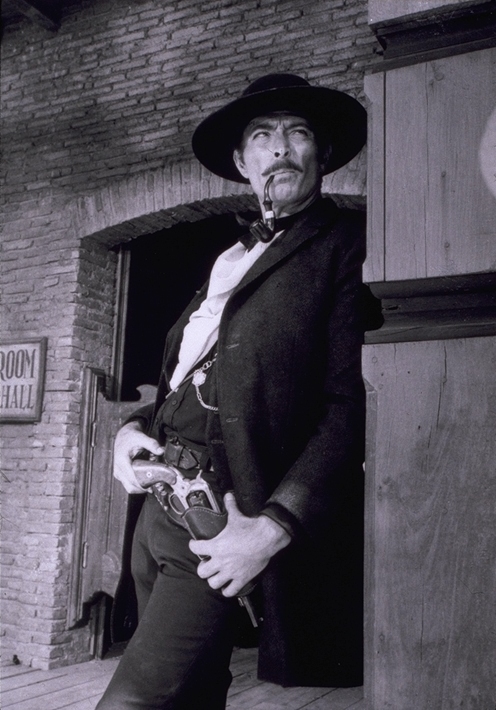
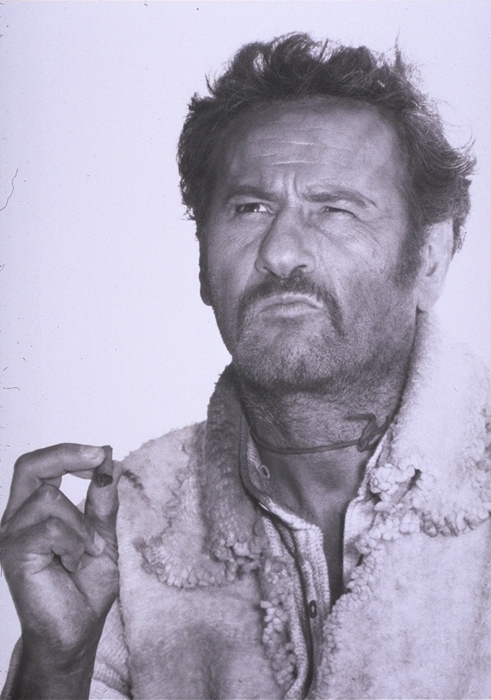
46 Rare Behind the Scenes Photos from the Film ‘The Good, the Bad and the Ugly’ (1966)

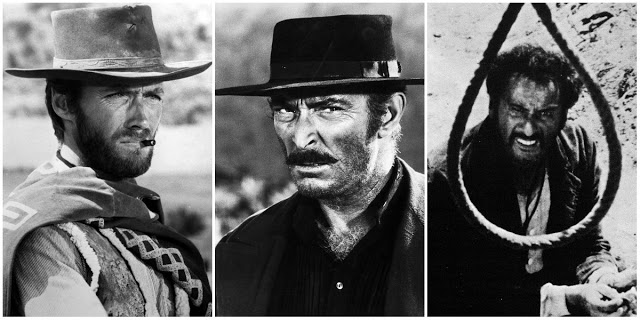
The Good, the Bad and the Ugly is a 1966 Italian epic Spaghetti Western film directed by Sergio Leone and starring Clint Eastwood, Lee Van Cleef, and Eli Wallach in their respective title roles. Its screenplay was written by Age & Scarpelli, Luciano Vincenzoni and Leone (with additional screenplay material and dialogue provided by an uncredited Sergio Donati), based on a story by Vincenzoni and Leone. Director of photography Tonino Delli Colli was responsible for the film’s sweeping widescreen cinematography, and Ennio Morricone composed the film’s score including its main theme. It is an Italian-led production with co-producers in Spain, West Germany and the United States.

The film is known for Leone’s use of long shots and close-up cinematography, as well as his distinctive use of violence, tension, and stylistic gunfights. The plot revolves around three gunslingers competing to find fortune in a buried cache of Confederate gold amid the violent chaos of the American Civil War (specifically the New Mexico Campaign in 1862), while participating in many battles and duels along the way. The film was the third collaboration between Leone and Clint Eastwood, and the second with Lee Van Cleef.

The Good, the Bad and the Ugly was marketed as the third and final installment in the Dollars Trilogy, following A Fistful of Dollars and For a Few Dollars More. The film was a financial success, grossing over $25 million at the box office, and is credited with catapulting Eastwood into stardom. Due to general disapproval of the Spaghetti Western genre at the time, critical reception of the film following its release was mixed, but it gained critical acclaim in later years. The Good, the Bad and the Ugly is now seen as one of the greatest and most influential Western movies.

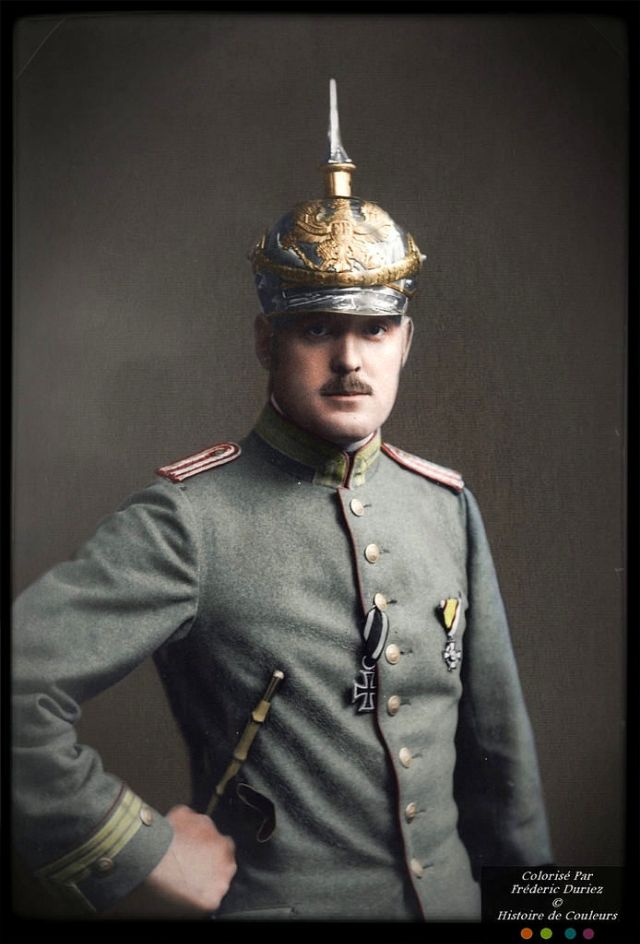
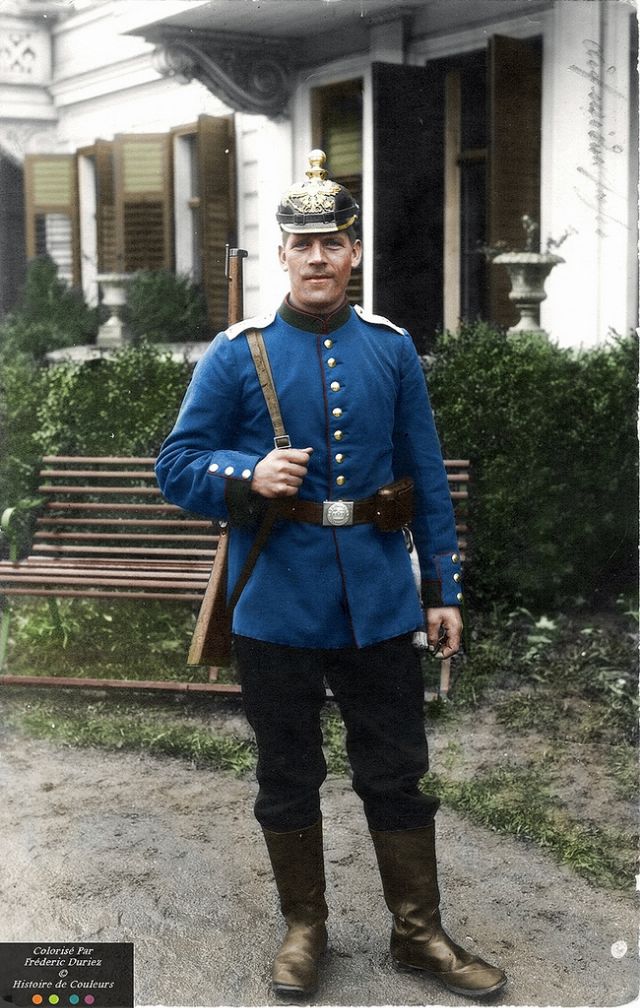
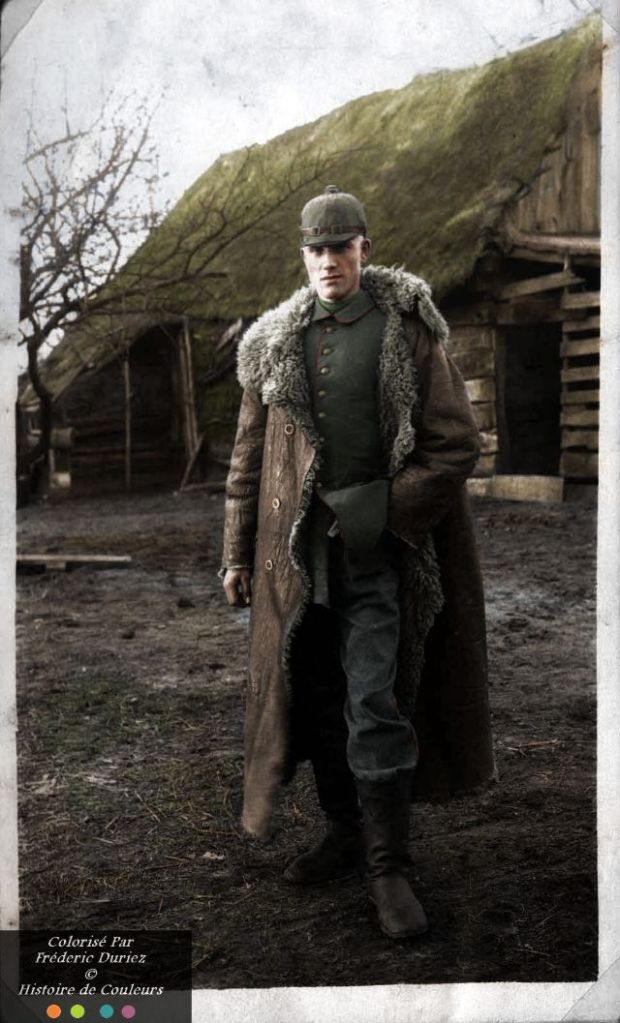
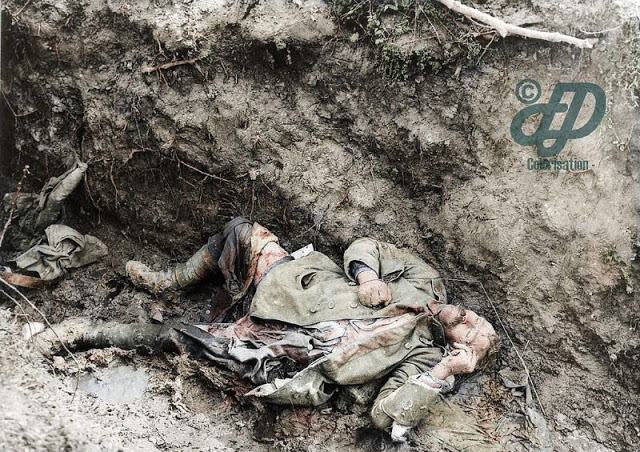
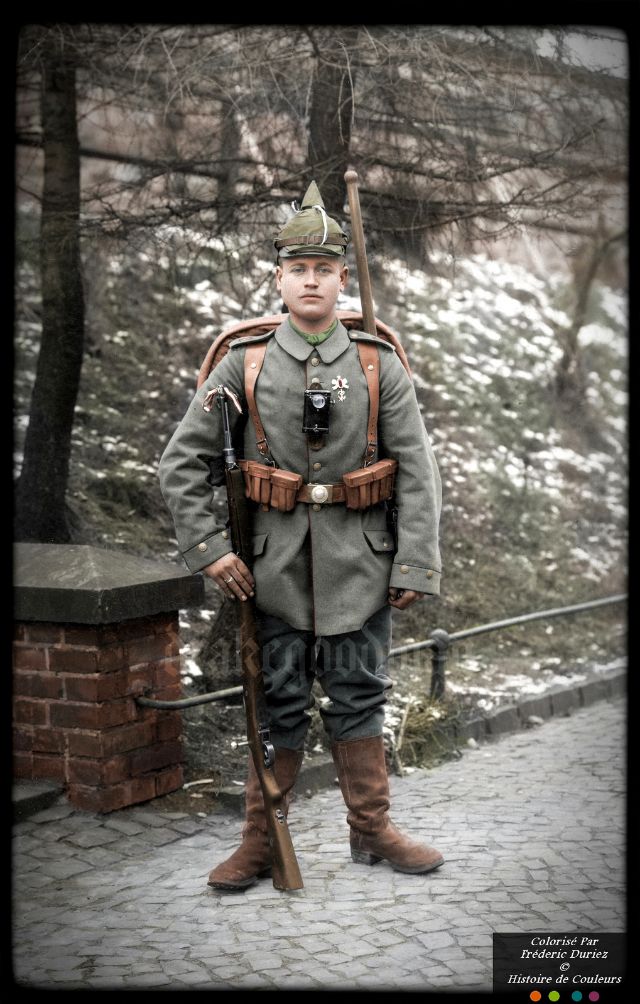
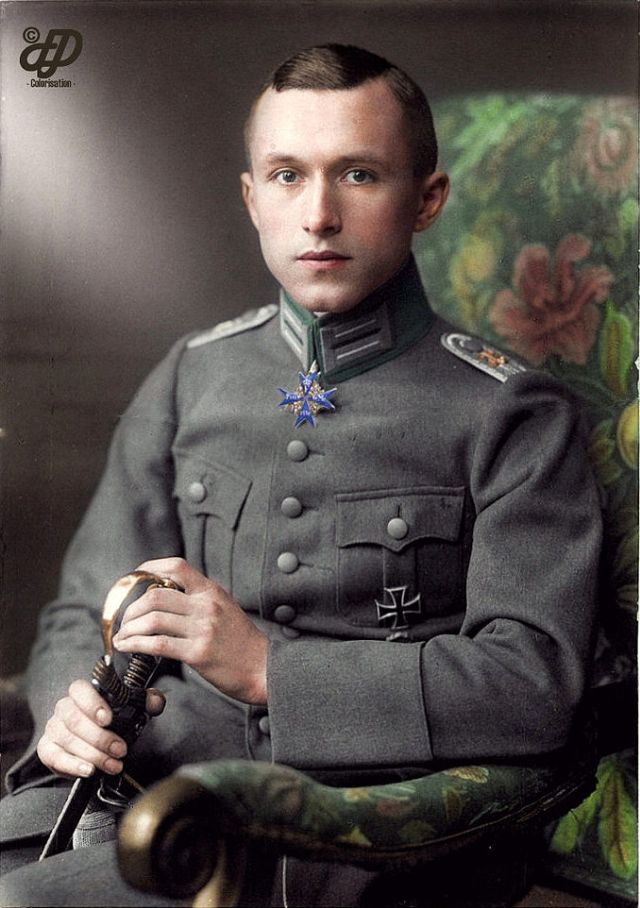
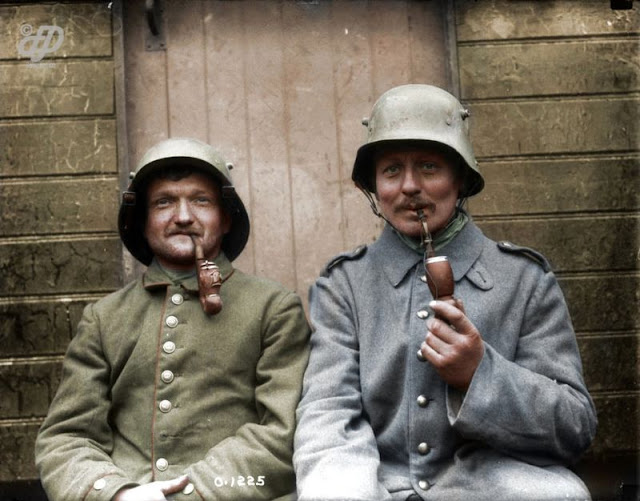
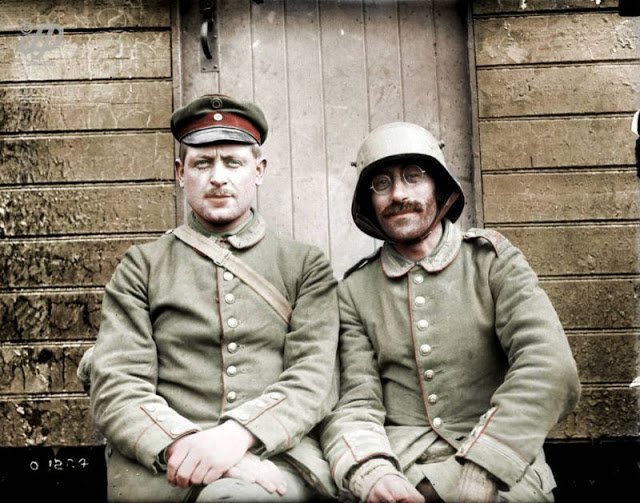
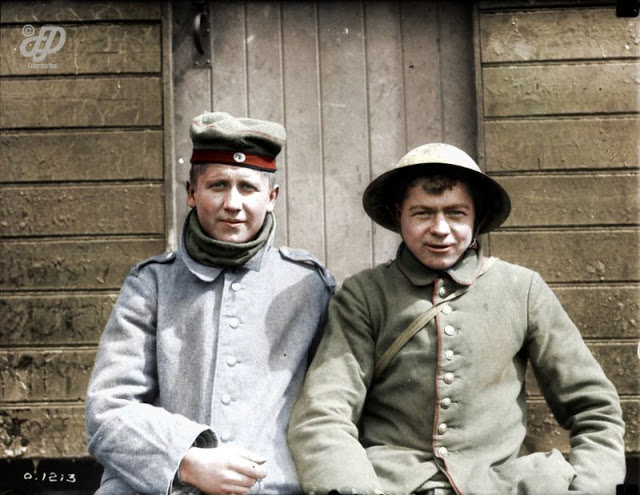
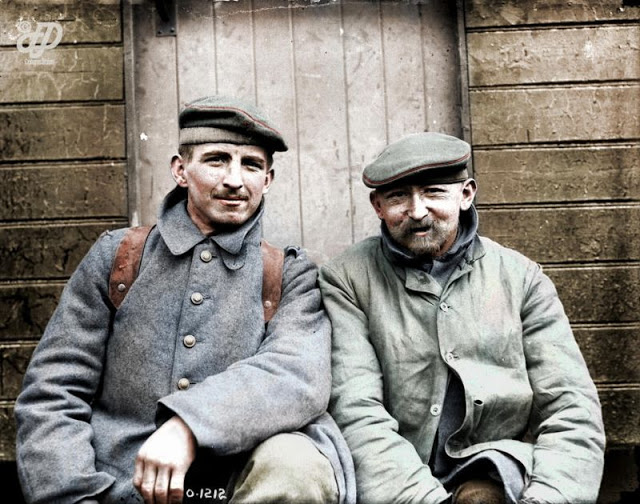
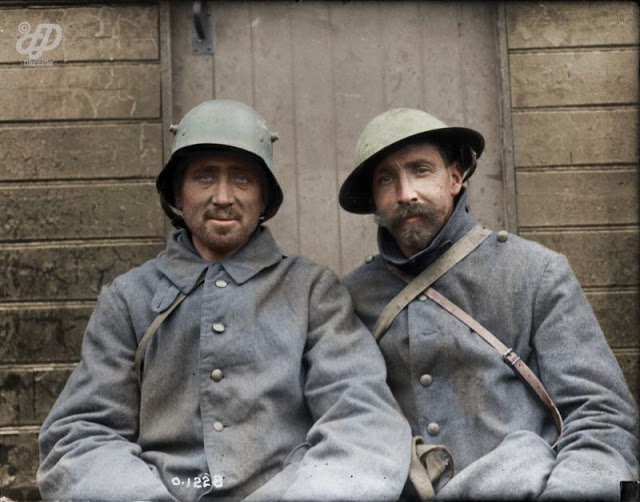
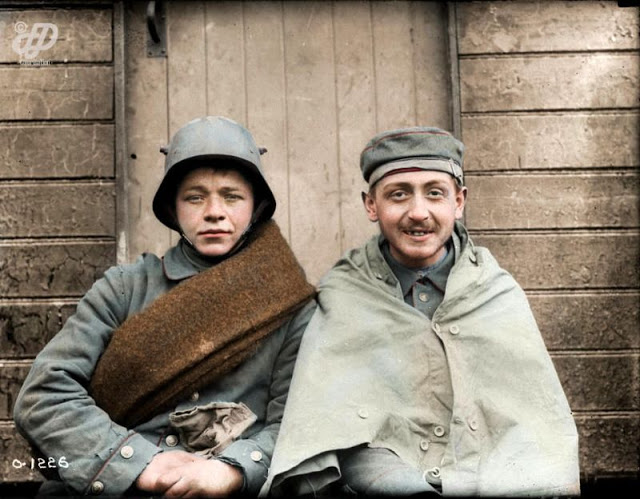
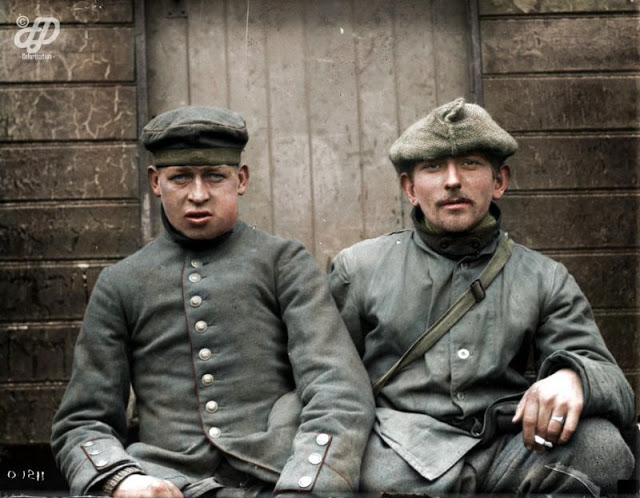
52 Amazing Colorized Photos of the German Army During World War 1

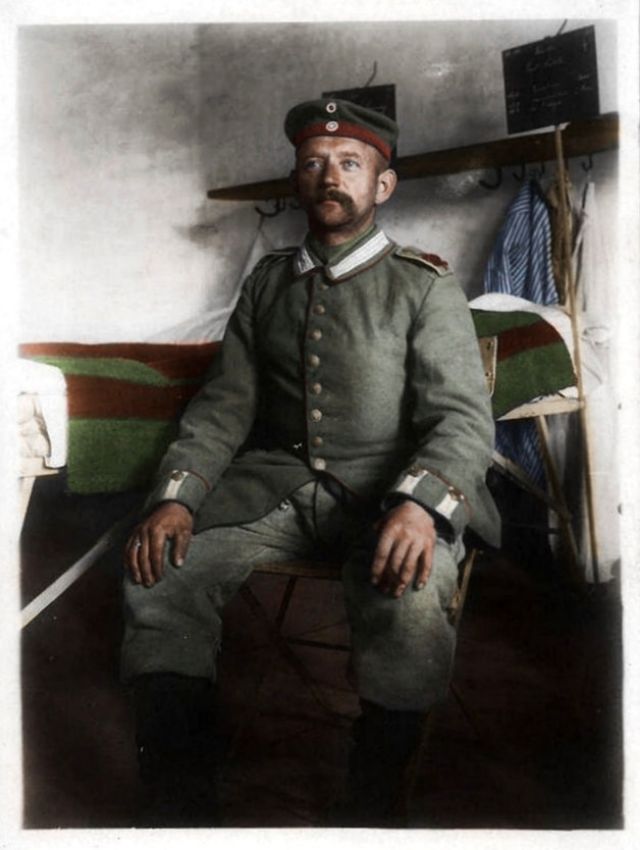
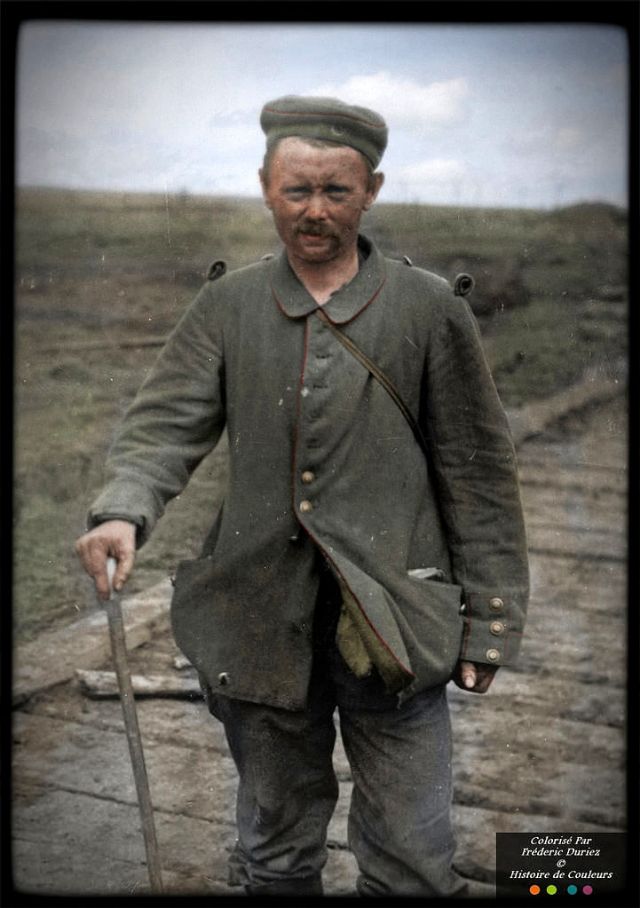
A collection of colorized photos from Frédéric Duriez that shows German forces during the First World War.

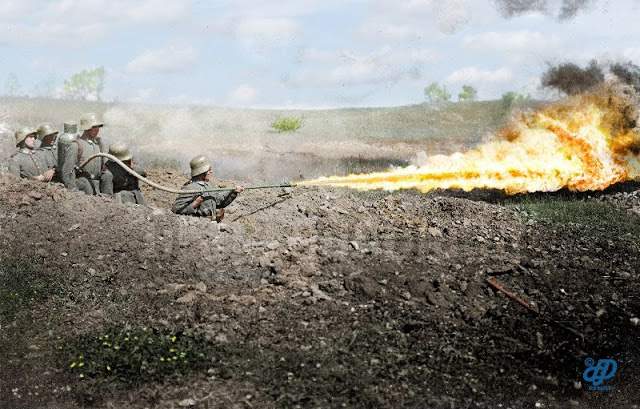
Flamethrower pioneers of Assault Battalion No. 5 (Rohr)
9 cm Batterie Hoffman in Fuerstellung, Ersatz Btn.44
101st Grenadier Saxon, 1914
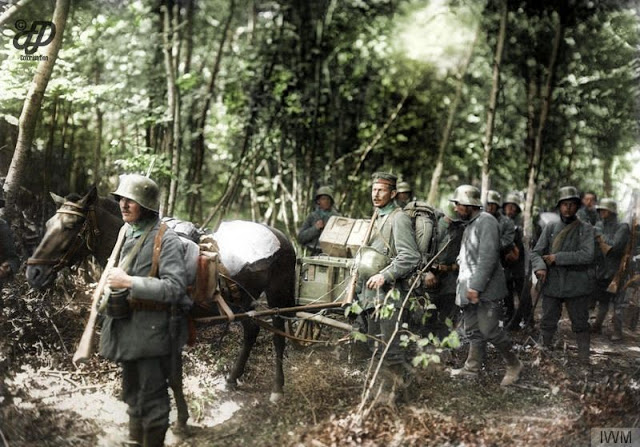
A German mortar section with horse-drawn transport moving through wooded country on the Montdidier – Noyon sector of the front, June 1918
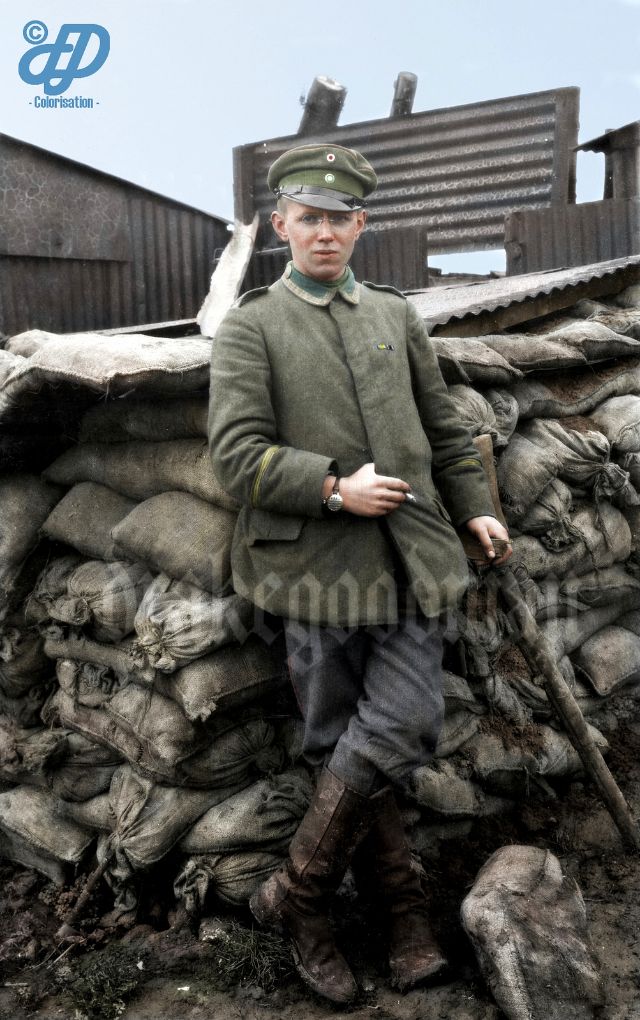
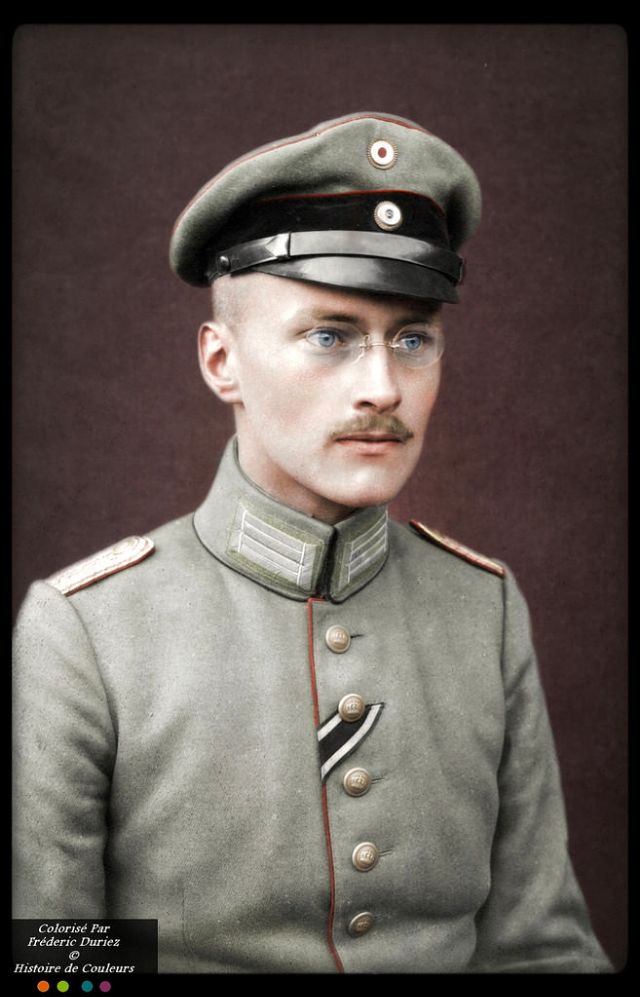
A sharp 1918 field portrait of a young sergeant from an unidentified Saxon formation
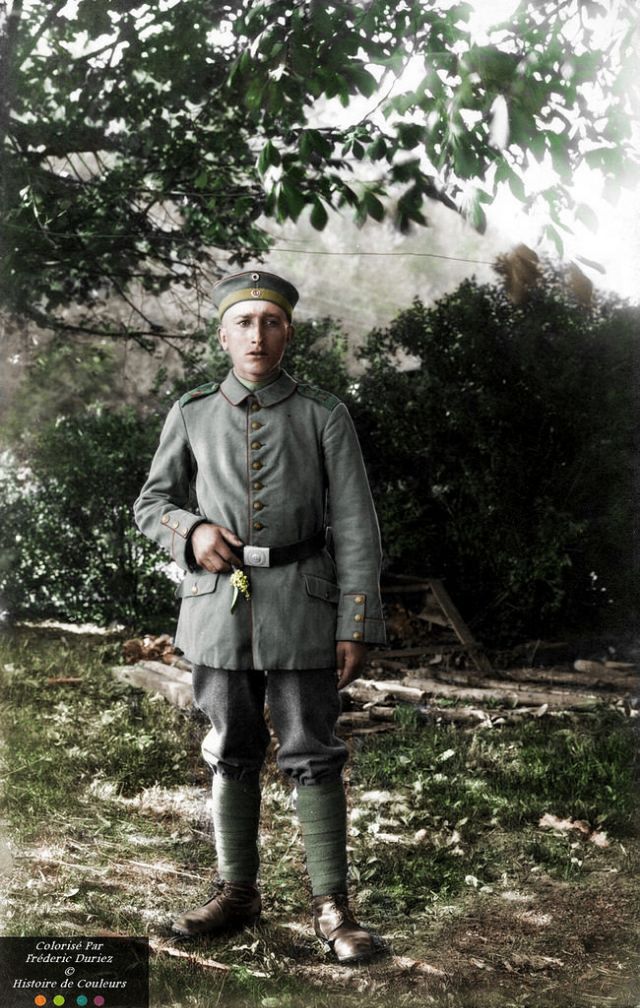
A young Bavarian infantryman
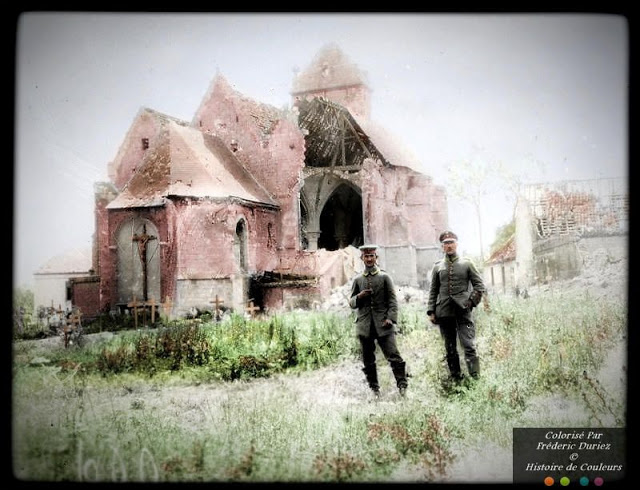
Angres, France, 1916
Anonymous Portrait of an officer of a German cuirassier regiment
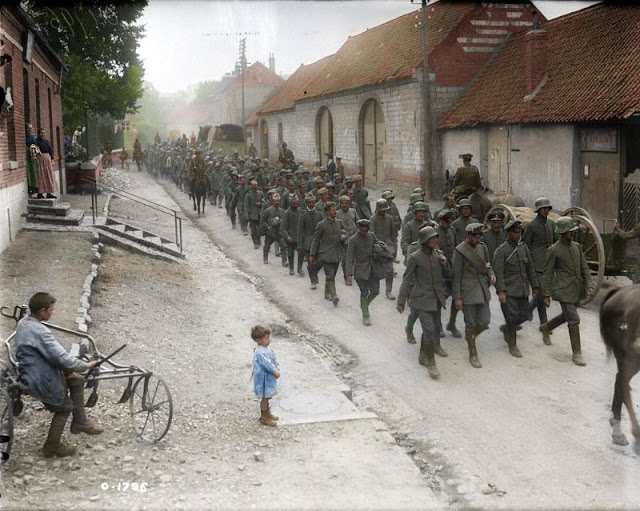
Boche prisoners captured by Canadians on Hill 70 are paraded through town, August, 1917
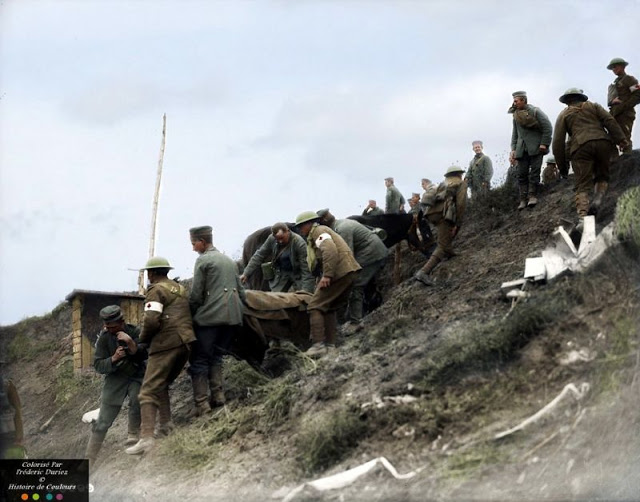
Bringing wounded down an awkward slope, Advance East of Arras, October 1918
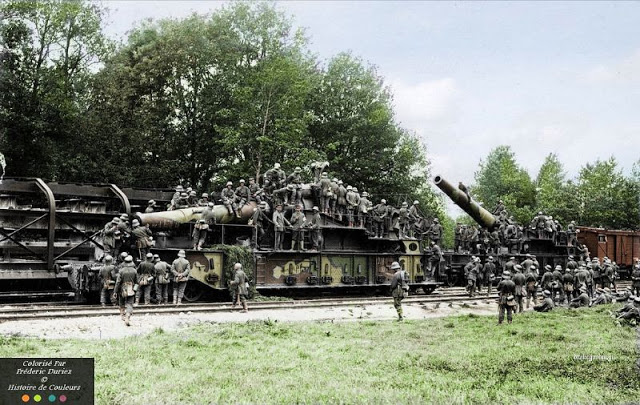
Captured railway guns at Mont-Notre-Dame, 7 km west of Fismes and 19km southeast of the city of Soissons in northern France, 1918
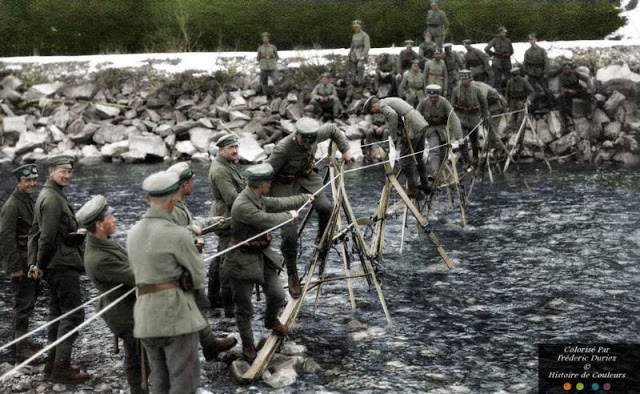
Fabulous example of an emergency bridge build by ski-troops of the Alpenkorps, 1915
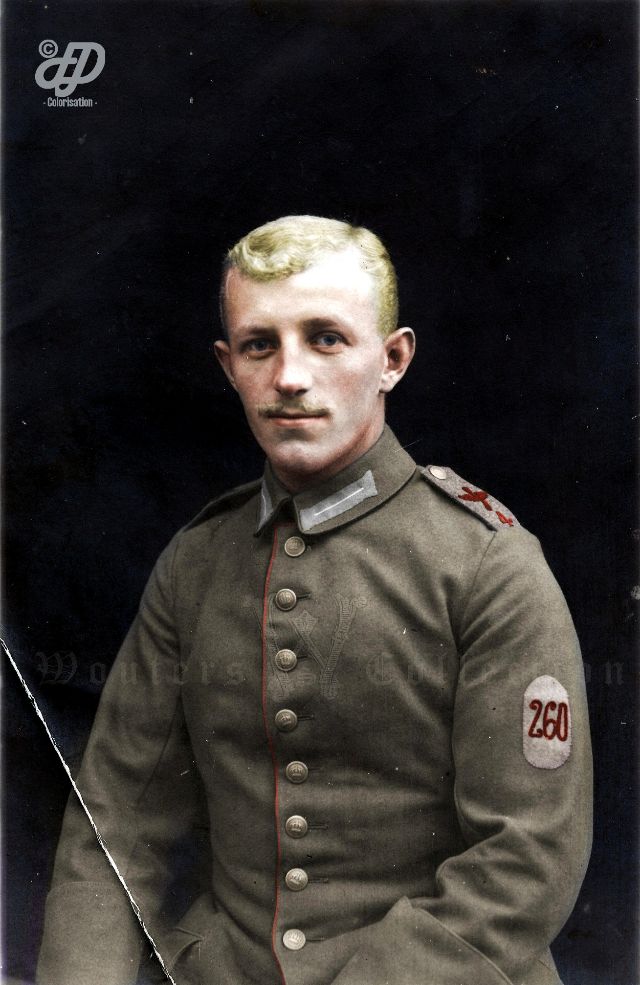
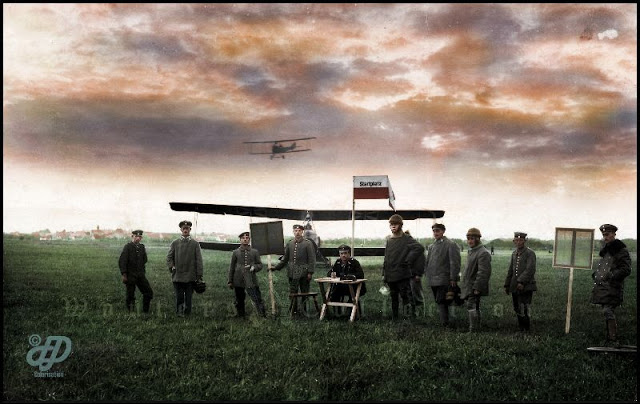
Fliegerabteilung Nr. 260 Lichtbild Artillerie (air reconnaissance)
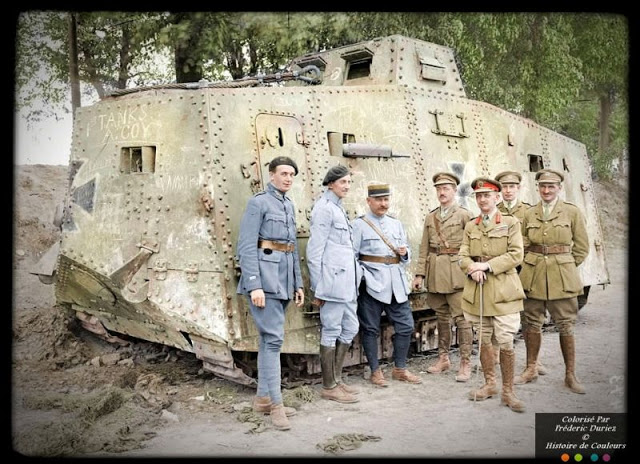
French and British soldiers standing around a German A7V tank captured at Villers-Brettoneux, May 1918
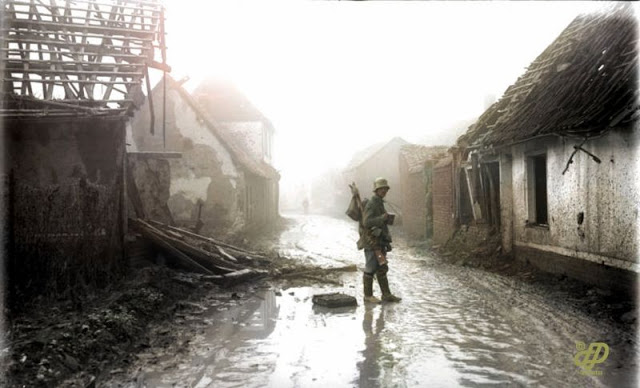
German infantryman in the middle of the damaged or destroyed buildings of the village, Etricourt, France
German military aerodrome
German prisoner captured by the British, Battle of Ypres road to Menin – End September 1917
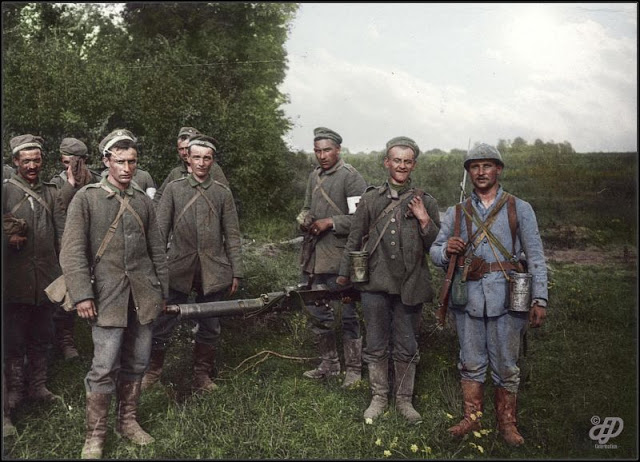
German prisoners arriving from Tilloloy. In the foreground a machine gun, Labuissière (Somme), August 18, 1918
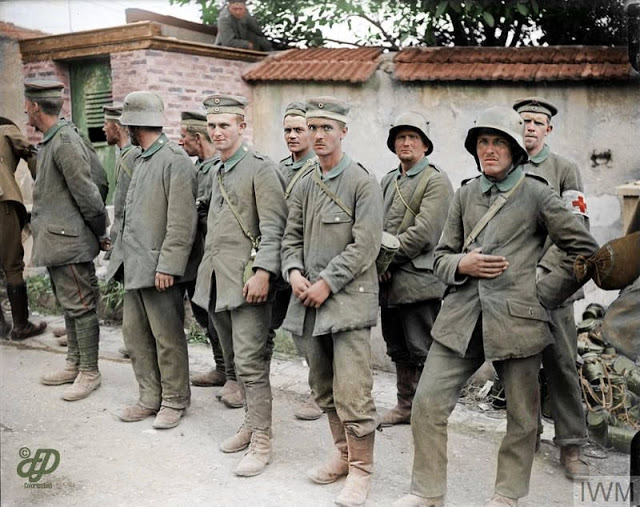
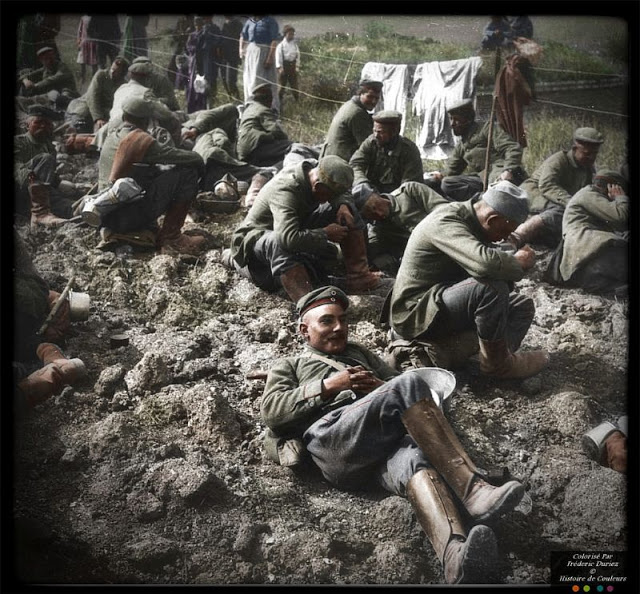
German prisoners at Mareuil, July 1918
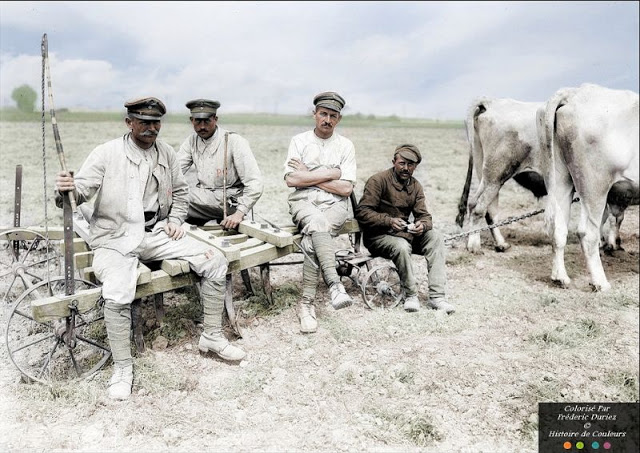
German prisoners at work ( beef drivers pause then plowing in a field)
German prisoners captured during the offensive of July, near Villers-Bretonneux (Somme), July 30, 1916
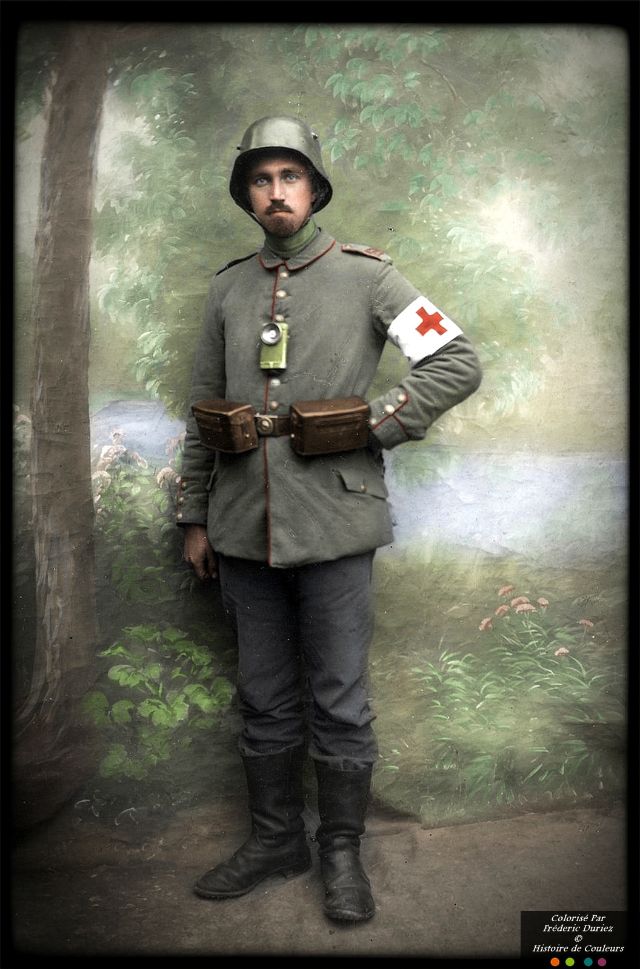
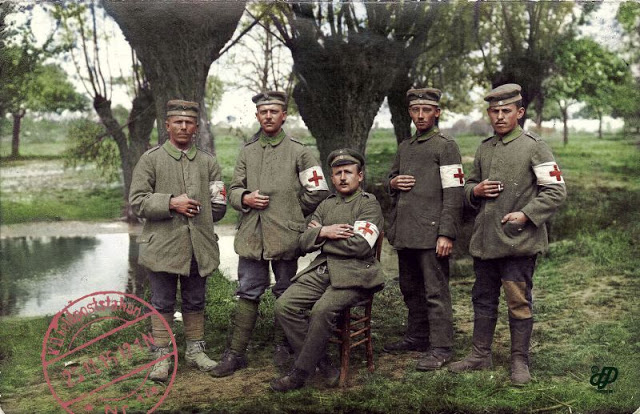
German Red Cross
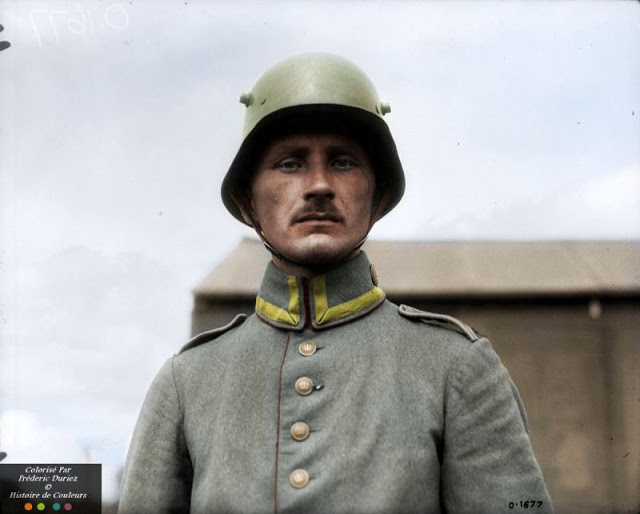
German soldier recently captured by Canadians, July 1917
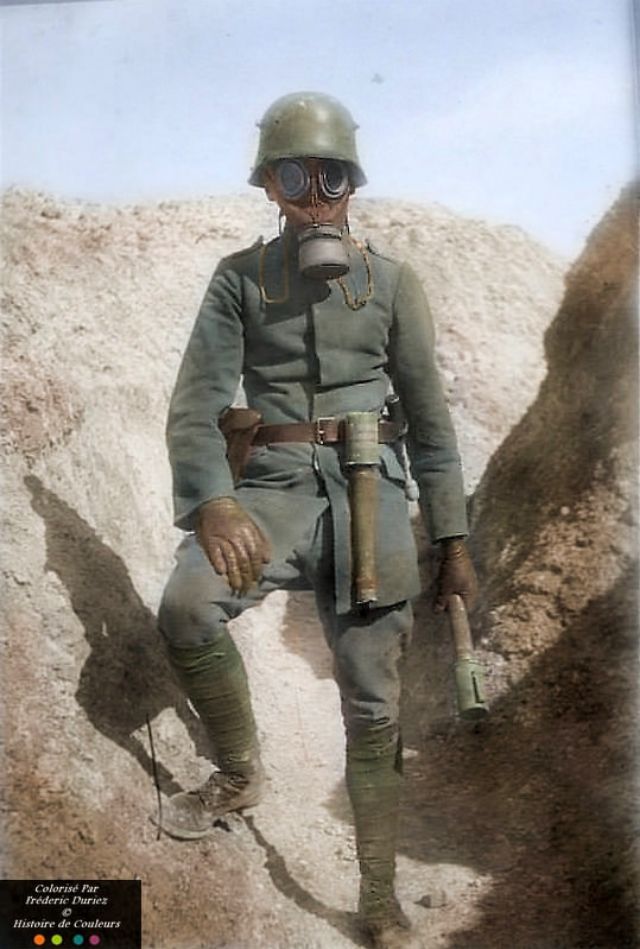
German soldier with gas mask
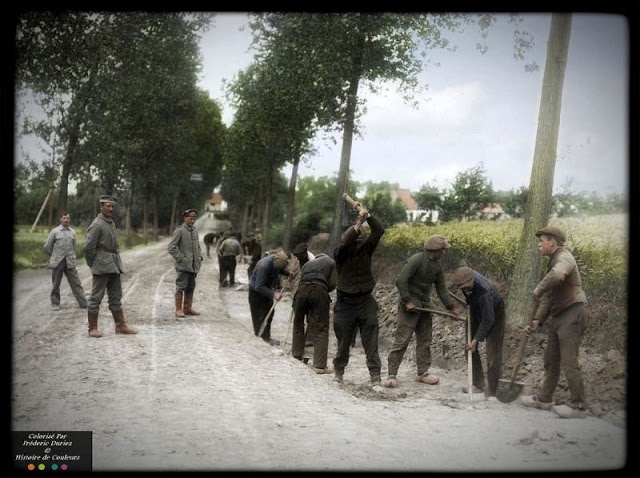
German soldiers supervising Belgian civilians employees road repair, Belgium, 1916
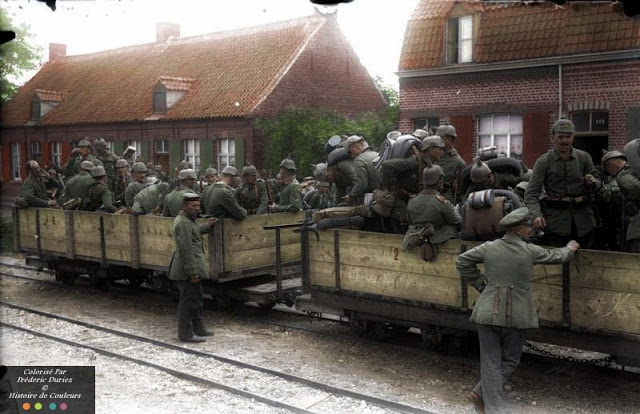
German troops loading for transport to the front, 1915
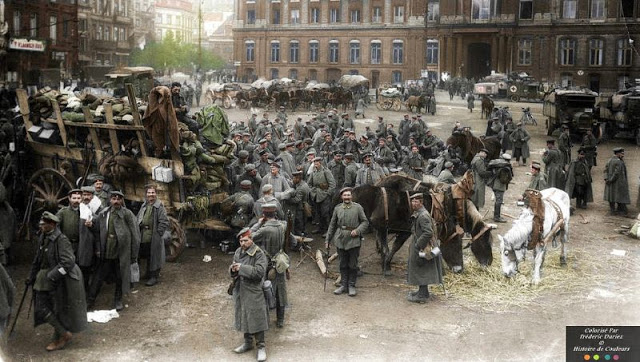
German troops stationed in front of the ‘Palais des Princes-Évêques’ of Liège in 1914
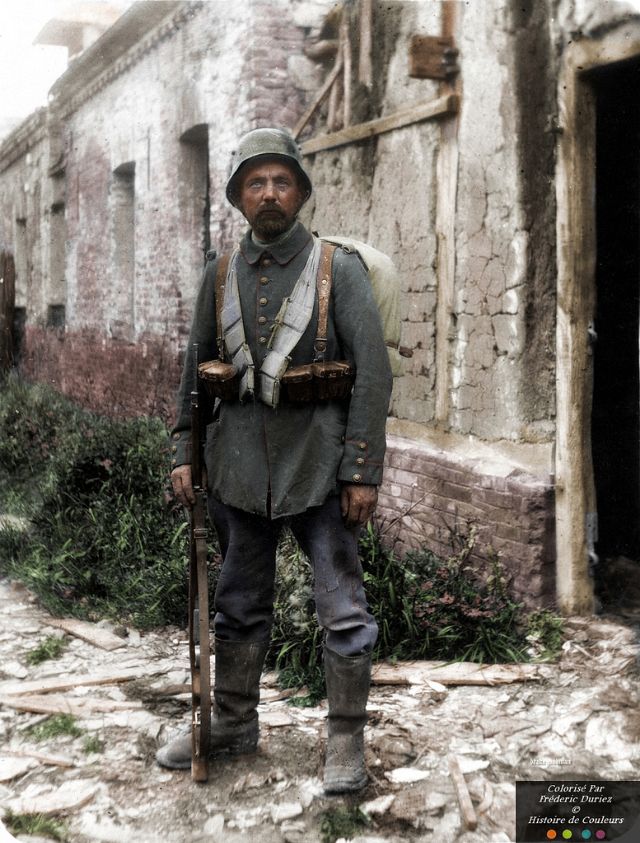
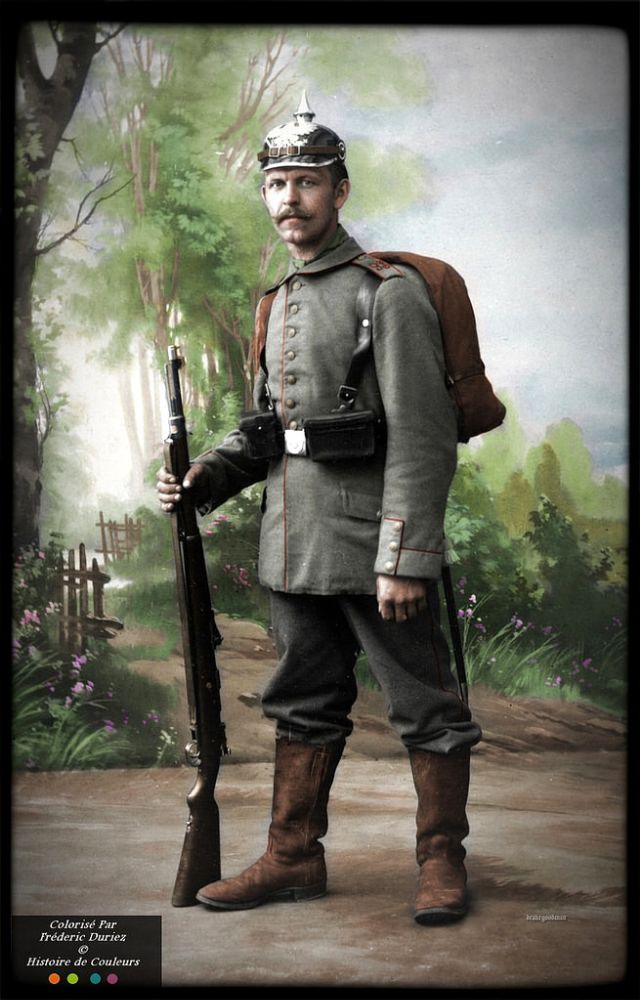
German uniform during World War I
Portrait of a great and stylish German soldier, probably taken on the Eastern Front
In the park, a German corpse, Plesier Roye ( Plessis de Roye – France , Somme ), April 2, 1918
Kurhessisches Pionier-Bataillon Nr.11
Landsturmmmann Leopold Schmälter, Preußisches Landwehr Infanterie Regiment 15, III. Bataillon, 11. Kompagnie, August 1917
Medical staff in the shade of the willows, 1918
Otto Frank (father of Anne Frank) during the First Word War in 1917. He fought for Germany. Of the eight people who hid in the Annex, only Otto Frank survived the arrest and genocide
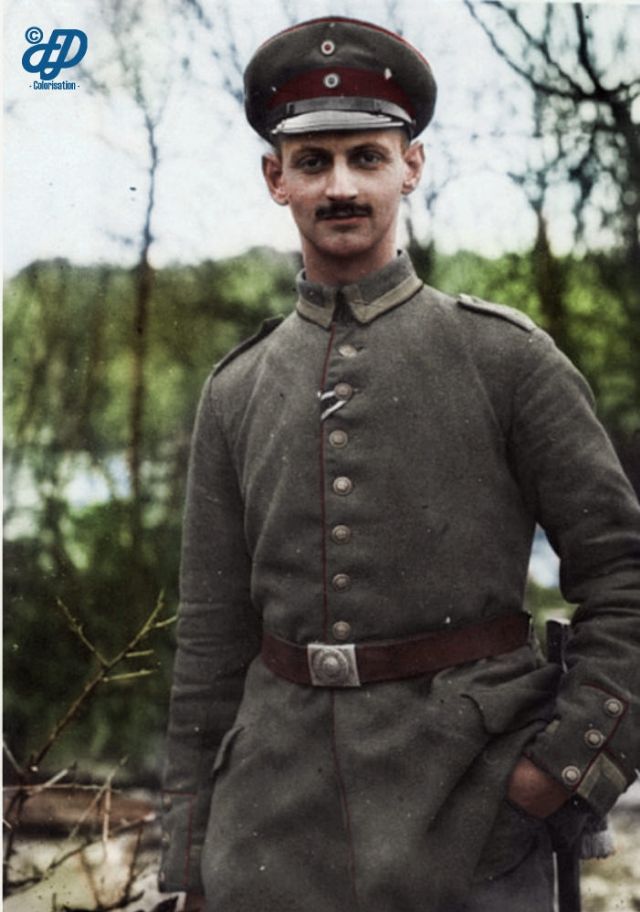
Portrait of a German officer (Artillery), 1917
Portrait of Ernst Jünger, a highly decorated German soldier, author, and entomologist who became publicly known for his World War I memoir ‘Storm of Steel’
Prisoners, Vimy, 1917
Prussian infantryman from the 93rd Reserve Infanterie Regiment
‘Remembering the time when I was severely wounded during an air-raid in France on 25.04. 1917. Dominikus Müller’
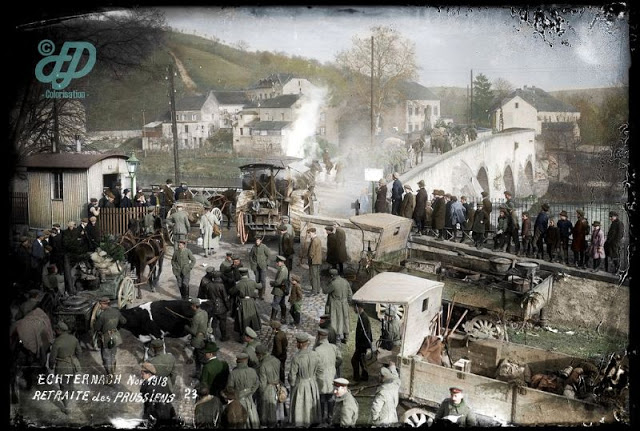
Retreat of German troops, Echternach, November 1918
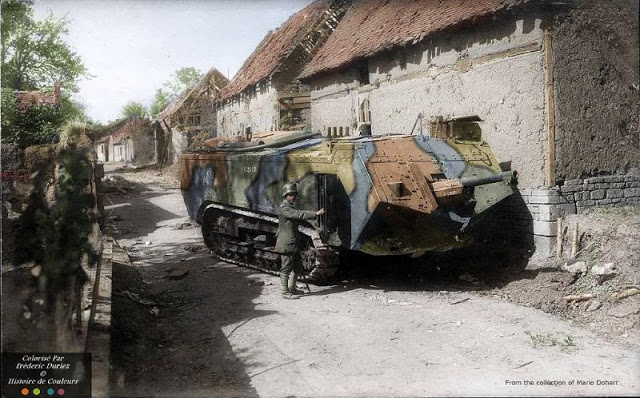
Saint Chamond Char captured by the Germans
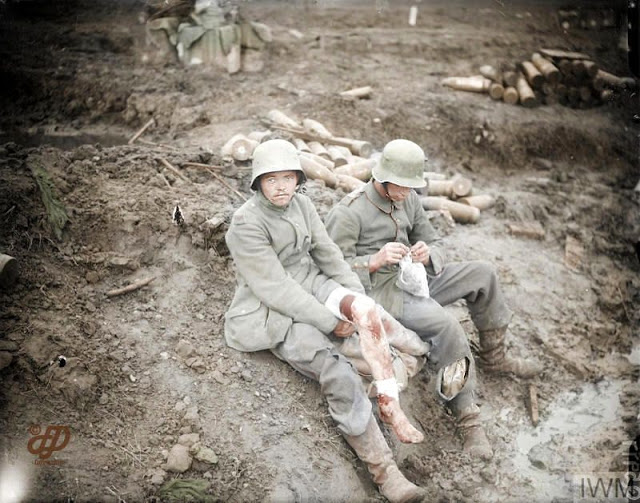
The Battle of the Menin Road Ridge. Two wounded Germans, one showing the newly dressed wound in his leg, at a dressing station at Zillebeke, 20 September 1917
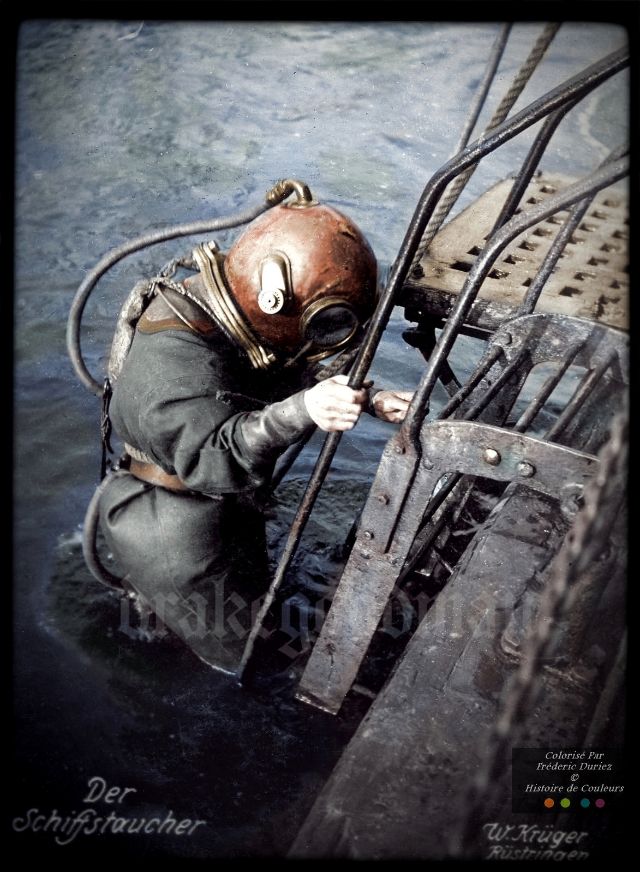
The ship’s diver
Two Fokker Dr.Is marked with the yellow cowlings and tails of Royal Prussian Jasta 27 are readied for takeoff at Halluin-Ost aerodrome in May 1918
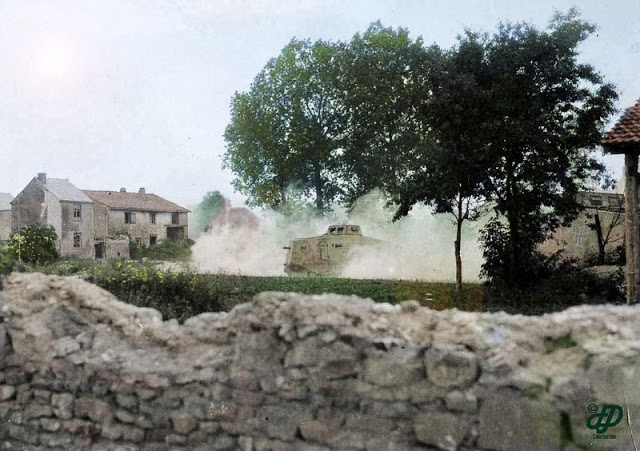
Western Front, German A7V tanks drive through a village near Rheims in 1918
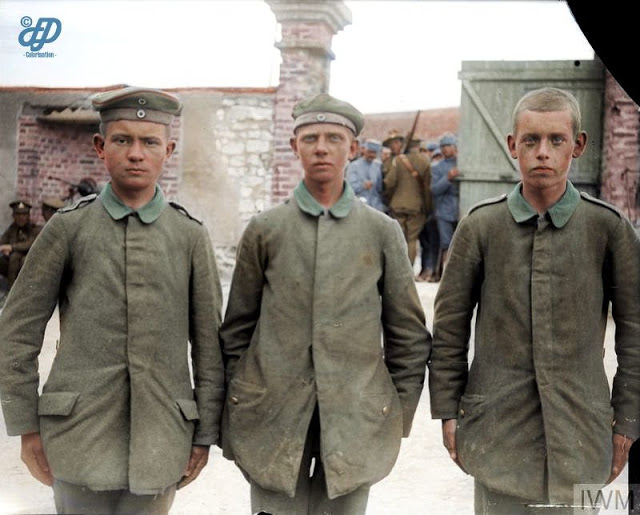
Young German prisoners at Mareuil, July 1918


(Photos colorized by Frédéric Duriez)

30 Beautiful Photos of Gibson Girls From the Early 20th Century

The Gibson Girl began appearing in the 1890s and was the personification of the feminine ideal of physical attractiveness portrayed by the satirical pen-and-ink illustrations of illustrator Charles Dana Gibson during a 20-year period that spanned the late 19th and early 20th century in the United States and Canada. The artist saw his creation as representing the composite of “thousands of American girls.” The artist believed that the Gibson Girl represented the beauty of American women:

“I’ll tell you how I got what you have called the ‘Gibson Girl.’ I saw her on the streets, I saw her at the theatres, I saw her in the churches. I saw her everywhere and doing everything. I saw her idling on Fifth Avenue and at work behind the counters of the stores… [T]he nation made the type. What Zangwill calls the ‘Melting Pot of Races’ has resulted in a certain character; why should it not also have turned out a certain type of face?…There isn’t any ‘Gibson Girl,’ but there are many thousands of American girls, and for that let us all thank God.”

The Gibson Girl image that appeared in the 1890s combined elements of older American images of Caucasian female beauty, such as the “fragile lady” and the “voluptuous woman”. From the “fragile lady” she took the basic slender lines, and a sense of respectability. From the “voluptuous woman” she took a large bust and hips, but was not vulgar or lewd, as previous images of women with large busts and hips had been depicted. From this combination emerged the Gibson Girl, who was tall and slender, yet with ample bosom, hips and buttocks. She had an exaggerated S-curve torso shape achieved by wearing a swan-bill corset.

63 Beautiful Photos of Actress Gene Tierney during the 1940s

With prominent cheekbones and the most appealing overbite of her day, her striking good looks helped propel her to stardom. Her best known role is the enigmatic murder victim in Laura (1944). She was also Oscar-nominated for Leave Her to Heaven (1945). Her acting performances were few in the 1950s as she battled a troubled emotional life that included hospitalization and shock treatment for depression.

Gene Eliza Tierney was born on November 19, 1920 in Brooklyn, New York, to well-to-do parents, Belle Lavinia (Taylor) and Howard Sherwood Tierney. Her father was a successful insurance broker and her mother was a former teacher. Her childhood was lavish indeed. She also lived, at times, with her equally successful grandparents in Connecticut and New York. She was educated in the finest schools on the East Coast and at a finishing school in Switzerland.

After two years in Europe, Gene returned to the US where she completed her education. By 1938 she was performing on Broadway in What a Life! and understudied for The Primerose Path (1938) at the same time. Her wealthy father set up a corporation that was only to promote her theatrical pursuits. Her first role consisted of carrying a bucket of water across the stage, prompting one critic to announce that “Miss Tierney is, without a doubt, the most beautiful water carrier I have ever seen!” Her subsequent roles Mrs O’Brian Entertains (1939) and RingTwo (1939) were meatier and received praise from the tough New York critics. Critic Richard Watts wrote “I see no reason why Miss Tierney should not have a long and interesting theatrical career, that is if the cinema does not kidnap her away.”

After being spotted by the legendary Darryl F. Zanuck during a stage performance of the hit show The Male Animal (1940), Gene was signed to a contract with 20th Century-Fox. Her first role as Barbara Hall in Hudson’s Bay (1941) would be the send-off vehicle for her career. Later that year she appeared in The Return of Frank James (1940). The next year would prove to be a very busy one for Gene, as she appeared in The Shanghai Gesture (1941), Sundown (1941), Tobacco Road (1941) and Belle Starr (1941). She tried her hand at screwball comedy in Rings on Her Fingers (1942), which was a great success. Her performances in each of these productions were masterful. In 1945 she was nominated for a Best Actress Oscar for her portrayal of Ellen Brent in Leave Her to Heaven (1945). Though she didn’t win, it solidified her position in Hollywood society. She followed up with another great performance as Isabel Bradley in the hit The Razor’s Edge (1946).

In 1944, she played what is probably her best-known role (and, most critics agree, her most outstanding performance) in Otto Preminger’s Laura (1944), in which she played murder victim named Laura Hunt. In 1947 Gene played Lucy Muir in the acclaimed The Ghost and Mrs. Muir (1947). By this time Gene was the hottest player around, and the 1950s saw no letup as she appeared in a number of good films, among them Night and the City (1950), The Mating Season (1951), Close to My Heart (1951), Plymouth Adventure (1952), Personal Affair (1953) and The Left Hand of God (1955). The latter was to be her last performance for seven years. The pressures of a failed marriage to Oleg Cassini, the birth of a daughter with learning disabilities in 1943, and several unhappy love affairs resulted in Gene being hospitalized for depression. When she returned to the the screen in Advise & Consent (1962), her acting was as good as ever but there was no longer a big demand for her services.

Her last feature film was The Pleasure Seekers (1964), and her final appearance in the film industry was in a TV miniseries, Scruples (1980). Gene died of emphysema in Houston, Texas, on November 6, 1991, just two weeks shy of her 71st birthday.
Text via IMDb

Actress Gene Tierney, performing in the motion picture, Dragonwick. 1945
1944: Gene Tierney, as Laura, dressed in a raincoat and rainhat, stares solemnly at co-star Dana Andrews who plays Detective McPherson in the film ‘Laura’ directed by Otto Preminger.
1944: Dana Andrews puts the spotlight on Gene Tierney during the interrogation scene of the film noir, ‘Laura’, directed by Otto Preminger.
Gene Tierney and Vincent Price

Pioneering Female Photographers: Amazing Portraits of Victorian Women Behind Their Cameras

The participation of women in photography goes back to the very origins of the process. Several of the earliest women photographers, most of whom were from Britain or France, were married to male pioneers or had close relationships with their families. It was above all in northern Europe that women first entered the business of photography, opening studios in Denmark, France, Germany, and Sweden from the 1840s, while it was in Britain that women from well-to-do families developed photography as an art in the late 1850s. Not until the 1890s did the first studios run by women open in New York City.

In the United States, women first photographed as amateurs, several producing fine work which they were able to exhibit at key exhibitions. They not only produced portraits of celebrities and Native Americans but also took landscapes, especially from the beginning of the 20th century. The involvement of women in photojournalism also had its beginnings in the early 1900s but slowly picked up during World War I.
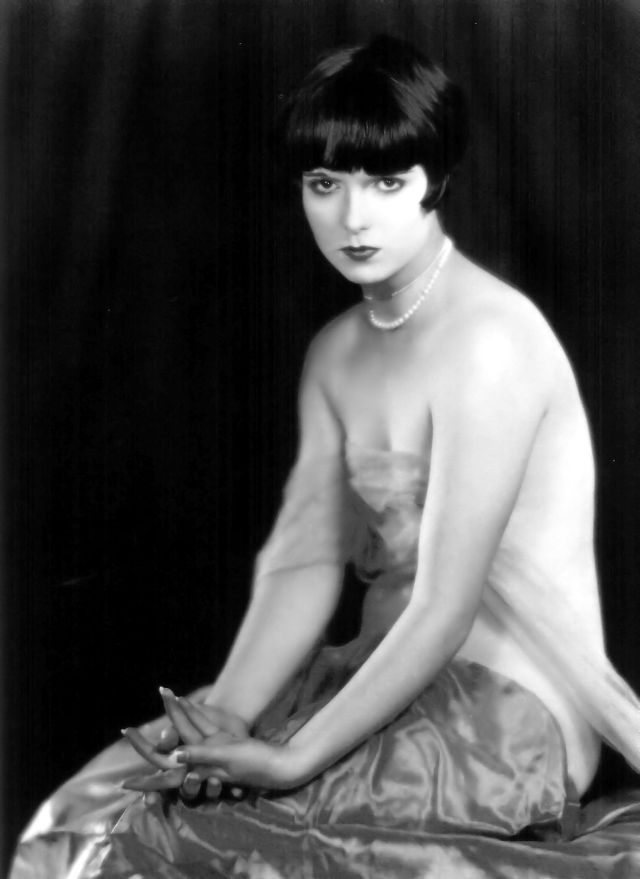
Shown is an amazing portrait-photo collection of pioneering female photographers in the Victorian era.

47 Stunning Photos of Actress Faye Emerson During the 1940s and Early 1950s

Born 1917 in Elizabeth, Louisiana, American film actress and television interviewer Faye Emerson had her film debut in 1941 and acted in many Warner Bros. films.

In 1944, Emerson played one of her more memorable roles as Zachary Scott’s former lover in The Mask of Dimitrios. She also appeared in a number of other crime dramas: Danger Signal (1945) and Guilty Bystander (1950).

Emerson’s Broadway debut came in 1948 in The Play’s the Thing. Her other Broadway credits included Back to Methuselah (1958), Protective Custody (1956), The Heavenly Twins (1955), and Parisienne (1950).

In 1948, Emerson made a move to TV and began acting in various anthology series, including The Chevrolet Tele-Theatre, The Philco Television Playhouse, and Goodyear Television Playhouse. She served as host for several short-lived talk shows and musical/variety shows, including Paris Cavalcade of Fashions (1948) and The Faye Emerson Show (CBS, 1950).

For her contributions to the motion picture industry, Emerson received a star on the Hollywood Walk of Fame in 1960. Her star is located at 6529 Hollywood Blvd.

Emerson died in 1983 at age 65 from stomach cancer in Deià, Majorca, where she had lived since 1975.

Take a look at these glamorous photos to see the beauty of Faye Emerson in the 1940s and Eraly 1950s.
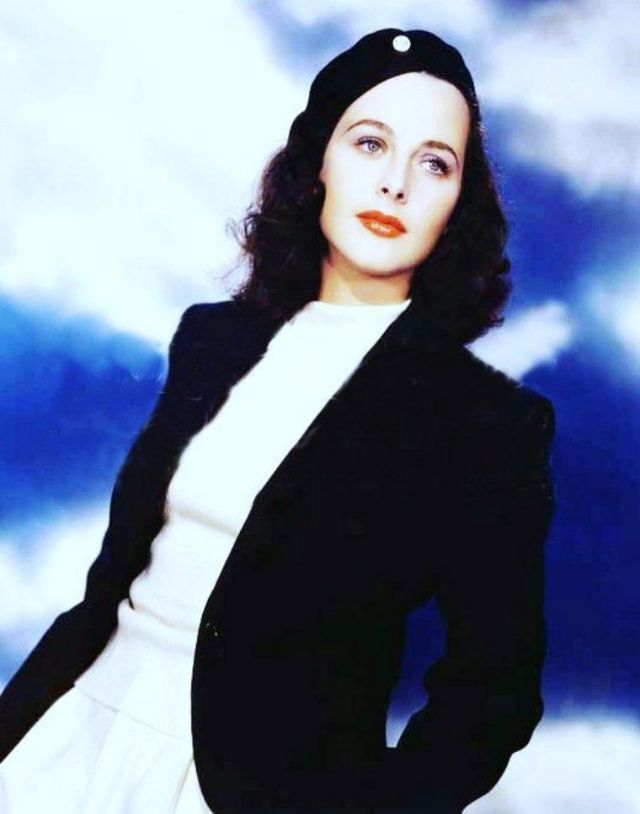
20 Wonderful Photos Showing Women’s Fashion in the 1910s

While many people think of the 1920s as the years when women’s clothes became radical, women’s fashions in the 1910s made a definitive switch from what had come before, marking the new century as something special.

Until 1908, the curvaceous silhouette that had characterized the 1890s was still in vogue, but it underwent some changes. The push was for corsetry that was more supportive of the spine and abdomen. Clothing was moving away from the heavy, restrictive styles that required bustles and padding and towards a more natural form. Women wanted healthier lives and healthier clothes to go with those lives.
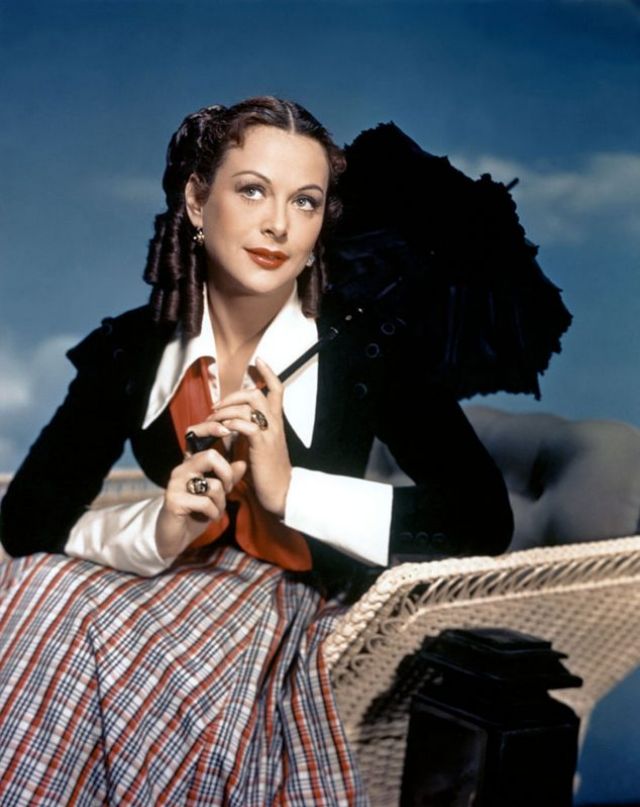
Here, a small collection vintage images from the Library of Congress that show women’s fashions from the 1910s.

(Images via The Library of Congress)

Wonderful Photos of Farrah Fawcett and Her Future Husband Lee Majors Before Their Marriage During the 1960s and Early 1970s

Farrah Fawcett and Lee Majors started dating in 1968. The latter spotted a photo of Fawcett in his agent’s office, and asked to be introduced to her. “I remember thinking she was quite beautiful and had a beautiful name,” he told People magazine.

Given that Majors was already famous as the star of the western series The Big Valley, he took it upon himself to mentor Fawcett and help her career.

“She was just a little girl from Corpus Christi,” he recalled. “All the mistakes I had made and the lessons I had learned the hard way, I tried to use to help Farrah.” Majors used his clout to get Fawcett guest roles on TV, including her breakout part on the Owen Marshall series.
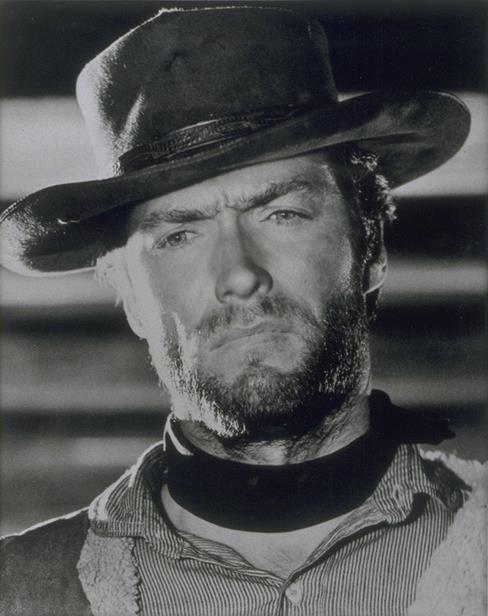
They married in 1973, but by the end of the decade, the celebrity couple had drifted apart. They finalized their divorce in 1982, after Fawcett had fallen for Majors’ close friend Ryan O’Neal.

Before their marriage, these photos captured lovely moments of Farrah Fawcett and her future husband Lee Majors in the late 1960s and early 1970s.

Yesterday Today

Bringing You the Wonder of Yesterday - Today

Skip to content ↓