




















Bringing You the Wonder of Yesterday – Today

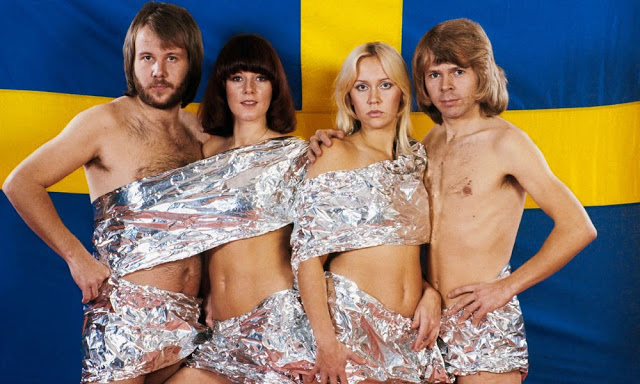
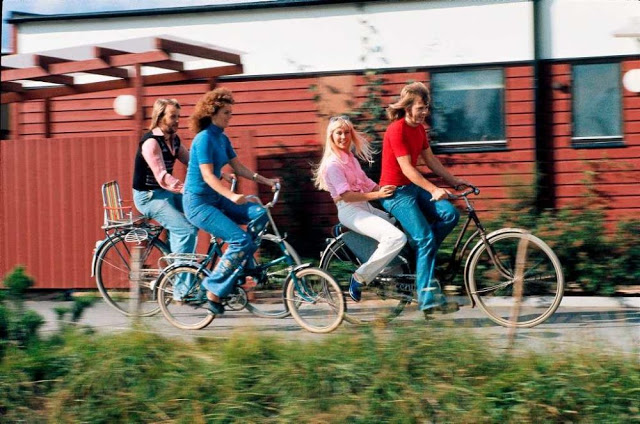
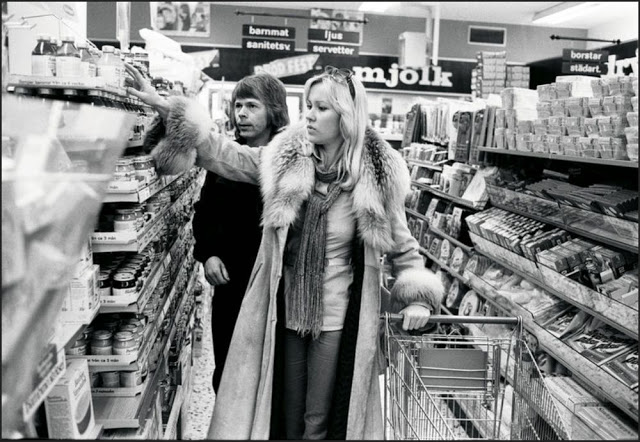
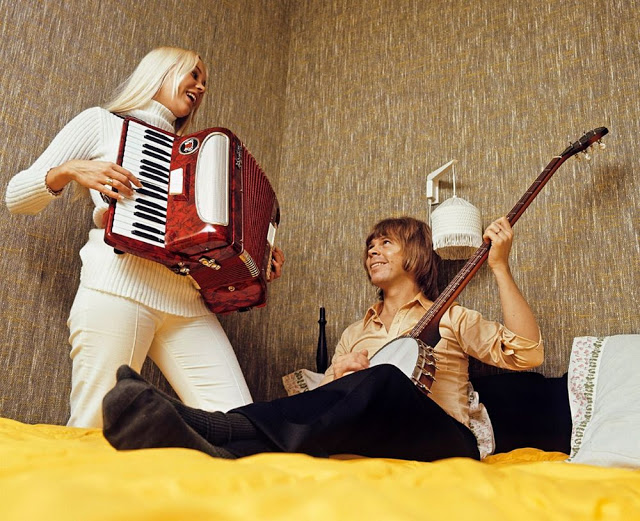
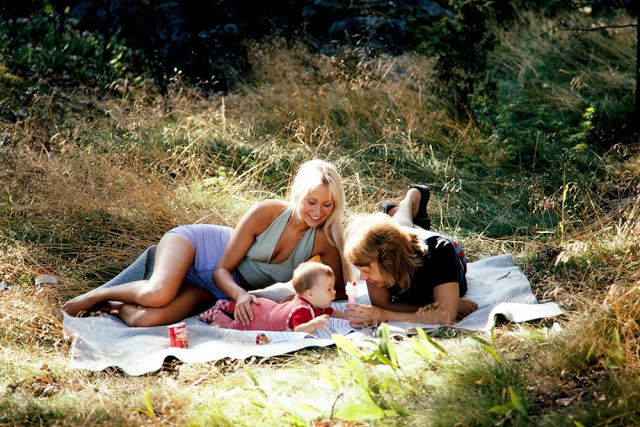
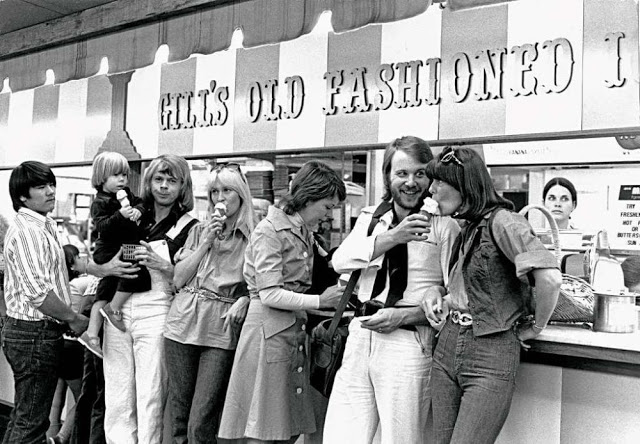
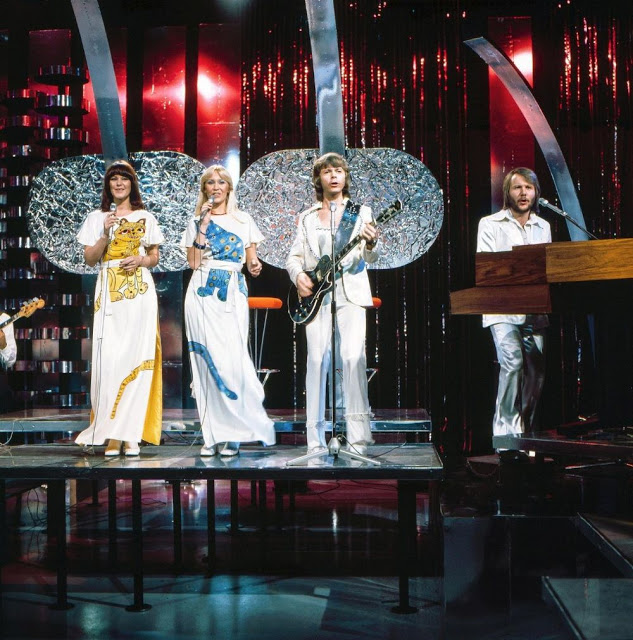
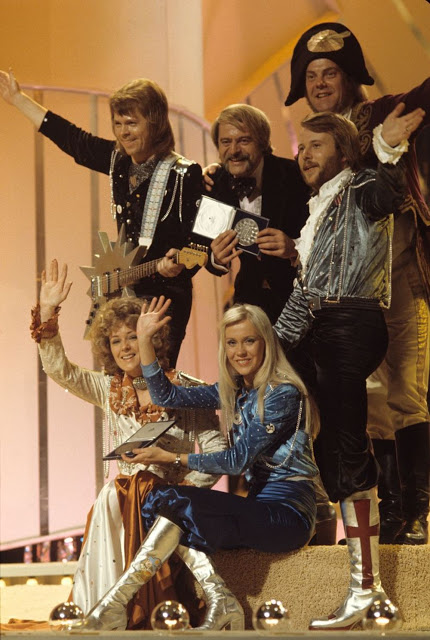
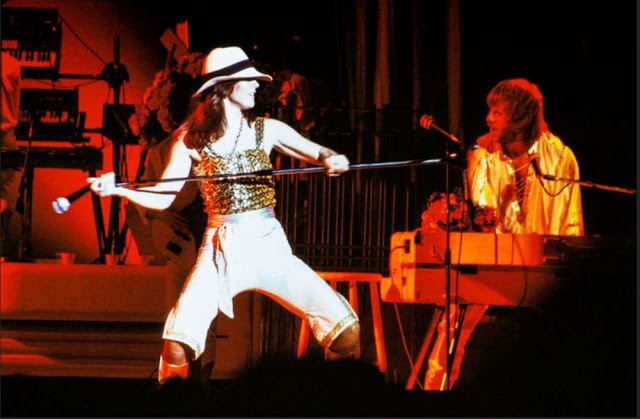
It wasn’t quite the British Invasion of the 1960s, which involved timeless bands like The Beatles and The Rolling Stones, but ABBA managed to pull off a one-band Swedish coupe starting in the 1970s. Indeed, even before the band’s formation, Benny Andersson was part of the pop group called The Hep Stars, which was nicknamed “The Swedish Beatles.”
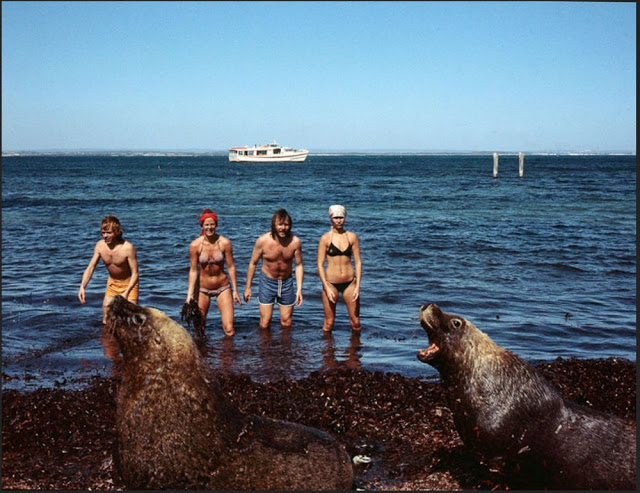
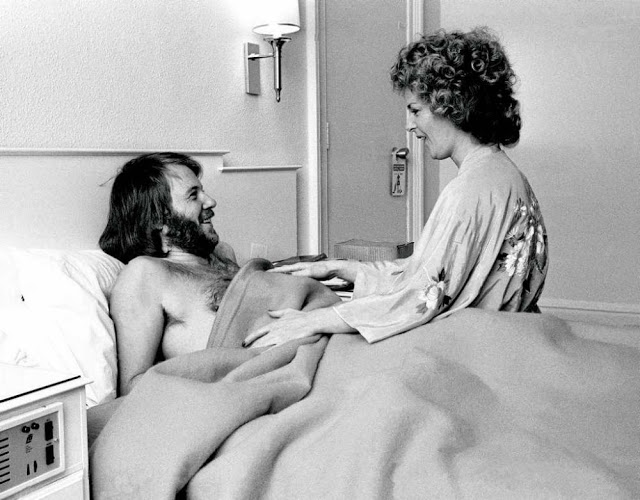
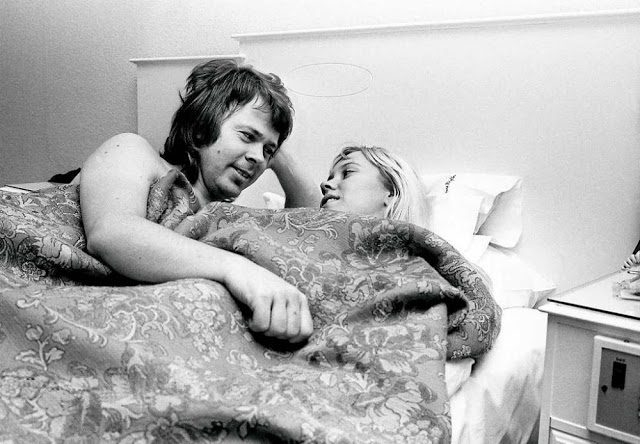
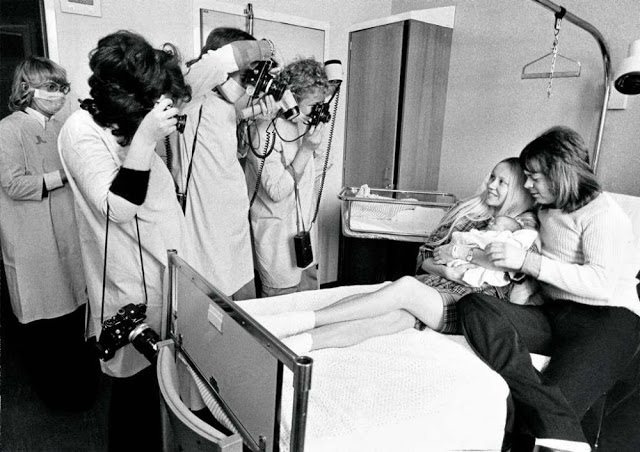
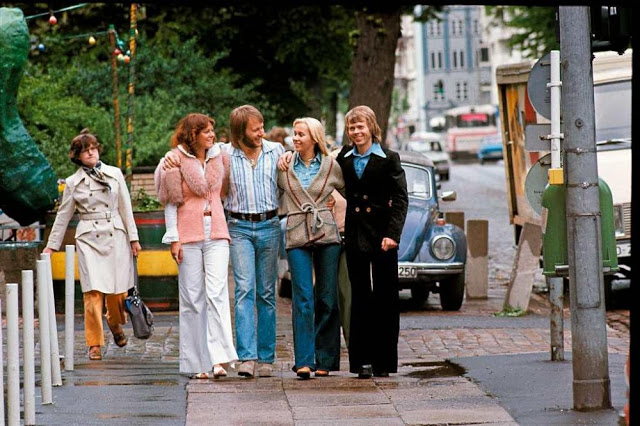
Andersson was married to Anni-Frid Lyngstad, and the couple joined another pair of young love birds, Agnetha Fältskog and Björn Ulvaeus, for a vacation on the isle of Cyprus. Their lighthearted singing during the trip morphed into an impromptu show for a troop of United Nations soldiers in the foursome’s first-ever public performance together.
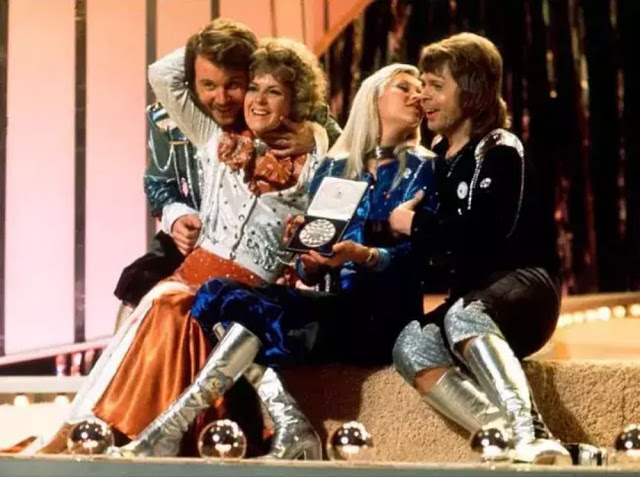
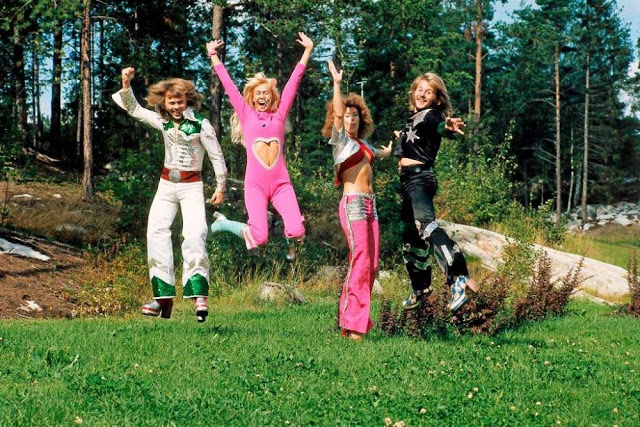
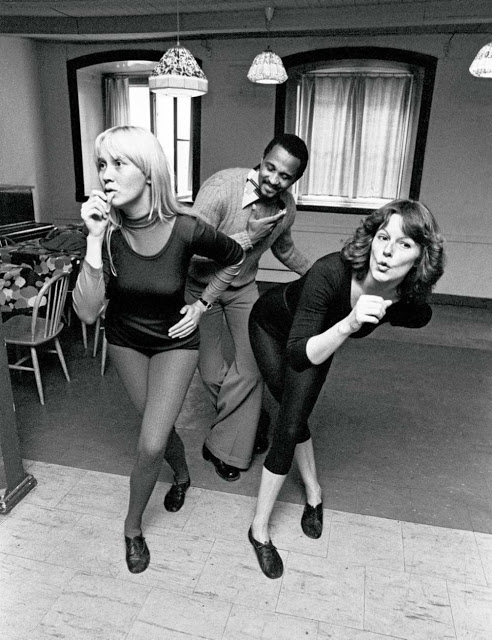
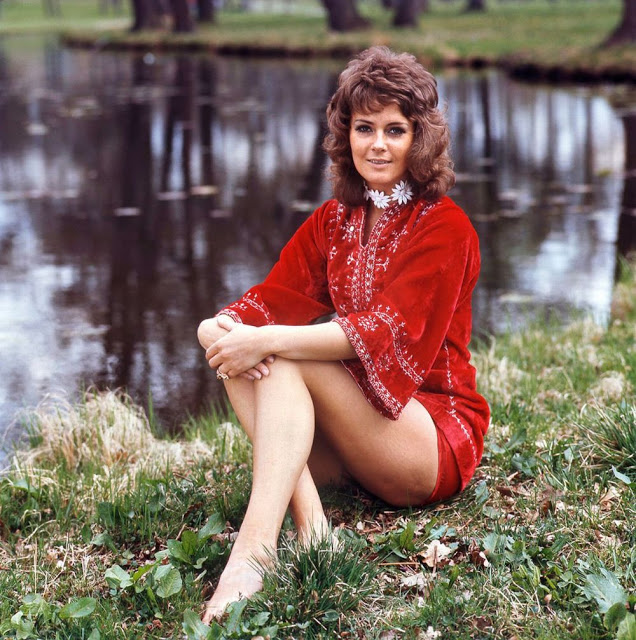
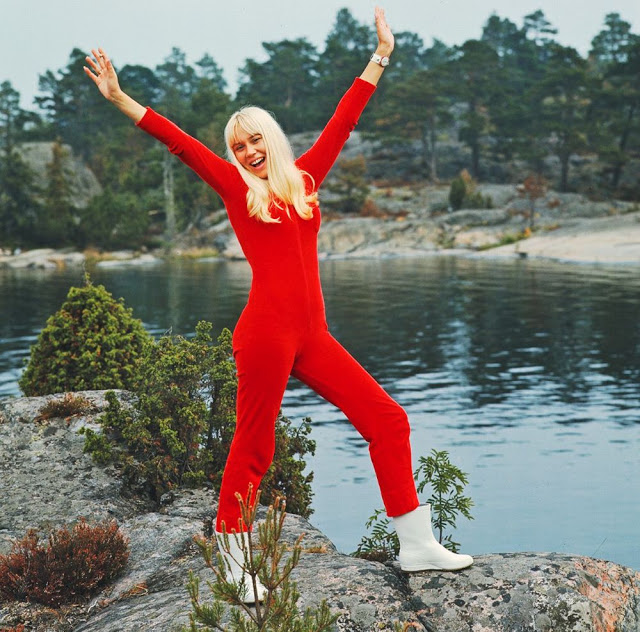
The couples dabbled with making music together from 1970 to 1973, going by the rather unwieldy name of Agnetha, Anni-Frid, Benny & Björn. They were known informally as ABBA, an acronym taken from the first letters of each band member’s name. The shortened name took hold in 1973, and it’s the one under which they took the world by storm, giving Sweden its first win in the Eurovision Song Contest and topping the charts in the United States and the rest of the English-speaking world.
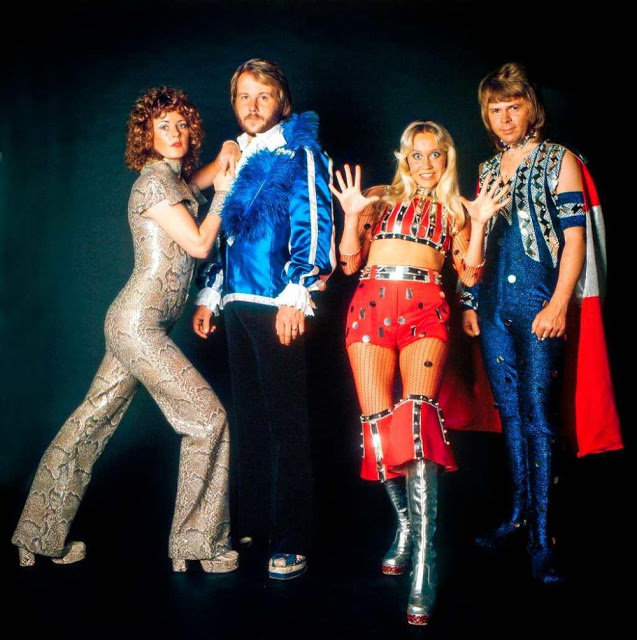
The 1970s were ABBA’s peak years, when they churned out smash hits like “Dancing Queen.” “Waterloo,” “SOS,” “Mama Mia,” and “Take a Chance on Me.” They hit the pinnacle in 1976, topping worldwide charts with their Greatest Hits album, which also contained a new song, “Fernando” that hit number one in 19 countries.
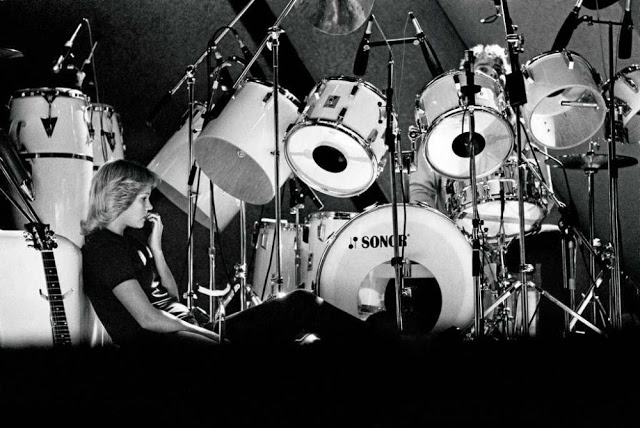
ABBA didn’t do a major tour until 1977, when the group headed off to Europe and Australia, followed by another European tour and a trek across North America in 1979. Sadly, that was also the year that Fältskog and Ulvaeus divorced, followed by the break-up of Lyngstad and Andersson in 1981.
The relationship turmoil foreshadowed the end of ABBA making beautiful music together. The band’s airy, upbeat music started moving down a darker path in 1981, and they disbanded the following year. Members went on to their own careers, with Andersson and Ulvaeus both writing songs for the stage and Lyngstad and Fältskog taking on the daunting task of getting their solo careers off the ground. Neither managed to find the sort of success they’d enjoyed during their ABBA heydays.

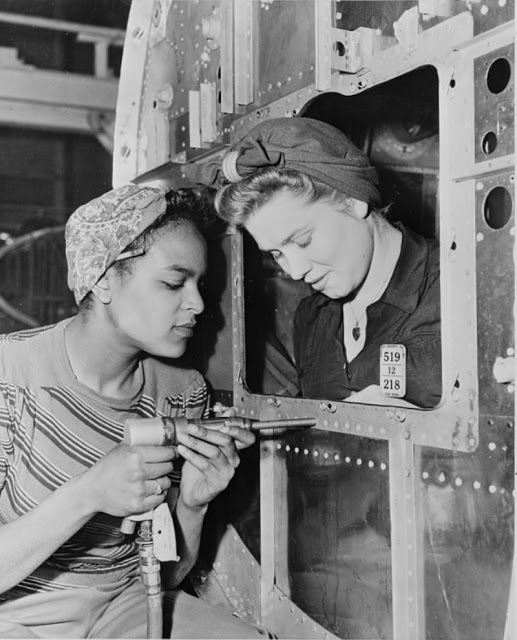
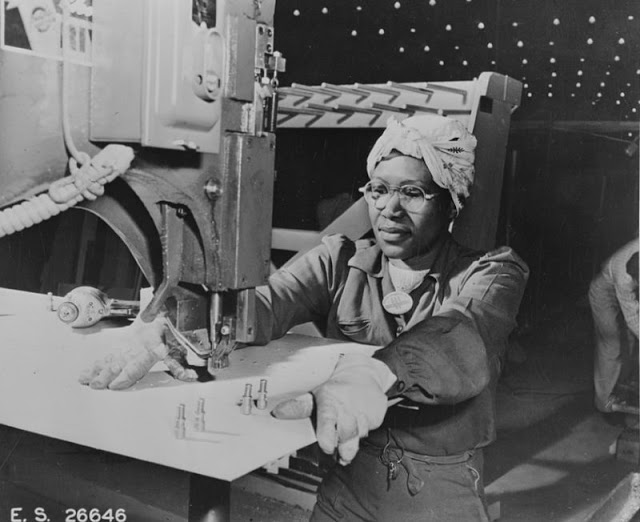
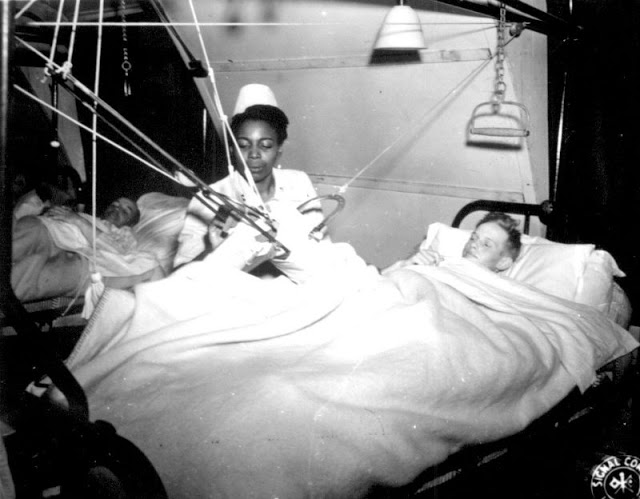
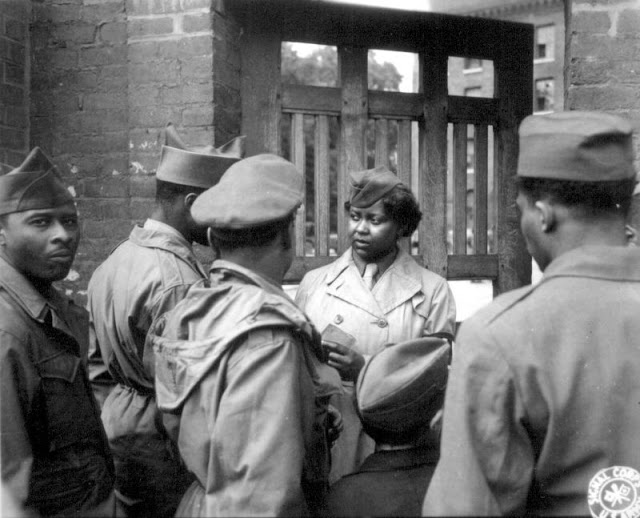
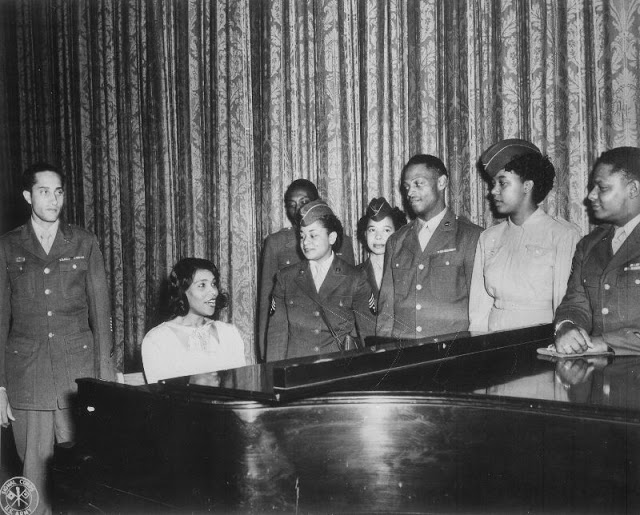
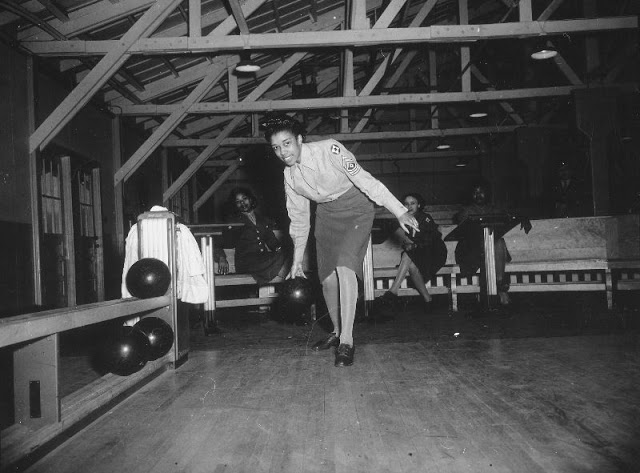
American women have participated in defense of this nation in both war and peacetime. Their contributions, however, have gone largely unrecognized and unrewarded. While women in the United States Armed Forces share a history of discrimination based on gender, black women have faced both race and gender discrimination. Initially barred from official military status, black women persistently pursued their right to serve.
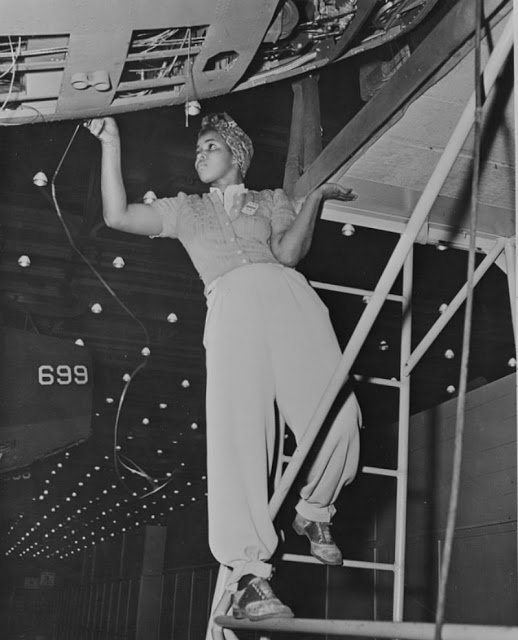
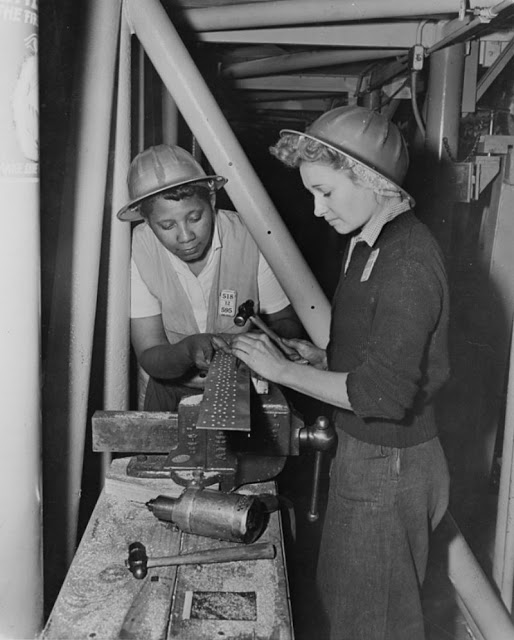
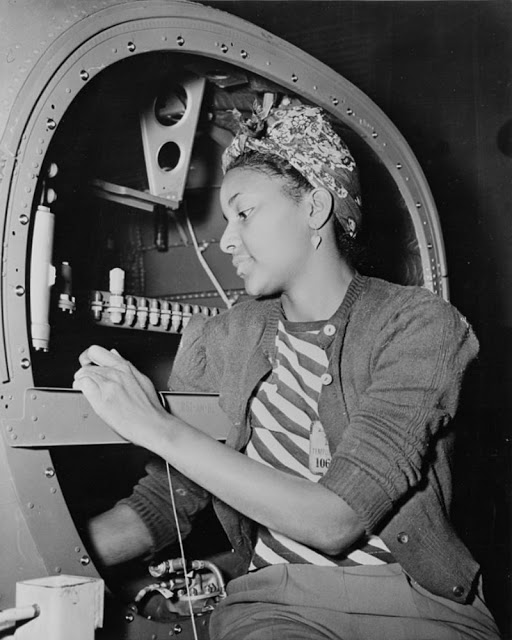
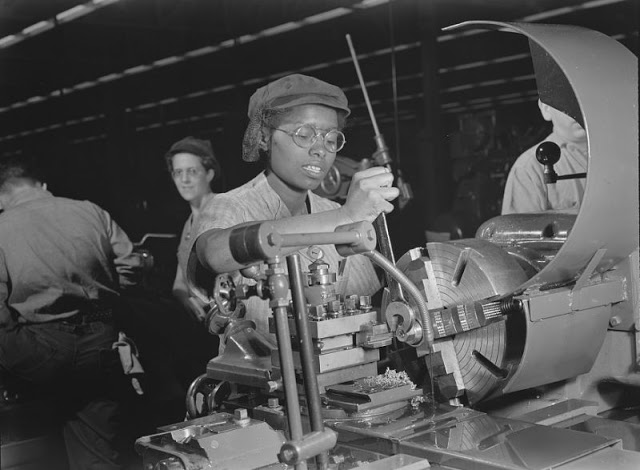
African American women served in many military career and held every position, ranging from nurses to spies to postal clerks. Despite their effort and contribution towards the war, the Army policy did reflect segregationist policies during World War II. Basic training was segregated, as well as living and dining.
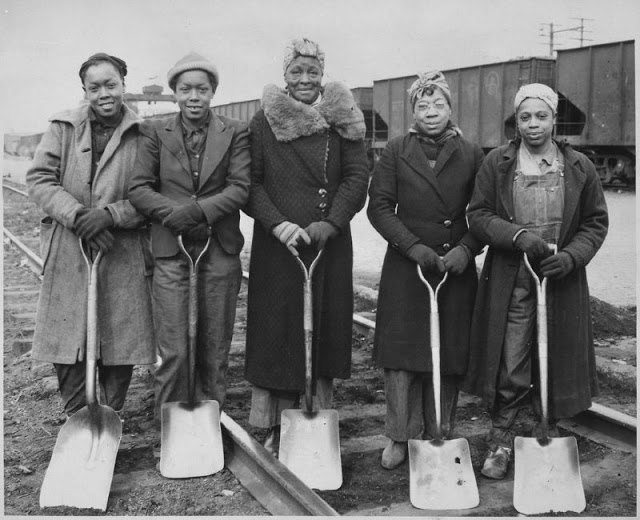
African American women, though highly skilled, were often assigned to the dirtiest industrial tasks and received the lowest pay.
African American women fight for a change
African Americans learned that they would have to fight for their own rights. As early as 1940, at a civil rights convention in Chicago, an African American women called for integration of the defense industries, where blacks were segregated into the worst jobs. Soon there after, President Roosevelt issued Executive Order 8802, which ‘outlawed discriminatory hiring practices by defense contractors and established the Committee of Fair Employment Practices’. This was the first significant presidential action on behalf of African American civil rights since Reconstruction.
Although African Americans did fight for the passage of Executive Order 8802, Eleanor Roosevelt, President Roosevelt’s very influential wife, was a strong supporter of rights for African Americans and did help with the passage of this act. Eleanor Roosevelt strongly opposed the Navy policy that kept African Americans enlisted in servile support jobs such as cooks and waiters.
New opportunities were finally given to African American women not only in the factories, but also in the flourishing black communities as well. The presence of blacks were apparent in the factories and in the blues clubs that began to proliferate. Many of these clubs were owned and ran by African American women who had migrated to California during World War II. Within these African American community, blacks could ‘organize politically and form networks for their own social and economic needs’. This greatly contributed to the legacy of African American women from World War II.











Born 1879 in Philadelphia, American actress Ethel Barrymore was a member of the Barrymore family of actors. Her first appearance on Broadway was in 1895, in a play called The Imprudent Young Couple which starred her uncle John Drew, Jr., and Maude Adams. She appeared with Drew and Adams again in 1896 in Rosemary.
Barrymore was a stage actress regarded as “The First Lady of the American Theatre” whose career spanned six decades. Notably the role Nora in A Doll’s House by Ibsen (1905), and Juliet in Romeo and Juliet by Shakespeare (1922), starred in Rasputin and the Empress (1932).
Barrymore appeared in her first feature motion picture, The Nightingale, in 1914. She made 15 silent pictures between 1914 and 1919, most of them for the Metro Pictures studio, and won the Academy Award for Best Supporting Actress for her role in the film None but the Lonely Heart (1944). Her last film appearance was in Johnny Trouble (1957).
Barrymore died of cardiovascular disease in 1959, at her home in Hollywood, after having lived for many years with a heart condition. She was less than two months shy of her 80th birthday. The Ethel Barrymore Theatre in New York City is named for her.
In 1960, Barrymore was posthumously inducted into the Hollywood Walk of Fame with a motion pictures star for her contributions to the film industry. Her star is located at 7001 Hollywood Boulevard.
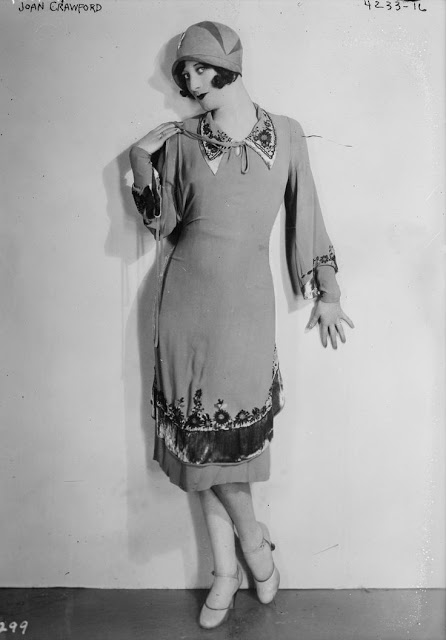
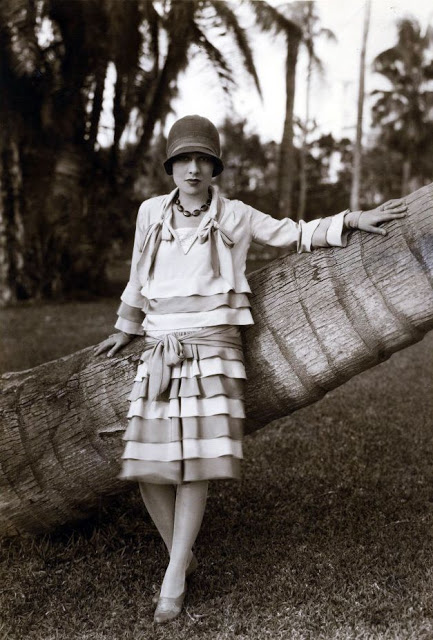
These beautiful pics that captured portraits of young Ethel Barrymore from the late 19th and early 20th centuries.


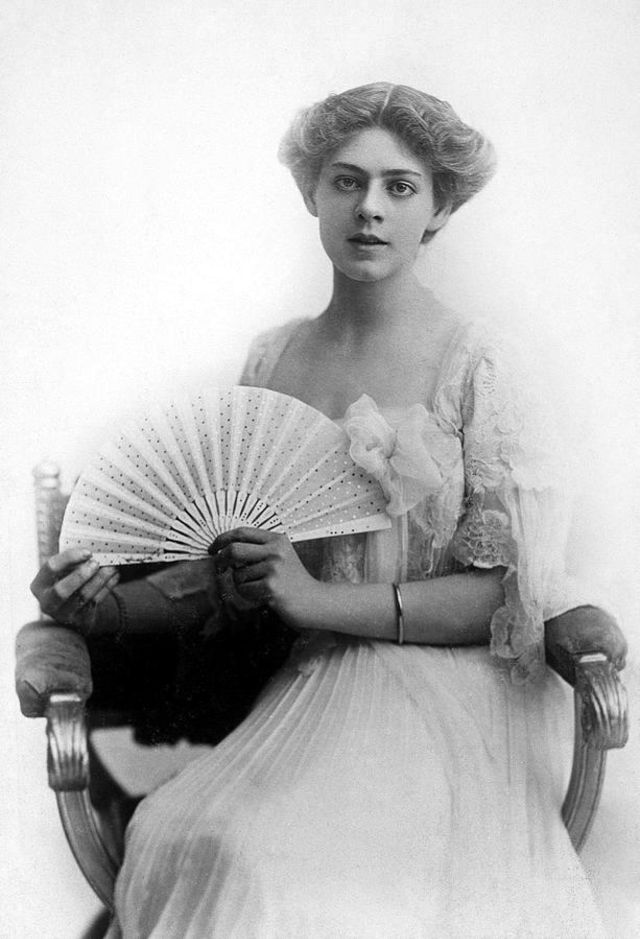
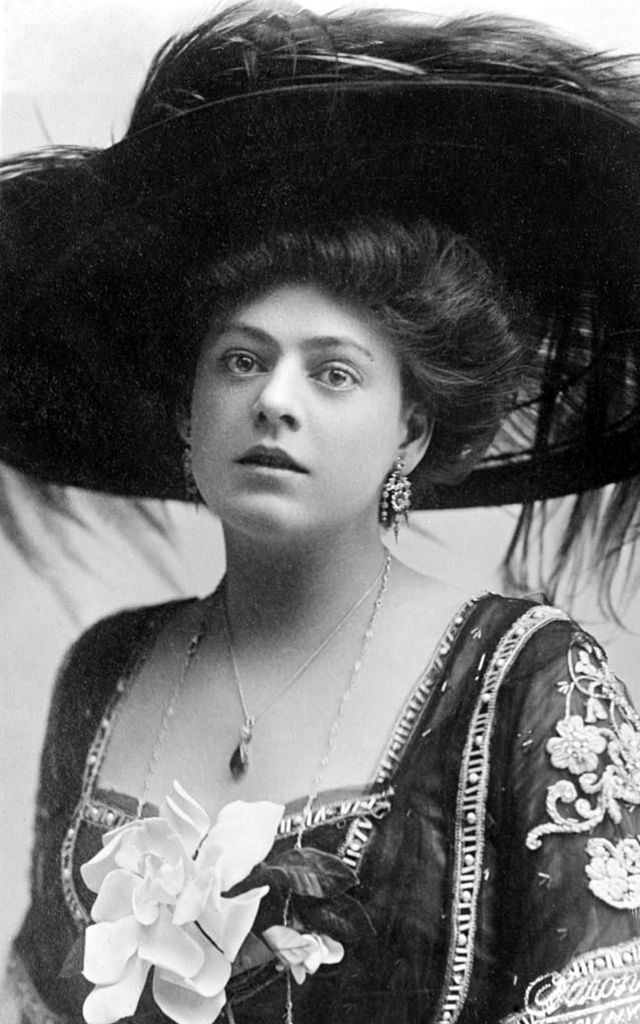
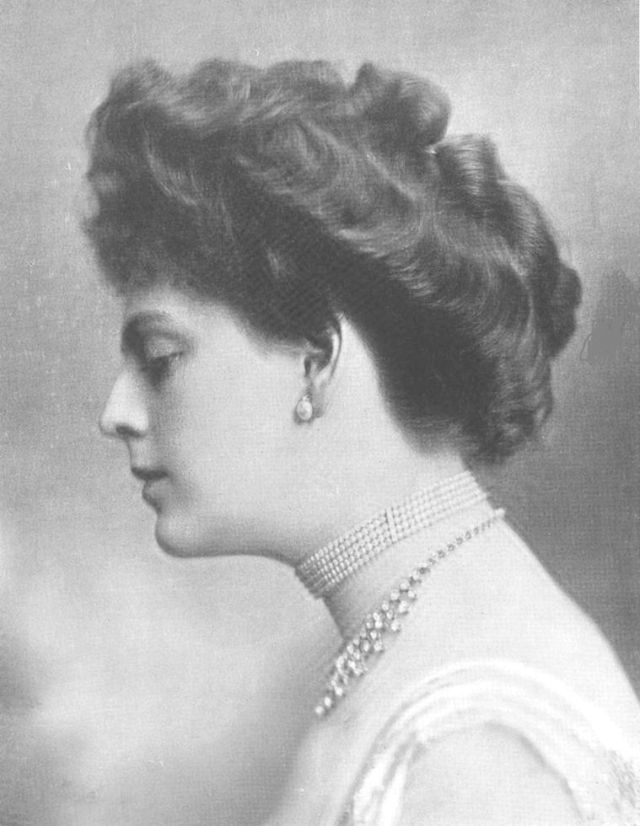

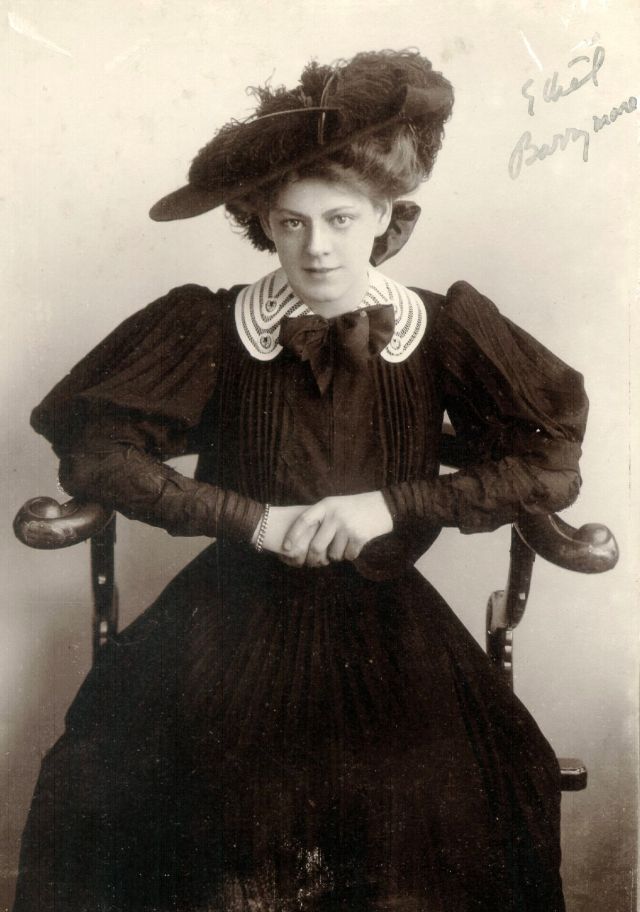

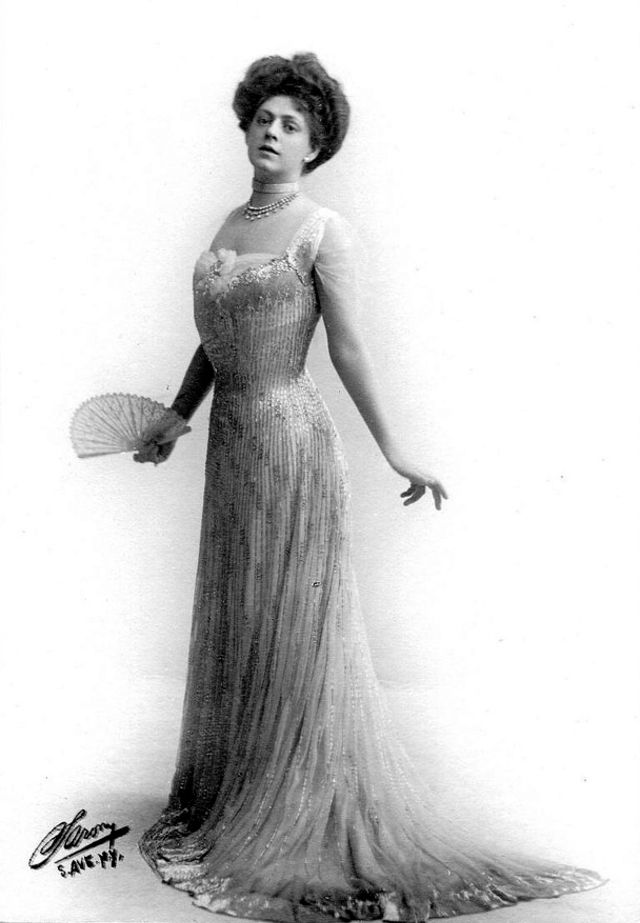


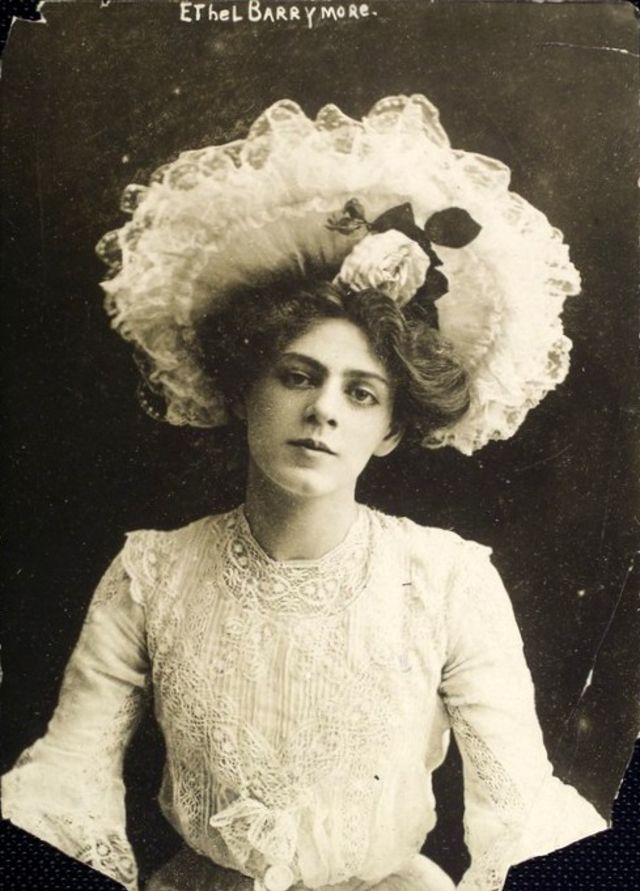
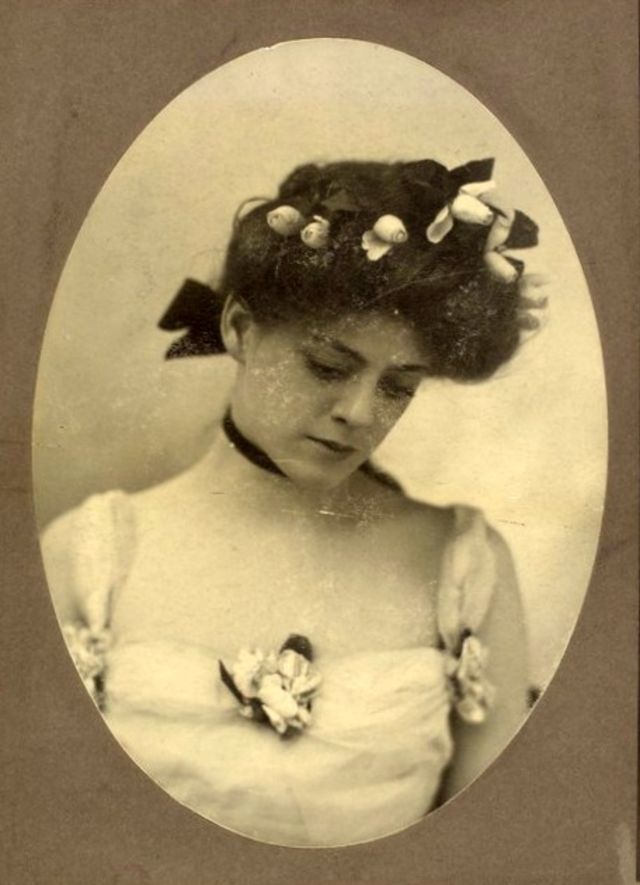
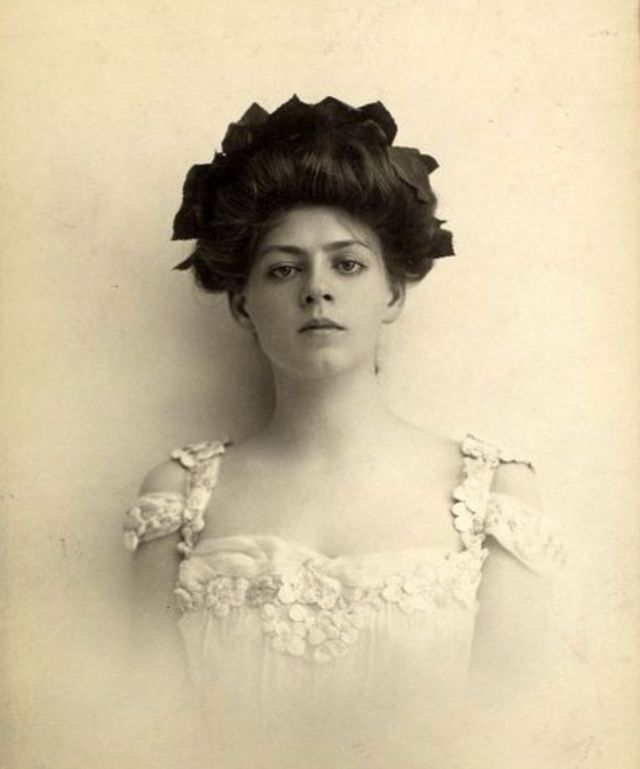

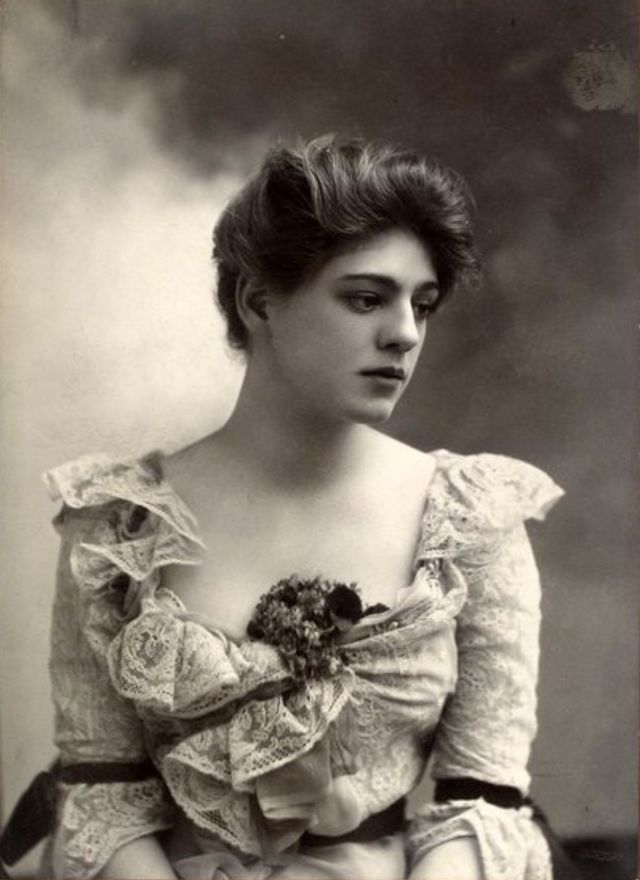
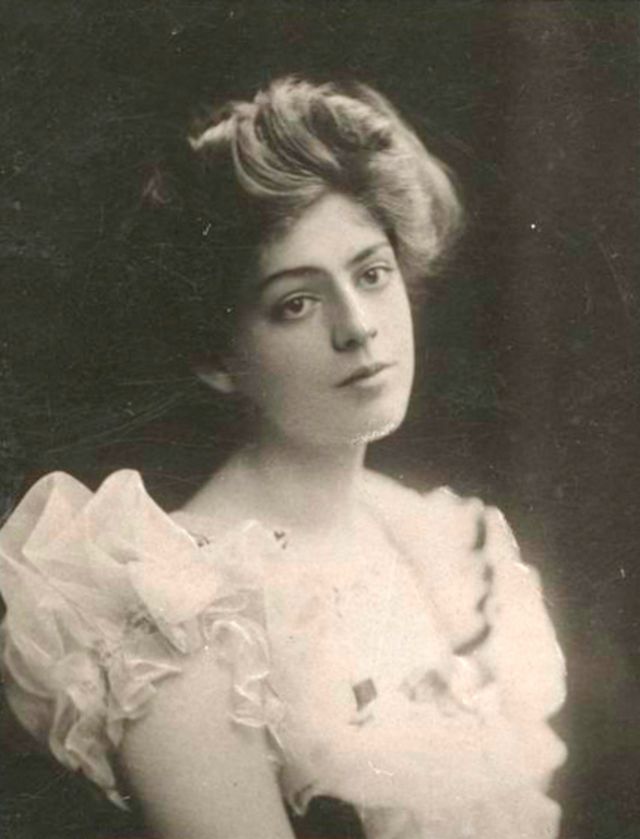

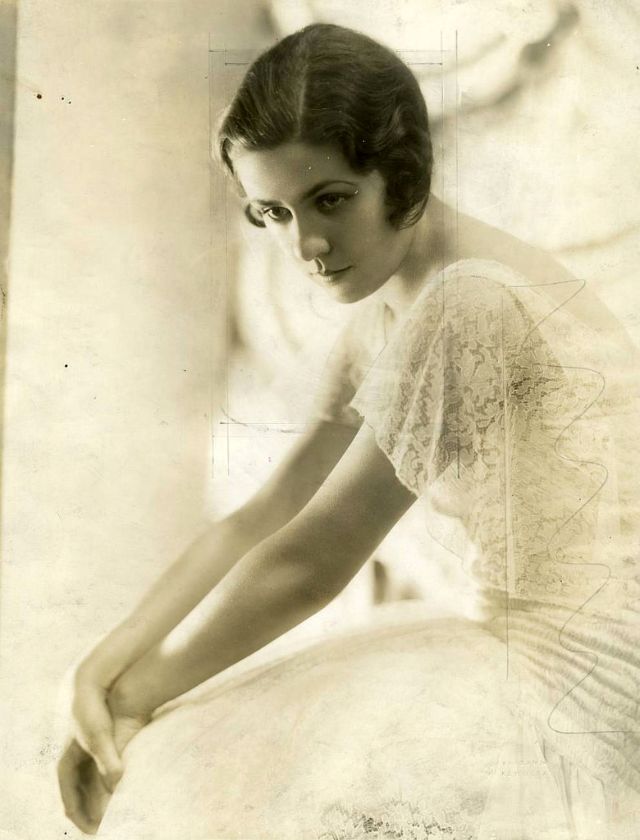

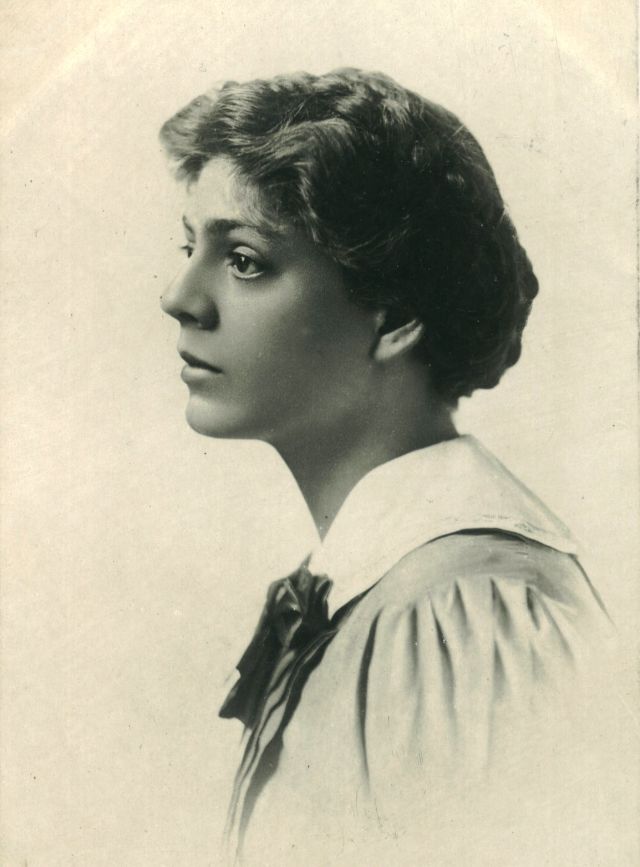
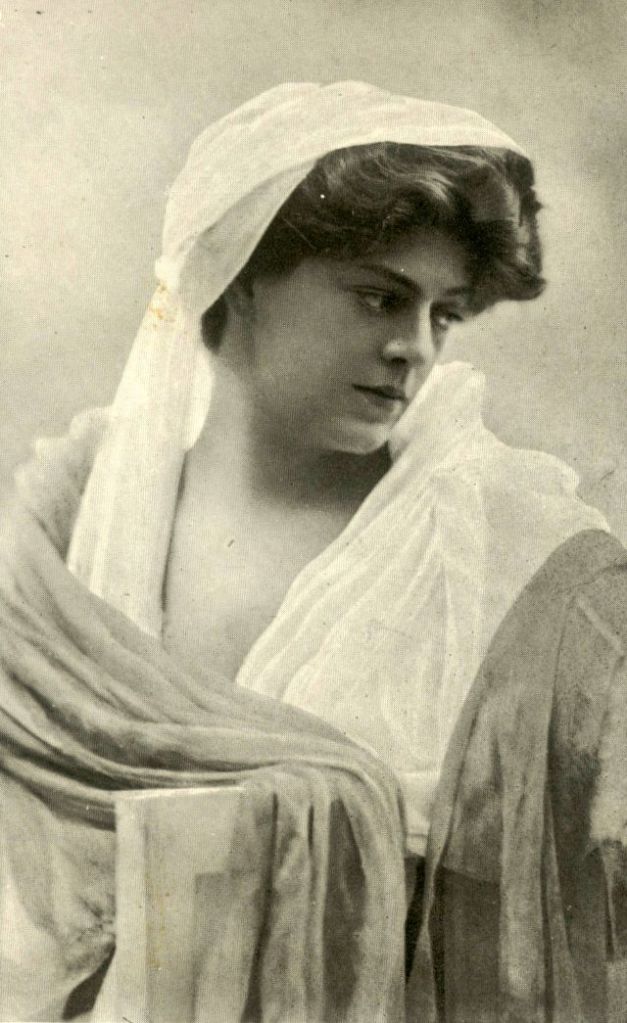

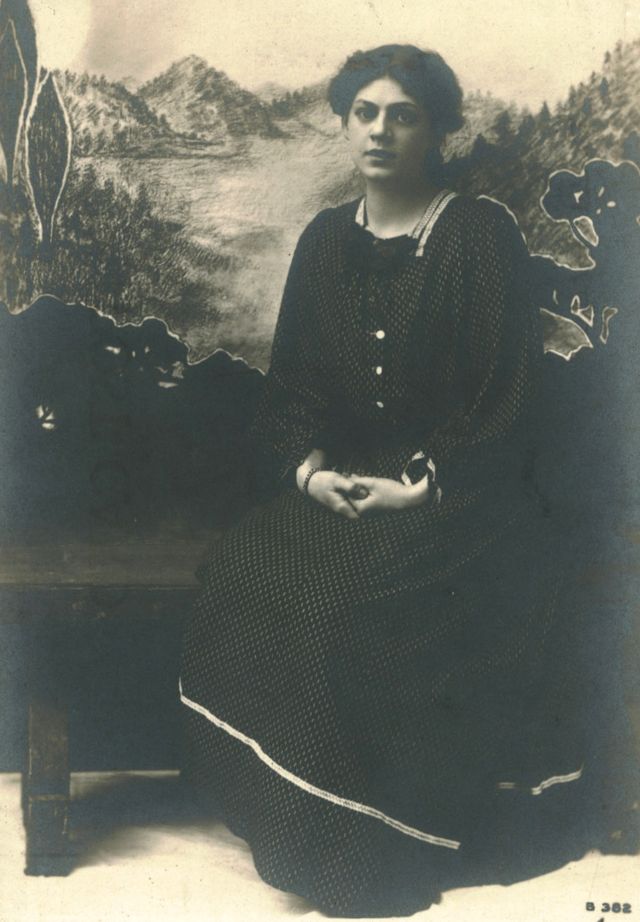


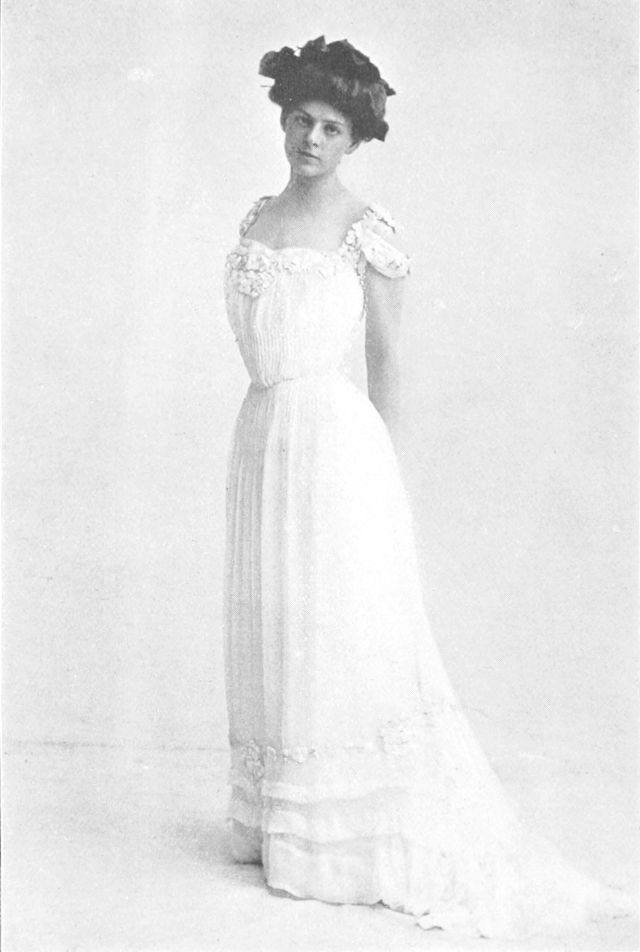


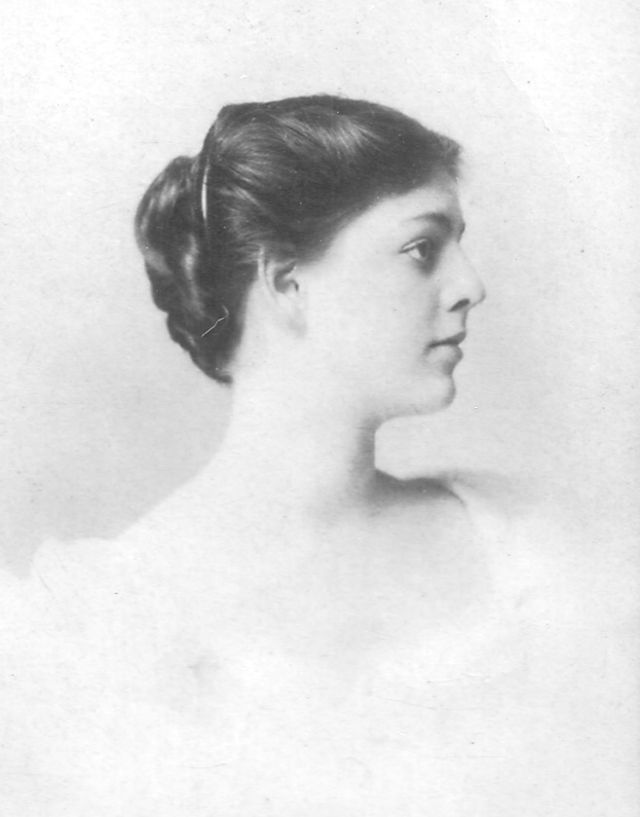
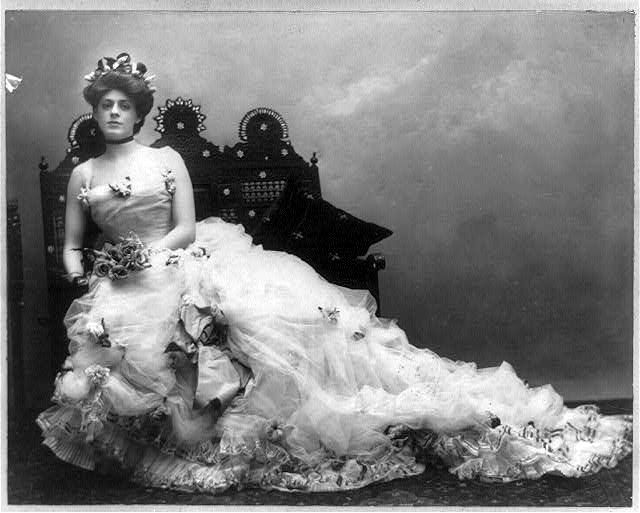
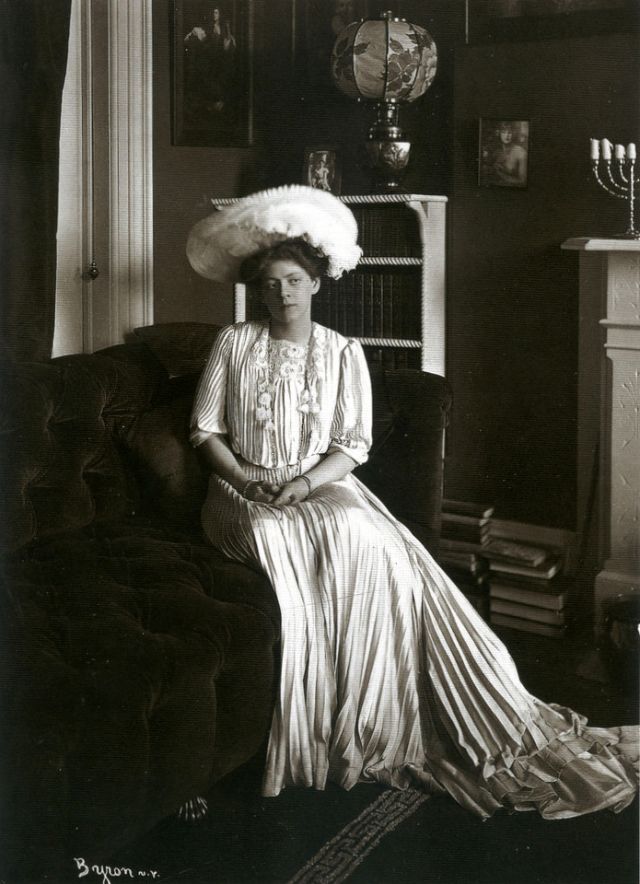
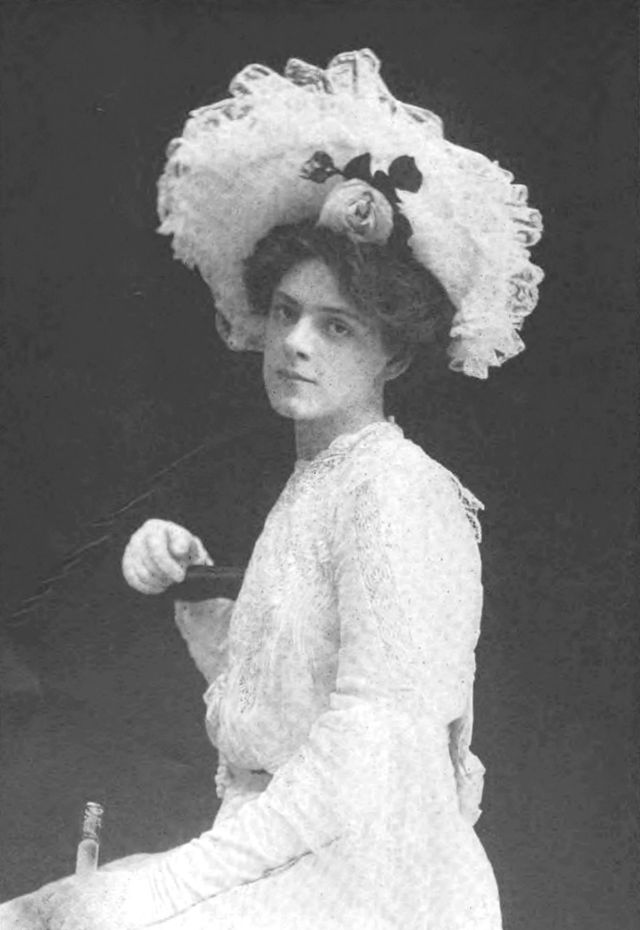


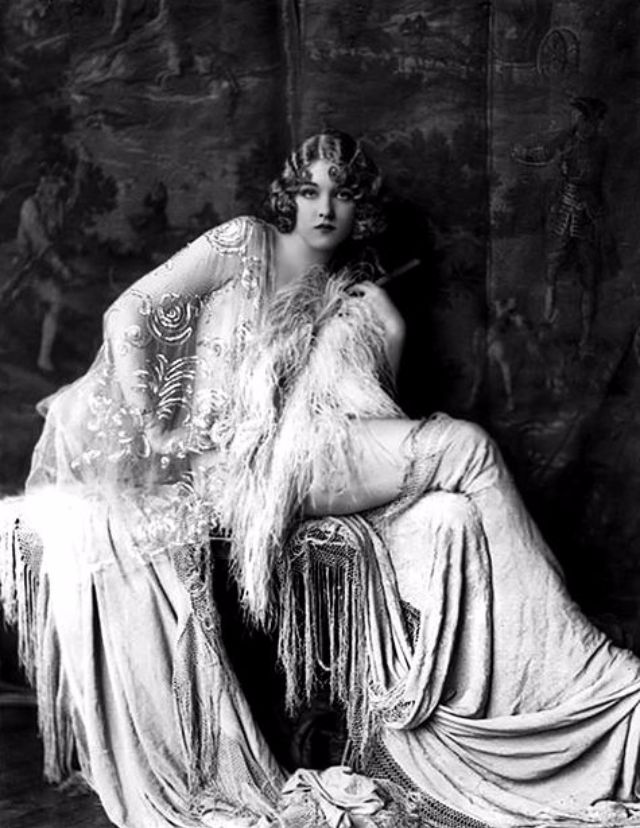
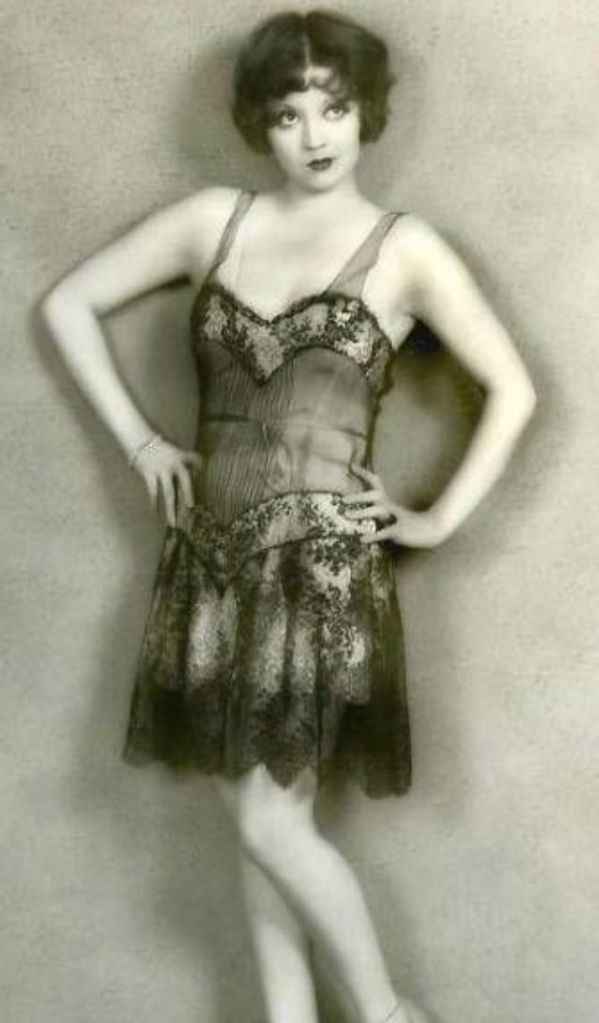
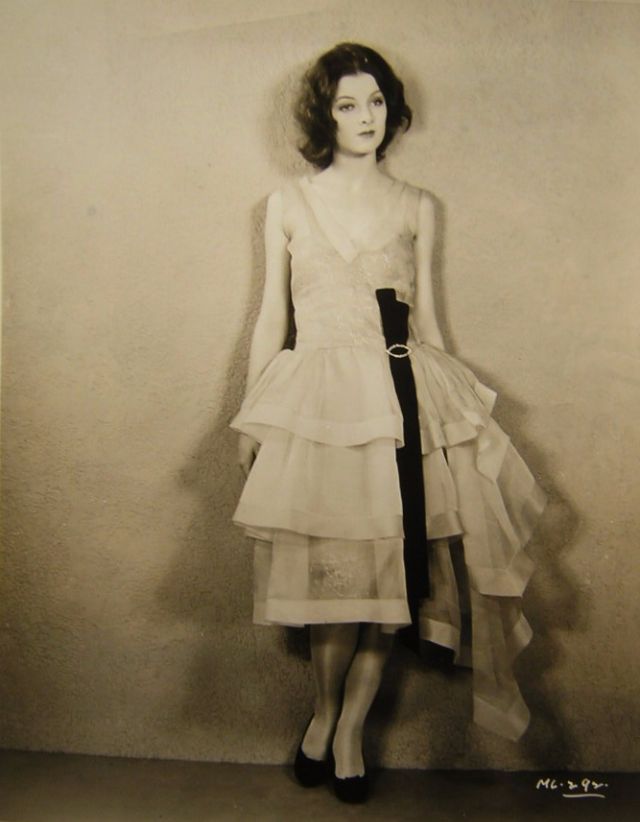
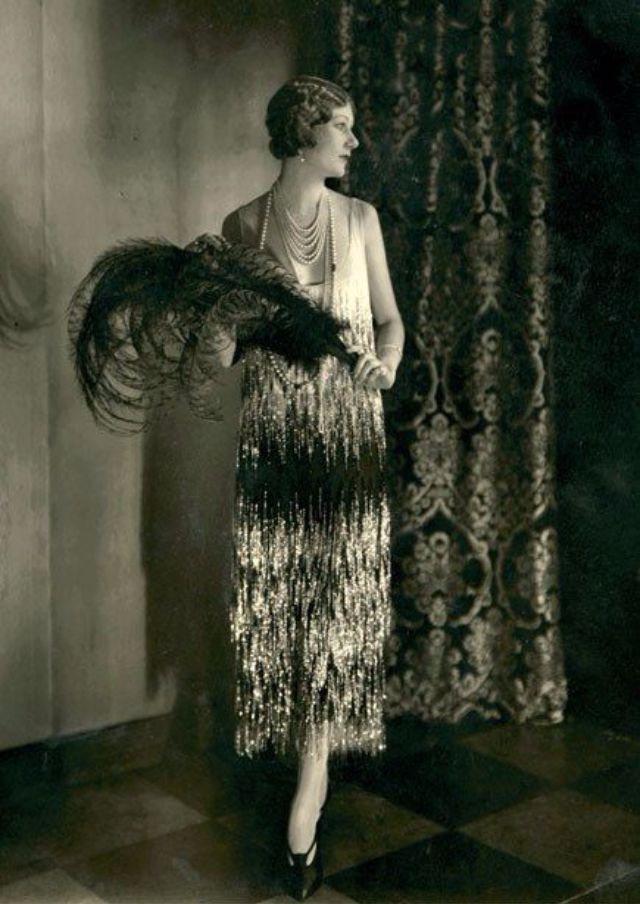
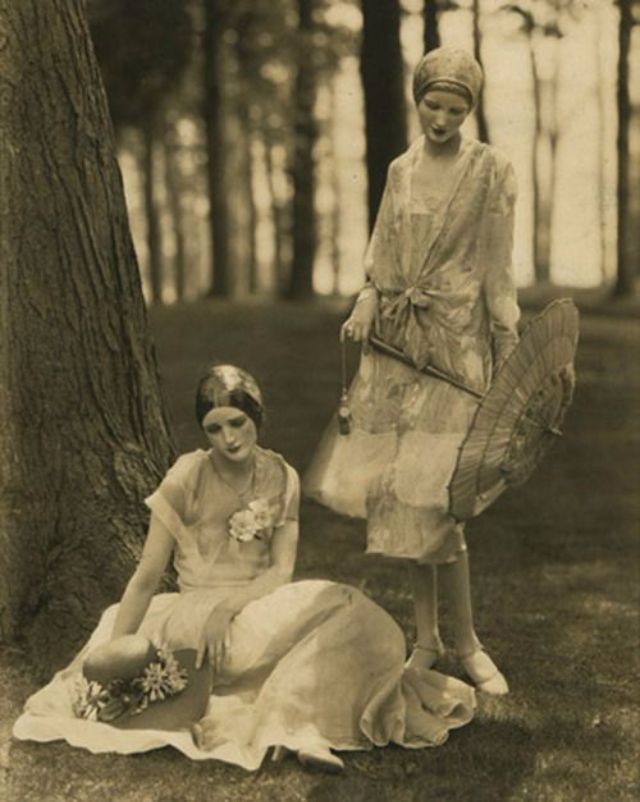
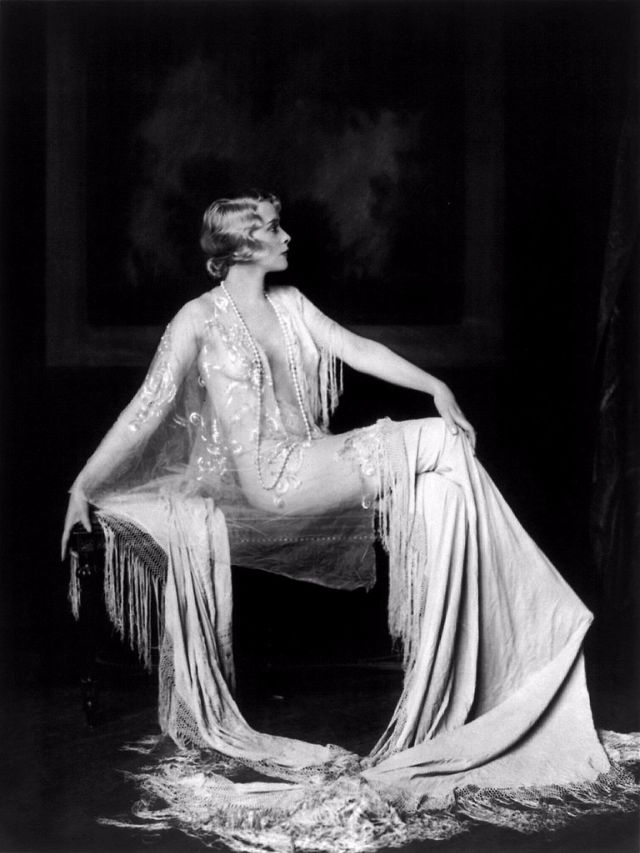
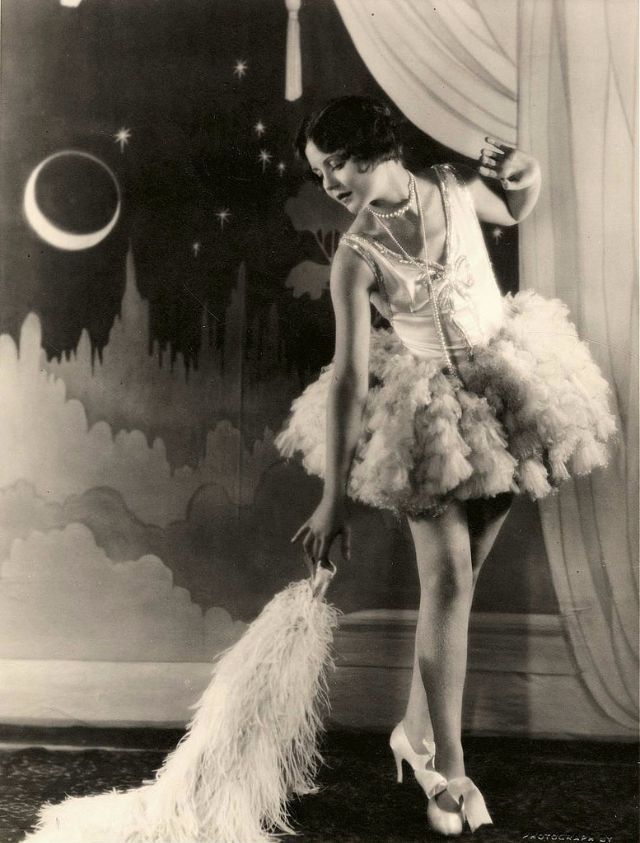
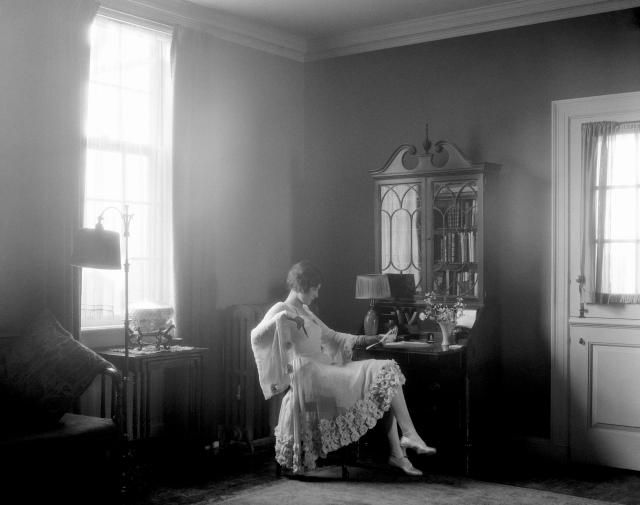
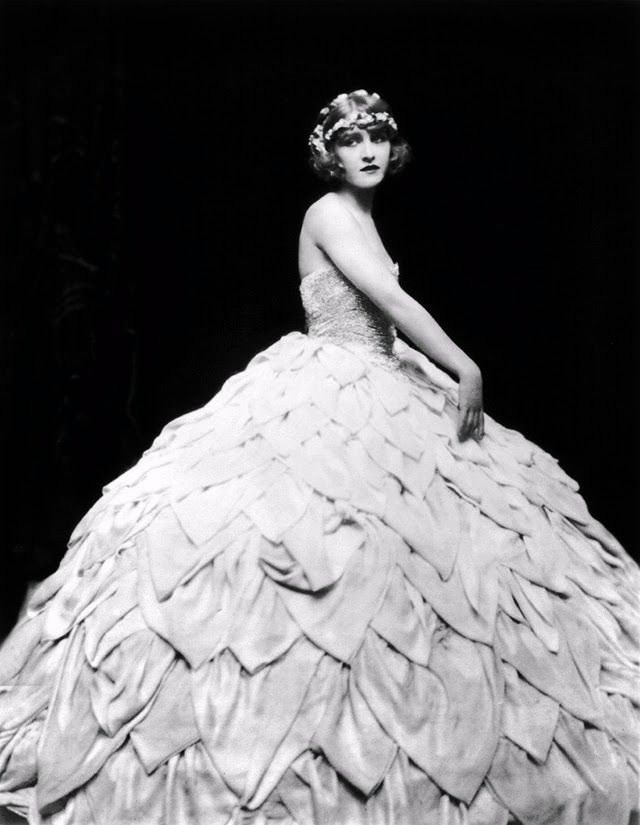
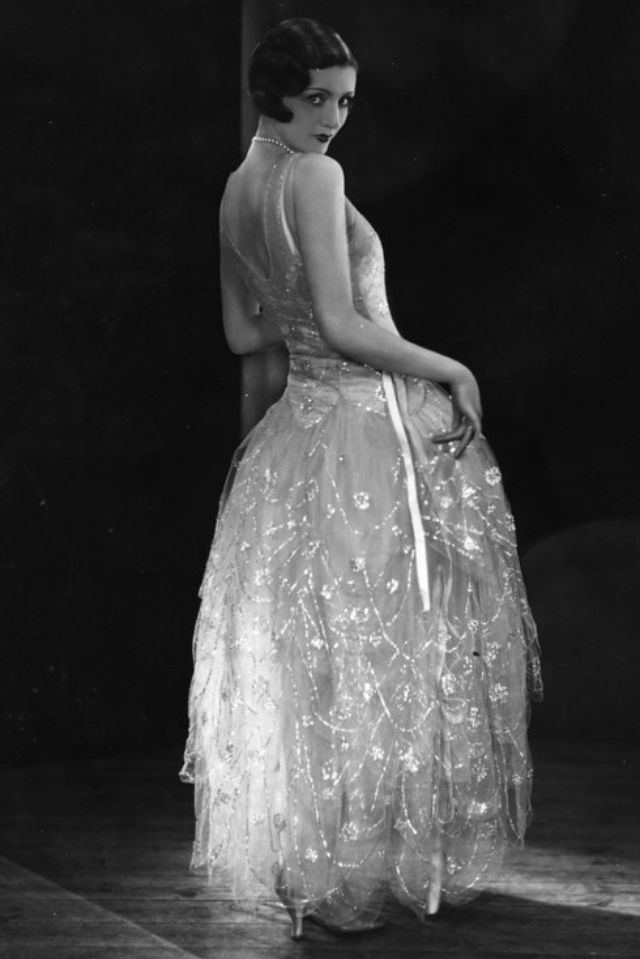
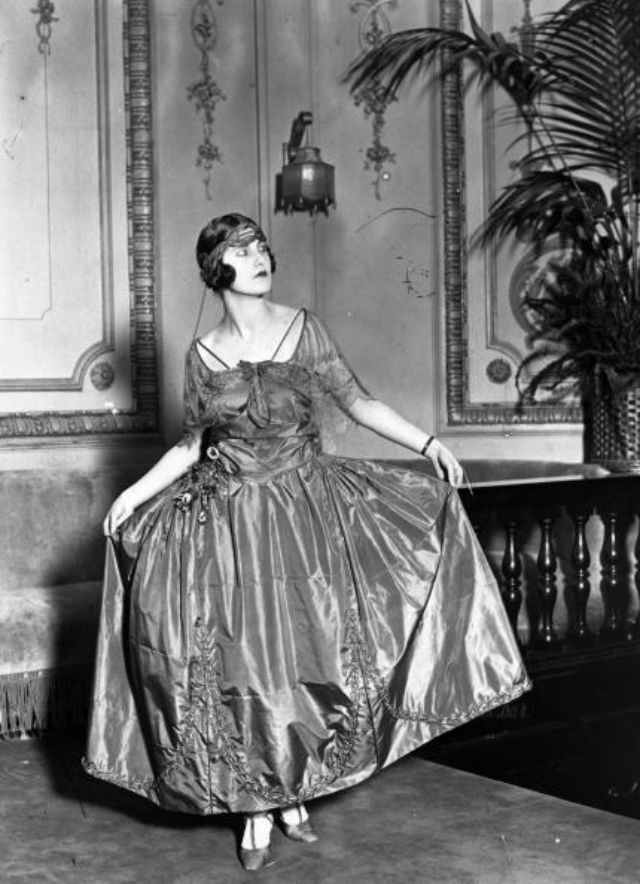
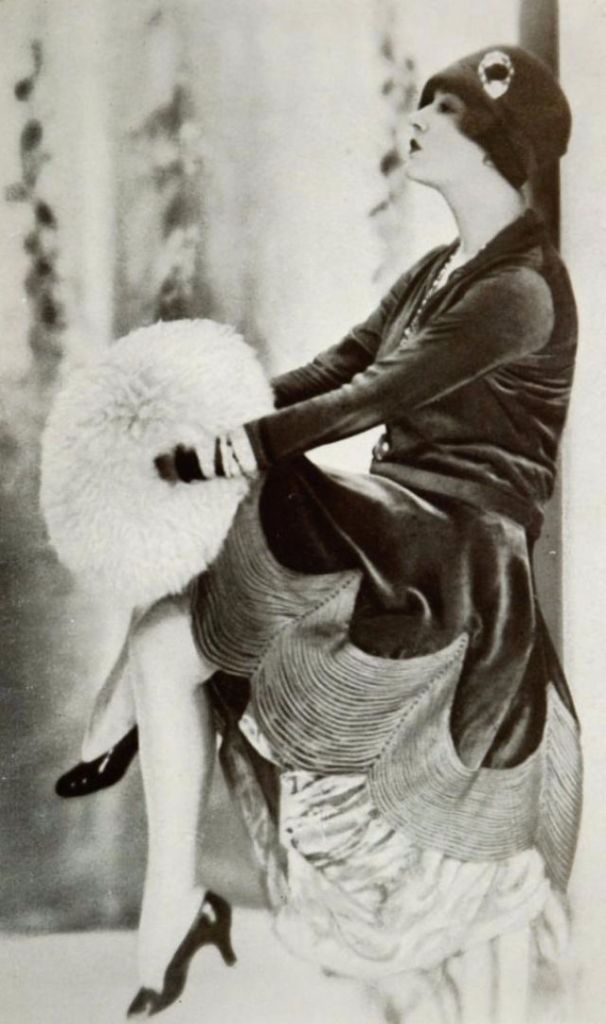
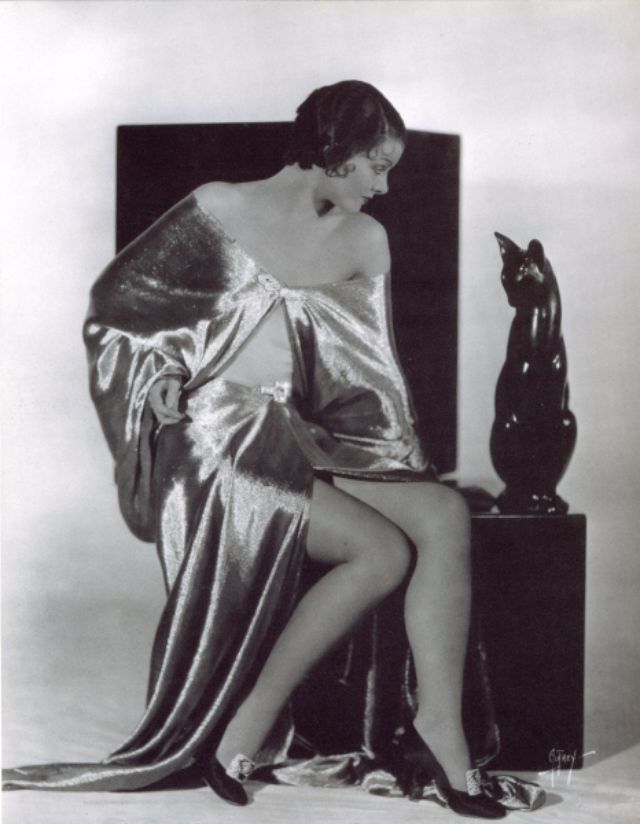
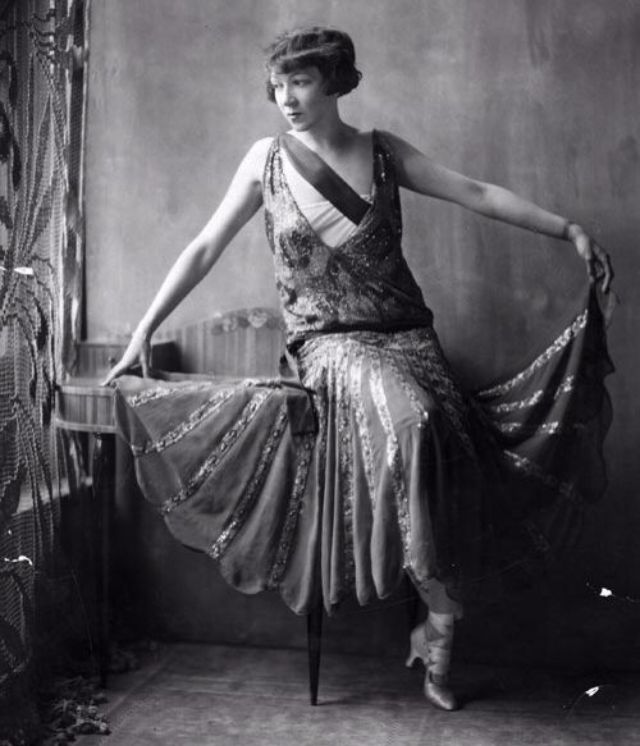
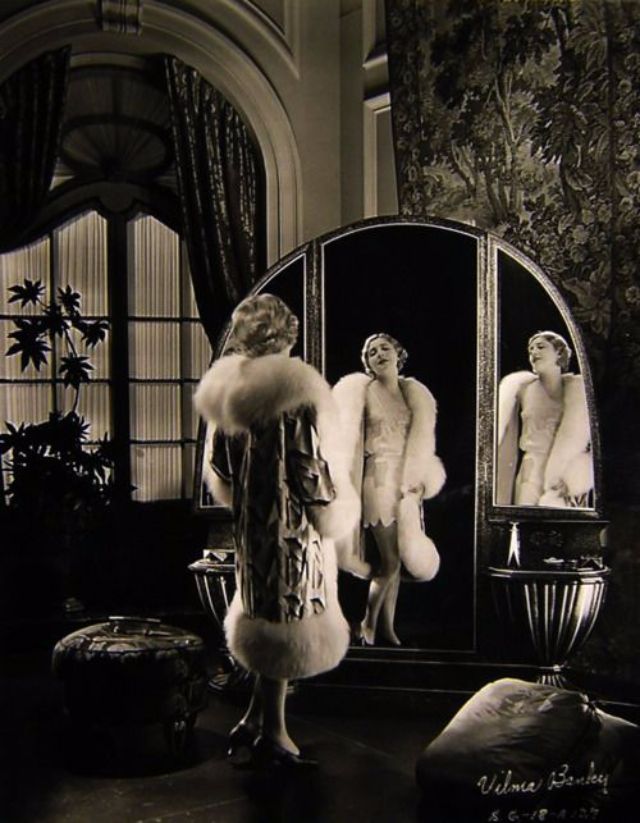
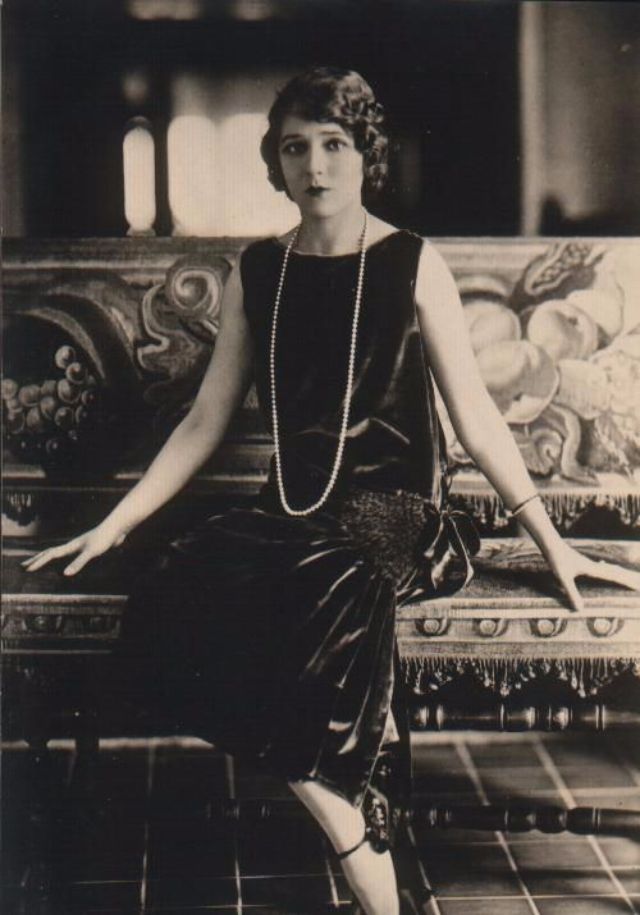
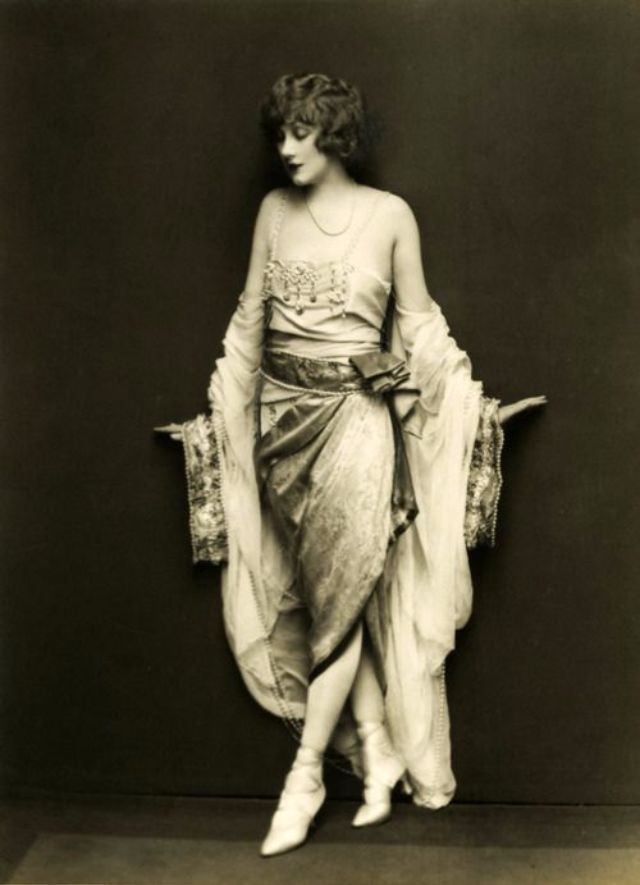
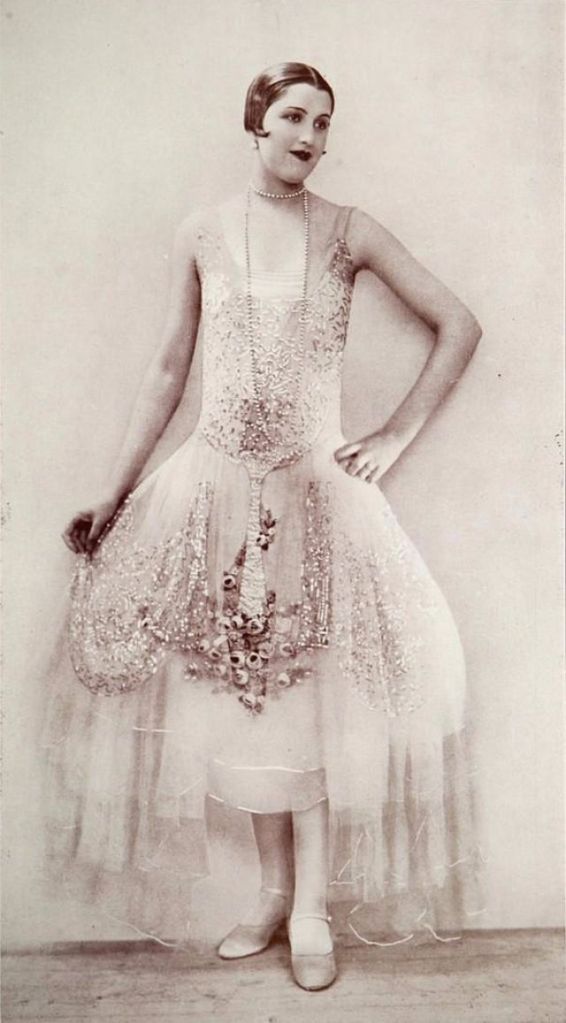
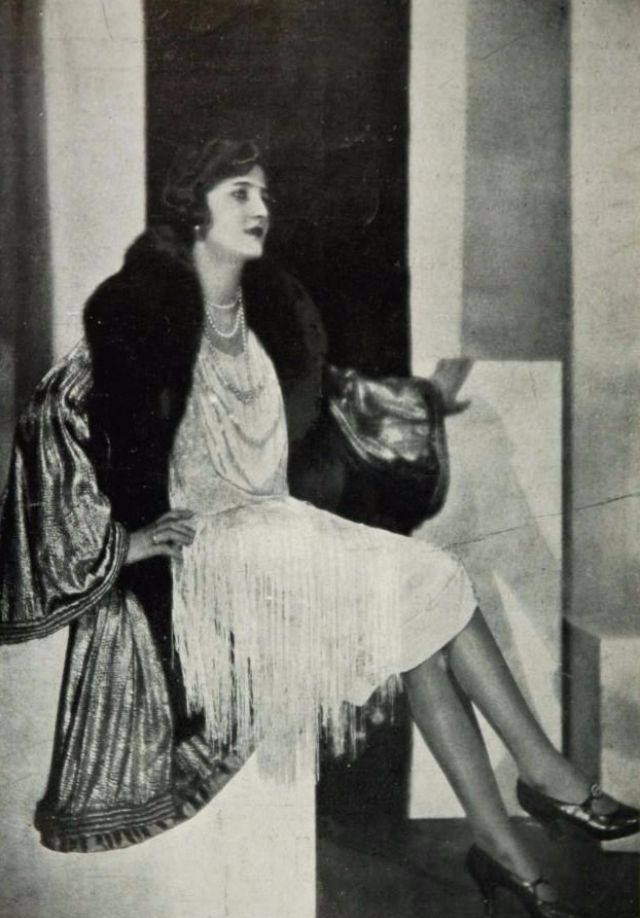
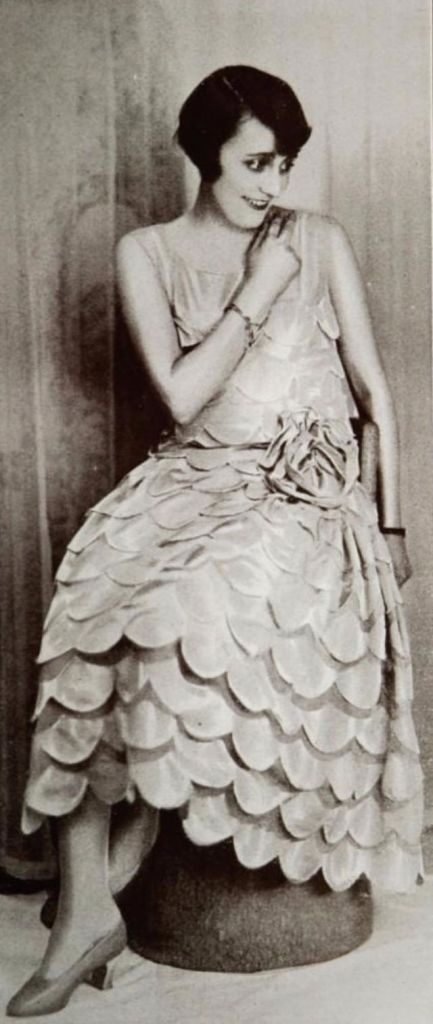
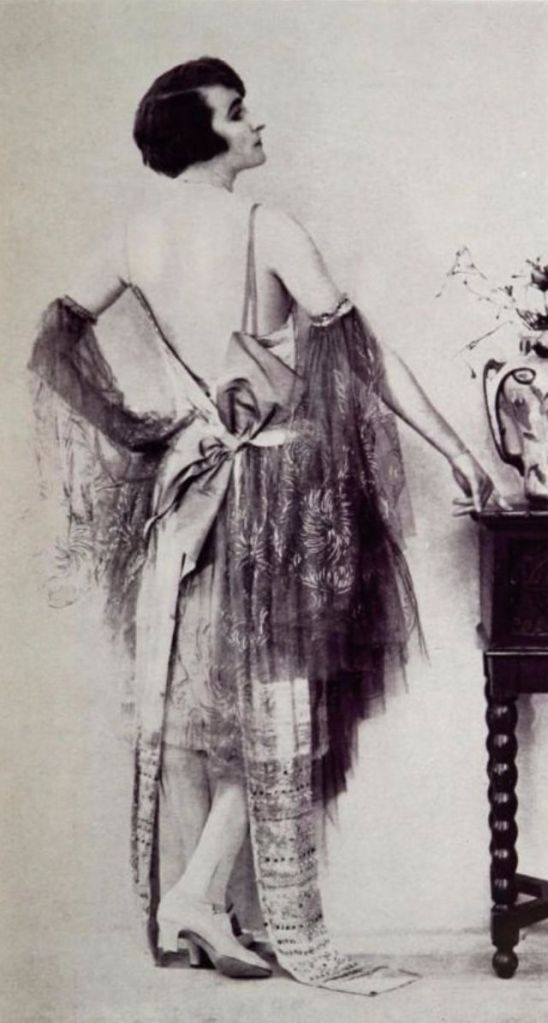
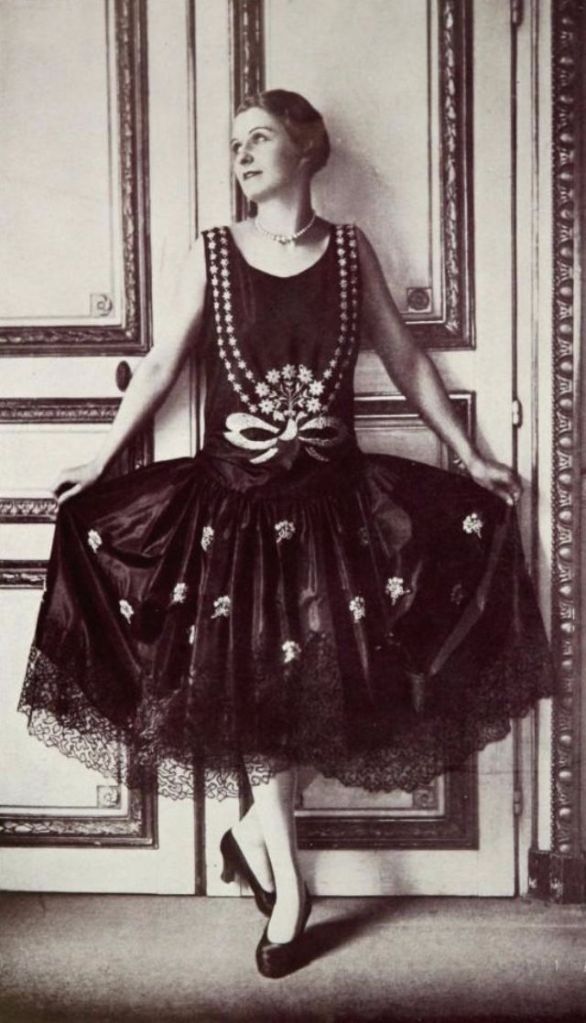
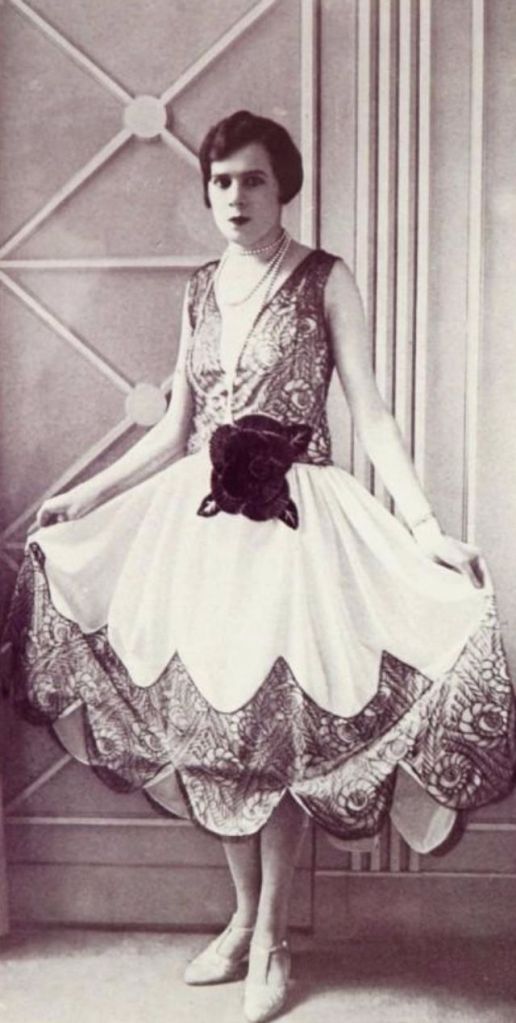
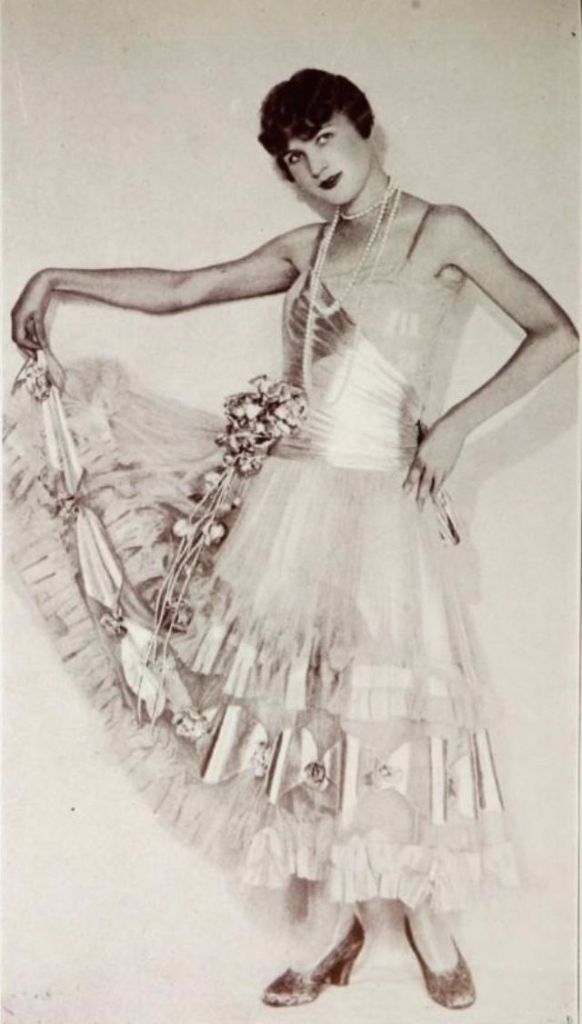
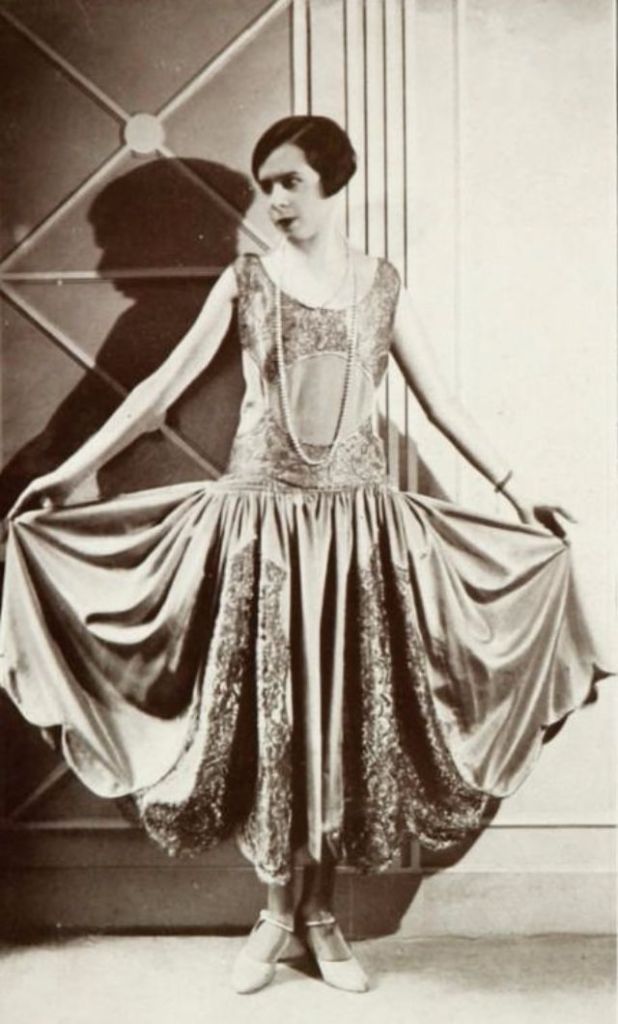
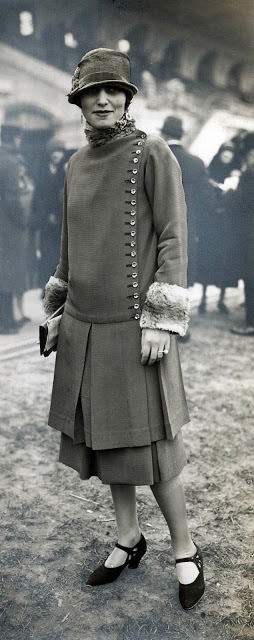
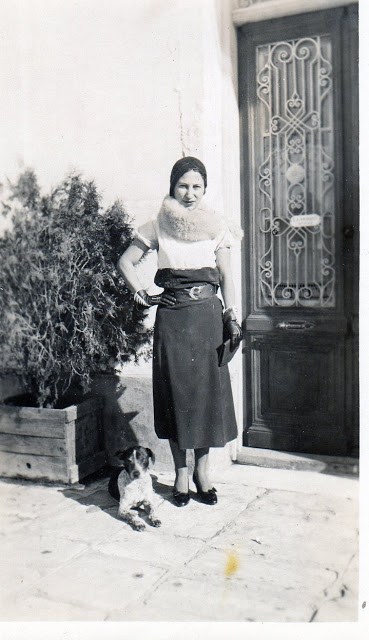
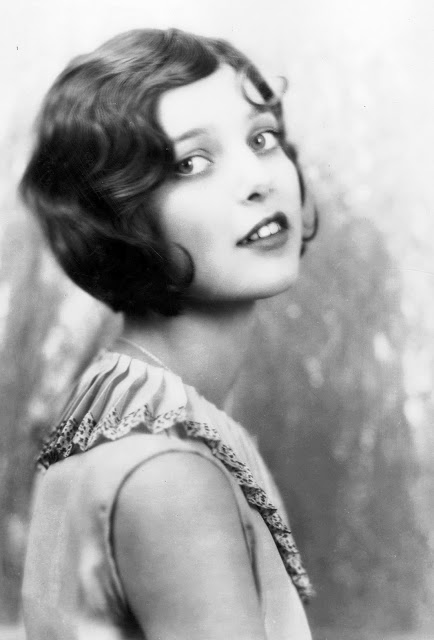
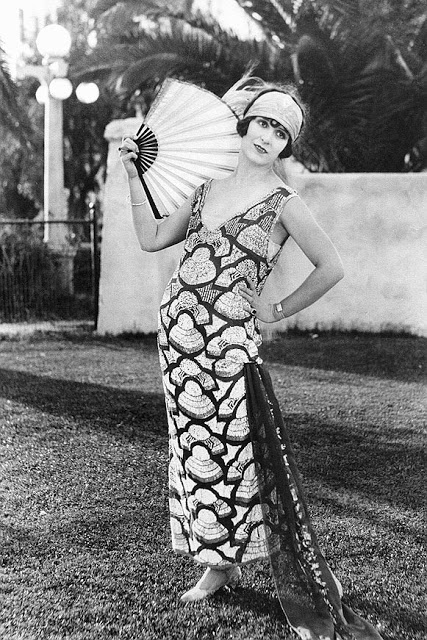
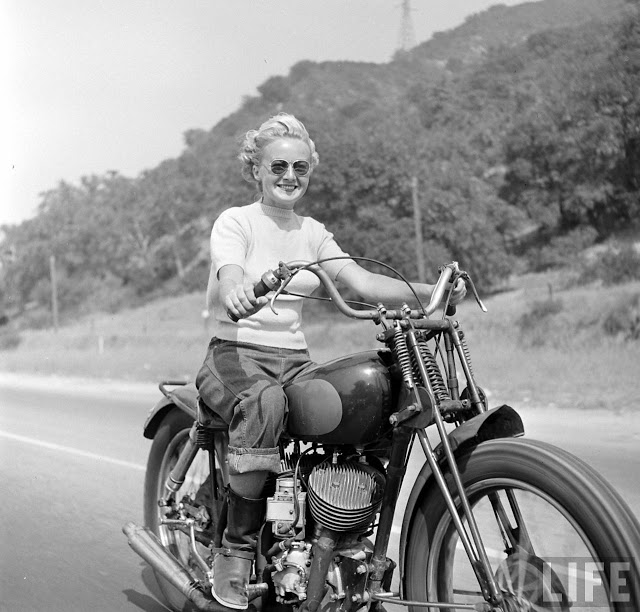


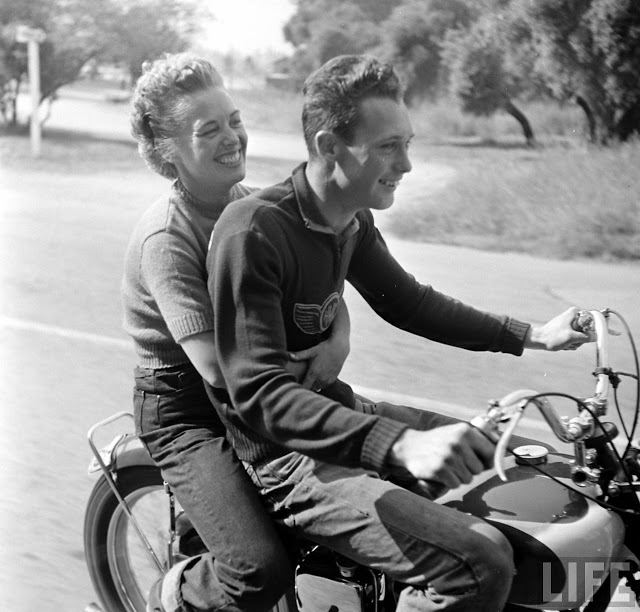
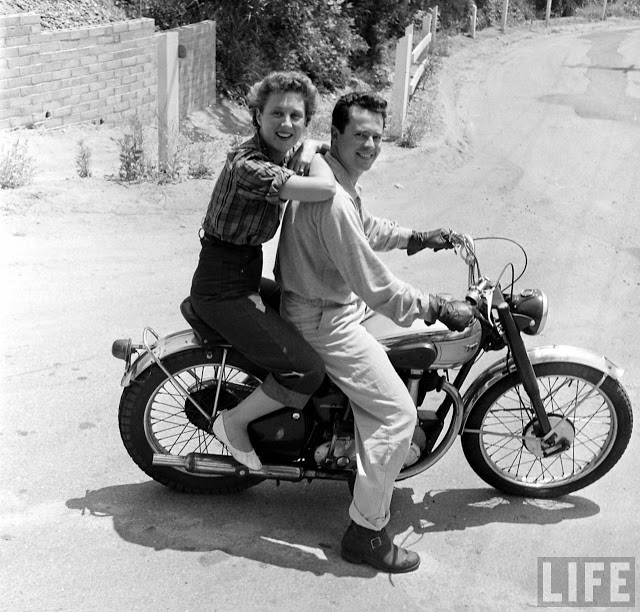

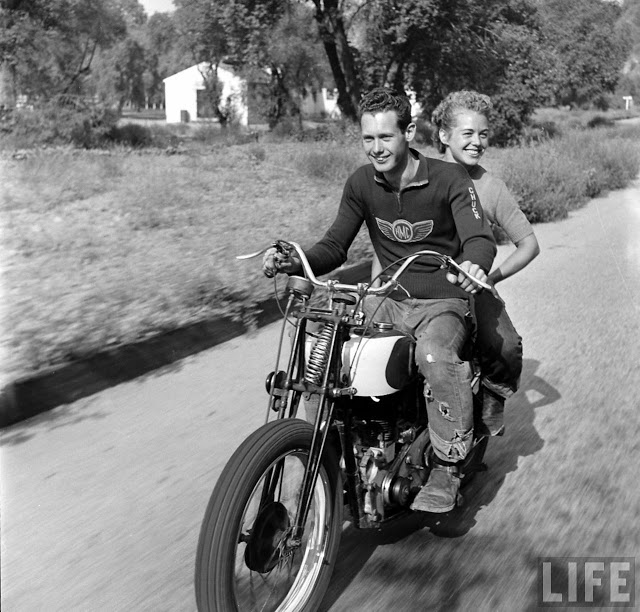
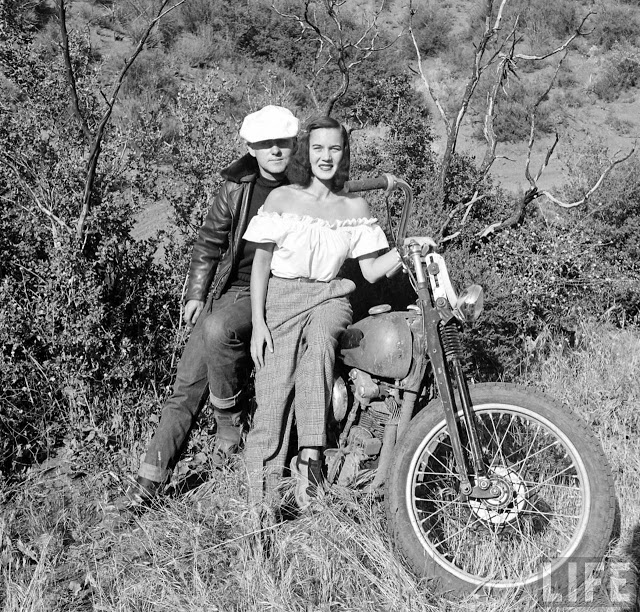

Photos by Loomis Dean for LIFE Magazine

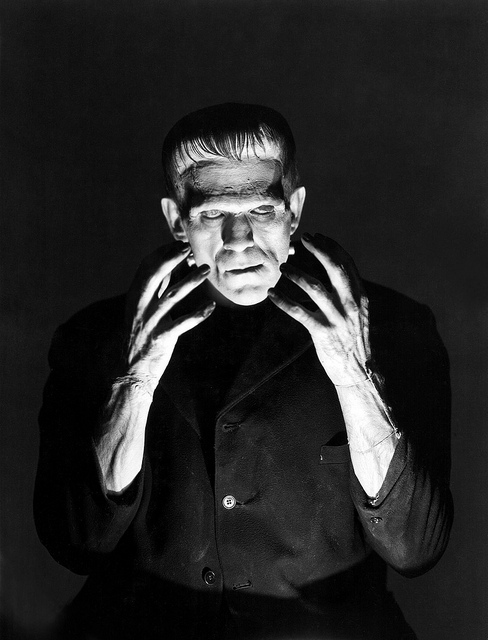
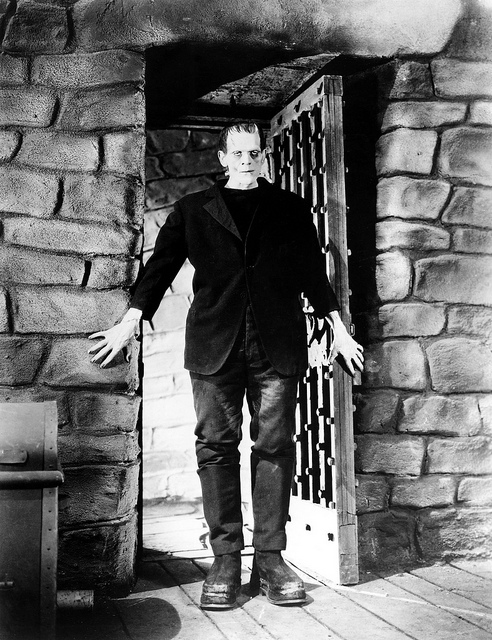
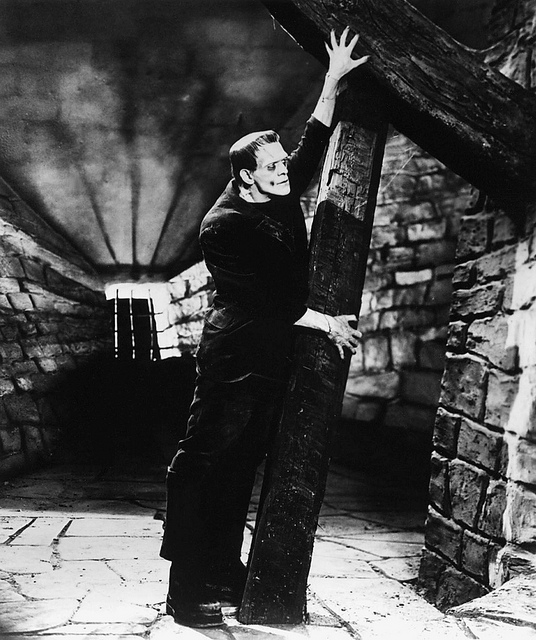
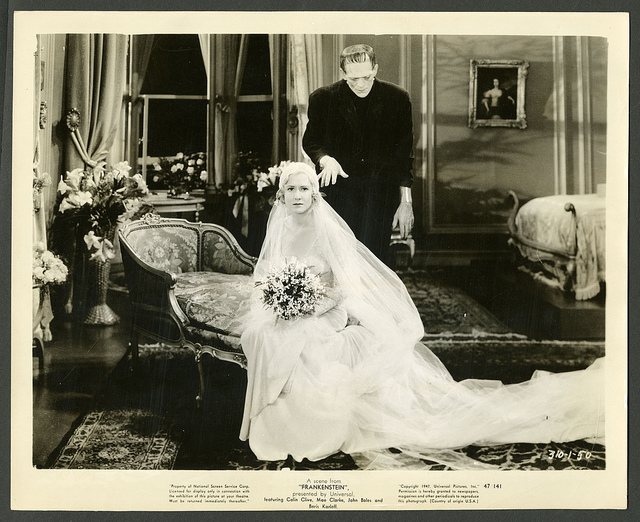
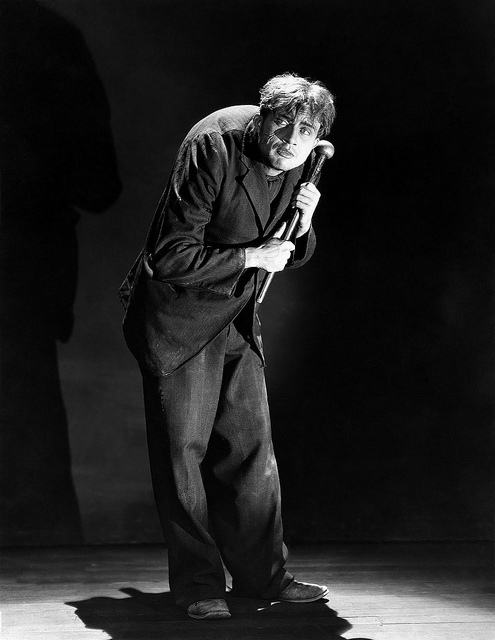
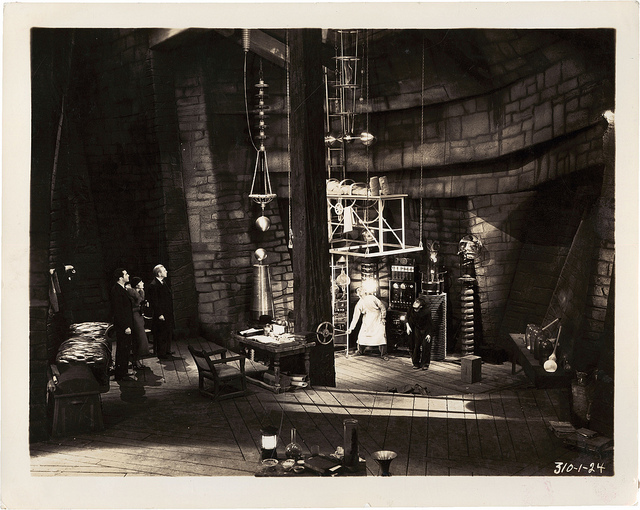
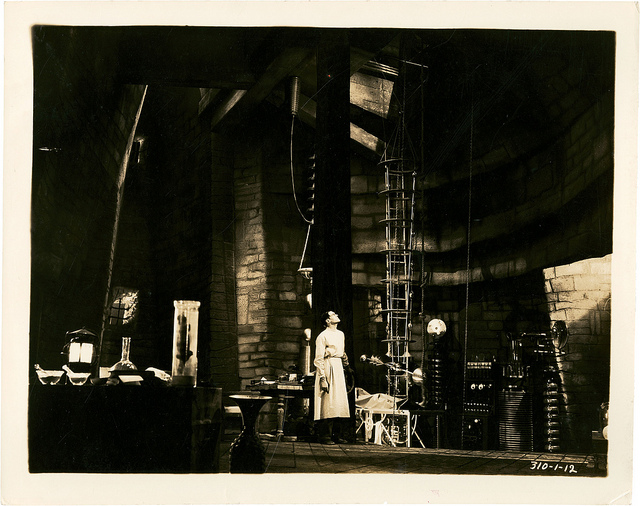
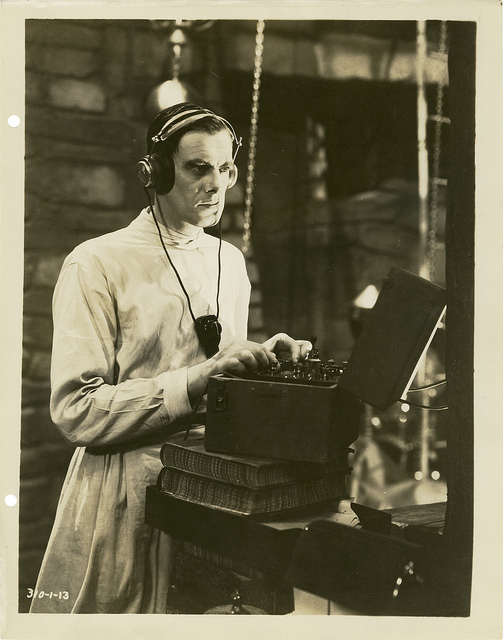
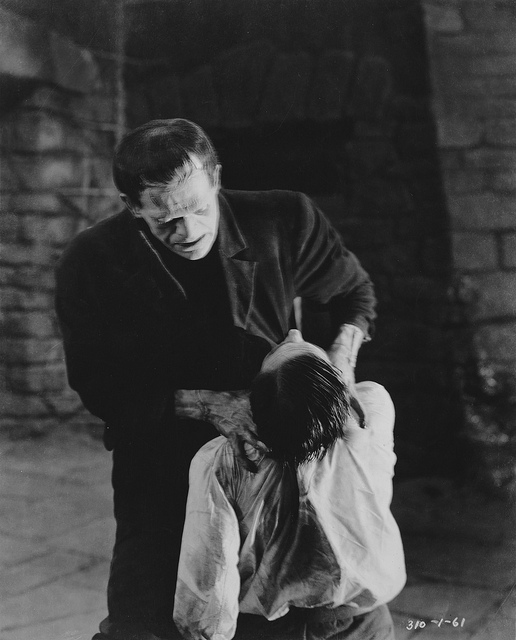
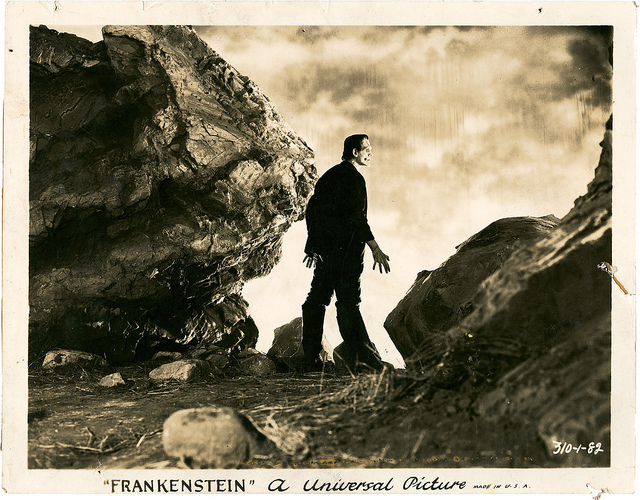
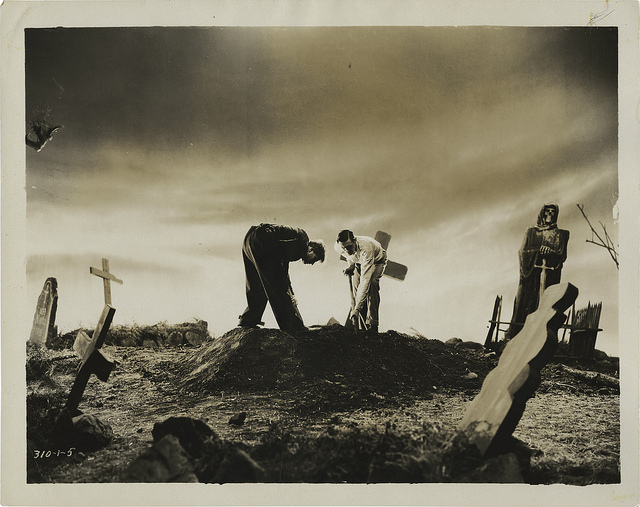
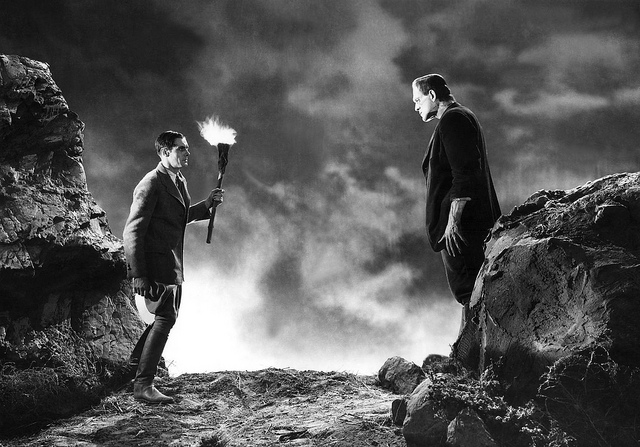
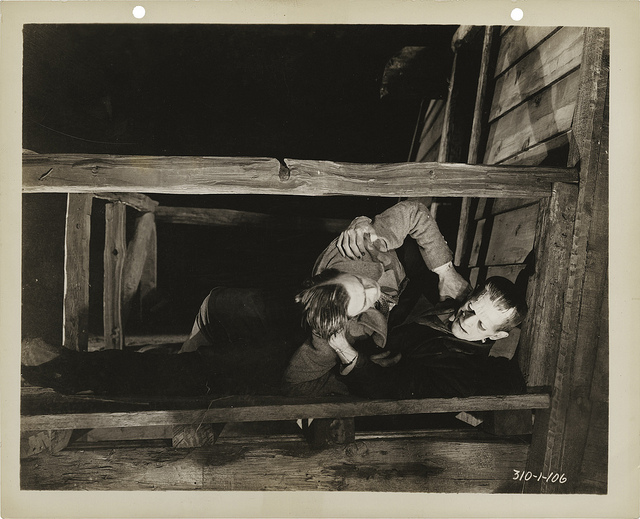
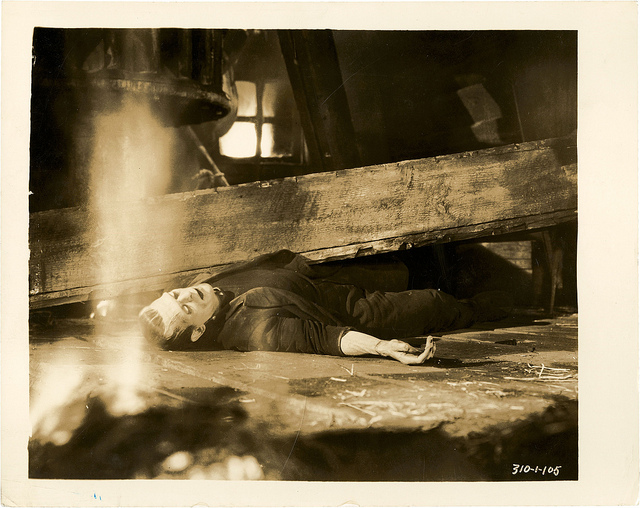
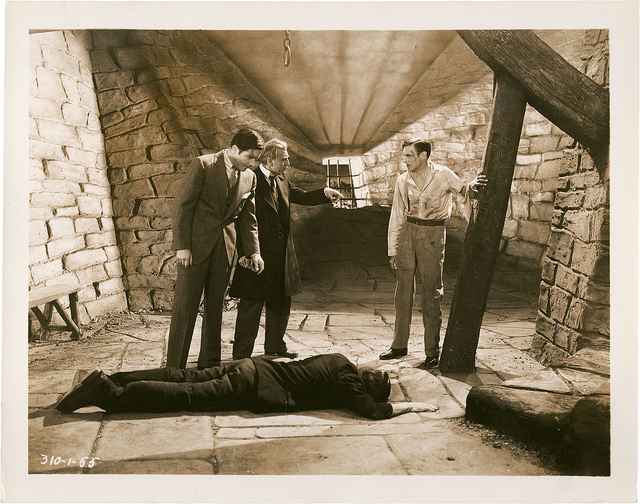
Frankenstein is a 1931 American pre-Code horror monster film from Universal Pictures is about a scientist and his assistant who dig up corpses to build a man animated by electricity. The project goes awry when Dr. Frankenstein’s assistant accidentally gives the creature an abnormal, murderer’s brain. The film was directed by James Whale, and adapted from the play by Peggy Webling, which in turn was based on Mary Shelley’s 1818 novel, Frankenstein; or, The Modern Prometheus. The created “monster” is portrayed by Boris Karloff in the film. A hit with both audiences and critics, the film was followed by multiple sequels and has become arguably the most iconic horror film in history.
Frankenstein stars Colin Clive, Mae Clarke, John Boles and Karloff, and features Dwight Frye and Edward van Sloan. The Webling play was adapted by John L. Balderston and the screenplay written by Francis Edward Faragoh and Garrett Fort, with uncredited contributions from Robert Florey and John Russell. The make-up artist was Jack Pierce.
In 1991, the Library of Congress selected Frankenstein for preservation in the United States National Film Registry as being “culturally, historically, or aesthetically significant.”



























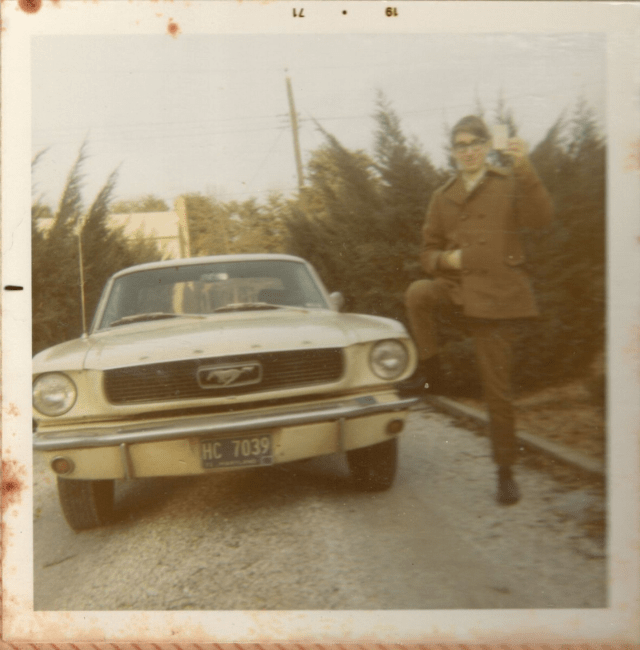
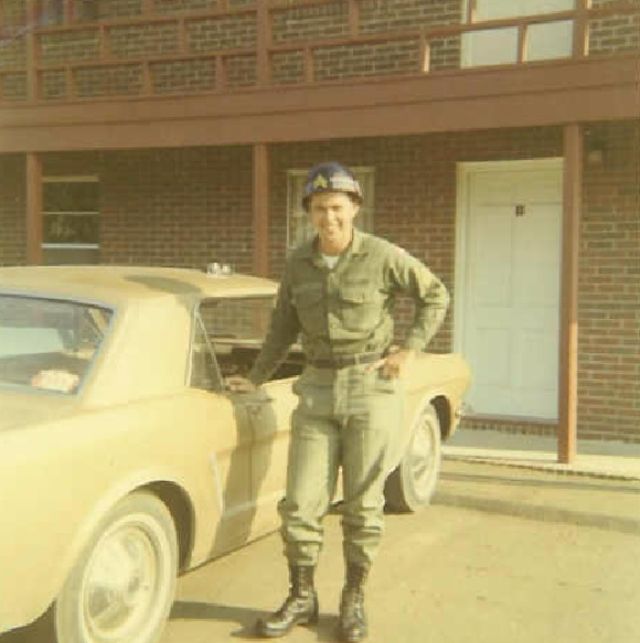
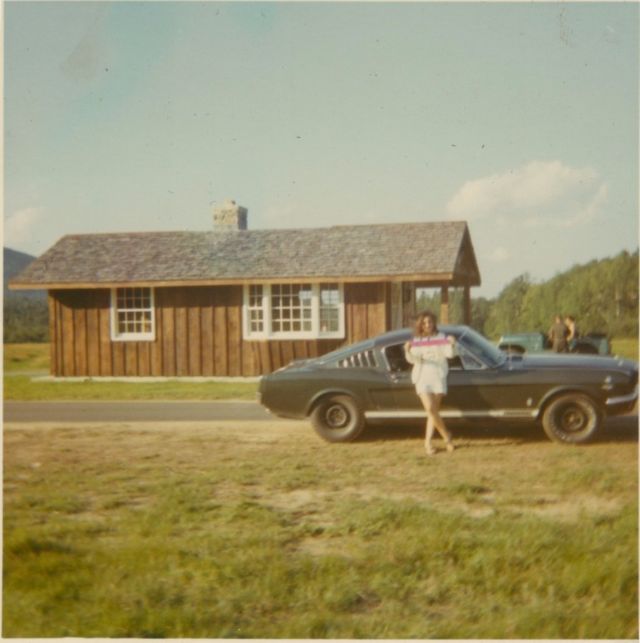
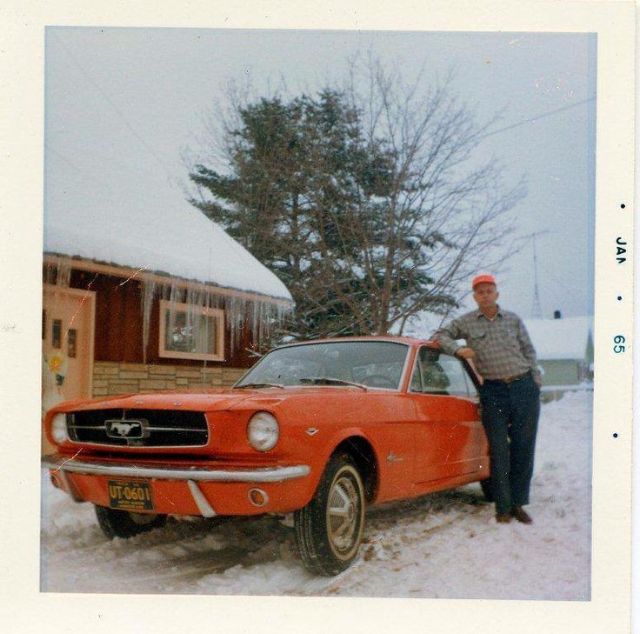
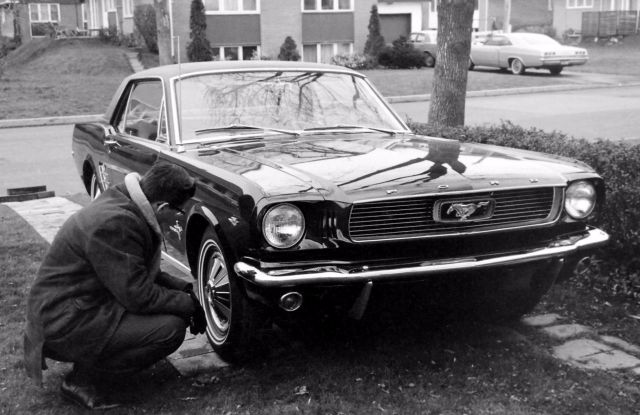
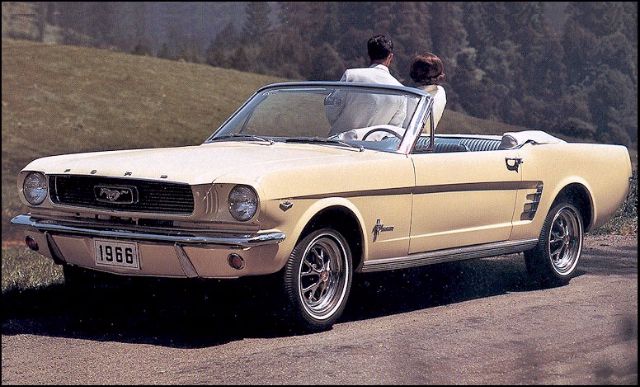
Born from the imagination of Lee Iacocca, vice president and general manager of the Ford Division, the first Ford Mustang debuted on April 17, 1964 at the World’s Fair in New York. This Mustang, which was available as a coupe or convertible, featured chrome wrap around bumpers, a lengthened hood, and a shortened rear deck. The grille was honeycomb patterned, with a centered running horse in corral logo and horizontal and vertical bars extending from the corral.
While the Mustang was heavily advertised in its early days, Ford still only expected an annual sale of around 100,000 units. They were quickly blown away, however, when 22,000 Mustang orders were taken on the first day alone! By the end of that year, a total of 418,812 Mustangs were sold.
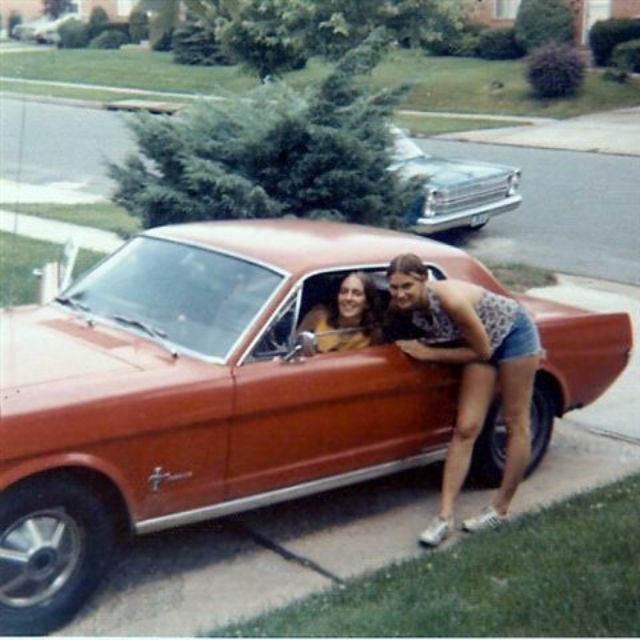
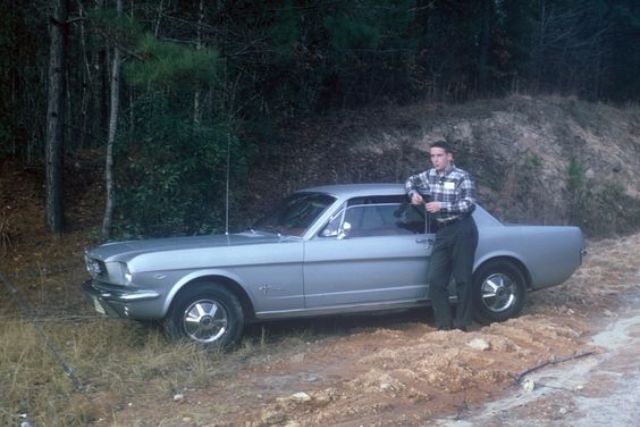
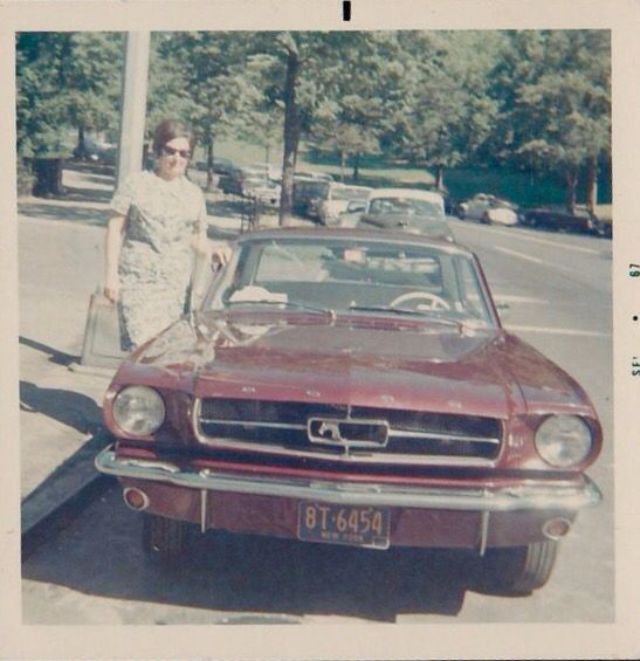
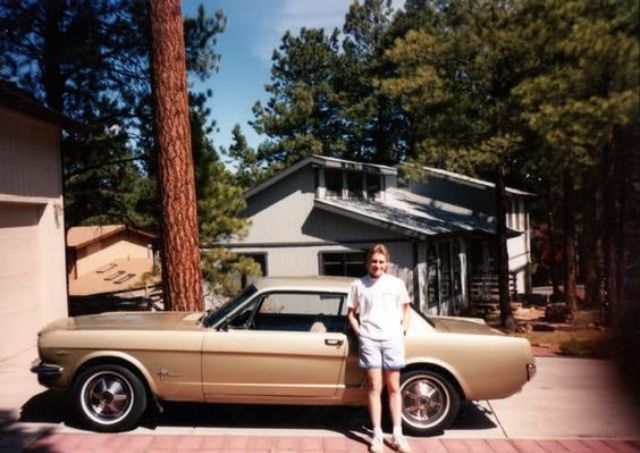
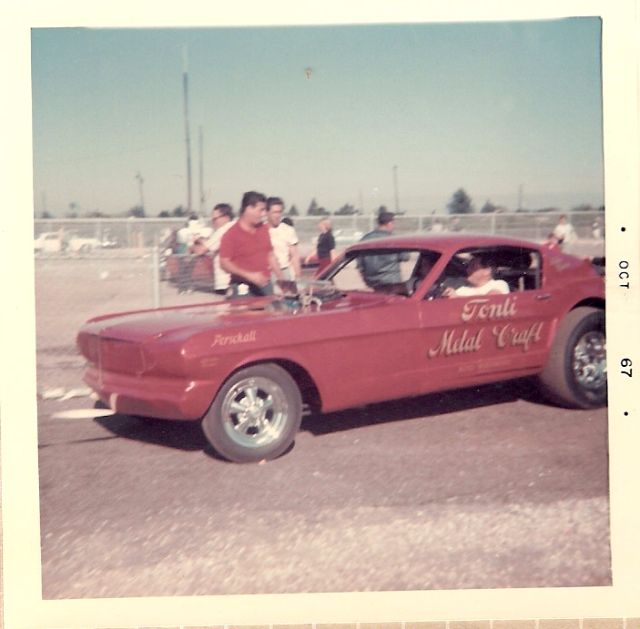
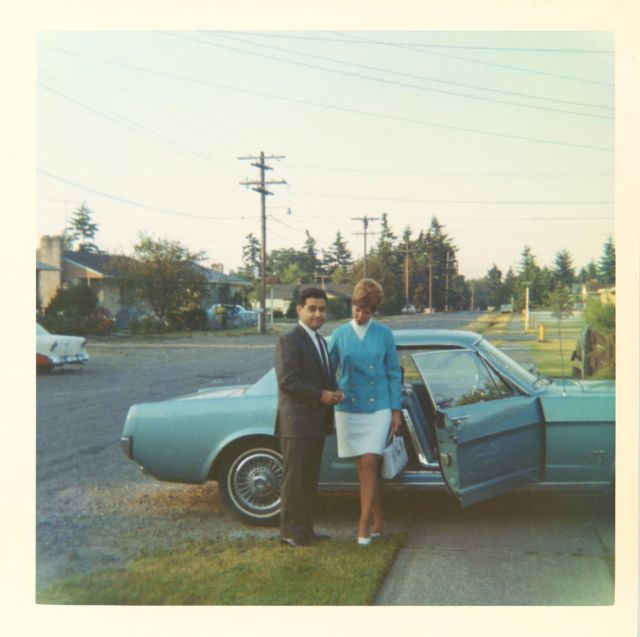
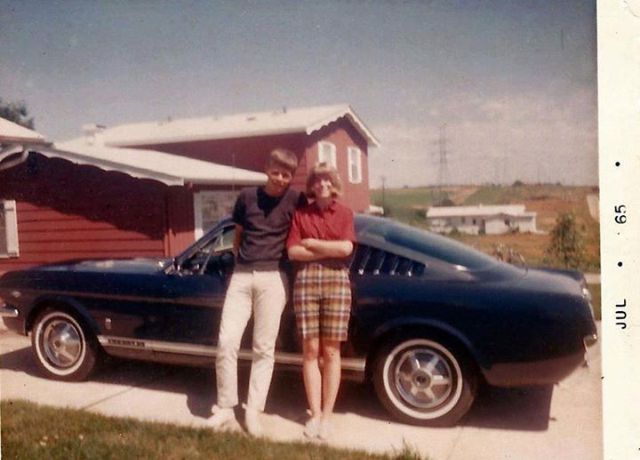
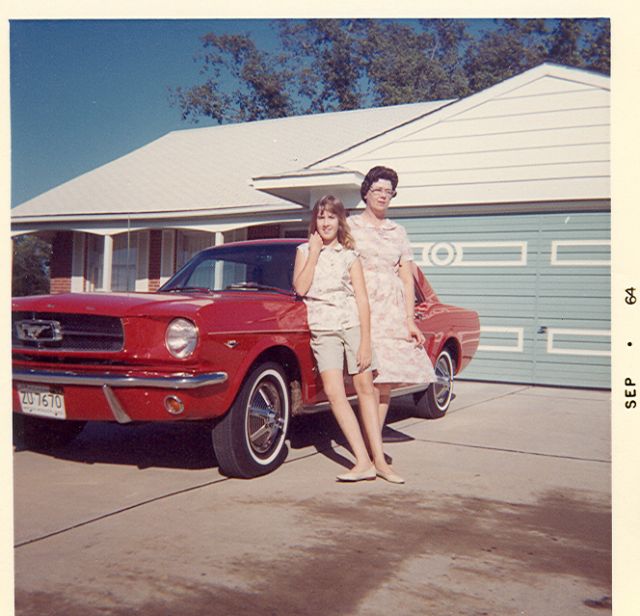
These vintage snapshots below show people posing with their Mustang cars in the 1960s. They have been the most successful cars of Ford ever.














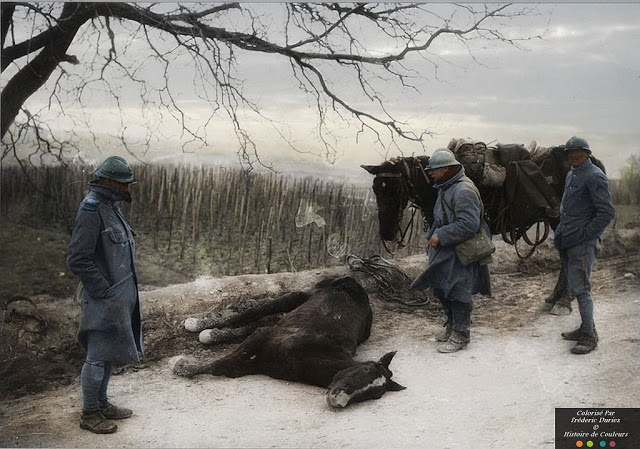
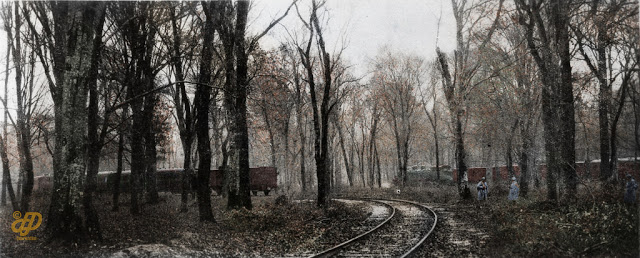
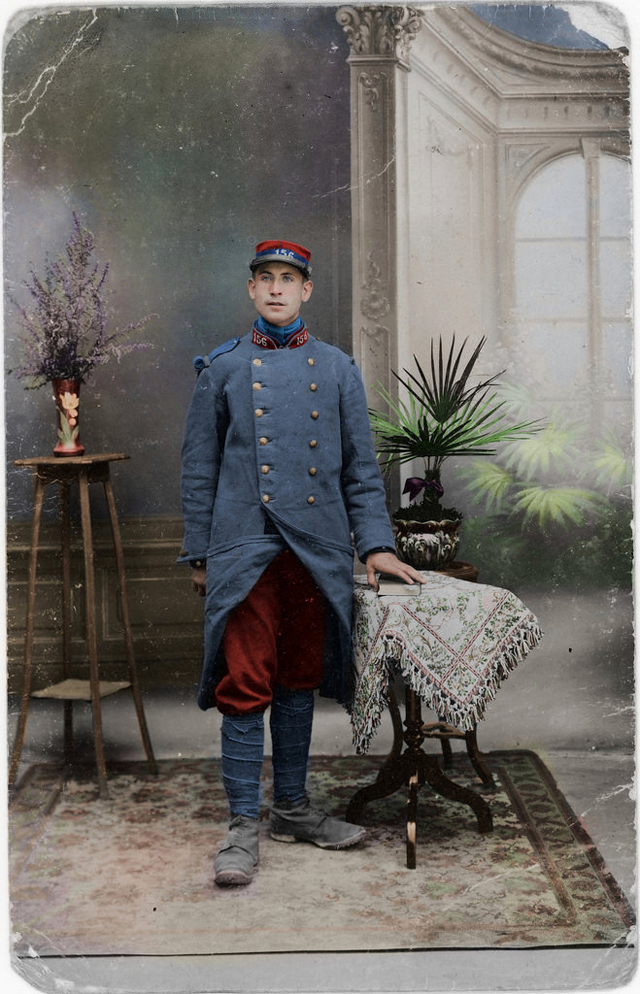
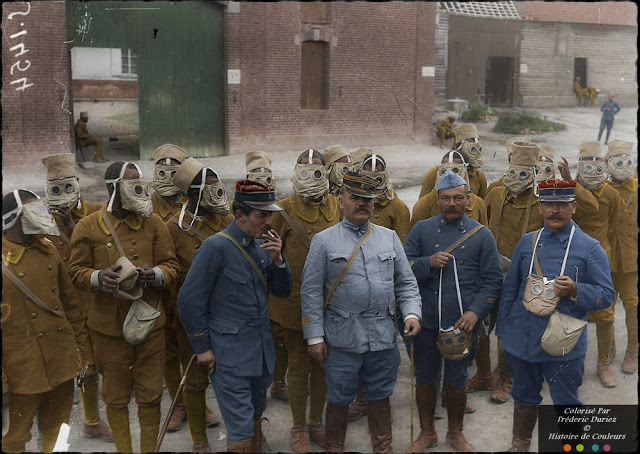
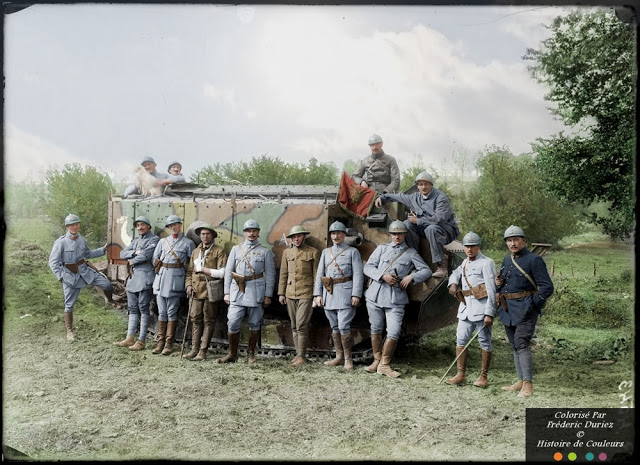
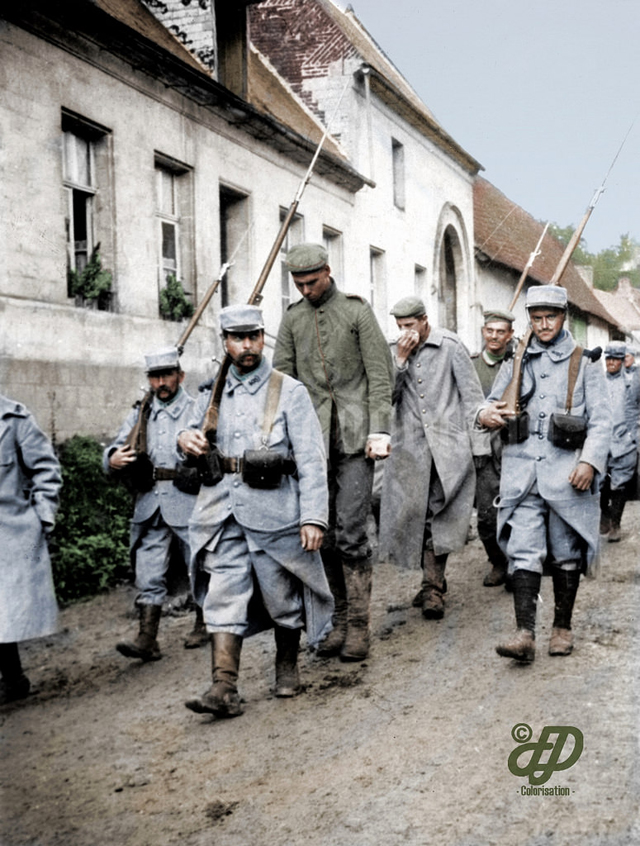
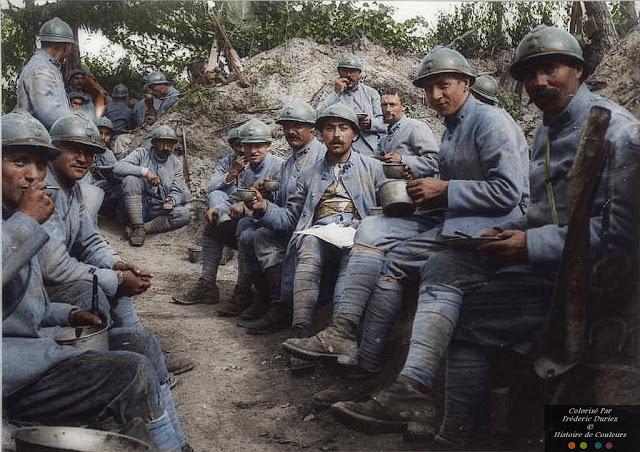
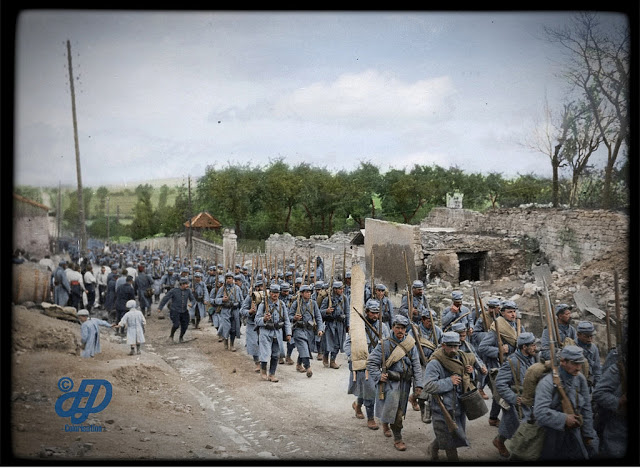
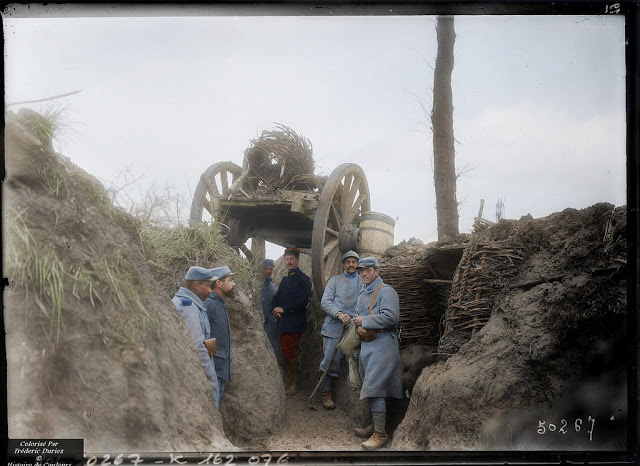
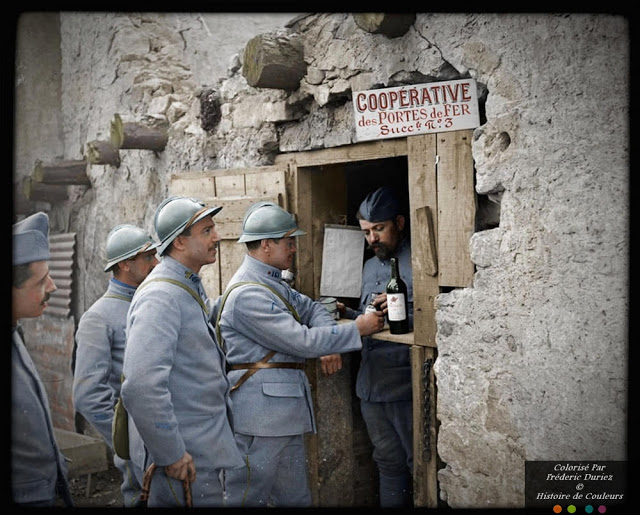
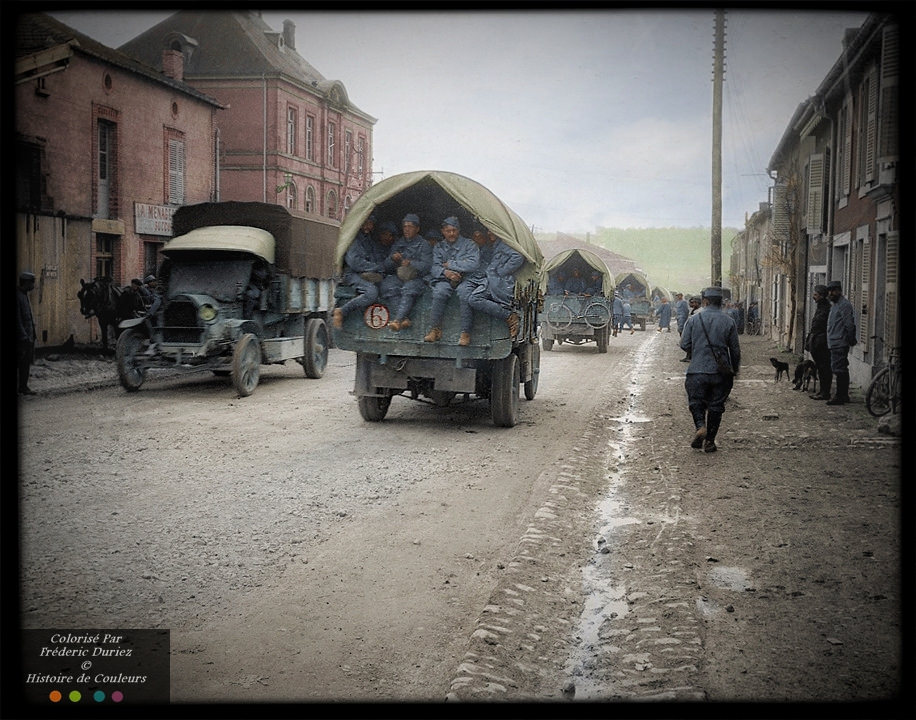
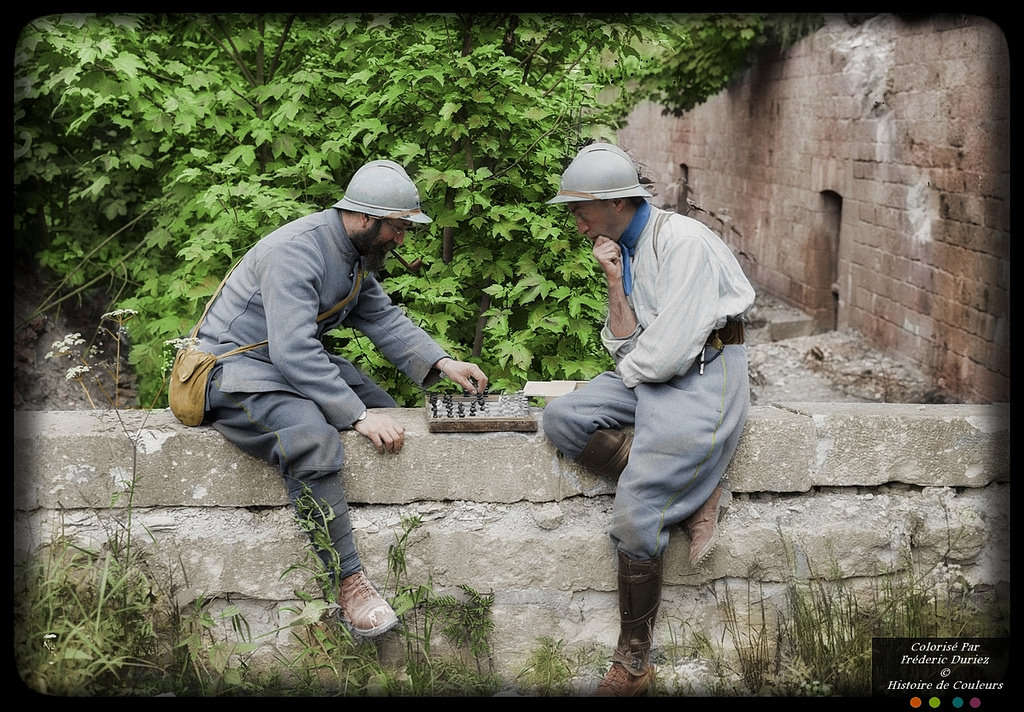
Artist Frederic Duriez has redefined World War One as we know it by Photoshopping colourless photos. Each snap has had different tones layered on top of the original photographs to bring new depth. They offer an alternative look at the conflict that ravaged the world between 1914 and 1918. The majority of Duirez’s photos focus on what life was like for the French soldiers on the front line.
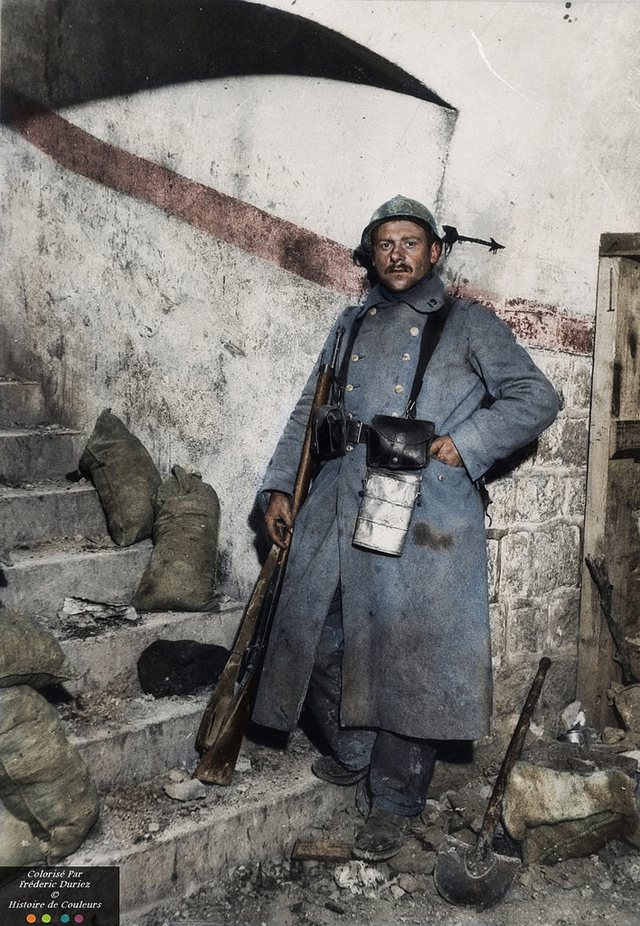
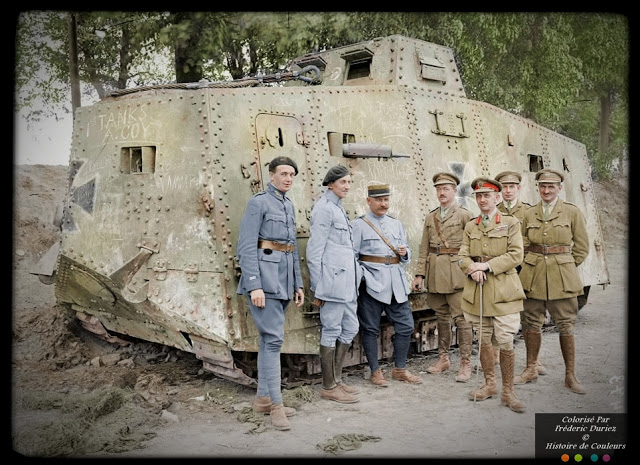
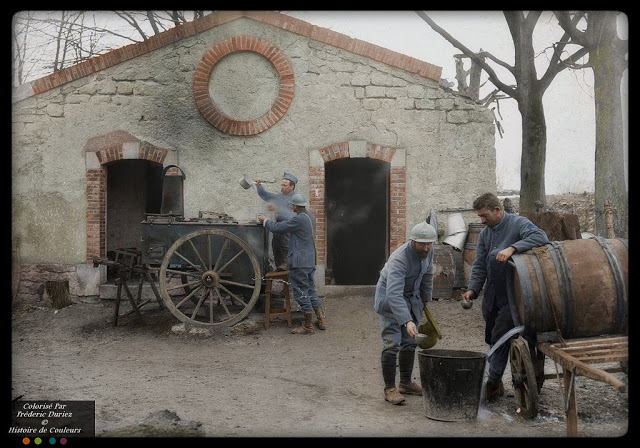
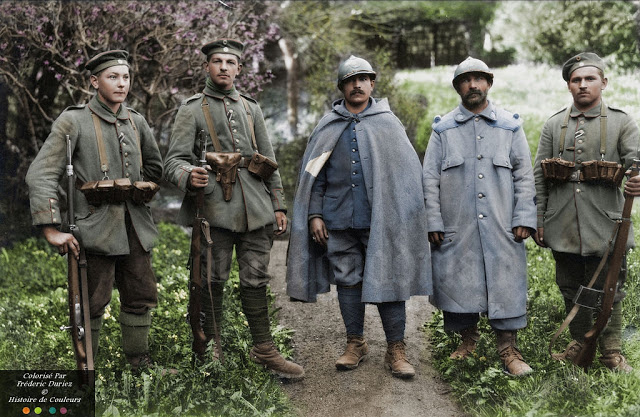
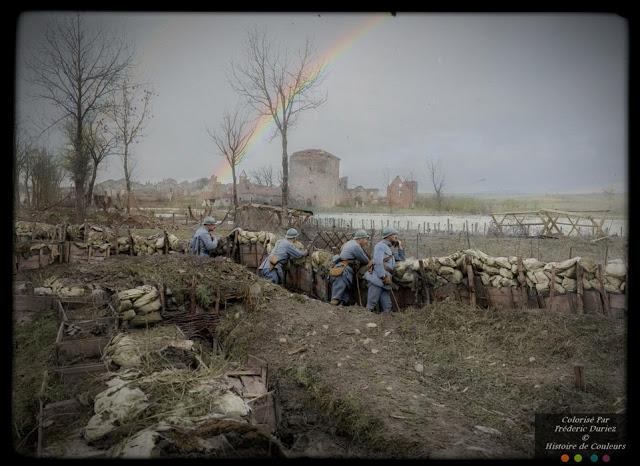
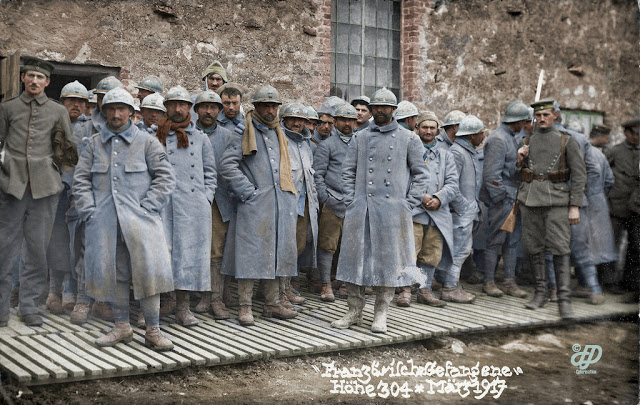
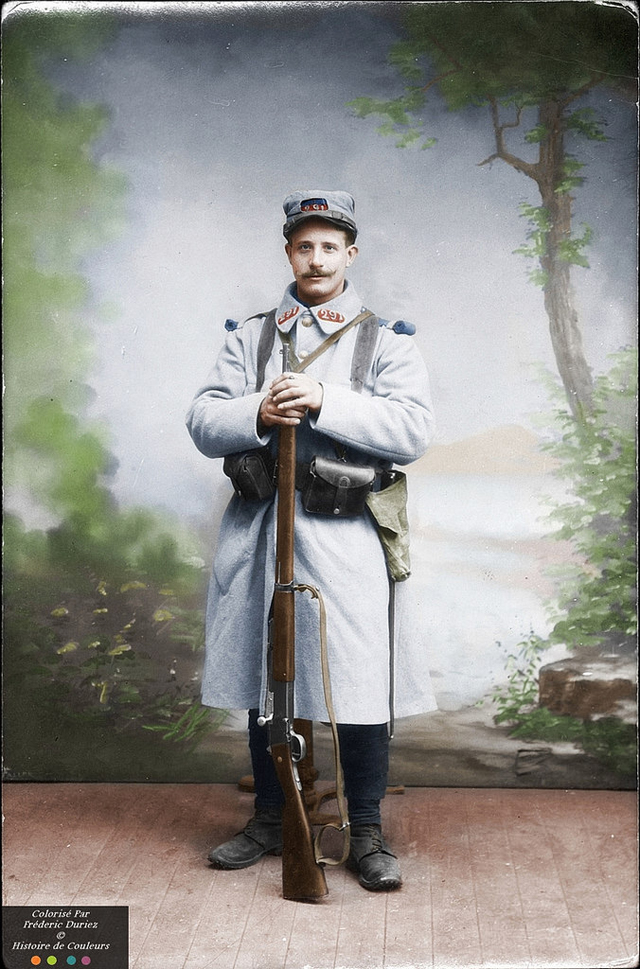
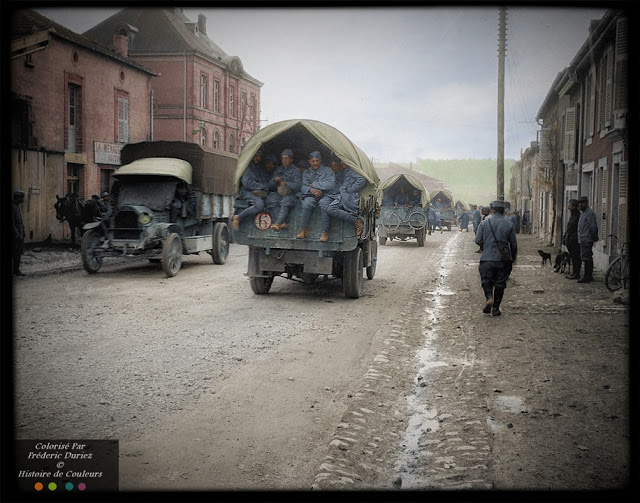
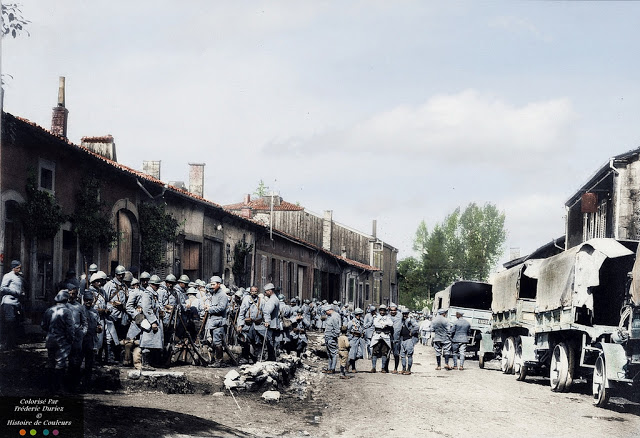
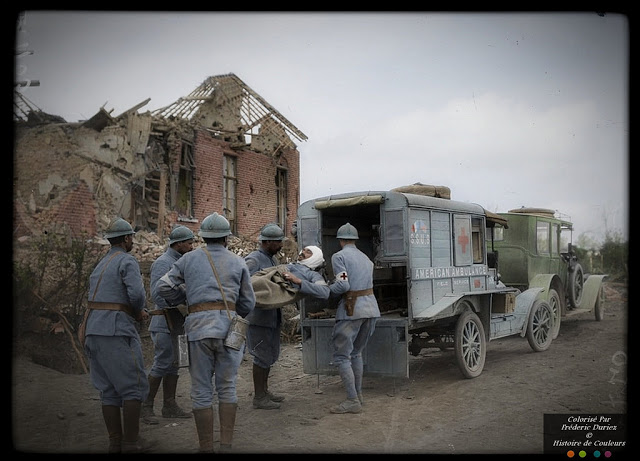
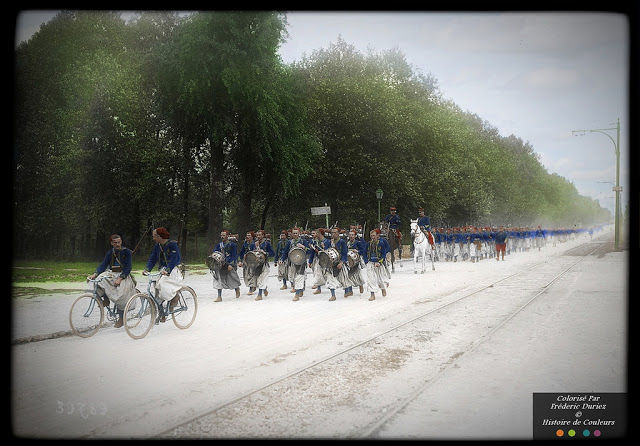
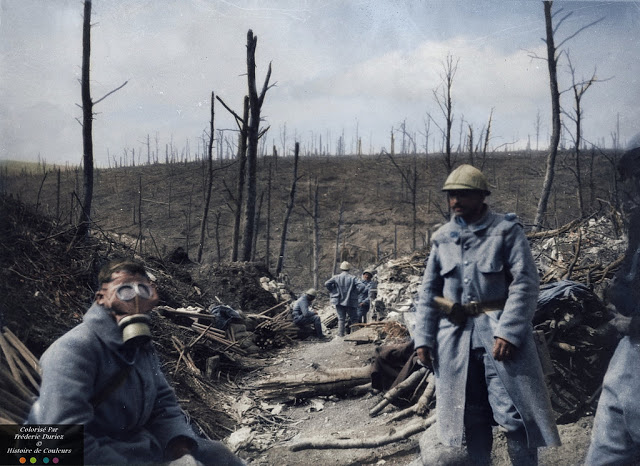
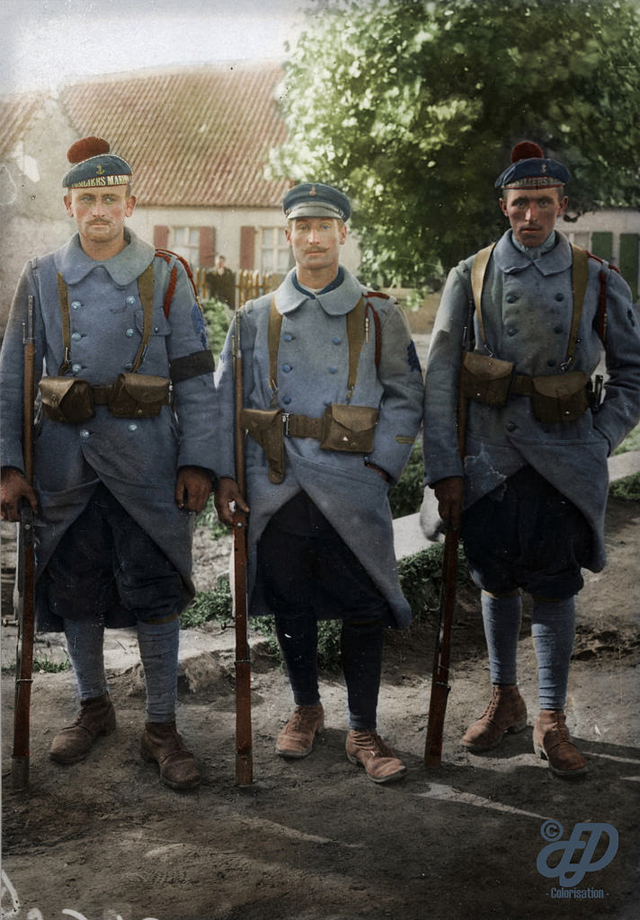
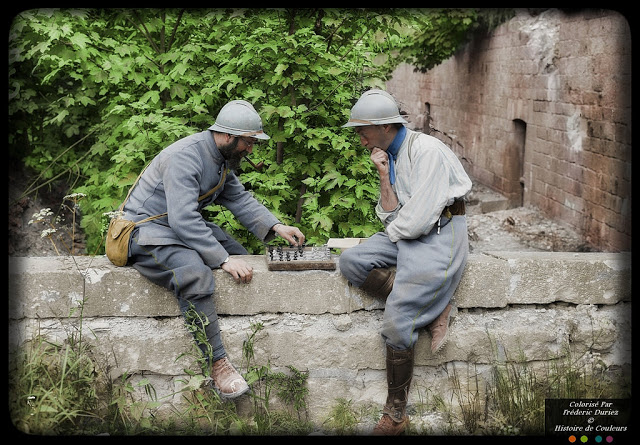
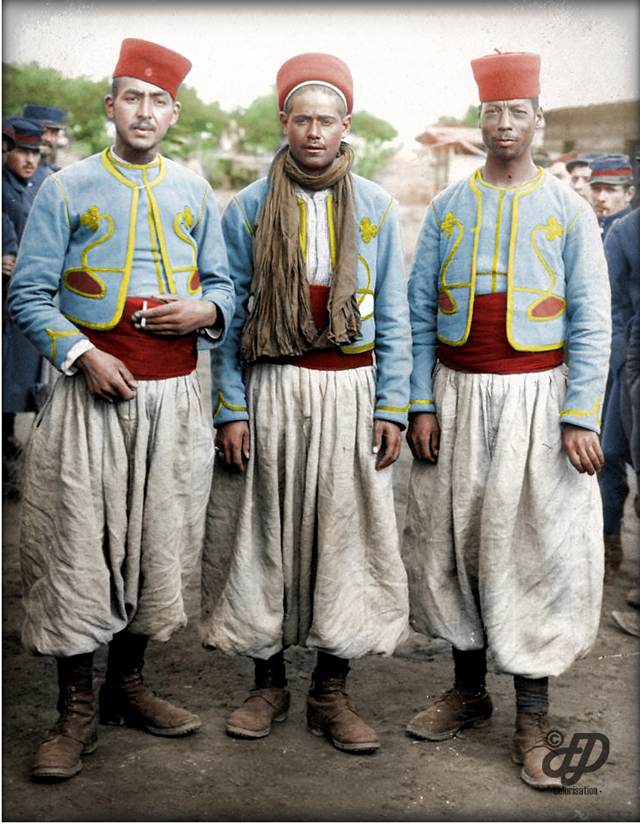
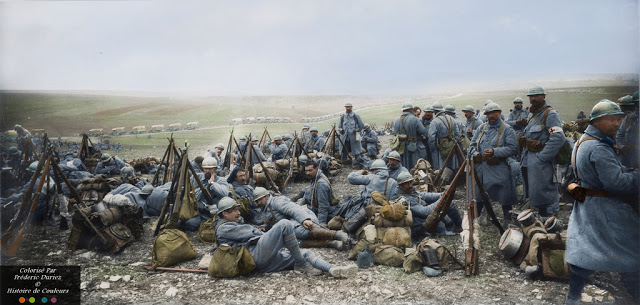
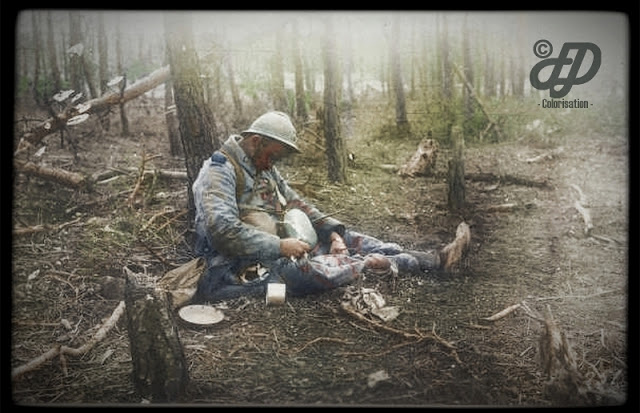
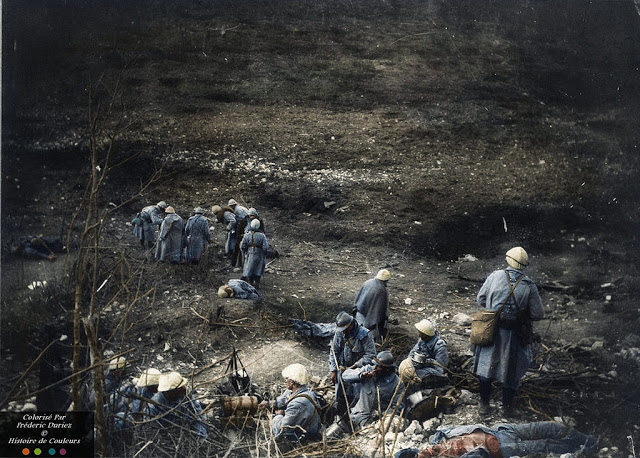
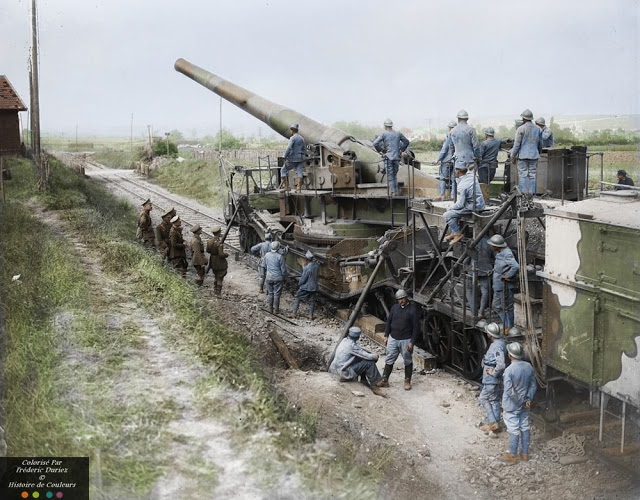
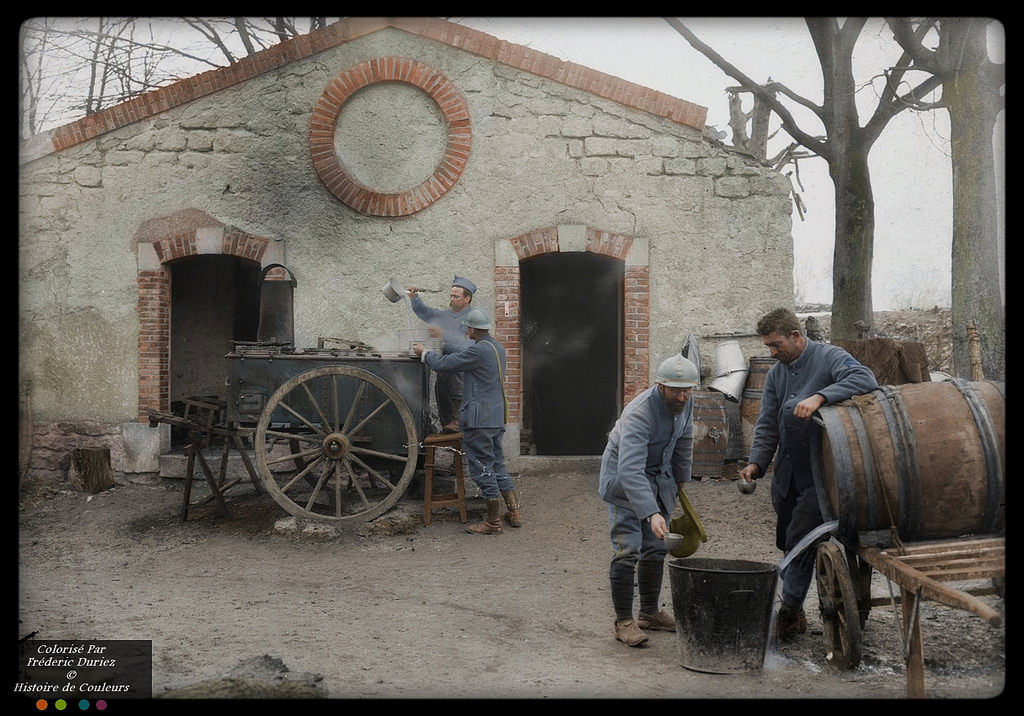
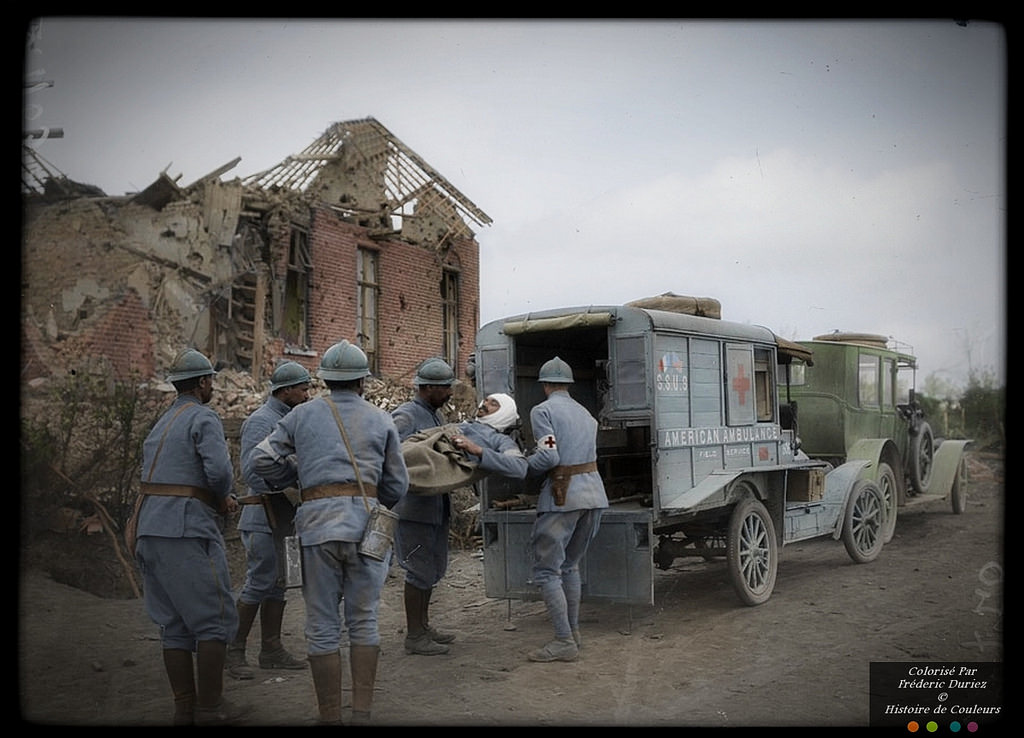
Photos Colorized by Frederic Duriez
