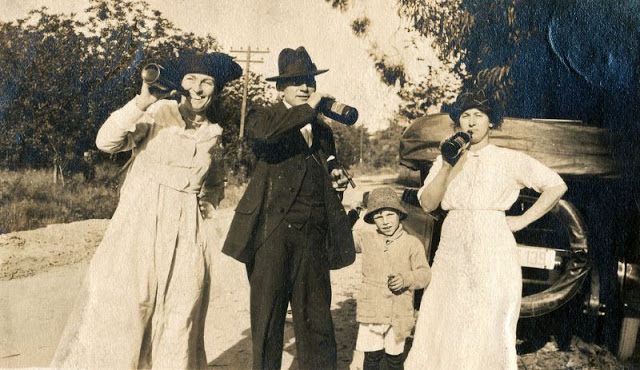
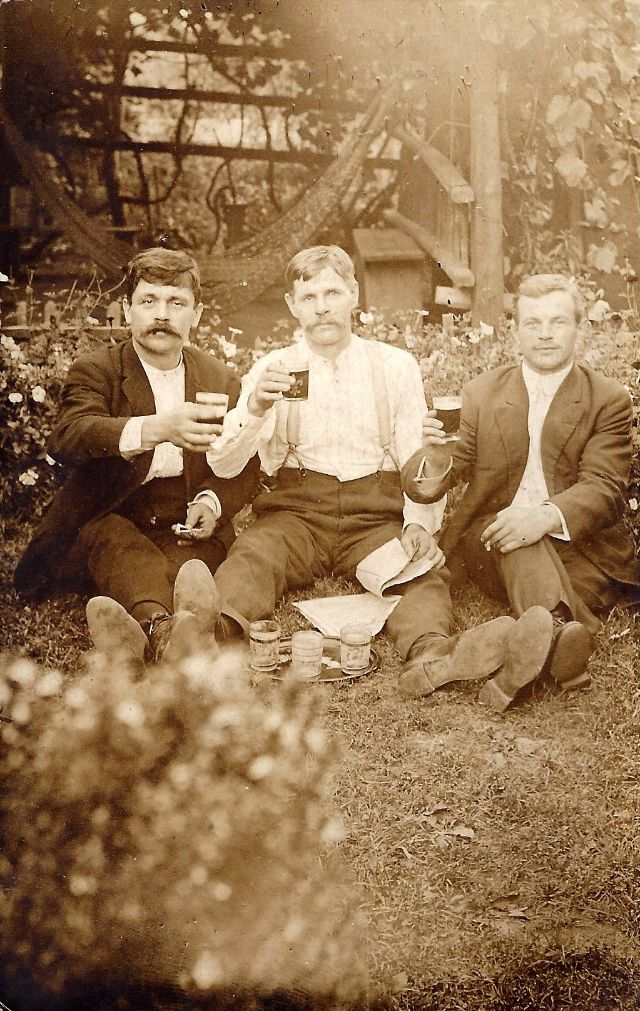
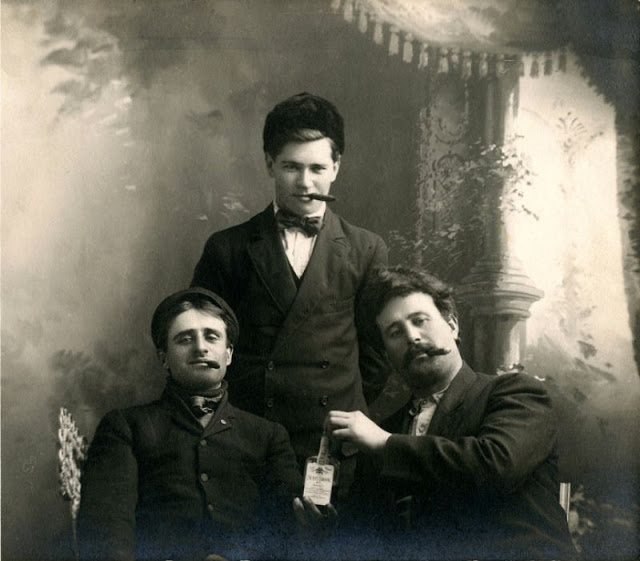
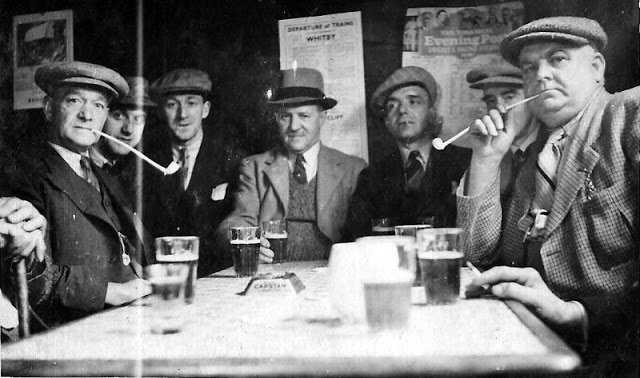
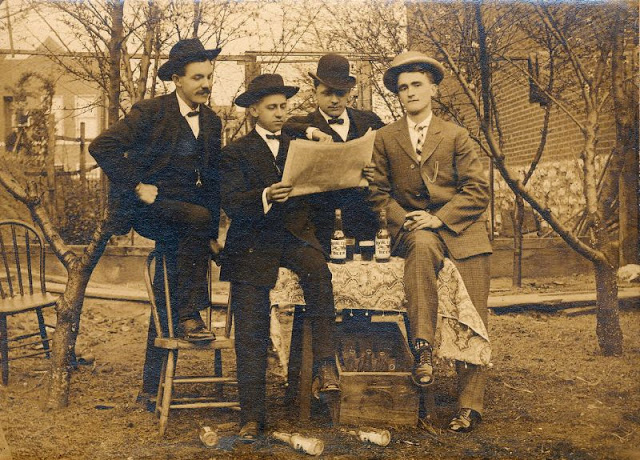
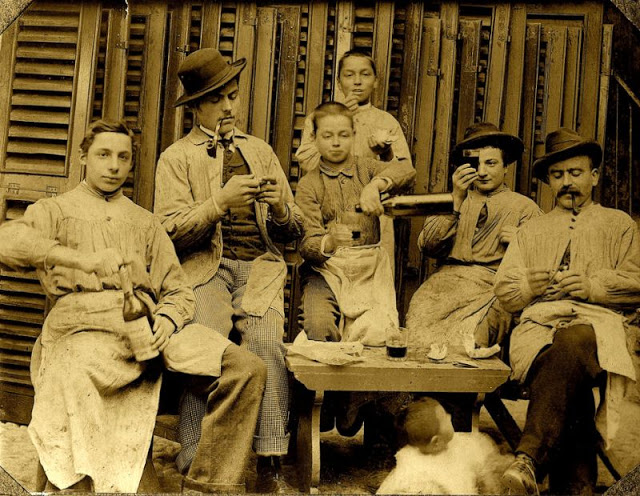
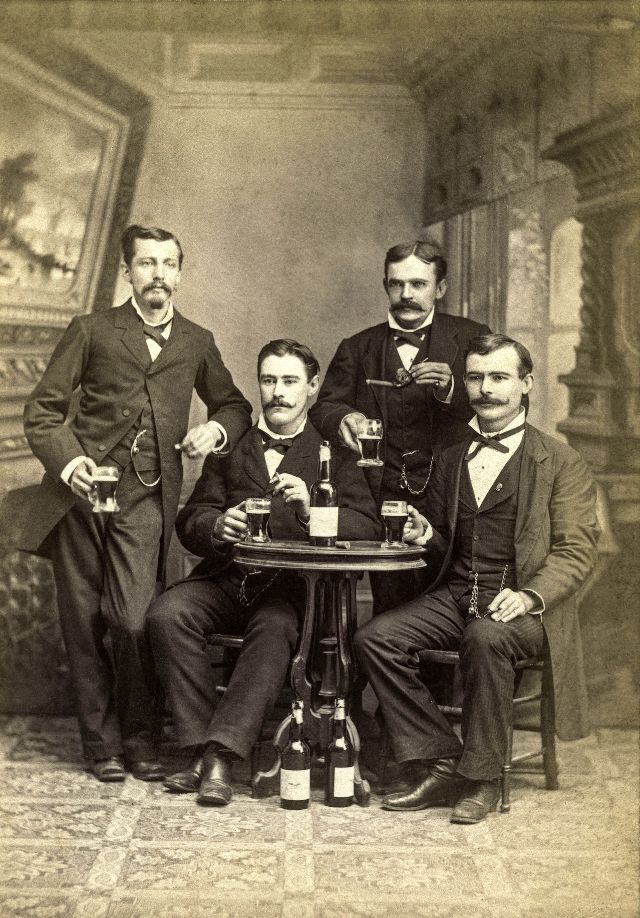
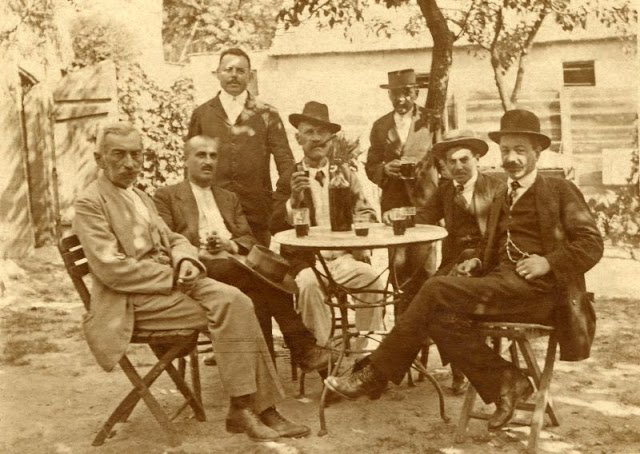
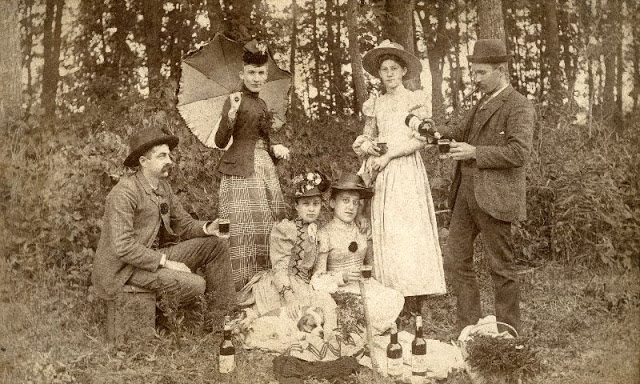
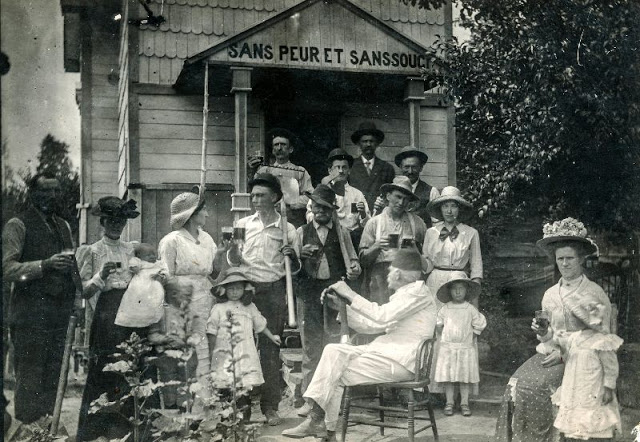
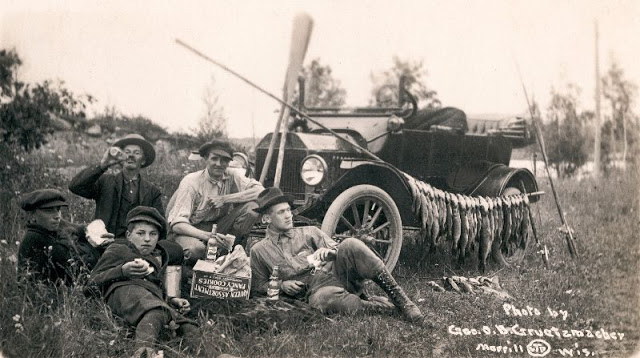
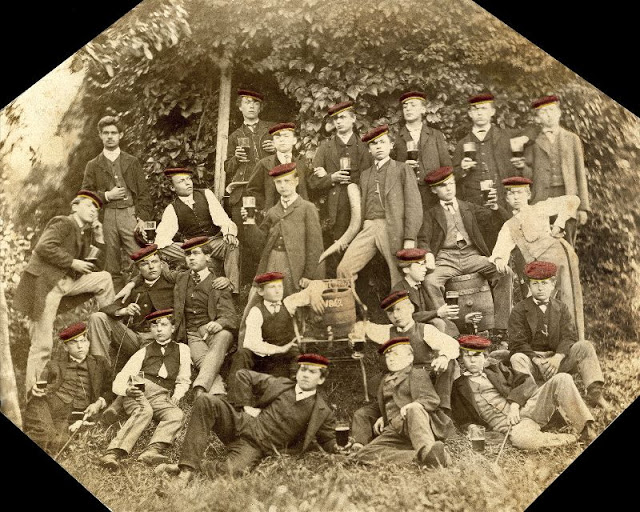
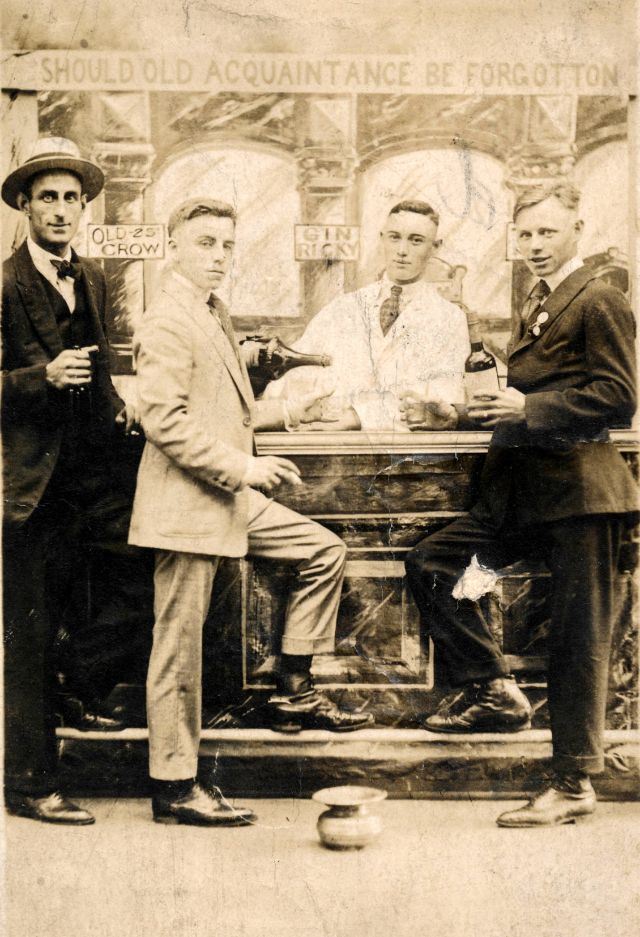
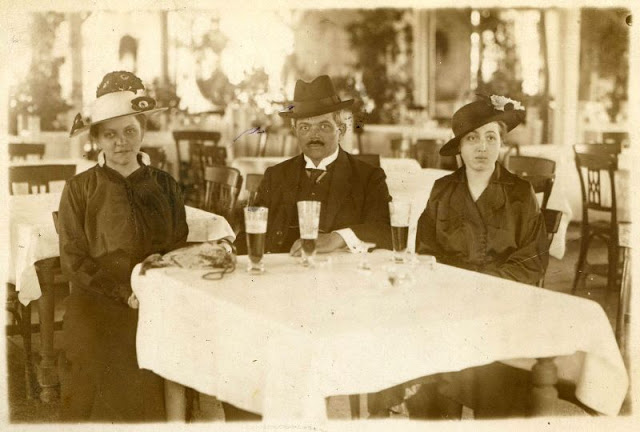
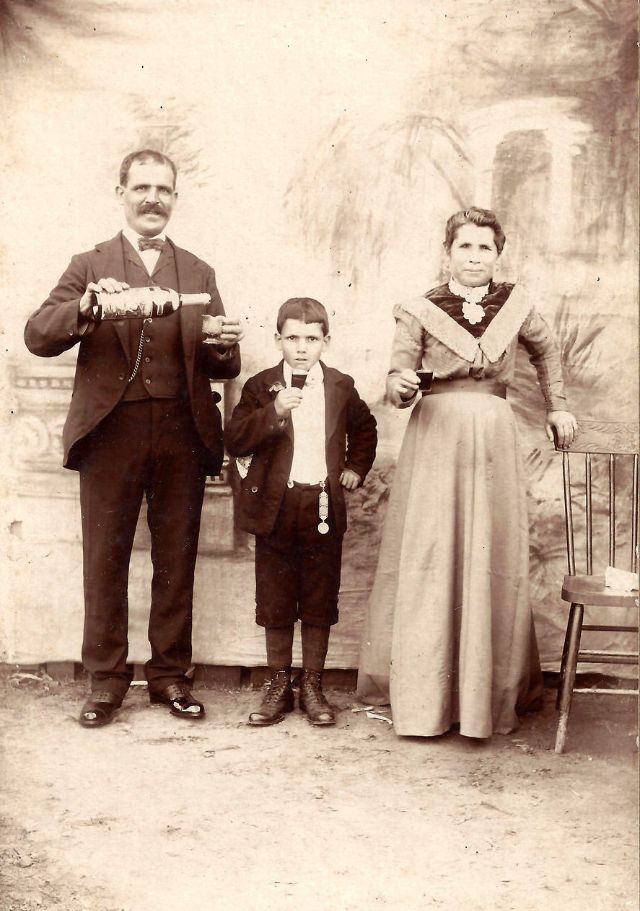
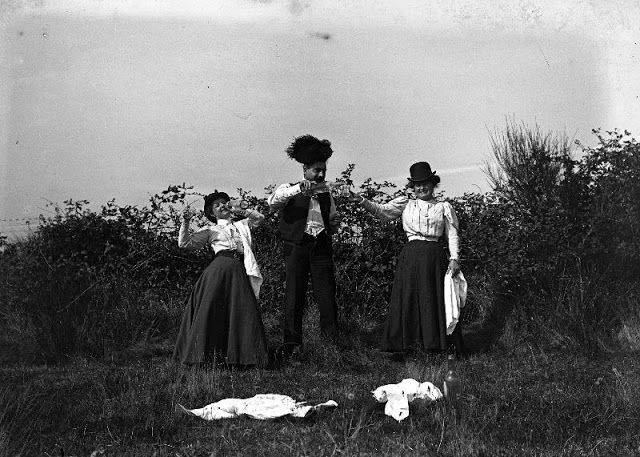
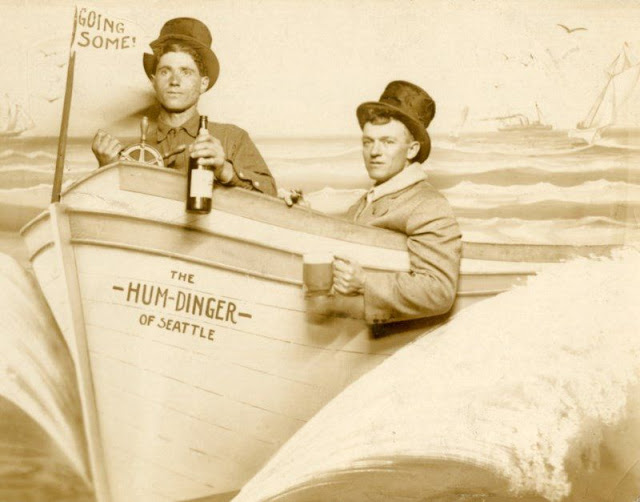
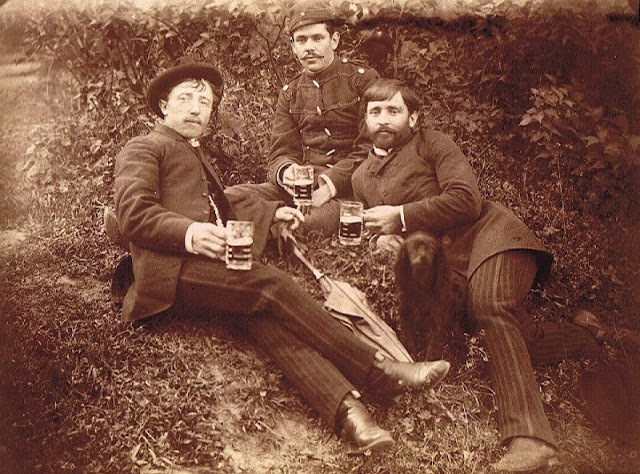
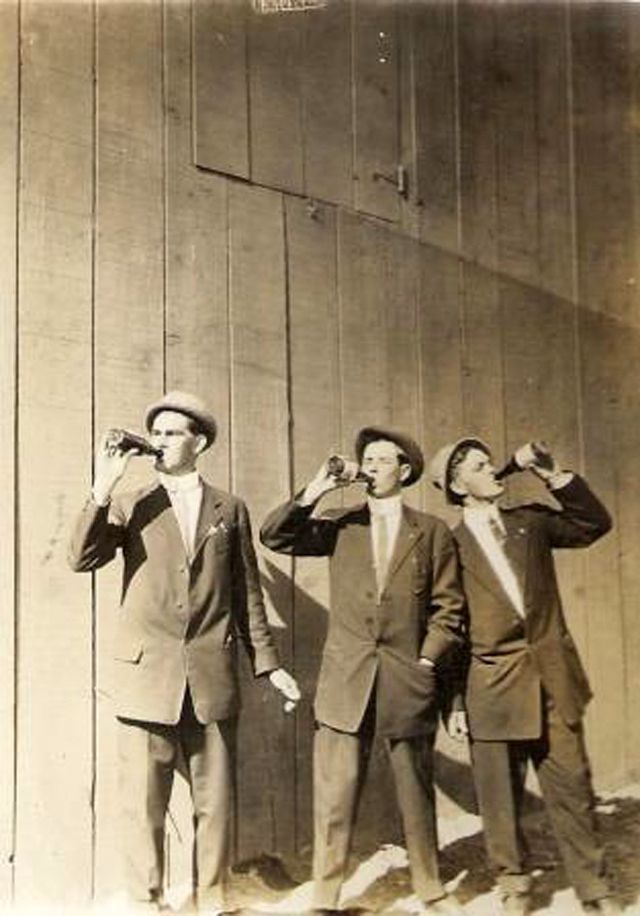
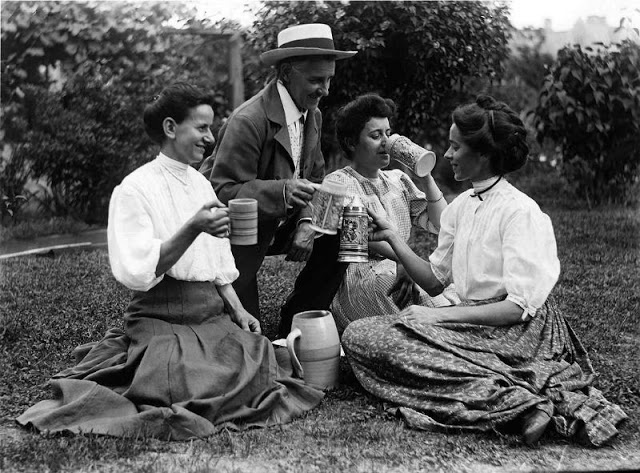
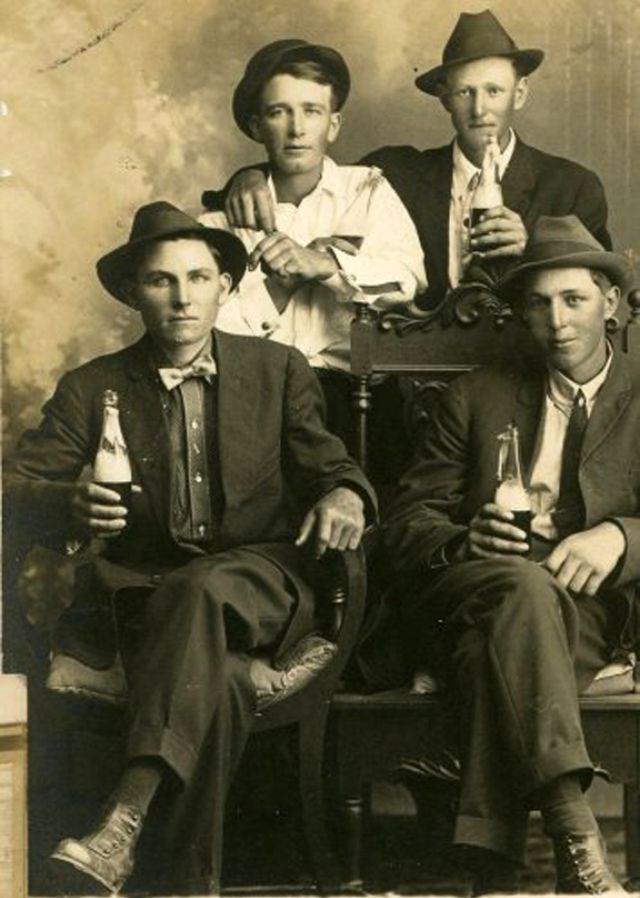
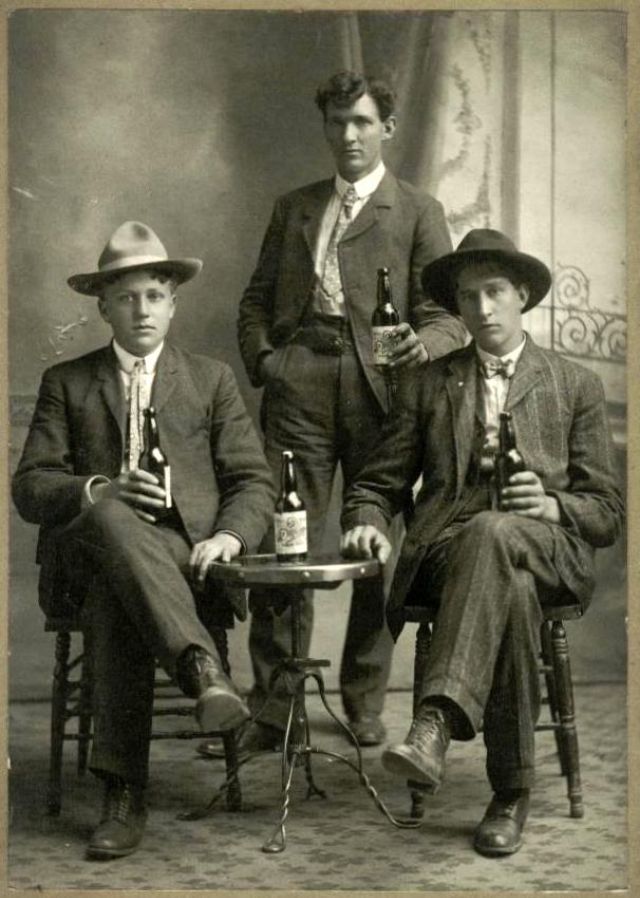
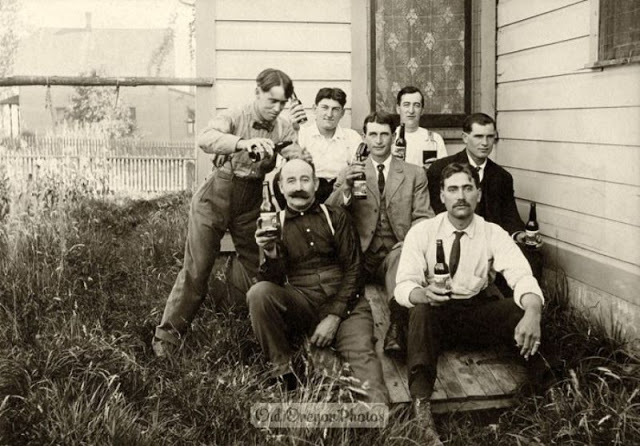
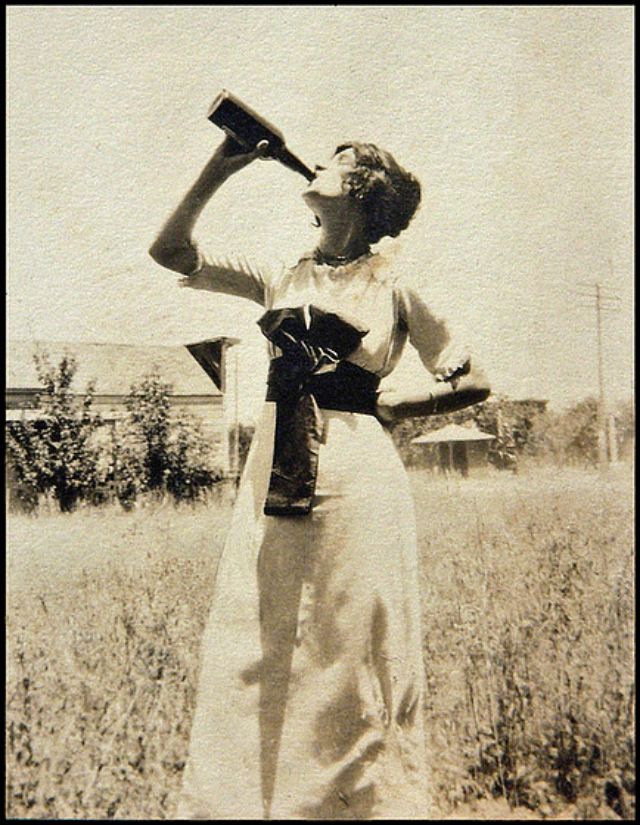
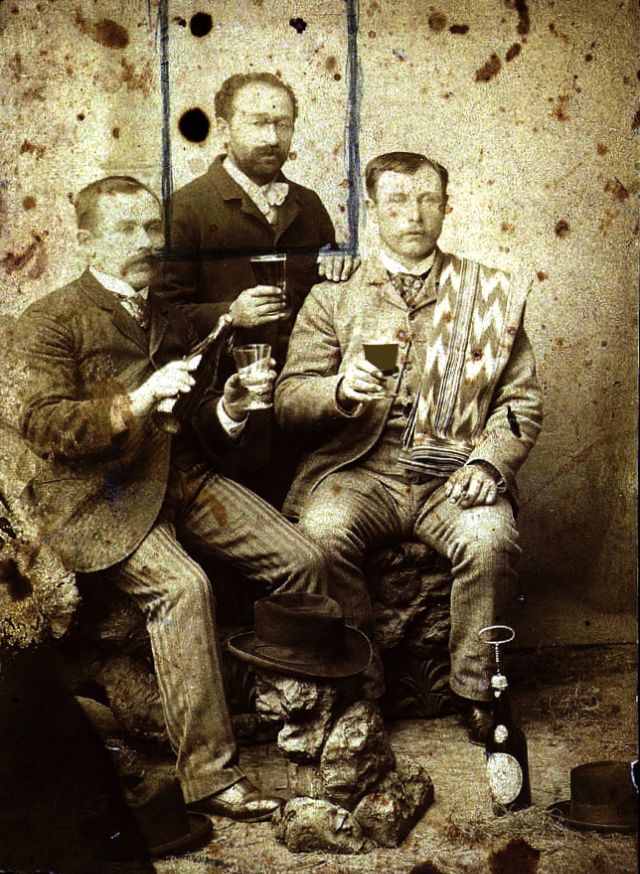
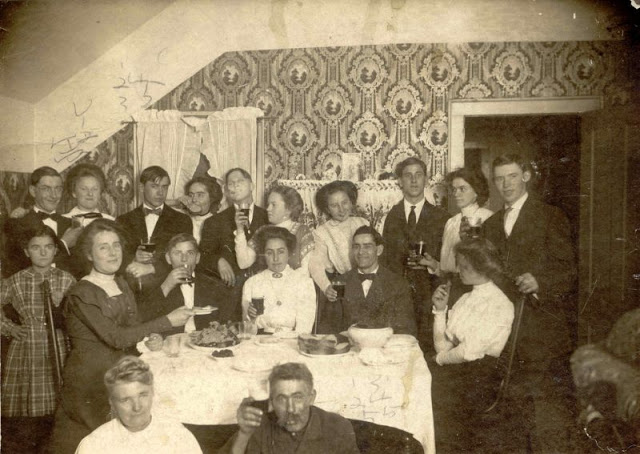
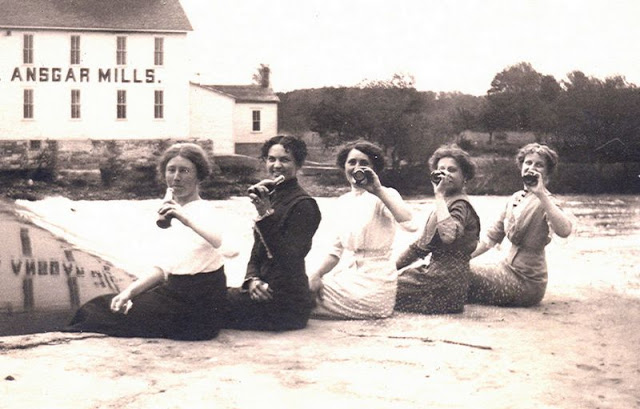
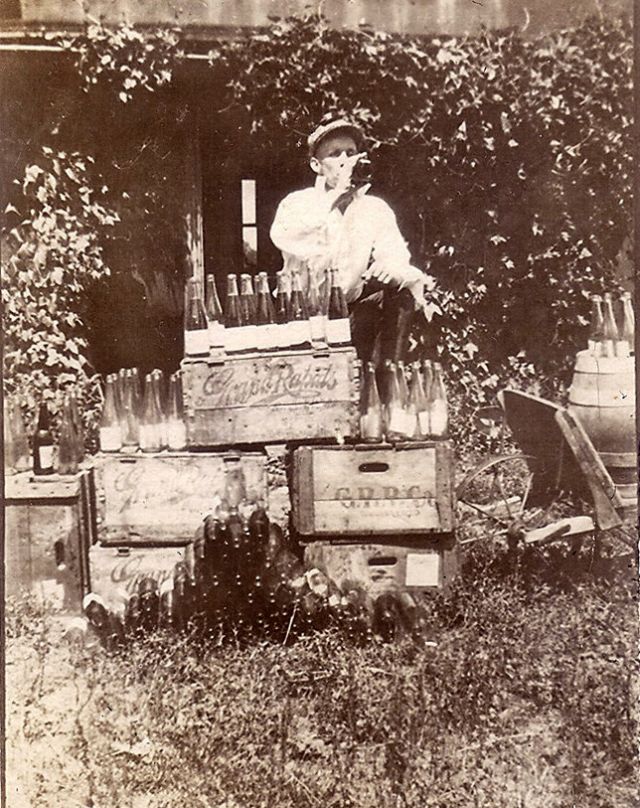
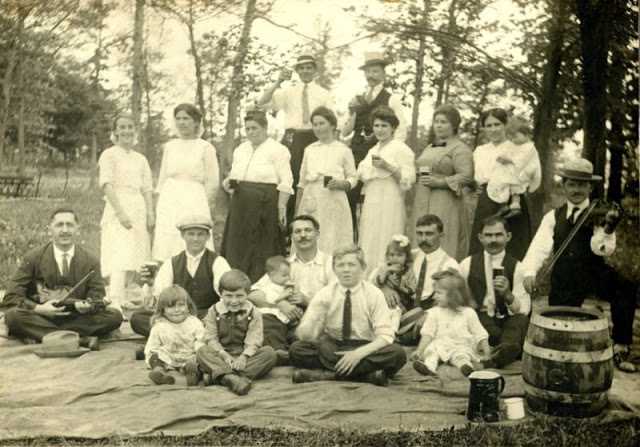
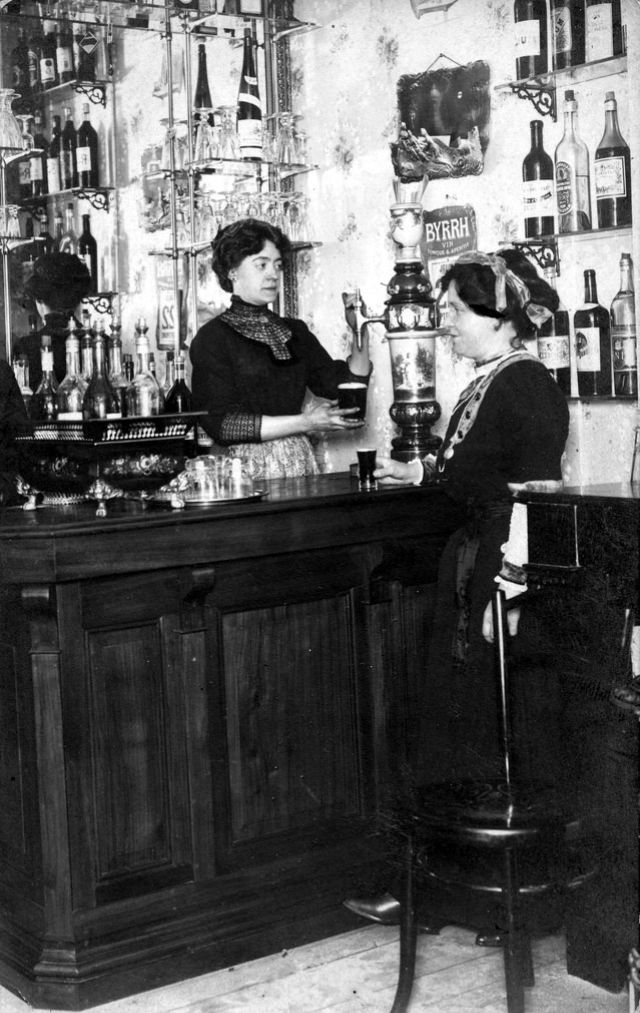
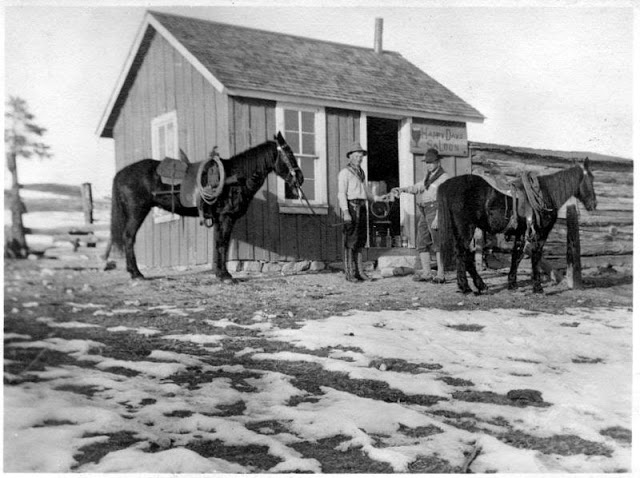
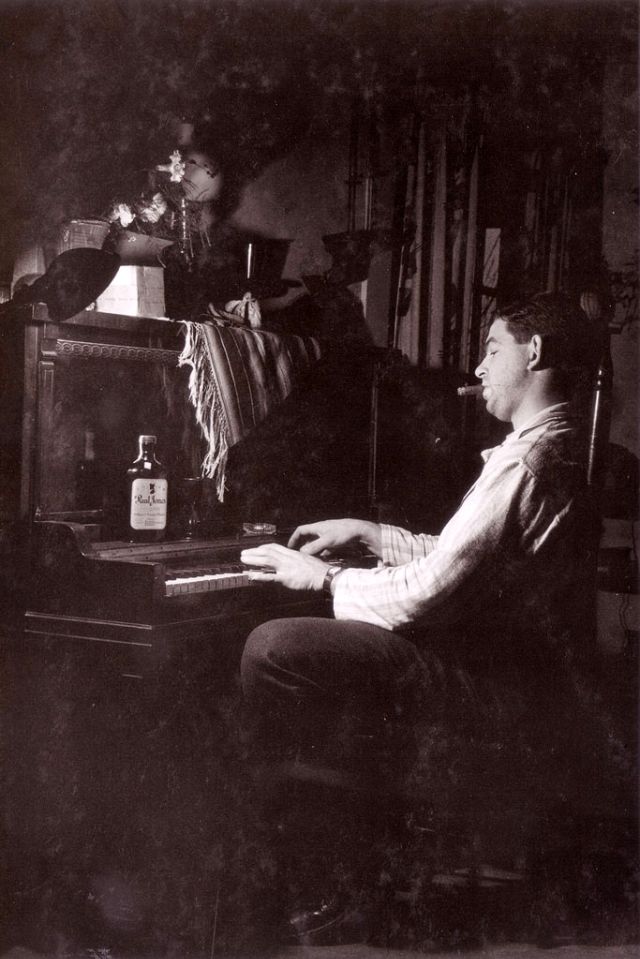
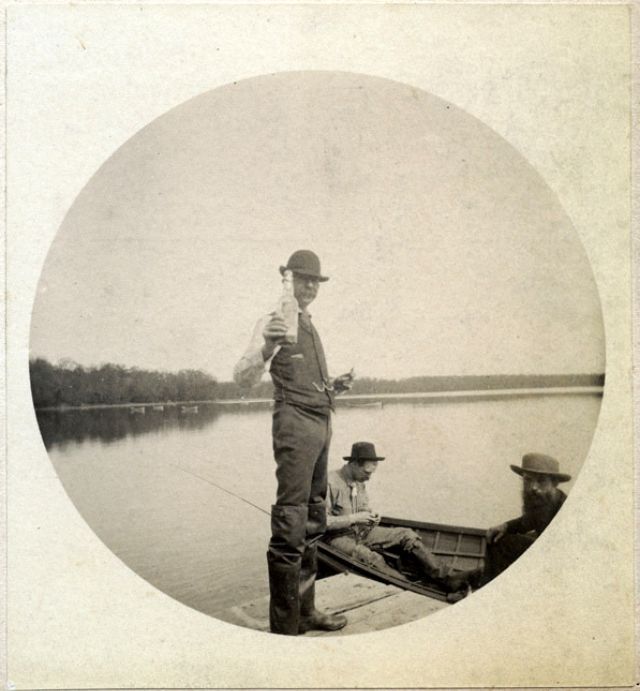
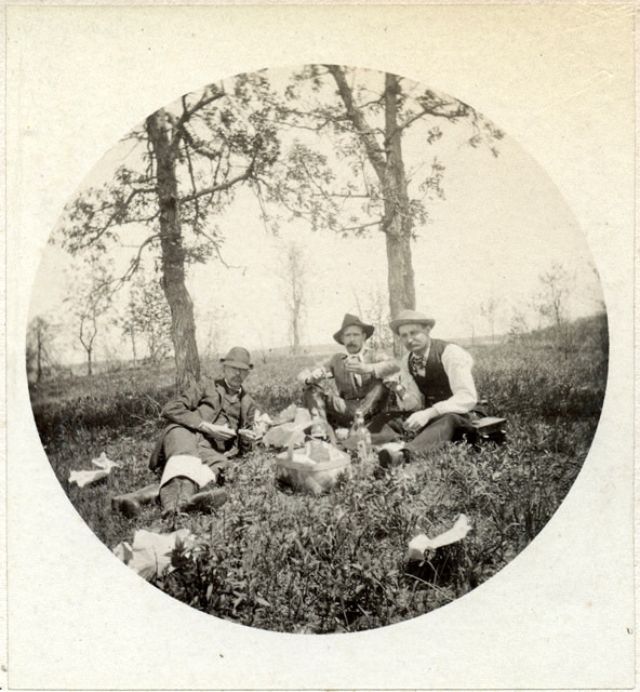
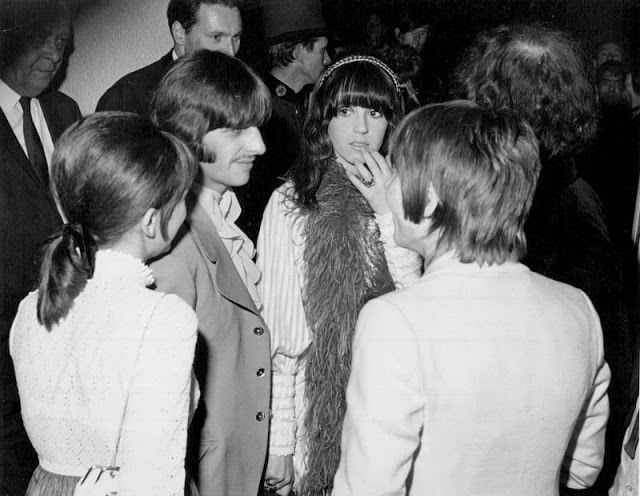
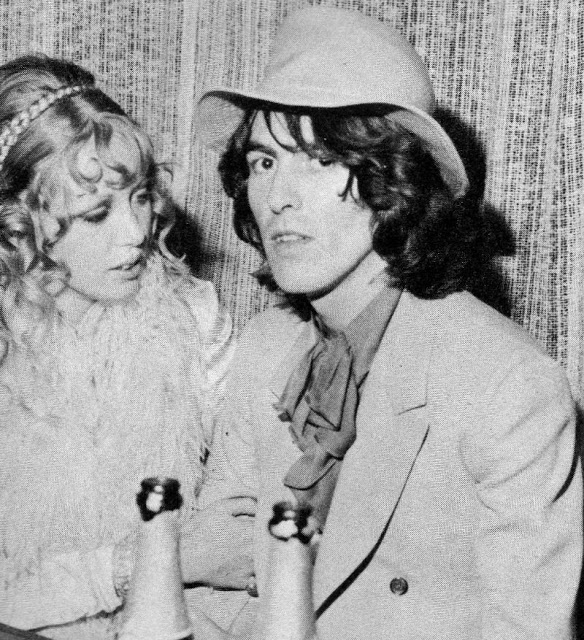
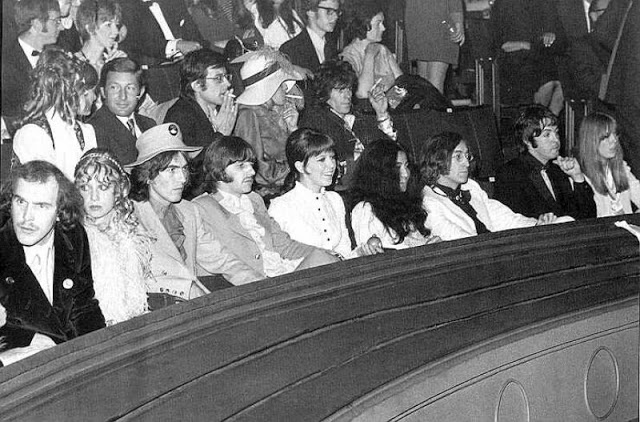
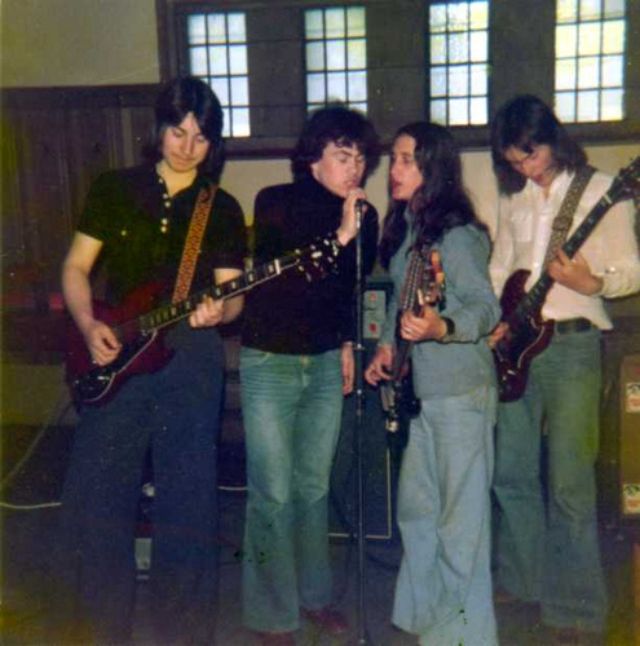
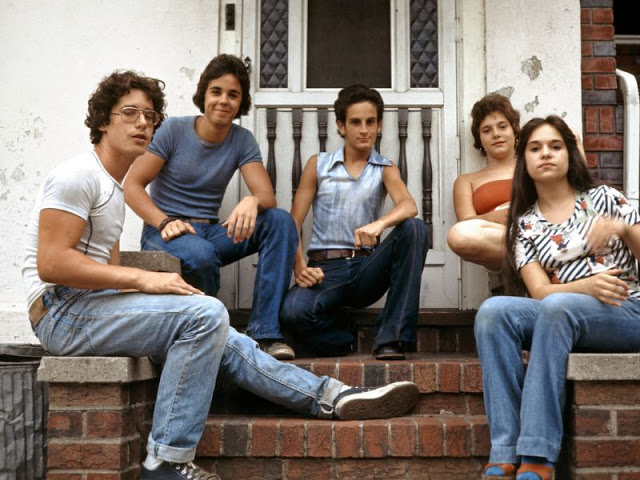
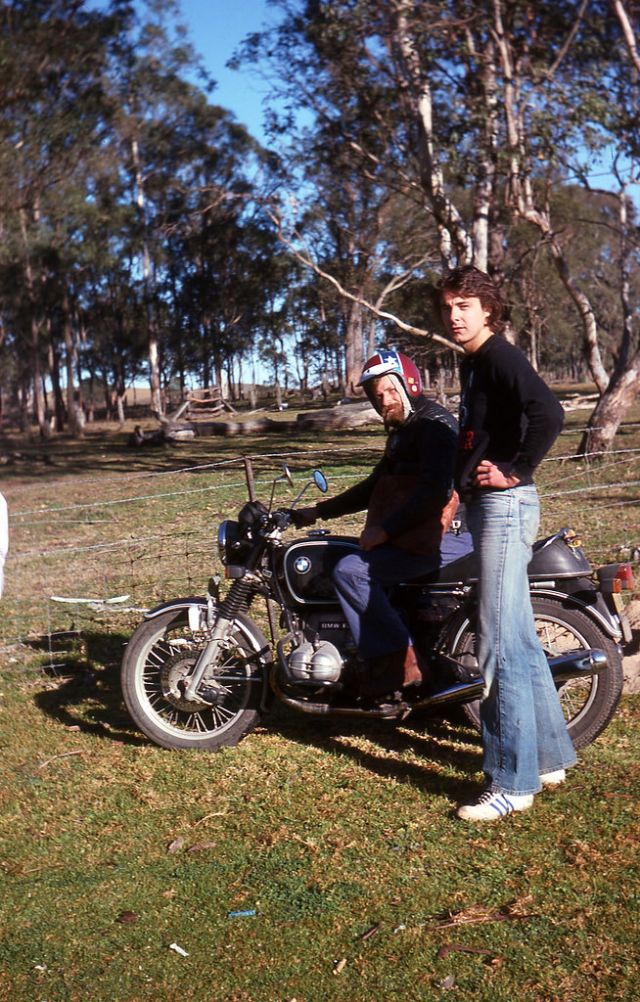
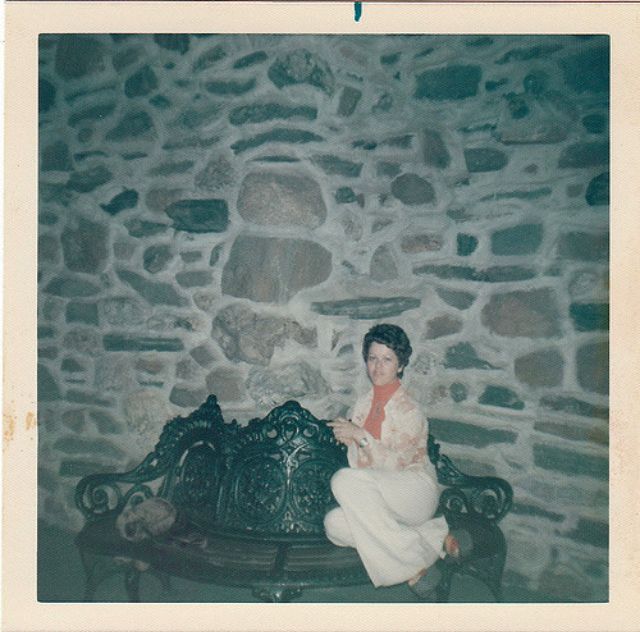
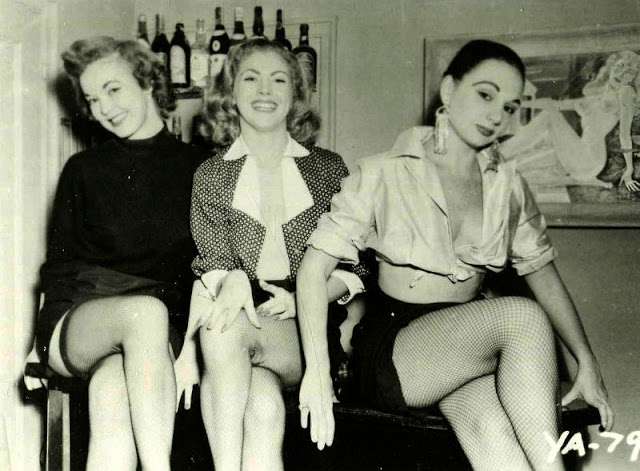
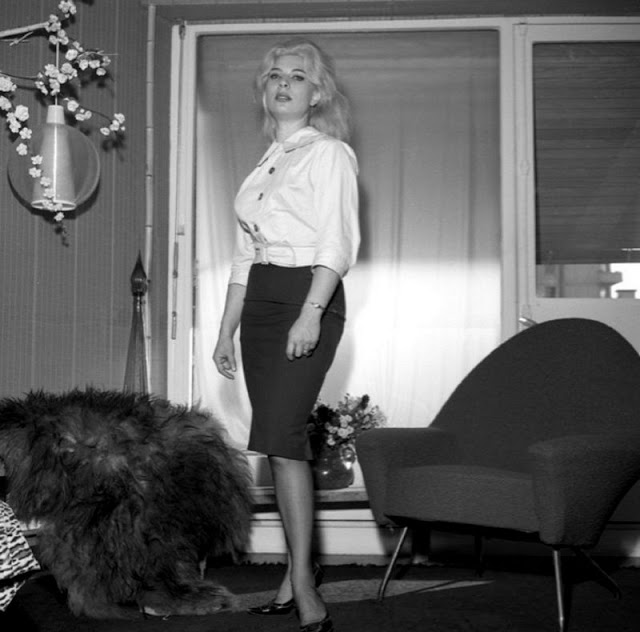
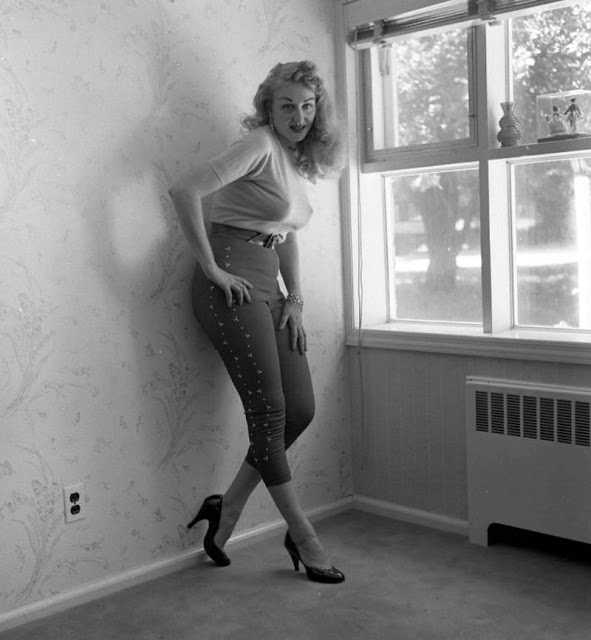
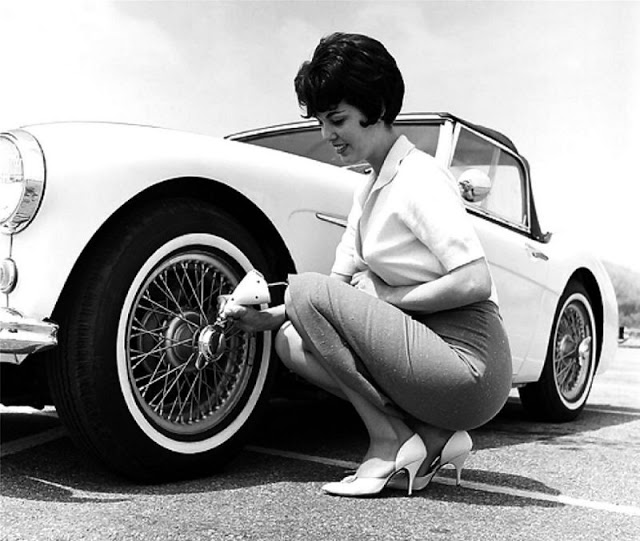
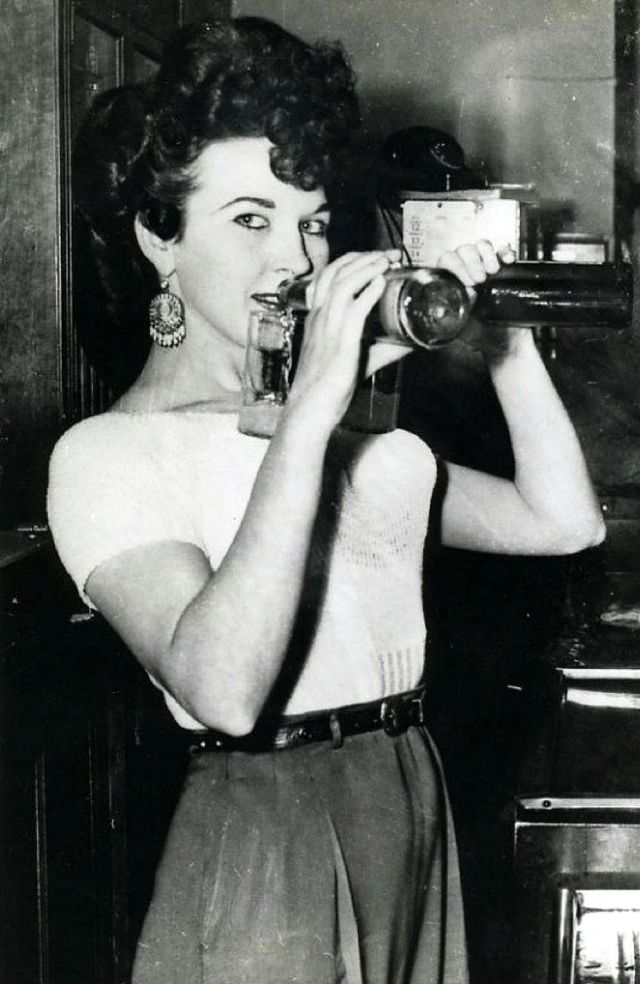
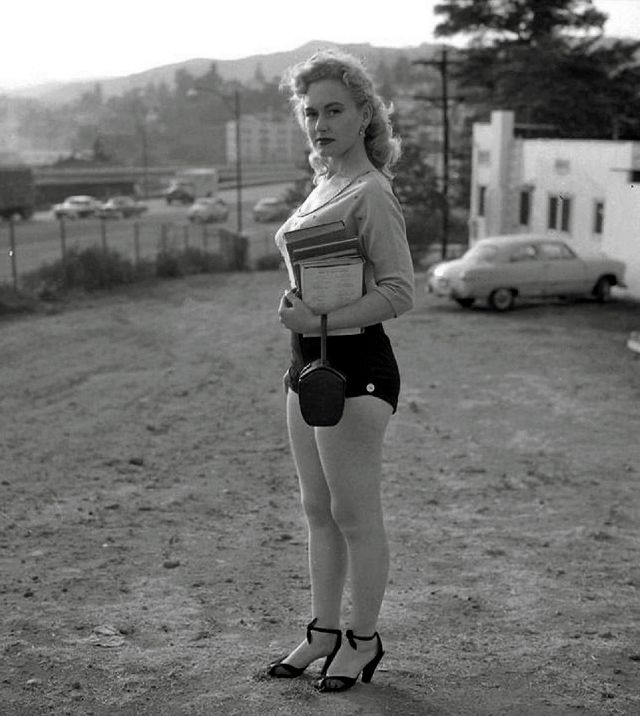
Prohibition in the United States was a nationwide constitutional ban on the production, importation, transportation, and sale of alcoholic beverages from 1920 to 1933. Before it, these old pictures that captured people drinking beer in the early 20th century.
***Become a Subscriber for just $5 per month – the price of a coffee, and never miss an article. Your support allows us to continue purchasing subscriptions to different museums and photographic companies so we can continue to bring you unique and exceptional history. Your support is critical; we hope you’ll become a partner. Or, if you like, you may make a one-time donation at https://www.buymeacoffee.com/YesterdayToday ***
Subscribe to get access
Read more of this content when you subscribe today.
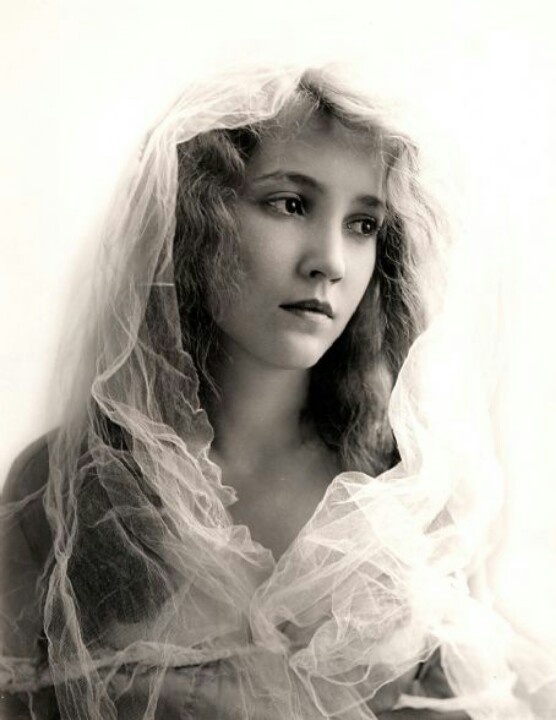
Bessie Love, born Juanita Horton on September 10, 1898, in Midland, Texas, was a prominent actress during the 1920s. Her career began in the silent film era, and she quickly became known for her roles as innocent young girls and wholesome leading ladies. Love’s petite frame and delicate features made her a perfect fit for the flapper image that was popular during the Roaring Twenties. Her performances captivated audiences and solidified her status as one of the era’s most beloved actresses.
Love’s journey to stardom began when she moved to Hollywood with her family. She was discovered by pioneering film director D.W. Griffith, who placed her under personal contract. Griffith’s associate, Frank Woods, gave her the stage name Bessie Love, believing it would be easy for audiences to remember and pronounce. Love’s early roles in films such as “The Flying Torpedo” (1916) and “The Good Bad-Man” (1916) showcased her talent and versatility, paving the way for her successful career in the 1920s1.
During the 1920s, Love starred in numerous films that highlighted her acting prowess. One of her most notable performances was in “The Broadway Melody” (1929), a musical film that earned her a nomination for the Academy Award for Best Actress. This film was significant not only for Love’s career but also for the film industry, as it was one of the first sound films to win the Academy Award for Best Picture. Love’s ability to transition from silent films to talkies demonstrated her adaptability and ensured her continued success in the evolving industry.
In addition to her work in “The Broadway Melody,” Love appeared in other successful films throughout the decade. Her roles in “The Matinee Idol” (1928) and “The Lost World” (1925) further cemented her reputation as a talented and versatile actress. Love’s performances were often praised for their authenticity and emotional depth, making her a favorite among both audiences and critics. Her ability to convey complex emotions with subtlety and grace set her apart from many of her contemporaries.
Despite her success, Love faced challenges in her personal life. She married film producer William Hawks in 1929, but the marriage ended in divorce in 1936. The pressures of maintaining a successful career in Hollywood, coupled with the demands of her personal life, took a toll on Love. However, she remained resilient and continued to work in the film industry, even as the popularity of silent films waned and talkies became the norm.
As the 1920s came to a close, Love’s career began to decline. The advent of sound films brought new challenges, and many silent film stars struggled to adapt. However, Love’s talent and determination allowed her to continue working in the industry, albeit in smaller roles. She eventually moved to England, where she continued to act in films, theatre, and television until her retirement.
Bessie Love’s contributions to the film industry during the 1920s were significant. Her performances in both silent and sound films showcased her versatility and talent, making her one of the era’s most beloved actresses. Despite the challenges she faced, Love’s resilience and dedication to her craft ensured her lasting legacy in Hollywood history. Her work continues to be celebrated by film enthusiasts and historians, who recognize her as a pioneering figure in the early days of cinema.
Subscribe to continue reading
Subscribe to get access to the rest of this post and other subscriber-only content.
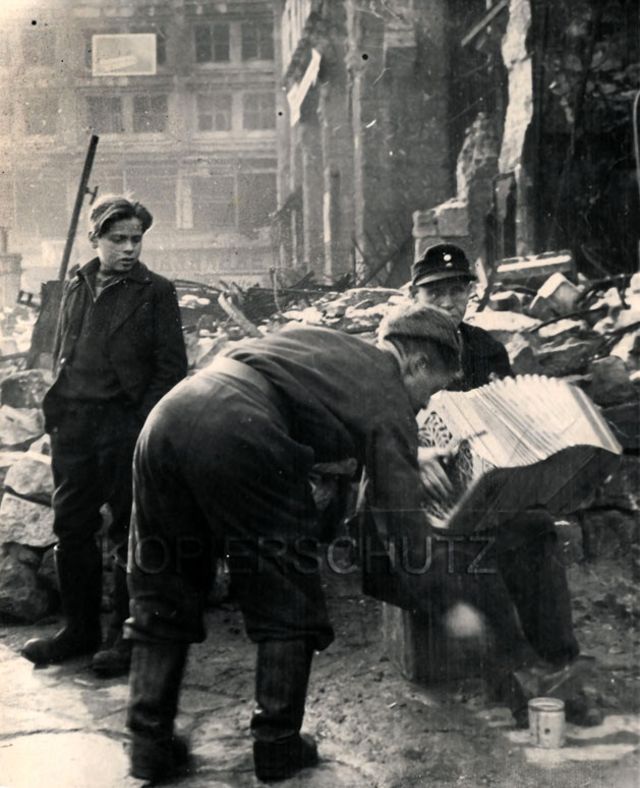
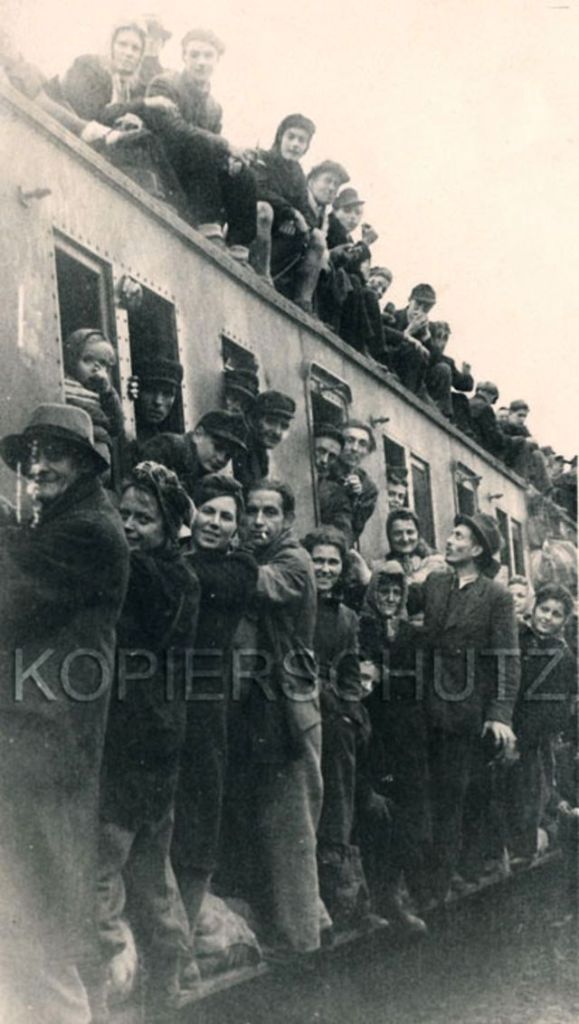
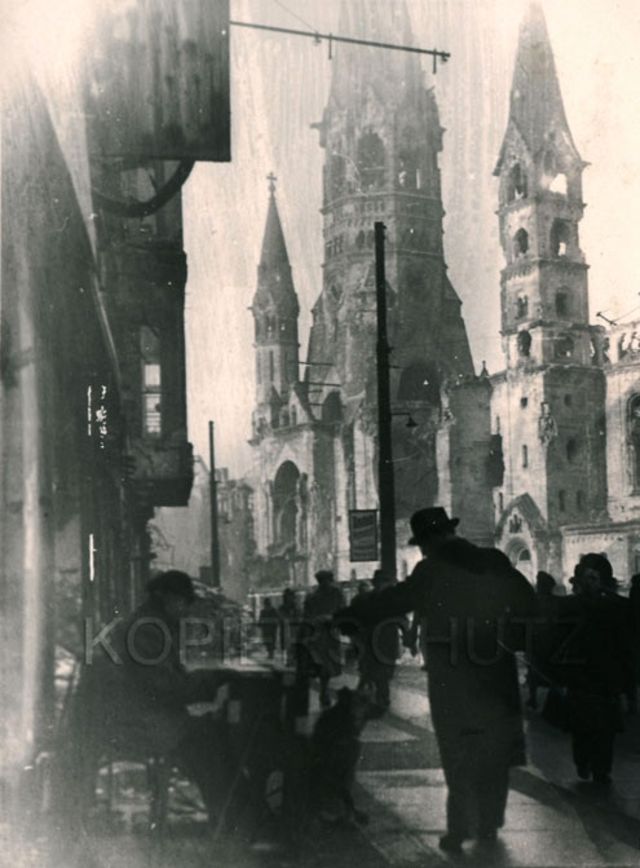
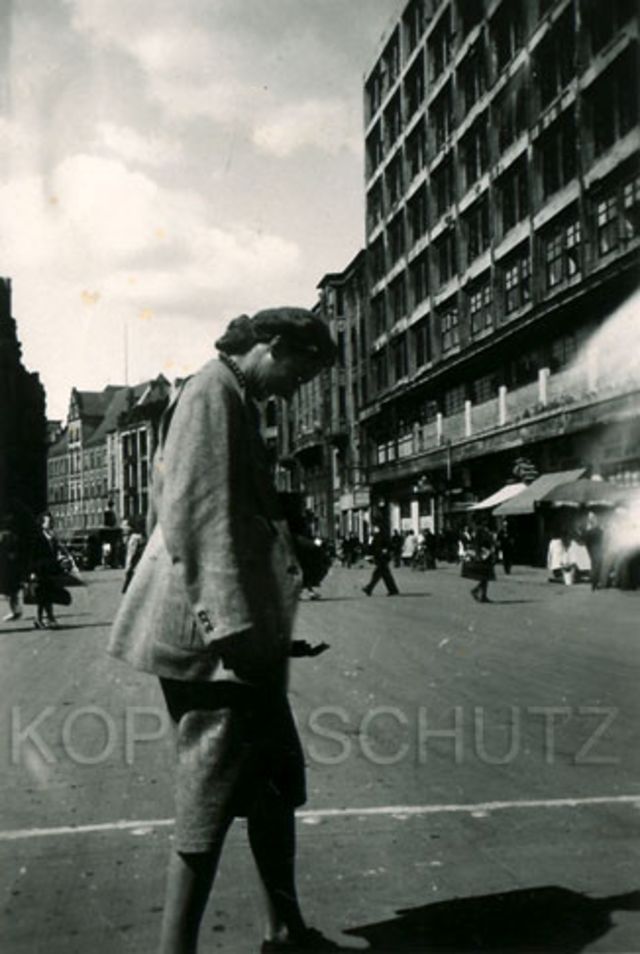
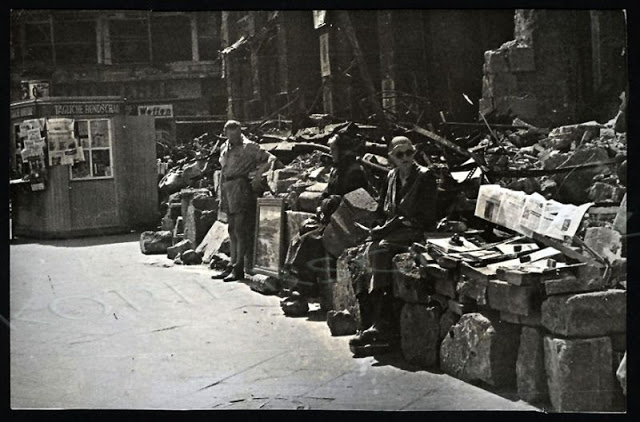
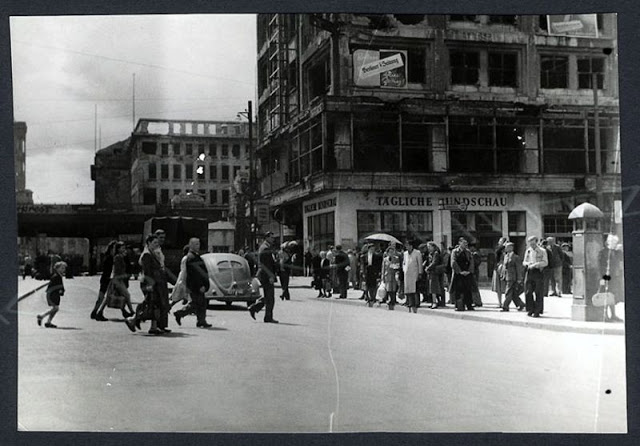
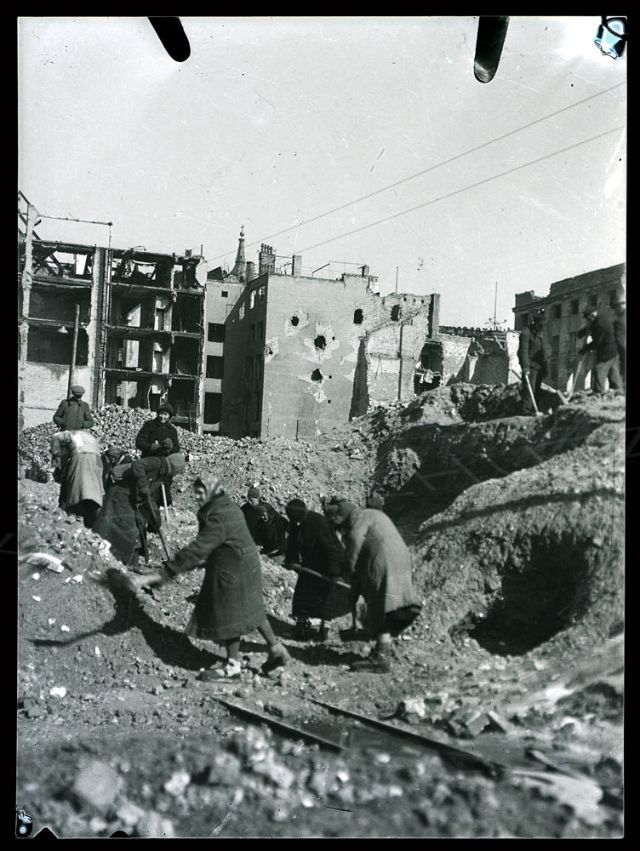
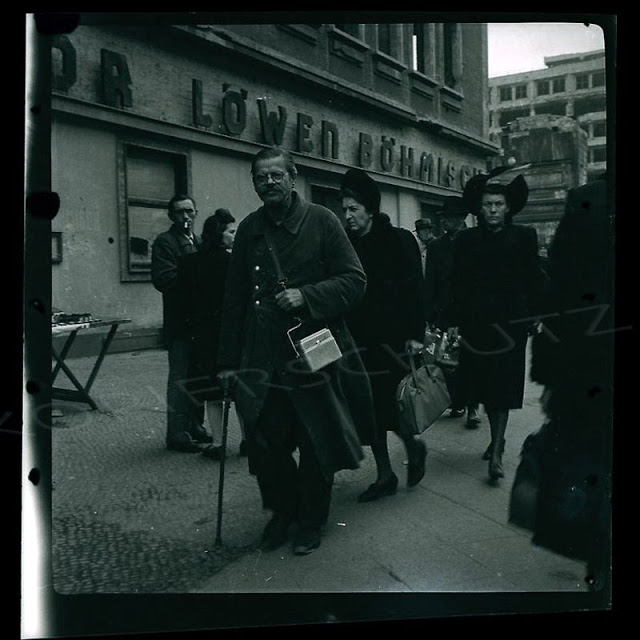
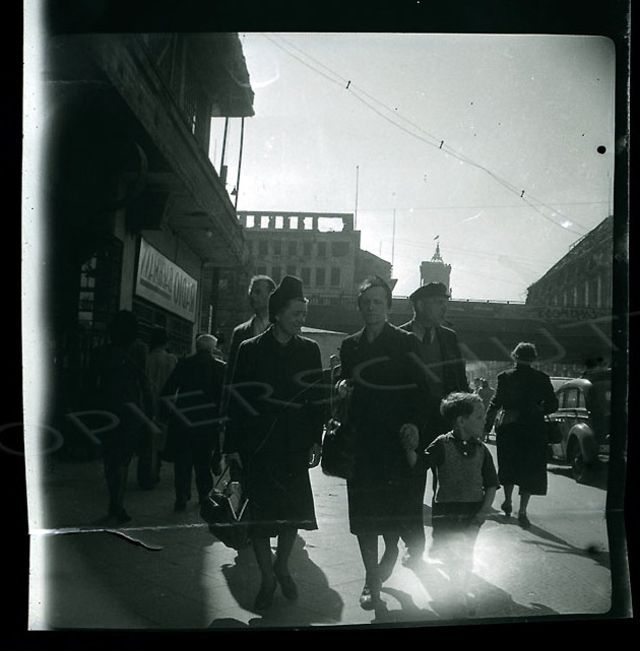
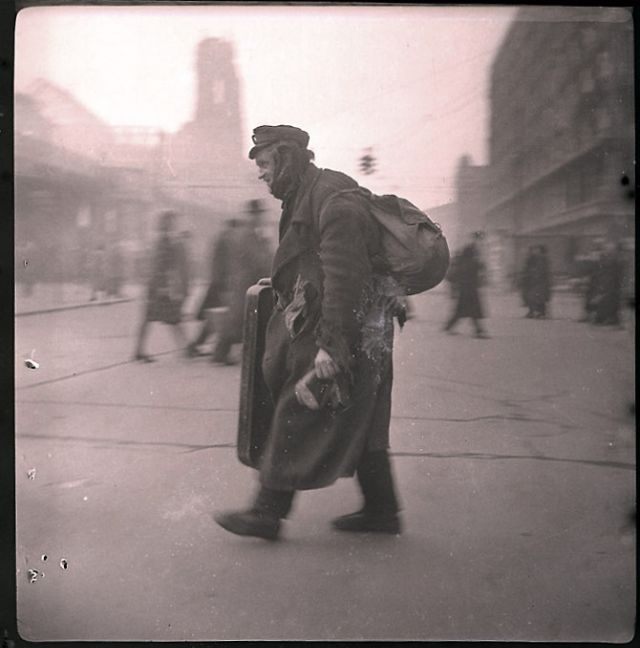
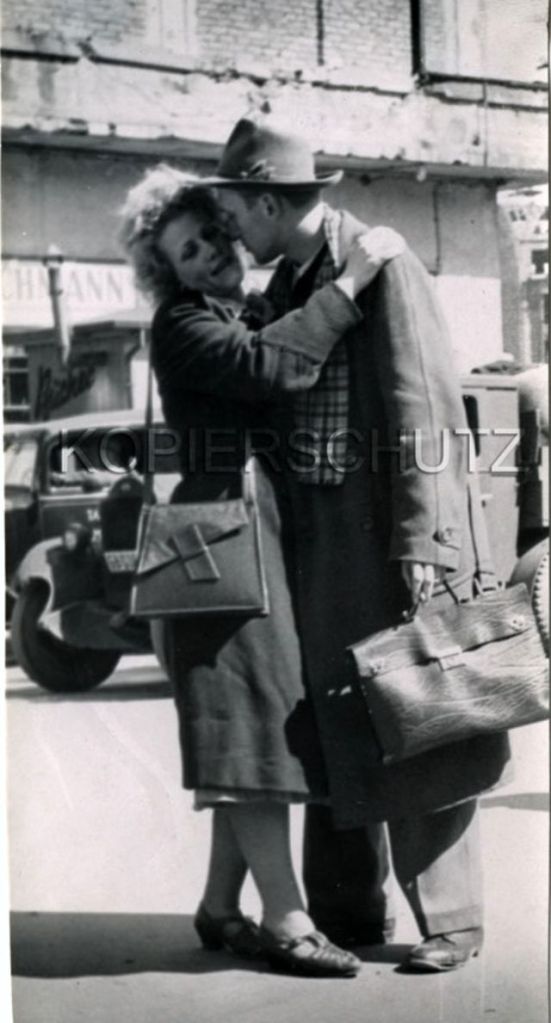
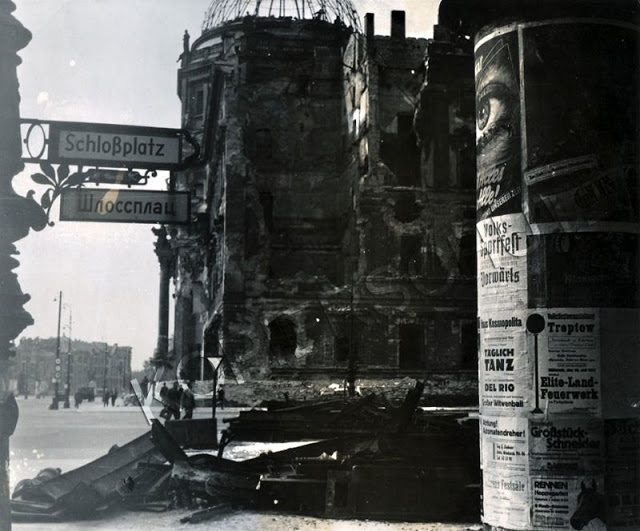
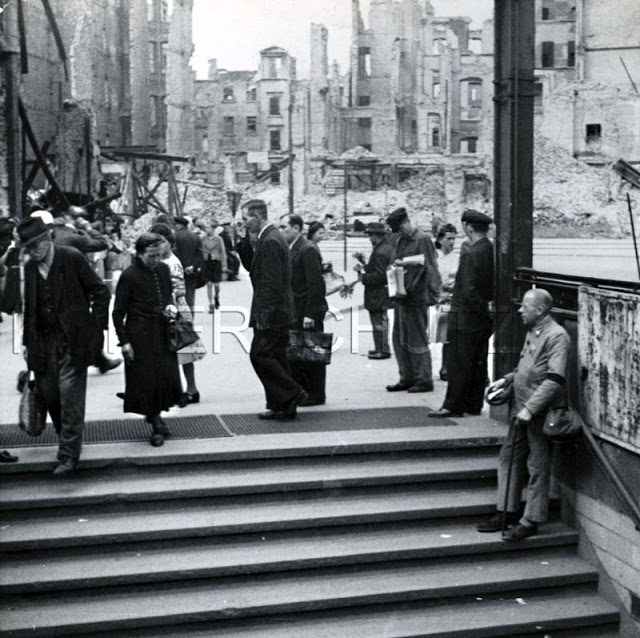
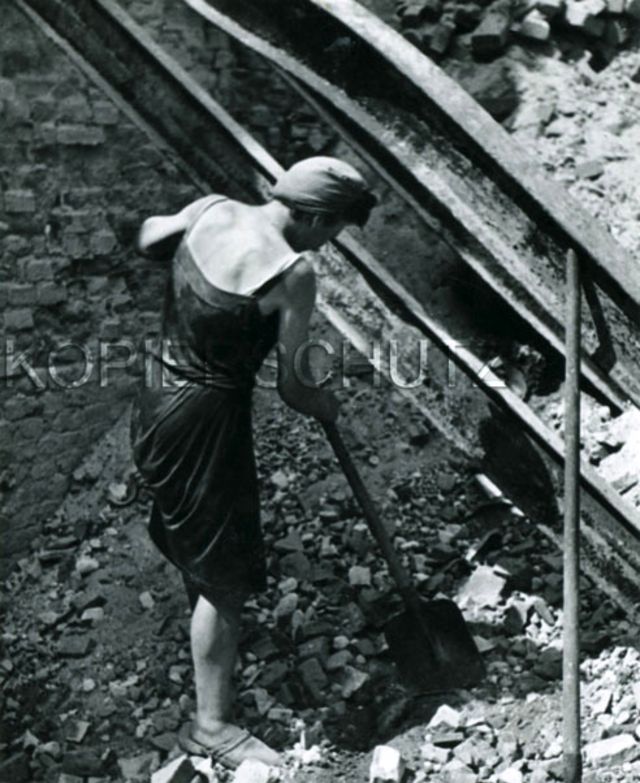
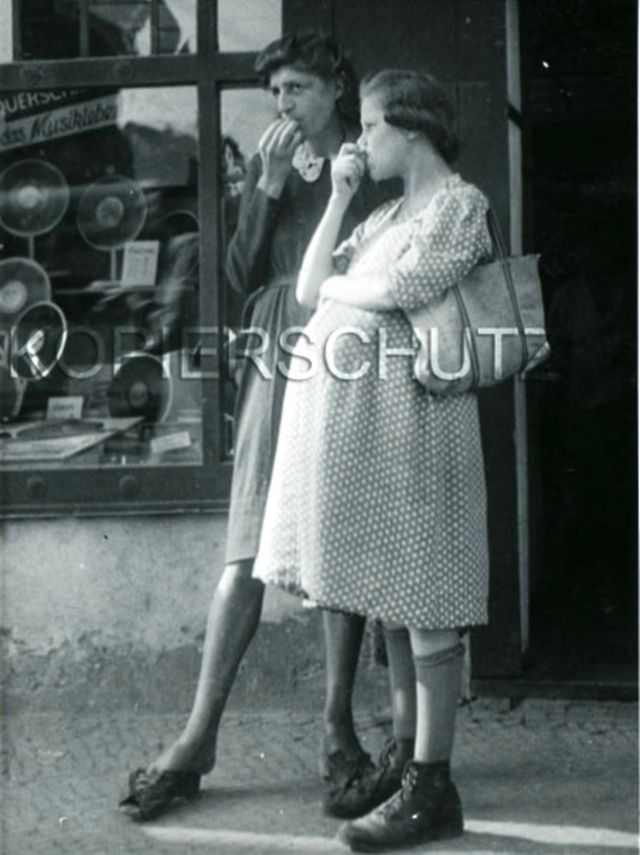
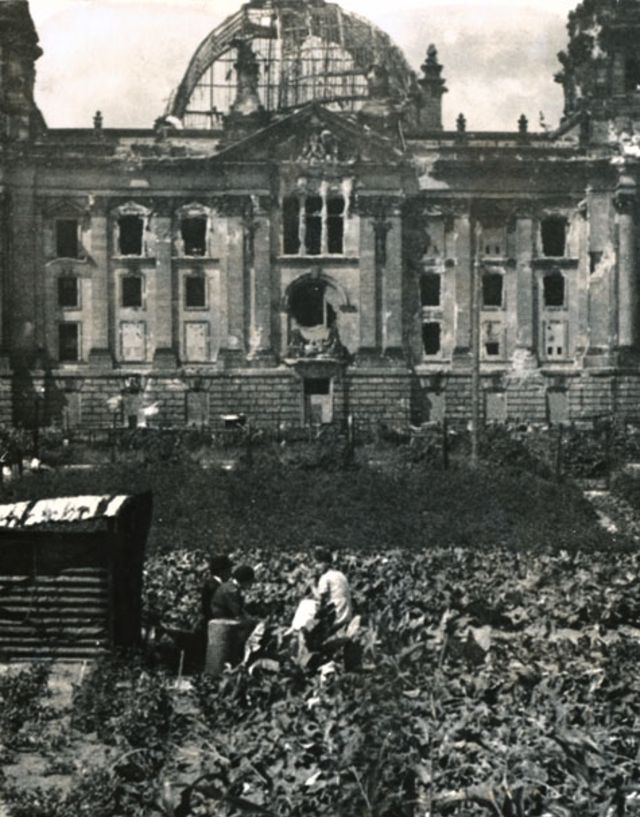
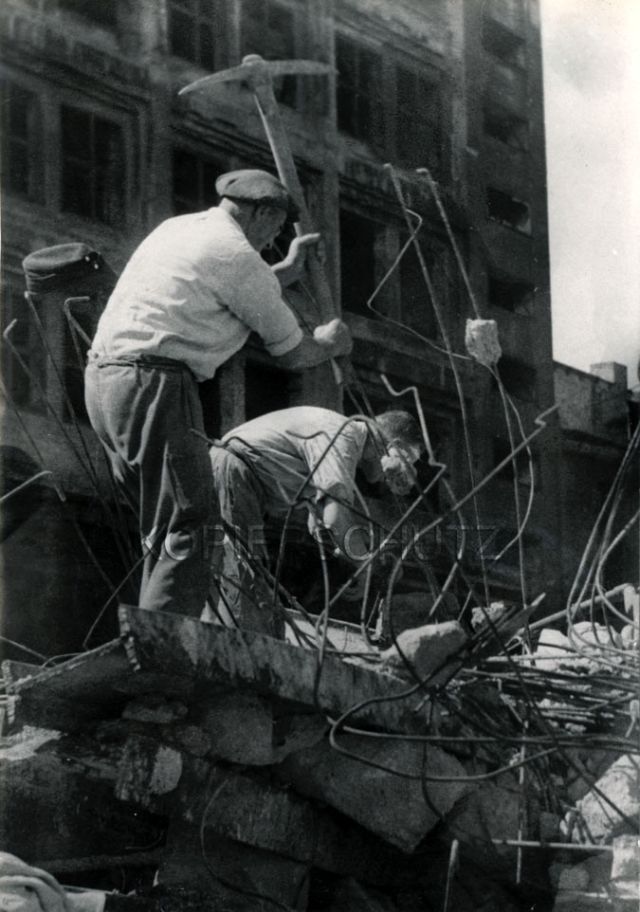
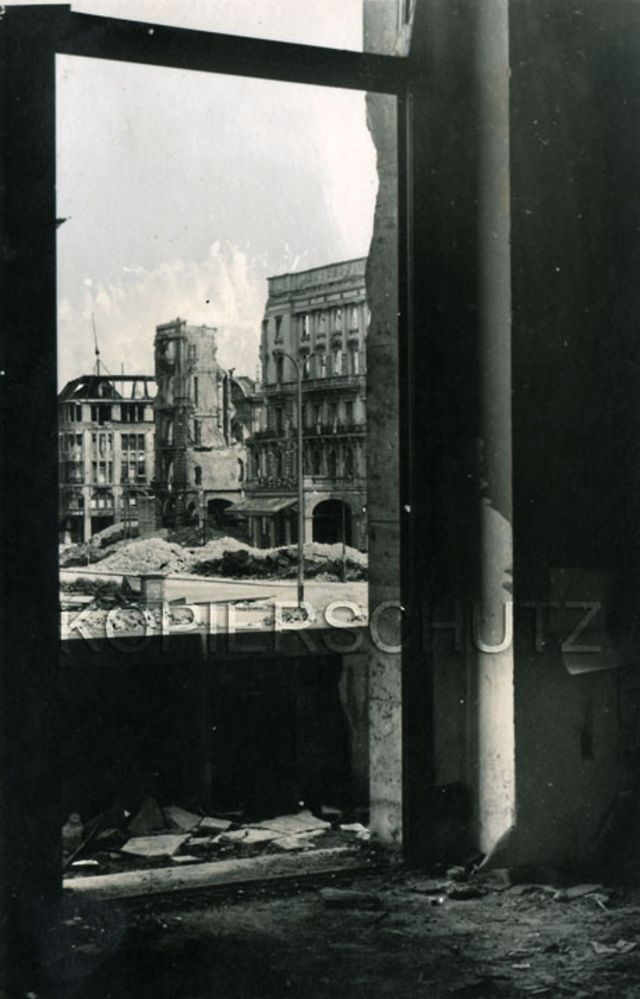
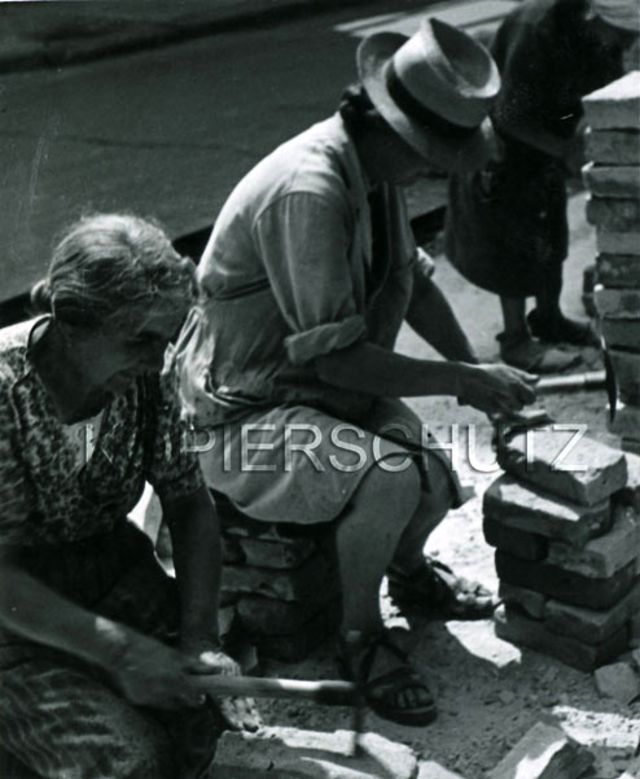
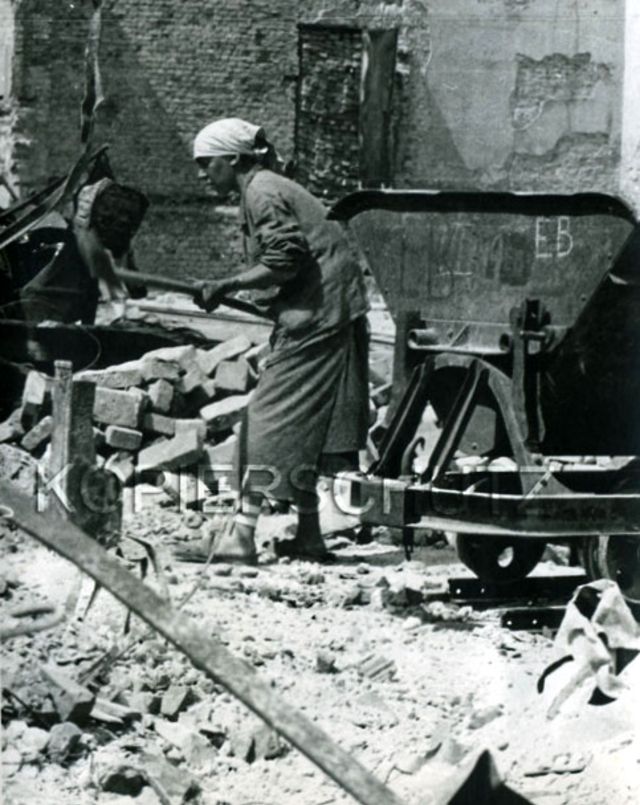
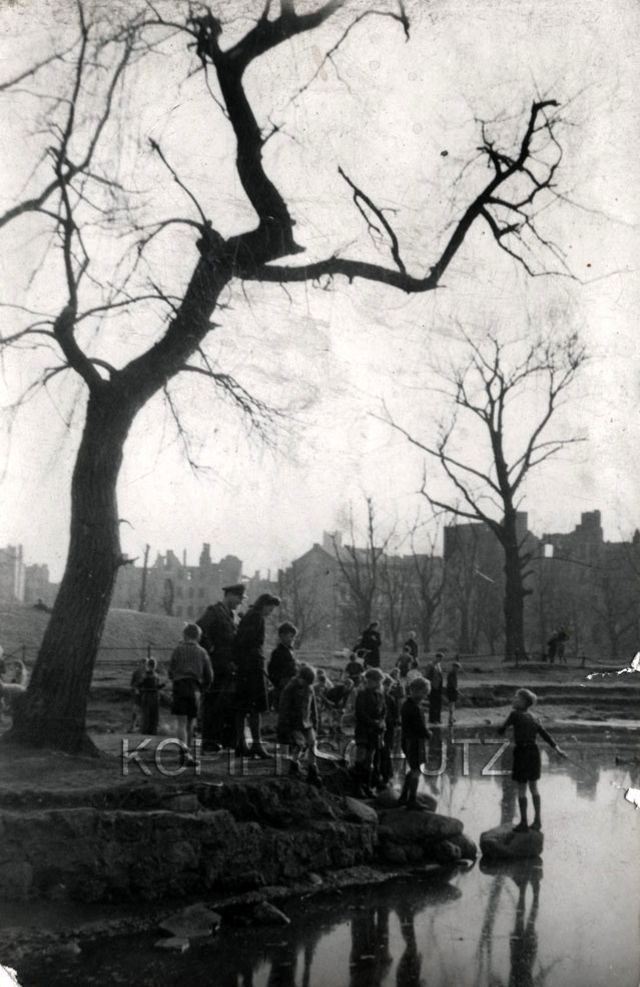
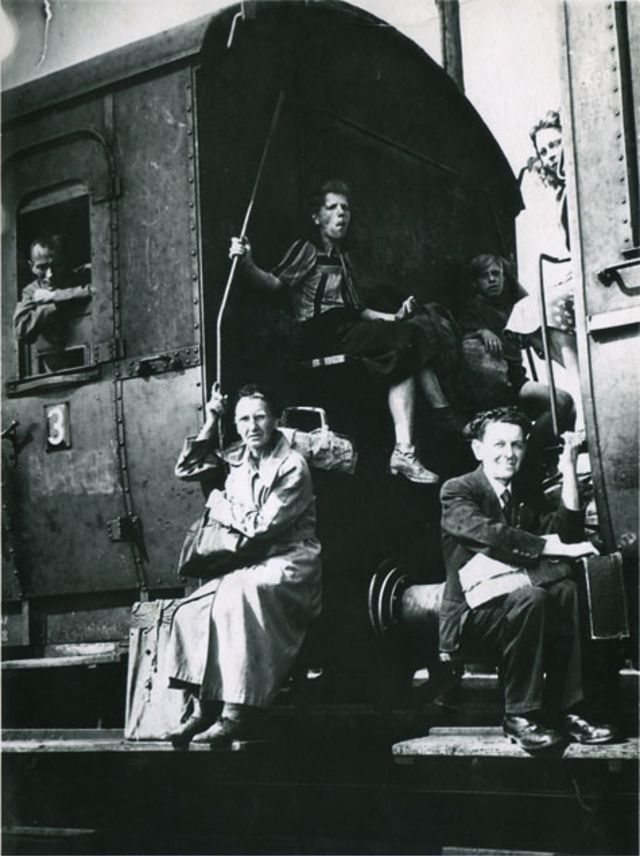
When Hitler was defeated by the Allies in World War II, he left behind almost no post-war plans. It had been tantamount to treason under the Nazi regime to even mention the possibility of defeat, and by the end, practically every single resource available had been poured into the war effort. What remained after Germany’s surrender was a grieving populace mourning the loss of millions of their people and a countryside that had been shelled, bombed, and trampled by tanks and troops for years.
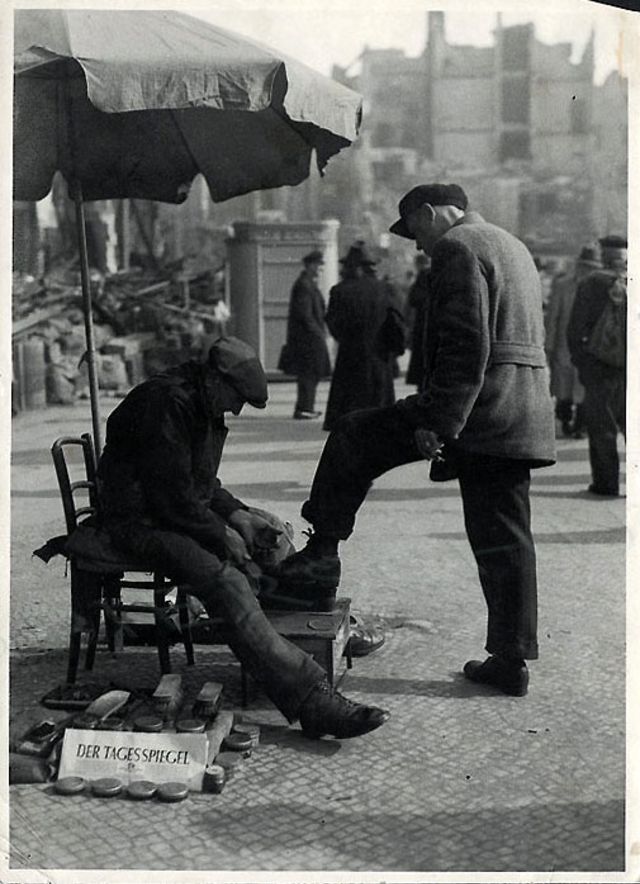
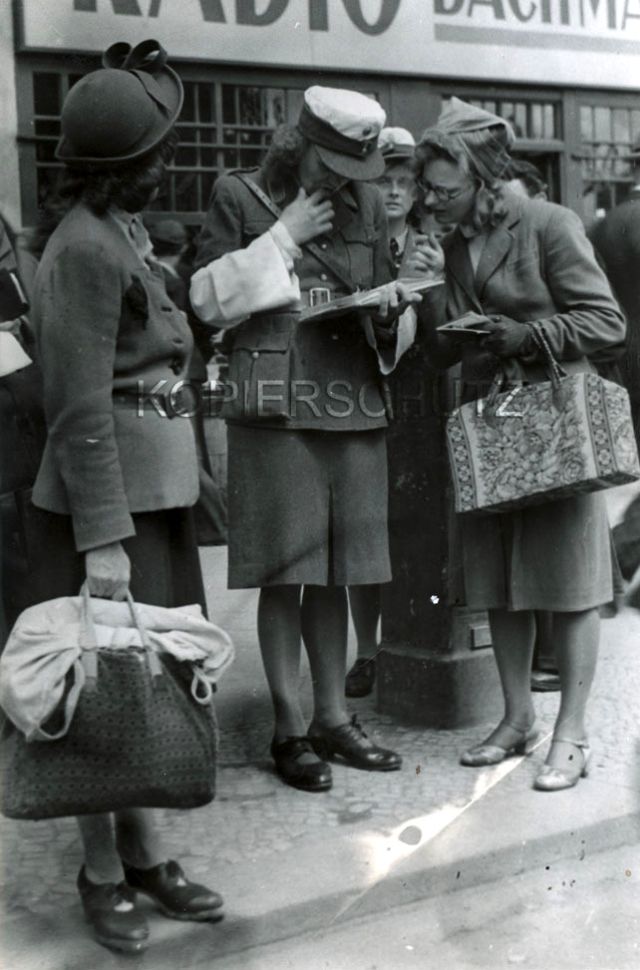
Life in post-war Germany was very, very difficult for a very long time, and the country’s rise out of that brutal era has its own word in the German language. They call it the “Wirtschaftswunder,” which translates to the “Economic Miracle.”
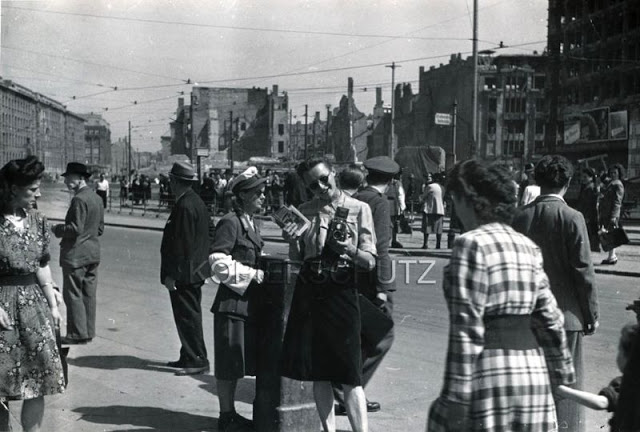
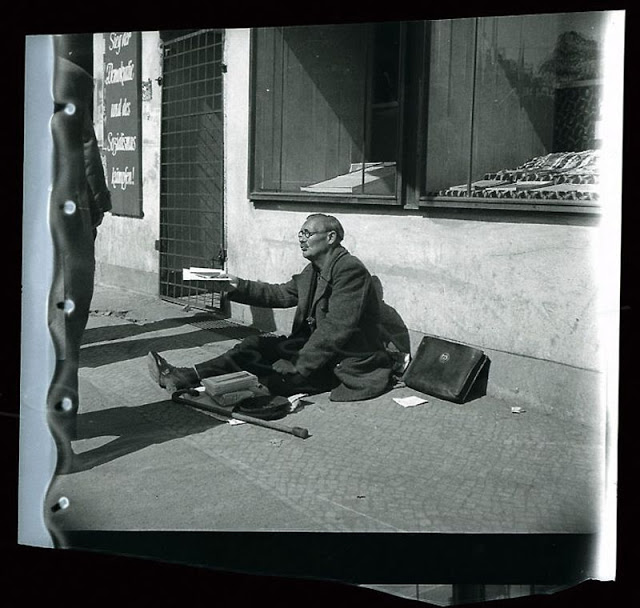
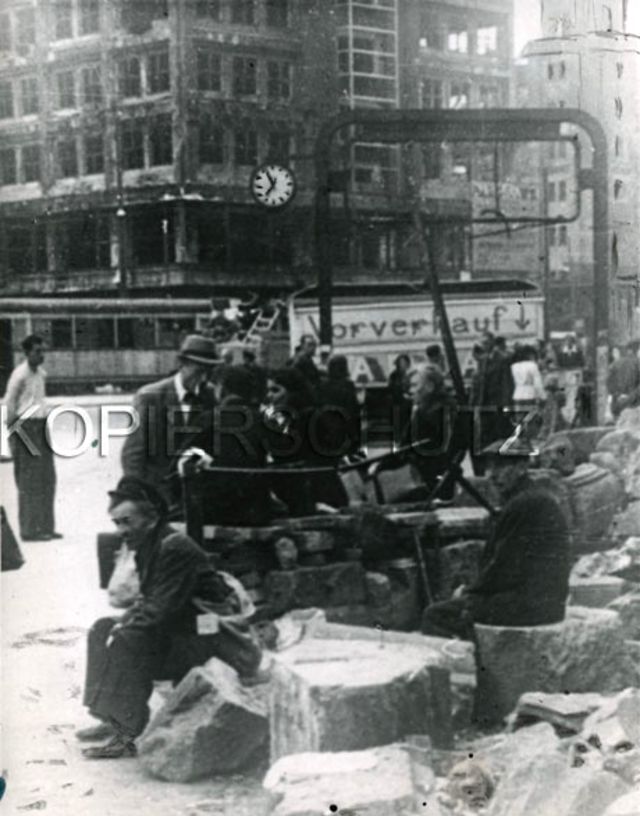
Their situation after the defeat of the Nazis was so dire that nothing short of a miracle – and the back-breaking efforts of the Allies and the hardy Berliners themselves – could have saved the country. It was also one of the most unprecedented situations in world history; no cities have been through anything quite like Germany after World War II.
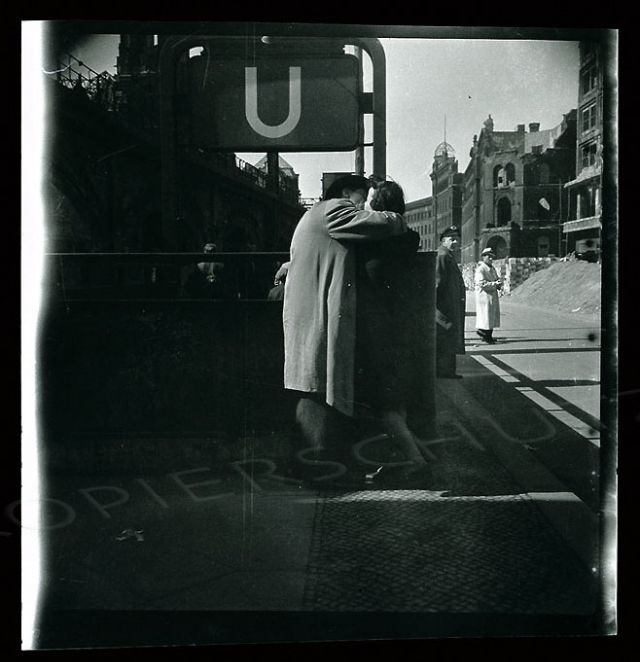
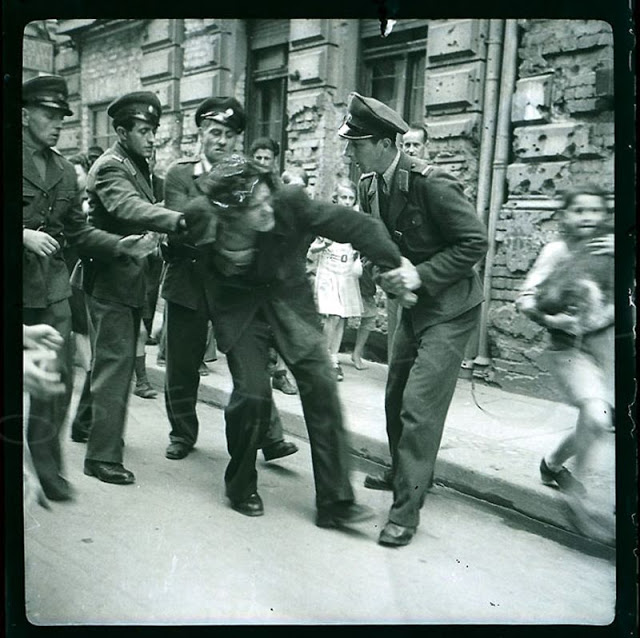
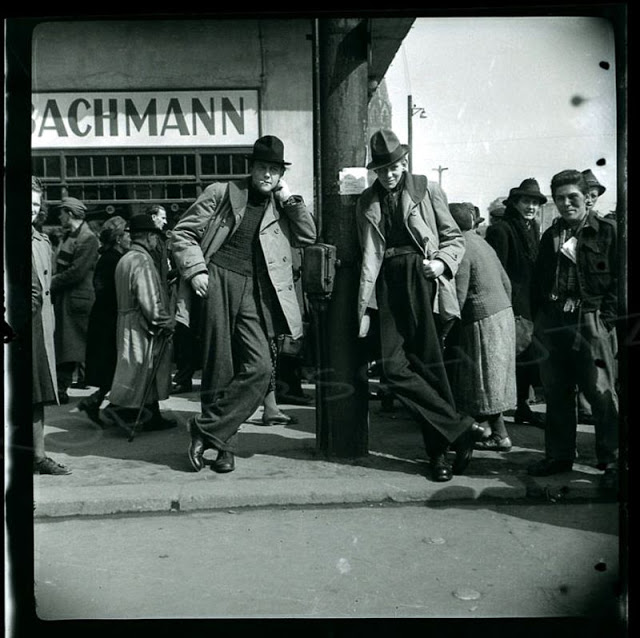
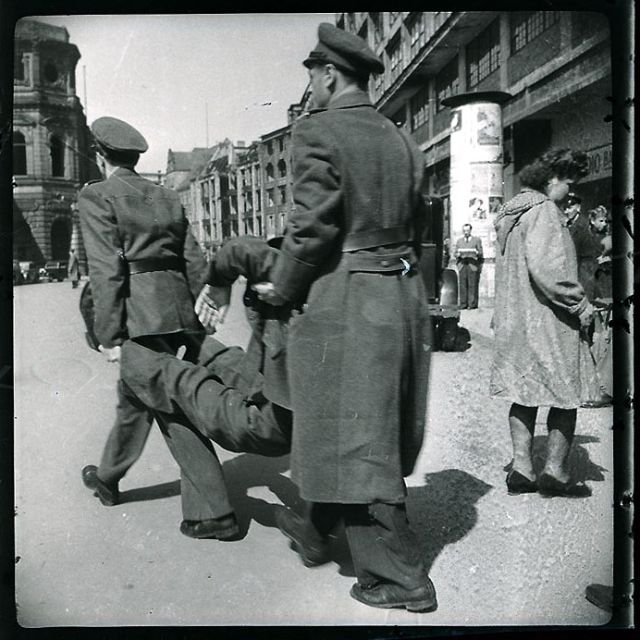
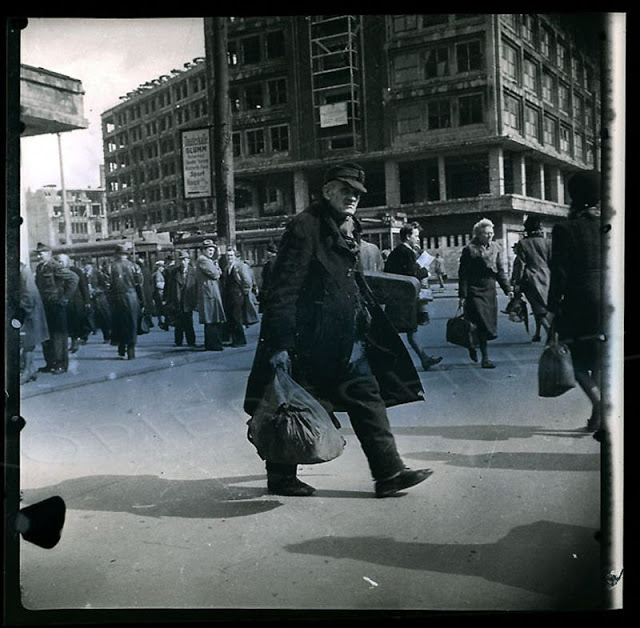
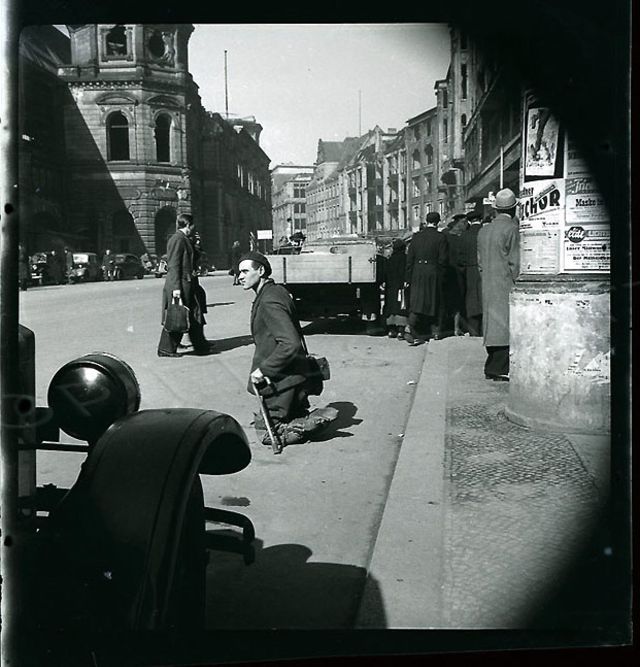
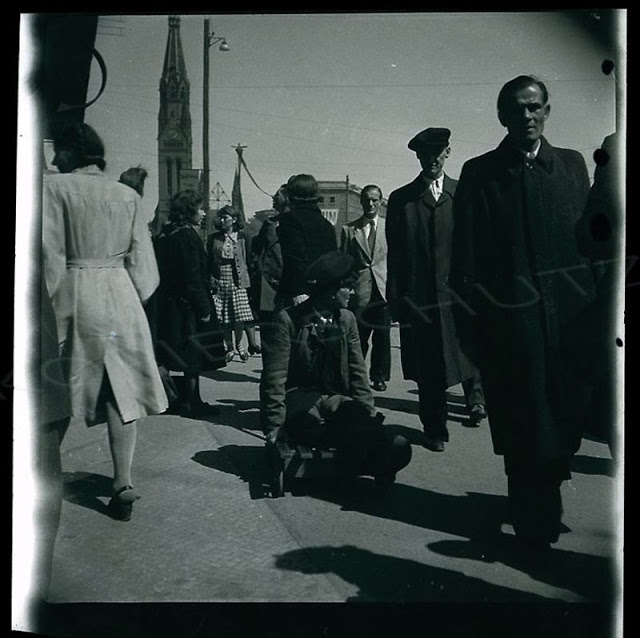
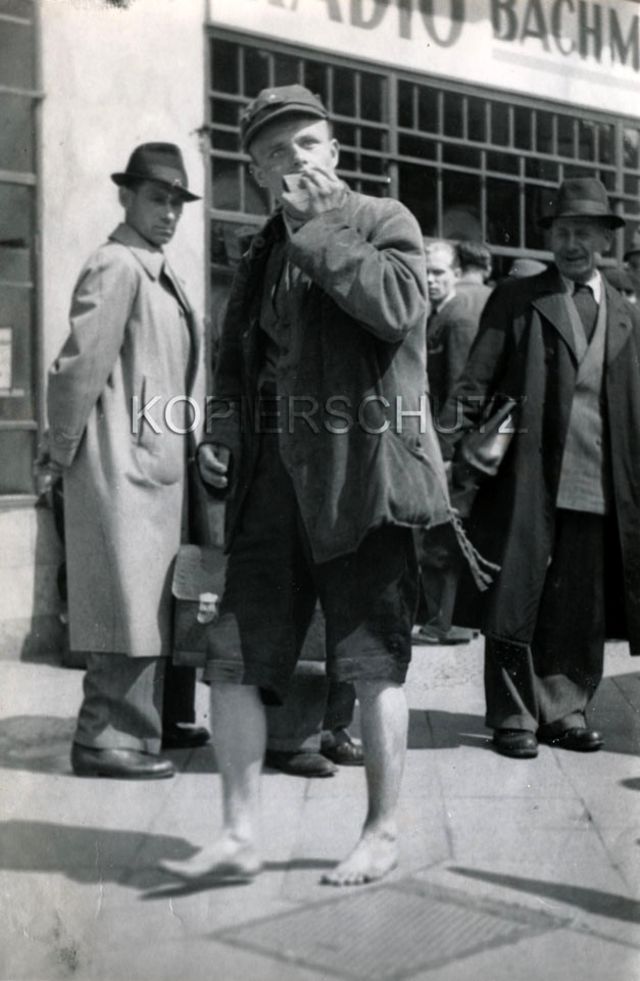
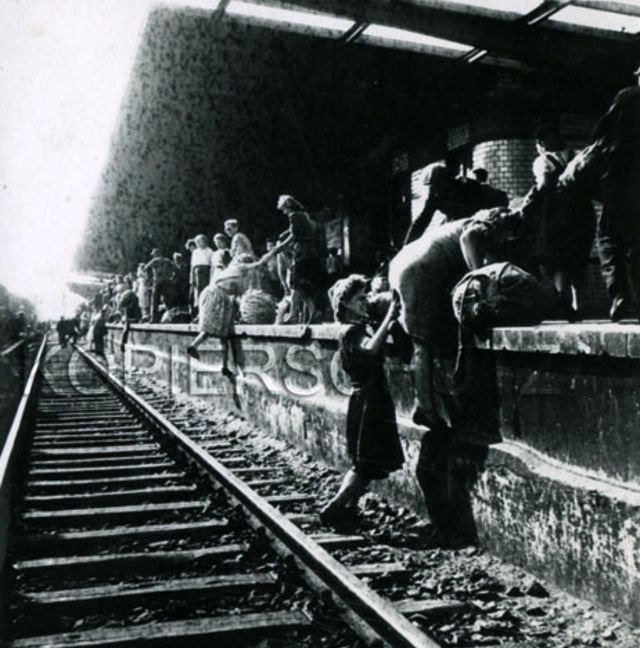
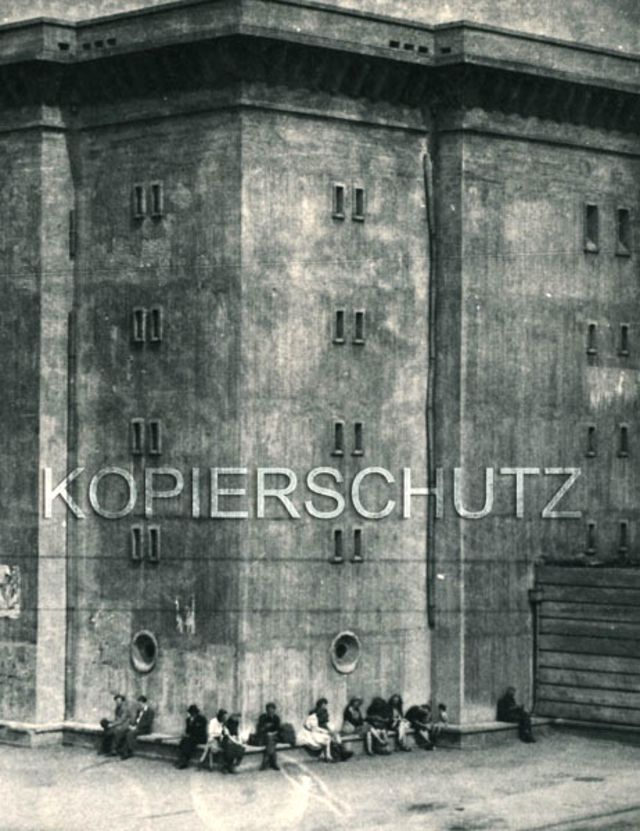
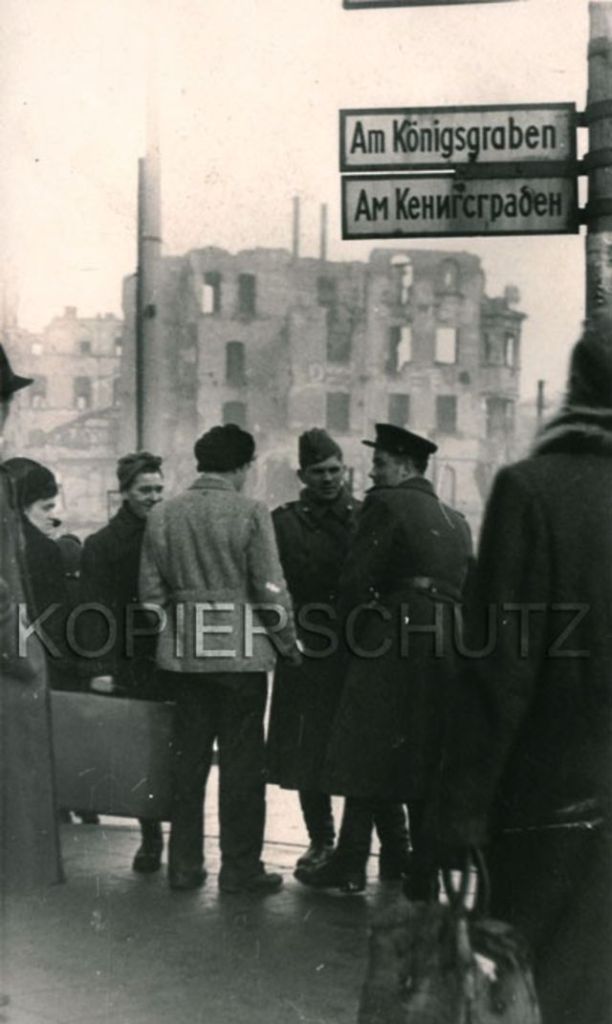
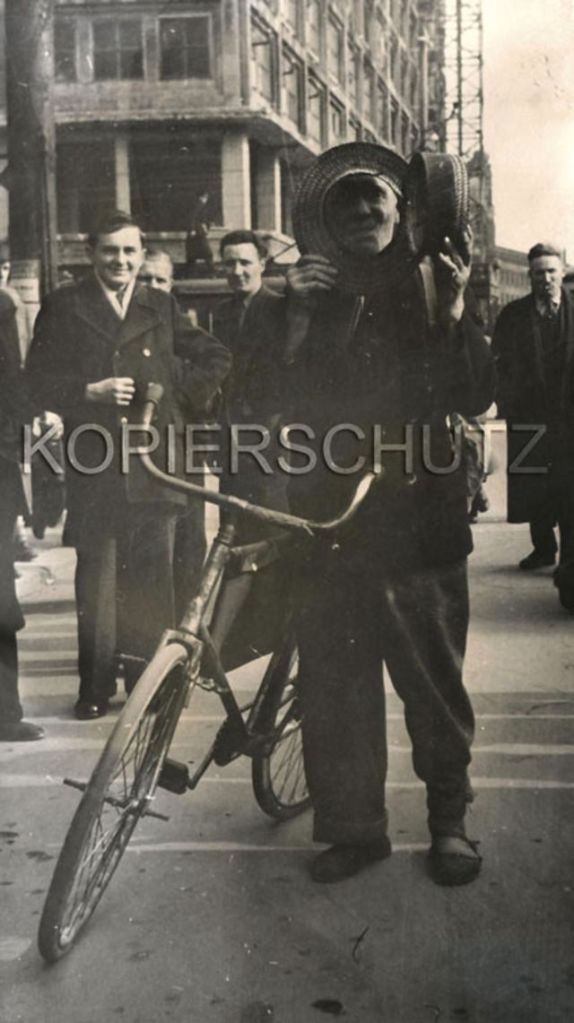
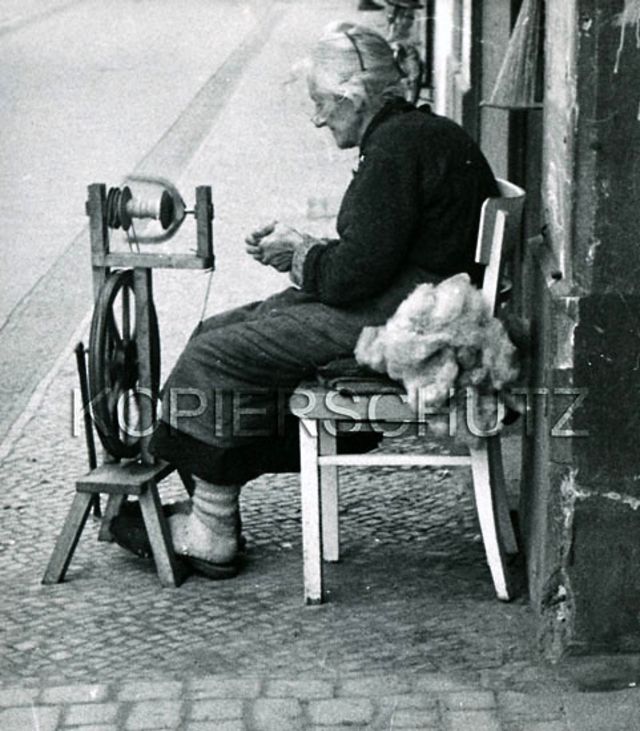
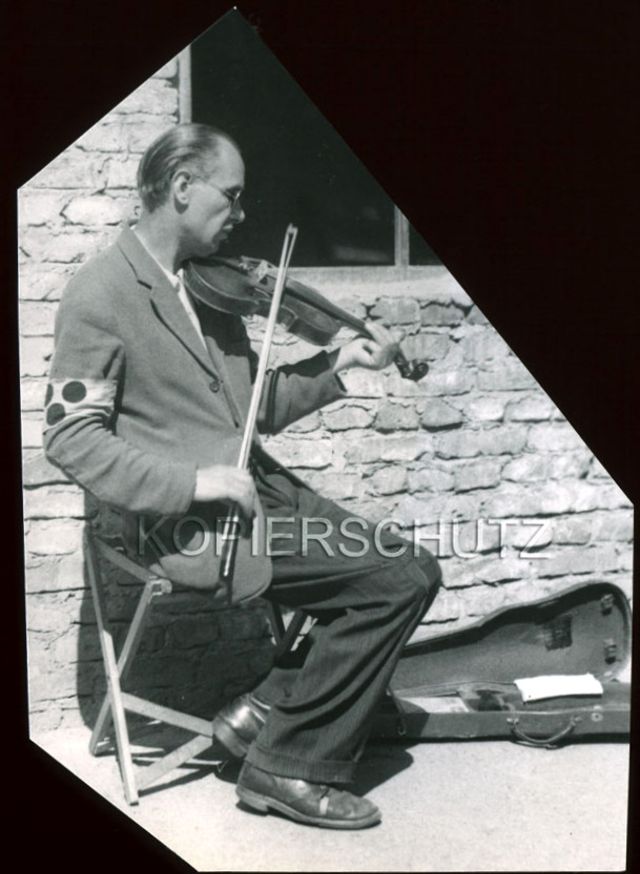
These amazing photos show what Berlin, the German capital looked like in 1946, just after WWII.
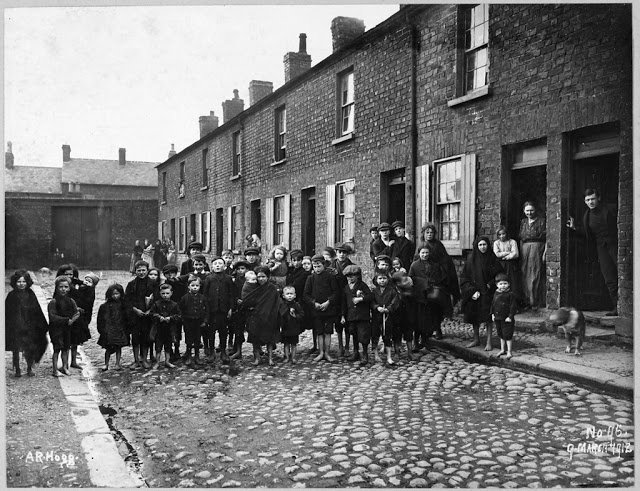
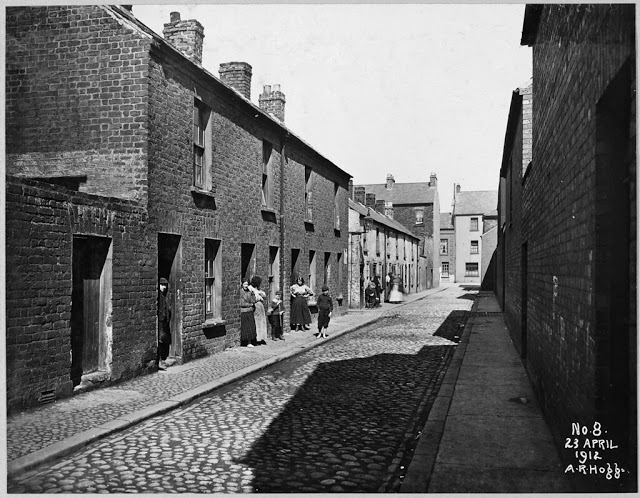
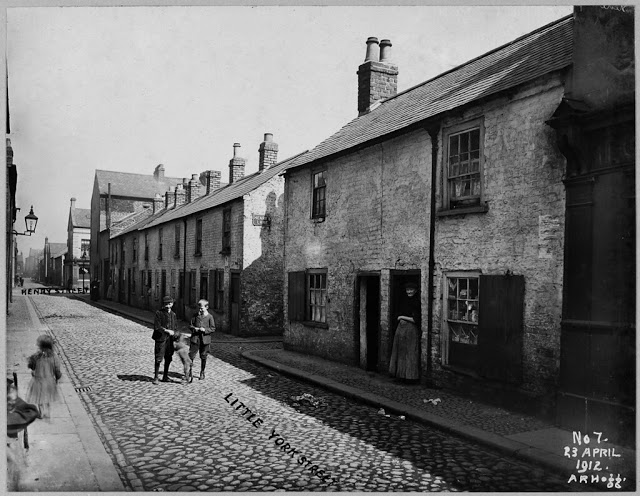
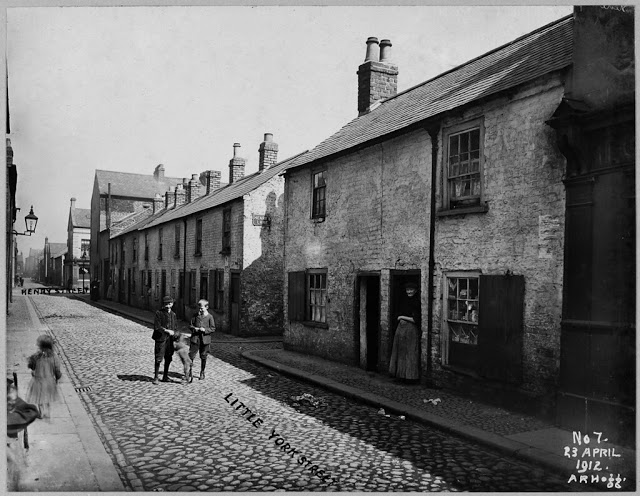
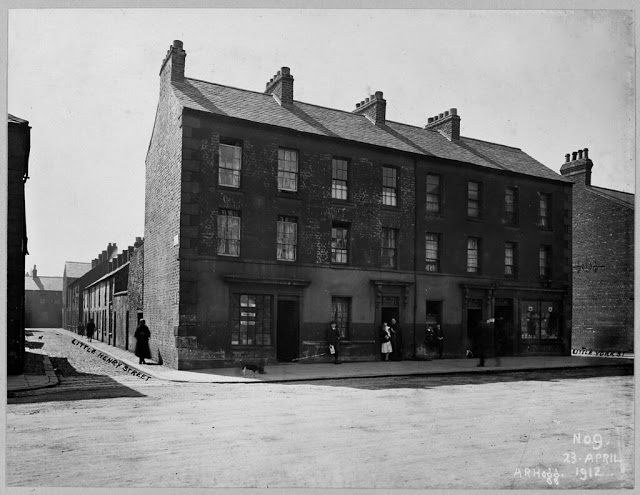
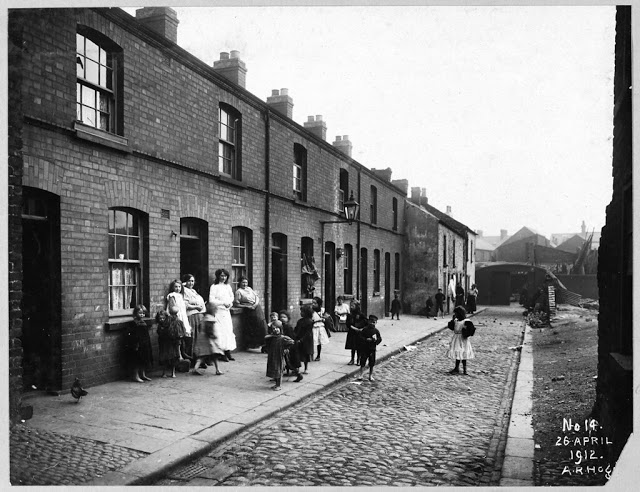
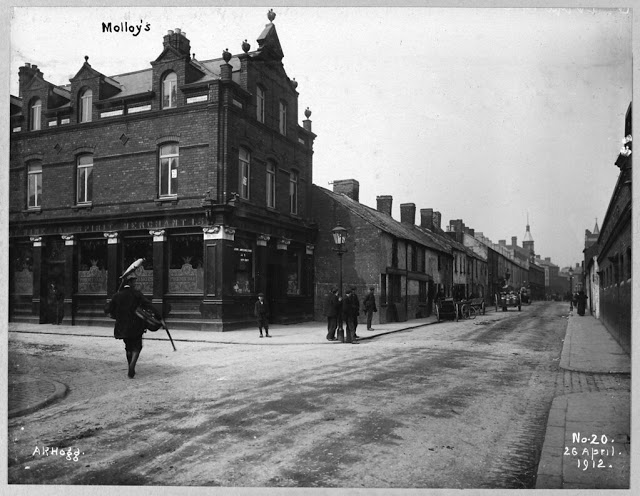
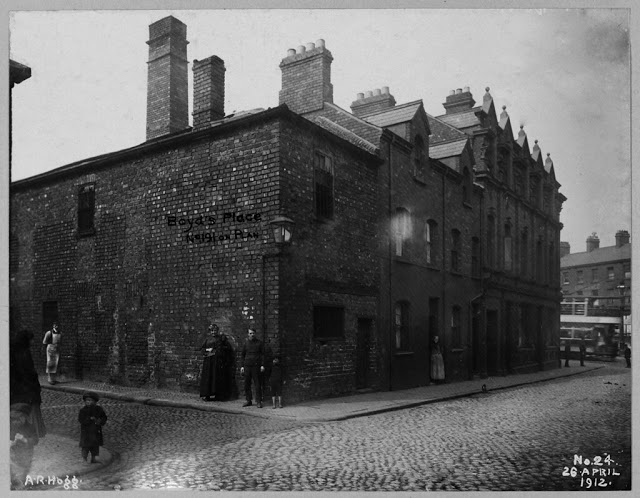
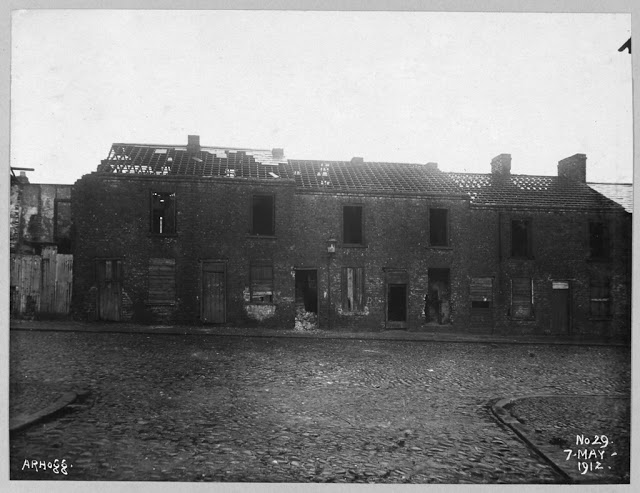
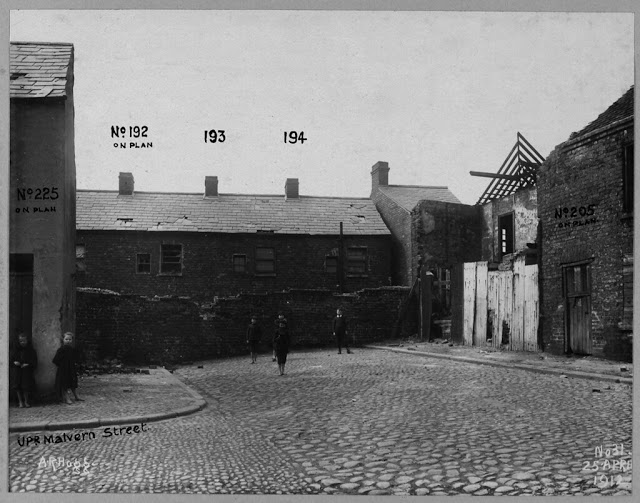
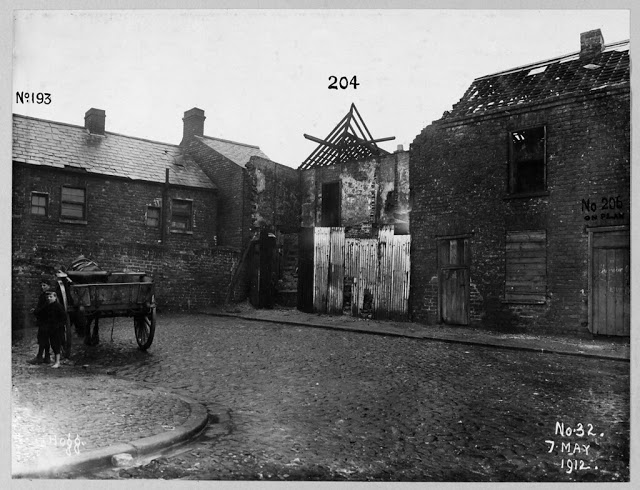
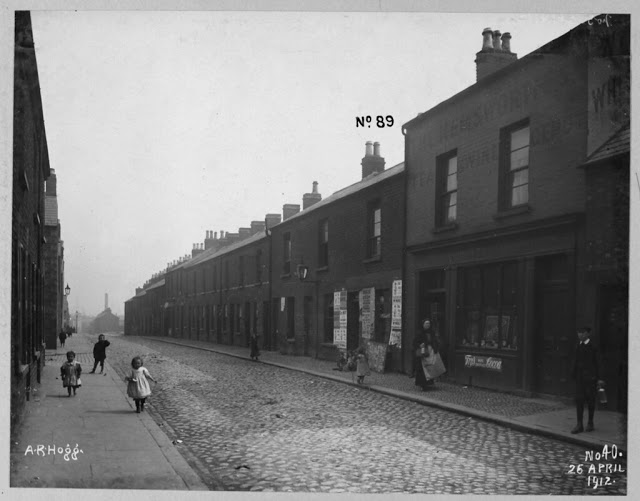
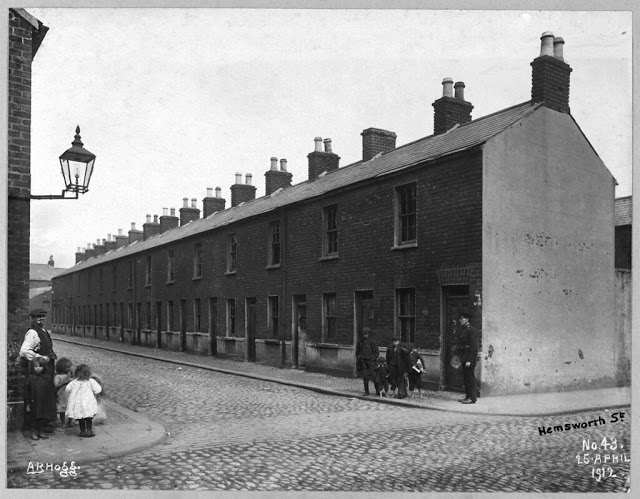
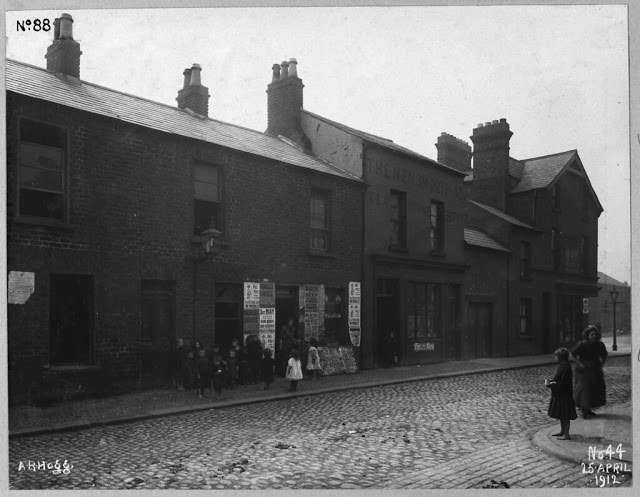
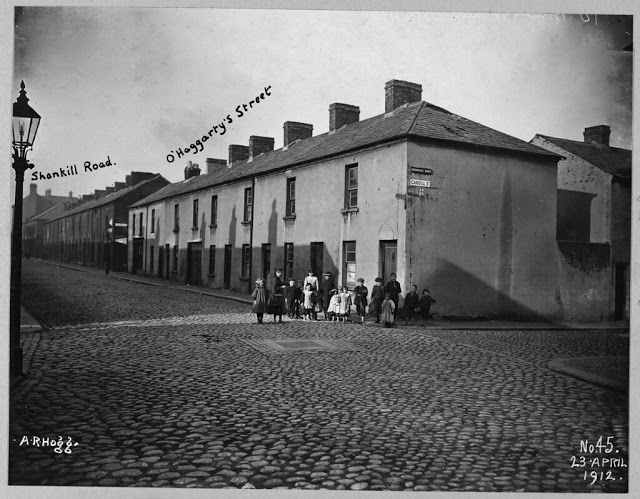
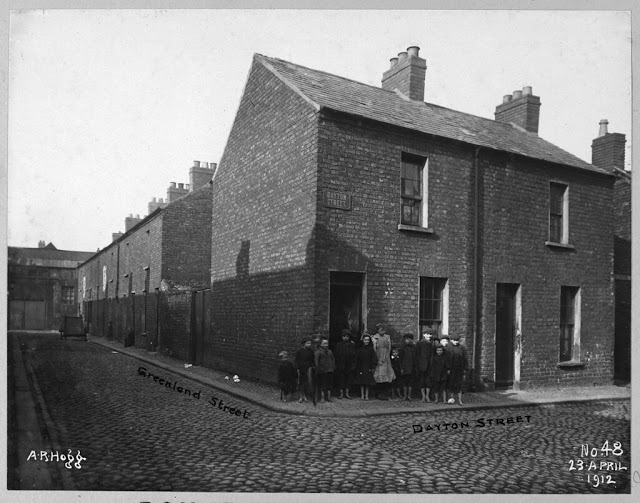
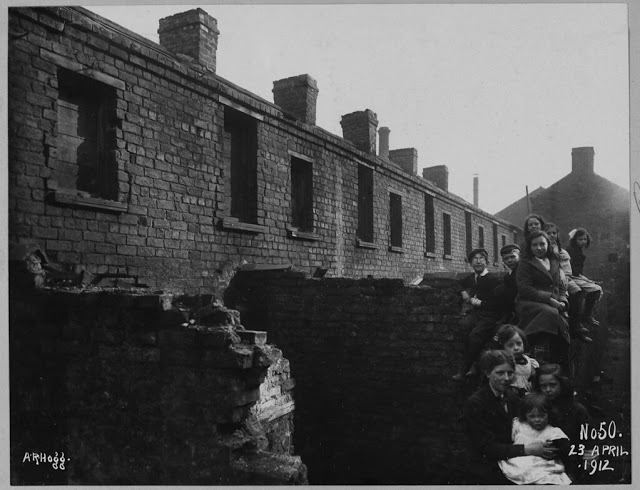
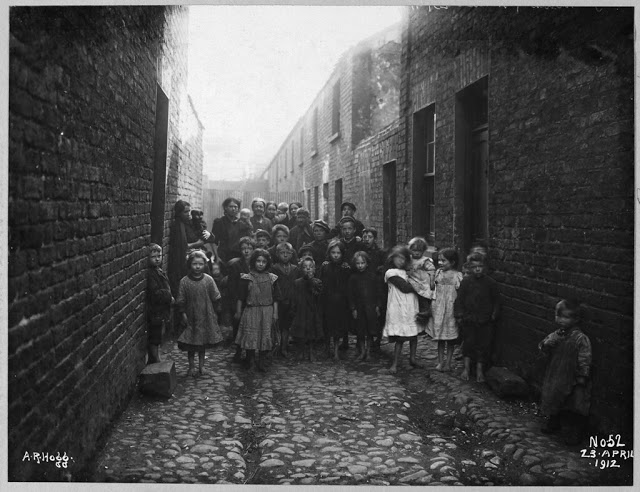
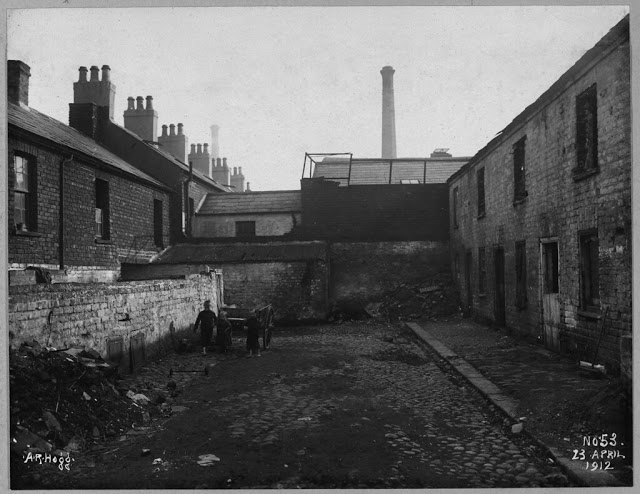
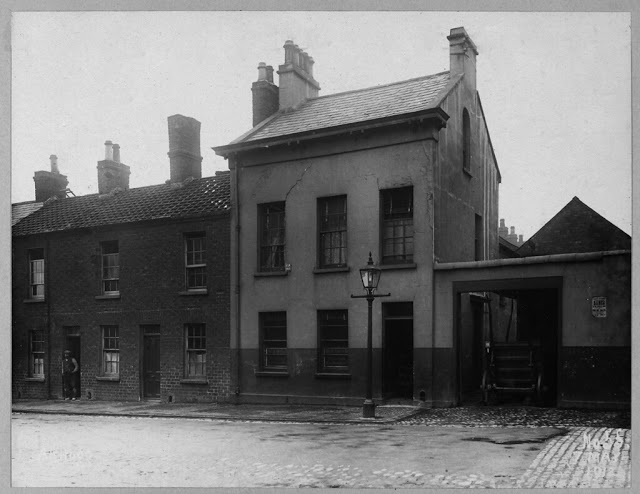
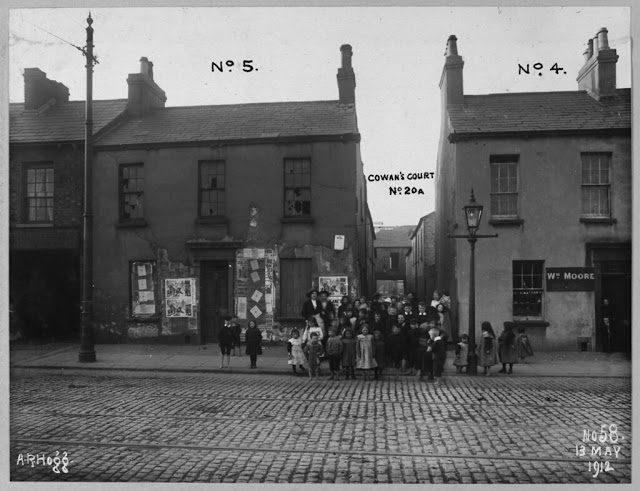
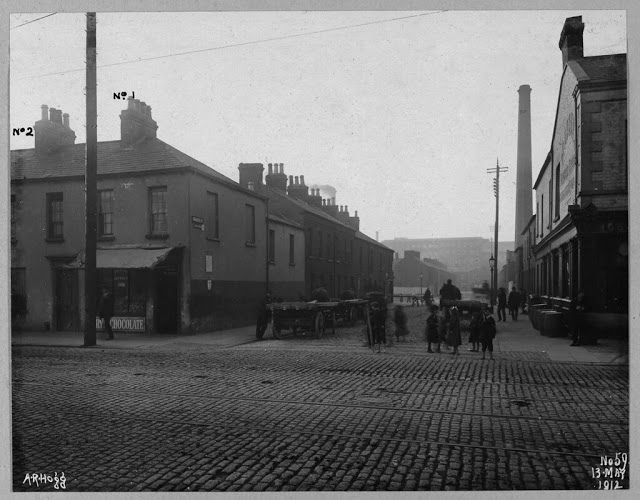
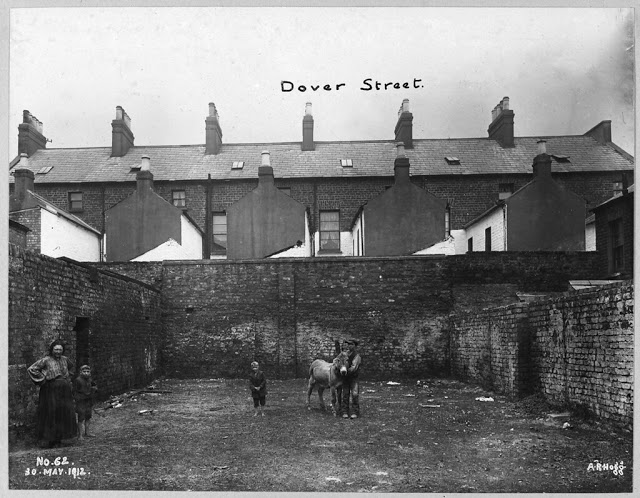
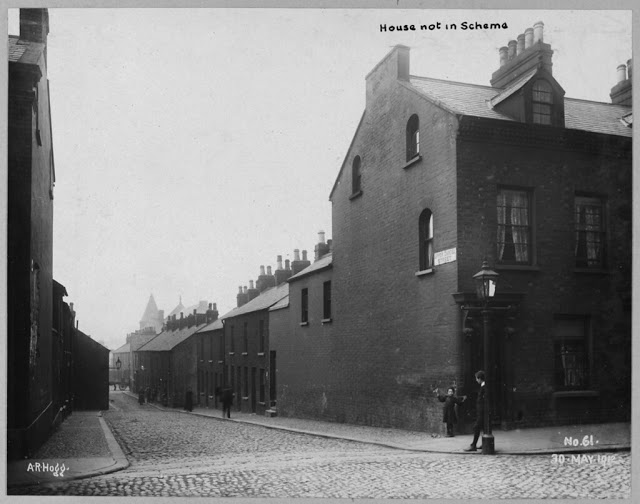
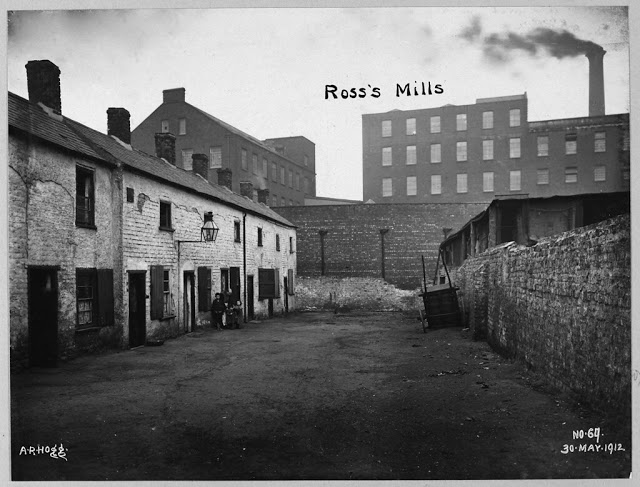
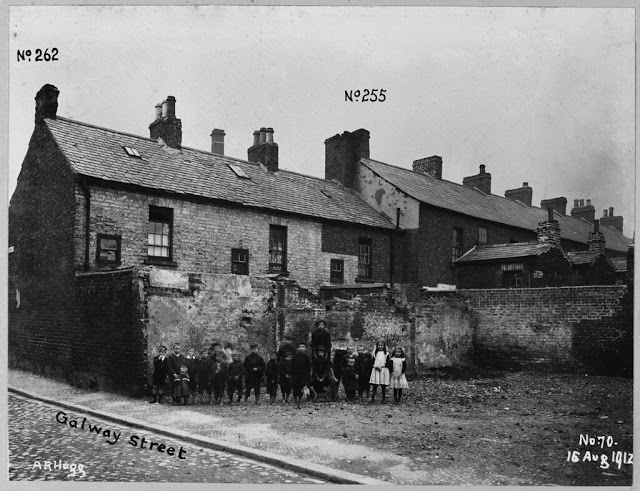
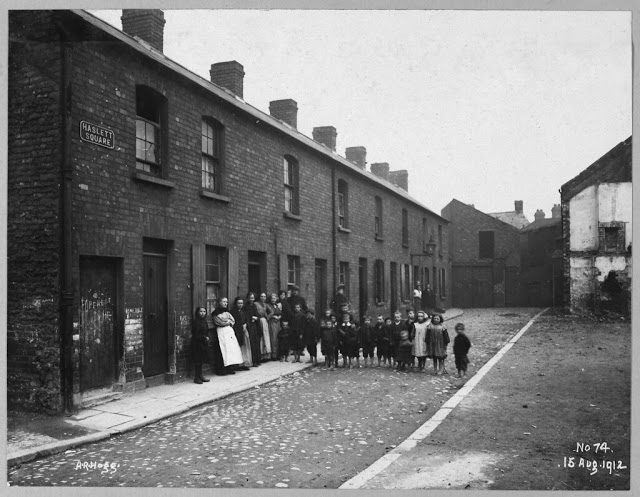
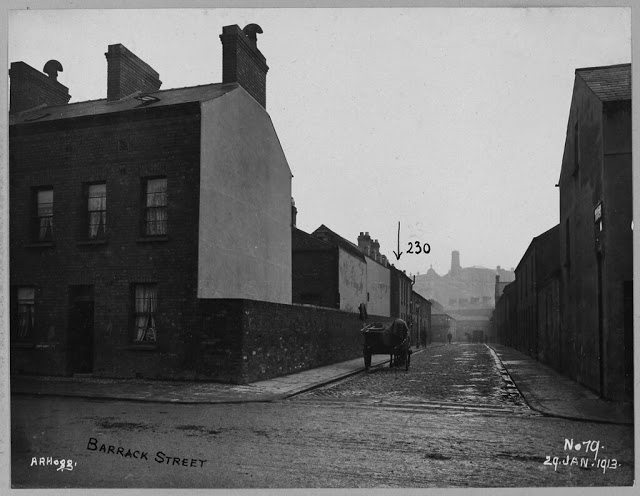
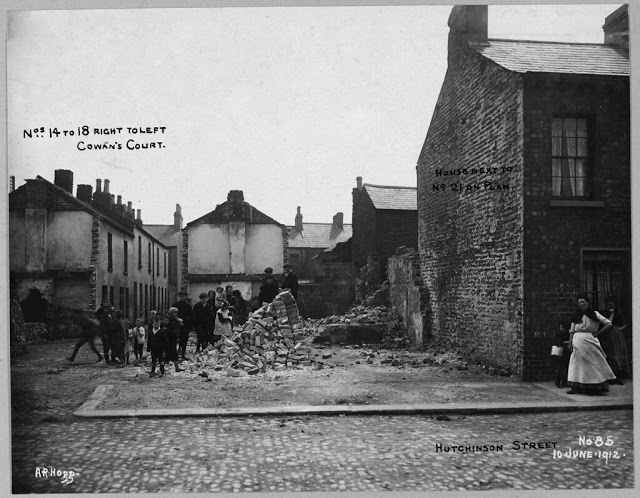
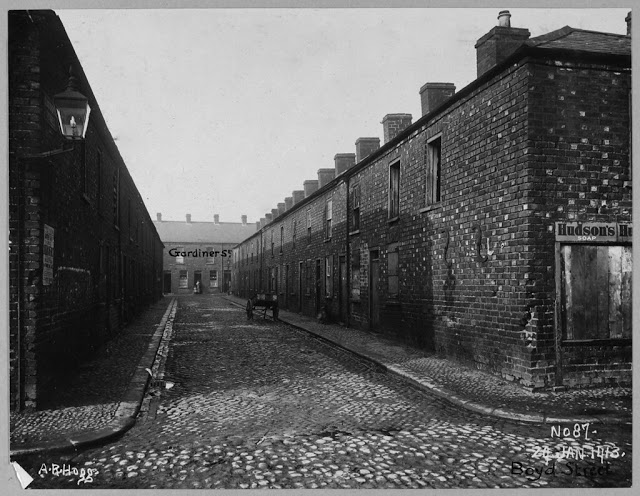
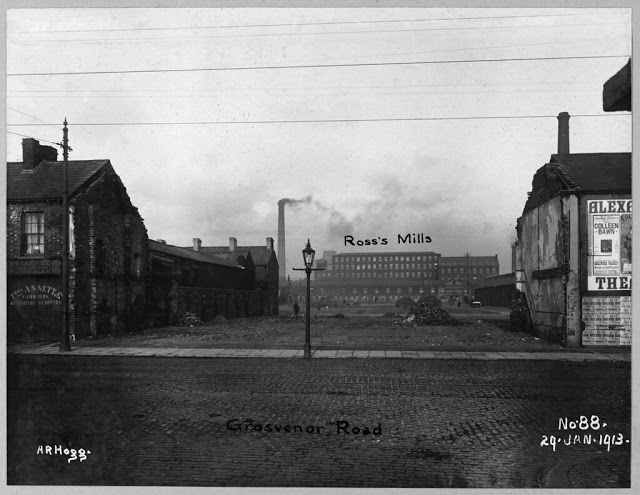
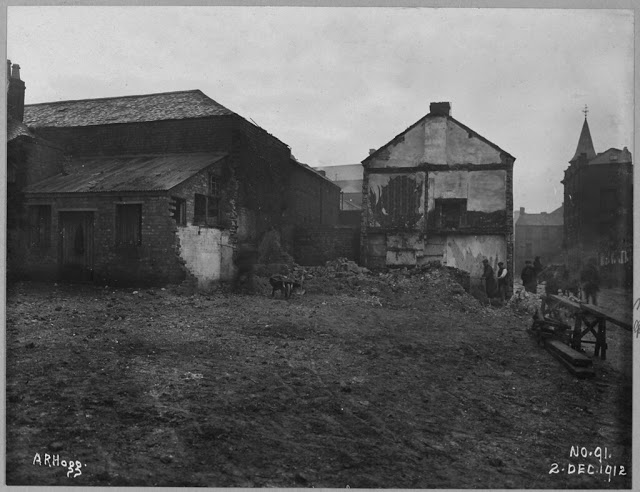
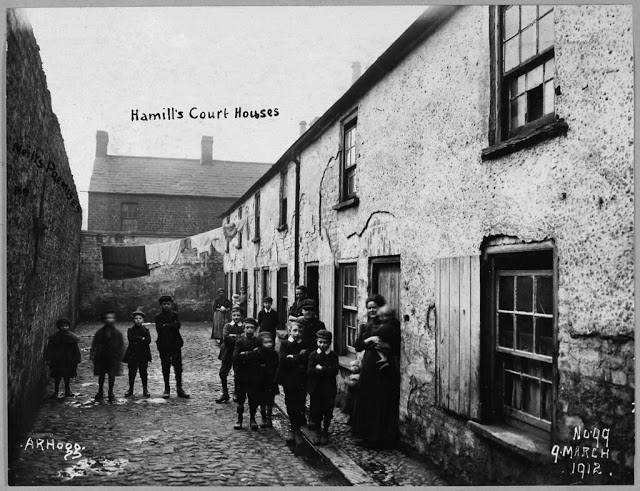
These photographs come from the Belfast Corporation archive and were taken by Alexander Hogg (1870–1939). The photographs show various properties, mainly older houses, to be demolished or otherwise affected by improvement schemes undertaken by the Corporation under the Belfast Improvement Order (1910) and the Belfast Corporation Act (1911).
Although focused on the properties, the photographs contain an interesting record of street life in Belfast, including inner city areas, the suburbs and the commercial centre, before and in the early years of the Great War. Most include people, particularly children, generally arranged in groups in the foreground of the scene. They also give a vivid impression of the quality of the housing stock in these areas.
Locations covered include: Little York Street; Millfield (including Gardiner Street, Brown Street and Boundary Street); mid Shankill (Hemsworth Street); Grovenor Road (Stanley Street); Hamill Street; Barrack Street; and Lower Falls (Christian Place); Mill Street; King Street; Divis Street; Manor Street; Crimea Street; Tate’s Avenue; Chichester Street; Victoria Street; Cromac Square; Shankill Road; Woodvale Road and Antrim Road.
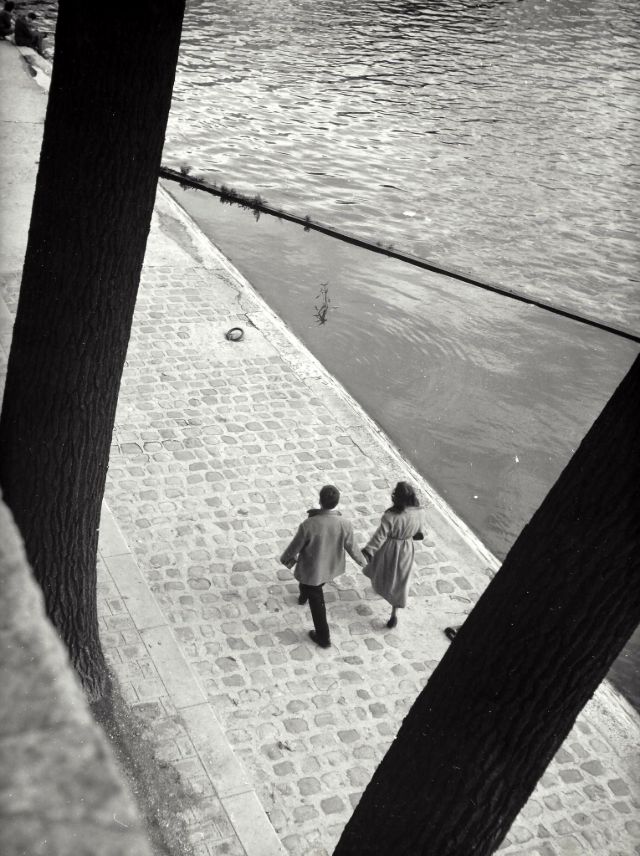
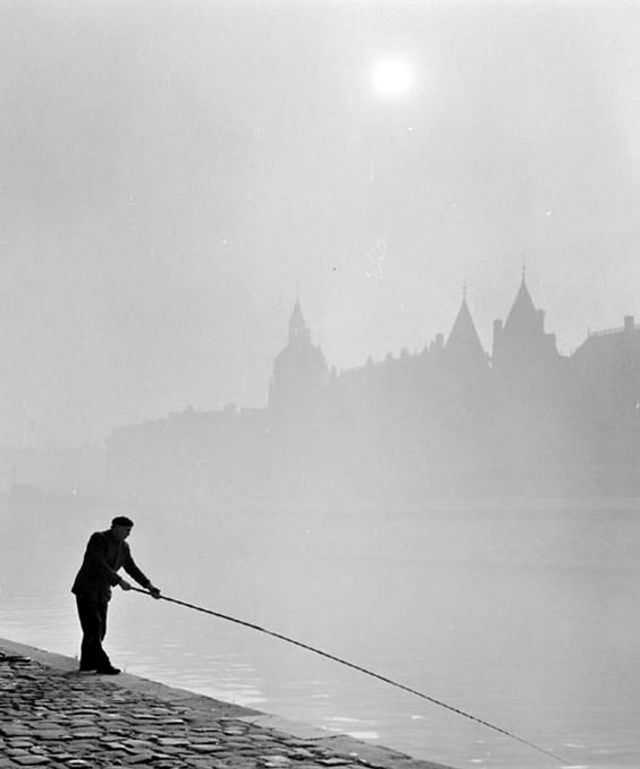
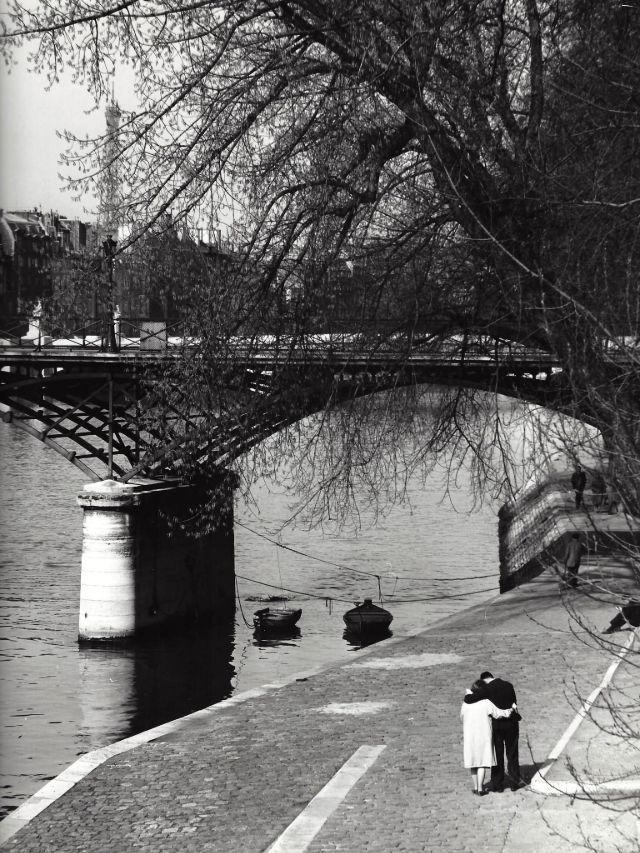
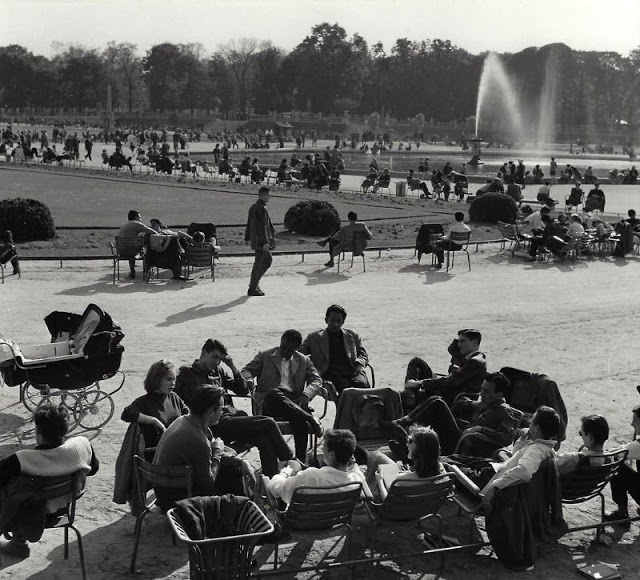
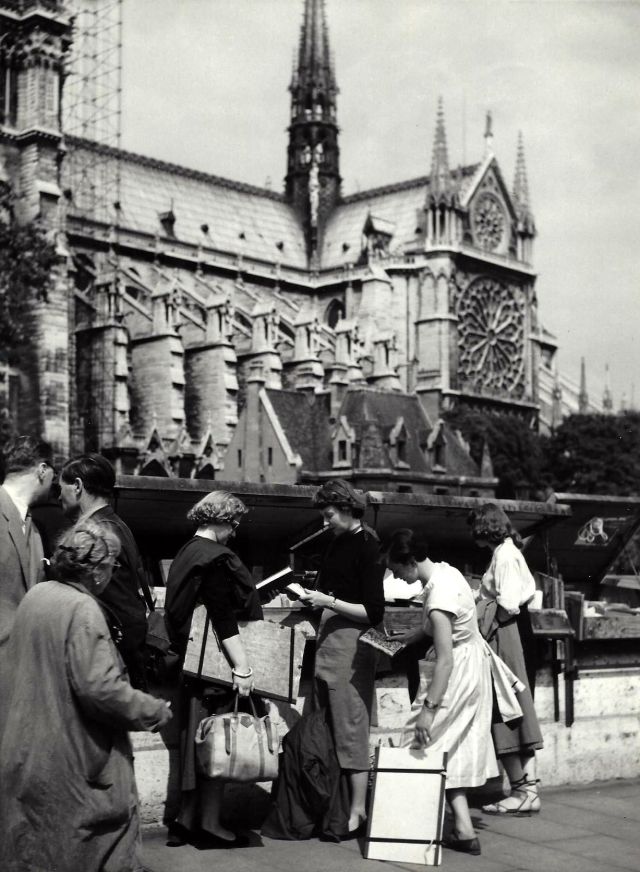
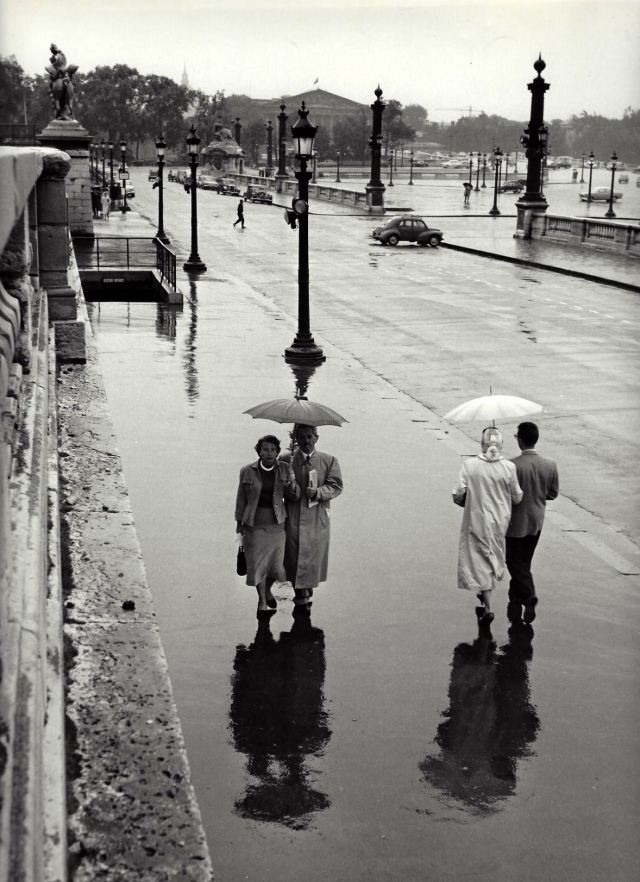
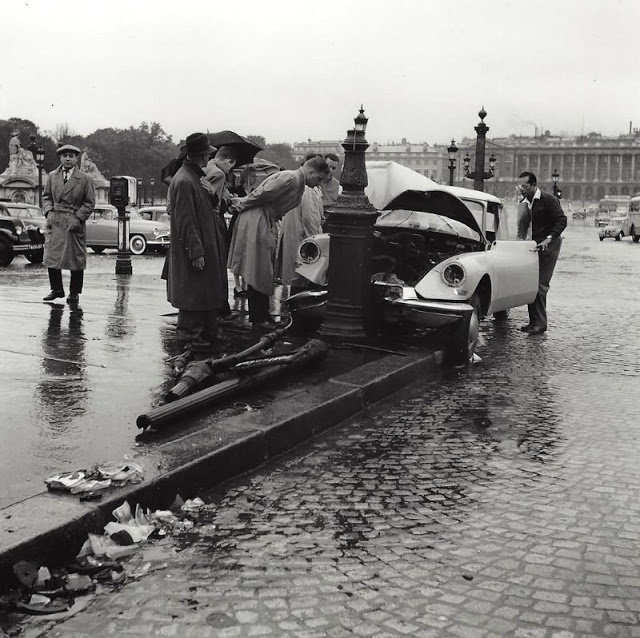
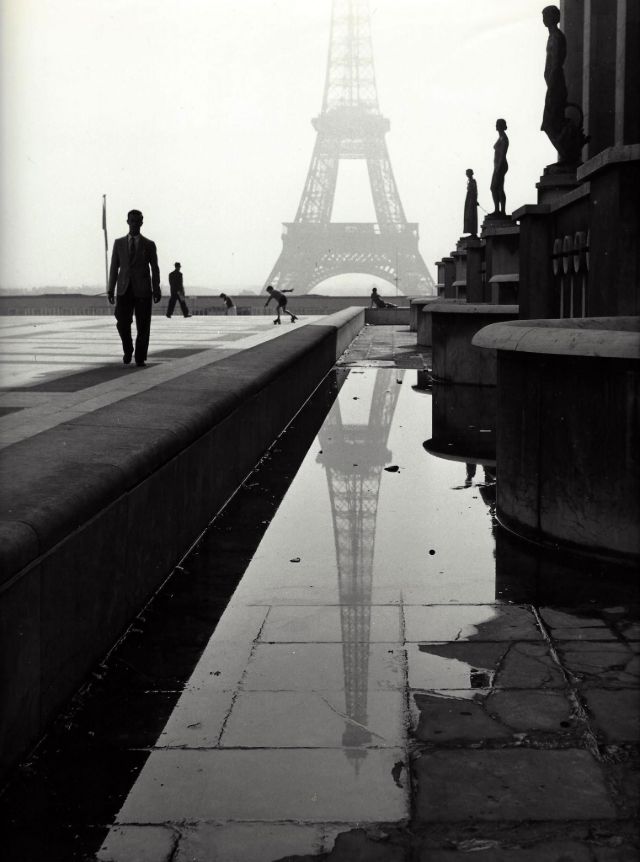
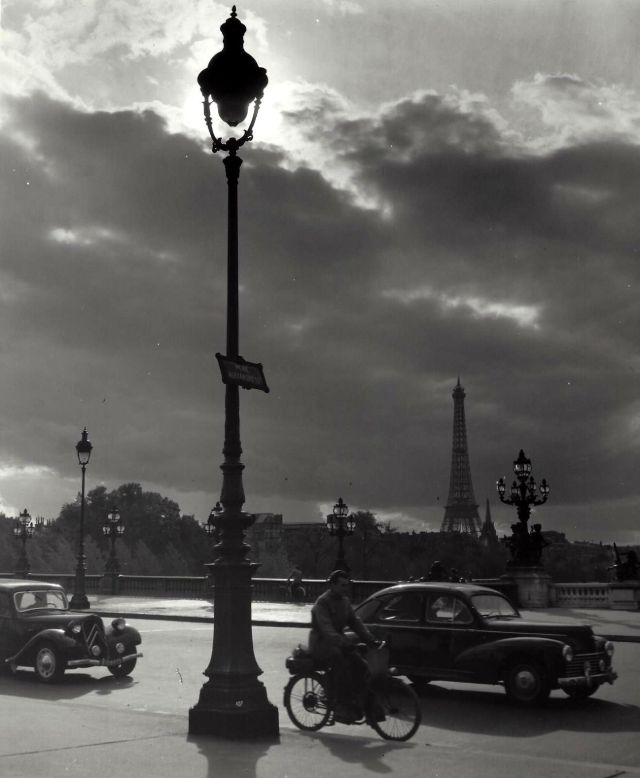
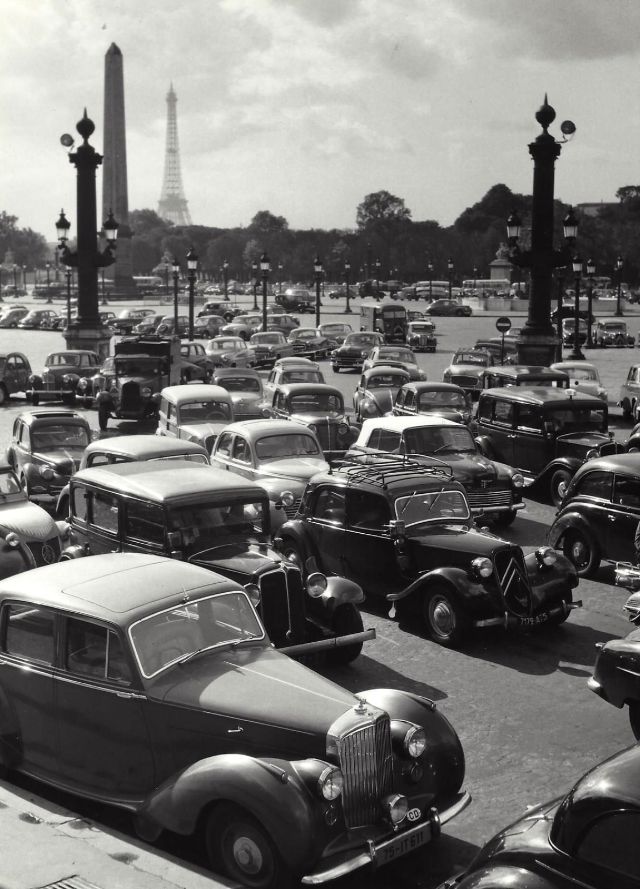
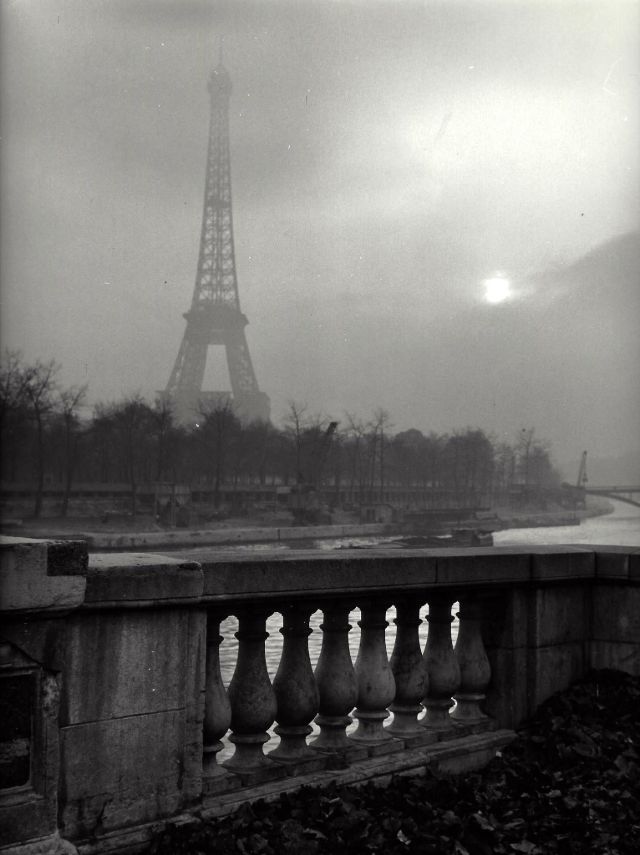
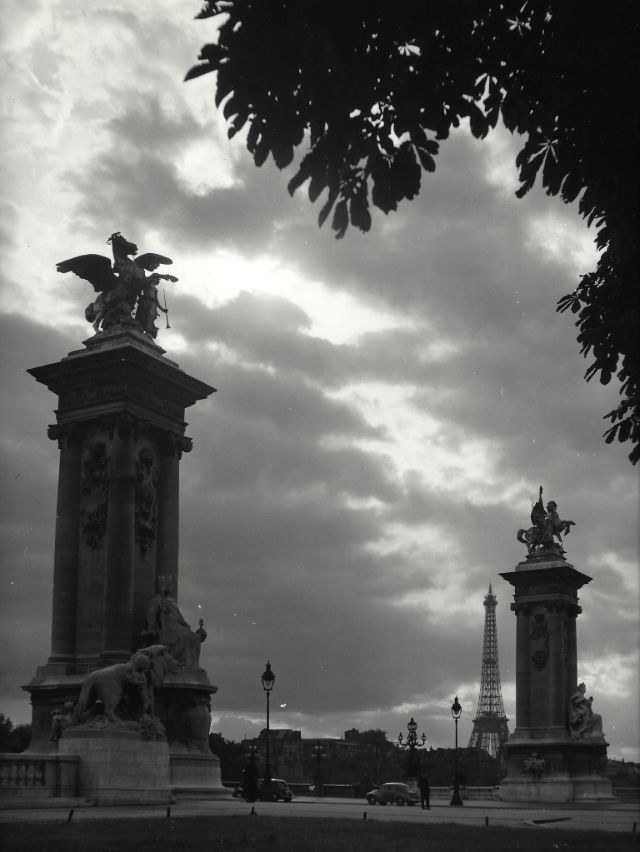
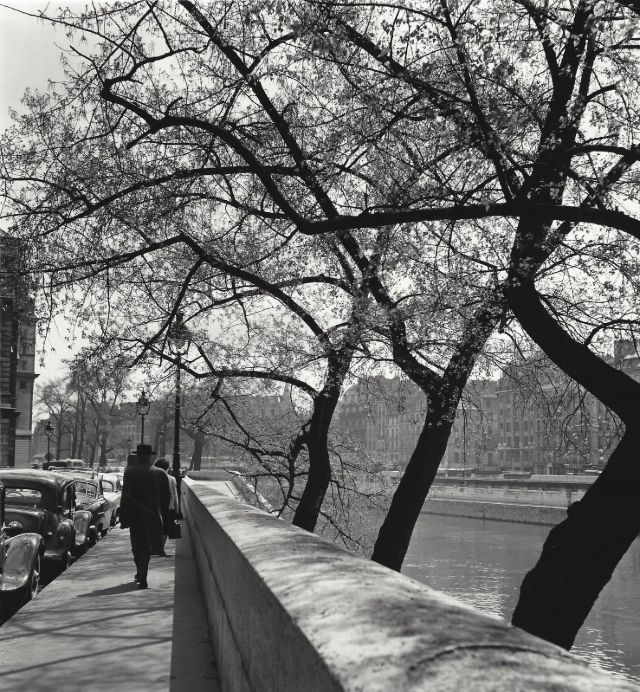
Born 1920 in the Amsterdam working-class district called ‘de Jordaan’, Dutch photographer Kees Scherer began working as a freelance photographer and reached the pinnacle of photojournalism with high-profile reports about the flood disaster in the province of Zeeland (1953) and the Hungarian uprising (1956), shortly after WWII.
Scherer initiated World Press Photo in 1955 with Bram Wisman. In addition to his extensive work in color, Scherer’s early work in black and white has also been receiving increasing attention in recent years. He depicted his favourite cities in exhaustive detail, namely Paris, New York, and especially Amsterdam.
Scherer died in 1993 at the age of 73.
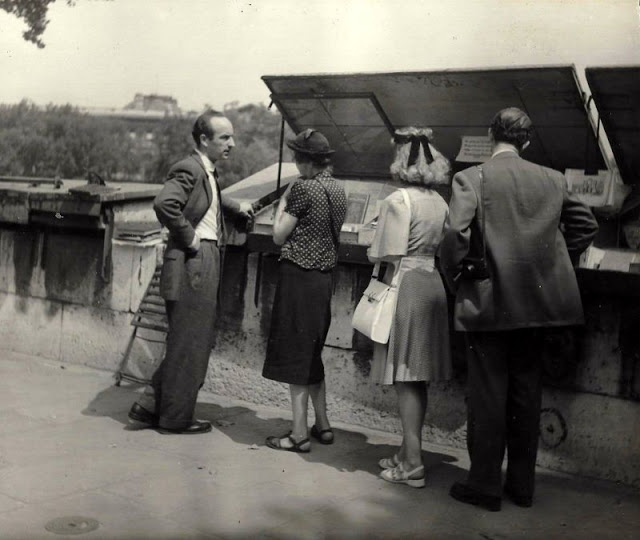
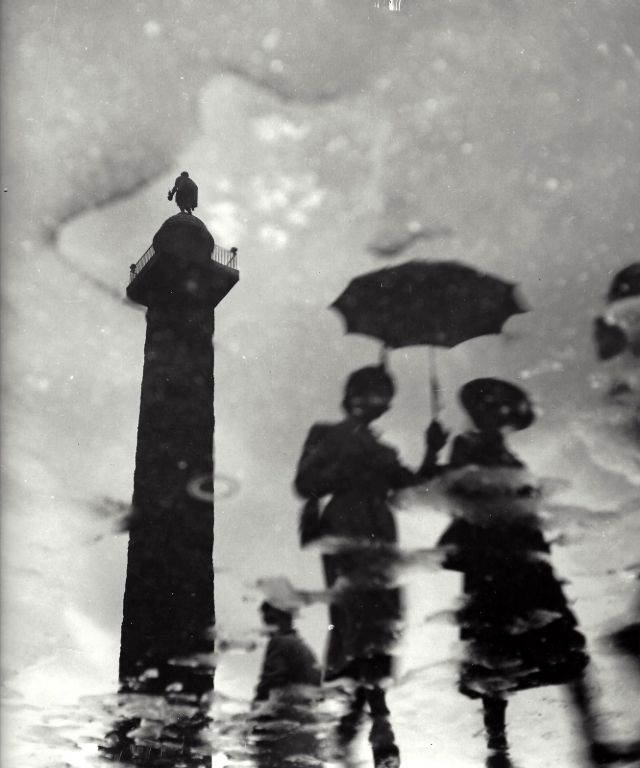
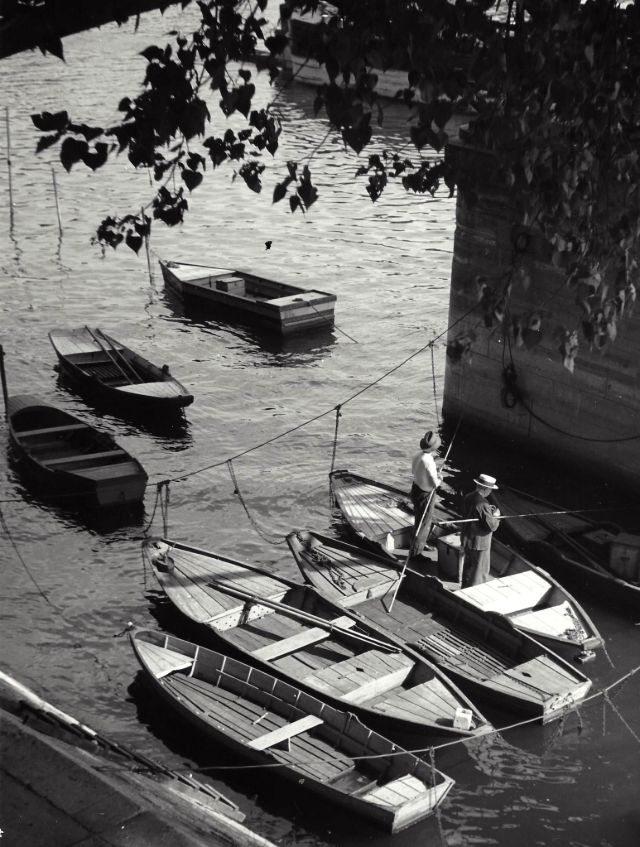
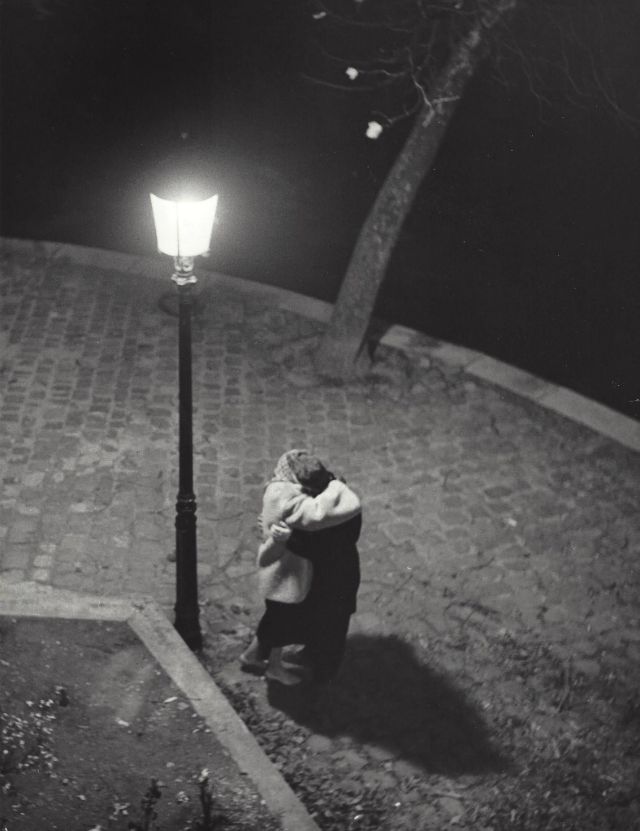
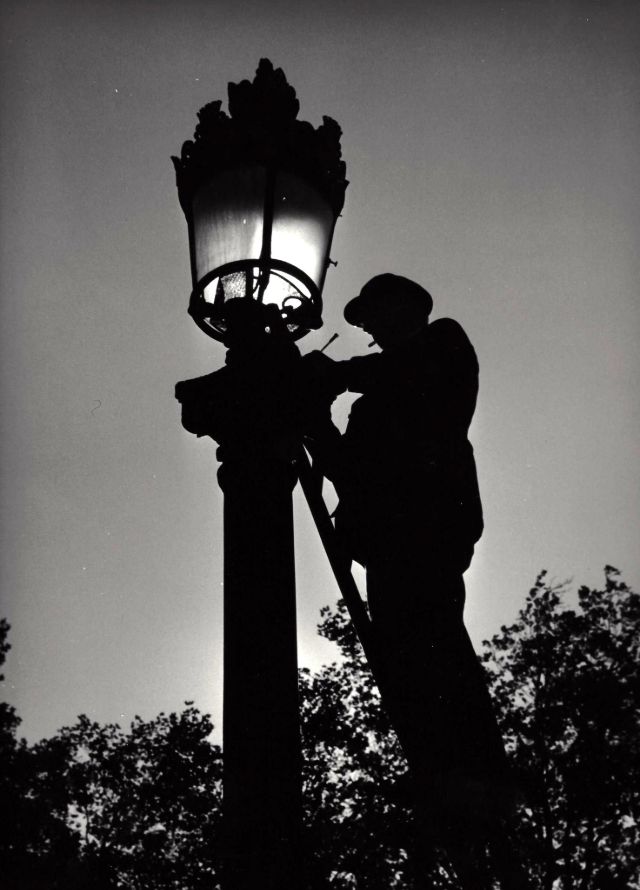
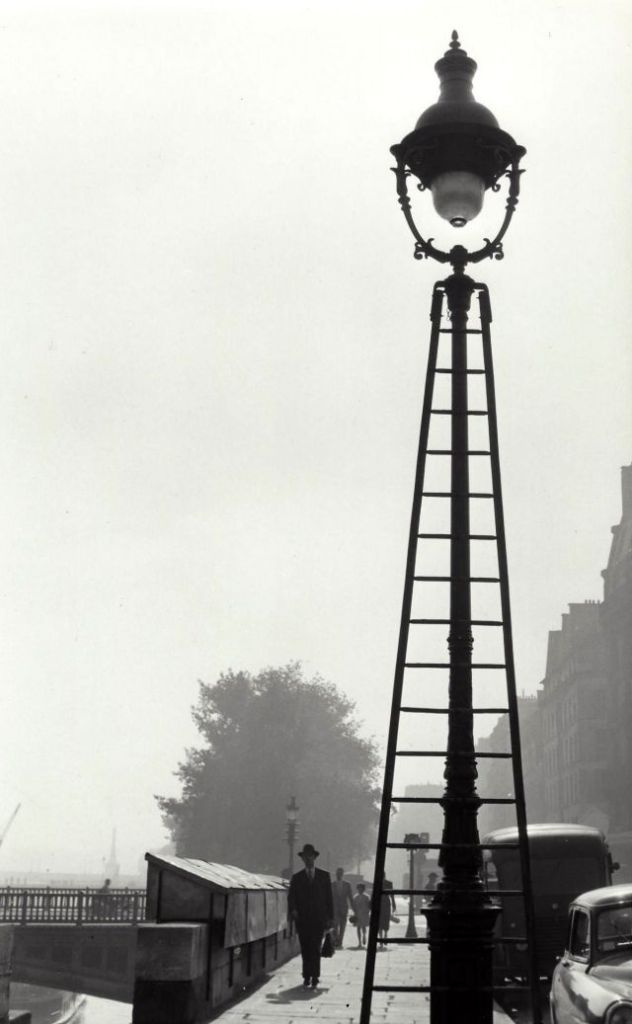
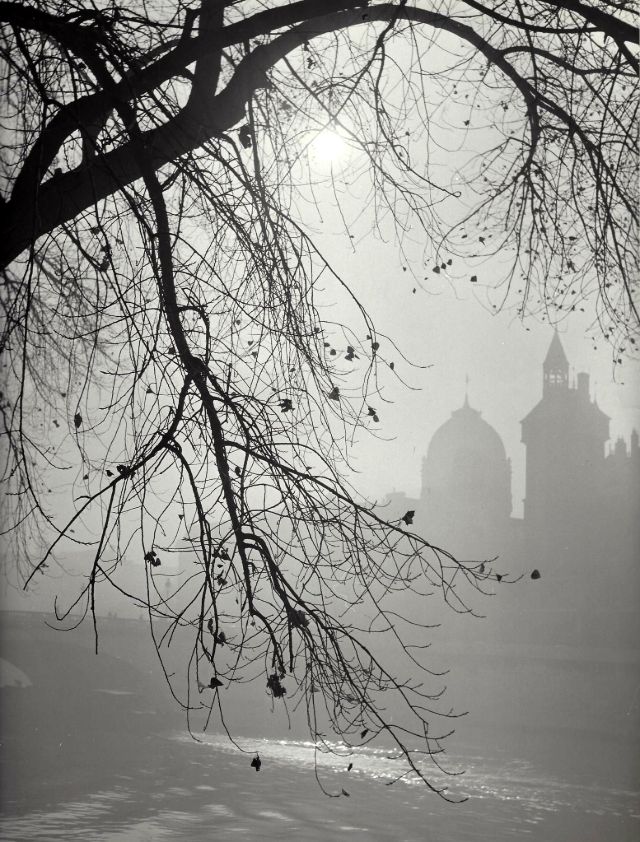
These amazing black and white photos are part of Scherer’s work that documented everyday life of Paris in the 1950s.
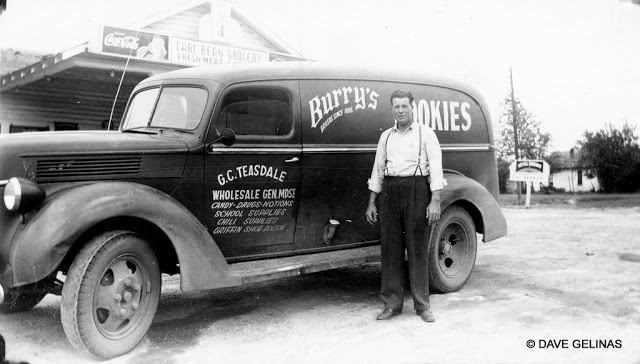
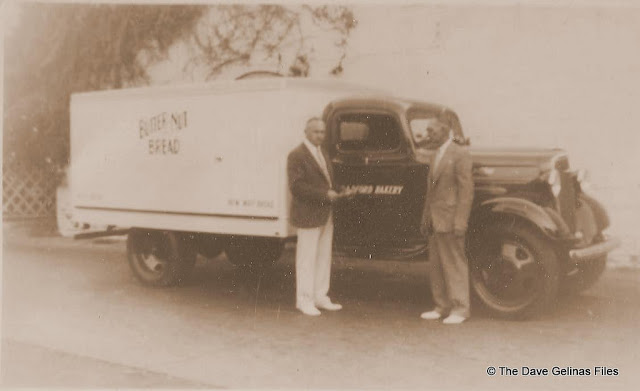
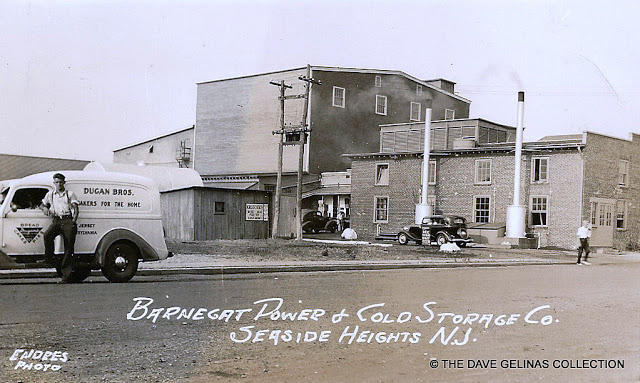
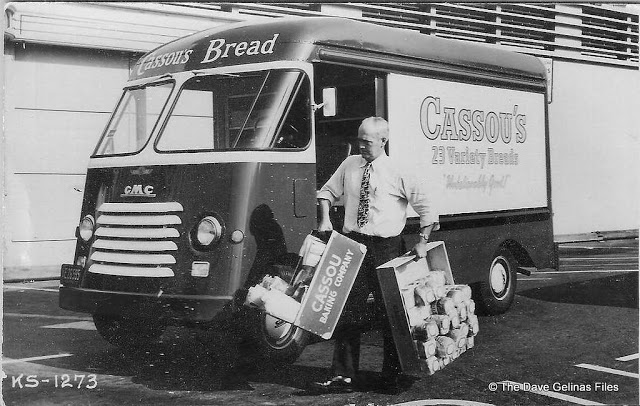
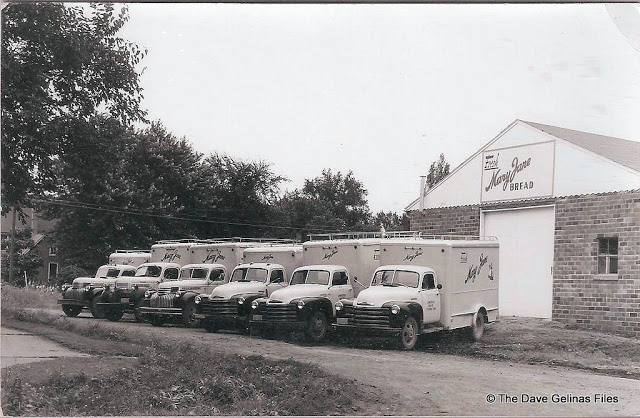
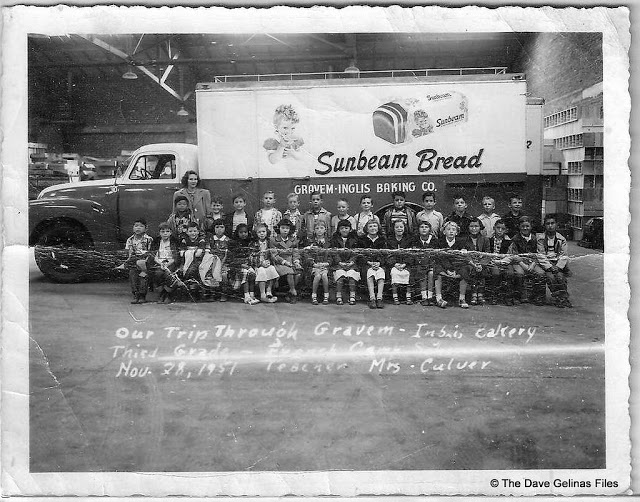
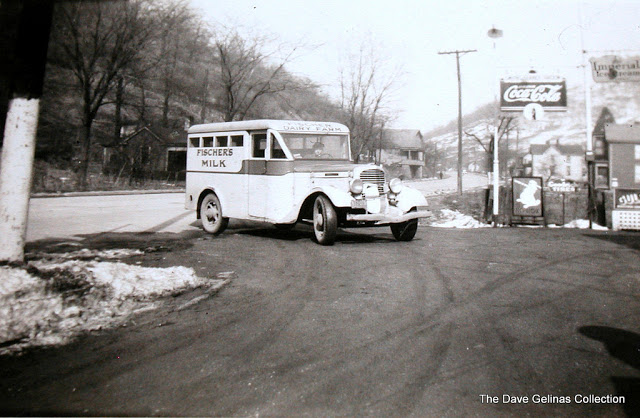
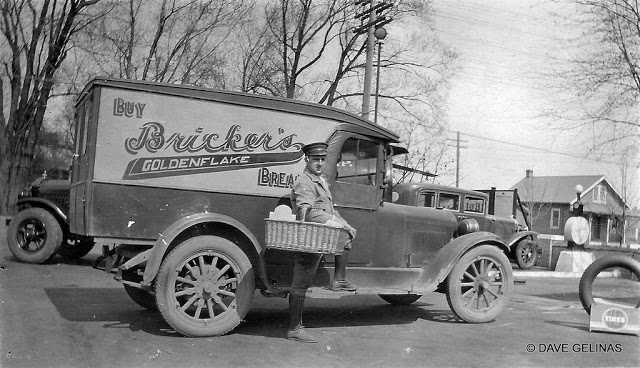
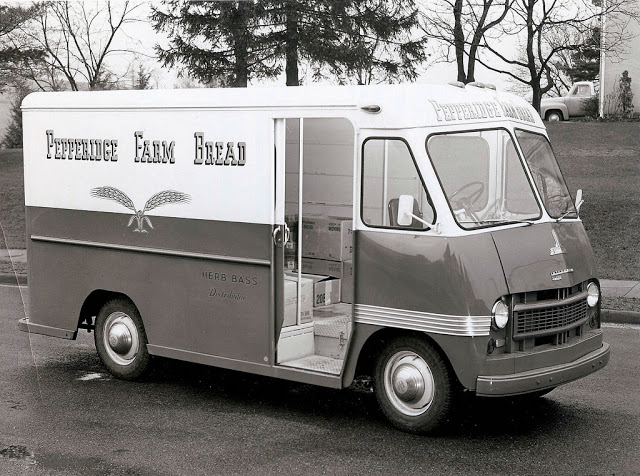
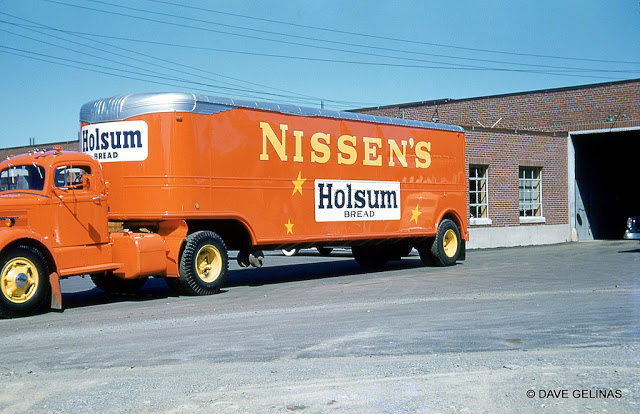
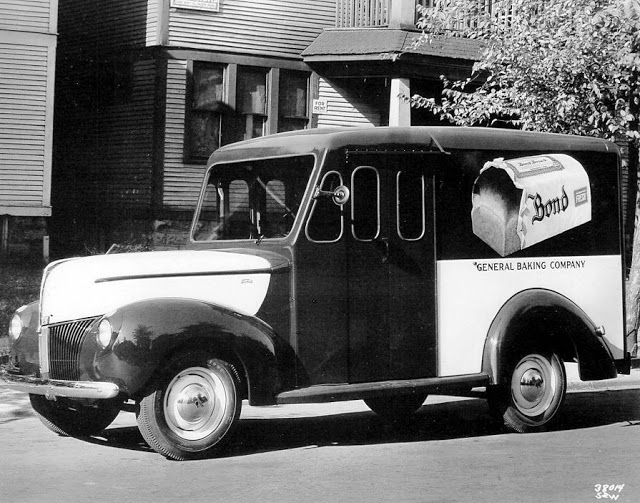
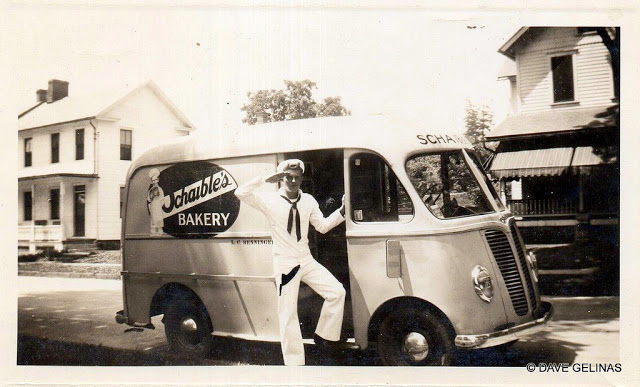
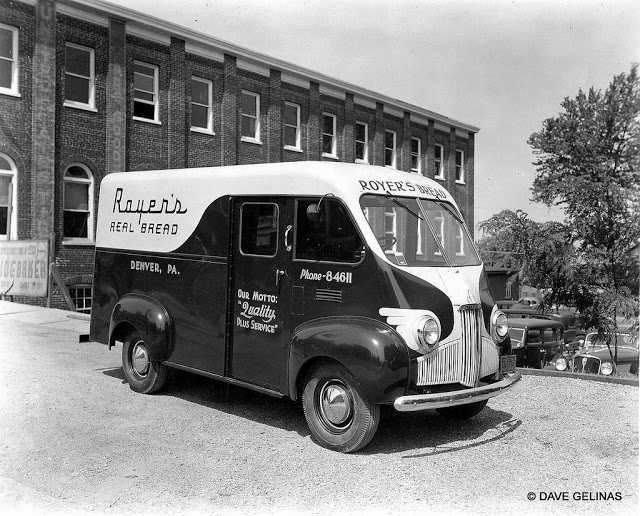
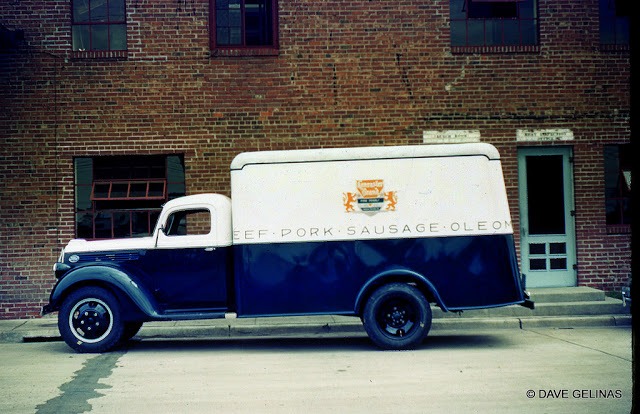
From between the 1930s and 1950s, in the days when the borough’s housewives placed orders for milk and baked goods, and union drivers in uniform delivered them. The bakeries sent trucks door to door, offering the same middle-American fare that mid century children across the nation were raised on.
Mrs. Karl’s Bread Truck, 1940sButter Nut BreadButter Nut BreadDugans BreadCassou’s Bread Truck, 1950sMary Jane Bread Trucks, 1950sSunbeam Bread Truck, 1950sFischers Milk, 1940sBond Bread Truck, 1940sBricker’s Bread Truck, 1940sBricker’s Bread Truck, late 1920s-early 1930sWebers Bread TruckStocks Bread Truck, 1935Bricker’s Bread TruckBond Bread Truck, Deep Rock Gas StationDugan’s Bread Truck, Pelican Island, NJ, ca. mid 1930sPepperidge Farm Bread TruckPepperidge Farm Bread TruckWards Tip Top Bread Truck, John Longwood, 1947Welsh’s Bread Truck, Virginia City, Nevada, September 1958J.J. Nissen Bread Truck, Holsum Bread, Portland, Maine, 1950sPaul’s Pie Truck, Metro Van, Ontario, Canada, 1952Bond Bread Truck, 1940 Ford, ca. 1940sTaystee Bread Truck, Chevrolet Step Van, 1959Schaible’s Bakery Truck, Easton, PA, ca. late 1940s-early 1950sStudebaker Bread Truck, Royer’s Bread, Denver, PA, 1941Ford Panel Van, Burry’s Cookies, 1940sChevrolet Panel Van, Bakery Truck, Juction City Bakery, Oregon, 1935Chevrolet Panel Van, Modern Cleaners, Teutopolis, ILL, 1958Ford Delivery Truck, Castleton Brands Food Products, late 1940s
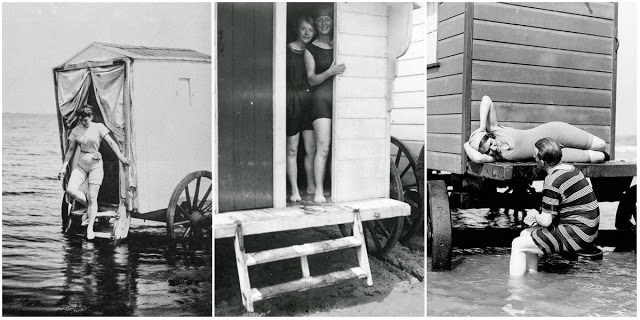
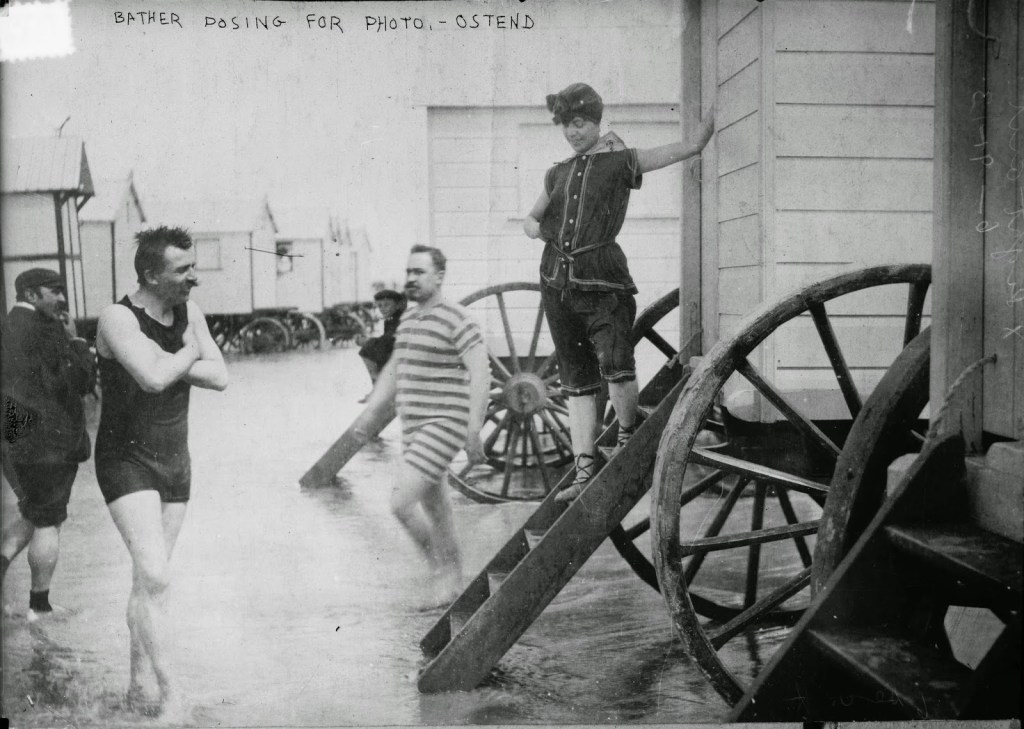
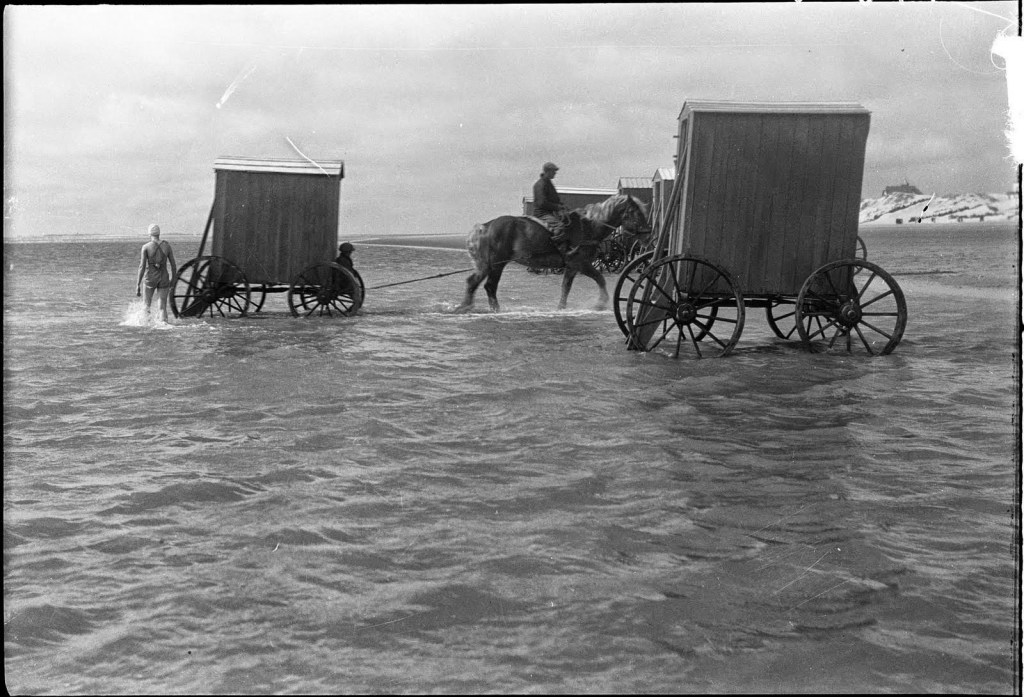
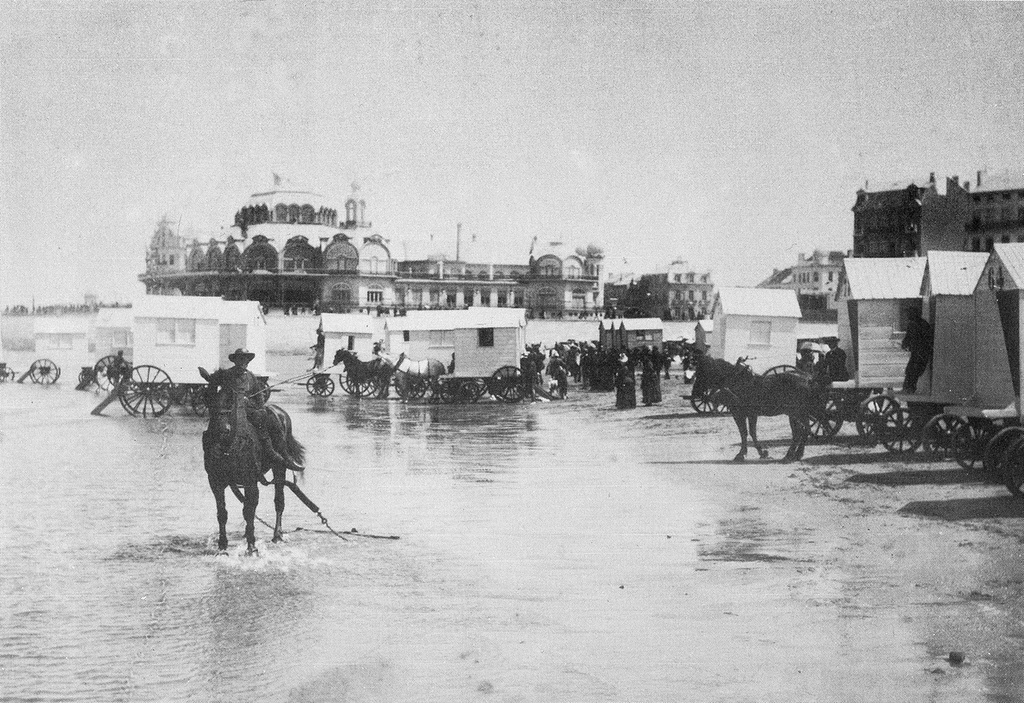
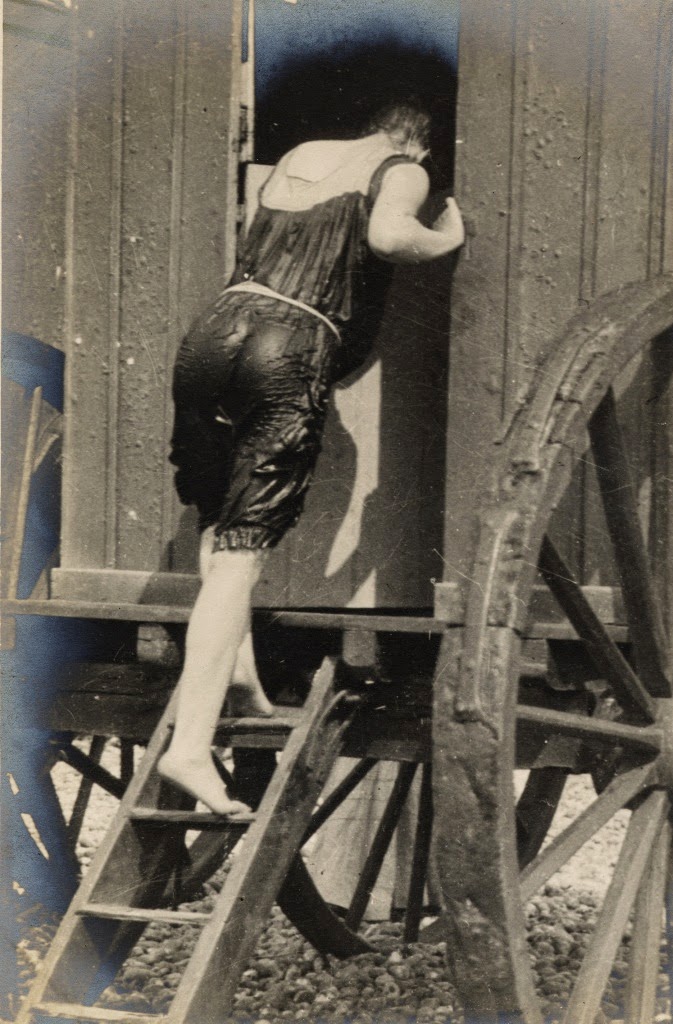
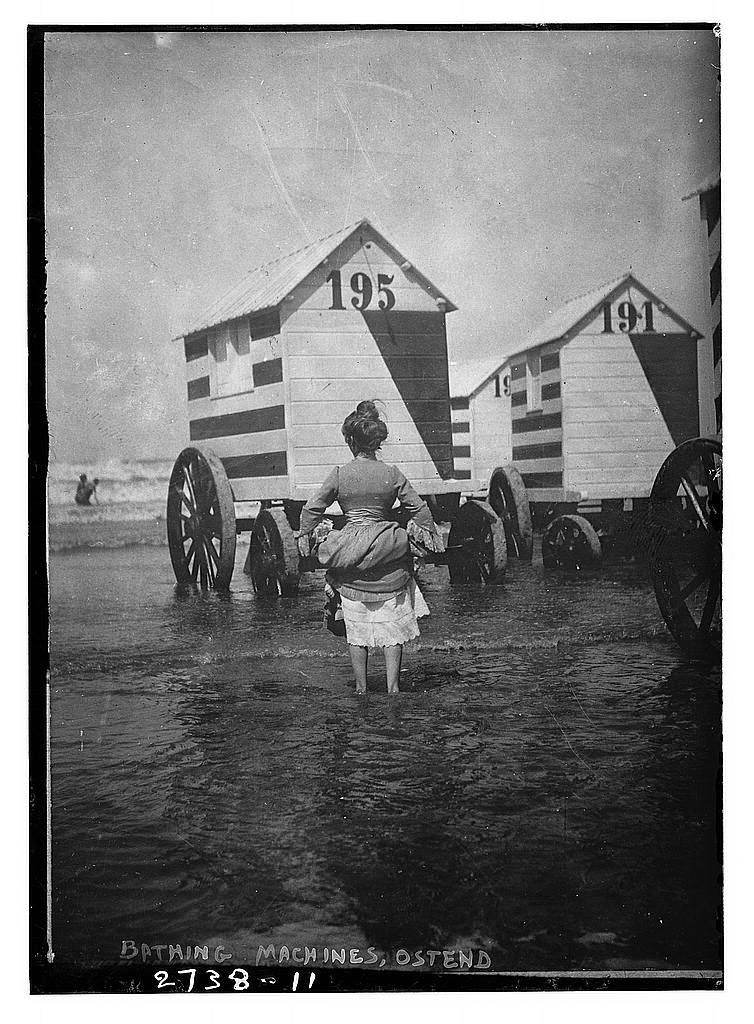
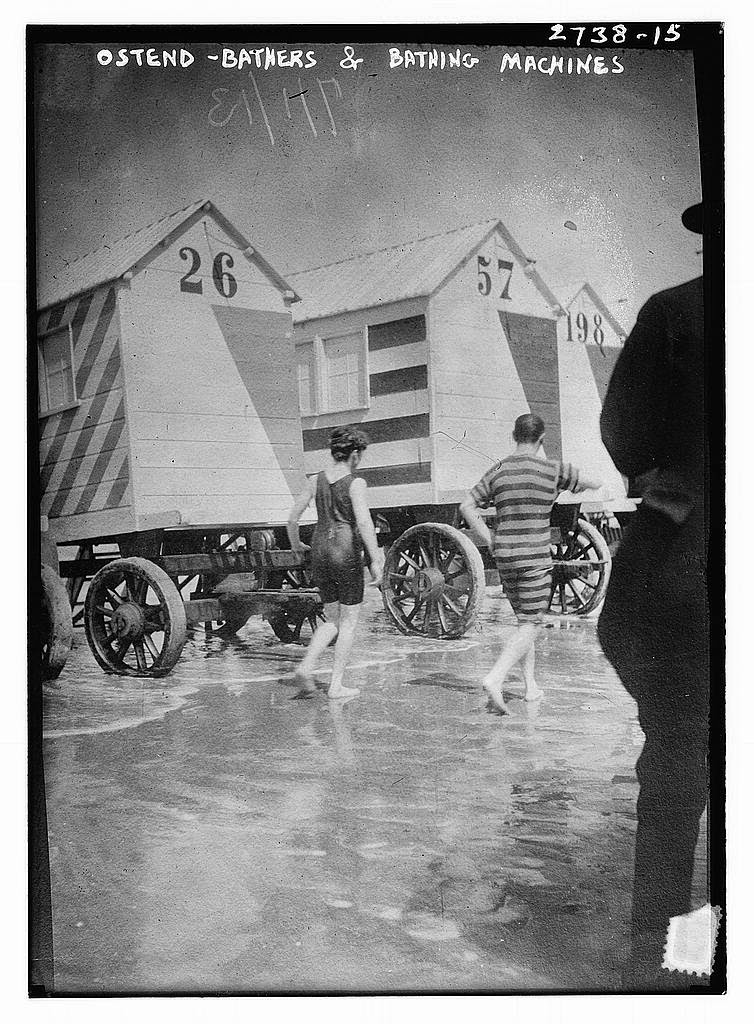
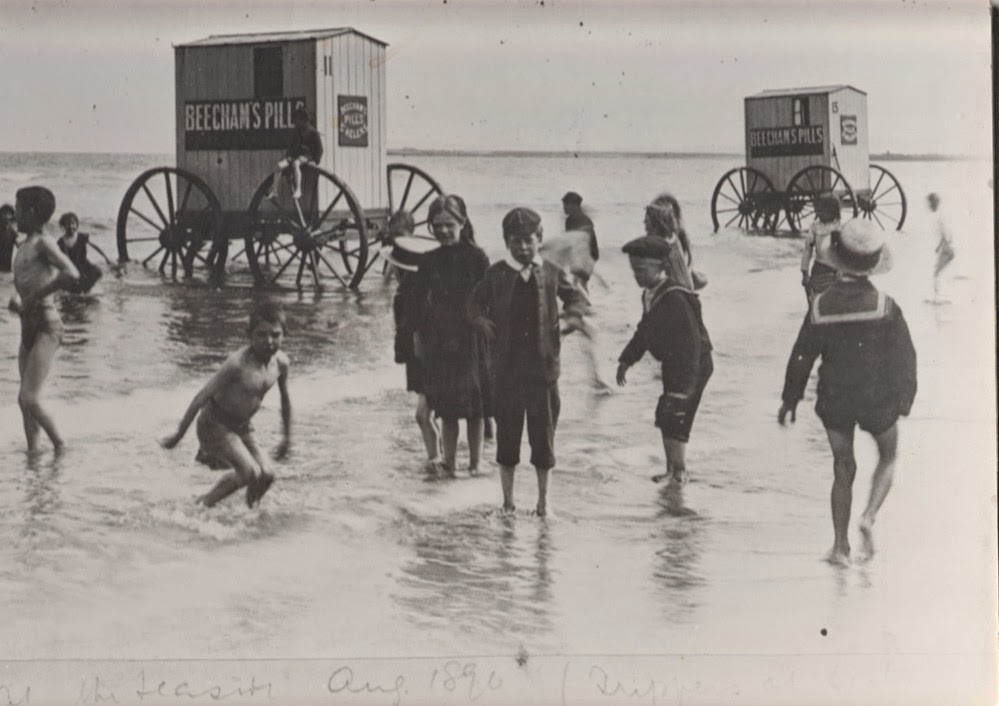
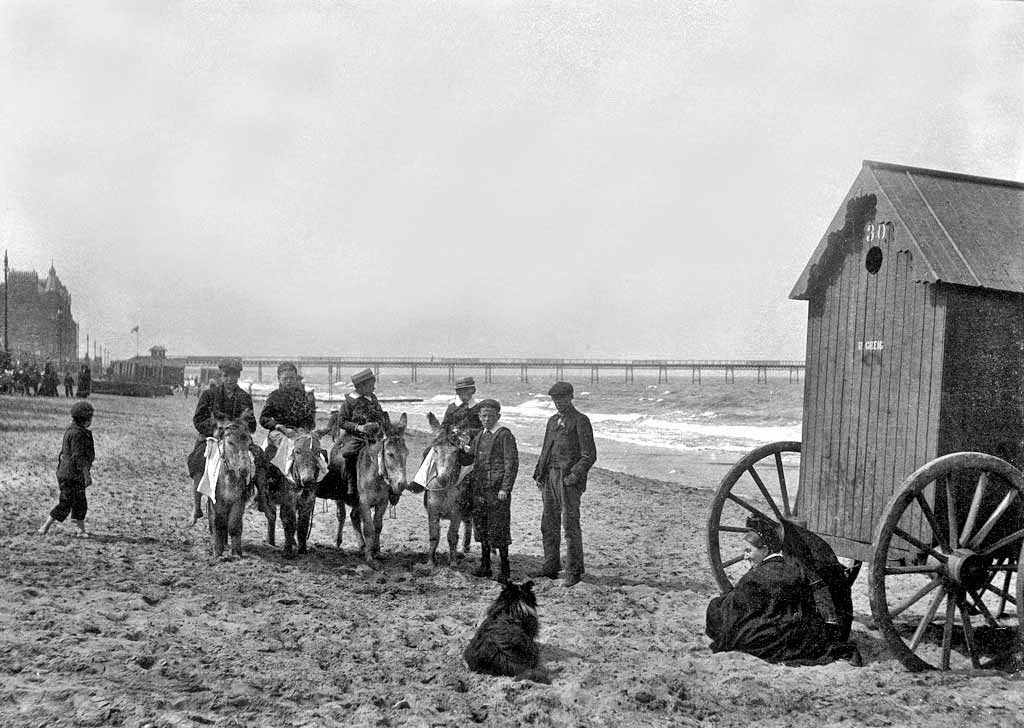
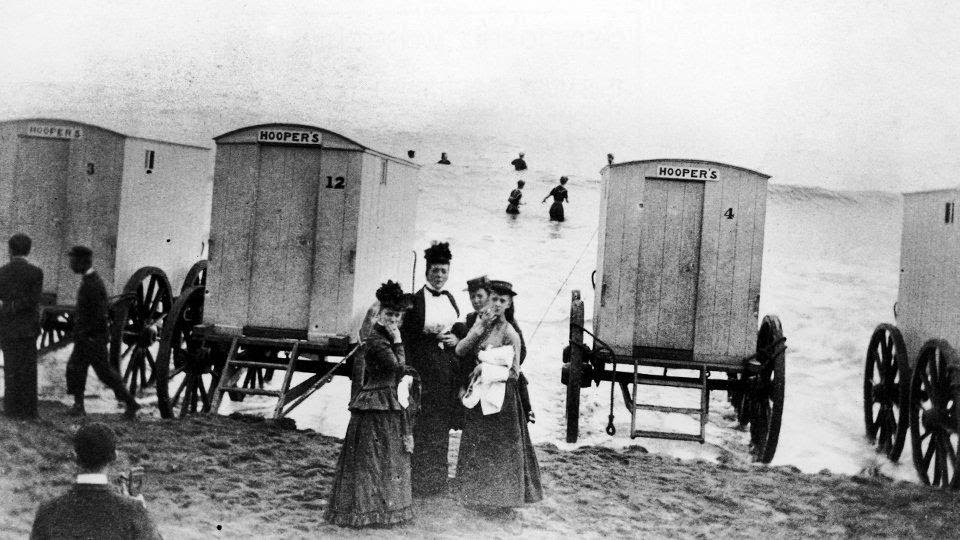
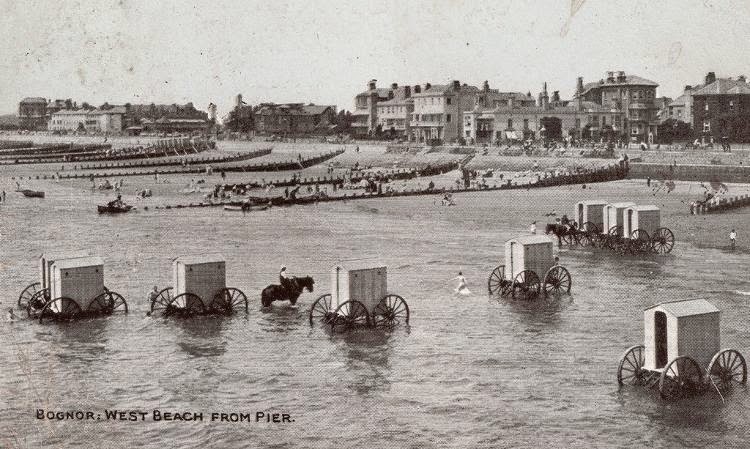
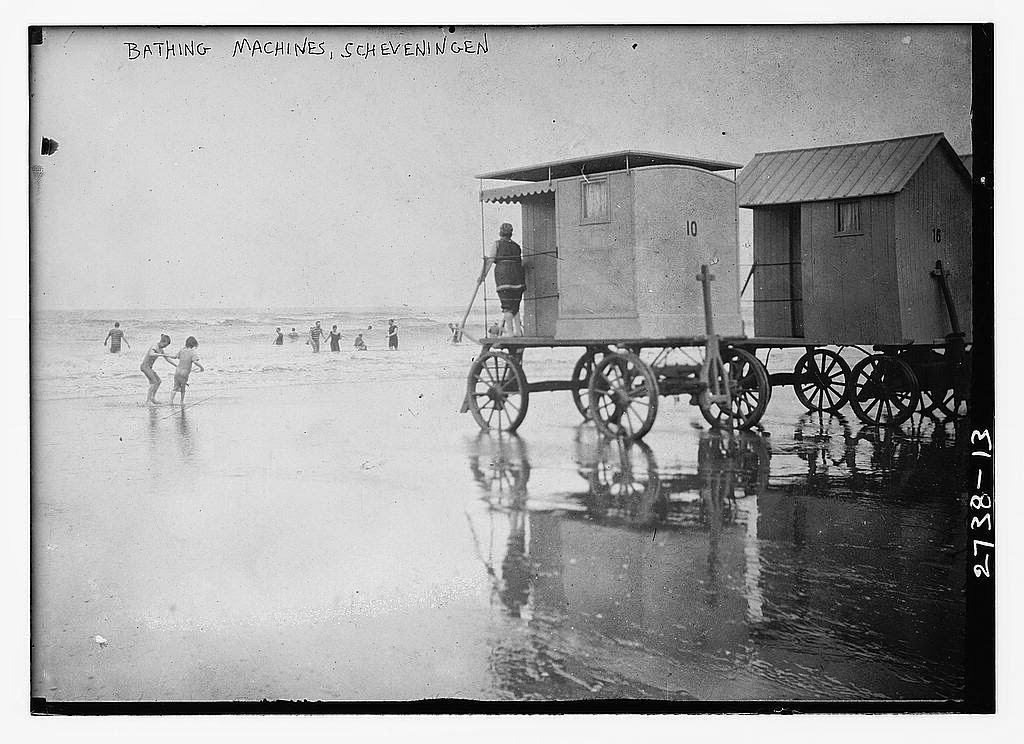
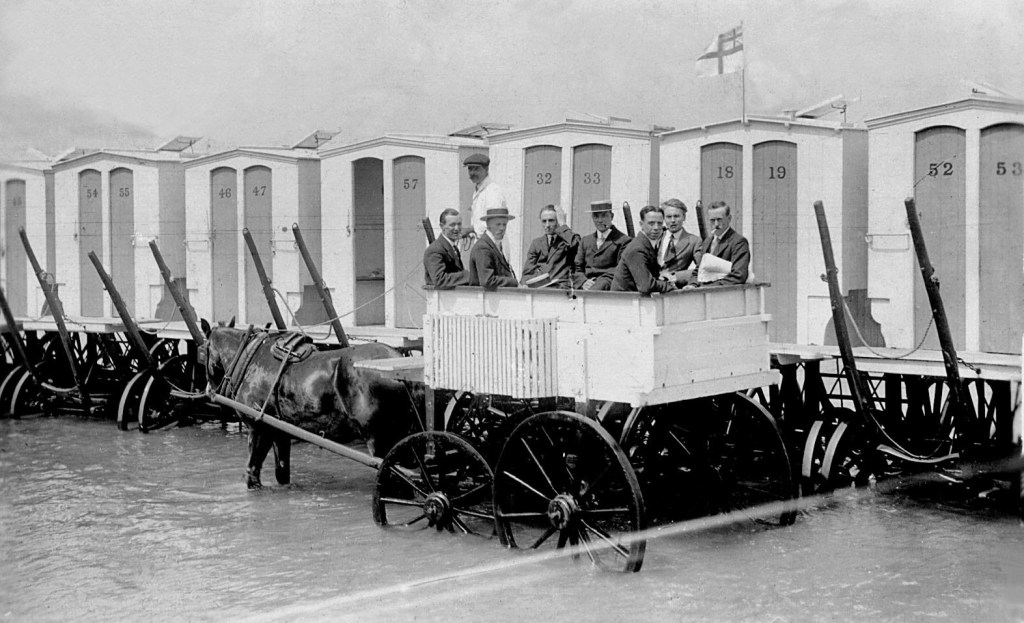
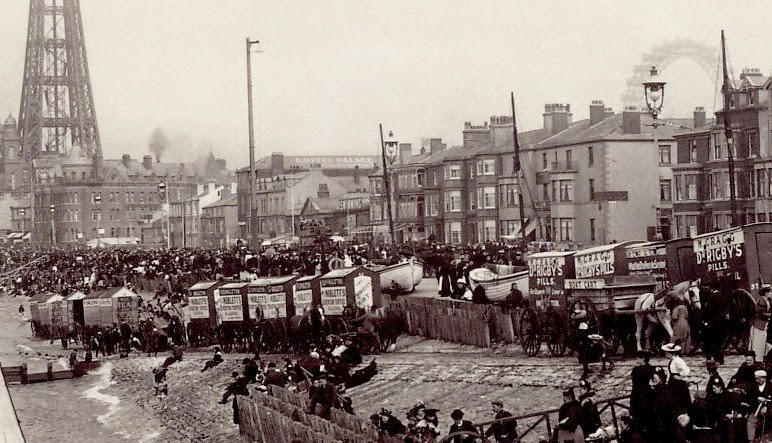
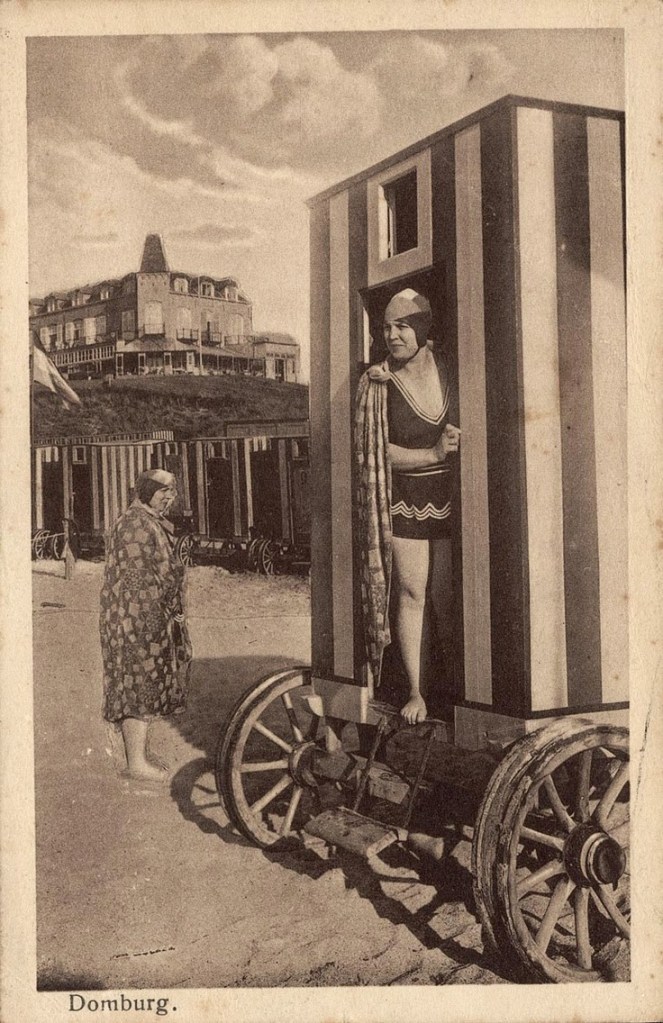
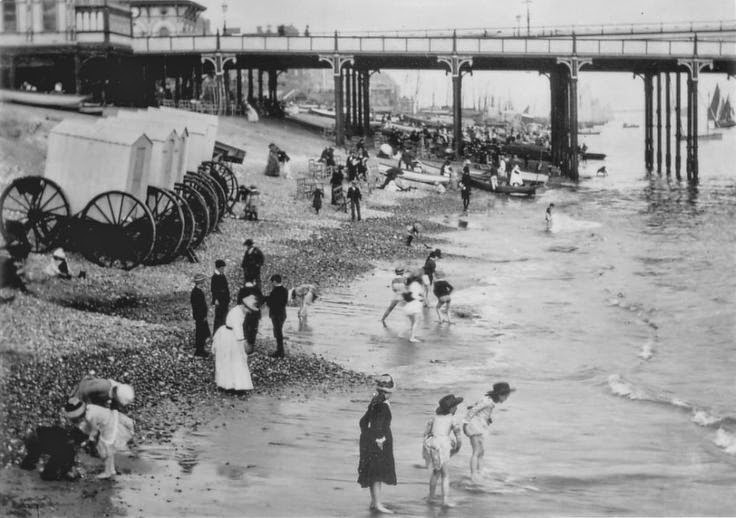
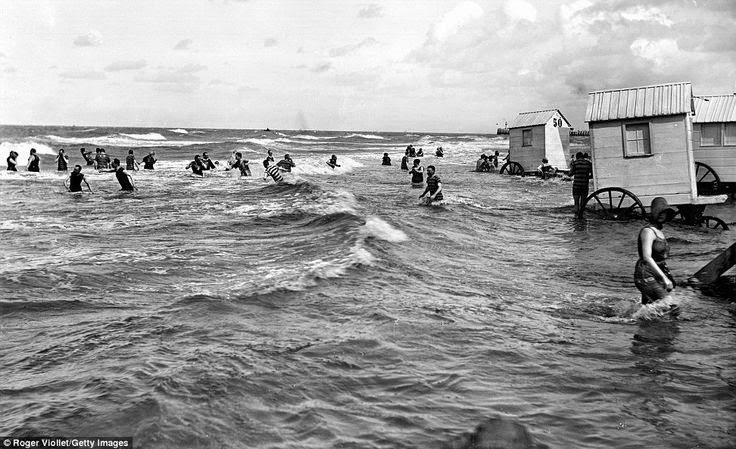
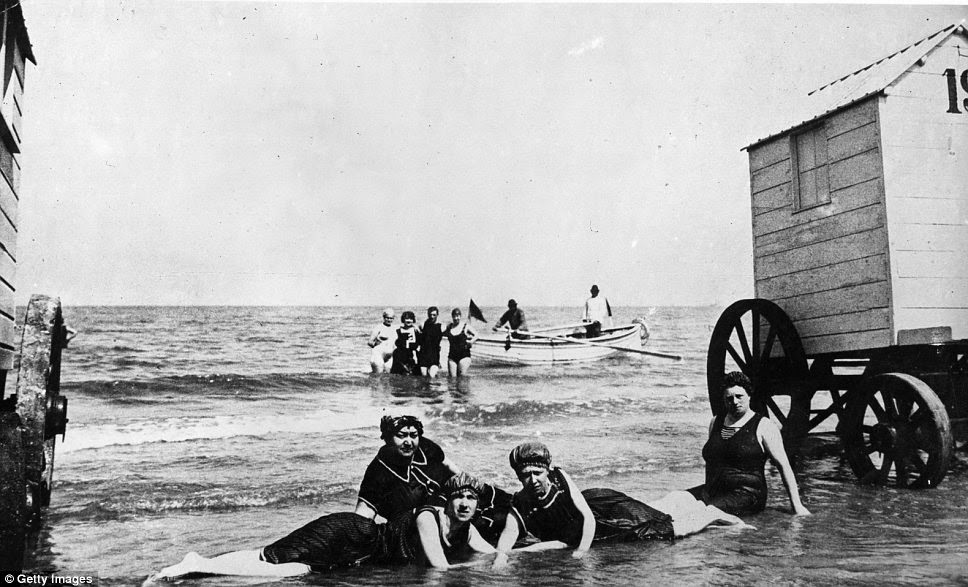
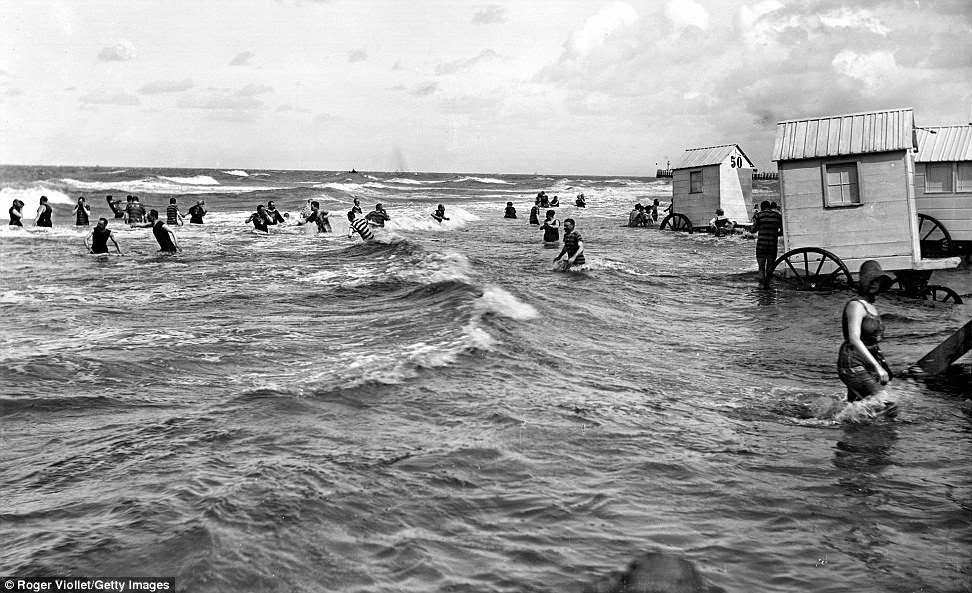
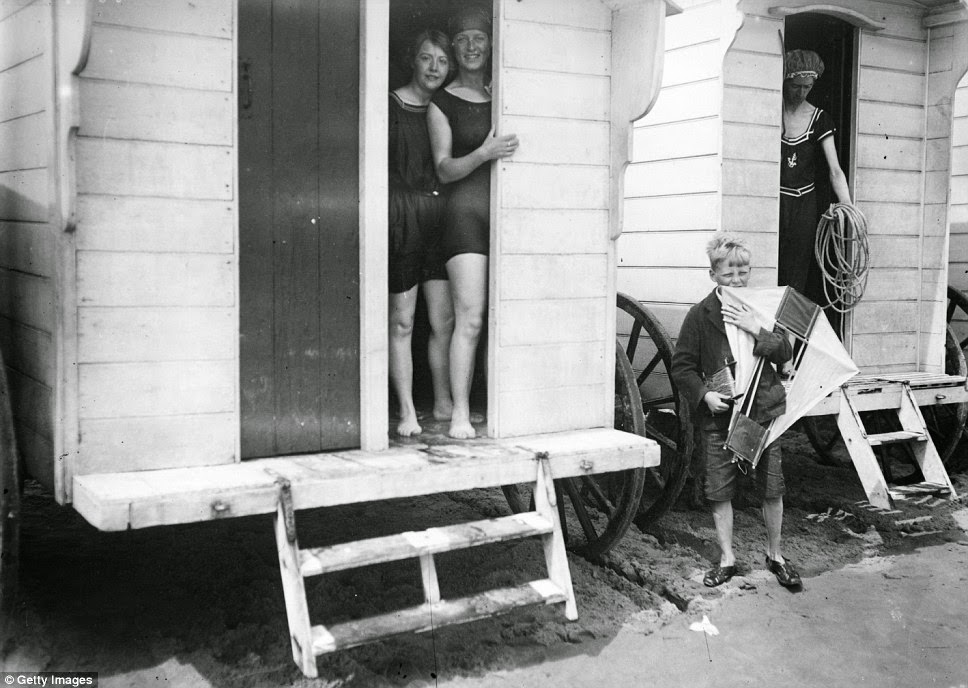
The bathing machine was a device, popular in the 18th and 19th centuries, to allow people to change out of their usual clothes, possibly change into swimwear and then wade in the ocean at beaches. Bathing machines were roofed and walled wooden carts rolled into the sea. Some had solid wooden walls; others had canvas walls over a wooden frame.
According to some sources, the bathing machine was developed in 1750 in Margate, Kent, though this may relate primarily to the “modesty hood” (bathing costumes were not yet common and most people bathed naked).
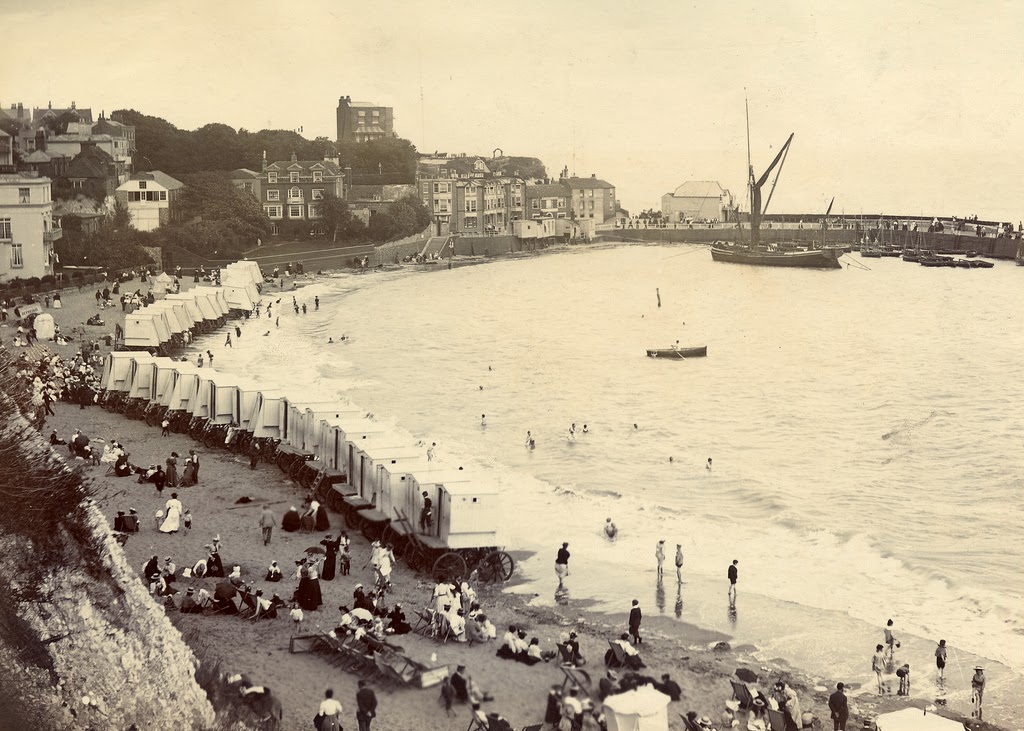
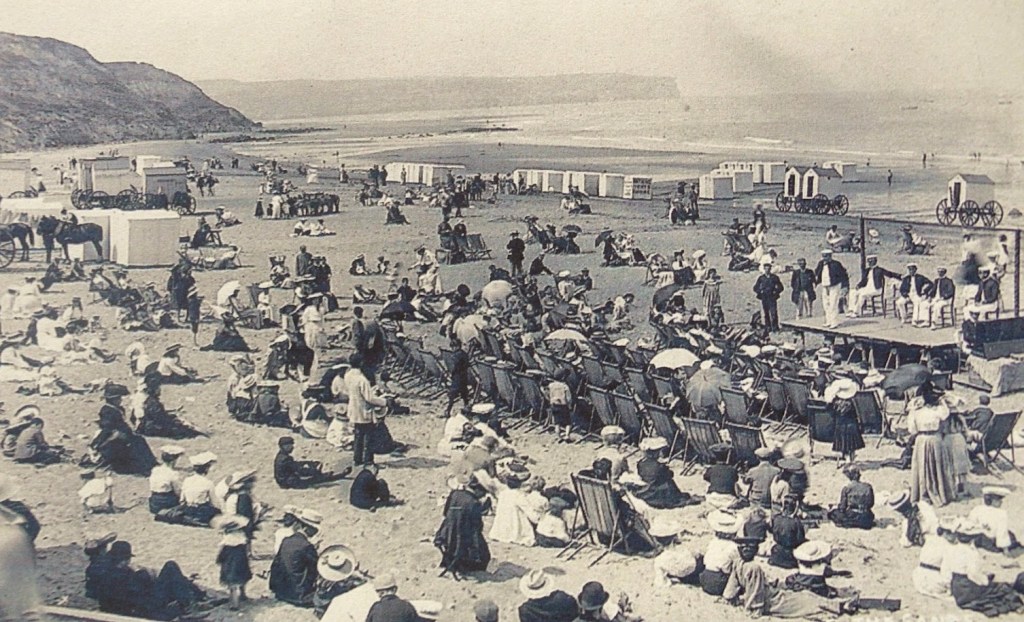
Bathing machines were most common in the United Kingdom and parts of the British Empire with a British population, but were also used in France, Germany, the United States, Mexico, and other nations. Legal segregation of bathing areas in Britain ended in 1901, and the bathing machine declined rapidly. By the start of the 1920s bathing machines were almost extinct, even on beaches catering to an older clientele.
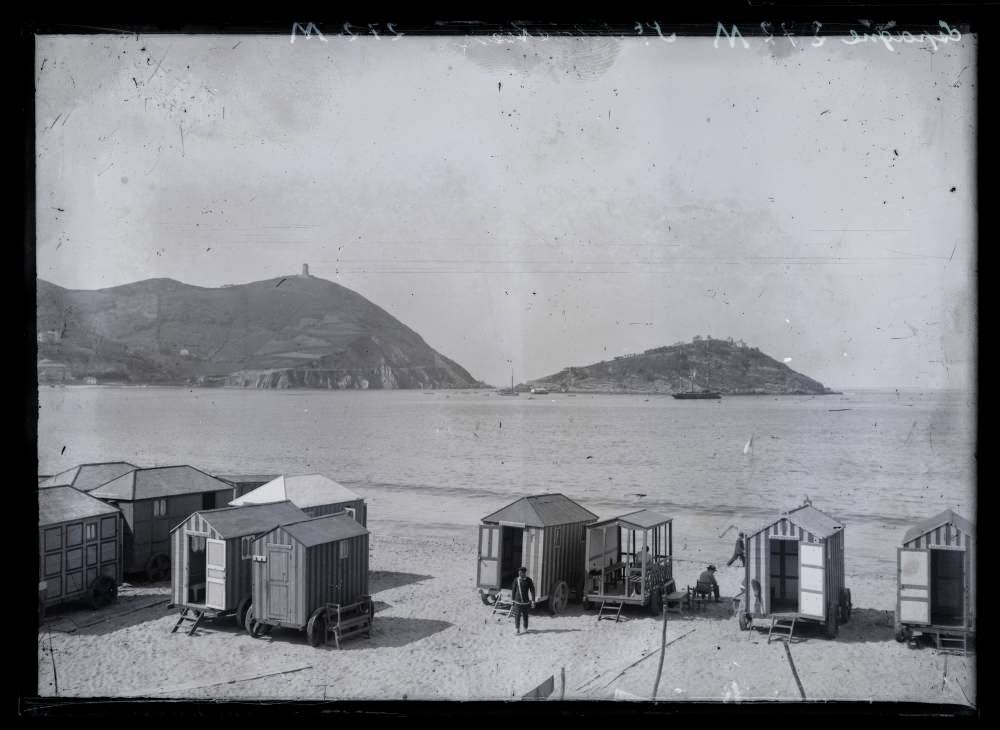
The bathing machines remained in active use on English beaches until the 1890s, when they began to be parked on the beach. They were then used as stationary changing rooms for a number of years. Most of them had disappeared in the United Kingdom by 1914.