
Bringing You the Wonder of Yesterday – Today
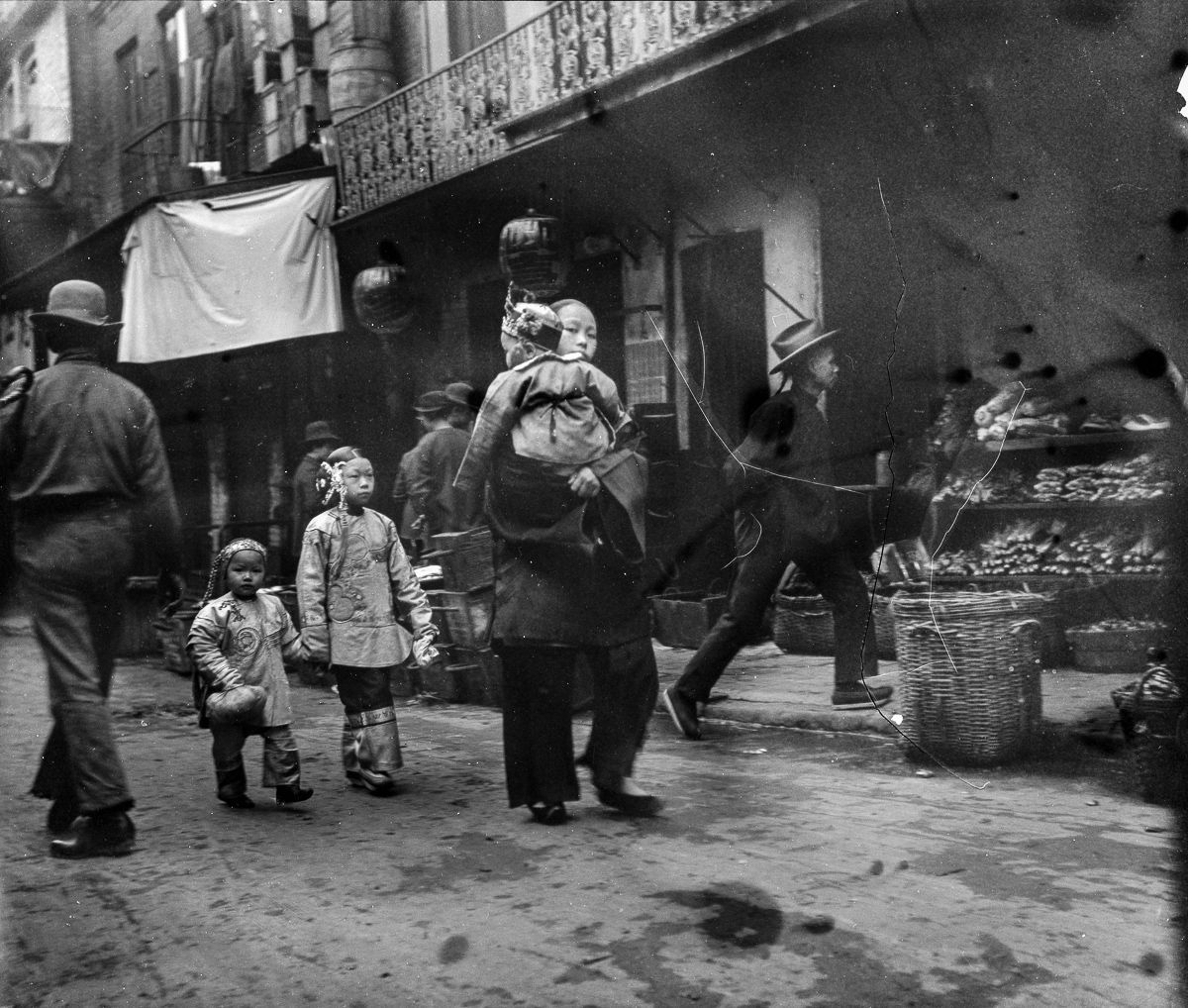
Between 1896 and 1906, Berlin-born naturalised American Arnold Genthe (1869-1942) took pictures of street life in San Francisco’s Chinatown. Genthe, who ran a photographic studio in Chinatown, would wander the area taking often covert pictures of anonymous subjects. An early proponent of street photography. Genthe’s pictures were nearly lost when earthquake and fire struck the city in 1906. Happily, he had locked his work inside a bank vault which survived the destruction. Genthe’s extraordinary photos can be seen here and are now about the only representation of the area before the devastating earthquake.
On August 28, 1850, at Portsmouth Square, San Francisco’s first mayor, John Geary, officially welcomed 300 “China Boys” to San Francisco. By 1854, the Alta California, a local newspaper which had previously taken a supportive stance on Chinese immigrants in San Francisco, began attacking them, writing after a recent influx that “if the city continues to fill up with these people, it will be ere long become necessary to make them subject of special legislation”
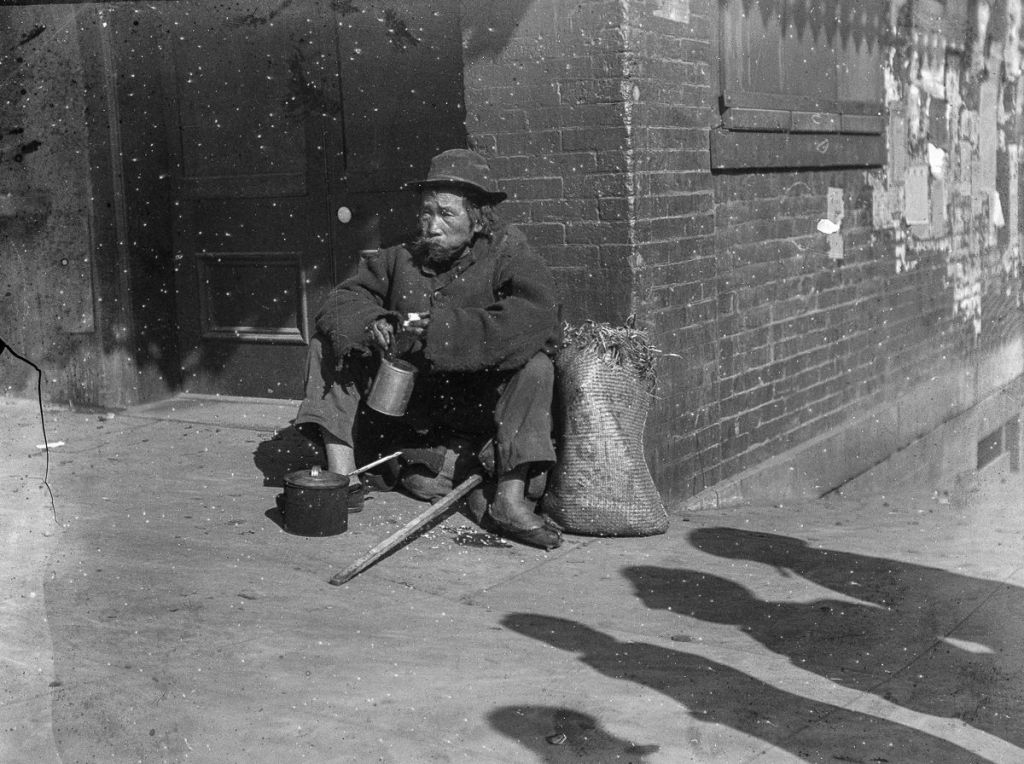
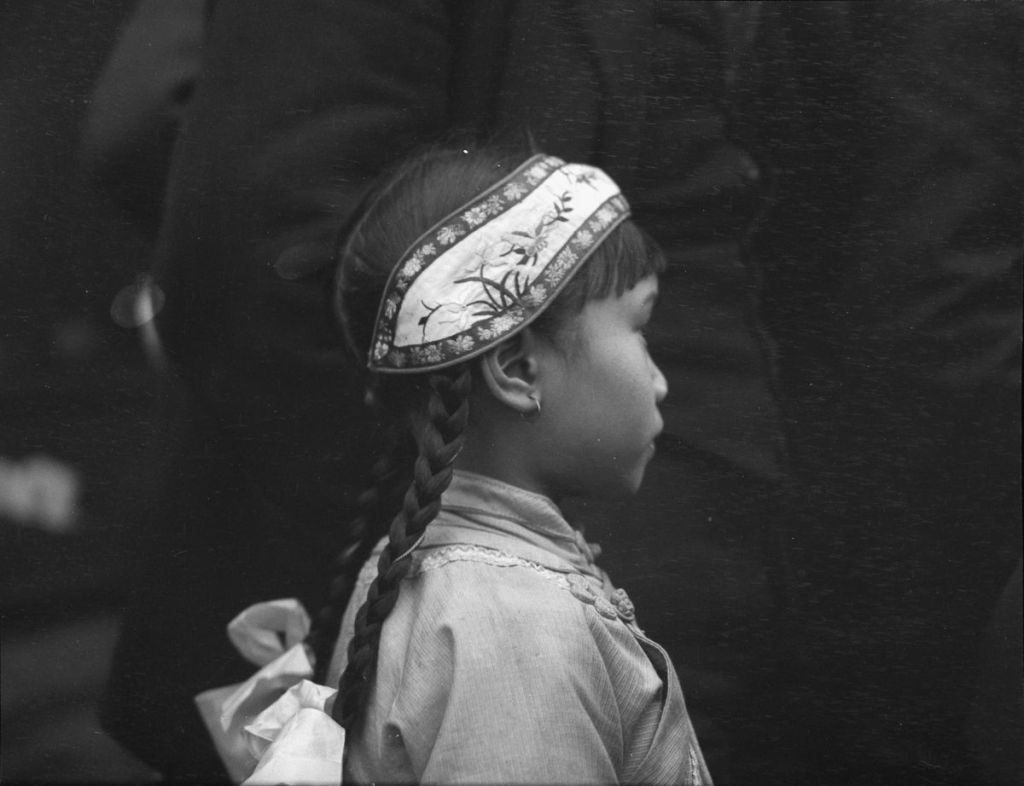
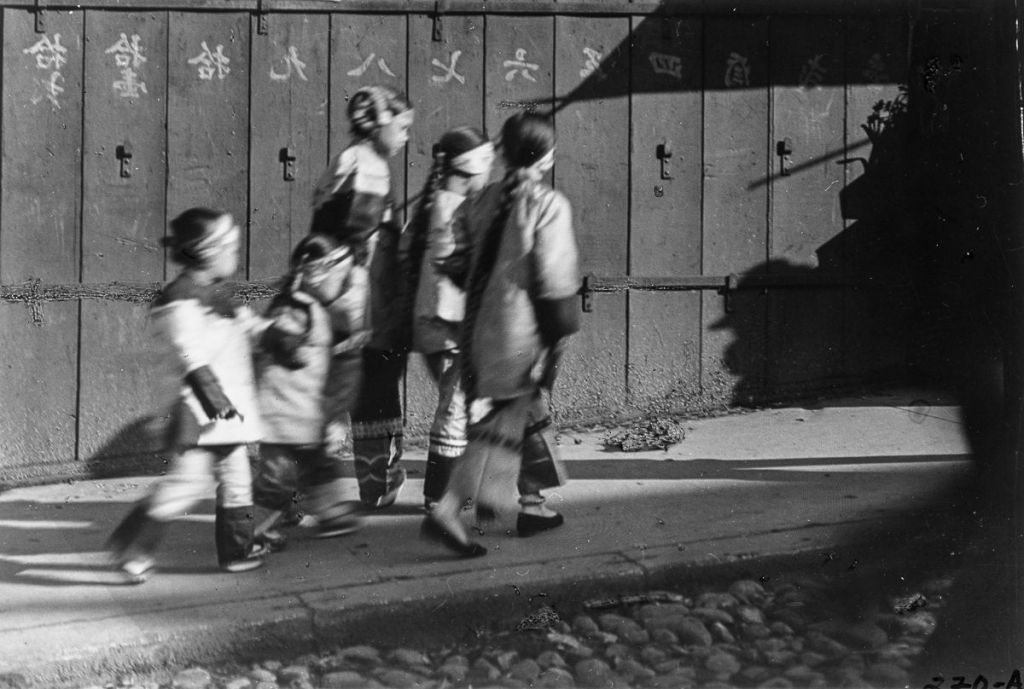
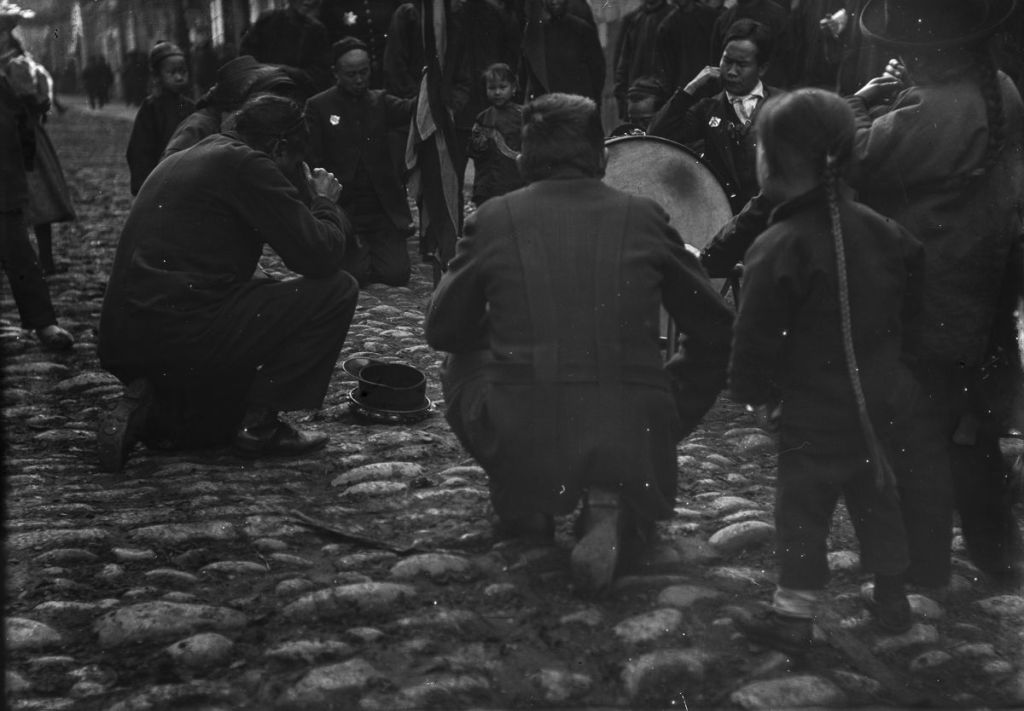
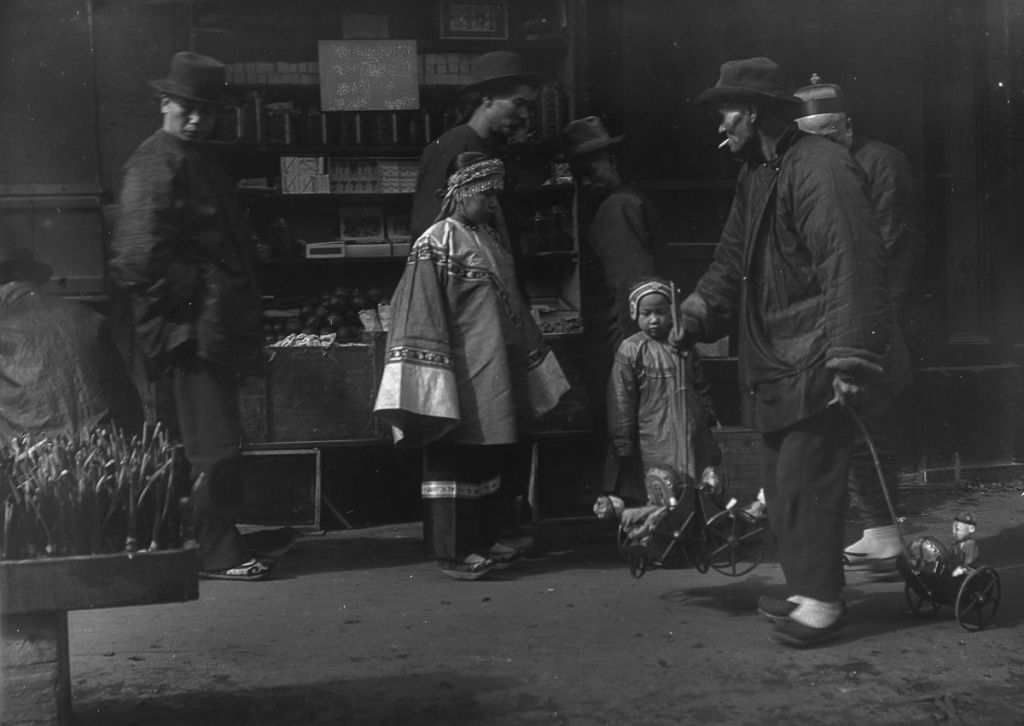
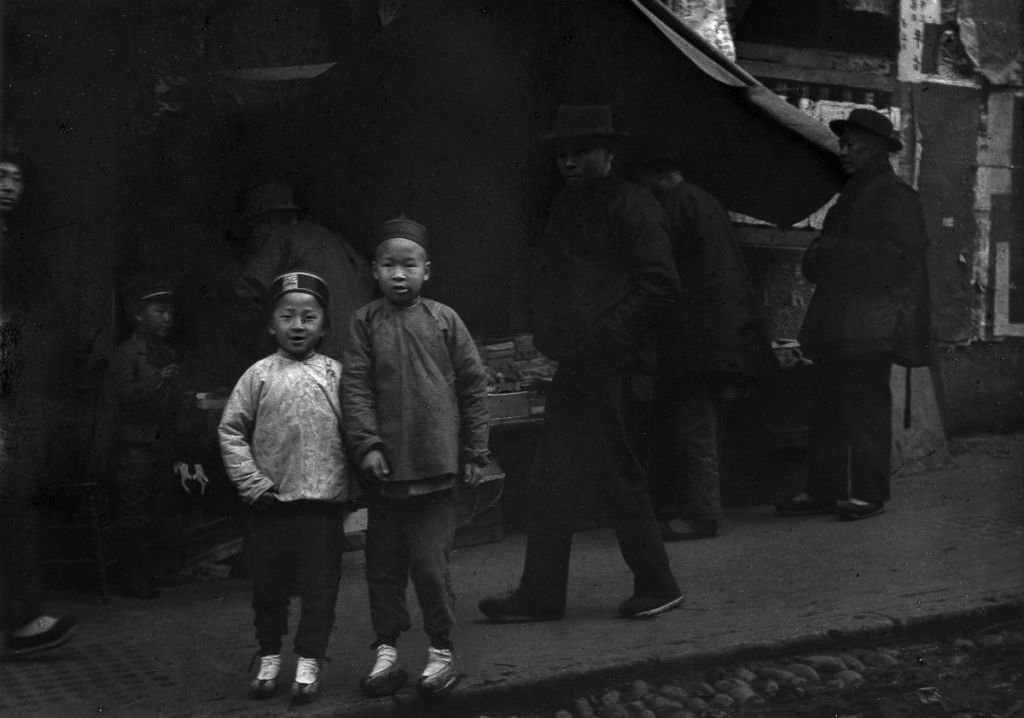
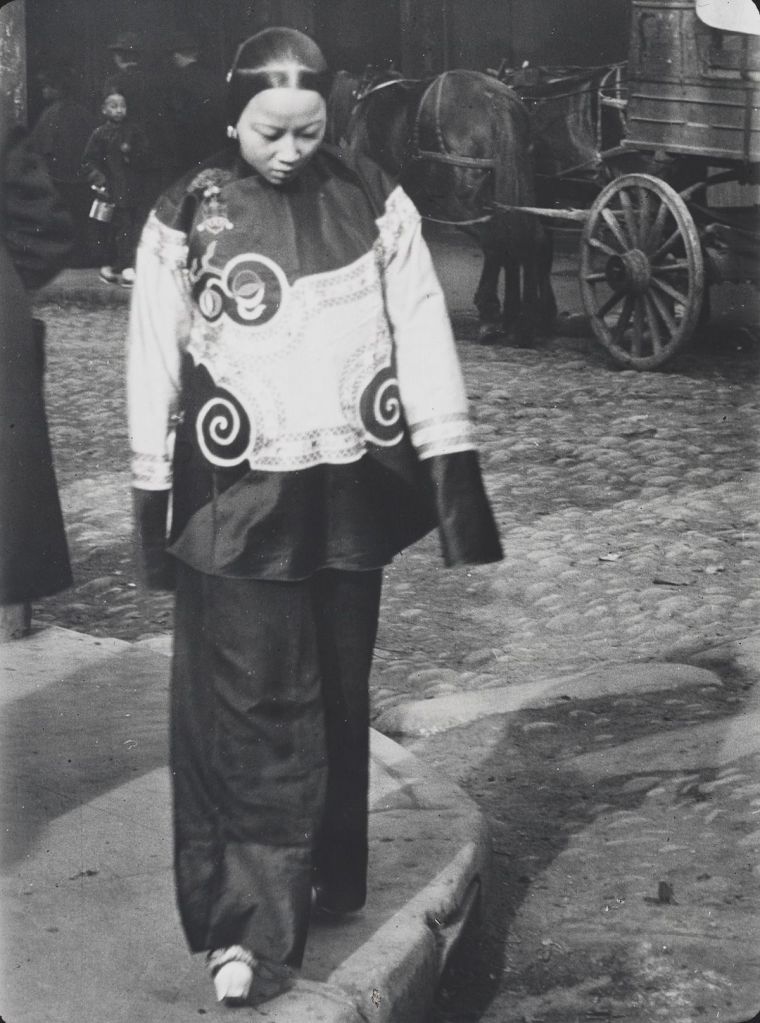
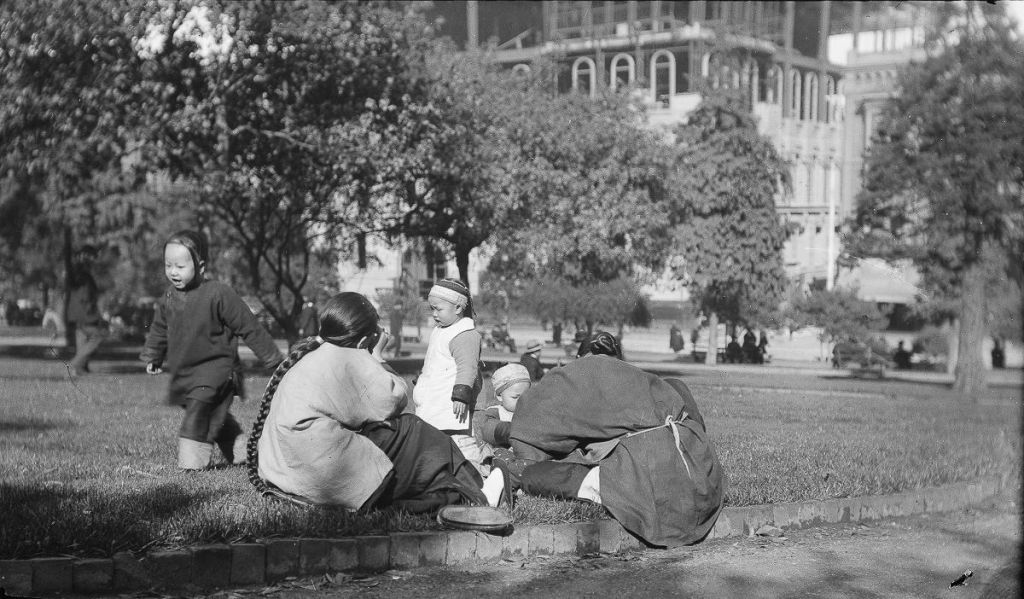
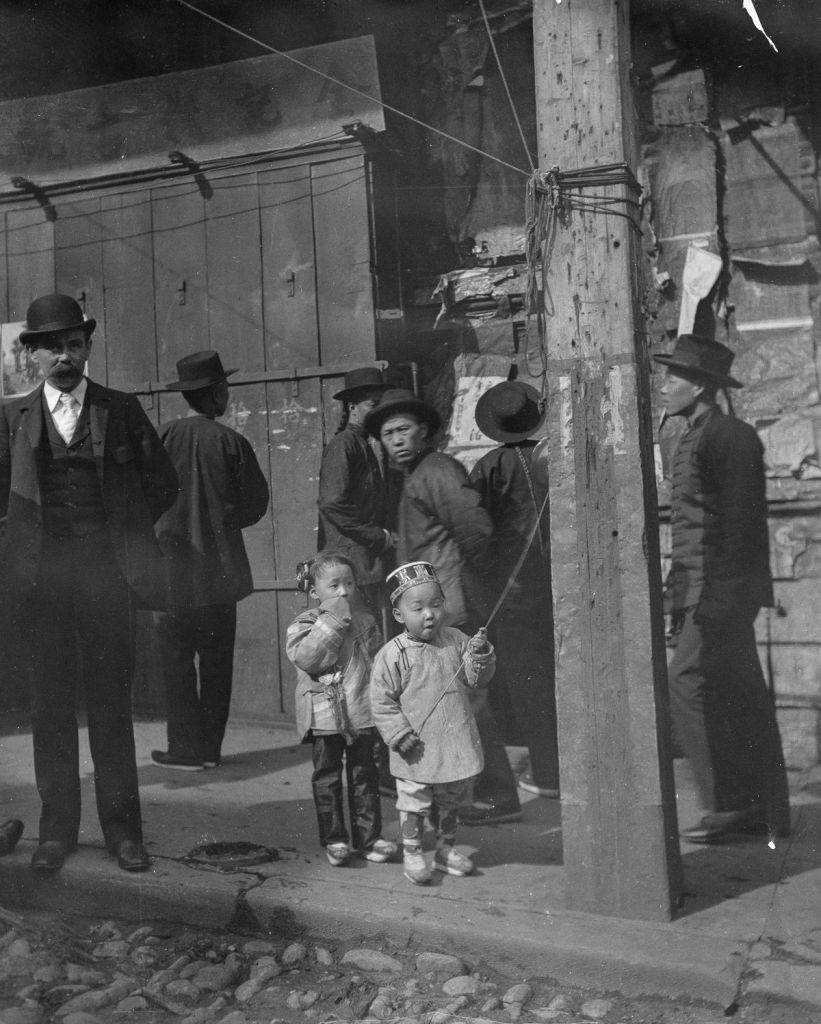
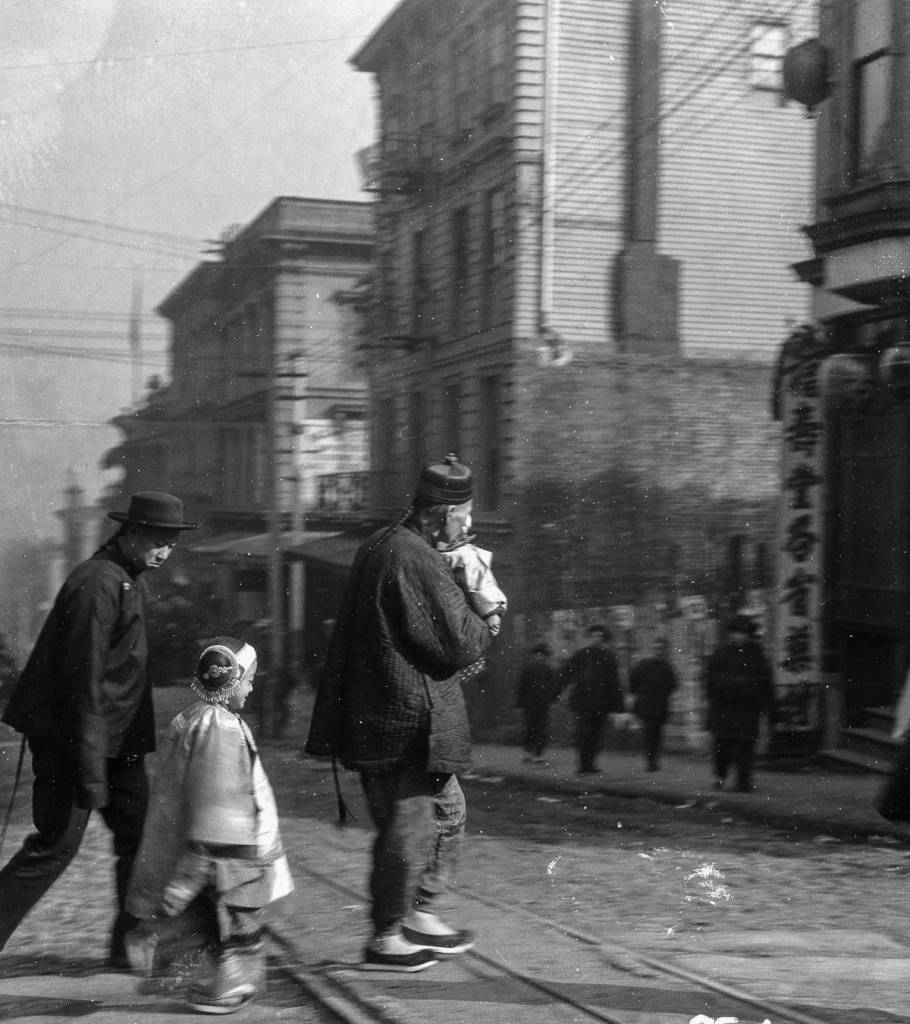
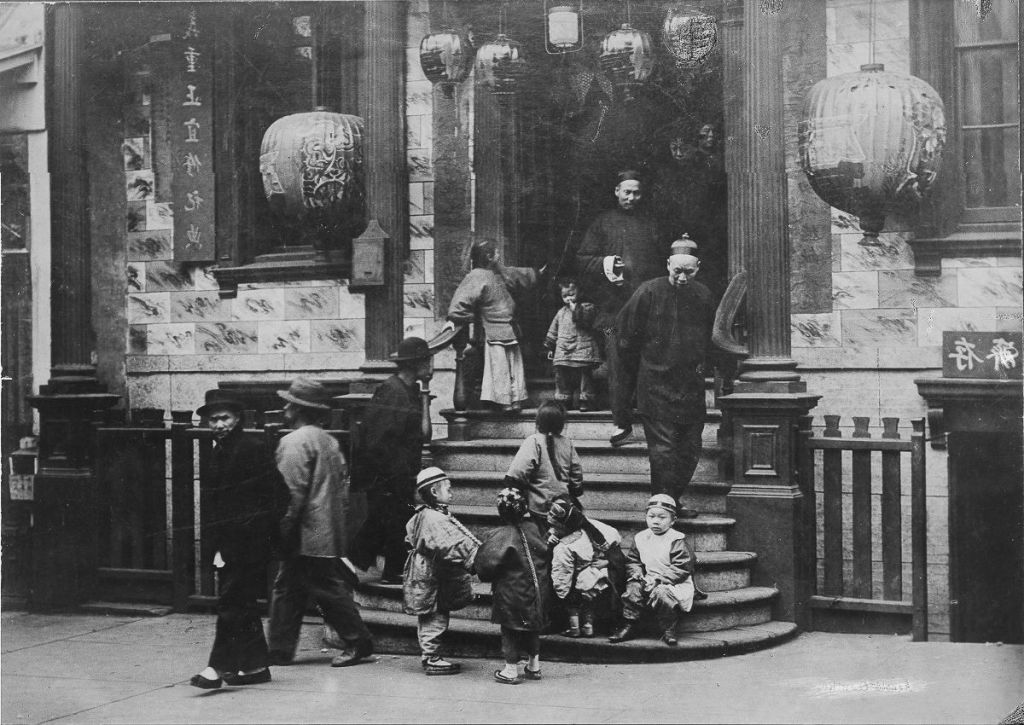
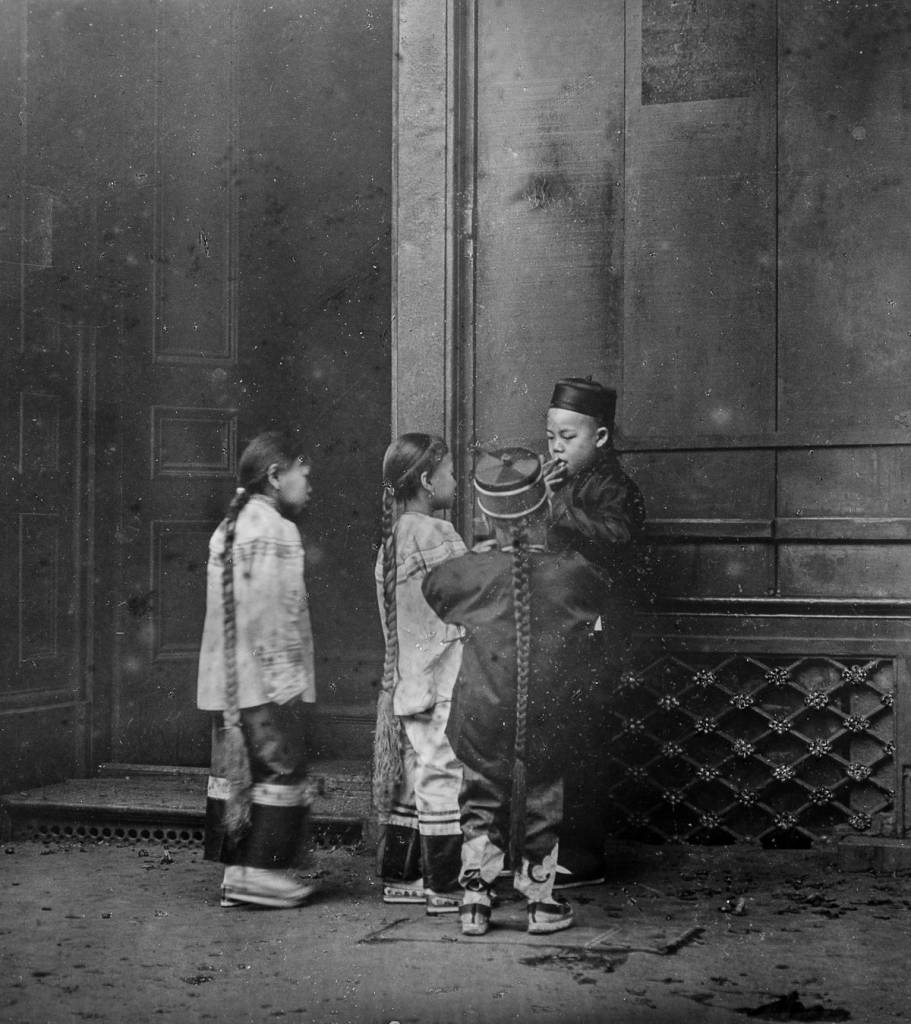
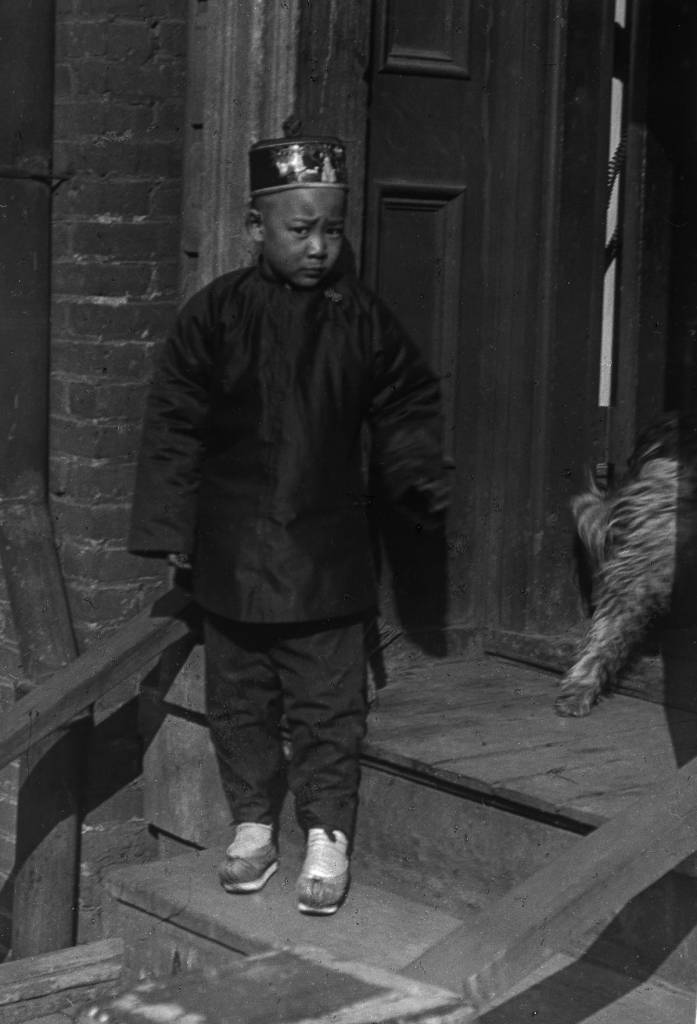
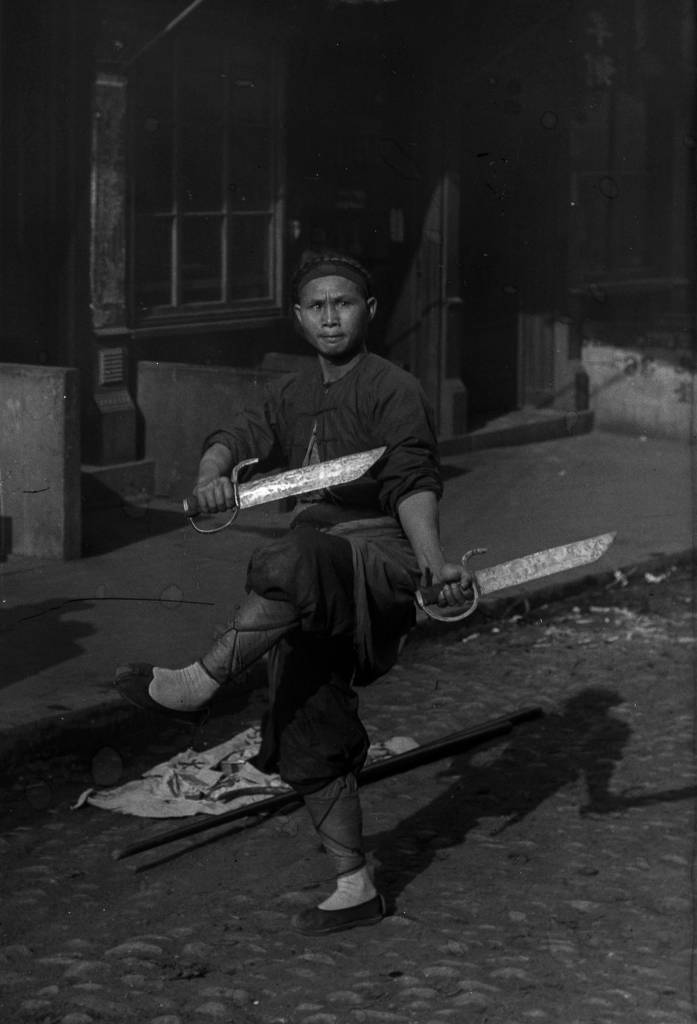
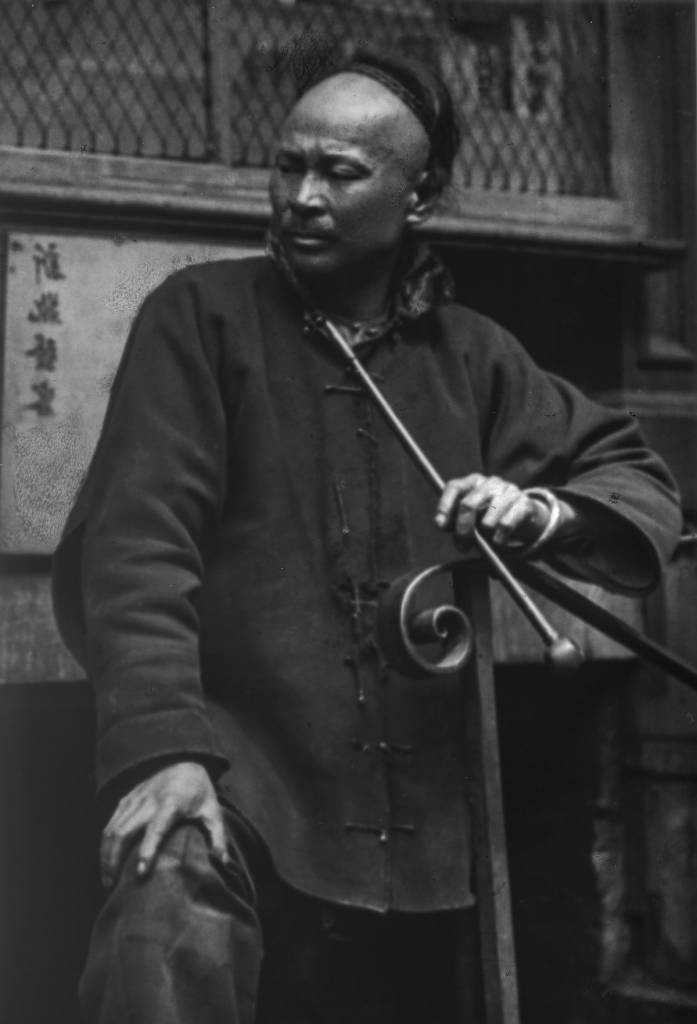
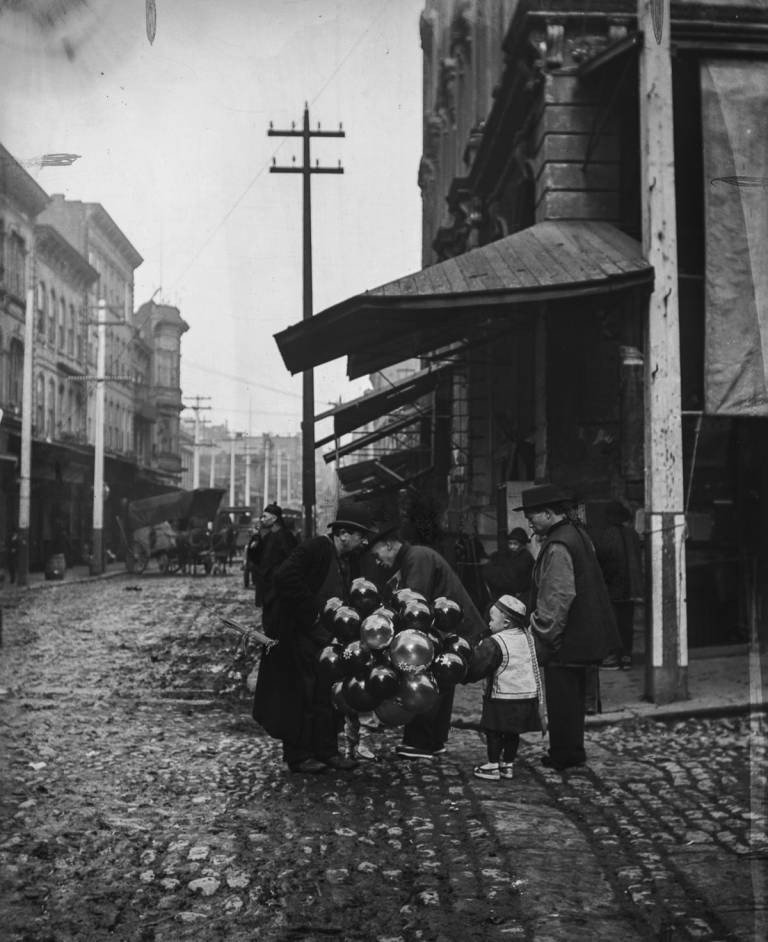
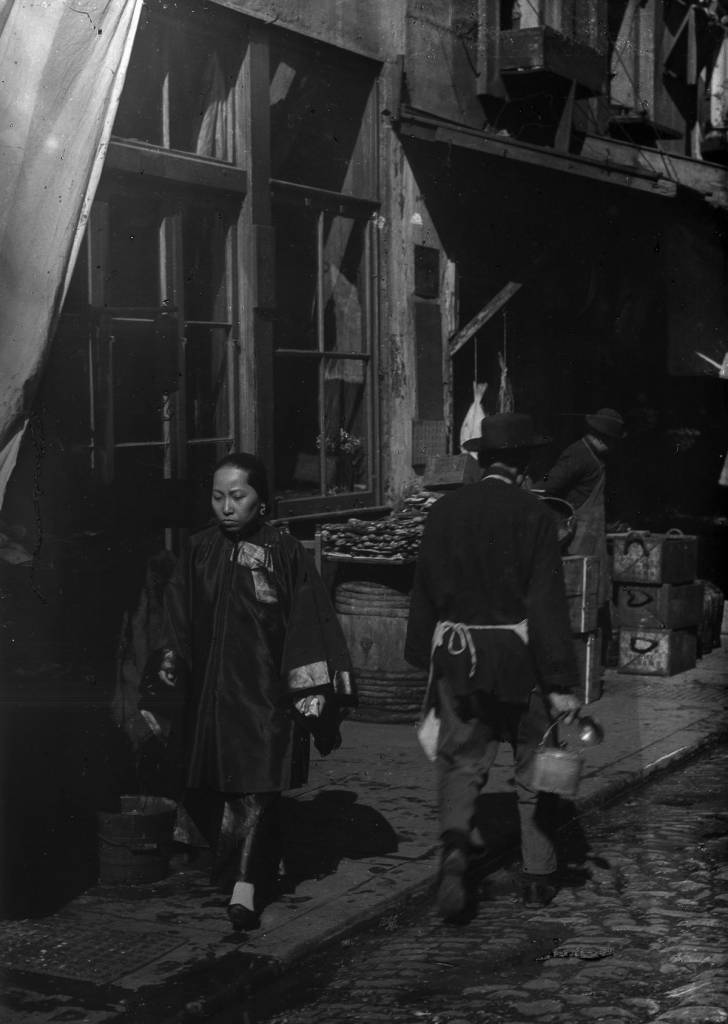
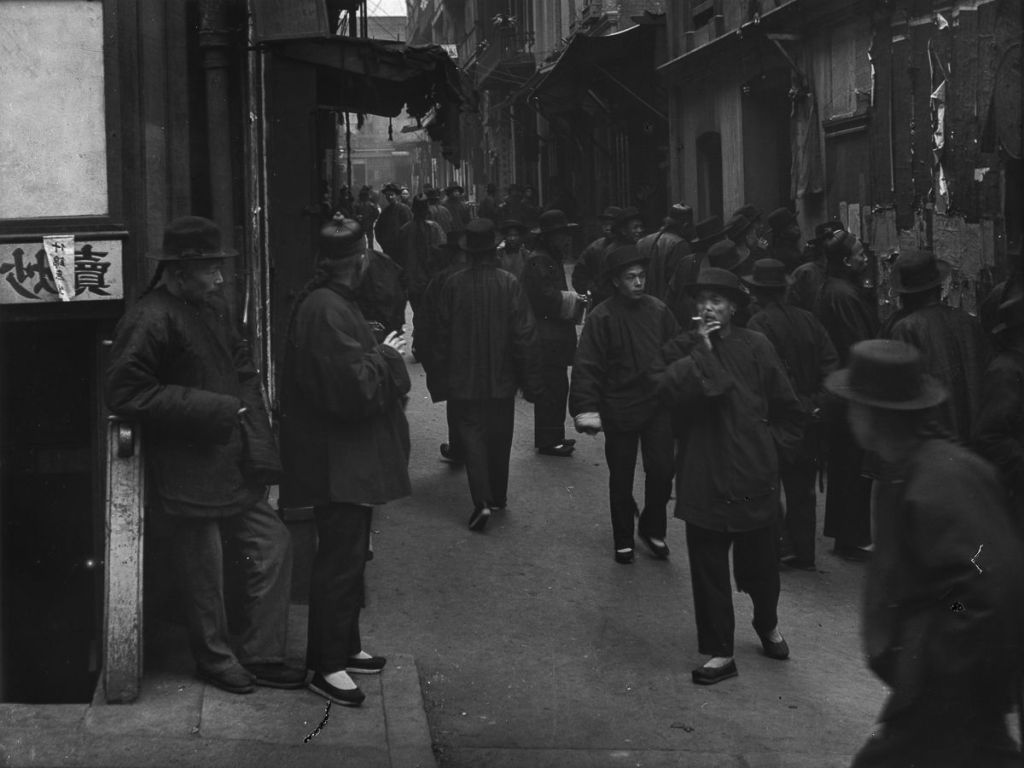
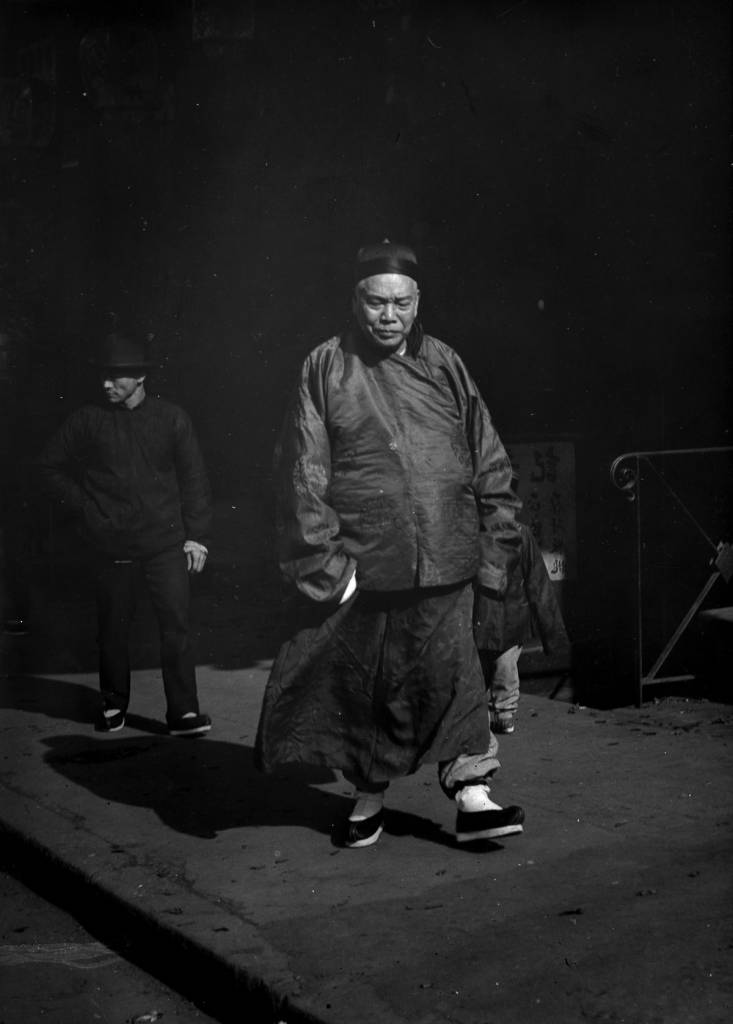
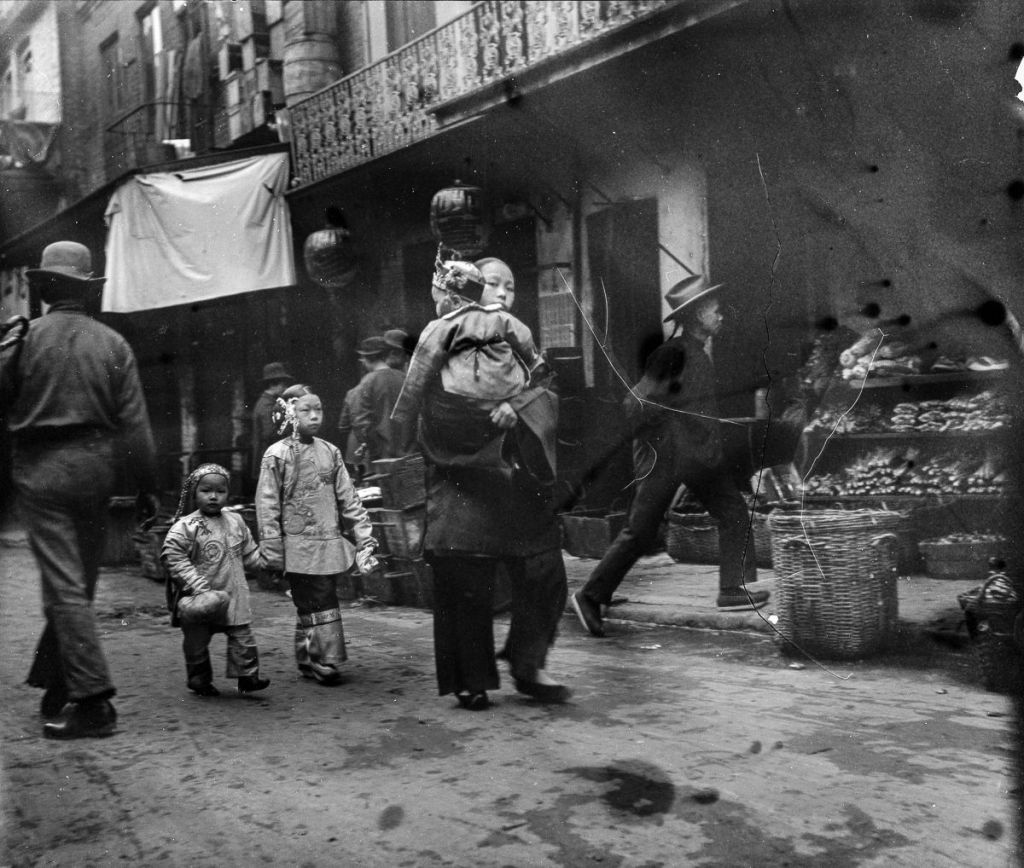
Via The Library of Congress

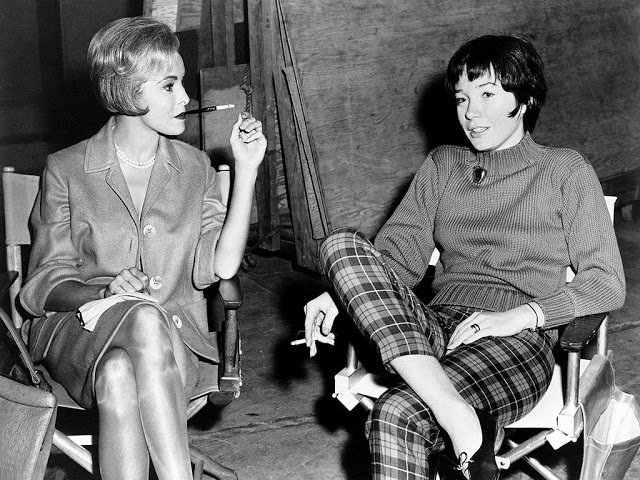
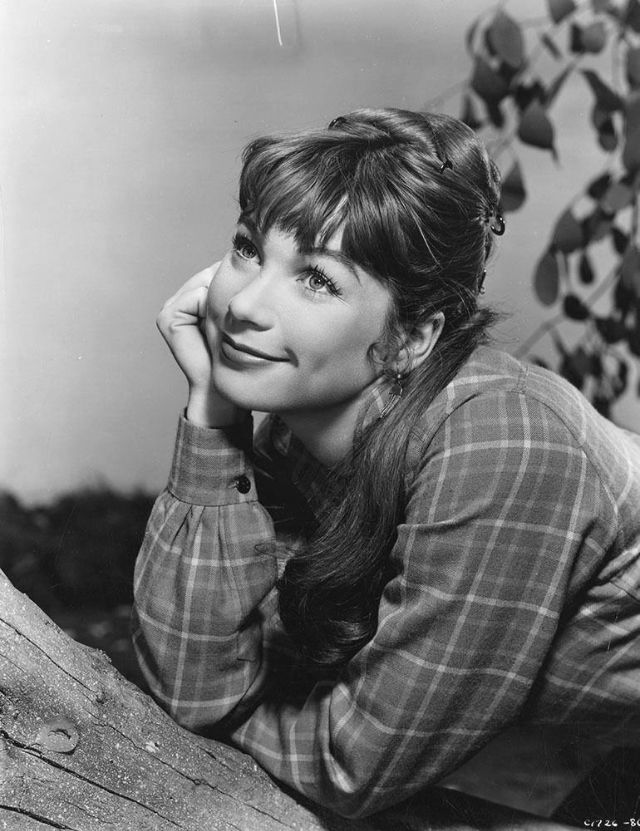
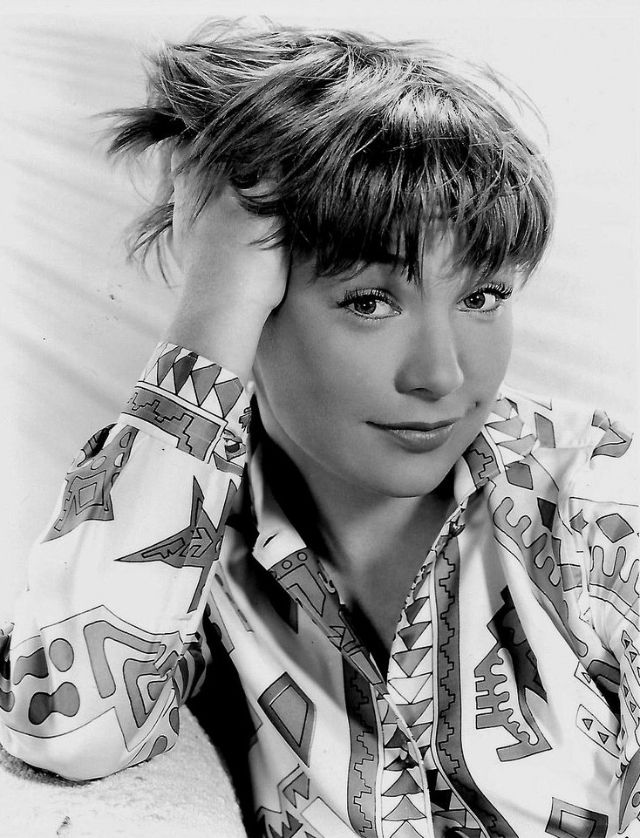
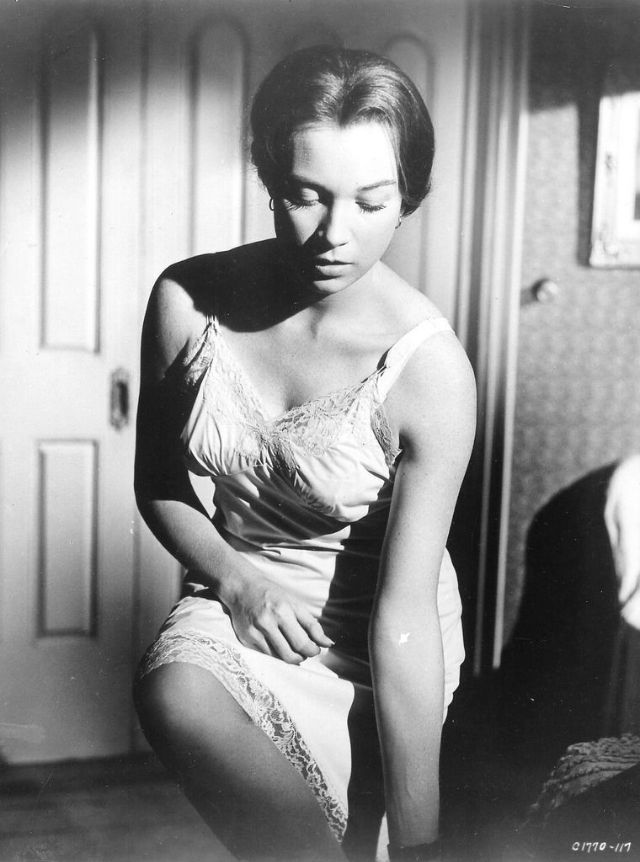
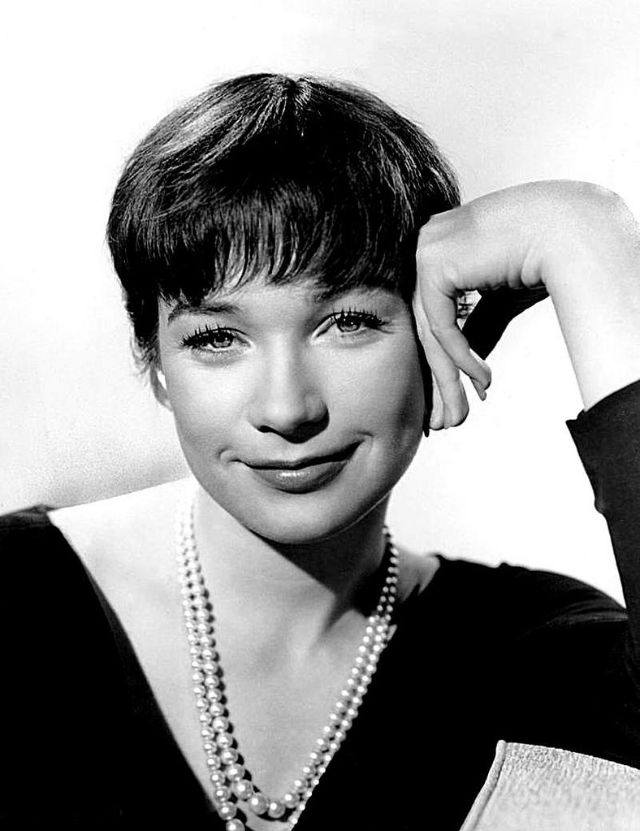
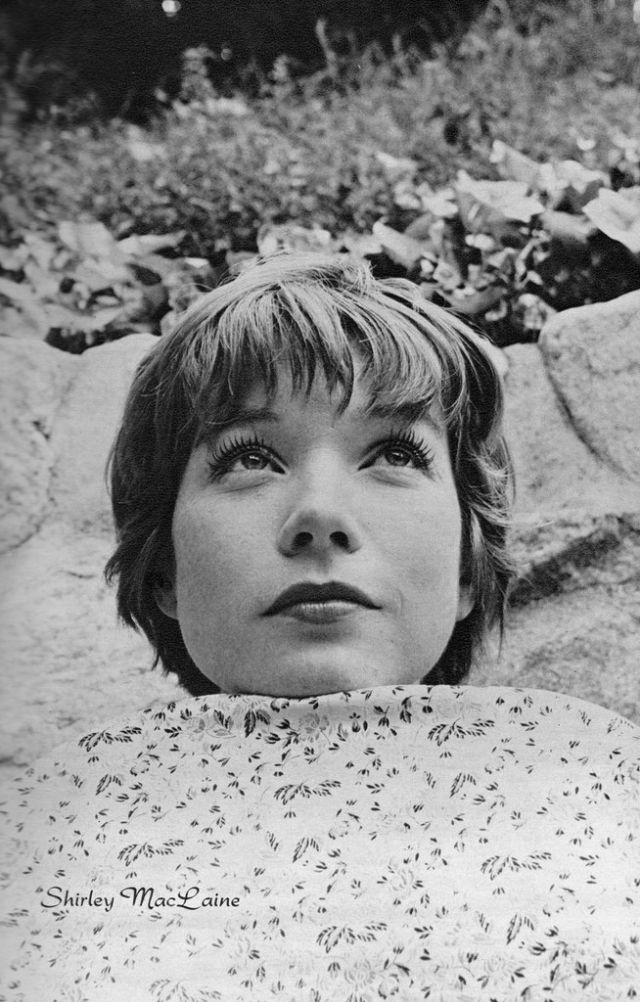
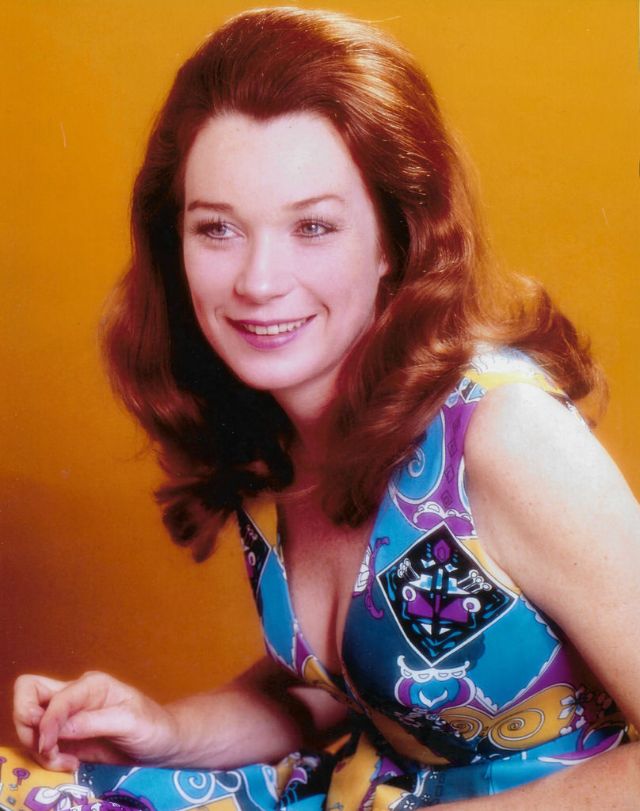
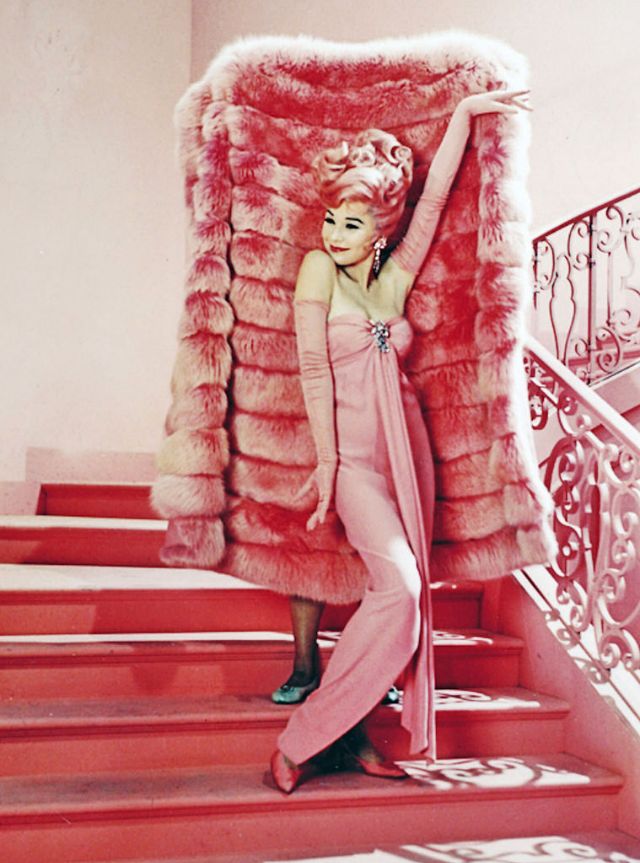
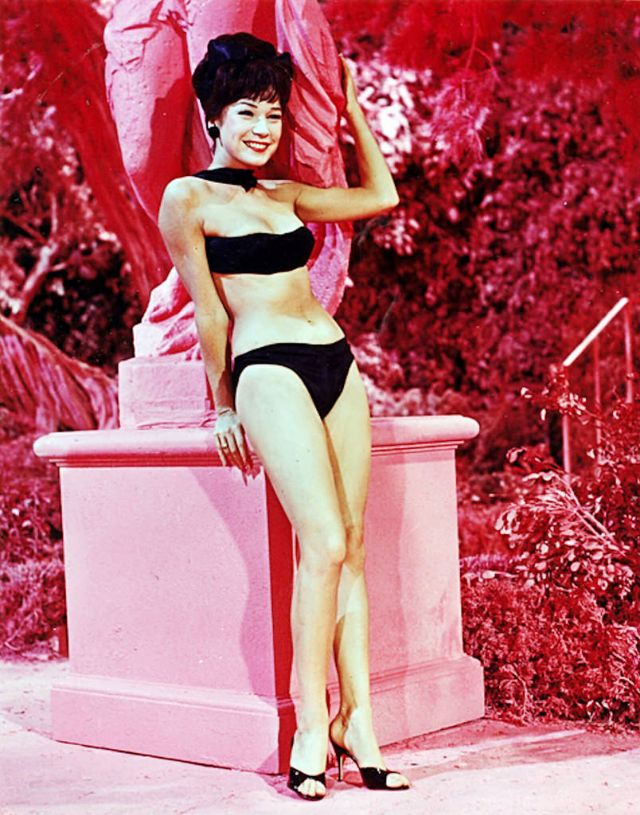
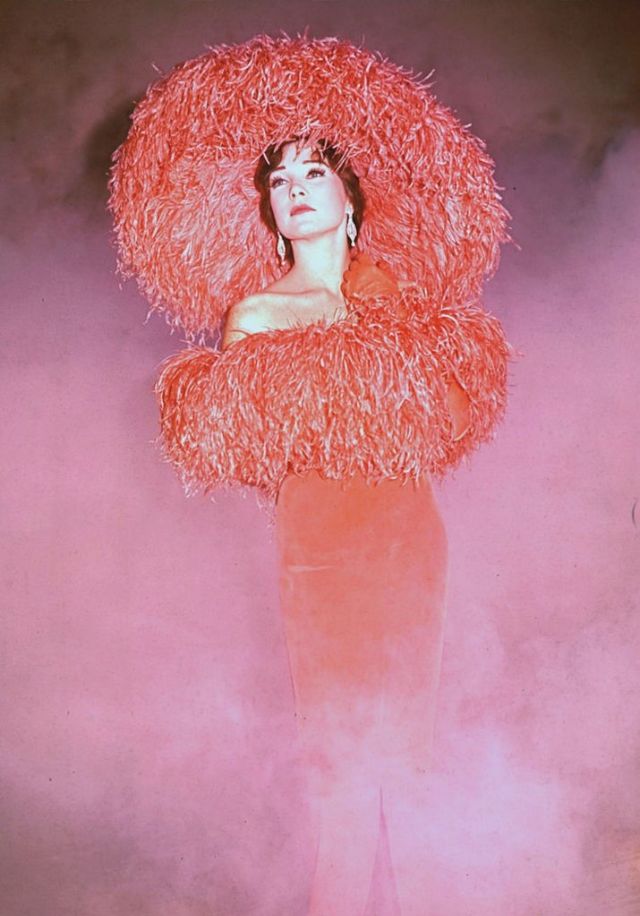
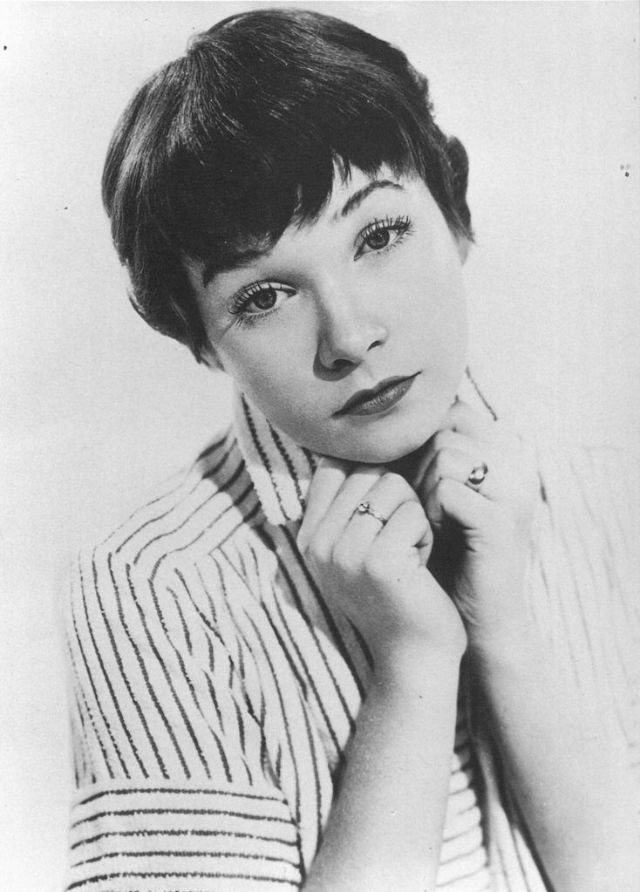
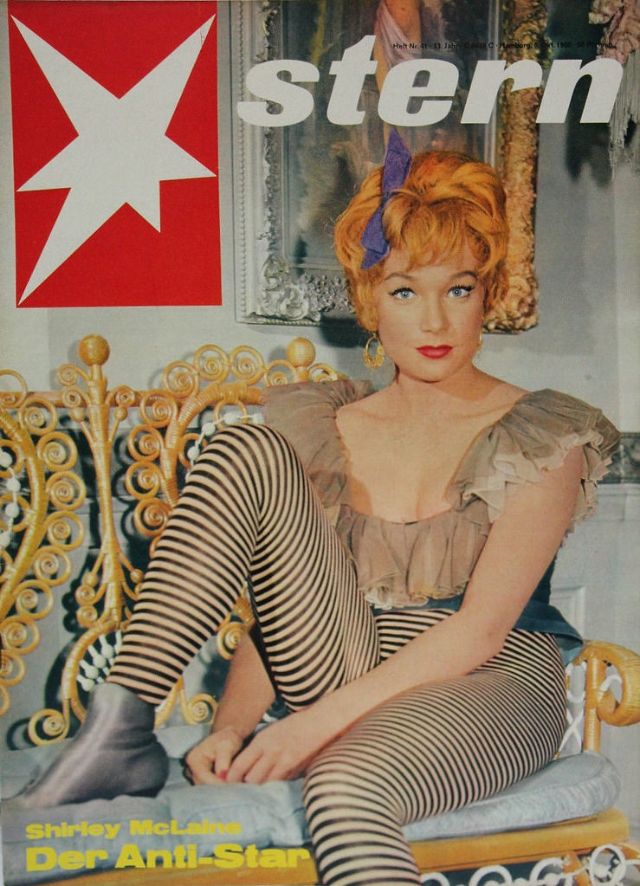
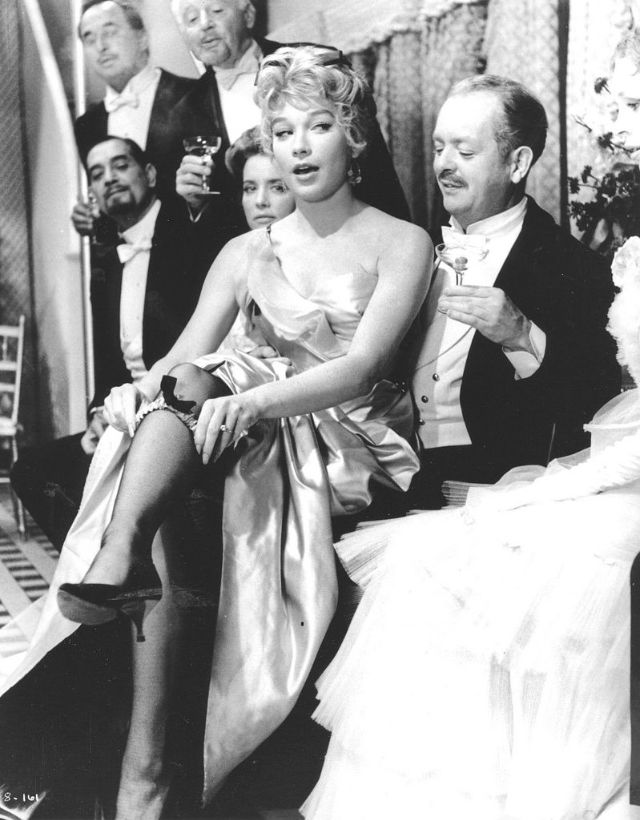
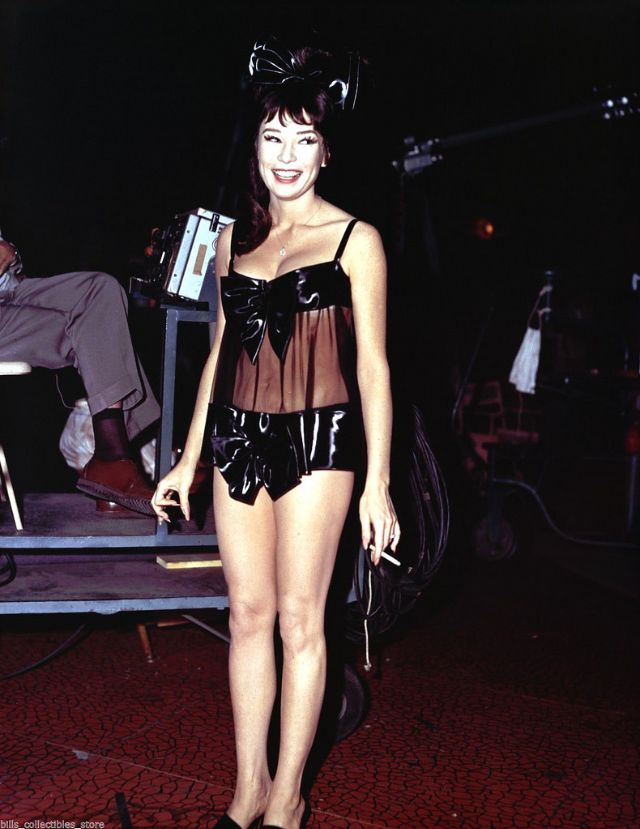
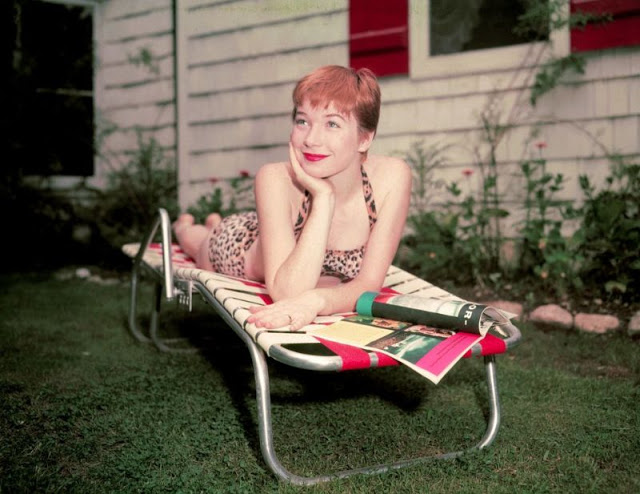
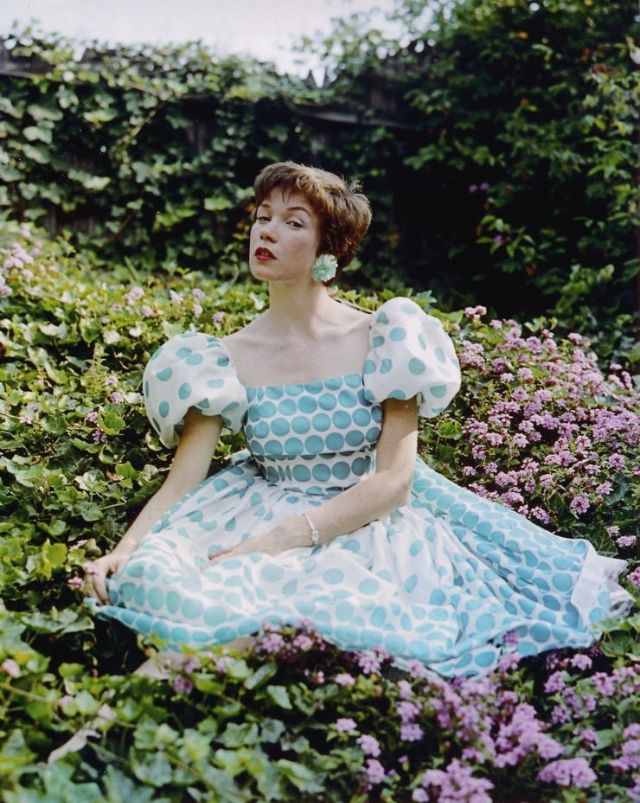
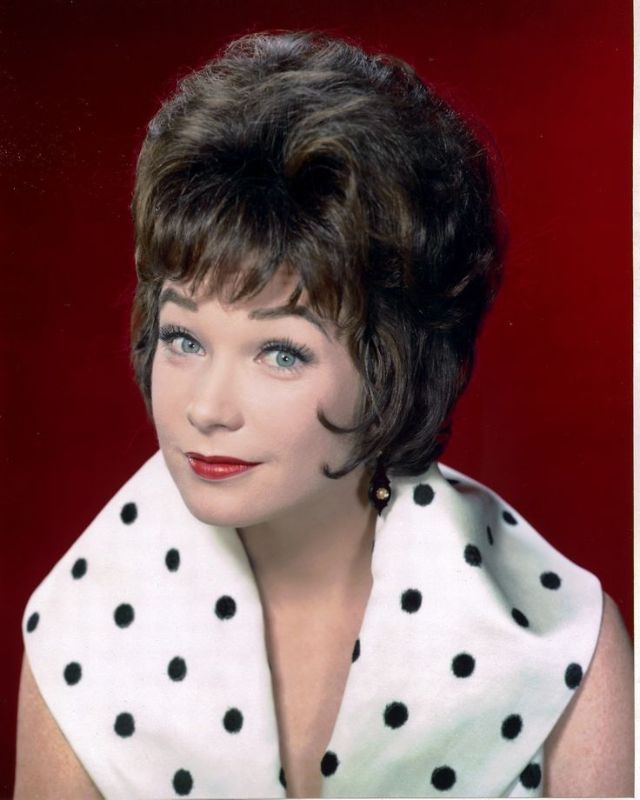
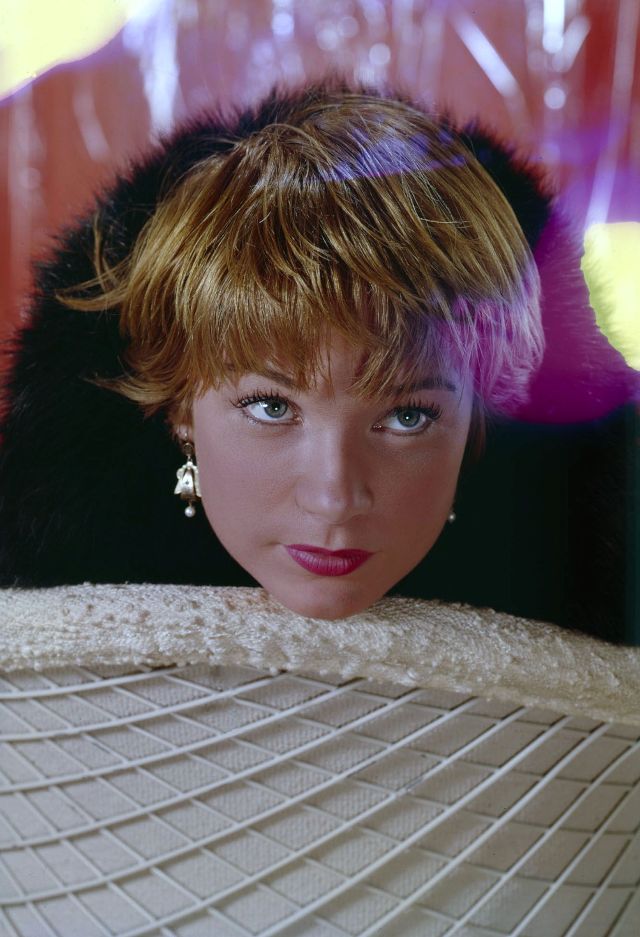
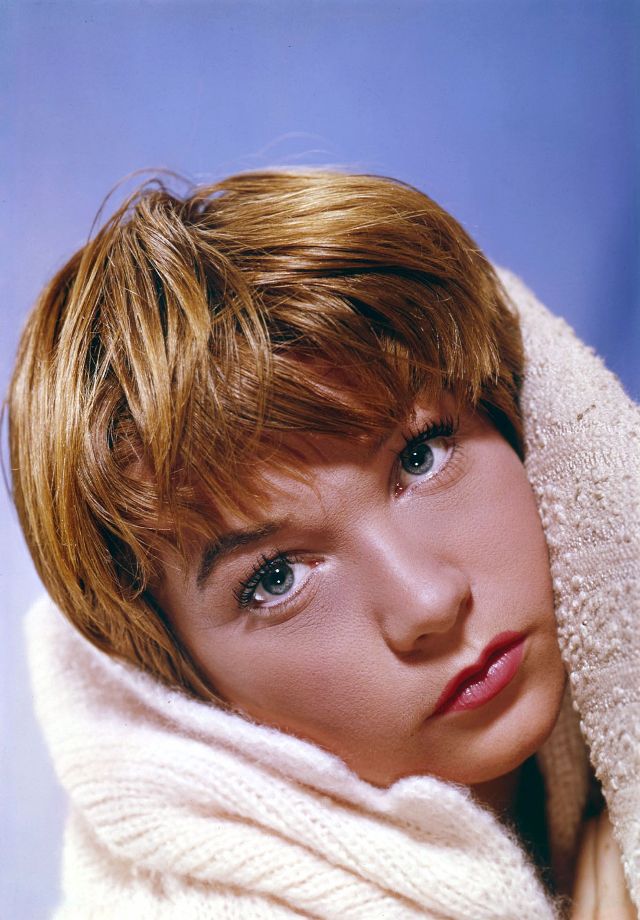
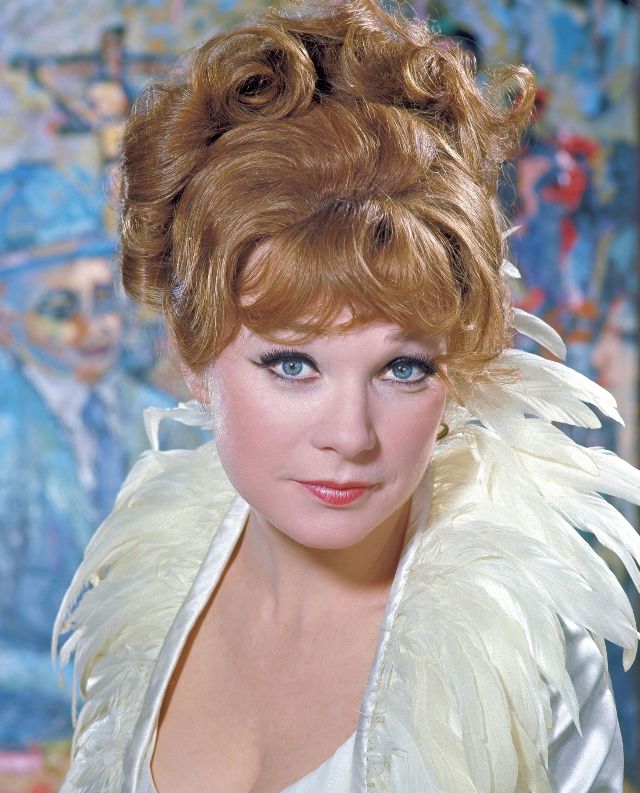
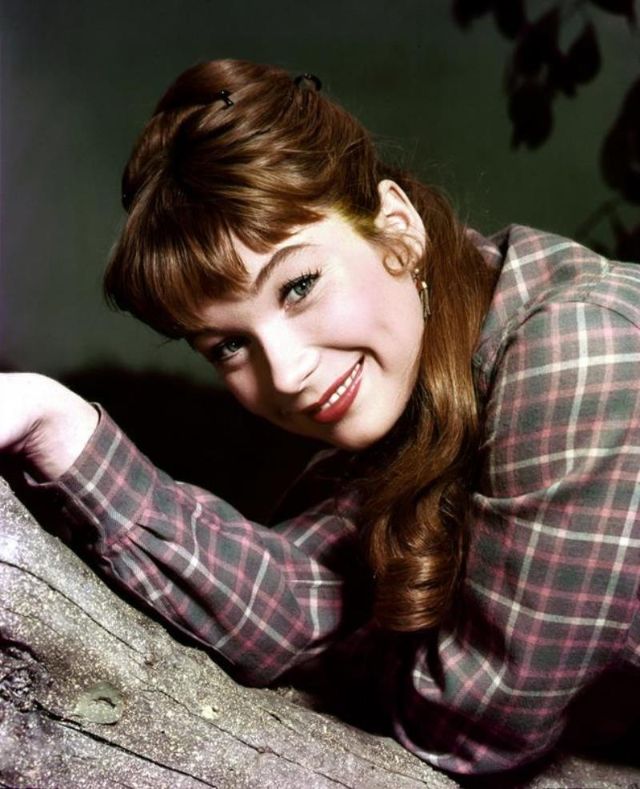
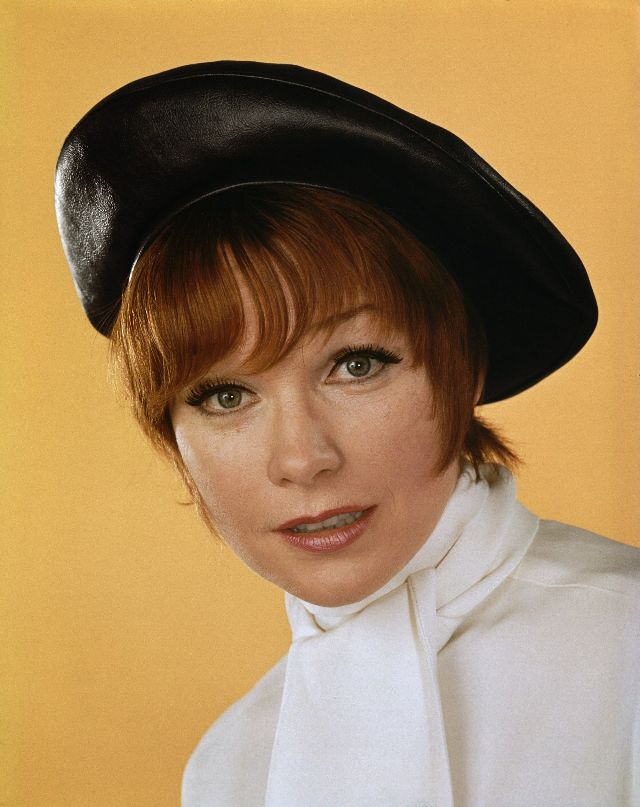
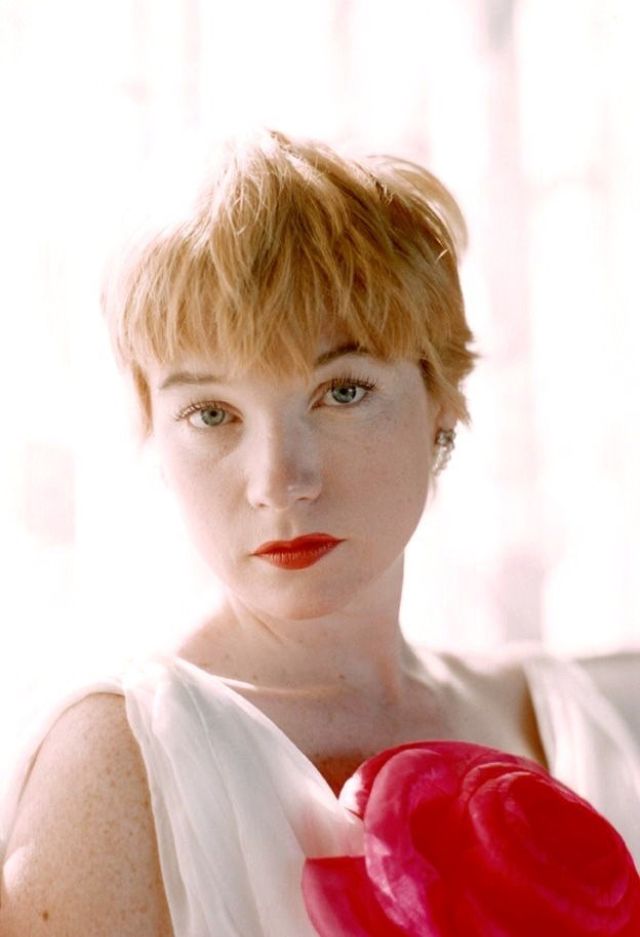
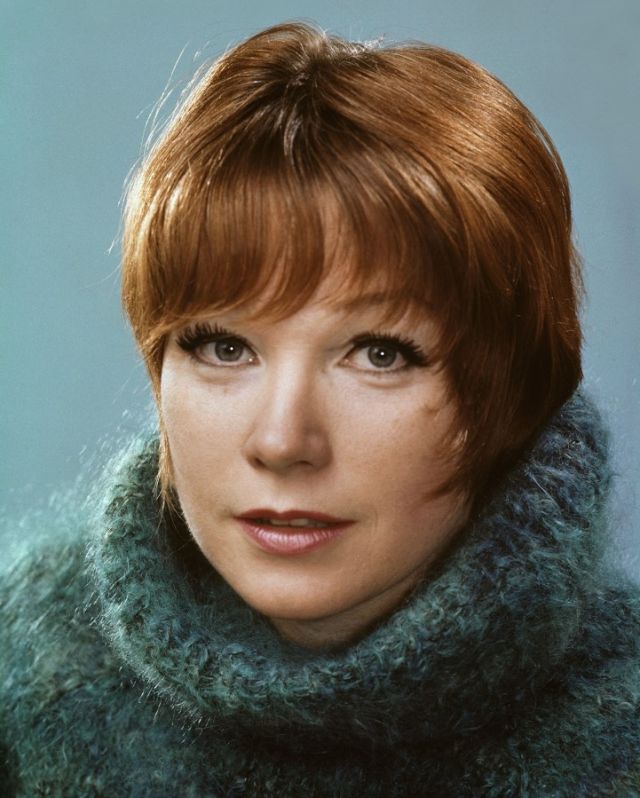
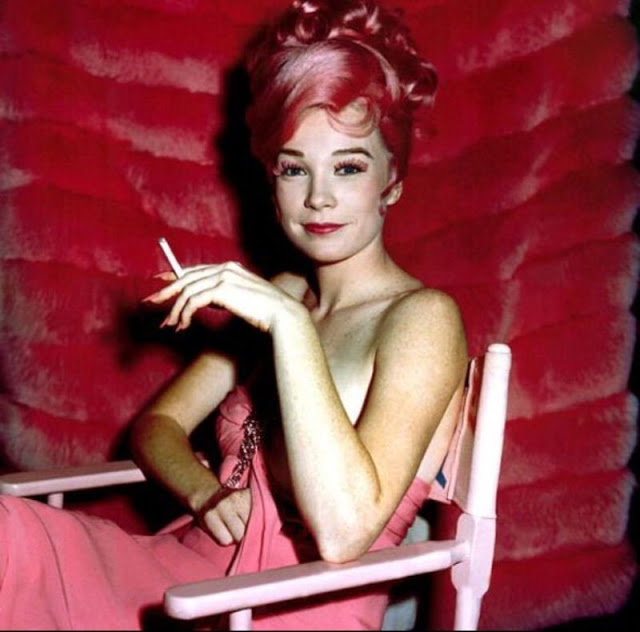
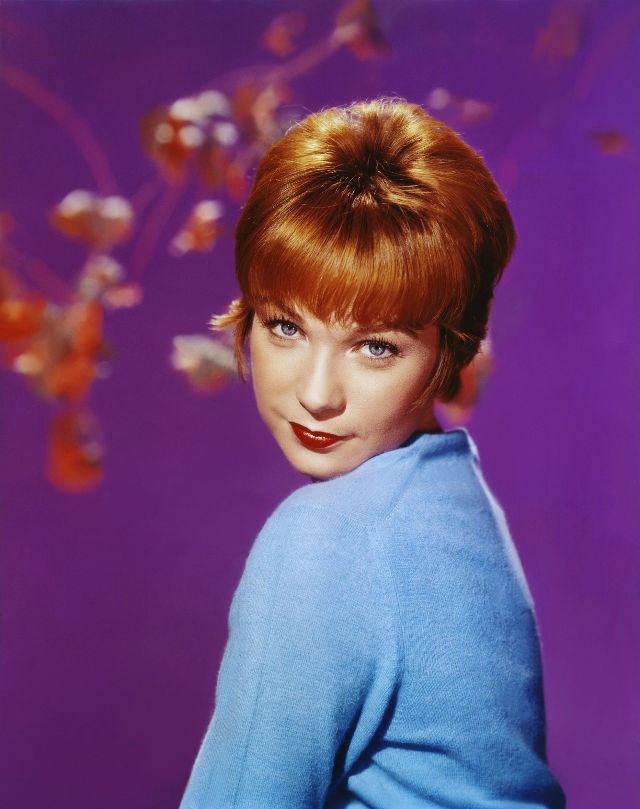
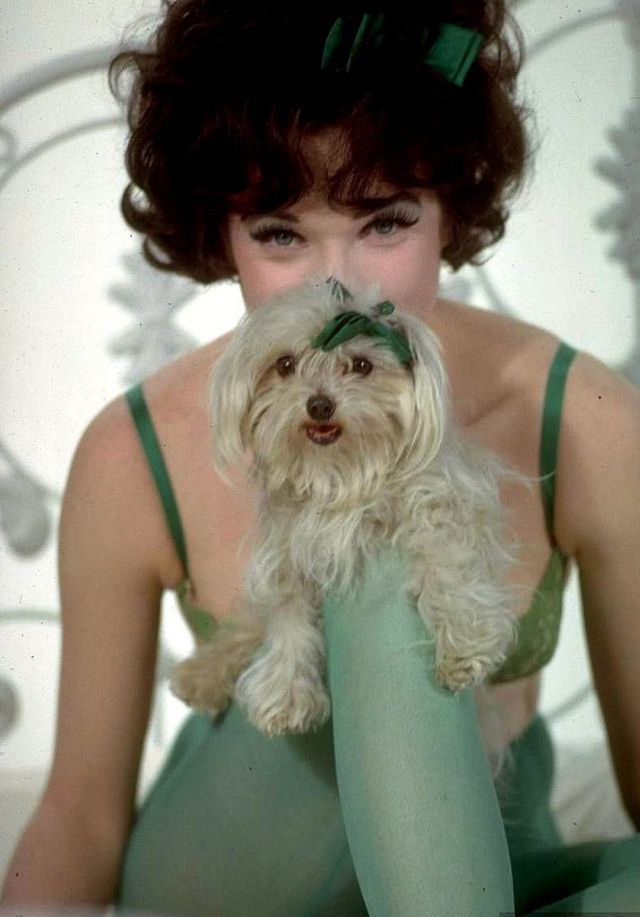
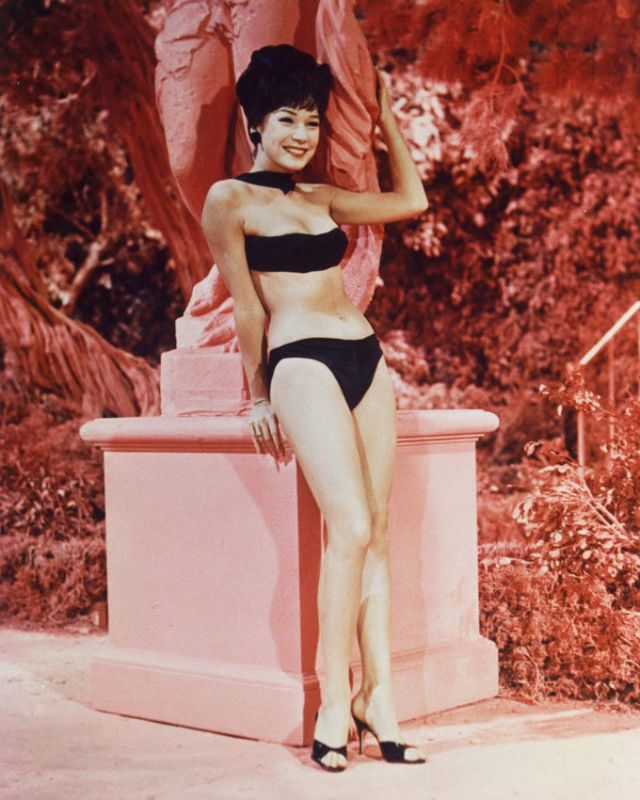
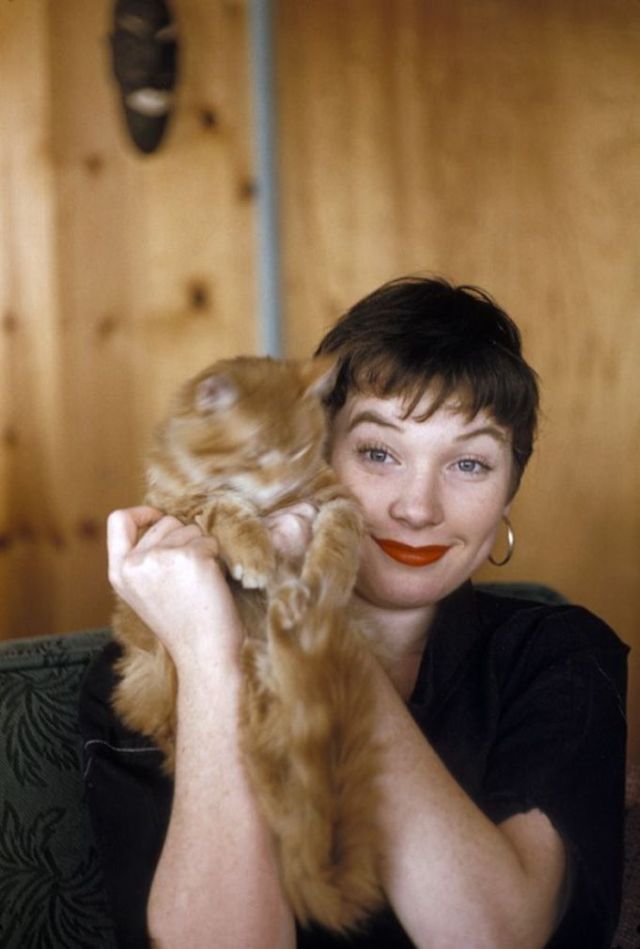
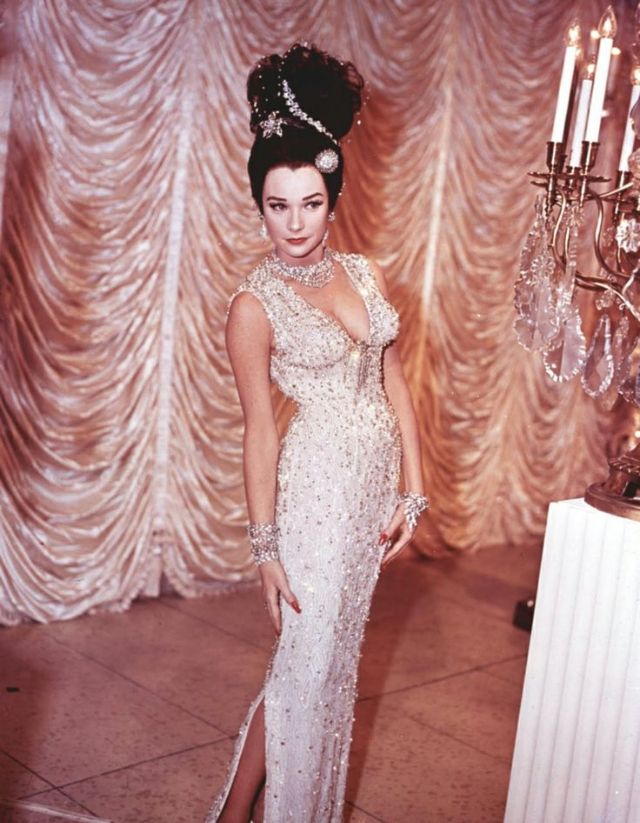
Shirley MacLaine is an American actress and dancer known for her deft portrayals of charmingly eccentric characters and for her interest in mysticism and reincarnation.
At the age of three, she began studying ballet, and, after graduating from high school, she moved to New York City, where she worked as a dancer and model. Around this time she changed her name to Shirley MacLaine. In 1954 she was hired as a chorus girl and understudy to the second lead, Carol Haney, in the hit Broadway musical The Pajama Game. When Haney broke her ankle, MacLaine took over the role and was “discovered” by film producer Hal Wallis, who put her under contract.
MacLaine made her movie debut in Alfred Hitchcock’s The Trouble with Harry (1955). Her unique sexy tomboyish looks and her ability to combine worldly experience with an offbeat innocence caused her to be frequently cast as a good-hearted hooker or waif—for example, in such films as Vincente Minnelli’s Some Came Running (1958), an adaptation of a James Jones novel, and Billy Wilder’s The Apartment (1960) and Irma la Douce (1963), romantic comedies that also starred Jack Lemmon. Her performances in those films earned MacLaine Academy Award nominations. In 1969 she starred in Bob Fosse’s Sweet Charity, portraying a taxi dancer who remains optimistic despite a series of disappointments.
Rarely able to exercise her considerable dancing talent on film, MacLaine often appeared on television variety specials, winning several Emmy Awards, and in 1976 and 1984 she returned to Broadway in, respectively, A Gypsy in My Soul and Shirley MacLaine on Broadway. Her other notable TV credits included the British drama series Downton Abbey.
In 1970 MacLaine published Don’t Fall off the Mountain, which turned out to be the first in a series of best-selling memoirs describing not only her life in movies and her relationships (including that with her brother) but also her search for spiritual fulfillment. In 1987 she cowrote, produced, directed, and starred in a television adaptation of one of her autobiographies, Out on a Limb, which had been published in 1983. She also directed The Other Half of the Sky (1976), which received an Oscar nomination for best documentary; it was about life in China.
MacLaine was the recipient of numerous honors. She received the Cecil B. DeMille Award (a Golden Globe for lifetime achievement) in 1998 and was named a Kennedy Center honoree in 2013.
























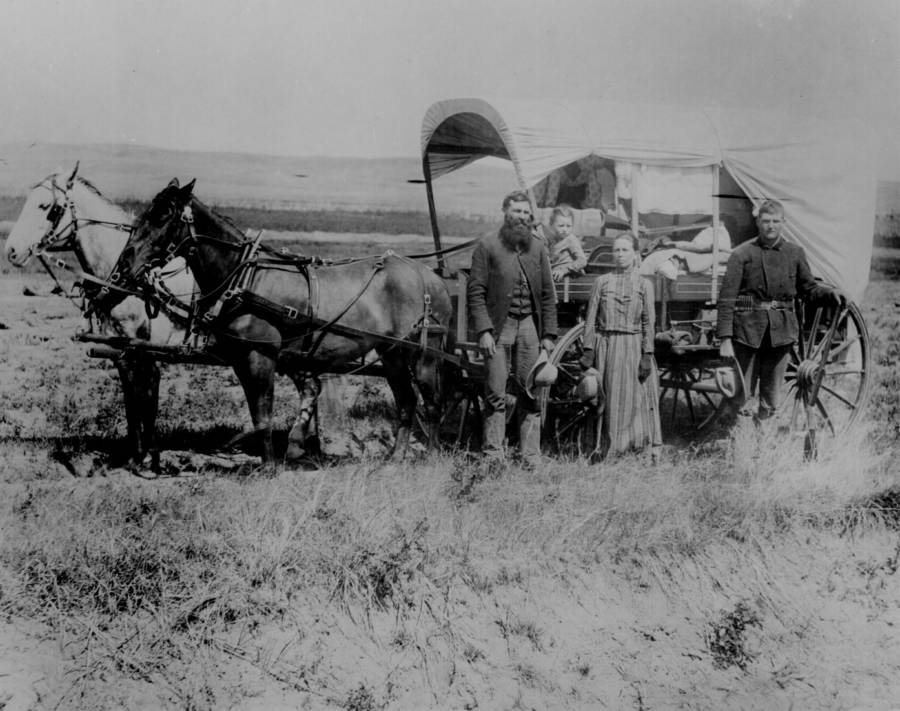
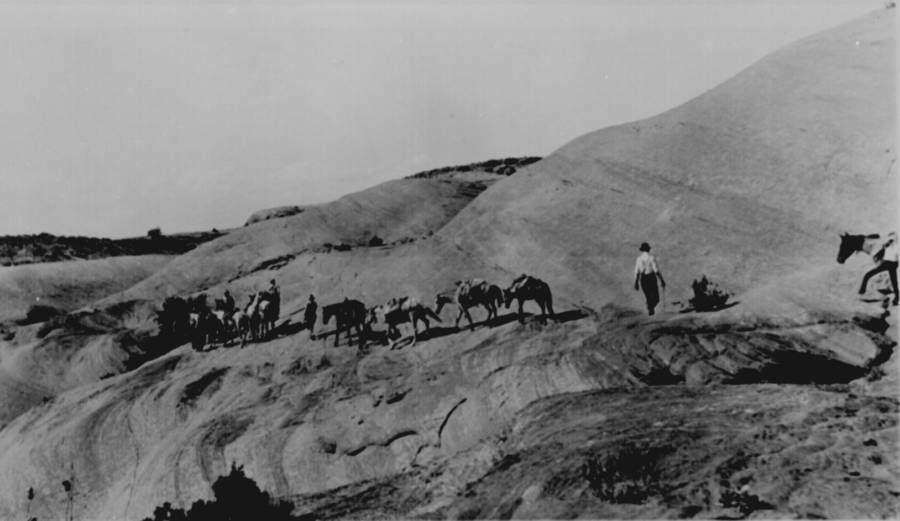
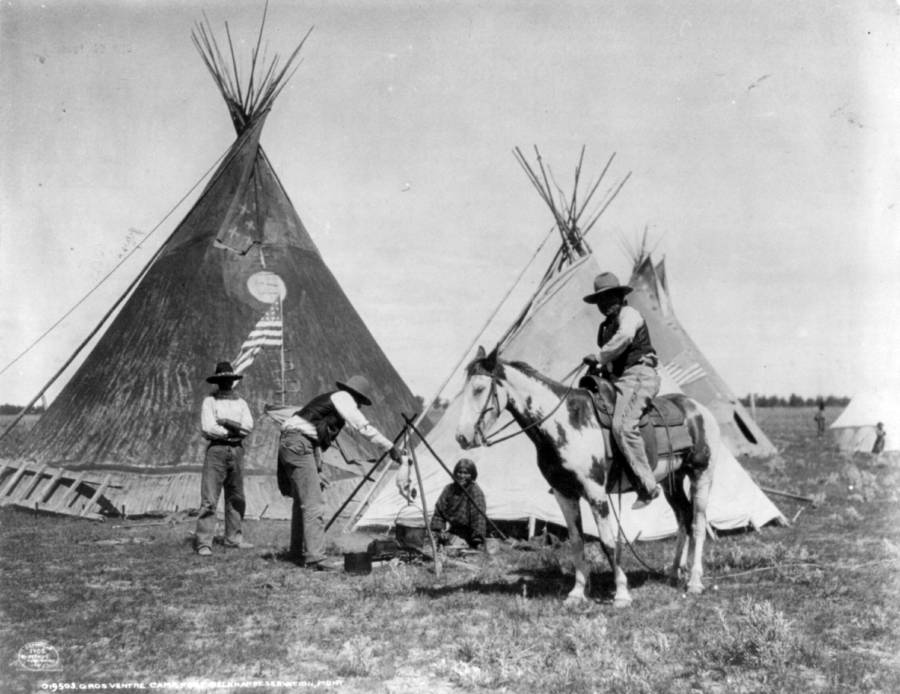
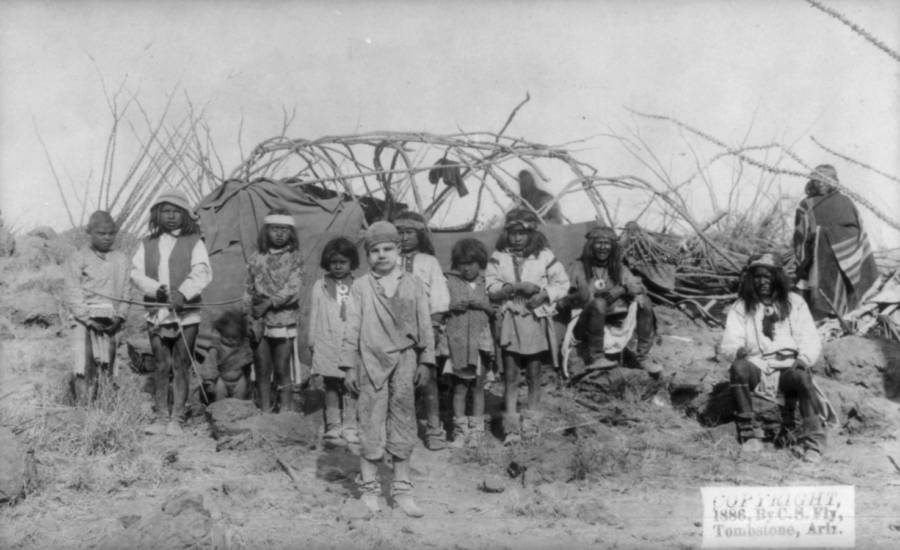
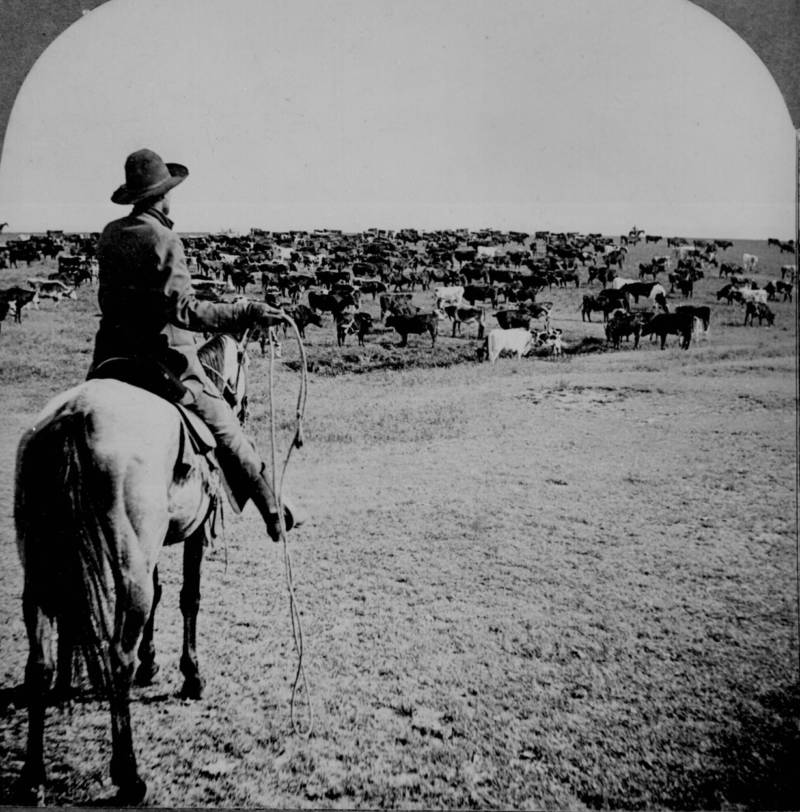
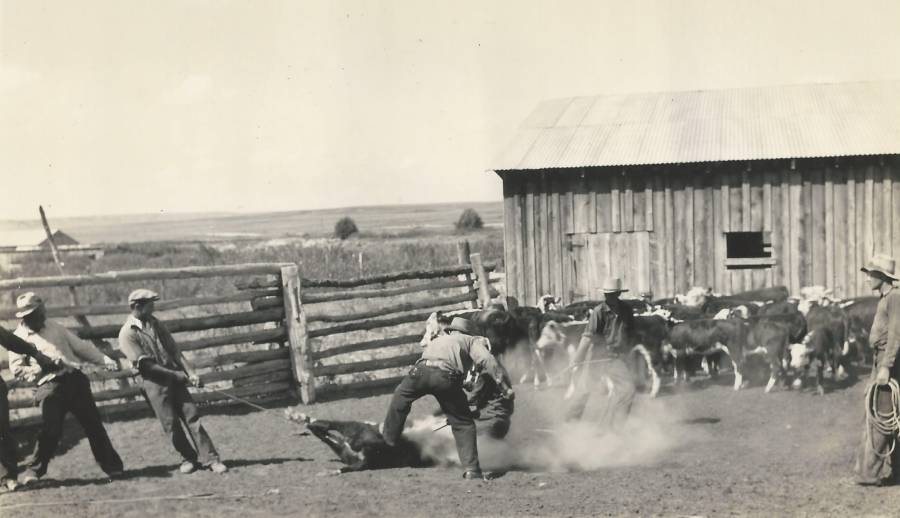
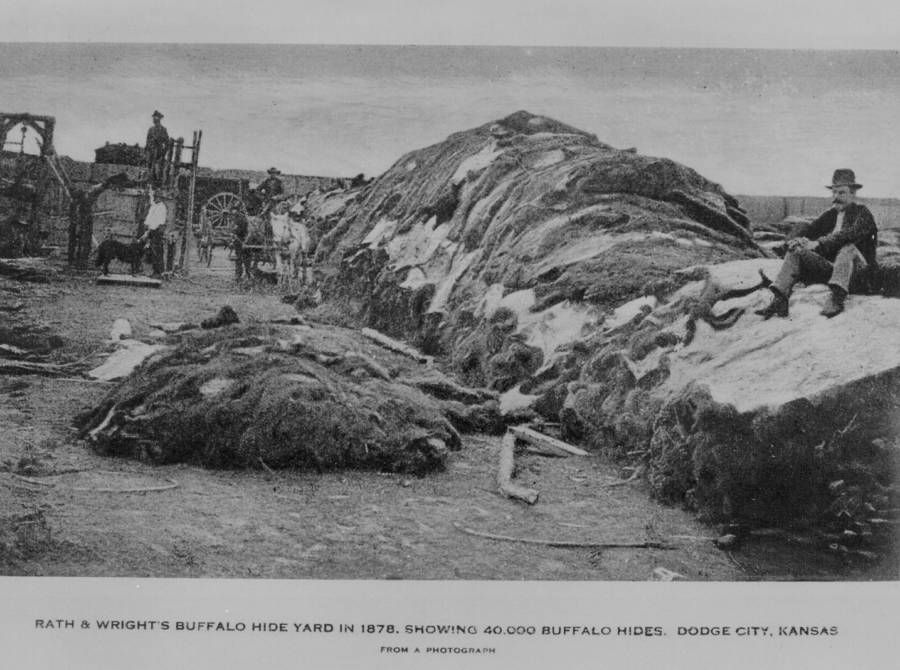
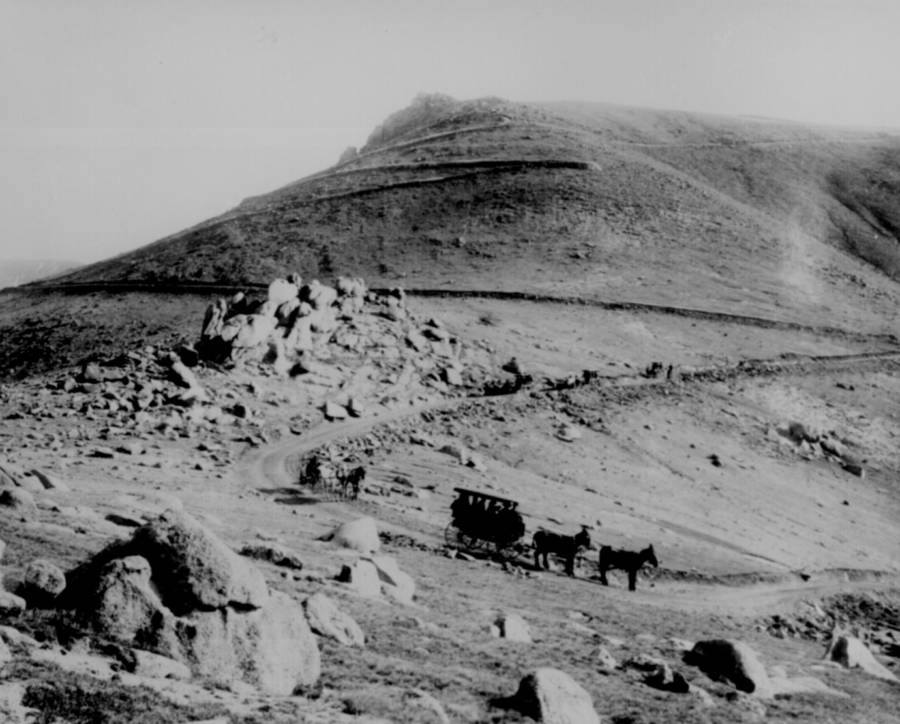
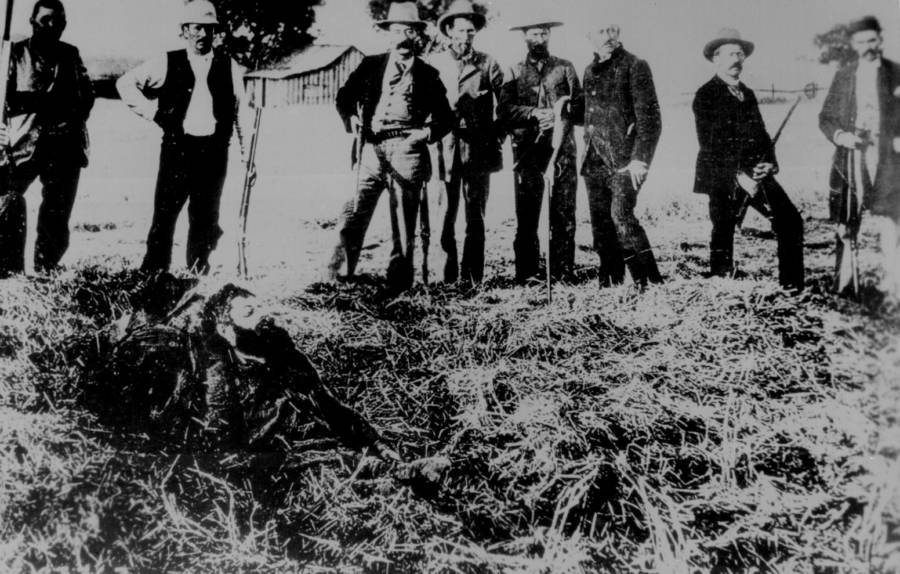
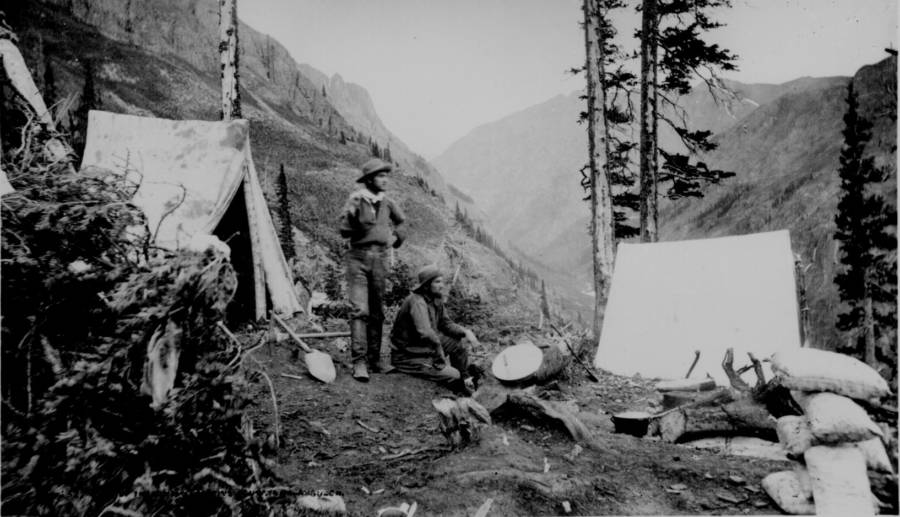
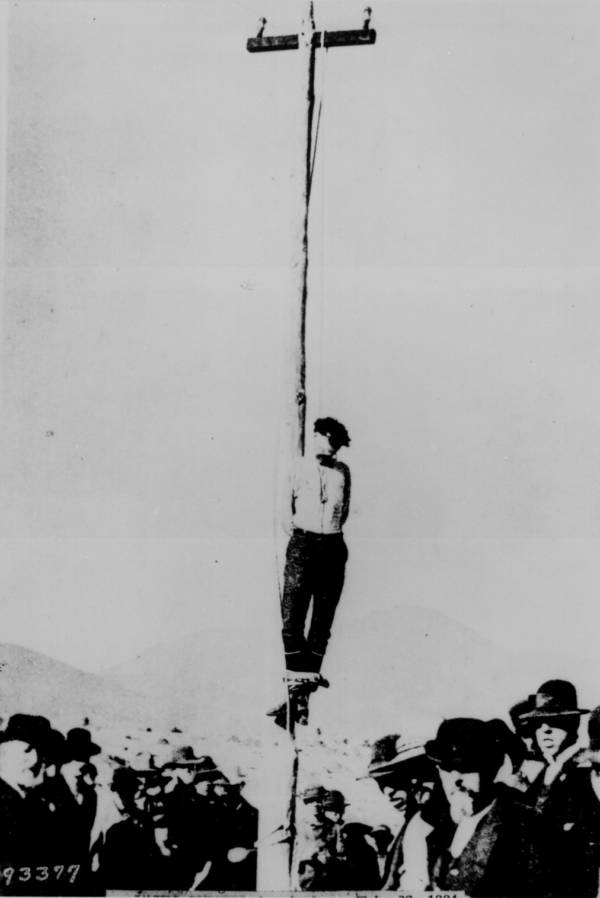
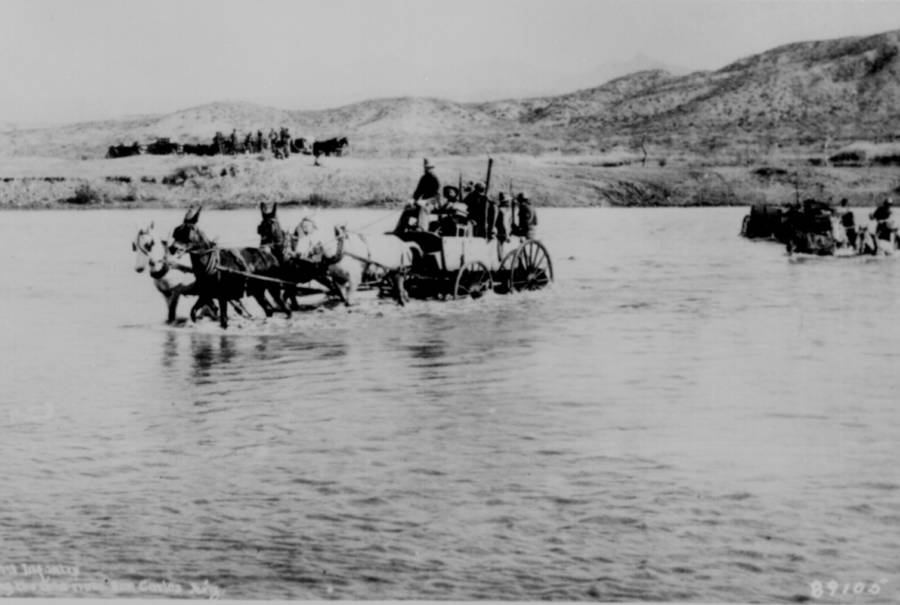
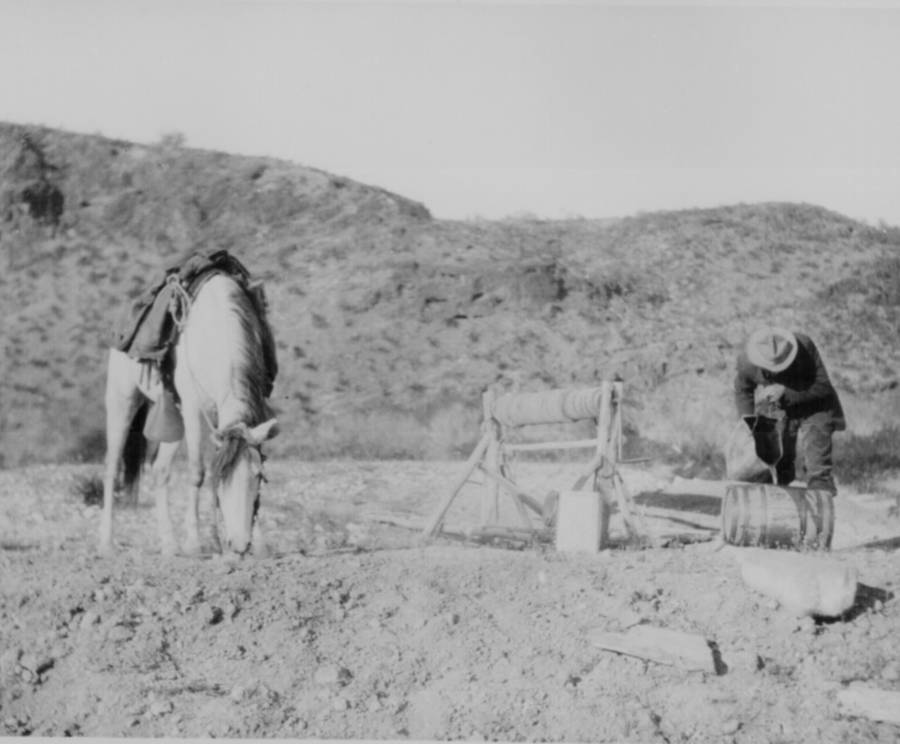
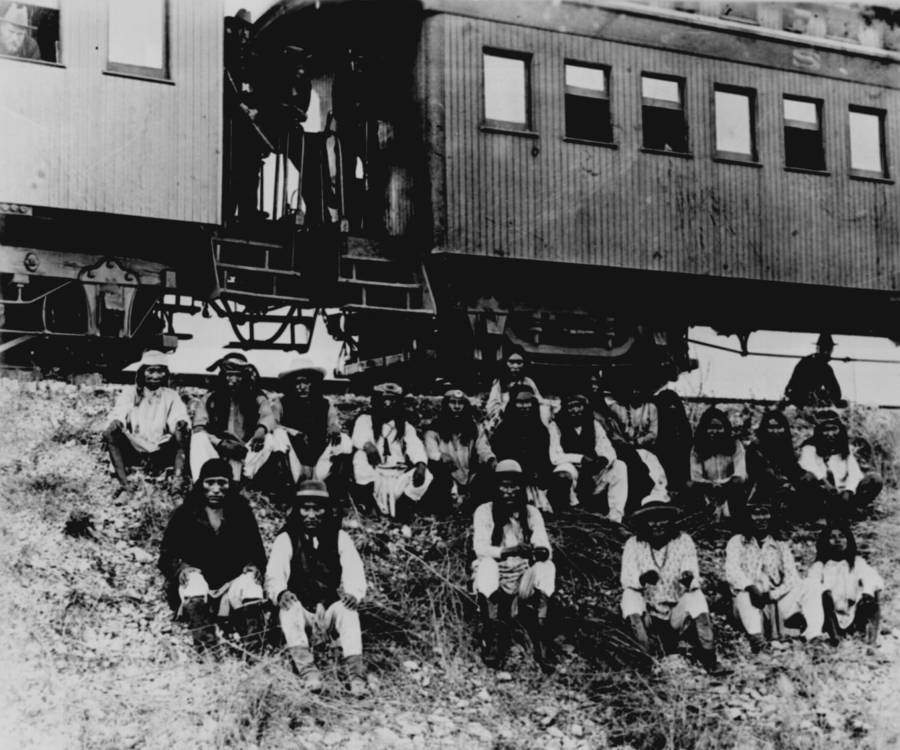
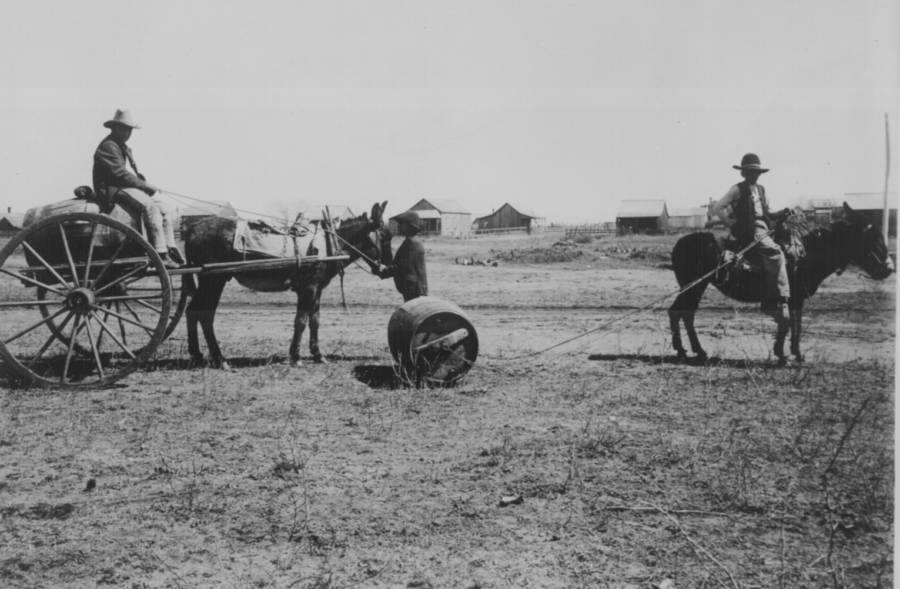
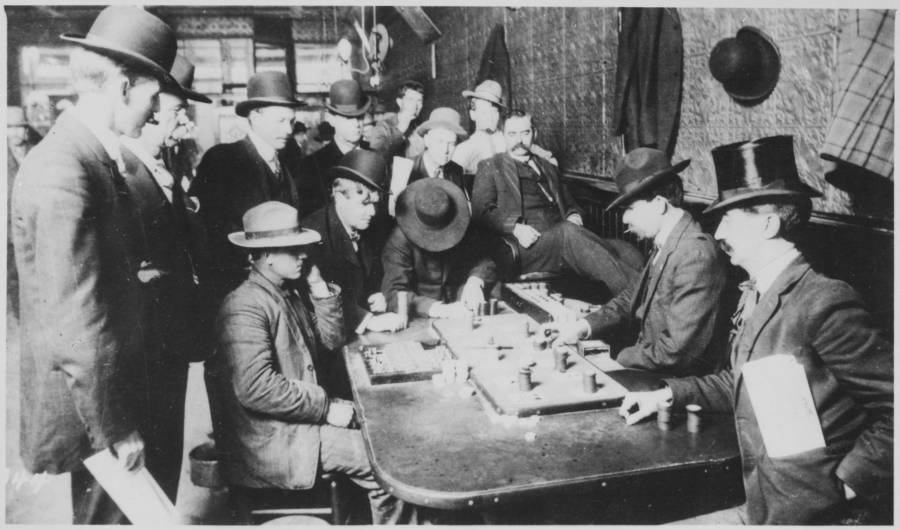
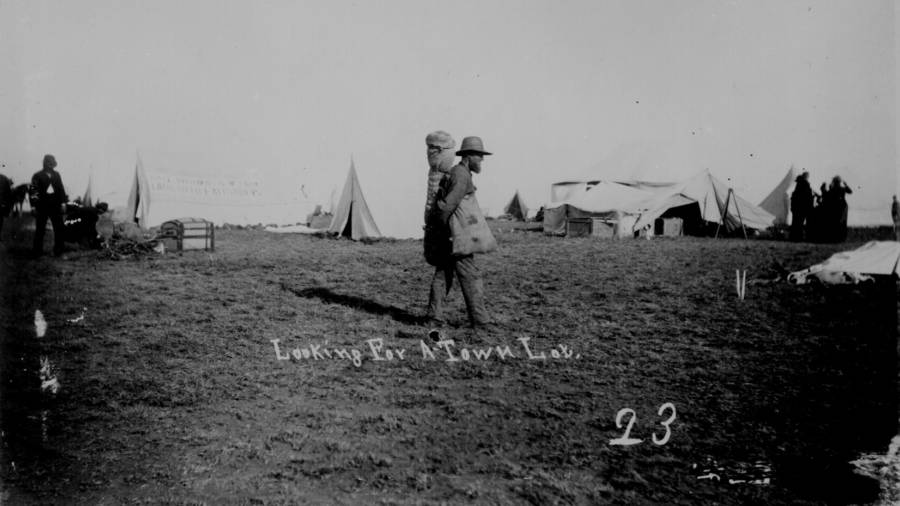
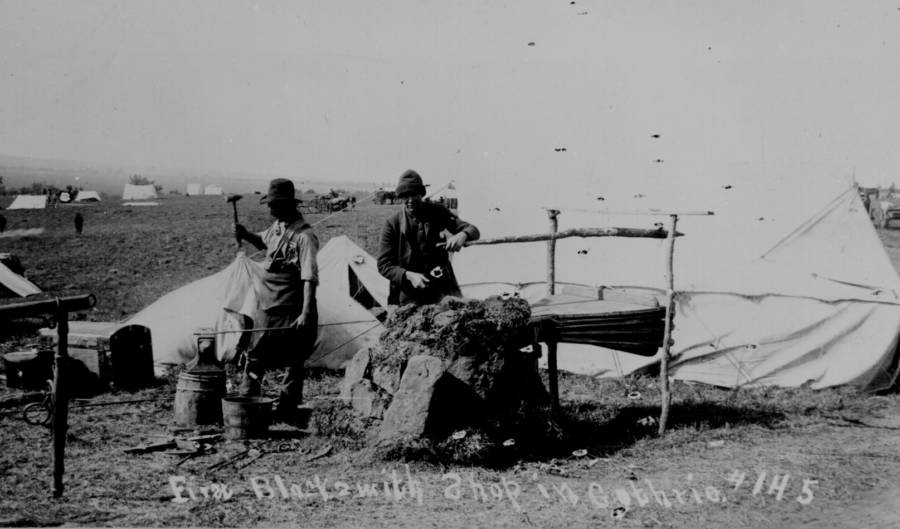
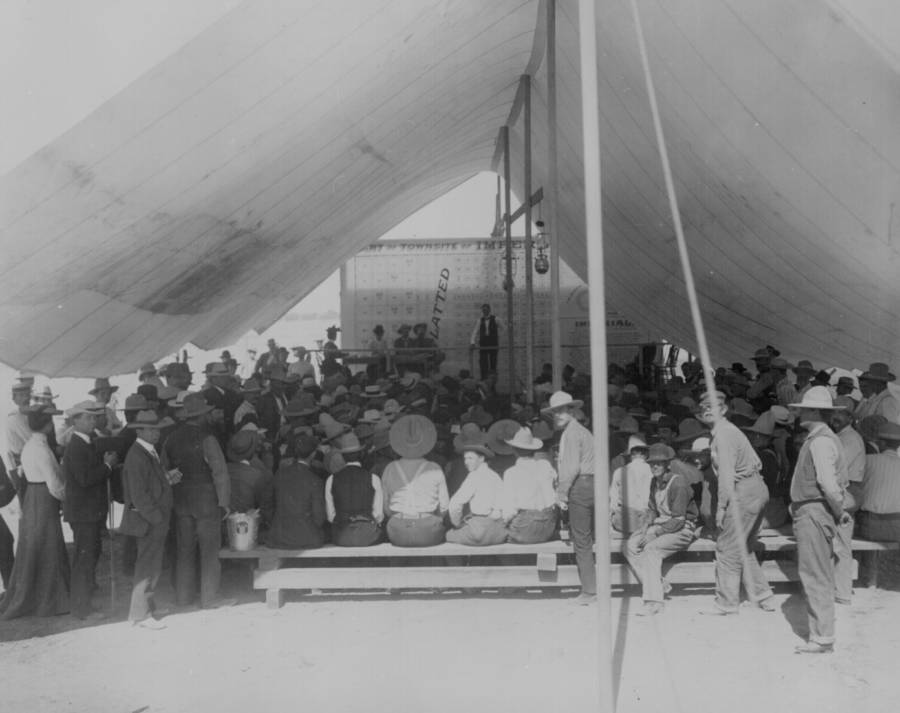
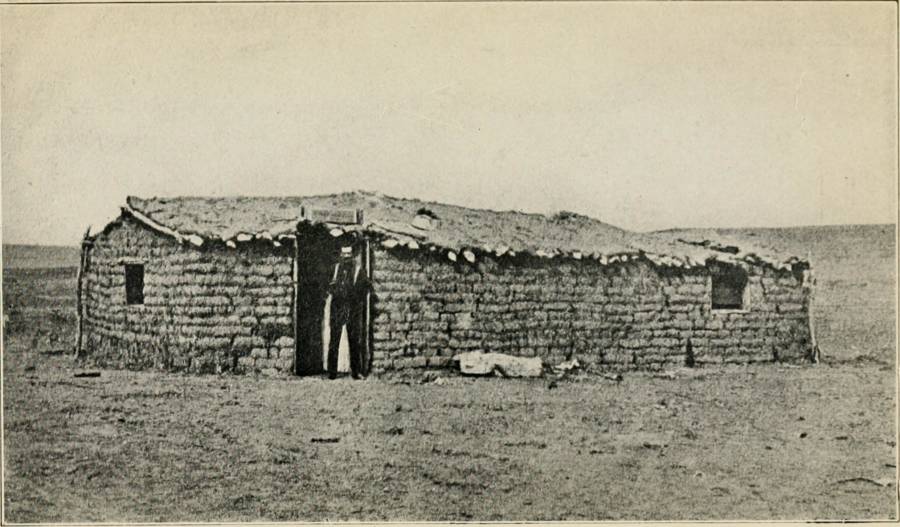
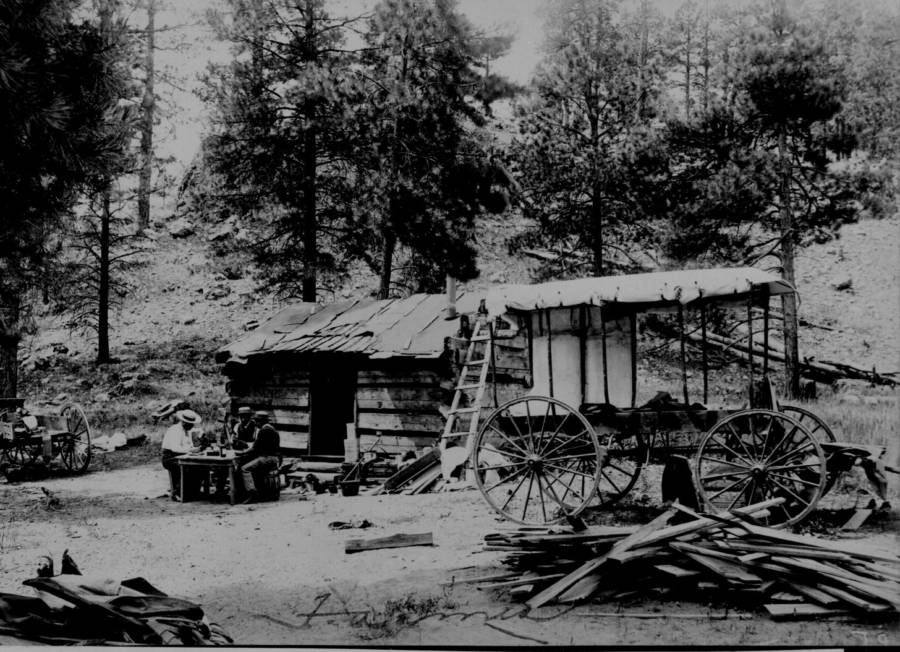
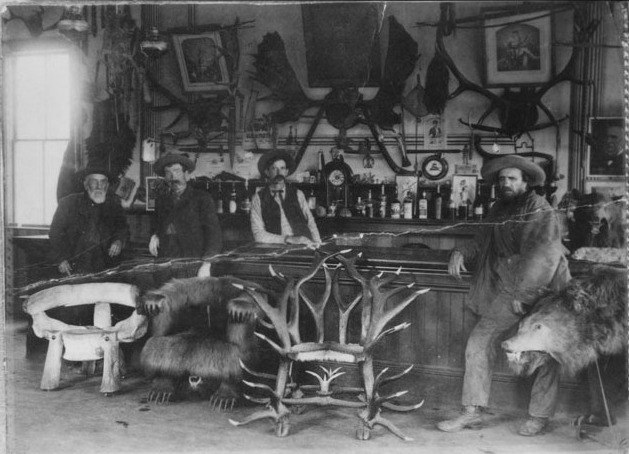
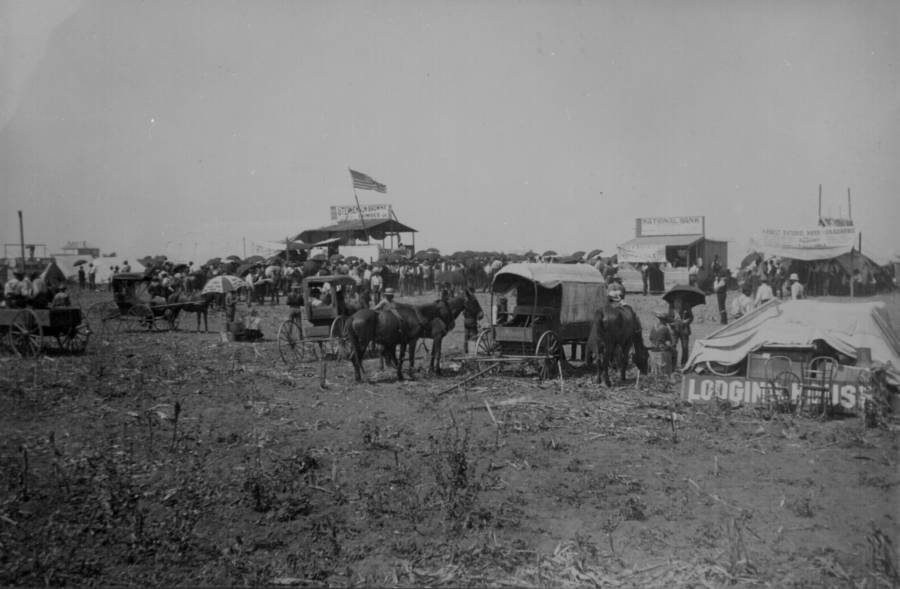
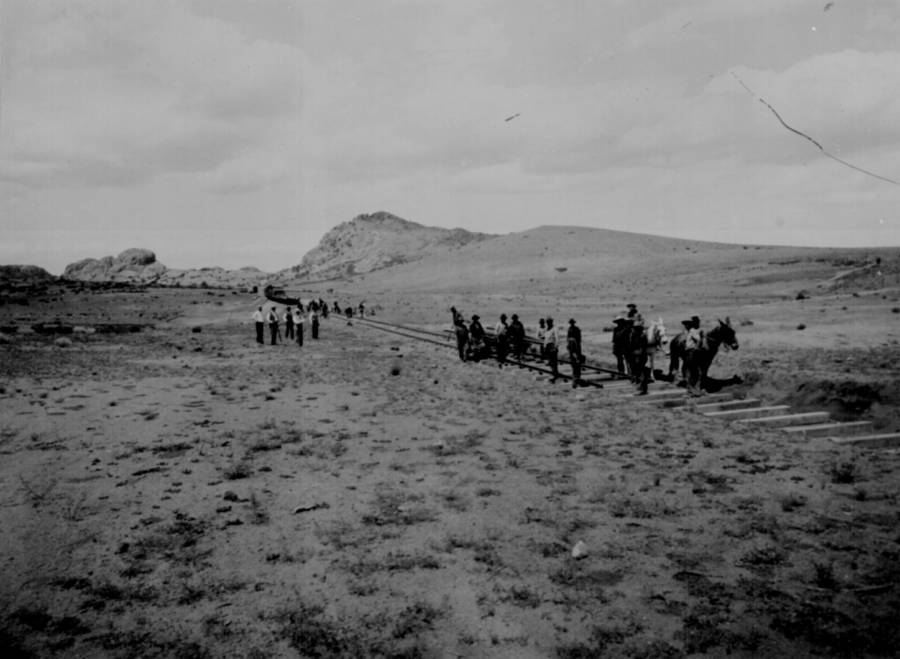
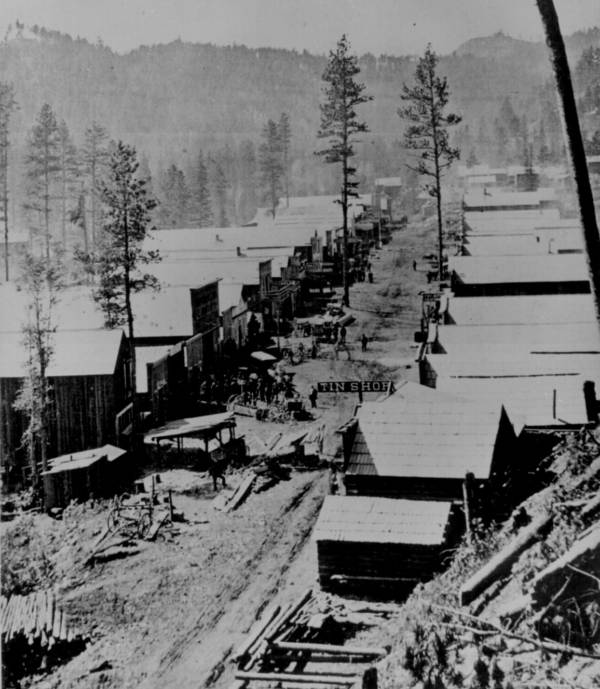
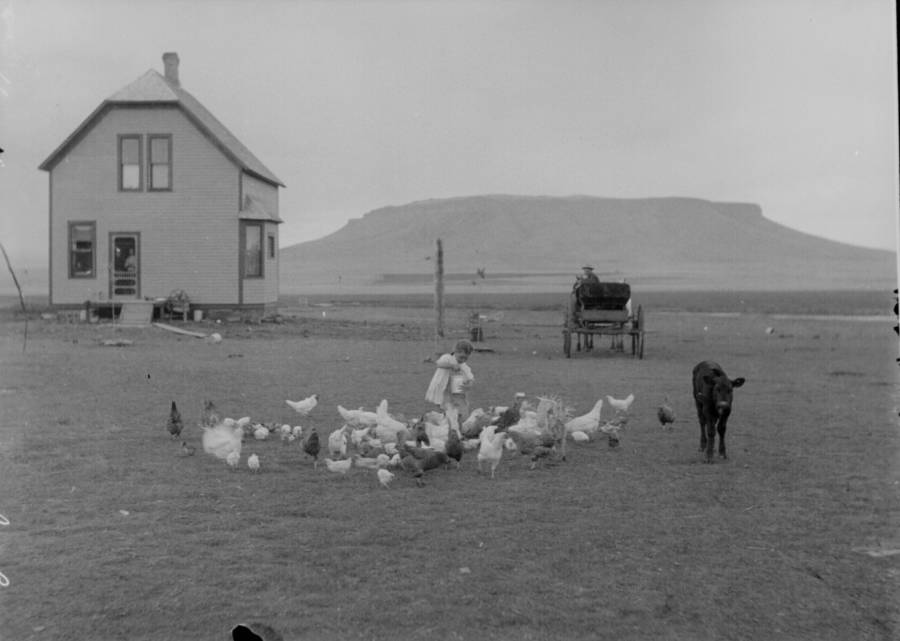
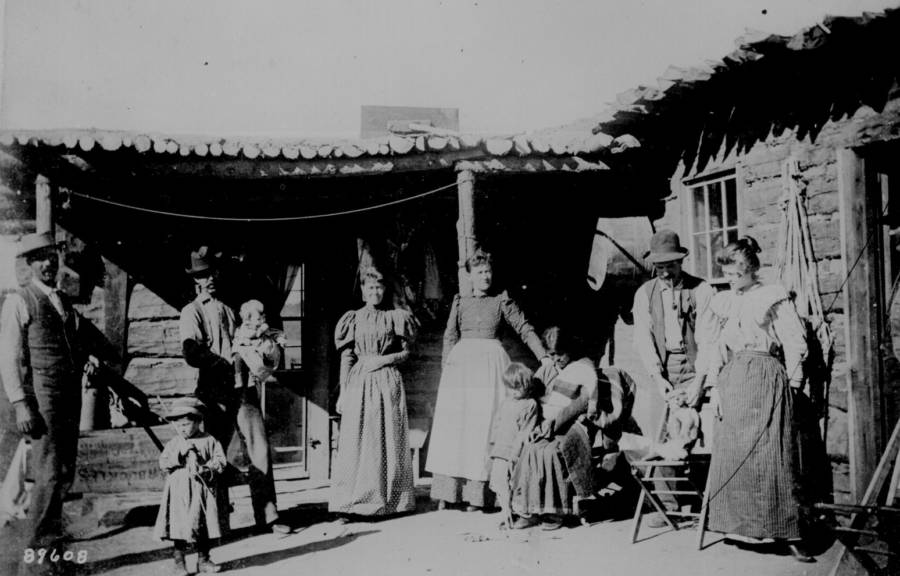
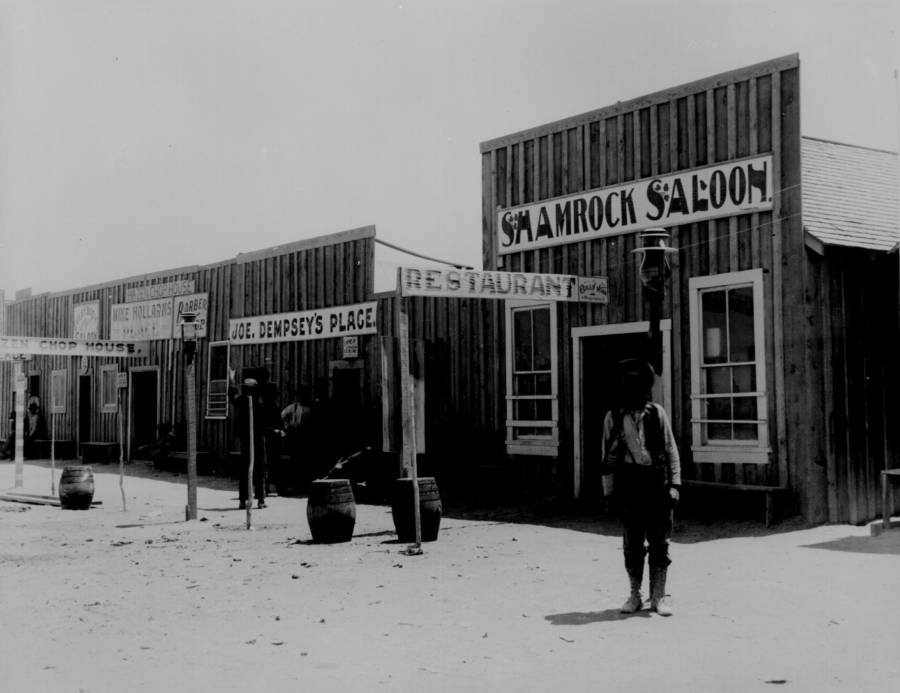
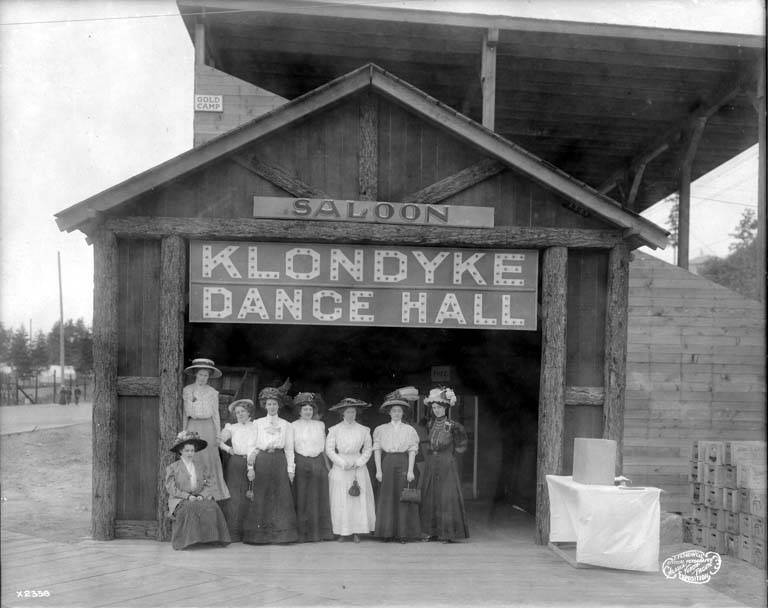
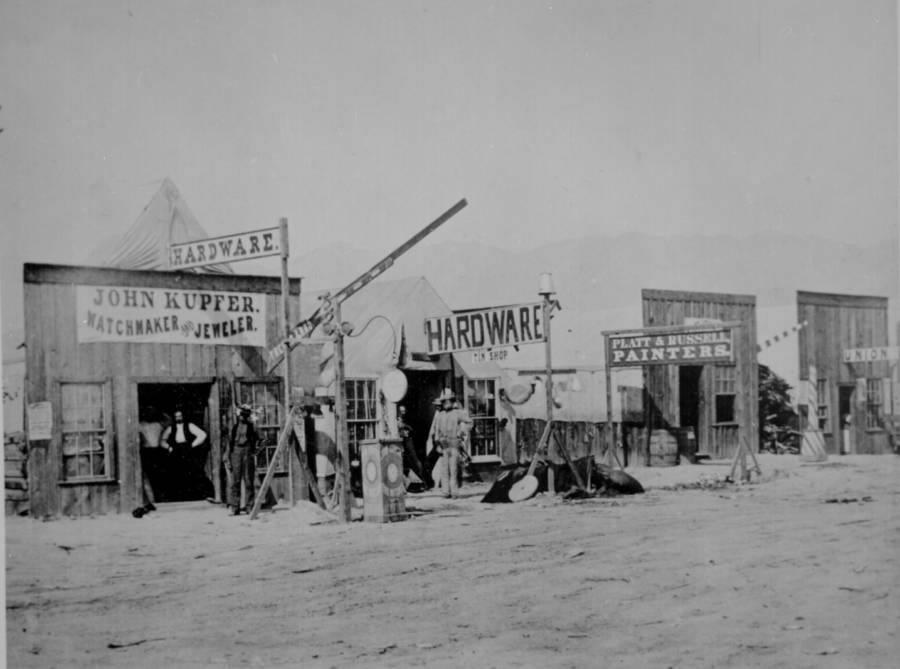
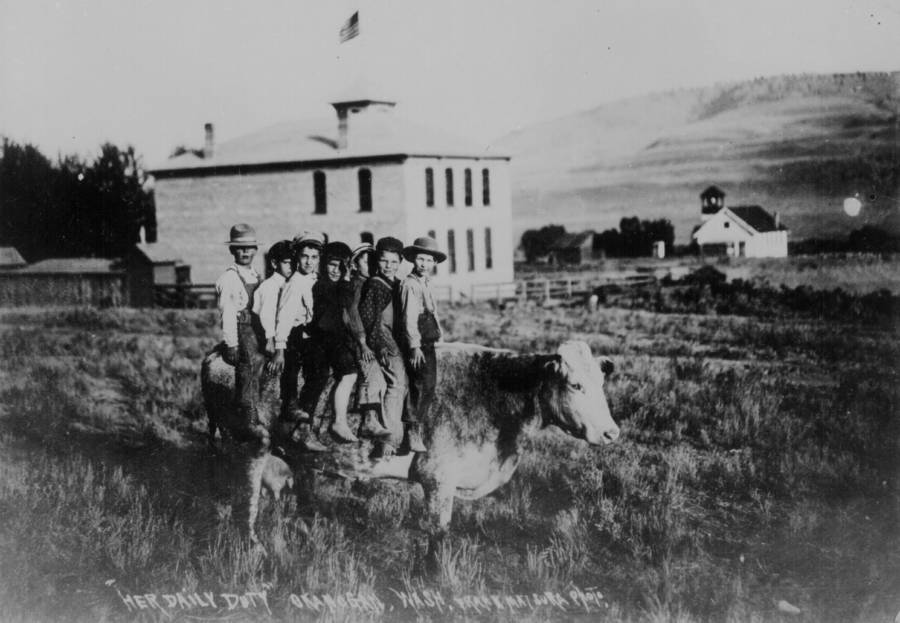
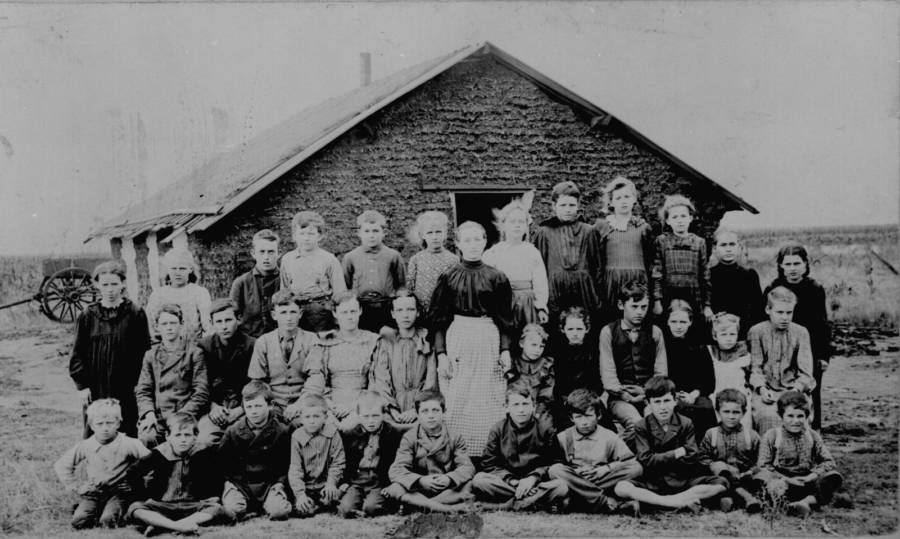
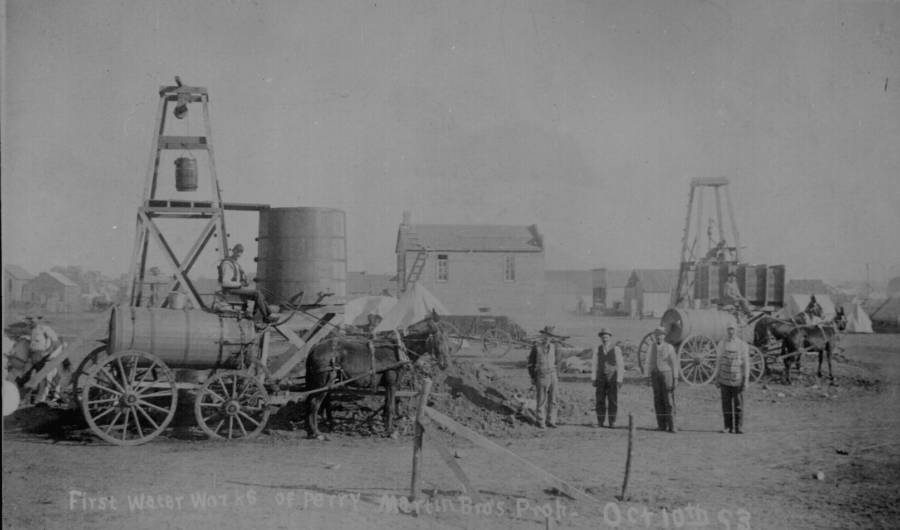
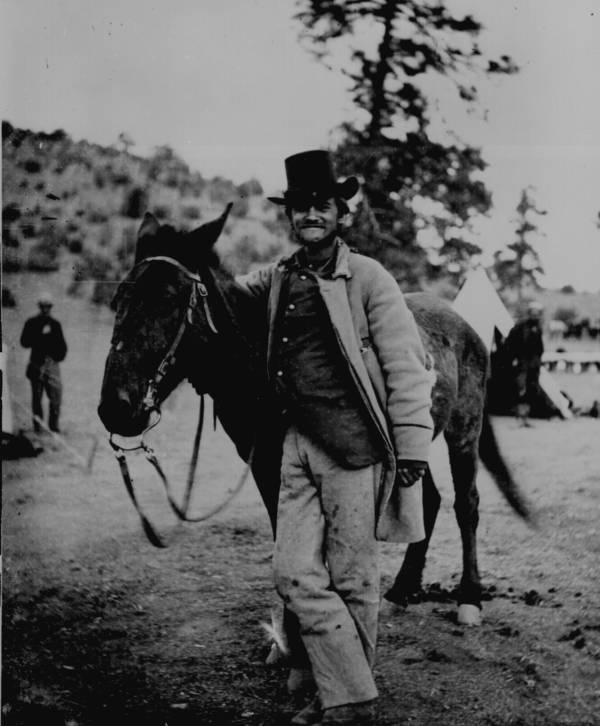
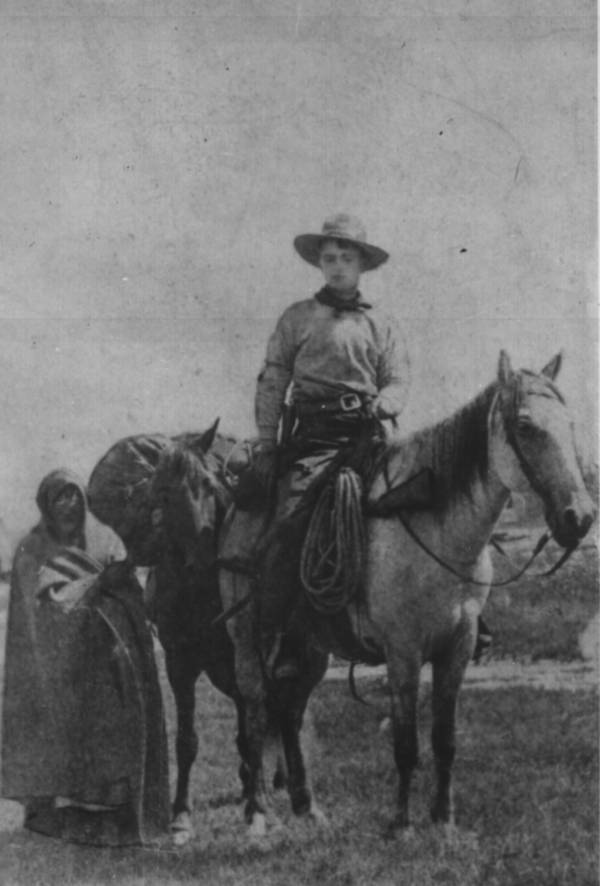
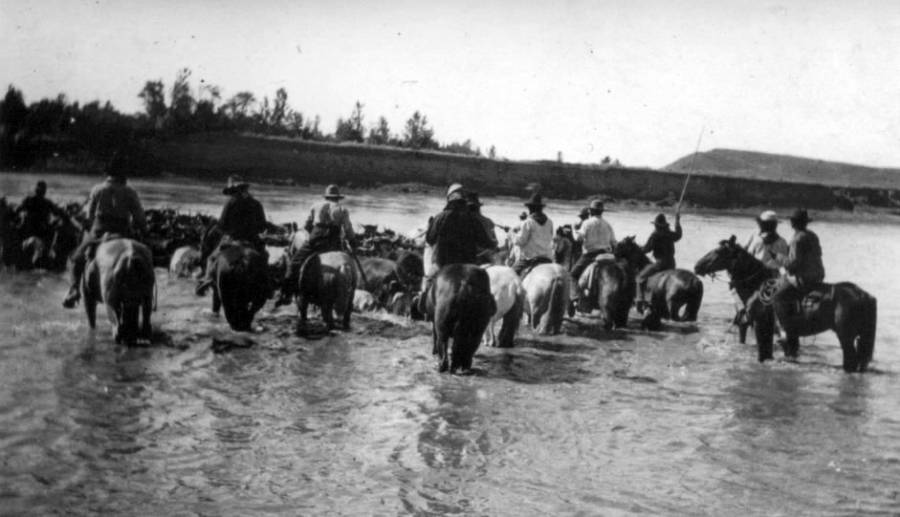
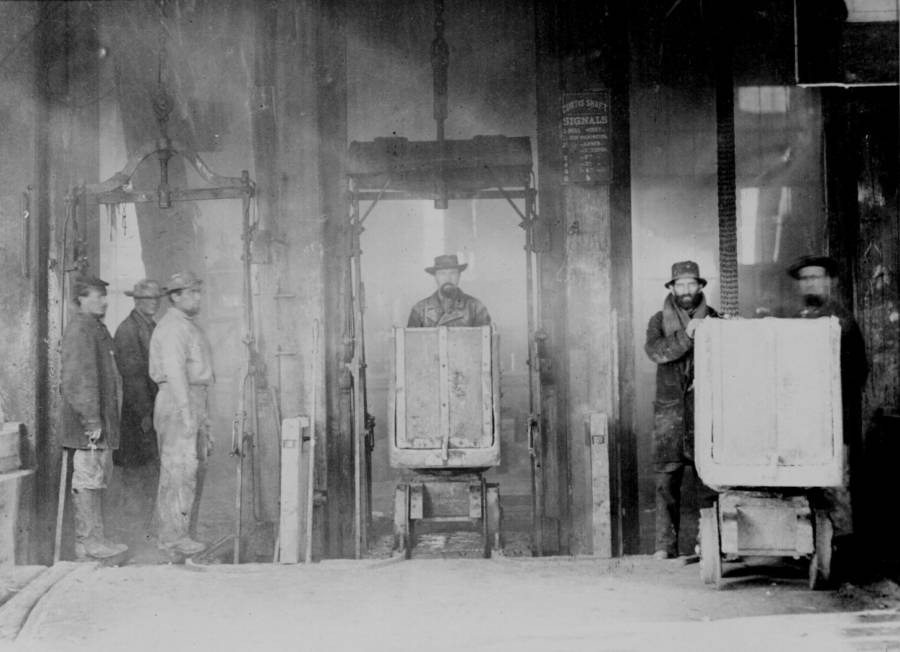
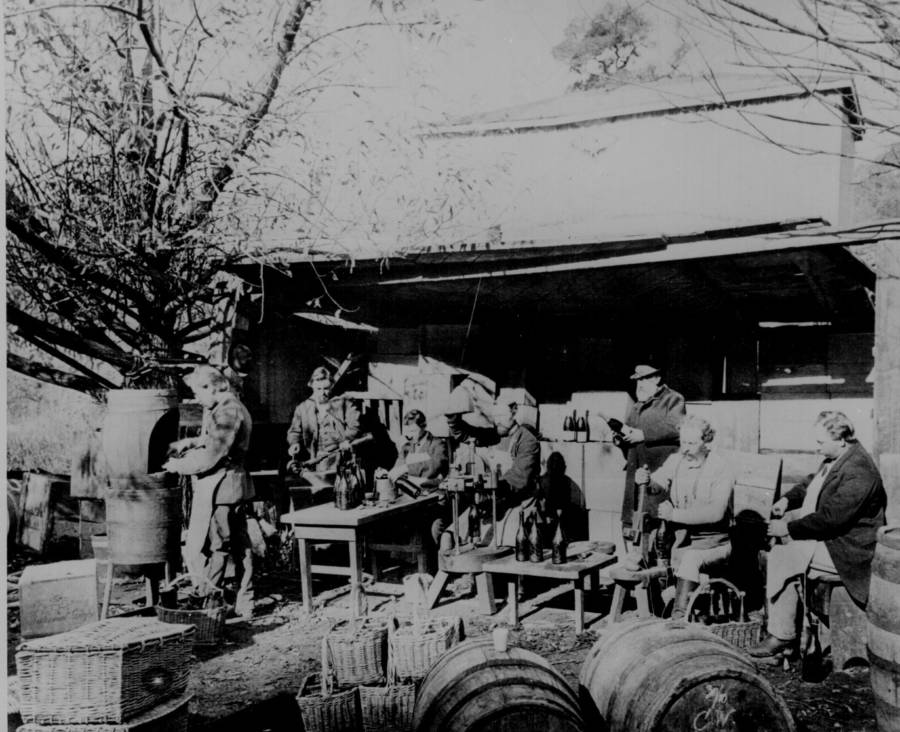
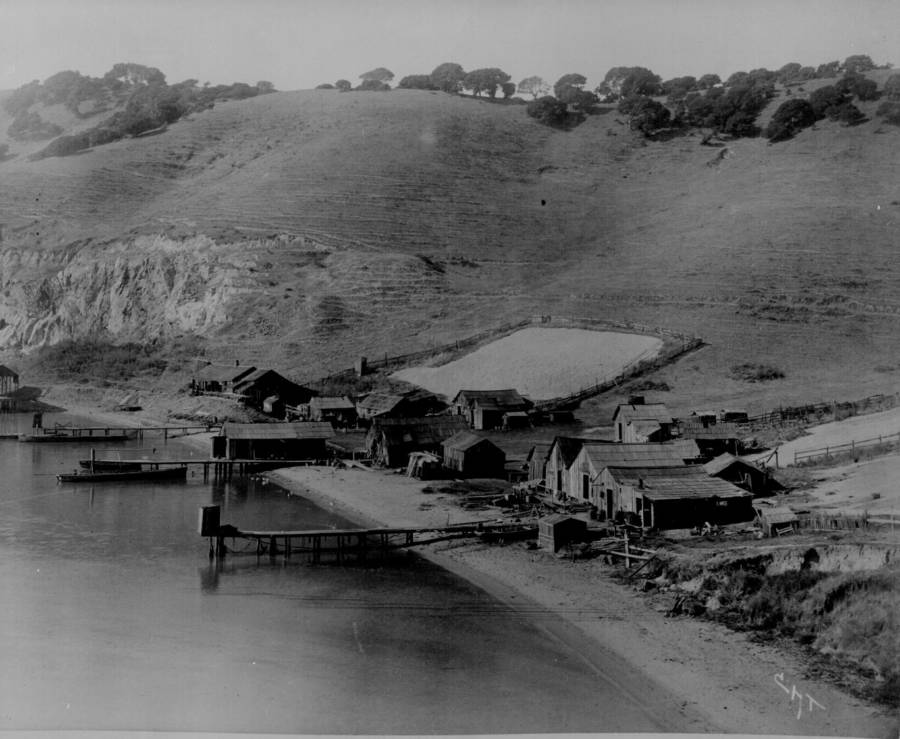
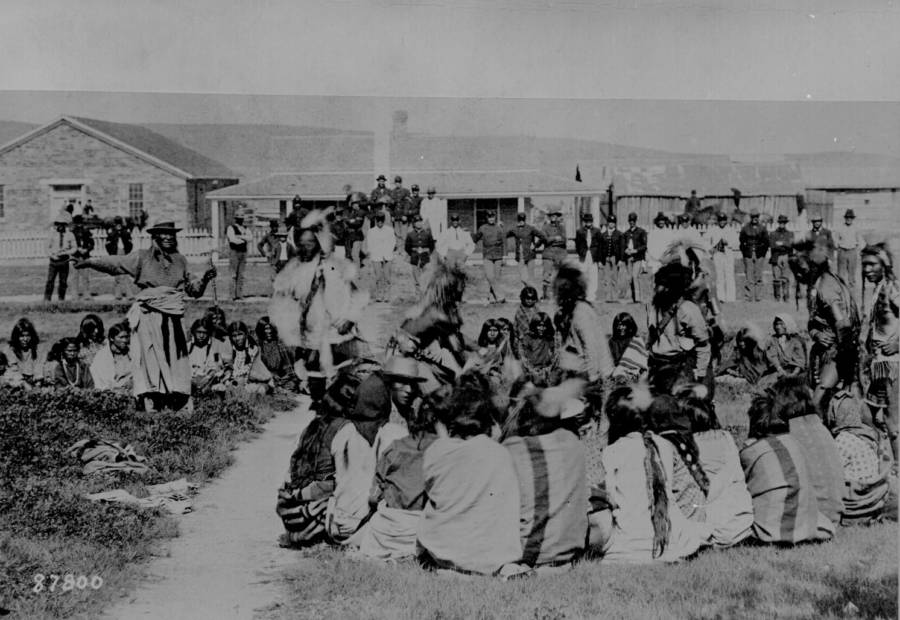
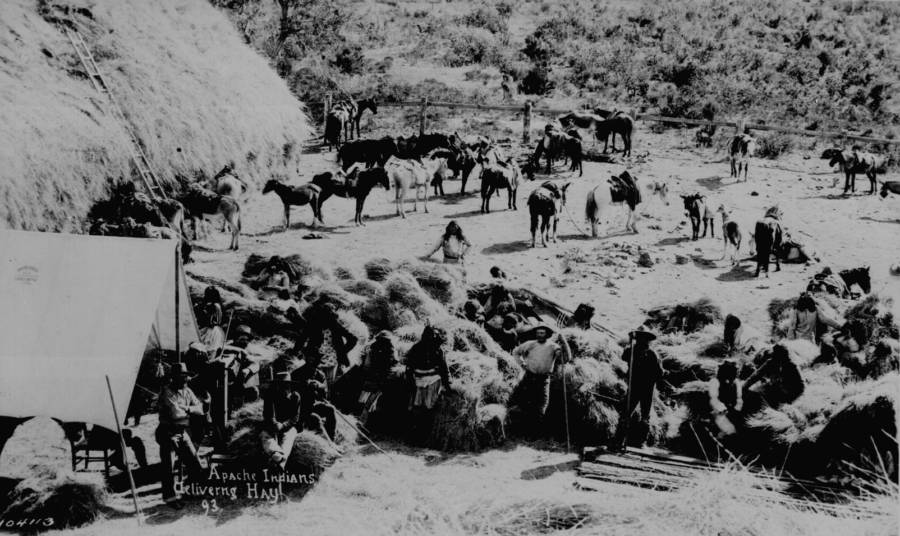
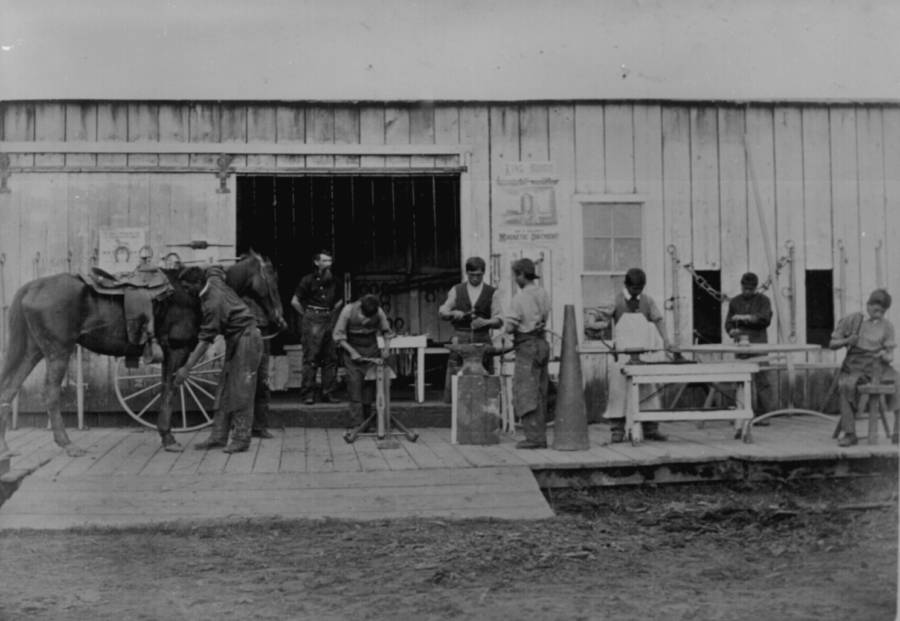
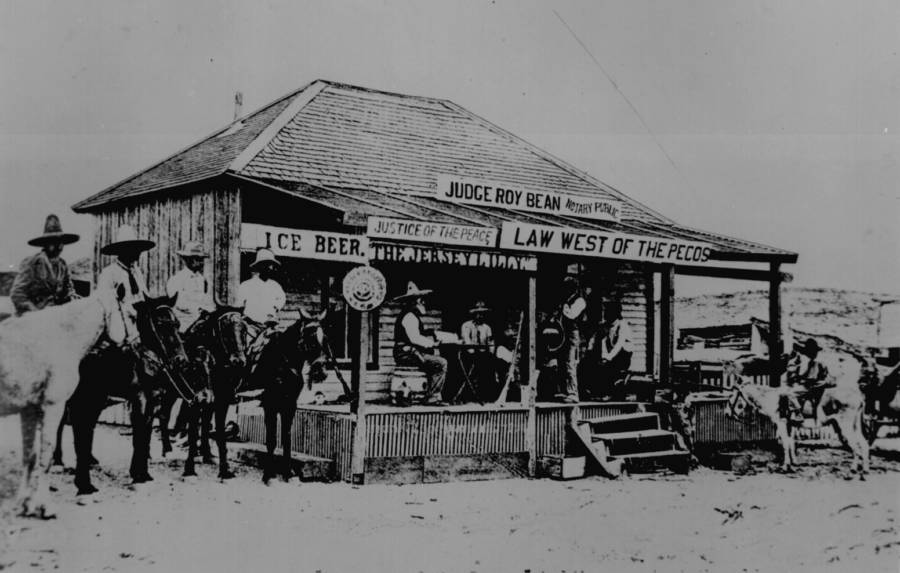
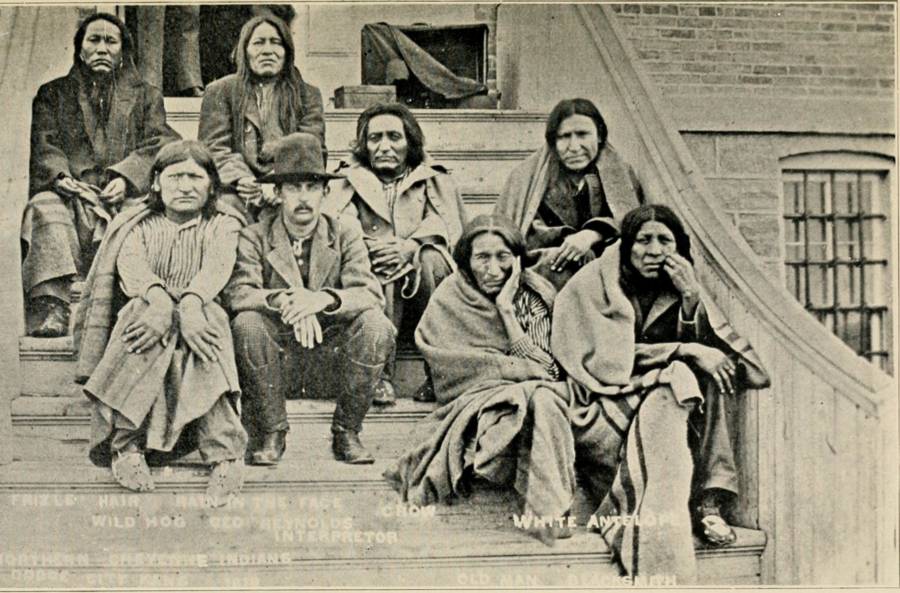
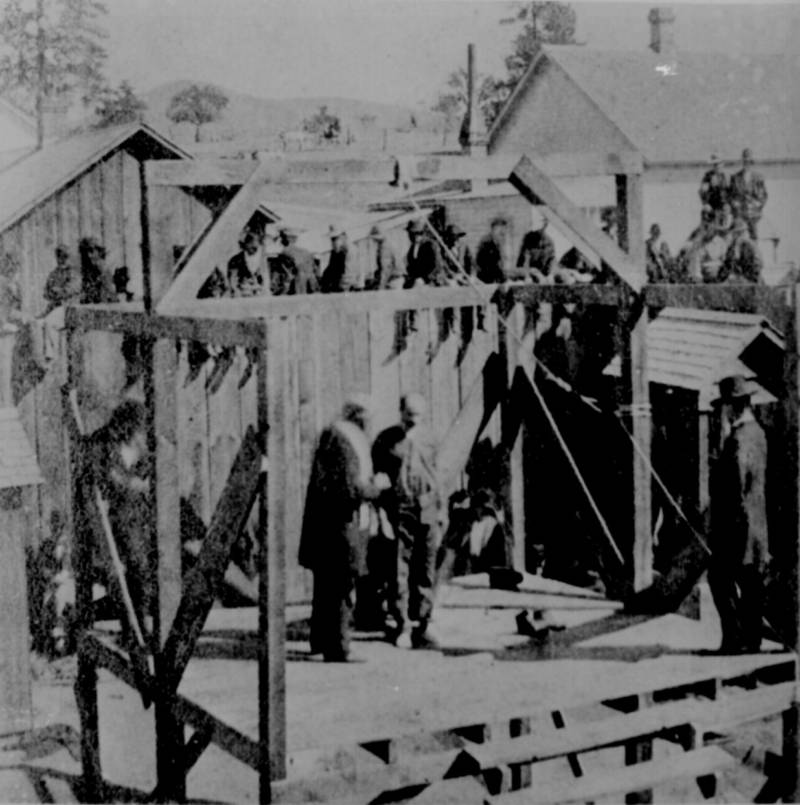
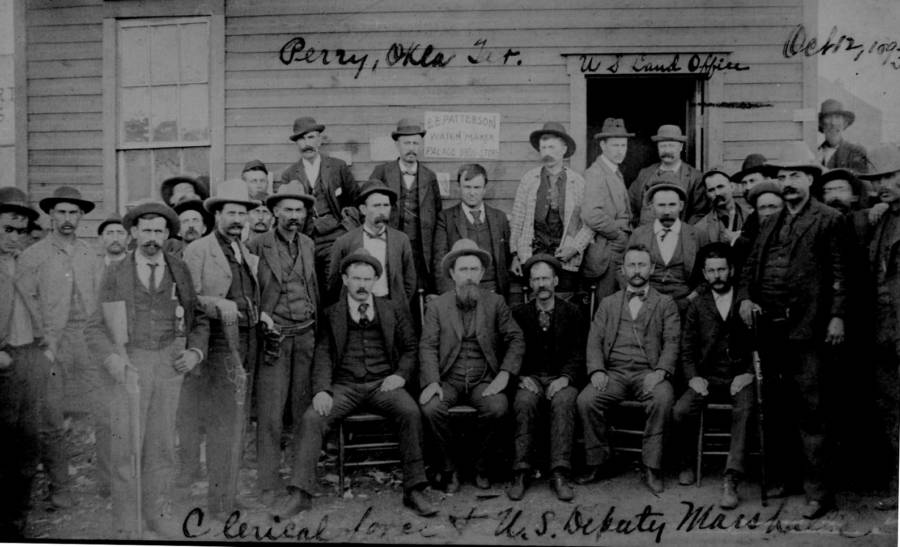
These authentic vintage photographs of the American frontier reveal what life was actually like in the “Wild West.”
The American frontier holds a mythic space in our imaginations. And because of that, it’s a place we envision more through the stories of the Wild West than through its actual history.
The real American frontier wasn’t always as dramatic as it’s made out to be in films, but it was a dangerous place, an untamed land. The settlers who traveled out West in the late 19th and early 20th centuries had to live in defiance of nature and the elements without the comforts of civilization.
Whole families would gather together in wagons and ride off into the unknown, sometimes spending months living in the carriages that pulled them westward. Men, women, and children alike would endure as they crossed over mountains, across rivers, and through deserts in search of a new home and a better life.
When they arrived, they lived in houses built with their own two hands. They had to fend for water and food on their own and set up the very infrastructures of their new towns. Some made their way by working on ranches and farms, others by trapping and trading fur, and some by toiling deep in the mines of the new American frontier.
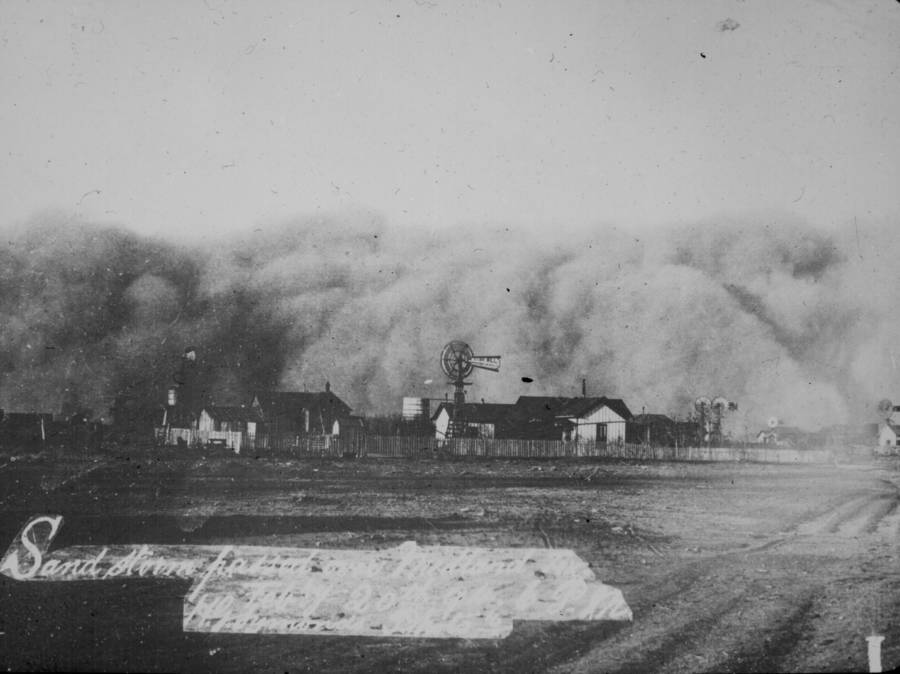
Life was full of dangers. Sandstorms, tornados, and hurricanes plagued their ramshackle homes. The natives of the land fought to keep it their own. And when lawlessness rose its head, men had to take justice into their own hands.
The Wild West has become a legend, but the real world of the American frontier played out just a short time ago. It’s recent enough that we even have photographs of the families that traveled out and they lives they made, little glimpses into life in the real Wild West.
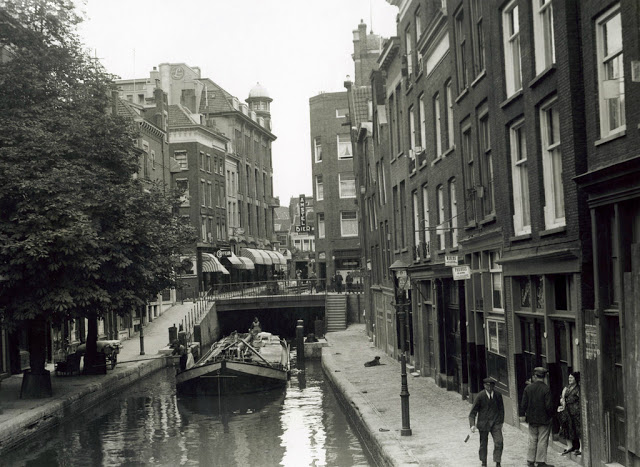
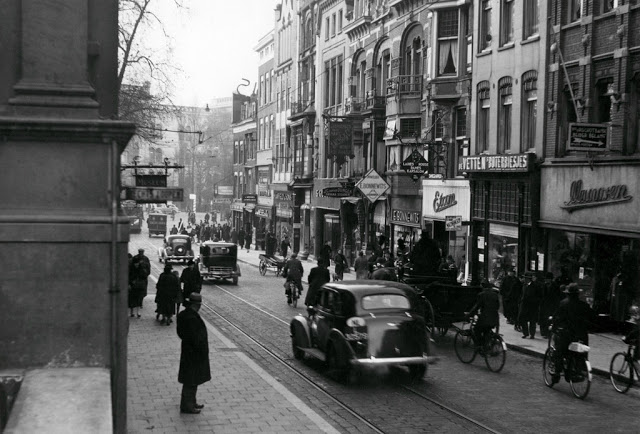
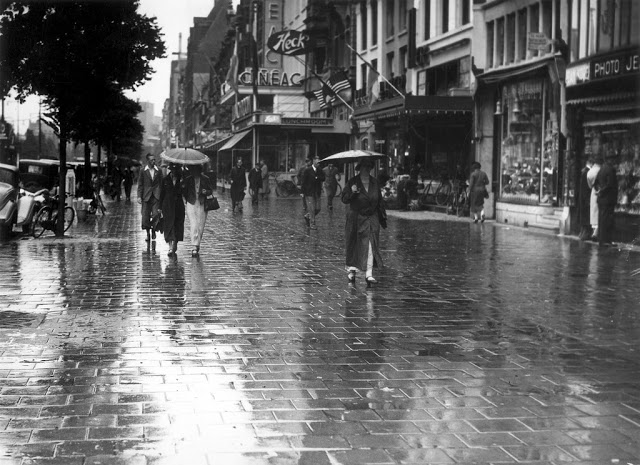
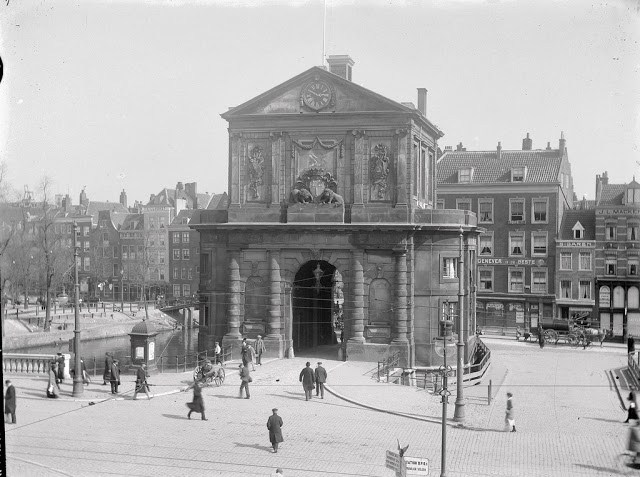
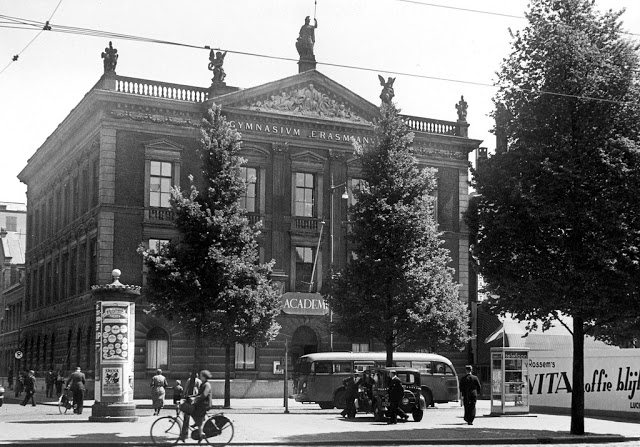
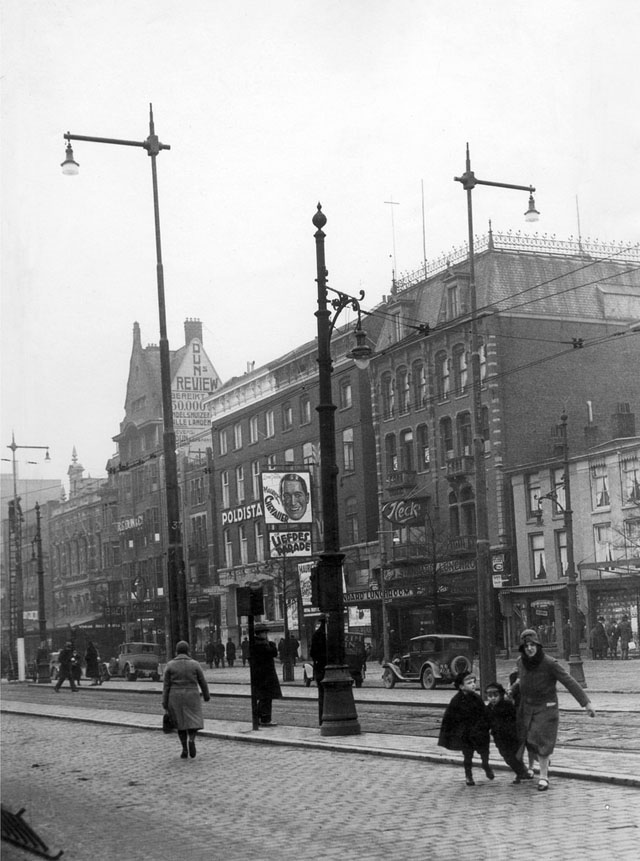
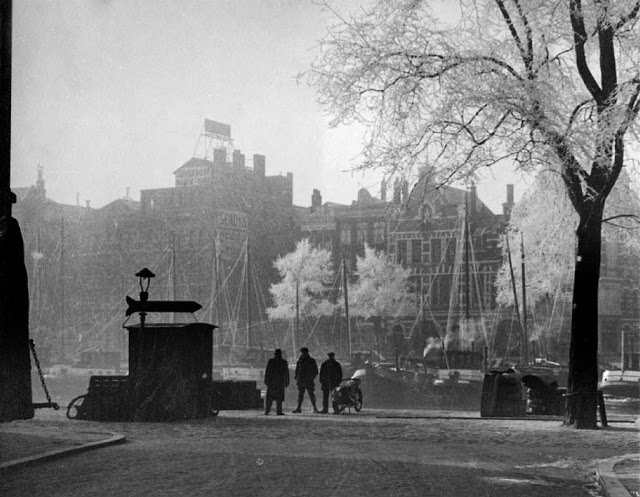
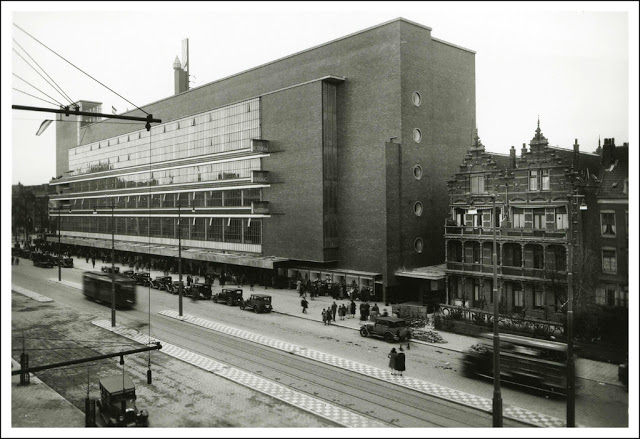
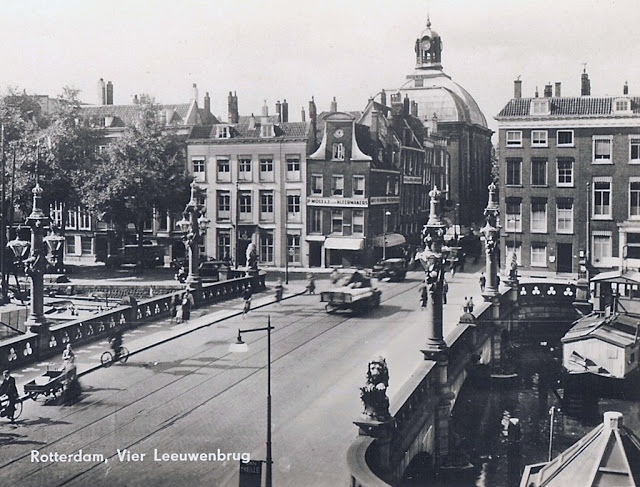
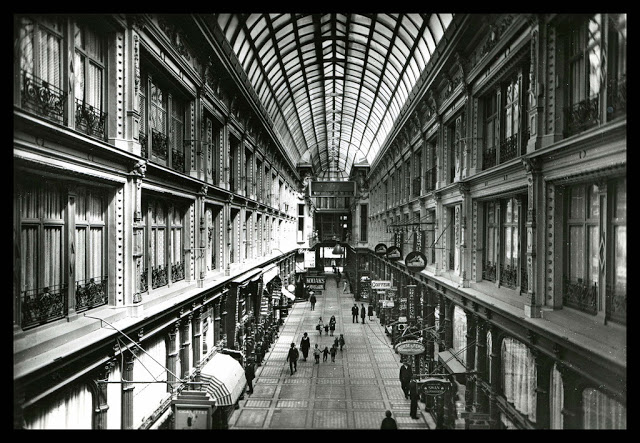
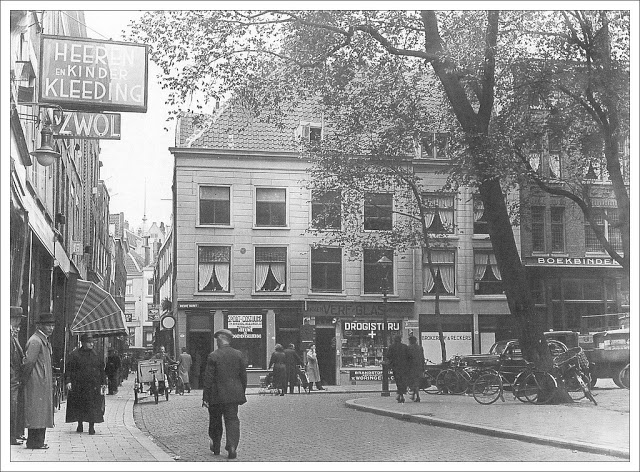
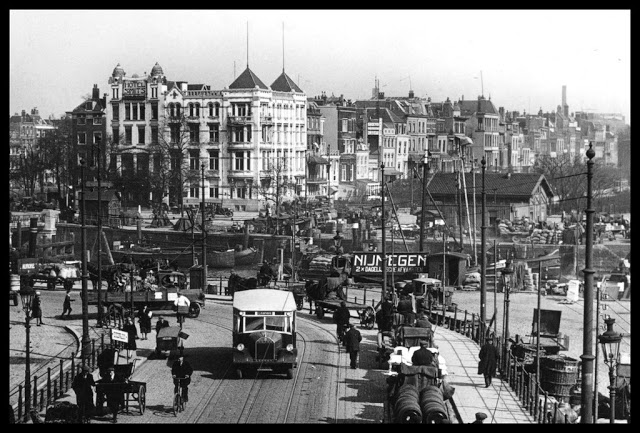
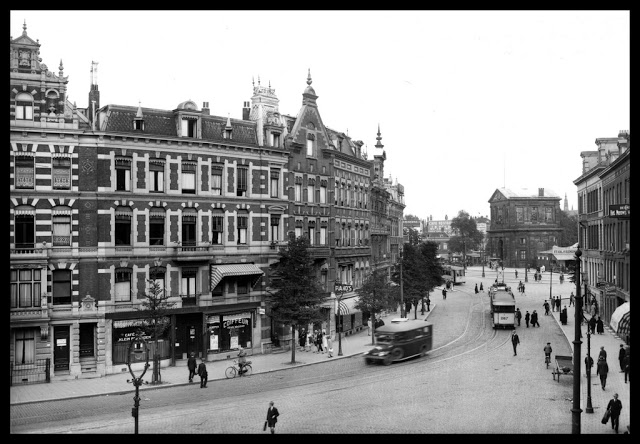
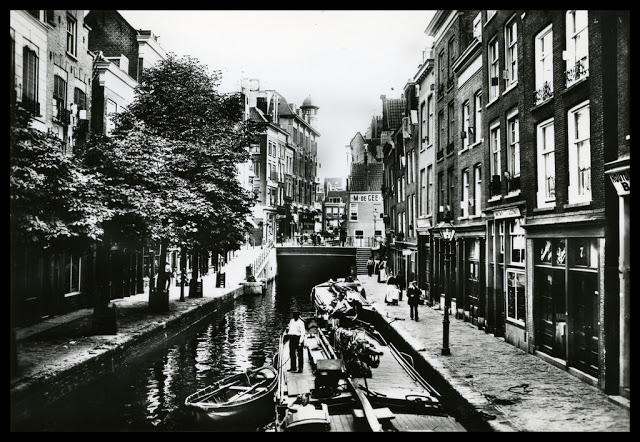
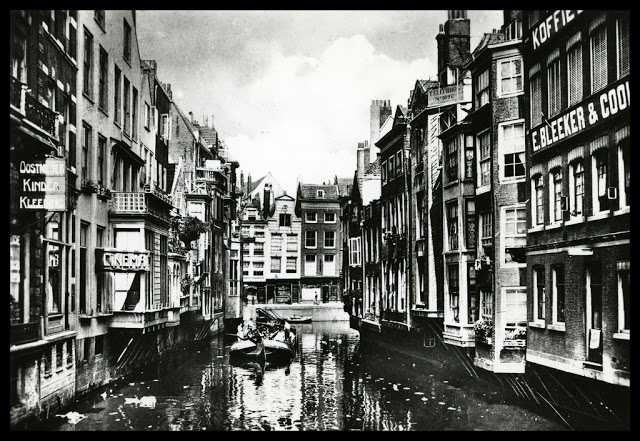
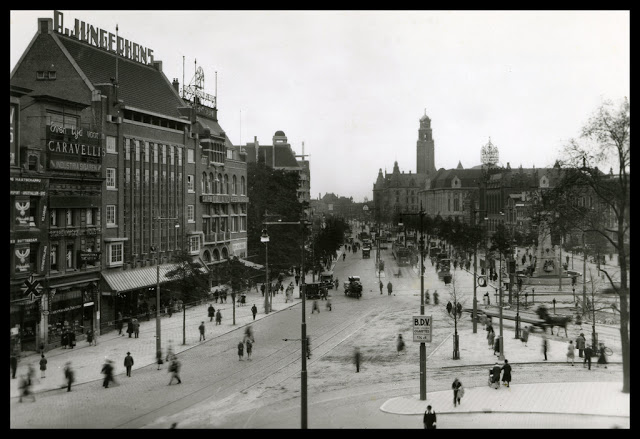
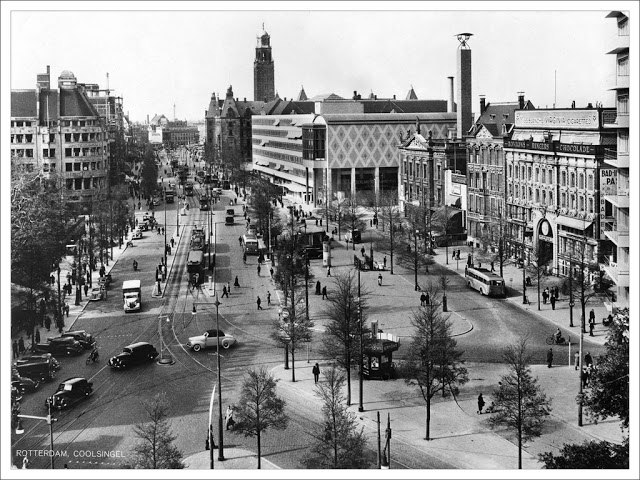
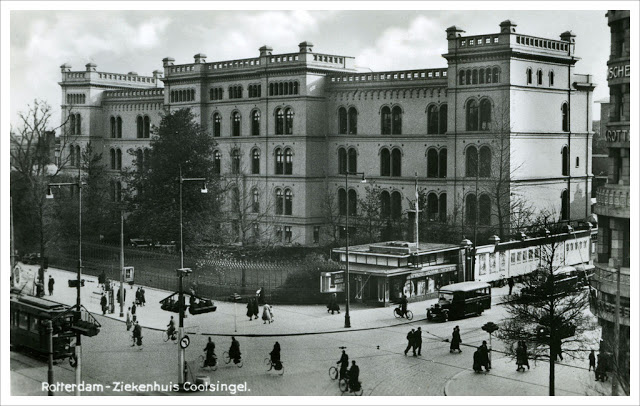
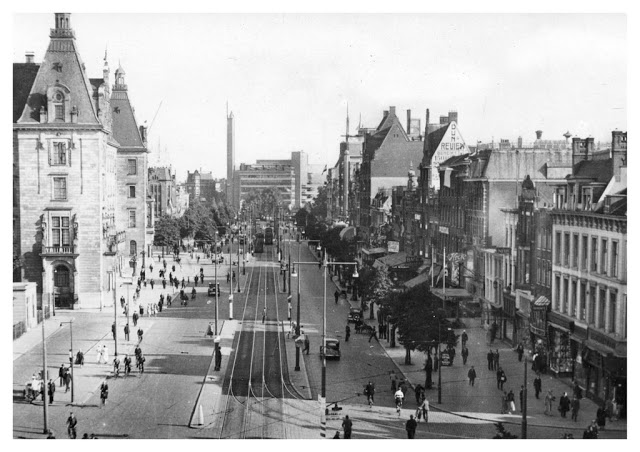
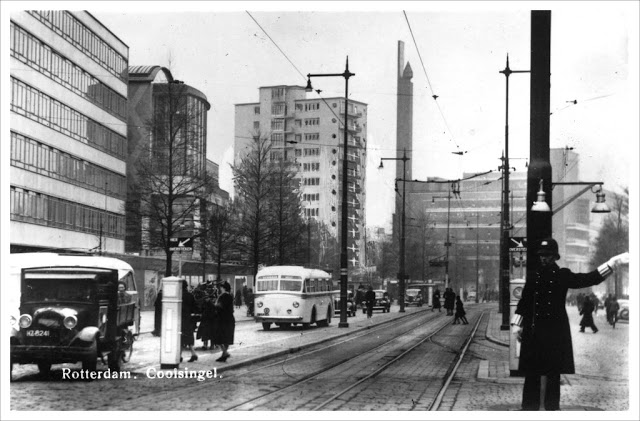
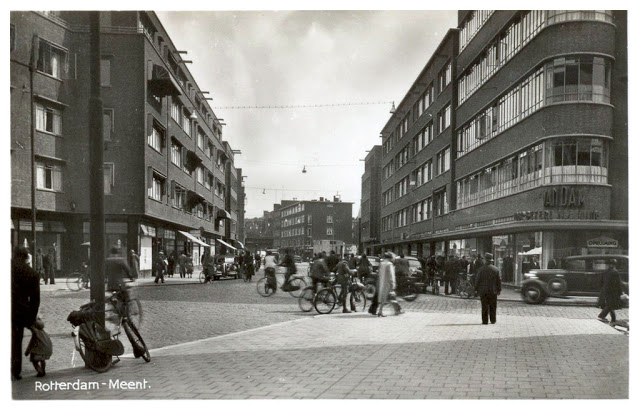
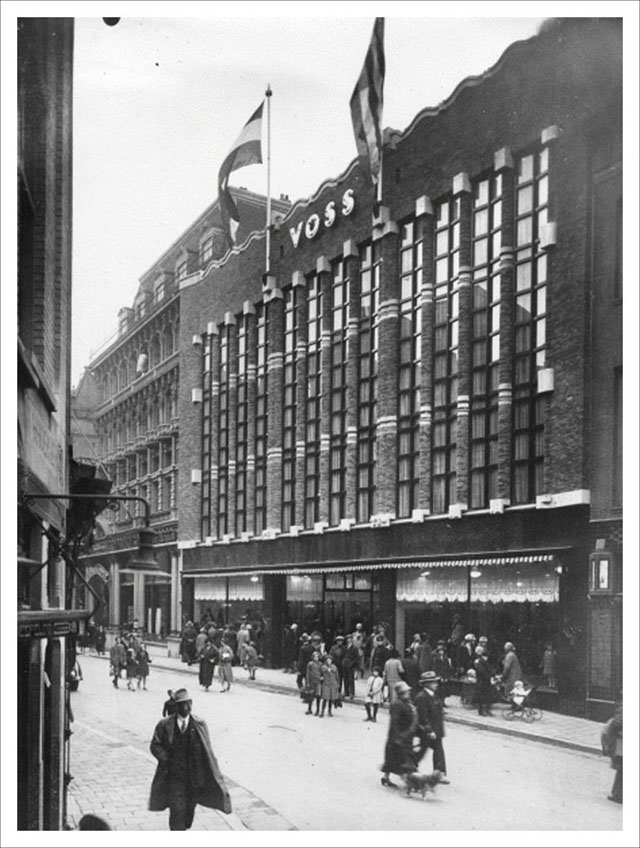
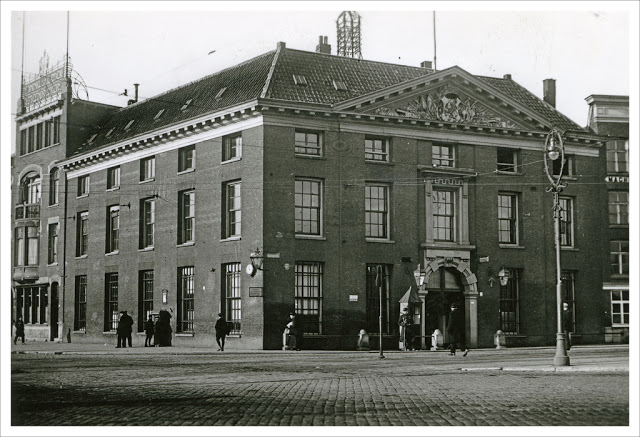
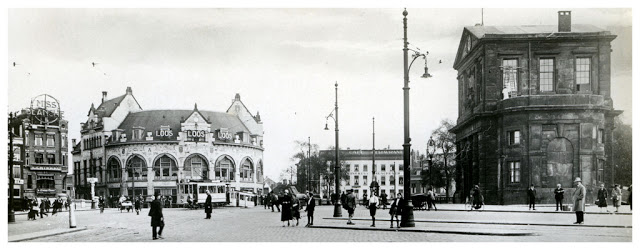
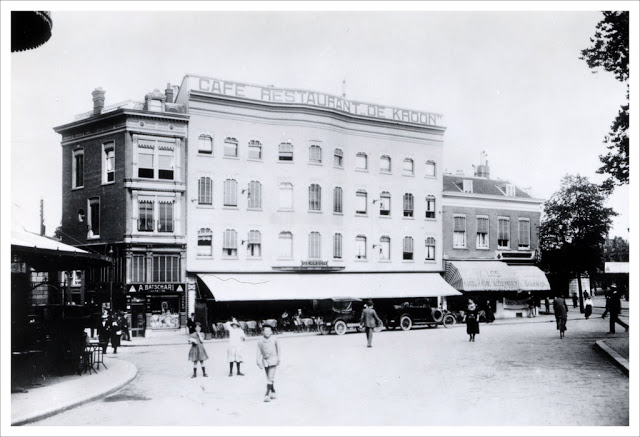
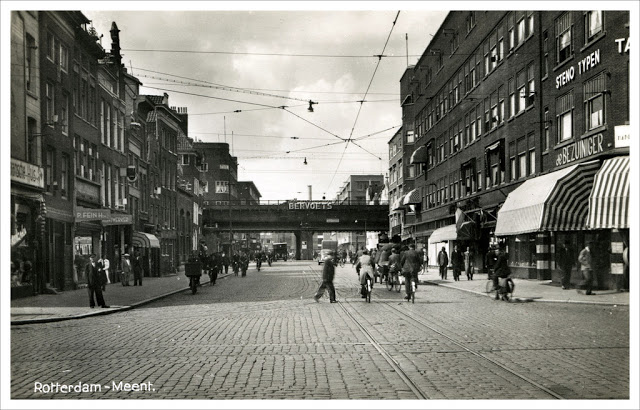
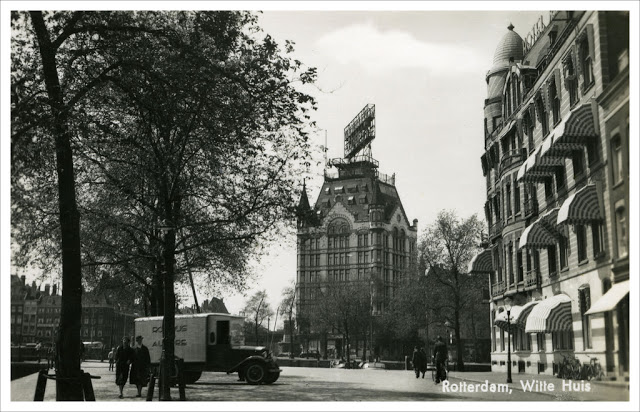
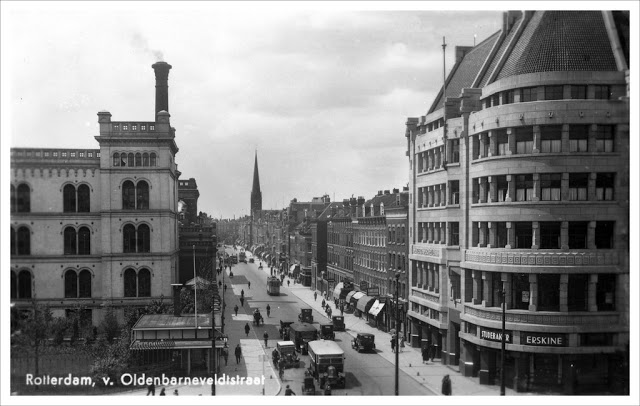
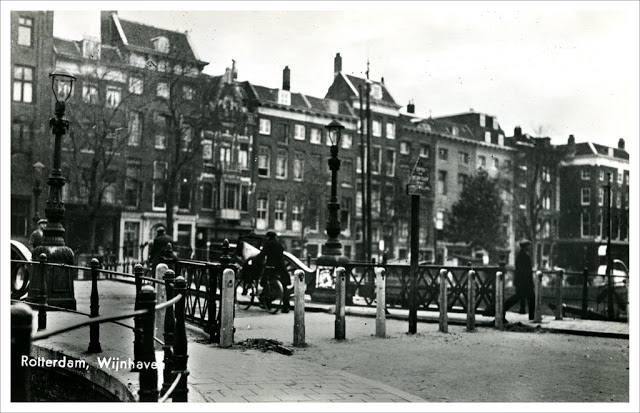
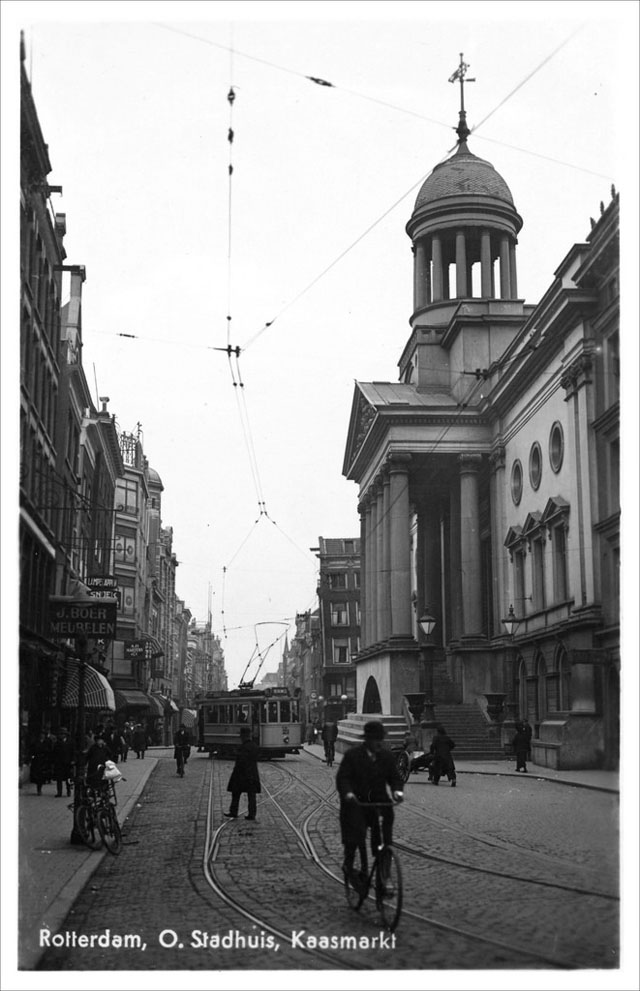
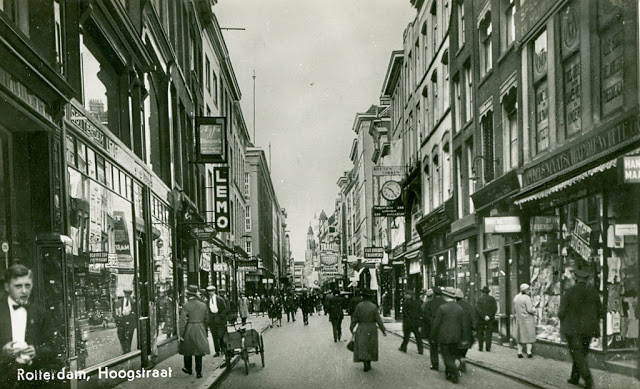
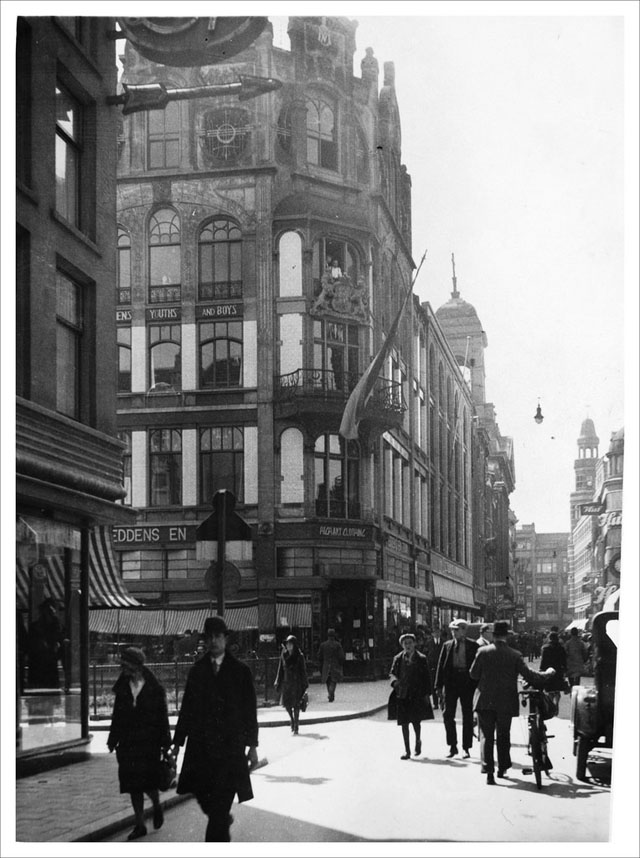
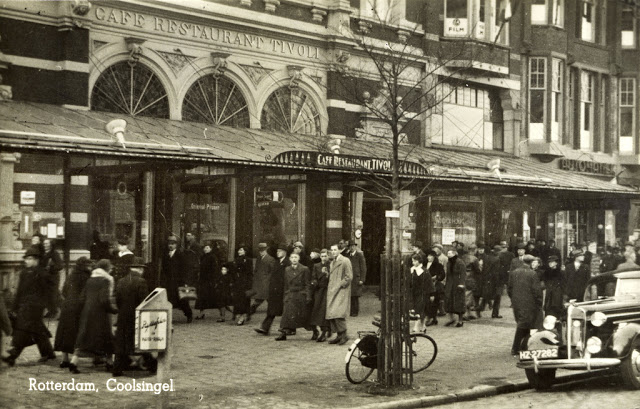
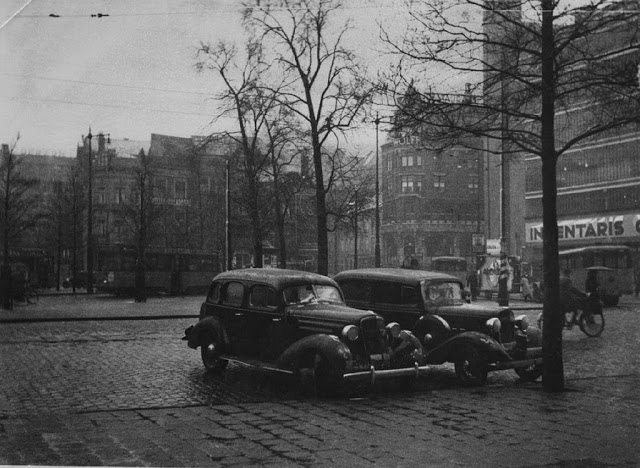
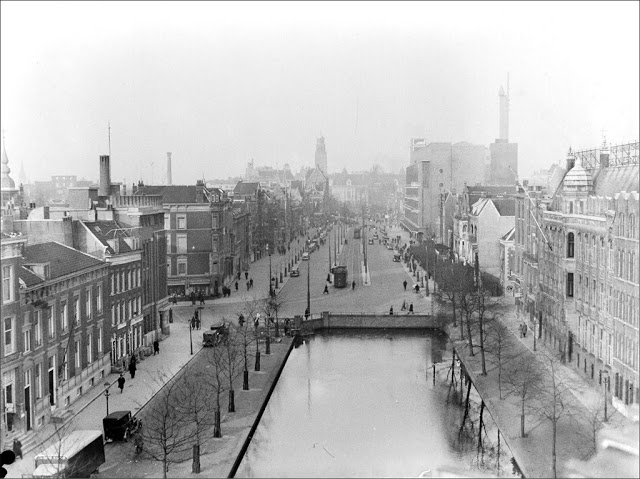
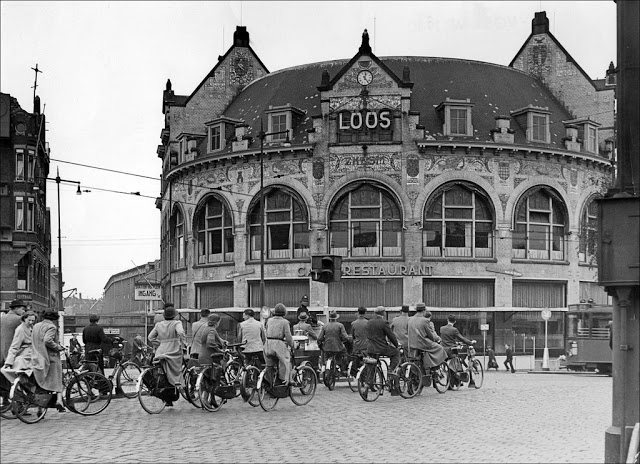
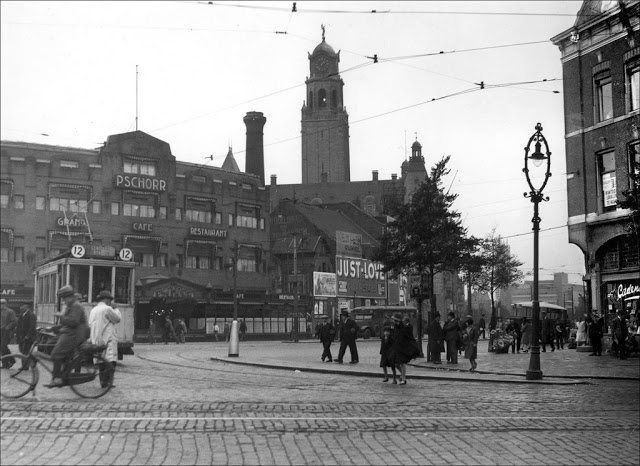
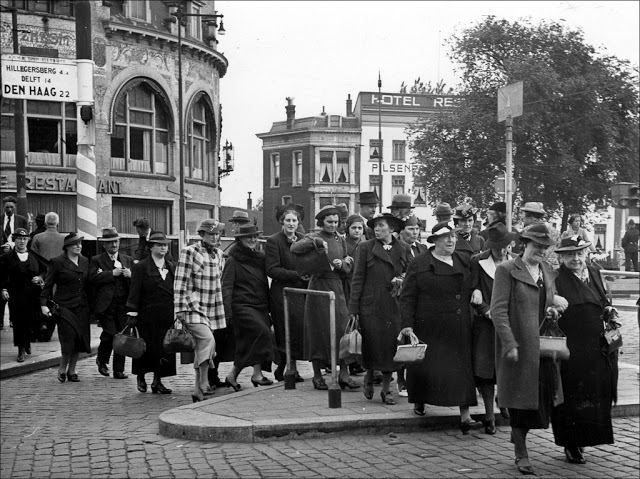
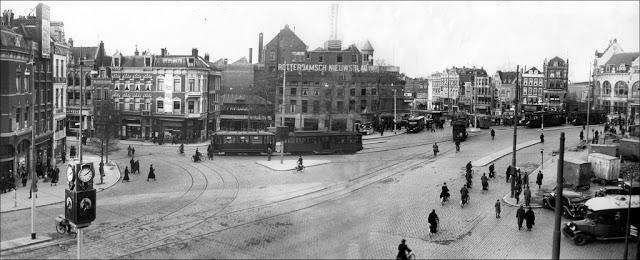
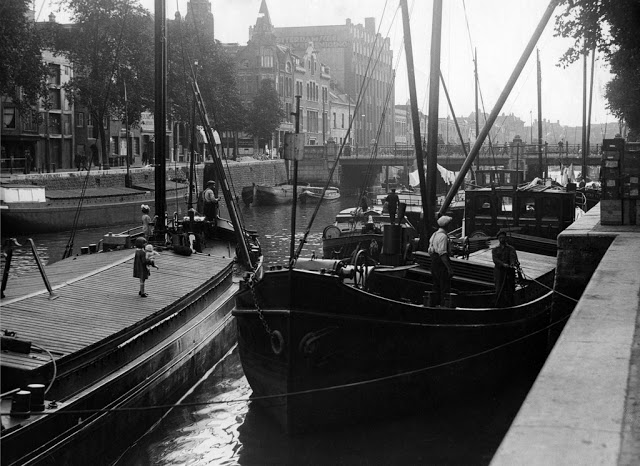
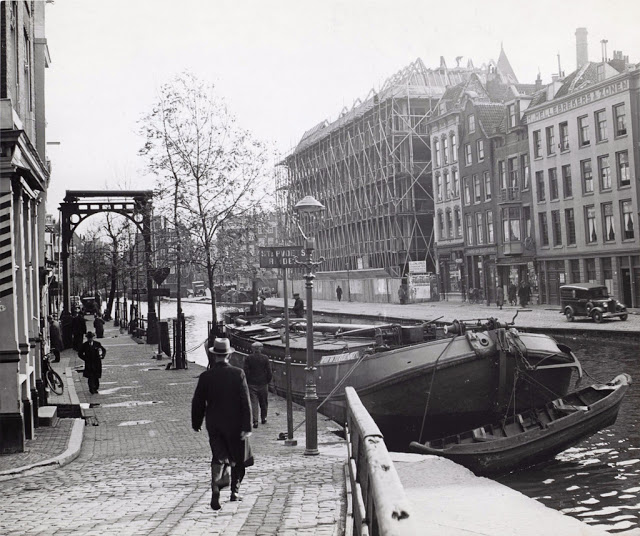
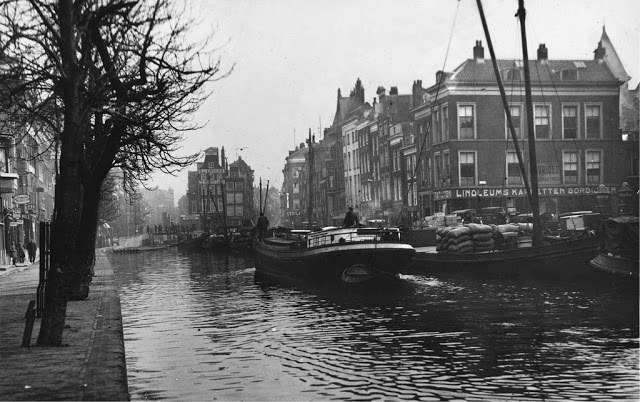
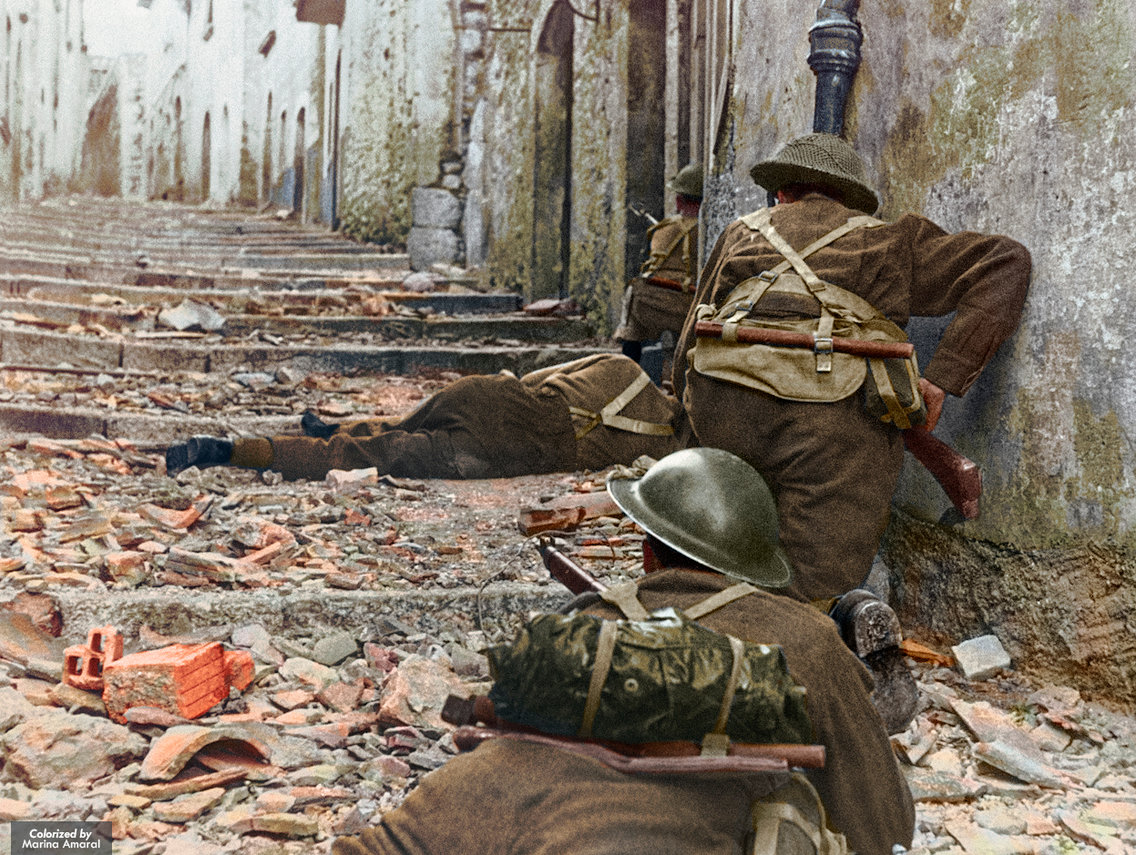
Rotterdam is a city in the Netherlands, located in South Holland, within the Rhine–Meuse–Scheldt river delta at the North Sea. Its history goes back to 1270 when a dam was constructed in the Rotte river by people settled around it for safety. The port of Rotterdam is the largest cargo port in Europe and the 10th largest in the world.
On 14 May 1940, Germany invaded the Netherlands by the aerial bombardment of the Luftwaffe (German air force). Even though preceding negotiations resulted in a ceasefire, the bombardment took place nonetheless, in conditions which remain controversial, and destroyed almost the entire historic city centre, killing nearly 900 people and making 85,000 others homeless. And the Dutch capitulated early the next morning.



























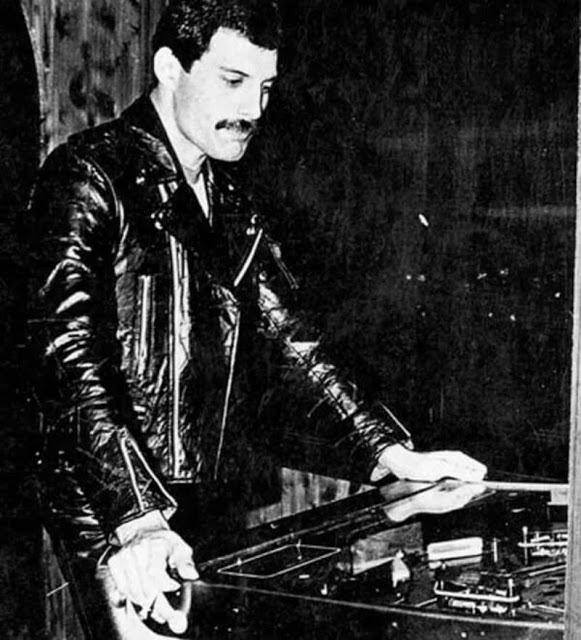
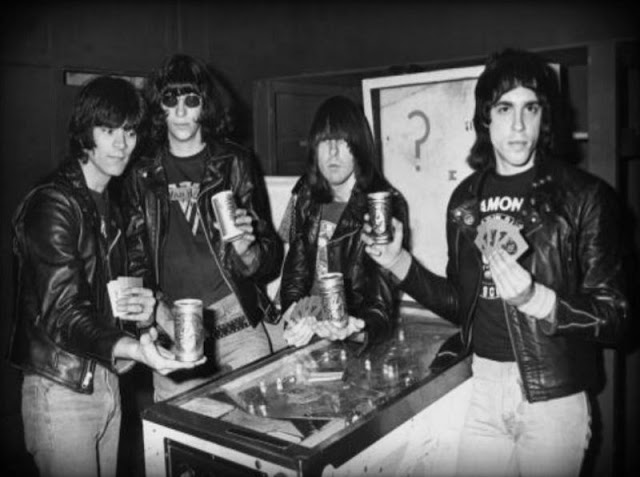
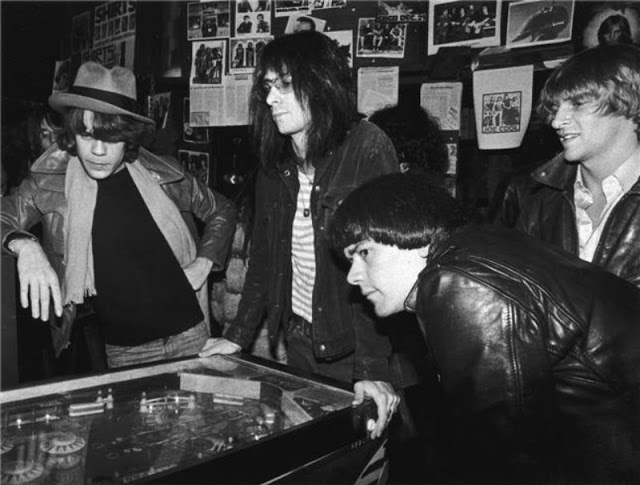
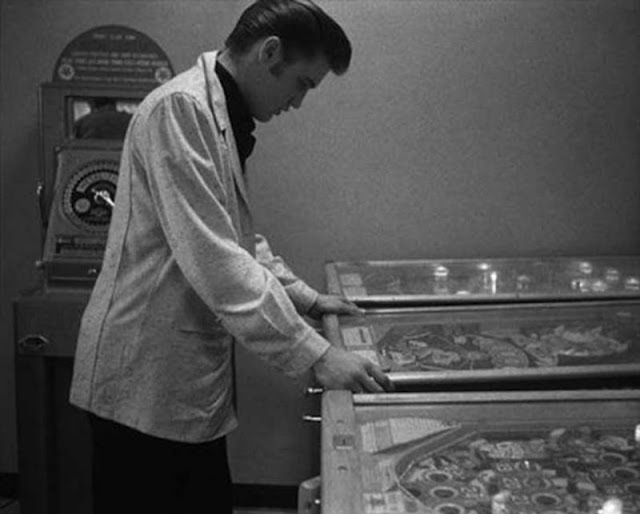
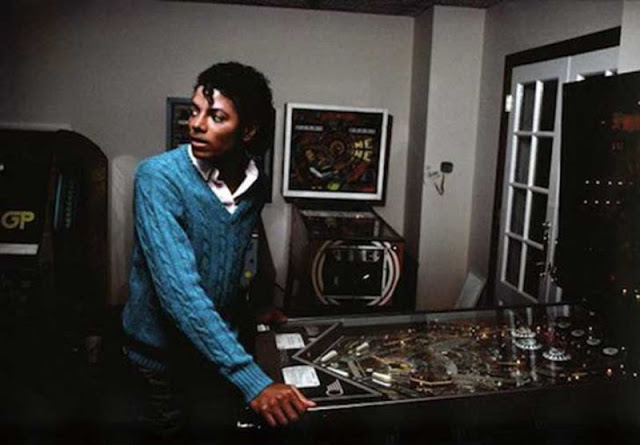
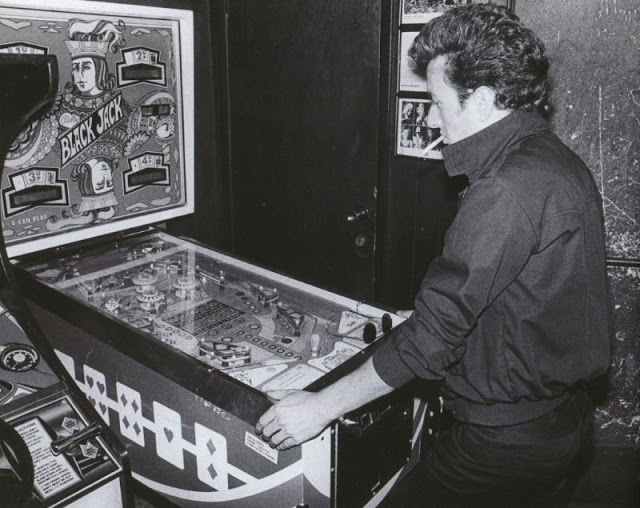
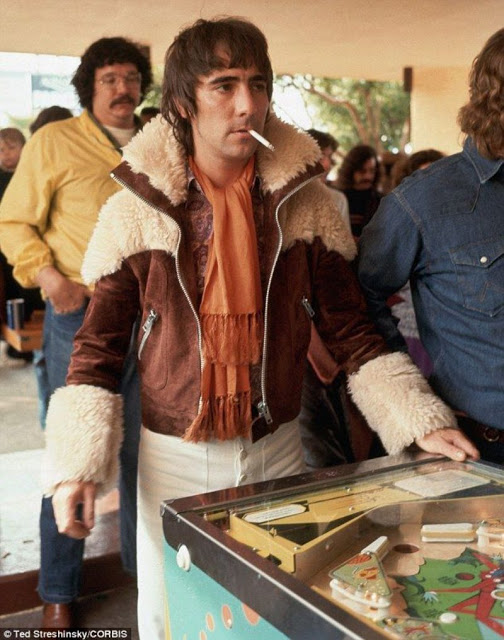
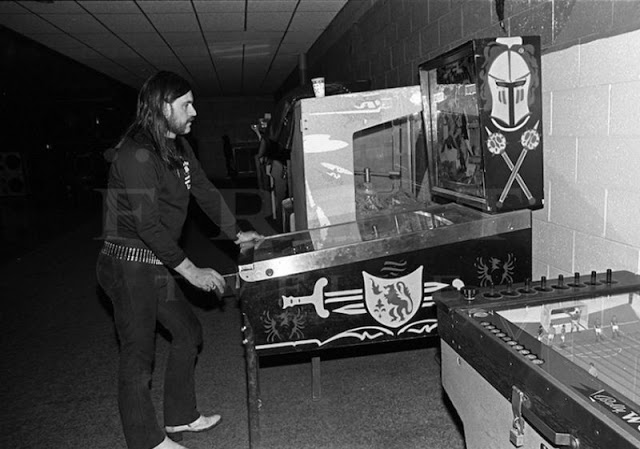
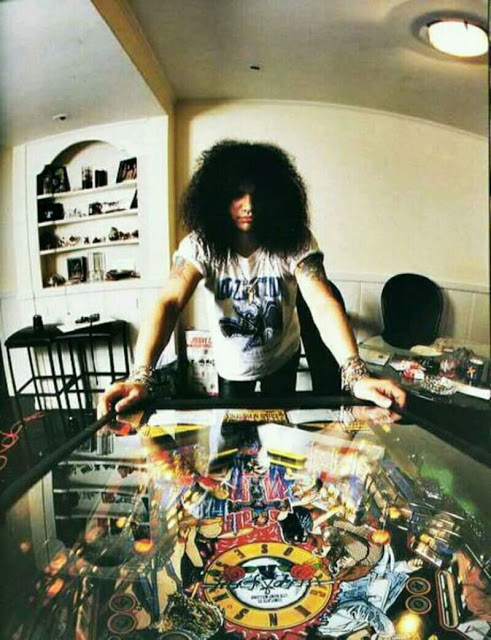
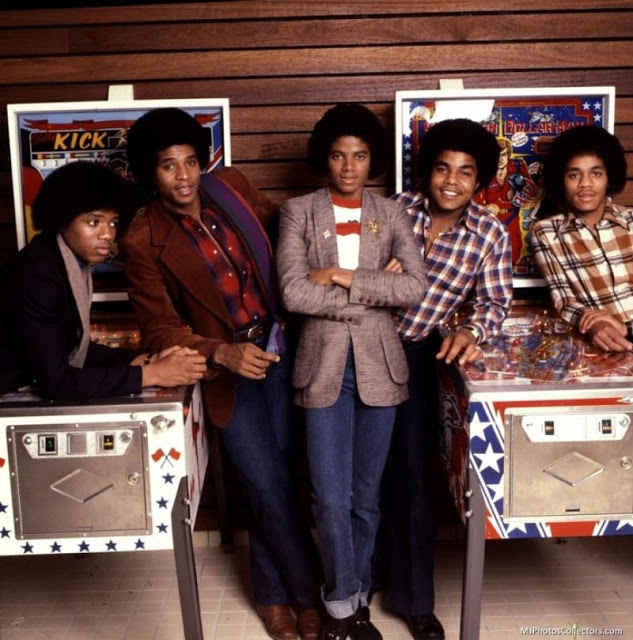
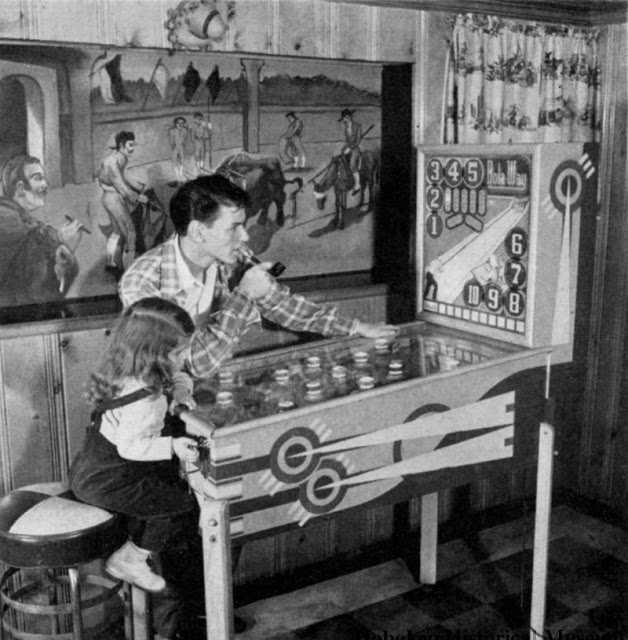
Here’s a set of vintage photographs capturing rock stars, punks, and pop royalty playing pinball. Many of these are candid shots, taken on the road during downtime while on tour. Some were taken in such a casual environment that information regarding who took the photo, and when, is scarce.








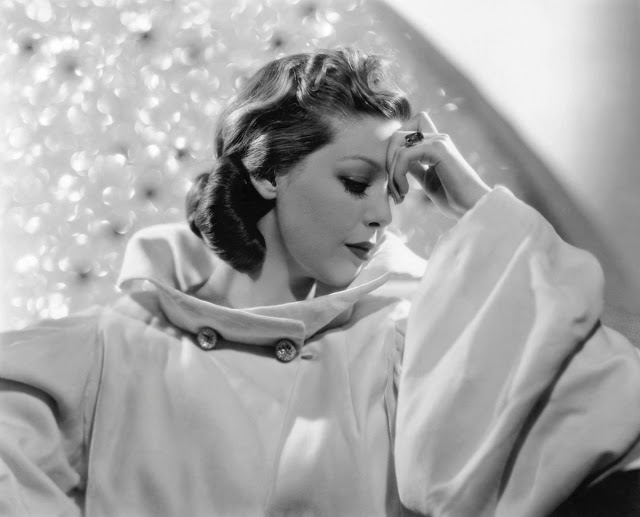
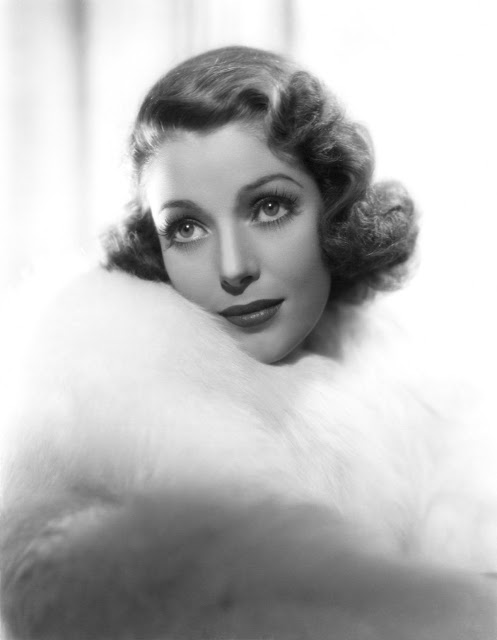
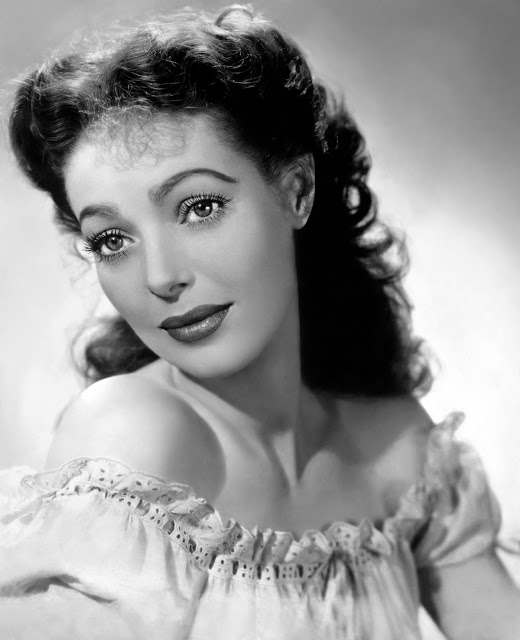
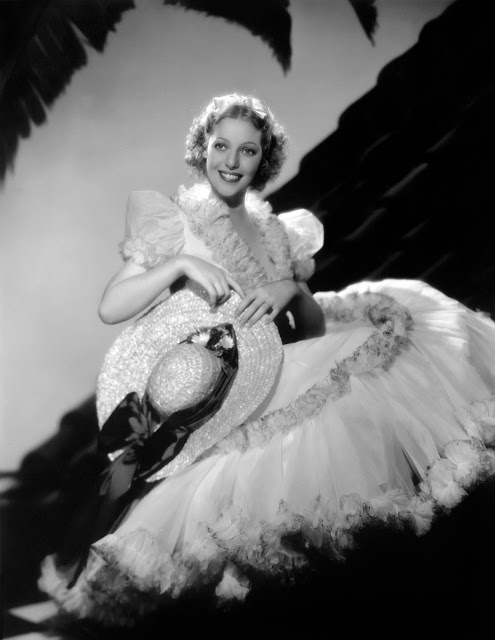
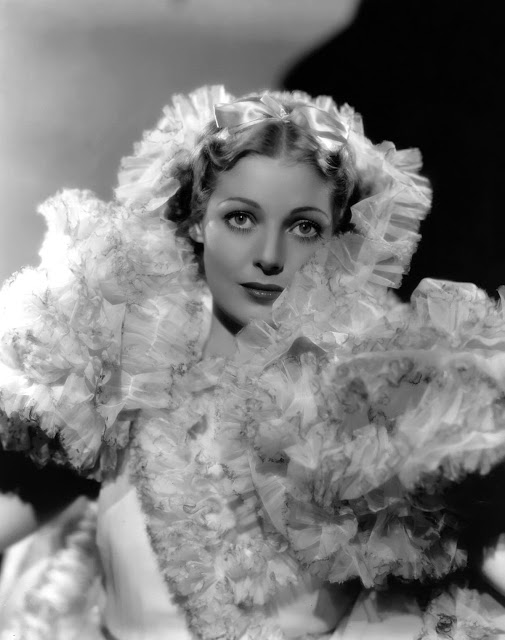
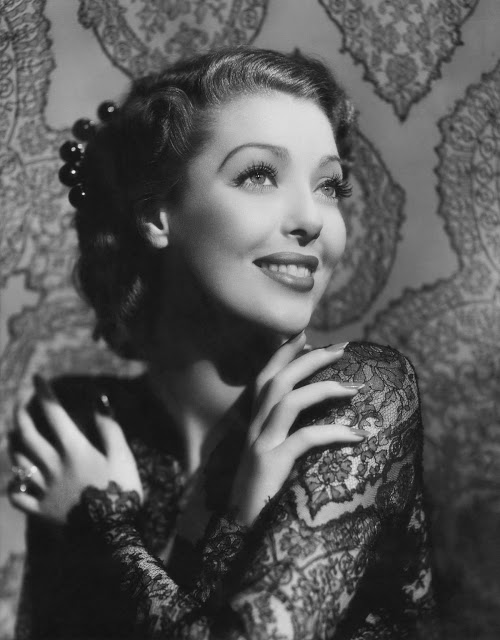
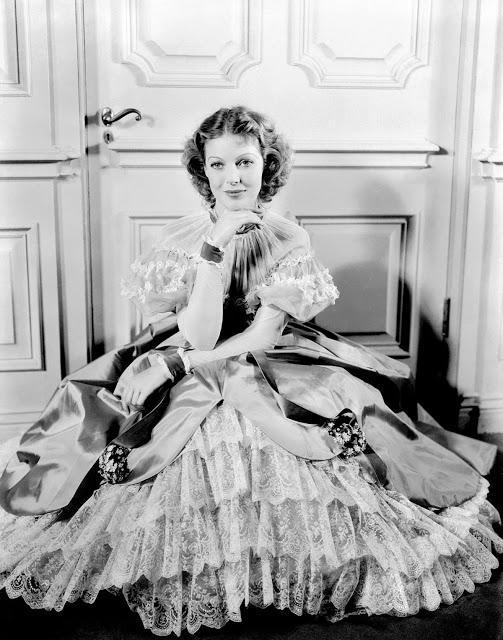
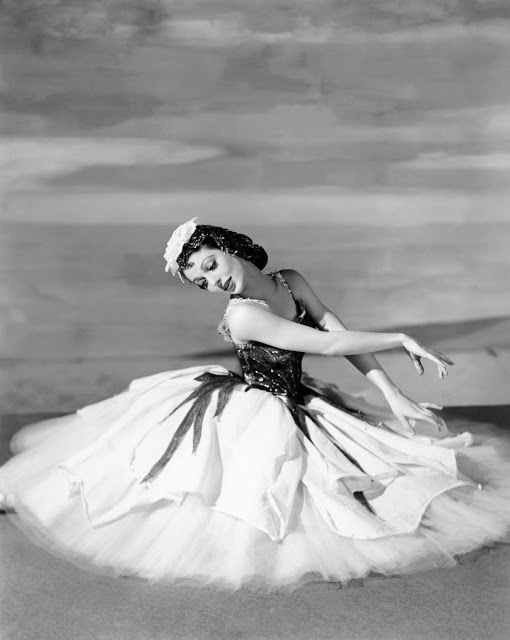
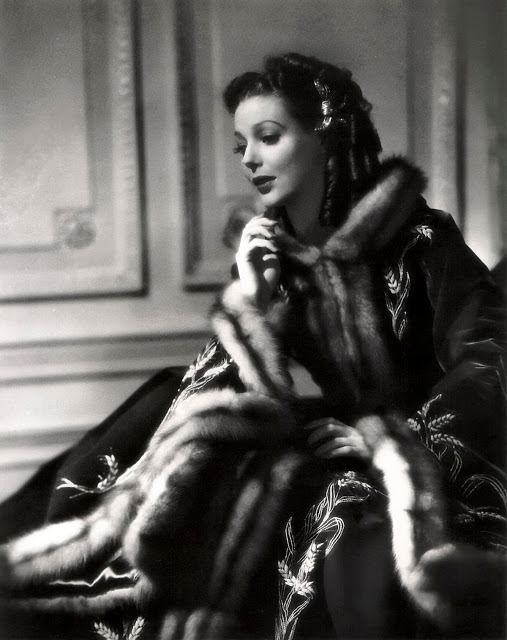
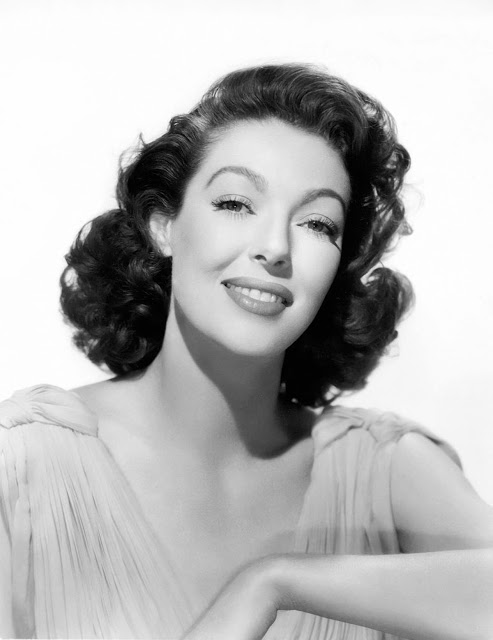
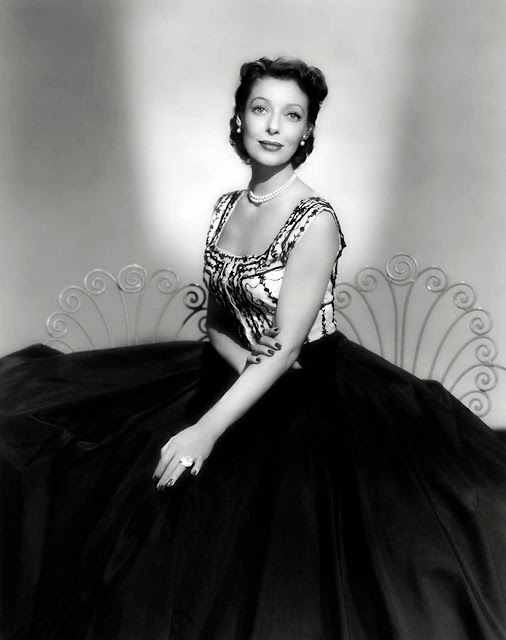
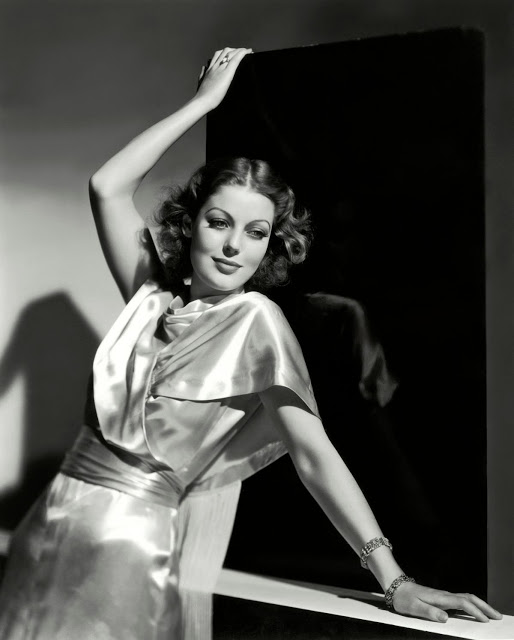
Loretta Young (1913–2000) was a child actor who became one of Hollywood’s leading ladies in the 1930s and 1940s.
Young began her career at age four as a child extra. She later attended convent school, and at age14 she landed a part in the film Naughty but Nice (1927) that was originally intended for her sister Polly Ann. Her career blossomed as she moved quickly from bit parts to ingenues and leading ladies. She later made a smooth transition to sound films.
After a Hollywood career of more than 20 years, Young silenced many critics who regarded her as little more than a bland beauty of modest talent when she won an Oscar in 1947 for her performance in The Farmer’s Daughter. She received a second nomination for best actress in 1949 for her role as a nun in Come to the Stable. Her other notable films include The Story of Alexander Graham Bell (1939), The Stranger (1946), and The Bishop’s Wife (1947).
Retiring from films in 1953, Young hosted the Emmy Award-winning The Loretta Young Show on NBC television from 1953 to 1961, making her the first entertainer to receive both an Oscar and an Emmy. Though she acted in the majority of the episodes of the sentimental drama anthology, the show is remembered primarily for Young’s signature swirling entrances in which she displayed all sides of her glamorous contemporary gowns.
Young retired from acting at age 50, though she did make a brief comeback in two made-for-TV films in the late 1980s. A lifelong Catholic, Young devoted herself to religious charities throughout her career and into retirement. She was the mother of actress Judy Lewis, the daughter of Clark Gable.
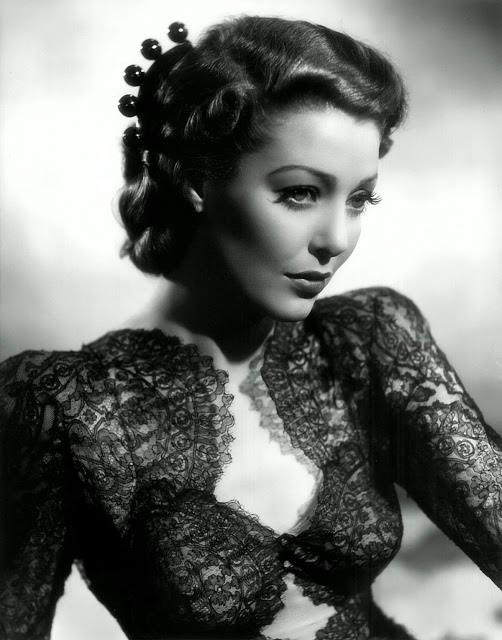














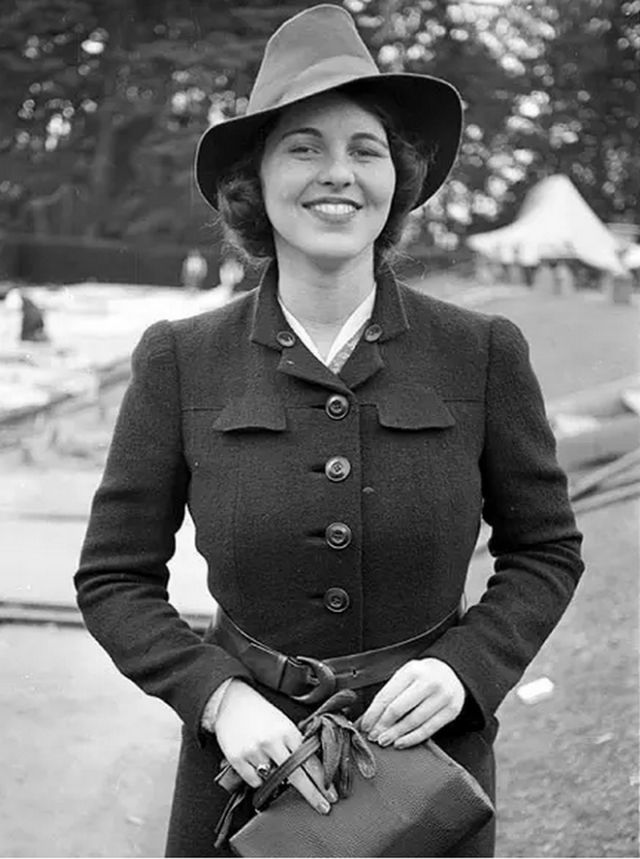
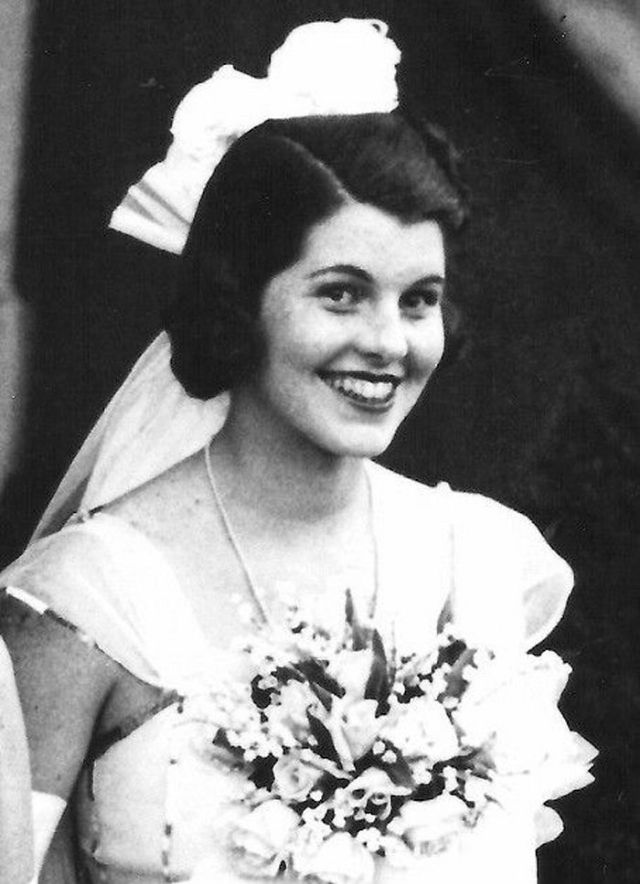
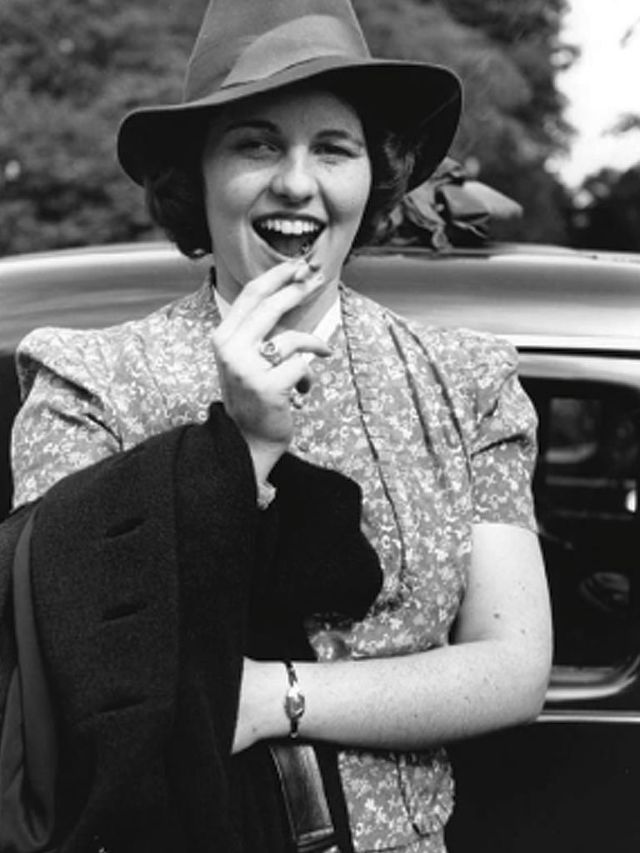
Rosemary Kennedy was the first daughter of Rose and Joseph Kennedy. During Rosemary’s birth, Rose went into labor very quickly, and Rosemary entered the birth canal before the doctor arrived. A nurse told Rose to keep her legs closed to prevent her from giving birth until the doctor showed up. This cut off the oxygen to Rosemary’s brain and likely led to her intellectual disabilities. After a fairly quiet childhood, Rosemary began to have violent mood swings. She also had gait issues, including an infamous stumble in front of the King of England.
Throughout her teens, Rosemary never made it past a fourth grade reading or writing level and was shown to have an IQ somewhere between 60 and 70. By the time she was 23, her father, Joe Kennedy, had decided that what she needed was a frontal lobotomy. It was thought he was afraid his daughter might embarrass him and his son and hurt their chances in politics.
Prior to the procedure, Rosemary was described as being absolutely adoring of her brothers, especially Jack, but she could fly into a rage if she didn’t get her way. One night when she was caught sneaking out of the house, she erupted in a violent tantrums that would soon turn to seizures.
In November 1941, Dr. Walter Freeman performed the surgery with Dr. James Watts, and they sliced away at the young woman’s frontal lobe until the left side of her body was partially paralyzed.
After the surgery Rosemary was sent off to a mental institution where she had to relearn how to brush her teeth, walk, and dress herself. The bubbly and sometimes volcanically angry young woman was replaced with someone who was just above an invalid, who could only grunt, shriek, or scream. Tragically, she could no longer even recognize her beloved brothers.
The Kennedy family essentially erased her from their public profile, and her lobotomy wasn’t made public for 20 years. She died in 2005 of natural causes.


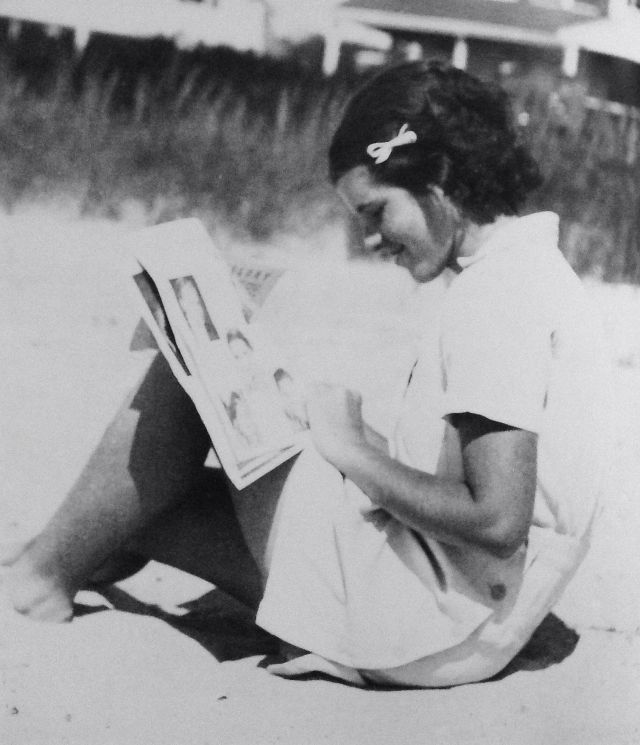


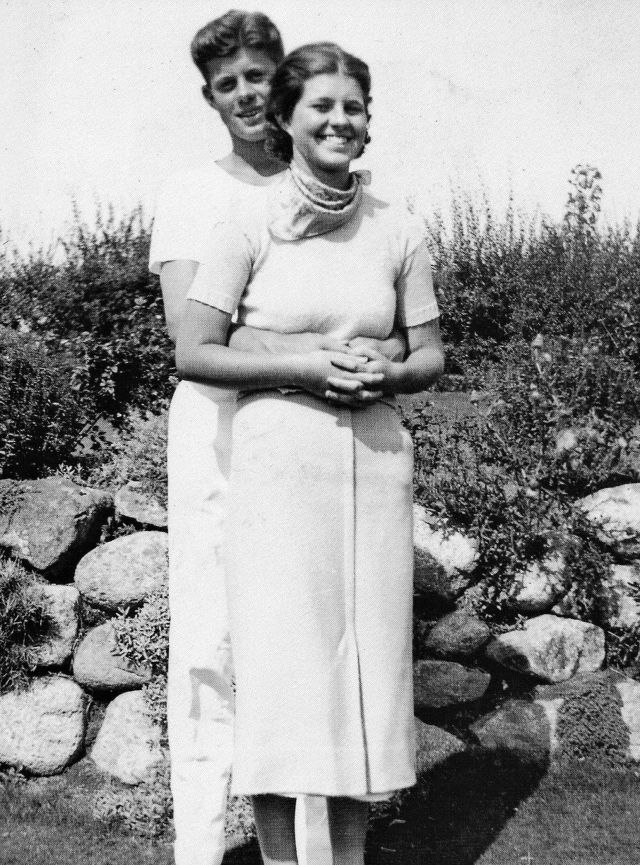


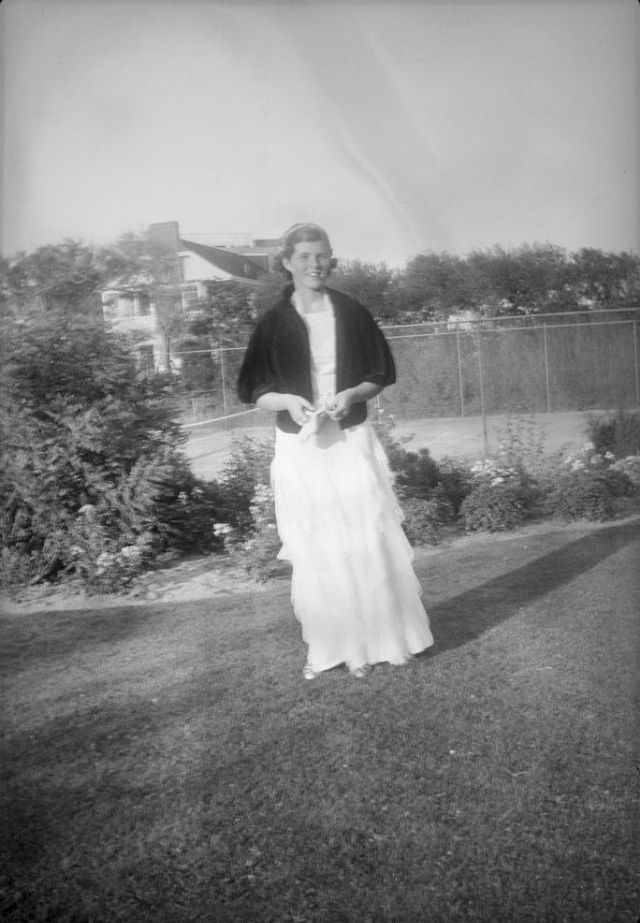






Become a paid subscriber to get access to the rest of this post and other exclusive content.
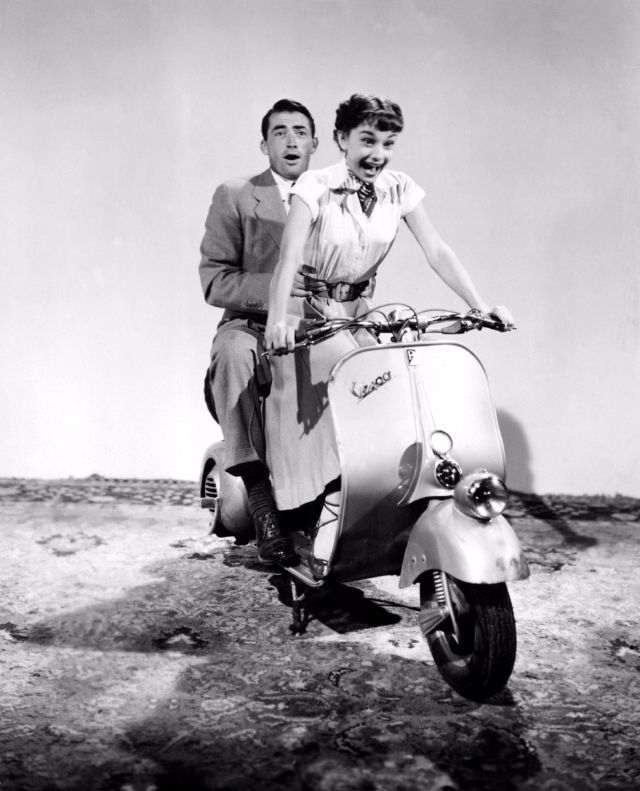
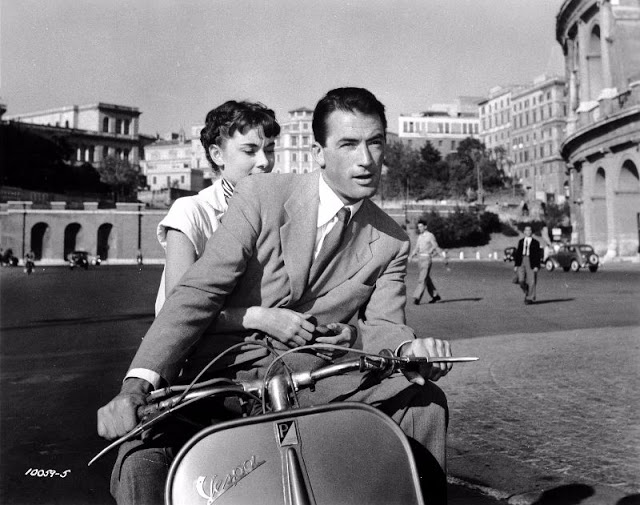
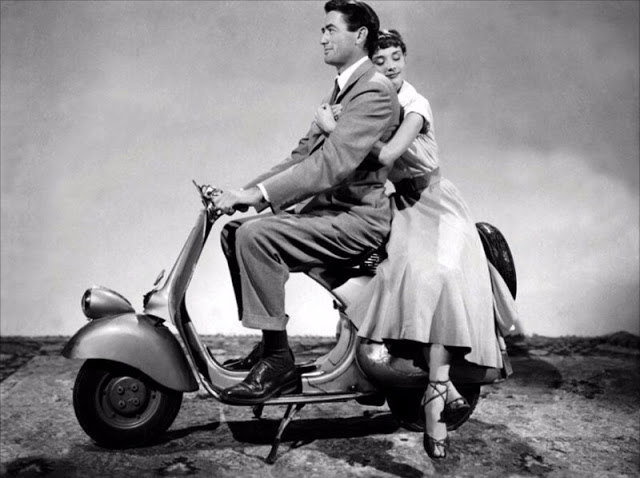
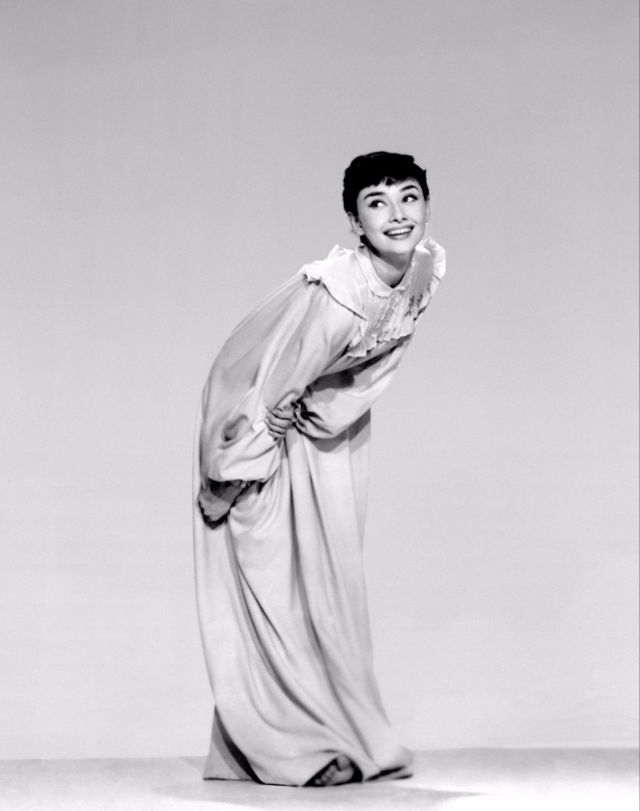
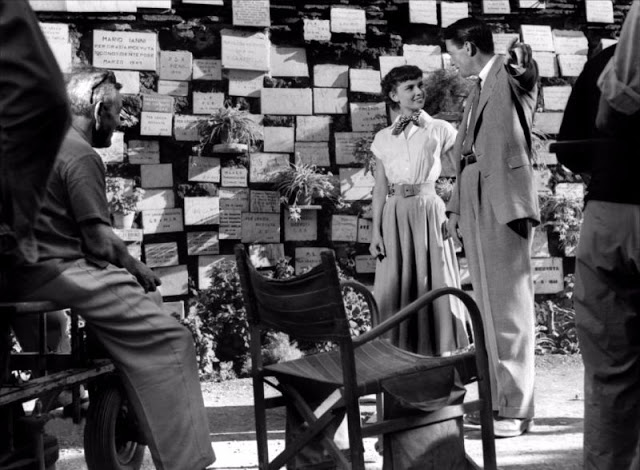
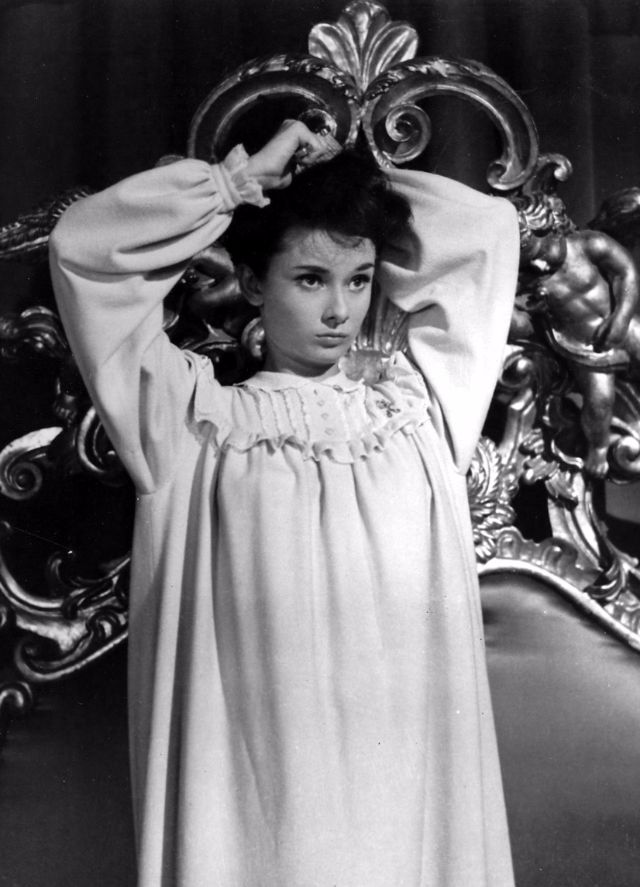
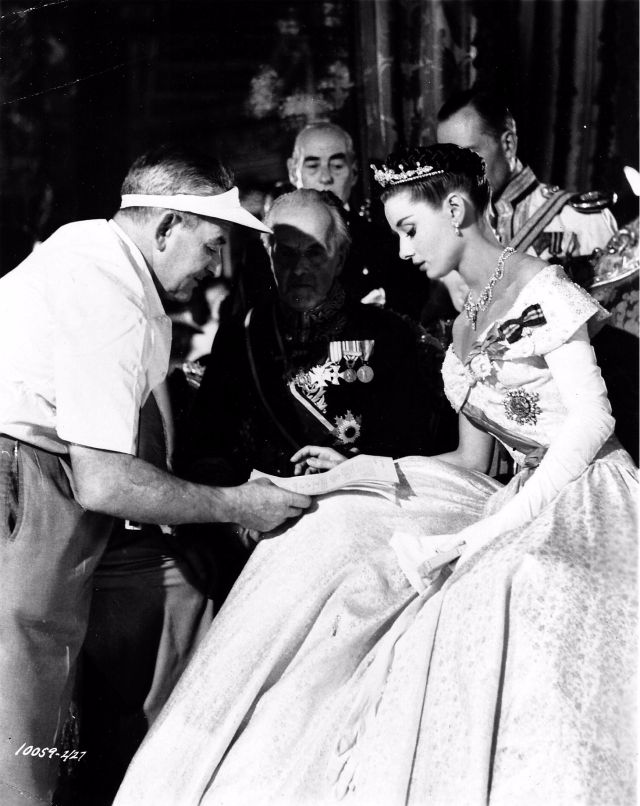
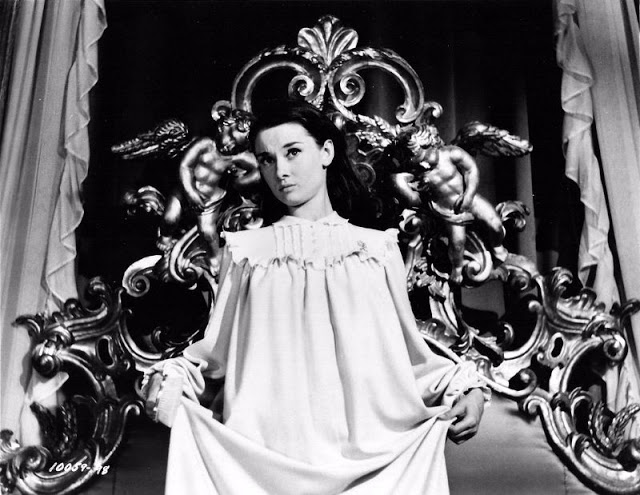
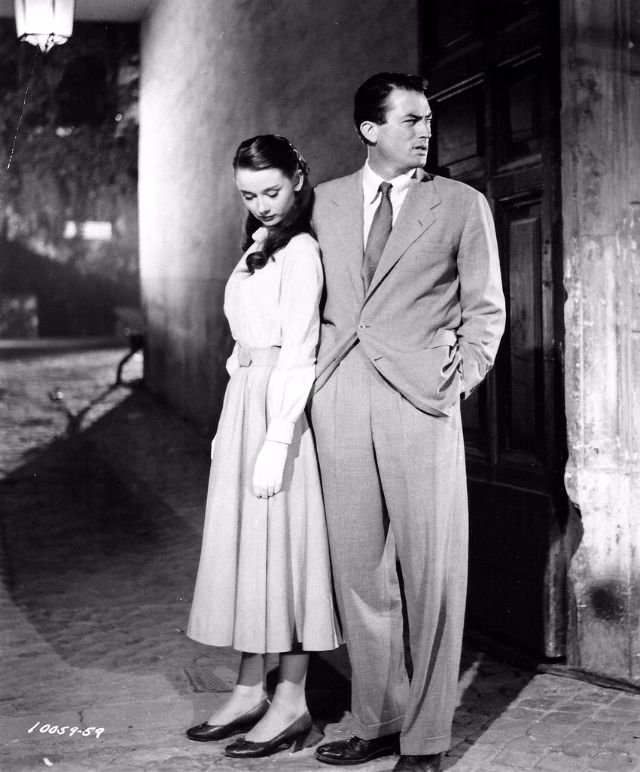
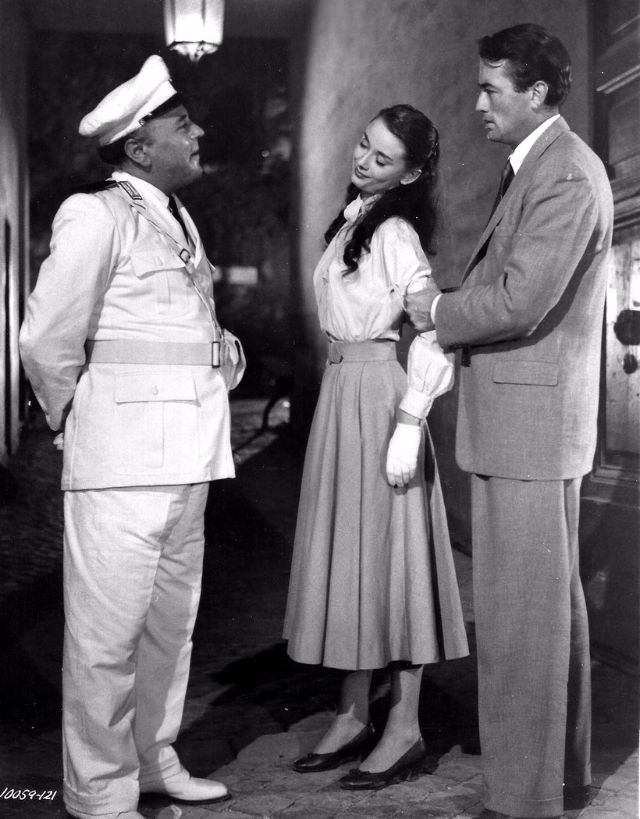
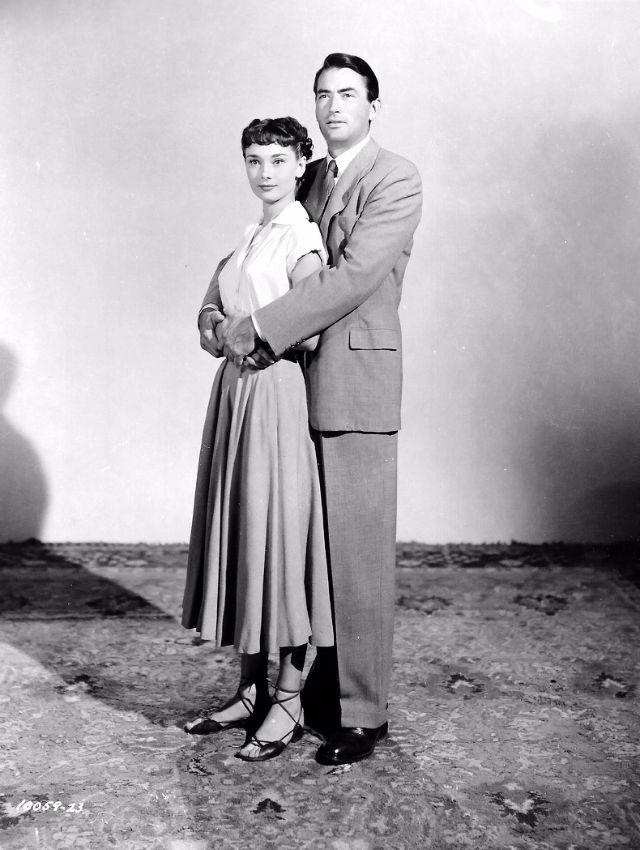
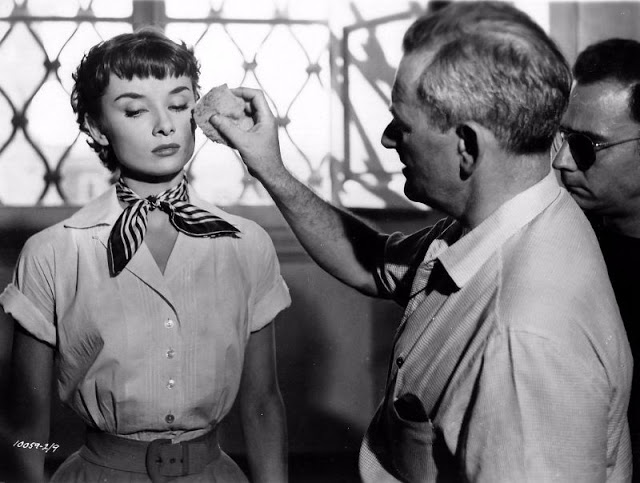
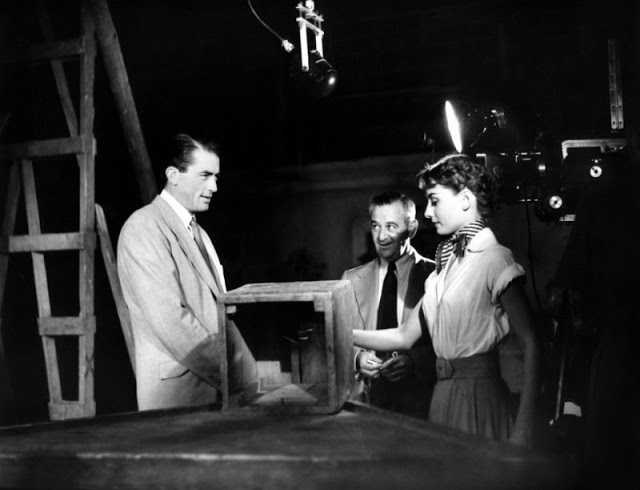
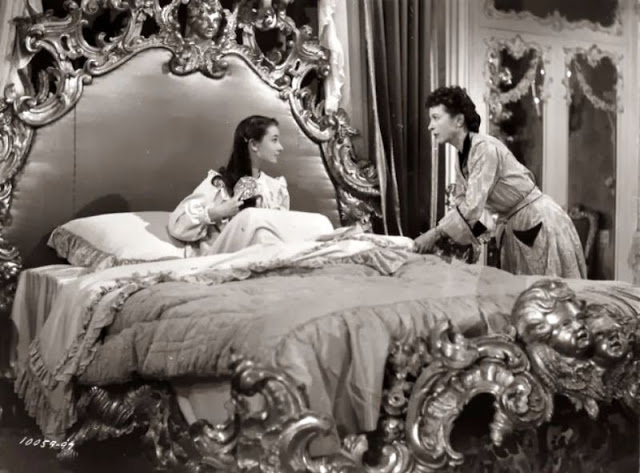
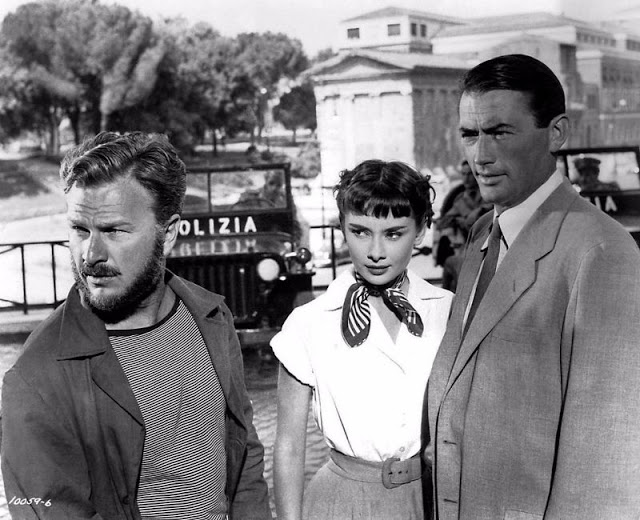
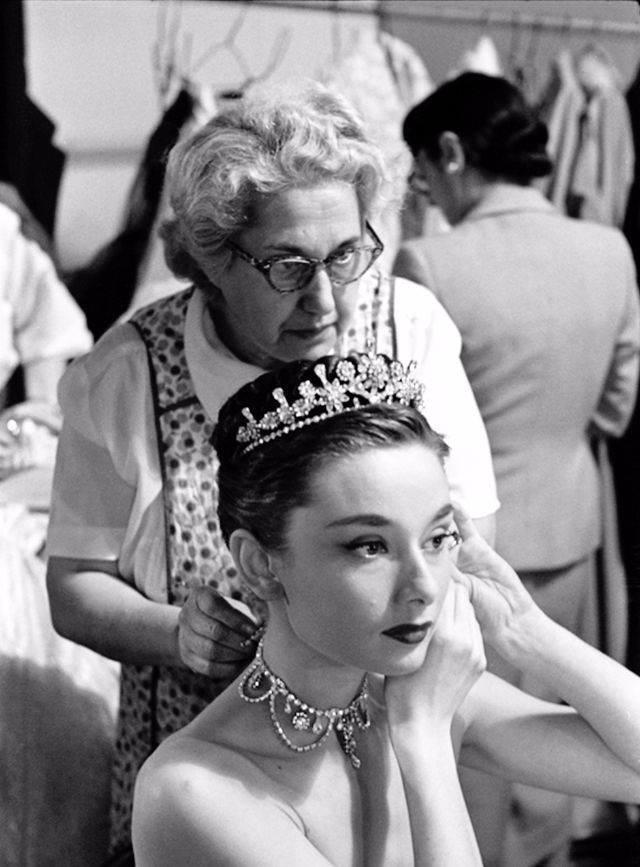
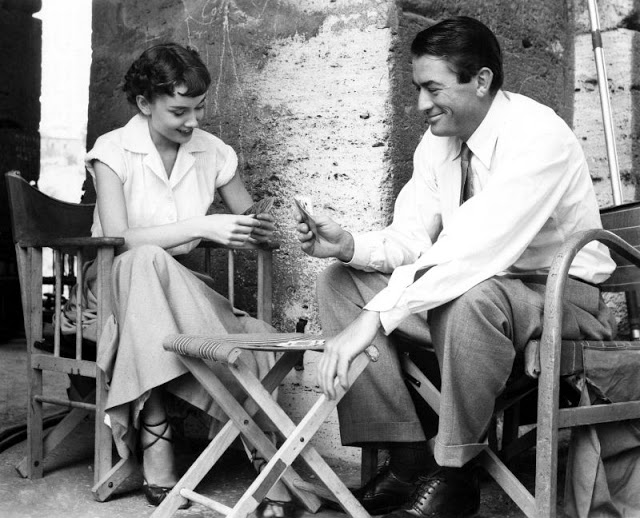
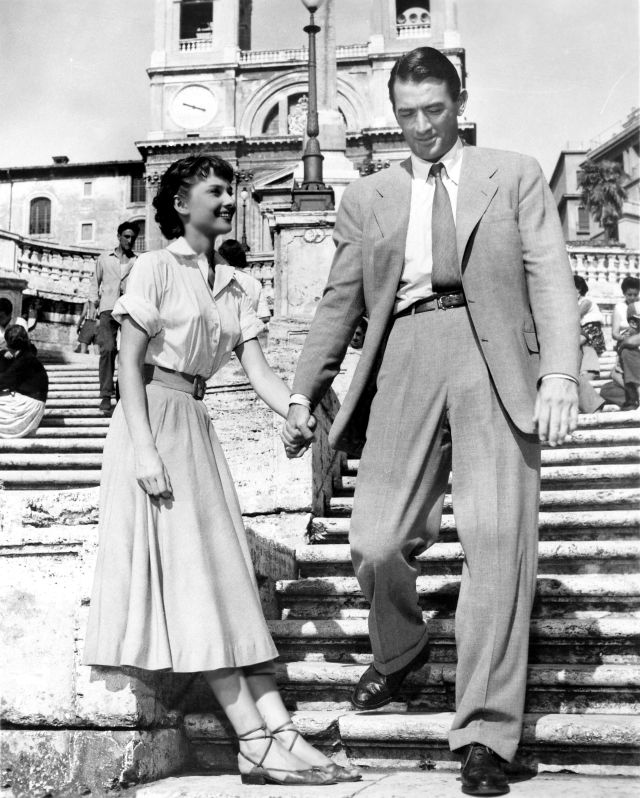
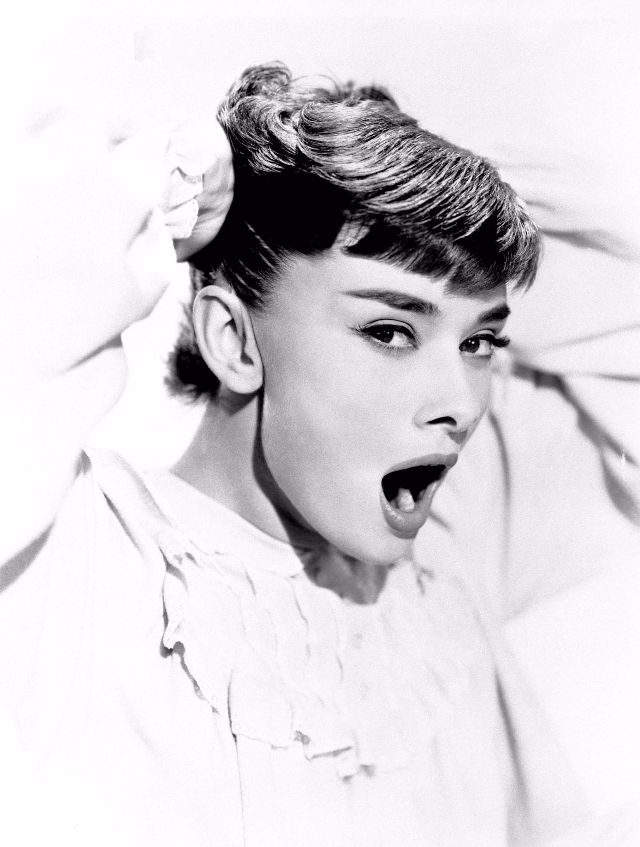
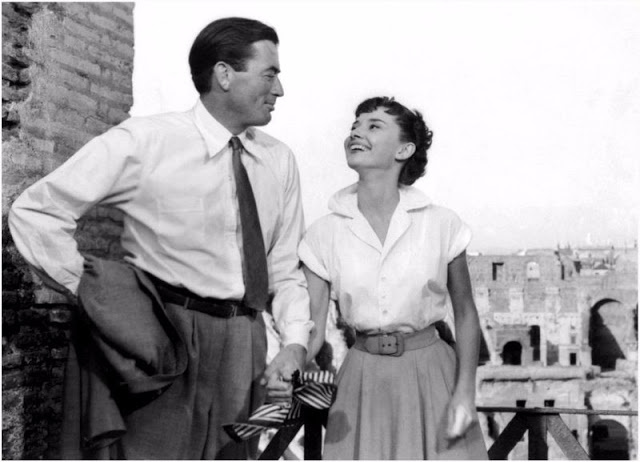
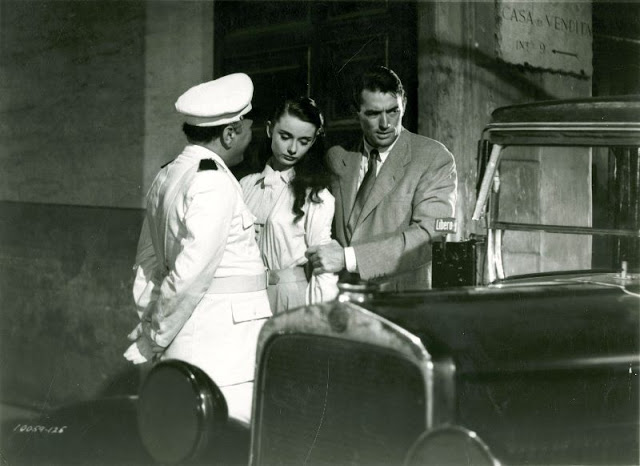
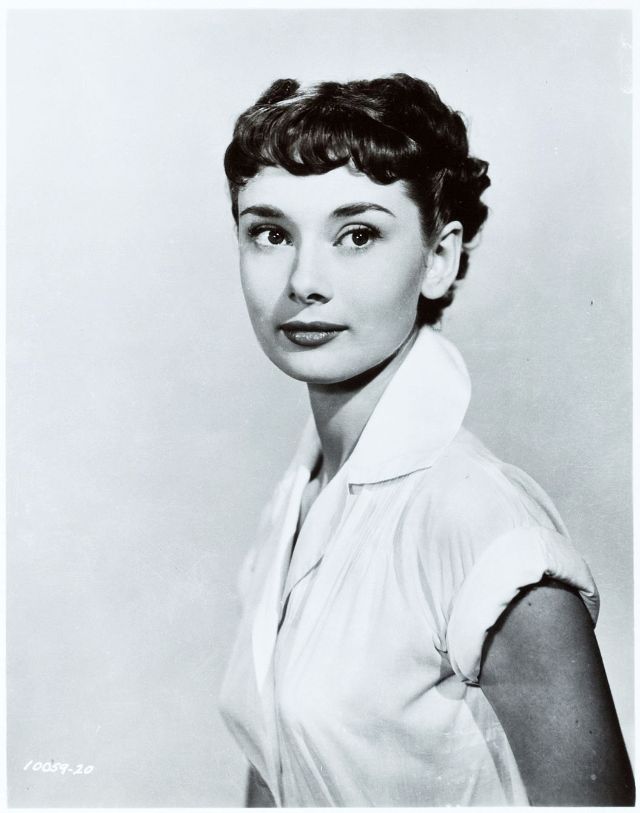
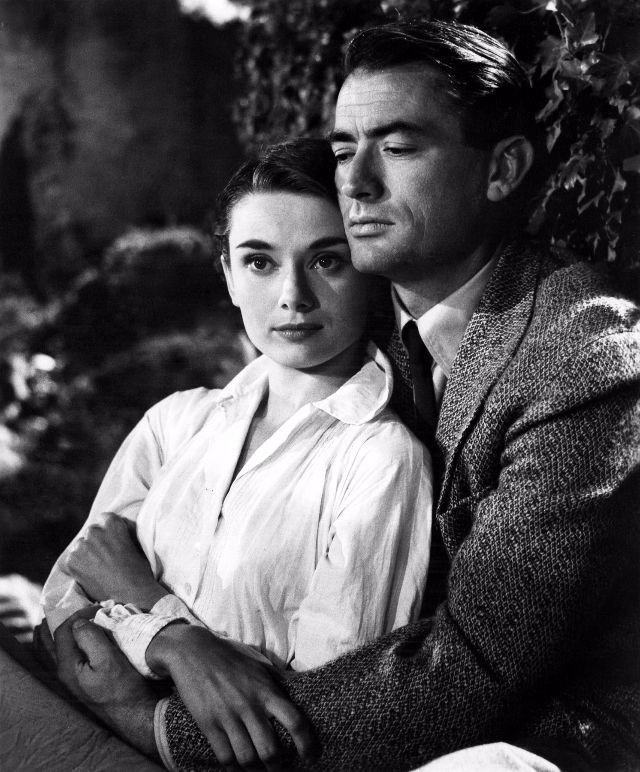
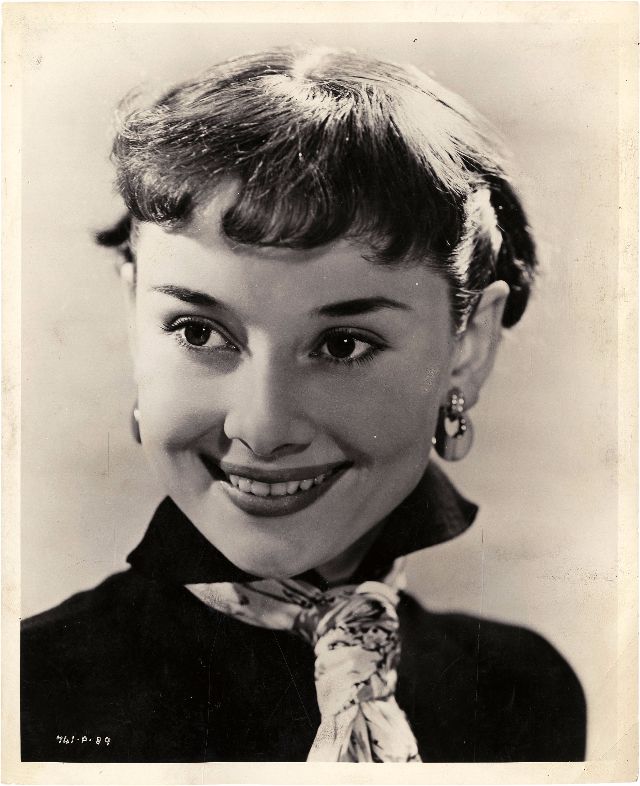
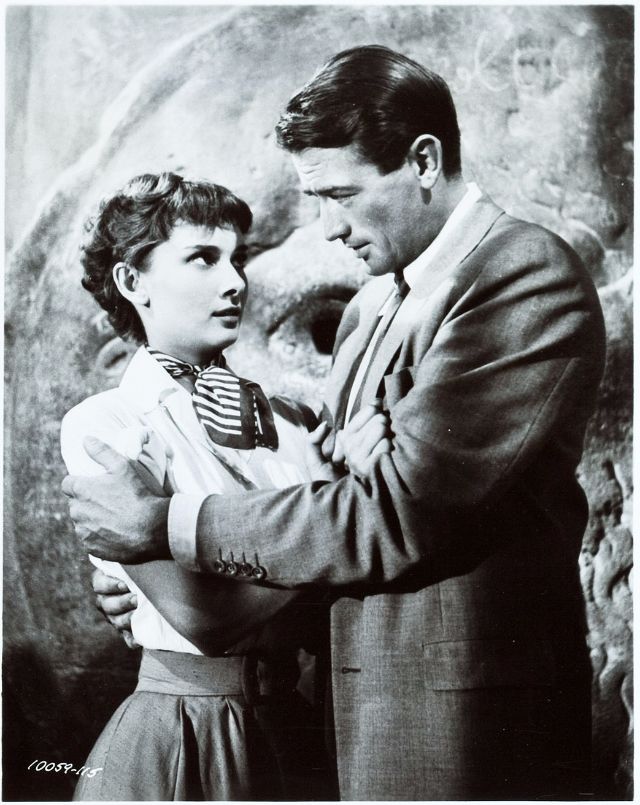
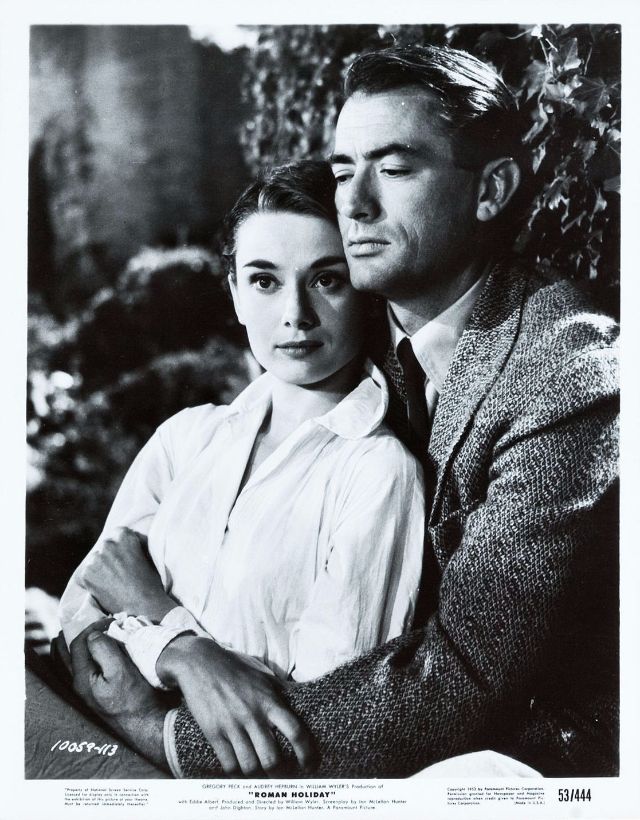
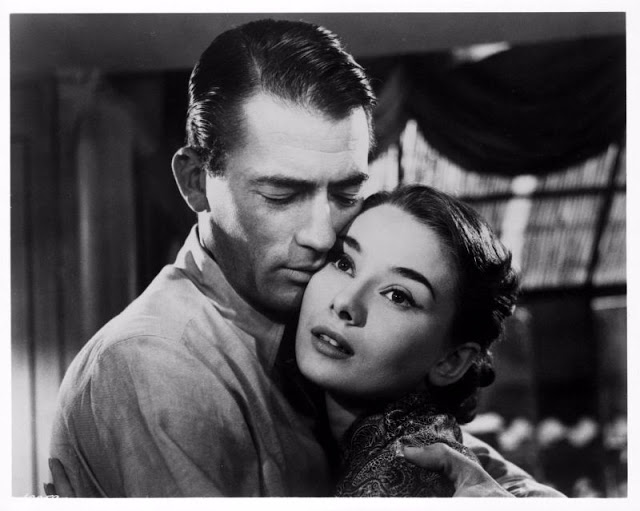
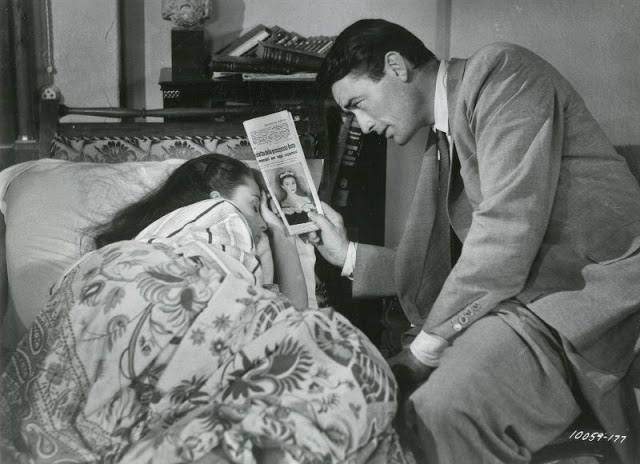
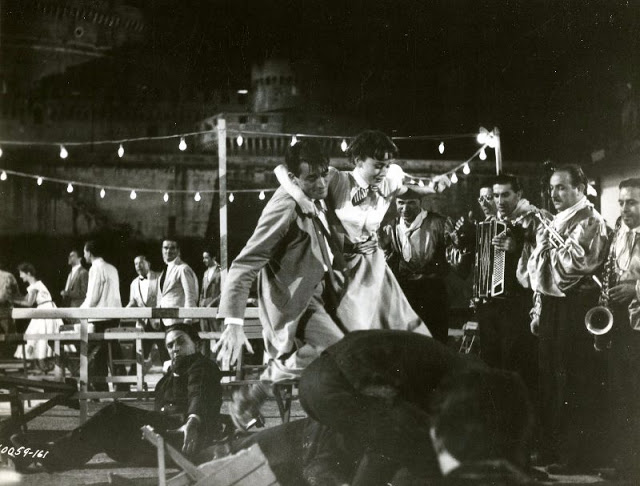
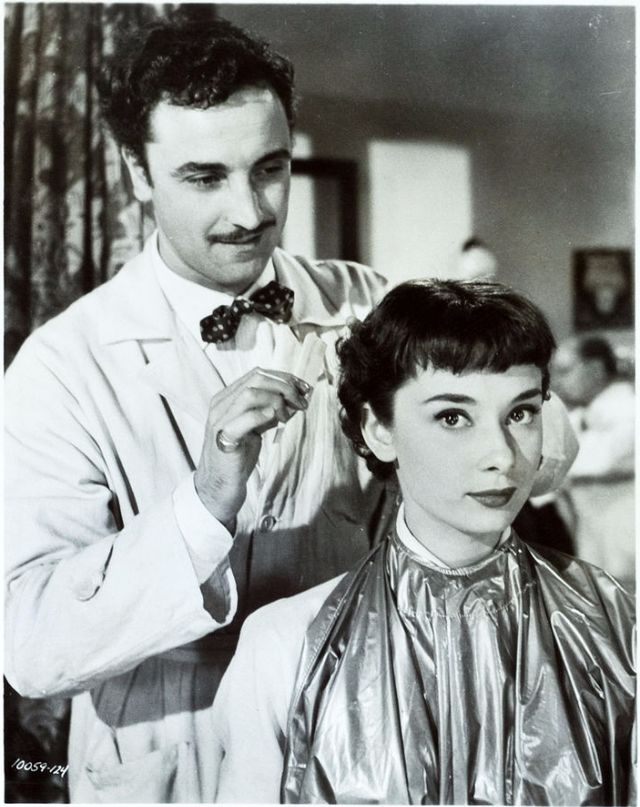
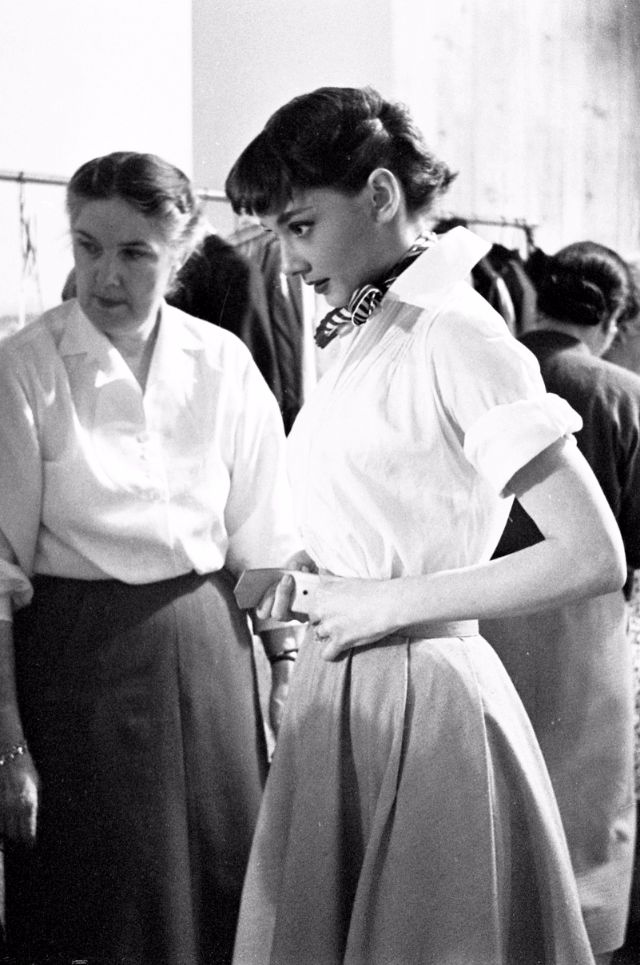
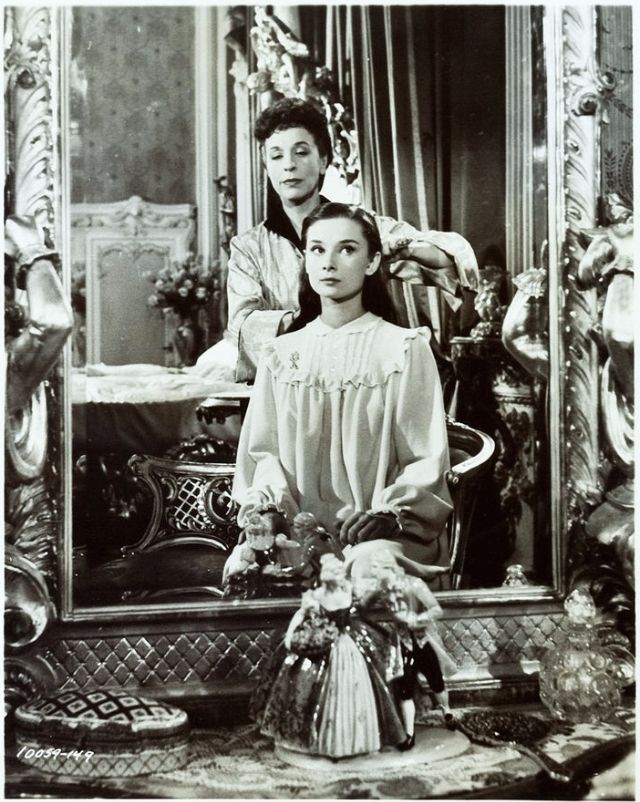
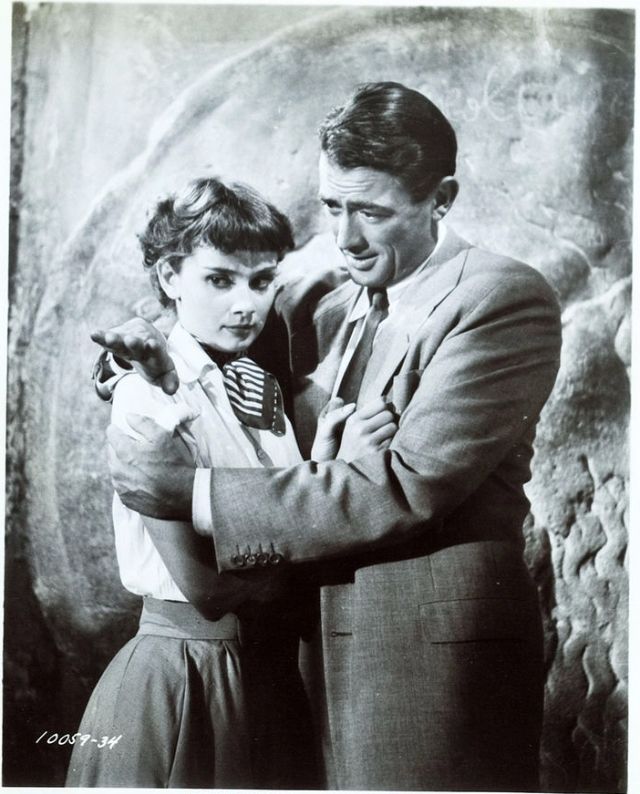
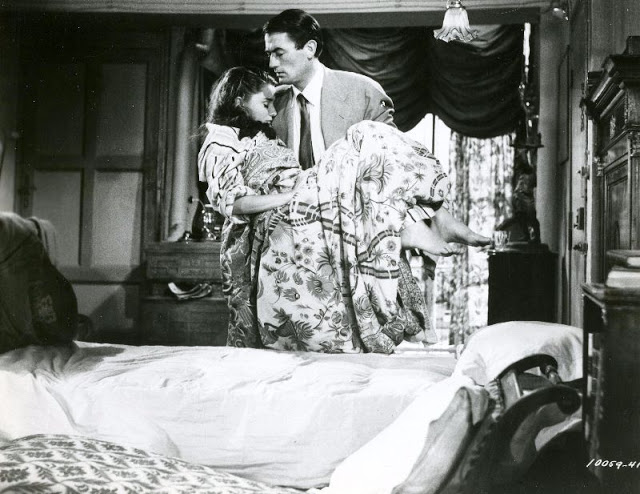
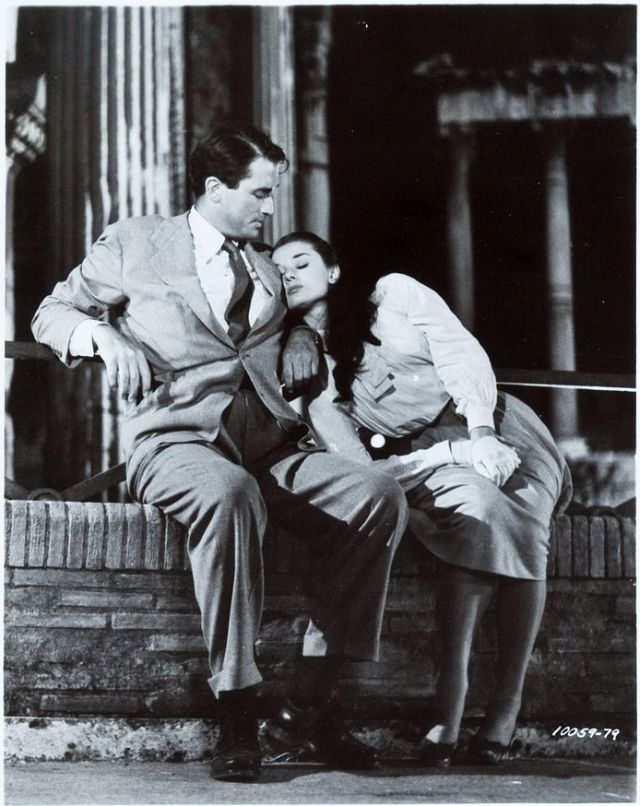
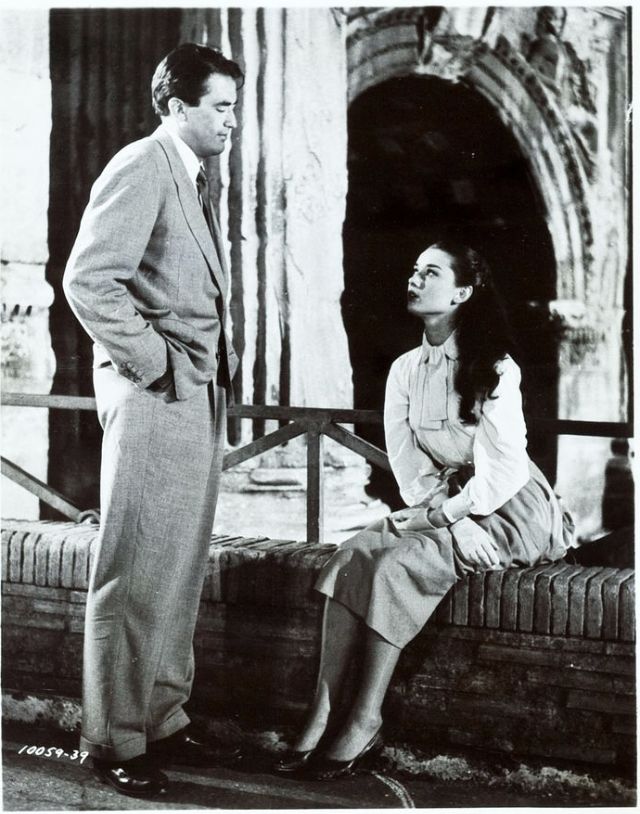
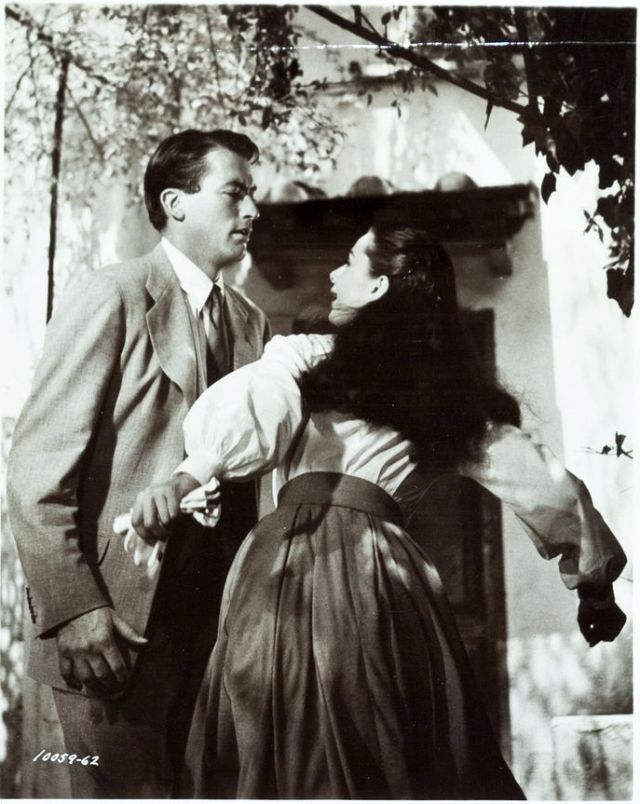
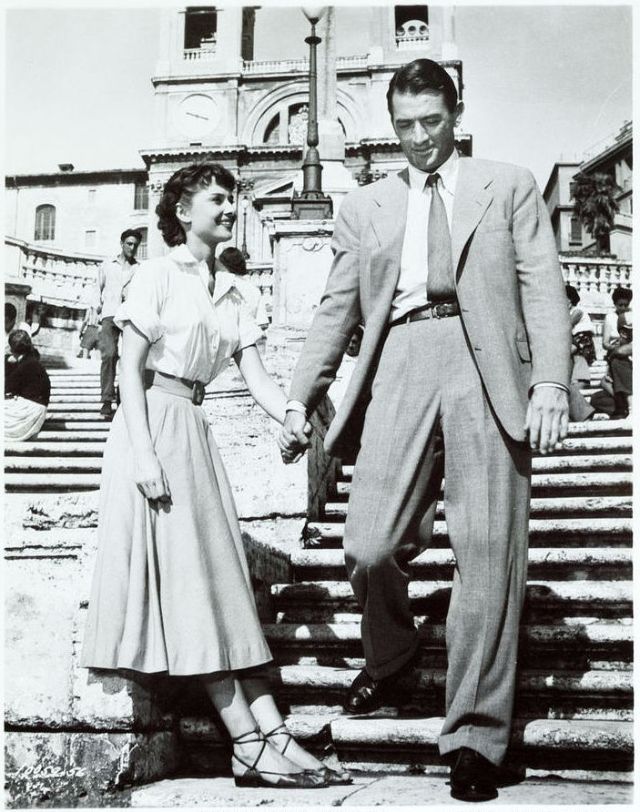
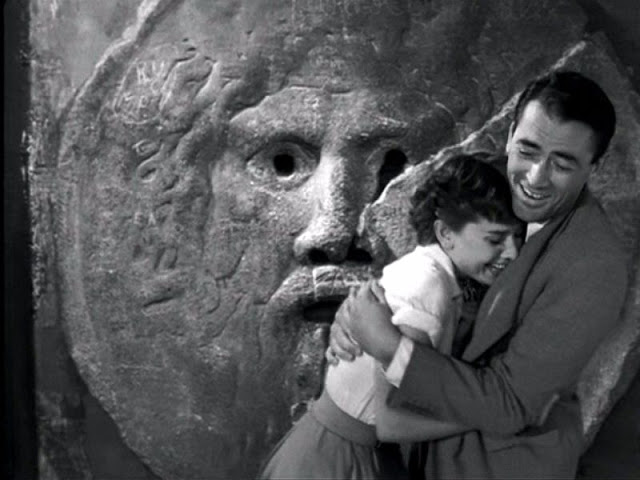
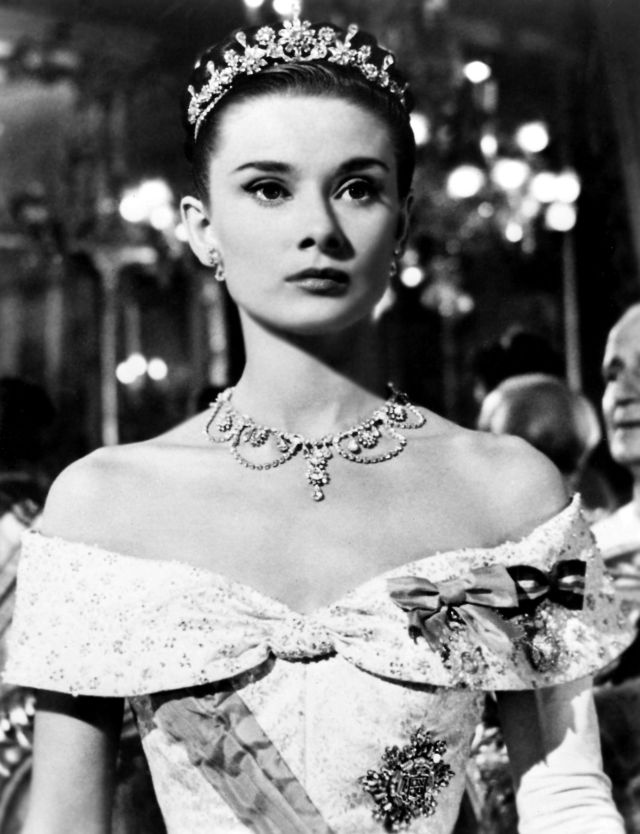
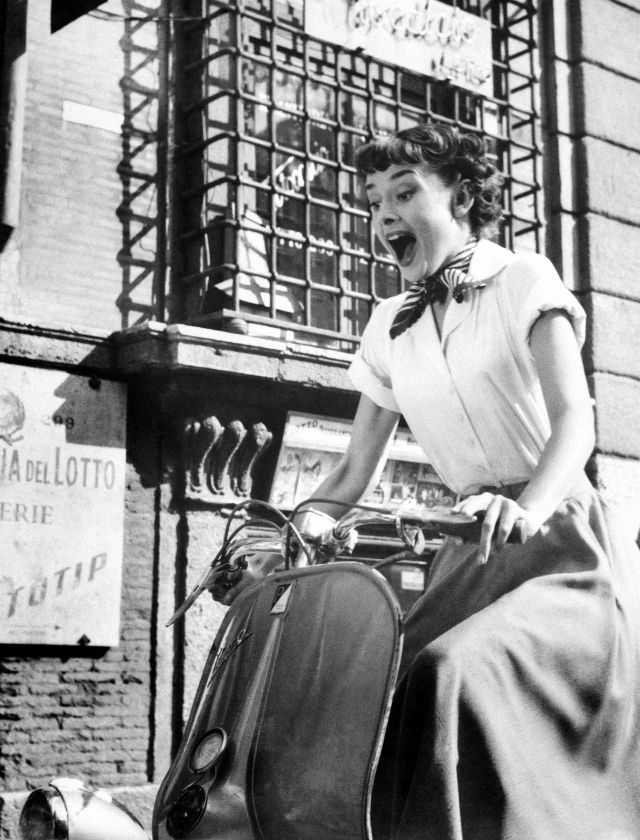
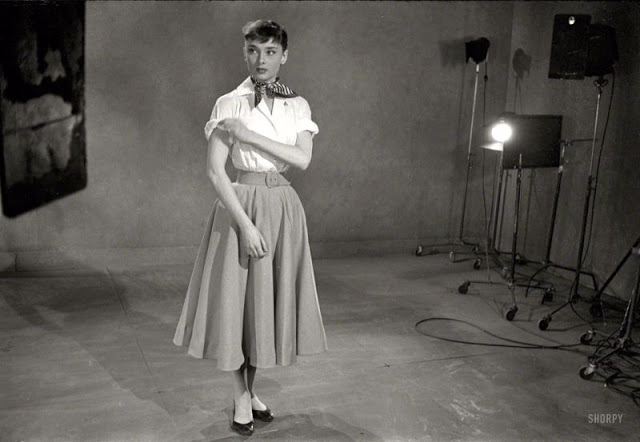
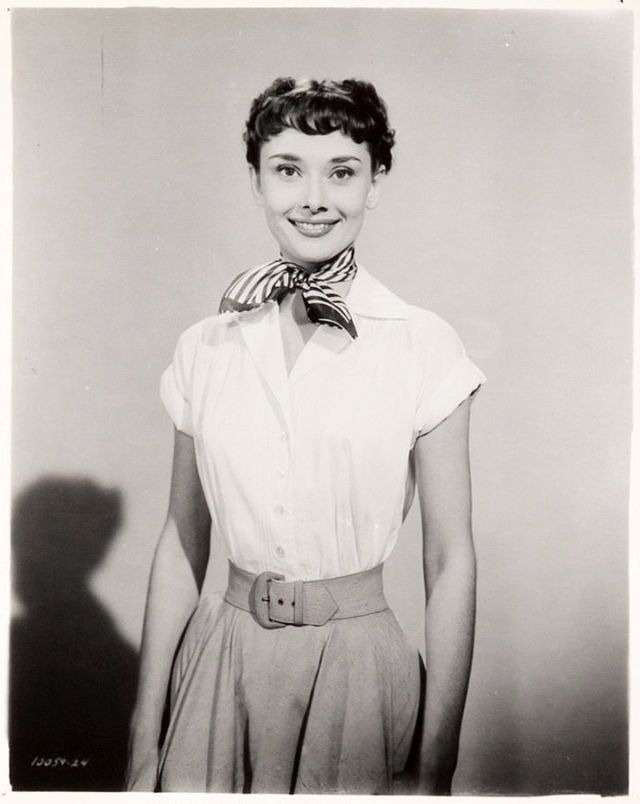
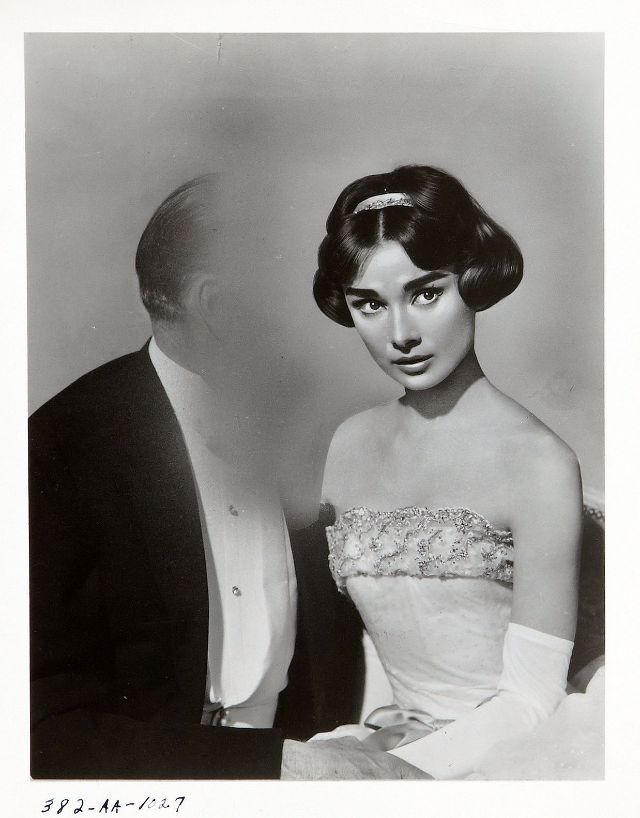
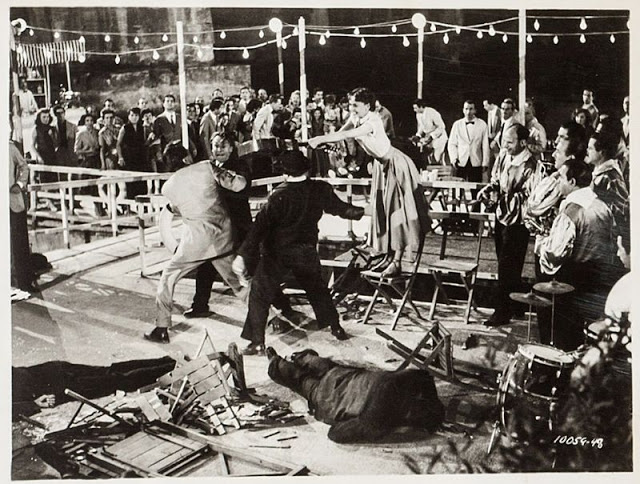
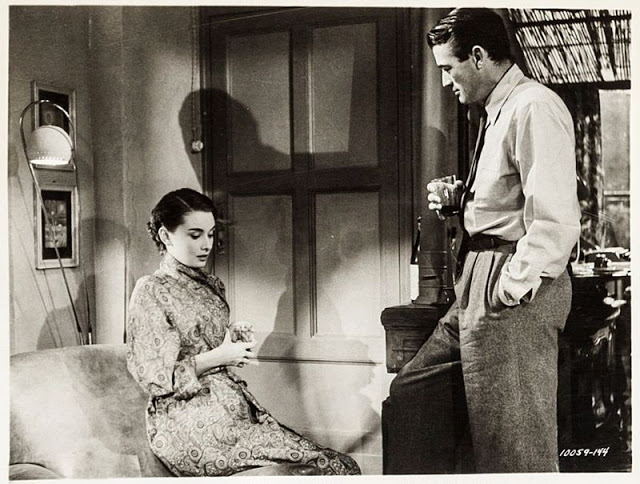
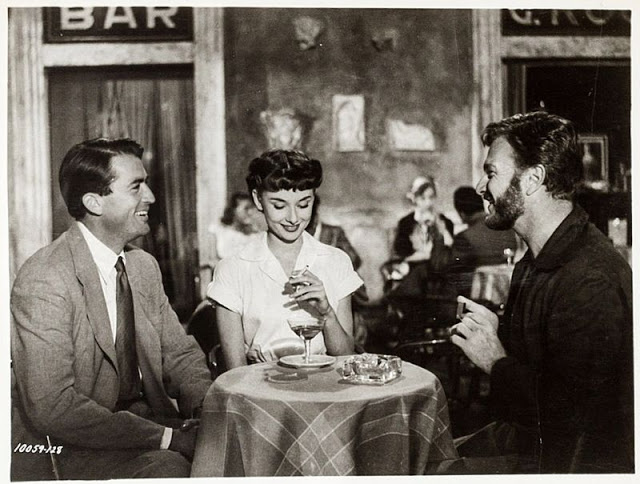
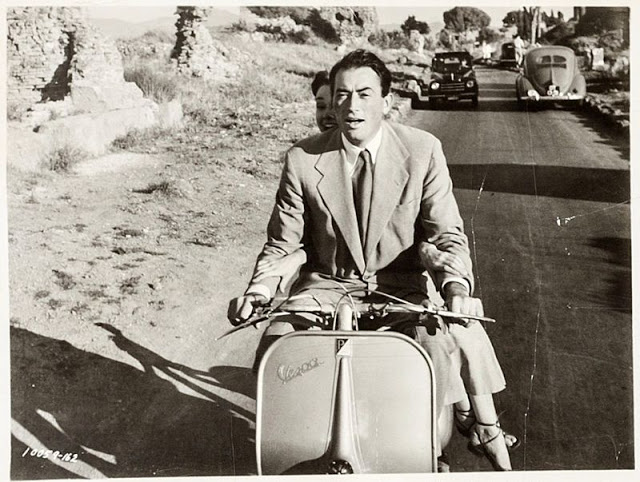
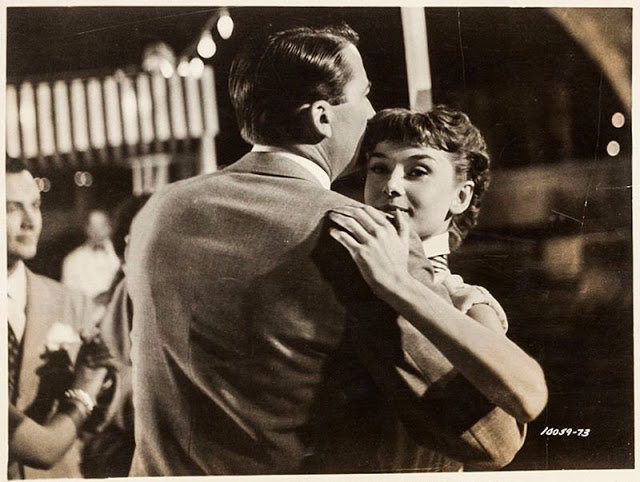
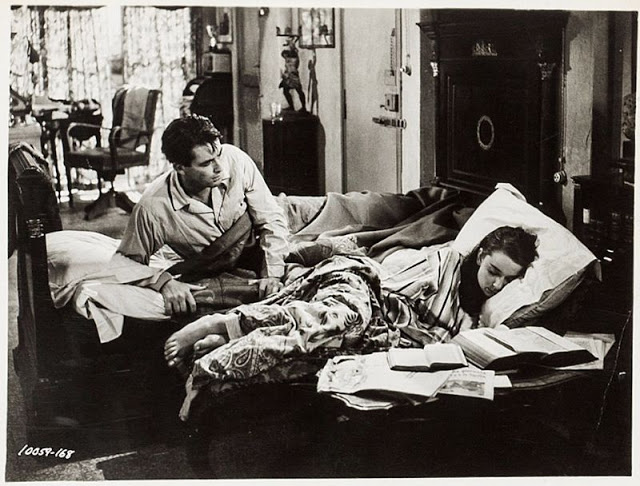
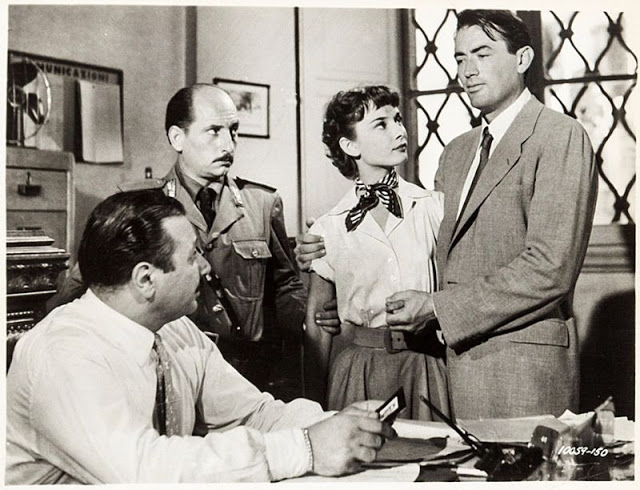
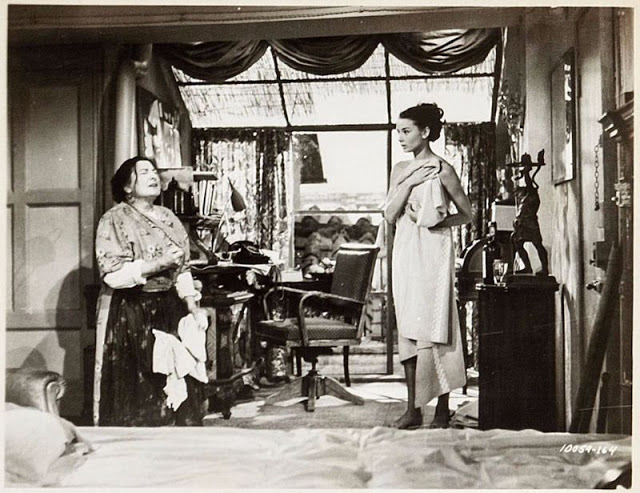
Roman Holiday is a 1953 American romantic comedy film directed and produced by William Wyler. It stars Audrey Hepburn as a princess out to see Rome on her own and Gregory Peck as a reporter. Hepburn won an Academy Award for Best Actress for her performance; the screenplay and costume design also won.
The script was written by John Dighton and Dalton Trumbo, though with Trumbo on the Hollywood blacklist, he did not receive a credit; instead, Ian McLellan Hunter fronted for him. Trumbo’s credit was reinstated when the film was released on DVD in 2003. On December 19, 2011, full credit for Trumbo’s work was restored. Blacklisted director Bernard Vorhaus worked on the film as an assistant director under a pseudonym.
The film was shot at the Cinecittà studios and on location around Rome during the “Hollywood on the Tiber” era. The film was screened in the 14th Venice Film Festival within the official program.
In 1999, Roman Holiday was selected for preservation in the United States National Film Registry by the Library of Congress as being “culturally, historically, or aesthetically significant”.