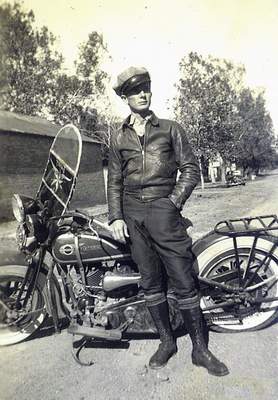
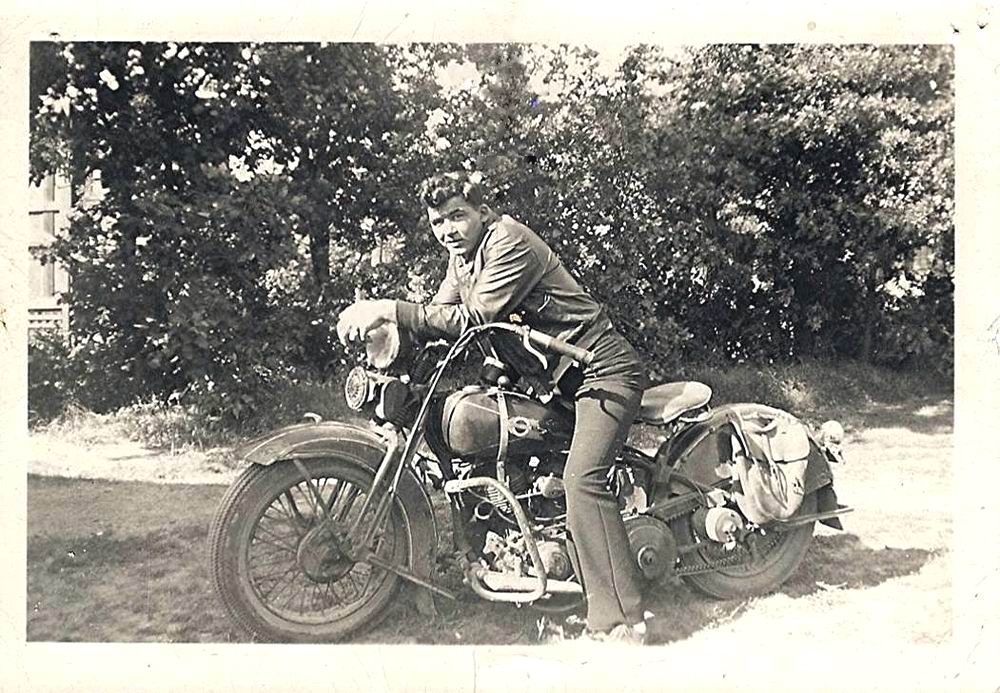
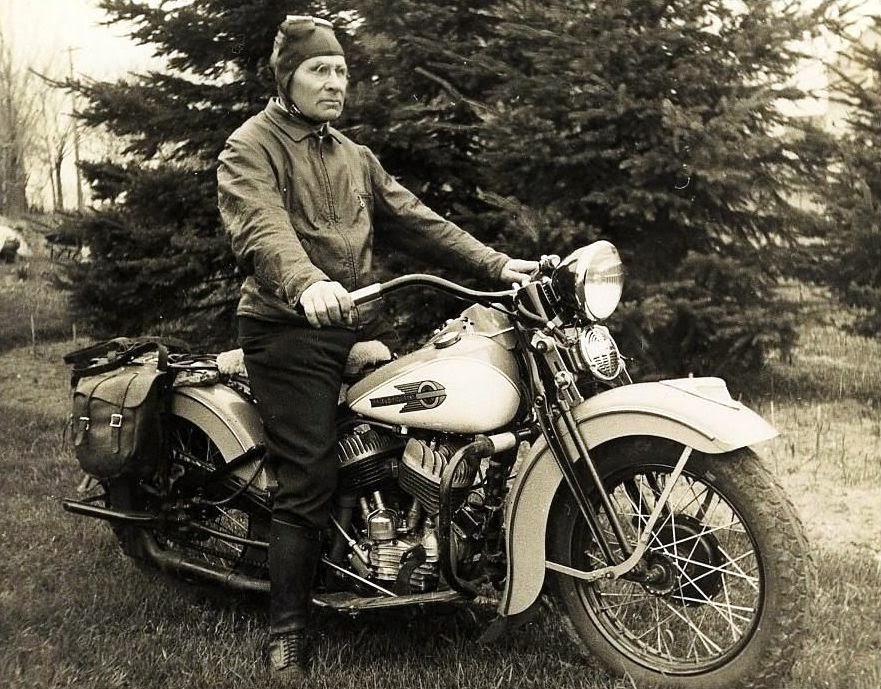
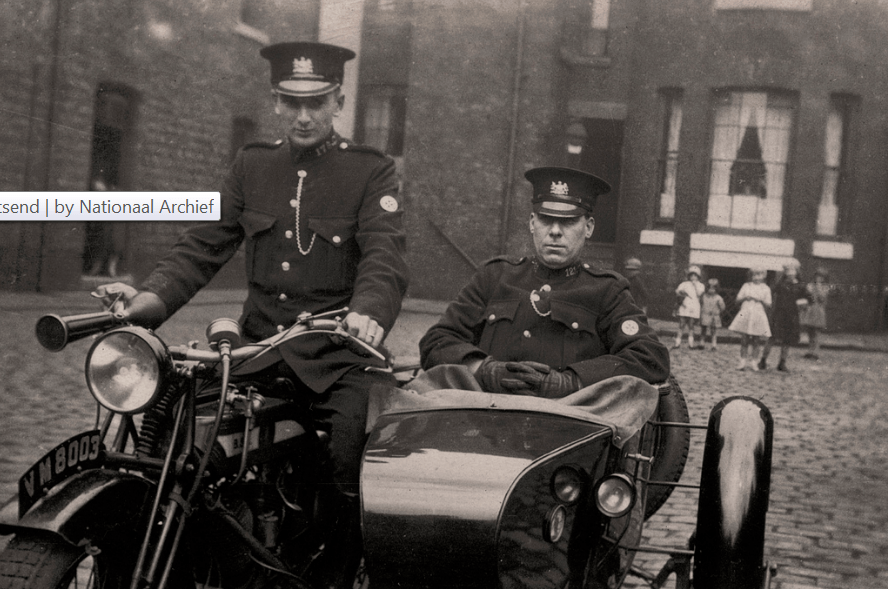
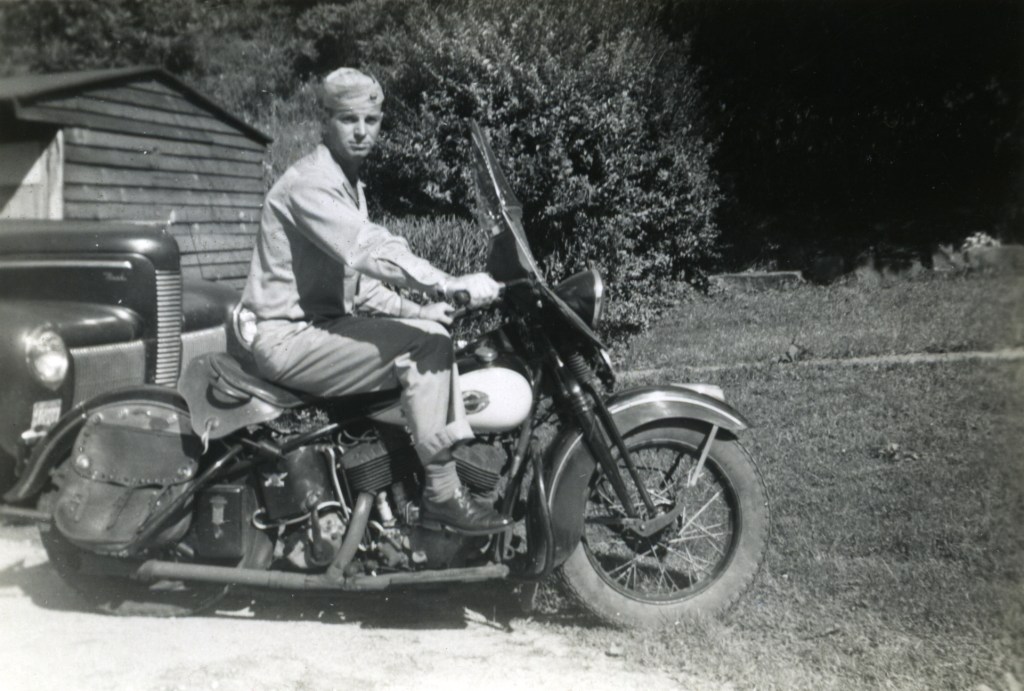
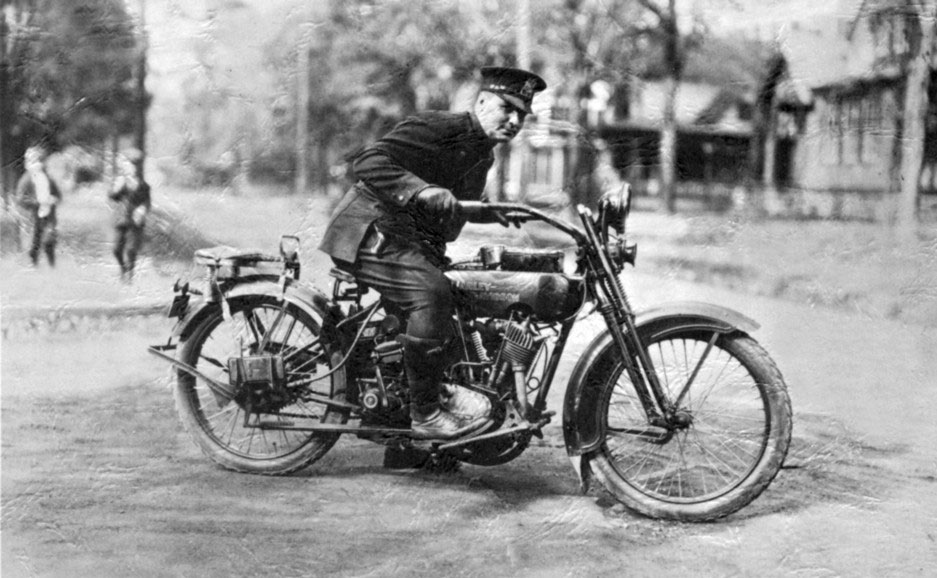
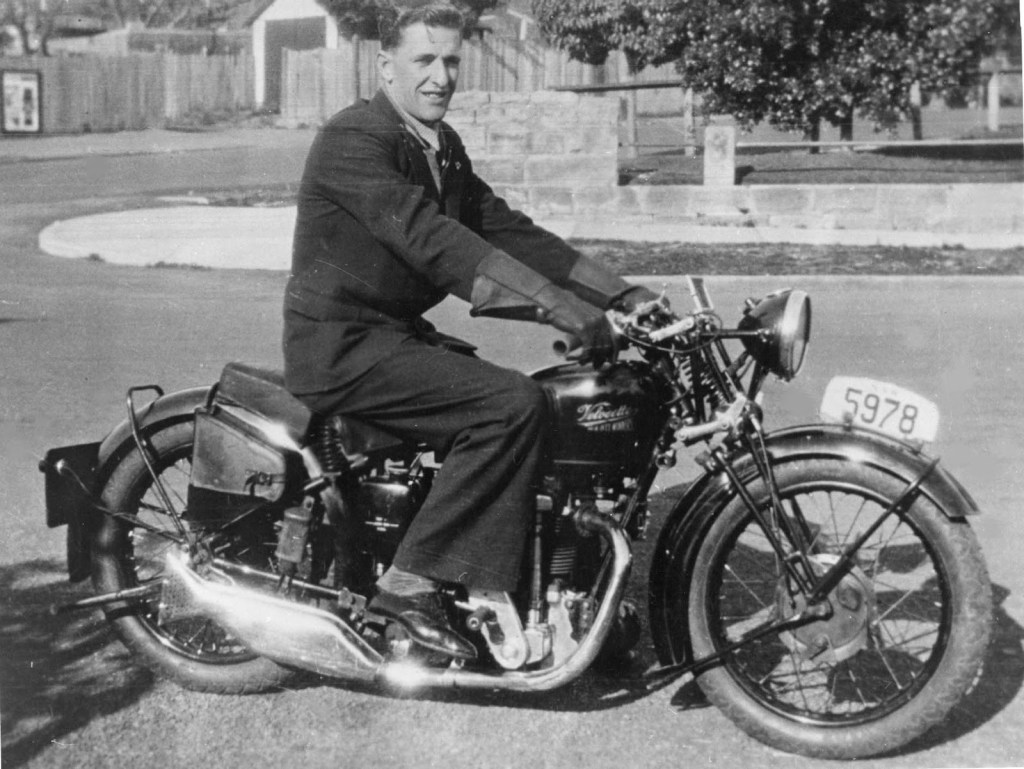
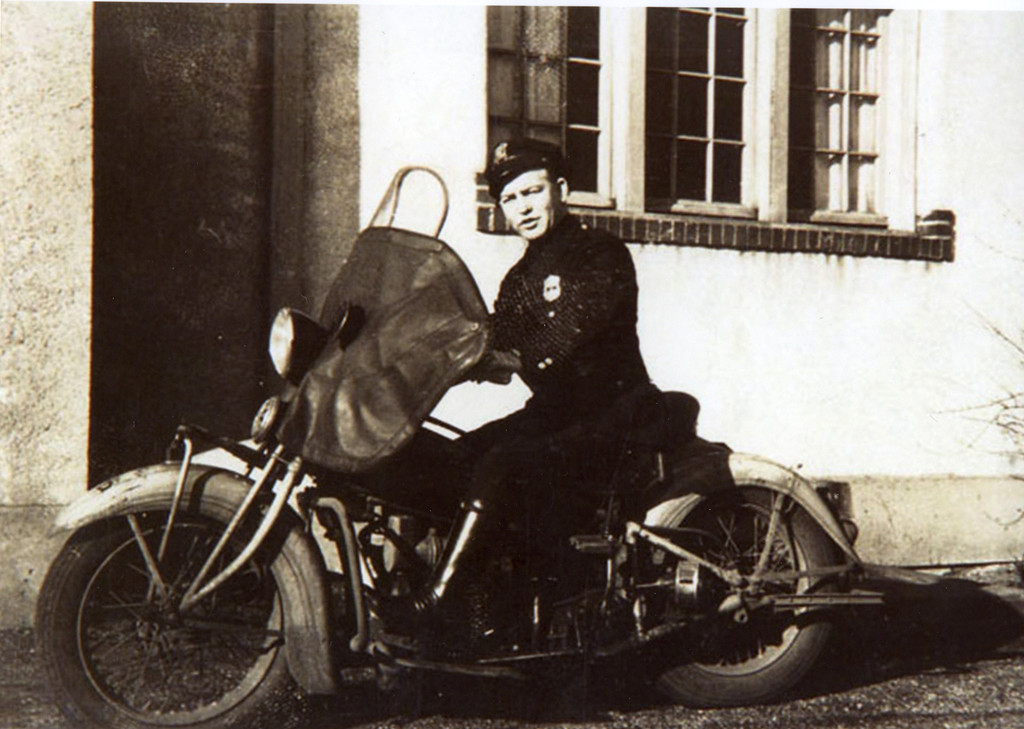
62 Amazing Vintage Photos of People and Their Motorcycles During the 1930s

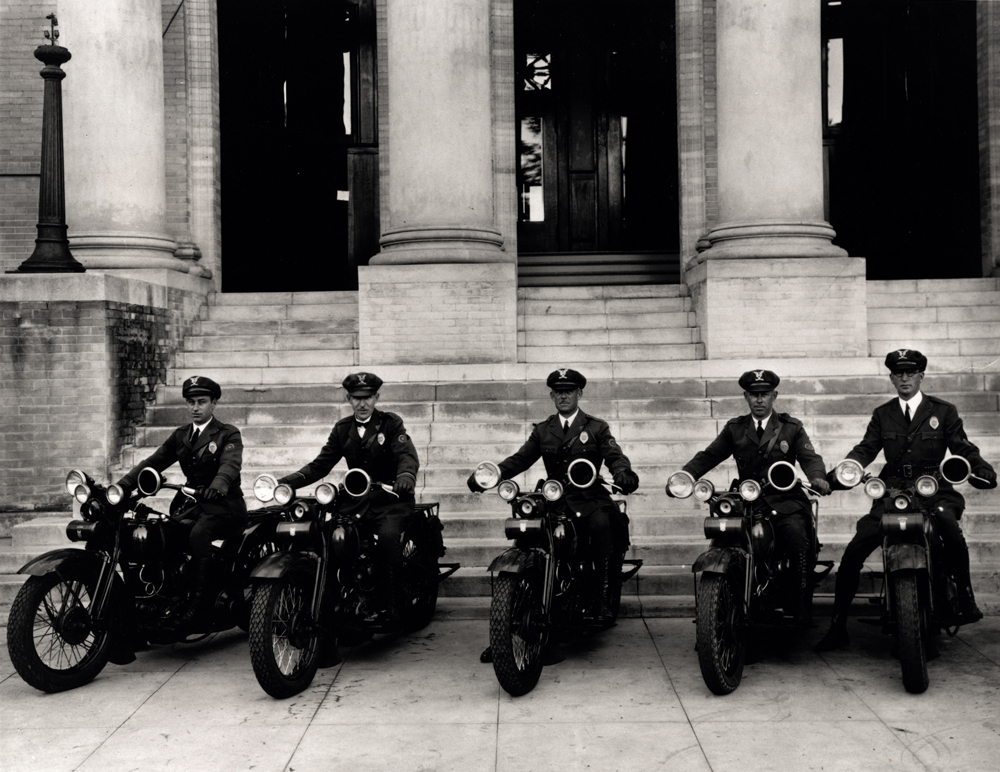
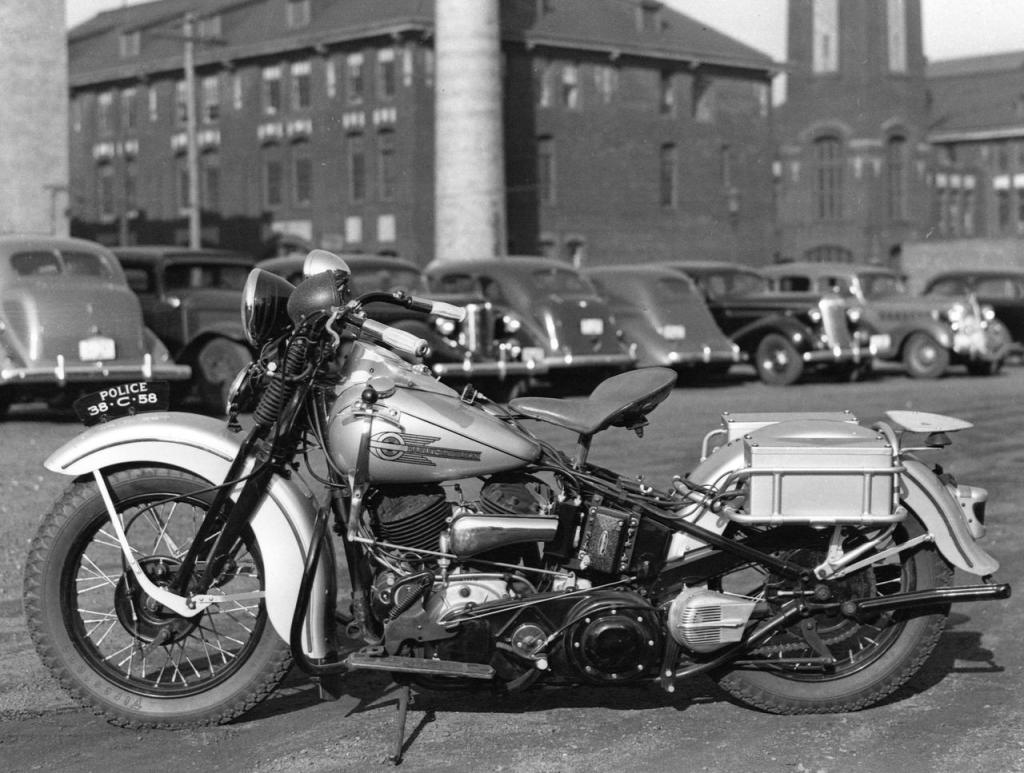
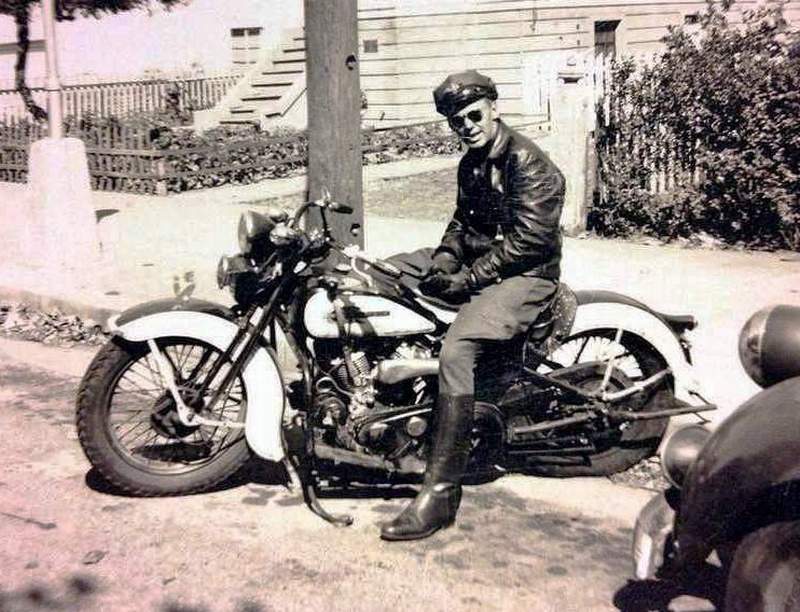
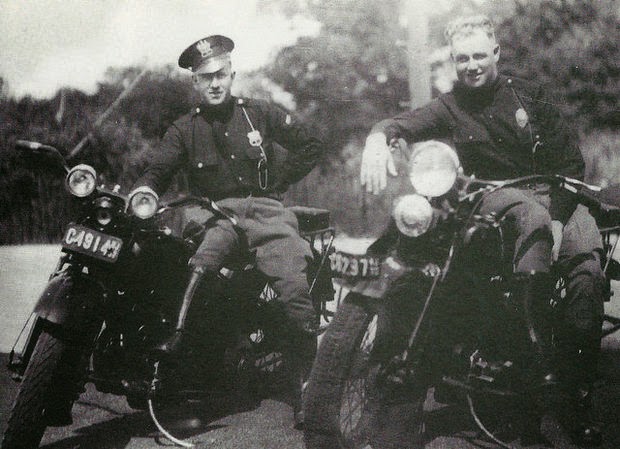
Glendale, California police officers on V-series Harley-Davidsons, circa 1930.
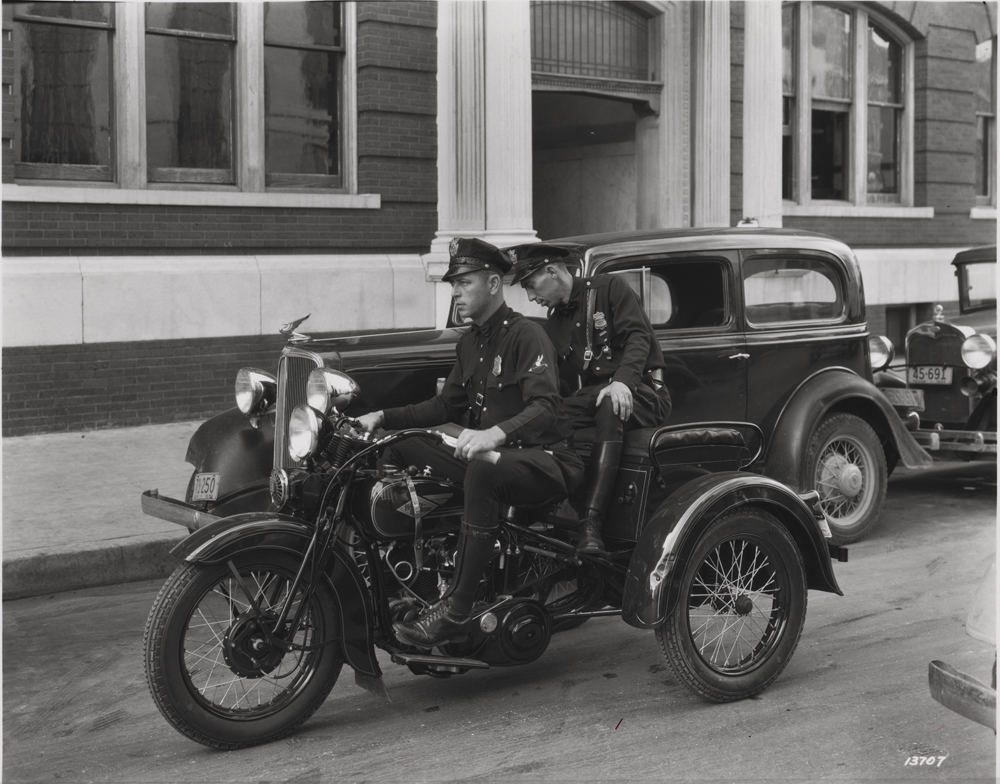
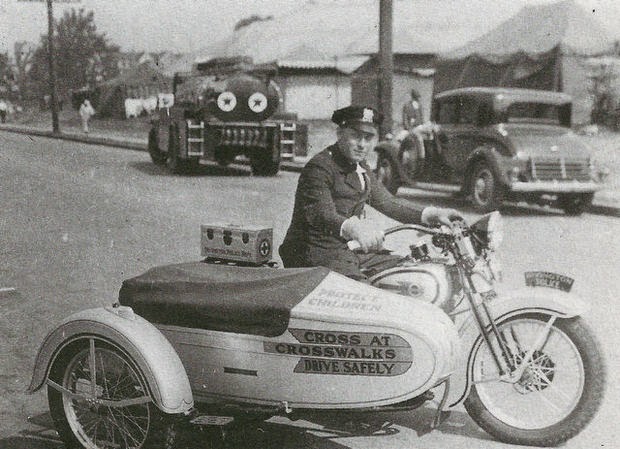
Police officers marking tires using a Servi-car, 1934.
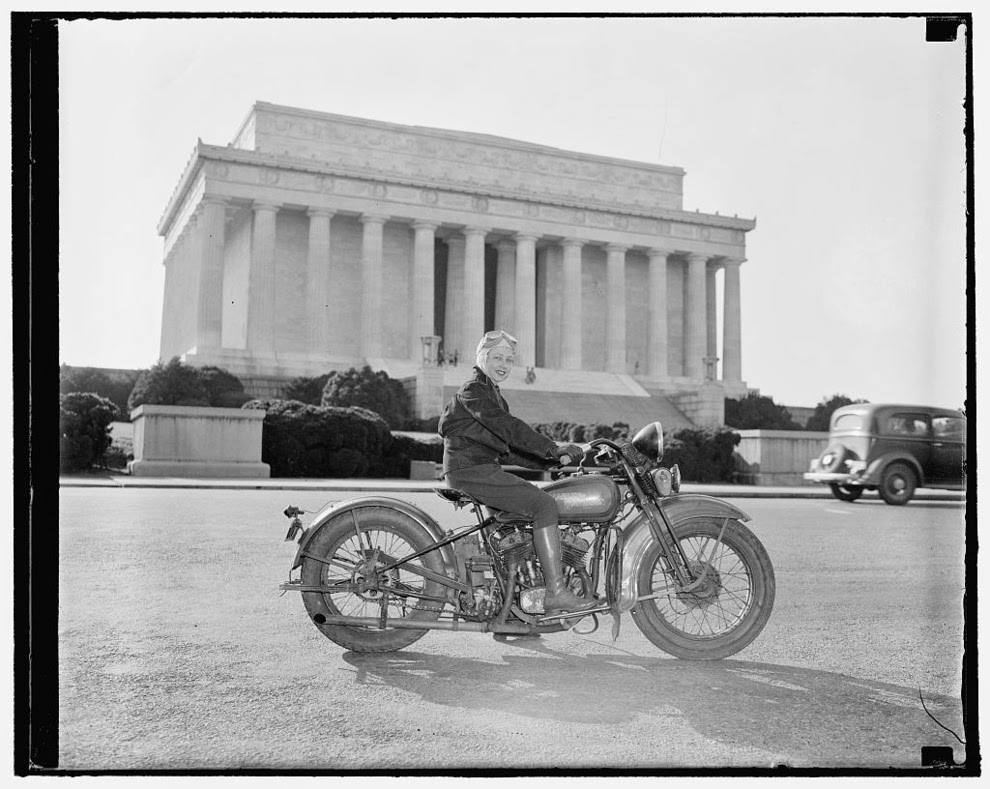
Sally Halterman was the first woman to obtain a motorbike licence in Washington D.C. in
1937.
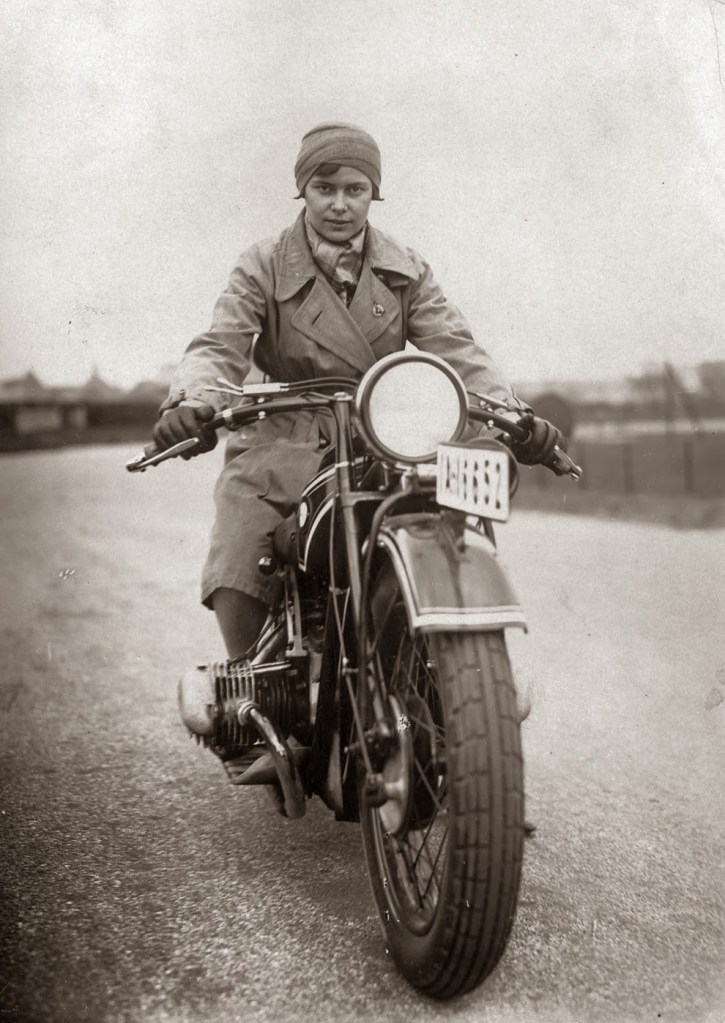
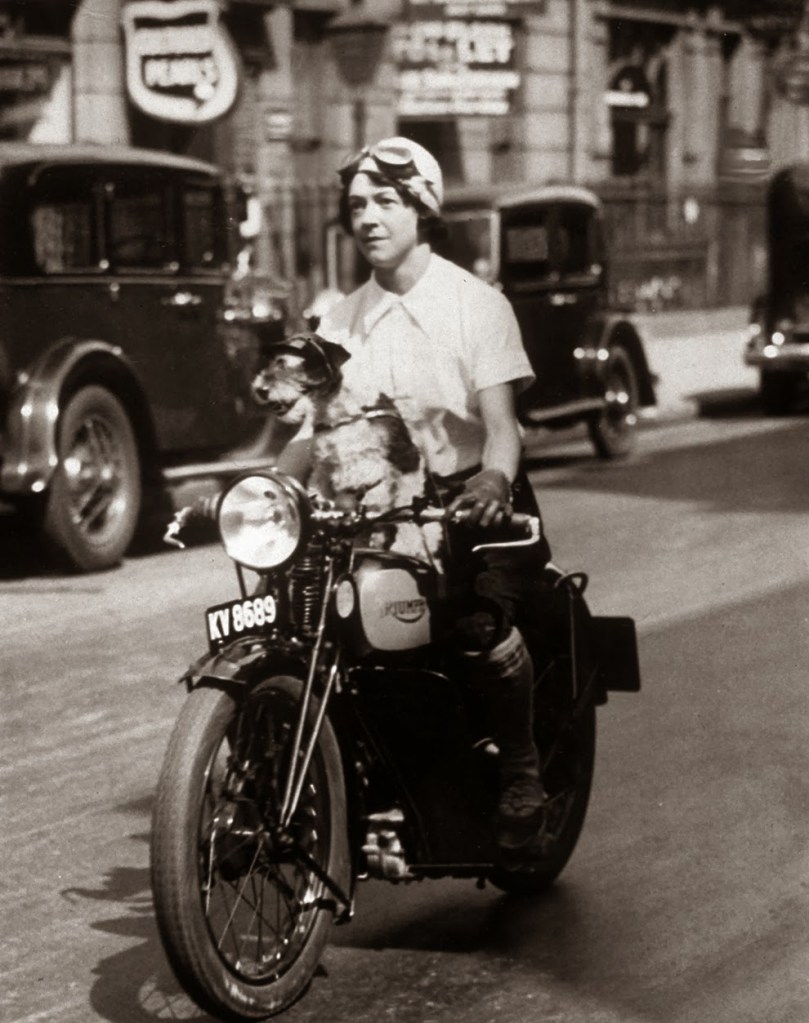
A woman on her BMW motorcycle, 1935.
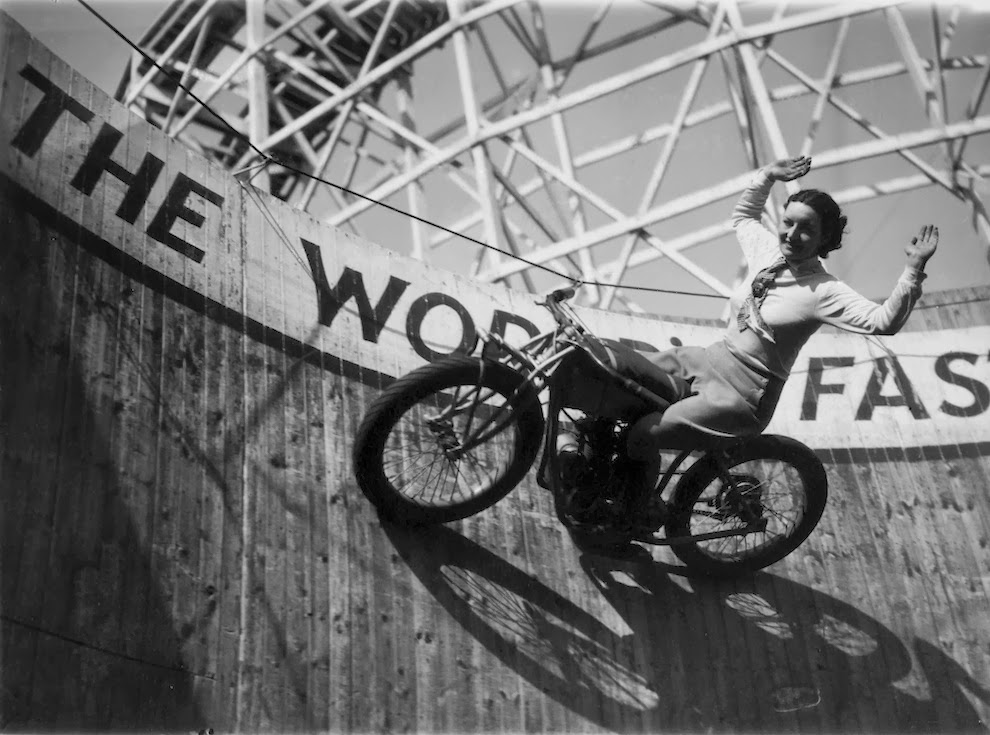
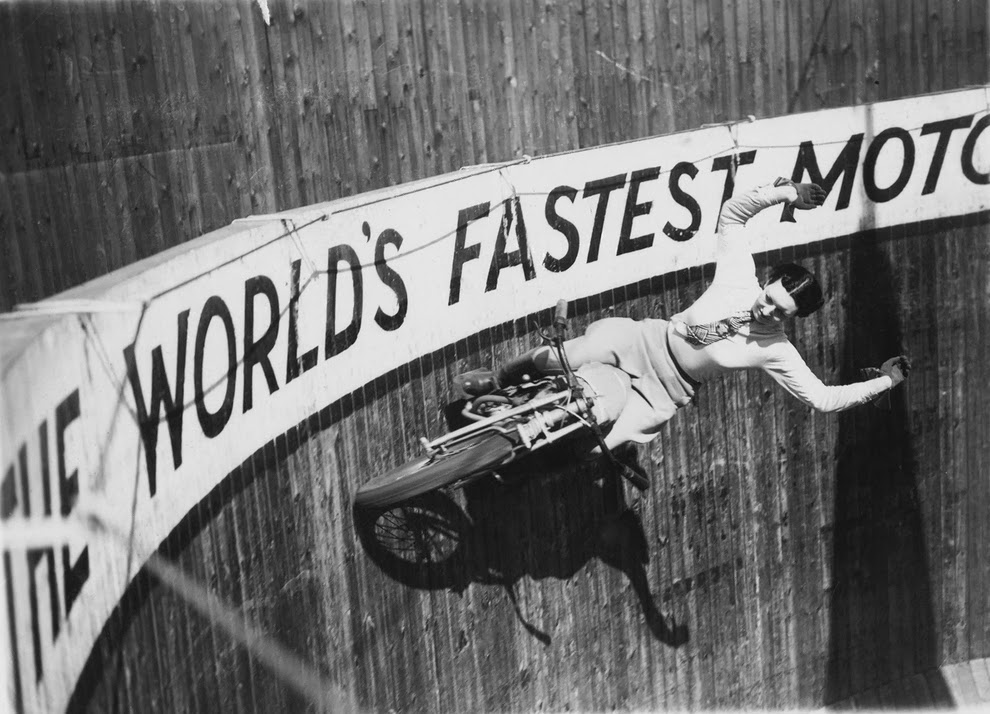
Marjorie Dare (Doris Smith) riding hands free around “The Wall of Death” sideshow at the
Kursaal amusement park in Essex, England, 1938.
Marjorie Dare performing, 1938.
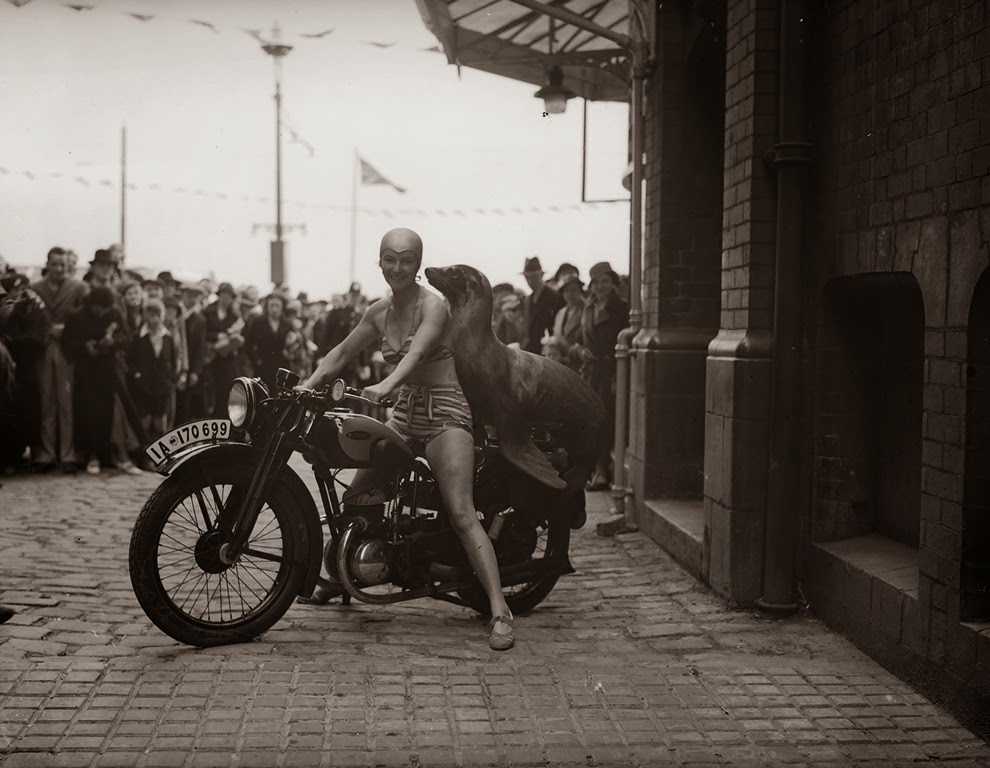
A woman and a performing seal at a circus, 1935.
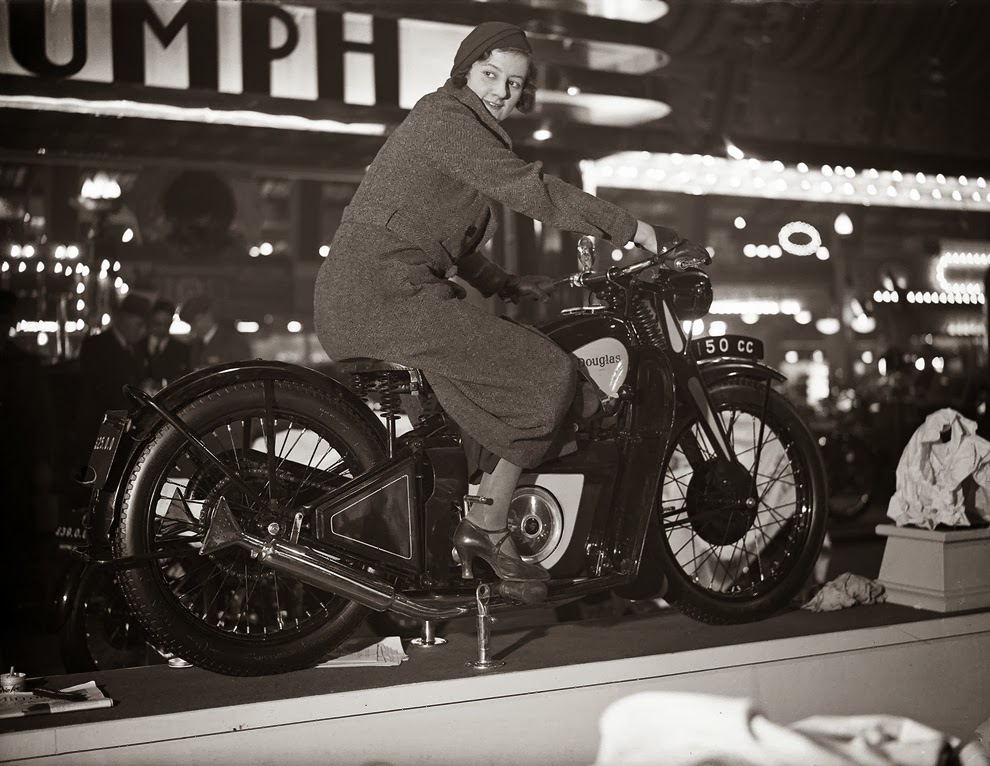
A woman trying out a Douglas motorcycle on display at the 18th Cycle and Motorcycle Show
in London, 1933.
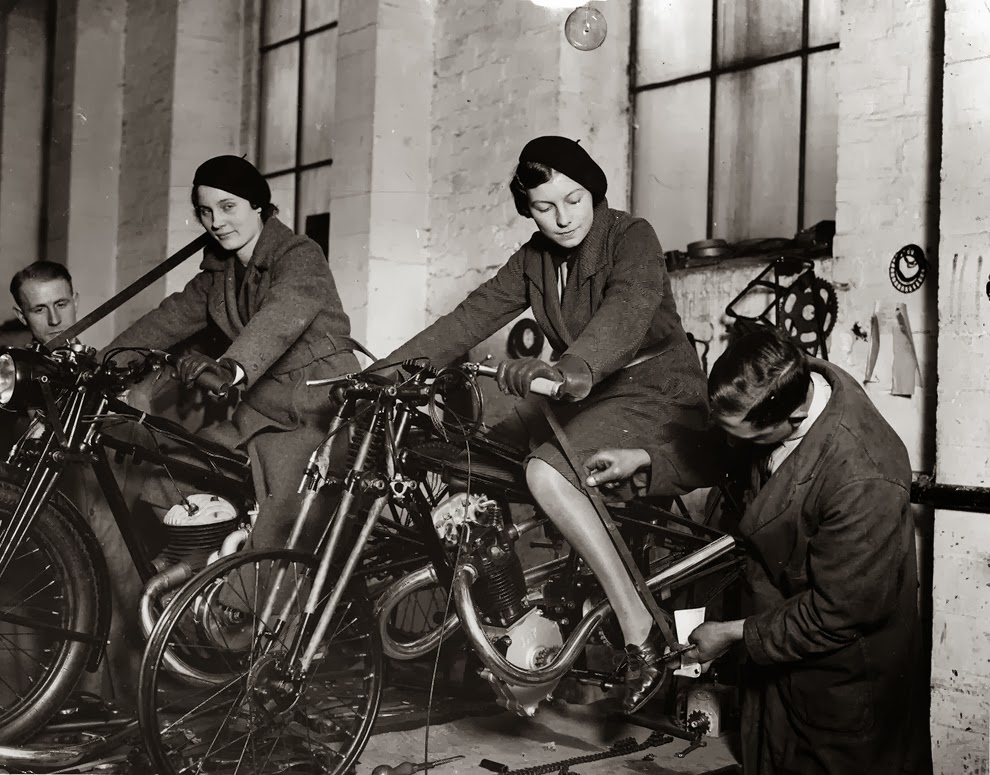
Workers measuring the positions of footrests and controls on partially finished
motorcycles, 1933.
A woman setting off for a motorcycle rally in England, 1934.
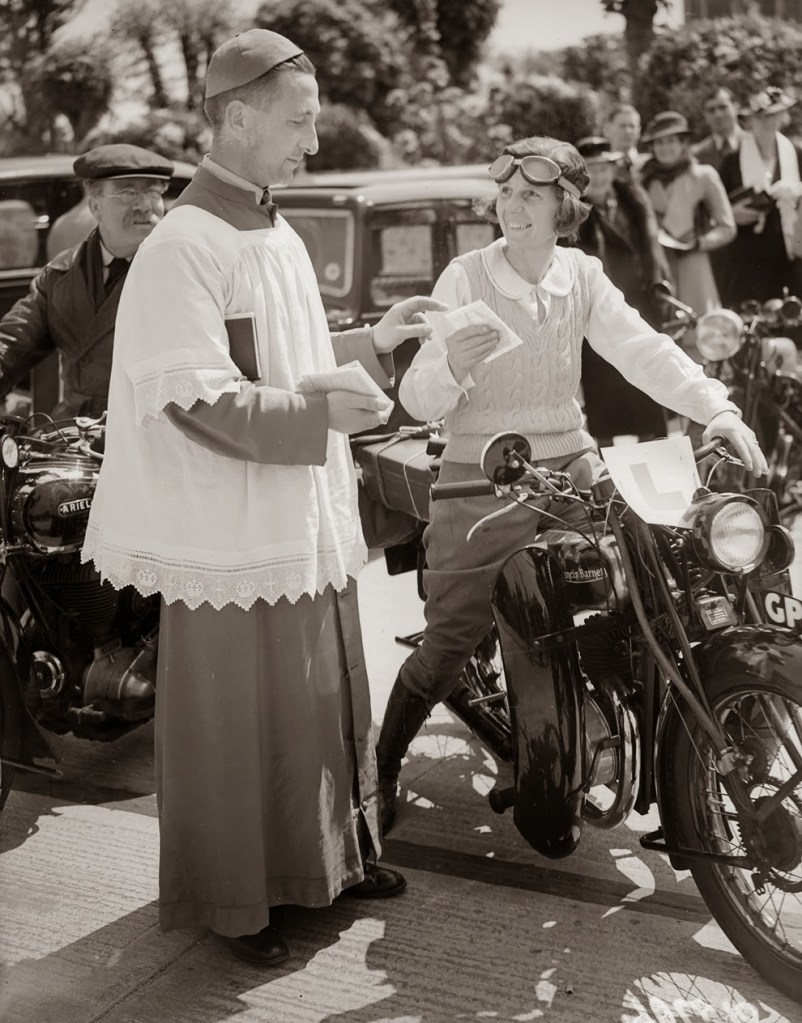
A reverend blesses the motorcycle of a woman who is learning to drive, 1938.
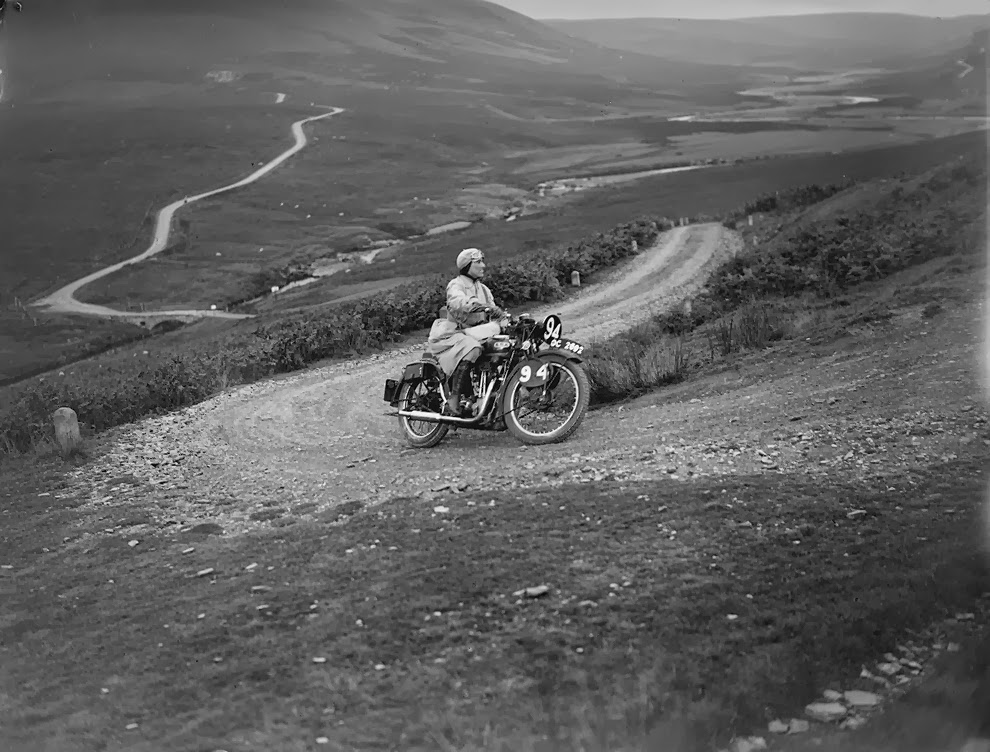
A woman rider in the Six Days Motorcycle Trial, in which competitors have to cover 200
miles a day over rough terrain, 1933.
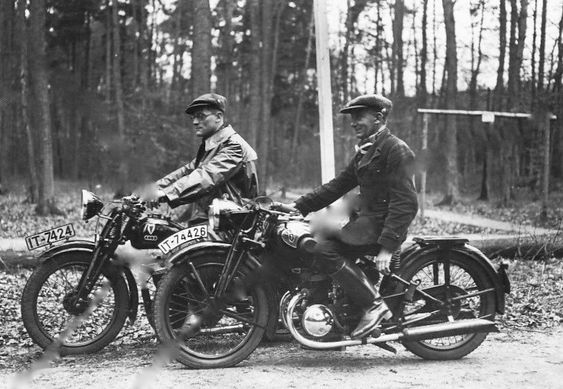
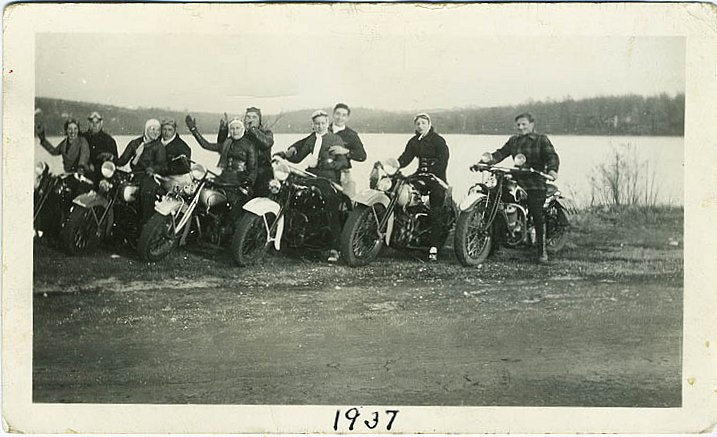
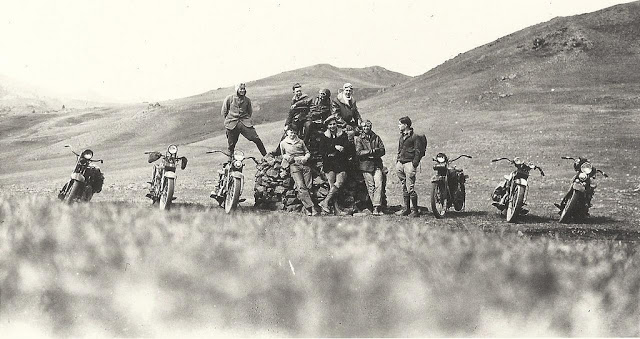
Montana motorcycle club in the 1930s
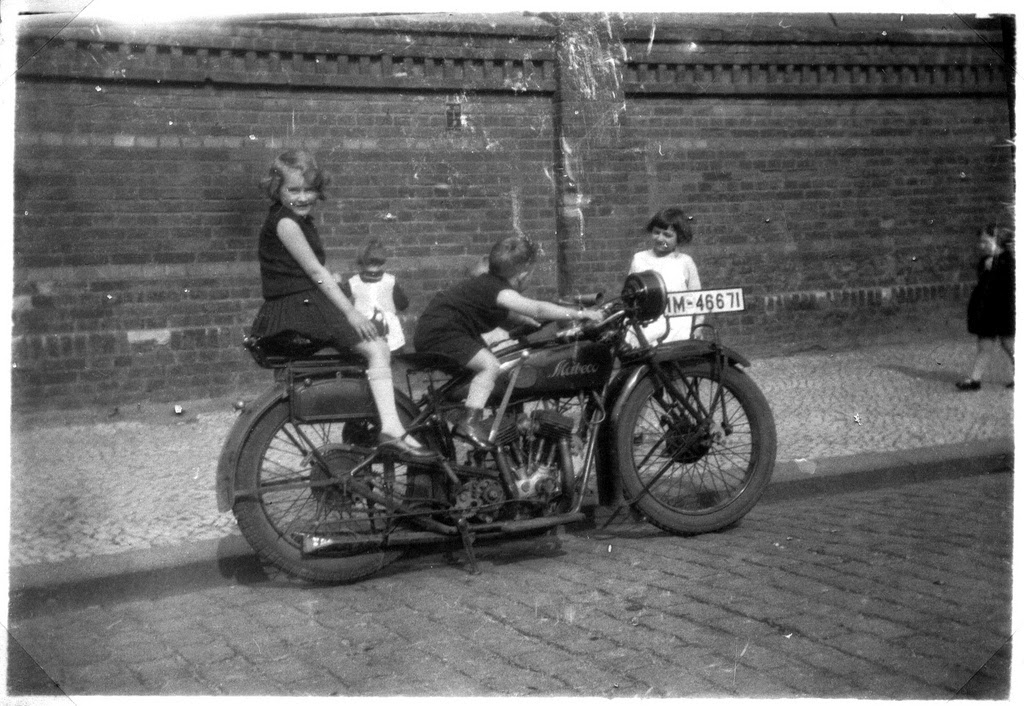
Mabeco Motorbike, 1930
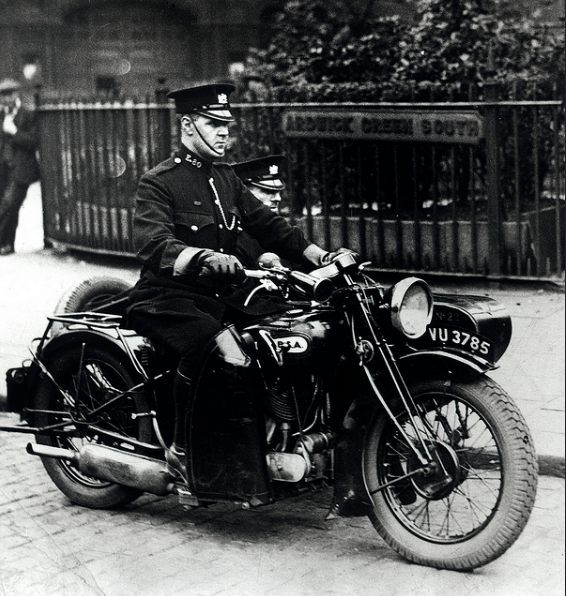
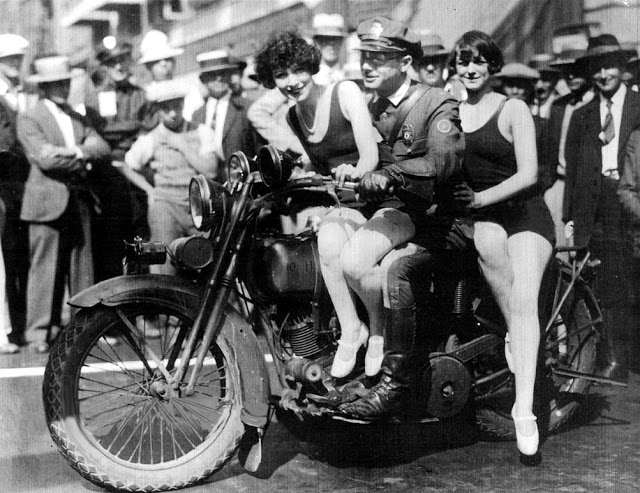
Motorbike patrolman and young girls, 1930
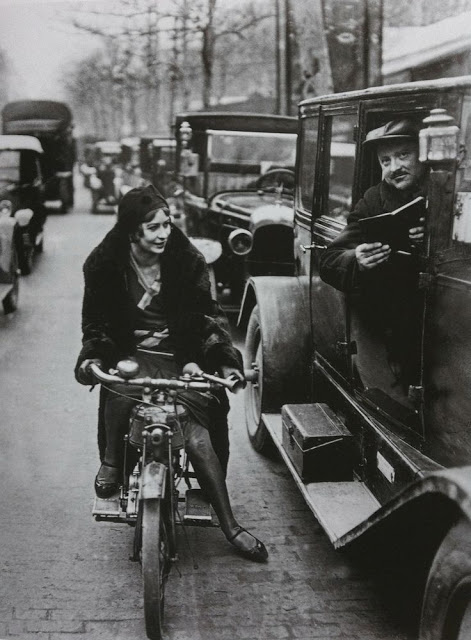
Young woman on a motorcycle asking a chauffeur for directions, Paris, 1930
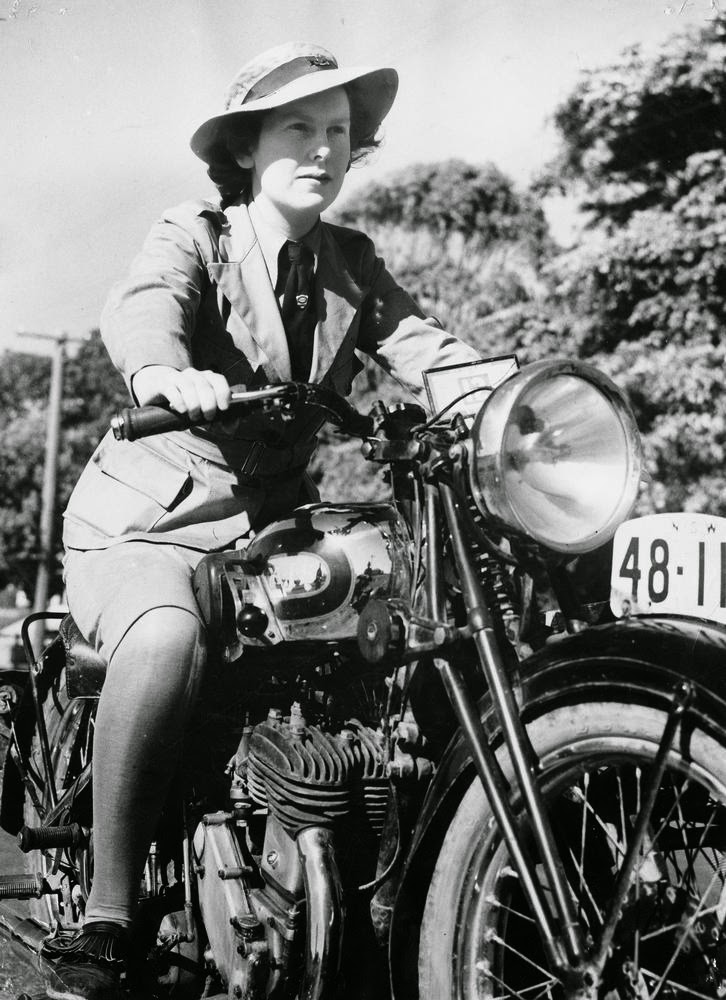
Joan Grimes, Australian Women’s Emergency Legion, learns to ride a motorcycle, to fit her
for the job as a dispatch rider, 1939.
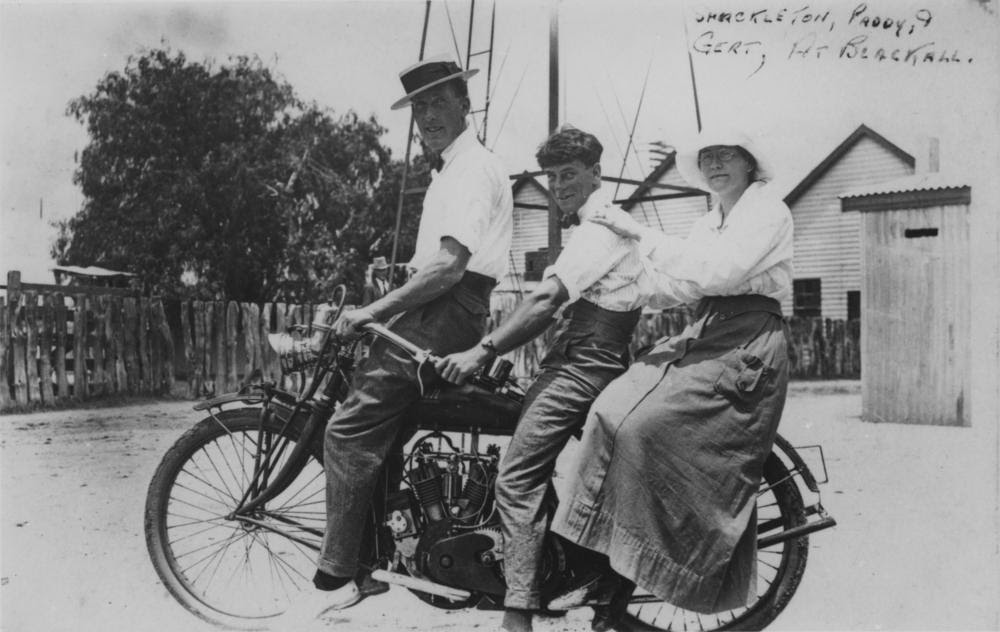
Three people on a motorcycle, 1930
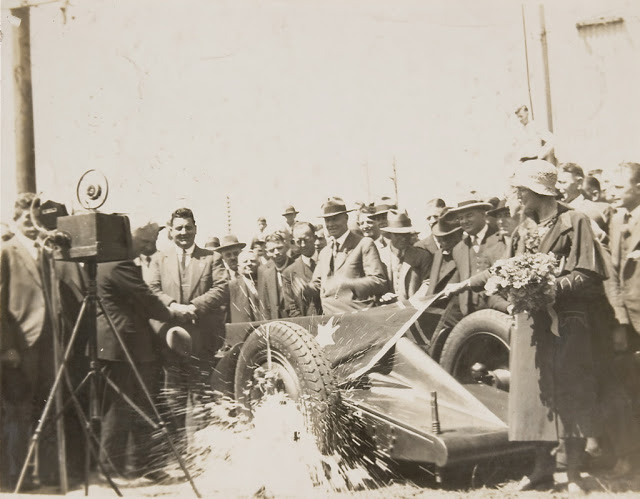
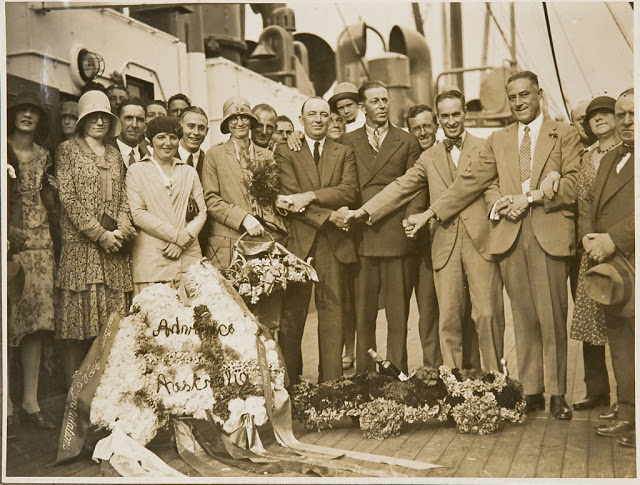
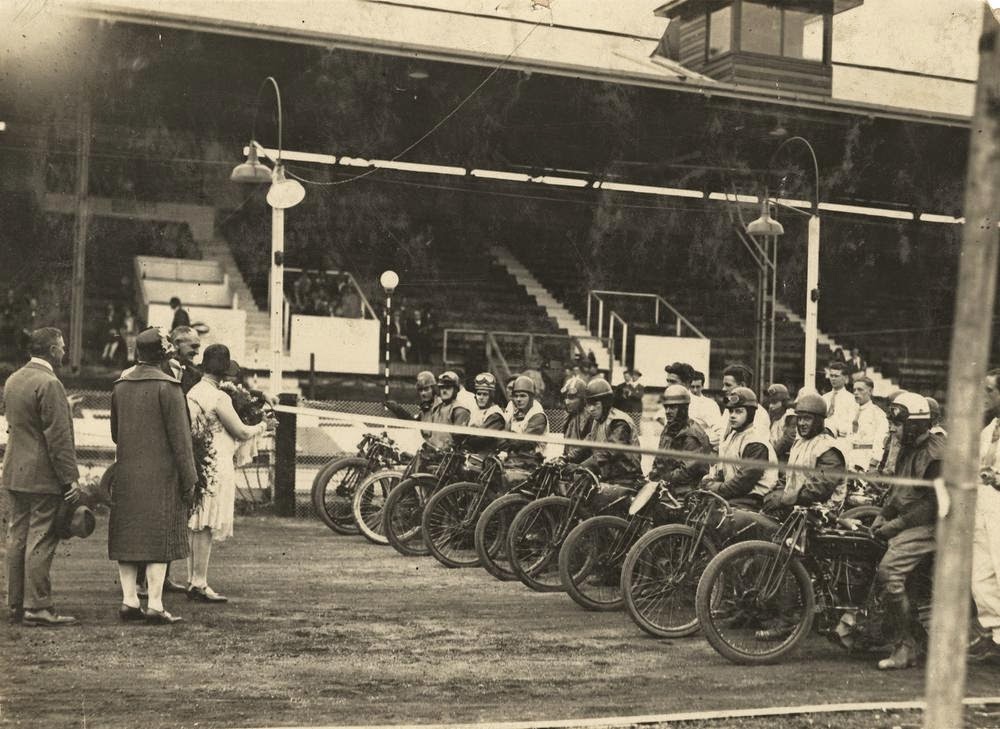
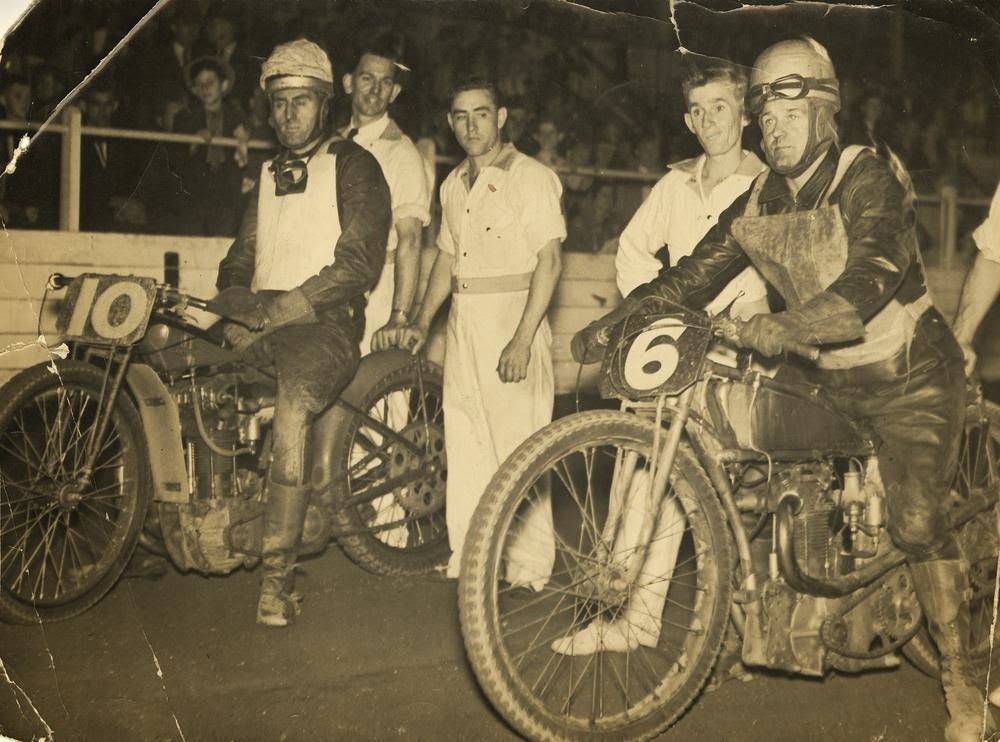
Officials cutting the starting ribbon at a speedway motorcycle race in Brisbane,
Australia, 1930.
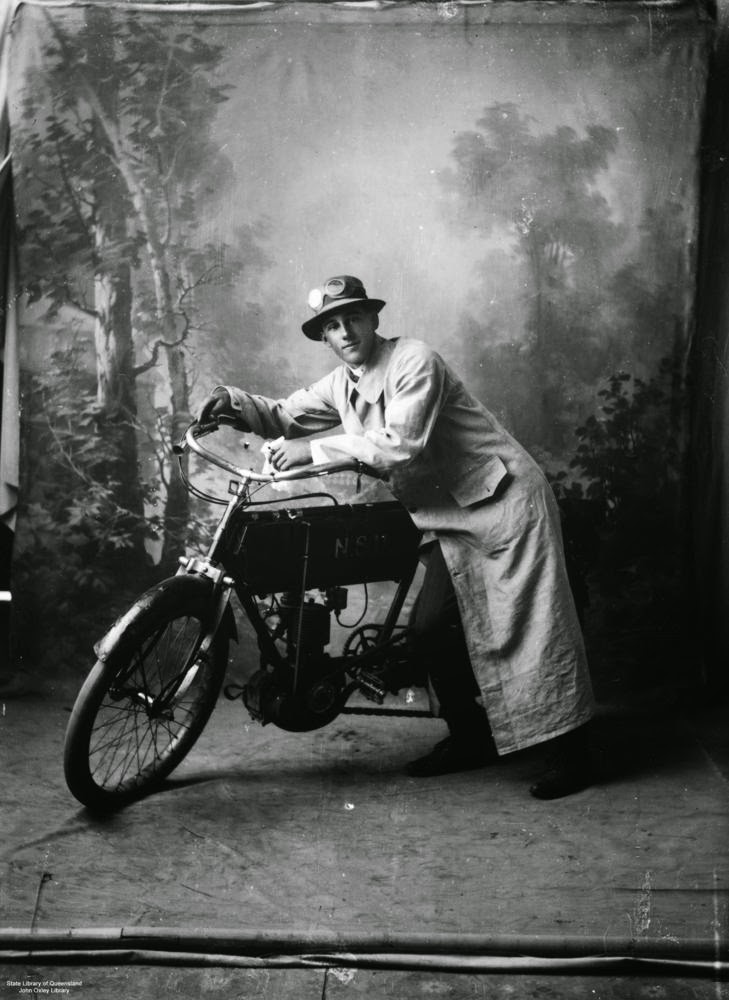
Man dressed in a long dustcoat, hat and goggles with a motorcycle standing in front of a
painted backdrop in a studio, 1935.
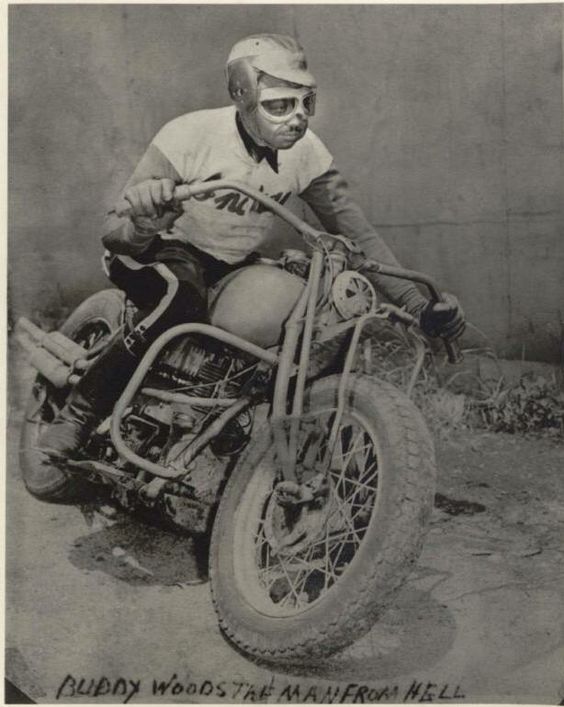
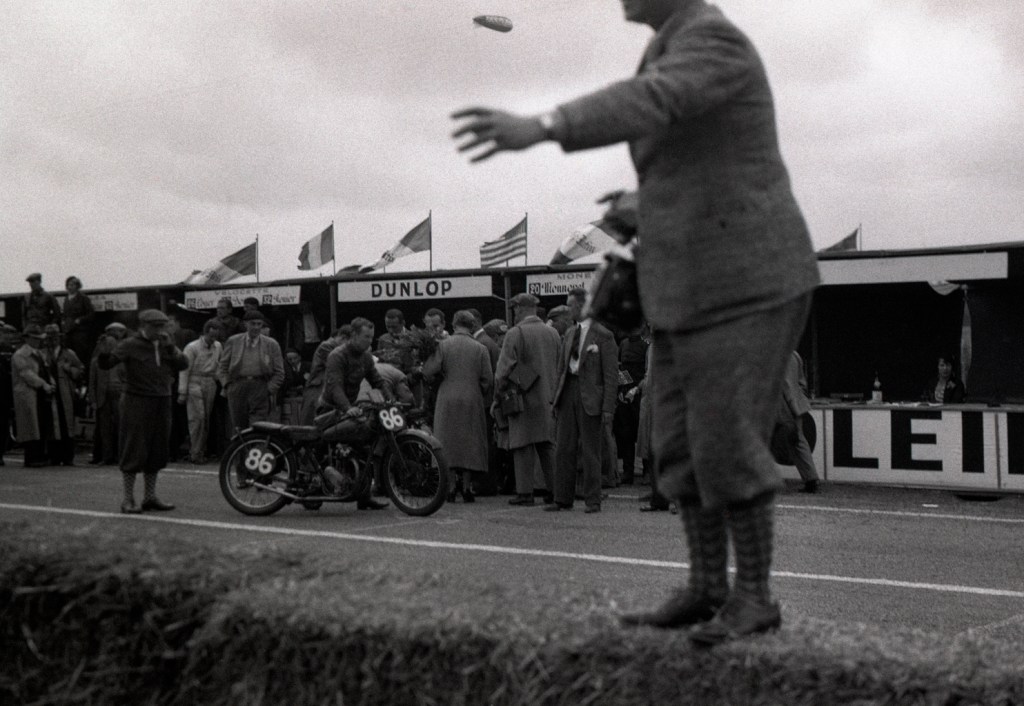
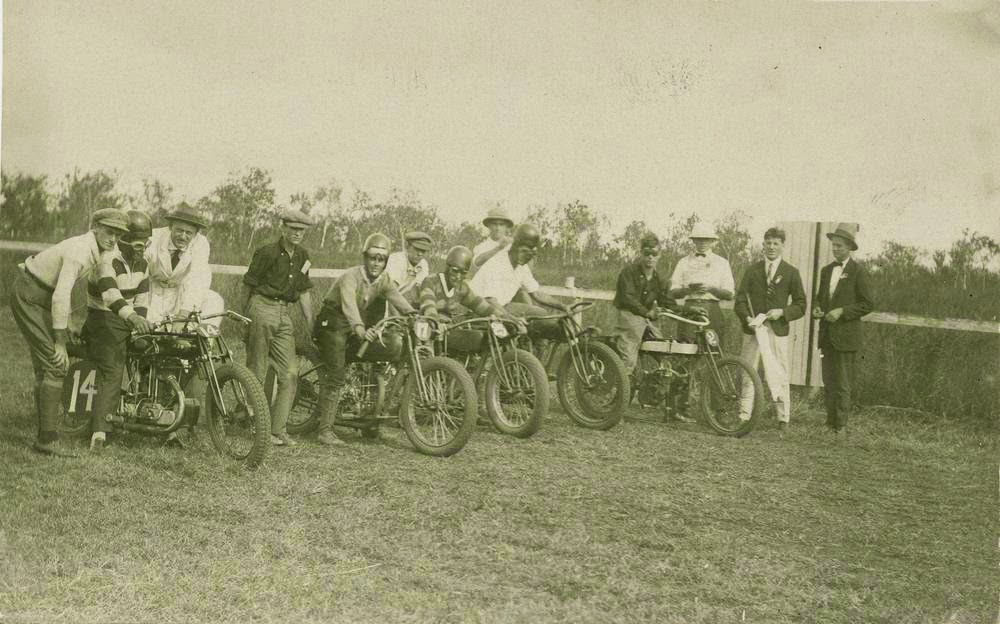
Motorcycle racing, 1930.
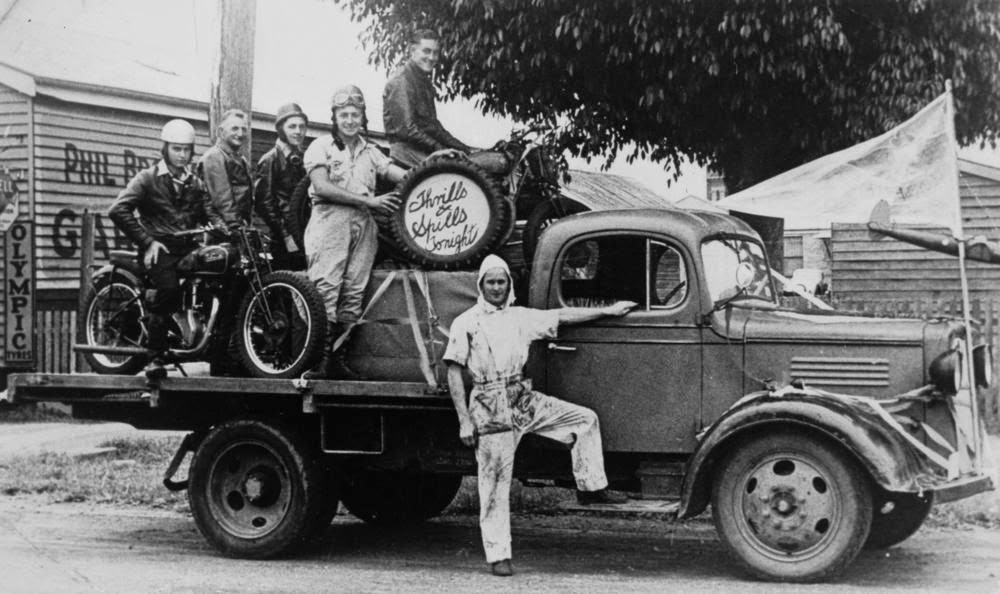
Motor Cycle stunt team, Thrills and Spills, Bundaberg, Australia, 1937.
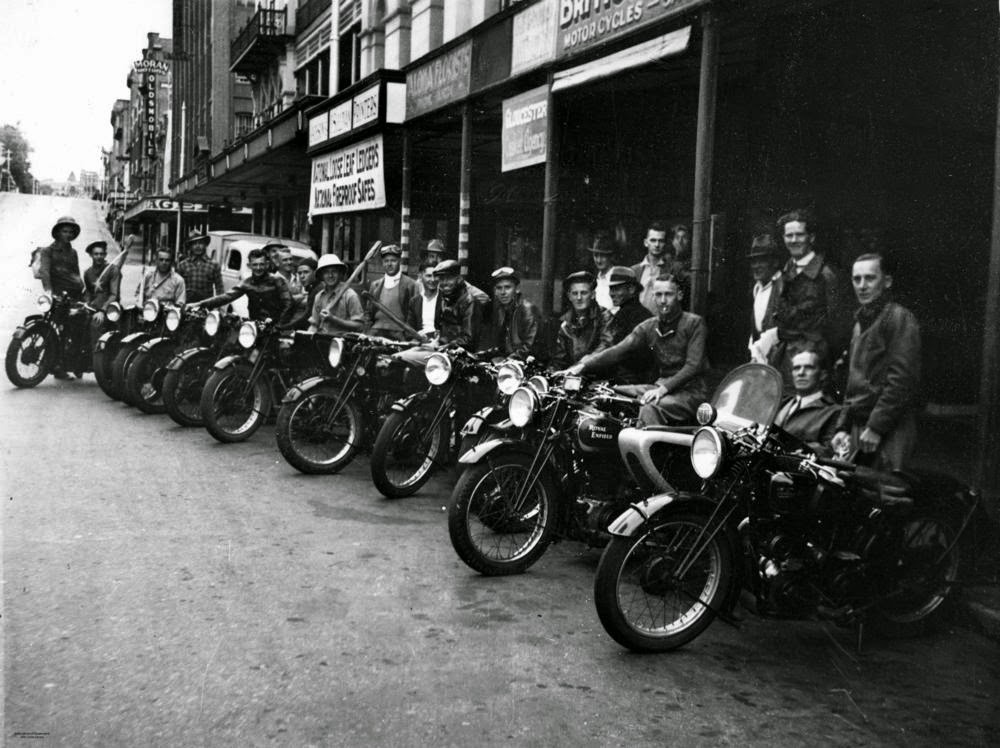
Brisbane, Australia, 1938
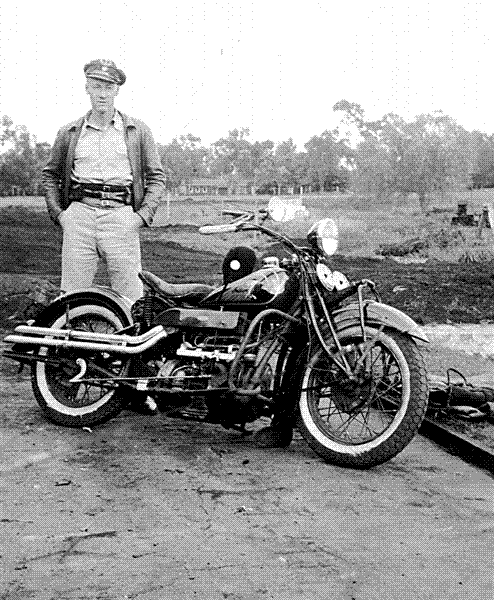
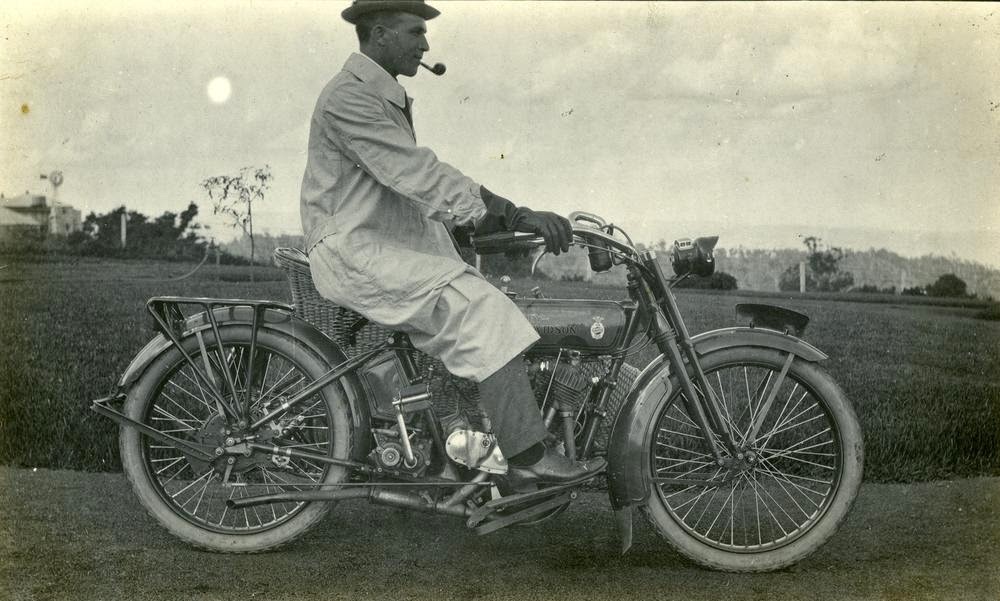
A driver wearing driving gloves and a dust jacket, on a Harley Davidson motorbike, 1930.
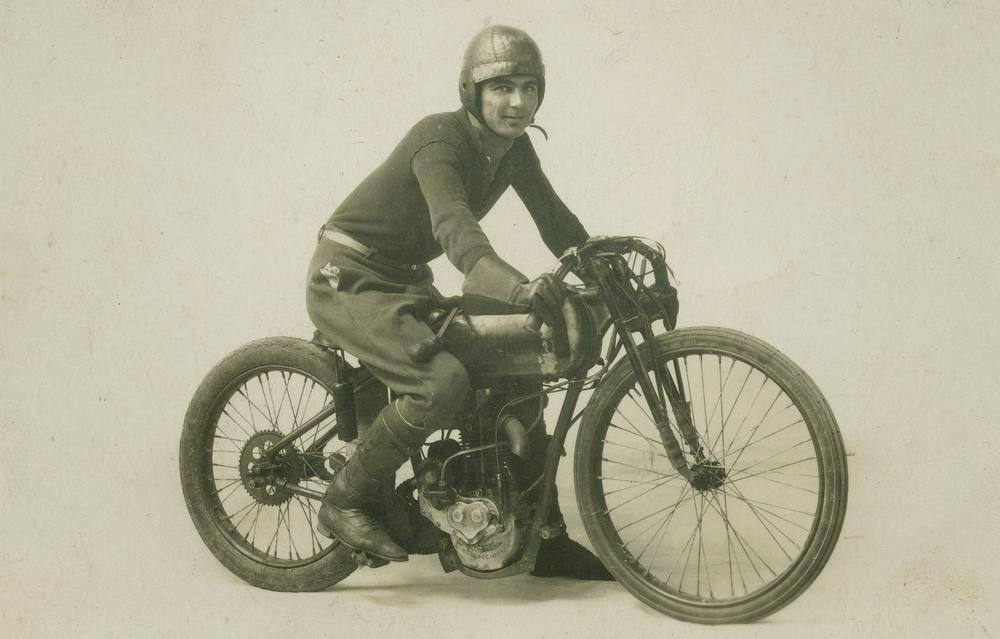
A driver on a 350cc Harley Davidson Peashooter, 1930.
People on their motocycles at a speedway race track, 1930.
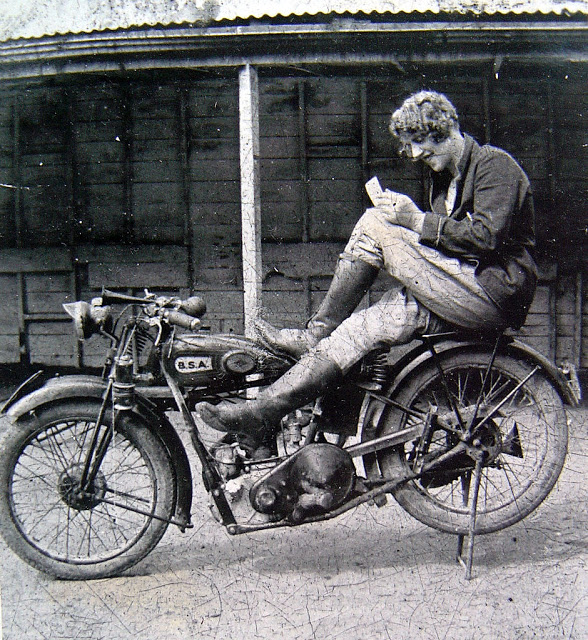
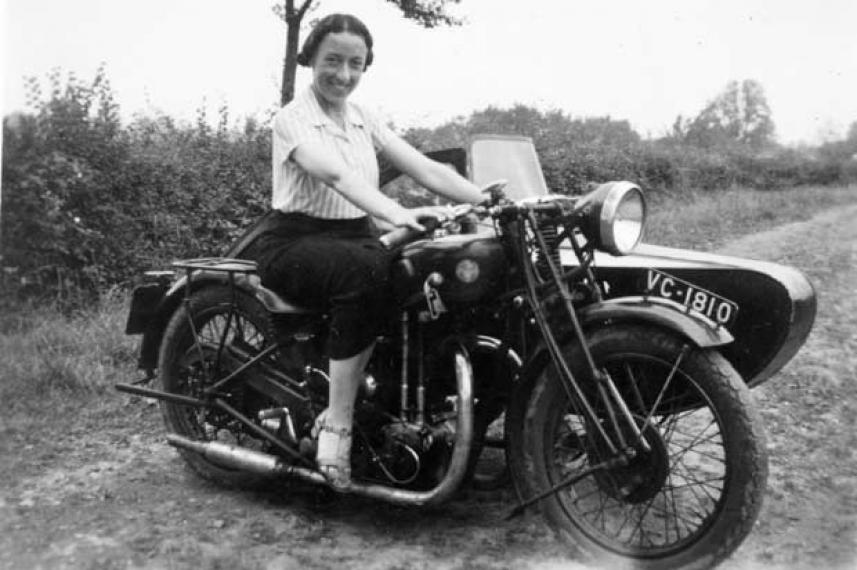
A girl on her BSA motorbike, 1930s
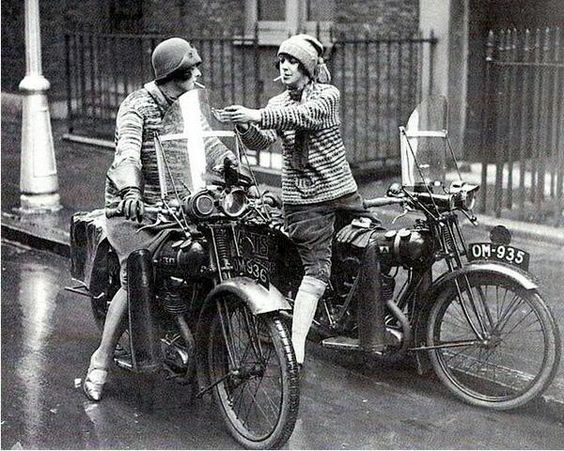
British women on motorcycles, 1930s.

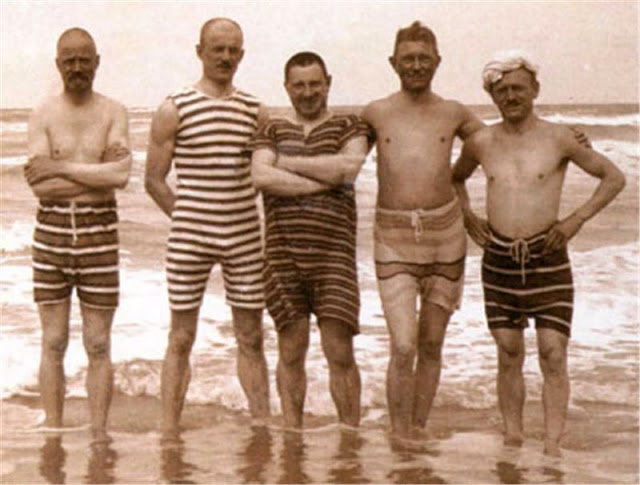
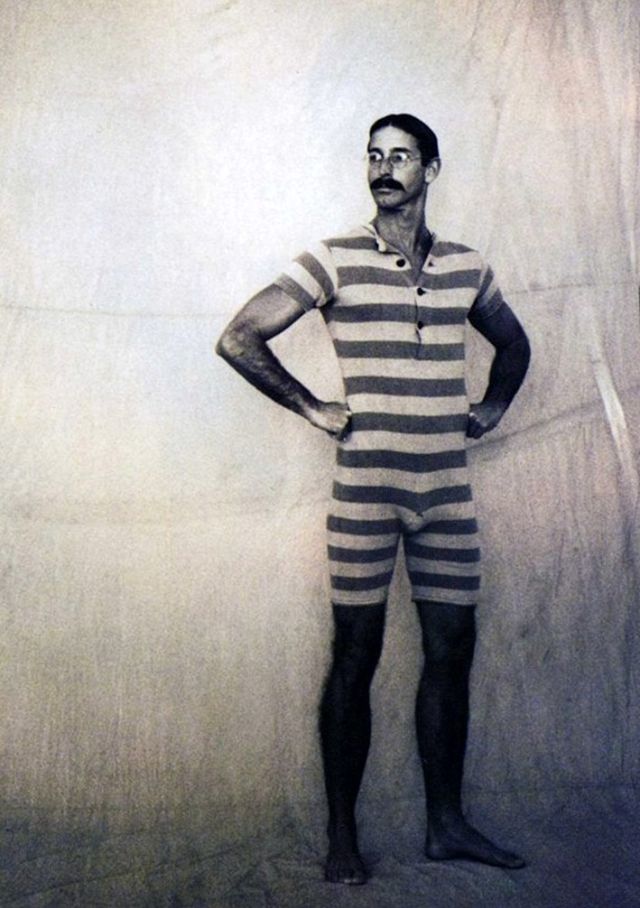
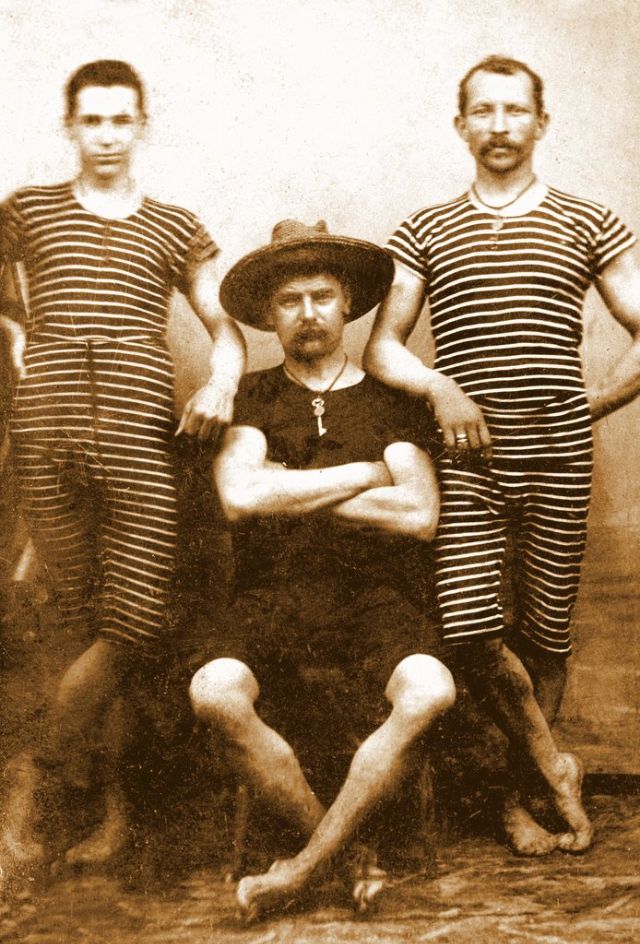
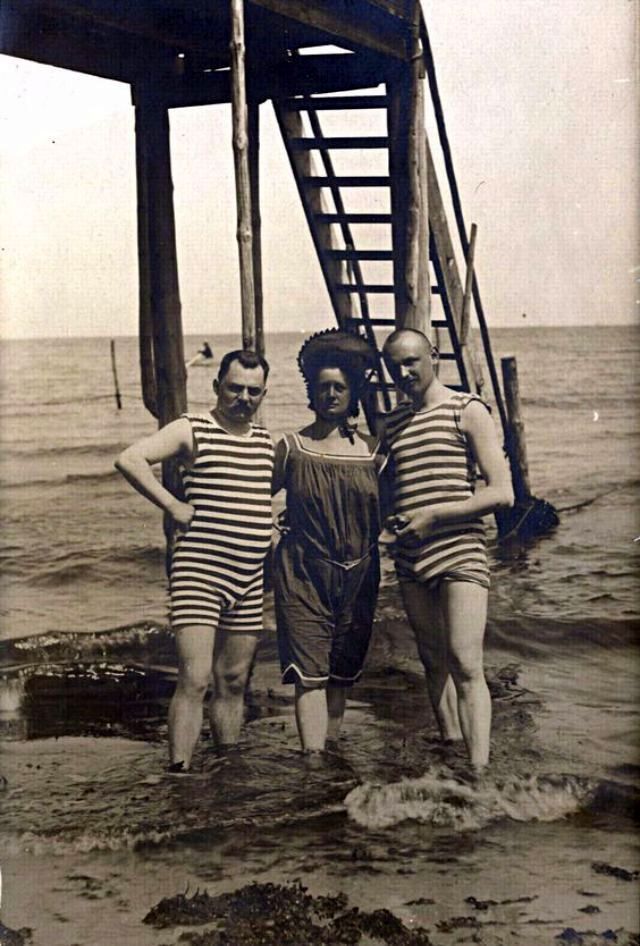
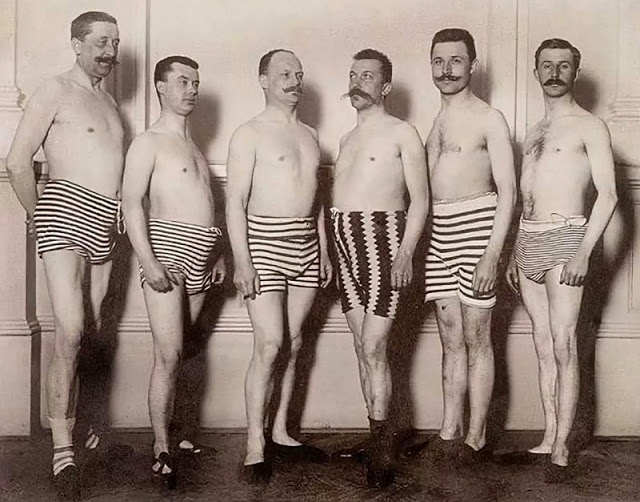
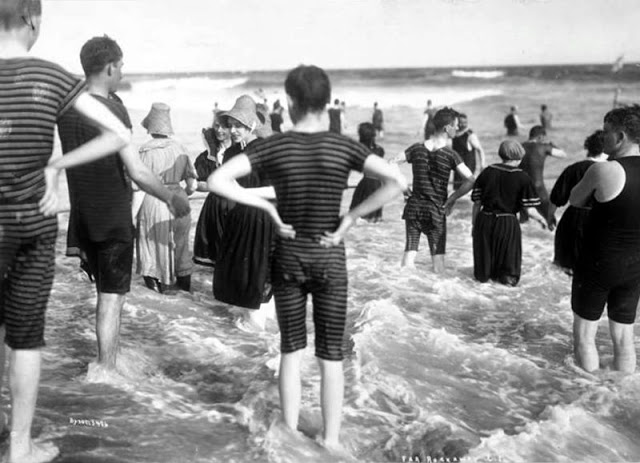
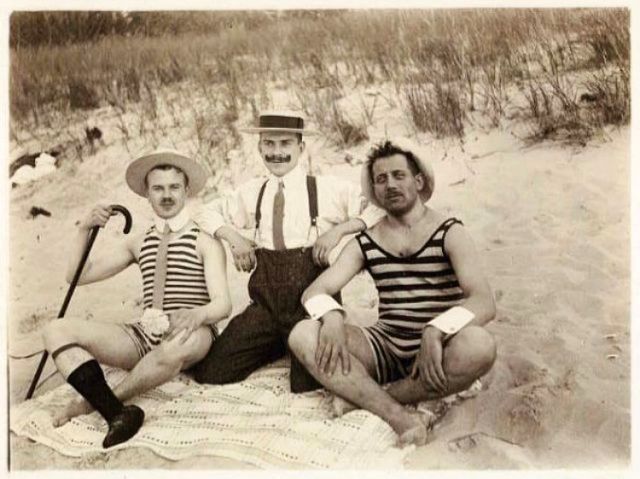
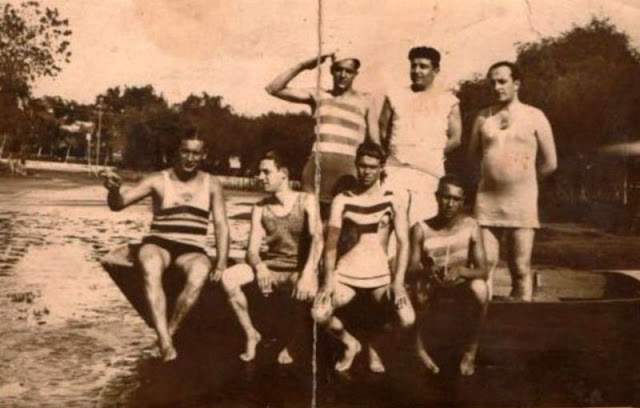
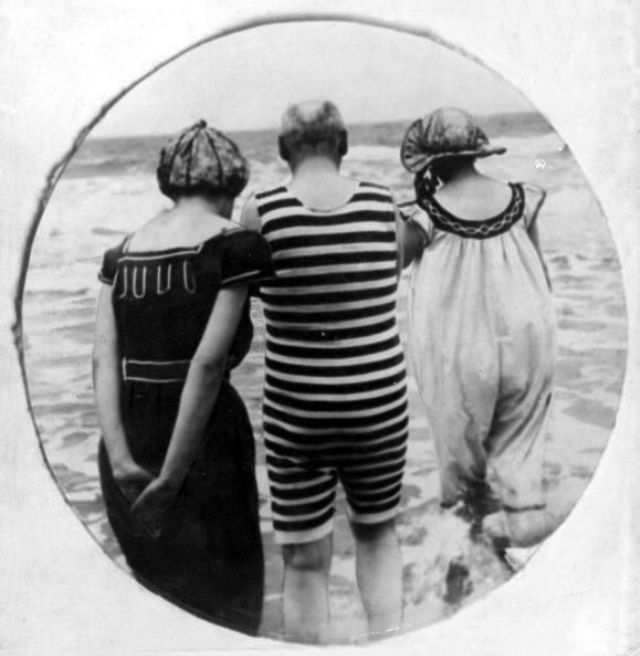
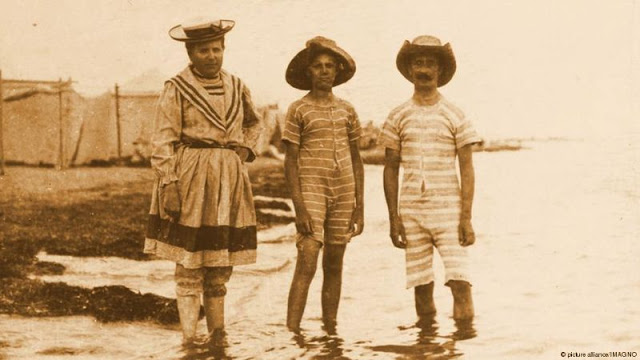
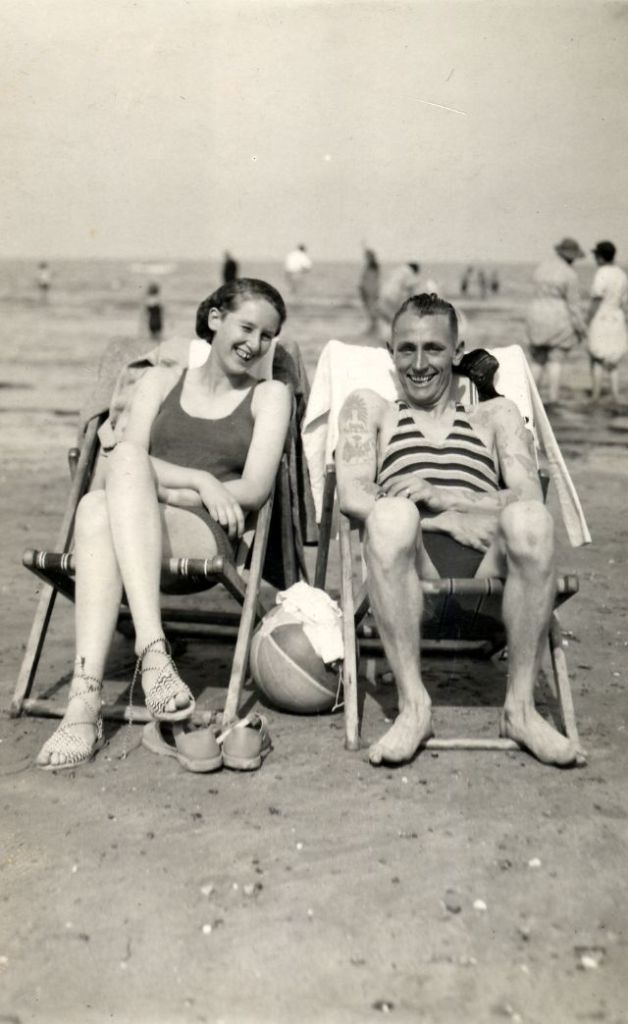
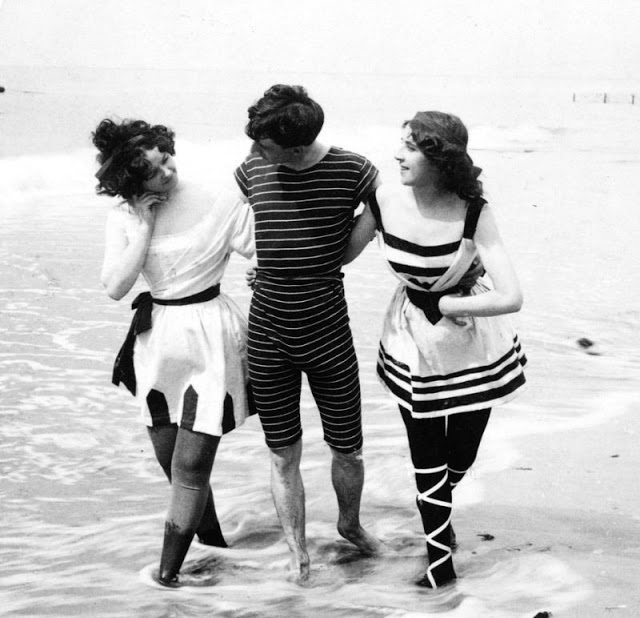
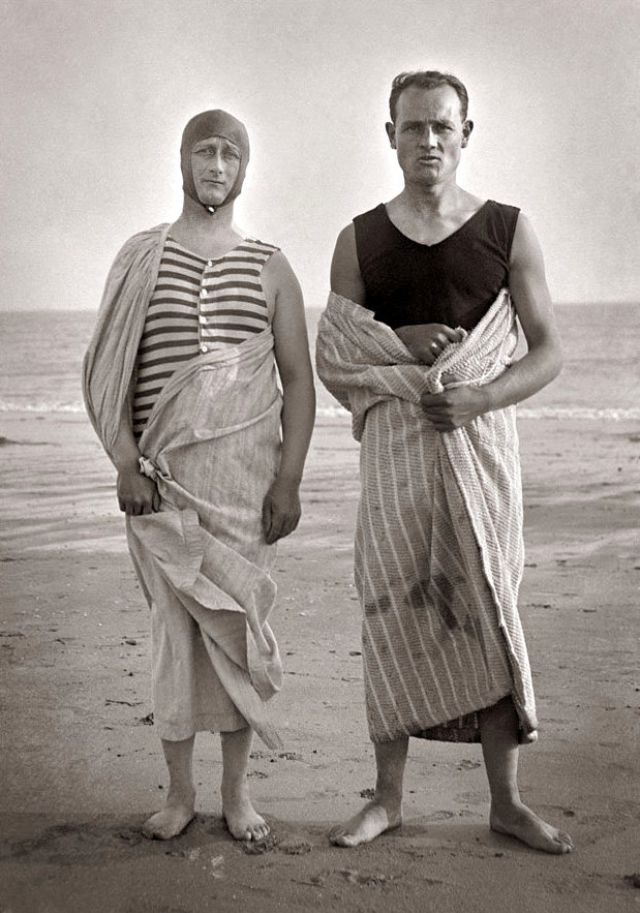
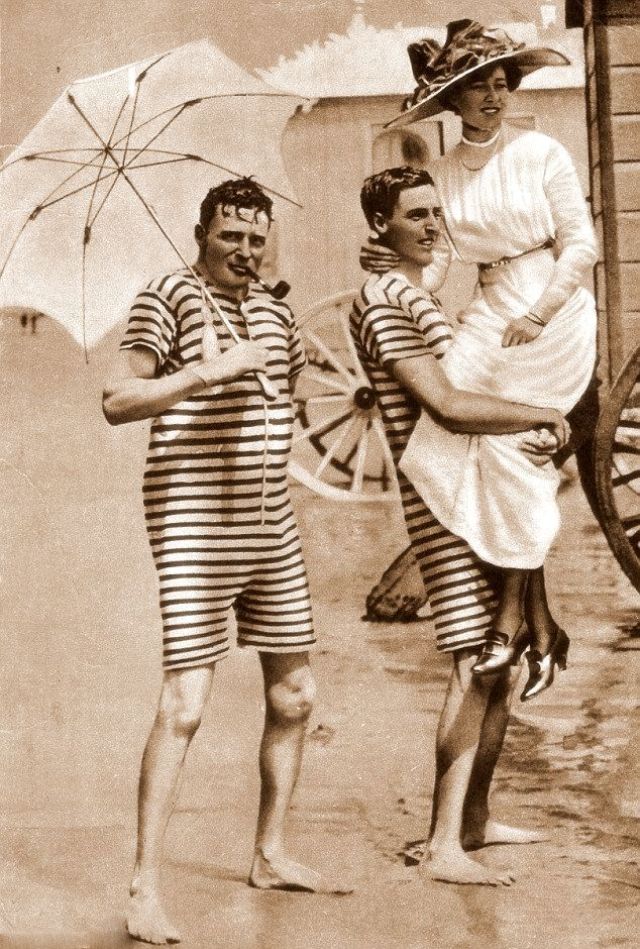
30 Vintage Photos of Men’s Striped Swimwear from the Early 20th Century

In the early 20th century, women were not the only ones to get tighter swimsuits. Men’s swimwear also slimmed down to show off his new athletic body. In many ways, men’s and women’s suits were nearly identical.

Men’s swimsuit in this period was mostly a one piece tank top and shorts, and the striped ones were often their favorite choices.

43 Haunting Photos Taken Inside Mental Asylums from the Past

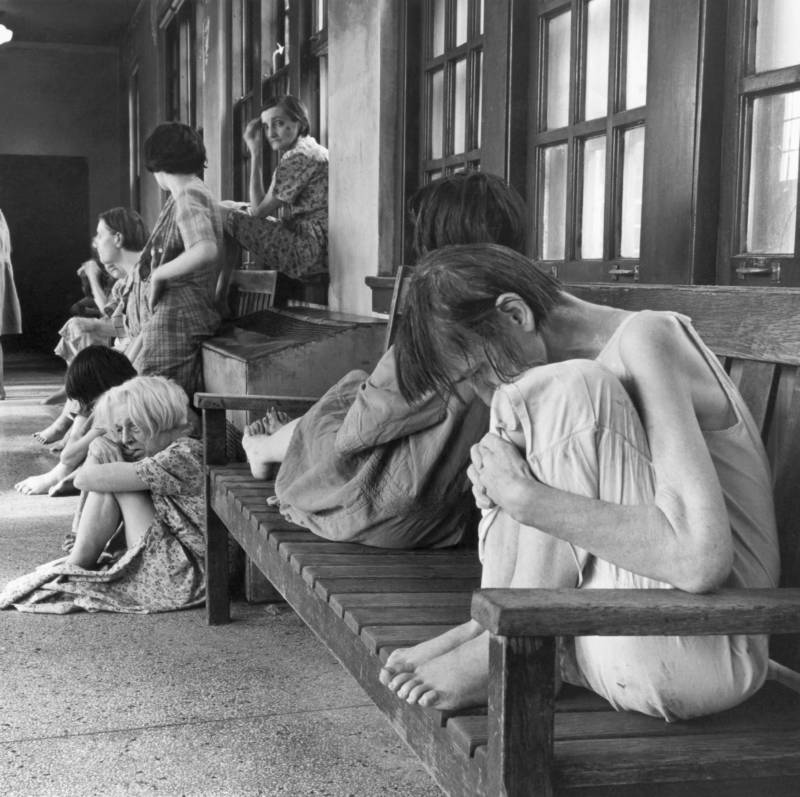
A patient sits inside Ohio’s Cleveland State Mental Hospital in 1946.
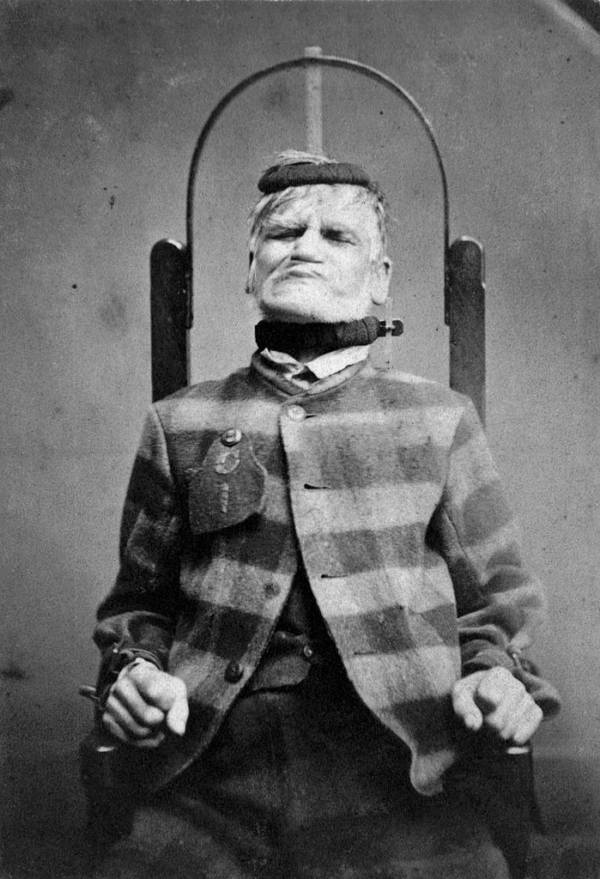
A patient sits in a restraint chair at the West Riding Lunatic Asylum in Wakefield, England in 1869.
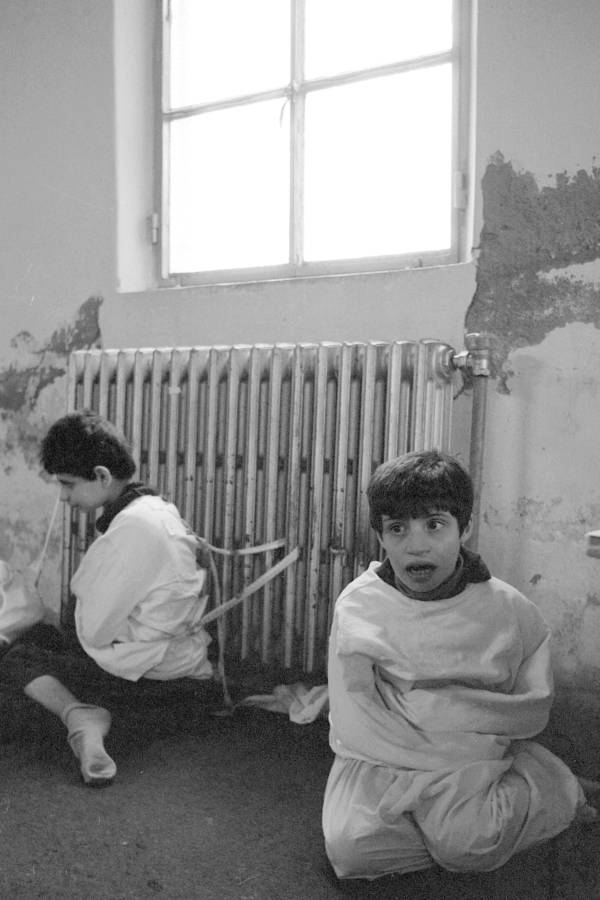
Child patients sit bound and tied to a radiator inside the psychiatric hospital at Deir el Qamar, Lebanon in 1982.
A patient sleeps on a thin mattress on the floor of an otherwise bare room in Ohio’s Cleveland State Mental Hospital in 1946.
A patient sits alone in a dark room inside Ohio’s Cleveland State Mental Hospital on February 3, 1955.
A hungry boy stands alone and eats with his hands as other boys sit together under a blanket on a bed beside a small wood-burning stove at a hospital for mentally-handicapped children in Kavaja, Albania in March 1992.
A psychiatric patient poses for a photo at Paris’ Salpêtrière Hospital circa 1876-1877.
A child patient sits inside Normansfield Hospital in Teddington, England on February 12, 1979.
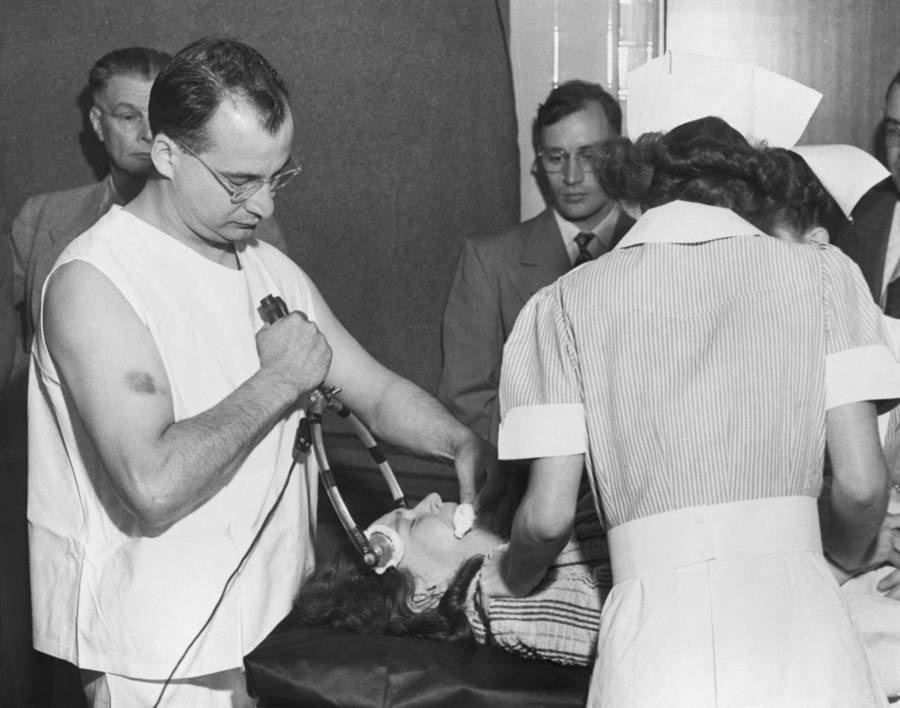
A patient at a mental hospital undergoes electroshock treatment in 1956.
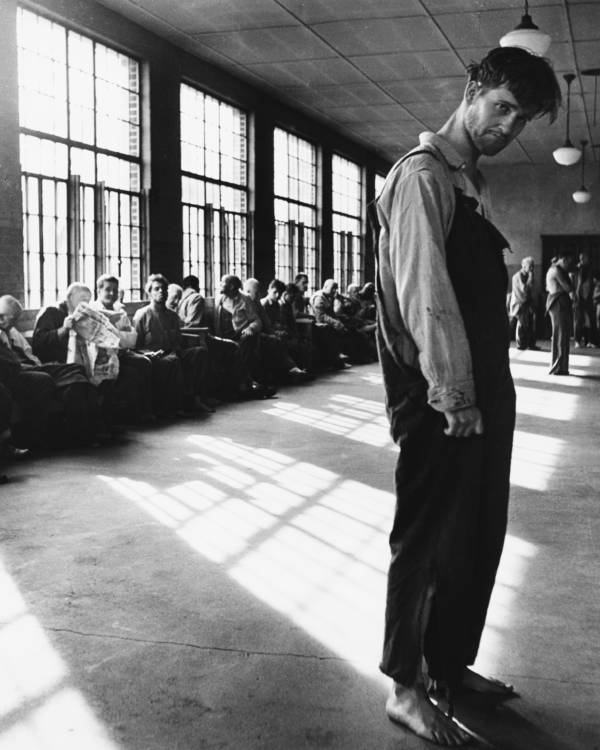
Patients sit inside Ohio’s Cleveland State Mental Hospital in 1946.
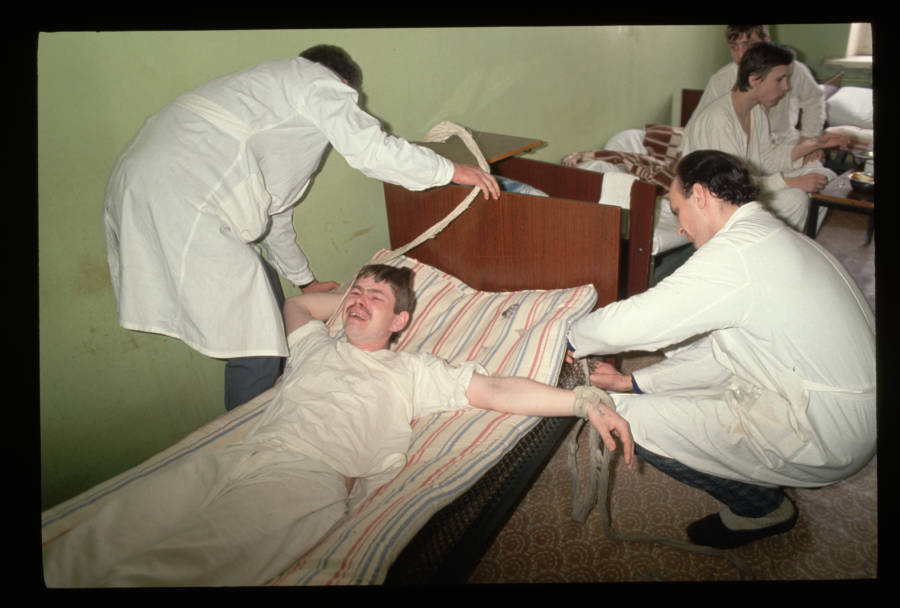
Workers restrain a patient at a hospital in Moscow, Russia on February 19, 1992.
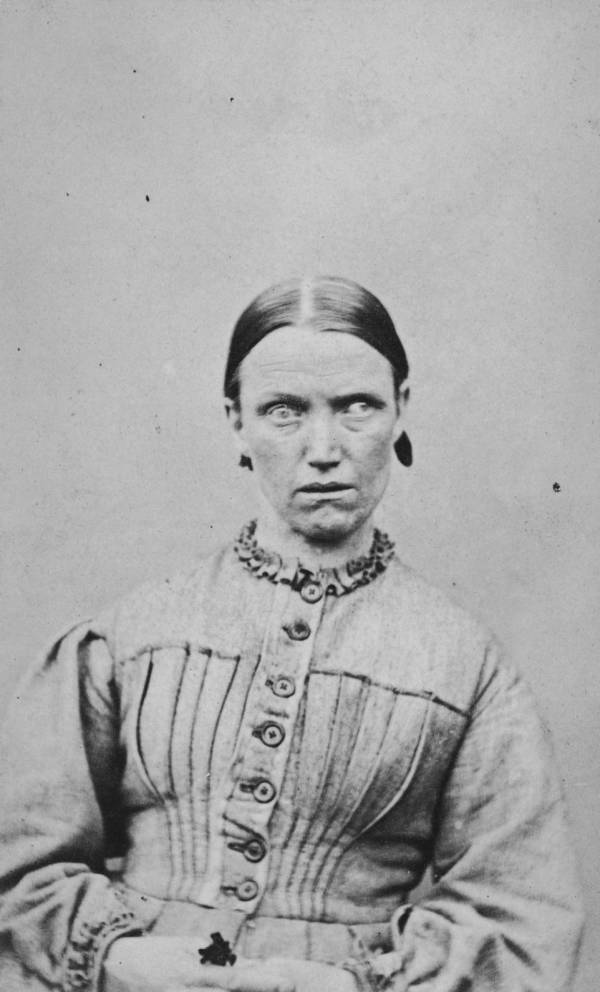
A patient suffering from “general paralysis” poses for a photo at the West Riding Lunatic Asylum in Wakefield, England, 1869.
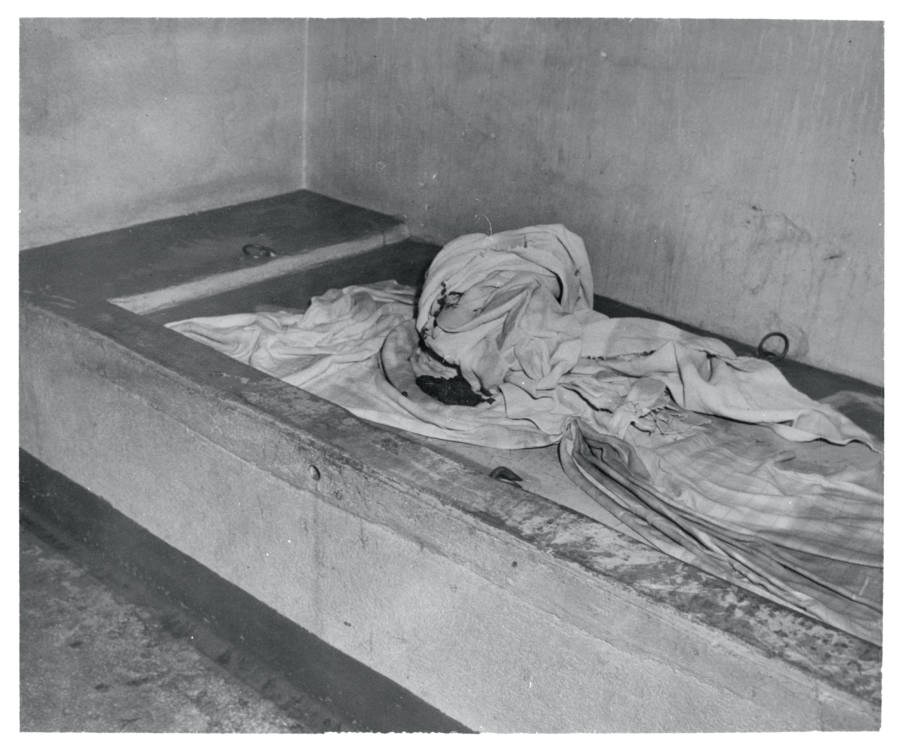
On March 29, 1950, at Philadelphia’s Bella Vista Sanitorium, a fire killed nine patients, five of whom had been chained to concrete slabs like the one pictured.
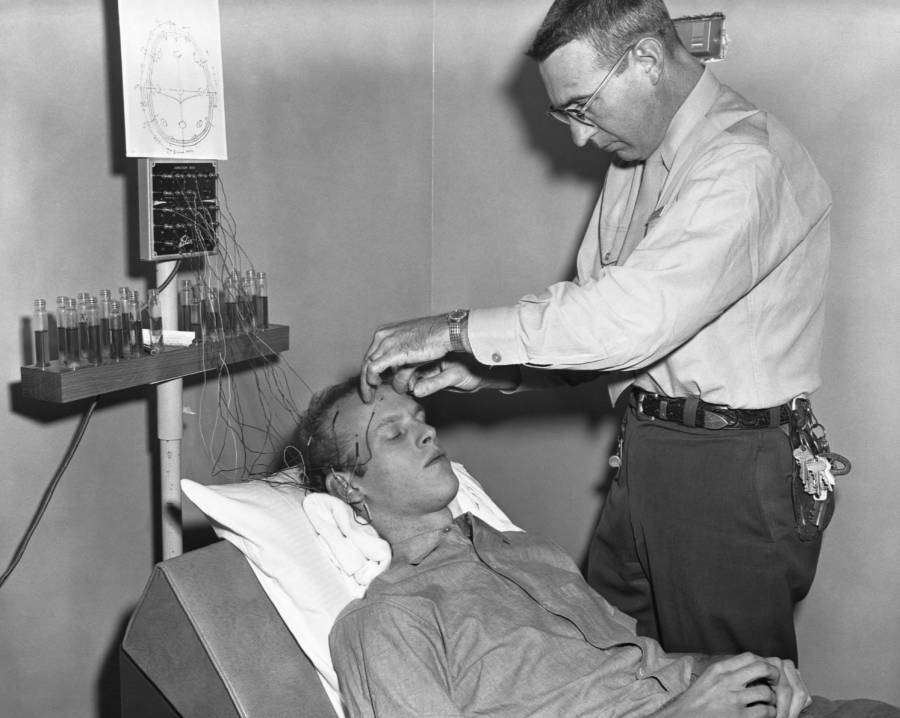
A nurse tests out electronic equipment designed to monitor various patient data at a psychiatric hospital in Toronto on March 12, 1964.
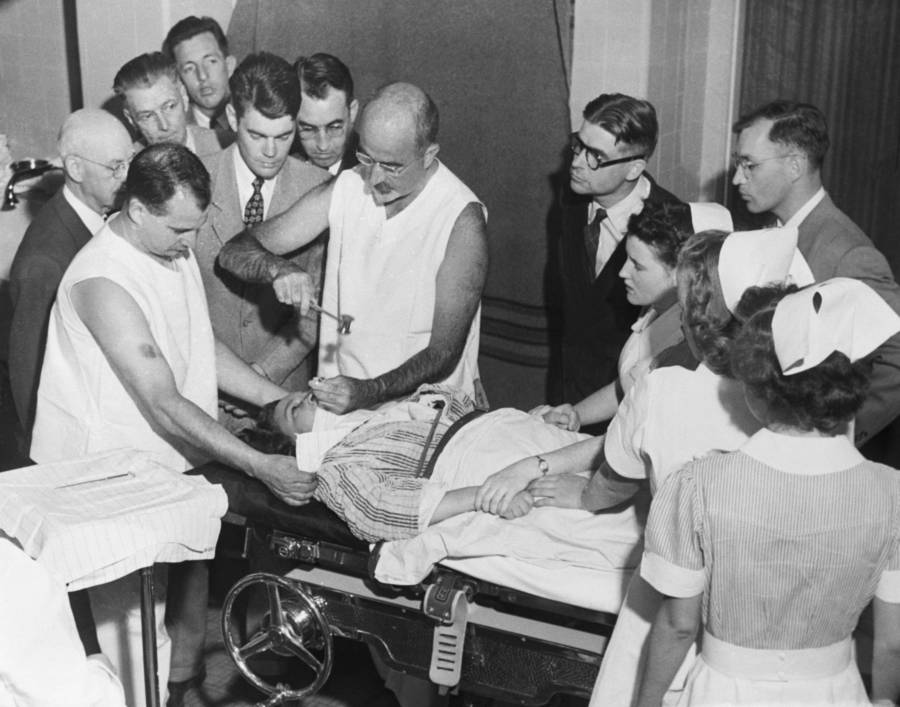
Pioneering and prolific lobotomist Dr. Walter Freeman performs a lobotomy with an instrument similar to an ice pick at Western State Hospital in Lakewood, Washington on July 11, 1949.
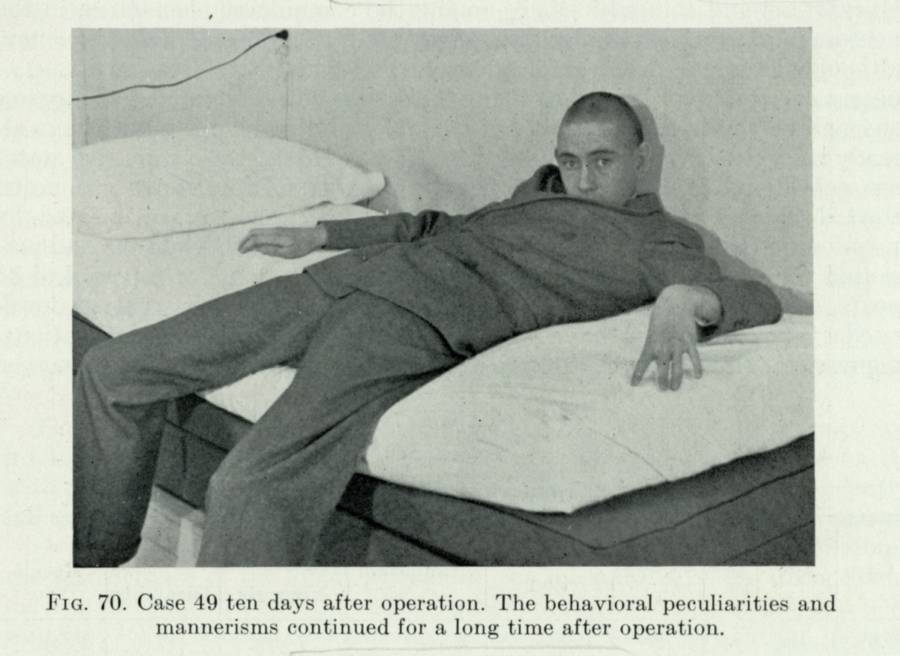
One of Walter Freeman’s lobotomy patients ten days after the procedure. 1942.
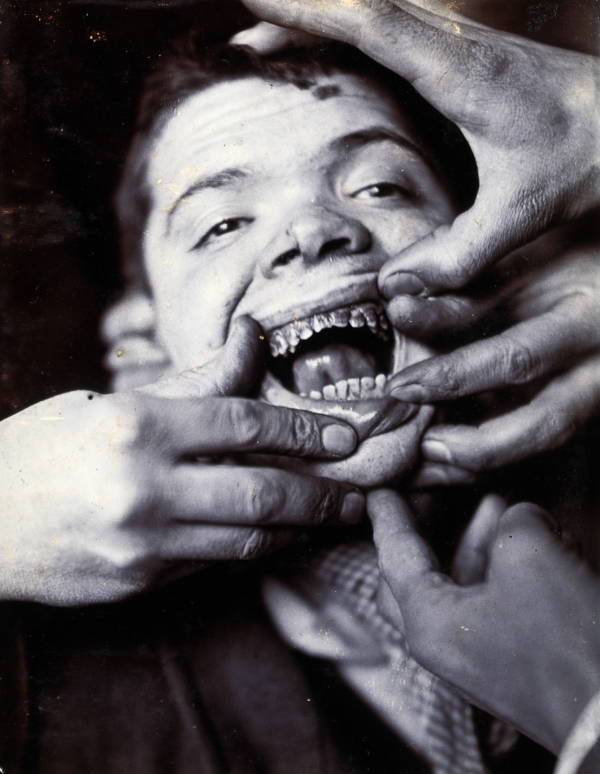
A young patient’s rotted teeth, due to poor dentistry, are revealed at London’s Friern Hospital (previously known as the Colney Hatch Lunatic Asylum) circa 1890-1910.
A patient lies on the floor of Ohio’s Cleveland State Mental Hospital in 1946.
Patients go about their day inside Ohio’s Cleveland State Mental Hospital in 1946.
A patient stands in a straightjacket inside Ohio’s Cleveland State Mental Hospital in 1946.
A psychiatric patient poses for a photo at Paris’ Salpêtrière Hospital circa 1876-1877.
Nurses hold down a patient receiving electroshock treatment at a facility in England on November 23, 1946.
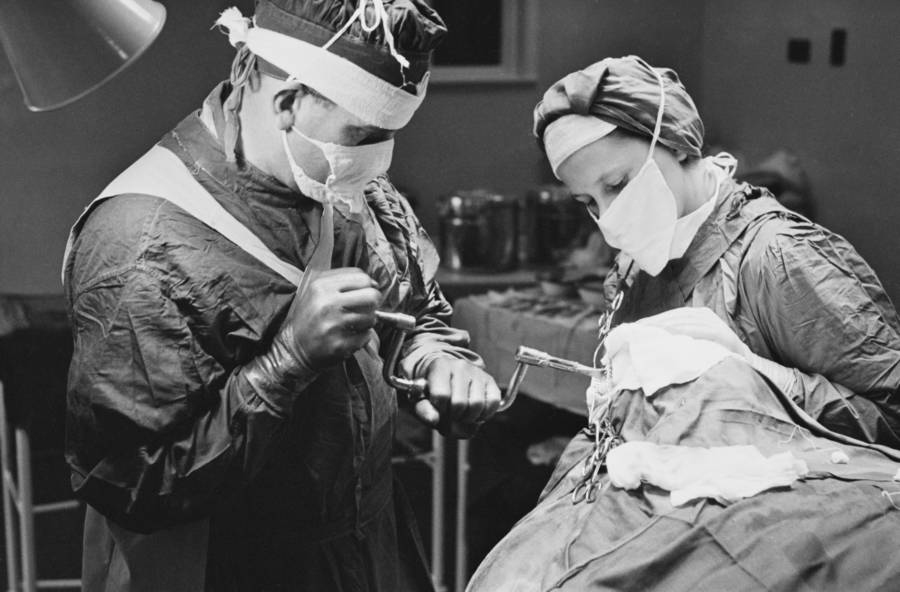
A surgeon uses a brace and bit to drill into a patient’s skull before performing a lobotomy at a mental hospital in England, November 1946.
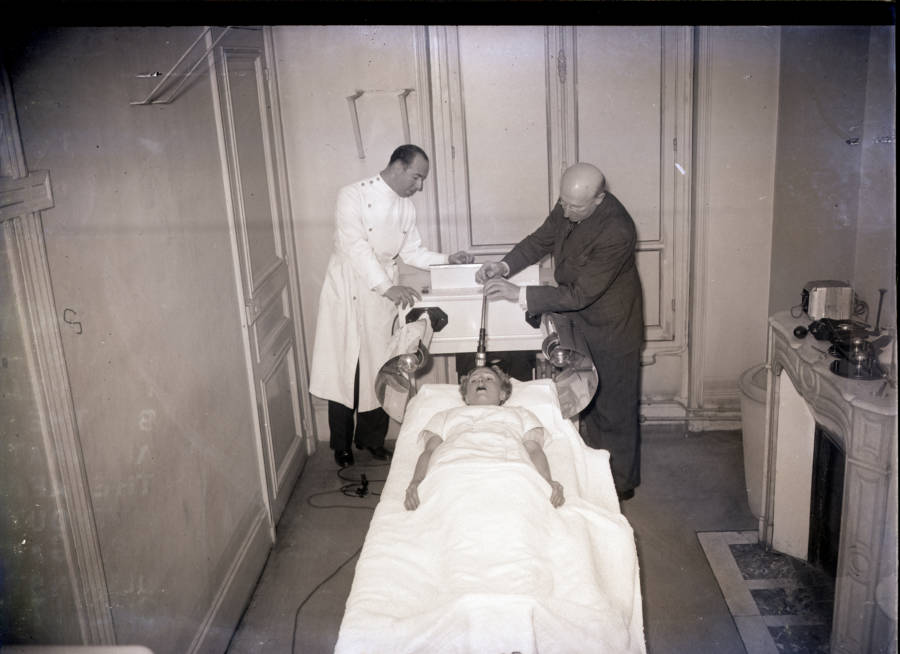
Doctors test a new method of using radio waves to treat psychiatric patients at a hospital in Paris on May 13, 1938.
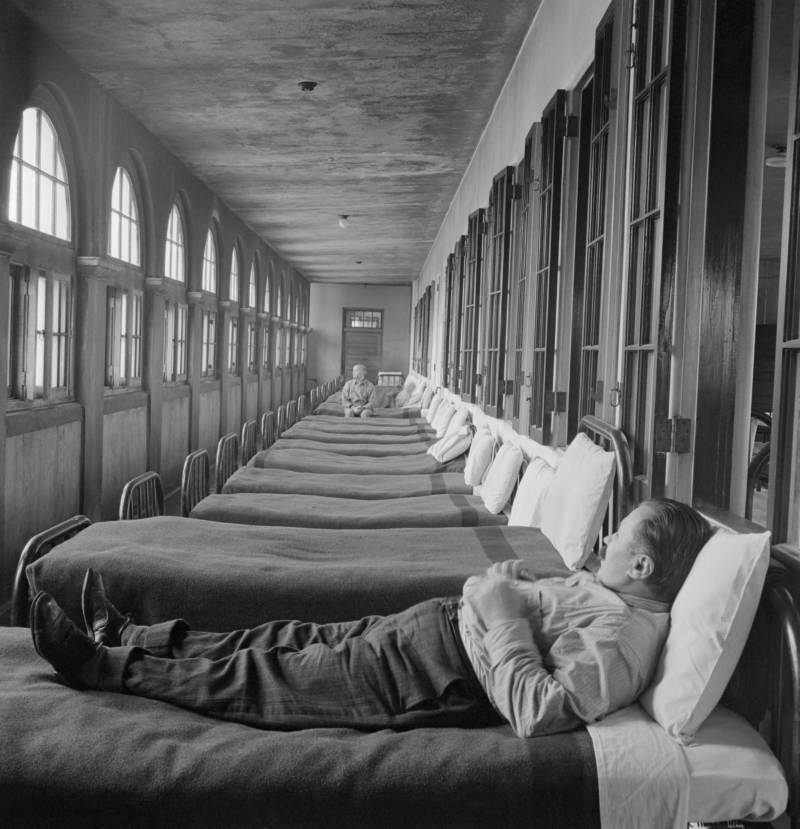
Two patients rest in the sleeping area of Ohio’s Cleveland State Mental Hospital in 1946.
Patients at the Riul Vadului Mental Asylum in Romania huddle together in an unheated room in the middle of winter. Date unspecified.
Dr. James G. Shanklin administers electric shock and anesthesia in preparation for Dr. Walter Freeman to demonstrate his new transorbital lobotomy procedure at Western State hospital in Lakewood, Washington on July 11, 1949.
A prisoner sits inside the West Riding Lunatic Asylum in Wakefield, England in 1869.
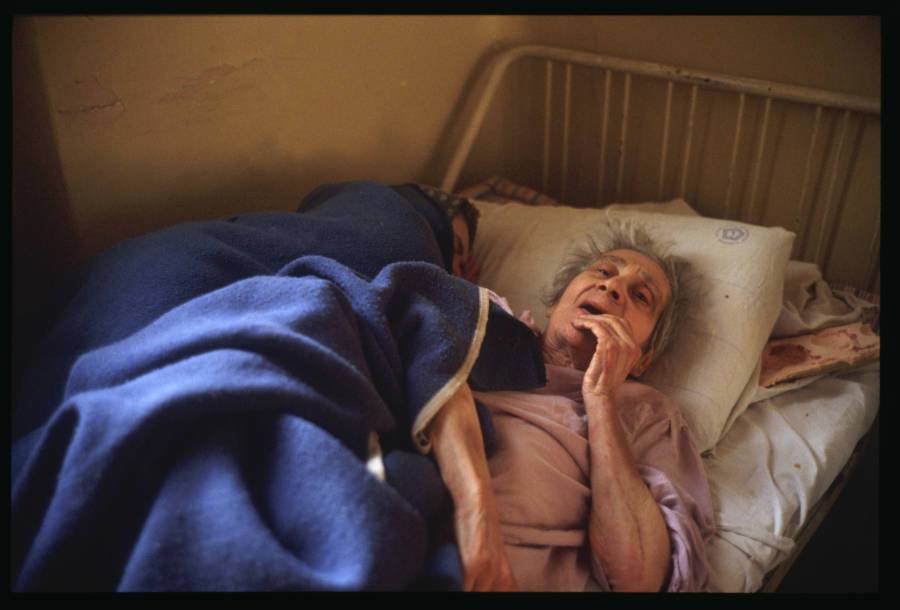
Patients lie on a bed inside a psychiatric hospital in Bucharest, Romania. Date unspecified.
A guard at Vacaville State Prison prepares a prisoner for a lobotomy in 1961. The warden of Vacaville at that time was Dr. William Keating, a psychiatrist who was convinced that “criminality” was lodged in certain areas of the brain, and so lobotomies at Vacaville became routine.
Child patients sit in their room at a mental hospital in Ursberg, Germany circa 1934-1936.
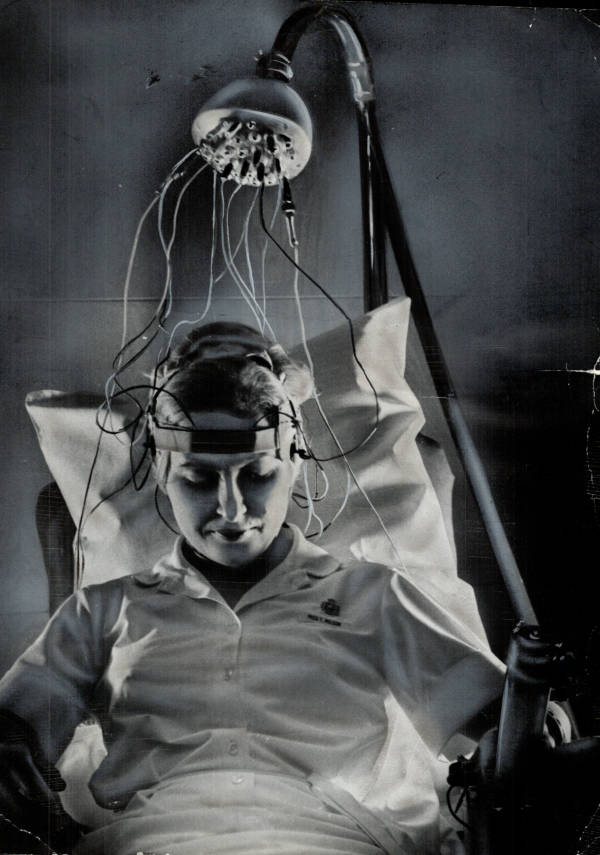
A patient lies back in a Bergonic chair, an early electroshock treatment apparatus, circa World War I.
Dr. James Watts (left) and Dr. Walter Freeman examine a patient after lobotomy. Date unspecified.
A young patient’s rotted teeth, due to poor dentistry, are revealed at London’s Friern Hospital (previously known as the Colney Hatch Lunatic Asylum) circa 1890-1910.
An amputee psychiatric patient of London’s Friern Hospital (previously known as the Colney Hatch Lunatic Asylum) poses for a photo circa 1890-1910.
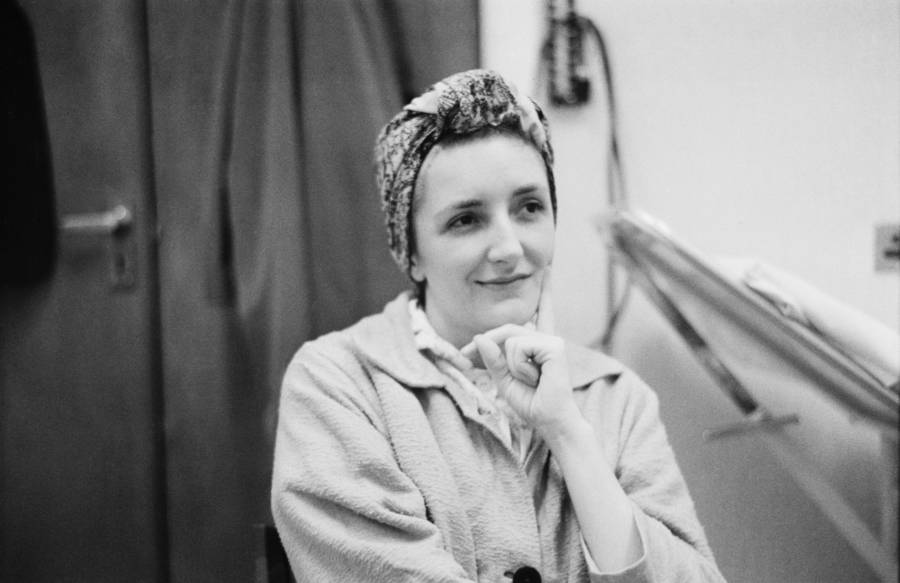
A British patient identified only as “Mary C” poses for a photo following her lobotomy. October 28, 1960.
Ties bind a patient’s feet to a bed at a mental hospital in Bucharest, Romania. Date unspecified.
Patients sit inside Ohio’s Cleveland State Mental Hospital in 1946.
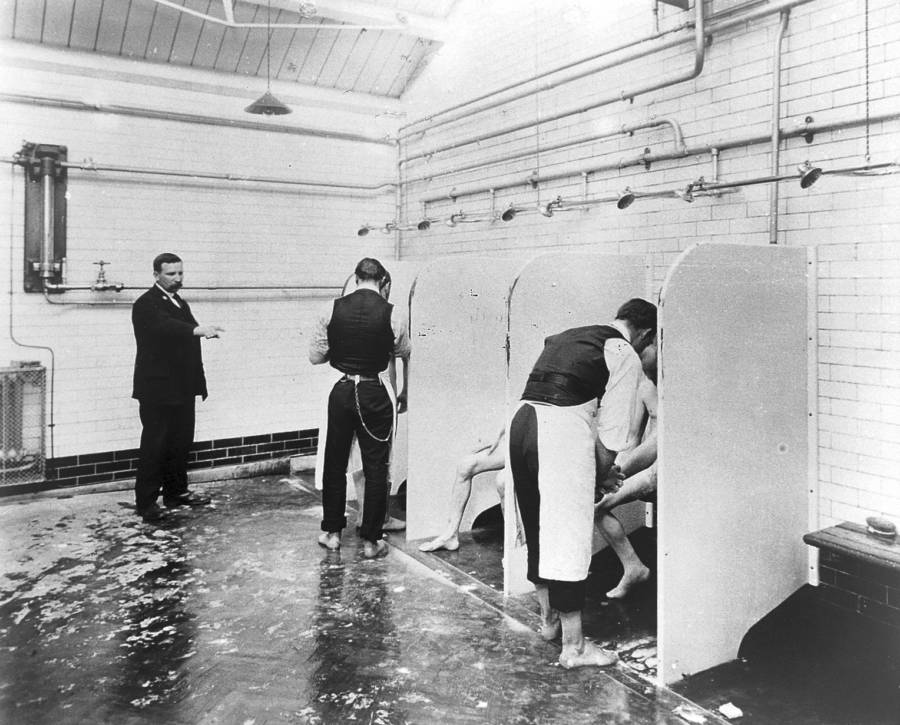
Orderlies wash patients at the Long Grove Asylum in Epsom, England circa 1930.
Orphans share a feces-stained crib at the Riul Vadului Mental Asylum in Romania. Date unspecified.
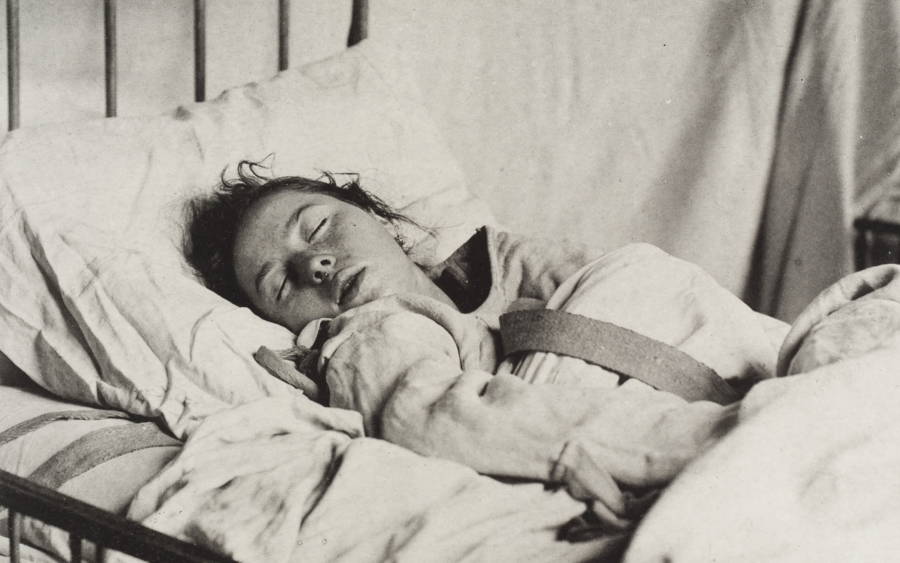
A patient diagnosed with “hysteria-induced narcolepsy” lies strapped down to a bed in Paris’ Salpêtrière Hospital in 1889.
A policeman stands guard at the bars of the ward for psychiatric patients (possibly the “criminal insane,” per original annotation) at New York’s Bellevue Hospital circa 1885-1898.
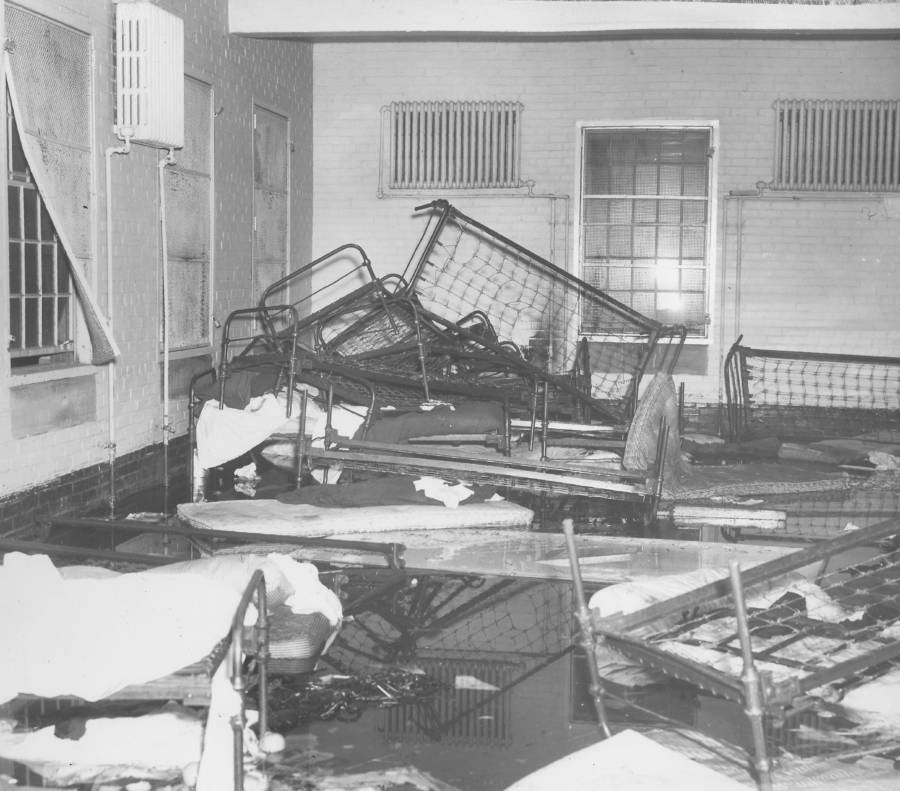
Debris litters the floor at Maryland’s Crownsville State Hospital psychiatric hospital (formerly Hospital for the Negro Insane of Maryland) during the aftermath of a riot in 1949.

19 Amazing Photos of the Los Angeles Floods in 1934

In a now-familiar Los Angeles story, late 1933 brush fires cleared the vegetation from the hills above the Montrose-La Crescenta section of Los Angeles County. When heavy rains arrived on New Year’s Eve 1934, the neighborhoods were flooded and lives lost.

The Jan. 9, 1934, Los Angeles Times reported the death toll in Los Angeles County as 44 with about half the dead from the Montrose-La-Crescenta area. Another 15 were still missing, six of whom were from the Montrose-La Crescenta area.

Jan. 2, 1934: Car caught in mud from flooding in La Canada-Montrose. The car is sitting on the pavement of Montrose Avenue.
Jan. 1, 1934: Mud, rocks and damaged cars on Montrose Avenue in Montrose after New Year’s flooding.
Jan. 2, 1934: Panorama made from three negatives in the Los Angeles Times Archive at UCLA showing mud-covered Honolulu Ave. in Montrose. This panorama was published in the Jan. 3, 1934 Los Angeles Times.
Jan. 1, 1934: Cars marooned outside Bohemian Gardens at 3890 Mission Road, East Los Angeles.
Jan. 1. 1934: A milk truck is almost completely submerged on Whittier Blvd. under Union Pacific railroad bridge. This photo was published in the Jan. 2, 1934 Los Angeles Times.
Jan. 1, 1926: Crowd gathers at the washed out Mesa St. bridge where four people drowned with their auto plunged into the Rubio Wash. The wash is west of San Gabriel Boulevard in the Monterey Park area. This photograph was published in the Jan. 2, 1926 Los Angeles Times.
Jan. 1, 1934: Five people drowned when this car and Rush Avenue bridge was swept into the Alhambra Wash, near present day Whittier Narrows Recreation Area. This photo was published in the Jan. 2, 1934 Los Angeles Times.
Jan. 4, 1934: Civil Works Administration men from Pasadena help clear Honolulu Ave. in Montrose following flooding during New Year Eve rain storm. This photo was published in the Jan. 5, 1934 Los Angeles Times.
Jan. 3, 1934: Following the New Years Eve flooding in Montrose, food kitchen is set up to help survivors. This photo was published in the Jan. 4, 1934 Los Angeles Times.
Jan. 1934: American Legion Hall in Montrose following the New Years Eve flood were a dozen people were reported killed. The building was located at the intersection of Fairway Ave. and Rosemont Ave.
Jan. 1, 1934: House in La Cresenta-Montose area was swept off its foundation and carried hundreds of feet by New Year Eve flooding. This photo was published in the Jan. 2, 1934 Los Angeles Times.
Jan. 2, 1934: Burro used to move water and supplies after New Years Eve flooding in La Crescenta area. This photo was published in the Jan. 3, 1934 Los Angeles Times.
Jan. 3, 1934: Cars parked on the dirt, left, show the depth of debris on roadway being cleared on Foothill Blvd., in Montrose. The boulder on right is fifty feet in circumference. This photo was published in the Jan. 4, 1934 Los Angeles Times.
Oct. 17, 1934: Cars caught in the flooding on Honolulu Ave., near Rosemont in Montrose. This photo was published in the Oct. 18, 1934 Los Angeles Times. NOTE: Montrose hit twice in 1934 by bad flooding, first on Jan. 1st then Oct. 17.
Oct. 18, 1934: Severly damaged home located at Sunset Ave. near Florencita St. in Montrose. This photo was published in the Oct. 18, 1934 Los Angeles Times. Monrose suffered two major floods in 1934, this October event and a more damaging one on Jan. 1, 1934.
Oct. 18, 1934: Workers dig out car and remains of home on Glenada Ave. in Montrose following flooding from a storm the night before.
Oct. 18, 1934: Garage on Glenda Ave. in Montose is destroyed by flooding, but car survived. This photo was published in the Oct. 19, 1934 Los Angeles Times.
Oct. 18, 1934: Water flows through the Hall-Beckley Wash where it intersects with Glenada Ave. in Montrose. This photo was published in the Oct. 19, 1934 Los Angeles Times.
Dec. 13, 1934: Workmen at Honolulu and Agner Streets in Montrose setting up sand bags at a known flood danger point. Montorose suffered major flooding in January and October of 1934. This photo was published in the Dec. 14, 1934 Los Angeles Times.

22 Wonderful Photos of Bands On Stage during the 1985 Live Aid Concert at Wembley Stadium

On July 13, 1985, at Wembley Stadium in London, Prince Charles and Princess Diana officially open Live Aid, a worldwide rock concert organized to raise money for the relief of famine-stricken Africans.

Organized in just 10 weeks, Live Aid was staged on Saturday, July 13, 1985. More than 75 acts performed, including Elton John, Madonna, Santana, Run DMC, Sade, Sting, Bryan Adams, the Beach Boys, Mick Jagger, David Bowie, Queen, Duran Duran, U2, the Who, Tom Petty, Neil Young, and Eric Clapton. The majority of these artists performed at either Wembley Stadium in London, where a crowd of 70,000 turned out, or at Philadelphia’s JFK Stadium, where 100,000 watched. Thirteen satellites beamed a live television broadcast of the event to more than one billion viewers in 110 countries. More than 40 of these nations held telethons for African famine relief during the broadcast.

The Prince and Princess of Wales in the Royal Box after opening the Live Aid concert.
Live Aid organiser Bob Geldof performs on stage.
Alison Moyet and Paul Young on stage during the Live Aid charity concert.
Freddie Mercury of Queen on stage during the Live Aid concert.
Singer Bryan Ferry performing during the 1985 Live Aid concert at Wembley Stadium, London.
Rock star Bono, the 25-year-old lead singer with the Irish group U2, performing at the Live Aid concert in July this year.
Leader of Dire Straits rock band, Mark Knopfler performs at the Live Aid concert.
George Michael of Wham performing at Live Aid.
Singer Sade performs on stage.
Adam Ant performing.
Left to right: Bono of U2, Paul McCartney, and Freddy Mercury of Queen, during the finale.
Elvis Costello performing on stage.
British and Irish singers perform on stage at the Live Aid concert at Wembley Stadium, London, England, on July 13, 1985. From left are George Michael of Wham, Bob Geldolf, Bono of U2, Freddie Mercury of Queen, Andrew Ridgley of Wham! and Howard Jones.
British singer David Bowie performs at Live Aid famine relief concert at Wembley Stadium.
British pop singers Phil Collins, left, and Sting are shown on stage during the Live Aid concert held at London’s Wembley Stadium, England, July 13, 1985.
Paul McCartney,center with arm raised, joins in the finale of the London Live Aid Famine Relief Concert in London on July 13, 1985. Others, from left, are George Michael of Wham; Harvey Goldsmith, concert promoter; Bono of U2 (face obscured); McCartney; Bob Geldof, organizer; Freddie Mercury of Queen; and unidentified backing singer.
Roger Daltrey (l) and Pete Townshend reunited on stage as The Who at the Live Aid concert.
Elton John at the piano during the Live Aid Concert.
David Bowie performs on stage. The backing singer on the left is Tessa Niles.
The Who perform at the Live Aid concert, Wembley Stadium, London.
Roger Daltrey (l) and Pete Townshend reunited on stage as The Who at the Live Aid concert.
Bono, Paul McCartney and Freddie Mercury were among pop stars to join in Live Aid.

50 Incredible Vintage Photos of Life in America during the 1950s Volume 1

Subscribe to continue reading

Become a paid subscriber to get access to the rest of this post and other exclusive content.

36 Stunning Photos of Jane Fonda in the 1960s

Jane Fonda is an American actress best known for her acting career, political activism and aerobic-exercise videos. The daughter of acclaimed actor Henry Fonda, the actress has won two Oscars.

Her stage work in the late 1950s laid the foundation for her film career in the 1960s. She averaged almost two movies a year throughout the decade, starting in 1960 with Tall Story, in which she recreated one of her Broadway roles as a college cheerleader pursuing a basketball star, played by Anthony Perkins. Period of Adjustment and Walk on the Wild Side followed in 1962. In Walk on the Wild Side, Fonda played a prostitute and earned a Golden Globe for Most Promising Newcomer.

50 Vintage Photos of Classic Car Salvage Yards and Wrecks From Between the 1940s and 1950s

Vehicle recycling is the dismantling of vehicles for spare parts. At the end of their useful life, vehicles have value as a source of spare parts and this has created a vehicle dismantling industry. The industry has various names for its business outlets including wrecking yard, auto dismantling yard, car spare parts supplier, and recently, auto or vehicle recycling.
Vehicle recycling has always occurred to some degree but in recent years manufacturers have become involved in the process. A car crusher is often used to reduce the size of the scrapped vehicle for transportation to a steel mill.

Here’s a gallery of 50 haunting photos of classic car salvage yards and wrecks from between the 1940s and 1950s.

Yesterday Today

Bringing You the Wonder of Yesterday - Today

Skip to content ↓