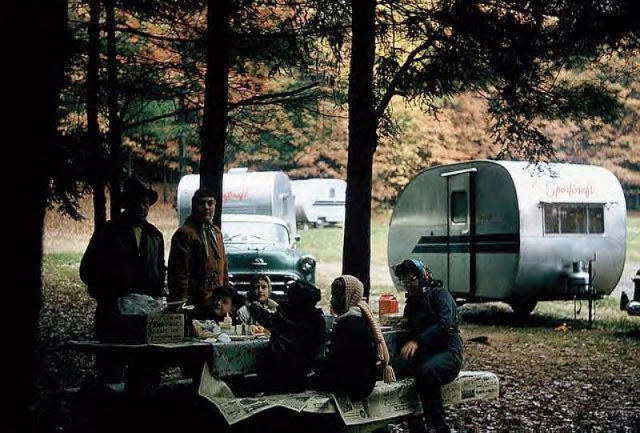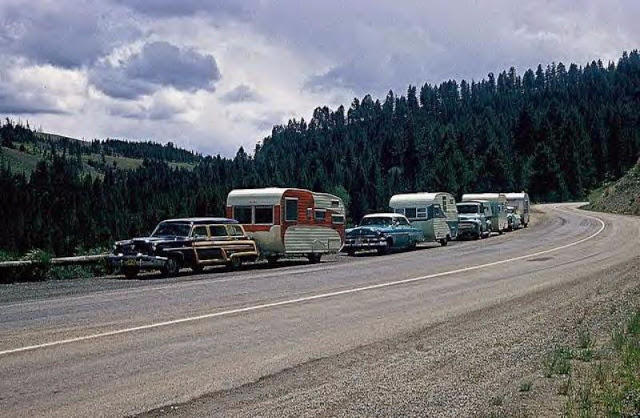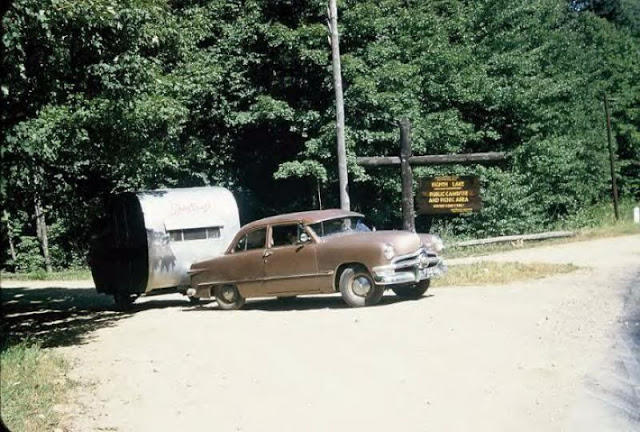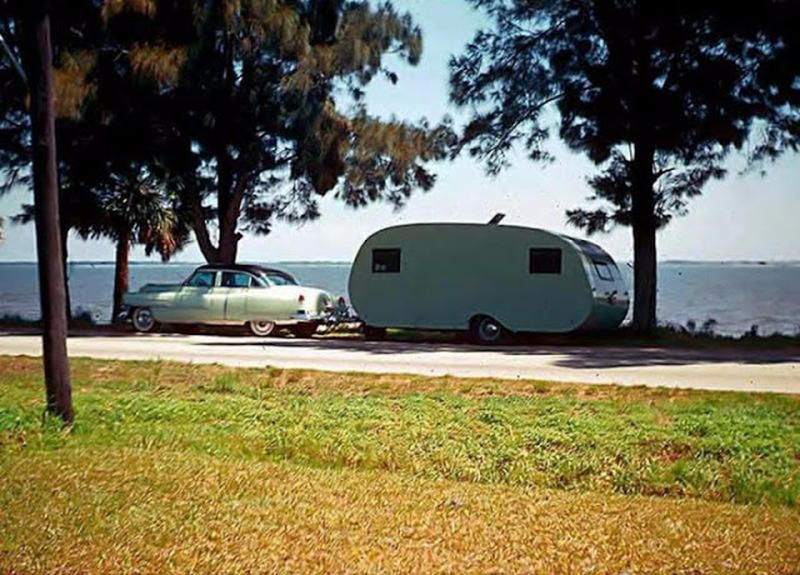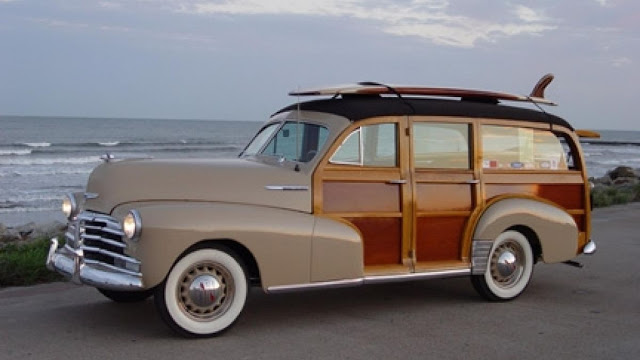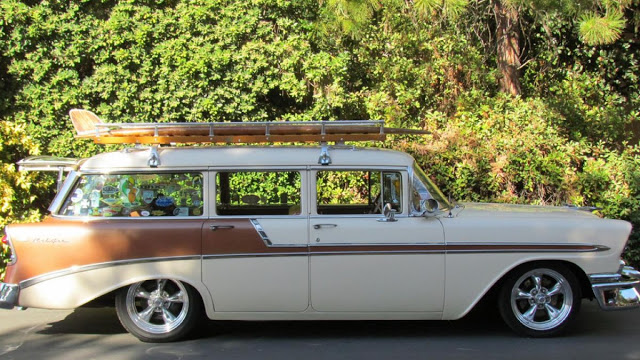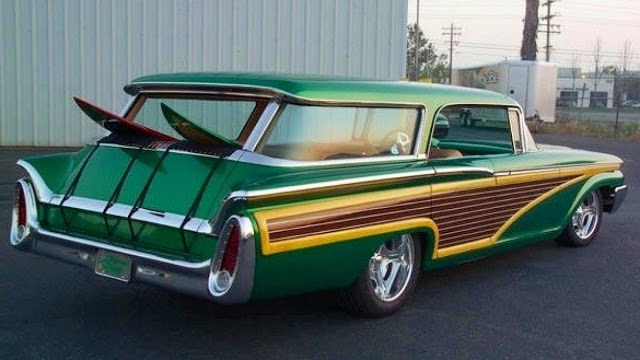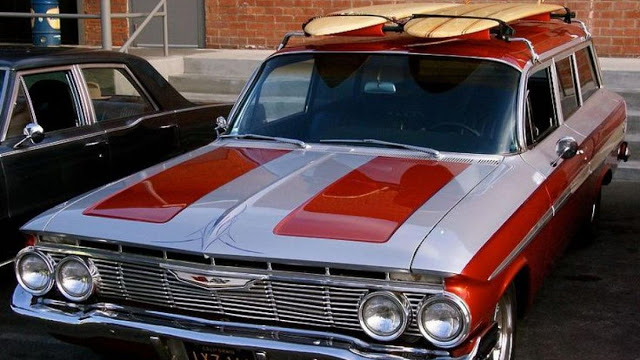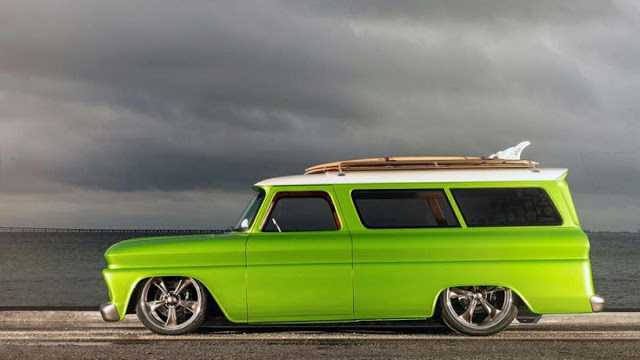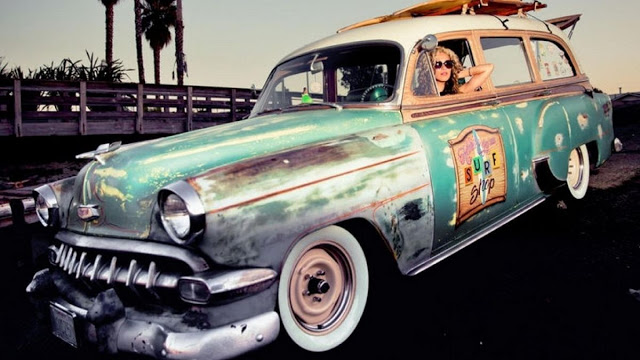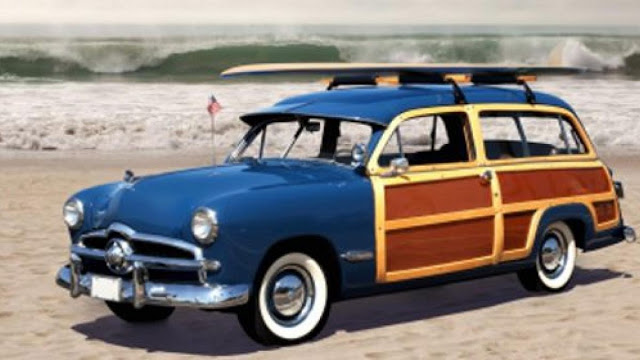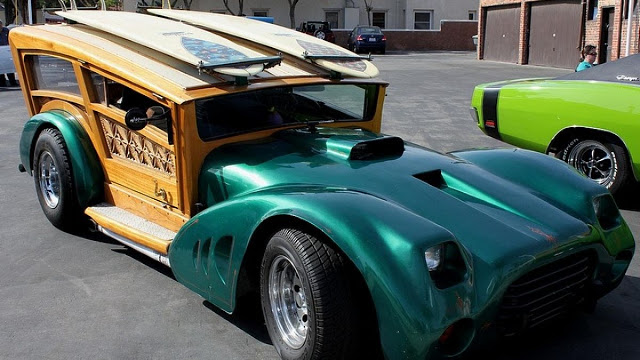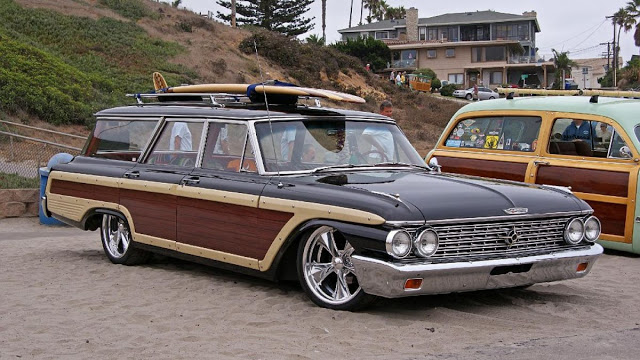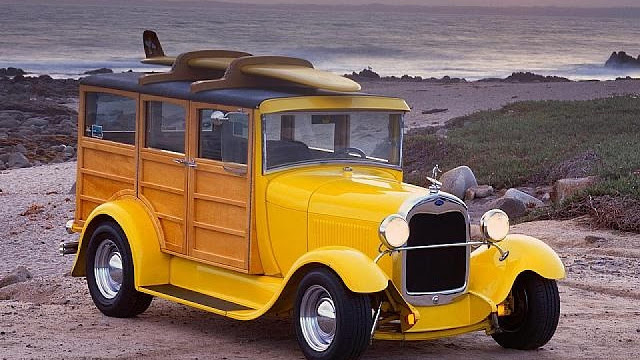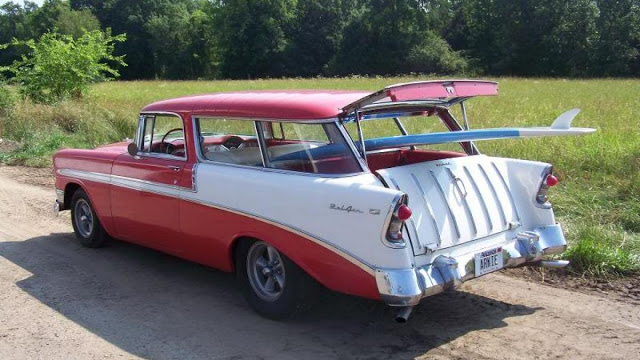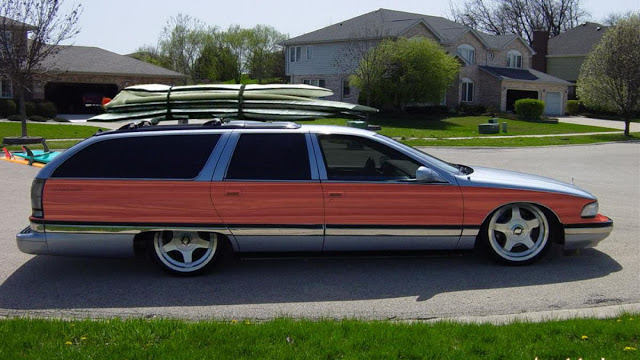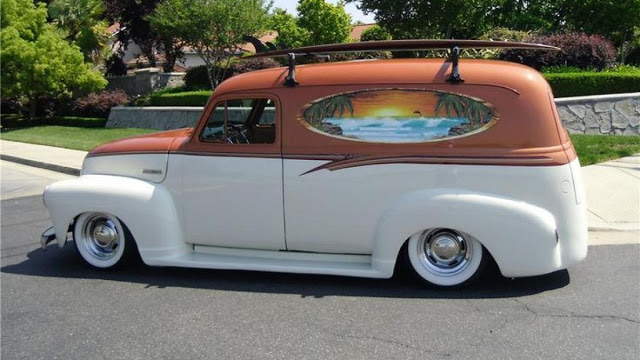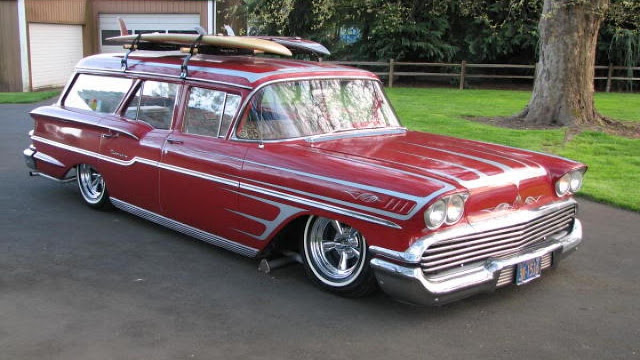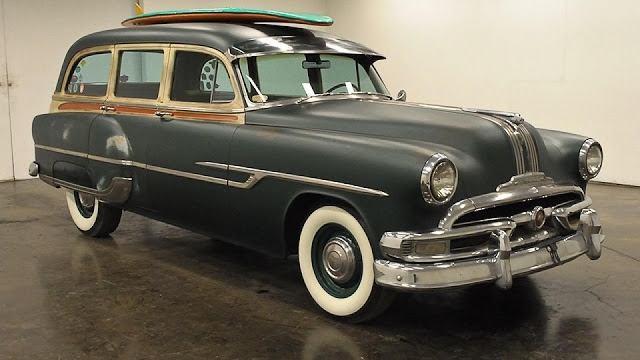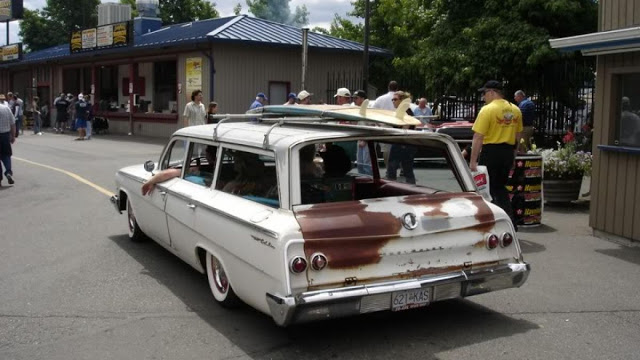
20 of the Coolest Vintage Surf Wagons

Everyone loves vintage American cars from the 1950s and ’60s. It was a time when wheel arches were low-slung, headlights popped like frog’s eyes and chrome was splashed around as if it was going out of fashion.

In a sense it was – cars certainly aren’t built that way any more. But that just makes the ones that are left all the better, especially when they’re turned into custom surf wagons.

Shown is a collection of 20 of the sickest surf-mobiles you’ll ever see…

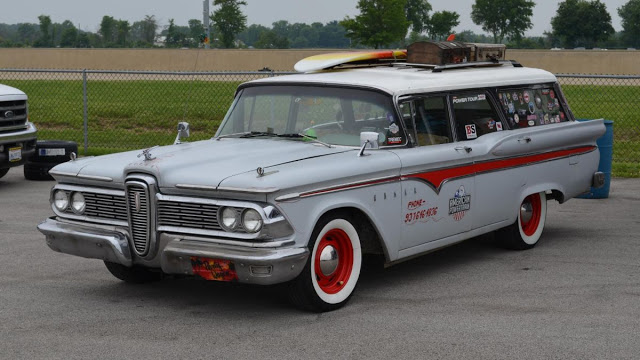
The Great White Whale
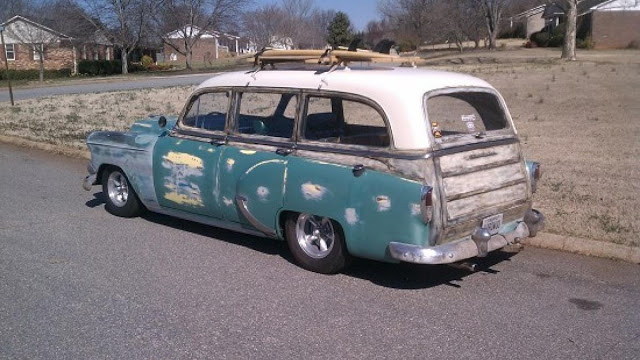
The Green Flash
The ’61 Chevrolet Parkwood
The Mean Lime Green Machine
The Battered ’54 Chevvy Bel Air
The Wooden Wagon
The Converted Corvette
The Brown Beast
The ’48 Wooden Wagon
The Yellow Jallopy
The Make Like a Tree
The Red & White Chevy Bel Air
The ’70s Buick Roadmaster
The Sunset-Splattered Van
The Red Shark
The Dark Horse
The Battered White Beach Cruiser
The Ghost Busters Go Surfing
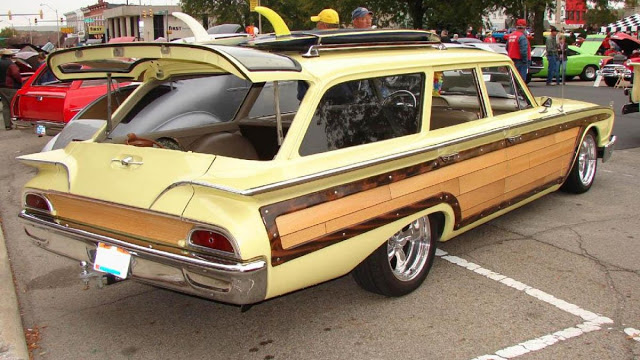
The Wood-Walled Station Wagon
The Ford Surf Wagon

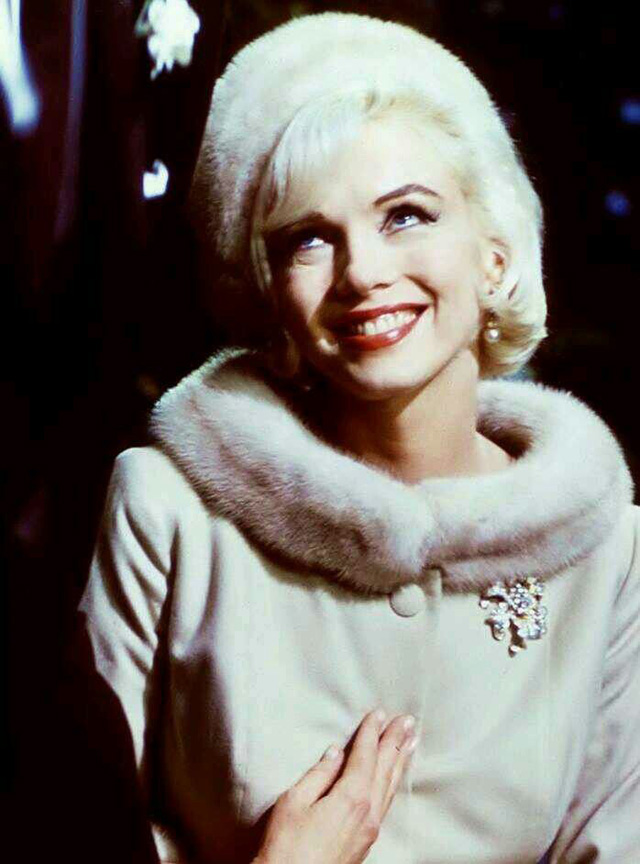
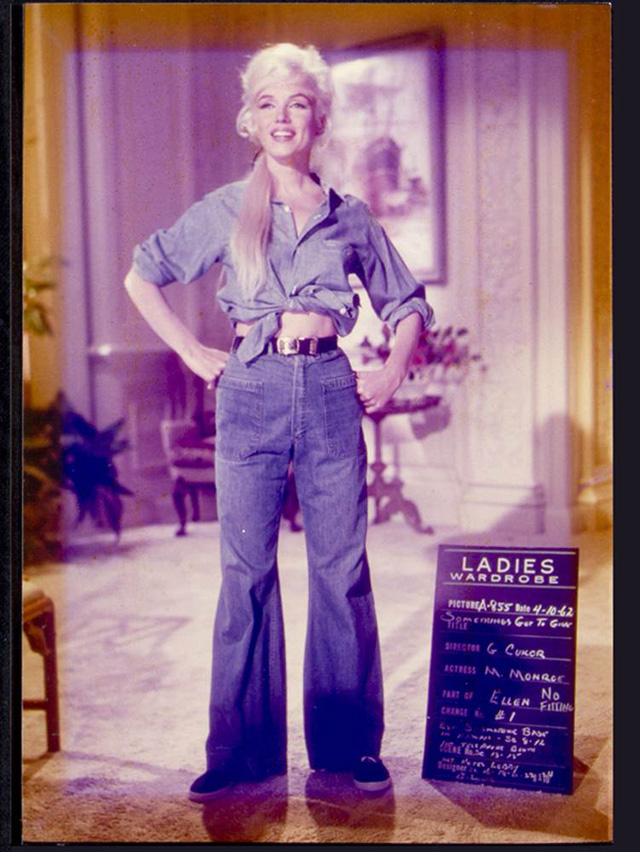
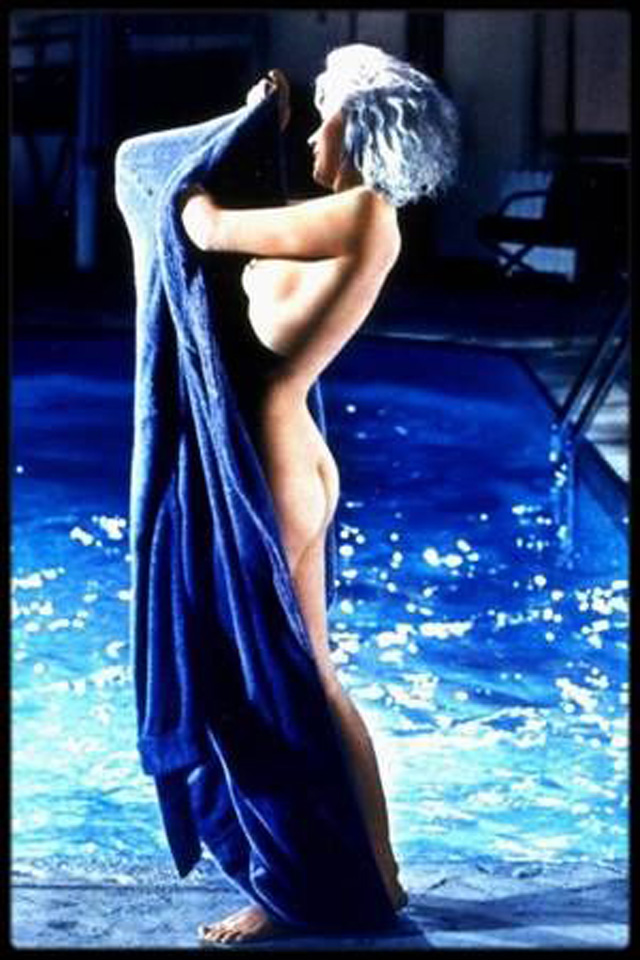
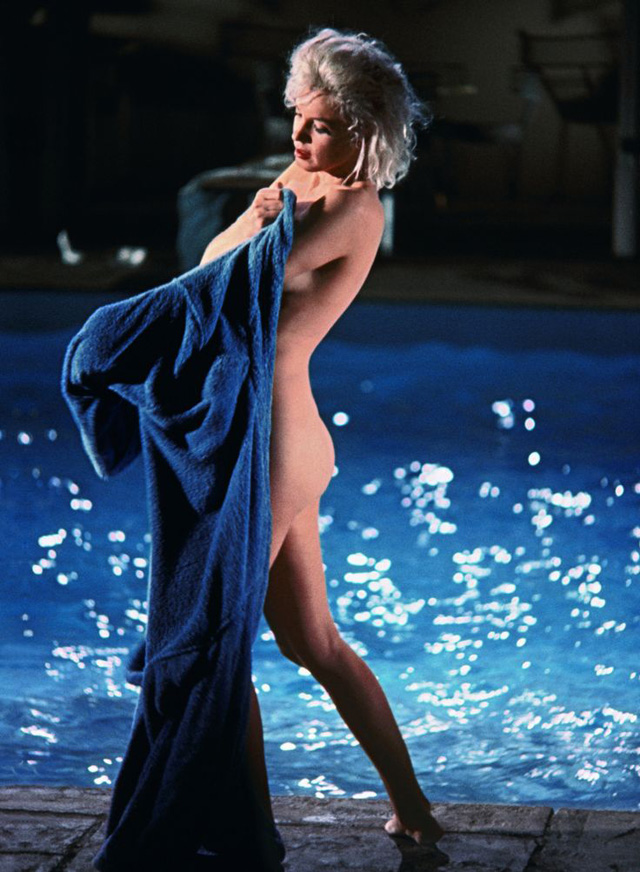
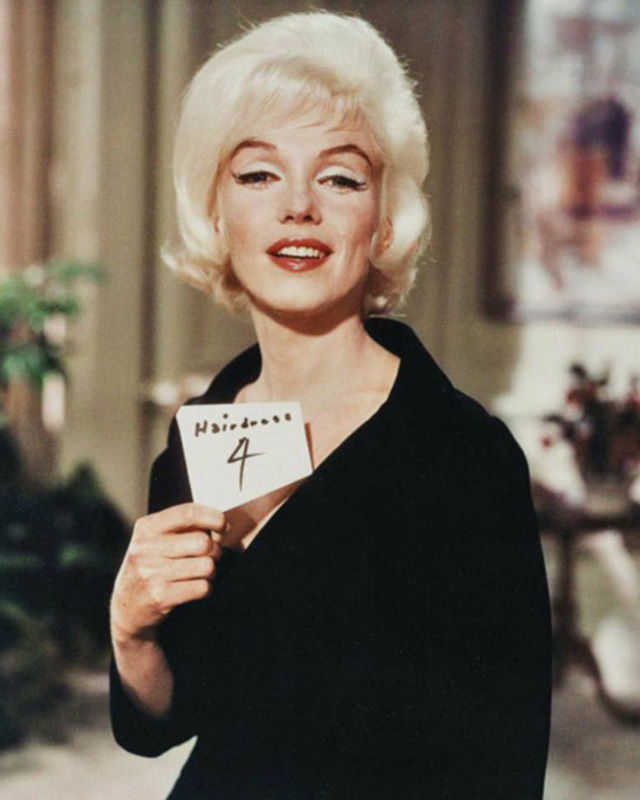
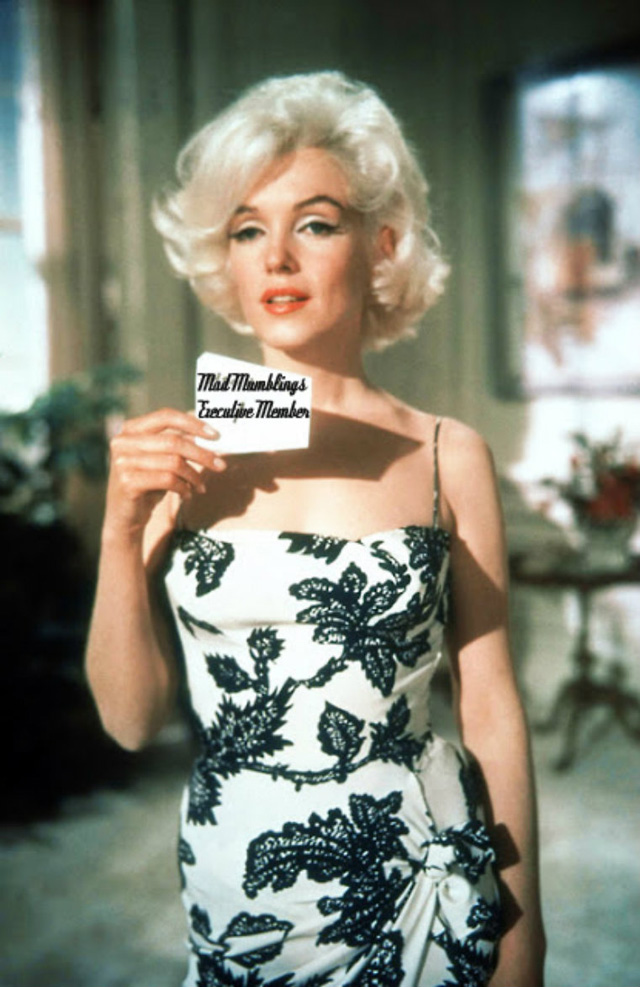
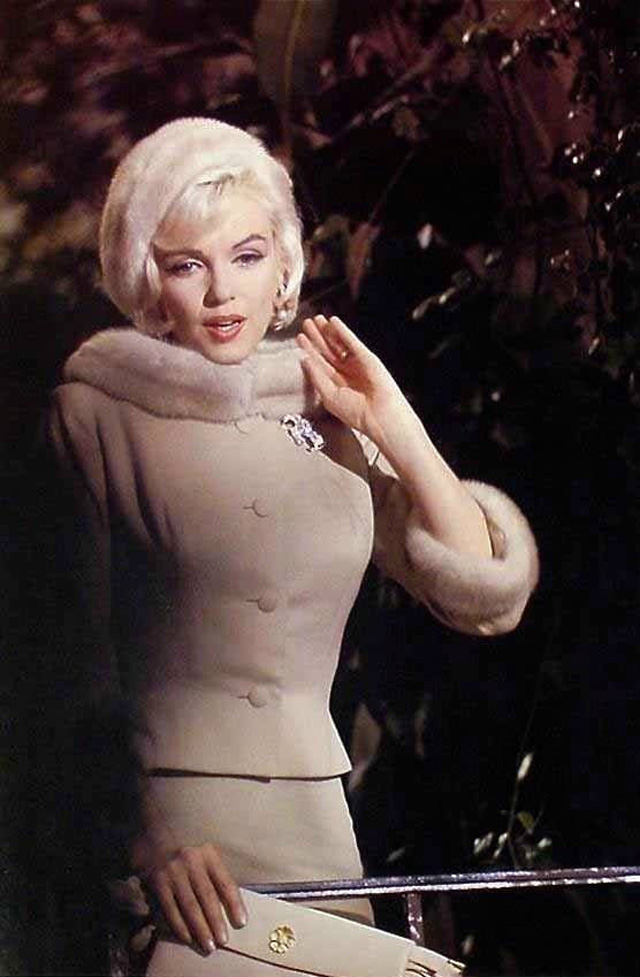
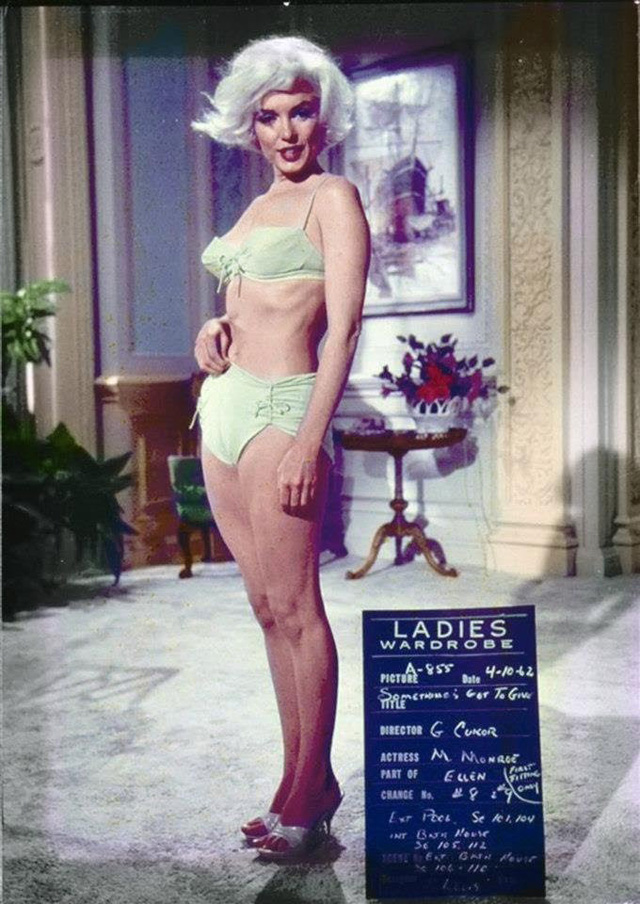
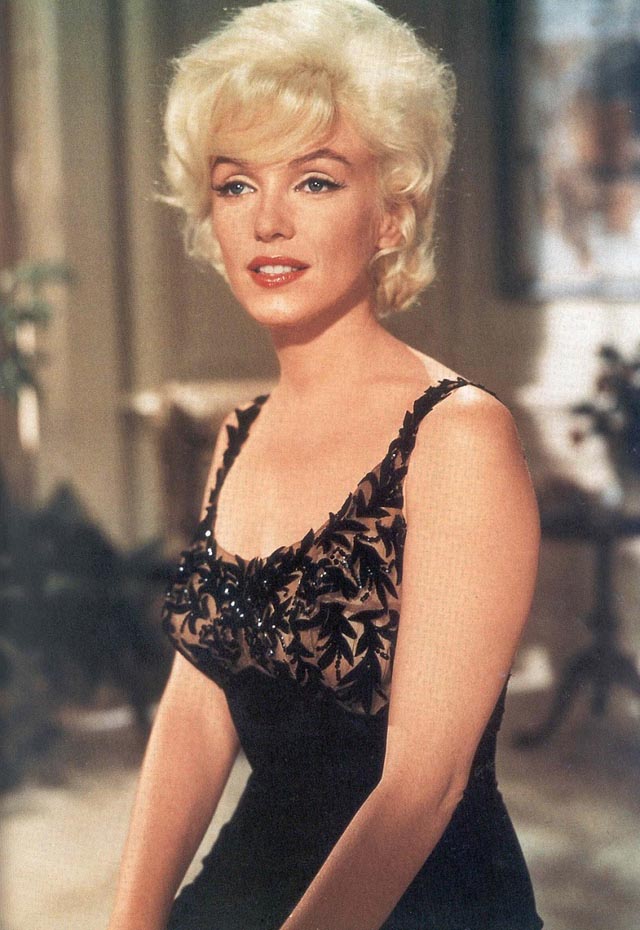
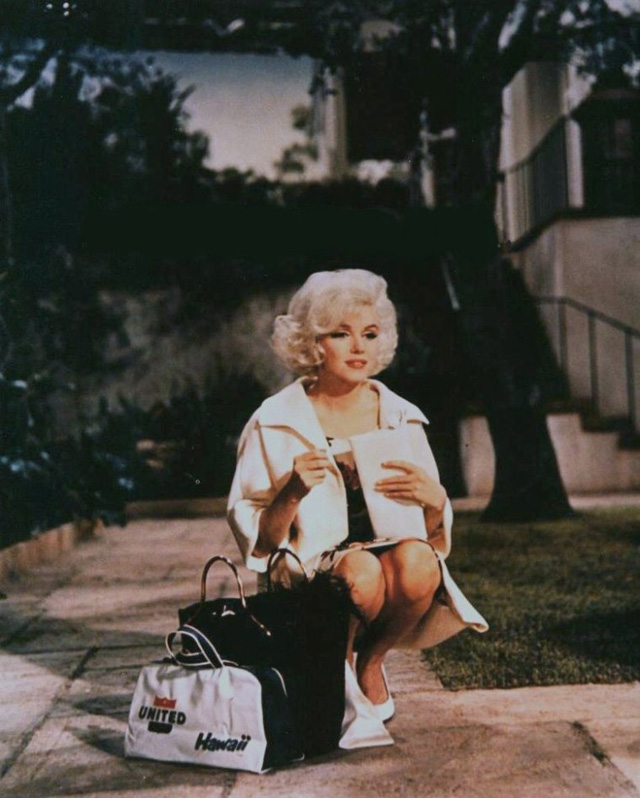
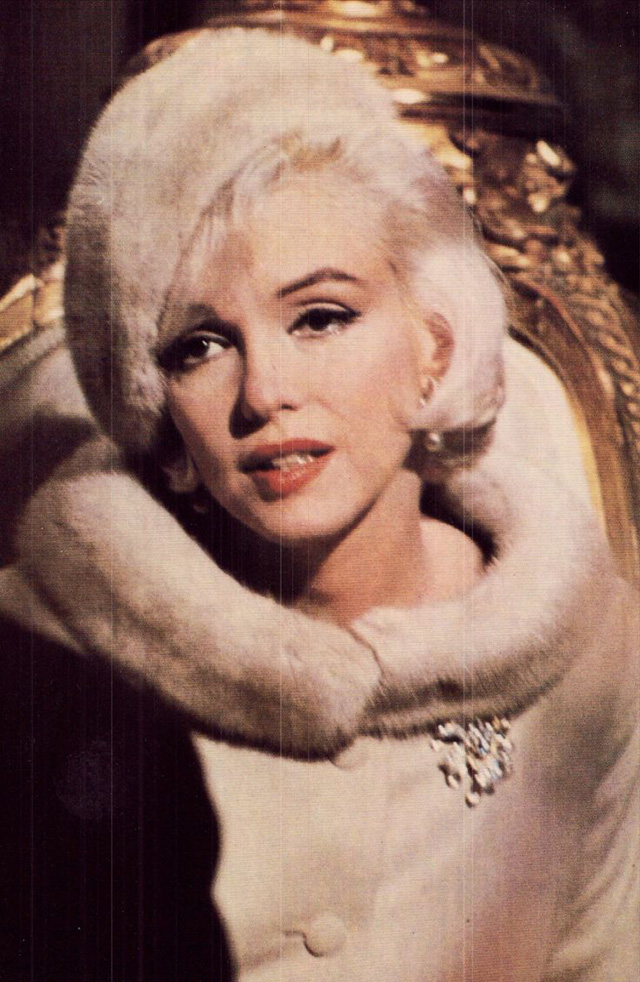
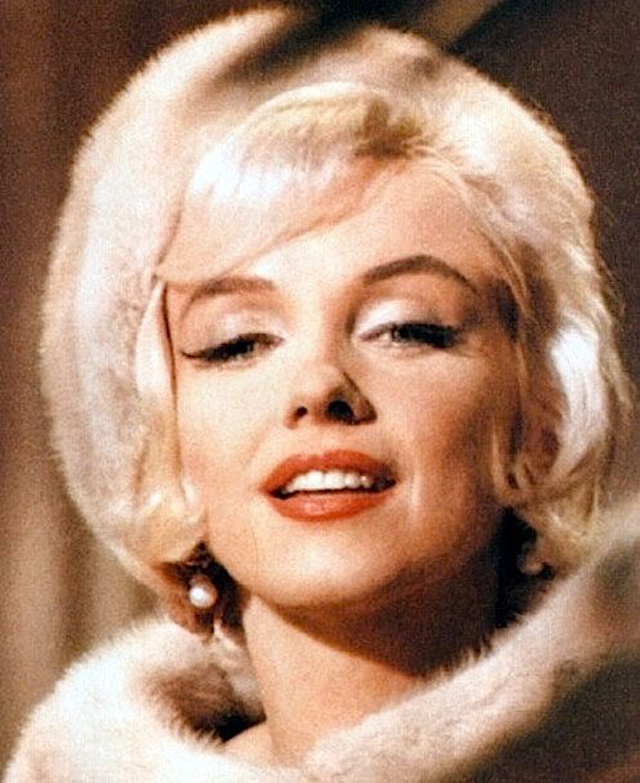
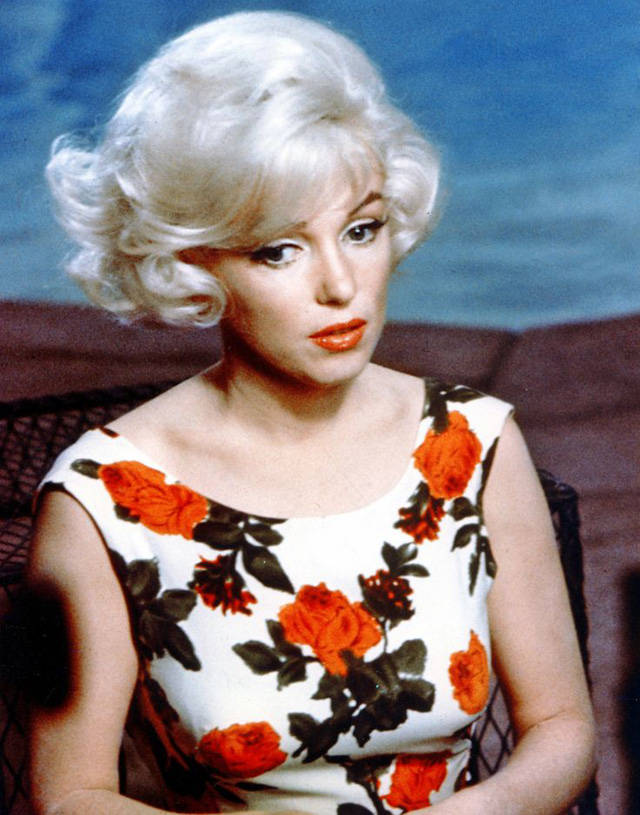
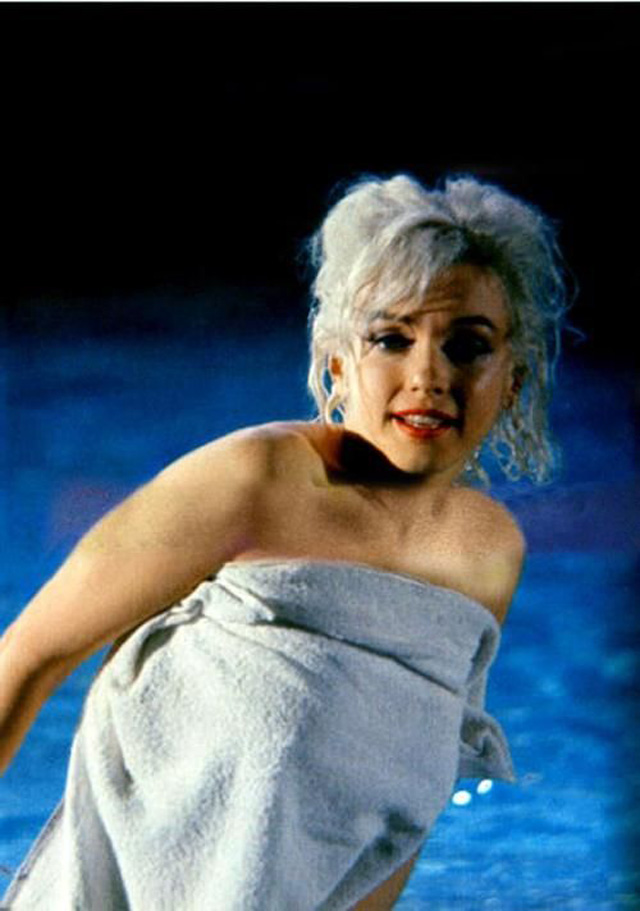
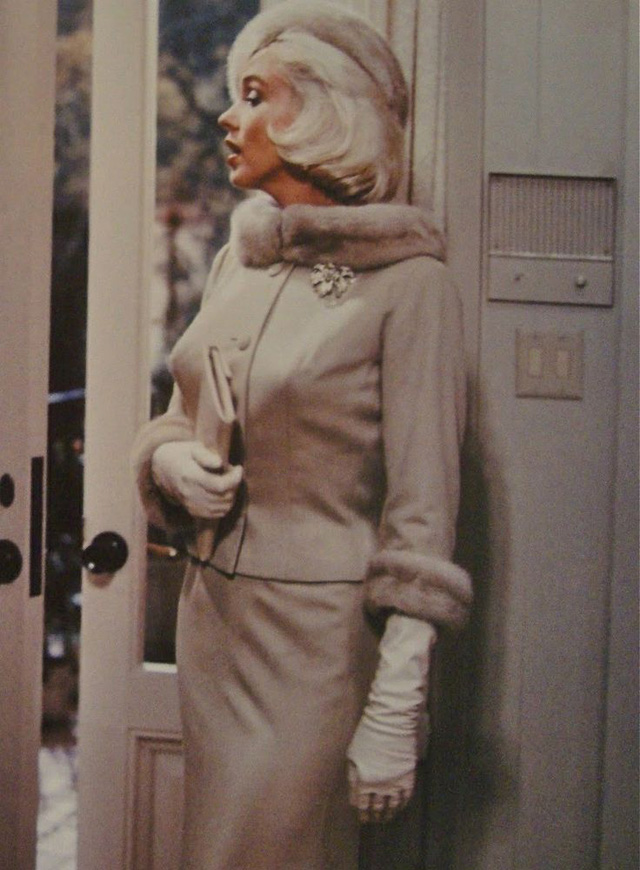
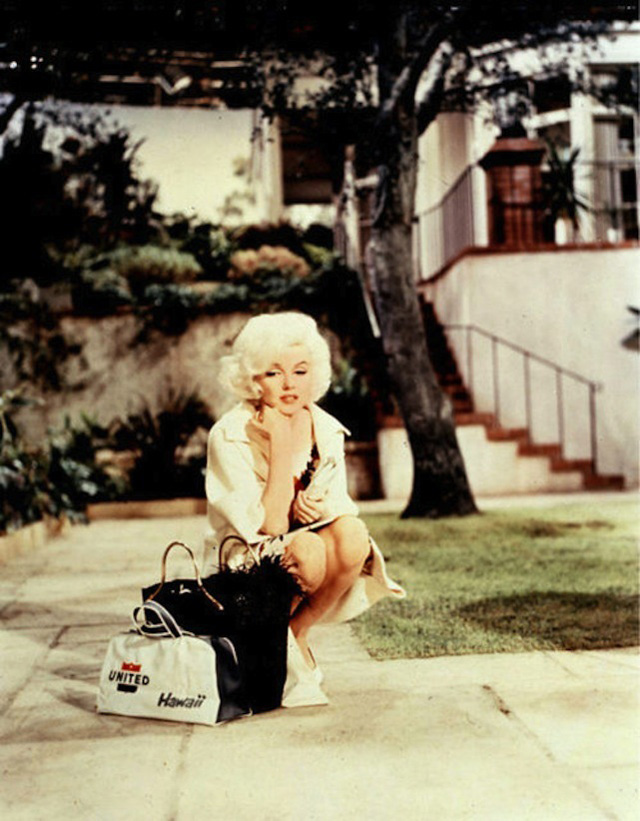
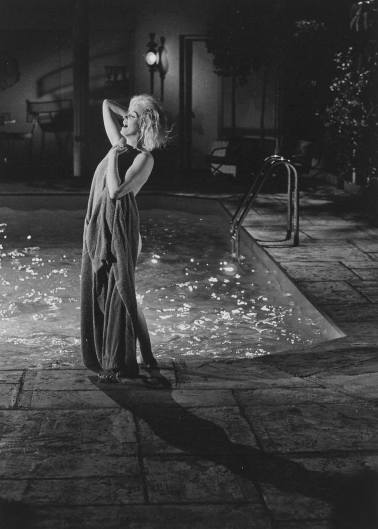
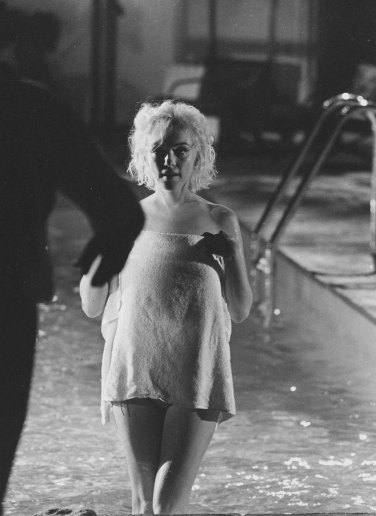
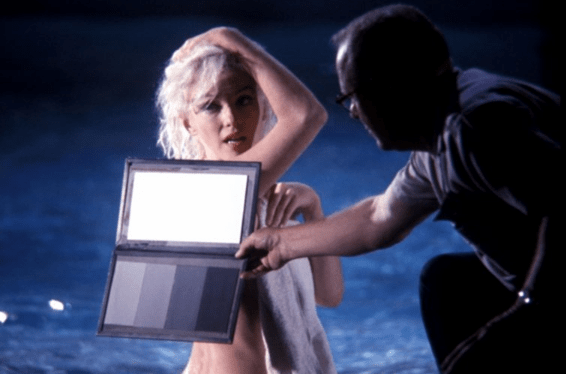
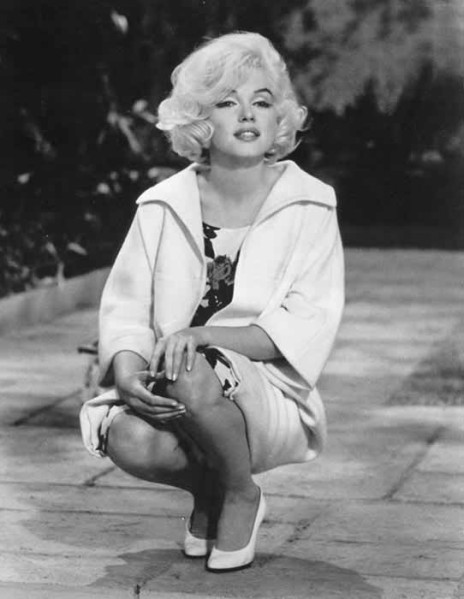
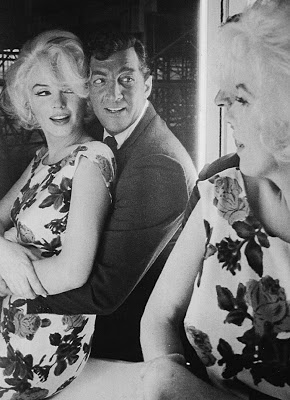
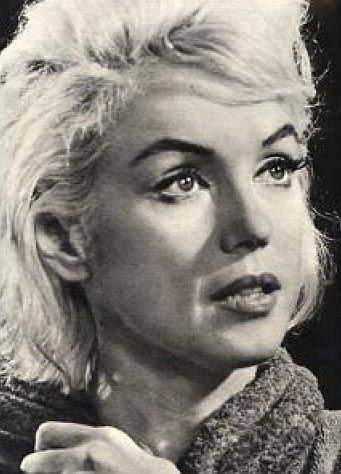
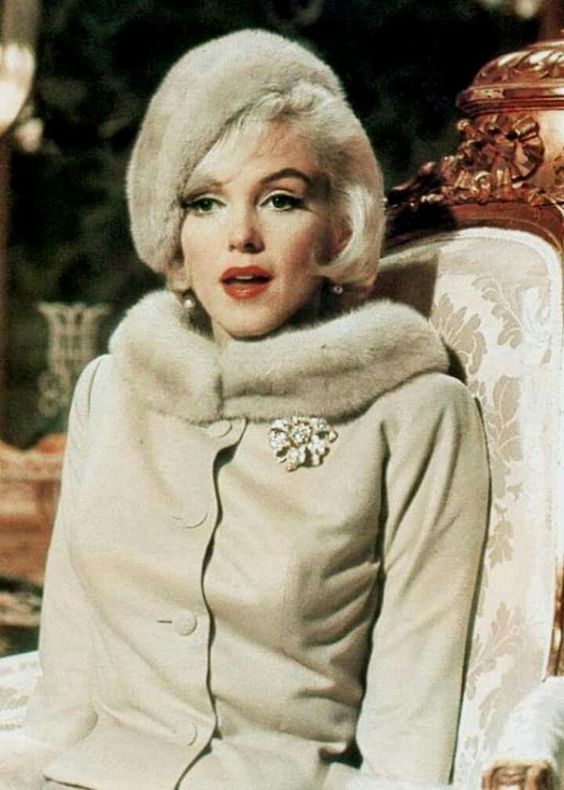
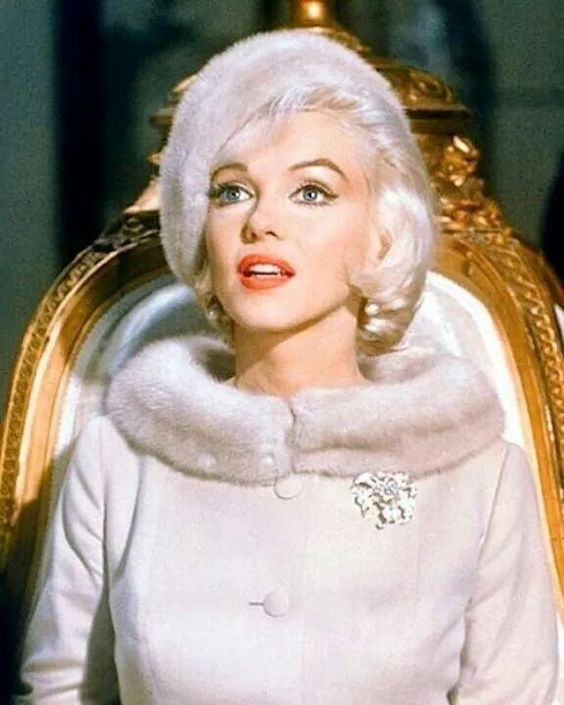
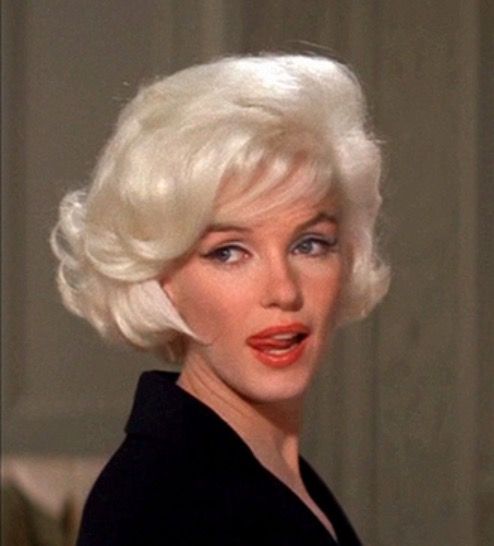
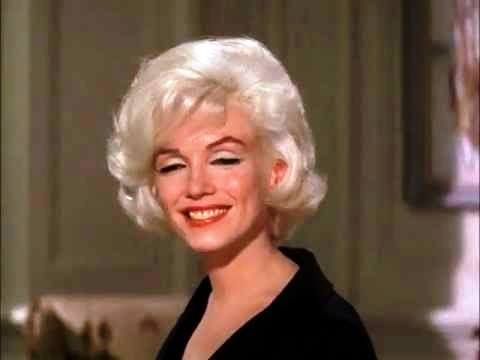
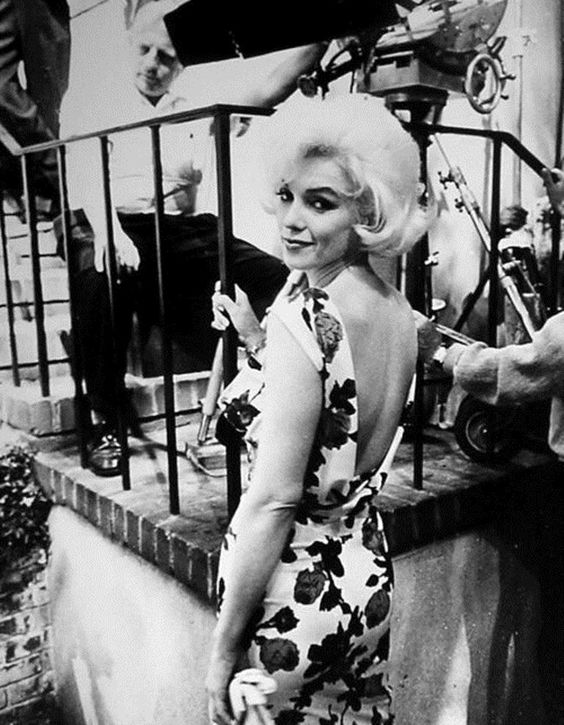
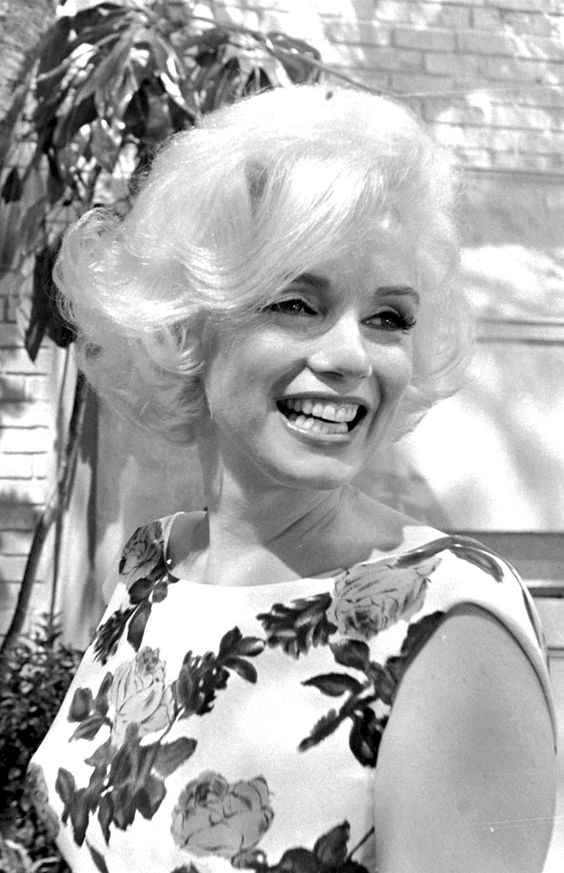
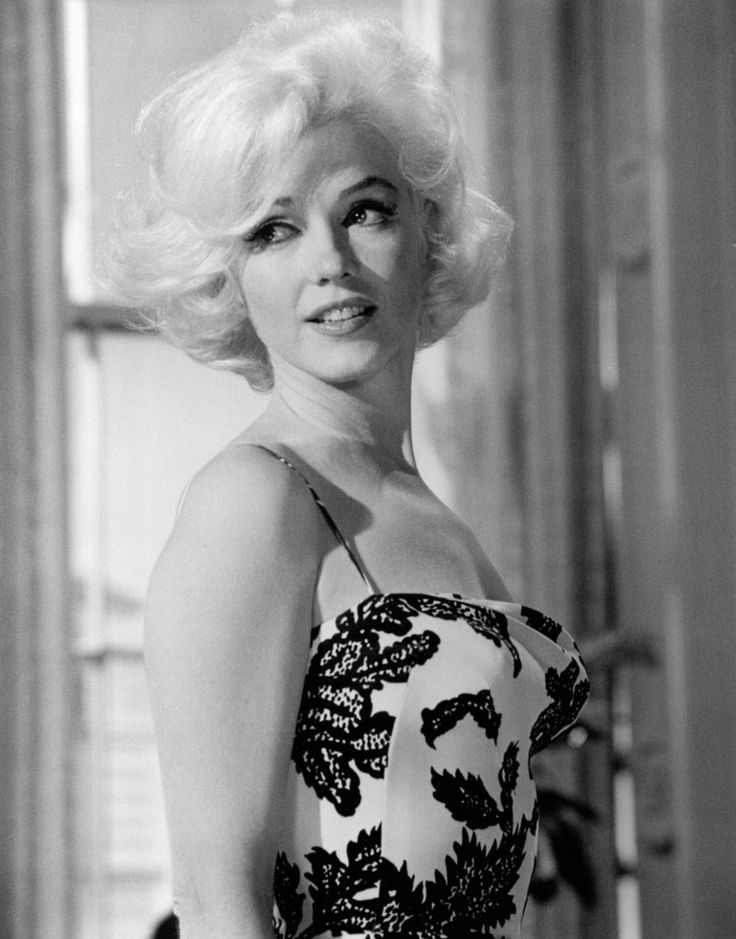
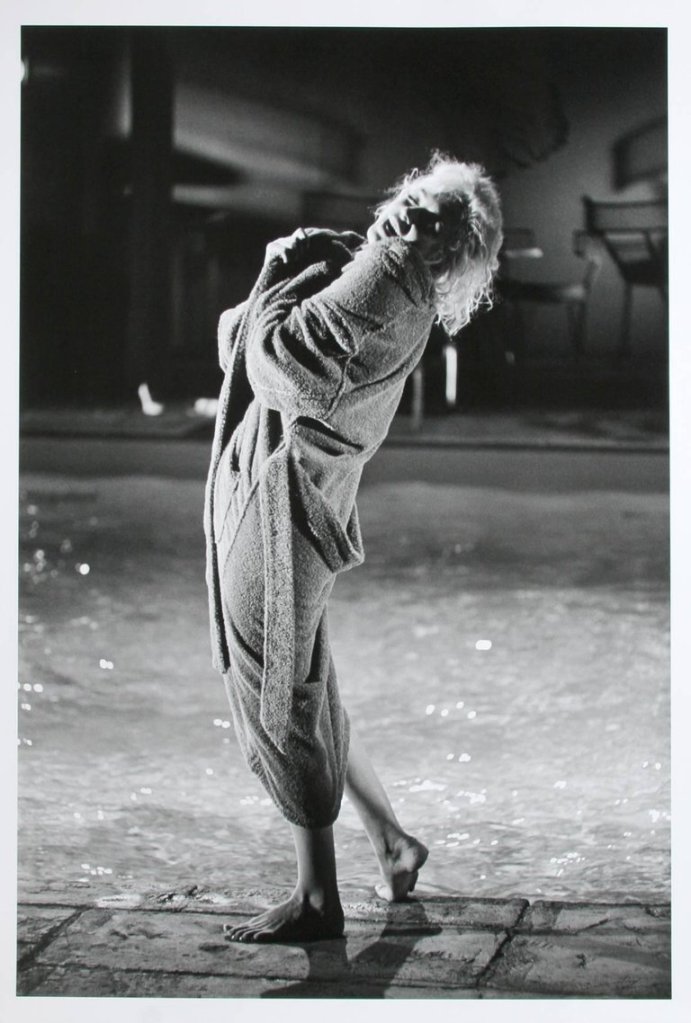
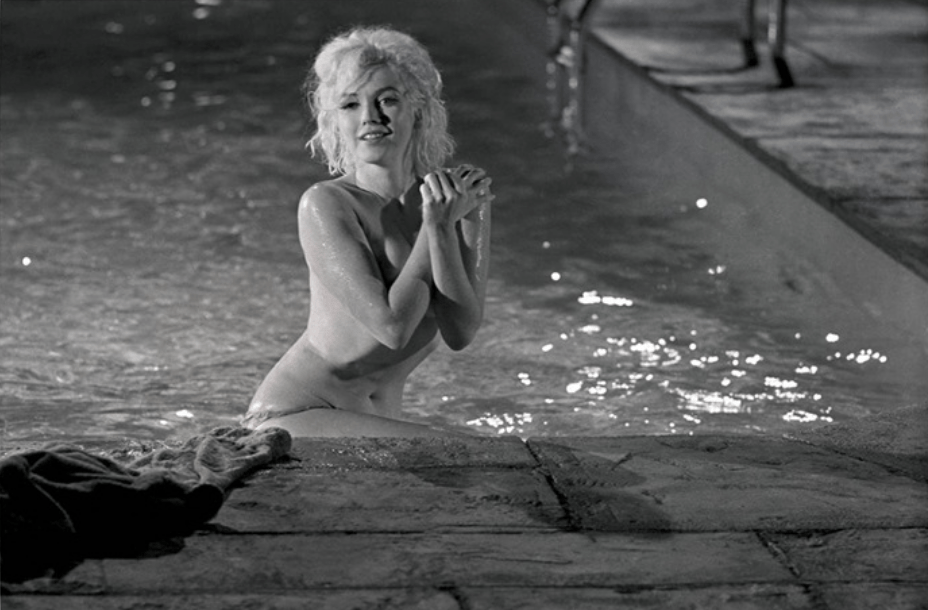
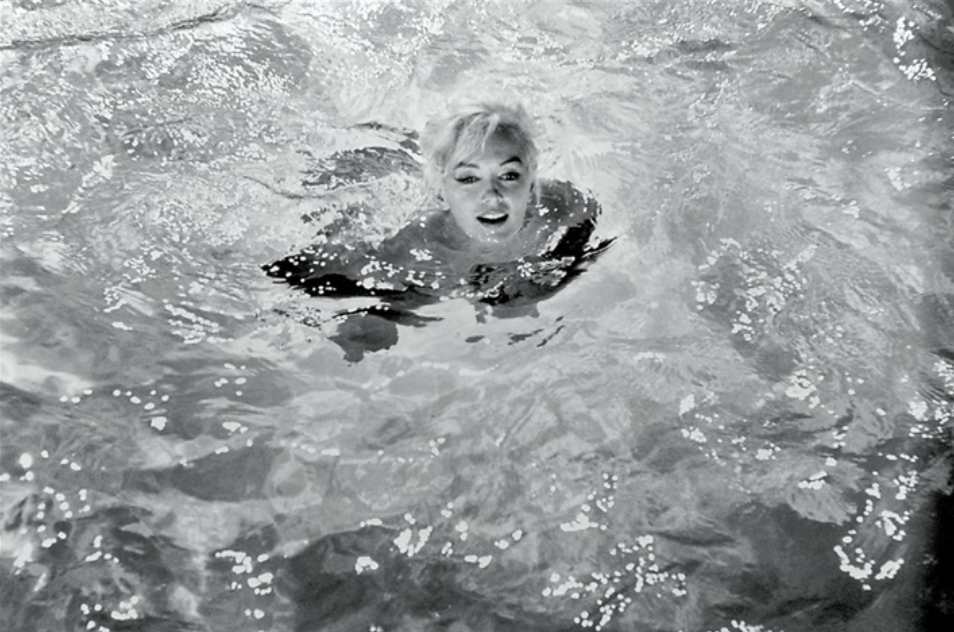
62 Vintage Photos of Behind-the Scenes of ‘Something’s Got to Give’ – The Last Unfinished Movie of Marilyn Monroe, 1962

Something’s Got to Give is an unfinished 1962 American feature film, directed by George Cukor for Twentieth Century-Fox and starring Marilyn Monroe, Dean Martin and Cyd Charisse. A remake of My Favorite Wife (1940), a screwball comedy starring Cary Grant and Irene Dunne, it was Monroe’s last work; from the beginning its production was disrupted by her personal troubles, and after her death on August 5, 1962 the film was abandoned. Most of its completed footage remained unseen for many years.

Twentieth Century-Fox overhauled the entire production idea the following year with mostly new cast and crew and produced their My Favorite Wife remake, now entitled Move Over, Darling and starring Doris Day, James Garner, and Polly Bergen.

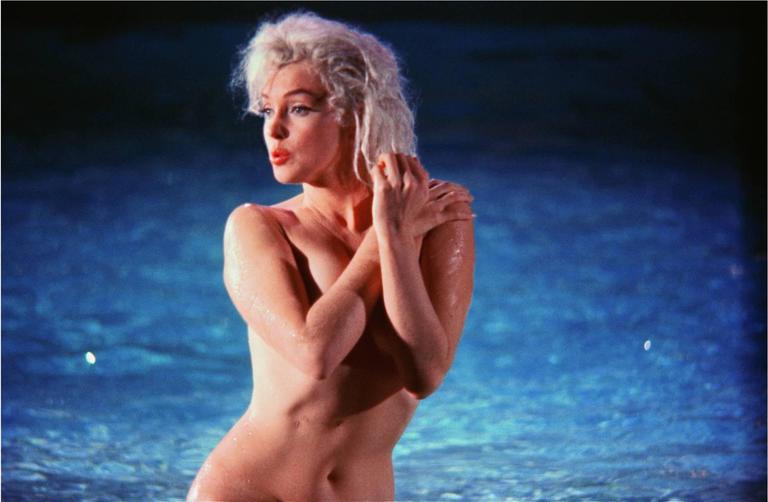
These glamorous photos are the last images of Monroe in her last unfinished movie Something’s Got to Give in 1962.

Director George Cukor plants a kiss on Marilyn Monroe’s cheek as she reports on the set in Hollywood, California, USA on April 30, 1962, to begin work in the film “Something’s Got To Give”. Marilyn was prevented from reporting on time a week ago because of a virus infection that gave her a slight temperature and kept her confined to bed. The studio says she’s in great shape, having shed 15 pounds and won back her old waist measurement of 22 inches.

Magnificent Photos Of 1940s New York Taken by a Then Teenage Stanley Kubrick.

Subscribe to get access

Read more of this content when you subscribe today.

Stanley Kubrick, the legendary filmmaker behind classics like 2001: A Space Odyssey and The Shining, did not begin his artistic journey behind a movie camera, but rather behind a still camera. As a teenager in the 1940s, Kubrick roamed the streets of New York City capturing the energy, emotions, and contradictions of urban life. His early work as a photographer, particularly for Look magazine, not only honed his technical skills but also shaped his cinematic vision, helping to define the visual and thematic style that would later become his signature as a director.

Kubrick’s passion for photography ignited when his father gifted him a Graflex camera. Enthralled by the power of images, he began to document the everyday lives of New Yorkers—boxing matches, bustling street corners, intimate portraits of strangers. He was particularly drawn to moments of isolation and quiet contemplation, themes that would later dominate his films. His ability to frame an image in a way that conveyed deep emotion was evident even in his teenage years, showing an instinct for visual storytelling that surpassed many of his contemporaries.

When Kubrick was only 17, his photograph of a despondent news vendor reacting to Franklin D. Roosevelt’s death was published in Look magazine. This striking image marked the beginning of his career as a professional photographer. Throughout the late 1940s, Kubrick worked for Look, crafting photo essays that told layered, cinematic stories—almost like short films captured in still form. He meticulously arranged each shot, used dramatic lighting, and experimented with composition, techniques that would later be foundational in his approach to filmmaking.

One of Kubrick’s most significant lessons from his photography days was how to direct human subjects. He learned to evoke genuine expressions from people, a skill that seamlessly translated to working with actors. His ability to frame and light a shot was cinematic long before he ever touched a film camera. His time on the streets of New York gave him an intimate understanding of human nature, an observational patience, and an appreciation for realism that informed his filmic masterpieces.


Kubrick’s experiences as a young photographer also trained him to think visually and tell stories through composition. The controlled aesthetics and careful blocking of his photographs bore a striking resemblance to the way he would later compose scenes in his movies. His films often feature meticulous symmetry, a deep understanding of light and shadow, and compositions that feel like moving photographs. The deliberate pacing of his films owes much to his early experiences waiting for the perfect shot, understanding that visual storytelling required patience and precision.


His transition from photography to film was a natural evolution. Having mastered the ability to capture singular, powerful images, he now sought movement, sound, and narrative depth. His first film projects borrowed heavily from his photographic instincts—short documentaries like Day of the Fight (1951) were almost an extension of his boxing photo series for Look. It was evident that his experience in photography had shaped his cinematic technique, allowing him to construct stories with a painterly eye for detail.


In retrospect, Kubrick’s teenage years, spent wandering the streets of New York with a camera, laid the foundation for his filmmaking style. His meticulous framing, his fascination with human behavior, and his ability to tell stories through images were all born out of the countless hours he spent documenting life through his lens. Photography was not just an early phase of Kubrick’s career—it was the crucible in which his artistic sensibilities were forged, leading him to become one of the most visually distinctive directors of all time.

Subscribe to continue reading

Subscribe to get access to the rest of this post and other subscriber-only content.

20 Remarkable Photographs of San Francisco’s Chinatown At The End Of The 19th Century

Between 1896 and 1906, Berlin-born naturalised American Arnold Genthe (1869-1942) took pictures of street life in San Francisco’s Chinatown. Genthe, who ran a photographic studio in Chinatown, would wander the area taking often covert pictures of anonymous subjects. An early proponent of street photography. Genthe’s pictures were nearly lost when earthquake and fire struck the city in 1906. Happily, he had locked his work inside a bank vault which survived the destruction. Genthe’s extraordinary photos can be seen here and are now about the only representation of the area before the devastating earthquake.

On August 28, 1850, at Portsmouth Square, San Francisco’s first mayor, John Geary, officially welcomed 300 “China Boys” to San Francisco. By 1854, the Alta California, a local newspaper which had previously taken a supportive stance on Chinese immigrants in San Francisco, began attacking them, writing after a recent influx that “if the city continues to fill up with these people, it will be ere long become necessary to make them subject of special legislation”

Via The Library of Congress

Beautiful Retro Photos of Actress Shirley MacLaine During the 1960s & 1970s

Shirley MacLaine is an American actress and dancer known for her deft portrayals of charmingly eccentric characters and for her interest in mysticism and reincarnation.

At the age of three, she began studying ballet, and, after graduating from high school, she moved to New York City, where she worked as a dancer and model. Around this time she changed her name to Shirley MacLaine. In 1954 she was hired as a chorus girl and understudy to the second lead, Carol Haney, in the hit Broadway musical The Pajama Game. When Haney broke her ankle, MacLaine took over the role and was “discovered” by film producer Hal Wallis, who put her under contract.

MacLaine made her movie debut in Alfred Hitchcock’s The Trouble with Harry (1955). Her unique sexy tomboyish looks and her ability to combine worldly experience with an offbeat innocence caused her to be frequently cast as a good-hearted hooker or waif—for example, in such films as Vincente Minnelli’s Some Came Running (1958), an adaptation of a James Jones novel, and Billy Wilder’s The Apartment (1960) and Irma la Douce (1963), romantic comedies that also starred Jack Lemmon. Her performances in those films earned MacLaine Academy Award nominations. In 1969 she starred in Bob Fosse’s Sweet Charity, portraying a taxi dancer who remains optimistic despite a series of disappointments.

Rarely able to exercise her considerable dancing talent on film, MacLaine often appeared on television variety specials, winning several Emmy Awards, and in 1976 and 1984 she returned to Broadway in, respectively, A Gypsy in My Soul and Shirley MacLaine on Broadway. Her other notable TV credits included the British drama series Downton Abbey.

In 1970 MacLaine published Don’t Fall off the Mountain, which turned out to be the first in a series of best-selling memoirs describing not only her life in movies and her relationships (including that with her brother) but also her search for spiritual fulfillment. In 1987 she cowrote, produced, directed, and starred in a television adaptation of one of her autobiographies, Out on a Limb, which had been published in 1983. She also directed The Other Half of the Sky (1976), which received an Oscar nomination for best documentary; it was about life in China.

MacLaine was the recipient of numerous honors. She received the Cecil B. DeMille Award (a Golden Globe for lifetime achievement) in 1998 and was named a Kennedy Center honoree in 2013.

48 Amazing Photos Of Life In The Real Wild West

These authentic vintage photographs of the American frontier reveal what life was actually like in the “Wild West.”

The American frontier holds a mythic space in our imaginations. And because of that, it’s a place we envision more through the stories of the Wild West than through its actual history.

The real American frontier wasn’t always as dramatic as it’s made out to be in films, but it was a dangerous place, an untamed land. The settlers who traveled out West in the late 19th and early 20th centuries had to live in defiance of nature and the elements without the comforts of civilization.

Whole families would gather together in wagons and ride off into the unknown, sometimes spending months living in the carriages that pulled them westward. Men, women, and children alike would endure as they crossed over mountains, across rivers, and through deserts in search of a new home and a better life.

When they arrived, they lived in houses built with their own two hands. They had to fend for water and food on their own and set up the very infrastructures of their new towns. Some made their way by working on ranches and farms, others by trapping and trading fur, and some by toiling deep in the mines of the new American frontier.

Life was full of dangers. Sandstorms, tornados, and hurricanes plagued their ramshackle homes. The natives of the land fought to keep it their own. And when lawlessness rose its head, men had to take justice into their own hands.

The Wild West has become a legend, but the real world of the American frontier played out just a short time ago. It’s recent enough that we even have photographs of the families that traveled out and they lives they made, little glimpses into life in the real Wild West.

A covered wagon, the vehicle of the great western migration. This family will live in their wagon while they search for a new home on the untamed American frontier. Loup Valley, Nebraska. 1886.
A party leads their horses across the hot, slick rocks of Navajo Mountain. Utah. 1909.
Riders stop at a Native American reservation. A dog is being roasted over the cooking pot at Fort Belknap Reservation, Montana in 1906.
An abducted child among his Apache captors. When 11-year-old Jimmy McKinn was rescued and returned to his family, he fought it bitterly, wanting to stay among the Apache. Arizona. 1886.
Real cowboys, of course, herded cows. Here, one readies his lasso as he looks out on his herd. Genesee, Kansas. 1902.
Cowboys branding a calf. Montana. Date unspecified.
A massive haul of 40,000 buffalo hides stored in a hide yard. Dodge City, Kansas. 1878.
Coaches travel down a carriage road. Pikes Peak, 1911.
Outlaw John Sontag lies dying on the ground after a shootout with a posse. Stone Corral, California. 1893.
A mountainside camp set up for miners. San Juan County, Colorado. 1875.
John Heith, after joining in a robbery that turned into a massacre, is lynched by a mob. Tombstone, Arizona. 1884.
Buckboard wagons cross a river. San Carlos, Arizona. 1885.
A rider in the desert refills his keg with water from a well. Arizona. 1907.
Apaches, including the war hero Geronimo, after their surrender to General Miles. The train behind them will carry them into exile.Nueces River, Texas. 1886
Hauling water across the countryside. Encinal, Texas. 1905.
Men gamble over a game of Faro inside a saloon. Bisbee, Arizona. 1900.
A man, at the site of a new town, looks for a lot. Guthrie, Oklahoma. 1889
The first blacksmith shop in town. Guthrie, Oklahoma. 1889.
Land in a new territory is auctioned off in this tent. California. 1904.
The first house built in Dodge City, a sod home built in 1872. Dodge City, Kansas. 1913.
Men outside a crude ranch play poker. Arizona. Circa 1887-1889.
Inside a bar at the Table Bluff Hotel and Saloon. Humboldt County, California. 1889.
A town starts to grow. The crowd that has gathered is bidding on land that is being auctioned off. Anadarko, Oklahoma. 1901.
Men lay down track for a new railroad, connecting the wild frontier with the world.
Arizona. 1898.
A gold rush town in Dakota. Deadwood, Dakota. 1876.
A little girl feeds the chickens. Sun River, Montana. 1910.
A family outside their home. A Native American servant holds their child. New Mexico. 1895.
A saloon on the streets of an Old West town. Hazen, Nevada. 1905.
The Klondyke Dance Hall and saloon. Seattle, Washington. 1909.
Typical downtown street of a town on the American frontier. Corinne, Utah. 1869.
A cow carries seven children to school. The caption, whether in jest or in earnest, claims that carrying the children to school is this cow’s “daily duty.” Okanogan, Washington. 1907.
A teacher and her students stand in front of a sod schoolhouse. Woods County, Oklahoma. 1895.
A town gets flowing water for the first time. Perry, Oklahoma. 1893.
Correspondent Fred W. Loring poses in front of his mule before heading back home to write about what he’d seen out west.Loring was killed by Apaches less than 48 hours after this picture was taken. San Bernadino, California. 1871.
A Pony Express rider on horseback. 1861.
Cowboys herd cattle across a river. Missouri. 1910.
A group of trappers and hunters outside their cabin. Brown’s Basin, Arizona. 1908.
Mine workers coming out of the mine shaft. Virginia City, Nevada. Circa 1867-1888.
Men cork champagne at the Buena Vista Vinicultural Society. Sonoma, California. Circa 1870-1879.
A fishing camp set up by some Chinese settlers of the American frontier. Point San Pedro, California. 1889.
Shoshone tribe members dance on a Native American reservation while soldiers look on. Ft. Washakie, Wyoming. 1892.
Apaches deliver hay to American settlers. Fort Apache, Arizona. 1893.
An Indian Training School teaches blacksmithing. Forest Grove, Oregon. 1882.
Judge Roy Bean’s courthouse, which doubled as a saloon. Langtry, Texas. 1900.
Cheyenne natives, after trying to escape from their reservation and return to their home land, are held prisoner. Kansas. 1879.
The execution of a man on the gallows. Prescott, Arizona. 1877.
U.S. Deputy Marshalls pose with the clerical force. Perry, Oklahoma. 1893.
A sand storm moves across farmland. Midland, Texas. 1894.

82 Amazing Vintage Showing Life in Rotterdam During the 1920s and 1930s

Rotterdam is a city in the Netherlands, located in South Holland, within the Rhine–Meuse–Scheldt river delta at the North Sea. Its history goes back to 1270 when a dam was constructed in the Rotte river by people settled around it for safety. The port of Rotterdam is the largest cargo port in Europe and the 10th largest in the world.

On 14 May 1940, Germany invaded the Netherlands by the aerial bombardment of the Luftwaffe (German air force). Even though preceding negotiations resulted in a ceasefire, the bombardment took place nonetheless, in conditions which remain controversial, and destroyed almost the entire historic city centre, killing nearly 900 people and making 85,000 others homeless. And the Dutch capitulated early the next morning.

20 Amazing Vintage Photographs of Rock Stars Playing Pinball

Here’s a set of vintage photographs capturing rock stars, punks, and pop royalty playing pinball. Many of these are candid shots, taken on the road during downtime while on tour. Some were taken in such a casual environment that information regarding who took the photo, and when, is scarce.

Debbie Harry, 1977.
The Ramones pose for CREEM, 1978
David Johansen, Lenny Kaye, Dee Dee Ramone, and Andy Paley at C.B.G.B.’s, 1977.
Bob Dylan, 1965
Elvis Presley in a Detroit arcade, 1956.
Bruce Springsteen, 1978
Gene Vincent, 1963
Tina Turner
Michael Jackson, 1983
Joe Strummer
Keith Moon playing pinball at the International Pinball Tournament.
Bruce Springsteen & The E Street Band
Freddie Mercury
Brian May
Slash
The Jackson 5
Frank Sinatra and his daughter Nancy playing pinball machine at home, 1943.
The Everly Brothers
Joey Ramone playing pinball, photo by Danny Fields, 1976.

Yesterday Today

Bringing You the Wonder of Yesterday - Today

Skip to content ↓