
Subscribe to continue reading
Become a paid subscriber to get access to the rest of this post and other exclusive content.
Bringing You the Wonder of Yesterday – Today
Become a paid subscriber to get access to the rest of this post and other exclusive content.
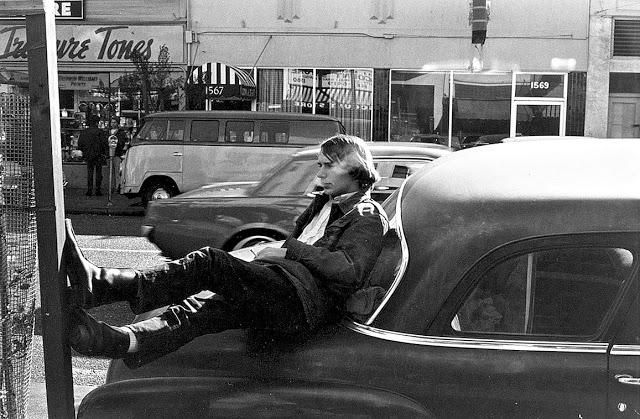
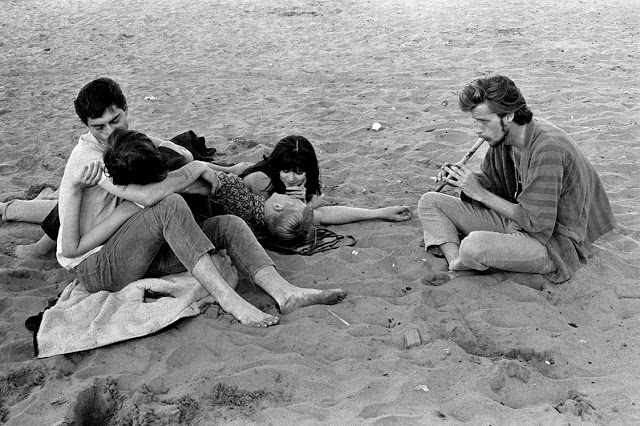
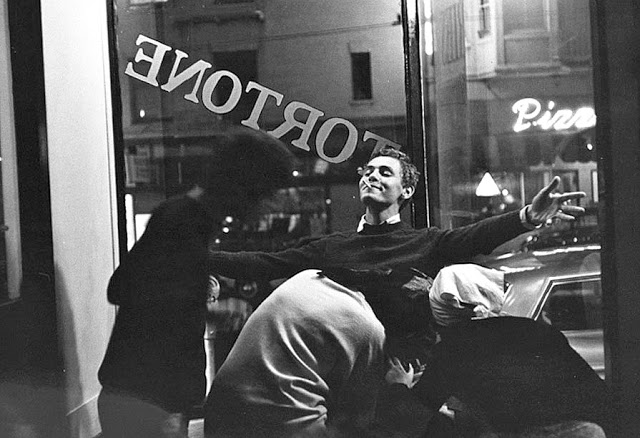
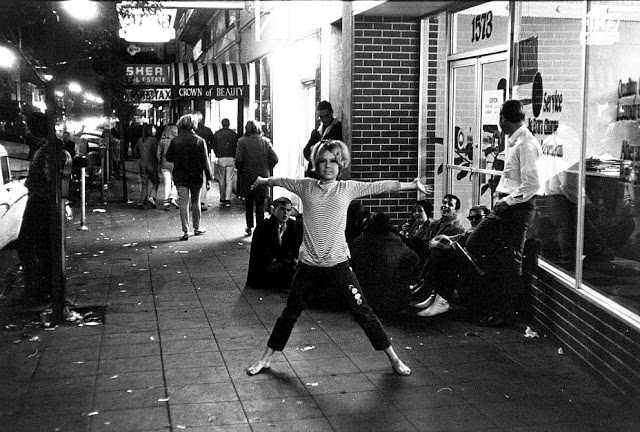
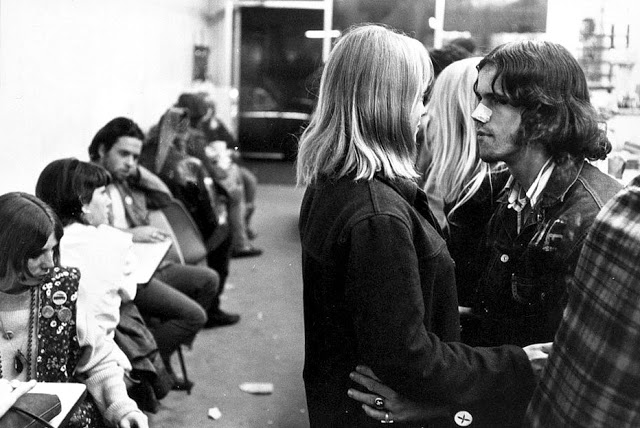
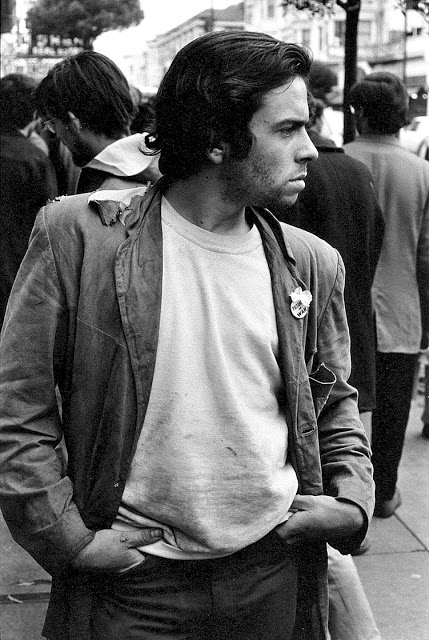
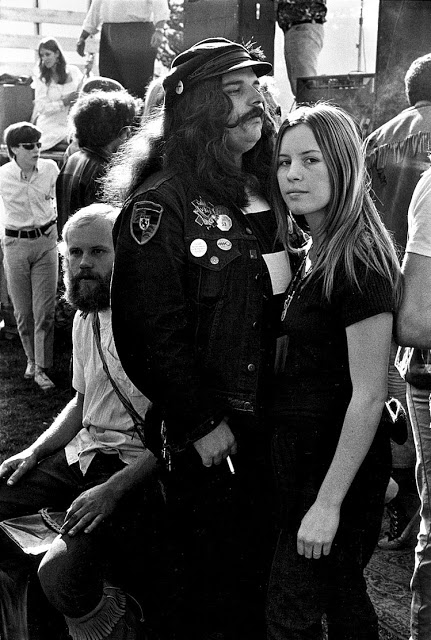
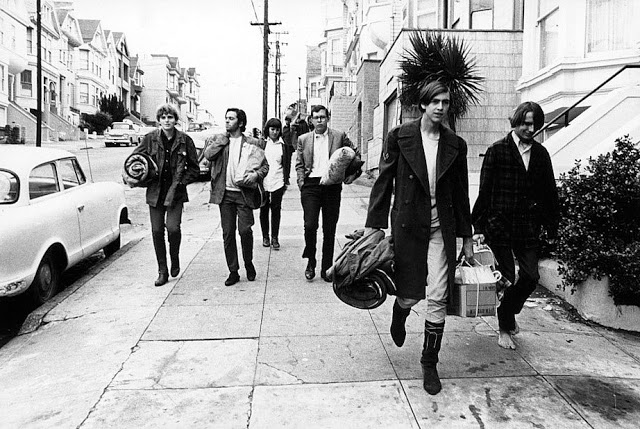
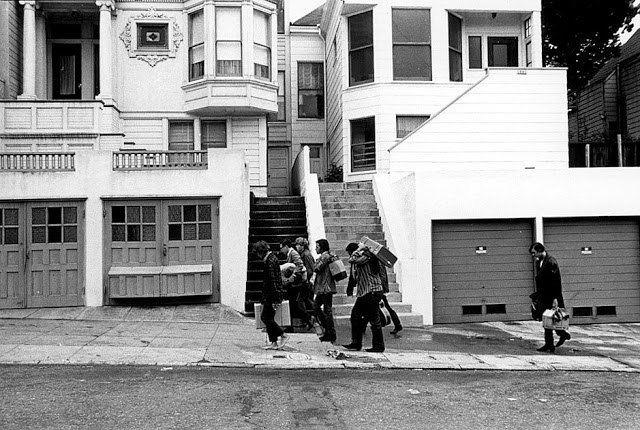
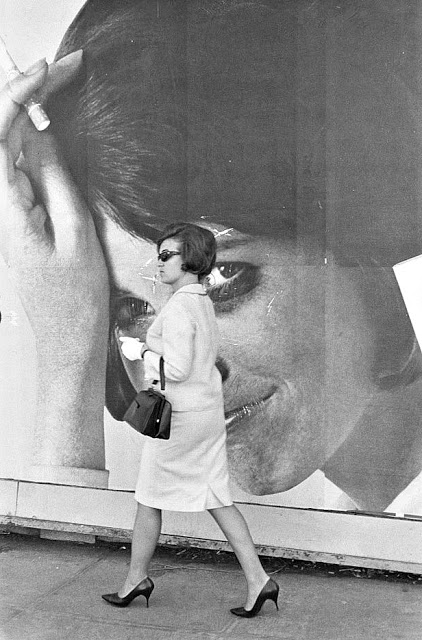
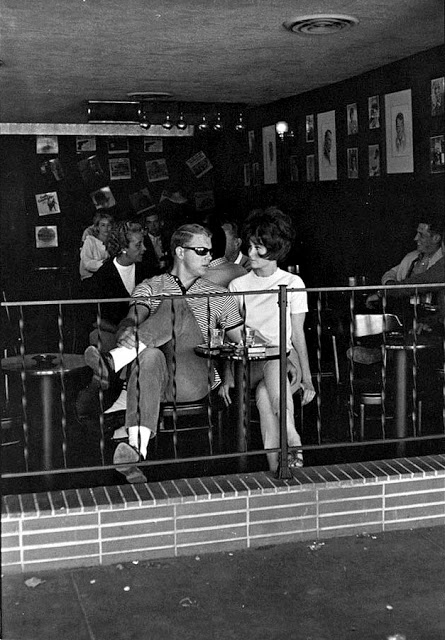
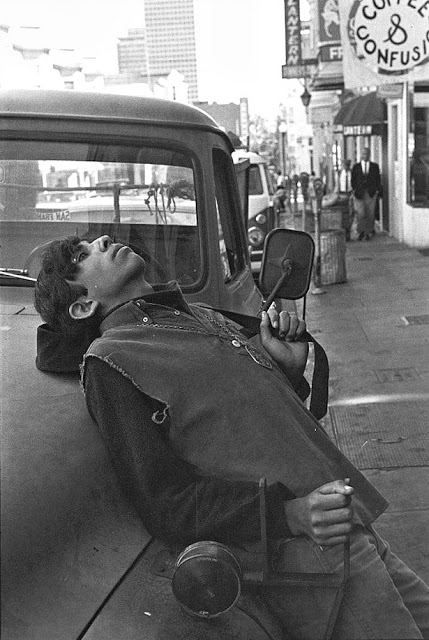
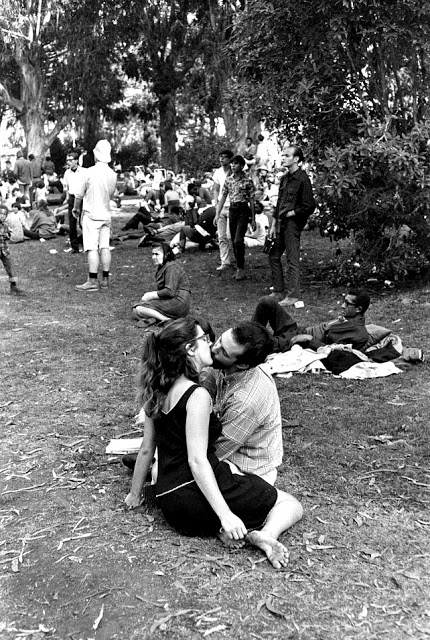
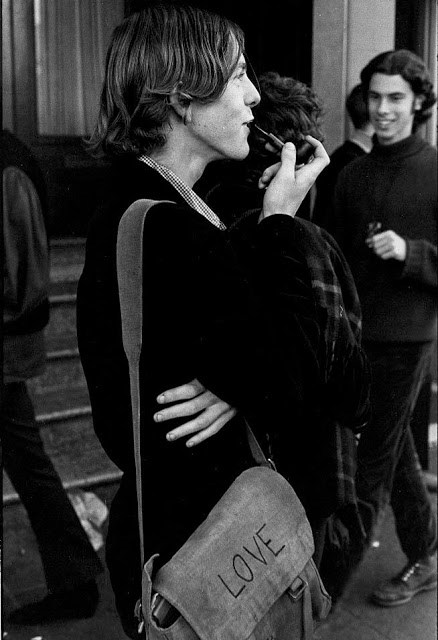
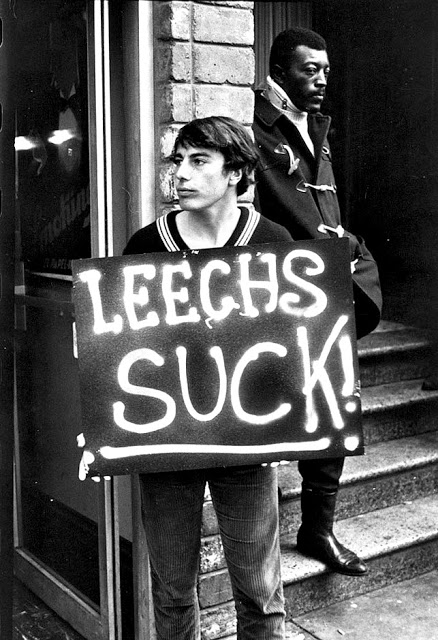
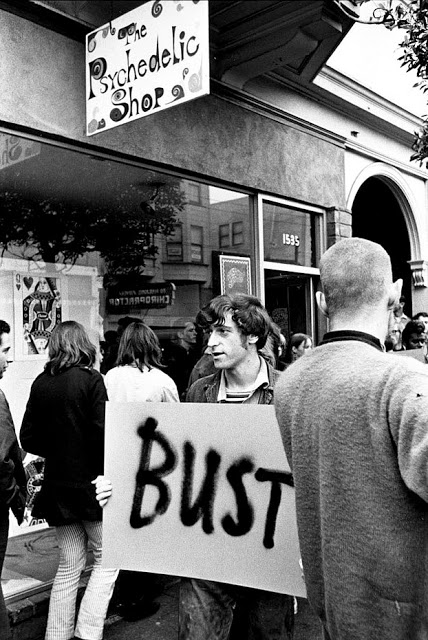
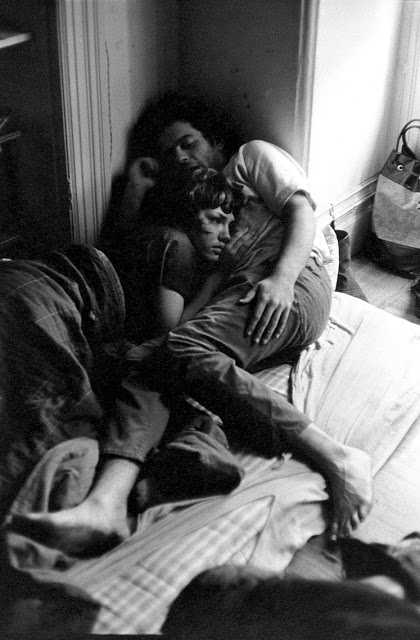
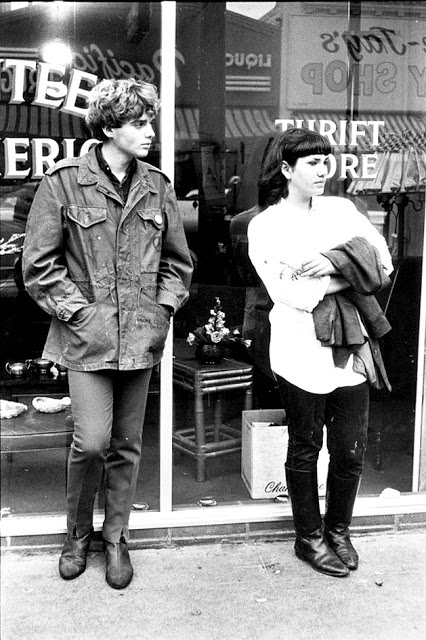
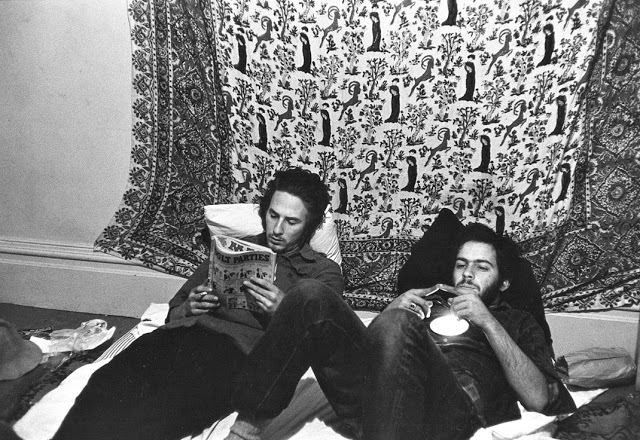
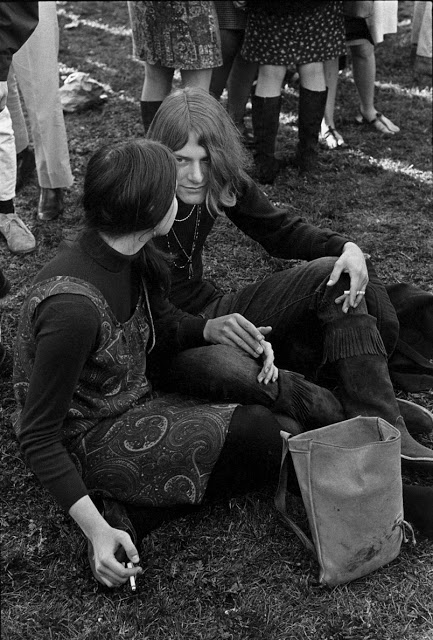
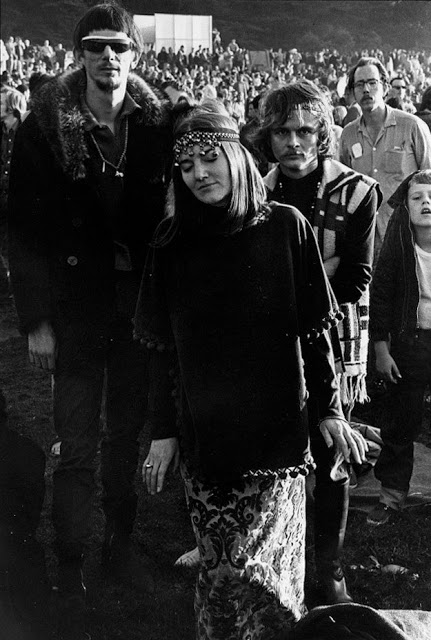
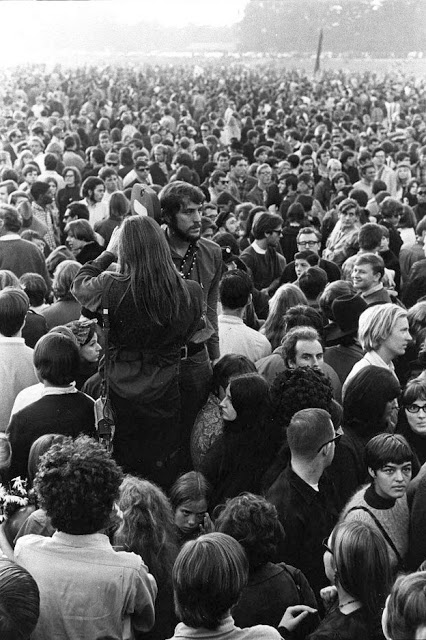
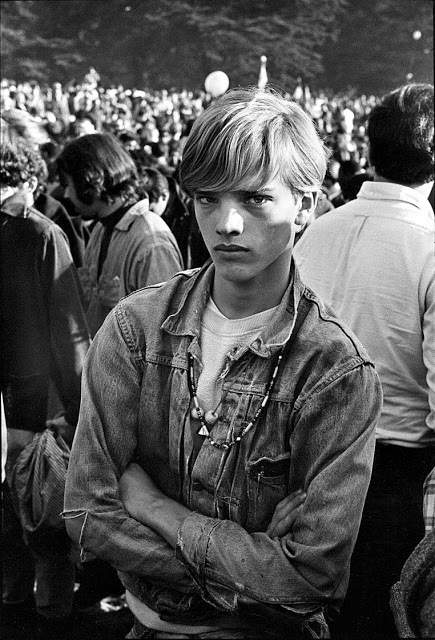
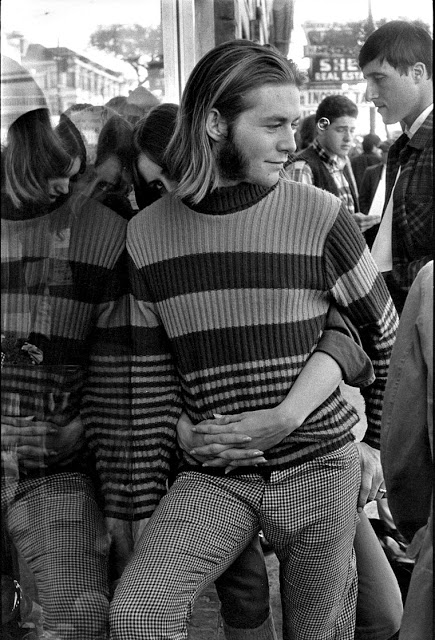
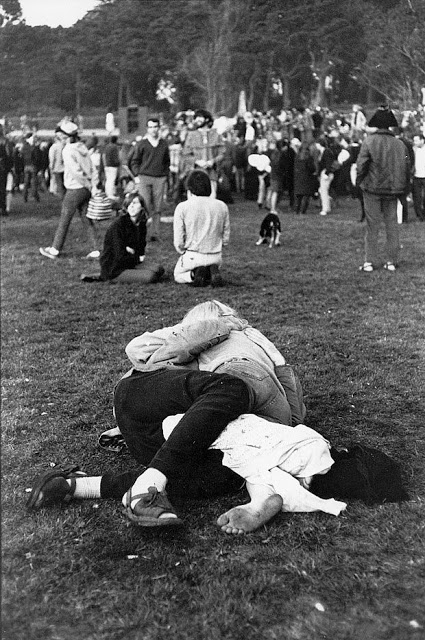
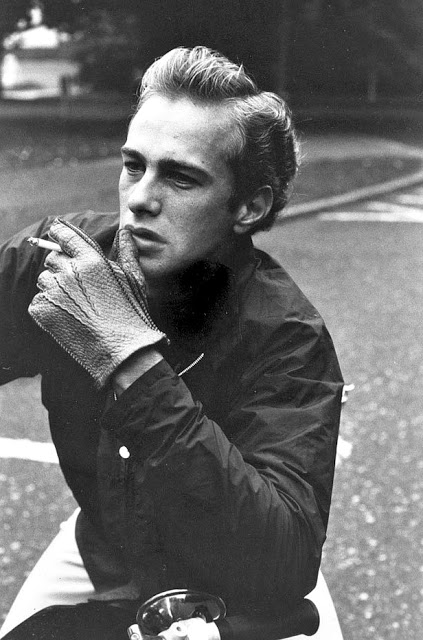
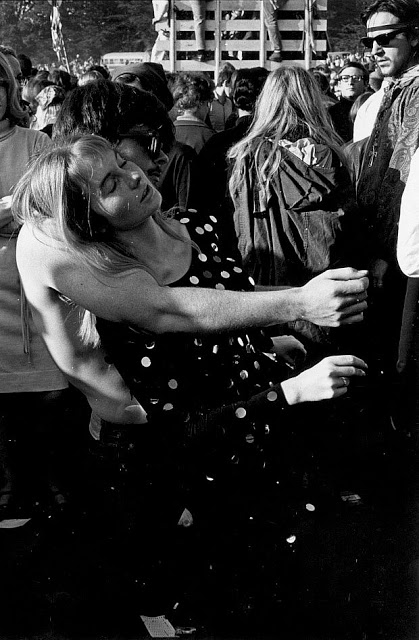
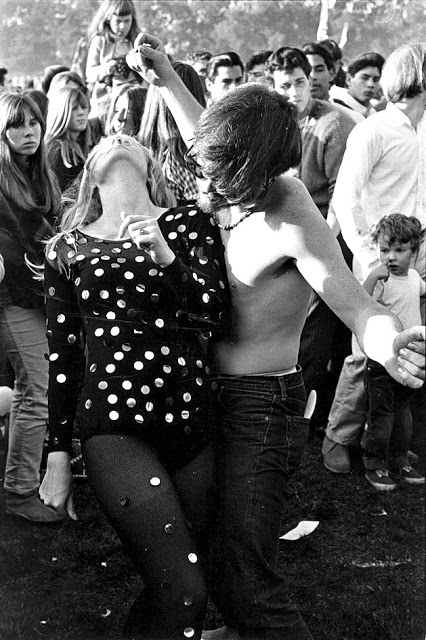
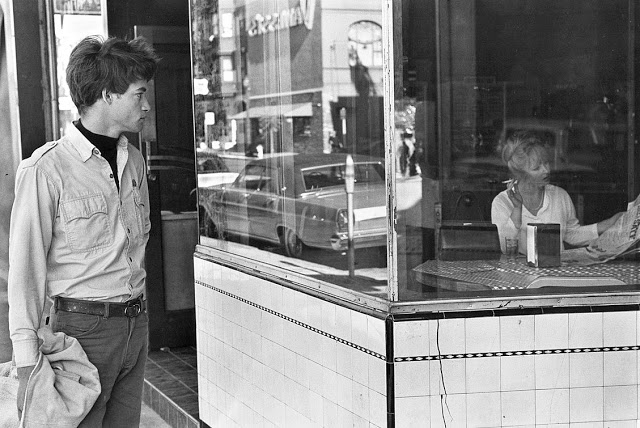
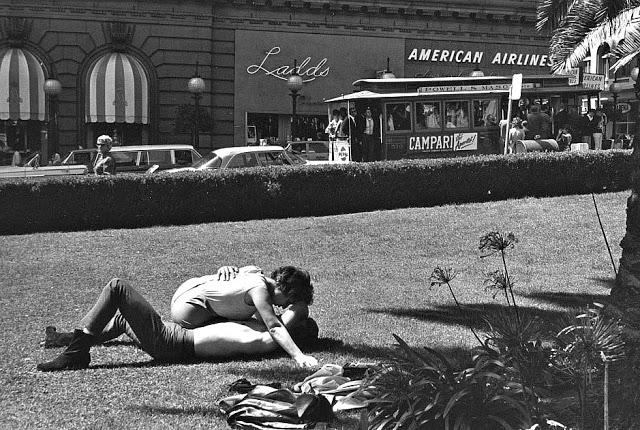
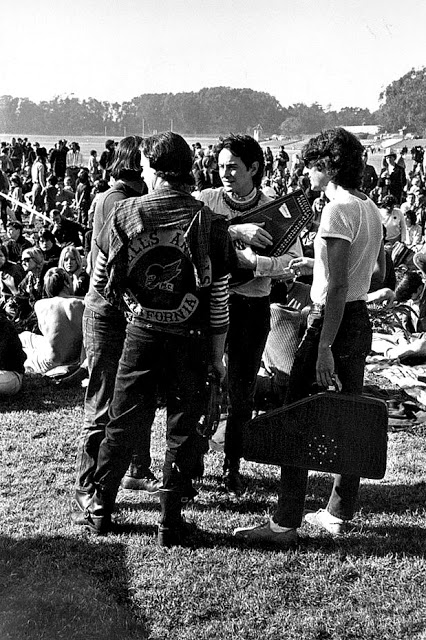
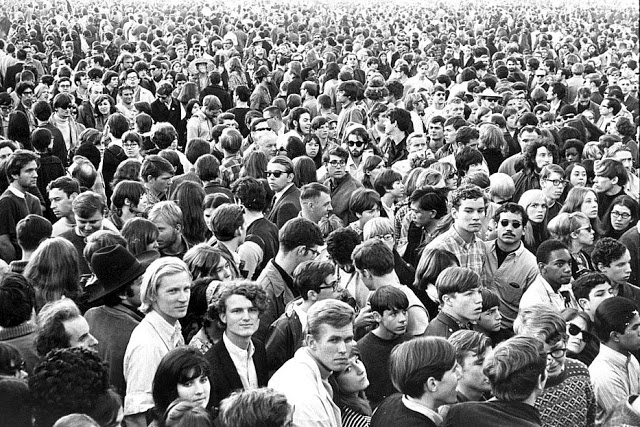
William Gale Gedney (1932-1989) was an American documentary and street photographer. It wasn’t
until after his death that his work gained momentum and his work is now widely recognized.
These black and white photographs of San Francisco were captured by William Gedney in 1968.























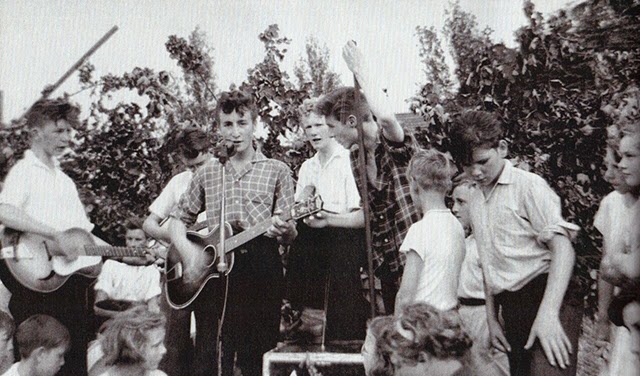
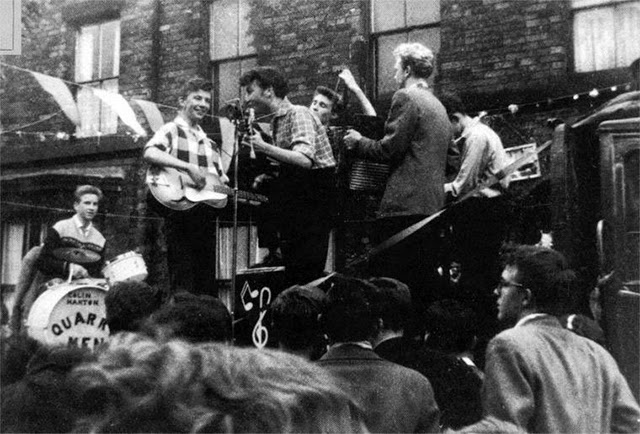
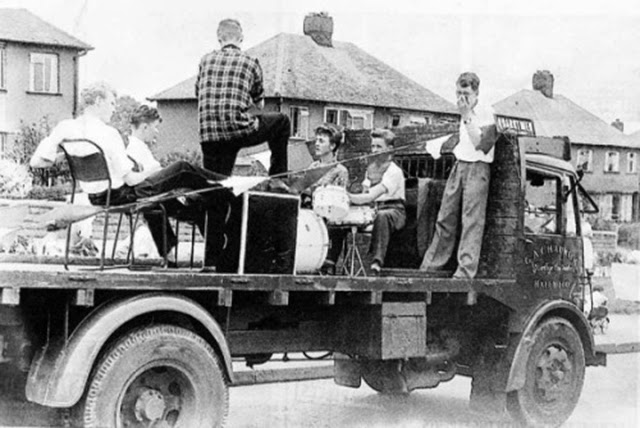
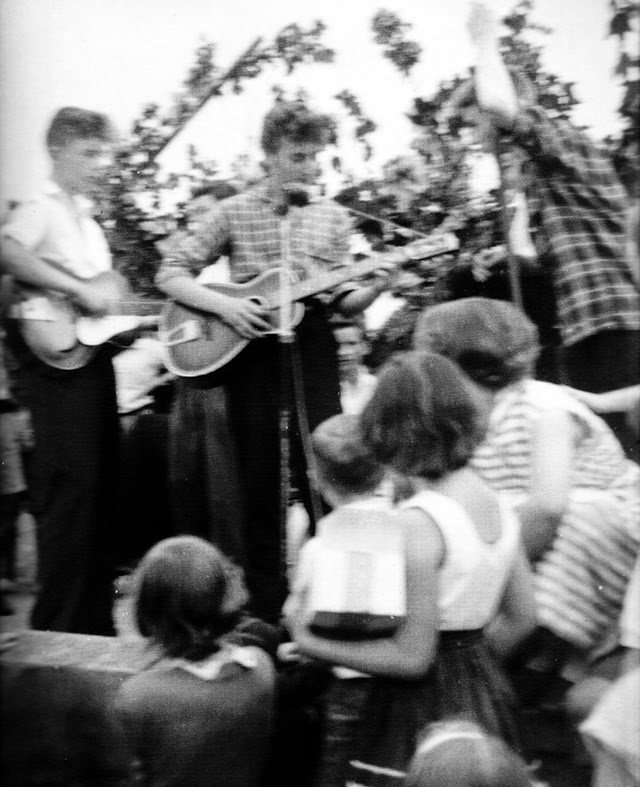
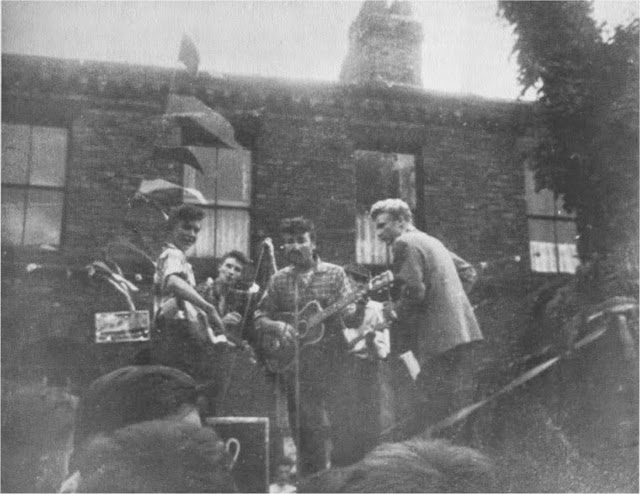
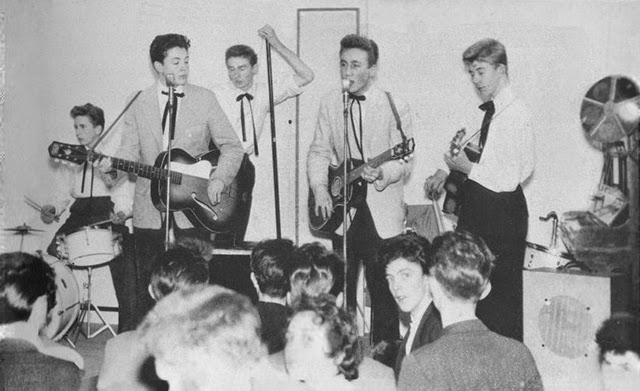
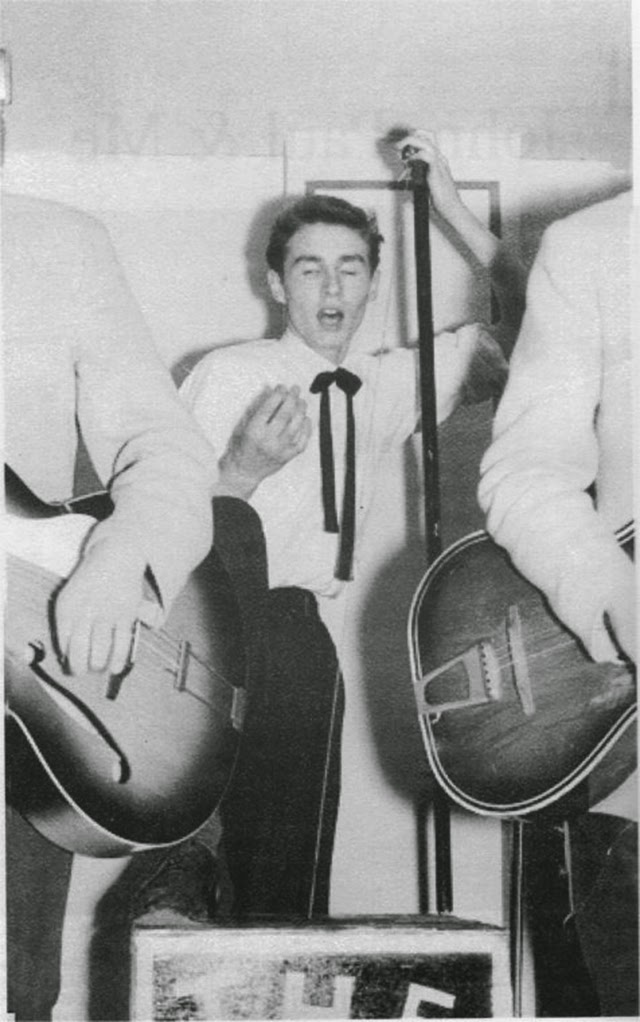
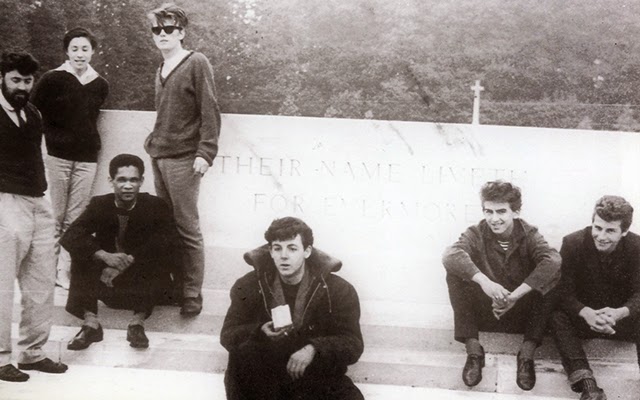
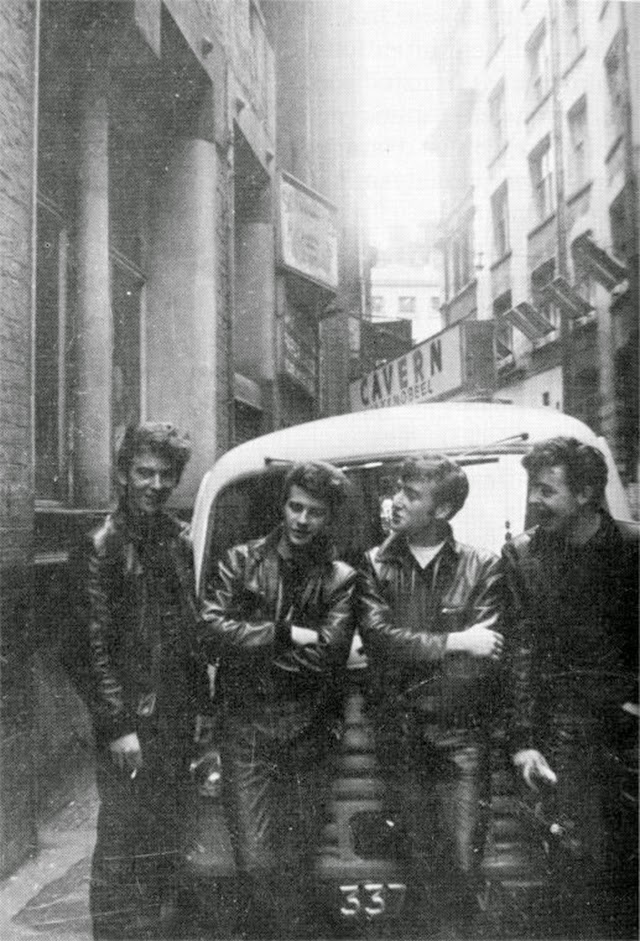
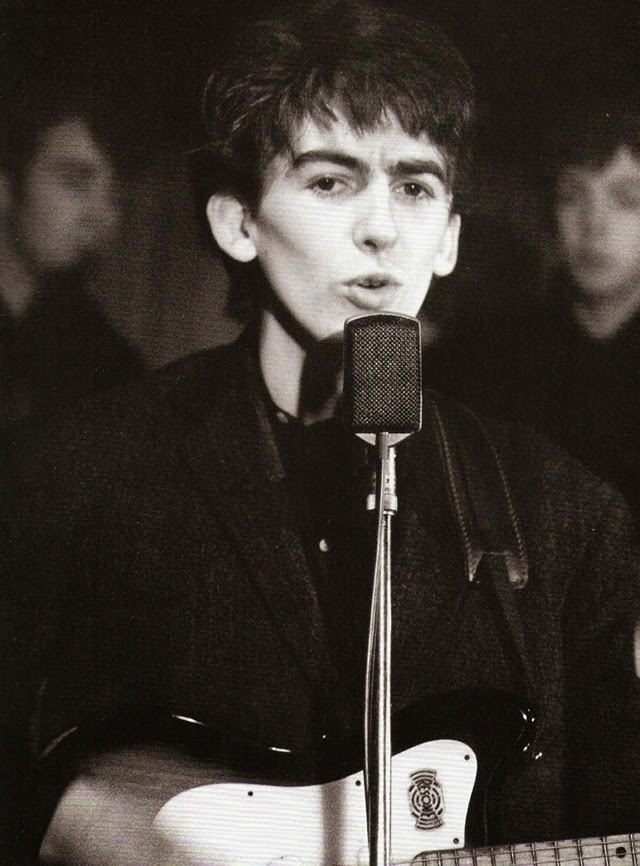
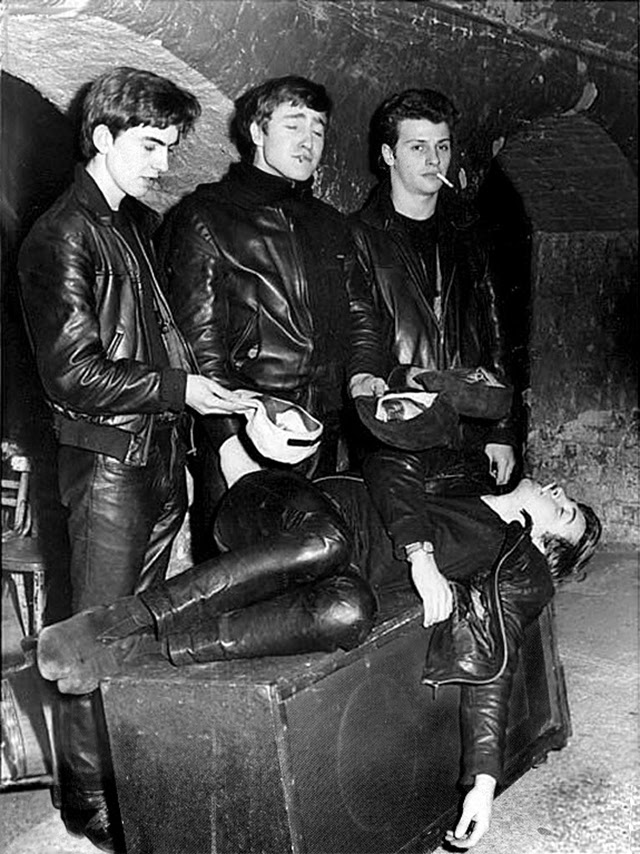
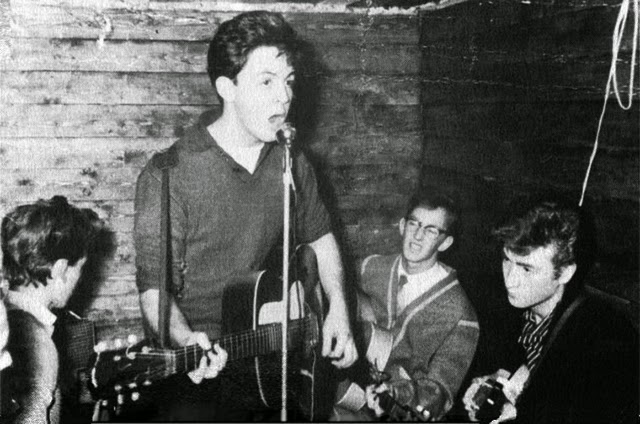
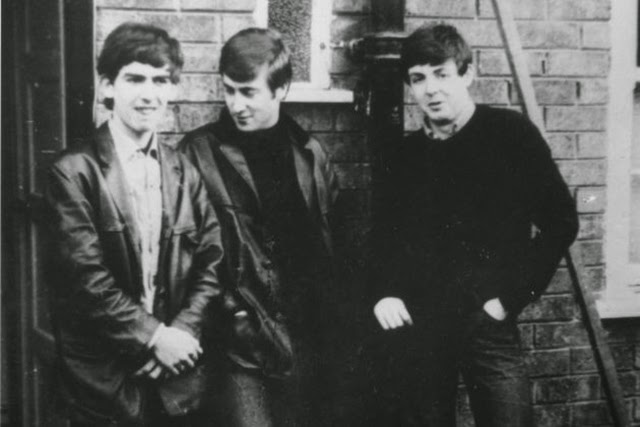
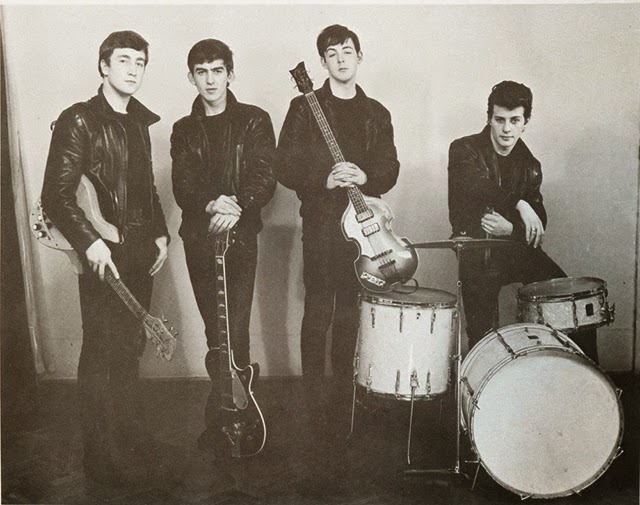
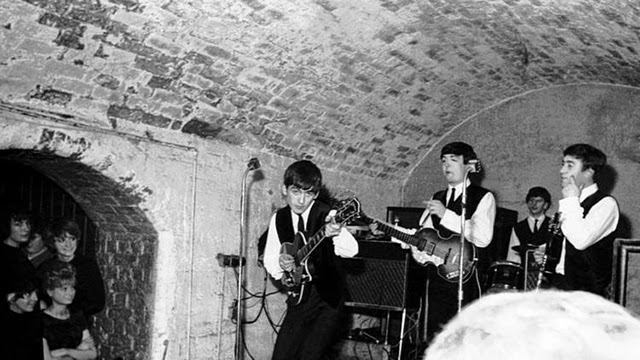
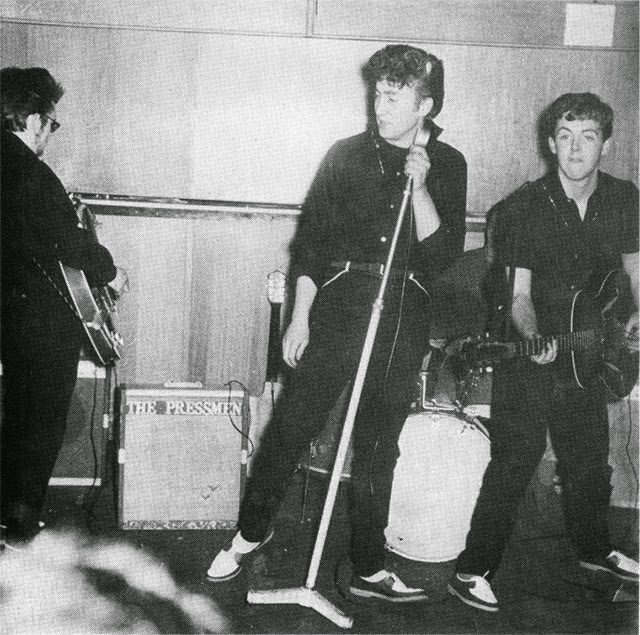
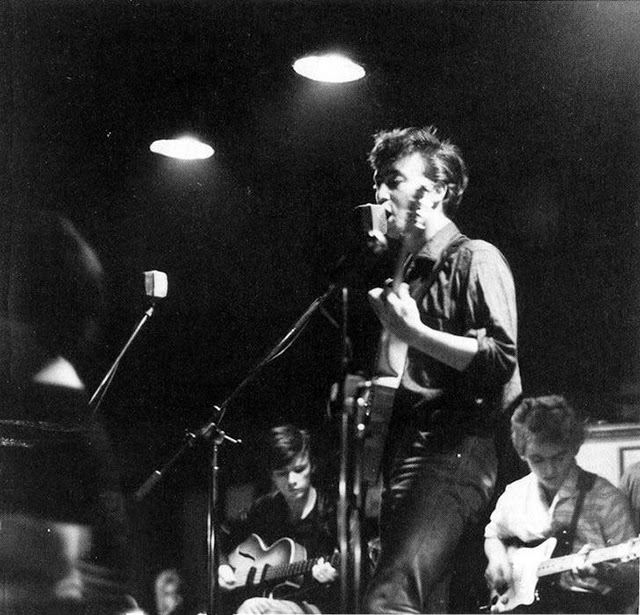
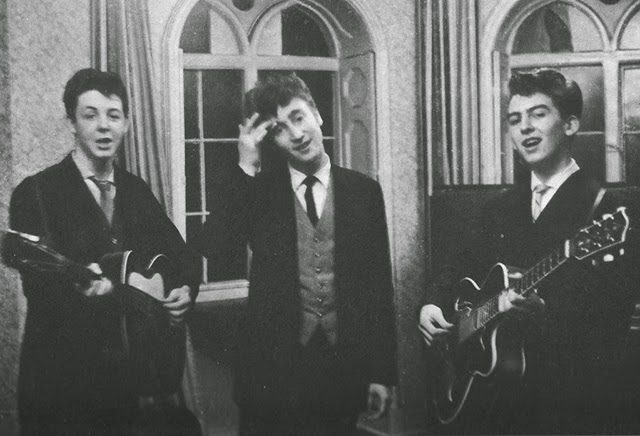
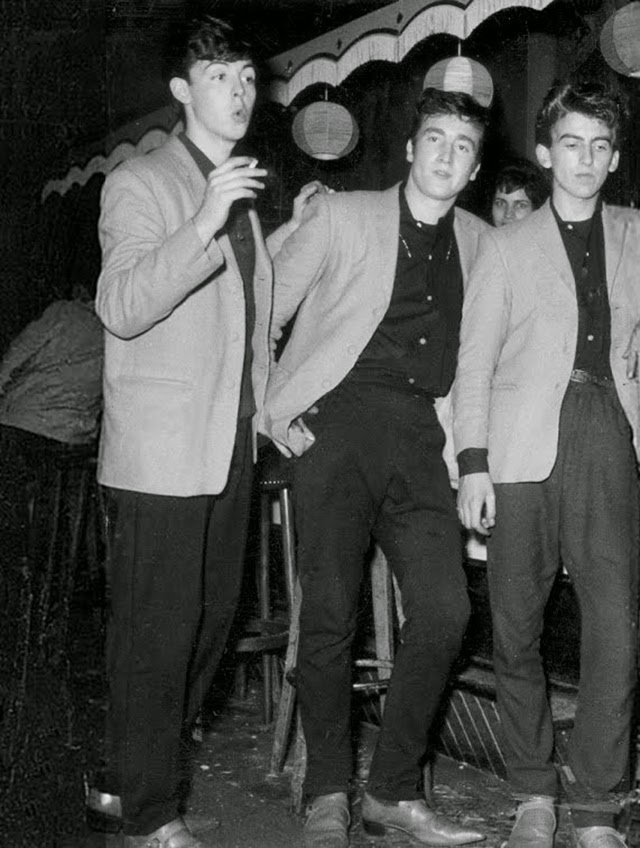
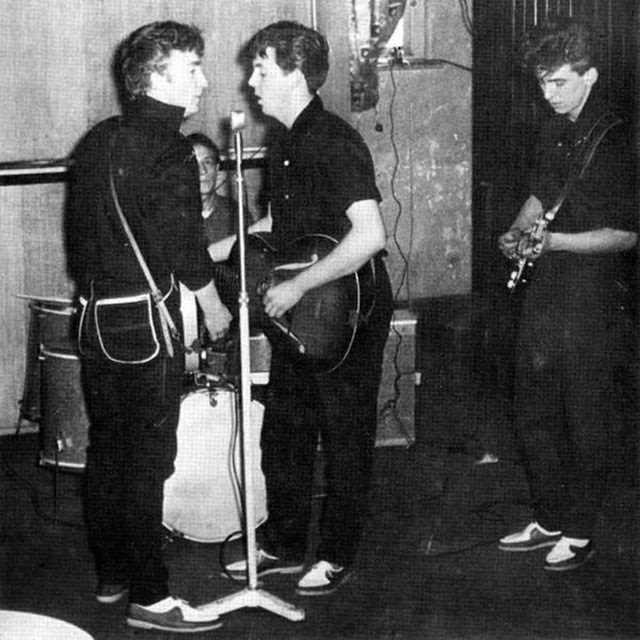
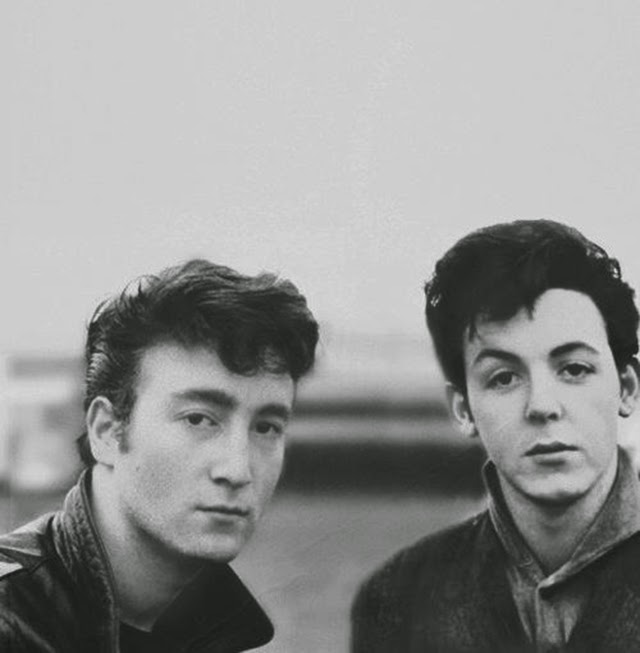
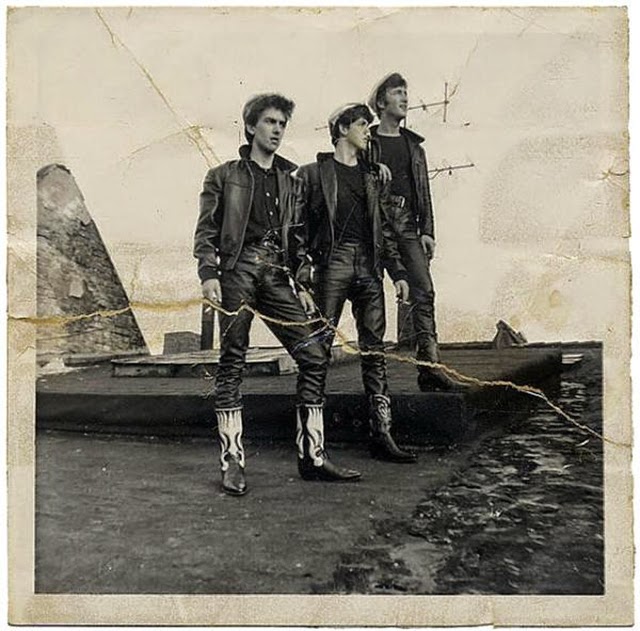
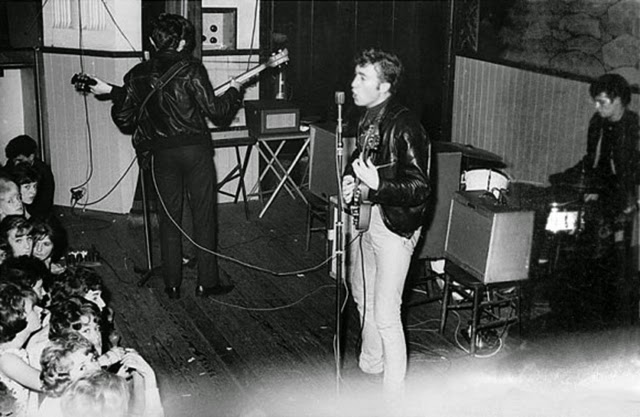
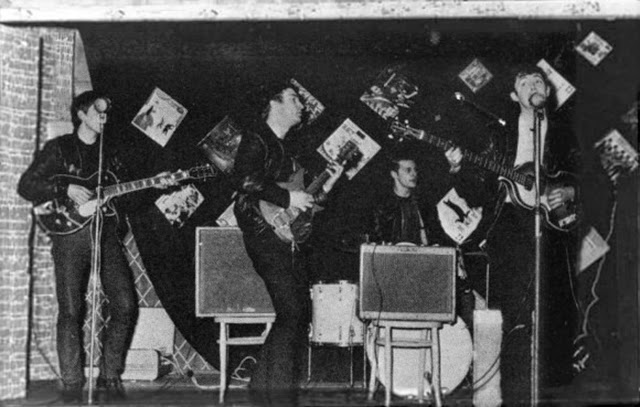
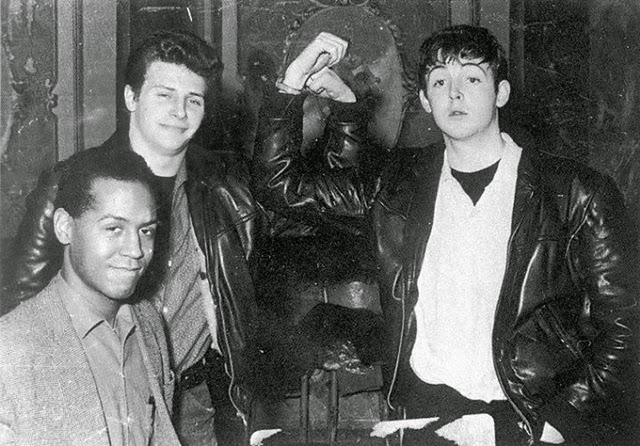
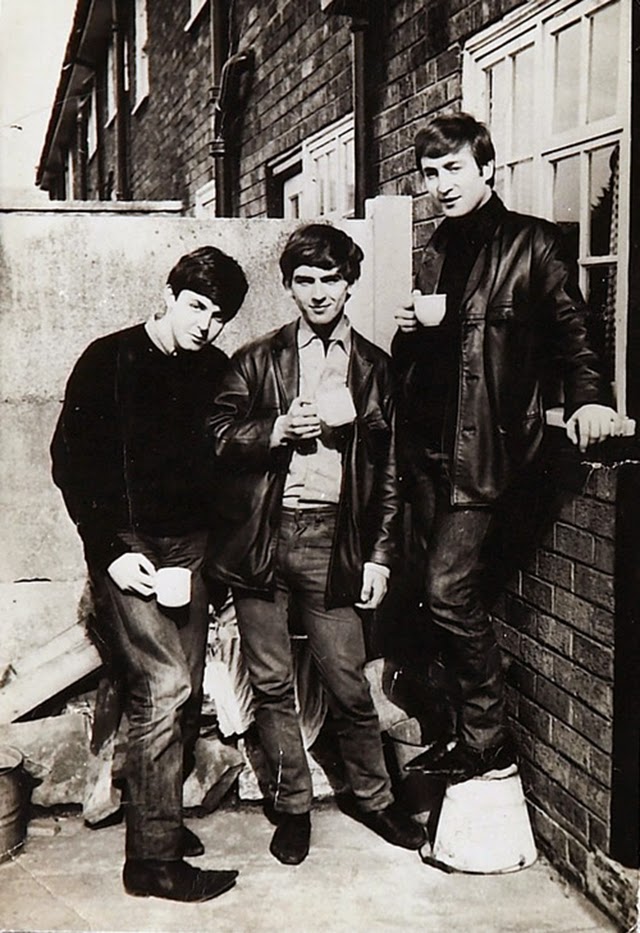
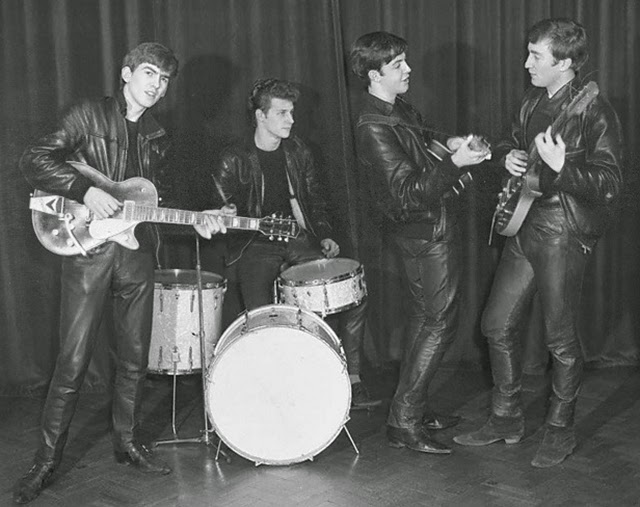
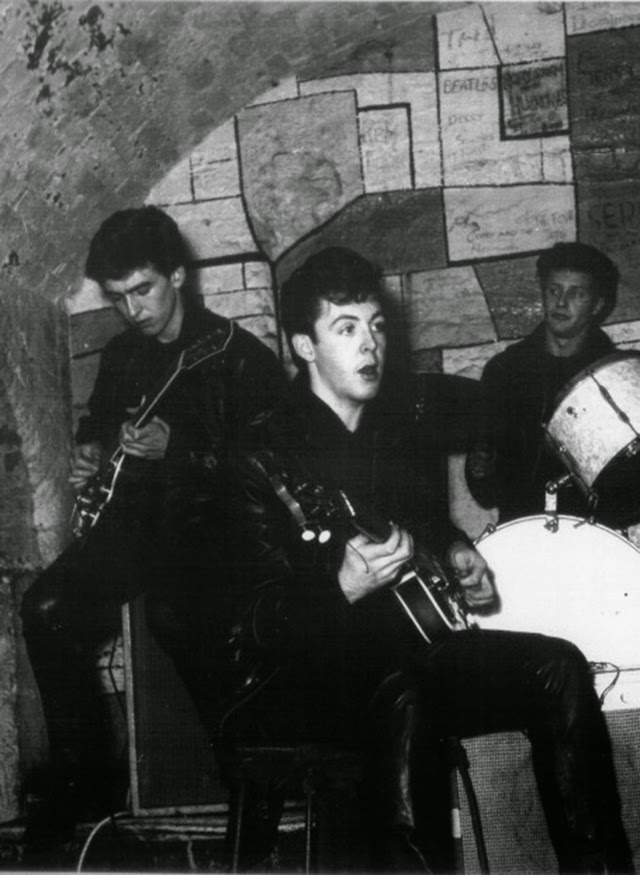
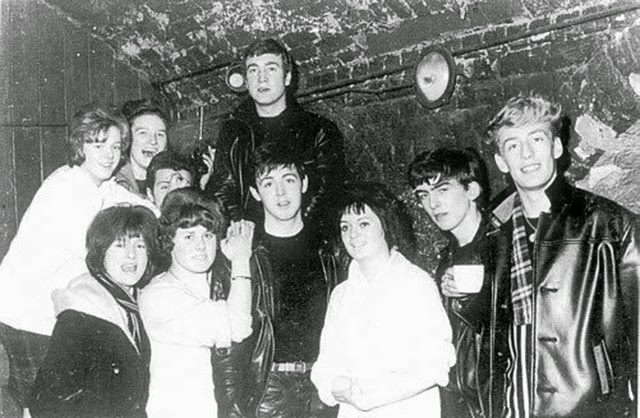
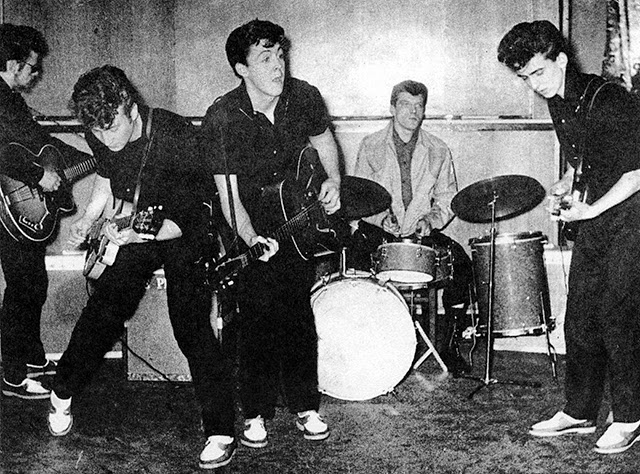
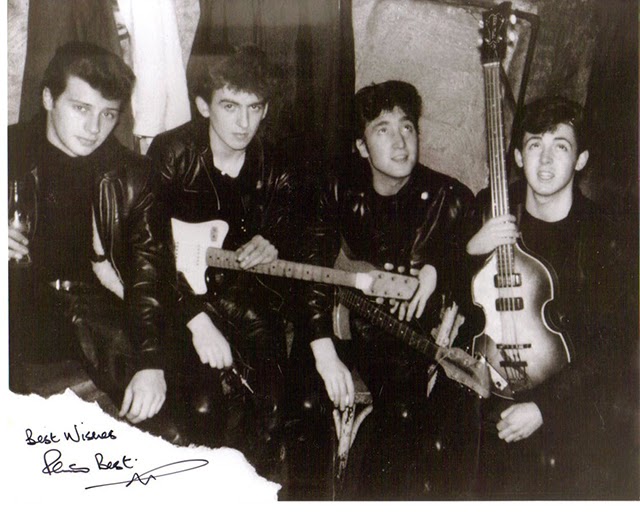
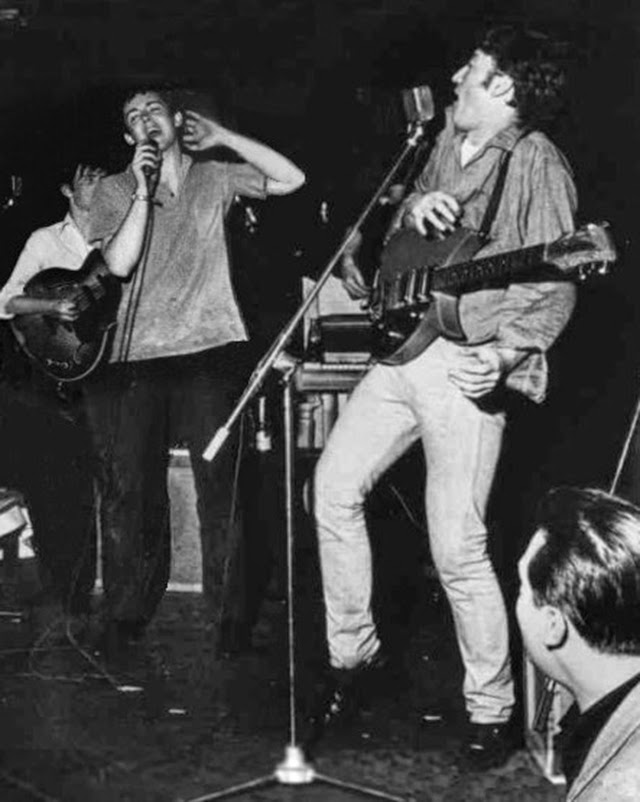
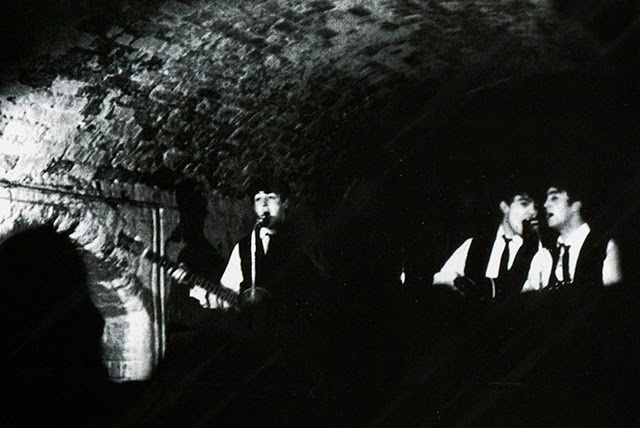
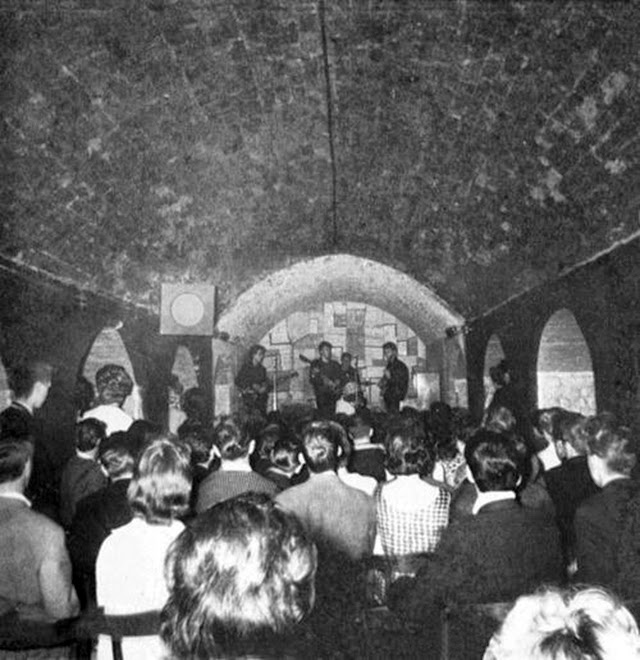
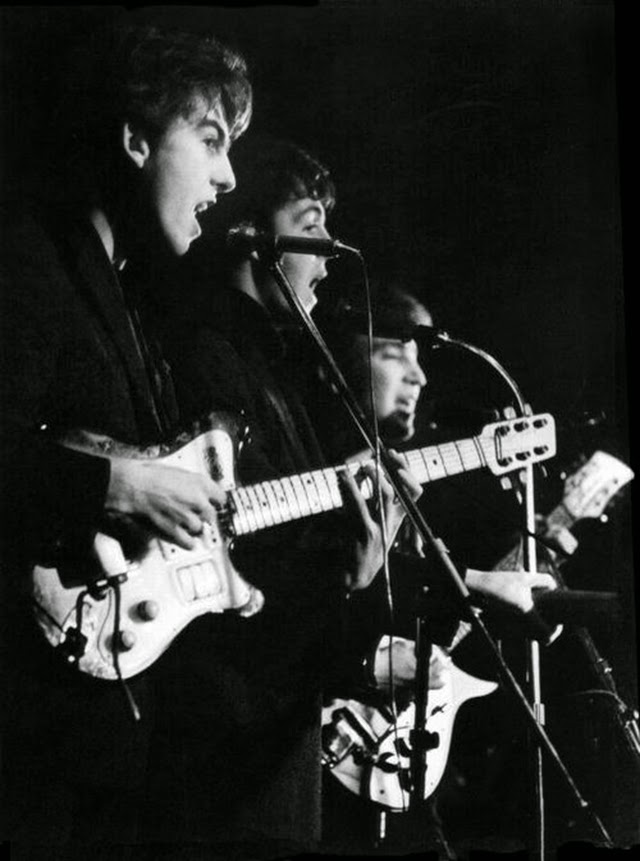
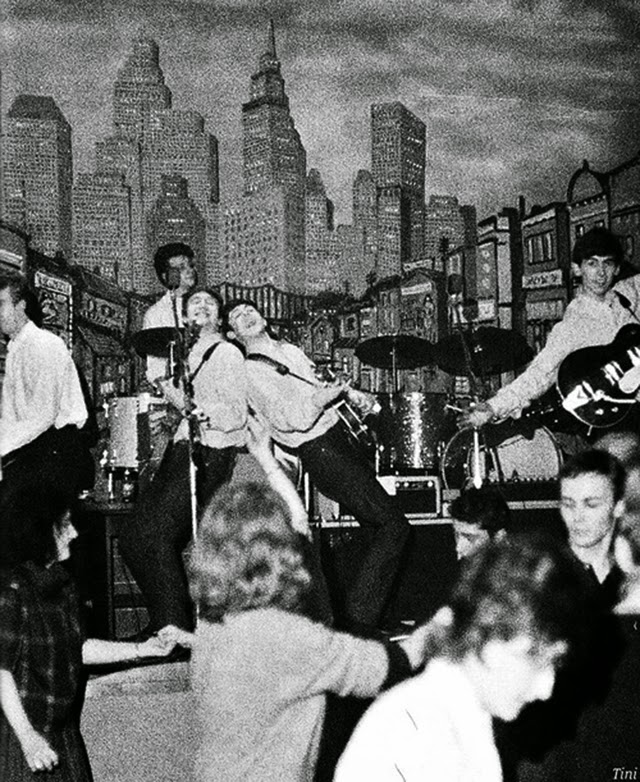
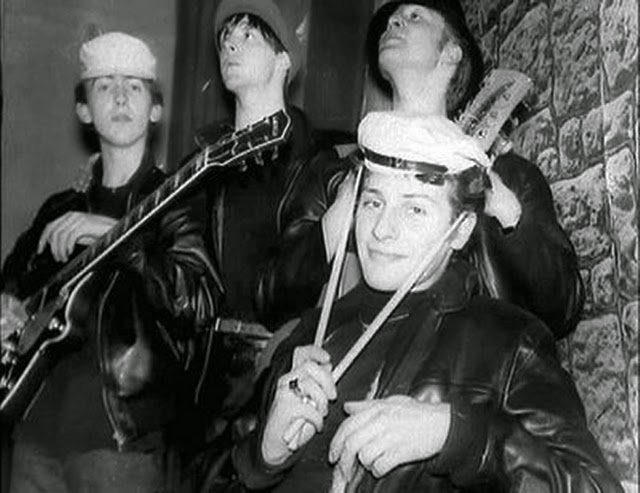
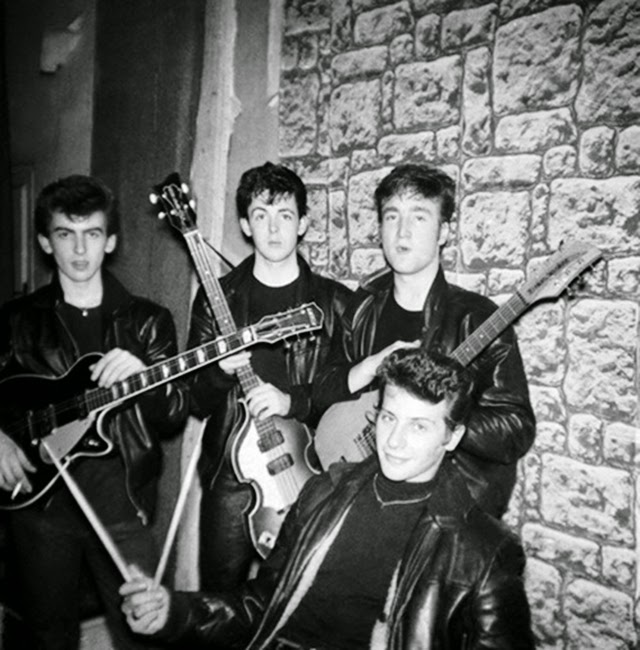
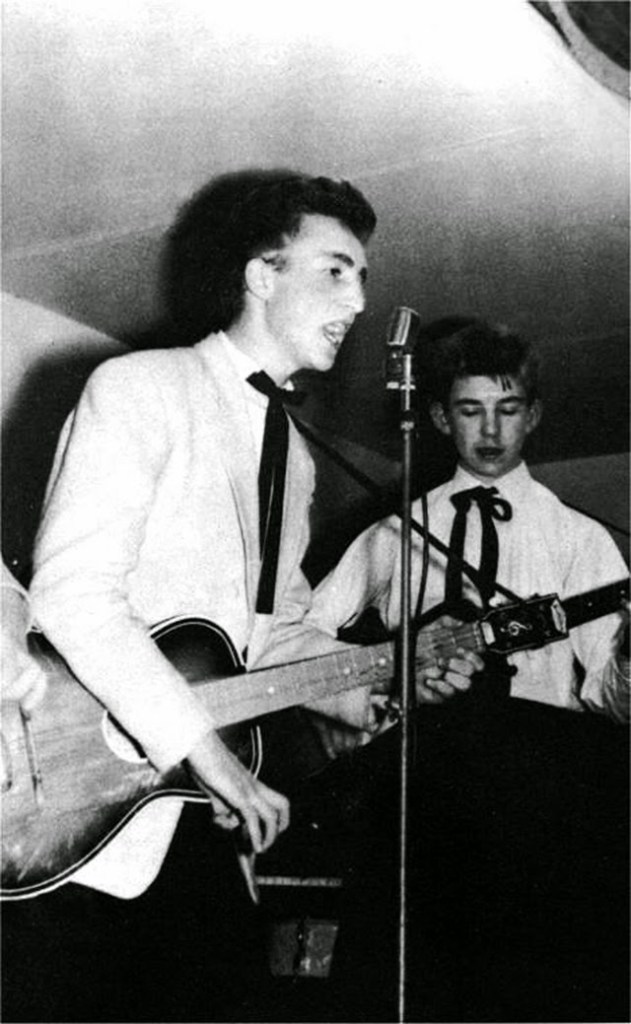
The Quarrymen are a British skiffle/rock and roll group, formed by John Lennon in Liverpool in 1956, which eventually evolved into the Beatles in 1960. Originally consisting of Lennon and several school friends, the Quarrymen took their name from a line in the school song of Quarry Bank High School, which they attended.
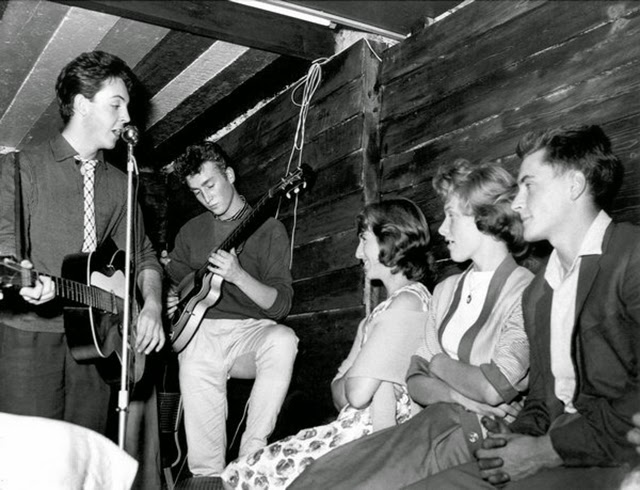
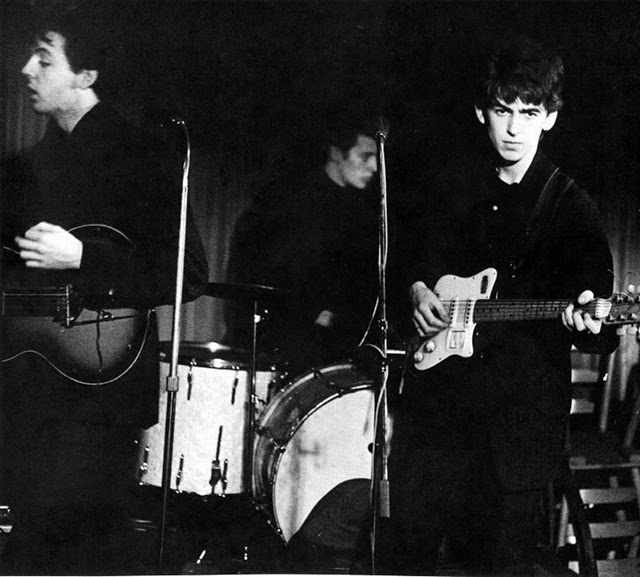
Lennon started a skiffle group that was very briefly called the Blackjacks, but changed the name before any public performances. Some accounts credit Lennon with choosing the new name; other accounts credit his close friend Pete Shotton with suggesting the name. The Quarrymen played at parties, school dances, cinemas and amateur skiffle contests before Paul McCartney joined the band in October 1957. George Harrison joined the band in early 1958 at McCartney’s recommendation, though Lennon initially resisted because he felt Harrison (still 14 when he was first introduced to Lennon) to be too young. Both McCartney and Harrison attended the Liverpool Institute.
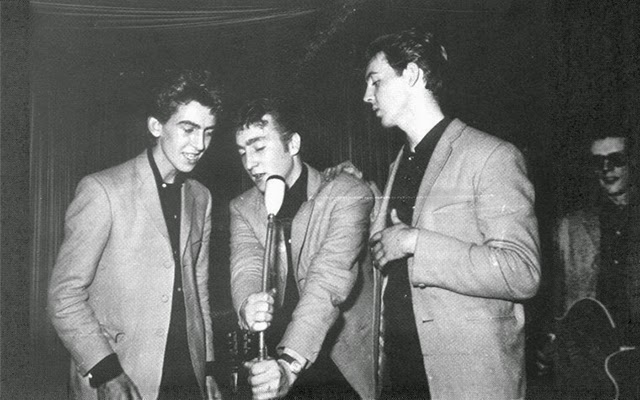
The group made an amateur recording of themselves in 1958, performing Buddy Holly’s “That’ll Be the Day” and “In Spite of All the Danger”, a song written by McCartney and Harrison. The group moved away from skiffle and towards rock and roll, causing several of the original members to leave. This left only a trio of Lennon, McCartney, and Harrison, who performed under several other names, including Johnny and the Moondogs and Japage 3 before returning to the Quarrymen name in 1959. In 1960, the group changed its name to the Beatles, and went on to have an extremely successful recording career.
Here’s a gallery of 42 rarely seen photographs of the band from the late 1950s.
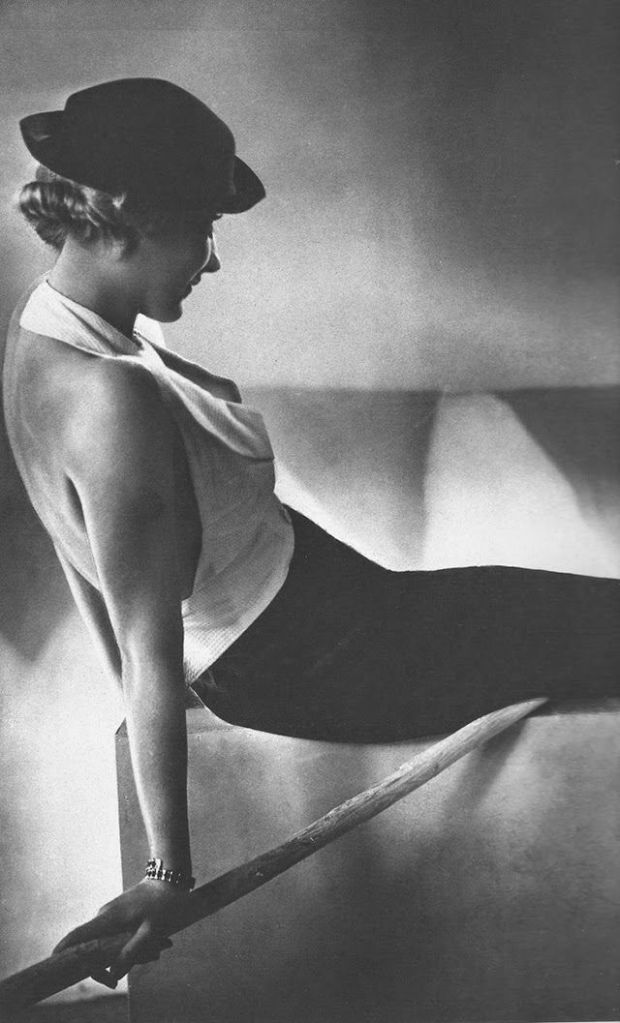
Else Neuländer Simon, also known as Yva, was an extraordinary photographer in the early 20th century. Born in 1900 in Berlin, she worked her magic through fashion and advertising photography as well as owning a popular studio. She had a keen eye for the sensual interplay of light and shadow and used lines and curves to dramatically display the women she photographed.
Frequently, she said more about a subject by deliberately avoiding the model’s face. Many photos focused on, or depicted solely, a woman’s legs, and they were sexy and sophisticated works that endure through today. The importance of her art and her role are reflected in the fact that she taught Helmut Newton, who went on to become one of history’s most famous photographers.
In 1942, Yva and her husband, Alfred Simon, were arrested and deported to the Majdanek concentration camp where they were killed most probably in 1942.


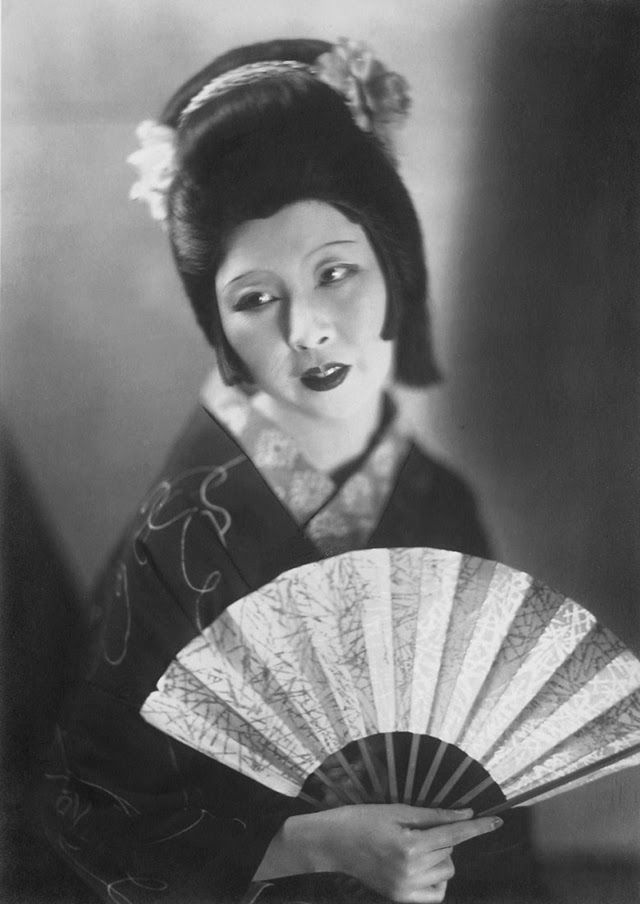

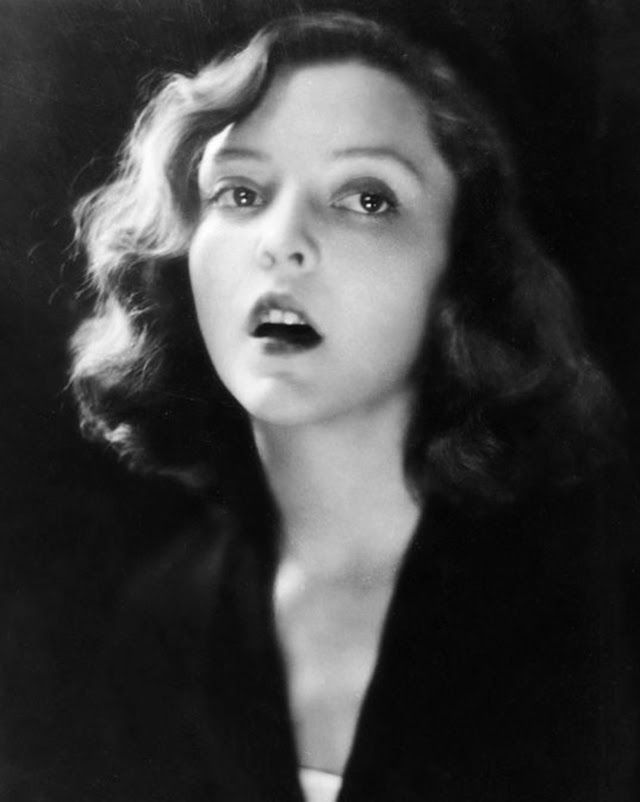
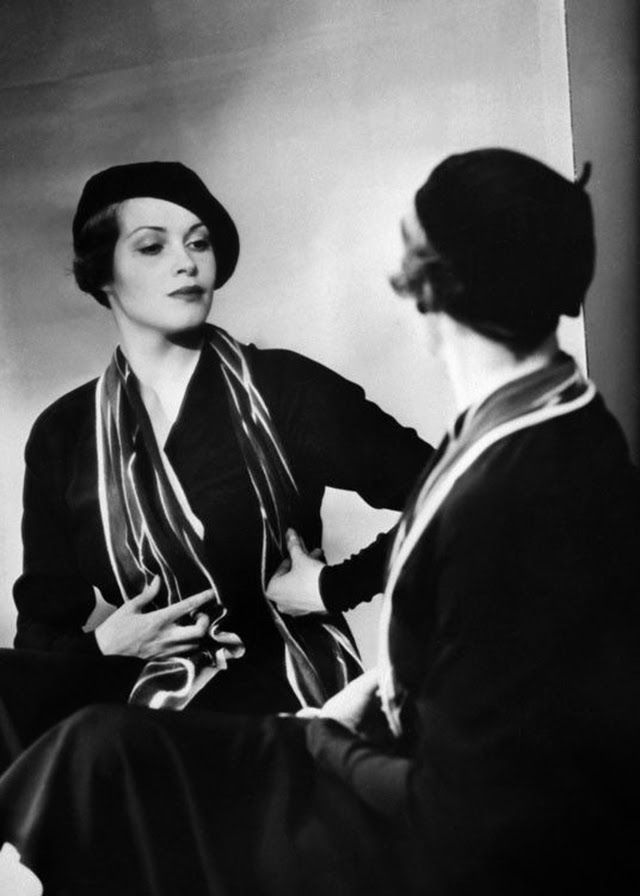


(Photos by Else Neuländer Simon)







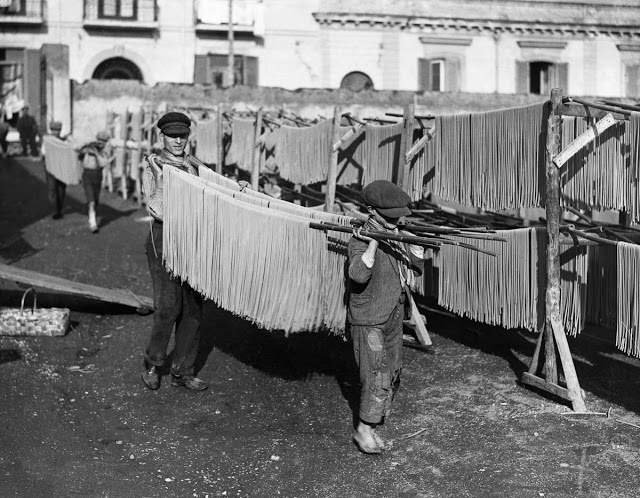
Pasta is perhaps the most popular Italian dish originated in Sicily in the 12th century. For a long time it remained a food for the rich and privileged, and only in the 18th century, industrial production has turned the paste into the main cheap product for most Italians.
Mass immigration of Italians to America in the early 20th century helped pasta to gain huge popularity outside of Italy and become a national Italian dish.
However, until the late 1950s, many had no clue about how it is done, and even believed that pasta grows on trees.
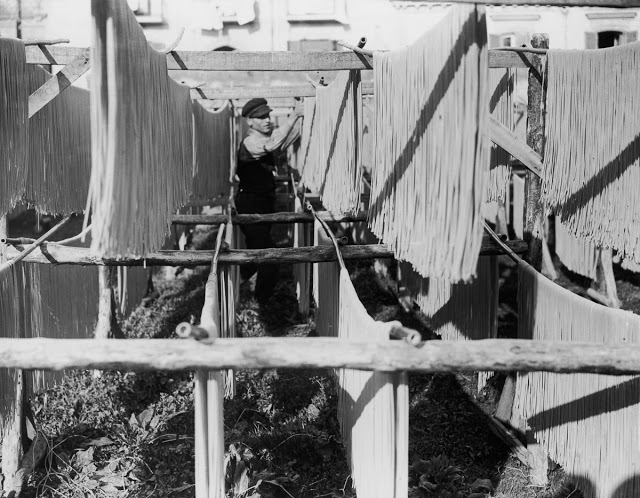
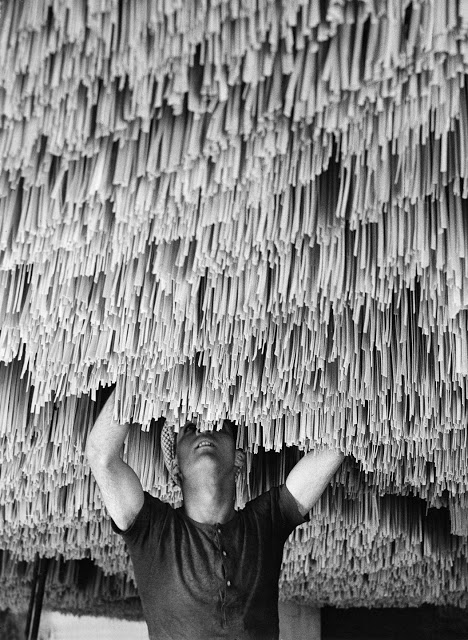
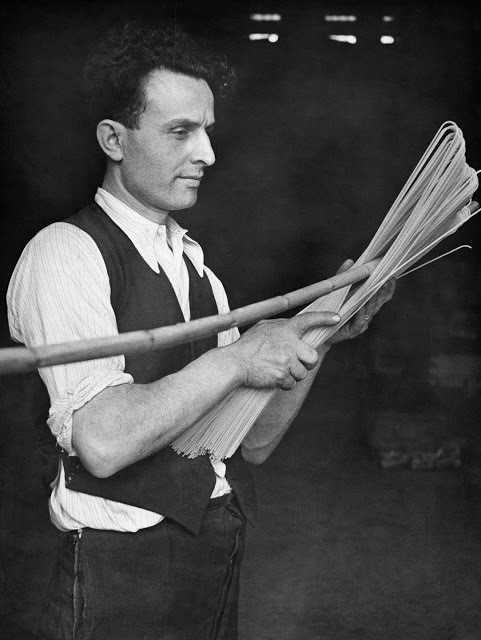
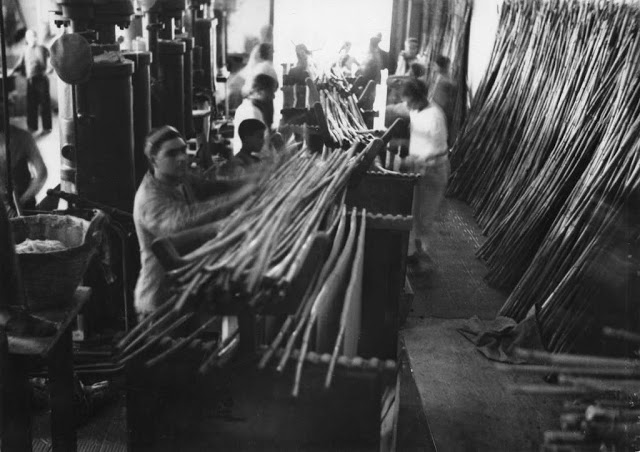
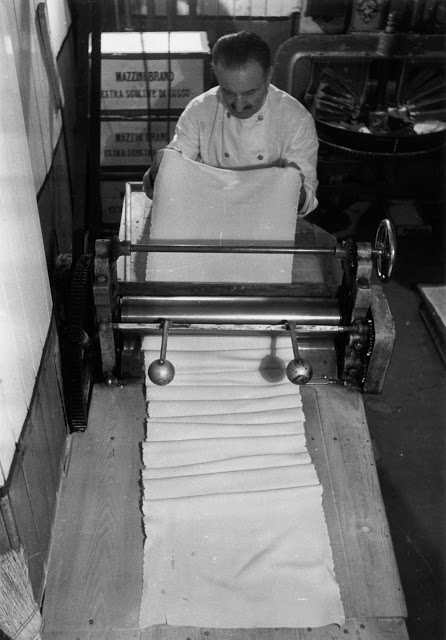
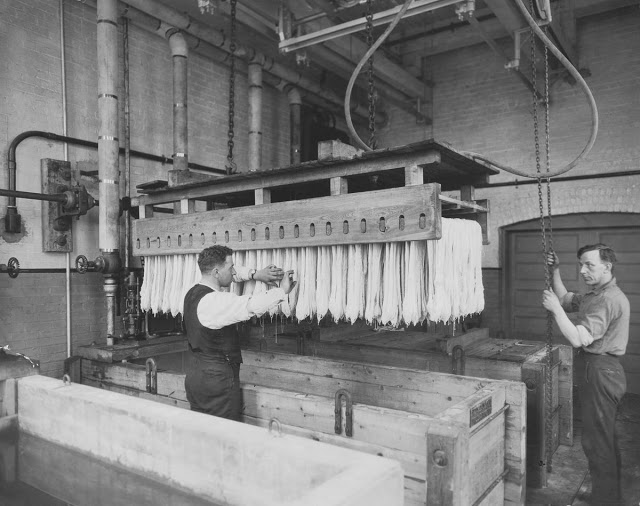
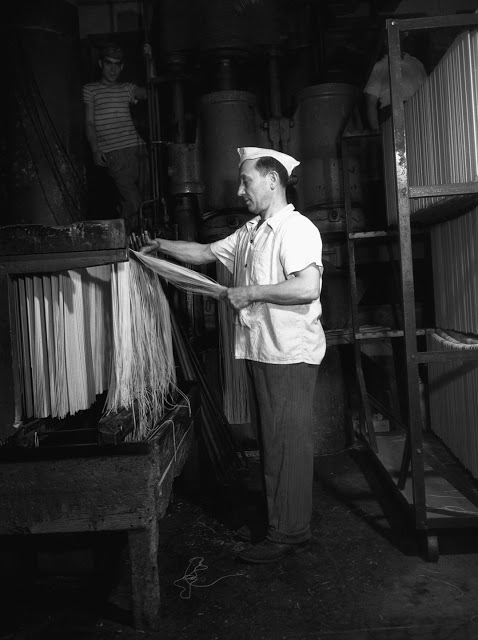
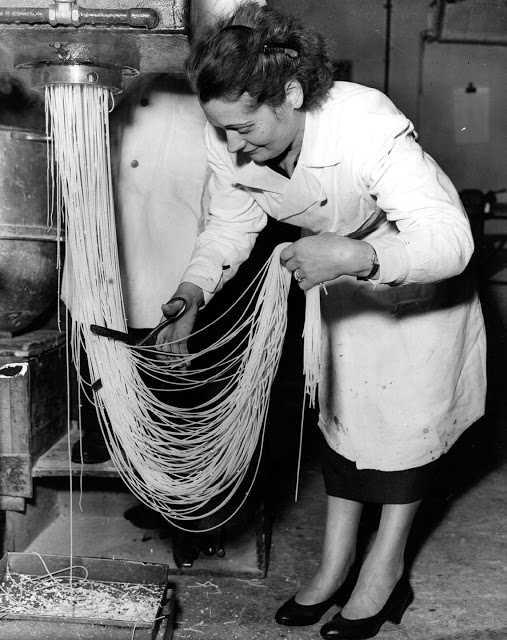
These photos from 20th century pasta factories show the actual process by which the dough is squeezed, shaped, cut and dried on its way to the dinner table.




















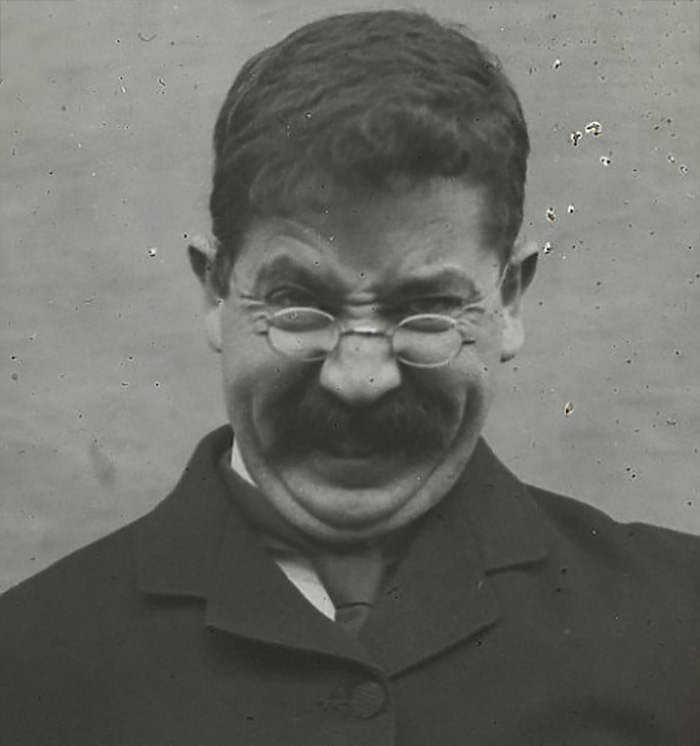
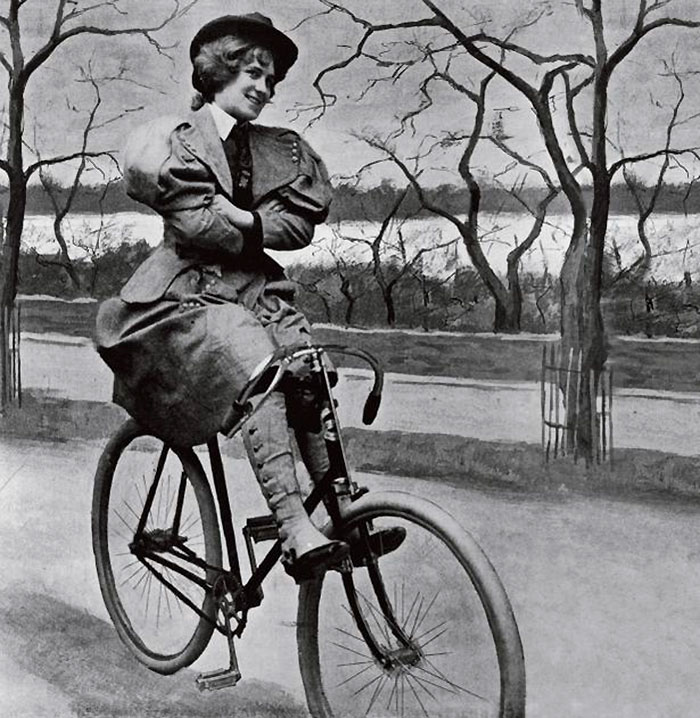


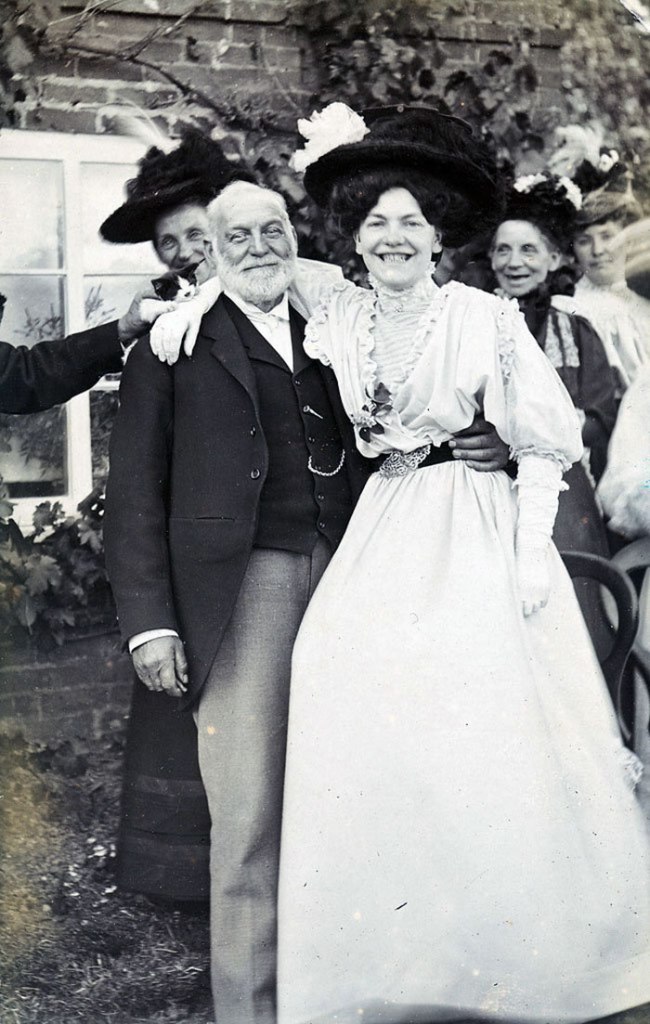
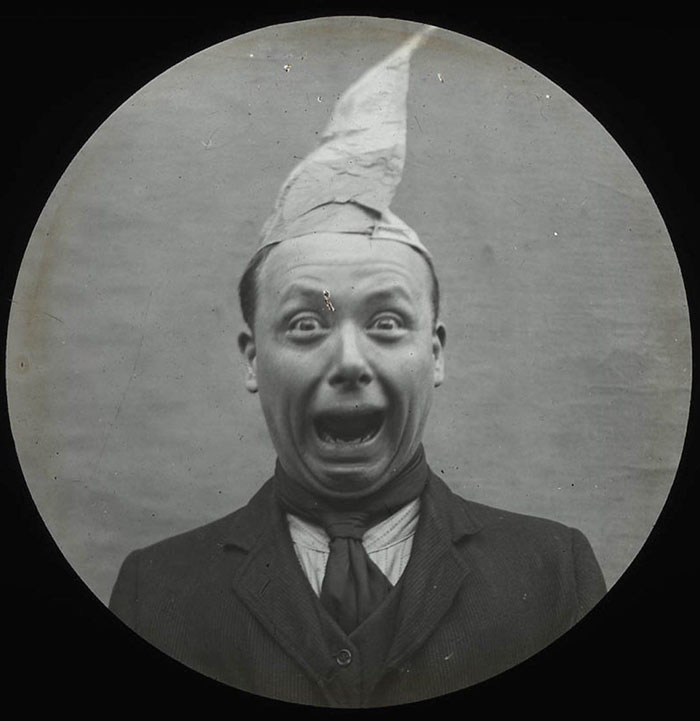




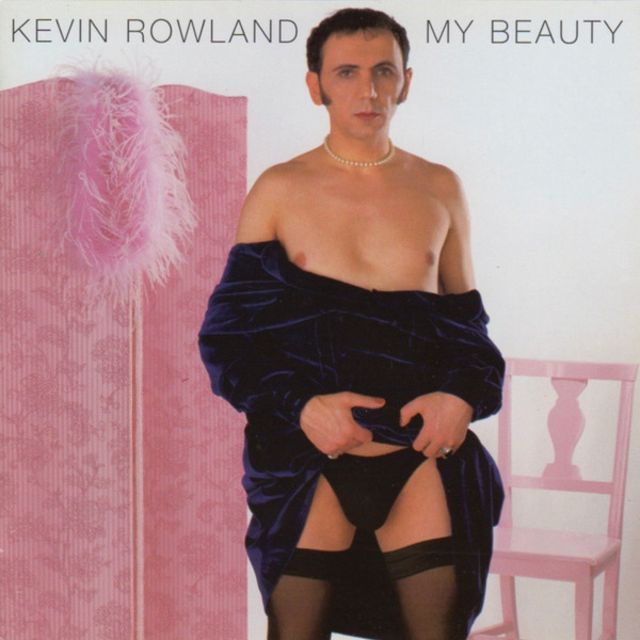
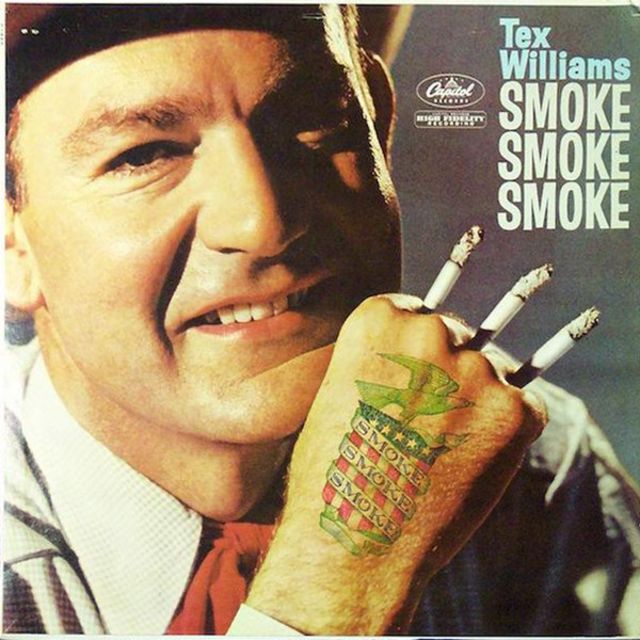
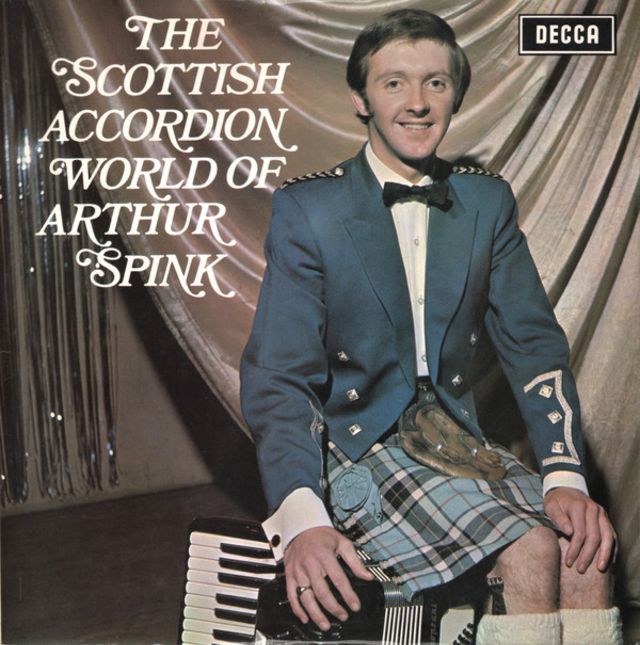
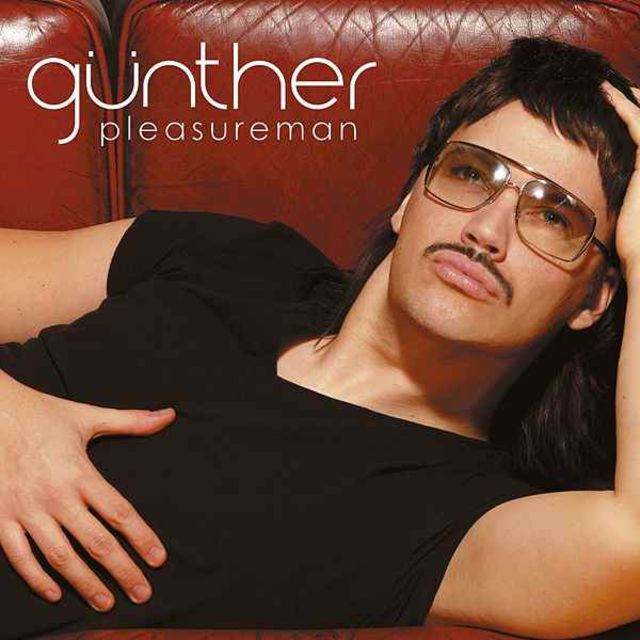
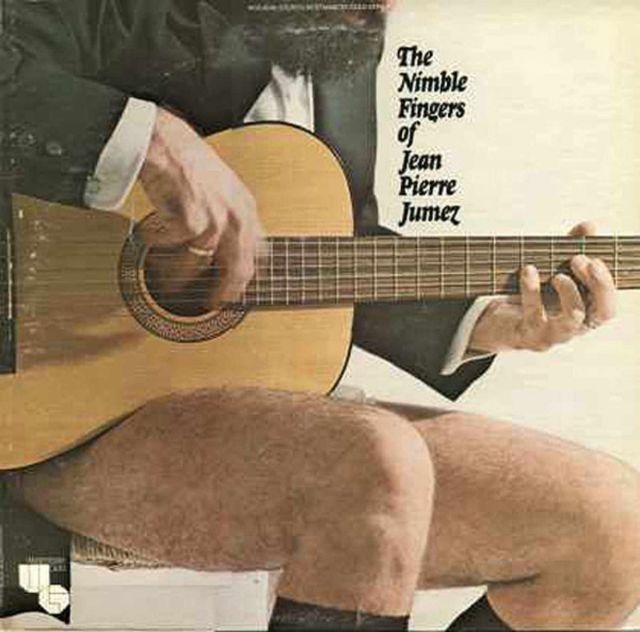
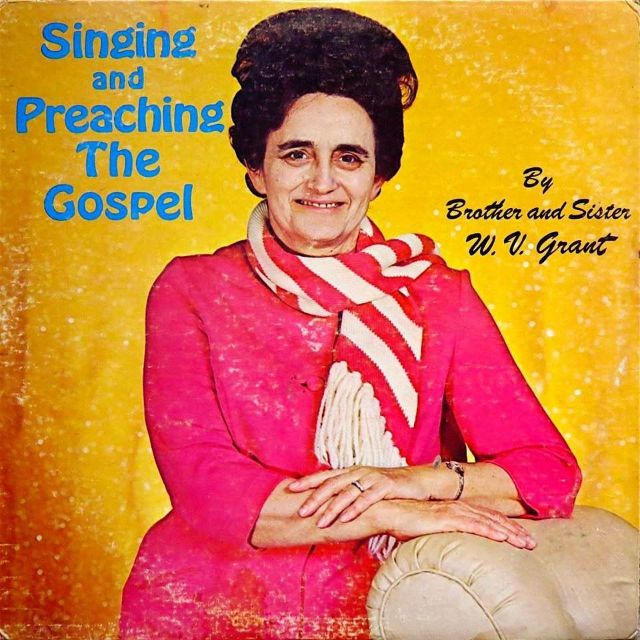
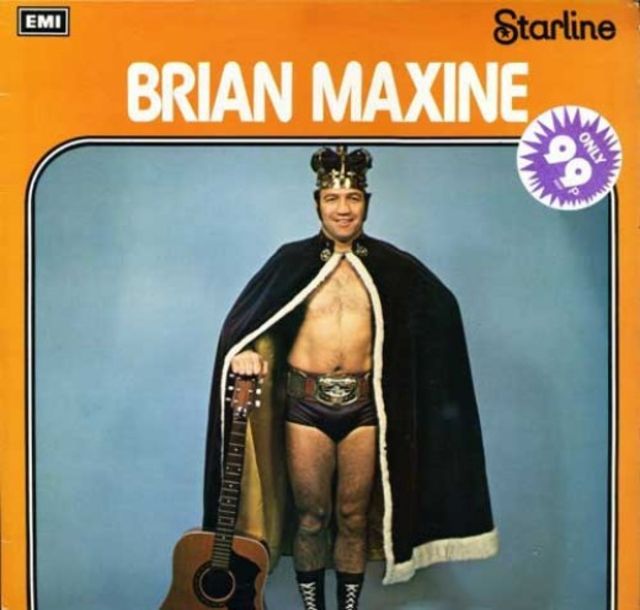
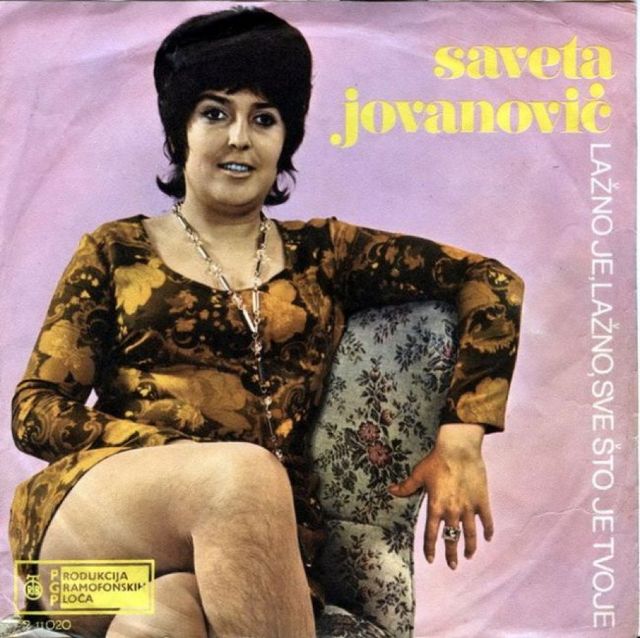
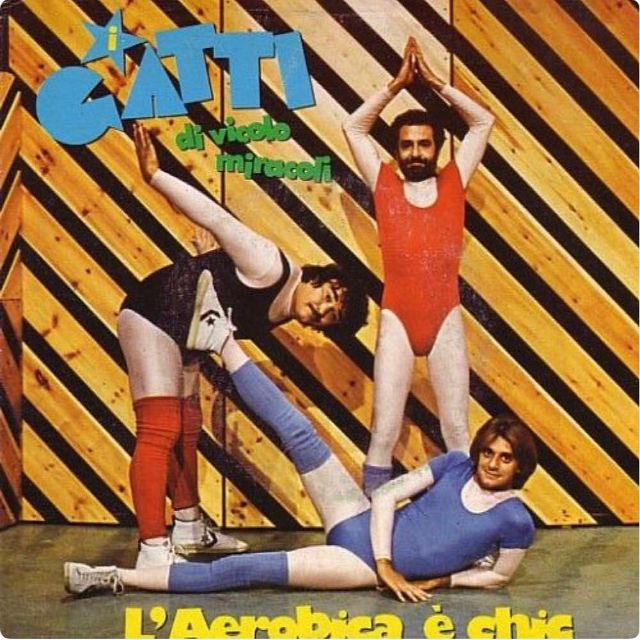
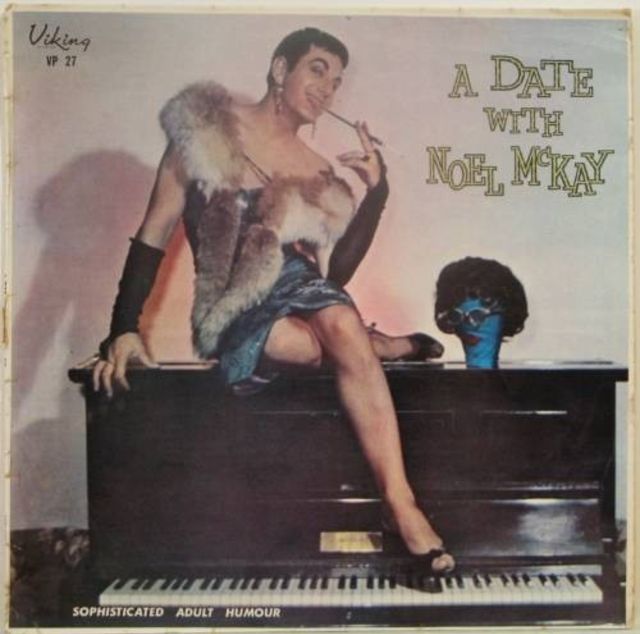
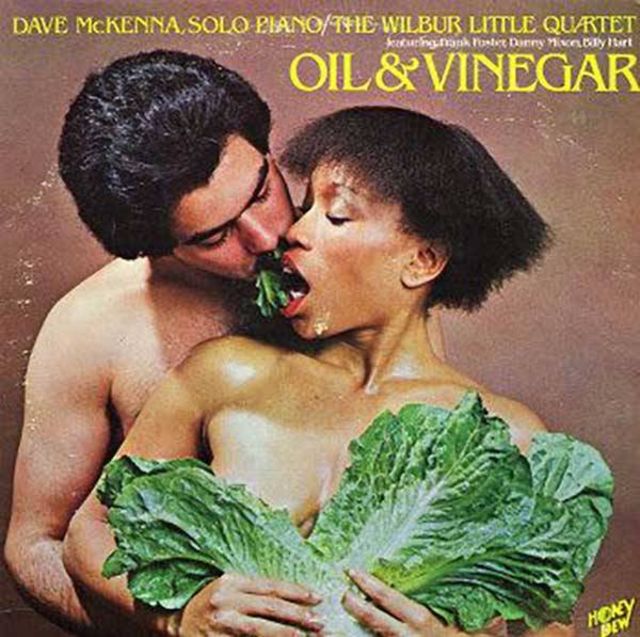
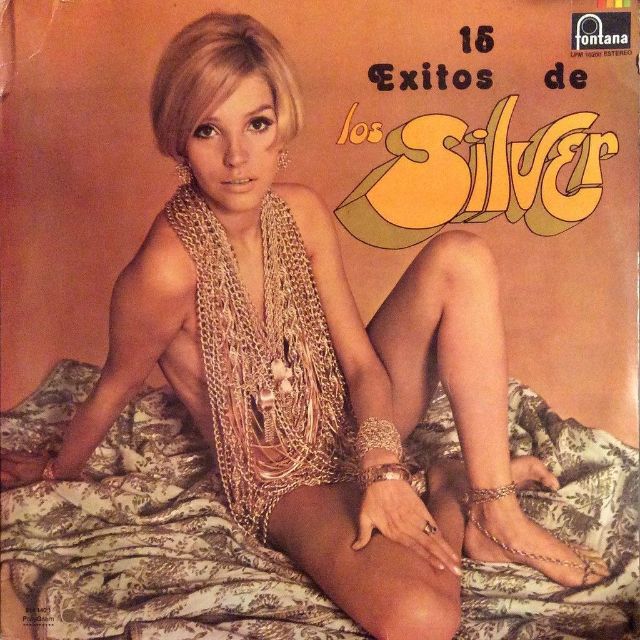
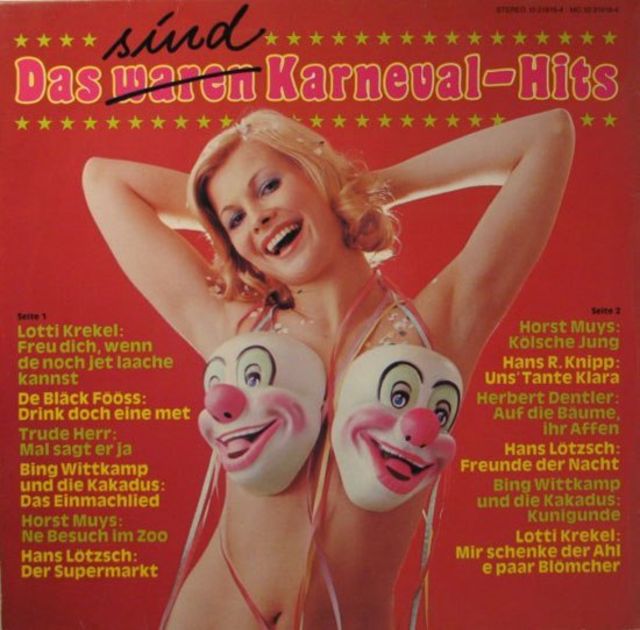
There’s nothing less sexy than sexy-gone-mad, and these vintage vinyl covers are pure ‘sexy fail’ gold.
Oh, how you will laugh…














This is an example post, originally published as part of Blogging University. Enroll in one of our ten programs, and start your blog right.
You’re going to publish a post today. Don’t worry about how your blog looks. Don’t worry if you haven’t given it a name yet, or you’re feeling overwhelmed. Just click the “New Post” button, and tell us why you’re here.
Why do this?
The post can be short or long, a personal intro to your life or a bloggy mission statement, a manifesto for the future or a simple outline of your the types of things you hope to publish.
To help you get started, here are a few questions:
You’re not locked into any of this; one of the wonderful things about blogs is how they constantly evolve as we learn, grow, and interact with one another — but it’s good to know where and why you started, and articulating your goals may just give you a few other post ideas.
Can’t think how to get started? Just write the first thing that pops into your head. Anne Lamott, author of a book on writing we love, says that you need to give yourself permission to write a “crappy first draft”. Anne makes a great point — just start writing, and worry about editing it later.
When you’re ready to publish, give your post three to five tags that describe your blog’s focus — writing, photography, fiction, parenting, food, cars, movies, sports, whatever. These tags will help others who care about your topics find you in the Reader. Make sure one of the tags is “zerotohero,” so other new bloggers can find you, too.
