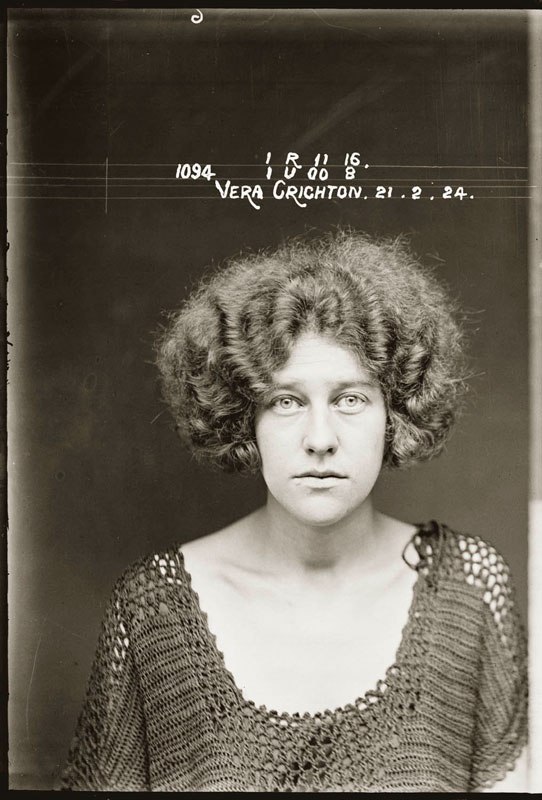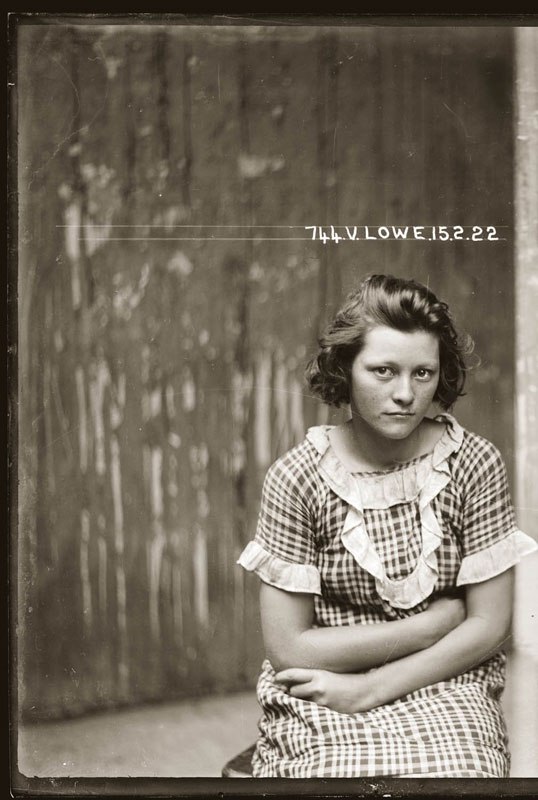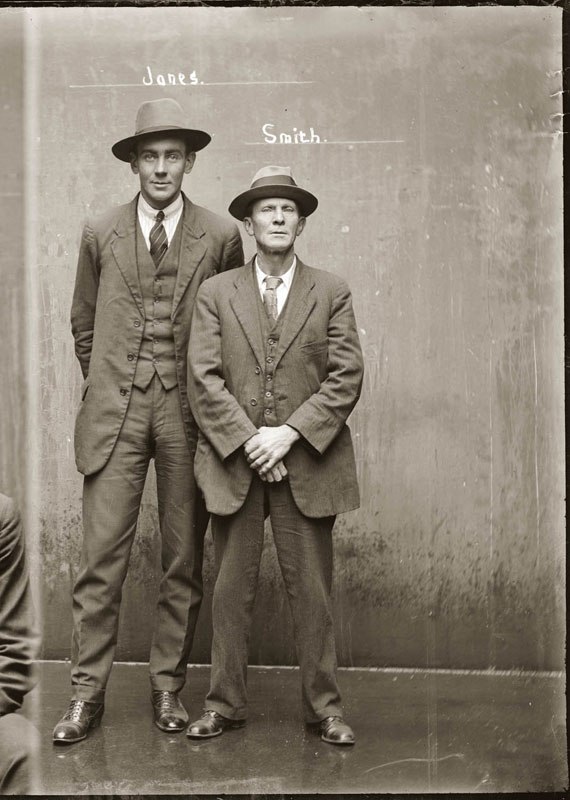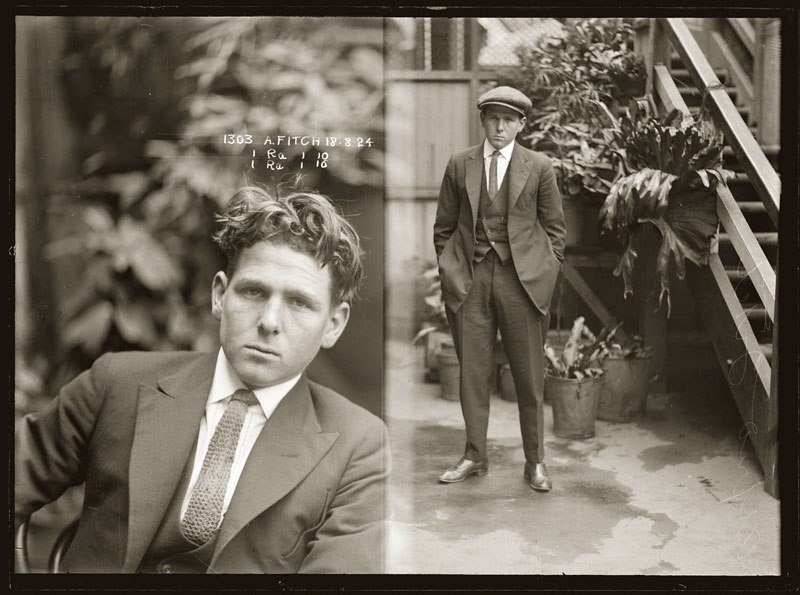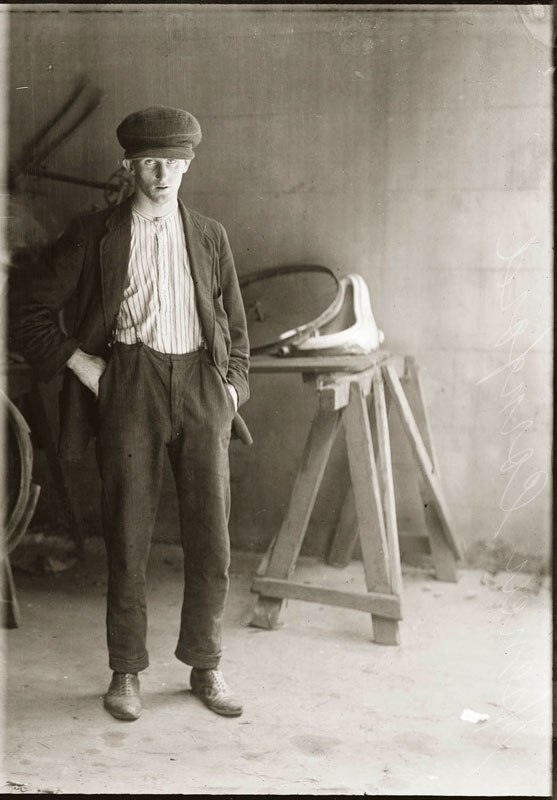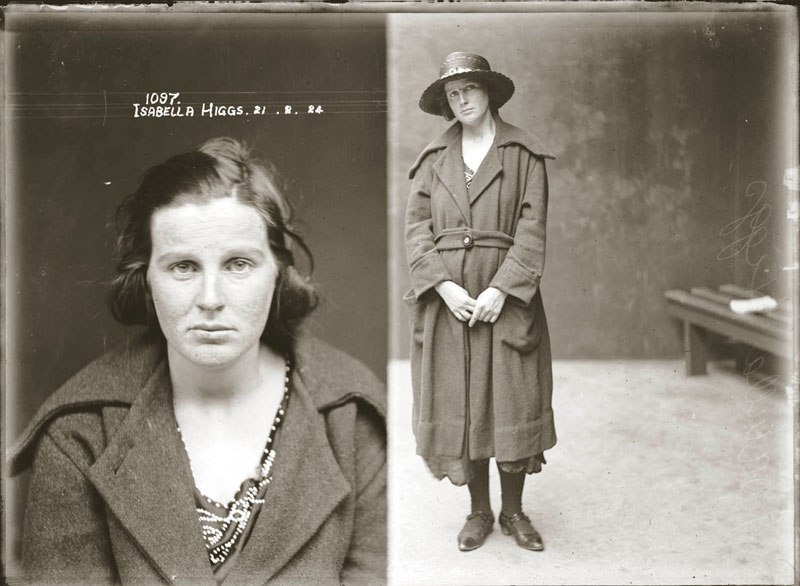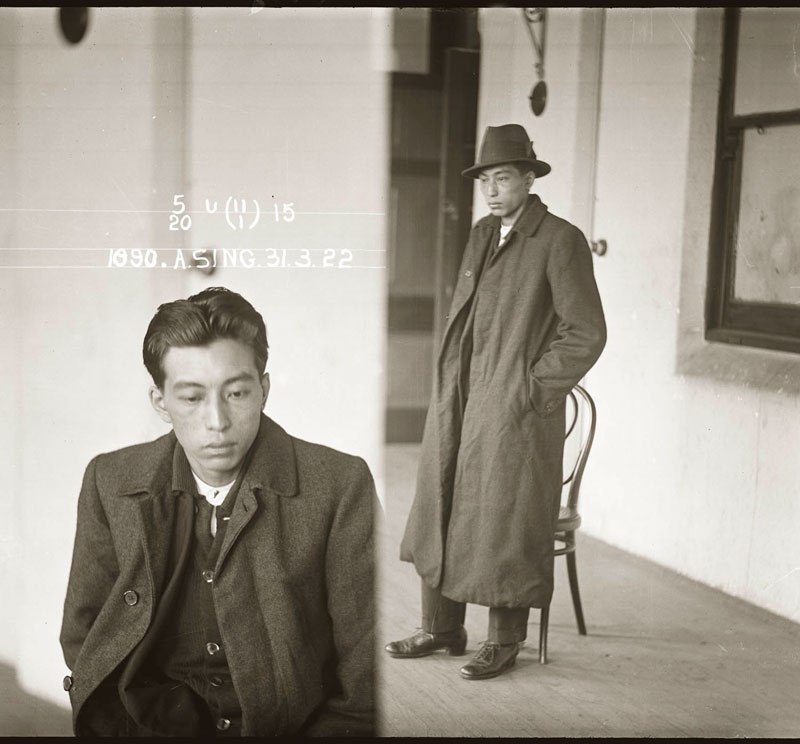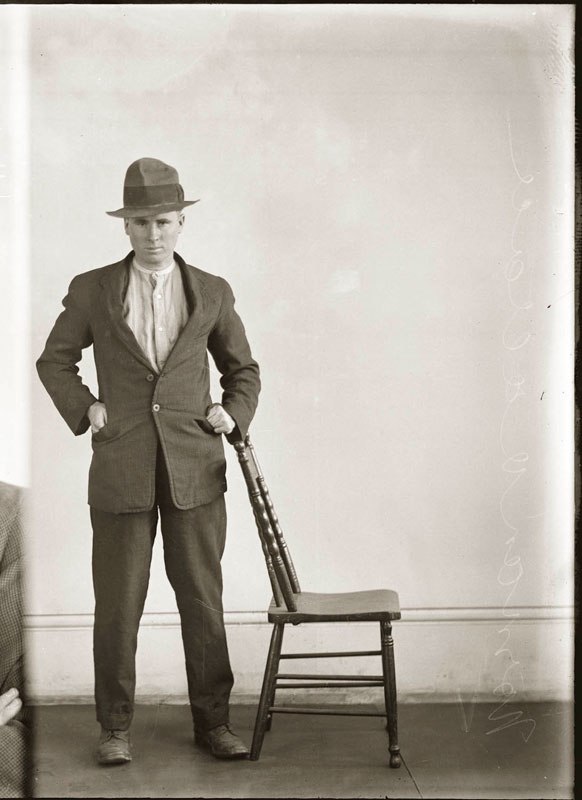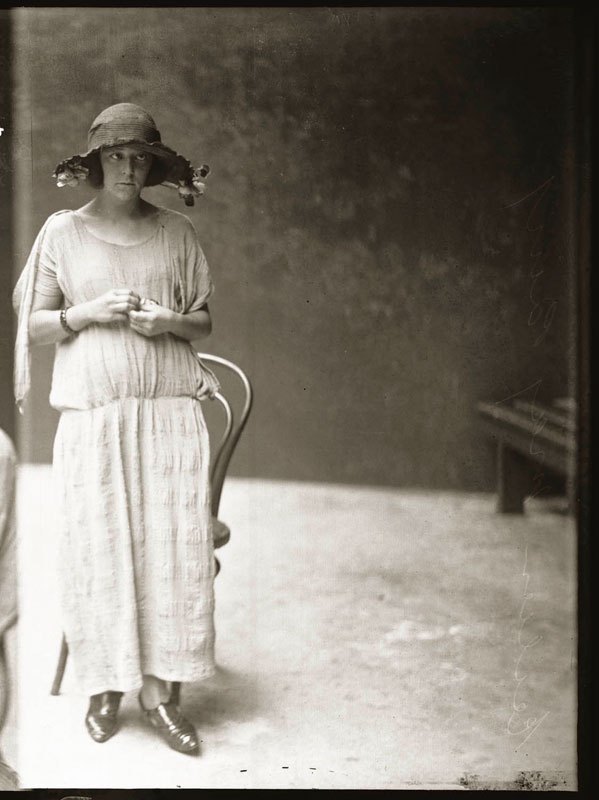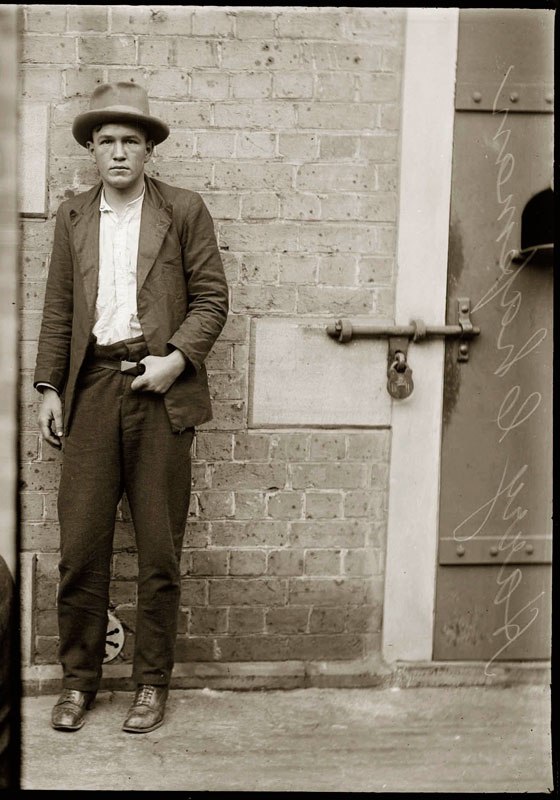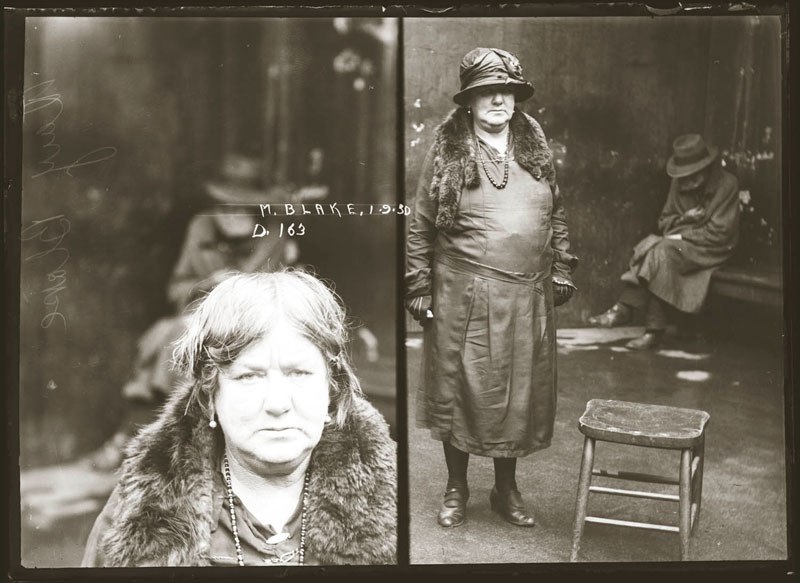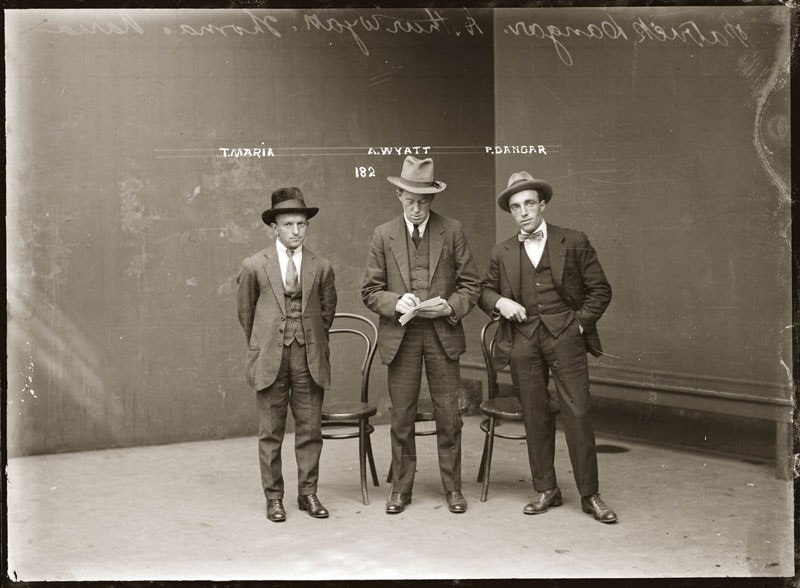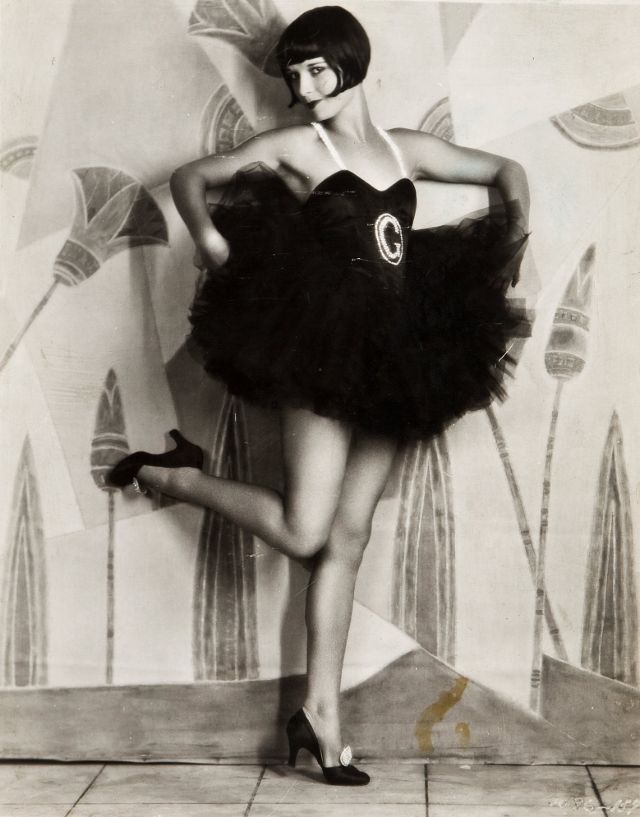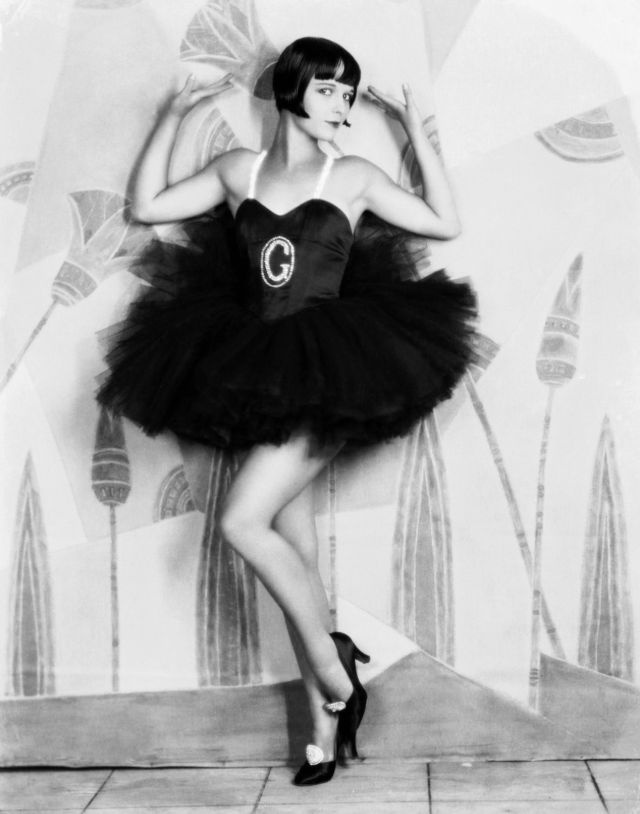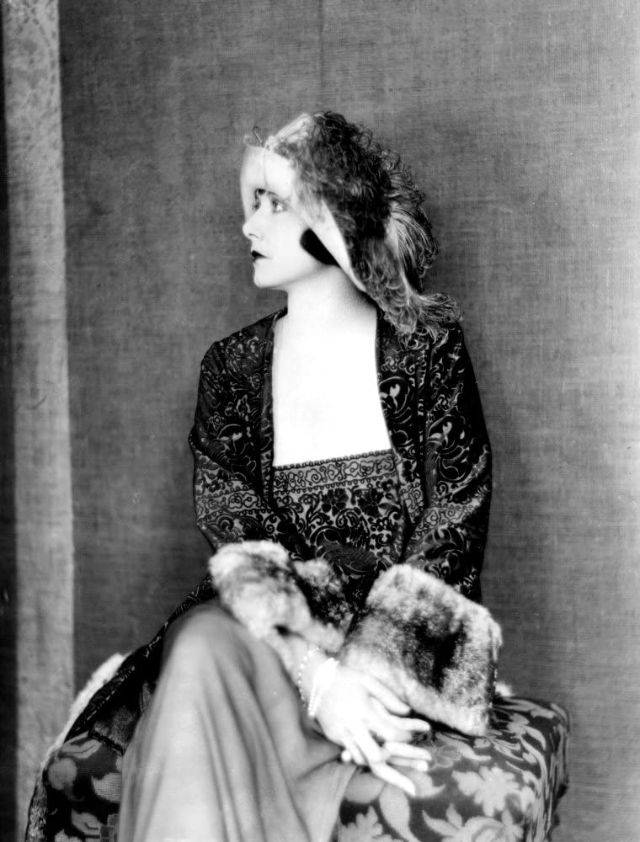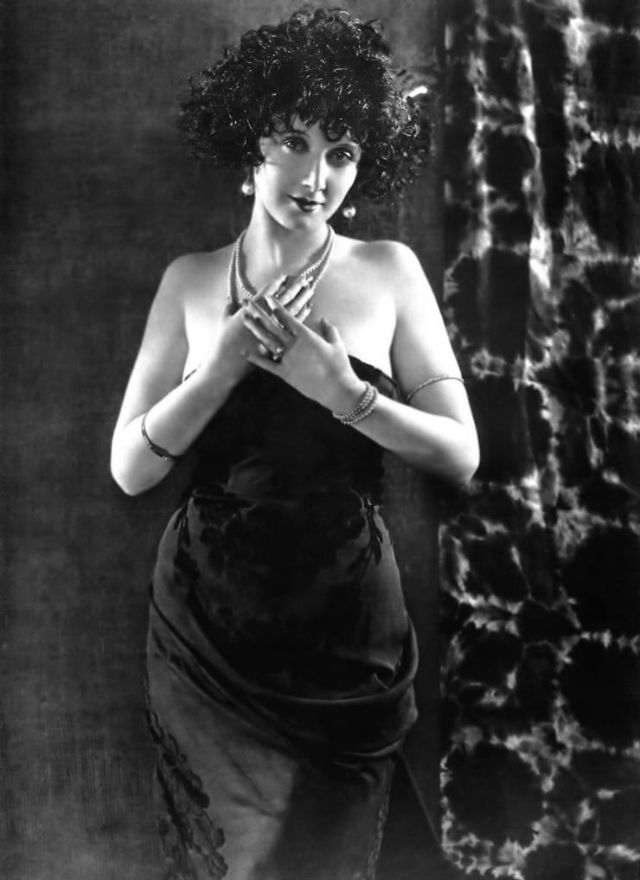
Mug Shots of Criminals in Calgary, 1920

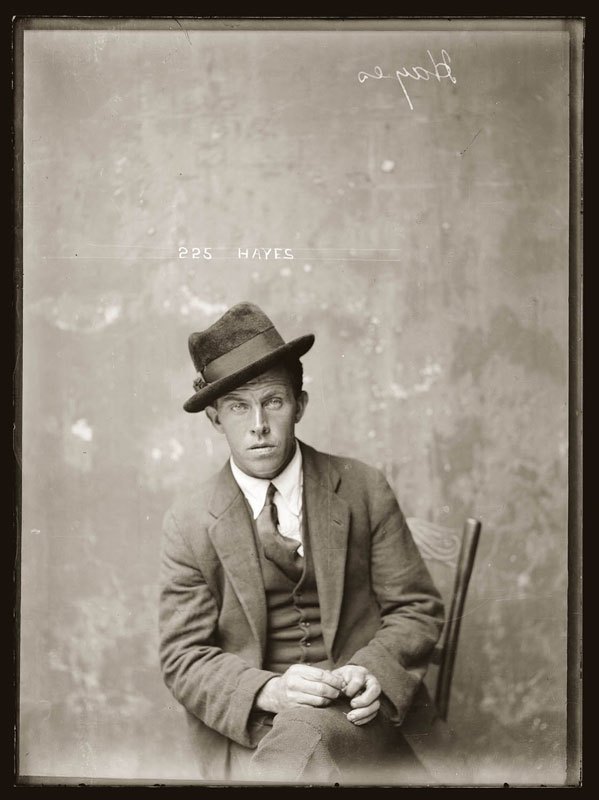
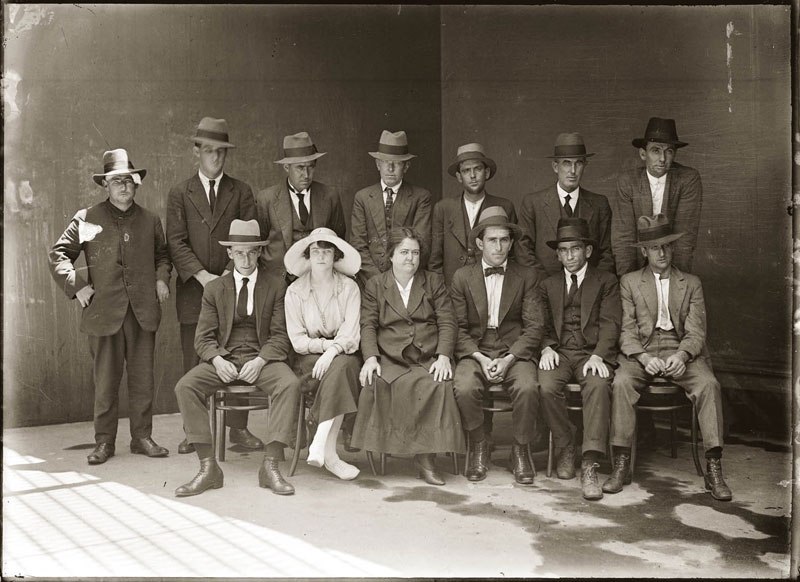
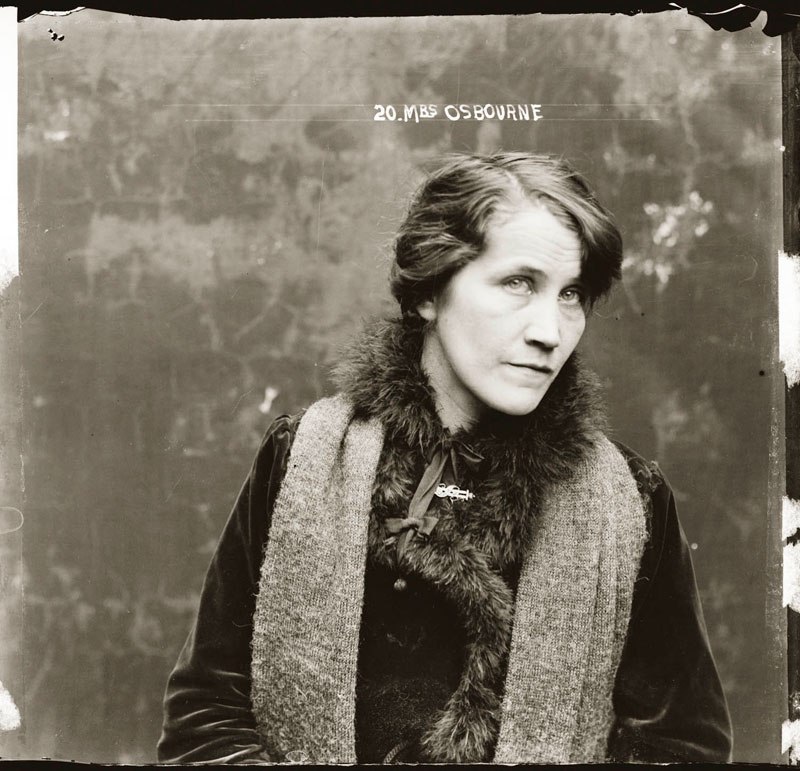
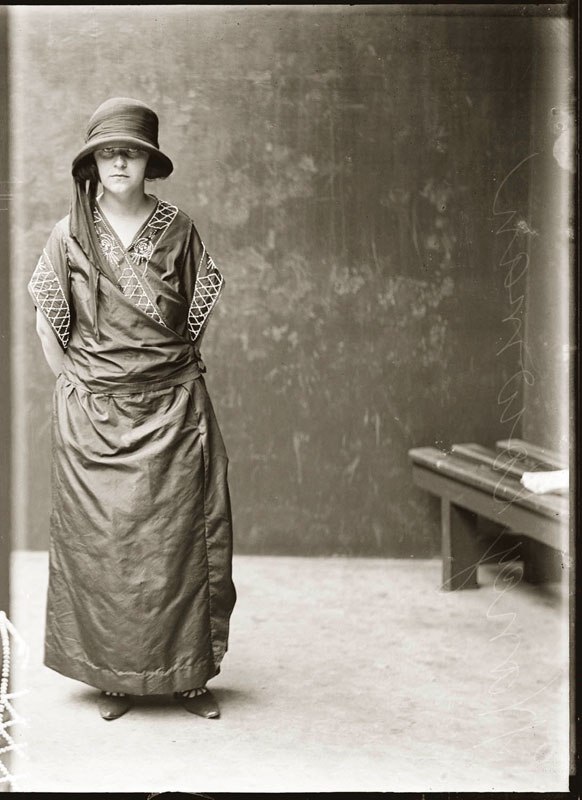
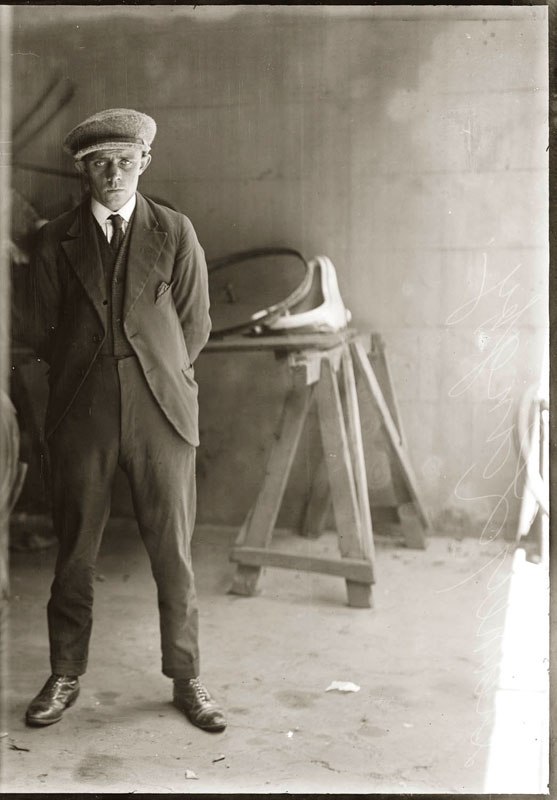
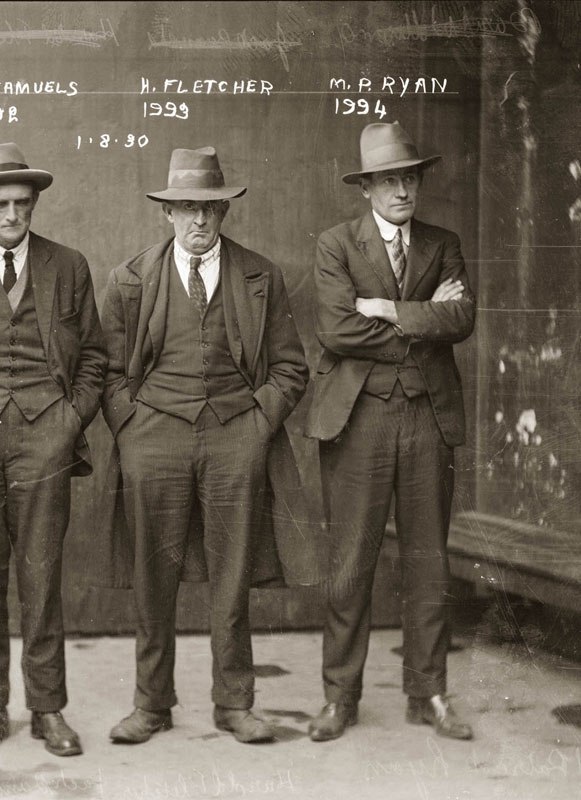
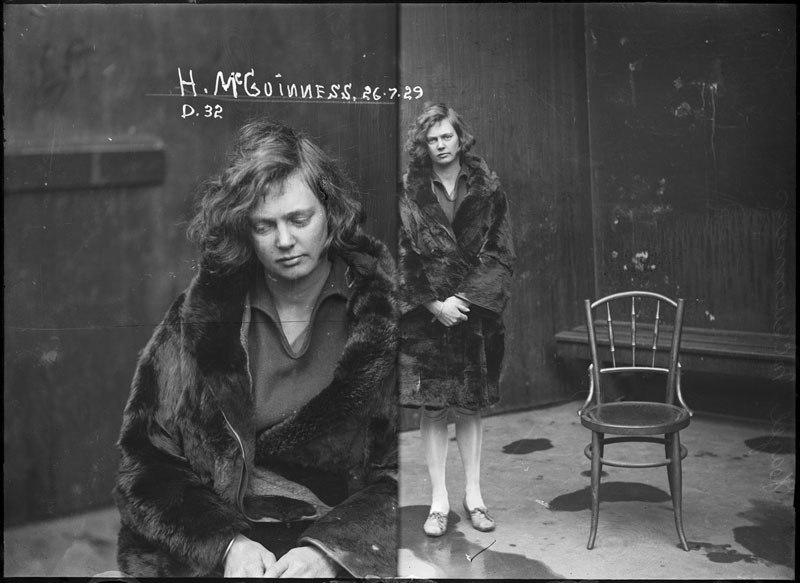
A mug shot is a photographic portrait of a person from the shoulders up, typically taken after a person is arrested. The original purpose of the mug shot was to allow law enforcement to have a photographic record of an arrested individual to allow for identification by victims, the public and investigators.

After the defeat of the Paris Commune in 1871, the Prefecture of Police of Paris hired a photographer, Eugène Appert, to take portraits of convicted prisoners. In 1888, Alphonse Bertillon invented the modern mug shot featuring full face and profile views, standardizing the lighting and angles. This system was soon adopted throughout Europe, and in the United States and Russia.

These photos of 1920s criminals absolutely fascinating, partly because mug shots make for really interesting candid photographs. They were all taken in Calgary, Canada in 1920.

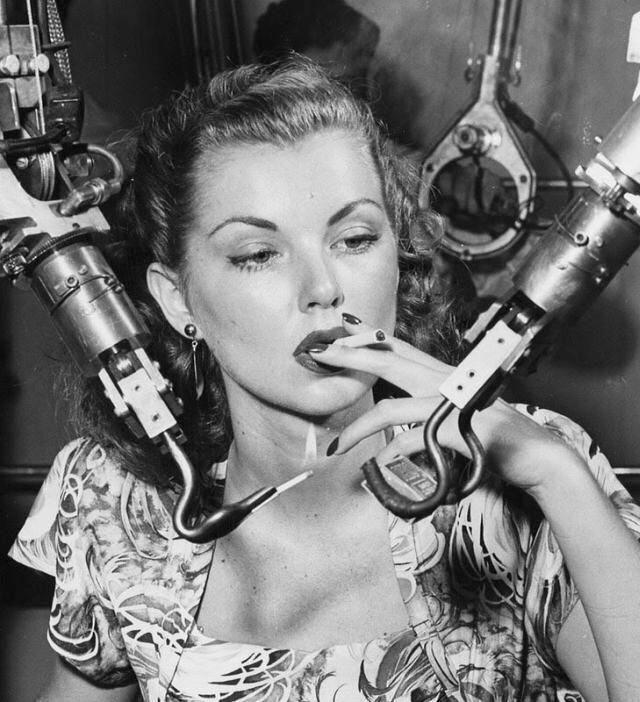
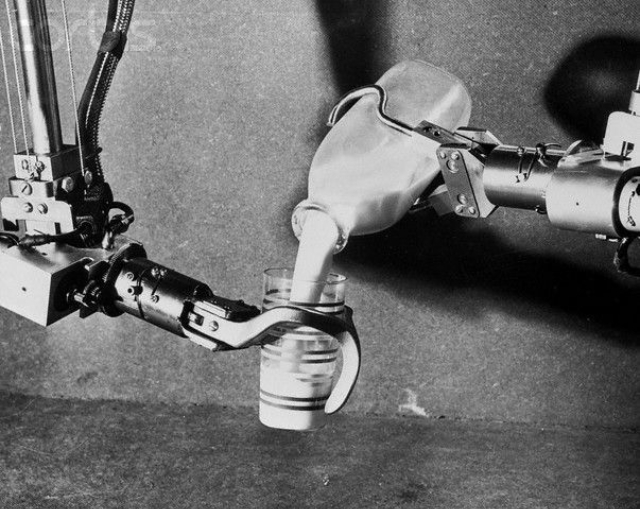
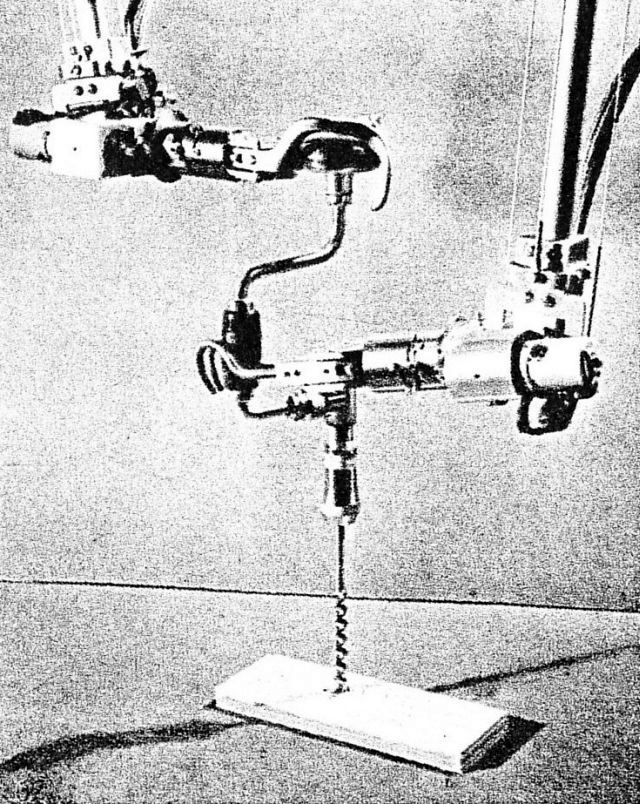
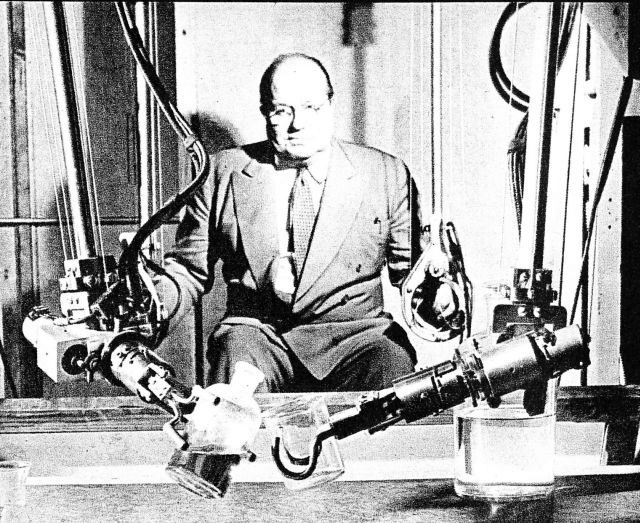
Mechanical Hands With Remote Control: GE Master-Slave Manipulator by John Payne, 1948

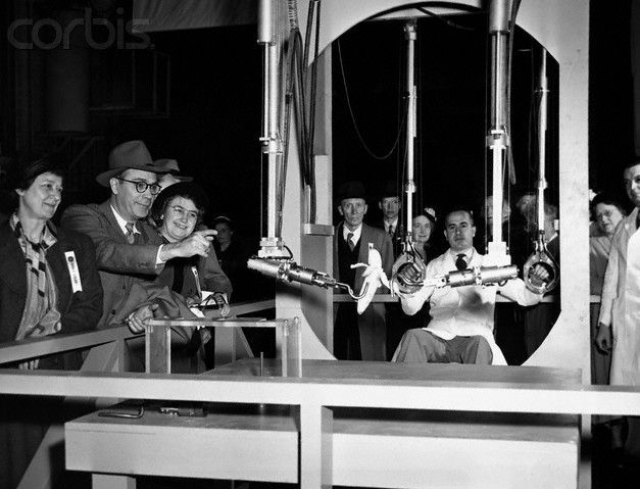
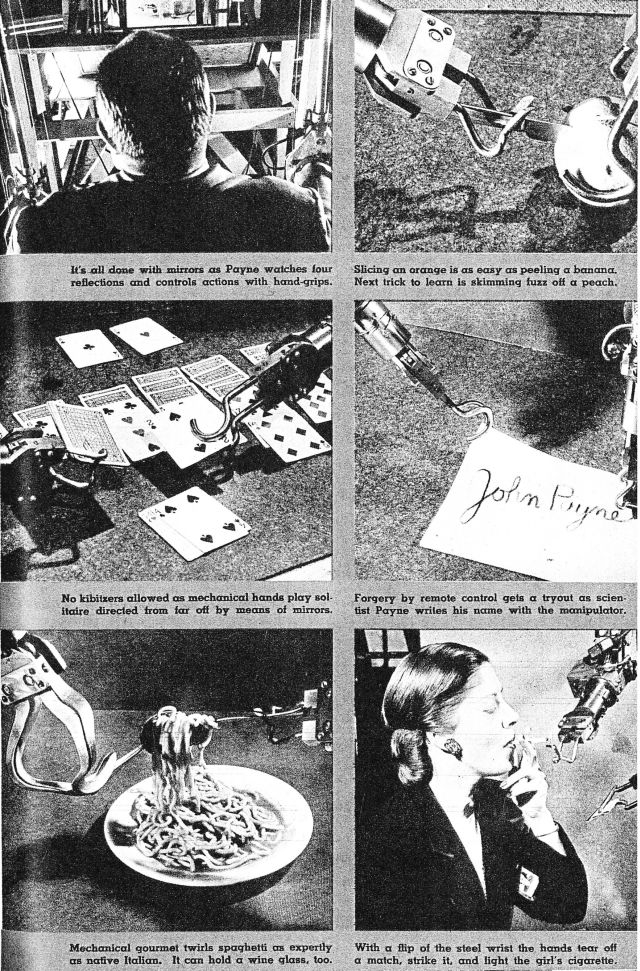
The village blacksmith of Longfellow may have had “muscles like iron bands,” but scientist John Payne of General Electric has done him one better; he has arms and hands made of steel, and what’s more, he can operate his from the next room.

Designed for use by re-mote control in radioactive areas, a pair of mechanical hands can do everything human hands can and more. The hands extend over a protective wall into the radiation area while the operator controls them from a safe place. Most movements are mechanical, being controlled by linkages with the handles, but wrist action is electrical. This permits the wrist to twist around completely any number of hand that consists of a pair of snips instead times, a feat which is particularly useful of hooks. Control of the hands is so sensitive that a gentle squeeze can be applied to break the shell of a hard-boiled egg without damaging its contents.

John Payne’s device has an important function of course; with it he can handle remotely the hot, radioactive materials used in atomic research at Knolls Atomic Power Laboratory at Schenectady, NY. His “hands” can perform delicate chemical experiments, operate machine tools and do countless other tasks involving great dexterity. In use the metal manipulators extend over a wall impervious to the harmful radiations, and reach into the radio-active area to handle the material. The operator remains in a separate control room and atches the operation by means of mirrors.

A model having her cigarette lit by a “Master-Slave Manipulator” for remotely working with radioactive materials, Schenectady, NY, 1948.

Subscribe to Yesterday Today’s Blog to receive regular updates regarding new content:

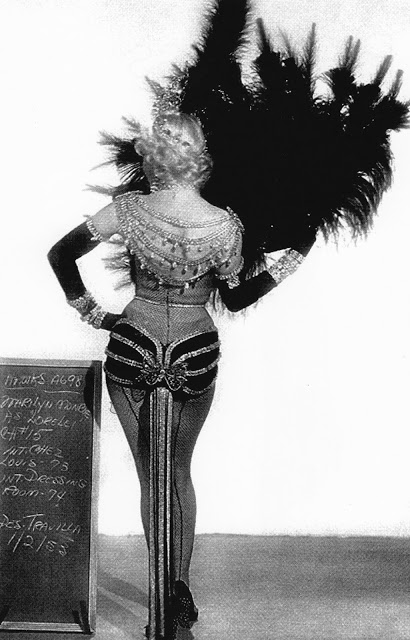
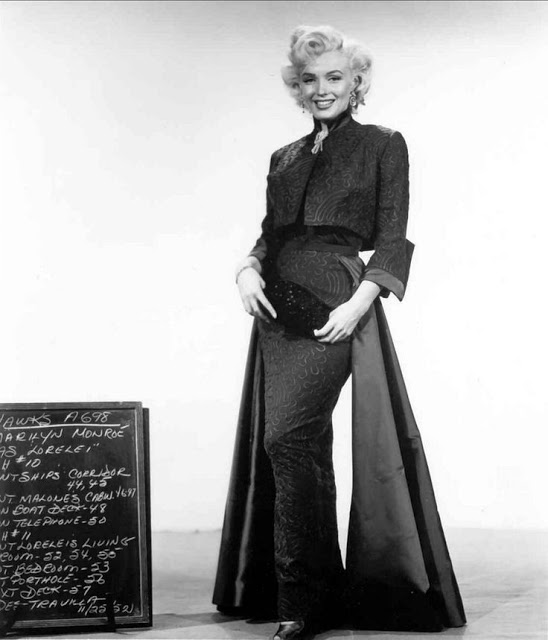
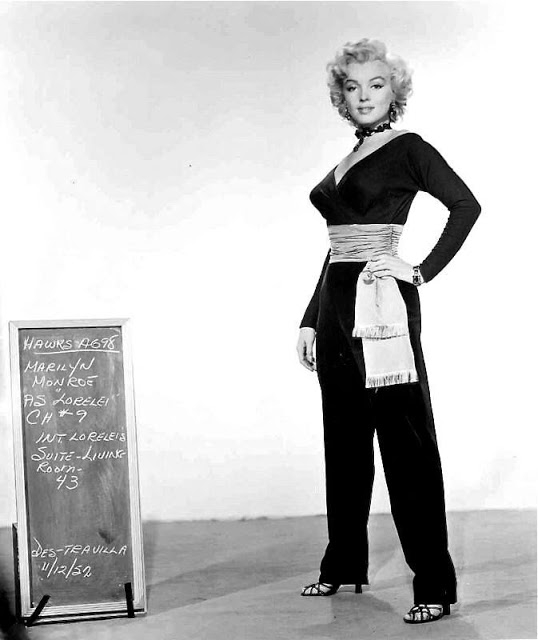
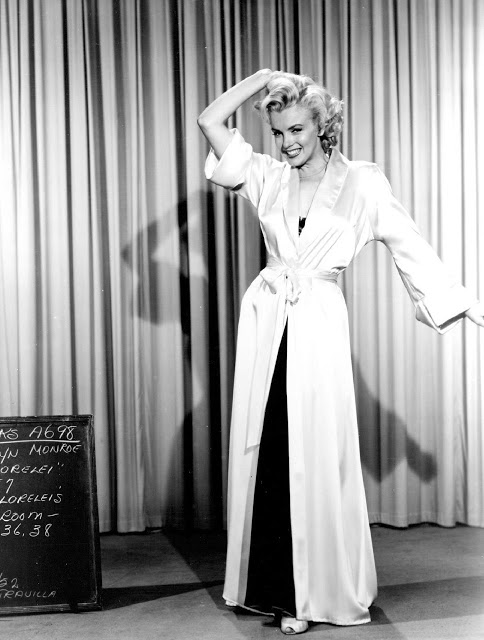
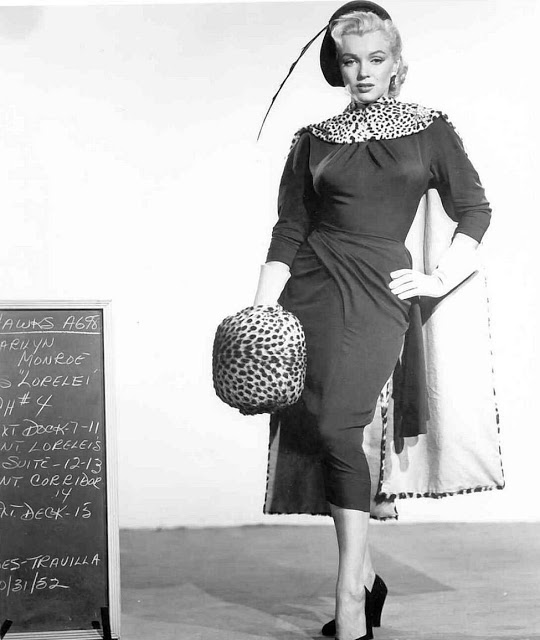
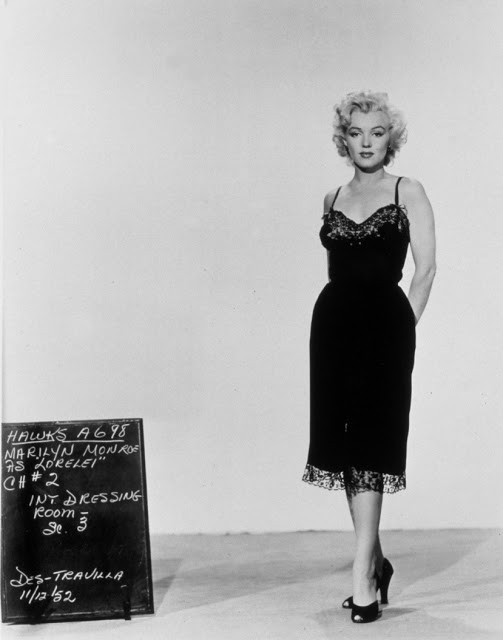
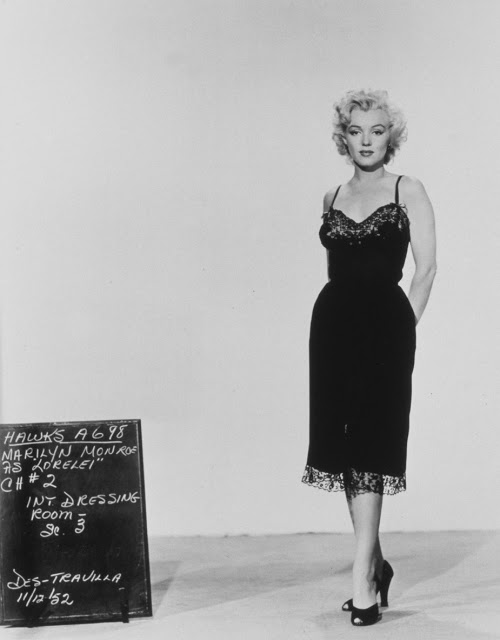
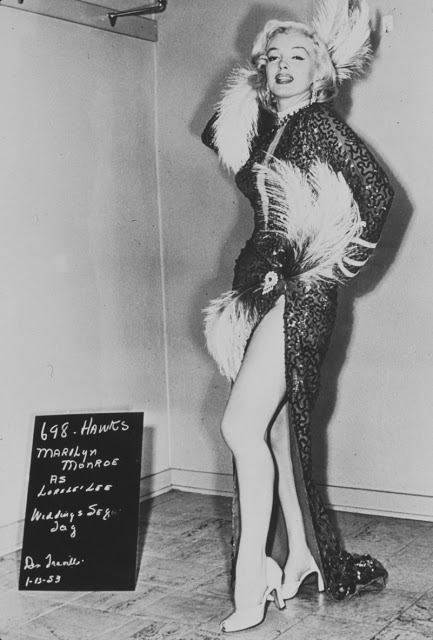
22 Vintage Photos of Marilyn Monroe’s Wardrobe Tests as Lorelei Lee in ‘Gentlemen Prefer Blondes’ (1953)

Increased press coverage of Marilyn brought headaches, but it also contributed to an improvement in her status at Twentieth Century-Fox throughout the production of Niagara.

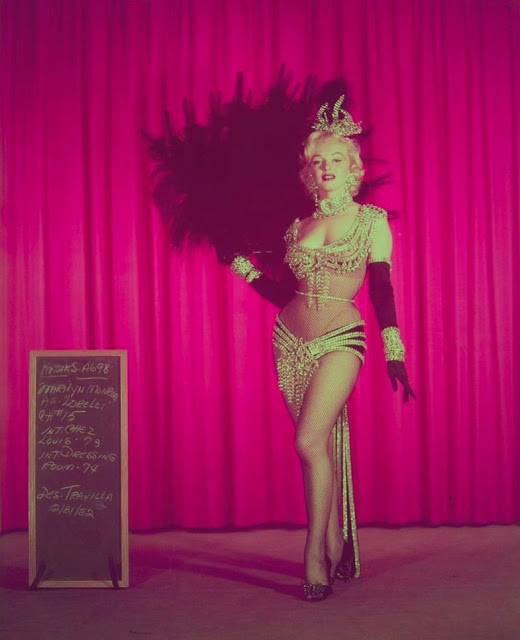
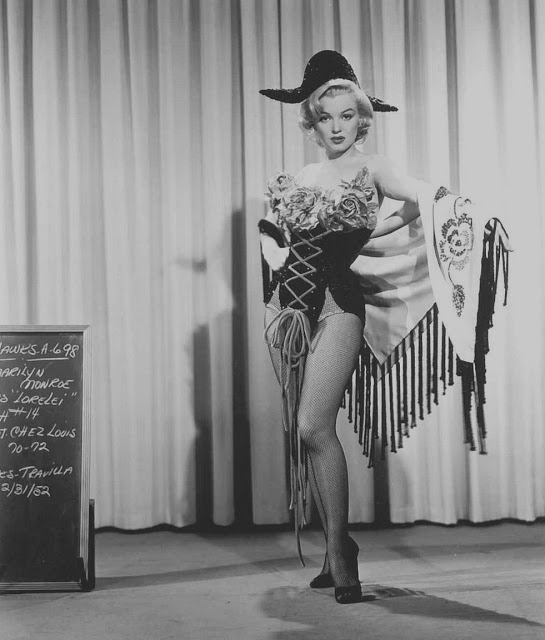
On June 1, 1952, Fox gave Marilyn a surprise birthday present — the news that she would star as Lorelei Lee in the film version of Gentlemen Prefer Blondes. A smash success on the Broadway stage, Gentlemen Prefer Blondes had been running for over two years with Carol Channing starring as the vivacious Lorelei.

Here, we collected 22 interesting behind-the-scenes photos of Marilyn Monroe wardrobe tests as Lorelei in Gentlemen Prefer Blondes.

Subscribe to Yesterday Today’s Blog to receive regular updates regarding new content:

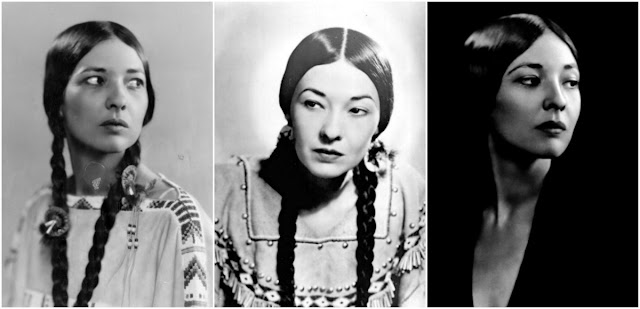
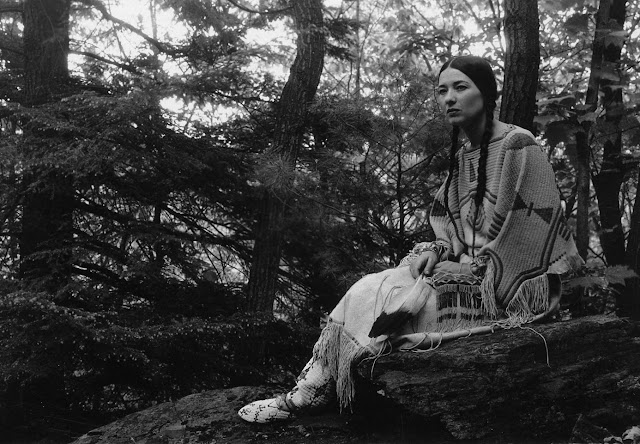
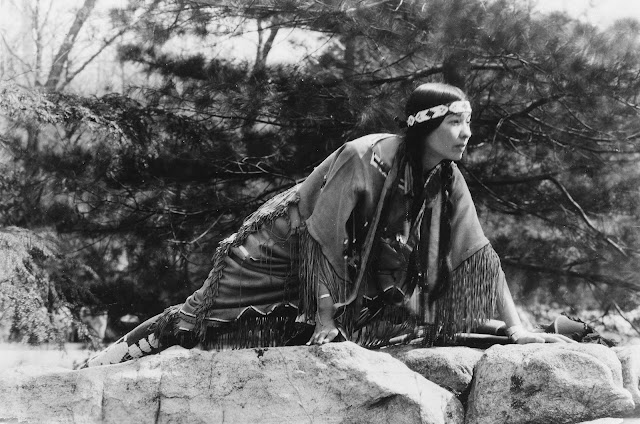
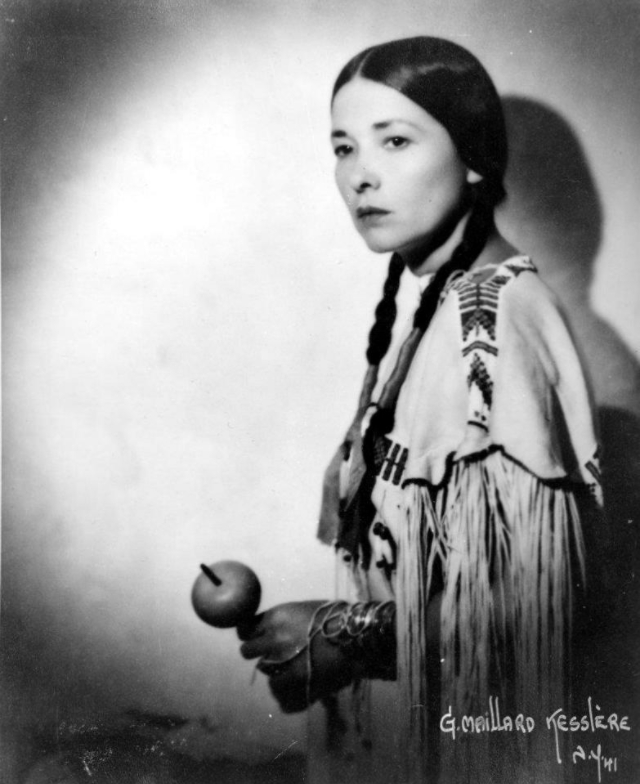
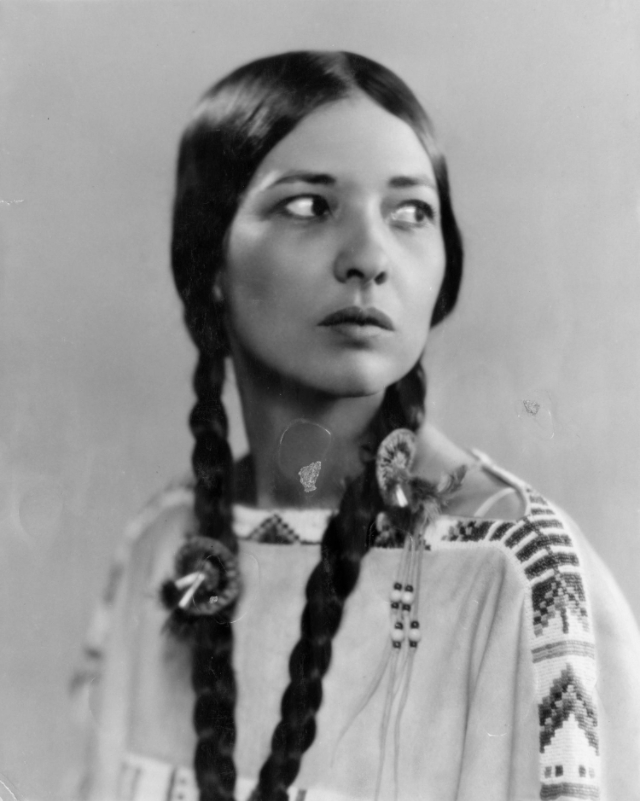
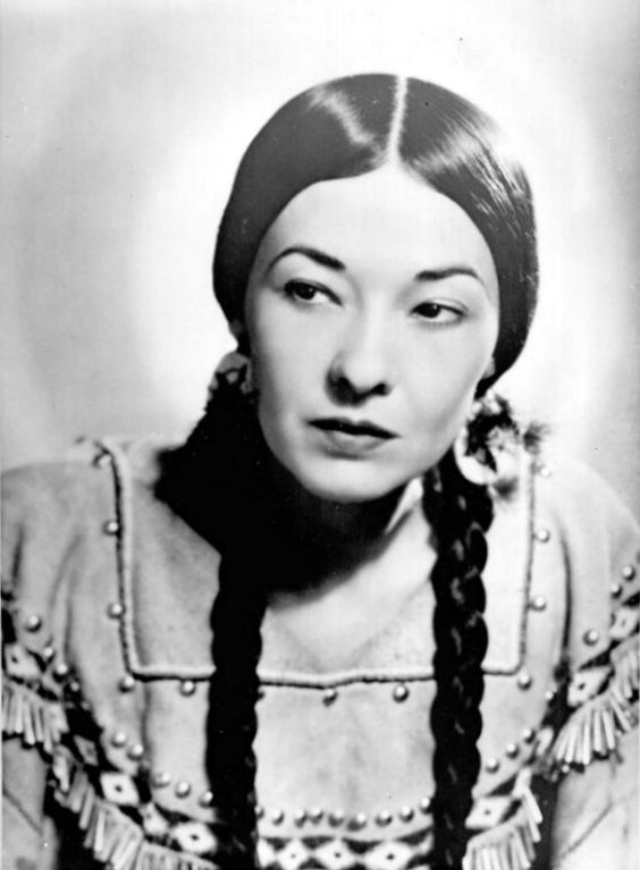
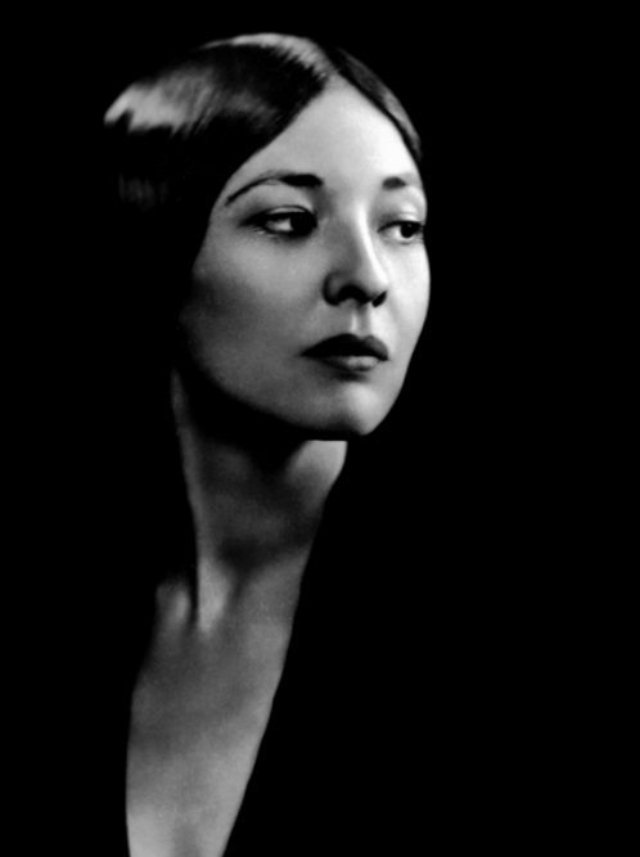
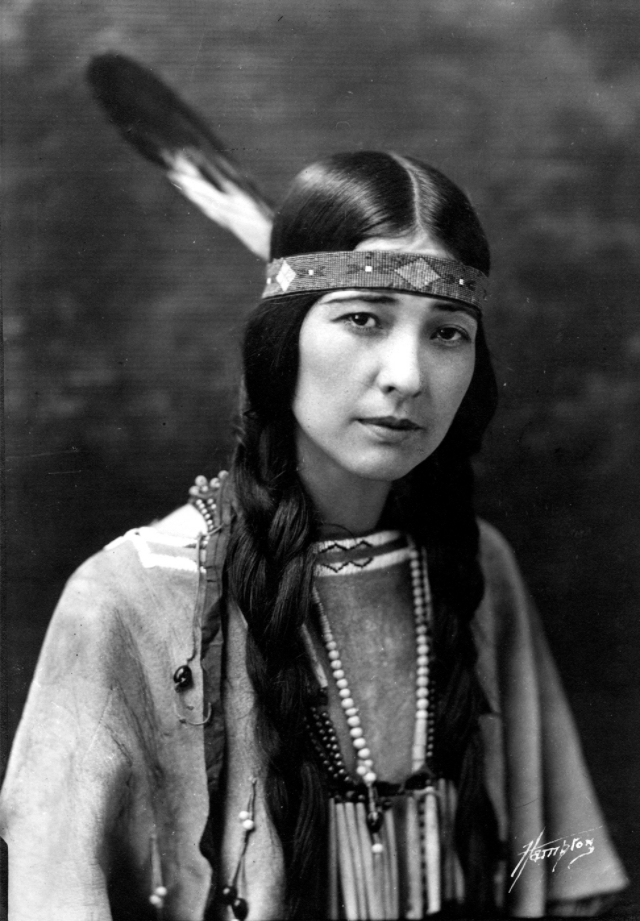
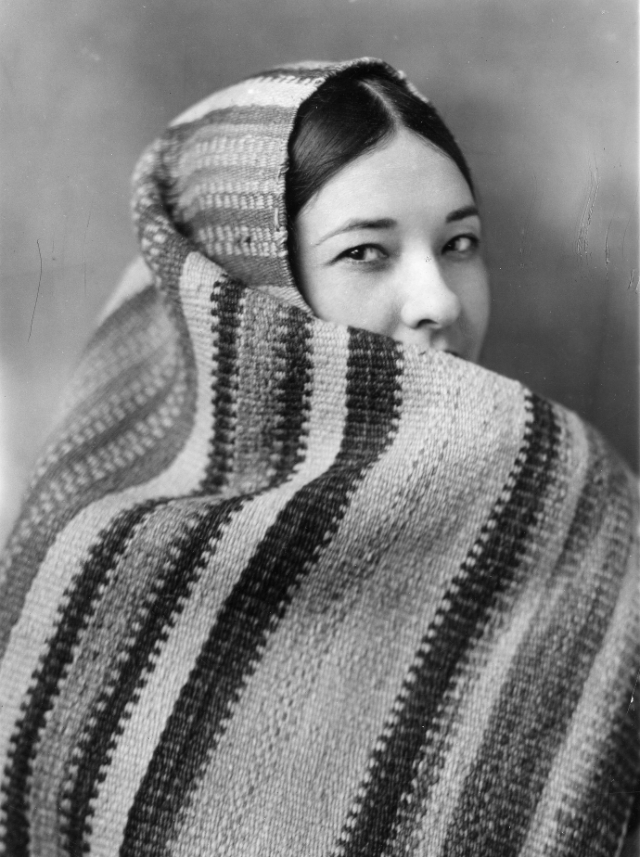
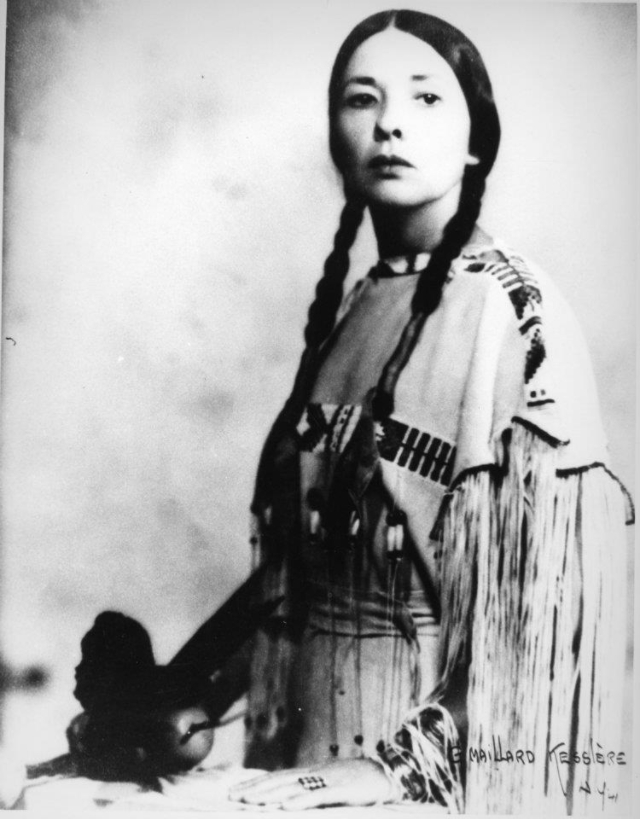
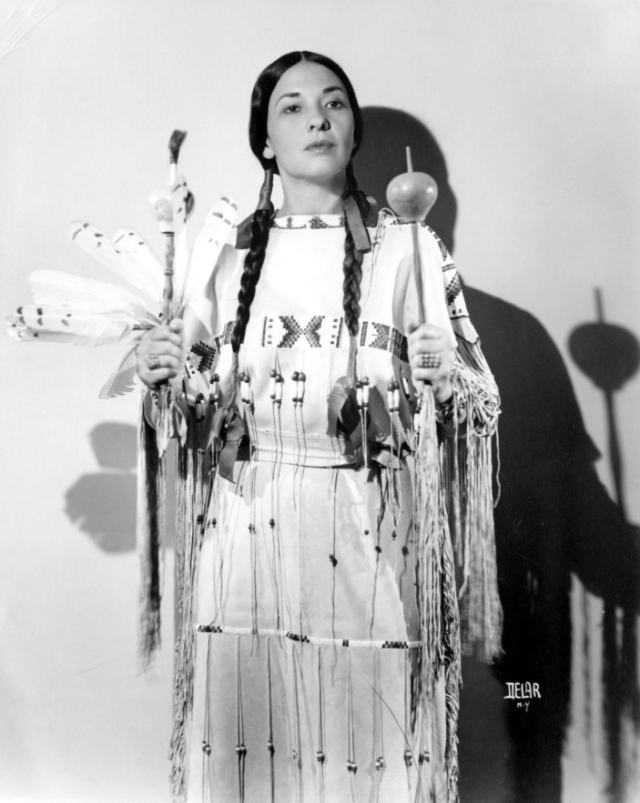
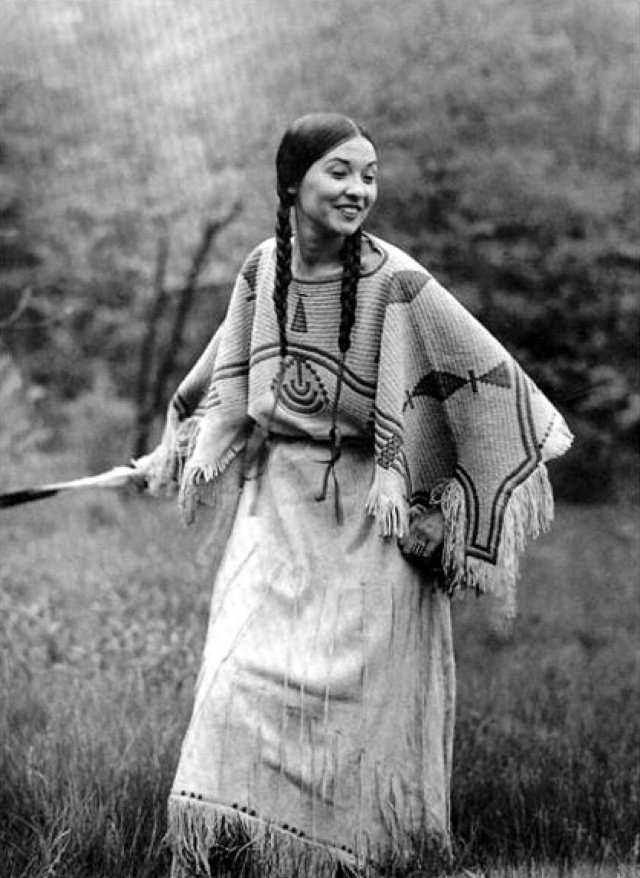
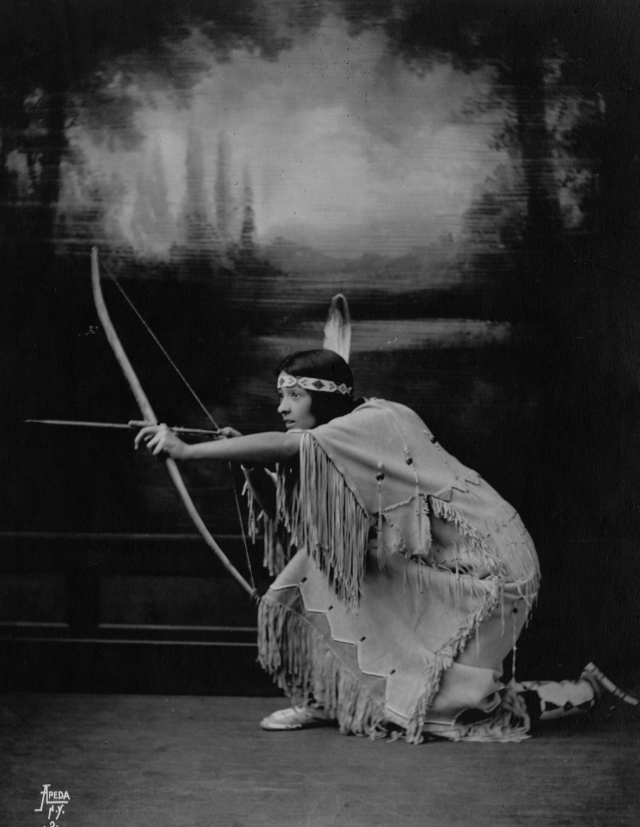
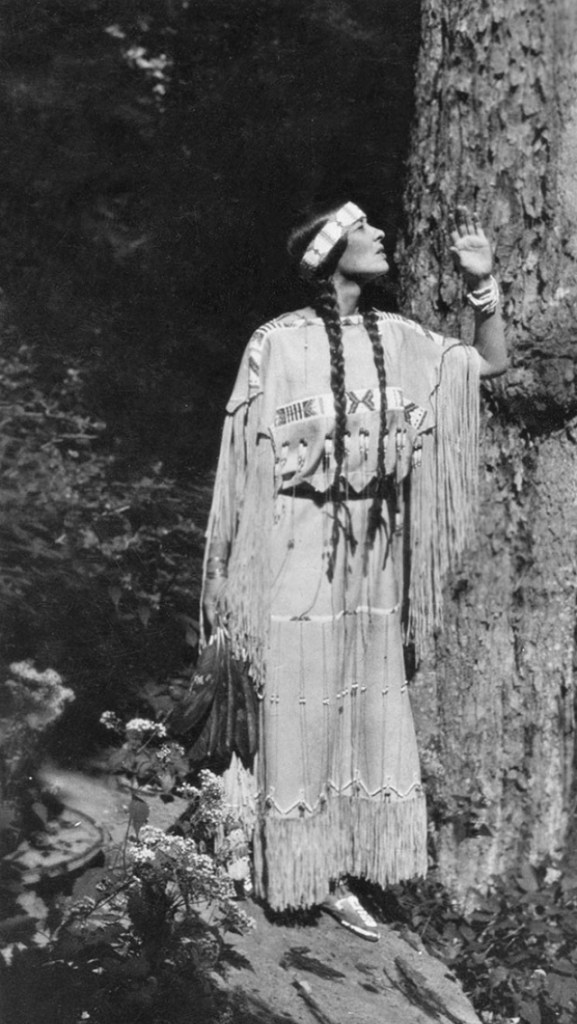
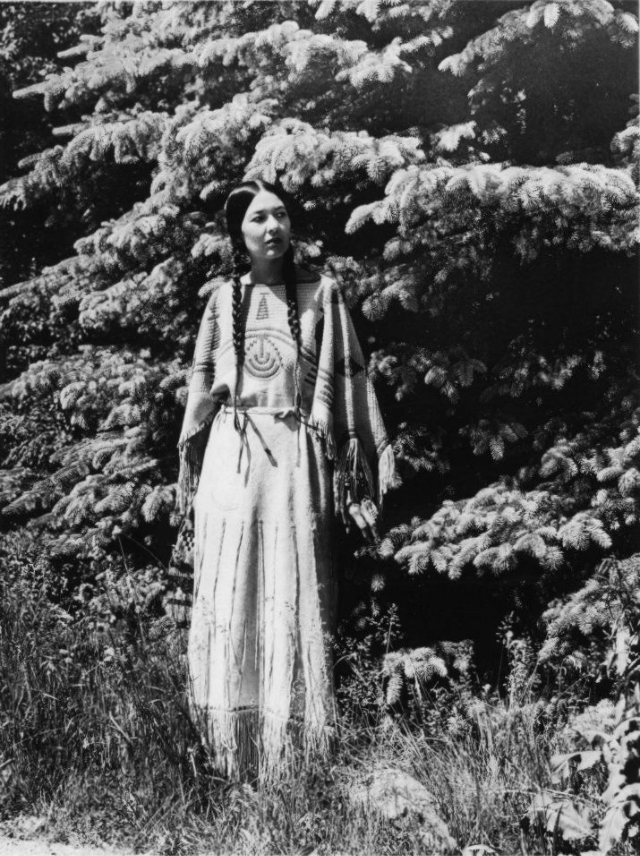
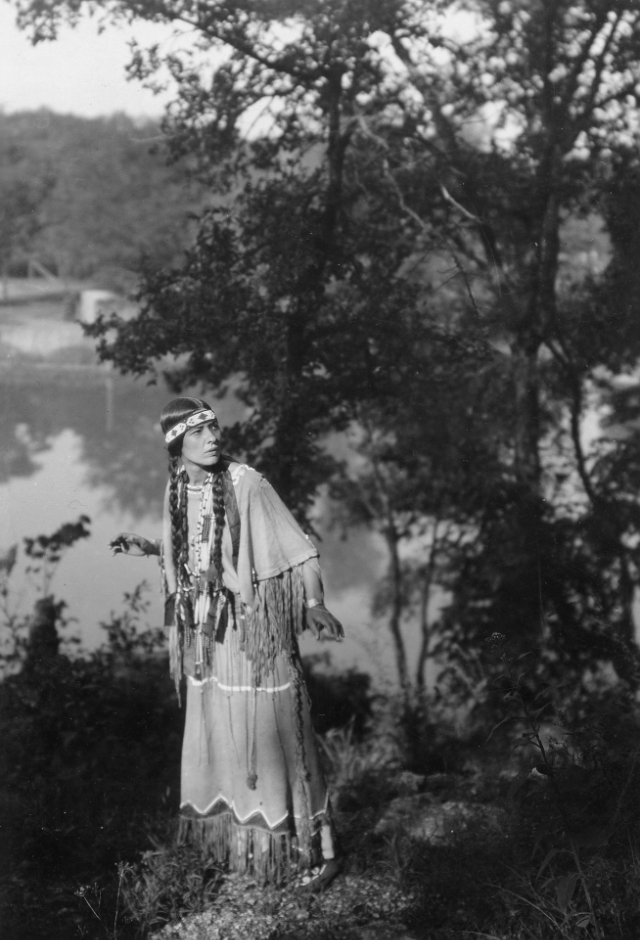
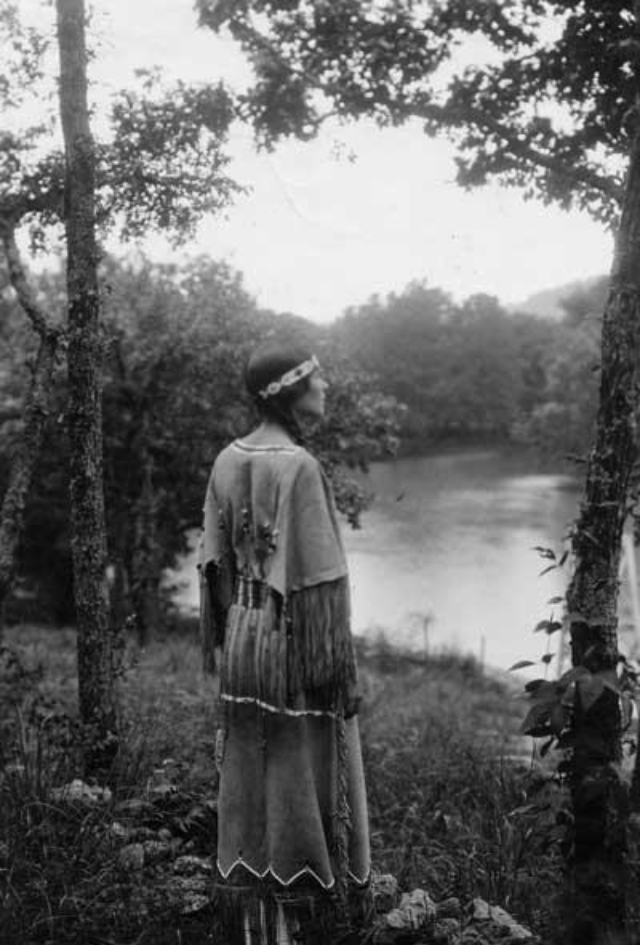
16 Vintage Portraits of a Beautiful Mary “Te Ata” Thompson Fisher

Te Ata Thompson Fisher, whose name means “Bearer of the Morning,” was born Dec. 3, 1895, near Emet, Oklahoma. A citizen of the Chickasaw Nation, Te Ata was an accomplished actor and teller of Native American stories.

She received her early education in Tishomingo, and eventually went to the Oklahoma College for Women. While there, it was evident Te Ata had a natural talent for drama.

Her career as an actor and storyteller spanned more than 60 years. She worked as a storyteller to finance her acting career. She would tell Chickasaw legends, myths and chants, including performing rituals in native regalia.

Te Ata attended the Carnegie Institute of Technology in Pittsburgh, Pennsylvania, for one year. From there, she moved to New York City, where she met and married Clyde Fisher. During the 1930s she performed at summer camps in New York and New England.

In the prime of her career, she performed in England and Scandinavia, at the White House for President Franklin Roosevelt, for the King and Queen of Great Britain, and on stages across the United States.

Although Te Ata worked as an actor and drama instructor, she is best known for her artistic interpretations of Indian folklore, and for her children’s book she co-authored on the subject.

Her world-renown talent has won her several honors including induction into the Oklahoma Hall of Fame in 1957, being named The Ladies’ Home Journal Woman of the Year in 1976, being named Oklahoma’s Official State Treasure in 1987, and having a lake near Bear Mountain in New York named in her honor.

She is also the subject of a video, God’s Drum, the proceeds of which have supported the Te Ata Scholarship Fund for Indian students at her alma mater, the University of Science and Arts of Oklahoma in Chickasha, Oklahoma.

Te Ata died Oct. 26, 1995, in Oklahoma City, though her legacy and influence on the Native American storytelling traditions continues to this day.

Subscribe to Yesterday Today to receive regular updates regarding new content:

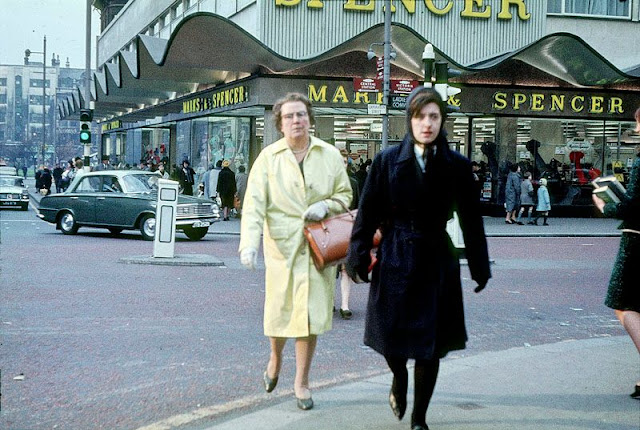
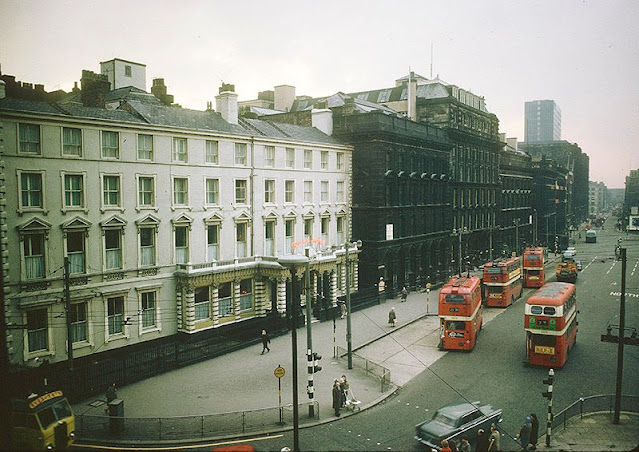
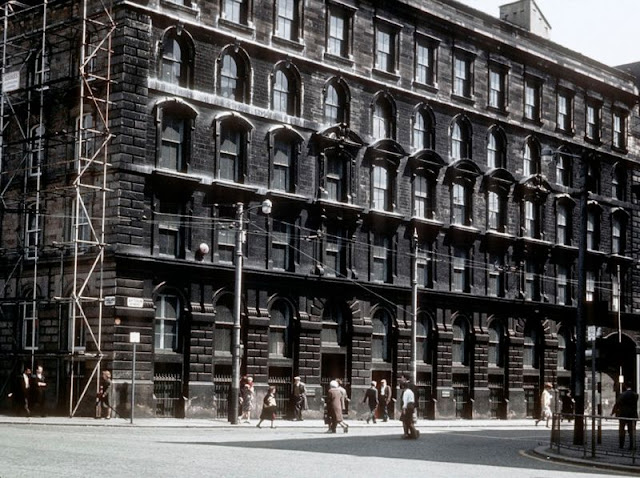
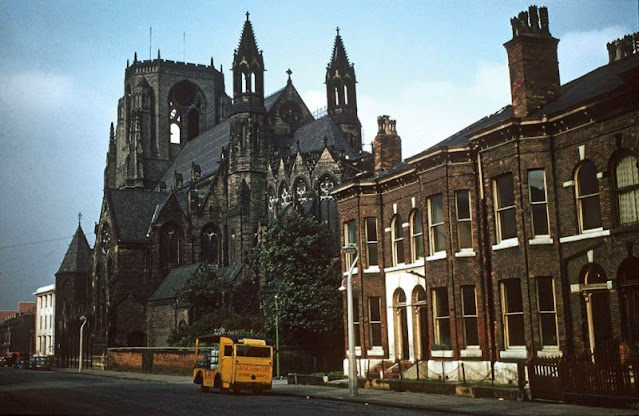
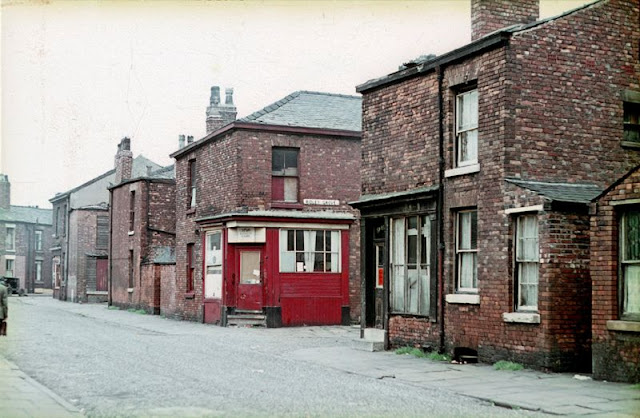
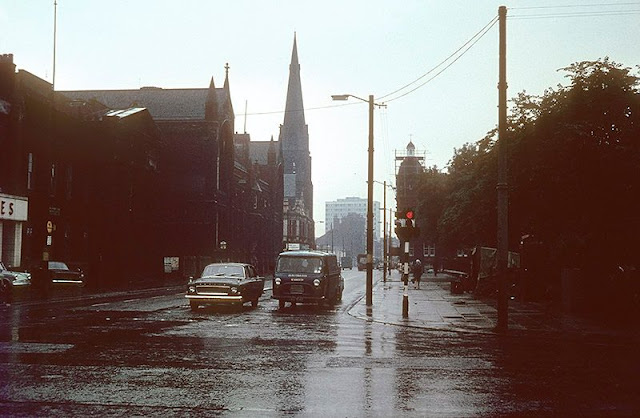
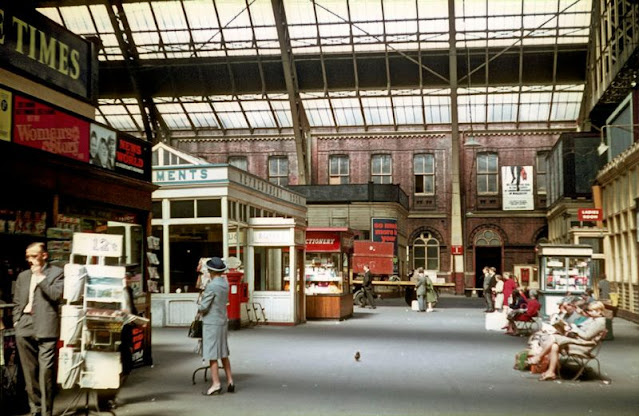
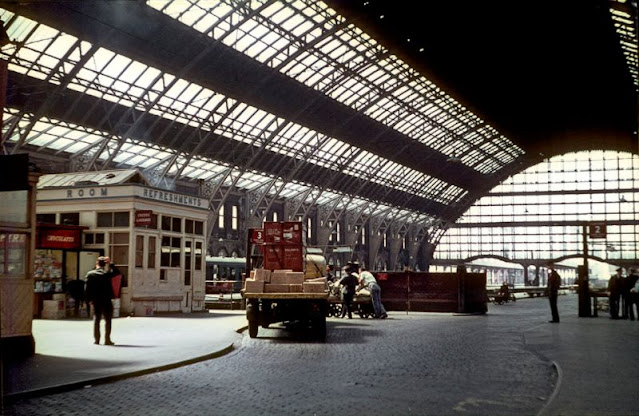
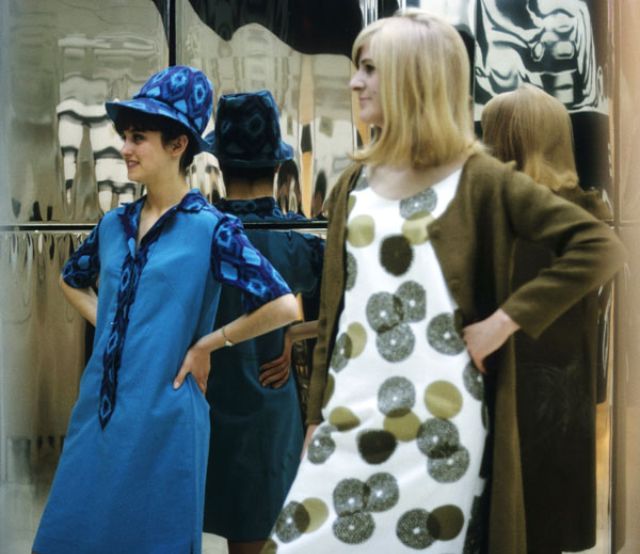
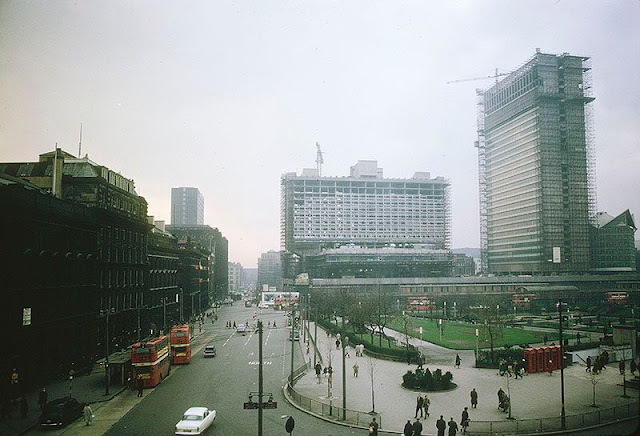
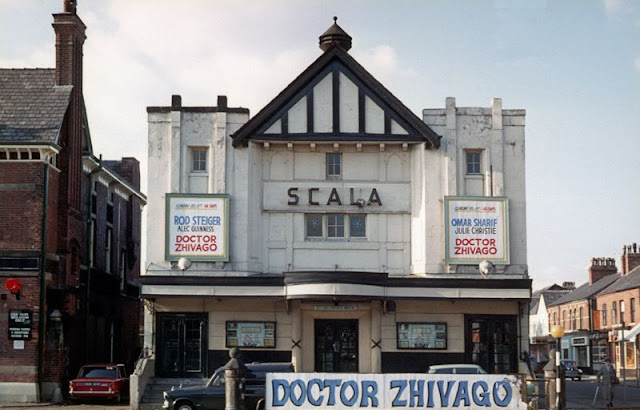
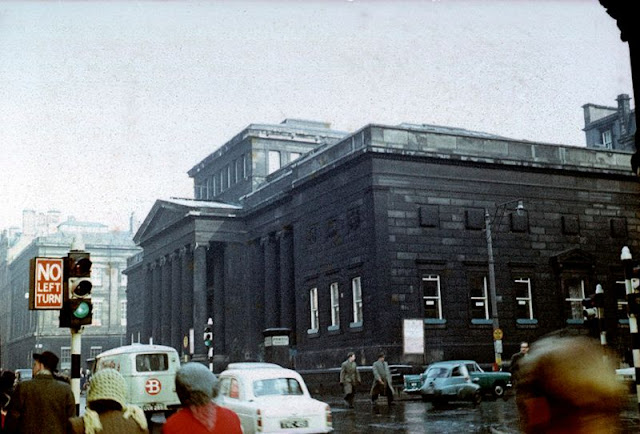
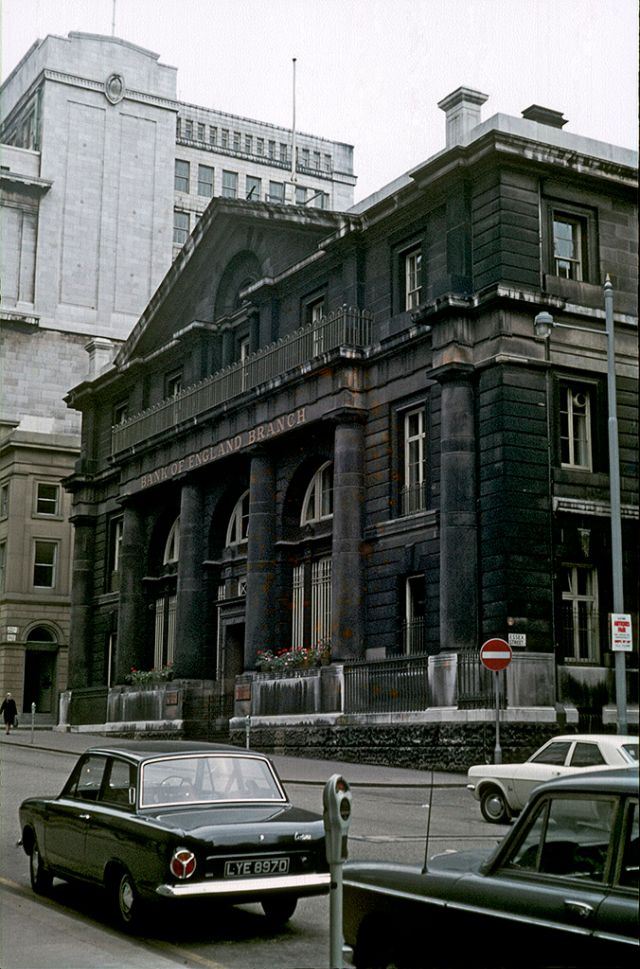
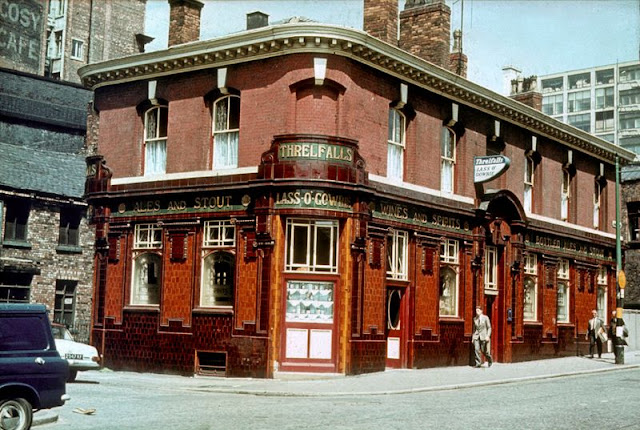
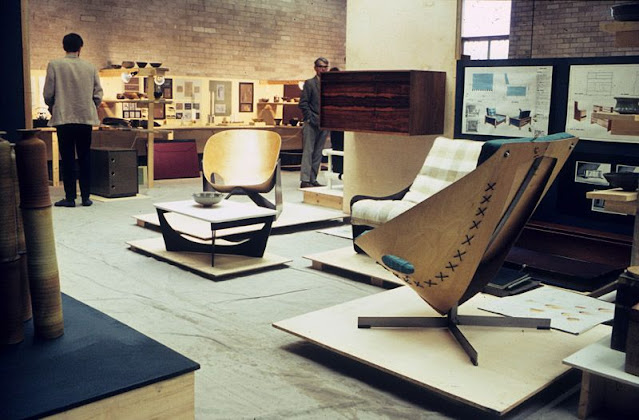
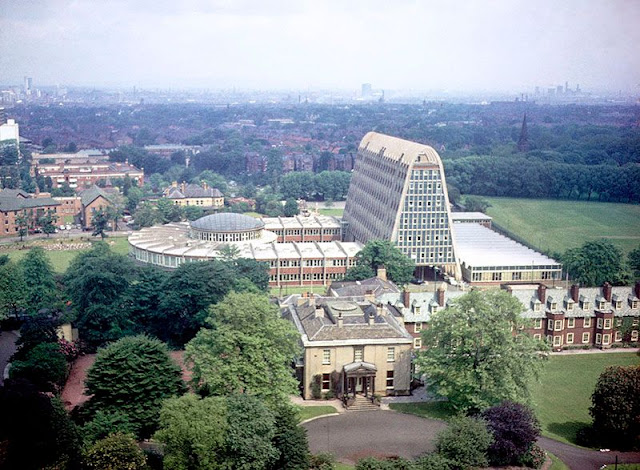
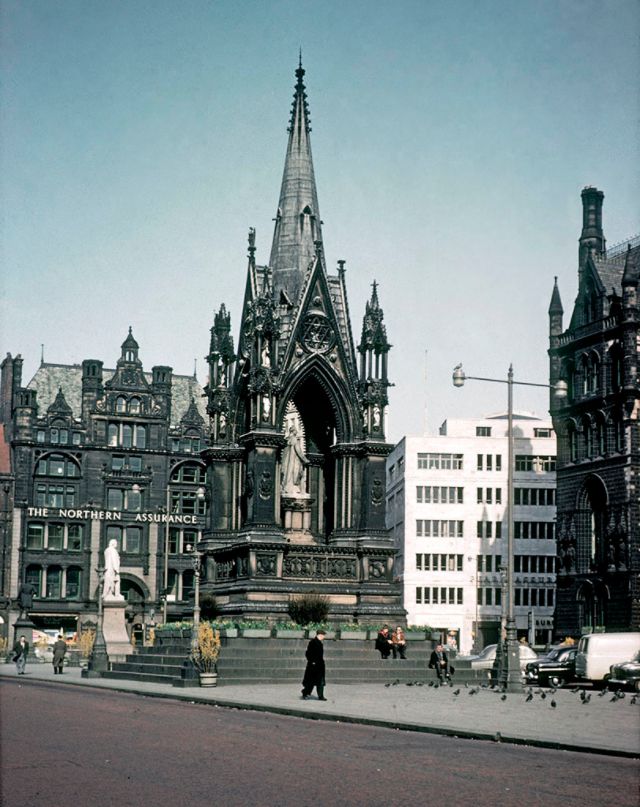
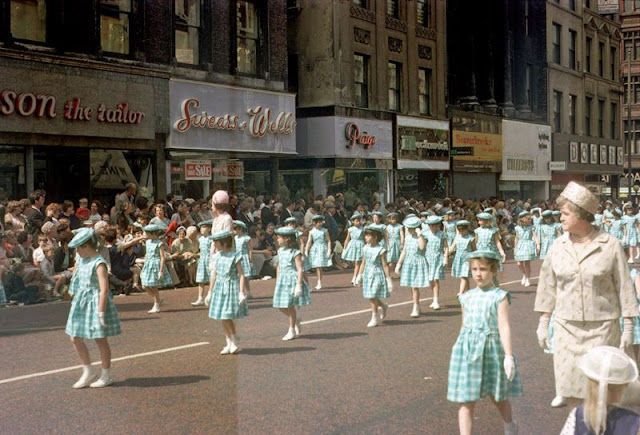
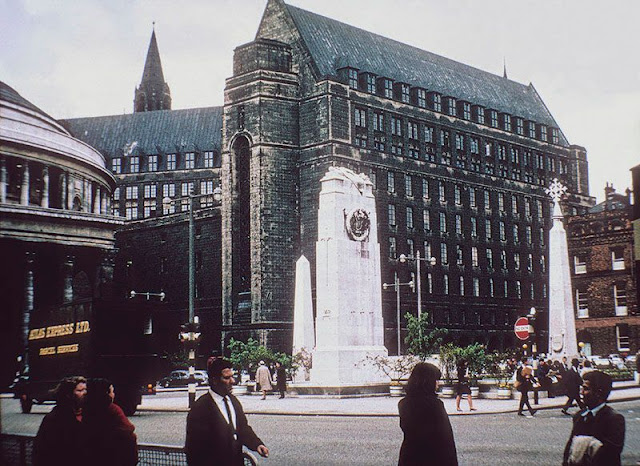
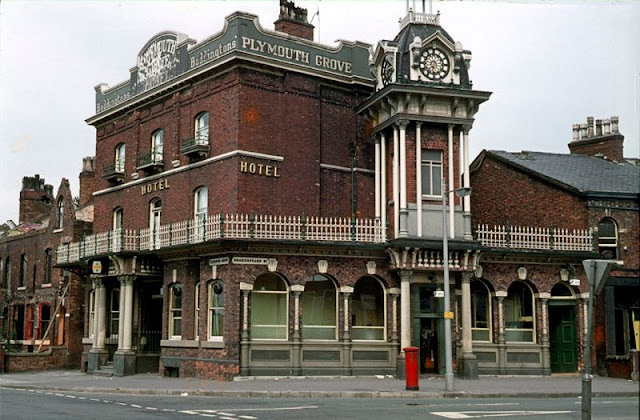
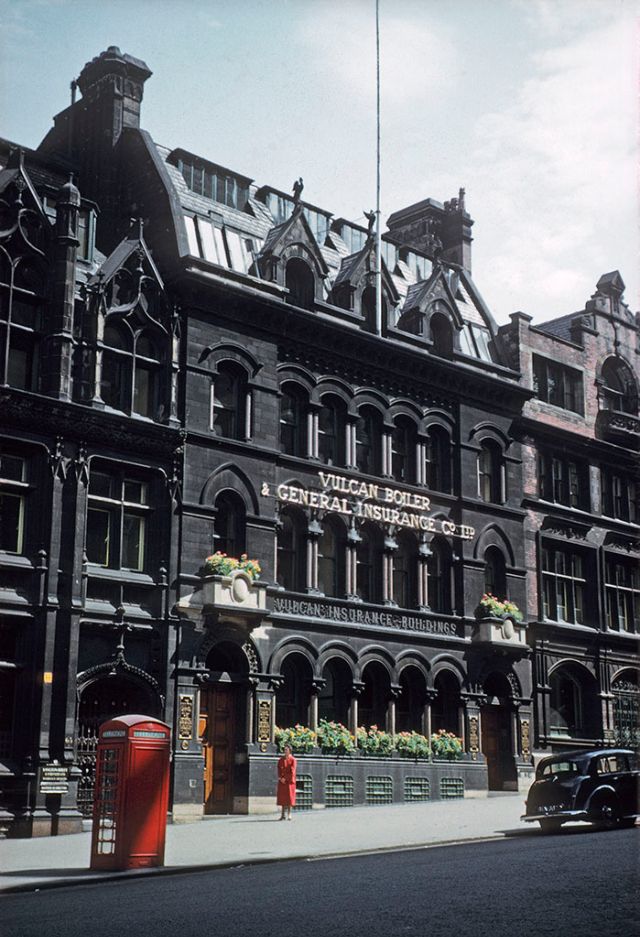
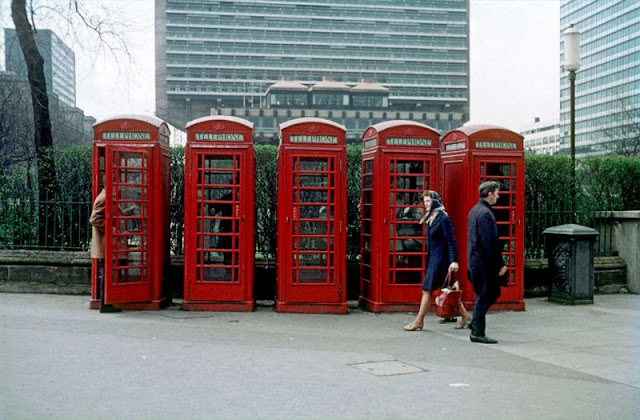
22 Color Photos of Manchester, England in the 1960s

The sixties was a difficult decade for Manchester. As heavy industry, cotton processing and trading all suffered a severe downturn, the city had to struggle with high unemployment rates. Between 1961 and 1983, Manchester lost 150,000 jobs in manufacturing. The city’s population also suffered a decline during that time. In 1961, Manchester’s population was 662,000, and by 1971 it was 544,000.

The city also saw the rise of new buildings, skyscrapers and housing schemes in this decade. Few aesthetically memorable buildings were constructed in the 1950s and 1960s, but some grew into landmarks. In 1962, the 118-metre tall CIS Tower became the tallest building in the United Kingdom, and three years later came the opening of the Piccadilly Plaza, another skyscraper. Overcrowded and shabby housing was also demolished to make way for high-rise blocks of flats.

Take a look back at the city in the 1960s through 22 fascinating vintage snapshots.

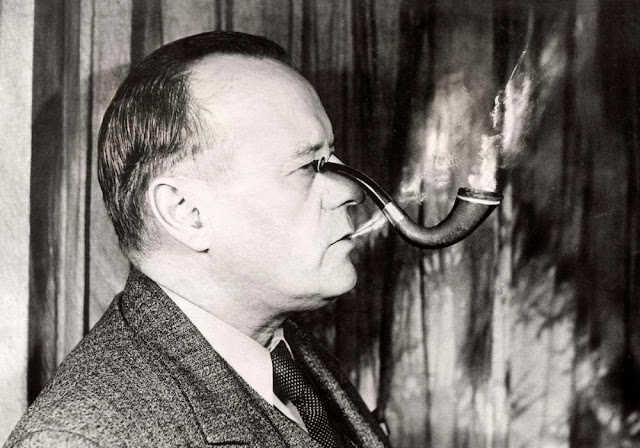
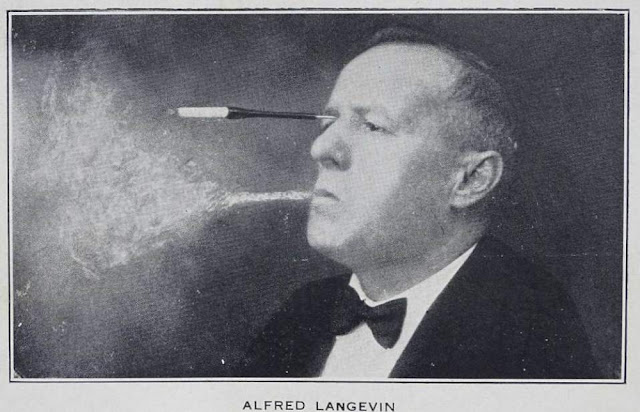
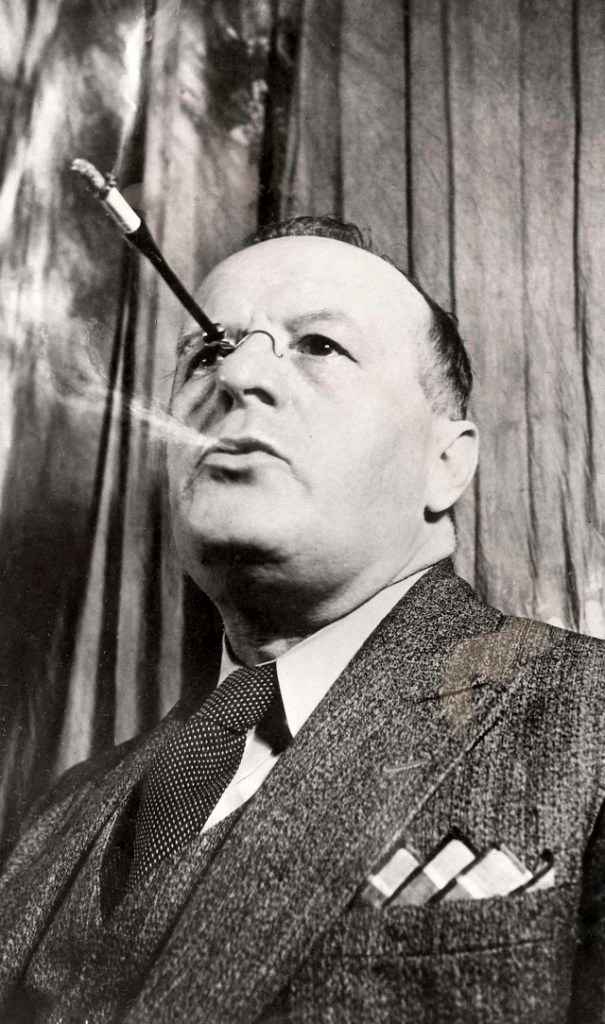
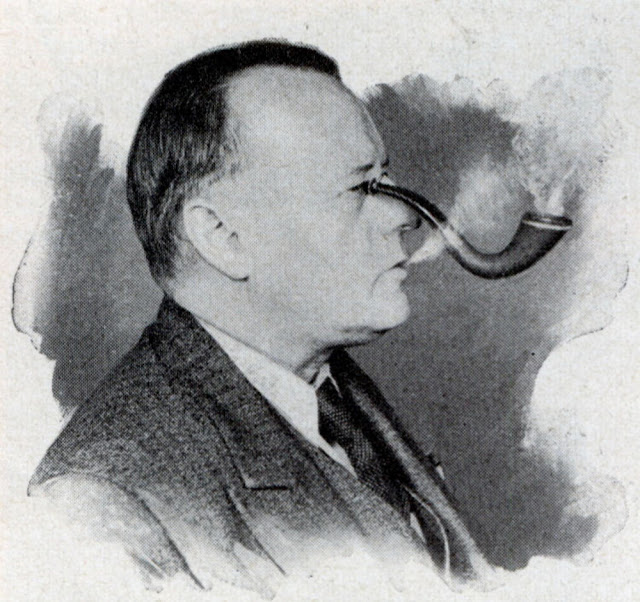
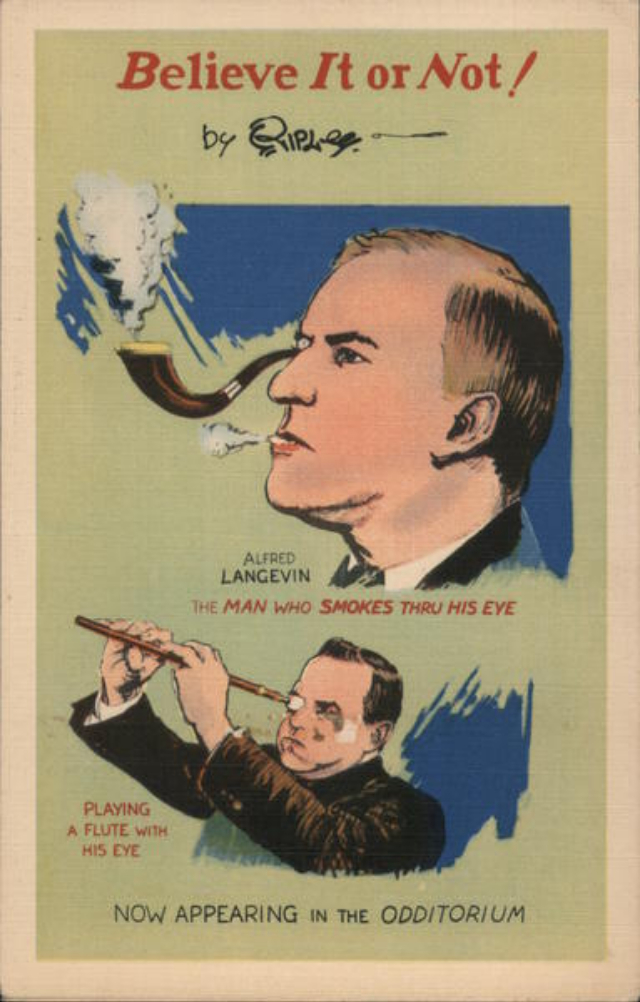
Alfred Langevin, the Man Who Could Smoke Through His Eye

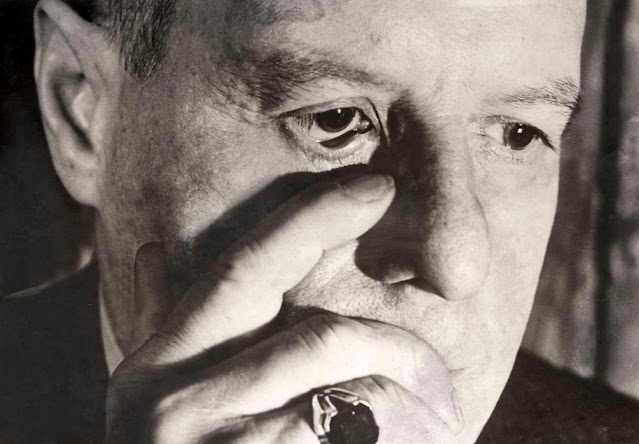
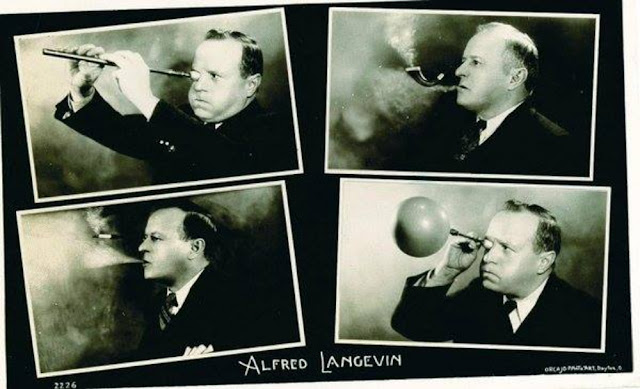
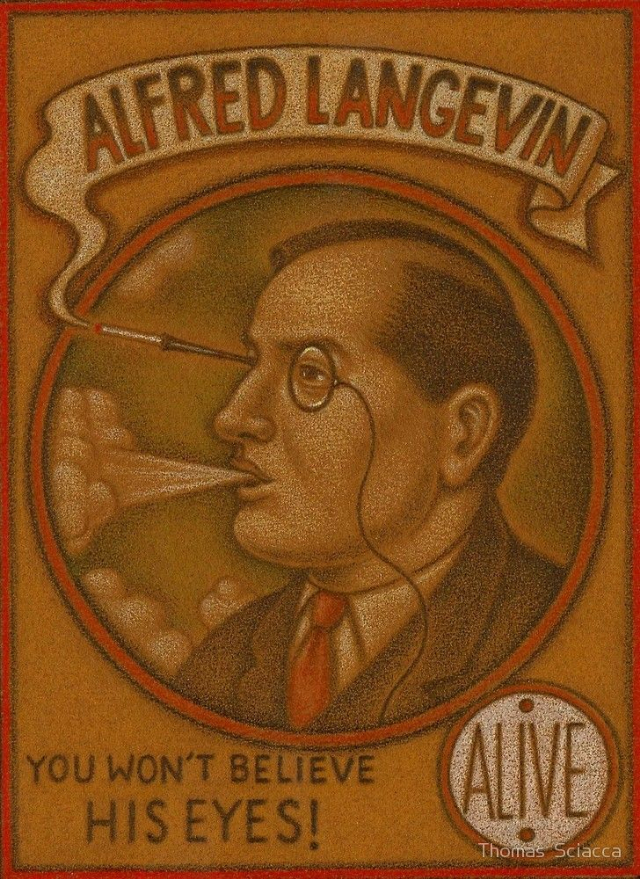
Here’s Alfred Langevin (1885–1974), French-Canadian, aka the “Eye Smoker,” who could smoke a pipe through his eye.

In the 1930s, he resided in Detroit, Michigan but was under the employ of Robert Ripley. Mr. Langevin was featured not only in the Believe-It-Or-Not cartoons of Ripley, but also appeared in Ripley’s renowned Odditorium from 1933 to 1940 and was even featured on the 1933 Odditorium postcard.

Not only could Mr. Langevin use his eye socket to smoke, he could also blow up balloons and play a recorder. It should be noted that Mr. Langevin indeed had two very real and functioning eyes. The medical reason for his unusual ability remains unknown but is likely due to an anomaly in the development of his tear gland. This rare tear gland defect is responsible for the fairly recent Guinness Book category of “squirting milk from the eye.” The record is currently held by Mike Moraal of Vancouver, British Columbia, Canada. The record is for distance and Mike managed 8.745 feet in 2001.

Subscribe to Yesterday Today to receive regular updates regarding recent updates in new content:

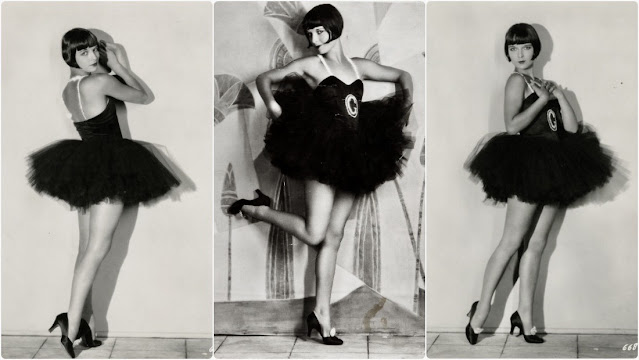
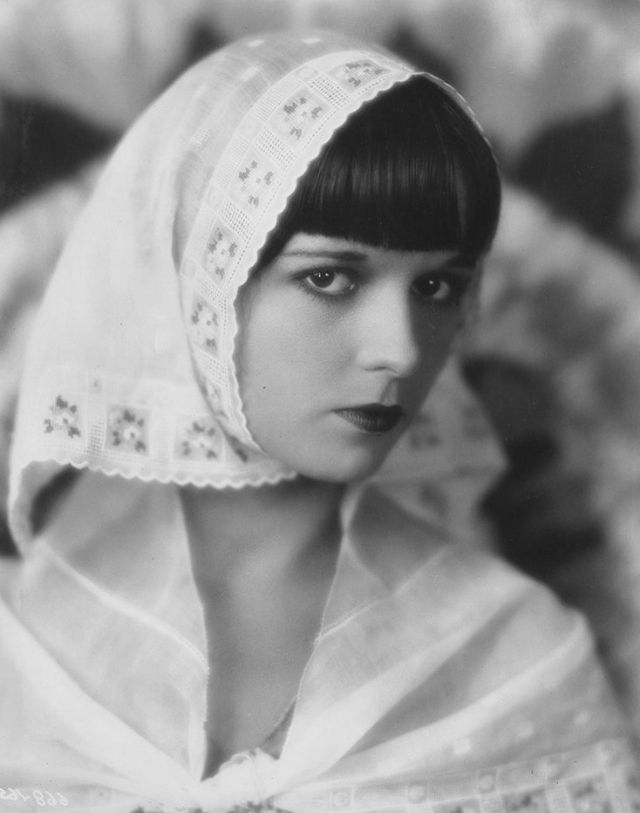
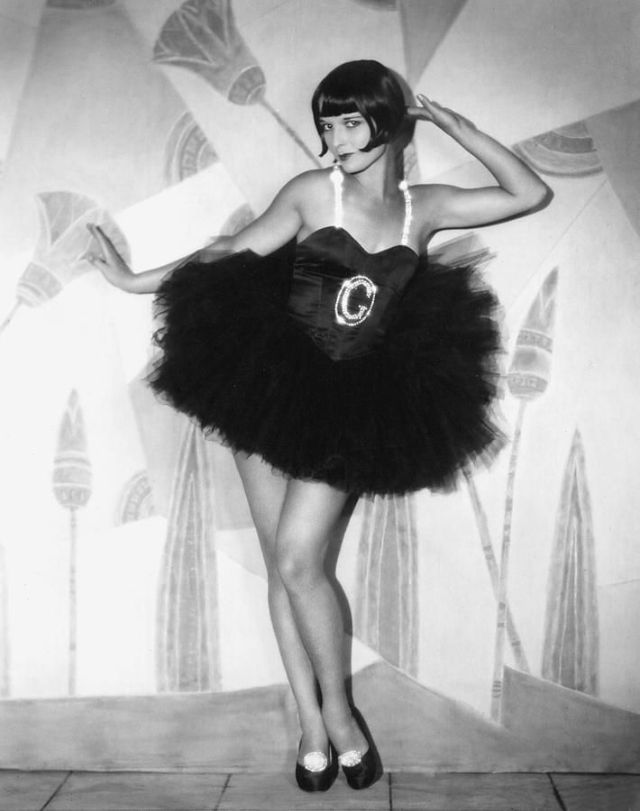
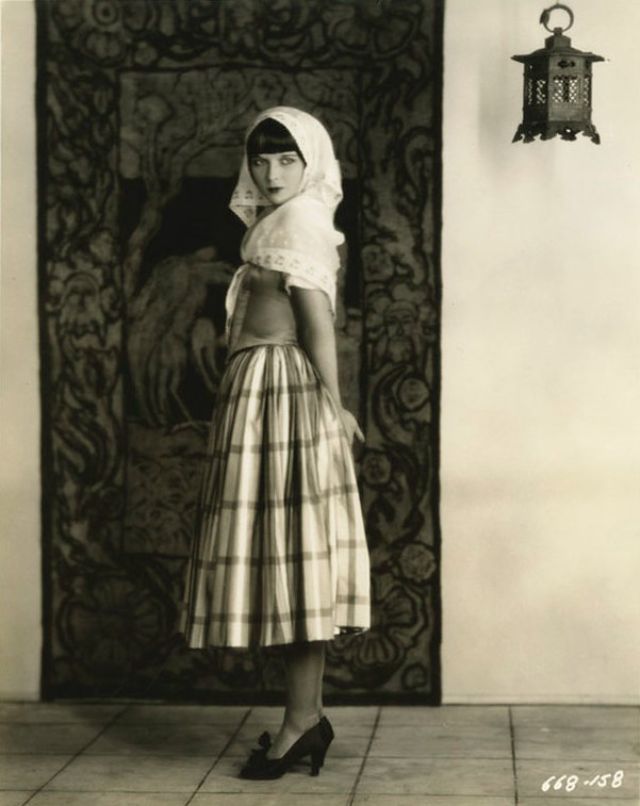
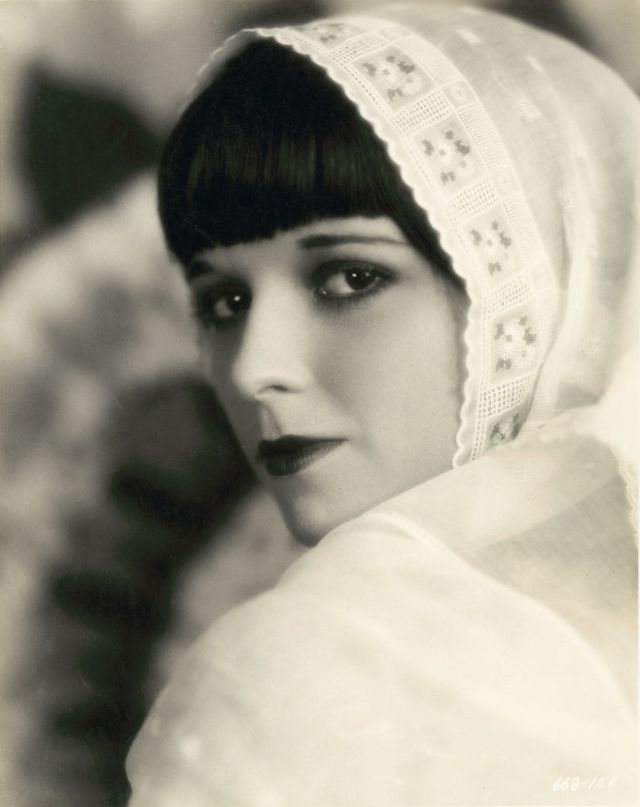
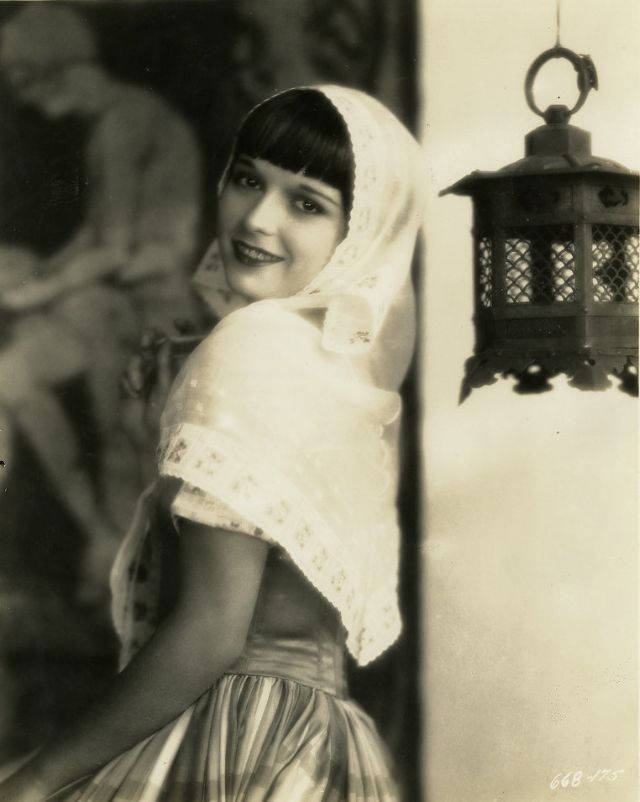
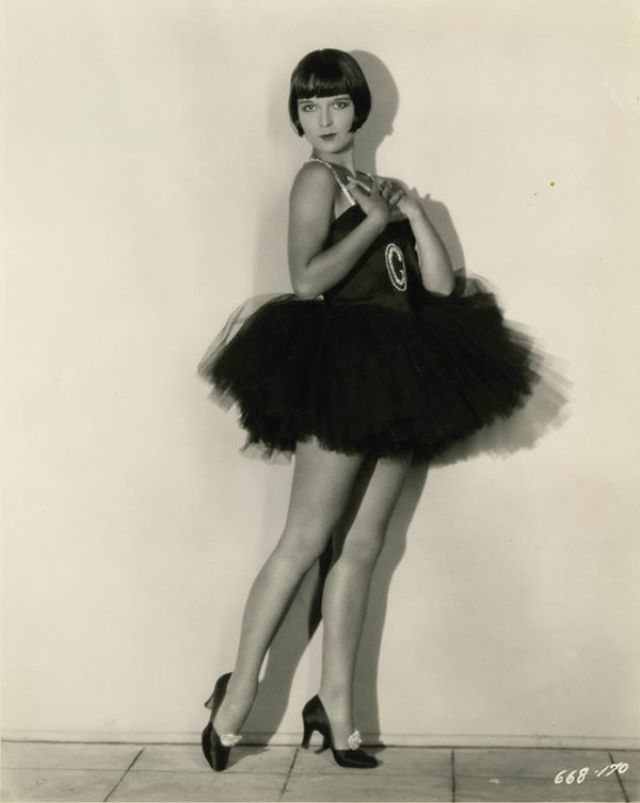
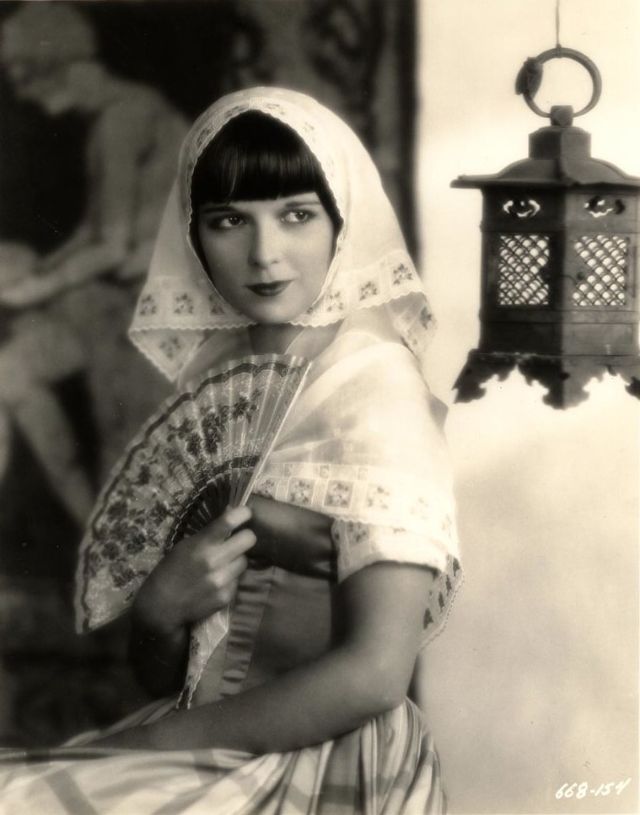
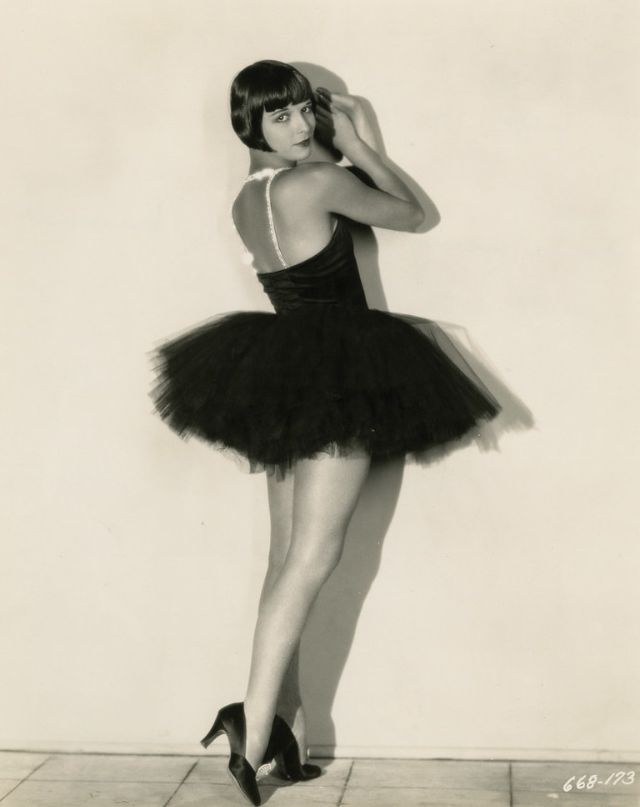
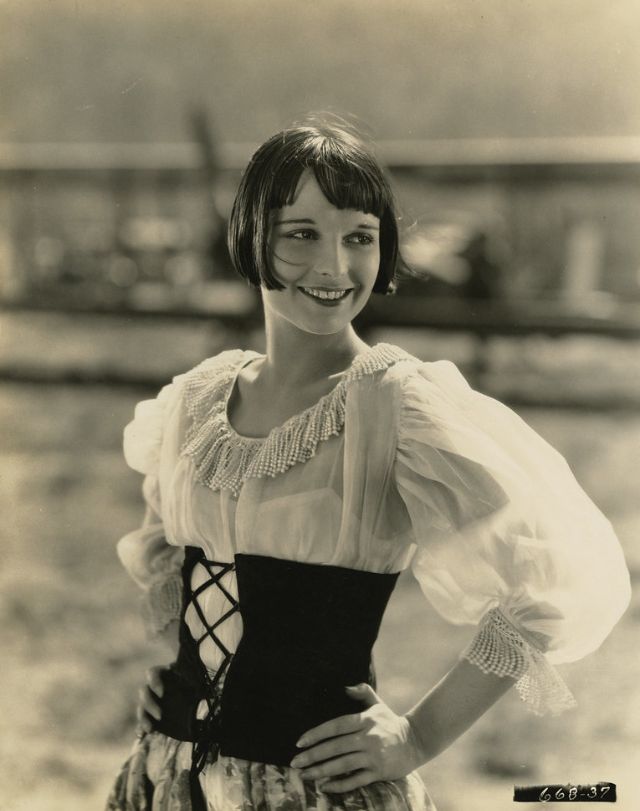
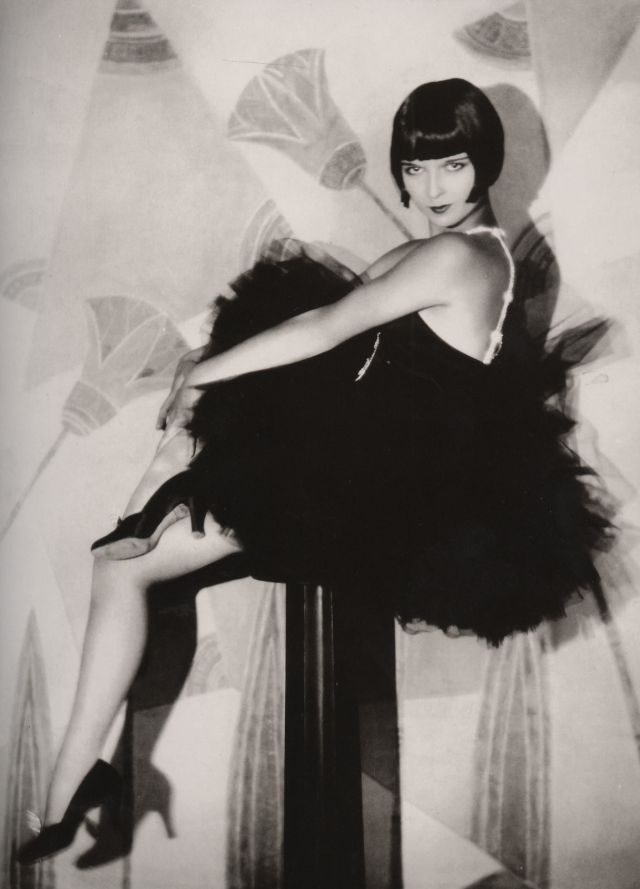
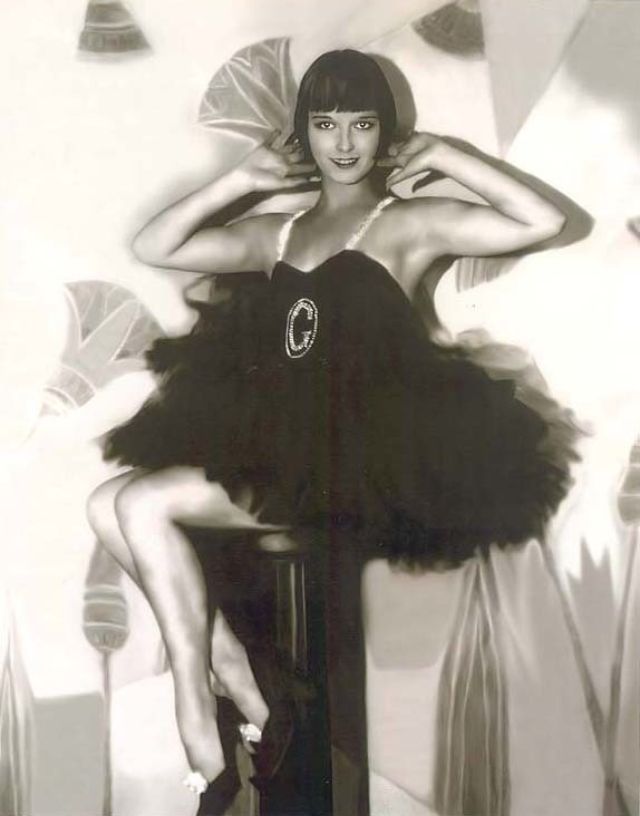
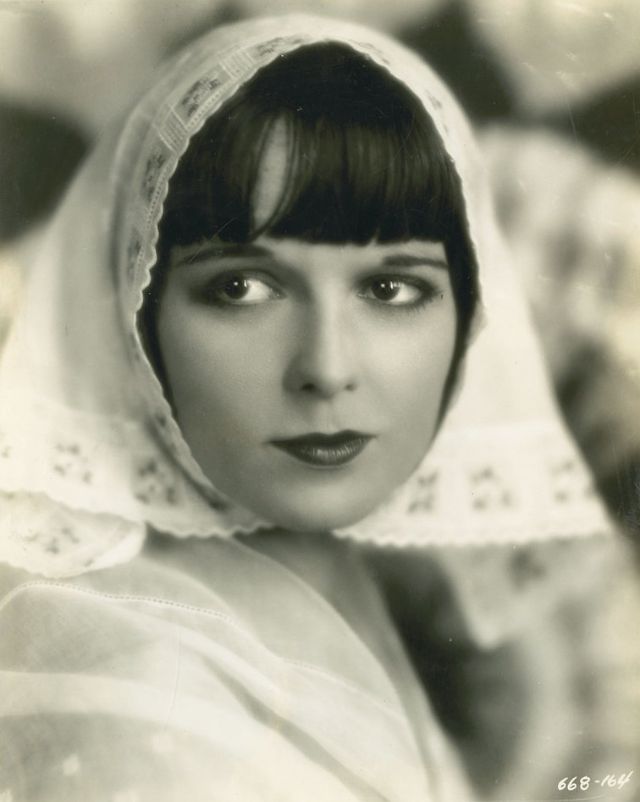
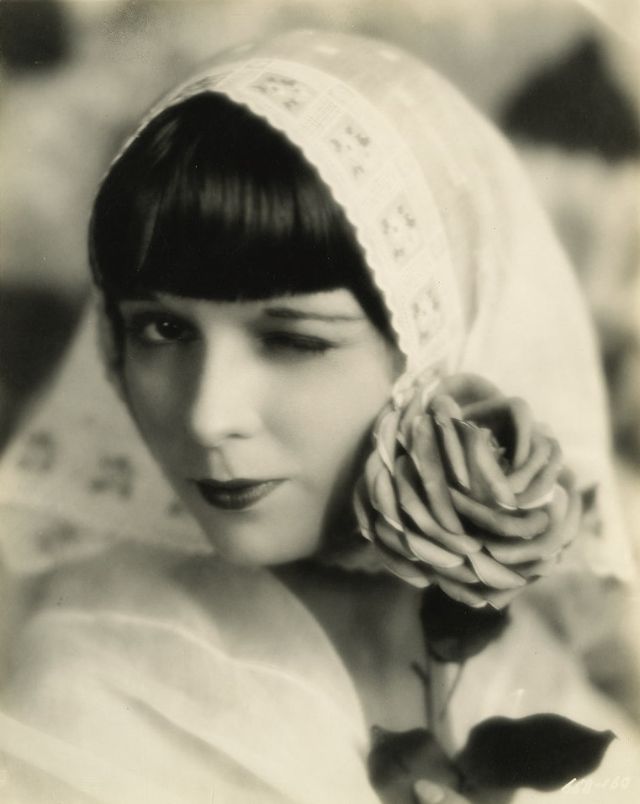
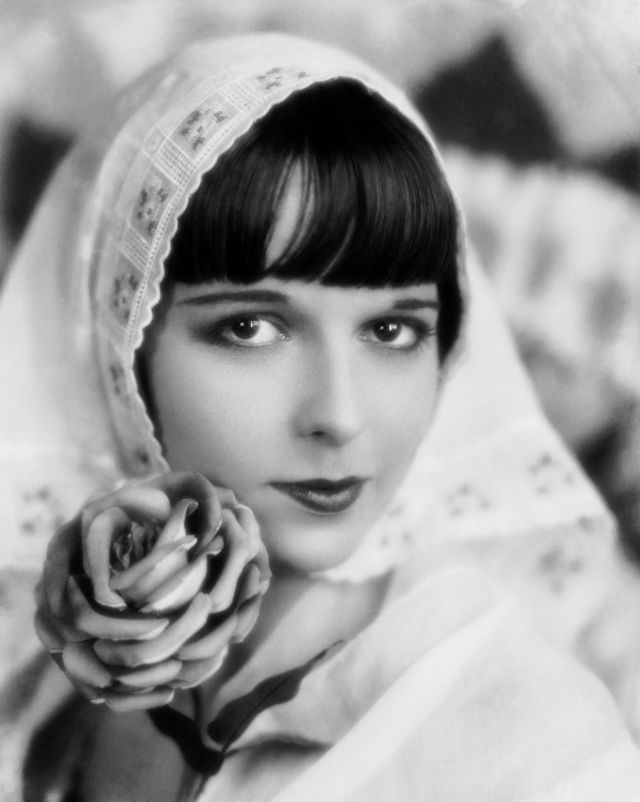
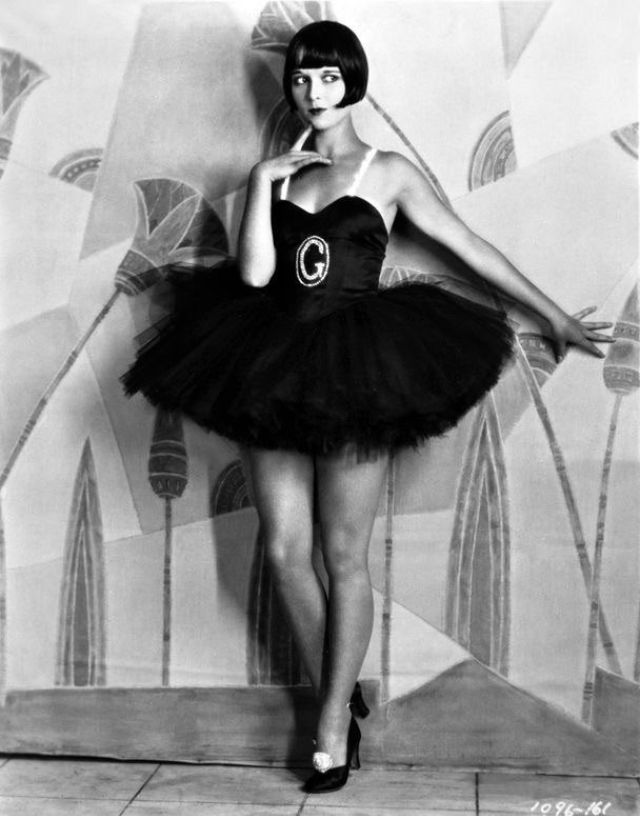
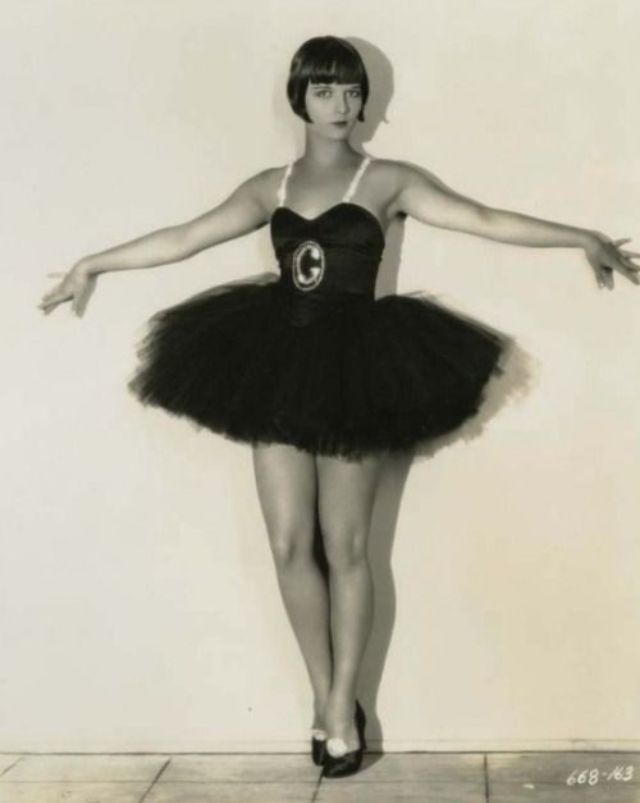
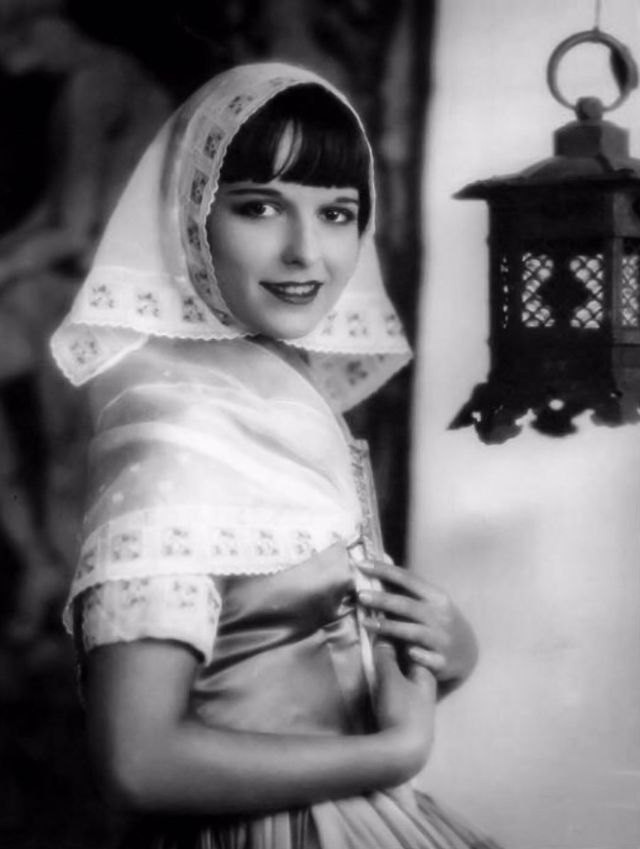
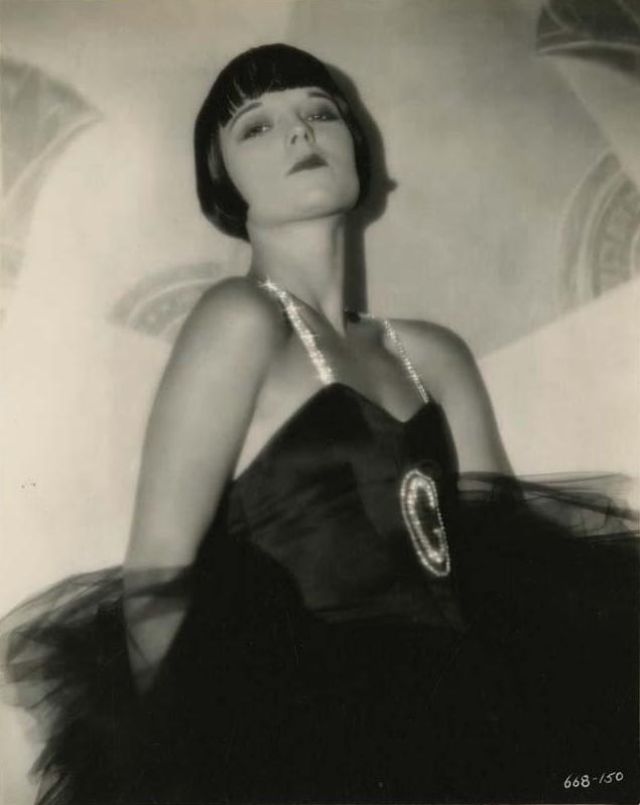
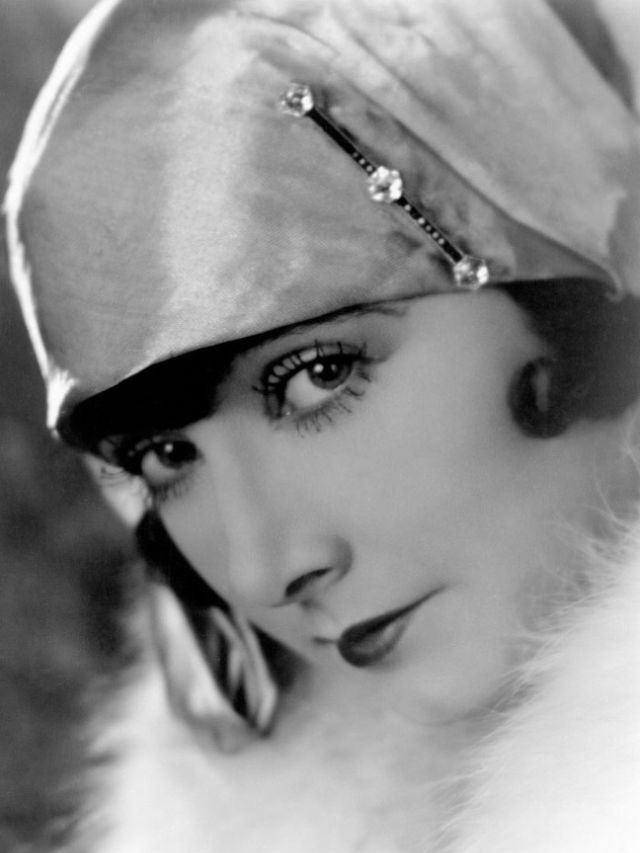
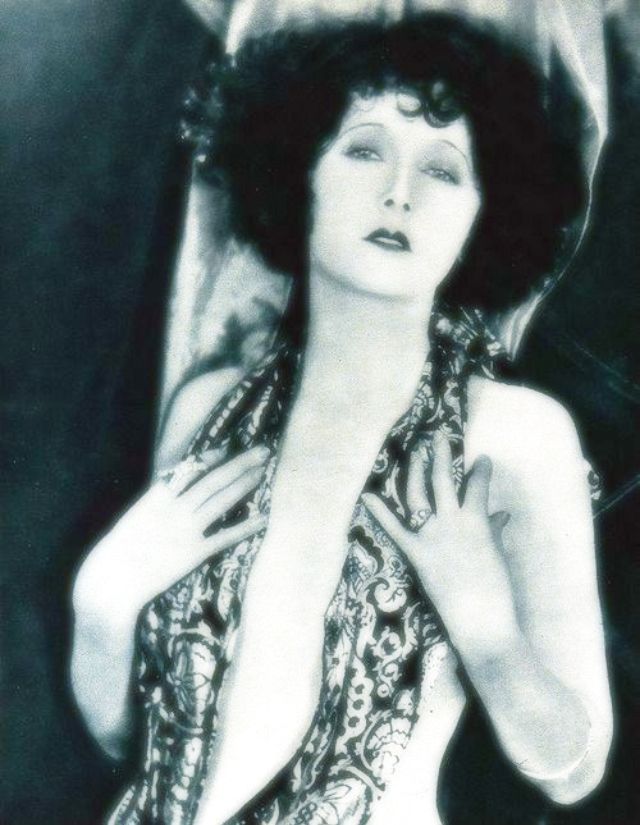
Portrait Photos of Louise Brooks During the Filming of ‘Now We’re in the Air’ (1927)

Now We’re in the Air is a 1927 American silent comedy film directed by Frank R. Strayer, starring the late-1920s intermittent comedy team of Wallace Beery and Raymond Hatton. In a supporting role, Louise Brooks plays twins, one raised French and the other raised German.

Wallace Beery and Louise Brooks worked together the following year in the taut drama Beggars of Life, a well-received early sound film. Hatton also sometimes appeared paired in films with Beery’s older brother Noah Beery.

Now We’re in the Air was popular in its time, although not as well received as the earlier military farces from the Beery/Hatton team. The aerial scenes were an interesting aspect of the production. In a modern re-appraisal, however, reviewer Janiss Garza commented: “In spite of a dual role, Brooks doesn’t have much to do; Moving Picture World felt that ‘any intelligent extra girl’ could have handled the part.”

Mary Louise Brooks (November 14, 1906 – August 8, 1985) was an American film actress and dancer during the 1920s and 1930s. She is regarded today as an icon of the flapper culture, in part due to the bob hairstyle that she helped popularize during the prime of her career.
At the age of 15, Brooks began her career as a dancer and toured with the Denishawn School of Dancing and Related Arts where she performed opposite Ted Shawn. After being fired, she found employment as a chorus girl in George White’s Scandals and as a semi-nude dancer in the Ziegfeld Follies in New York City. While dancing in the Follies, Brooks came to the attention of Walter Wanger, a producer at Paramount Pictures, and signed a five-year contract with the studio. She appeared in supporting roles in various Paramount films before taking the heroine’s role in Beggars of Life (1928). During this time, she became an intimate friend of actress Marion Davies and joined the elite social circle of press baron William Randolph Hearst at Hearst Castle in San Simeon.

Dissatisfied with her mediocre roles in Hollywood films, Brooks went to Germany in 1929 and starred in three feature films that launched her to international stardom: Pandora’s Box (1929), Diary of a Lost Girl (1929), and Miss Europe (1930); the first two were directed by G. W. Pabst. By 1938, she had starred in 17 silent films and eight sound films. After retiring from acting, she fell upon financial hardship and became a paid escort. For the next two decades, she struggled with alcoholism and suicidal tendencies. Following the rediscovery of her films by cinephiles in the 1950s, a reclusive Brooks began writing articles about her film career; her insightful essays drew considerable acclaim. She published her memoir, Lulu in Hollywood, in 1982. Three years later, she died of a heart attack at age 78.

These fabulous photos captured portraits of Louise Brooks during the filming of Now We’re in the Air in 1927.

Subscribe to Yesterday Today to receive regular updates regarding new content:

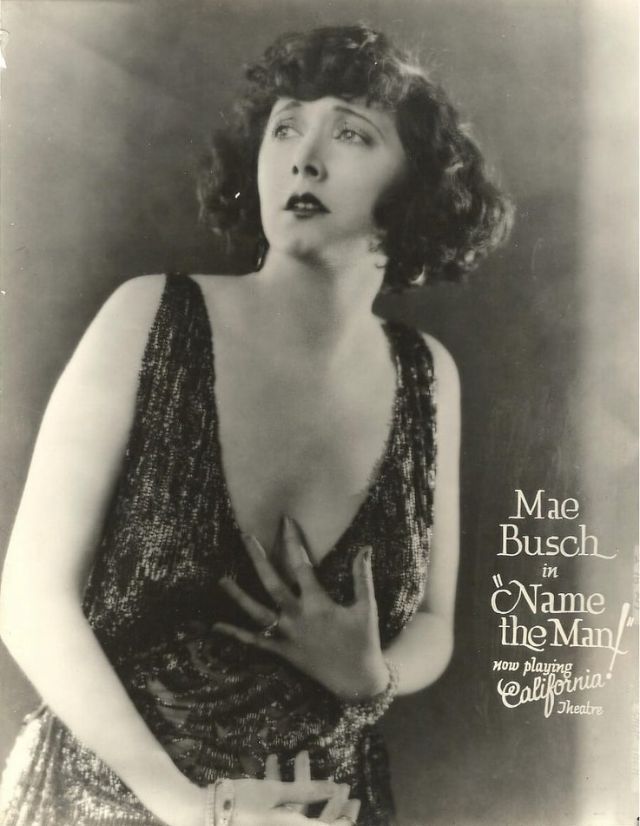
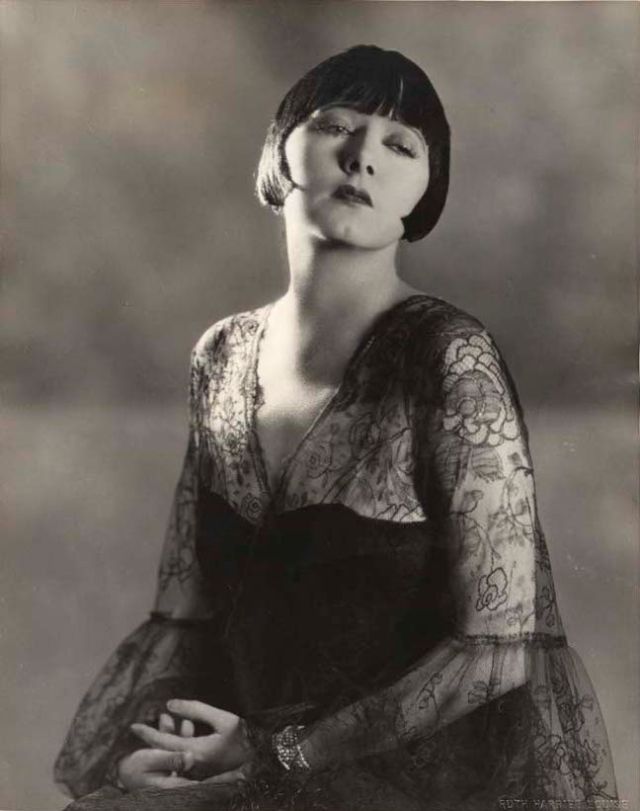
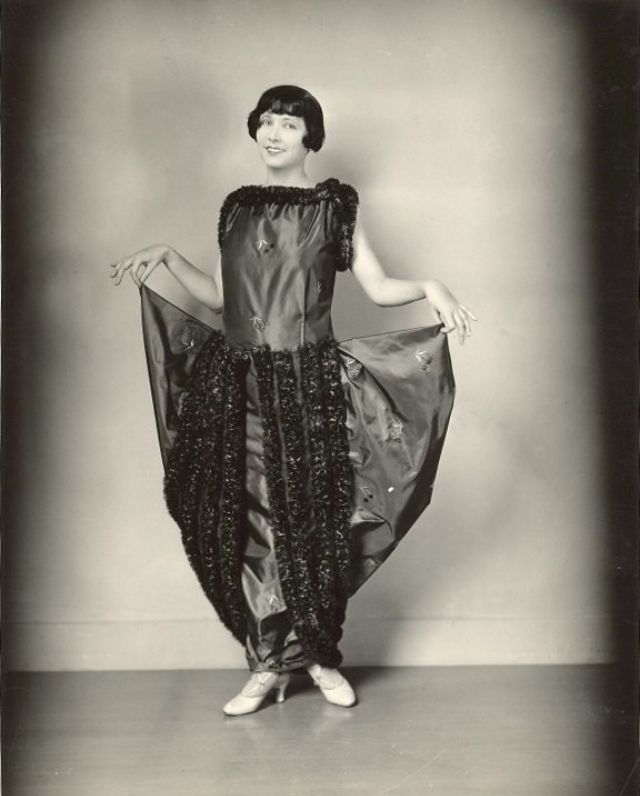
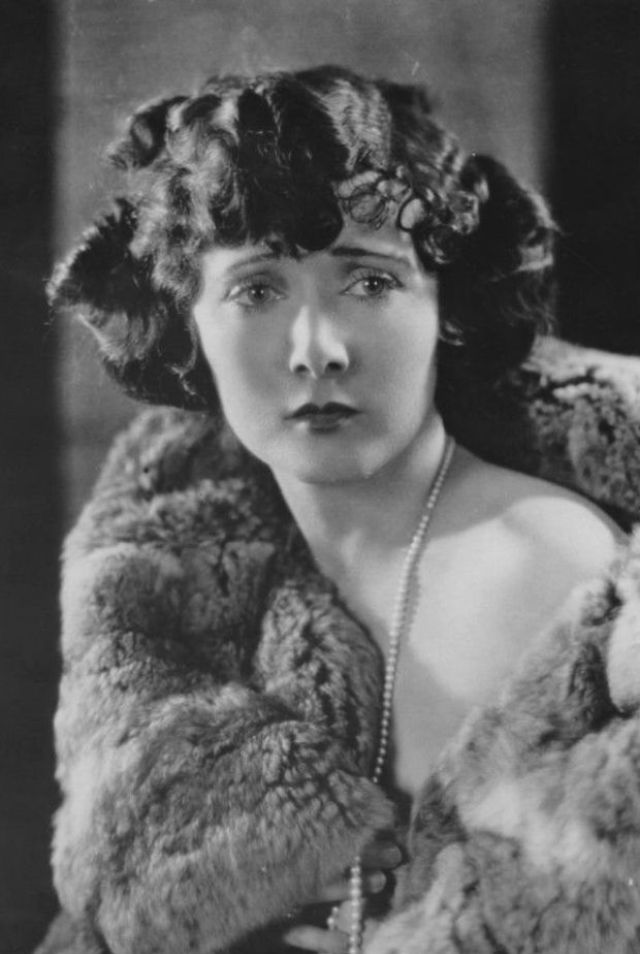
Beautiful Photos of Australian Actress Mae Busch in the Early 20th Century

Born 1891 in Melbourne, Victoria, Australian actress Mae Busch had her first film appearances in The Agitator and The Water Nymph, both released in 1912. She worked in both silent and sound films in early Hollywood.

At the pinnacle of her film career, Busch was known as the versatile vamp. She starred in such feature films as The Devil’s Pass Key (1920), Foolish Wives (1923), and in The Unholy Three (1925). Her career declined abruptly after 1926, when she walked out on her contract at Metro–Goldwyn–Mayer and suffered a nervous breakdown.

In 1927, Busch was offered a leading role in a Hal Roach two-reeler, Love ’em and Weep, which began her long association with Laurel and Hardy. She appeared in 13 of their comedies, often as shrewish, gold-digging floozies (Chickens Come Home, Come Clean), a volatile wife of Oliver Hardy (Sons of the Desert, Their First Mistake), or more sympathetic roles (Them Thar Hills, Tit for Tat, The Fixer Uppers). Her last role in a Laurel and Hardy film was in The Bohemian Girl, again as a combative spouse of Hardy’s, released in 1936.

Busch’s film roles after 1936 were often uncredited. Overall, she had roles in approximately 130 motion pictures between 1912 and 1946. She died in 1946, age 54. For her contributions to the film industry, Busch was inducted into the Hollywood Walk of Fame in 1960 with a motion pictures star located at 7021 Hollywood Boulevard.

Take a look at these vintage photos to see the beauty of young Mae Busch in the 1910s and 1920s.

The First Photograph of a Woman Smoking: Lola Montez 1852

Subscribe to get access

Read more of this content when you subscribe today.

Considered to be the first photograph of a woman smoking, this is Lola Montez’s portrait by Southworth & Hawes.
A savvy self-promoter, Lola Montez is the first woman ever to be photographed smoking. She made sure the cigarette is the focus of the picture. (Metropolitan Museum of Art)
This is Lola’s third and most provocative and widely recognized daguerreotype, the image of her smoking. In Boston in 1852, she was welcomed to the daguerreotype studio of Southworth and Hawes. The pair captured daguerreotypes of key intellectual and artistic personalities, thus, Lola’s appointment in their studio was a clear signal of her status as a celebrity. The most well known of their daguerreotypes from this sitting shows Lola standing and resting her arms on a fabric covered table. Her wrists are crossed, a gesture of elegance, but she holds a cigarette between her gloved fingers, a particularly controversial detail given that it was not proper for women to smoke in public, let alone be photographed participating in such a gentlemanly activity.
Her facial expression in the portrait is one of indifference and hardness, her cocked head and her arched eyebrows creating a sense of intrigue. Her sharp facial features are softened slightly by her dark brown ringlets on either side of her face and her lace scarf. This intricate lace ornamental fabric around her collar contrasts starkly with her dark overcoat, and the lace and the cigarette are the two brightest whites in the image, drawing the eye to these contrasting symbols of femininity and hardness. The two patterned fabrics, the large floral decoration on her skirt and the plaid fabric on which she rests her hands serve also to represent soft femininity and stiffness, respectively. Her fashionable clothing and hairstyle give her the sense of being genteel and respectable, but this impression is countered by her brazen depiction of herself as an uninhibited smoker.

Subscribe to continue reading

Become a paid subscriber to get access to the rest of this post and other exclusive content.

Fascinating Black and White Photos of Life in Britain in 1939

Subscribe to get access

Read more of this content when you subscribe today.

Boys release toy balloons bearing appeals for the Doctor Barnardo’s Home at Stepney, London, August 1939

After the German invasion of Poland, The King declared war in September 1939.

In preparation for war, Britain undertakes measures including calling up of troops, citizens returning home from abroad, children rehearsing safety drills. The government also thought of all the possible dangers and difficulties the Home Front would face and started to take precautions.

Boys release toy balloons bearing appeals for the Doctor Barnardo’s Home at Stepney, London, August 1939

Take a look at life in Britain in 1939 through these fascinating black and white photographs.

The ladies’ rifle team of Downe House School in Berkshire set out for a practice session with their guns, April 1939

Subscribe to continue reading

Become a paid subscriber to get access to the rest of this post and other exclusive content.

Yesterday Today

Bringing You the Wonder of Yesterday - Today

Skip to content ↓