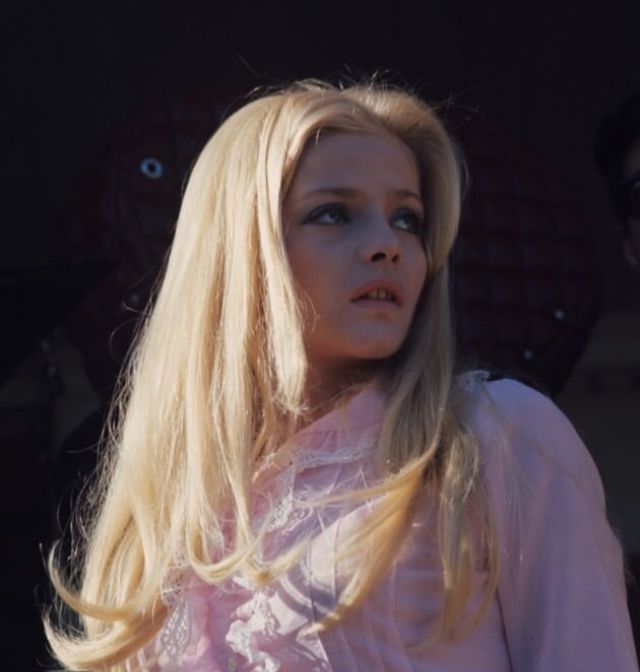
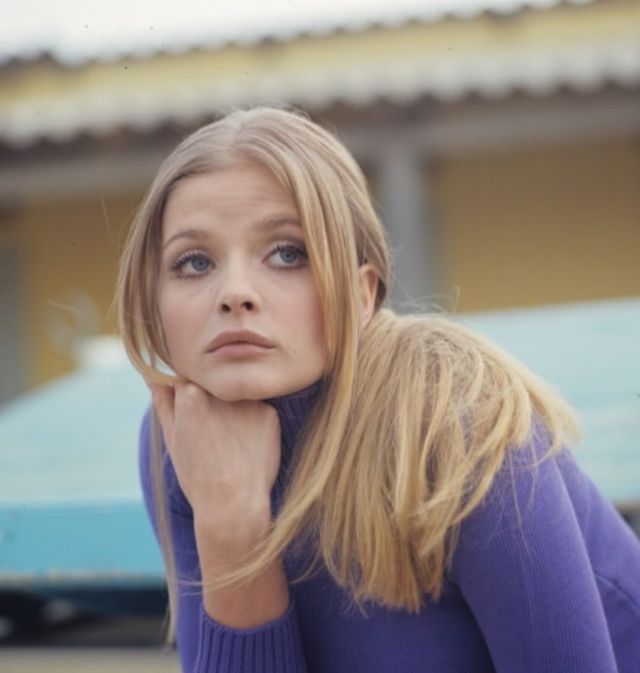
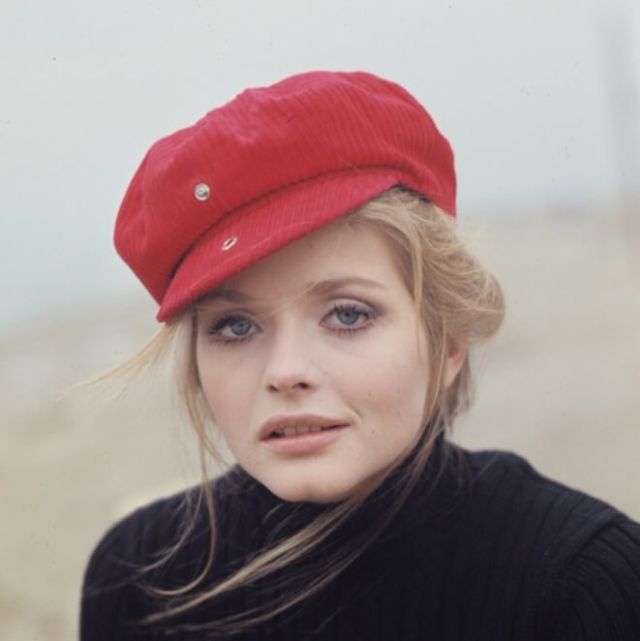
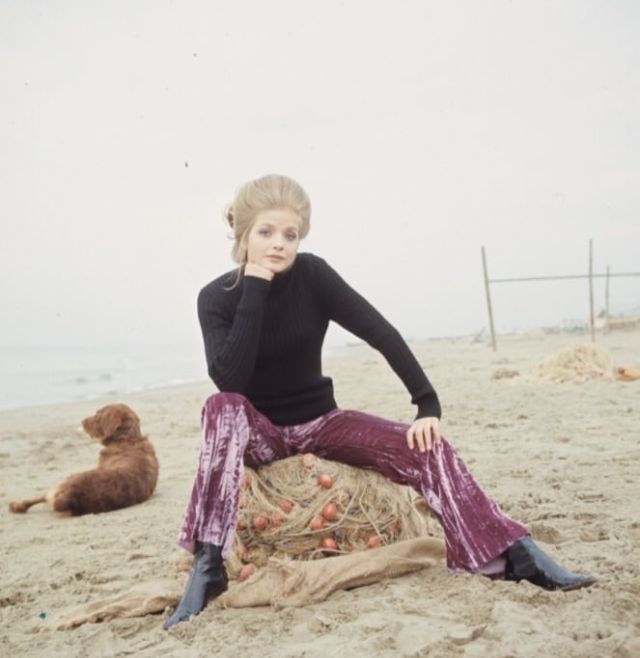
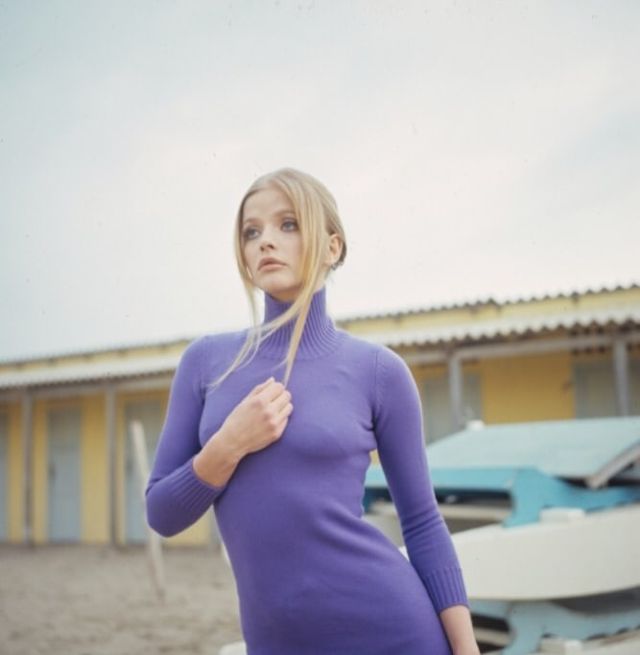
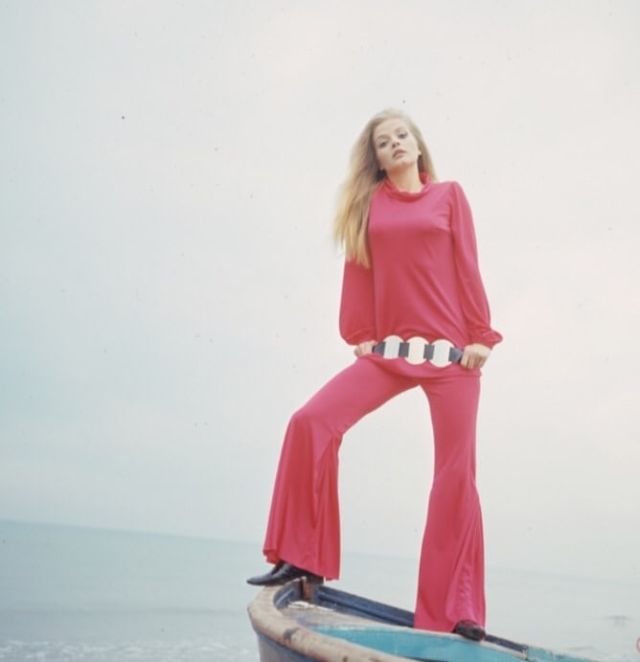
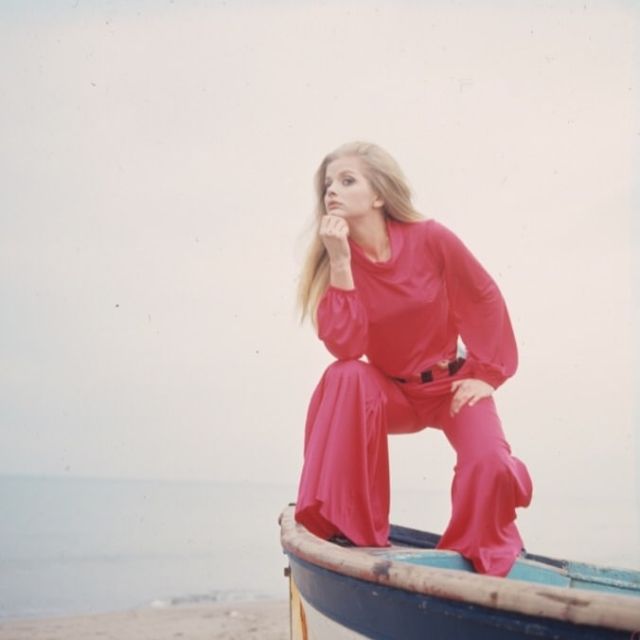
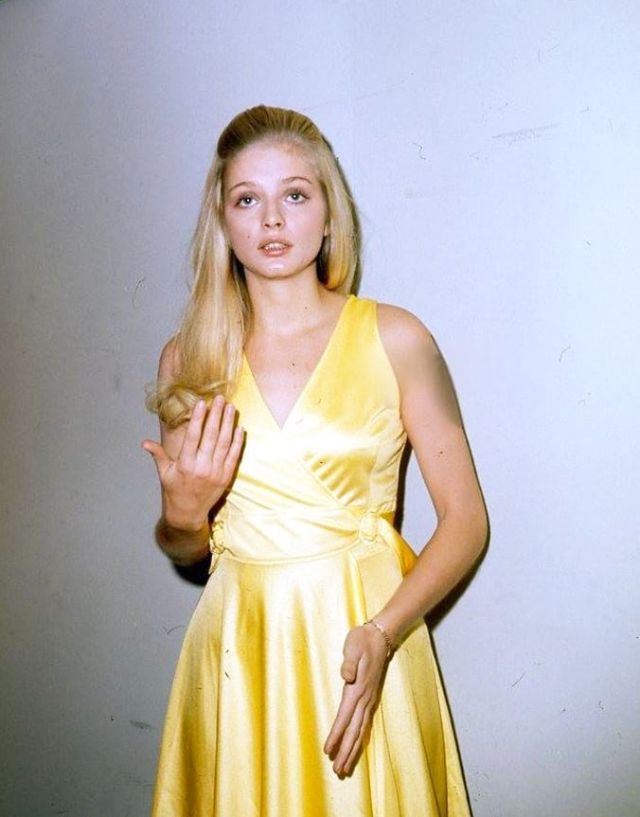
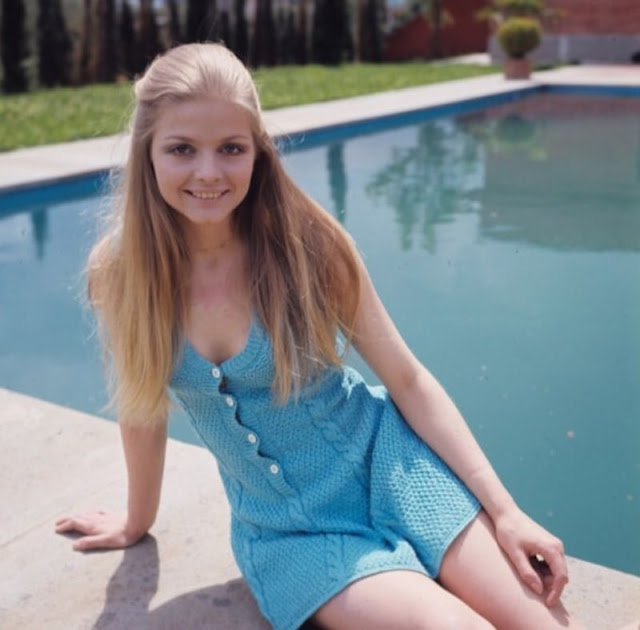
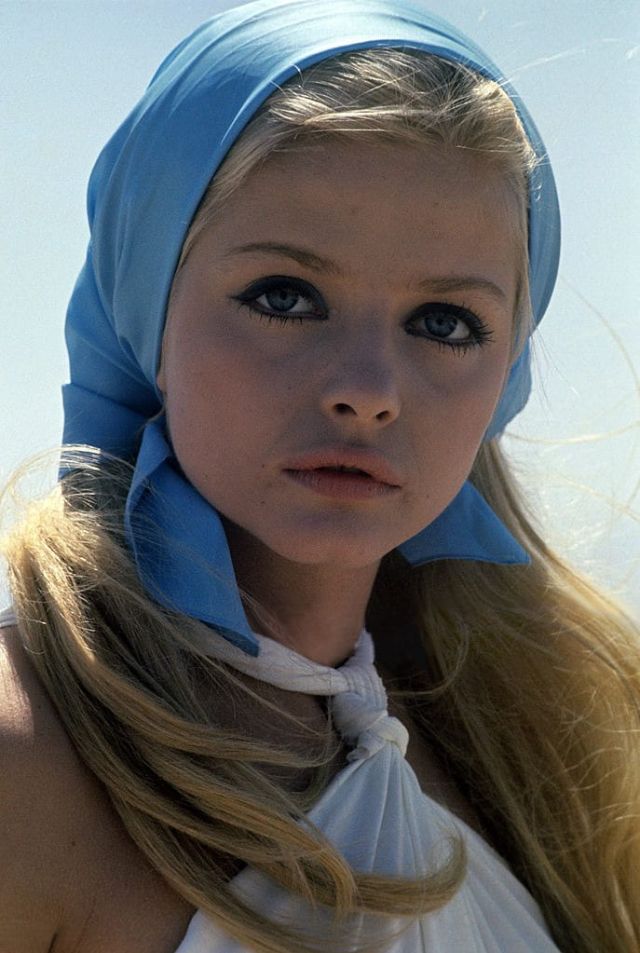
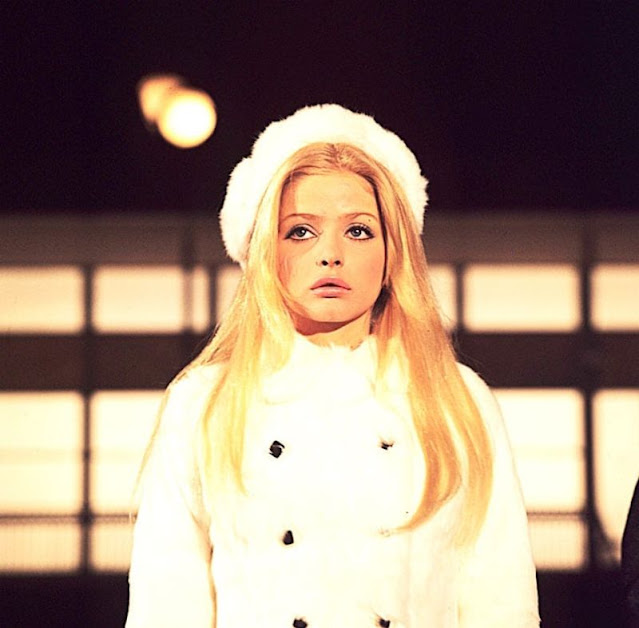
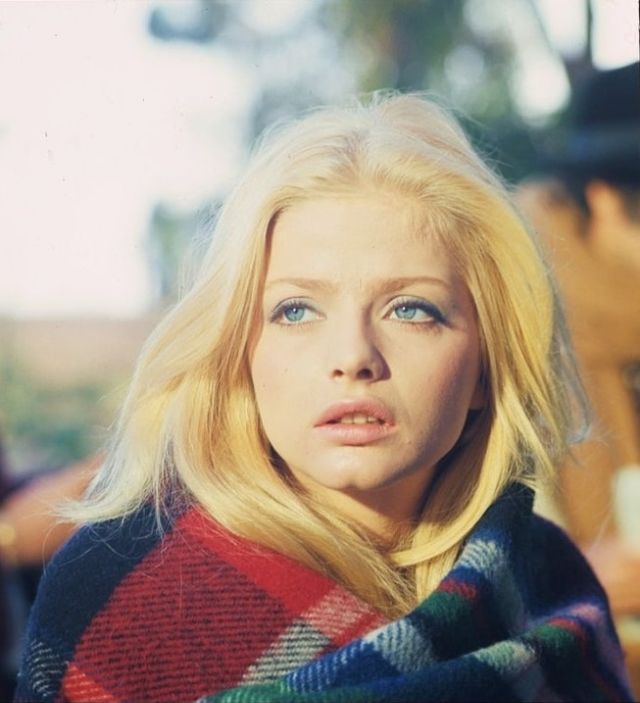
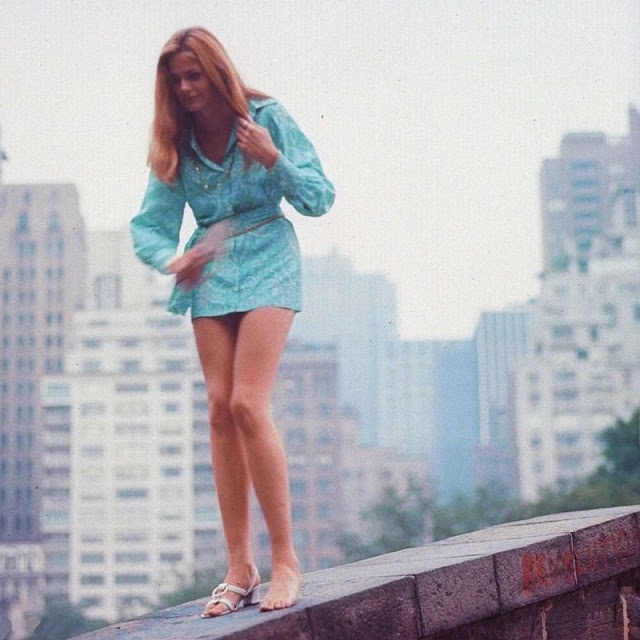
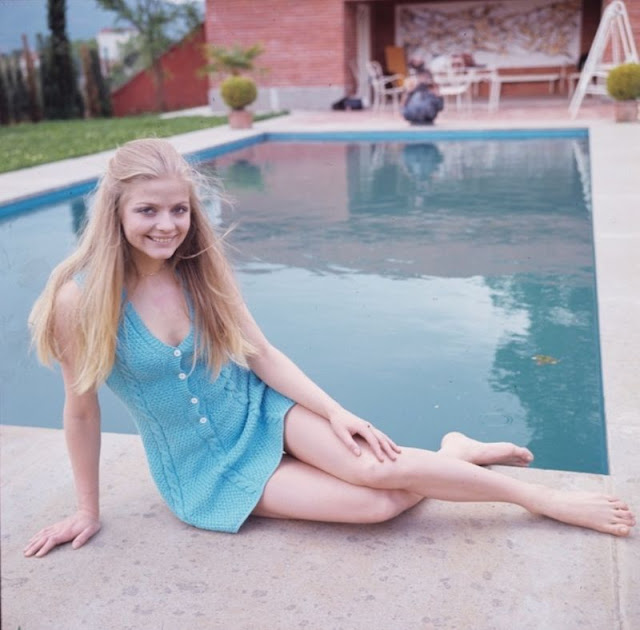
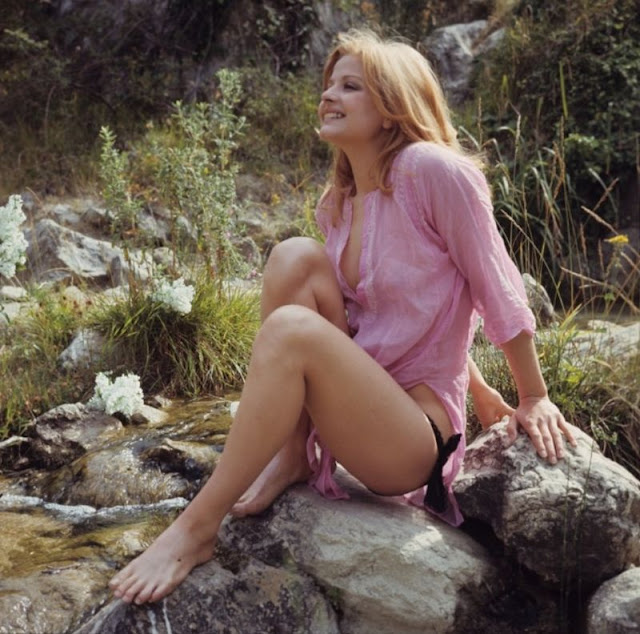
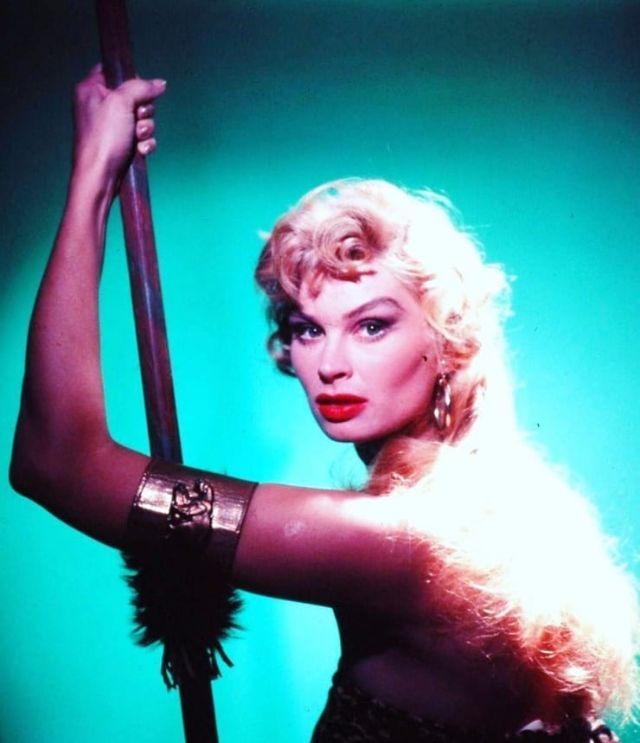
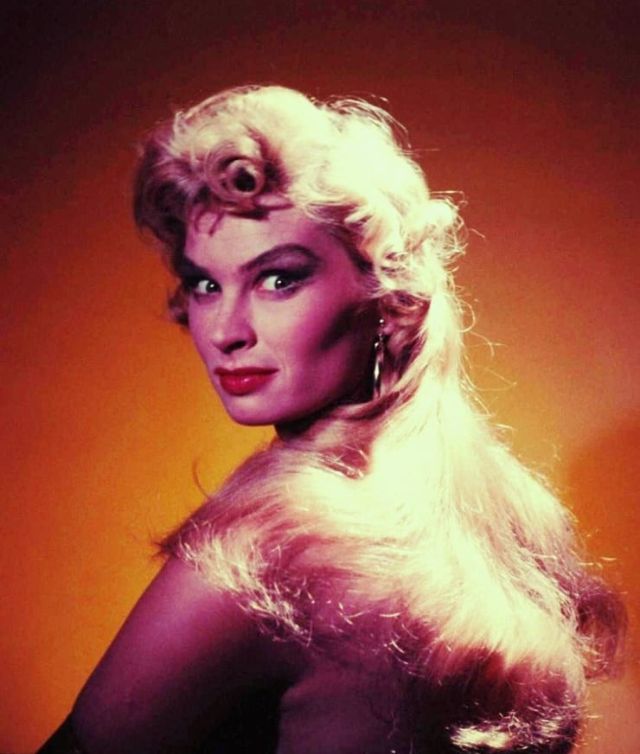
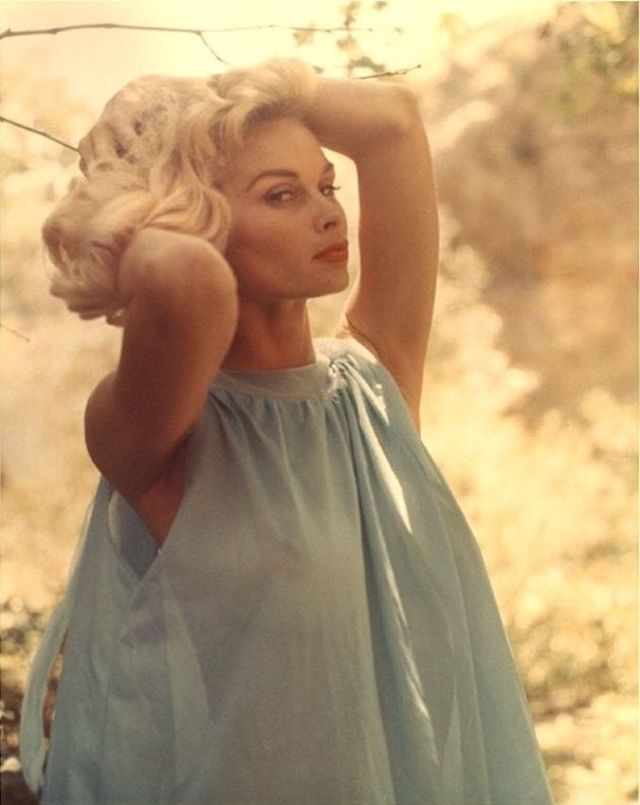
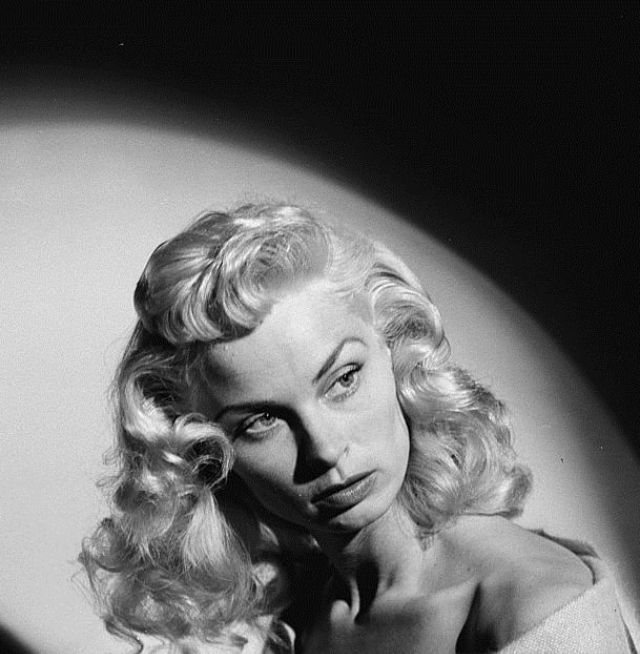
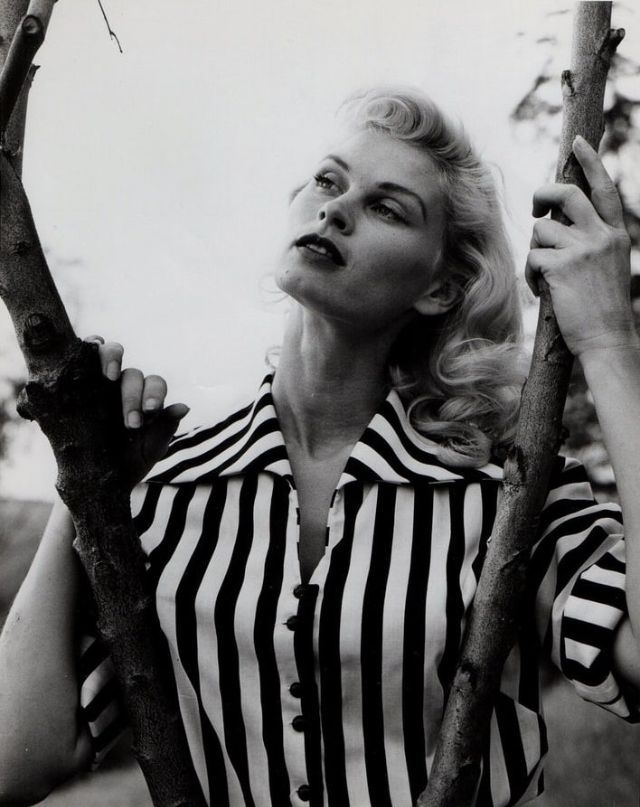
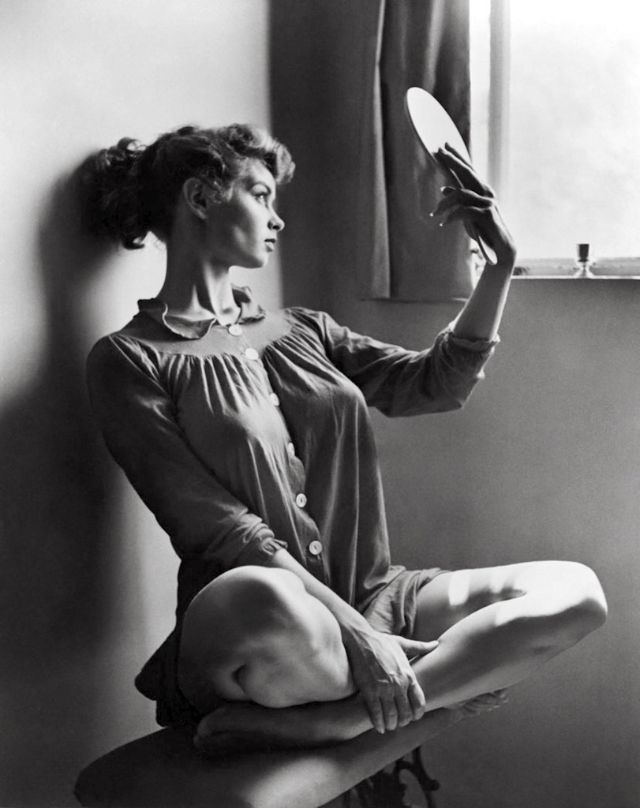
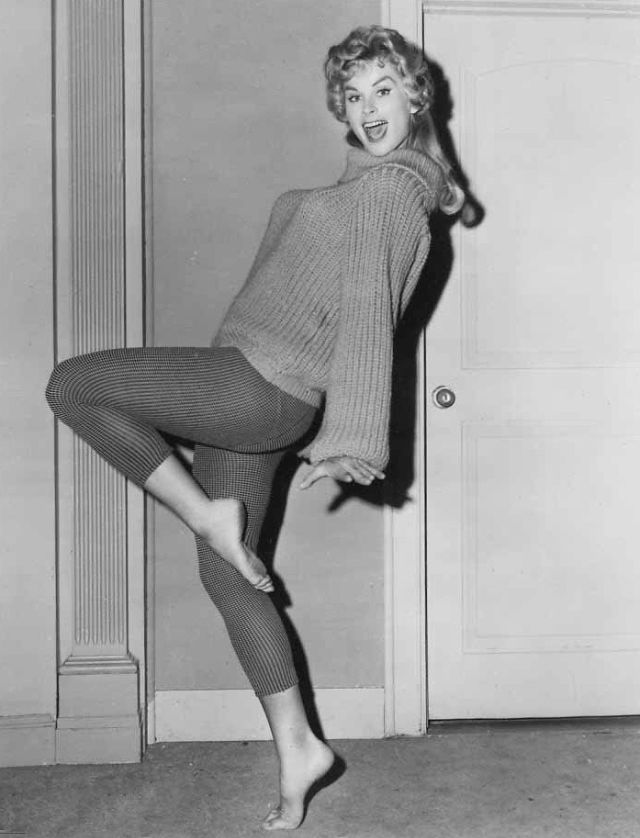
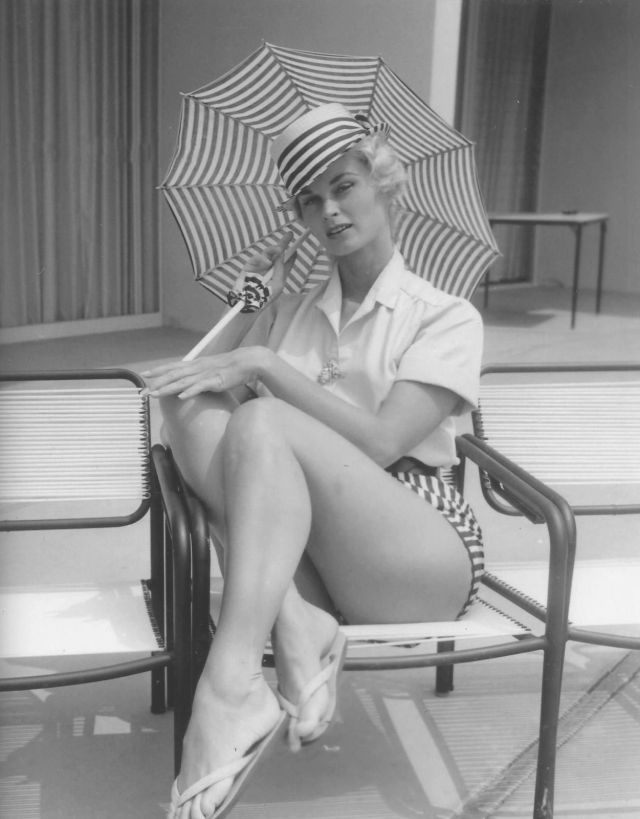
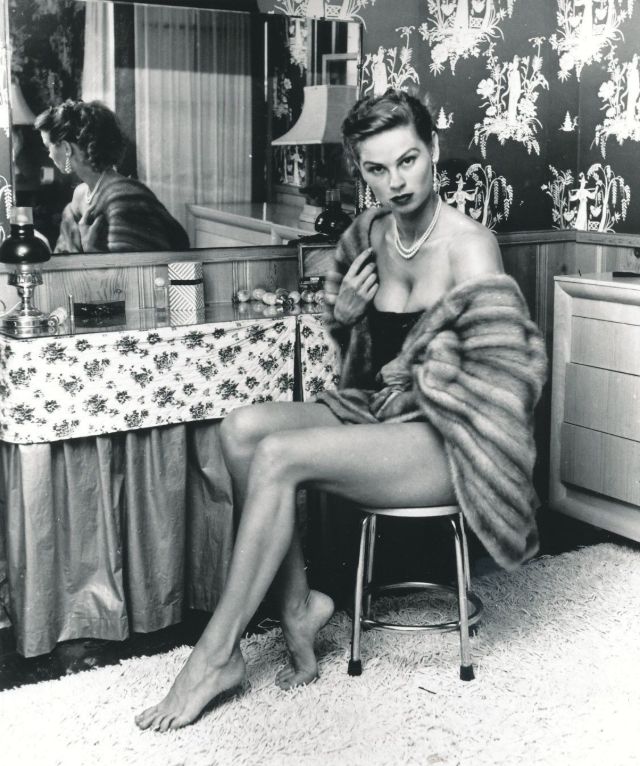
Born 1950 in Landskrona, Swedish actress Ewa Aulin won the title of Miss Teen Sweden in 1965 at age 15, and earned the title of Miss Teen International 1966. In 1967, at age 16, she made her feature-film debut with a supporting role in the comedy Don Giovanni in Sicilia (Don Juan in Sicily), based on the novel by Vitaliano Brancati.
Aulin appeared in a number of Italian and some American films in the 1960s and 1970s. She is remembered for playing the title character in the cult film Candy where she appeared with John Huston, Ringo Starr, Walter Matthau, James Coburn, Richard Burton and Marlon Brando. She is known to horror film fans for starring in Death Smiles on a Murderer, Death Laid an Egg, Candy and Ceremonia Sangrienta (aka Legend of Blood Castle).
In 1974, at age 24, Aulin married a wealthy Real Estate developer, Cesare Paladino, and by him had two daughters (one of her daughters, Olivia Paladino, later became the partner of Giuseppe Conte, 58th prime minister of Italy). She abandoned her acting career, enrolled at university, and became a school teacher. Since her retirement, she has appeared only in one other film, Mi fai un favore (Stella’s Favor, 1996), in a supporting role.
Take a look at these fabulous photos to see the beauty of a young Ewa Aulin in the 1960s and 1970s.
Subscribe to Yesterday Today’s Blog to receive regular updates regarding new content:
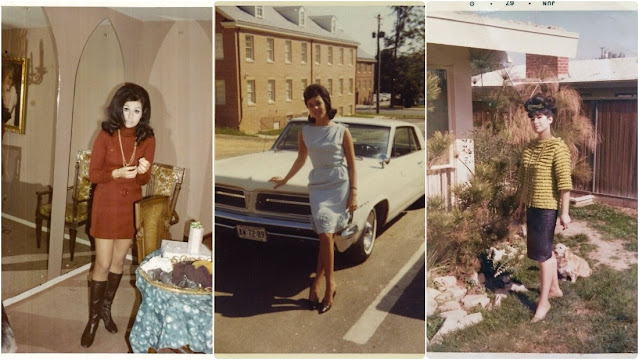
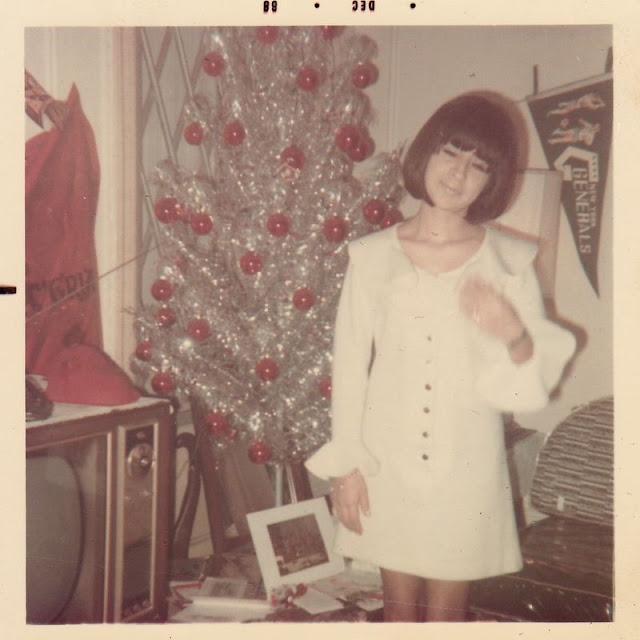
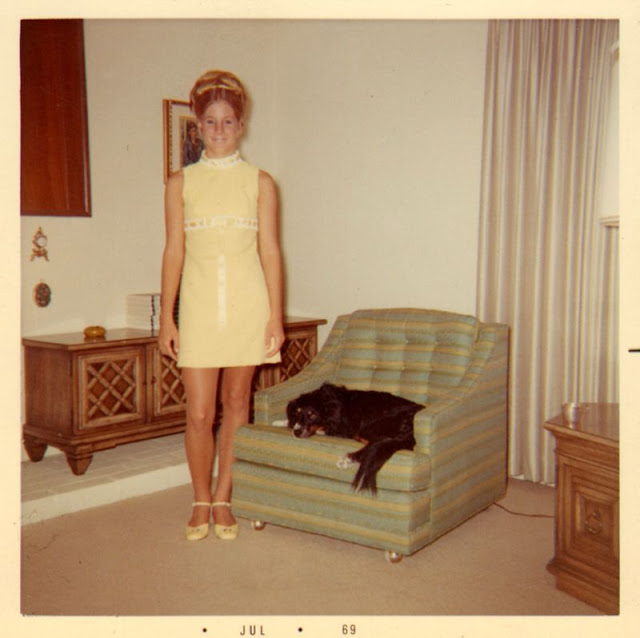
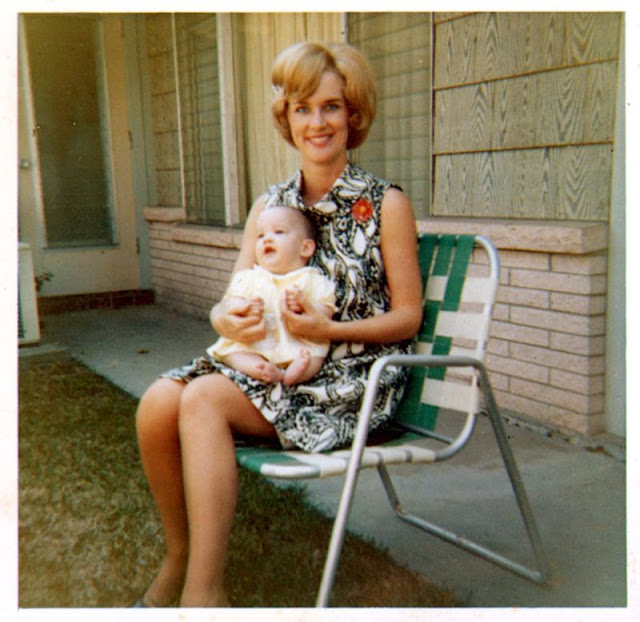
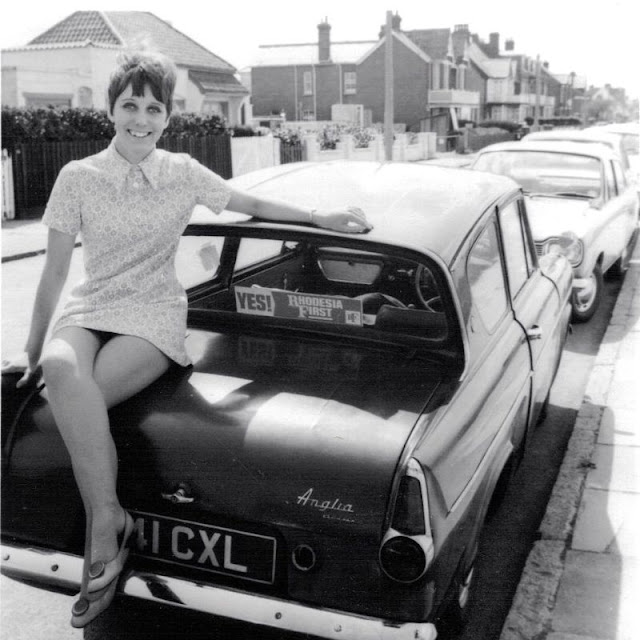
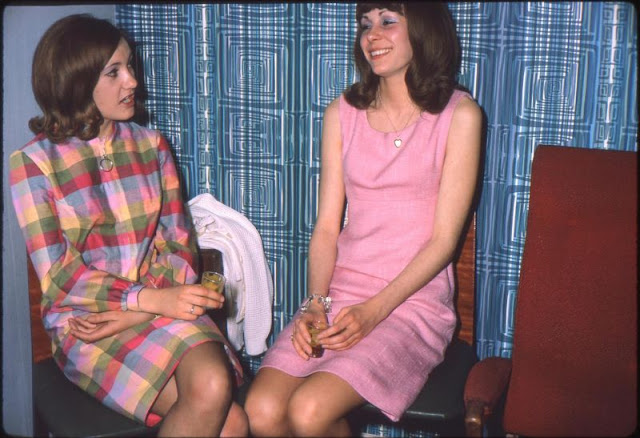
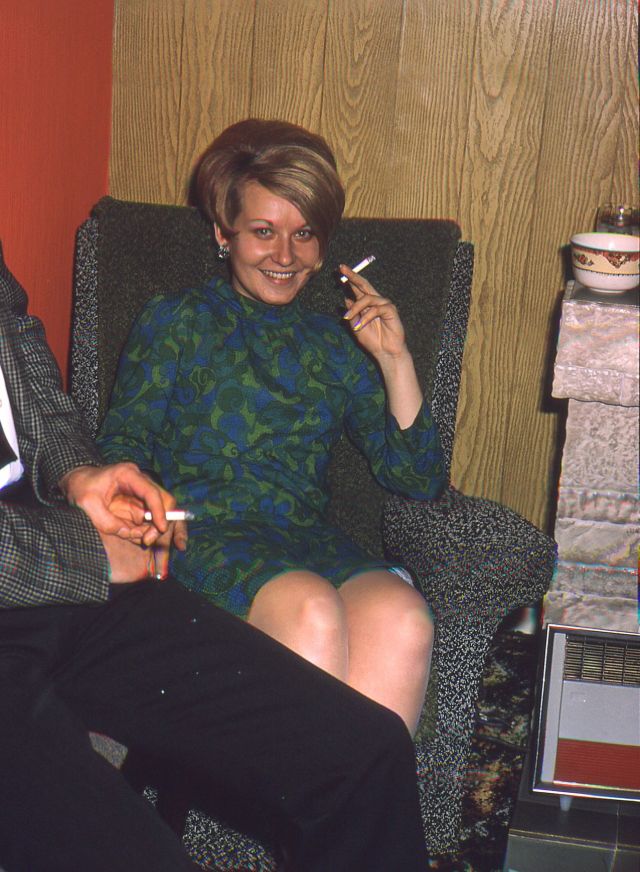
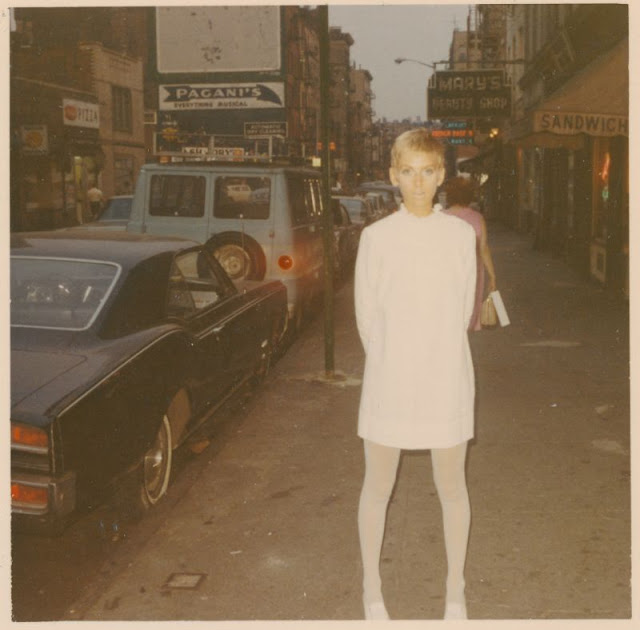
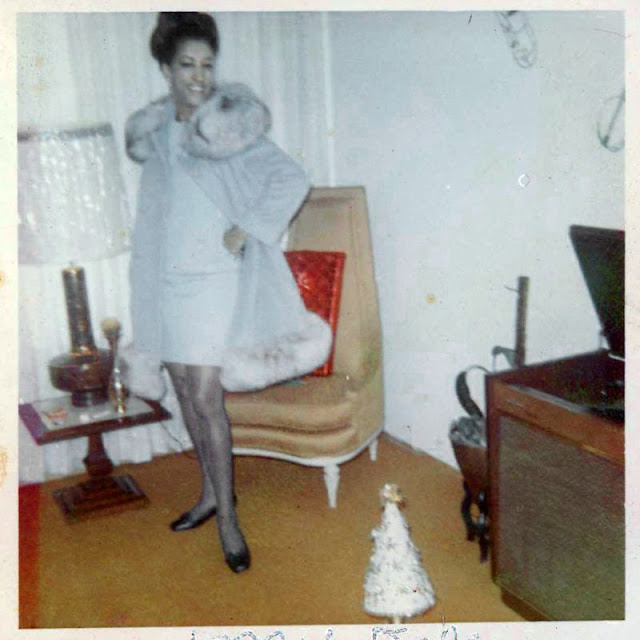
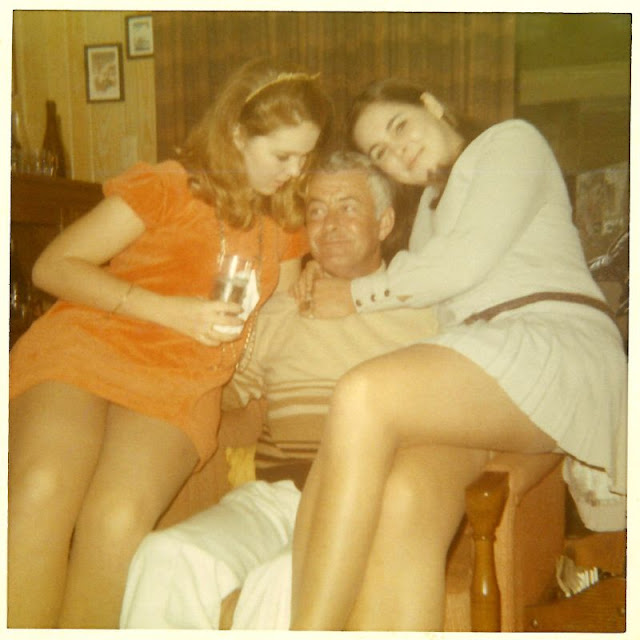
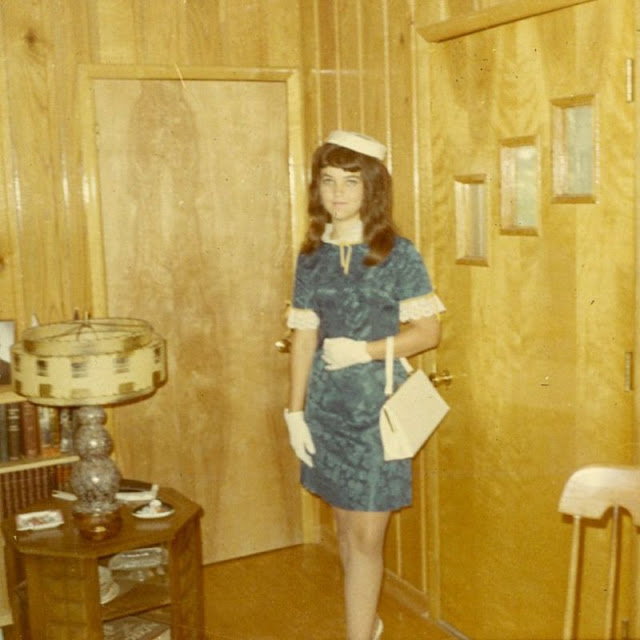
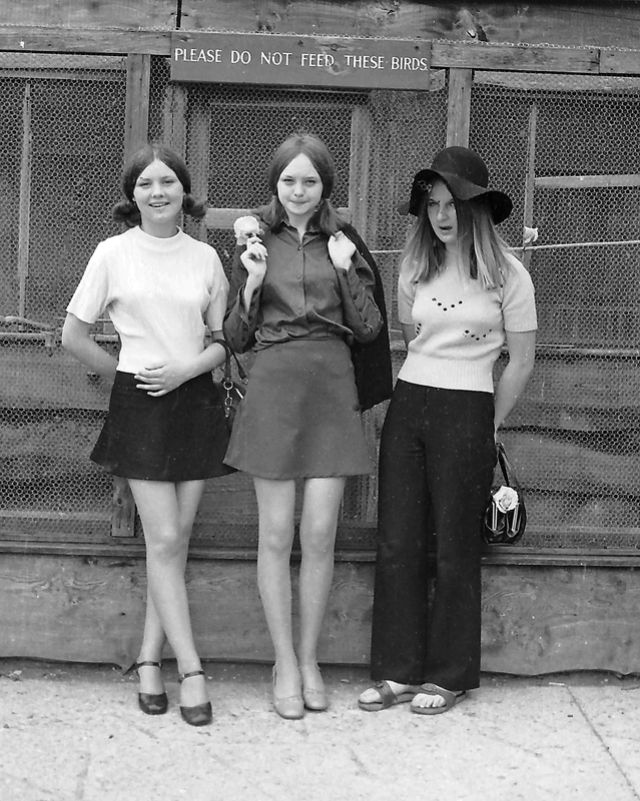
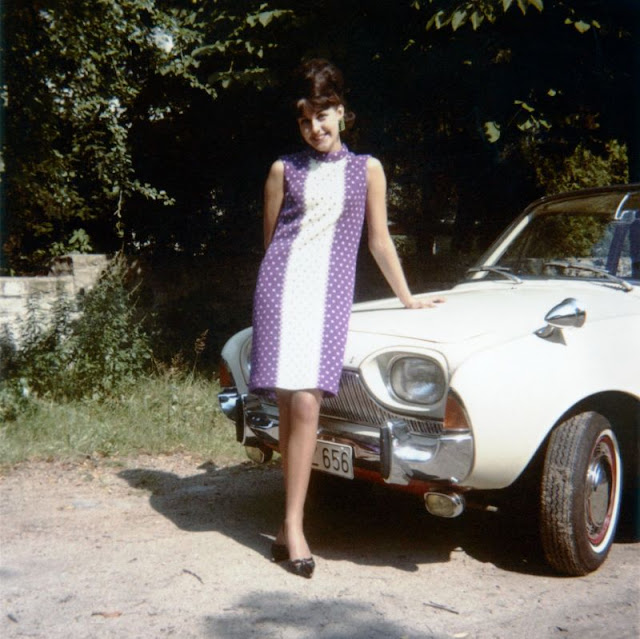
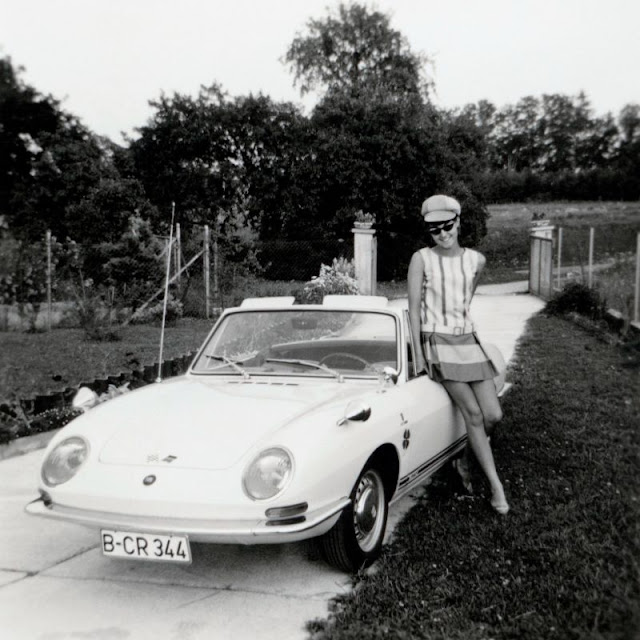
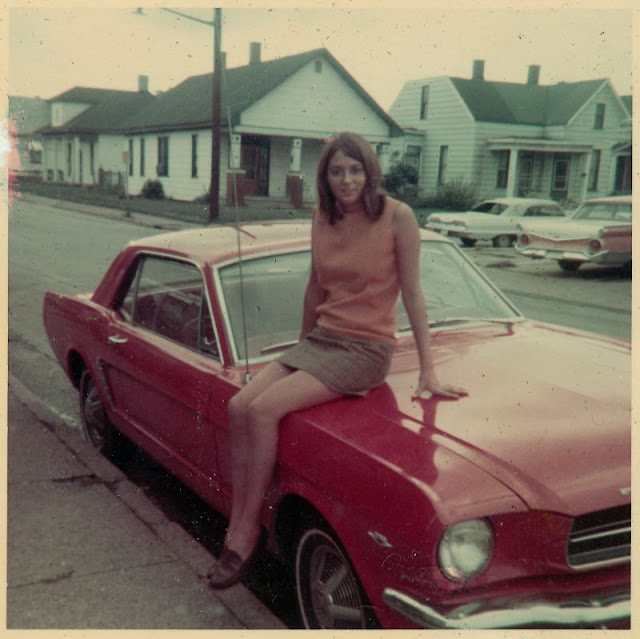
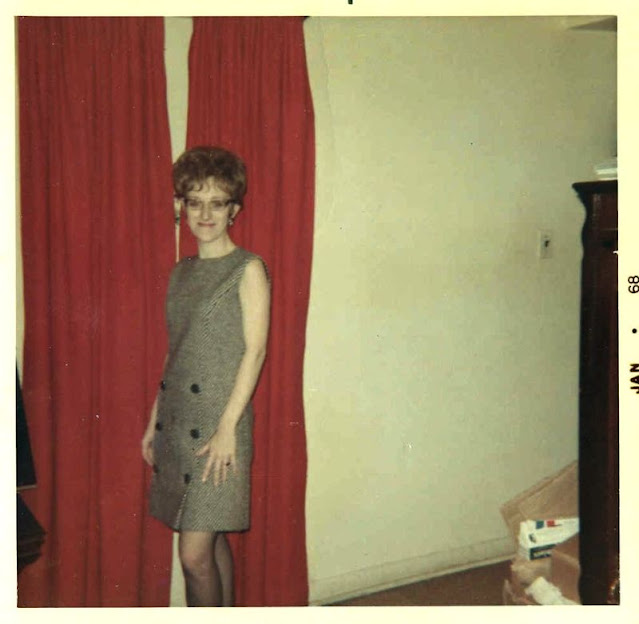
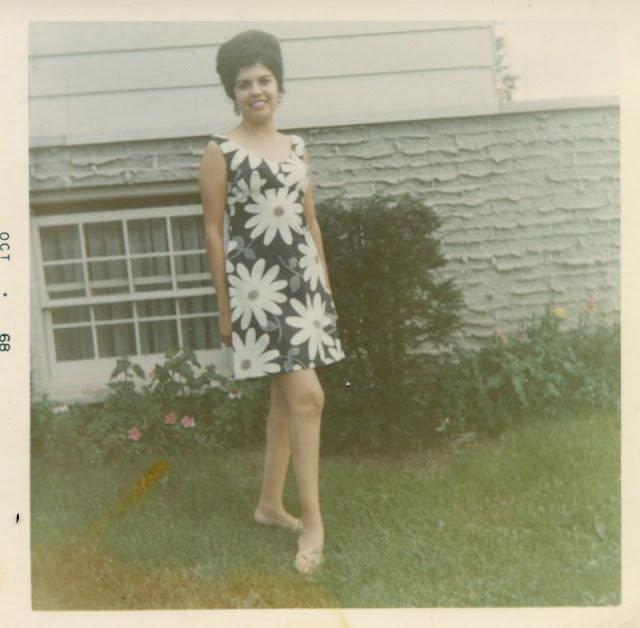
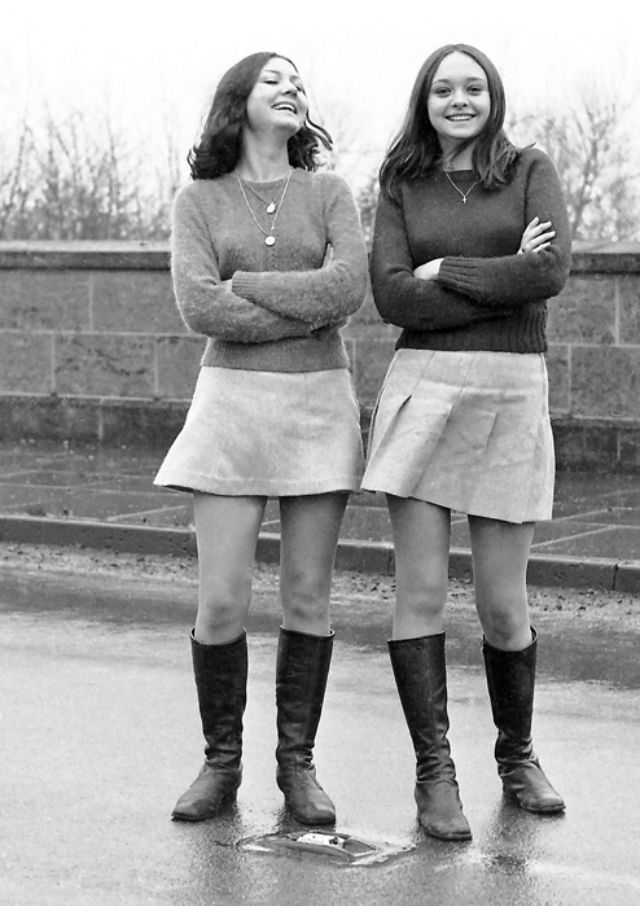
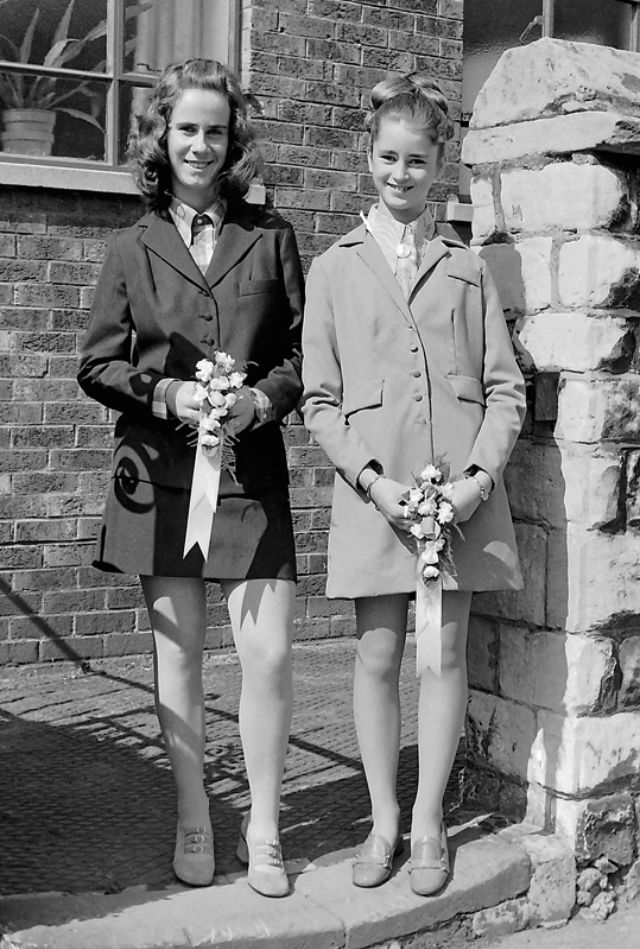
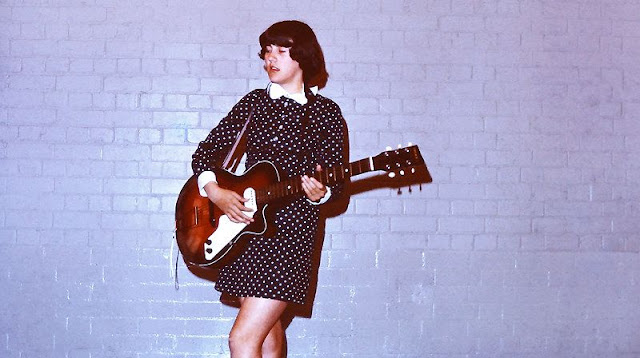
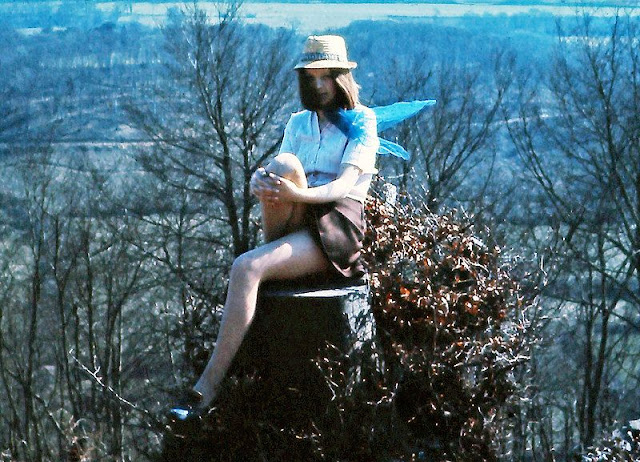
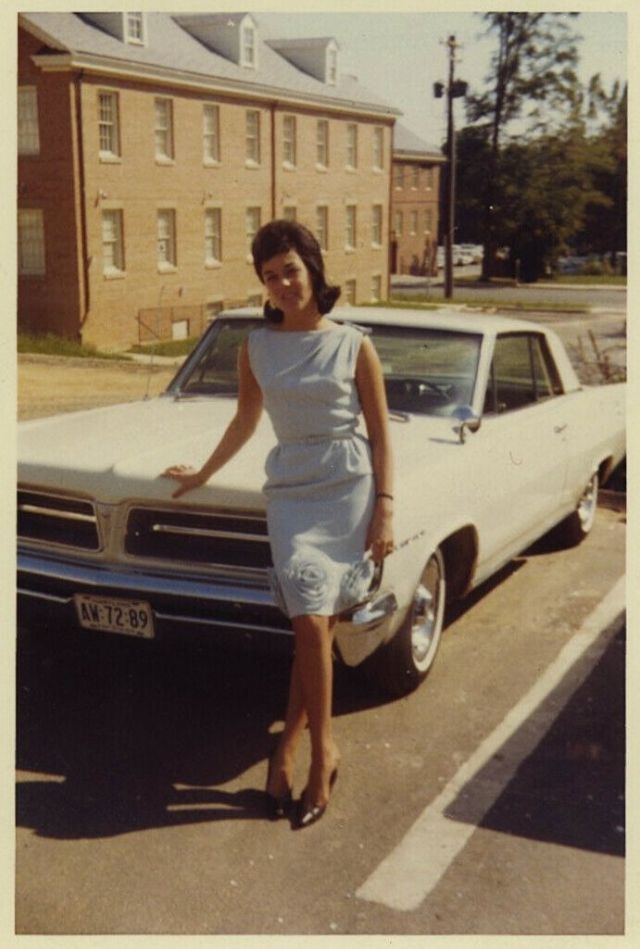
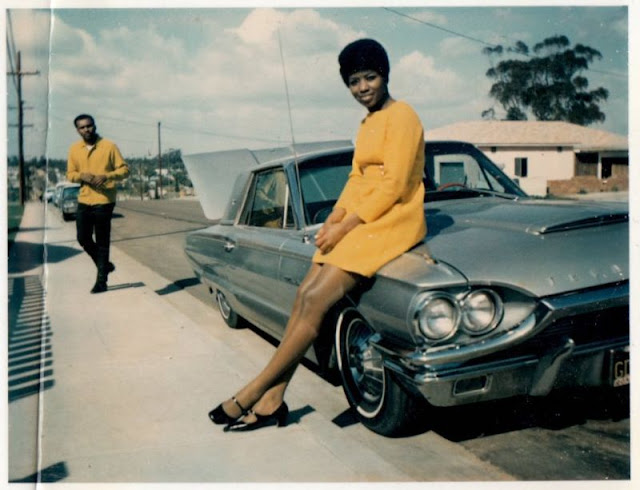
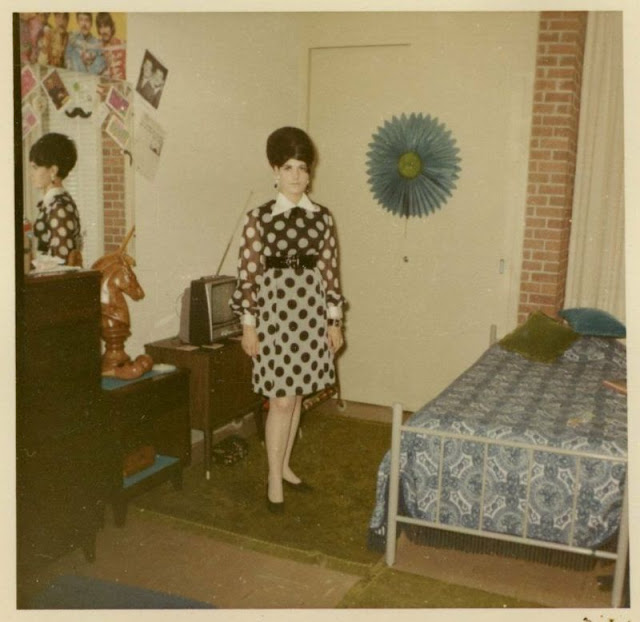
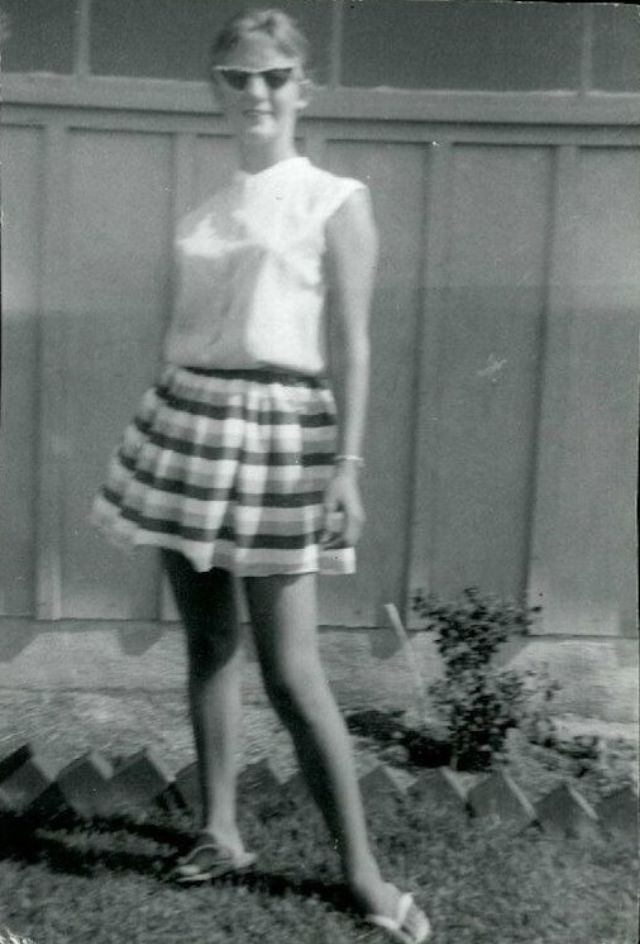
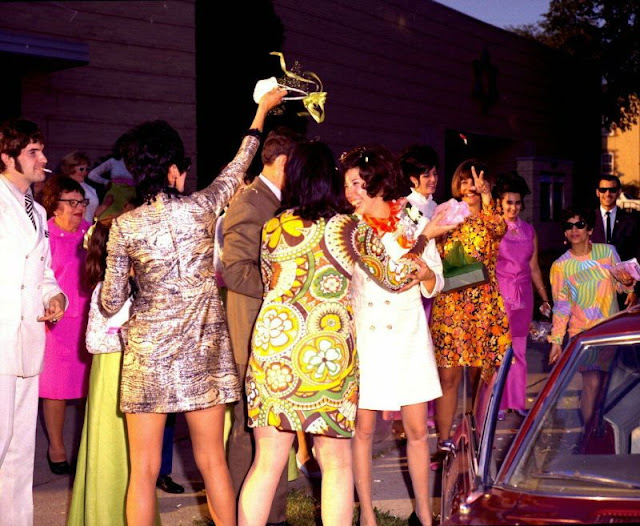
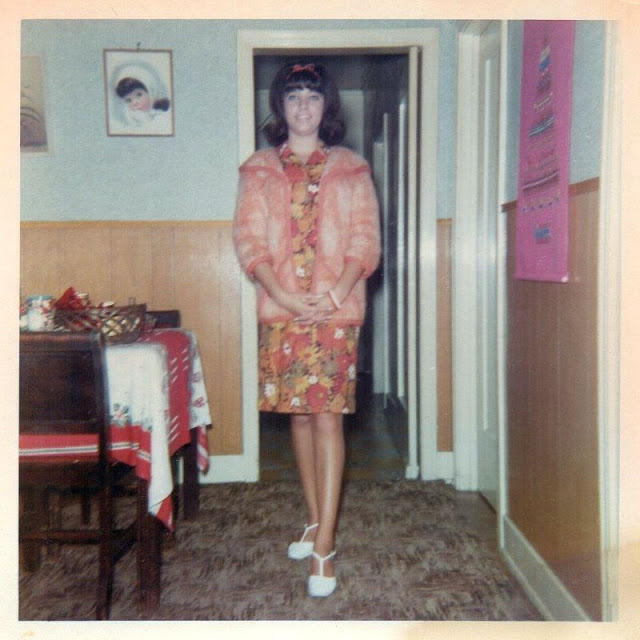
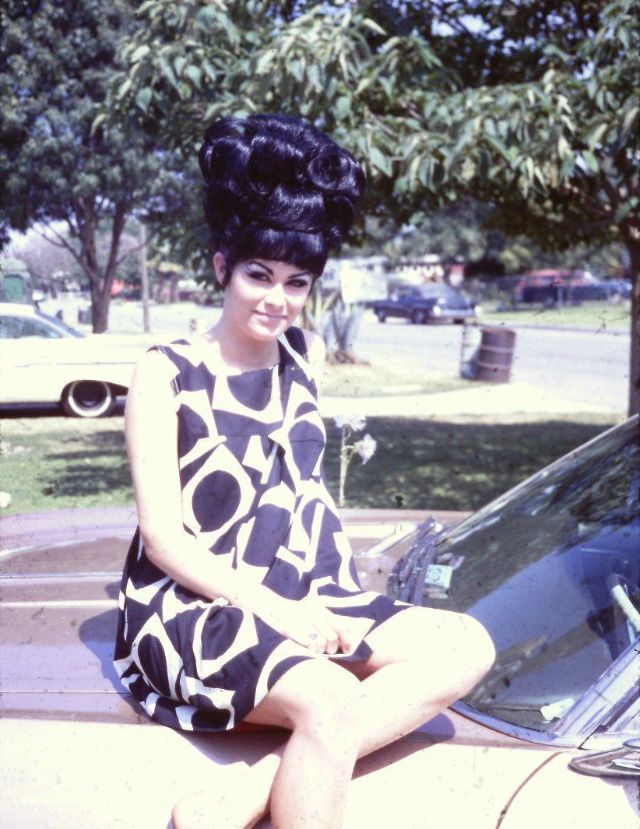
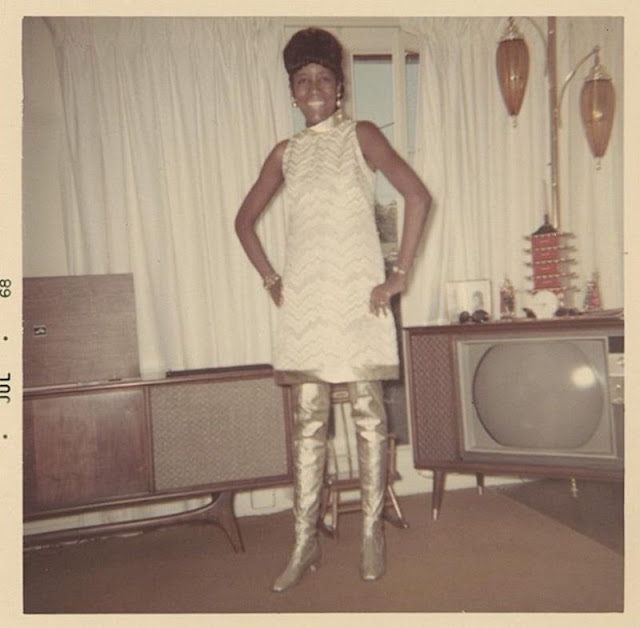
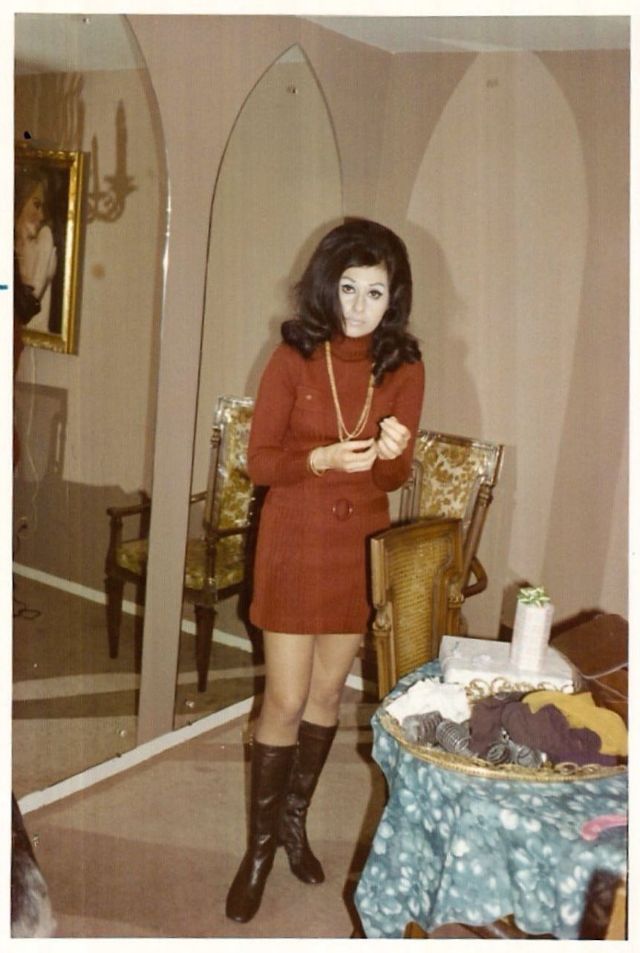
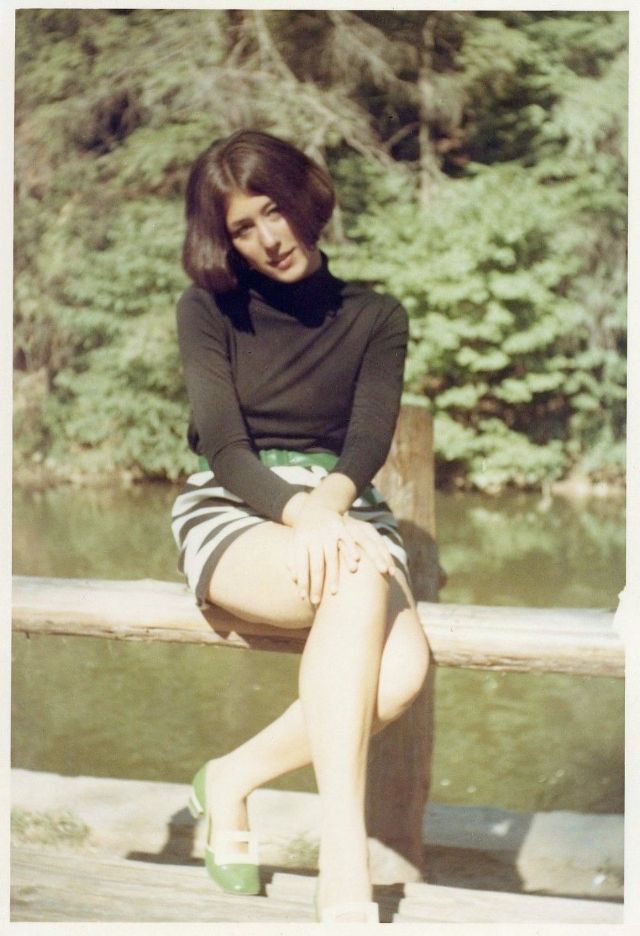
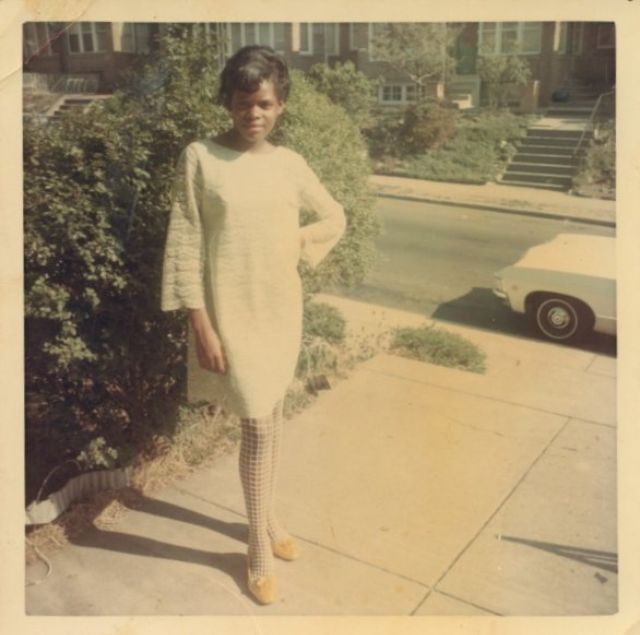
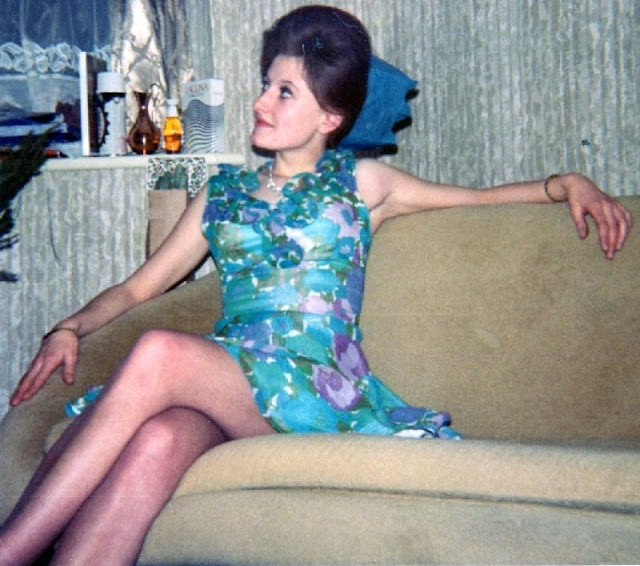
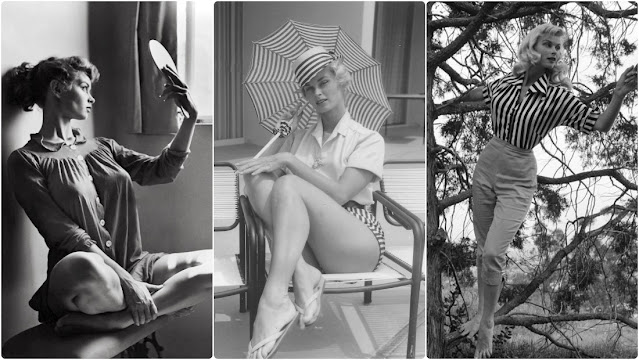
The type of dress worn by women, like most everything else in the sixties, changed drastically from the beginning of the decade to the end. Although that is certainly more true of younger women than the older set, who were perfectly fine with their late 50s-era dresses and long skirts.
However, many women were preferring skirts over dresses because they could mix and match their outfits a lot better. For many young women, the shorter the skirt, the better.
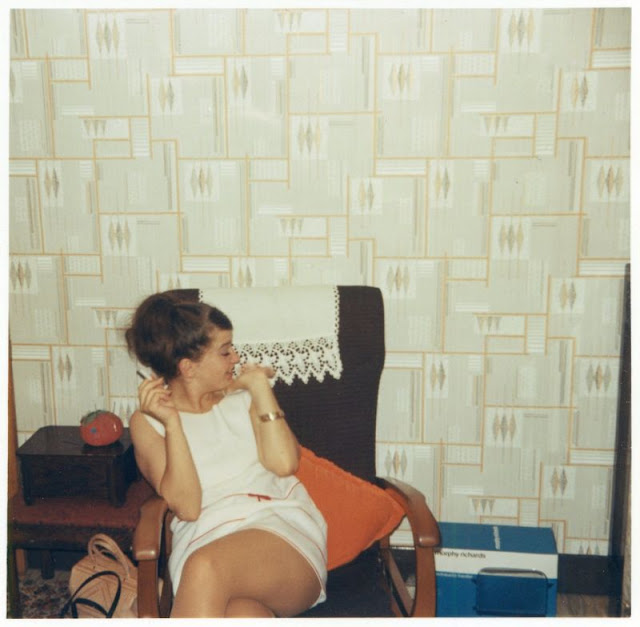
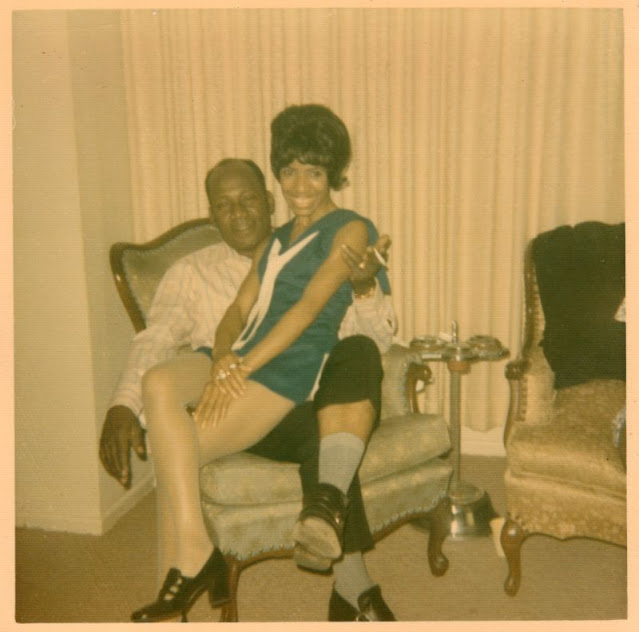
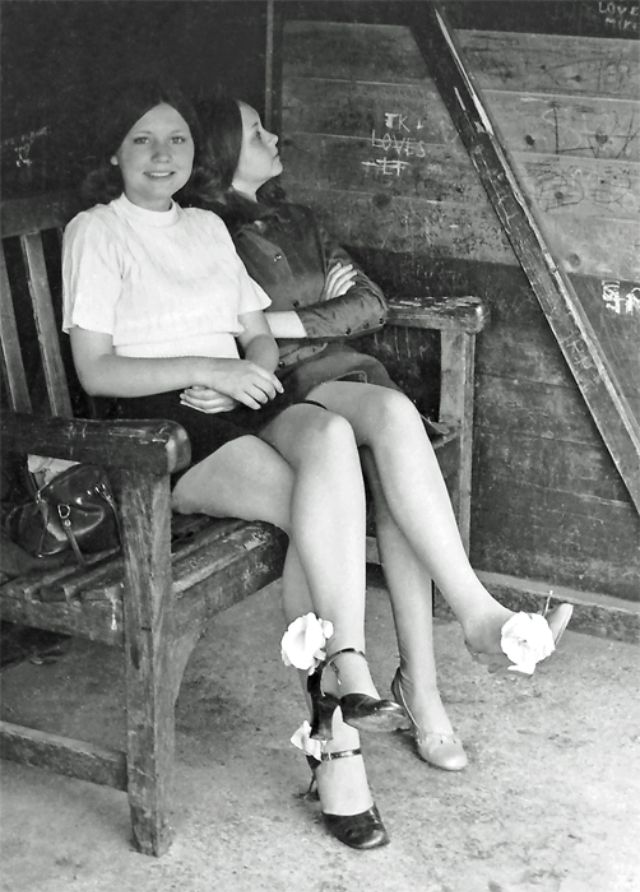
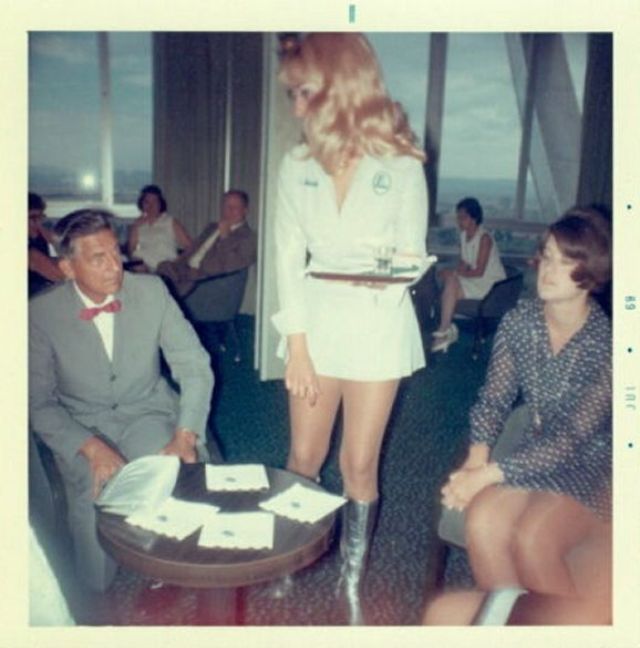
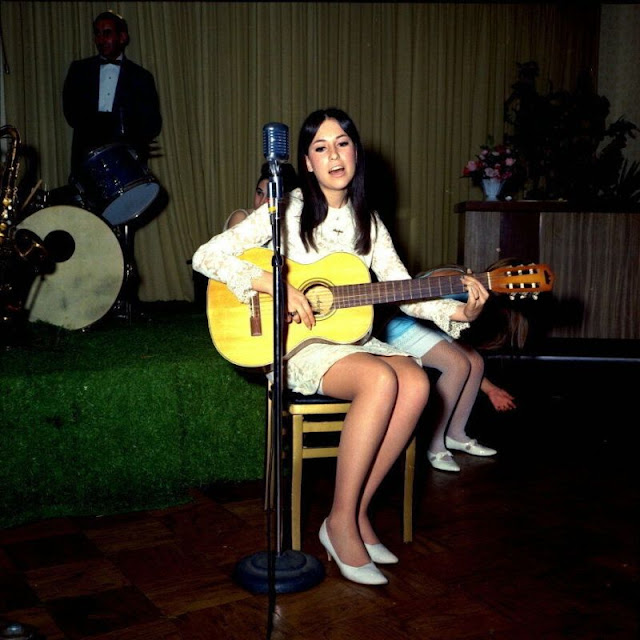
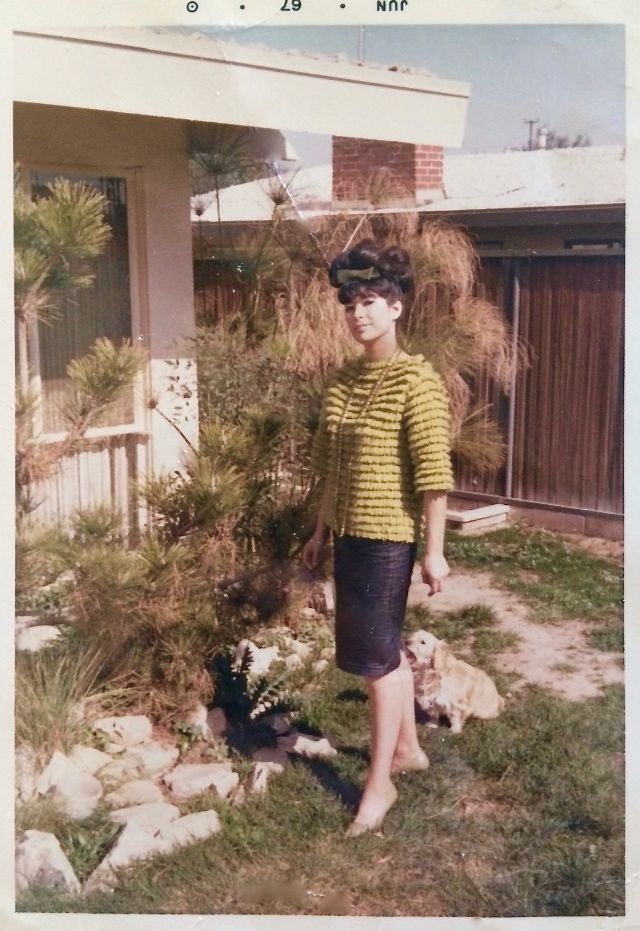
These vintage photos captured beautiful young women wearing dresses and skirts in the 1960s.
Subscribe to Yesterday Today’s Blog to receive regular updates regarding new content:
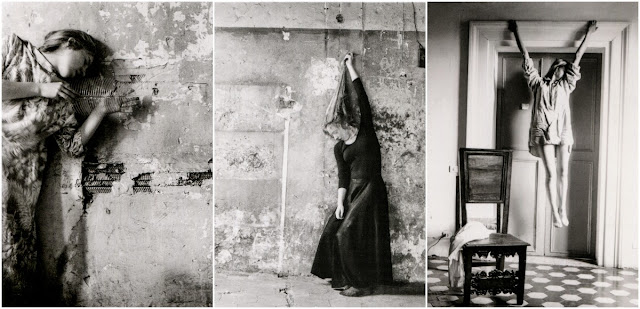
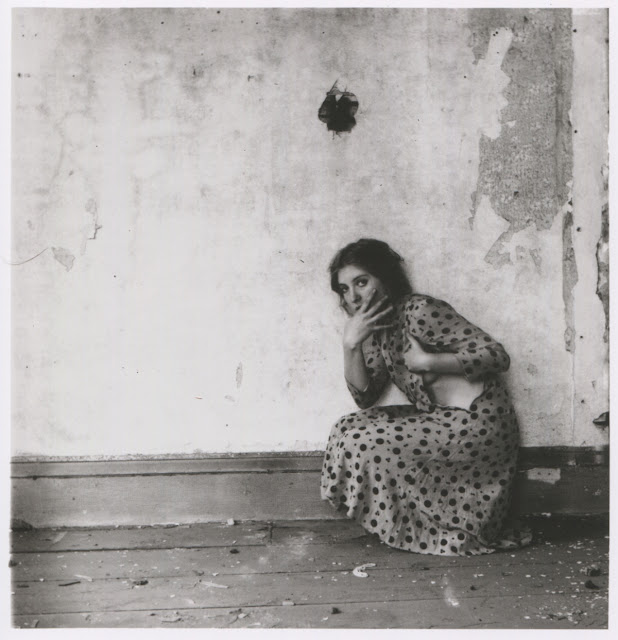
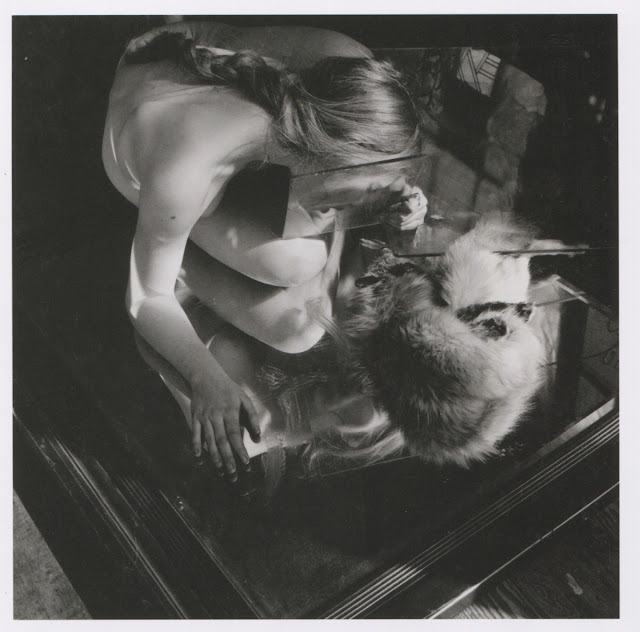
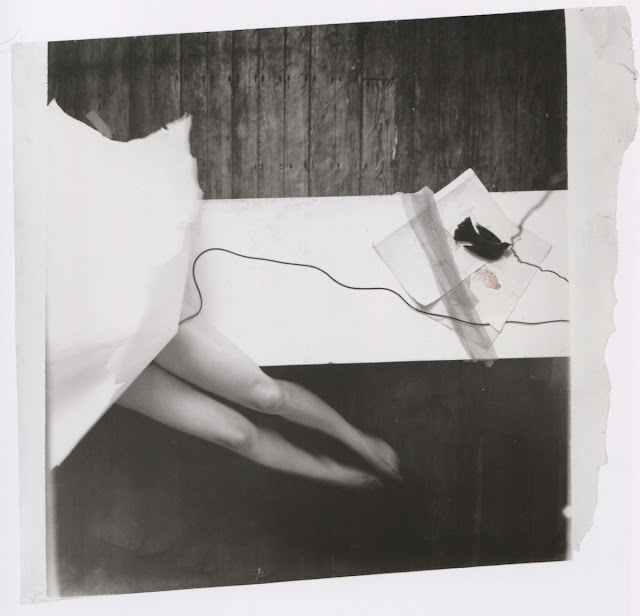
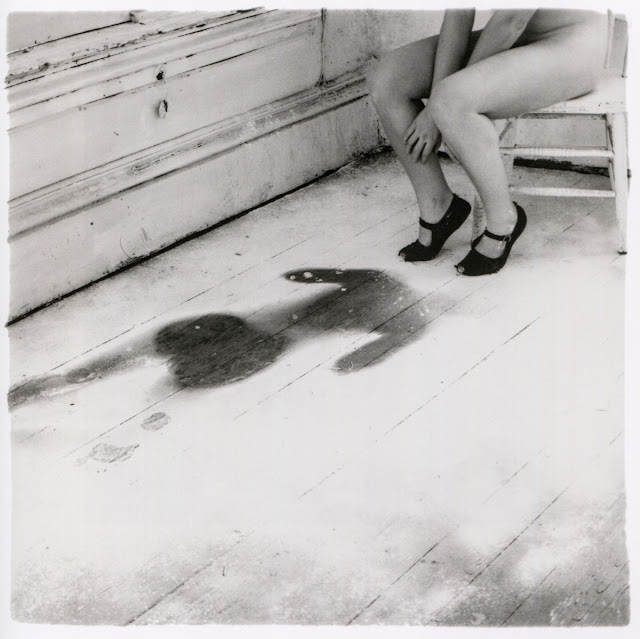
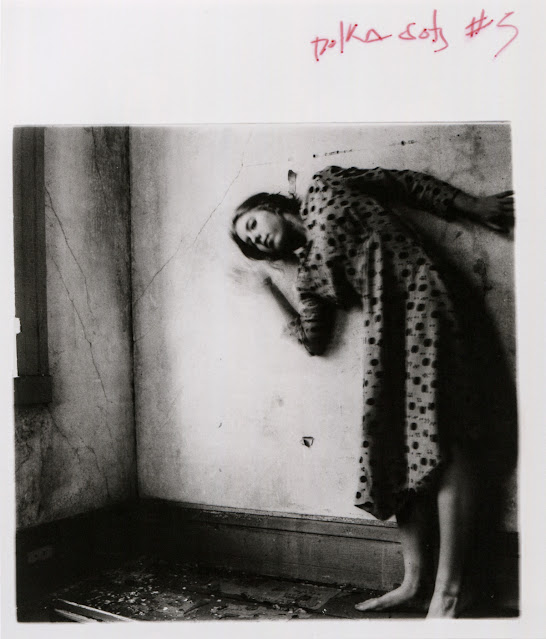
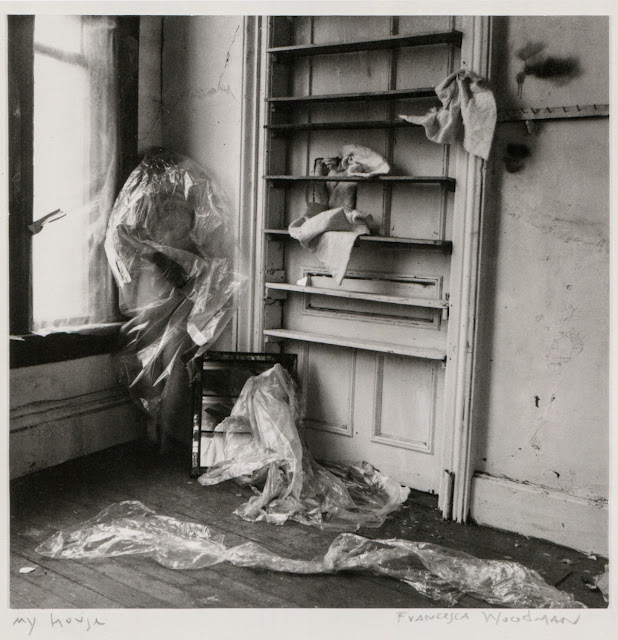
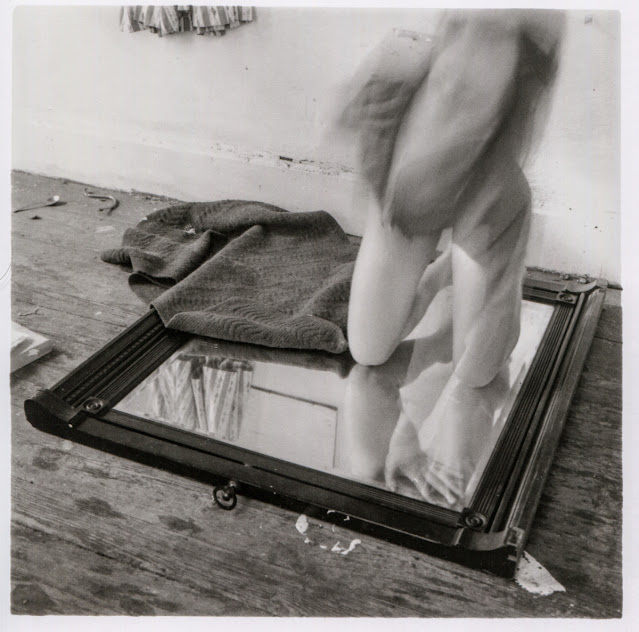
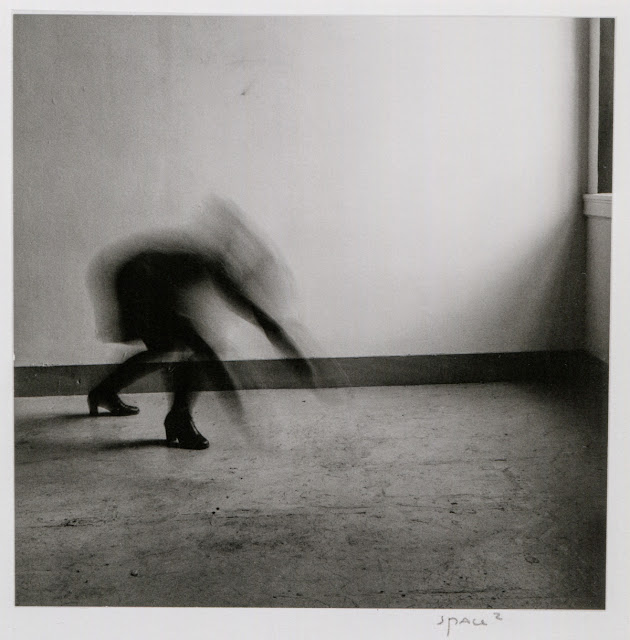
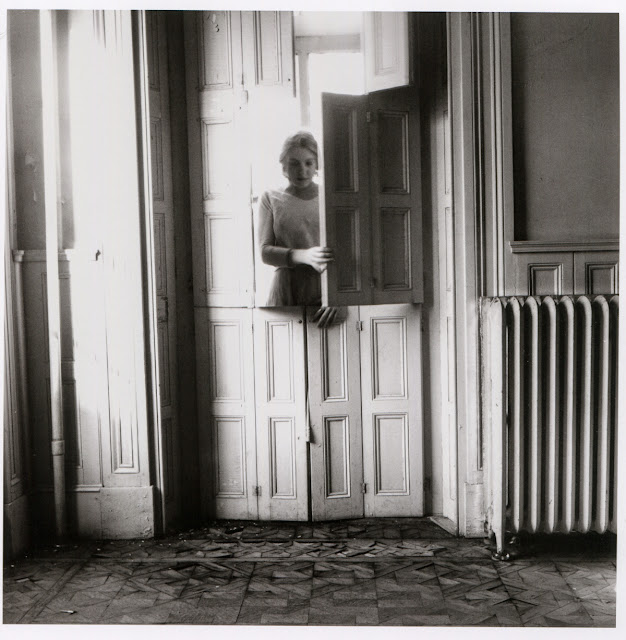
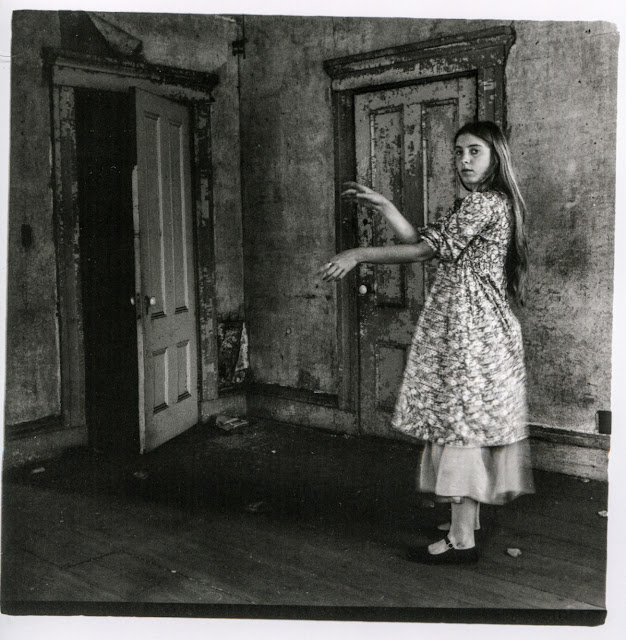
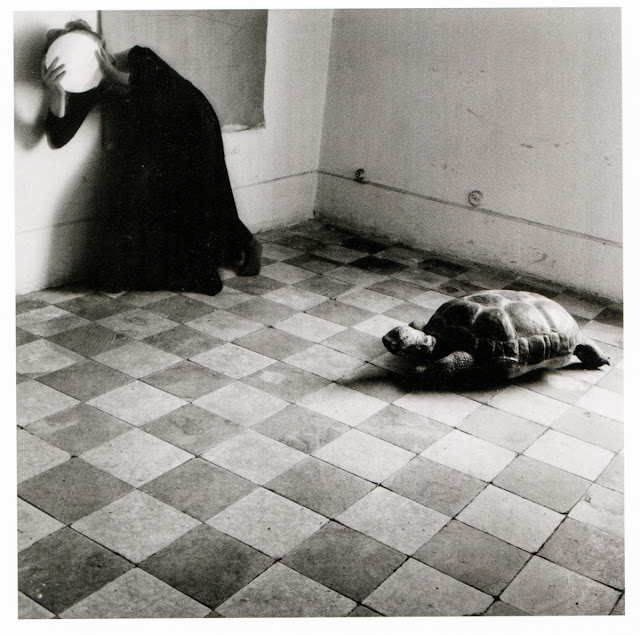
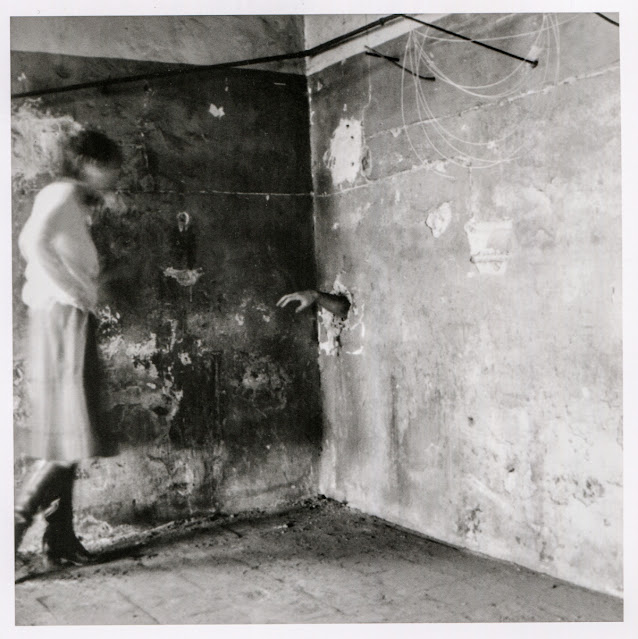
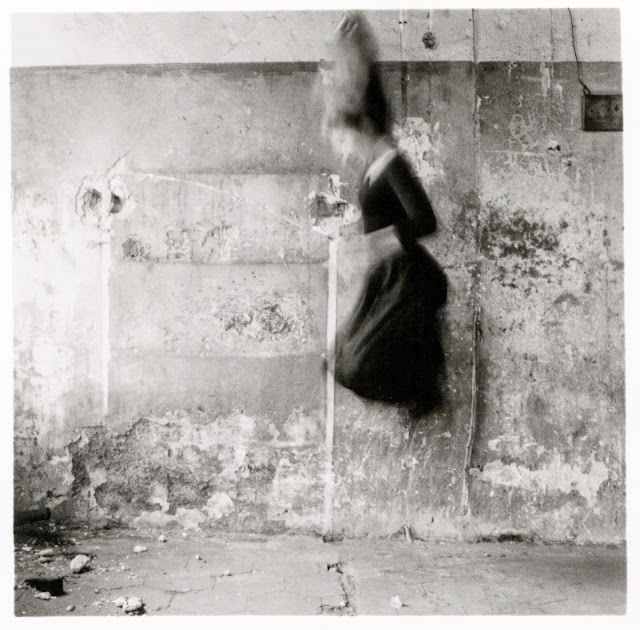
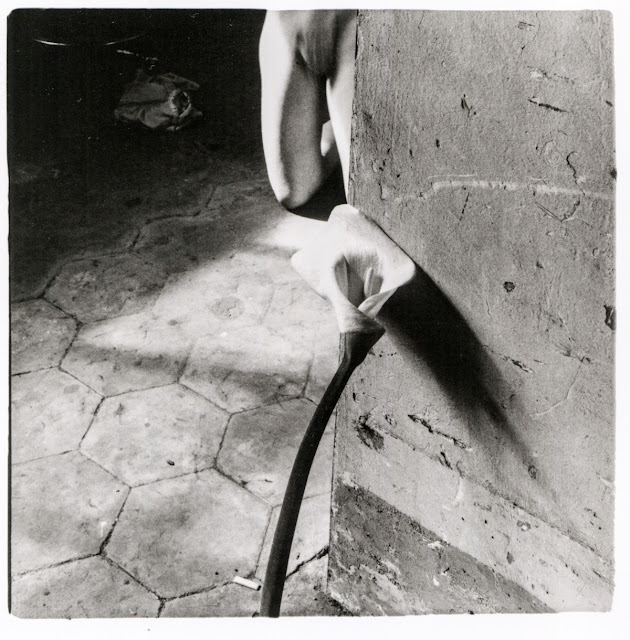
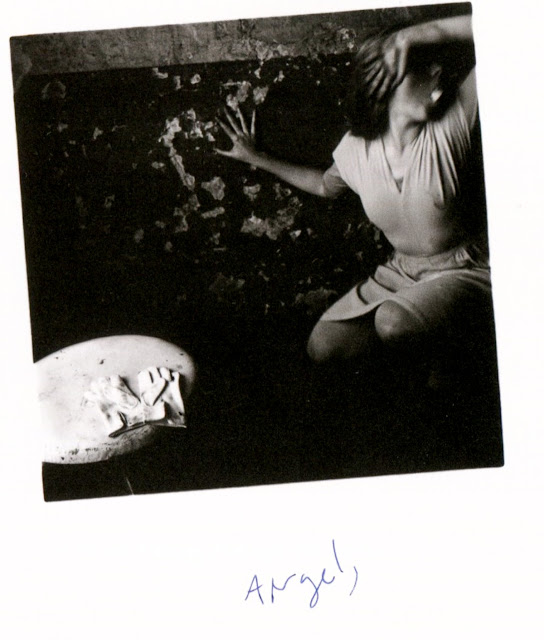
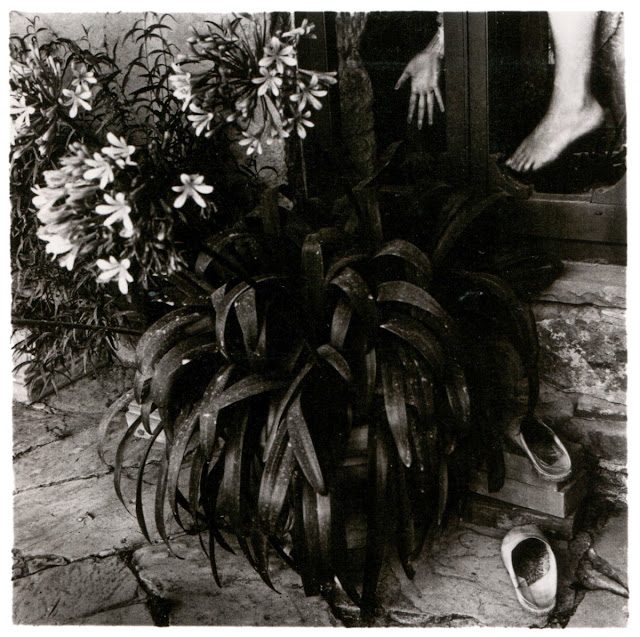
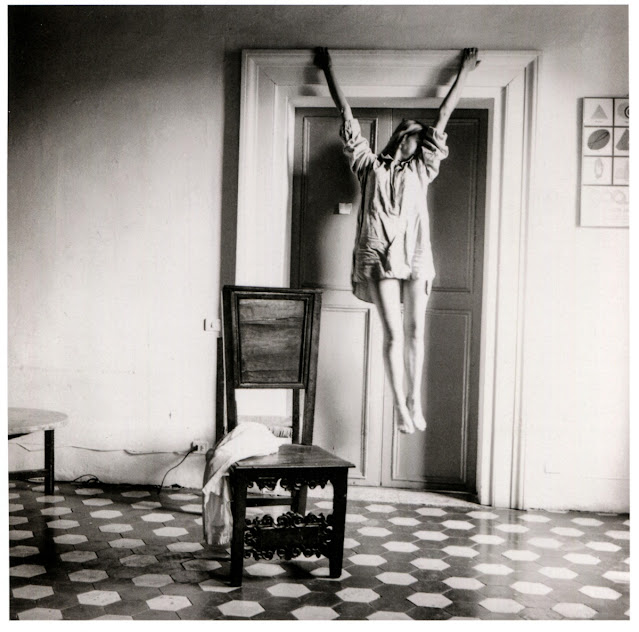
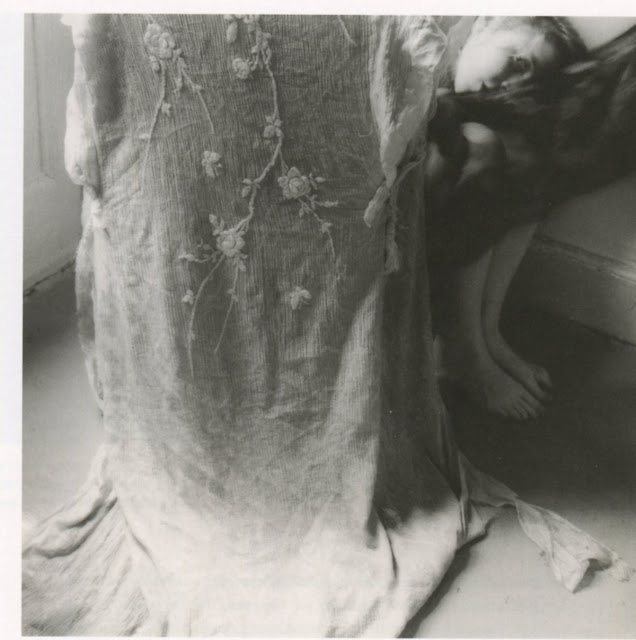
Francesca Woodman (April 3, 1958 – January 19, 1981) is best known for photographing herself. But her pictures are not self-portraits in the traditional sense. She is often nude or semi-nude and usually seen half hidden or obscured – sometimes by furniture, sometimes by slow exposures that blur her figure into a ghostly presence. These beautiful and yet unsettling images seem fleeting but also suggest a sense of timelessness.
Woodman took her first self-portrait at age thirteen and continued photographing herself until she died. She attended public school in Boulder, Colorado, between 1963 and 1971, except for second grade, which she attended in Italy, where the family spent many summers between school years. She began high school in 1972 at Abbot Academy, a private Massachusetts boarding school. There, she began to develop her photographic skills and became interested in the art form. Abbot Academy merged with Phillips Academy in 1973; Woodman graduated from the public Boulder High School in 1975.
Through 1975, she spent summers with her family in Italy in the Florentine countryside, where the family lived on an old farm, and many of her photographs were taken there. European culture and art had a significant impact on her artistic development. The influence of surrealist art, particularly the photographs of Man Ray and Claude Cahun can be seen in the themes and style of her work. She developed her ideas and skills as a student at Rhode Island School of Design.
Although Woodman used different cameras and film formats during her career, most of her photographs were taken with medium format cameras producing 2-1/4 by 2-1/4 inch (6×6 cm) square negatives. Woodman created at least 10,000 negatives, which her parents now keep. Woodman’s estate, which is managed by her parents, consists of over 800 prints, of which only around 120 images had been published or exhibited as of 2006. Most of Woodman’s prints are 8 by 10 inches (20 by 25 cm) or smaller, which “works to produce an intimate experience between viewer and photograph.” Many of Woodman’s images are untitled and are known only by a location and date.
Woodman continuously explored and tested what she could do with photography. She challenged the idea that the camera fixes time and space – something that had always been seen as one of the fundamentals of photography. She playfully manipulated light, movement and photographic effects, and used carefully selected props, vintage clothing and decaying interiors to add a mysterious gothic atmosphere to the work.
Her importance as an innovator is significant, particularly in the context of the 1970s when the status of photography was still regarded as less important than painting and sculpture. She led the way for later American artists who used photography to explore themes relating to identity such as Cindy Sherman and Nan Goldin.
On January 19, 1981, Woodman took her life, aged twenty-two, jumping out of a loft window of a building on the East Side of New York City. An acquaintance wrote, “things had been bad, there had been therapy, things had gotten better, guard had been let down. Her father has suggested that Woodman’s suicide was related to an unsuccessful application for funding from the National Endowment for the Arts. A lackluster response to her photography and a failed relationship had pushed her into the deep depression.
Subscribe to Yesterday Today’s Blog to receive regular updates regarding new content:
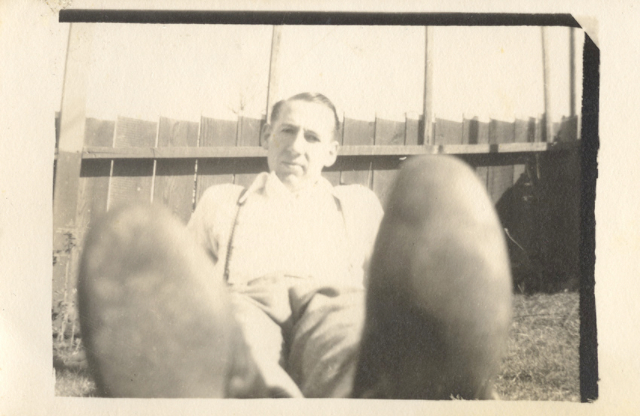
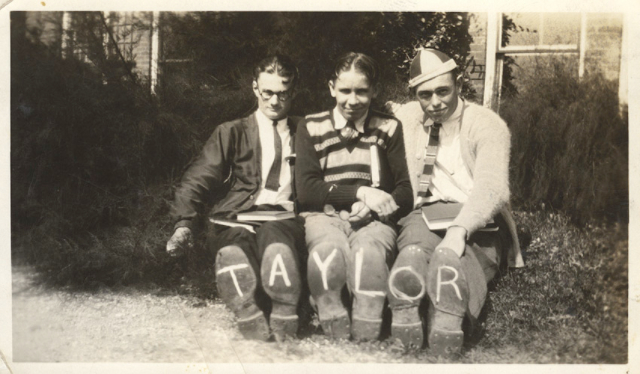
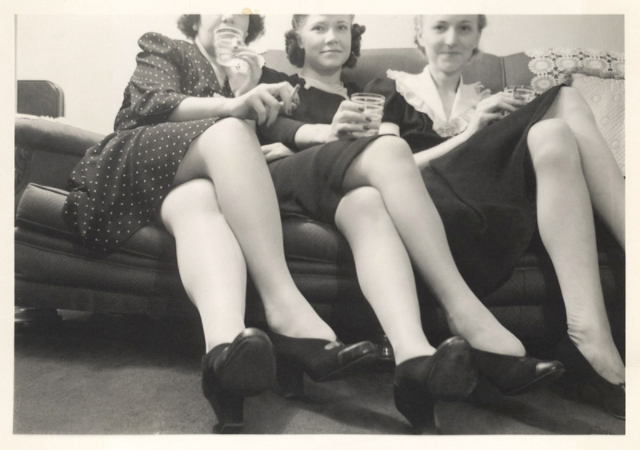
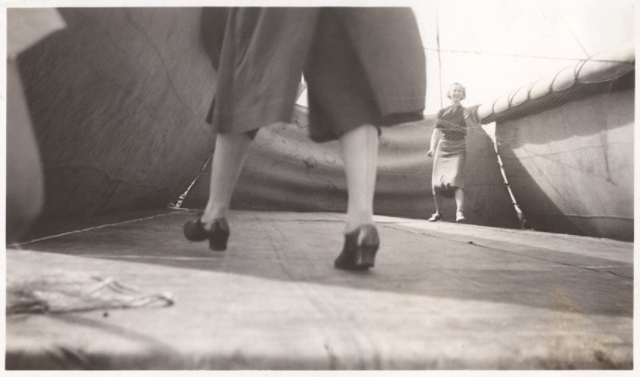
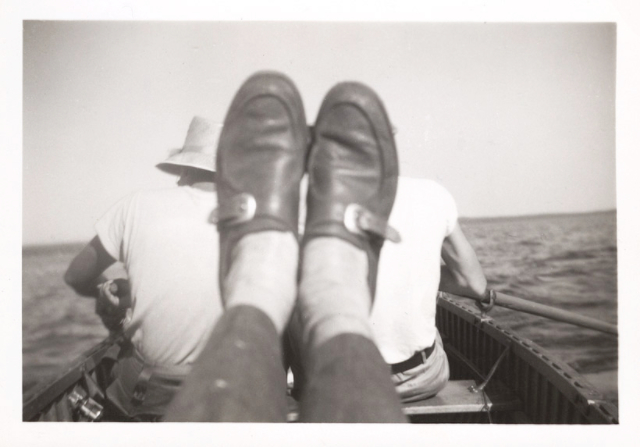
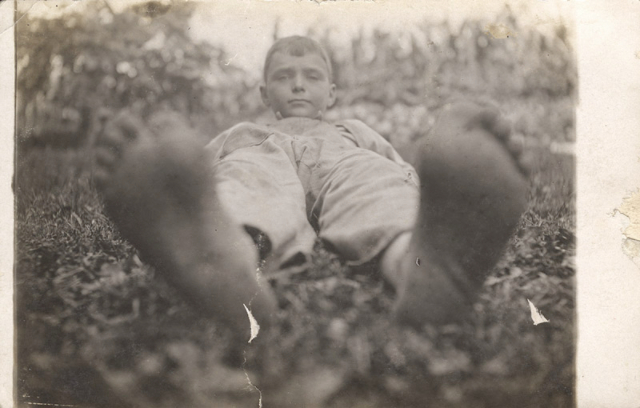
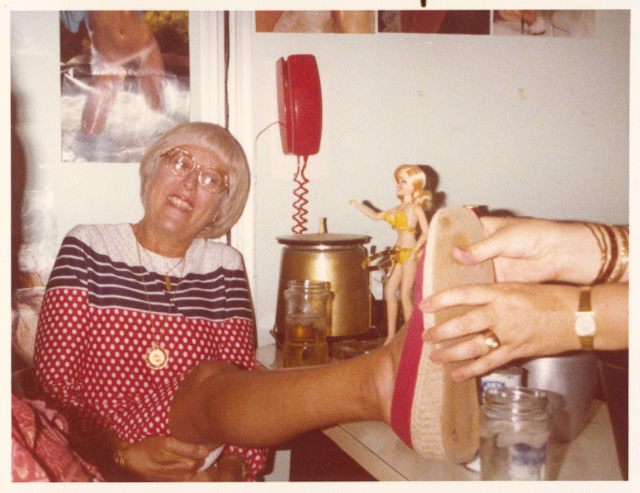
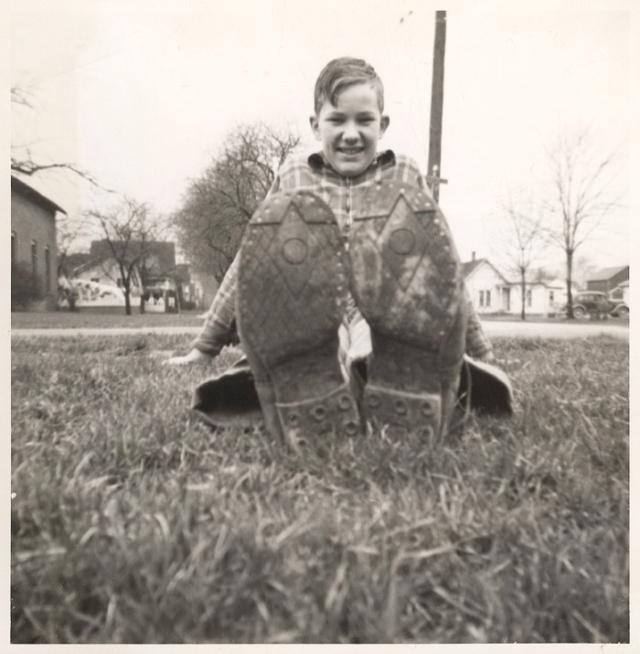
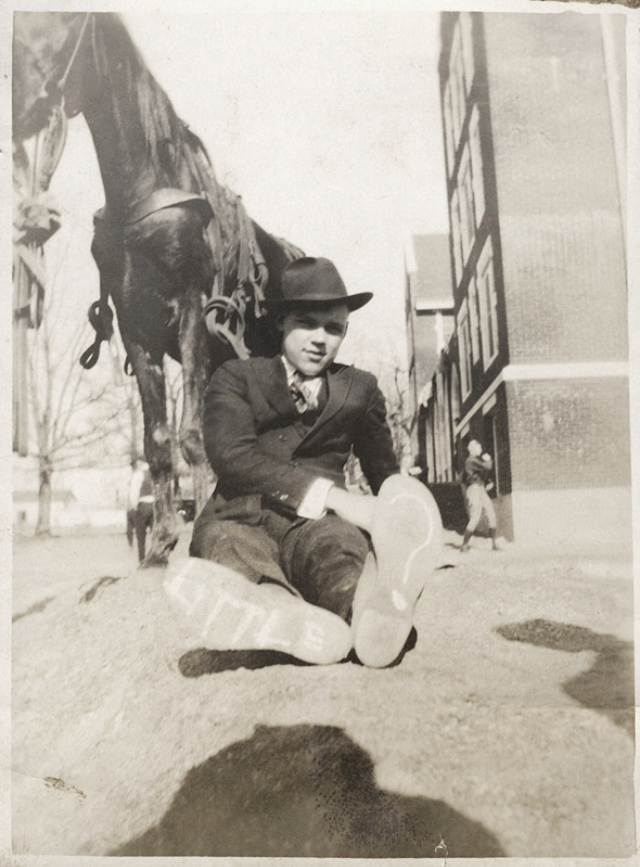
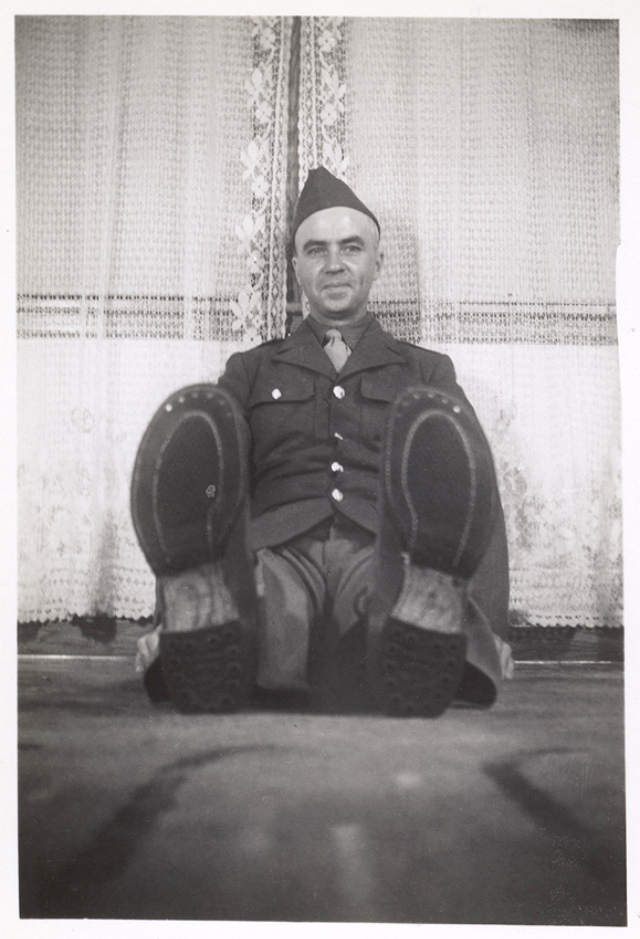
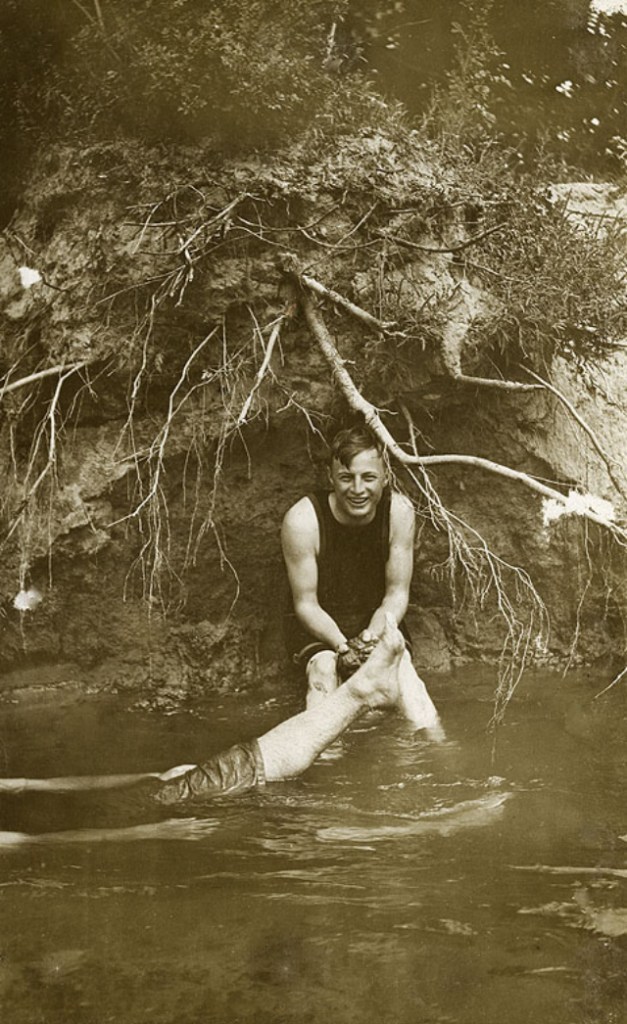
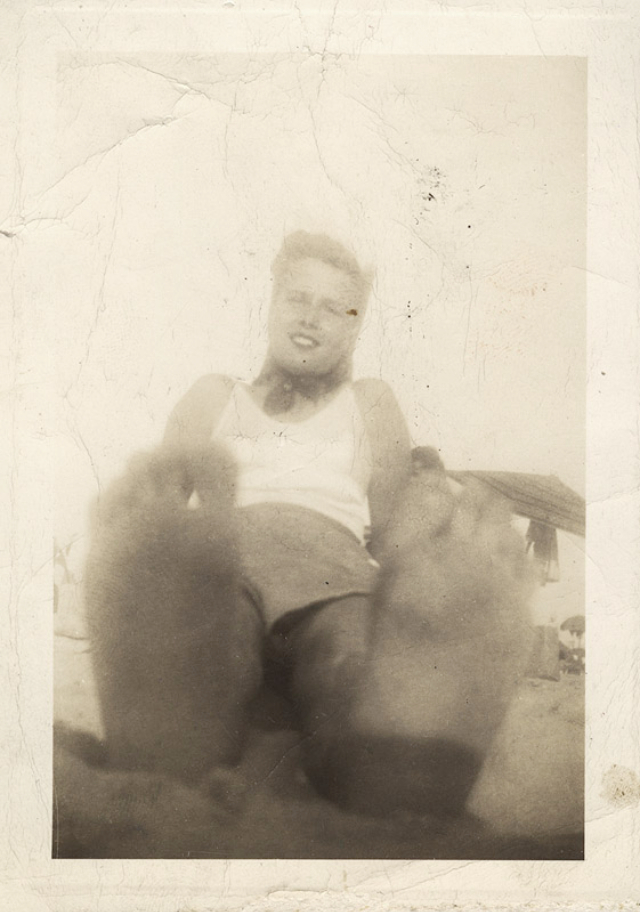
Feet are an important part of our body. They take us where we want to go. They do so much for us, they are incredibly complex devices. Feet may be humble, but they are the most overworked and under-appreciated parts of our body.
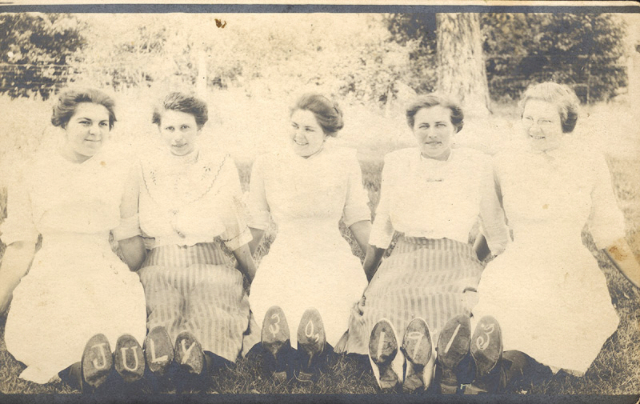
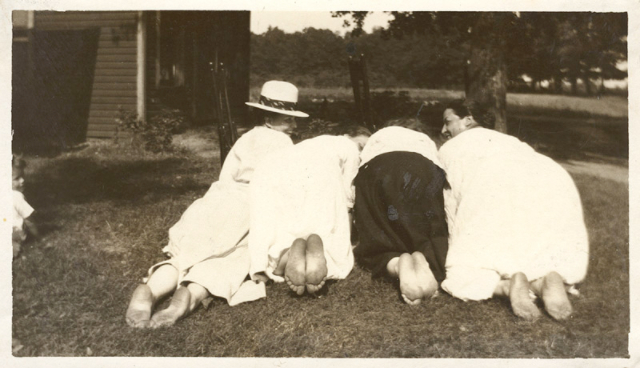
People from the past are weirdly obsessed with taking pictures of their feet. Here are some:
Subscribe to Yesterday Today’s Blog to receive regular updates regarding new content:
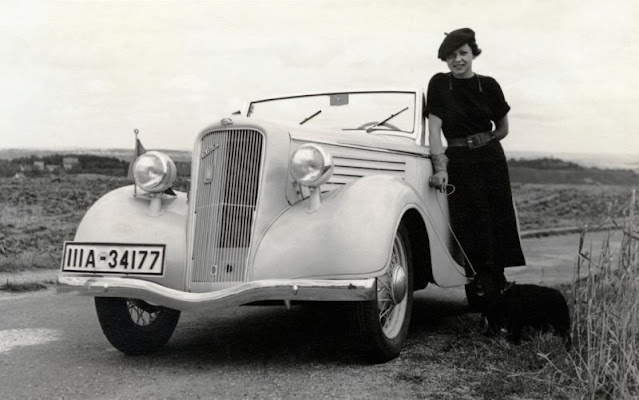
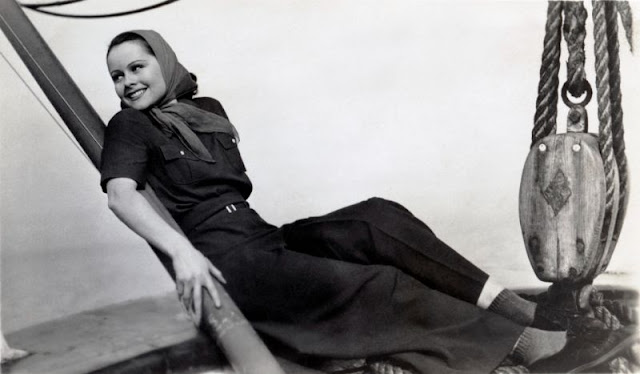
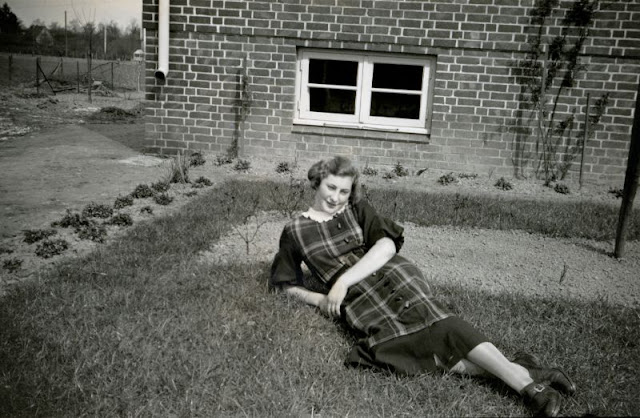
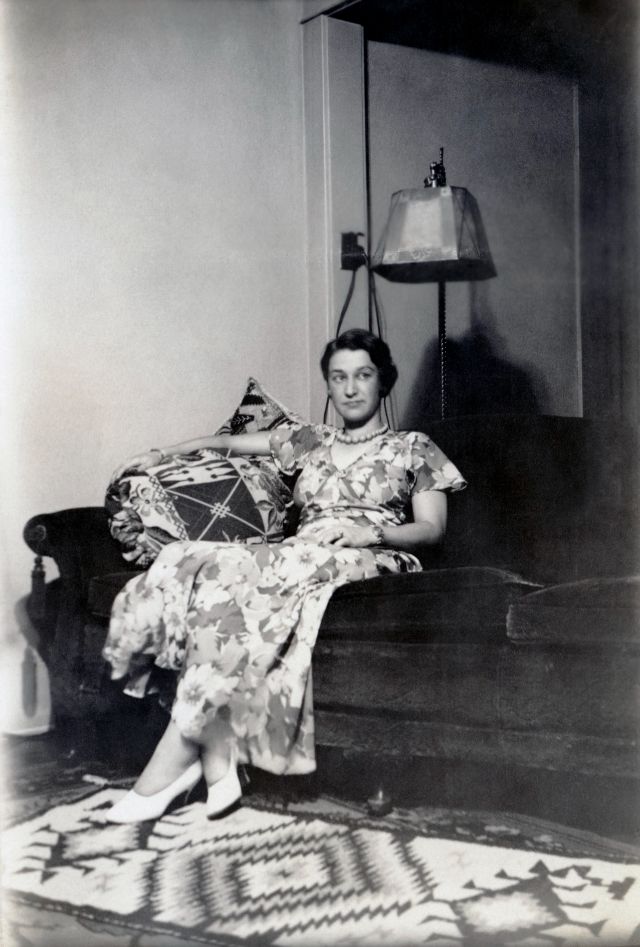
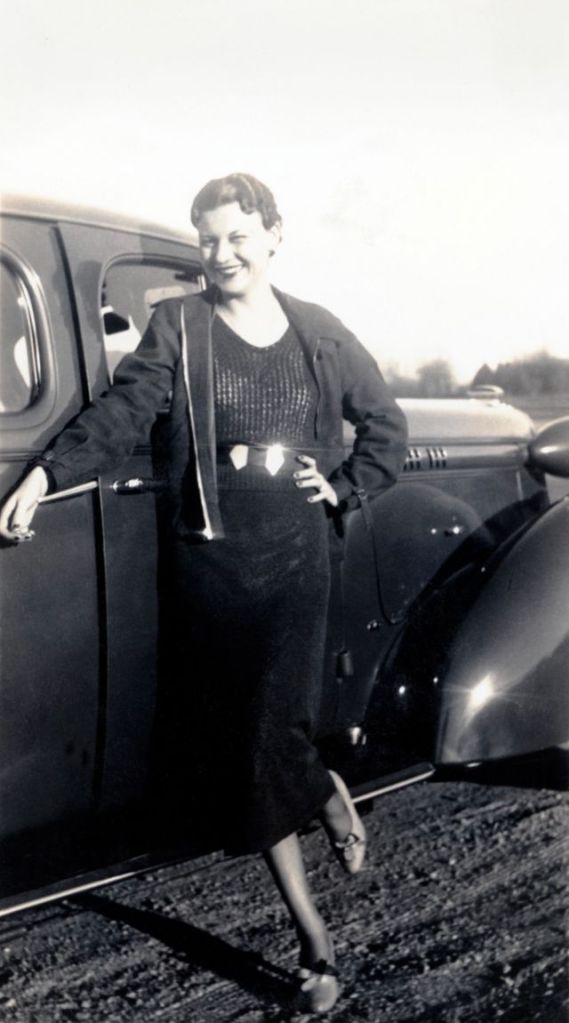
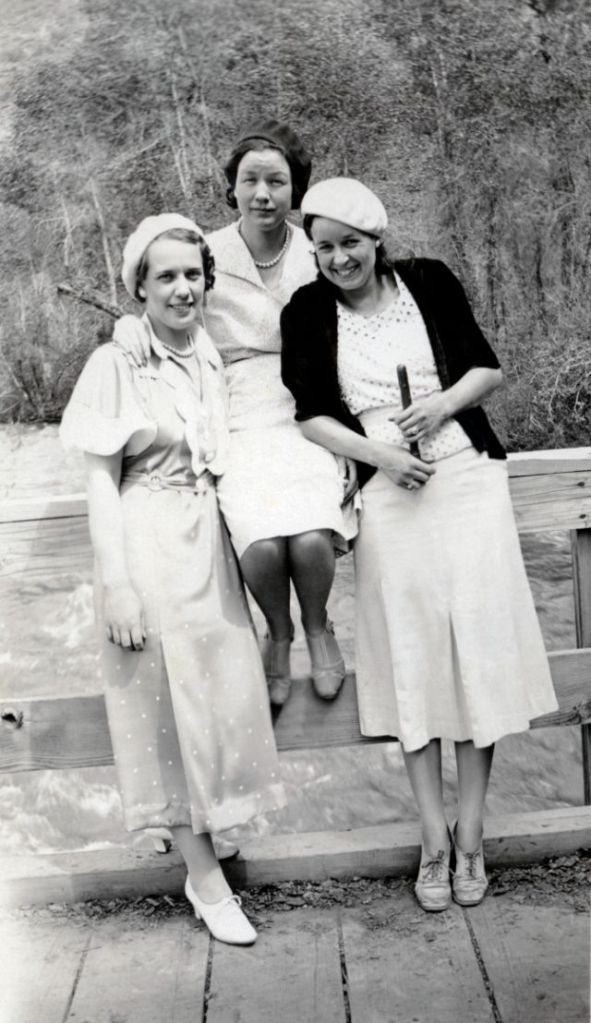
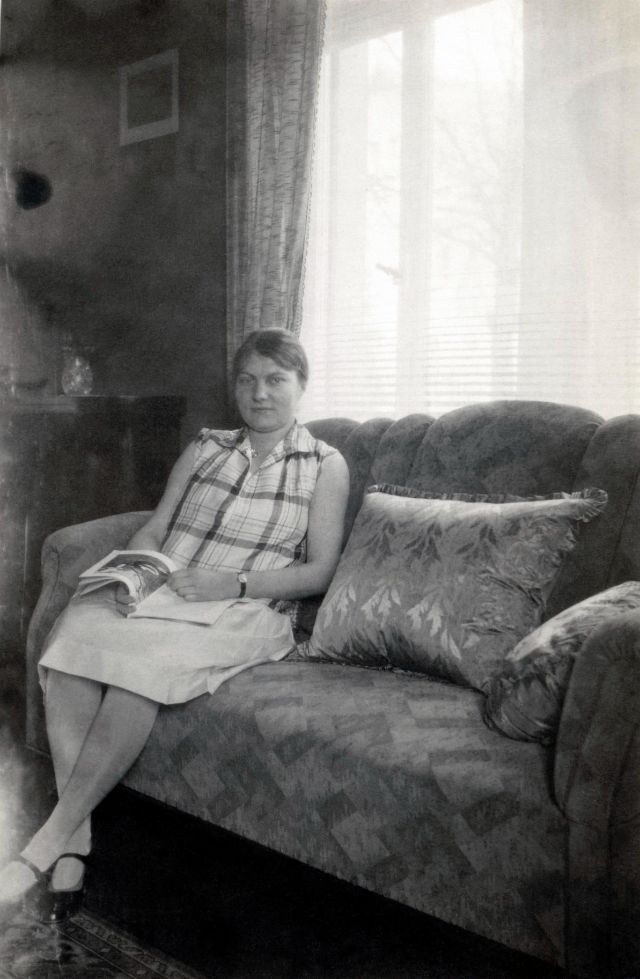
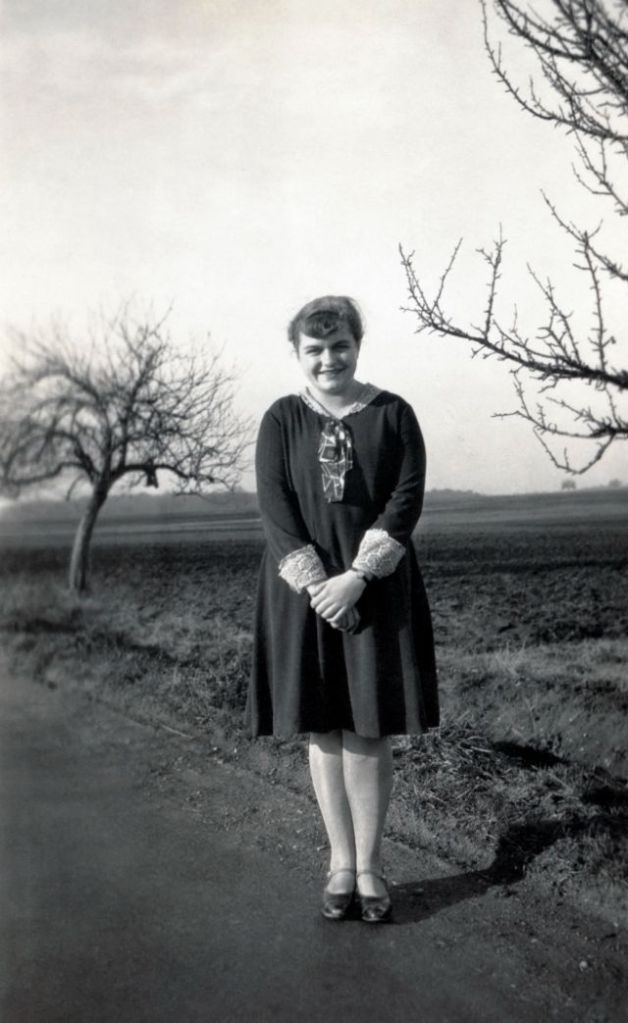
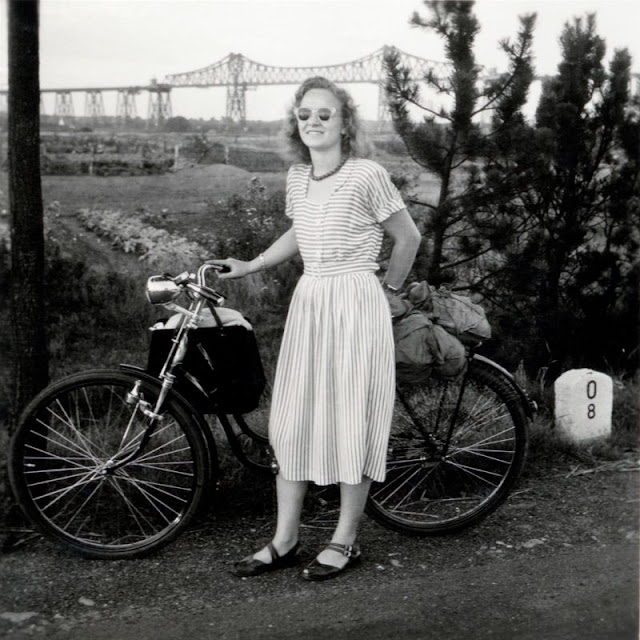
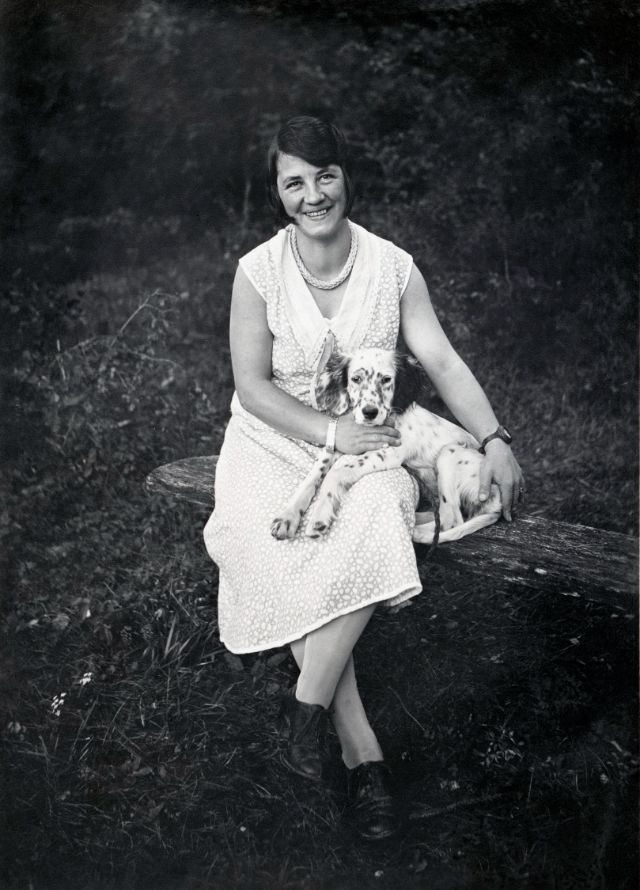
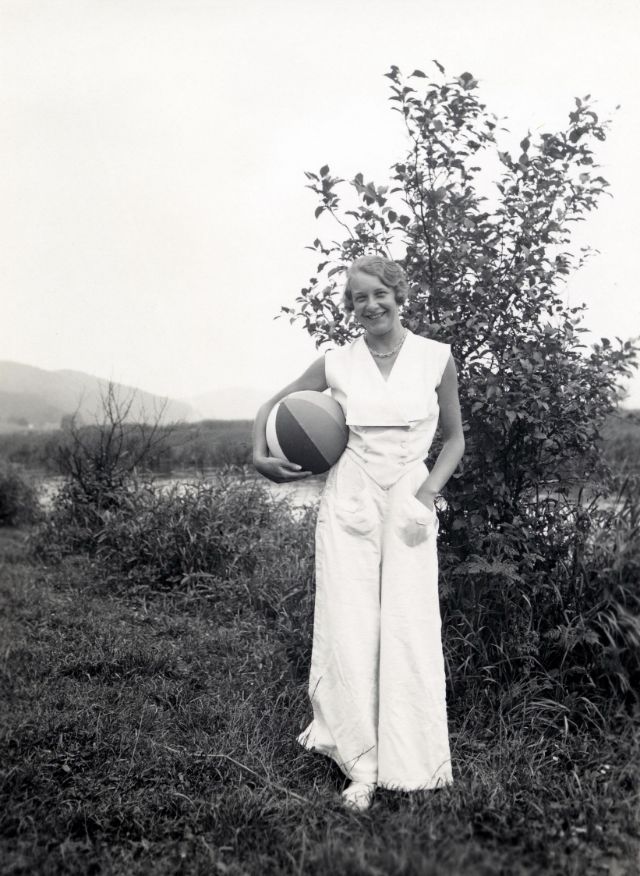
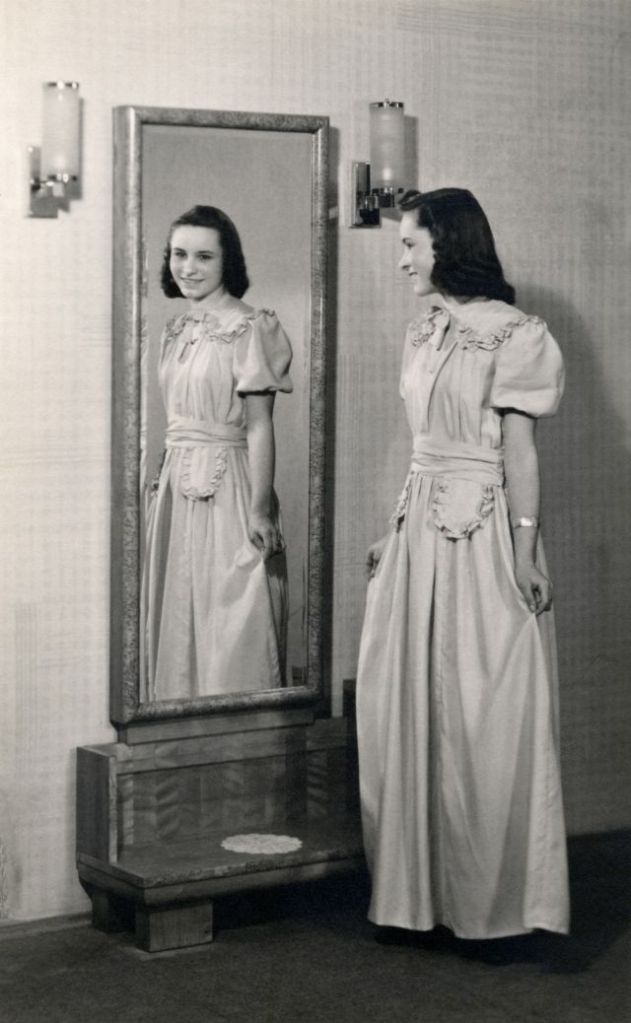
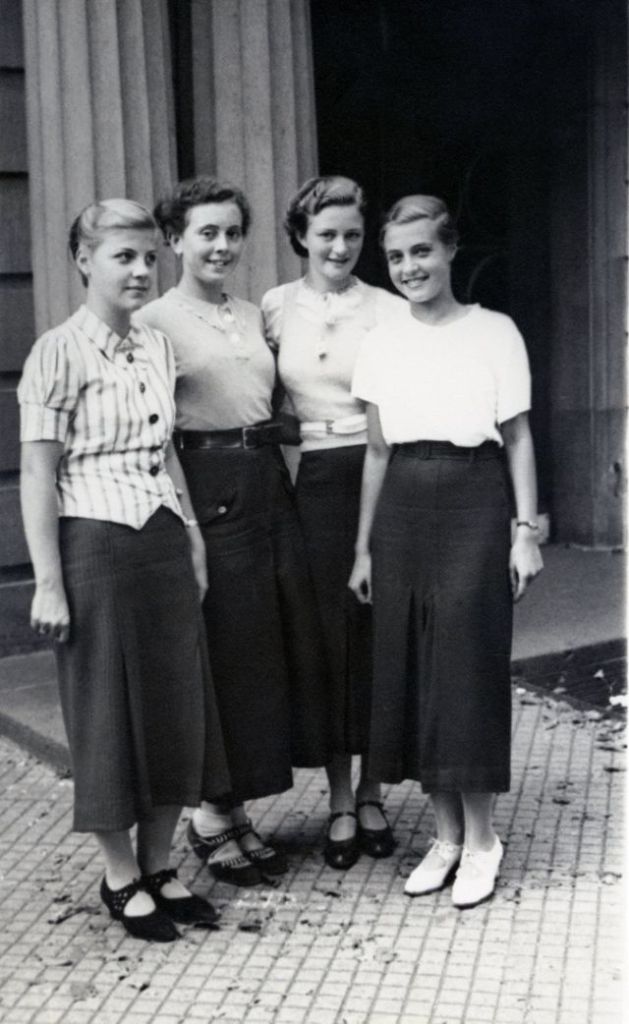
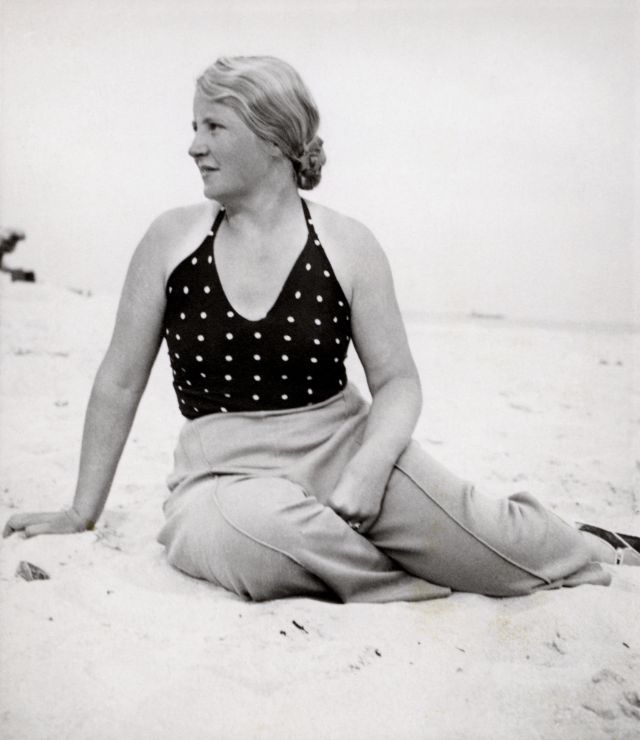
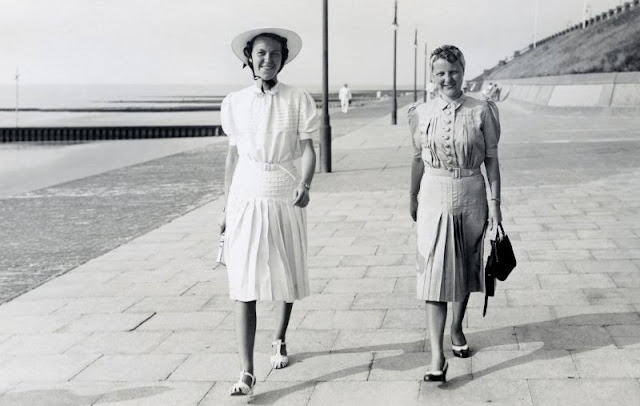
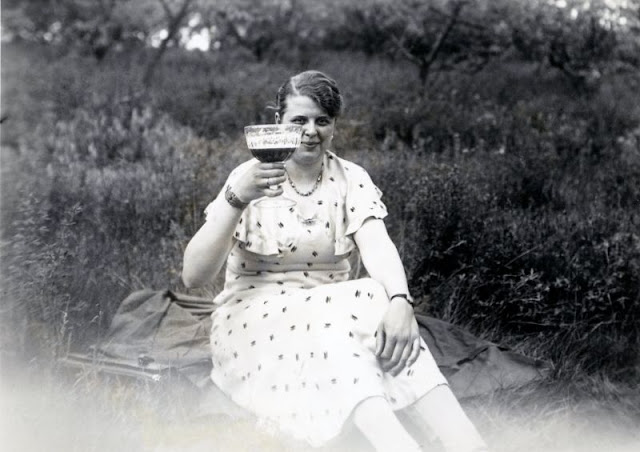
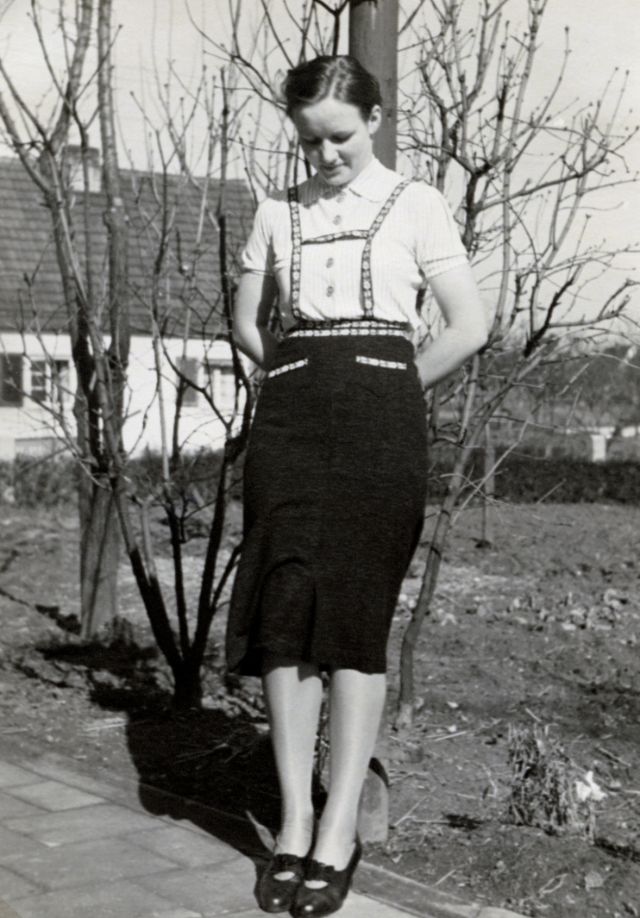
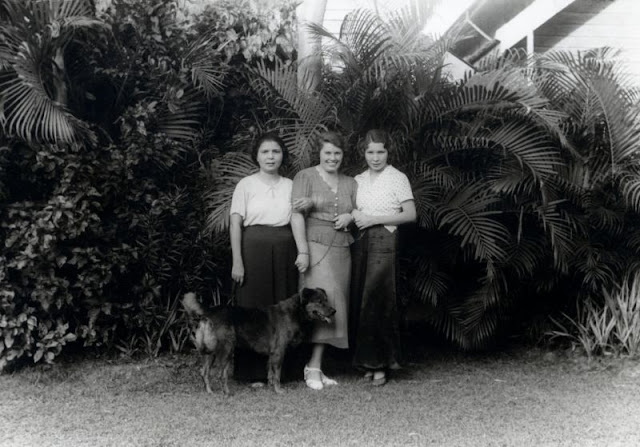
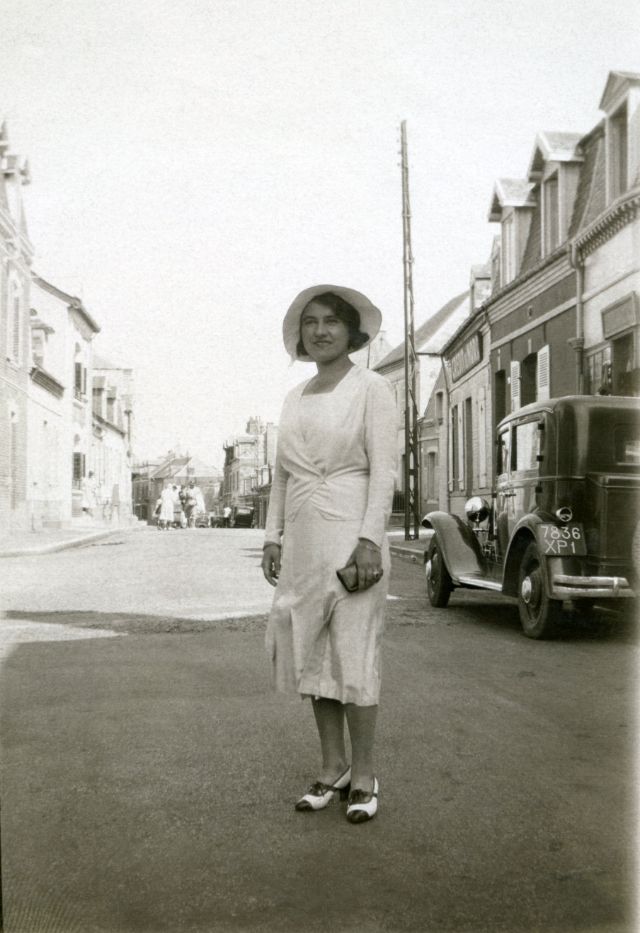
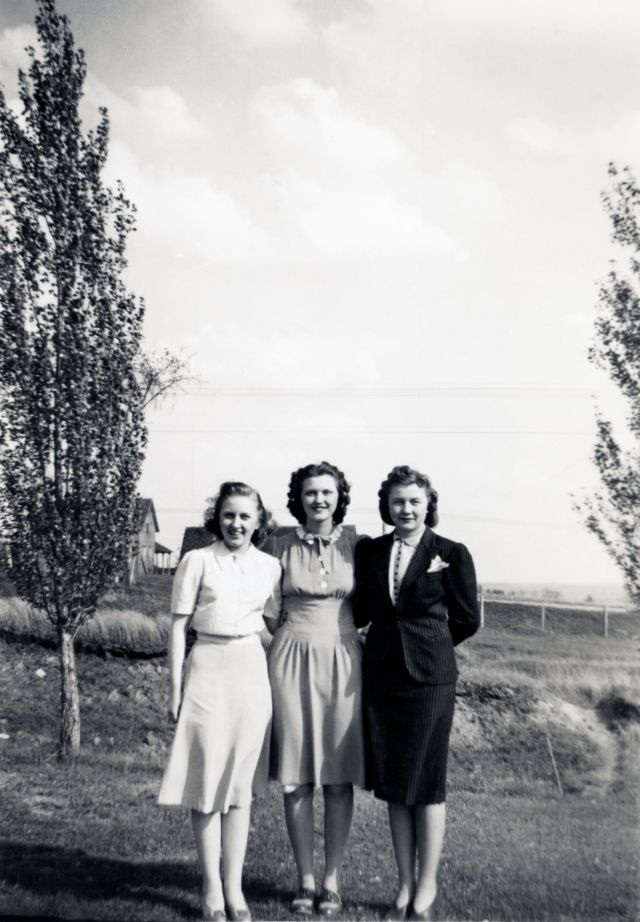
The fashion of the thirties is usually overshadowed by the Great Depression, but the 1930s were full of glamor and style.
The very loose, square, drop-waist, high knee-length hem and slightly “boyish” look of 1920s fashion for women was completely gone by the 1930s. It was replaced with a much more modest and form-fitting style with an accentuated natural “high waist,” fitted hips, longer mid-calf or floor length hemline, high neckline, and wide shoulders. Trim, tailored, modest, and feminine describes women’s 1930s fashion perfectly.
Take a look at these elegant photos to see fashion styles of women in the 1930s.
Subscribe to Yesterday Today’s Blog to receive regular updates regarding new content:
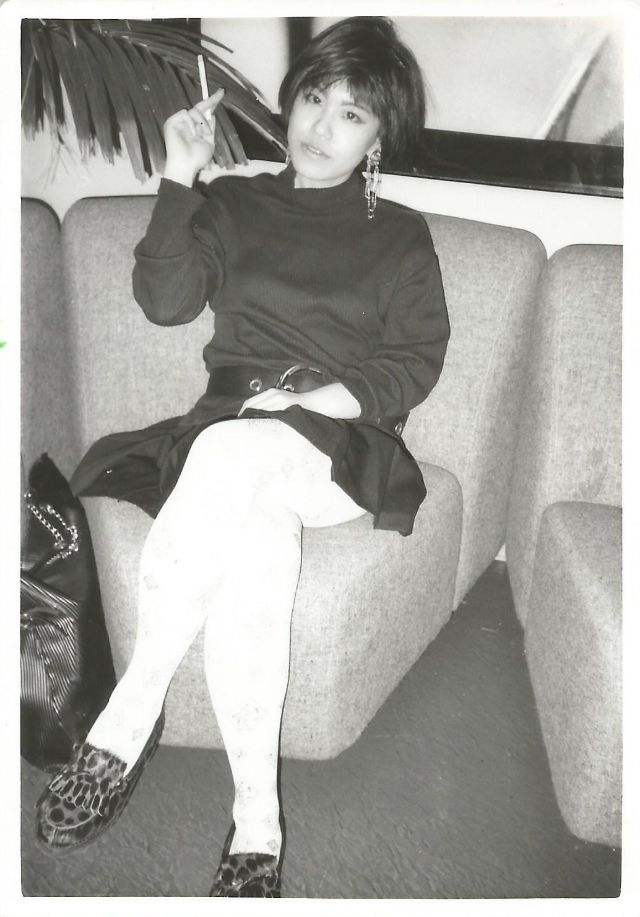
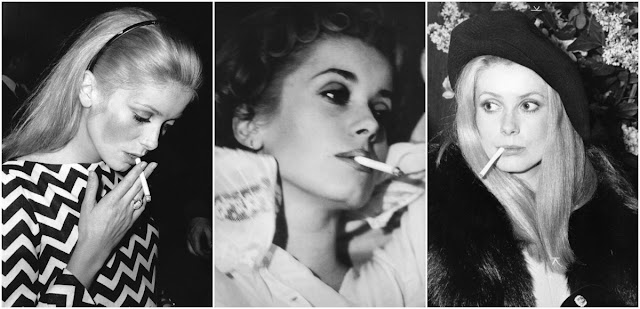
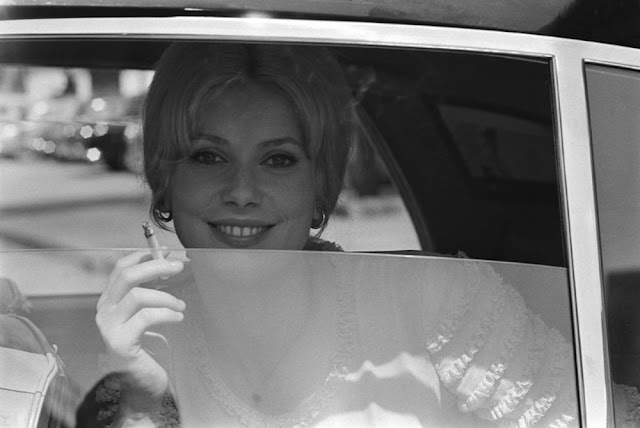
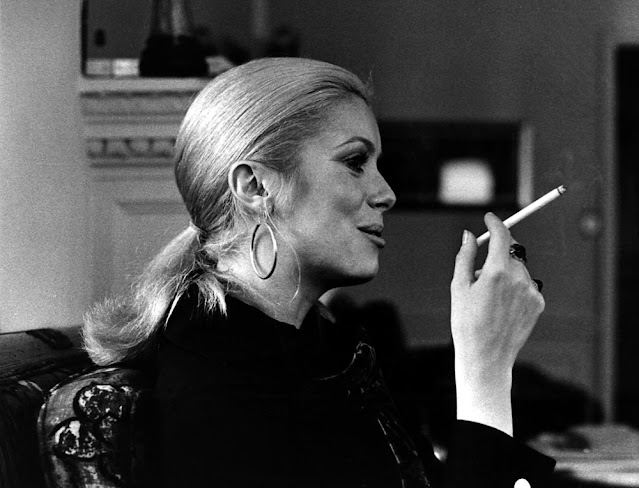
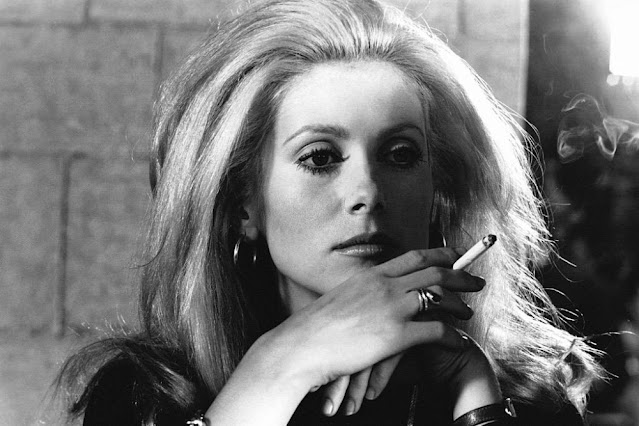
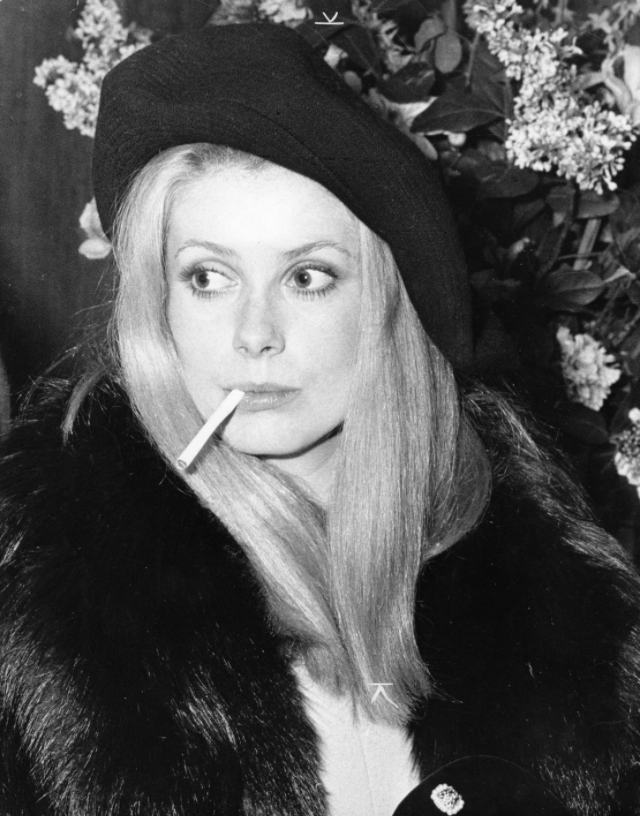
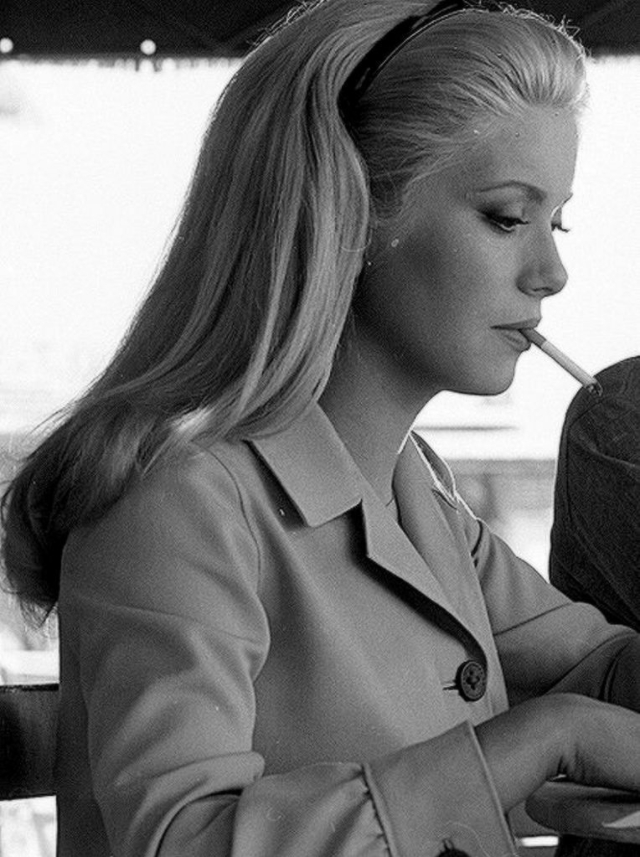
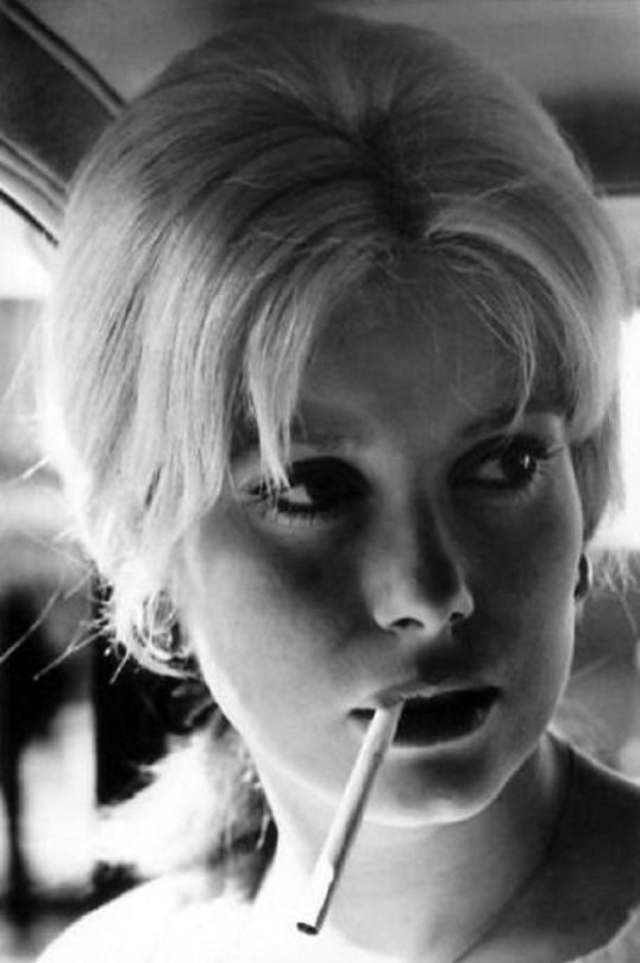
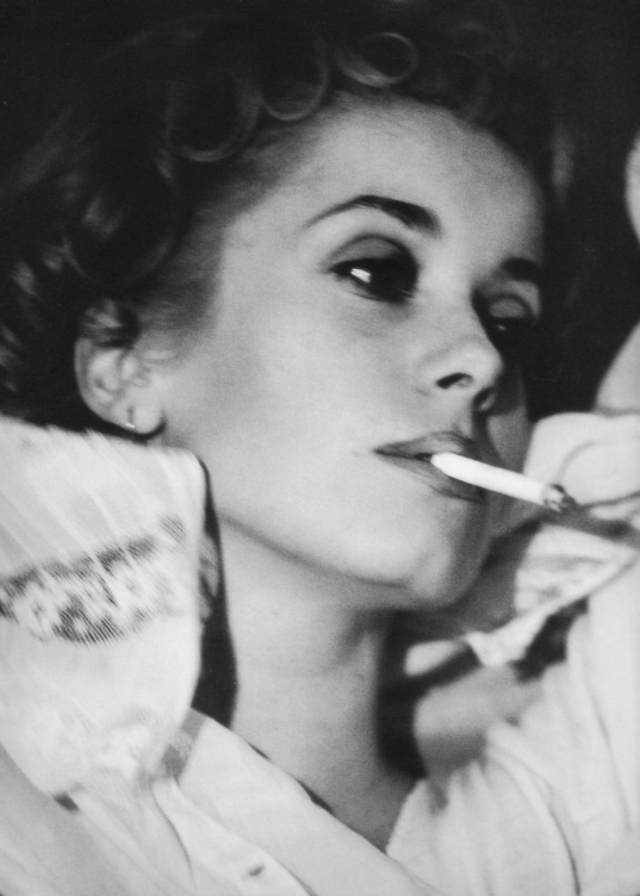
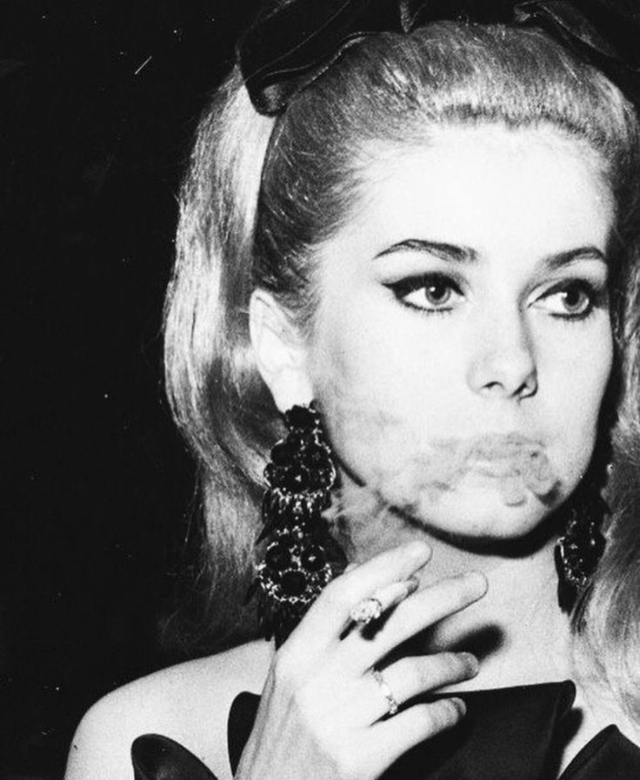
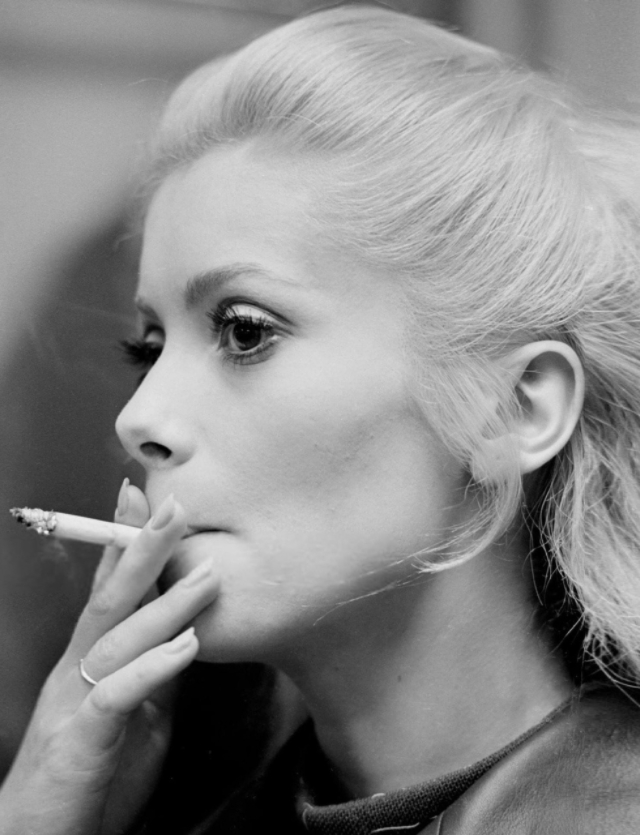
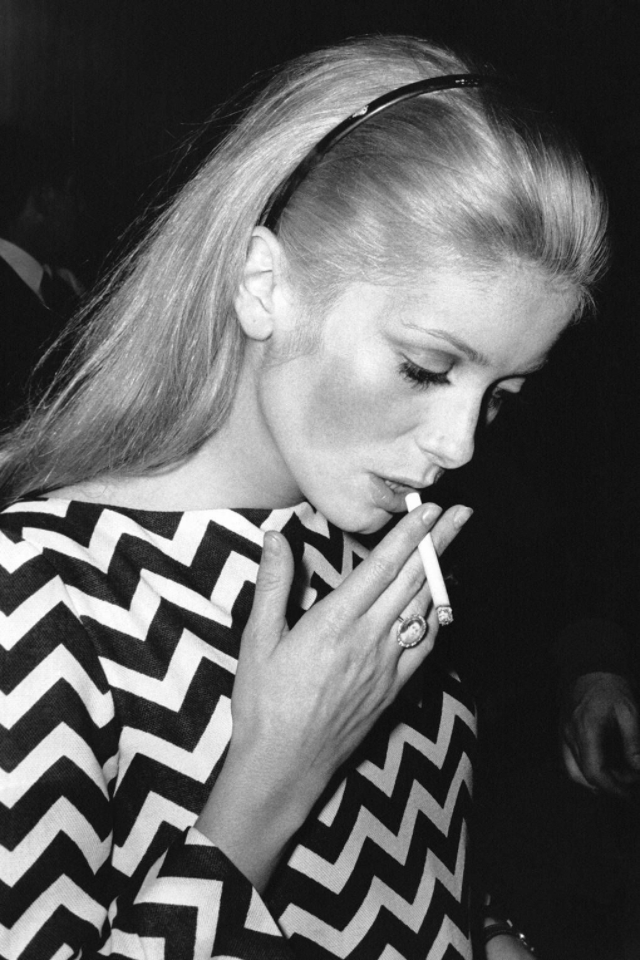
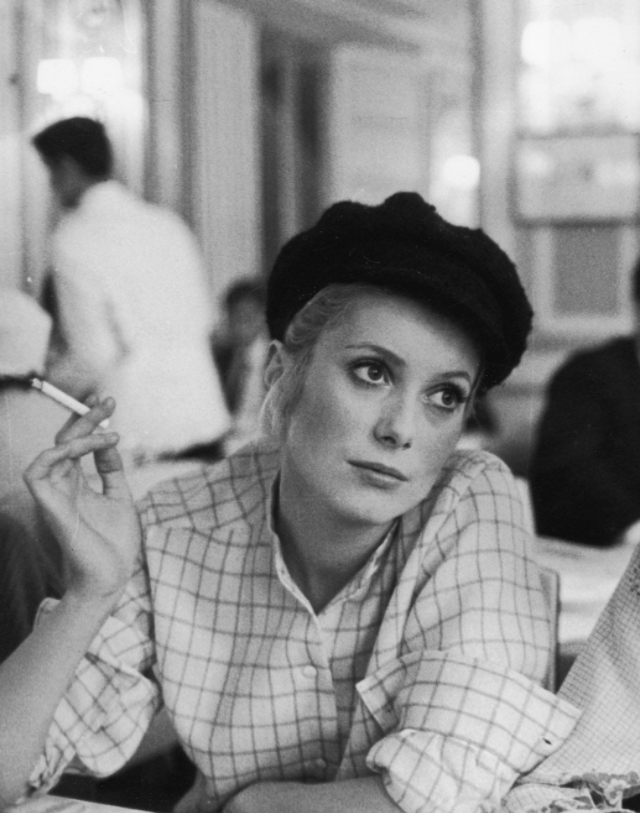
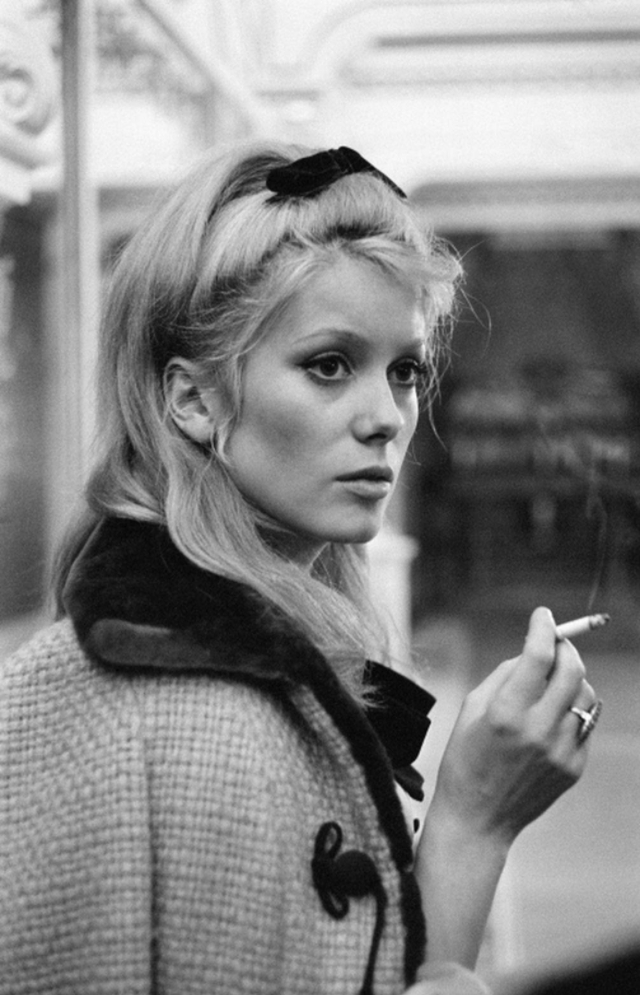
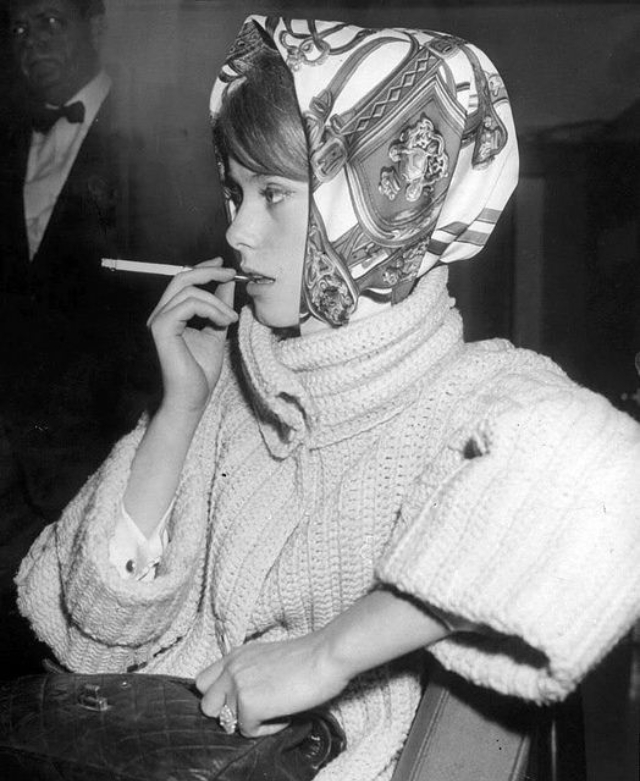
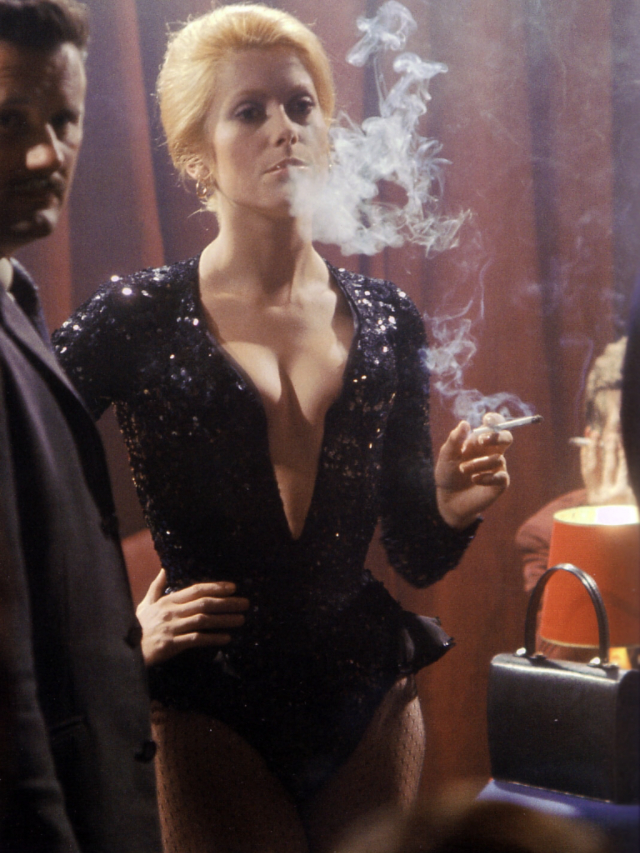
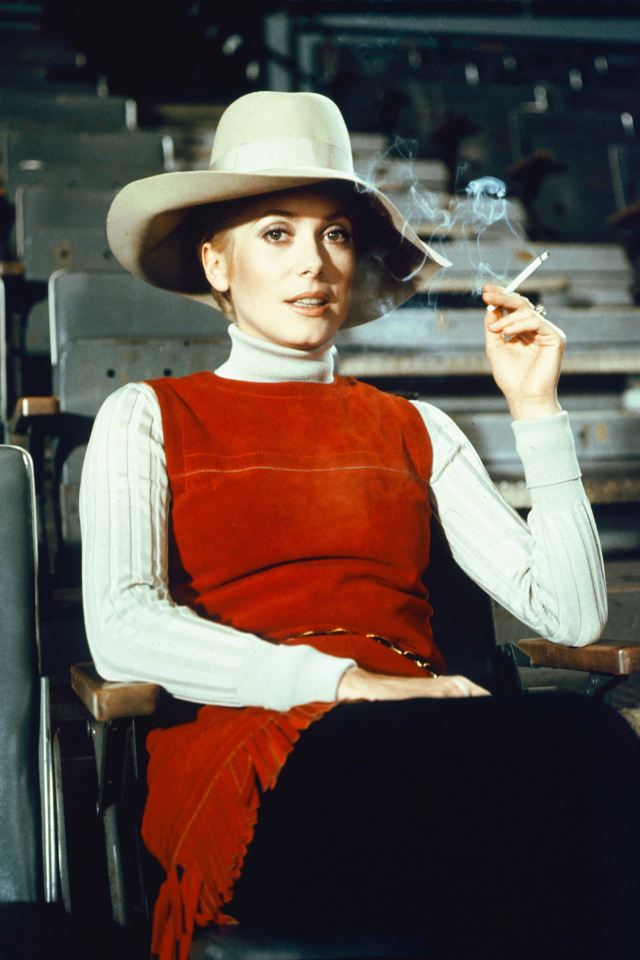
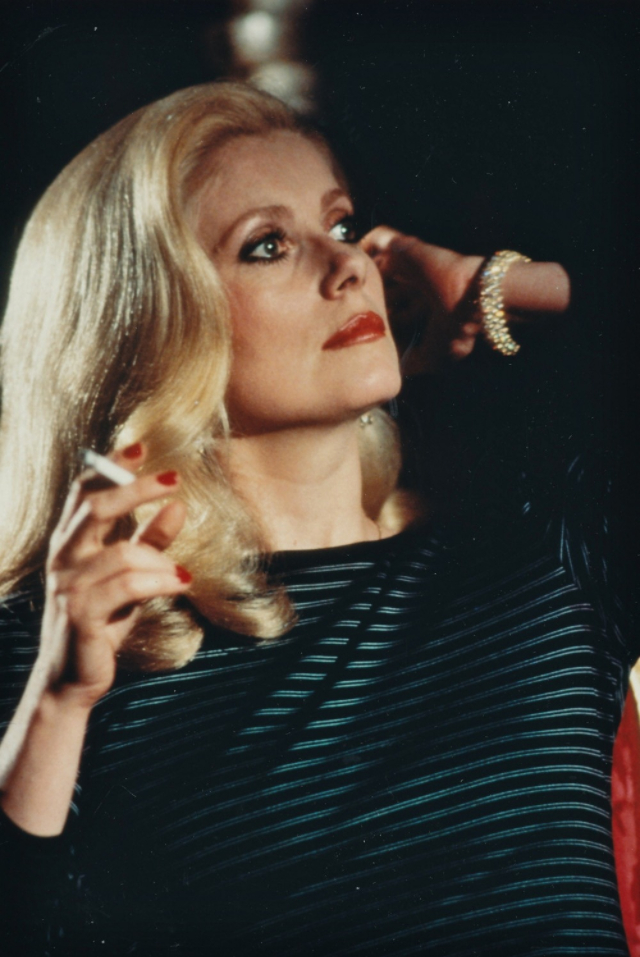
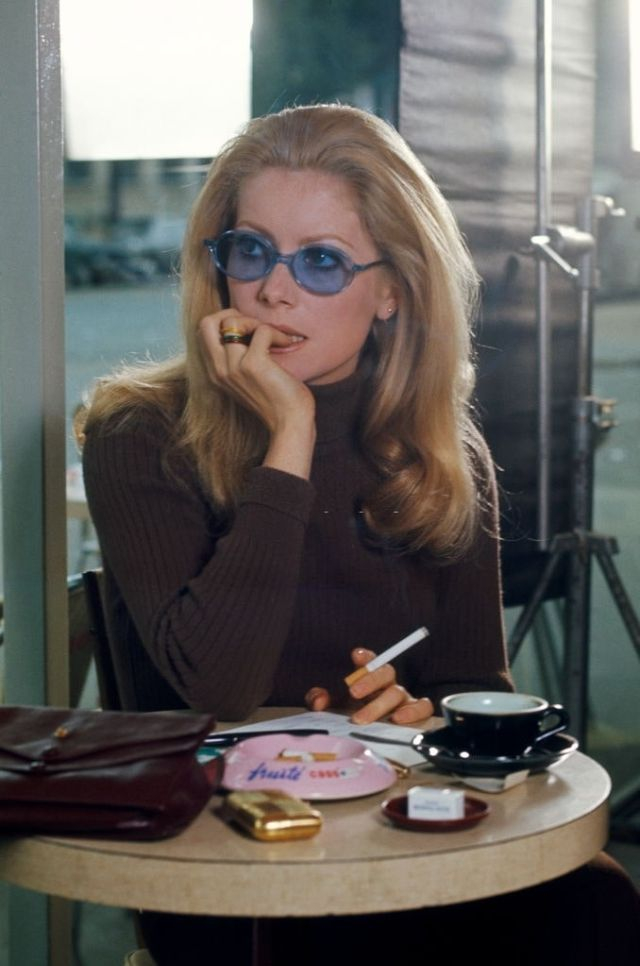
The French actor Jean-Paul Belmondo spent almost an entire film – the 1960s classic À Bout du Souffle (Breathless) – with a Gauloise dangling from his lips. Audrey Tautou portrayed the designer Coco Chanel pinning haute couture dresses while smoking. Jacques Tati was rarely without his pipe and Brigitte Bardot, Jeanne Moreau, Catherine Deneuve, Gérard Depardieu and Alain Delon all puffed their way through decades of movies.
“I don’t understand why the cigarette is so important in French cinema,” Agnès Buzyn once said.
Catherine Deneuve always seems to have a cigarette in her hand. When one cigarette is finished, another is sparked. “I don’t inhale anymore, it’s bad for your health,” she declared when questioned about her habit. She doesn’t like doing sport either, and keeps healthy by gardening and surrounding herself with her grandchildren. “I try to do what is right with my health, but that is the only thing I haven’t managed to give up yet. People say I should give up, which of course I should, but that’s not what I’d call advice. That’s a fact! Give me advice to stop smoking without suffering, now that would be interesting.”
Catherine Deneuve (born October 22, 1943) is an iconic French actress known for playing cool blondes with hidden depths in the work of some of Europe’s greatest directors. Her legendary beauty and classical elegance have made her famous throughout the world where she is as well known for her promotion of perfume and fashion as she is for her acting.
While in London Deneuve met fashion photographer David Bailey and on August 19, 1965, after a brief courtship, they were married. Their relationship was marred however by affairs on both sides, as well as a language barrier, and eventually ended in an amicable divorce in 1972. She has since said, “Marriage is obsolete and a trap.”
Deneuve returned to France to star in Marcel Camus’ Le Chant du monde (Song of the World, 1965), Agnes Varda’s Les Creatures (1966), and Jean-Paul Rappaneau’s La Vie de château (A Matter of Resistance, 1966). In 1967 she re-teamed with Jacques Demy to make the charming musical Les Demoiselles de Rochefort (The Young Ladies of Rochefort, 1967) opposite her real-life sister, Francoise Dorléac. But it was the film she made just prior to that, Luis Bunuel’s Belle de Jour, that was to make Deneuve an international star.
Subscribe to Yesterday Today’s Blog to receive regular updates regarding new content:
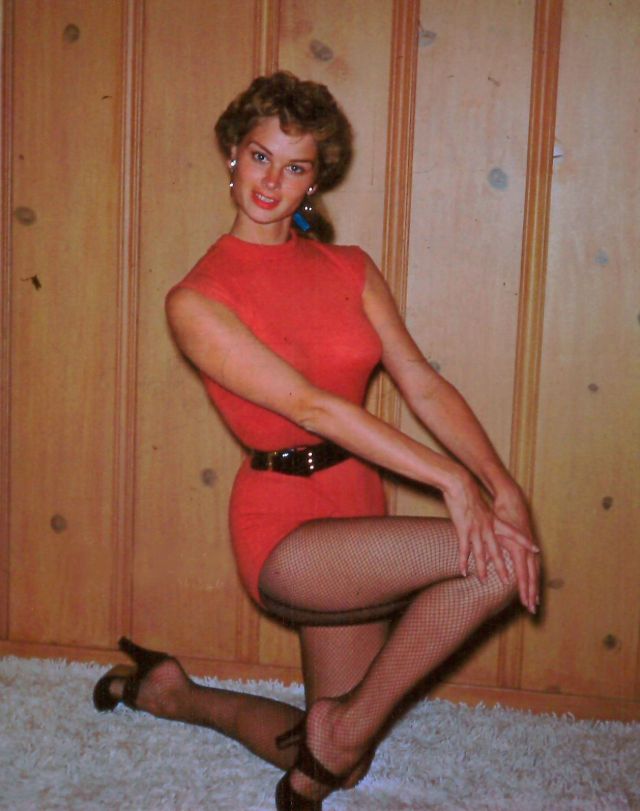
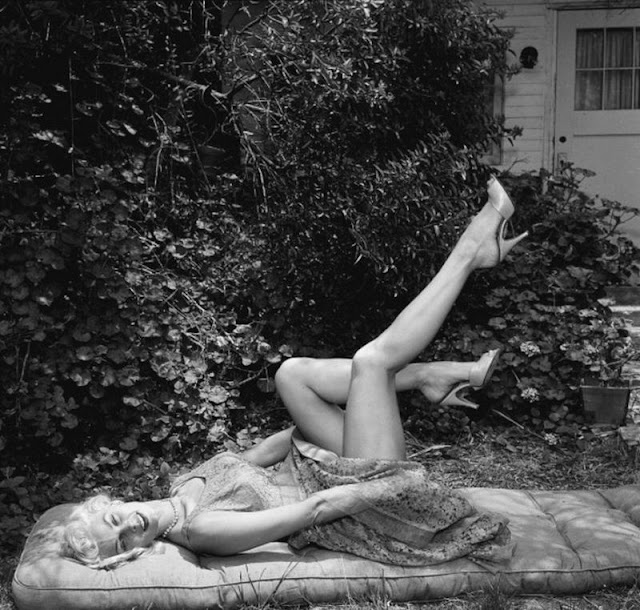
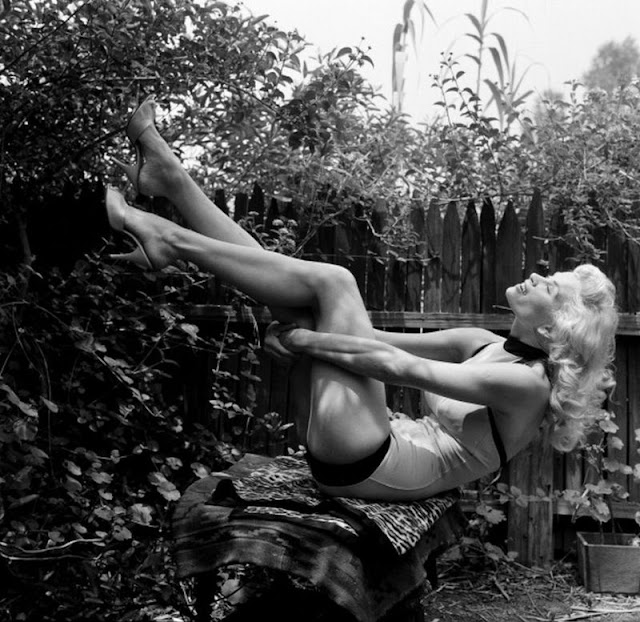
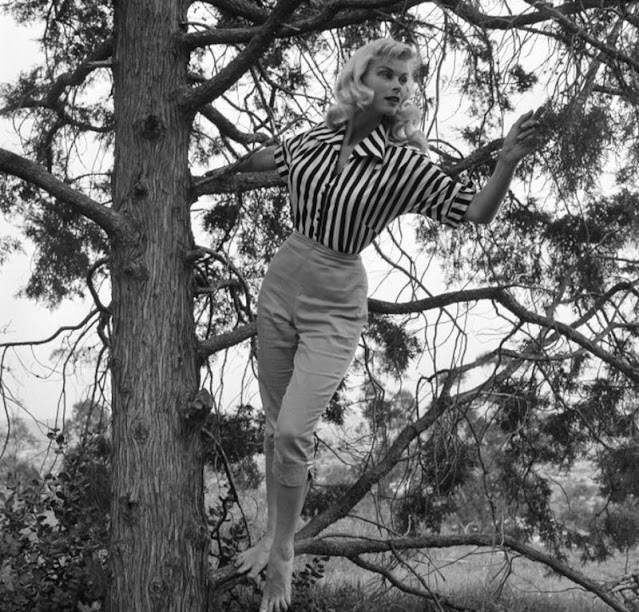
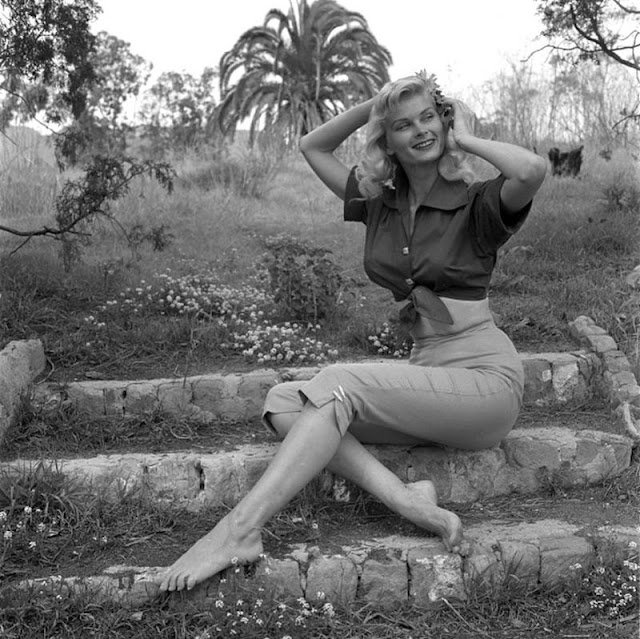
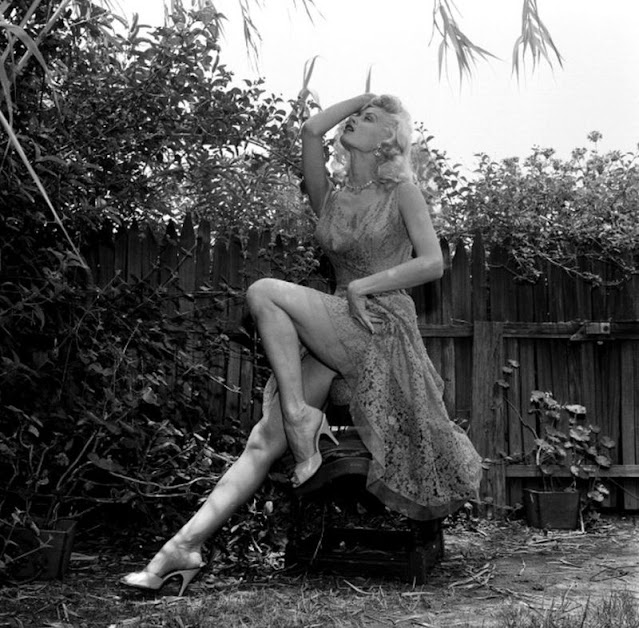
Born 1928 in Pawnee City, Nebraska, American actress and artist Irish McCalla was best known as the title star of the 1950s television series Sheena, Queen of the Jungle. She co-starred with actor Chris Drake. Following the one-season Sheena, she appeared in five films from 1958 to 1962, and guest roles on the TV series Have Gun — Will Travel and Route 66.
McCalla was already a popular pinup model by 1952, when several other models and she appeared in the film River Goddesses, comprising voluptuous young women frolicking in Glen Canyon. She was also a “Vargas Girl” model for pin-up girl artist Alberto Vargas.
As an artist, McCalla drew numerous oil paintings and collector plates, and sold prints of her work. She was a member of Woman Artists of the American West, and her work has been displayed at the Los Angeles Museum of Arts and Sciences.
At age 73 in 2002, McCalla died of a stroke and complications from her fourth brain tumor. She has a star on the Hollywood Walk of Fame, at 1722 Vine Street. Take a look at these fabulous photos to see the beauty of young Irish McCalla in the 1950s.