Subscribe to get access
Read more of this content when you subscribe today.
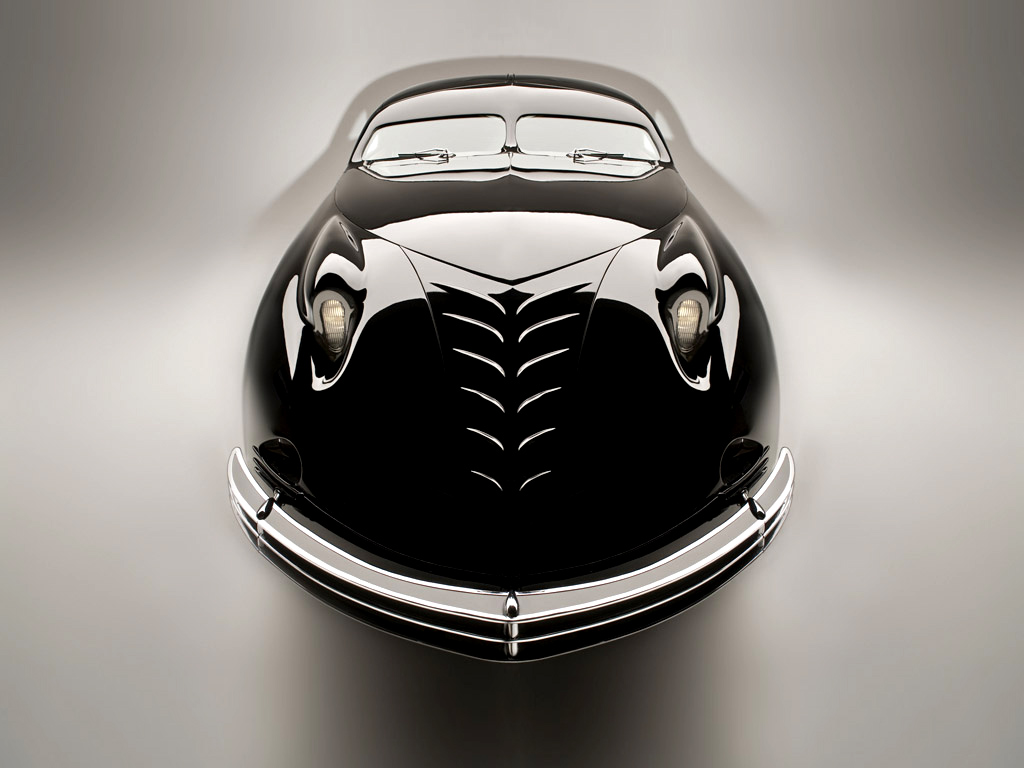
1938 Phantom Corsair

1938 Phantom Corsair

Subscribe to continue reading
Become a paid subscriber to get access to the rest of this post and other exclusive content.
Bringing You the Wonder of Yesterday – Today

Read more of this content when you subscribe today.
1938 Phantom Corsair
1938 Phantom Corsair
Become a paid subscriber to get access to the rest of this post and other exclusive content.
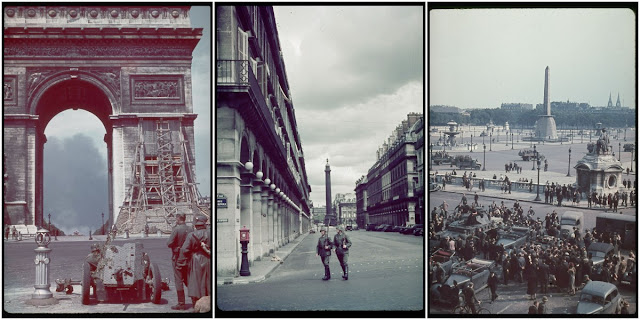
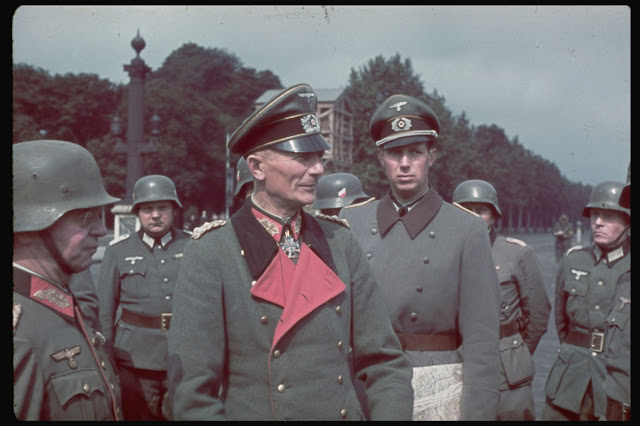
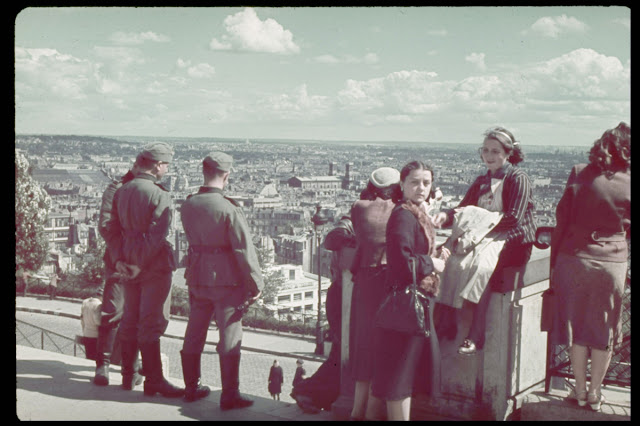
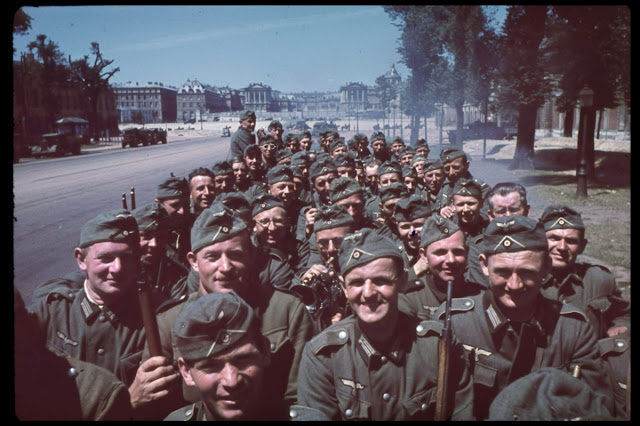
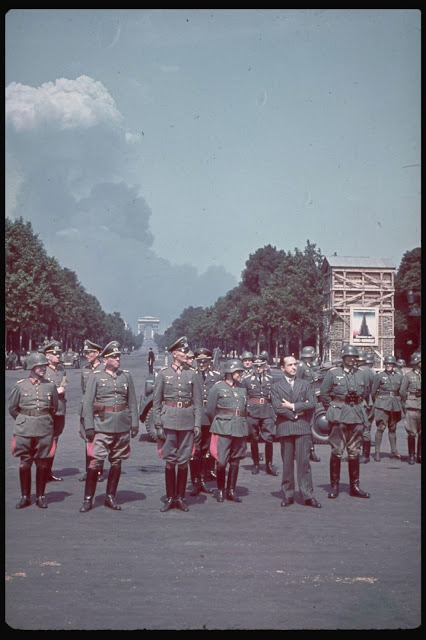
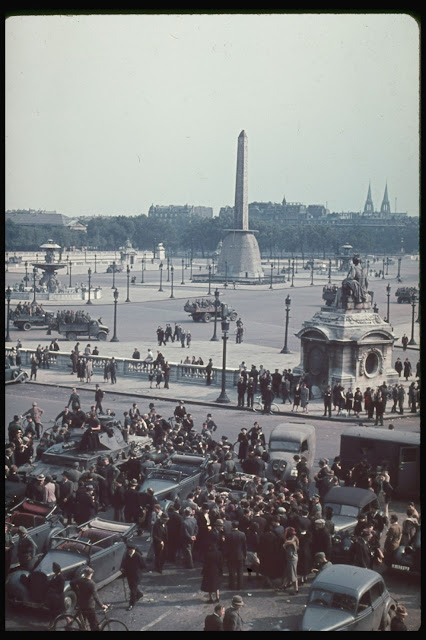
On June 14, 1940, Parisians awaken to the sound of a German-accented voice announcing via loudspeakers that a curfew was being imposed for 8 p.m. that evening as German troops enter and occupy Paris.
British Prime Minister Winston Churchill had tried for days to convince the French government to hang on, not to sue for peace, that America would enter the war and come to its aid. French premier Paul Reynaud telegrammed President Franklin Roosevelt, asking for just such aid—a declaration of war, and if not that, any and all help possible. Roosevelt replied that the United States was prepared to send material aid—and was willing to have that promise published—but Secretary of State Cordell Hull opposed such a publication, knowing that Hitler, as well as the Allies, would take such a public declaration of help as but a prelude to a formal declaration of war. While the material aid would be forthcoming, no such commitment would be made formal and public.
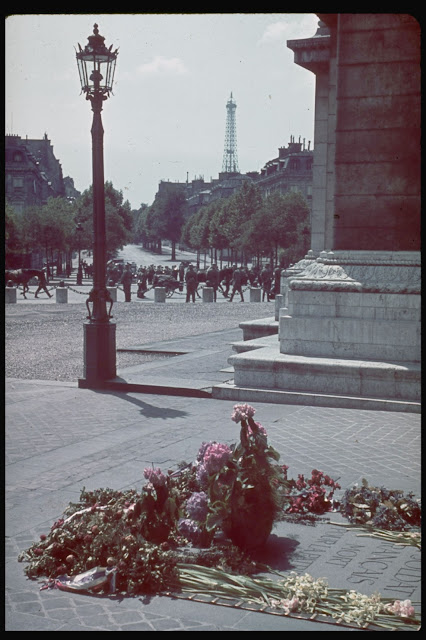
By the time German tanks rolled into Paris, 2 million Parisians had already fled, with good reason. In short order, the German Gestapo went to work: arrests, interrogations, and spying were the order of the day, as a swastika flew above the Arc de Triomphe.
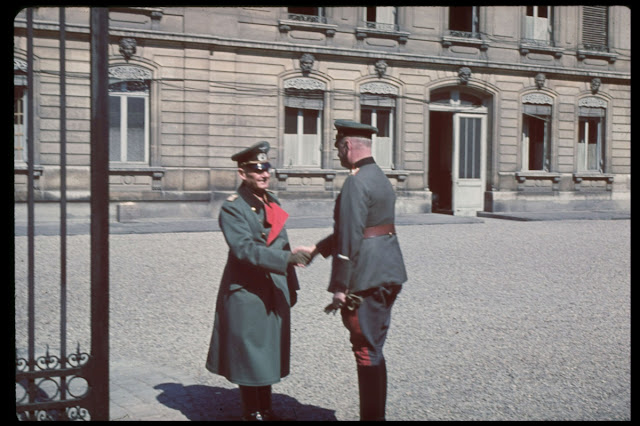
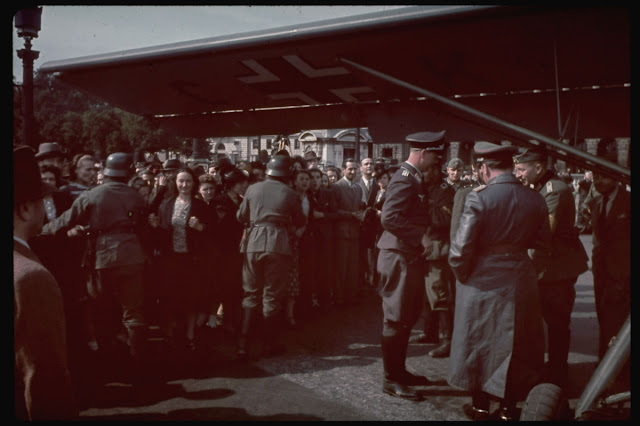
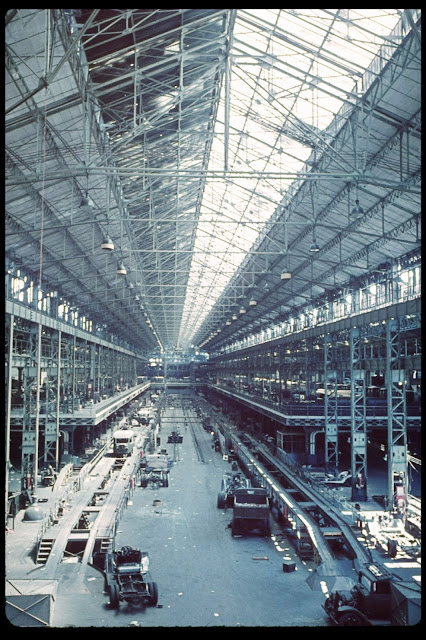
These color photographs below were taken by Hugo Jaeger, Adolf Hitler’s personal photographer, in Paris in June 1940.









Flora and Martinus, a 14-year-old boy and 16-year-old girl from South Africa, were exhibited as ‘earthmen’ in private drawing rooms in 1853, in central London. As so-called ‘human curiosities’, the orphaned San children posed in traditional costume, danced, sang and mimed to entertain visitors…
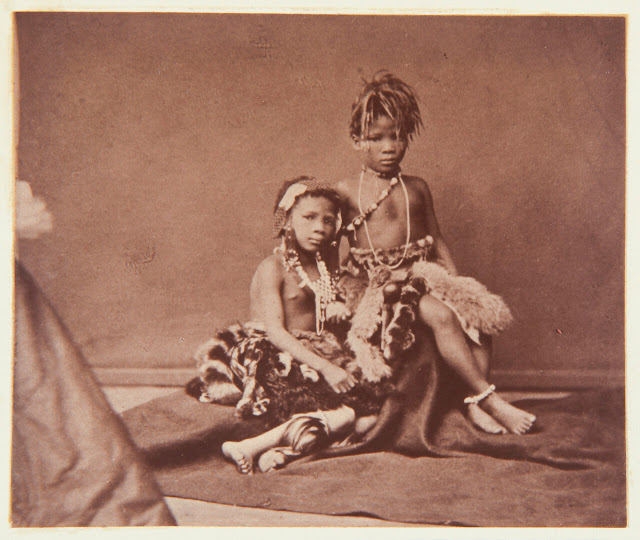
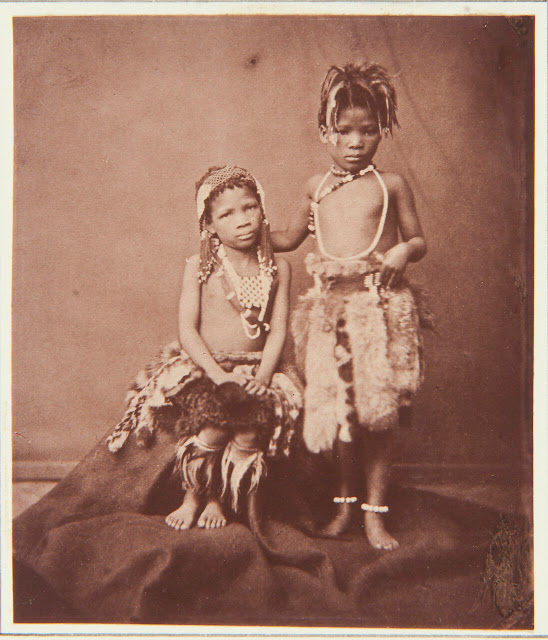
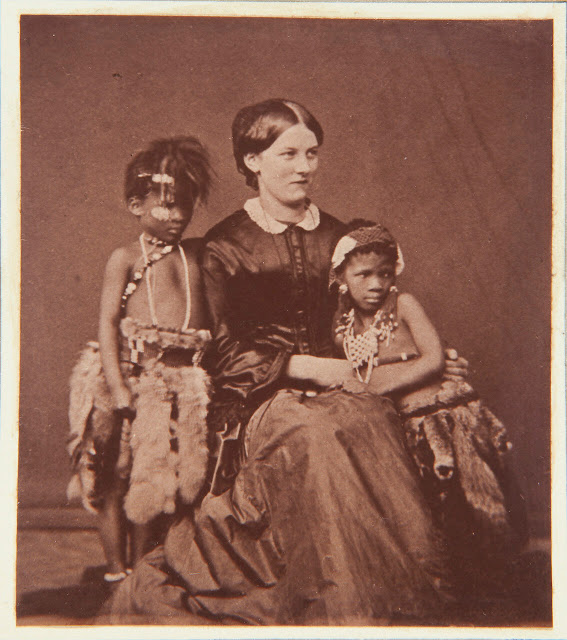
Different to most other variety acts of the time, they performed entirely in English – having lived for two years with a British family in Croydon, south London before being put on stage, both had acquired a fluency in English, learnt to play the piano, and built up a repertoire of songs that included several English and North American classics.
They were brought to England circa 1851 by a trading merchant, who entrusted them to the care of a Mr George of Croydon. Their portraits were collected and arranged in an album of photographs by Prince Albert.
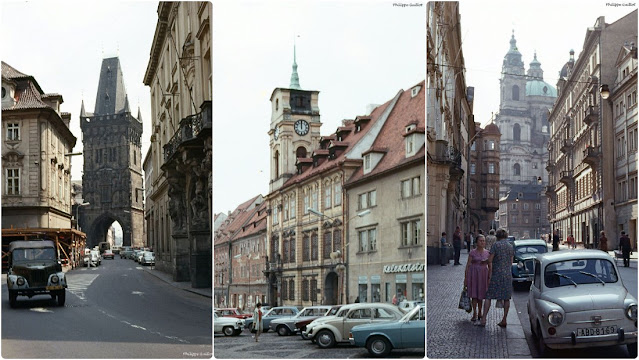
Czechoslovakia was a sovereign state in Central Europe, created in October 1918, when it declared its independence from Austria-Hungary.
From the Communist coup d’état in February 1948 to the Velvet Revolution in 1989, Czechoslovakia was ruled by the Communist Party of Czechoslovakia. The country belonged to the Eastern Bloc and was a member of the Warsaw Pact and of Comecon. During the era of Communist Party rule, thousands of Czechoslovaks faced political persecution for various offences, such as trying to emigrate across the Iron Curtain.
In January 1993, Czechoslovakia split into the two sovereign states of the Czech Republic and Slovakia.
These vintage color photos show street scenes in Czechoslovakia in July 1970.
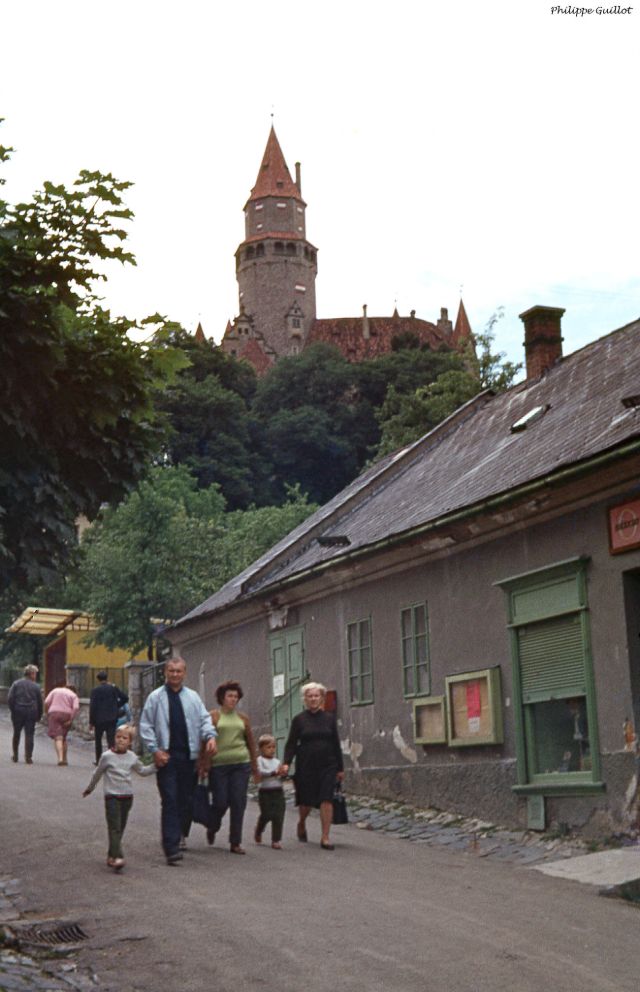
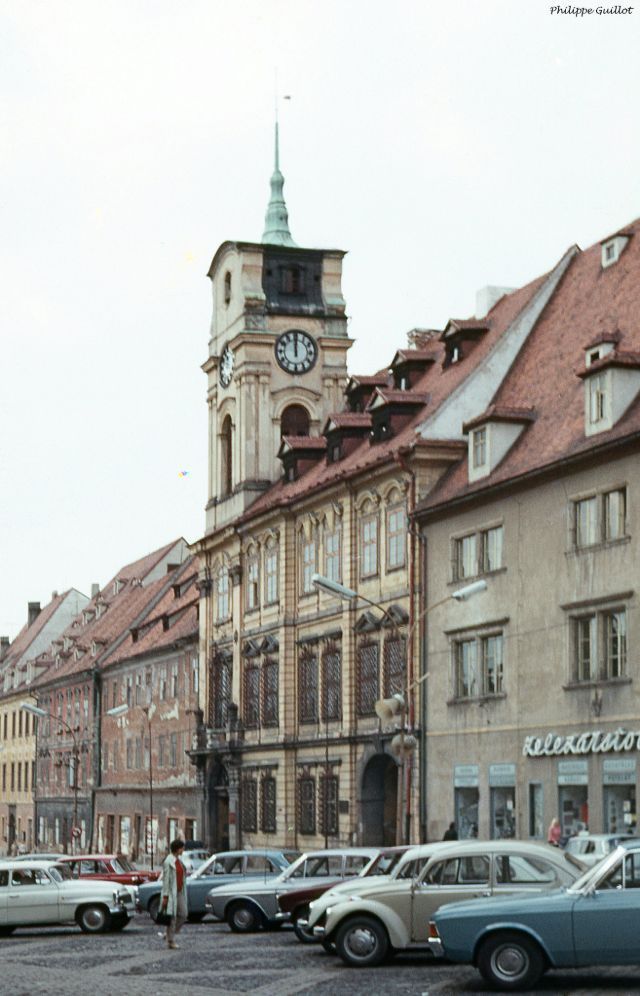
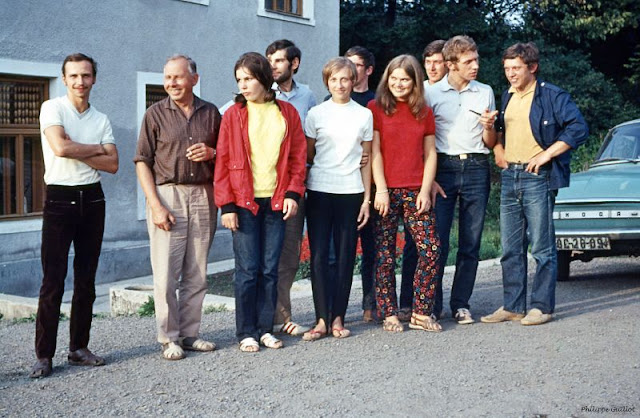
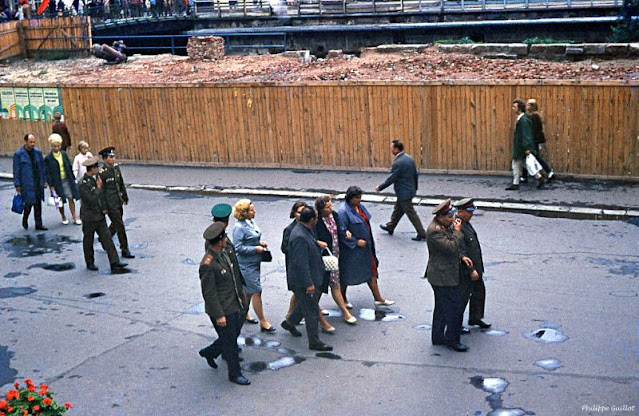
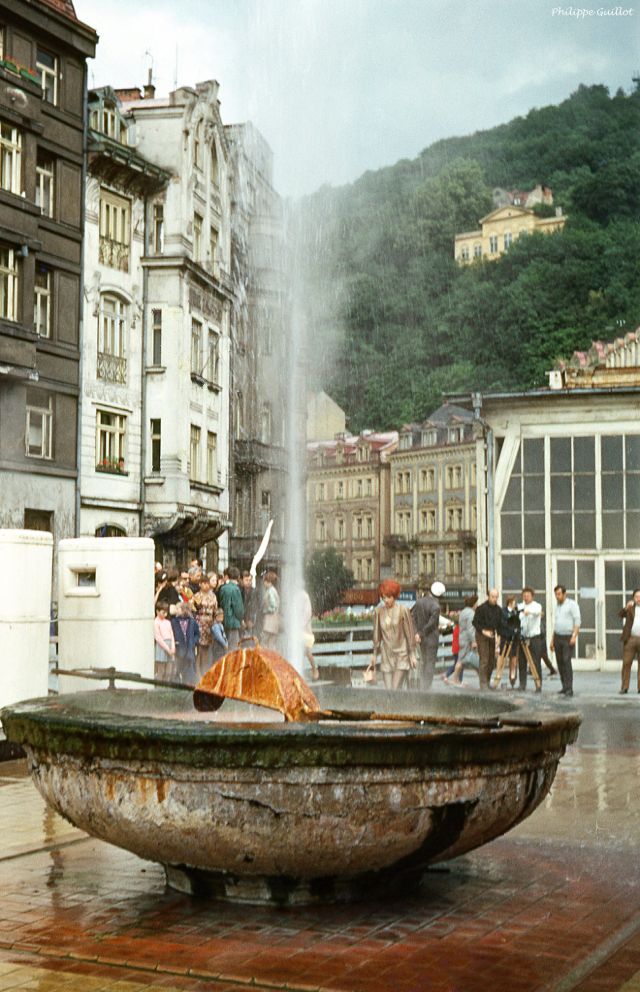
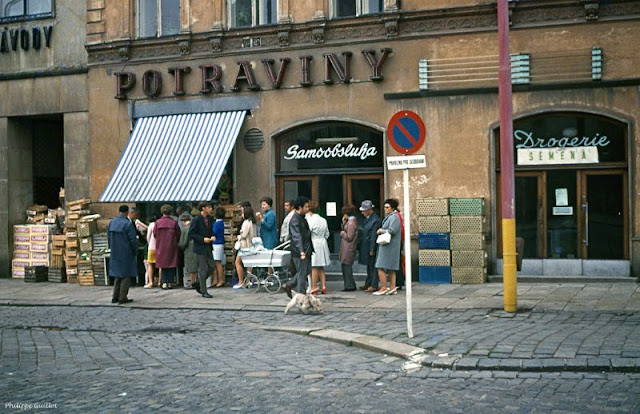
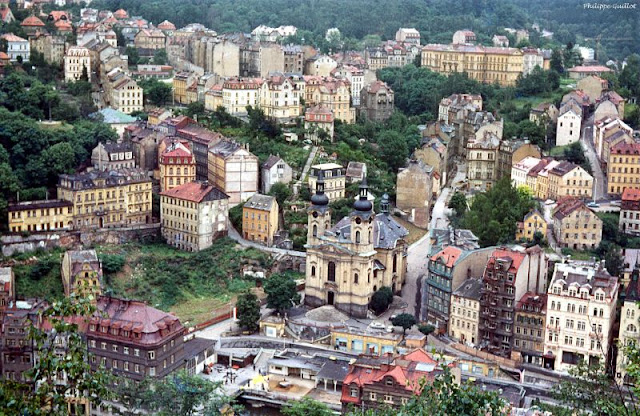
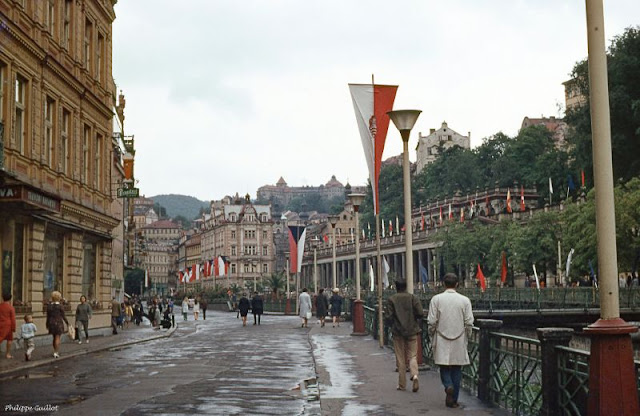
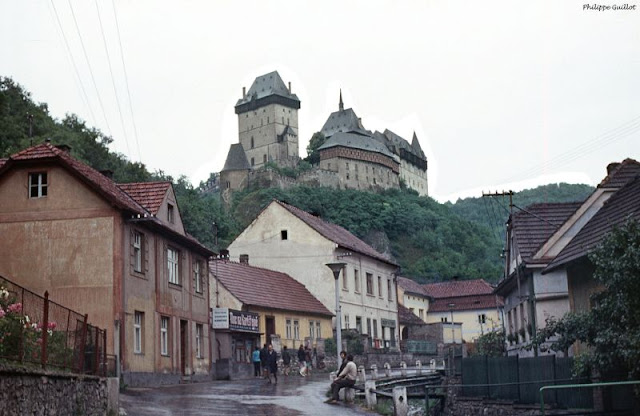
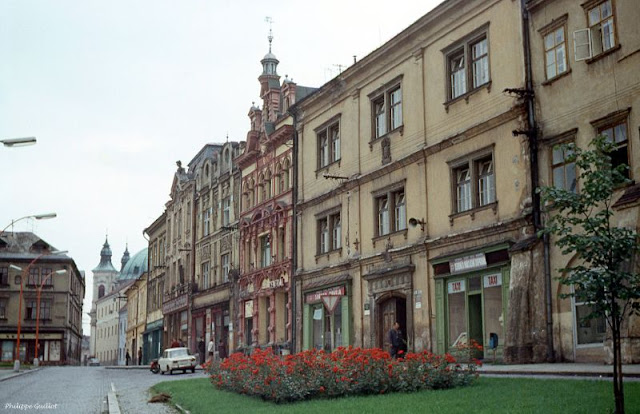
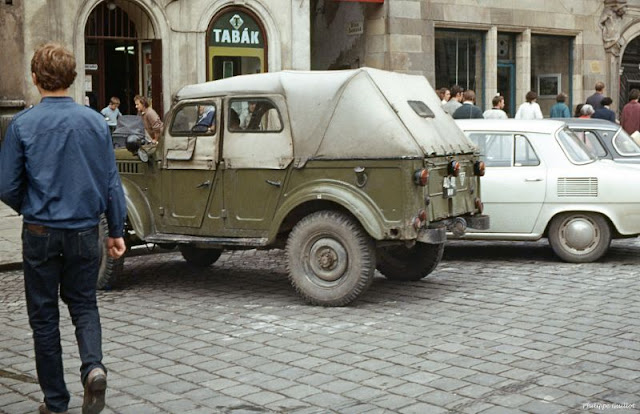
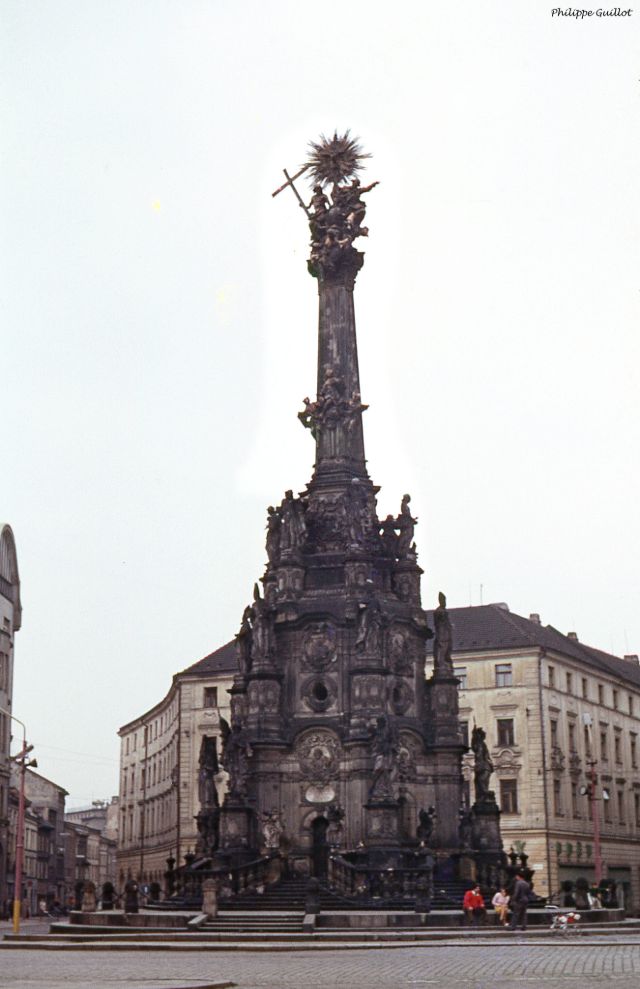
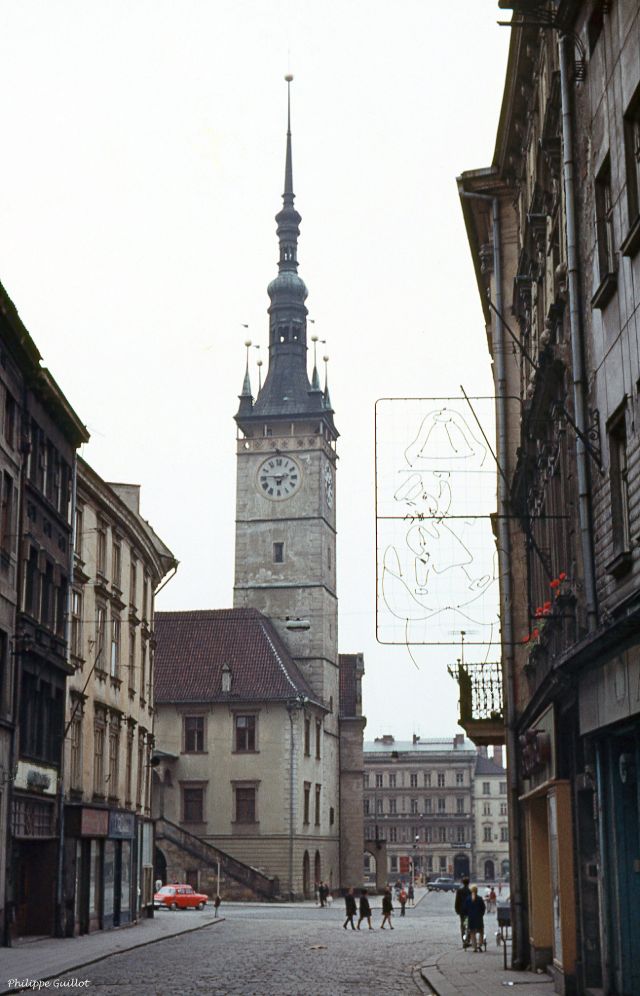
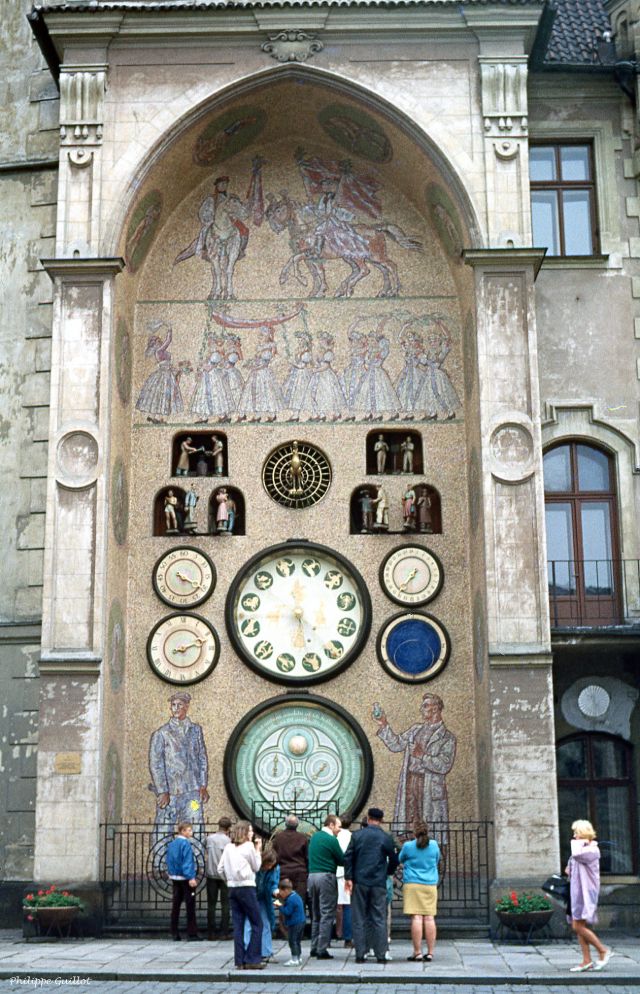
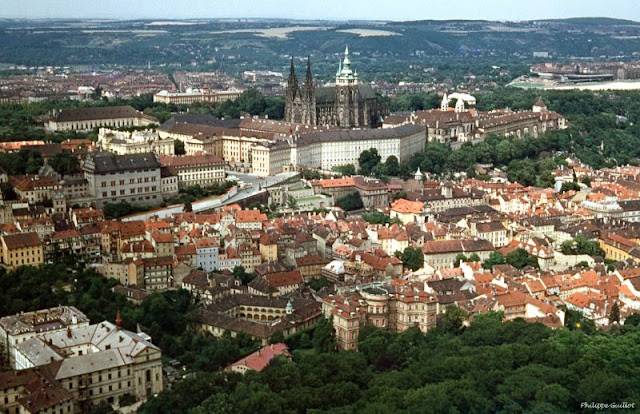
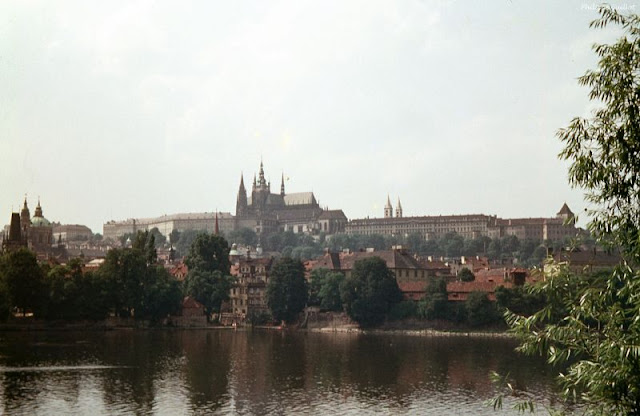
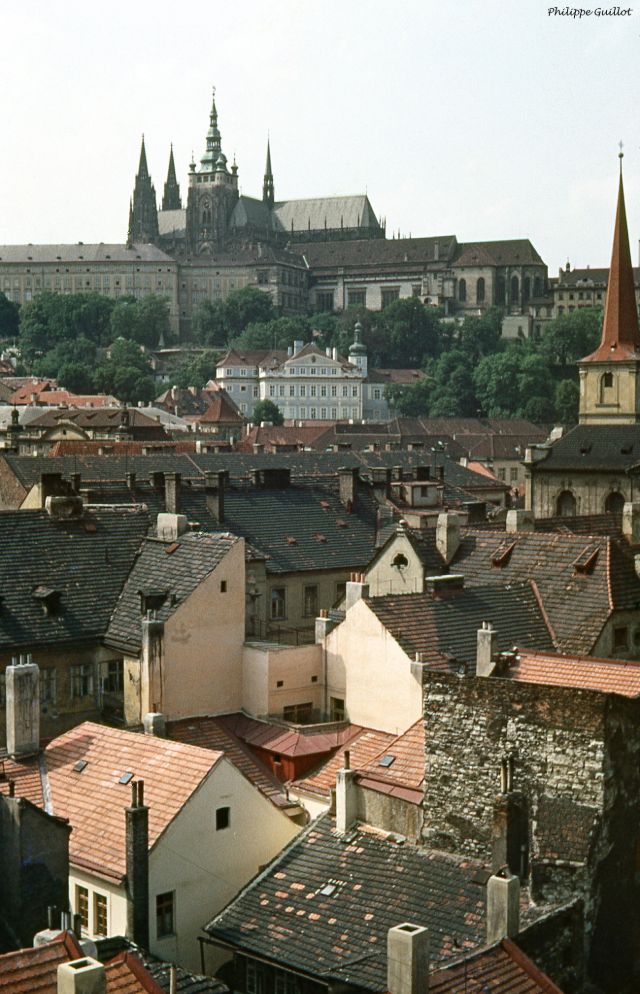
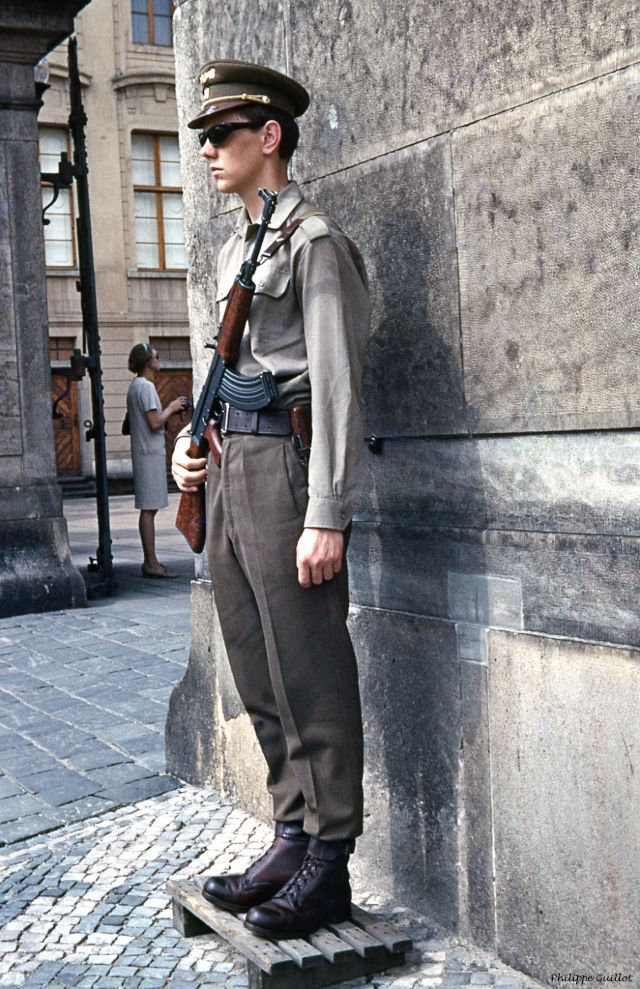
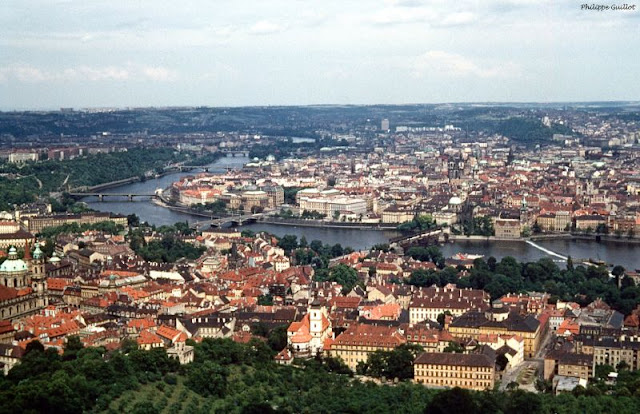
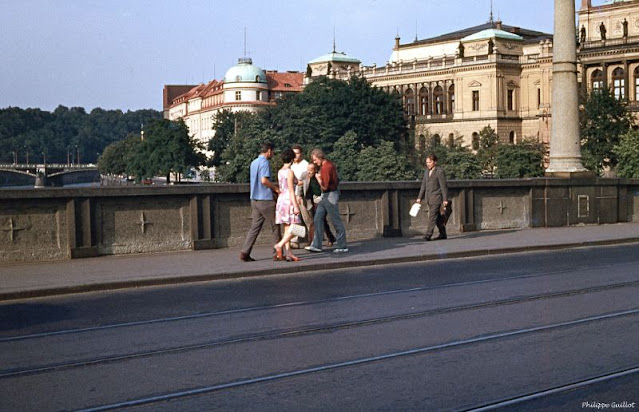
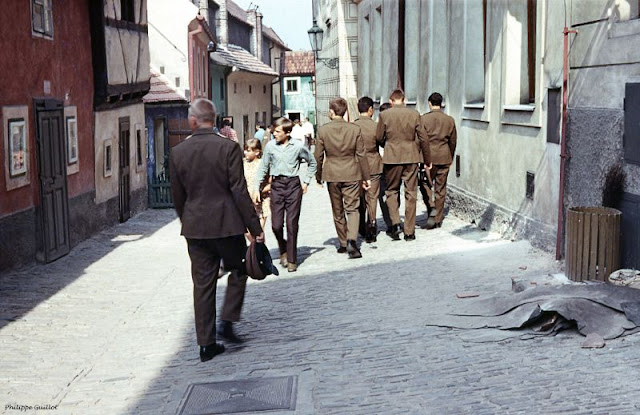
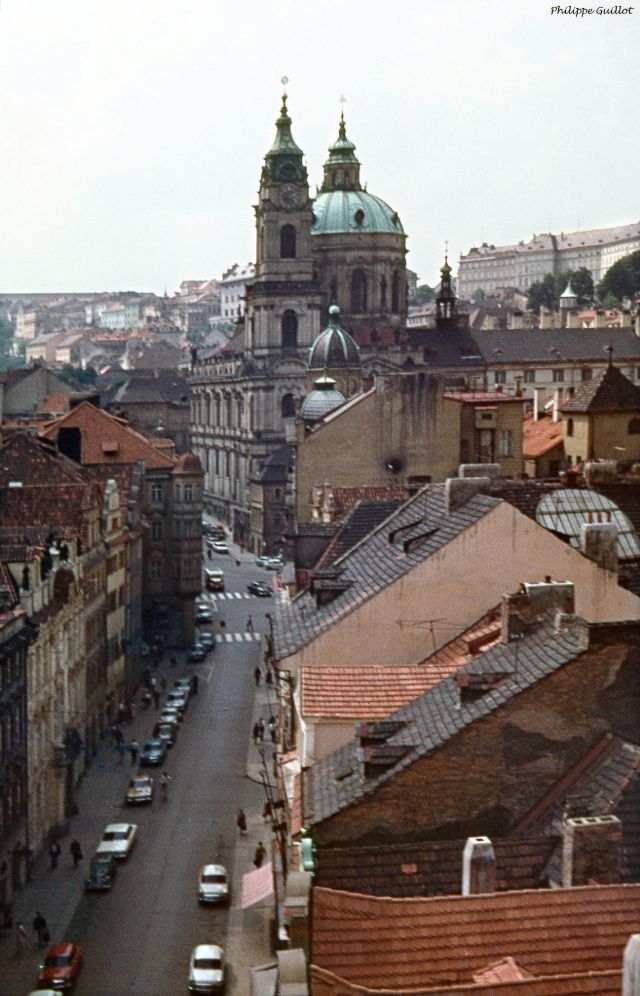
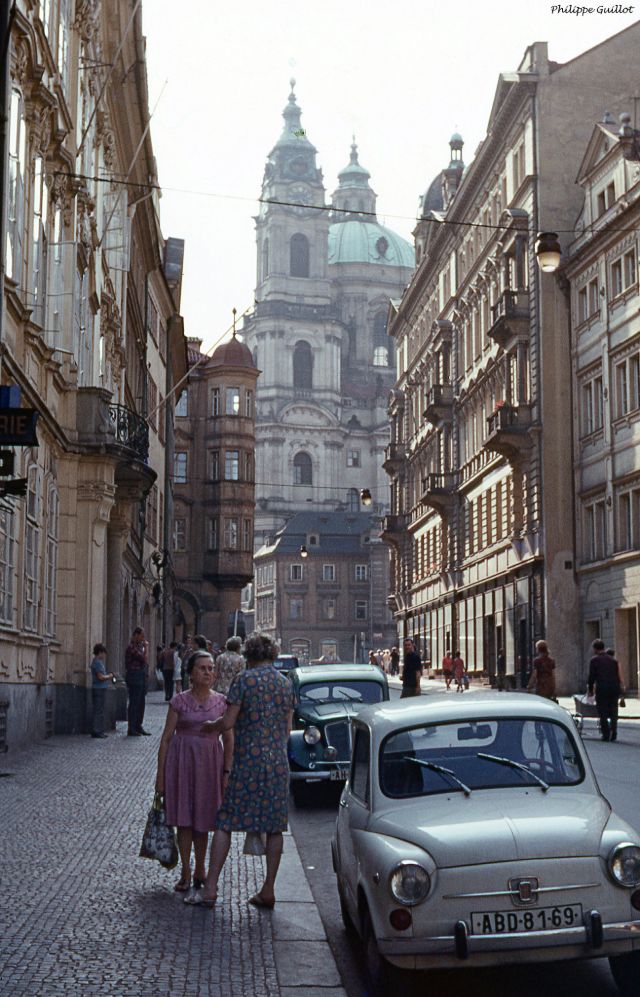
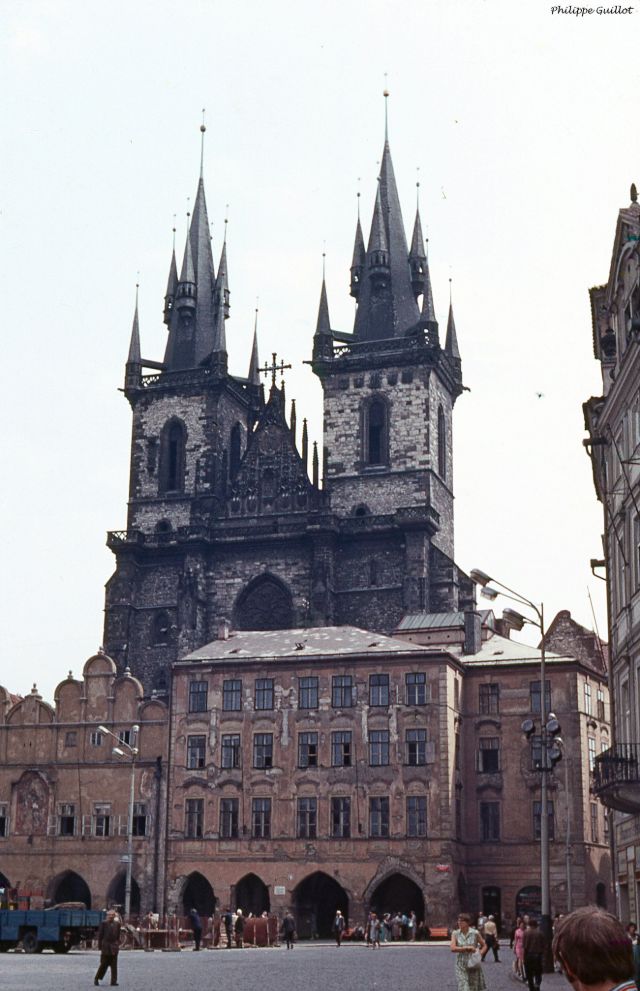
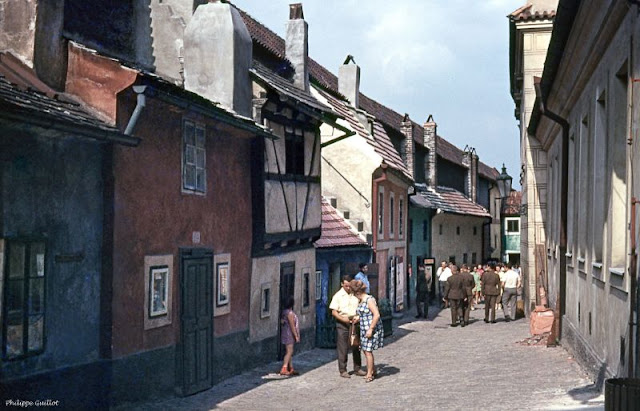
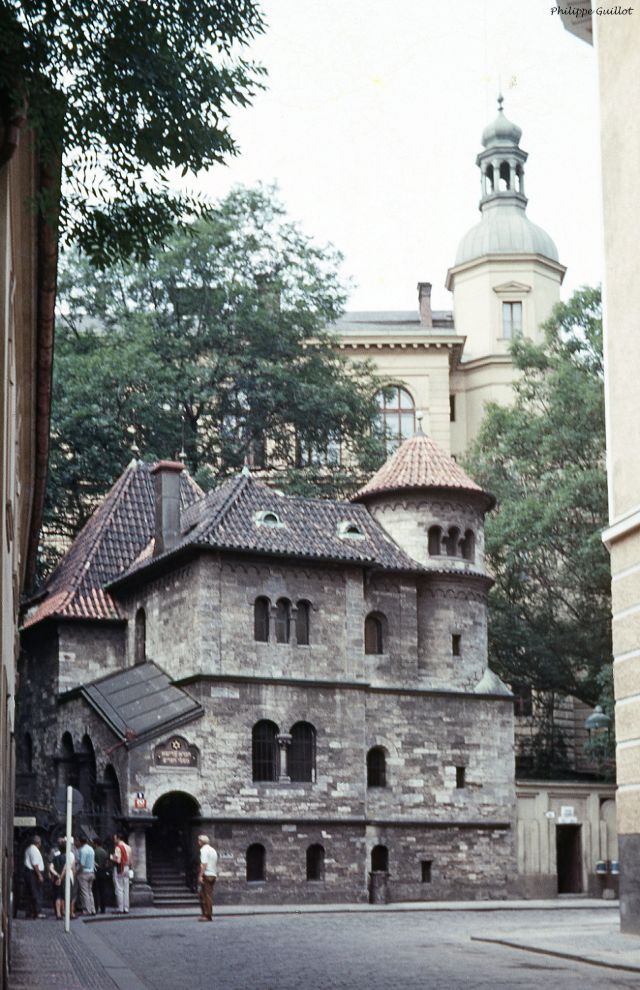
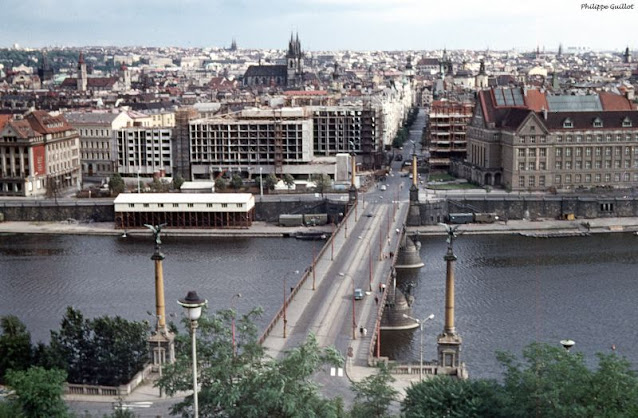
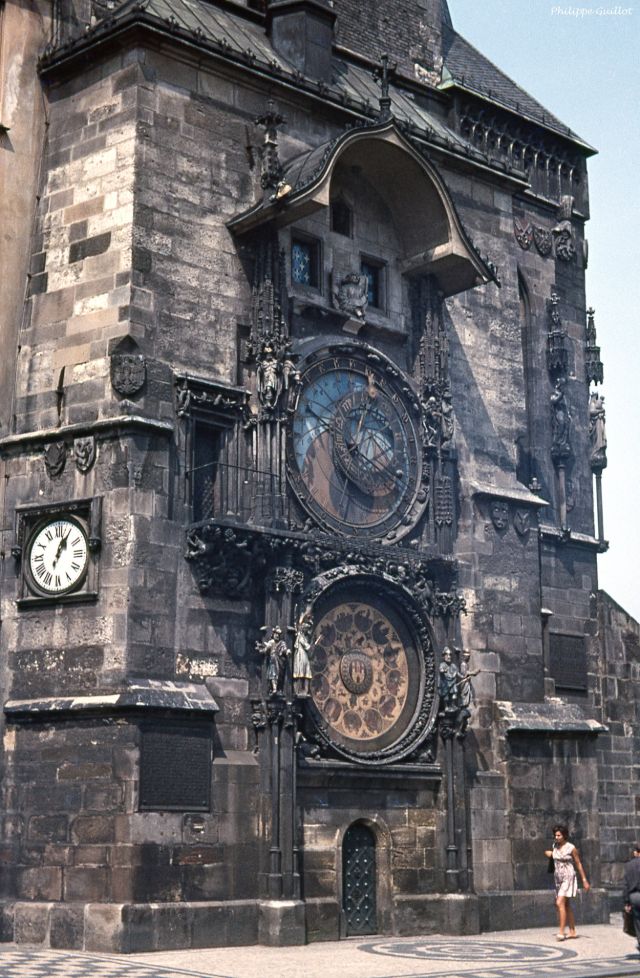
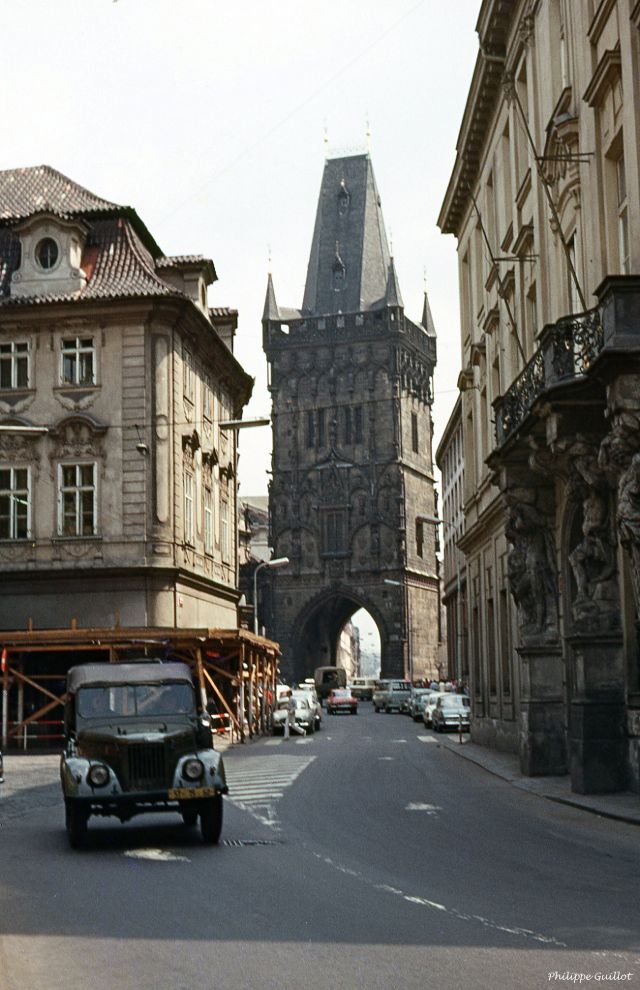
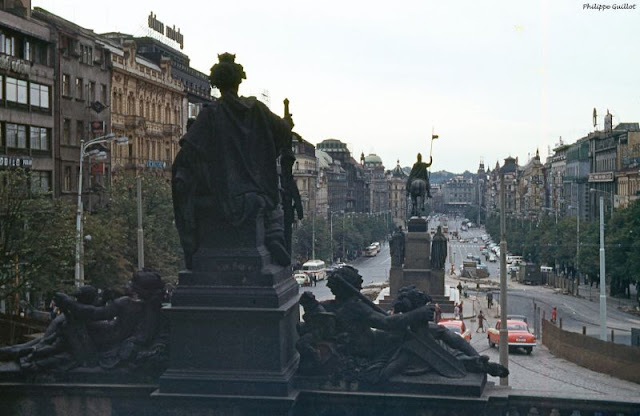
(Photo © Philippe Guillot)
Subscribe to Yesterday Today’s Blog to receive regular updates regarding new content:

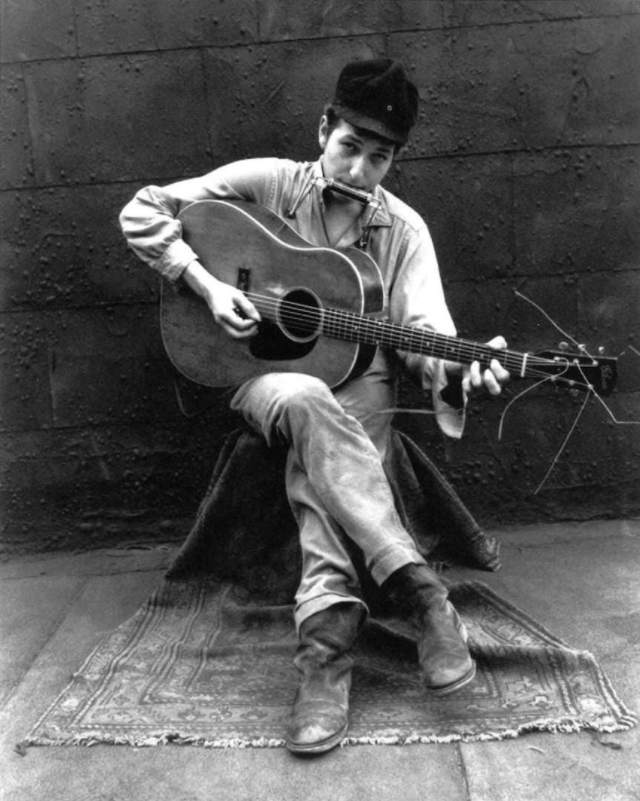
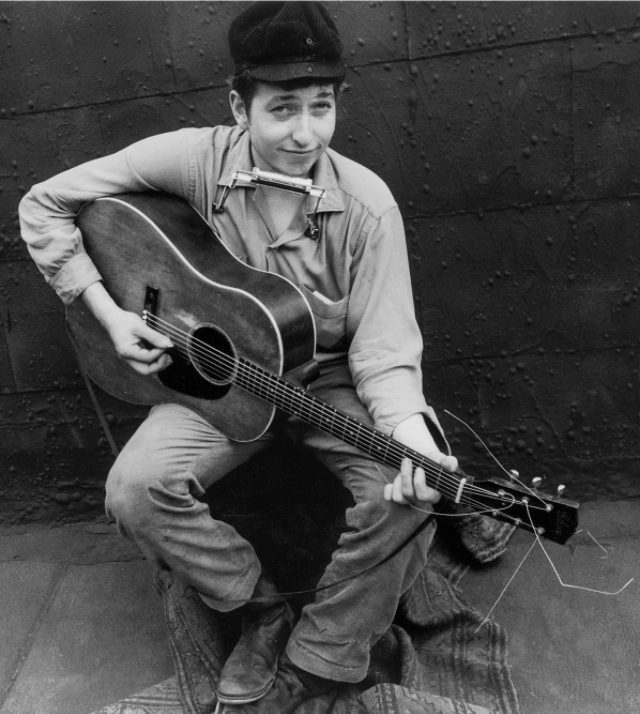
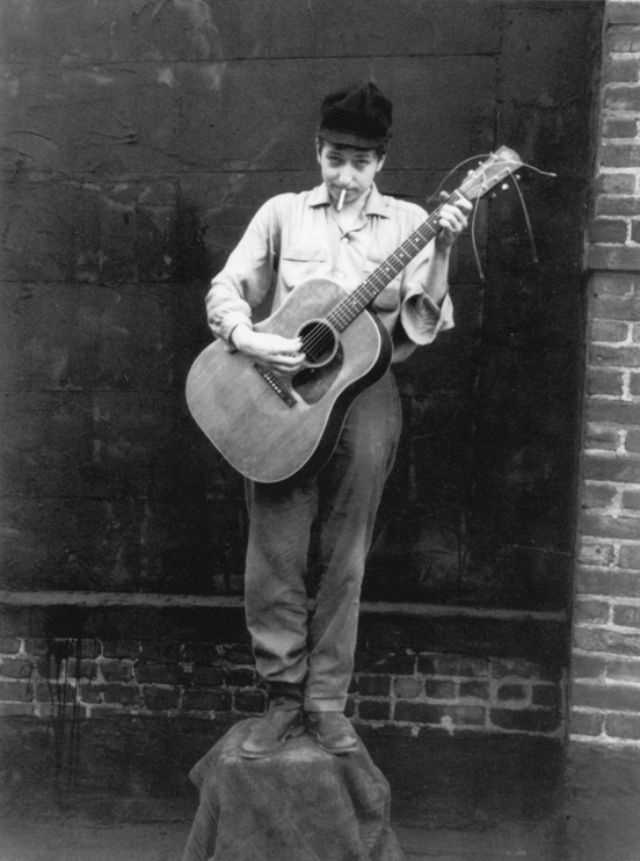
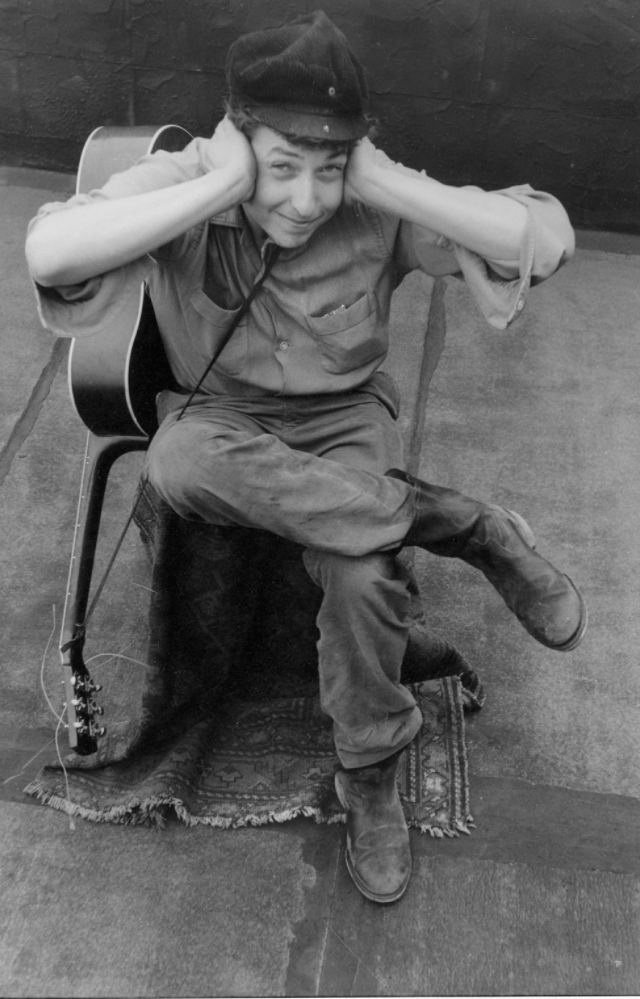
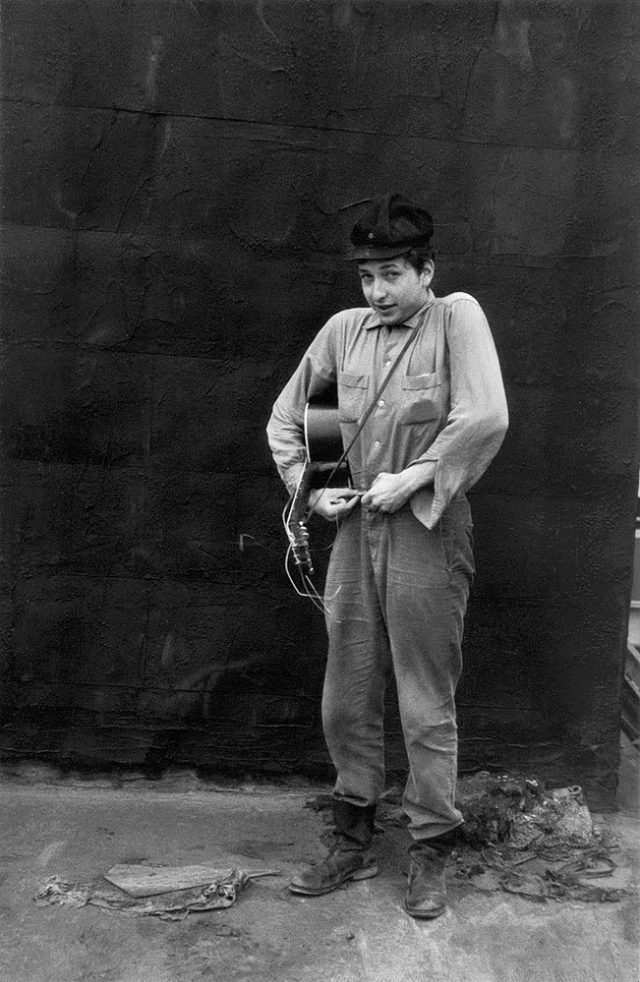
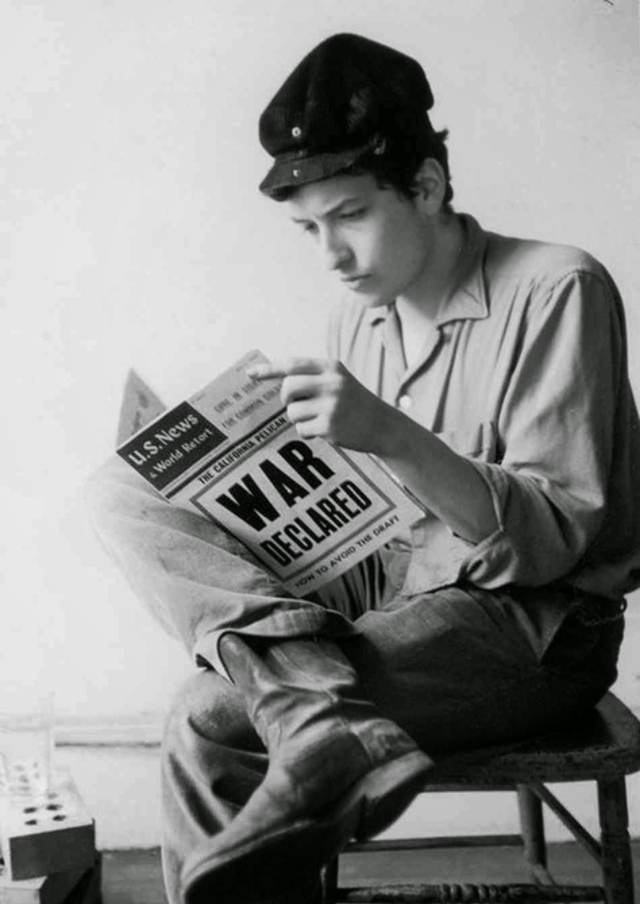
In 1962, shortly after a young Bob Dylan arrived in New York City, he met fellow musician John Cohen of the New Lost City Ramblers. Upon learning that Cohen was also a photographer, Dylan asked him to make photographs of him. They both went to Cohen’s East Village loft and rooftop for a few hours to make some photos in “a moment of invention… without planning, and with the freedom that comes from uncertainty.”
“These are pictures from a more innocent time at the beginning of Bob Dylan’s career,” Cohen recalled. “This is what he might have looked like when he first arrived in New York… the making of these photographs was quite naïve. We weren’t into creating a persona for Bob. I was more interested in documenting what was before the camera, and what I was seeing wasn’t so clear. The session was just a free-flowing pursuit of picture making and taking poses. We didn’t know what he was going to look like.”








Subscribe to Yesterday Today’s Blog and receive regular updates regarding new content:
The era of stark, lifeless bathrooms is quickly disappearing. In its wake is an exciting trend toward colorful, interesting bathroom design. In the 1950s, style-conscious homeowners insist on planning their own bathrooms as they do the other rooms in the home… they are proud to “leave the bathroom door open.”
What goes into a “comfortable” bathroom? Fixtures, of course. They must be “right” in color, size, convenience and style — those features which will contribute so much to the comfort of your bathroom. By attractively planning other elements around the fixtures, your own bathroom design will materialize right before your eyes.
Selecting the right fixtures presents no problems because American-Standard fixtures are available in many different colors and styles. Three exciting new shades — Regency Blue, Manchu Yellow and Tourmaline Green — have been added to the five already popular colors of Persian Brown, Platinum Gray, Tang Red, Ming Green and Corallin.

1951 American Standard Bathroom – This ad for pink fixtures is just one of the many that proliferated during the 1950s. The combination of pink, yellow, and various shades of turquoise that ranged from dark green to bright blue, was one that seemed to resonate strongly with midcentury homeowners.
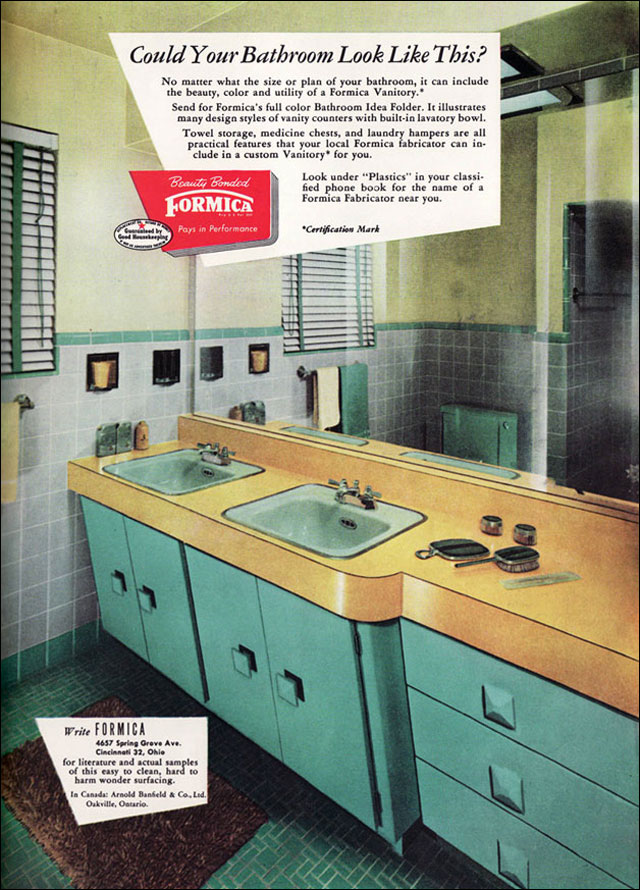
1952 Formica Bathroom – We found this advertisement in American Home magazine. Chartreuse, light gray, yellow, and turquoise combine in a bright, eyepopping color scheme guaranteed to wake you up in the morning. Laminates for counters became a popular finish during the 1950s because they came in a huge array of colors and patterns, but most importantly because they were so easy to clean.

1953 American Standard Bathroom – American Standard has been a mainstay of bathroom plumbing fixtures since 1899. This bathroom features the corner tub, sink, and toilet in pink with turquoise green walls, plaid bath curtains, and spatter-patterned linoleum floor.

1953 Eljer Bathroom – This ad by Eljer caught our eye because of its attractive layout and typography. The yellow fixtures and coral type and towels pop on the black background.

1953 Kohler Bathroom – Most of us would probably have a cow if we saw little Timmy using the toilet brush to shoot his Indian. This ad by Kohler is part of a series that ran during the early 1950s showcasing cute kids.
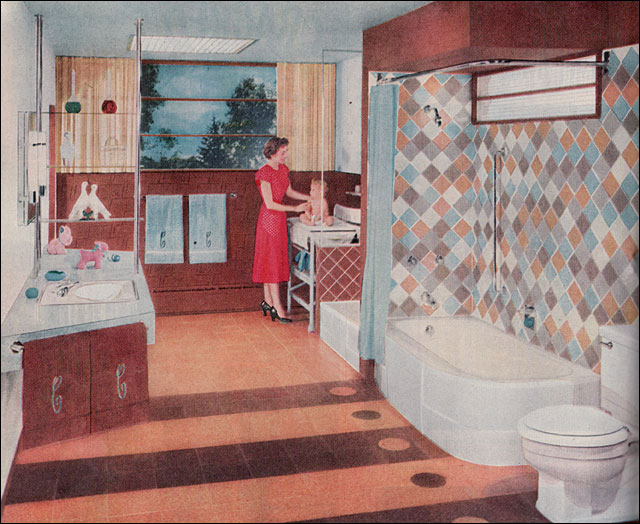
1953 Crane Bathroom – This bathroom, shown in Better Homes & Gardens, was designed to be divided. When the kids got all growed up, then Mom and Dad would be able to put a wall down the middle, between the two tubs, effectively creating a master bath and a family bathroom accessible from the hallway. The brown, blue, and grey scheme is a departure from the most popular color schemes.
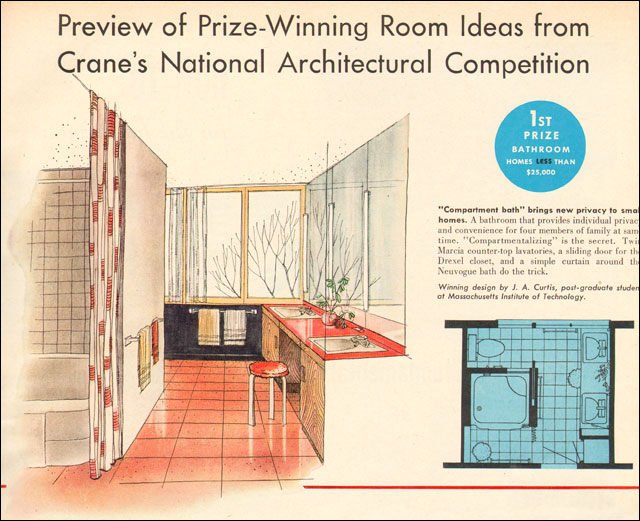
1953 Crane Bath Contest Winner – Here’s a rendering of a bathroom by a post-grad student at MIT that won a Crane competition. We like the clean lines and simple layout in a small footprint. The mirrors and windows make it very bright and the black, white, and orange scheme is unusual. We think the design is timeless and could easily be reproduced today.
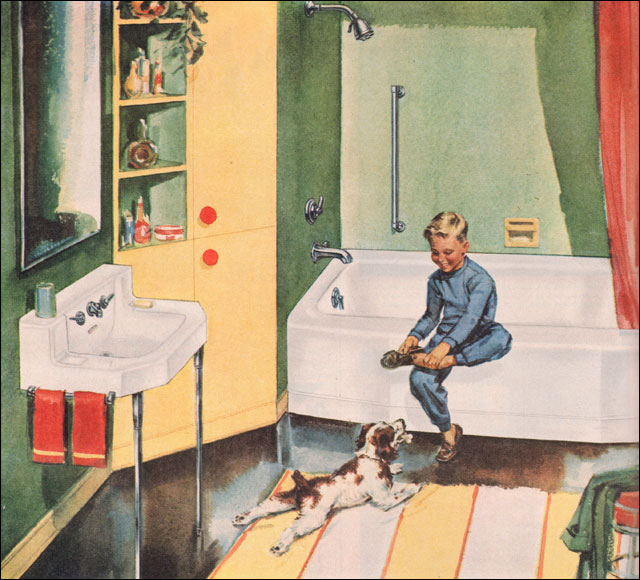
1953 Kohler Bathroom – Yellow, green, and orange gets a midcentury treatment in this ad for Kohler fixtures. We like the series so have probably gone a little over board with several showing the same fixtures.
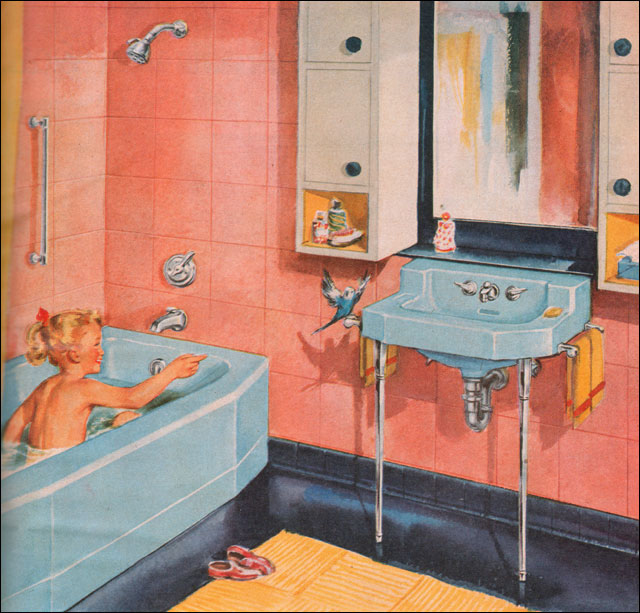
1953 Kohler Bathroom – We aren’t sure about the sanitary aspect of the parakeet loose in the bathroom, but enjoy the charm of this Kohler ad nevertheless. This bathroom is shown in Caribbean brights including sky blue, mango, and coral pink.
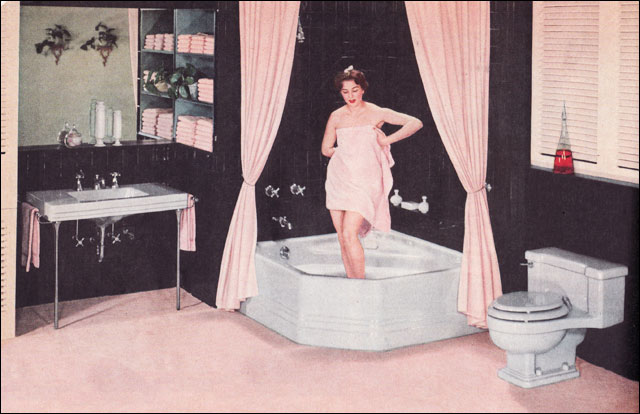
1954 American Standard Bathroom – Gray and pink were another favorite color combination during the 1950s. This one is unusual for the black tile walls. Very daring!

1955 American Standard Bathroom – The dark forest green floor and tile contrasts with white tile and ocean blue fixtures. To punctuate the scheme, chartreuse towels and carpet liven things up. It’s a very cool room.

1956 American Standard Bathroom – This bathroom has the pink and aqua seen everywhere during the 1950s, but it’s minimized by the white walls and tile. The graphic black and white striped shower curtain and upholstered stool are nicely complemented by the pink towels and bright red rug.

1956 Briggs Beautyware Bathroom – Though the fixtures are standard issue, the color scheme is not. The color scheme was supplied by “nationally known color engineer” Howard Ketcham. This bathroom is ALL about the color.
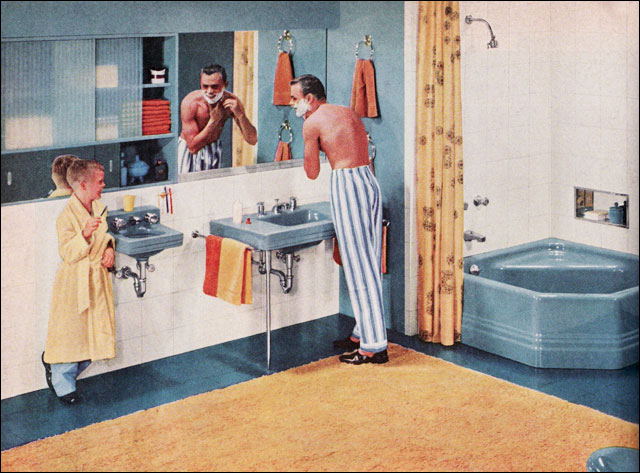
1956 American Standard Bathroom – There were many favored color combinations including this blue, butter yellow, and tangerine bath with white tile and blue fixtures. We love the two sinks.
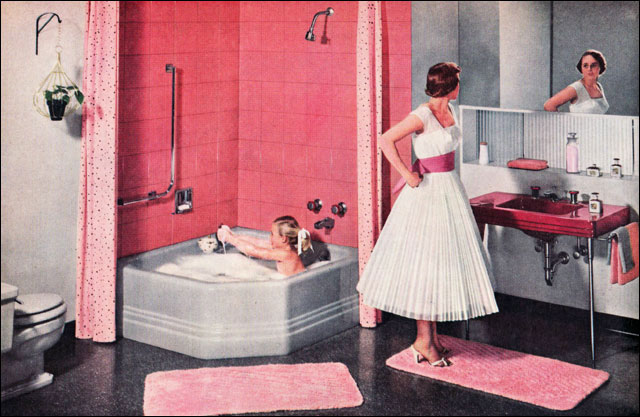
1956 American Standard Bathroom – By 1956 American Standard had moved on to a new series. These usually have a parent and child in the bathroom together. Here in this marvelous gray and pink scheme, Mom primps for a party while Susie takes her bath in the wonderful corner tub.

1957 American Standard Double Lav – This bathroom has a great, bright color scheme in an unexpected palette of orange, white, pink, and lavender gray. For good measure, the shower curtain has a gold starburst pattern. Gold bands on the towels provide extra repetition of detail.
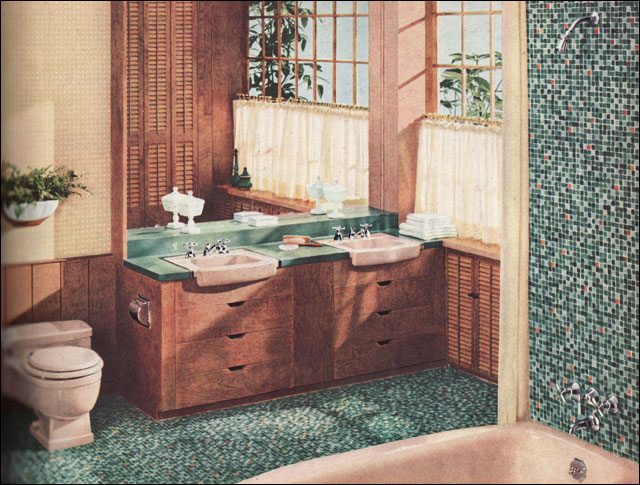
1957 Briggs Bathroom with Mosaic Tile – This Briggs bathroom is notable for its extensive use of small, square mosaic tile. The color scheme of tan, green, and a few bright pops of orange tile combine with the natural woodwork for a bathroom that would have done any ranch-style home proud.

1957 Asian-Style Eljer Bathroom – There’s a lot going one in this Eljer bathroom but the effect is soothing and elegant. Red-orange laminate counters and towels, gold shower curtain and contrasting walls, almond fixtures contrast with subtle patterns in the wall paper and flooring. The green scrim divider cools it all by a few degrees. Very interesting and elegant.
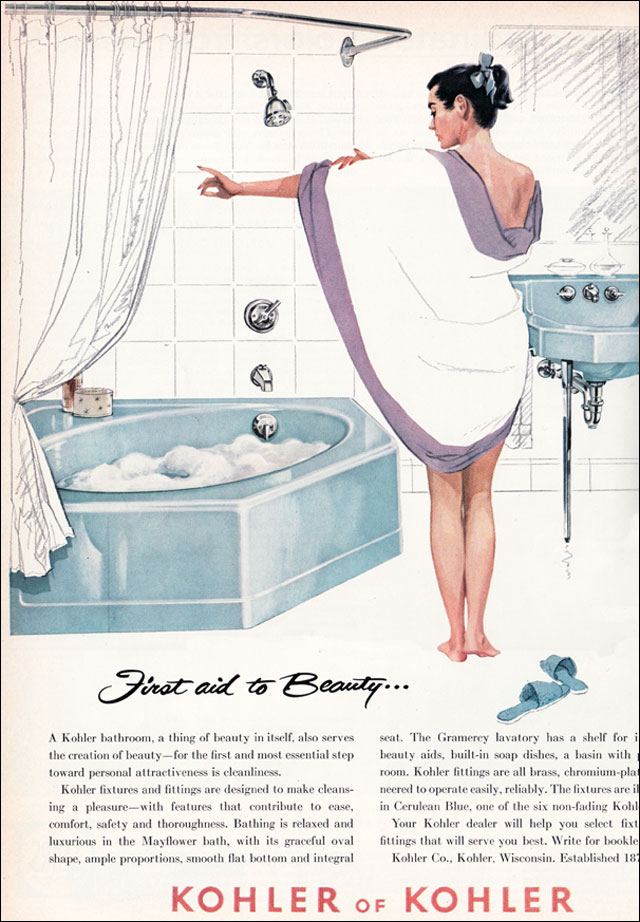
1957 Kohler Bathroom – As we go through midcentury advertising and articles looking for examples, we are often struck by the beauty of the advertising itself. This new series of Kohler illustrations feature the fixtures of course, but also a new style in their advertising. This particular ad reminds us of some of the great early 20th century illustrators like Coles Phillips and his Fadeaway Girls. The white, dusty amethyst, and sea blue scheme is beautiful.
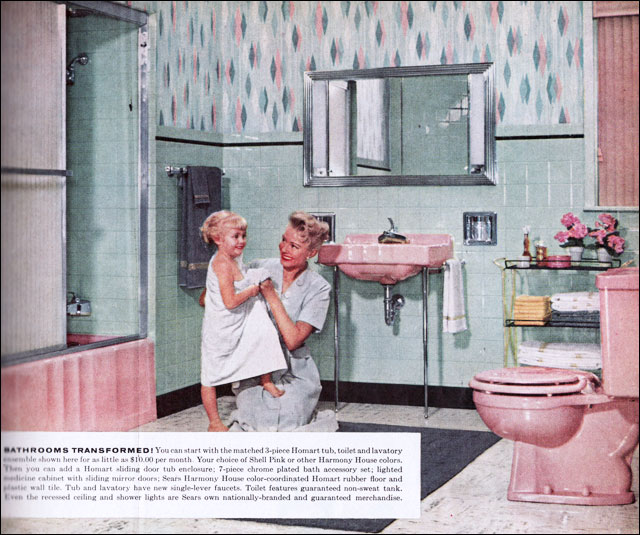
1957 Sears Bathroom – This is a standard pink and green color scheme offered by Sears Roebuck. Until the mid 1950s, ads by Sears are a rarity, but by 1957 they appear regularly in Better Homes & Gardens. This ad was very midcentury and very middle class.
Subscribe to Yesterday Today’s Blog to receive regular updates regarding new content:
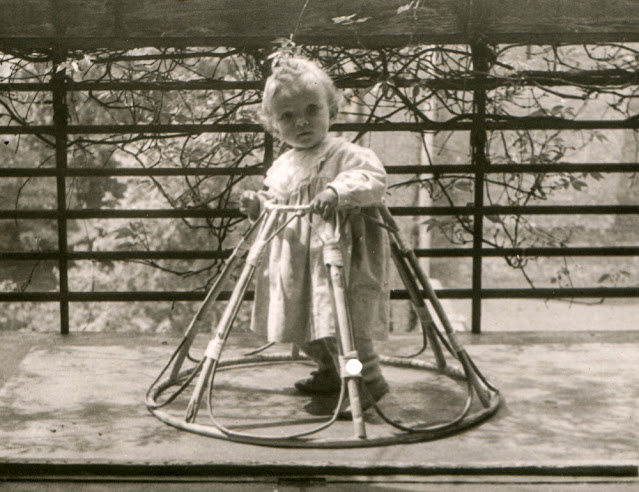
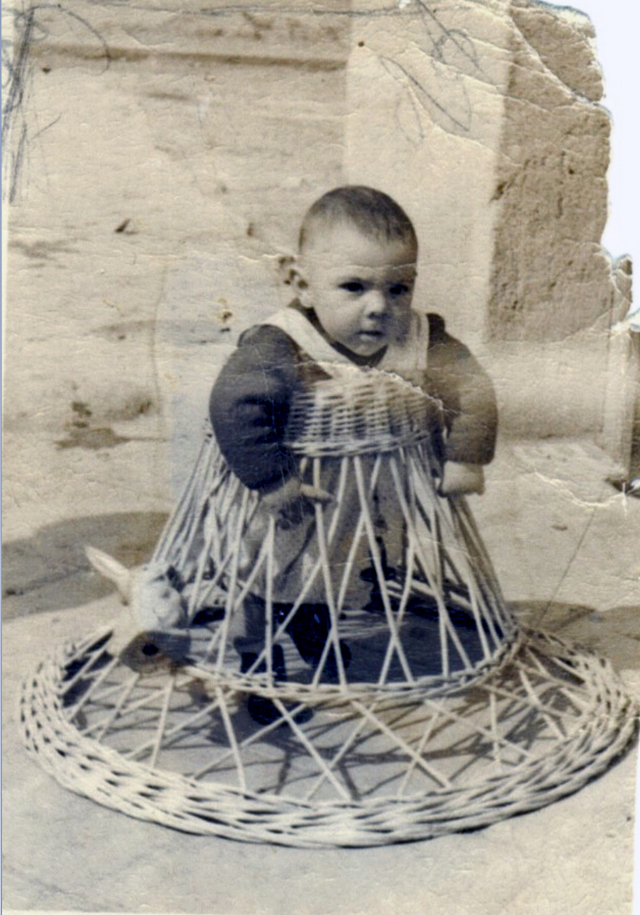
Does a baby walker help a child learn to walk? Some are clearly intended for walking practice. Others seem to be more for adult convenience. Though similar un-wheeled wicker walkers can help babies get around, those in the pictures seem to be rather restrictive.
Baby walkers were known as early as the 15th century in Europe. An illumination in the Hours of Catherine of Cleves, a Dutch manuscript from that time, depicts the infant Jesus in a wooden baby walker. The 16th century medical writer Ferrarius recommended them for training an infant to walk. In the 17th century they were taken as a symbol of mastering a skill through constant exercise. And the idea of encouraging a child to be upright, both physically and morally, appealed to some.
Go-cart was a common historical name for the wheeled version. Other alternatives were also used. A baby-runner was a padded wooden ring, set at the height of the baby’s waist, on a pole that was fixed into the floor and ceiling. The baby was placed inside the ring and able to move in a circle around the pole. This prevented the baby from reaching dangerous places, such as hot ovens.
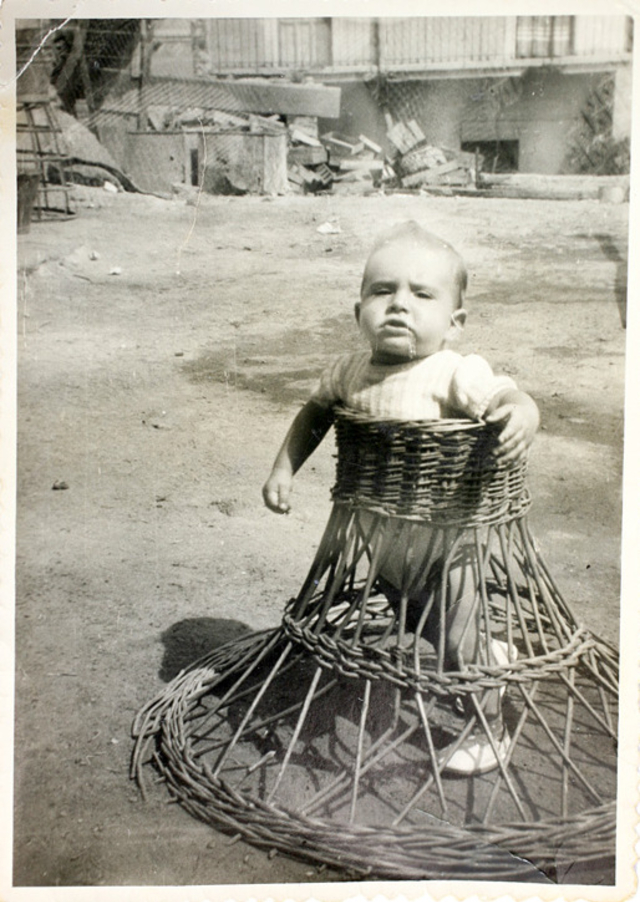
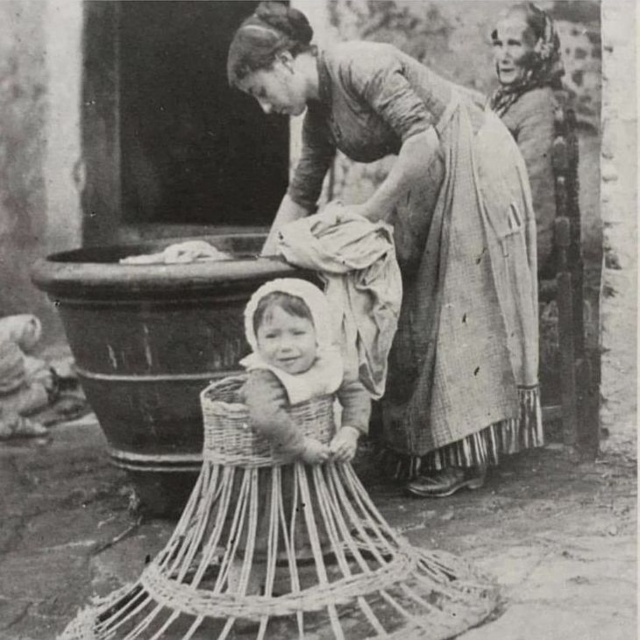
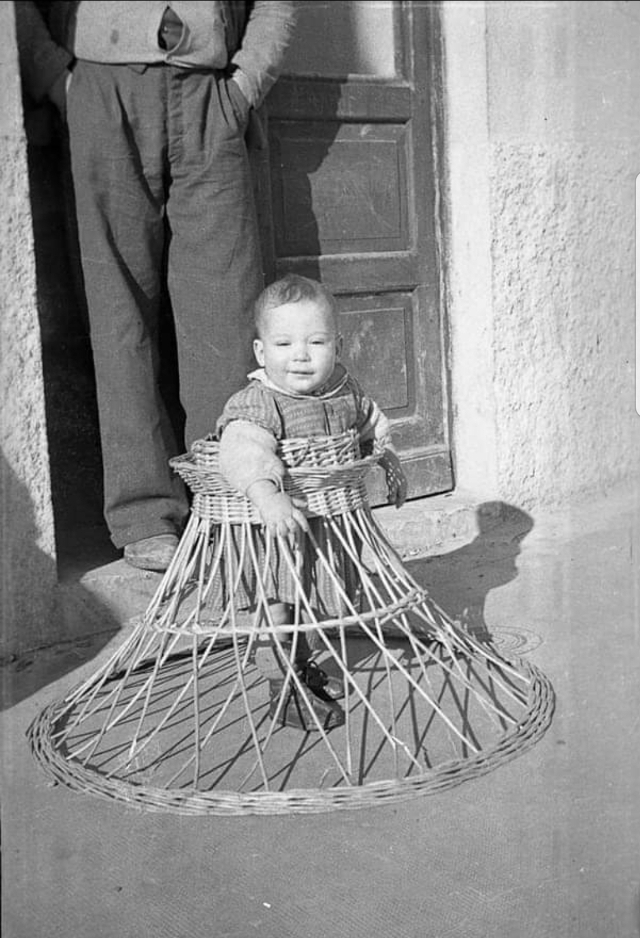
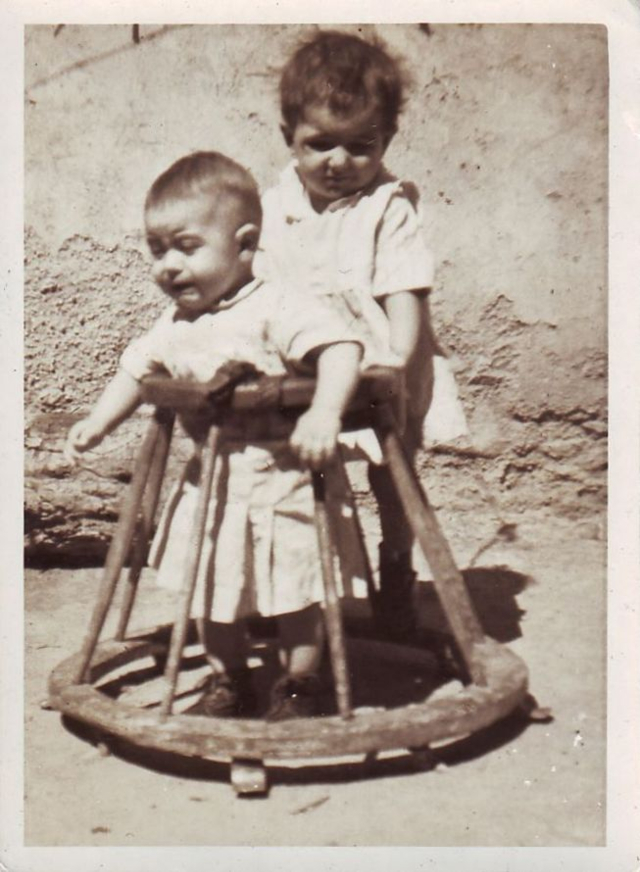
Subscribe to Yesterday Today to receive regular updates about new content:

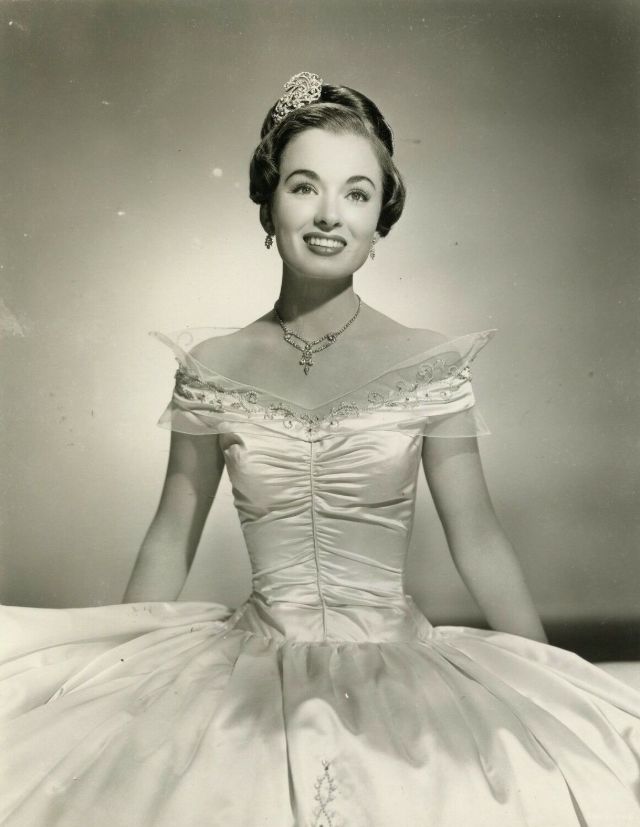
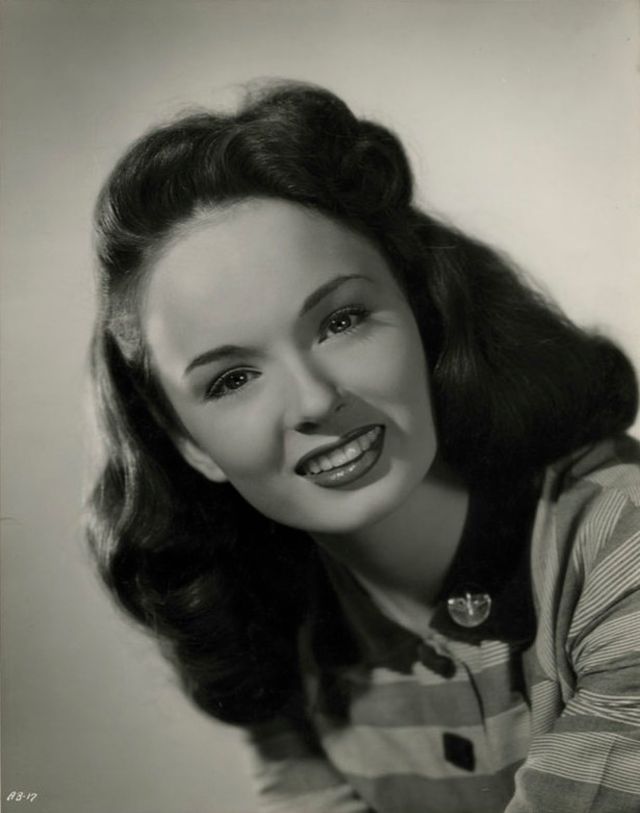
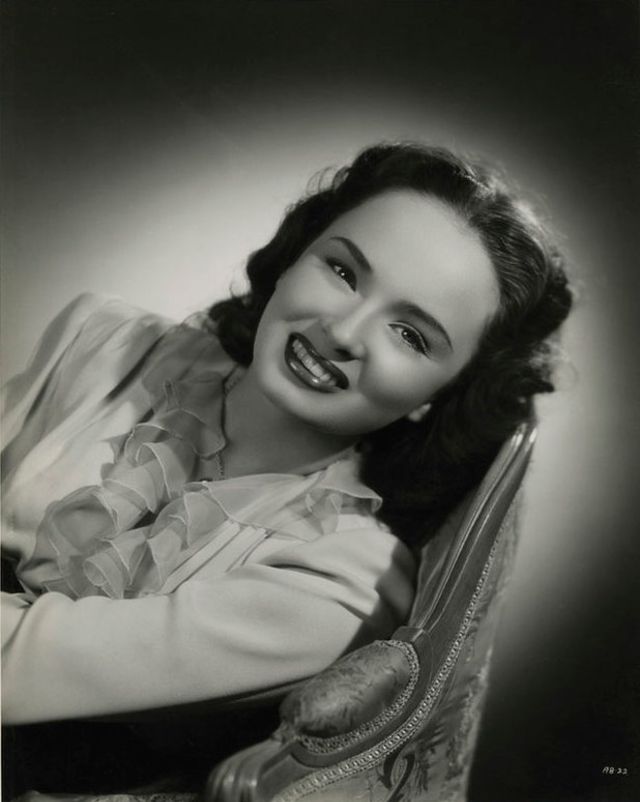
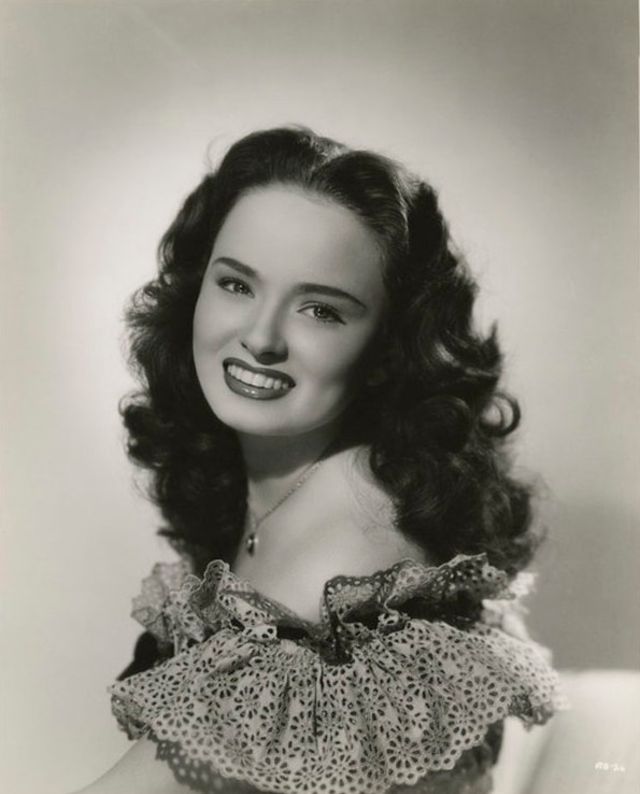
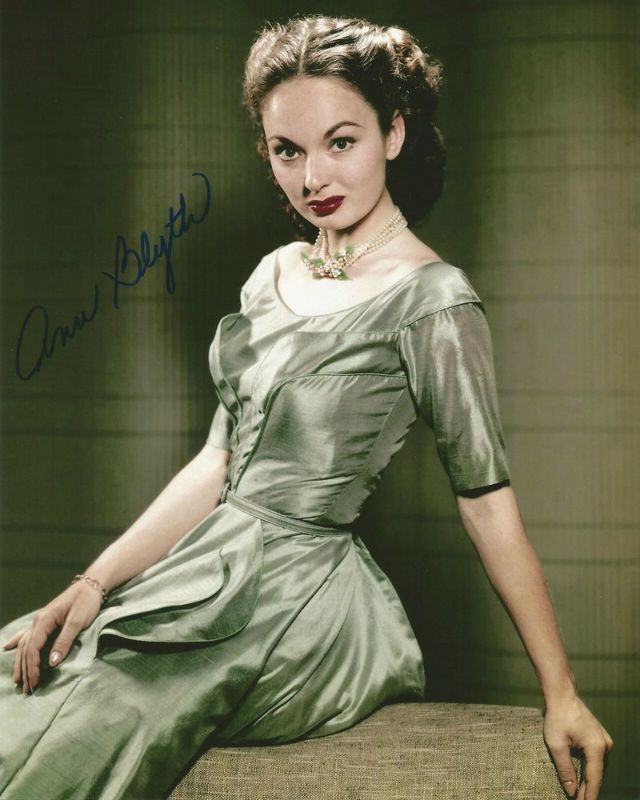
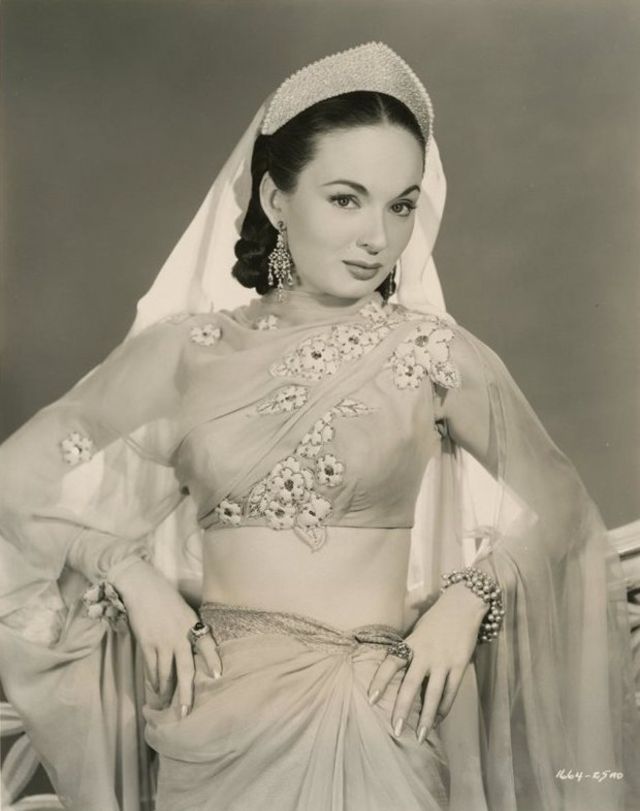
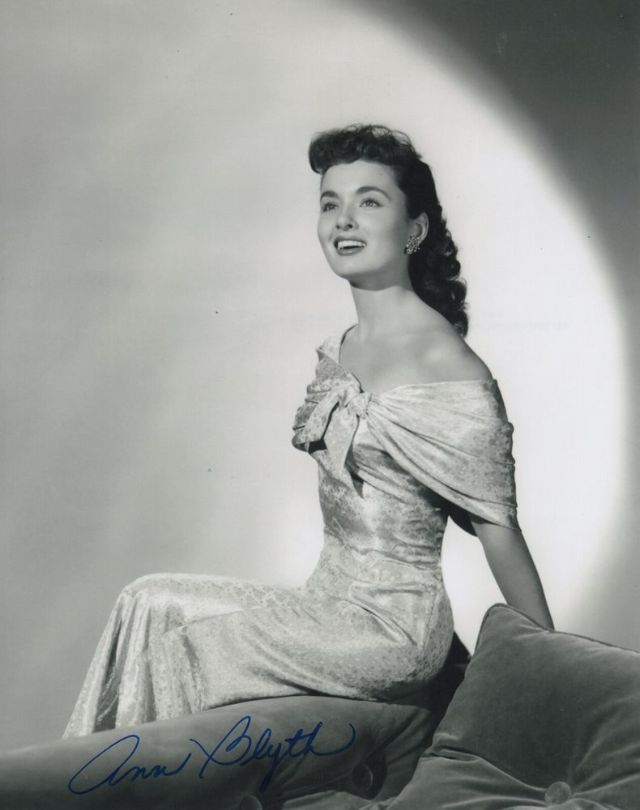
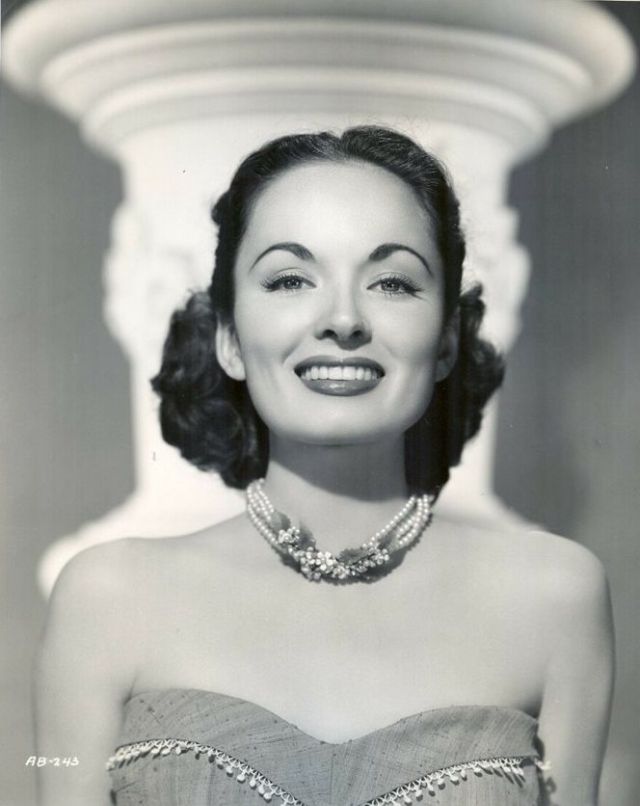
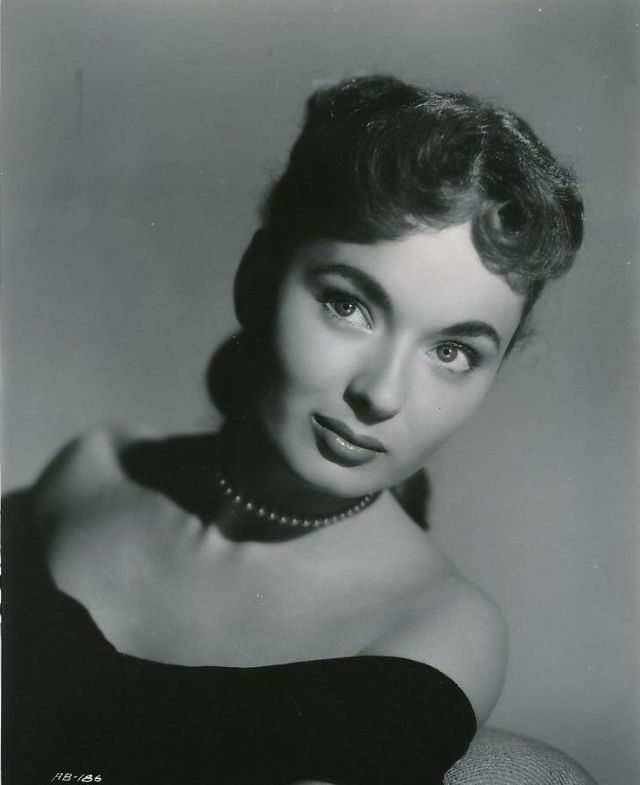
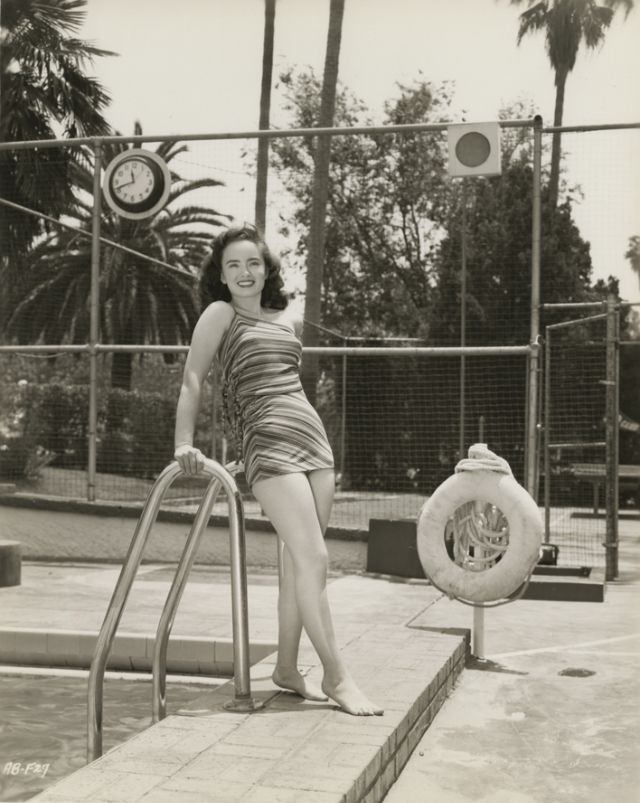
Born 1928 in Mount Kisco, New York, American actress Ann Blyth performed on children’s radio shows in New York for six years, making her first appearance when she was five. When she was nine, she joined the New York Children’s Opera Company.
Blyth had her first acting role on Broadway in Lillian Hellman’s Watch on the Rhine (from 1941 until 1942). The play ran for 378 performances, and won the New York Drama Critics’ Circle Award. She began her acting career initially as “Anne Blyth”, but changed the spelling of her first name back to “Ann” at the beginning of her film career.
She made her film debut in 1944, teamed with Donald O’Connor and Peggy Ryan in the teenager musical Chip Off the Old Block (1944). She followed it with two similar films: The Merry Monahans (1944), with O’Connor and Ryan again, and Babes on Swing Street (1944) with Ryan. She had a supporting role in the bigger-budgeted Bowery to Broadway (1944), a showcase of Universal musical talent.
On loan to Warner Brothers, Blyth was cast “against type” as Veda Pierce, the scheming, ungrateful daughter of Joan Crawford in Mildred Pierce (1945). Her dramatic portrayal won her outstanding reviews, and she received a nomination for an Academy Award for Best Supporting Actress. Blyth was only 16 when she made the Michael Curtiz film. (Crawford won the Best Actress award for that film).
After Mildred Pierce, Blyth sustained a broken back while tobogganing in Snow Valley and was not able to fully capitalize on the film’s success.
She recovered and made two films for Mark Hellinger’s unit at Universal: Swell Guy (1946), with Sonny Tufts, and Jules Dassin’s Brute Force (1947) with Burt Lancaster. During this time, her father died. Universal lent her to MGM to play the female lead in Killer McCoy (1947), a boxing film with Mickey Rooney that was a box-office hit.
Back at Universal, Blyth did a film noir with Charles Boyer and Jessica Tandy, A Woman’s Vengeance (1948), affecting a British accent. She was then cast in the part of Regina Hubbard in Lillian Hellman’s Another Part of the Forest (1948), an adaptation of the 1946 play wherein Regina had been played by Patricia Neal. The play was a prequel to The Little Foxes. Blyth followed it with Mr. Peabody and the Mermaid (1948) with William Powell. She was top-billed in Red Canyon (1949), a Western with Howard Duff.
Universal lent Blyth to Paramount to play the female lead in Top o’ the Morning (1949), as Barry Fitzgerald’s daughter, who is romanced by Bing Crosby. Back at Universal, she was teamed with Robert Montgomery in Once More, My Darling (1949), meaning she had to drop out of Desert Legion. She did a comedy with Robert Cummings, Free for All (1949). In April 1949, Universal suspended her for refusing a lead role in Abandoned (1949). Gale Storm played it.
Universal lent her to Sam Goldwyn star opposite Farley Granger in Our Very Own (1950). Universal gave her top billing in a romantic comedy, Katie Did It (1951). Blyth was borrowed by MGM for The Great Caruso (1951) opposite Mario Lanza, which was a massive box-office hit. Back at Universal she made Thunder on the Hill (1951) with Claudette Colbert and had the female lead in The Golden Horde (1951) with David Farrar. 20th Century Fox borrowed her to star opposite Tyrone Power in I’ll Never Forget You (1952), a last-minute replacement for Constance Smith. She appeared on TV in Family Theater in an episode called “The World’s Greatest Mother” alongside Ethel Barrymore.
Universal teamed Blyth with Gregory Peck in The World in His Arms (1952). She was top-billed in the comedy Sally and Saint Anne (1952) and was borrowed by RKO for One Minute to Zero (1952), a Korean War drama with Robert Mitchum, wherein she replaced Claudette Colbert, who came down with pneumonia.[citation needed]
Metro-Goldwyn-Mayer had been interested in Blyth since she worked at the studio on The Great Caruso. In December 1952, she left Universal and signed a long-term contract with MGM. She was the leading lady in All the Brothers Were Valiant (1953) with Stewart Granger and Robert Taylor, stepping in for Elizabeth Taylor, who had to drop out due to pregnancy.
On television, Blyth appeared in The Lux Video Theatre version of A Place in the Sun with John Derek and Marilyn Erskine. Back at MGM, Blyth had the lead in the remake of Rose Marie (1954) with Howard Keel, which earned over $5 million, but lost money due to high costs. Plans to remake other MacDonald-Eddy films (such as The Girl of the Golden West) were discussed, but did not work out.
Blyth was meant to be reteamed with Lanza in The Student Prince (1954), but he was fired from the studio and replaced in the picture by Edmund Purdom; the film did well at the box office. Blyth and Purdom were reunited in a swashbuckler, The King’s Thief (1955), with David Niven. She was teamed again with Keel on the musical Kismet (1955); despite strong reviews, the film was a financial flop. She was named as the female lead in The Adventures of Quentin Durward (1955), but Kay Kendall was cast in the film, instead. For her final picture at the studio, MGM put Blyth in Slander (1957) opposite Van Johnson.
Final features
Sidney Sheldon cast Blyth in The Buster Keaton Story (1957) with O’Connor at Paramount. Warner Bros. then cast her in the title role of The Helen Morgan Story (1957) directed by Michael Curtiz with Paul Newman. Blyth reportedly beat 40 other actors for the part. Though her voice was more like the original Helen Morgan, her vocals were dubbed by Gogi Grant. That soundtrack was much more successful than the film itself. Blyth made no further films.
In 1957, she sued Benedict Bogeaus for $75,000 for not making the film Conquest.
From the late 1950s into the 1970s, Blyth worked in musical theater and summer stock, starring in the shows The King and I, The Sound of Music, and Show Boat. She also appeared sporadically on television, including co-starring opposite James Donald in the 1960 adaptation of A.J. Cronin’s novel, The Citadel.
She guest-starred on episodes of The DuPont Show with June Allyson, The Dick Powell Theatre, Saints and Sinners, Wagon Train (several episodes), The Twilight Zone (“Queen of the Nile”), Burke’s Law, Kraft Suspense Theatre, Insight, and The Name of the Game. Several of these appearances were for Four Star Television, with whom Blyth signed a multiple-appearance contract. Blyth became a spokesperson for Hostess Cupcakes.
Her last television appearances were in episodes of Switch and Quincy, M.E. in 1983 and Murder, She Wrote in 1985. She then officially retired.
For her contributions to the film industry, Blyth has a motion picture star on the Hollywood Walk of Fame at 6733 Hollywood Boulevard.
Live performance
Blyth performed live in concert tours for many years with Harper MacKay serving as her accompanist and music director.
Personal life
In the December 1952 edition of Motion Picture and Television Magazine, Blyth stated in an interview that she was a Republican who had endorsed Dwight D. Eisenhower for president, the month before during the 1952 presidential election.
In 1953, Blyth married obstetrician James McNulty, brother of singer Dennis Day, who had introduced them. The bridesmaids were actresses Joan Leslie, Jane Withers, and Betty Lynn. The couple received a special commendation from the Pope. After her marriage, Blyth took a hiatus from her career to focus on raising their five children. In 1955, an armed man who had written her fan letters was arrested near her house.
Honors
In 1973, McNulty and she, both Catholics, were accorded the honorific rank of Lady and Knight of the Holy Sepulchre in a ceremony presided over by Cardinal Cooke.
In 2003, she was the recipient of the Living Legacy Award by the Women’s International Center in 2003.
Blyth was widowed when Dr. McNulty died on May 13, 2007, in La Jolla, California, aged 89.
She is one of the last surviving stars from the Golden Age of Hollywood.
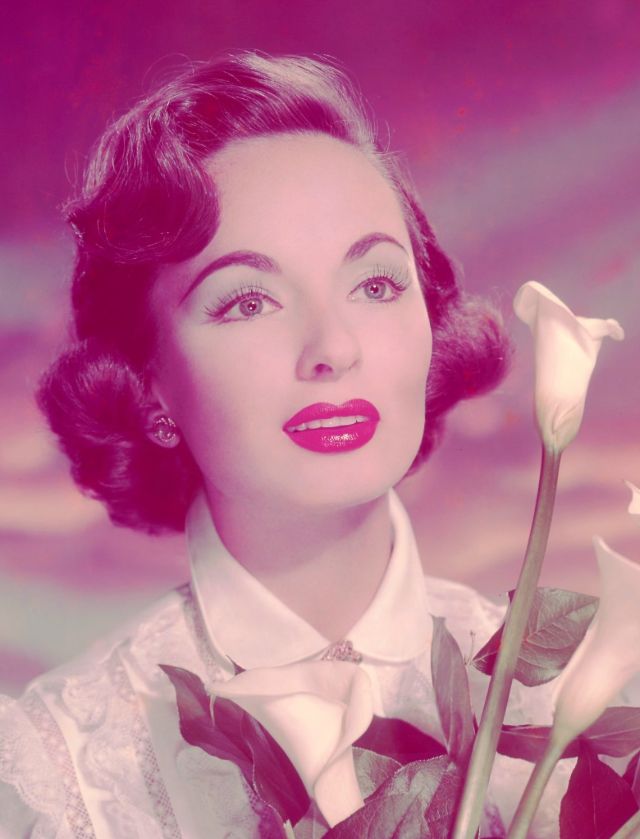
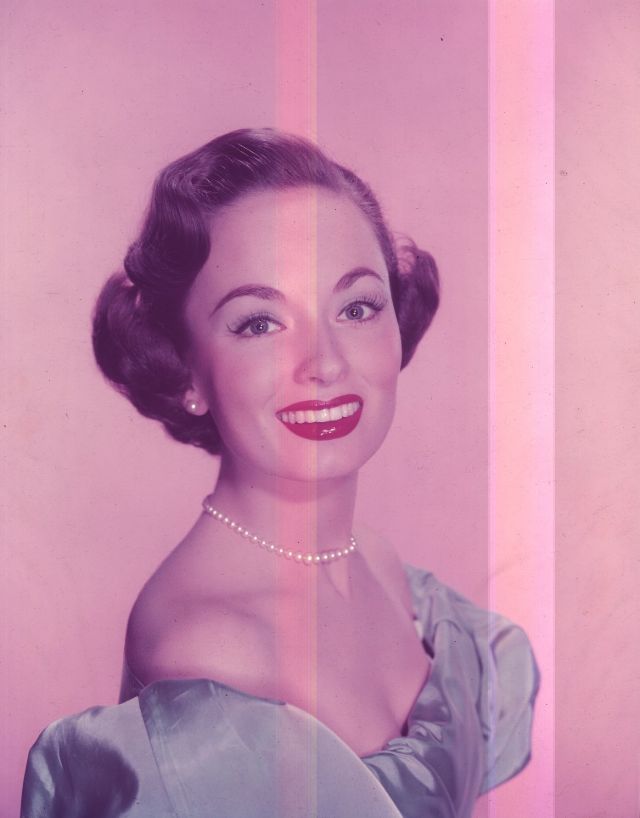
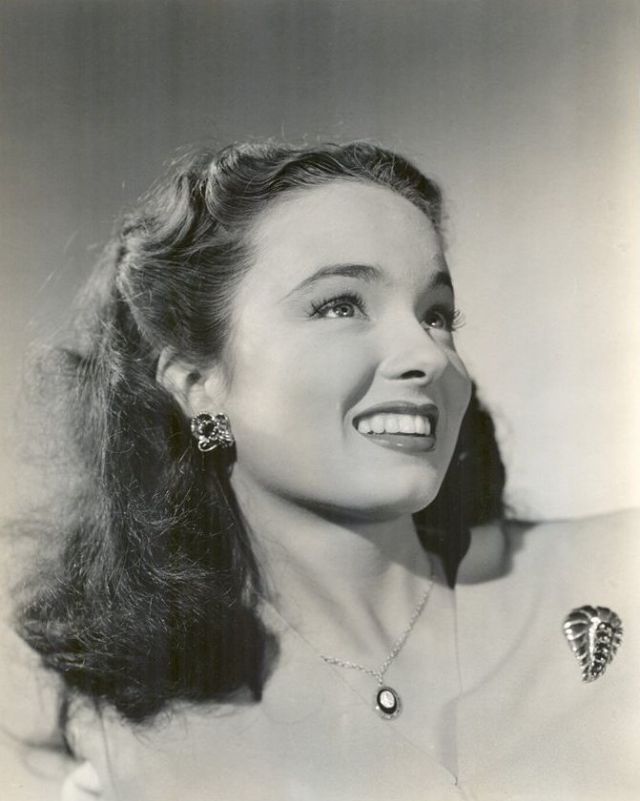
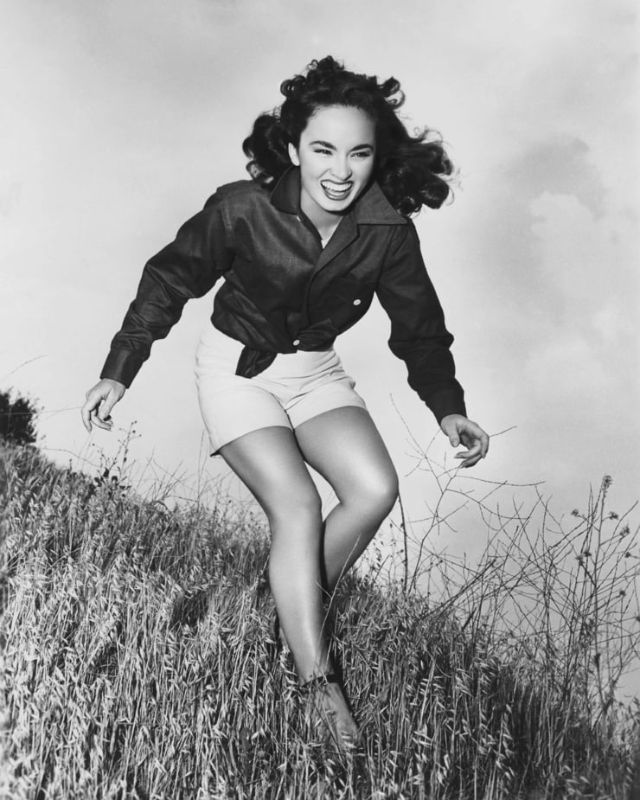
Take a look at these glamorous photos to see the beauty of young Ann Blyth in the 1940s and 1950s.








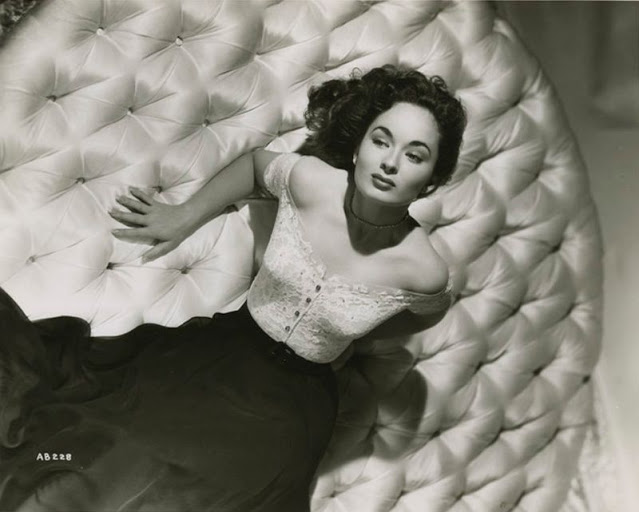


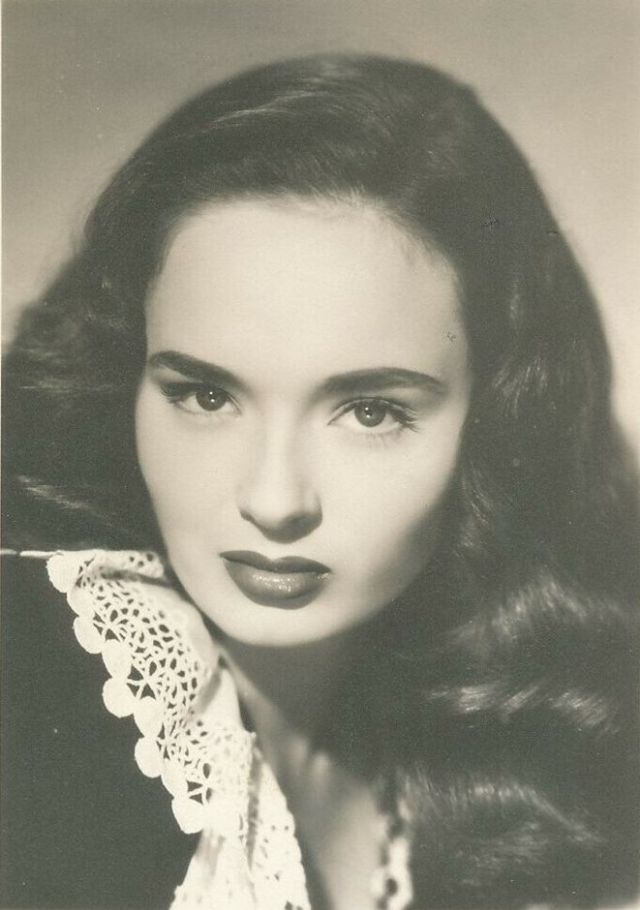

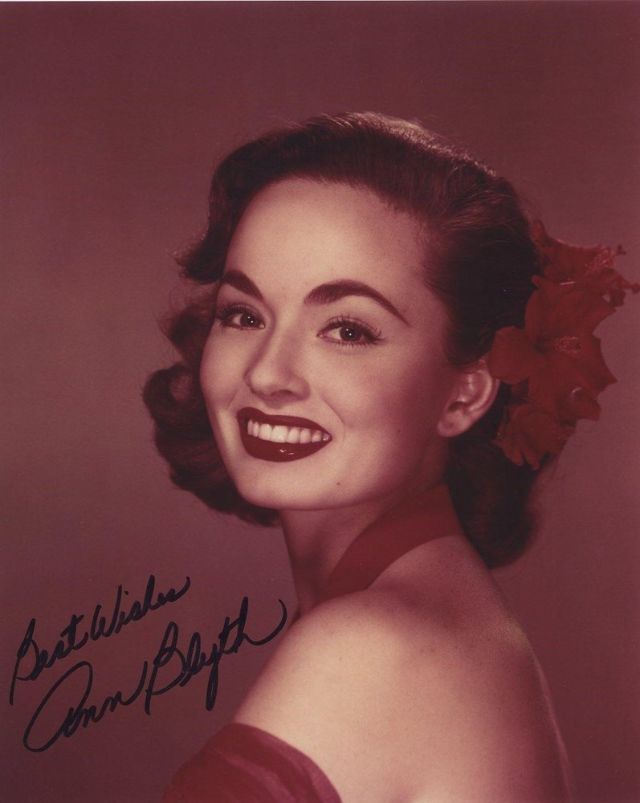

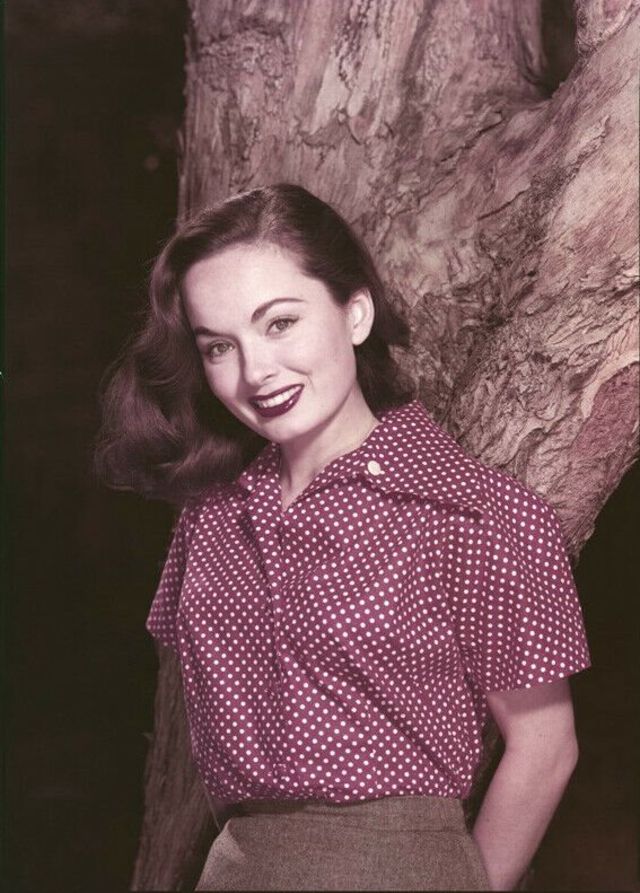




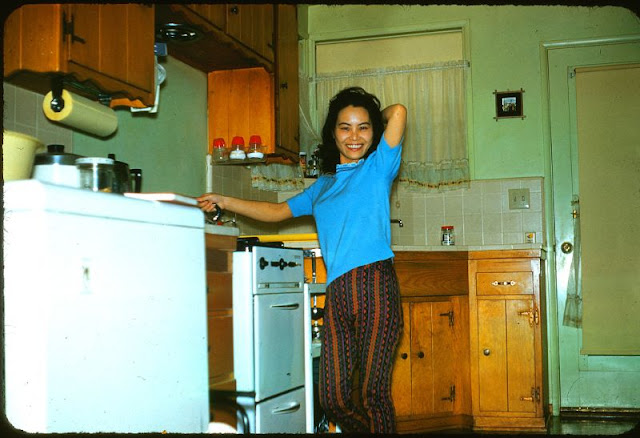
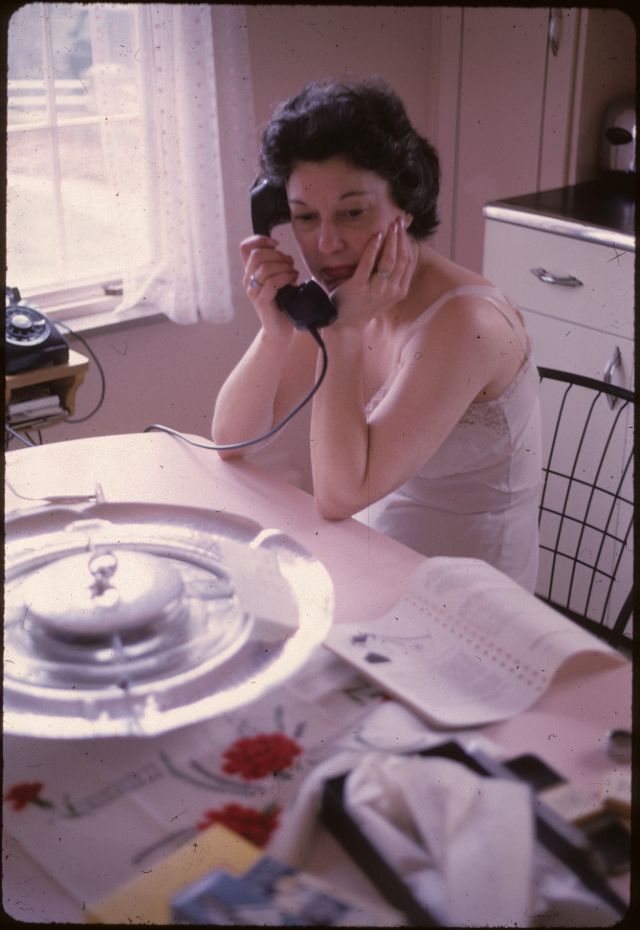
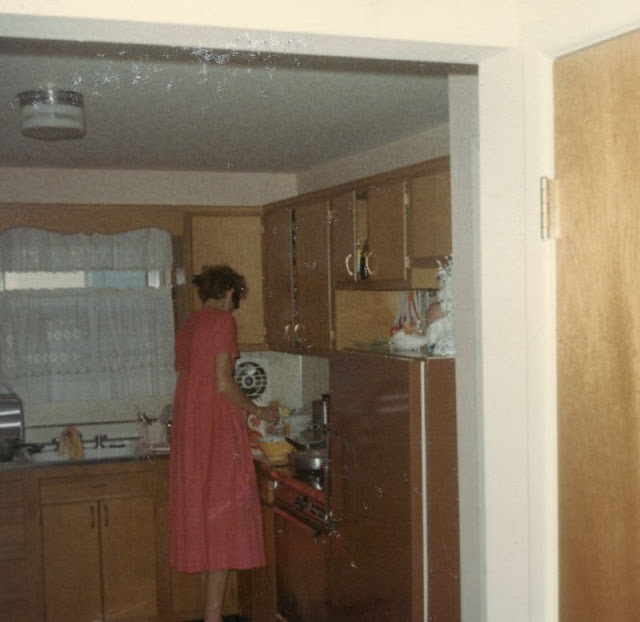
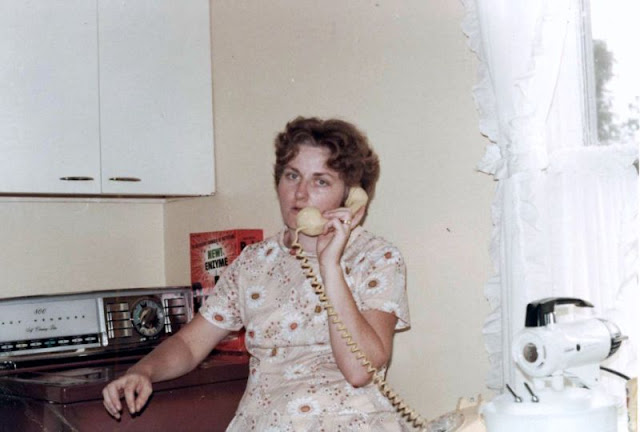
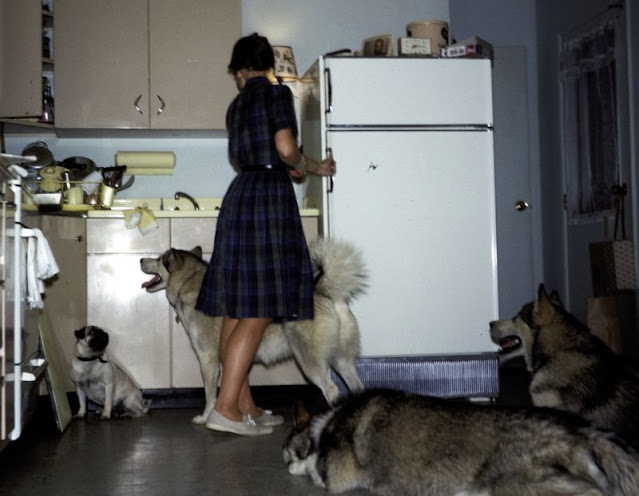
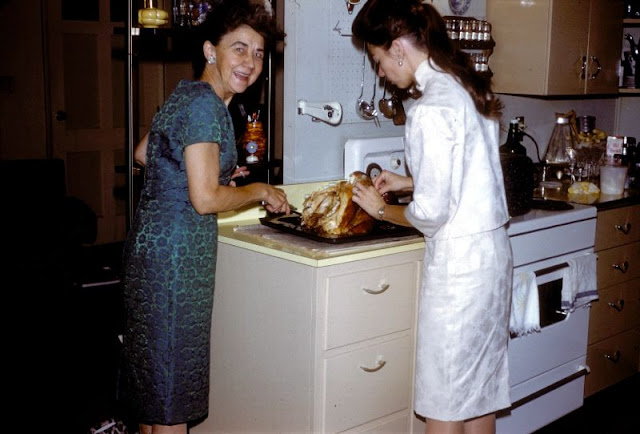
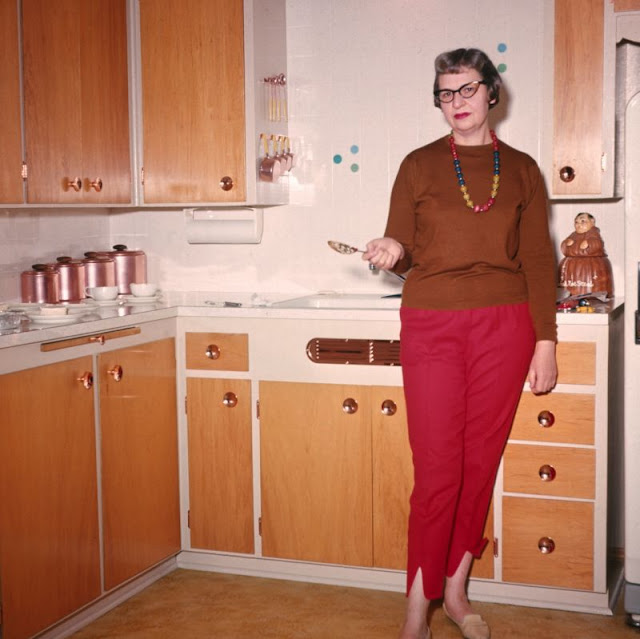
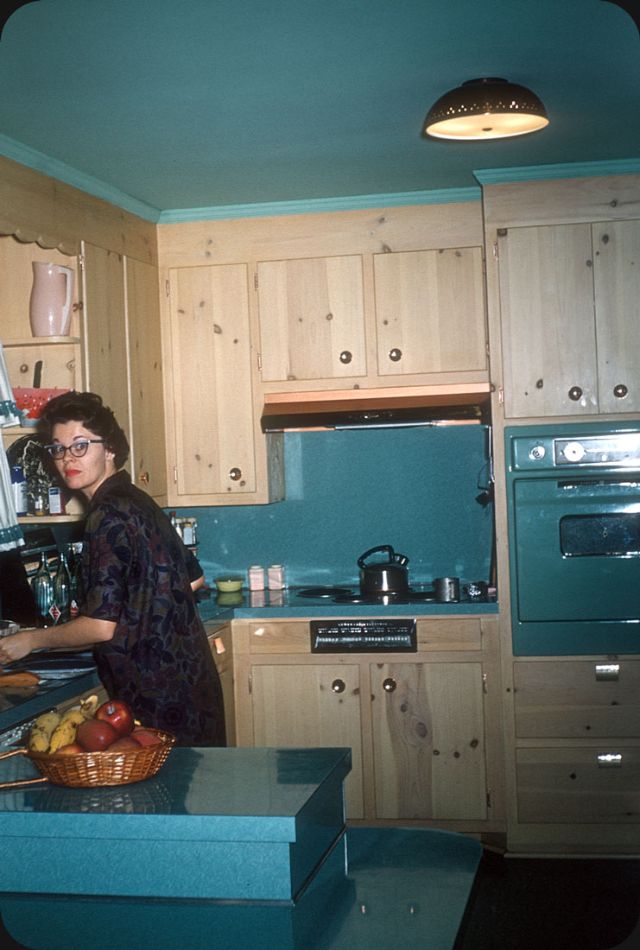
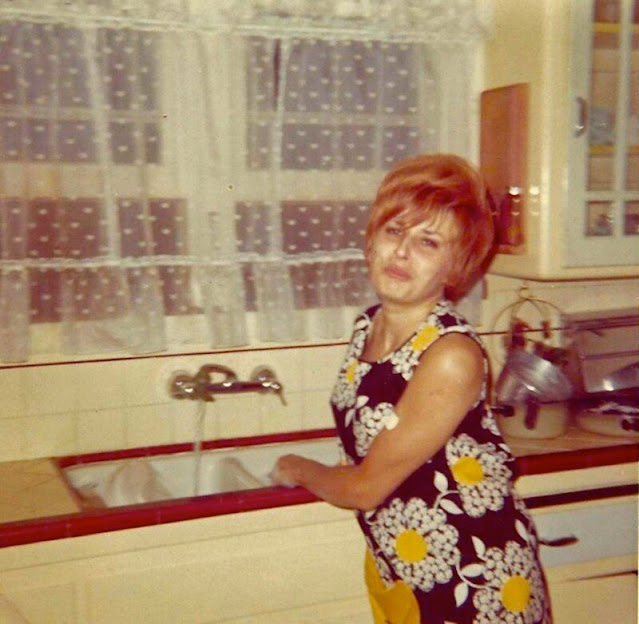
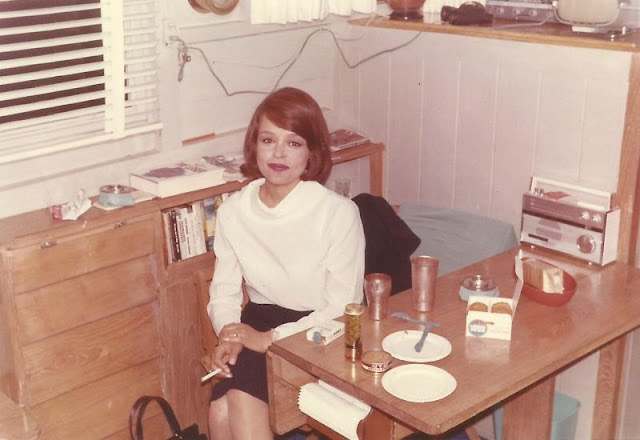
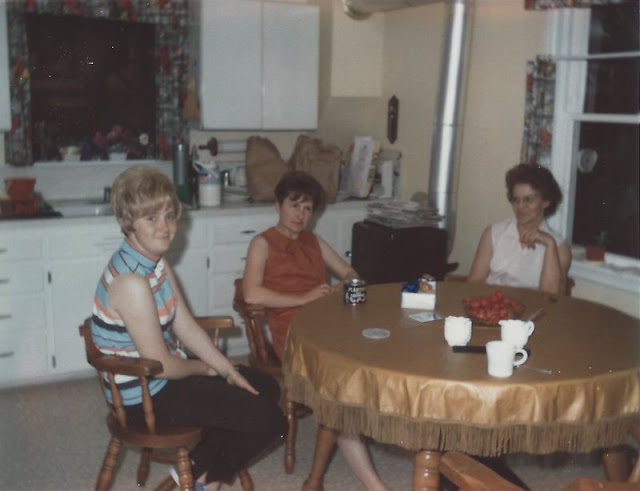
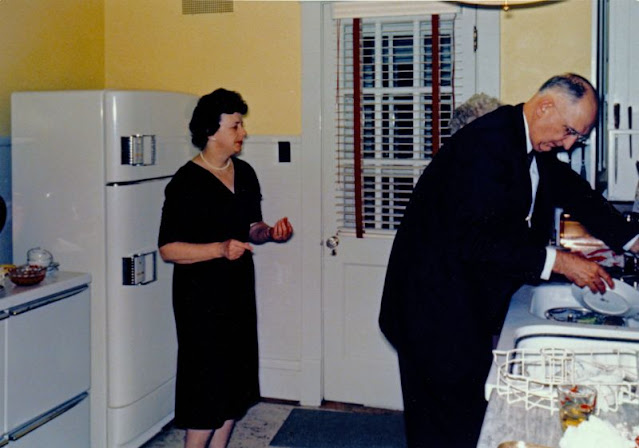
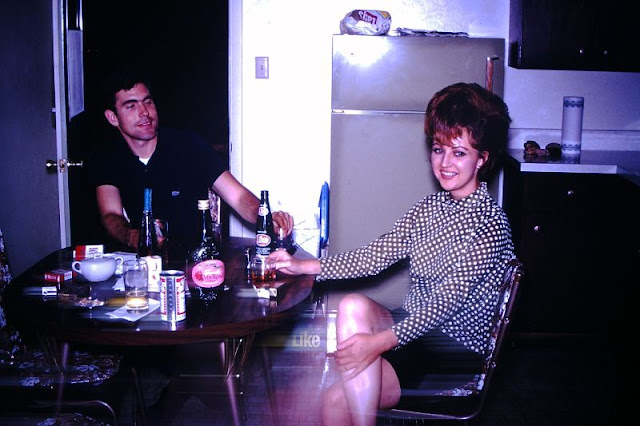
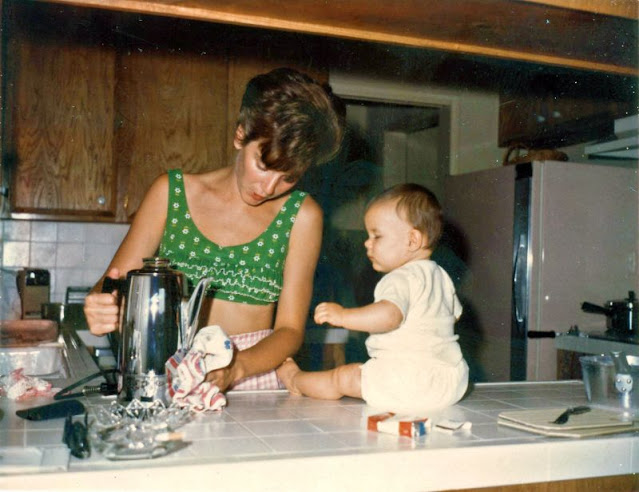
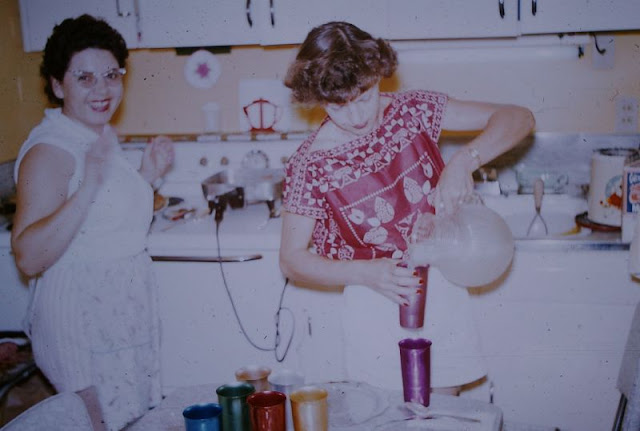
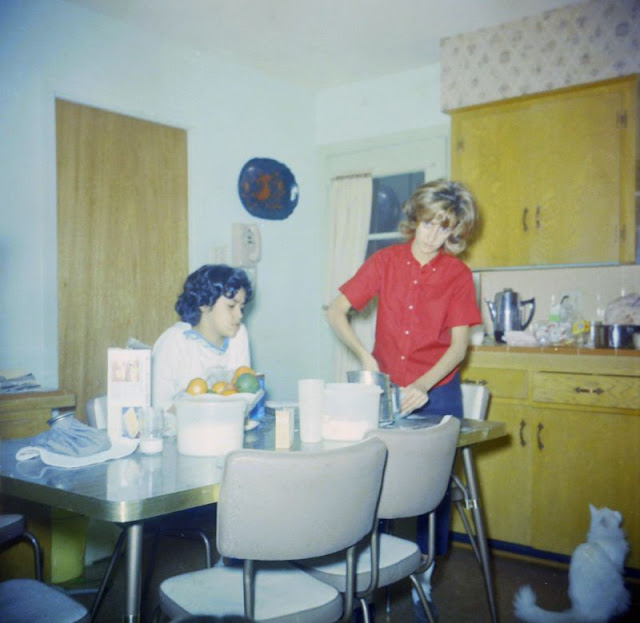
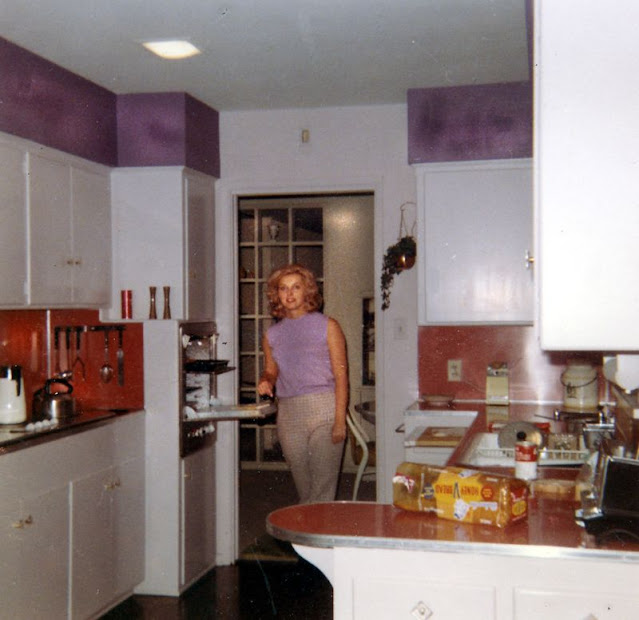
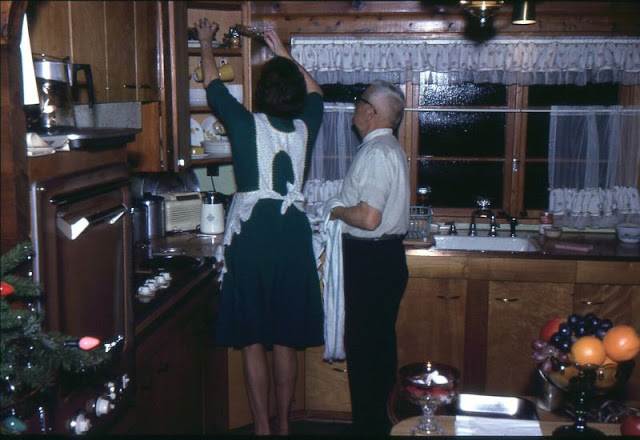
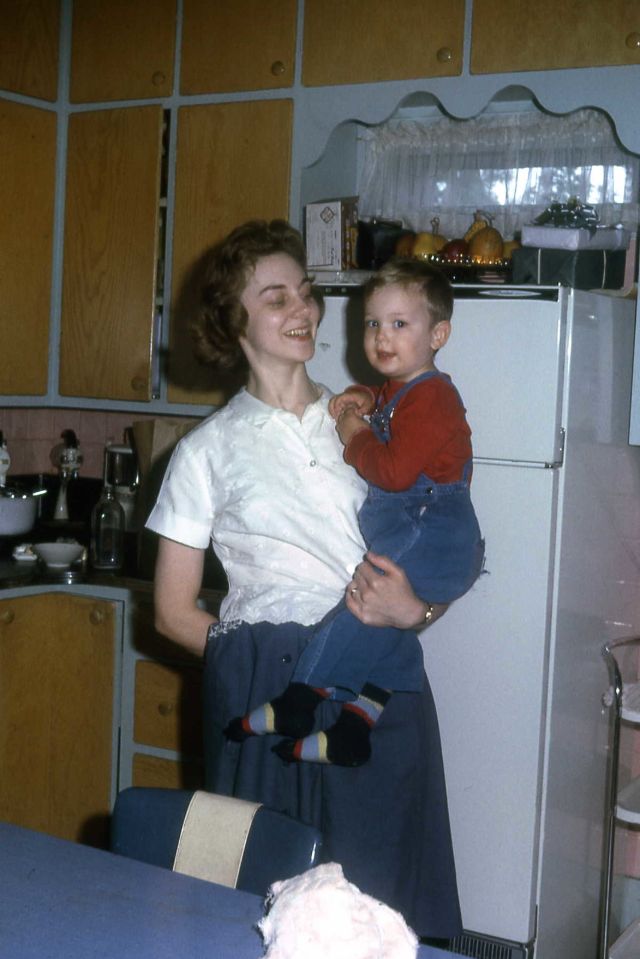
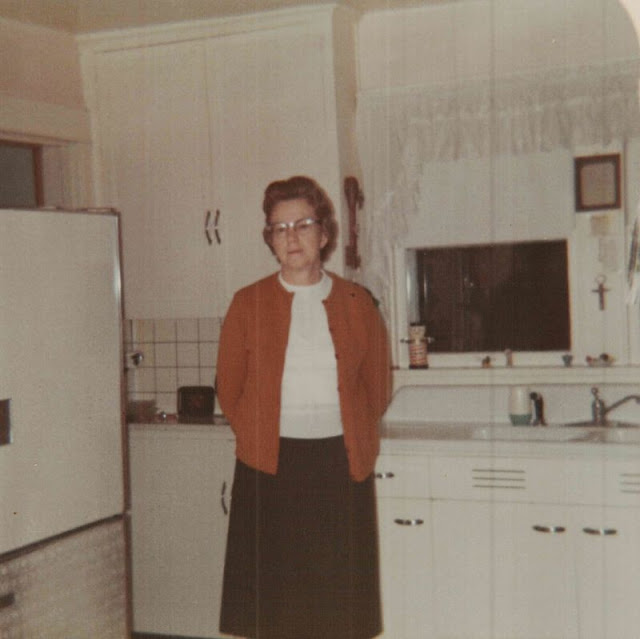
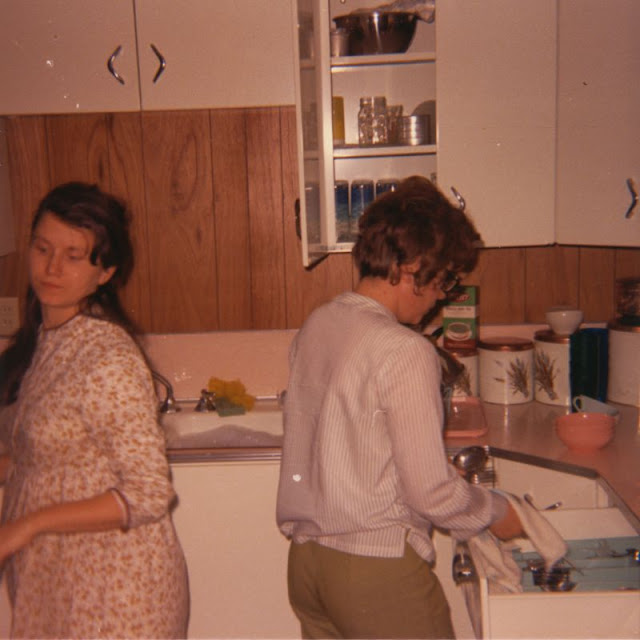
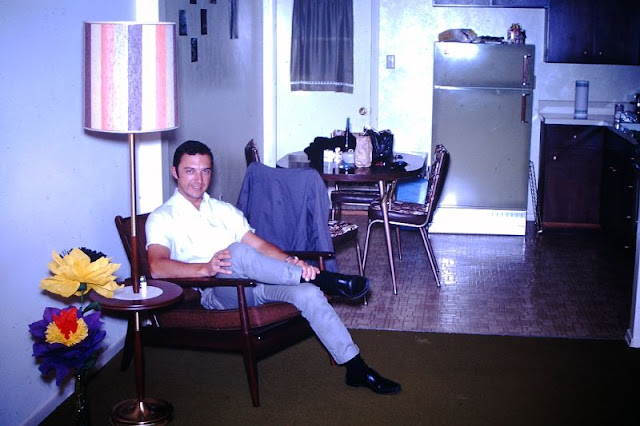
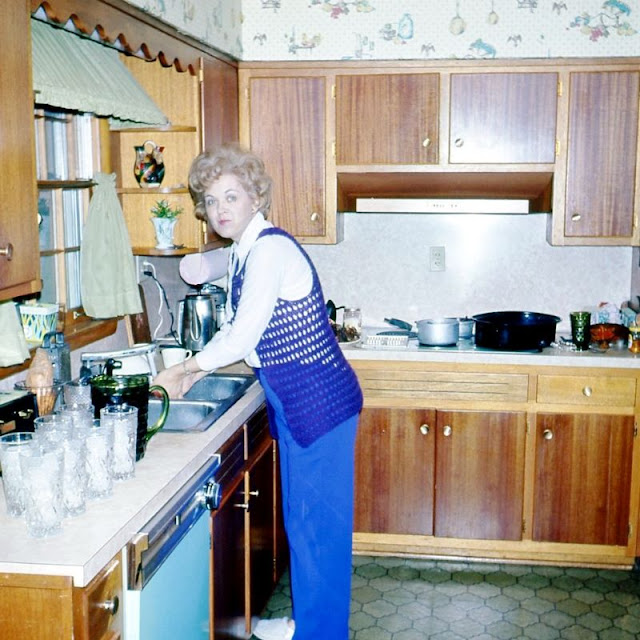
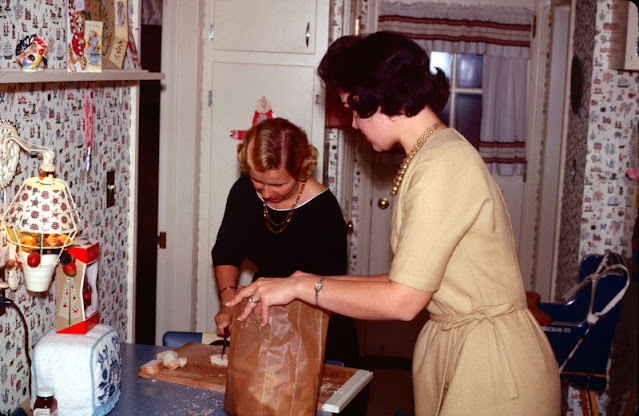
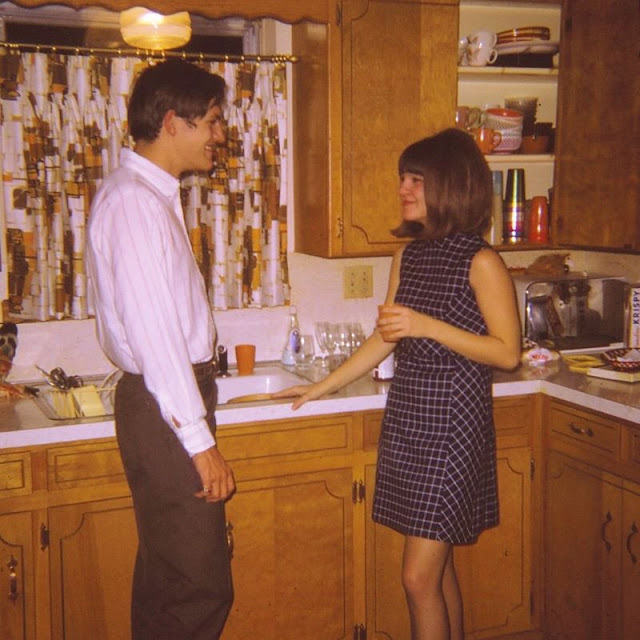
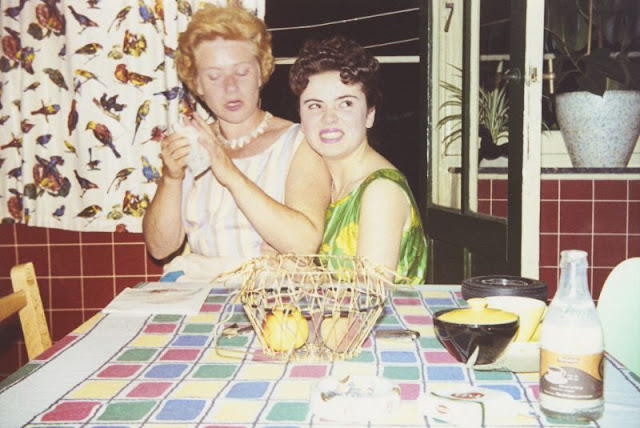
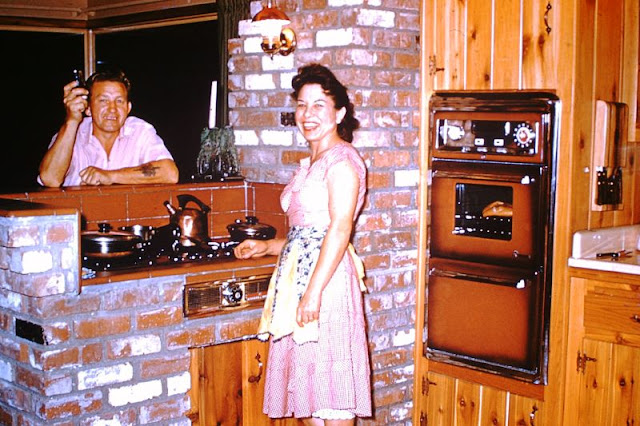
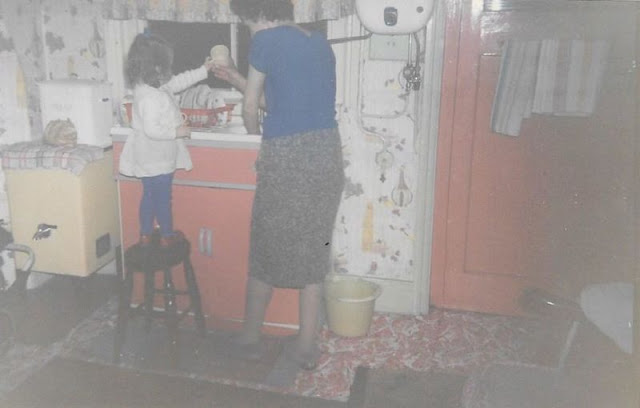
The 1960s were all about innovation and eclectic style. The mid-century modern look was still going strong and folks were eager to add pops of color throughout their home decor.
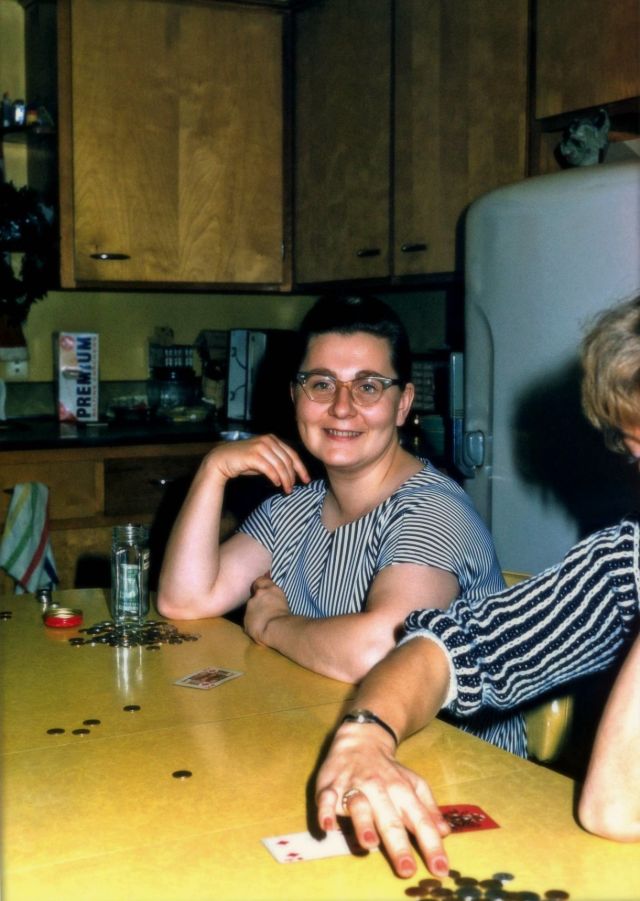
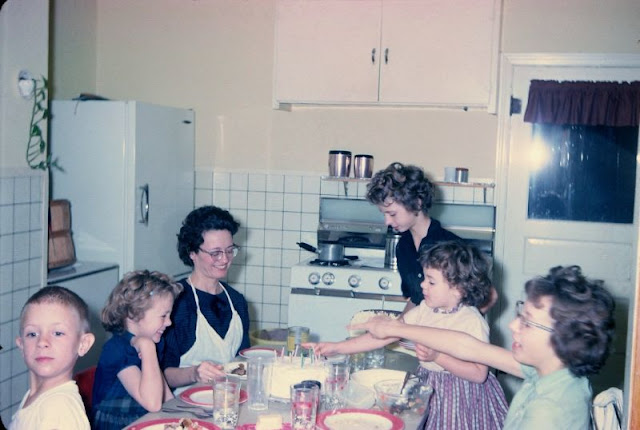
The 1960s marked the beginning of when kitchens became more than just a place to prepare food. Instead, kitchens turned into the center of the home, a room where families and friends gathered not just to make dinner, but to eat it, too.
Kitchens were open and spacious and just as functional as they were beautiful. Take a look at these vintage photos to see what kitchens looked like in the 1960s.
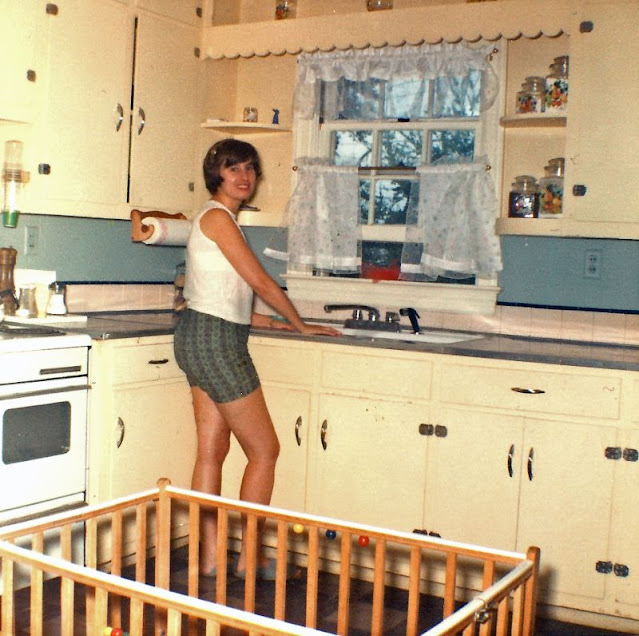



Subscribe to Yesterday Today to receive regular updates about new content:
Read more of this content when you subscribe today.

Born 1957 in Salt Lake City, Utah, American model, actor and dancer Sterling St. Jacques was the adopted son of actor Raymond St. Jacques. He had bit parts in films such as Eyes of Laura Mars (1978) with Faye Dunaway, Dinah East (1970) and the Italian movie Sistemo l’America e torno (1974).
Together, Sterling and model Pat Cleveland were regulars at Studio 54. Although they appeared in public as a couple, and were briefly engaged, Sterling was widely known to be gay.
In the 1980s, Sterling moved to Europe to try and become a nightclub DJ and advance his modeling career. Soon after, he claimed to the press he was broke and was thinking of opening a dance studio in Manhattan. This idea never came to fruition and instead he regularly appeared in both high-end and low-brow magazines and even performed Italo disco.
St. Jacques contracted AIDS and died in 1984 in New York City, not knowing who gave it to him.
Take a look at these vintage photos to see moments of Sterling St. Jacques and Bianca Jagger dancing at Studio 54 in New York City in 1978.

Become a paid subscriber to get access to the rest of this post and other exclusive content.
