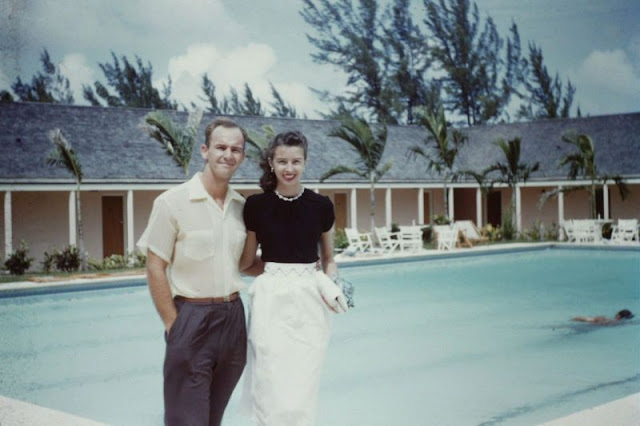
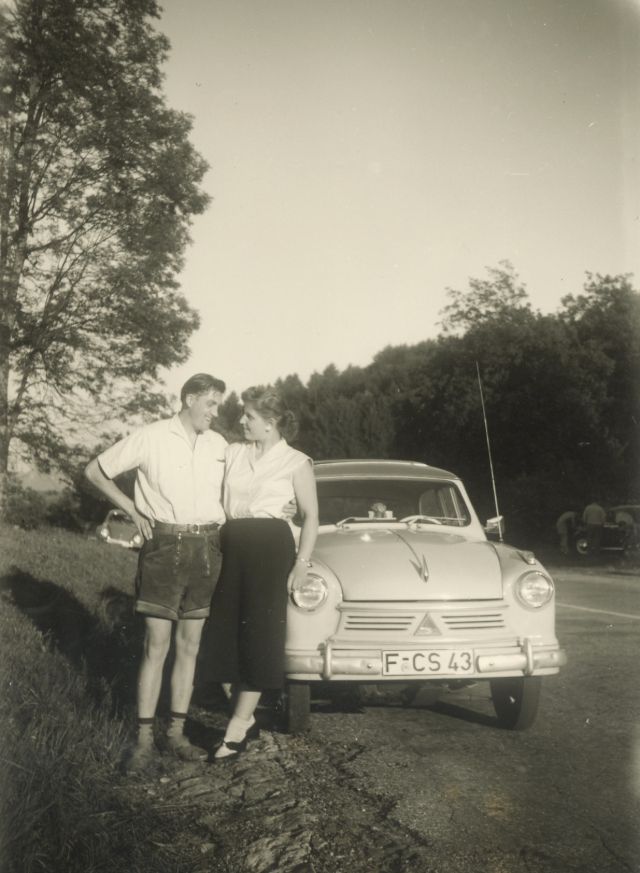
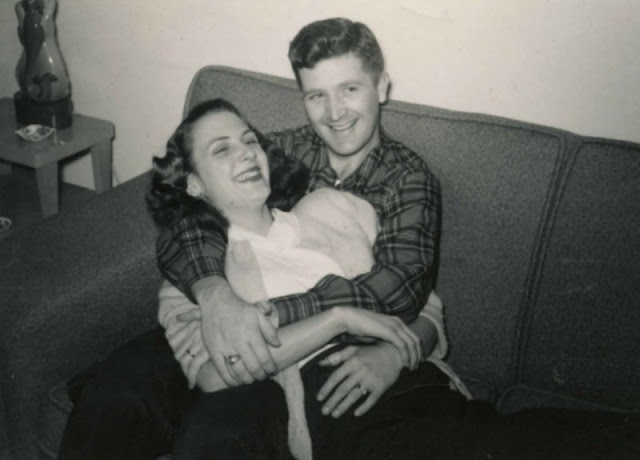
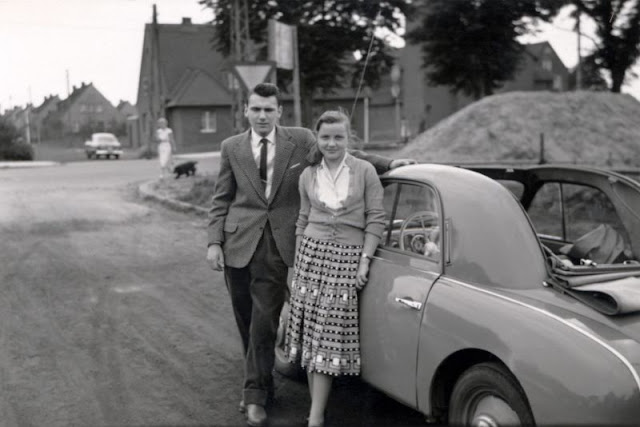
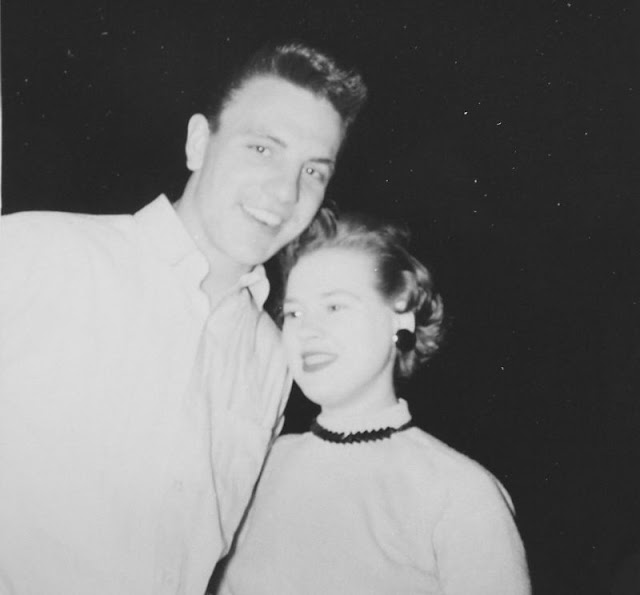
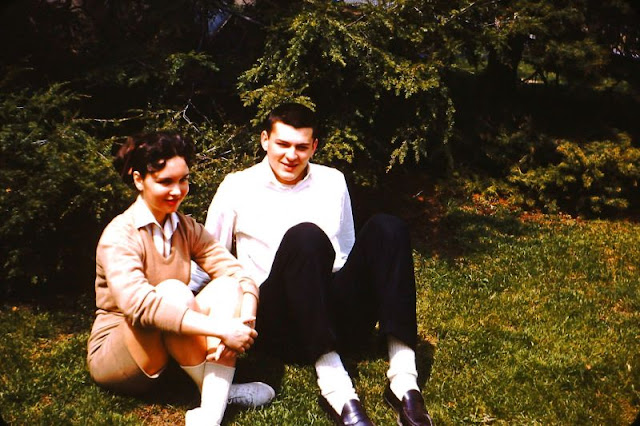
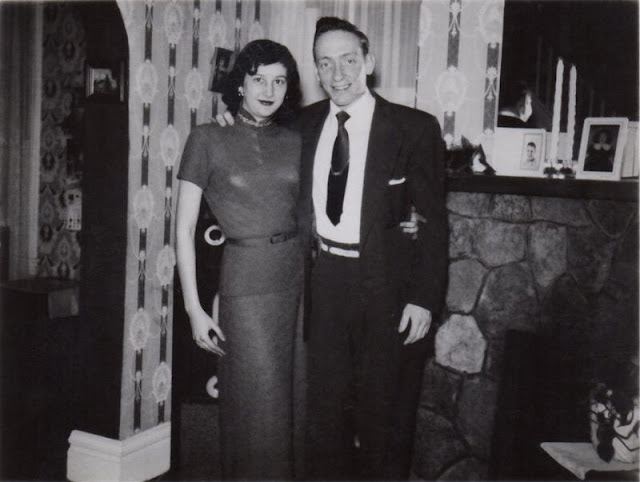
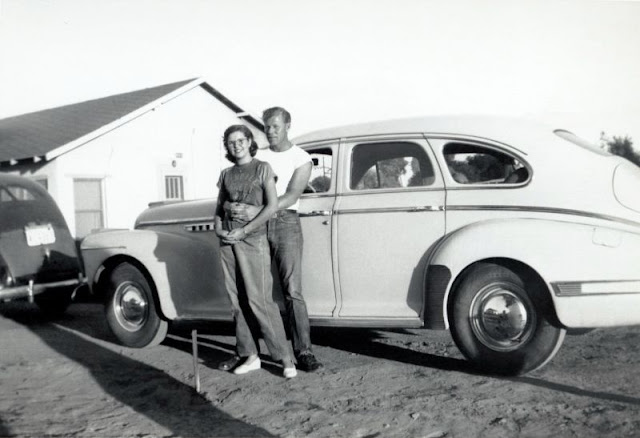
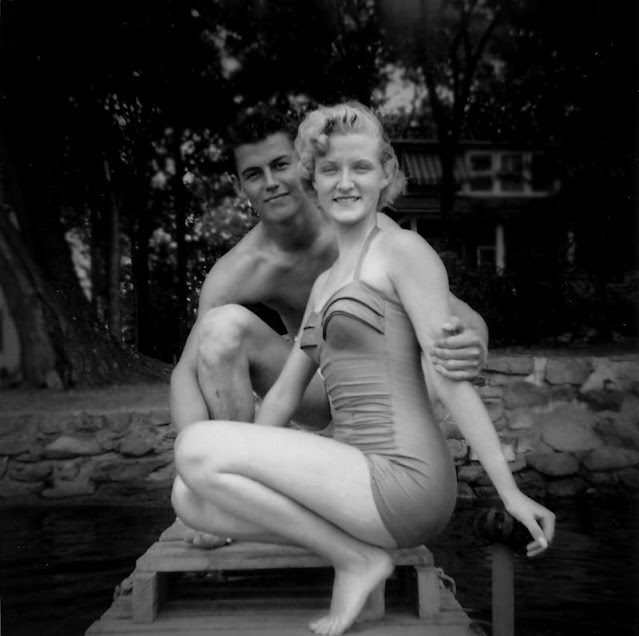
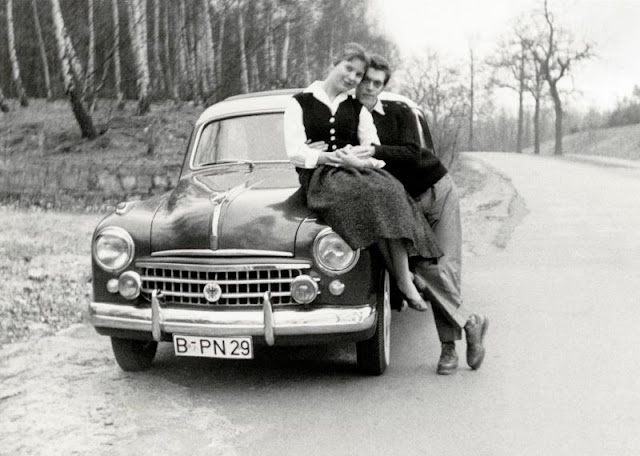
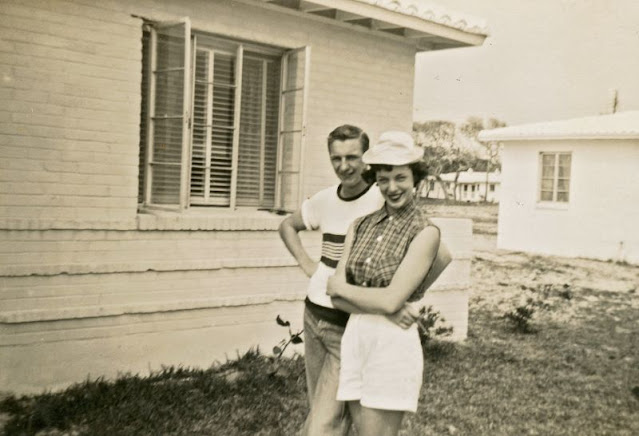
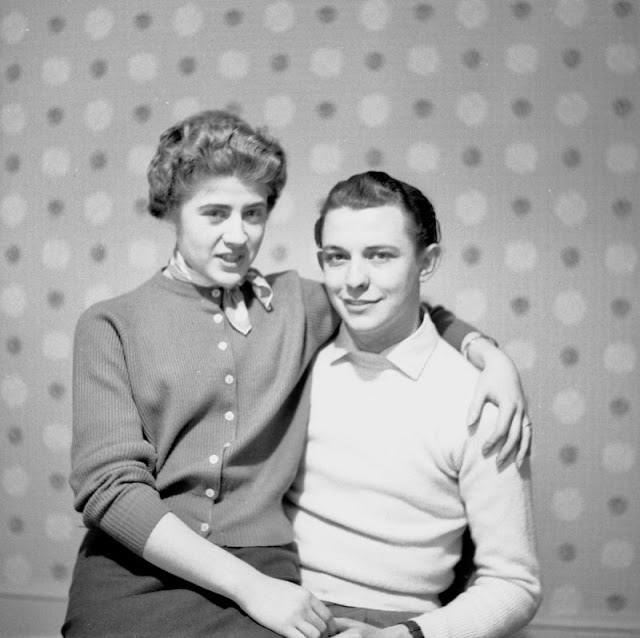
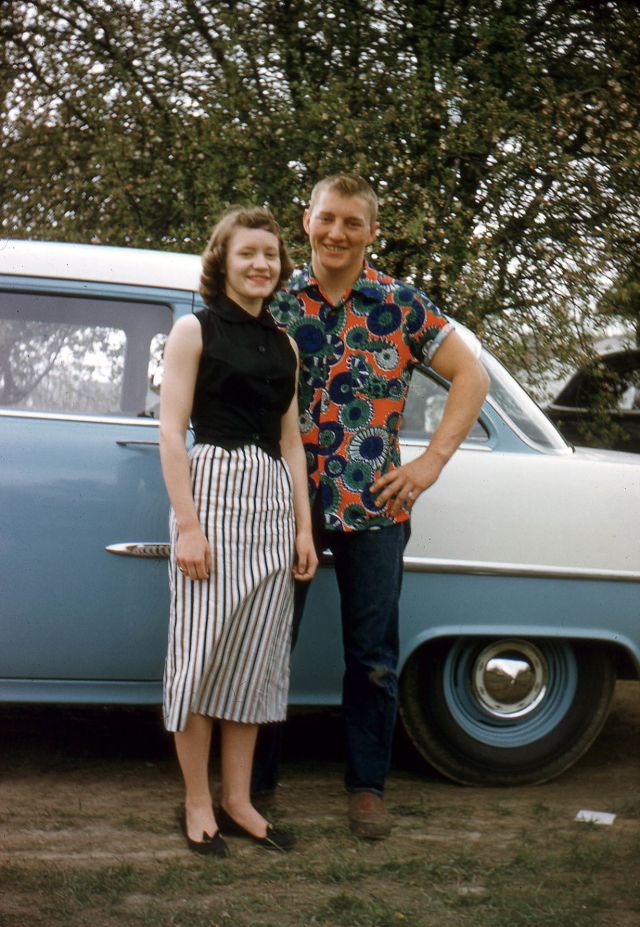
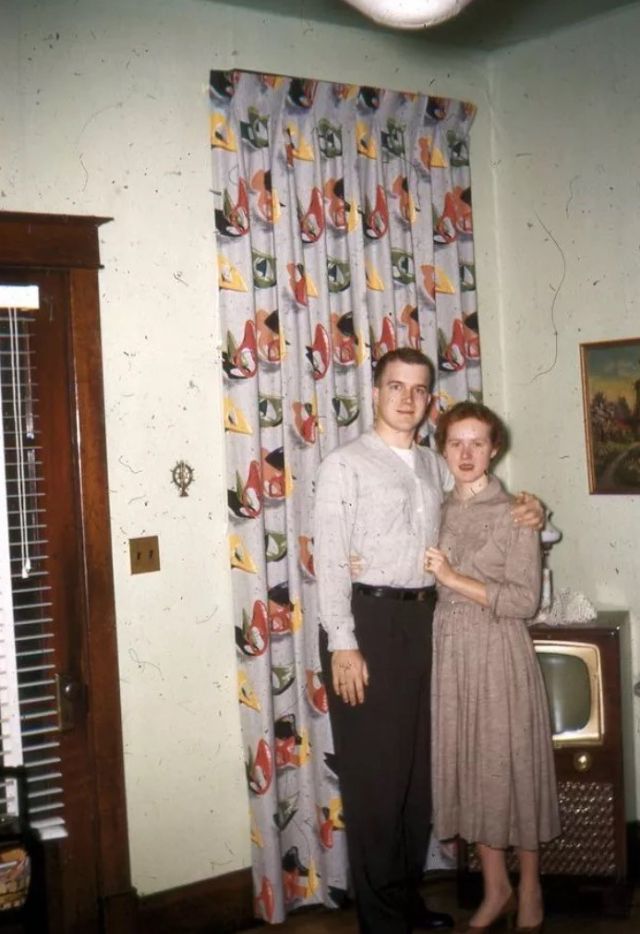
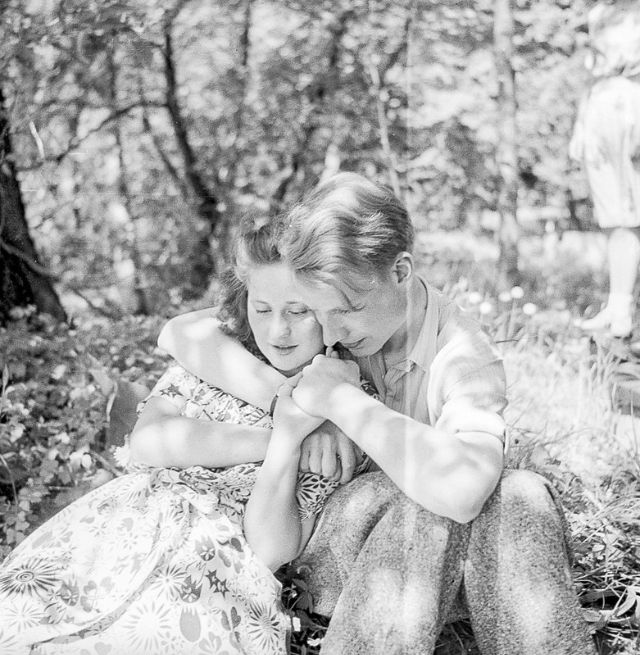
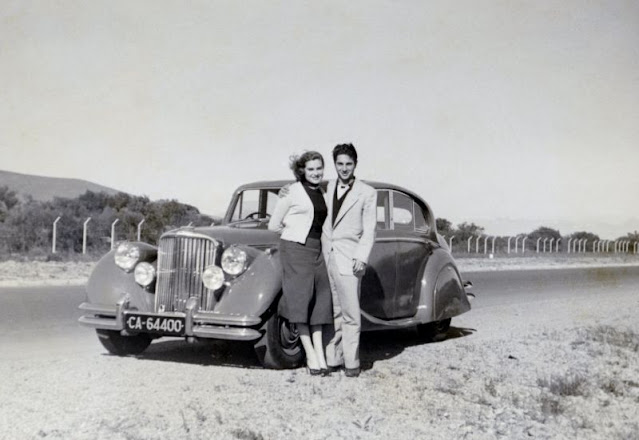
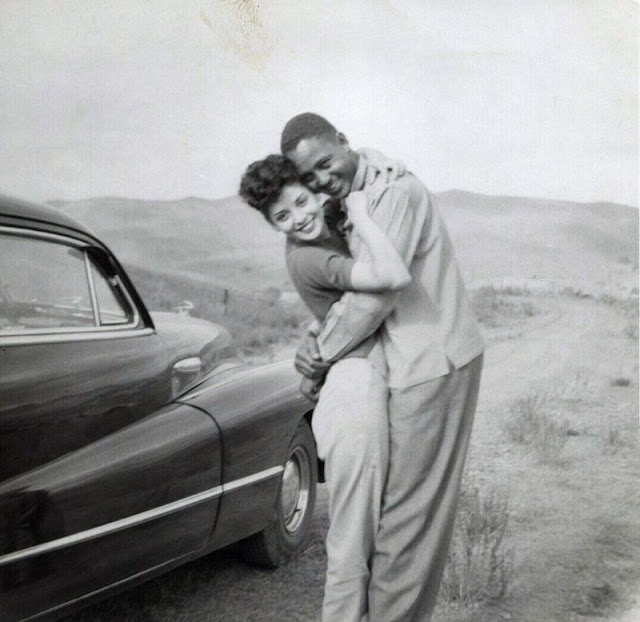
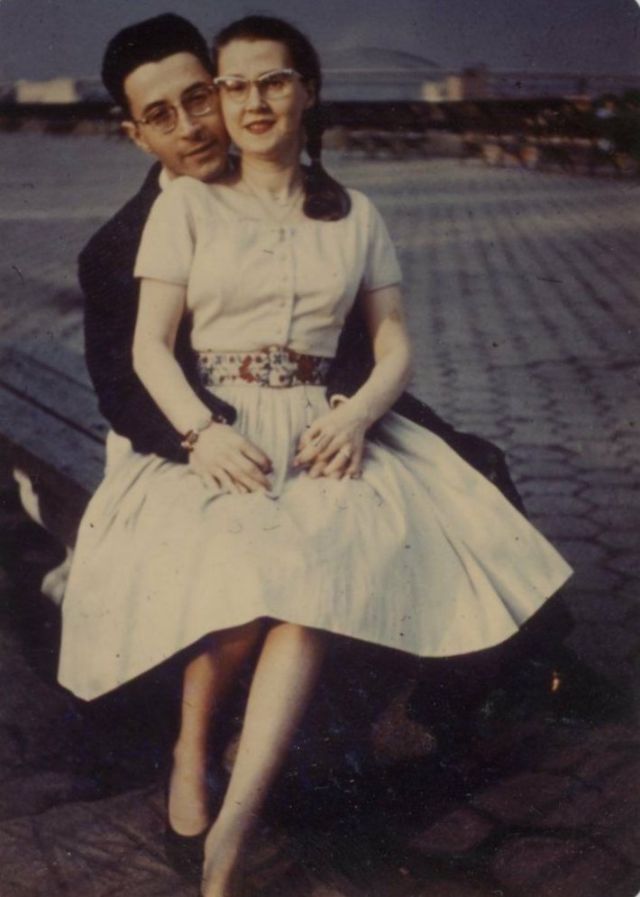
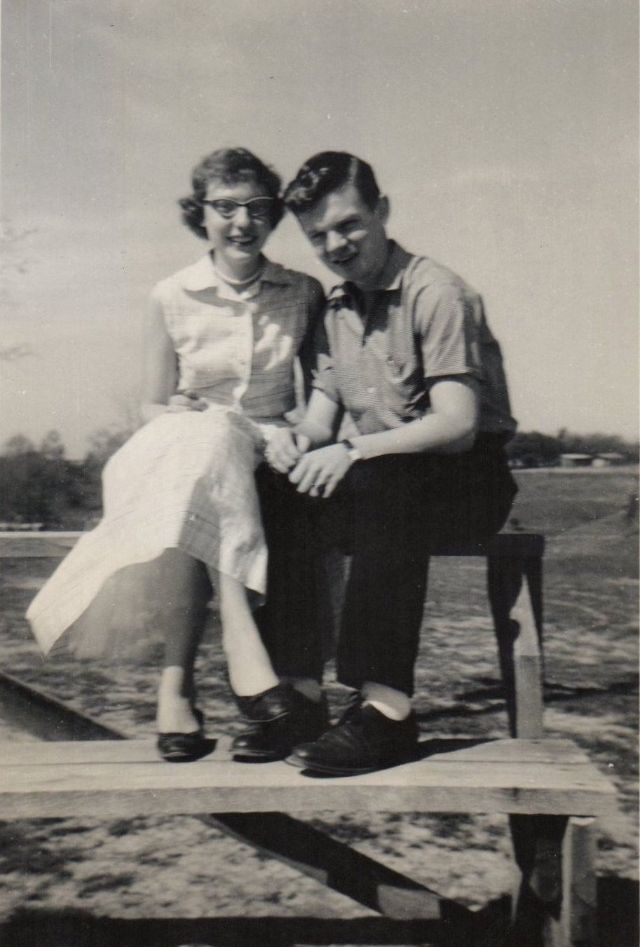
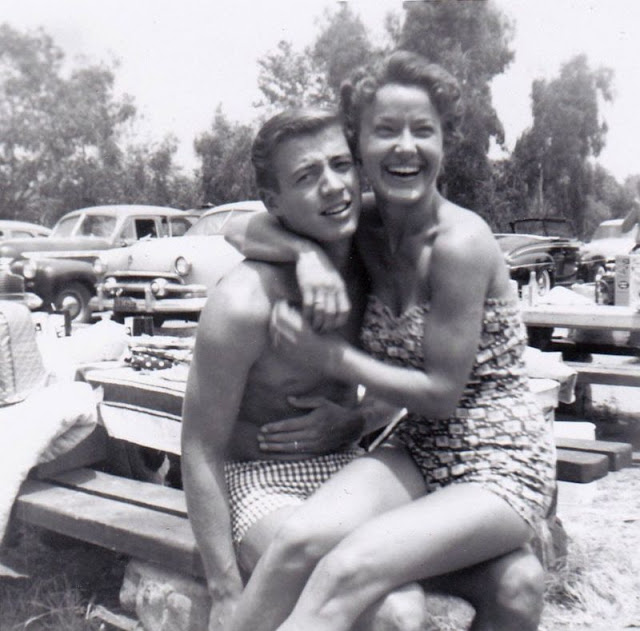
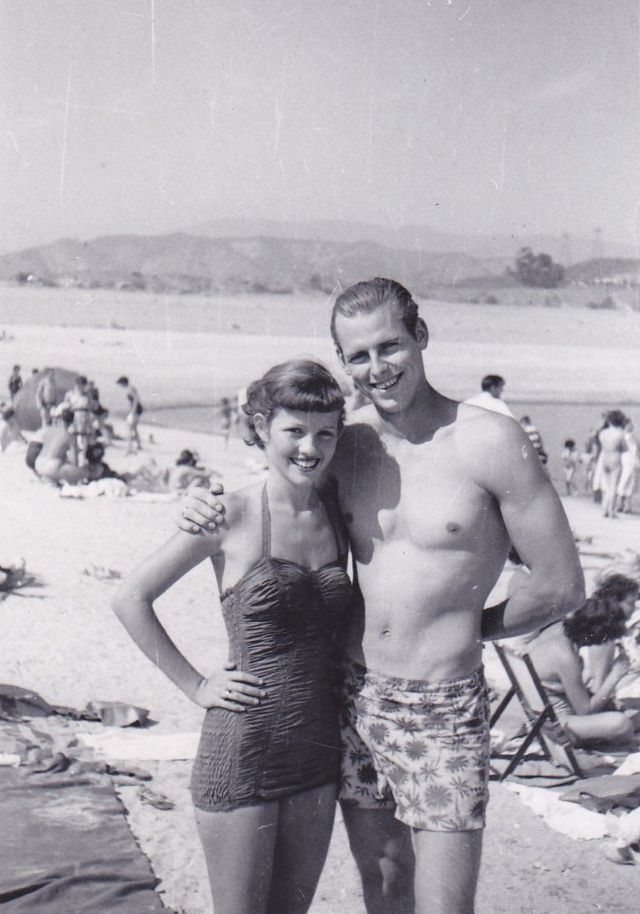
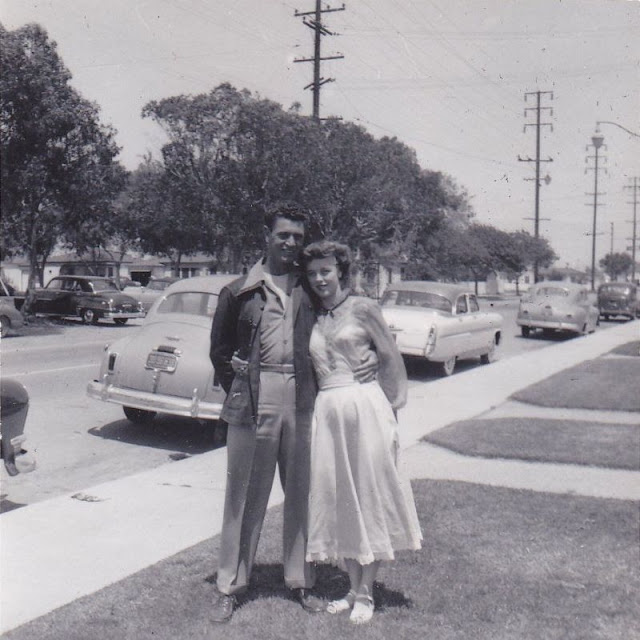
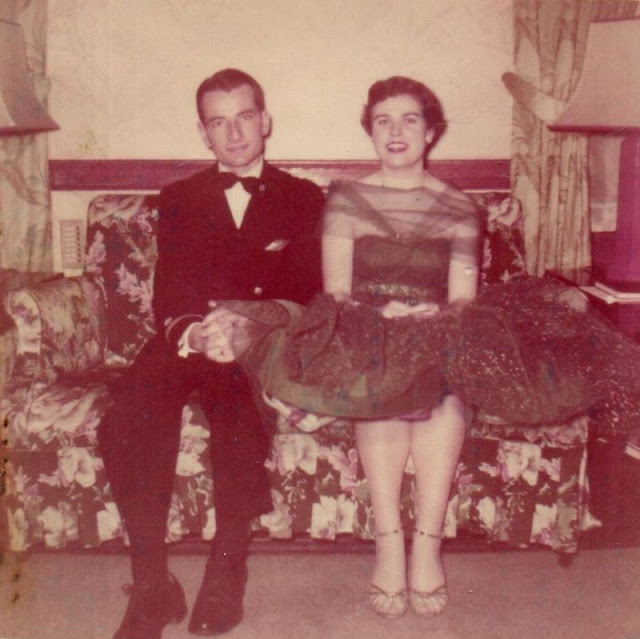
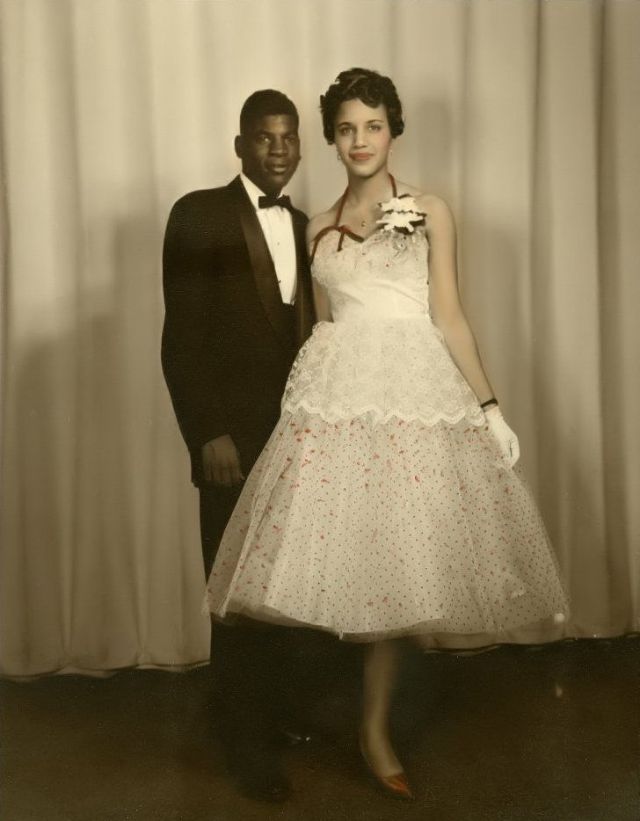
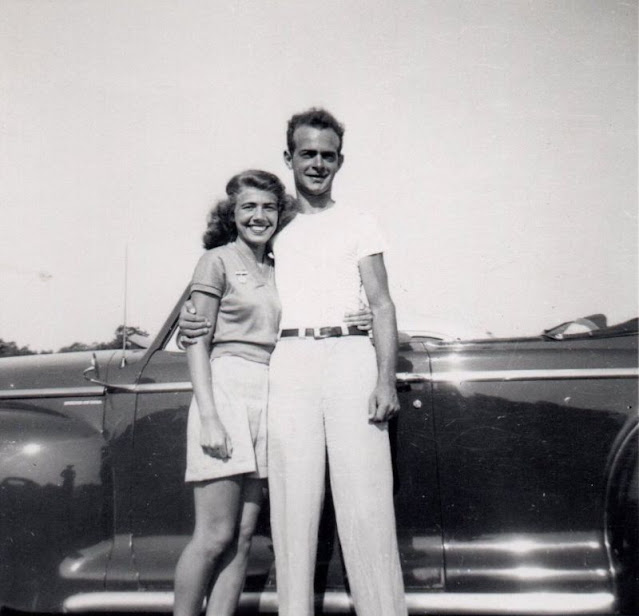
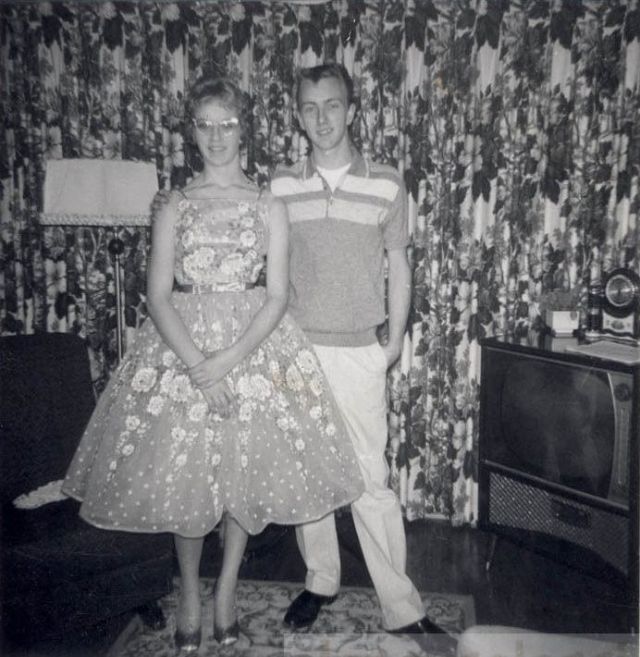
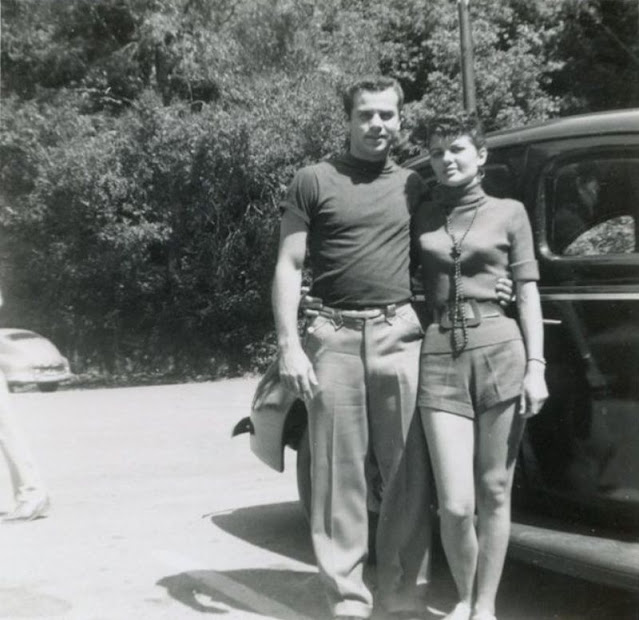
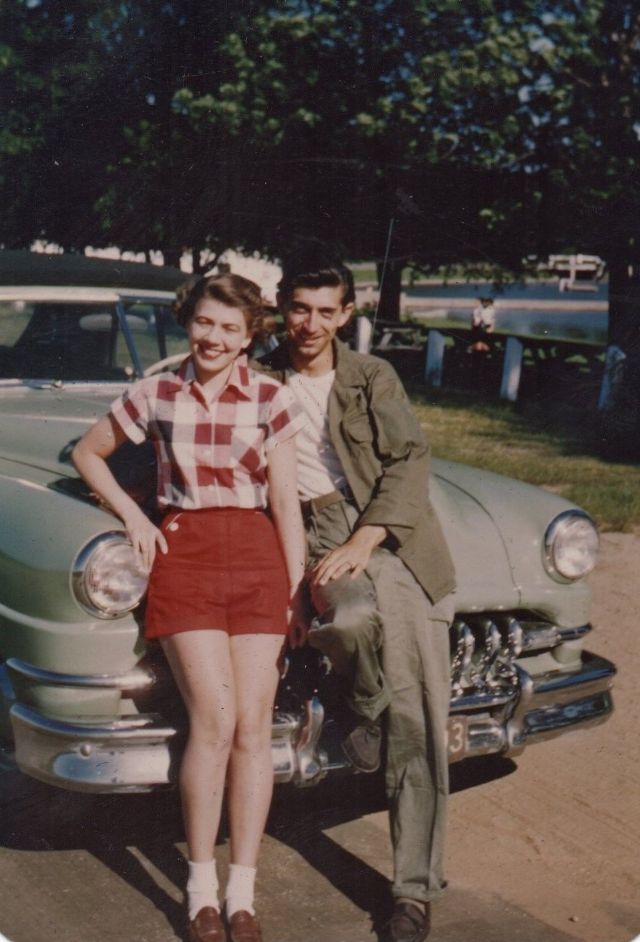
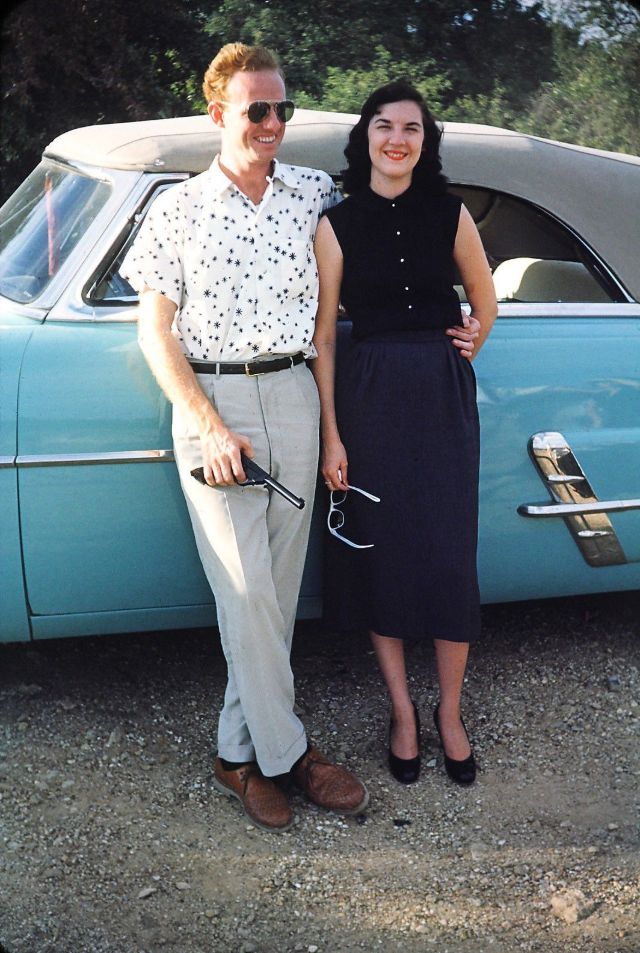
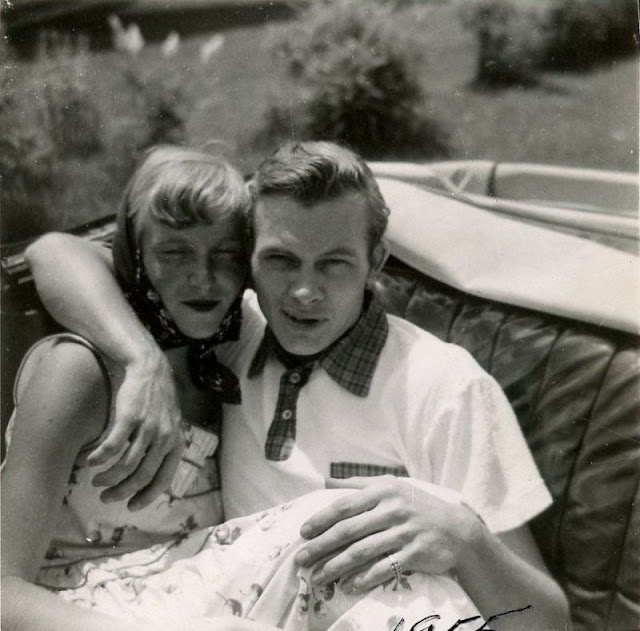
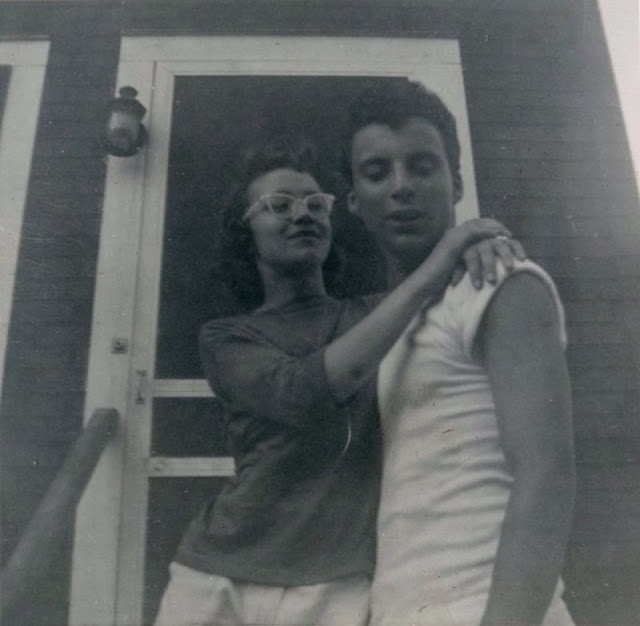
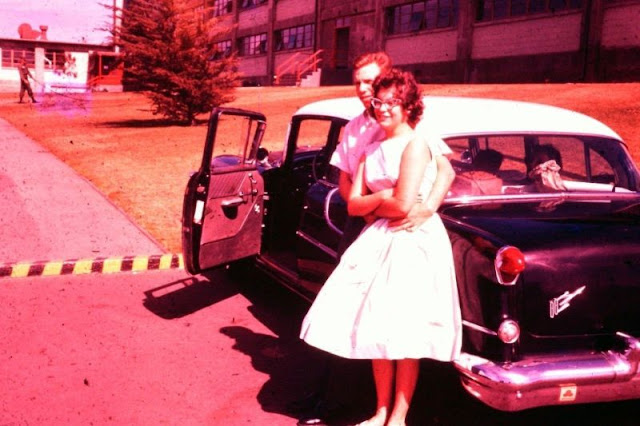
Fashion in the 1950s saw a clear gender divide. While men and boy’s fashion moved towards a more casual day-to-day style, women and girl’s fashion prioritized elegance, formality, and perfectly matched accessories.
Couture womenswear saw rapid change with new designers such as Cristobal Balenciaga and Hubert de Givenchy disrupting the overtly feminine silhouette popularized by Christian Dior while novel prints and colors marked a playfulness in fashion for both men and women.
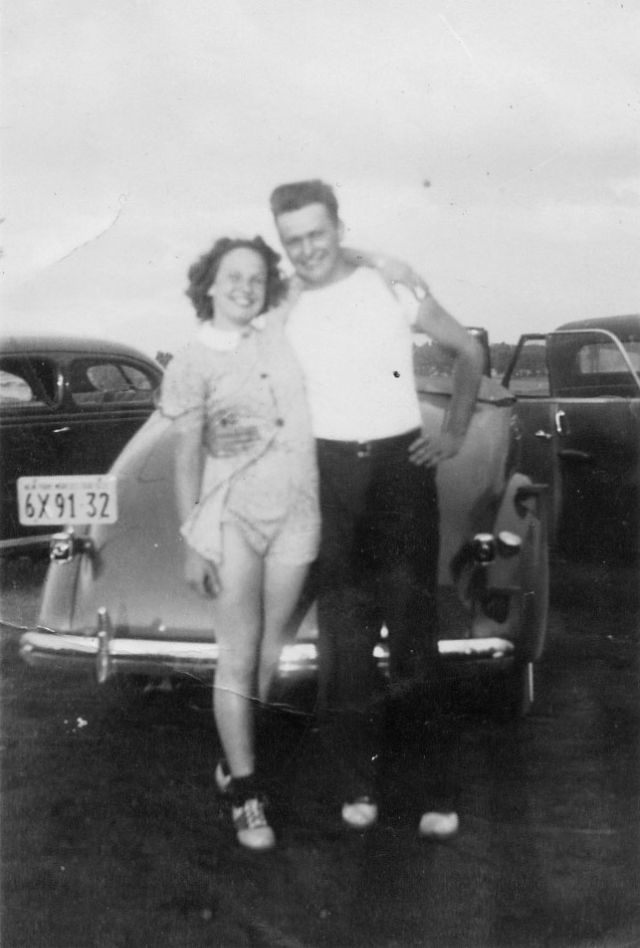
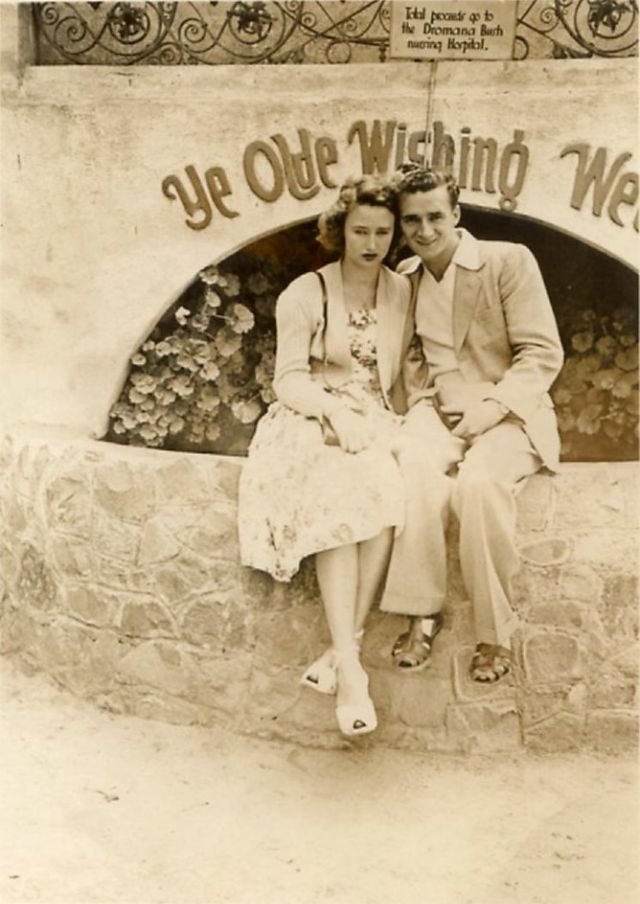
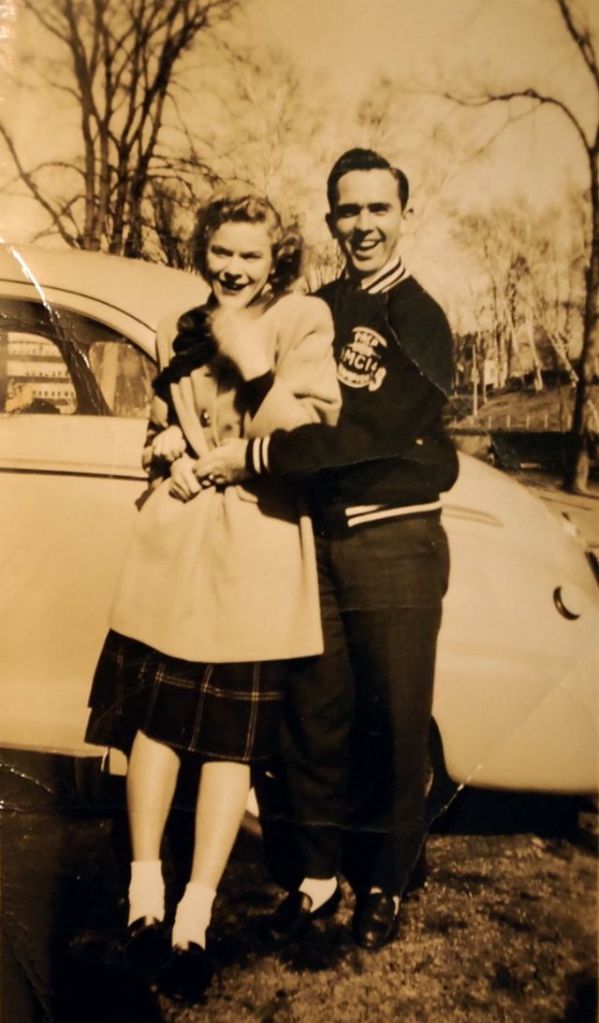
These vintage photos show what couples looked like from the 1950s.
Subscribe to Yesterday Today to receive daily updates on new content:
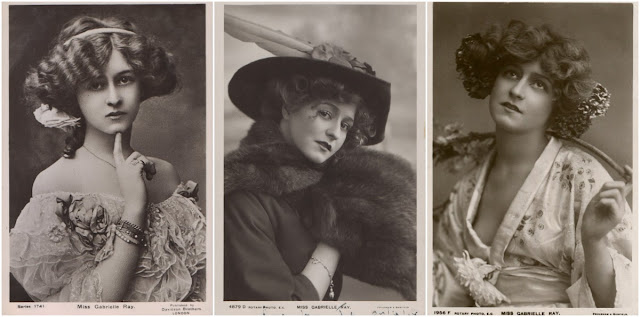
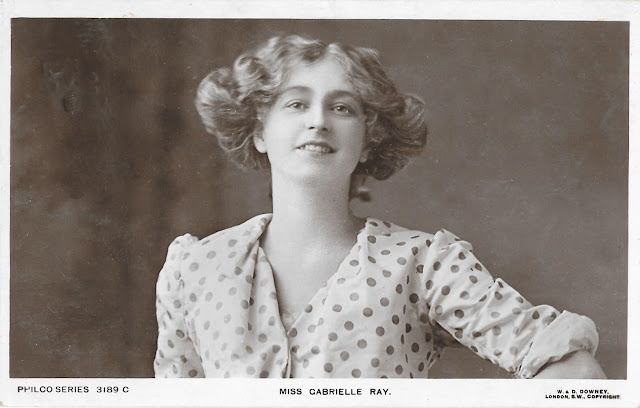
Gabrielle Ray was an English stage actress, dancer and singer, best known for her roles in Edwardian musical comedies. She was considered one of the most beautiful actresses on the London stage and became one of the most photographed women in the world.
Gabrielle Ray, real name Gabrielle Elizabeth Clifford Cook, was born in Stockport, Cheshire (UK) on April 28, 1883. Her stage career began at the delicate age of only ten years old, playing a succession of juvenile roles in the many theaters that then existed in London’s West End. Her debut appears to have been in the musical play Miami at the Royal Princess’s Theatre, Oxford Street, in October 1893.
The following year she appeared in A Celebrated Case at the Elephant and Castle, a particularly tough venue which catered exclusively for the working classes who were not slow to show their appreciation, or vent their disapproval of what they saw. Gabrielle played the daughter of the wronged heroine of the piece.
Her first big break came when she was spotted by touring company manager Ben Greet whilst performing in the pantomime Sinbad the Sailor at the Hammersmith Lyric Opera House in 1899. Impressed by her talent, Greet signed up the 16 year old to play Mamie Clancy in his touring companies production of The Belle of New York, a musical comedy. This was followed by a provincial tour in another Greet production, playing Dolly Twinkle in The Casino Girl before returning to the Lyric in 1902 play the lead in the pantomime Little Red Riding Hood.
By now, at age 19, the young girl had grown into a stunningly attractive young woman. A vision of loveliness with bright blue eyes and golden blonde hair who enchanted her audience from the moment she appeared on stage. Present at the opening night was the famous theatre manager George Edwardes, whose Gaiety Theatre was one of London’s top venues. Recognizing her as a star in the making Edwardes wasted no time in contracting her that very night to join his company on completion of her engagement at the Lyric.
Gabrielle’s first engagement for Edwardes was as understudy to Gertie Millar, only four years her senior but already a renowned musical/comedy performer, in ‘The Toreador’ at the Gaiety. When the Gaiety closed for refurbishment in the Autumn of 1903, Edwardes engaged Gabrielle to take over from Letty Lind to end the run of The Girl from Kays at the Apollo.
When the Gaiety reopened on October 26, 1903, with a royal premiere of The Orchid, attended by Their Majesties King Edward VI and Queen Alexandra, Gertie Millar again played the lead whilst Gabrielle returned not as understudy, but to play the major role of Thisbe which included a solo song-and-dance number that Gabrielle made one of the highlights of the show.
By now Gabrielle’s success was assured and she continued to perform for Edwardes in a string of successful productions, including his biggest hit, a reworking of Franz Lehar’s The Merry Widow which opened at Edwardes second theatre, Daly’s on June 8, 1907. Lily Elsie played the lead but Gabrielle’s major role as Frou Frou included a whirling dance routine with handstands and high kicks performed on a table held head-high by four men that she again made into a show-stopper.
In 1912 Gabrielle announced her retirement from the stage in order to marry Eric Loder. Thousands of spectators who turned up to see the spectacle at St Edwards Roman Catholic Church in Windsor on February 29, 1912 were disappointed when the bride failed to arrive and the wedding was cancelled. Gabrielle later explained that she could not go through with the wedding in front of the mass crowd of waiting newspaper reporters and socialites. The couple were married in a private ceremony the next day. It was not to be a match made in heaven, however, and she split from him after only two years.
Following the break-up of her marriage Gabrielle returned to the stage in 1915, but the Theatre was changing as cinema seduced its audiences away. The death that year of her mentor George Edwardes, and her own emotional scars from her broken marriage affected her deeply. Still, she appeared in two more major West End productions, Betty at Daly’s and Flying Colours at The Hippodrome before ending her career appearing spasmodically in provincial pantomimes and variety tours.
At the height of her fame Gabrielle had been a much admired and frequently photographed musical comedy star who was feted as being “the most beautiful woman in the United Kingdom.” Never a brilliant actress, which had limited her to mainly supporting roles, it was her beauty and her dancing which had brought her fame and fortune. She had a graceful fluidity coupled with an acrobatic prowess that made her dancing nothing less than sensational. She was also a shrewd businesswoman, when she and Lily Elsie each signed exclusive photo contracts with Foulsham and Banfield (who produced the Rotary Photographic postcards series) Gabrielle negotiated for herself four times the commission paid to Elsie, despite being the lesser star.
Tragically, as her career waned a damaging combination of depression and alcoholism brought about a total breakdown in health. She was helped by the financial support which she continued to receive as part of the marriage settlement from her ex-husband, Eric loder, but in 1936 she suffered a total nervous breakdown which led to her remaining institutionalized in a mental hospital for nearly forty years.
Gabrielle Ray died, childless and alone, at the age of 90 on May 21, 1973.
Subscribe to continue reading
Become a paid subscriber to get access to the rest of this post and other exclusive content.
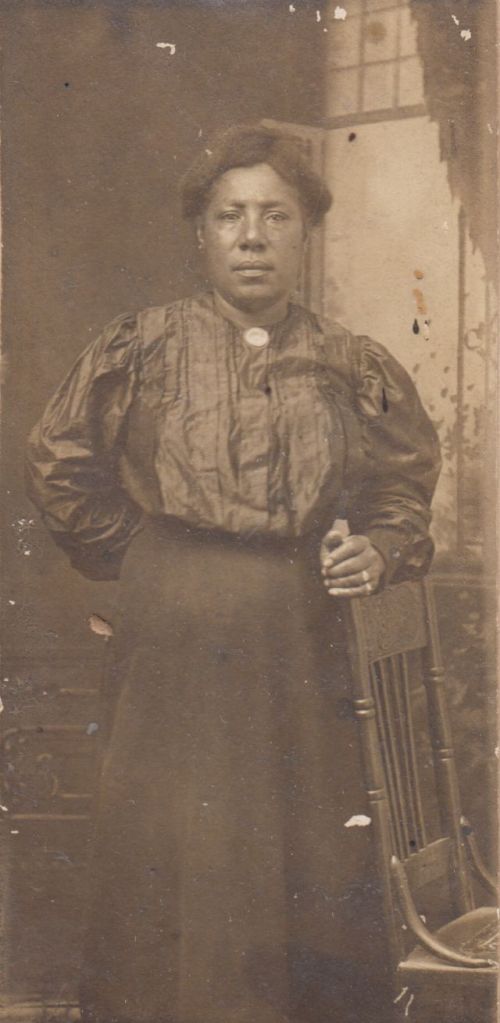
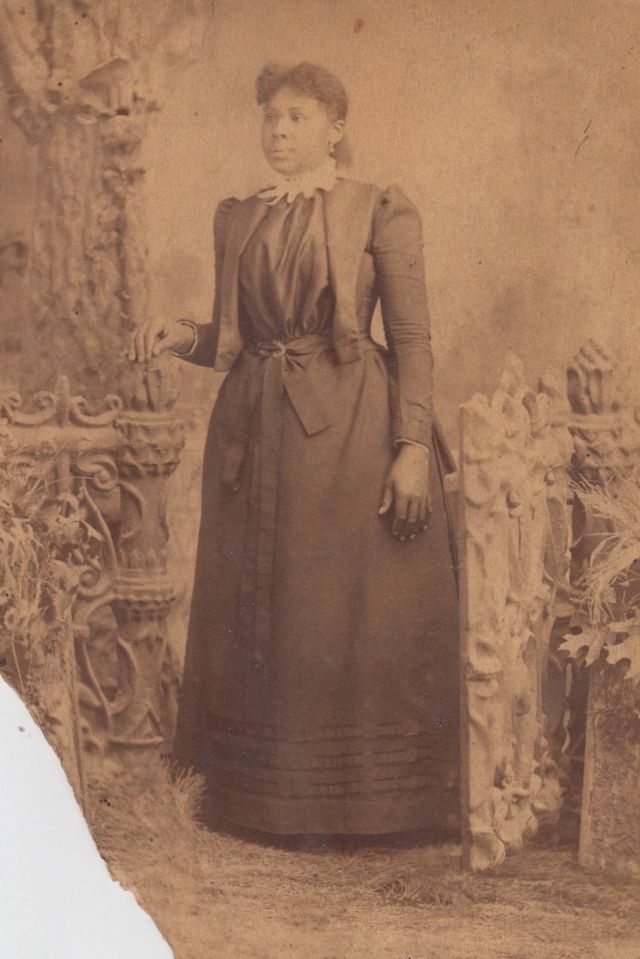
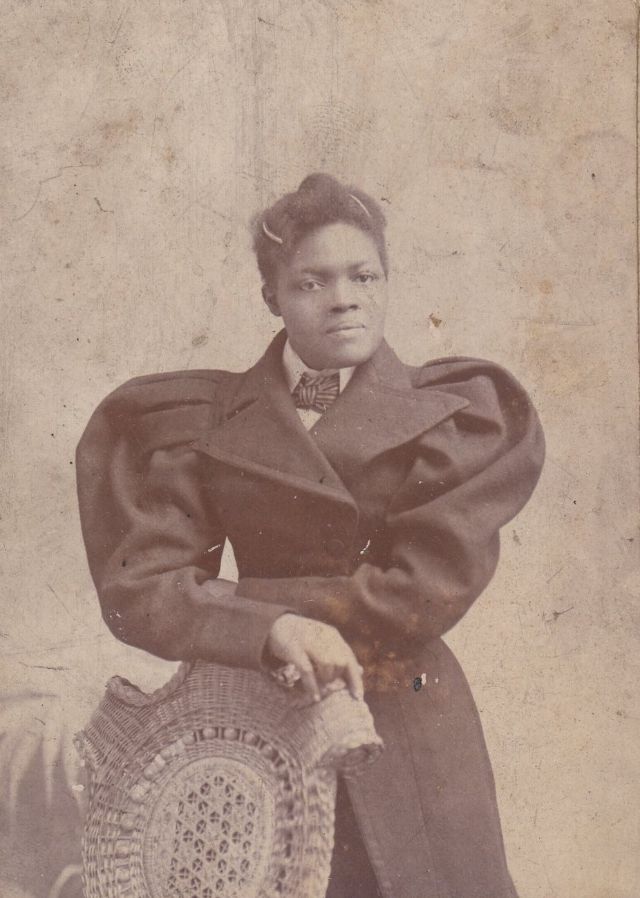
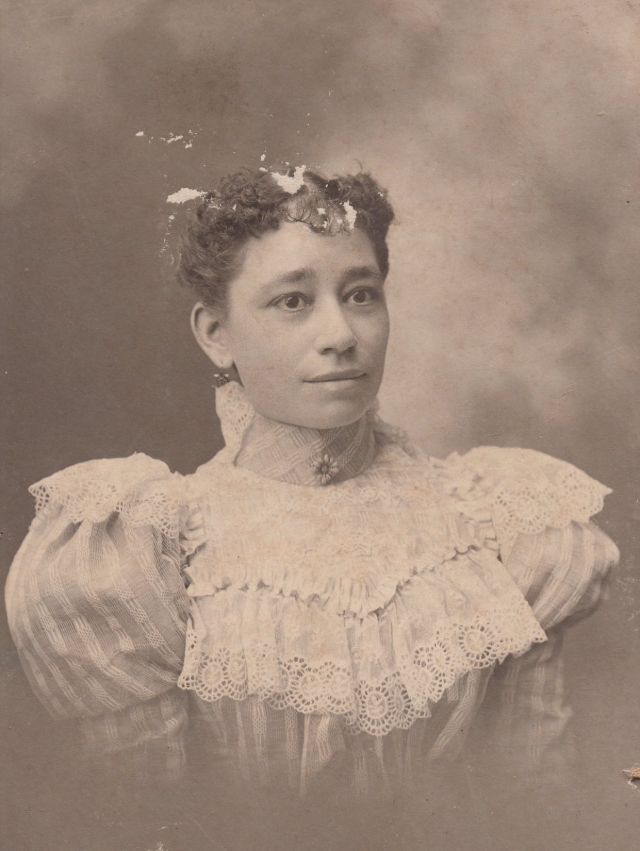
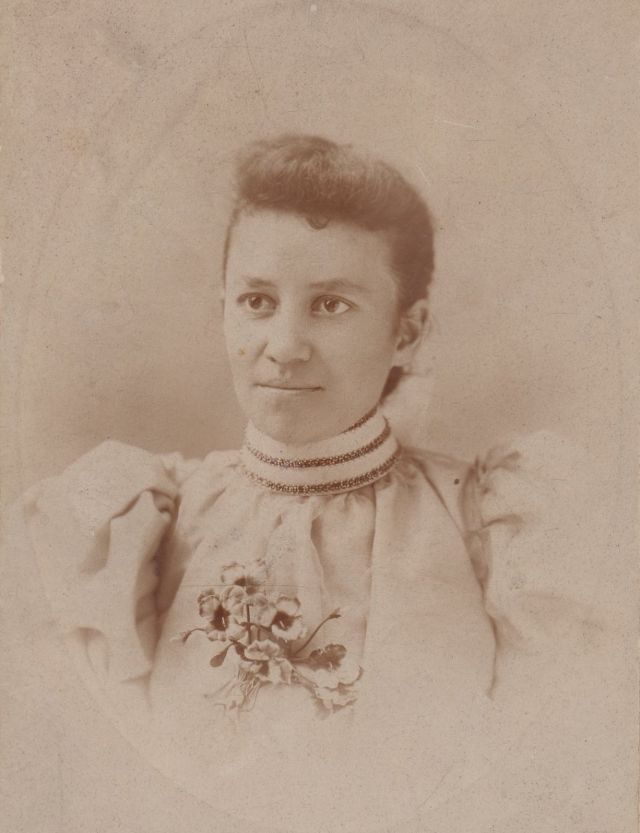
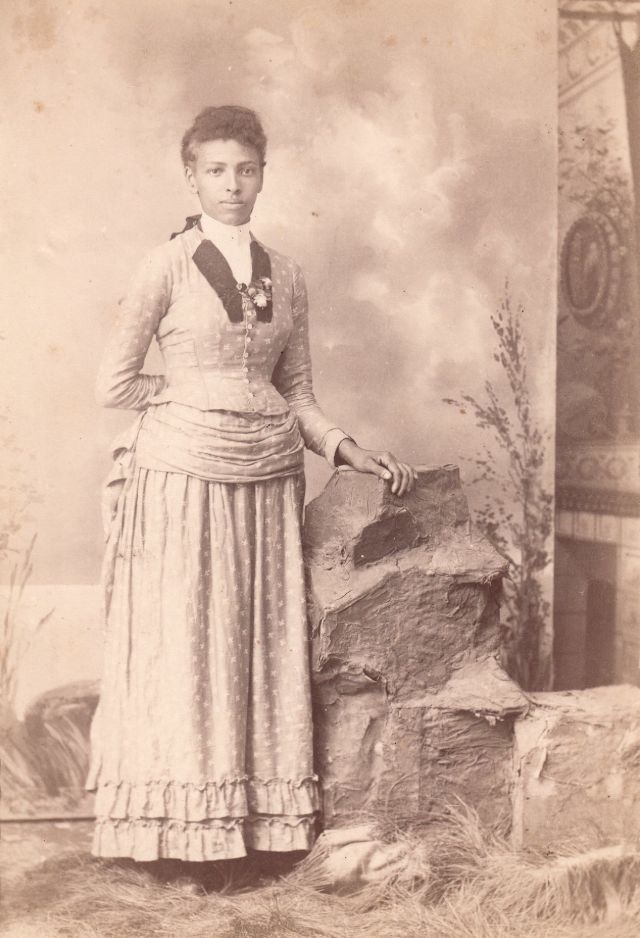
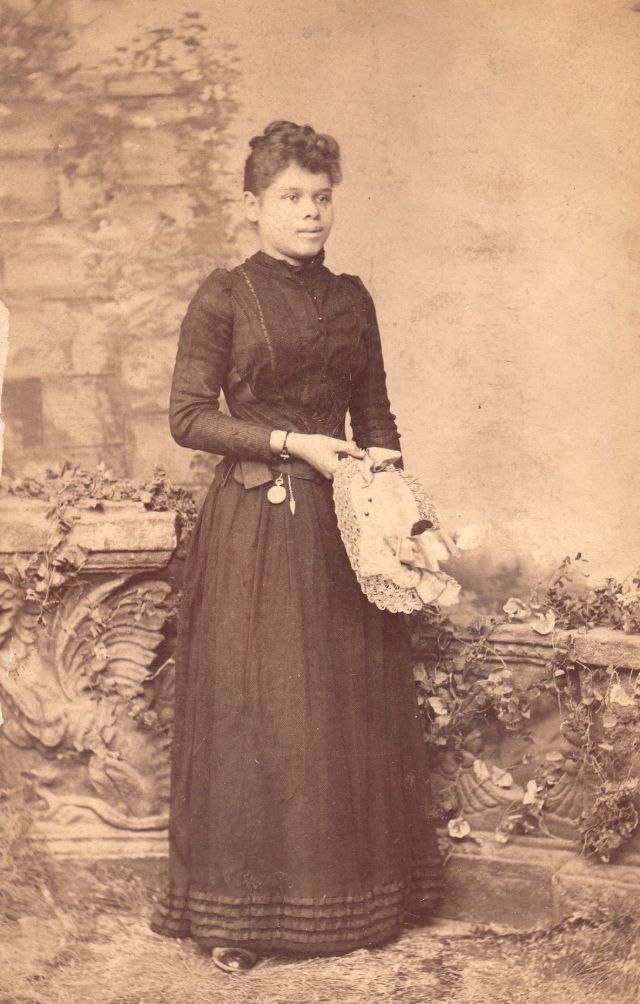
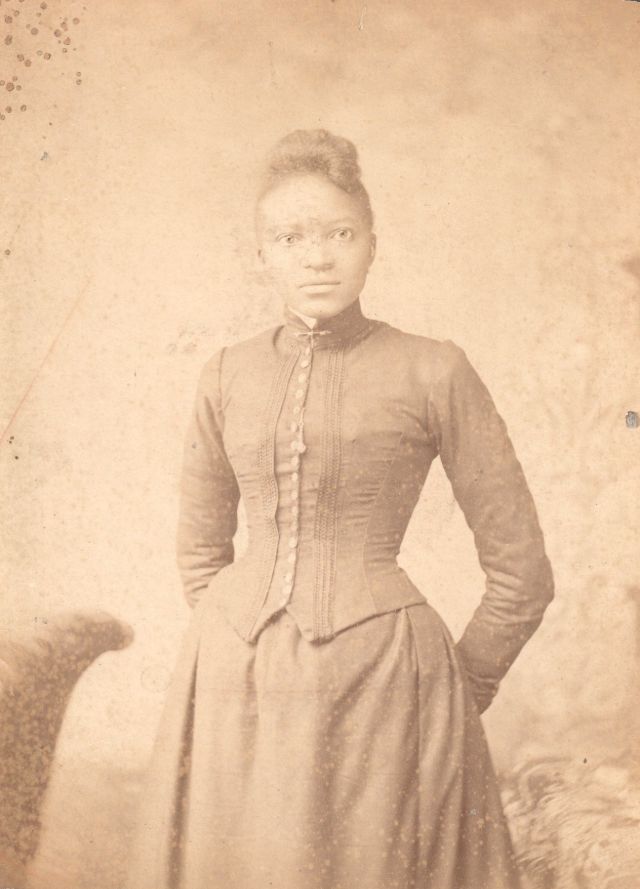
Throughout the early nineteenth century, African Americans formed a substantial minority of inhabitants of the United States; 15 to 18 percent of the total population were free or enslaved black people. In 1800, there were about one million black people living in the country; by 1850, that number had grown to about 3.6 million.
White farmers enslaved the vast majority of African Americans living in the United States, but there were many free people of color living in cities and urban coastal areas. Of the four million black people residing in the United States in 1850, about 3.2 million were enslaved, and about 430,000 were free.
While white men enjoyed increased citizenship rights and privileges as the century progressed, for African Americans the opposite was true. The spirit of the American Revolution, which encouraged many states to gradually abolish slavery and slaveholders to undertake voluntary emancipation, declined after 1800. State governments, north and south, imposed harsher restrictions on both free and enslaved black populations.
Despite this hostile environment, African Americans in the Early Republic found ways to resist repression, maintain their communities, and combat slavery.
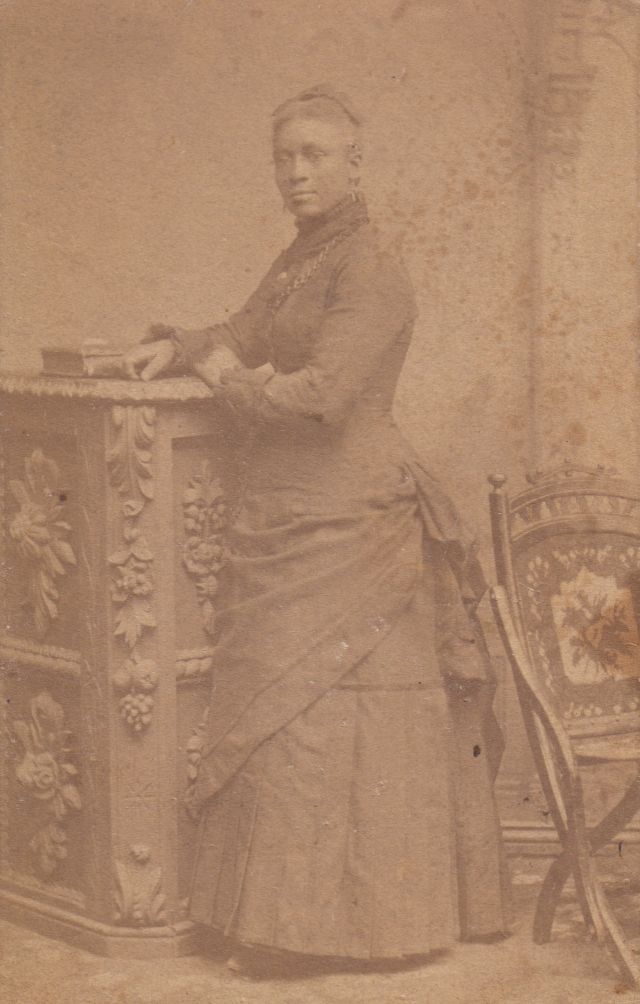
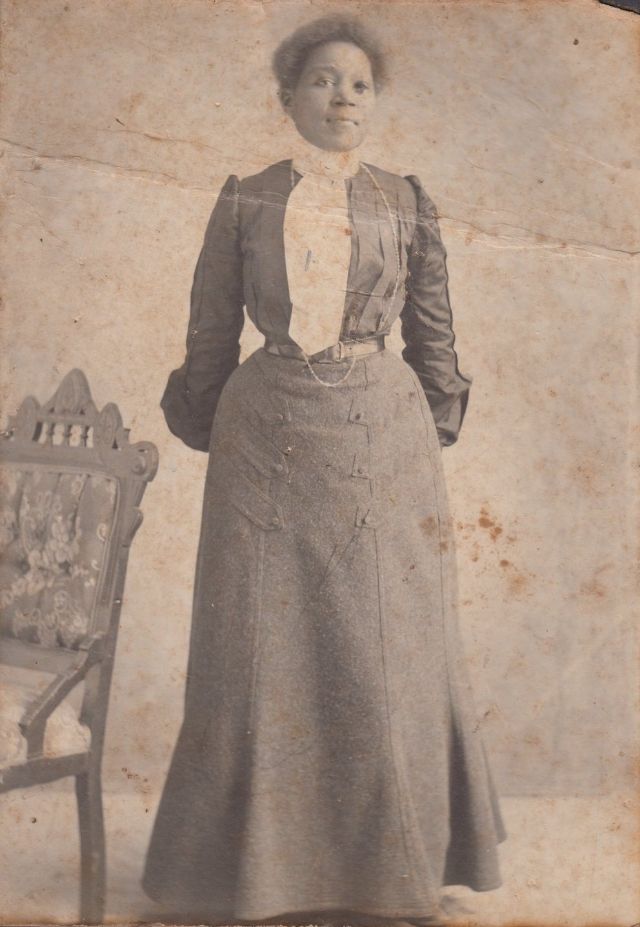
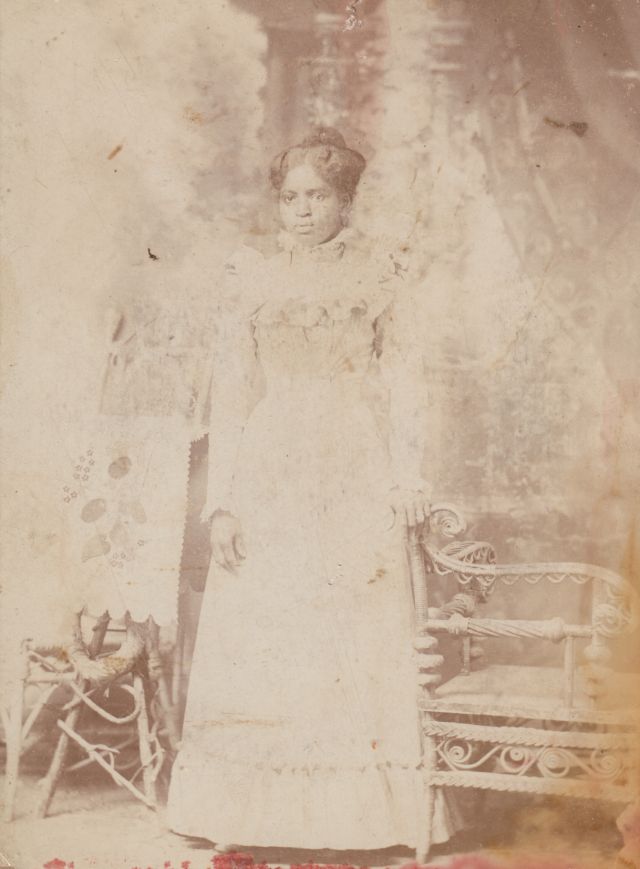
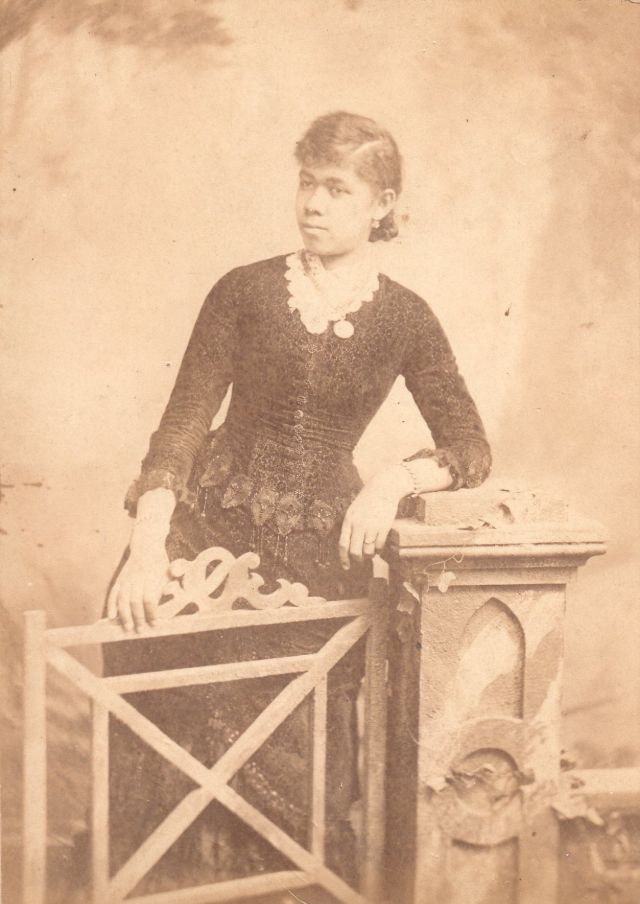
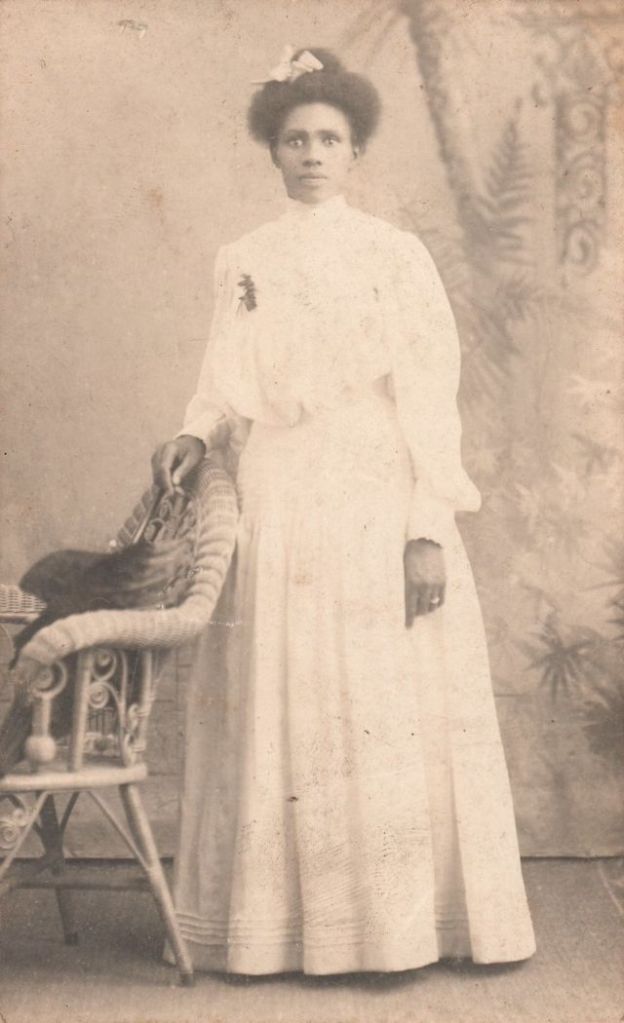
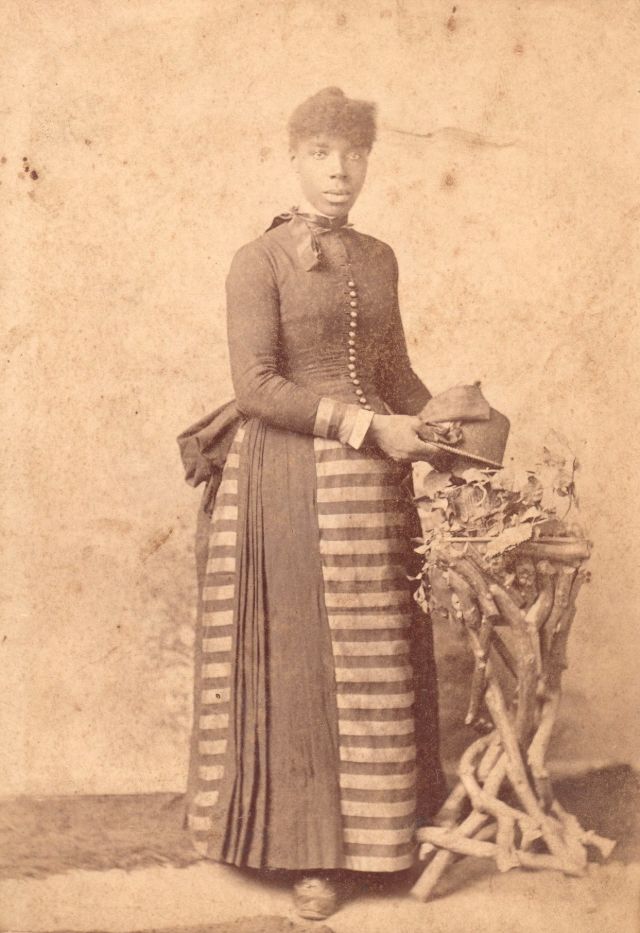
Here below is a set of amazing photos that shows studio portraits of African-American women in the 19th century.
Subscribe to Yesterday Today to receive daily updates on new content:
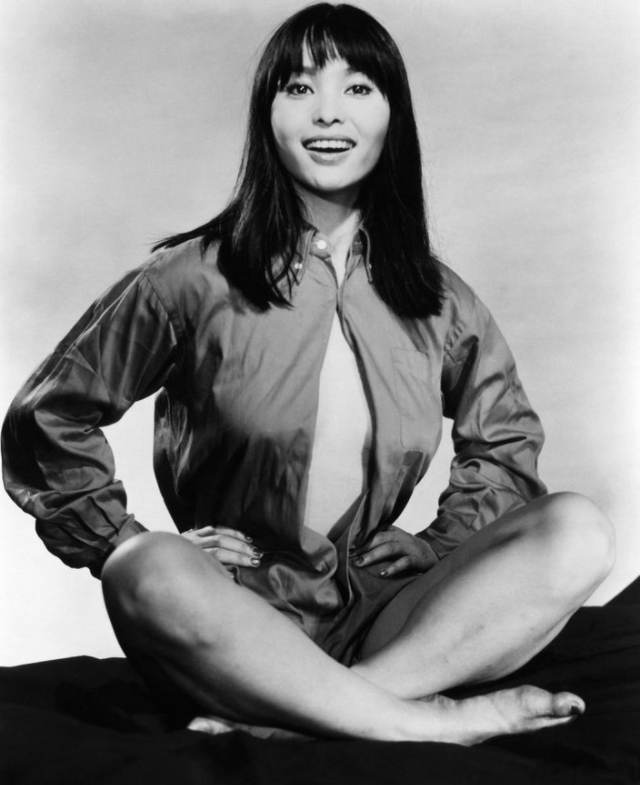
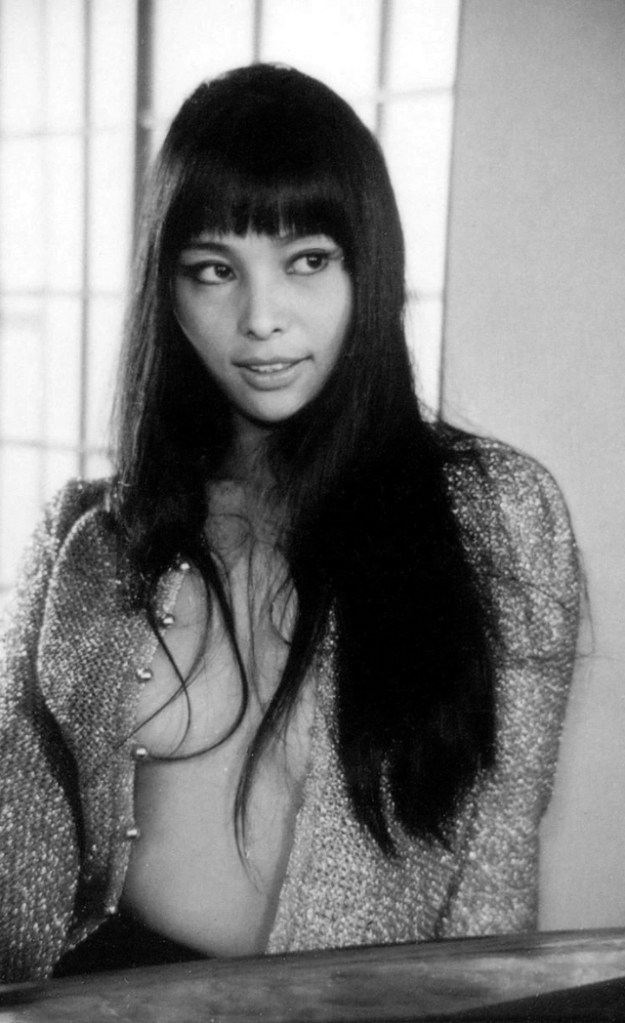
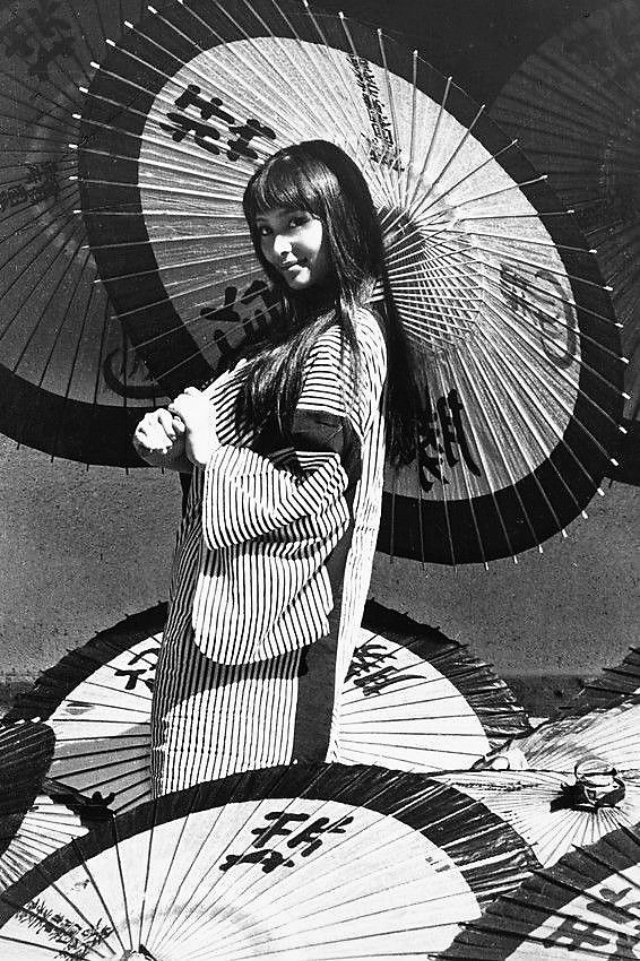
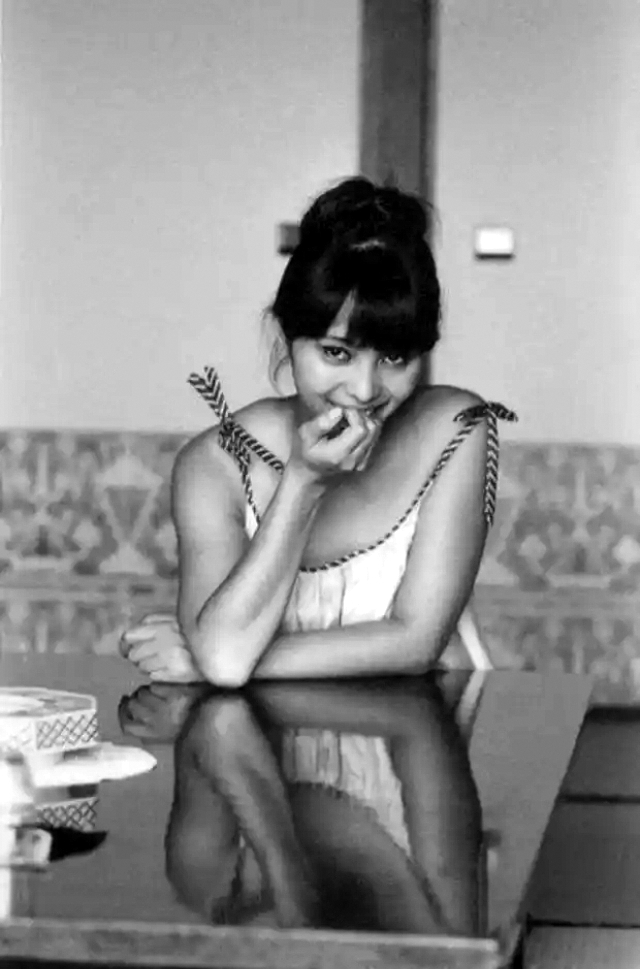
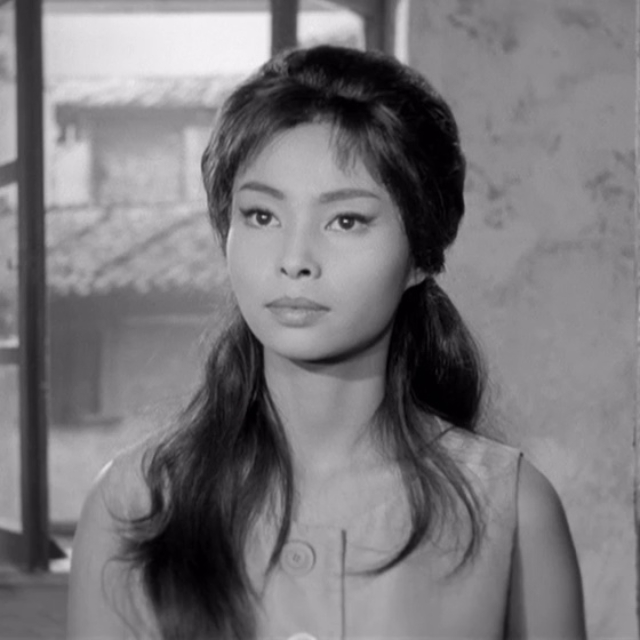
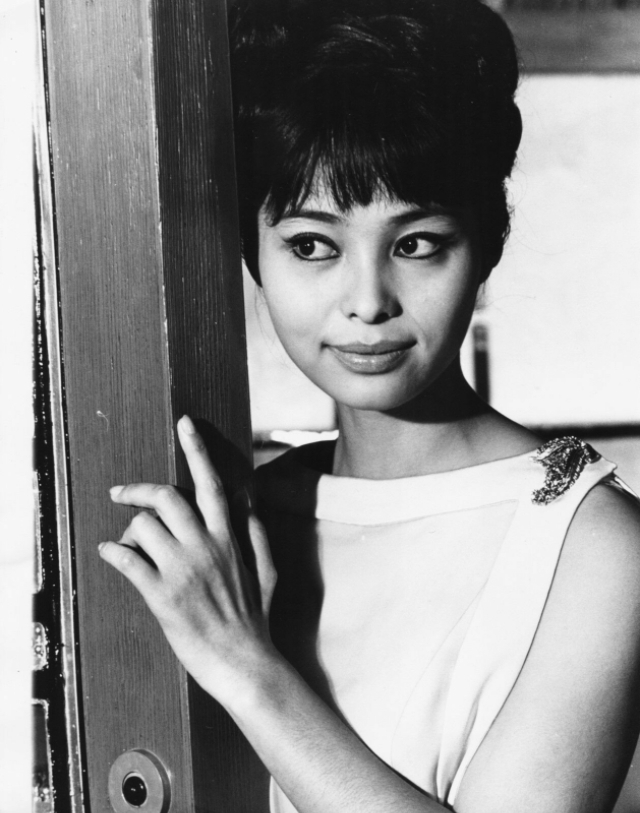
Akiko Wakabayashi (born December 13, 1939) is a retired Japanese actress. She is best known in English-speaking countries for her role as Bond girl Aki in the 1967 James Bond film You Only Live Twice. Before this, she had made many films in her native Japan, especially Toho Studio’s monster films, such as Dagora, the Space Monster (1964) and Ghidorah, the Three-Headed Monster (1964), both of which were also released under various other titles.
When production of You Only Live Twice began, Wakabayashi was slated to play the role of Kissy Suzuki while her co-star Mie Hama played Suki, one of Tiger Tanaka’s top agents. When learning English proved to be a major hurdle to Hama, the women switched roles, with Hama playing the smaller part of Kissy and Wakabayashi playing the larger part of Suki. At her suggestion, the character of Suki was renamed Aki. They had acted together in King Kong vs. Godzilla (1962) and Kokusai himitsu keisatsu: Kagi no kagi (1965), from which footage was recut to make Woody Allen’s What’s Up Tiger Lily?.
In 1971, she made an appearance in an episode of Shirley’s World. Wakabayashi made only one more film (and a guest TV appearance) before disappearing from both the big and small screen. In an interview in G-FAN magazine (No. 76), Wakabayashi said she retired from acting owing to injuries sustained while making a film.
Subscribe to Yesterday Today to receive updates daily on new content:
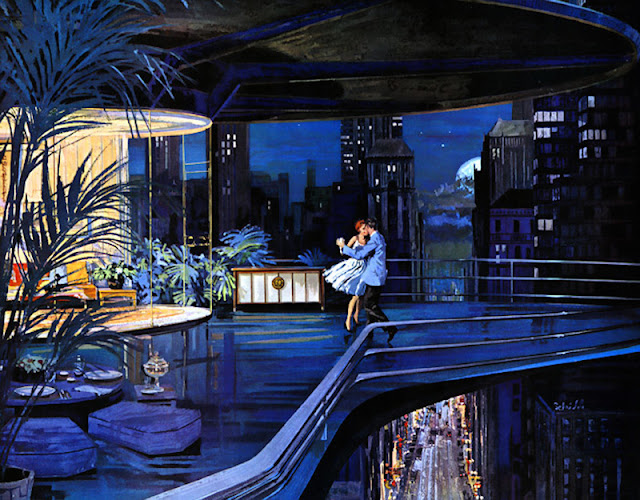
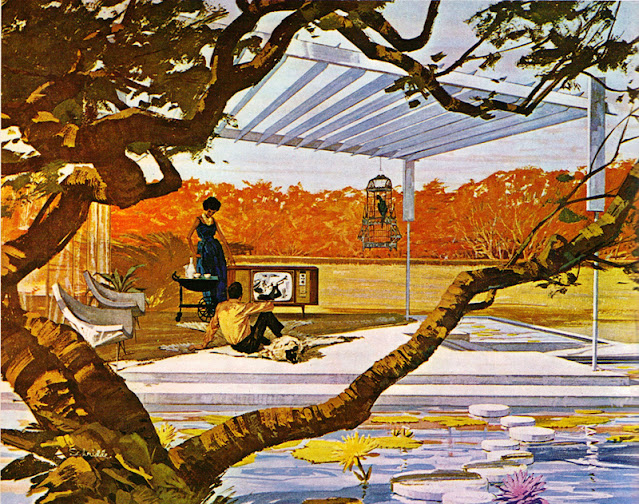
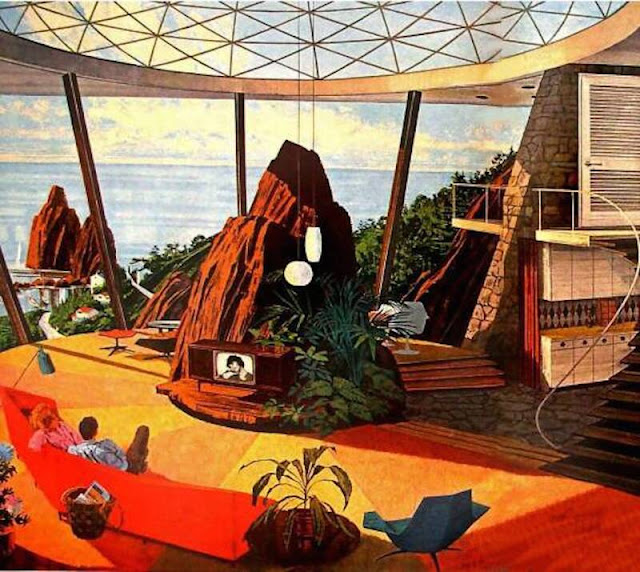
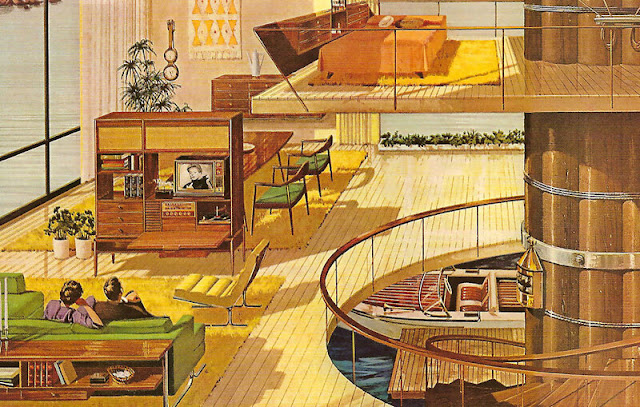
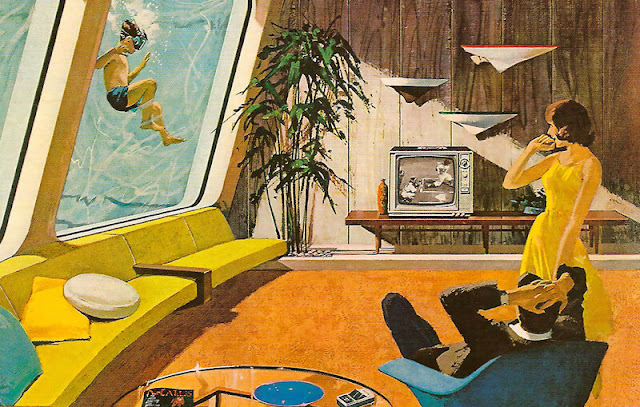
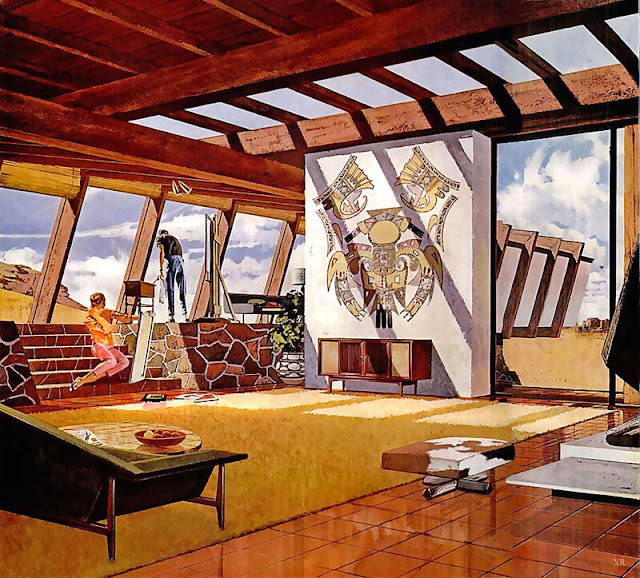
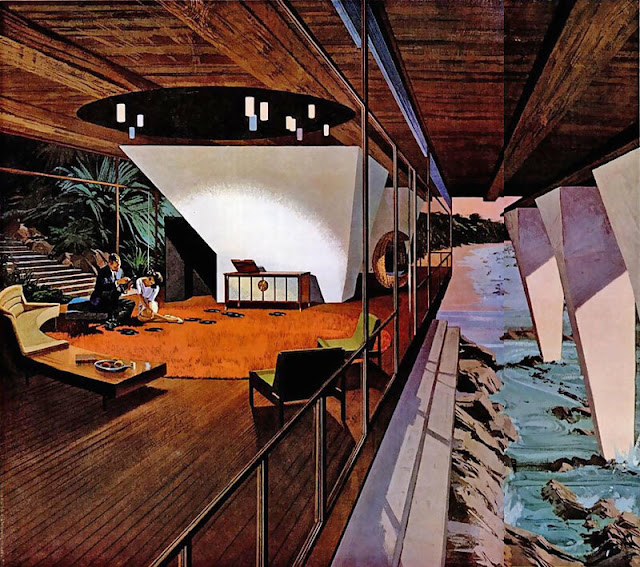
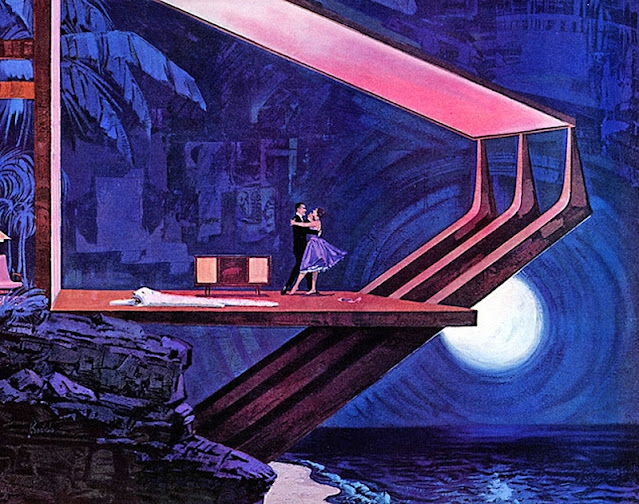
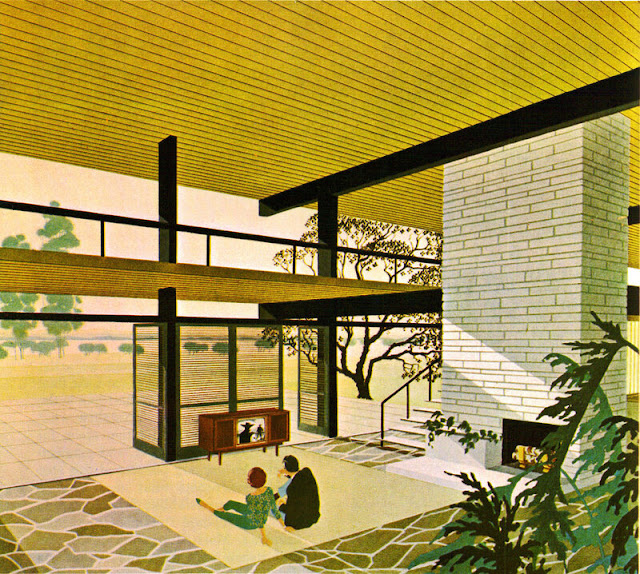
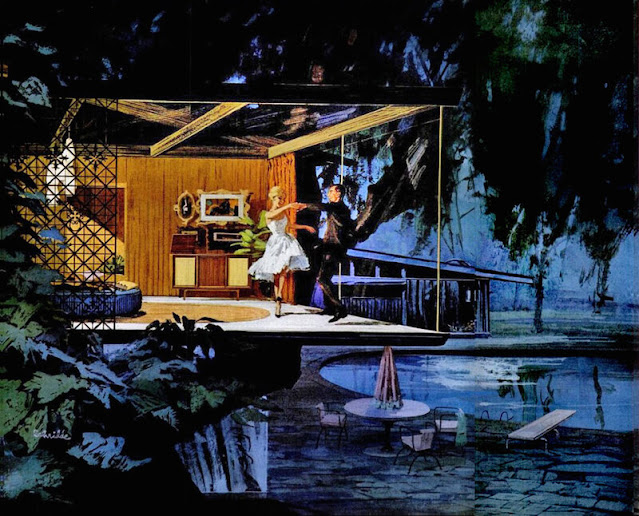
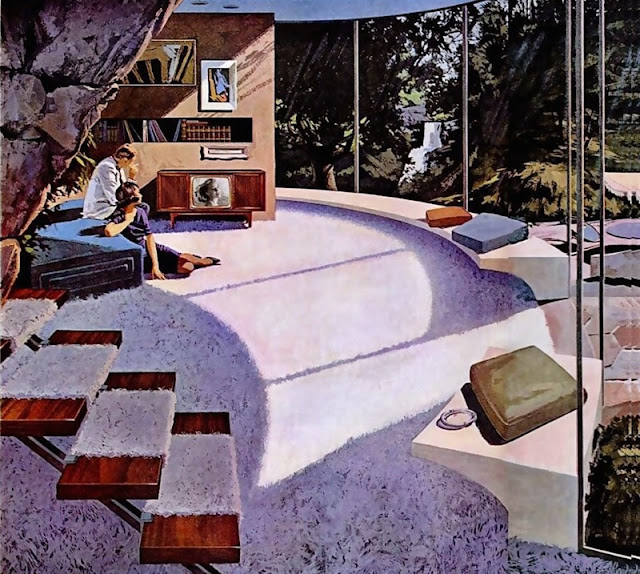
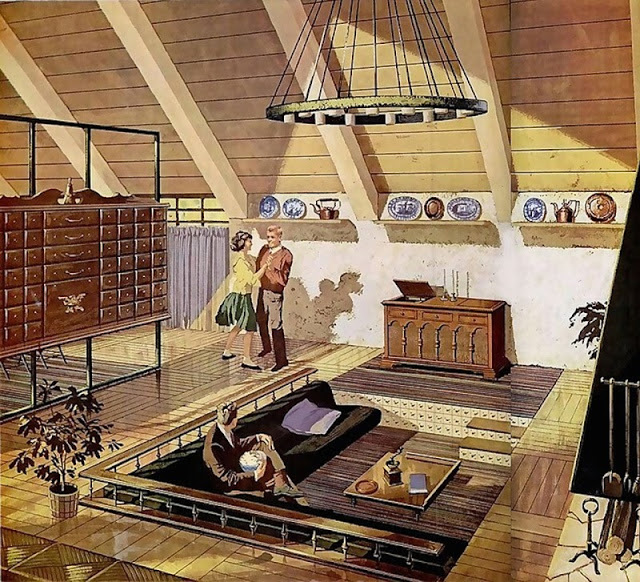
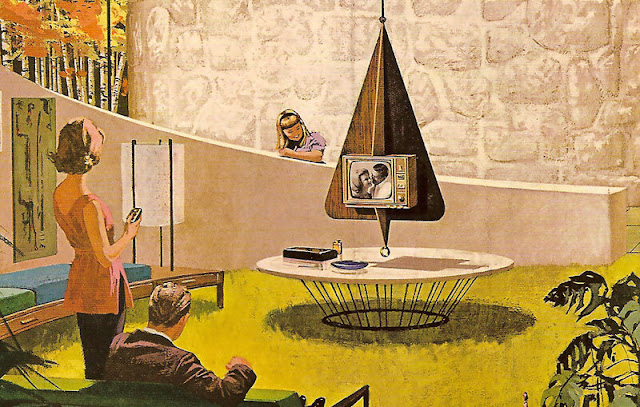
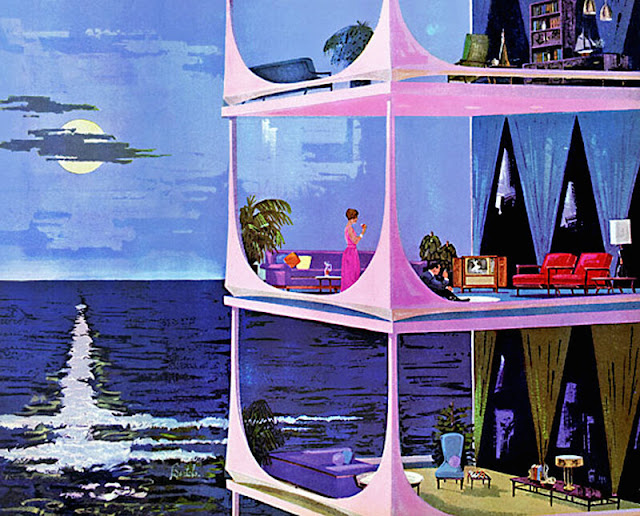
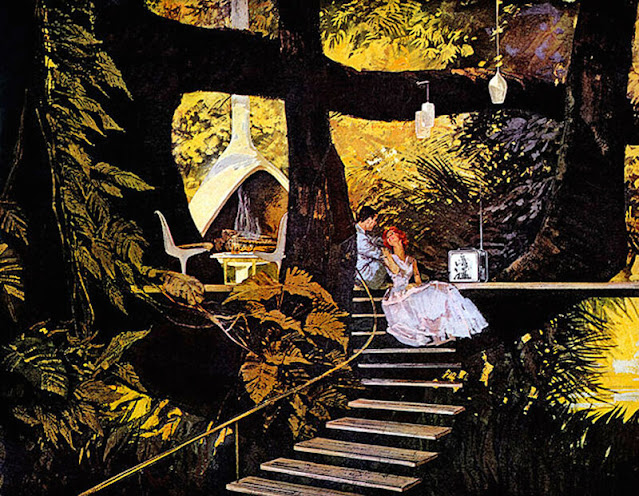
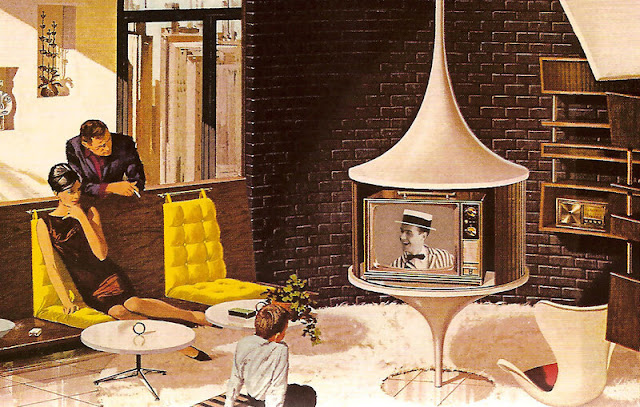
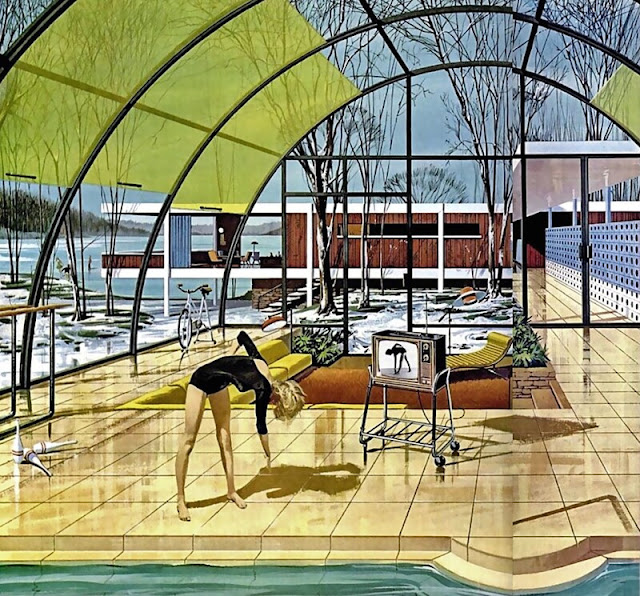
Charles Schridde was born in 1926 and grew up in rural Illinois. He was an artist from an early age and received a scholarship to the Chicago Art Institute when he was age 17. He began at the institute, but was then enlisted in the Navy for two years. When he returned from the Navy, Charles began his career as a free-lance commercial illustrator. His major clients included The Saturday Evening Post, Life magazine, Motorola and Chevrolet.
In 1961, Motorola asked Charles Schridde to envision the homes of the future centered around Motorola’s most recent line of electronics. The ads created by Schridde ran in Life Magazine and The Saturday Evening Post from 1961 to 1963 and depicted an optimistic future made of lavish, elegant, dream-homes, where domestic technologies and serene landscapes coexisted harmoniously. Through his stunning drawings, we were offered a fascinating glimpse of what the past thought the future would be like, and how home technology companies capitalized on their consumers’ minds by swaying them in the direction that these electronic products were relevant to that ultimate future.
S050661
Subscribe to Yesterday Today to receive daily updates on new content.
Street kids at play, Georgetown, Washington D.C., Summer 1935
The Great Depression was the worst economic downturn in the history of the industrialized world, lasting from 1929 to 1939. It began after the stock market crash of October 29, 1929, the “Black Tuesday”, which sent Wall Street into a panic and wiped out millions of investors.
Over the next several years, consumer spending and investment dropped, causing steep declines in industrial output and employment as failing companies laid off workers. By 1933, when the Great Depression reached its lowest point, some 15 million Americans were unemployed and nearly half the country’s banks had failed.
The end to the Great Depression came about in 1941 with America’s entry into World War II. America sided with Britain, France and the Soviet Union against Germany, Italy, and Japan. The loss of lives in this war was staggering.
The European part of the war ended with Germany’s surrender in May 1945. Japan surrendered in September 1945, after the U.S. dropped atomic bombs on Hiroshima and Nagasaki.
These incredible vintage photos were colorized by Lamont Cranston that revived life of the U.S. in the 1930s and 1940s.
Street smart, Washington, D.C., 1935
Subscribe to continue reading
Become a paid subscriber to get access to the rest of this post and other exclusive content.
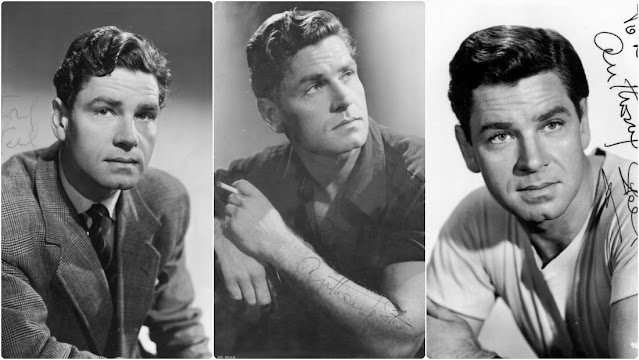
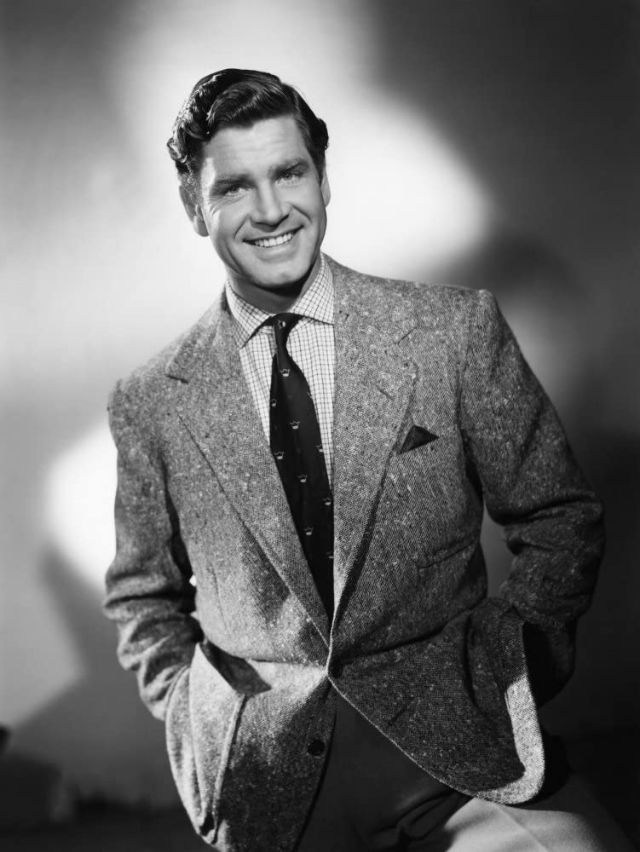
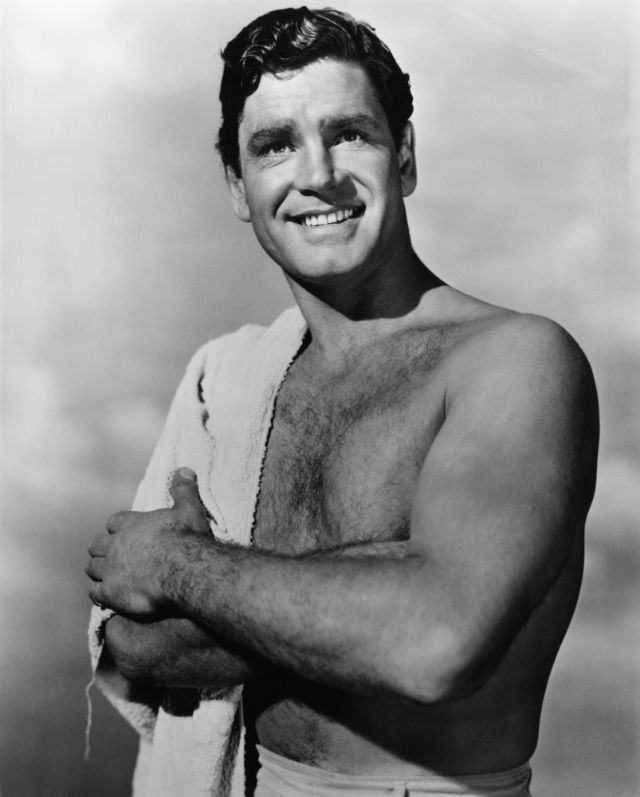
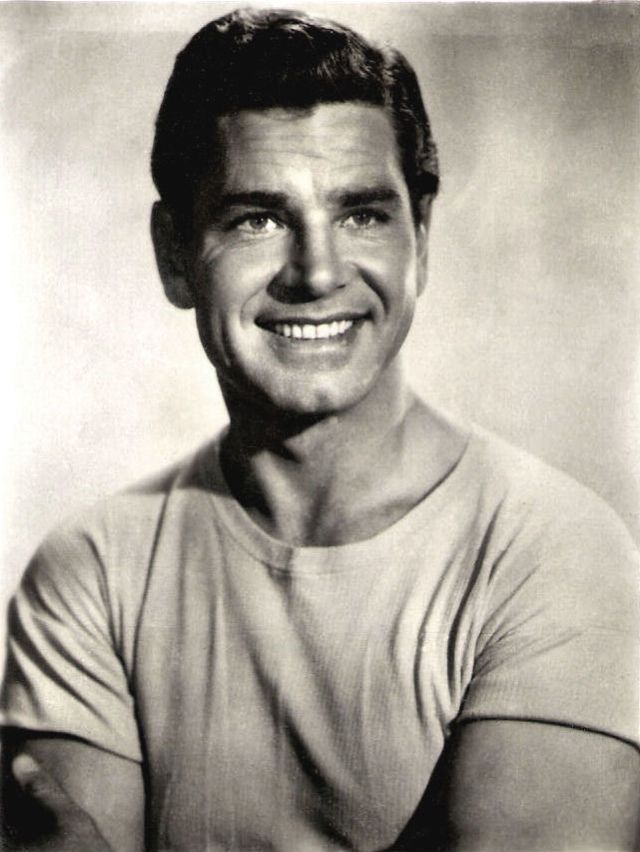
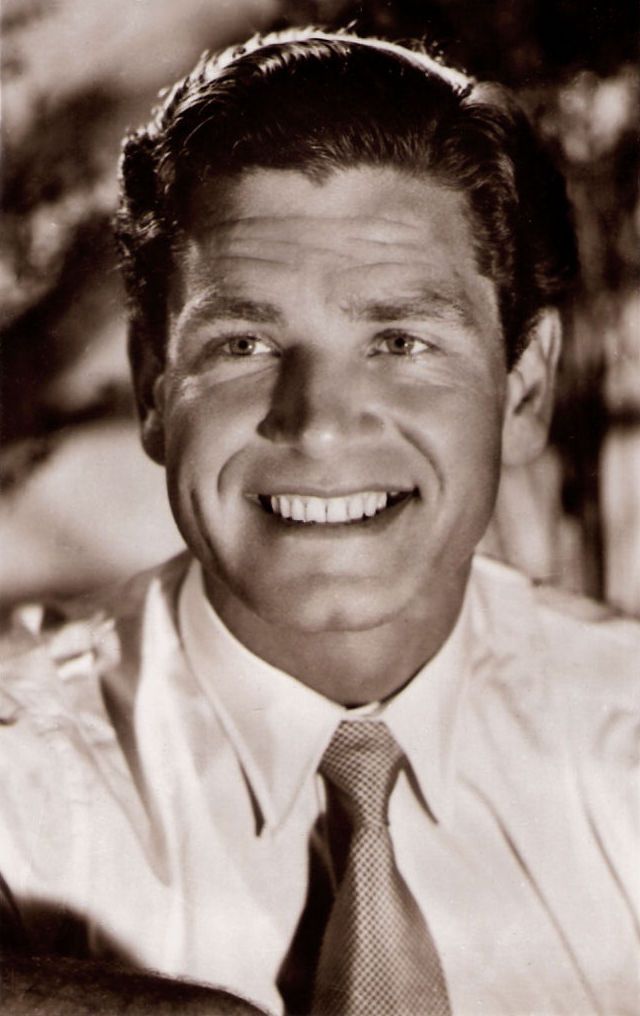
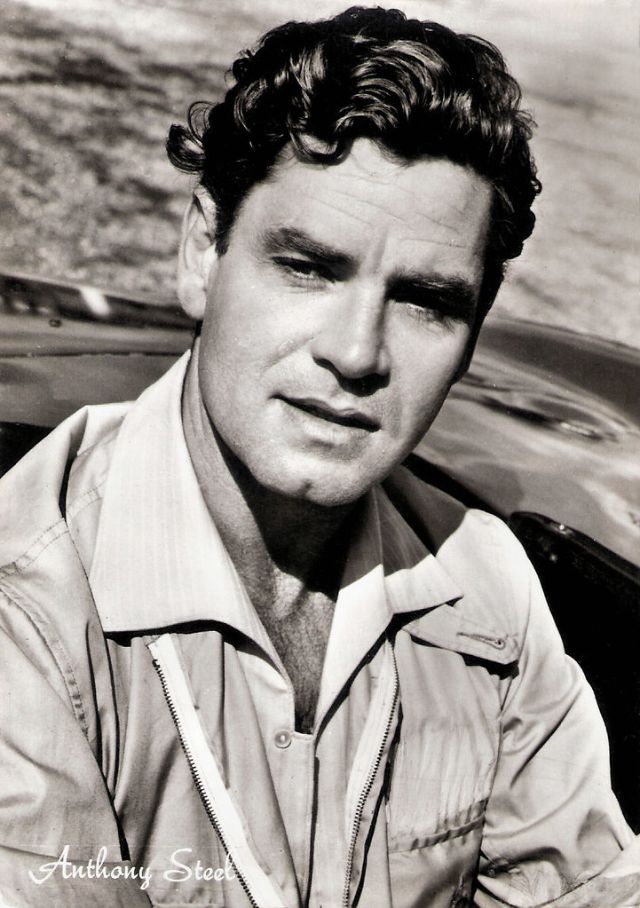
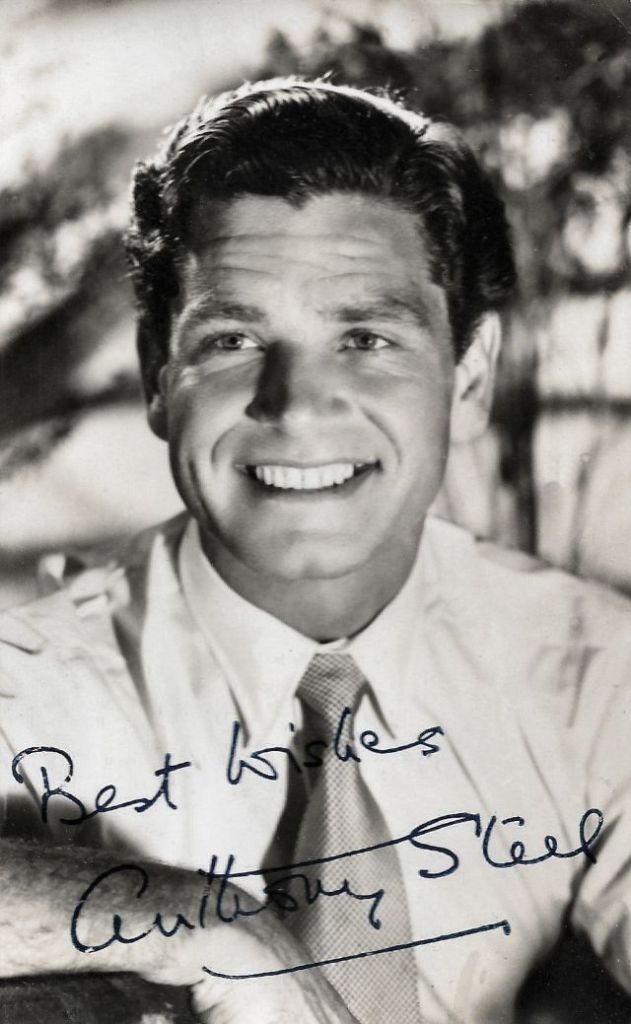
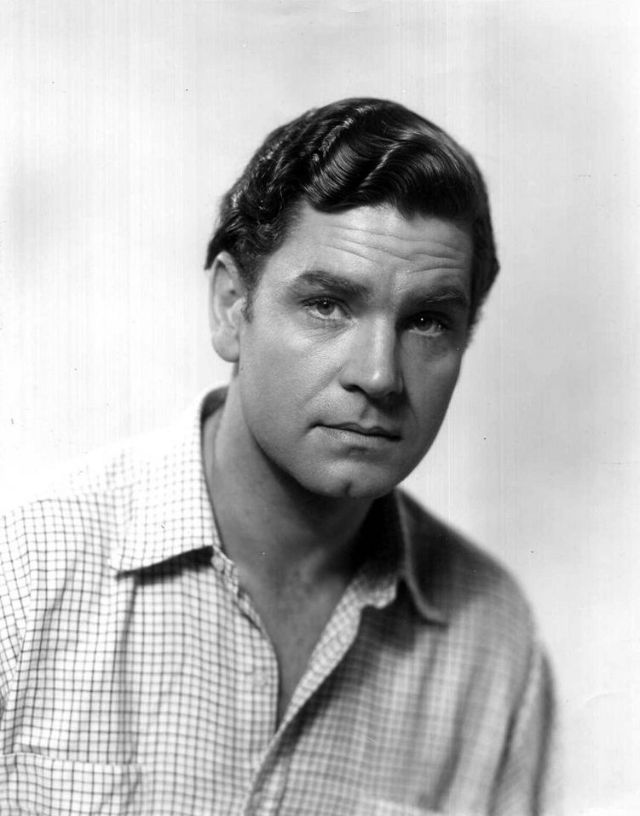
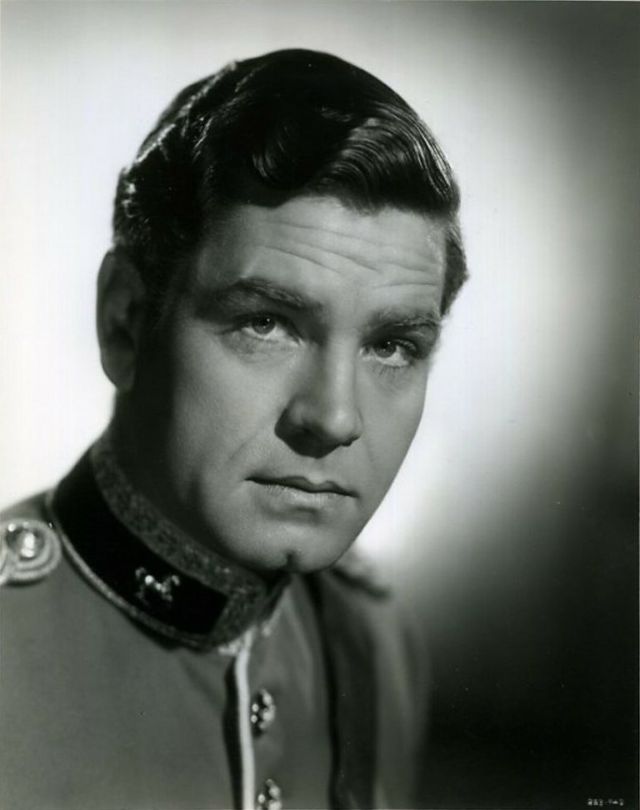
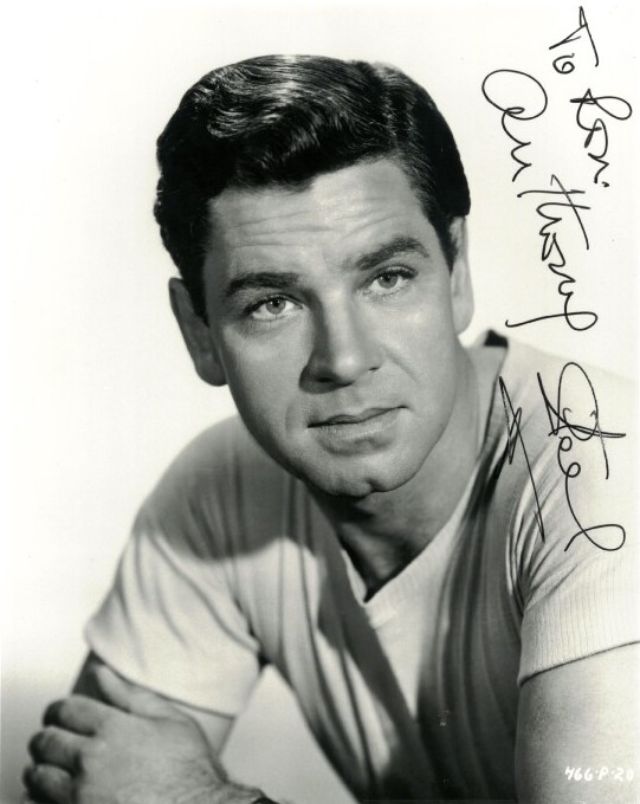
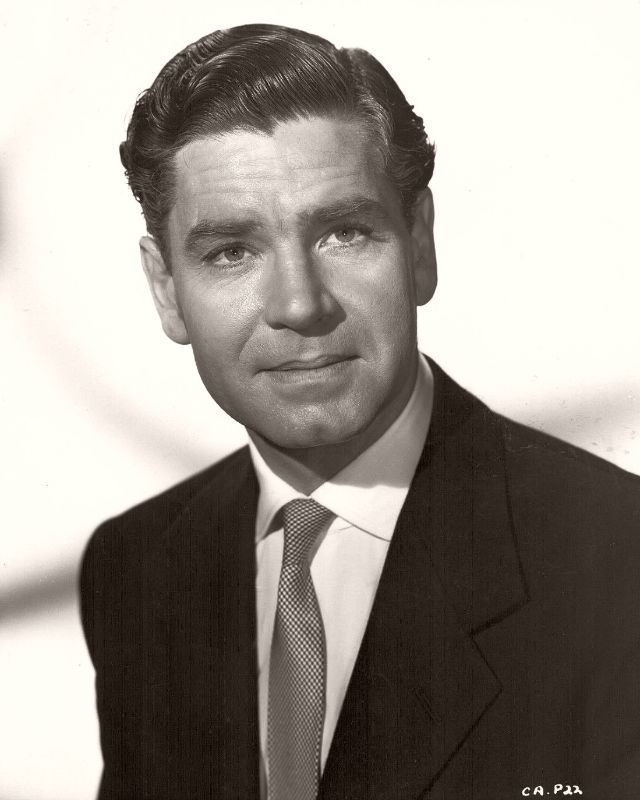
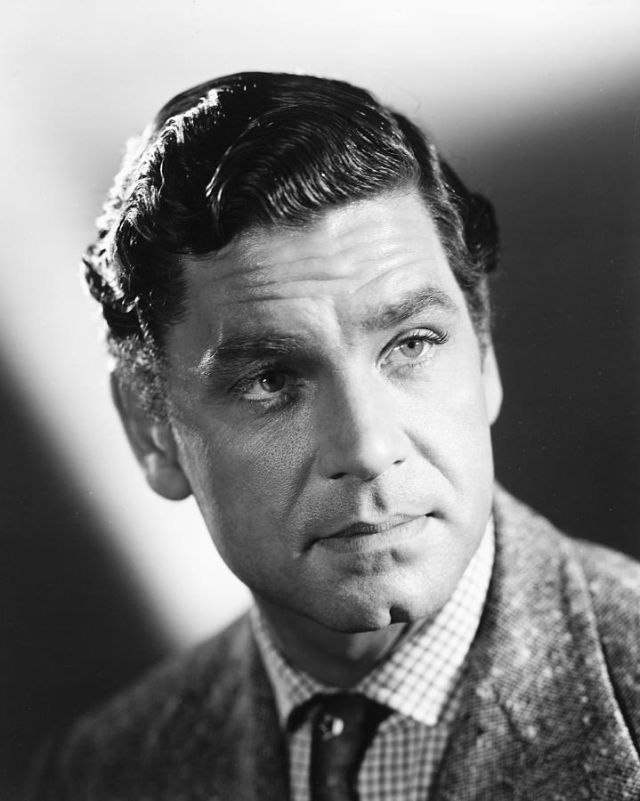
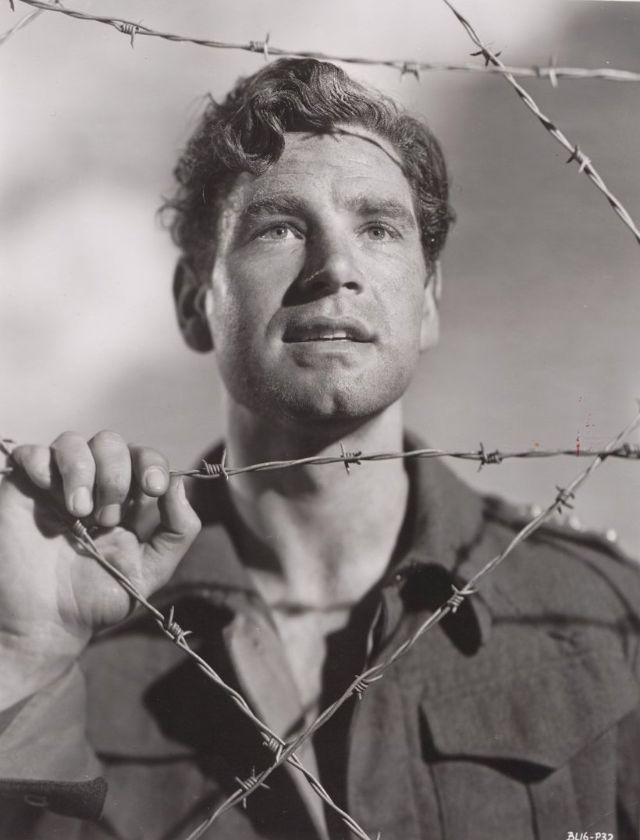
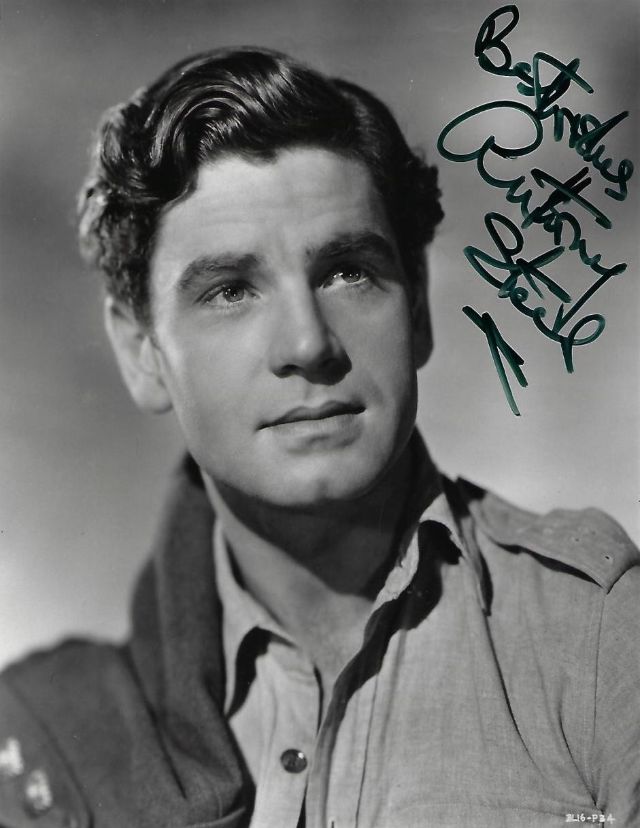
Born 1920 in London, England, British actor and singer Anthony Steel was best known for his appearances in British war films of the 1950s such as The Wooden Horse (1950) and Where No Vultures Fly, and his marriage to Anita Ekberg.
Steel was described as “a glorious throwback to the Golden Age of Empire… the perfect imperial actor, born out of his time, blue-eyed, square-jawed, clean-cut.” As another writer put it, “Whenever a chunky dependable hero was required to portray grace under pressure in wartime or the concerns of a game warden in a remote corner of the empire, Steel was sure to be called upon.” Another said “Never as popular as Stewart Granger or as versatile as Kenneth More, he enjoyed a brief period of fashionability embodying the kind of idealized, true-blue Englishman who probably rowed for his university, played cricket on the village green and exuded calm under pressure as he bravely fought for king and country.”
Steel also was the stiff-upper-lipped star of many distinguished British war films and made more than 60 film appearances between 1948 and 1980. In the 1980s his once brilliant career collapsed into poverty and destitution.
Steel died from lung cancer in Northwood, Middlesex in 2001, aged 80. Take a look at these vintage photos to see portrait of a young and handsome Anthony Steel in the 1950s.
Subscribe to Yesterday Today to receive daily updates on all current content:
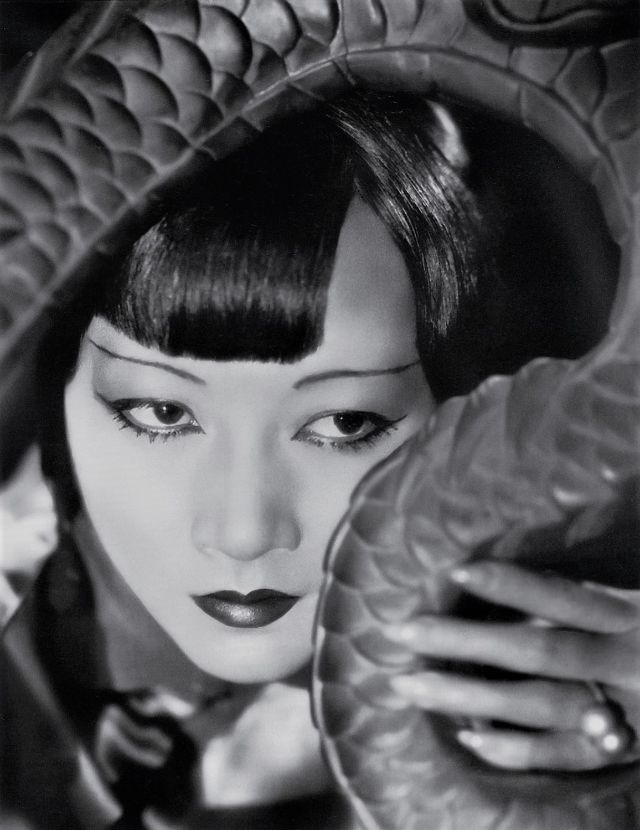
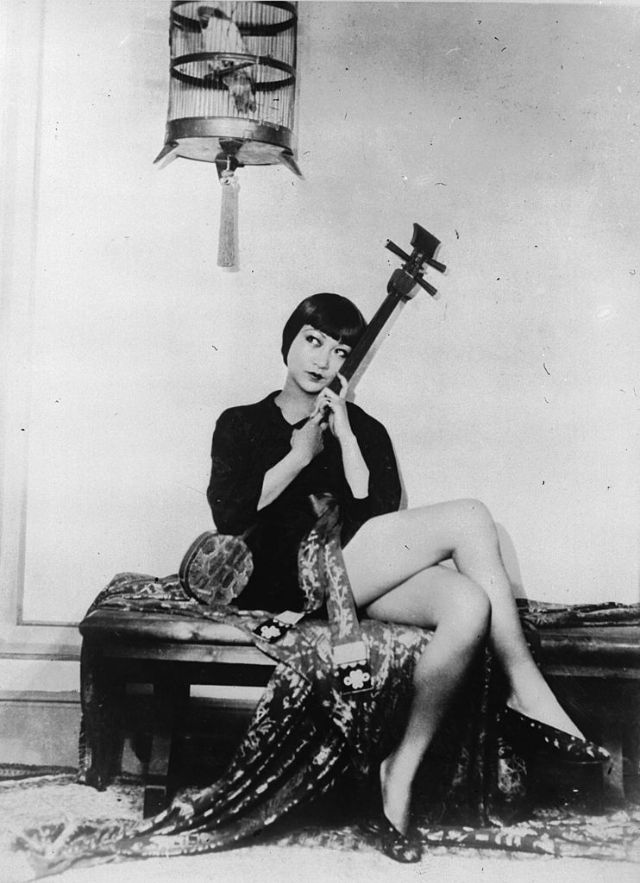
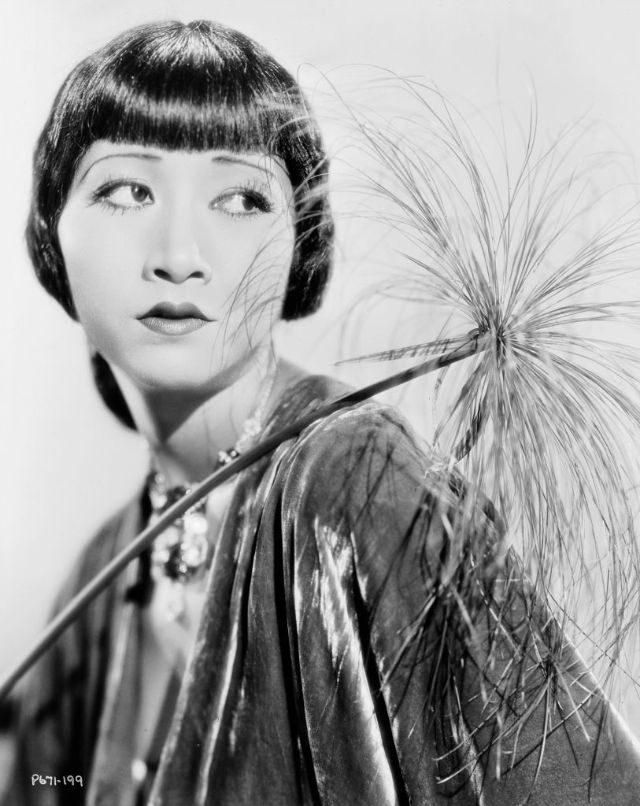
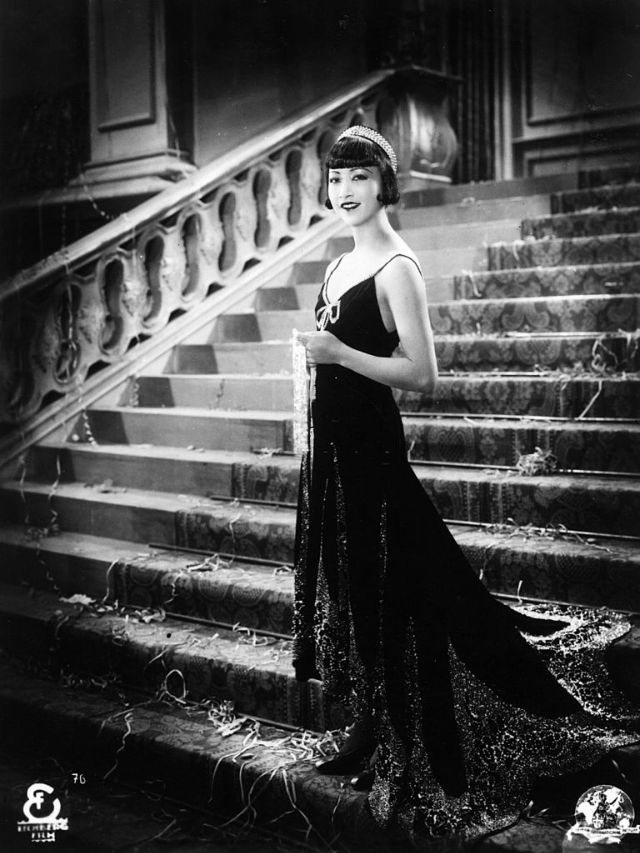
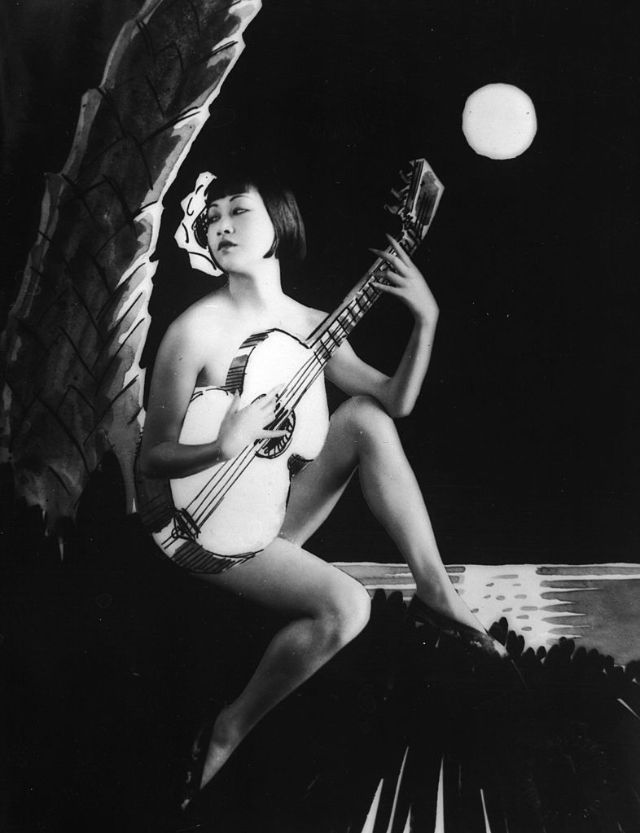
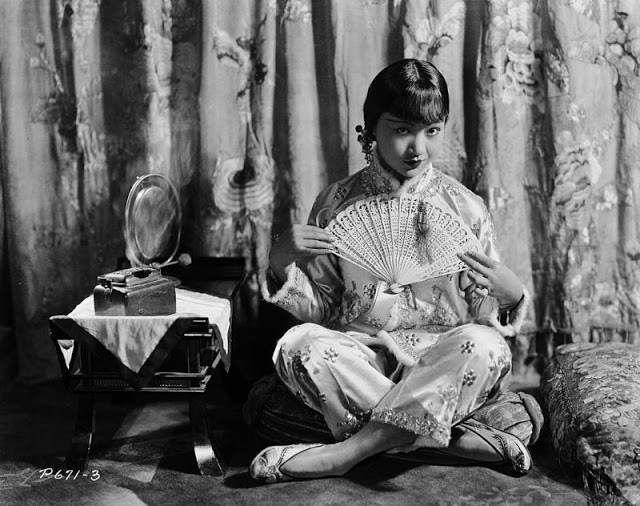
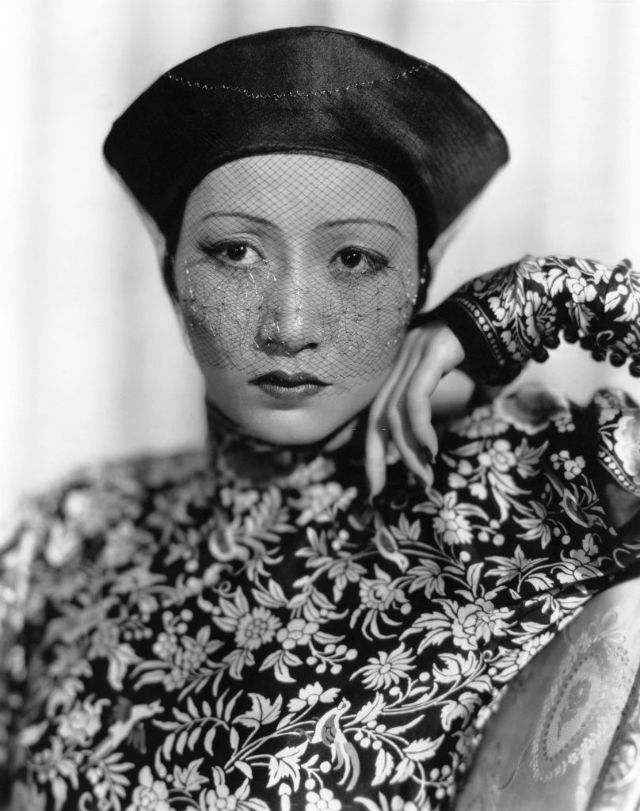
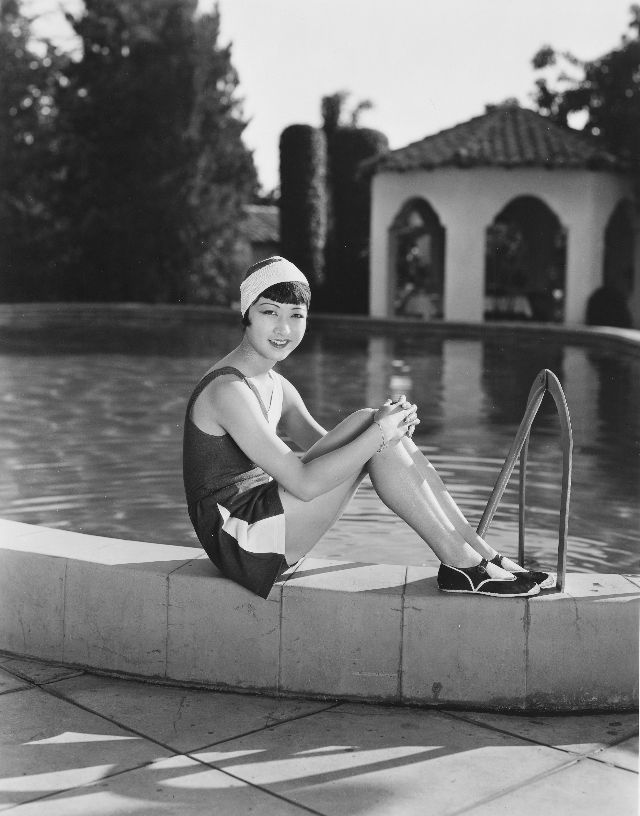
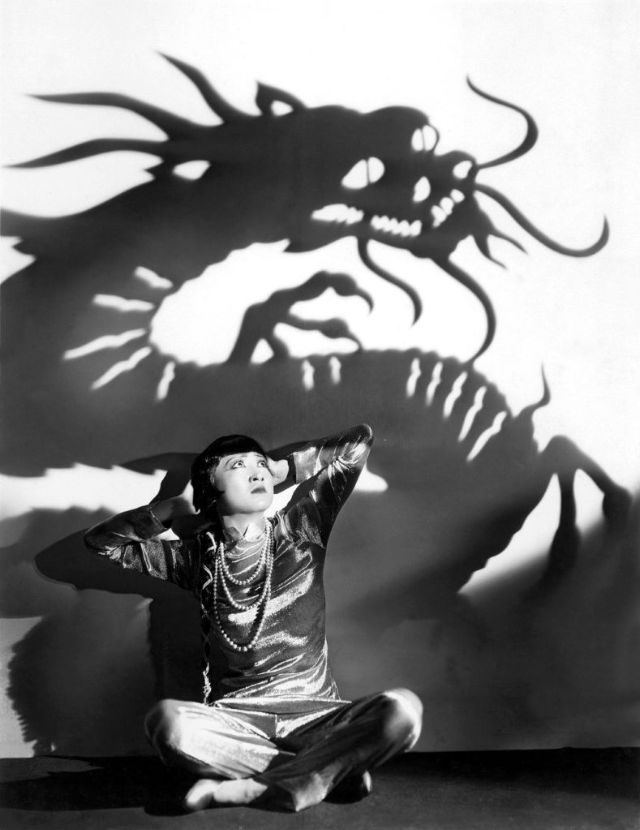
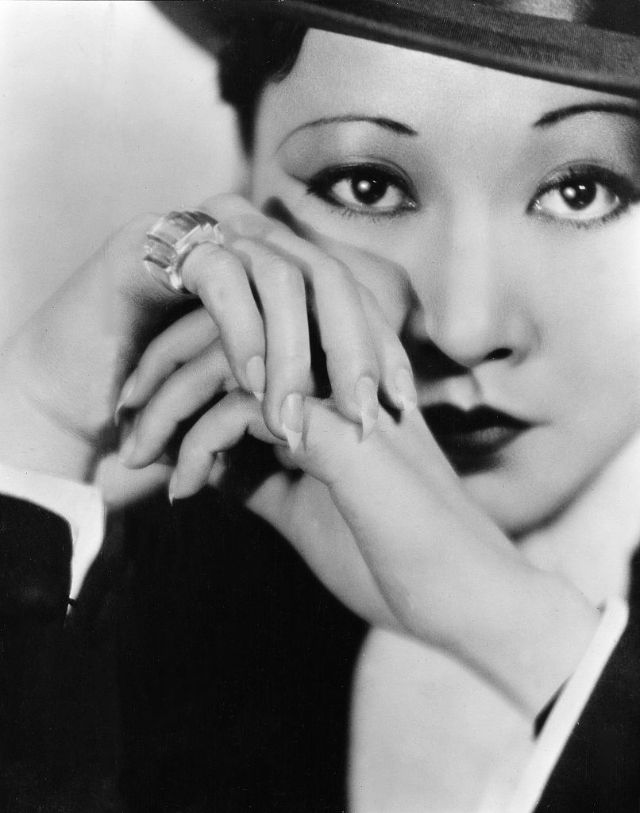
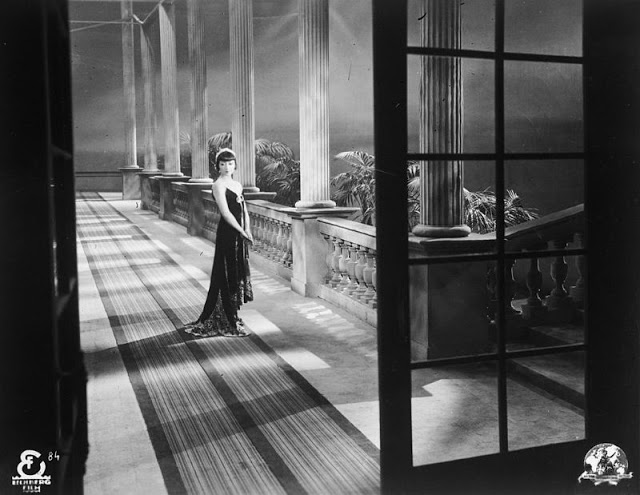
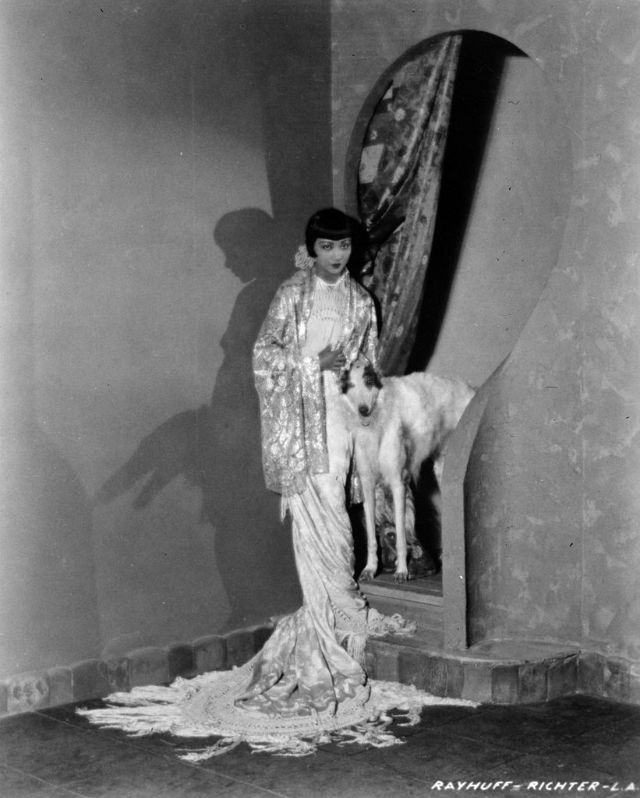
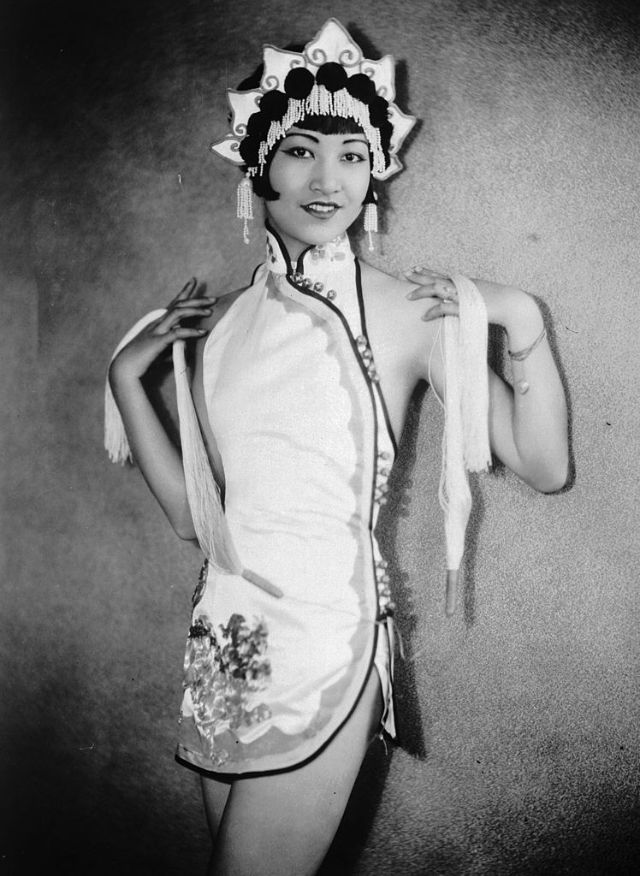
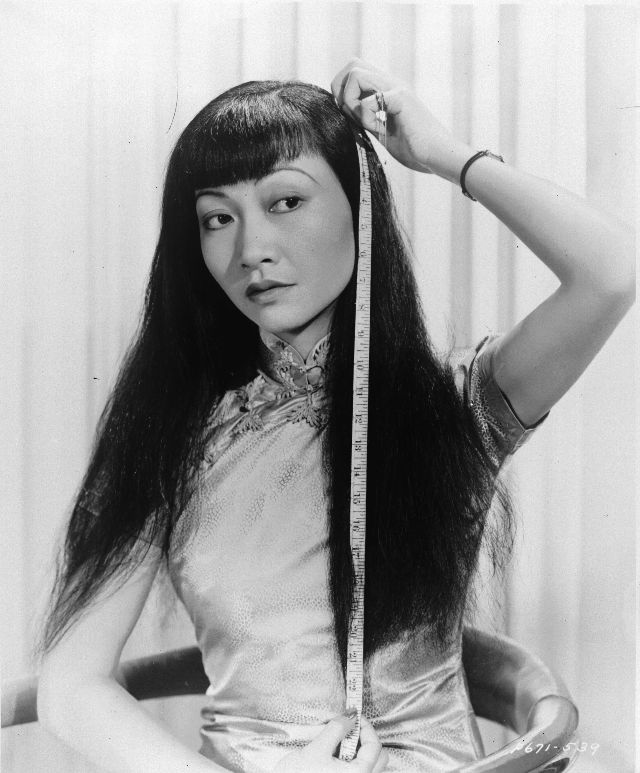
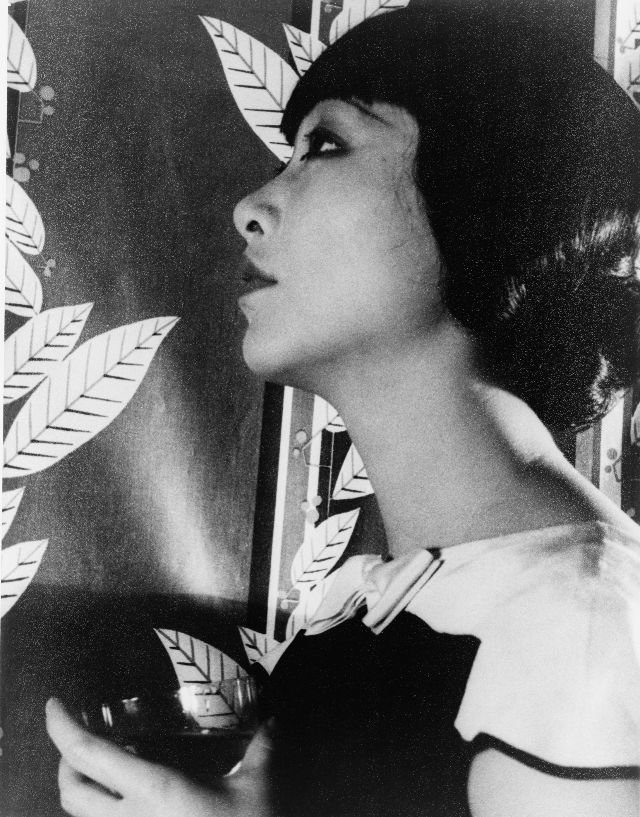
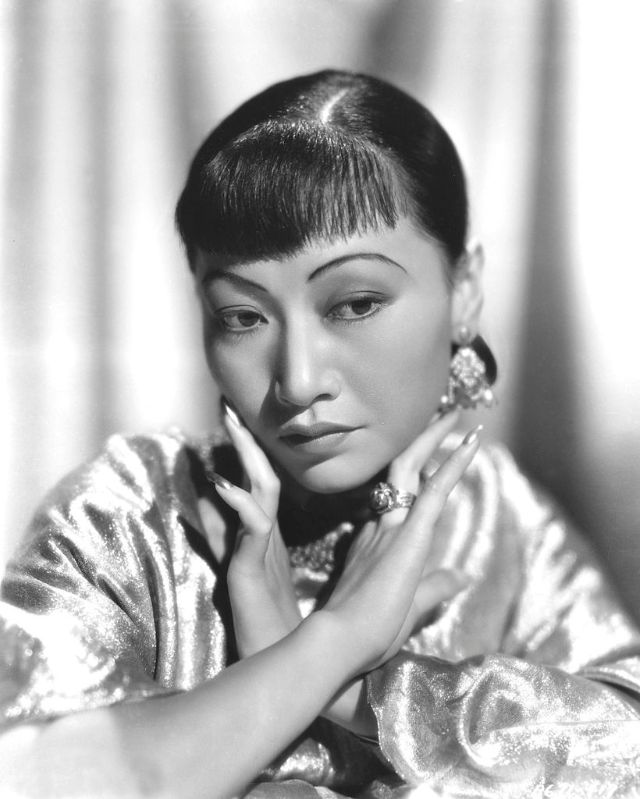
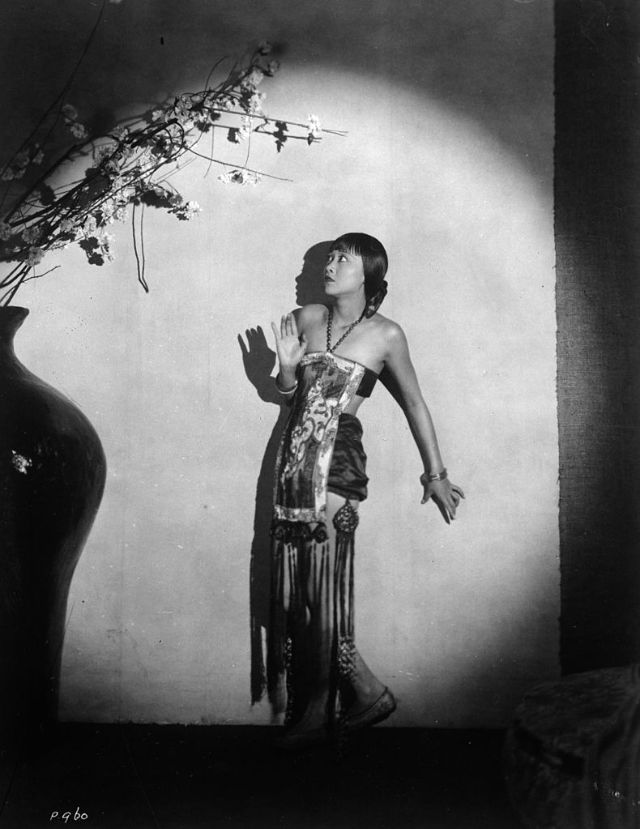
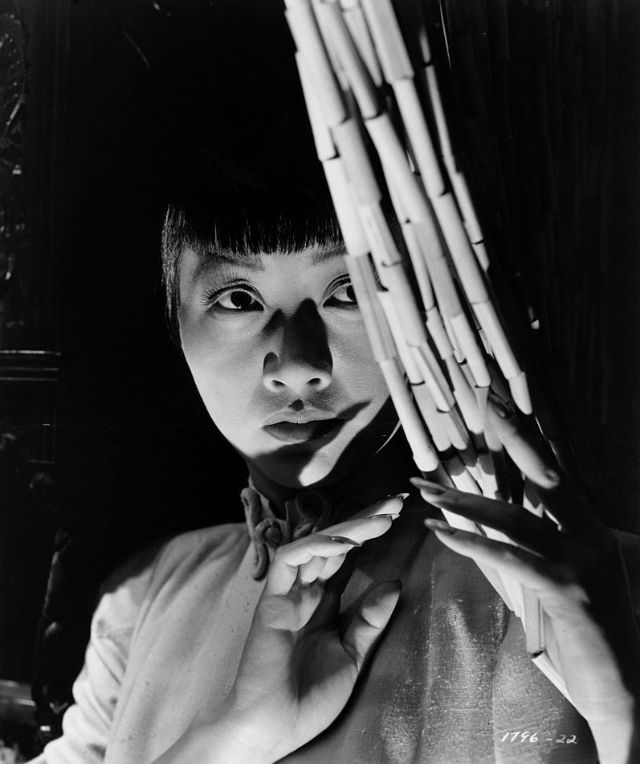
Anna May Wong (born Wong Liu Tsong) was an American actress, considered to be the first Chinese American Hollywood movie star, as well as the first Chinese American actress to gain international recognition. Wong became interested in movies at a very young age and decided to pursue a film career. During the silent film era, she acted in The Toll of the Sea (1922), one of the first movies made in color, and in the swashbuckler epic fantasy The Thief of Bagdad (1924). By 1924, Wong had achieved international stardom and became a fashion icon.
Wong spent the first half of the 1930s traveling between the United States and Europe for film and stage work. She was featured in films of the early sound era, such as Daughter of the Dragon (1931), Shanghai Express (1932). In 1935, Wong was dealt the most severe disappointment of her career, when Metro-Goldwyn-Mayer refused to consider her for the leading role of the Chinese character in the film version of The Good Earth (1937), as she was deemed “too Chinese to play a Chinese” by the studio. Instead, they offered her a supporting role of Lotus, the seductress, but she refused on principle. Wong spent the next year touring China, visiting her family’s ancestral village and studying Chinese culture.
In the late 1930s, she starred in several B movies for Paramount Pictures, portraying Chinese and Chinese Americans in a positive light, including Daughter of Shanghai (1937), King of Chinatown (1939), and Island of Lost Men (1939). Take a look back at the beautiful actress in the 1930s through 30 stunning vintage black-and-white photographs:
Subscribe to Yesterday Today to receive daily updates on new content: