Developed for and debuted at the 1956 Motorama, the Buick Centurion’s futuristic design has been beloved for decades. With many features considered “new” today, this car was certainly ahead of its time.
Buick enthusiasts will recognize the “sweep-spear” chrome on the Centurion as being similar to the 1957 Buicks. They might even recognize the rear fins as being like those on the 1959 models. The rest of the car, however, is one of a kind.
The Centurion uses a freestanding speedometer, with a fixed indicator and rotation dial. A television camera, mounted just above the tail cone, projects images from the rear of the car to a screen on the dash, thus eliminating the need for a rear view mirror. Centurion’s “wings,” tail cone, and canopy top reflect the influence that aircraft design had on many of GM’s designers.
Here below is a set of beautiful photos of the 1956 Buick Centurion Concept.
Subscribe to Yesterday Today to receive daily updates:
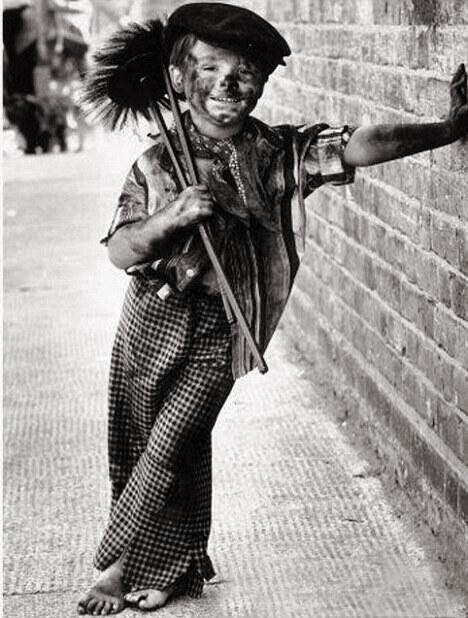
A 6 year old Chimney Sweep photographed before child labor laws were put into effect, 1934.
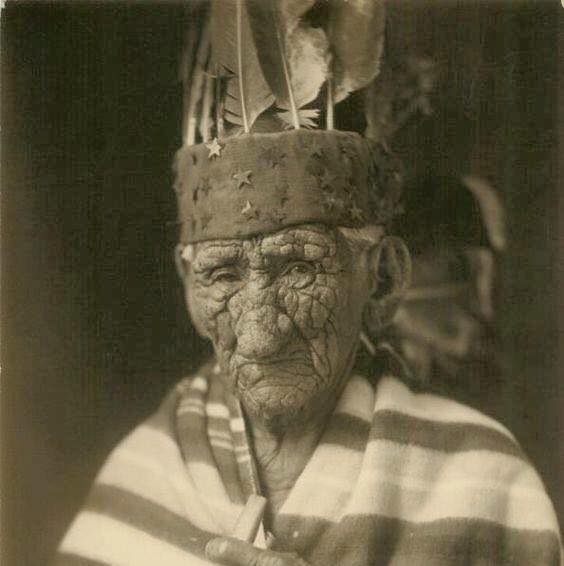
At the ripe age of 137, White Wolf a.k.a. Chief John Smith is considered the oldest Native American to have ever lived, 1785-1922.
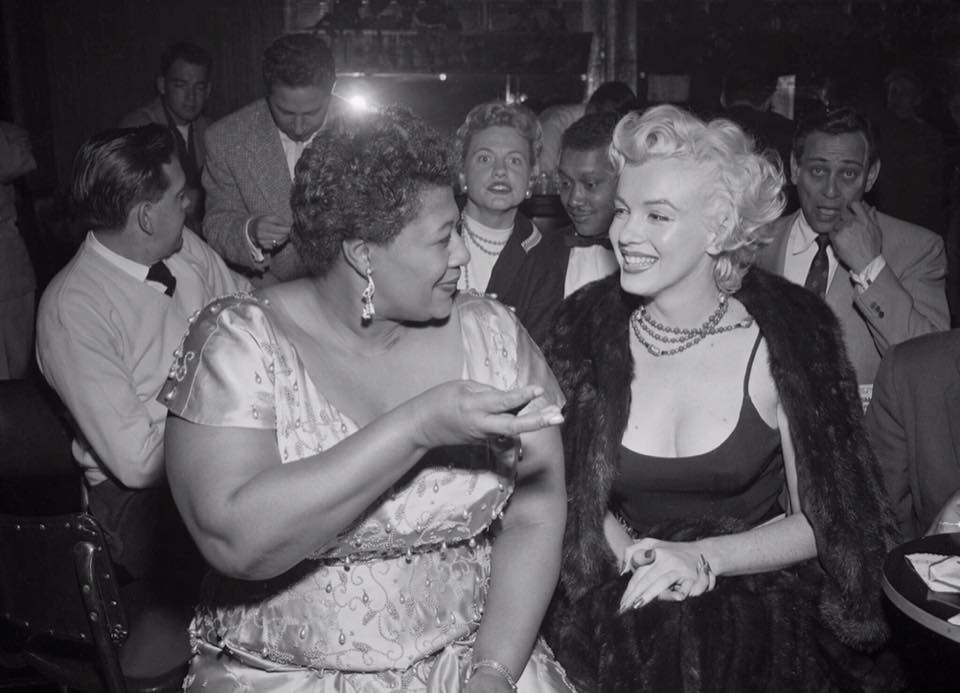
In the 1950’s, Black Musicians were often limited to small nightclubs. The Mocambo, a popular night club in West Hollywood, would not book Ella Fitzgerald until Marilyn Monroe promised to sit in the front row for every one of Ella’s performances. Marilyn remained true to her word.
The 1959 Cadillac Bicycle.
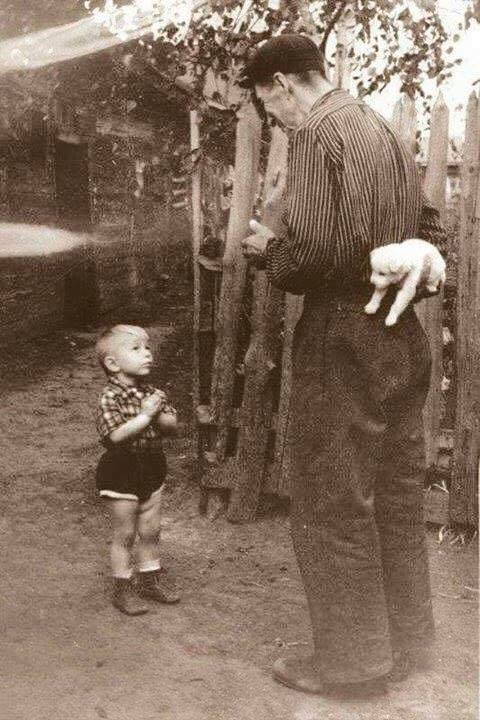
A young boy patiently waiting for his birthday gift from poppa, ca. 1929
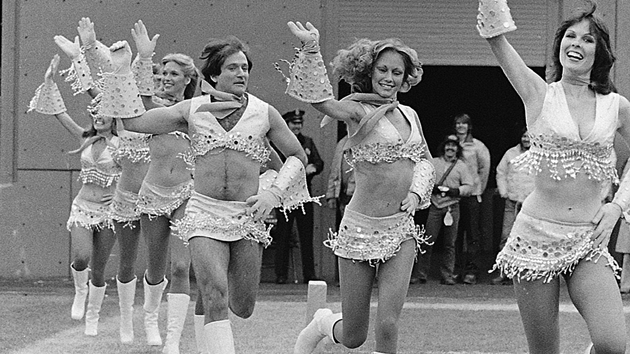
In 1979 Robin Williams became the first ever male cheerleader for the Denver Broncos football team.
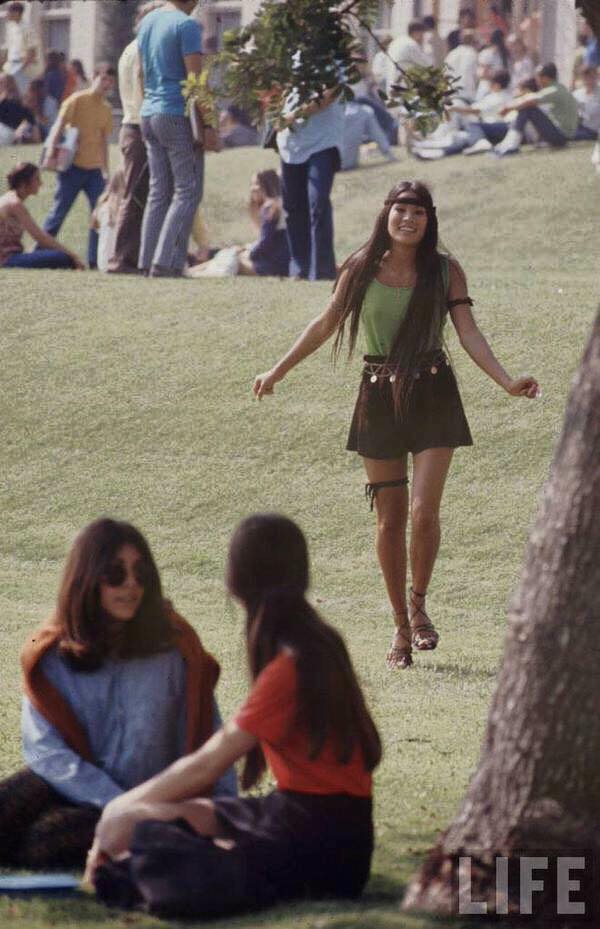
The California High School scene back in 1969.
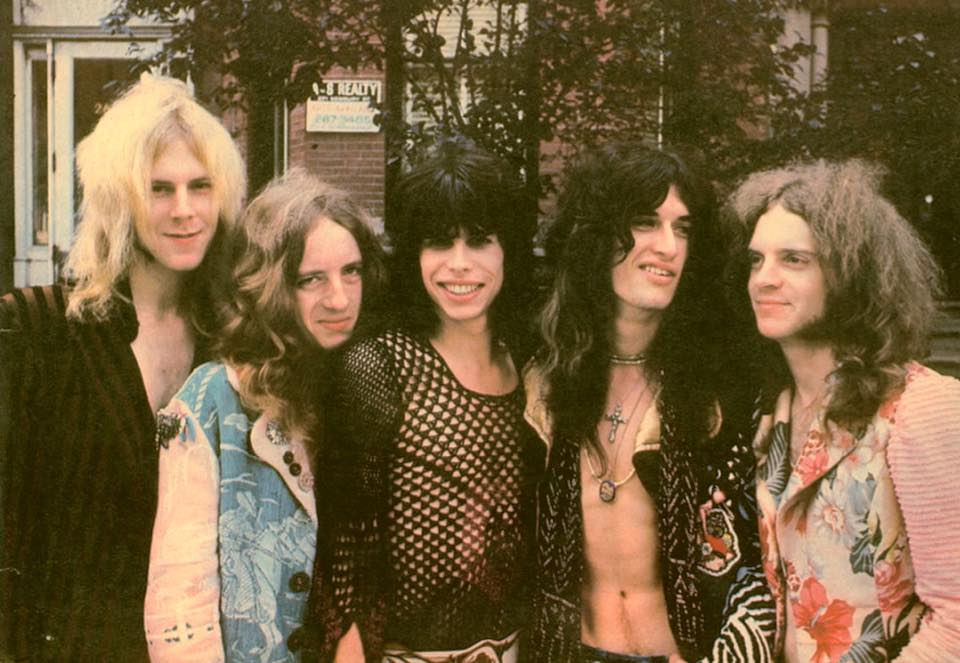
Aerosmith, 1971
A Teenage Metallica, 1982
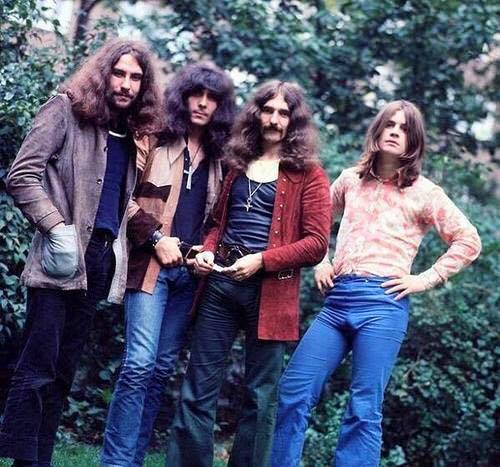
Black Sabbath, 1968
Subscribe to Yesterday Today to receive daily updates on current content:
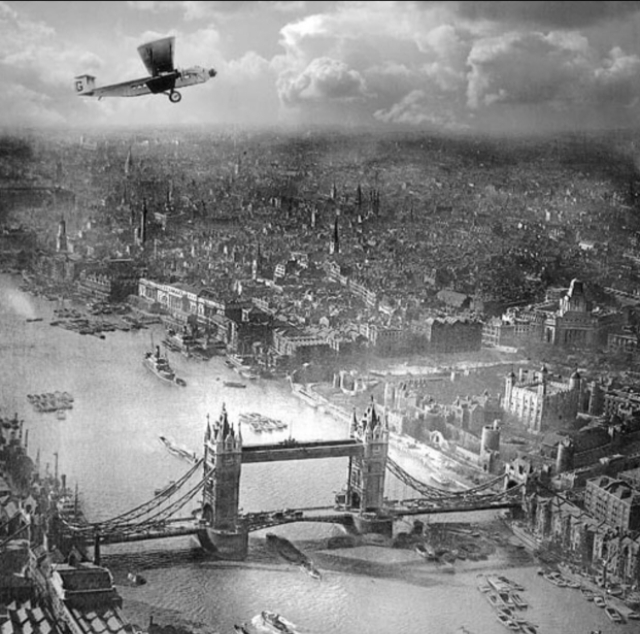
Creating spectacular images in the face of technical and physical adversity, Captain Alfred G Buckham (1879-1956) was the foremost aerial photographer of his day. Between 1908 to the early 1930s, Buckham created aerial portraits that are awe-inspiring, poetic and works of technical brilliance.
During the First World War he was Captain in the Royal Naval Air Service. However, by 1919 he was discharged as disabled, the result of nine crashes that left him breathing through a tube in his neck for the rest of his life – but that didn’t stop him risking loss of consciousness to capture spectacular images.
These extraordinary aerial shots of London were taken by Buckham in the 1920s with a heavy plate camera, leaning perilously out of the aeroplane, as he told, “I always stand up to make an exposure and, taking the precaution to tie my right leg to the seat, I am free to move about rapidly, and easily, in any desired direction; and loop the loop and indulge in other such delights, with perfect safety.”
Subscribe to continue reading
Become a paid subscriber to get access to the rest of this post and other exclusive content.
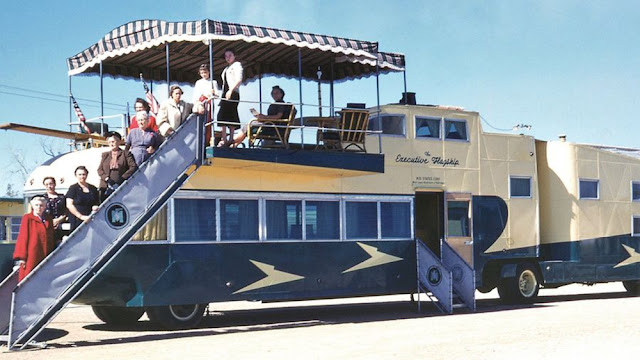
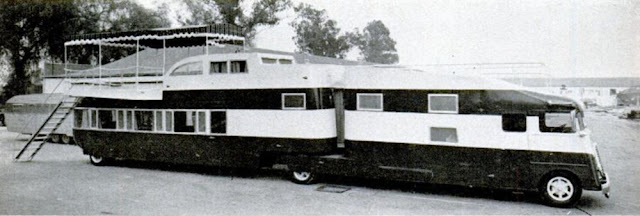
The Pan-American division of Mid-States Corporation built the Executive Flagship, the world’s most complete and exciting mobile home and office. Mid-States was a large trailer manufacturer so this one-of-a-kind mobile home was a perfect rolling advertisement for the company.
The Executive Flagship was designed by the company president William B. MacDonald. It was a 65-foot long, self-powered articulating mobile home with 10 wheels weighing in at 18 tons.
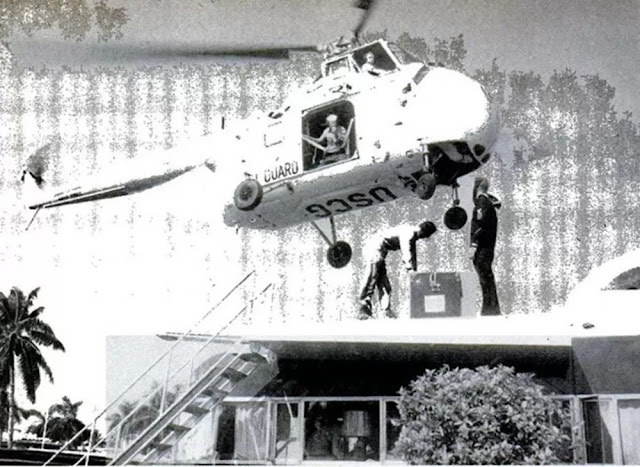
The front motorhome unit had a 26-foot wheelbase and held the more important things like the kitchen and bathroom. The back section, the actual mobile home, was similar to an articulated 5th wheel unit and had all the fun stuff: an observation lounge, a sun deck that could withstand a helicopter landing, a portable six-foot-deep inflatable swimming pool with a diving board, an extendable sundeck, air-conditioned dining nook, and bar. It was the ultimate party (and work) mobile.
The Executive Flagship had everything!
Subscribe to Yesterday Today to receive daily updates on all new content:
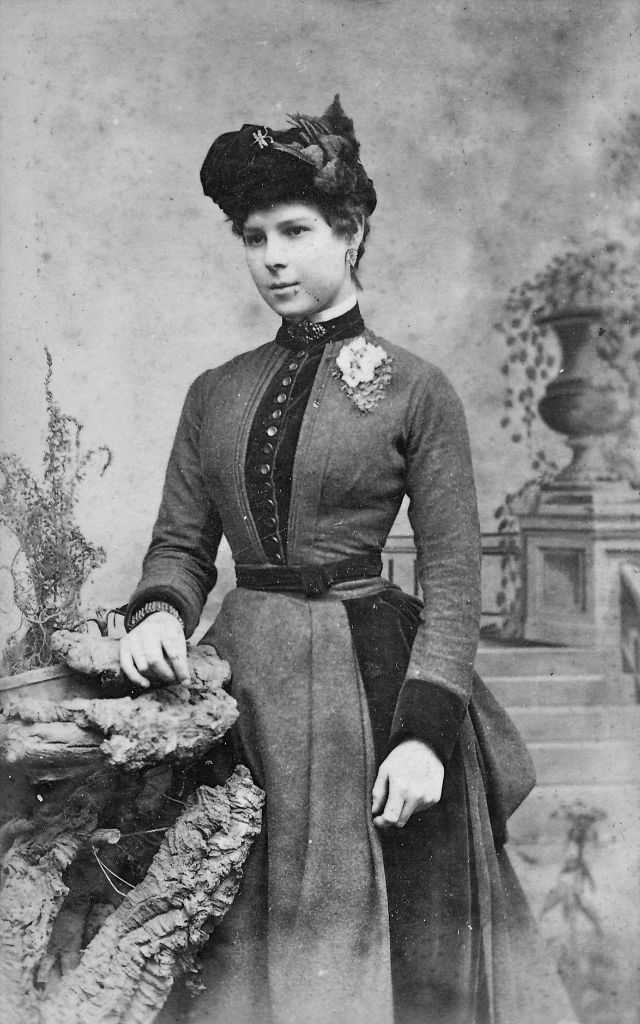
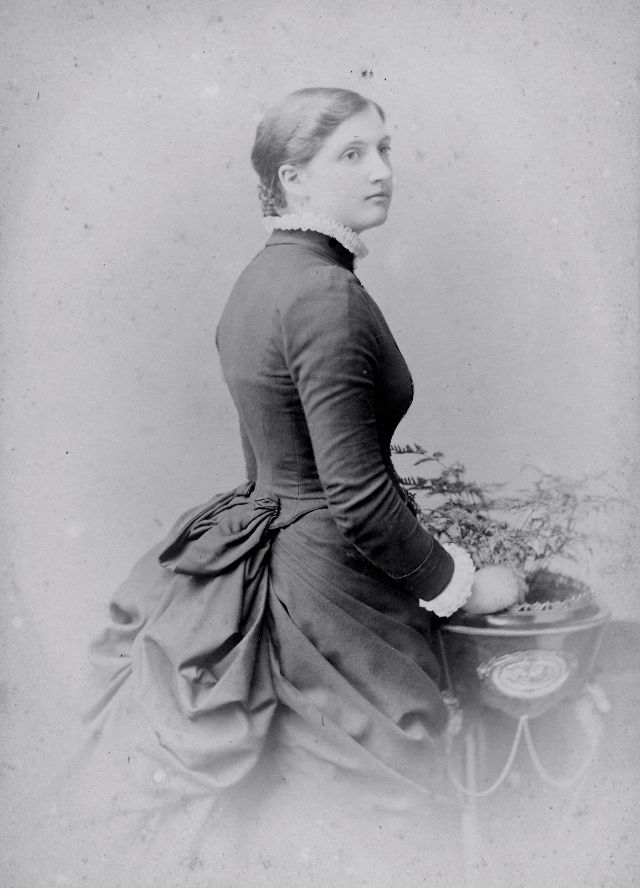
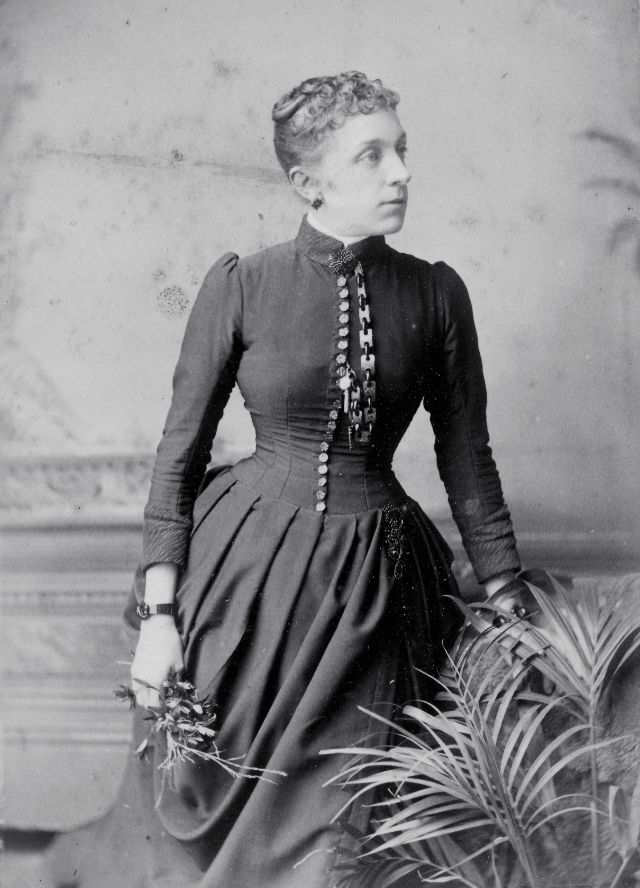
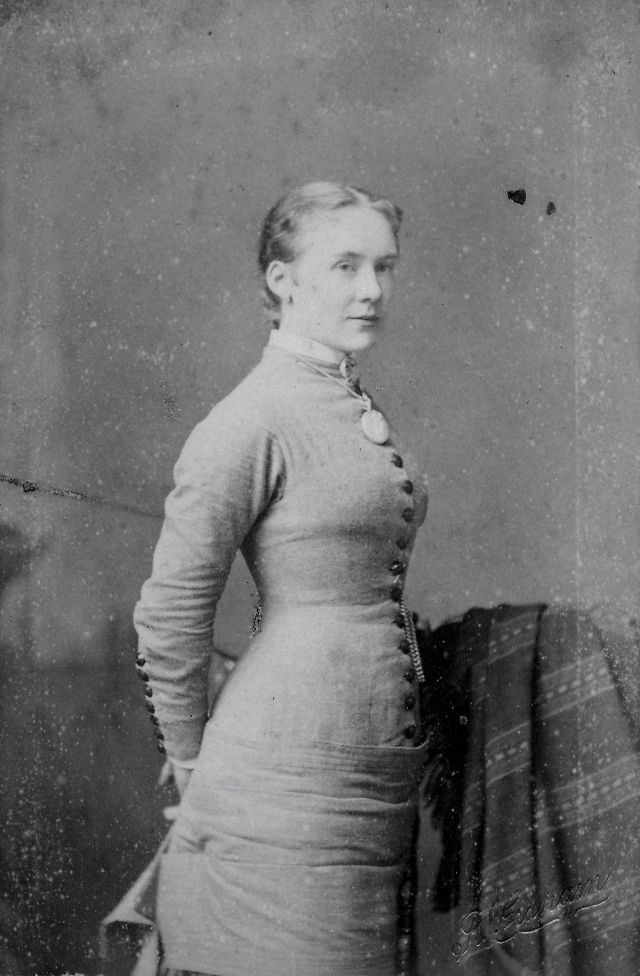
The corset has been an indispensable supportive undergarment for women, in Europe for several centuries, evolving as fashion trends have changed and being known, depending on era and geography, as a pair of bodies, stays and corsets. The appearance of the garment represented a change from people wearing clothes to fit their bodies to changing the shape of their bodies to support and fit their fashionable clothing.
A “pair of bodies” or stays, the supportive garments that predated corsets, first became popular in sixteenth-century Europe, with corsets reaching the zenith of its popularity in the Victorian era. While the corset has typically been worn as an undergarment, it has occasionally been used as an outer-garment; stays as outer-garments can be seen in the national dress of many European countries.
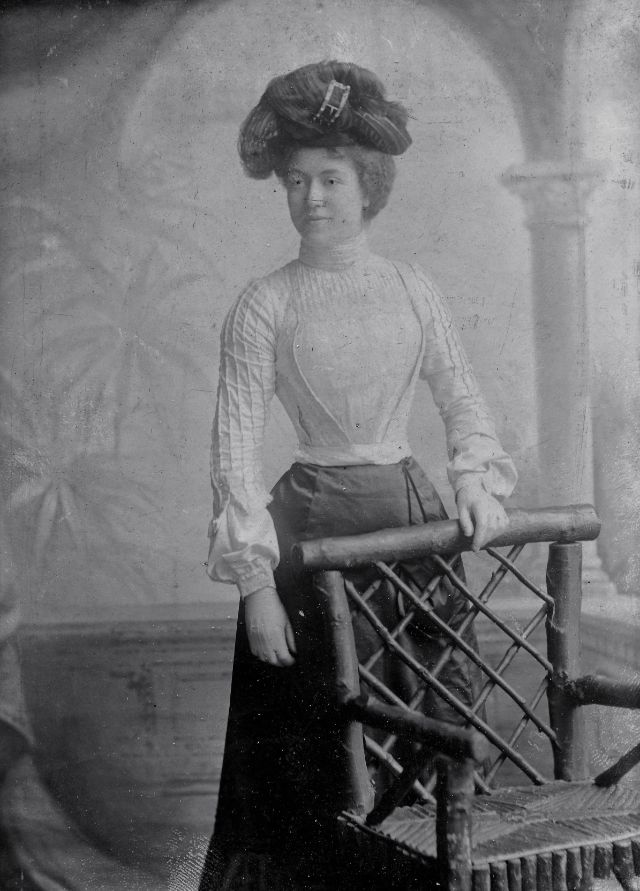
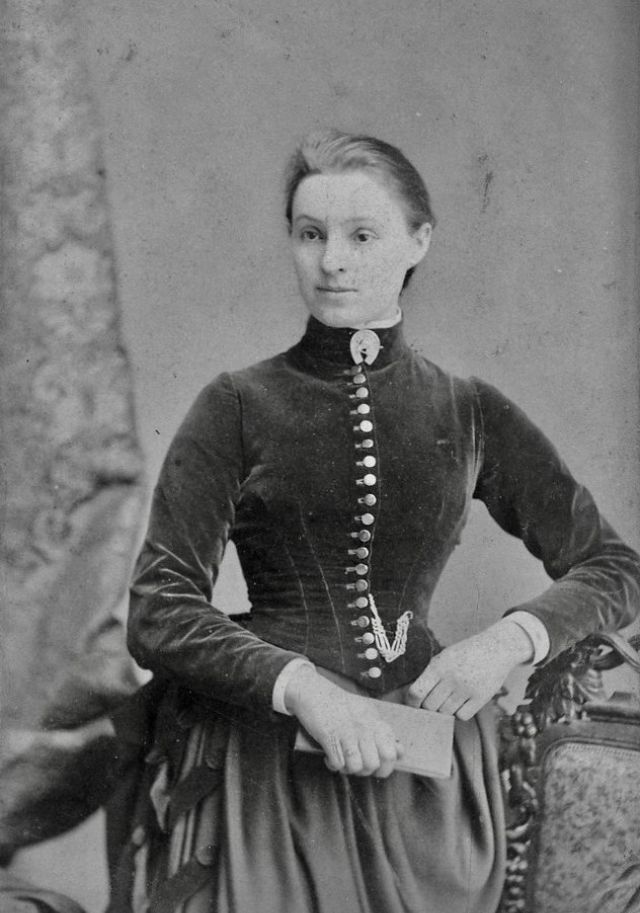
Here below is a set of elegant photos that shows Victorian beauties wearing tight corsets.
Subscribe to Yesterday Today to receive daily updates on all new content:
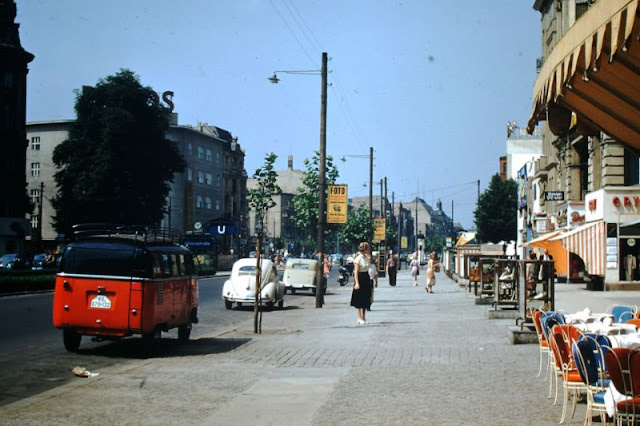
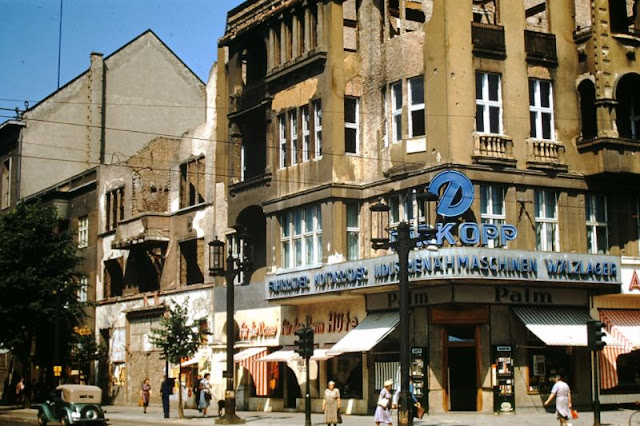
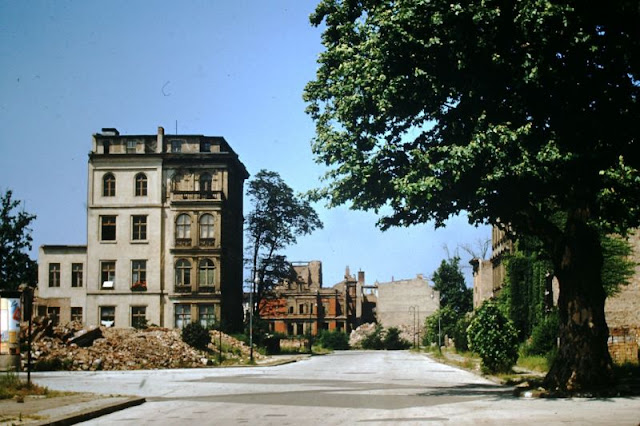
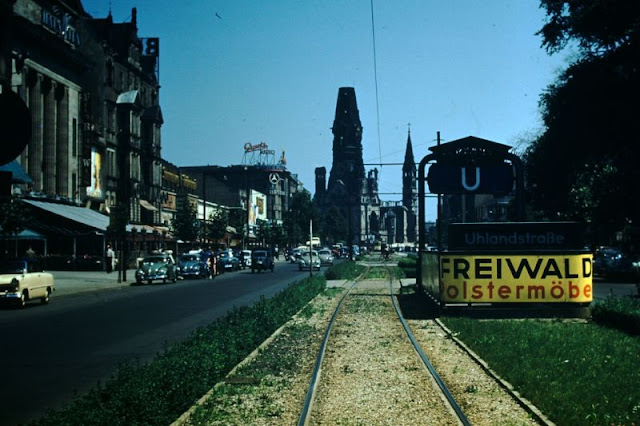
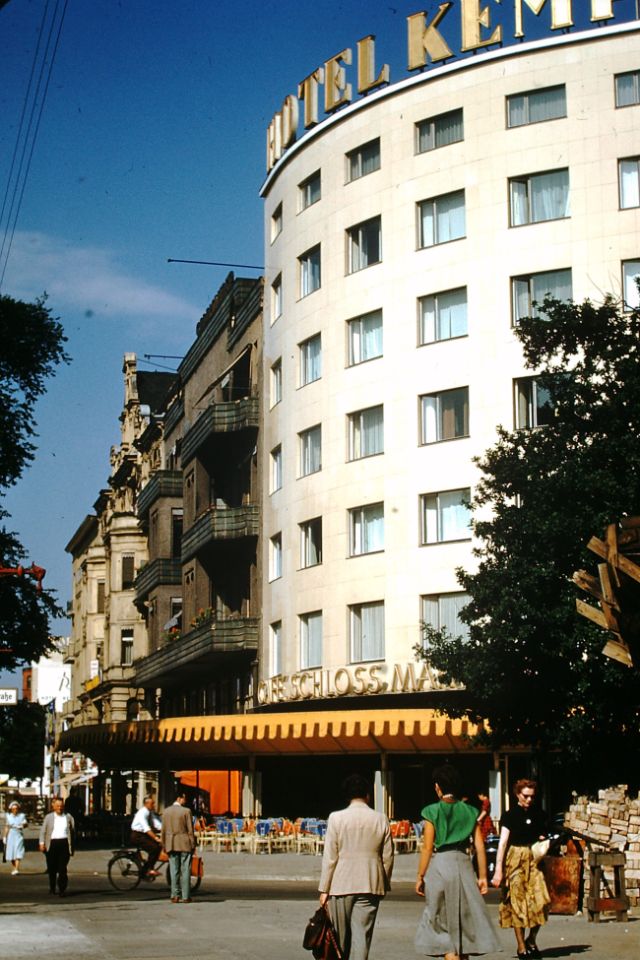
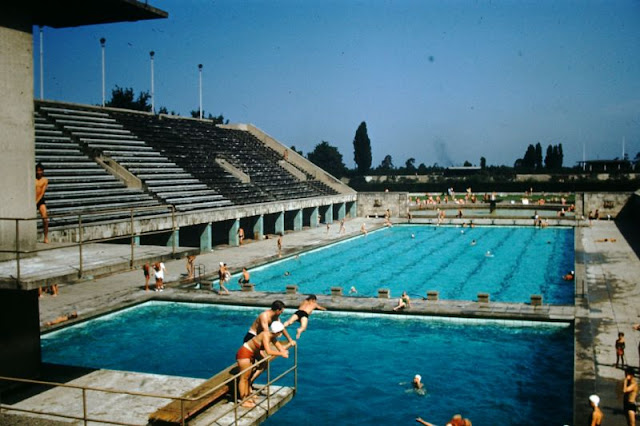
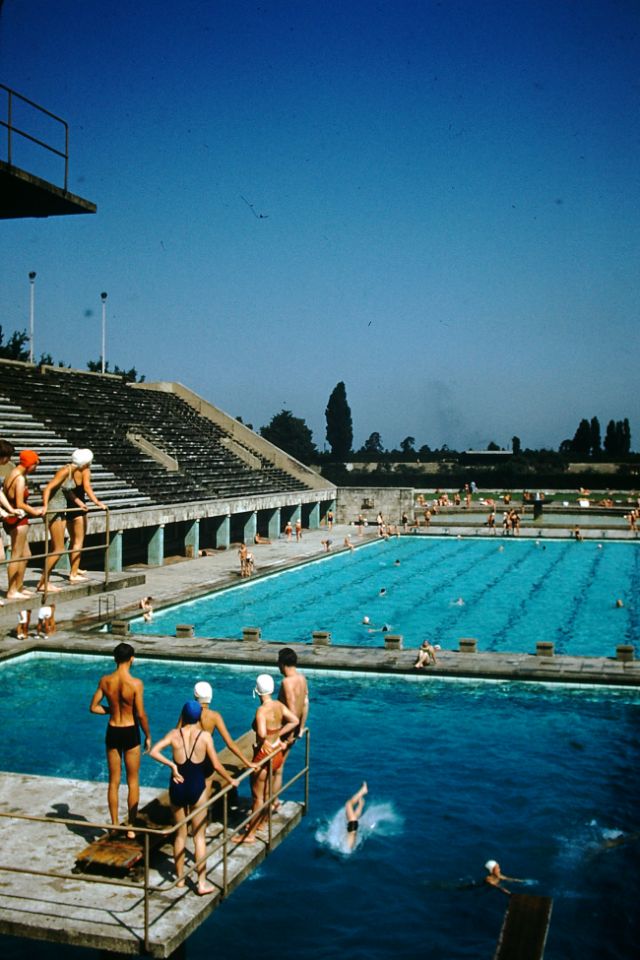
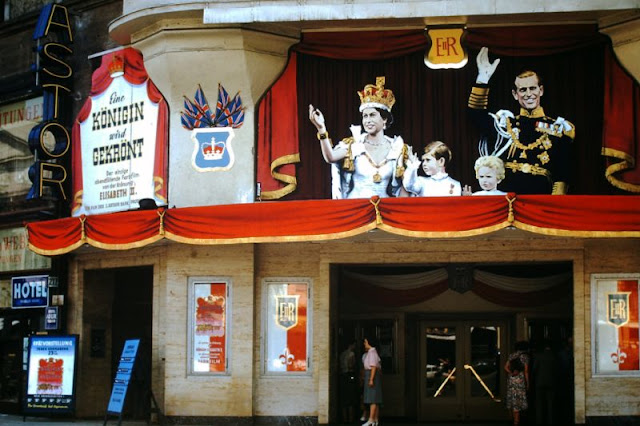
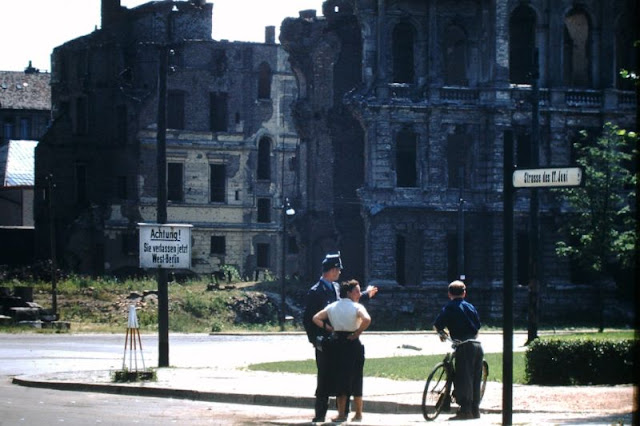
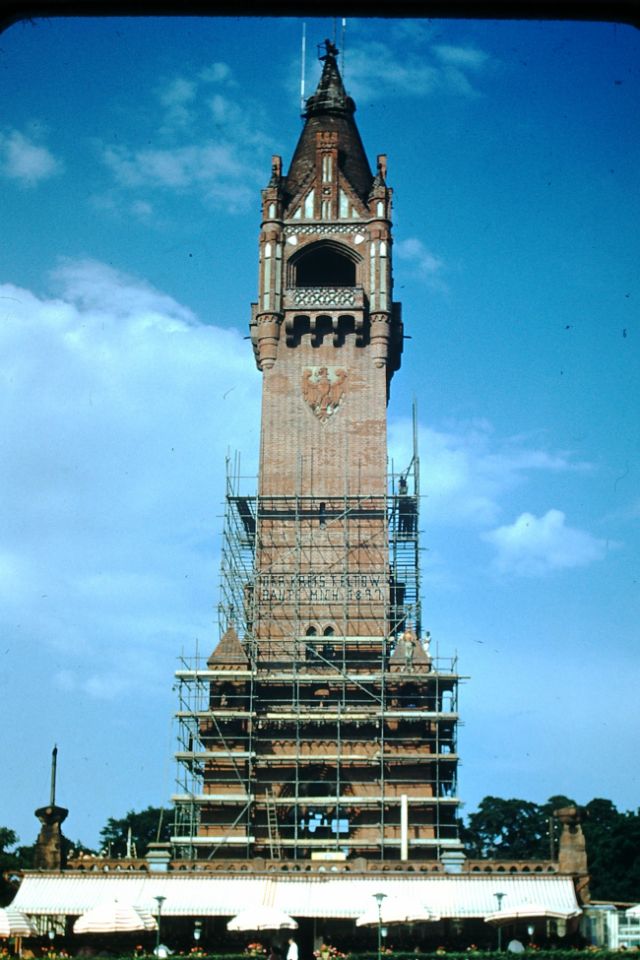
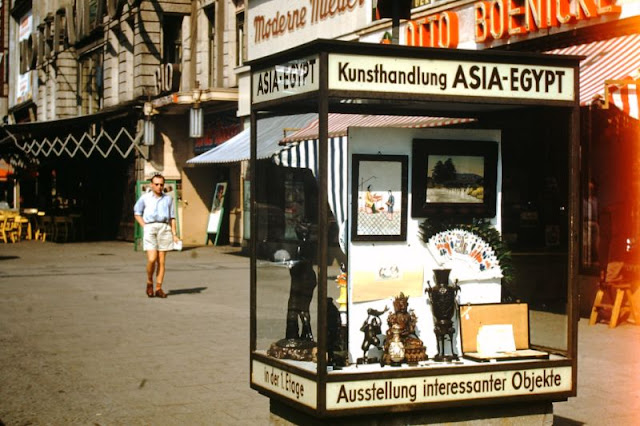
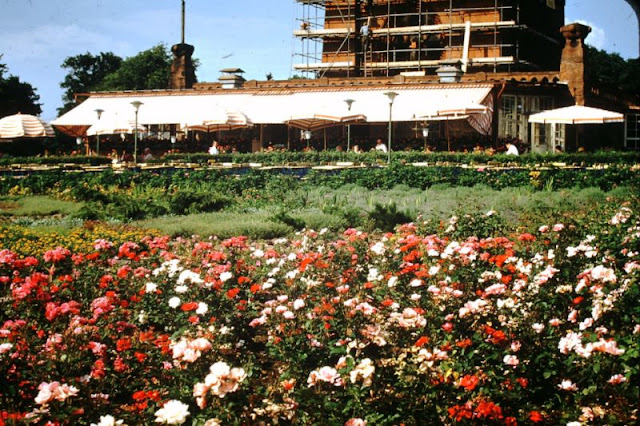
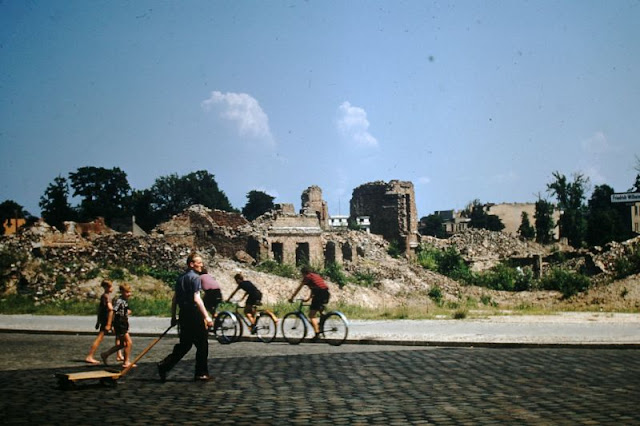
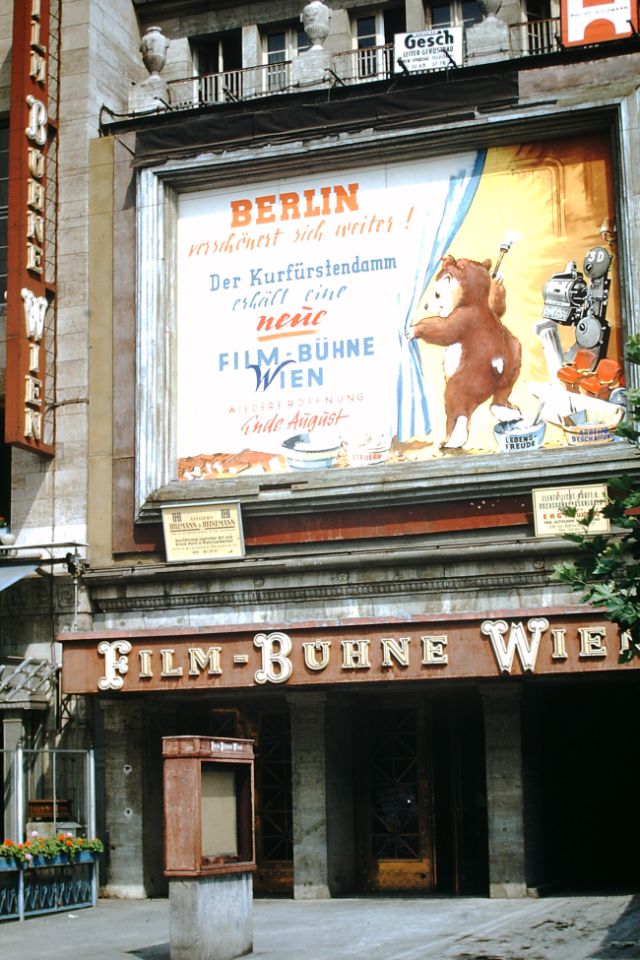
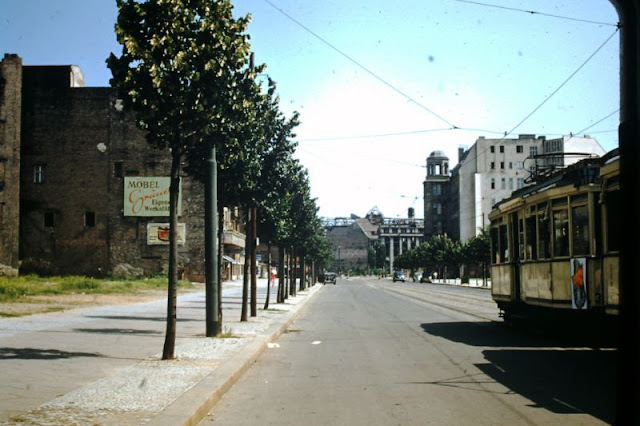
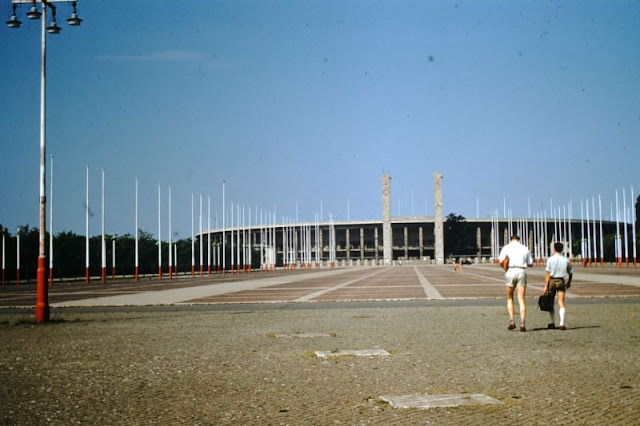
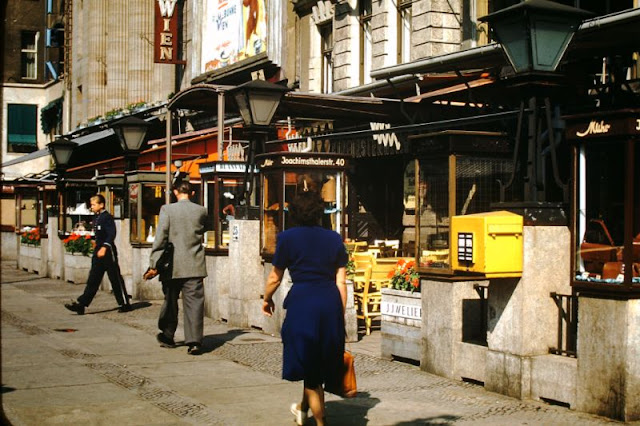
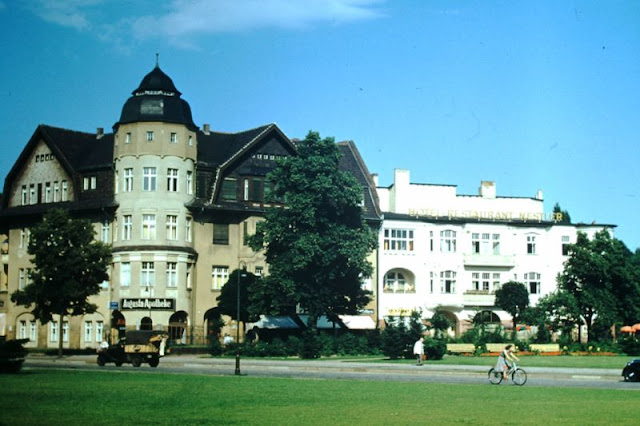
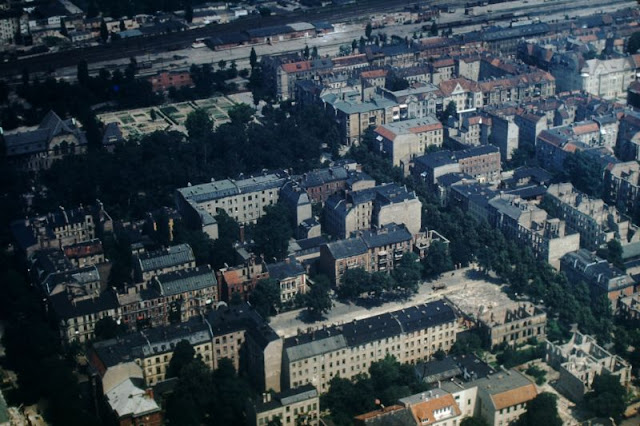
After the end of the war, Germany was on its way to rebuild. A divided microcosm of the Cold War by the 1950s, West Berlin, however, was able to emerge from the severe rubble and successfully transformed into a “showcase of the West” from the economic miracle.
Corner-East-West-Axelstrasse
Apt Bldgs destroyed near Potsdamerplatz
Kuefurstendam Strasses
Kurfurstendam
Olympic Stadium swimming pool
Olympic Stadium swimming pool
Coronation Film Showing
East Berlin Gate
Kaiser Wilhelm Tower
Kurfurstendam
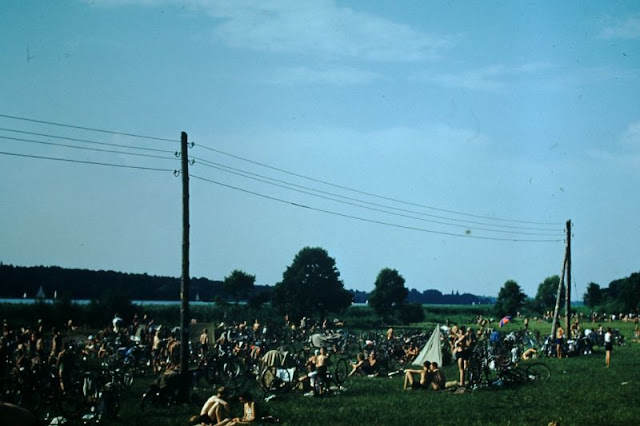
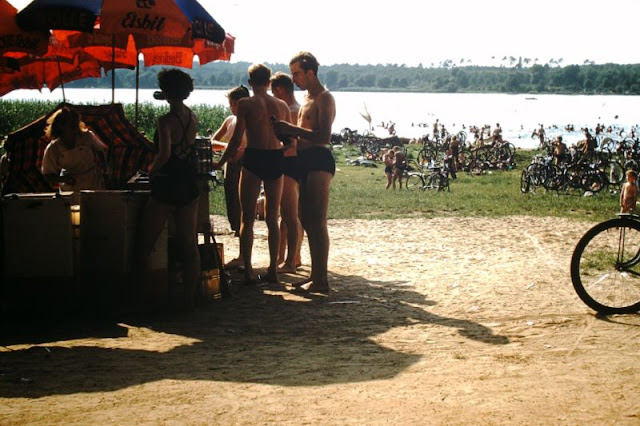
Crowds at Wannsee
Crowds at Wannsee
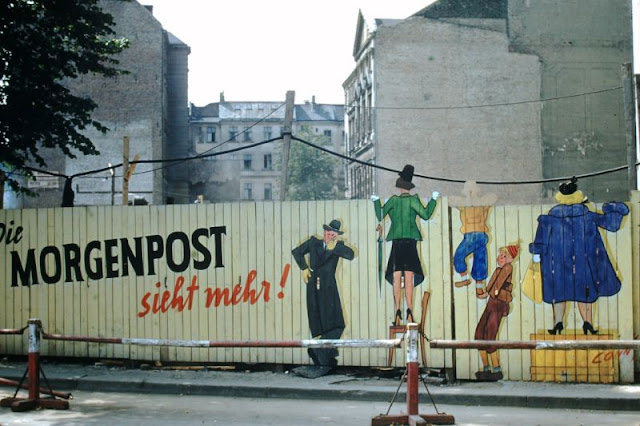
Construction
Restaurant
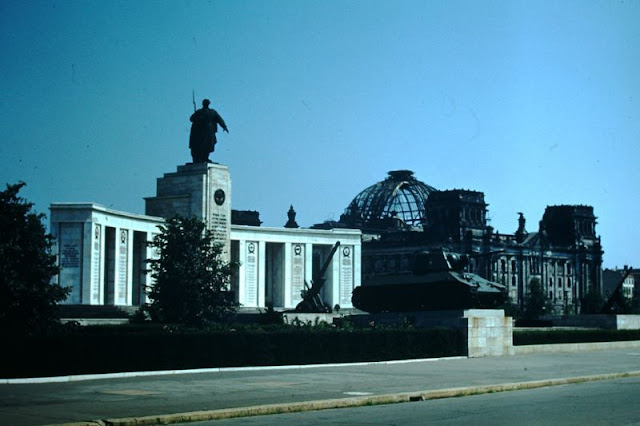
Russian Memorial & Reichstag
Kuefurstendam Strasses
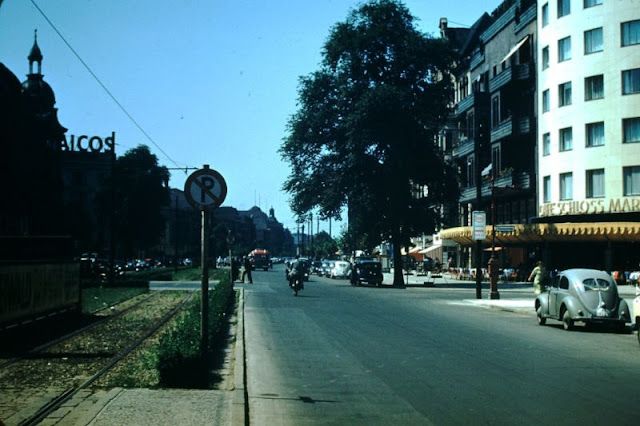
Street scene
Luetzow Platz
Movie theatre
Spree River
Potsdamerplatz at end of street
Olympic Stadium
Kurfurstendam
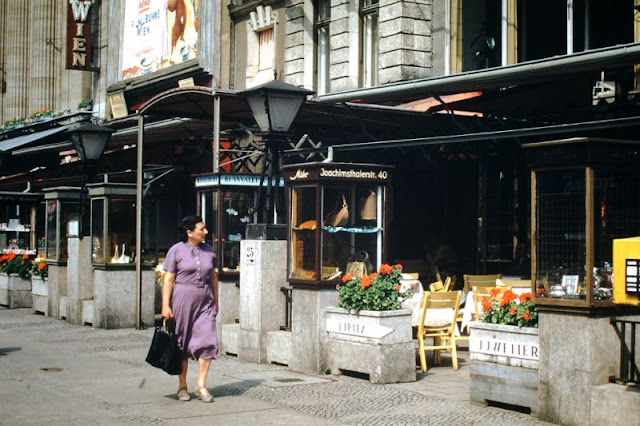
Hotel and restaurant
Aerial view of Berlin
Subscribe to Yesterday Today to receive up-to-date news of new content:
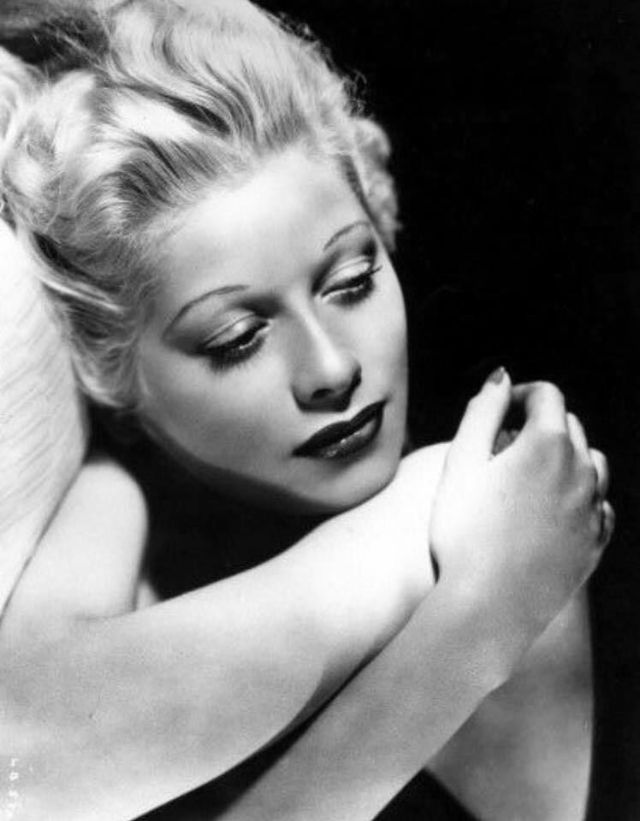
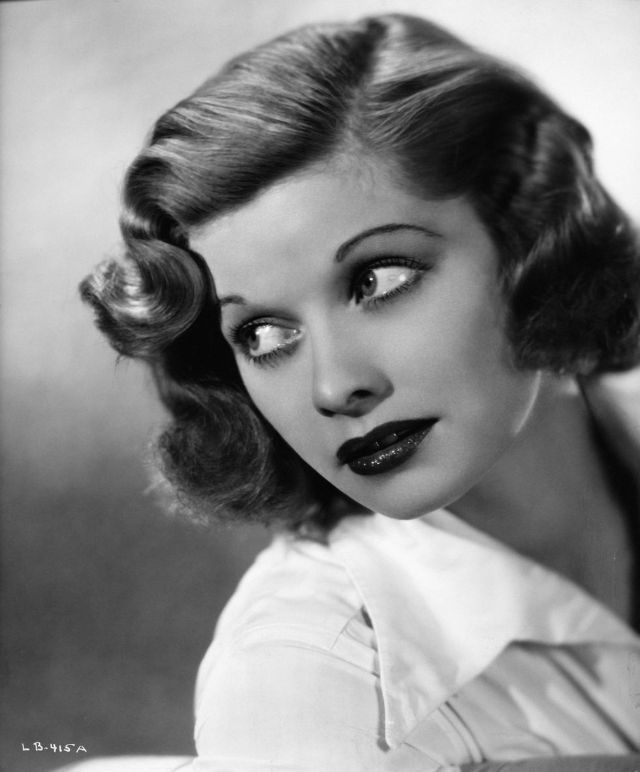
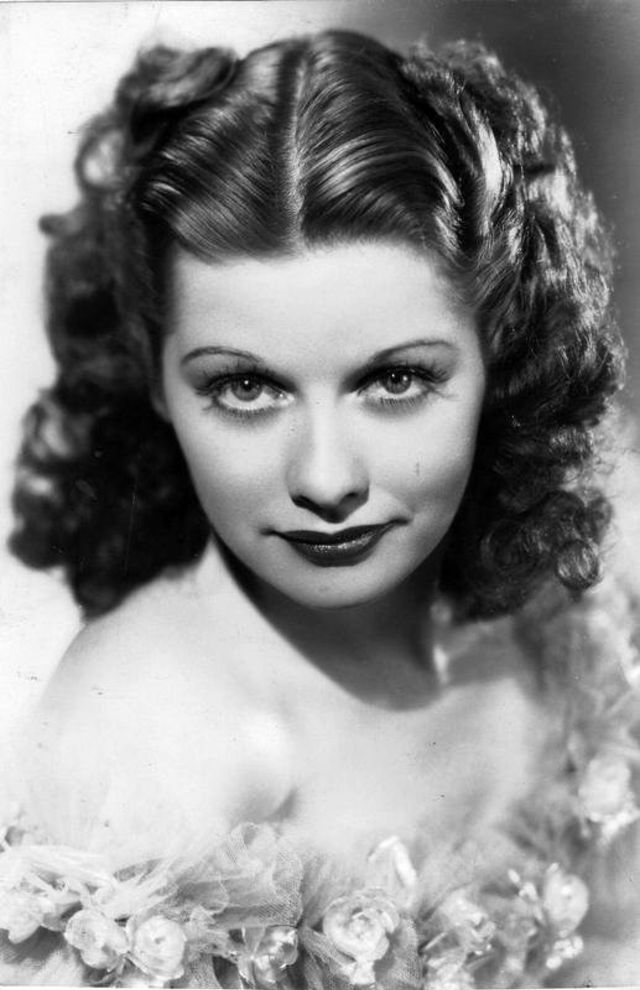
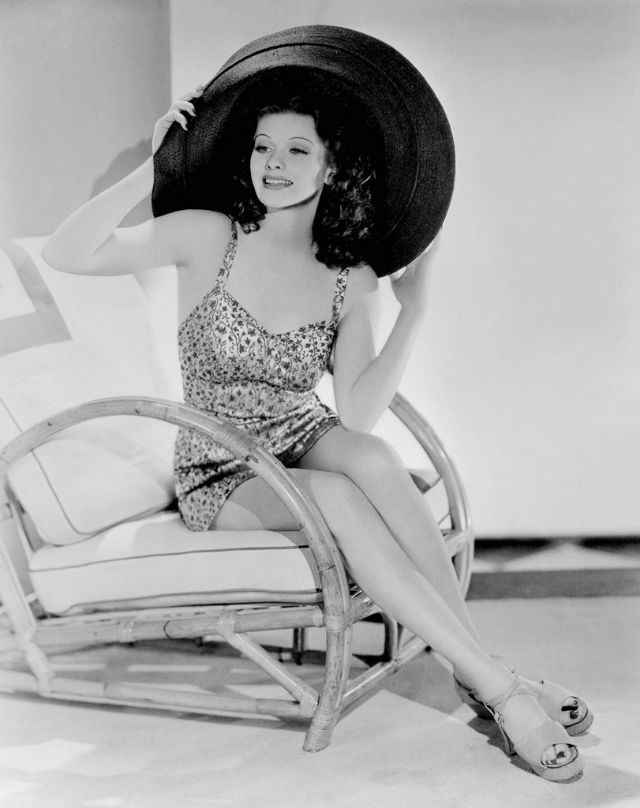
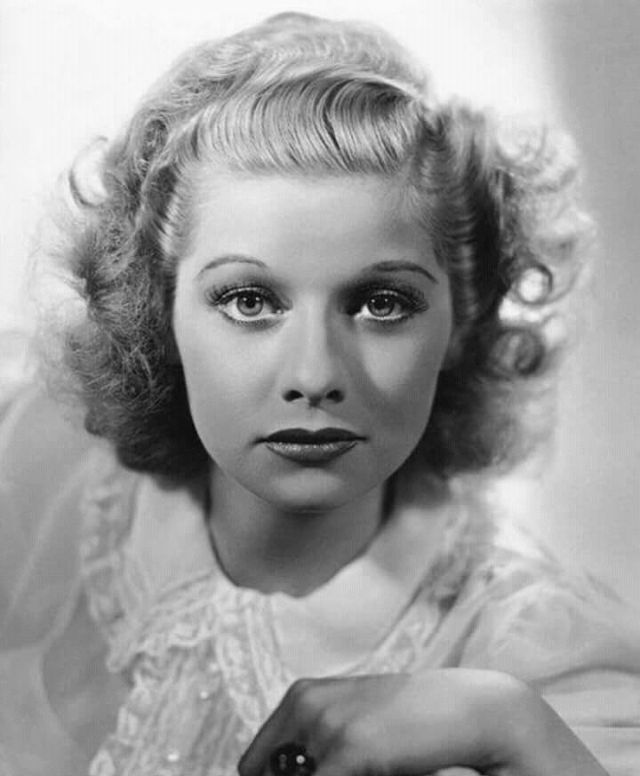
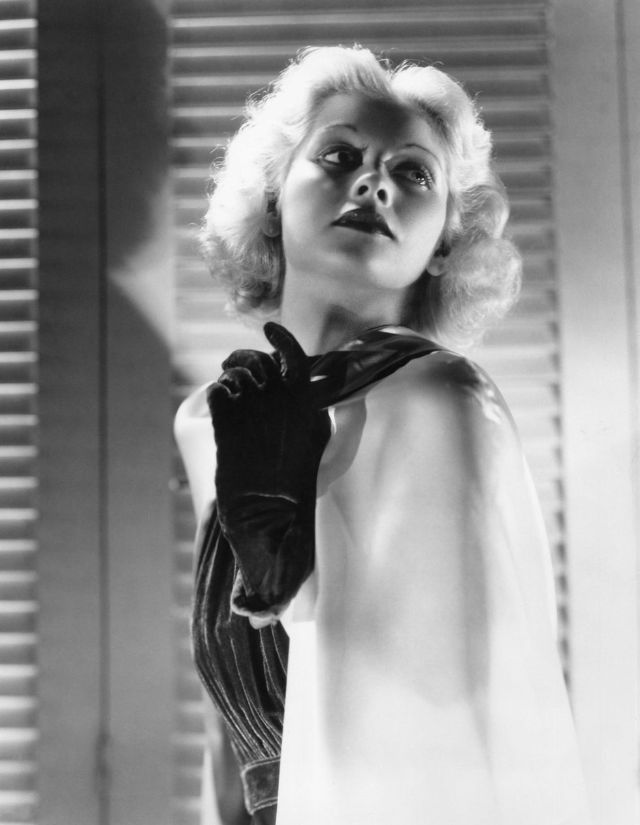
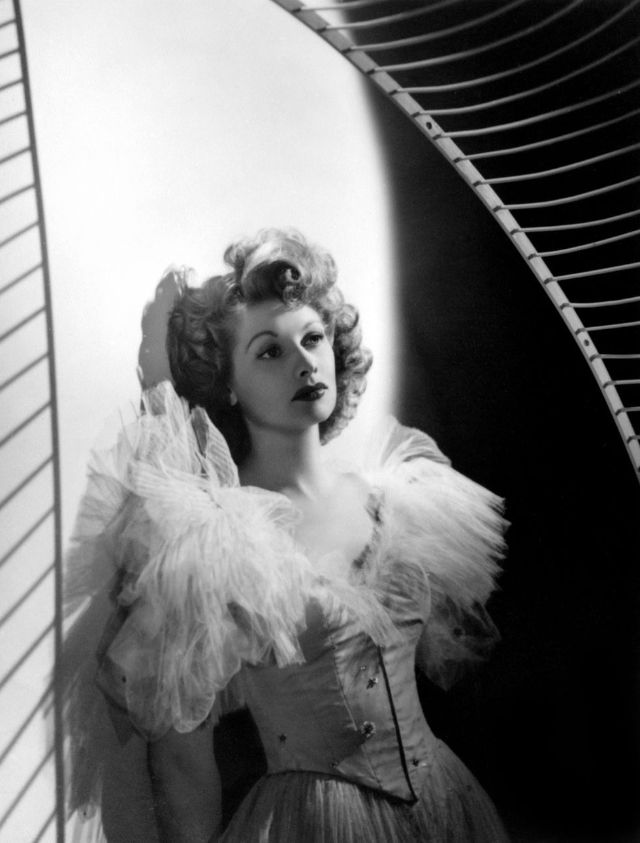
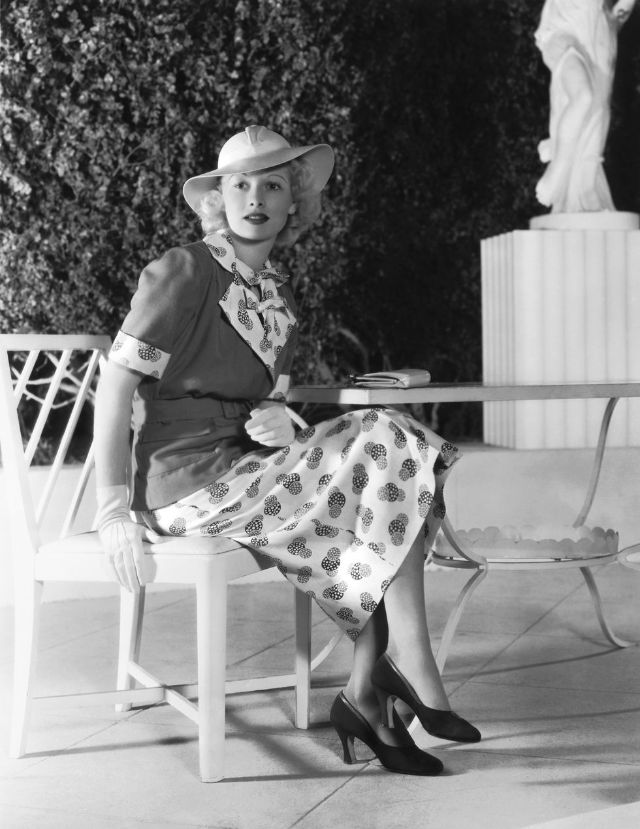
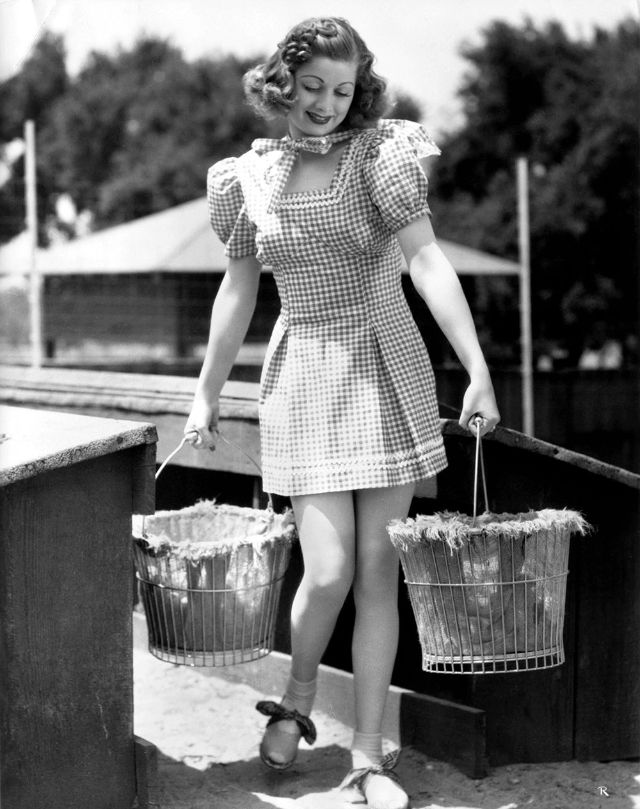
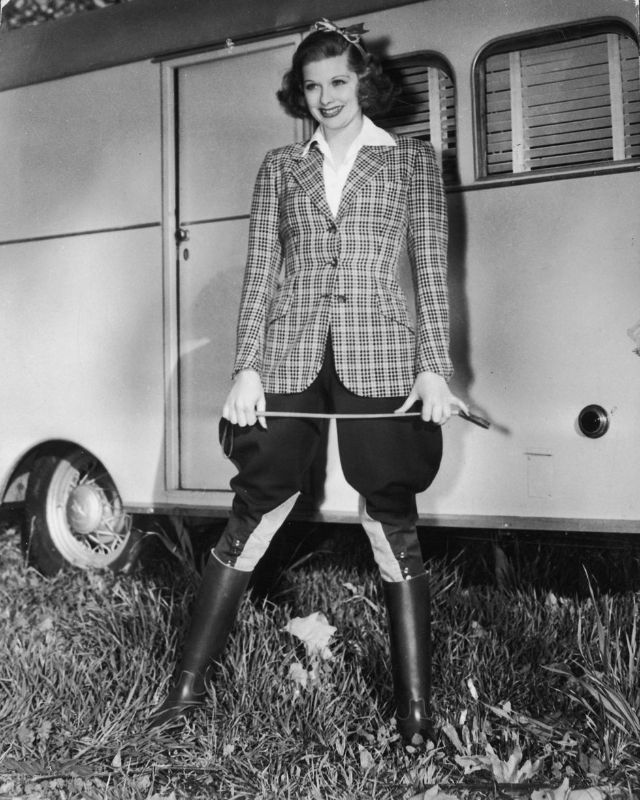
Although she is a beautiful woman, Lucille Ball never really attempted to have a glamorous look in her television career, so you might be surprised to learn that Lucy earned her living as a model before she ever turned to comedy for her show business career. In fact, she dyed her blonde hair red to differentiate herself from the idea of a Hollywood starlet.
Back in New York City with a new determination, Lucille Ball landed her first modeling job in a small wholesale coat place on Seventh Avenue. She went by the name of Diane Belmont. The Belmont racetrack on Long Island inspired her name.
Soon Lucy moved into an atmosphere of gilded elegance. She became a model at Hattie Carnegie’s internationally famous dress shop on East Forty-Ninth Street. Overnight, she found herself in a world of rich society women, glamorous movie stars, and free-spending men-about-town.
Lucy learned to look and move with elegance and grace. Watching all the society women, Lucy analyzed their styles, how they walked, moved, and what they wore and how they talked. Connie and Joan Bennett were frequent customers and this was the time Lucy decided to bleach her hair the color of Joan’s platinum blonde. She began to cram a stockpile of information that would serve her well in the coming years.
Of this time in her life, Ball said, “Hattie taught me how to slouch properly in a $1,000 hand-sewn sequin dress and how to wear a $40,000 sable coat as casually as rabbit.”
Lucy began to meet some of the rich eligible bachelors in town and had many proposals but, at eighteen, marriage was the last thing on her mind. Getting little sleep and not eating right, she came down with pneumonia but needing the money, she hurried back to Hattie’s. It was at this time, while standing for a fitting that she felt excruciating pain in both legs. Hattie sent her to the doctor, and Lucy found out she had rheumatoid arthritis.
After some initial treatments, a discouraged Lucy returned home to Jamestown. While recuperating in Jamestown, Lucy was approached to play Aggie Lynch in the fast-paced melodrama Within the Law for the Jamestown Players. She was hailed a success, a true professional. With these words, Lucy persuaded her friend, Marion Strong, to return to New York City with her the following Spring.
Lucy returned to modeling for a first-class clothing house, Jacksons on Thirty-Ninth Street and Seventh Avenue. The clothes were exquisite and expensive but the women were department store buyers, full of talk and gossip. Lucy clowned around a lot and made them laugh, which helped their sales!
To earn more money, Lucy posed at night and weekends for commercial illustrators. One evening, a painter named Ratterman did an oil portrait of Lucy in a borrowed chiffon dress from her modeling job. He sold the painting to Chesterfield cigarettes and overnight, Lucy’s face and figure were on billboards all over town.
As the new Chesterfield Girl, Lucy found the break she needed. Sylvia Hahlo, a theatrical agent noticed her and told her Sam Goldwyn needed a dozen well-known poster girls for a new Eddie Cantor movie, Roman Scandals. He had all the girls picked, but one had backed out. Within three days, Lucy was on her way to Hollywood!
Subscribe to Yesterday Today to receive daily updates on new content:
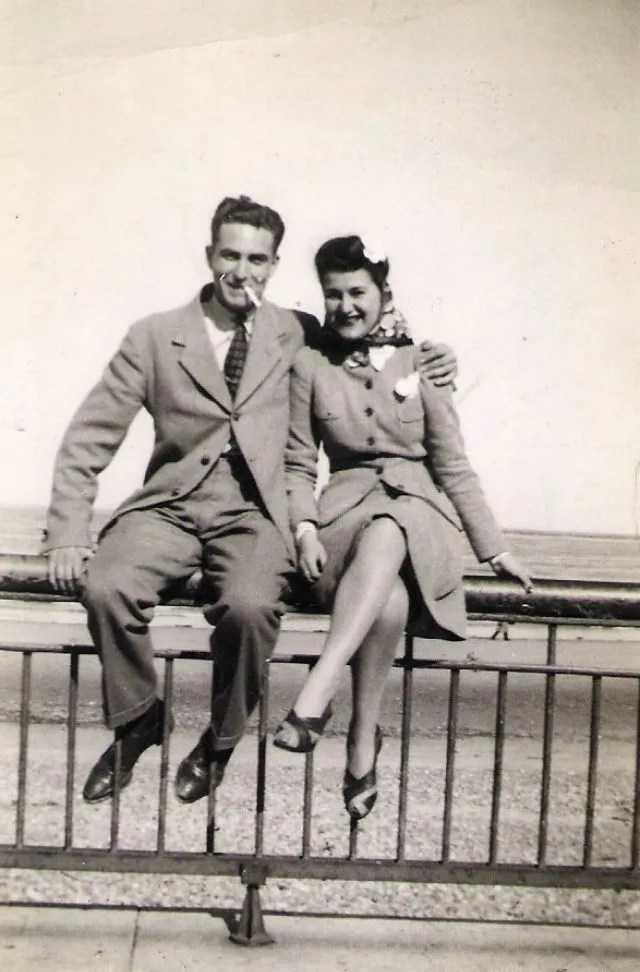
World War II dominated the first half of the 1940s as well as fashions in the Western world. Materials such as silk, nylon, wool, leather, rubber, and zippers were needed in wartime production. Clothing was rationed in the United States and parts of Europe. 1940s fashion designers had to be efficient and innovative in how they made suits, dresses, and shoes.
The typical 1940s female dress silhouette was like a uniform: simple and fitted, with boxy shoulders, a slim-belted waistline, and a hemline below the knee. In cold weather, you might see women in long-sleeved dress suits of a similar shape.
Women in the 1940s typically wore their hair shoulder-length or longer, without bangs, styled with waves and rolls. The “victory roll” helped women manage long hairstyles during a hard day’s work; they could unroll it later into shapely waves.
During the 1940s, men not in uniform often wore suits in public. Many made do with older suits from the 1930s. Suit vests fell out of favor as an excess use of fabric. New suits were made with a wool-rayon blend instead of wool and often with patterned (especially striped) fabric.
Here is a vintage photo collection that shows what young couples looked like during the 1940s.
Subscribe to continue reading
Become a paid subscriber to get access to the rest of this post and other exclusive content.