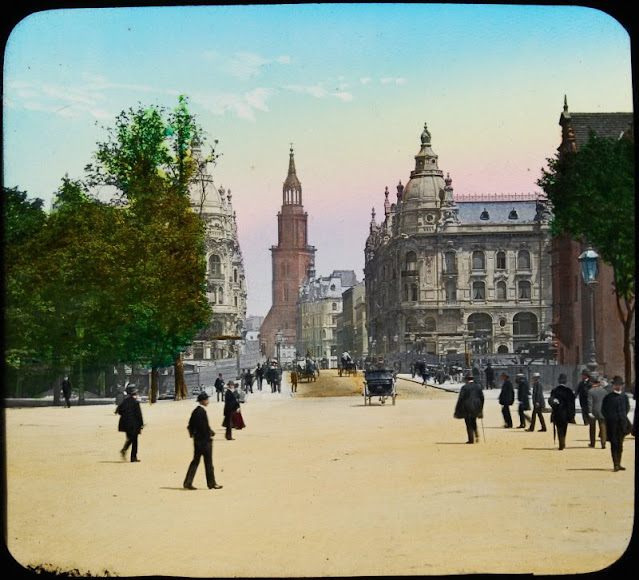
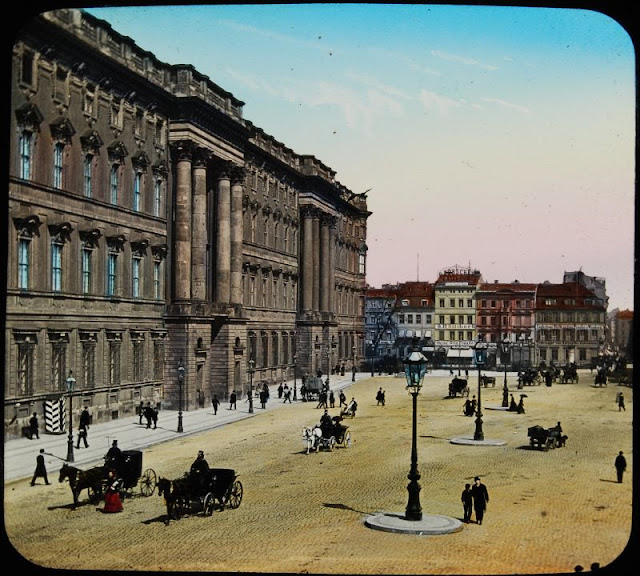
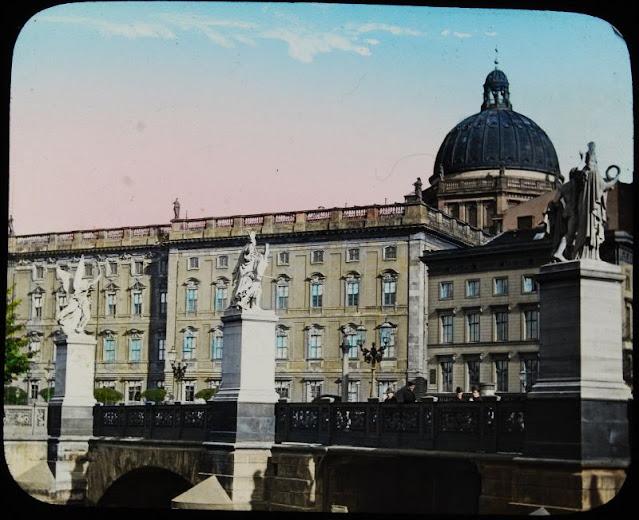
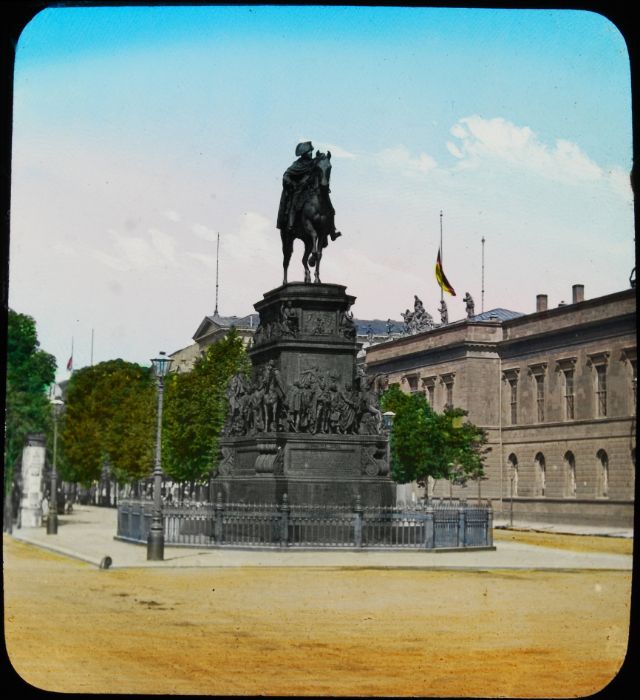
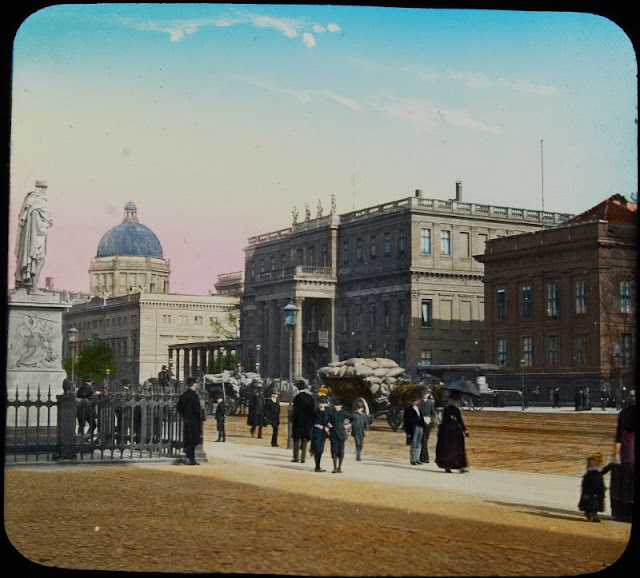
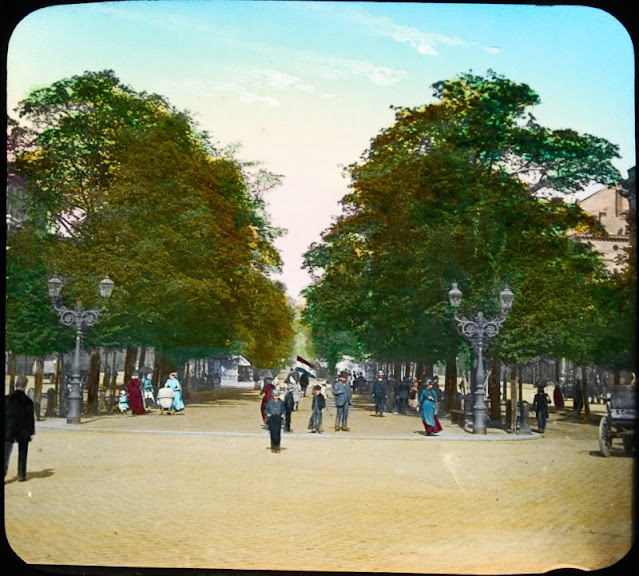
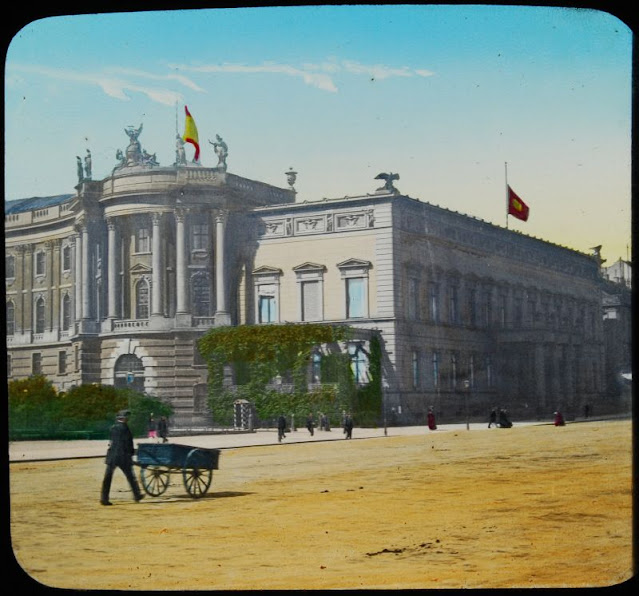
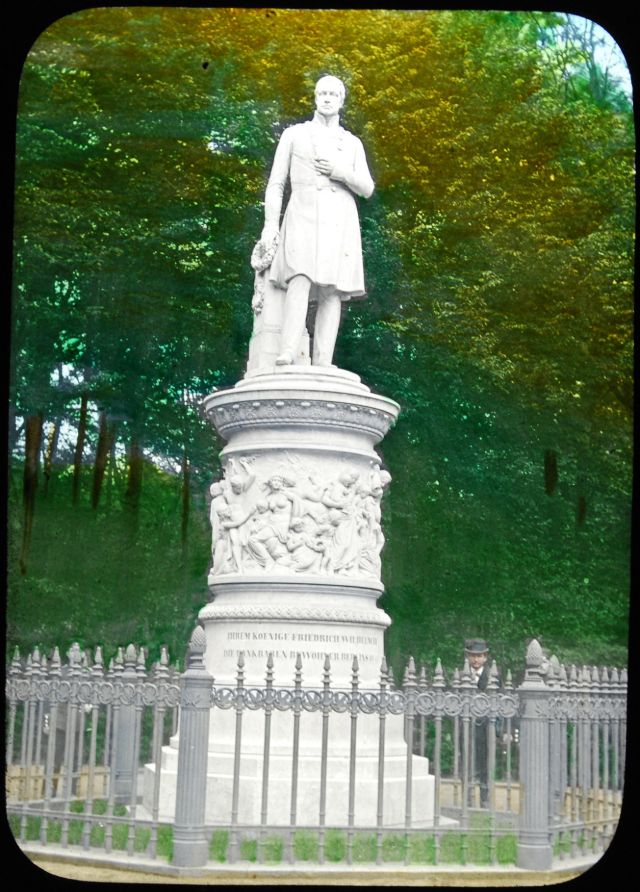
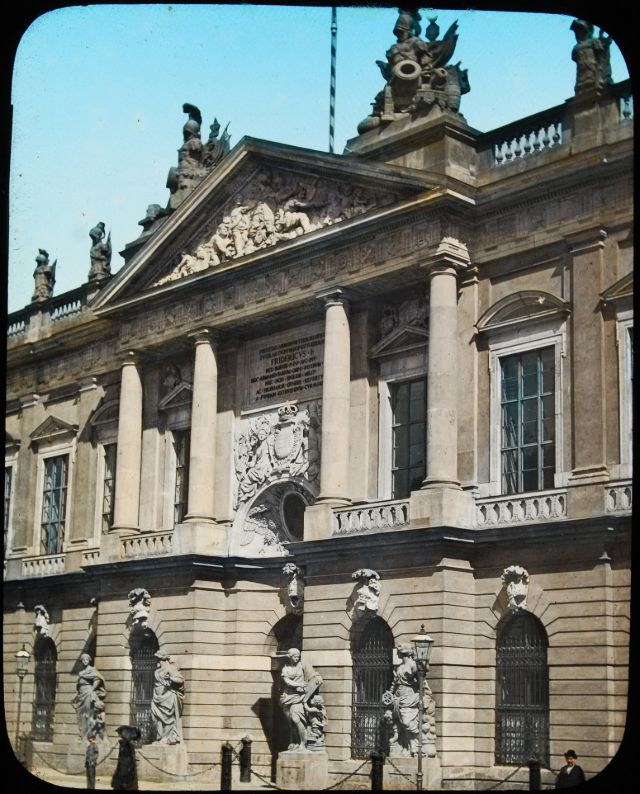
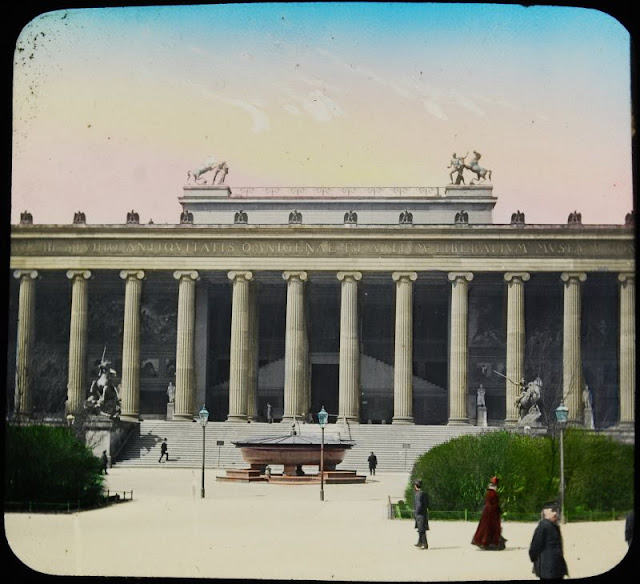
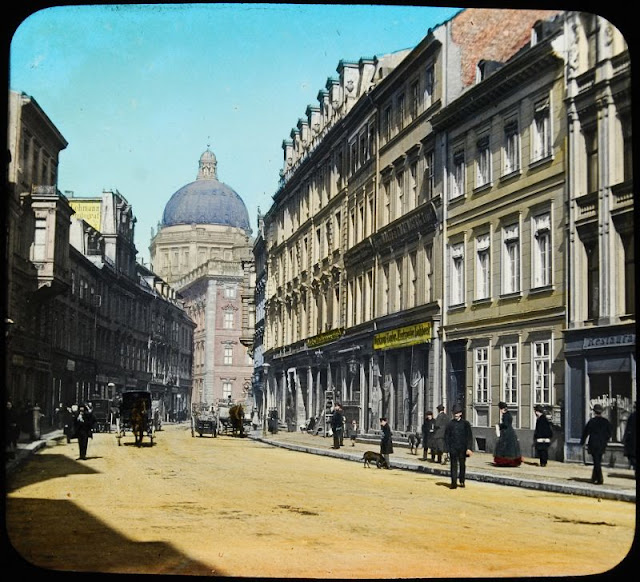
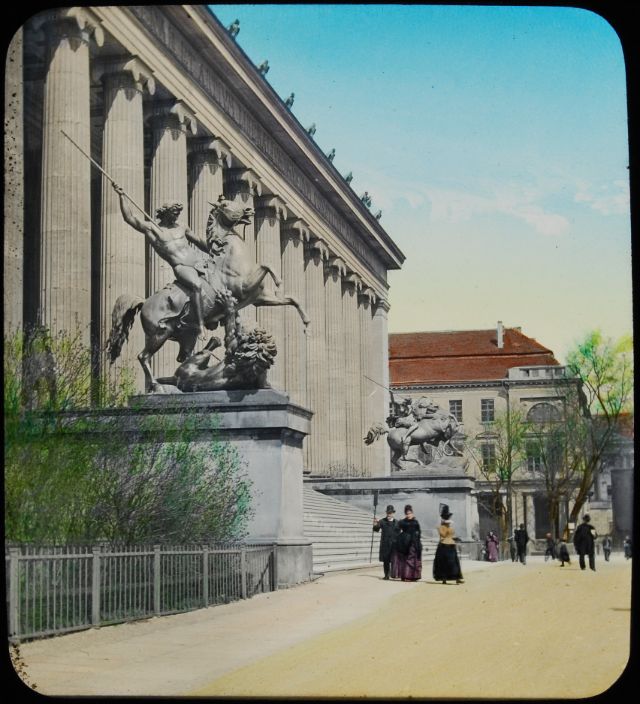
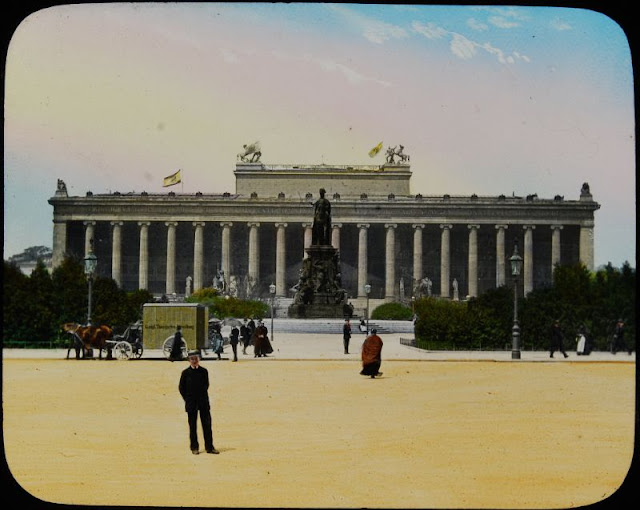
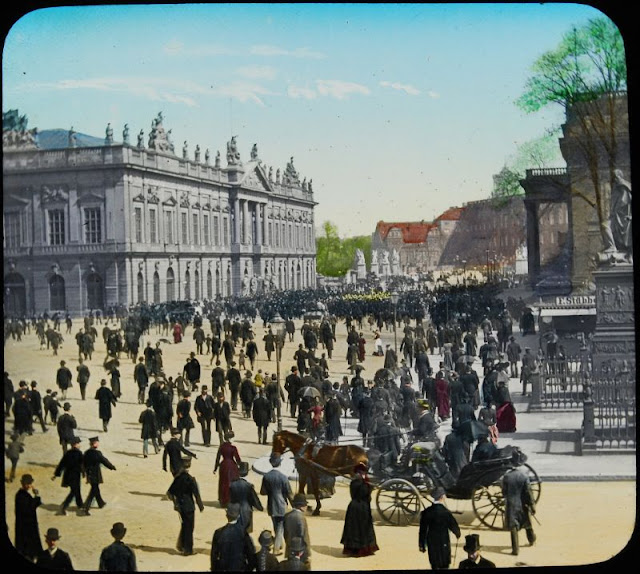
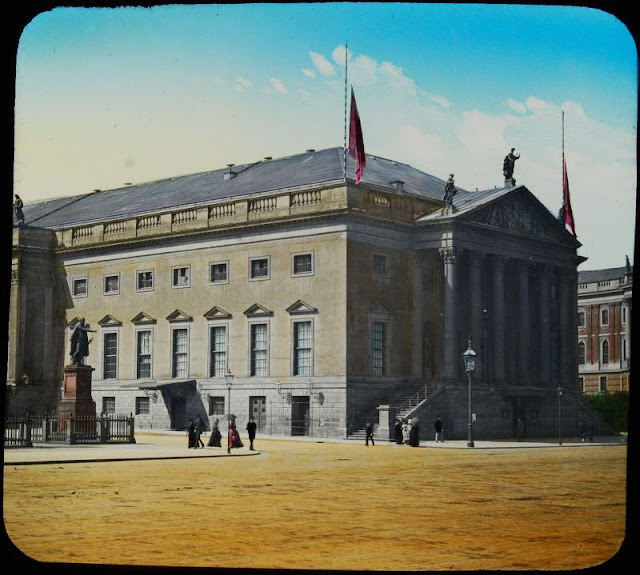
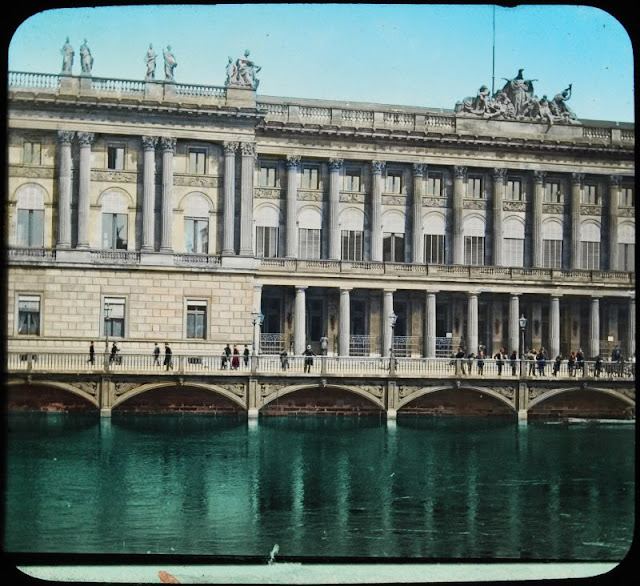
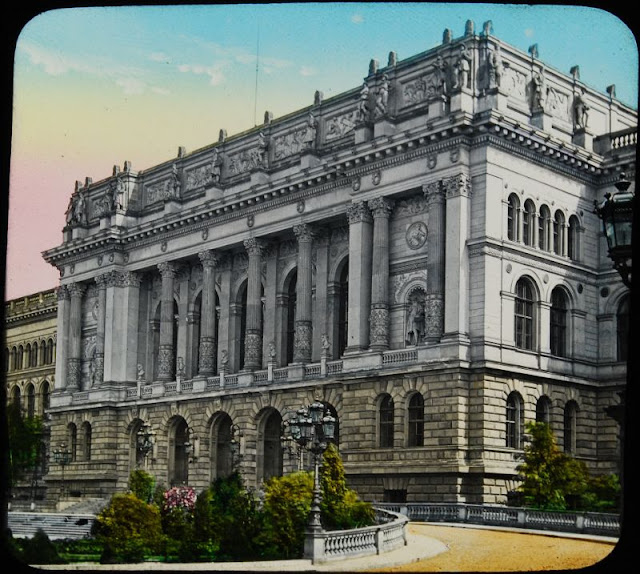
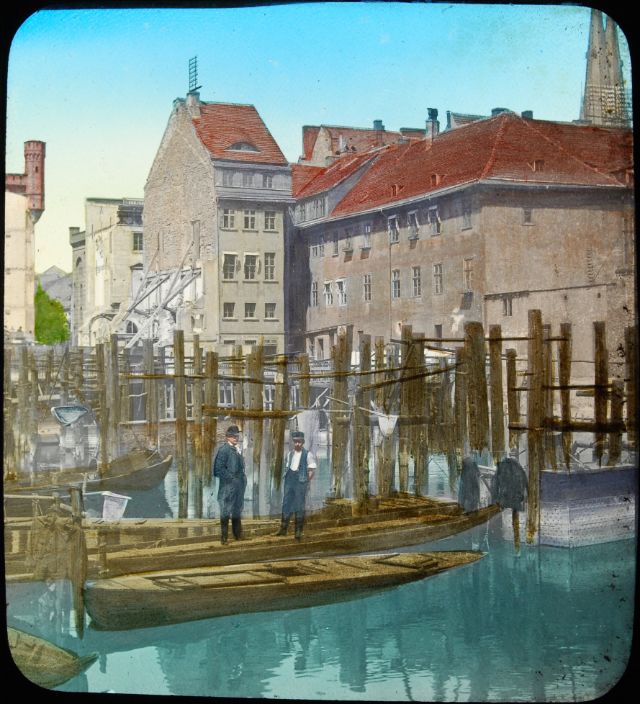
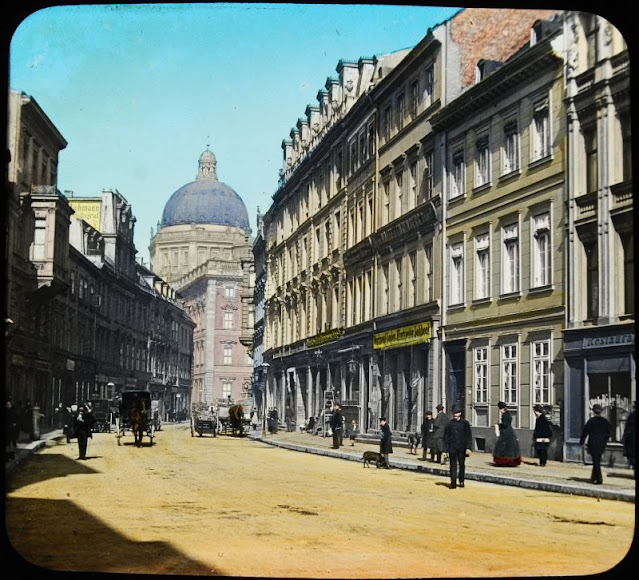
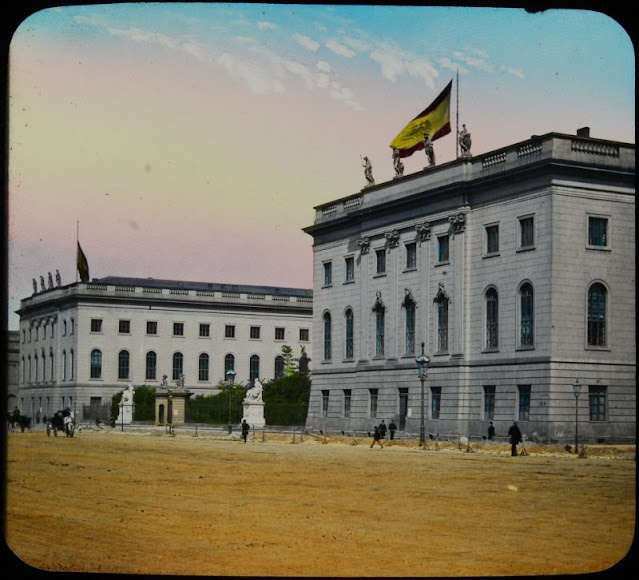
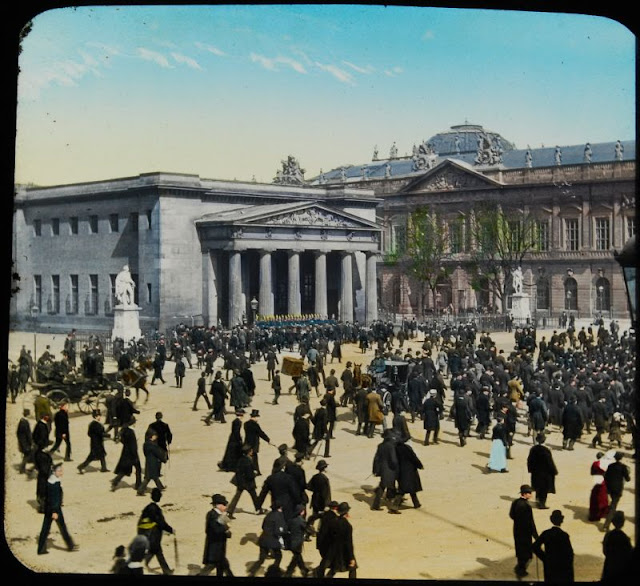
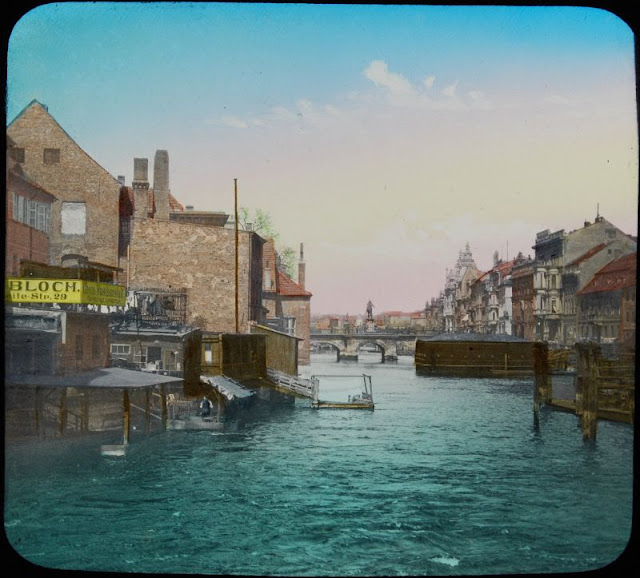
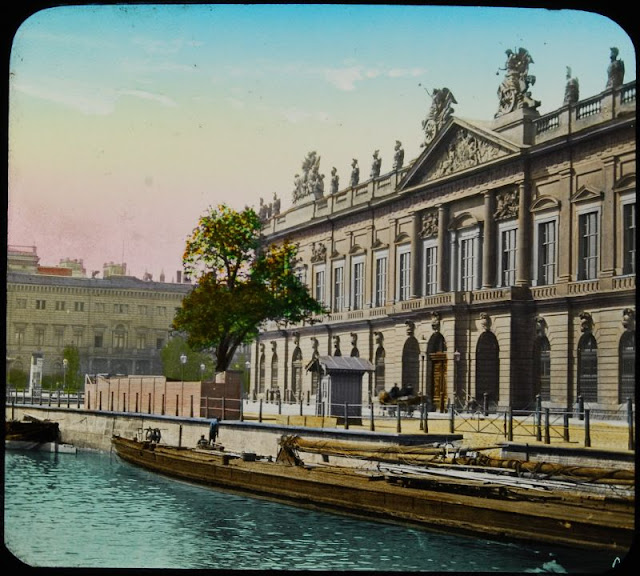
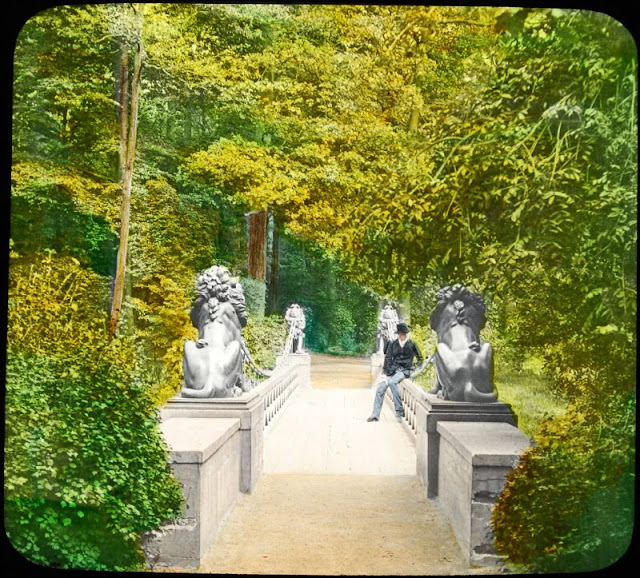
The Industrial Revolution transformed Berlin during the 19th century; the city’s economy and population expanded dramatically, and it became the main railway hub and economic center of Germany. Additional suburbs soon developed and increased the area and population of Berlin.
In 1861, neighboring suburbs including Wedding, Moabit and several others were incorporated into Berlin. In 1871, Berlin became capital of the newly founded German Empire. In 1881, it became a city district separate from Brandenburg.
In the early 20th century, Berlin had become a fertile ground for the German Expressionist movement. In fields such as architecture, painting and cinema new forms of artistic styles were invented.
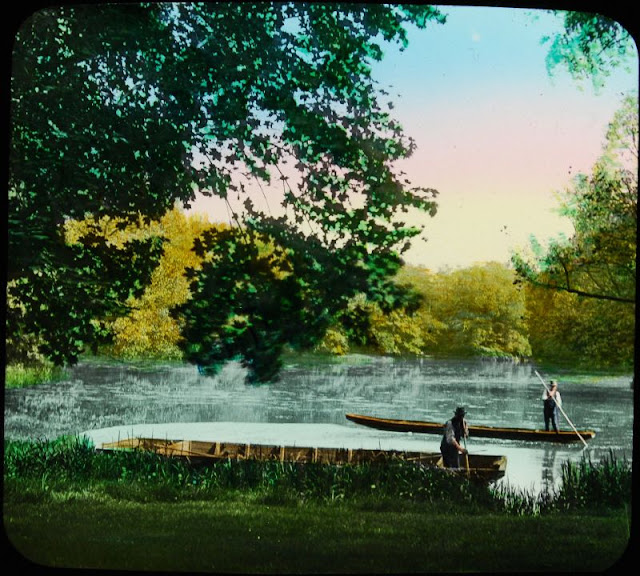
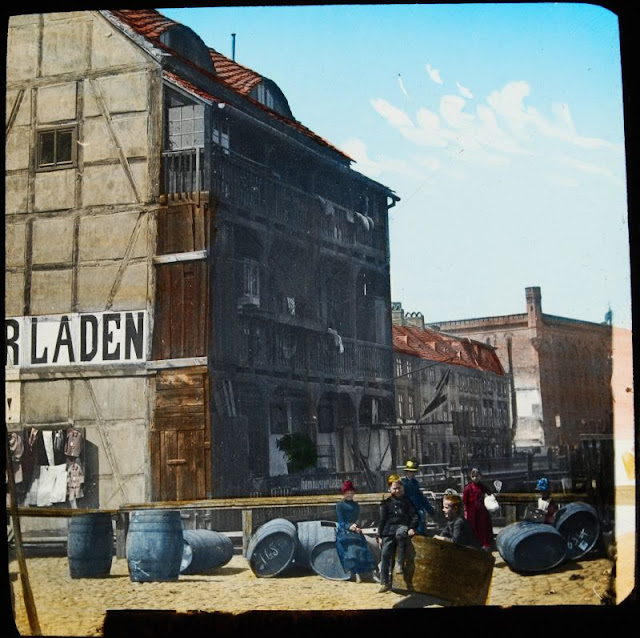
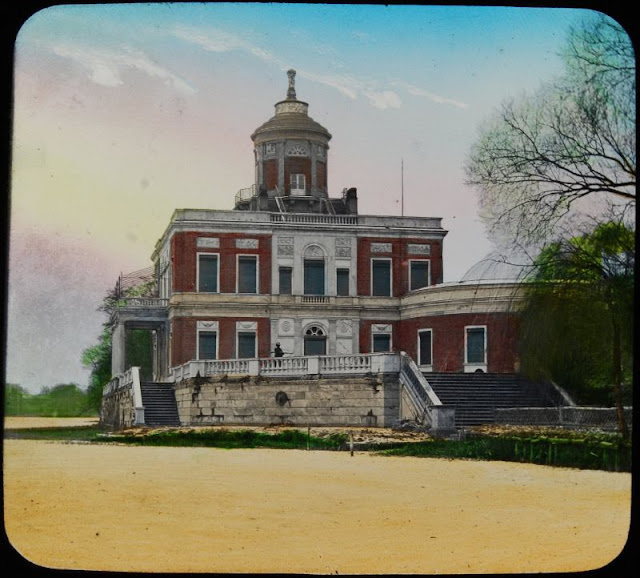
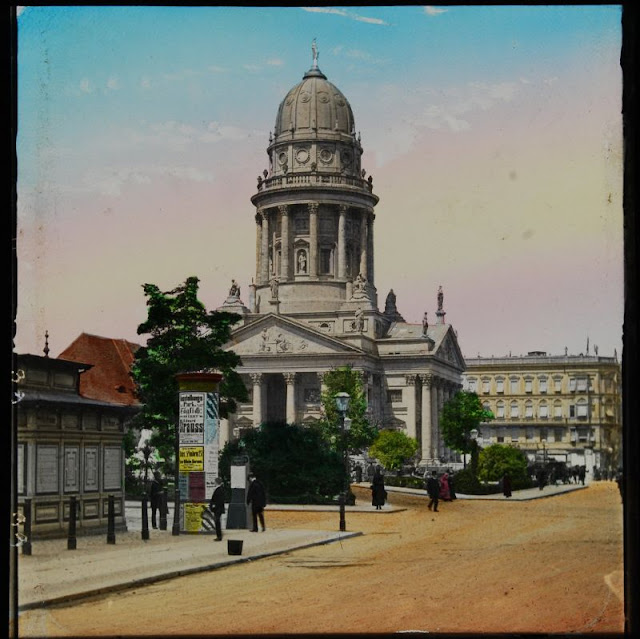
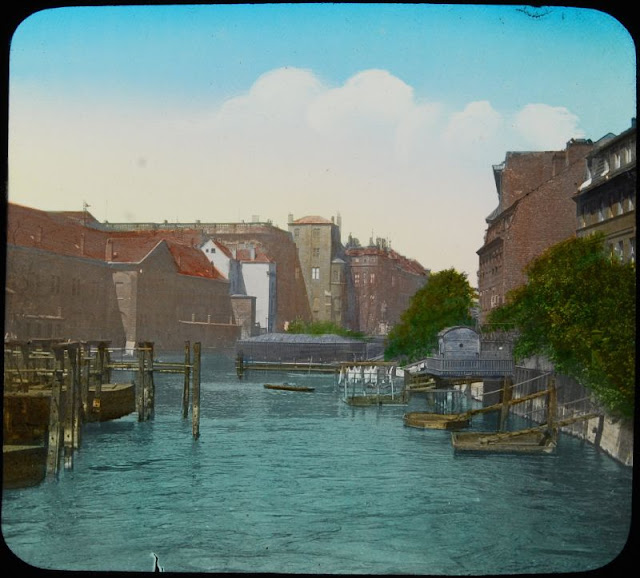
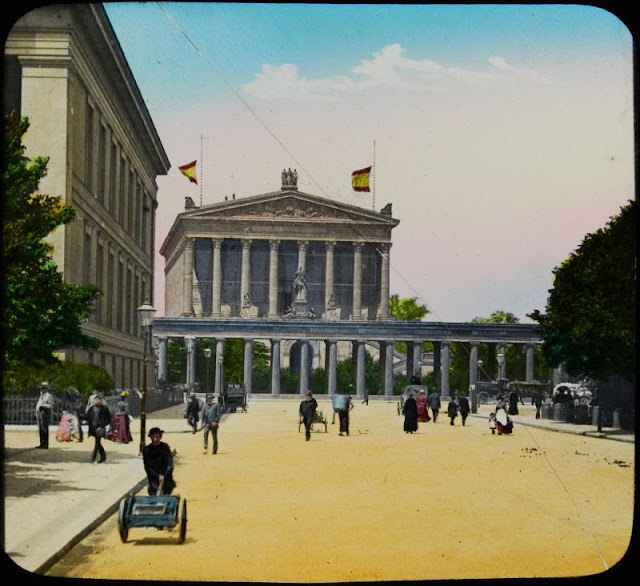
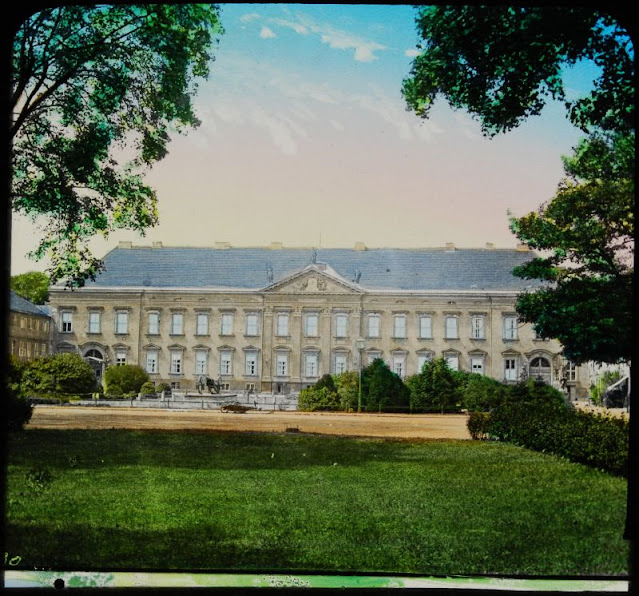
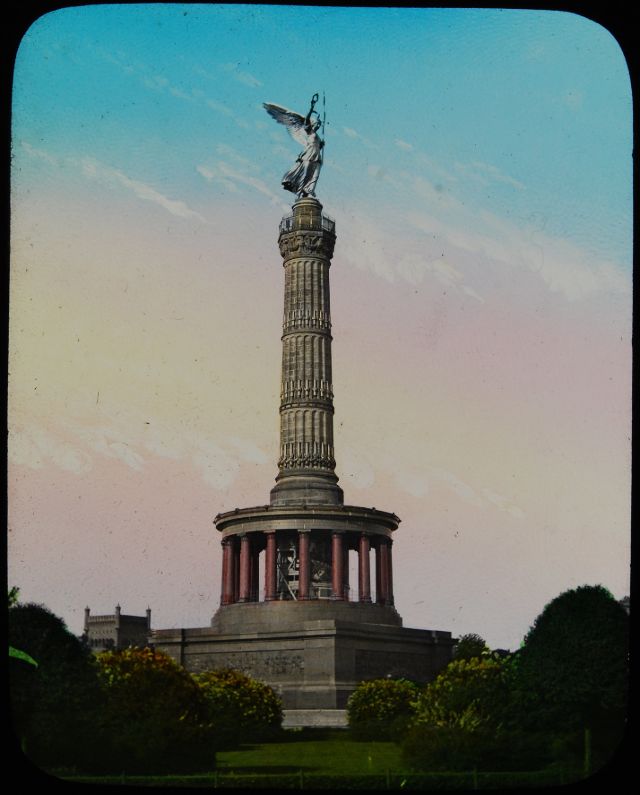
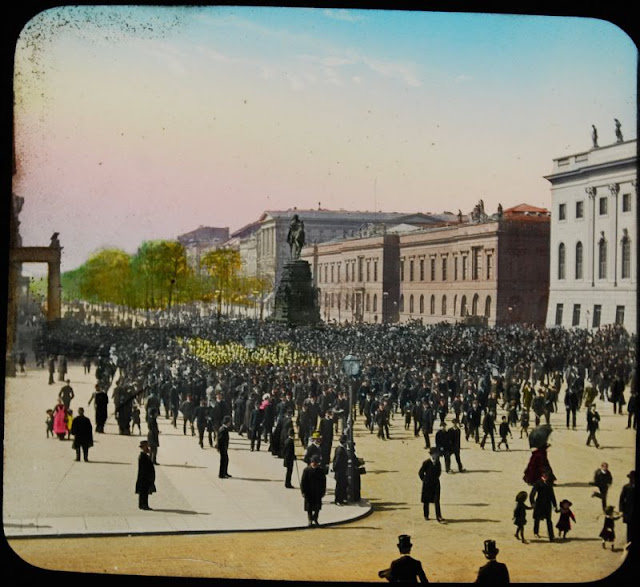
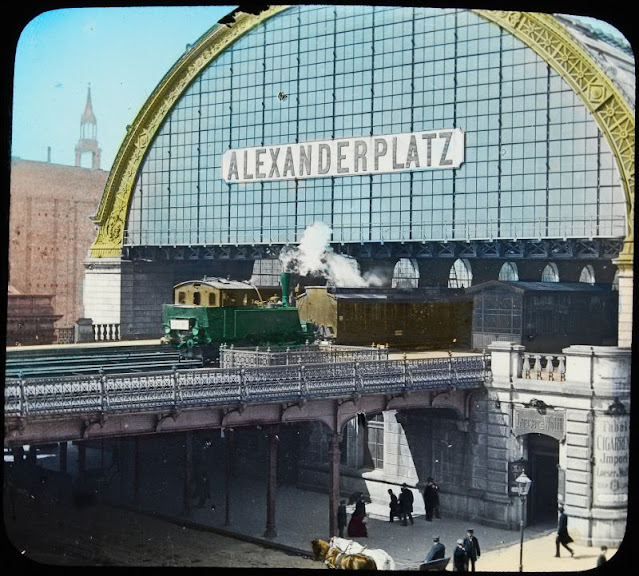
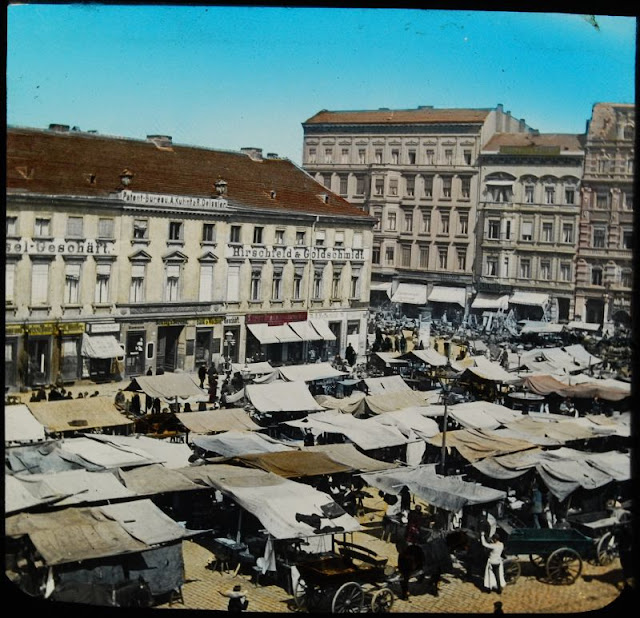
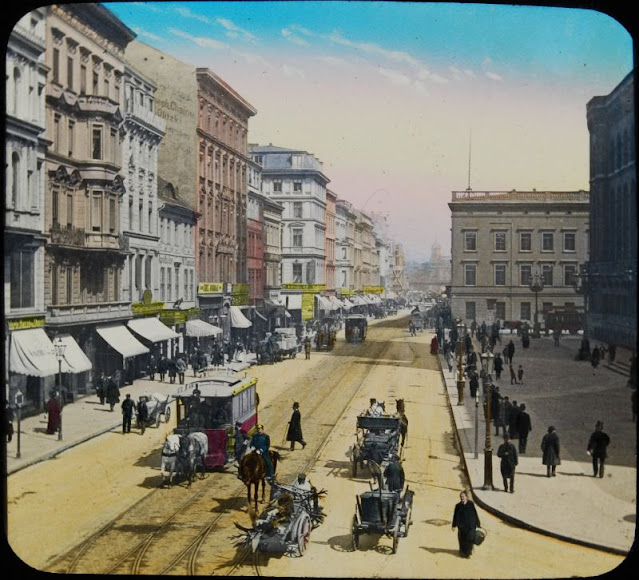
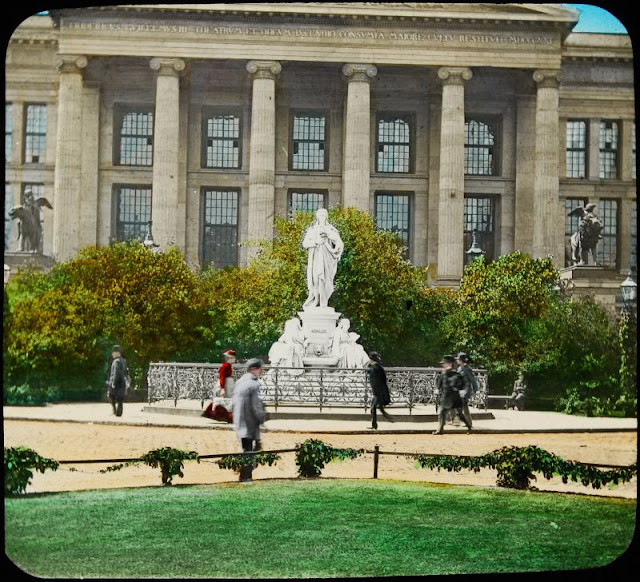
Here below is a set of colored magic lantern slides that shows street scenes of Berlin in the late 19th and very early 20th centuries.
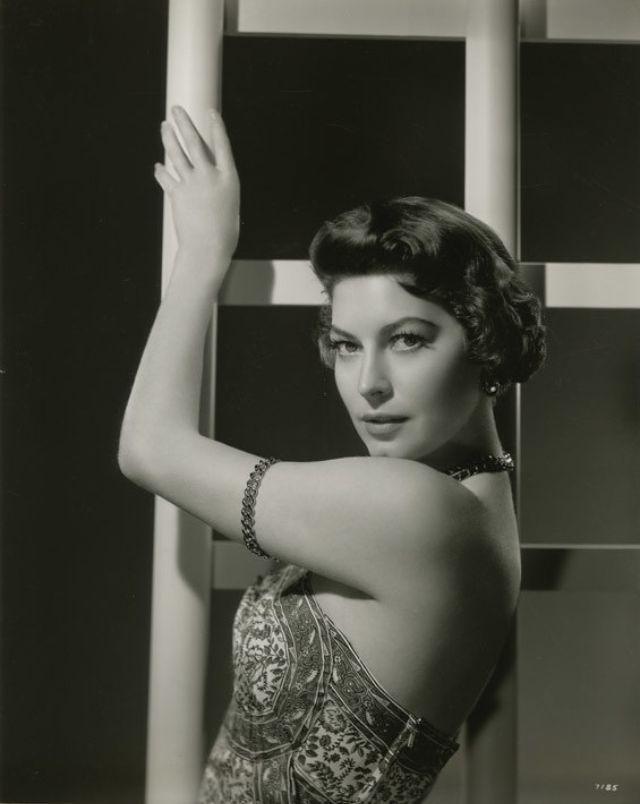
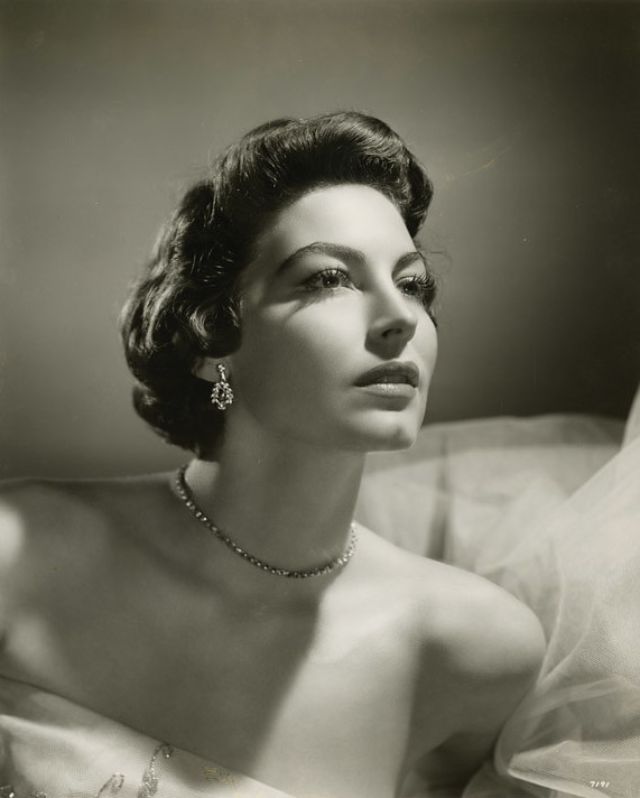
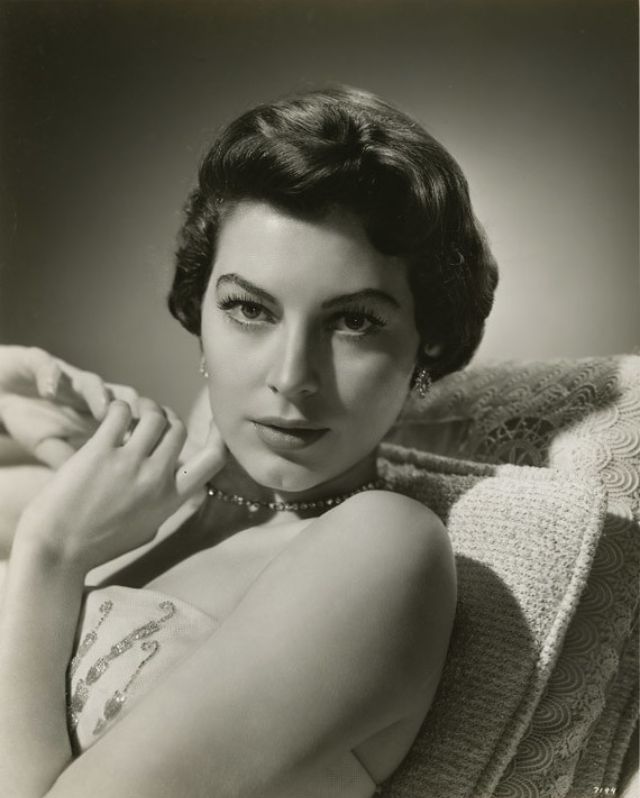
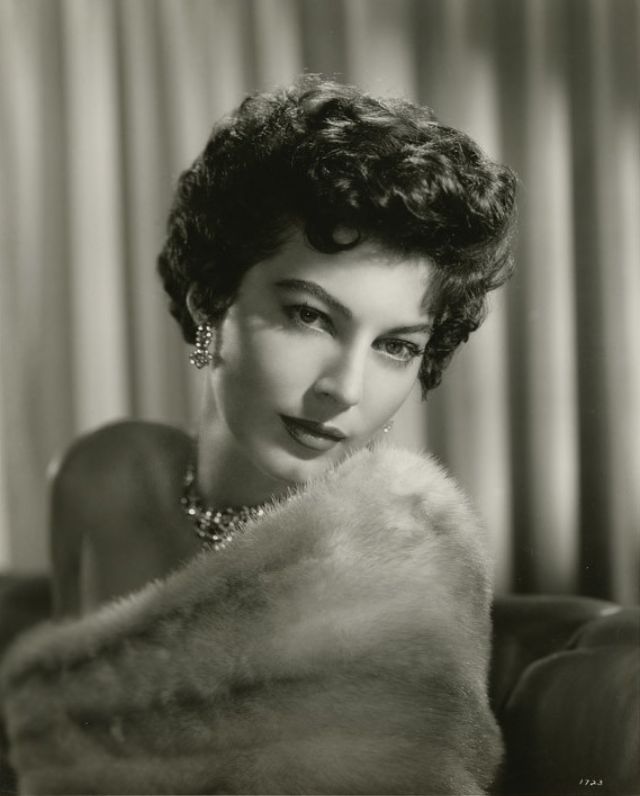
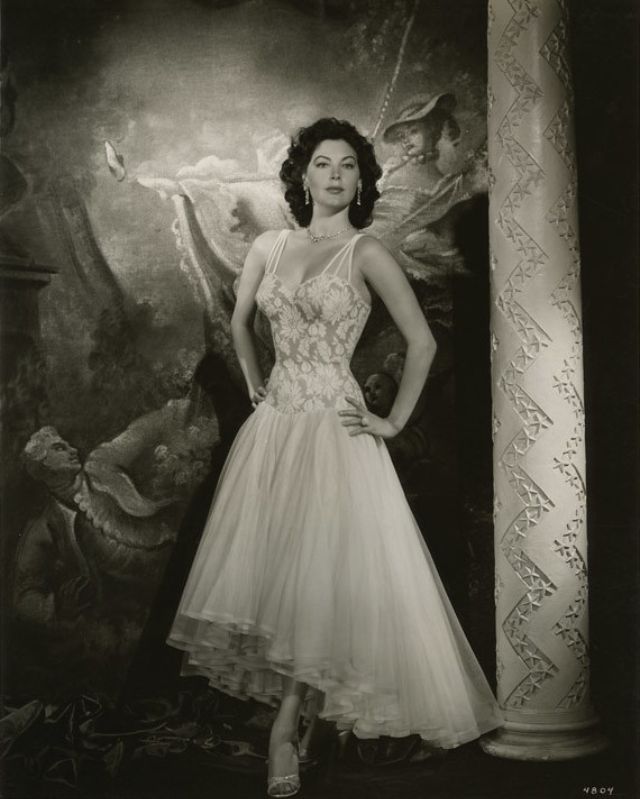
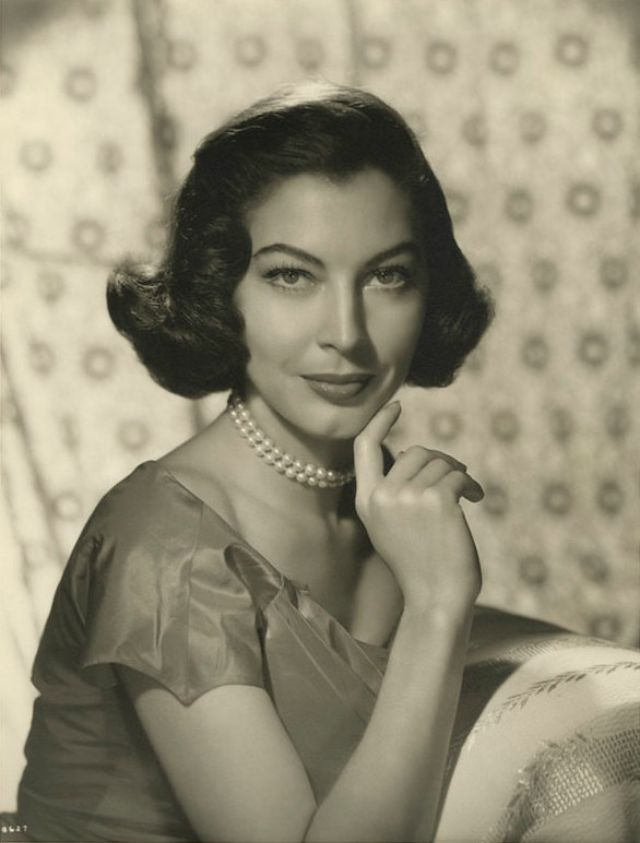
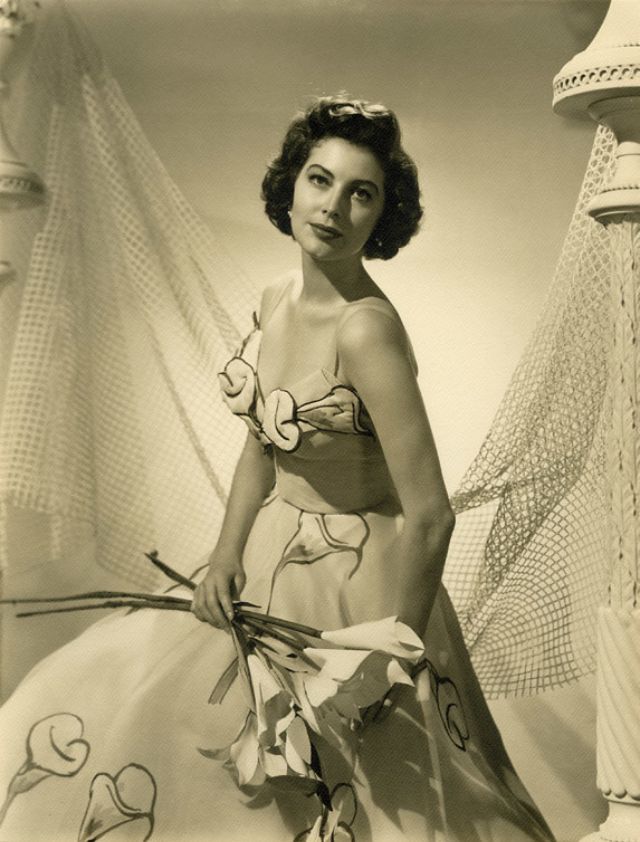
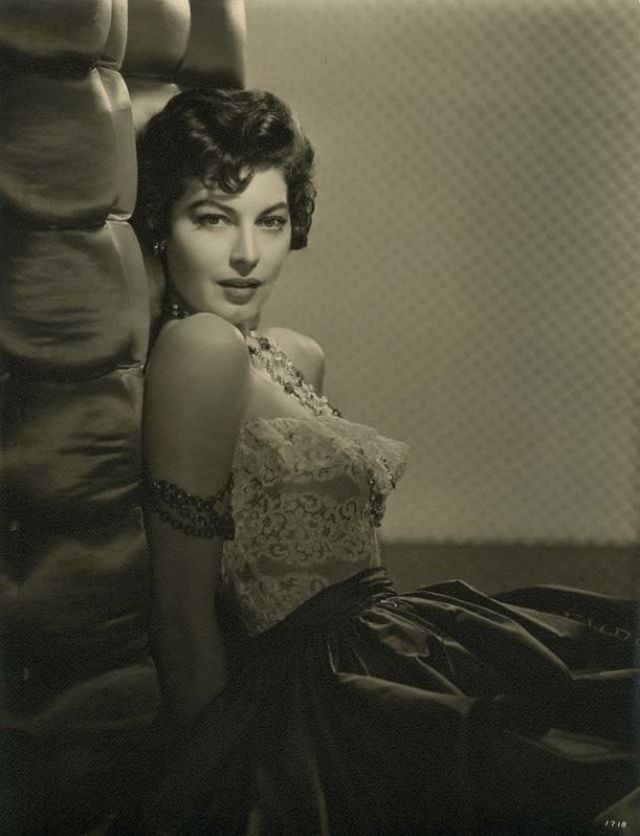
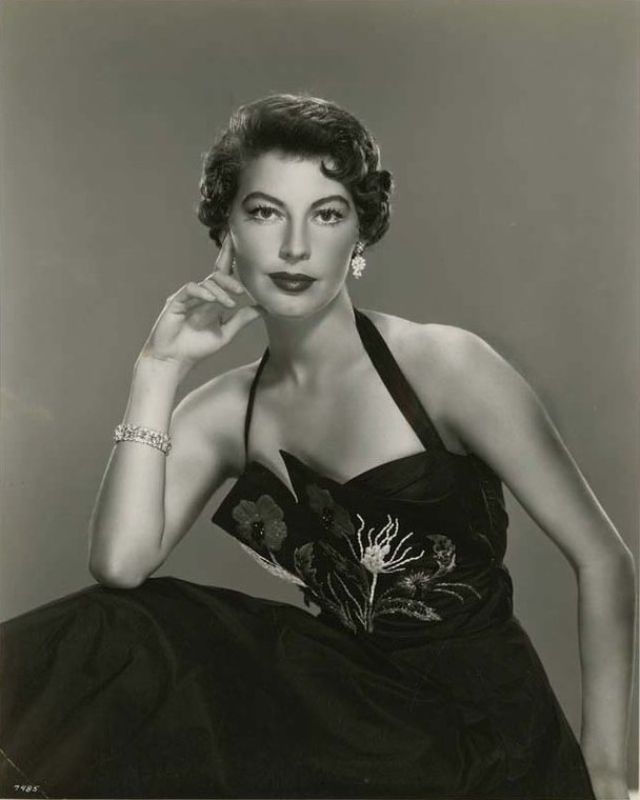
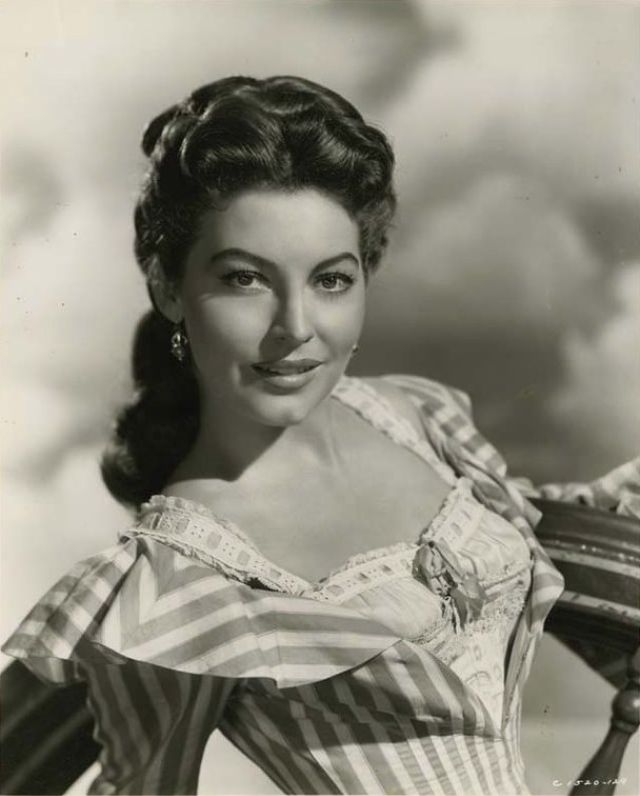
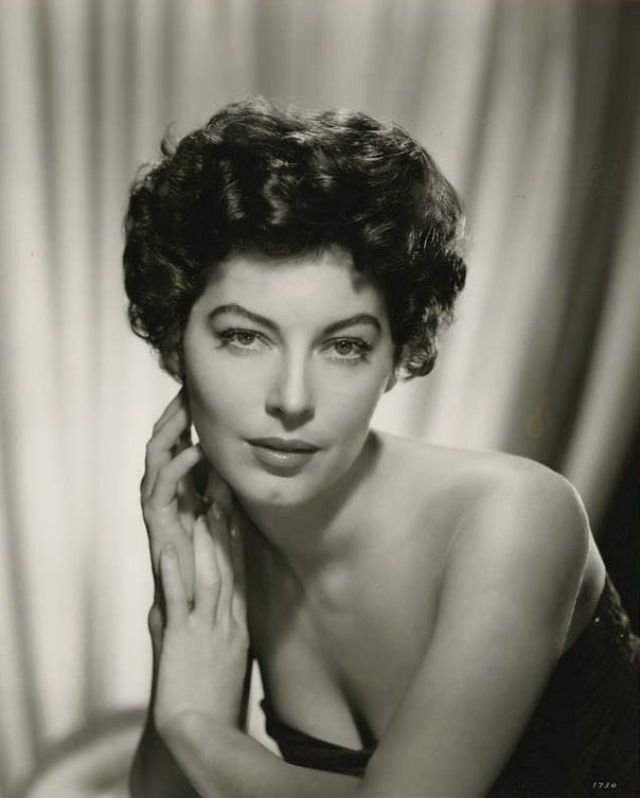
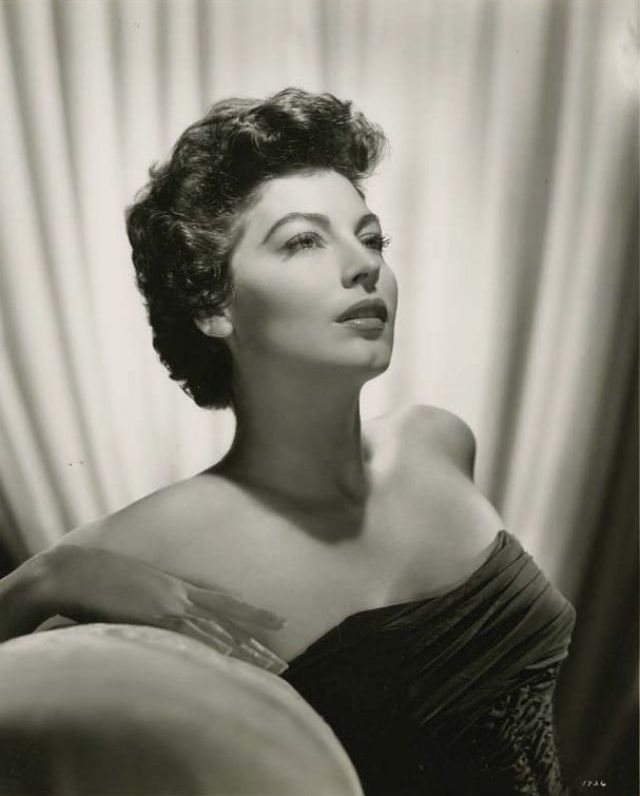
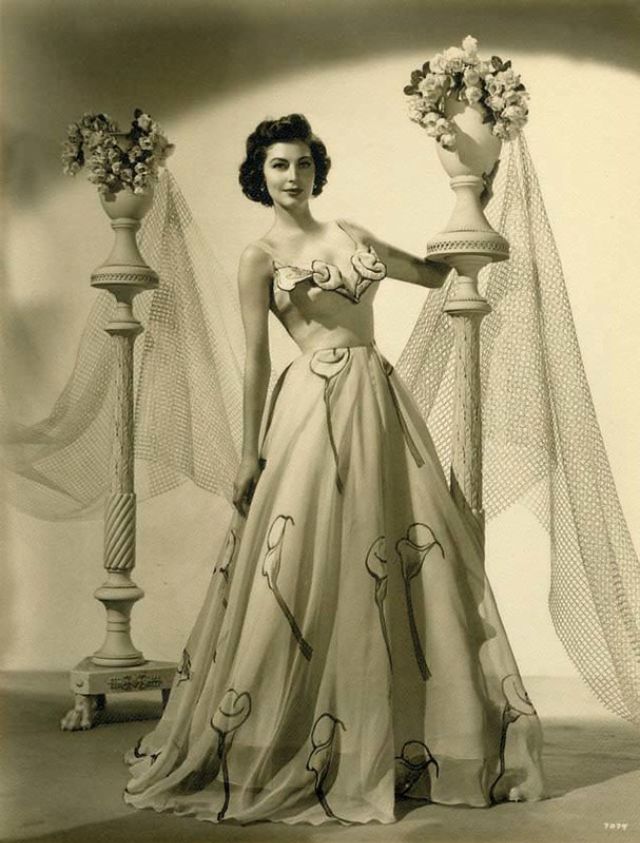
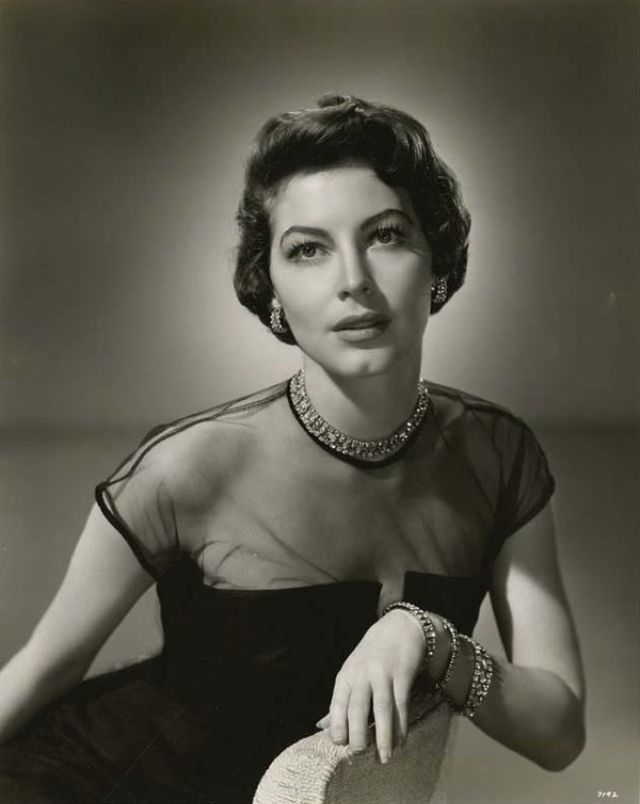
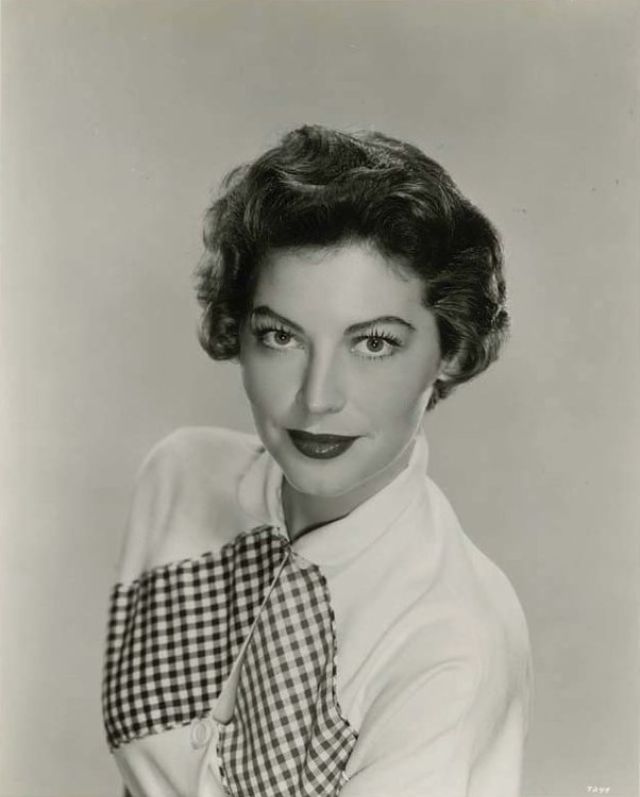
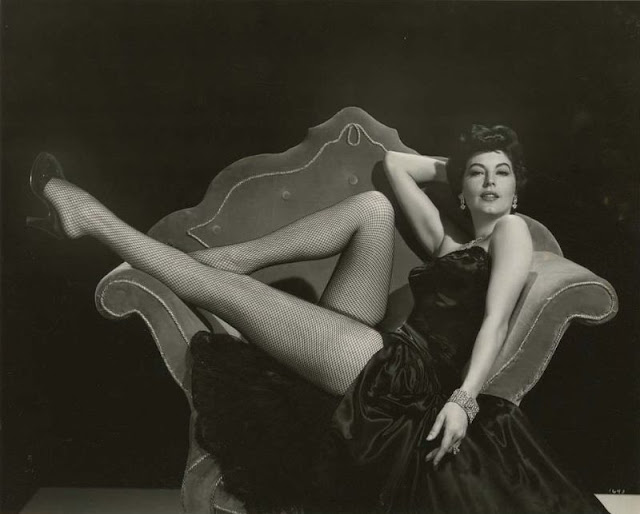
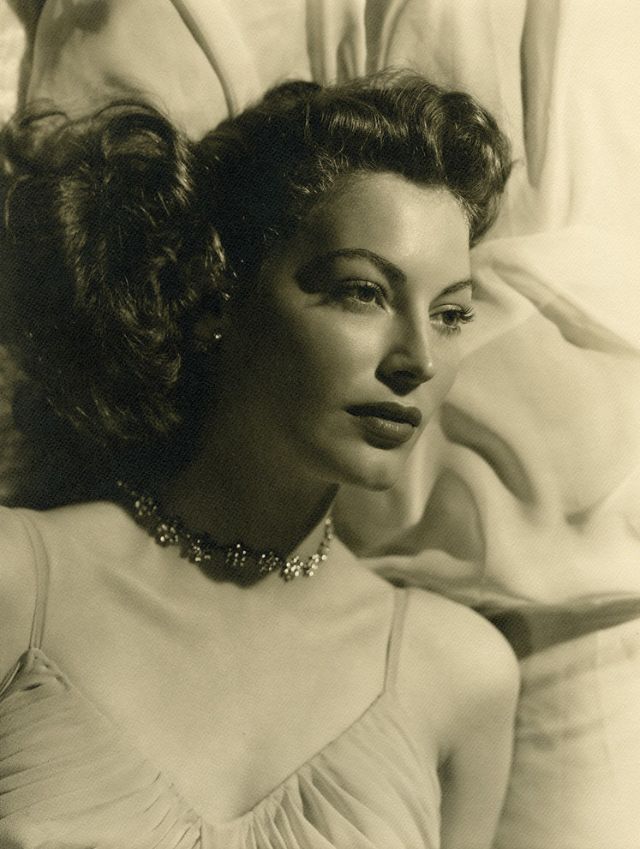
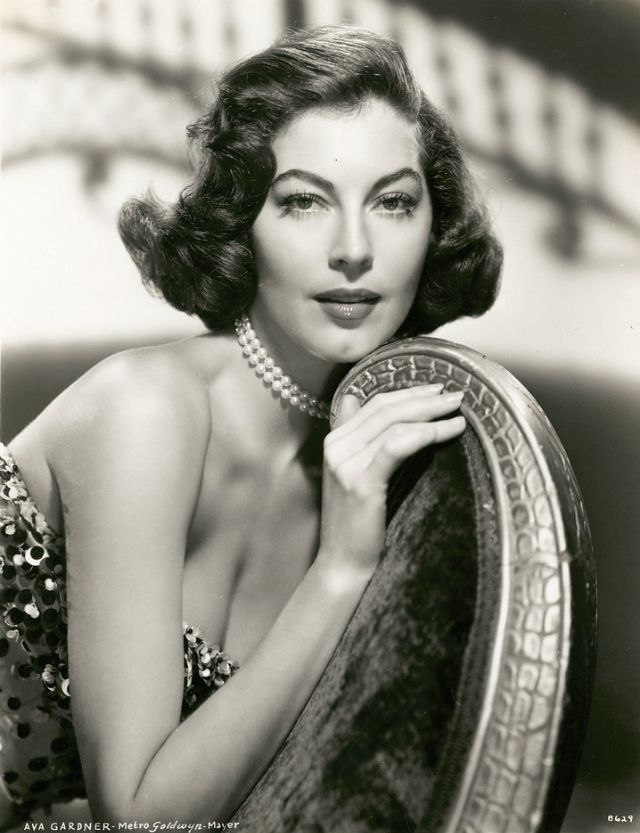
Ava Lavinia Gardner (December 24, 1922 – January 25, 1990) was an American actress. She first signed a contract with Metro-Goldwyn-Mayer in 1941 and appeared mainly in small roles until she drew critics’ attention in 1946 with her performance in Robert Siodmak’s film noir The Killers. She was nominated for an Academy Award for Best Actress for her performance in John Ford’s Mogambo (1953), and for best actress for both a Golden Globe Award and BAFTA Award for her performance in John Huston’s The Night of the Iguana (1964). She was a part of the Golden Age of Hollywood.
During the 1950s, Gardner established herself as a leading lady and one of the era’s top stars with films like Show Boat, Pandora and the Flying Dutchman (both 1951), The Snows of Kilimanjaro (1952), The Barefoot Contessa (1954), Bhowani Junction (1956) and On the Beach (1959). She continued her film career for three more decades, appearing in the films 55 Days at Peking (1963), Seven Days in May (1964), The Bible: In the Beginning… (1966), Mayerling (1968), The Life and Times of Judge Roy Bean (1972), Earthquake (1974) and The Cassandra Crossing (1976). And in 1985, she had the major recurring role of Ruth Galveston on the primetime soap opera Knots Landing. She continued to act regularly until 1986, four years before her death in 1990, at the age of 67.
In 1999, the American Film Institute ranked Gardner No. 25 on its greatest female screen legends of classic American cinema list.
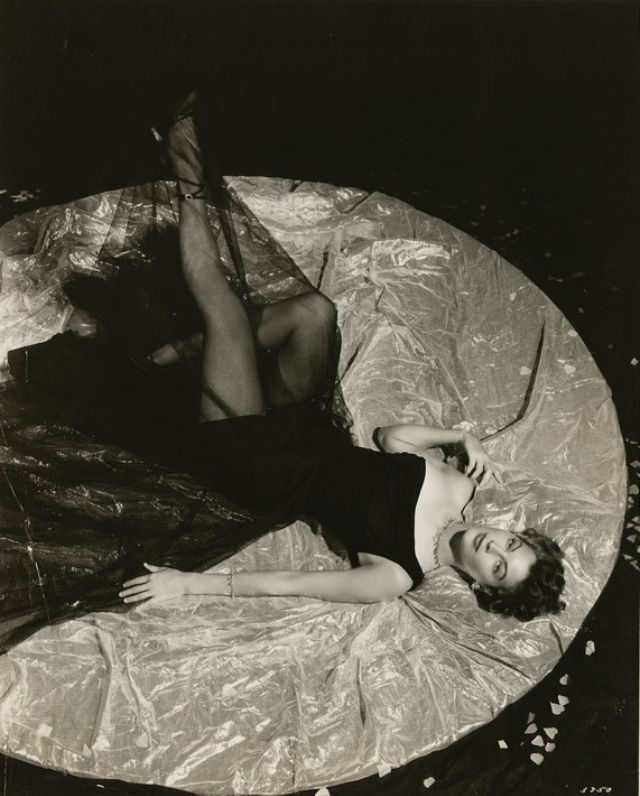
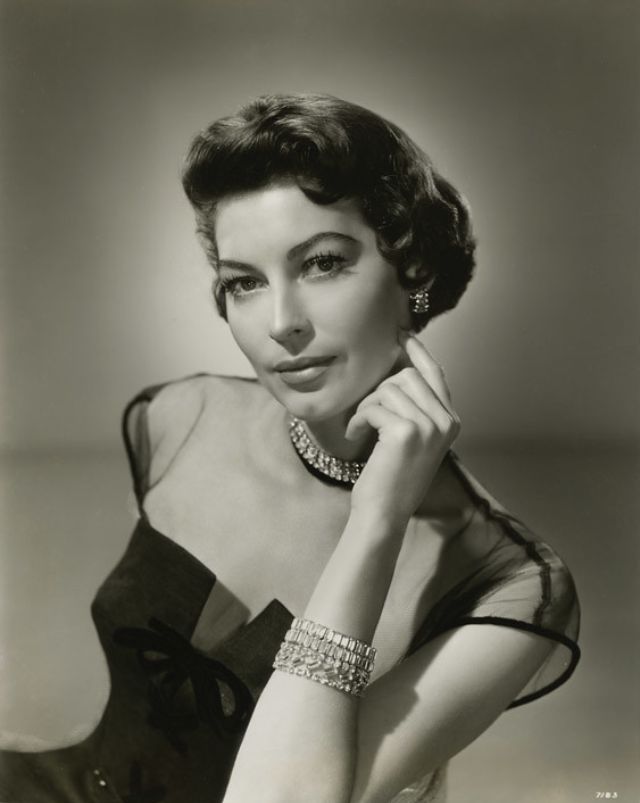
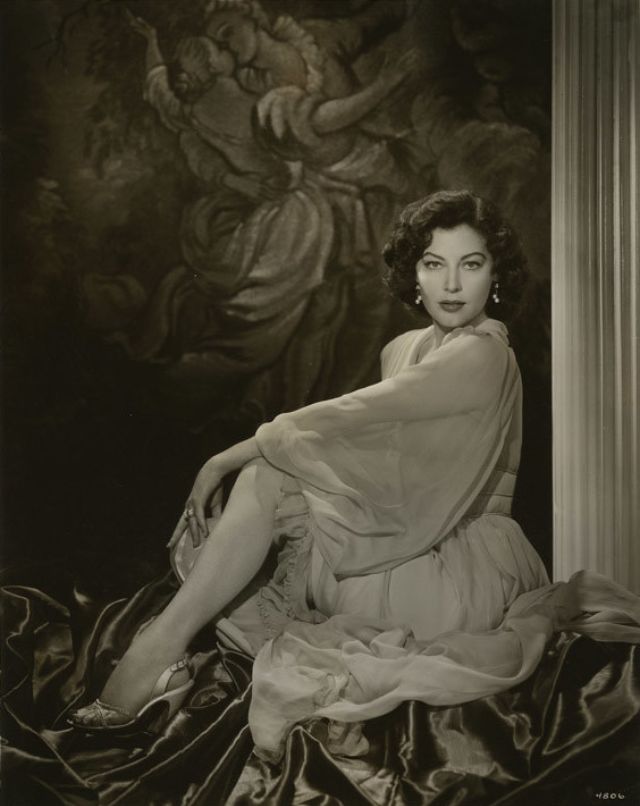
Here are some gorgeous photos of Ava Gardner from the early 1950s.
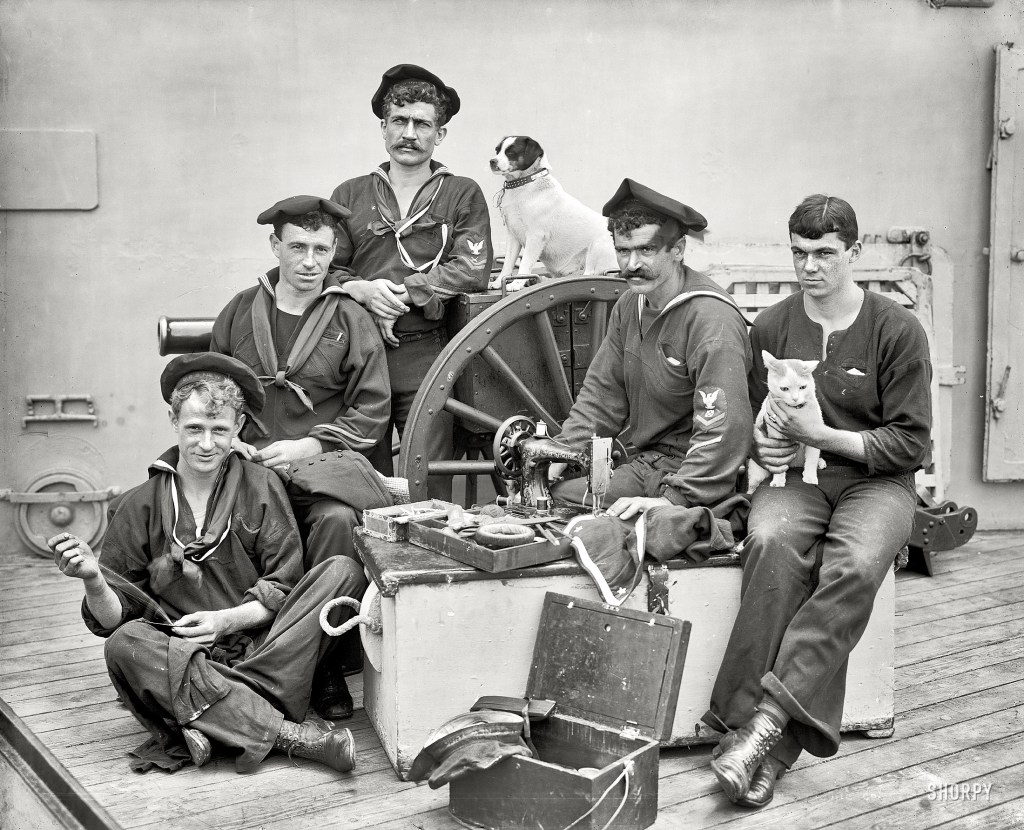
Aboard the U.S.S. New York, 1896. “Ship’s tailor.” The dog is Nick.
Bathing Beauties, ca. 1910s
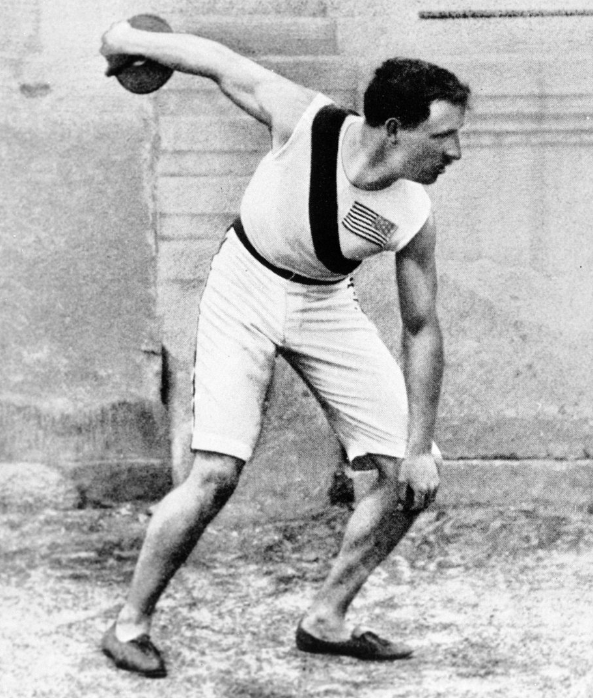
Robert Garrett (USA) wins the Gold medal in the discus at the 1896 Athens Olympics.
Jim Morrison, Paris 1971
Johnny Cash was arrested in October 1965 when U.S. Customs agents found hundreds of pep pills and tranquilizers in his luggage. The Man in Black–who was returning by plane from a trip to Juarez, Mexico–spent a night in the El Paso jail, and later pleaded guilty to a misdemeanor count. Cash paid a $1000 fine and received a 30-day suspended sentence.
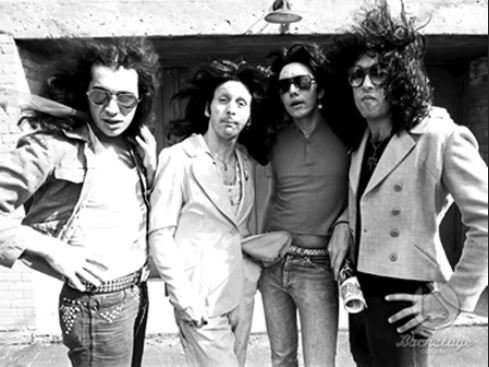
1970’s Kiss, the original line-up, without makeup
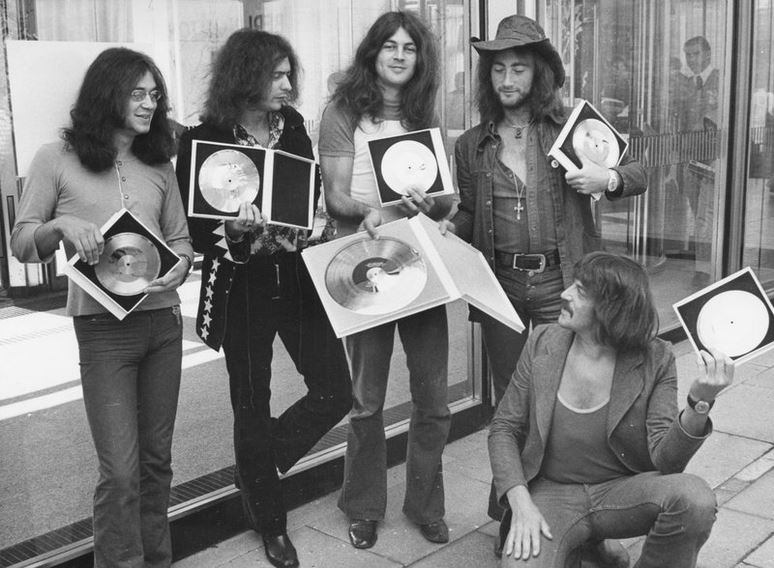
Deep Purple
The GM Futurliner: Only 12 of these 30,000 pound vehicles were made (between 1936-41 & 1953-56) only 9 remain, valued at $4 million apiece
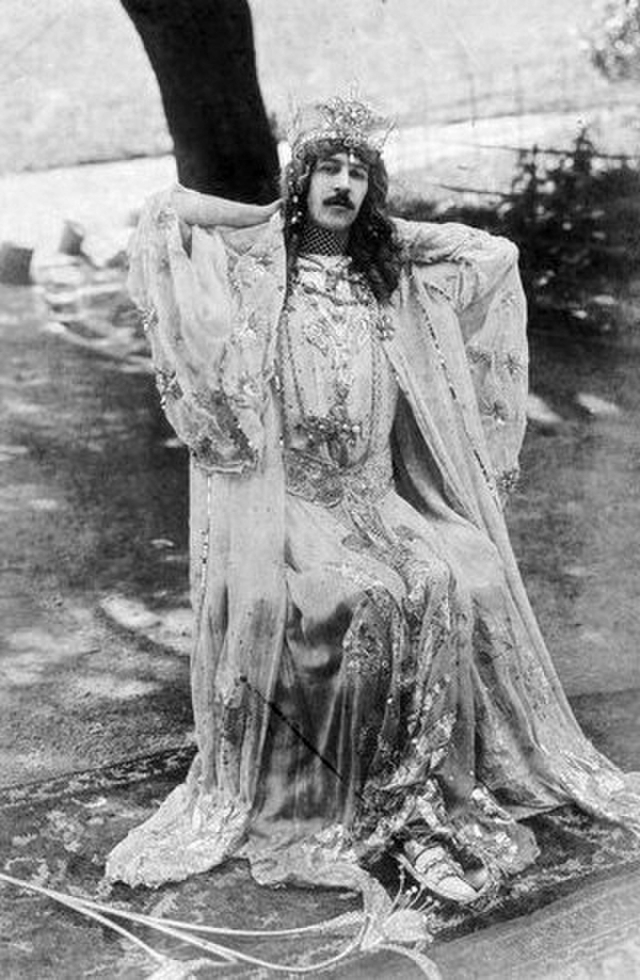
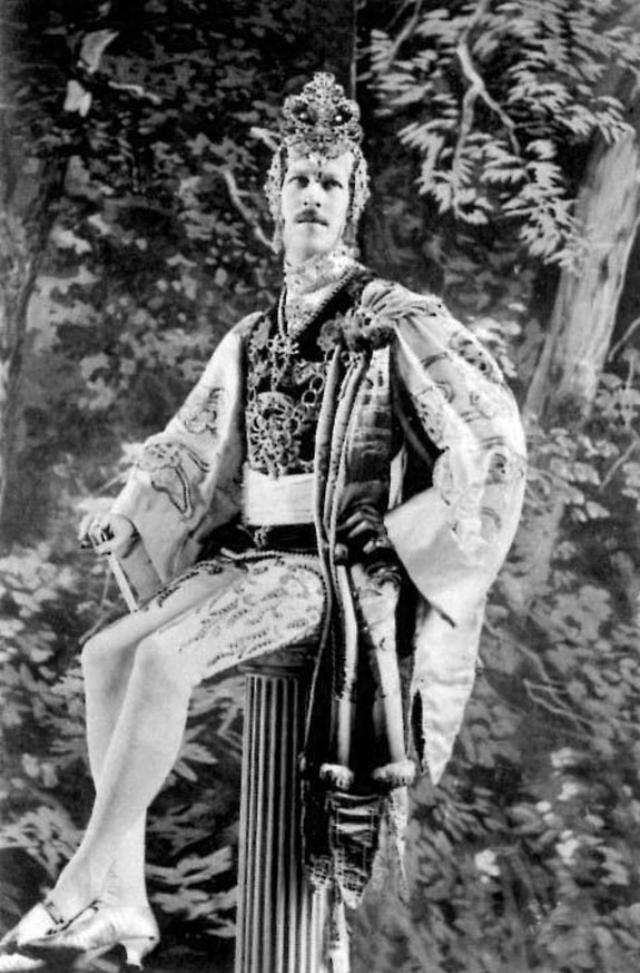
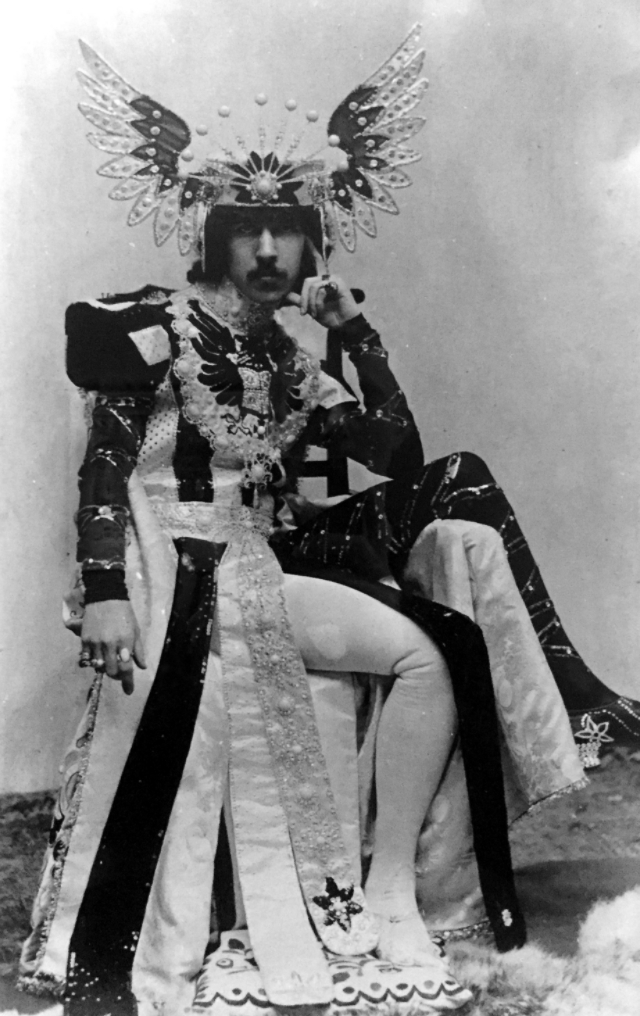
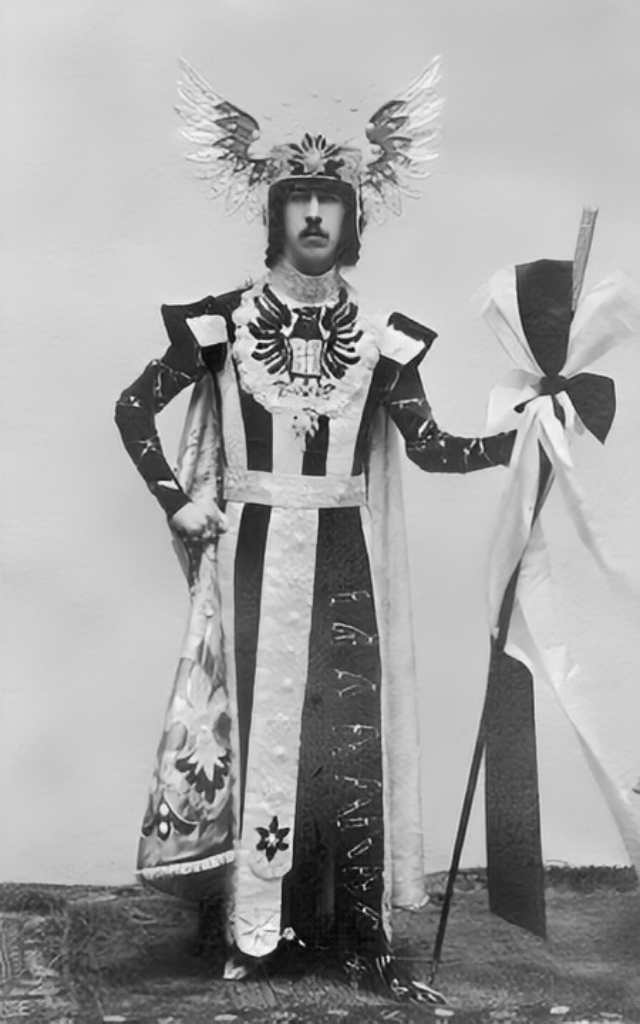
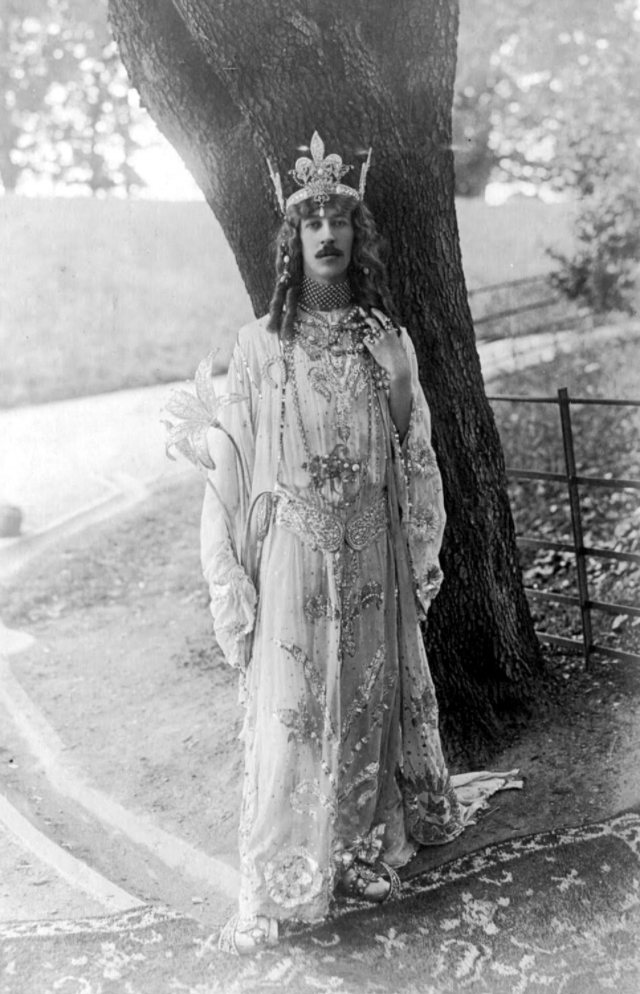
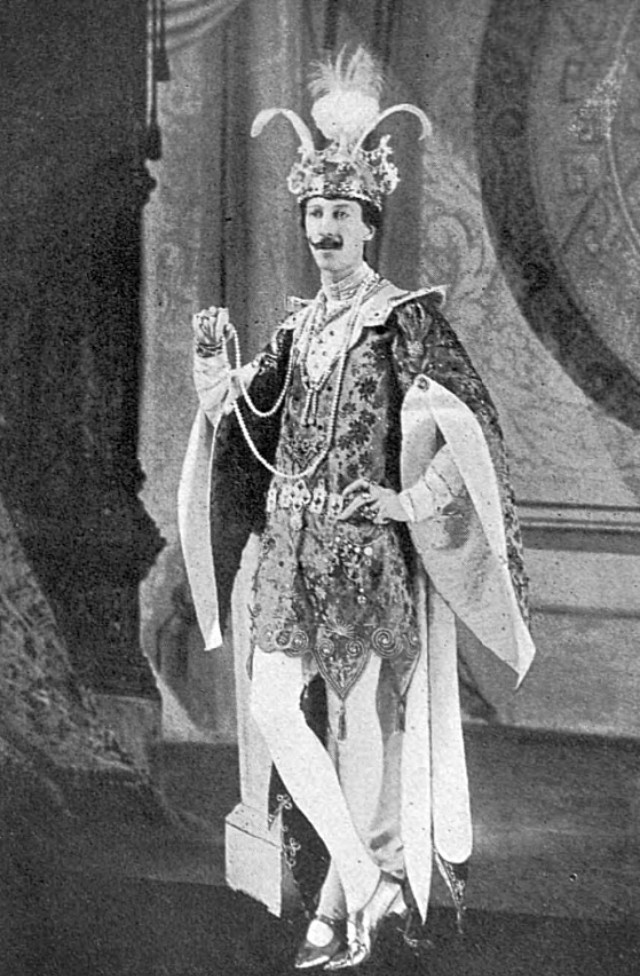
Henry Cyril Paget, 5th Marquess of Anglesey (1875–1905), styled Lord Paget until 1880 and Earl of Uxbridge between 1880 and 1898, and nicknamed “Toppy”, was a British peer who was notable during his short life for squandering his inheritance on a lavish social life and accumulating massive debts. Regarded as the “black sheep” of the family, he was dubbed “the dancing marquess” and for his Butterfly Dancing, taken from Loie Fuller, where a voluminous robe of transparent white silk would be waved like wings.
Paget swiftly acquired a reputation for a lavish and spendthrift manner of living. He used his money to buy jewellery and furs, and to throw extravagant parties and flamboyant theatrical performances. He renamed the family’s country seat Plas Newydd as “Anglesey Castle” and converted the chapel there into a 150-seat theatre, named the Gaiety Theatre. Here he took the lead role, opulently costumed, in productions ranging from pantomime and comedy to performances of Oscar Wilde’s An Ideal Husband and Shakespeare’s Henry V. Early performances from around 1899 were mostly variety performances of song and dance numbers, sketches and tableaux vivants in front of an invited audience of notable local people. In 1901, the Gaiety Theatre was refurbished and fitted out with electric stage lighting and re-opened as a public entertainment venue.
For three years Paget took his theatre company on tour around Britain and Europe. His wife disapproved of his lifestyle and obtained a decree nisi of divorce on November 7, 1900; the marriage was later annulled due to nonconsummation. The breakdown of his marriage effectively gave Paget more freedom to enjoy his self-indulgent lifestyle. By this stage he had already begun to mortgage his estates to raise money.
Paget’s outrageous and flamboyant lifestyle, his taste for cross-dressing, and the breakdown of his marriage, have led many to assume that he was homosexual. There is no evidence for or against his having had any lovers of either sex: performance historian Viv Gardner believes rather that he was “a classic narcissist: the only person he could love and make love to was himself, because, for whatever reason, he was ‘unlovable’”. The deliberate destruction by his family of those of his papers that might have settled this matter has left any assessment speculative.
By 1904, despite his inheritance and income, Paget had accumulated debts of £544,000 (about £60 million in today) and on June 11 was declared bankrupt. His lavish wardrobe, particularly his dressing gowns from Charvet, and jewels were sold to pay creditors, the jewels alone realizing £80,000.
In 1905, Paget died in Monte Carlo following a long illness, with his ex-wife by his side, and his remains were returned to St Edwen’s Church, Llanedwen, on his Anglesey estate, for burial.
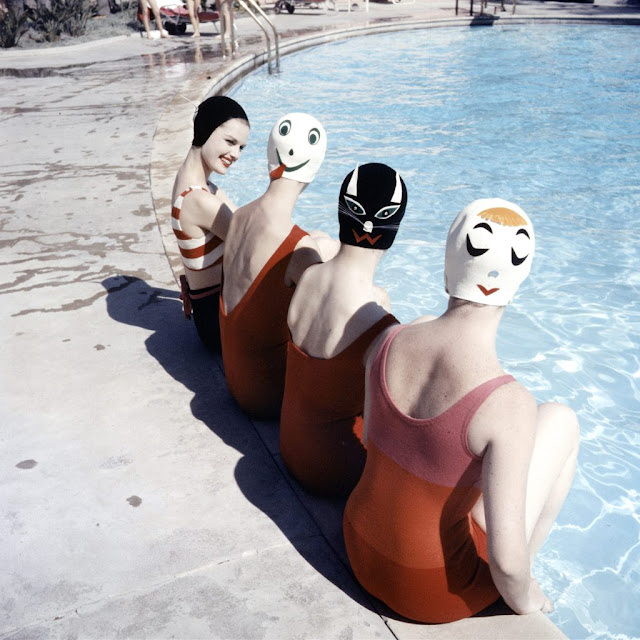
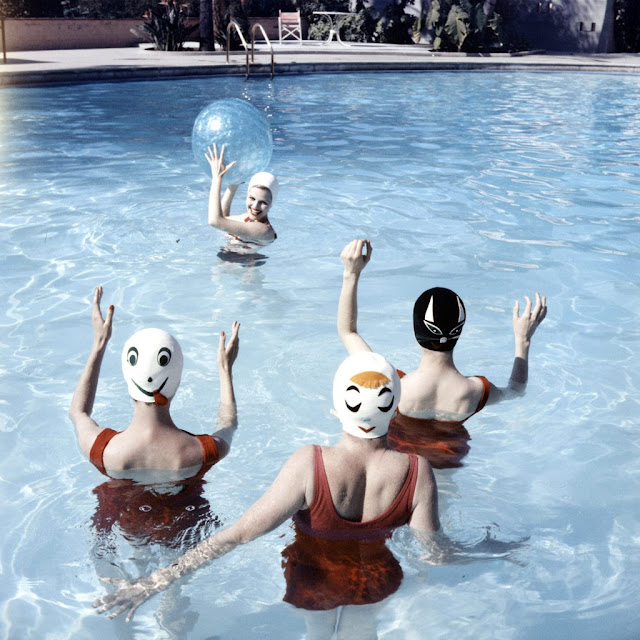
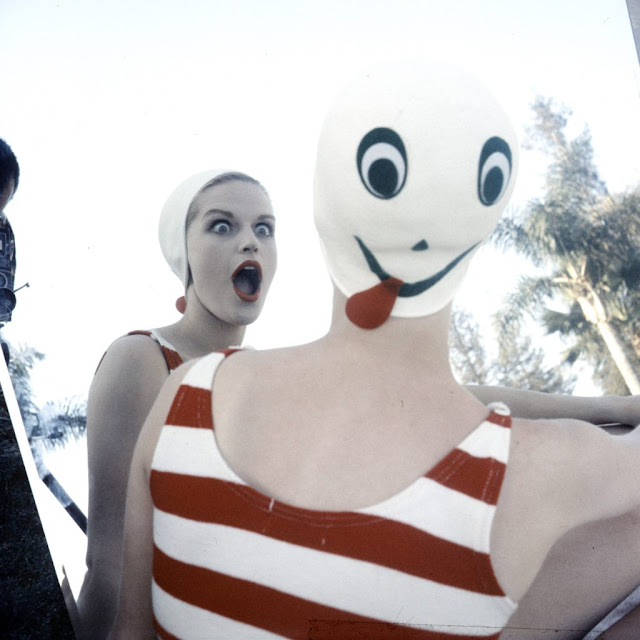
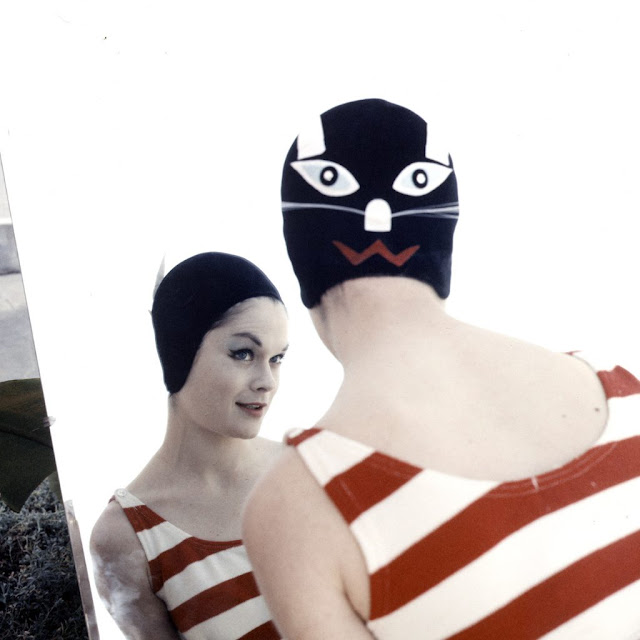
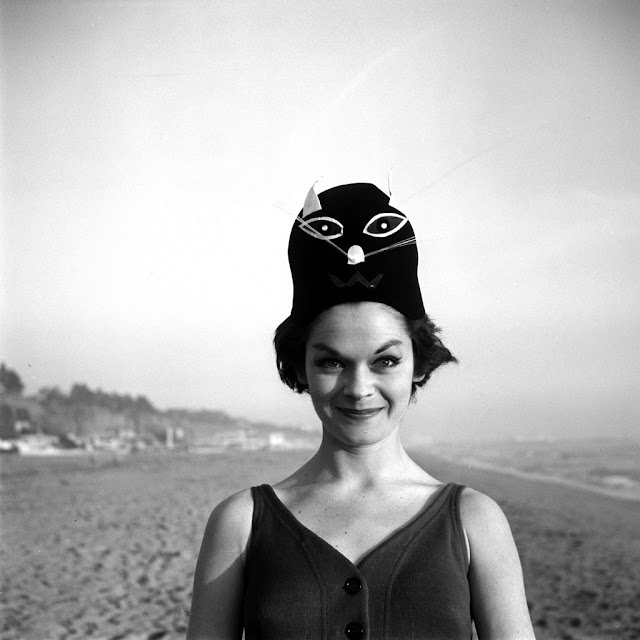
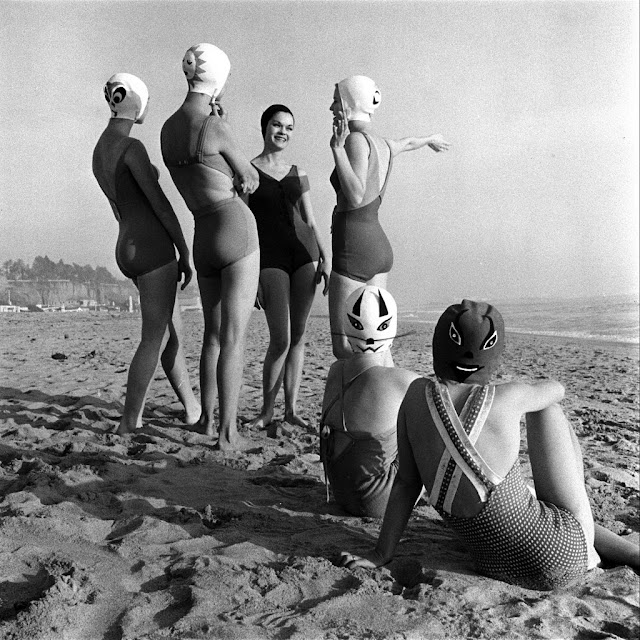
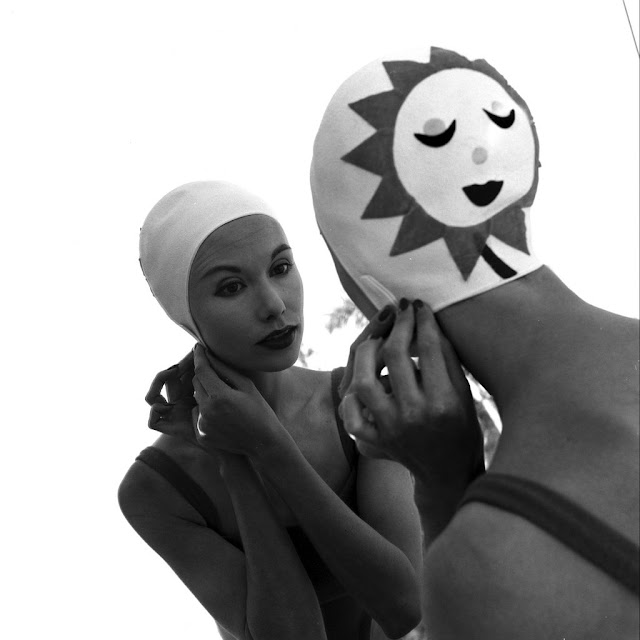
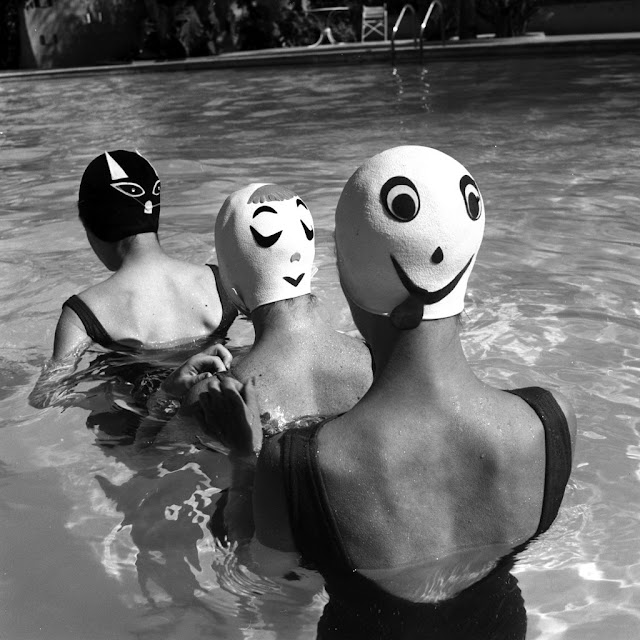
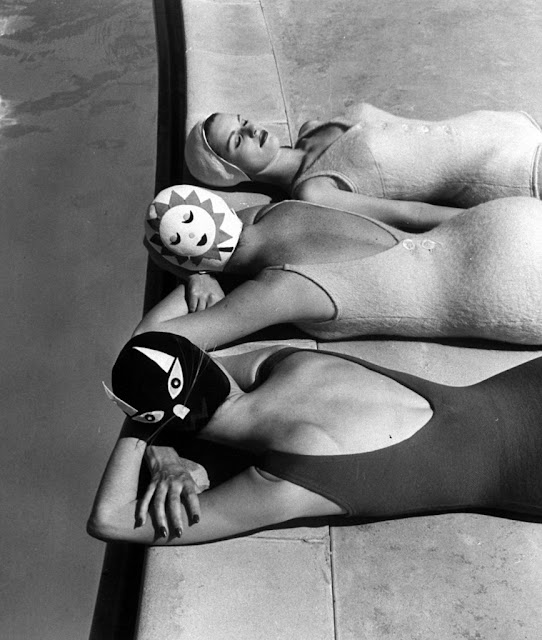
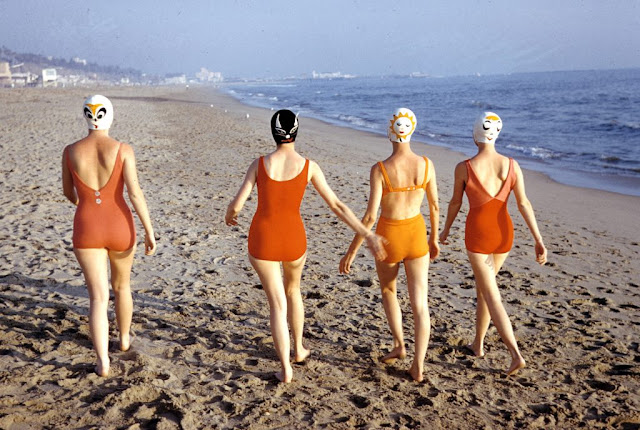
These vintage crazy swimming caps were invented by a Long Island housewife, Betty Geib, to amuse her children. After they flew off the rack at a church bazaar, she started a new business, Betty Darling, selling her wares for $3 to $6.
The caps featured indeed funny masklike faces and motifs including a sea serpent, a black cat, and a sunflower, decorating the back of the head and creating a fun effect when you saw a wearer donning one.
(Photos by Ralph Crane / The LIFE Picture Collection)
Born 1919 in in Budapest, Hungarian-American actress and singer Eva Gabor had her first movie role in the U.S. in 1941’s Forced Landing at Paramount Pictures. During the 1950s, she appeared in several feature films, including The Last Time I Saw Paris, and Artists and Models. These roles were bit parts.
In 1953, Gabor was given her own television talk show, The Eva Gabor Show, which ran for one season (1953–54). Through the rest of the 1950s and early 1960s she appeared on television and in movies.
Gabor was widely known for her role on the 1965–71 television sitcom Green Acres as Lisa Douglas, the wife of Eddie Albert’s character Oliver Wendell Douglas. She was successful as an actress in film, on Broadway, and on television. She was also a successful businesswoman, marketing wigs, clothing, and beauty products. Her elder sisters, Zsa Zsa and Magda Gabor, were also actresses and socialites.
Gabor died in Los Angeles on Independence Day 1995 at the age of 76, from respiratory failure and pneumonia, following a fall in a bathtub in Mexico, where she had been on vacation.
Take a look at these vintage photos to see portrait of a young and beautiful Eva Gabor in the 1940s and 1950s.
Subscribe to continue reading
Become a paid subscriber to get access to the rest of this post and other exclusive content.
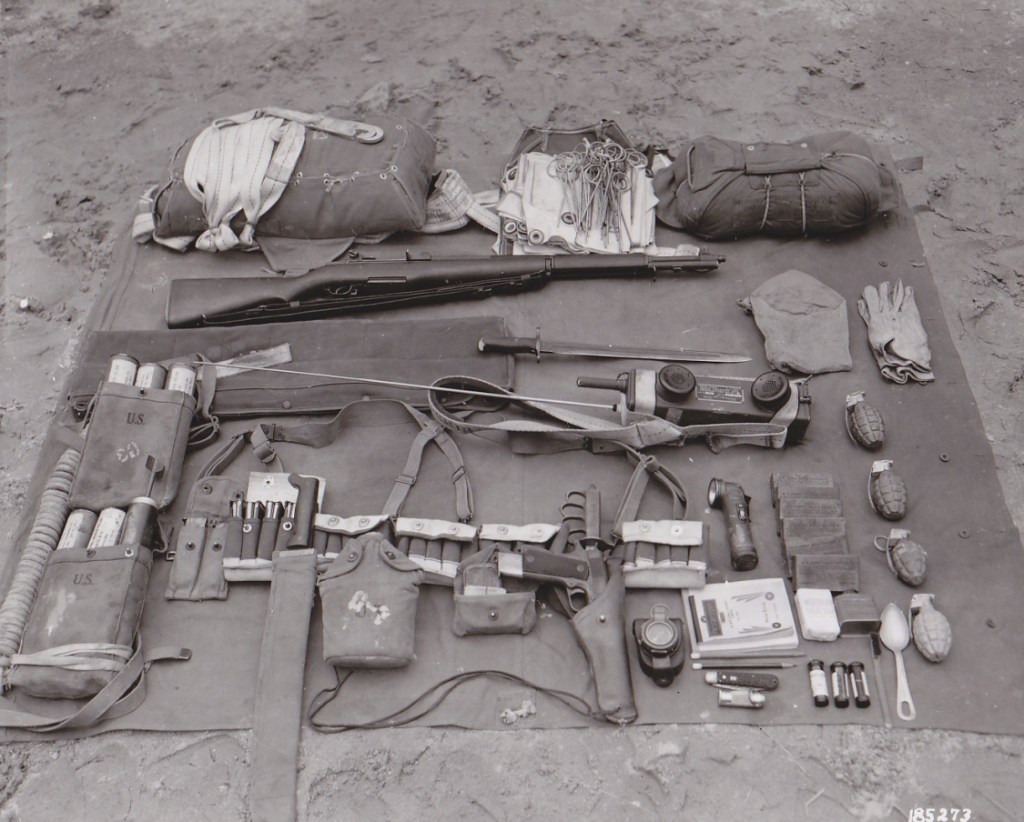
“Equipment carried by a parachutist radio operator”, ca.1940s
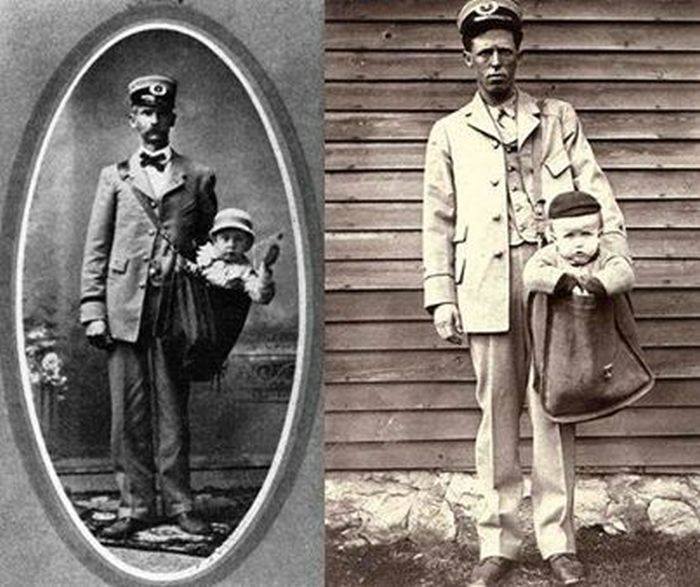
In 1913 it was legal to mail children. With stamps attached to their clothing, children rode trains to their destinations, accompanied by letter carriers.
Apollo 1 crew crossing the access arm to the command module on January 27, 1967
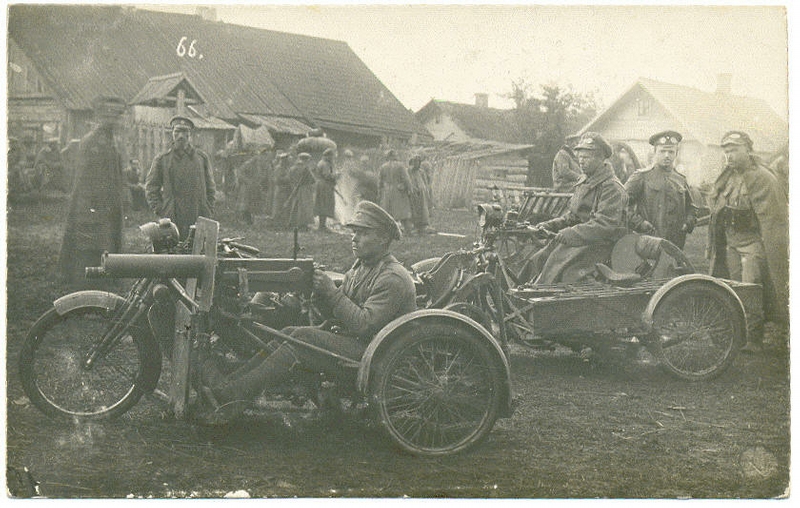
39th Tomsk infantry regiment with their motorcycle-mounted machine guns during WW1, Russia.
Che Guevara greeting a woman in North Korea
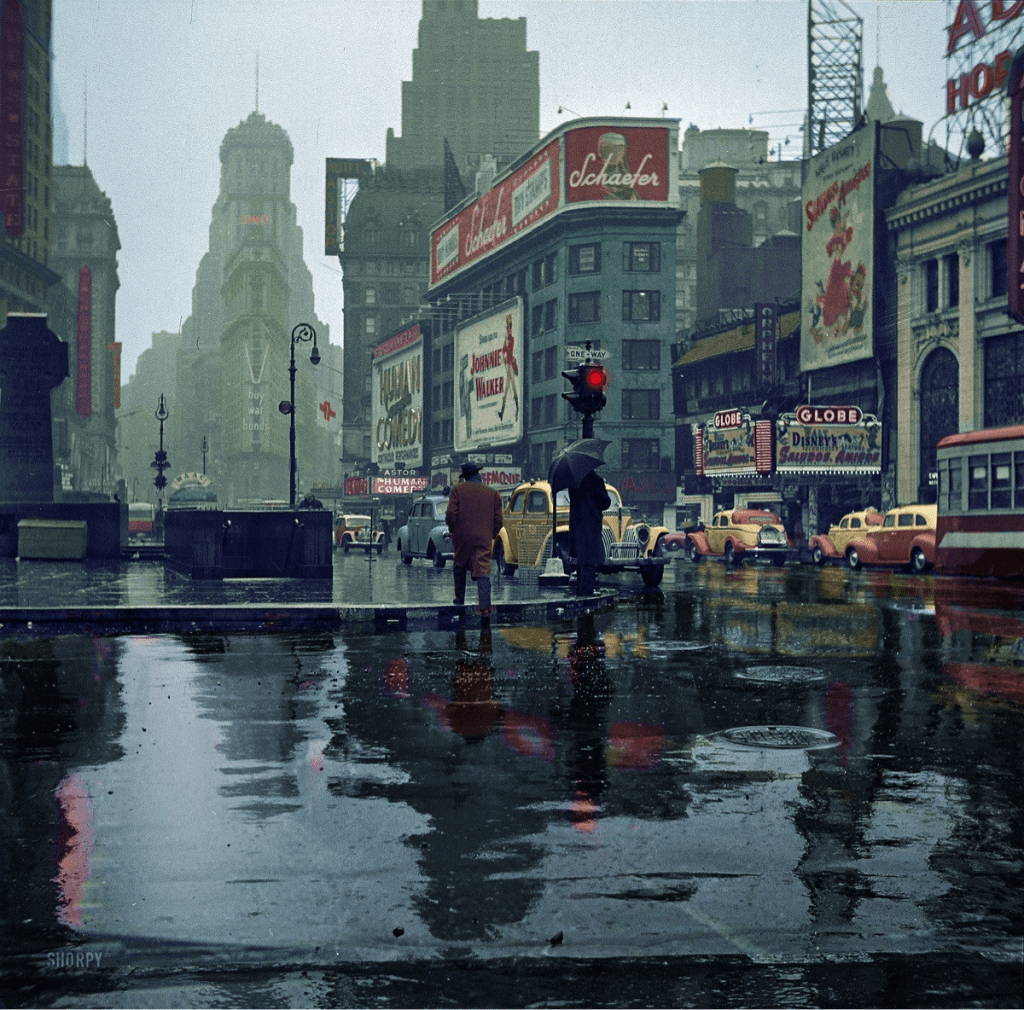
Times Square. New York, USA, 1943.
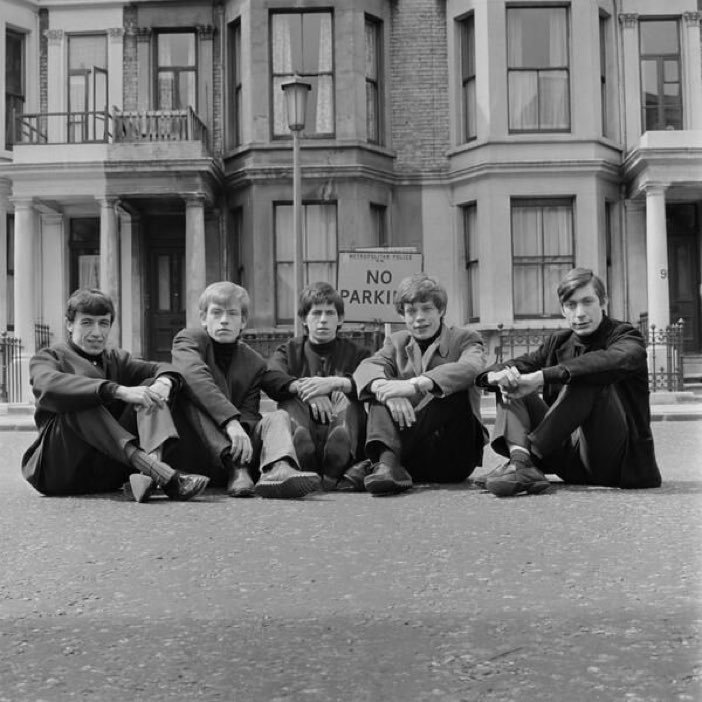
The first known photo of the Rolling Stones, 1962
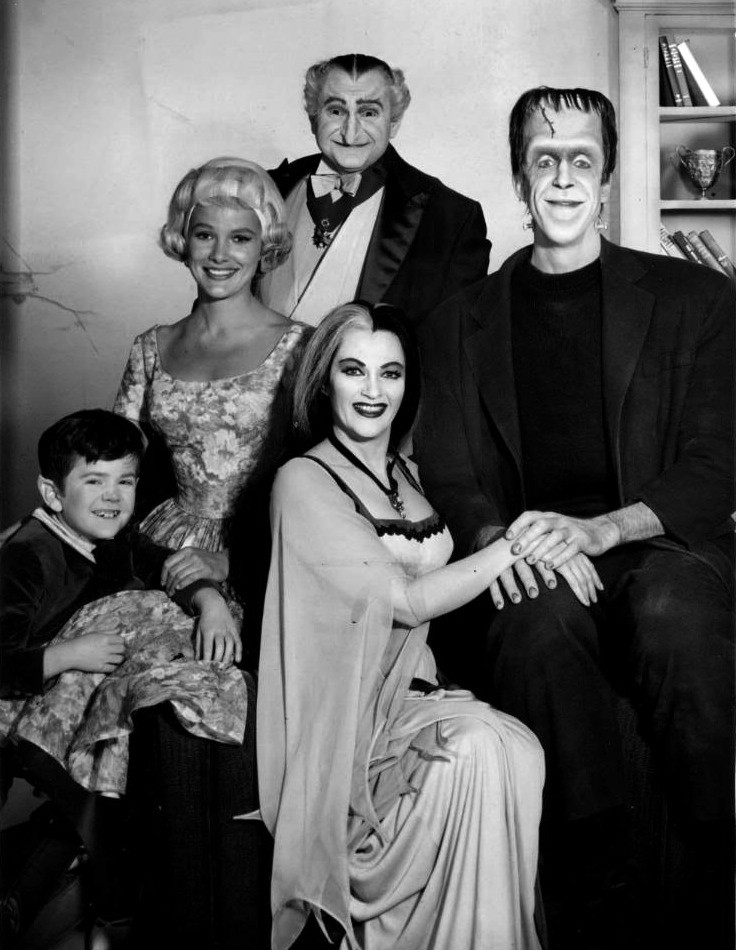
The Munsters aired on CBS from 1964-1966
Subscribe to Yesterday Today to receive updates on new content:
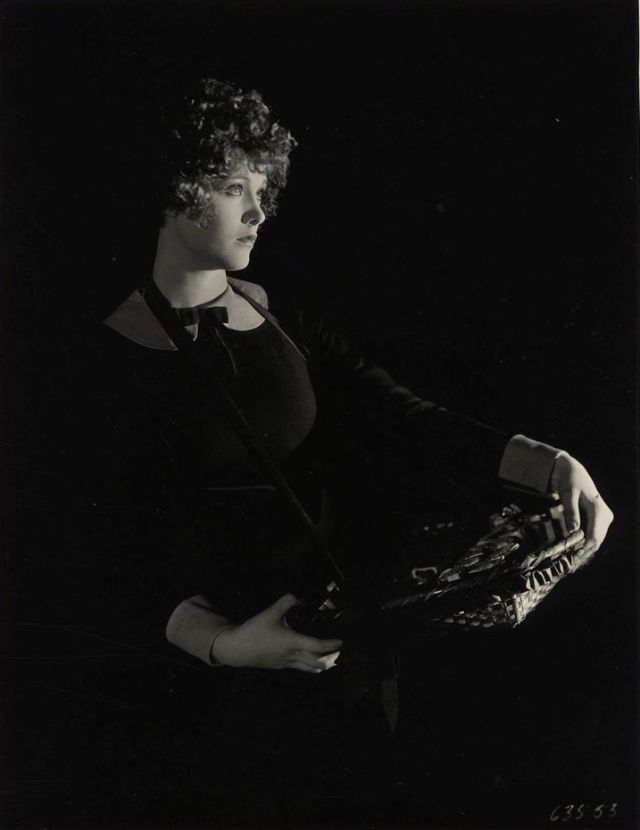
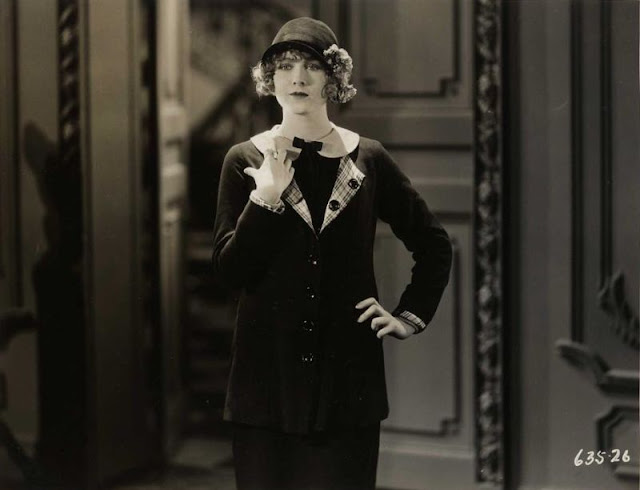
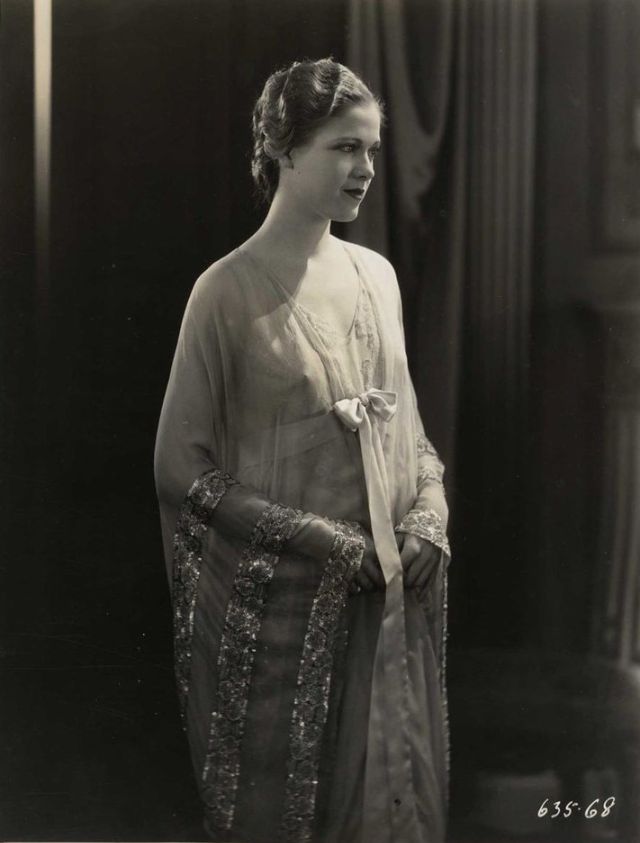
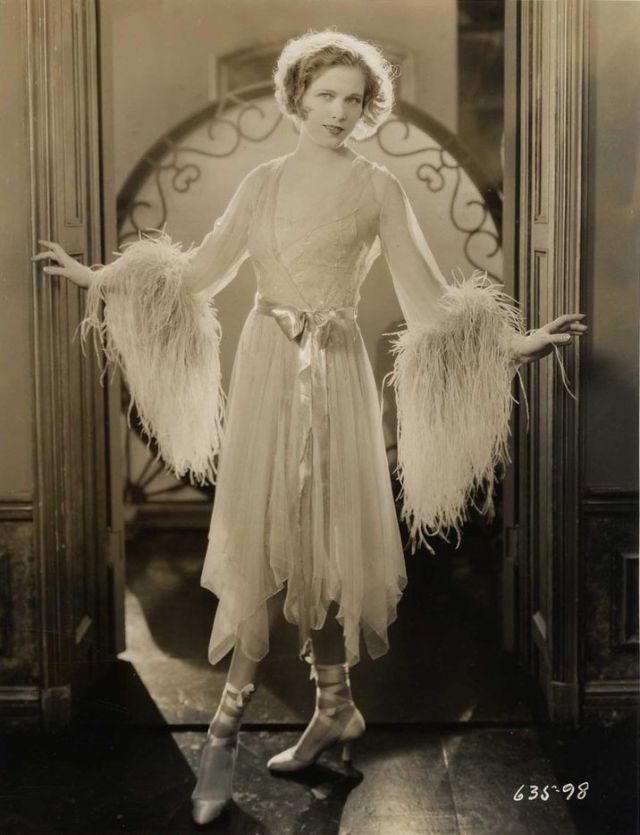
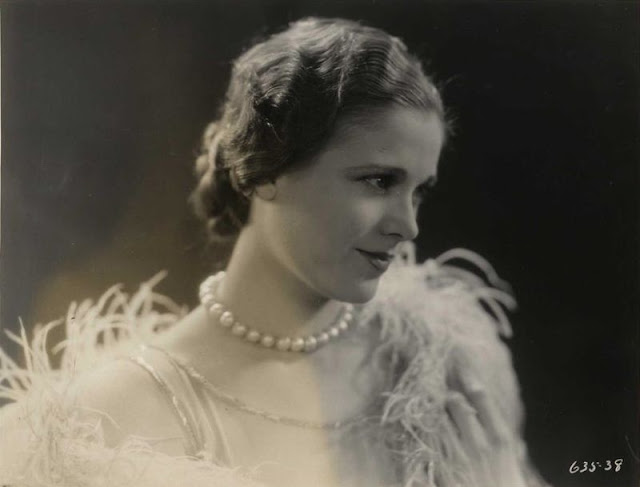
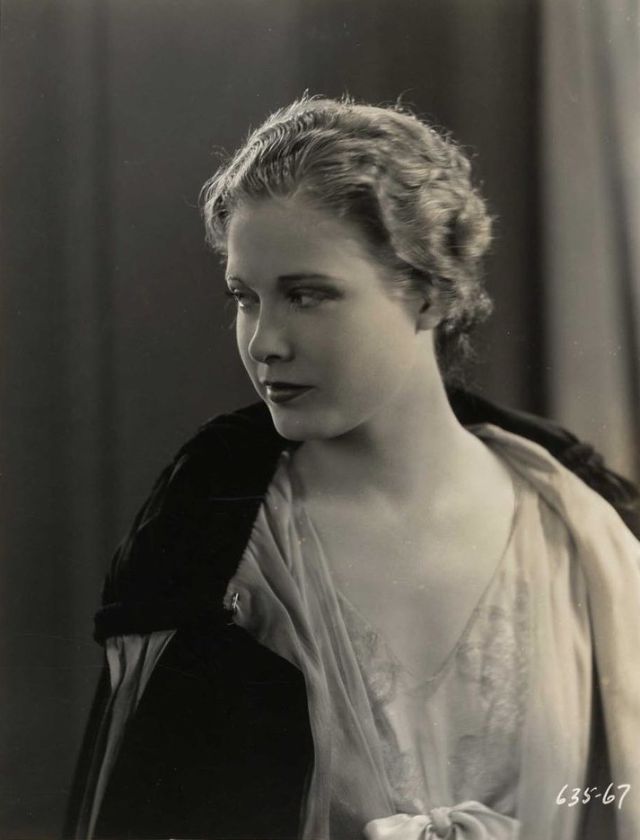
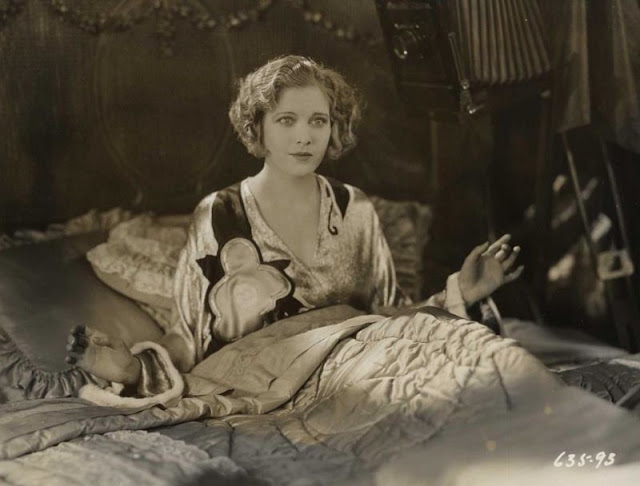
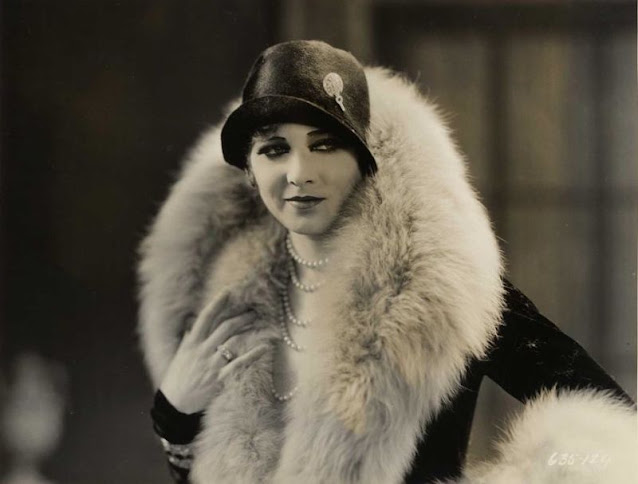
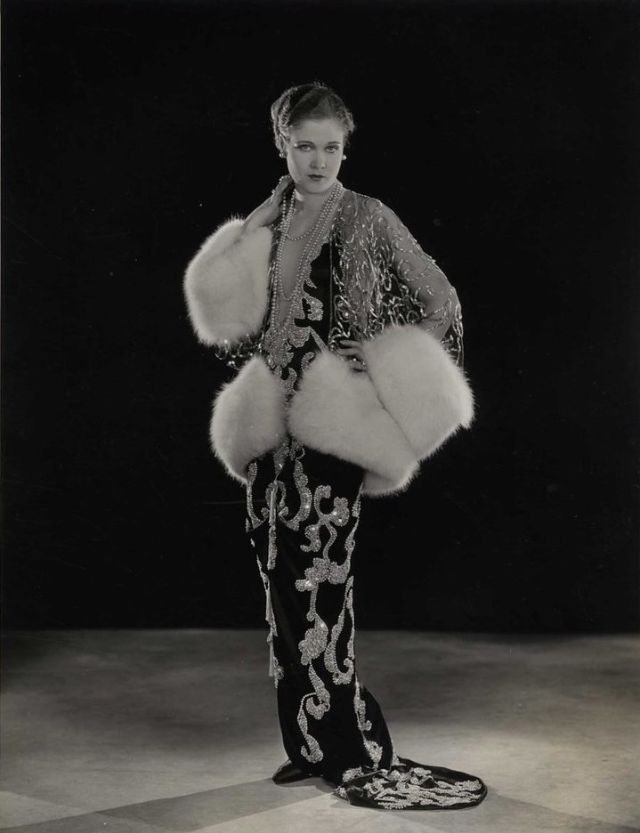
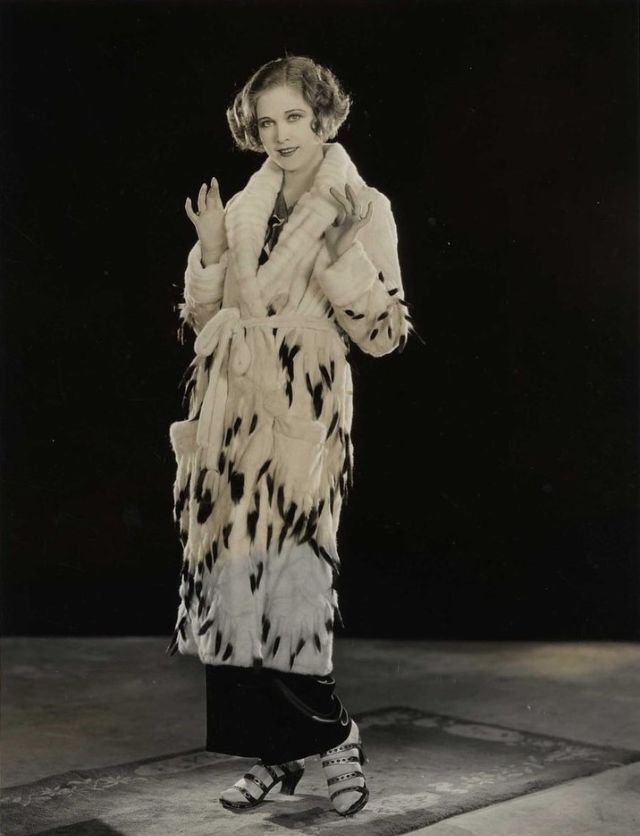
Fashions for Women is a lost 1927 American drama silent film directed by Dorothy Arzner and written by Paul Armont, Jules Furthman, Percy Heath, Herman J. Mankiewicz, Léopold Marchand and George Marion, Jr..
The film stars Esther Ralston, Raymond Hatton, Einar Hanson, Edward Martindel, William Orlamond and Agostino Borgato. It is a social comedy about a cigarette girl, Lulu, who falls in love with a count while finding success as a fashion model.
The film was released on March 26, 1927, by Paramount Pictures.
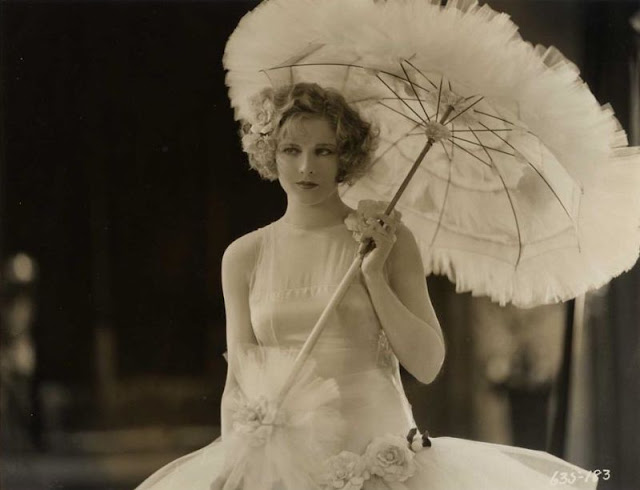
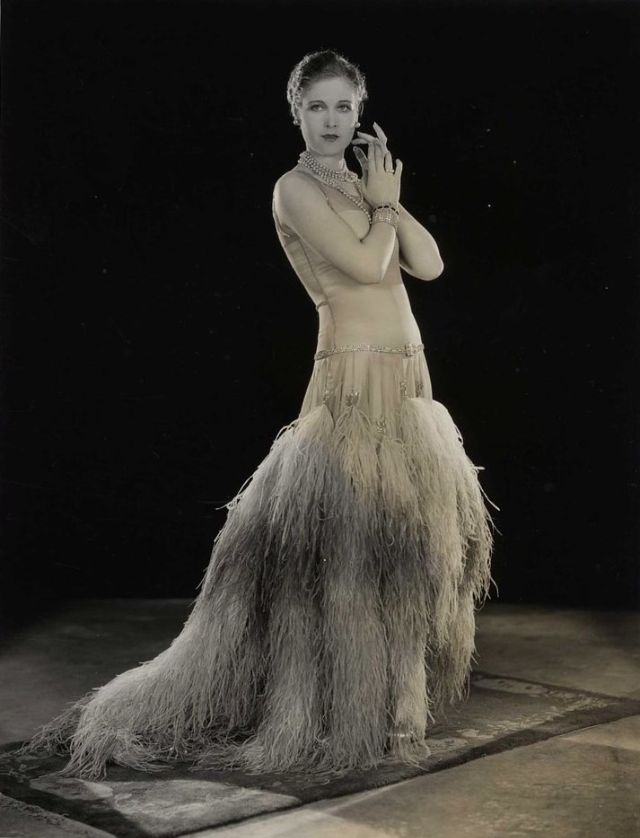
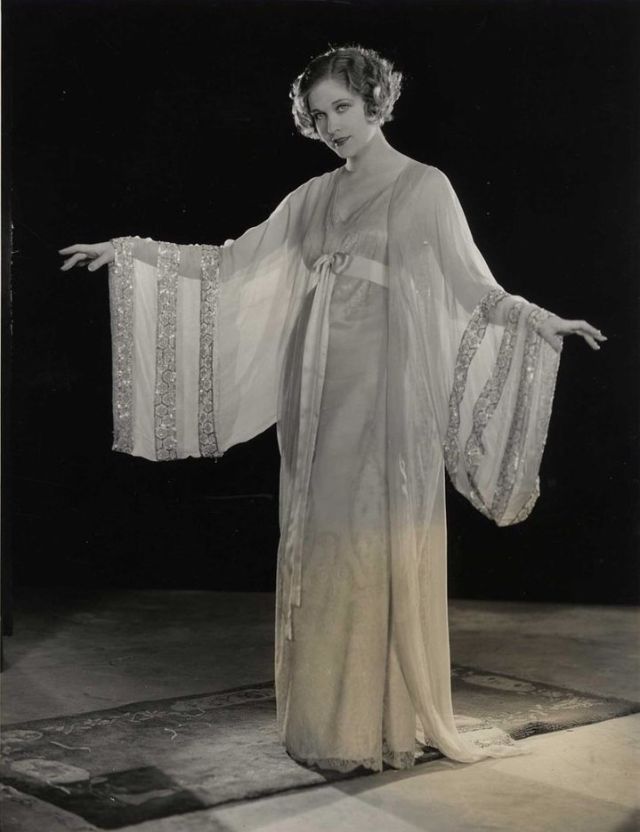
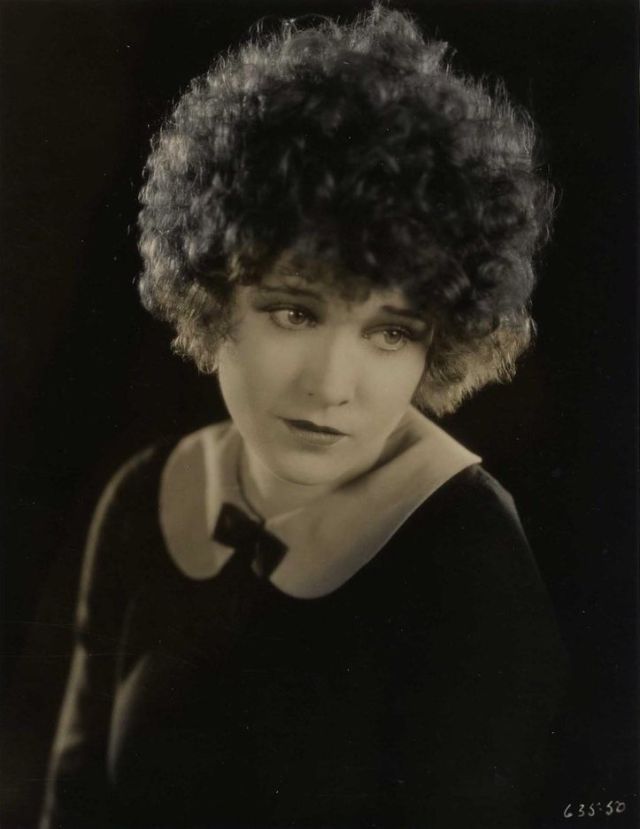
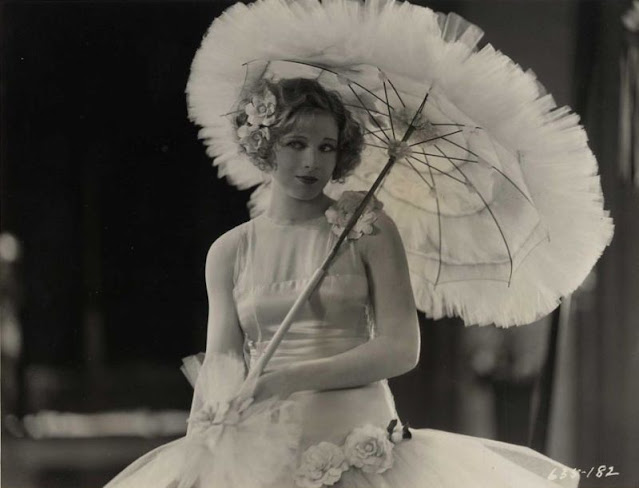
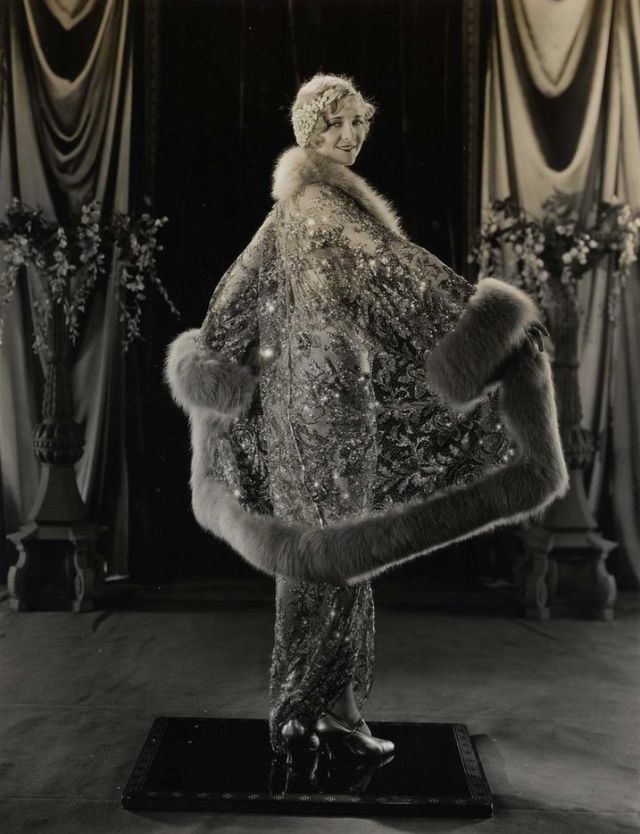
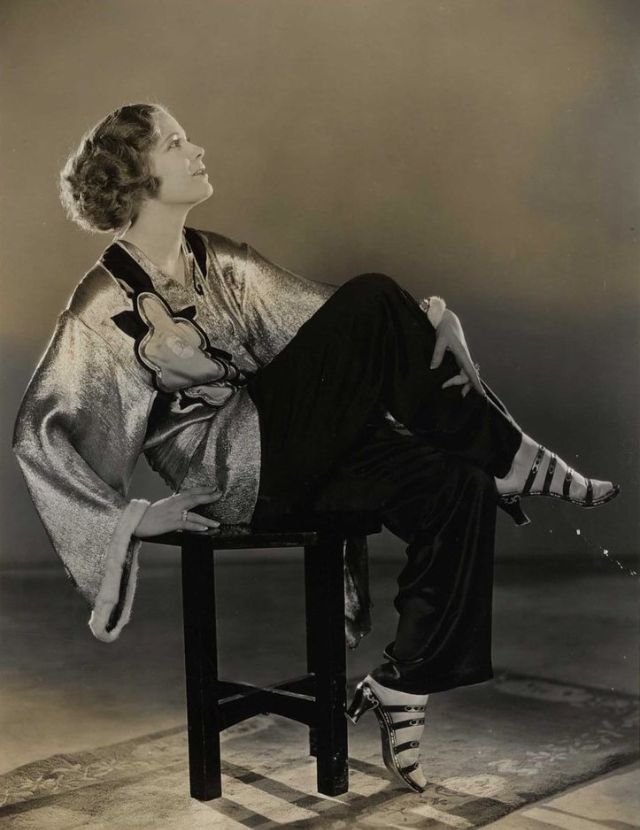
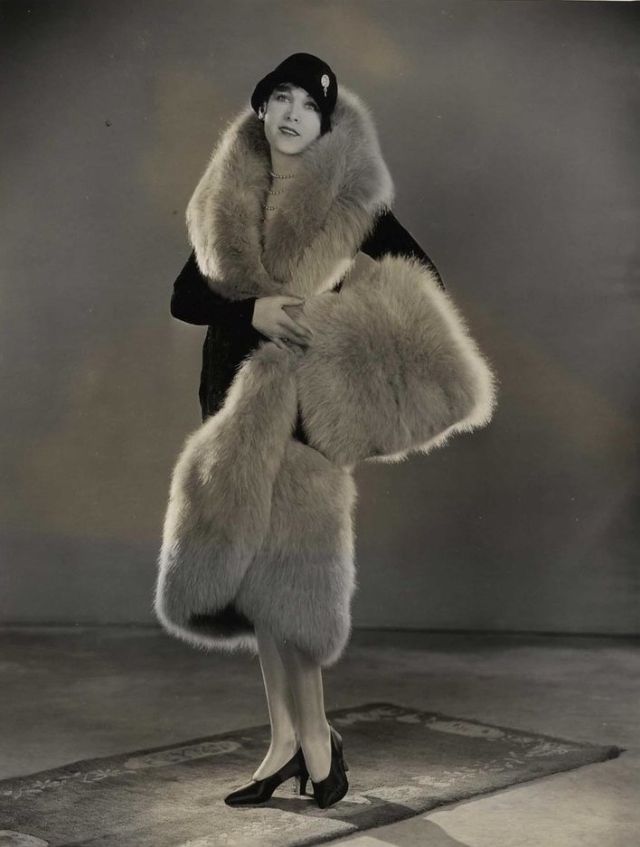
Here below is a set of fabulous photos that shows portraits and stills of Esther Ralston while filming Fashions for Women in 1927.
Subscribe to Yesterday Today to receive regular updates regarding new content:
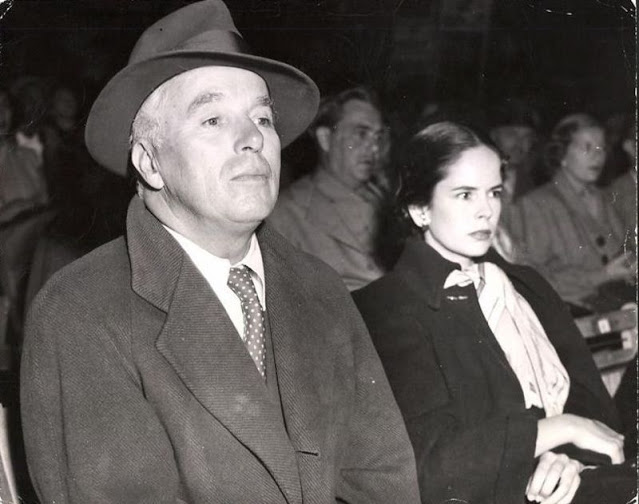
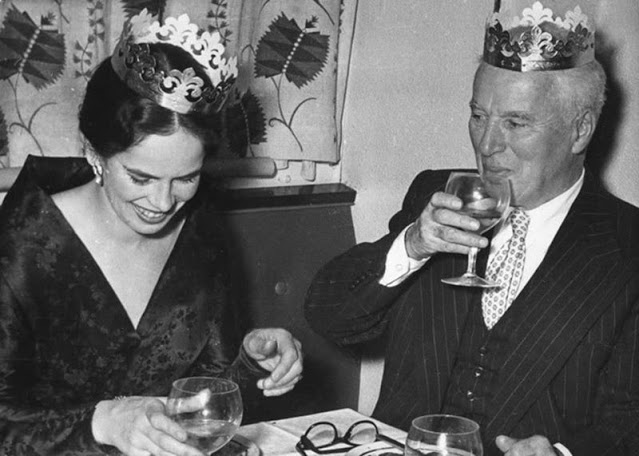
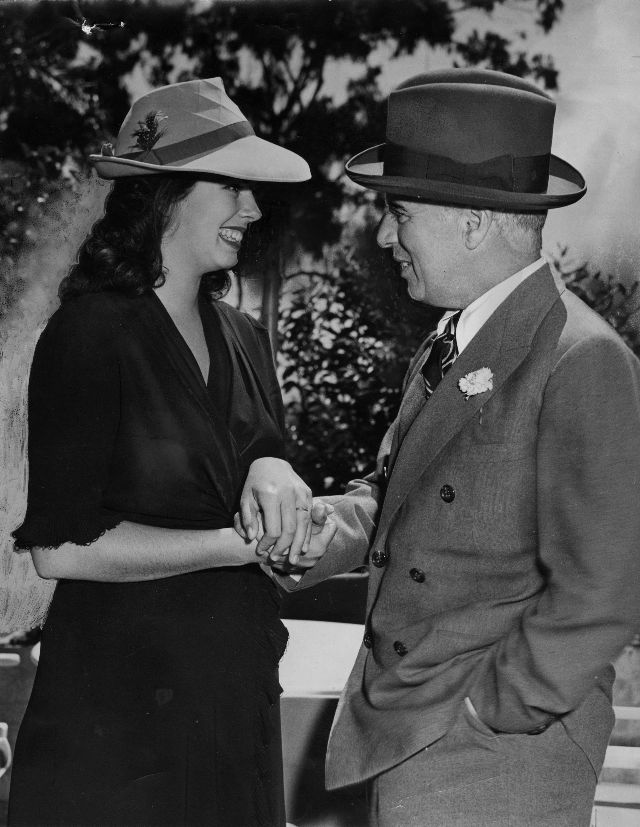
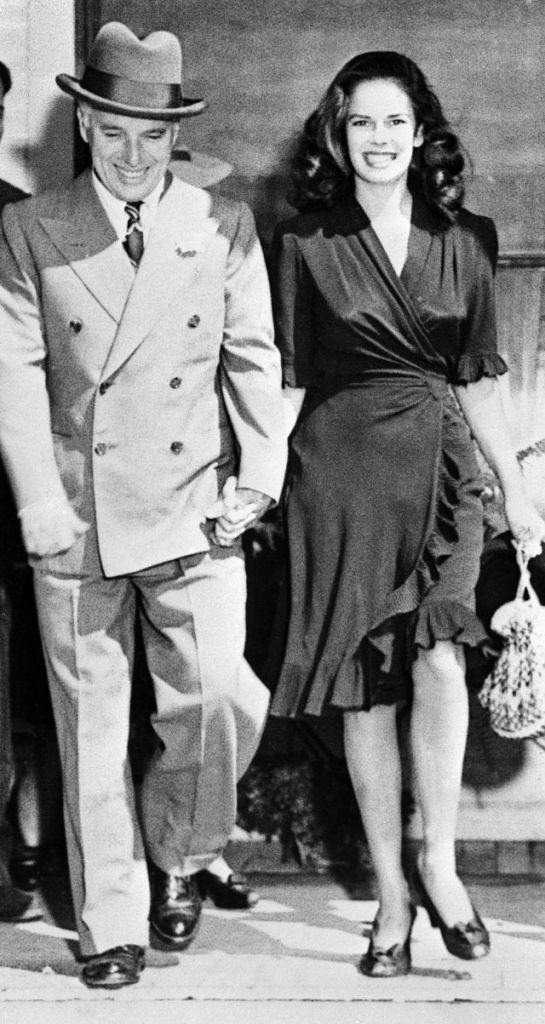
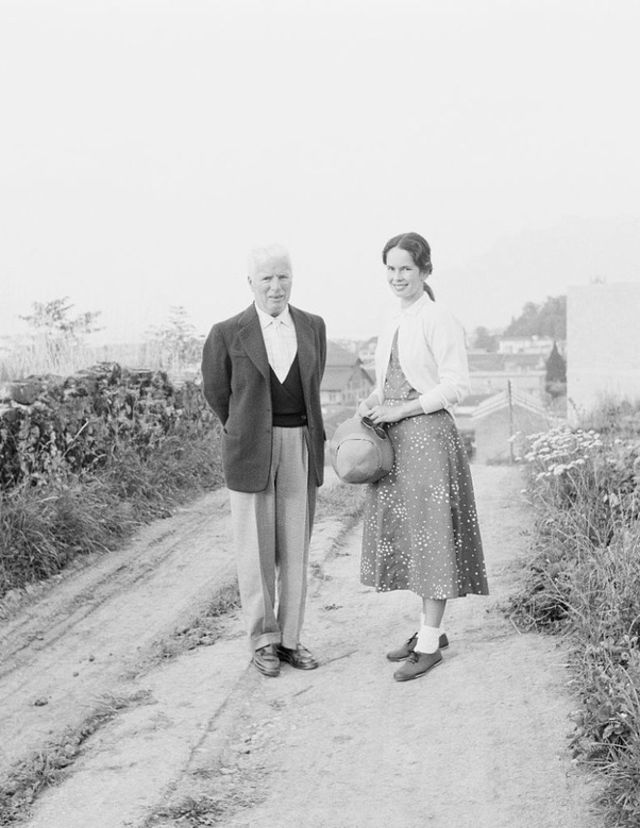
In 1942, Oona O’Neill received a large amount of media attention after she was chosen as “The Number One Debutante” of the 1942–1943 season at the Stork Club. Soon after, she decided to pursue a career in acting and, after small roles in two stage productions, headed for Hollywood.
In Hollywood, O’Neill was introduced to Charlie Chaplin, who considered her for a film role. The film was never made, but O’Neill and Chaplin began a romantic relationship and married in June 1943, a month after she had turned 18.
The 36-year age gap between them caused a scandal, and severed O’Neill’s relationship with her father, who was only six months older than Chaplin and who had already strongly disapproved of her wish to become an actress.
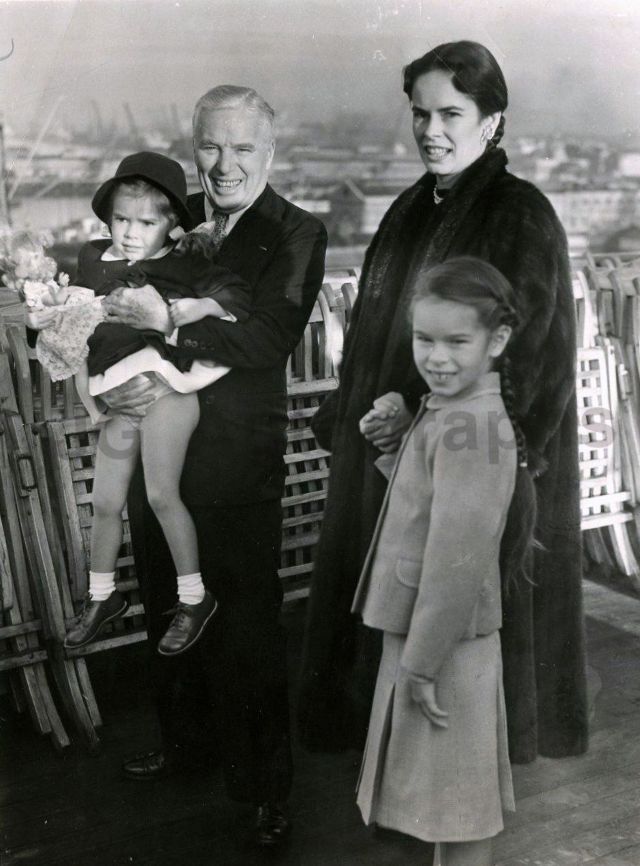
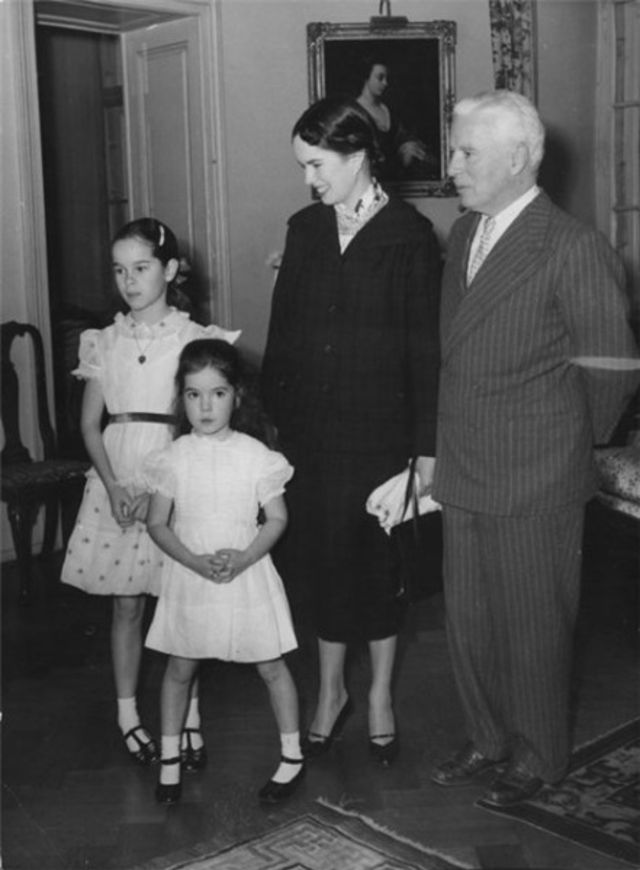
Following the marriage, O’Neill gave up her career plans. She and Chaplin had eight children together and remained married until his death in 1977.
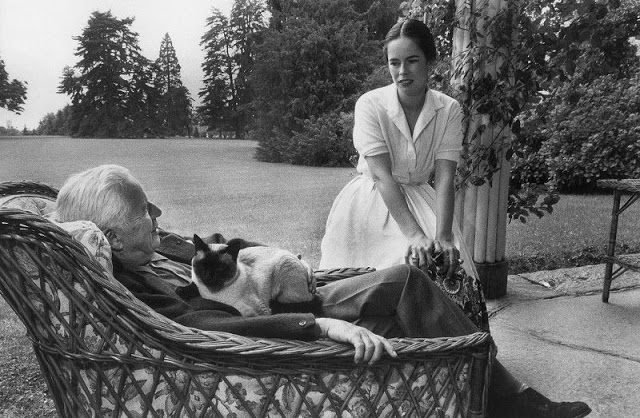
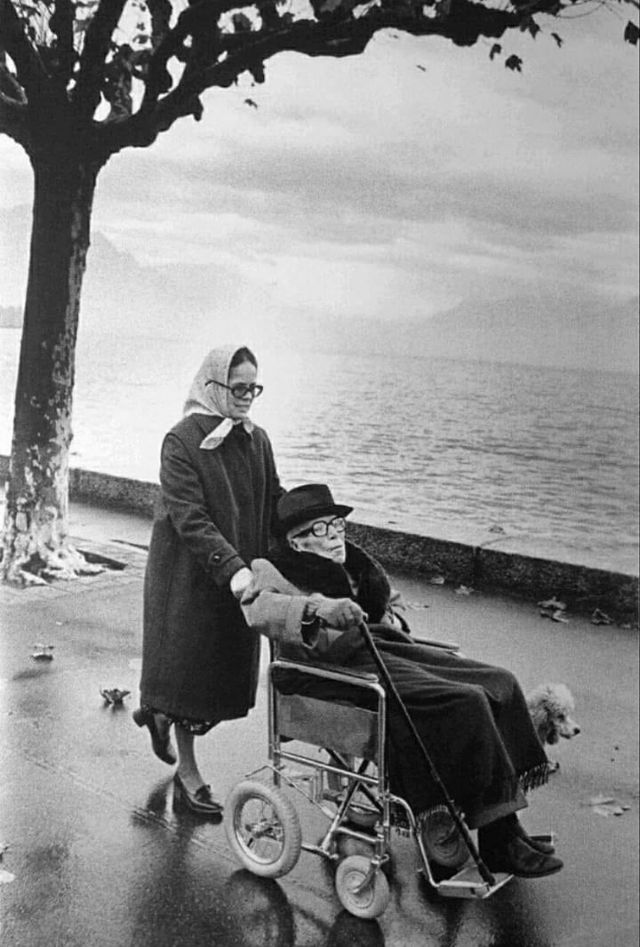
Following Chaplin’s death, she split her time between Switzerland and New York. She died of pancreatic cancer at the age of 66 in Corsier-sur-Vevey in 1991. Her daughter Geraldine Chaplin named her own daughter after Oona in 1986.
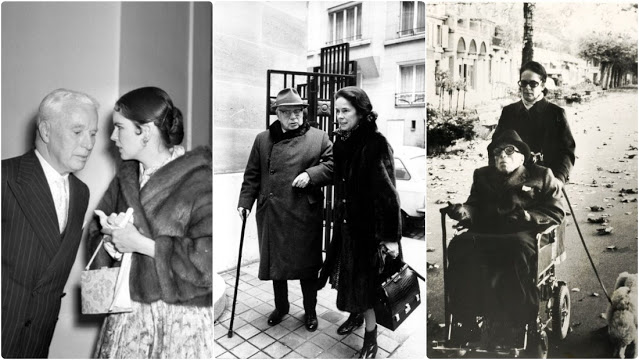
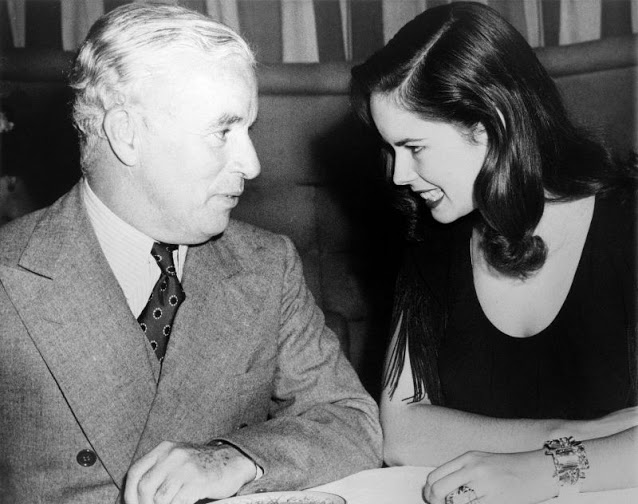
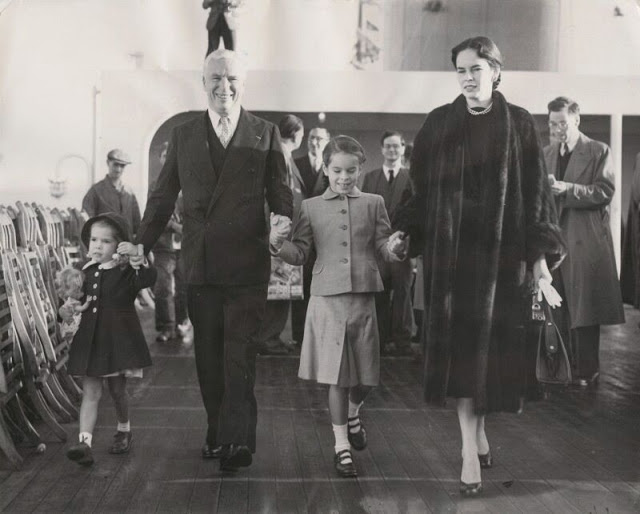
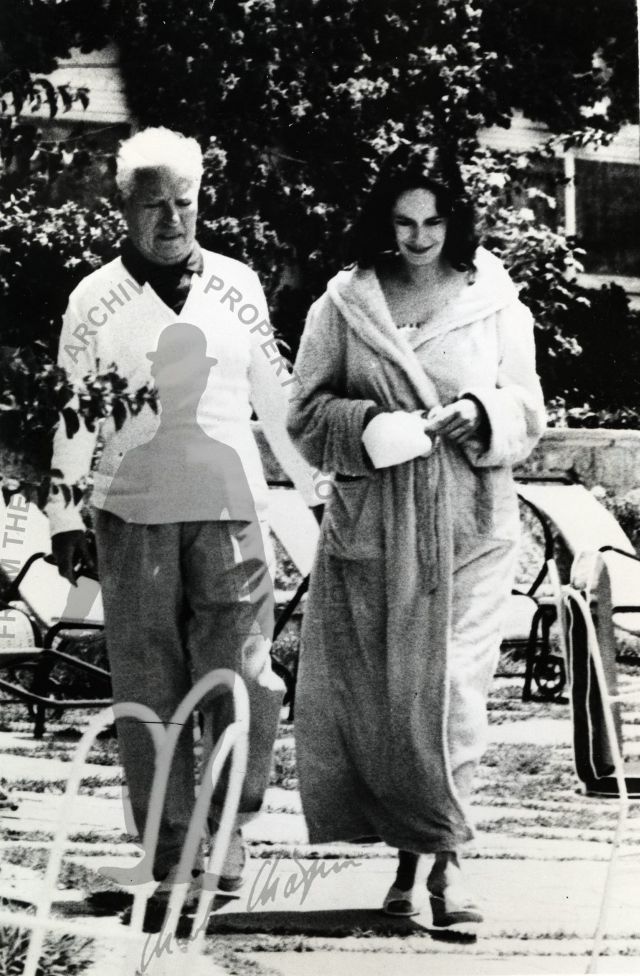
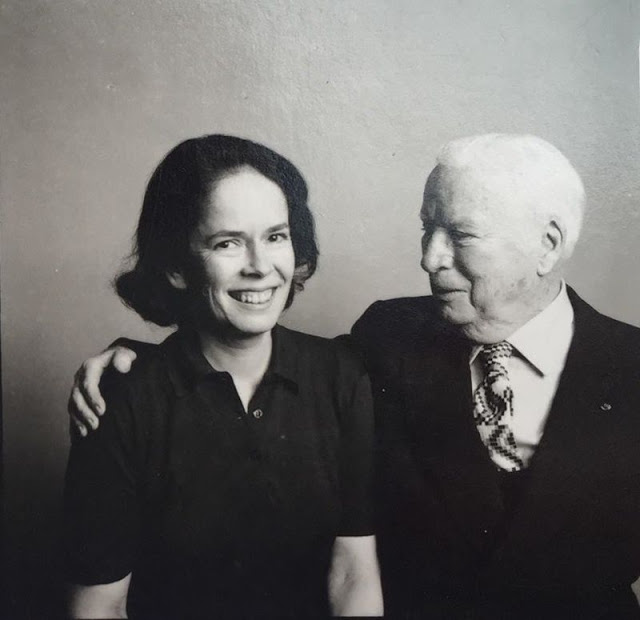
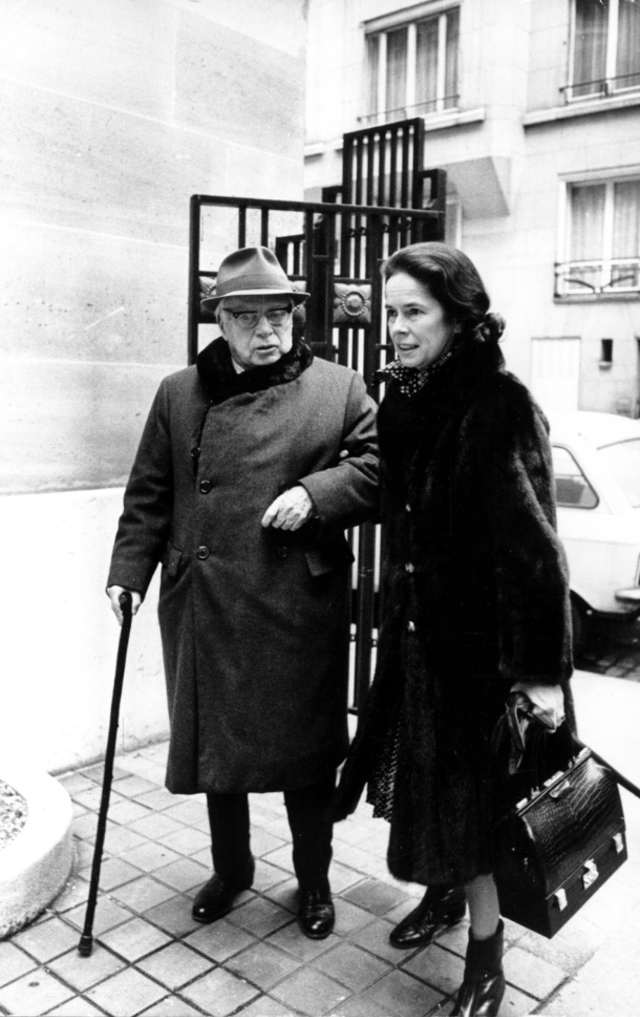
Take a look at these vintage photos to see beautiful moments of Charlie Chaplin and his last wife Oona O’Neill during their marriage.
Subscribe to Yesterday Today to receive regular updates on new content:
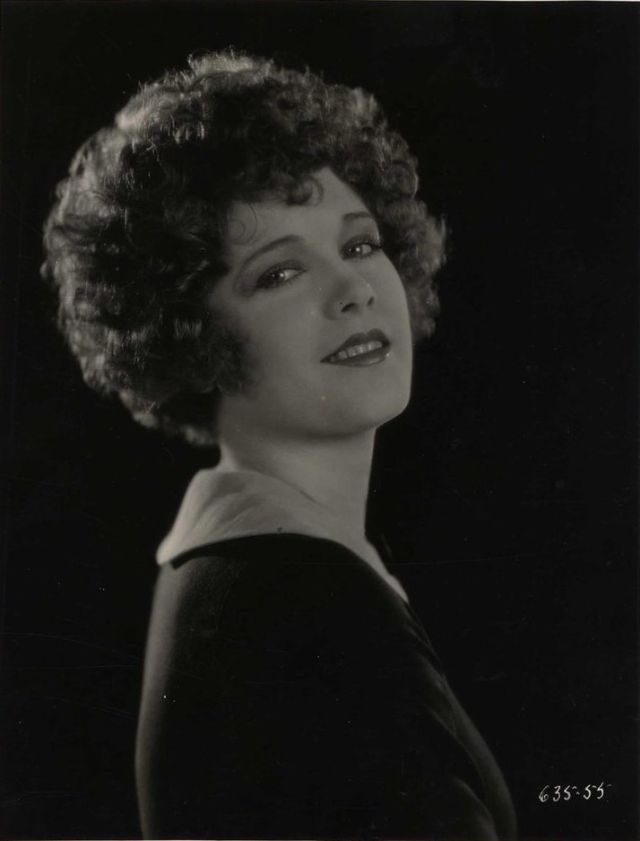
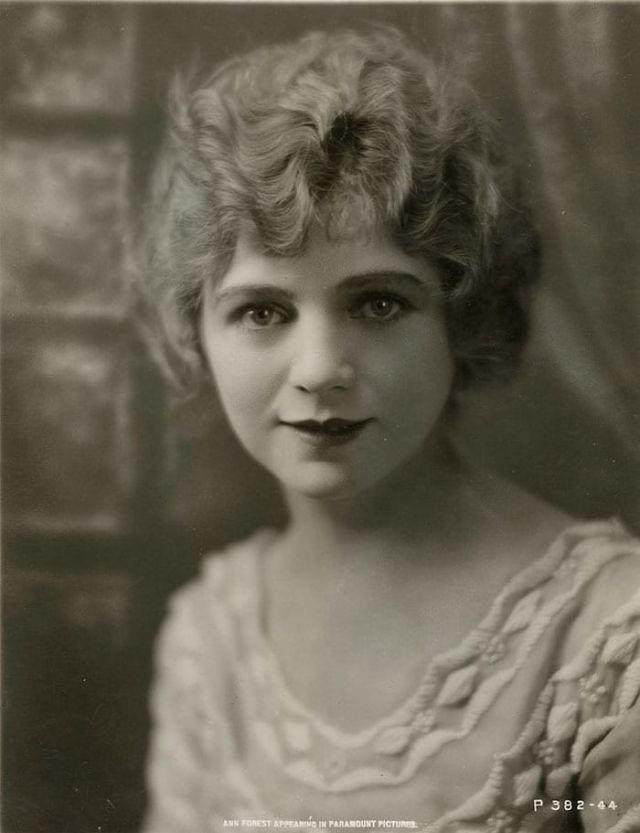
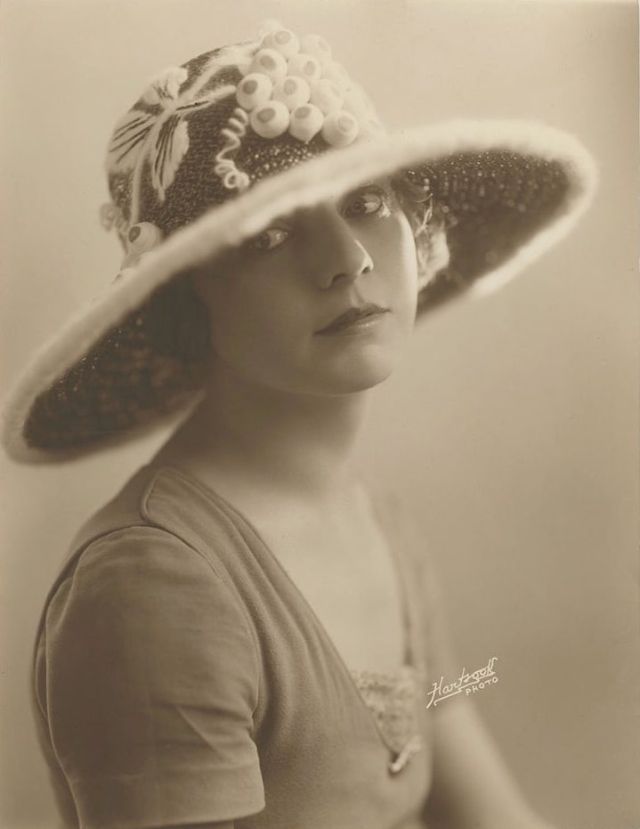
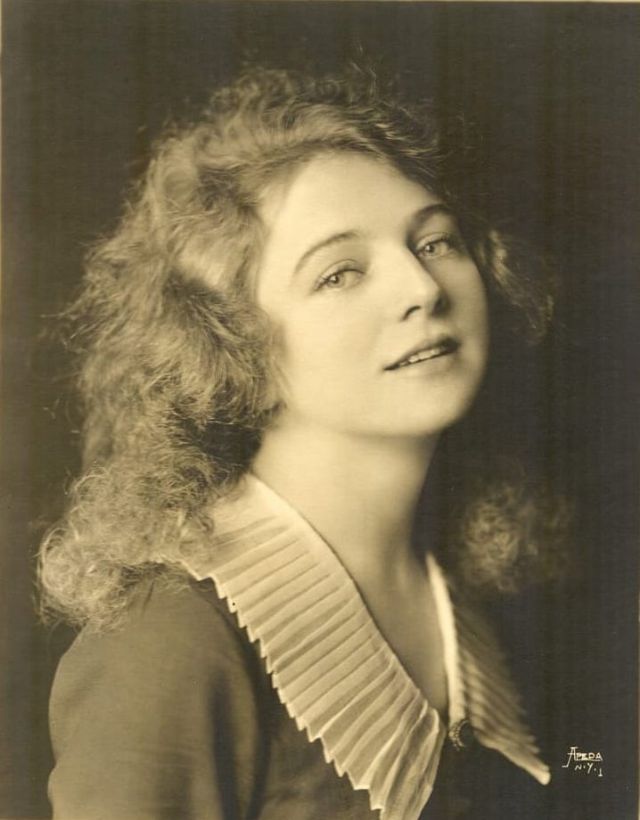
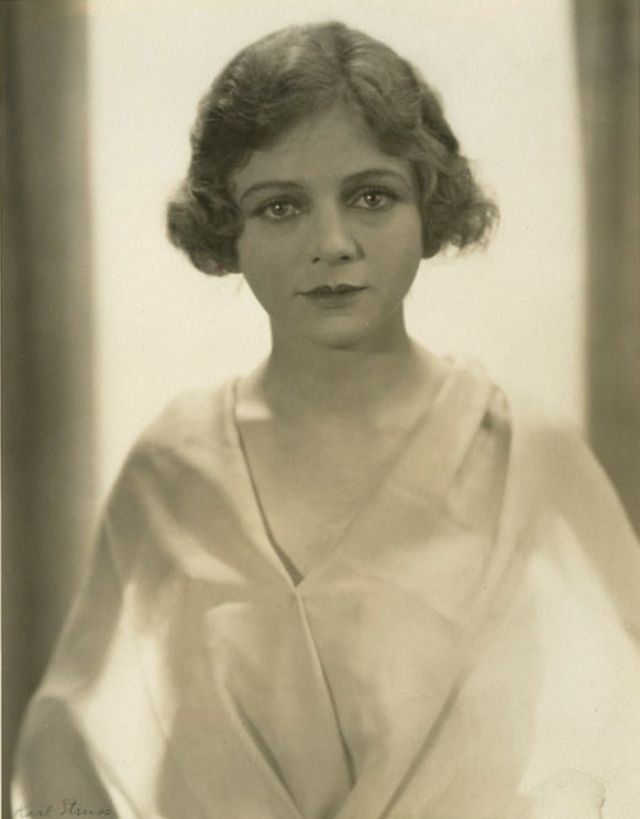
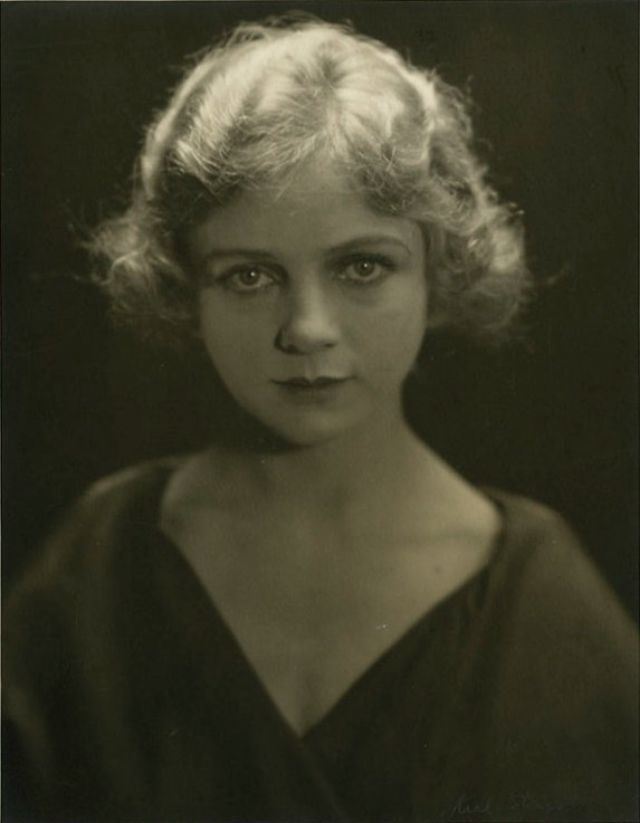
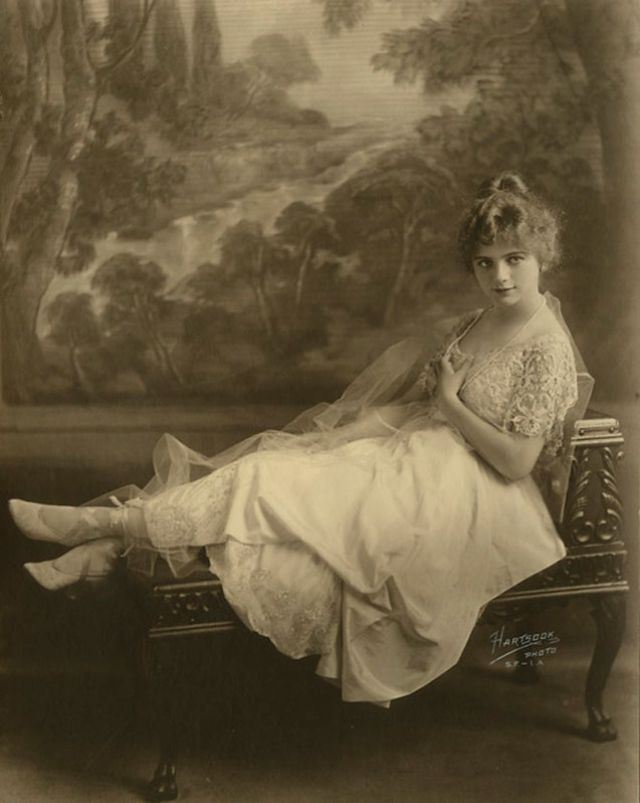
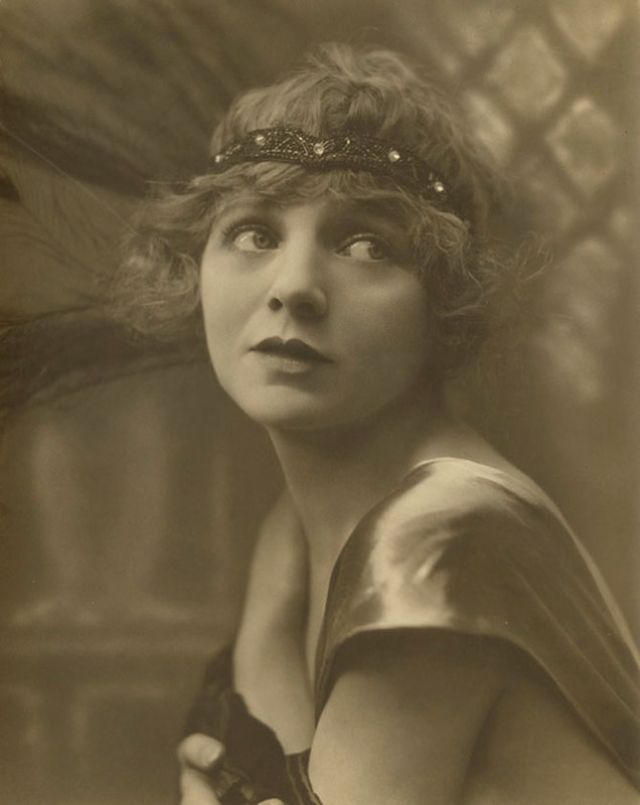
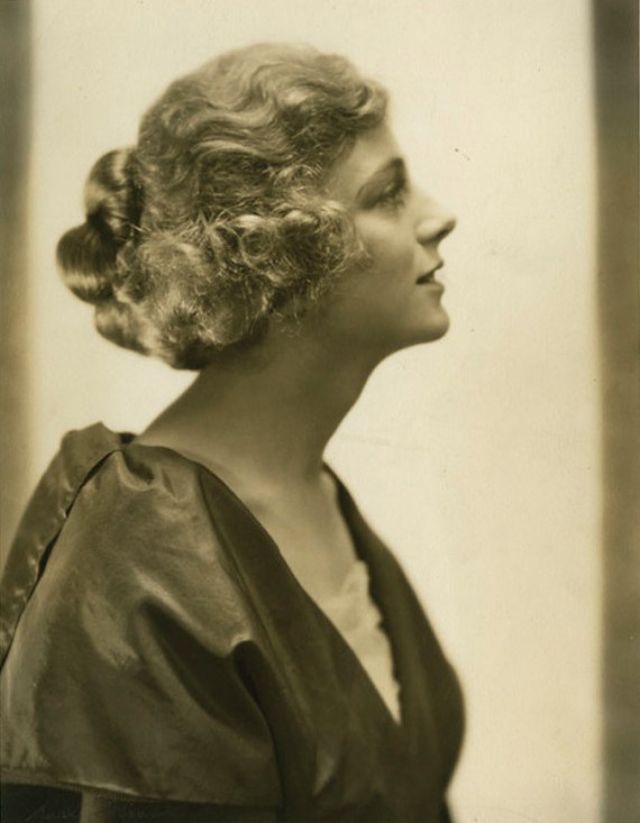
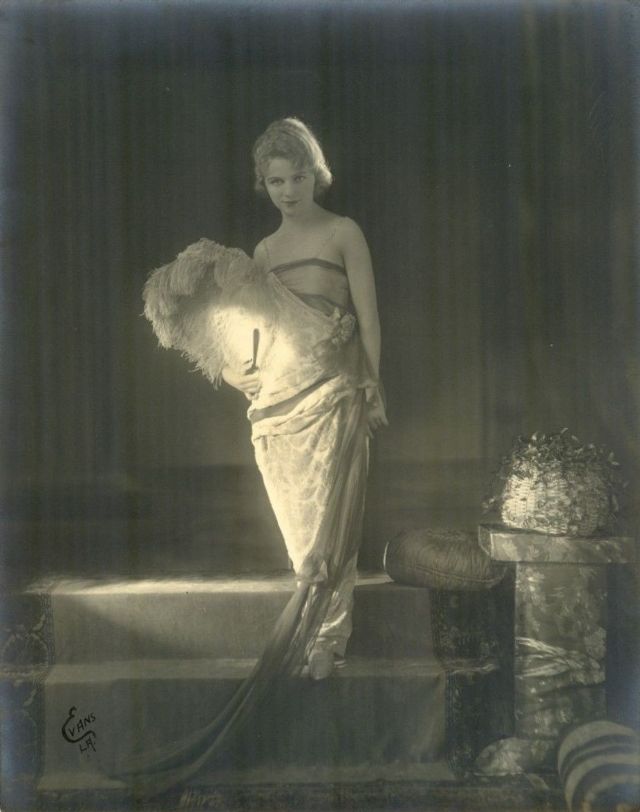
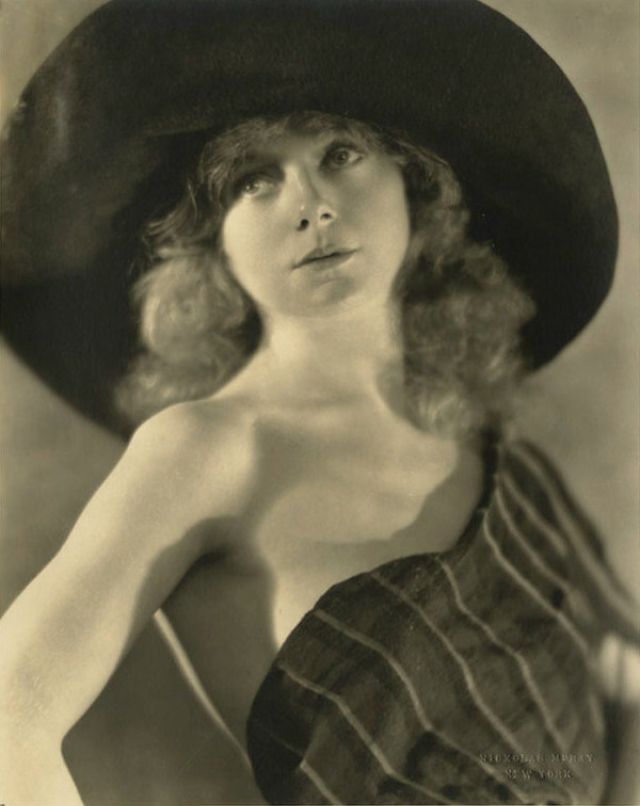
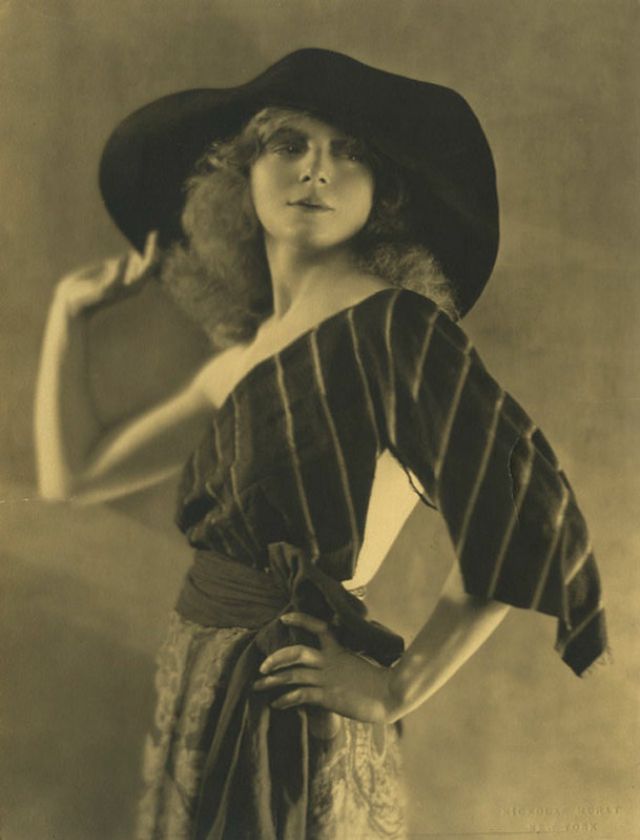
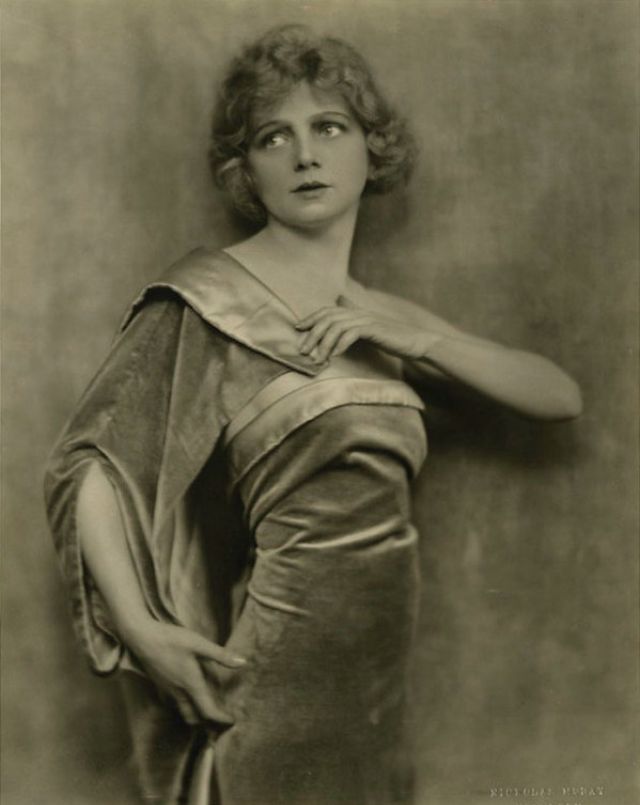
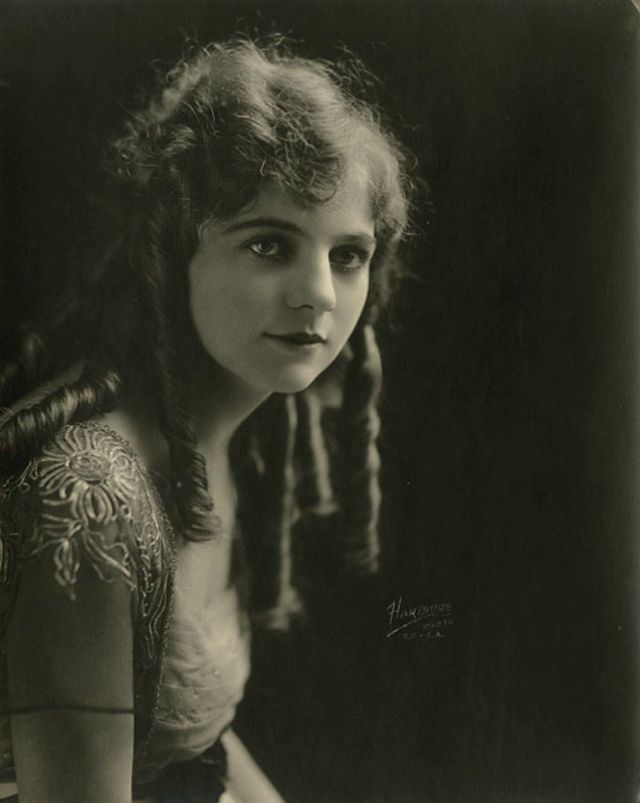
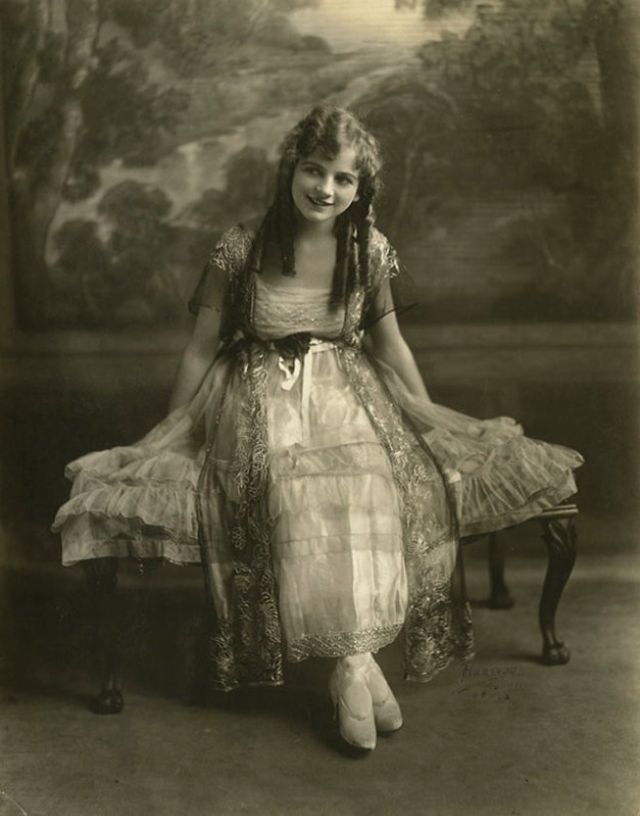
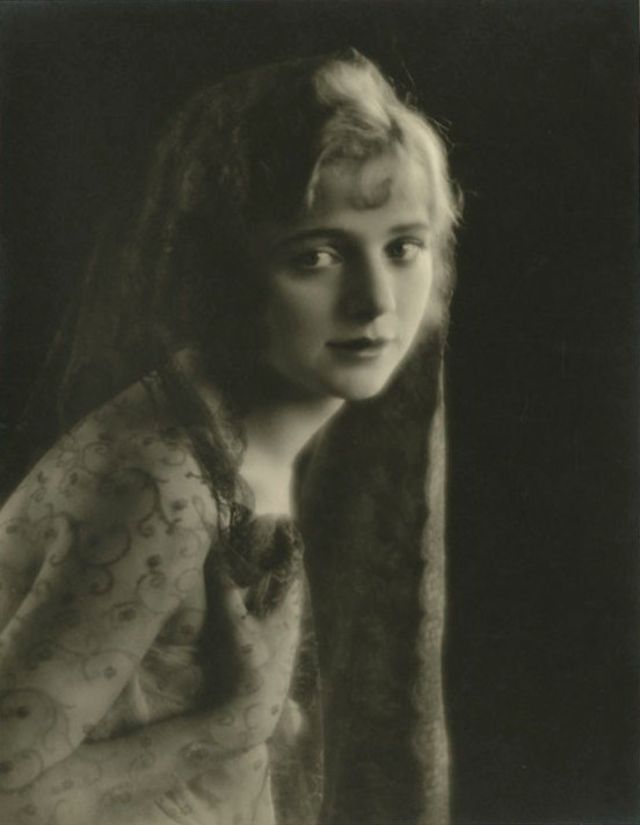
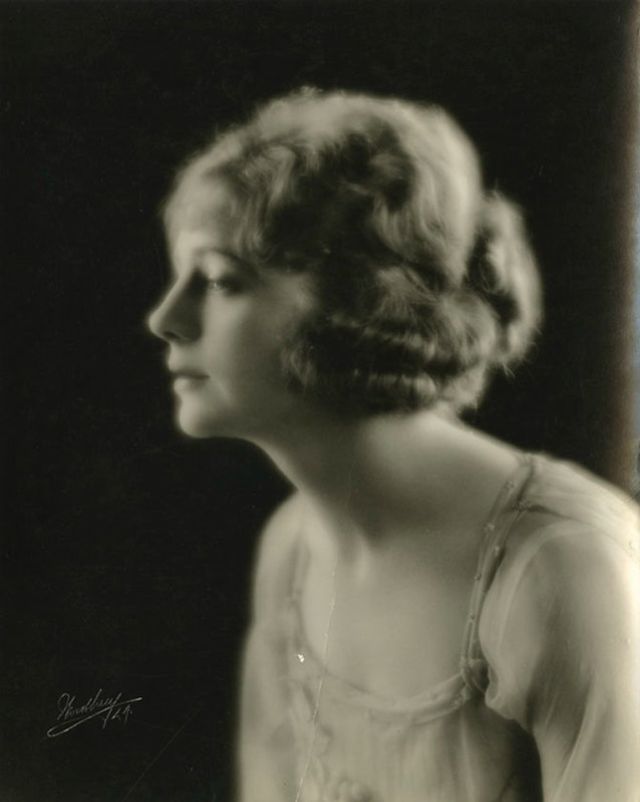
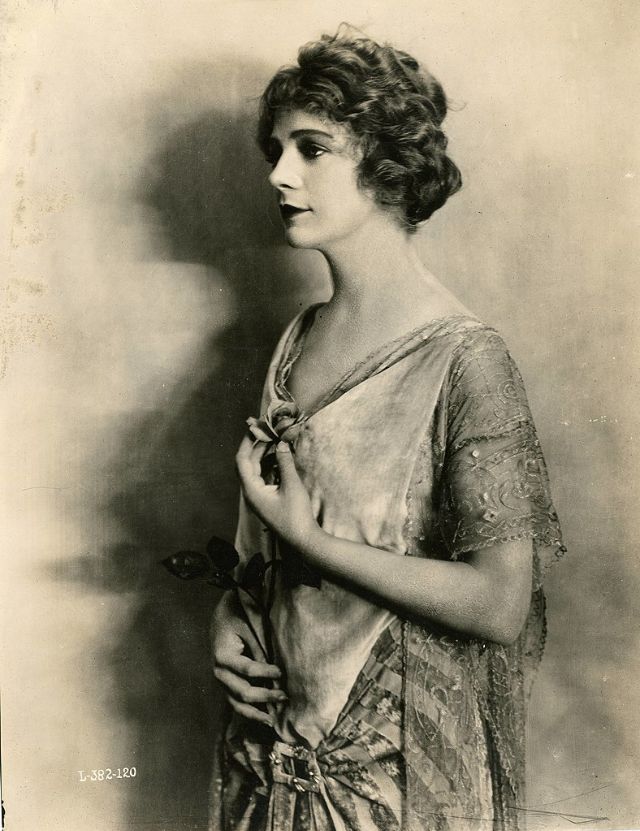
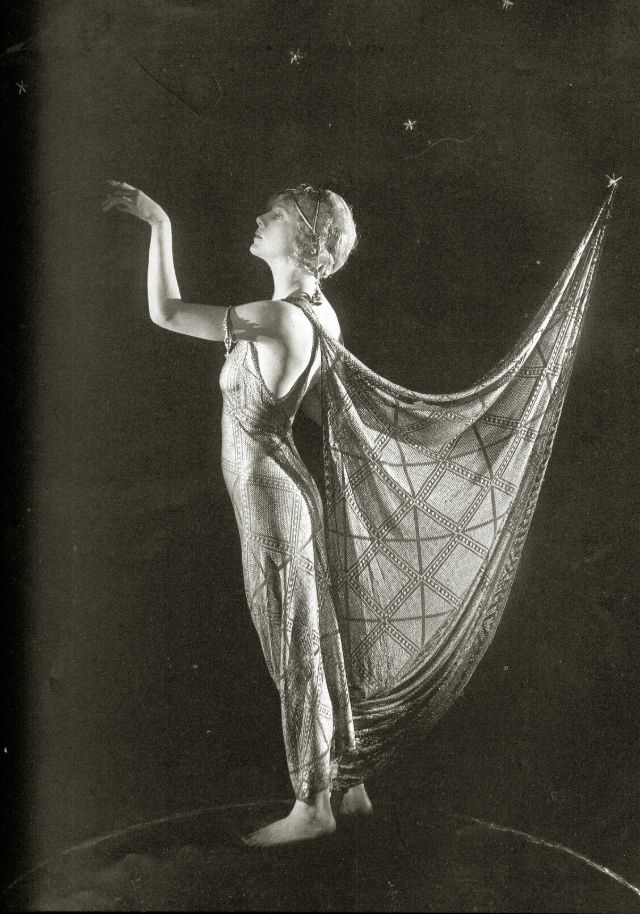
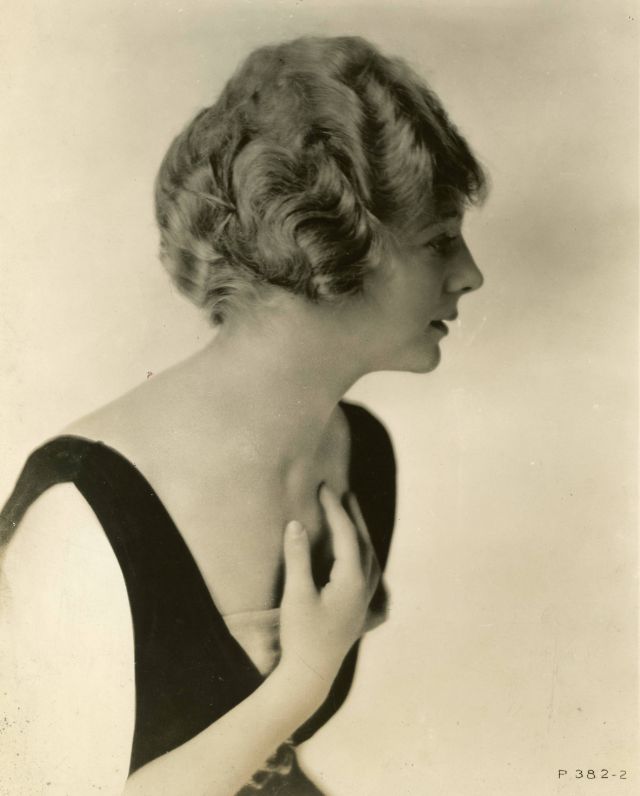
Born 1895 in Sønderho, Denmark, Danish-American actress of Hollywood’s silent films Ann Forrest appeared in 33 movies between 1915 and 1925. According to Ruth Wing, author of the Blue Book of the Screen, Forrest enjoyed playing homely character roles, and her characters often wept during the film. However, wanting to capitalize on her beauty, producers later cast her in society dramas.
Wing wrote “Ann Forrest is ‘different’. She is different from most screen stars in personality and beauty. But the greatest difference lies in her achievement of cinema fame. Ann wept her way to stardom.”
Forrest died in 1985 at the age of 90. Take a look at these fabulous photos to see the beauty of a young Ann Forrest in the 1920s.
Subscribe to Yesterday Today to receive regular updates on new content: