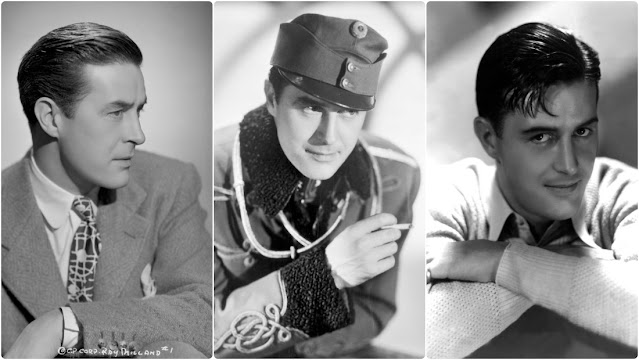
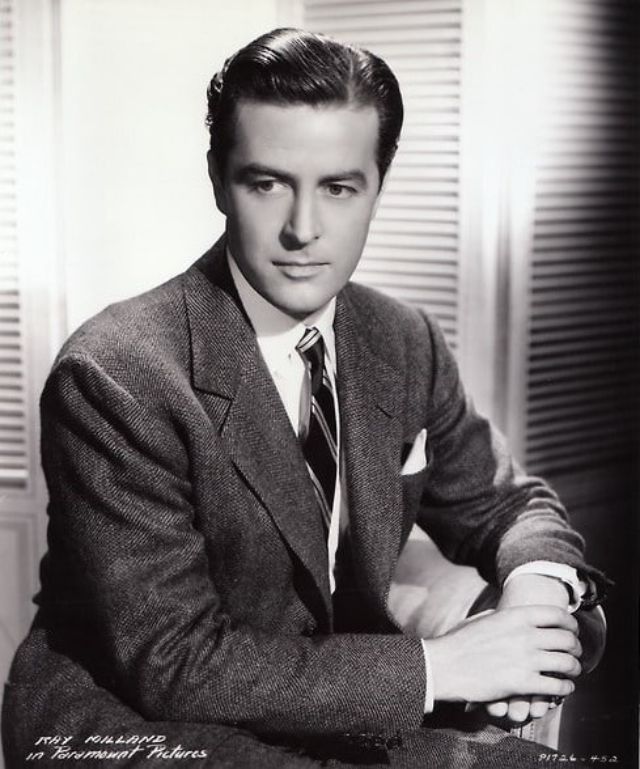
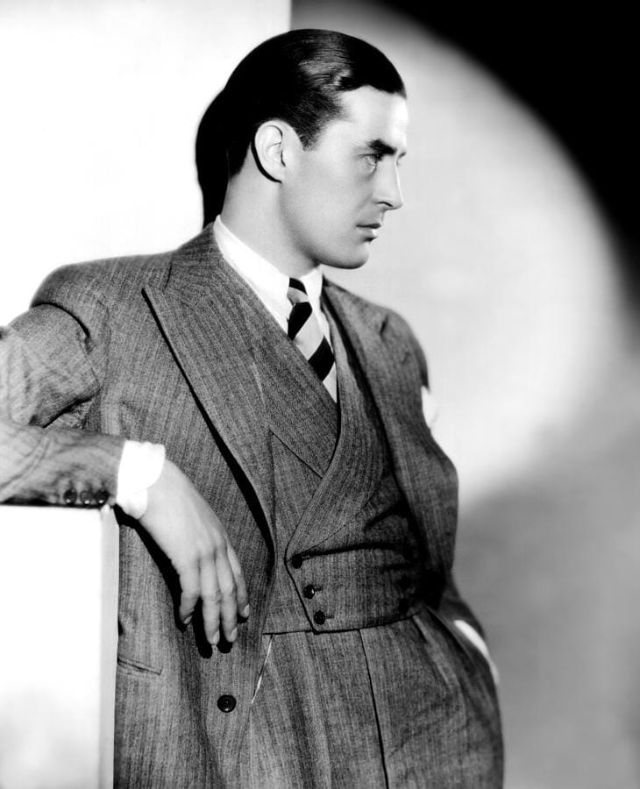
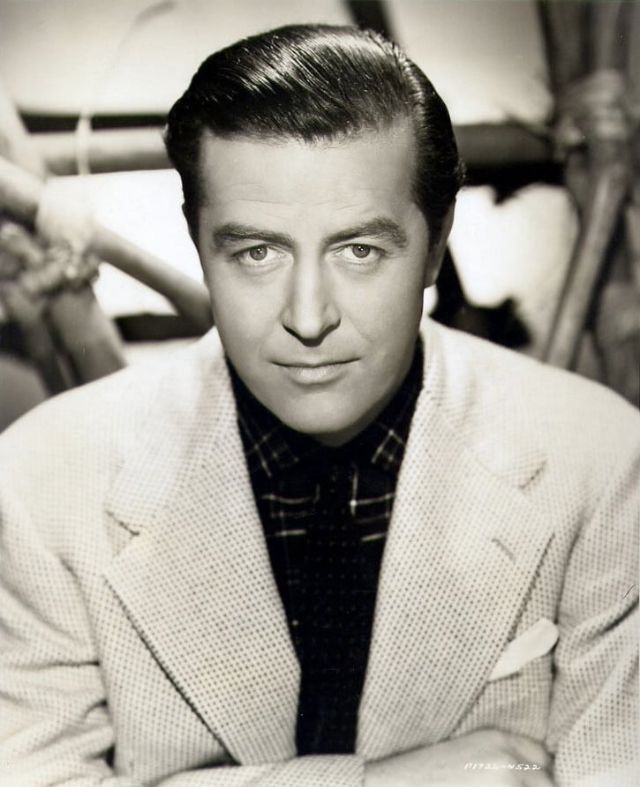
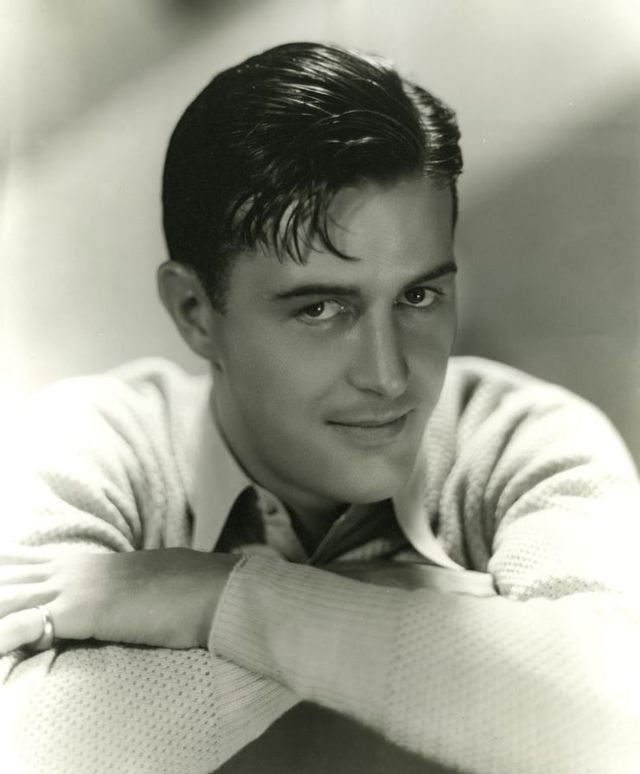
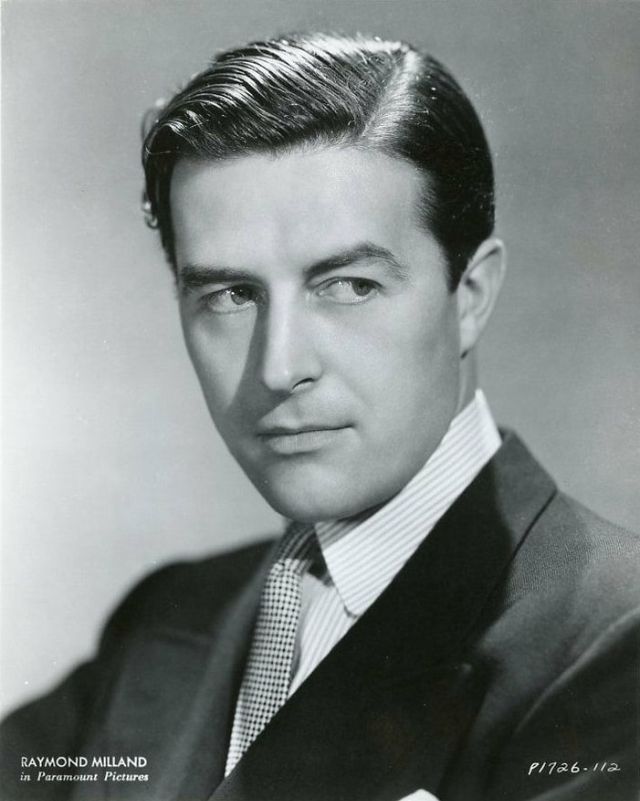
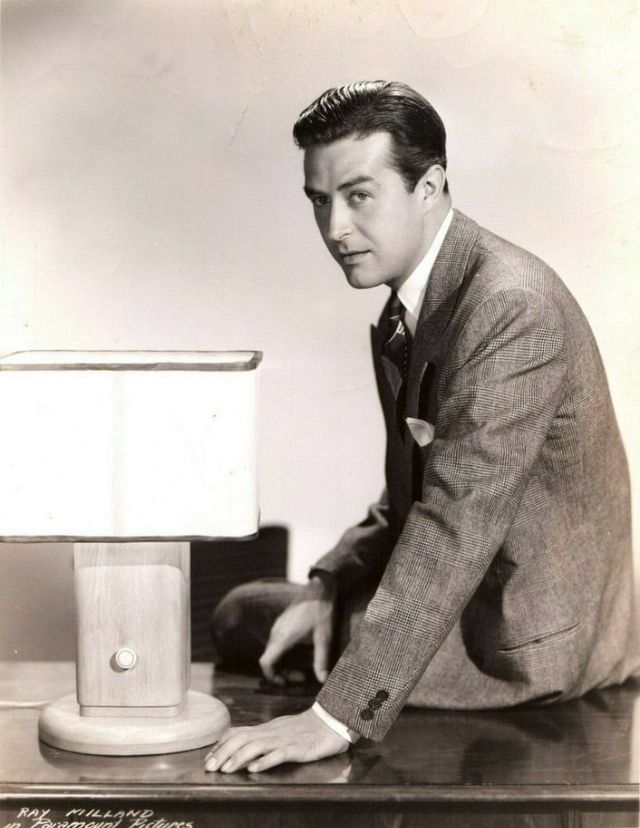
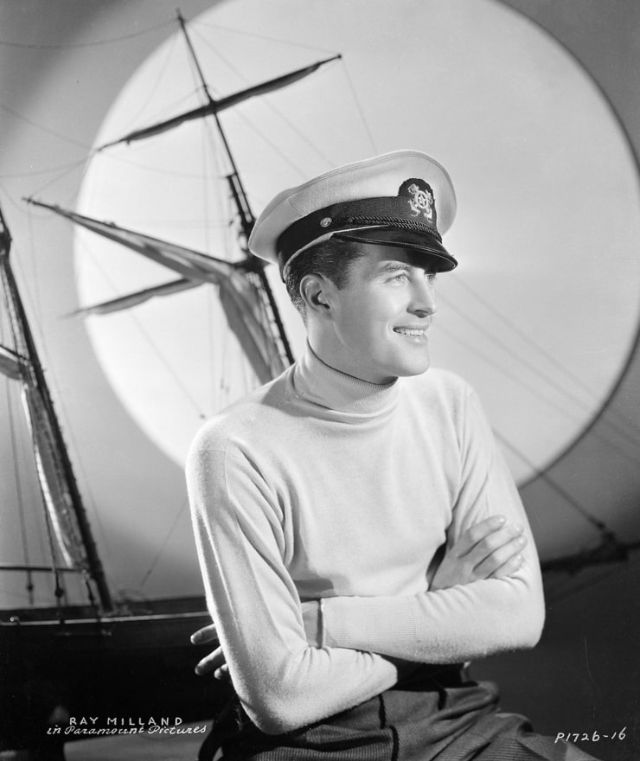
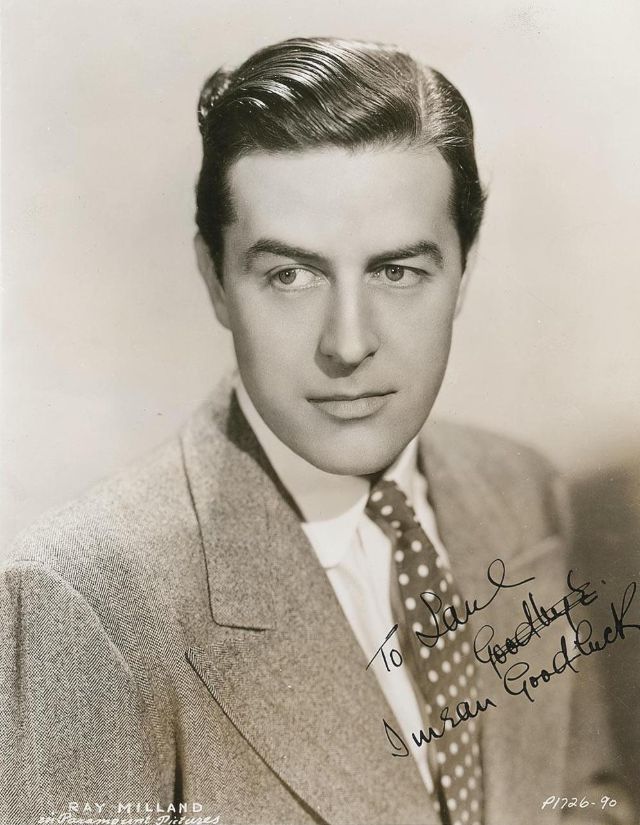
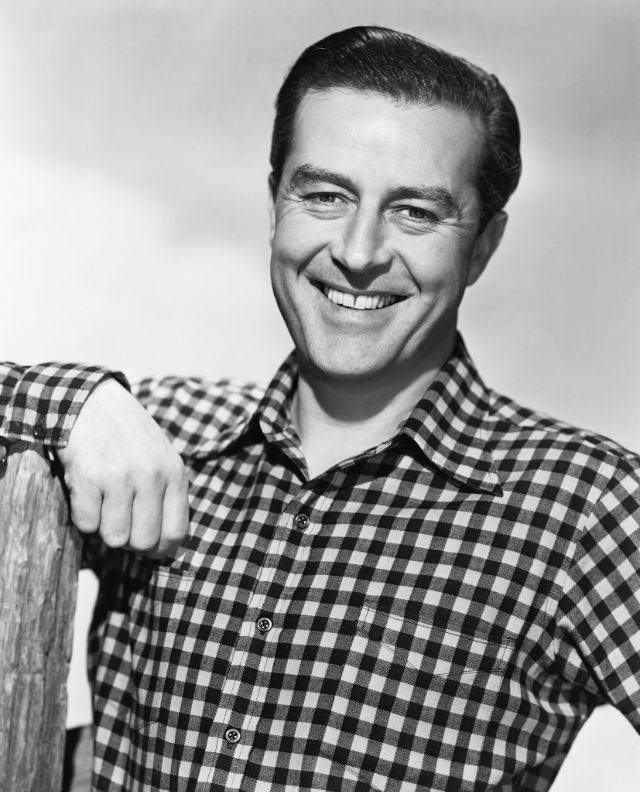
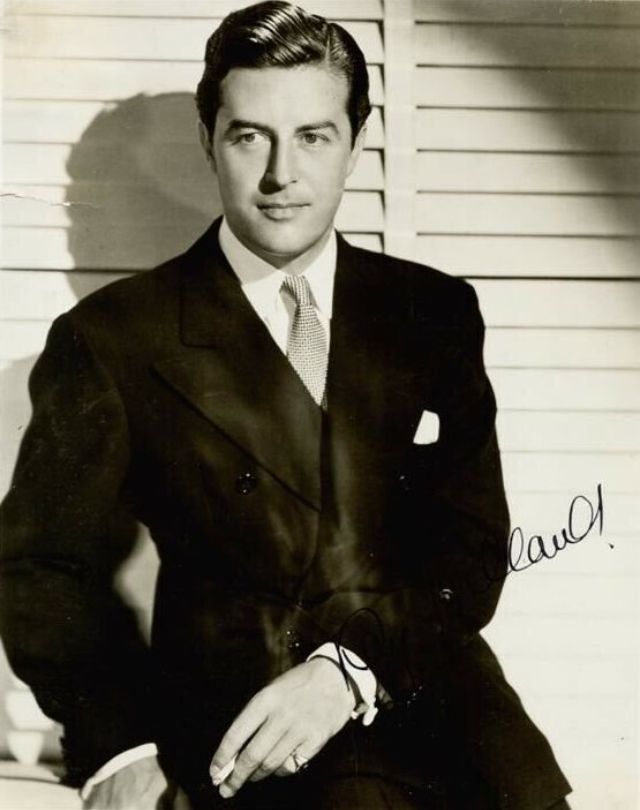
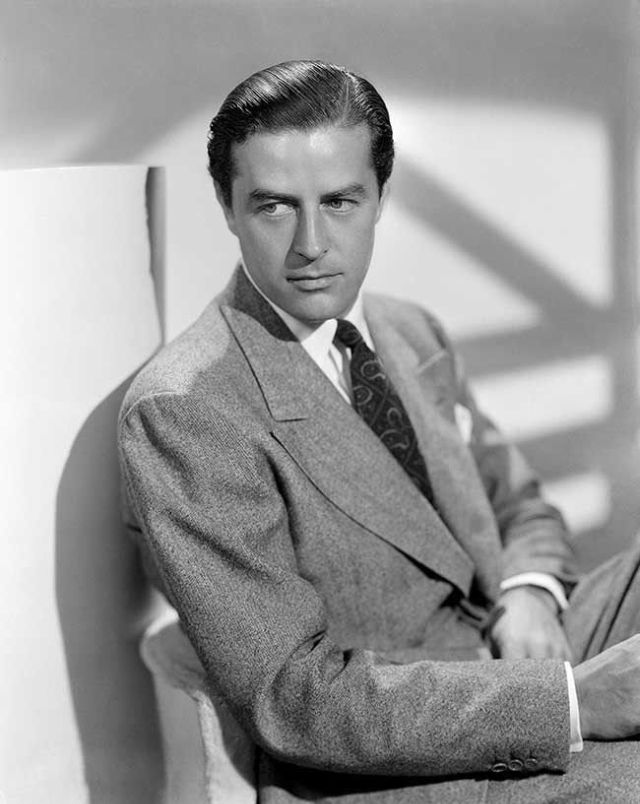
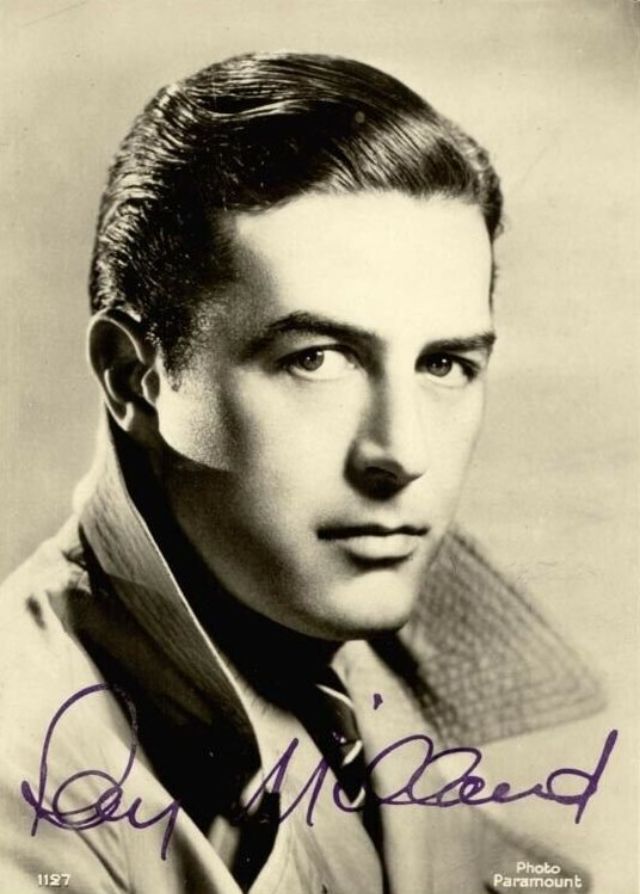
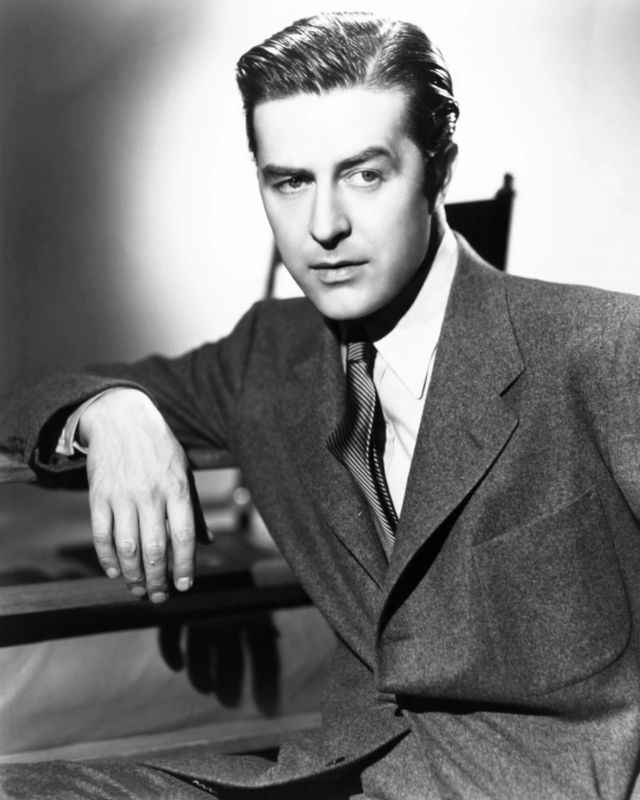
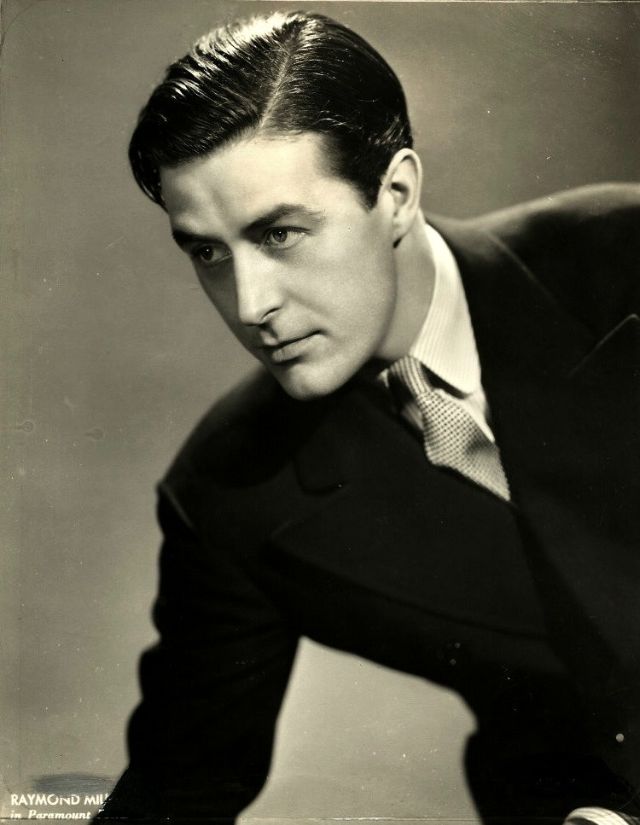
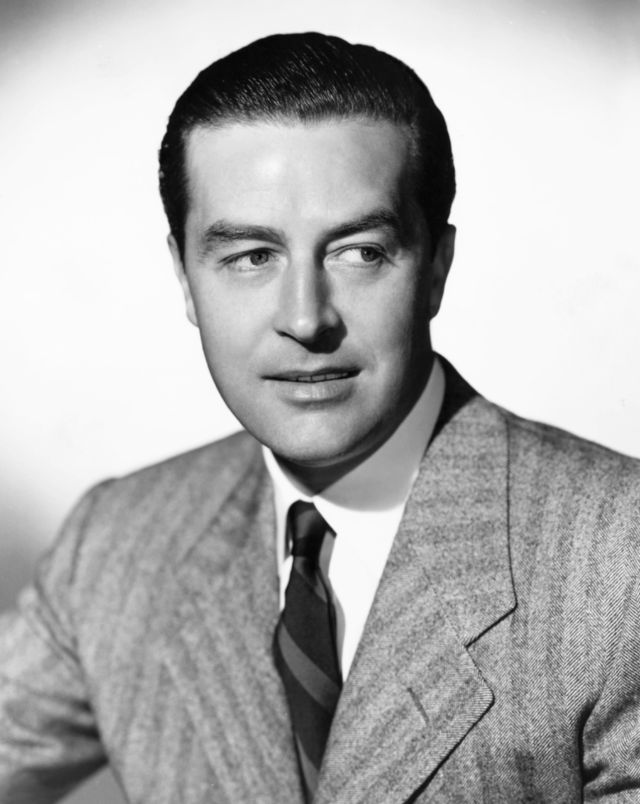
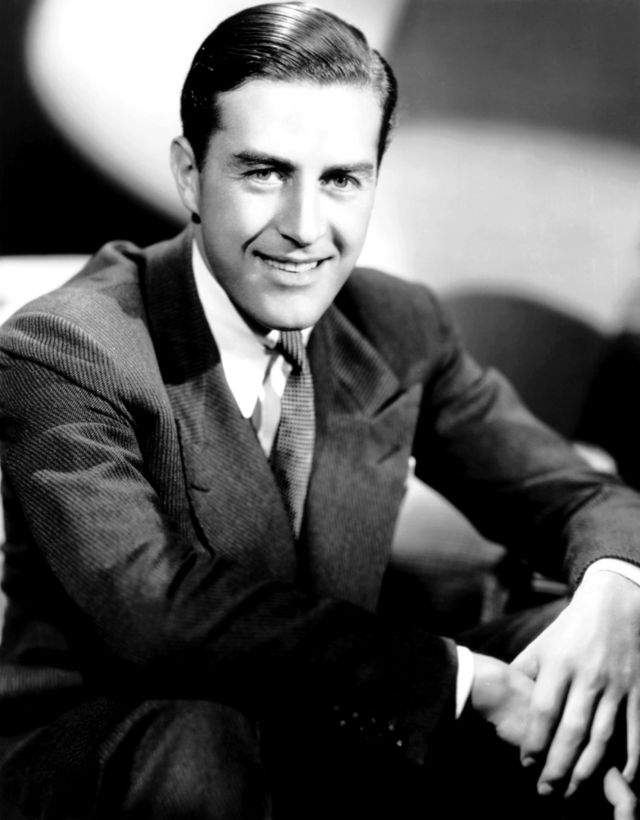
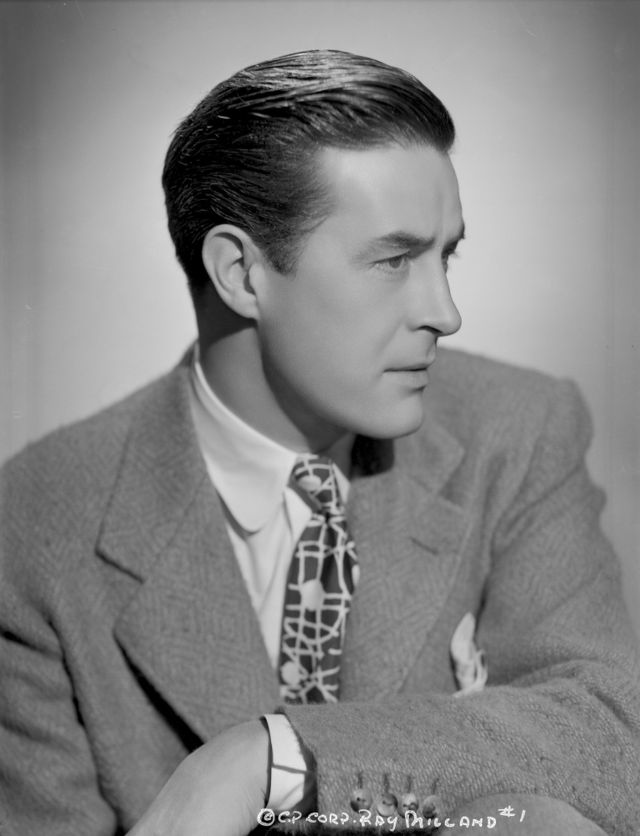
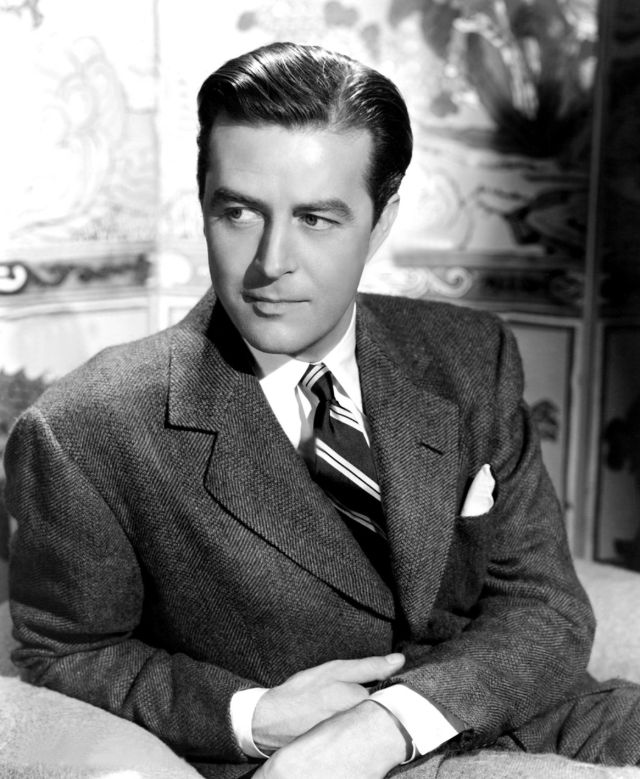
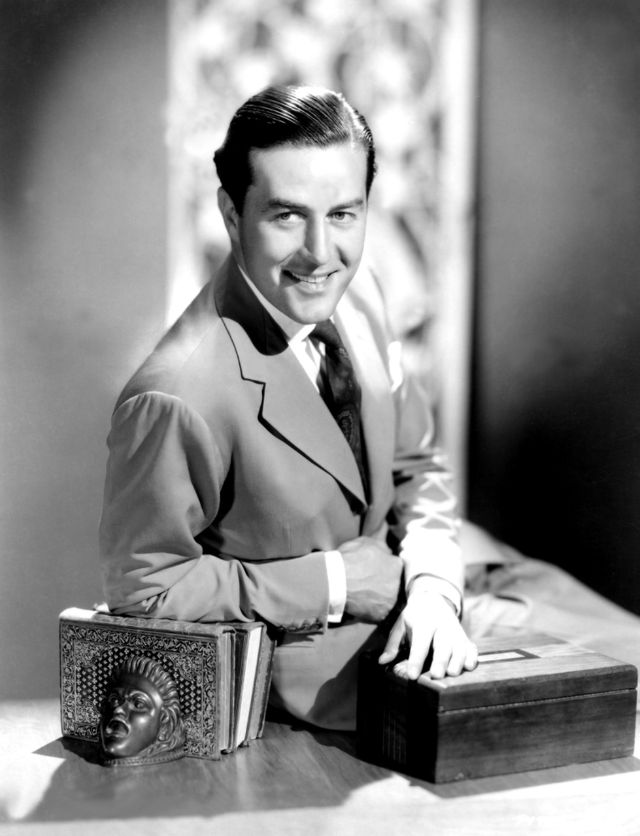
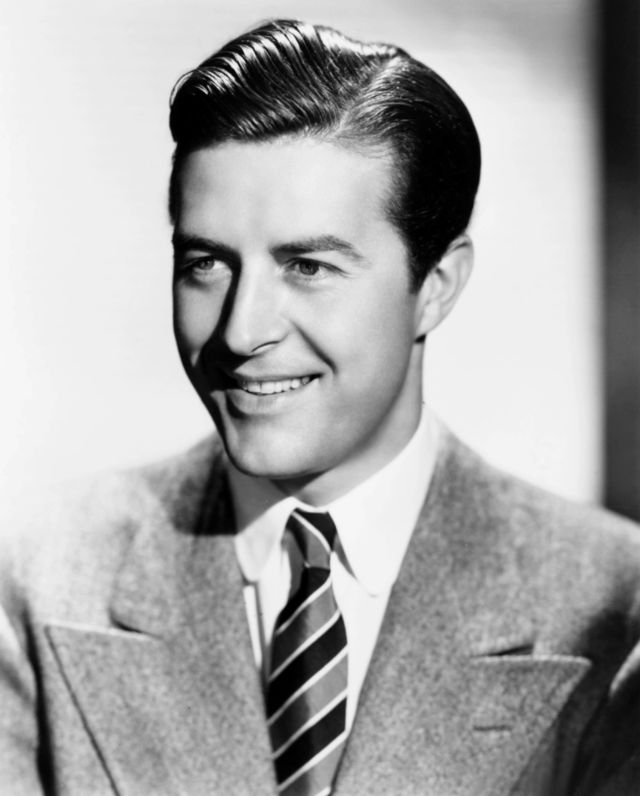
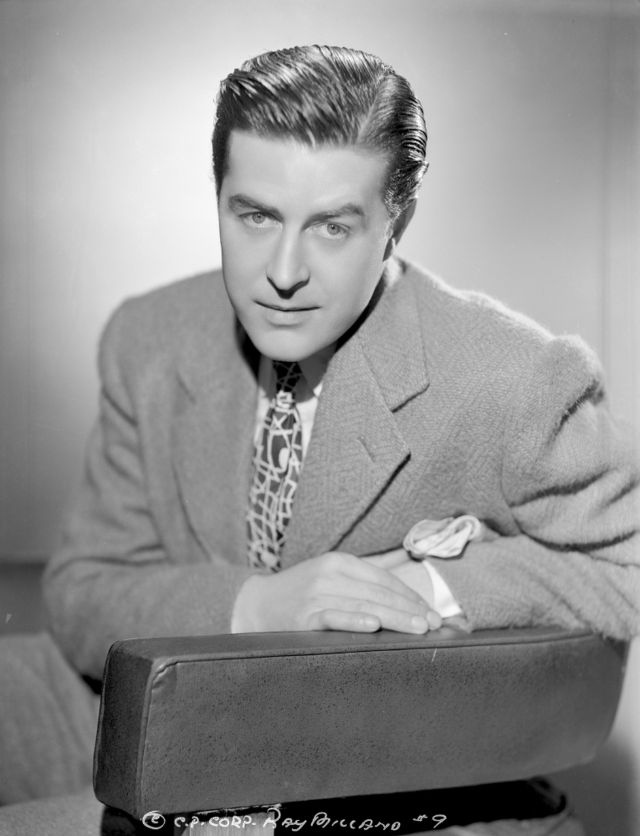
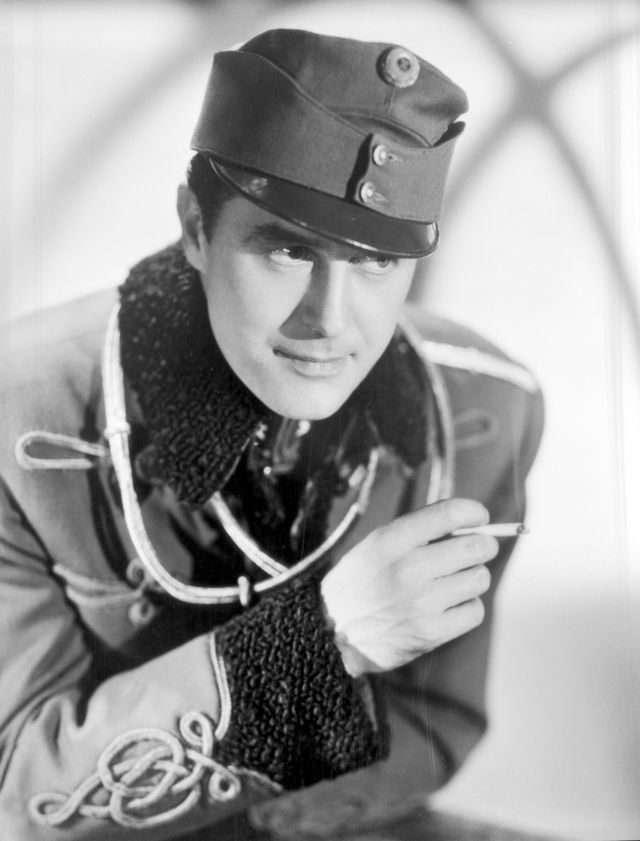
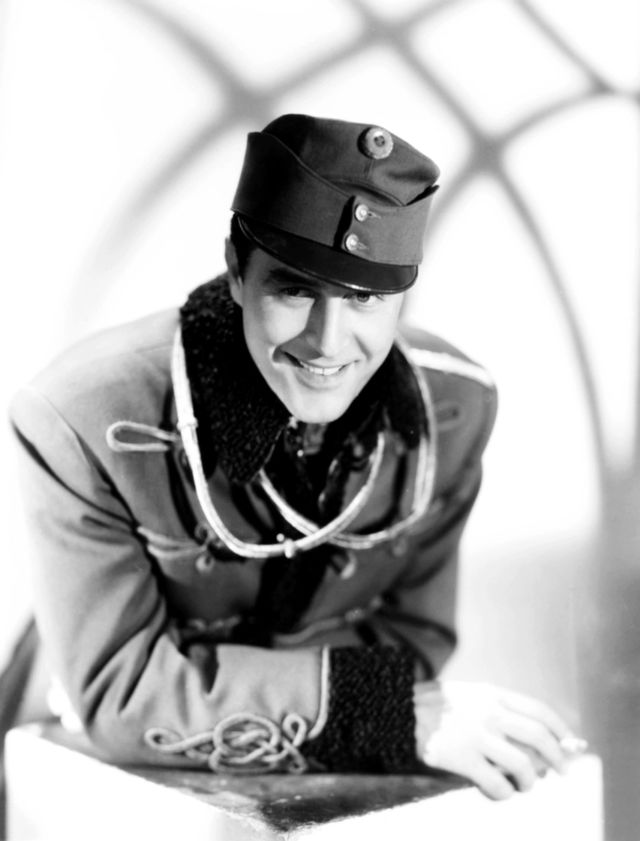
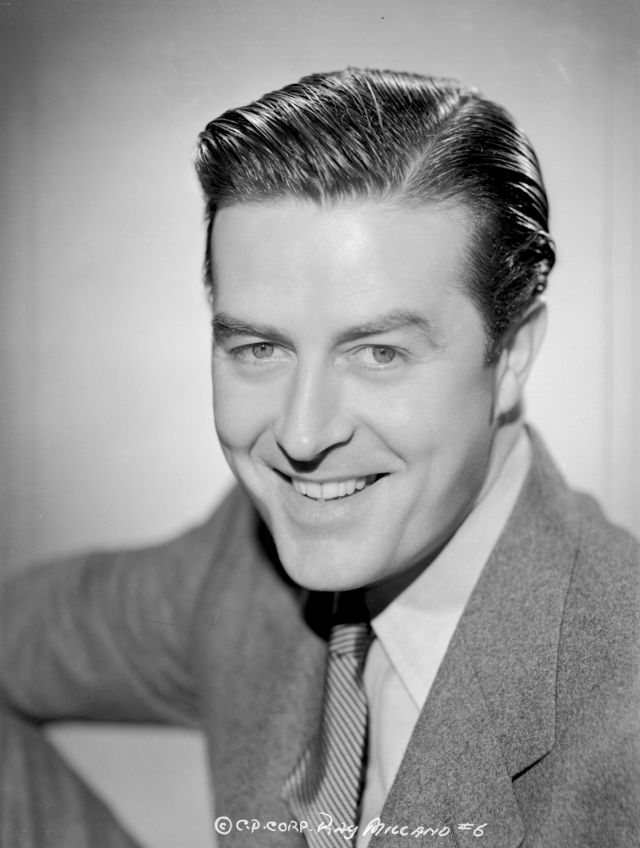
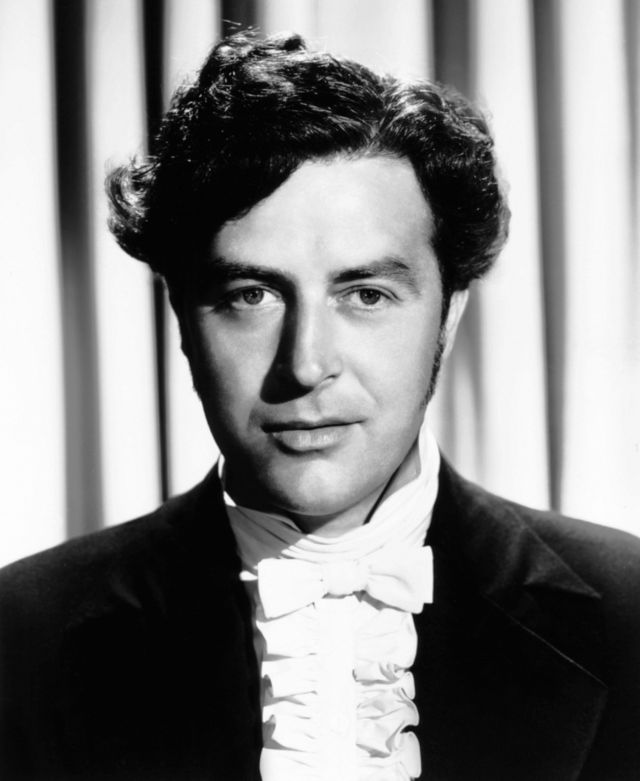
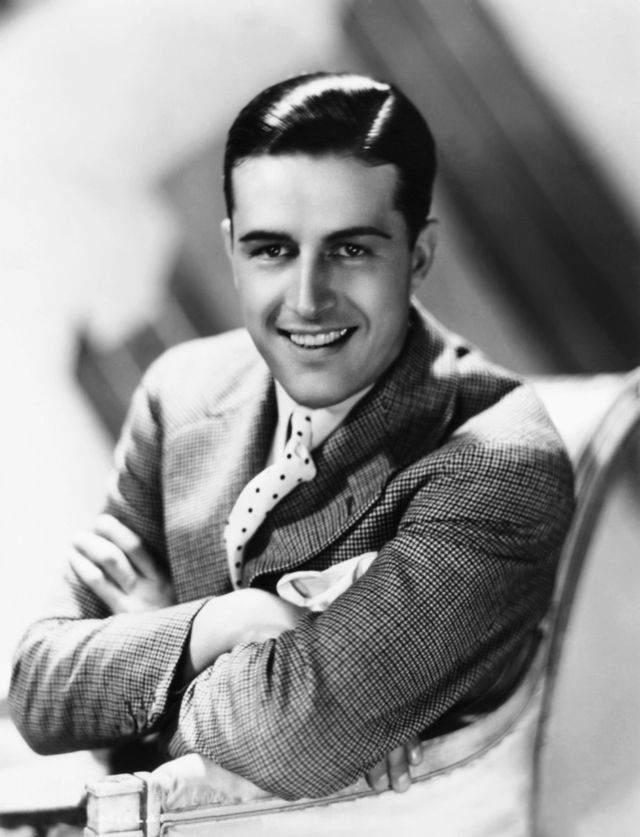
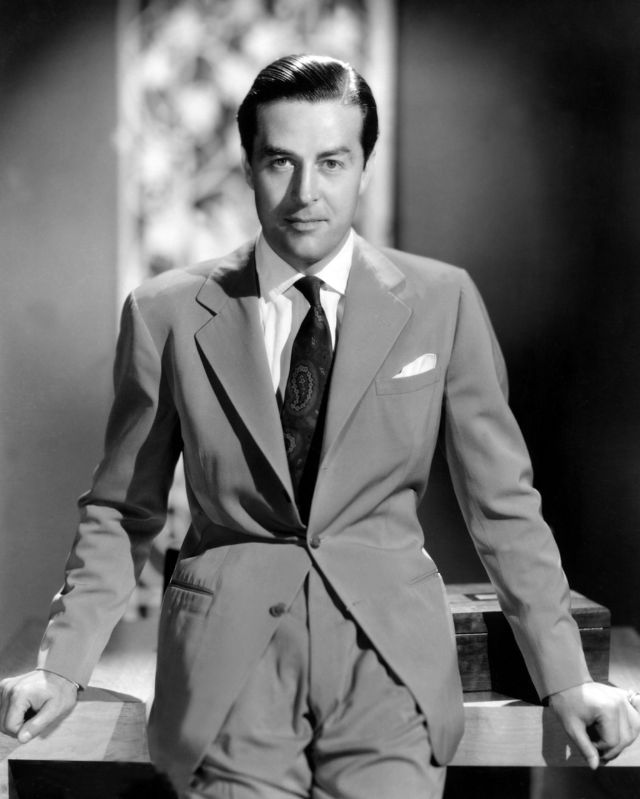
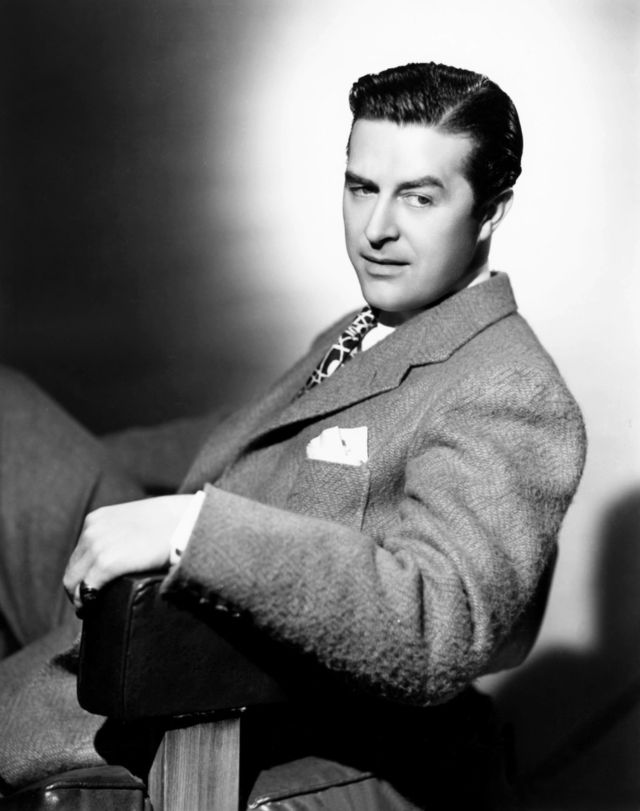
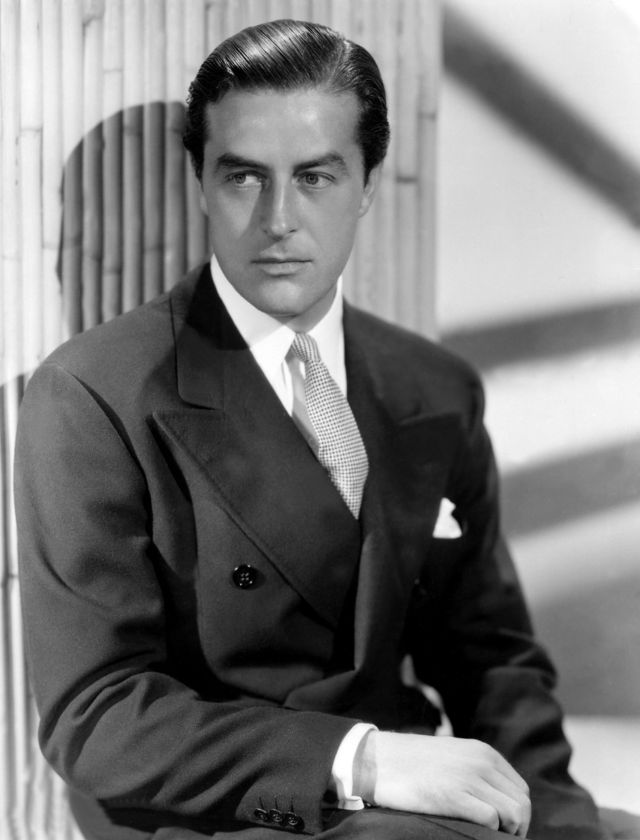
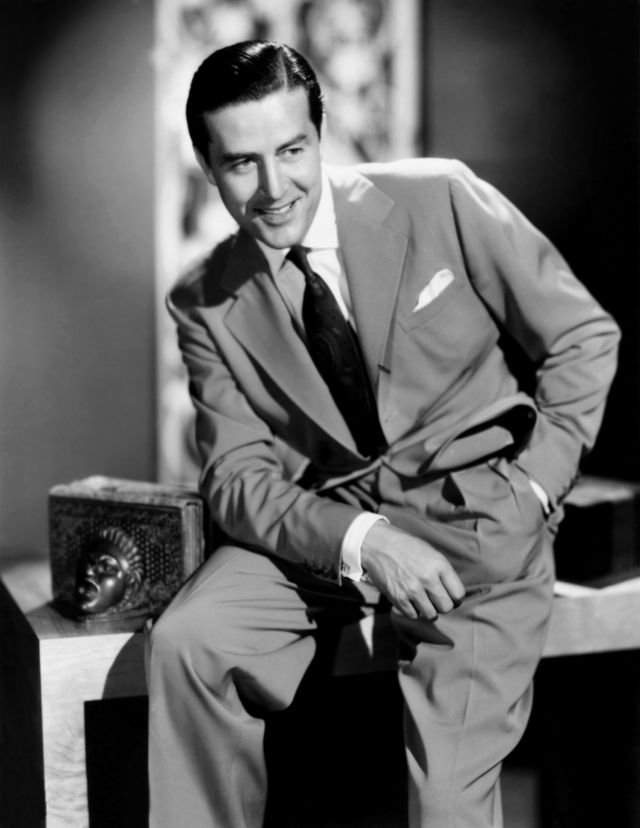
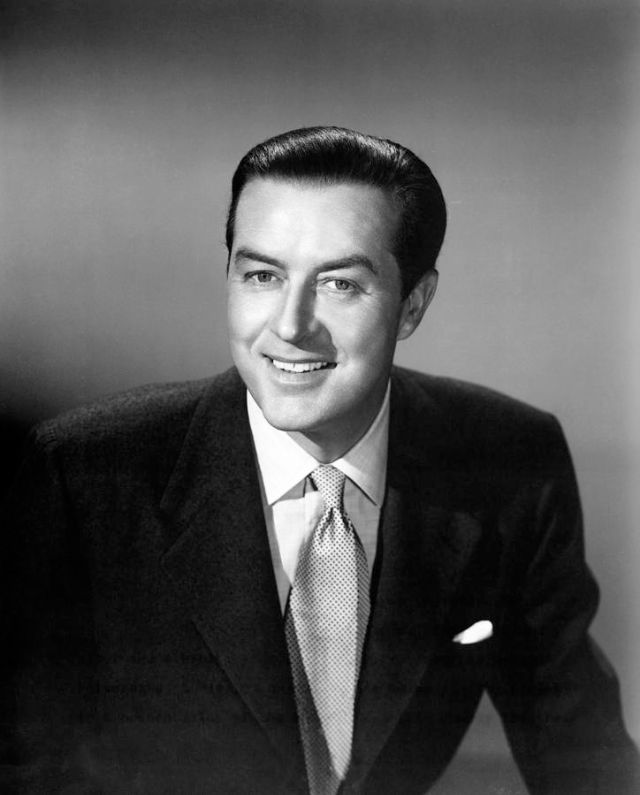
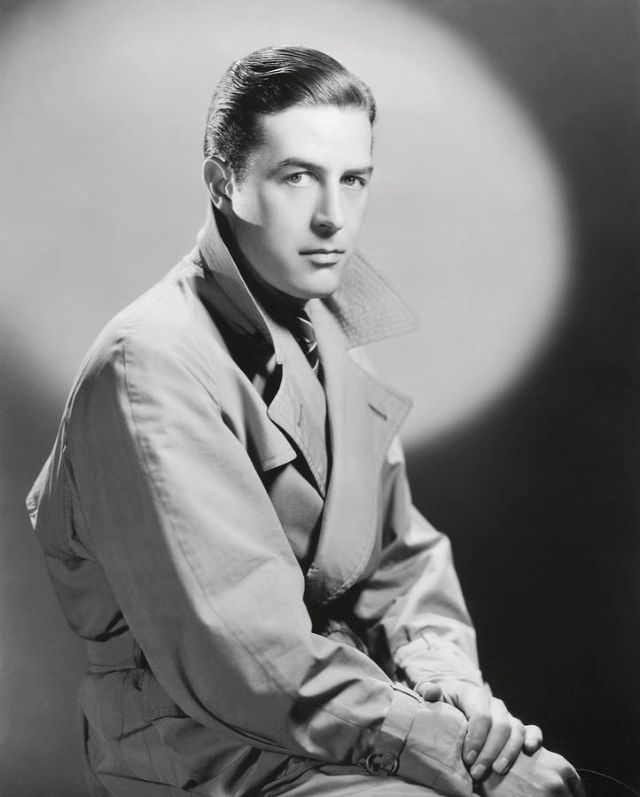
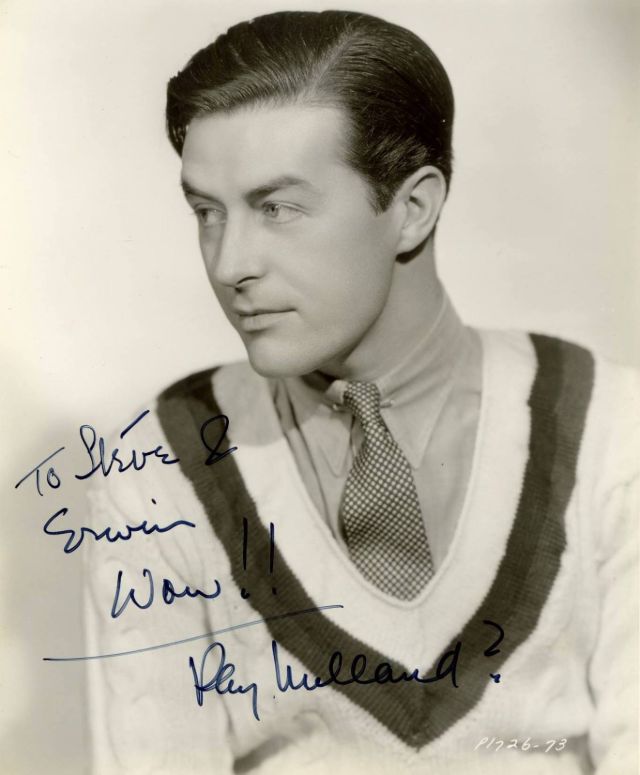
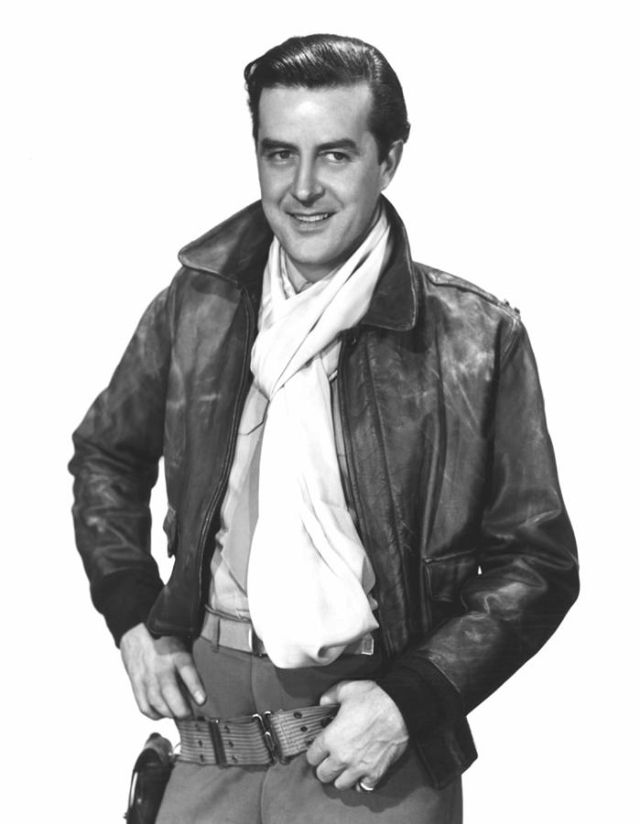
Born 1907 as Alfred Reginald Jones in Neath, Glamorgan, Welsh-American actor and film director Ray Milland served in the Household Cavalry of the British Army, becoming a proficient marksman, horseman and aeroplane pilot before becoming an actor. He had his first major role in The Flying Scotsman (1929). This led to a nine-month contract with MGM, and he moved to the United States, where he worked as a stock actor.
After being released by MGM, Milland was picked up by Paramount, which used him in a range of lesser speaking parts, usually as an English character. He was loaned to Universal for the Deanna Durbin musical Three Smart Girls (1936), and its success had Milland given a lead role in The Jungle Princess (also 1936) alongside new starlet Dorothy Lamour. The film was a big success and catapulted both to stardom. Milland remained with Paramount for almost 20 years.
Milland appeared in many other notable films, including Easy Living (1937), Beau Geste (1939), Billy Wilder’s The Major and the Minor (1942), The Uninvited (1944), Fritz Lang’s Ministry of Fear (1944), The Big Clock (1948), and The Thief (1952), for which he was nominated for his second Golden Globe, and A Man Alone (1955). After leaving Paramount, he began directing and moved into television acting.
Once Paramount Pictures’ highest-paid actor, Milland co-starred alongside many of the most popular actresses of the time, including Gene Tierney, Jean Arthur, Grace Kelly, Lana Turner, Marlene Dietrich, Maureen O’Hara, Ginger Rogers, Jane Wyman, Loretta Young, and Veronica Lake.
Milland is best remembered for his Academy Award-winning portrayal of an alcoholic writer in Billy Wilder’s The Lost Weekend (1945) and also for such roles as a sophisticated leading man opposite John Wayne’s corrupt character in Reap the Wild Wind (1942), the murder-plotting husband in Alfred Hitchcock’s Dial M for Murder (1954), and Oliver Barrett III in Love Story (1970). His last appearances were in The Sea Serpent (1985) and The Gold Key (1985).
Milland died of lung cancer in 1986 at the age of 79. These vintage photos captured portraits of a young and handsome Ray Milland in the 1930s and 1940s.
Subscribe to Yesterday Today to receive up-to-the-minute content straight to your email:
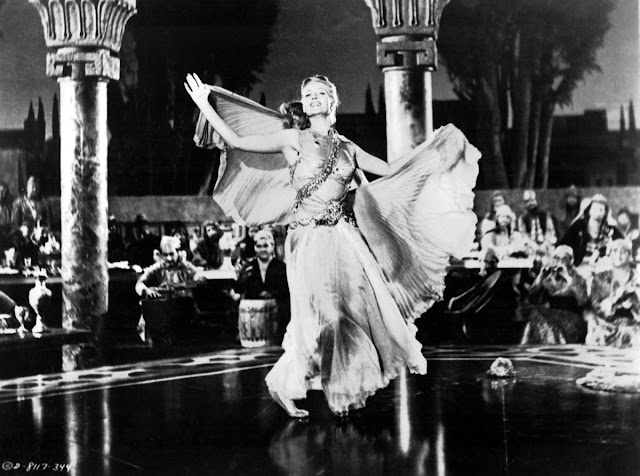
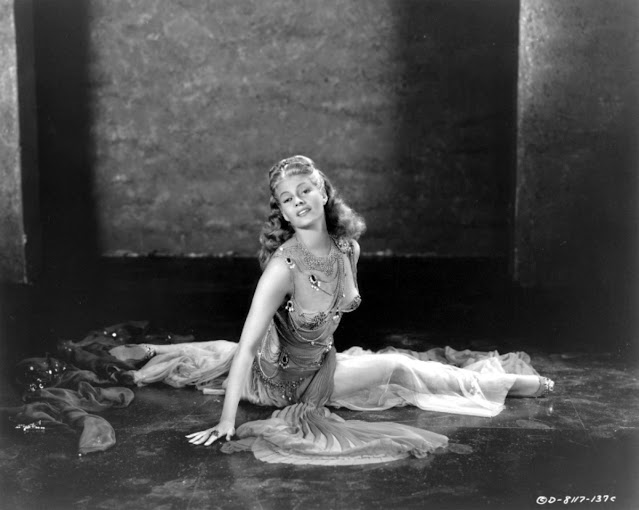
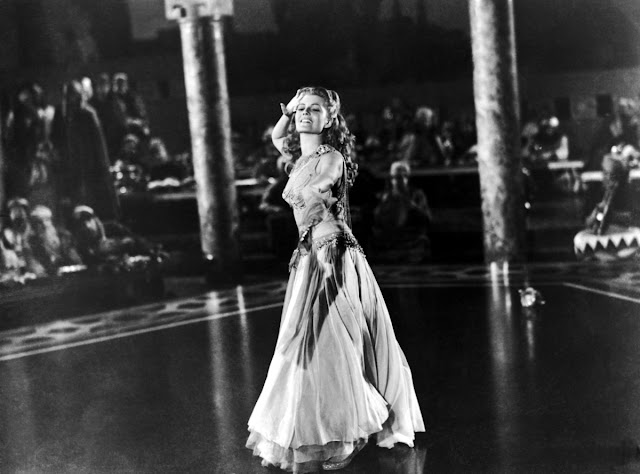
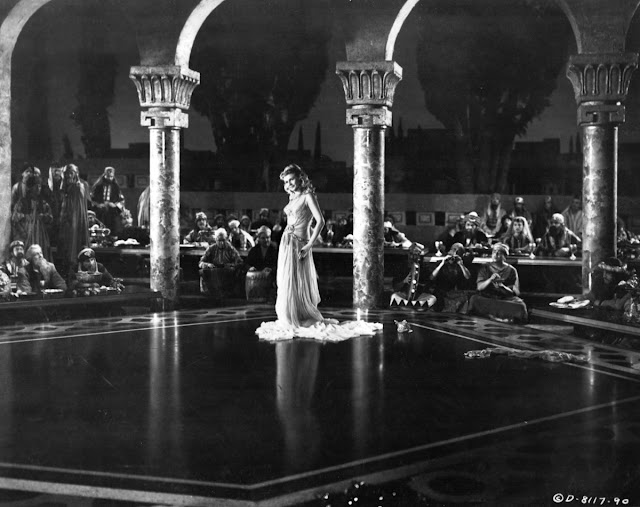
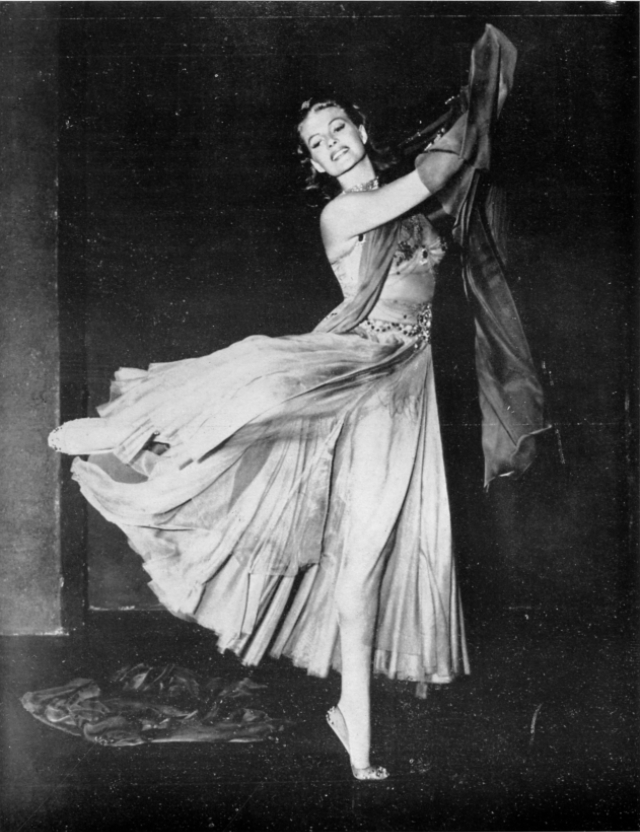
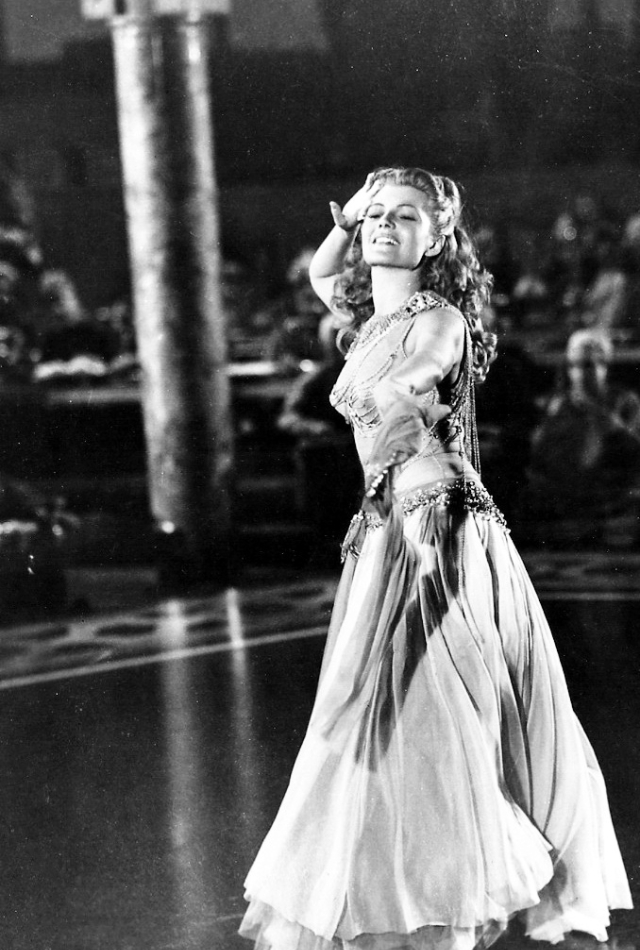
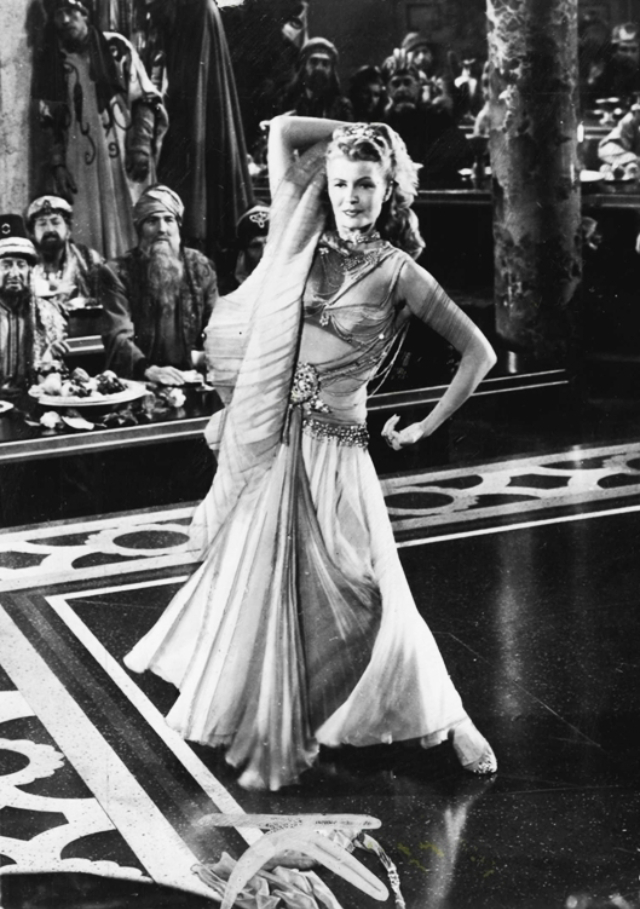
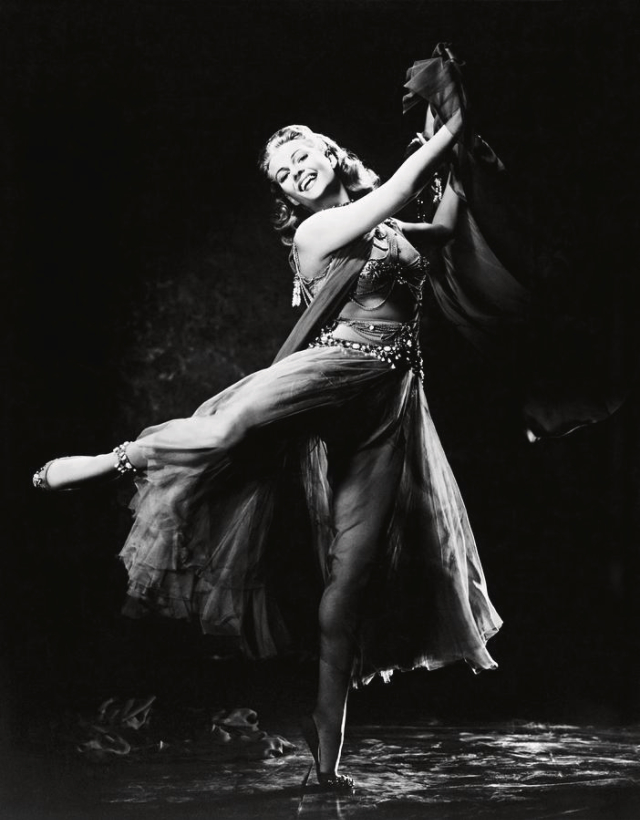
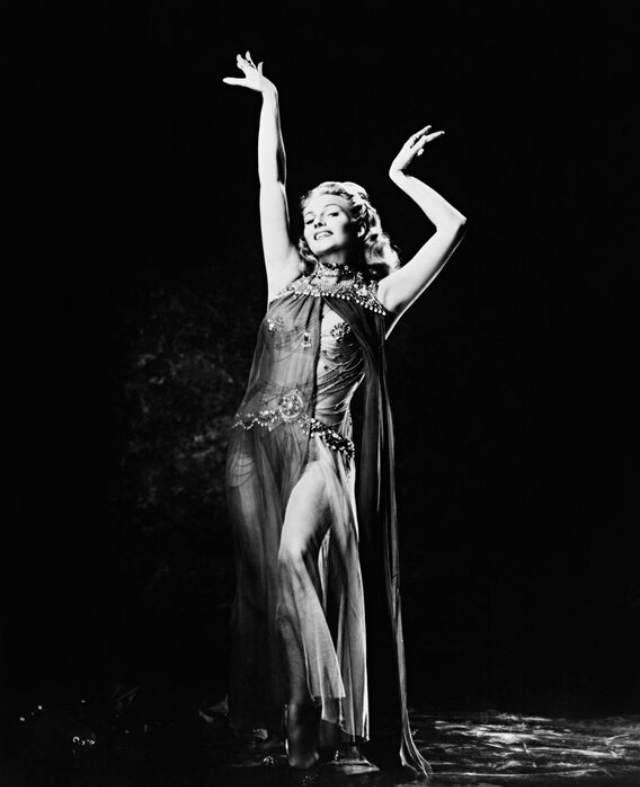
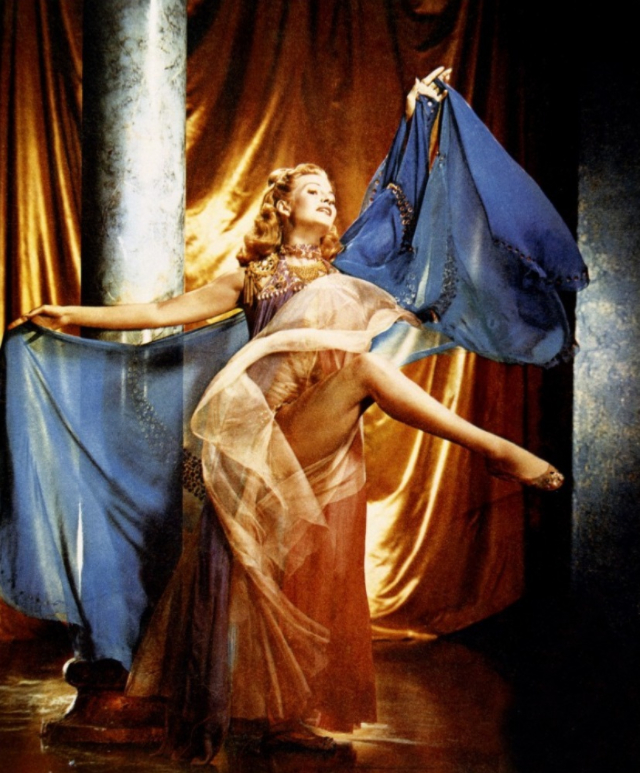
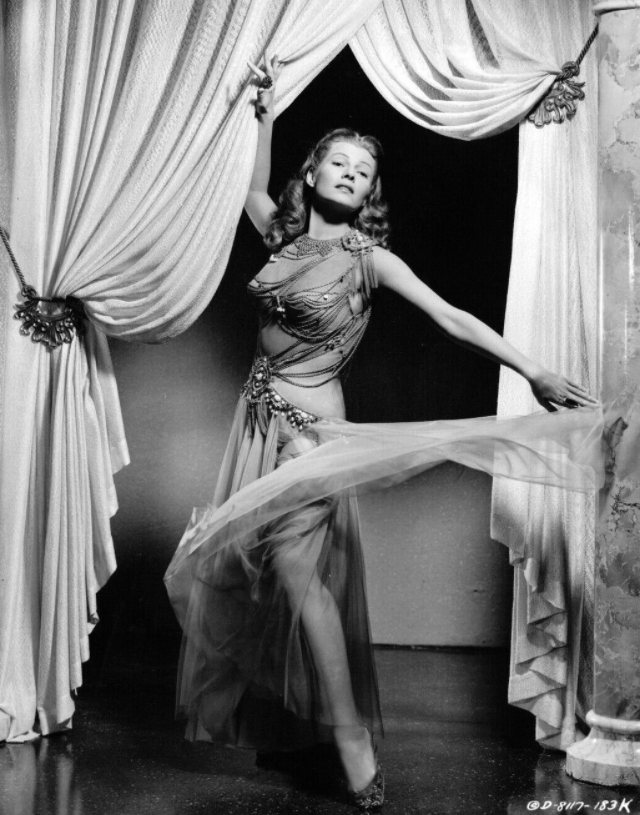
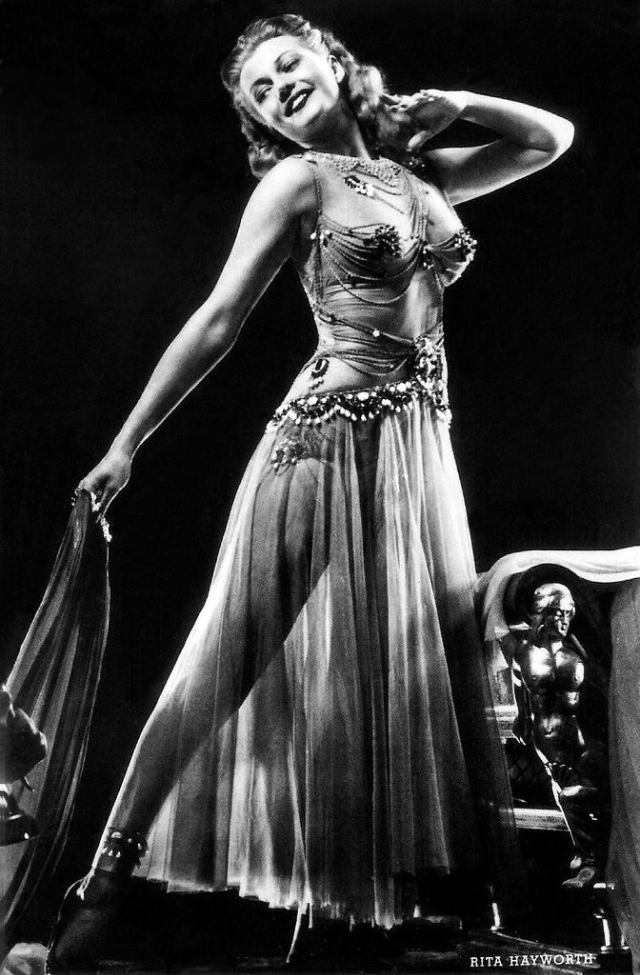
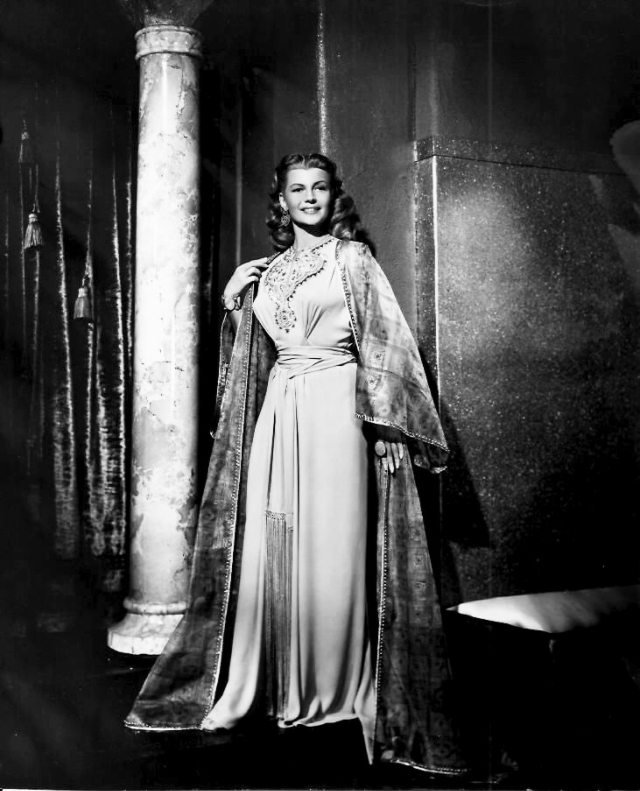
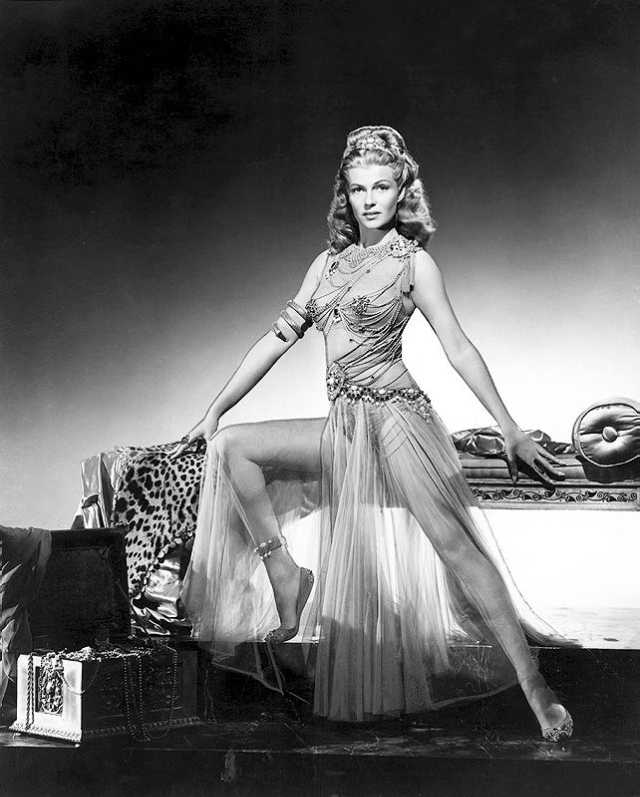
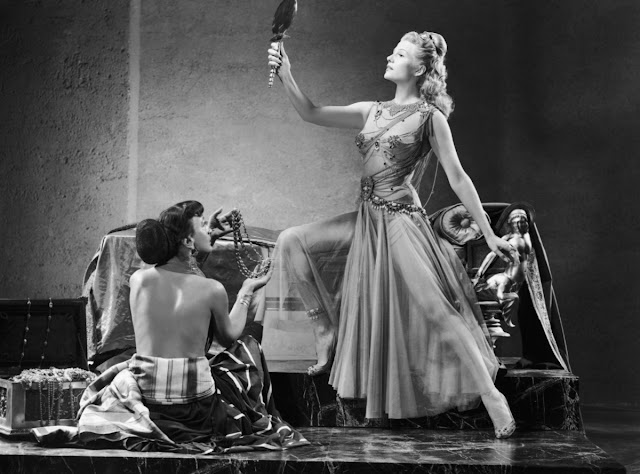
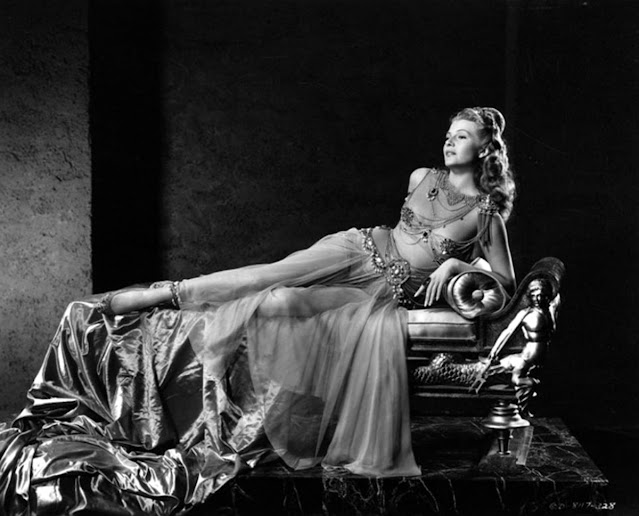
The “Dance of the Seven Veils” is Salome’s dance performed before Herod II, in modern stage, literature and visual arts. It is an elaboration on the biblical story of the execution of John the Baptist, which refers to Salome dancing before the king, but does not give the dance a name.
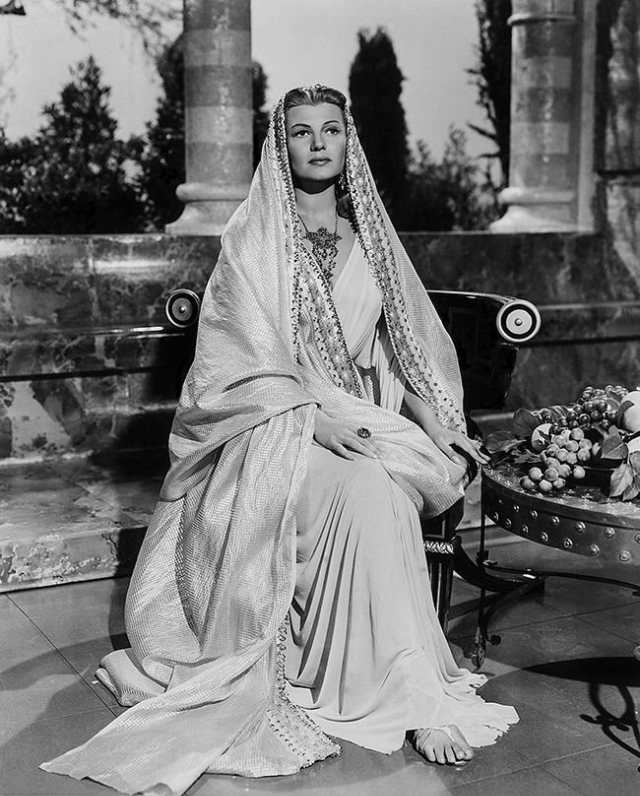
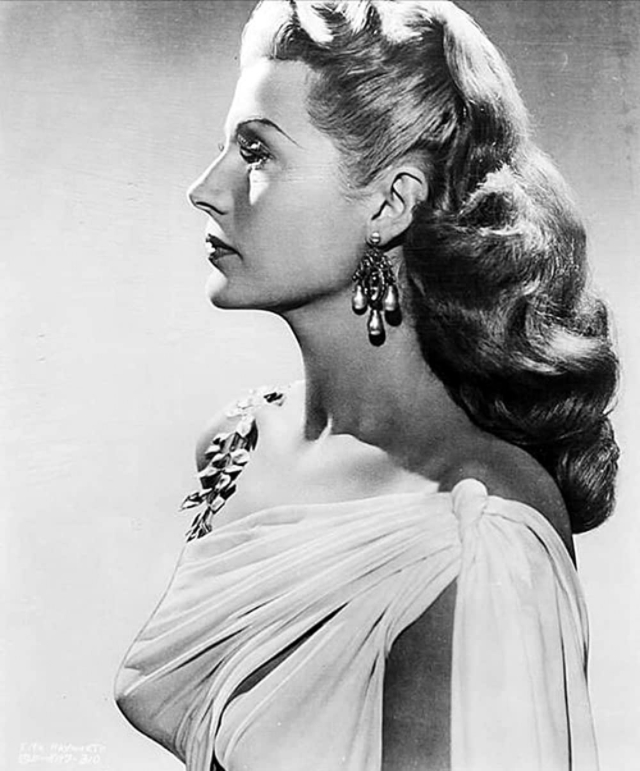
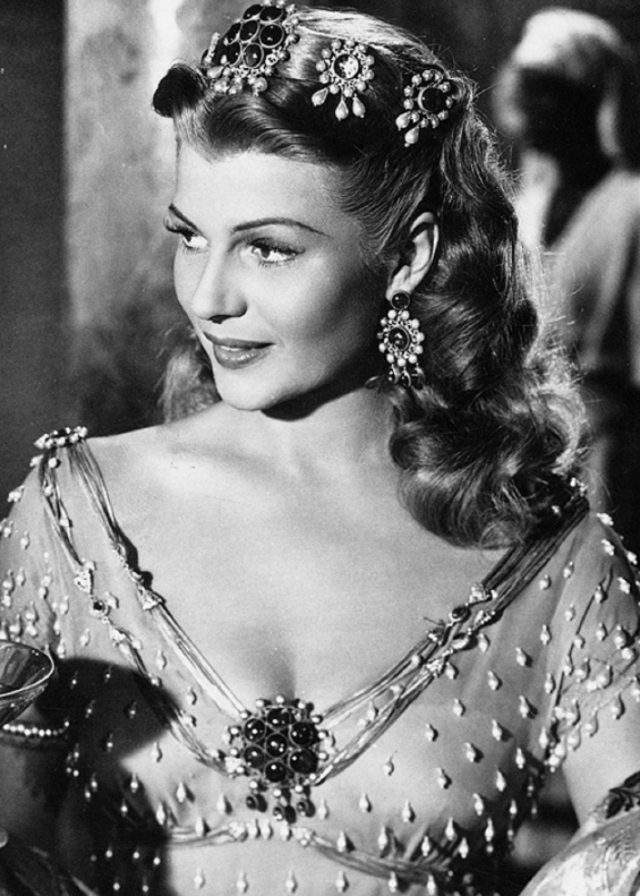
In the 1953 film Salome, Rita Hayworth performs the dance as a strip dance. She stops the dance before removing her last veil when she sees John’s head being delivered on a platter, as she did not want him to be killed in this version of the story.
Salome was the last film produced by Rita Hayworth’s production company (The Beckworth Company). She later said that her dance “Dance of the Seven Veils” in this film was “… the most demanding of my entire career,” and that it required “endless takes and retakes.”
Having seen the magnificent results, it was time well spent and effort that certainly paid off. While Rita is celebrated as one of the great beauties and as a wonderful actress, she deserves just as much attention for her dancing talent – it was extraordinary.
Subscribe to Yesterday Today to receive daily updates on new content:
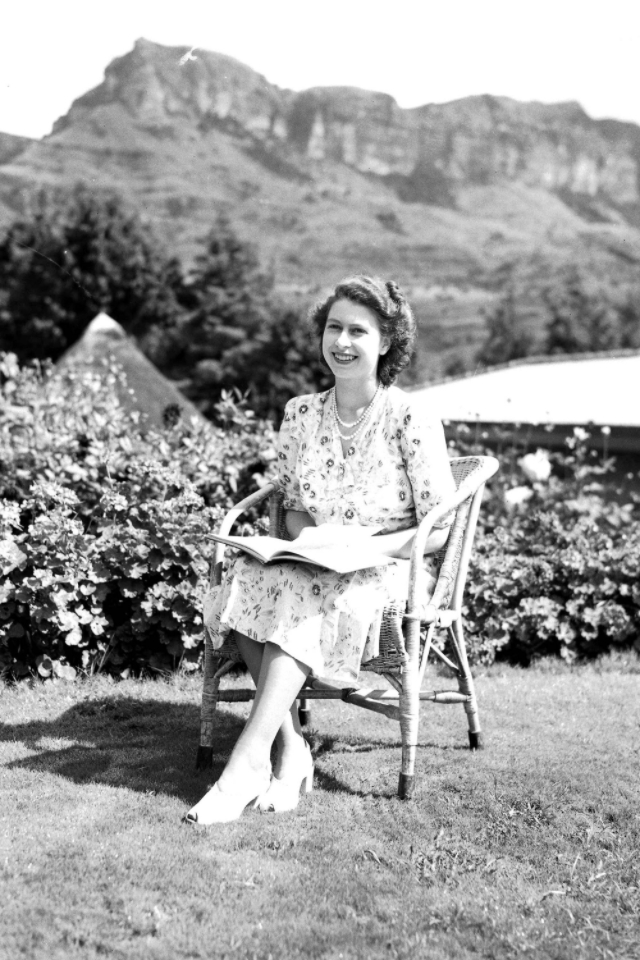
When Elizabeth was born in April 1926, she wasn’t destined for the throne. Her father Albert, known as “Bertie” to his family, was the second son of King George V. Elizabeth and her younger sister Margaret were doted on by their parents, with her father dubbing the family, “we four.” It was a comfortable but strictly confined upbringing.
Elizabeth’s world was turned upside down in 1936, following George V’s death and the abdication of Elizabeth’s uncle Edward VIII just months later. Edward’s decision to cast aside the crown to marry Wallis Simpson left her father, now King George VI, on the throne and 10-year-old Elizabeth as heir presumptive.
George VI struggled to find his footing after assuming the throne. Tentative, nervous and prone to both ill health and a relentless stutter, he found public speeches and appearances agonizing. But, as the war began, he found his footing. Bolstered by his wife and government officials, including Prime Minister Winston Churchill, the king helped rally the morale of the British people, refusing to leave London despite repeated aerial attacks by Nazi planes that left cities in ruins. He and the queen regularly visited those most devastated by the attacks, and when one bombing in September 1940 badly damaged a portion of Buckingham Castle, bringing the dangers of the war to the royal’s doorstep, the queen noted, “Now I can look the East End in the face.”
With the looming threat of a German invasion, the British government urged the queen to leave for Canada with her daughters. She refused, stating, “The children won’t go without me. I won’t leave without the King. And the King will never leave.” But, like thousands of other children who were evacuated from British cities, Elizabeth and Margaret did leave London, spending much of the war at Windsor Castle. In 1940, the two sisters made one of their first public addresses, recording a radio broadcast to their fellow children in Britain and British colonies and dominions around the world.
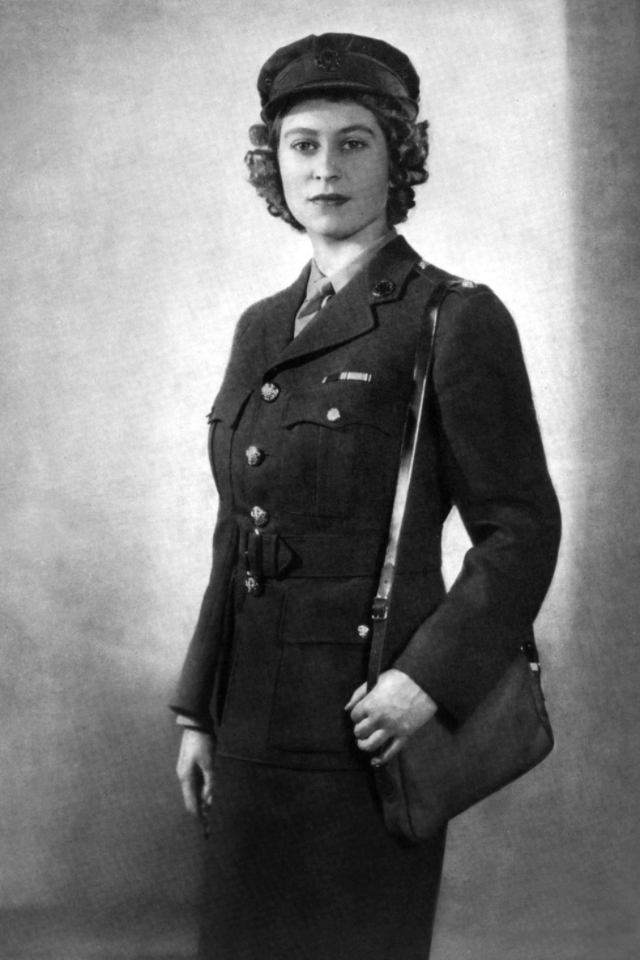
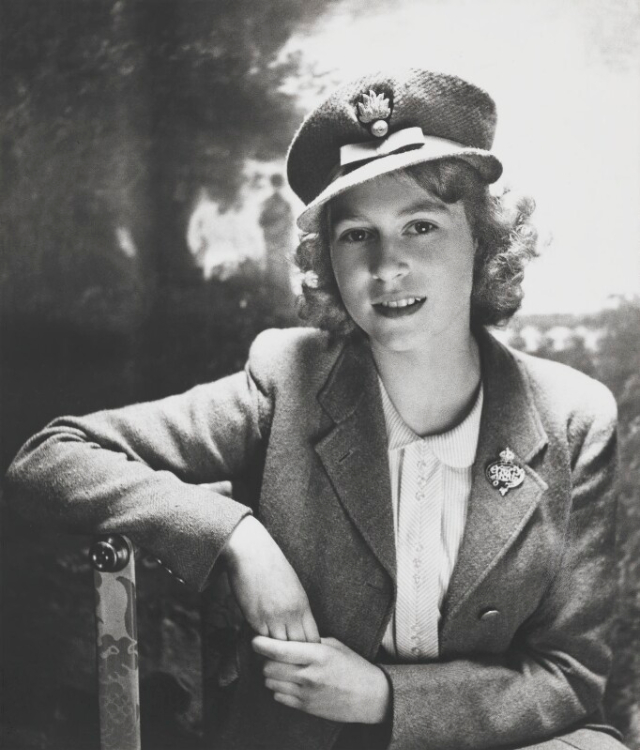
With the British people rallying to cause, Elizabeth, like many other young Britons, yearned to do her part. But her protective parents refused to allow her to enlist, noting that no female member of the royal family had ever joined the military. Elizabeth was a dutiful daughter, but she was also strong-willed. It took more than a year of debate before her family finally relented in early 1945, giving the now 19-year-old permission to join up.
That February she joined the Women’s Auxiliary Territory Service (similar to the American Women’s Army Corps or WACs), registered as inductee No. 230873, under the name Elizabeth Windsor. The ATS provided key support during the war, with its members serving as anti-aircraft gunners, radio operators, mechanics and drivers.
Queen Elizabeth died in September 2022.
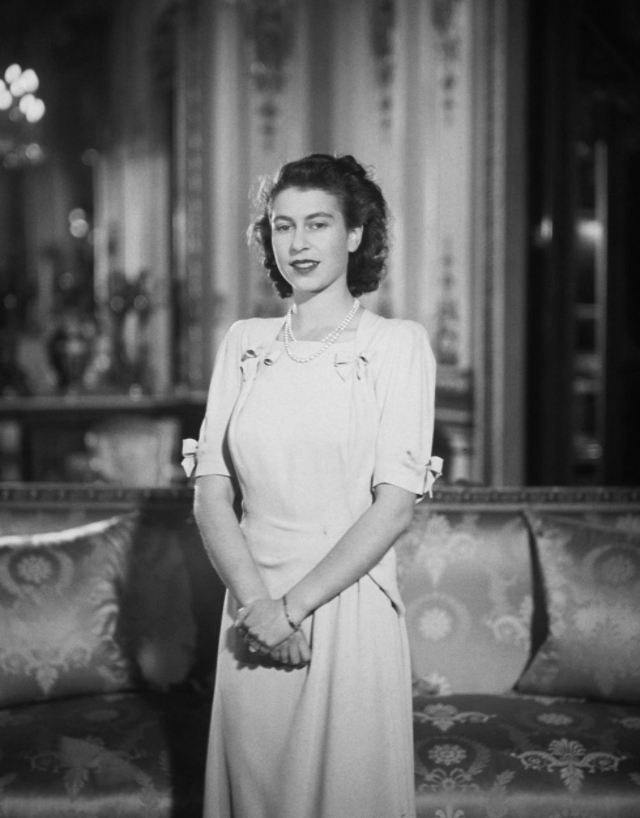
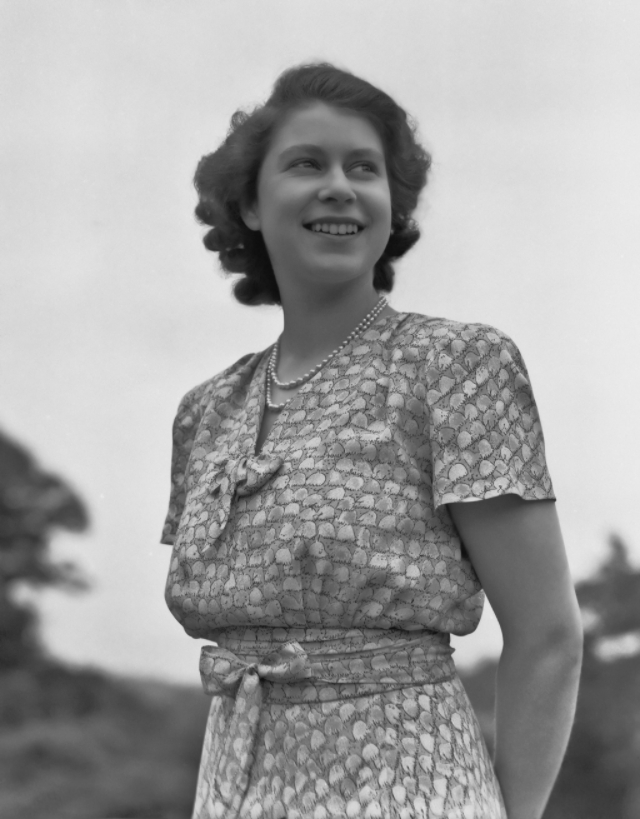
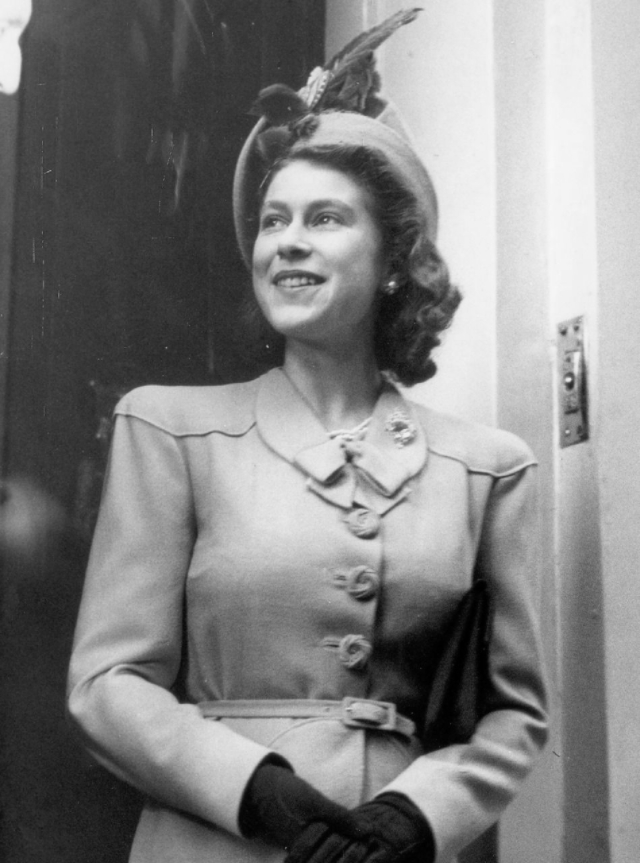
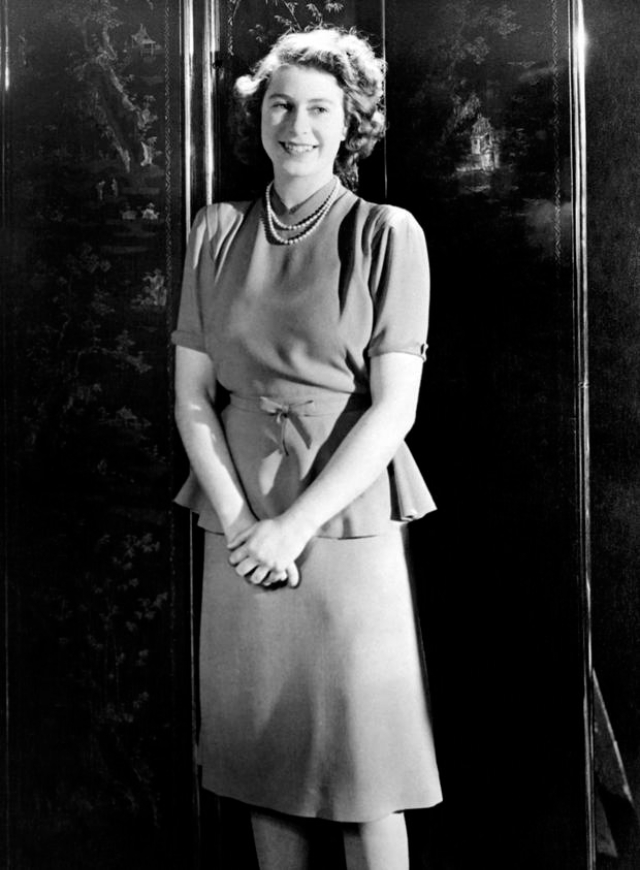
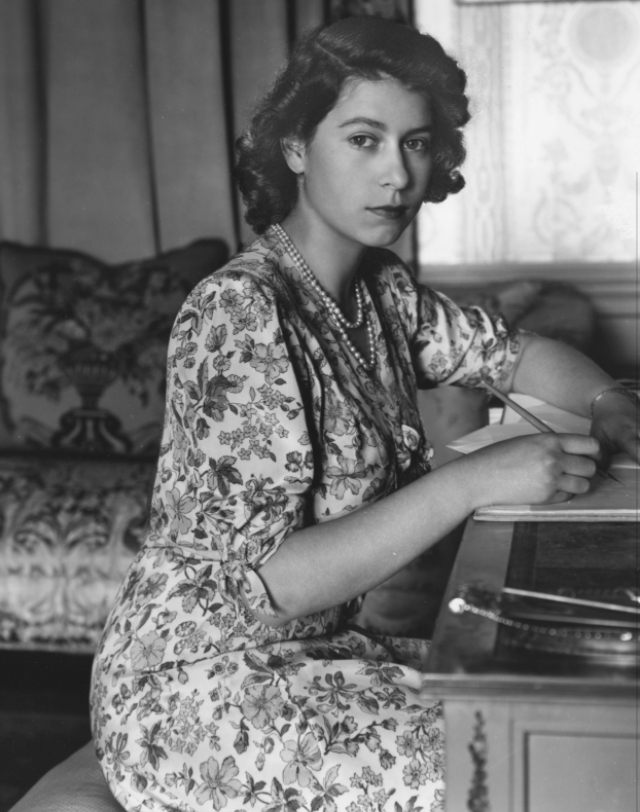
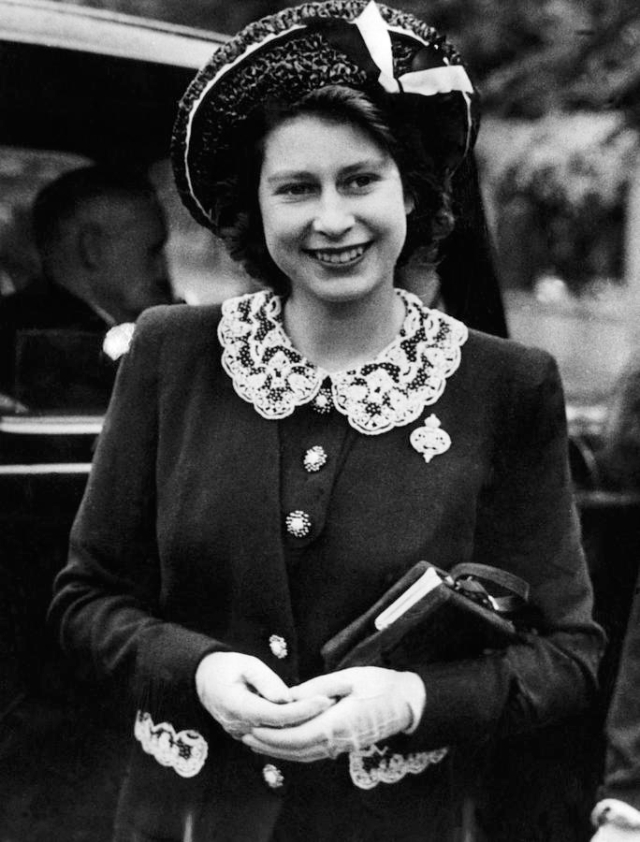
Here, a gallery of 20 fascinating vintage photos of a young Queen Elizabeth II during the 1940s:
Subscribe to Yesterday Today to receive daily updates via email:
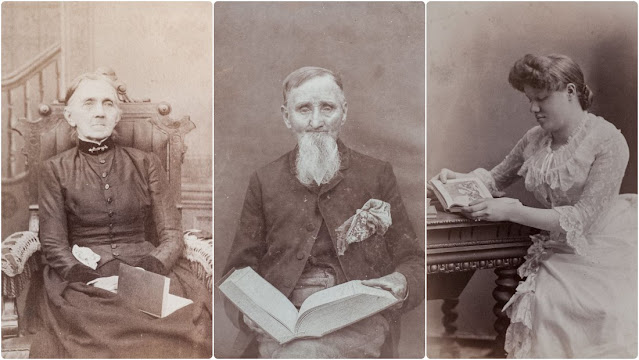
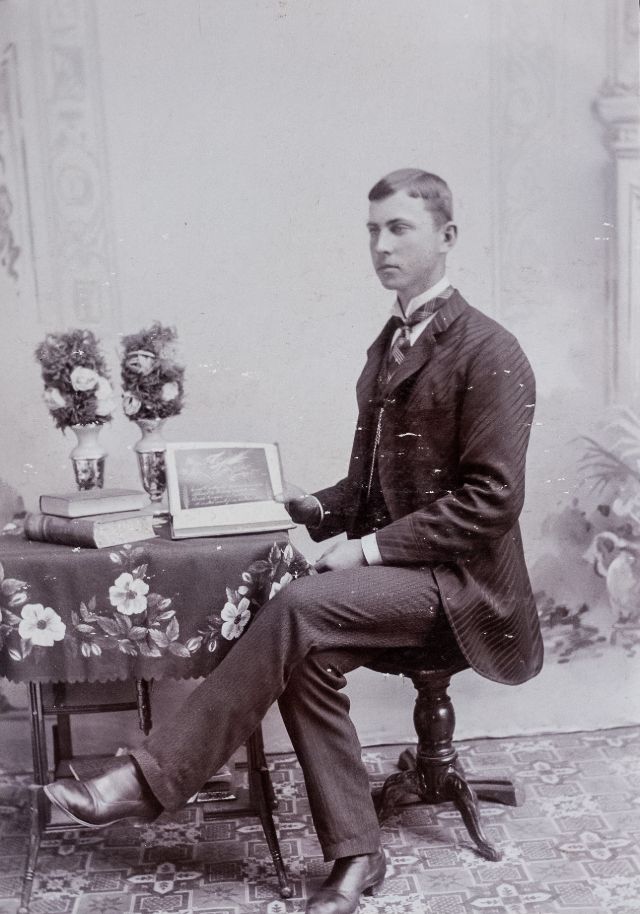
Victorians were great readers of the novel, and the number of novels available for them to read increased enormously during Victoria’s reign.
The activity of reading benefited hugely from wider schooling and increased literacy rates, from the cheapening costs of publication, from improved distribution that resulted from better transportation, and, towards the end of the century, from the arrival of gas and electric lighting in homes, which meant that reading after dark no longer had to take place by candlelight or oil lamp.
Here below is a set of amazing photos that show Victorian people posing with their books.
Subscribe to continue reading
Become a paid subscriber to get access to the rest of this post and other exclusive content.
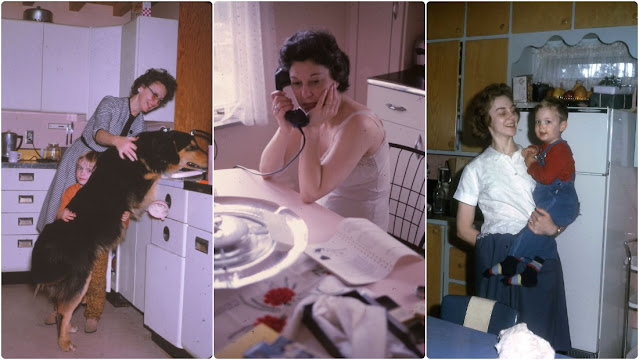
In the 1960s, it wasn’t just the fashion that was groovy and out there – interiors and architecture reflected trends of the time, too. One room that really received unique features during the 1960s were kitchens. Whether it was floor-to-ceiling woodwork or chartreuse laminate countertops, kitchens were far from boring during this era.
The biggest improvement of modern kitchen design in the 1960s is considered to be the work triangle layout, consisting of three connected work areas – the stove, sink and the refrigerator. This essential model is an example of a highly utilitarian and effective design that remains a key aspect in kitchen planning to this day.
Shag rugs, minimalist furniture, and kooky colors were all the rage of the kitchens in this period. These vintage photos captured people at their kitchens from the 1960s.
Subscribe to continue reading
Become a paid subscriber to get access to the rest of this post and other exclusive content.
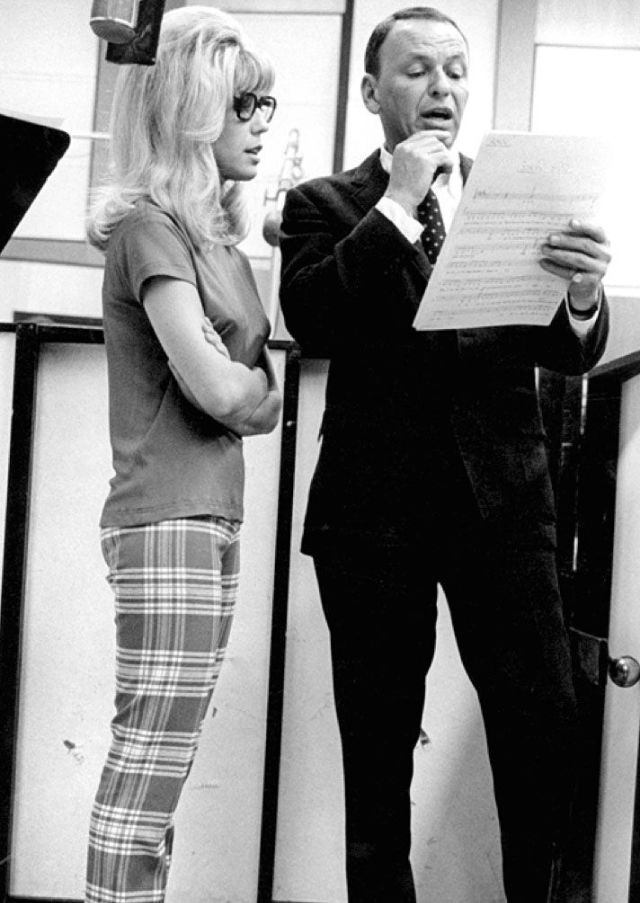
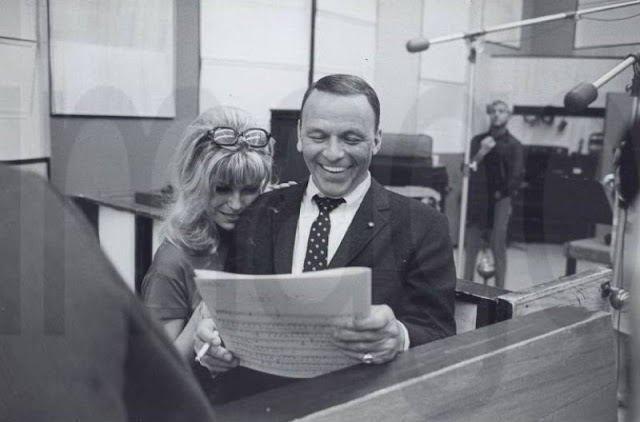
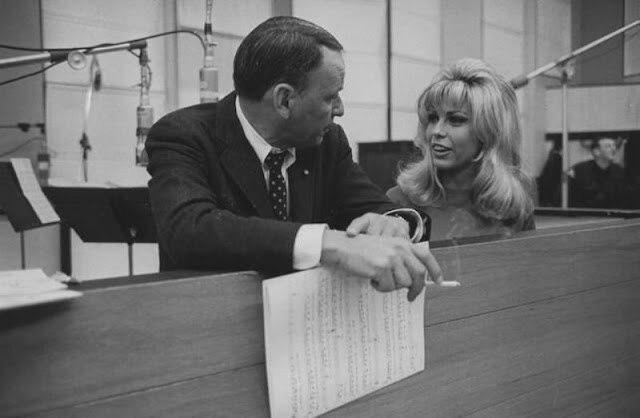
Frank Sinatra had met his first wife, Nancy Sinatra (née Barbato, 1917–2018), in Long Branch, New Jersey in the summer of 1934, while working as a lifeguard. He agreed to marry her after an incident at “The Rustic Cabin” which led to his arrest. They were married from 1939 to 1951, and had three children, Nancy (born 1940), Frank Jr. (1944–2016) and Tina (born 1948).
Sinatra had numerous extramarital affairs, and gossip magazines published details of affairs with women including Marilyn Maxwell, Lana Turner, and Joi Lansing.
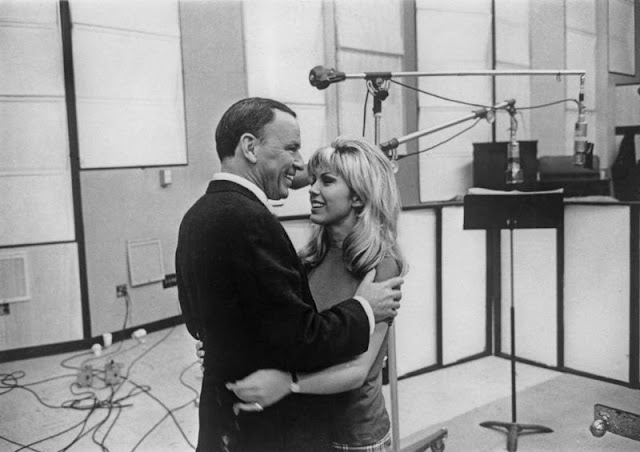
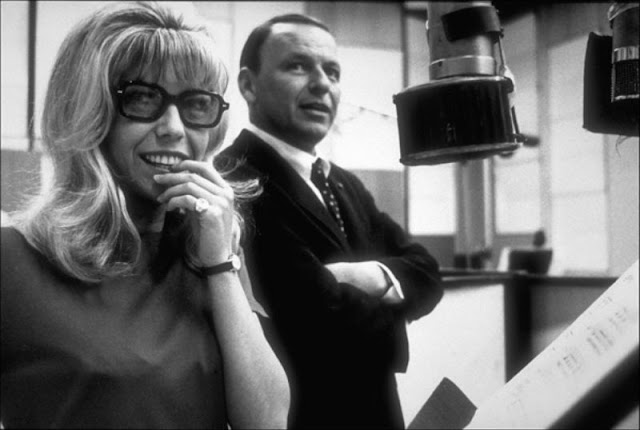
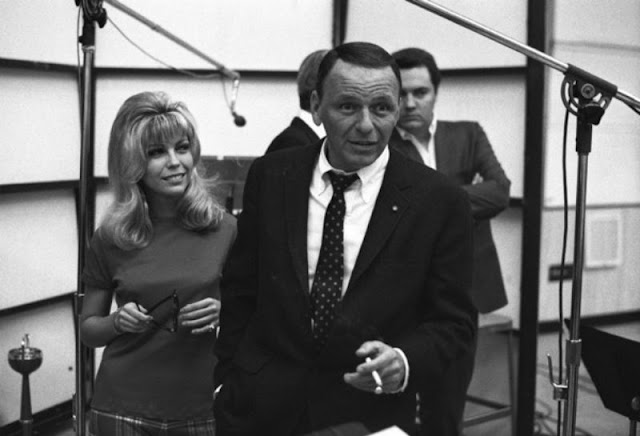
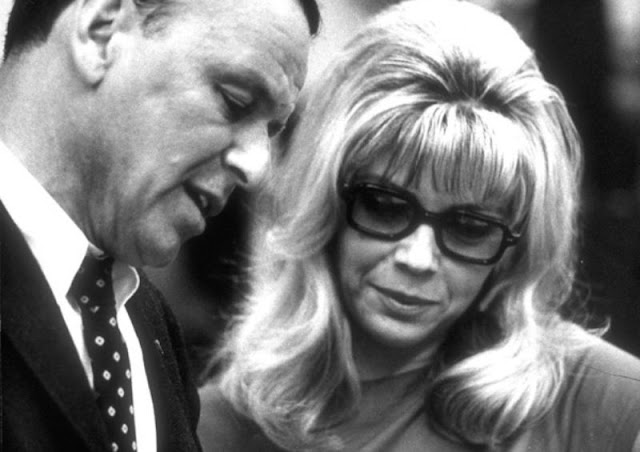
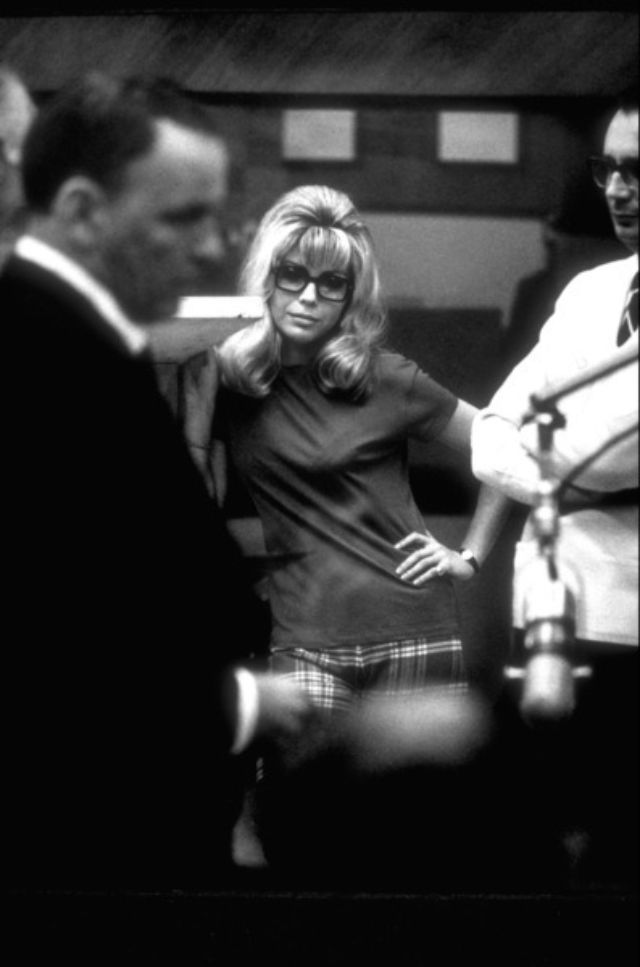
American photographer Ed Thrasher took these vintage photos that show beautiful moments of Frank Sinatra and his daughter Nancy Sinatra during a recording session in 1967.
Subscribe to Yesterday Today to receive daily updates on new and exciting content:
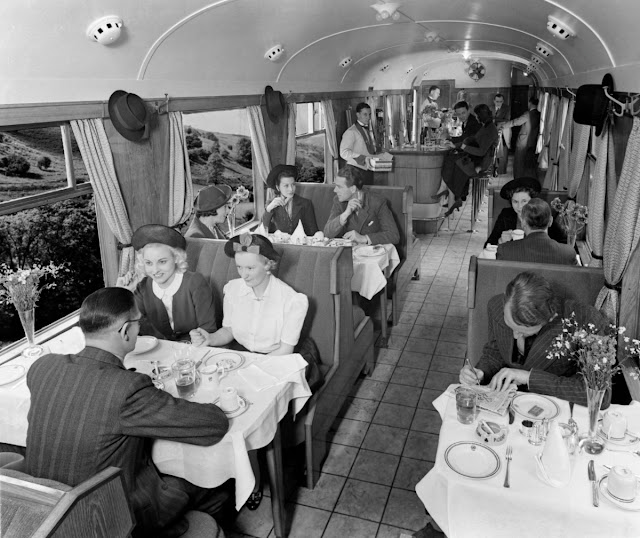
Drinking in a Great Western Railway buffet bar, September 1938.
In 1832 it became clear that Bristol simply had to be connected to London. A group of businessmen got together and turned to one of Britain’s greatest engineers, Isambard Kingdom Brunel. The go-ahead was given in 1835 and the story of the Great Western Railway began.
By the late 1930s, the Great Western Railway had long been recognized as the epitome of luxury British travel. Specifically designed to take people from London to the Southwest Ports such as Bristol and the emerging holiday destinations of Paignton, Penzance and Plymouth. From the start, it was planned that it would outshine its northern counterparts in both performance and style.
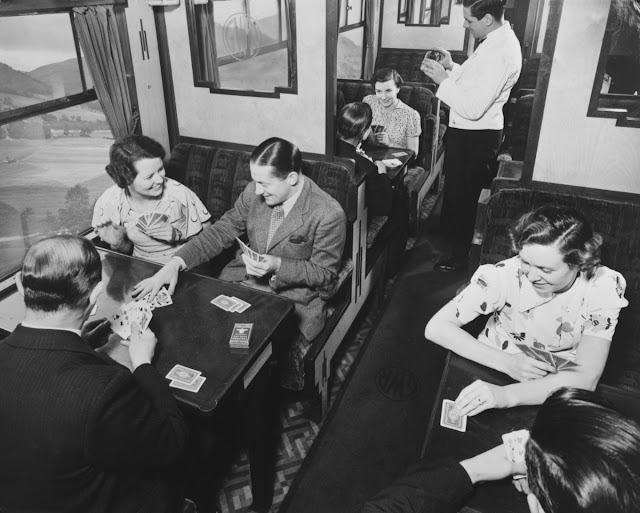
Photograph by Fox Films for the 1939 ‘Holiday Haunts’ brochure. The buffet car provided a new informal way of eating on trains, with passengers able to eat and drink in the buffet before returning to their seats. It had a spacious counter at one end and tables at the other. These images were elaborately posed with the background scenery added for effect, as the photographs were probably taken in the Swindon works yard.
Passengers in the first class Great Western Railway dining car could have a three course meal, including a roast dinner, for around 3/6 (18.5p). They could also order snacks and drinks. First class carriages were more luxurious than third class. The seats were wider and more comfortable, and the carriage was more elaborately decorated.
Passengers in a first class Great Western Railway dining car, 1938.
Passengers in a first class Great Western Railway dining car.
Passengers playing cards in a third class carriage, February 1938.
Dining in a Great Western Railway buffet car, September 1938.
Subscribe to Yesterday Today to receive daily updates on new content:
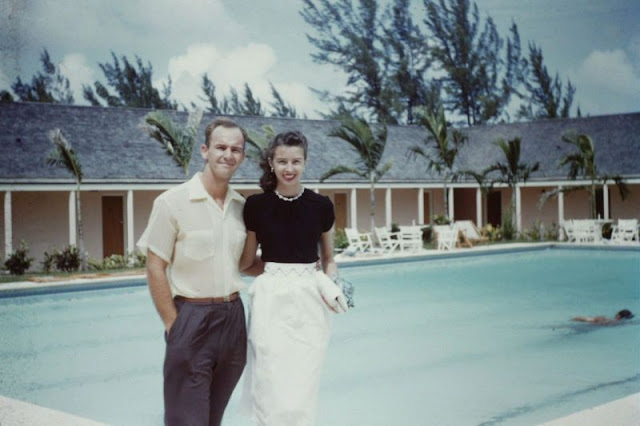
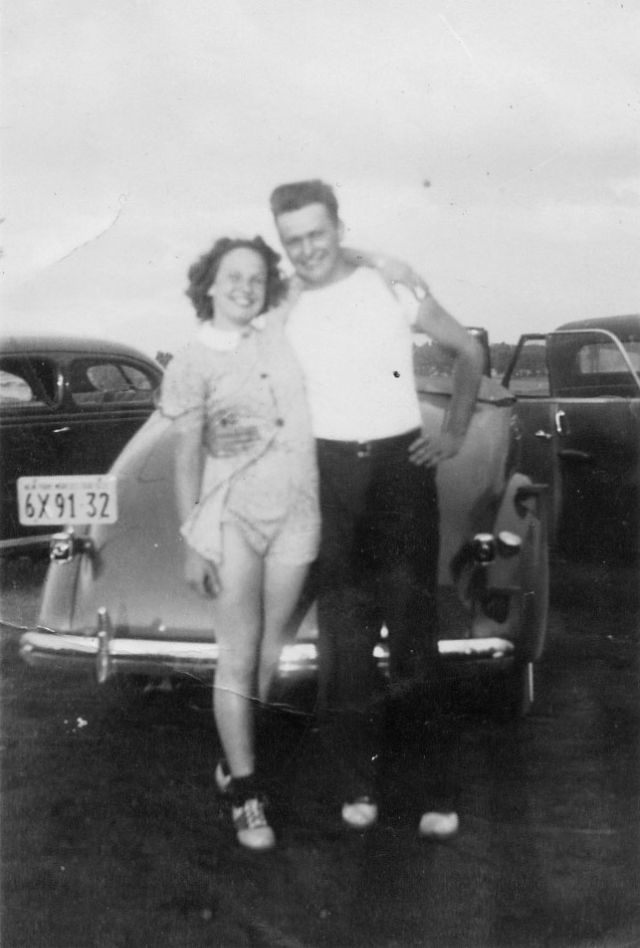
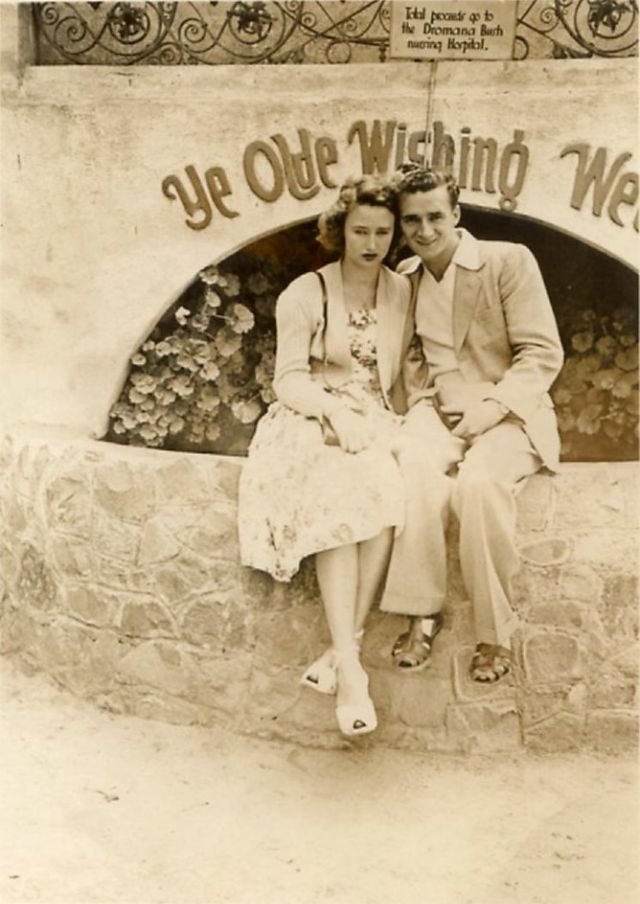
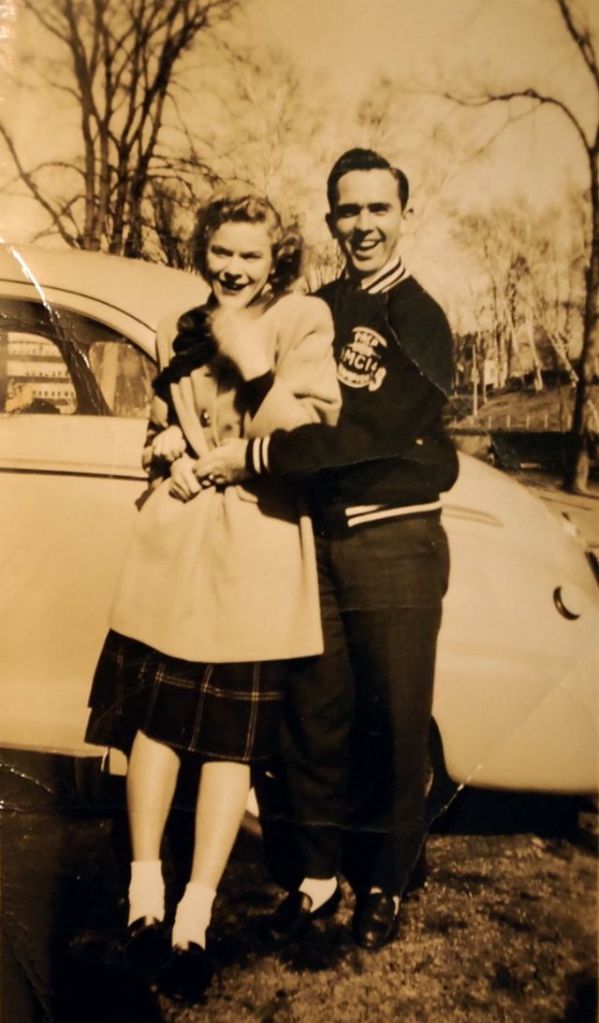
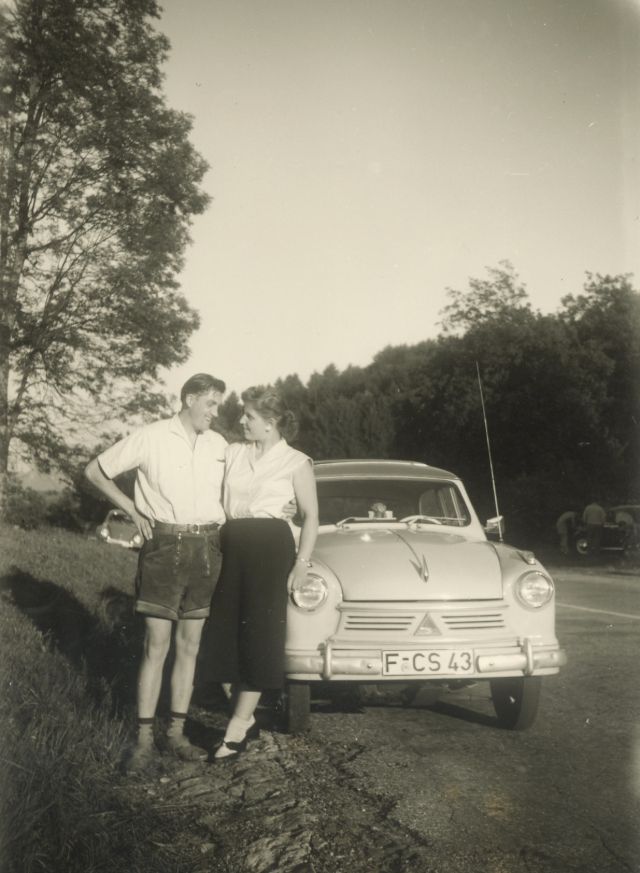
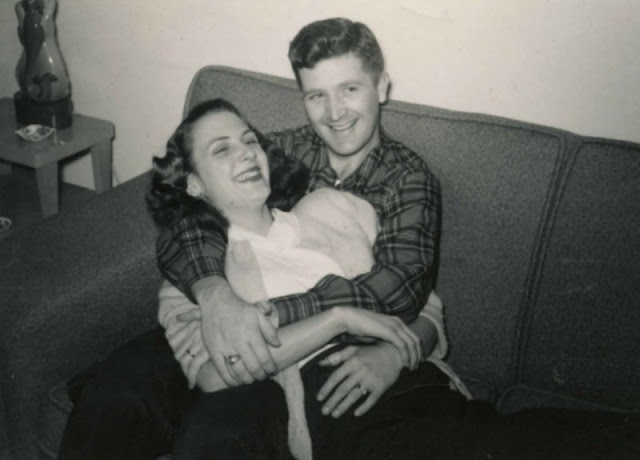
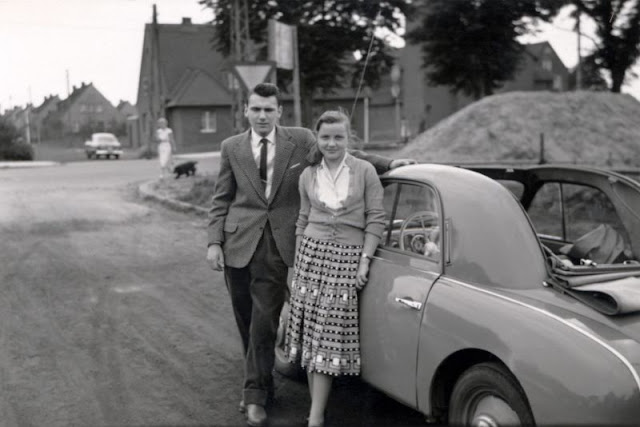
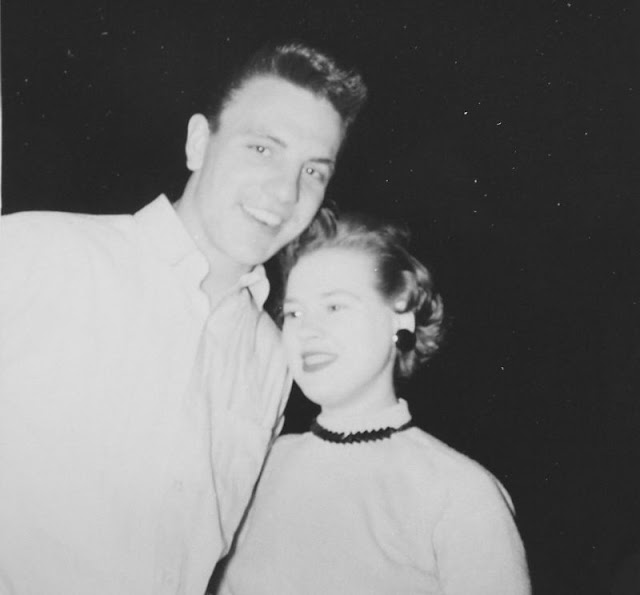
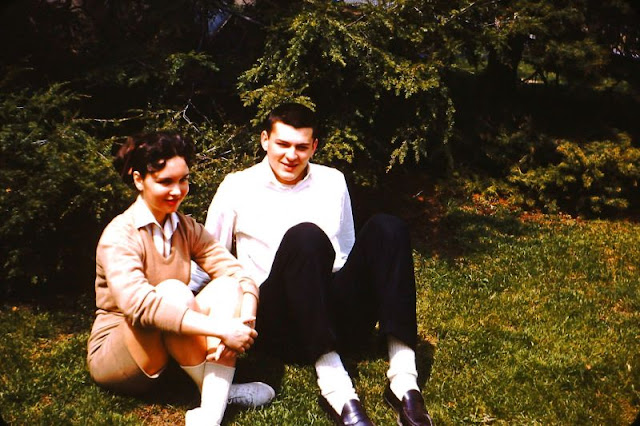
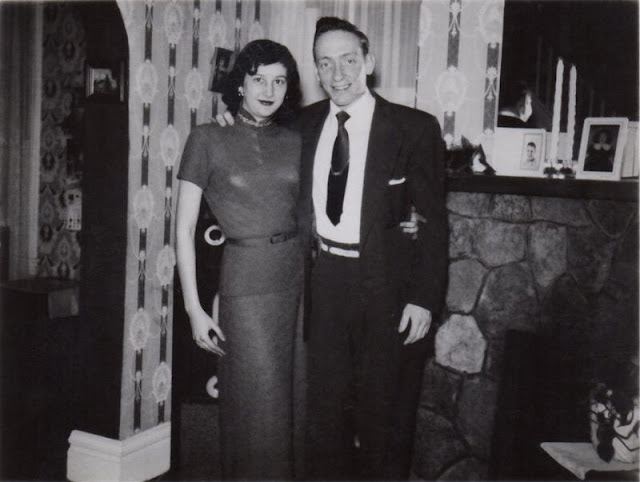
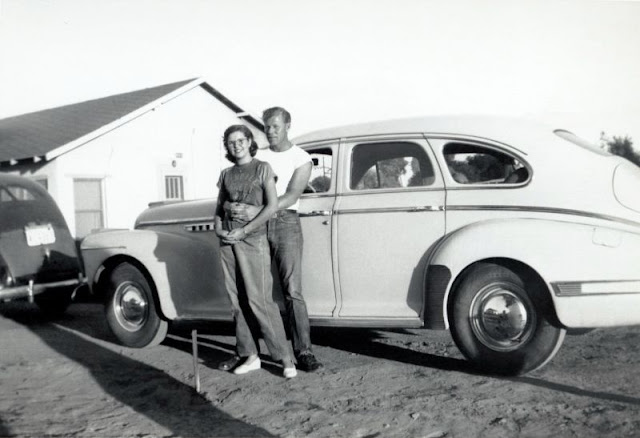
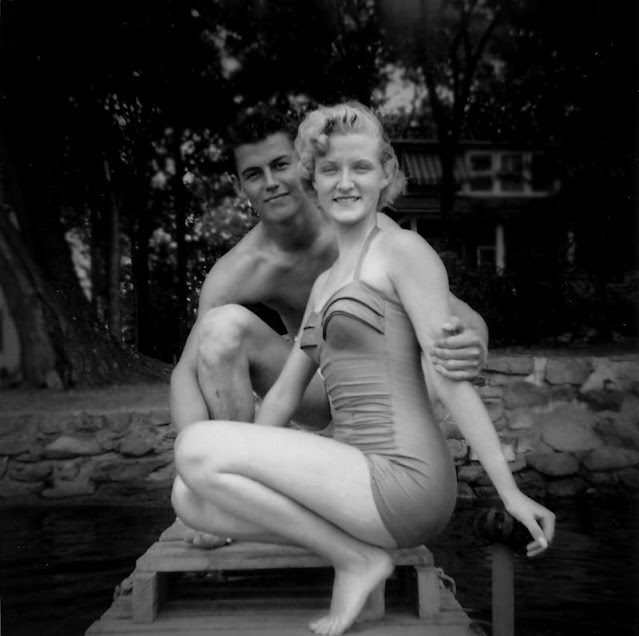
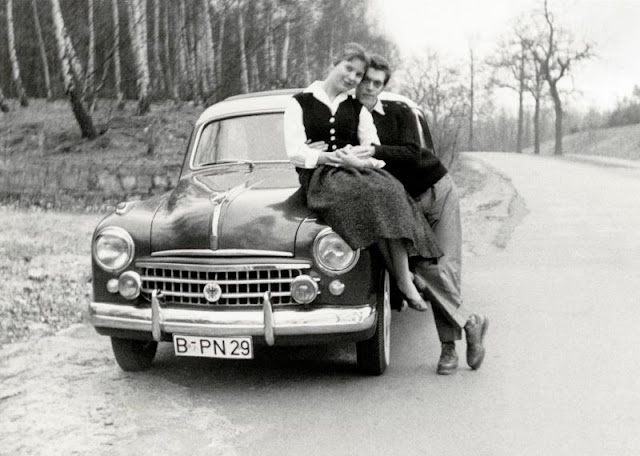
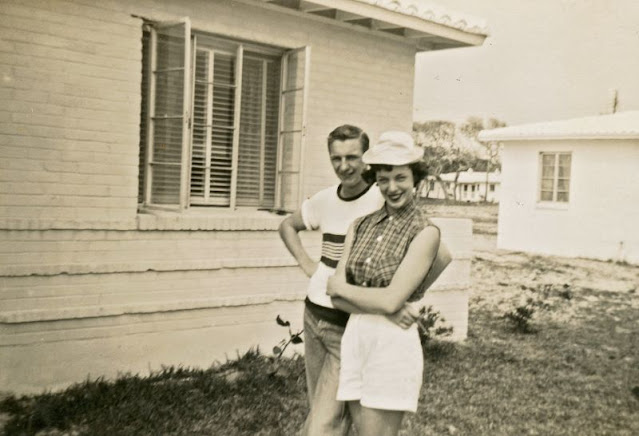
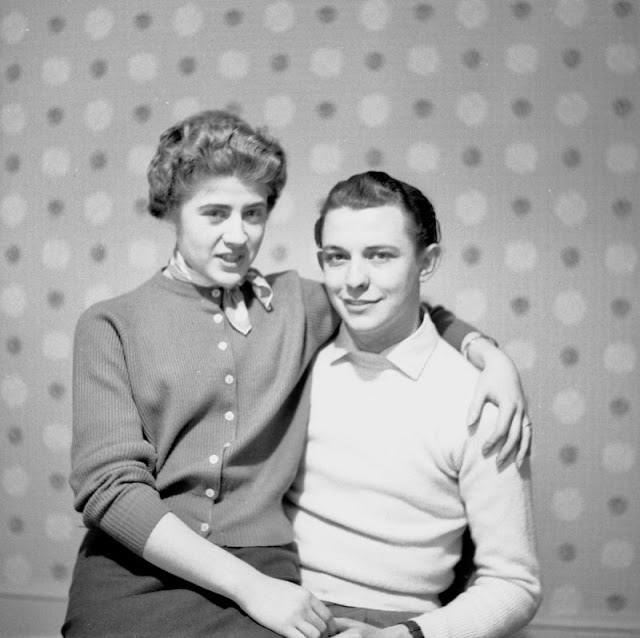
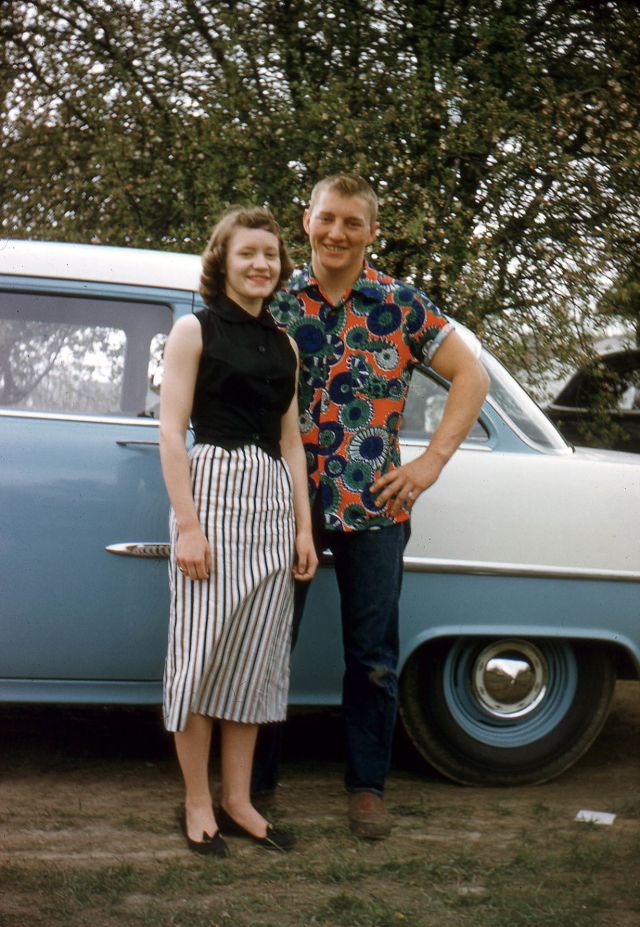
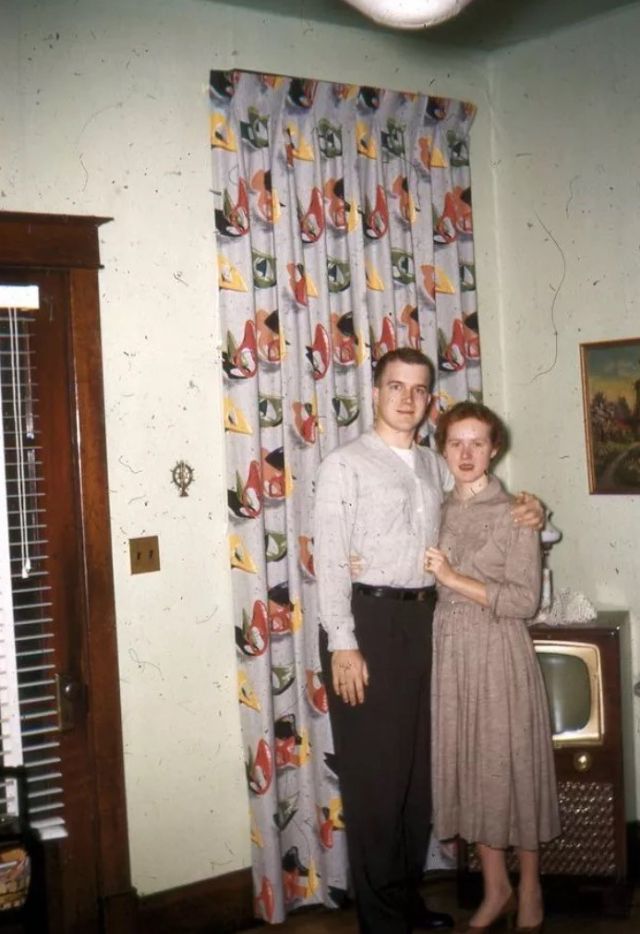
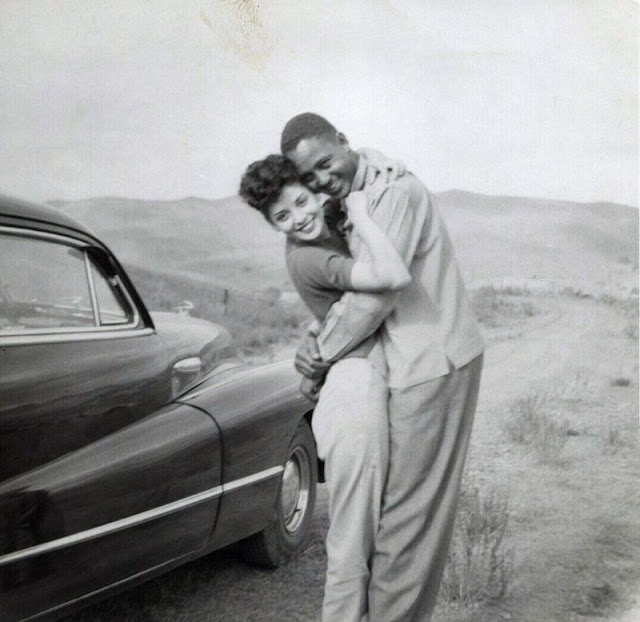
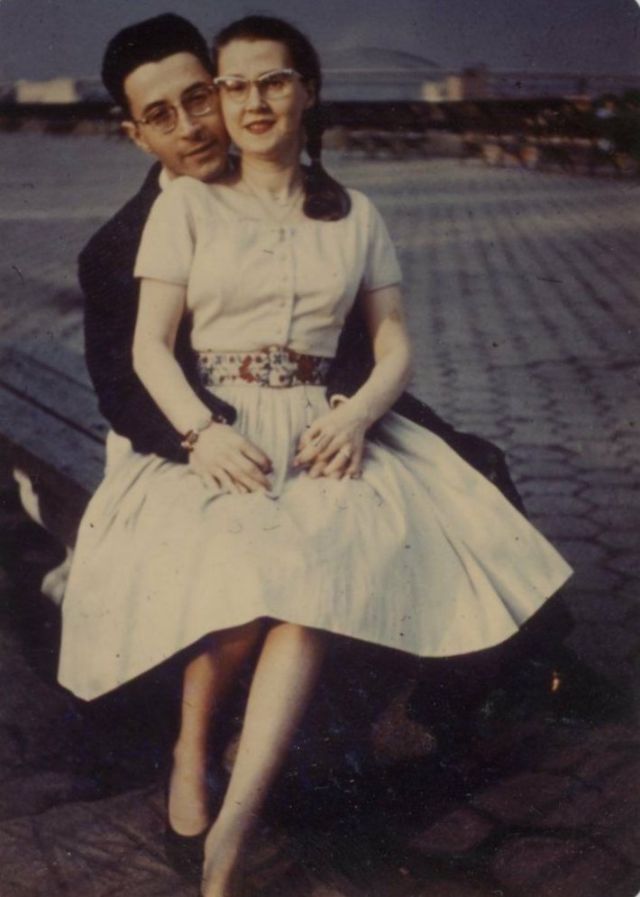
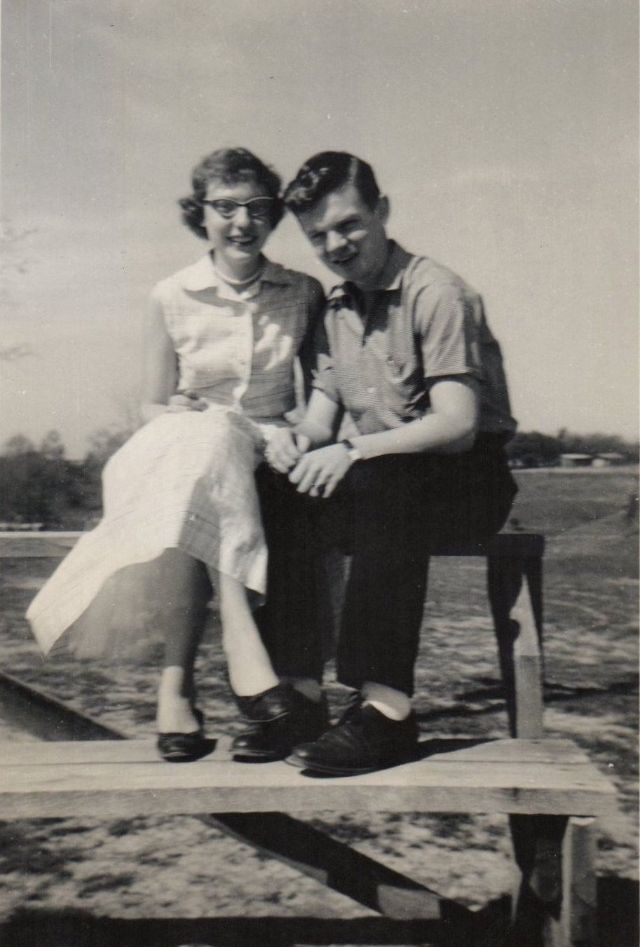
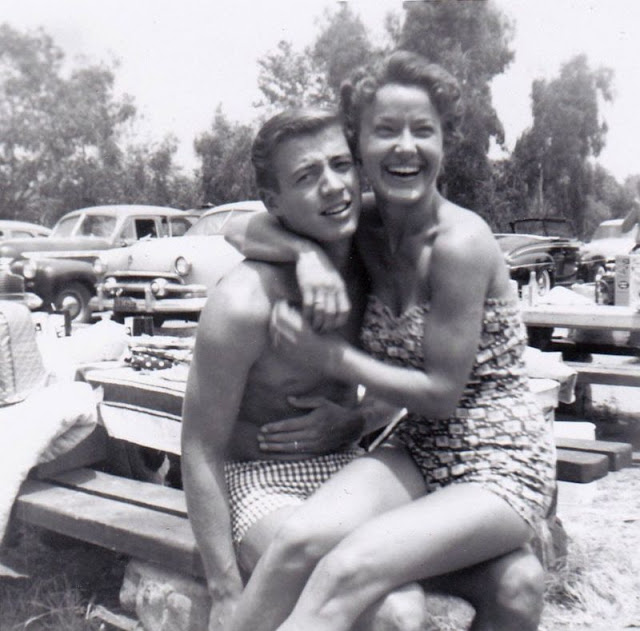
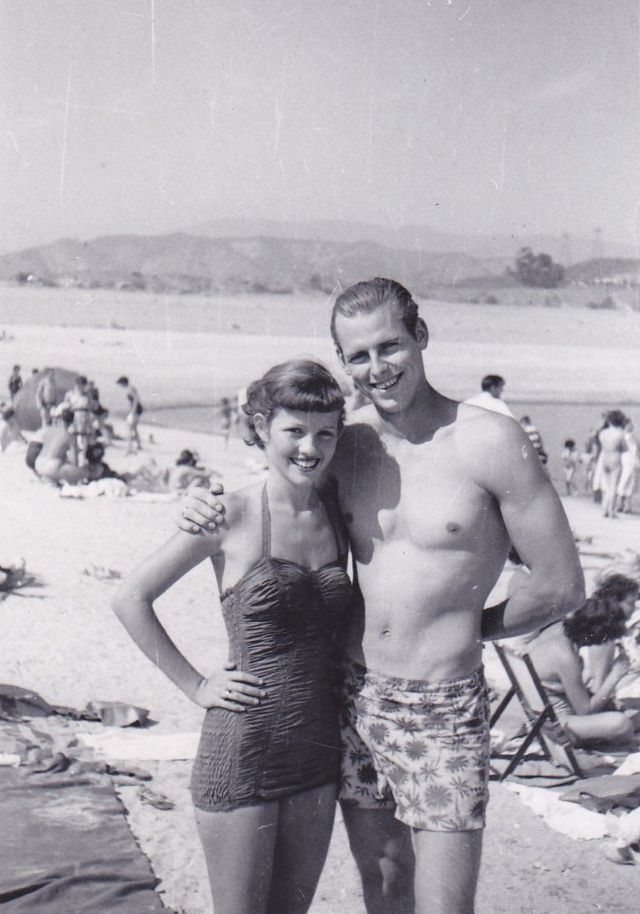
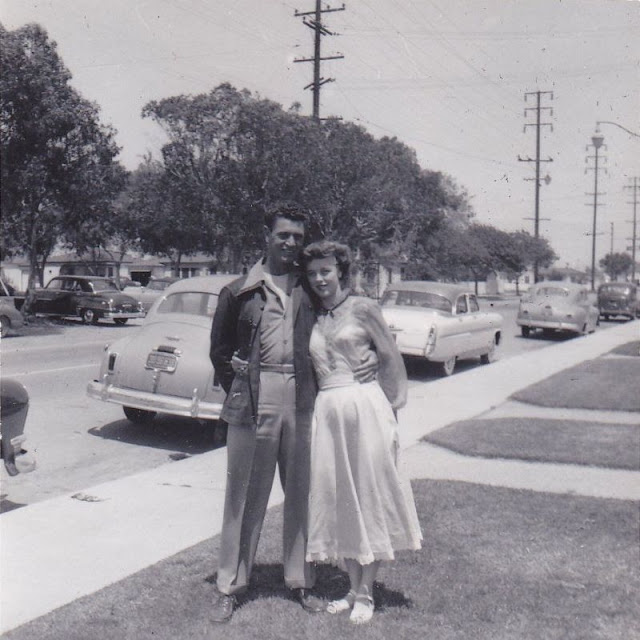
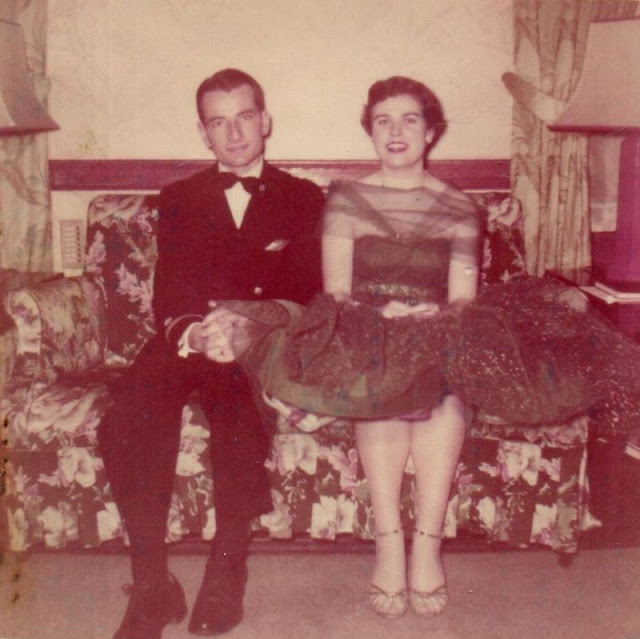
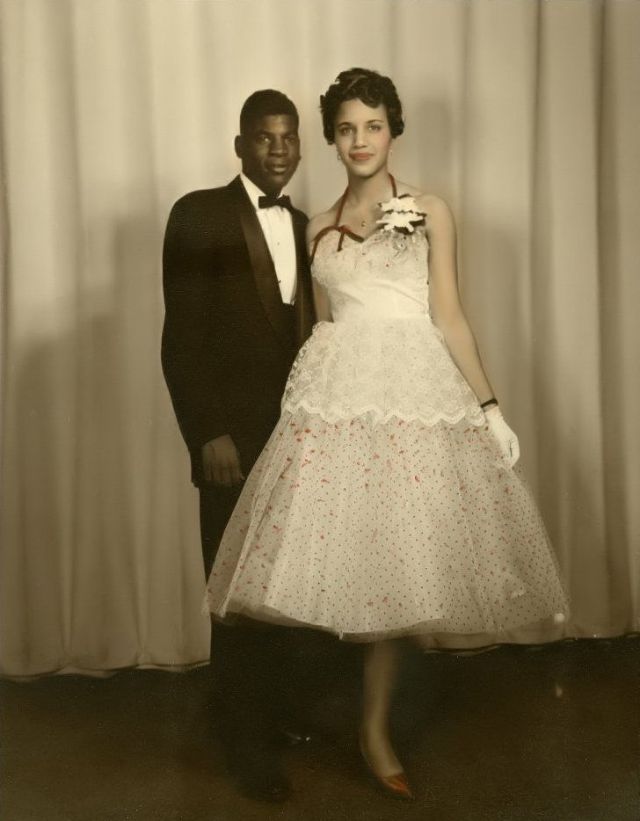
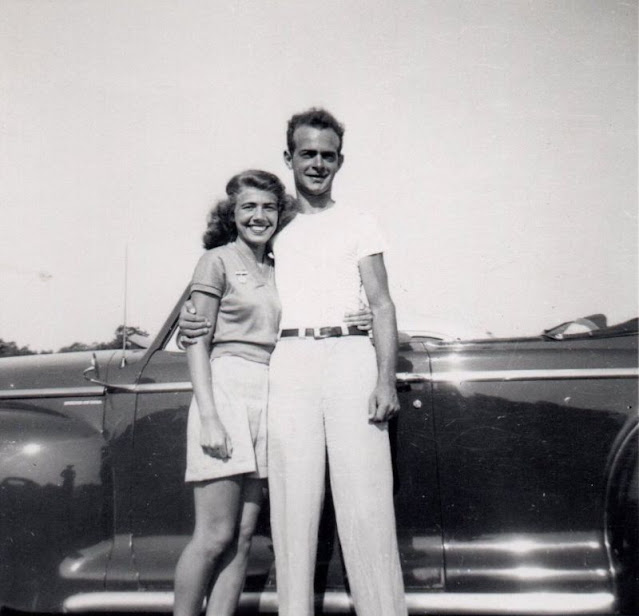
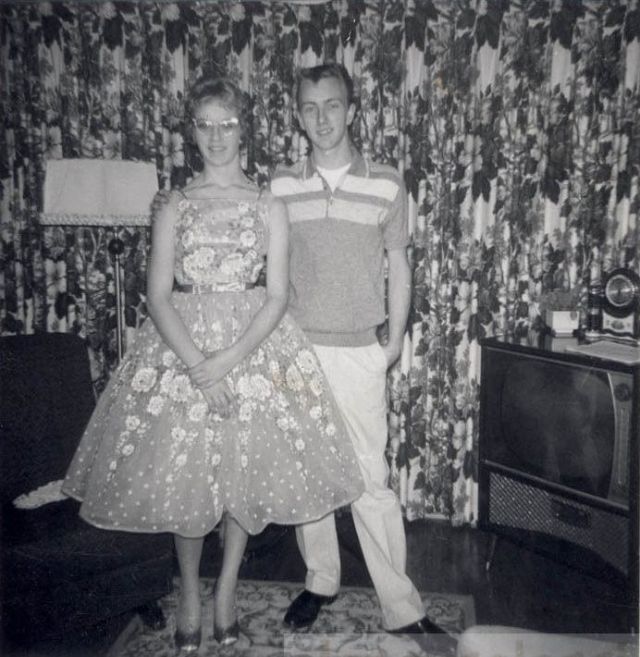
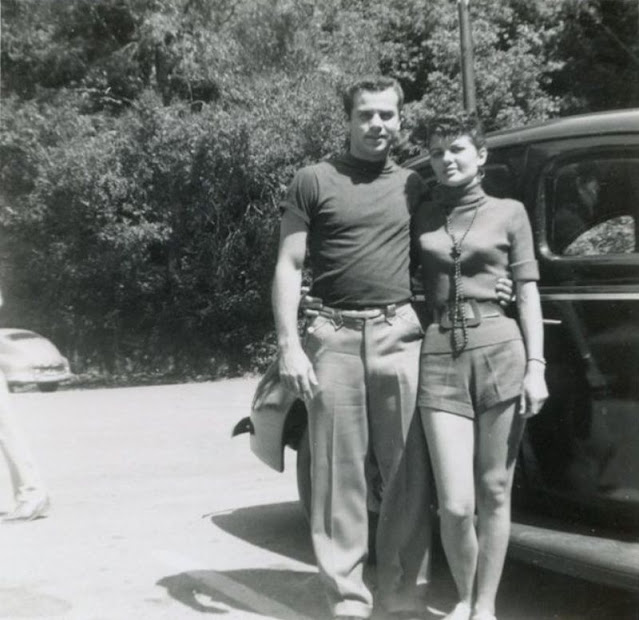
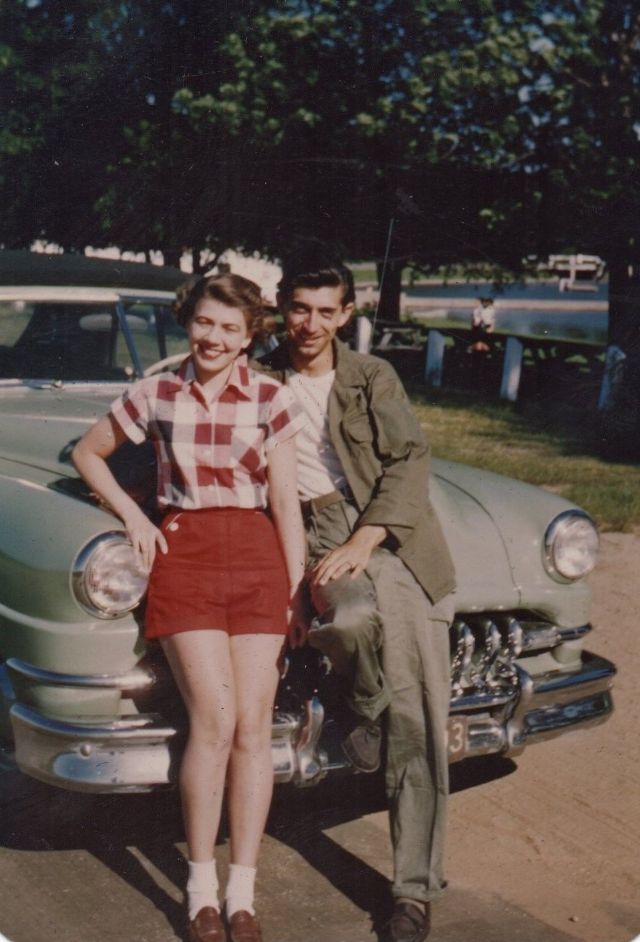
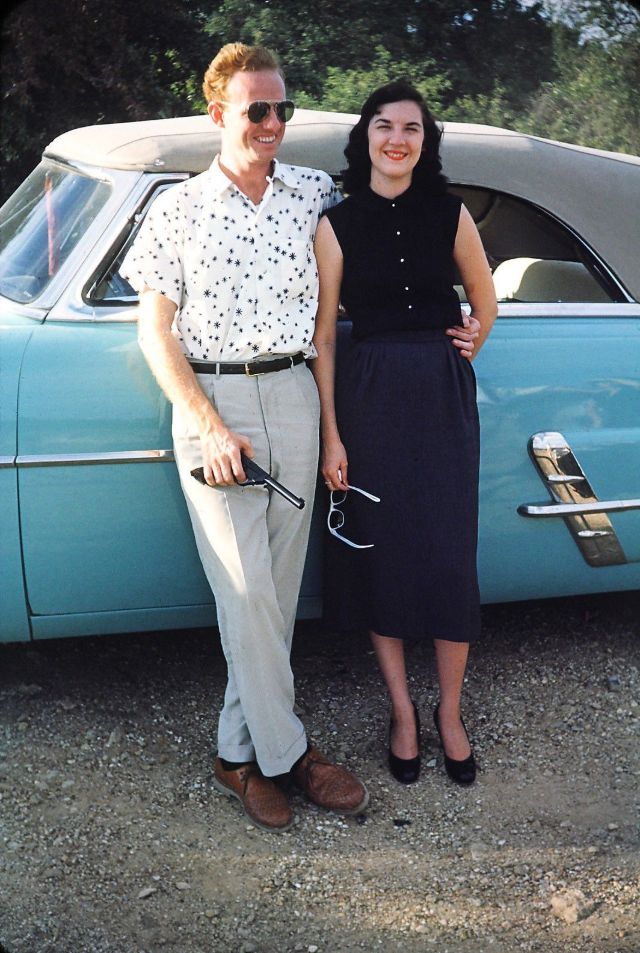
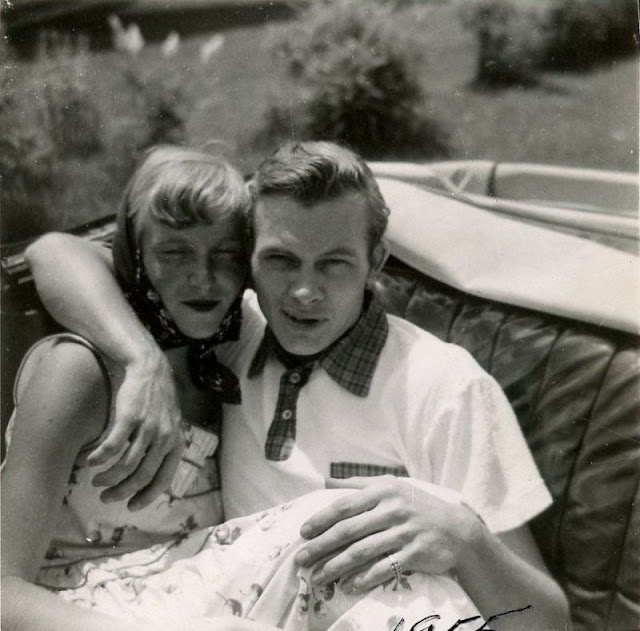
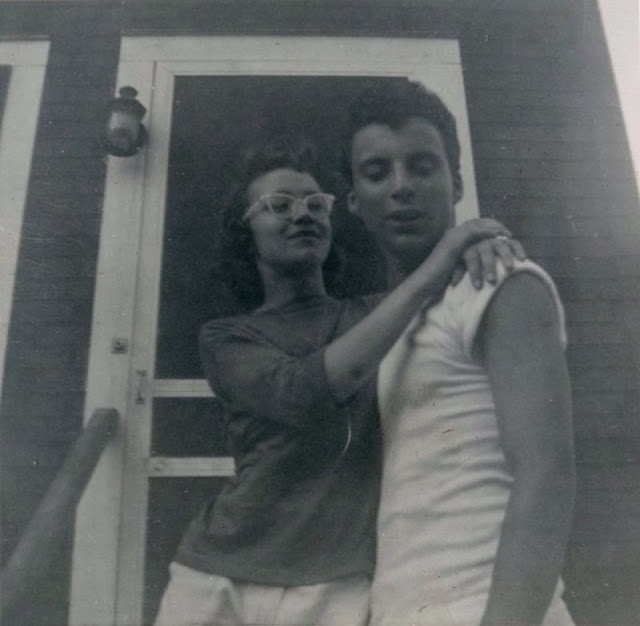
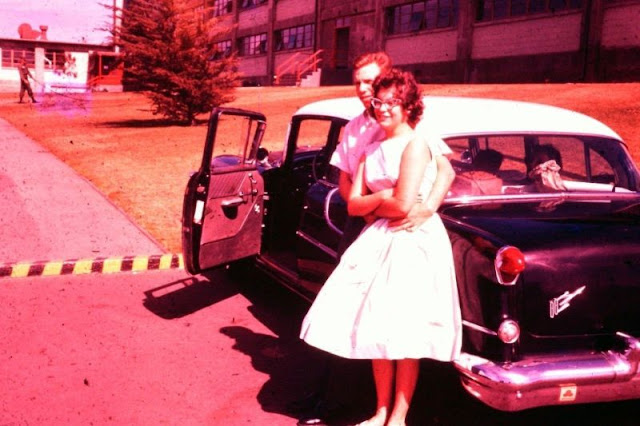
Fashion in the 1950s saw a clear gender divide. While men and boy’s fashion moved towards a more casual day-to-day style, women and girl’s fashion prioritized elegance, formality, and perfectly matched accessories.
Couture womenswear saw rapid change with new designers such as Cristobal Balenciaga and Hubert de Givenchy disrupting the overtly feminine silhouette popularized by Christian Dior while novel prints and colors marked a playfulness in fashion for both men and women.
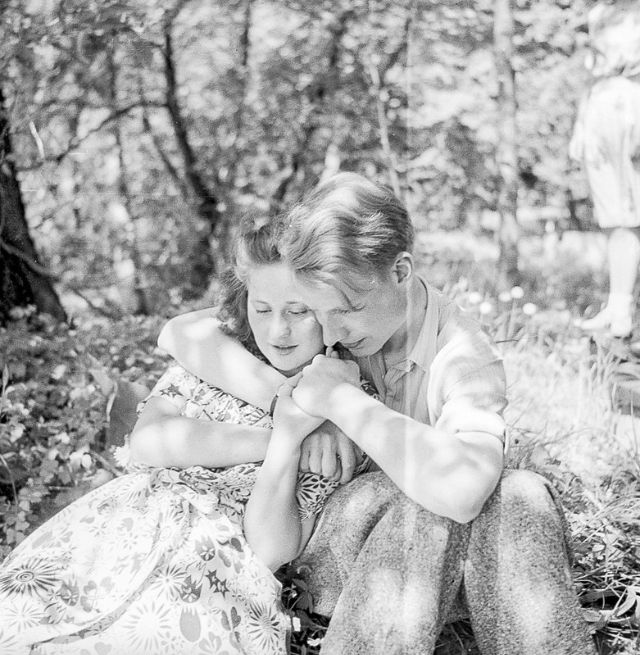
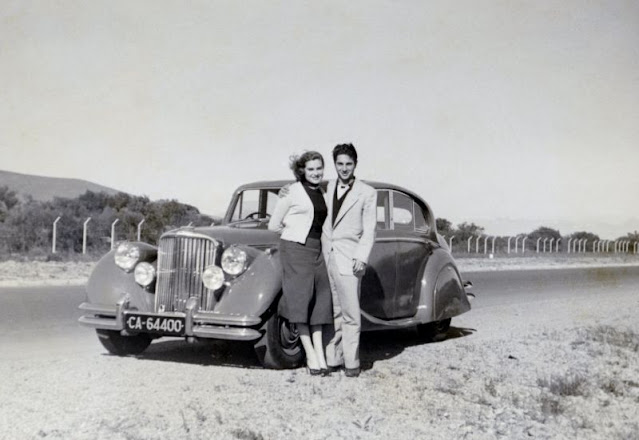
These vintage photos show what couples looked like from the 1950s.
Subscribe to Yesterday Today to receive daily updates on new content:
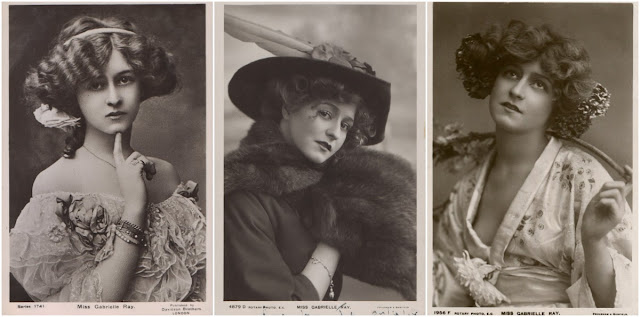
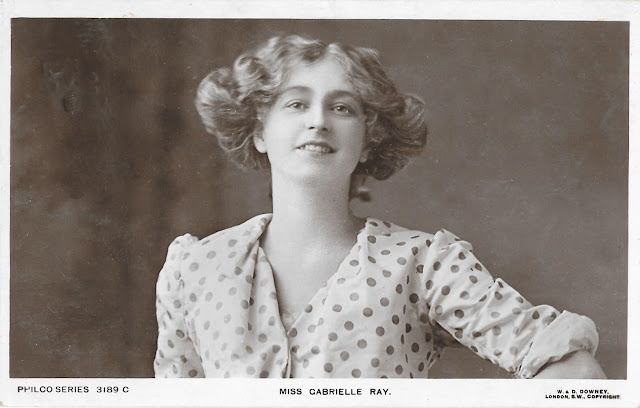
Gabrielle Ray was an English stage actress, dancer and singer, best known for her roles in Edwardian musical comedies. She was considered one of the most beautiful actresses on the London stage and became one of the most photographed women in the world.
Gabrielle Ray, real name Gabrielle Elizabeth Clifford Cook, was born in Stockport, Cheshire (UK) on April 28, 1883. Her stage career began at the delicate age of only ten years old, playing a succession of juvenile roles in the many theaters that then existed in London’s West End. Her debut appears to have been in the musical play Miami at the Royal Princess’s Theatre, Oxford Street, in October 1893.
The following year she appeared in A Celebrated Case at the Elephant and Castle, a particularly tough venue which catered exclusively for the working classes who were not slow to show their appreciation, or vent their disapproval of what they saw. Gabrielle played the daughter of the wronged heroine of the piece.
Her first big break came when she was spotted by touring company manager Ben Greet whilst performing in the pantomime Sinbad the Sailor at the Hammersmith Lyric Opera House in 1899. Impressed by her talent, Greet signed up the 16 year old to play Mamie Clancy in his touring companies production of The Belle of New York, a musical comedy. This was followed by a provincial tour in another Greet production, playing Dolly Twinkle in The Casino Girl before returning to the Lyric in 1902 play the lead in the pantomime Little Red Riding Hood.
By now, at age 19, the young girl had grown into a stunningly attractive young woman. A vision of loveliness with bright blue eyes and golden blonde hair who enchanted her audience from the moment she appeared on stage. Present at the opening night was the famous theatre manager George Edwardes, whose Gaiety Theatre was one of London’s top venues. Recognizing her as a star in the making Edwardes wasted no time in contracting her that very night to join his company on completion of her engagement at the Lyric.
Gabrielle’s first engagement for Edwardes was as understudy to Gertie Millar, only four years her senior but already a renowned musical/comedy performer, in ‘The Toreador’ at the Gaiety. When the Gaiety closed for refurbishment in the Autumn of 1903, Edwardes engaged Gabrielle to take over from Letty Lind to end the run of The Girl from Kays at the Apollo.
When the Gaiety reopened on October 26, 1903, with a royal premiere of The Orchid, attended by Their Majesties King Edward VI and Queen Alexandra, Gertie Millar again played the lead whilst Gabrielle returned not as understudy, but to play the major role of Thisbe which included a solo song-and-dance number that Gabrielle made one of the highlights of the show.
By now Gabrielle’s success was assured and she continued to perform for Edwardes in a string of successful productions, including his biggest hit, a reworking of Franz Lehar’s The Merry Widow which opened at Edwardes second theatre, Daly’s on June 8, 1907. Lily Elsie played the lead but Gabrielle’s major role as Frou Frou included a whirling dance routine with handstands and high kicks performed on a table held head-high by four men that she again made into a show-stopper.
In 1912 Gabrielle announced her retirement from the stage in order to marry Eric Loder. Thousands of spectators who turned up to see the spectacle at St Edwards Roman Catholic Church in Windsor on February 29, 1912 were disappointed when the bride failed to arrive and the wedding was cancelled. Gabrielle later explained that she could not go through with the wedding in front of the mass crowd of waiting newspaper reporters and socialites. The couple were married in a private ceremony the next day. It was not to be a match made in heaven, however, and she split from him after only two years.
Following the break-up of her marriage Gabrielle returned to the stage in 1915, but the Theatre was changing as cinema seduced its audiences away. The death that year of her mentor George Edwardes, and her own emotional scars from her broken marriage affected her deeply. Still, she appeared in two more major West End productions, Betty at Daly’s and Flying Colours at The Hippodrome before ending her career appearing spasmodically in provincial pantomimes and variety tours.
At the height of her fame Gabrielle had been a much admired and frequently photographed musical comedy star who was feted as being “the most beautiful woman in the United Kingdom.” Never a brilliant actress, which had limited her to mainly supporting roles, it was her beauty and her dancing which had brought her fame and fortune. She had a graceful fluidity coupled with an acrobatic prowess that made her dancing nothing less than sensational. She was also a shrewd businesswoman, when she and Lily Elsie each signed exclusive photo contracts with Foulsham and Banfield (who produced the Rotary Photographic postcards series) Gabrielle negotiated for herself four times the commission paid to Elsie, despite being the lesser star.
Tragically, as her career waned a damaging combination of depression and alcoholism brought about a total breakdown in health. She was helped by the financial support which she continued to receive as part of the marriage settlement from her ex-husband, Eric loder, but in 1936 she suffered a total nervous breakdown which led to her remaining institutionalized in a mental hospital for nearly forty years.
Gabrielle Ray died, childless and alone, at the age of 90 on May 21, 1973.
Subscribe to continue reading
Become a paid subscriber to get access to the rest of this post and other exclusive content.