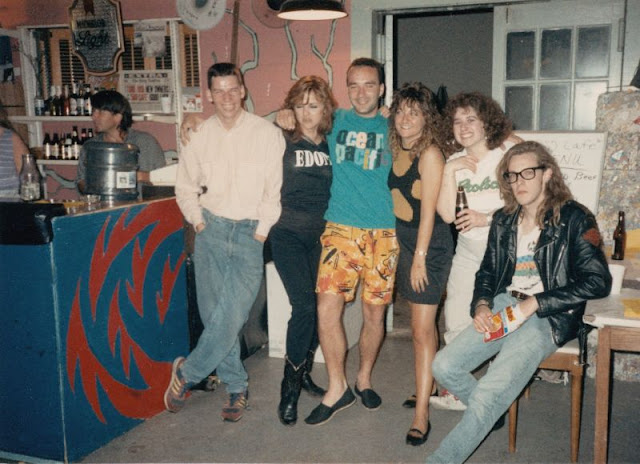
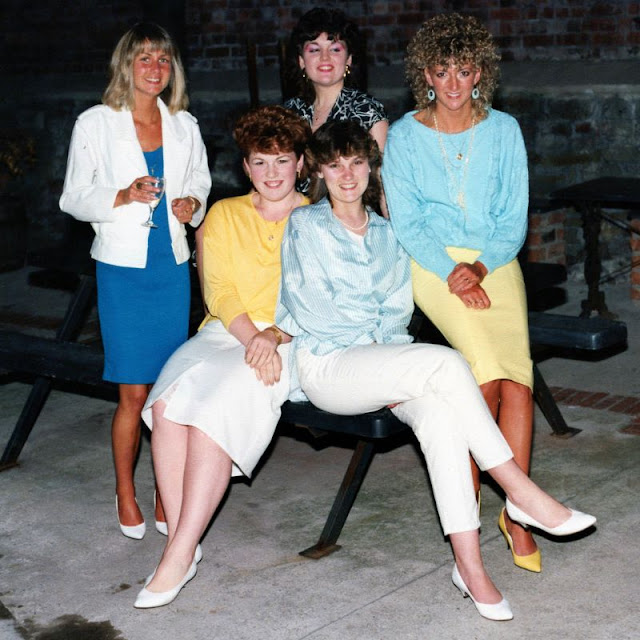
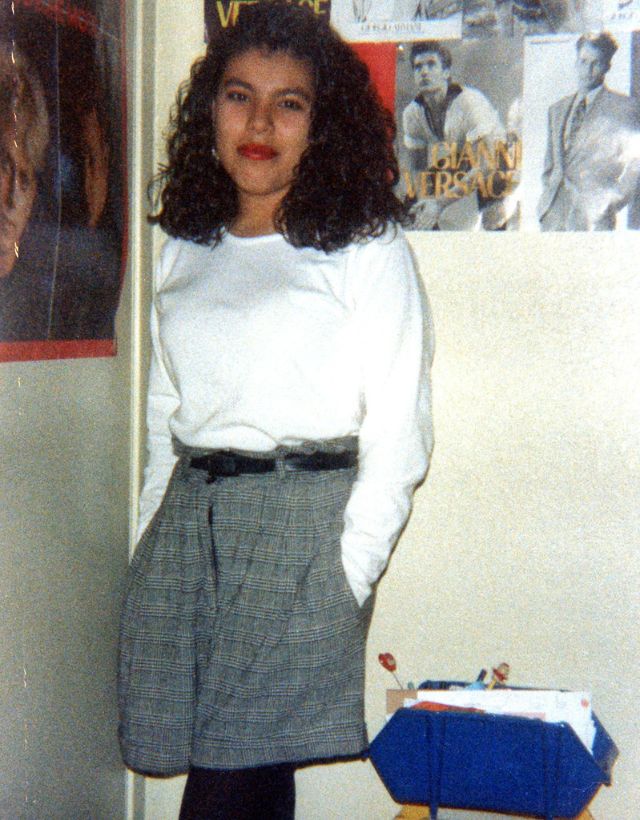
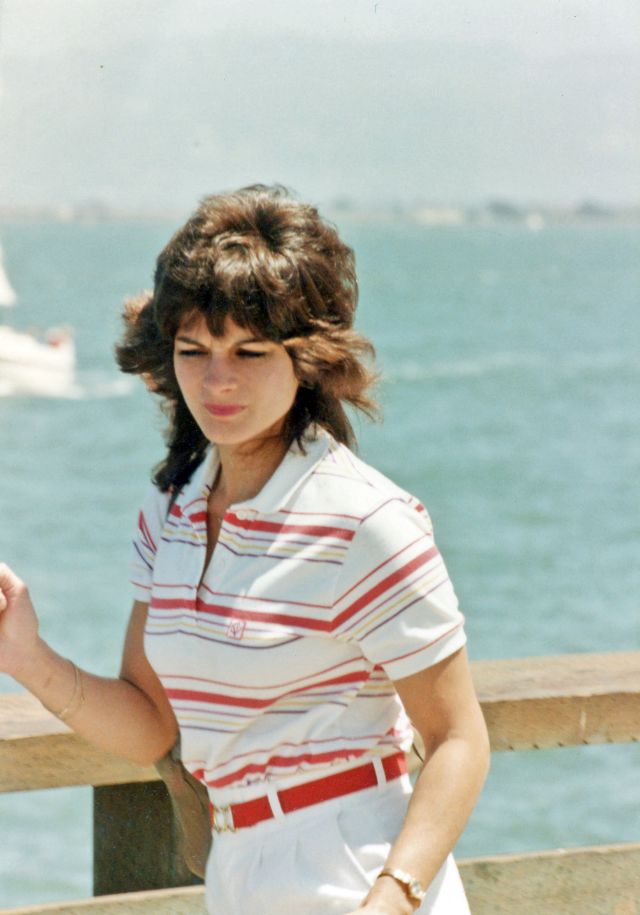
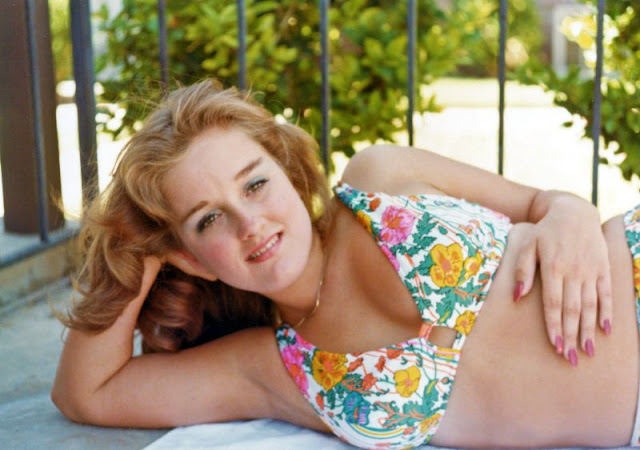
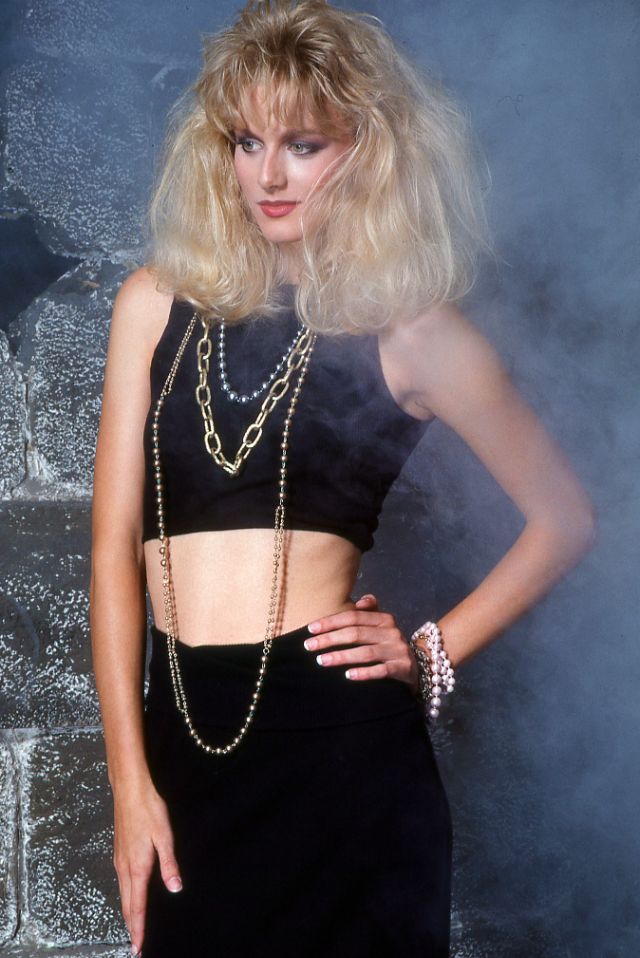
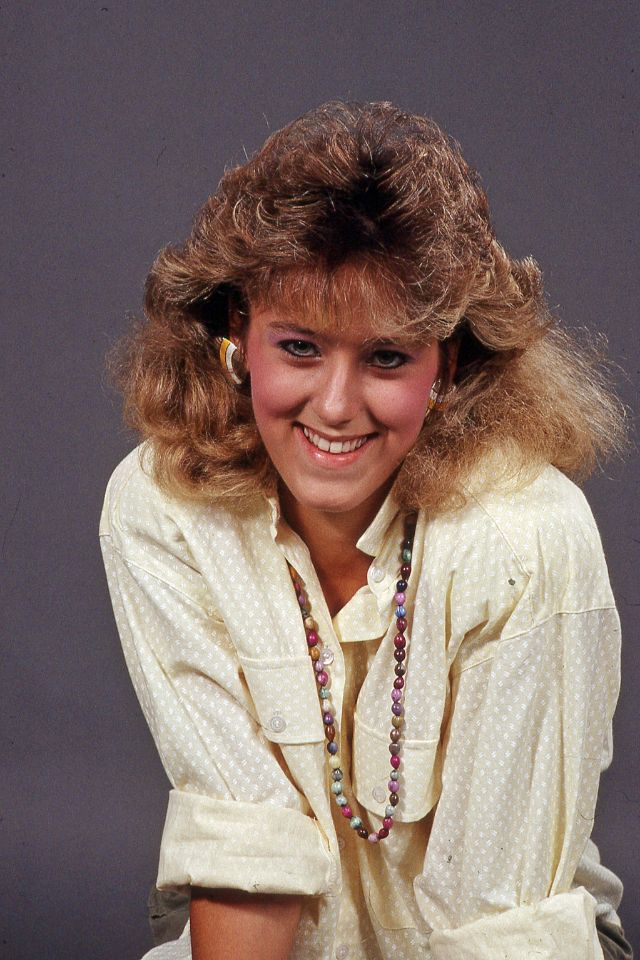
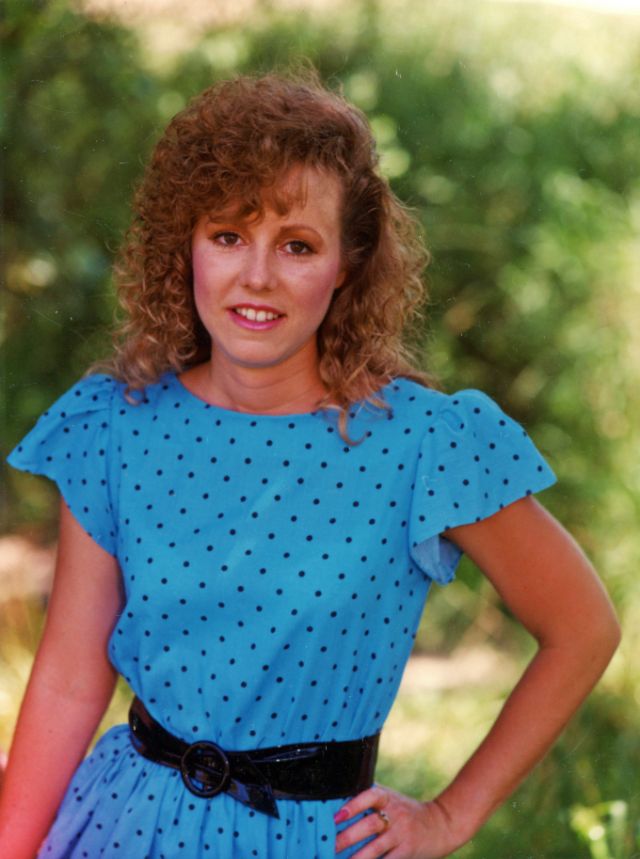
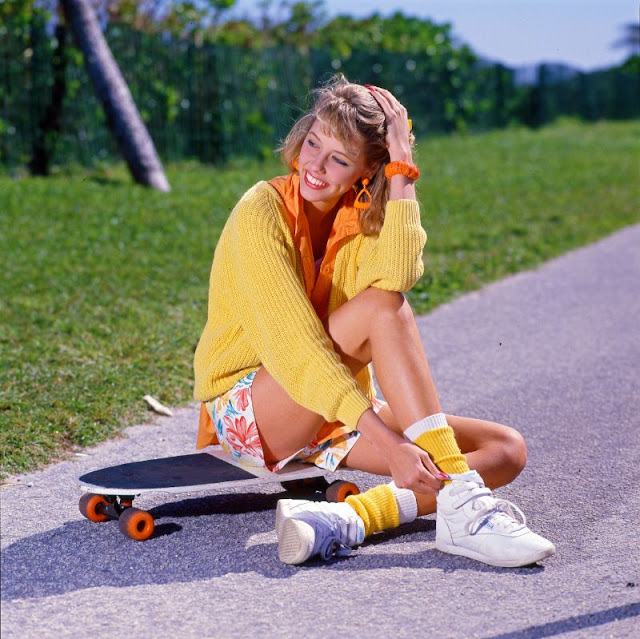
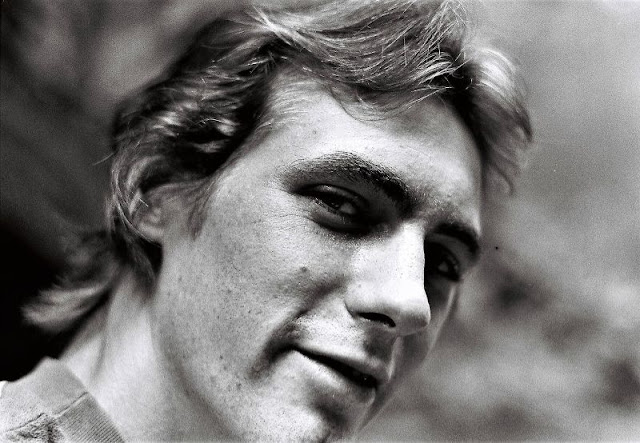
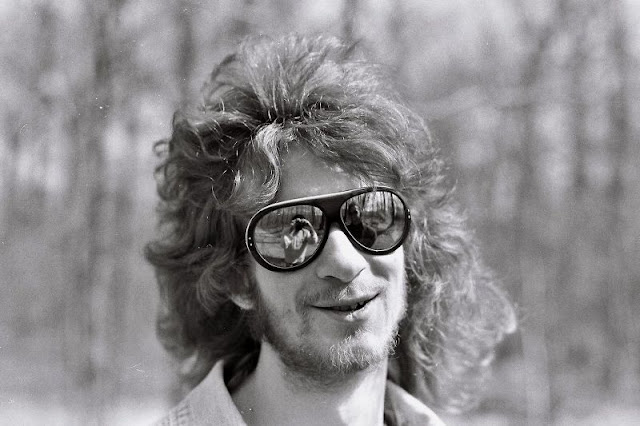
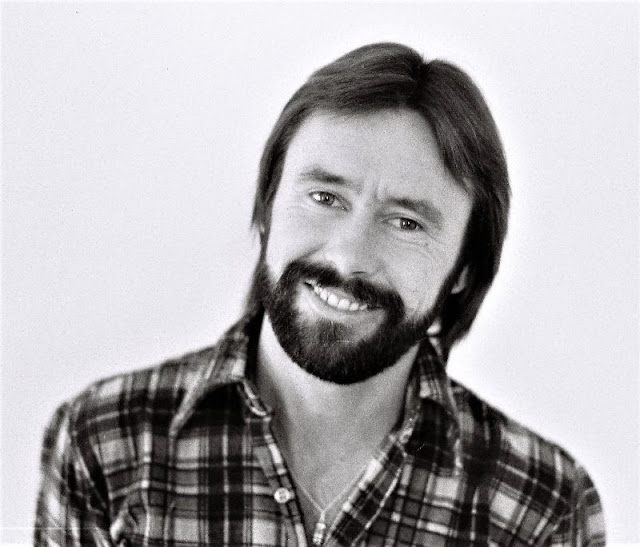
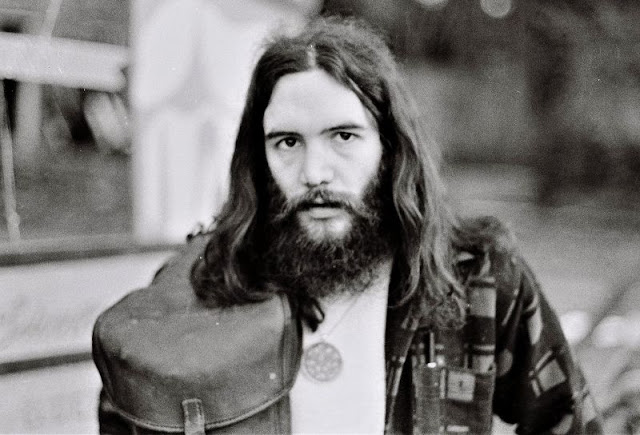
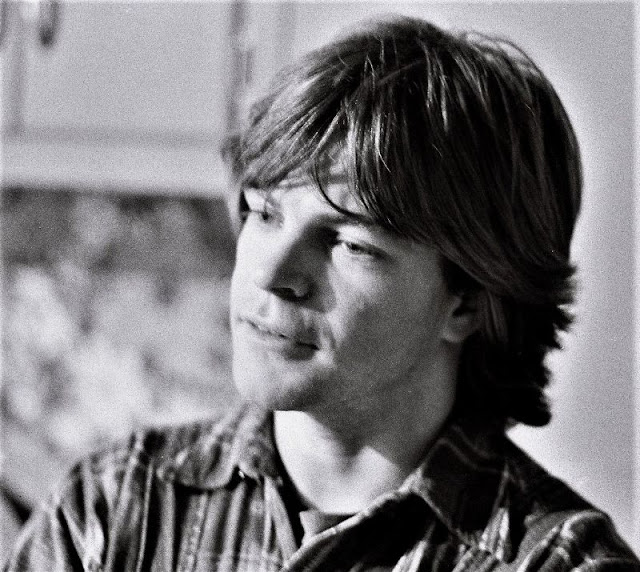
Fashion of the 1980s placed heavy emphasis on cheap clothes and fashion accessories and very big poofy hair. Apparel tended to be very bright and vivid in appearance. Punk fashion began as a reaction against both the hippie movement of the past decades and the materialist values of the current decade. The first half of the decade was relatively tame in comparison to the second half, which is when the iconic 1980s color scheme had come into popularity.
Hair in the 1980s was typically big, curly, bouffant and heavily styled. Television shows such as Dynasty helped popularize the high volume bouffant and glamorous image associated with it. Women in the 1980s wore bright, heavy makeup. Everyday fashion in the 1980s consisted of light-colored lips, dark and thick eyelashes, and pink or red rouge (otherwise known as blush).
Take a look at these vintage photos to see what fashion styles of young people looked like from the 1980s.
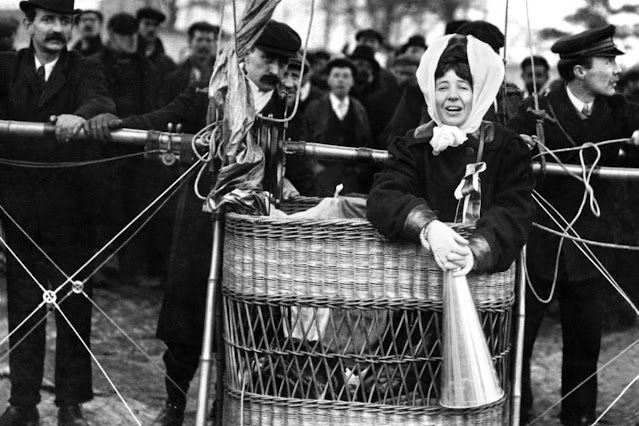
It was 1909: the skirts were long, the corsets tight. And women in Britain couldn’t vote. For Muriel Matters — so far from her home in Adelaide — taking to the skies in this rickety contraption was worth it. The plan was simple: suffragettes had been told they could not distribute leaflets on the streets. So instead, they were going to drop from the skies campaign leaflets on to the procession of King Edward VII as he made his way in his golden carriage along The Mall to the opening of Parliament on February 16, 1909.
The Votes for Women airship lifting off.
Muriel Matters (1877–1969), an Australian actress, arrived in London in 1905 looking for theatrical work. She loved her adopted country so much that she remained there for the rest of her life, but arriving from South Australia, where women had been voting since 1894, she was appalled at the lack of women’s rights in England. She soon became involved with the suffrage organization Women’s Freedom League (WFL) to further the cause of women.
Matters organized a number of stunts and events in order to bring attention to the suffrage cause. In 1908 she chained herself to the railings on the grille at the House of Commons and she addressed the MPs as they entered. Police had to cut the entire grille from the wall as she refused to tell them where the key was hidden. According to her biographer, Robert Wainwright, “She was dragged out of the gallery still shouting and proclaiming ‘Votes for Women!’ while attached to this section of metal.” She was arrested that evening and sentenced to a month in the notorious Holloway Prison.
Muriel became well known for her antics; her image was printed on postcards and sold by the WFL. But the most outrageous and memorable stunt Muriel pulled was flying in an airship over London.
In 1909 she took off in a dirigible balloon with ‘Votes for Women’ painted in enormous letters on the side. King Edward was opening Parliament and members of the suffrage movement had been told that they would be arrested if they tried to distribute leaflets along the route. So members of the WFL decided that if they couldn’t take their message to the street, they’d take it to the air. Muriel’s plan was to fly over London and scatter 56lbs of Women’s Freedom League pamphlets over Westminster. The weather that day was rainy and windy, so she was blown off course and ended up in South London in Croydon, but the Votes for Women airship made worldwide news and helped promote the suffrage movement.
Muriel Matters in the airship.
Thirty years later she recalled the trip: “That morning I went to Hendon and met Mr Henry Spencer who had his airship all ready near the Welsh Harp. It was quite a little airship, eighty eight feet long (25m), and written in large letters on the gas bag were three words, ‘Votes For Women’. Below this was suspended an extremely fragile rigging carrying the engine and a basket, like those used for balloons. We loaded up about a hundredweight of leaflets, then I climbed into the basket, Mr Spencer joined me, and we rose into the air.”
The dirigible ascended to an altitude of 3,500ft (1,000 meters). “It was very cold,” Muriel recalled, “but I got some exercise throwing the leaflets overboard.” She later described how Spencer had to climb out of the basket repeatedly and clamber ‘like a spider’ across the dirigible’s framework to make adjustments to the engine. “Suddenly I realized that if he fell off, I hadn’t the first idea how to maneuver the airship,” she said. “Not that I was terribly bothered about that. I was too busy making a trail of leaflets across London.”
Despite failing to fly over the king’s procession, Matters considered the aerial adventure a great success. “The flight achieved all we wanted. It got our movement a great deal of publicity, as you can imagine. In those days, the sight of an airship was enough to make people run for miles!”
Muriel’s airship adventure was also the first powered flight from what later became the London Aerodrome at Hendon, which was to feature prominently in both World Wars, and site of various pioneering aviation experiments, among them the first airmail, the first parachute descent from a powered aircraft, the first night flights, and the first aerial defense of a city.
Muriel Matters continued with her political life as an active member of the suffragettes lecturing all over the world.
It’s always fascinating to compare food advertisings then and now. Back then, pork, beef and chicken were three basic food groups in America, whereas today people have become more conscious of diet and nutrition, which results in the changes in modern selling points: organic, local, healthy and sustainable. Food stylists across social media, of course, had not existed yet, so glistening mounds of meat dripping with gravy and covered with fat were what consumers would see.
Take a look back at these vintage meat ads from old magazines, cookbooks from the 1930s to 1970s:
Subscribe to continue reading
Become a paid subscriber to get access to the rest of this post and other exclusive content.
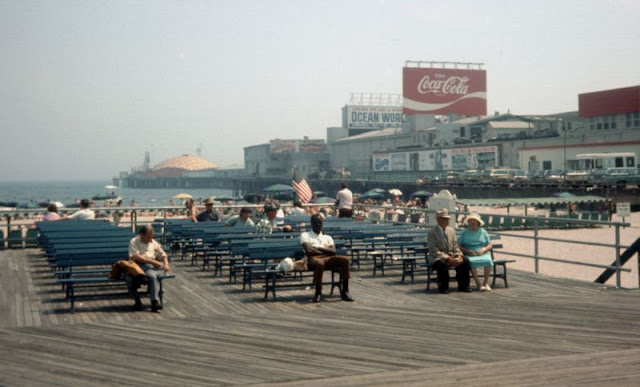
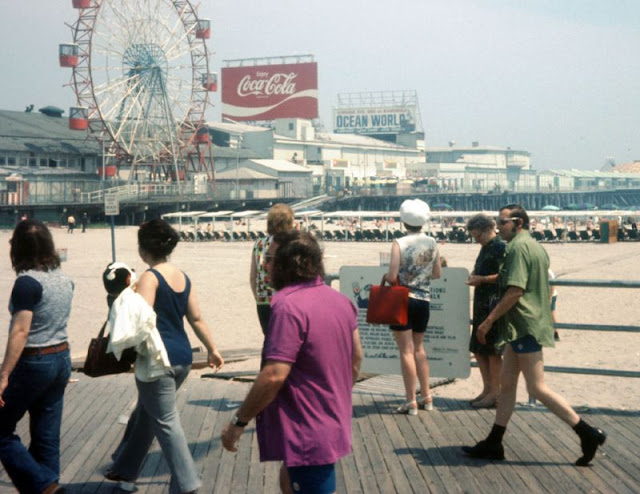
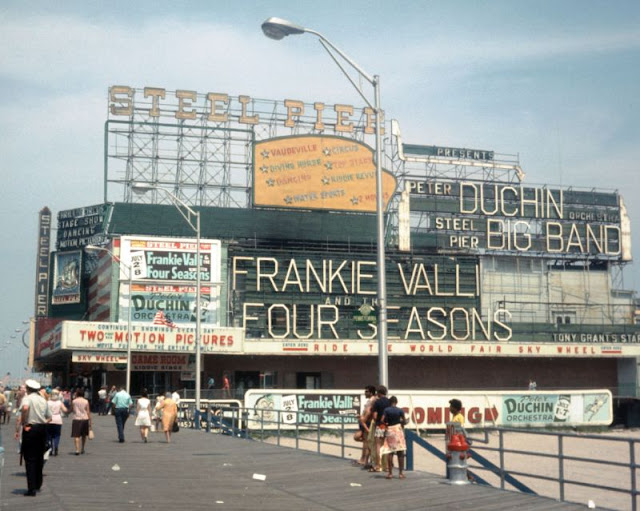
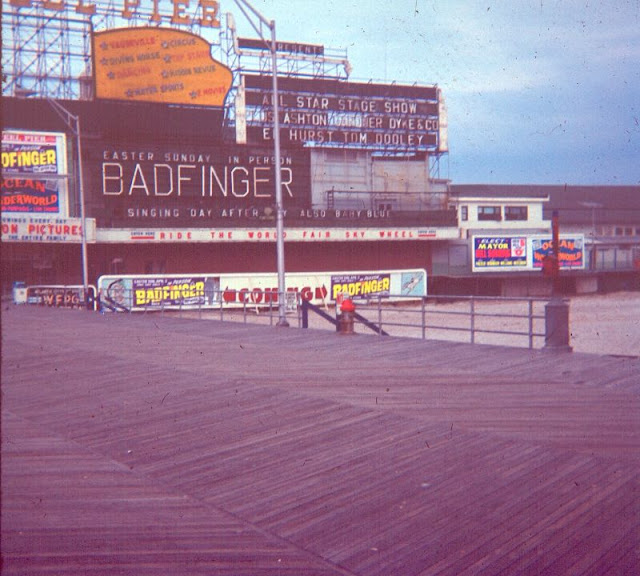
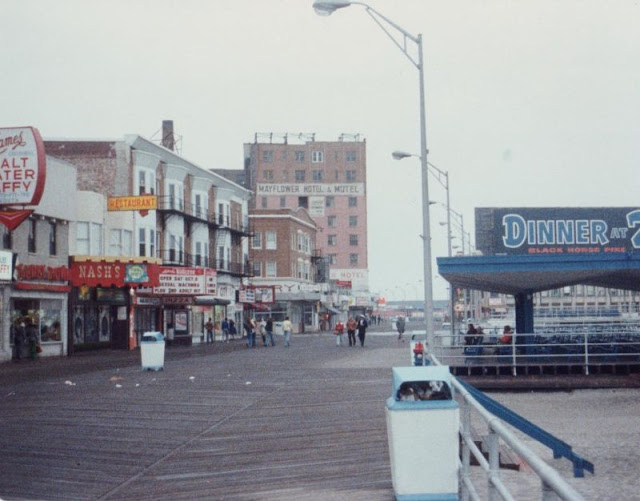
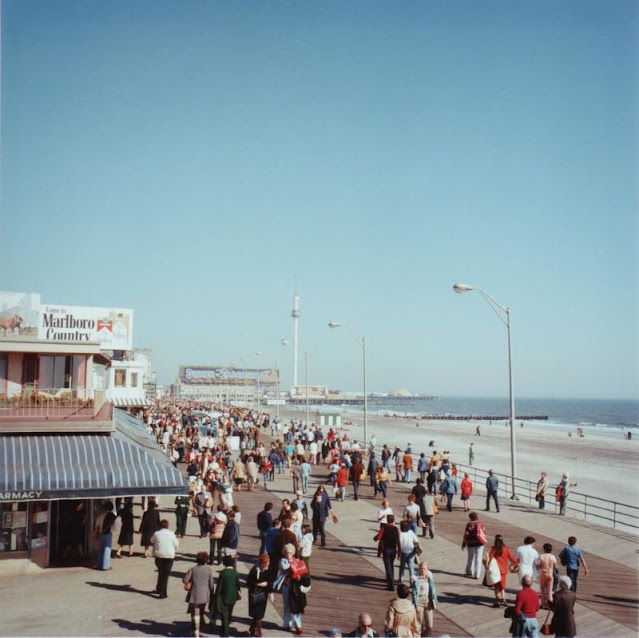
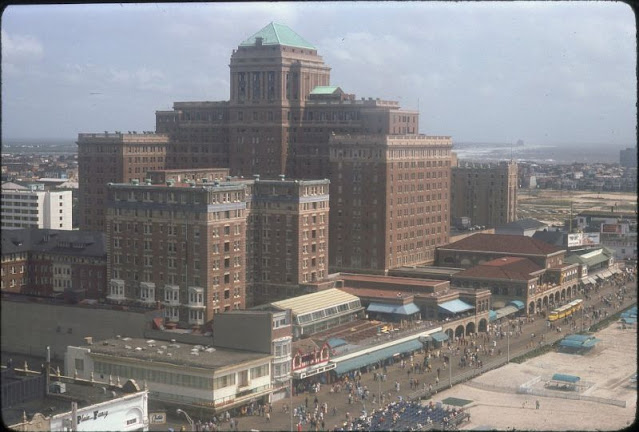
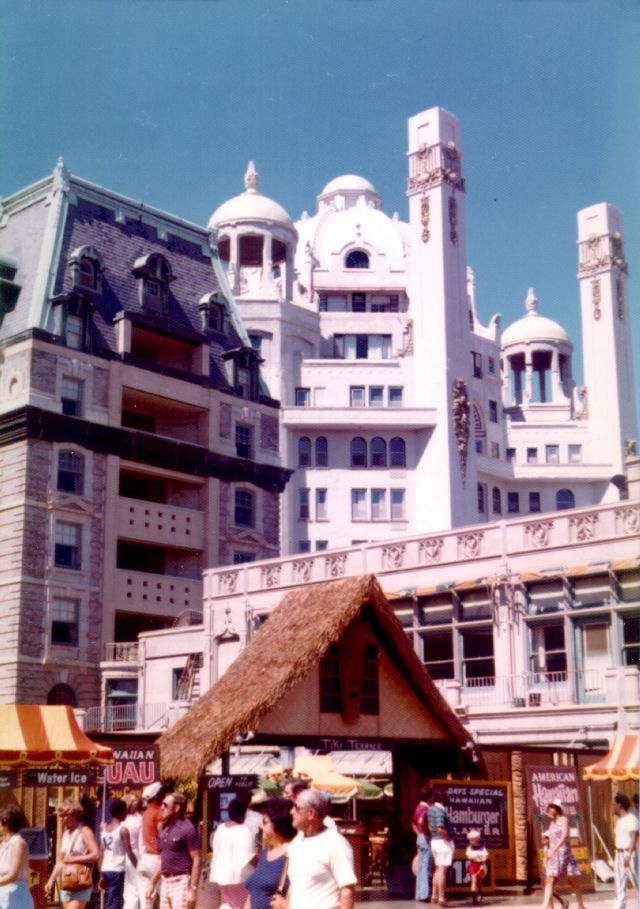
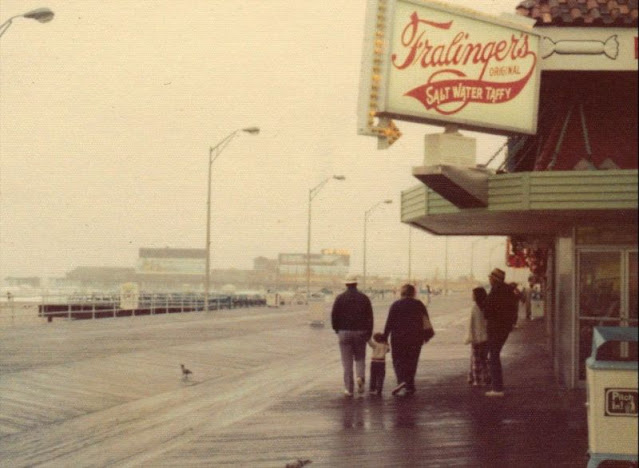
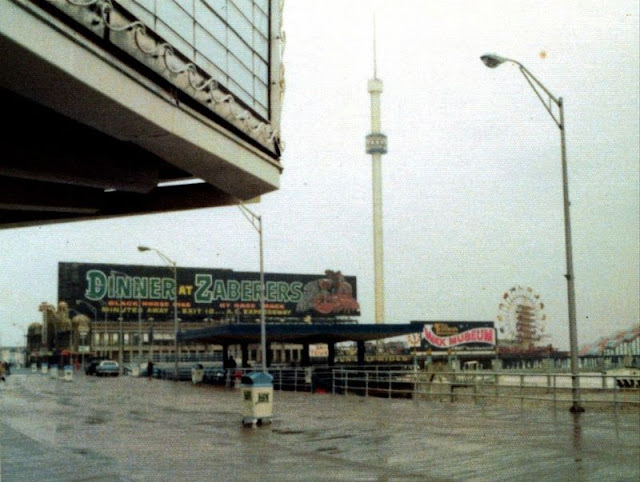
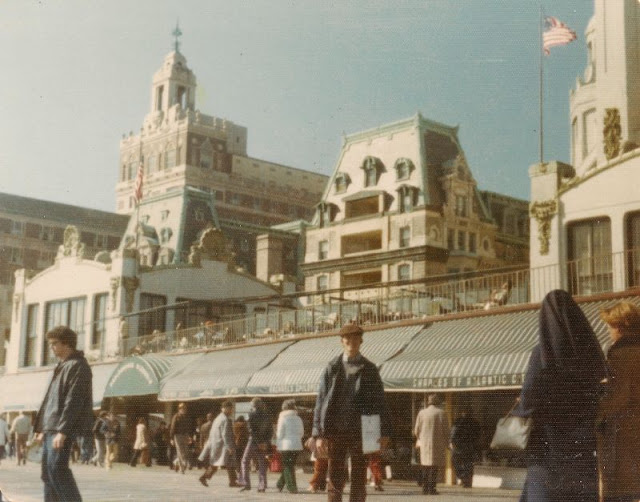
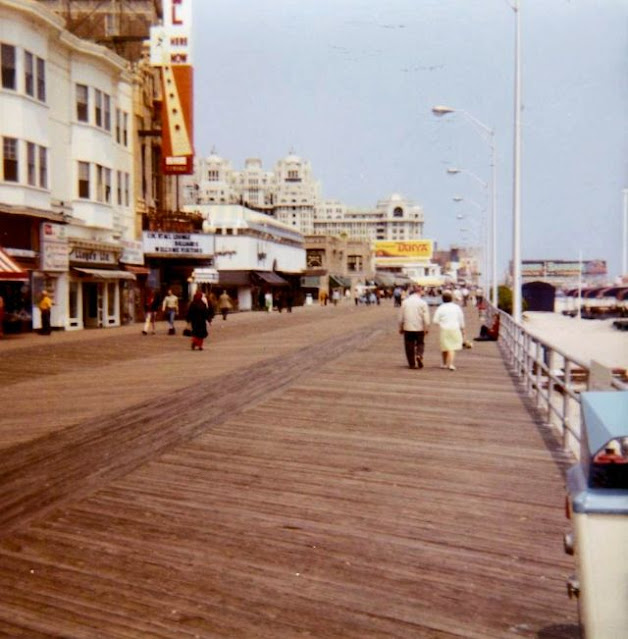
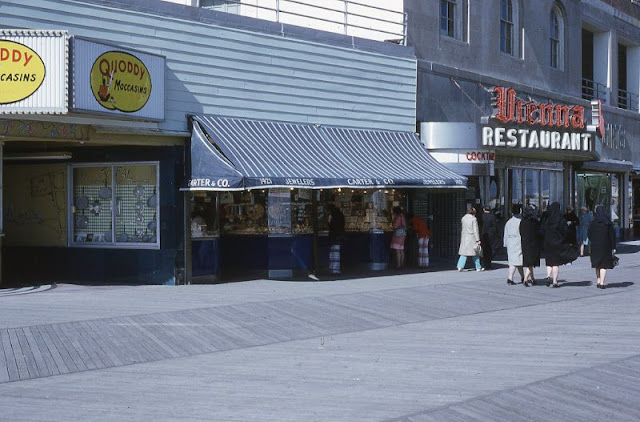
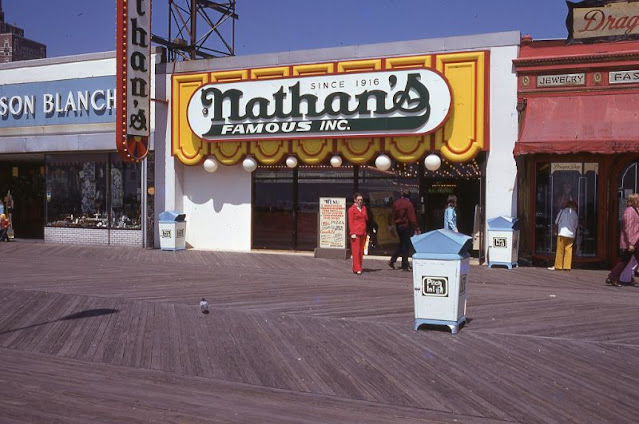
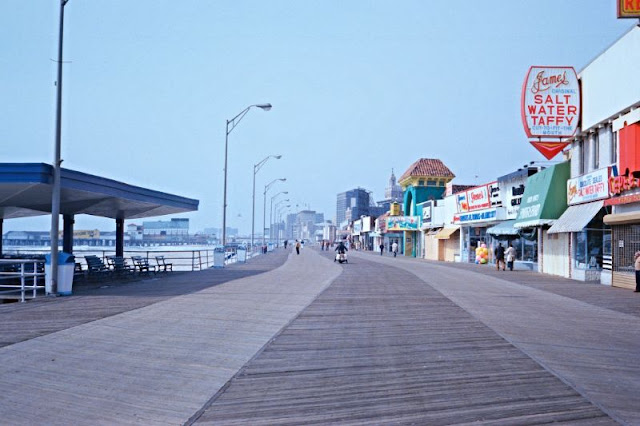
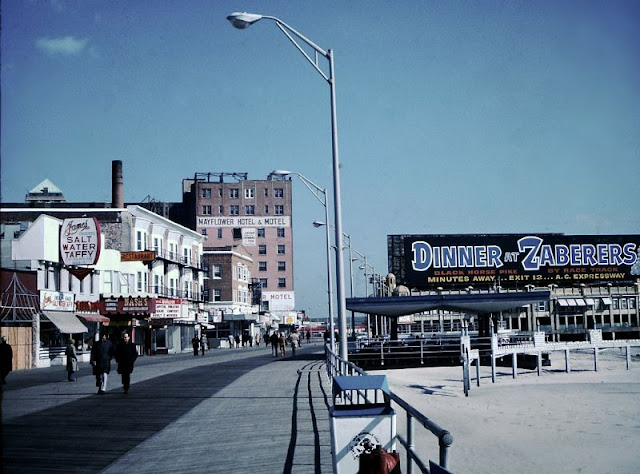
Atlantic City is a coastal resort city in Atlantic County, New Jersey, known for its casinos, boardwalk, and beaches. It was incorporated on May 1, 1854, from portions of Egg Harbor Township and Galloway Township.
The city is located on Absecon Island and borders Absecon, Brigantine, Pleasantville, Ventnor City, Egg Harbor Township, and the Atlantic Ocean.
Atlantic City inspired the U.S. version of the board game Monopoly, especially the street names. Since 1921, Atlantic City has been the home of the Miss America pageant. In 1976, New Jersey voters legalized casino gambling in Atlantic City. The first casino opened two years later.
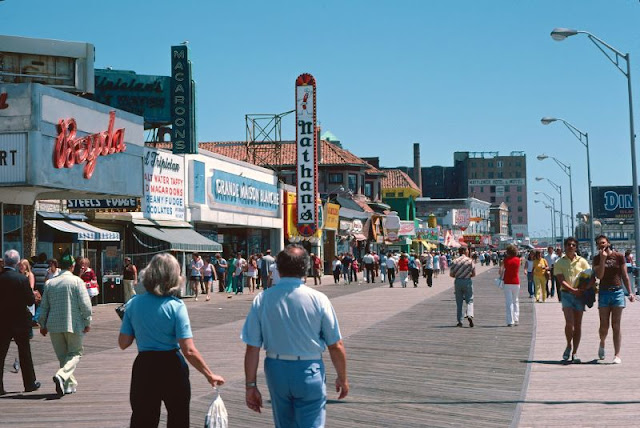
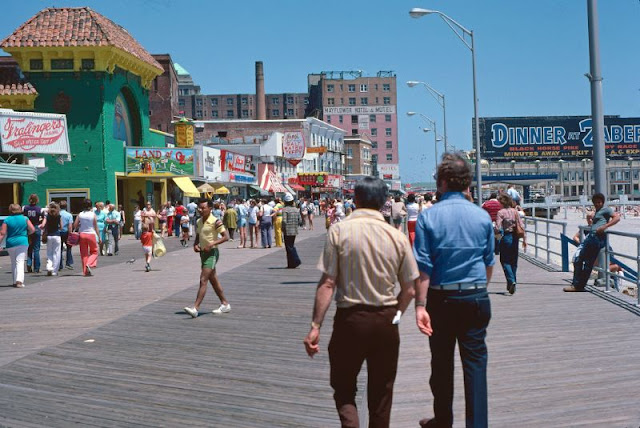
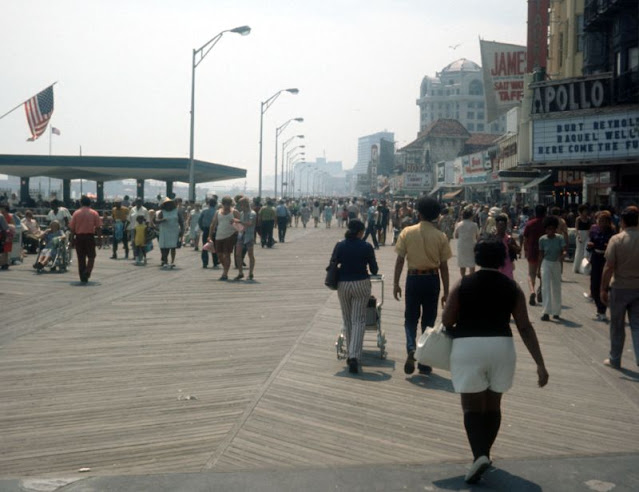
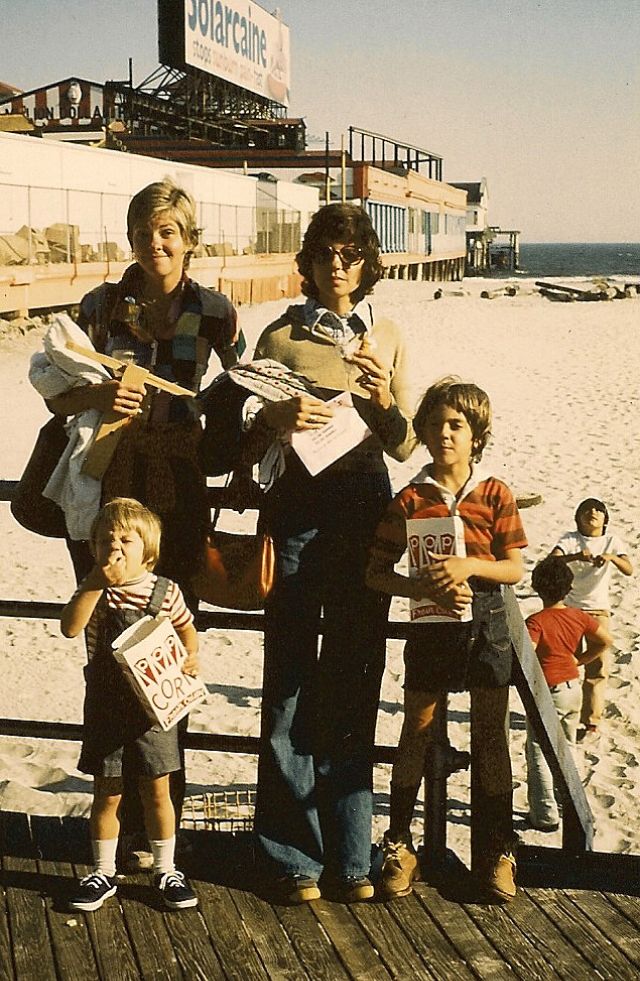
These vintage color photos show life of the Atlantic City Boardwalk in the 1970s.
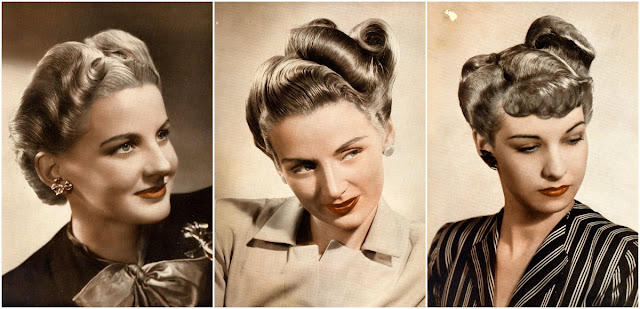
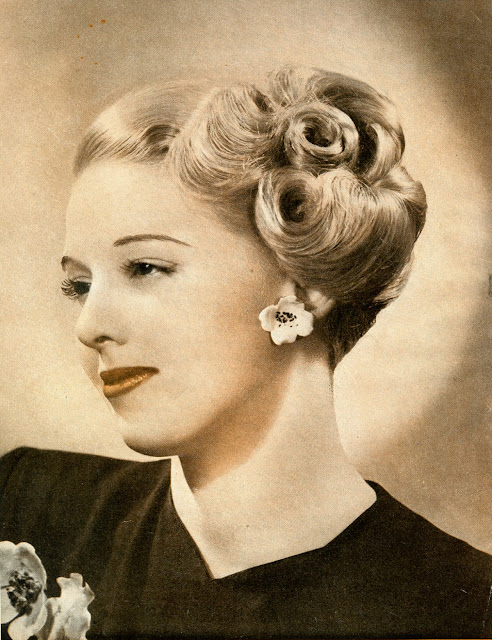
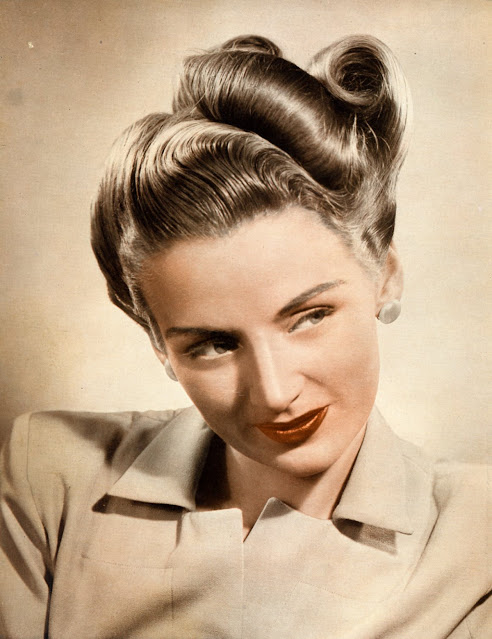
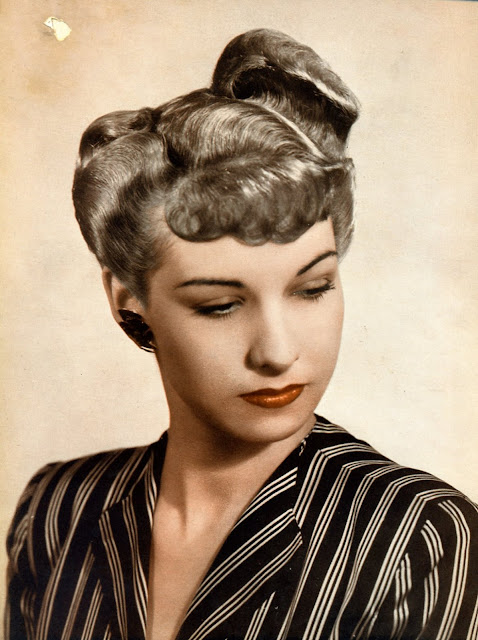
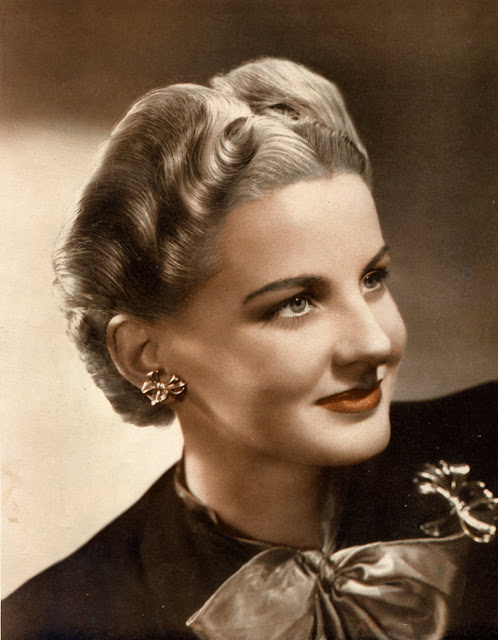
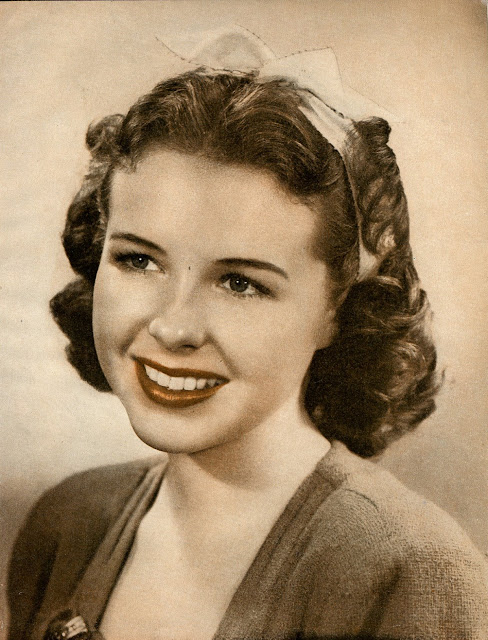
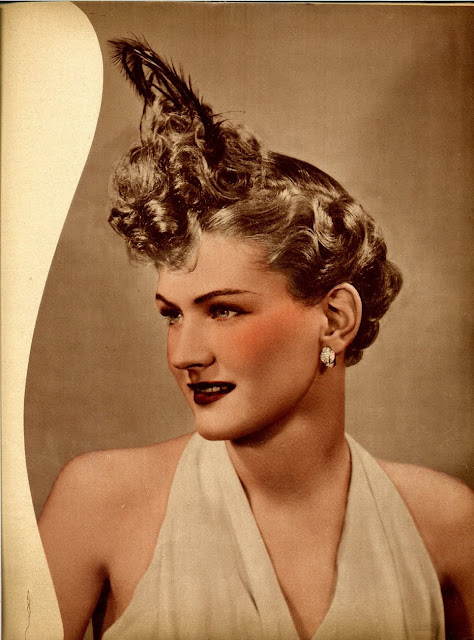
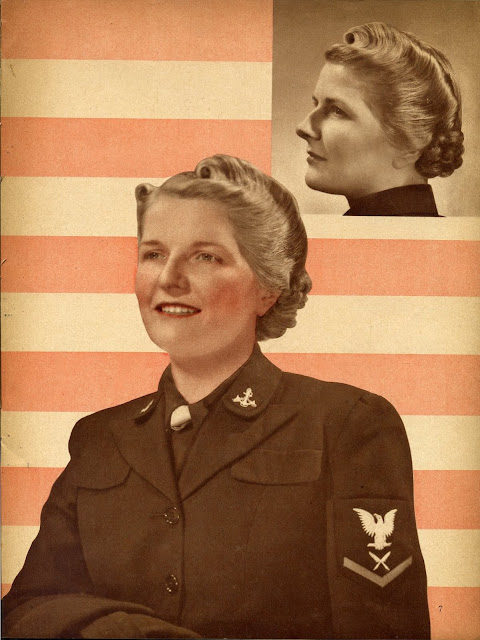
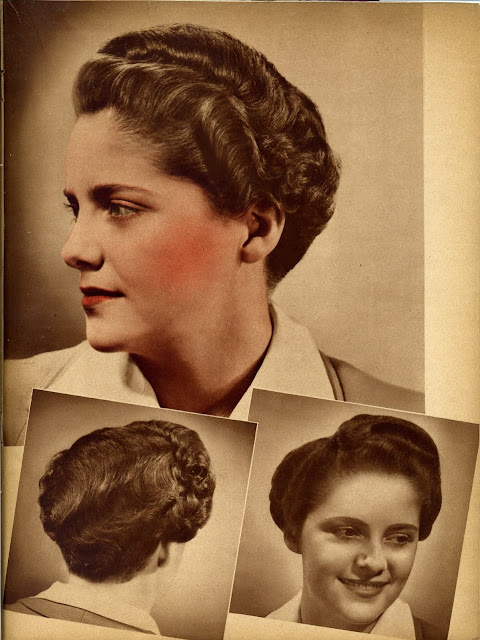
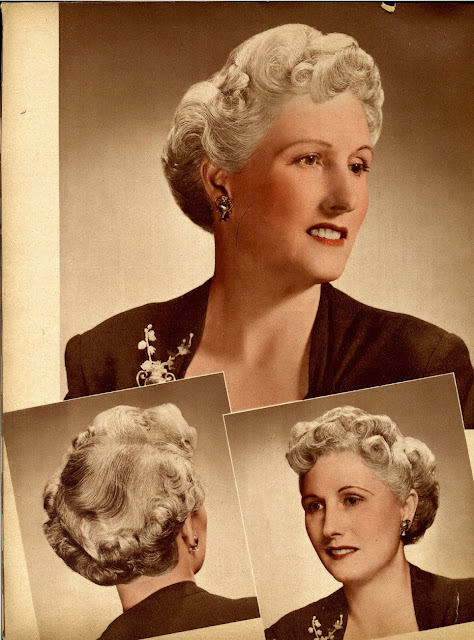
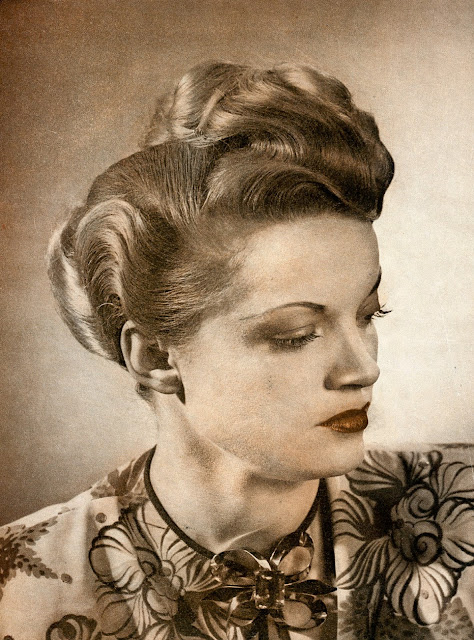
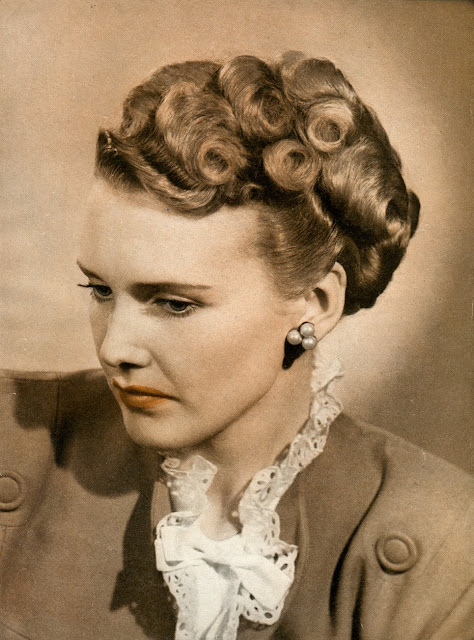
The 1940s proved to be iconic with hairstyling even though the wars at that time had a vast effect on everything. No matter the length of hair, the women of the 1940s always appeared soft and feminine as a result of their hairstyles. Hairs were very practical and easy since women didn’t have much money to spend at salons. With rolls and waves being the most common hairdos, women of the decade looked stunning at all times.
Hairstyles in the 1940s were fuller and longer than those of the 1930s and hair was cut in a rounded U-shape at the back, curving up towards the ears. There were always a lot of layers because the hair was usually worn in curls or soft waves, usually just below shoulder-length. Straight hair was simply unfashionable. To achieve the curls, girls who couldn’t afford a weekly “wash and set” at the hairdresser would pin up their wet hair in bobby pins each night to make pin-curls.
As war rationing really began to bite, women still spent time and effort on their hairstyles, but no longer wanted lots of waves in intricate designs. Hair was worn shorter, in a practical style, still curly with a wave or two at the front. This sort of style looked good under small hats and military hats and could be hidden under turbans if the hair was dirty.
An iconic war-time hairstyle was the “Victory Roll”. The name seems to have come from the corkscrew through the air by RAF pilots before landing, if they had successfully downed an enemy plane. The hair was divided at the front and curled up and out, in a rather aerodynamic form.
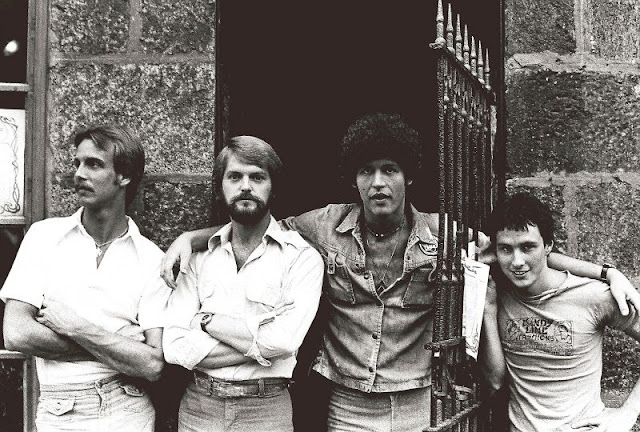
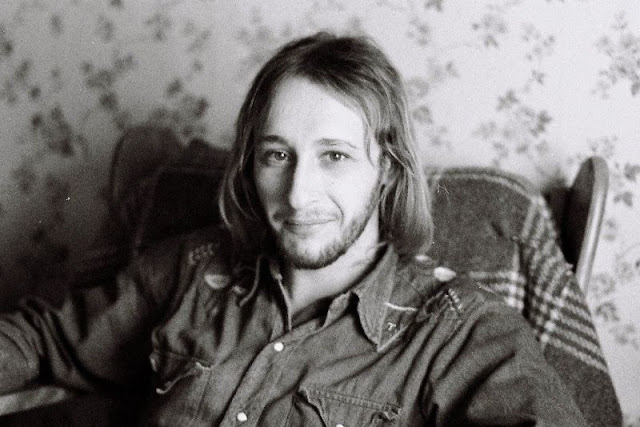
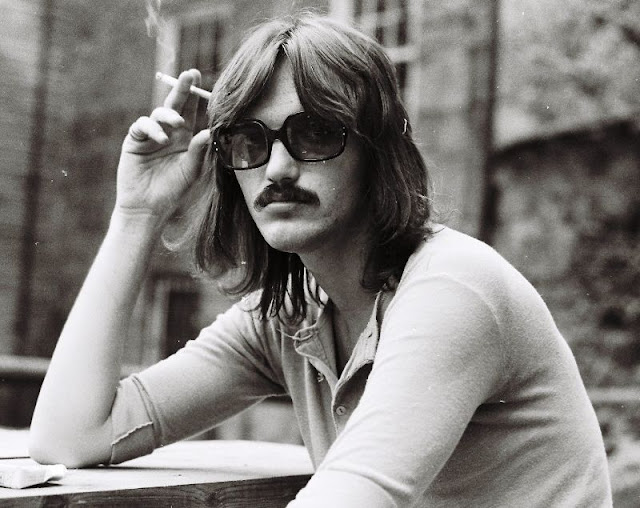
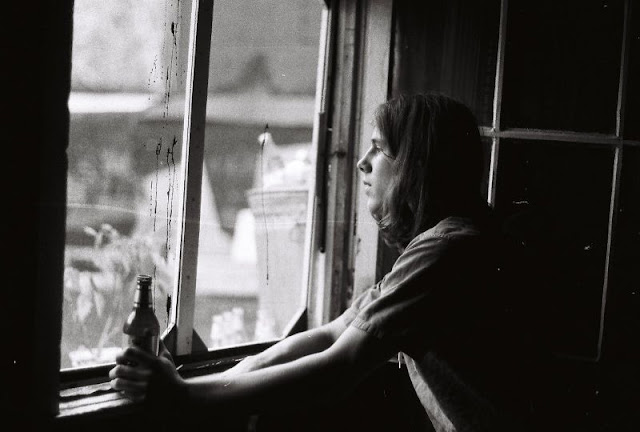
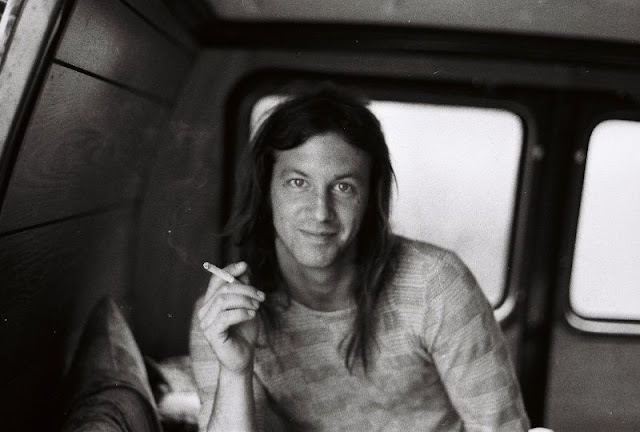
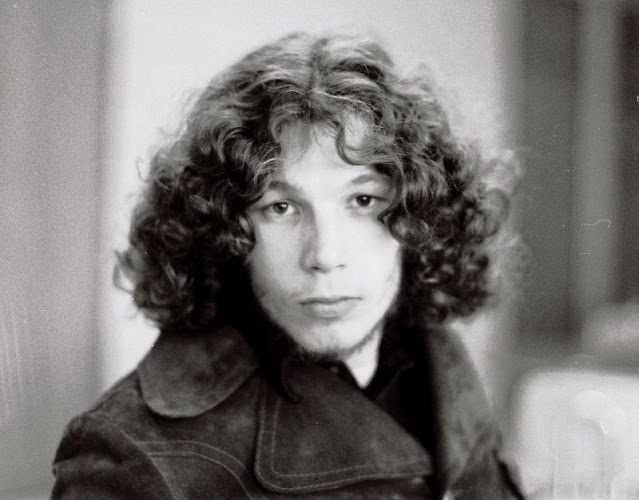
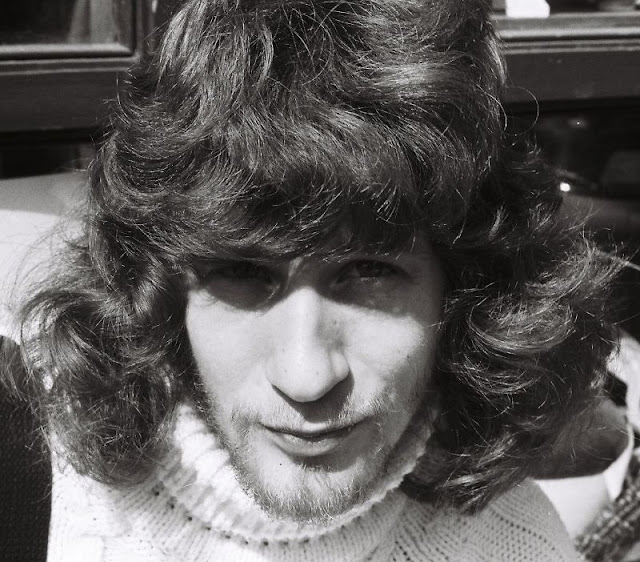
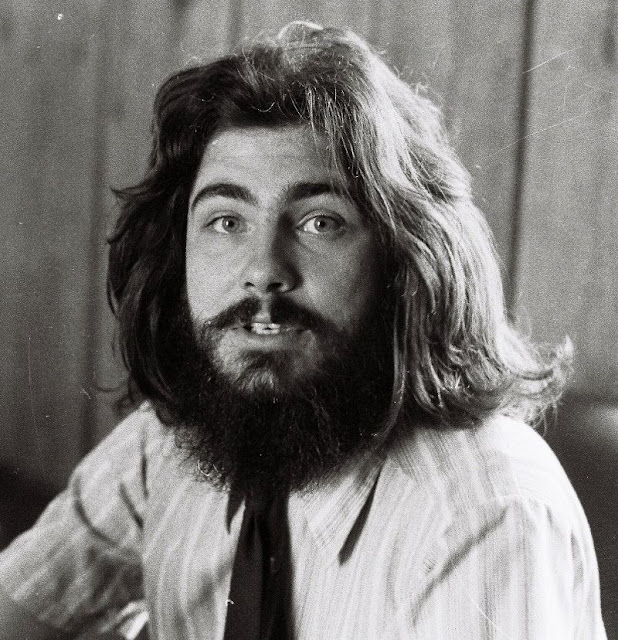
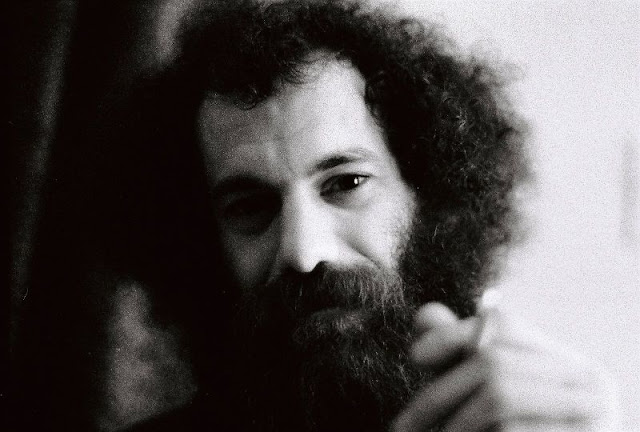
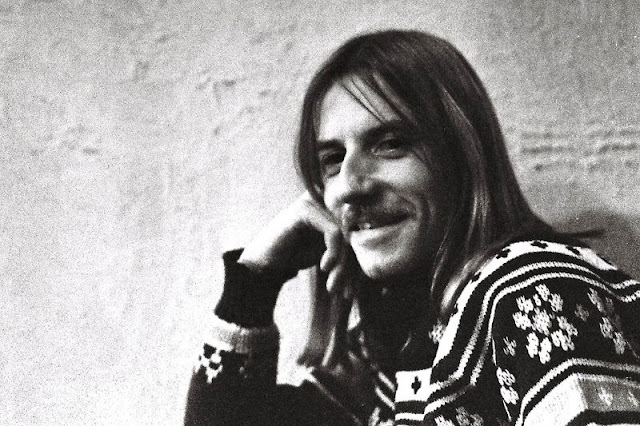
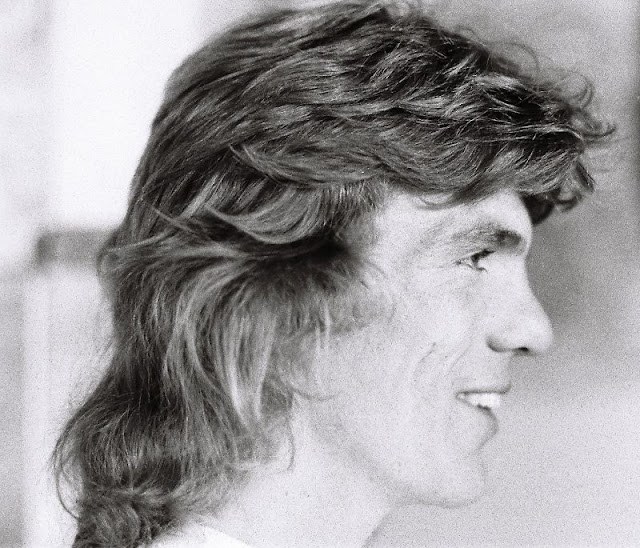
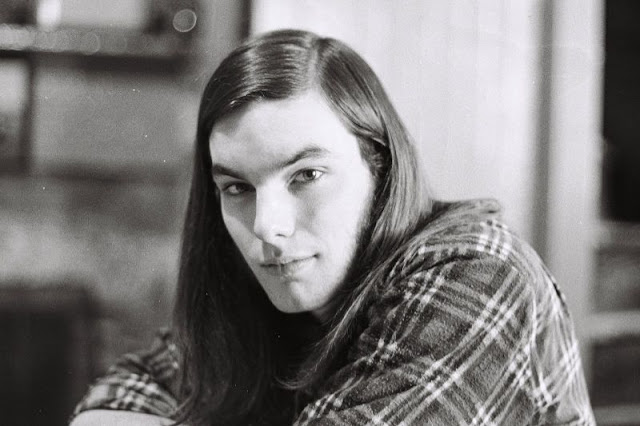
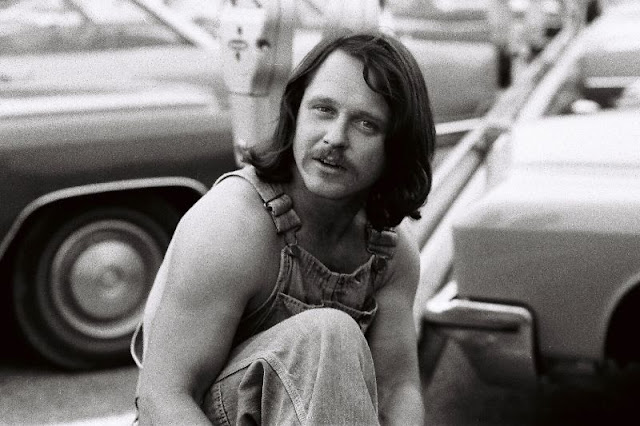
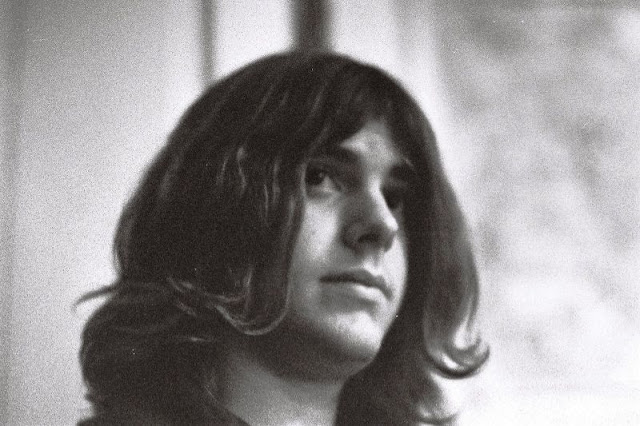
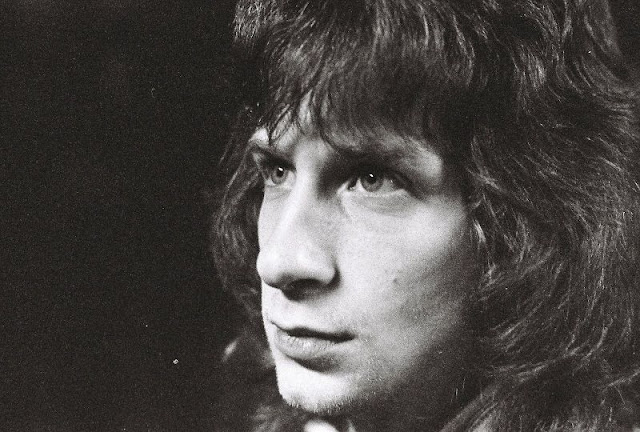
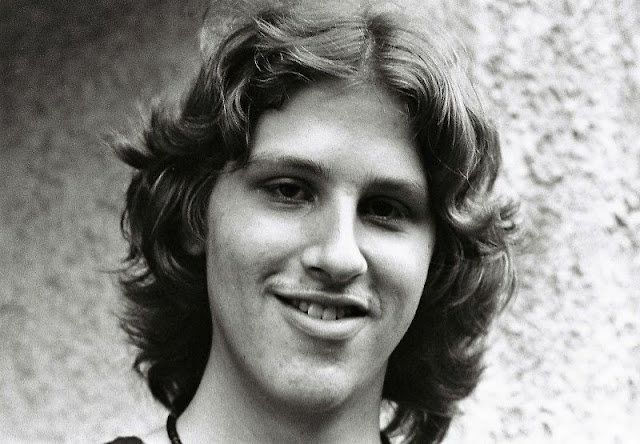
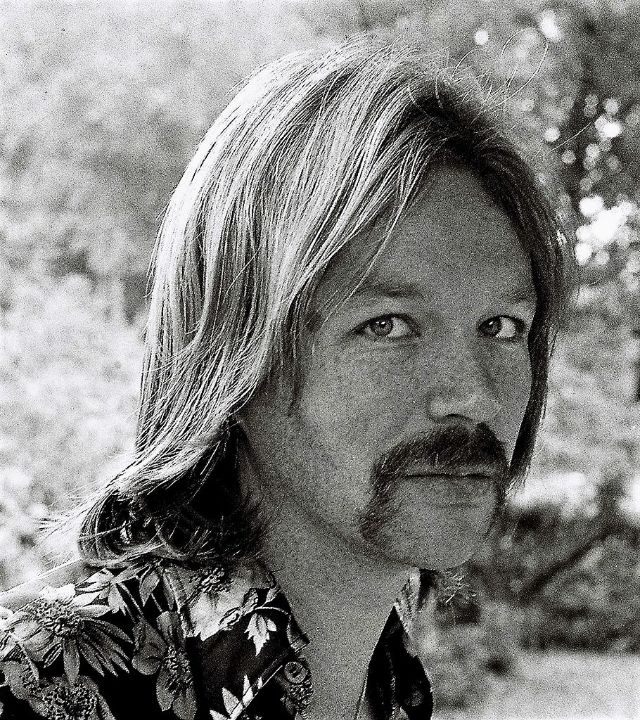
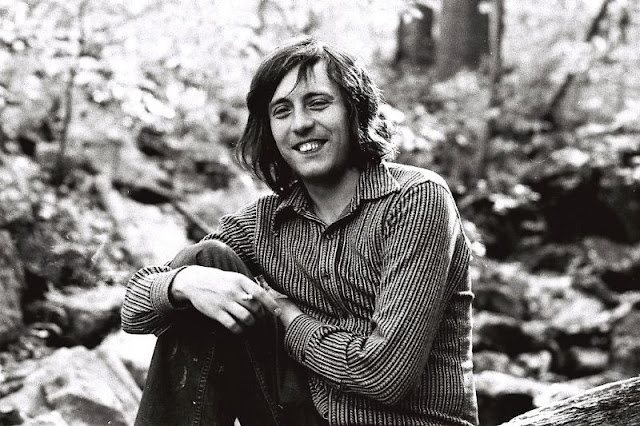
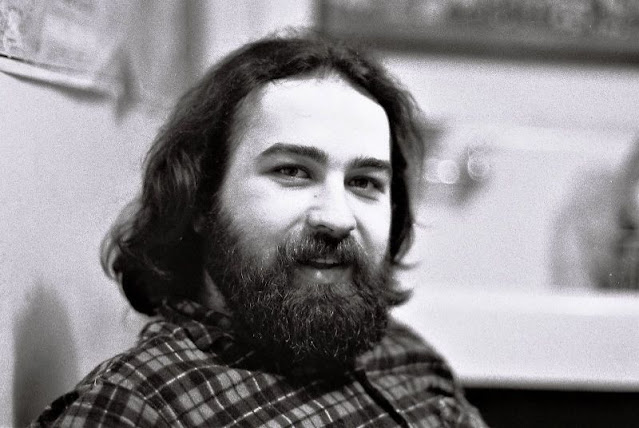
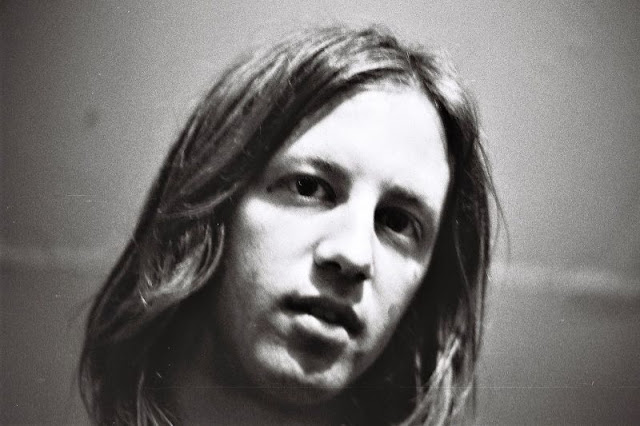
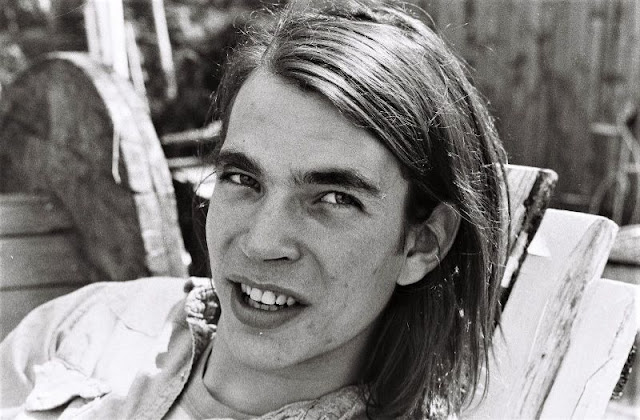
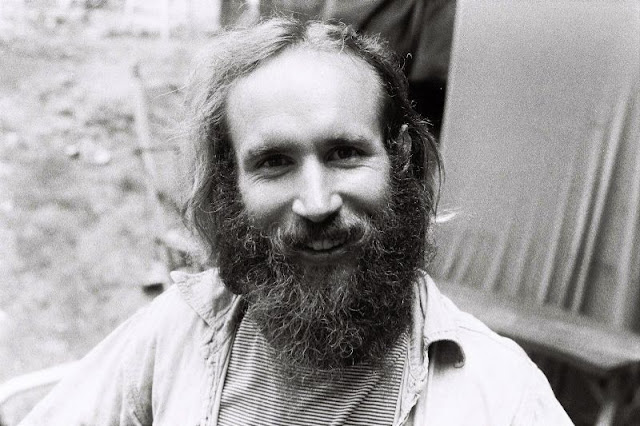
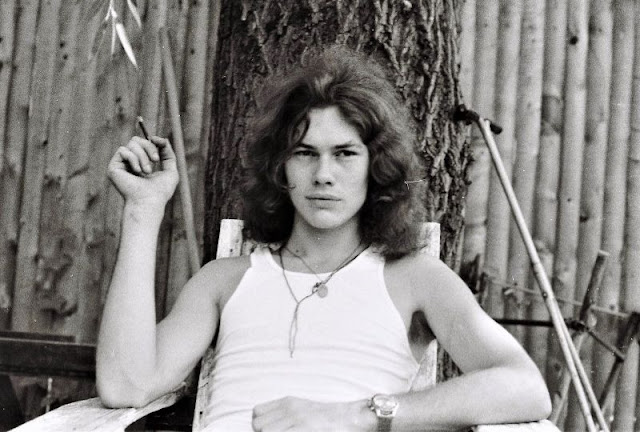
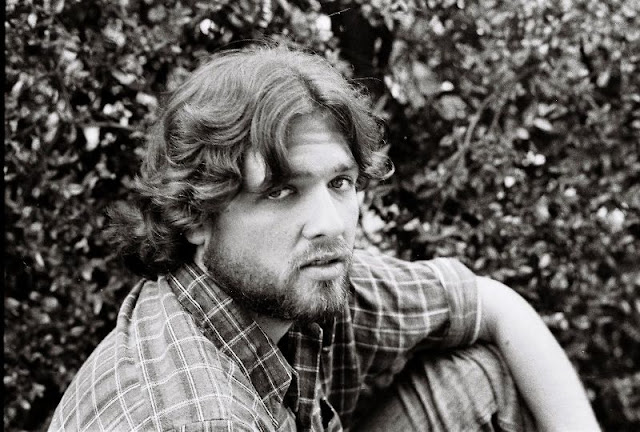
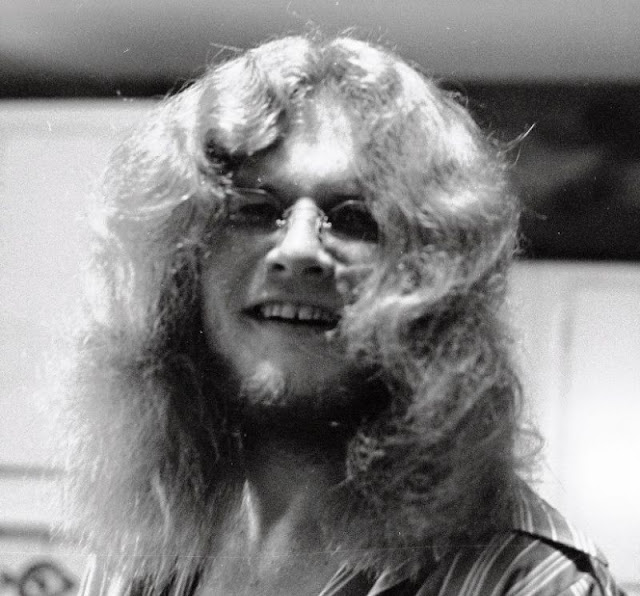
These vintage photos show hairstyles of young men in the 1970s.
Help us to continue bringing you amazing quality historical content. We truly appreciate your contribution. Visit the donate section of our website for safe and secure giving.
Natalie Bierl (1907, Bucharest – Romania; 1958, Landsthul – Germany), nickname Talusha, was born to a German couple, the mother a Baroness of Polish descent, and the father a German businessman who was temporarily in Bucharest overseeing his company. During WWI she was in Berlin, and studying at a private school. 5′ 6″ tall and blonde, she had a brief film appearance in 1926, and then a stage career in Germany and Austria, substituting for a character that had been played by Marlene Dietrich. During WWII she became a “Second Garbo” in Hollywood, due to her sort of cold, glamorous beauty. She played in crime thrillers and early women-in-prison genre films, but various characters of hers were linked with the anti-Nazi war effort: a courageous Russian in China (1943), Madame Bouchard of the French Resistance in Till We Meet Again (1944), the Nazi Doctor Elise Bork in Jungle Queen (1945), and Yvette Aubert, the French adventurer and entertainer, in Women in the Night (1948), who plays along with an extreme Nazi unit in Shanghai until she saves the world from a weapon of mass destruction with the sacrifice of her life. Possibly during the production of this film, in mid-1948, Tala decided to return to Germany and take up residence with her mother who was by then living in Munich. In 1951 she was appointed by the Special Service Headquarters of the U.S. Army in Nuremberg to organize theatrical productions in Germany, France, and Austria for the G.I.s. stationed there. Her title was Field Entertainment Supervisor, and sometimes took part herself in shows at military clubs in Munich and Nuremberg, and Orléans (France). She later moved to Berlin with the title Command Entertainment Director and put on shows for U.S. troops and refugees from Eastern Europe. She retired in 1957 for health reasons, and died shortly after at the age of 50. She is buried in the family tomb, in Marquartstein, Bavaria, Germany.
These vintage photos captured her portrait as a young and beautiful actress in the 1930s.
Subscribe to Yesterday Today to receive daily updates of new content:
The Brooklands Automobile Racing Club was formed in December 1906 and held its last ever meeting in August 1939 with the outbreak of World War Two. When peace returned, despite people’s high hopes, the anticipated recovery costs were too high and due to the demise of Brooklands at the time, the club was amalgamated with the Junior Car Club. Come 1949 the Club changed its name to the British Automobile Racing Club and took up residence at Goodwood Circuit.
Initially, women were banned from racing, this ruling, however, was loosened in 1908 and by 1920, female drivers were able to participate in both female and mixed races. In 1933, the Royal Automobile Club gave permission for women to drive at Open meetings on equal terms with men at Brooklands, which became the ultimate heyday for female racing drivers.
Take a look at these insanely cool women through 21 amazing photographs below:
Kay Petre at Brooklands, March 1930.
Fay Taylour at Brooklands, 1930.
Violet Cordery, 1930.
Miss J Alwynne, a motor mechanic at Brooklands race course, July 1931.
Kitty Brunell tunes up her AC Ace Sports engine, 1932.
Mrs Elsie “Bill” Wisdom and Miss Joan Richmond, July 1932.
Miss Paddy Naismith pushing her car onto the track for one of the events at Brooklands, June 1933.
Mrs Gordon Simpson and the young racing driver Joan Richmond sitting in the latter’s 1921 3-litre GP Ballot racer, July 1934.
Eileen Ellison in a Bugatti during the ‘mountain race’ at Brooklands, 1934.
Gwenda Stewart, 1935.
The three racing MGs were entered for Le Mans by land speed record breaker George Eyston and nicknamed the ‘Dancing Daughters’ after a popular variety act of the time. The drivers were : Car 54 – Margaret Allen & Coleen Eaton, Car 55 – Doreen Evans & Barbara Skinner, Car 56 – Joan Richmond & Miss Joan Simpson. July 1935.
Doreen Evans taking over the sash during a relay race at Brooklands, July 1935.
Racing drivers Gwenda Stewart, Doreen Evans, Kay Petre, Elsie Wisdom, September 1935.
Doreen Evans taking a refreshment, July 1936.
A Brooklands’ mechanic fastens the buckle on Miss Dorothy Turner’s helmet, July 1937.
Kay Petre poses with her V12 Delage, July 1937.
Women drivers at Brooklands, 1937
Mrs Aclace signals from the pits during the JCC 200 mile race at Brooklands, August 1938.
Kay Petre at Brooklands, March 1938.
Miss Patten, Baroness Dorndorf sits on the door of her Peugeot, May 1939.
Subscribe to Yesterday Today to receive daily updates on new content: