Lady Grace Drummond-Hay, the First Woman to Travel Around the World by Air in a Zeppelin

Lady Grace Drummond-Hay, an English journalist, was the only woman among sixty passengers and crew on the Graf Zeppelin when it flew around the world in 1929. Although she was not an aviator herself at first, she contributed to the glamour of aviation and general knowledge of it, by writing articles about her aerial adventures for US newspapers in the late 1920s and early 1930s.

Grace Drummond Hay in engine car of LZ-127.

Born Grace Marguerite Lethbridge on September 12, 1895 in Liverpool, UK, she was the widow of a British diplomat, Sir Robert Hay Drummond-Hay.

As a journalist for the Hearst press organization, Drummond-Hay made her first zeppelin flight in October, 1928, when she was chosen to accompany five other reporters, including her companion and Hearst colleague Karl von Wiegand, on the first transatlantic flight of the Graf Zeppelin from Germany to America. As the only woman on the flight, Drummond-Hay received a great deal of attention in the world’s press.
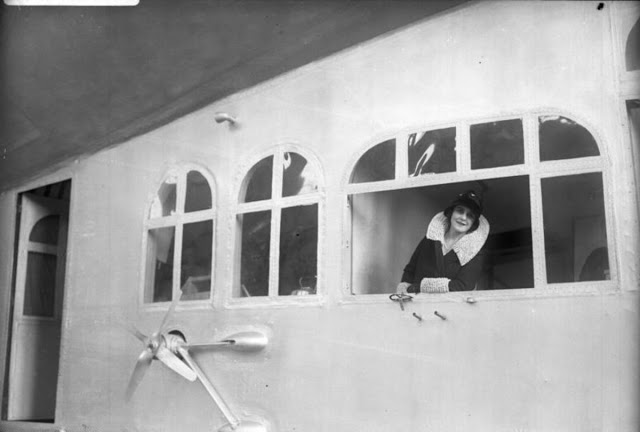
Lady Drummond-Hay on board the Graf Zeppelin.
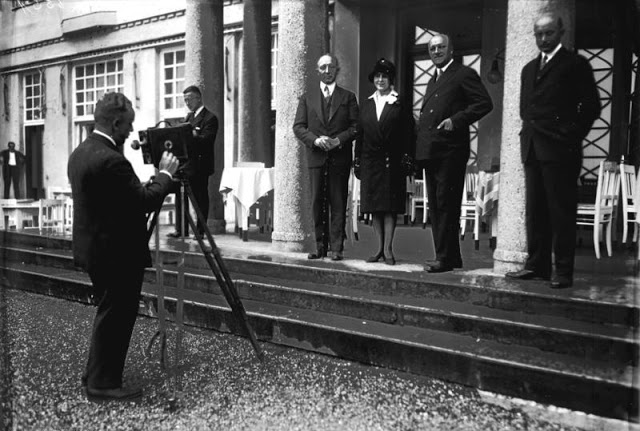
Journalists being photographed before a launch of the Graf Zeppelin, left to right: Karl von Wiegand, Lady Drummond-Hay, Rolf Brand, and Robert Hartmann.

In March of 1929, Lady Drummond Hay and von Wiegand were once again aboard Graf Zeppelin, for the ship’s “Orient Flight” to Palestine. Later in 1929 the Hearst organization co-sponsored Graf Zeppelin’s historic Round-the-World flight and their reporter Lady Drummond-Hay was once again a passenger. She was the only woman among the 60 male passengers and crew, which again included her companion von Wiegand. Drummond-Hay’s presence on the flight, and her reporting as the ship circled the globe, garnered tremendous attention in the press.

Lady Drummond Hay’s experience on the Graf Zeppelin’s Round-the-World flight, and her romance with fellow journalist Karl von Wiegand, is the subject of the film Farewell by Dutch filmmaker Ditteke Mensink.
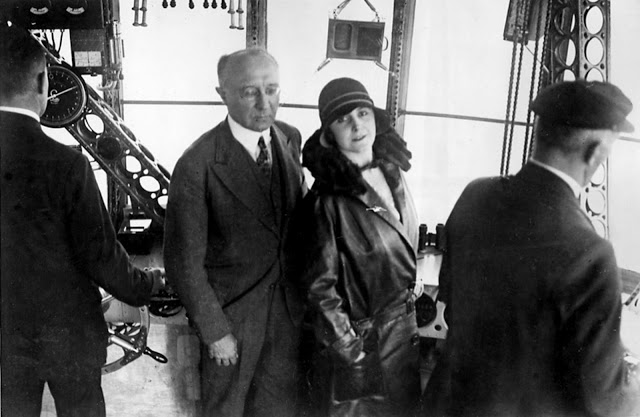
Lady Grace Drummond-Hay and Karl von Wiegand in control car of LZ-127 Graf Zeppelin.

Lady Grace Drummond-Hay and Karl von Wiegand aboard Dornier DO-X flying boat.

Lady Drummond-Hay was also onboard the Hindenburg’s maiden flight from Germany to the United States in May, 1936, along with aviation enthusiast Clara Adams. During the flight, Lady Drummond-Hay wrote and posted a letter to her friend Adams, looking forward to meeting again “as companions in adventure when the next Zeppelin is completed.” The letter is dated May 8, 1936; the age of the passenger zeppelin ended just a year later, with the Hindenburg disaster of May 6, 1937.

Pan American Airways, Lady Drummond-Hay, Wake Island, ca. 1936.
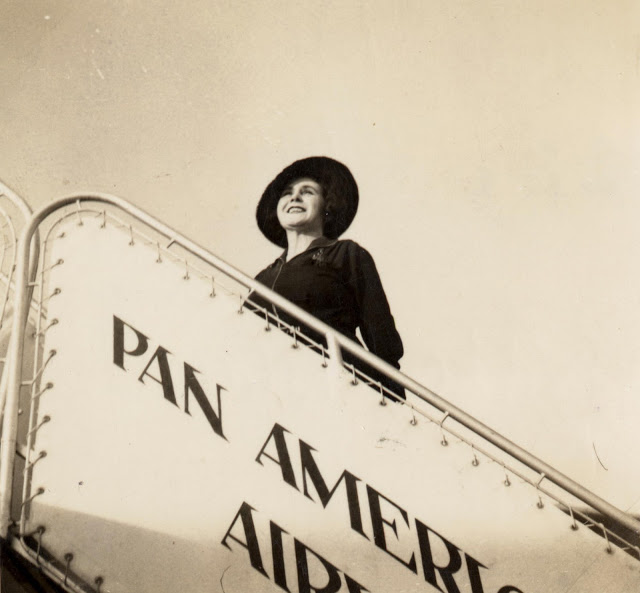
Pan American Airways, Lady Drummond-Hay, Wake Island, ca. 1936.

During World War II, Lady Drummond-Hay and von Wiegand were interned in a Japanese camp in the Philippines. When they were set free in 1943, she was ill and Karl suffered poor eyesight after a bomb blast. They returned to the United States on the Swedish rescue ship the SS Gripsholm in December 1943.

Lady Drummond-Hay died of coronary thrombosis in the Lexington Hotel on February 12, 1946. At her funeral service, many people paid their last respects, including William Randolph Hearst and Marion Davies. After she was cremated, her ashes were brought to the United Kingdom by von Wiegand.

Though well known in the late 1920s and early 1930s, Lady Hay Drummond-Hay has been largely forgotten. Her name is mentioned in a number of books on the history of zeppelin flights, but no major biography or other significant document has been written about her life.

Subscribe to Yesterday Today and receive daily updates on our most current posts:

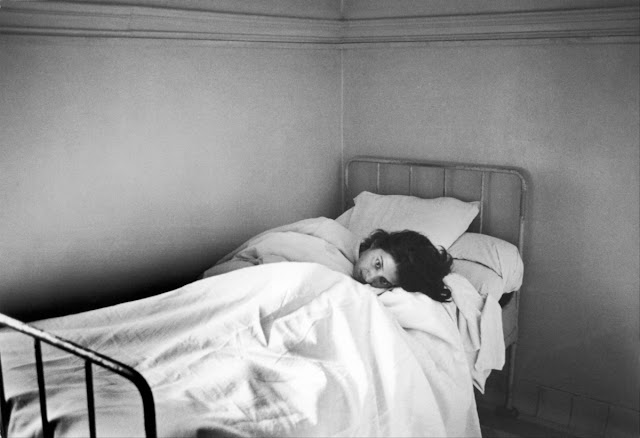
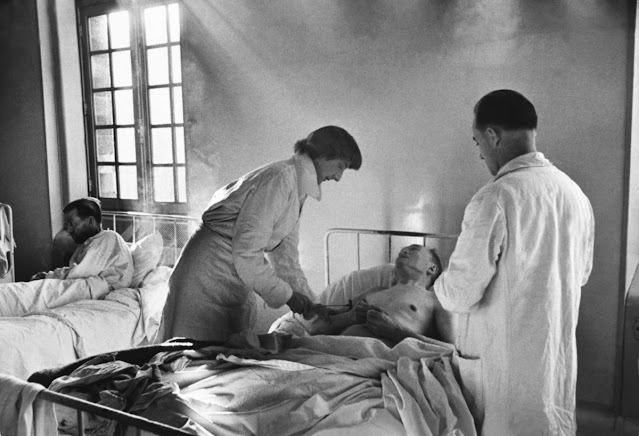
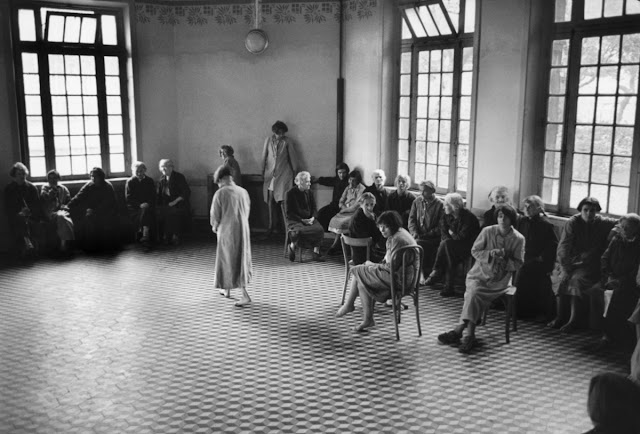
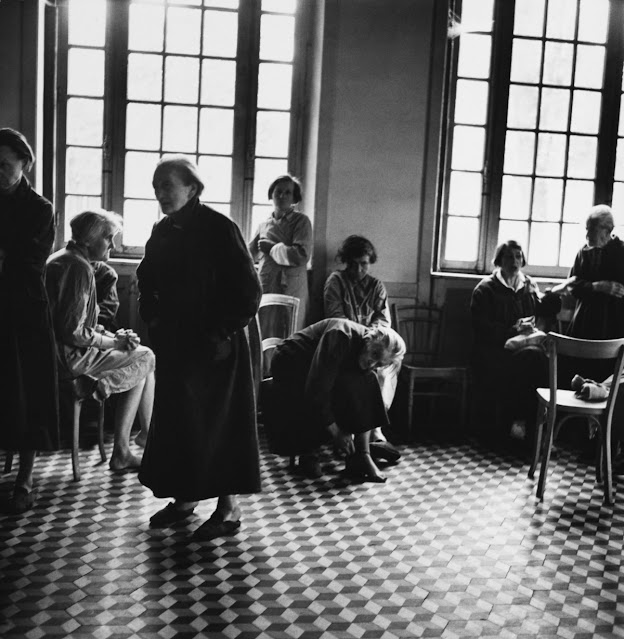
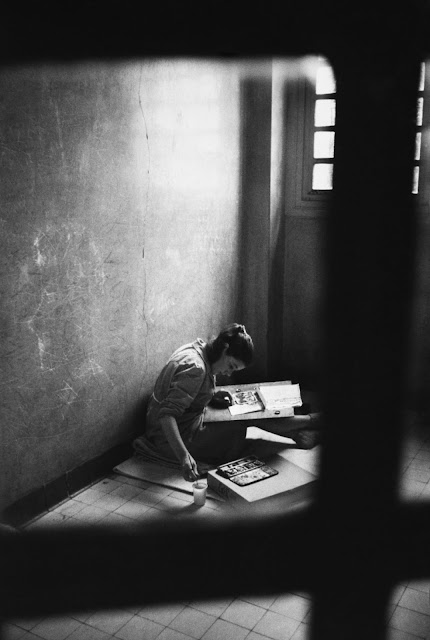
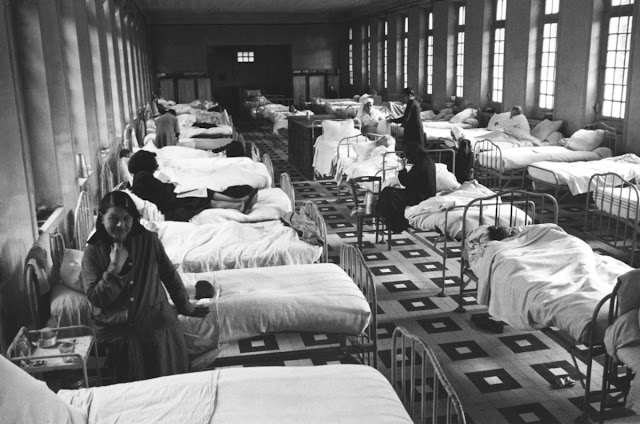
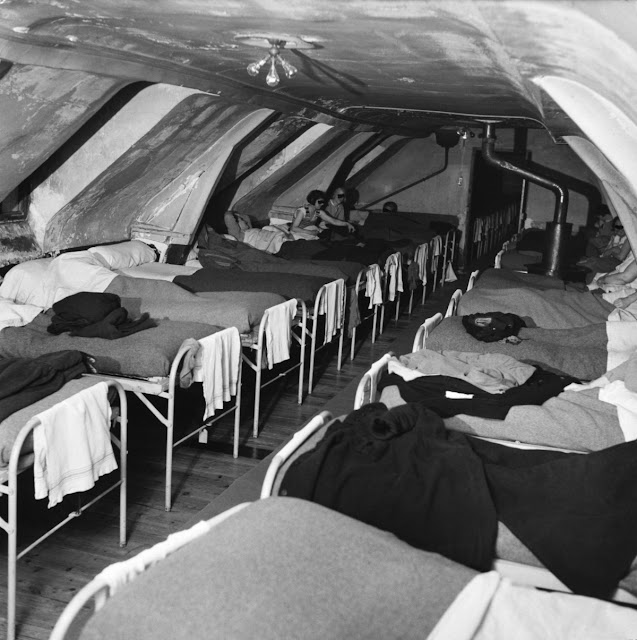
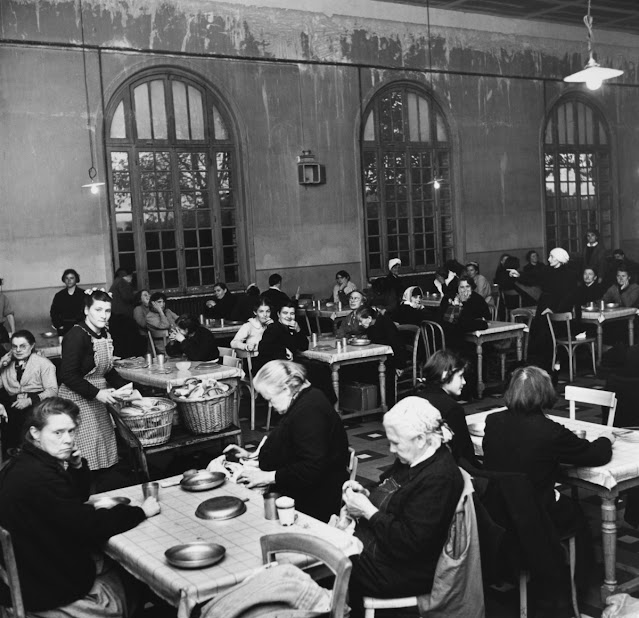
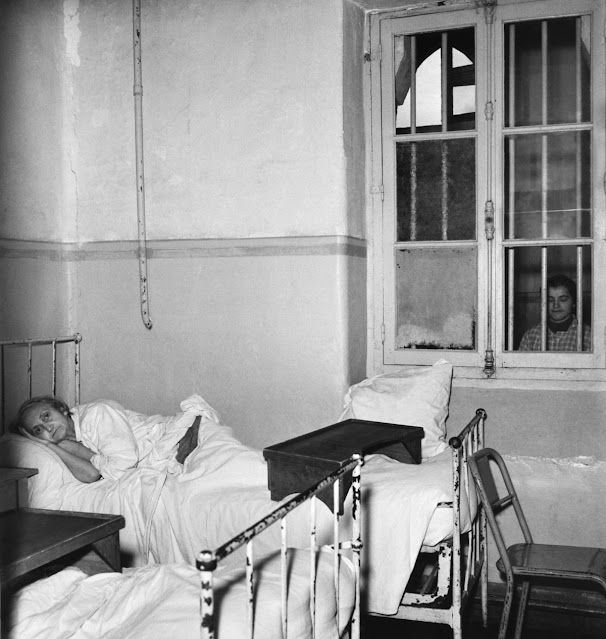
30 Intimate Photographs That Capture Everyday Life in French Psychiatric Hospitals in the 1950s

Jean-Philippe Charbonnier (August 28, 1921 – May 28, 2004) was a French photographer whose works typify the humanist impulse in that medium in his homeland of the period after World War II.

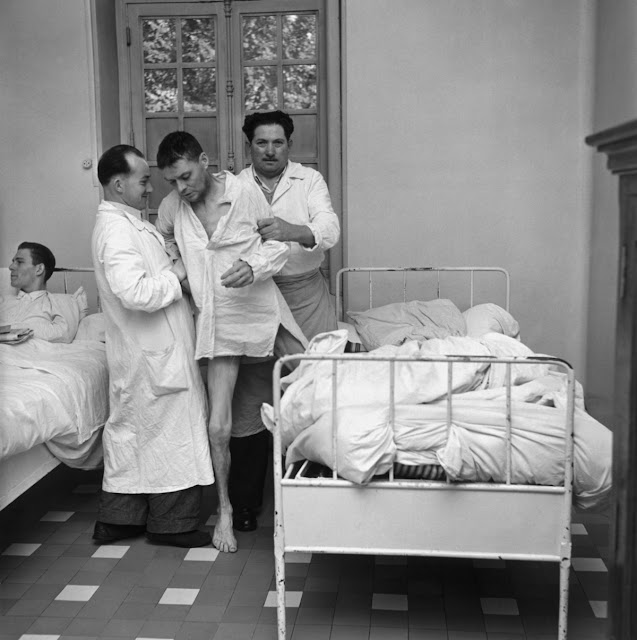
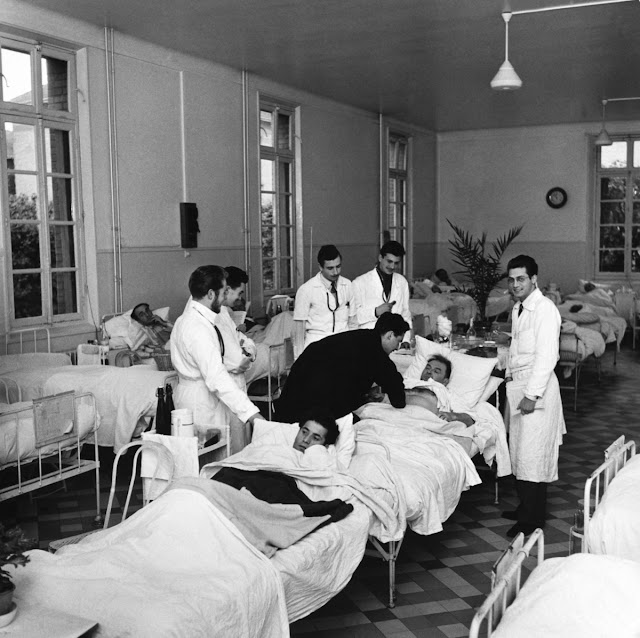
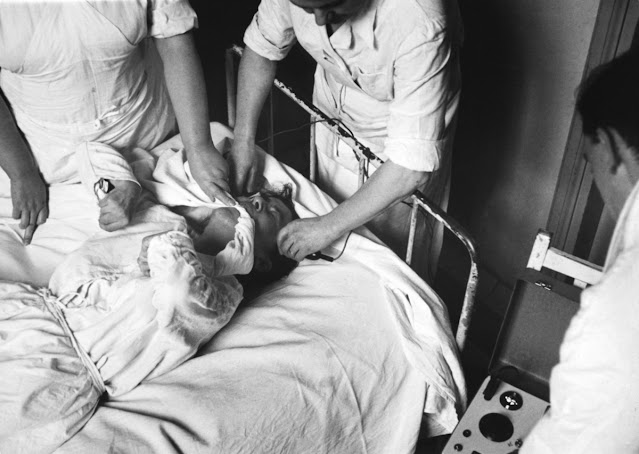
In 1954, Charbonnier documented French psychiatric hospitals, and some of the photographs were published in Réalités in January 1955, in which he employed an objective point of view exposed conditions in a mental hospital that are a valuable document today in gauging the progress of psychiatric treatment (a number of the most powerful images were not published due to the sensitivities of the 1950s).

“I stayed 6 weeks in mental hospitals. The agitator who breaks everything and lives naked in a cell in the soiled straw; the alcoholic on drug treatment, whose vomiting pierces the night and flows materially under his door; women in camisoles, prostrate, desexed and mustachioed who throw themselves to the doctors’ necks. What patience! Bottomless looks, words without follow-up…

“At the White House Psychiatric Hospital, I had seen, as on skid row, a foolish cohort of doddering women, twelve to seventy years old, who came to the bath: smelling terribly. The nurses undressed, bathed, rubbed, rinsed, gave them clean clothes out of the autoclave. After this salutary ceremony, the unfortunate women came back before me, dolled up, all fresh, smiling, heartbreaking: ‘Hello sir, Hello sir, Hello sir, etc …’ But the same smell persisted. It was in them. As if it was not enough for them to be crazy…”

(Photos by Jean-Philippe Charbonnier)

40 Amazing Color Photos Showing Life in the U.S. during the Late 1940s

Subscribe to get access

Read more of this content when you subscribe today.

Following World War II, the United States emerged as one of the two dominant superpowers, turning away from its traditional isolationism and toward increased international involvement.

The United States became a global influence in economic, political, military, cultural, and technological affairs. The unprecedented growth of the U.S. economy translated into prosperity that resulted in millions of office and factory workers being lifted into a growing middle class that moved to the suburbs and embraced consumer goods.

The role of women in U.S. society became an issue of particular interest in the post-war years, with marriage and feminine domesticity depicted as the primary goal for the American woman. The post-war baby boom embraced the role of women as caretakers and homemakers.

The post-World War II prosperity did not extend to everyone. Many Americans continued to live in poverty throughout the 1950s, especially older people and African Americans.

Voting rights discrimination remained widespread in the south through the 1950s. Although both parties pledged progress in 1948, the only major development before 1954 was integration of the military.

Here below is a set of amazing color photos that shows everyday life of the United States in the late 1940s.

Subscribe to continue reading

Become a paid subscriber to get access to the rest of this post and other exclusive content.

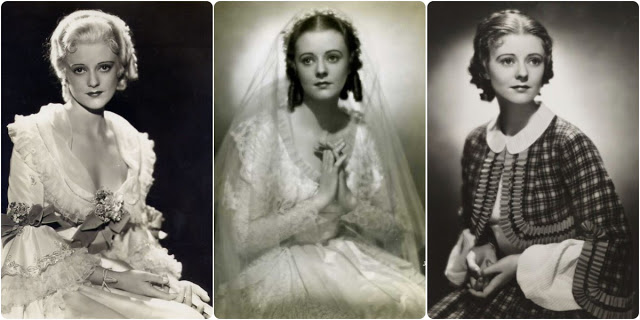
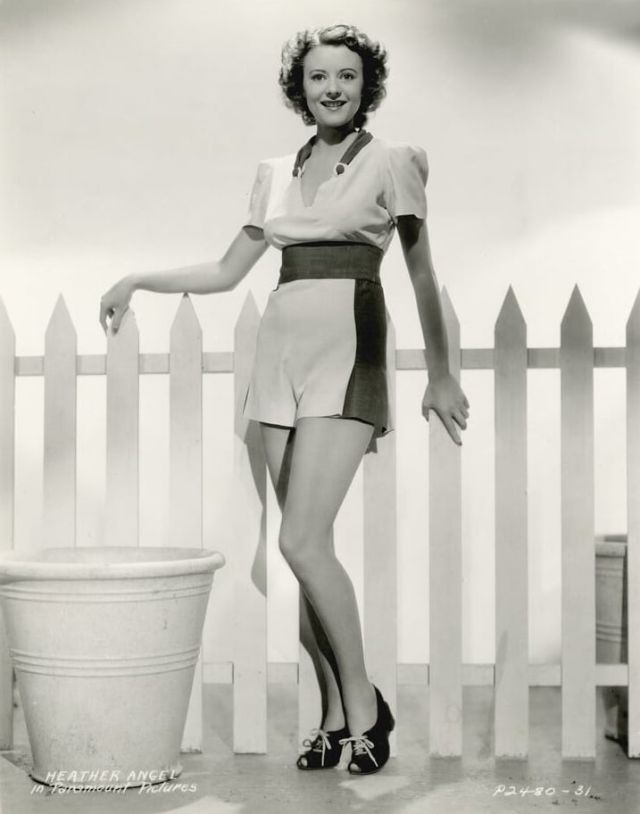
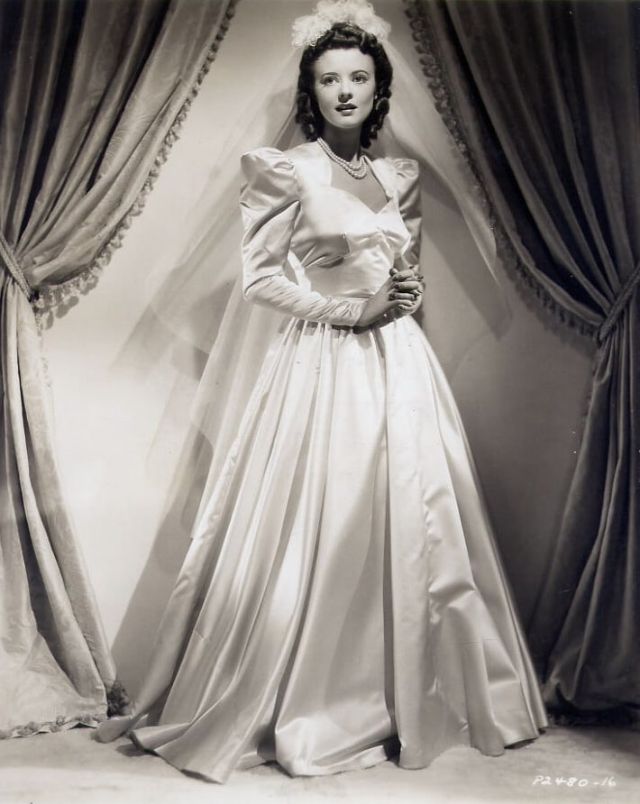
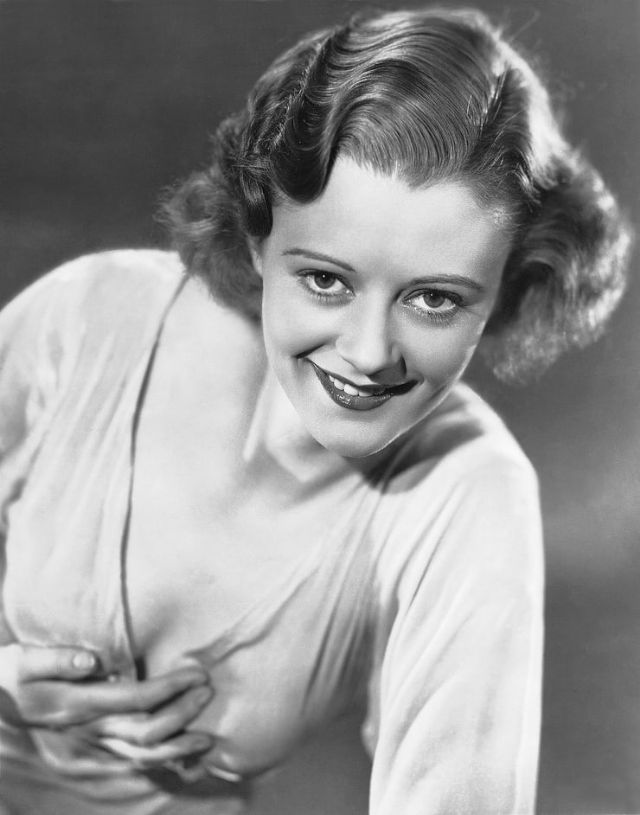
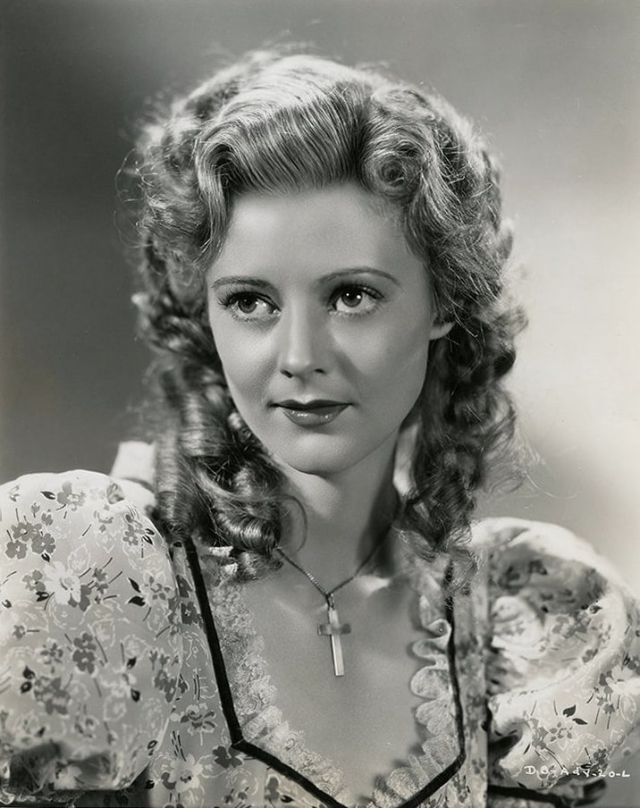
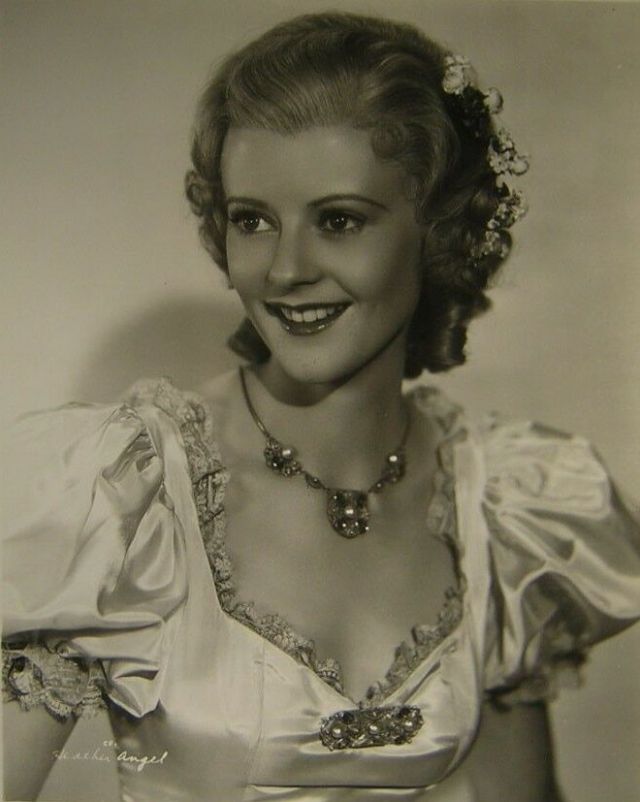
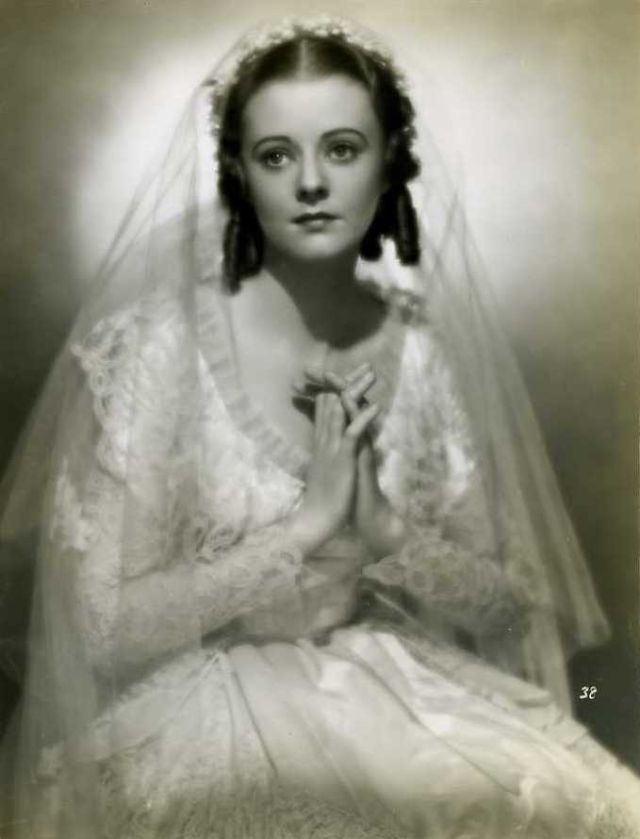
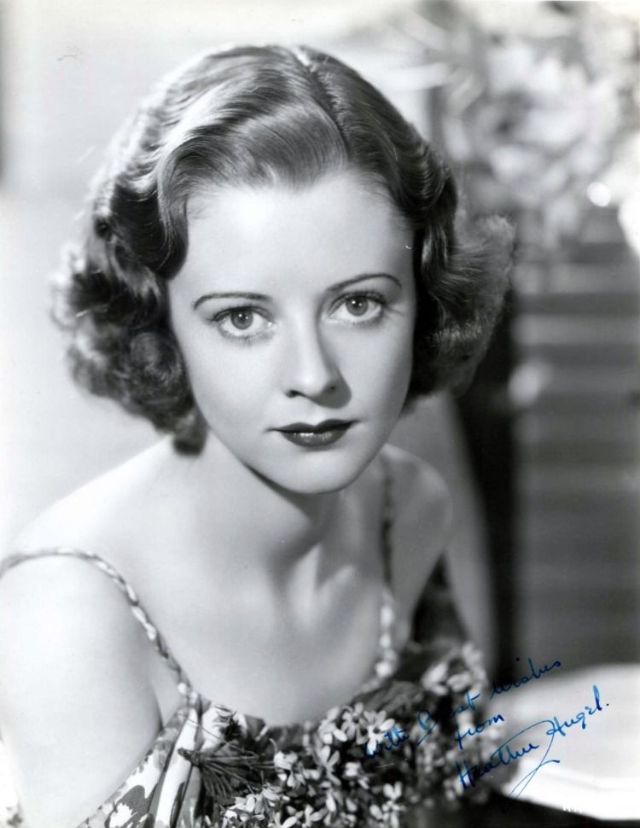
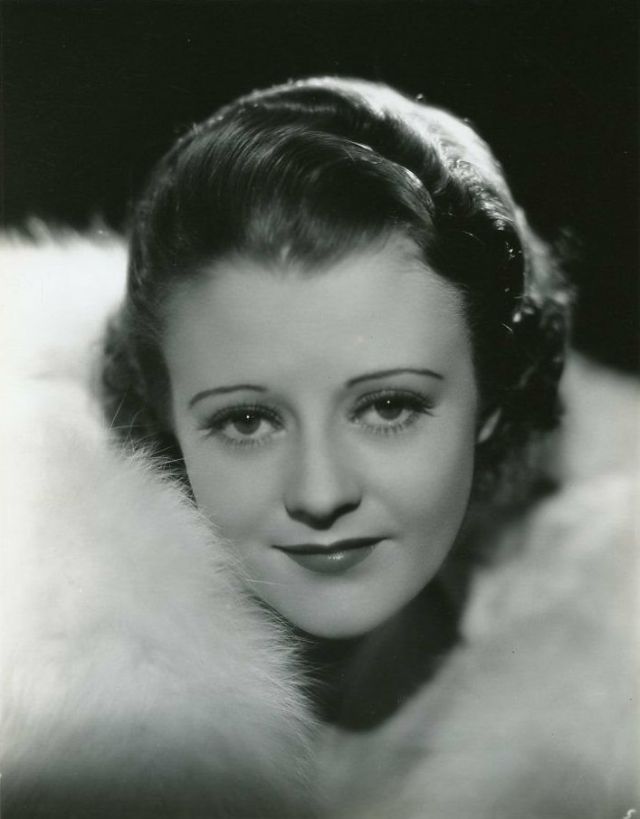
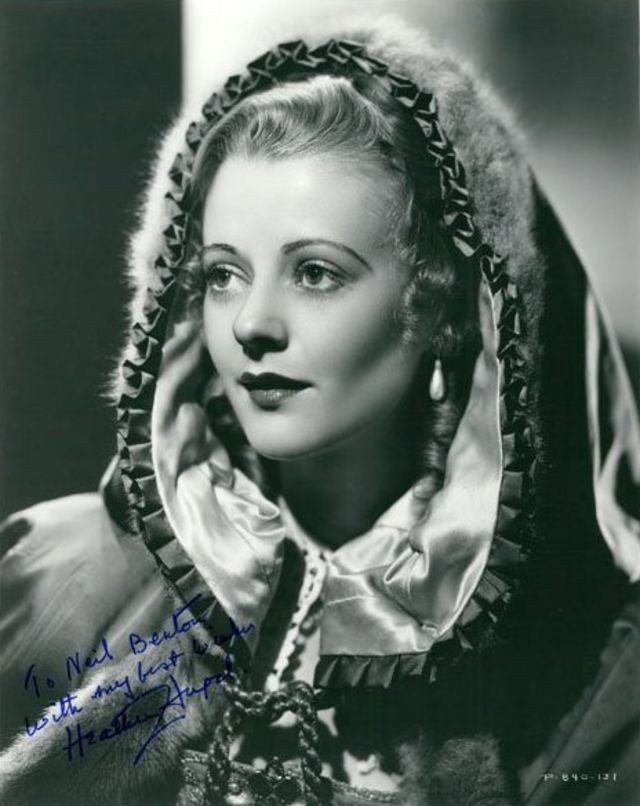
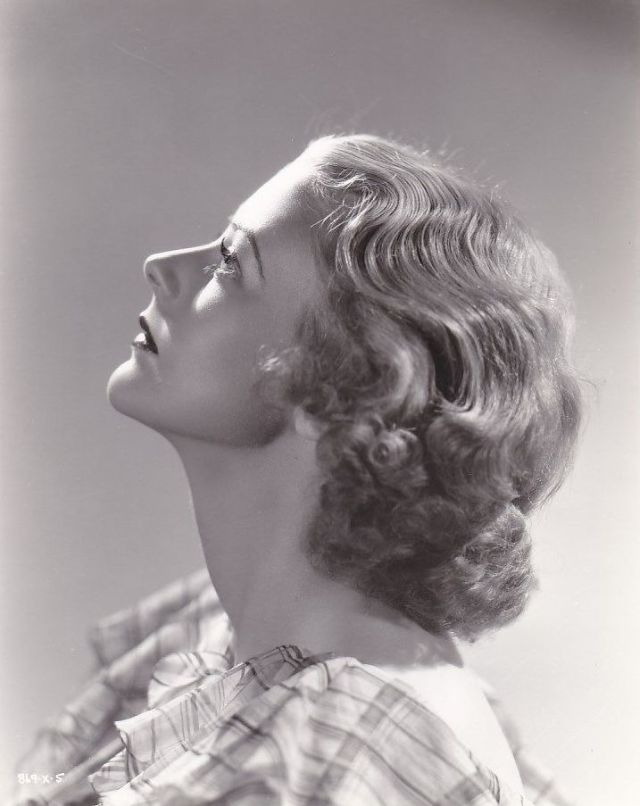
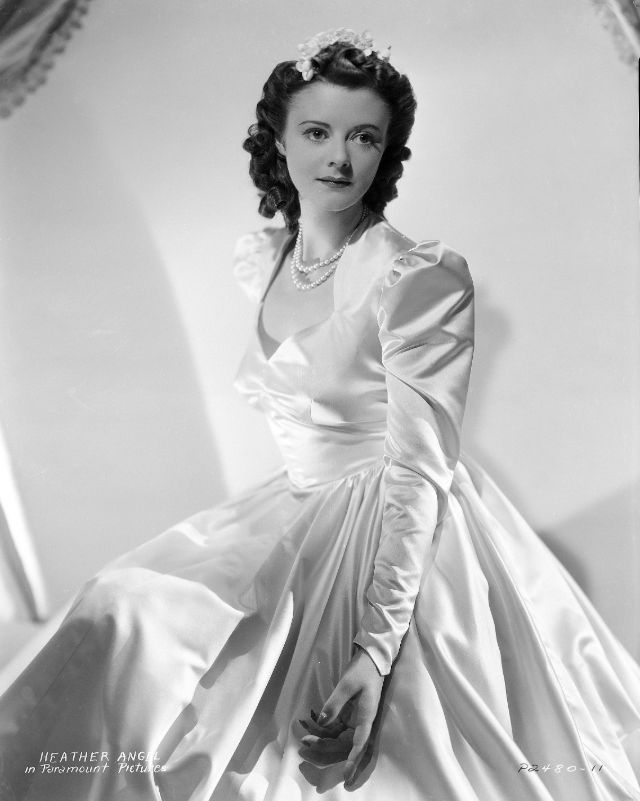
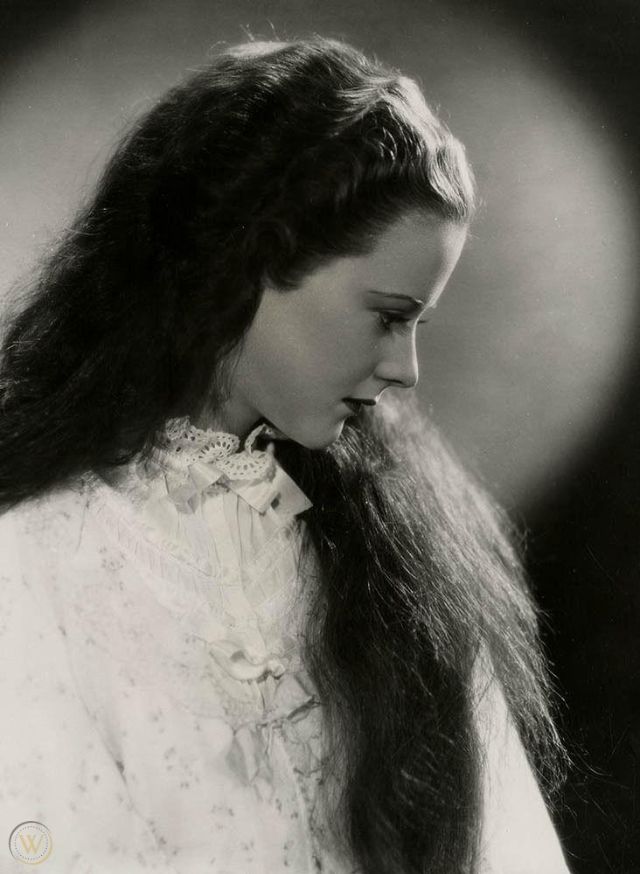
36 Amazing Photos of British Actress Heather Angel in the 1930s & 1940s

Born 1909 in Headington, Oxford, British actress Heather Angel began her stage career at the Old Vic in 1926 and later appeared with touring companies. Her Broadway debut came in December 1937, in Love of Women at the Golden Theatre. She also appeared in The Wookey (1941–42).

Angel appeared in many British films. She made her first screen appearance in City of Song, and later had a leading role in Night in Montmartre (1931), and followed this success with The Hound of the Baskervilles (1932). She then decided to move to Hollywood.

Over the next few years, Angel played strong roles in such films as The Mystery of Edwin Drood (1935), The Three Musketeers (1935), The Informer (1935) and The Last of the Mohicans (1936).

In 1937, Angel made the first of five appearances as Phyllis Clavering in the popular Bulldog Drummond series. She was cast as Kitty Bennett in Pride and Prejudice (1940) and as the maid, Ethel, in Suspicion (1941). Angel was also the leading lady in the first screen version of Raymond Chandler’s The High Window, released in 1942 as Time to Kill.

Angel married actor Ralph Forbes in Arizona in 1934, a union that lasted less than ten years. Angel had acted with Henry Wilcoxon in Self Made Lady (1932) when they were both in Britain. When she heard Wilcoxon was also in Hollywood, she contacted him. She invited him to polo matches at the home of Will Rogers and later taught him horseback riding. They acted together in two other films: The Last of the Mohicans (1936) and Lady Hamilton (1941). Though they remained lifelong friends, they never married. Heather and her husband were both present at the wedding of Wilcoxon to his first wife. They had intended to host the wedding at their house in Coldwater Canyon.
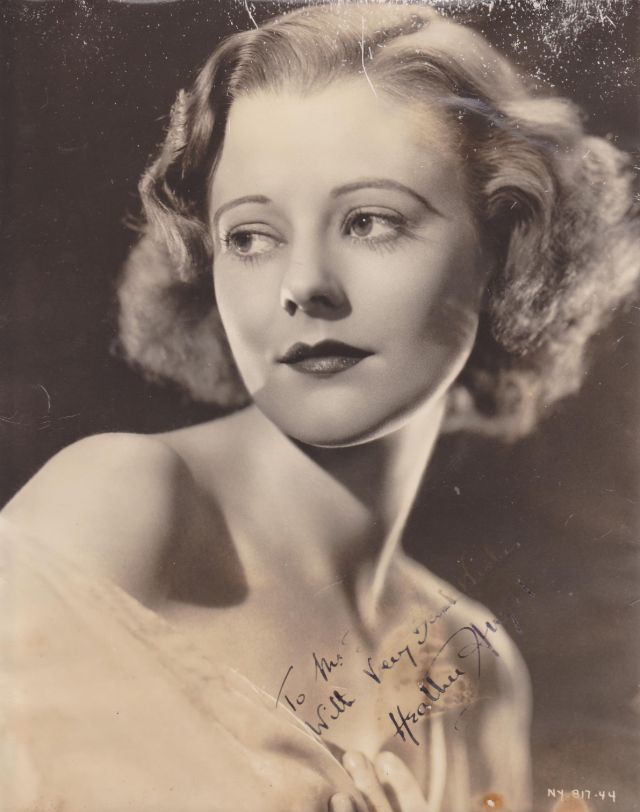
Angel married Robert B. Sinclair (1905–1970), a film and television director, in 1944. On 4 January 1970, an intruder, Billy McCoy Hunter, broke into their home. When Sinclair attempted to protect Angel, Hunter killed him in her presence, then fled. He was allegedly found with a knife and pistol when arrested. The incident is believed to have been a failed burglary. Angel had one son with Sinclair in 1947.

Angel died from cancer in Santa Barbara, California in 1986 at the age of 77. She has a motion pictures star on the Hollywood Walk of Fame for her contributions to the film industry. Her star is located at 6301 Hollywood Boulevard.

Take a look at these gorgeous photos to see the beauty of young Heather Angel in the 1930s and 1940s.

Subscribe to Yesterday Today to receive daily updates:

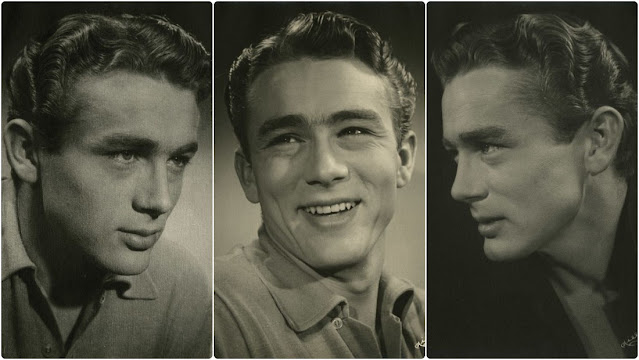
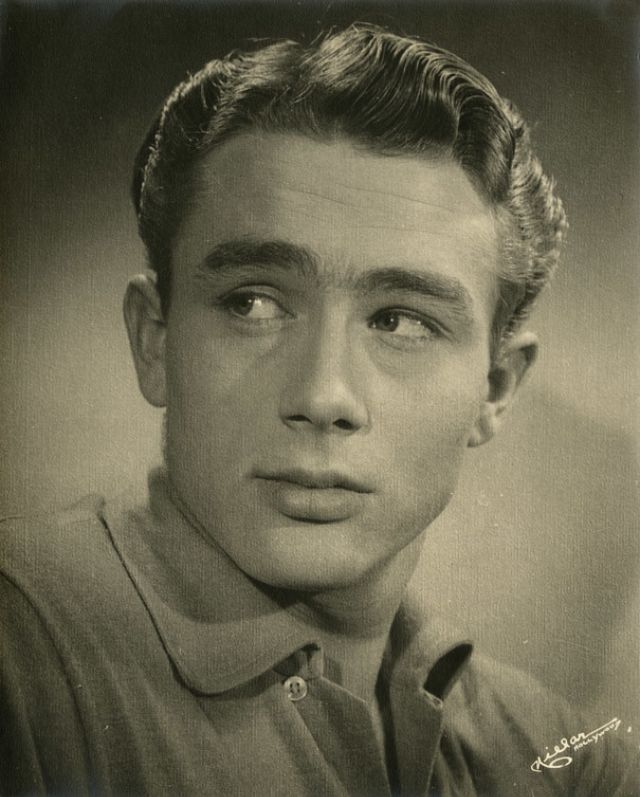
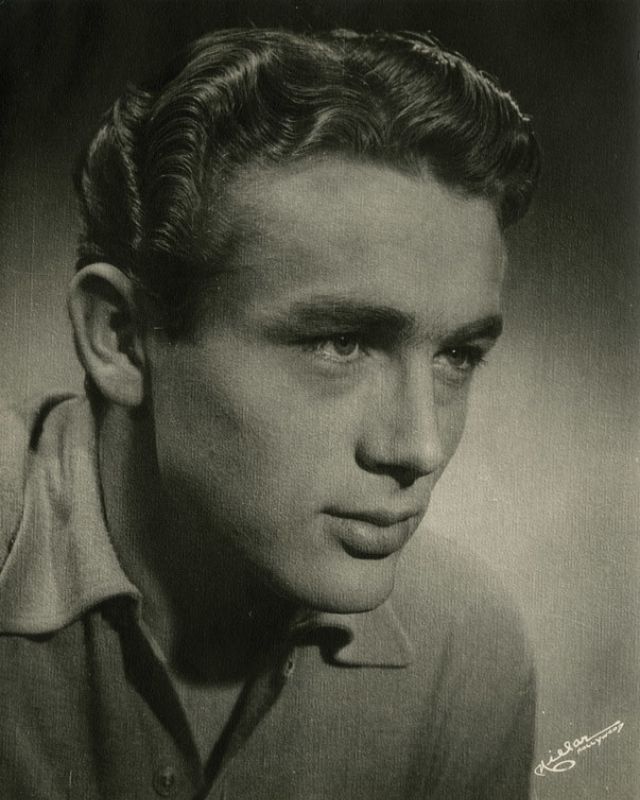
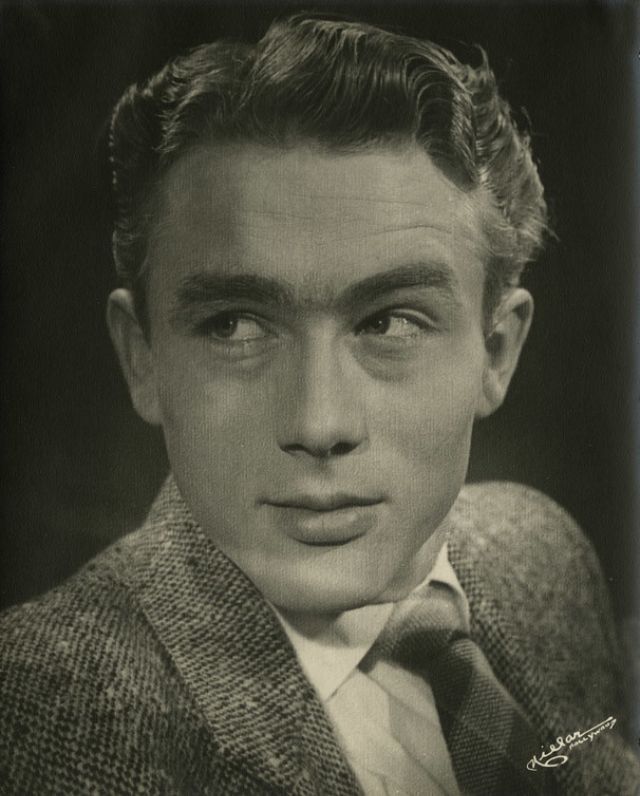
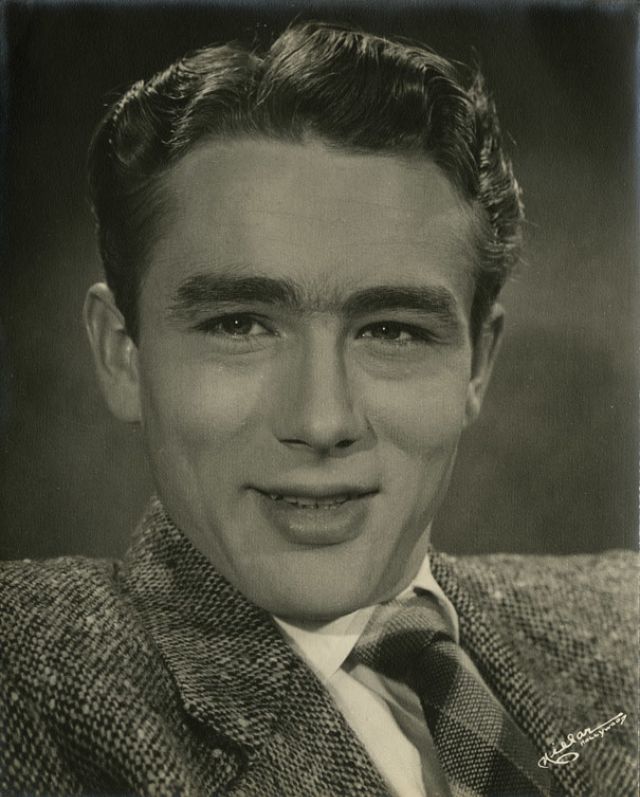
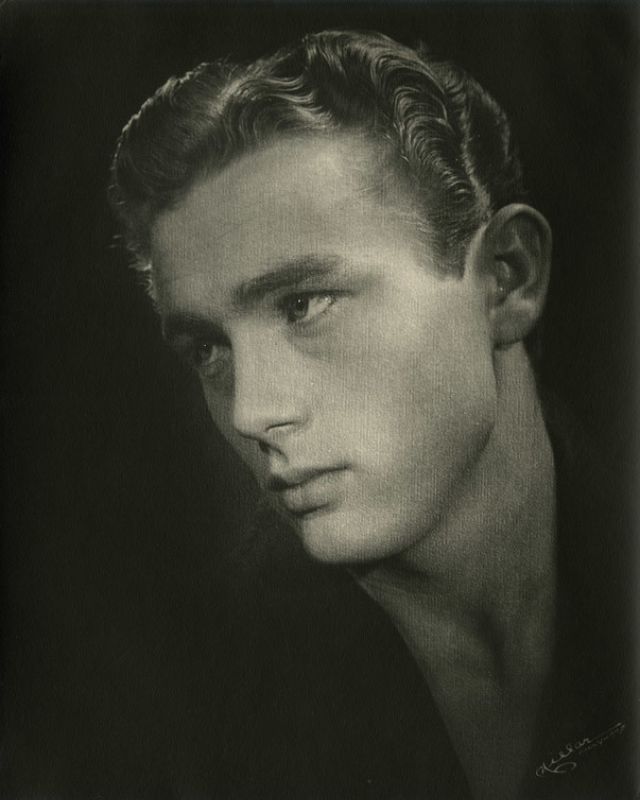
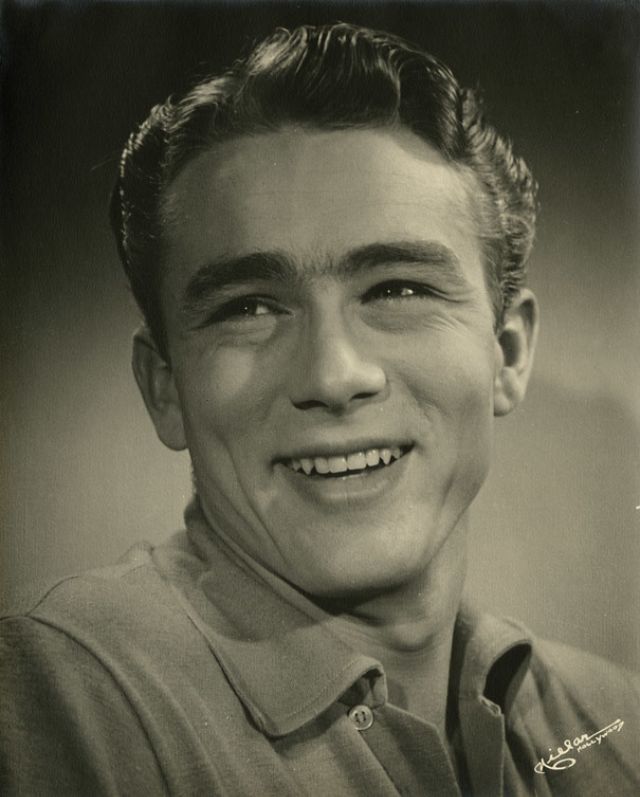
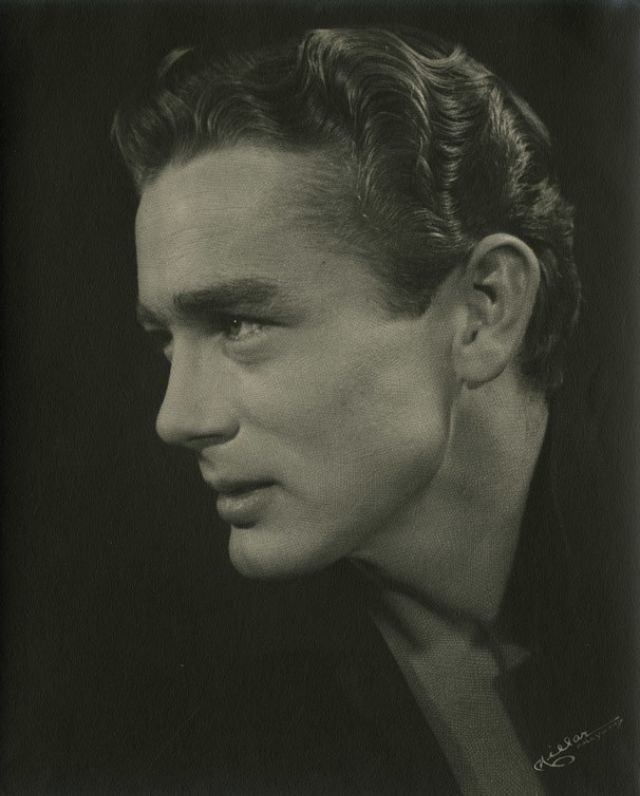
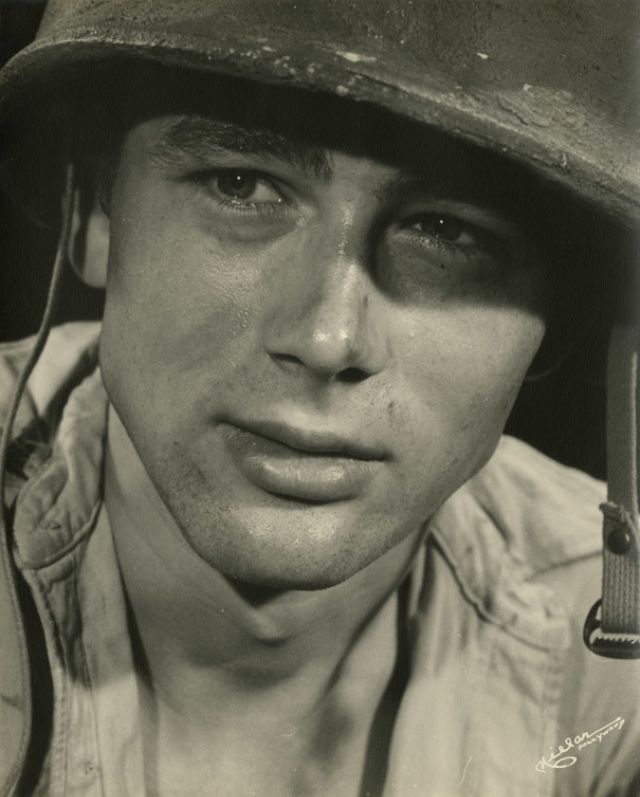
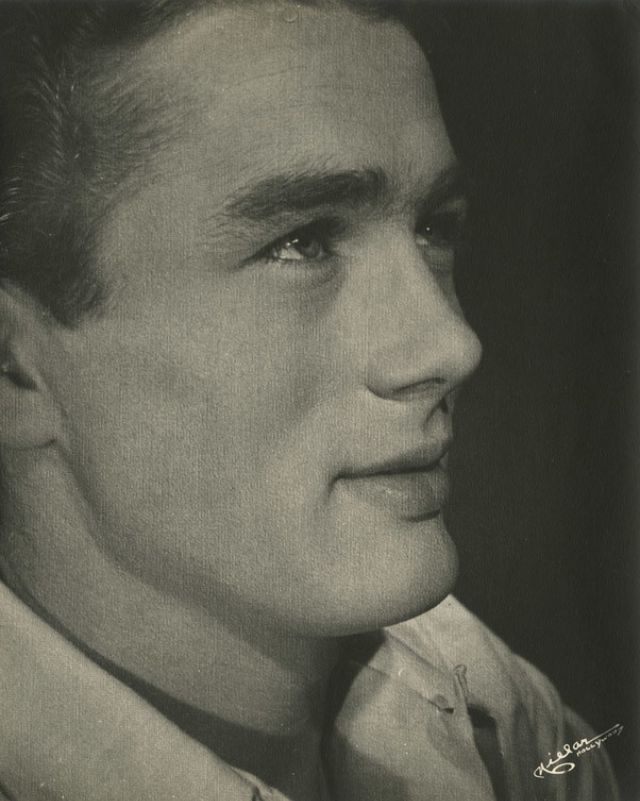
James Dean Photographed by Wilson Millar For His First Film ‘Hill Number One’ (1951)

Before he conquered Hollywood, James Dean toiled in New York television. Hill Number One was an hour-long Easter special sponsored by the Family Rosary Crusade – the story of Jesus after the crucifixion, when he was buried in the tomb and then was risen.

It’s talky, stiffly staged, and very earnest. Dean has a small role, about four lines of dialogue, and he’s wildly miscast as the serene and pious John the Baptist.

These photos derive from a private sitting in the spring of 1951, when James Dean was making his first film Hill Number One in an installment of Family Theater. Dean was taken by Hollywood-based photographer Wilson Millar, when he was a struggling actor-student at UCLA.

James Byron Dean (February 8, 1931 – September 30, 1955) was an American actor with a career that lasted five years. He is regarded as a cultural icon of teenage disillusionment and social estrangement, as expressed in the title of his most celebrated film Rebel Without a Cause (1955), in which he starred as troubled teenager Jim Stark. The other two roles that defined his stardom were loner Cal Trask in East of Eden (1955) and surly ranch hand Jett Rink in Giant (1956).

Dean died died in a car crash on September 30, 1955 and became the first actor to receive a posthumous Academy Award nomination for Best Actor for his role in East of Eden. He received a second nomination for his role in Giant the following year, making him the only actor to have had two posthumous acting nominations. In 1999, the American Film Institute ranked him the 18th best male movie star of Golden Age Hollywood in AFI’s 100 Years…100 Stars list.

Subscribe to Yesterday Today and receive Daily updates full of amazing images and information.

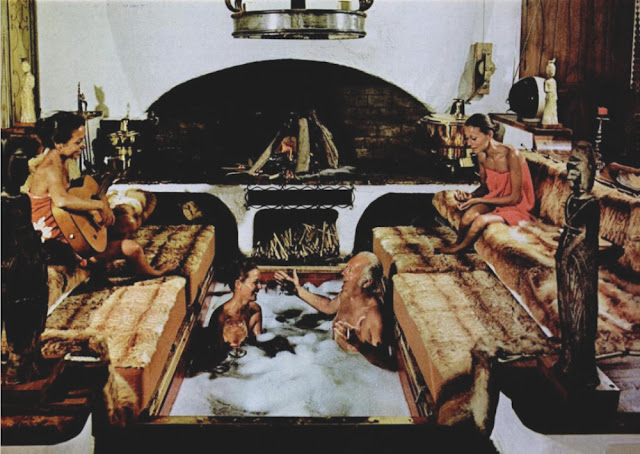
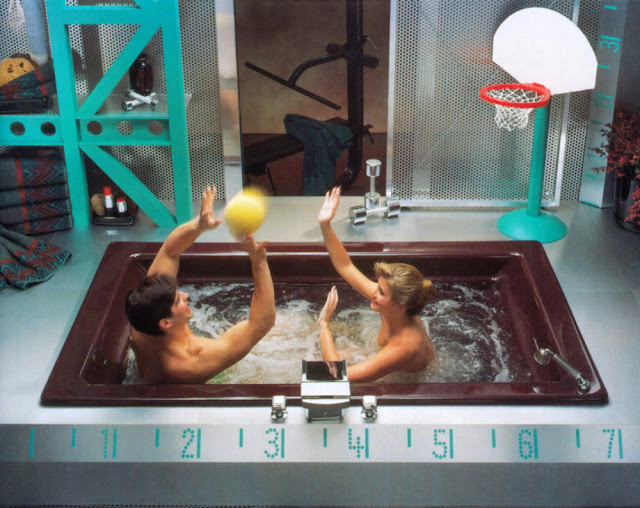
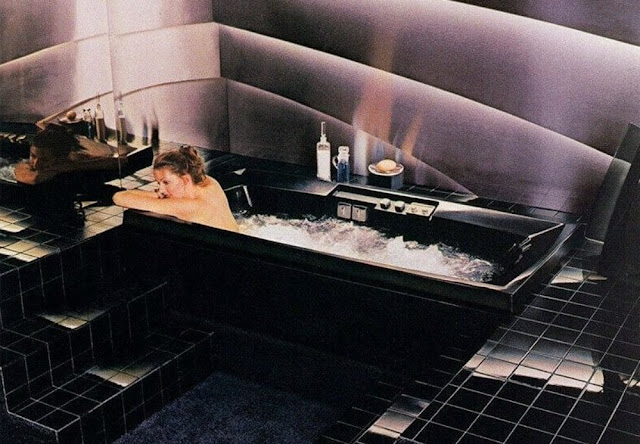
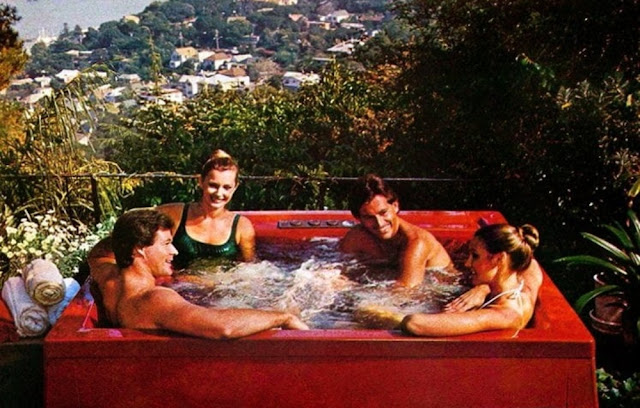
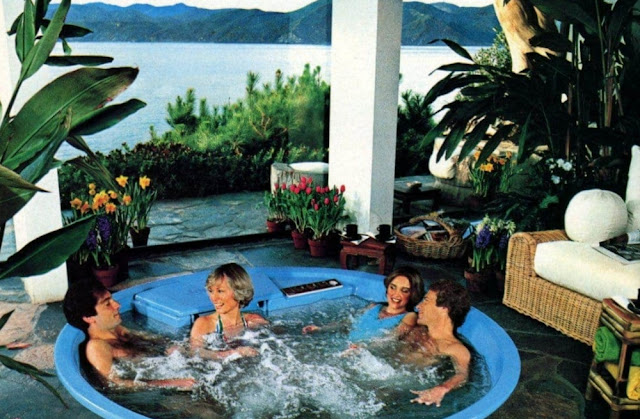
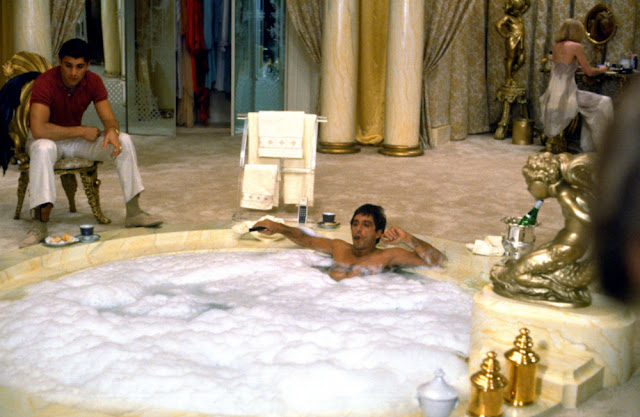
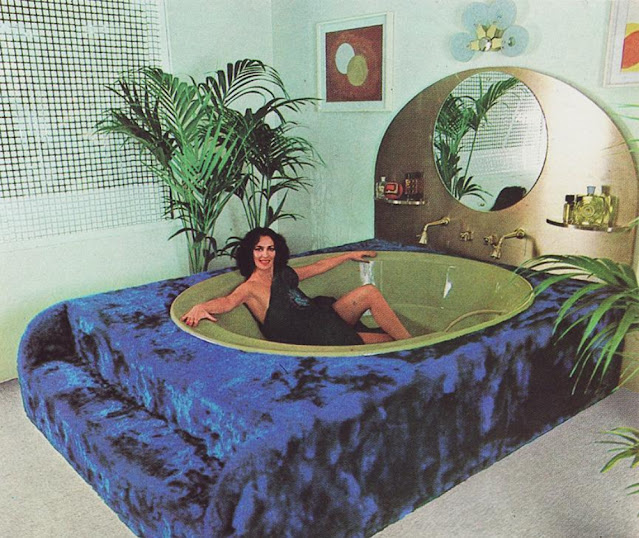
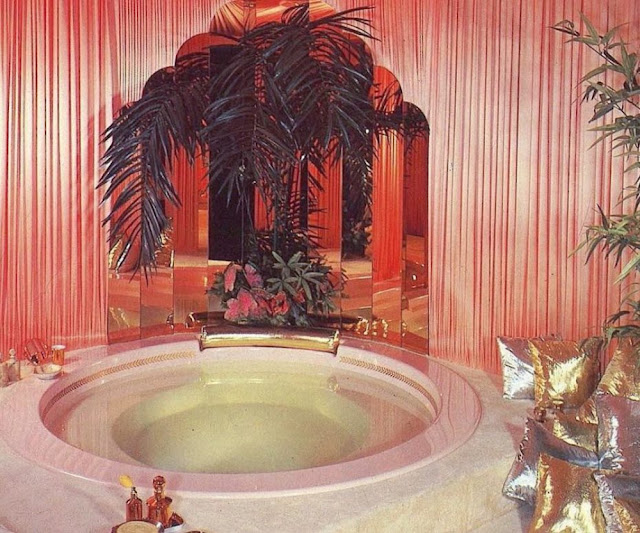
Pictures of Fascinating Jacuzzi Hot Tubs From the 1970s and 1980s

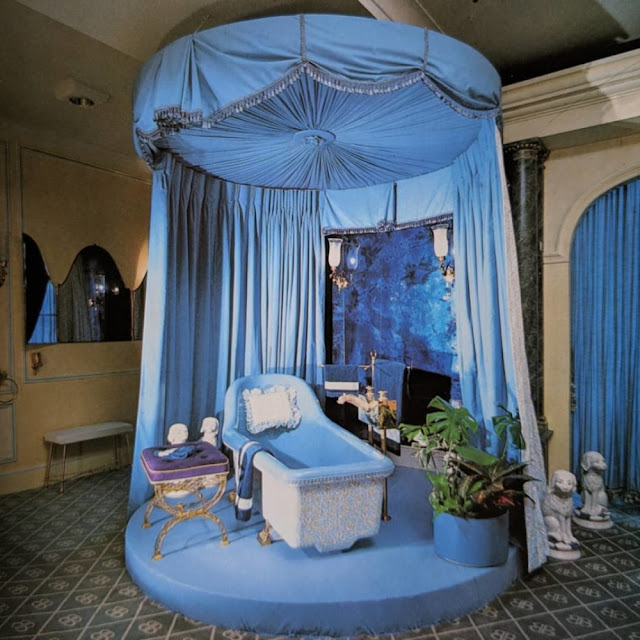
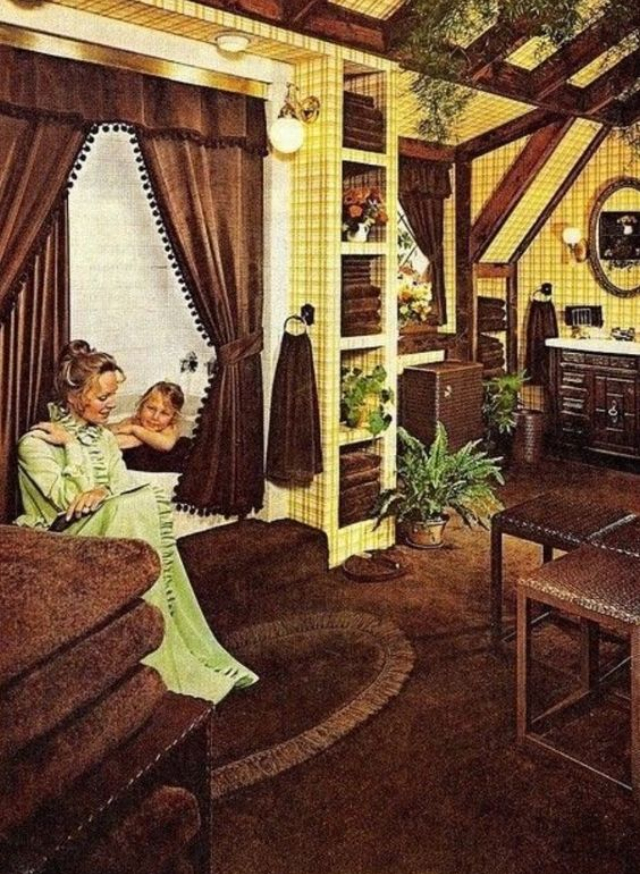
If you weren’t burning up the disco dance floor during the 1970s, chances are you could be found steaming things up in a Jacuzzi. These hot tubs were a relaxing and soothing place that became a must-have for anyone looking to enhance their swanky, sexy living space. Jacuzzis seemed to fit right in with the hipness of shag rugs, and the laid-back appeal of wood paneling. Owning a Jacuzzi meant that you would never again have to settle for an ordinary, run-of-the-mill bath. Instead, take the plunge into a Jacuzzi, and you could take bathing to a whole new level.

The modern-day hot tub, also known as the Jacuzzi, was designed, invented, and engineered by the seven Jacuzzi brothers, all of whom emigrated from Italy to come to California in the early 1900s. The family’s ingenuity and work ethic led them to design advancements in aviation, as well as water pumps for use in farming and agriculture, particularly orange groves. Eventually, the Jacuzzi brothers invented the world’s first submersible pump. This made it possible to draw water directly from the ground into pipes that then disbursed the water where it was needed.

In 1956, the brothers took their first crack at developing a hot tub, named the J-300, in response to a family member’s struggle with rheumatoid arthritis. They engineered a piping system to transfer hot water from a furnace to another container of water, and designed a hydrotherapy pump as well. In 1968, Jacuzzi created the world’s first integrated jet whirlpool bath. And by 1970, Jacuzzi invented larger indoor tubs to accommodate groups of people or whole families, but design changes eventually allowed for outdoor use as well.

The 1970s saw the arrival of multiperson hot tubs. Around this time, hot tubs became widely referred to as Jacuzzis, owing to the fact that the Jacuzzi family had revolutionized the concept. The Jacuzzi became a social gathering spot for family and friends, neighbors and partygoers, and swinging singles and cozy couples alike.

35 Beautiful Photos of Julie Christie in the 1960s

Born 1940 in Chabua, Assam, British India, British actress Julie Christie made her professional stage debut in 1957, and her first screen roles were on British television. She is the recipient of numerous accolades including an Oscar, a Golden Globe, a BAFTA Award, and a Screen Actors Guild Award. She has appeared in six films ranked in the British Film Institute’s BFI Top 100 British films of the 20th century, and in 1997, she received the BAFTA Fellowship.

Christie’s breakthrough film role was in Billy Liar (1963). She came to international attention for her performances in Darling (1965), for which she won the Academy Award for Best Actress, and Doctor Zhivago (also 1965), the eighth highest-grossing film of all time after adjustment for inflation.

In the following years, Christie starred in Fahrenheit 451 (1966), Far from the Madding Crowd (1967), Petulia (1968), The Go-Between (1971), McCabe & Mrs. Miller (1971), for which she received her second Oscar nomination, Don’t Look Now (1973), Shampoo (1975), and Heaven Can Wait (1978).

From the early 1980s, Christie’s appearances in mainstream films decreased. She has continued to receive significant critical recognition for her work, including Oscar nominations for the independent films Afterglow (1997) and Away from Her (2007).

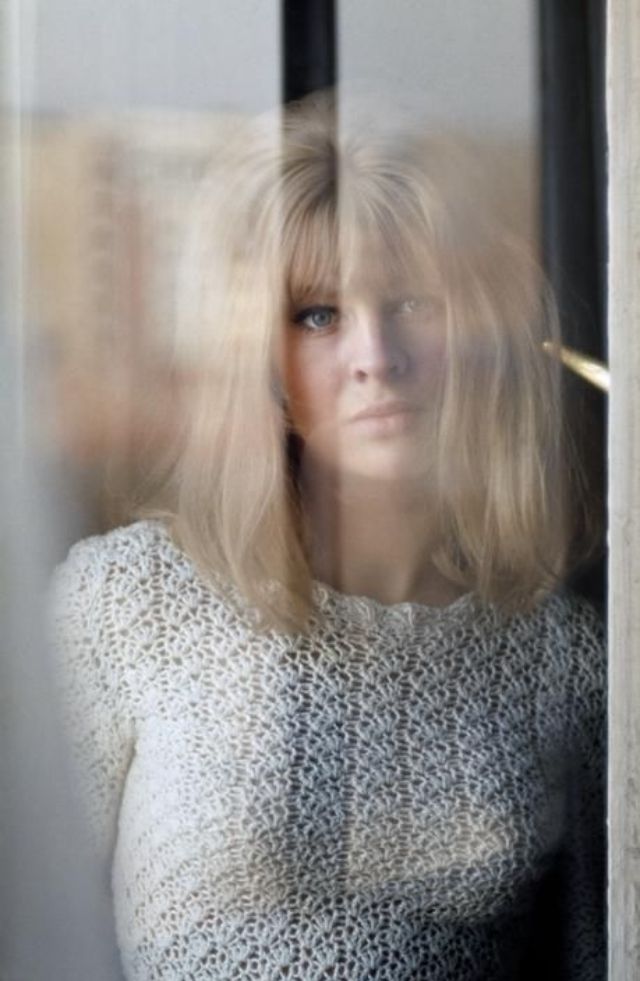
Take a look at these gorgeous photos to see the beauty of young Julie Christie in the 1960s.

Subscribe to get access

Read more of this content when you subscribe today.

Subscribe to continue reading

Become a paid subscriber to get access to the rest of this post and other exclusive content.

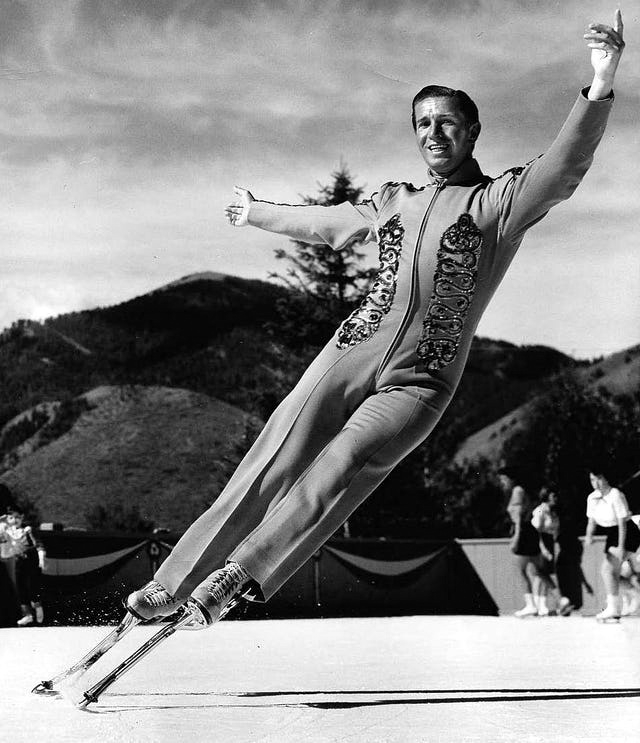
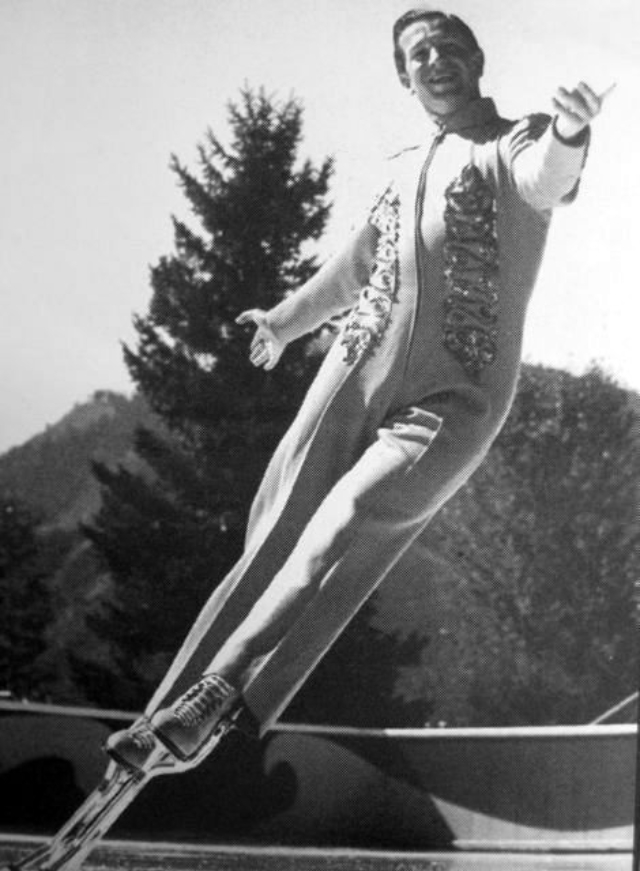
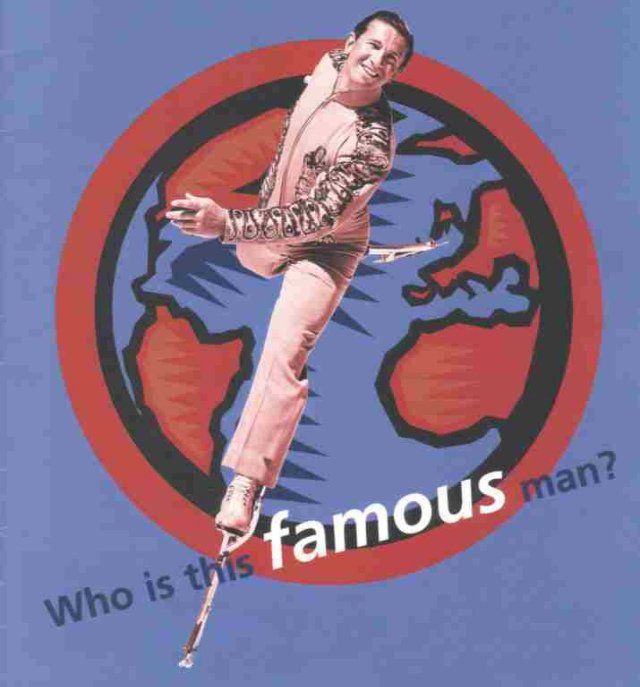
Fritz Dietl the Stilt-Man

Born on July 11, 1911 in Vienna, Austria, Fritz Dietl was educated in the Vienna schools and held a Master’s Degree in Engineering. An internationally known and respected figure skater, professional skating instructor and judge, Dietl began ice skating at age 12 on the Old Danube River in his hometown of Vienna. Though he trained to become a professional tennis player, he chose a career in skating, spending winter months as a skating instructor in Austria and later in Switzerland and England.

In the 1930s, Dietl had his own European ice skating show where he was featured as a stilt skater. He was also an original member of the Ice Capades. He came to the United States in 1940 and began skating with the Olympic champion, Sonja Henie. Together they toured the nation.

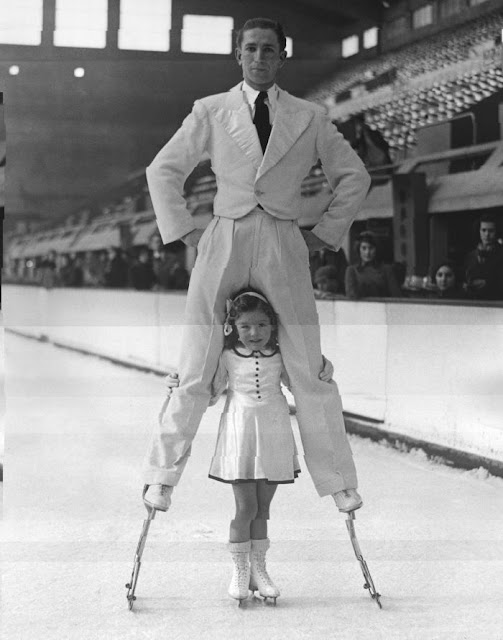
Walking on stilts is already impressive enough, but this man pushed it one step further and skated on stilts! Fritz Dietl, who was better known as the Stilt-man, was photographed practicing his skills with four-year-old Pat Kemp at the Empire Pool in Wembley.

In 1958, he opened the Fritz Dietl Ice Skating Rink, which is still in operation today in Westwood, NJ. Dietl coached Scott Allen, who won an Olympic bronze medal in 1964 at the age of 14.

He was a charter member of the Ice Skating Institute of America and was named to the association’s Hall of Fame. He also was a founding member of the International Professional Skating Union and a board member of the Professional Skaters Association who recognized him with the Honorary Member and Lifetime Achievement Award. The PSA Fritz Dietl Ice Arena Award of Excellence was also named after him.

France in the 1940s Through a German Soldier’s Lens

In 1940, France was invaded and quickly defeated by Nazi Germany. France was divided into a German occupation zone in the north, an Italian occupation zone in the southeast and an unoccupied territory, the rest of France, which consisted of the southern French metropolitan territory (two-fifths of pre-war metropolitan France) and the French empire, which included the two protectorates of French Tunisia and French Morocco, and French Algeria; the Vichy government, a newly established authoritarian regime collaborating with Germany, ruled the unoccupied territory. Free France, the government-in-exile led by Charles de Gaulle, was set up in London.

From 1942 to 1944, about 160,000 French citizens, including around 75,000 Jews, were deported to death camps and concentration camps in Germany and occupied Poland. In September 1943, Corsica was the first French metropolitan territory to liberate itself from the Axis. On 6 June 1944, the Allies invaded Normandy and in August they invaded Provence.

Over the following year the Allies and the French Resistance emerged victorious over the Axis powers and French sovereignty was restored with the establishment of the Provisional Government of the French Republic (GPRF). This interim government, established by de Gaulle, aimed to continue to wage war against Germany and to purge collaborators from office. It also made several important reforms (suffrage extended to women, creation of a social security system).

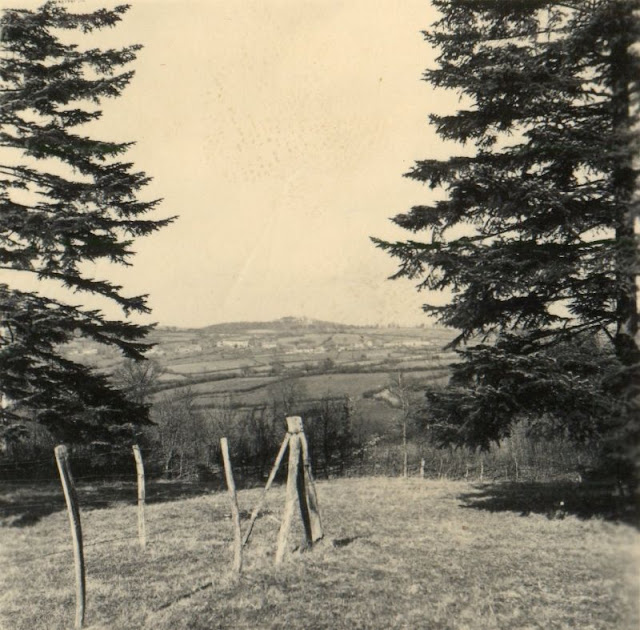
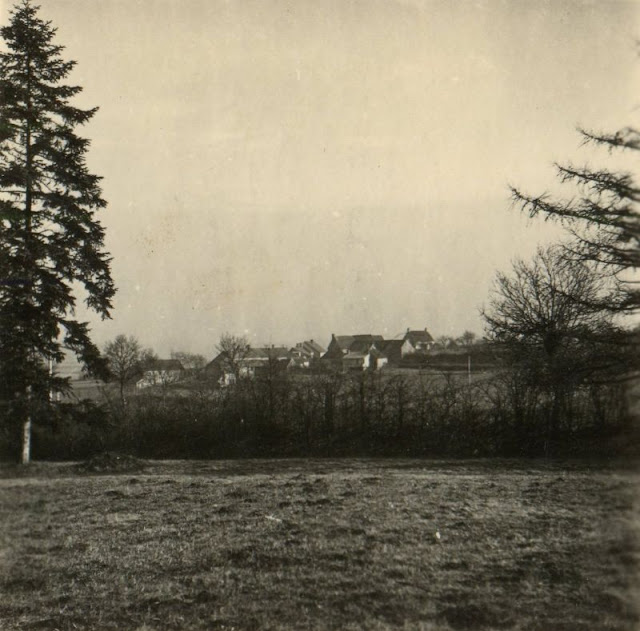
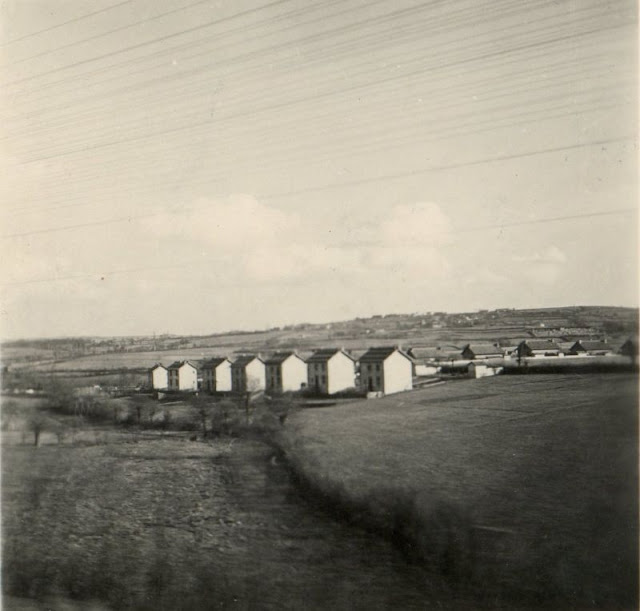
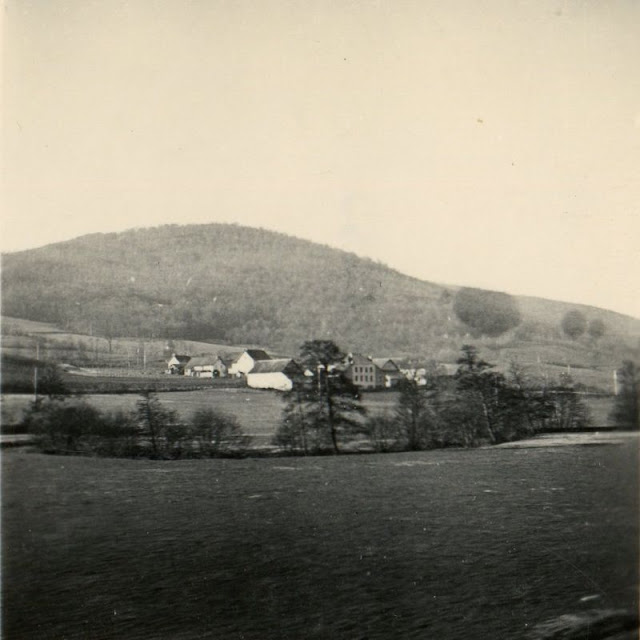
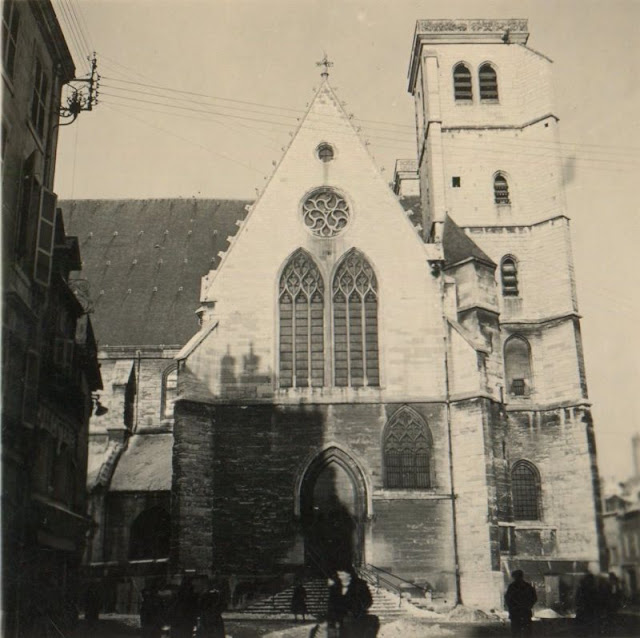
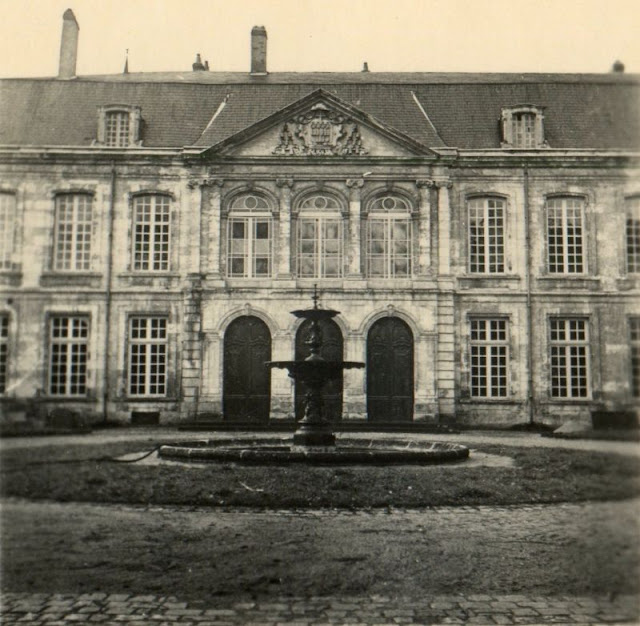
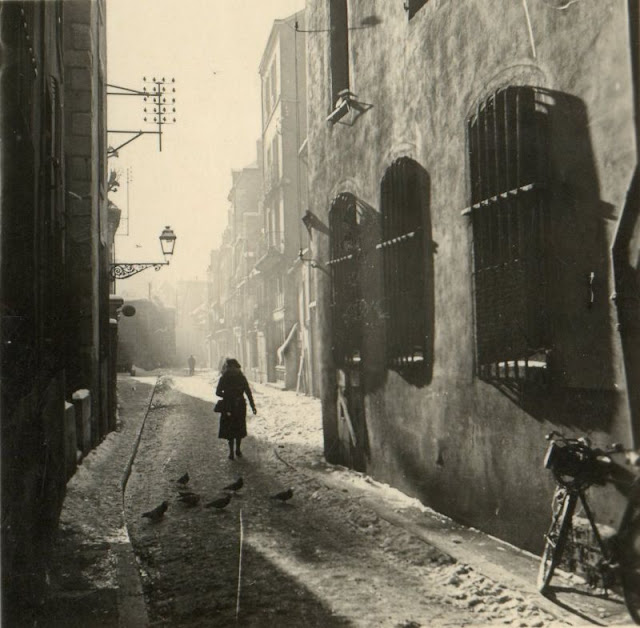
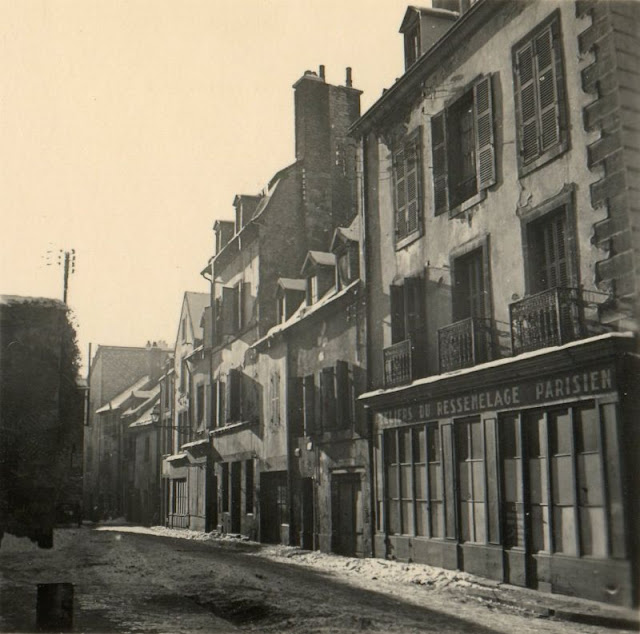
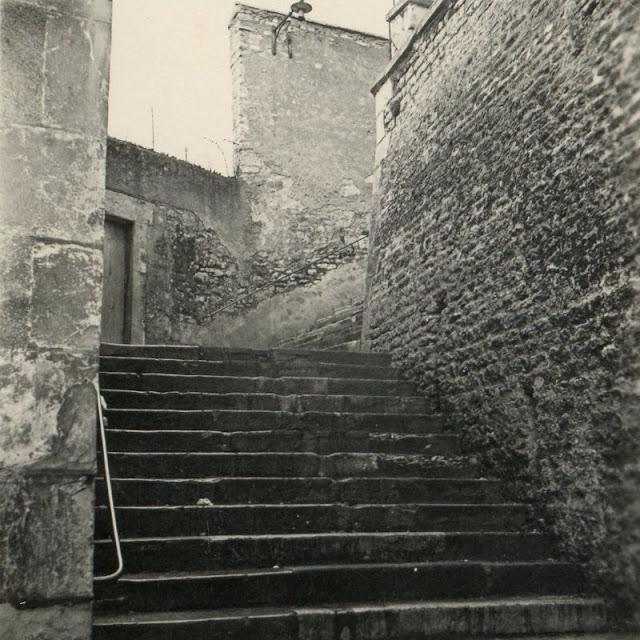
These vintage photos were taken by a German soldier showing street scenes in France during the 1940s.

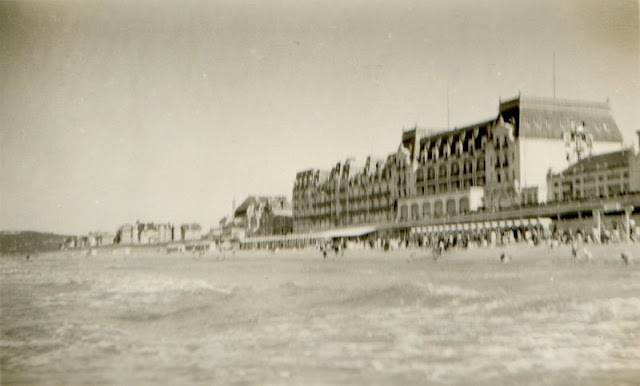
Cabourg, France in the 1940s

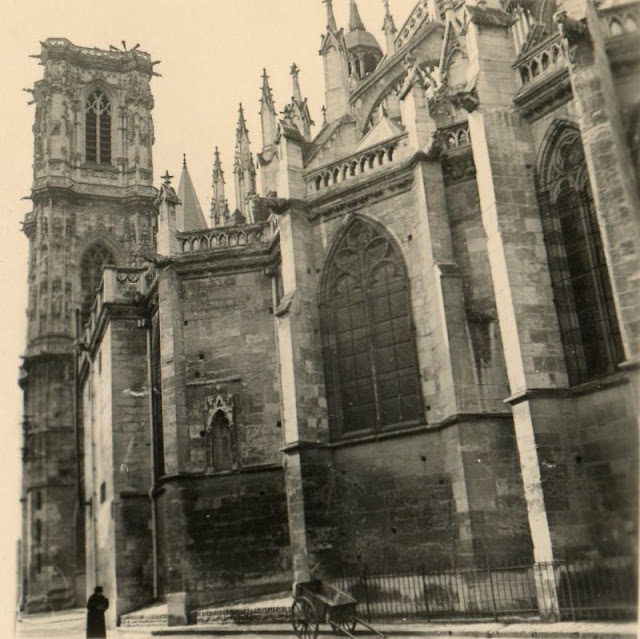
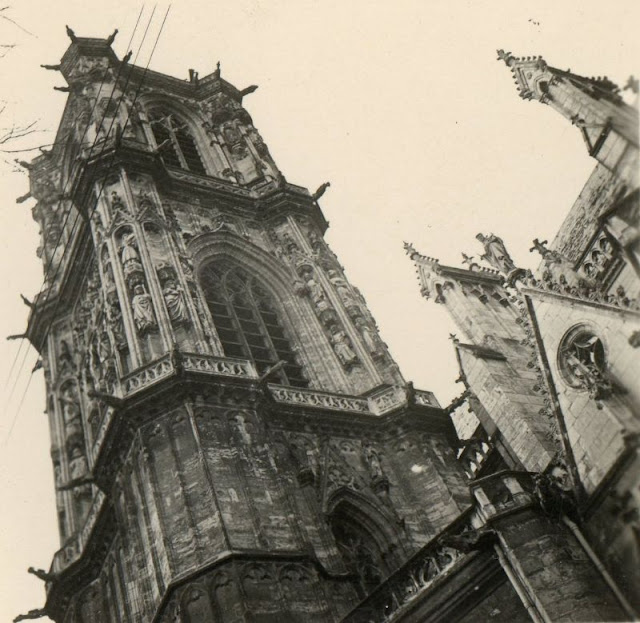
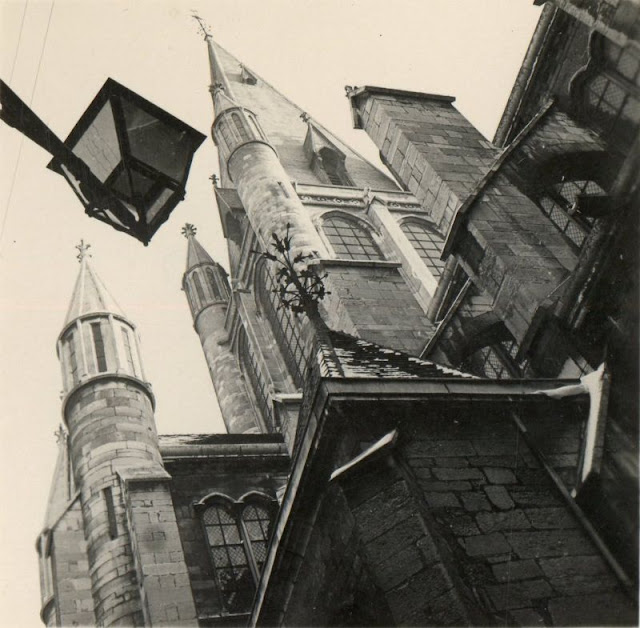
Cathédrale Saint-Cyr et Sainte-Julitte de Nevers, France in the 1940s

Cathédrale Saint-Cyr et Sainte-Julitte de Nevers, France in the 1940s

Cathédrale Saint-Cyr et Sainte-Julitte de Nevers, France in the 1940s

Chapelle des Carmélites de Dijon, France, circa 1940s

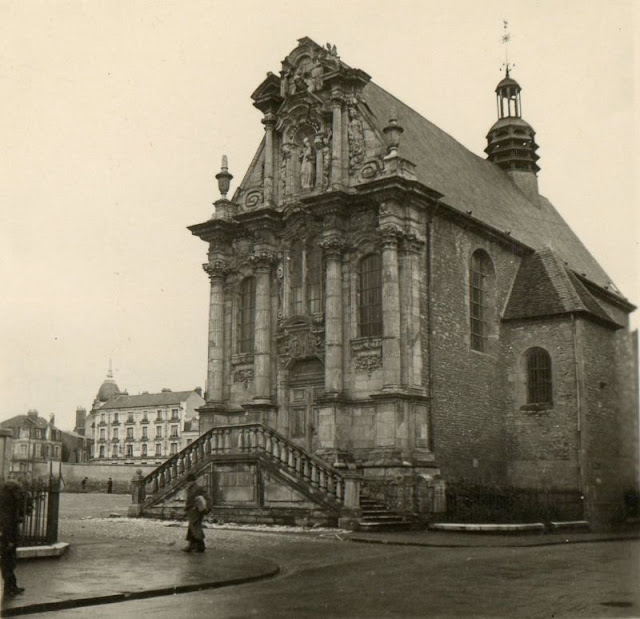
Chapelle Sainte-Marie, Nevers, France in the 1940s

Cour de Bar, Dijon, France, circa 1940s

Dijon, France, circa 1940s

Église Notre-Dame de Dijon, France, winter 1940s

Évreux, France in the 1940s

Hôtel de Ville, Paris, circa 1940s

La chapelle Sainte-Marie, Nevers, France in the 1940s

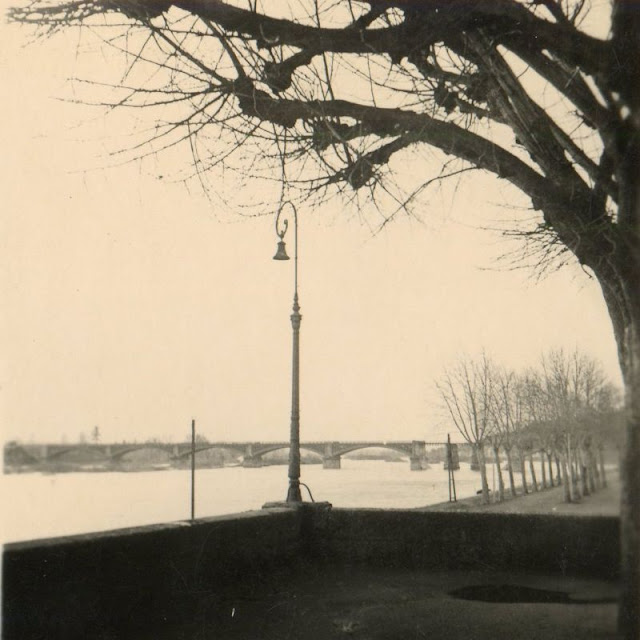
Le quai de Mantoue in Nevers, France in the 1940s

Maison Maillard, Dijon, France, circa 1940s

Palace of Versailles, Paris, circa 1940s

Palais des ducs de Bourgogne (Dukes of Burgundy’s Palace), Dijon, Côte-d’Or departement, Burgundy, France, circa 1940s

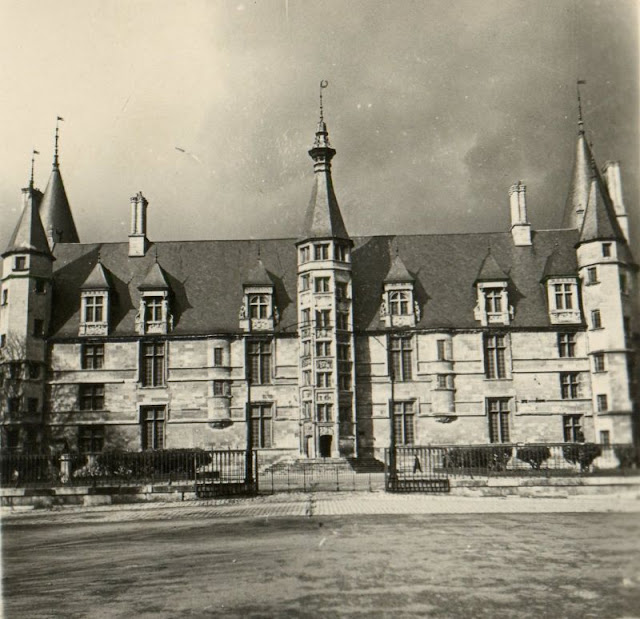
Palais ducal de Nevers, France in the 1940s

Pont ferroviaire de Nevers, France in the 1940s

Pont ferroviaire de Nevers, France in the 1940s

Rue de calvaire, Nevers, France in the 1940s

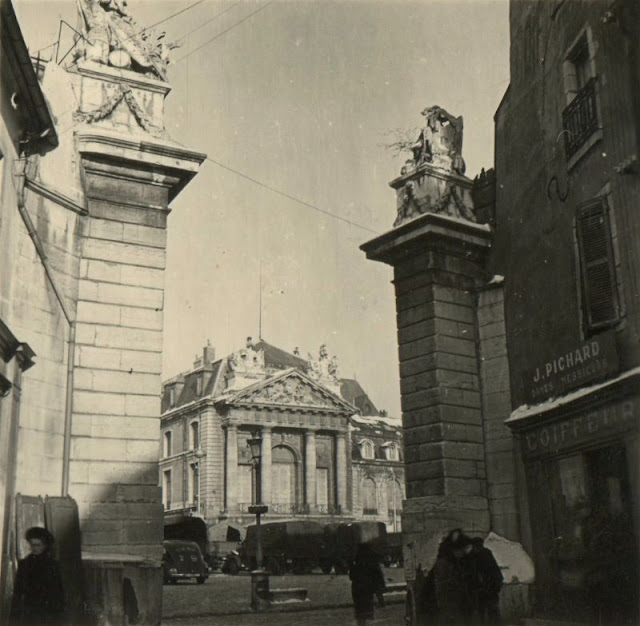
Rue du Palais Dijon, France in the 1940s

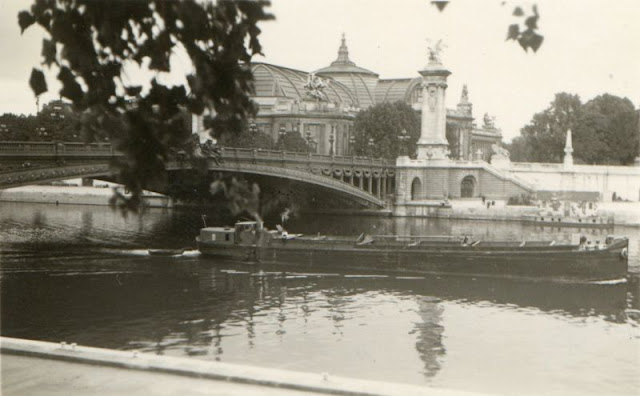
Seine-bridge, Paris in the 1940s

Somewhere in France in the 1940s

Somewhere in France in the 1940s

Somewhere in France in the 1940s

Somewhere in France in the 1940s

Somewhere in France in the 1940s

St. Philibert, Dijon, France, circa 1940s

St. Philibert, Dijon, France, circa 1940s

Statue of Clemenceau at the Petit Palais, Place Clemenceau, Paris, circa 1940s

Statue of François-Jean Lefebvre de La Barre in the Square Nadar, in front of the Basilique du Sacre Coeur in Montmartre, Paris, circa 1940s

This fountain stands in Nevers, France in the 1940s

Unknown place in France in the 1940s

Unknown place in France in the 1940s

Unknown place in France in the 1940s

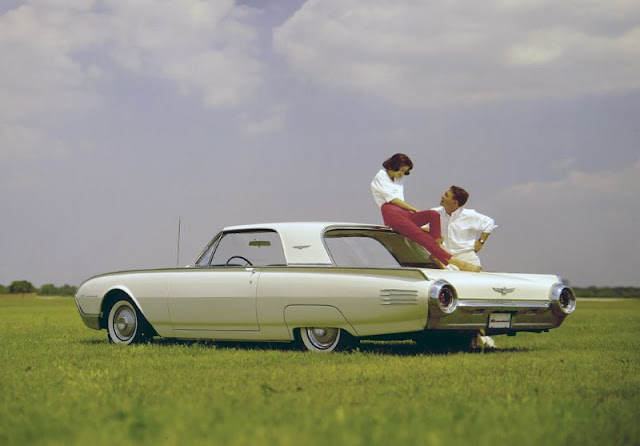
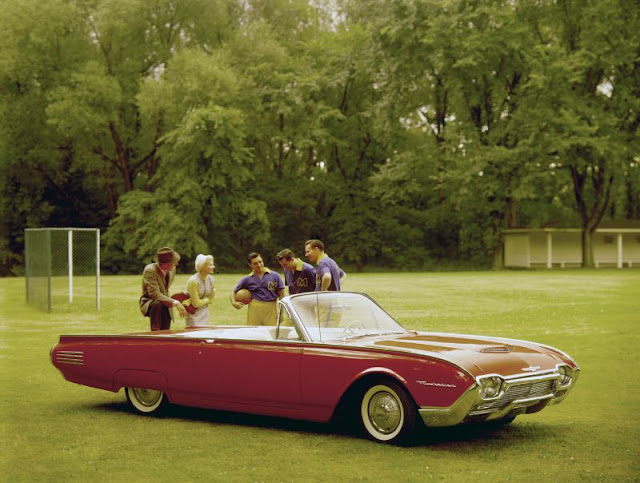
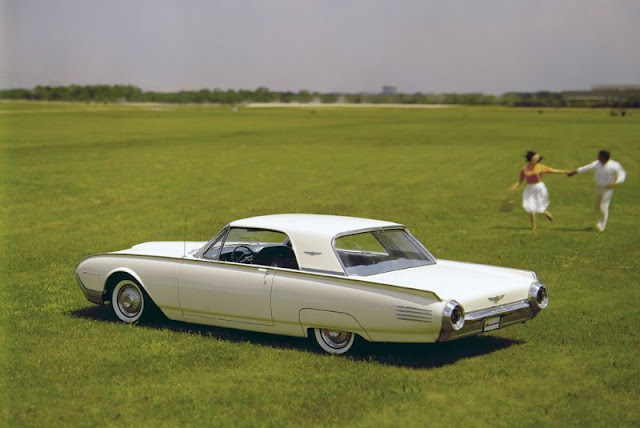
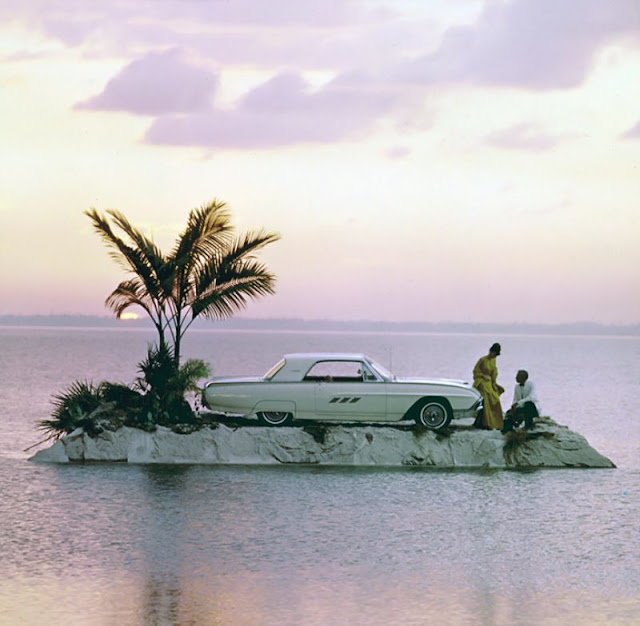
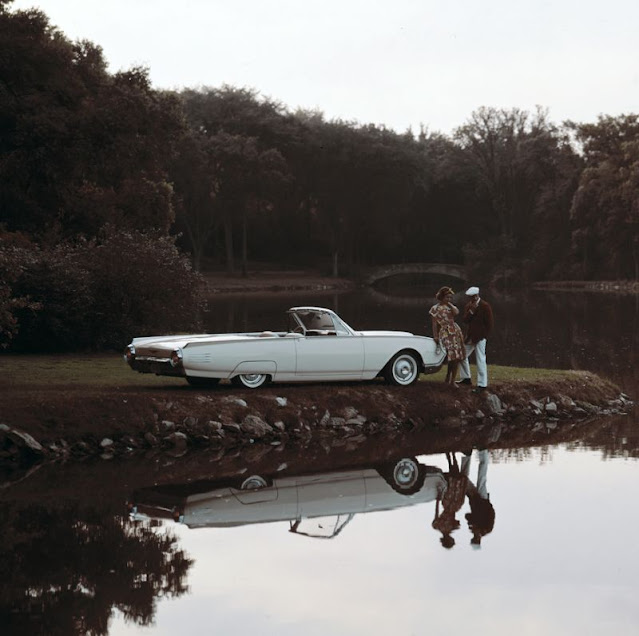
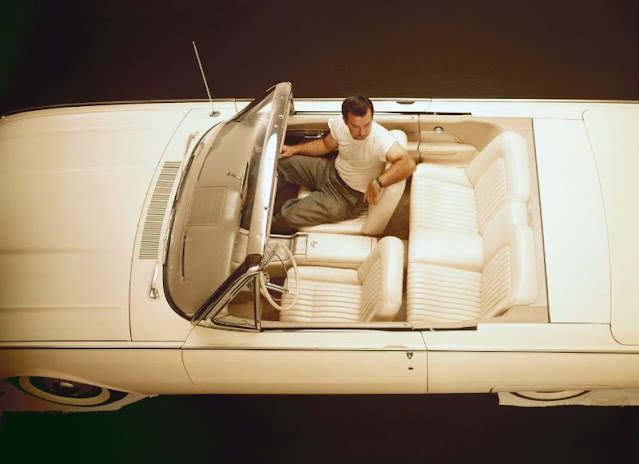
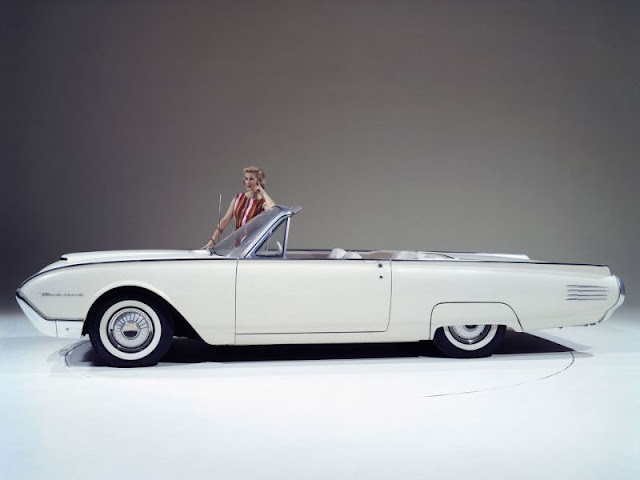
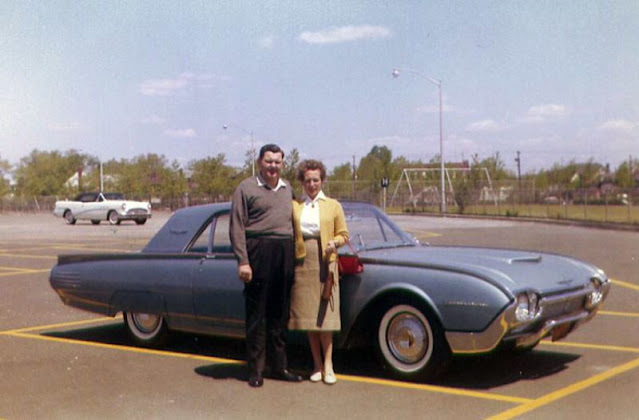
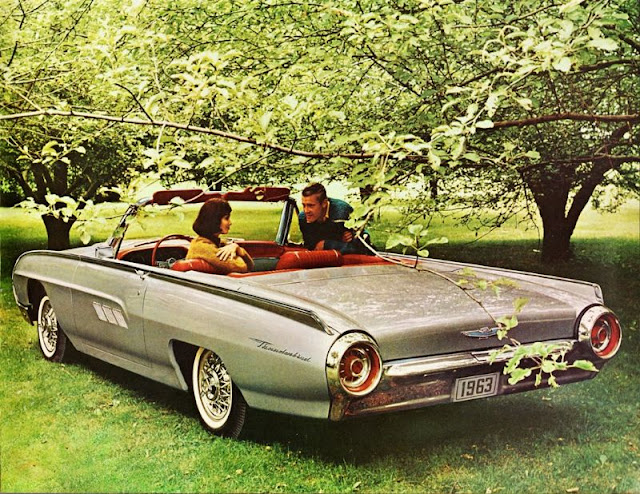
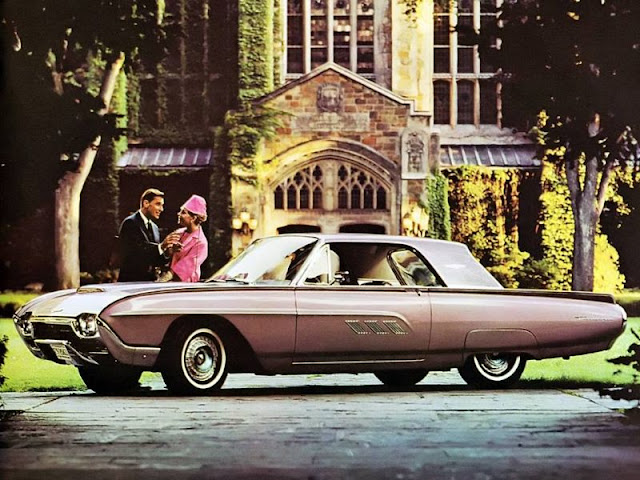
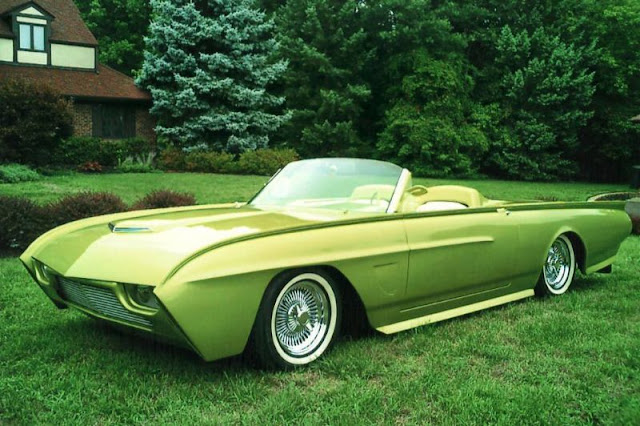
Amazing Photos of the Third Generation of the Ford Thunderbird (1961-1963)

The third generation of the Ford Thunderbird is a personal luxury car produced by Ford for the 1961 to 1963 model years. It featured new and much sleeker styling (done by Bill Boyer) than the second generation models. Sales were strong, if not quite up to record-breaking 1960, at 73,051 including 10,516 convertibles.

A new, larger 390 cu in (6.4 L) FE-series V8 was the only engine available (in 1961). The Thunderbird was 1961’s Indianapolis 500 pace car, and featured prominently in US President John F. Kennedy’s inaugural parade, probably aided by the appointment of Ford executive Robert McNamara as Secretary of Defense. It shared some styling cues with the much smaller European Ford Corsair.

It was replaced by the 4th generation Thunderbird for model year 1964. Here is a set of amazing photos of the third generation of the Ford Thunderbird (1961-1963).

Yesterday Today

Bringing You the Wonder of Yesterday - Today

Skip to content ↓