Sometimes, looking at images of Debbie Harry is actually painful she looks that good. With her iconic pout, shock of bleached white hair and revolving, ever-imitated outfit choices, the 1970s style queen has always been (and still is) much more than Blondie’s lead singer. Here, Debbie Harry photographed by Lynn Goldsmith in 1978, complete with sailor hat and Popeye T-shirt.
Subscribe to continue reading
Become a paid subscriber to get access to the rest of this post and other exclusive content.
The first hoax photograph was taken in 1840 by Hippolyte Bayard. Both Bayard and Louis Daguerre fought to claim the title “Father of Photography.” Bayard had supposedly developed his photography process before Daguerre introduced the daguerreotype. However, the announcement of the invention was held off, and Daguerre claimed the moment. In a rebellious move, Bayard produced this photograph of a drowned man claiming that he killed himself because of the feud.
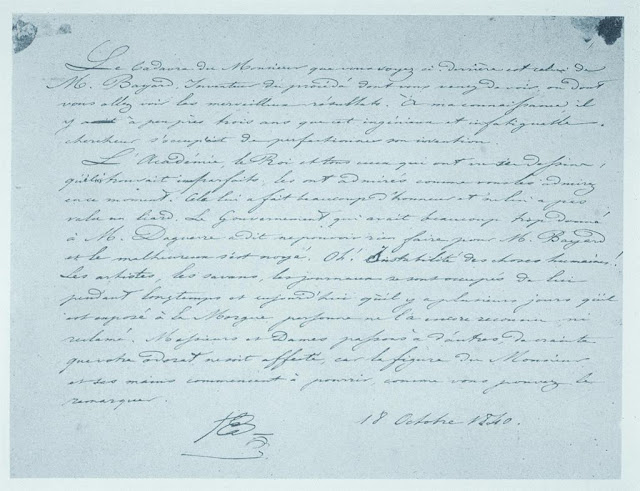
François Arago, a friend of Daguerre, encouraged Bayard to delay the announcement of his photographic invention. Consequently, Bayard’s invention and contributions to photography were ignored, eclipsed by the celebrations surrounding the daguerreotype. In response to his alleged injustice, Bayard staged a portrait entitled Le Noyé (Self Portrait as a Drowned Man) in 1840. The portrait depicts the artist shirtless, slumped in a chair, his eyes closed to signal his recent demise. It was the first faked, staged portrait and was accompanied by a statement indicating Bayard’s turn to suicide because of the lack of recognition he received by the French government for his role in the invention of photography. And written on the image verso is a strange note:
“The corpse which you see here is that of M. Bayard, inventor of the process that has just been shown to you, or the wonderful results of which you will soon see. As far as I know, this inventive and indefatigable experimenter has been occupied for about three years with the perfection of his discovery. The Academy, the King, and all those who have seen his pictures admired them as you do at this very moment, although he himself considers them still imperfect. This has brought him much honor but not a single sou. The government, which has supported M. Daguerre more than is necessary, declared itself unable to do anything for M. Bayard, and the unhappy man threw himself into the water in despair. Oh, human fickleness! For a long time, artists, scientists, and the press took interest in him, but now that he has been lying in the morgue for days, no-one has recognized him or claimed him! Ladies and gentlemen, let’s talk of something else so that your sense of smell is not upset, for as you have probably noticed, the face and hands have already started to decompose.” The note is signed by none other than the drowned man himself: “H.B. 18 October, 1840.”
Bayard’s contributions to photography remain largely unrecognized, but this early portrait is significant, showing the possibility to play with and manipulate the photographic portrait despite the apparent inherent truth presented in the medium.
As the first known example of a faked photograph, this image illustrates two qualities of photographs: first, that they can depict the world in a manner that closely mimics the way we see it. Second, that since their invention, they have been staged or altered in ways that remain consistent with the way we see. This consistency makes them all the more believable.
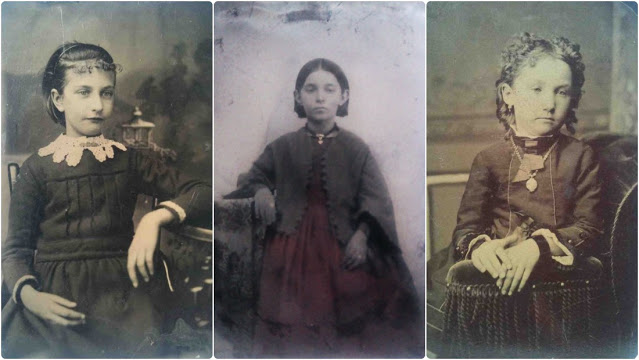
For many centuries the girl’s costumes were largely influenced by clothes worn by their mothers. Such copying of style continued until the early years of the 18th century.
Silk was the popular material used by the rich class of the society mainly to show off their wealth. If the girl was from a poor family, then the girls and their female relations wore simple clothes made from cotton, linen, wool and lesser coarser fibers.
Girls wore a flower and ribbon trimmed hats or bonnets. Puce, plum, scarlet red and navy were the strong colors worn.
Take a look at these amazing tintype photos to see what fashion styles of Victorian girls looked like.
Subscribe to continue reading
Become a paid subscriber to get access to the rest of this post and other exclusive content.
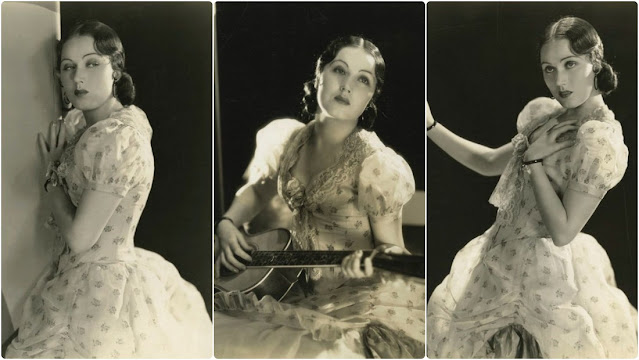
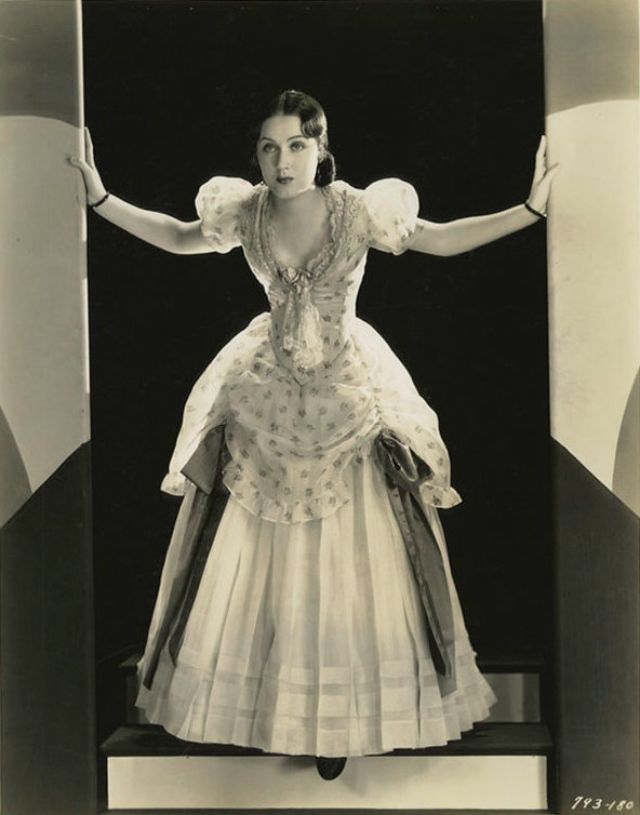
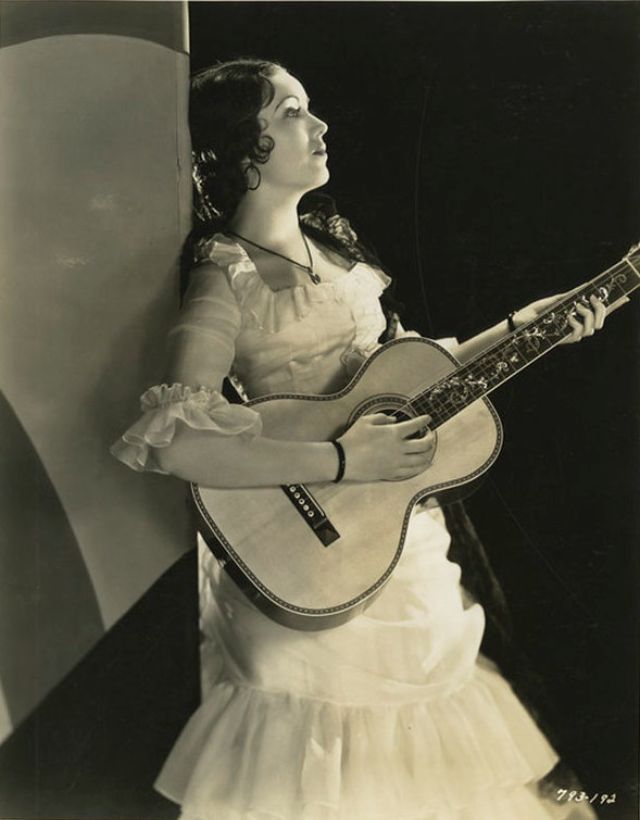
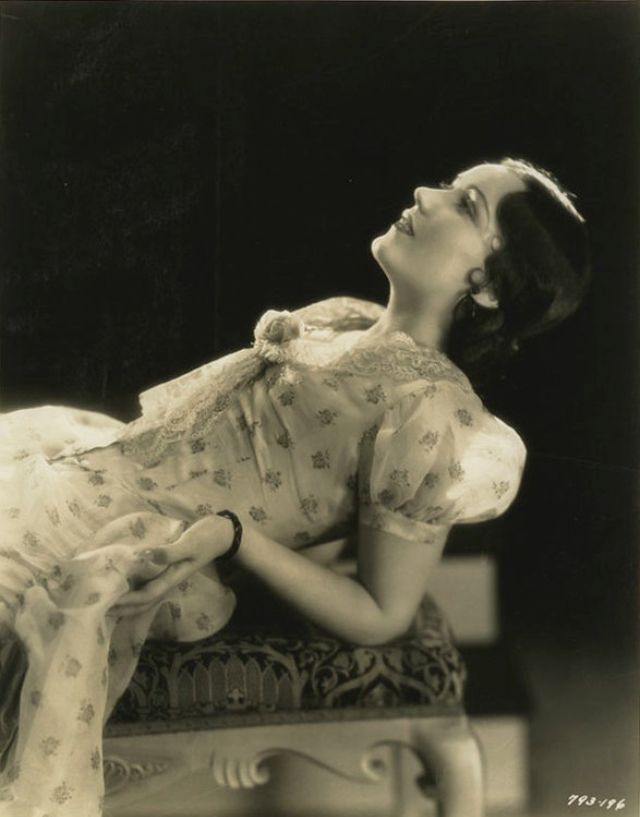
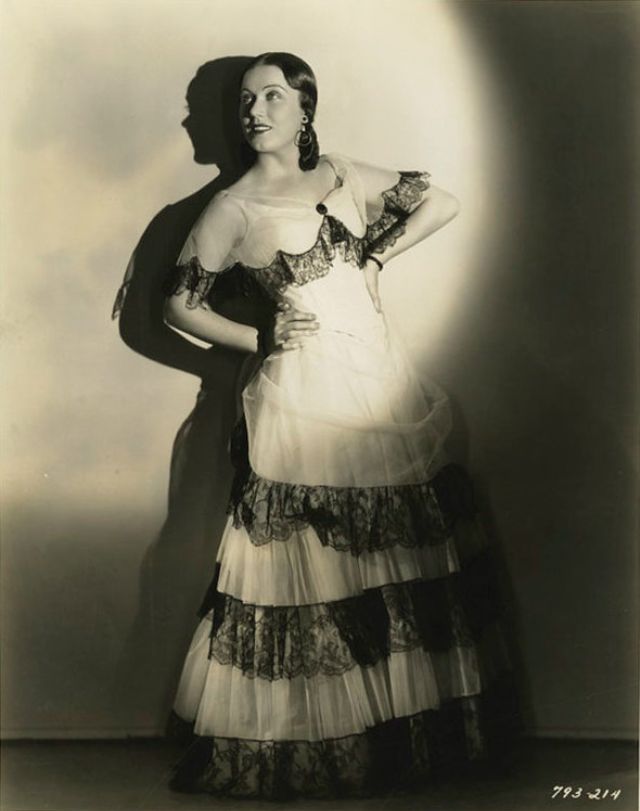
The Texan is a 1930 American Western film directed by John Cromwell and starring Gary Cooper and Fay Wray. Based on the short story “The Double-Dyed Deceiver” by O. Henry, the film is about a daring bandit called the Llano Kid who shoots a young gambler in self-defense and is forced to hide from the law. He is helped by a corrupt lawyer who involves the bandit in a scheme to swindle a Mexican aristocrat whose son turns out to be the young gambler killed by the Llano Kid.
The screenplay was written by Daniel Nathan Rubin, and the story was adapted for the screen by Oliver H.P. Garrett and Victor Milner. Produced by Hector Turnbull for Paramount Pictures, The Texan was released in the United States on May 10, 1930. The film received positive reviews upon its theatrical release.
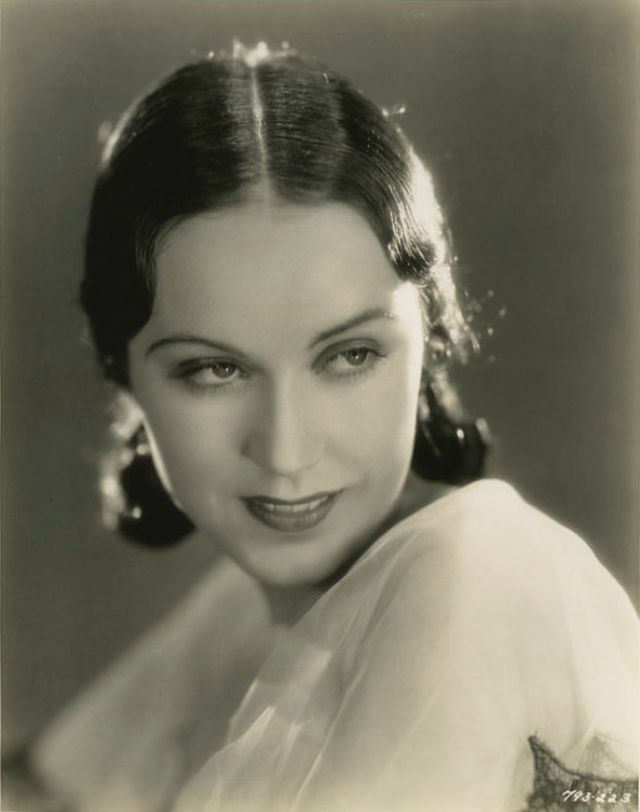
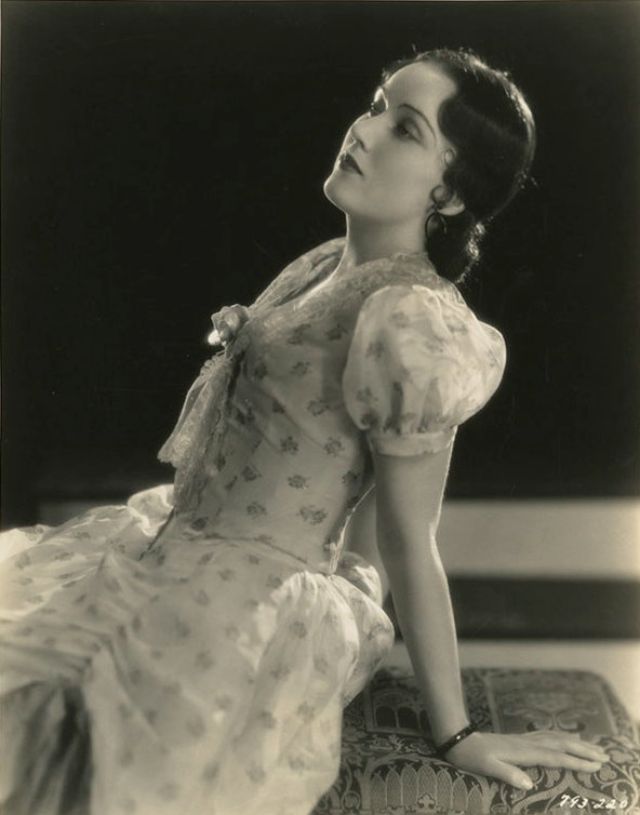
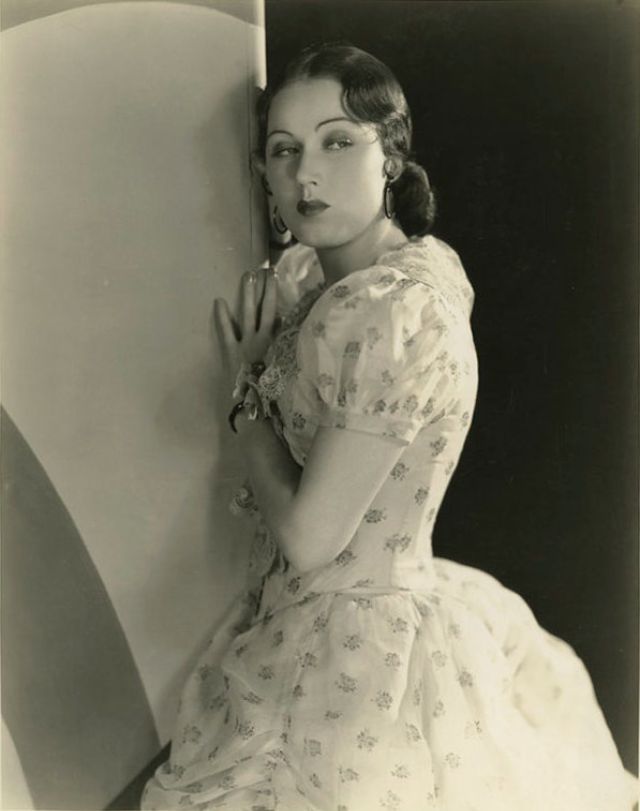
Vina Fay Wray (September 15, 1907 – August 8, 2004) was a Canadian-American actress best known for starring as Ann Darrow in the 1933 film King Kong. Through an acting career that spanned nearly six decades, Wray attained international recognition as an actress in horror films. She has been dubbed one of the early “scream queens”.
Wray was born on a ranch near Cardston, Alberta, to parents who were members of the Church of Jesus Christ of Latter-day Saints, Elvina Marguerite Jones, who was from Salt Lake City, Utah, and Joseph Heber Wray, who was from Kingston upon Hull, England. She was one of six children and was a granddaughter of LDS pioneer Daniel Webster Jones. Her ancestors came from England, Scotland, Ireland and Wales. Wray was never baptized a member of The Church of Jesus Christ of Latter-day Saints.
Her family returned to the United States a few years after she was born; they moved to Salt Lake City in 1912 and moved to Lark, Utah, in 1914. In 1919, the Wray family returned to Salt Lake City, and then relocated to Hollywood, where Fay attended Hollywood High School.
After appearing in minor film roles, Wray gained media attention after being selected as one of the “WAMPAS Baby Stars” in 1926. This led to her being contracted to Paramount Pictures as a teenager, where she made more than a dozen feature films. After leaving Paramount, she signed deals with various film companies, being cast in her first horror film roles, in addition to many other types of roles, including in The Bowery (1933) and Viva Villa! (1934), both of which starred Wallace Beery. For RKO Radio Pictures, Inc., Wray starred in the film she is most identified with, King Kong (1933). After the success of King Kong, she made numerous appearances in both film and television, retiring in 1980.
Wray married three times – to writers John Monk Saunders and Robert Riskin and the neurosurgeon Sanford Rothenberg (January 28, 1919 – January 4, 1991). She had three children: Susan Saunders, Victoria Riskin, and Robert Riskin Jr.
After returning to the US after finishing The Clairvoyant she became a naturalized citizen of the United States in May 1935.
Star on Hollywood Walk of Fame at 6349 Hollywood Blvd. Wray died in her sleep of natural causes in the night of August 8, 2004, in her apartment on Fifth Avenue Manhattan. She is interred at the Hollywood Forever Cemetery in Hollywood, California.
Two days after her death, the lights of the Empire State Building were lowered for 15 minutes in her memory.
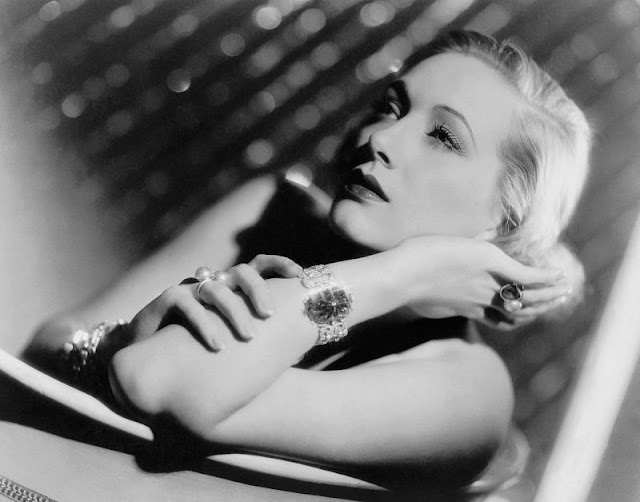
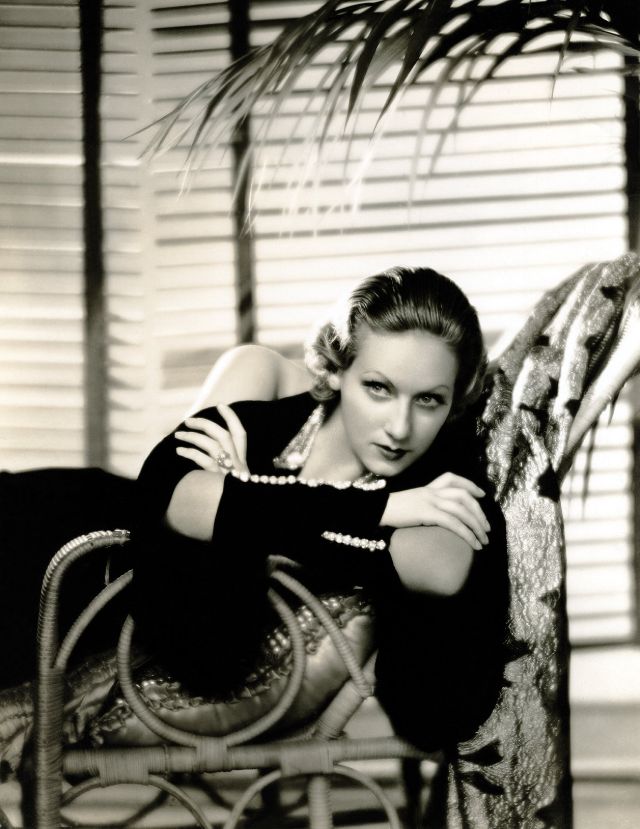
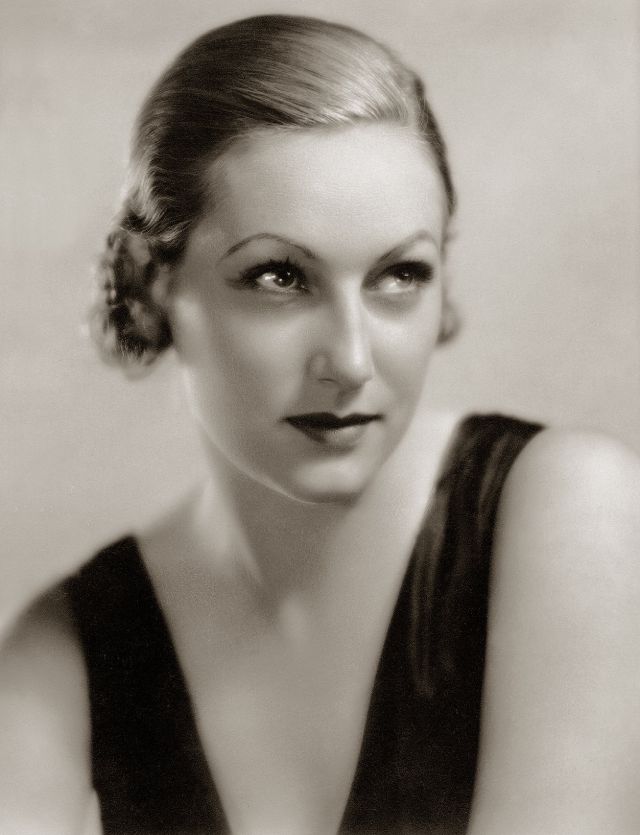
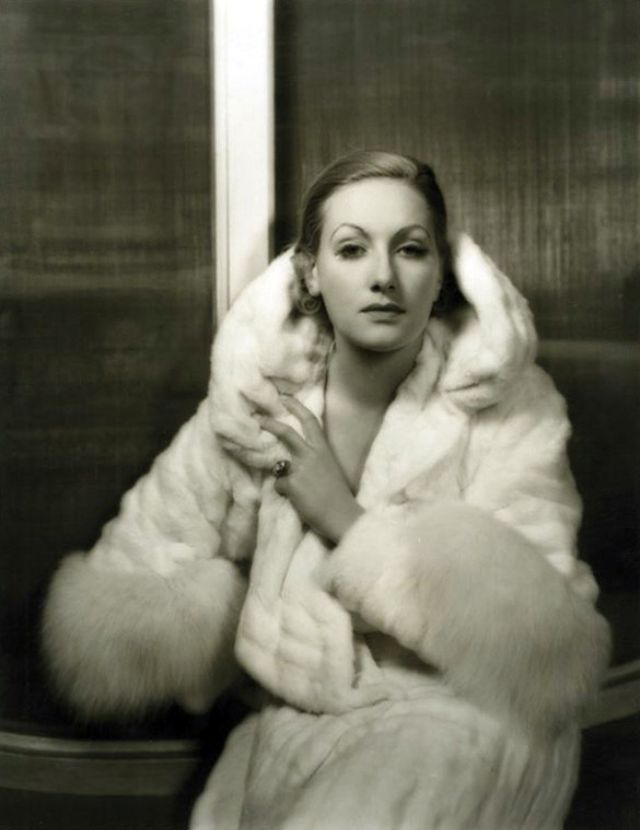
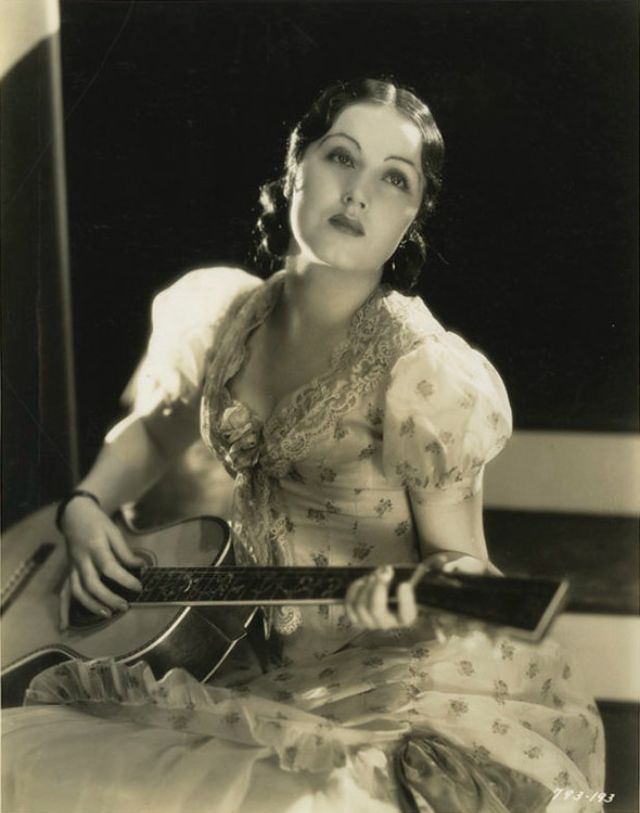
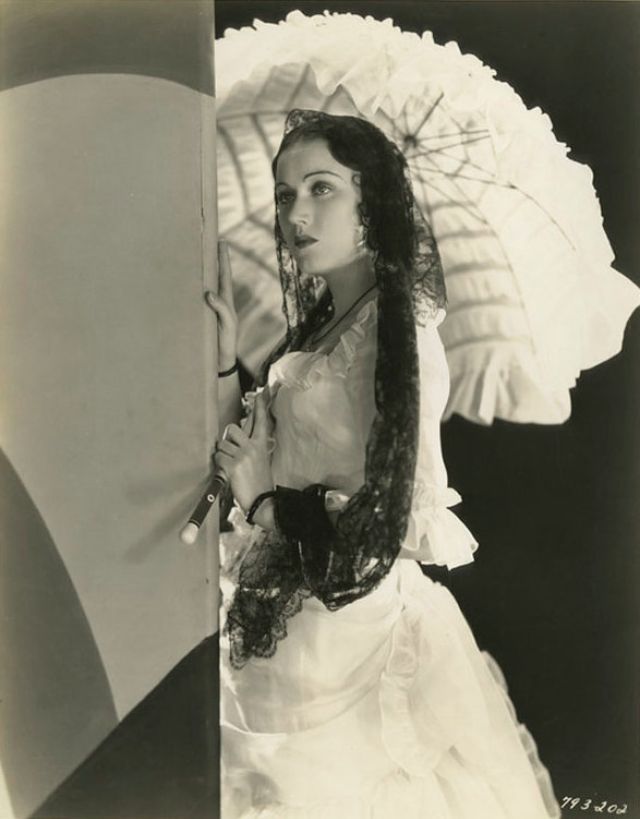
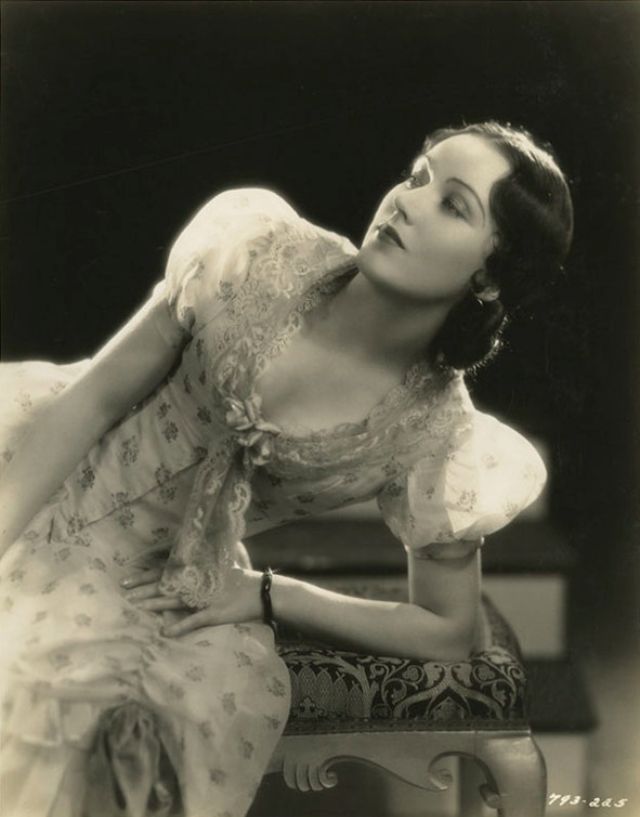
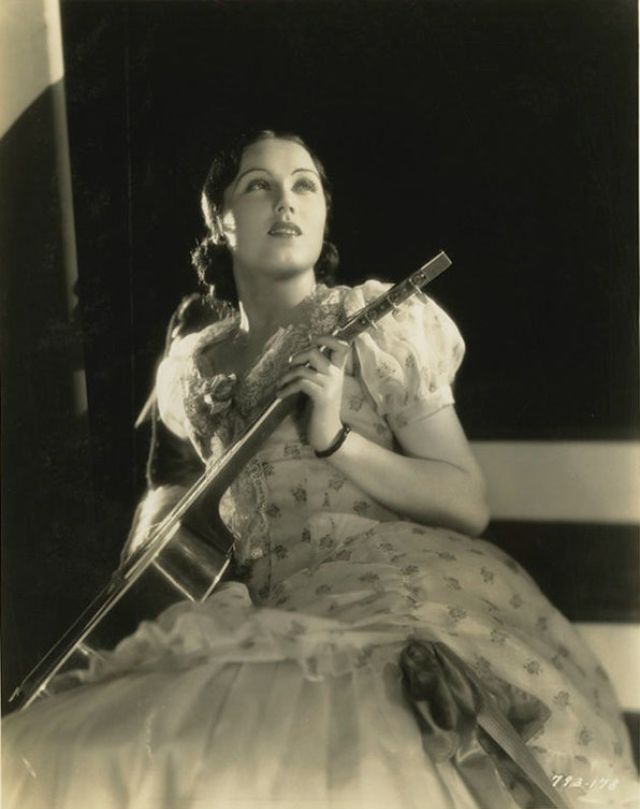
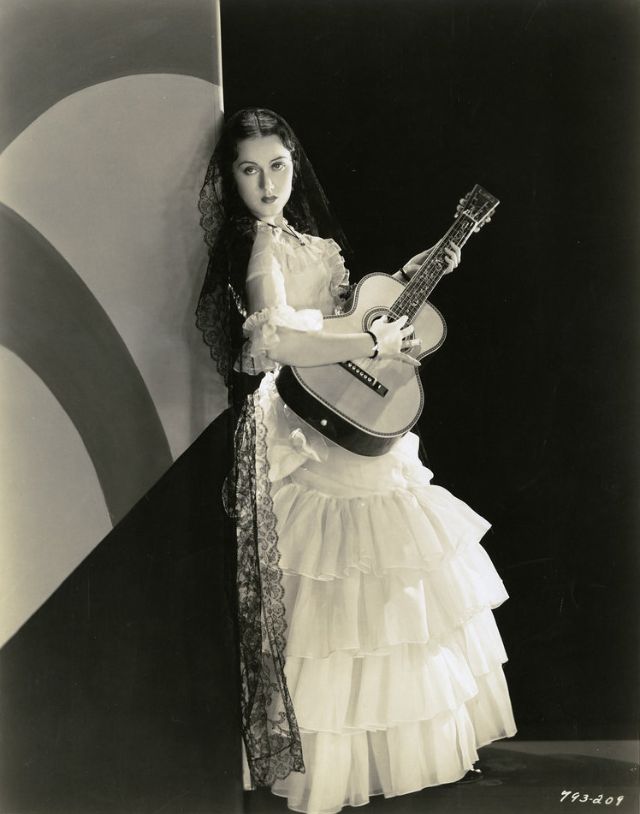
Here below is a set of gorgeous photos that shows portraits of Fay Wray during the filming of The Texan in 1930.
Subscribe to Yesterday Today and receive updates daily in your email:
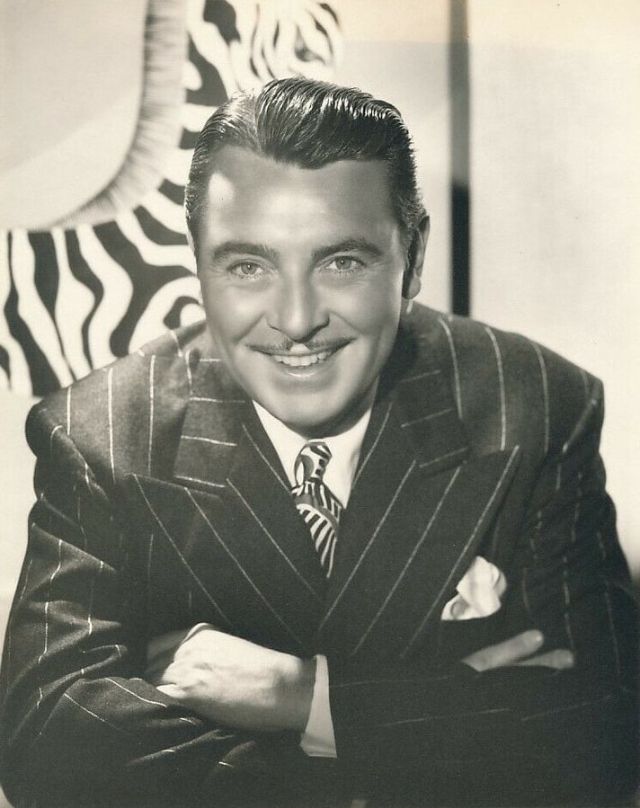
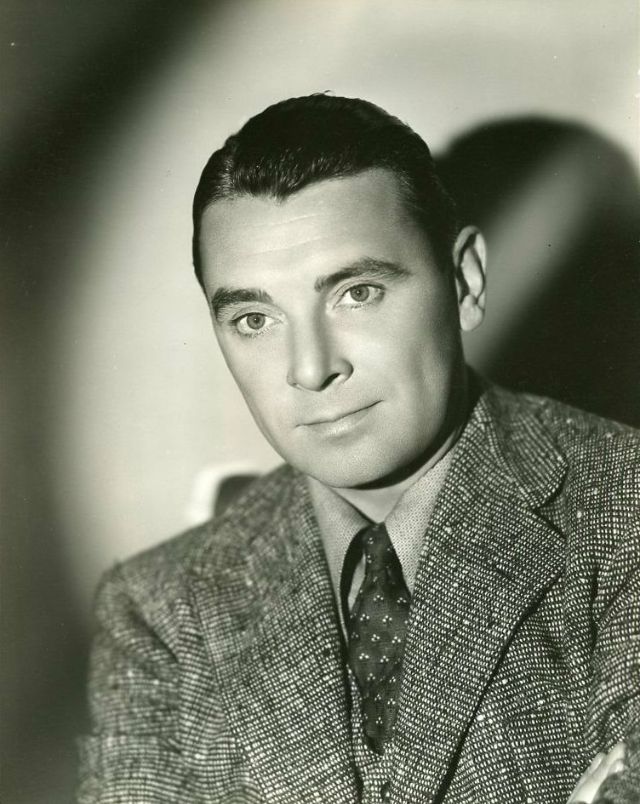
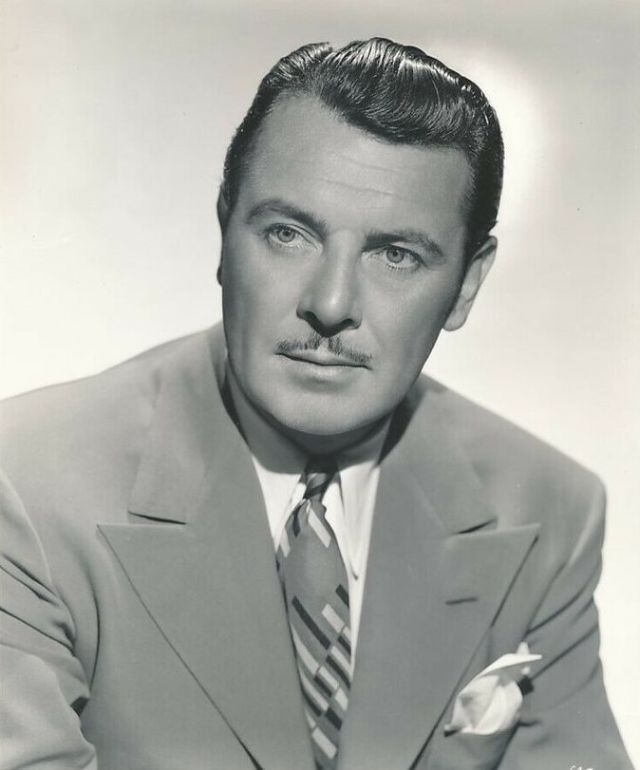
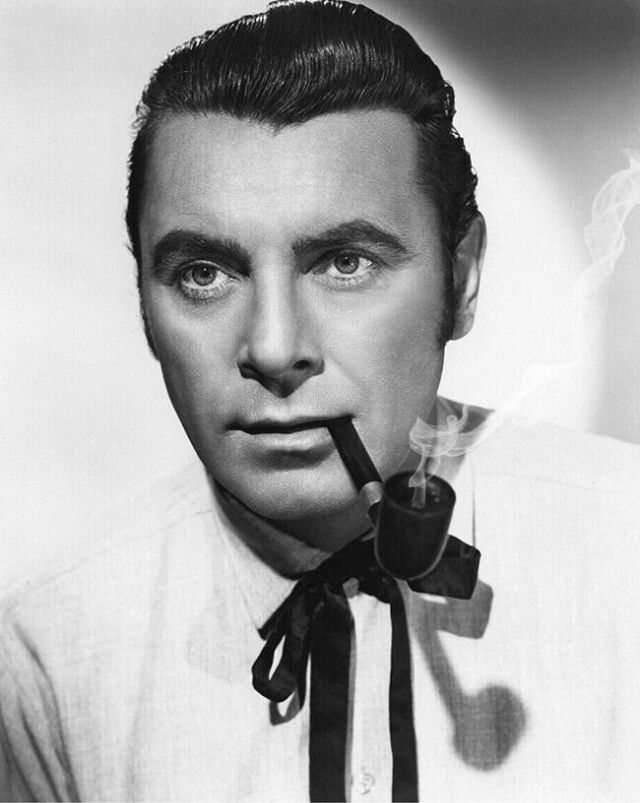
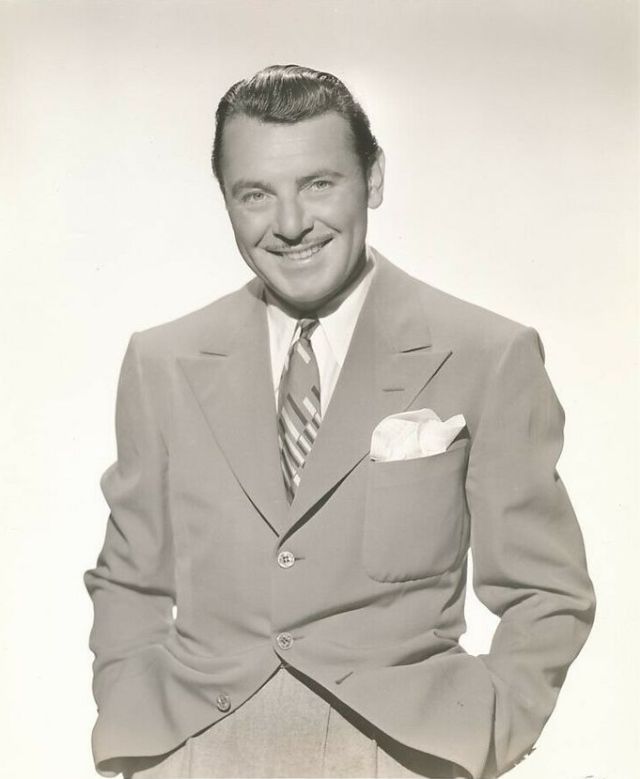
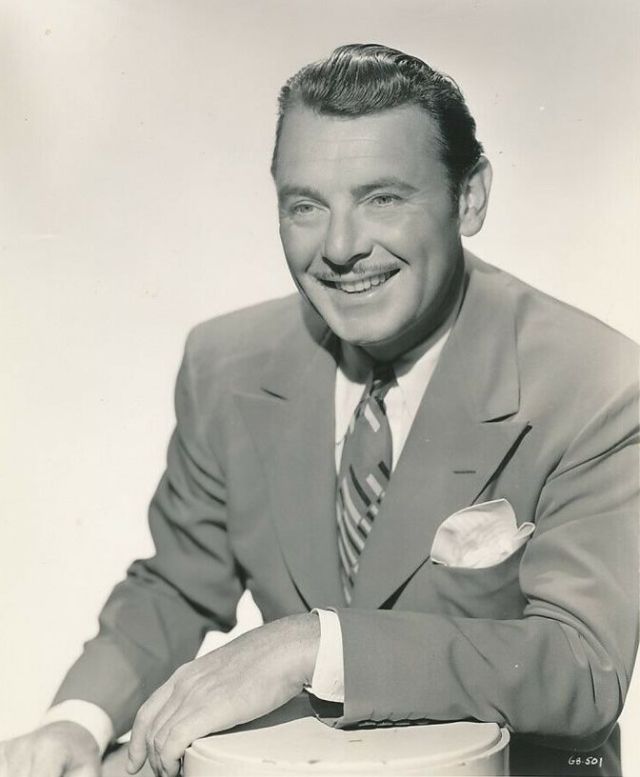
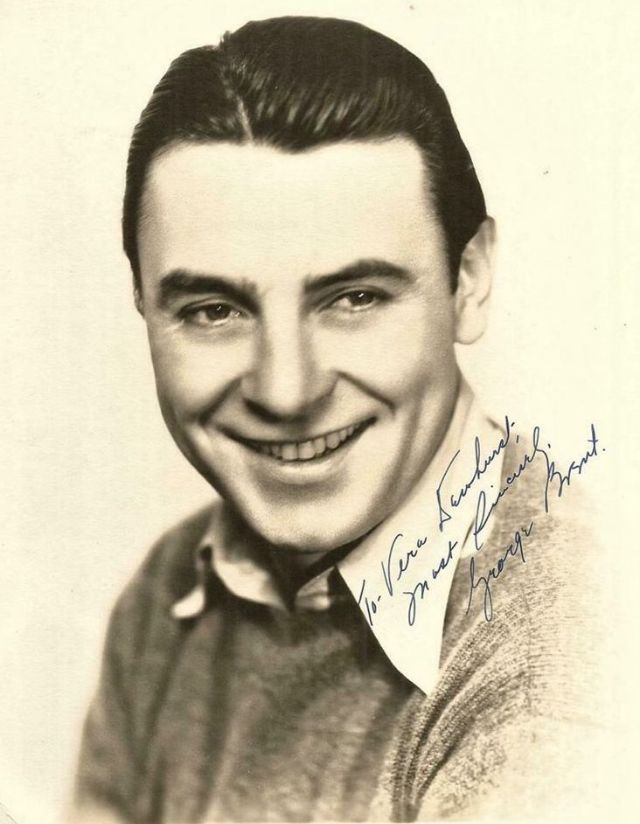
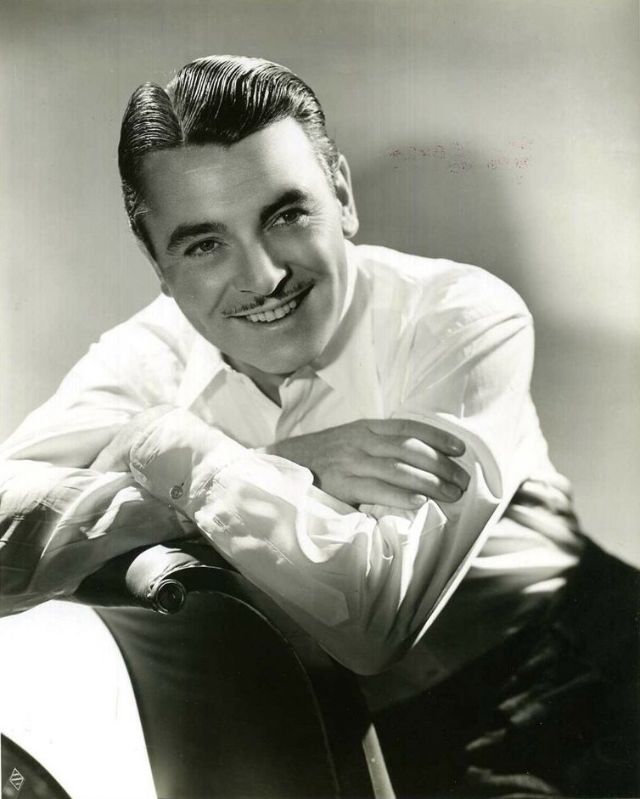
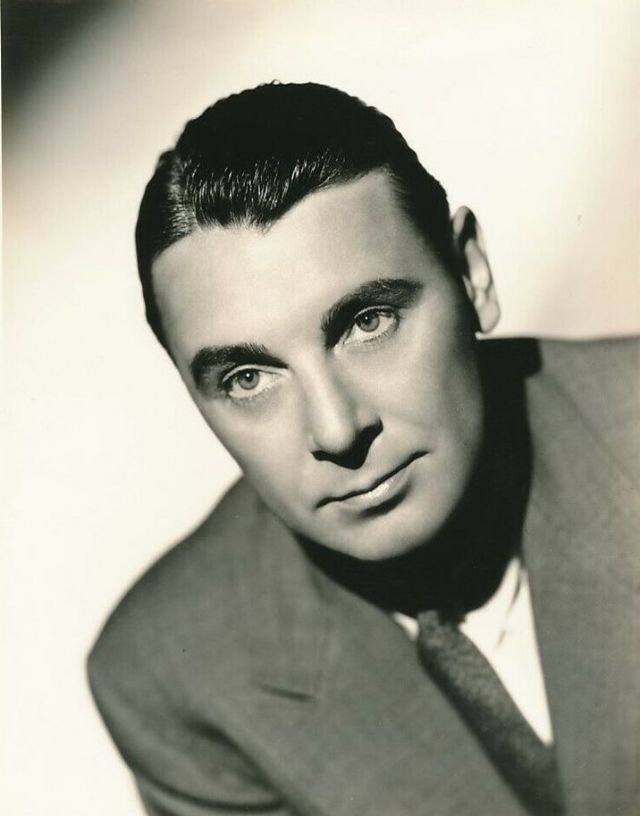
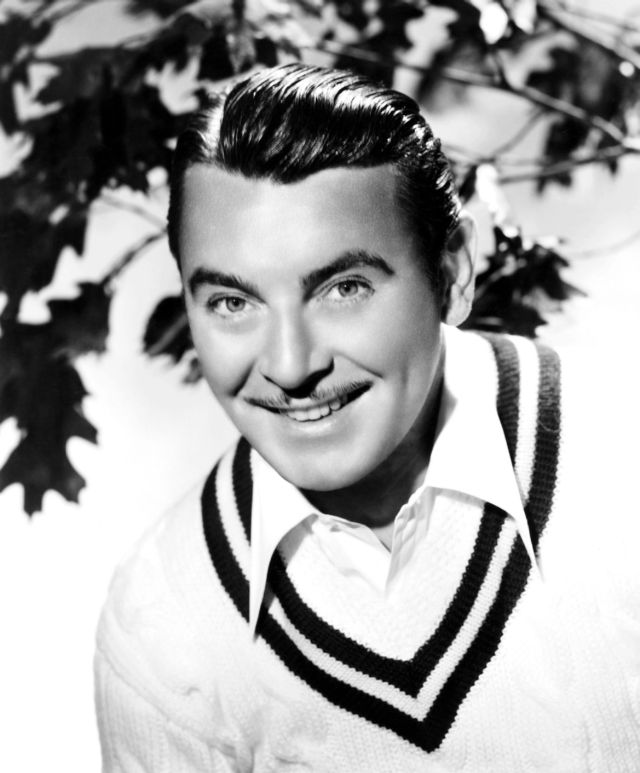
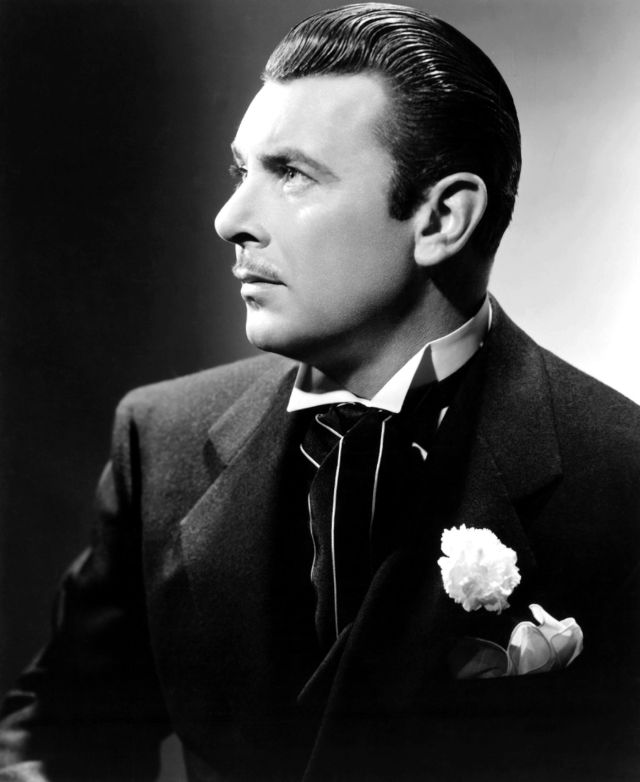
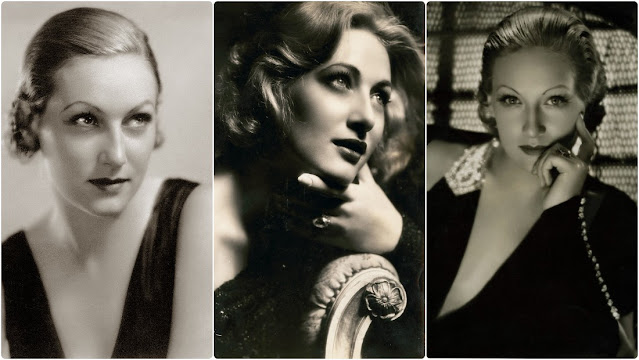
Brent was born in Ballinasloe, County Galway, Ireland on March 15, 1904, to John J. and Mary (née McGuinness) Nolan. His father was a shopkeeper and his mother was a native of Clonfad, Moore, County Roscommon. In September 1915, he moved with his younger sister Kathleen to New York City. There, they joined their mother, who was living in the USA after her separation from her husband.
Brent returned to Ireland in February 1921, during the Irish War of Independence (1919–1922), and was involved in the Irish Republican Army. During this period he also became involved with the Abbey Theatre.
He fled Ireland with a bounty set on his head by the British government, although he later claimed only to have been a courier for guerrilla leader and tactician Michael Collins. According to Ballinasloe Life (volume 2, issue 4, Oct/Nov 2012), the Irish War of Independence careers of three different men named George Nolan (Brent and two others; one from County Dublin and the other from County Offaly) were apparently conflated, which may explain some of the discrepancies regarding Brent’s year of birth, life, and activities during the 1919 to 1922 period.
Brent travelled from England to Canada and returned to the United States in August 1921.He decided to become a professional actor. He made his Broadway debut in director Guthrie McClintic’s The Dover Road. He did numerous plays throughout the 1920s. He moved to Hollywood and made his first film for 20th Century Fox, Under Suspicion (1930).
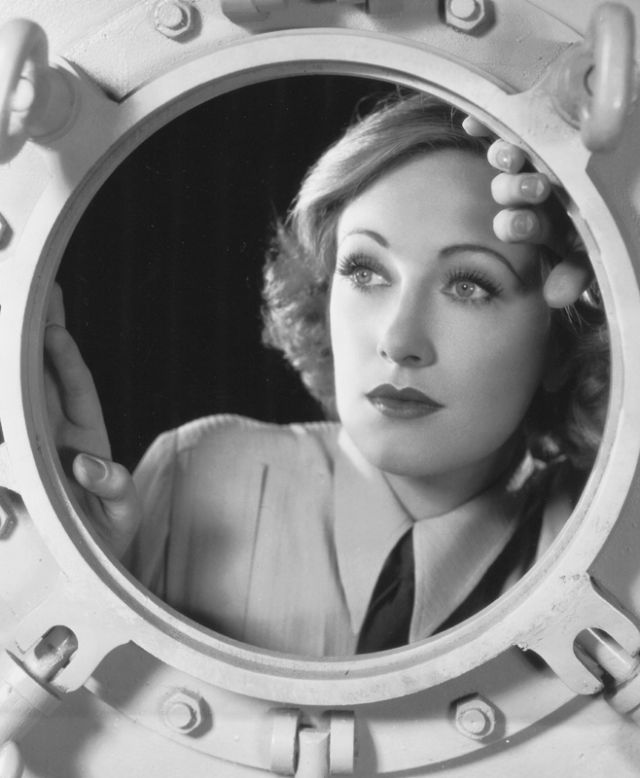
At Universal, he was seventh billed for Ex-Bad Boy (1931) and fifth for Homicide Squad (1931), then was in the Rin Tin Tin serial The Lightning Warrior (1931) at Mascot Pictures. He was signed by Warner Bros. in 1931, where he played Barbara Stanwyck’s leading man in So Big! (1932). This established him as a leading man for female stars.
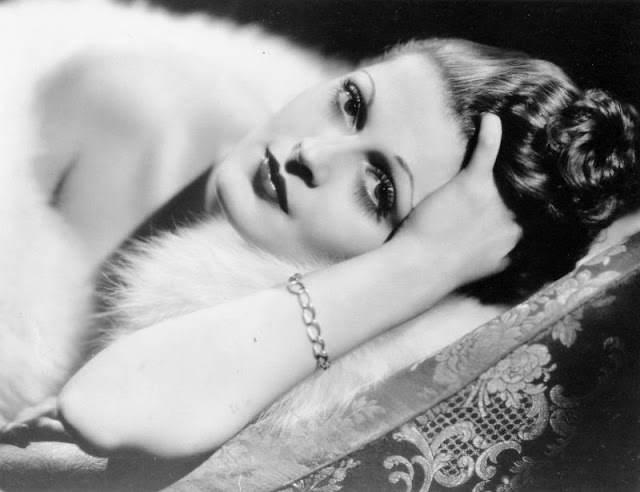
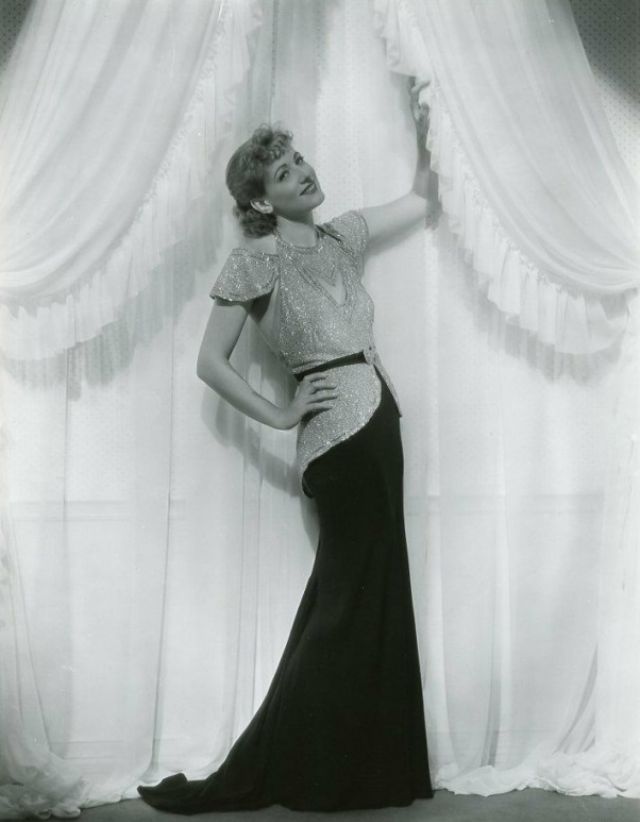
Brent is best remembered for the eleven films he made with Bette Davis, which included Jezebel (1938) and Dark Victory (1939). In 1978, he made one last film, the made-for-television production Born Again.
Brent was married five times: to Helen Louise Campbell (1925–1927), Ruth Chatterton (1932–1934), Constance Worth (1937), Ann Sheridan (1942–1943), and Janet Michaels (1947–1974). Chatterton, Worth, and Sheridan were actresses; Chatterton and Sheridan were Warner Bros. players.
His final marriage to Janet Michaels, a former model and dress designer, lasted 27 years until her death in 1974. They had two children: a daughter, Suzanne (born August 3, 1950), and a son, Barry (born November 26, 1954).
Brent also had affairs with actresses Greta Garbo and Bette Davis, the latter a frequent Warner Bros. co-star.
Brent suffered from emphysema and died of natural causes in 1979 in Solana Beach, California. He was inducted into the Hollywood Walk of Fame with two stars in 1960. He received a motion-pictures star located at 1709 Vine Street and a second star located at 1612 Vine Street for his work in television.
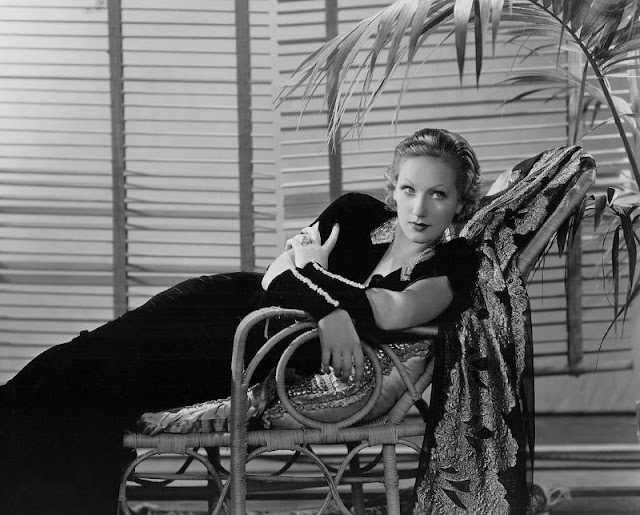
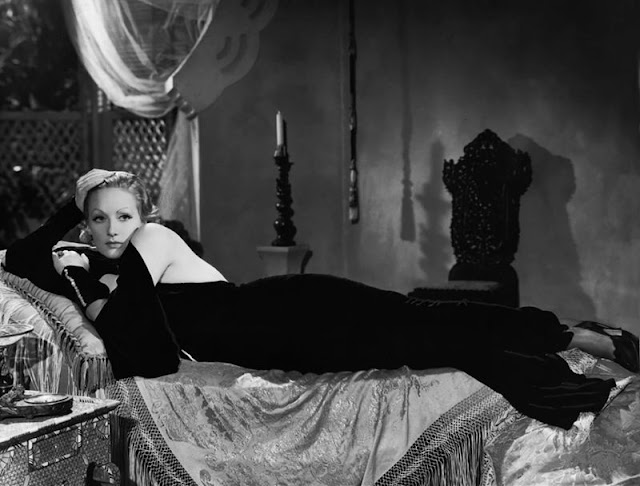
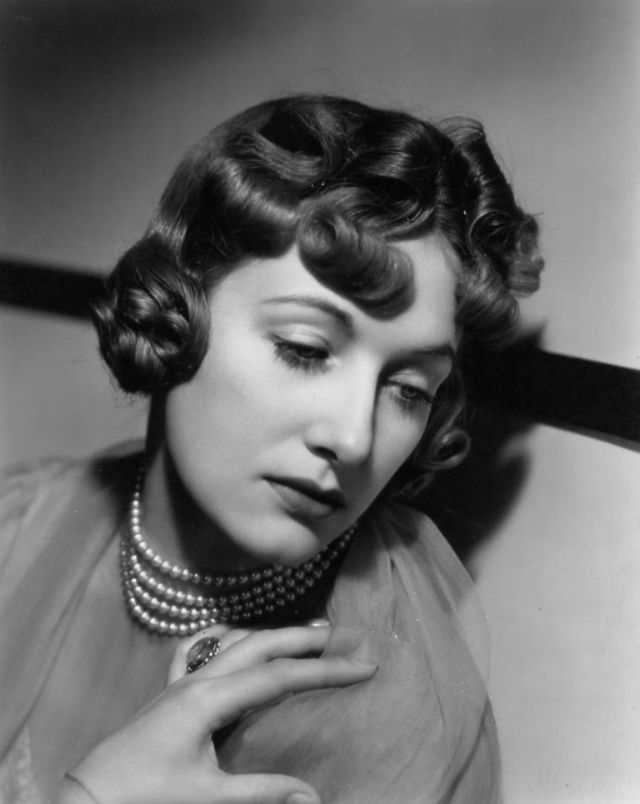
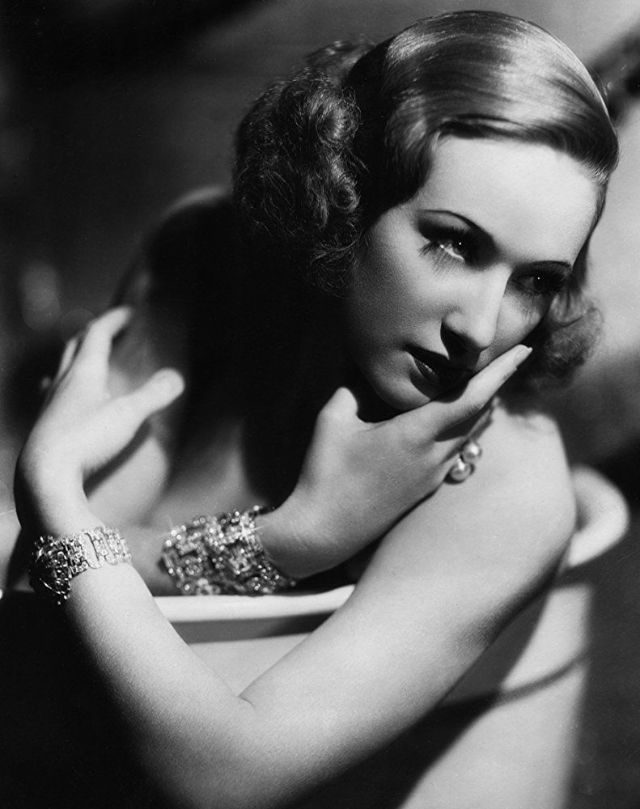
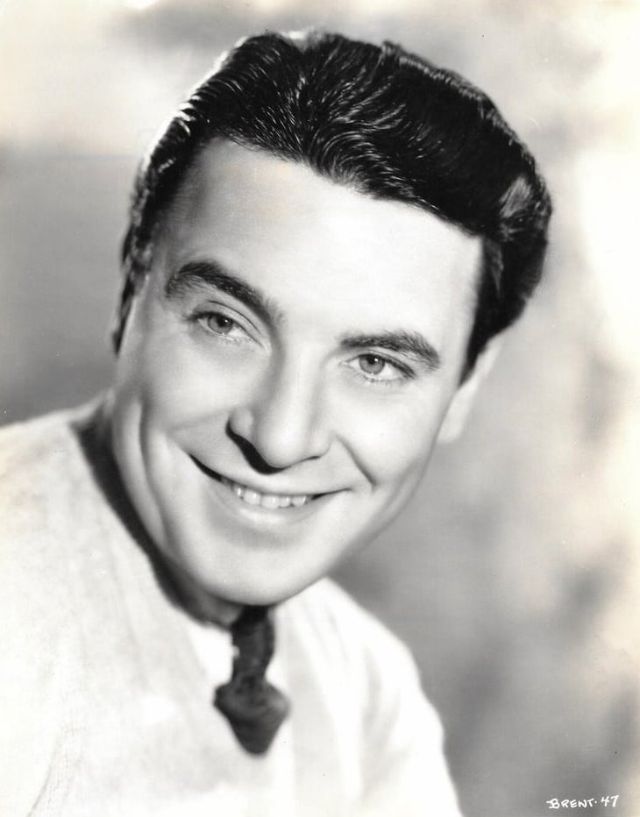
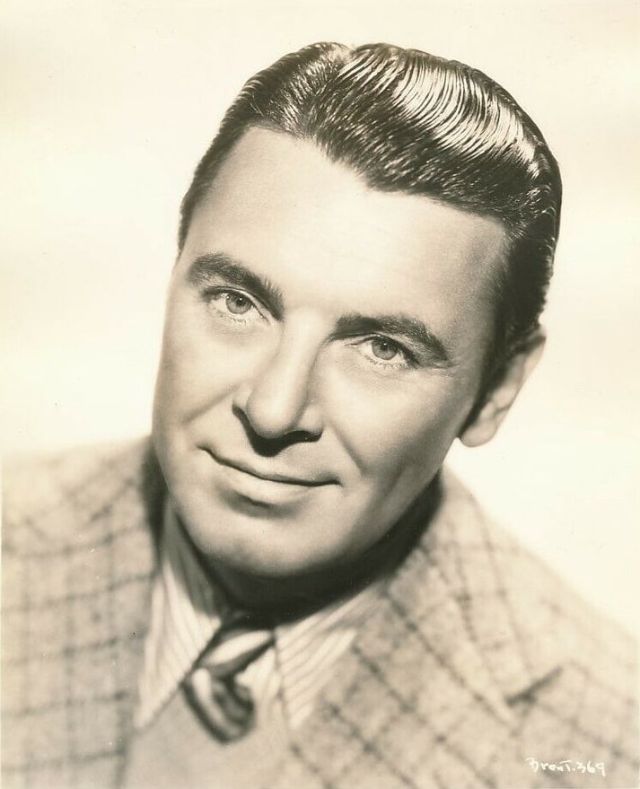
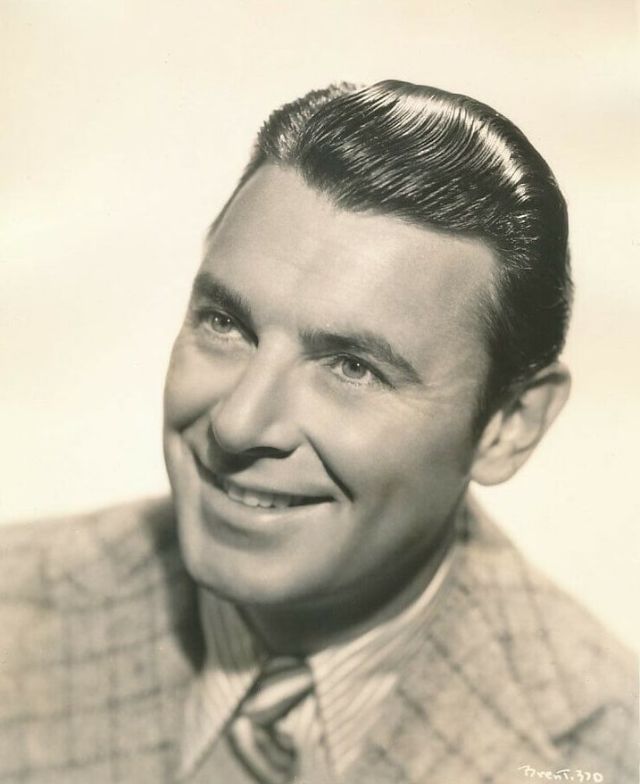
Take a look at these vintage photos to see portraits of a young George Brent in the 1930s and 1940s.
Subscribe to Yesterday Today and receive daily updates via email:
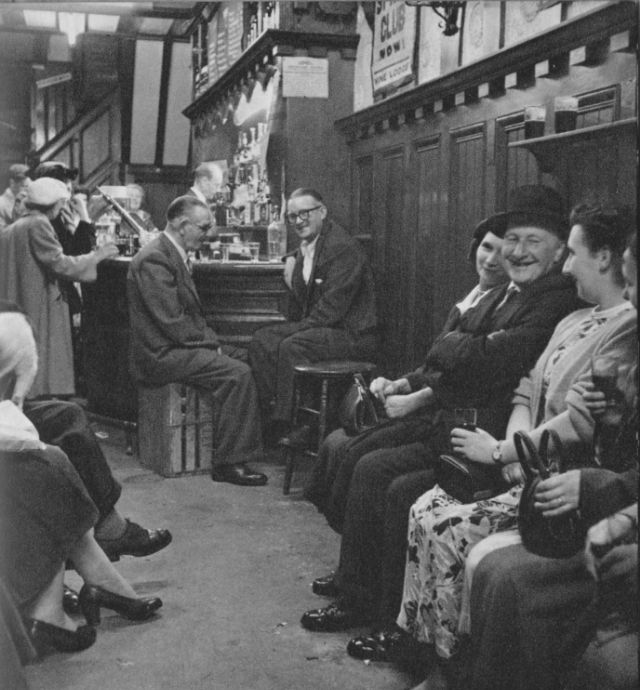
Casparus Bernardus Oorthuys (1 November 1908 – 22 July 1975), known as Cas Oorthuys, was a Dutch photographer and designer. Oorthuys first took up photography after he joined the free-thinking Dutch Association of Abstinent Students in the architecture department of the Haarlem MTS.
In 1936, Oorthuys became permanent photographer at De Arbeiderspers. He produced photography and graphics for communist and anti-fascist organizations; and in the tradition of “workers’ photography” he documented poverty, police violence, the unemployed, homeless people and evictions for magazines, book illustrations and book covers and exhibitions.
During the German Occupation, Oorthuys became involved in the Personal Identification Centre established in 1942 and made passport photos for fake ID cards. In May 1944, Oorthuys was arrested by the Germans and imprisoned in camp Amersfoort. Unexpectedly, he was released again in August. On release Oorthuys connected with De Ondergedoken Camera and documented the activities of the German occupiers, and also the awful Hongerwinter, the Dutch famine of 1944–45. During the postwar recovery he recorded the Nuremberg war crimes trials and the rebuilding of his homeland.
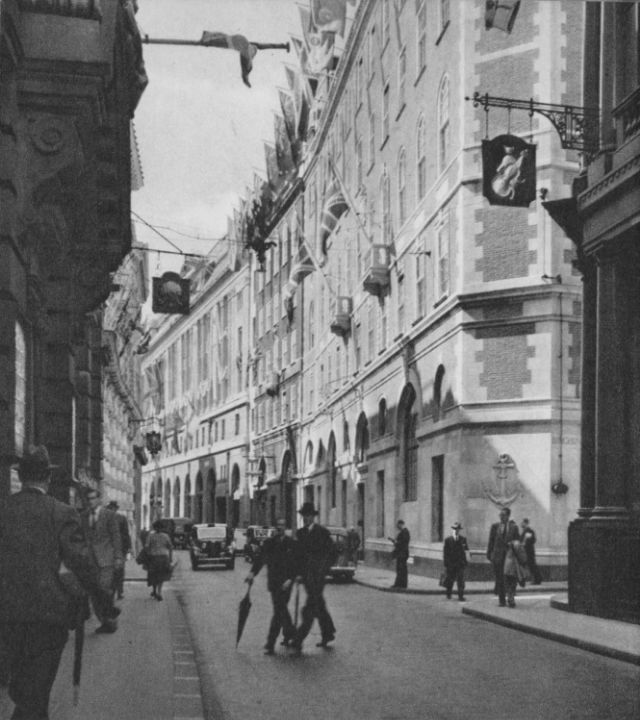
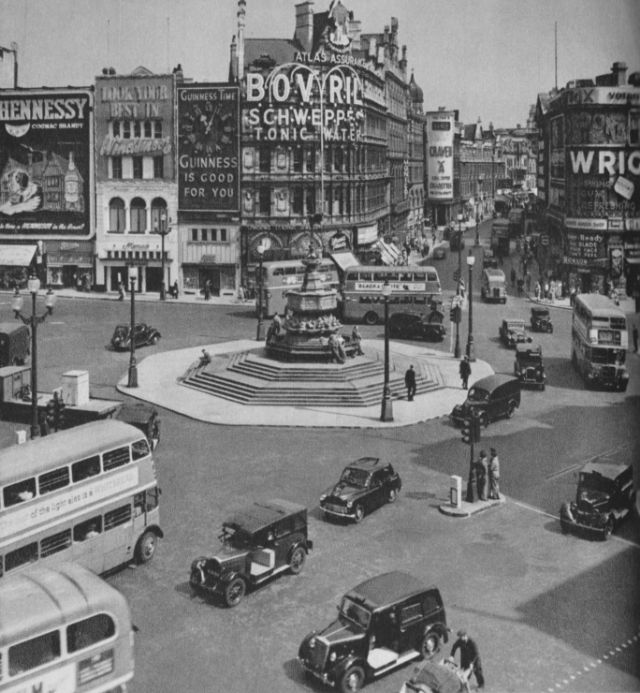
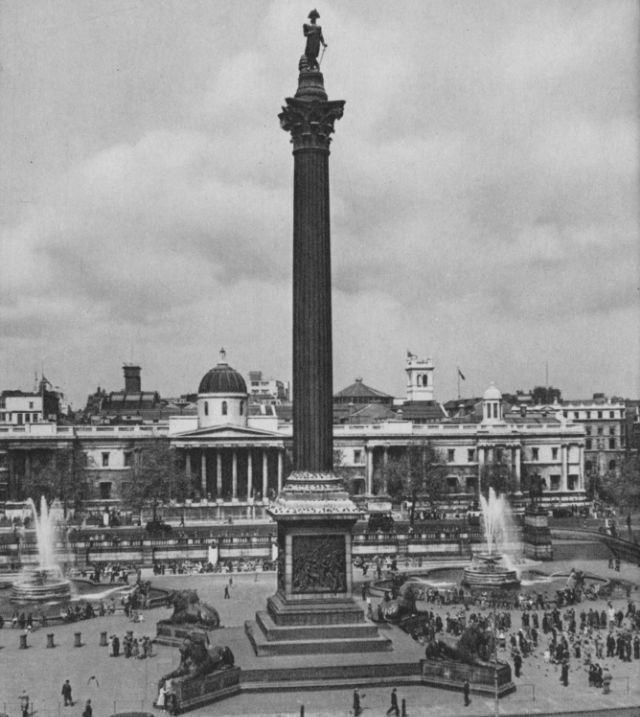
Take a look at London in the 1950s through these 23 stunning black and white photographs taken by Oorthuys:
Subscribe to Yesterday Today to receive daily updates via email:
Born 1893 in Kings County, New York, American actress, singer, playwright, screenwriter, comedian, and sex symbol Mae West had her entertainment career spanned seven decades. She was known for her lighthearted, bawdy double entendres and breezy sexual independence.
West was active in vaudeville and on the stage in New York City before moving to Hollywood to become a comedian, actress, and writer in the motion picture industry, as well as appearing on radio and television. She often used a husky contralto voice and was one of the more controversial movie stars of her day; she encountered many problems, especially censorship. She once quipped, “I believe in censorship. I made a fortune out of it.” She bucked the system, making comedy out of conventional mores, and the Depression-era audience admired her for it.
Subscribe to continue reading
Become a paid subscriber to get access to the rest of this post and other exclusive content.
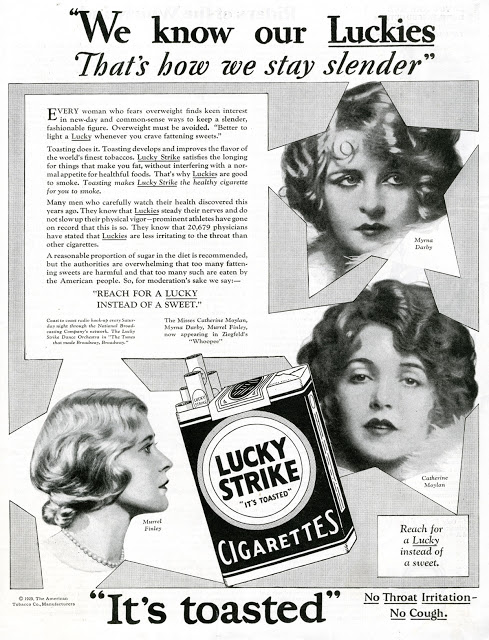
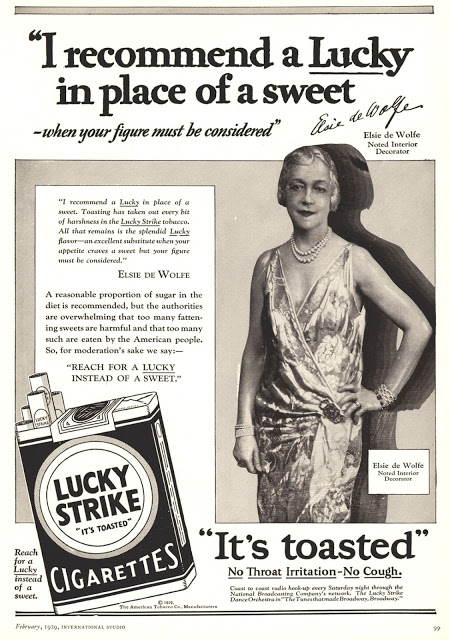
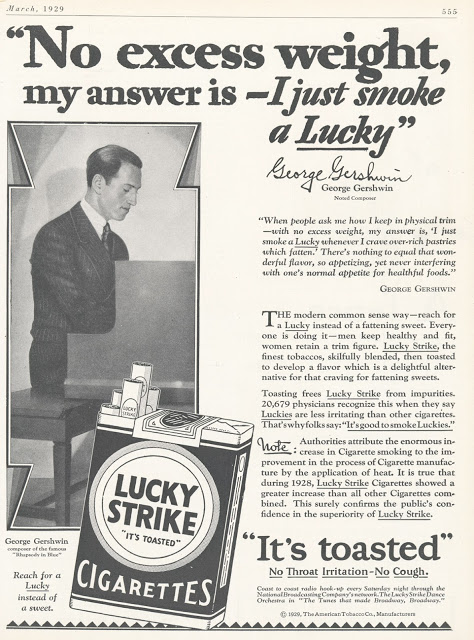
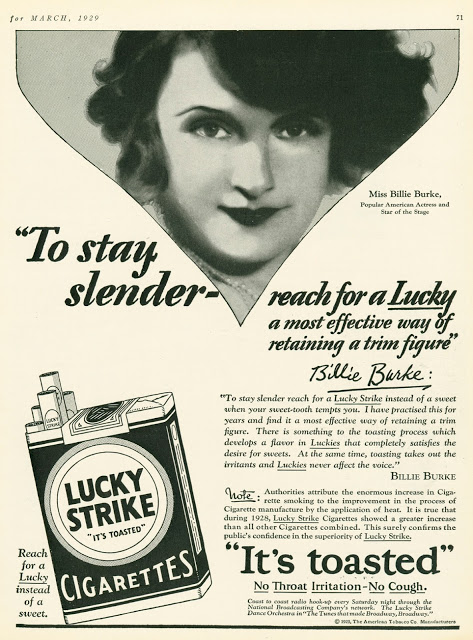
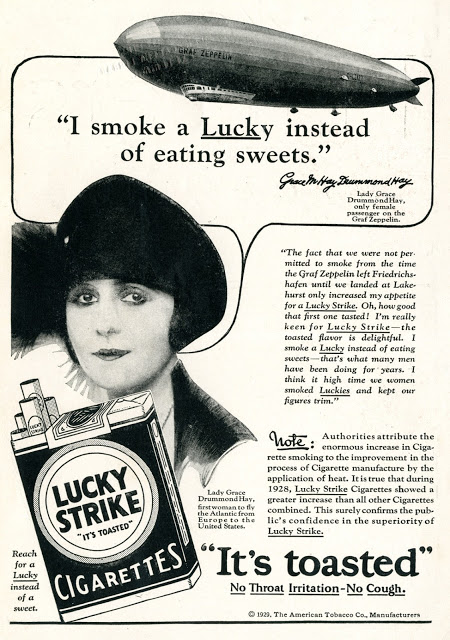
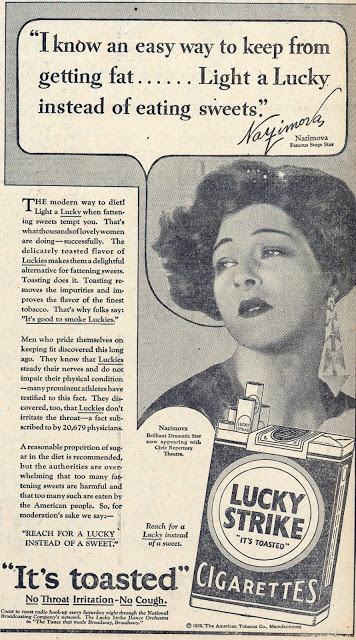
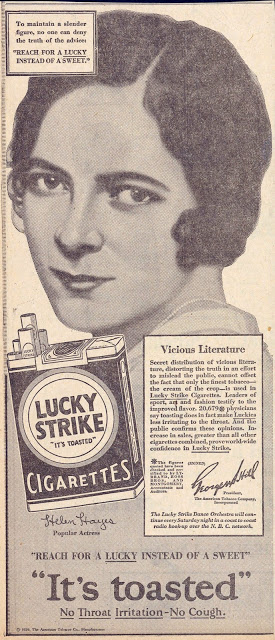
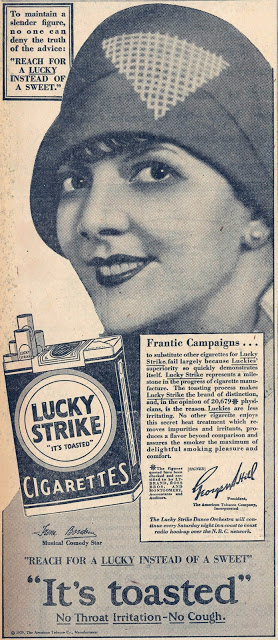
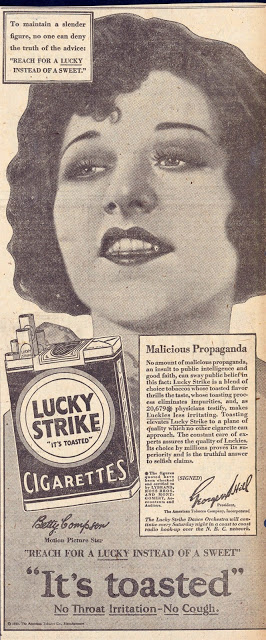
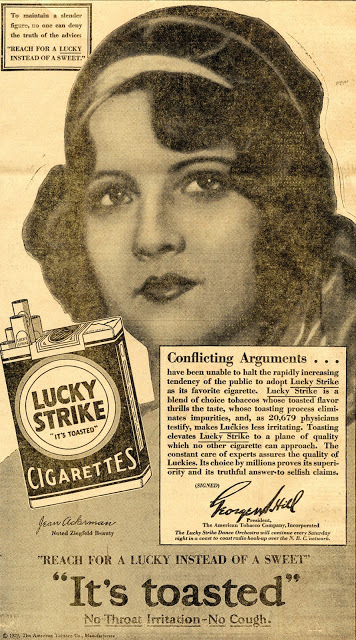
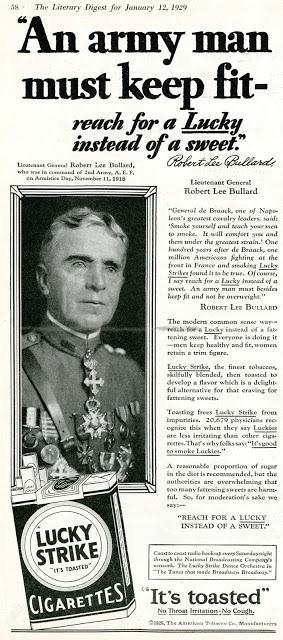
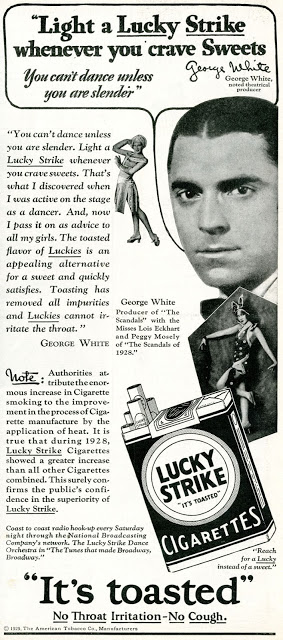
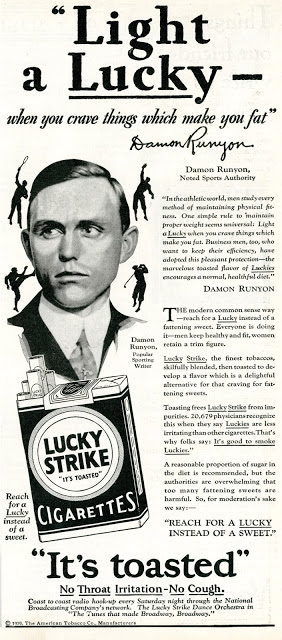
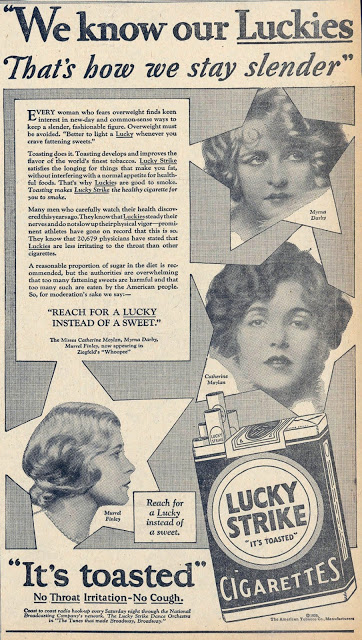
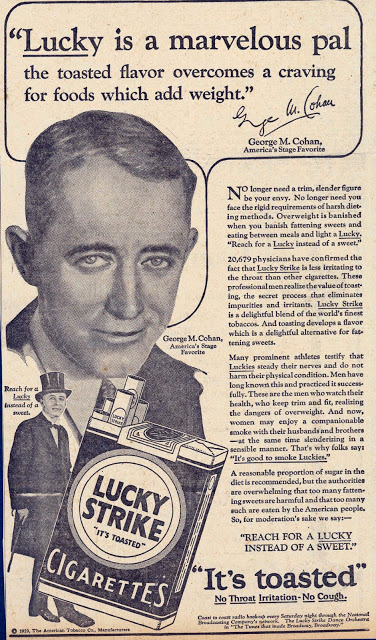
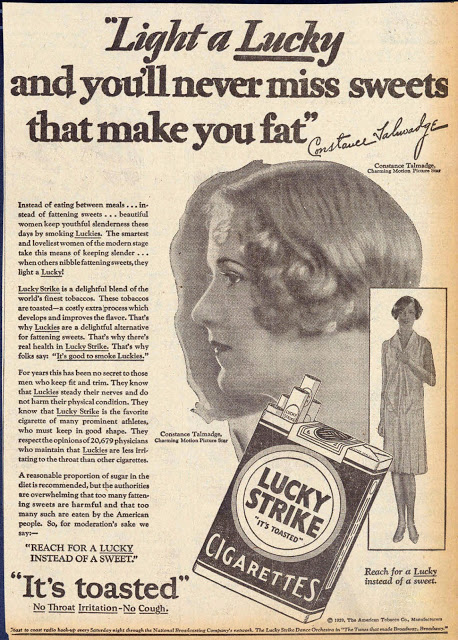
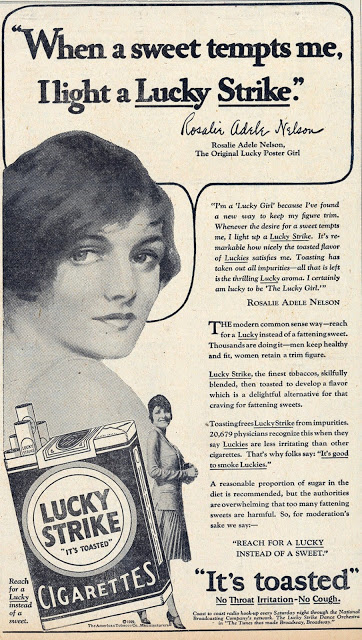
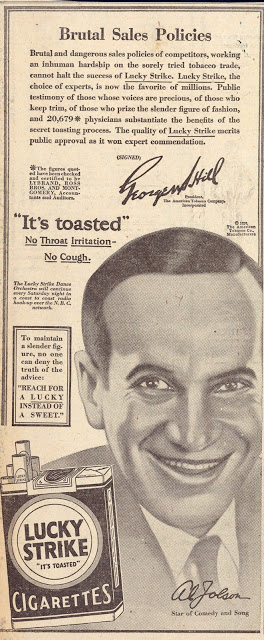
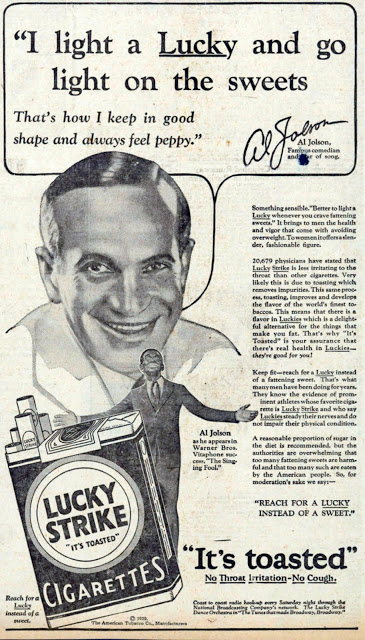
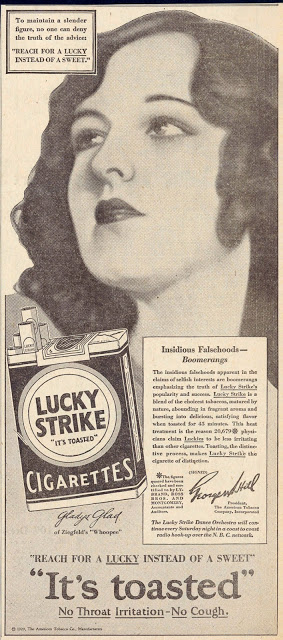
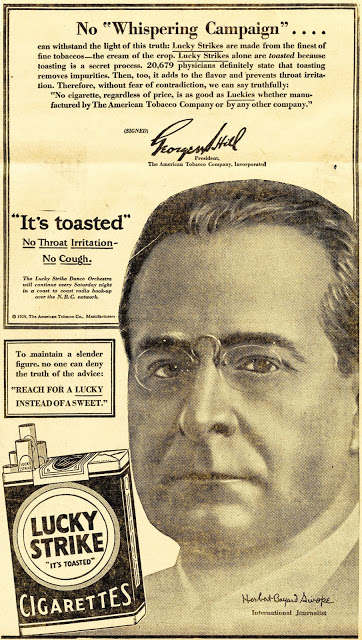
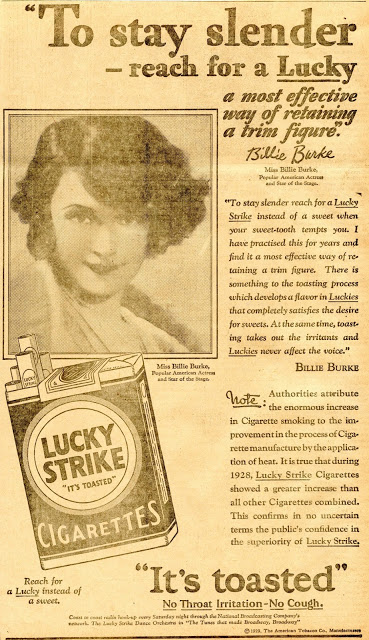
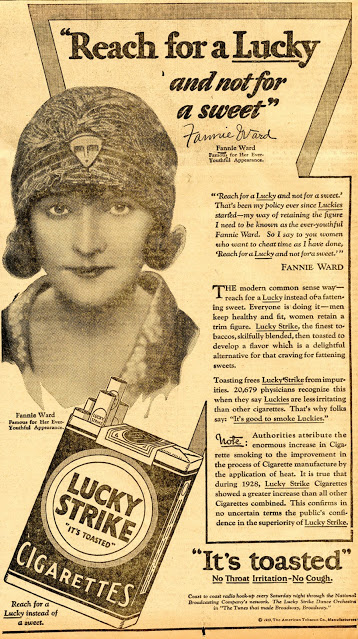
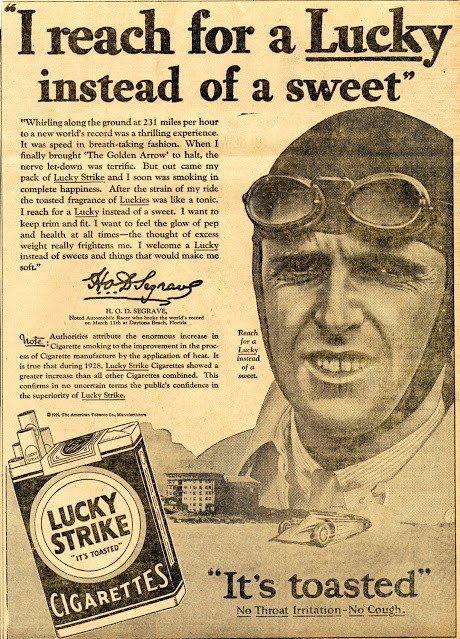
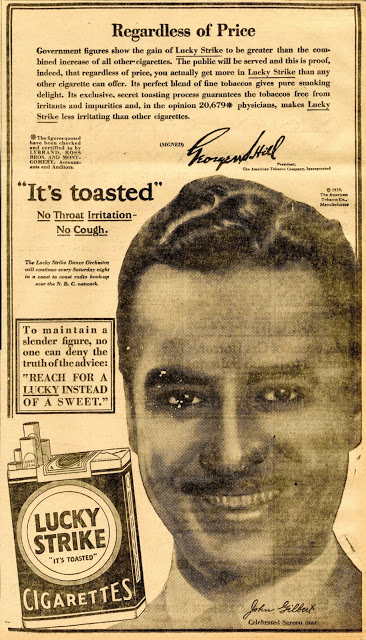
These vintage Lucky Strike cigarette ads tell both women and men that they can lose weight if they reach for a smoke instead of a sweet.
Launched in 1928, this highly successful campaign targeting women was eventually derailed by threats of litigation from the candy industry. The tobacco industry later promoted candy cigarettes. The firm which marketed Lydia Pinkham’s Vegetable Compound was a pioneer in marketing to women. They coined such unforgettable slogans as a baby in every bottle. The 1891 Pinkham slogan “Reach for a Vegetable Instead of a Sweet” has been cited as the inspiration for the Hill/Lasker 1928 slogan “Reach for a Lucky Instead of a Sweet.”
Subscribe to Yesterday Today to receive regular daily updates in your email.
Marie Windsor (born Emily Marie Bertelsen; December 11, 1919 – December 10, 2000) was an American actress known for her femme fatale characters in the classic film noir features Force of Evil, The Narrow Margin and The Killing. Windsor’s height (5’9″, 175 cm) created problems for her in scenes with all but the tallest actors. She was the female lead in so many B movies that she became dubbed the “Queen” of the genre.
The daughter of Mr. and Mrs. Lane Bertelsen, Windsor was born in 1919 in Marysvale, Utah. She was graduated from Marysvale High School in 1934, doing a “musical reading” as part of the graduation exercises. She attended Brigham Young University, where she participated in dramatic productions. She was described in a 1939 newspaper article as “an accomplished athlete … expert as a dancer, swimmer, horsewoman, and plays golf, tennis and skis.”
In 1939, Windsor was chosen from a group of 81 contestants to be queen of Covered Wagon Days in Salt Lake City, Utah. She was unofficially appointed “Miss Utah of 1939” by her hometown Chamber of Commerce, and trained for the stage under famed Hollywood actress and coach Maria Ouspenskaya.
Voluptuous and leggy, but unusually tall (5’9″) for a starlet of her generation, Windsor felt that she was handicapped when playing opposite actors of average stature (claiming she had to progressively bend at the knees walking across the room in scene with John Garfield). As she later recalled, a production with Forrest Tucker as co-star made her happy with finally getting male lead who was her ‘own size’.
In later years, thanks to her early screen success, Windsor was able to pursue her studies more extensively, primarily with Stella Adler and also at the Lee Strasberg Theatre Institute.
Windsor worked in radio in Salt Lake City before moving to California. In California, she worked as a model for glamor photographer Paul Hesse.
In 1940, after her move to Hollywood and entering Ouspenskaya’s drama school, she appeared in the play Forty Thousand Smiths, her first use of the stage name “Marie Windsor”. The next year she appeared in Once in a Lifetime at the Pasadena Playhouse. She also played a villain in a New York production of Follow the Girls. Years later, in the 1980s, she returned to the stage.
After working for several years as a telephone operator, a stage and radio actress, and a bit part and extra player in films, Windsor began playing feature parts on the big screen in 1947.
Her first film contract, with Warner Bros. in 1942, resulted from her writing jokes and submitting them to Jack Benny. Windsor said she submitted the gags under the name M.E. Windsor “because I was afraid he might be prejudiced against a woman gag writer”. When Benny finally met Windsor, “he was stunned by her good looks” and had a producer sign her to a contract. After a tenure with Metro-Goldwyn-Mayer in which the studio “signed her, put her in two small roles and then promptly forgot her”, she signed a seven-year contract in 1948 with The Enterprise Studios.
The actress’ first memorable role in 1948 was with John Garfield in Force of Evil playing seductress Edna Tucker. She had roles in numerous 1950s film noirs, notably The Sniper, The Narrow Margin, City That Never Sleeps, and the Stanley Kubrick heist film, The Killing, in which she played Elisha Cook, Jr.’s, scheming wife. She also made her first foray into science fiction with the release of Cat-Women of the Moon (1953). Windsor co-starred with Randolph Scott in The Bounty Hunter (1954).
Later, Windsor moved to television. She appeared as “The Mutton Puncher” in season 3 of Cheyenne, in 1957. She appeared in 1954 as Belle Starr in the premiere episode of Stories of the Century. In 1962, she played Ann Jesse, a woman dying in childbirth, in the episode “The Wanted Man” of Lawman. Windsor appeared in the first season of Barnaby Jones; episode “Twenty Million Alibis” (May 5, 1973).
Windsor worked consistently through the 1960s, 1970s and 1980s. She appeared on programs such as Cheyenne, Bat Masterson, Tales of Wells Fargo, Yancy Derringer, 77 Sunset Strip, Maverick (in the 1957 episode titled “The Quick and the Dead” with James Garner and Gerald Mohr as Doc Holliday), The Red Skelton Hour, Hawaiian Eye, Perry Mason, Bourbon Street Beat, The F.B.I., The Incredible Hulk, Rawhide, Adam-12, Mannix, Charlie’s Angels, General Hospital, Salem’s Lot, and Murder, She Wrote. Windsor remained on screen once or so annually up to the 1990s, playing her final role and going into retirement in 1991 at the age of 72.
Windsor has a star in at 1549 N. Vine Street in the Motion Pictures section of the Hollywood Walk of Fame. It was dedicated January 19, 1983.
In 1987, Windsor received the Los Angeles Drama Critics Circle Award for best actress for her work in The Bar Off Melrose. She also received the Ralph Morgan Award from the Screen Actors Guild for her service on the organization’s board of directors.
Windsor was married briefly to bandleader Ted Steele. They were wed April 21, 1946, in Marysvale, Utah. They divorced that same year (an item in a 1953 newspaper column says that the marriage was ended by annulment, not divorce).
In July 1950, newspaper columnist Louella Parsons reported, “Marie Windsor has set her marriage to Alex Lunciman, a Beverly Hills stock broker, for October”.
She married realtor Jack Hupp, a member of the 1936 U.S. Olympic basketball team. Hupp had his own family connection with show business; he was the son of actor Earle Rodney. Hupp, with whom Windsor had a son, Richard Rodney, was inducted posthumously into the University of Southern California (USC) Athletic Hall of Fame in 2007. Hupp had a son, Chris, from a prior marriage.
Windsor was politically conservative, a member of the Screen Actors Guild, and supportive of the Motion Picture and Television Fund. A Republican, she supported Dwight Eisenhower’s campaign in the 1952 presidential election.
After her acting career ended, Windsor became a painter and sculptor. Windsor was also a lifelong Mormon.
Windsor died of congestive heart failure on December 10, 2000, the day before her 81st birthday. She is interred with Hupp in her native Marysvale, Utah, at Mountain View Cemetery.
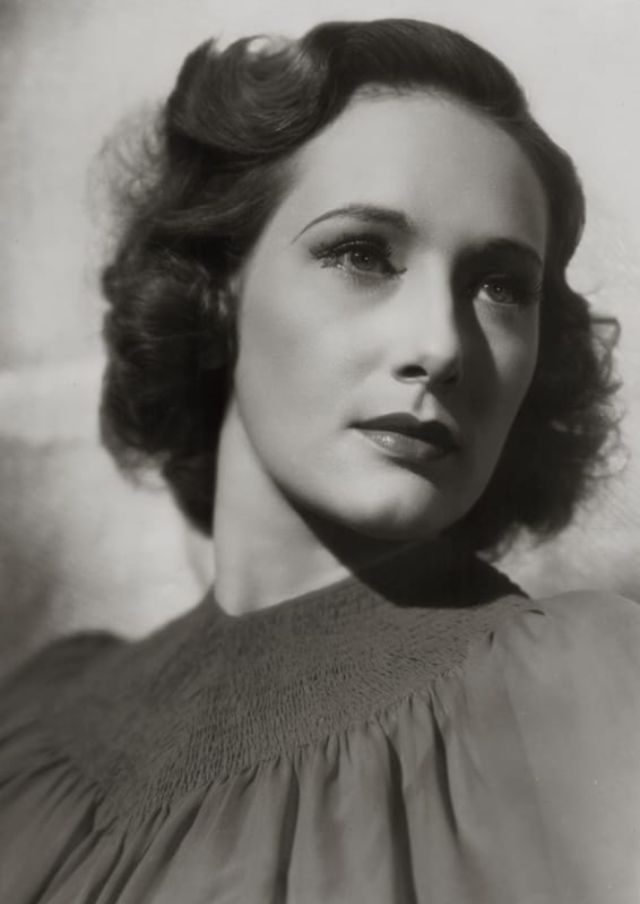
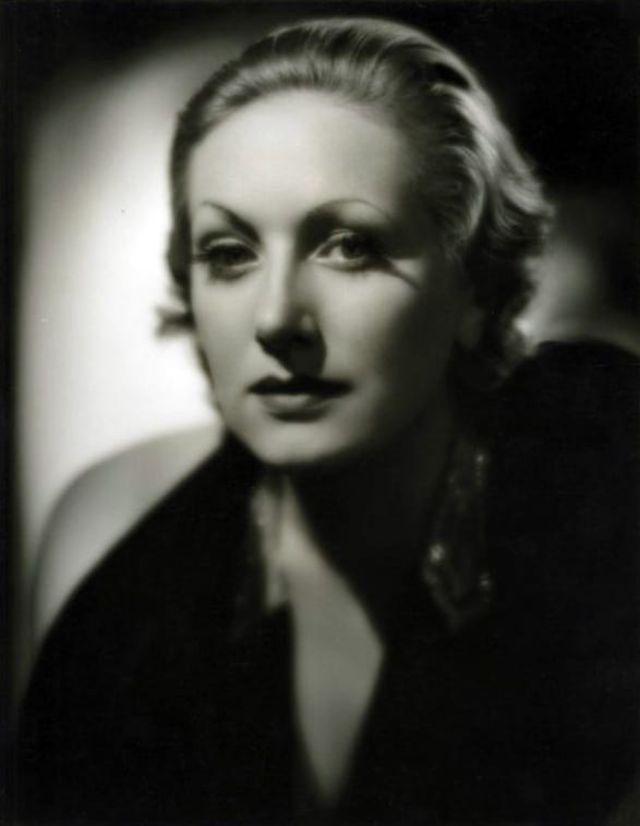
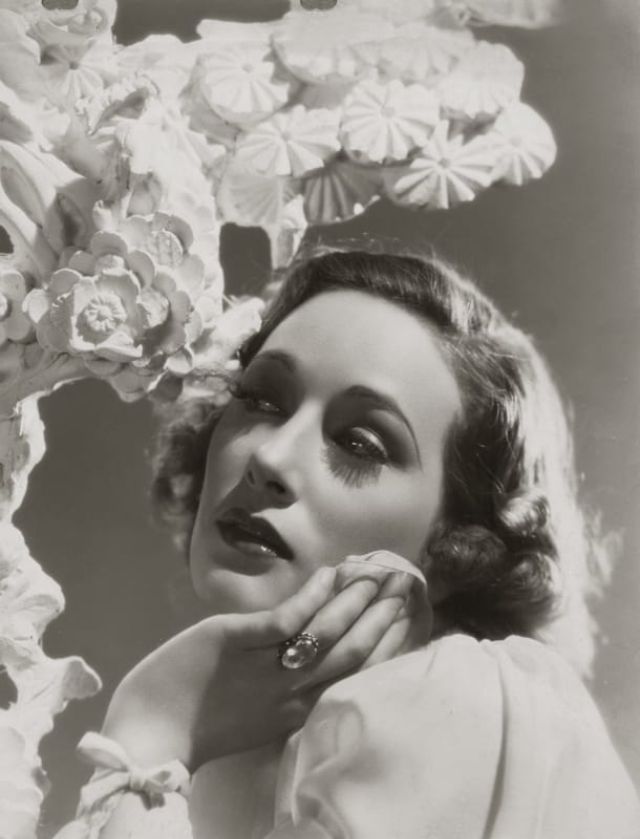
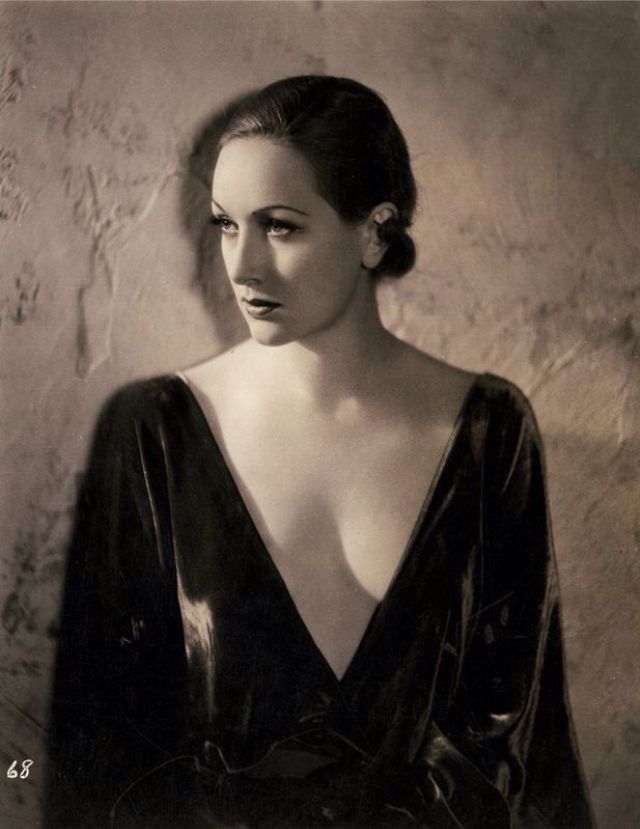
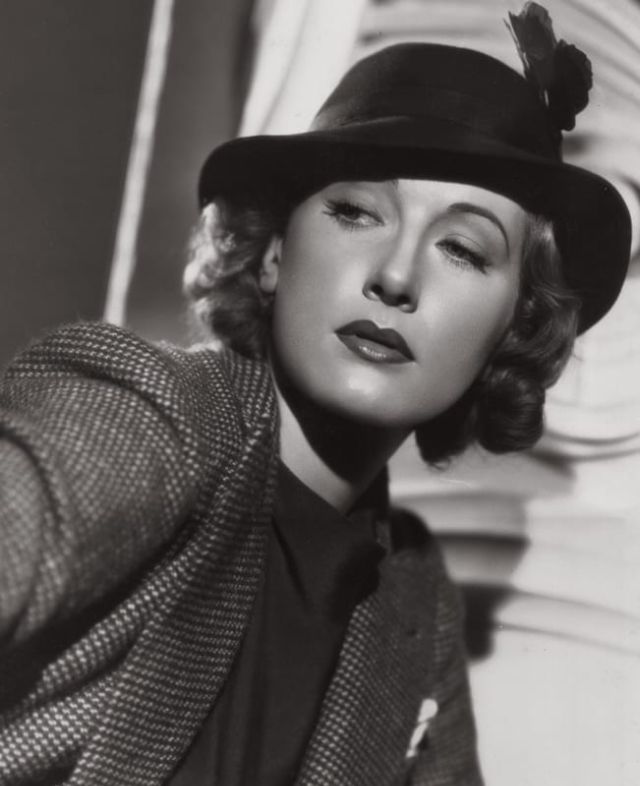
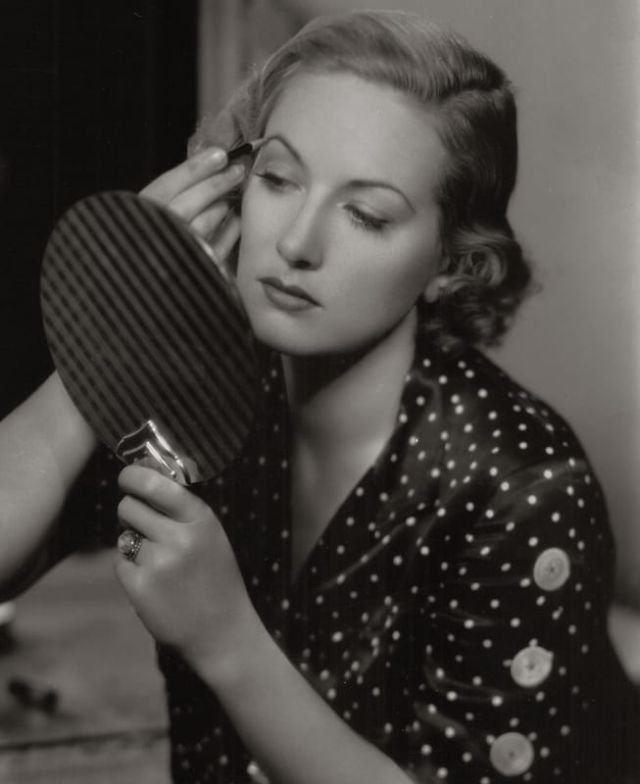
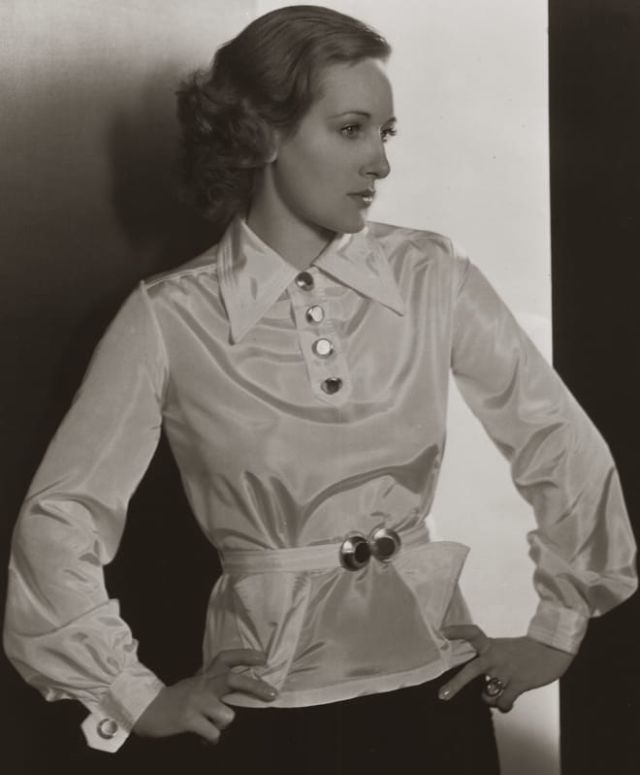
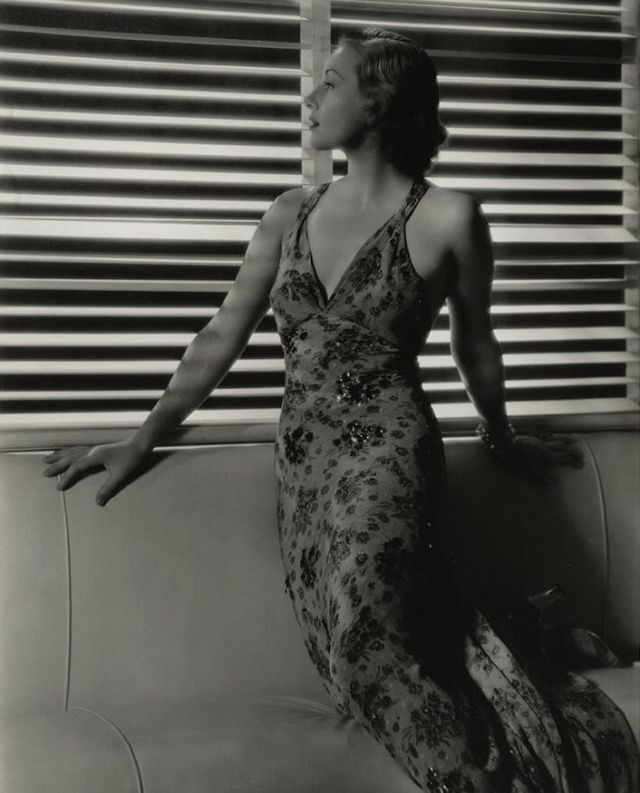
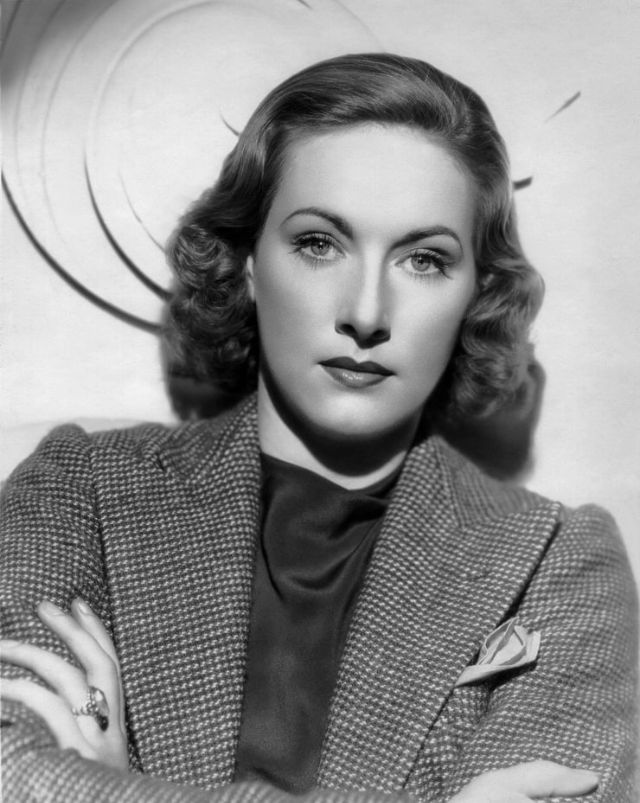
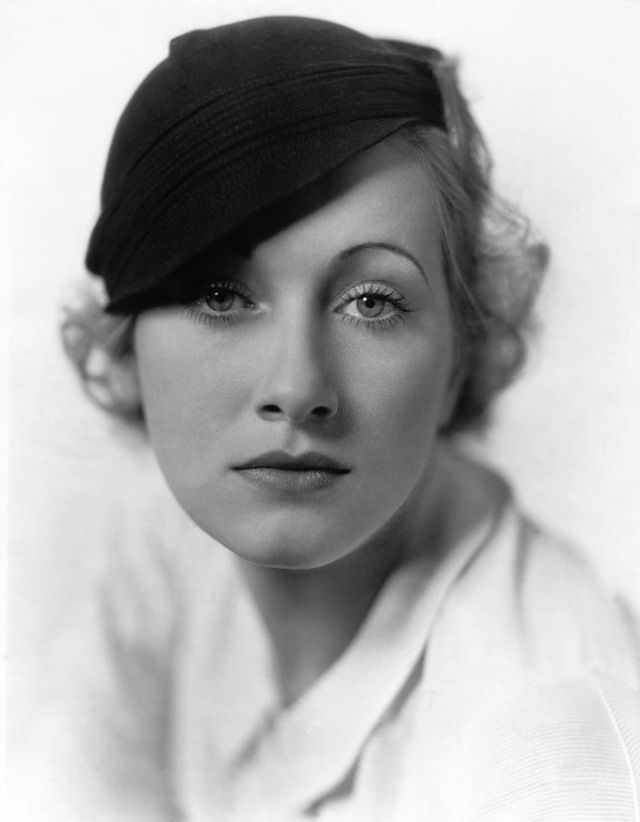
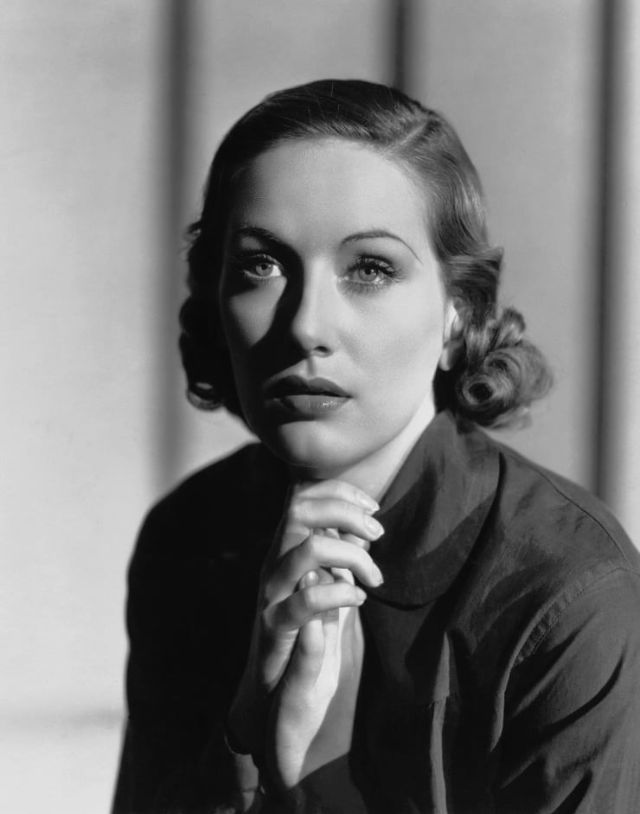
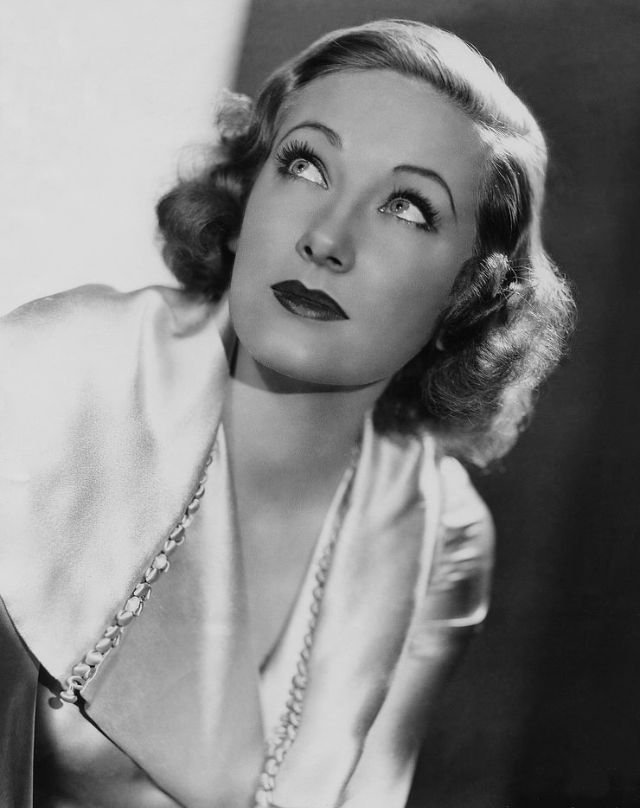
Take a look at these vintage photos to see the beauty of young Marie Windsor in the 1940s.
Subscribe to Yesterday Today to receive daily updates on new content.
Post-war Paris brought a blossoming of culture and thought. The Nouvelle Vague transformed French cinema, young couturiers reinvigorated French fashion, existentialism flourished in literature and philosophy, and the city swung and swayed to a vibrant jazz and rock ’n’ roll scene.
In the middle of it all, was Paul Almasy. The well-traveled photojournalist, born in Hungary, had made Paris his hometown and spent his days and nights wandering its alleys, avenues, and after-hours bars. Through his photographs, we visit the embankment of the Seine and the old market halls, its music joints and glamorous cafes, but also the hidden backyards and artist’s studios.
Joining the ranks of Henri Cartier-Bresson and Robert Doisneau, Almasy is one of the great chroniclers of 1950s and 1960s Paris. This collection of his Paris photographs is a vivid and evocative portrait of the city in all its mid-century vibrancy and change.
Subscribe to continue reading
Become a paid subscriber to get access to the rest of this post and other exclusive content.