Fishing is an ancient practice that dates back to at least the beginning of the Upper Paleolithic period about 40,000 years ago, and became a popular recreational activity in the 19th century.
Since the 16th century, fishing vessels have been able to cross oceans in pursuit of fish, and since the 19th century it has been possible to use larger vessels and in some cases process the fish on board. Fish are normally caught in the wild. Techniques for catching fish include hand gathering, spearing, netting, angling and trapping.
The term fishing may be applied to catching other aquatic animals such as shellfish, cephalopods, crustaceans and echinoderms. The term is not usually applied to catching aquatic mammals, such as whales, where the term whaling is more appropriate, or to farmed fish.
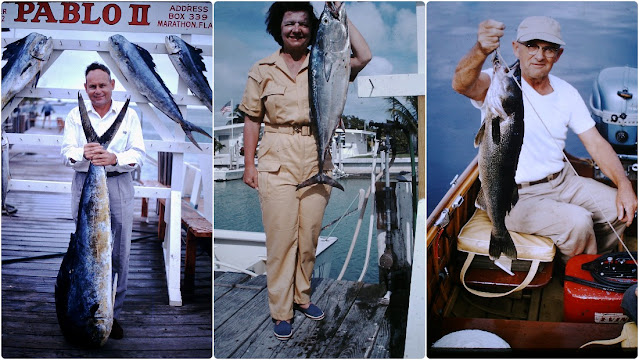
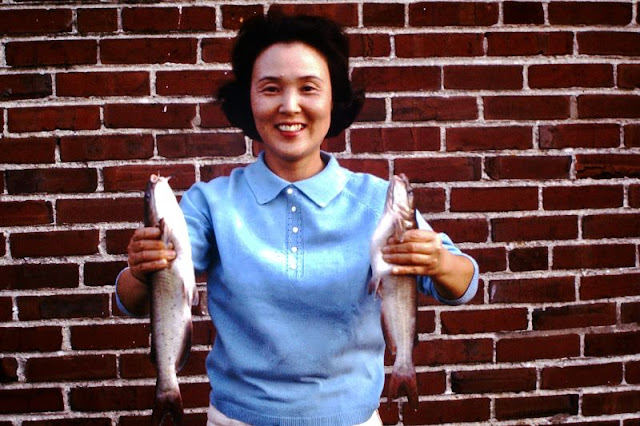
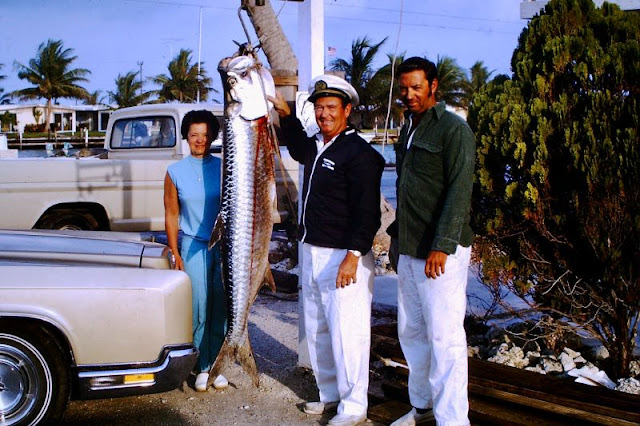
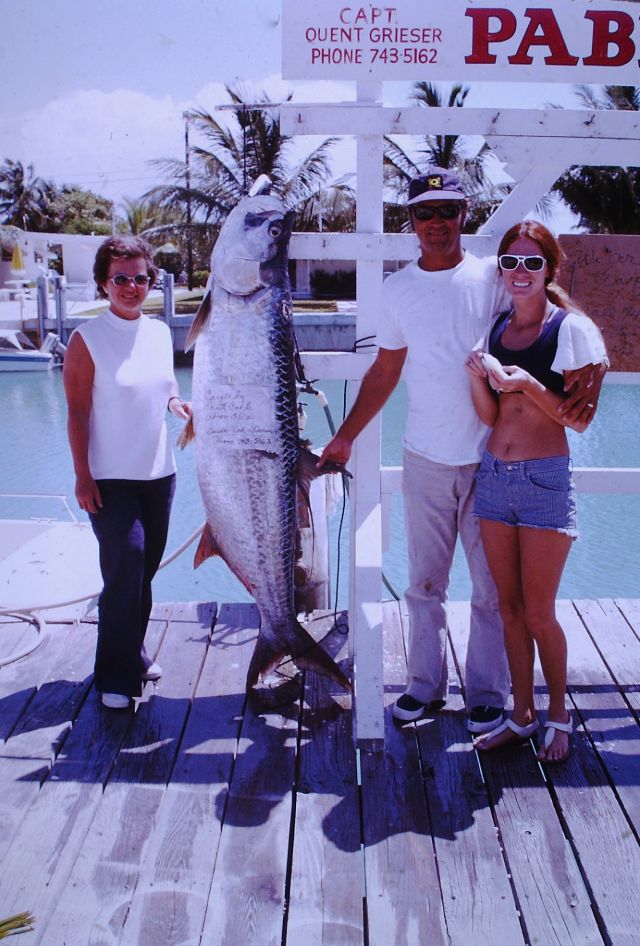
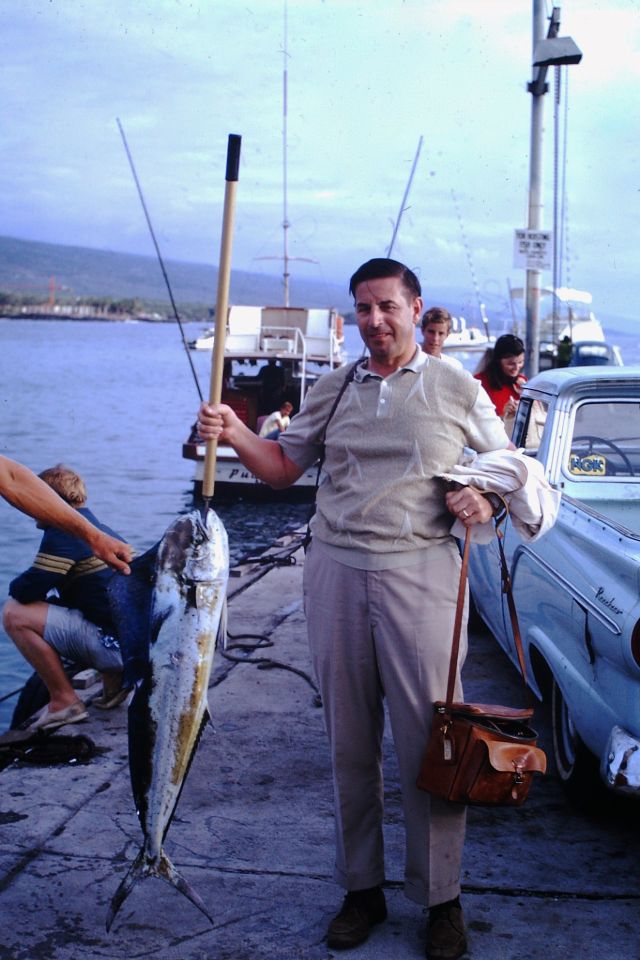
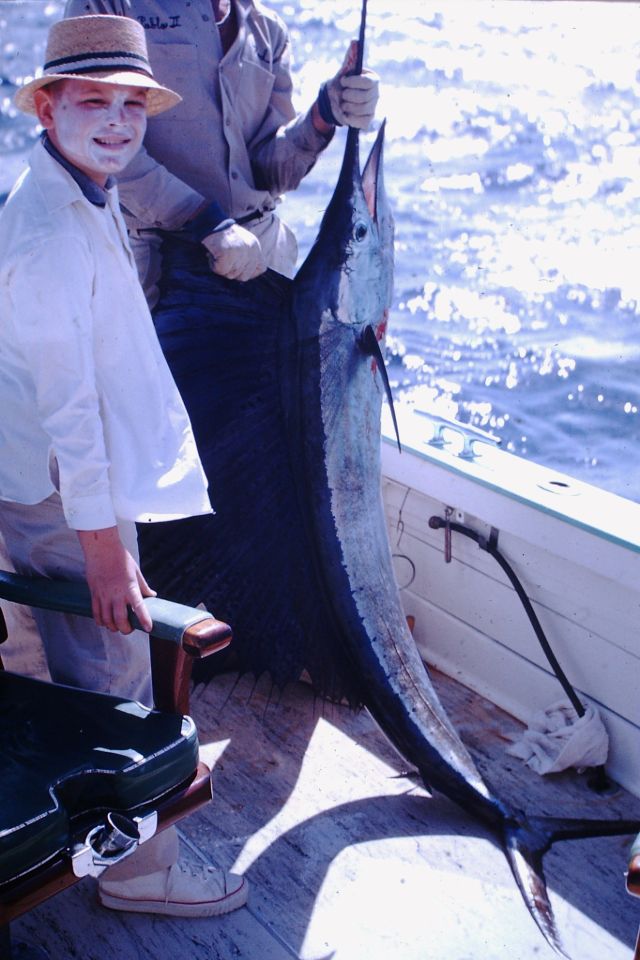
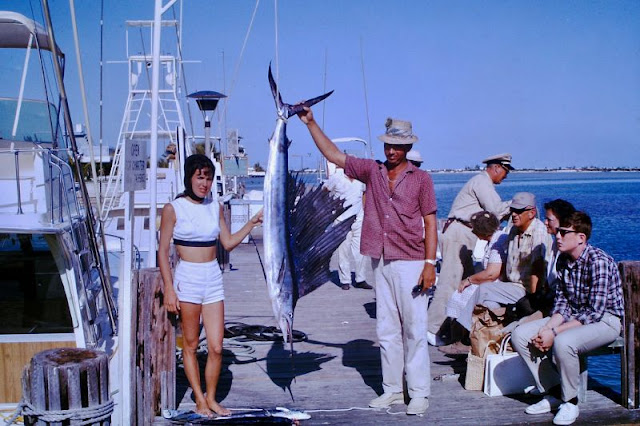
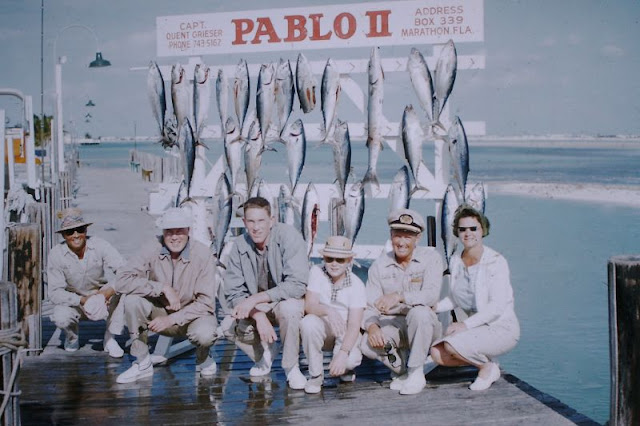
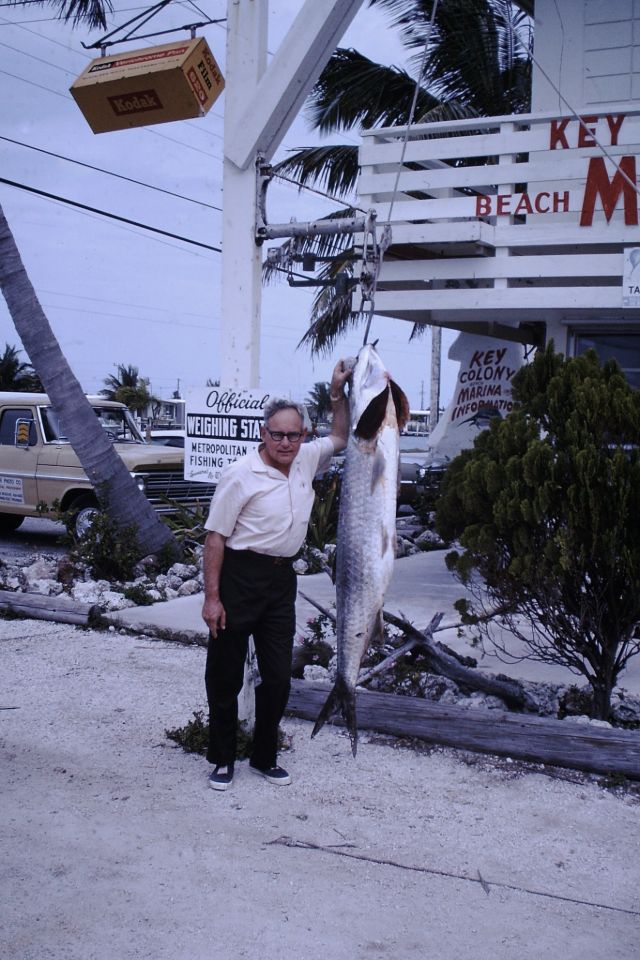
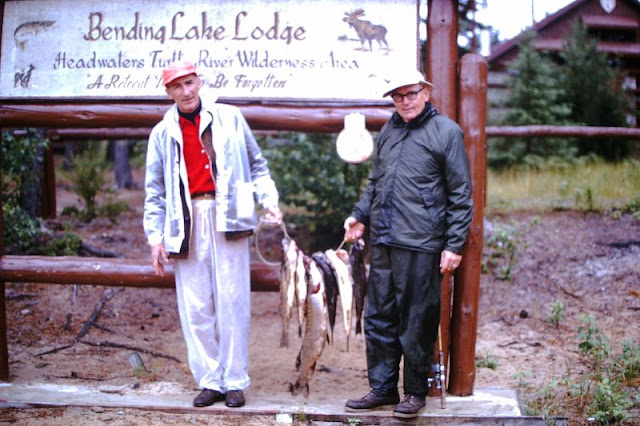
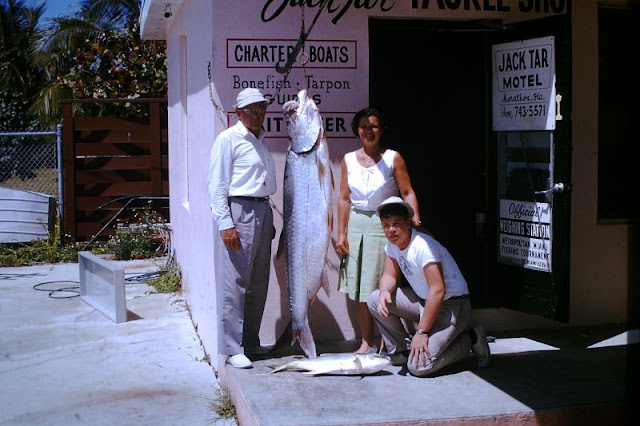
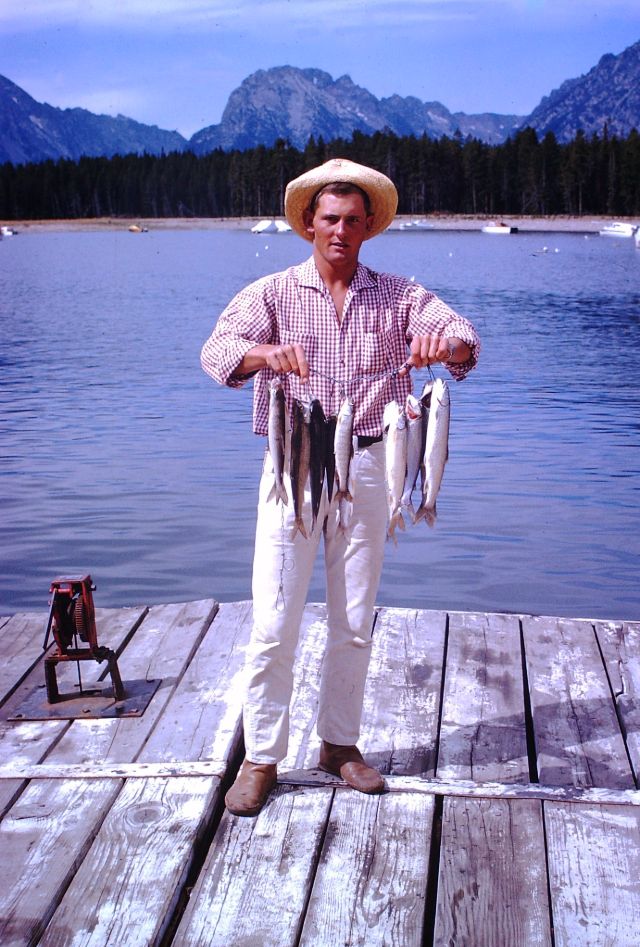
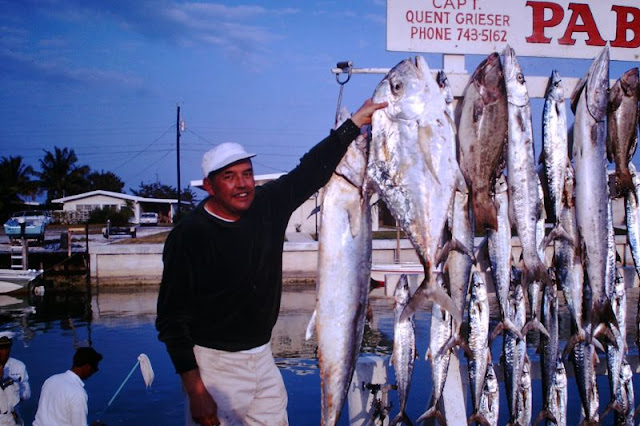
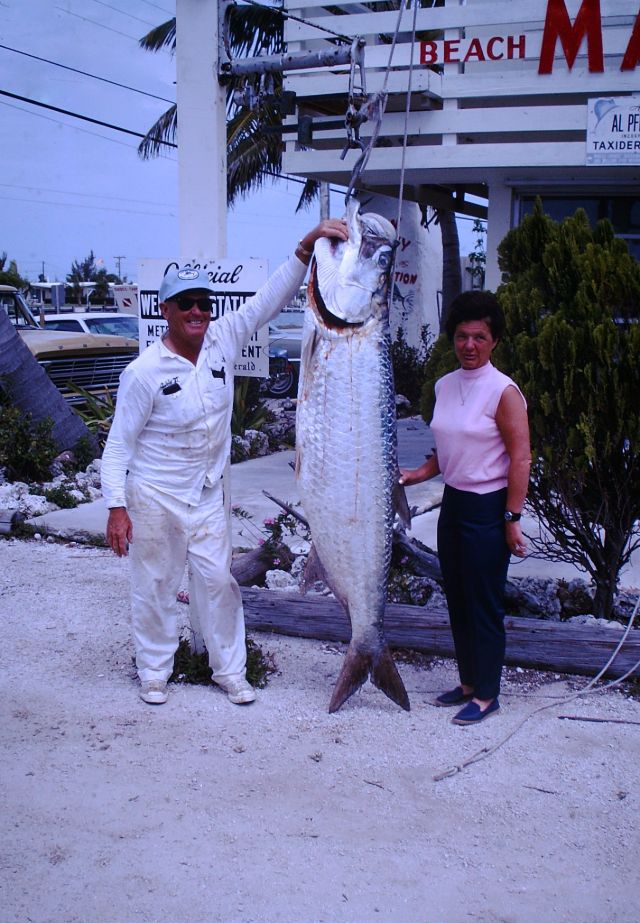
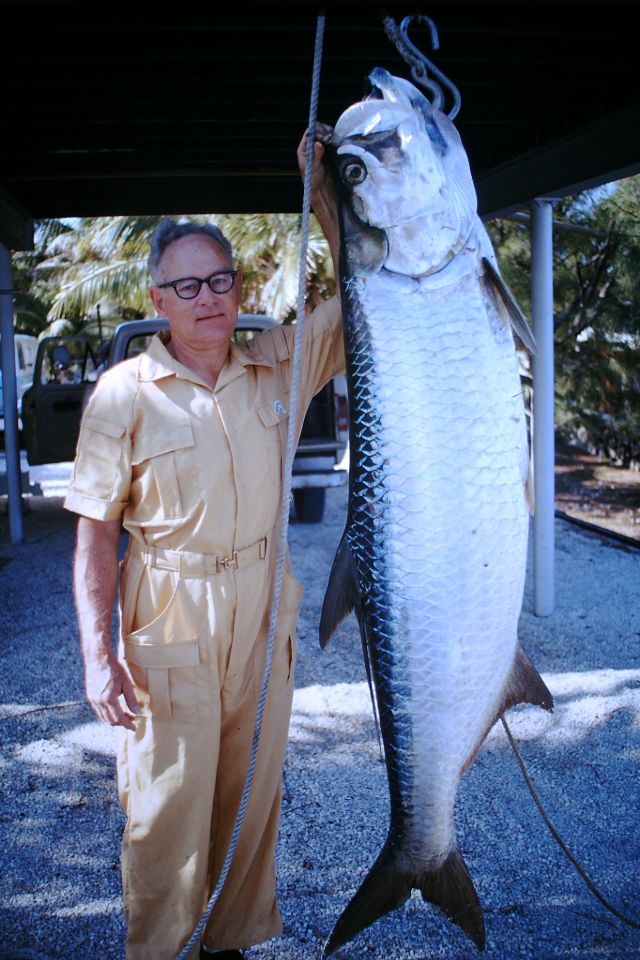
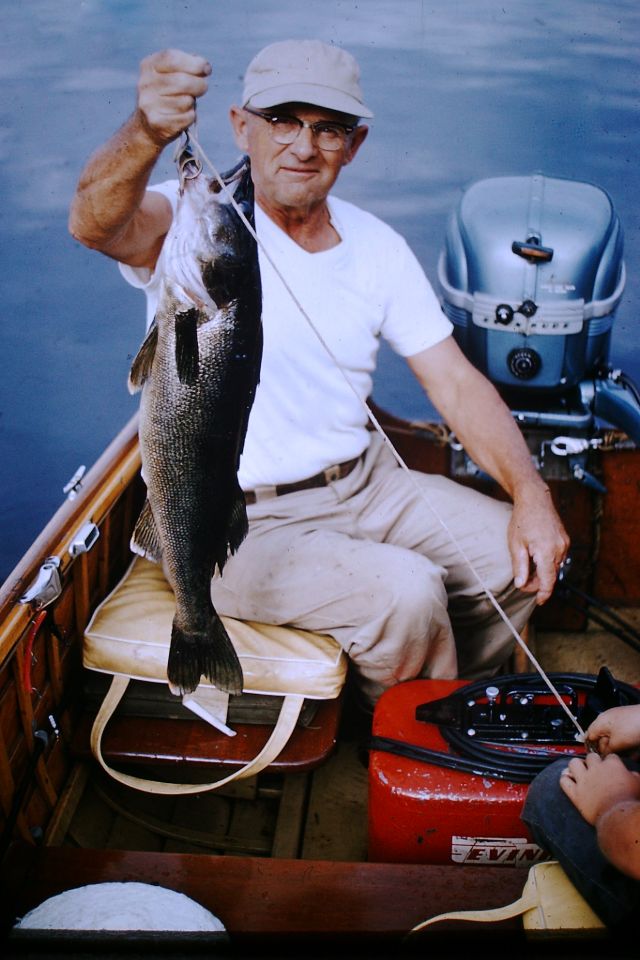
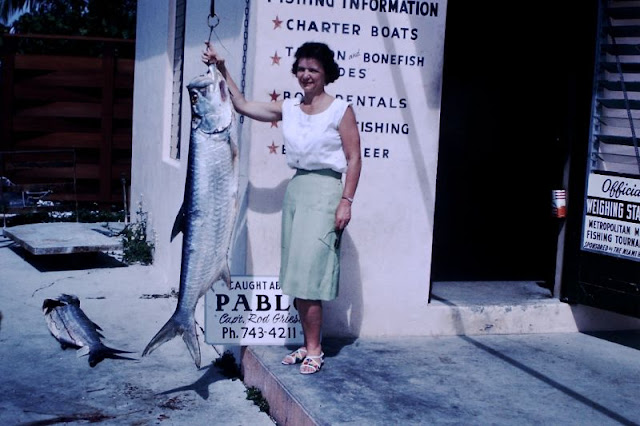
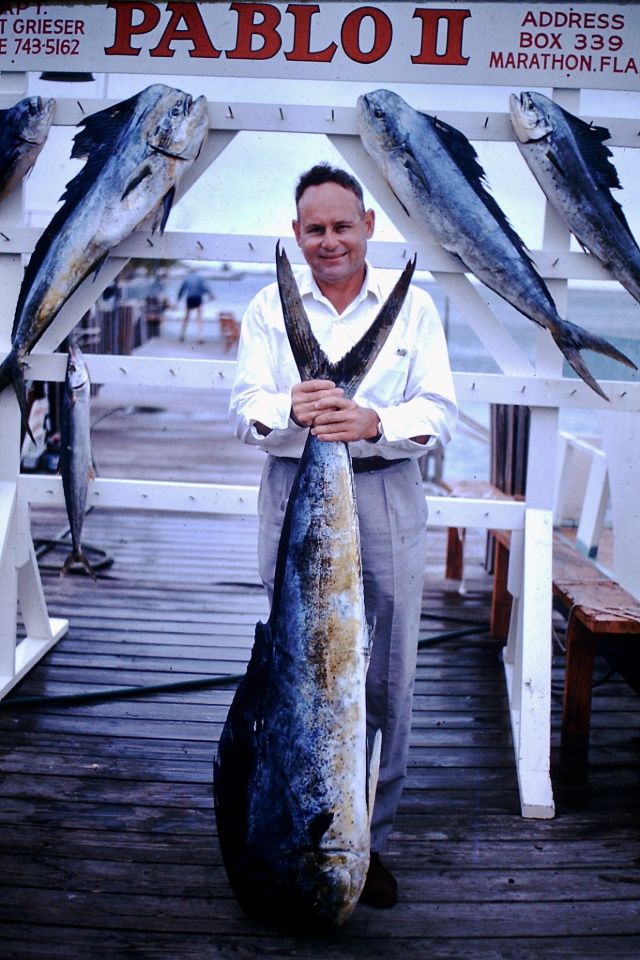
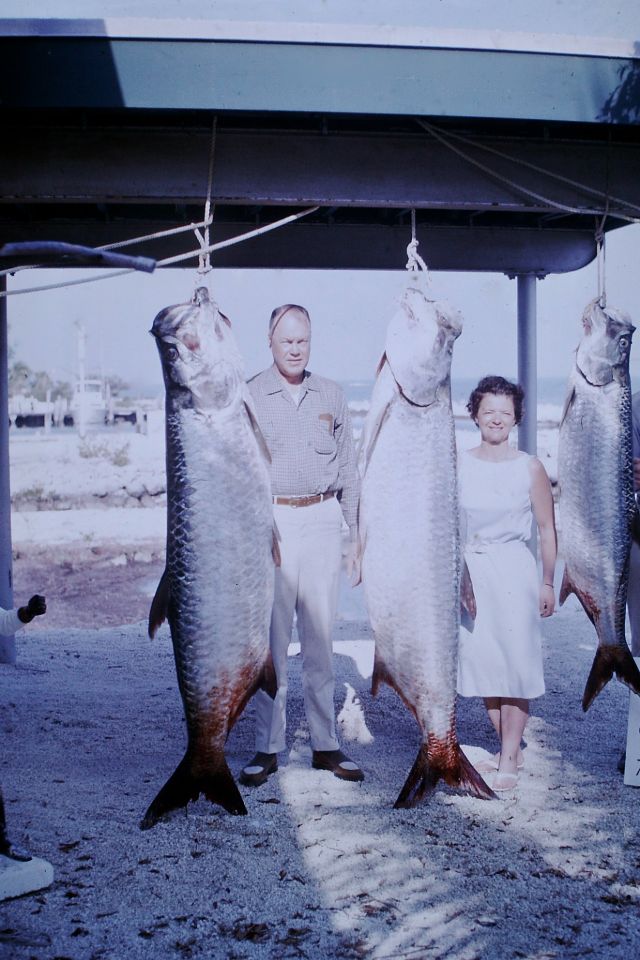
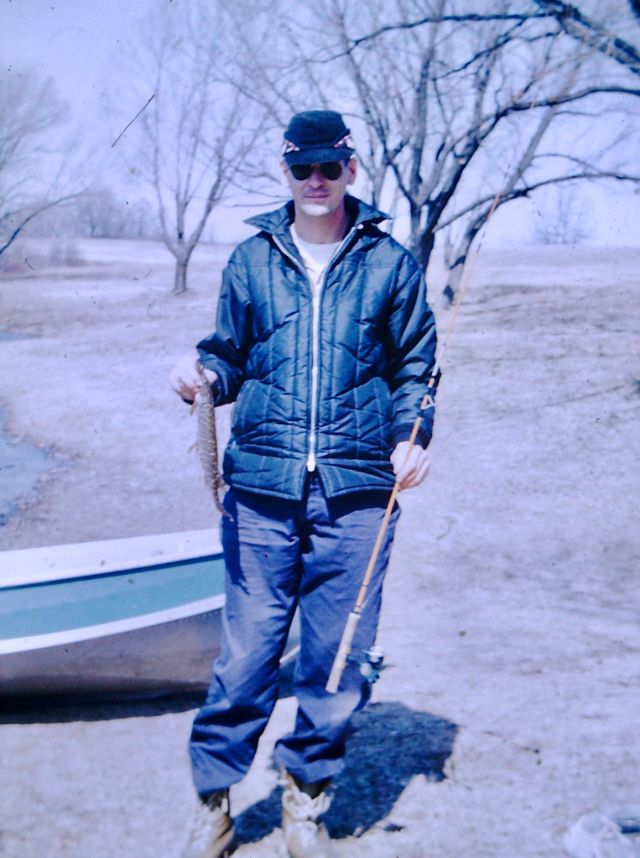
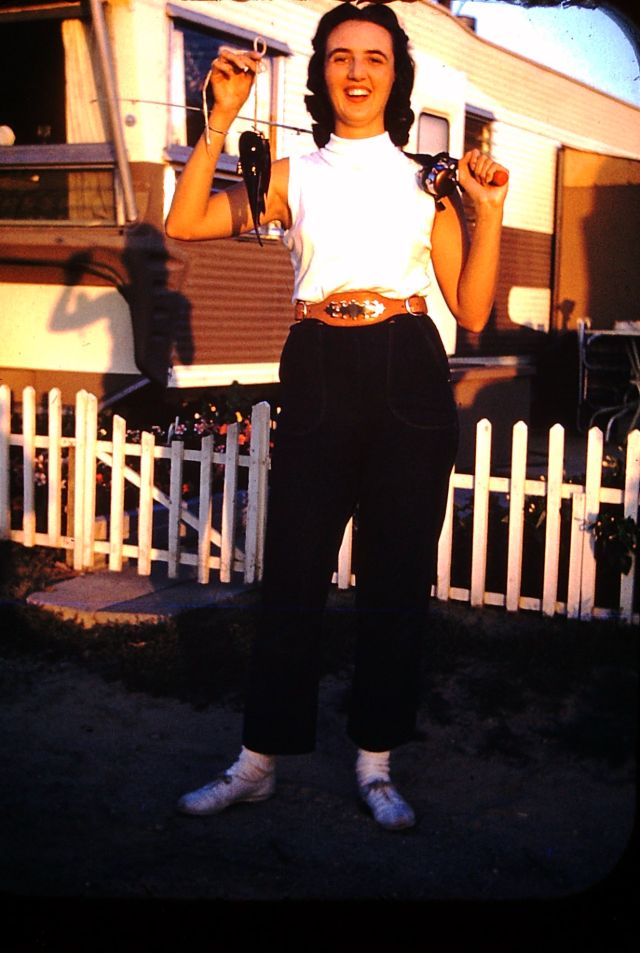
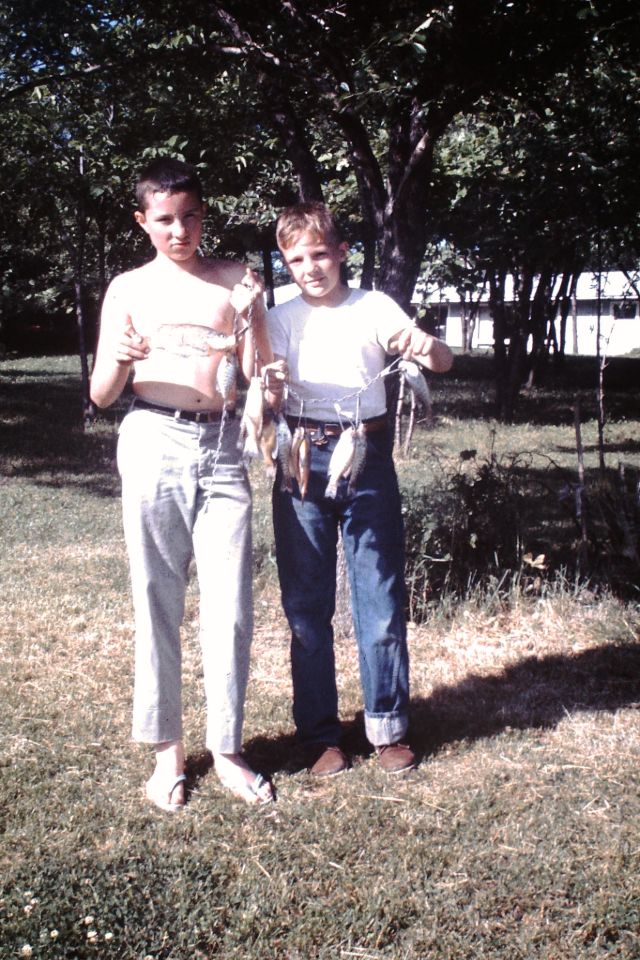
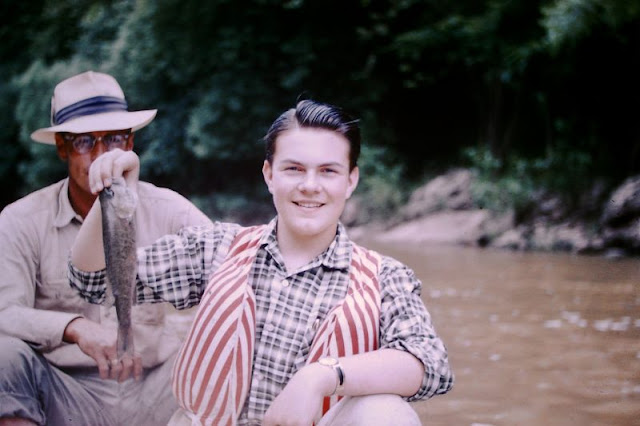
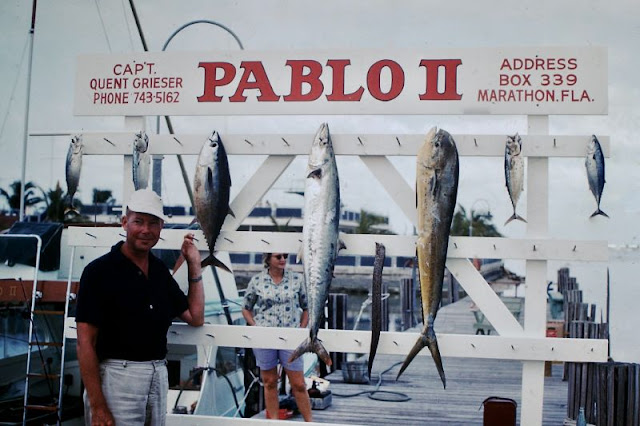
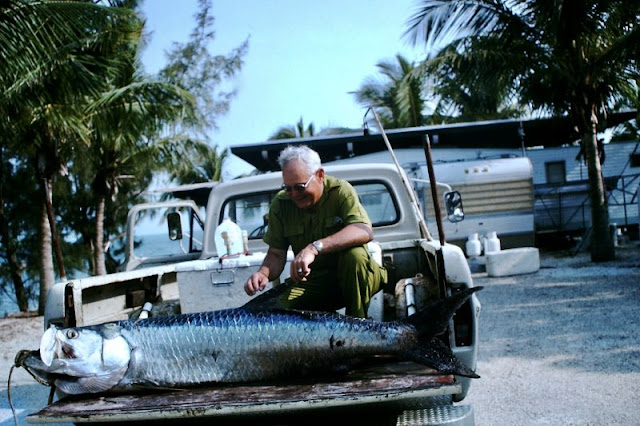
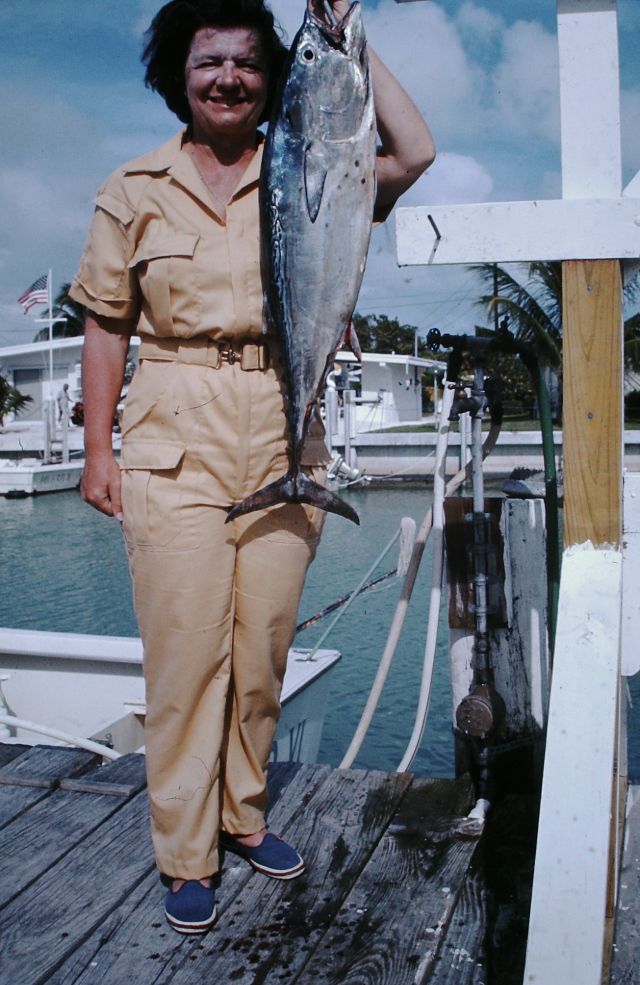
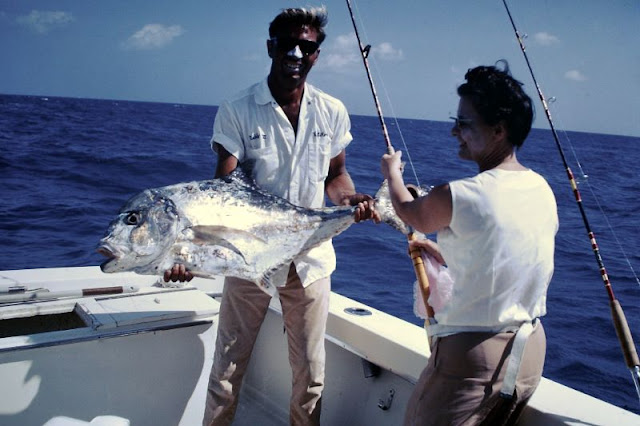
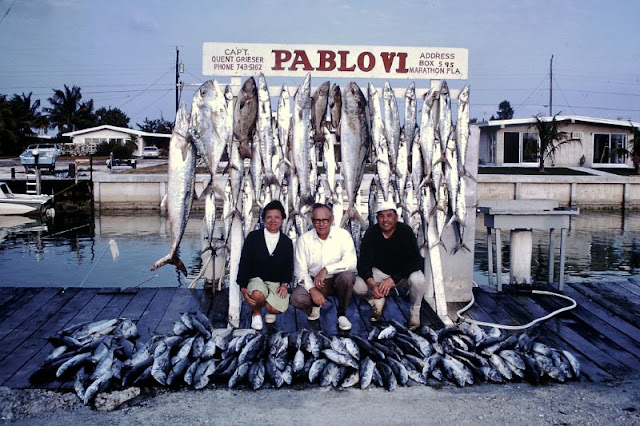
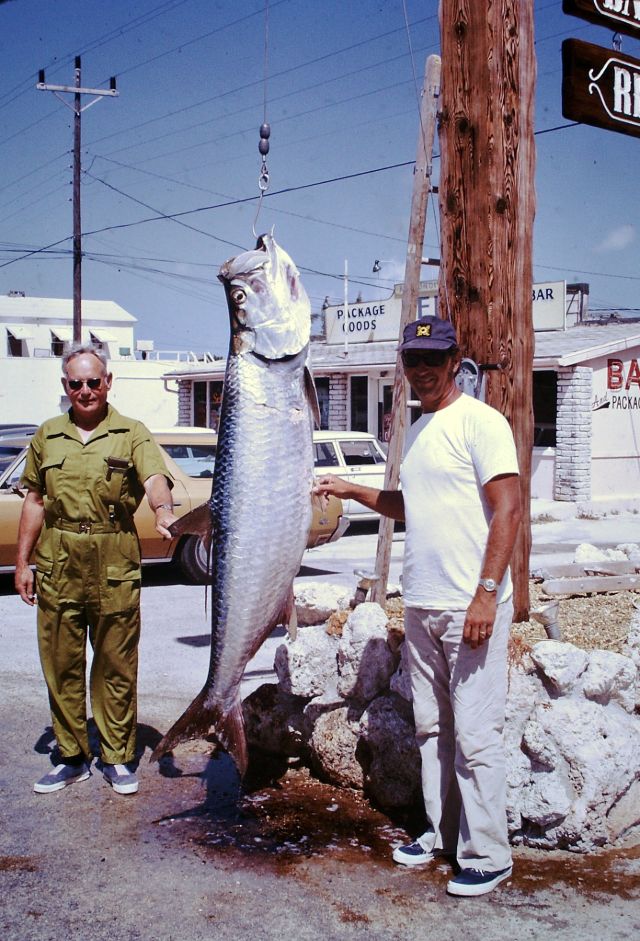
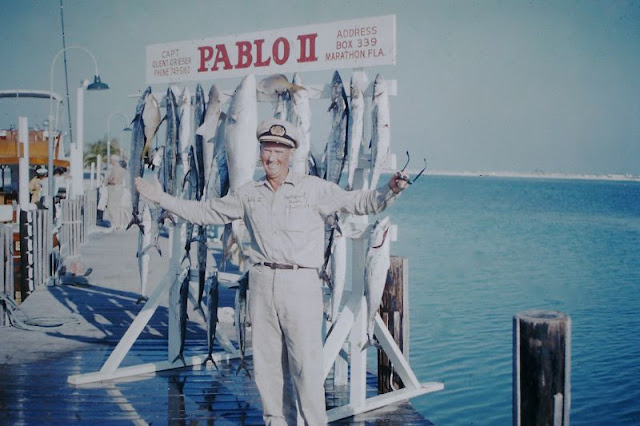
These vintage photos captured people proudly posing with fish in the 1960s.
Subscribe to Yesterday Today to receive daily updates in your email.
A typewriter is a mechanical or electromechanical machine for typing characters. Typically, a typewriter has an array of keys, and each one causes a different single character to be produced on paper by striking an inked ribbon selectively against the paper with a type element. At the end of the nineteenth century, the term ‘typewriter’ was also applied to a person who used such a device.
The first commercial typewriters were introduced in 1874, but did not become common in offices until after the mid-1880s. The typewriter quickly became an indispensable tool for practically all writing other than personal handwritten correspondence. It was widely used by professional writers, in offices, business correspondence in private homes, and by students preparing written assignments.
Typewriters were a standard fixture in most offices up to the 1980s. Thereafter, they began to be largely supplanted by personal computers running word processing software. Nevertheless, typewriters remain common in some parts of the world. The QWERTY keyboard layout, developed for typewriters in the 1870s, remains the standard for computer keyboards.
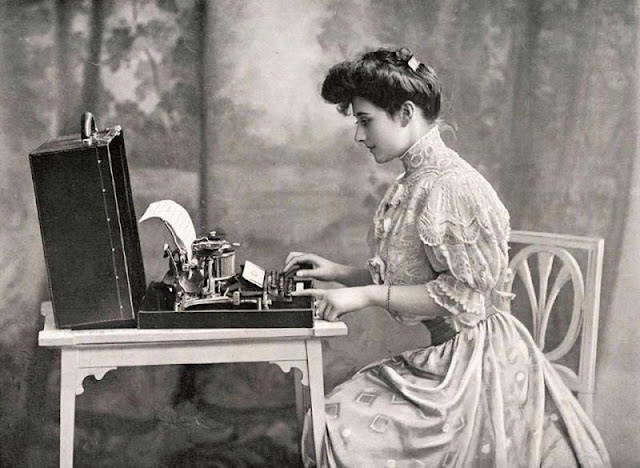
Before computer, here is a set of vintage photos that shows people from the past with their typewriters.
Subscribe to continue reading
Become a paid subscriber to get access to the rest of this post and other exclusive content.
Beginning in the late 1970s and early 1980s there were new movements within the German punk scene, led by labels like ZickZack Records, from Hamburg. It was during this period that the term Neue Deutsche Welle (New German Wave) was first coined by Alfred Hilsberg, owner of ZickZack Records. Many of these bands played experimental post-punk, often using synthesizers and computers.
In the 1980s, many new punk bands became popular in the scene and developed the so-called “Deutschpunk” style, which is not a generic term for German punk rock, but an own style of punk music that included quite primitive songwriting, very fast rhythms and politically radical left-wing lyrics, mostly influenced by the Cold War.
Because of repressions by the state of East Germany, there was only a secret punk scene that could develop there. One of the most popular bands were probably Schleim-Keim, who also got popular in West Germany. Only in the last years of the German Democratic Republic (GDR) did the government allow some bands like Feeling B or Die Skeptiker from East Berlin, but those bands were criticized in the scene for cooperating with the government. Some of these bands applied for and received “amateur licenses” to allow them to perform in state-sanctioned venues, while still maintaining connections with the underground East German punk community.
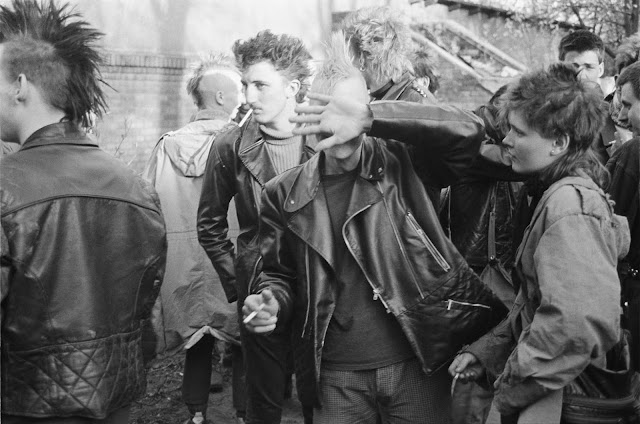
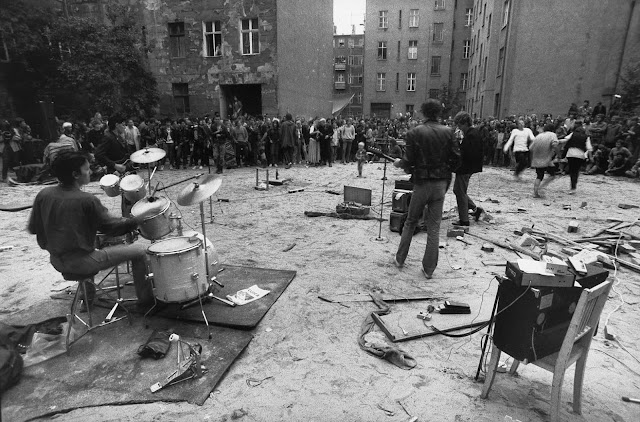
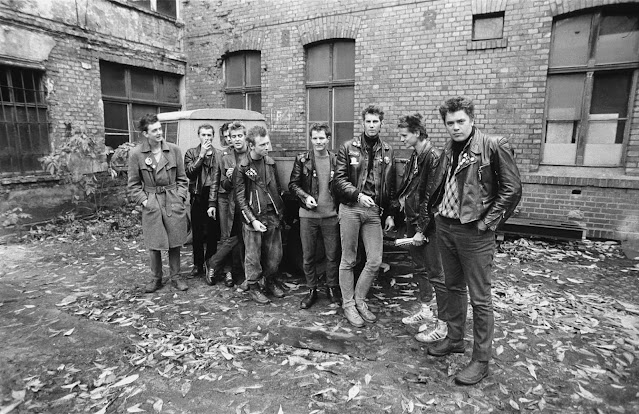
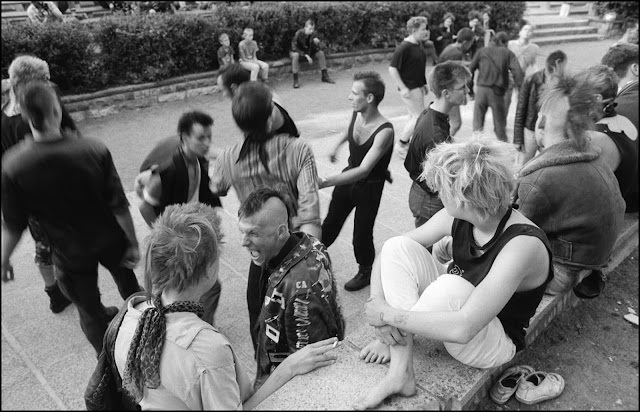
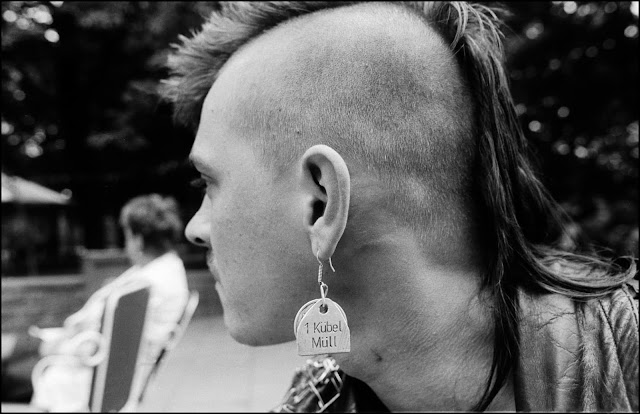
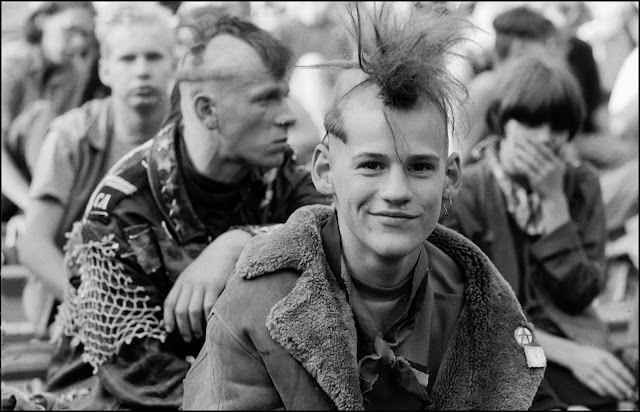
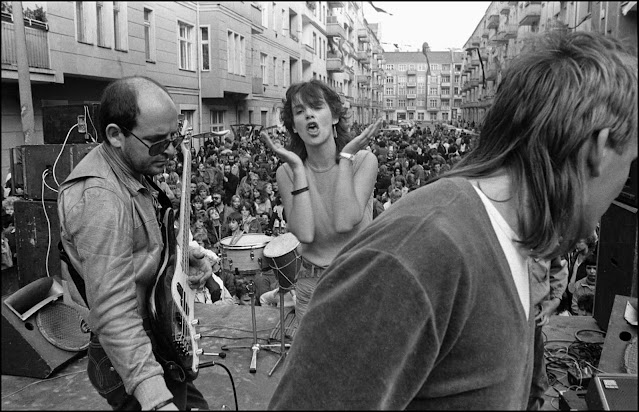
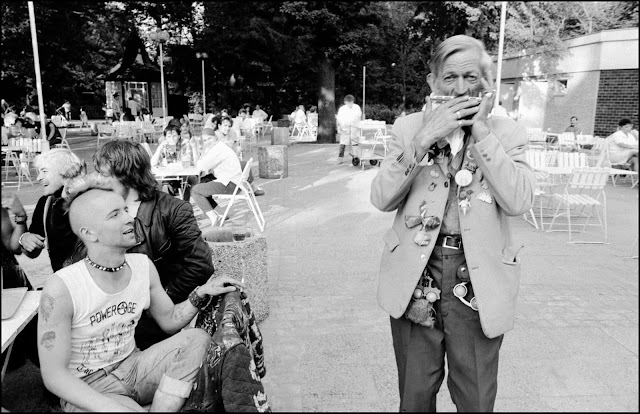
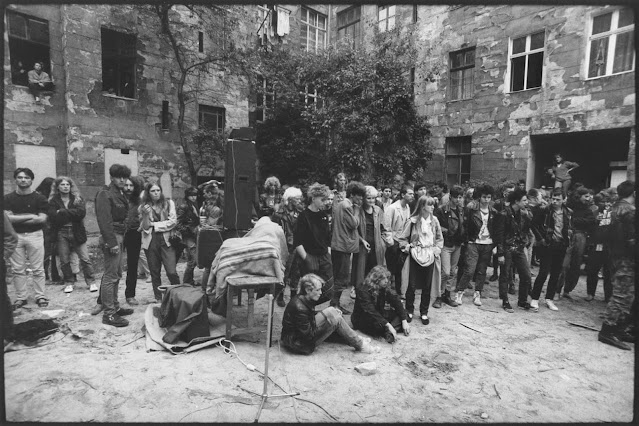
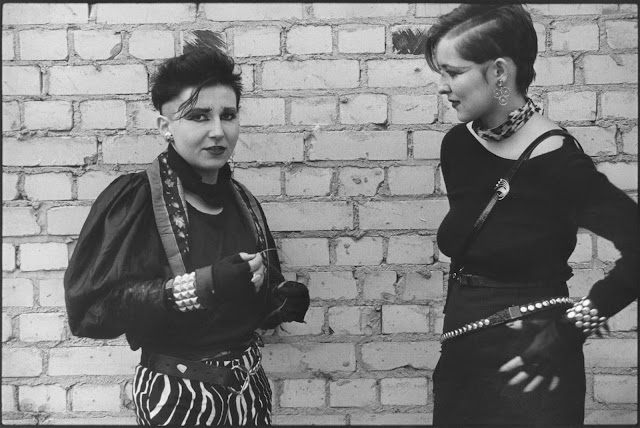
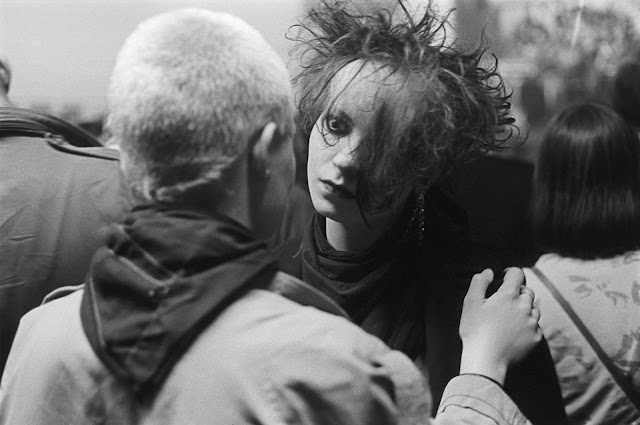
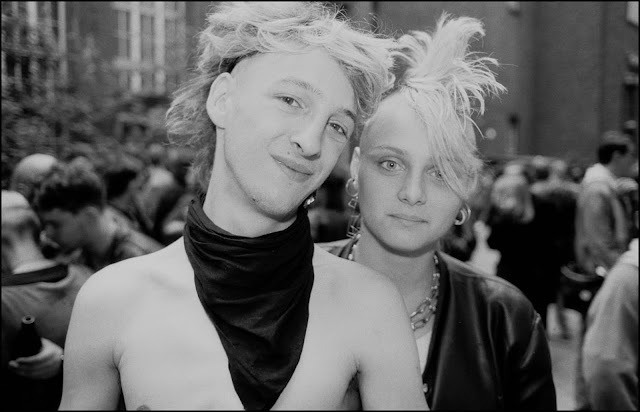
Harald Hauswald’s pictures show everyday life in the GDR in all its facets, between SED dictatorship and underground opposition. Hauswald, who was born in Radebeul, went to East Berlin himself after an apprenticeship as a photographer and became part of the scenes he documented there. With all clarity, his photographs, taken from the late 1970s to the mid-1990s, articulate the dignity of those portrayed, the transformation of East Berlin’s urban space, and the work of oppositional groups and youth cultures in an East German republic marked by decay.
Punks in East-Berlin, 1985
Alternative church congress (church from below), Berlin-Friedrichshain, 1987
Punkrock concert in a church hall of the protestant church, Karl-Marx-Stadt, Saxony, 1985
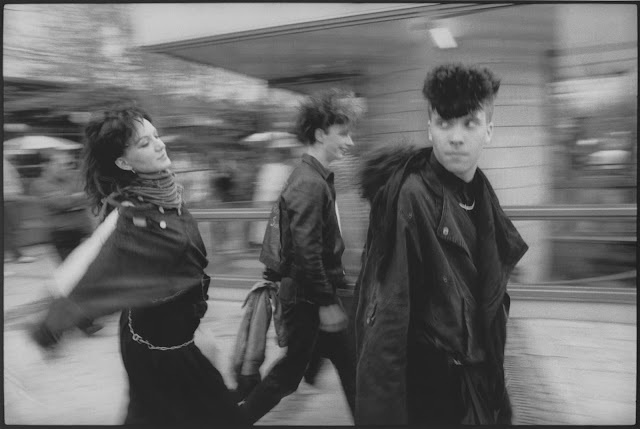
Alexanderplatz, Berlin-Mitte, 1988
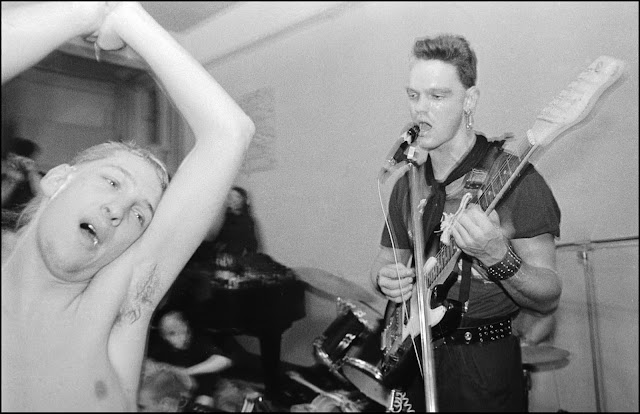
Backyard concert in the Schliemannstrasse with the band Rosa Extra, Berlin, 1982
Early punks, Kastanienallee, Berlin, 1982
Rock concert at the open-air theatre, Berlin-Weissensee, 1990
Weinbergsweg in Berlin-Mitte, 1988
Rock concert at the open-air theater, Berlin-Weissensee, 1990
The band “itching”, street party in front of the youth club “impulse”, Berlin, 1981
Kurt Wanski, In the zoo, Berlin-Friedrichsfelde, 1988
Backyard concert in the Schliemannstrasse with the band “Rosa Extra”, Berlin, 1985
Robert Montgomery (born Henry Montgomery Jr.; May 21, 1904 – September 27, 1981) was an American actor, director, and producer. He began his acting career on the stage, but was soon hired by MGM. Initially assigned roles in comedies, he soon proved he was able to handle dramatic ones, as well. He appeared in a wide variety of roles, such as the weak-willed prisoner Kent in The Big House (1930), the psychotic Danny in Night Must Fall (1937), and Joe, the boxer mistakenly sent to Heaven in Here Comes Mr. Jordan (1941). The last two earned him nominations for the Academy Award for Best Actor.
During World War II, he drove ambulances in France until the Dunkirk evacuation. When the United States entered the war on December 8, 1941, he enlisted in the Navy, and was present at the invasion at Normandy. After the war, he returned to Hollywood, where he worked in both films, and later, in television. He was also the father of actress Elizabeth Montgomery.
Subscribe to continue reading
Become a paid subscriber to get access to the rest of this post and other exclusive content.
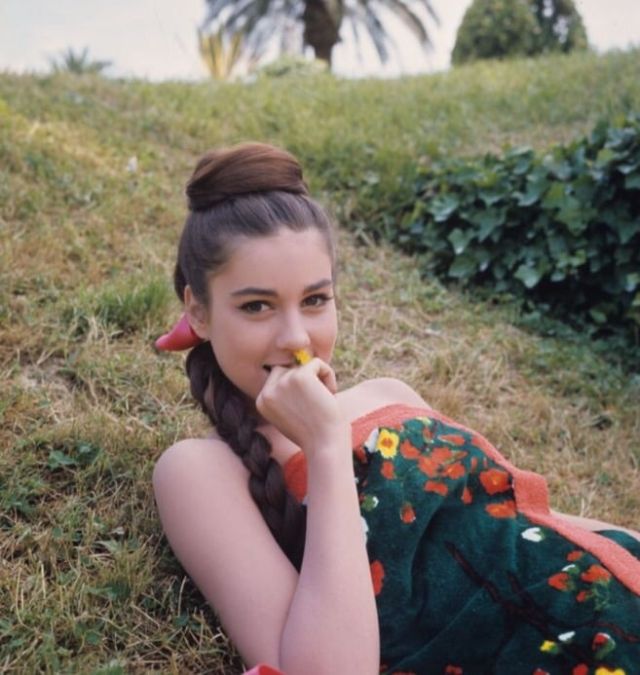
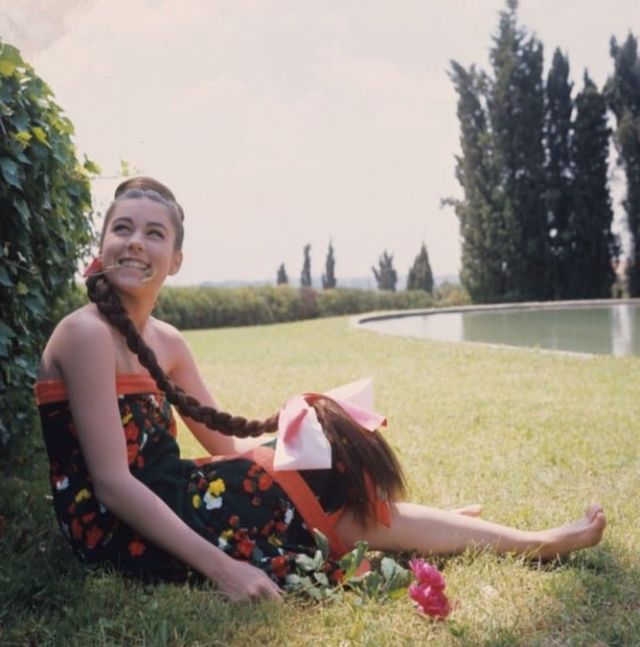
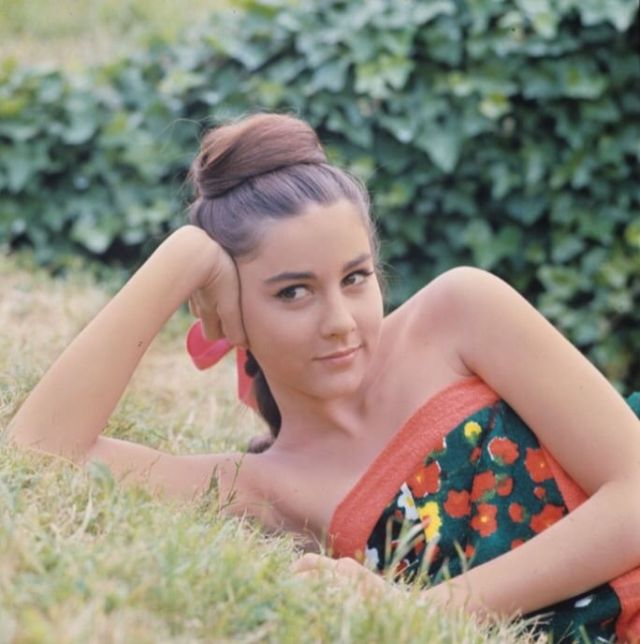
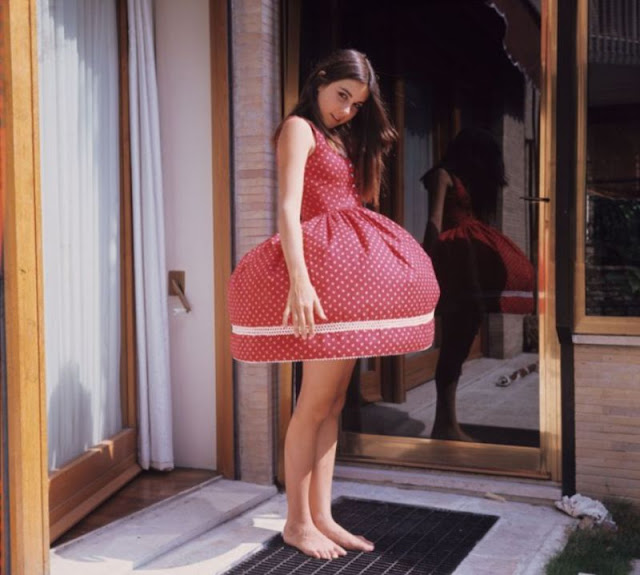
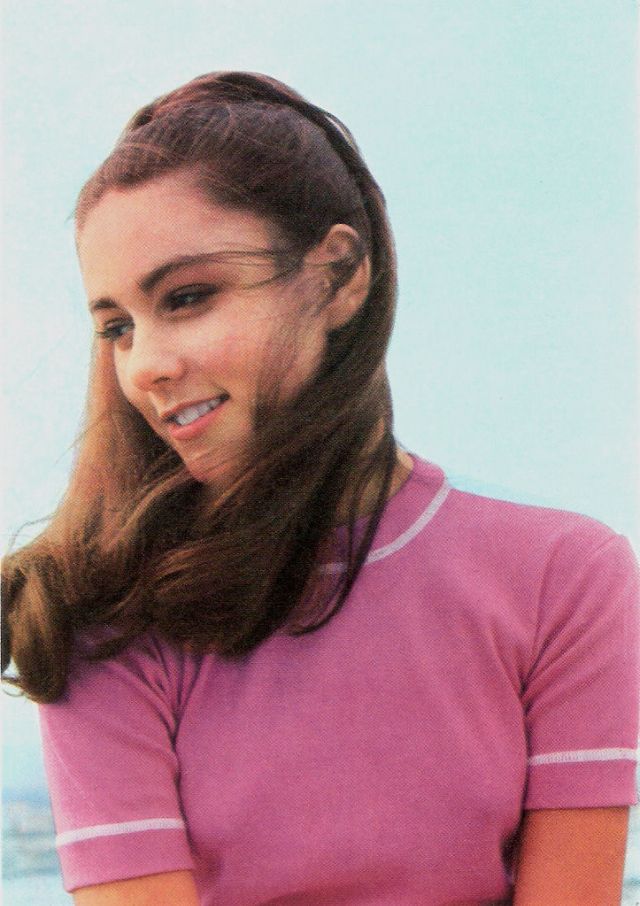
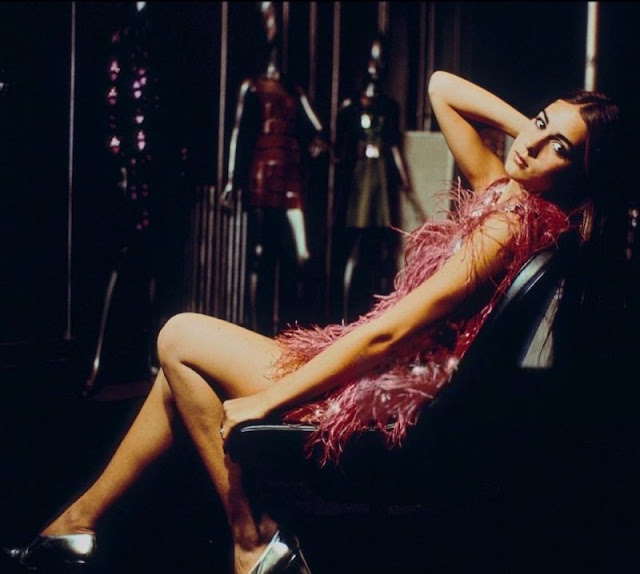
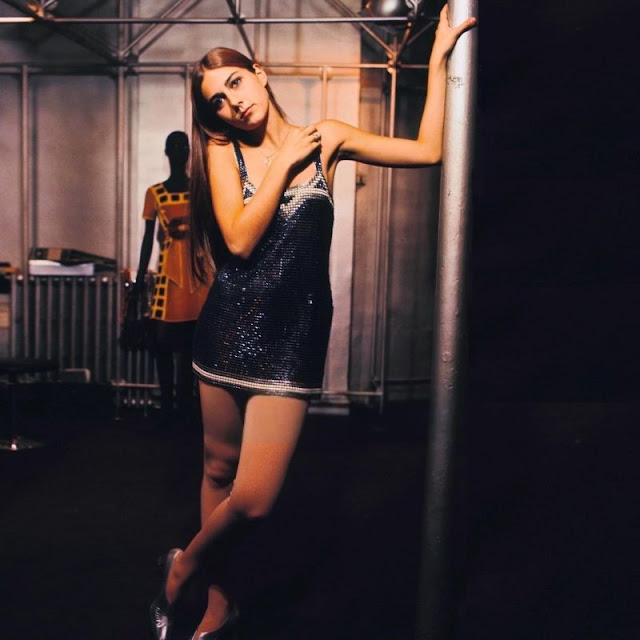
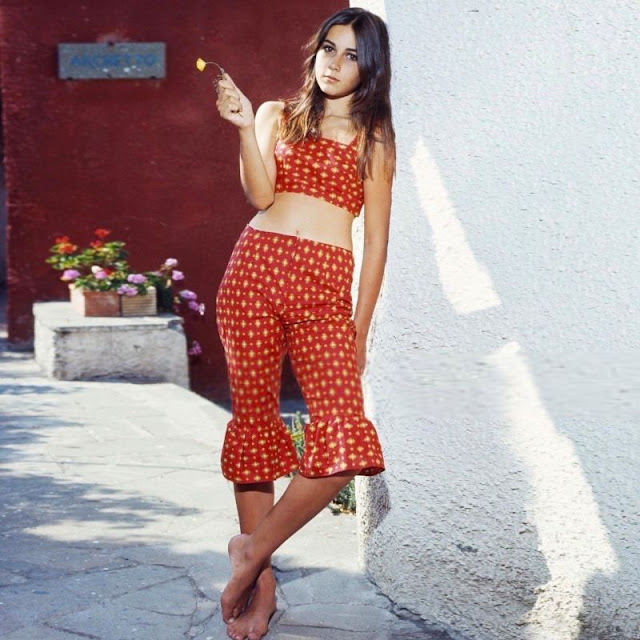
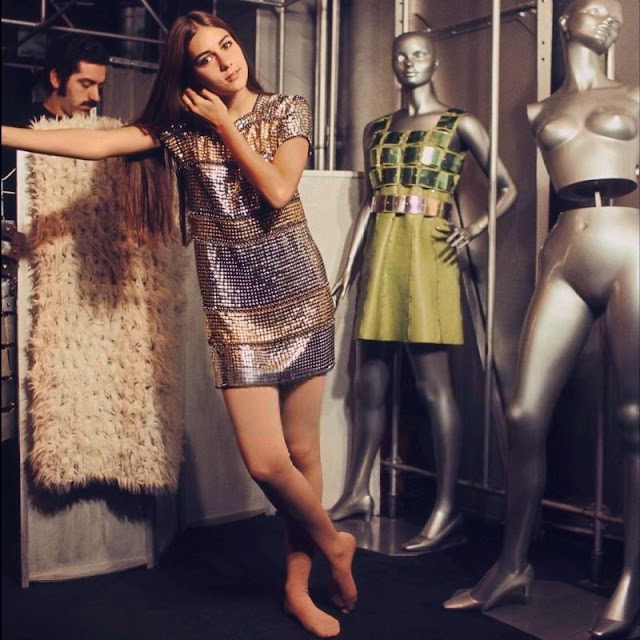
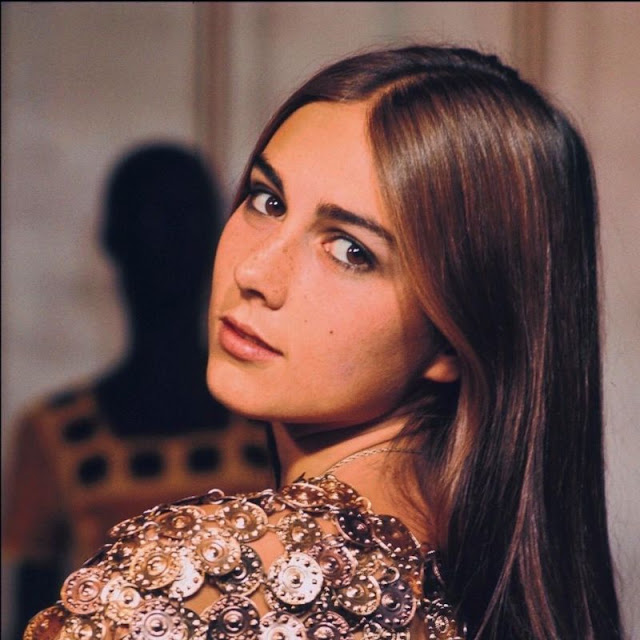
Born 1951 in Los Angeles, California, American actress and singer Romina Power achieved international success as one half of the music duo Al Bano and Romina Power, together with her then husband Albano Carrisi. She is the daughter of Tyrone Power and actress Linda Christian.
During the height of her career, Power’s beauty was the subject of wide, public appreciation. So much so that Sir Terry Wogan of BBC confessed to allocating points to Italy at Eurovision Song Contest 1985 before hearing their entry song due to Power’s appearance.
To date, Al Bano and Romina Power have sold over 165 million albums worldwide with Felicita remaining an iconic song in the history of music. Her most famous performances include singing at Maracanã Stadium for Pope John Paul 2 in 1997, two performances at the Eurovision Song Contest in 1976 and 1985 as well as numerous appearances at San Remo Festival.
In 1983, she declined the role of Deborah and starring along Robert De Niro in Once Upon a Time in America, which was a privately dedicated offer by the director Sergio Leone.
Power currently resides in Los Angeles, California. Despite her international success, Power never achieved as much notability in her home country, the United States.
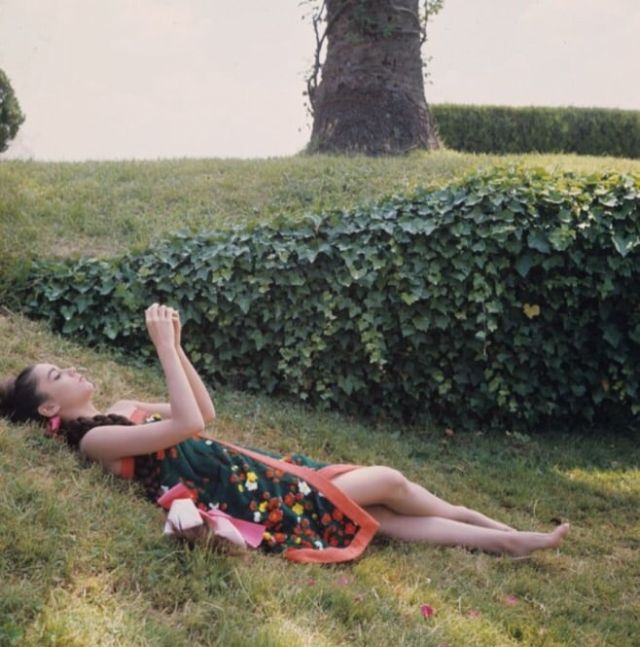
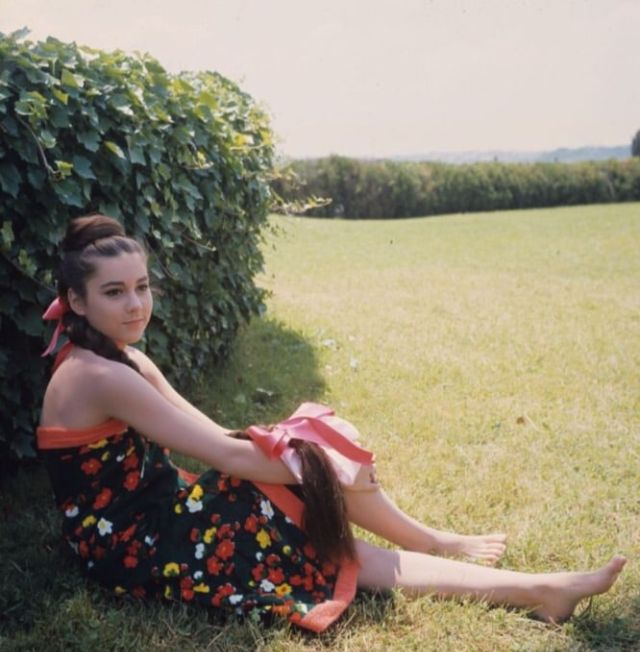
Take a look at these vintage photos to see the beauty of a very young Romina Power in the 1960s.
Subscribe to Yesterday Today to receive daily updates as to new photos.
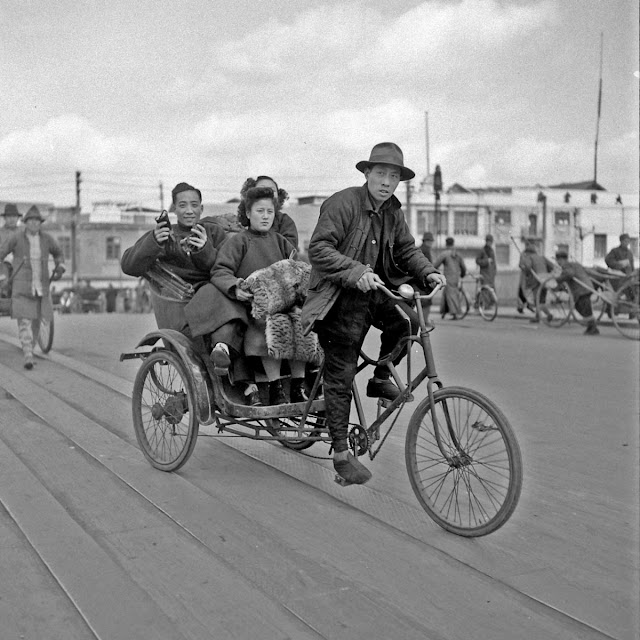
“A great, wicked and quite extraordinary city” was how, in 1947, LIFE described Shanghai. In 1947, four million people had made the City their residence (today, that number is 26 million). It seemed that at any one time, a very substantial proportion of the population was on the Shanghai streets.
“The traffic has become a monstrous, screaming blend of rickshaws, coolie-powered push carts, limousines, three-wheeled pedicabs, jeeps and six-ton trucks,” exclaimed LIFE.
These vintage photographs, taken by Mark Kauffman (1921-1994), depict some of the many and various human-powered vehicles to be found on the streets of Shanghai in 1947.
Kauffman was an award-winning photographer for LIFE magazine. At 17, he became the youngest photographer ever to shoot a cover for the magazine, when he did a photo portrait of Eleanor Roosevelt. He was a staff photographer for over 30 years, covering events in the United States, Europe and the Far East. He received the White House News Photographers’ Grand Award in 1953. He later served as director of photography for Playboy magazine for five years and was a professor of photography at California Polytechnic State University.
Subscribe to continue reading
Become a paid subscriber to get access to the rest of this post and other exclusive content.
Eye of the Devil is a 1966 British mystery/horror film with occult and supernatural themes directed by J. Lee Thompson and starring Deborah Kerr, David Niven and Sharon Tate.
The film is set in rural France and was filmed at the Château de Hautefort and in England. Eye of the Devil is based on the novel Day of the Arrow by Robin Estridge and was initially titled Thirteen.
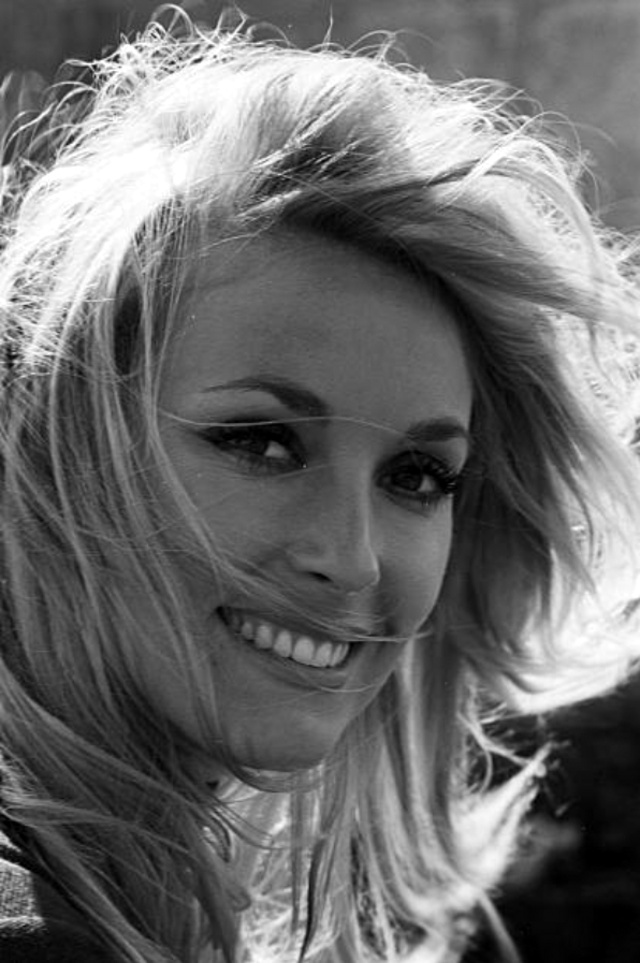
These gorgeous photos of American actress Sharon Tate, aged 22, were taken by photographer Philippe Le Tellier. She has just been signed for a co-starring role in the new MGM film, Eye of the Devil, pictured at her flat in Eaton Square, London, Friday 17th September 1965.
Sharon Marie Tate Polanski (née Tate; January 24, 1943 – August 9, 1969) was an American actress and model. During the 1960s, she appeared in advertisements and small television roles before appearing in films as well as working as a model. After receiving positive reviews for her comedic and dramatic acting performances, Tate was hailed as one of Hollywood’s most promising newcomers.
She made her film debut in 1961 as an extra in Barabbas with Anthony Quinn. She next appeared in the horror film Eye of the Devil (1966). Her first major role was as Jennifer North in the 1967 film Valley of the Dolls, which earned her a Golden Globe Award nomination. That year, she also performed in the film The Fearless Vampire Killers, directed by Roman Polanski, whom she married the following year. Tate’s last completed film, 12+1, was released posthumously in 1969.
On August 9, 1969, Tate and four others were murdered by members of the Manson Family, a cult, in the home she shared with Polanski. She was eight-and-a-half months pregnant.
Subscribe to continue reading
Become a paid subscriber to get access to the rest of this post and other exclusive content.
During the Second World War, Venice was largely free from attack, the only aggressive effort of note being Operation Bowler, a successful Royal Air Force precision strike on the German naval operations in the city in March 1945.
The targets were destroyed with virtually no architectural damage inflicted on the city itself. However, the industrial areas in Mestre and Marghera and the railway lines to Padua, Trieste, and Trento were repeatedly bombed.
On 29 April 1945, a force of British and New Zealand troops of the British Eighth Army, under Lieutenant General Freyberg, liberated Venice, which had been a hotbed of anti-Mussolini Italian partisan activity.
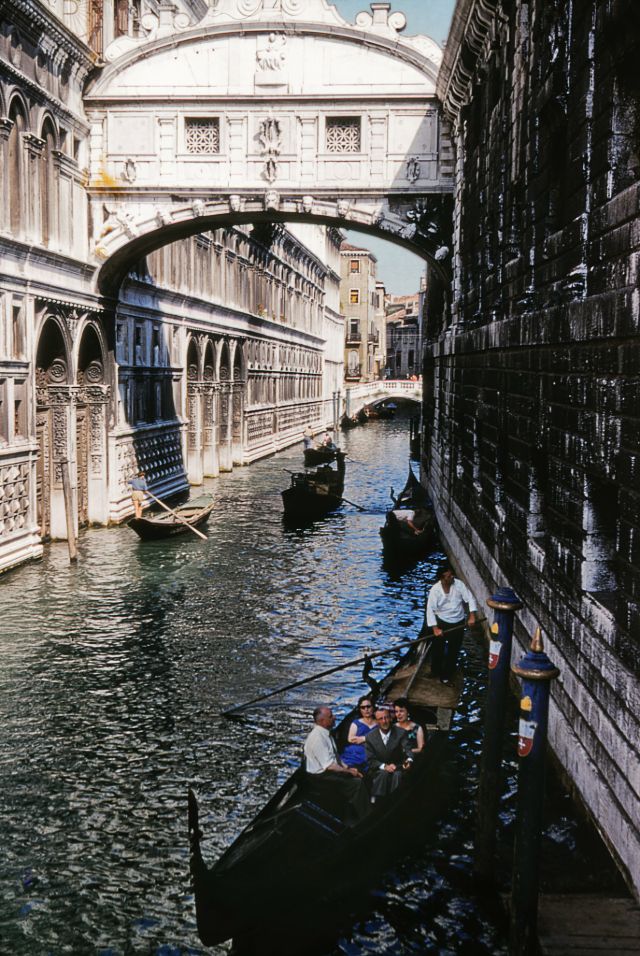
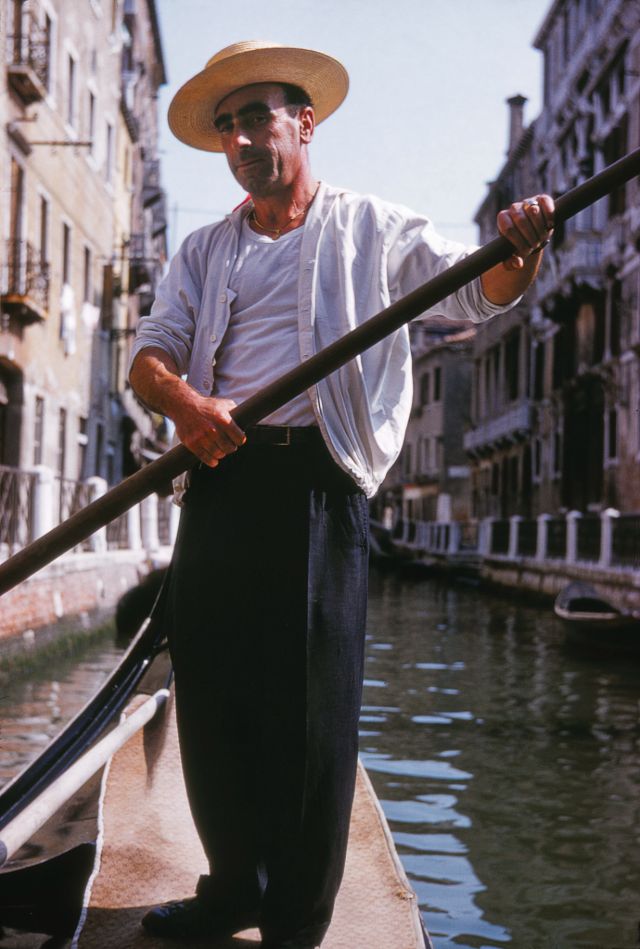
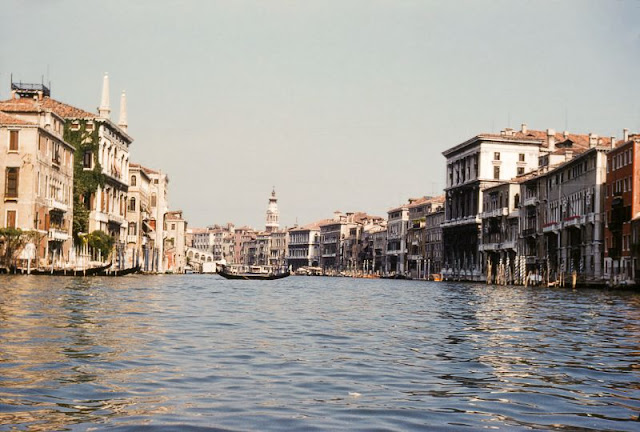
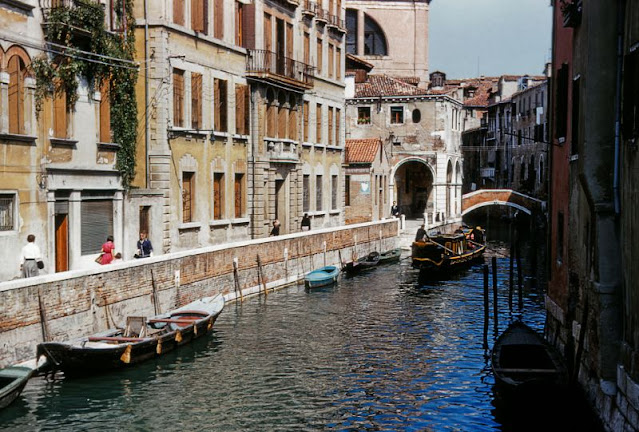
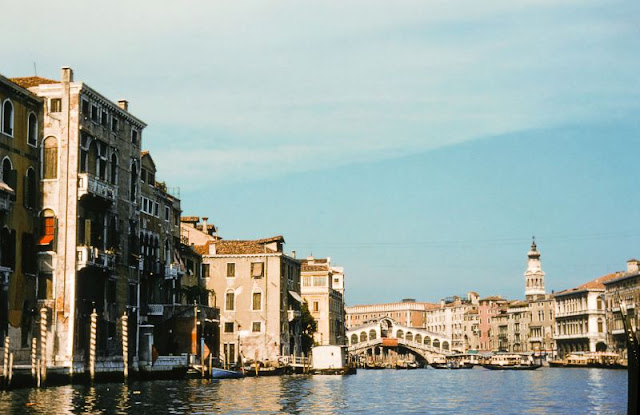
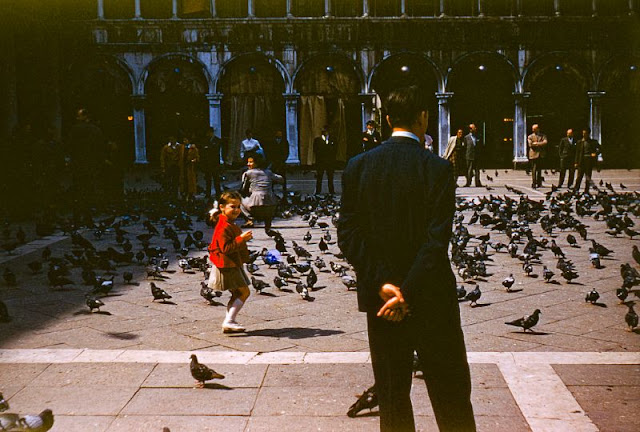
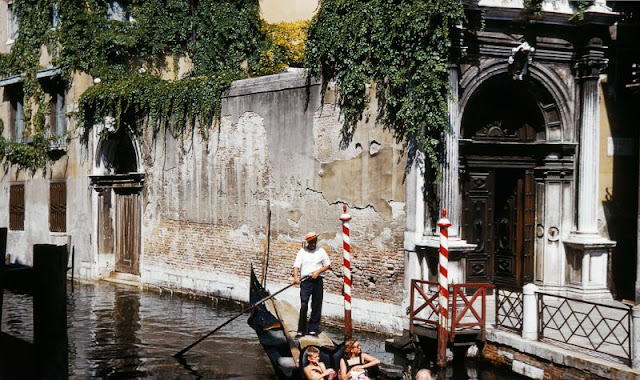
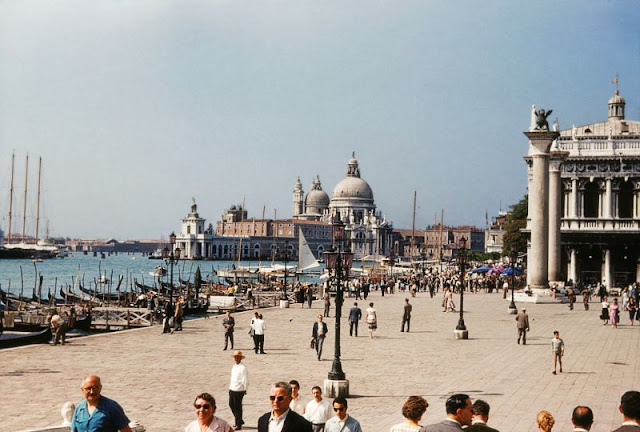
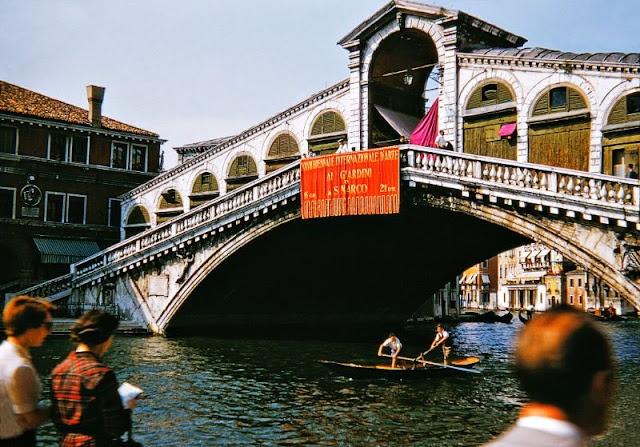
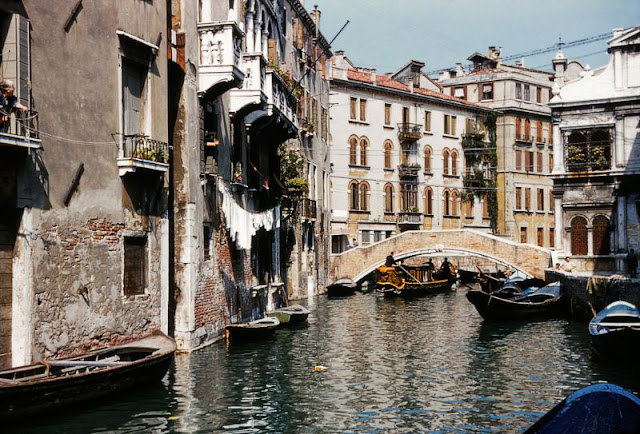
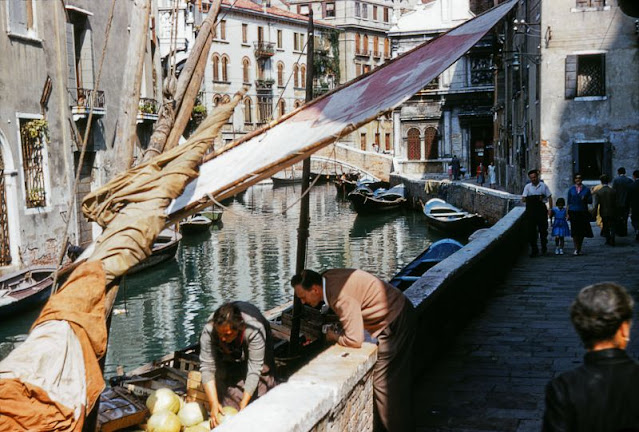
Just years after the war, these beautiful show what Venice looked like in the early 1950s.
A top hat is a tall, flat-crowned hat for men traditionally associated with formal wear in Western dress codes, meaning white tie, morning dress, or frock coat. The top hat is also known as a beaver hat or silk hat, in reference to its material, as well as casually as chimney pot hat or stove pipe hat.
The 1840s and the 1850s saw it reach its most extreme form, with ever-higher crowns and narrow brims. The stovepipe hat was a variety with mostly straight sides, while one with slightly convex sides was called the “chimney pot”.
Towards the end of the 19th century, whereas the white tie with black dress coat remained fixed, frock coats were gradually replaced by morning dress, along with top hats.
Here below is a set of vintage photos that shows portraits of Victorian men with their top hats from the mid-19th century.
Subscribe to Yesterday Today to receive daily updates:
While rebellious women began wearing pants in earlier decades, in the 1930s there were several social situations that were acceptable for women to wear pants in public.
Pants generally were wide legged trousers with a front crease or very wide flowing culottes that looked like a skirt when not moving, with a high fitted waist. Calf length culottes pants were even wider legged.
The double button “sailor” front was common, as was a side zipper or button closure. They were usually made of a durable cotton fabric like twill or wool for winter.
In summer, beach pajamas, which looked like palazzo pants with an attached sleeveless top, graced the beaches, seasides, and pools of 1930s Hollywood. They were made to comically extreme widths and in bold geometric patterns, but were (and still are) extremely comfortable to wear. Beach pajamas became popular for a day at the beach or a “restful day at home.” Beach pajamas were also house pajamas along with silky nightgowns, robes and slippers.
Here below is a set of cool pics that shows women wearing pants in the 1930s.