
Subscribe to continue reading
Become a paid subscriber to get access to the rest of this post and other exclusive content.
Bringing You the Wonder of Yesterday – Today
Become a paid subscriber to get access to the rest of this post and other exclusive content.
Become a paid subscriber to get access to the rest of this post and other exclusive content.
Become a paid subscriber to get access to the rest of this post and other exclusive content.
Become a paid subscriber to get access to the rest of this post and other exclusive content.
Become a paid subscriber to get access to the rest of this post and other exclusive content.
Become a paid subscriber to get access to the rest of this post and other exclusive content.
Become a paid subscriber to get access to the rest of this post and other exclusive content.
Become a paid subscriber to get access to the rest of this post and other exclusive content.
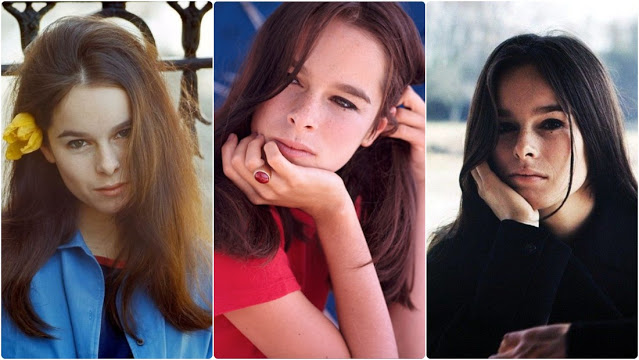
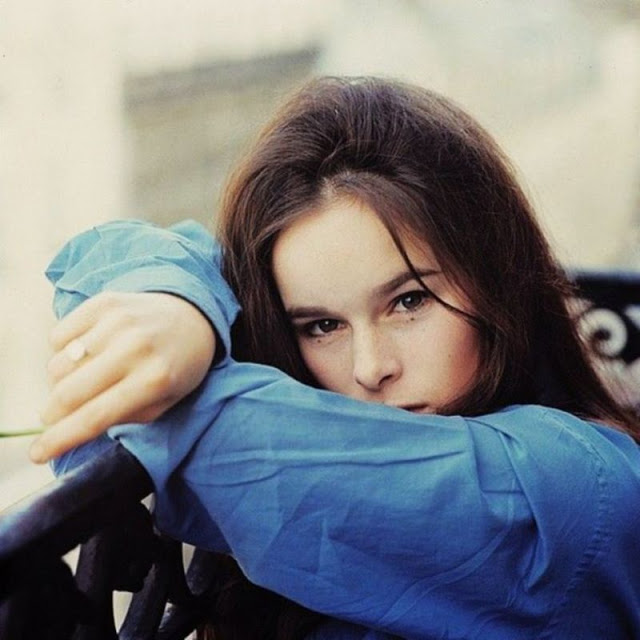
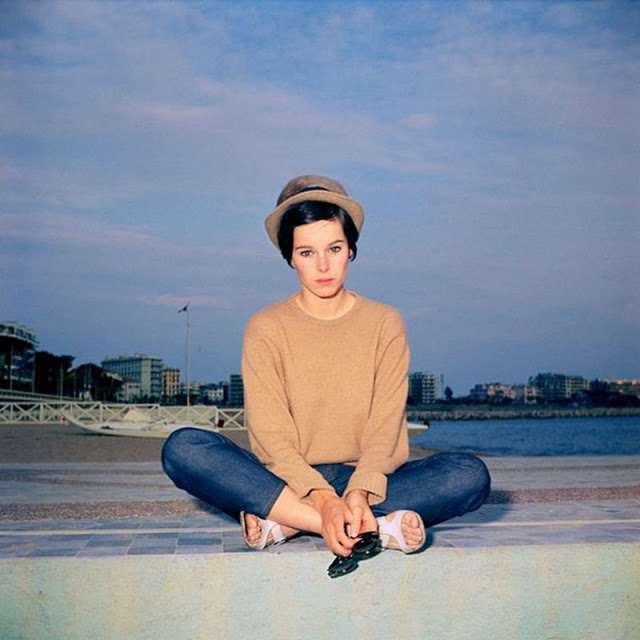
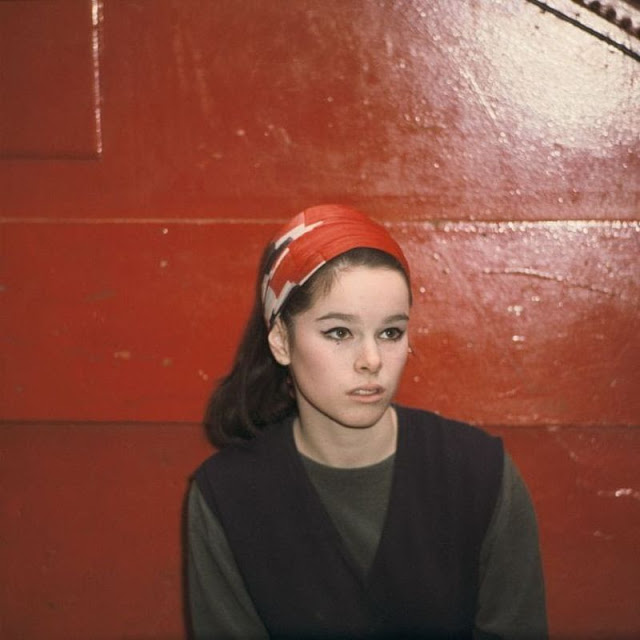
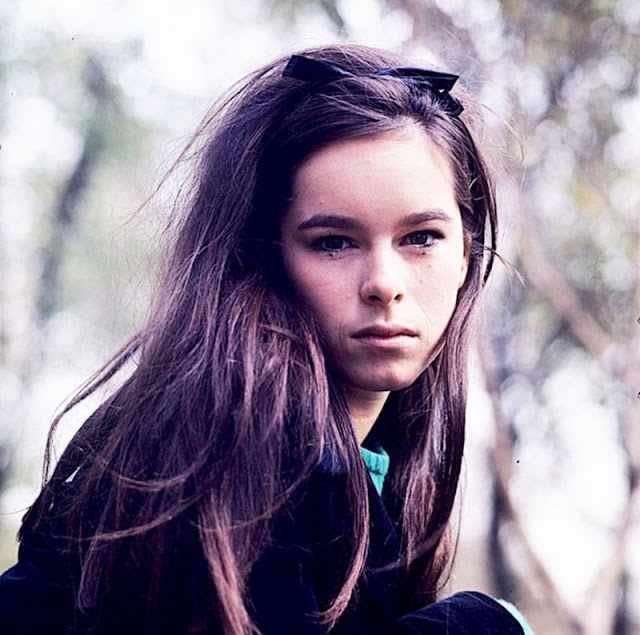
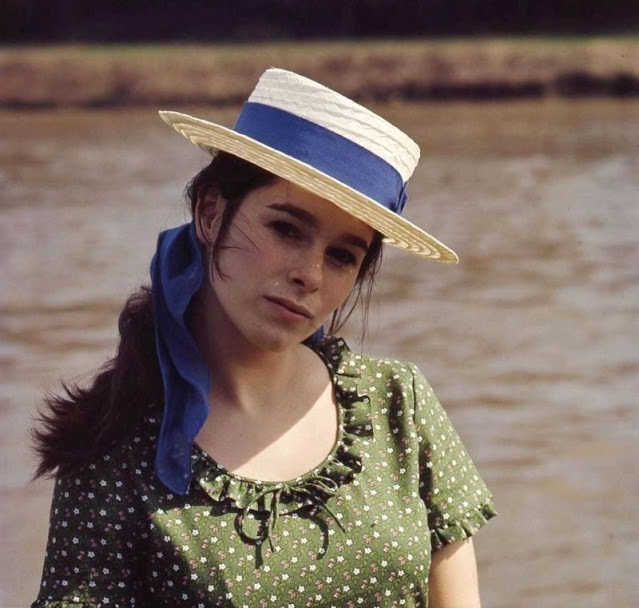
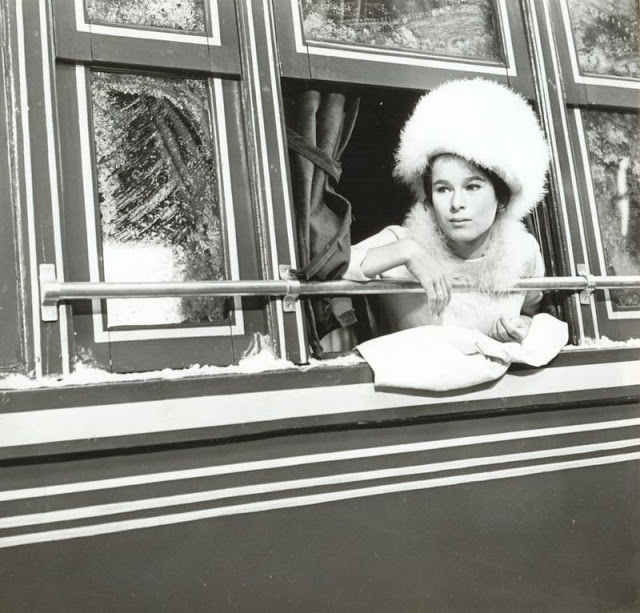
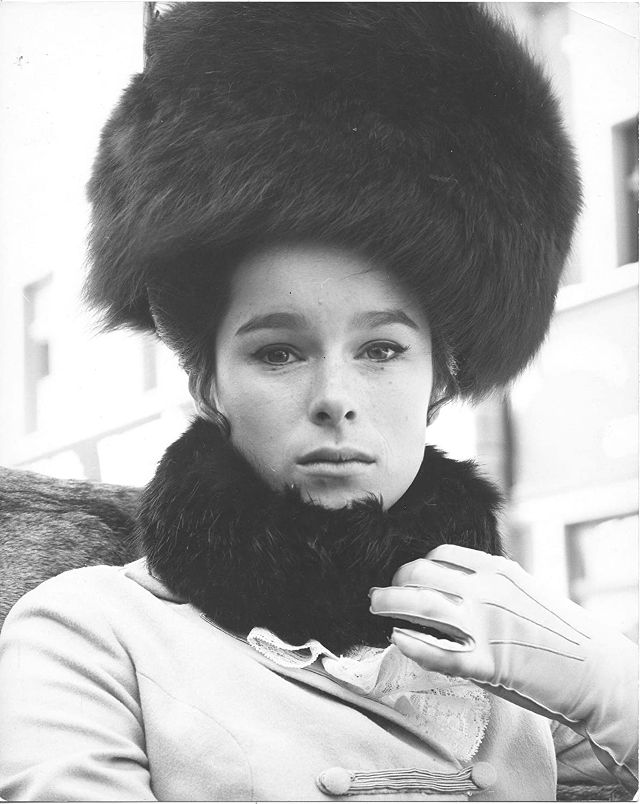
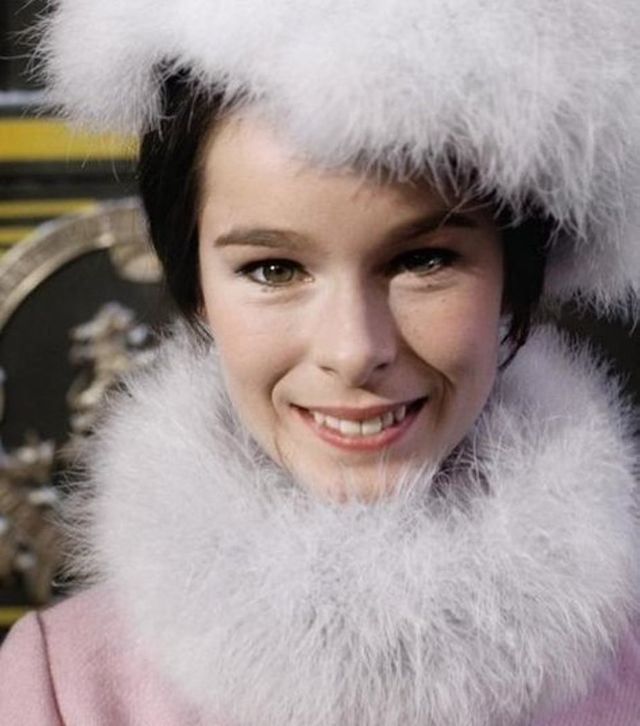
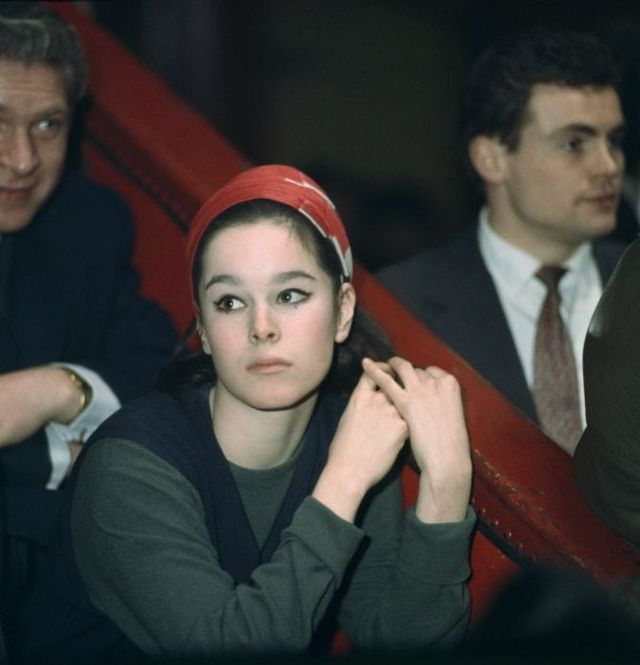
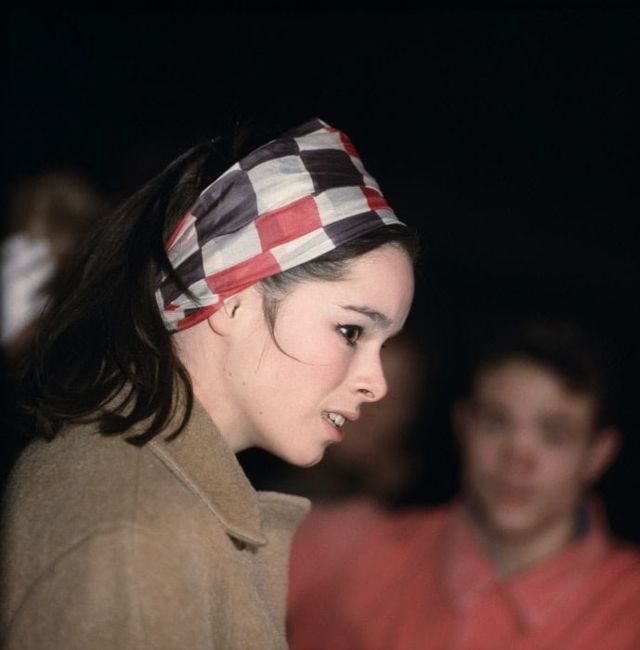
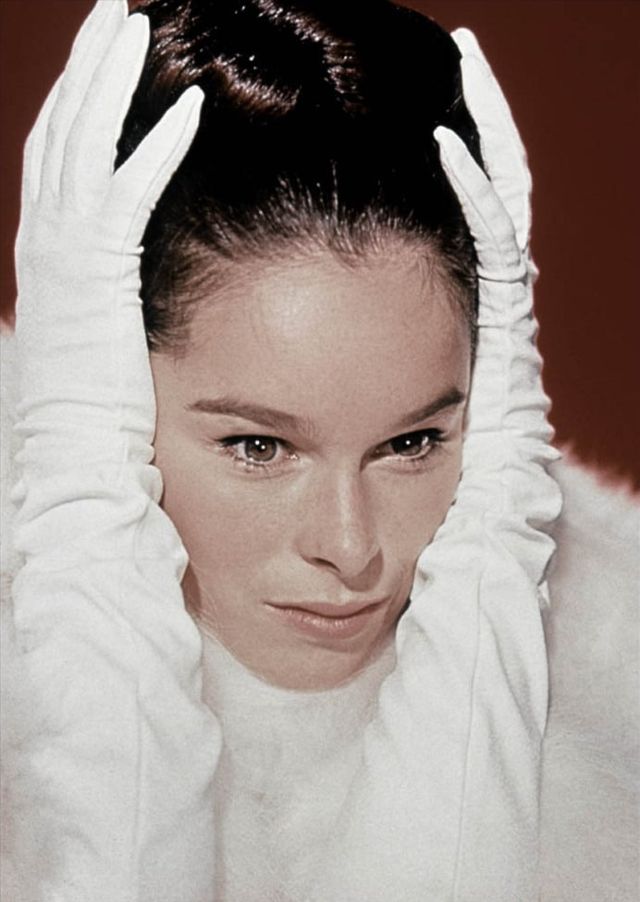
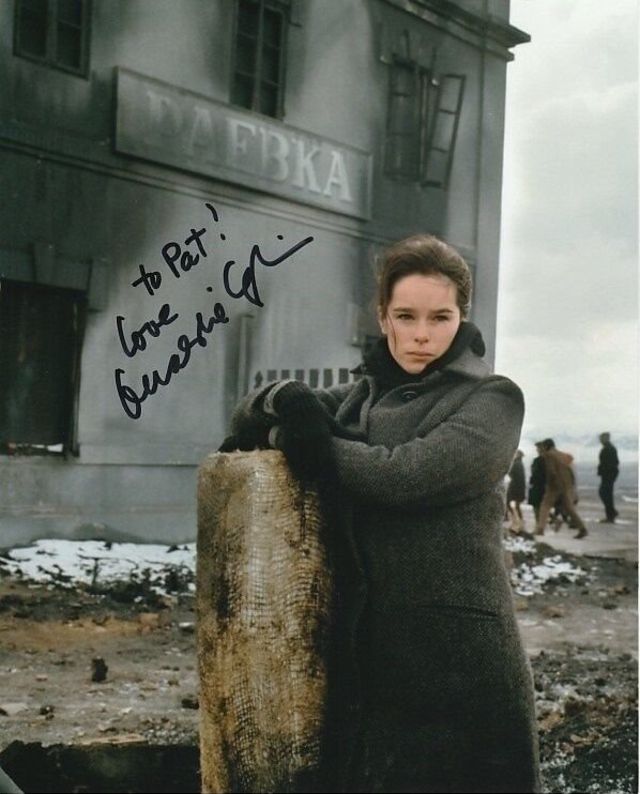
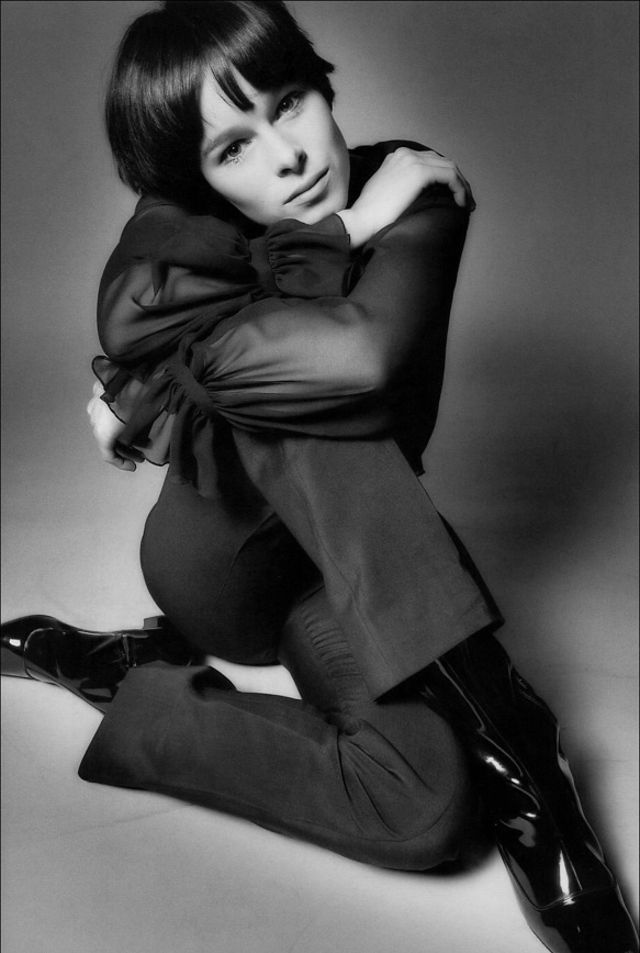
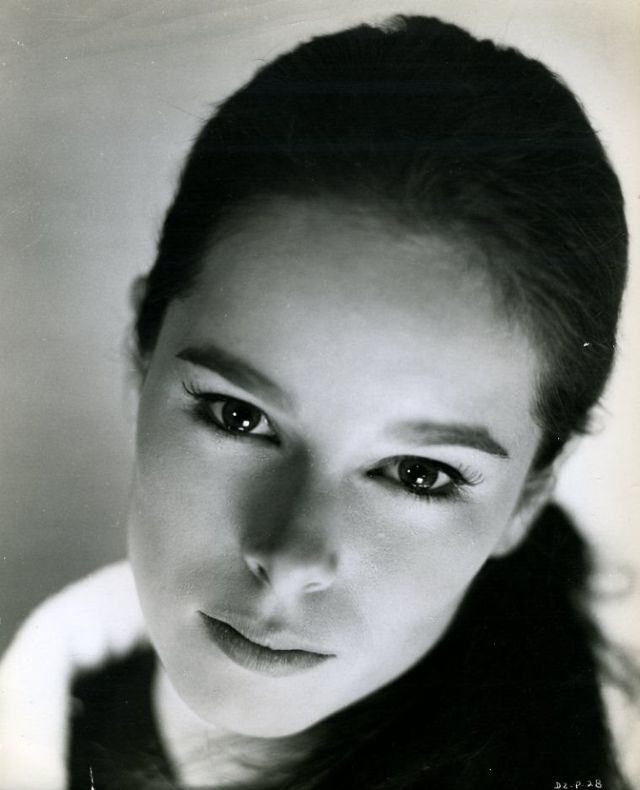
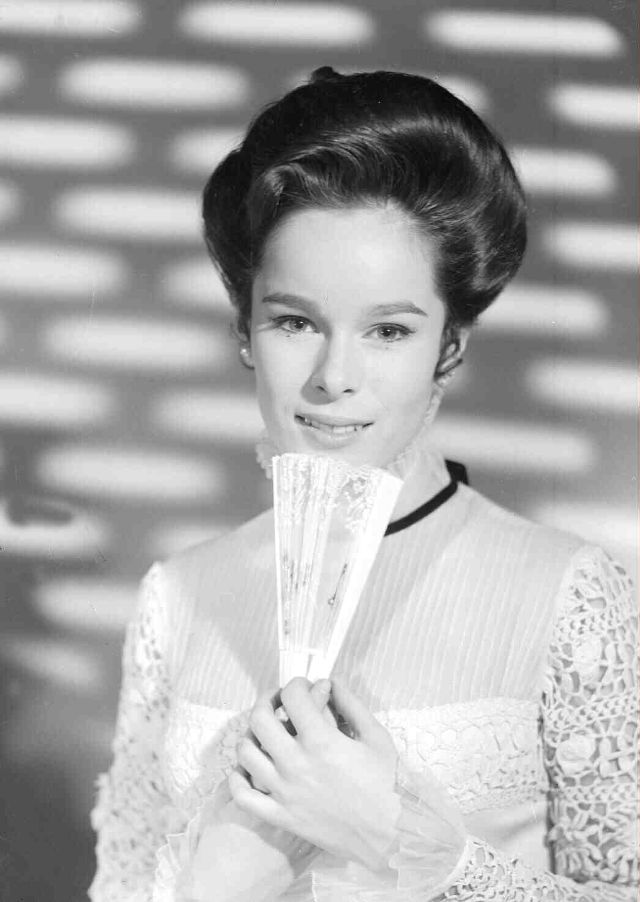
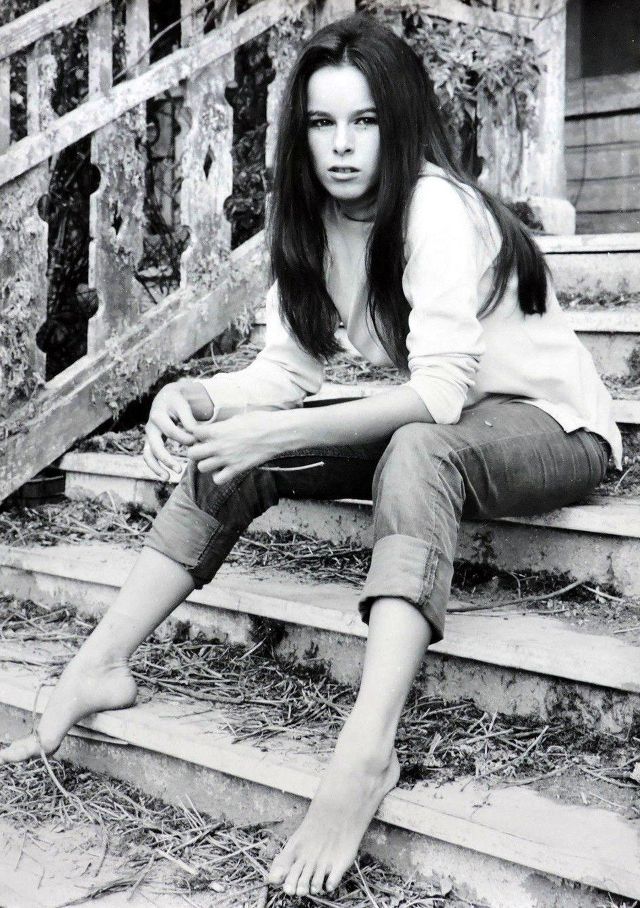
Born 1944 in Santa Monica, California, American actress Geraldine Chaplin is the daughter of Charlie Chaplin, the first of eight children with fourth wife Oona O’Neill. After beginnings in dance and modelling, she turned her attention to acting, and made her English-language acting debut (and came to prominence in what would be a Golden Globe-nominated role) in her portrayal of Tonya in David Lean’s Doctor Zhivago (1965).
Chaplin made her Broadway acting debut in Lillian Hellman’s The Little Foxes in 1967, and received her second Golden Globe nomination for Robert Altman’s Nashville (1975). She received a BAFTA nomination for her role in Welcome to L.A. (1976). She played her grandmother Hannah Chaplin in the biopic, Chaplin (1992) for which she received her third Golden Globe nomination.
Chaplin has appeared in a wide variety of critically recognised Spanish and French films. She starred in Les Uns et les Autres (1981), Life Is a Bed of Roses (1983) and the Jacques Rivette experimental films Noroît (1976) and Love on the Ground (1984). She was director Carlos Saura partner for 12 years until 1979, starring in his films Ana and the Wolves (1973), Cría Cuervos (1976), Elisa, vida mía (1977), and Mamá cumple cien años (1979).
Chaplin was awarded a Goya Award for her role in En la ciudad sin límites (2002), and was nominated again for The Orphanage (2007). Her contribution to Spanish cinema culminated in her being awarded the Gold medal by the Spanish Academy of Cinematographic Arts and Sciences in 2006.
In 2018, she starred in Red Land (Rosso Istria), Italian movie by Maximiliano Hernando Bruno based on Norma Cossetto and the foibe massacres. In 2019, she played Wallis Simpson, Duchess of Windsor in season 3 of the Netflix period drama programme The Crown.
Take a look at these gorgeous photos to see the beauty of young Geraldine Chaplin in the 1960s.
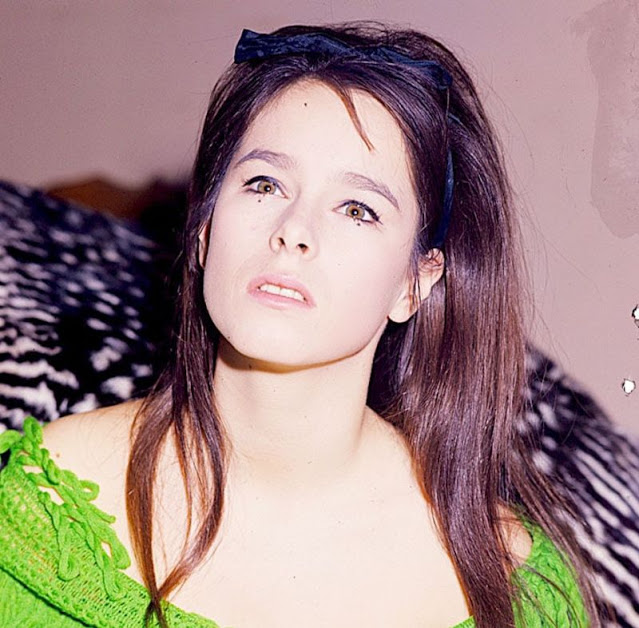
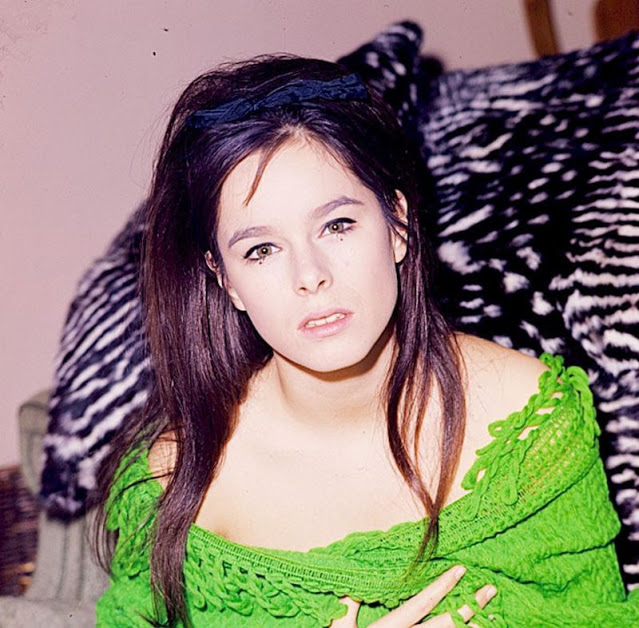
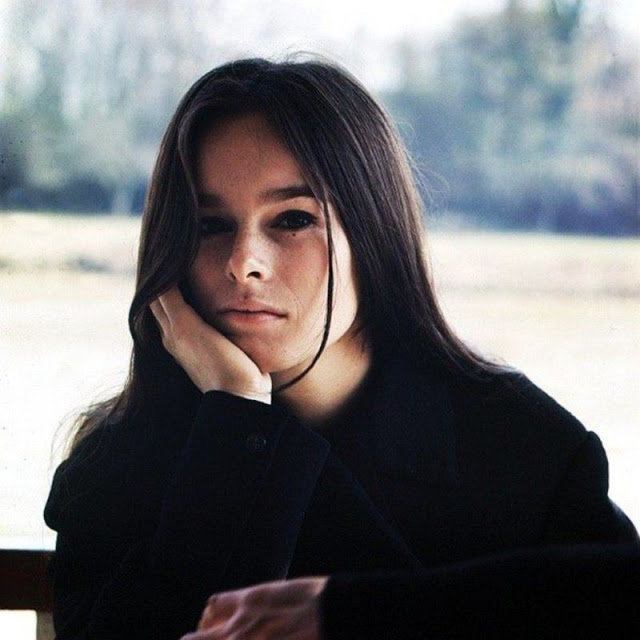
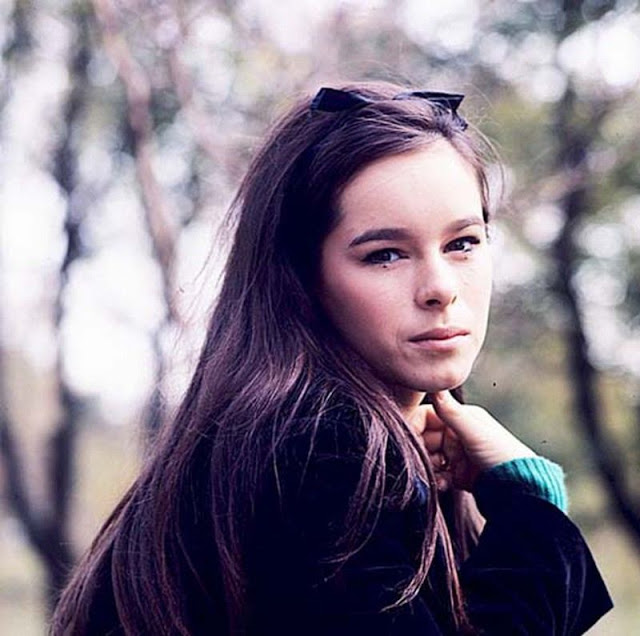
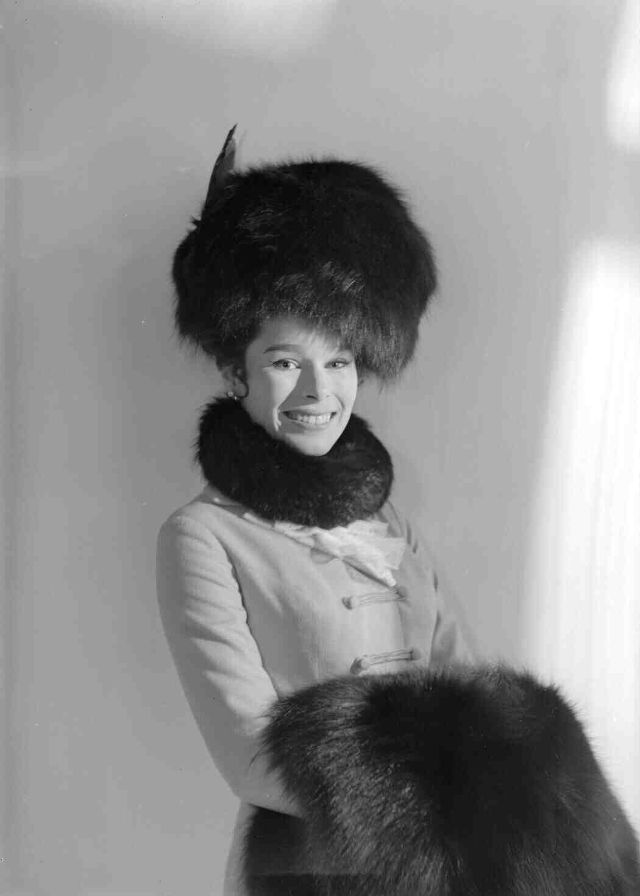
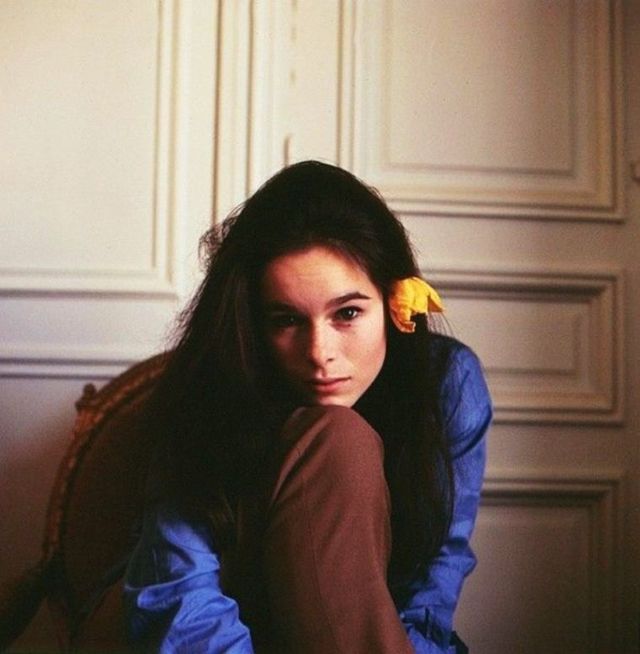
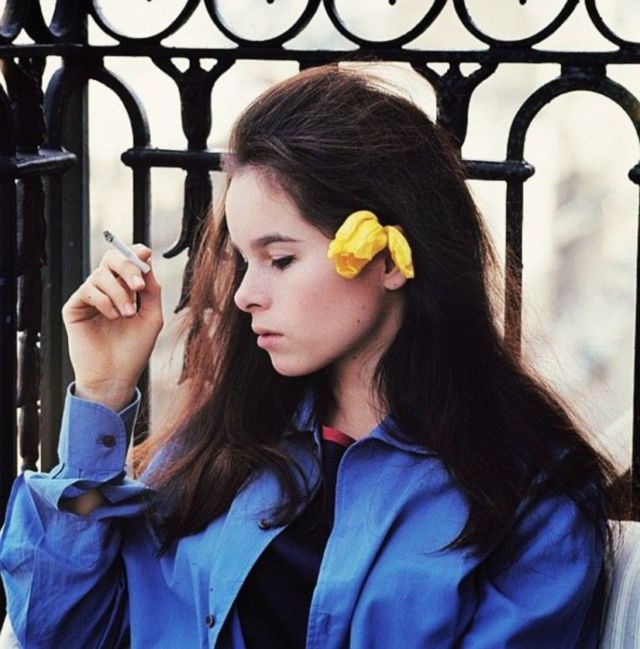
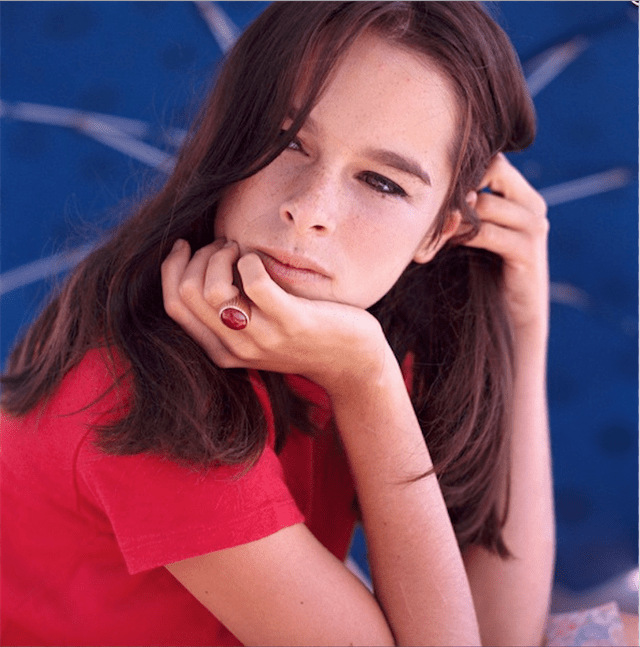
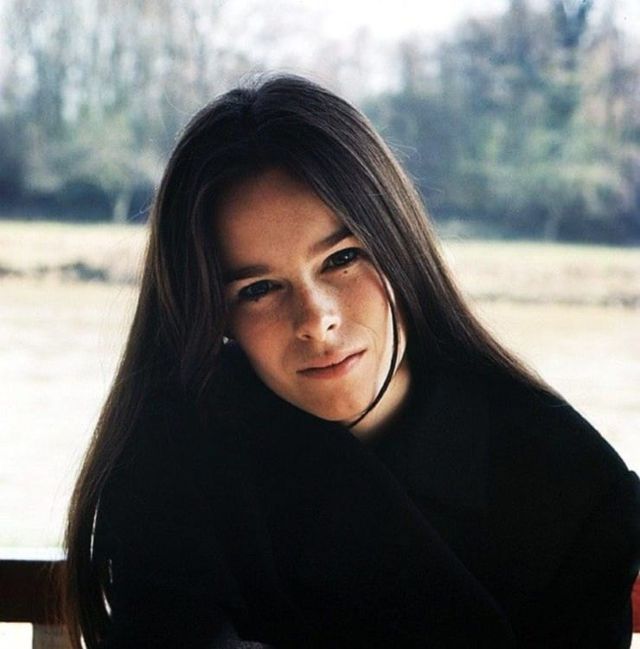
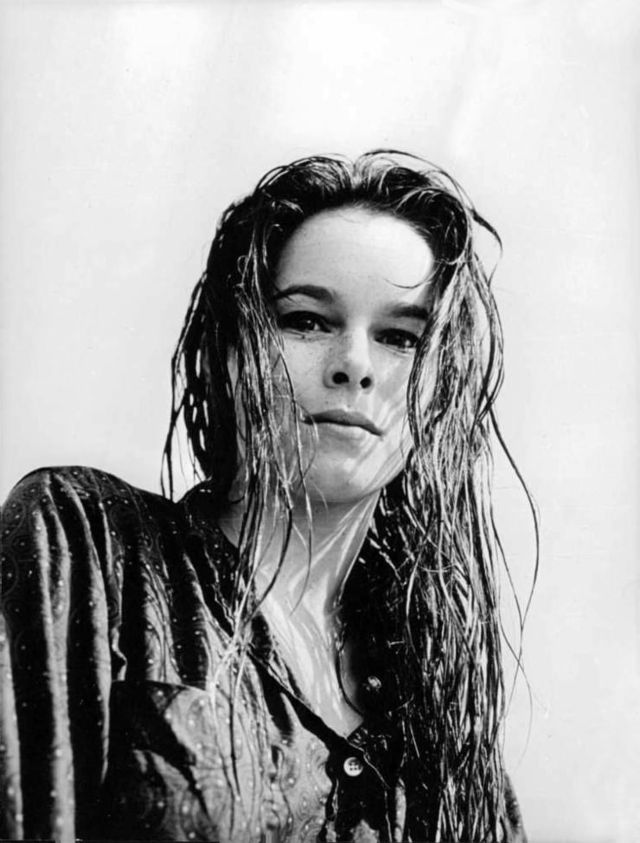
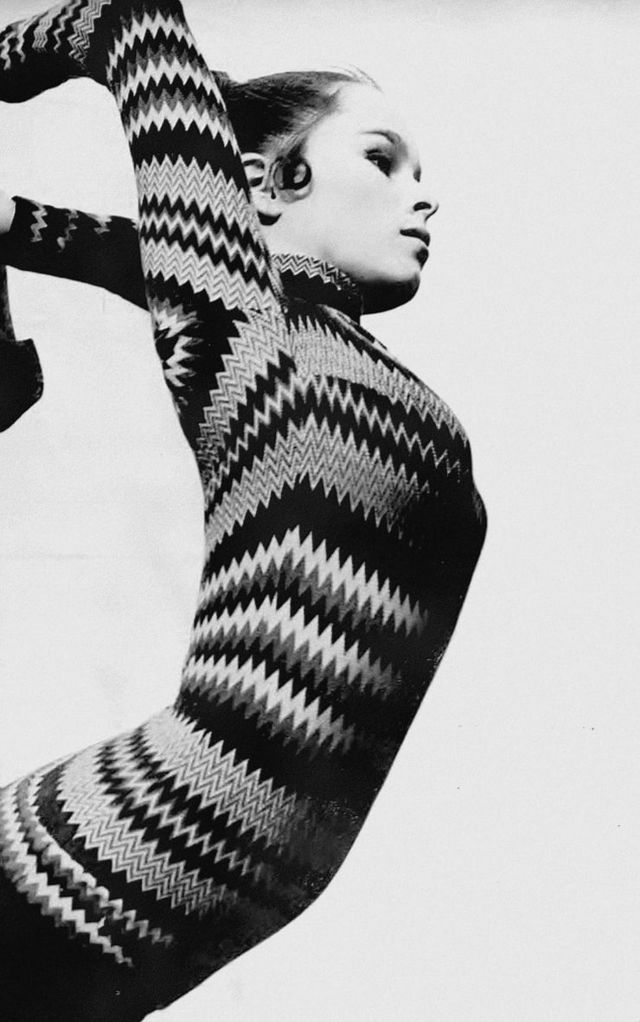
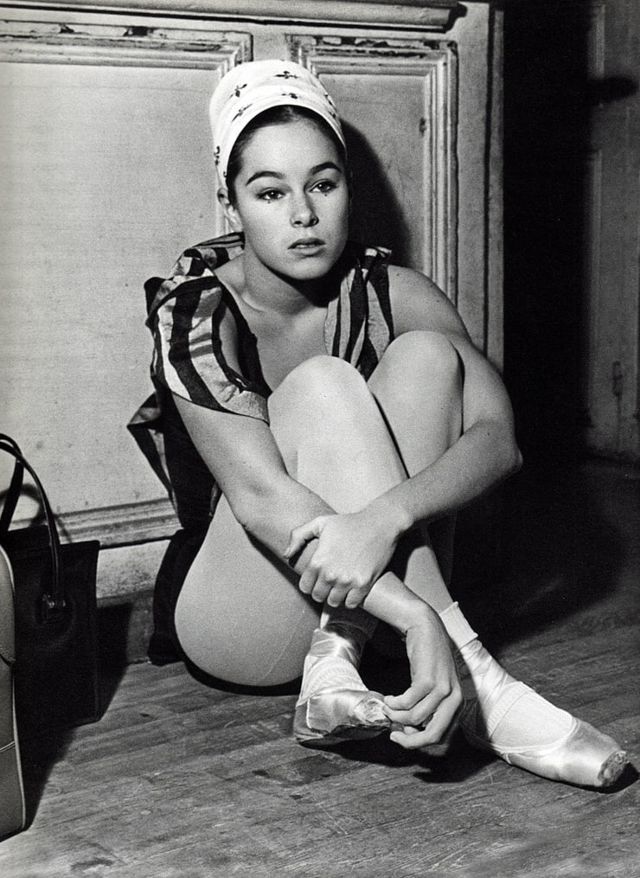
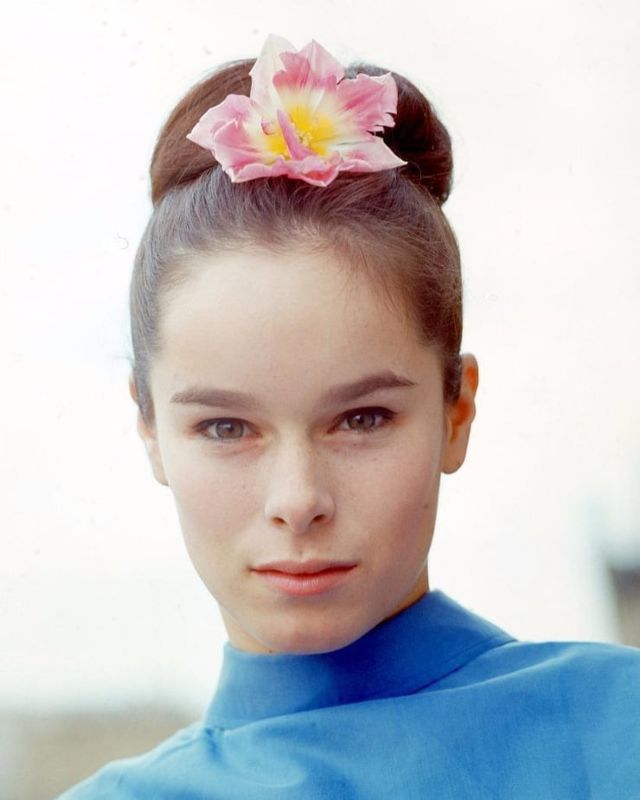
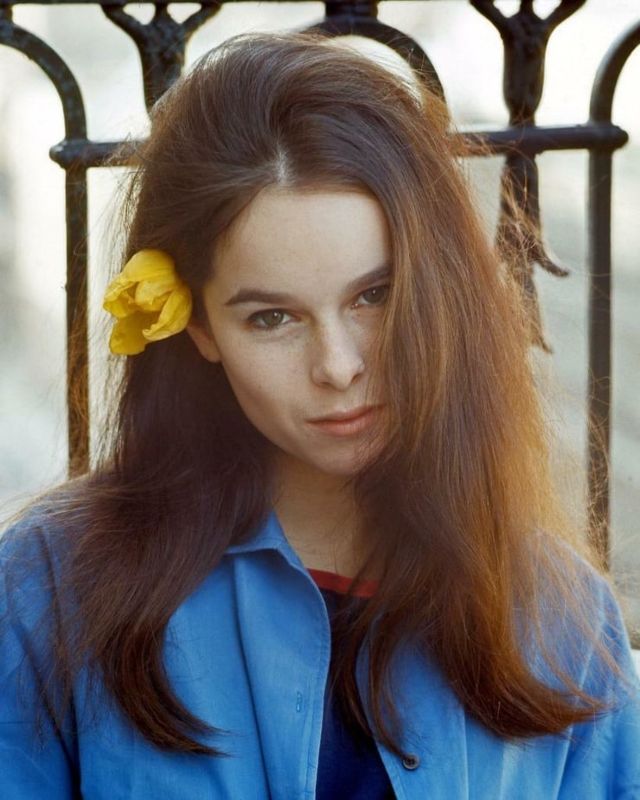
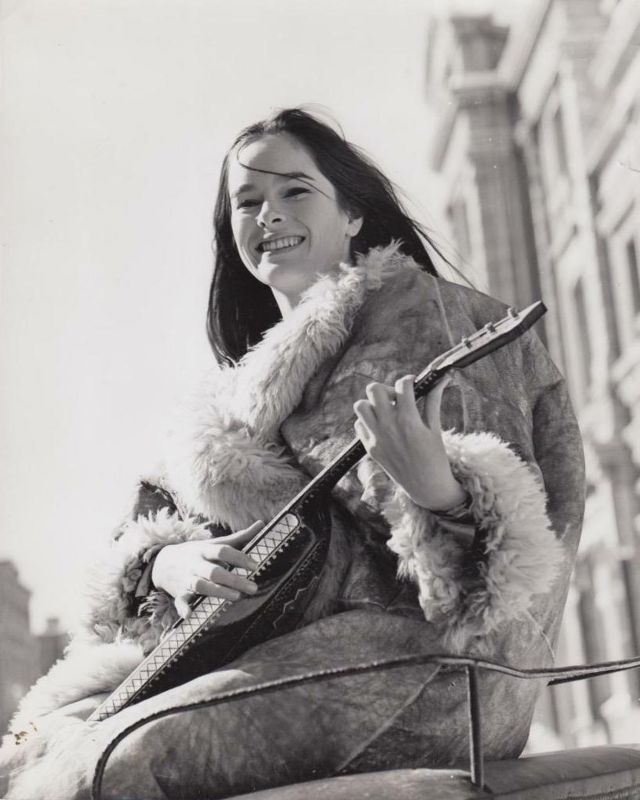
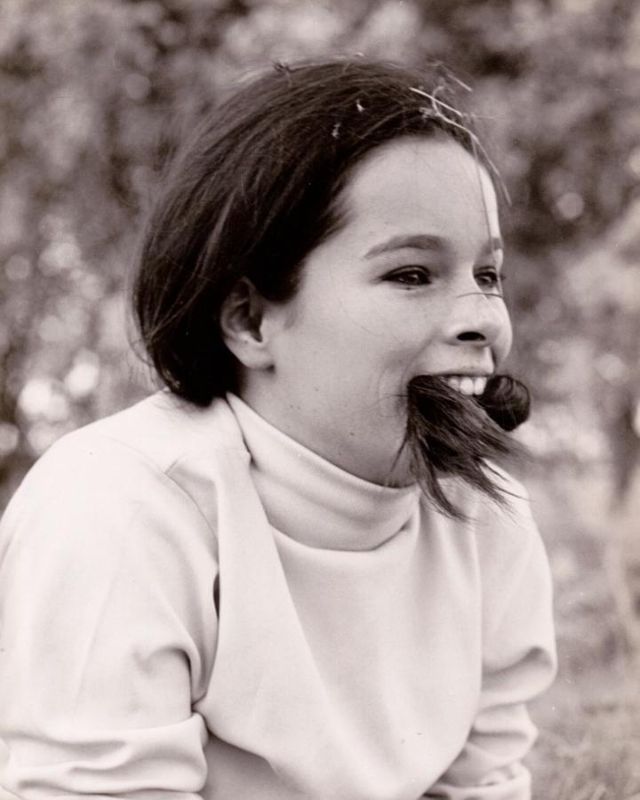
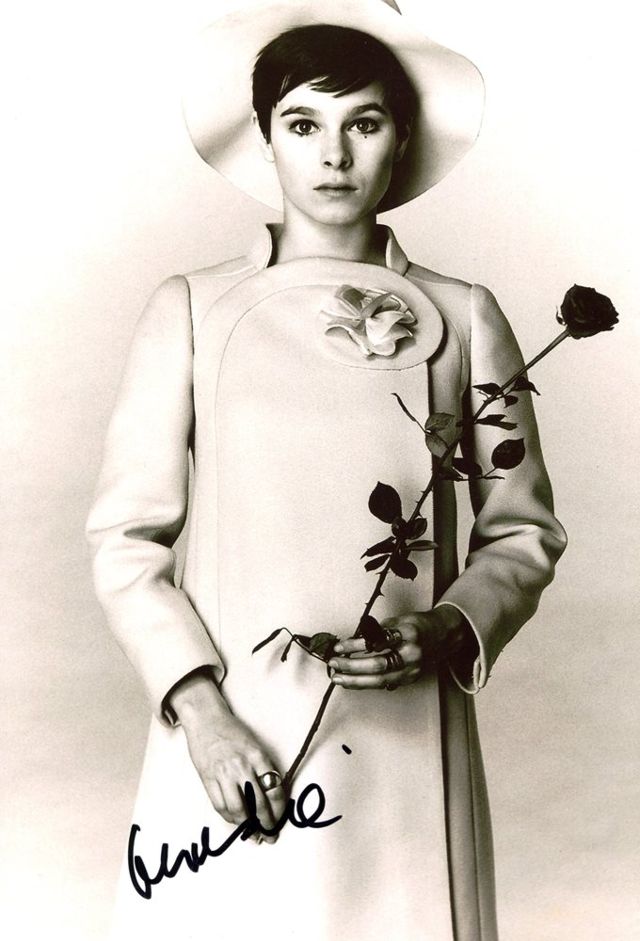
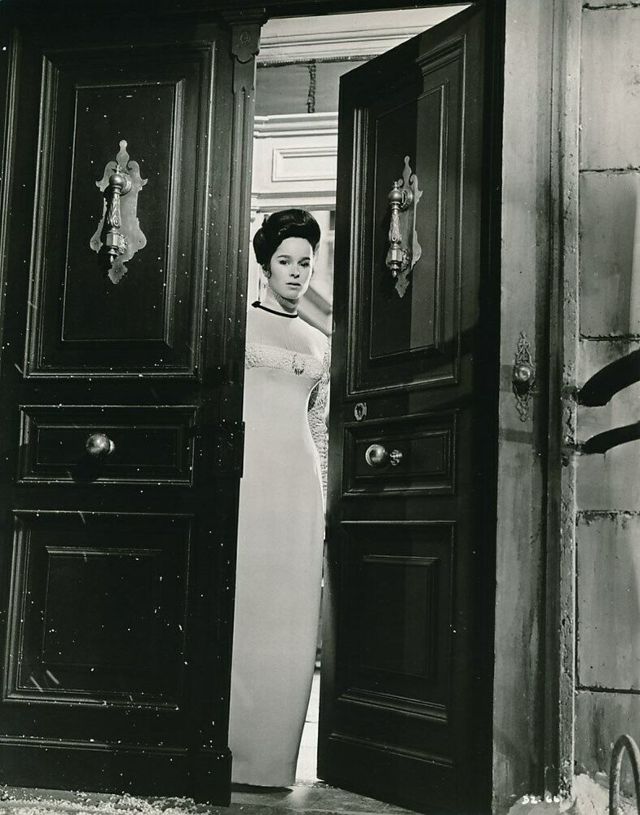
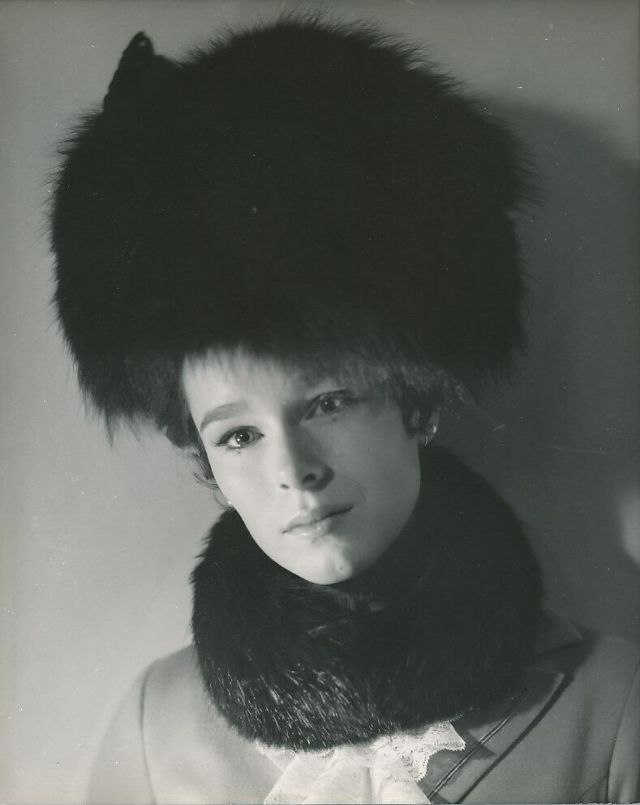
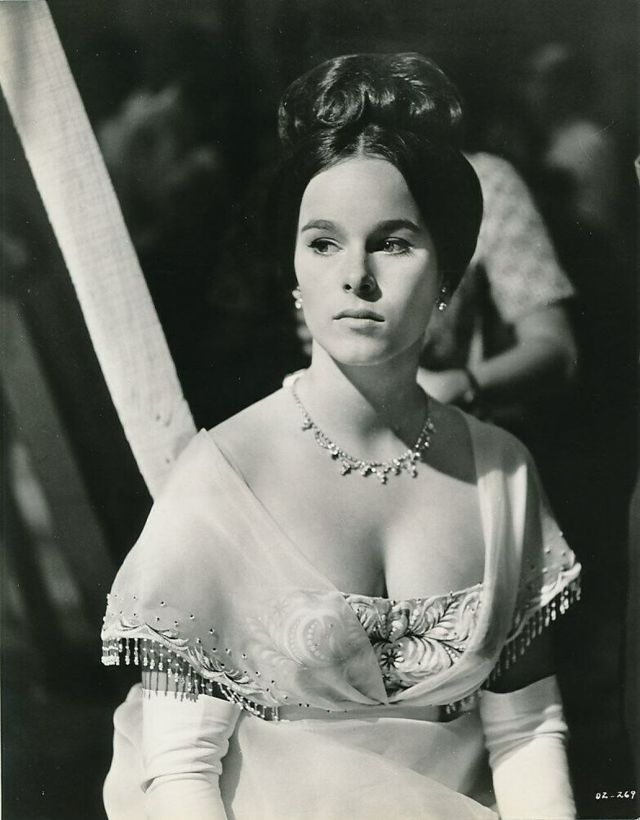
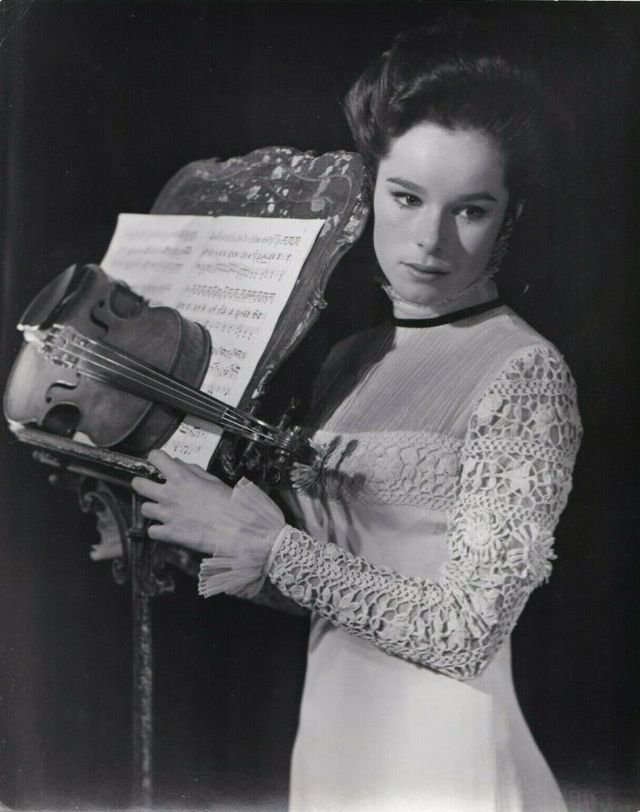
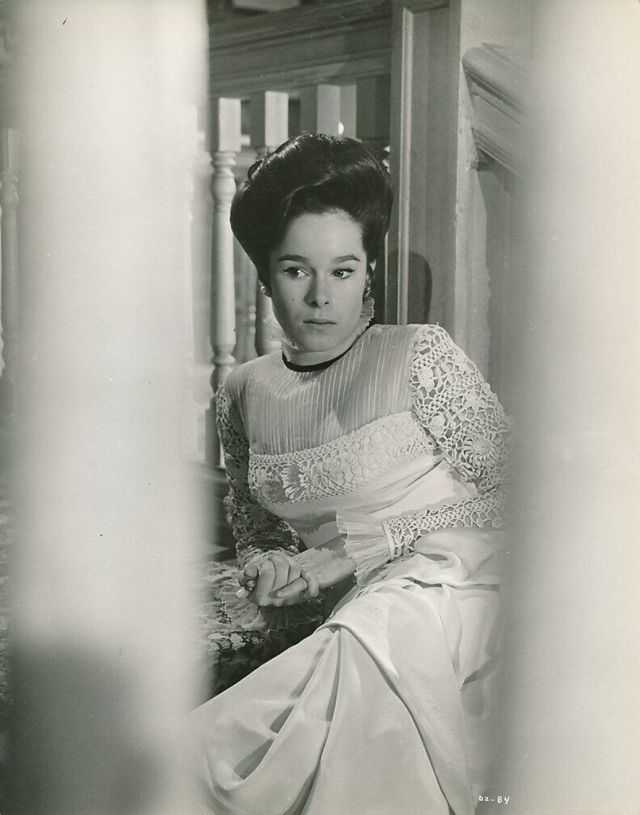
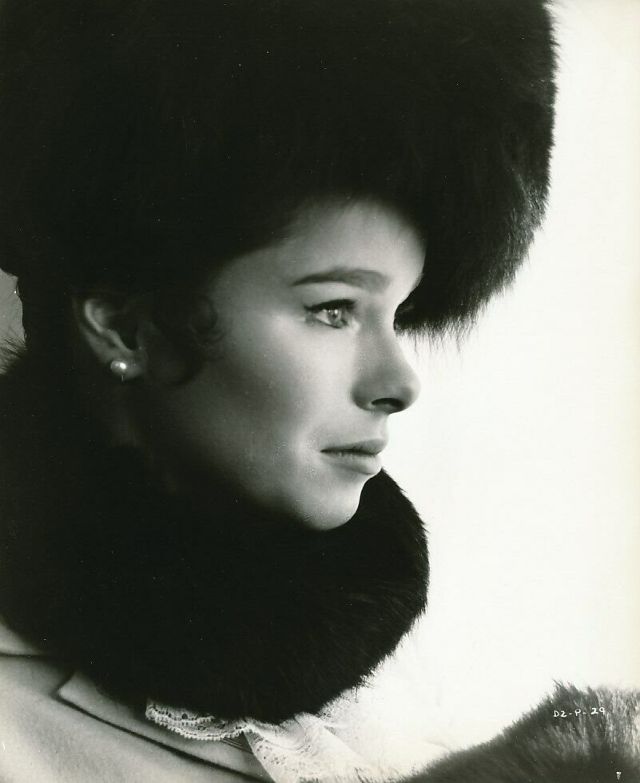
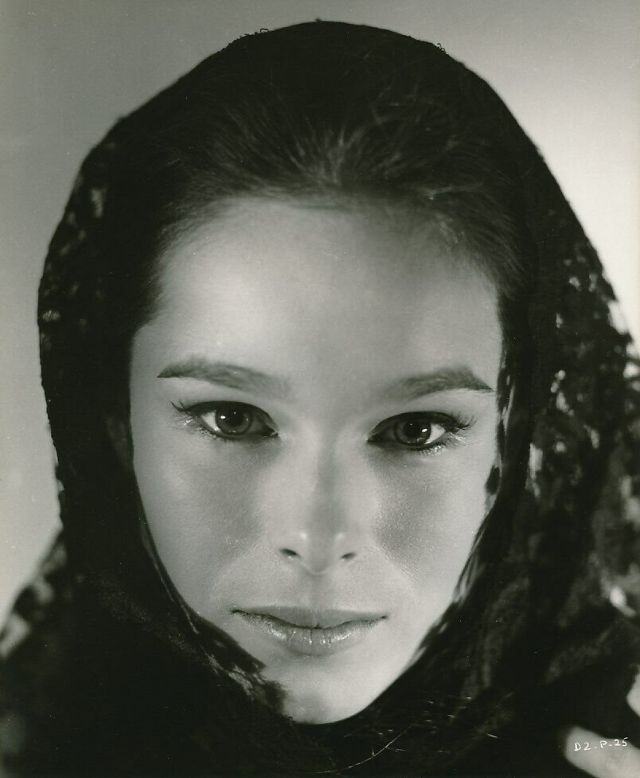
Read more of this content when you subscribe today.
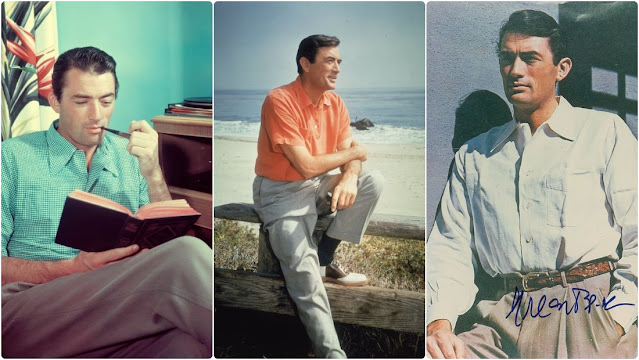
Born 1916 in San Diego, California, American actor Gregory Peck began appearing in stage productions, acting in over fifty plays and three Broadway productions. He first gained critical success in The Keys of the Kingdom (1944) which earned him his first Academy Award nomination. He starred in a series of successful films, including romantic-drama The Valley of Decision (1944), Alfred Hitchcock’s Spellbound (1945), and family film The Yearling (1946).
Peck reached global recognition in the 1950s and 1960s, appearing back-to-back in the book-to-film adaptation of Captain Horatio Hornblower (1951) and biblical drama David and Bathsheba (1951). He starred alongside Ava Gardner in The Snows of Kilimanjaro (1952) and Audrey Hepburn in Roman Holiday (1953), which earned him a Golden Globe award.
Other notable films in which he appeared include Moby Dick (1956, and its 1998 mini-series), The Guns of Navarone (1961), Cape Fear (1962, and its 1991 remake), The Omen (1976), and The Boys from Brazil (1978). Throughout his career, he often portrayed protagonists with “fiber” within a moral setting. He won the Academy Award for Best Actor for his performance as Atticus Finch in To Kill a Mockingbird (1962), an adaptation of the modern classic of the same name which revolved around racial inequality, for which he received universal acclaim.
Peck was one of the most popular film stars from the 1940s to the 1960s. In 1999, the American Film Institute named Peck among 25 Greatest Male Stars of Classic Hollywood Cinema, ranking him at No. 12. He was also active in politics, challenging the House Un-American Activities Committee in 1947 and was regarded as a political opponent by President Richard Nixon. President Lyndon B. Johnson honored Peck with the Presidential Medal of Freedom in 1969 for his lifetime humanitarian efforts.
Peck died in his sleep from bronchopneumonia in 2003 at the age of 87. Take a look at these vintage photos to see portrait of a young and handsome Gregory Peck in the 1940s and 1950s.
Become a paid subscriber to get access to the rest of this post and other exclusive content.
