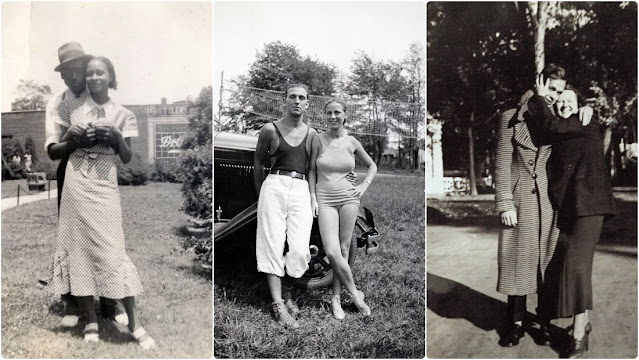
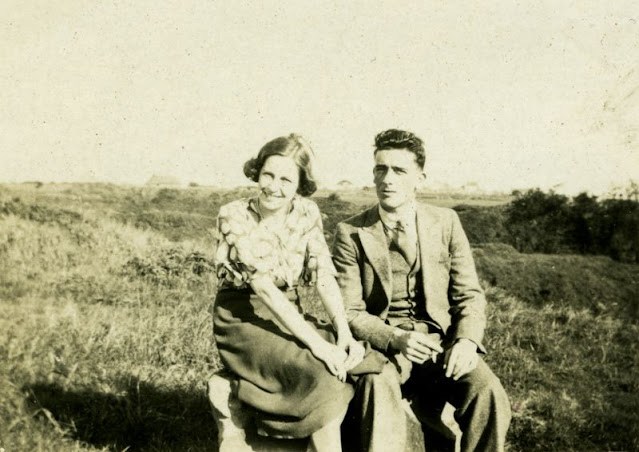
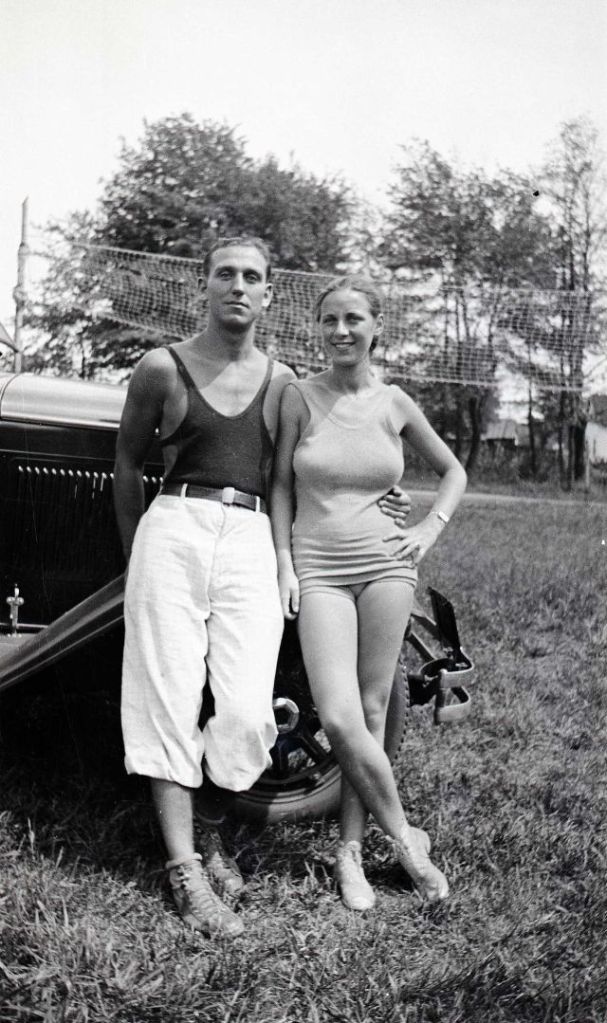
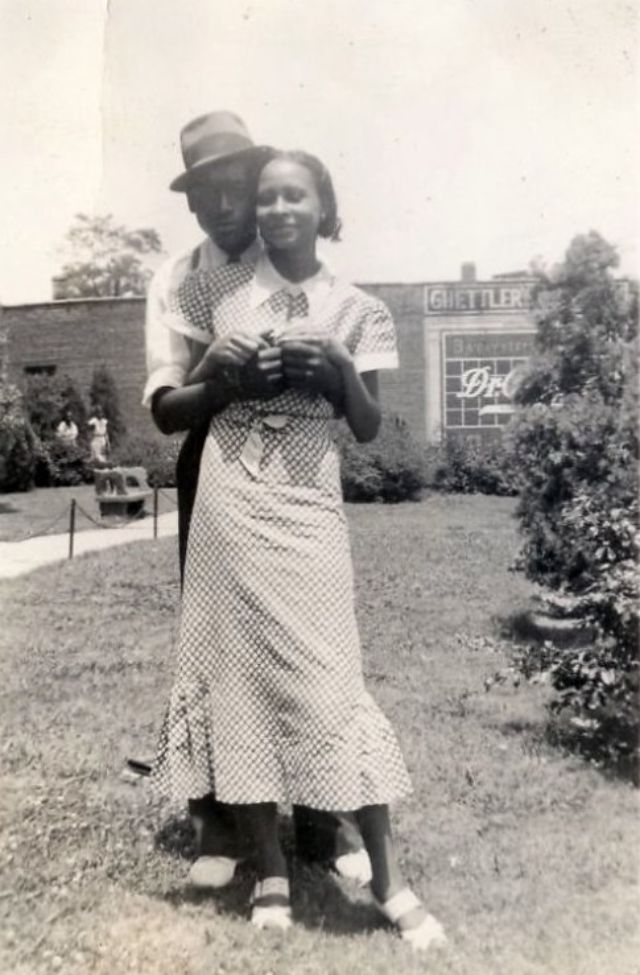
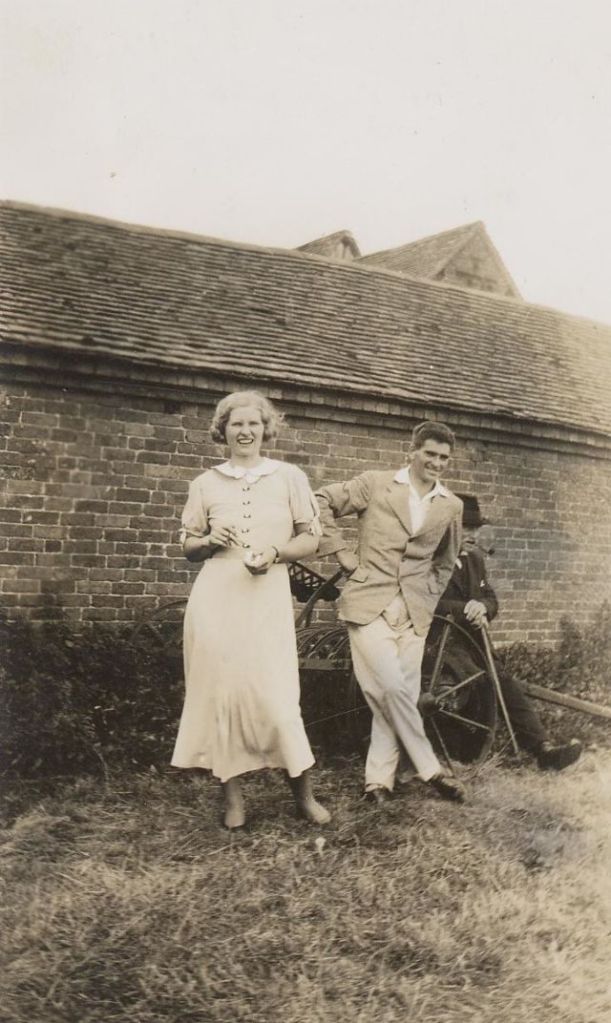
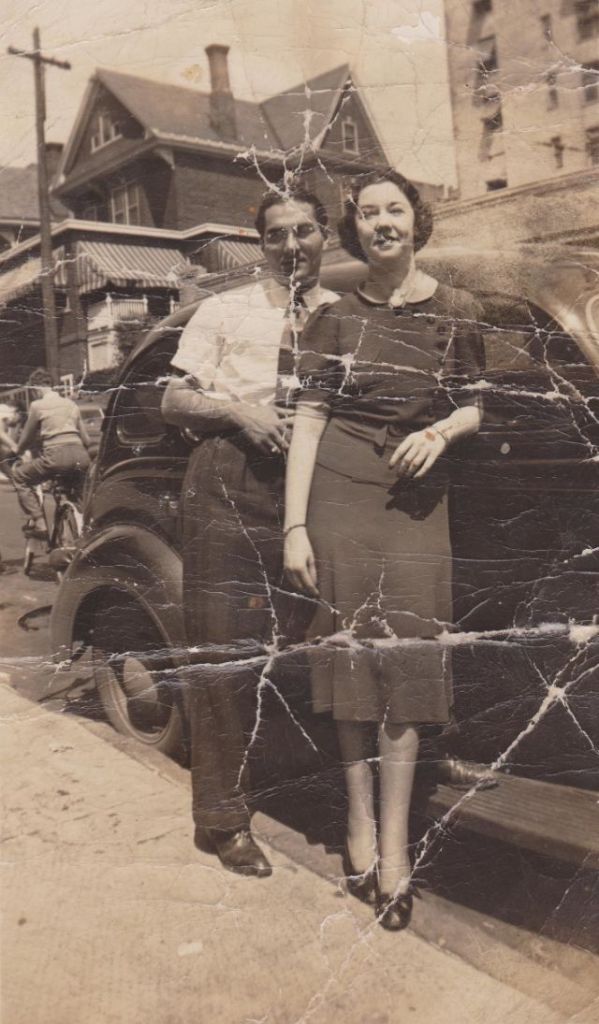
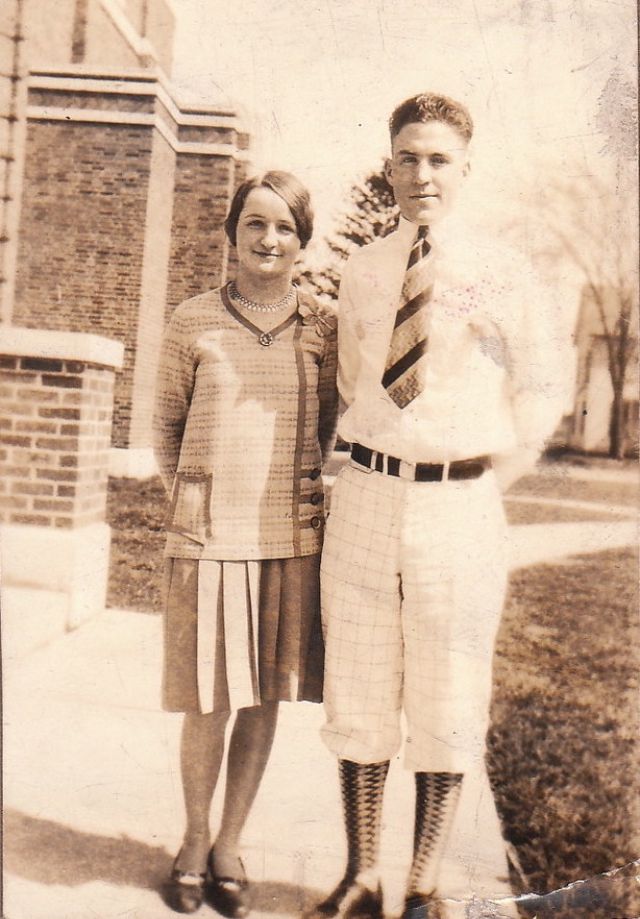
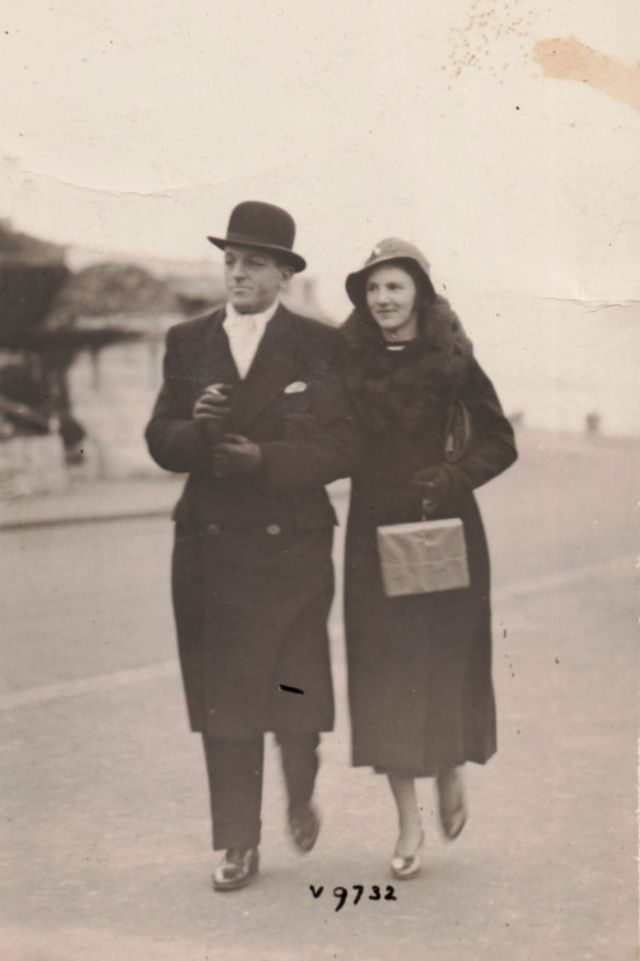
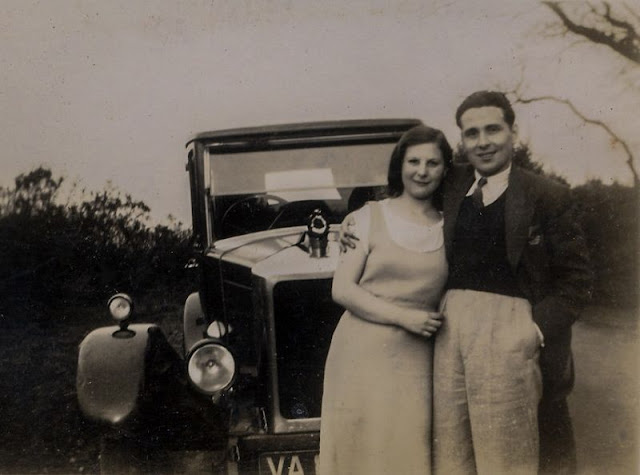
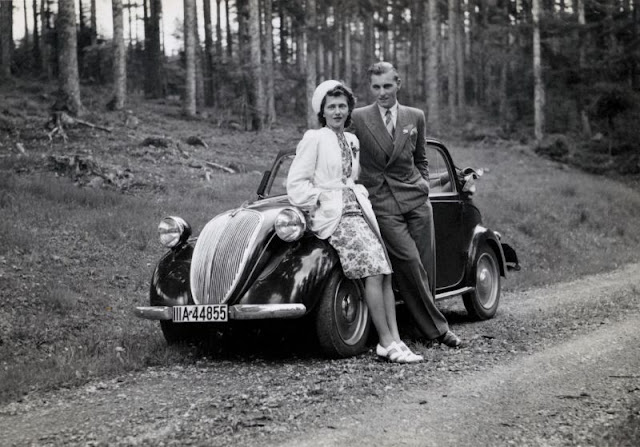
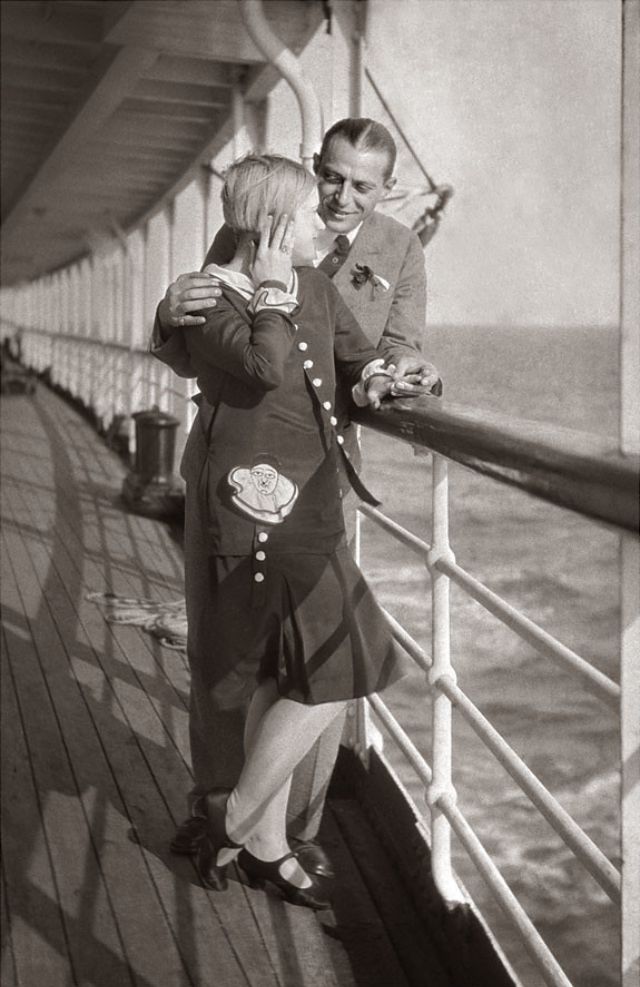
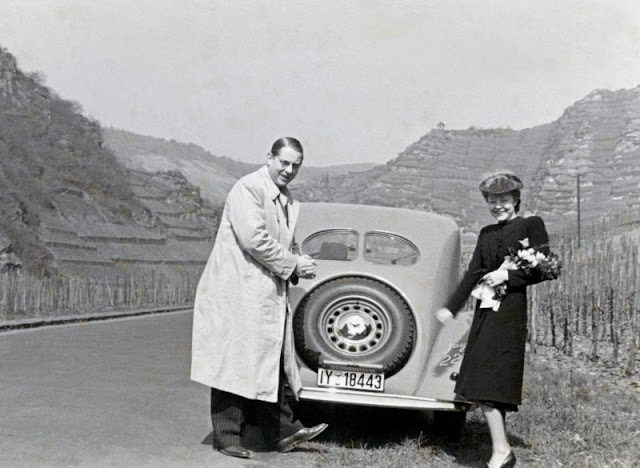
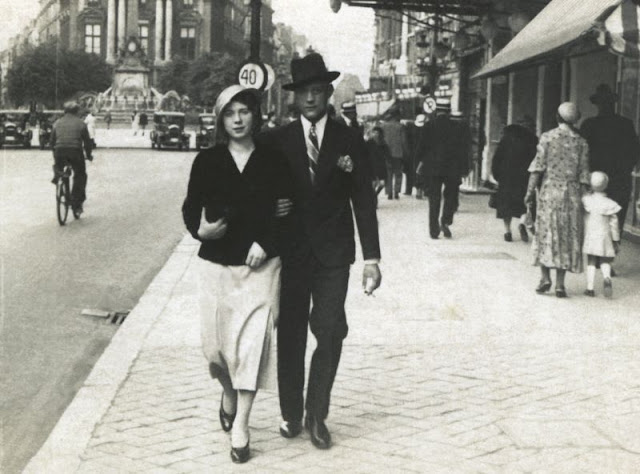
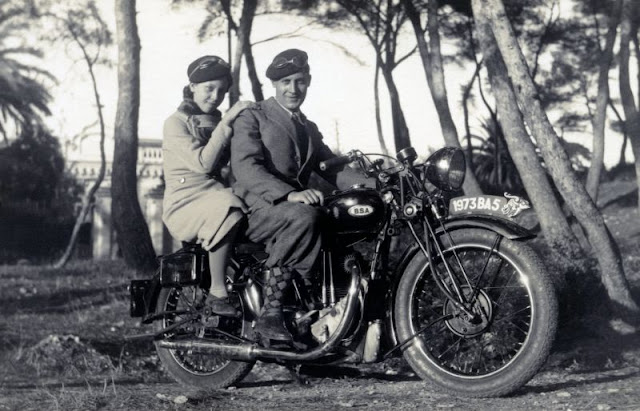
The Great Depression and World War II bookended the 1930s, but fashion flourished anyway during this decade. Glamorous Hollywood screen stars inspired new looks for women, men, and even children. Inexpensive fabrics, affordable catalog clothing, and homespun ingenuity let anyone copy styles previously worn by the wealthy.
Men still dressed up nice, sporting fedoras and double-breasted overcoats. The boys wore short shorts and tall socks. Women wore dresses and kept their hair close to their head. Makeup was chic and shoulder pads were very important until the late 1930s.
Although hats were still popular for women, they were gradually becoming less popular. Fashion in the 1930s was just as glamorous as the 1920s, just in a different way. Take a look at these vintage photos to see styles of couples from the 1930s.
The rollout of General Motors’ broad lineup of “X-Car” compact cars for 1980–which consisted of four separate vehicle lines spread across four brands–was a big event in the American automotive industry. Not surprisingly, GM backed up its ambitious new product initiative with a massive presence in TV and magazine advertising.
The rollout of General Motors’ broad lineup of “X-Car” compact cars for 1980–which consisted of four separate vehicle lines spread across four brands–was a big event in the American automotive industry. Not surprisingly, GM backed up its ambitious new product initiative with a massive presence in TV and magazine advertising.
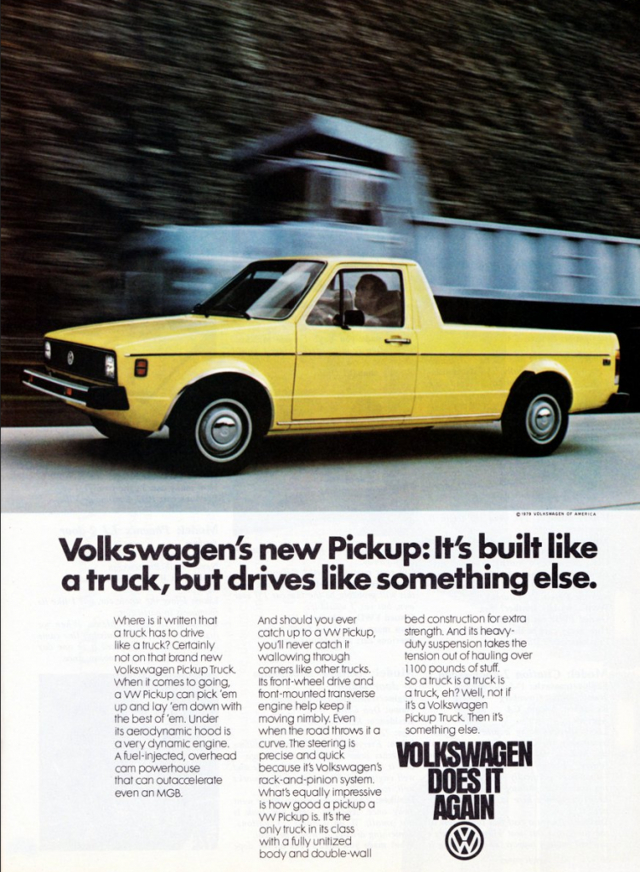
Though launched almost at the same time in 1979, the Buick Skylark, Chevrolet Citation, Oldsmobile Omega, and Pontiac Phoenix were all 1980 models, and the media blitz lasted throughout that calendar year. Here, a collection of 10 classic automotive print ads from 1980:
1980 Dodge Aspen
Subscribe to continue reading
Become a paid subscriber to get access to the rest of this post and other exclusive content.
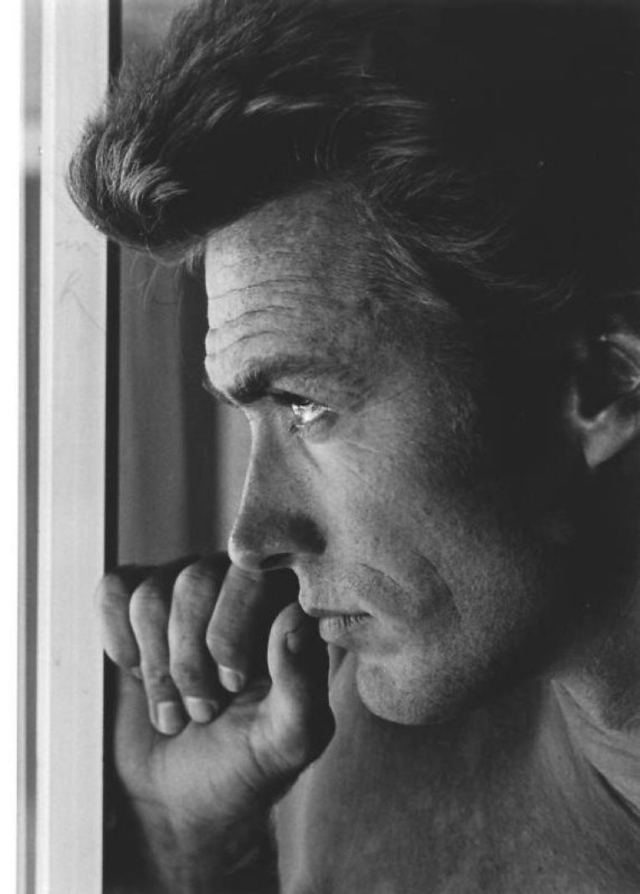
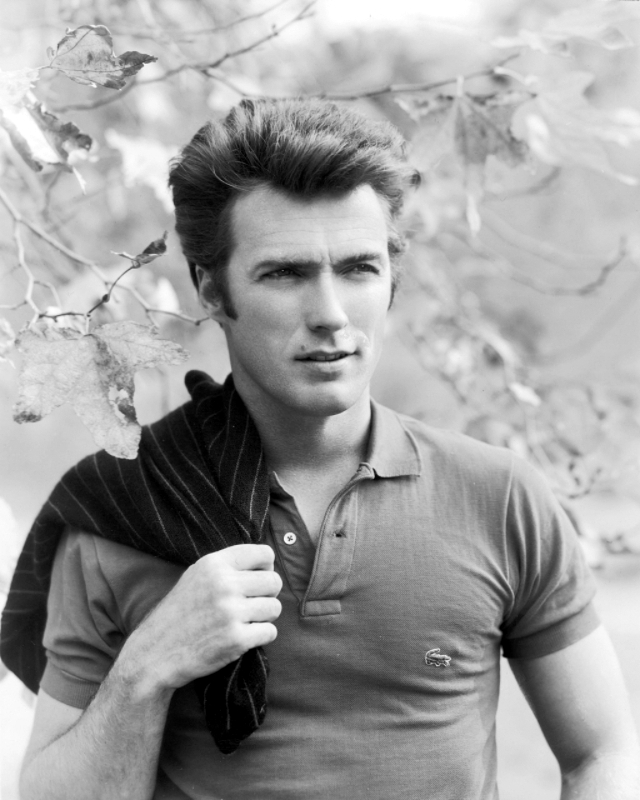
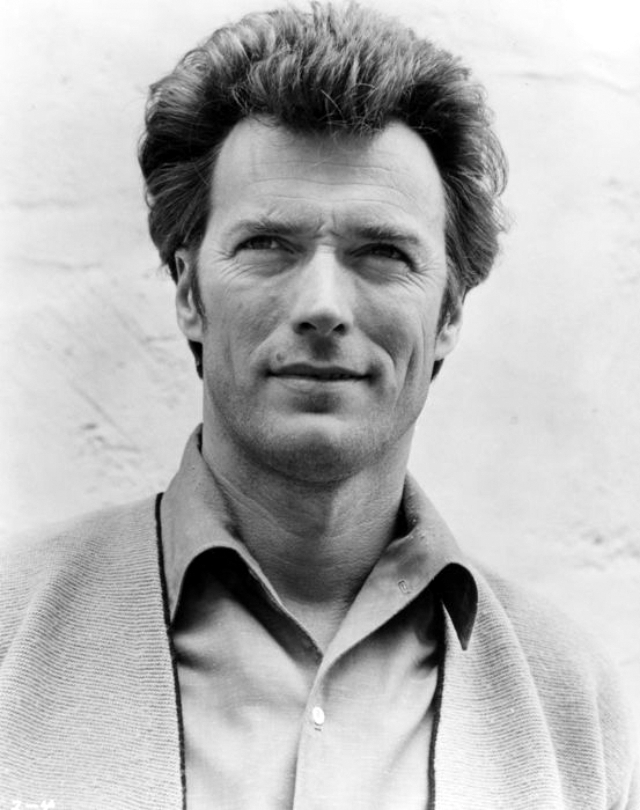
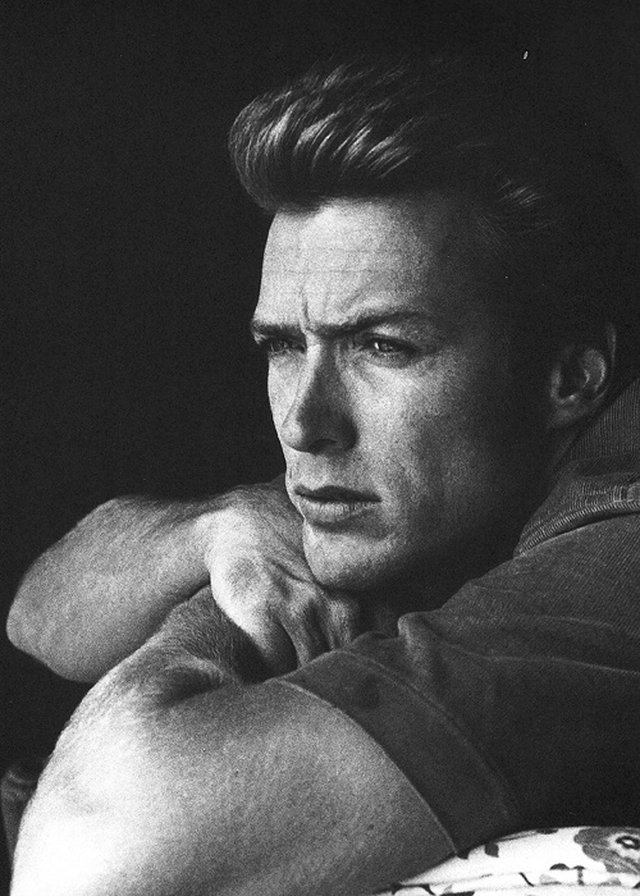
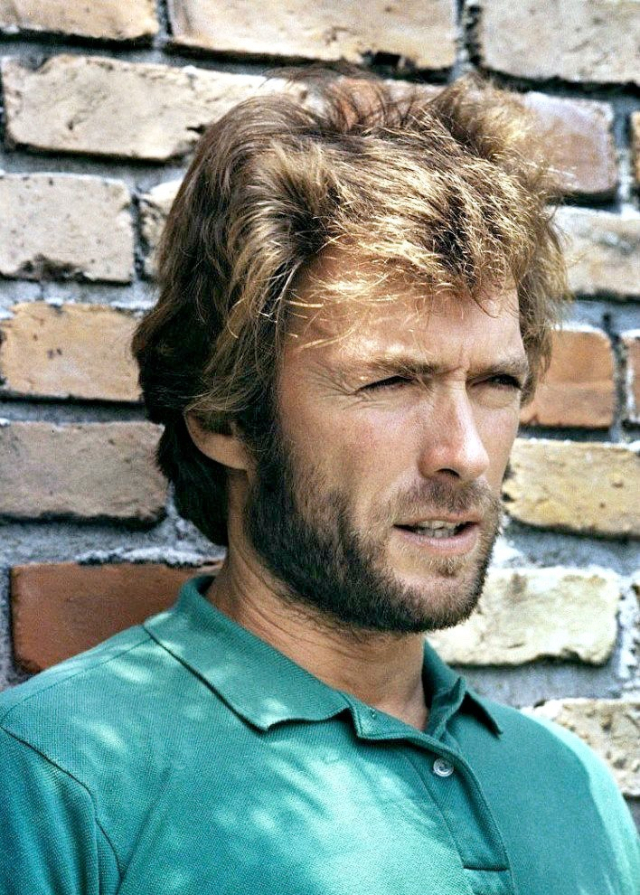
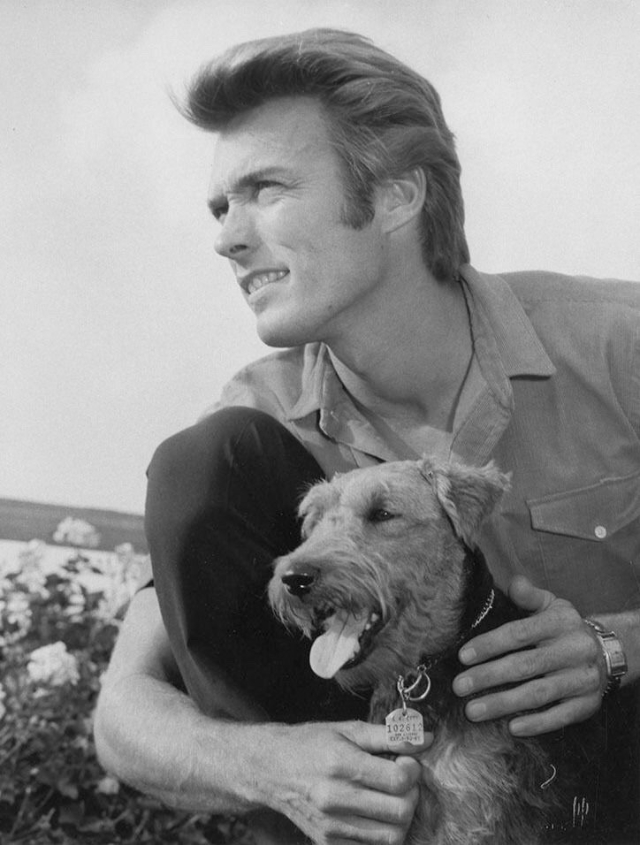
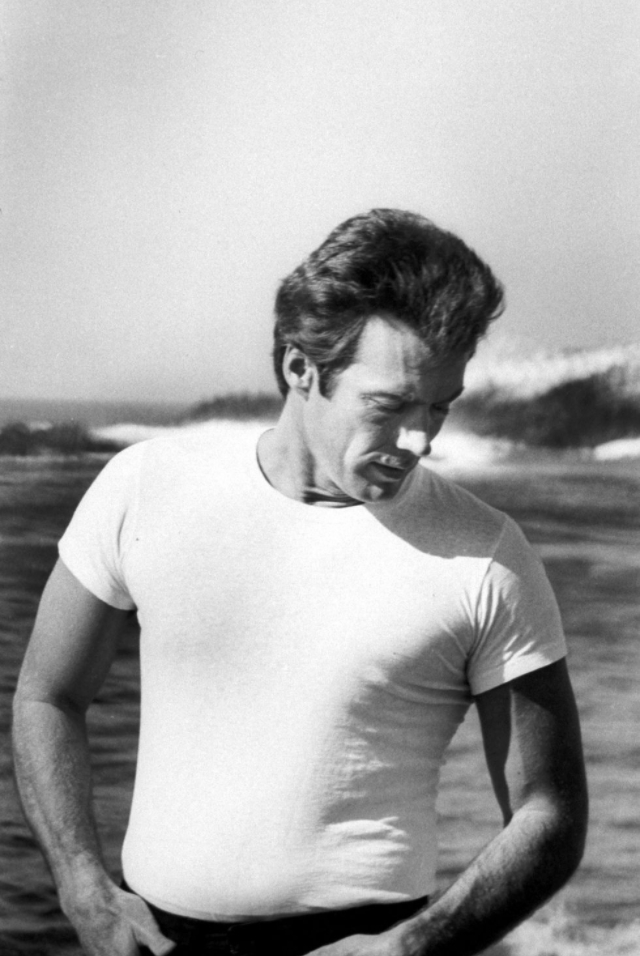
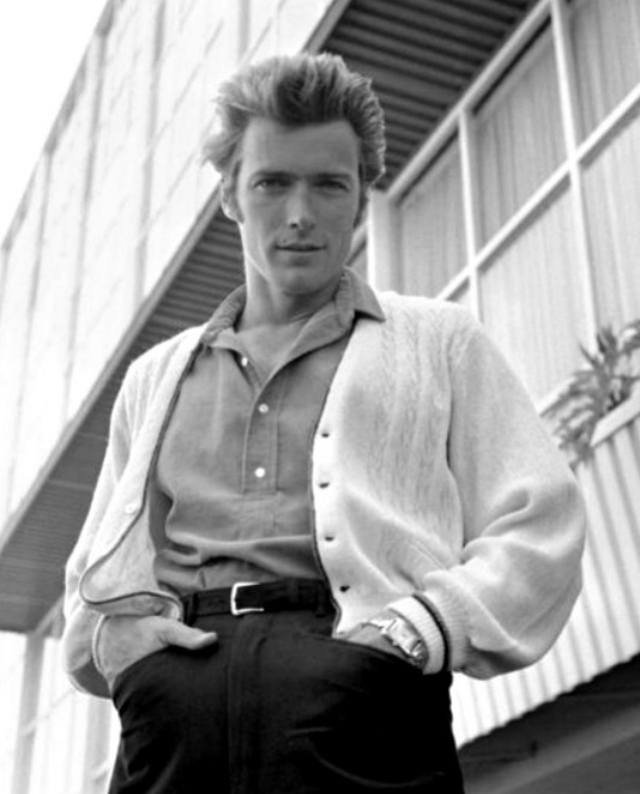
Clint Eastwood (born May 31, 1930) has reinvented himself many times over the course of a career that now stretches back over 60 years, but it’s usually taken time for everyone else to catch up with the changes.
After working as a bit player for years — he first pops up in the uncharacteristic role of a lab technician in the 1955 monster movie Revenge of the Creature — Eastwood found TV stardom as Rowdy Yates on the long-running Western series Rawhide. Then, at a time when TV stars had trouble transitioning to film work, he found movie stardom via an unconventional route, traveling to Europe to appear as a character later known as the Man With No Name in three Westerns by Italian director Sergio Leone: A Fistful of Dollars, For a Few Dollars More, and The Good, the Bad and the Ugly.
“I wanted to play it with an economy of words and create this whole feeling through attitude and movement. It was just the kind of character I had envisioned for a long time, keep to the mystery and allude to what happened in the past. It came about after the frustration of doing Rawhide for so long. I felt the less he said, the stronger he became and the more he grew in the imagination of the audience.” — Eastwood, on playing the Man with No Name character.
Elected in 1986, Eastwood served for two years as the mayor of Carmel-by-the-Sea, California. In 2000, Eastwood received the Italian Venice Film Festival’s Golden Lion award, honoring his lifetime achievements. Bestowed two of France’s highest civilian honors, he received the Commander of the Ordre des Arts et des Lettres in 1994, and the Legion of Honour medal in 2007.
Here, below is a selection of 20 vintage portraits of Clint Eastwood in the 1960s:
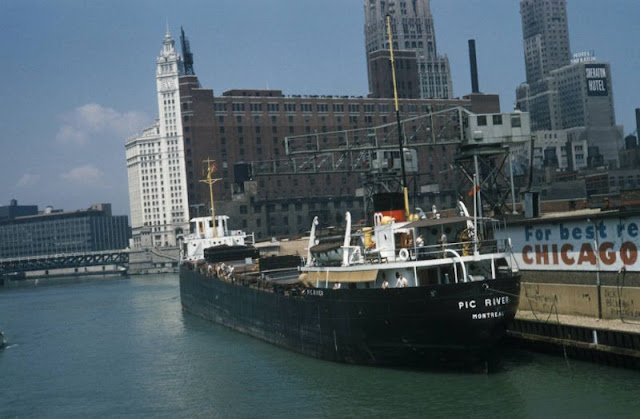
Chicago is the most populous city in the U.S. state of Illinois and the third-most populous in the United States, after New York City and Los Angeles. With a population of 2,746,388 in the 2020 census, it is also the most populous city in the Midwestern United States. As the seat of Cook County (the second-most populous U.S. county), the city is the center of the Chicago metropolitan area, one of the largest in the world.
On the shore of Lake Michigan, Chicago was incorporated as a city in 1837 near a portage between the Great Lakes and the Mississippi River watershed. It grew rapidly in the mid-19th century; by 1860, Chicago was the youngest U.S. city to exceed a population of 100,000. The Great Chicago Fire in 1871 destroyed several square miles and left more than 100,000 homeless, but Chicago’s population continued to grow to 503,000 by 1880 and then doubled to more than a million within the decade. The construction boom accelerated population growth throughout the following decades, and by 1900, less than 30 years after the fire, Chicago was the fifth-largest city in the world. Chicago made noted contributions to urban planning and zoning standards, including new construction styles (such as, Chicago School architecture, the development of the City Beautiful Movement, and the steel-framed skyscraper).
Chicago is an international hub for finance, culture, commerce, industry, education, technology, telecommunications, and transportation. It is the site of the creation of the first standardized futures contracts, issued by the Chicago Board of Trade, which today is part of the largest and most diverse derivatives market in the world, generating 20% of all volume in commodities and financial futures alone. O’Hare International Airport is routinely ranked among the world’s top six busiest airports according to tracked data by the Airports Council International. The region also has the largest number of federal highways and is the nation’s railroad hub. The Chicago area has one of the highest gross domestic products (GDP) in the world, generating $689 billion in 2018. The economy of Chicago is diverse, with no single industry employing more than 14% of the workforce. It is home to several Fortune 500 companies, including Abbott Laboratories, AbbVie, Allstate, Archer Daniels Midland, Conagra Brands, Exelon, JLL, Kraft Heinz, McDonald’s, Mondelez International, Motorola Solutions, Sears, United Airlines Holdings, and US Foods, although the city has experienced an exodus of large corporations since 2020.
Chicago’s 58 million tourist visitors in 2018 set a new record. Landmarks in the city include Millennium Park, Navy Pier, the Magnificent Mile, the Art Institute of Chicago, Museum Campus, the Willis (Sears) Tower, Grant Park, the Museum of Science and Industry, and Lincoln Park Zoo. Chicago is also home to the Barack Obama Presidential Center being built in Hyde Park on the city’s South Side. Chicago’s culture includes the visual arts, literature, film, theater, comedy (especially improvisational comedy), food, dance (including modern dance and jazz troupes and the Joffrey Ballet), and music (particularly jazz, blues, soul, hip-hop, gospel, and electronic dance music, including house music). Chicago is also the location of the Chicago Symphony Orchestra and the Lyric Opera of Chicago. Of the area’s colleges and universities, the University of Chicago, Northwestern University, and the University of Illinois at Chicago are classified as “highest research” doctoral universities. Chicago has professional sports teams in each of the major professional leagues, including two Major League Baseball teams. (Wikipedia)
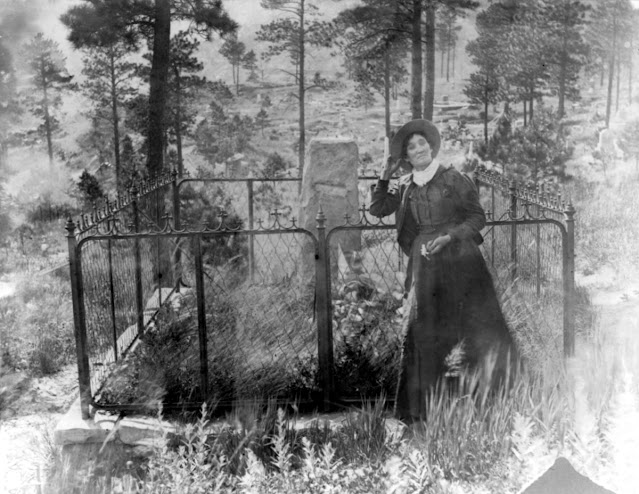
A historic photo of Martha Jane Cannary, better known as Calamity Jane, mugging at the grave of James Butler “Wild Bill” Hickok in Mt. Moriah Cemetery, Deadwood, South Dakota, ca. 1903.
This photo by J. A. Kumpf, is believed to be from 1903 which would have been shortly before her death. (Library of Congress)
Subscribe to continue reading
Become a paid subscriber to get access to the rest of this post and other exclusive content.
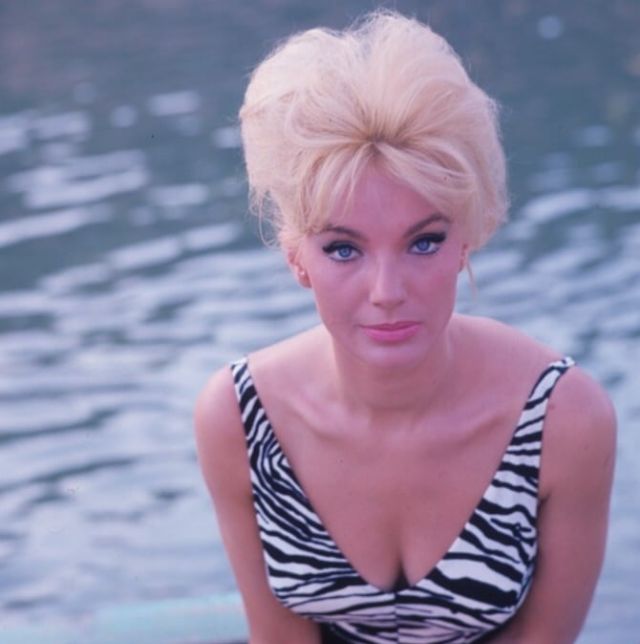
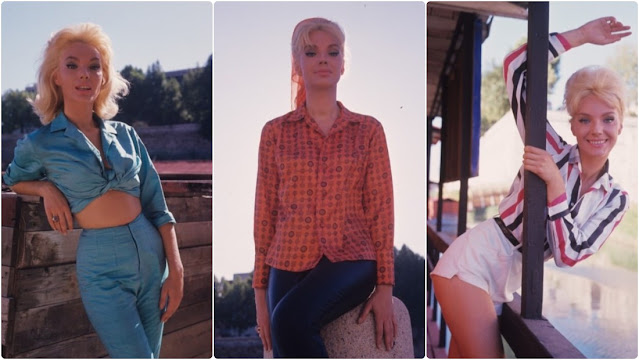
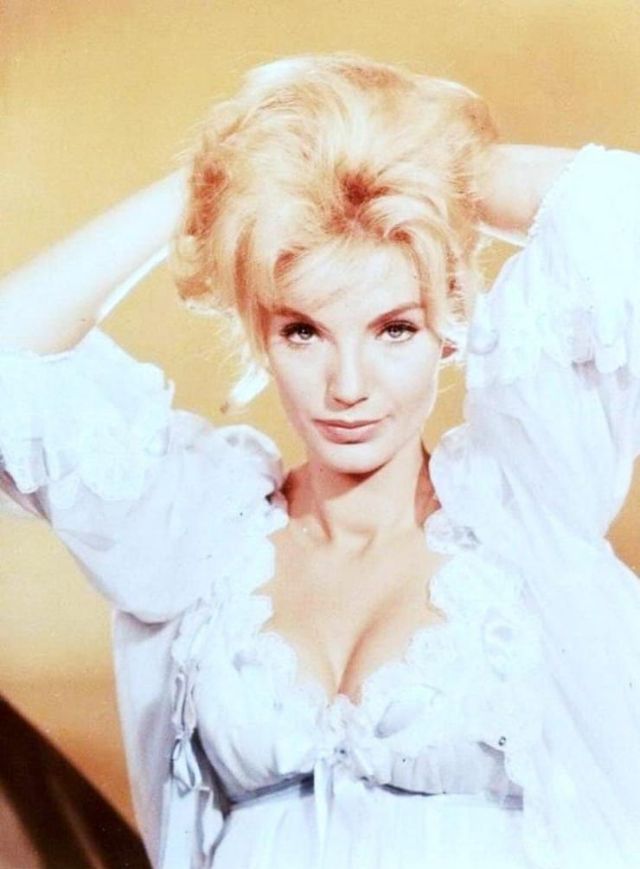
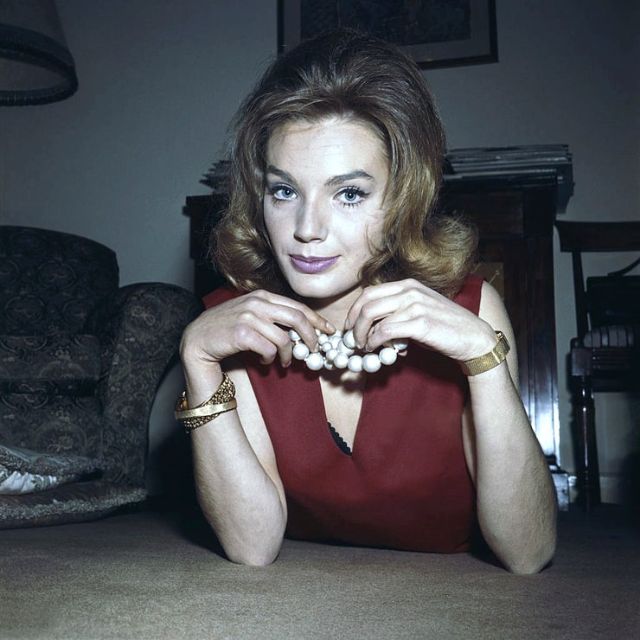
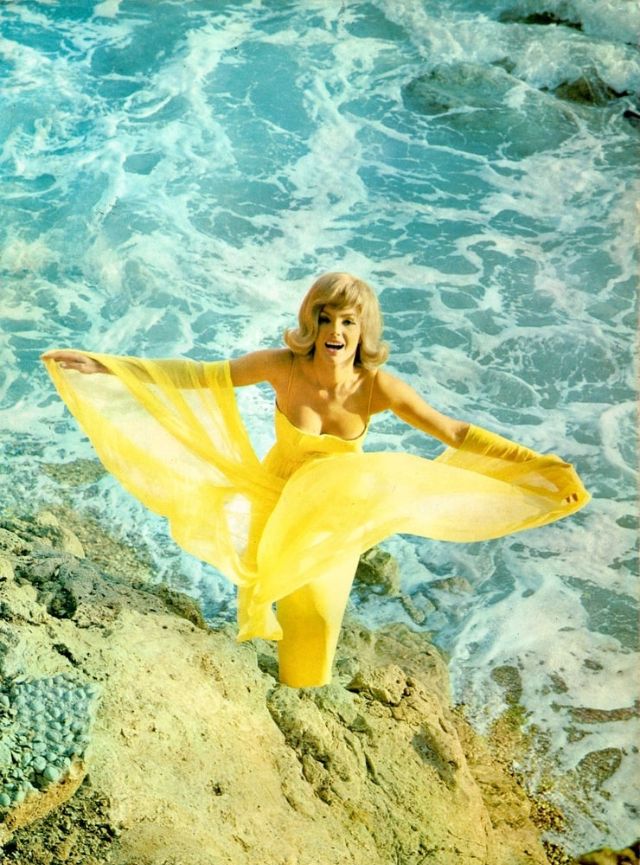
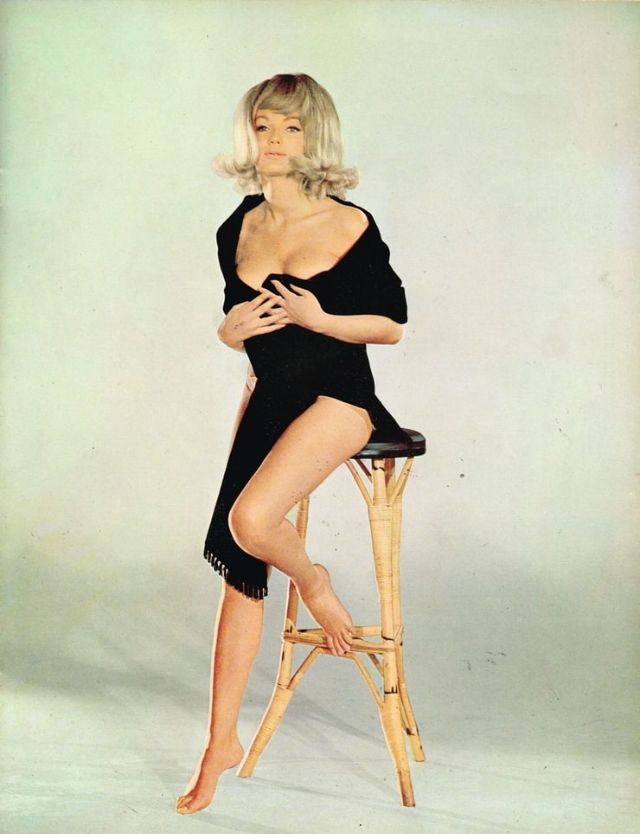
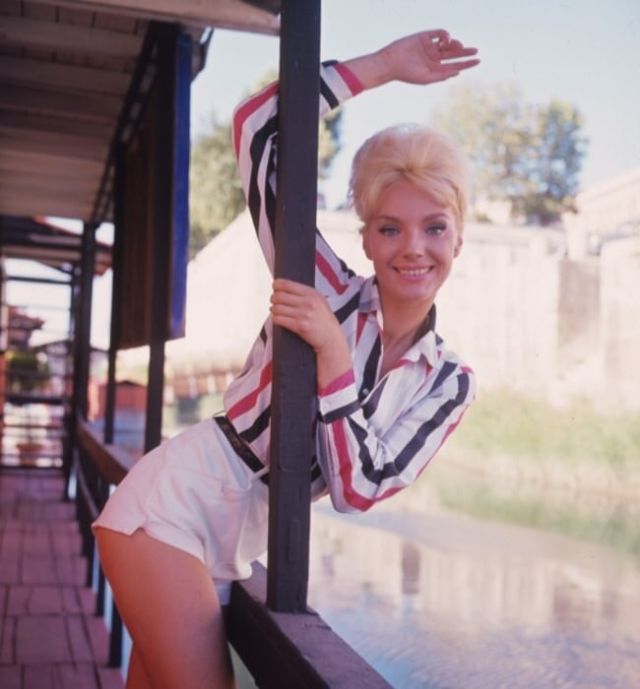
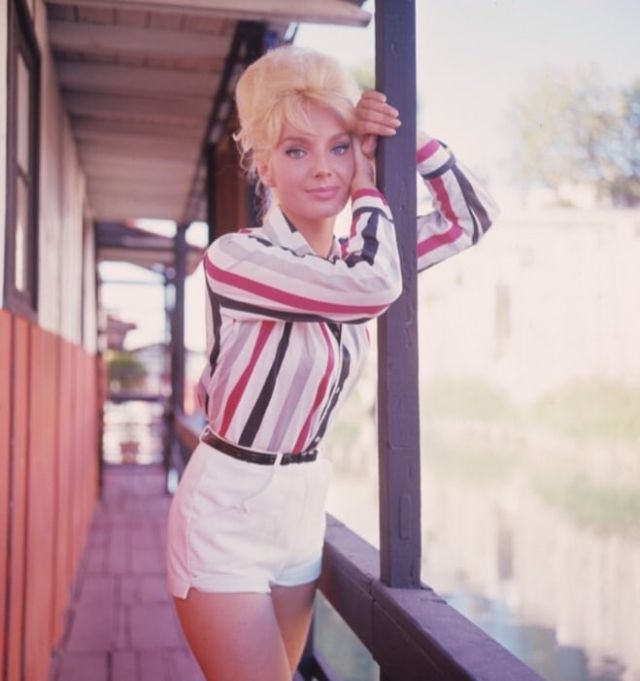
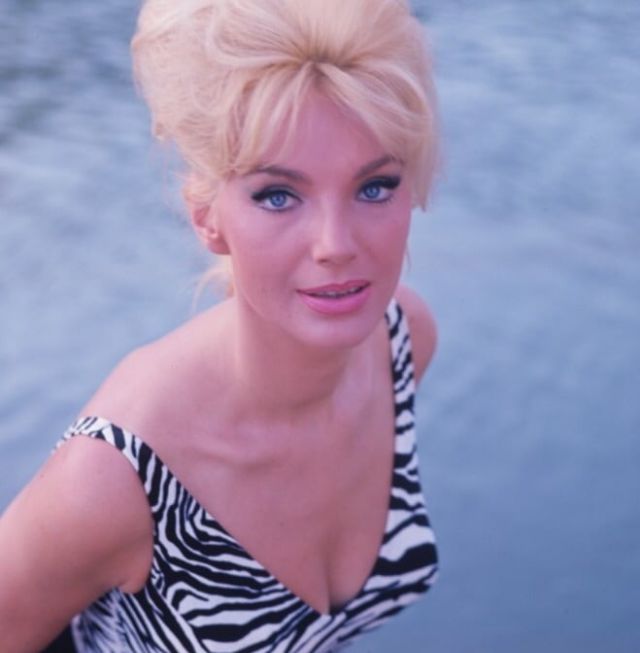
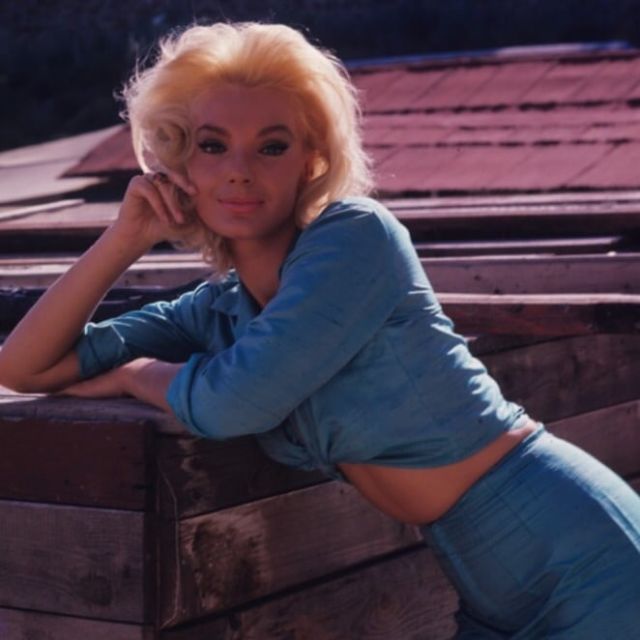
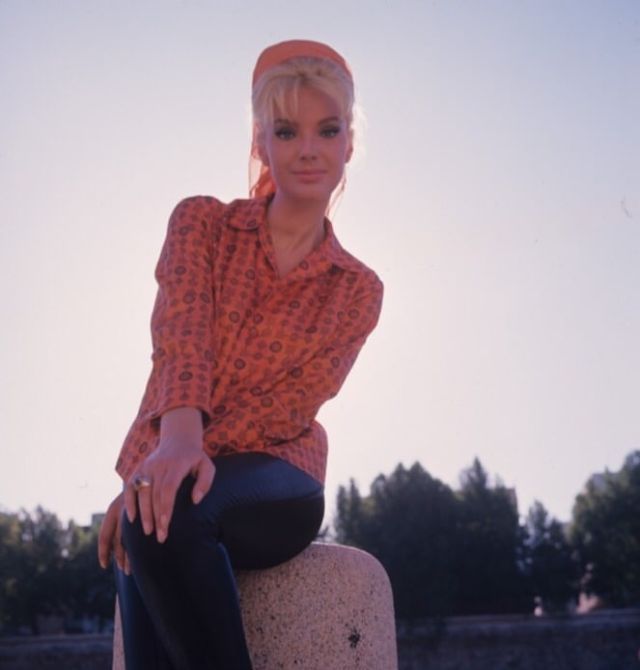
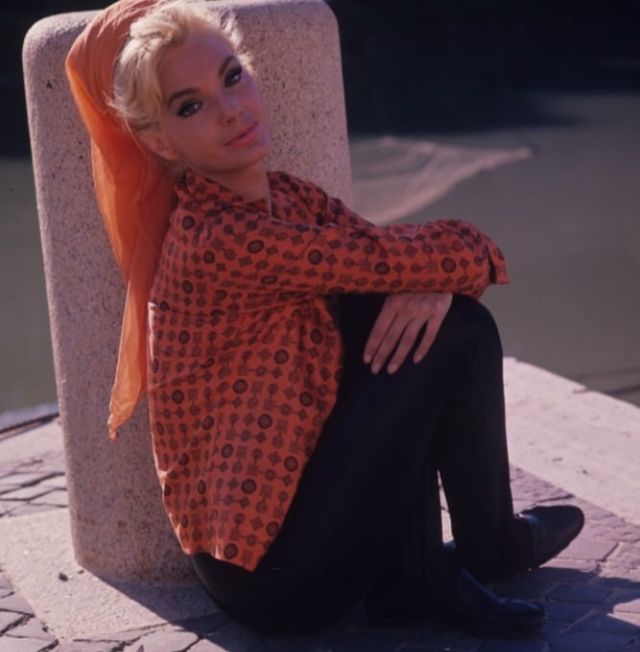
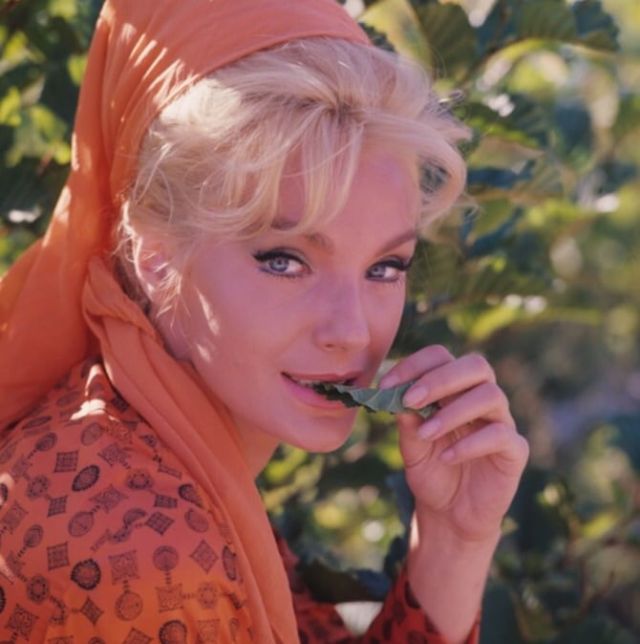
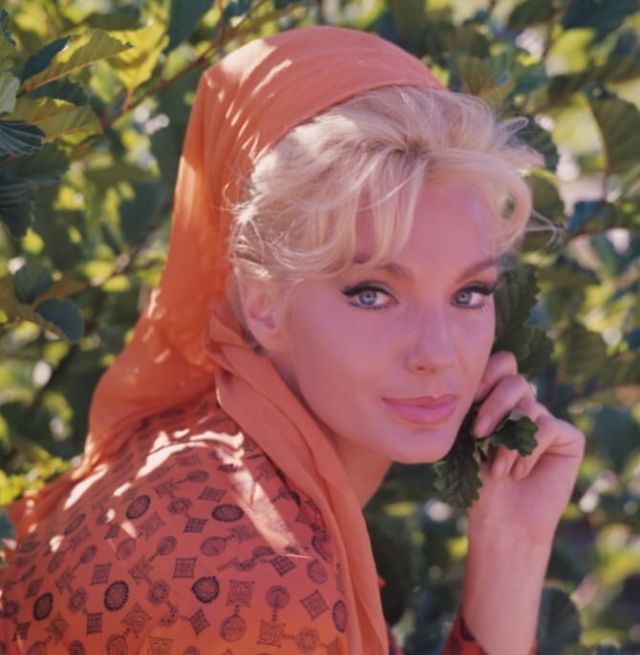
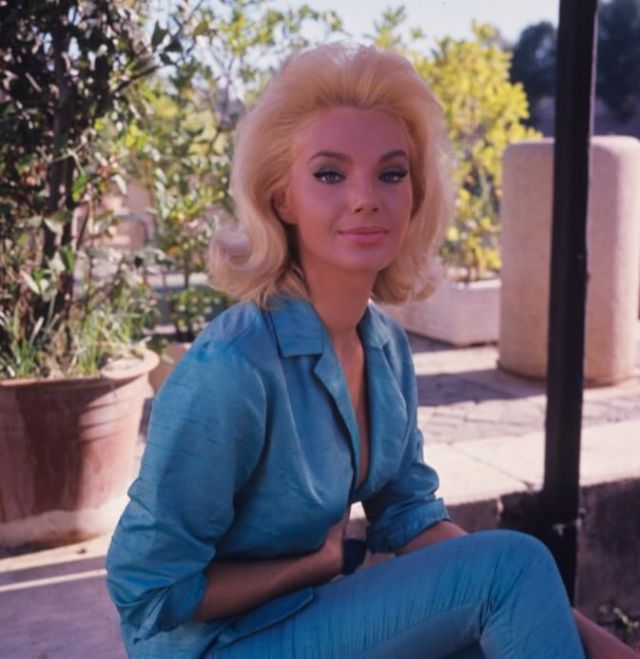
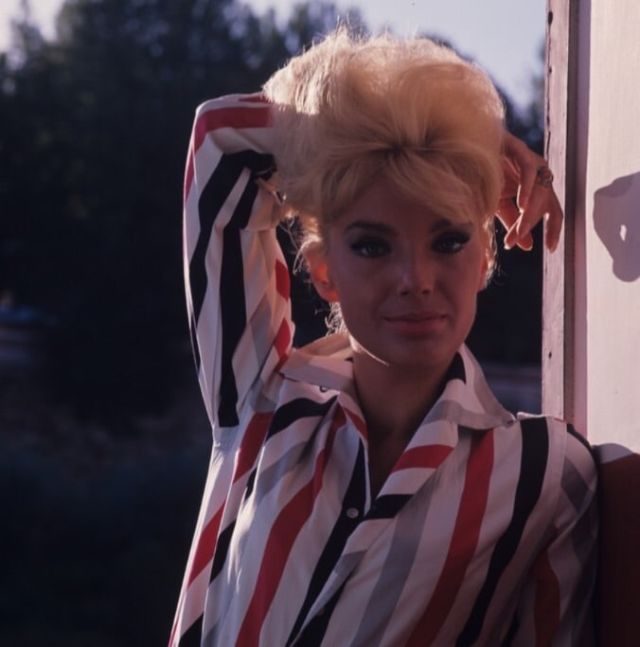
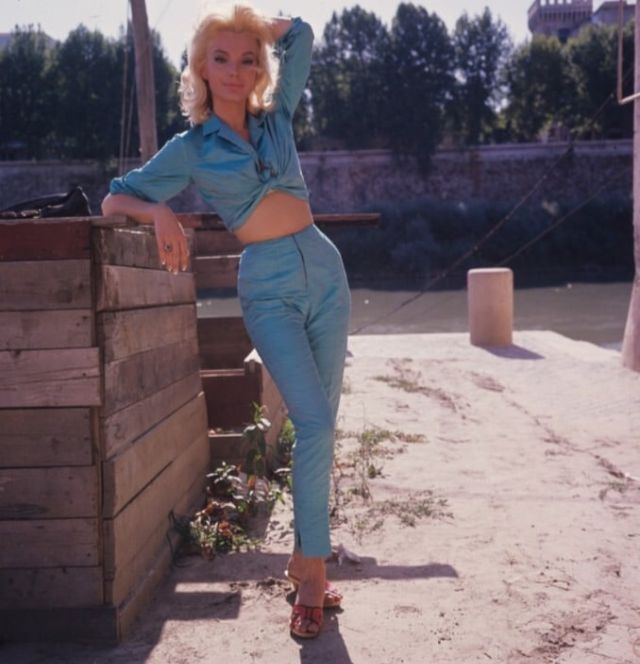
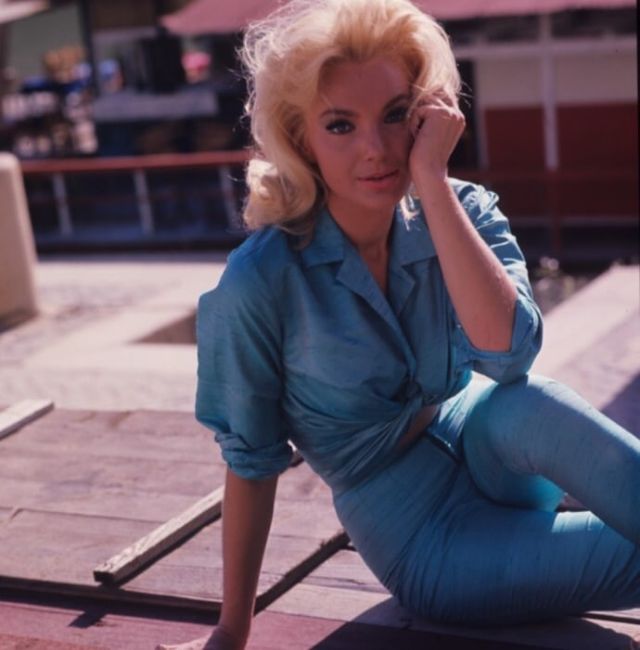
Born 1938 in Eisenstadt, Burgenland, Austrian actress Maria Perschy moved to Germany for more training, leading to a film career after completing her education. Her first major success came with Nasser Asphalt where she played together with Horst Buchholz. Her acting career would eventually take her — by way of France, Italy and the United Kingdom — to Hollywood.
Perschy played in a number of American films, her most notable roles being in the 1962 biopic Freud, the 1964 Rock Hudson comedy, Man’s Favorite Sport?, and the 1964 hit war movie 633 Squadron. Her career in America eventually declined and by the late 1970s her only US appearances were brief roles in TV shows such as Hawaii Five-O and General Hospital.
While shooting in Spain in 1971, Perschy suffered a burn injury from an accident that required several operations before she could resume her career. Perschy returned to her native Austria in 1985 and continued to perform in a series of plays and TV series.
Perschy died of cancer in Vienna in 2004 at the age of 66. Take a look at these gorgeous photos to see the beauty of young Maria Perschy in the 1960s.
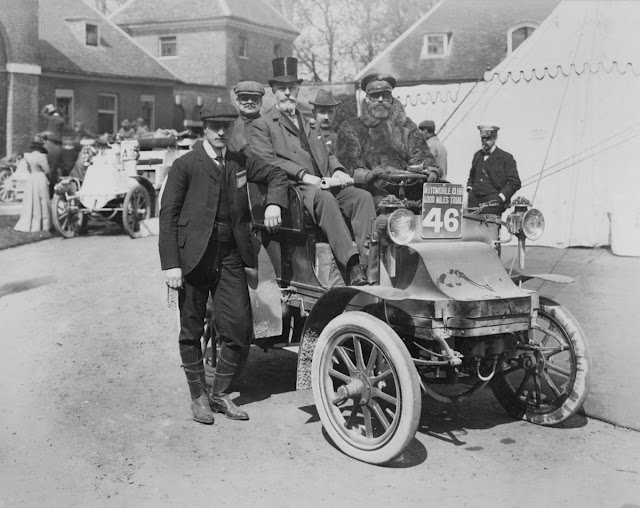
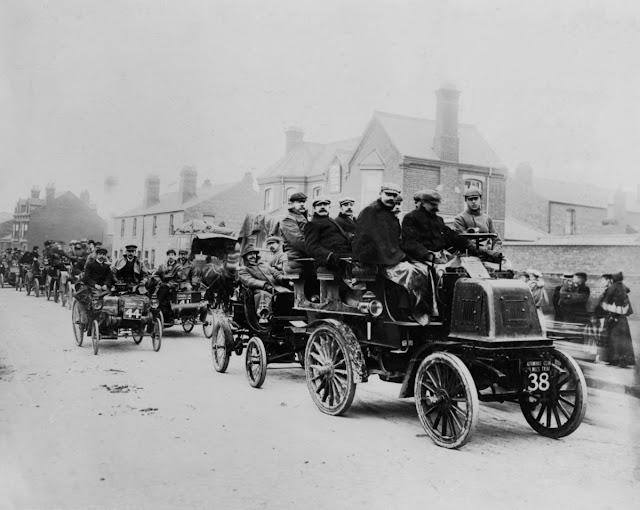
In 1900, automobiles weren’t much more impressive than the horse-drawn carriages they were meant to replace. Internal combustion engines offered about 12 horsepower, but they were also loud, dirty, and unreliable. In a public effort to dispel that image—or at least the unreliable part—the Automobile Club of Great Britain and Ireland organized the 1,000 Mile Race of 1900.
London to Edinburgh and back again, 1000 miles in only 20 days, to show just what the motor car could do. The Thousand Mile Trial was a resounding success. More than half of the participants finished and, despite the insistence of some drivers on taking liqueurs with lunch, the only casualties were an unfortunate dog and an ‘unmanageable’ horse.
Between April 23 and May 12, 65 cars raced throughout the UK, pausing during the marathon for four hill climbs and one speed trial. According to a contemporary account of the race in the Brisbane Courrier, the goal was to prove the car was “a serious and trustworthy means of locomotion; not a toy dangerous and troublesome alike to the public and its owner.”
It was an ambitious route. The contestants started in London, crossing through Bristol, Birmingham, and Manchester on the way north to Edinburgh. They hit Newcastle, Sheffield, and Nottingham on the trip back to London, covering roughly 100 miles each day, according to Grace’s Guide, a non-profit project that documents British industrial history.
By all accounts, the race was a success. The Courrier reported that 46 of the cars that started the race made it back to London. Grace’s Guide puts that number at 35, but even that is quite impressive, especially considering the only casualties were one dog and “one unmanageable horse,” which broke its leg in a collision with a car and had to be destroyed. The race was won by Charles Stewart Rolls (as in Rolls-Royce), who drove a 12-horsepower Panhard that topped out at 37.63 mph.
Subscribe to continue reading
Become a paid subscriber to get access to the rest of this post and other exclusive content.
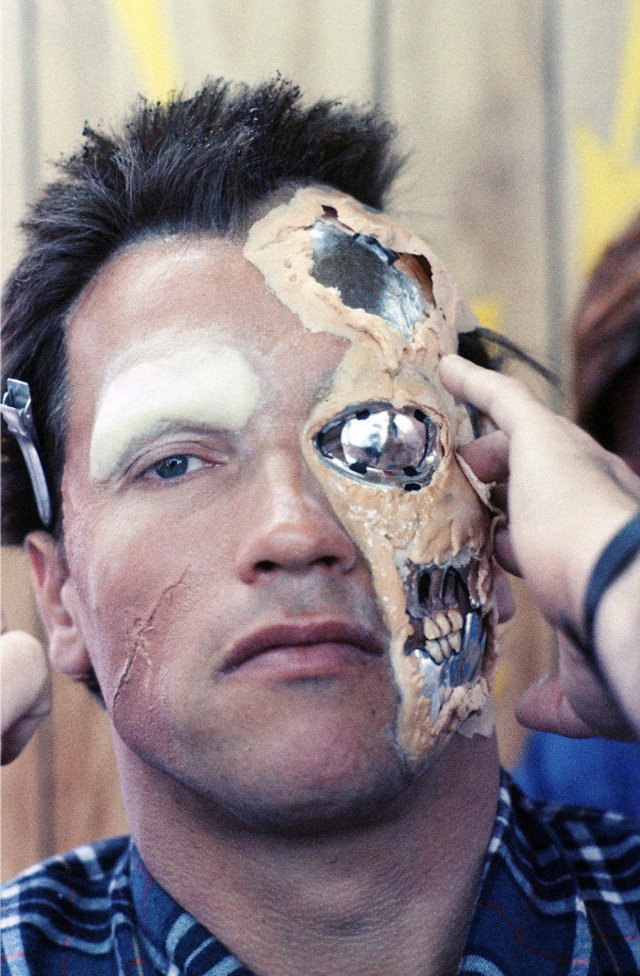
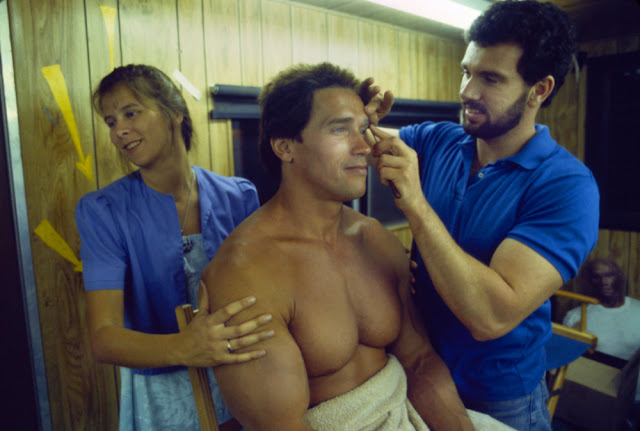
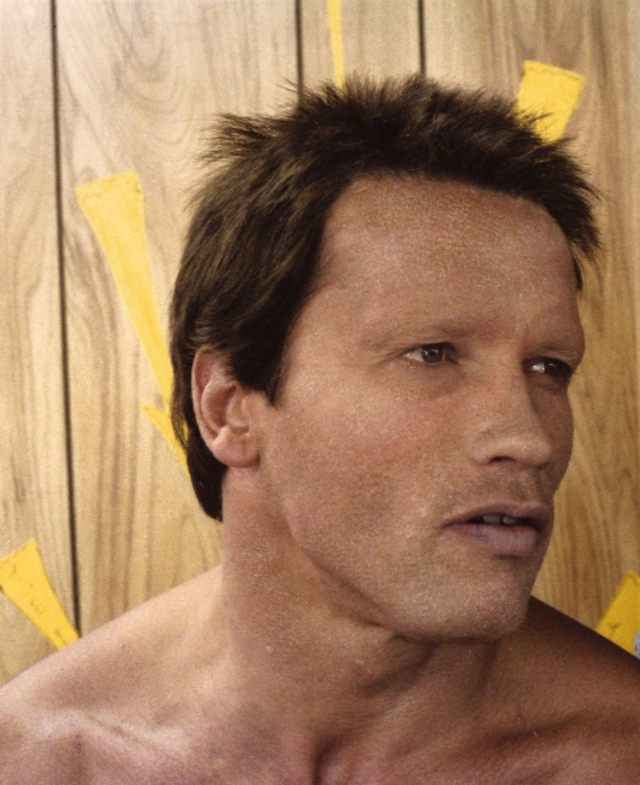
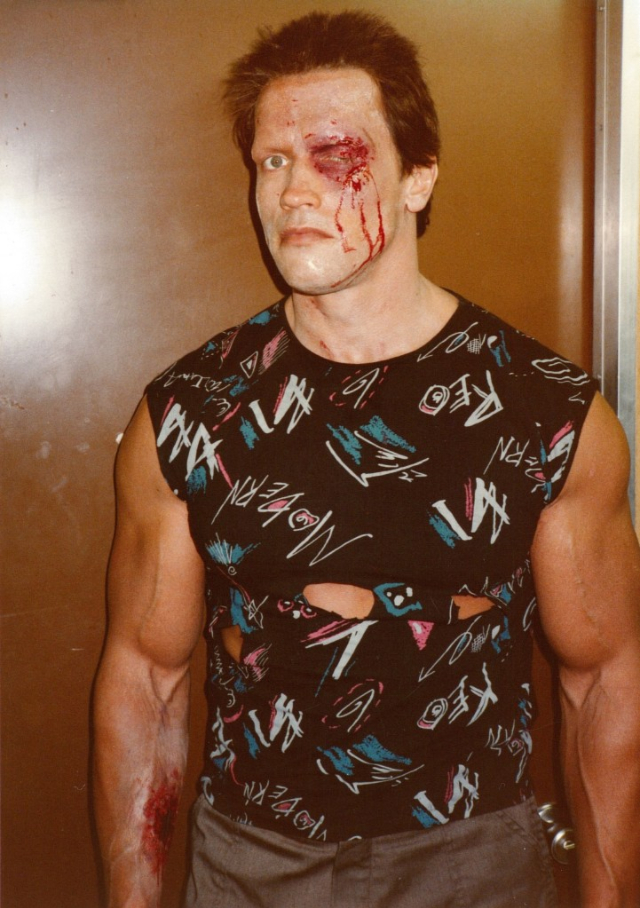
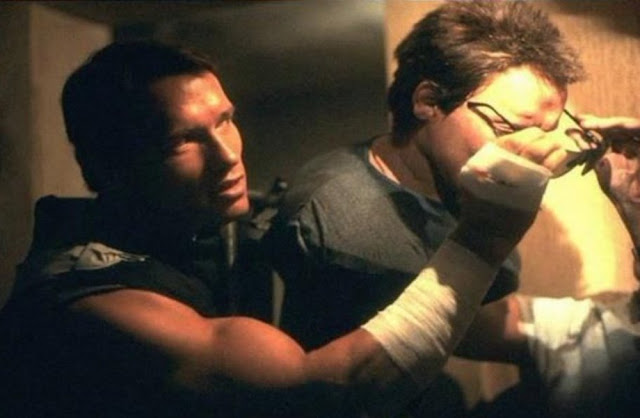
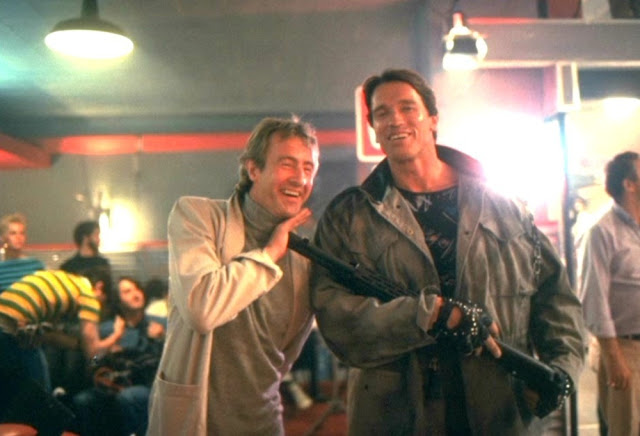
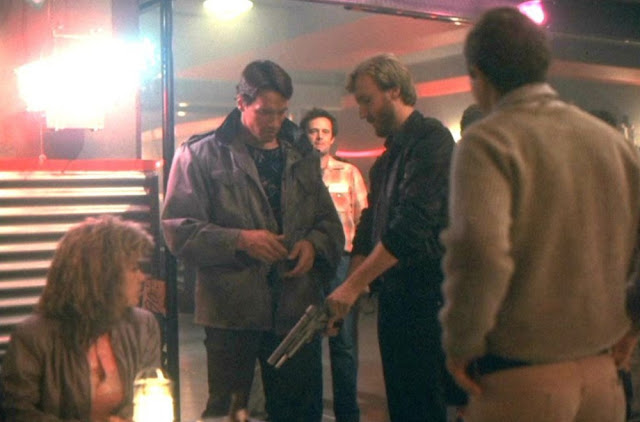
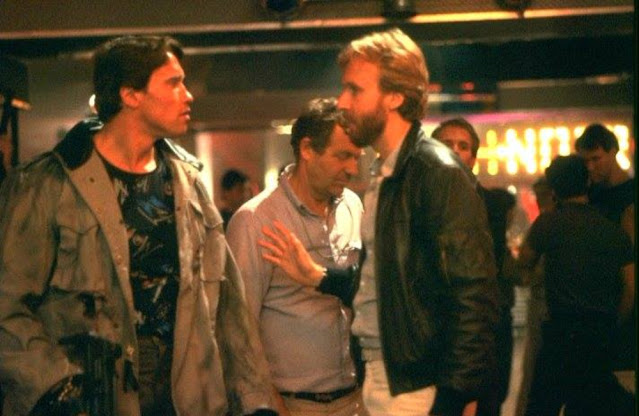
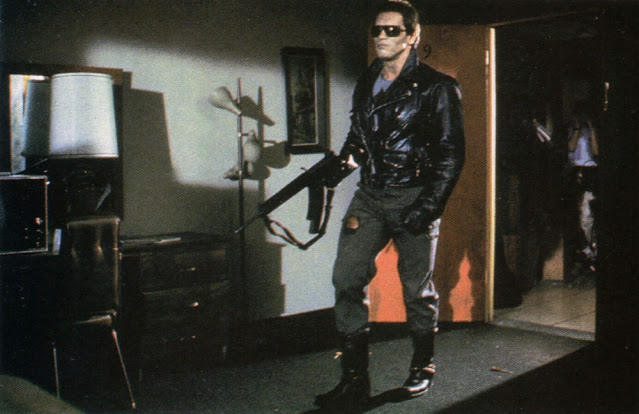
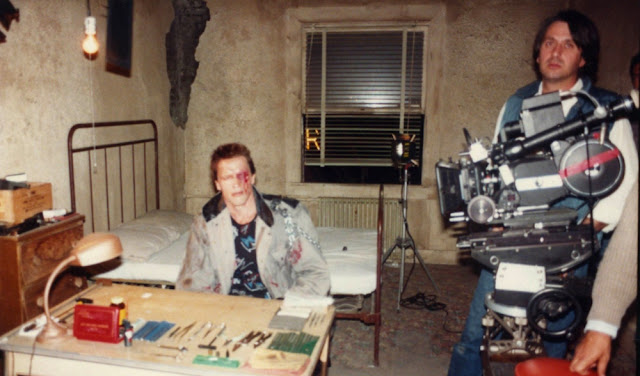
When The Terminator hit theaters on October 26, 1984, it took the world by storm. James Cameron’s futuristic thriller redefined both the post-apocalyptic and time-travel sub-genres, while introducing fascinating concepts about the dangers of modern technology. It also cemented Arnold Schwarzenegger’s status as one of the biggest action icons of the 1980s and beyond.
The movie launched the career of James Cameron, who went on to direct the top two box-office earners of all time, Avatar and Titanic. It also boosted Arnold Schwarzenegger, whose monotone delivery and muscle-bound swagger made a cyborg assassin the height of cool.
Schwarzenegger originally read for the part of Kyle Reese. In his fledgling acting career, he had already played the title character in Hercules in New York, and Conan the Barbarian, and naturally wanted to be the hero of The Terminator movie. Although he may have first been put forward for this role by his agent, Cameron was cool on the idea: “I was very negative on the idea of Arnold playing Reese.”
And Schwarzenegger, at lunch with Cameron after his reading, couldn’t stop thinking about the Terminator: “The more I read the script, the more I got fascinated by the Terminator – the bad guy – which I thought was the real cool guy. We were talking along the lines of me playing the heroic character.”
After looking at a mocked up painting that Cameron had made of him as the Terminator, Schwarzenegger had made up his mind: “I am the Terminator, I’m gonna make this call now, I called [Cameron] right away and I said ‘I want to play the Terminator,’ and the deal was made.”
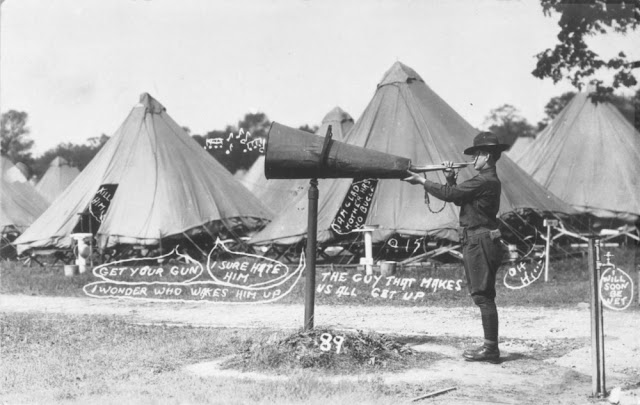
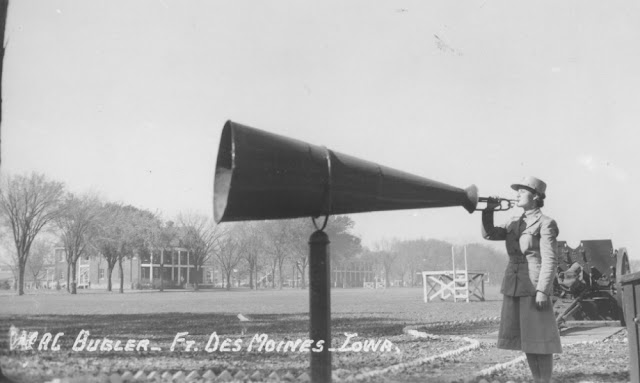
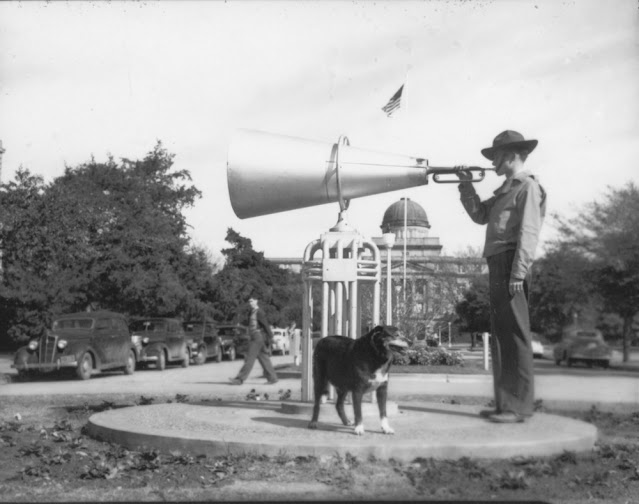
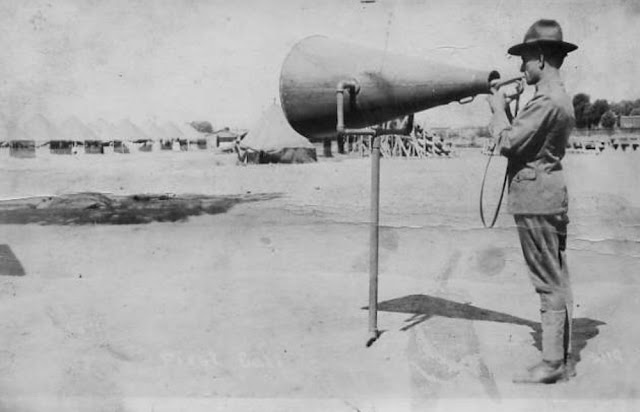
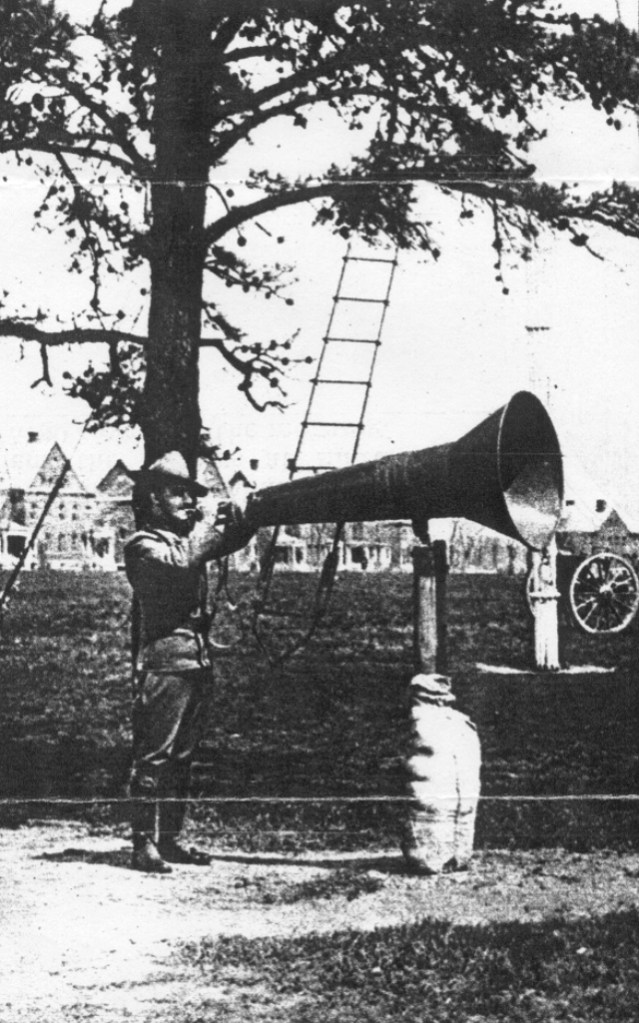
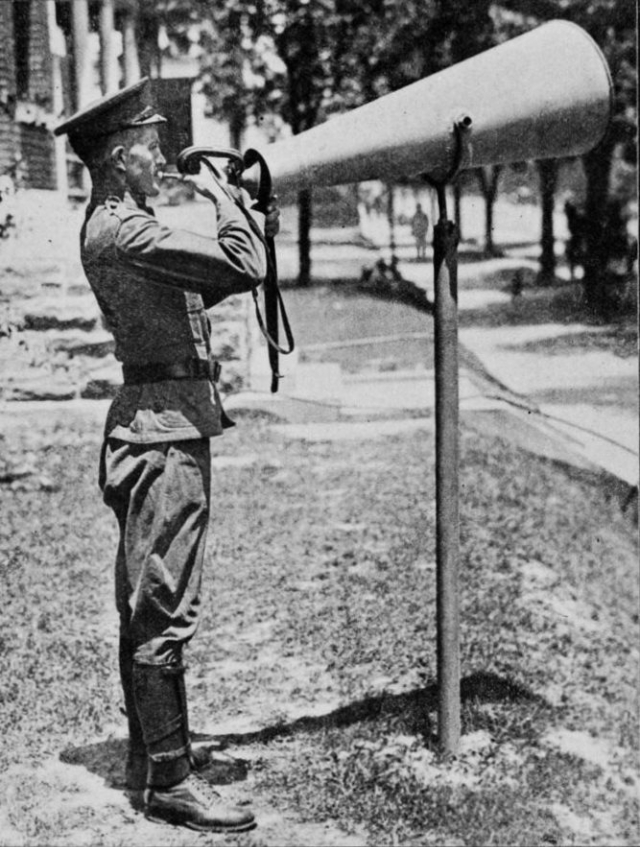
Bugle megaphones were used on military garrisons to help amplify the sound of the bugle. Used in a garrison environment, the megaphone was mounted to a swivel on a post enabling the bugler to play in any direction and the sound to carry further and over a broader area. These pedestals were usually placed near the main flagpole or at garrison headquarters.
A megaphone is usually a portable or hand-held, cone-shaped acoustic horn used to amplify a person’s voice or other sounds and direct it in a given direction. The sound is introduced into the narrow end of the megaphone, by holding it up to the face and speaking into it, and the sound waves radiate out the wide end.
A megaphone increases the volume of sound by increasing the acoustic impedance seen by the vocal cords, matching the impedance of the vocal cords to the air, so that more sound power is radiated. It also serves to direct the sound waves in the direction the horn is pointing. It somewhat distorts the sound of the voice because the frequency response of the megaphone is greater at higher sound frequencies.