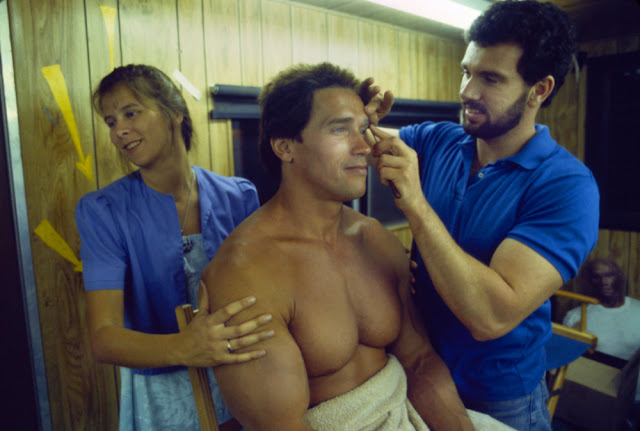
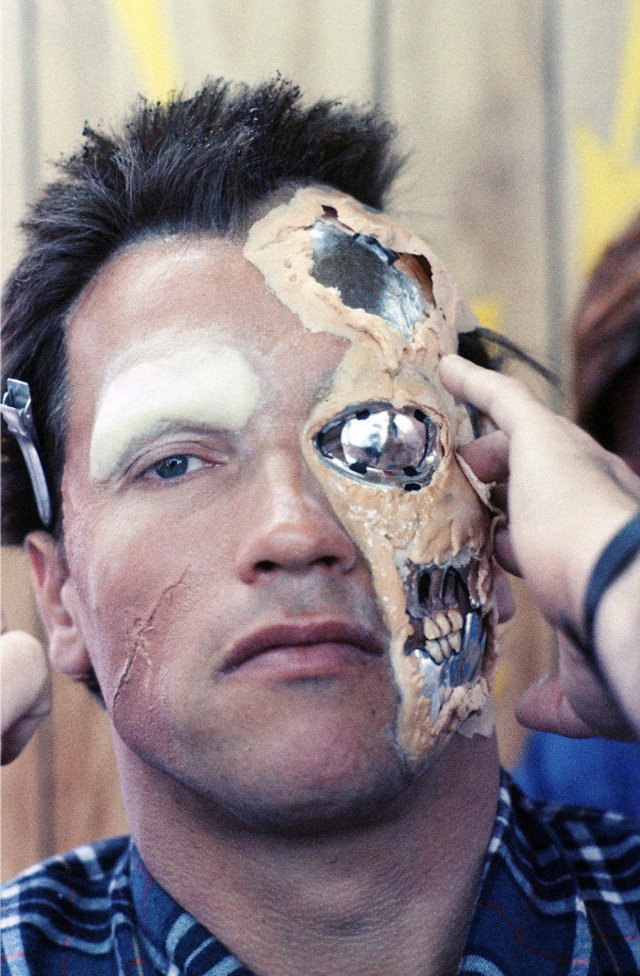
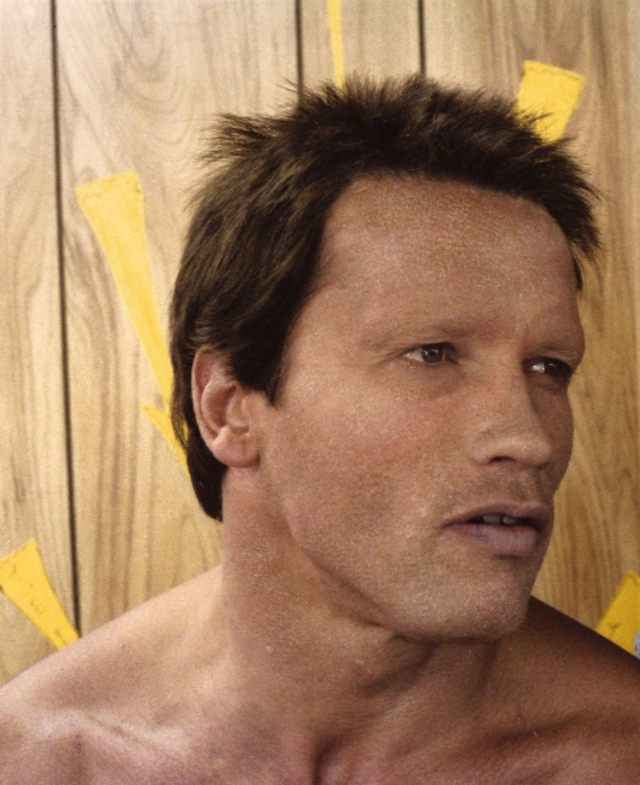
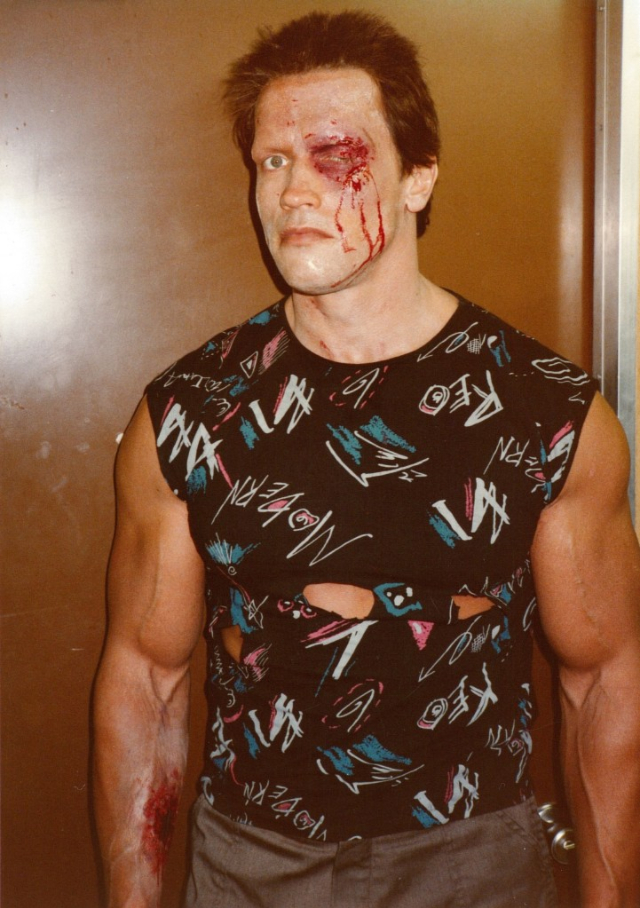
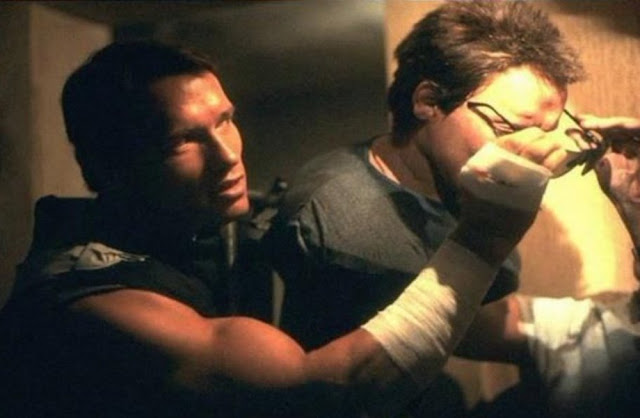
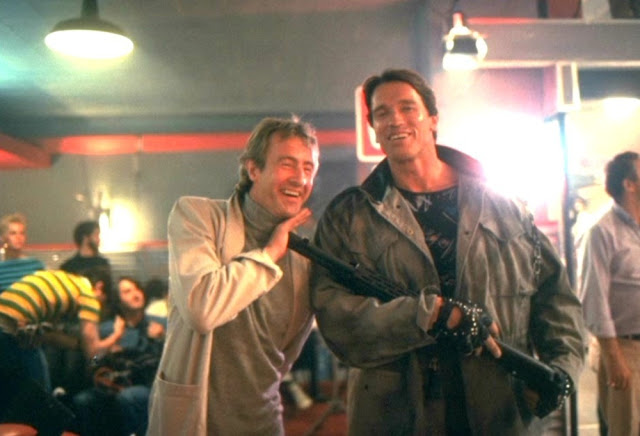
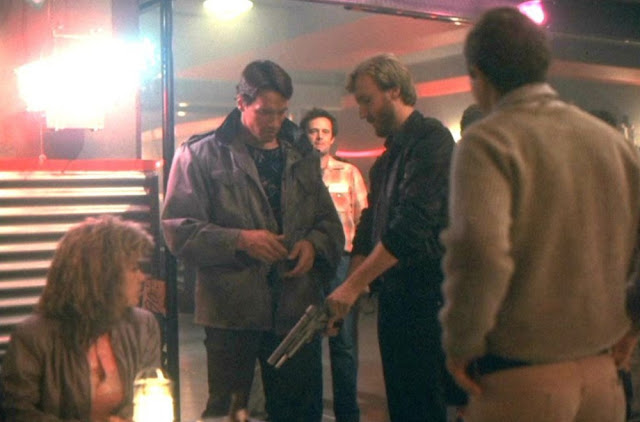
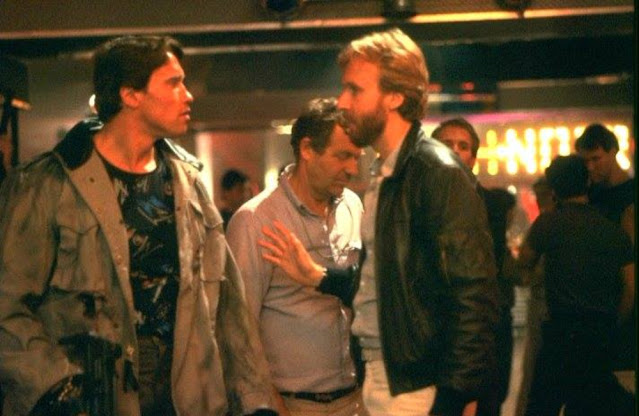
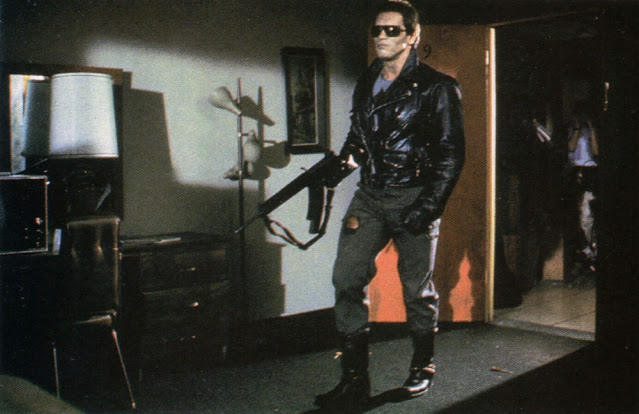
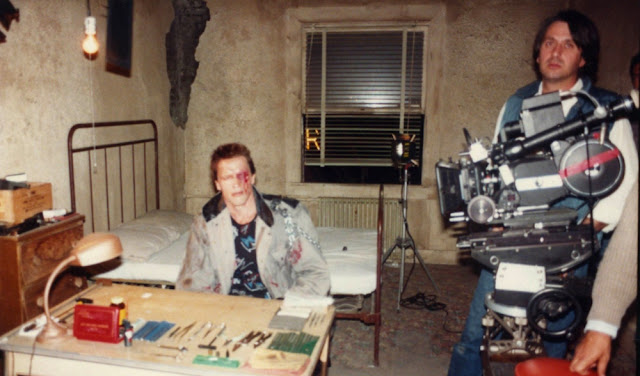
25 Amazing Behind the Scenes Photos of Arnold Schwarzenegger as the Terminator in ‘The Terminator’ (1984)

When The Terminator hit theaters on October 26, 1984, it took the world by storm. James Cameron’s futuristic thriller redefined both the post-apocalyptic and time-travel sub-genres, while introducing fascinating concepts about the dangers of modern technology. It also cemented Arnold Schwarzenegger’s status as one of the biggest action icons of the 1980s and beyond.

The movie launched the career of James Cameron, who went on to direct the top two box-office earners of all time, Avatar and Titanic. It also boosted Arnold Schwarzenegger, whose monotone delivery and muscle-bound swagger made a cyborg assassin the height of cool.

Schwarzenegger originally read for the part of Kyle Reese. In his fledgling acting career, he had already played the title character in Hercules in New York, and Conan the Barbarian, and naturally wanted to be the hero of The Terminator movie. Although he may have first been put forward for this role by his agent, Cameron was cool on the idea: “I was very negative on the idea of Arnold playing Reese.”

And Schwarzenegger, at lunch with Cameron after his reading, couldn’t stop thinking about the Terminator: “The more I read the script, the more I got fascinated by the Terminator – the bad guy – which I thought was the real cool guy. We were talking along the lines of me playing the heroic character.”

After looking at a mocked up painting that Cameron had made of him as the Terminator, Schwarzenegger had made up his mind: “I am the Terminator, I’m gonna make this call now, I called [Cameron] right away and I said ‘I want to play the Terminator,’ and the deal was made.”

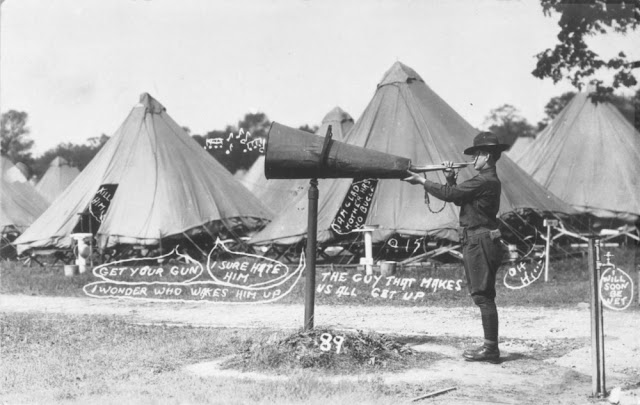
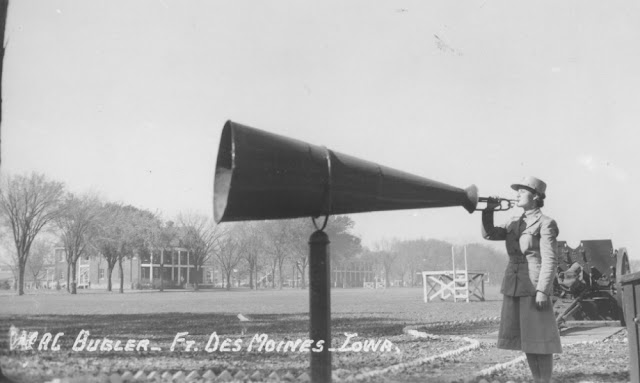
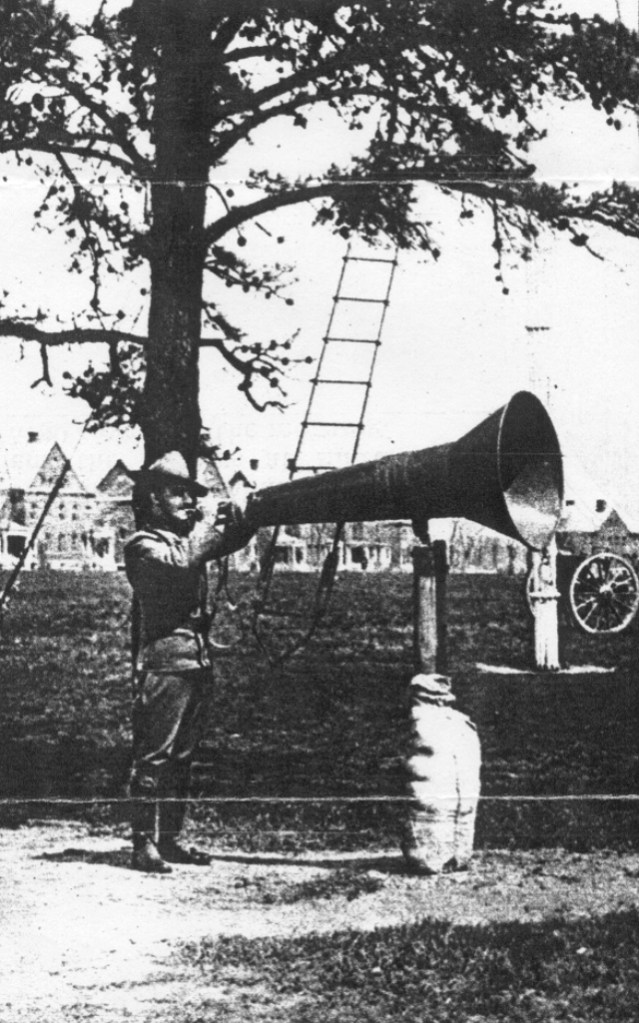
15 Vintage Photographs of Bugle Megaphones From the Mid-20 Century

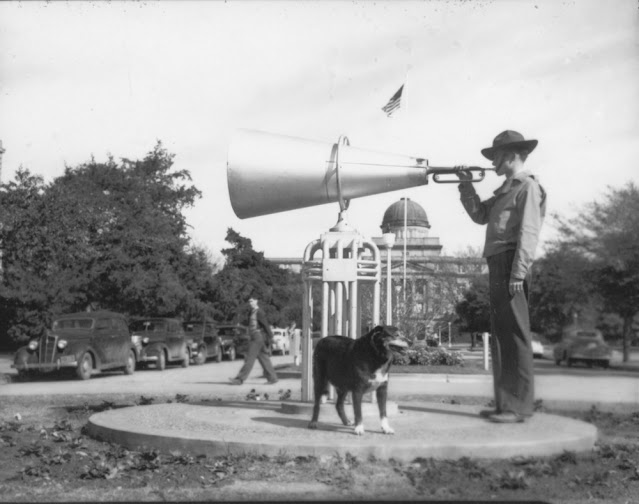
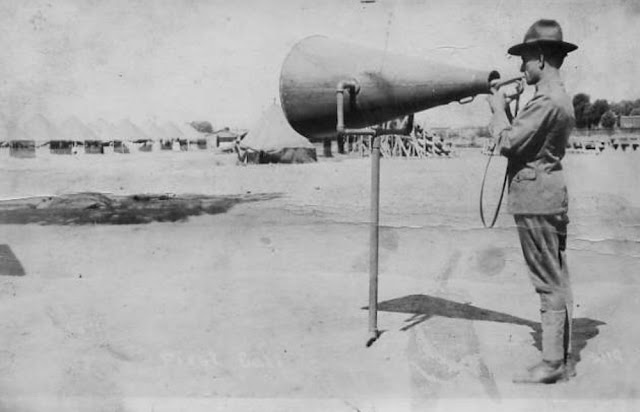
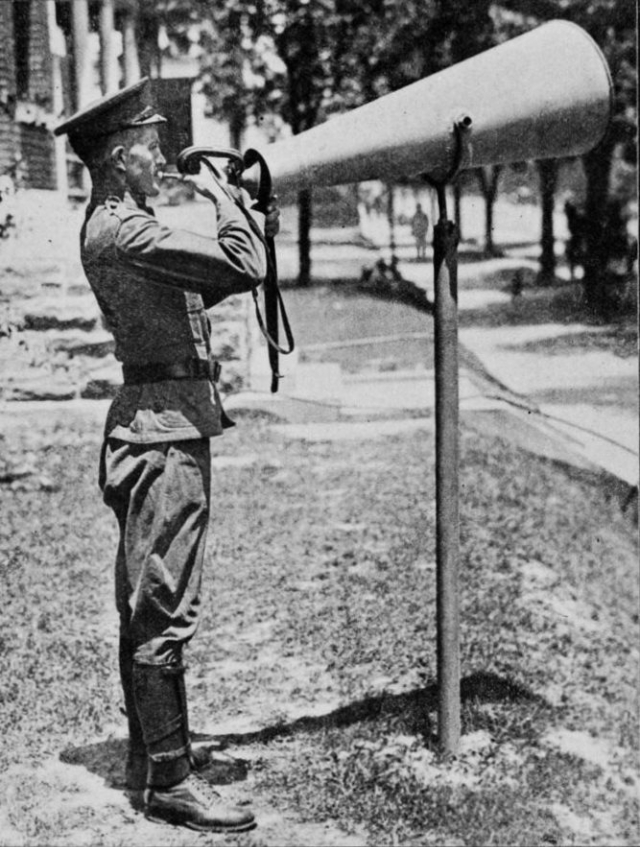
Bugle megaphones were used on military garrisons to help amplify the sound of the bugle. Used in a garrison environment, the megaphone was mounted to a swivel on a post enabling the bugler to play in any direction and the sound to carry further and over a broader area. These pedestals were usually placed near the main flagpole or at garrison headquarters.

A megaphone is usually a portable or hand-held, cone-shaped acoustic horn used to amplify a person’s voice or other sounds and direct it in a given direction. The sound is introduced into the narrow end of the megaphone, by holding it up to the face and speaking into it, and the sound waves radiate out the wide end.

A megaphone increases the volume of sound by increasing the acoustic impedance seen by the vocal cords, matching the impedance of the vocal cords to the air, so that more sound power is radiated. It also serves to direct the sound waves in the direction the horn is pointing. It somewhat distorts the sound of the voice because the frequency response of the megaphone is greater at higher sound frequencies.

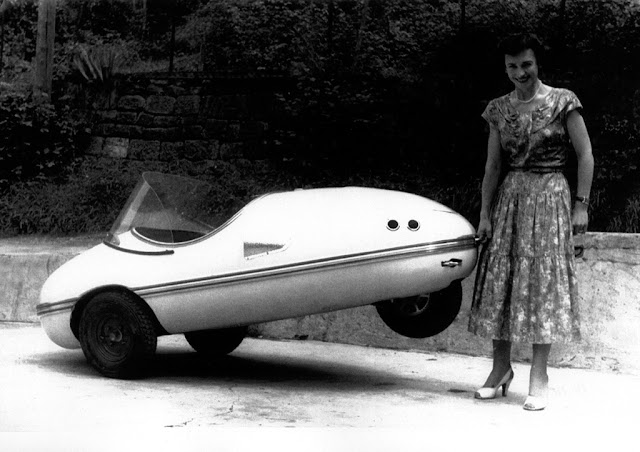
Brutsch 200 “Spatz”, a 3-Seater and 3-Wheeled Car With a Plastic Body in the 1950s

Egon Brütsch Fahrzeugbau, usually shortened to Brütsch, was a German automotive design and automaker based in Stuttgart, Baden-Württemberg.

Brütsch were best known for producing many microcar designs, but only produced small numbers of each design and the primary function of the company appears to have been that of the development and promotion of each design to sell licences to manufacture to other companies.

Between 1952 and 1958, eleven different models of car were manufactured by Brütsch, but the total production of all models by the company is believed to be only eighty-one cars.

Many of the bodywork designs were simple two-piece mouldings of polyester reinforced with fiberglass, bonded at a waistline join, which was then covered by a protective strip. Chassis and suspension design was very rudimentary and after a misguided court action in 1956 by Brütsch against a licensee, at least one of Brütsch’s designs was condemned as dangerous. The abbreviated chassis used on the majority of the cars meant that for structural integrity they could not have doors and all these models had low sides to facilitate entry and exit.

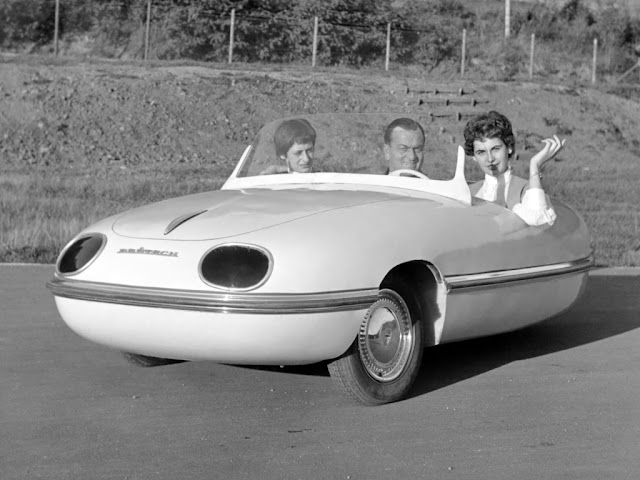
Brütsch 200 “Spatz” or Dreirad-Dreisitzer 1954-1955
A 3-seater, 3-wheeled roadster, powered by a single cylinder 191 cc Fichtel & Sachs engine driving through a four speed gearbox. Top speed was around 90 km/h (56 mph) and about five cars were produced. Also built under licence by A. Grünhut & Co of Switzerland with minor changes and sold as the Belcar. Another licence was sold to Alzmetall for production by Harald Friedrich GmbH of Germany, but so many faults were found with the original design that their production model, the Spatz Kabinenroller was fundamentally a different car. Because of this Brütsch took Alzmetall to court to ensure payment of his licence fees but lost the case.

Flanked by his two daughters, Egon Brutsch sits in his new three-wheel car for which he developed a plastic body in Stuttgart, Germany, Oct. 10, 1954.
The car seats three persons.
Brutsch claimed the car weighs only half as much as a normal metal body.

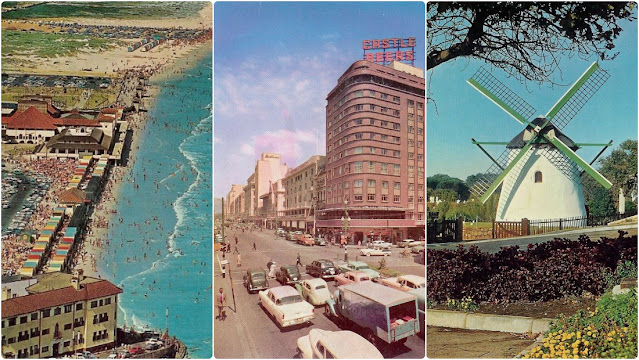
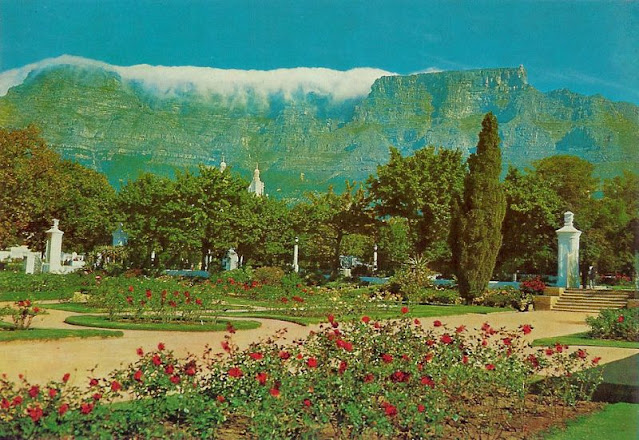
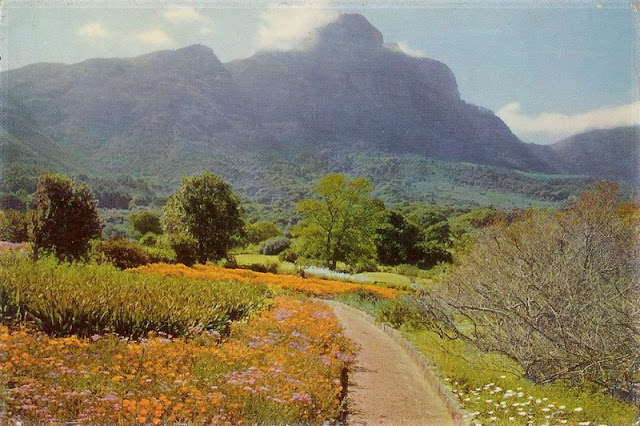
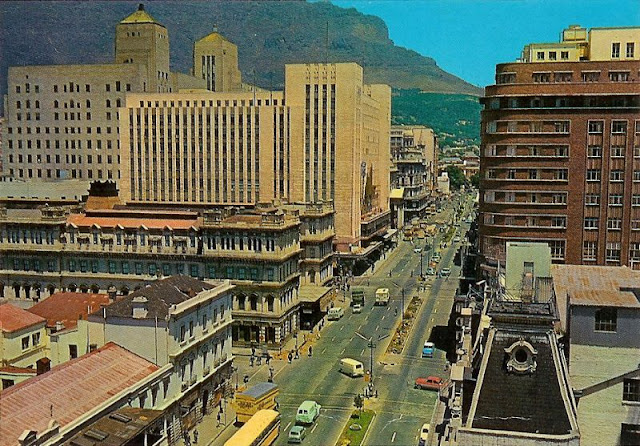
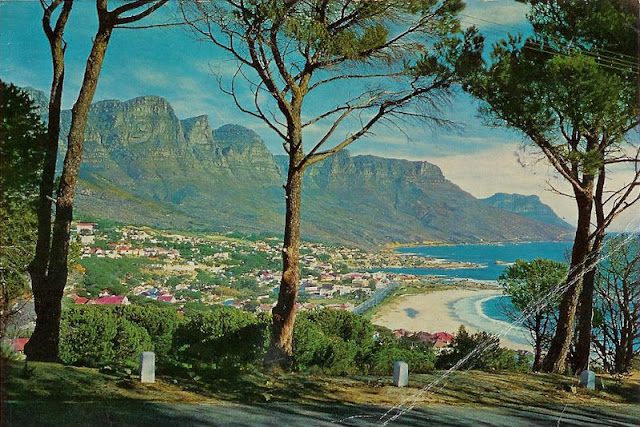
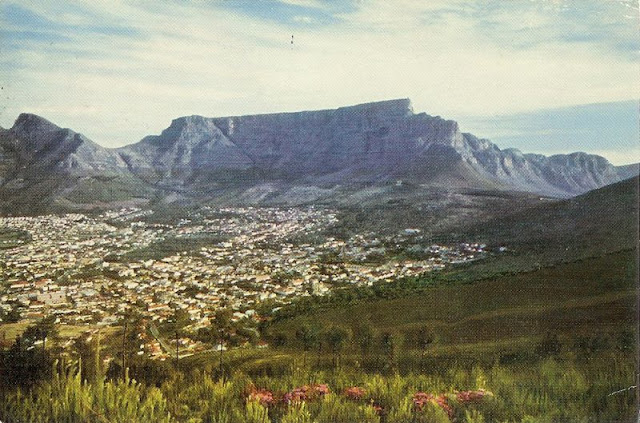
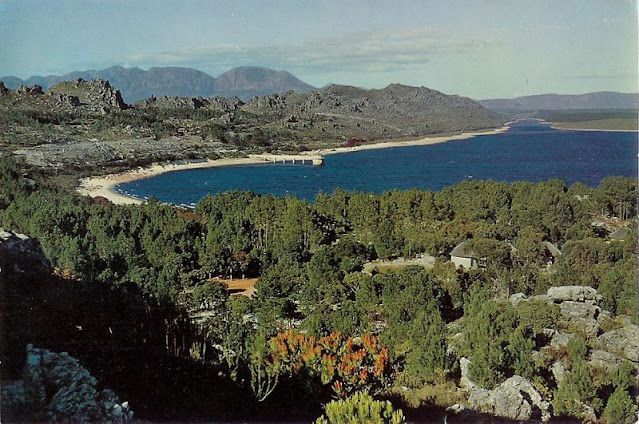
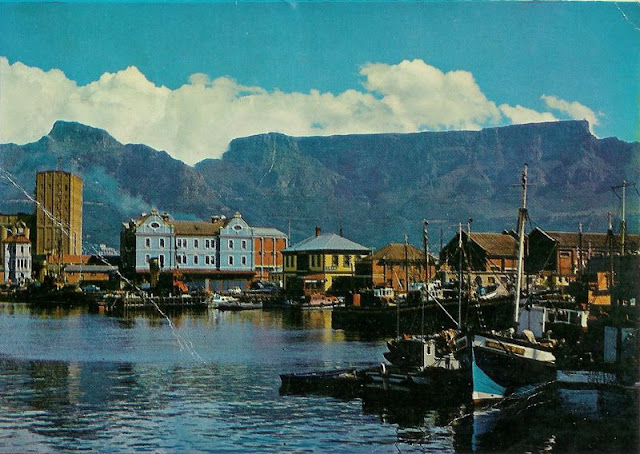
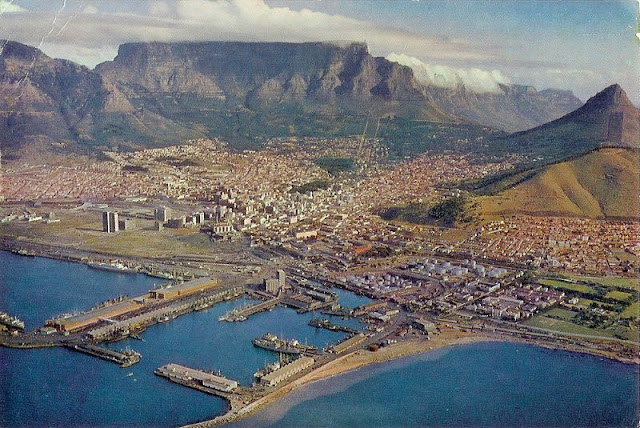
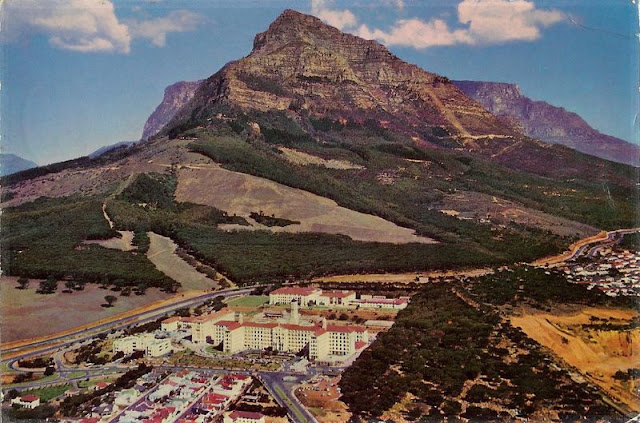
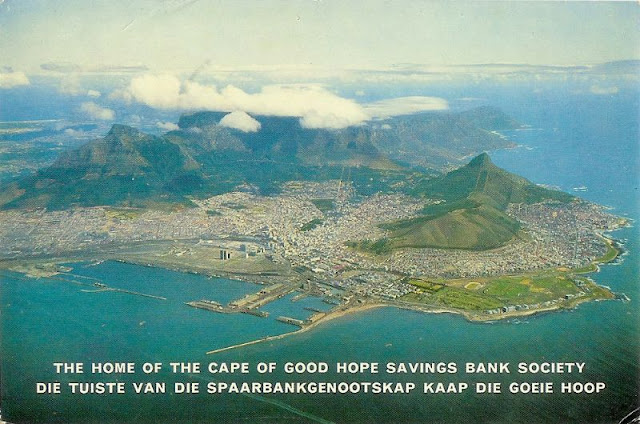
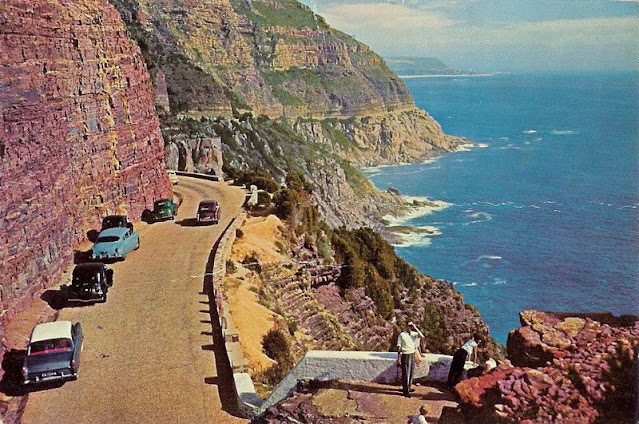
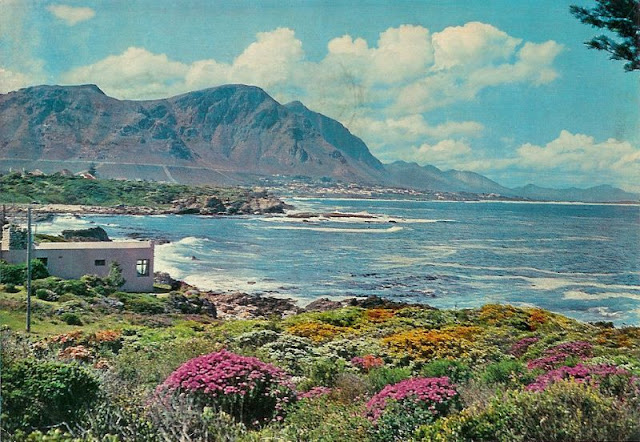
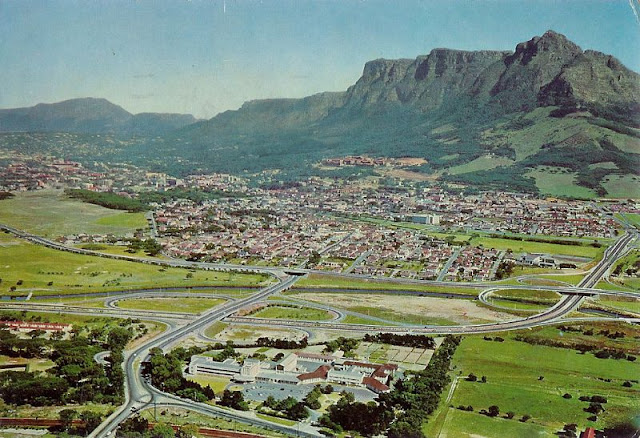
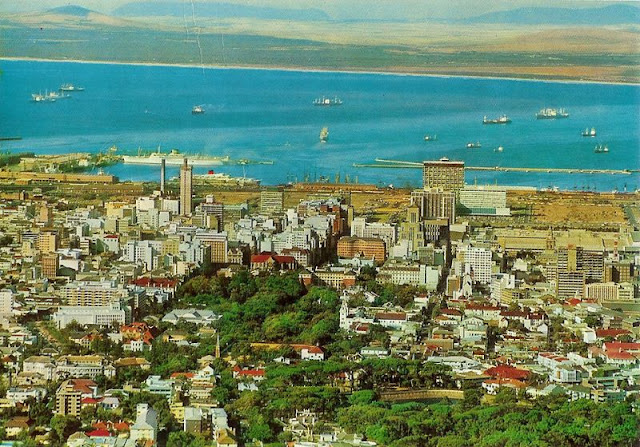
Beautiful Postcards of Cape Town in the 1960s

Cape Town is one of South Africa’s three capital cities, serving as the seat of the Parliament of South Africa. It is the legislative capital of the country, the oldest city in the country, and the second largest (after Johannesburg). Colloquially named the Mother City, it is the largest city of the Western Cape province, and is managed by the City of Cape Town metropolitan municipality. The other two capitals are Pretoria, the executive capital, located in Gauteng, where the Presidency is based, and Bloemfontein, the judicial capital in the Free State, where the Supreme Court of Appeal is located.

Cape Town is ranked as a Beta world city by the Globalization and World Cities Research Network. The city is known for its harbour, for its natural setting in the Cape Floristic Region, and for landmarks such as Table Mountain and Cape Point. Cape Town is home to 66% of the Western Cape’s population. In 2014, Cape Town was named the best place in the world to visit by both The New York Times and The Daily Telegraph.

Located on the shore of Table Bay, the City Bowl area of Cape Town, is the oldest urban area in the Western Cape, with a significant cultural heritage. It was founded by the Dutch East India Company (VOC) as a supply station for Dutch ships sailing to East Africa, India, and the Far East. Jan van Riebeeck’s arrival on 6 April 1652 established the VOC Cape Colony, the first permanent European settlement in South Africa. Cape Town outgrew its original purpose as the first European outpost at the Castle of Good Hope, becoming the economic and cultural hub of the Cape Colony. Until the Witwatersrand Gold Rush and the development of Johannesburg, Cape Town was the largest city in southern Africa.

The city has a long coastline on the Atlantic Ocean, which includes False Bay, and extends to the Hottentots Holland mountains in the East. The Table Mountain National Park is within the city boundaries and there are several other nature reserves and marine protected areas within and adjacent to the city, protecting the diverse terrestrial and marine natural environment. (Wikipedia)

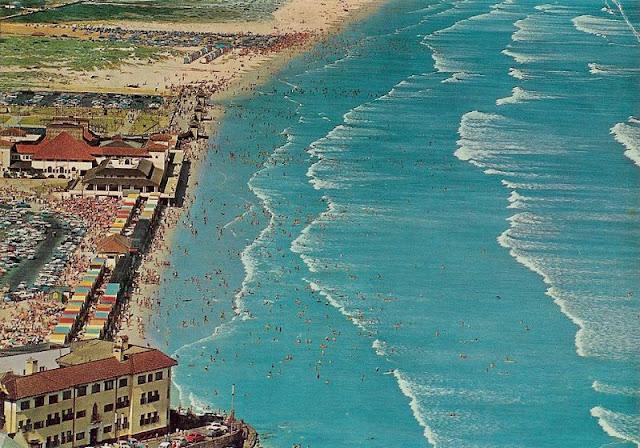
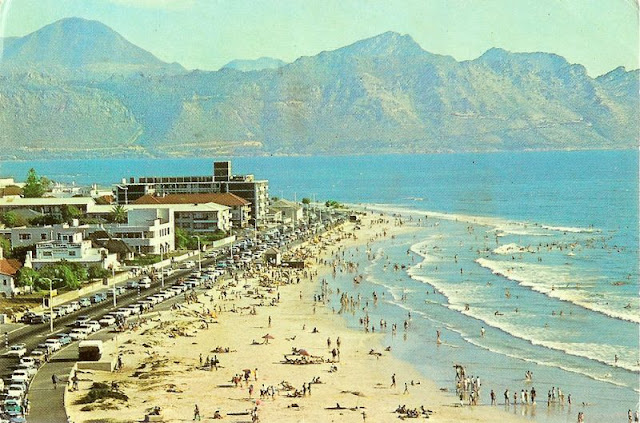
Here below is a set of beautiful postcards that shows what Cape Town looked like in the 1960s.

35 Stunning Photos of Actress Allison Hayes during the 1950s

Subscribe to get access

Read more of this content when you subscribe today.

Born 1930 in Charleston, West Virginia, American actress and model Allison Hayes made her film debut in the 1954 comedy Francis Joins the WACS. Her second film, Sign of the Pagan, provided her with an important role in a relatively minor film. Released from her contract, she was signed by Columbia Pictures in 1955.

Chicago Syndicate is her first film for Columbia. Count Three and Pray gave her the role that she later described as the best of her career. Hayes played with Van Heflin, co-starring with Raymond Burr and Joanne Woodward in her debut.

Hayes appeared in films such as Steel Jungle, Mohawk, and Gunslinger (all 1956), but a fall from a horse during the filming of the latter left Hayes with a broken arm and unable to work. After she recovered, she began appearing in supporting roles in television productions.

During 1963 and 1964, Hayes played a continuing role in the General Hospital but by this time her movie career was virtually over.

As her acting career declined, she began to experience severe health problems and was unable to walk without a cane. In severe pain, her usually good-natured personality began to change and she became emotional and volatile, making it difficult for her to secure acting work. She was given a minor role in the 1965 Elvis Presley film Tickle Me, making her final appearances in a guest role on Gomer Pyle, U.S.M.C. in 1967.

Hayes died in 1977 at the University of California Medical Center in San Diego, California, one week before her 47th birthday.

Take a look at these glamorous photos to see the beauty of Allison Hayes in the 1950s.

Subscribe to continue reading

Become a paid subscriber to get access to the rest of this post and other exclusive content.

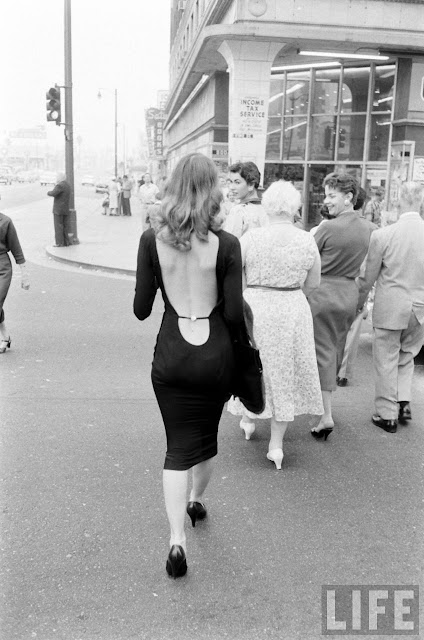
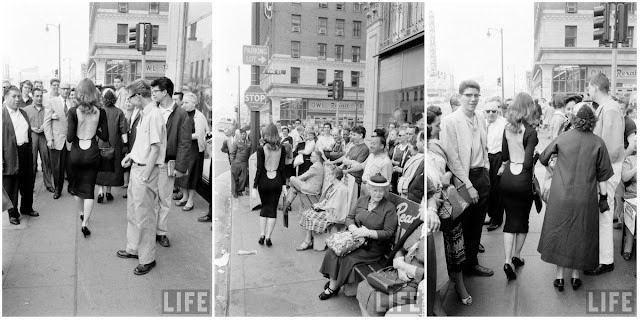
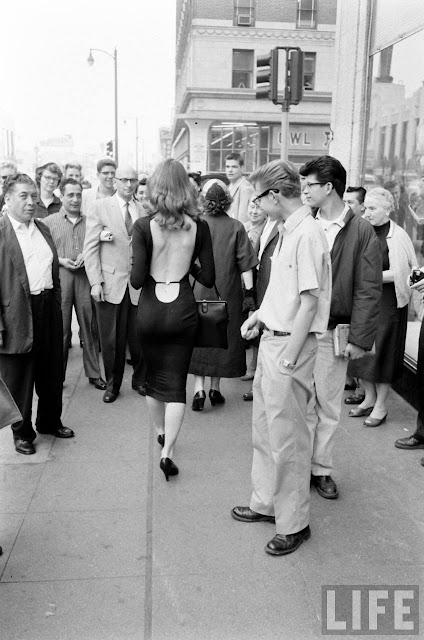
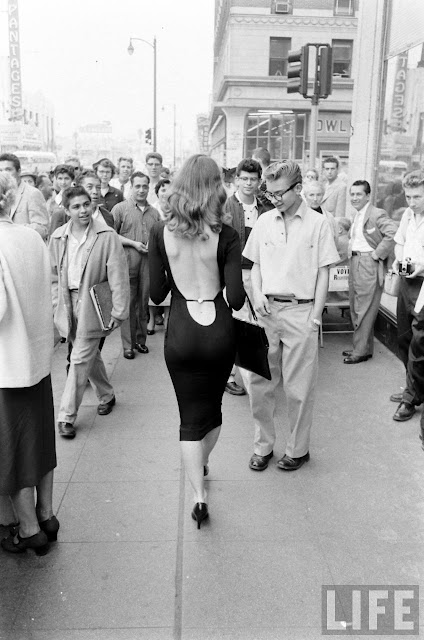
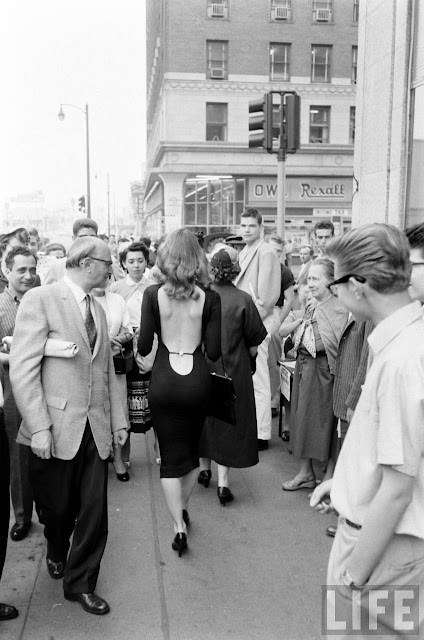
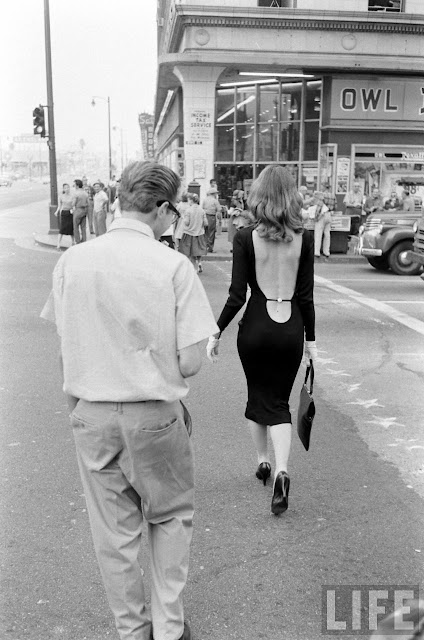
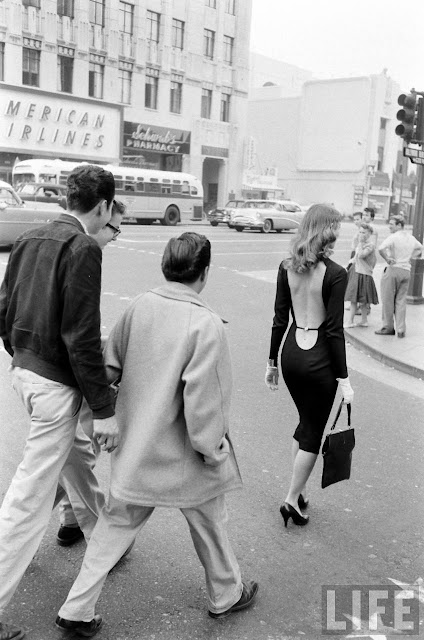
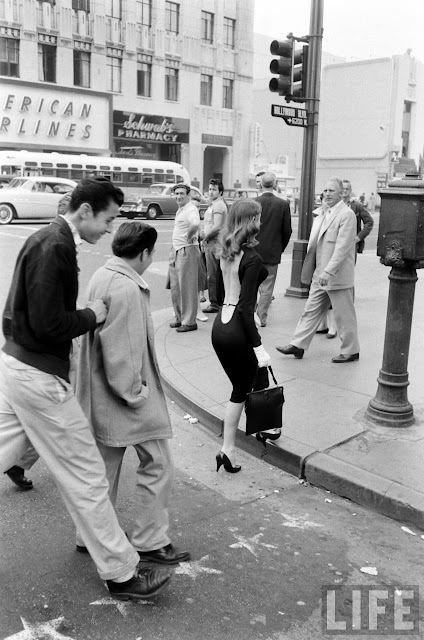
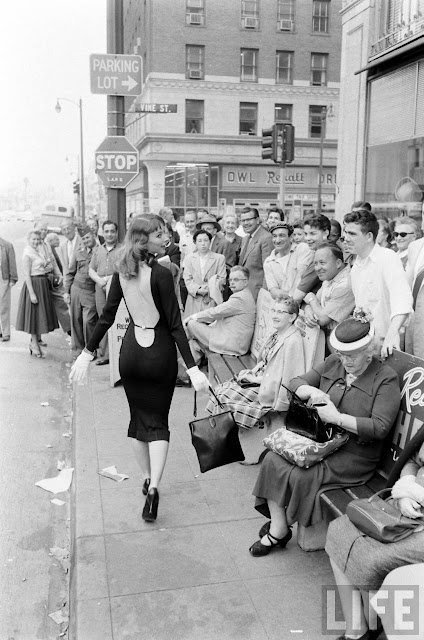
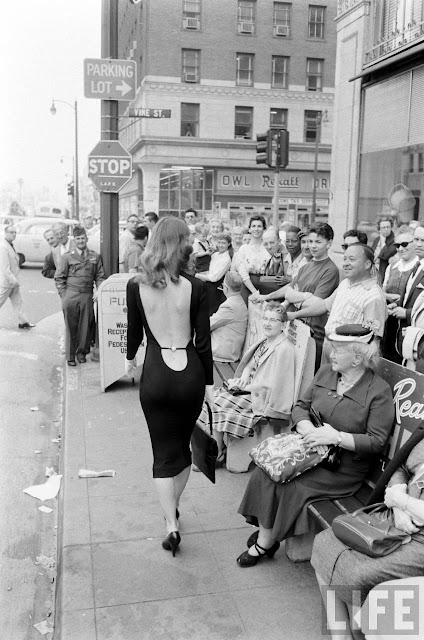
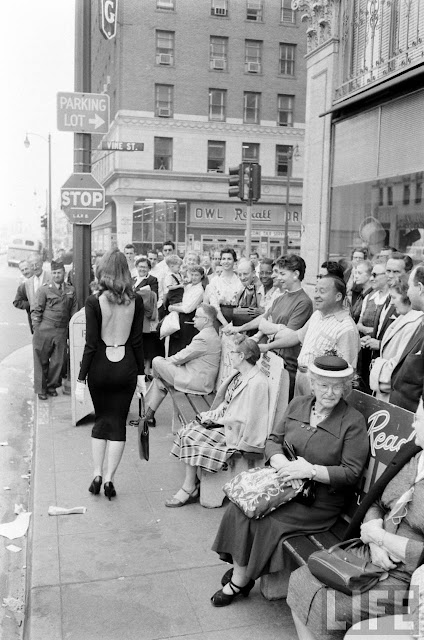
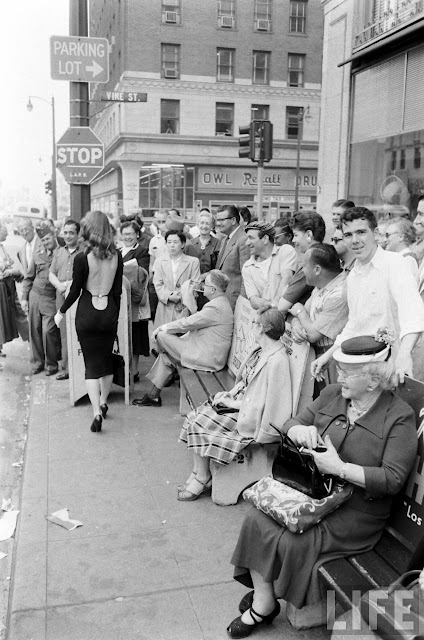
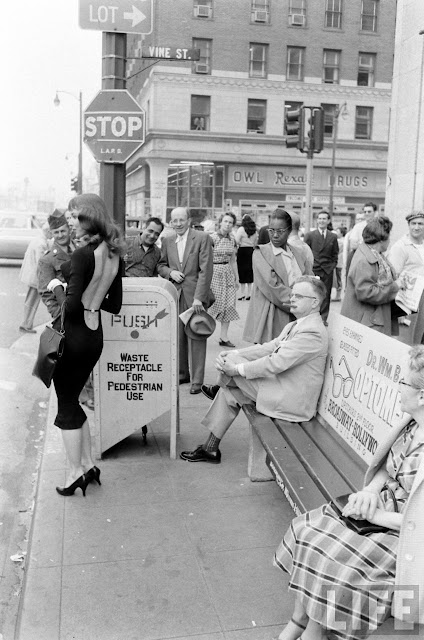
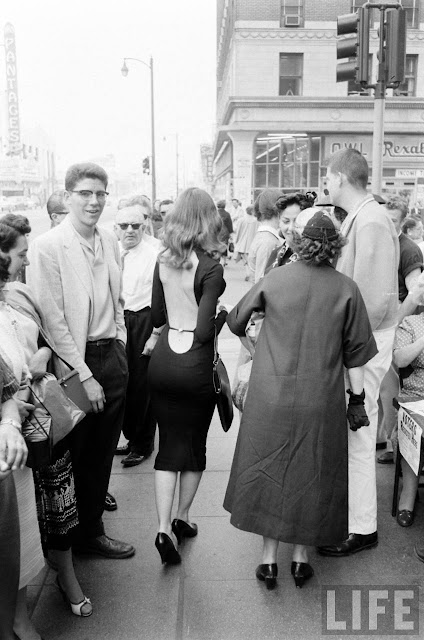
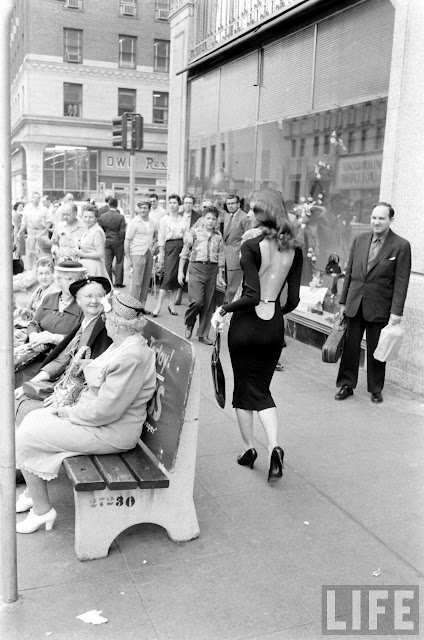
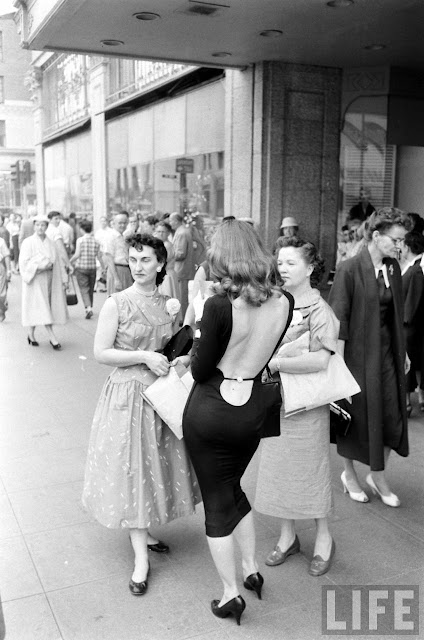
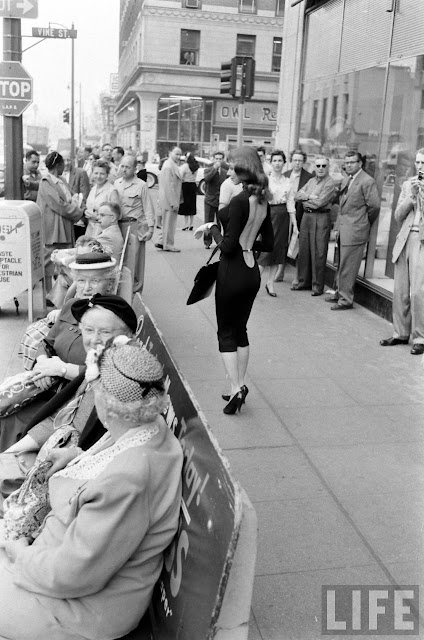
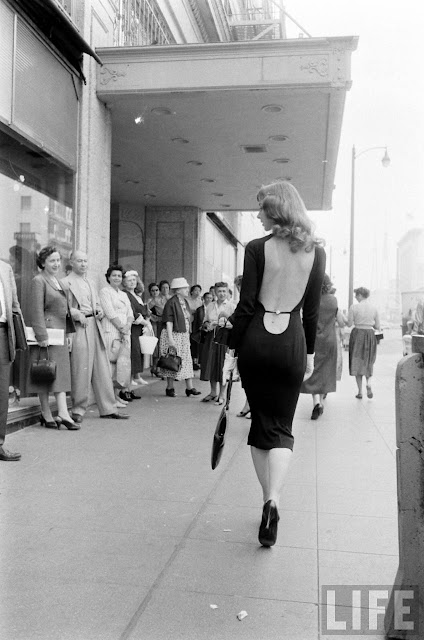
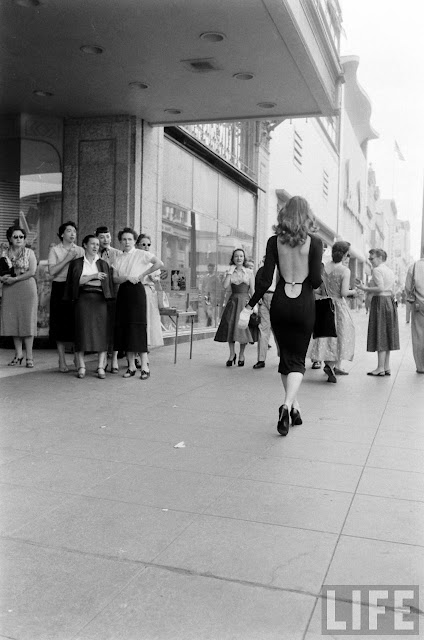
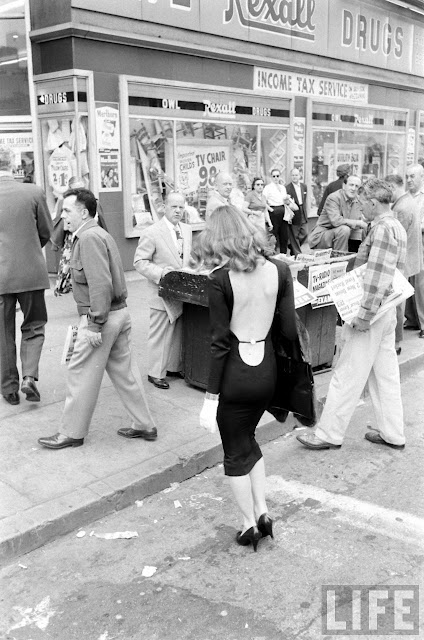
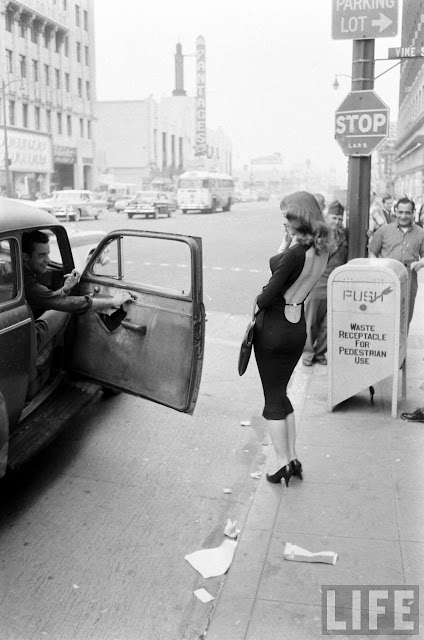
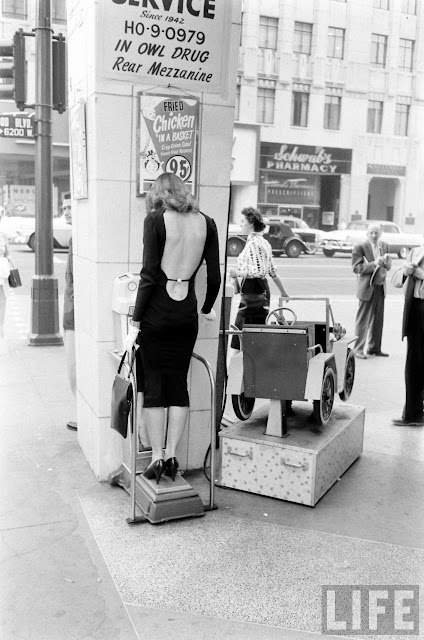
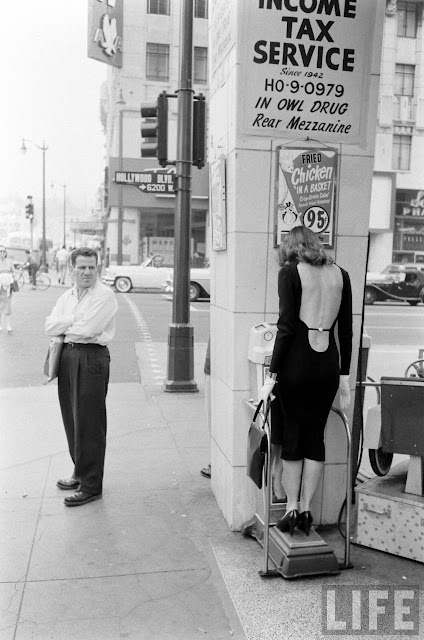
Vikki Dougan in Black Backless Dress on the Streets of Hollywood in 1957, the Series Photo That Changed Fashion Forever

If you were to conjure an image of typical 1950s fashion, there’s no doubt the visual would be brimming with knee-length skirts and shoulder covering tops.

It was an era, like most before it, of conservative clothing.

The bikini had been invented only a handful of years before, and society was still grappling with the fact hem lines were creeping towards the knee.

And then Vikki Dougan came along.

While actress Veronica Lake is typically assumed to be the muse behind Jessica Rabbit, it was the lesser-known and near-forgotten Vicki Dougan along with her notorious derrrière that really put Jessica on the map. Pin-up girl turned (struggling) actress, Vicki earned herself the nickname, “The Back” in 1950s Hollywood for so often wearing her outrageously provocative backless dresses.

In 1957, the Oakland Tribune wrote a piece about how Dougan’s style, and subsequent rise to prominence, was part of a carefully crafted image created for her by publicity man Milton Weiss.

Initially, he decided to have three backless dresses made for her. He then gave his client the nickname “The Back”, and had her wearing a backless creation in almost all of her public appearances.

His first move was to have three expensive dresses made for her — without backs. He then titled his client “The Back” and had her appear at previews and parties in her plunging creations. Soon local photographers zeroed in on Miss Dougan’s bare spinal column, and gagsters began originating such cracks as, “Vikki Dougan makes the best exits in town.”
Finally Vikki was banned from someone else’s preview party because her backless formal was drawing too much attention. The incident received proper press coverage. Today Vikkie — born Edith Tooker in Brooklyn — is riding toward fame on the strength of her clothes, what there is of them. It’s a trend, all right.

Dougan’s fame would take flight, and she would score roles in various films, photo spreads in prominent magazines such as LIFE as these candid photographs were taken by Ralph Crane in 1957.

According to Messy Nessy Chic, America had somewhat of a love-hate relationship with Vikki and her backside however, and she was often mocked in gossip columns. By 1959, Dougan and her derrière had pretty much disappeared from the Hollywood scene, unable to find work. The daring pin-up girl was forgotten along with so many other names trying to make it in showbiz, until Disney/Touchstone made a little film in 1988 called Who Framed Roger Rabbit? While Dougan received very little recognition as a Jessica Rabbit muse, her trademark style and sex appeal became iconic.

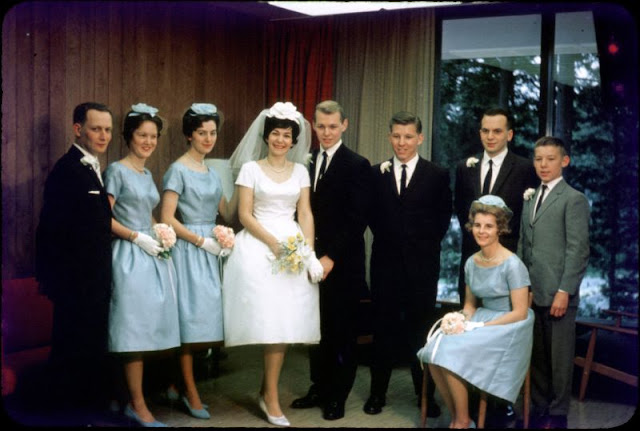
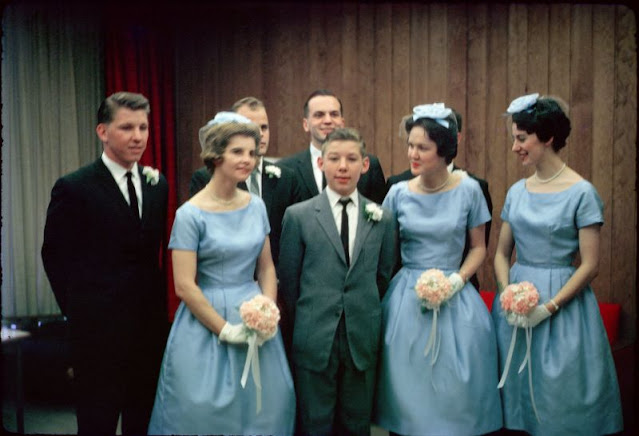
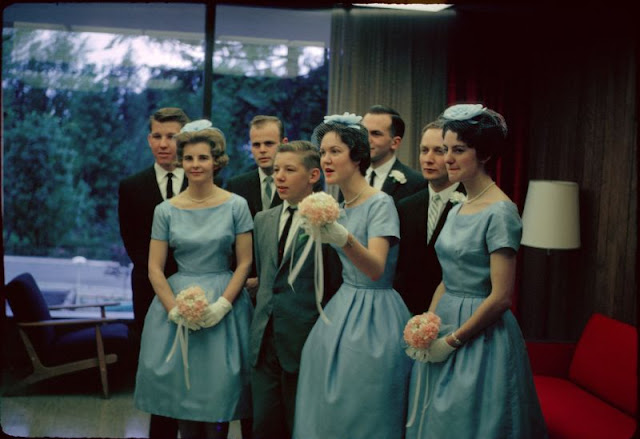
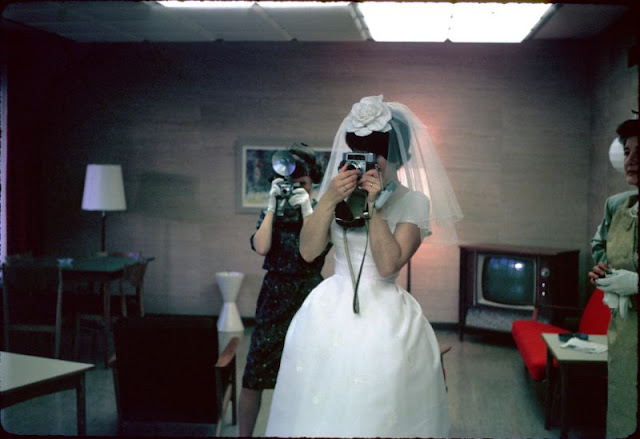
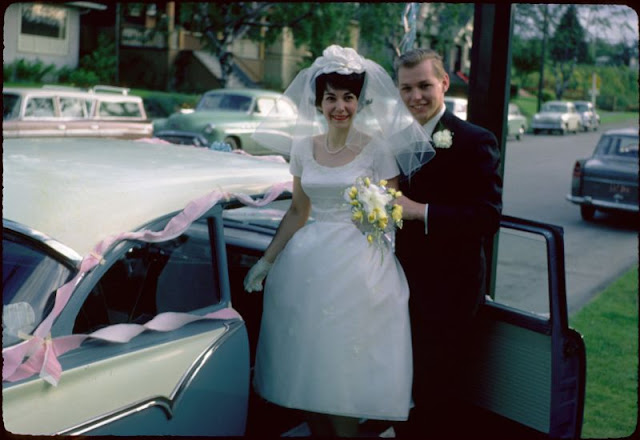
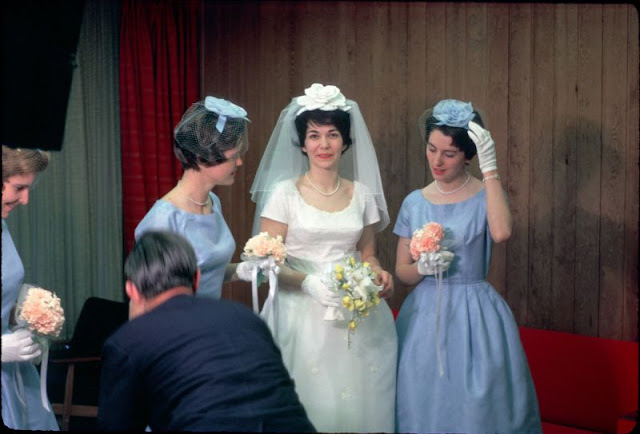
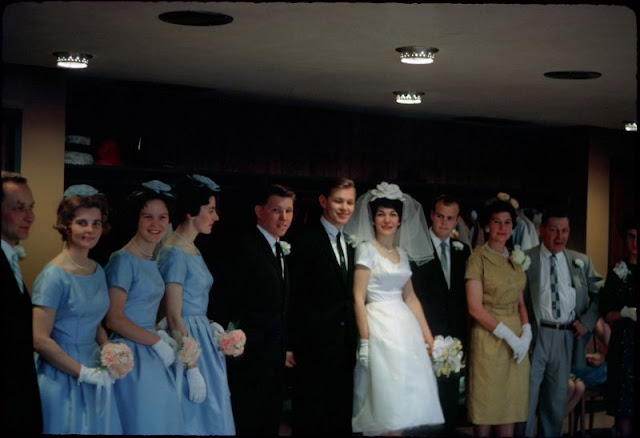
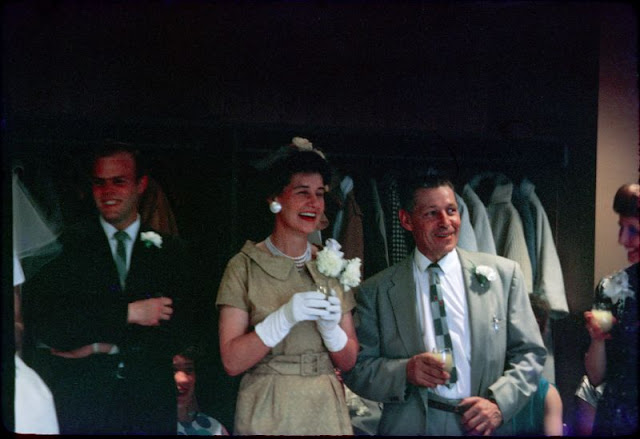
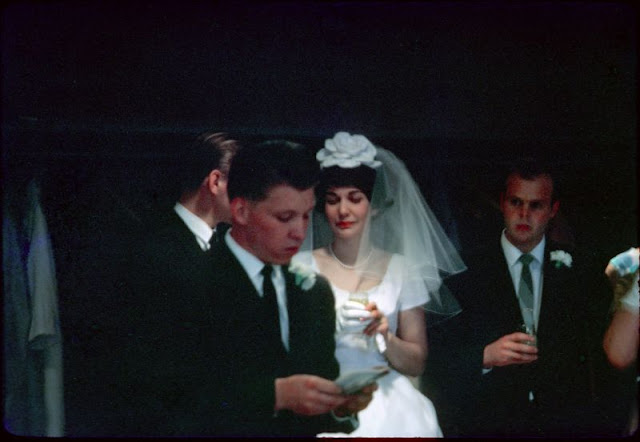
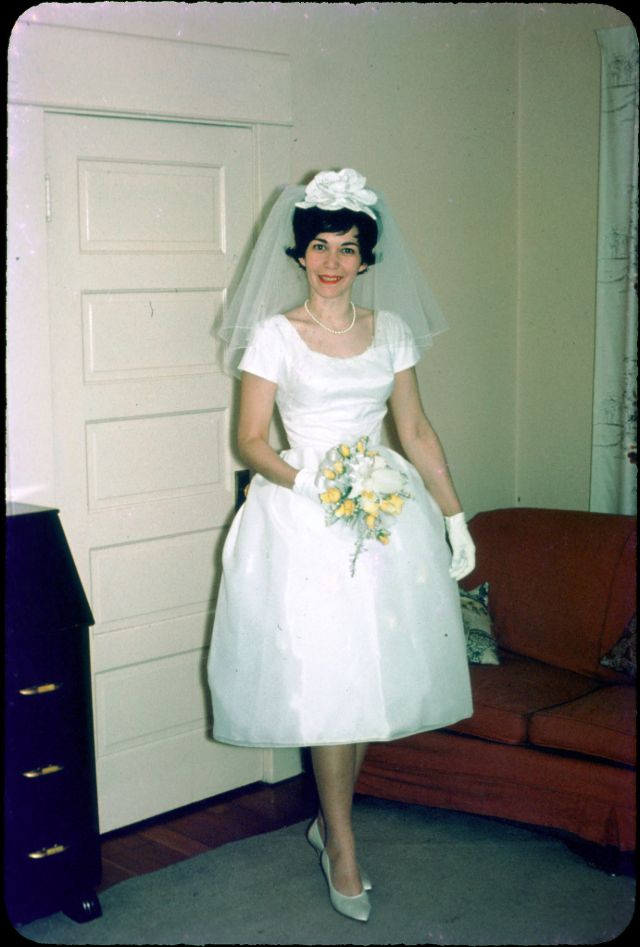
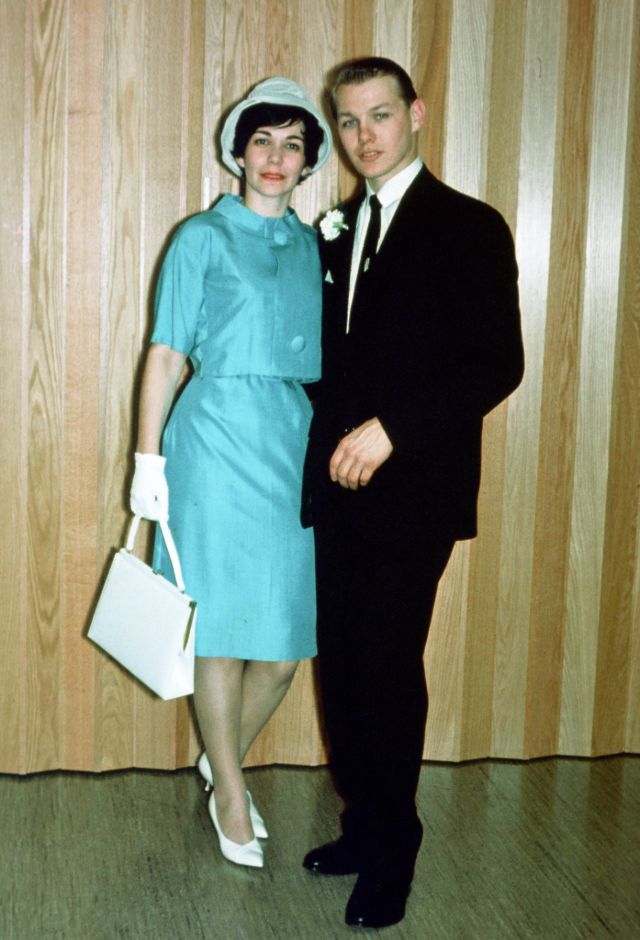
A Wedding in the Early 1960s Through Fascinating Photos

The 1960s were home to a variety of looks, as the early ’60s were more similar to the ’50s, the mid-60s were characterized by mod fashion from London, and the decade closed out as the hippie movement began to make waves.

With all of the different subcultures taking root during this time, it is only natural that we began seeing a wide array of wedding gowns among brides, along with other unique trends.

Three-quarter-length sleeves were common, while cap sleeves were baby steps towards an eventual embrace of sleeveless gowns – still seen as too casual for bridal wear in the 1960s. The rise of miniskirts and mod style meant that short shift dresses were the way to go for an on-trend bride.

Pillbox hats inspired by fashion icon and former First Lady Jackie Kennedy came with attached birdcage veils for a sophisticated and chic way to complete a wedding ensemble.

These fascinating photos show what a wedding looked like in 1962.

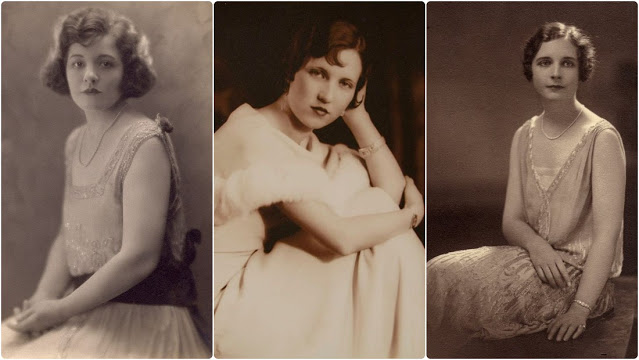
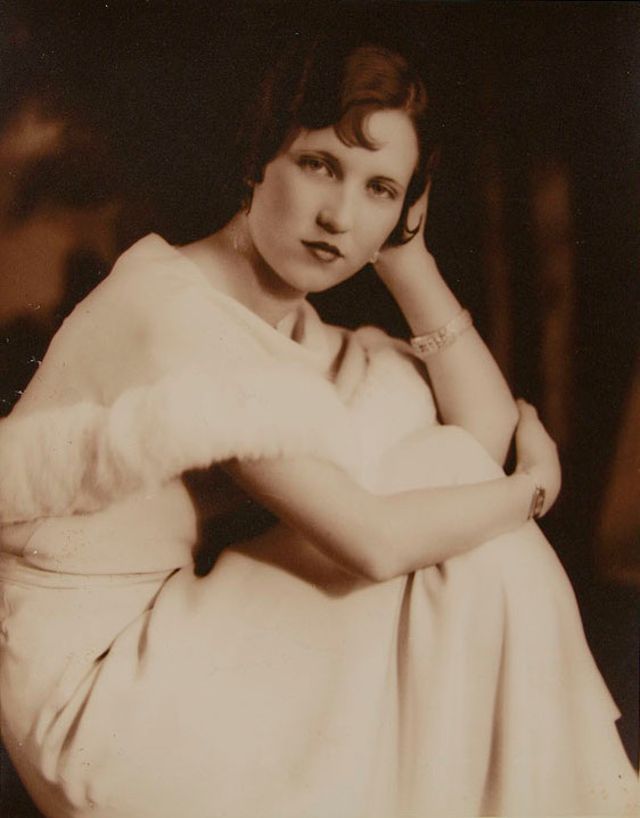
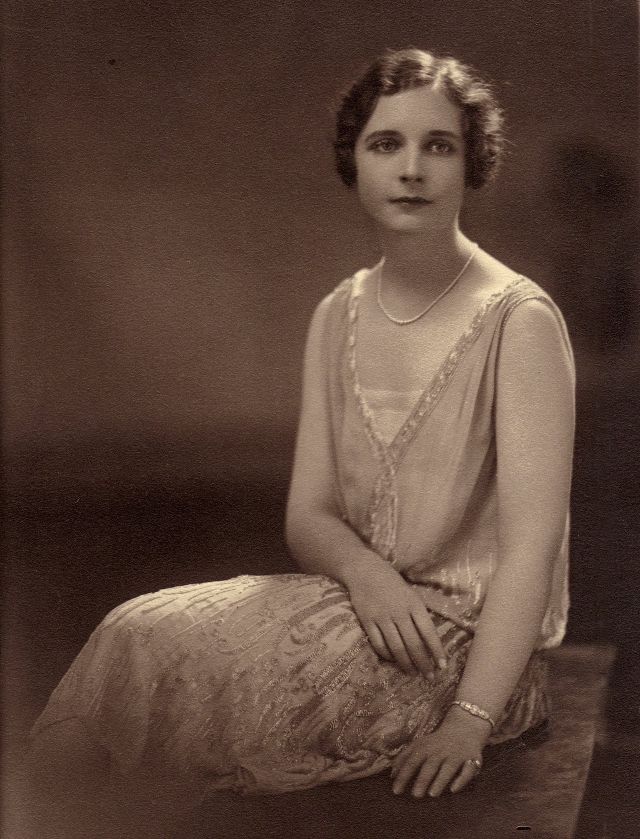
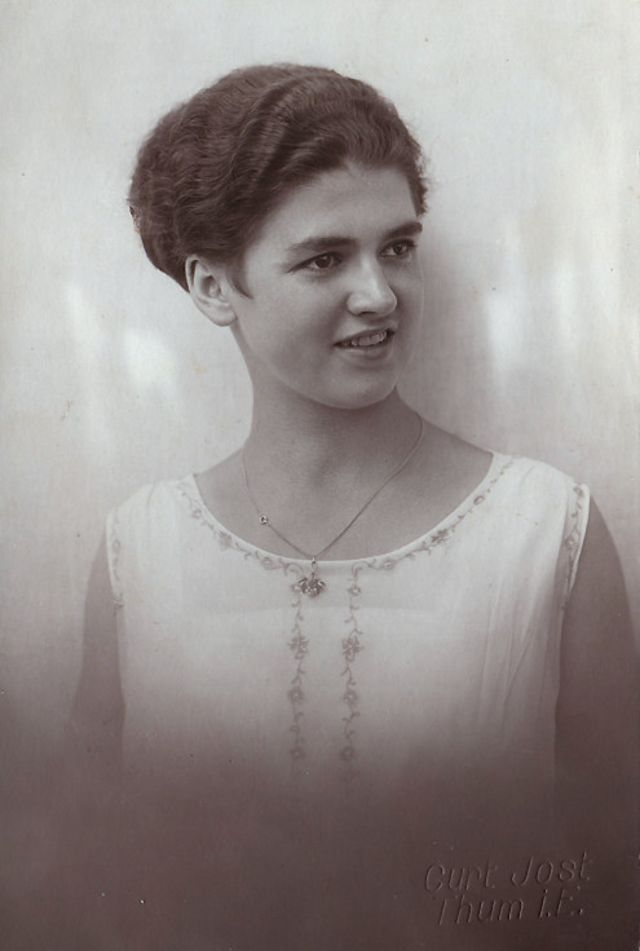
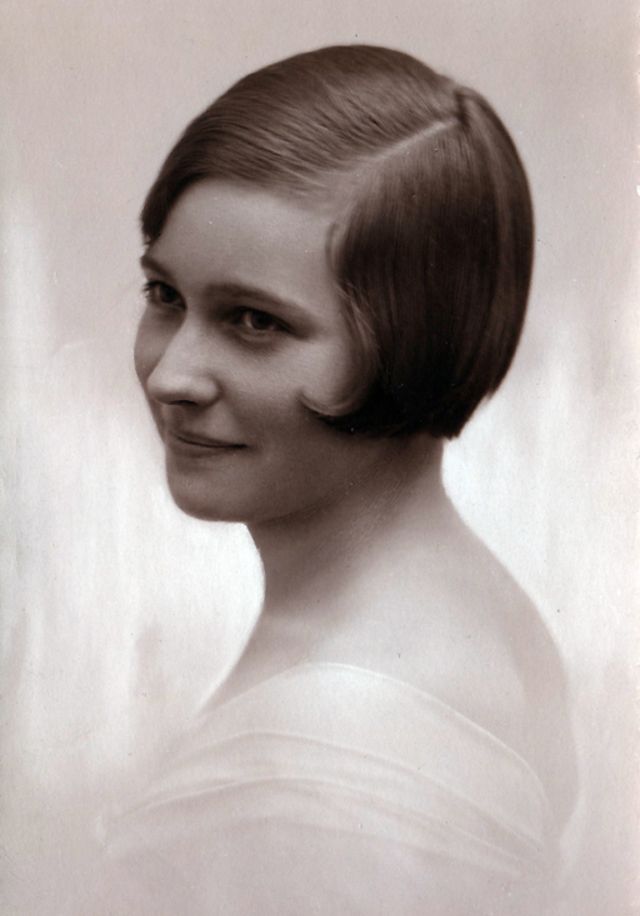
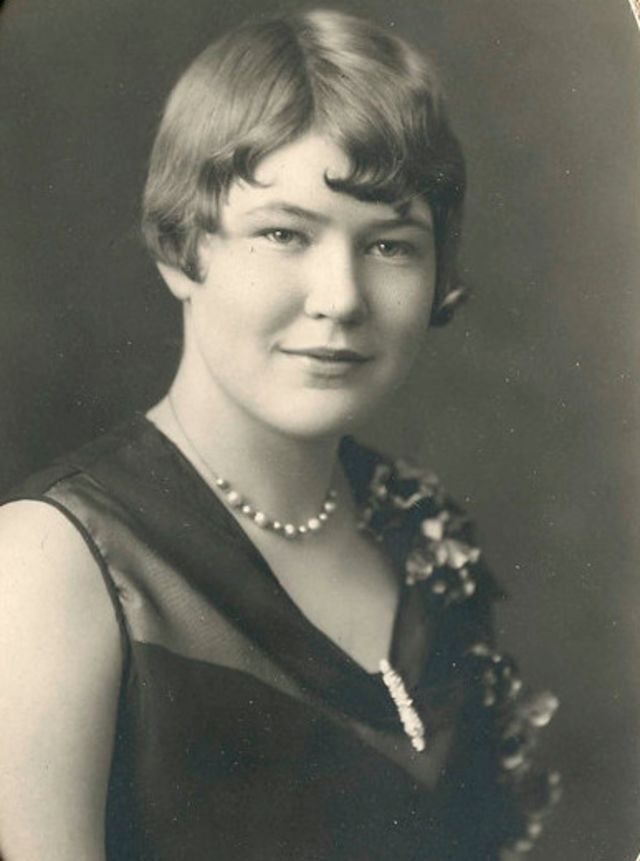
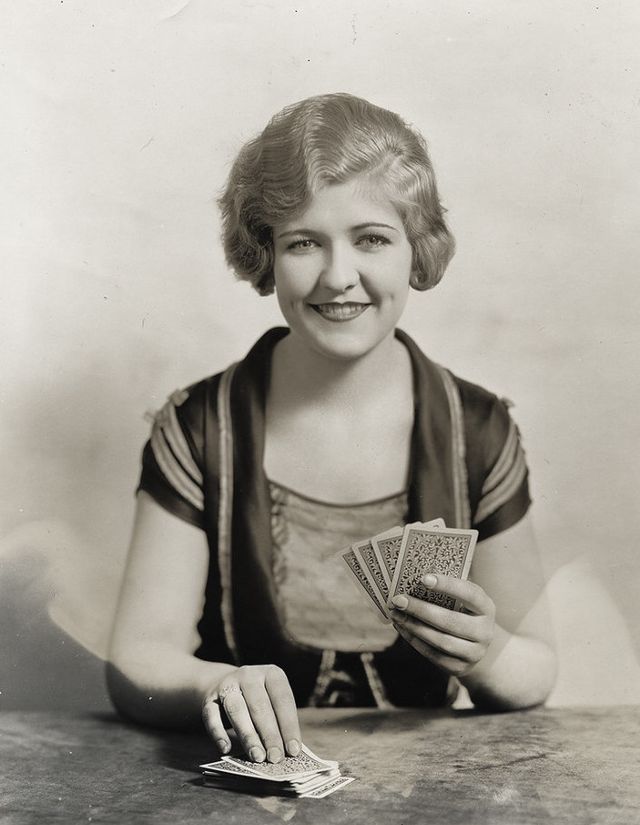
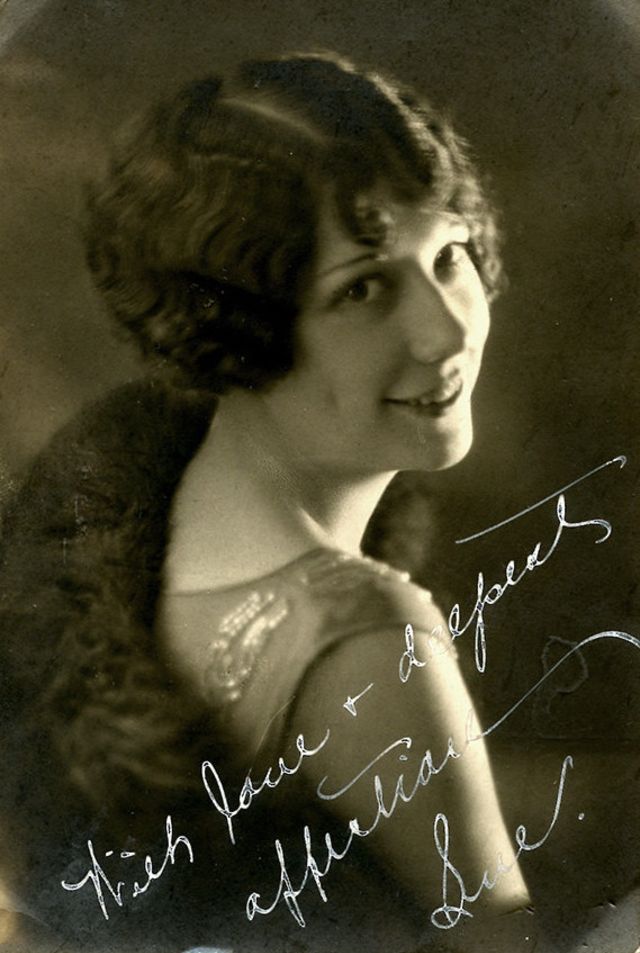
30 Amazing Photos Showing the Wonderful Styles of Young Ladies From the 1920s

Western fashion in the 1920s underwent a modernization. For women, fashion had continued to change away from the extravagant and restrictive styles of the Victorian and Edwardian periods, and towards looser clothing which revealed more of the arms and legs, that had begun at least a decade prior with the rising of hemlines to the ankle and the movement from the S-bend corset to the columnar silhouette of the 1910s.

The 1920s are characterized by two distinct periods of fashion: in the early part of the decade, change was slower, and there was more reluctance to wear the new, revealing popular styles. From 1925, the public more passionately embraced the styles now typically associated with the Roaring Twenties.

These styles continued to characterize fashion until the worldwide depression worsened in 1931.

A set of cool photos that shows what styles of young ladies looked like in the 1920s.

Here’s the Earliest Known Image of Women’s Hockey, ca. 1890

Subscribe to get access

Read more of this content when you subscribe today.

This 1890 photograph is the oldest-known picture of women playing hockey, taken at Rideau Hall in Ottawa. Isobel Stanley, daughter of Lord Stanley, is seen wearing white.

Subscribe to continue reading

Become a paid subscriber to get access to the rest of this post and other exclusive content.

Yesterday Today

Bringing You the Wonder of Yesterday - Today

Skip to content ↓