Subscribe to continue reading
Become a paid subscriber to get access to the rest of this post and other exclusive content.
Bringing You the Wonder of Yesterday – Today
Become a paid subscriber to get access to the rest of this post and other exclusive content.
Read more of this content when you subscribe today.

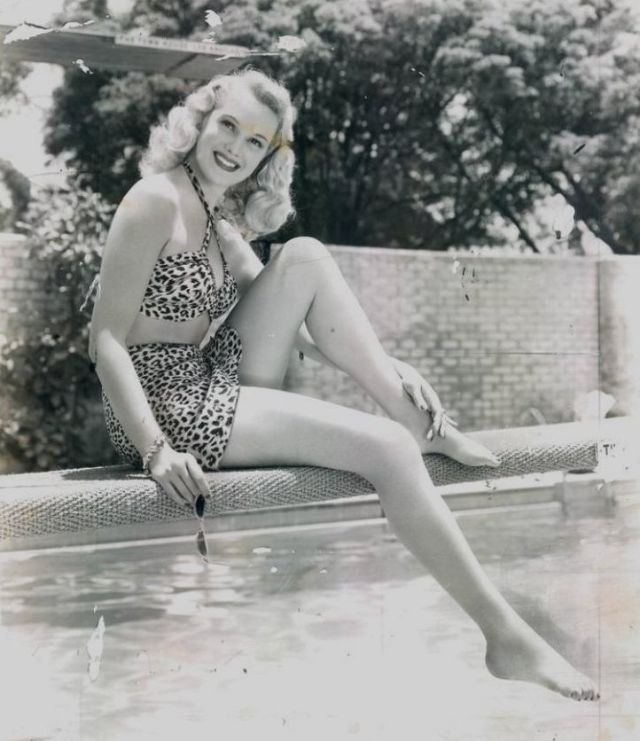
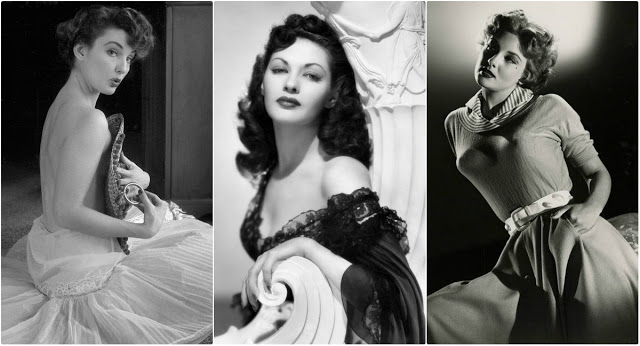
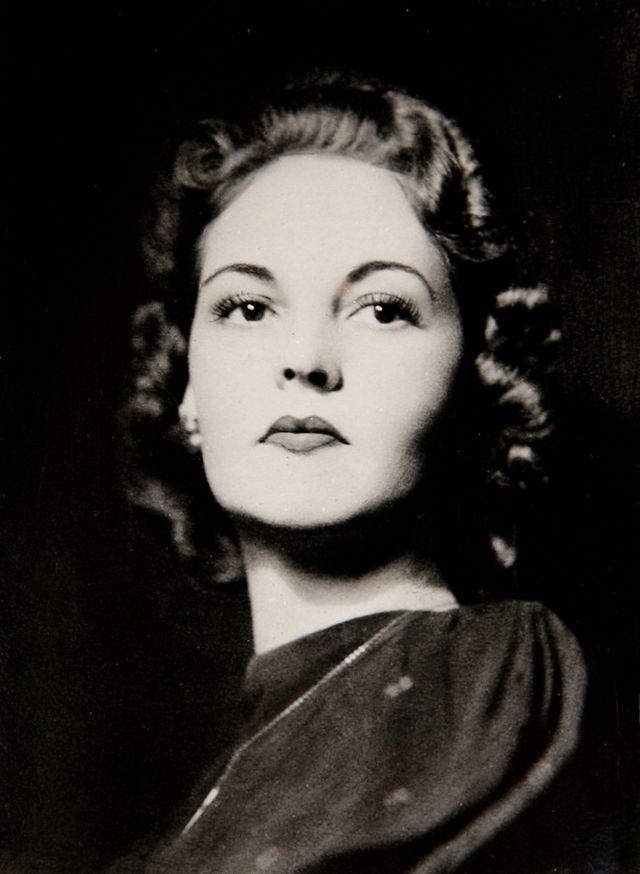
Born 1930 in Charleston, West Virginia, American actress and model Allison Hayes made her film debut in the 1954 comedy Francis Joins the WACS. Her second film, Sign of the Pagan, provided her with an important role in a relatively minor film. Released from her contract, she was signed by Columbia Pictures in 1955.
Chicago Syndicate is her first film for Columbia. Count Three and Pray gave her the role that she later described as the best of her career. Hayes played with Van Heflin, co-starring with Raymond Burr and Joanne Woodward in her debut.
Hayes appeared in films such as Steel Jungle, Mohawk, and Gunslinger (all 1956), but a fall from a horse during the filming of the latter left Hayes with a broken arm and unable to work. After she recovered, she began appearing in supporting roles in television productions.
During 1963 and 1964, Hayes played a continuing role in the General Hospital but by this time her movie career was virtually over.
As her acting career declined, she began to experience severe health problems and was unable to walk without a cane. In severe pain, her usually good-natured personality began to change and she became emotional and volatile, making it difficult for her to secure acting work. She was given a minor role in the 1965 Elvis Presley film Tickle Me, making her final appearances in a guest role on Gomer Pyle, U.S.M.C. in 1967.
Hayes died in 1977 at the University of California Medical Center in San Diego, California, one week before her 47th birthday.
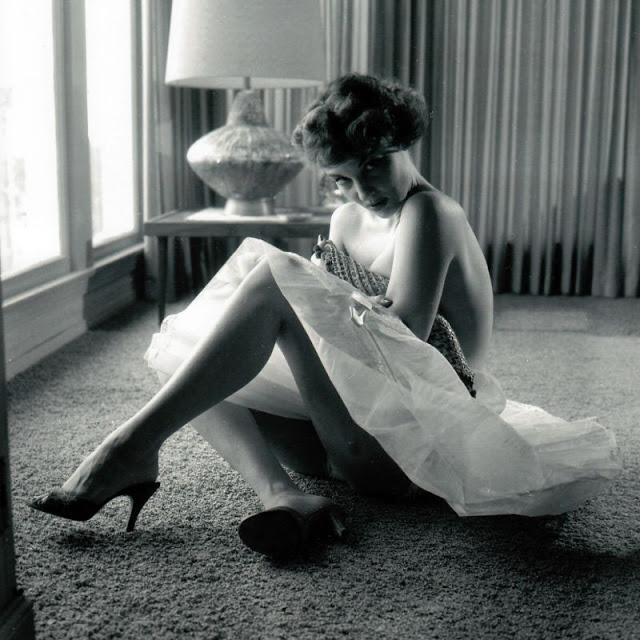
Take a look at these glamorous photos to see the beauty of Allison Hayes in the 1950s.

Become a paid subscriber to get access to the rest of this post and other exclusive content.

If you were to conjure an image of typical 1950s fashion, there’s no doubt the visual would be brimming with knee-length skirts and shoulder covering tops.
It was an era, like most before it, of conservative clothing.
The bikini had been invented only a handful of years before, and society was still grappling with the fact hem lines were creeping towards the knee.
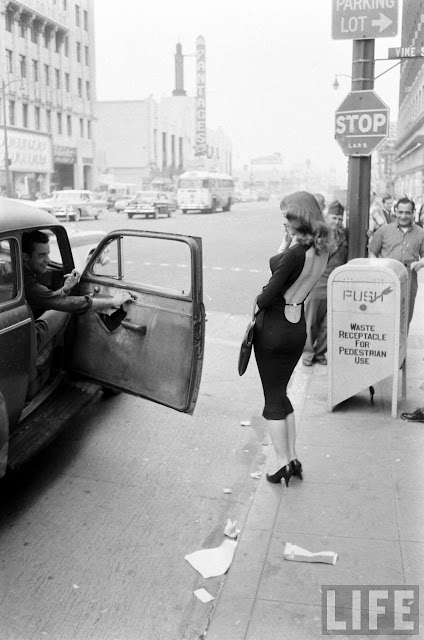
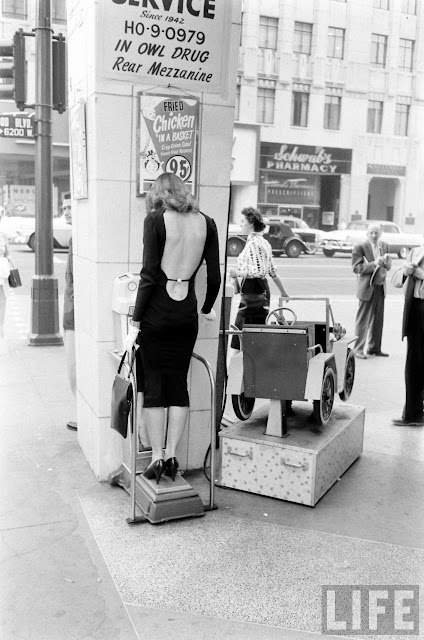
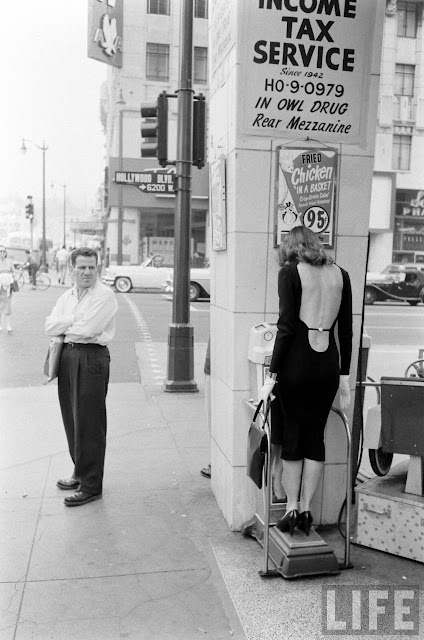
And then Vikki Dougan came along.
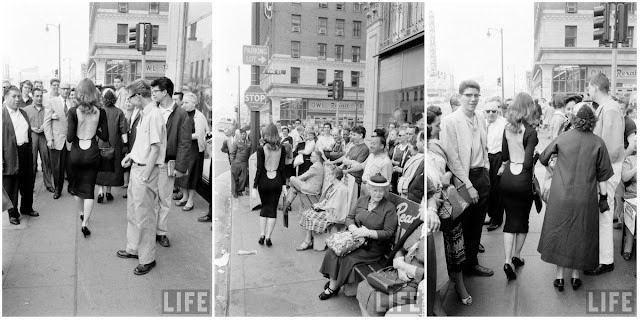
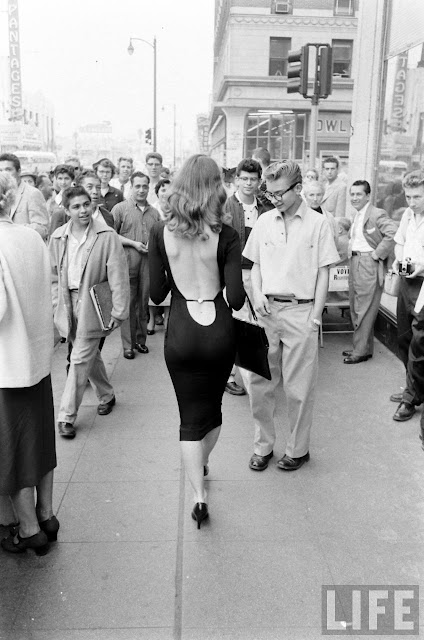
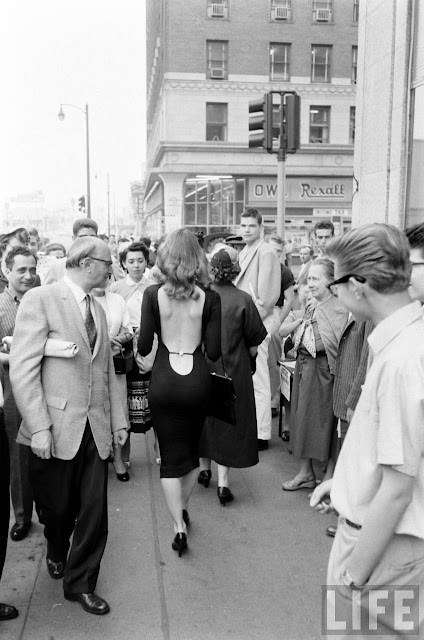
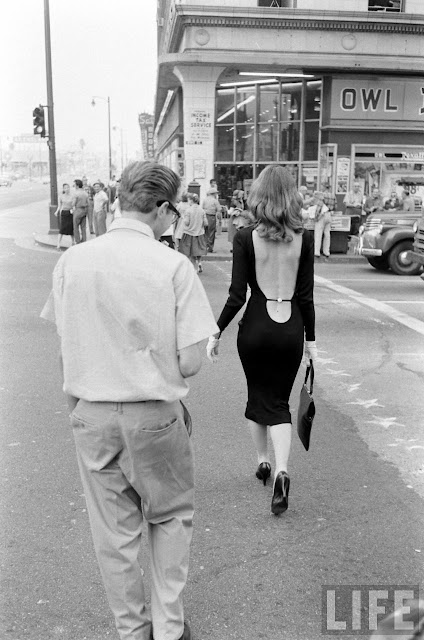
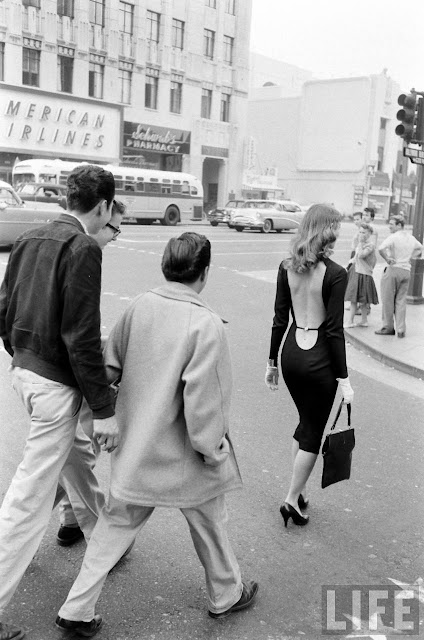
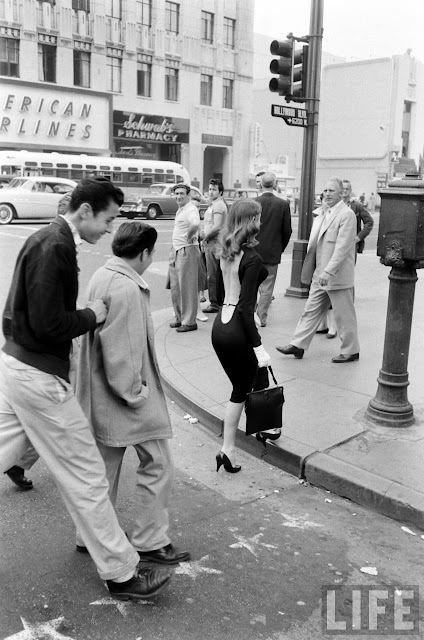
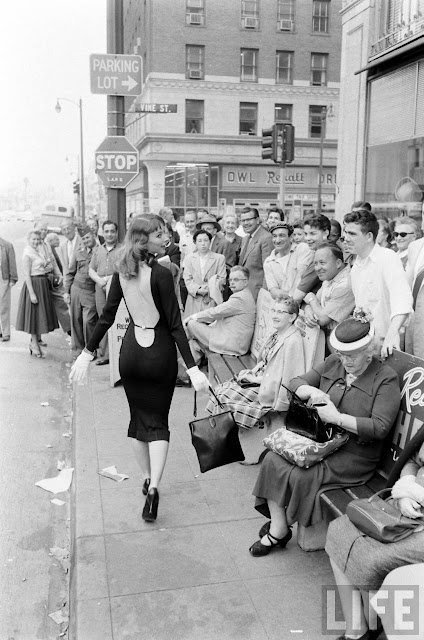
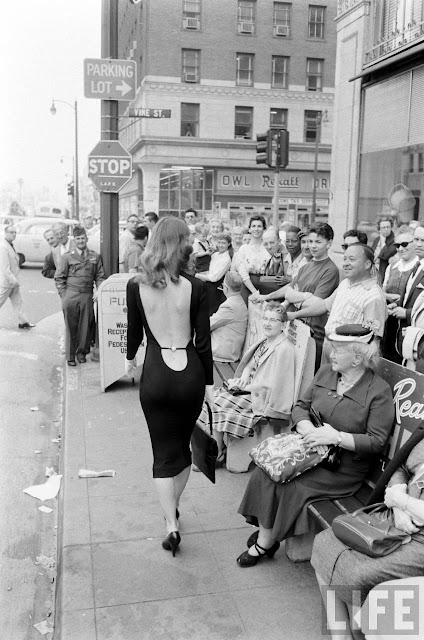
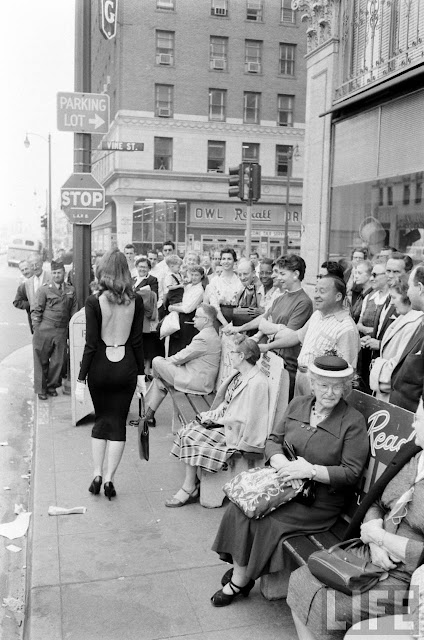
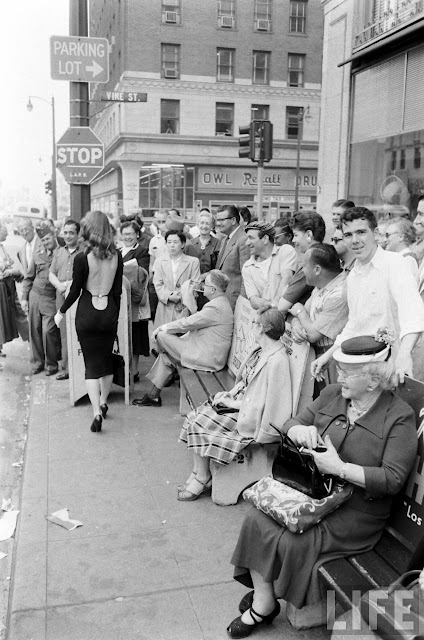
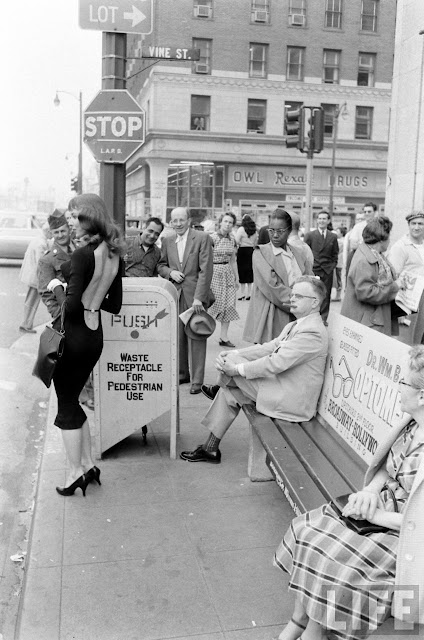
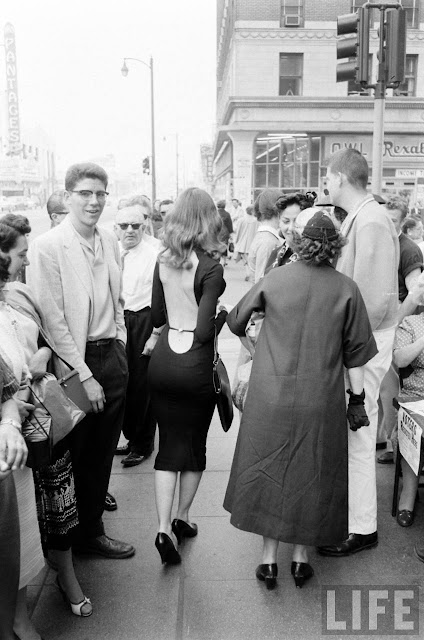
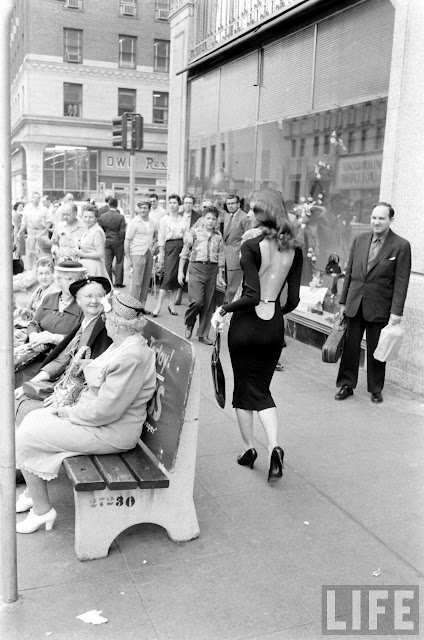
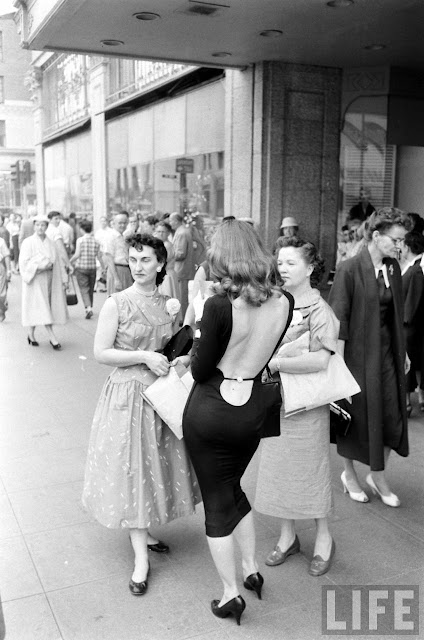
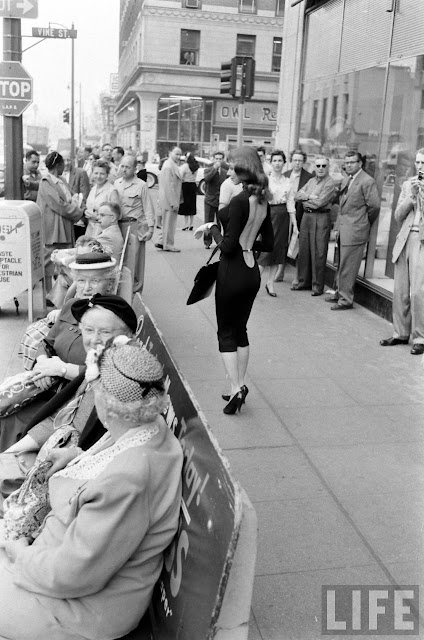
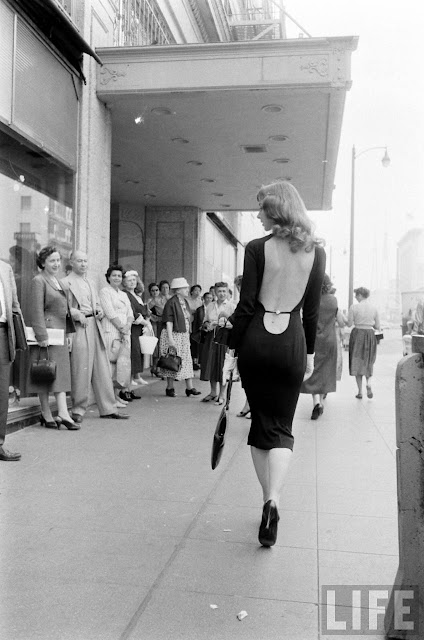
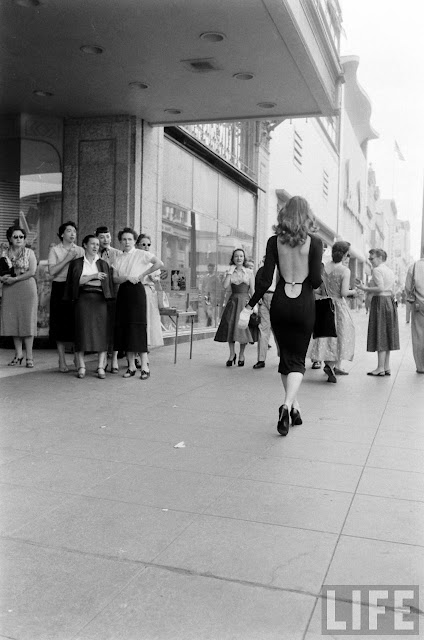
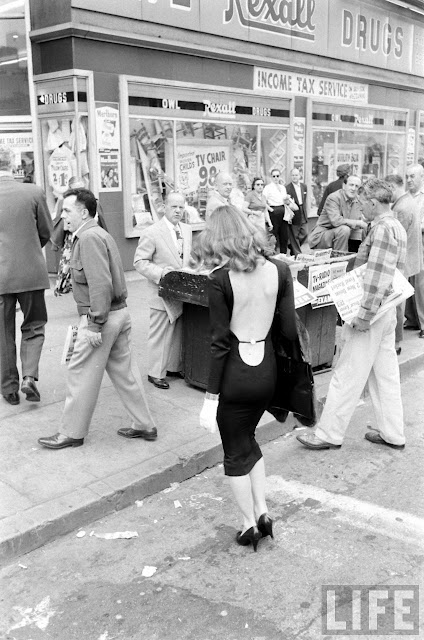
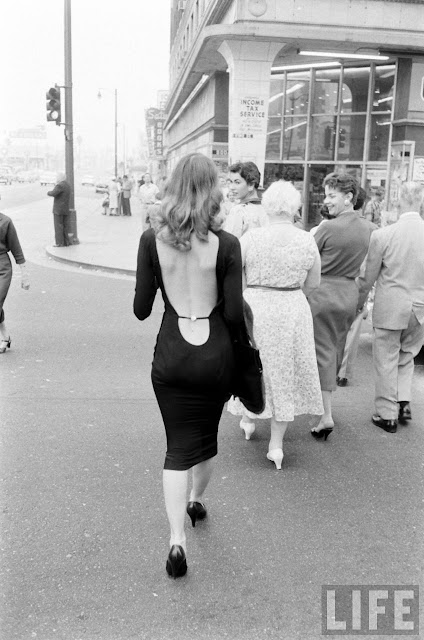
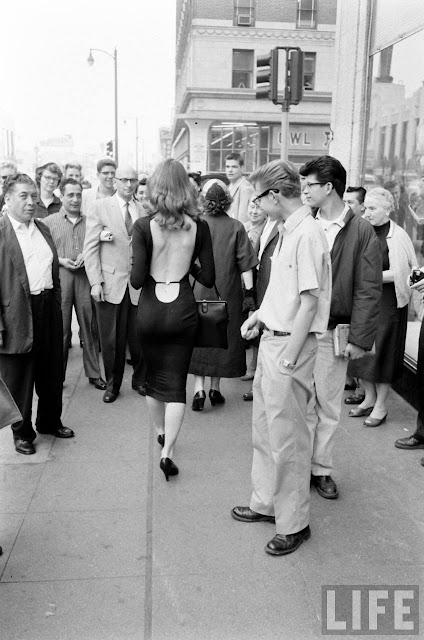
While actress Veronica Lake is typically assumed to be the muse behind Jessica Rabbit, it was the lesser-known and near-forgotten Vicki Dougan along with her notorious derrrière that really put Jessica on the map. Pin-up girl turned (struggling) actress, Vicki earned herself the nickname, “The Back” in 1950s Hollywood for so often wearing her outrageously provocative backless dresses.
In 1957, the Oakland Tribune wrote a piece about how Dougan’s style, and subsequent rise to prominence, was part of a carefully crafted image created for her by publicity man Milton Weiss.
Initially, he decided to have three backless dresses made for her. He then gave his client the nickname “The Back”, and had her wearing a backless creation in almost all of her public appearances.
His first move was to have three expensive dresses made for her — without backs. He then titled his client “The Back” and had her appear at previews and parties in her plunging creations. Soon local photographers zeroed in on Miss Dougan’s bare spinal column, and gagsters began originating such cracks as, “Vikki Dougan makes the best exits in town.”
Finally Vikki was banned from someone else’s preview party because her backless formal was drawing too much attention. The incident received proper press coverage. Today Vikkie — born Edith Tooker in Brooklyn — is riding toward fame on the strength of her clothes, what there is of them. It’s a trend, all right.
Dougan’s fame would take flight, and she would score roles in various films, photo spreads in prominent magazines such as LIFE as these candid photographs were taken by Ralph Crane in 1957.
According to Messy Nessy Chic, America had somewhat of a love-hate relationship with Vikki and her backside however, and she was often mocked in gossip columns. By 1959, Dougan and her derrière had pretty much disappeared from the Hollywood scene, unable to find work. The daring pin-up girl was forgotten along with so many other names trying to make it in showbiz, until Disney/Touchstone made a little film in 1988 called Who Framed Roger Rabbit? While Dougan received very little recognition as a Jessica Rabbit muse, her trademark style and sex appeal became iconic.


The 1960s were home to a variety of looks, as the early ’60s were more similar to the ’50s, the mid-60s were characterized by mod fashion from London, and the decade closed out as the hippie movement began to make waves.
With all of the different subcultures taking root during this time, it is only natural that we began seeing a wide array of wedding gowns among brides, along with other unique trends.
Three-quarter-length sleeves were common, while cap sleeves were baby steps towards an eventual embrace of sleeveless gowns – still seen as too casual for bridal wear in the 1960s. The rise of miniskirts and mod style meant that short shift dresses were the way to go for an on-trend bride.
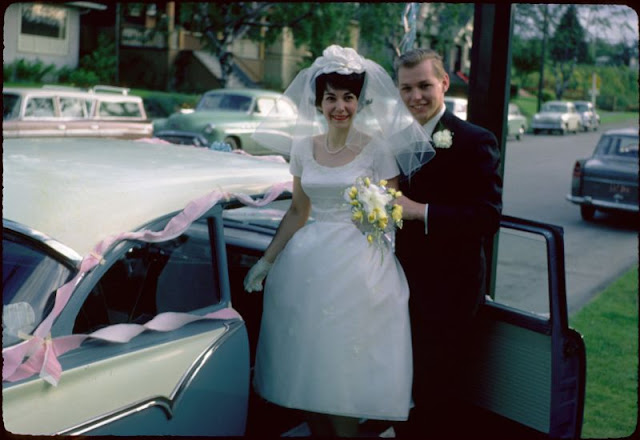
Pillbox hats inspired by fashion icon and former First Lady Jackie Kennedy came with attached birdcage veils for a sophisticated and chic way to complete a wedding ensemble.
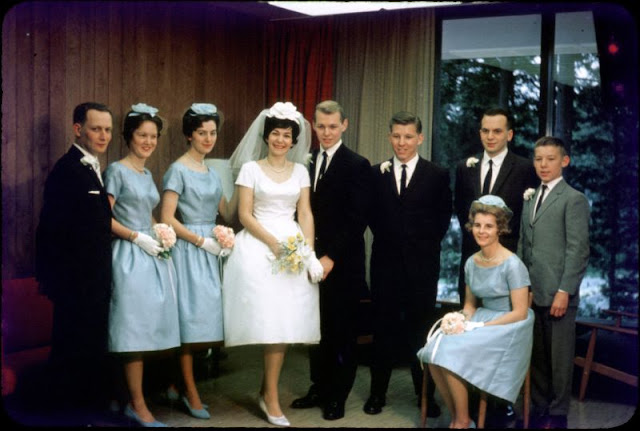
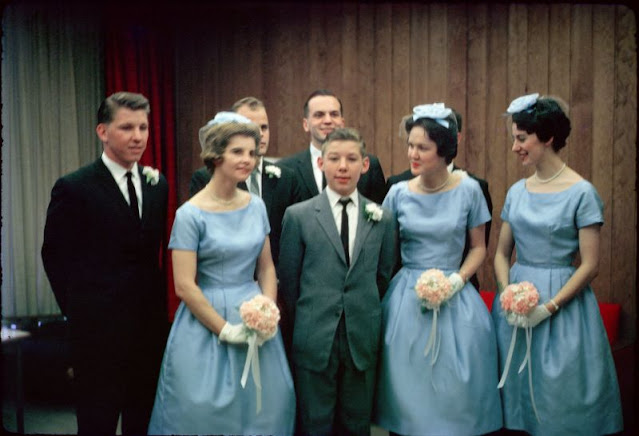
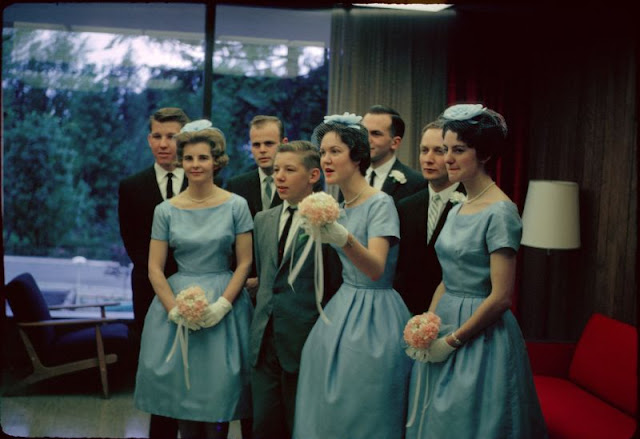
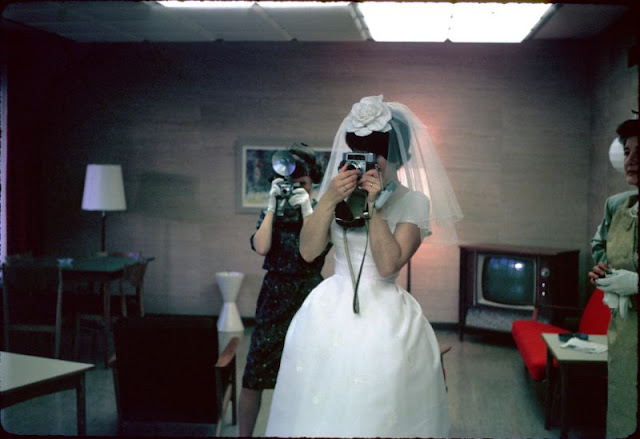
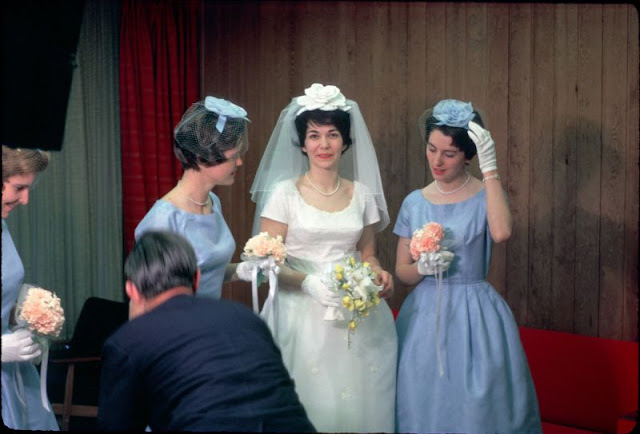
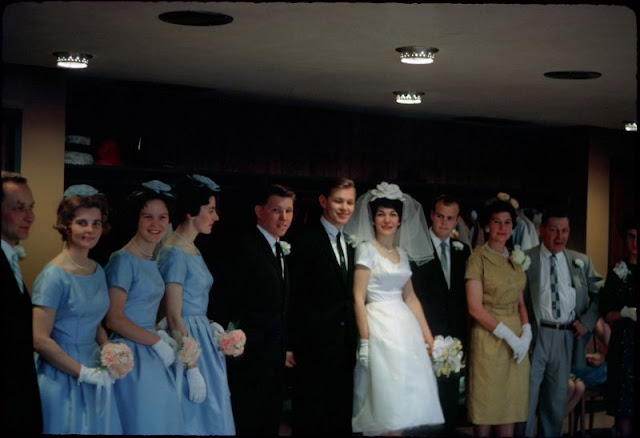
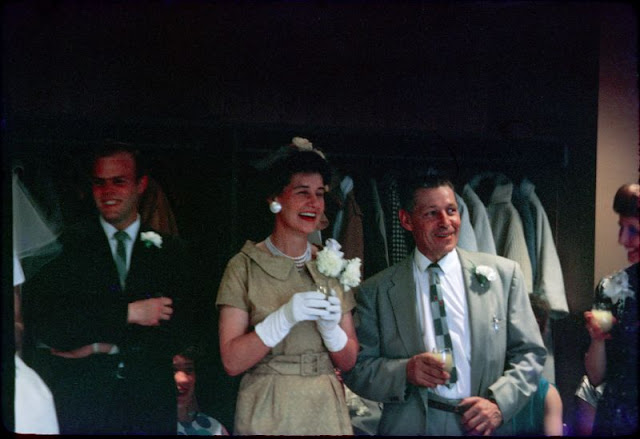
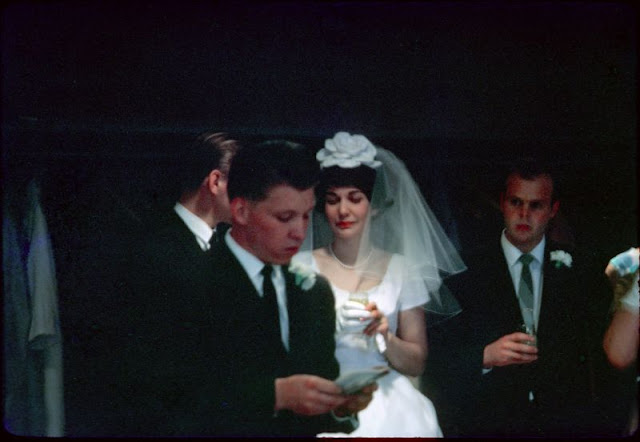
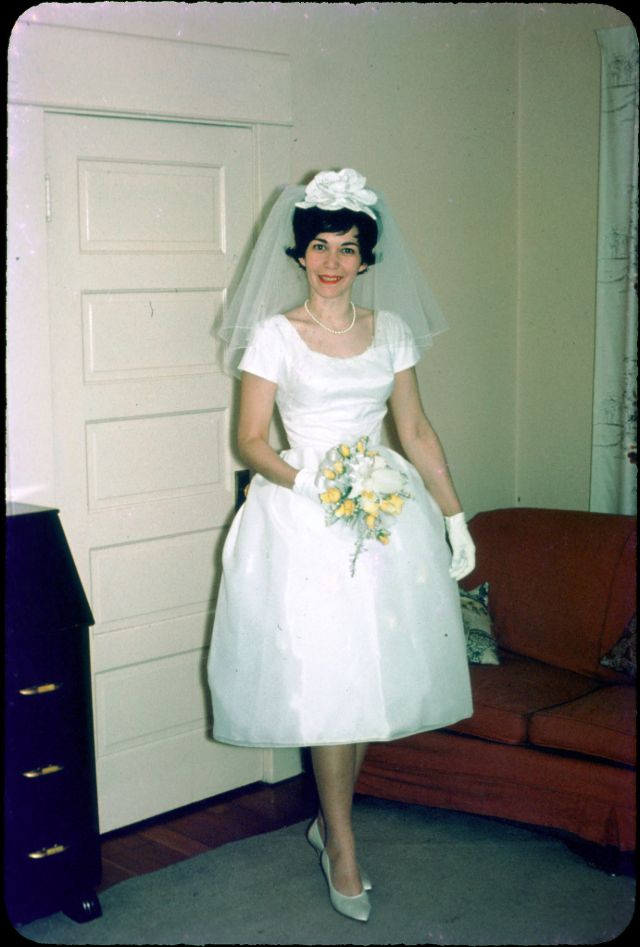
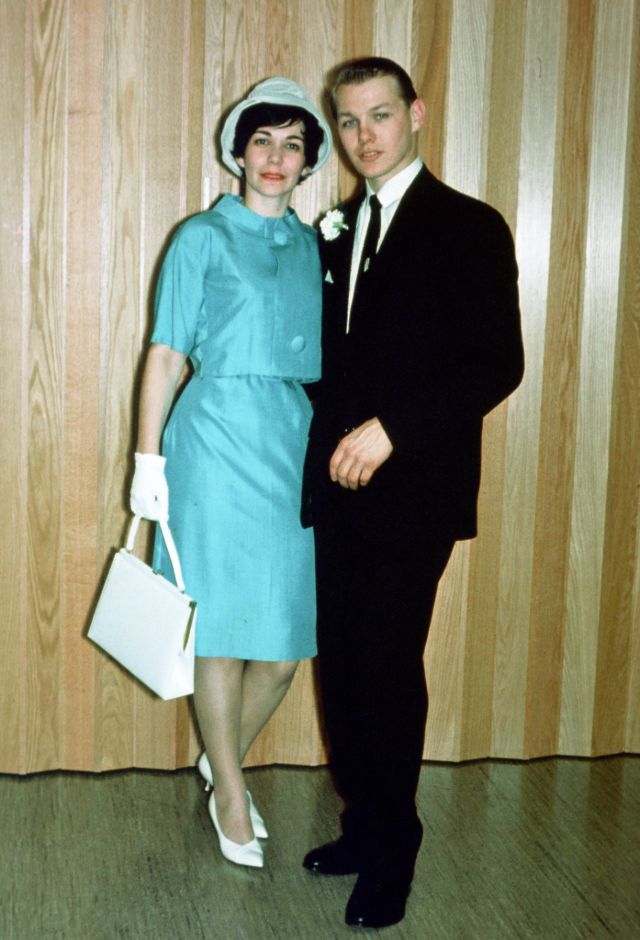
These fascinating photos show what a wedding looked like in 1962.


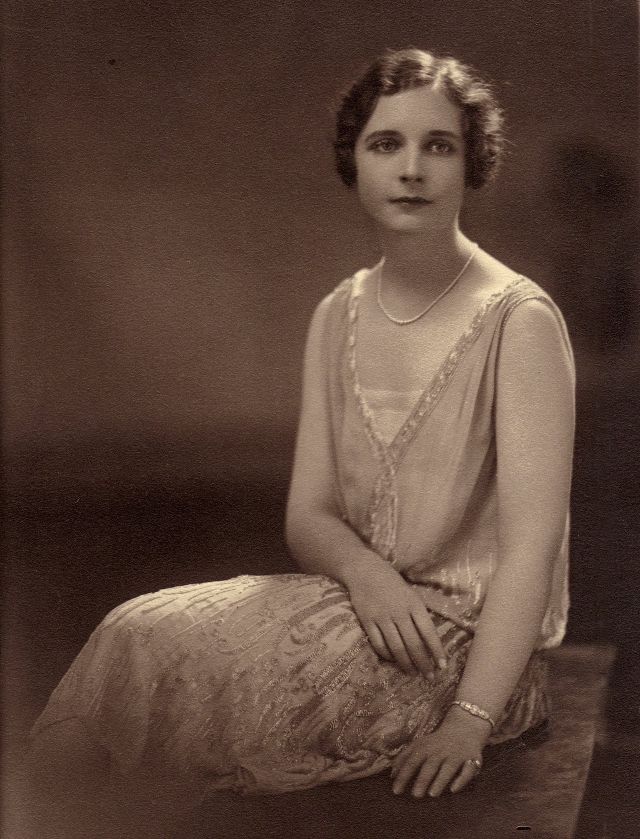
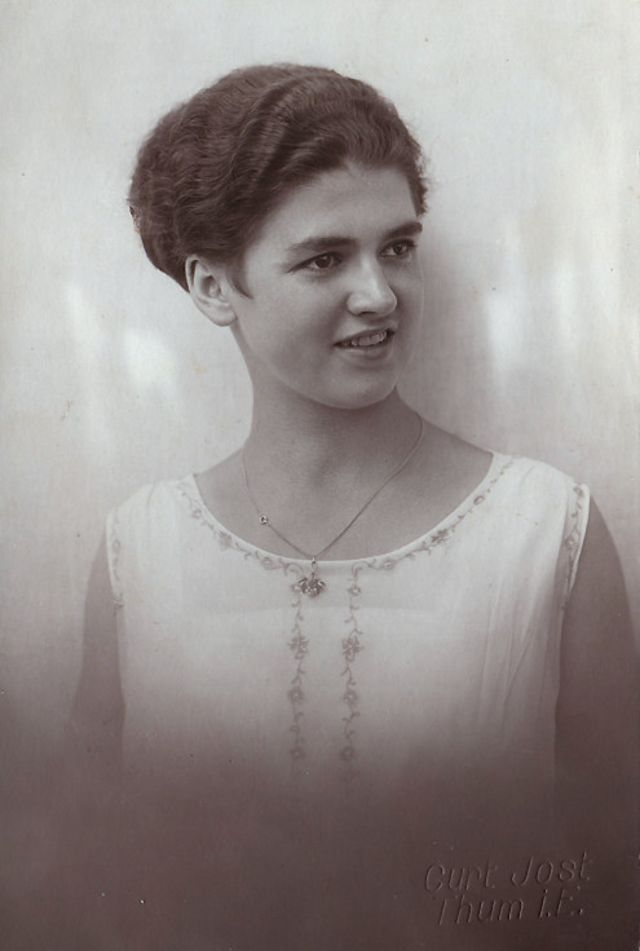
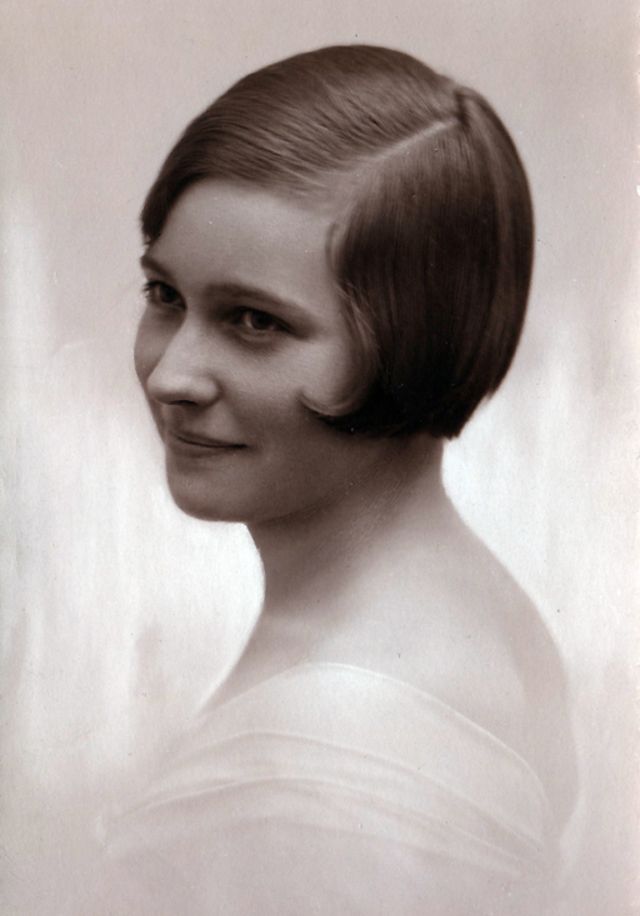
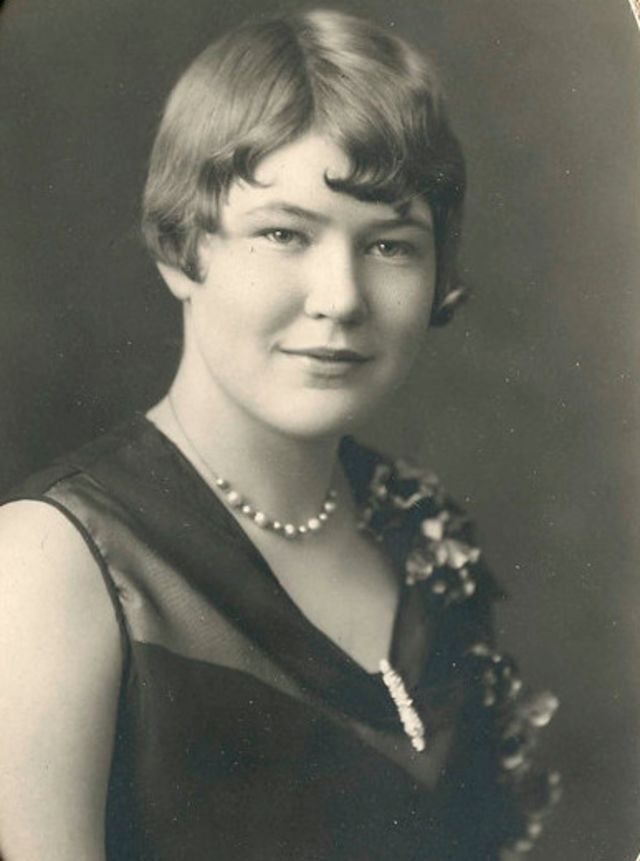
Western fashion in the 1920s underwent a modernization. For women, fashion had continued to change away from the extravagant and restrictive styles of the Victorian and Edwardian periods, and towards looser clothing which revealed more of the arms and legs, that had begun at least a decade prior with the rising of hemlines to the ankle and the movement from the S-bend corset to the columnar silhouette of the 1910s.
The 1920s are characterized by two distinct periods of fashion: in the early part of the decade, change was slower, and there was more reluctance to wear the new, revealing popular styles. From 1925, the public more passionately embraced the styles now typically associated with the Roaring Twenties.
These styles continued to characterize fashion until the worldwide depression worsened in 1931.
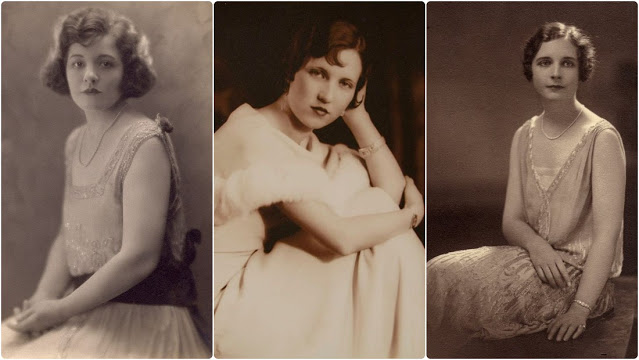
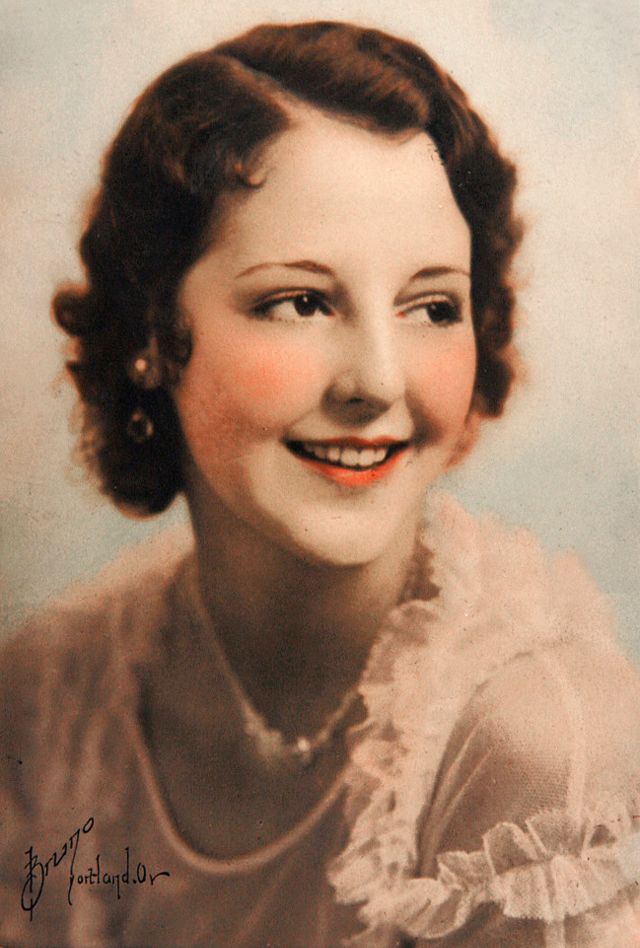
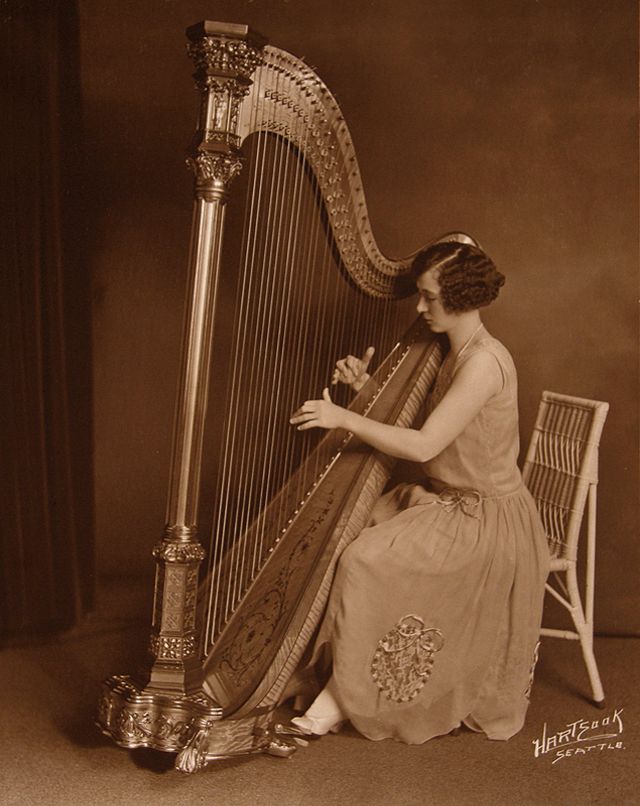
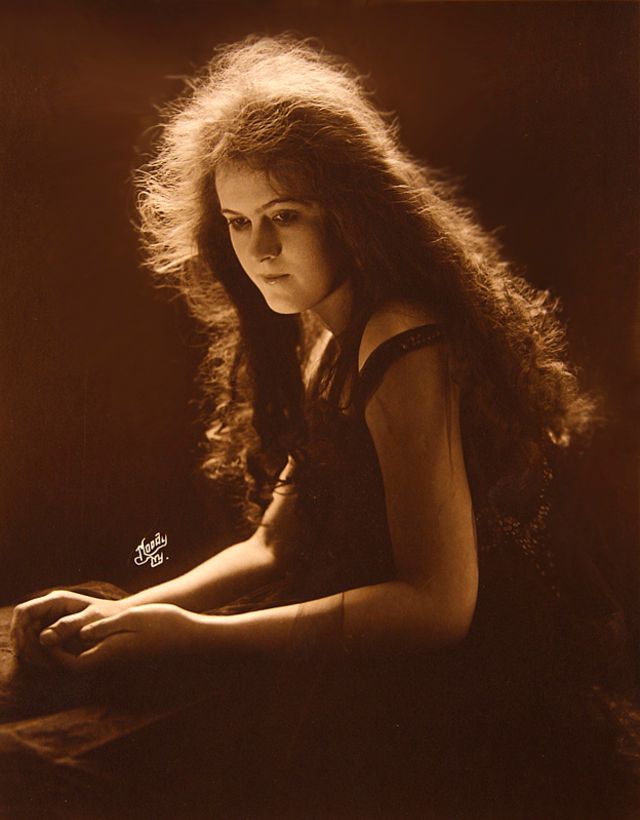
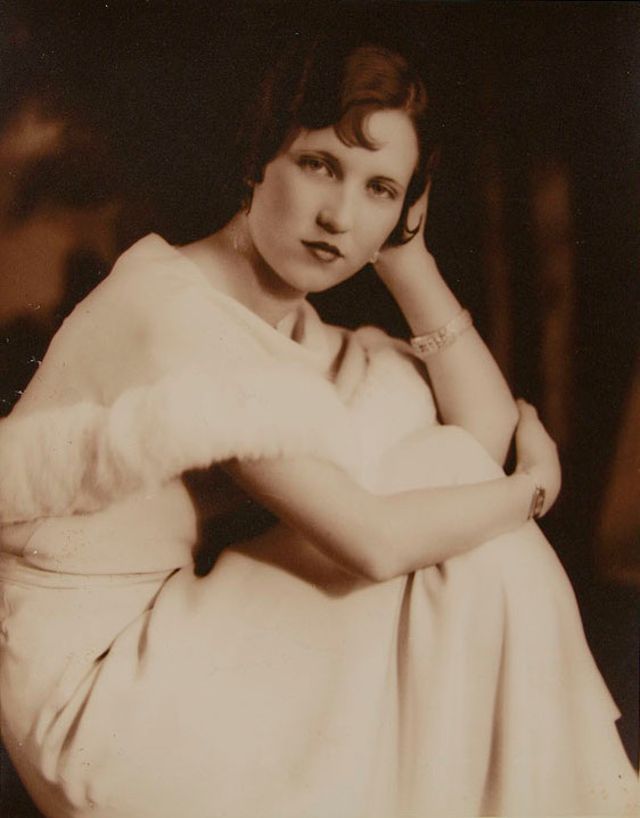
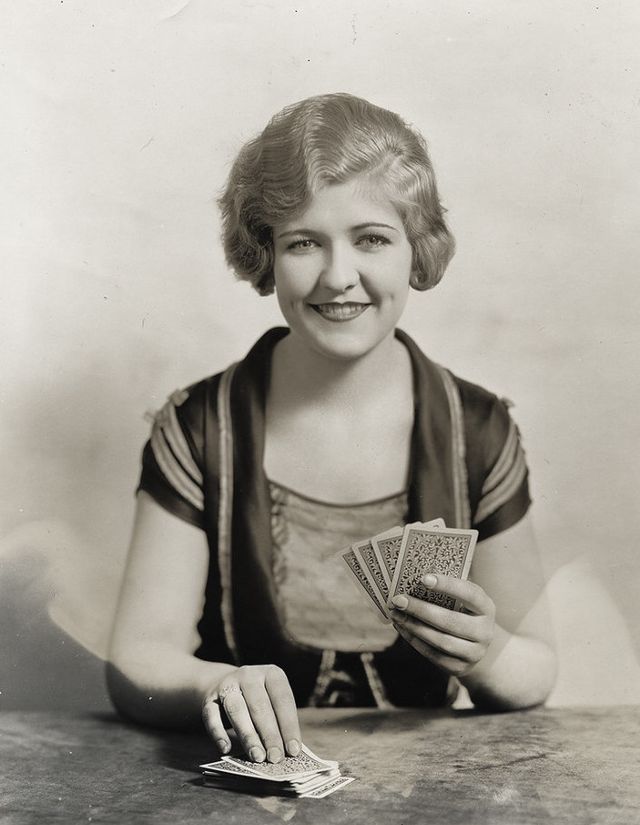
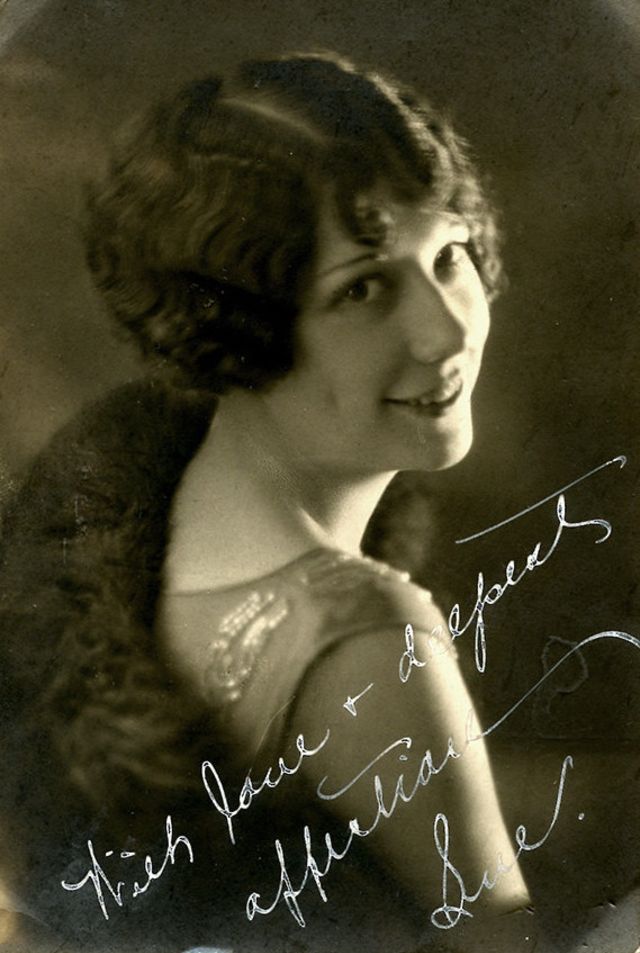
A set of cool photos that shows what styles of young ladies looked like in the 1920s.


Read more of this content when you subscribe today.
This 1890 photograph is the oldest-known picture of women playing hockey, taken at Rideau Hall in Ottawa. Isobel Stanley, daughter of Lord Stanley, is seen wearing white.

Become a paid subscriber to get access to the rest of this post and other exclusive content.

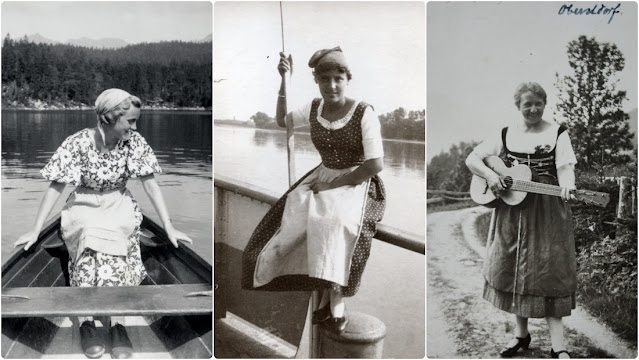
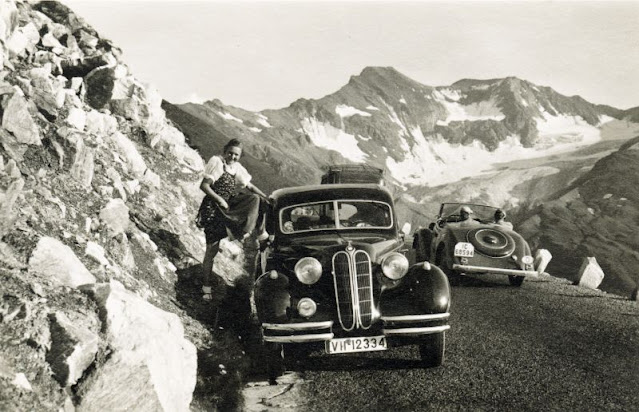
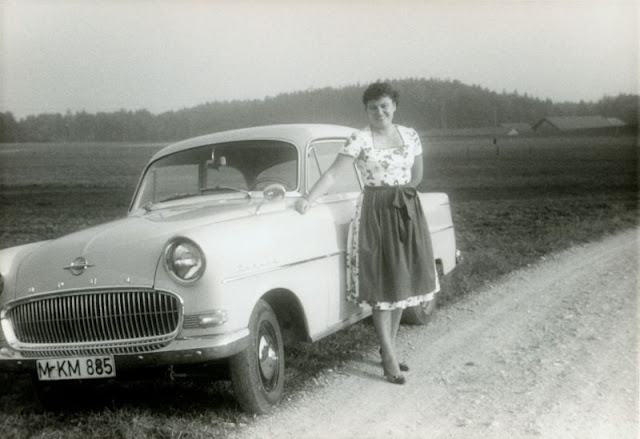
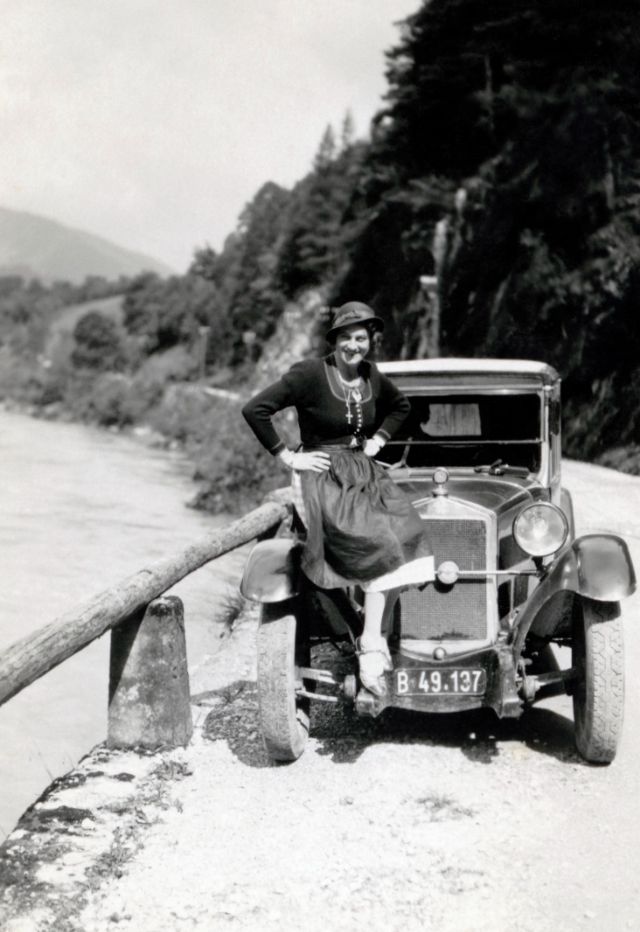
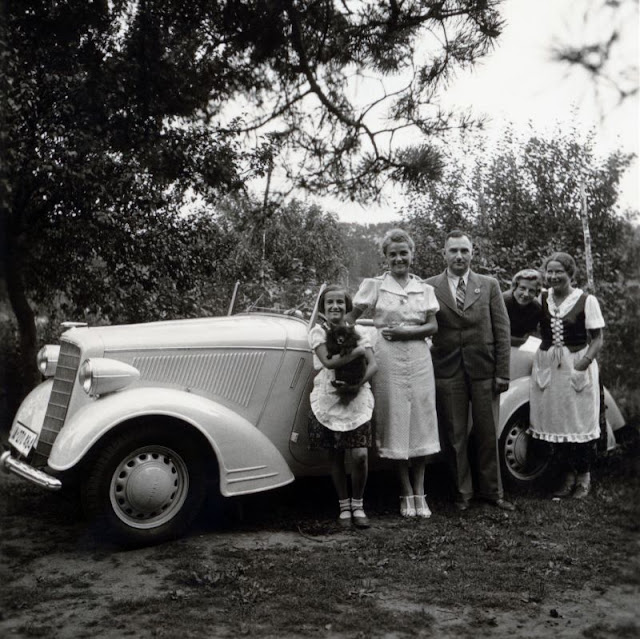
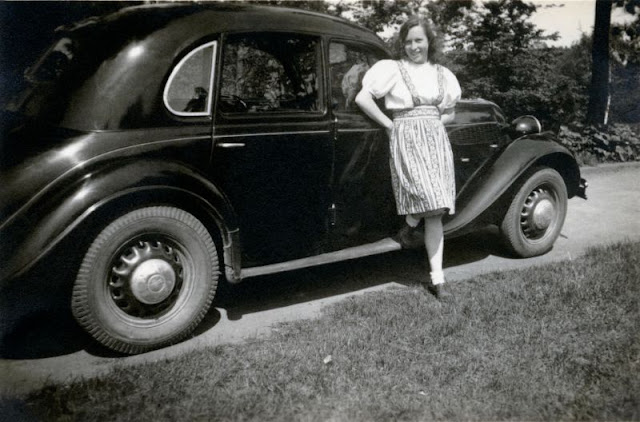
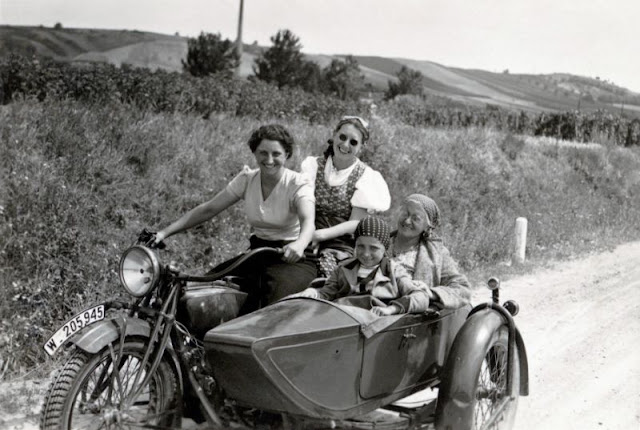
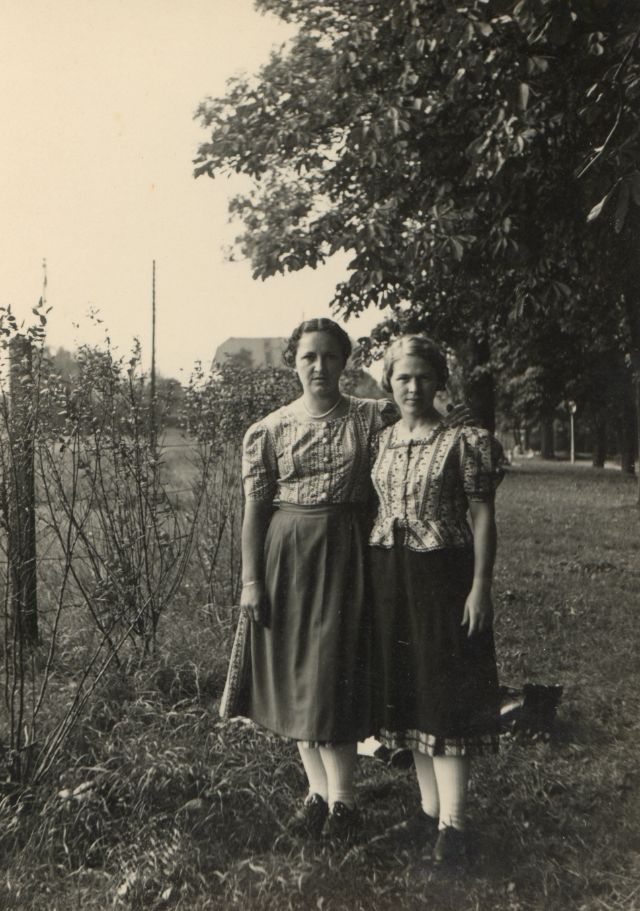
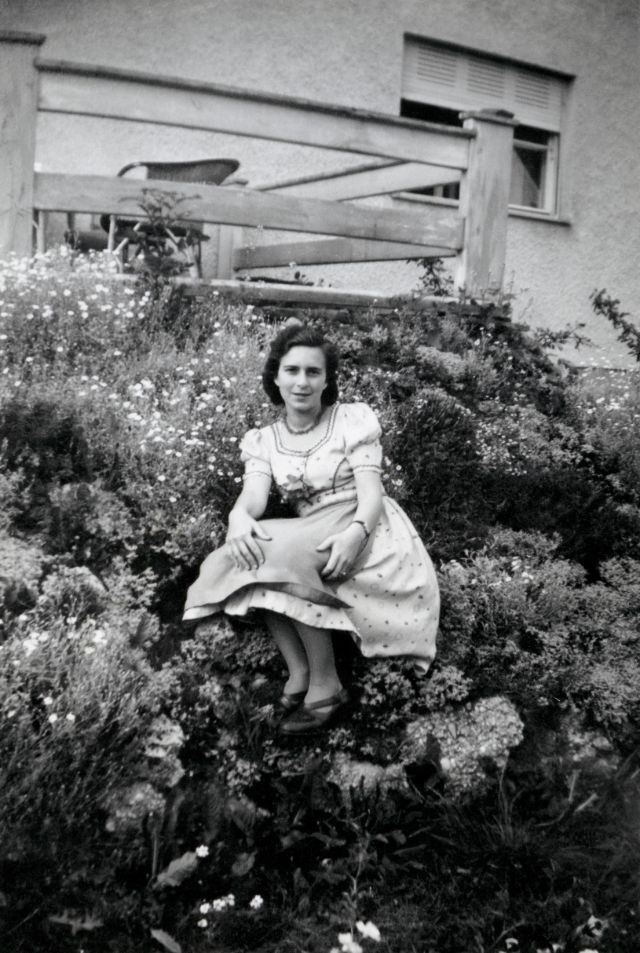
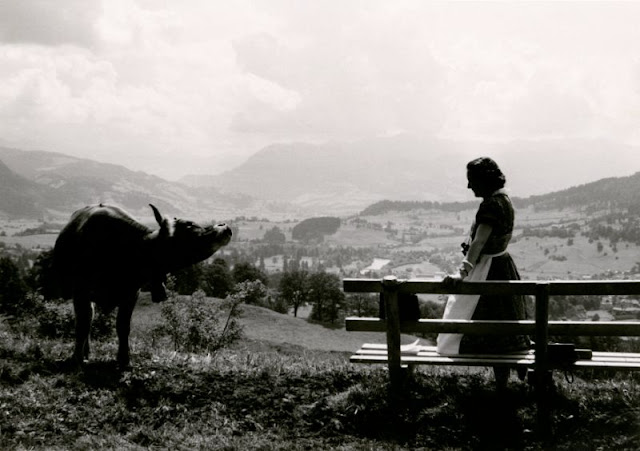
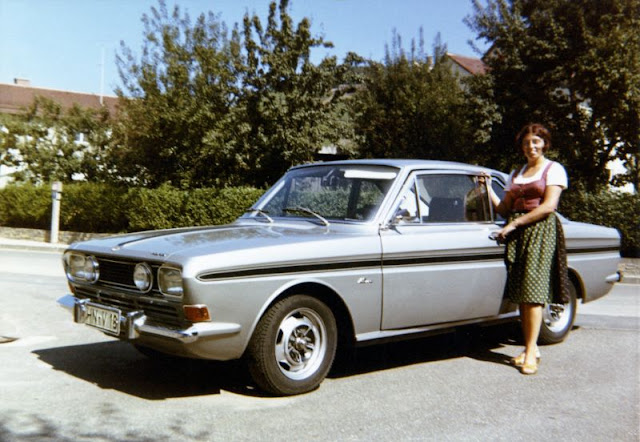
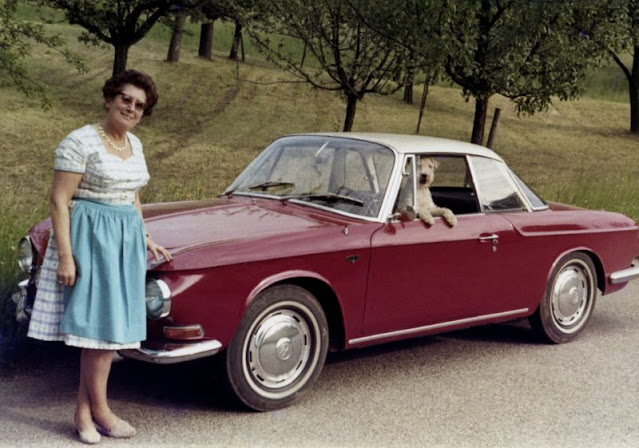
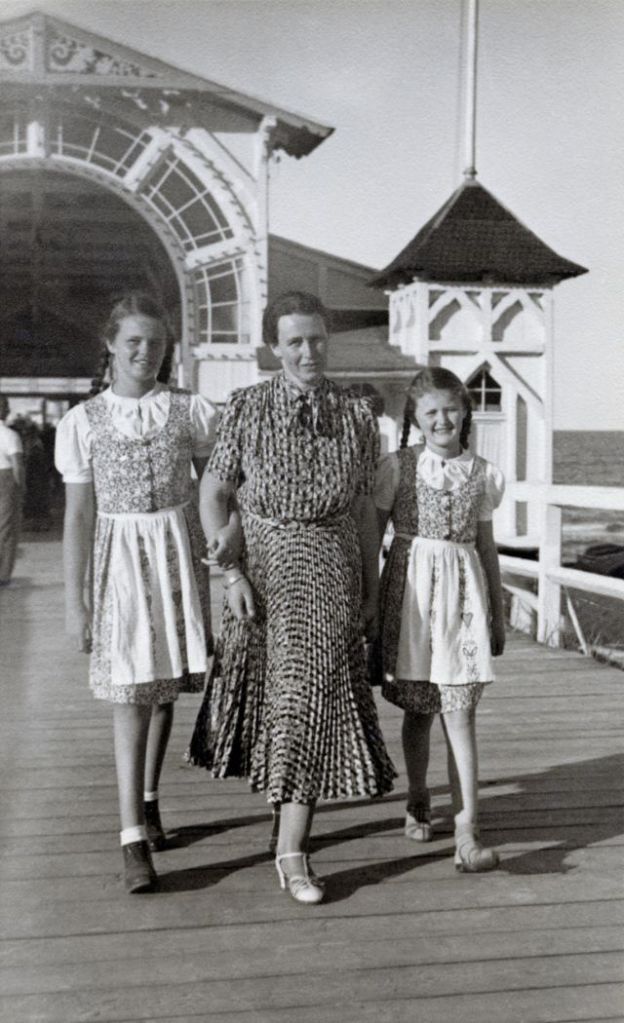
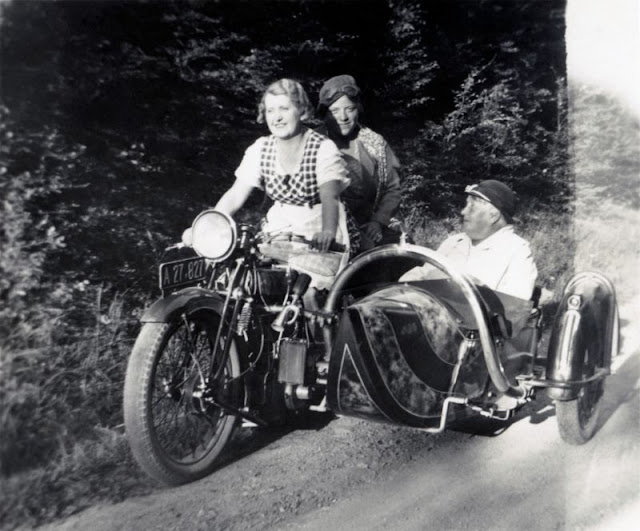
A dirndl is a feminine dress which originated in German-speaking areas of the Alps. It is traditionally worn by women and girls in Bavaria (south-eastern Germany), Austria, Liechtenstein, Switzerland and Alpine regions of Italy. A dirndl consists of a close-fitting bodice featuring a low neckline, a blouse worn under the bodice, a wide high-waisted skirt and an apron.
The dirndl is regarded as a folk costume (in German Tracht). It developed as the clothing of Alpine peasants between the 16th and 18th centuries. Today it is generally considered the traditional dress for women and girls in German-speaking parts of the Alps, with particular designs associated with different regions.
In the late 19th century, the dirndl was adapted by the upper and middle classes as a fashion mode, and subsequently spread as a mode outside its area of origin. There are many varieties of adaptations from the original folk designs. The dirndl is also worn as an ethnic costume by German diaspora populations in other countries.
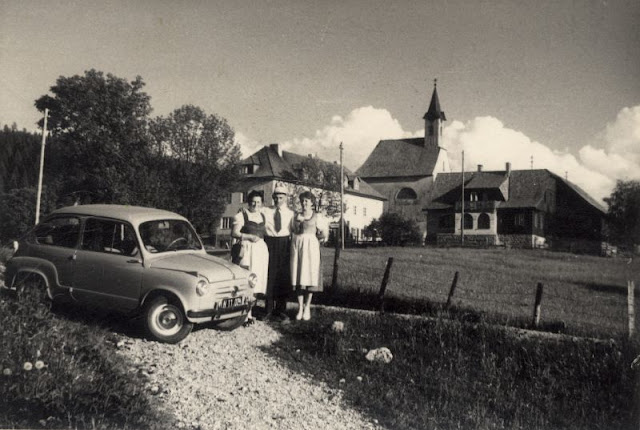
Here below is a set of vintage photos that shows portraits of ladies wearing dirndls.


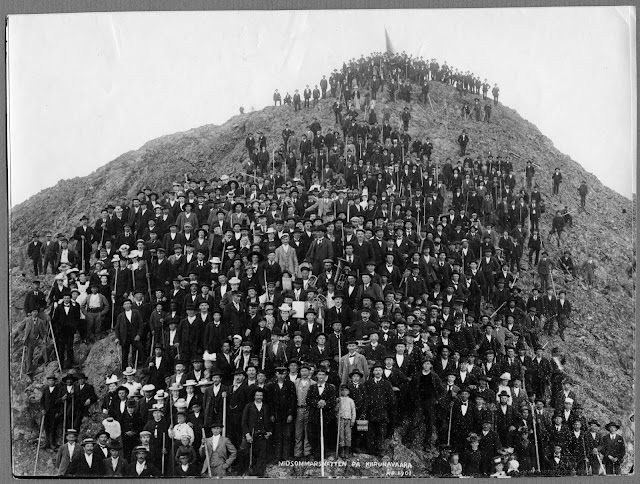
In Kiruna, the sun doesn’t set for 47 days during the summer. This phenomenon, known as midnight sun, is at it’s hight around midsummer, which is always celebrated near the summer solstice.
Kirunavaara is the name of the mountain that the crowd is standing on. Kirunavaara means “mountain of the ptarmigans” in the Sámi language and gave it’s name to the nearby mining town Kiruna. The mountain has changed shape radically over the years due to extensive mining.

Kiruna in Swedish Lapland is a world full of contrasts, colors and light. The period where we have midnight sun is the counterpart to the polar night that we experience in December. The period from late May to the middle of July is an intense period and it has a deep effect on all life when the daylight never ends.
When can I see the midnight sun?
The midnight sun glows in the sky from the 27th of May until the 14th of July. During this period, it never slides below the horizon. The sun is at its lowest at the time 00:40. So the sun is up continuously for 47 days at Kiruna’s latitude. The periods prior to and following that of the midnight sun are also very bright. This is why they usually talk about having 100 days without night.
The midnight sun is the same sun seen during daytime, it just doesn’t go below the horizon. This means that you don’t see a rapid sunset and sunrise. This phenomenon can be experienced anywhere in Kiruna.
Born 1928 as James Scott Bumgarner in Denver, Oklahoma, American actor James Garner starred in several television series over more than five decades, including popular roles such as Bret Maverick in the 1950s Western series Maverick and as Jim Rockford in the 1970s private detective show, The Rockford Files.
Garner played leading roles in more than 50 theatrical films, including The Great Escape (1963) with Steve McQueen, Paddy Chayefsky’s The Americanization of Emily (1964) with Julie Andrews, Grand Prix (1966) with Toshiro Mifune, Marlowe (1969) with Bruce Lee, Support Your Local Sheriff! (1969), Support Your Local Gunfighter (1971), The Castaway Cowboy (1974), and Blake Edwards’s Victor/Victoria (1982) with Julie Andrews, and Murphy’s Romance (1985) with Sally Field, for which he received an Academy Award nomination.
Garner’s career and popularity continued through another decade in movies like Space Cowboys (2000) with Clint Eastwood, Atlantis: The Lost Empire (2001) with Michael J. Fox and The Notebook (2004) with Gena Rowlands. and his TV sitcom role as Jim Egan in 8 Simple Rules (2003–2005).
Garner died in 2014 at the age of 86. These vintage photos captured portrait of a young and handsome James Garner in the 1940s and 1950s.


Some behind the scenes photos of Alfred Hitchcock holding a plaster dummy head of himself on the set of Frenzy (1972).

Frenzy was the third and final film that Hitchcock made in Britain after he moved to Hollywood in 1939. The other two were Under Capricorn (1949) and Stage Fright (1950). The last film he made in Britain before his move to America was Jamaica Inn (1939). Frenzy was screened at the 1972 Cannes Film Festival, but it was not entered into the main competition.
Alfred Hitchcock’s cameo appearance can be seen three minutes into the film in the center of a crowd scene, wearing a bowler hat. Teaser trailers show a Hitchcock-like dummy floating in the River Thames and Hitchcock introducing the audience to Covent Garden via the fourth wall.