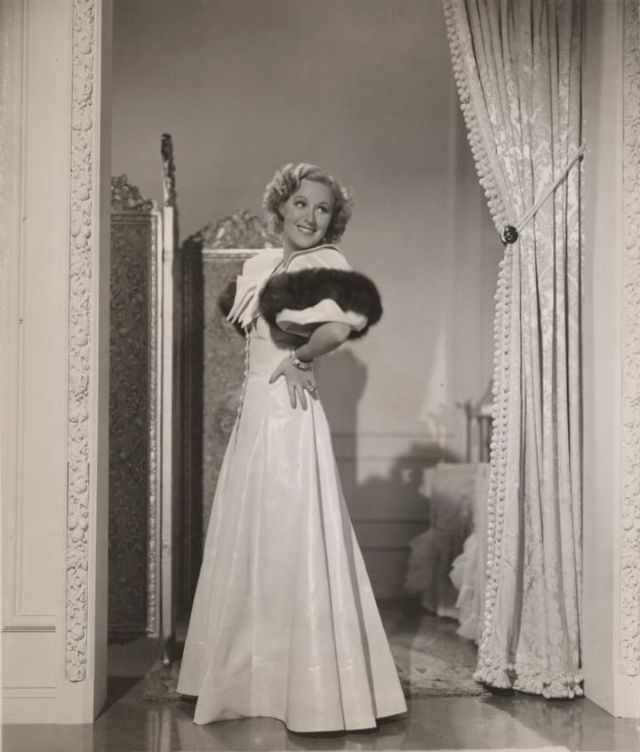
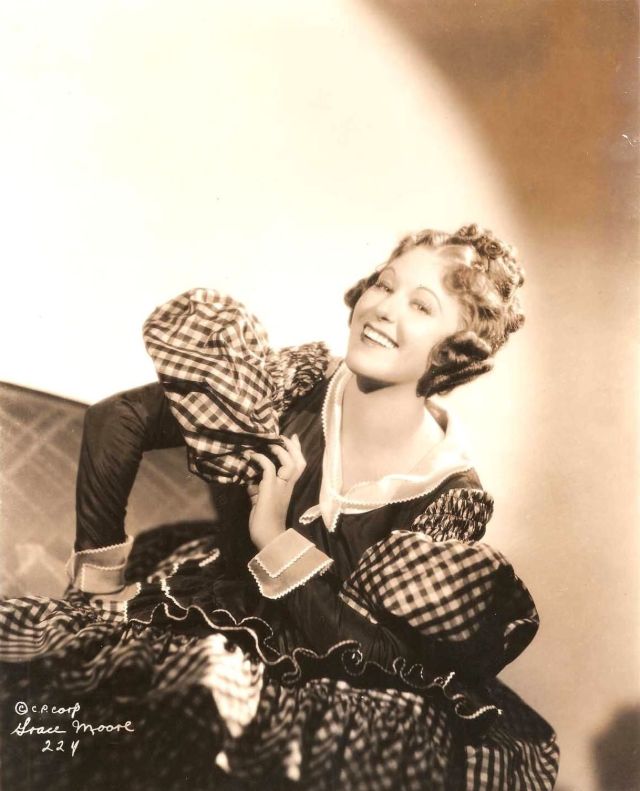
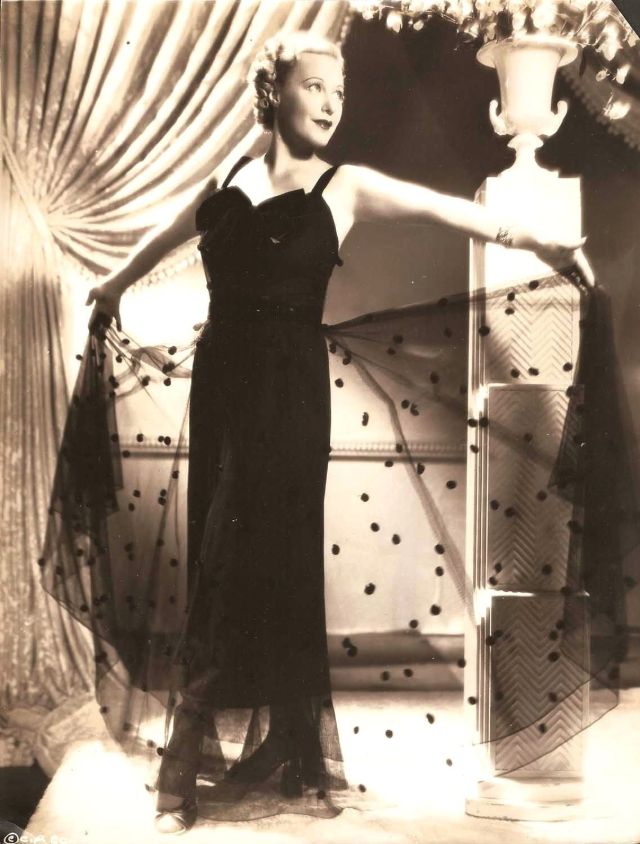
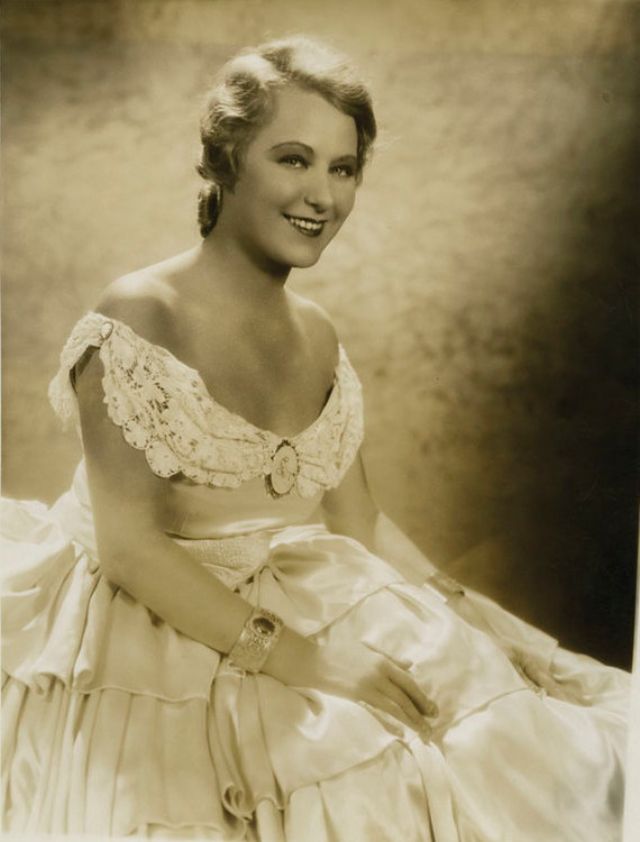
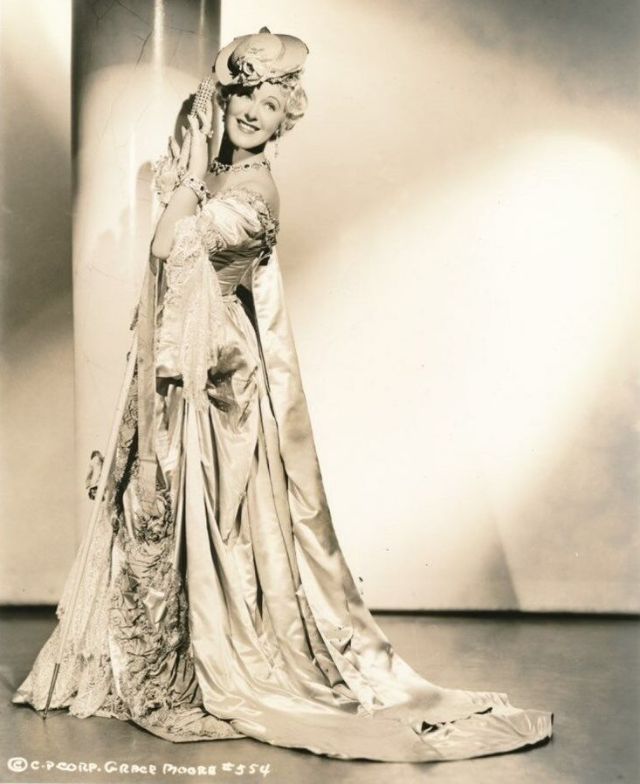
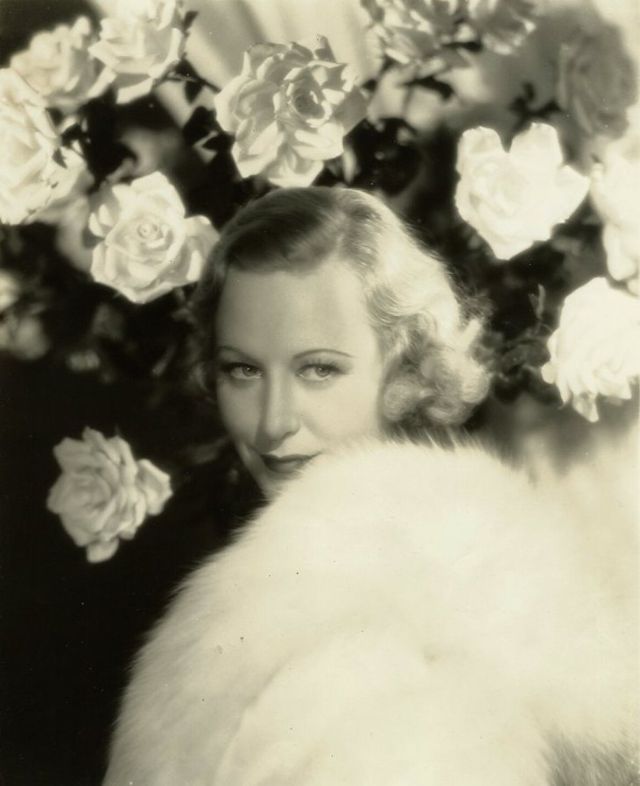
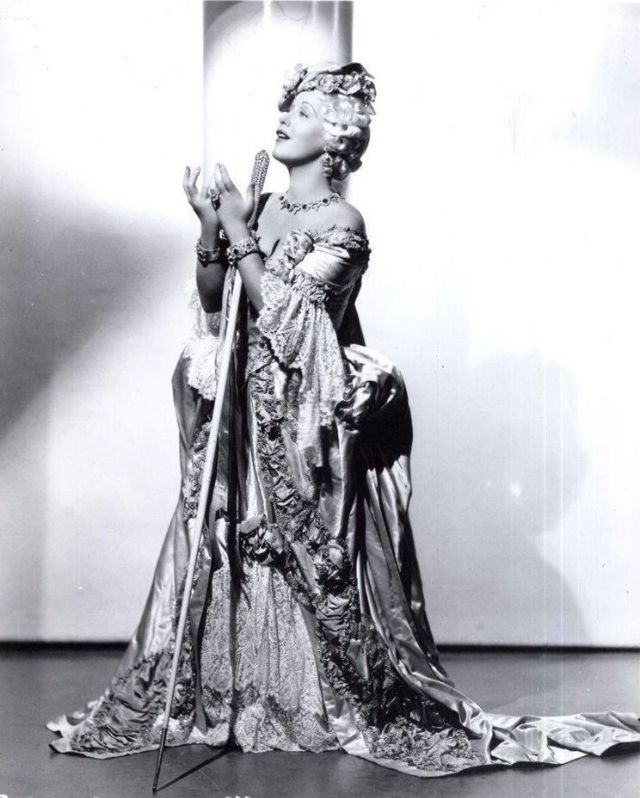
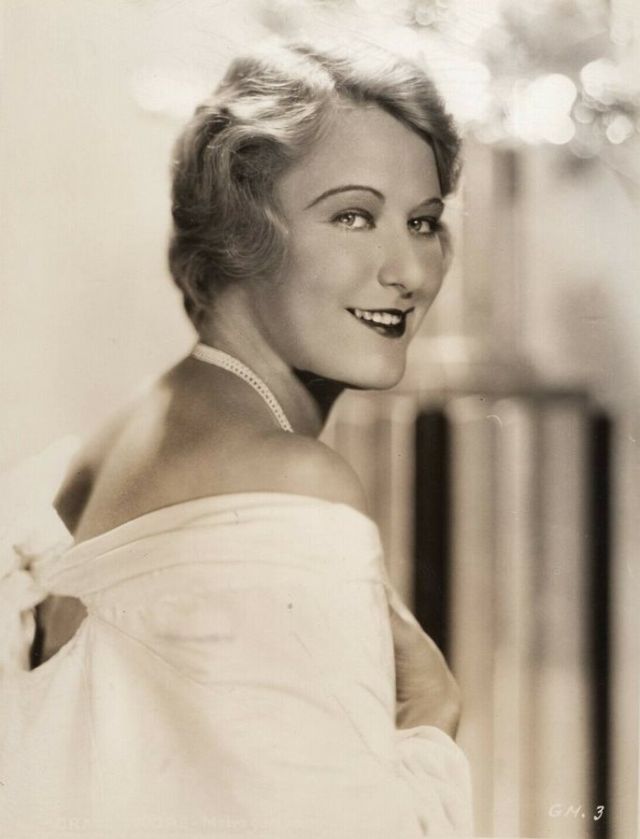
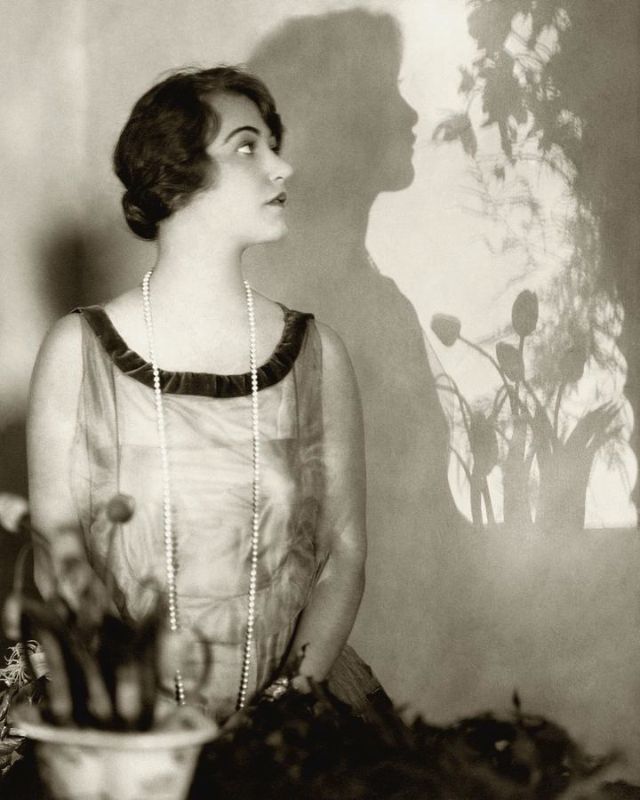
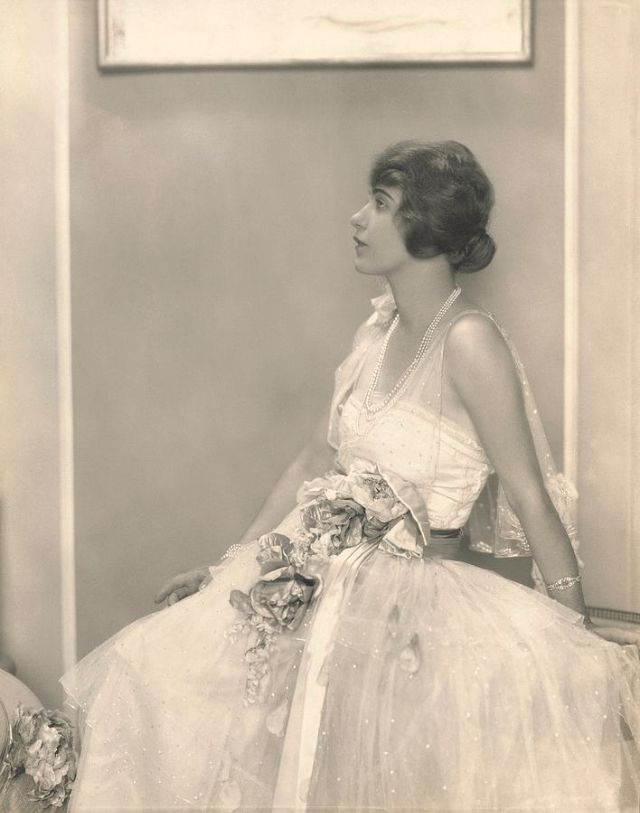
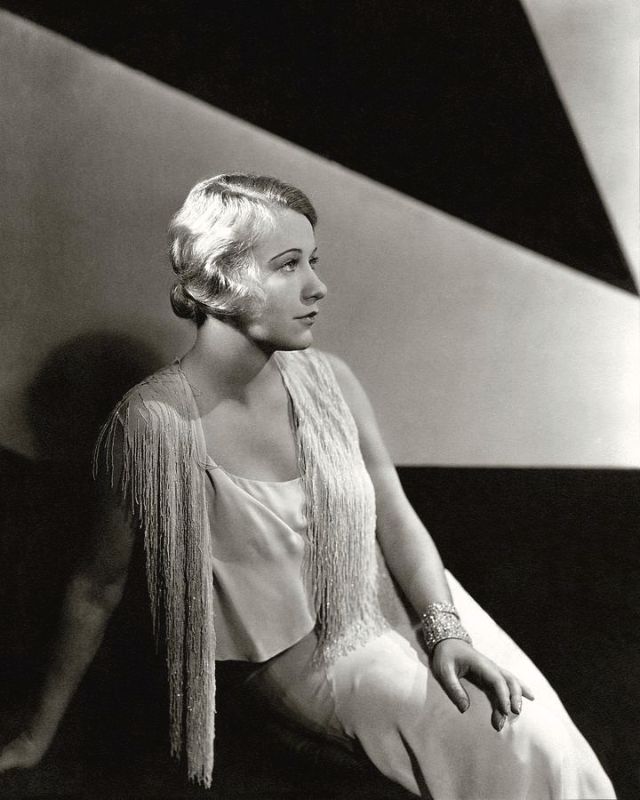
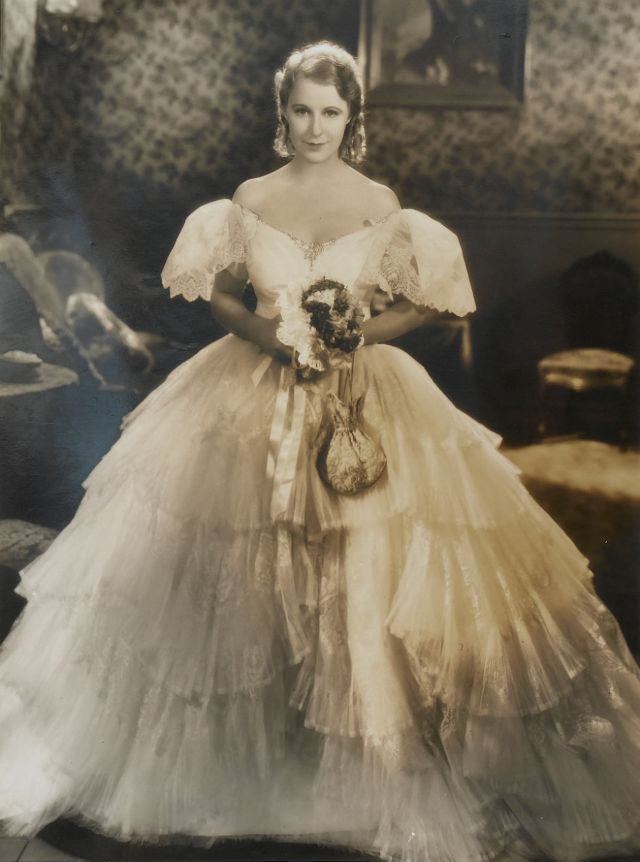
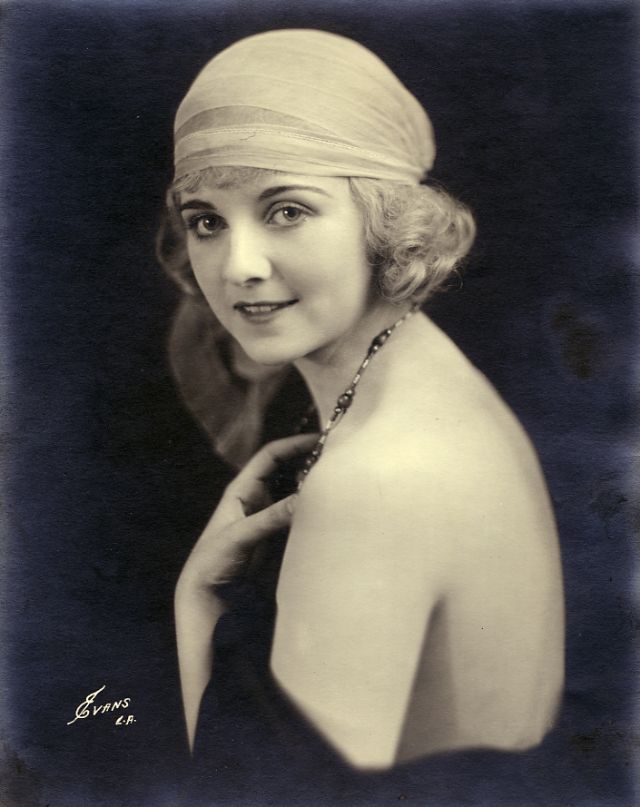
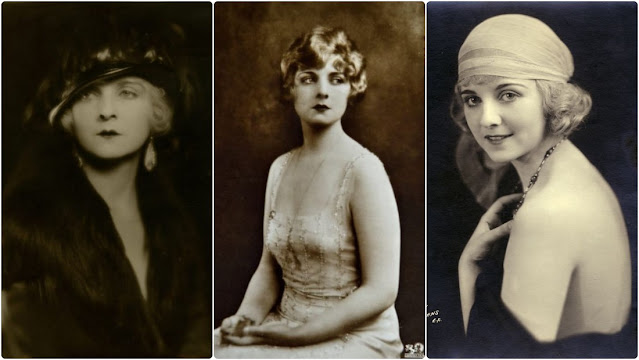
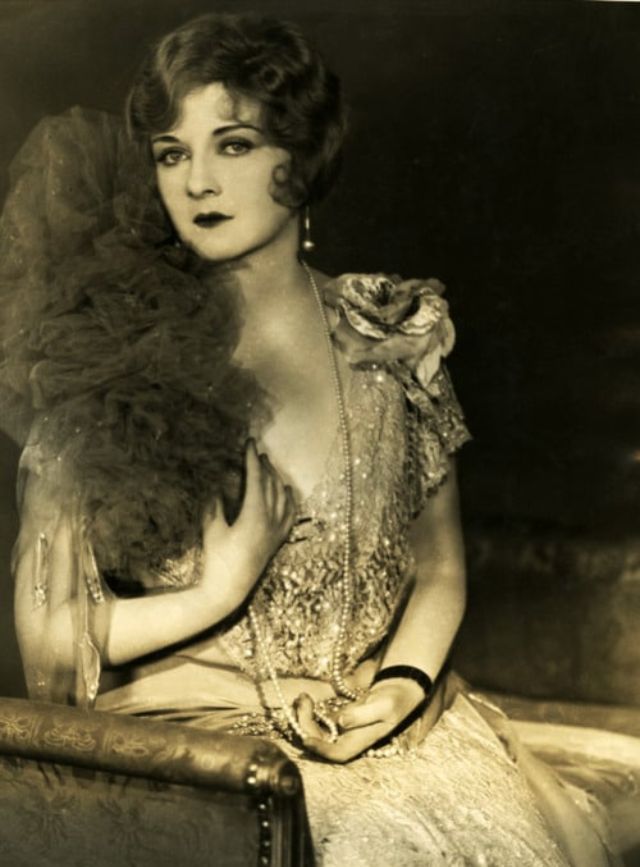
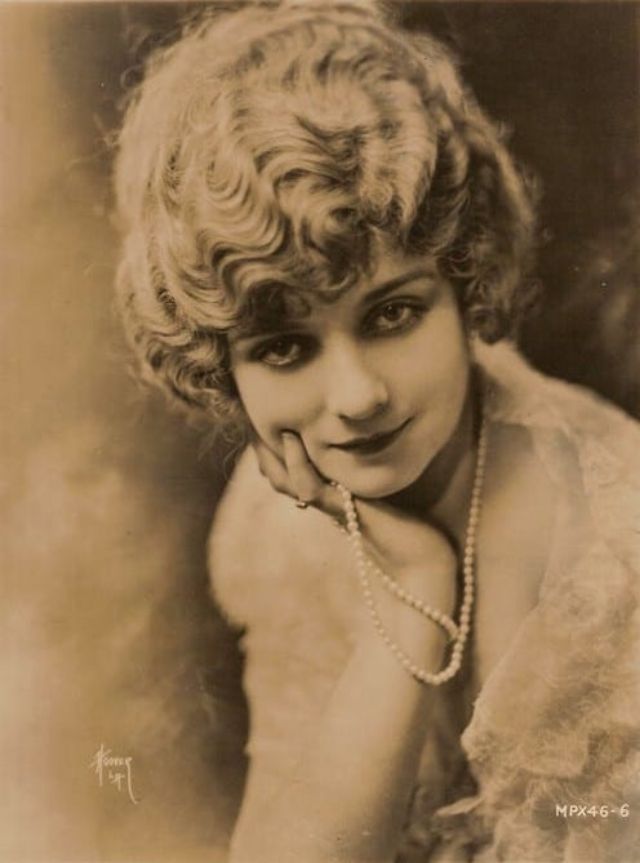
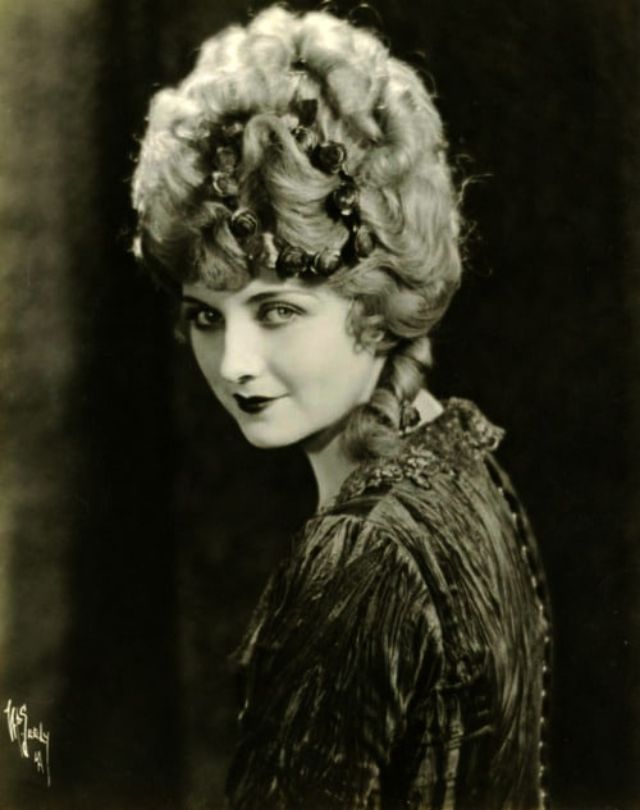
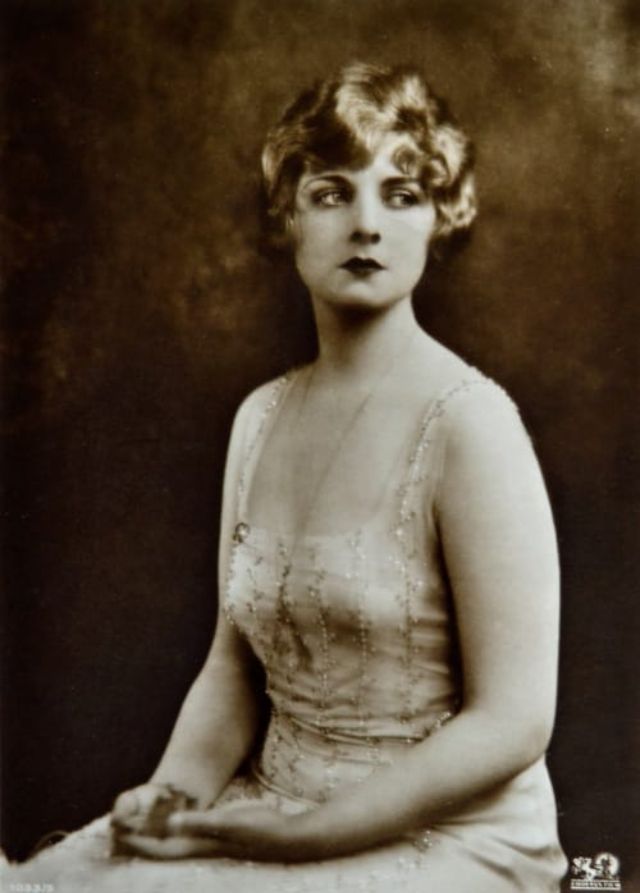
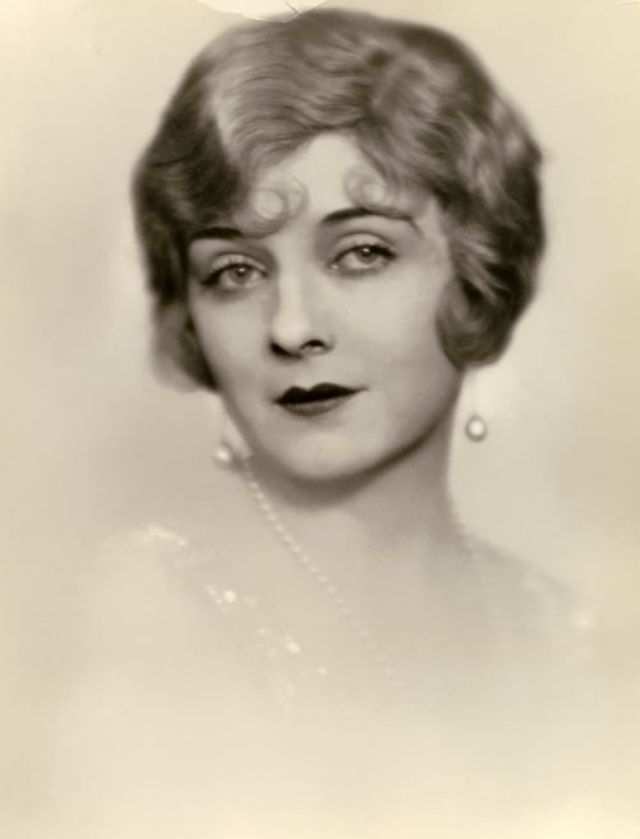
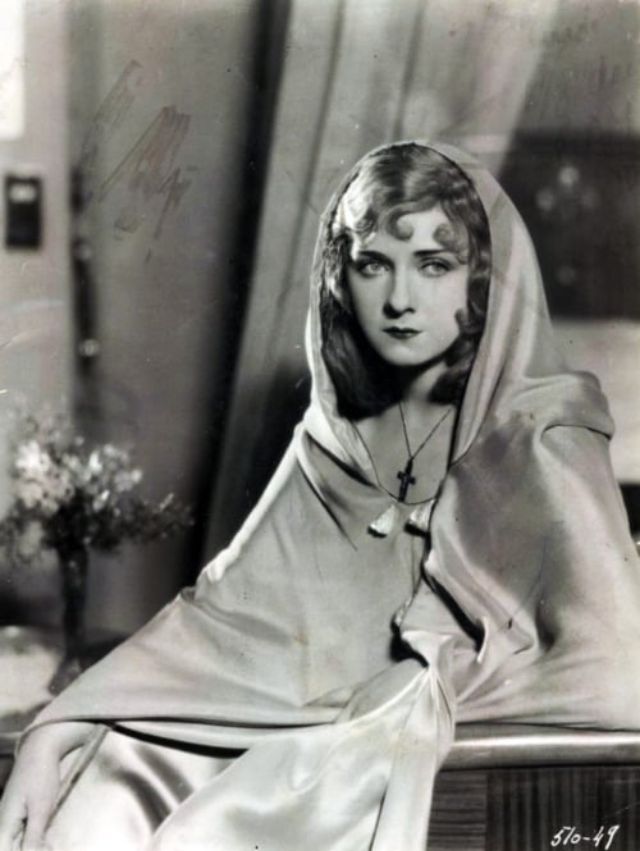
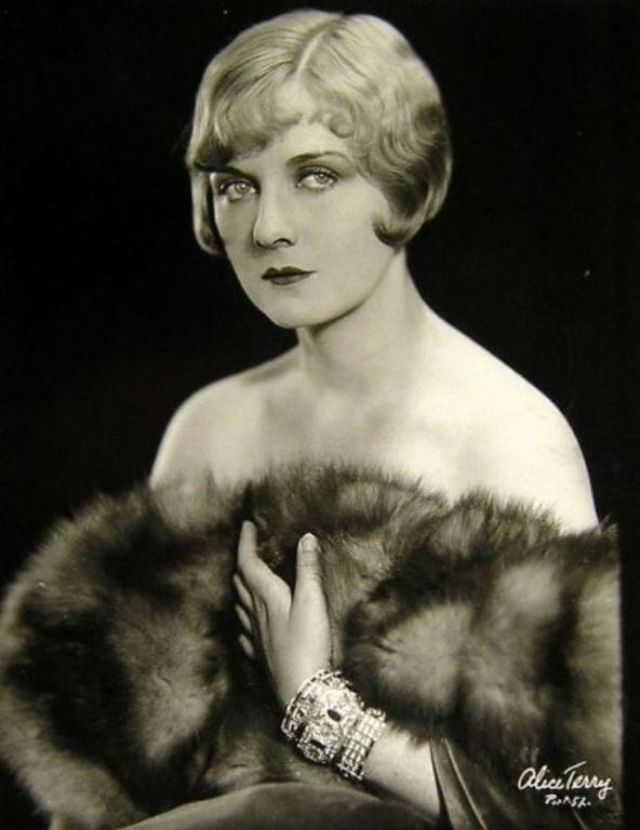
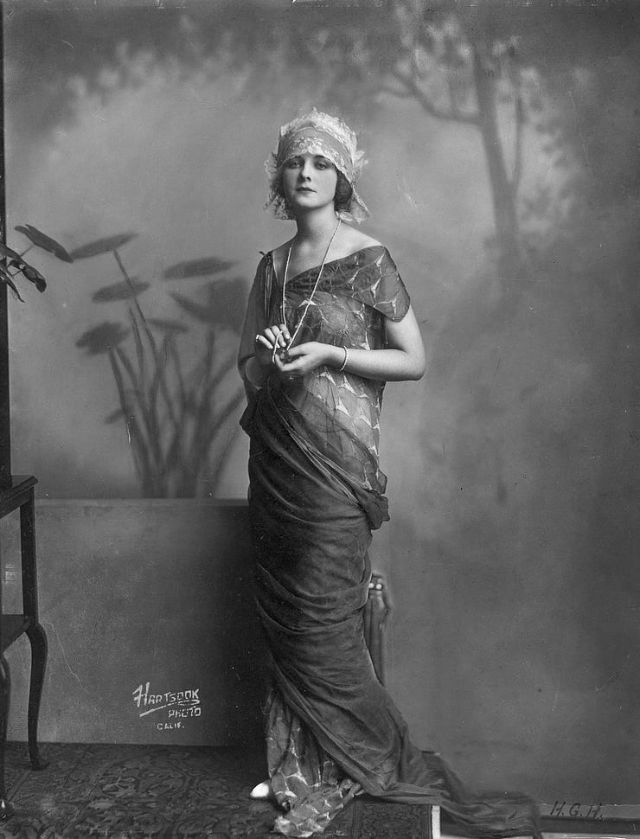
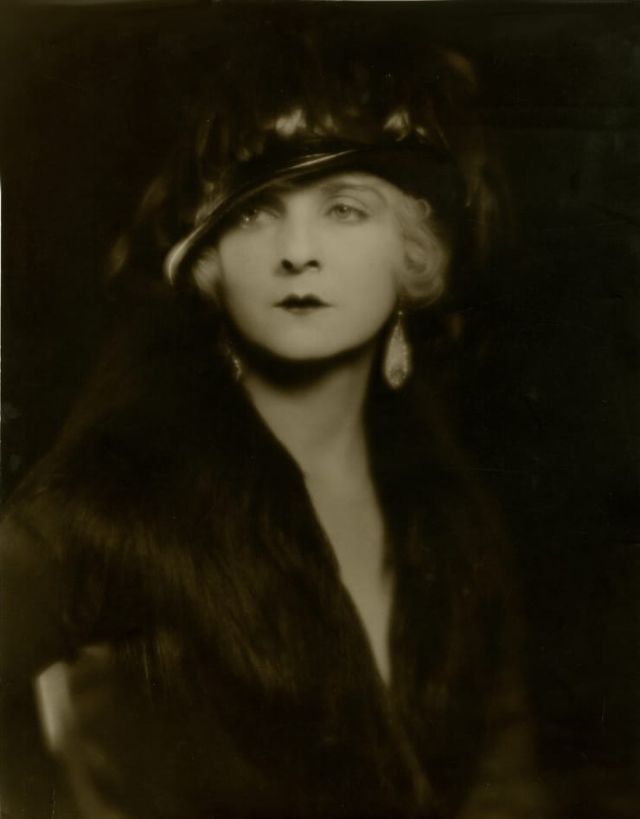
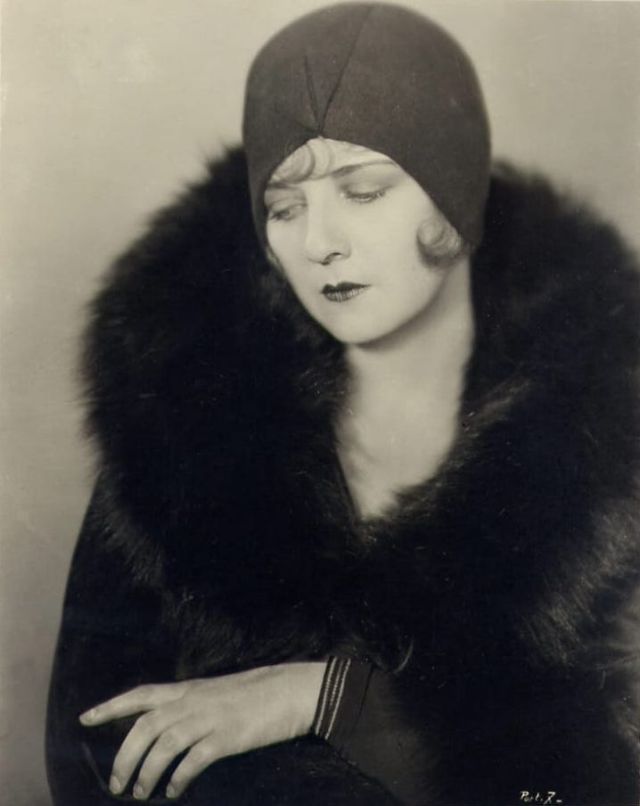
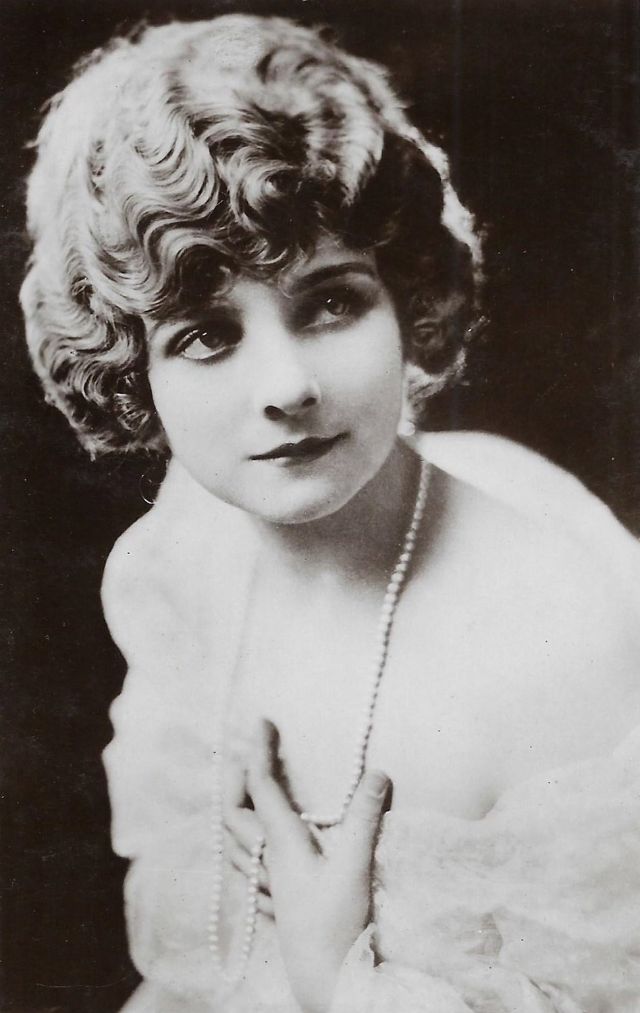
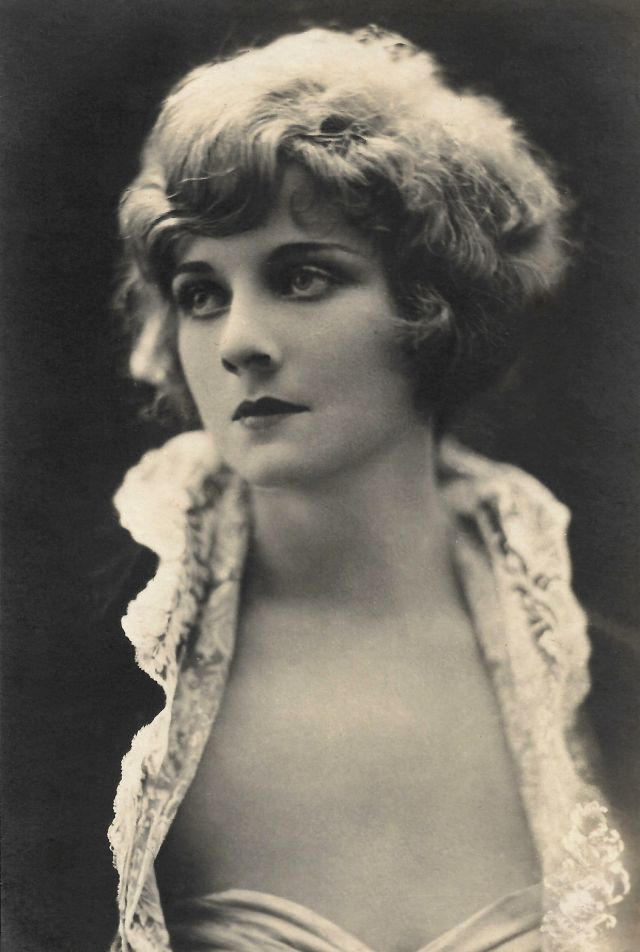
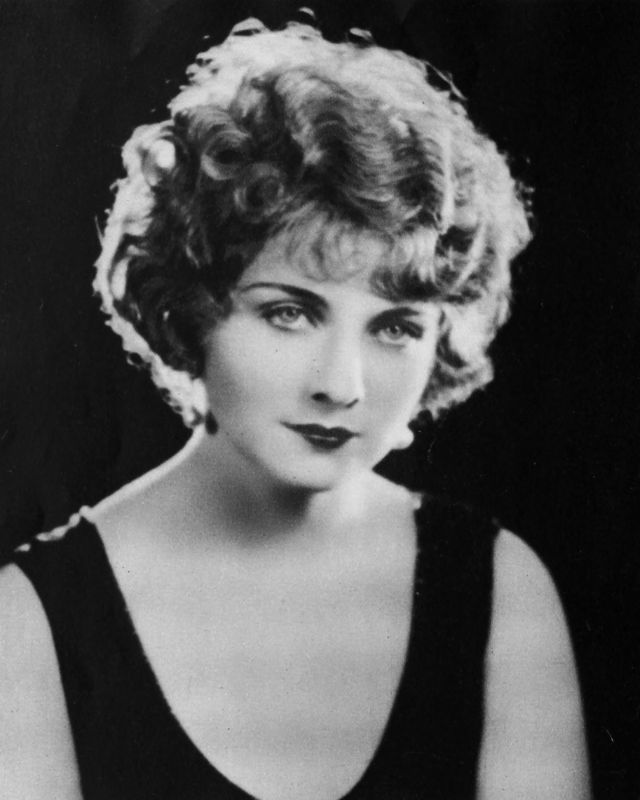
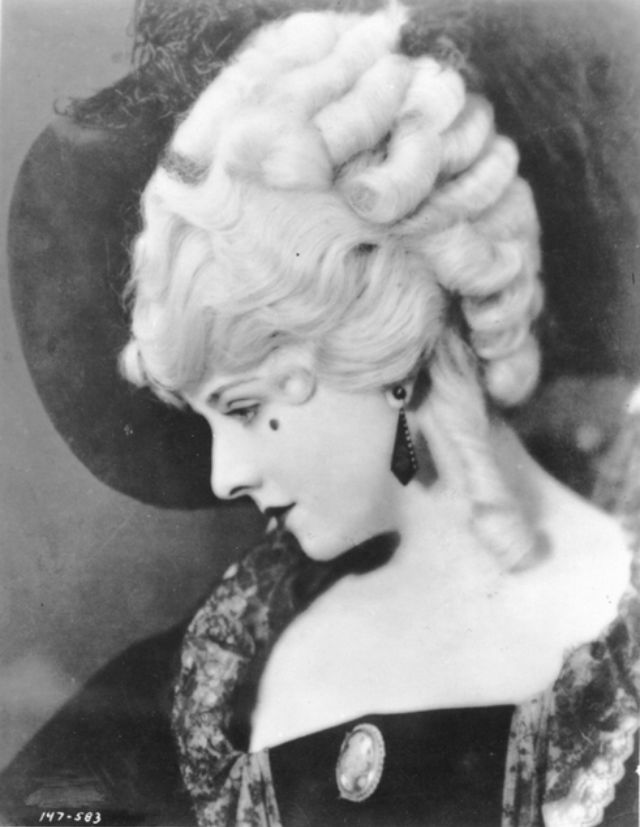
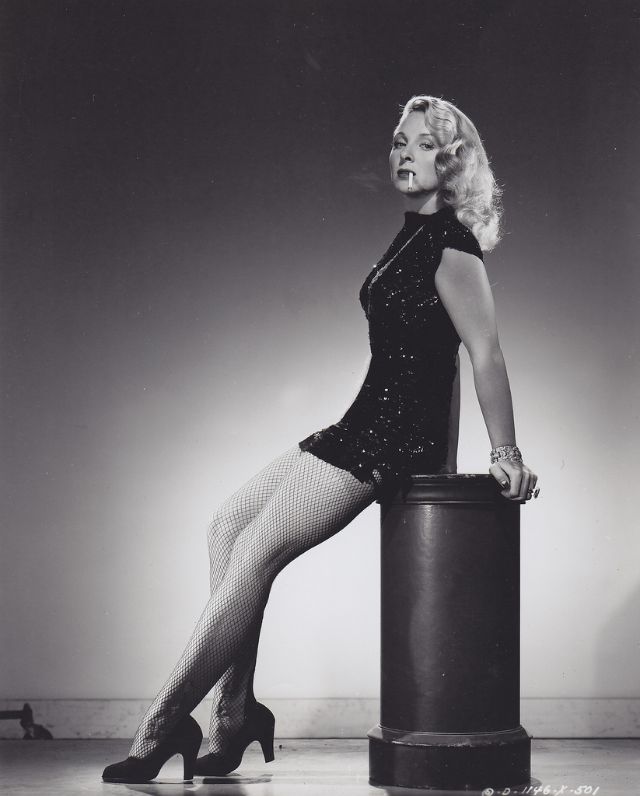
40 Gorgeous Vintage Photos of Grace Moore in the 1920s and 1930s

Born 1898 in Cocke County, Tennessee, American operatic soprano and actress Grace Moore had her first Broadway appearance in 1920 in the musical Hitchy-Koo, by Jerome Kern. Her films helped to popularize opera by bringing it to a larger audience.

Moore was nicknamed the “Tennessee Nightingale.” She was nominated for the Academy Award for Best Actress for her performance in One Night of Love (1934).

In 1947, Moore died in a plane crash at the age of 48. She published an autobiography in 1944 titled You’re Only Human Once. In 1953, a film about her life was released titled So This Is Love starring Kathryn Grayson.

Take a look at these glamorous photos to see the beauty of Grace Moore in the 1920s and 1930s.

Animal in Daguerreotypes in the Early Years of Photography

Subscribe to get access

Read more of this content when you subscribe today.

Daguerreotypes, the first commercial form of photography, appeared in America around the year 1839. These were produced by first sensitizing a polished silvered copper plate with iodine vapor, and then exposing the plate to light. The image was developed over hot mercury, fixed, and rinsed. This was a direct positive process, meaning that no negatives were produced, and so each daguerreotype is unique. Daguerreotypes can be easily distinguished from other early photographs by their reflective, mirror-like surface.

Animals are not well represented in daguerreotypes, yet their visage within them is quite informative. The inclusion of animals was inhibited by their penchant for movement, which confounded the capabilities of the daguerreotype. Nonetheless, people sought to incorporate animals into portraits, the result often being a smeared image of the being. Rather than viewing this outcome as a failure, the smeared images should be viewed as theoretically and philosophically insightful.

On the one hand, the smears suggest the frailty of existence during an era in which disease and death were common, a condition that instigated the creation of lasting daguerreotypes. The smears indicate the transient character of life in all ages, a condition that points toward an altered conception of animal ontology. These social and ontological insights have ramifications for present-day relations.

Subscribe to continue reading

Become a paid subscriber to get access to the rest of this post and other exclusive content.

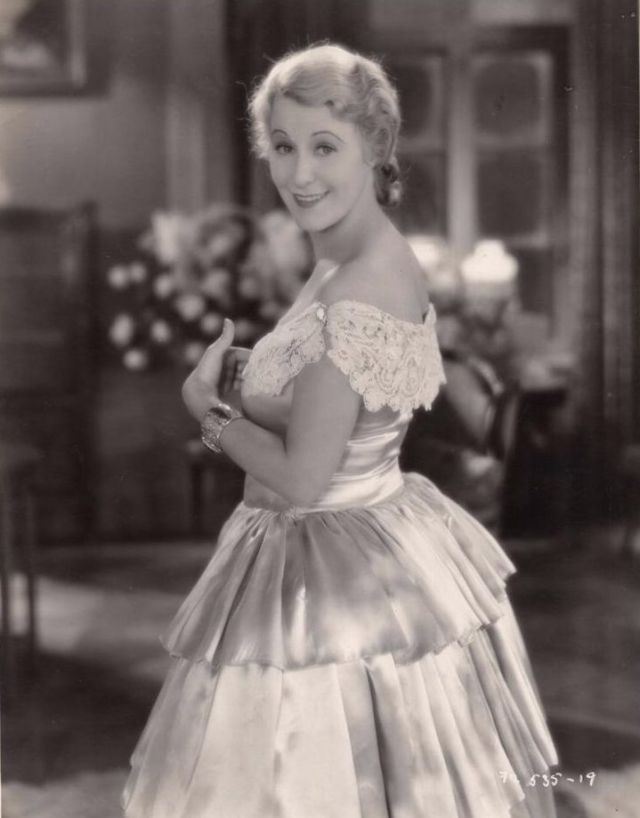
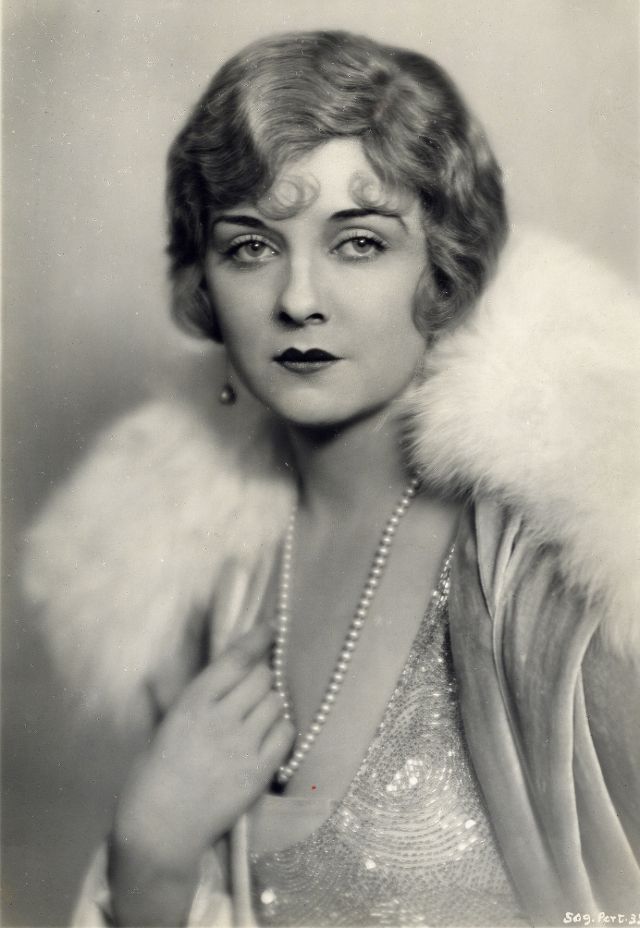
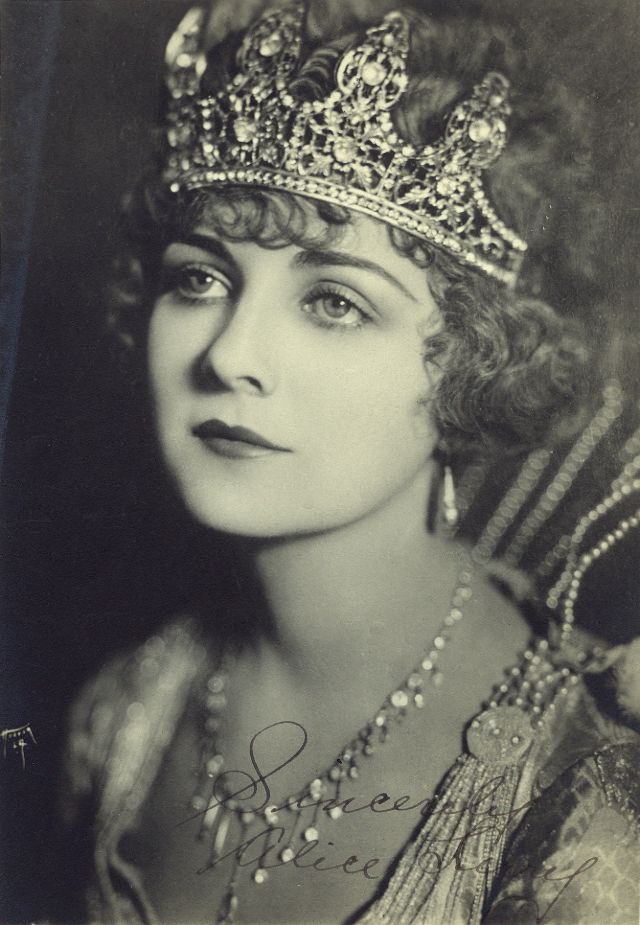
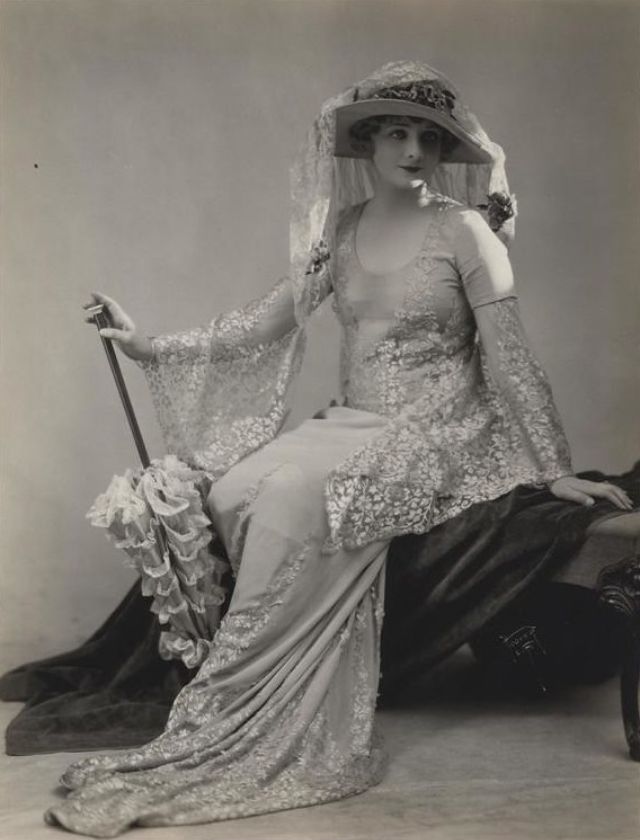
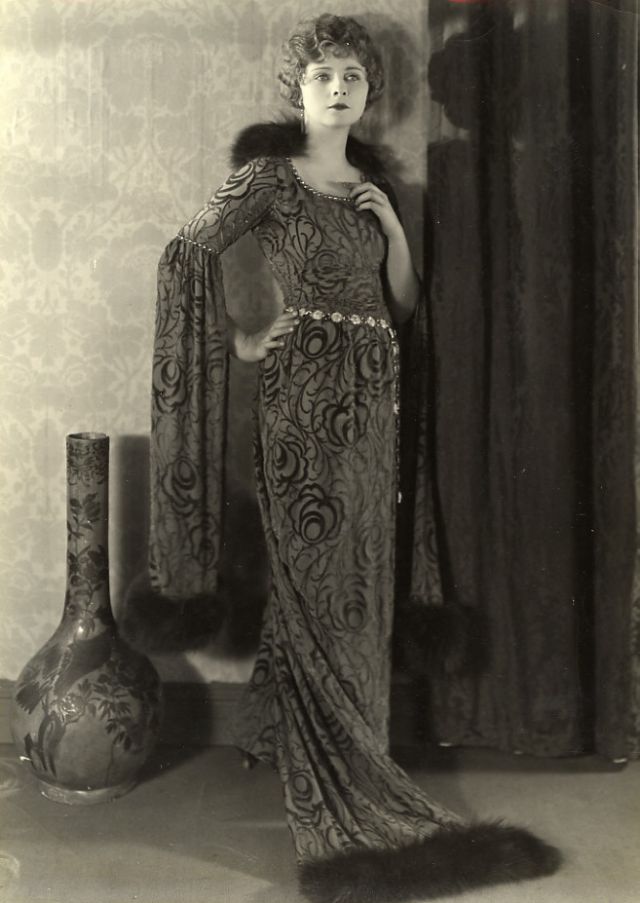
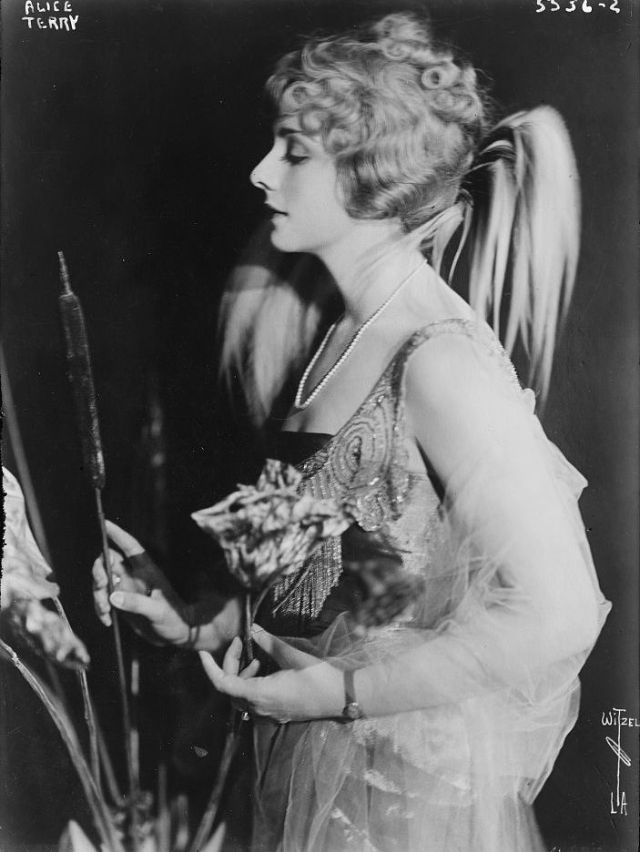
35 Vintage Photos of American Actress Alice Terry in the Early 20th Century

Born 1900 in Vincennes, Indiana, American actress Alice Terry began her career during the silent film era, appearing in thirty-nine films between 1916 and 1933. While Terry’s trademark look was her blonde hair, she was actually a brunette, and put on her first blonde wig in Hearts Are Trumps (1920) to look different from Francelia Billington, the other actress in the film.

Terry played several different characters in the 1916 anti-war film Civilization, co-directed by Thomas H. Ince and Reginald Barker. She wore the blonde wig again in her most acclaimed role as “Marguerite” in film The Four Horsemen of the Apocalypse (1921), and kept the wig for any future roles.

In 1925 her husband Rex Ingram co-directed Ben-Hur, filming parts of it in Italy. The two decided to move to the French Riviera, where they set up a small studio in Nice and made several films on location in North Africa, Spain, and Italy for MGM and others. In 1933, Terry made her last film appearance in Baroud, which she also co-directed with her husband.

Alzheimer’s put a stop to Terry’s parties and fun and she eventually died in a Burbank, California, hospital in 1987. For her contribution to the motion picture industry, Terry has a star on the Hollywood Walk of Fame at 6628 Hollywood Boulevard.

Take a look at these beautiful photos to see portrait of a young Alice Terry in the early 20th century.

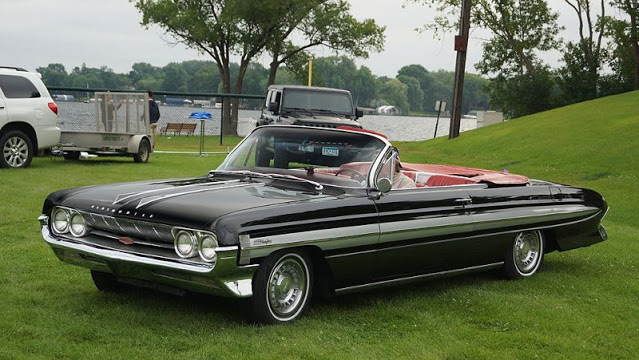
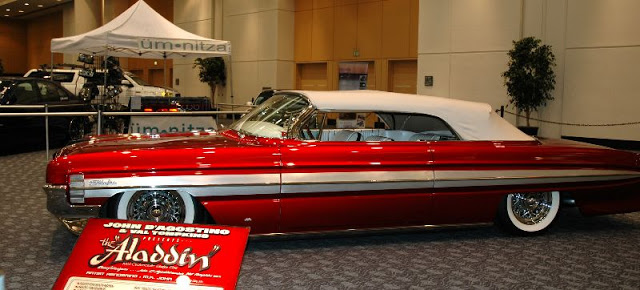
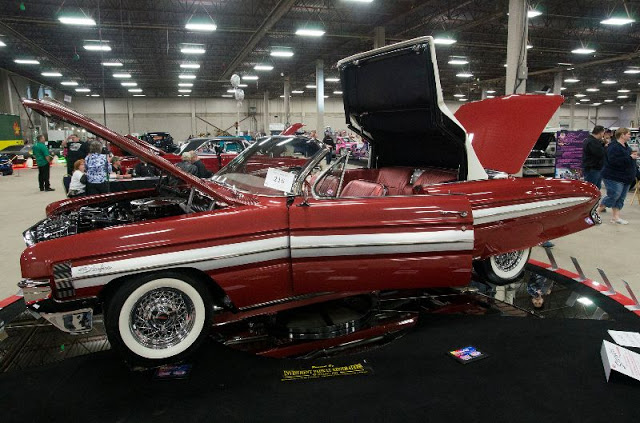
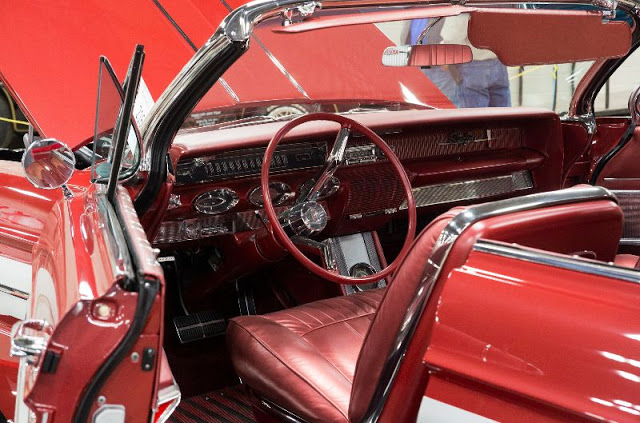
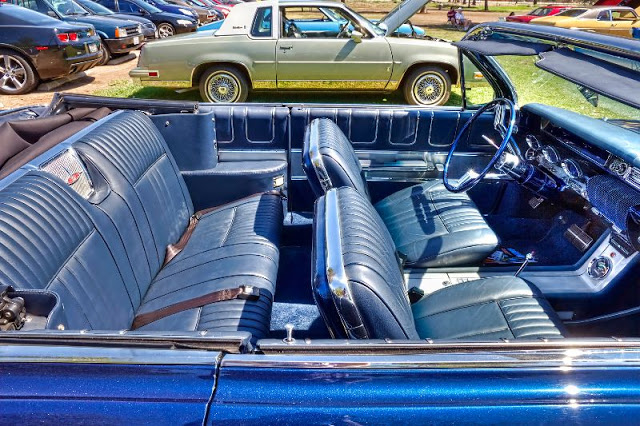
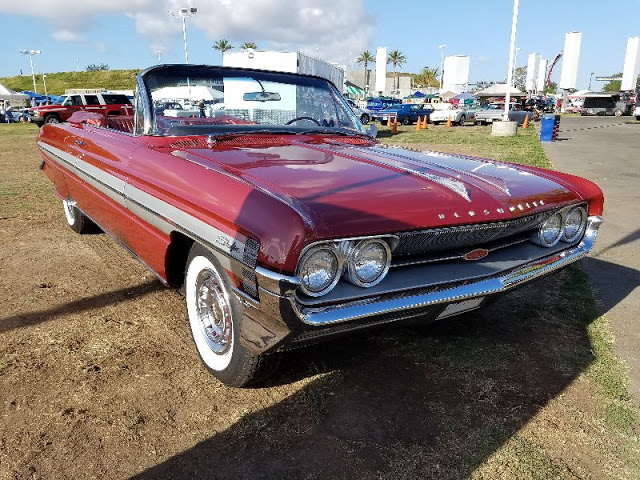
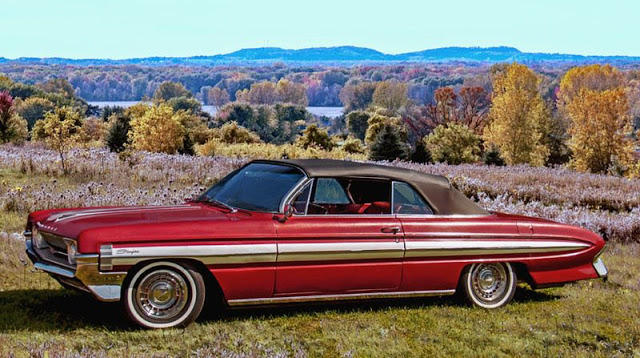
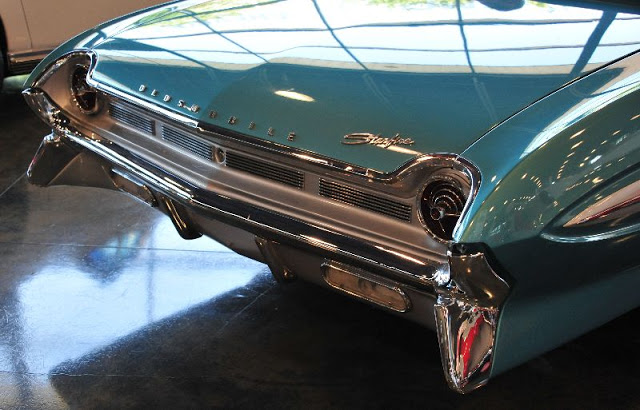
20 Amazing Photos of the 1961 Oldsmobile Starfire Convertible

The Oldsmobile Starfire is an automobile nameplate used by Oldsmobile, produced in three non-contiguous generations beginning in 1954. Oldsmobile during this time period was one of the most popular brands selling, and the company saw an opportunity to benefit from the Space Race of the 1960s.

Introduced in January 1961 as a convertible, the Starfire was separated into its own model line and shared its body and wheelbase with the Super 88 and the lower-priced Dynamic 88.

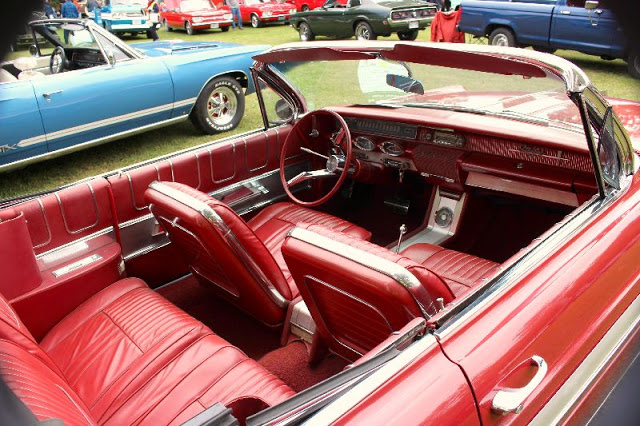
It was loaded with standard equipment including leather bucket seats, center console with tachometer and floor shifter for the Hydra-matic transmission, and was the first U.S. full-sized production car to feature an automatic transmission with a console-mounted floor shifter, brushed aluminum side panels and power steering, brakes, windows and driver’s seat.

With a base price of $4,647 in 1961, it was the most expensive Oldsmobile, even more than the larger Ninety-Eight models. The standard 394 cubic inch V-8 Skyrocket V8 engine – Oldsmobile’s most powerful in 1961 – used a 4-barrel Rochester carburetor and generated 330 hp (246 kW) at 4600 rpm.

Sales of the 1961 model were 1,500.

Here below is a set of cool photos of the 1961 Oldsmobile Starfire Convertible.

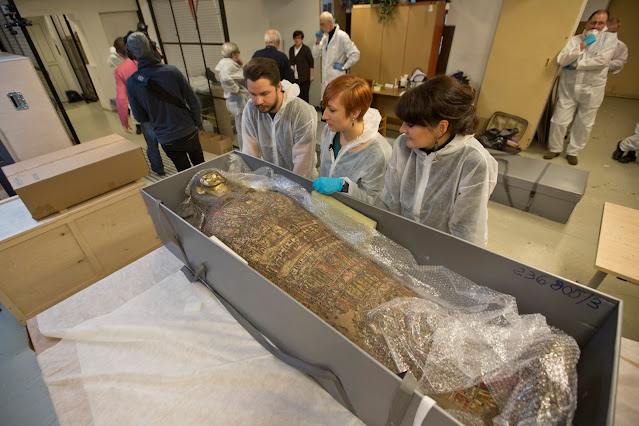
A Pregnant Ancient Egyptian Mummy From the 1st Century BC Uncovered in Poland

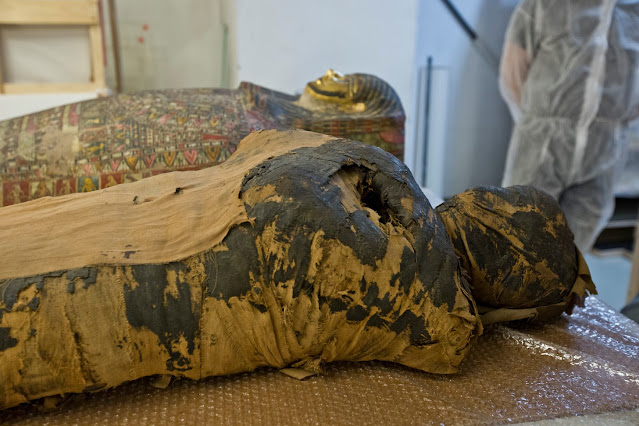
The world’s first pregnant Egyptian mummy has been discovered in Warsaw by a team of Polish scientists using radiological scanning. The mummy, which dates back to the 1st century BC, was transported to Poland in the early 1800s, and is currently in the collection of the National Museum in Warsaw.

The 2,000-year-old mummy was initially identified as the body of the male priest and scribe Hor-Djehuti, after hieroglyphic inscriptions on the sarcophagus were translated in the 1920s. However, non-invasive tomographic scans of the mummy in 2015 – which revealed that it did not have a penis, an organ the Egyptians usually mummified – suggested the body was in fact that of a woman.

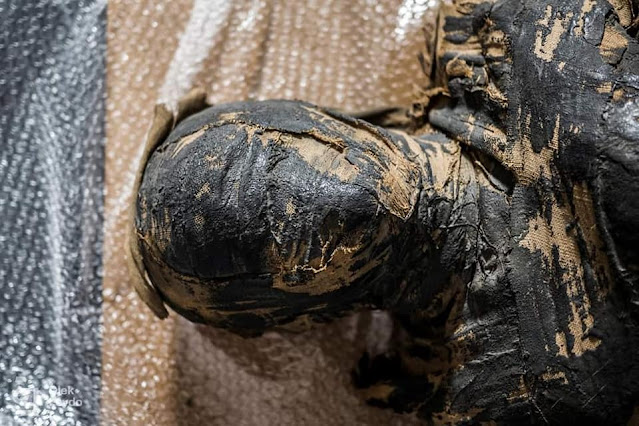
“Our first surprise was that it has no penis, but instead it has breasts and long hair, and then we found out that it’s a pregnant woman,” Marzena Ozarek-Szilke, an anthropologist and archeologist, told The Associated Press. “When we saw the little foot and then the little hand, we were really shocked.”

A 3D model also showed long, curly hair flowing to the shoulders, mummified breasts, and female genitalia. The scans then revealed the presence of a fetus in the womb of the mummy.

“For unknown reasons, the fetus was not removed from the abdomen of the deceased during mummification,” said Wojciech Ejsmond from the Institute of Mediterranean and Oriental Cultures at the Polish Academy of Sciences. “That’s why this mummy is really special. This means that ‘our’ mummy is the only one, so far recognized in the world, with a fetus in the womb.”

Researchers believe the woman was between 20 and 30 years old when she died. The size of the baby’s skull suggested she was about 26 to 28 weeks pregnant. The cause of death is not known.

The Airstream Funeral Coach, ca 1980s

Did you know? During the 1980s Airstream produced around 32 funeral coaches. Designed to transport the deceased and family and flowers all at once – with space for a coffin, flowers and seating for 14 mourners.

In 1981, Airstream introduced a modified motorhome known as the Funeral Coach. It could transport 14 family members, a casket, and up to 20 baskets of flowers between the funeral home, church, and cemetery. Airstream was motivated to practicality to create this unique offering, and the story of the Funeral Coach’s genesis is as interesting as the product itself.

The story goes that in 1979, Airstream, Inc. had launched its Class A Motorhome line for the first time. However, because a recession and a gas crisis hit American drivers hard in the late 1970s, Airstream was suffering from a loss in sales. Looking for ways to offset this loss, Airstream’s president at the time, Gerry Letourneau, wanted to diversify into a wide range of customized vehicles based on motorhomes. Along with the Funeral Coach, this customized line included the Air Coach, which allowed business professionals to work together on the road, and the Sales Coach, which served as a mobile sales office or display room.

A brochure introducing the Airstream Funeral Coach.

The Airstream Funeral Coach comfortably seated its passengers in either individual aircraft-style seats or on a wrap-around couch. It had a rear hatch compartment for flowers and a discreet side compartment for the casket. The Funeral Coach was presented as a fuel-efficient alternative that would reduce funeral procession traffic while maintaining dignity. Most importantly, however, it allowed families to travel together during a trying time.

In 1981, the cost of a Funeral Coach was $85,000 (about $250,000 today). A traditional hearse came in at $40,000, and two standard funeral limousines cost $60,000. Comparatively, the Funeral Coach was a cost-efficient option – and it was also backed by Airstream’s reputation for quality aluminum vehicles.

Interior of a brochure for the Airstream Funeral Coach.

The standard floor plans were 27’ and 28’, but customized floor plans ranging from 24’ to 35’ were also available. Some funeral home owners chose to add features such as a radio, television, microwave, and lavatory to provide extra comfort for families on longer journeys. Funeral home nameplates and identifiers were added to the exterior of the Funeral Coach, but these were removable. Because it did not look like a hearse, the unit was versatile, and early brochures advertised that it could be loaned out for special functions.

Owner testimonies were positive and stated that families embraced the new approach as a comfortable, appropriate way to be together during a difficult time. Ultimately, however, only 32 units were produced from 1981-1991.

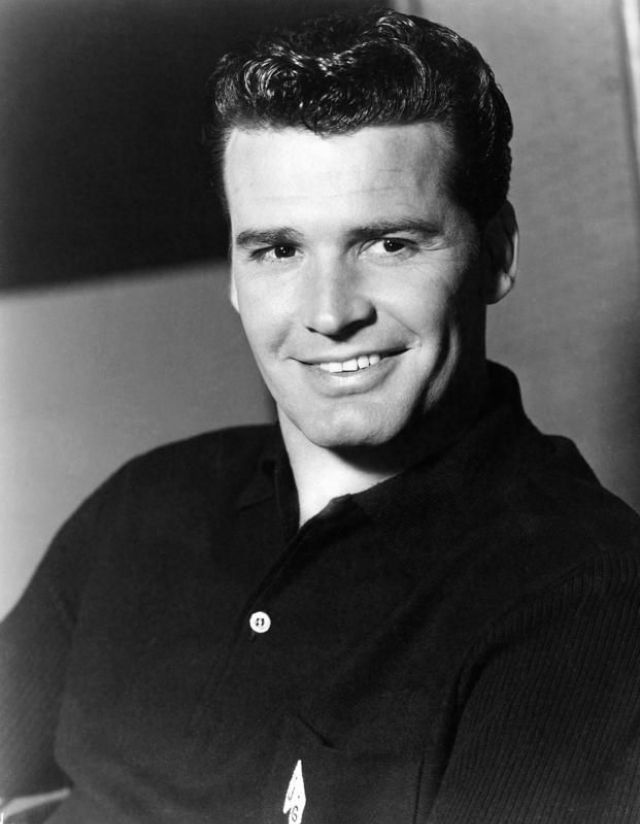
35 Vintage Photos of American Actor Dana Andrews in the 1940s and 1950s

Born 1909 near Collins in southern Mississippi, American actor Dana Andrews had his first role in Lucky Cisco Kid (1940), then in Sailor’s Lady (1940), released by Fox. He had his first lead in the B-movie Berlin Correspondent (1942), and second lead in Crash Dive (1943) and then appeared in the 1943 film adaptation of The Ox-Bow Incident in a role often cited as one of his best in which he played a lynching victim.

Andrews was a major Hollywood star during the 1940s. He is remembered for his roles as a police detective-lieutenant in the film noir Laura (1944) and as war veteran Fred Derry in The Best Years of Our Lives (1946), the latter being the role for which he received the most critical praise.

Andrews spent the 1970s in supporting roles of Hollywood films. He also appeared regularly on TV in such shows as Ironside, Get Christie Love!, Ellery Queen, The American Girls, The Hardy Boys/Nancy Drew Mysteries, and The Love Boat.

Andrews’s final roles included Born Again (1978), Ike: The War Years (1979), The Pilot (1980), Falcon Crest (1982–83) and Prince Jack (1985). He died of congestive heart failure and pneumonia in 1992, 15 days before his 84th birthday.

Take a look at these vintage photos to see portrait of Dana Andrews in the 1940s and 1950s.
Yesterday Today

Bringing You the Wonder of Yesterday - Today

Skip to content ↓