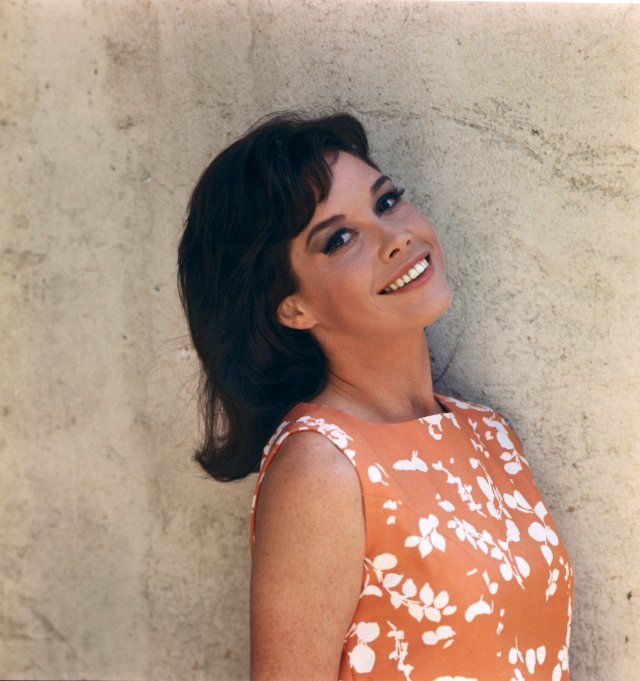
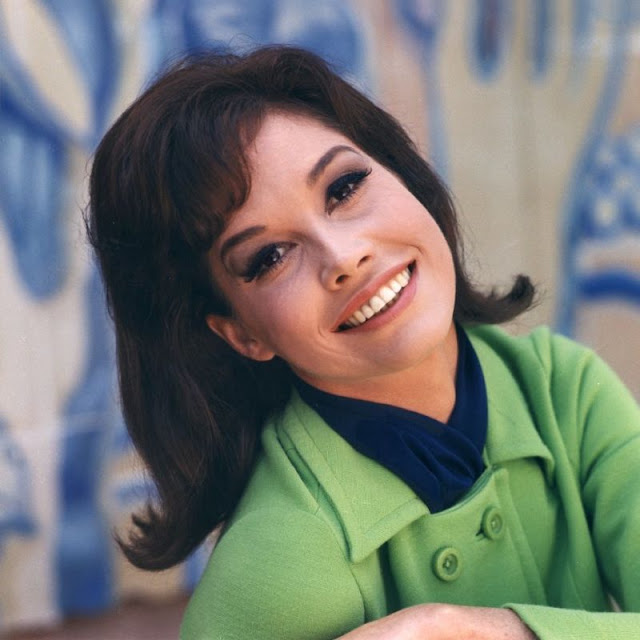
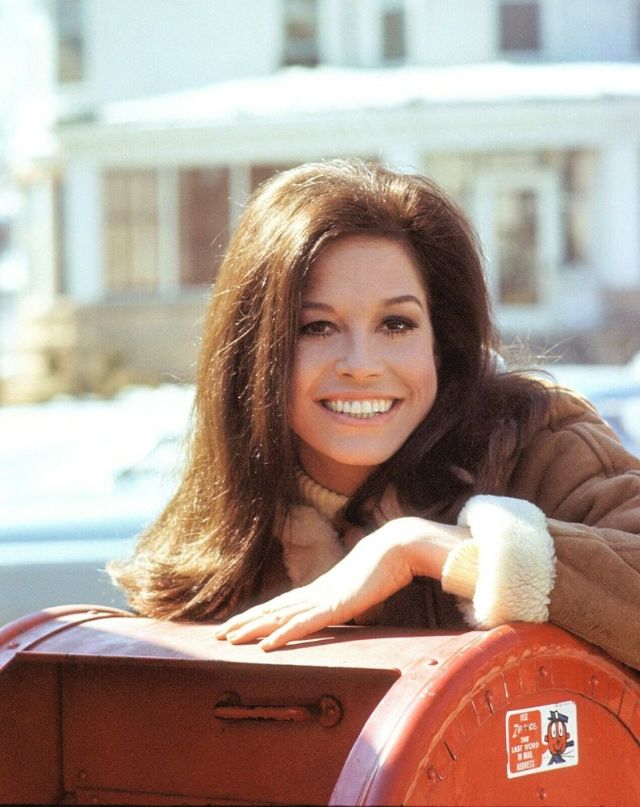
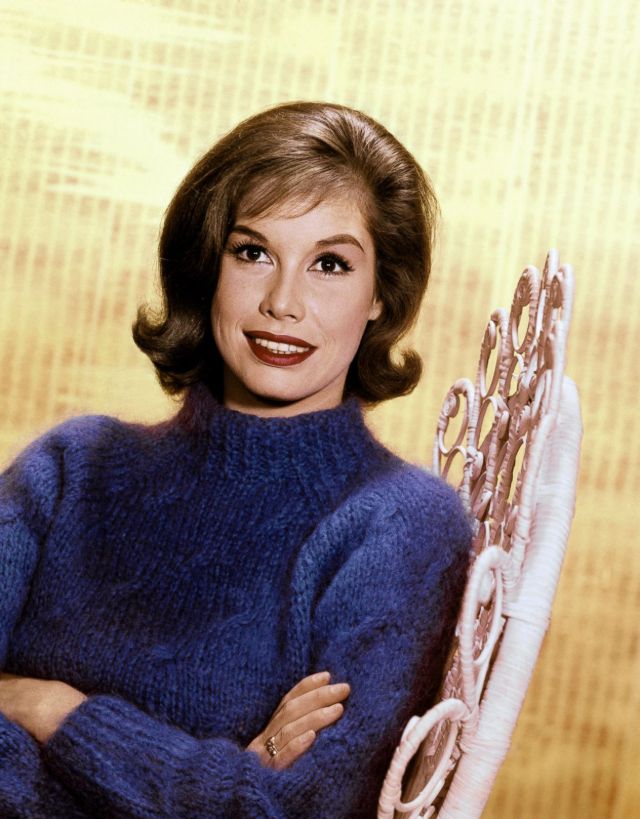
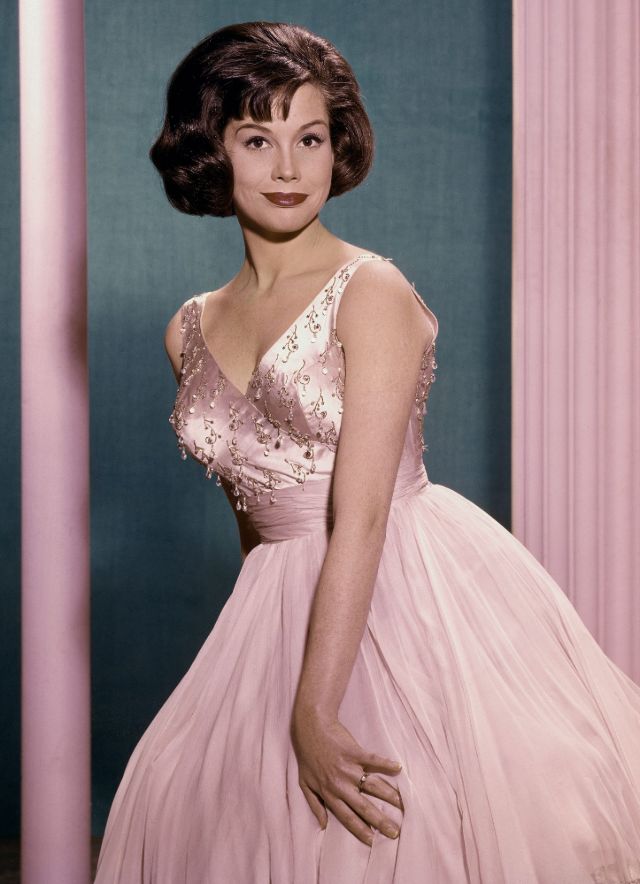
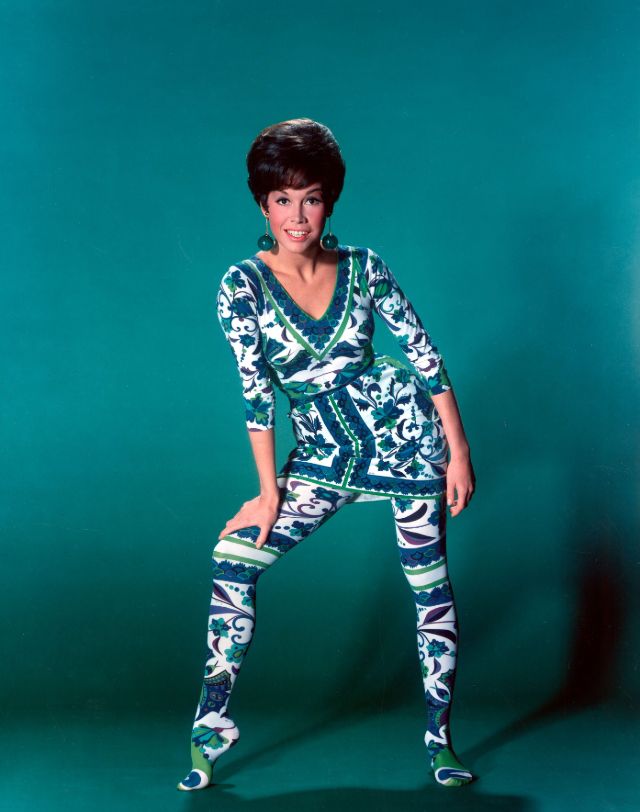
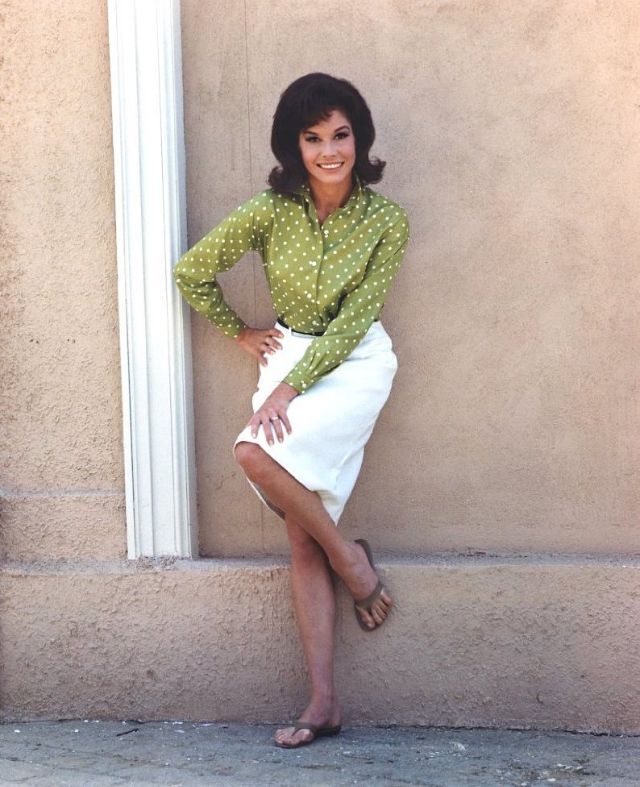
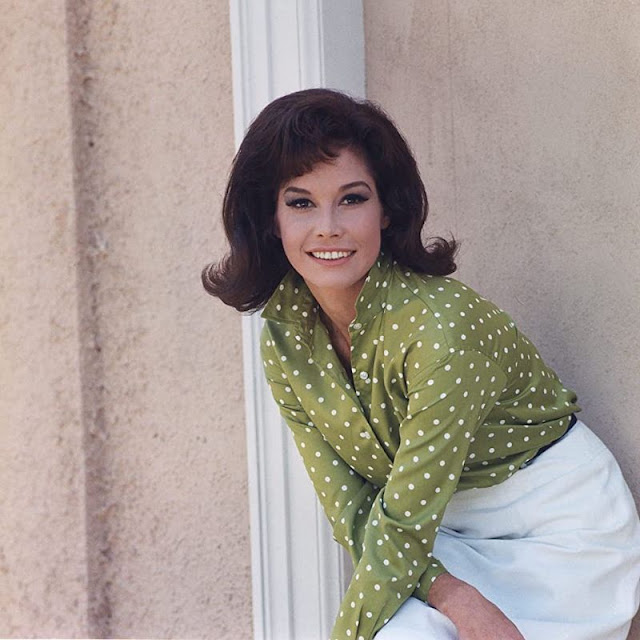
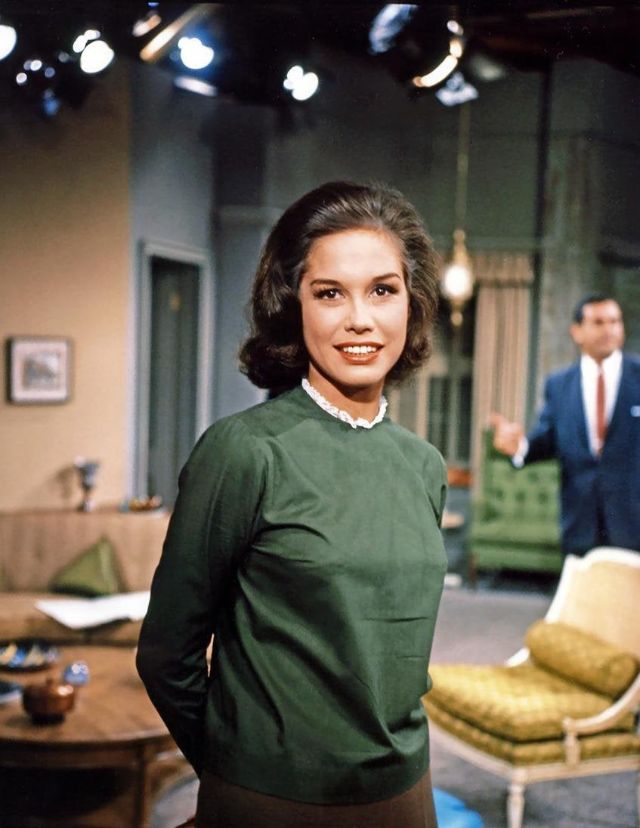
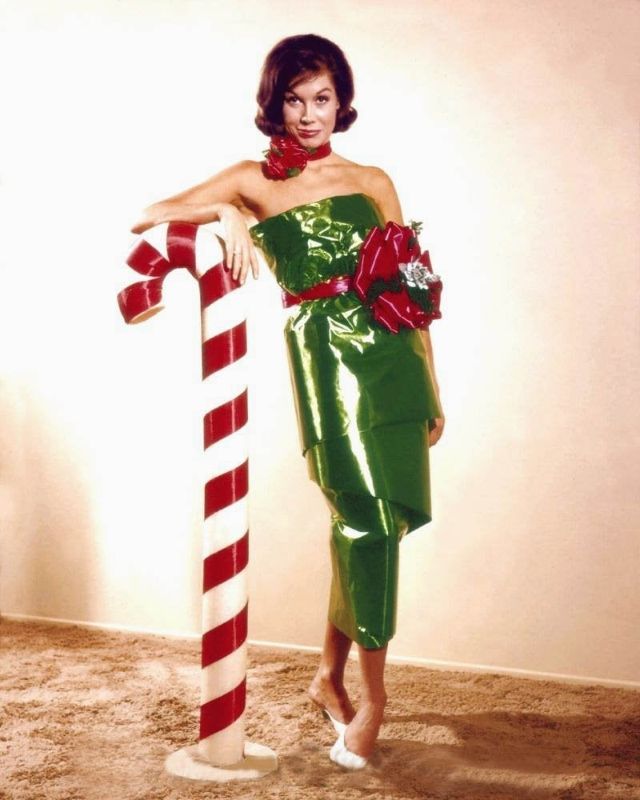
Born 1936 in New York City, American actress, producer, and social advocate Mary Tyler Moore began with a job as “Happy Hotpoint”, a tiny elf dancing on Hotpoint appliances in TV commercials during the 1950s series Ozzie and Harriet. Her first regular television role was as a mysterious and glamorous telephone receptionist in Richard Diamond, Private Detective.
Moore was widely known for her prominent television sitcom roles in The Dick Van Dyke Show (1961–1966) and The Mary Tyler Moore Show (1970–1977). She won seven Emmy Awards and three Golden Globe Awards. Her film work included 1967’s Thoroughly Modern Millie and 1980’s Ordinary People, the latter earning Moore a nomination for the Academy Award for Best Actress.
With her two most prominent roles challenging gender stereotypes and norms, The New York Times said Moore’s “performances on The Mary Tyler Moore Show and The Dick Van Dyke Show helped define a new vision of American womanhood”. The Guardian said “her outwardly bubbly personality and trademark broad, toothy smile disguised an inner fragility that appealed to an audience facing the new trials of modern-day existence”.
Moore was an advocate for animal rights, vegetarianism and diabetes prevention. She died at the age of 80 in 2017, at Greenwich Hospital in Greenwich, Connecticut. Take a look at these beautiful photos to see portrait of a young Mary Tyler Moore in the 1960s and 1970s.
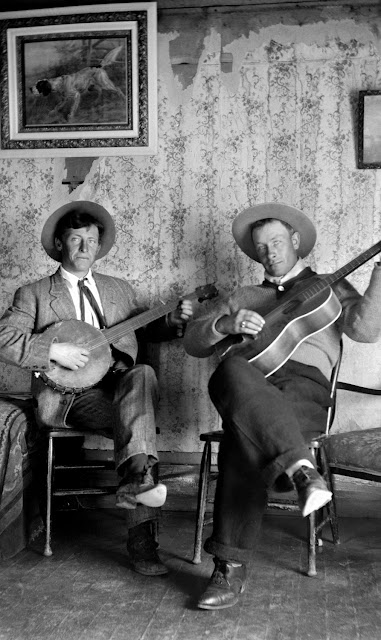
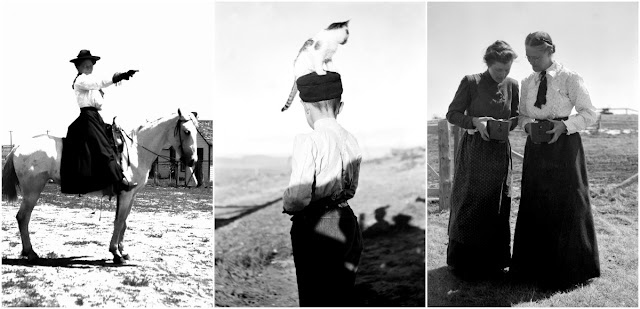
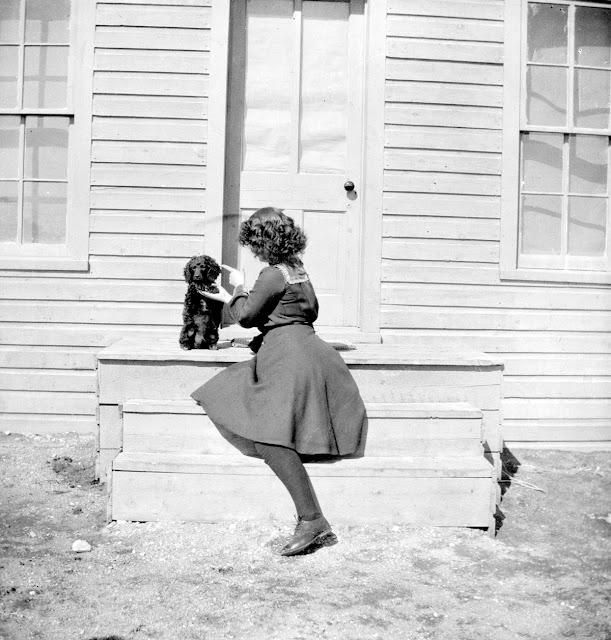
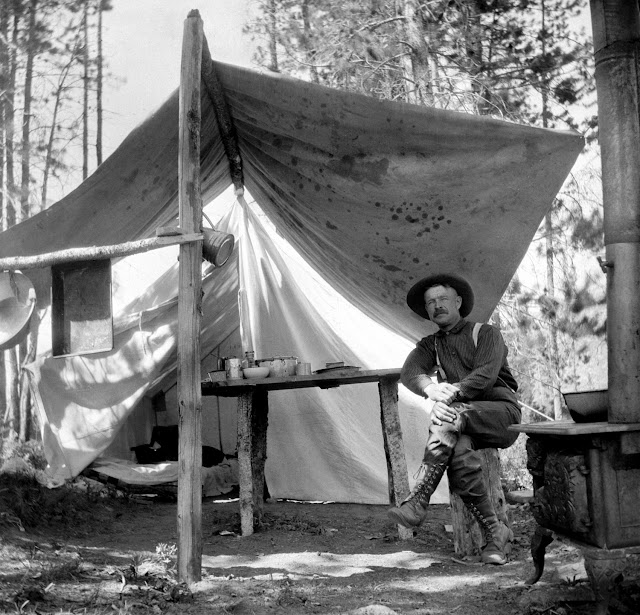
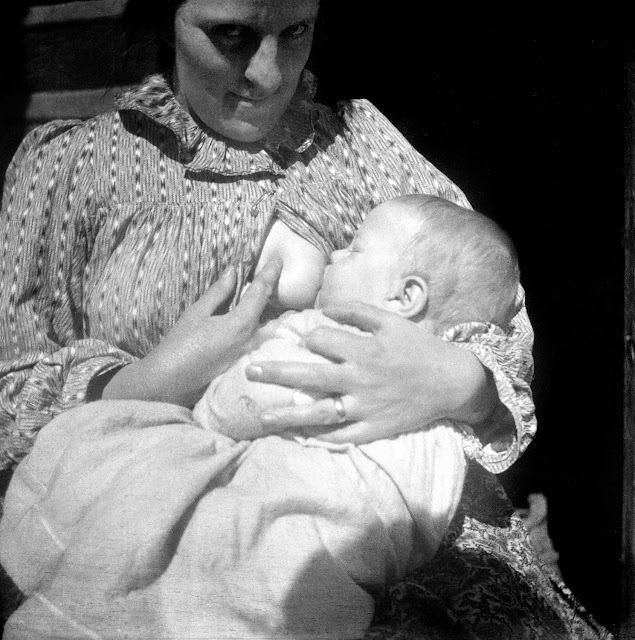
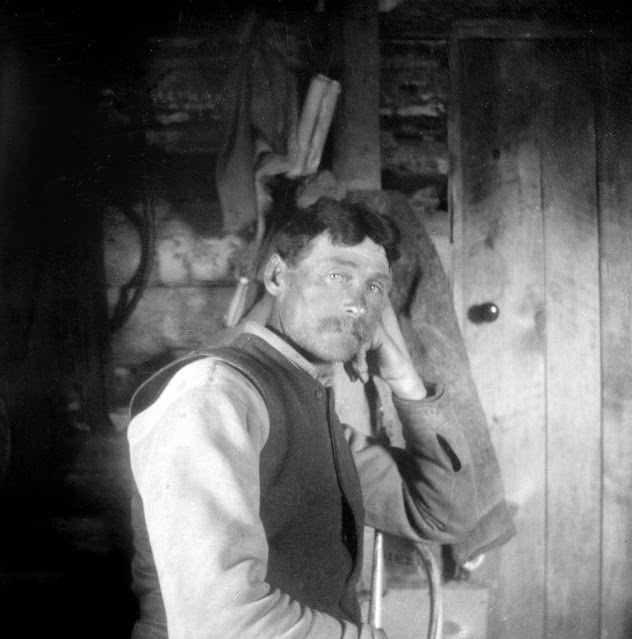
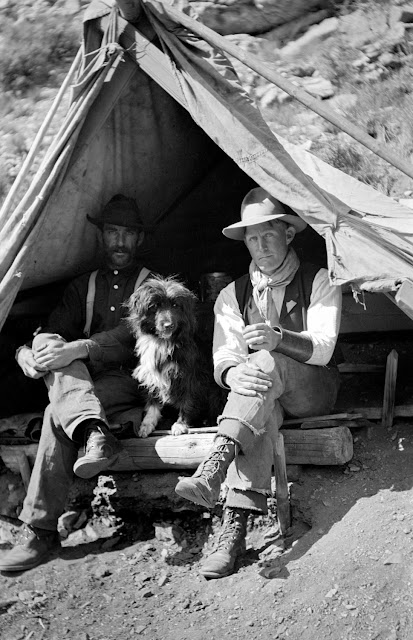
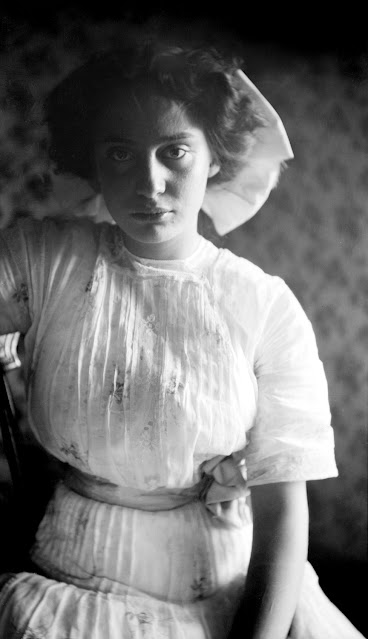
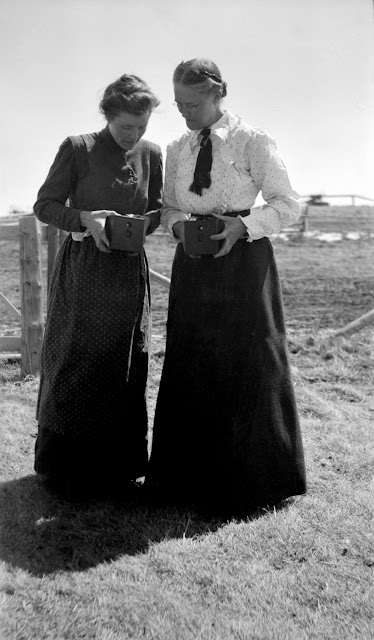
Laura Webb Nichols (1883–1962) got her first camera on her 16th birthday, October 28, 1899, as a gift from Bert Oldman, a miner who would become her first husband the following year and the subject of many of her early photographs.
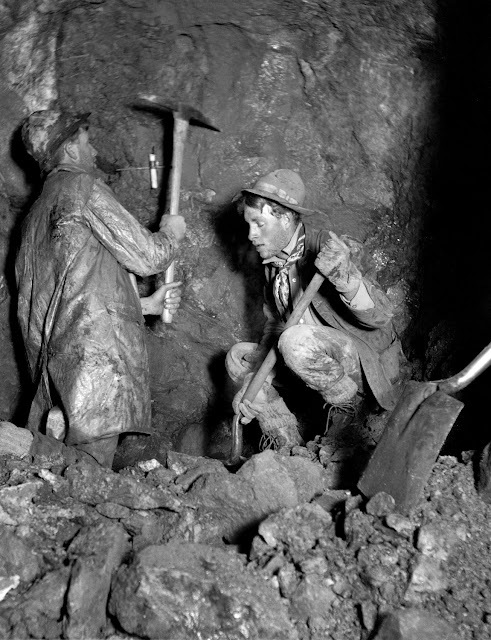
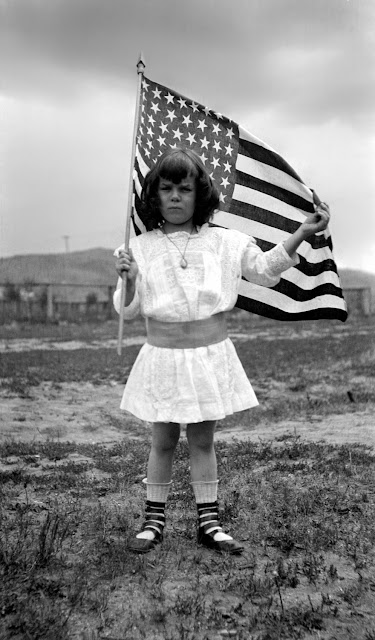
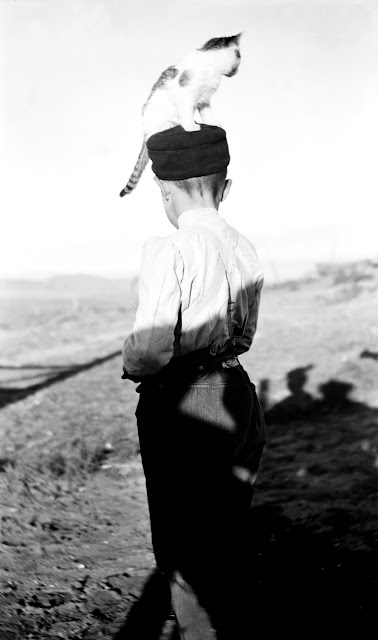
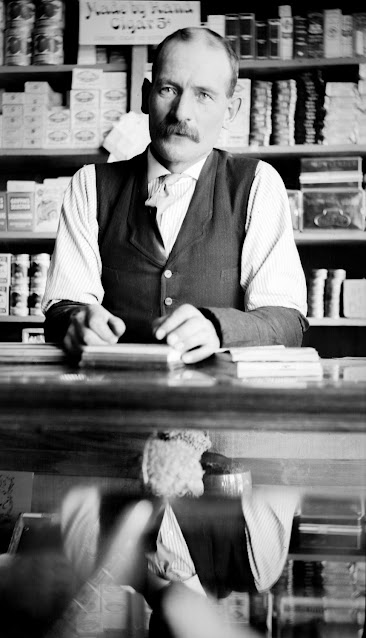
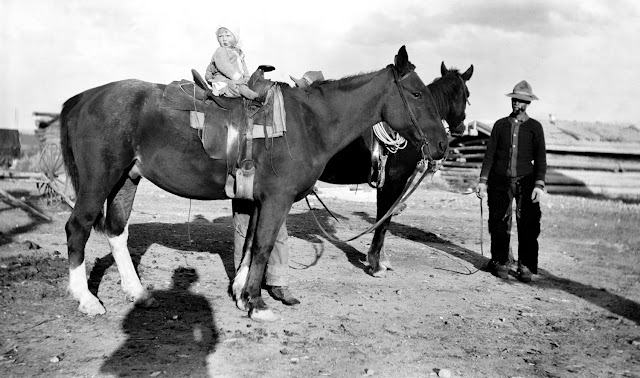
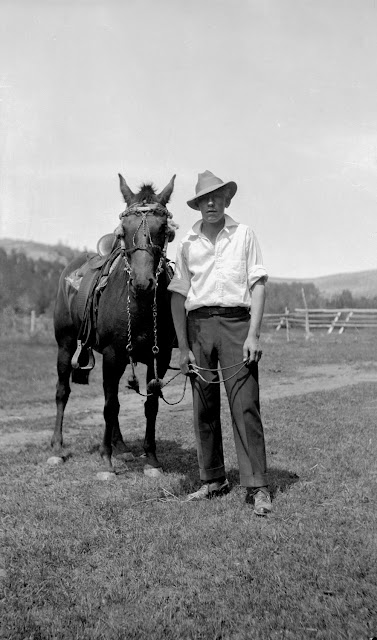
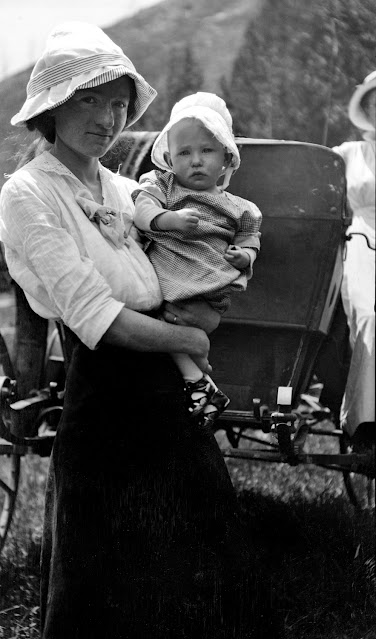
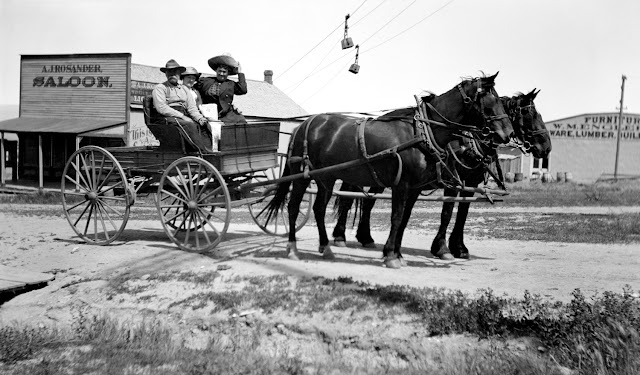
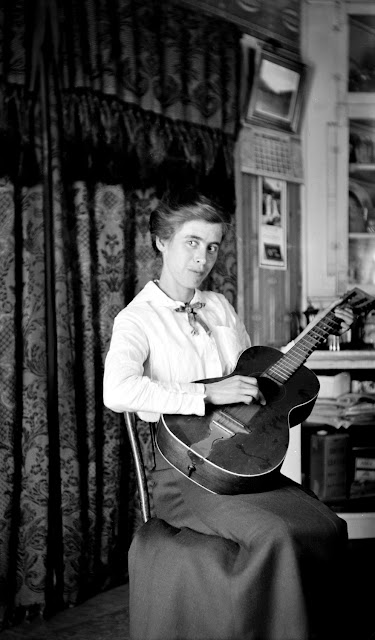
The earliest photographs are of her immediate family, self-portraits, and landscape images of the cultivation of the region surrounding the mining town of Encampment, Wyoming. In addition to the personal imagery, the young Nichols photographed miners, industrial infrastructure, and a small town’s adjustment to a sudden, but ultimately fleeting, population increase. The images chronicle the domestic, social, and economic aspects of the sparsely populated frontier of south-central Wyoming.
As early as 1906, Nichols was working for hire as a photographer for industrial documentation and family portraits, developing and printing from a darkroom she fashioned in the home she shared with her husband and their children. After the collapse of the copper industry, Nichols remained in Encampment and established the Rocky Mountain Studio, a photography and photofinishing service, to help support her family. Her commercial studio was a focal point of the town throughout the 1920s and 1930s.
Elva and Carrie Hinman, 1902Mabel Wilcox, 19021902Bert Oldman, 1906Nora and Irwin Fleming, 1906Family, 1906Nora and Irwin Fleming, 1907Charlie Fate, 1907Jenny, Hank, and Carl Ashely, 1907Maggy and Mary Nichols, 1909Helene and Monte, 1910Al Anderson and Ot Huston, 1910Mrs Bill Malody, 1910Helene Wolfard, 1911Guy Nichols and Hank Beecher, 1911Mary Anderson, 1911Louis Martin and Dave Nichols, 1911Maud and Nina Platte, 1911Alva Martin, 1911Ruth Winkleman, 1911Bert Oldman, 1911Joe Pixley, 1911Nina Platt, 1911Lizzie and Sylvia Nichols, 1912Mac, 1912Sylvia Nichols, 1912Bert Oldman, 1913Guy Nichols, 1913Sylvia Nichols, 1914Helmer Peterson, 1914Vivian Ledbetter, 1914Mr. and Mrs. Shafe and Agnes Brackley, 1914Mary Platt, 1915Frances Heaton and Russel Parr, 19161918
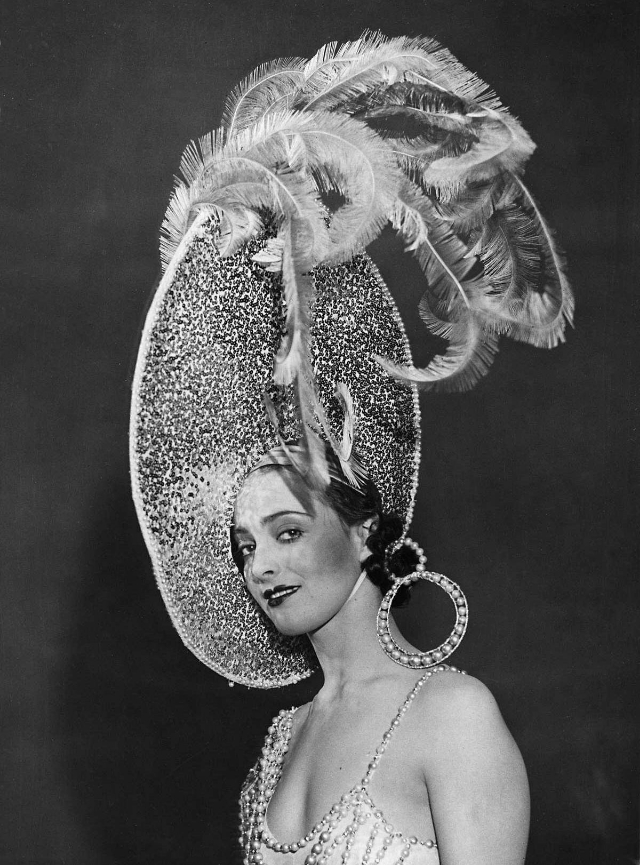
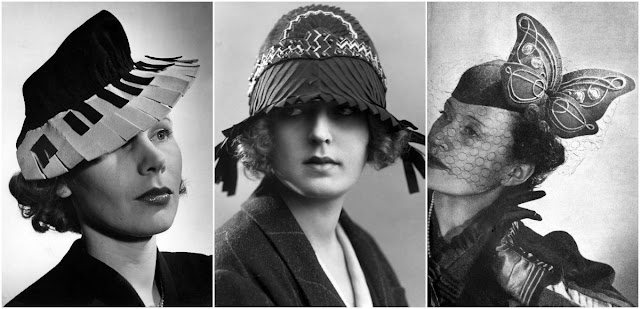
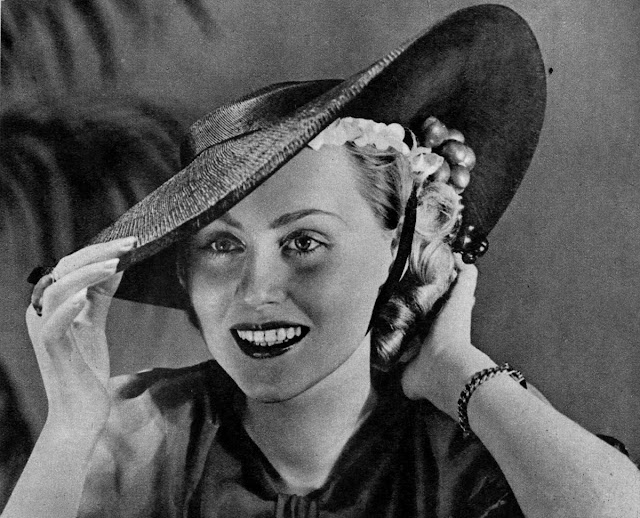
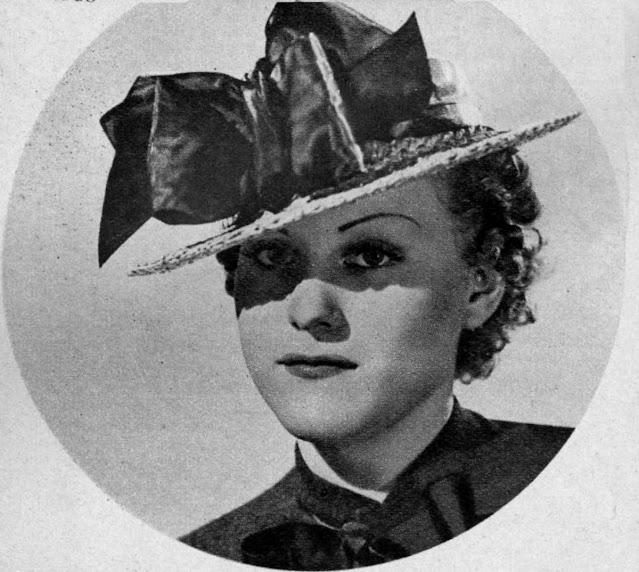
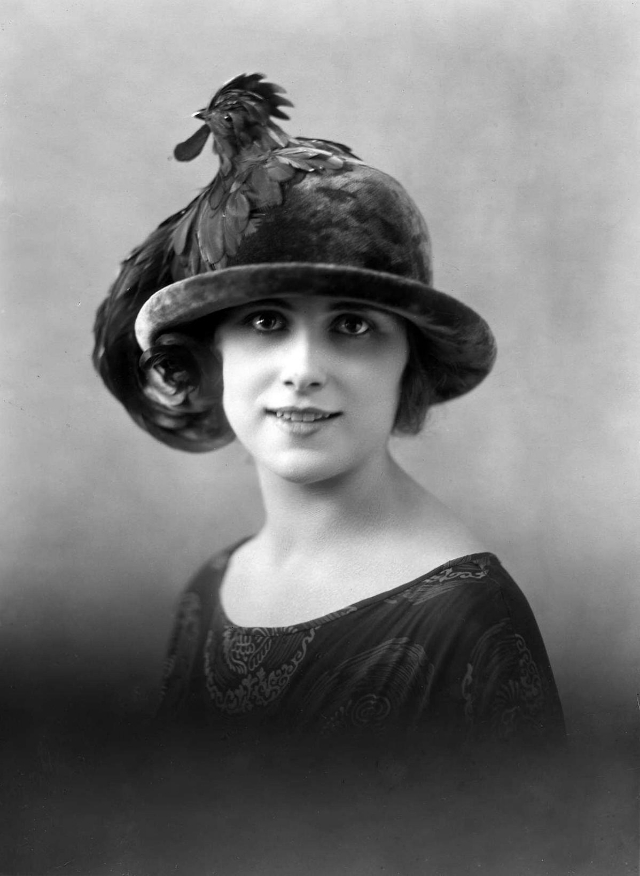
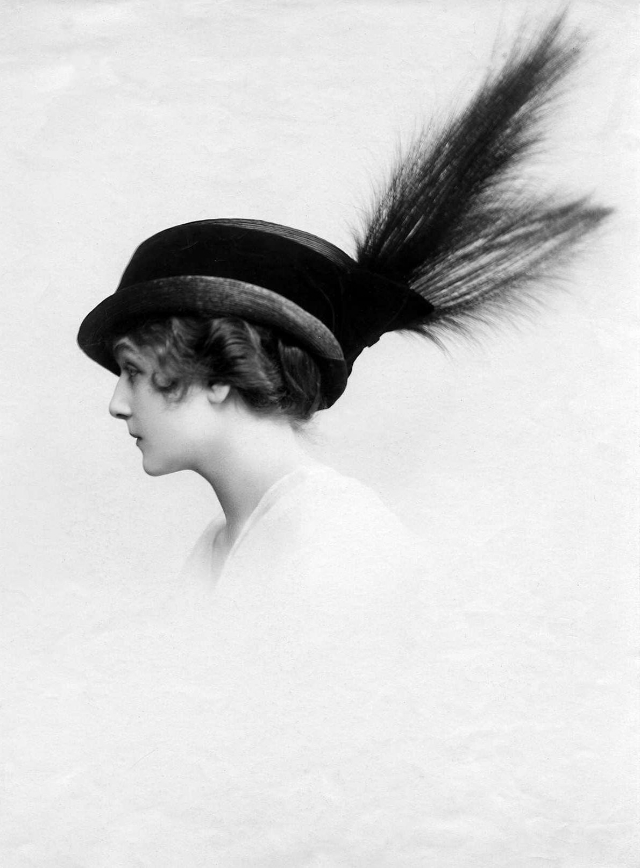
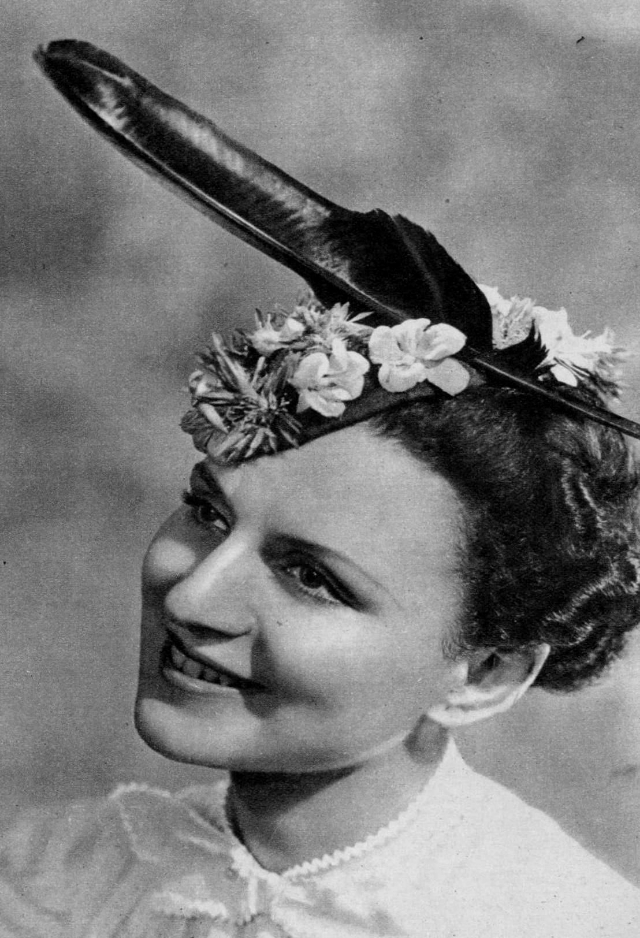
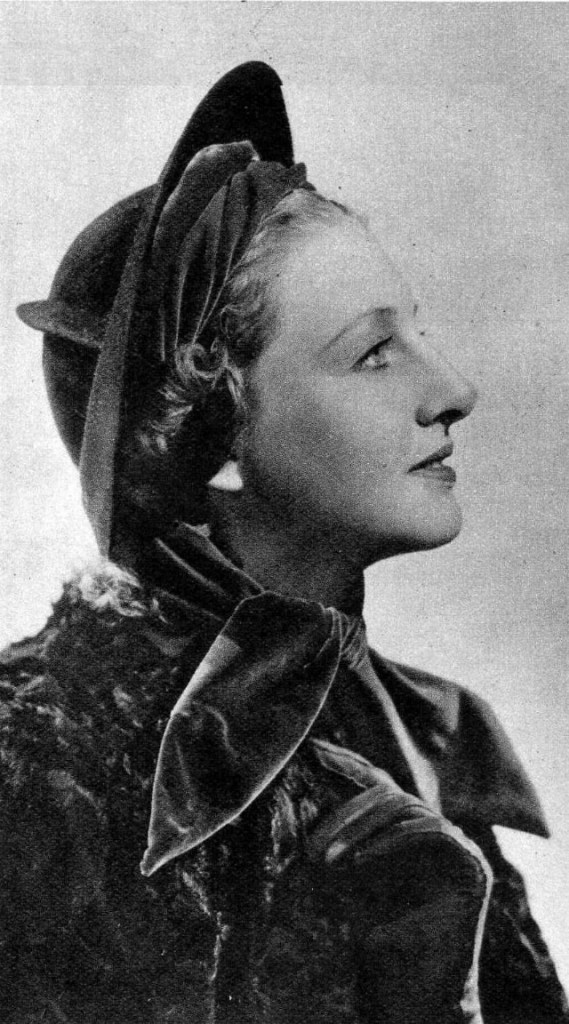
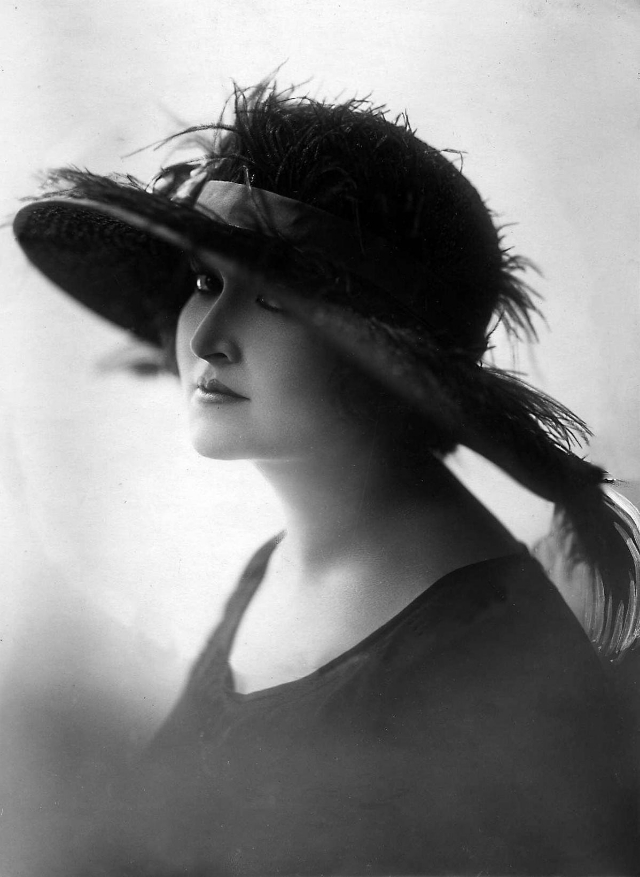
Hats are head coverings with a crown and usually a brim. They are distinguished from caps that are brimless but may have a visor. Hats are important because they adorn the head, which is the seat of human rational powers, and they also frame the face. Women’s hats have often been differentiated from men’s headwear, although in modern times, many women’s hat styles have been copied from men’s.
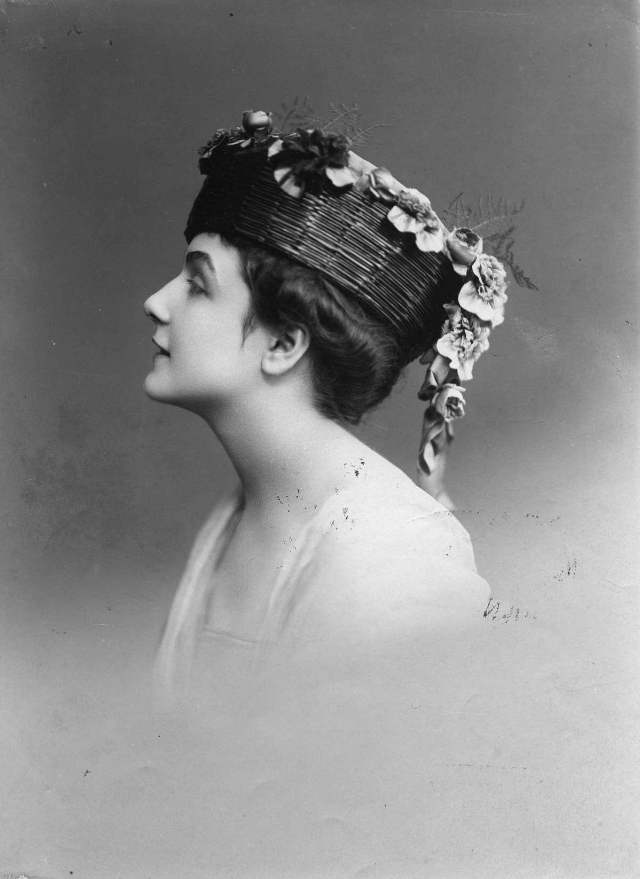
In the early 20th century, it was fashionable for a lady’s silhouette to resemble an S-shape. The hat was an essential element. It was worn on top of piled up hair and positioned to cantilever over the face. This curvaceous form was carried through the bodice that was pouched over the waist and ended in a trained skirt. Also popular in this era was the ‘toque’, the name given to a brimless hat.
By the end of the war and in honor of the soldier’s girlfriend (the era’s heroine) the fashionable ideal was for a youthful look. Hats slipped down the head, making the wearer appear as if she were dressing-up in her mother’s hat. Conveniently, the deeper crown also provided more security in keeping the hat in place while traveling in an open car.
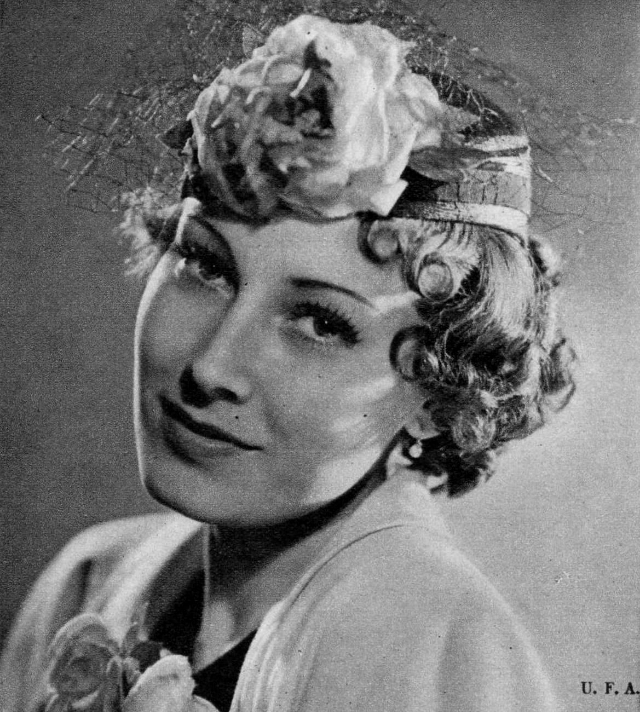
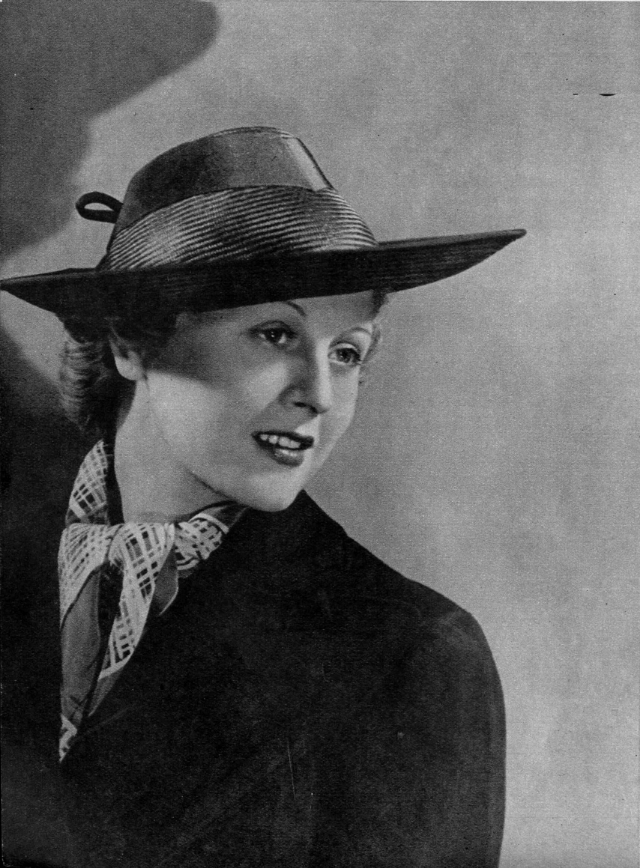
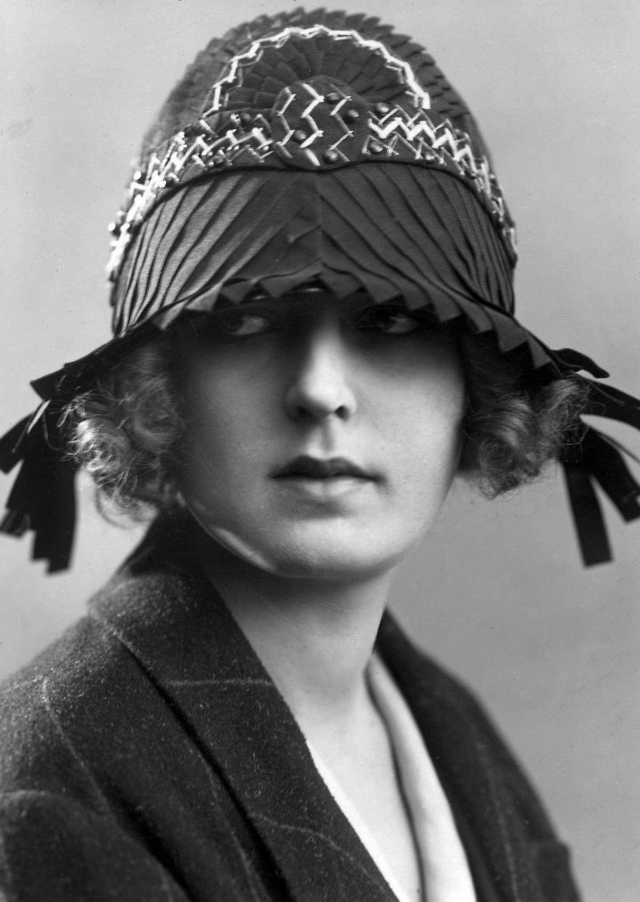
The crown continued to deepen in the 1920s, eventually covering the entire head in the ‘cloche’ style. Brims were optional but usually utilized only on summer hats, where the brim acted as a visor from the sun’s rays. By the early 1930s crowns became shallow once again to accommodate the decade’s fuller curled hairstyles. Wide brimmed hats were popular. On hot summer day’s they acted like parasols, which were now out of fashion. Mannish styled ‘fedoras’ were perfectly suited to wear with tailored suits. By the end of the decade, crowns began to grow upward much like the 3-story hats of the 1880’s.
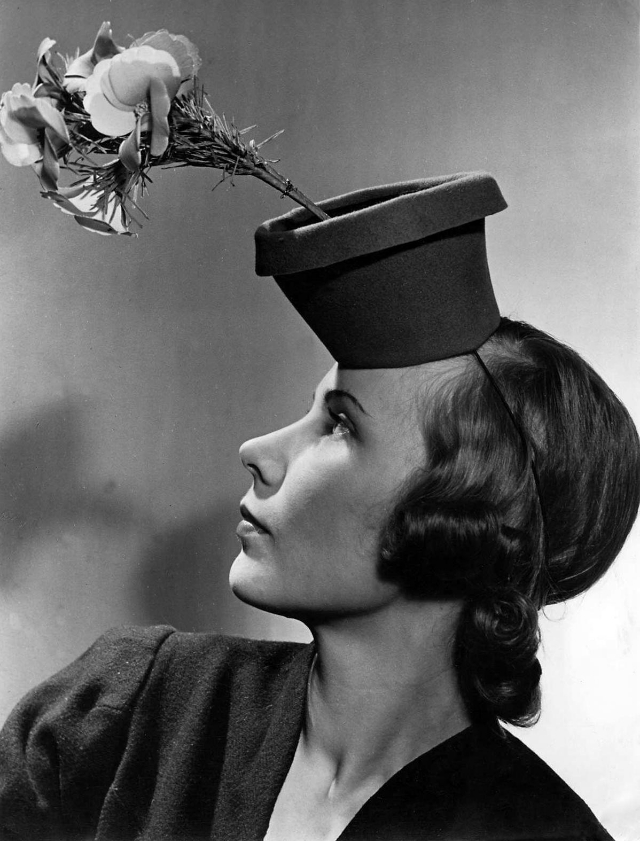
The wartime 1940s saw a huge variety of hats that were suitable for any face shape, hairstyle or personal preference. Throughout the war and on both sides of the Atlantic, elaborate creations brightened dreary utility fashions, brought about by rationing. In fact the only items not rationed were hat materials. Explosions of feathers, veiling and artificial flowers were popular. There was also a brief resurgence of the bonnet, as well as turbans and halo hats. The latter sat on the back of the head and framed the face and the fashionable upswept pompadour hairstyles.
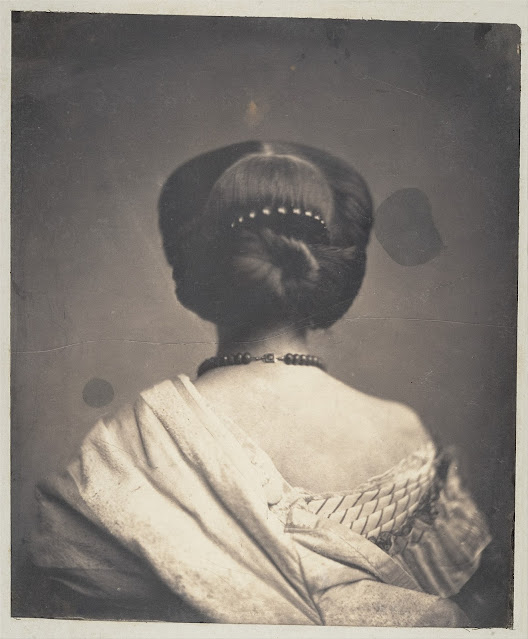
Woman Seen From the Back is an 1860s photograph by 19th-century French photographer, Vicomte Onesipe Aguado de las Marismas (1830–1893). It is in the collection of the Metropolitan Museum of Art, and was purchased by the Museum in 2005 as part of the Gilman Photographs Collection.
Onesipe Aguado was the youngest of three brothers born to the wealthy banker Alexandre Aguado. His oldest brother Olympe Aquado were amateur enthusiasts who split their time between socialite activities, a close family life, and photography. Upon their father’s death in 1842, Onesipe and Olympe inherited a considerable fortune that included vacation homes.
Onesipe and Olympe were students of Gustave Le Gray, and were active early members of the Societe Francaise de Photographie. They were early makers of photographic enlargements and known for their experimentations with photographic processes—producing daguerreotypes, cartes-des-visites, techniques with negative paper for landscapes and collodion on glass for portraits. They were also known for the diversity of their subjects—deserted interiors, close studies of trees as well as sweeping pastorals, portraits, reproductions of works of arts and snapshots of sailboats.
At once a portrait, a fashion plate, and a jest, this fascinating image expresses Aguado’s whimsical mood, and is probably an extension of his work on foreshortening. It is strangely devoid of depth, as if the sitter were a two-dimensional cutout, a mere silhouette. The figure brings to mind the compositions of such painters as Caspar David Friedrich and René Magritte, both of whom made haunting use of figures seen from the back.
The portrait, Woman Seen From the Back, a salted paper print from glass negative, suggests the wit and playfulness of its photographer. The image is devoid of depth, possibly an extension of the artists’ work on foreshortening, making the sitter appear two dimensional and merely a silhouette.
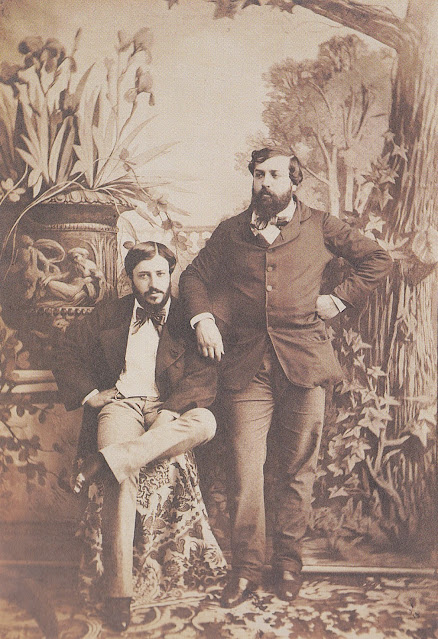
Olympe Aguado, self portrait with his brother Onésipe (sitting, left), 1853.
Woodstock is the shire town (county seat) of Windsor County, Vermont, United States. As of the 2020 census, the town population was 3,005. It includes the villages of Woodstock, South Woodstock, Taftsville, and West Woodstock.
Chartered by New Hampshire Governor Benning Wentworth on July 10, 1761, the town was a New Hampshire grant to David Page and 61 others. It was named after Woodstock in Oxfordshire, England, as a homage to both Blenheim Palace and its owner, George Spencer, 4th Duke of Marlborough. The town was first settled in 1768 by James Sanderson and his family. In 1776, Joab Hoisington built a gristmill, followed by a sawmill, on the south branch of the Ottauquechee River. The town was incorporated in 1837.
Although the Revolution slowed settlement, Woodstock developed rapidly once the war ended in 1783. The Vermont General Assembly met here in 1807 before moving the next year to the new capital at Montpelier. Waterfalls in the Ottauquechee River provided water power to operate mills. Factories made scythes and axes, carding machines, and woolens. There was a machine shop and gunsmith shop. Manufacturers also produced furniture, wooden wares, window sashes and blinds. Carriages, horse harnesses, saddles, luggage trunks and leather goods were also manufactured. By 1859, the population was 3,041. The Woodstock Railroad opened to White River Junction on September 29, 1875, carrying freight and tourists. The Woodstock Inn opened in 1892.
The Industrial Revolution helped the town grow prosperous. The economy is now largely driven by tourism. Woodstock has the 20th highest per-capita income of Vermont towns as reported by the United States Census, and a high percentage of homes owned by non-residents. The town’s central square, called the Green, is bordered by restored late Georgian, Federal Style, and Greek Revival houses. The cost of real estate in the district adjoining the Green is among the highest in the state. The seasonal presence of wealthy second-home owners from cities such as Boston and New York has contributed to the town’s economic vitality and livelihood, while at the same time diminished its accessibility to native Vermonters.
The town maintains a free (paid for through taxation) community wi-fi internet service that covers most of the village of Woodstock, dubbed “Wireless Woodstock”. (Wikipedia)
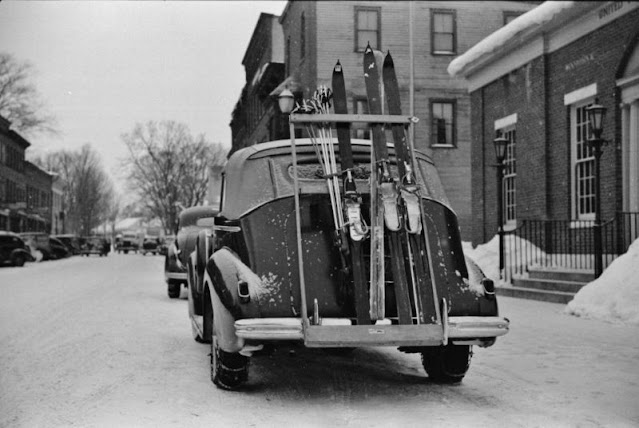
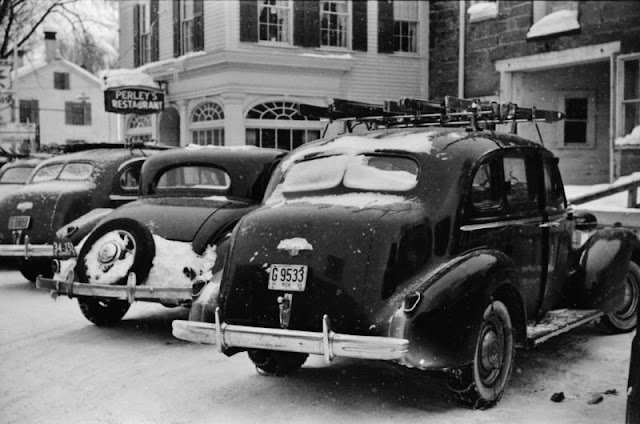
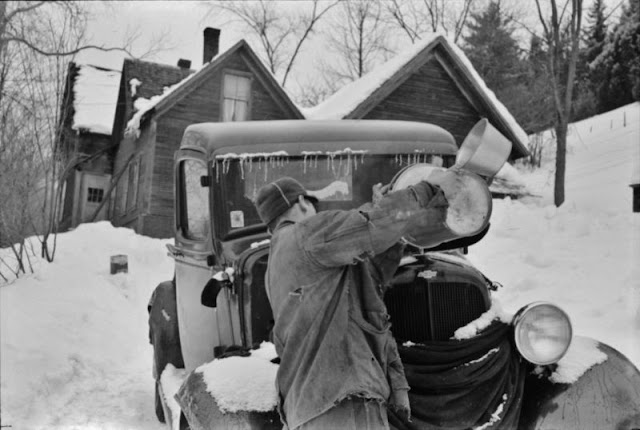
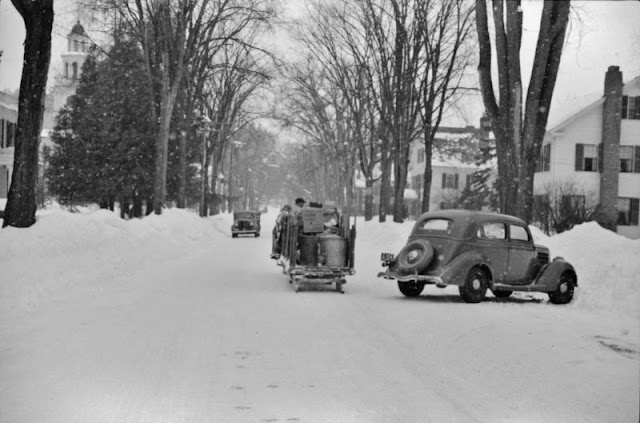
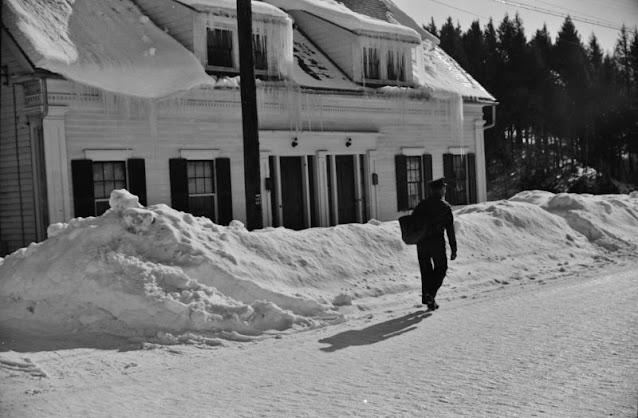
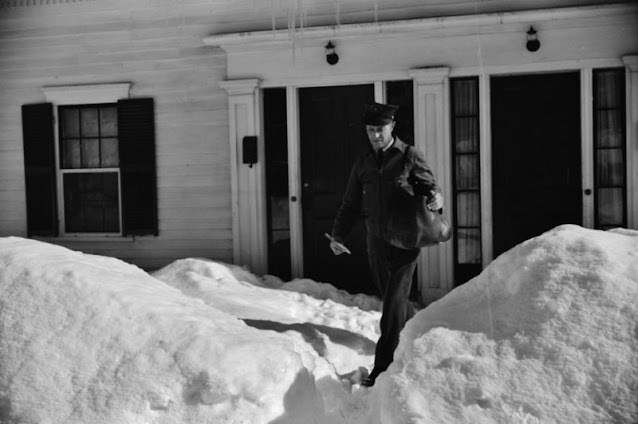
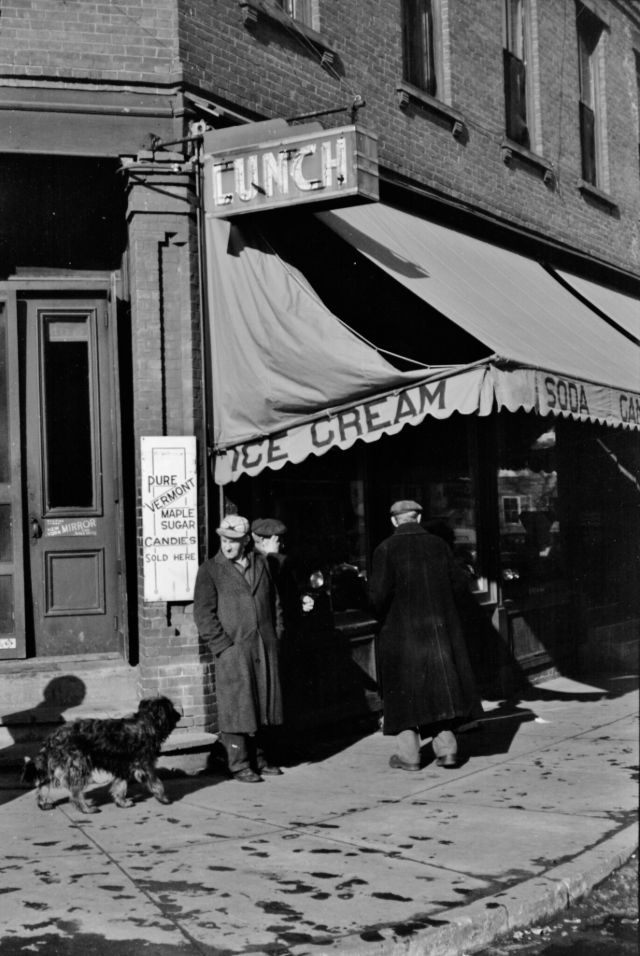
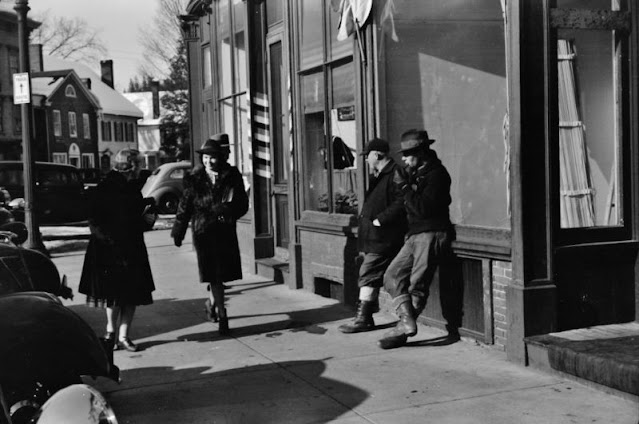
Farmers playing cards on a winter morning, Woodstock, Vermont, 1939The ski town of Woodstock, Vermont is generally very crowded with skiers on weekends, 1939The ski town of Woodstock, Vermont is generally very crowded with skiers on weekends, 1939Farmer’s Co-op truck full of milk cans driving into town, March 1940Farmers near Woodstock, Vermont bring their cans of milk to the crossroads early every morning where it is picked up by the coop farmers’ truck and is taken to the city, March 1940Hired man on a farm near Woodstock, Vermont, usually empties the radiator in his car every evening and refills it again with water in the morning to save the cost of antifreeze, 1940Horse and sled of a garbage and rubbish collector Woodstock, Vermont, 1940Mailman making deliveries after a heavy snowfall, Woodstock, Vermont, 1940..Mailman making deliveries after a heavy snowfall, Woodstock, Vermont, 1940..Mailman making deliveries after a heavy snowfall, Woodstock, Vermont, 1940..Snowy night in the Center of town in Woodstock, Vermont, February 1940Townspeople discussing the severe winter on the street corner in center of town in Woodstock, Vermont, March 1940Townspeople of Woodstock, Vermont discussing the severe winter on the street corner in center of town, March 1940Townspeople of Woodstock, Vermont discussing the severe winter on the street corner in center of town, March 1940Two men on a street in Woodstock, Vermont, March 1940
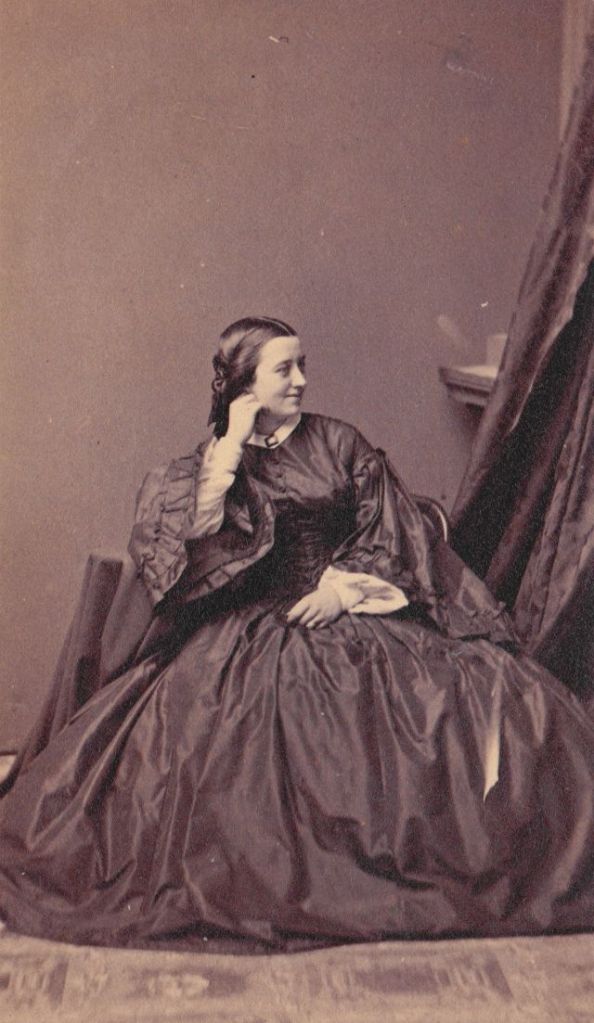
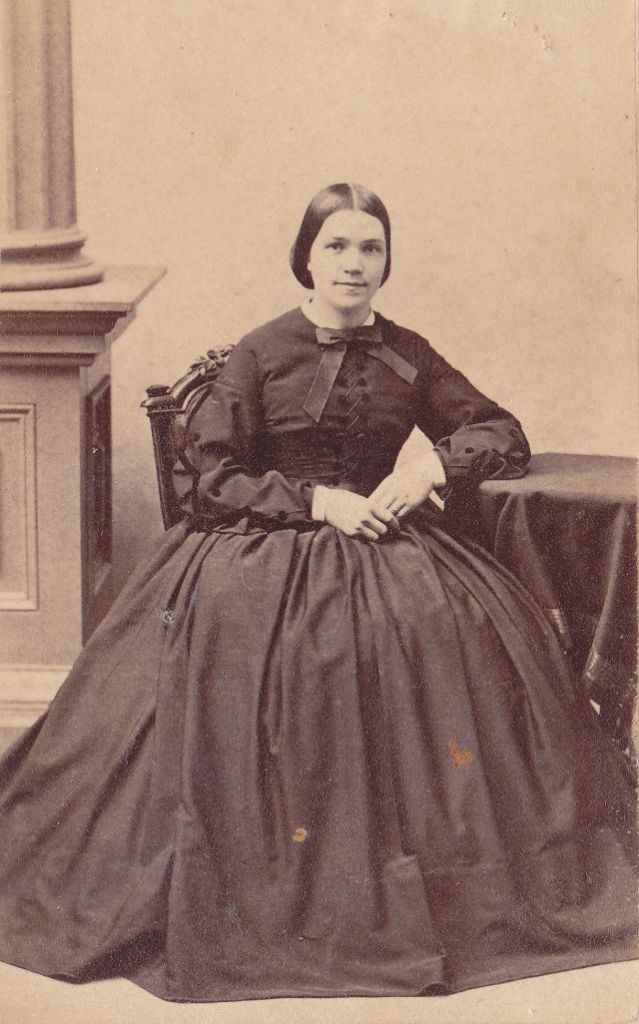
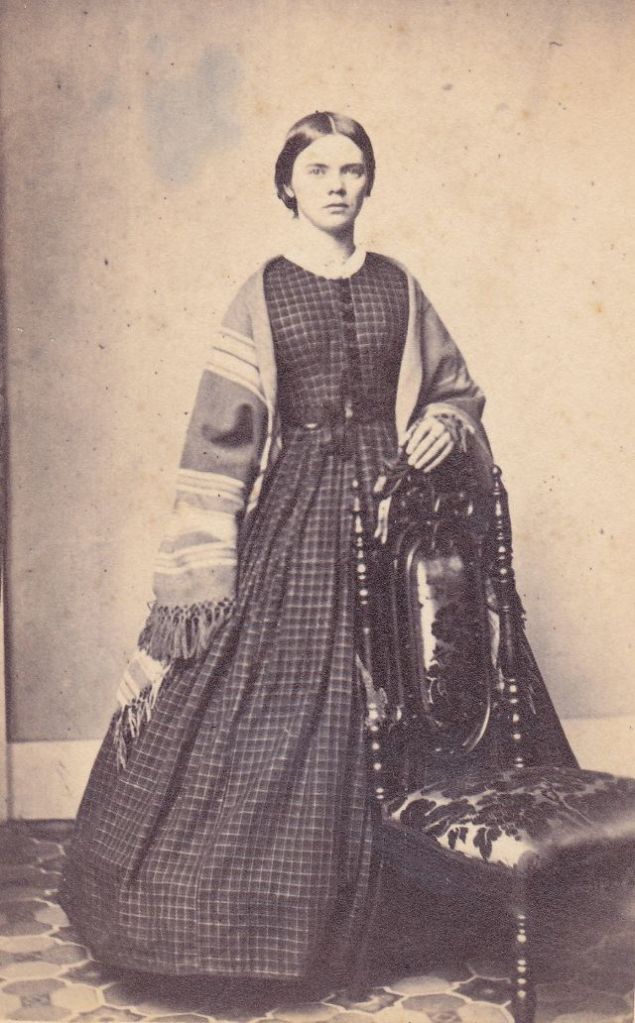
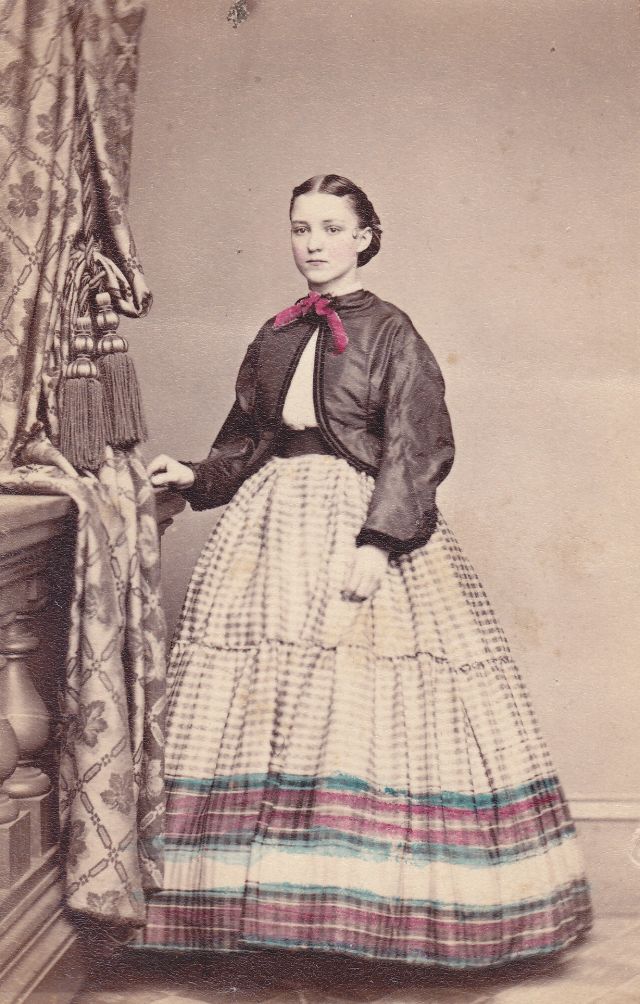
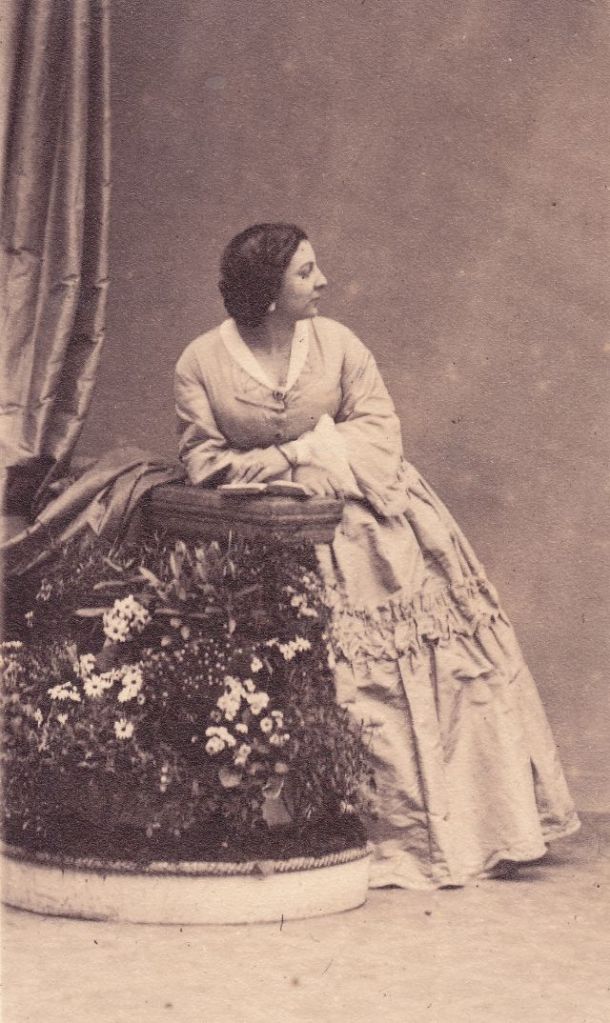
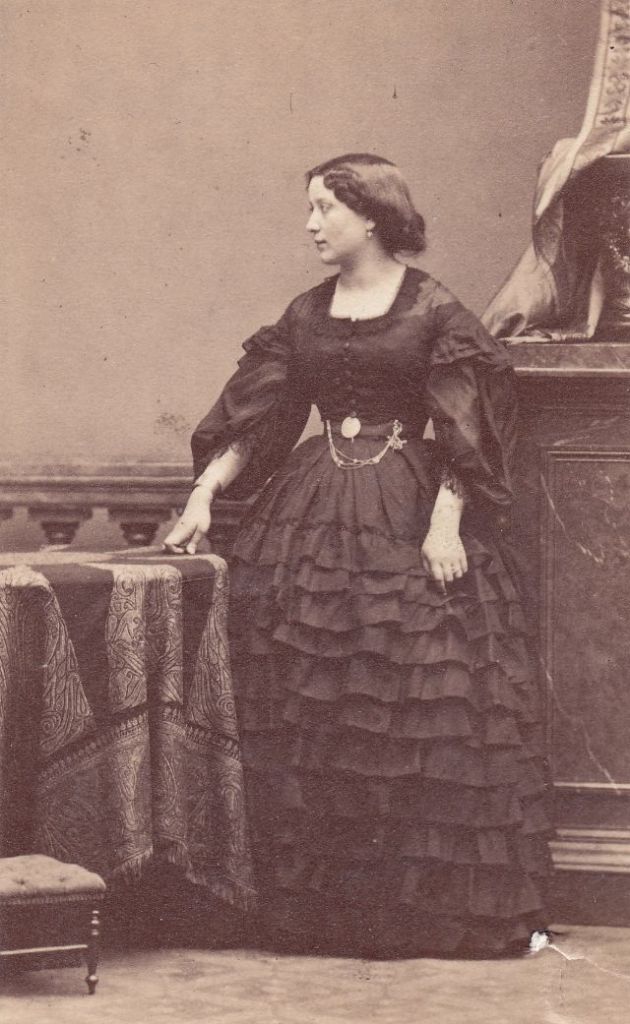
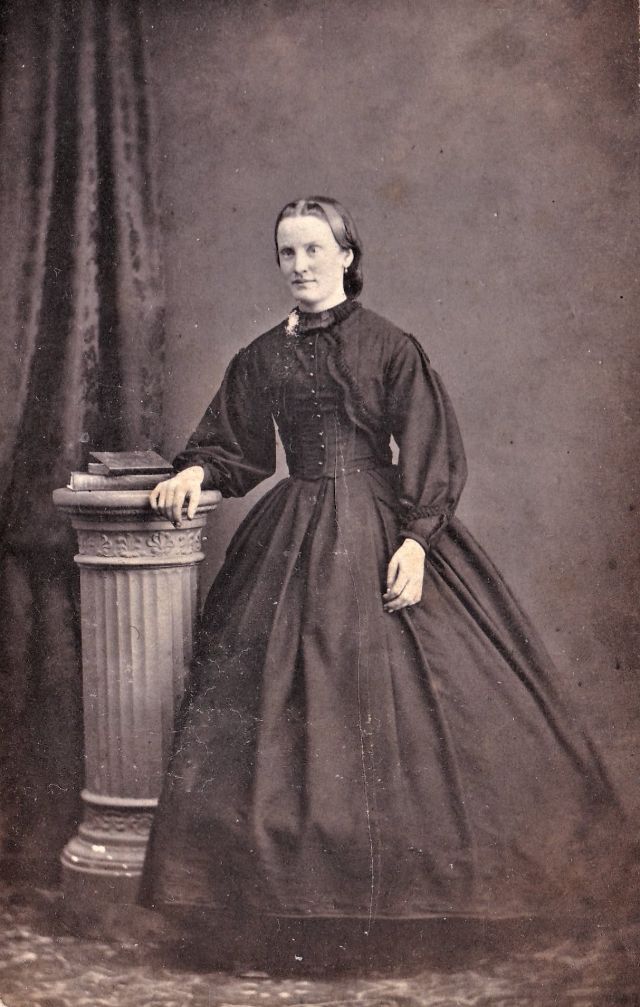
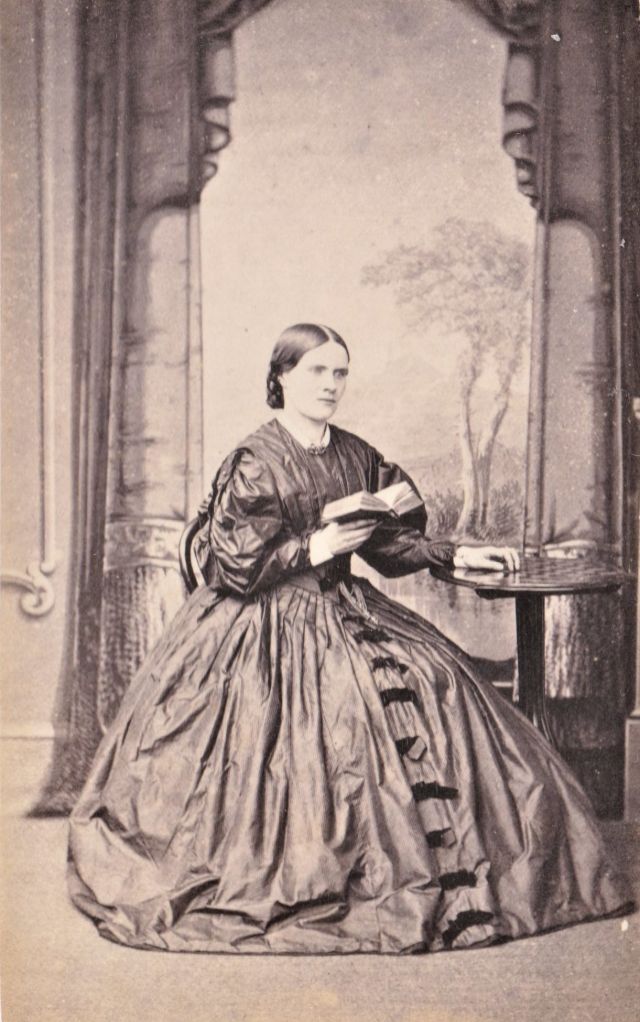
Victorian era saw many changes in fashion, including changes in styles, fashion technology and the methods of distribution. Various movement in architecture, literature, and the decorative and visual arts as well as a changing perception of the traditional gender roles also influenced fashion.
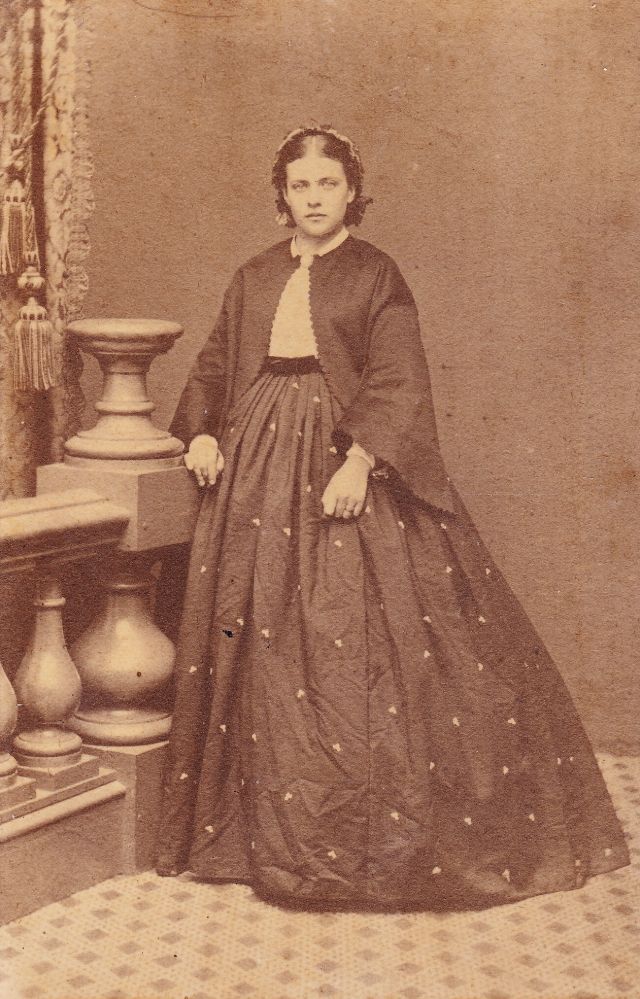
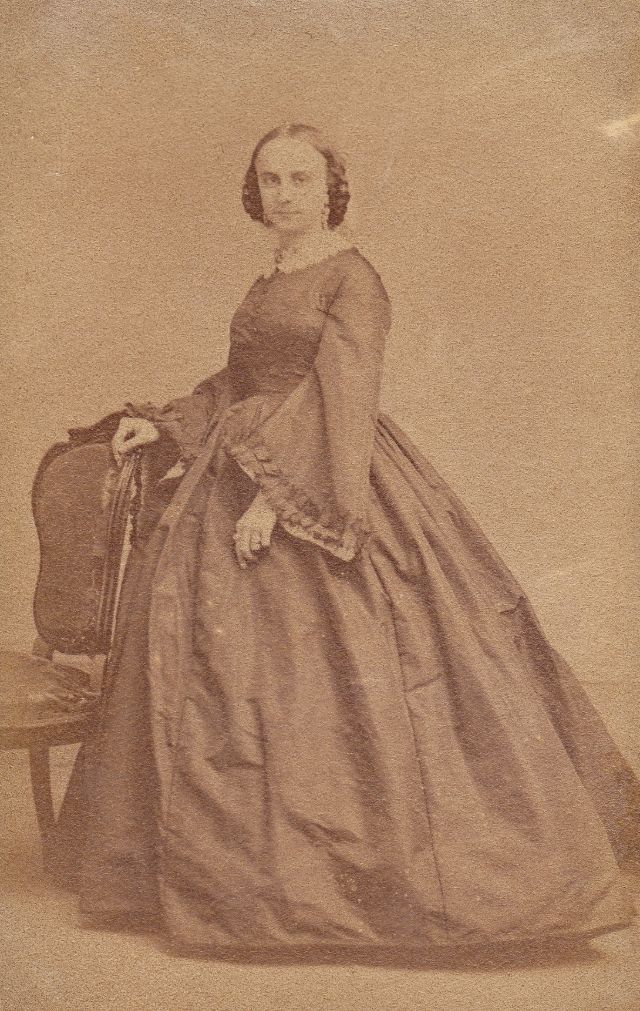
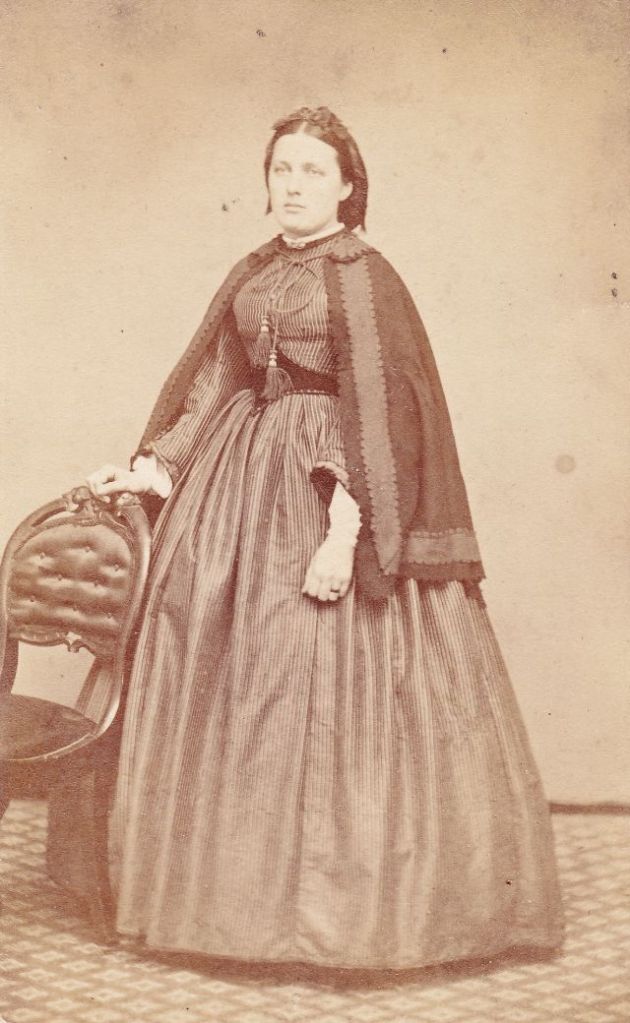
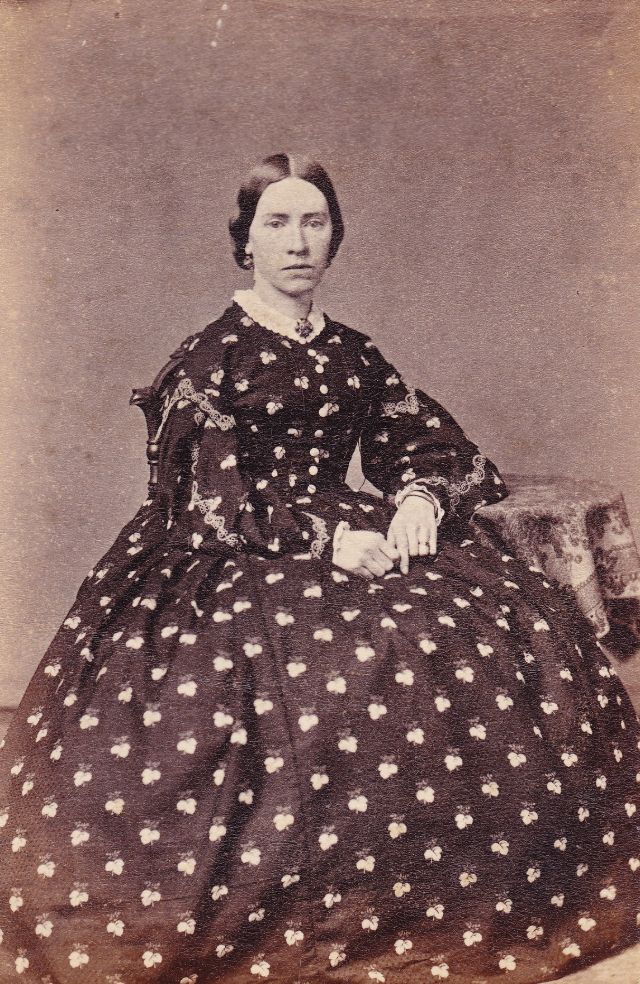
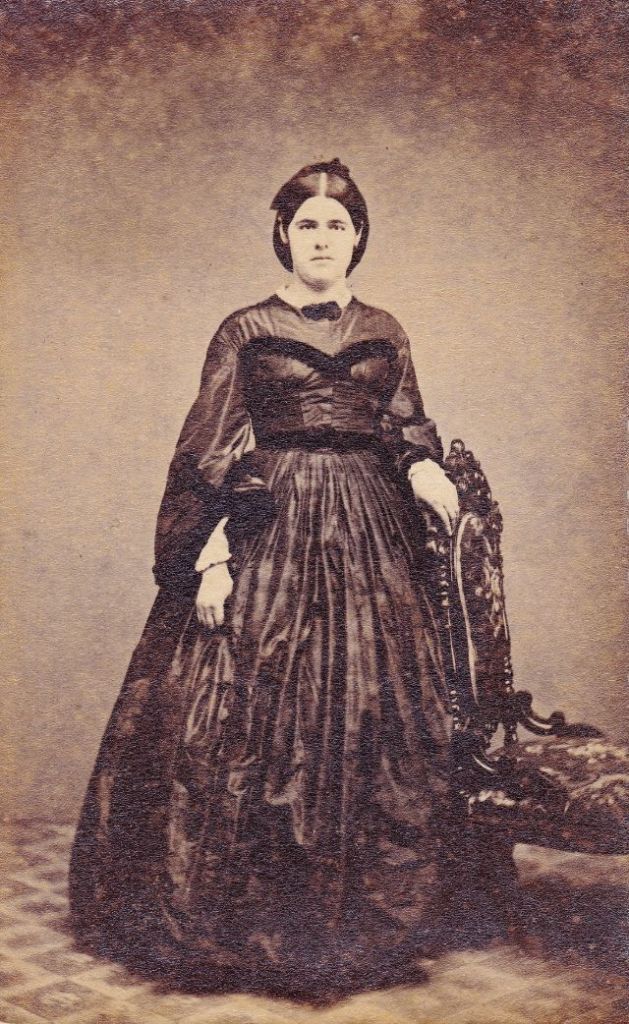
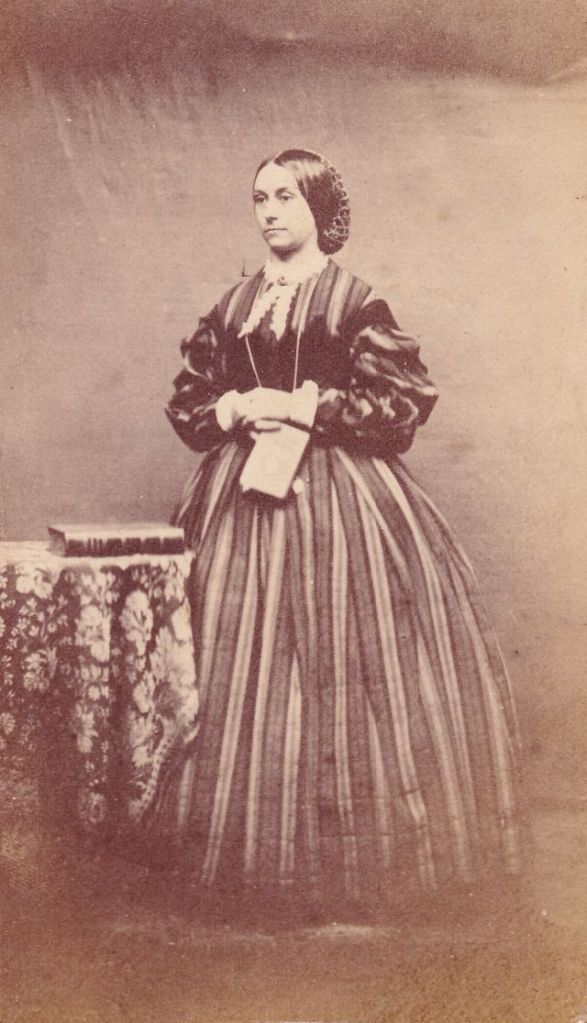
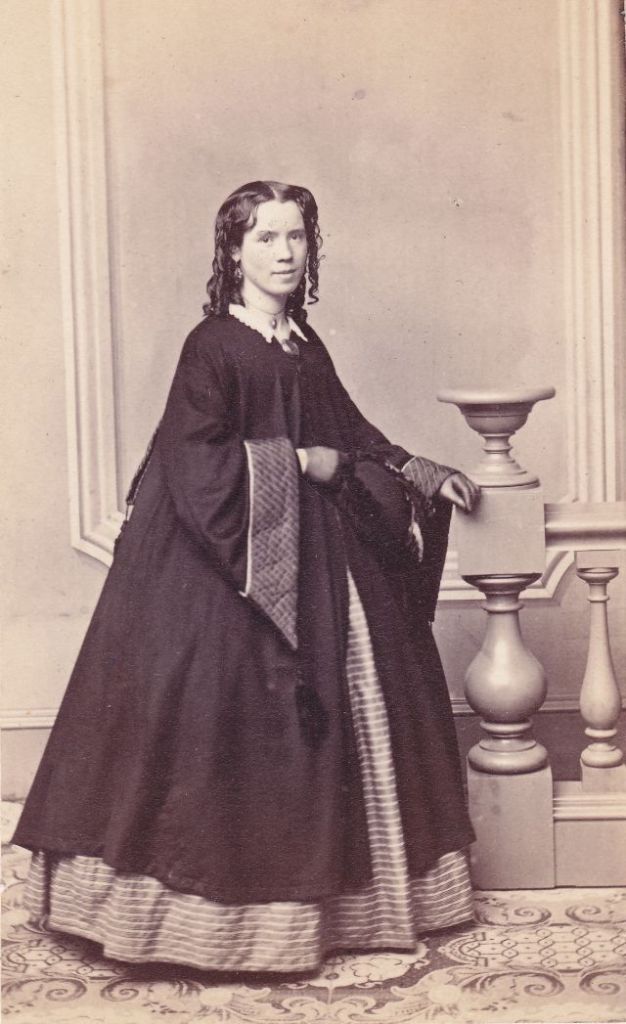
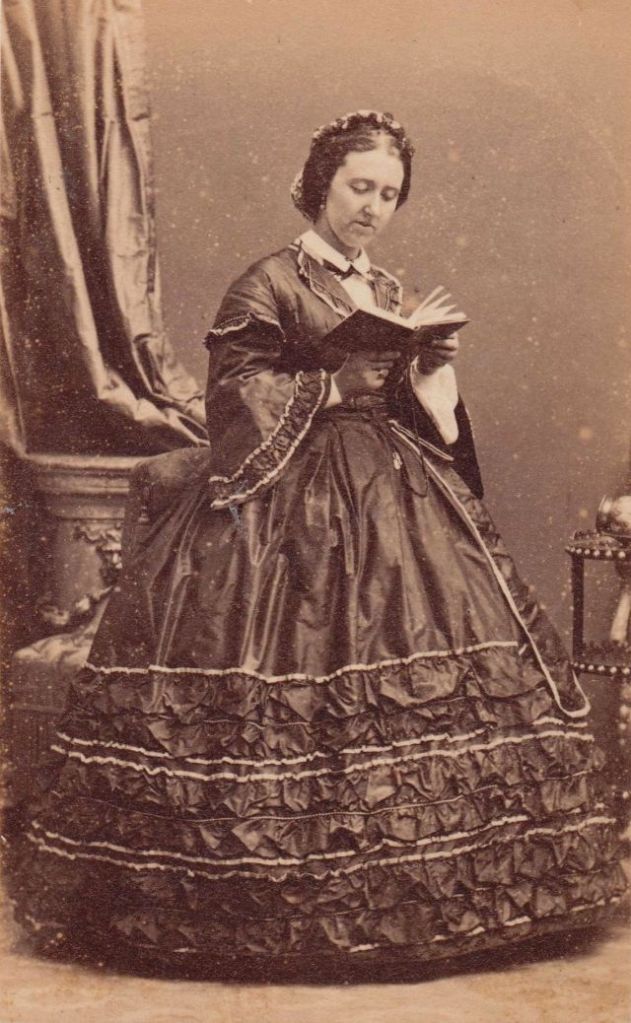
During the early and middle 1860s, crinolines began decreasing in size at the top, while retaining their amplitude at the bottom. In contrast, the shape of the crinoline became flatter in the front and more voluminous behind, as it moved towards the back since skirts consisted of trains now. Bodices on the other hand, ended at the natural waistline, had wide pagoda sleeves, and included high necklines and collars for day dresses; low necklines for evening dresses.
However, in 1868, the female silhouette had slimmed down as the crinoline was replaced by the bustle, and the supporting flounce overtook the role of determining the silhouette. Skirt widths diminished even further, while fullness and length remained at the back. In order to emphasize the back, the train was gathered together to form soft folds and draperies.
During the 1920s, many Americans had extra money to spend, and they spent it on consumer goods such as ready-to-wear clothes and home appliances like electric refrigerators. In particular, they bought radios. The first commercial radio station in the U.S., Pittsburgh’s KDKA, hit the airwaves in 1920; three years later there were more than 500 stations in the nation. By the end of the 1920s, there were radios in more than 12 million households. People also went to the movies: Historians estimate that, by the end of the decades, three-quarters of the American population visited a movie theater every week.
But the most important consumer product of the 1920s was the automobile. Low prices (the Ford Model T cost just $260 in 1924) and generous credit made cars affordable luxuries at the beginning of the decade; by the end, they were practically necessities. In 1929 there was one car on the road for every five Americans. Meanwhile, an economy of automobiles was born: Businesses like service stations and motels sprang up to meet drivers’ needs.
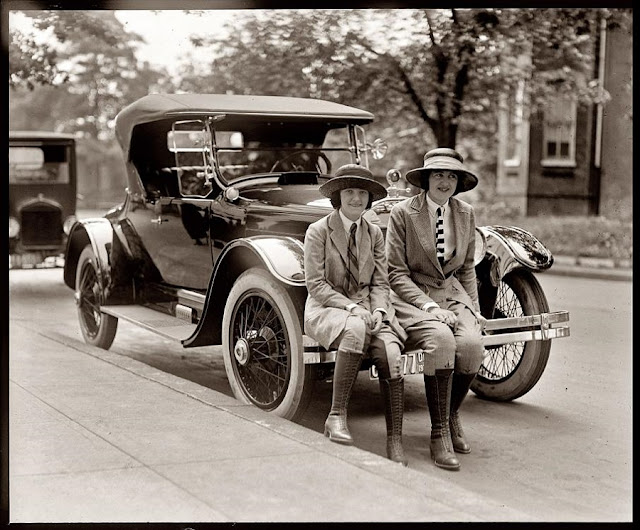
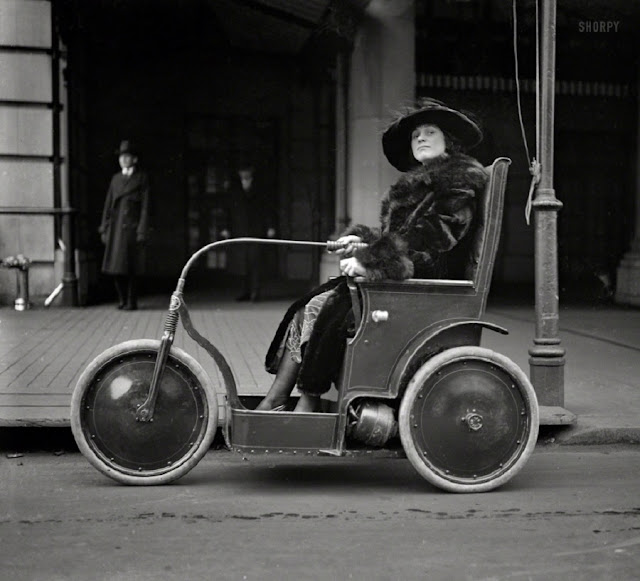
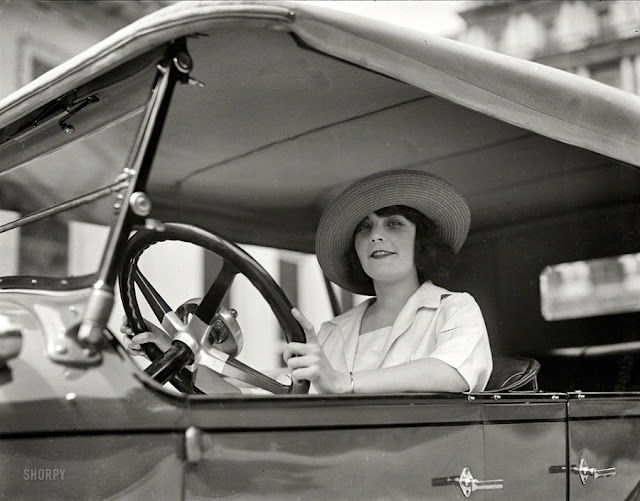
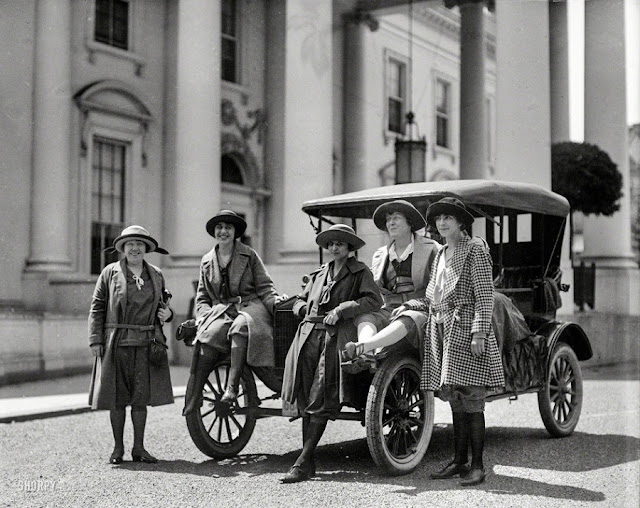
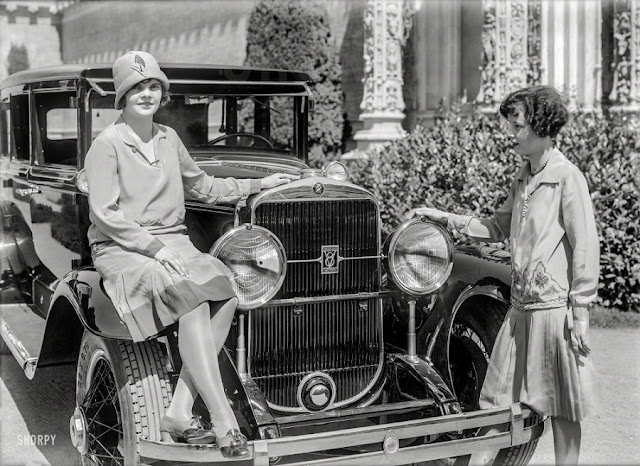
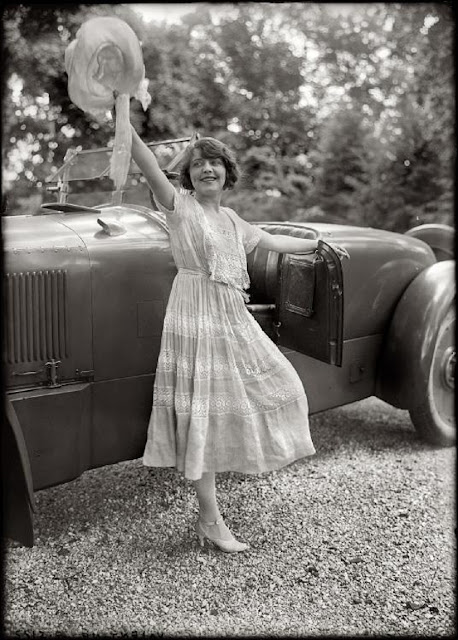
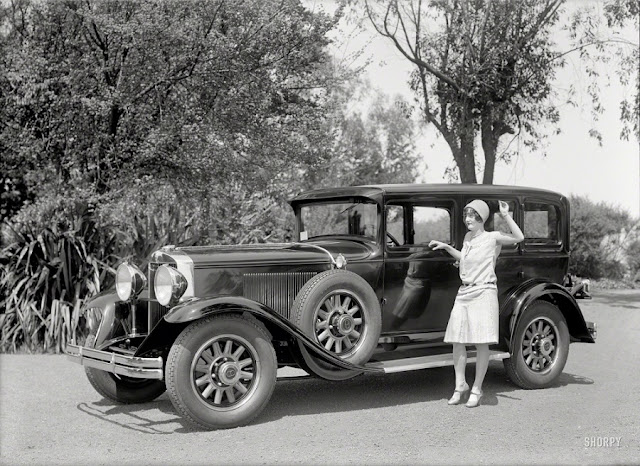
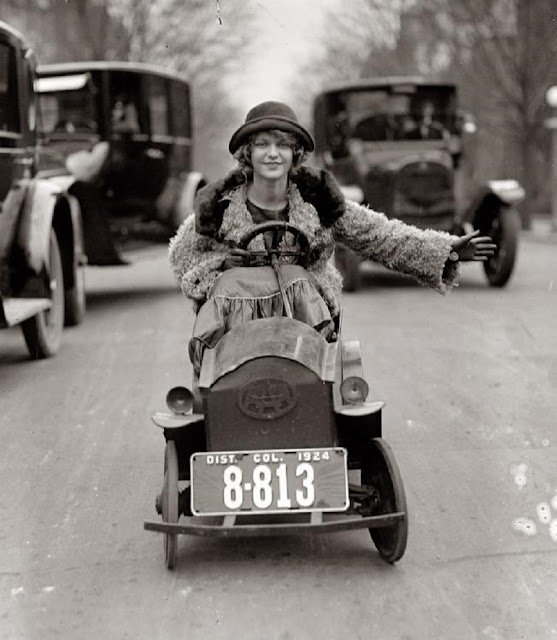
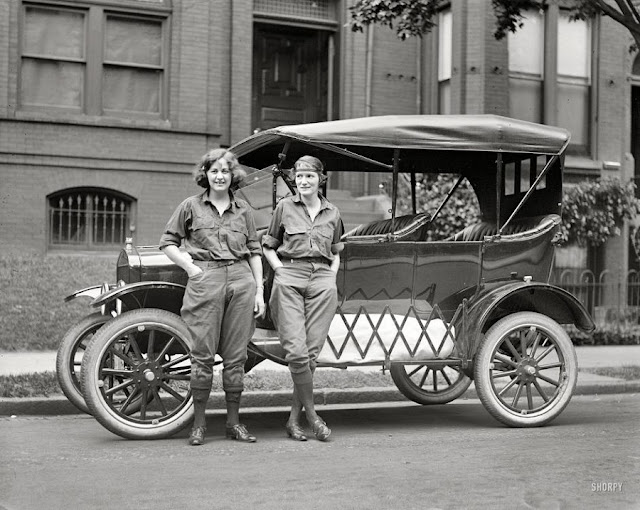
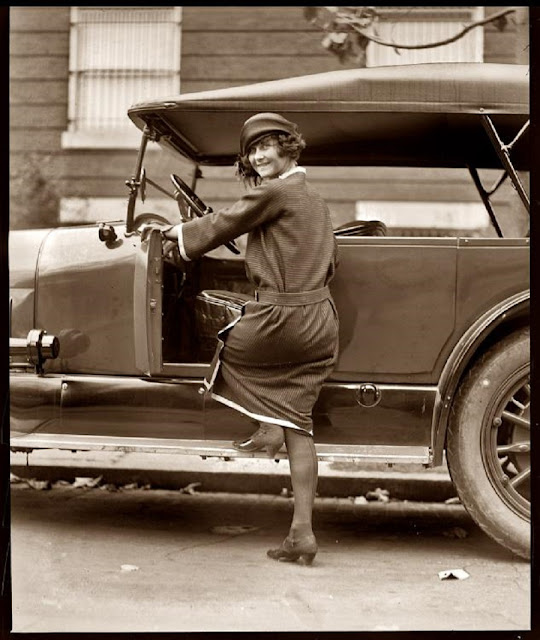
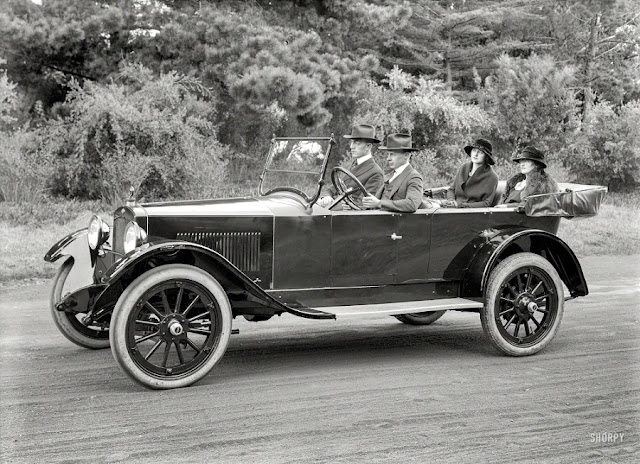
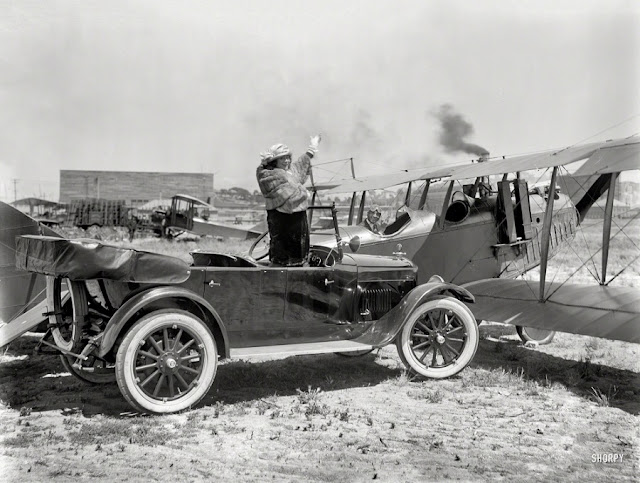
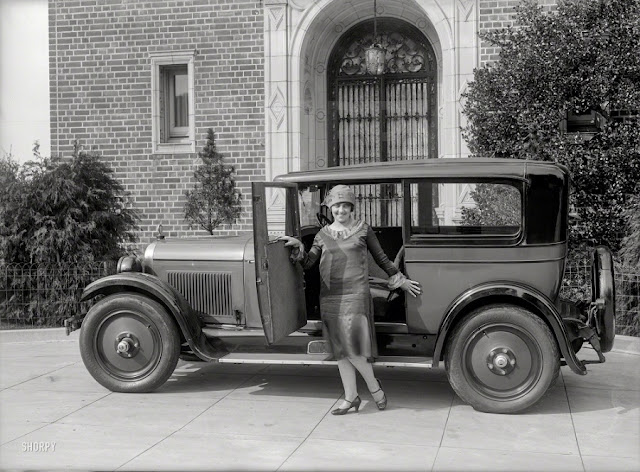
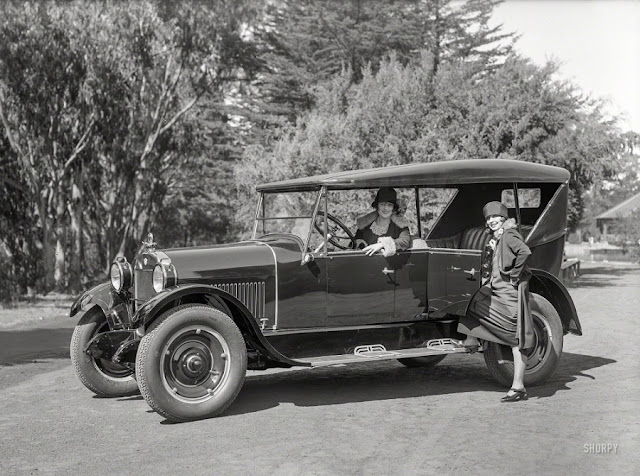
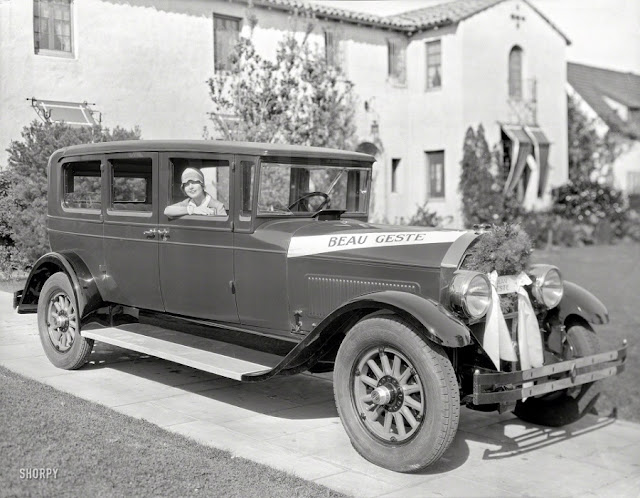
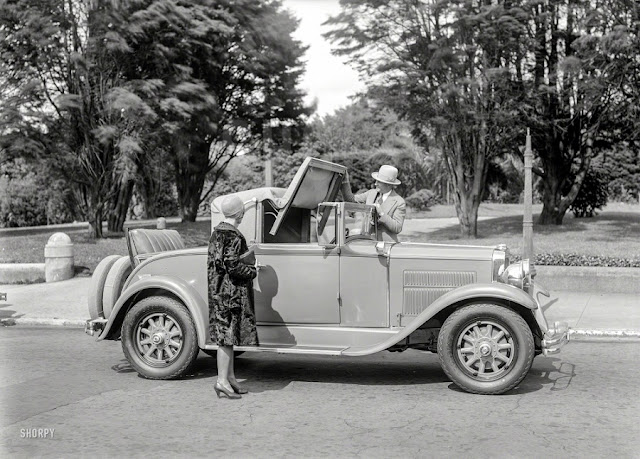
Here’s a collection of 20 interesting vintage photographs from the 1920s that show women posing next to their cars.
San Francisco, 1924. Woman greasing Oldsmobile sedan.Jan. 22, 1922. Washington, D.C. Woman in three-wheeled vehicle.circa 1920San Francisco circa 1925. A lady and her roadster.Group of women with automobile at White House 1922.Cadillac (Flappers, 1927) at de Young Museum, Golden Gate Park.Circa 1920. Stage and film actress Grace Valentine and her Packard Twin Six roadster.Graham-Paige sedan, San Francisco, 1929.January 29, 1924June 13, 1922. Washington, D.C. Viola LaLonde and Elizabeth Van TuylMiss Hazel Jones and Miss Marion Cameron in 1922.November 2, 1922. Miss Laura Bryn, daughter of the Norway’s ambassador to Washington.San Francisco circa 1920. Grant touring car.San Francisco circa 1920. Studebaker touring car with biplane at airfield.San Francisco circa 1925. Nash Special Six two-door sedan.San Francisco circa 1925. REO touring car at Golden Gate Park.San Francisco circa 1926. Film star Alice Joyce in ‘Beau Geste Locomobile.San Francisco, 1922. Kissel touring car.San Francisco, 1926. Girls in Buick at Golden Gate Park.San Francisco, 1929. Nash convertible coupe at Golden Gate Park.