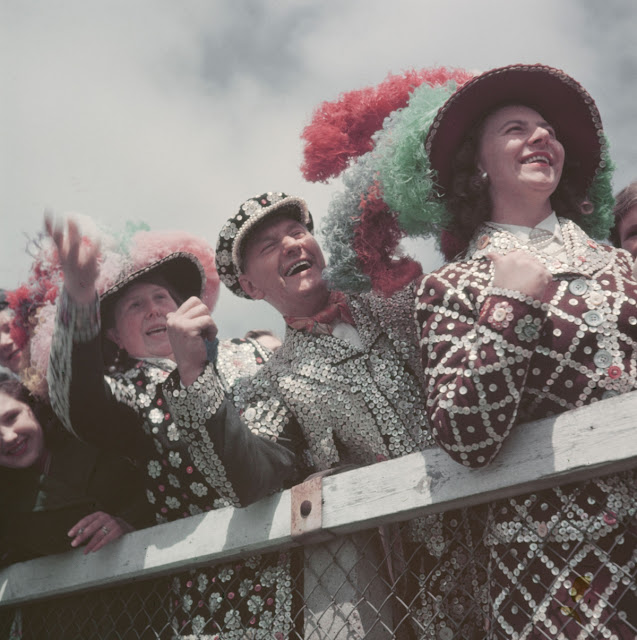
Unemployment was very low in the 1950s and it was a long period of prosperity. In the early part of the decade, there was still rationing. However, food rationing ended in 1954. In the 1950s living standards in Britain rose considerably. In the late 1950s, Britain became an affluent society. By 1959 about two-thirds of British homes had a vacuum cleaner. However, even in 1960, only 44% of homes had a washing machine.
In the early 1950s, many homes in Britain still did not have bathrooms and only had outside lavatories. But slum clearance began in the late 1950s.
Meanwhile in the 1950s large numbers of West Indians arrived in Britain. Also from the 1950s, many Asians came. In the late 20th century Britain became a multi-cultural society. Also, in the 1950s young people had significant disposable income for the first time. A distinct ‘youth culture’ emerged, with teddy boys. A revolution in music was led by Elvis Presley and Bill Haley.
The way people shopped also changed. In the early 20th century people usually went to small local shops such as a baker or butcher. The shops usually did deliveries. If you went to the butcher you paid for meat and a butcher’s boy on a bicycle delivered it. The first supermarket in Britain opened in 1948. Fish fingers went on sale in 1955.
Cars increased in number after World War II. By 1959 32% of households owned a car. The first zebra crossing was introduced in 1949. Lollipop men and women followed in 1953. The first parking meters in Britain were installed in London in 1958.
TV first became common in the 1950s. A lot of people bought a TV set to watch the coronation of Elizabeth II and a survey at the end of that year showed that about one-quarter of households had one. By 1959 about two-thirds of homes had a TV. At first, there was only one TV channel but between 1955 and 1957 the ITV companies began broadcasting.
Subscribe to continue reading
Become a paid subscriber to get access to the rest of this post and other exclusive content.
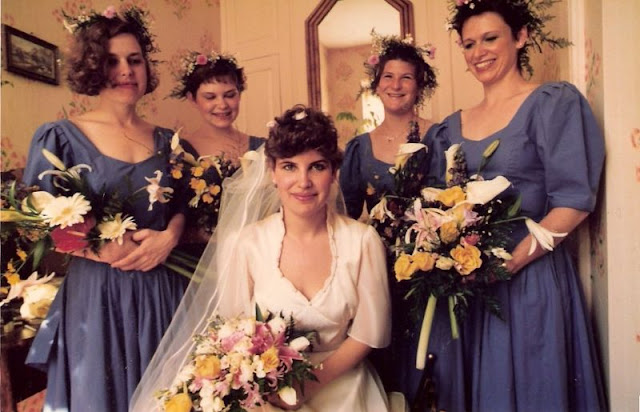
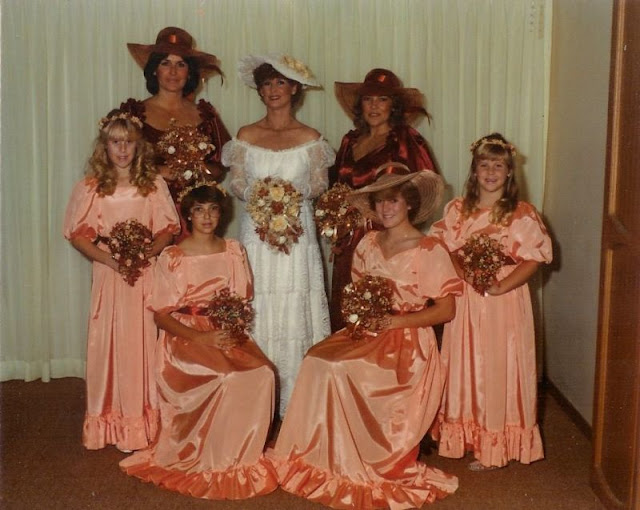
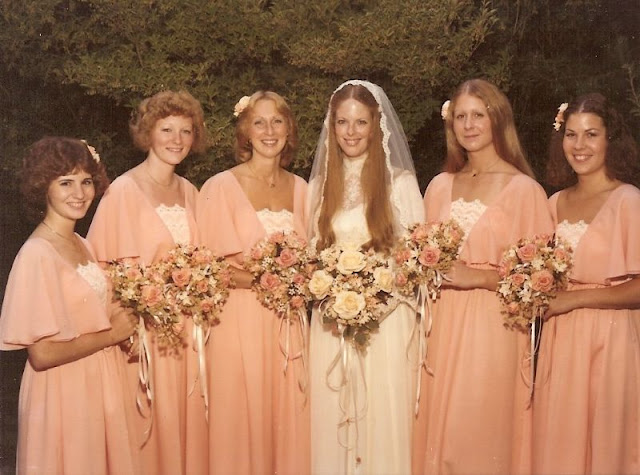
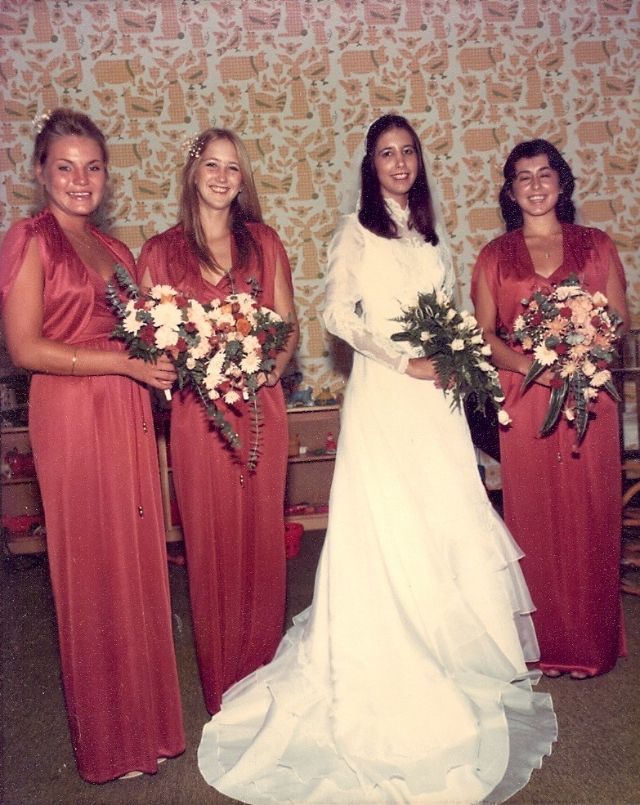
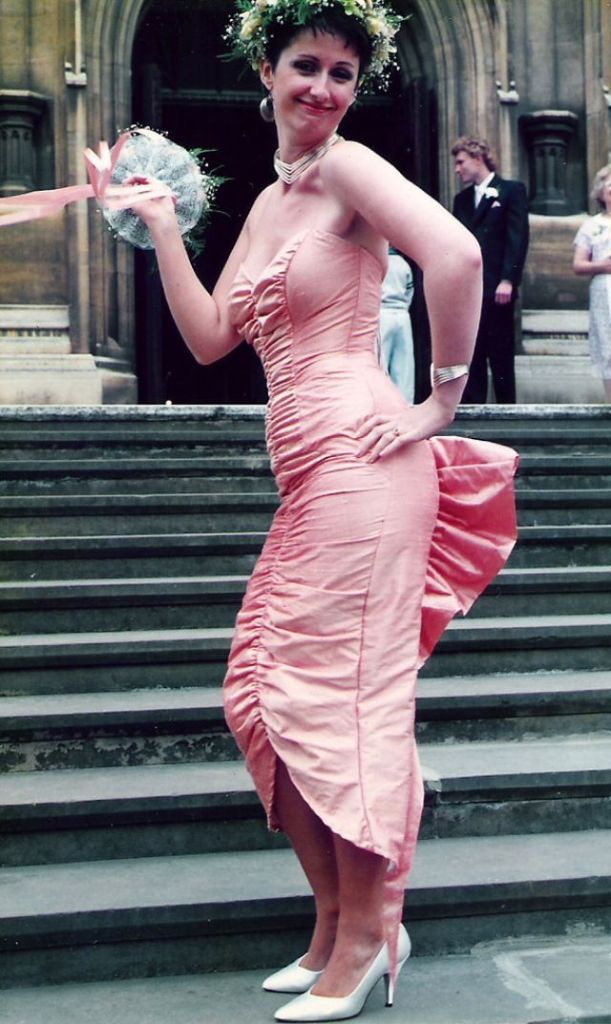
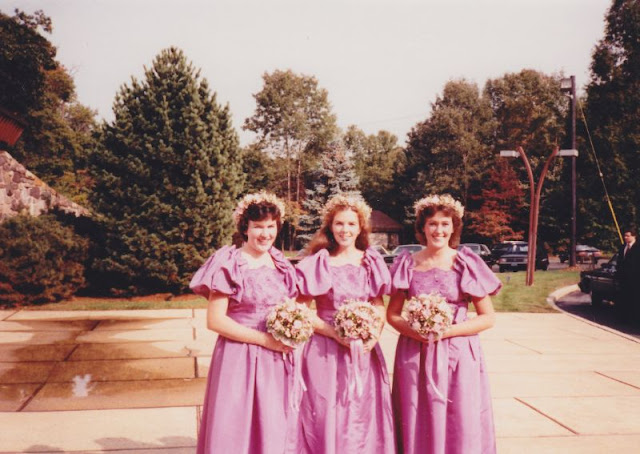
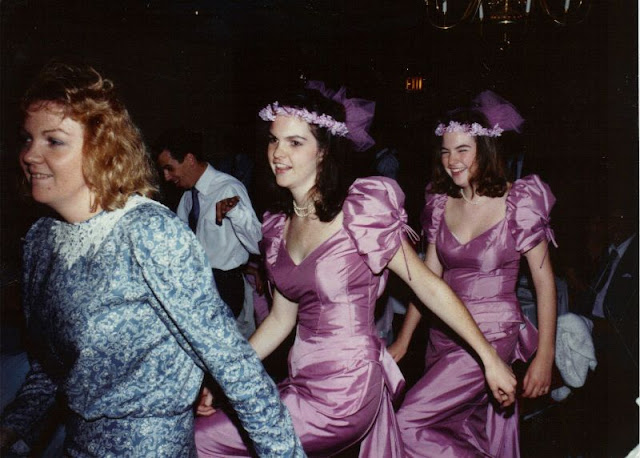
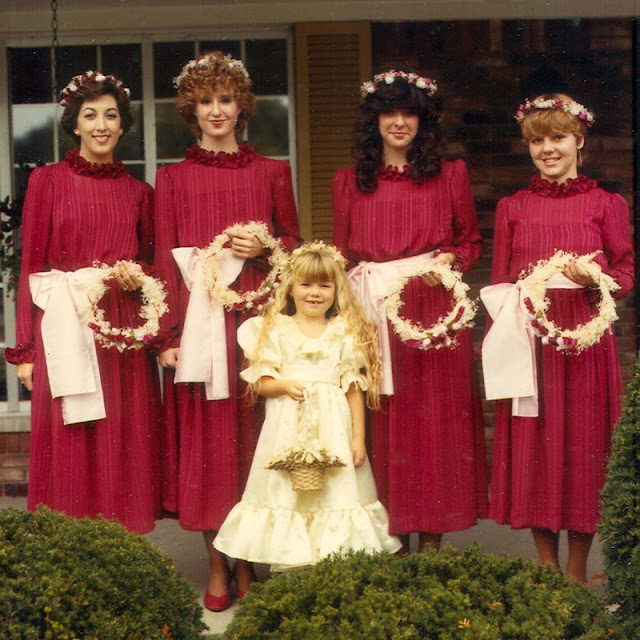
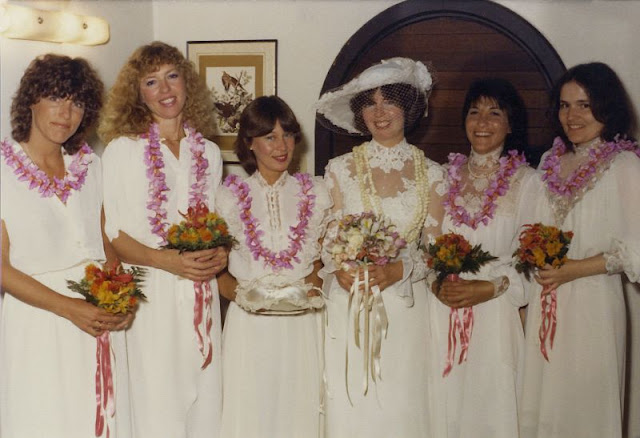
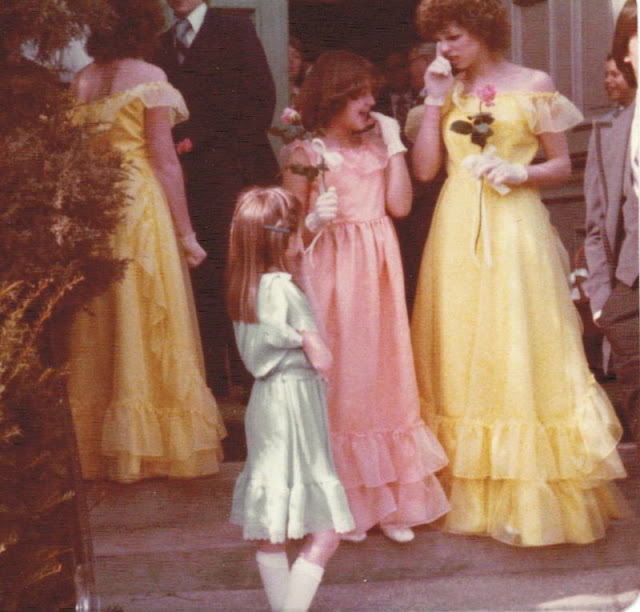
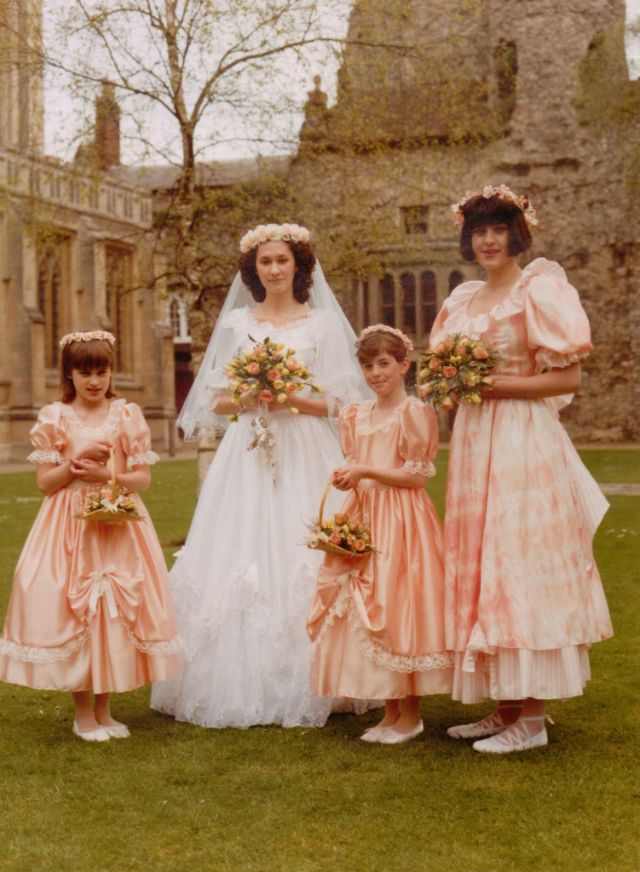
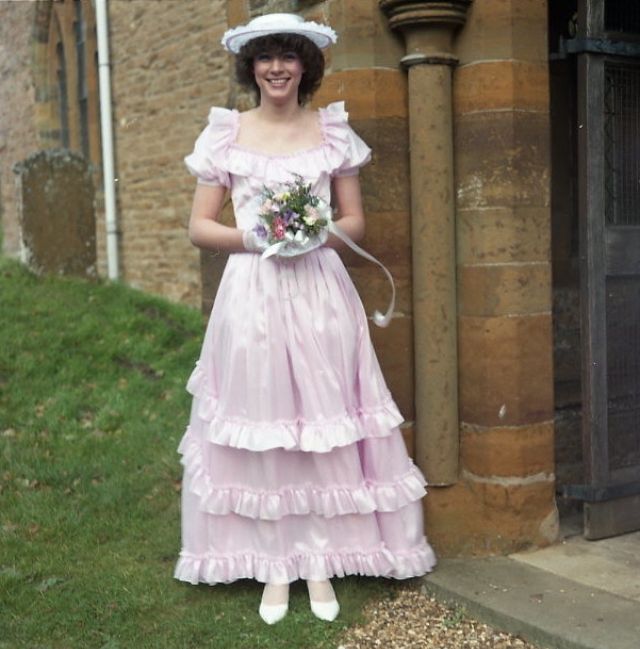
If there is one word to sum up the decade that was the 1980s, it is ‘Big’. Big hair, big sleeves, big accessories and big clothes. And bridal style was no exception, with big gowns, big flowers, and the biggest veils seen since they stopped becoming a symbol of status a fixture of the ’80s bride.
So how about bridesmaids? Just check out these vintage photos to see.
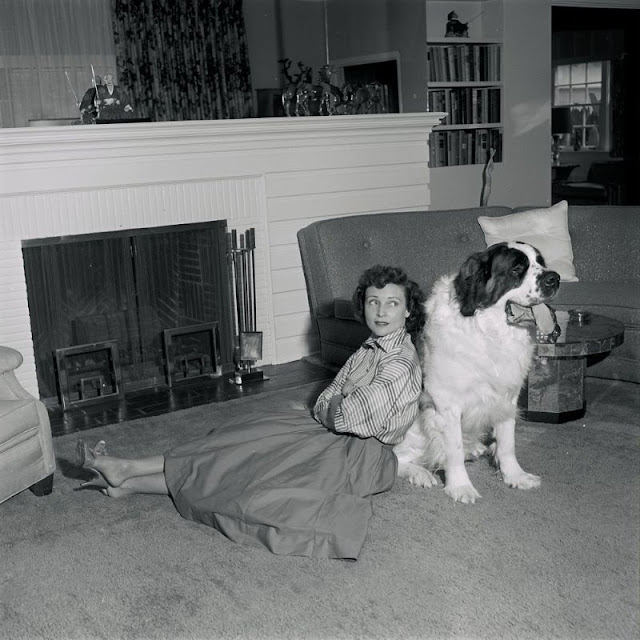
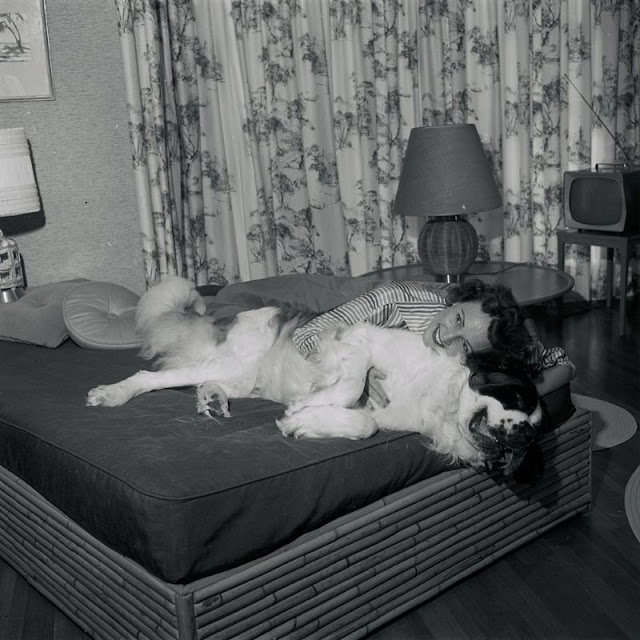
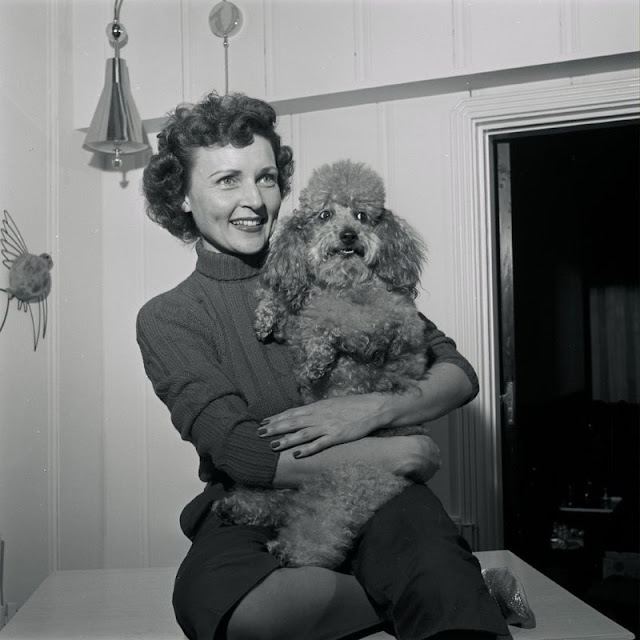
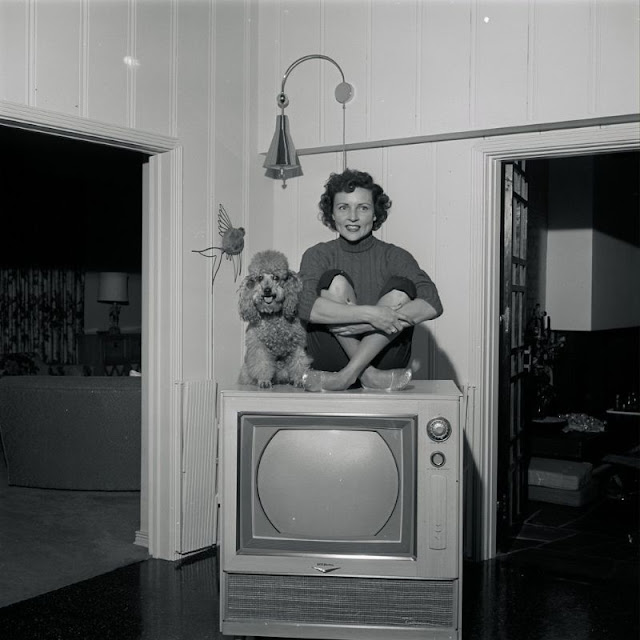
American actress Betty White is also a pet enthusiast and an animal health advocate who works with animal organizations, including the Los Angeles Zoo Commission, The Morris Animal Foundation, African Wildlife Foundation, and Actors & Others for Animals. Her interest in animal rights and welfare began in the early 1970s while she was both producing and hosting the syndicated series, The Pet Set, which spotlighted celebrities and their pets.
As of 2009, White is the president emerita of the Morris Animal Foundation, where she has served as a trustee of the organization since 1971. She has been a member of the board of directors of the Greater Los Angeles Zoo Association since 1974. Additionally, White served the association as a Zoo Commissioner for eight years.
According to the Los Angeles Zoo & Botanical Garden’s ZooScape Member Newsletter, White hosted “History on Film” from 2000 to 2002. White donated nearly $100,000 to the zoo in the month of April 2008 alone.
Betty White served as a presenter at the 2011 American Humane Hero Dog Awards ceremony at The Beverly Hilton Hotel on October 1, 2011, in Los Angeles. “Animals don’t lie. Animals don’t criticize. If animals have moody days, they handle them better than humans do.” – Betty White
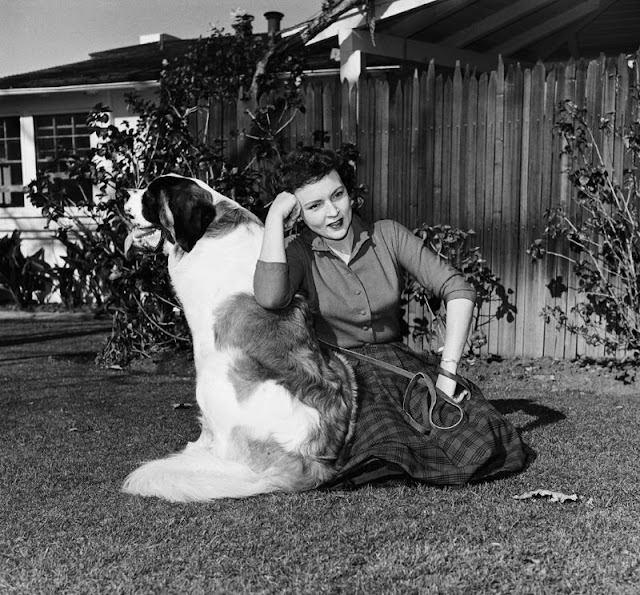
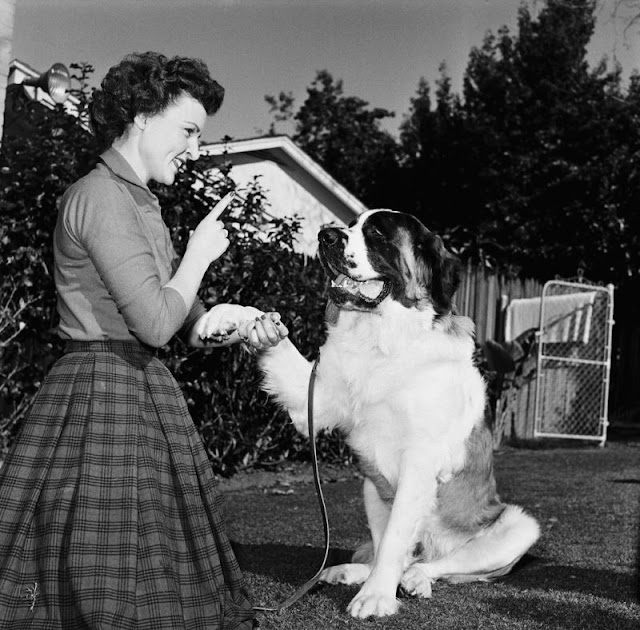
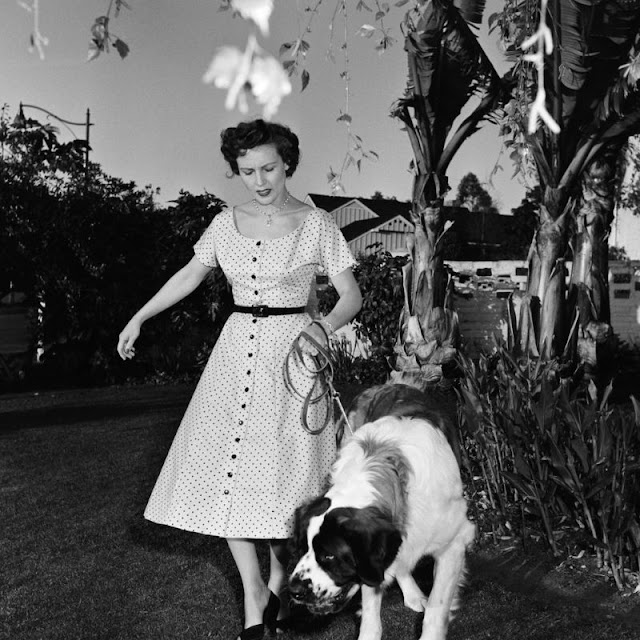
Take a look at these vintage photos to see lovely moments of Betty White at home with her dogs Bandy, Stormy, and Danny from 1954 to 1957.
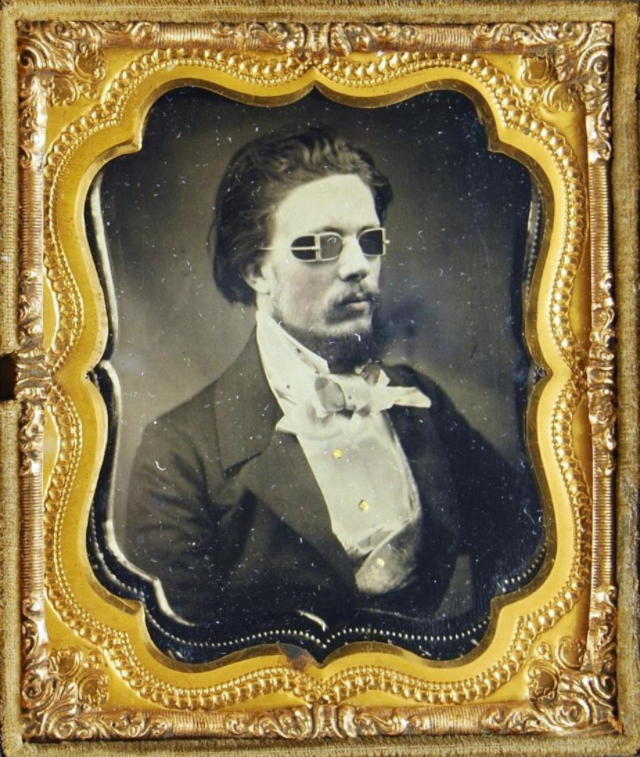
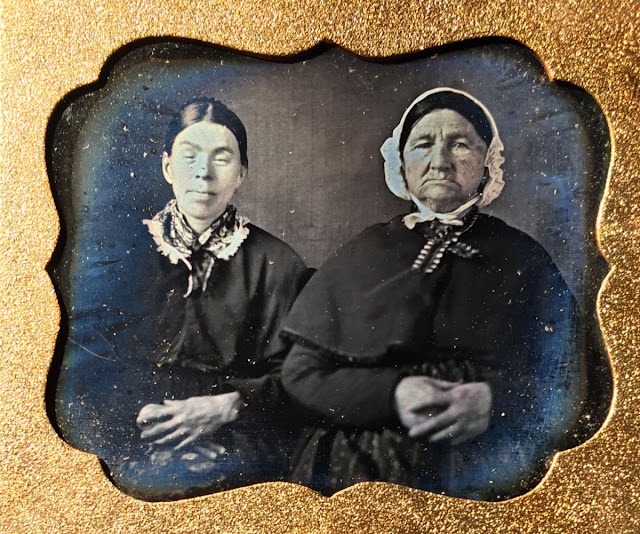
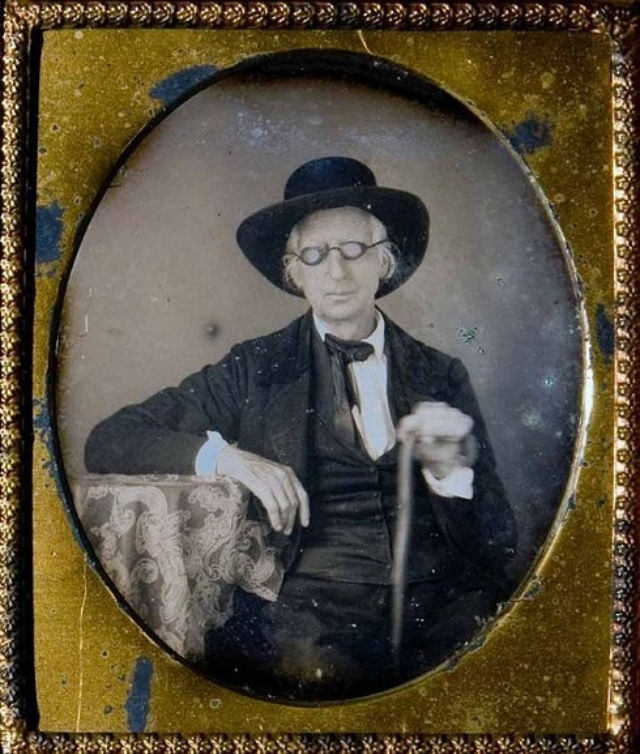
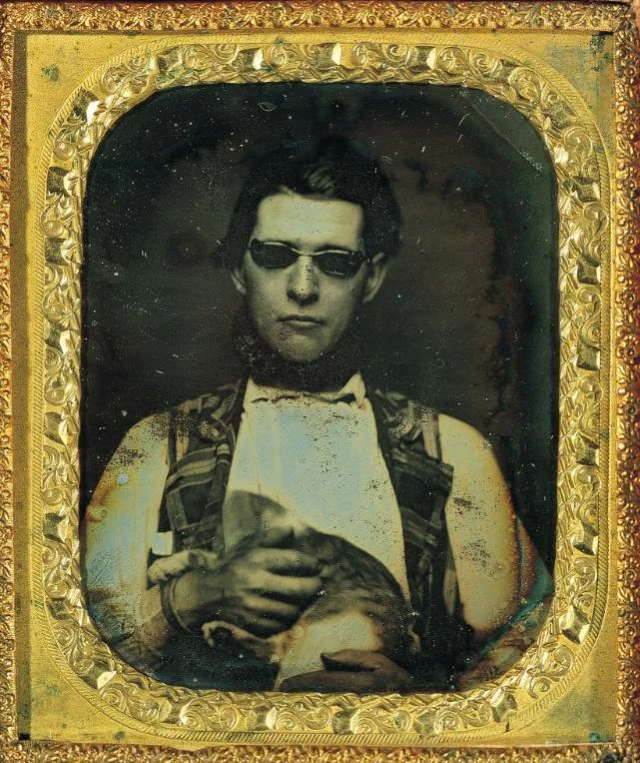
Louis-Jacques-Mandé Daguerre invented the daguerreotype process in France. The invention was announced to the public on August 19, 1839 at a meeting of the French Academy of Sciences in Paris. American photographers quickly capitalized on this new invention, which was capable of capturing a “truthful likeness.”
Daguerreotypists in major cities invited celebrities and political figures to their studios in the hopes of obtaining a likeness for display in their windows and reception areas. They encouraged the public to visit their galleries, which were like museums, in the hope that they would desire to be photographed as well. By 1850, there were over 70 daguerreotype studios in New York City alone.
Exposure times for the earliest daguerreotypes ranged from three to fifteen minutes, making the process nearly impractical for portraiture. Modifications to the sensitization process coupled with the improvement of photographic lenses soon reduced the exposure time to less than a minute.
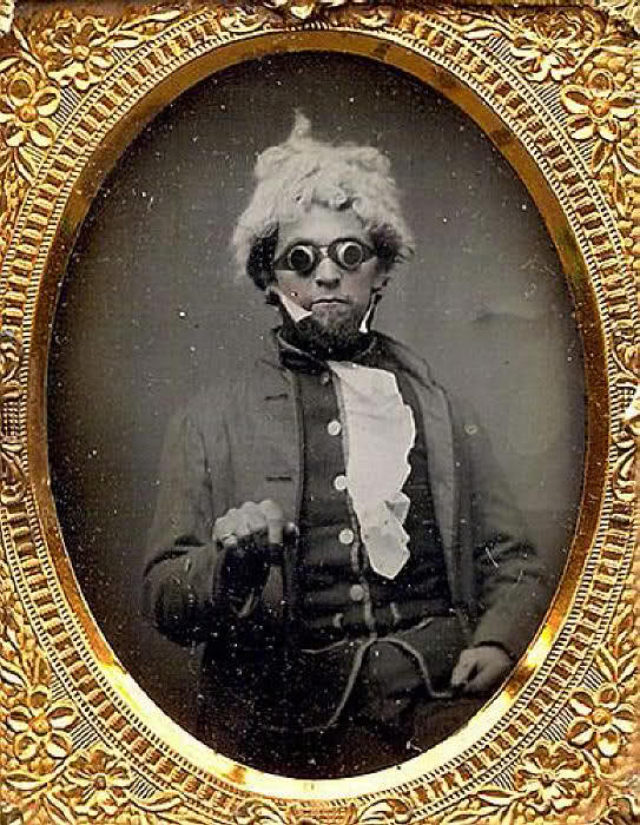
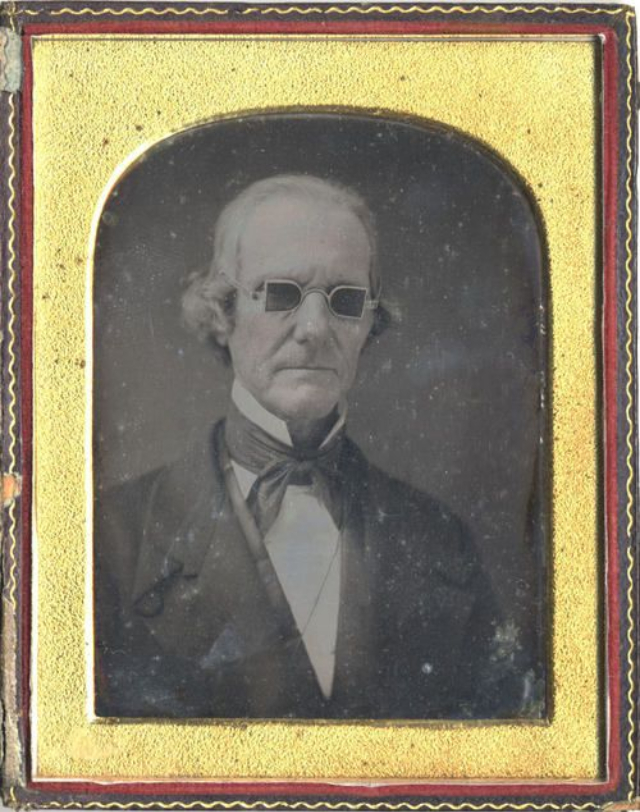
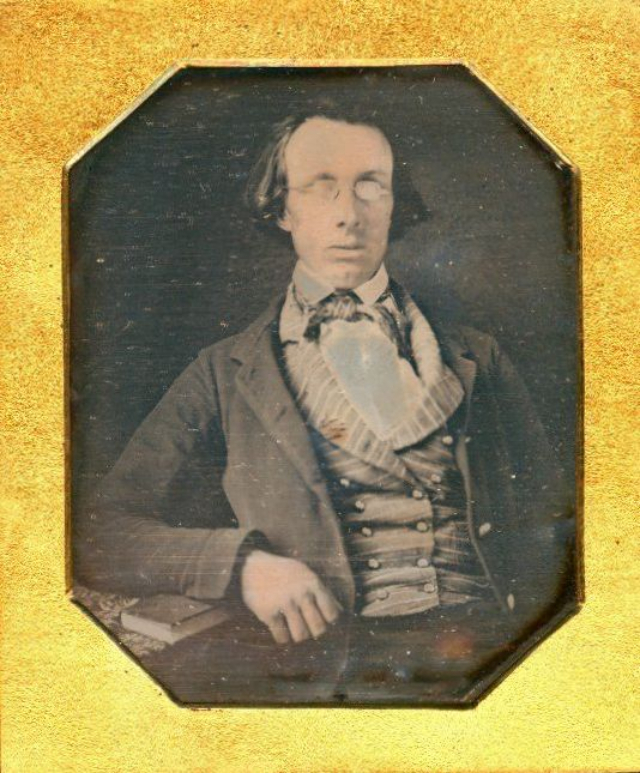
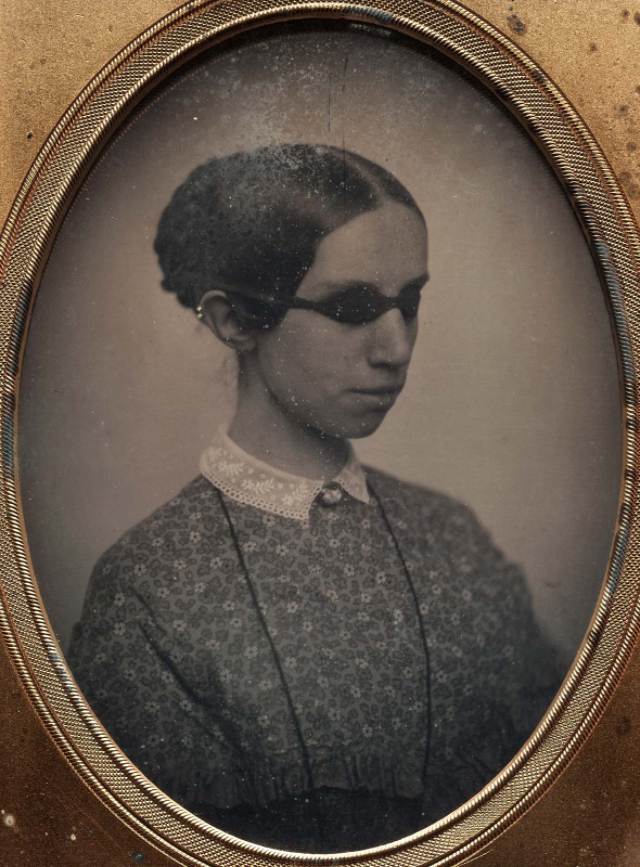
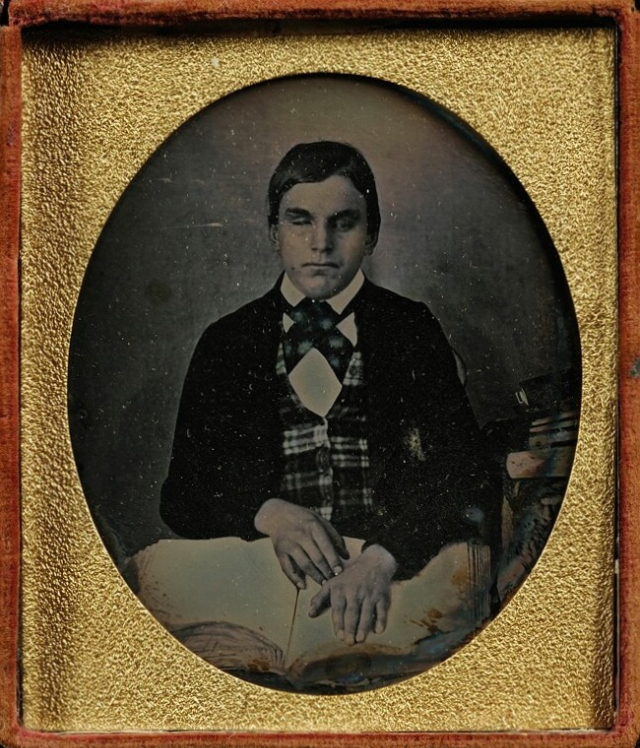
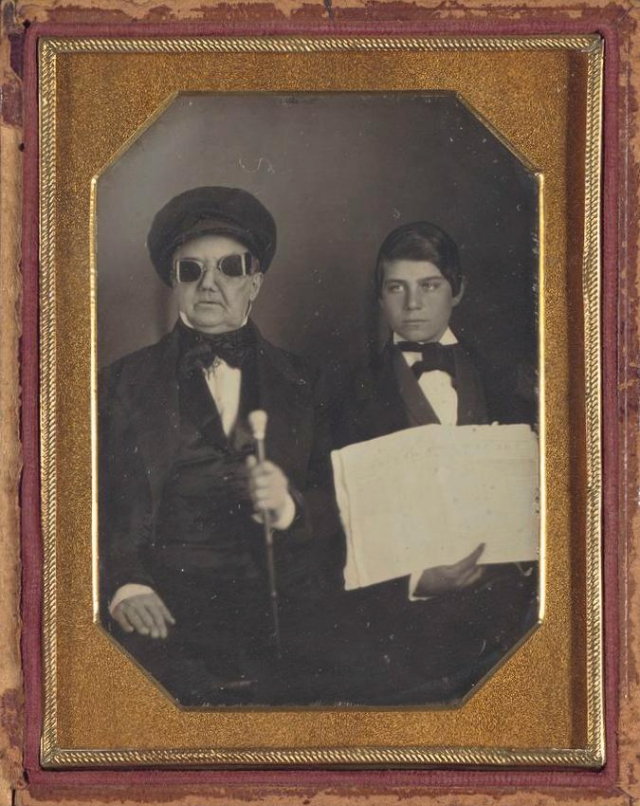
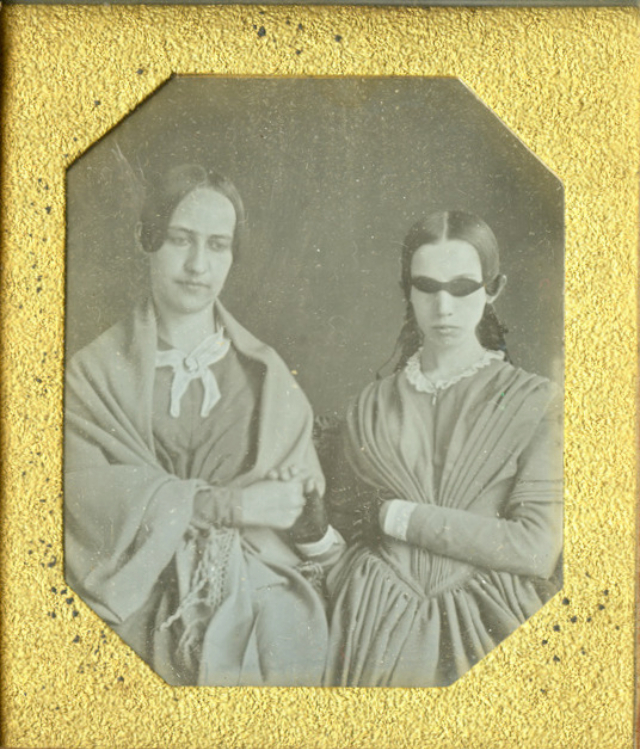
Although daguerreotypes are unique images, they could be copied by redaguerreotyping the original. Copies were also produced by lithography or engraving. Here, below is a collection of 16 amazing daguerreotypes of blind people from the mid-19th century.
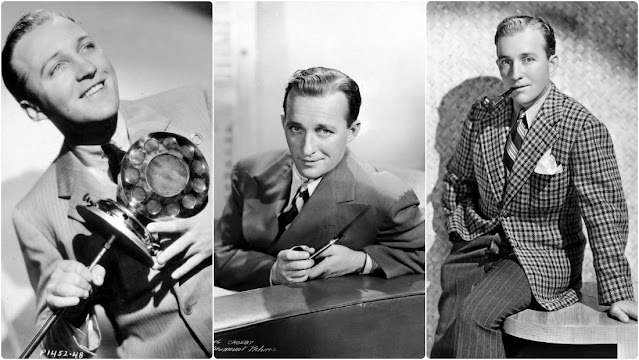
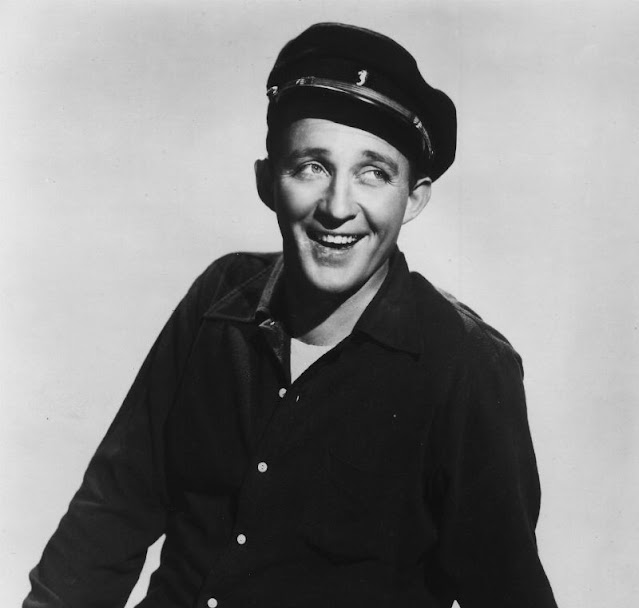
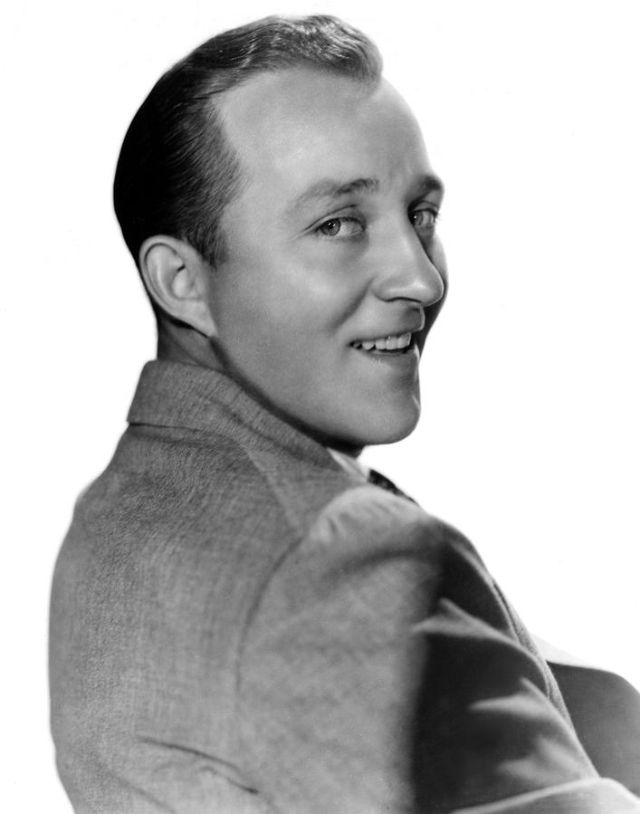
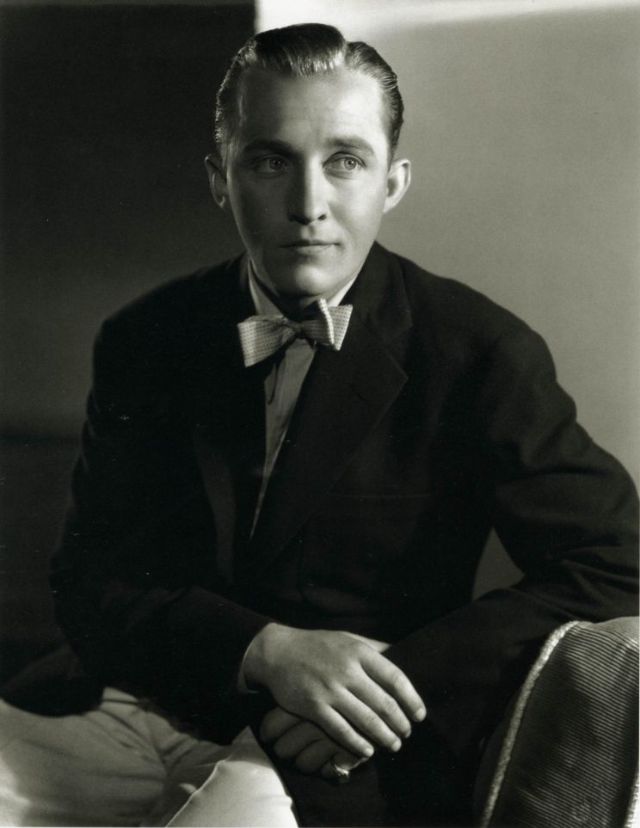
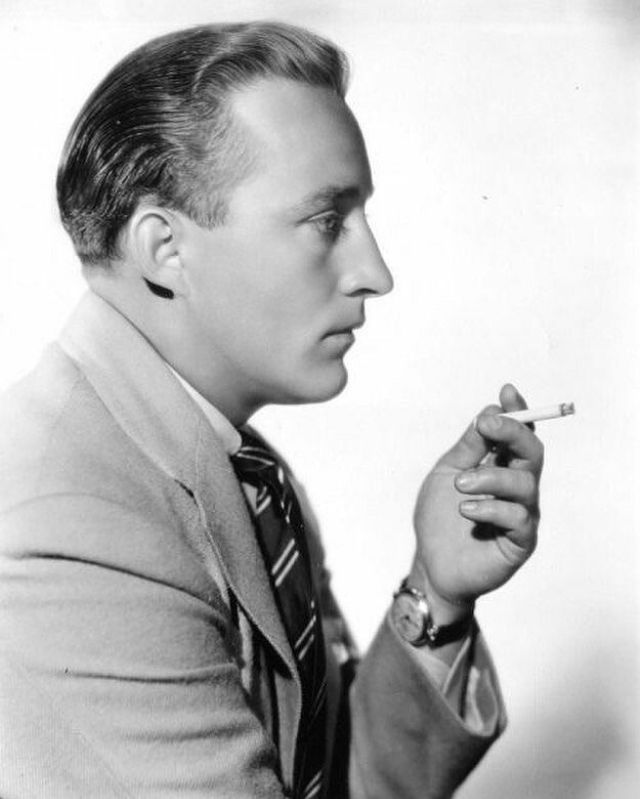
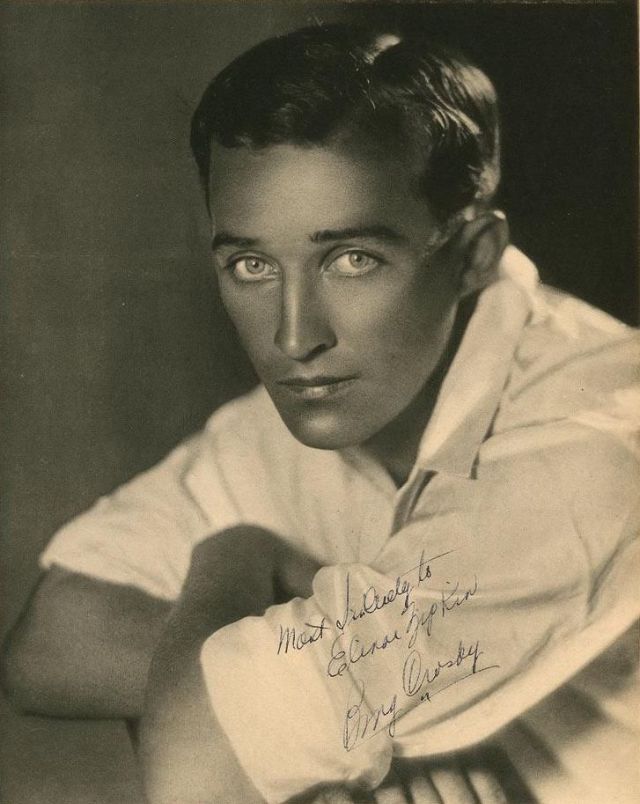
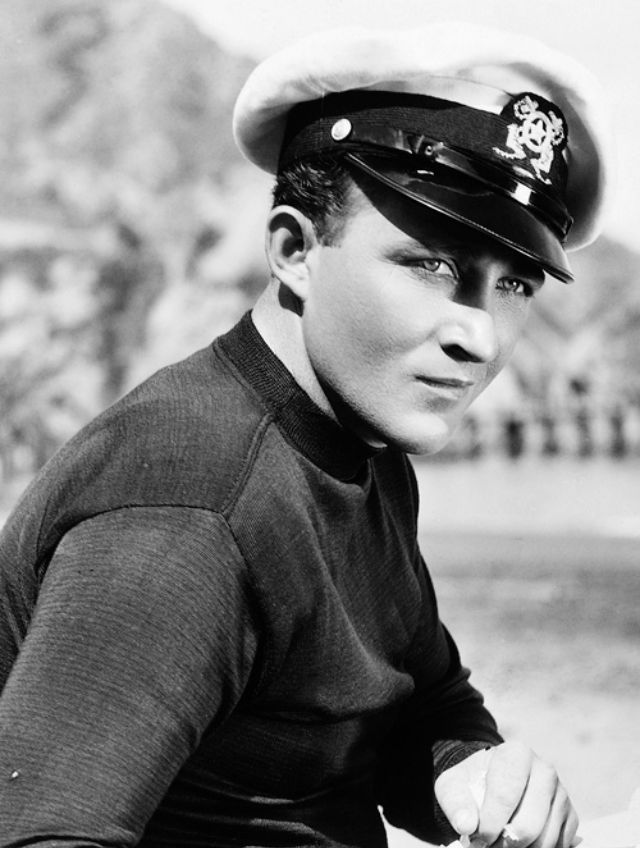
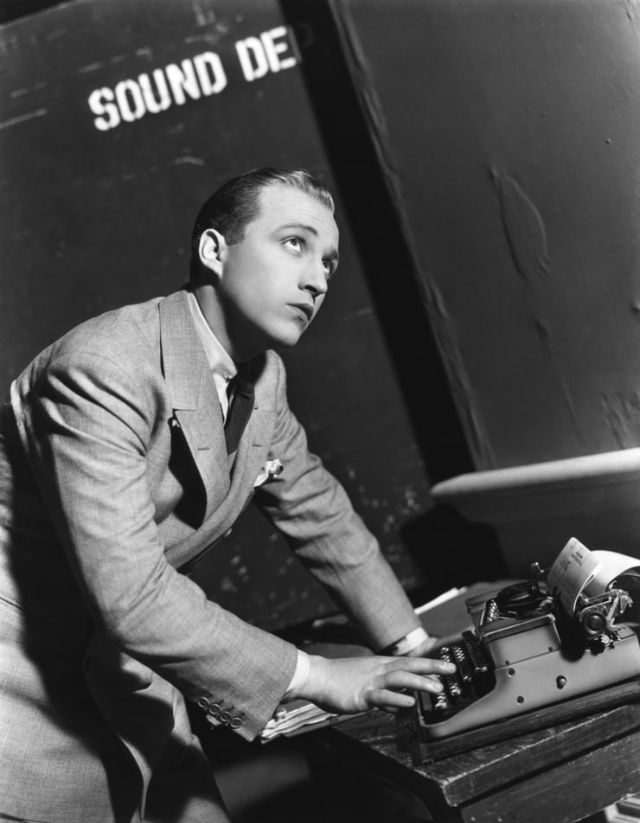
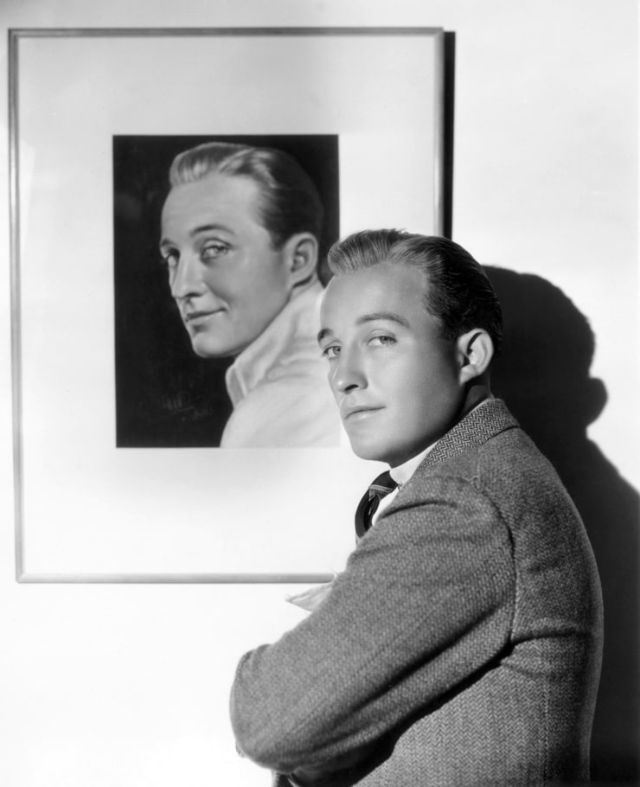
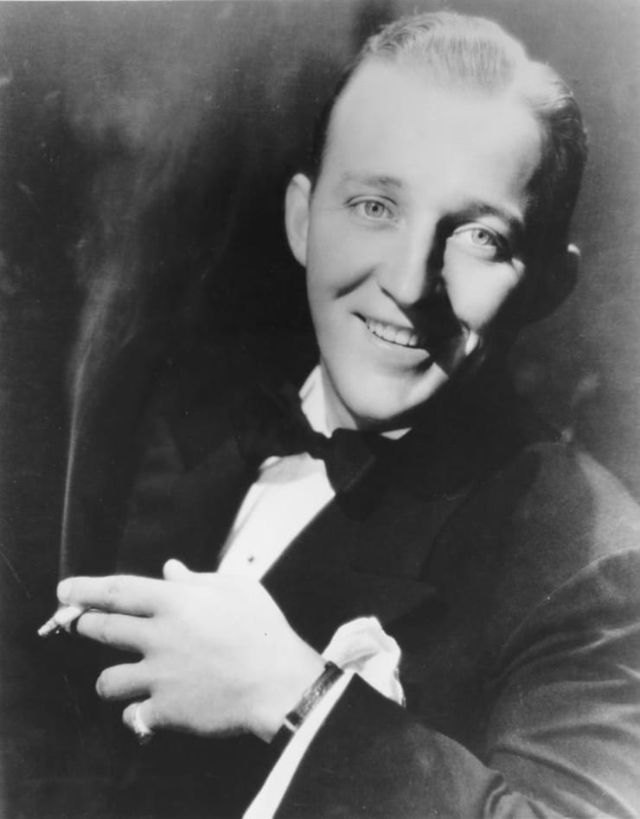
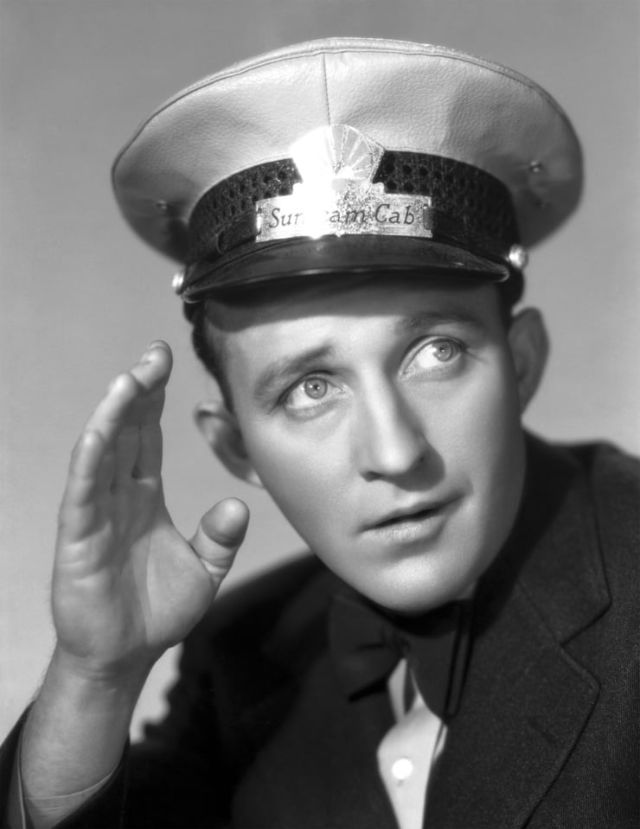
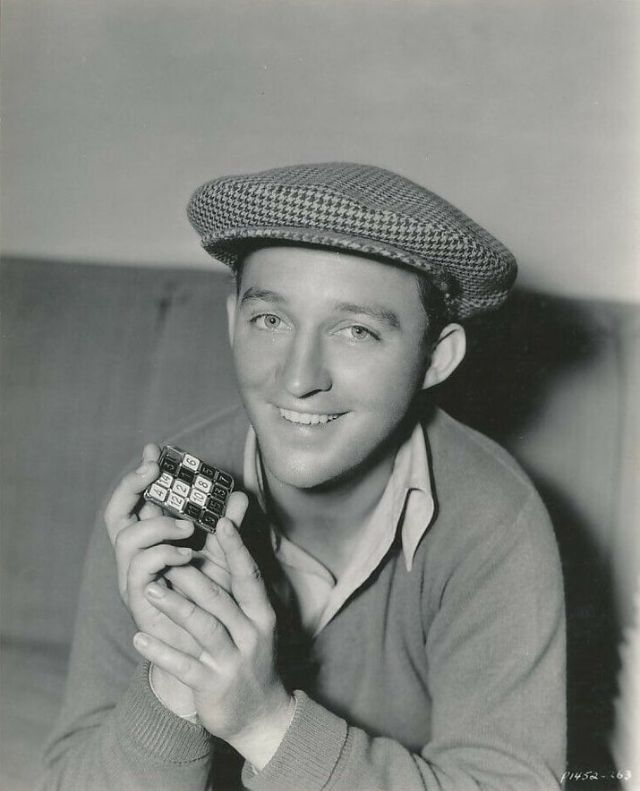
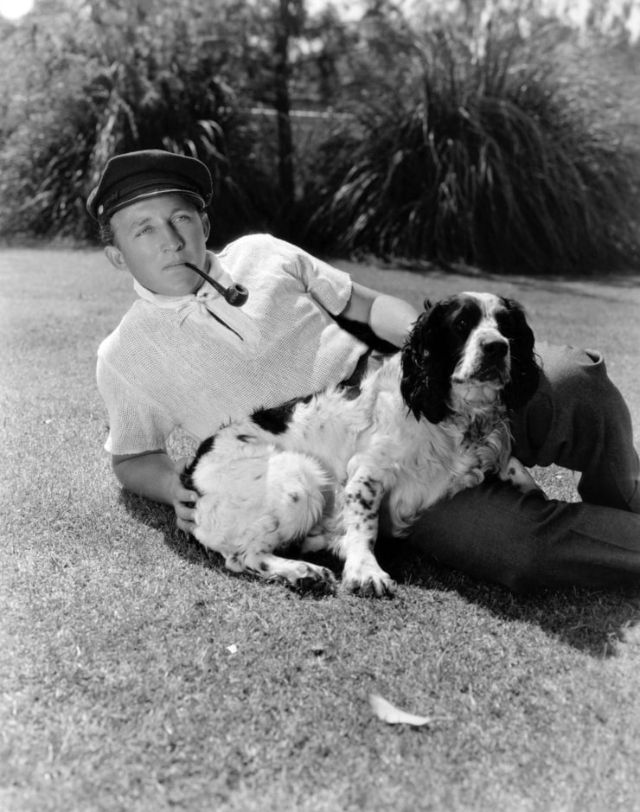
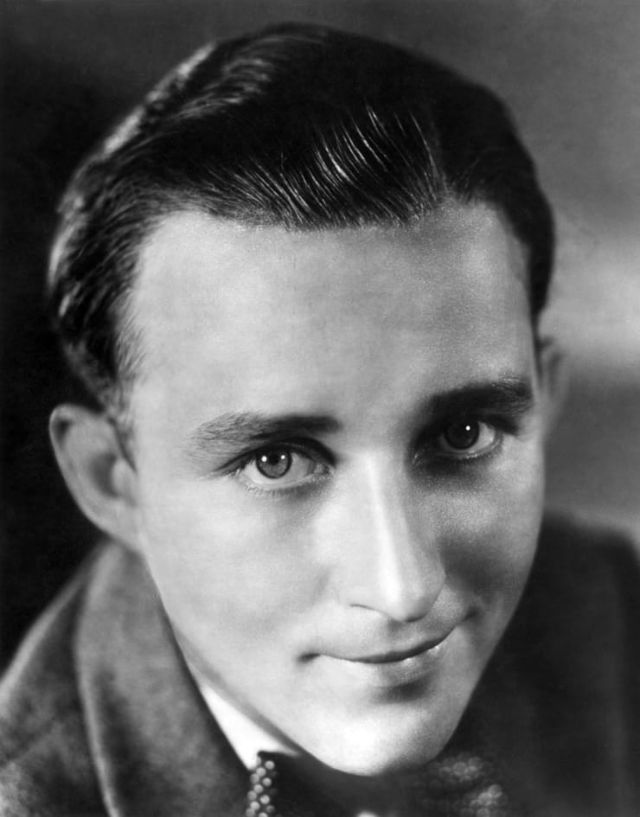
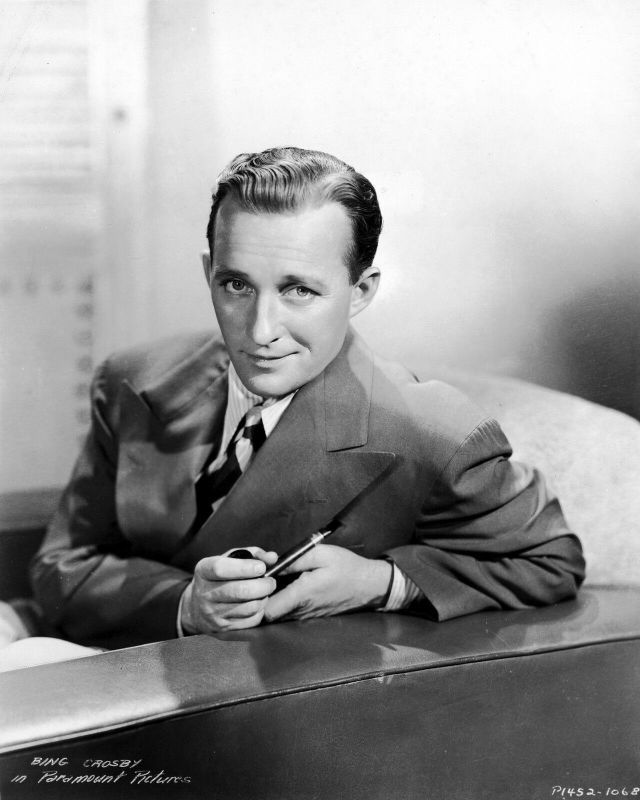
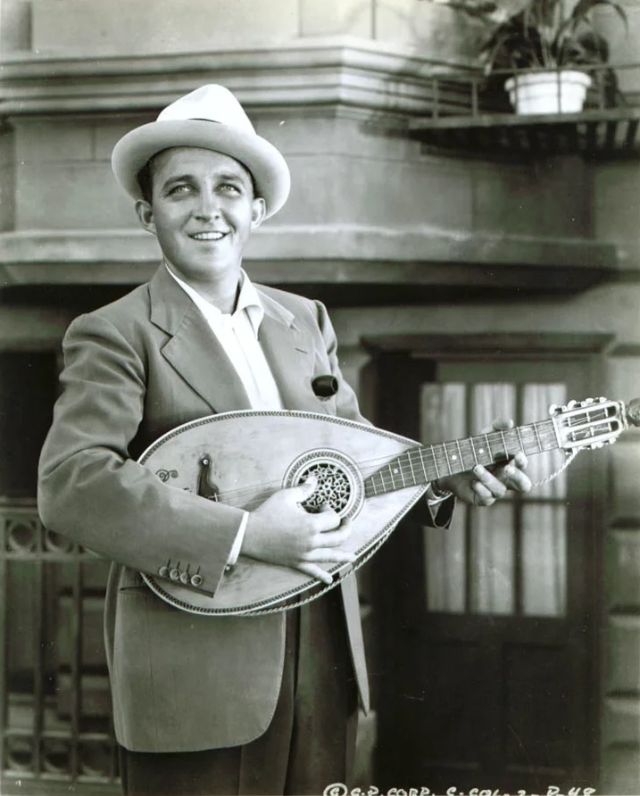
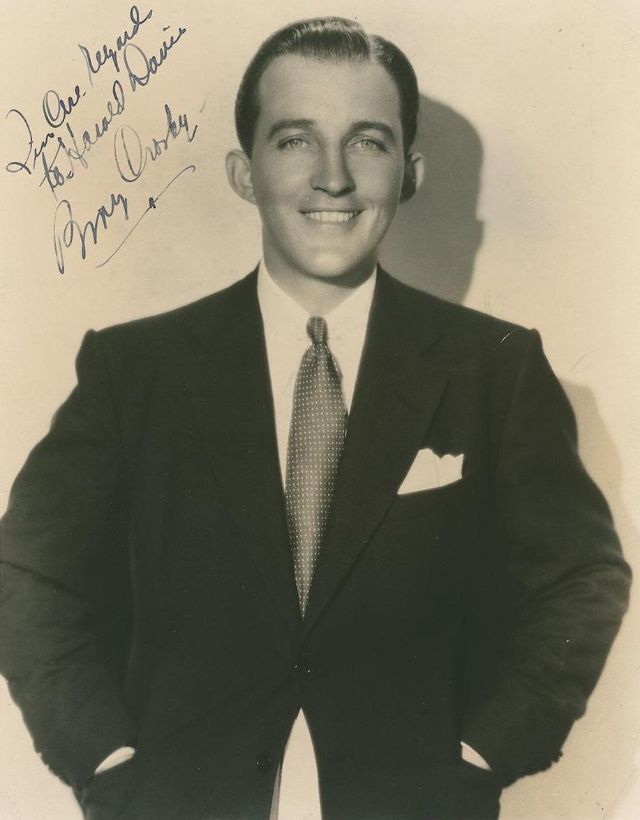
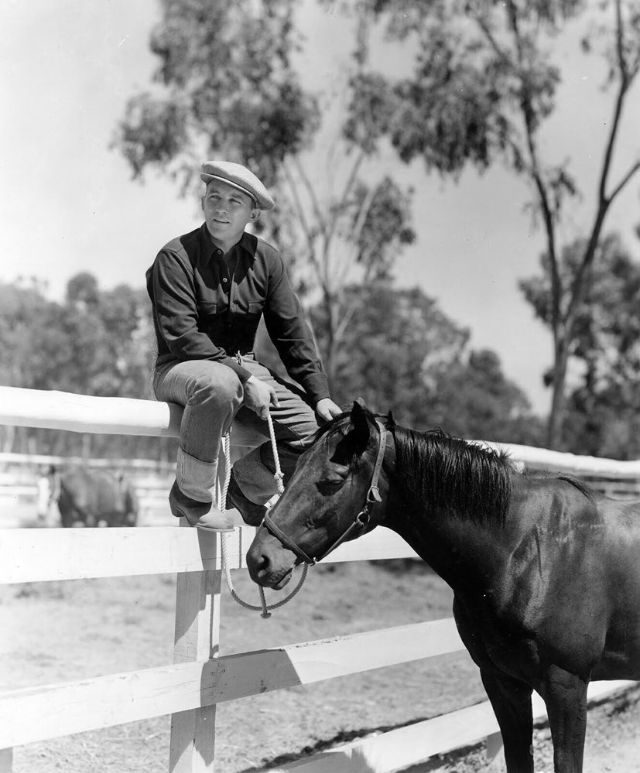
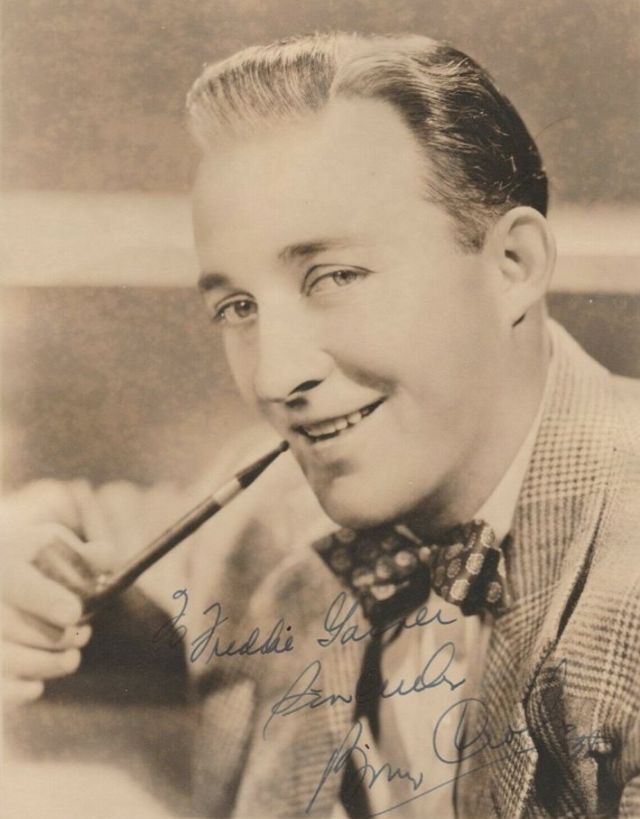
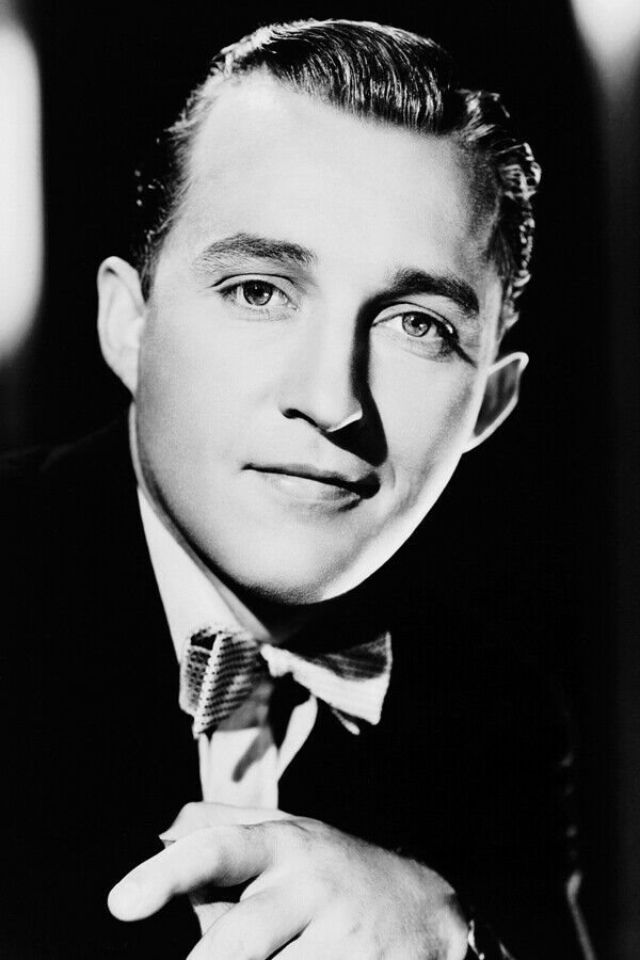
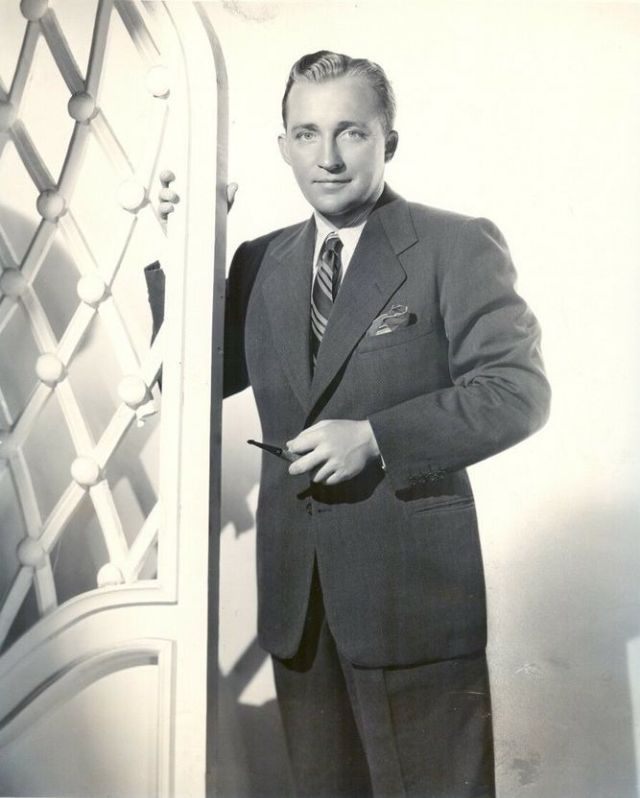
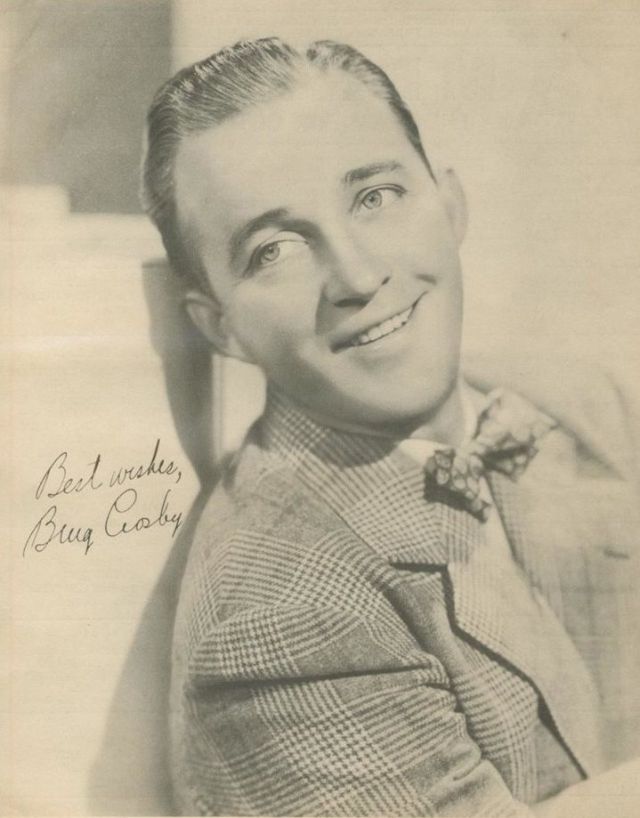
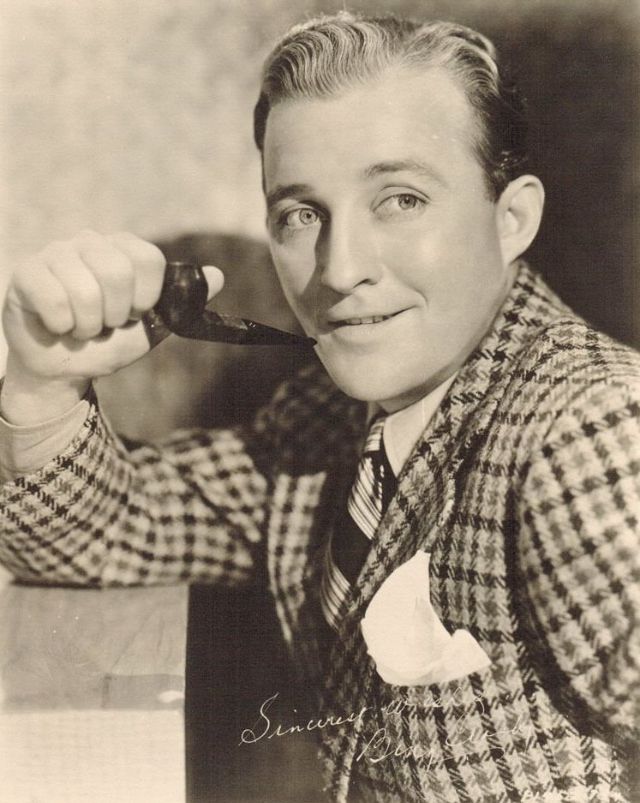
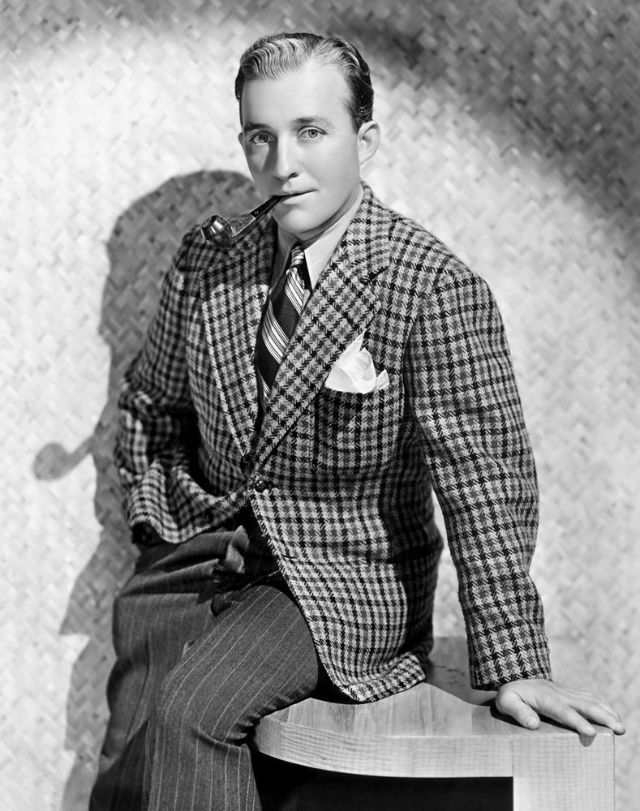
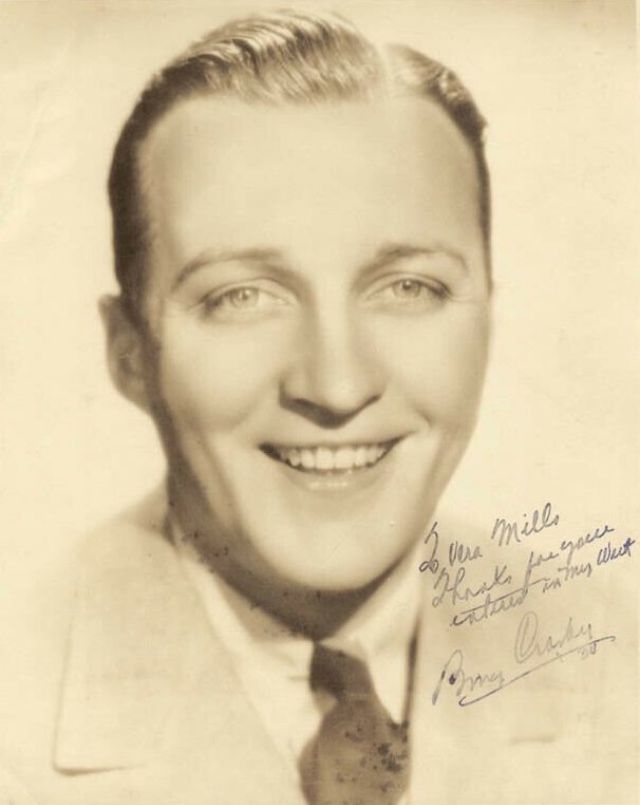
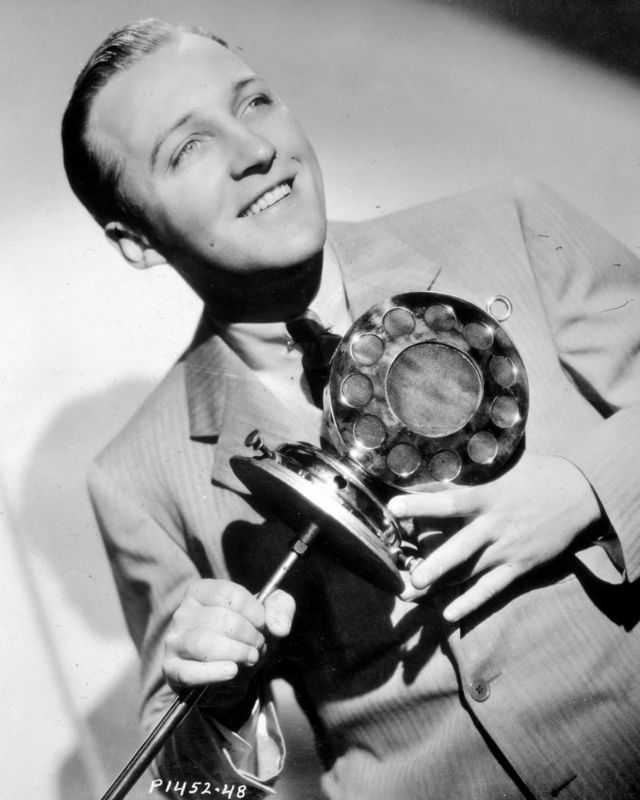
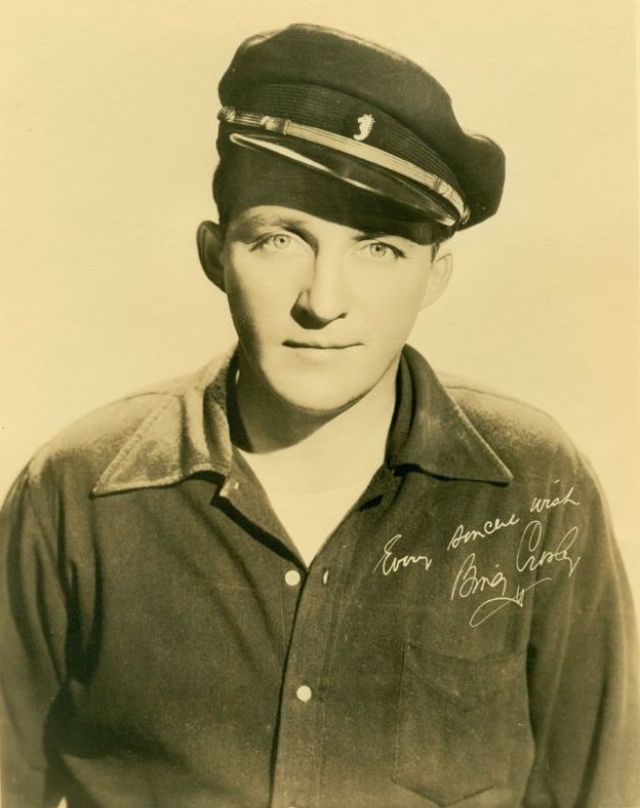
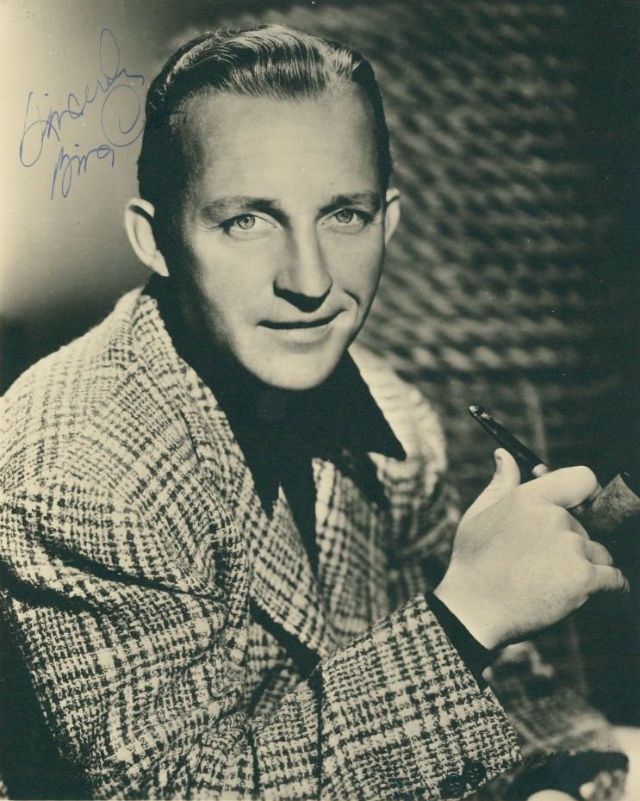
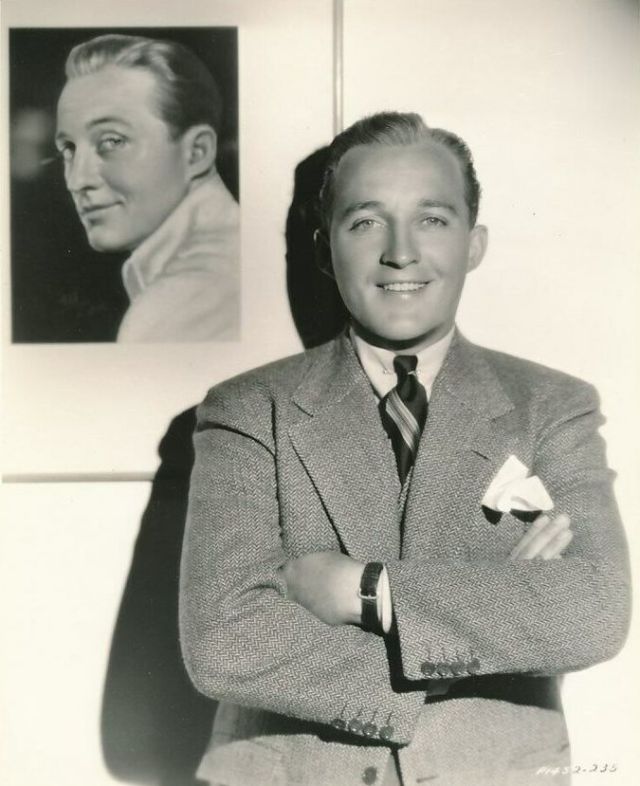
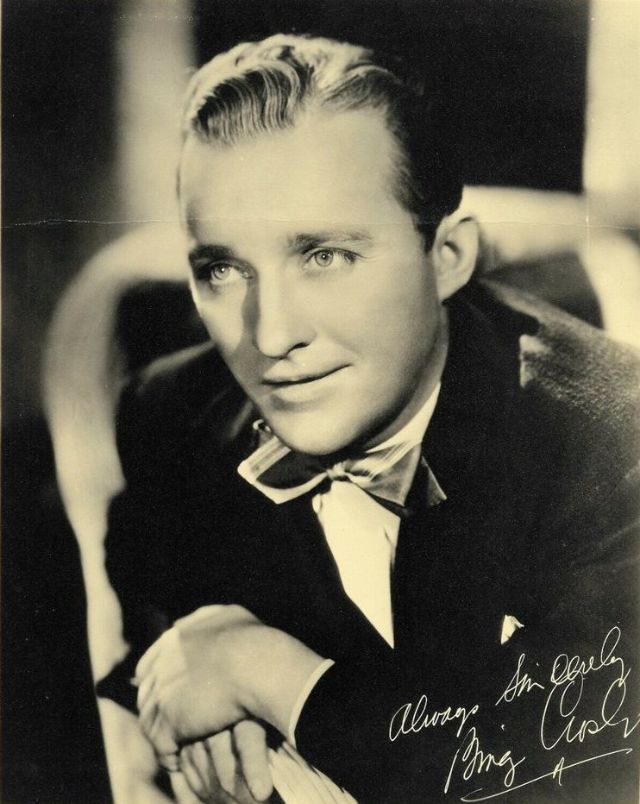
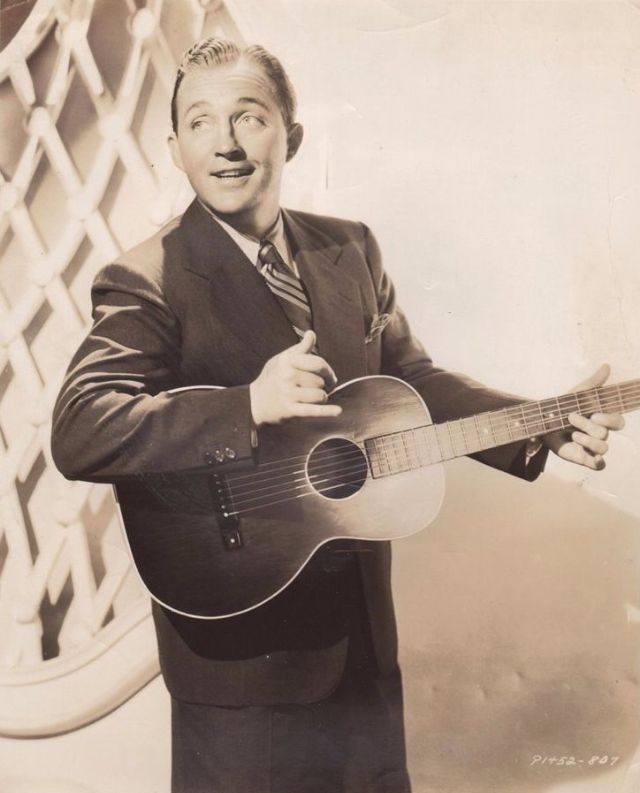
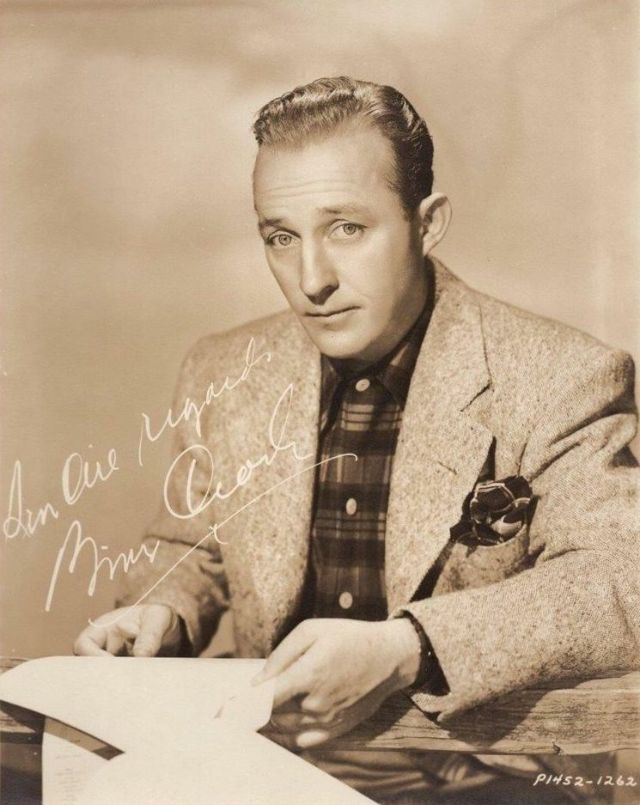
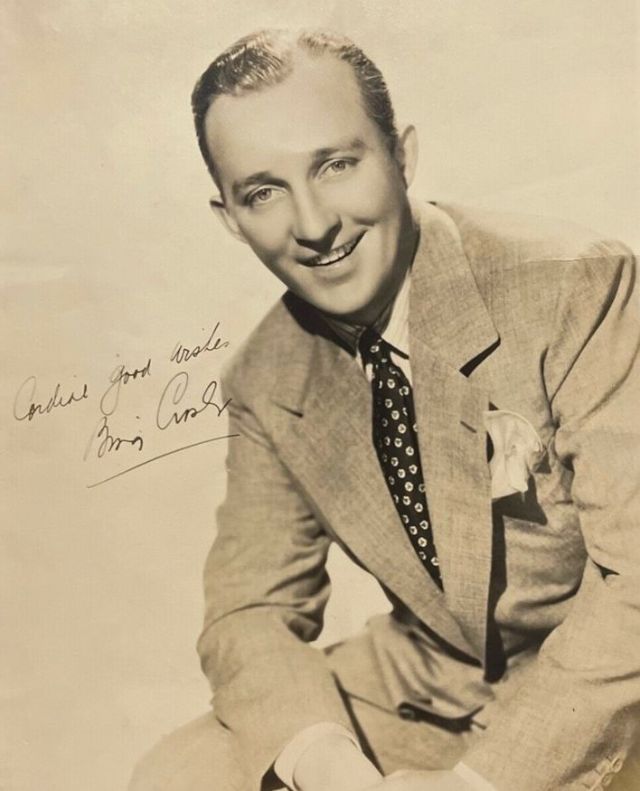
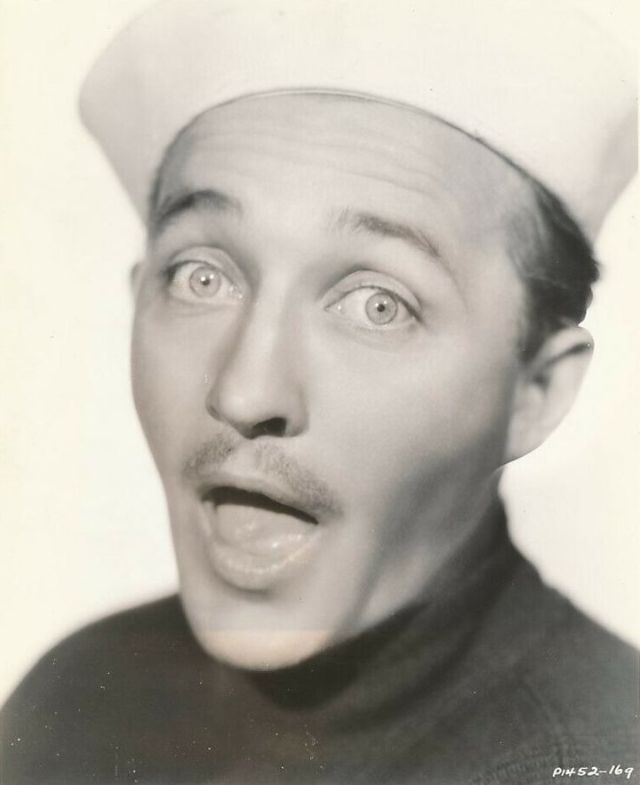
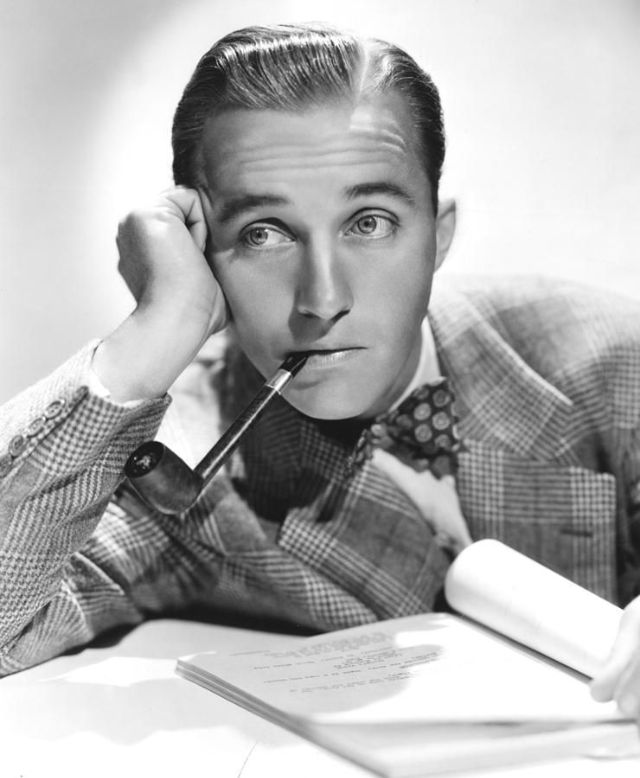
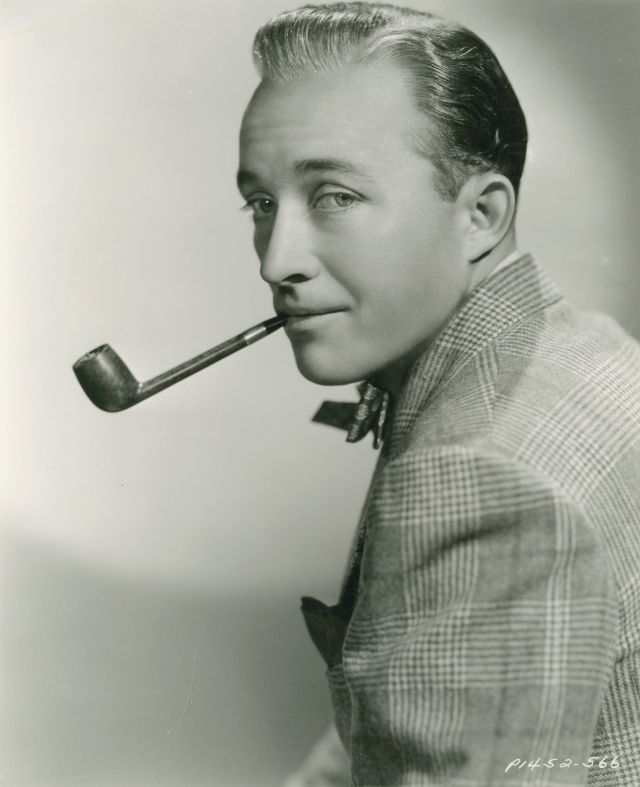
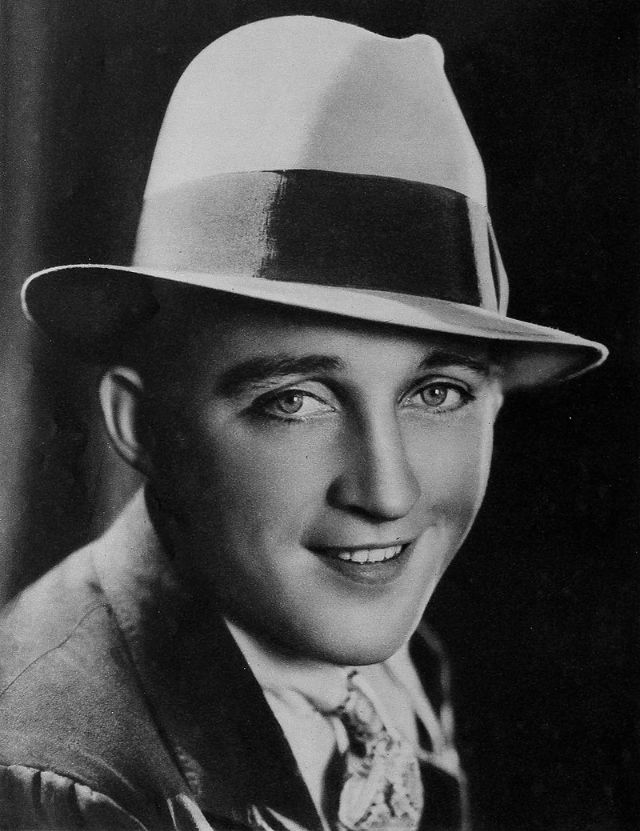
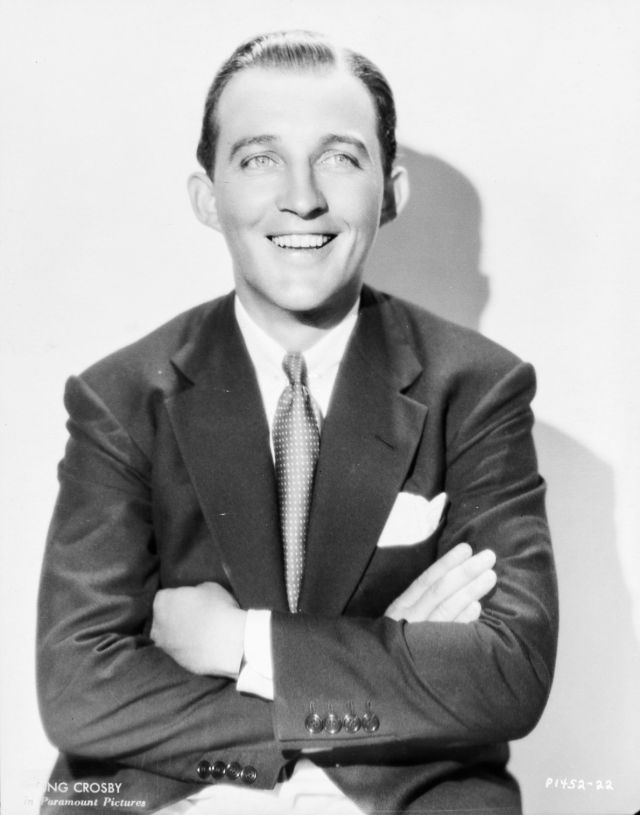
Born 1903 in Tacoma, Washington, American singer and actor Bing Crosby was a leader in record sales, radio ratings, and motion picture grosses from 1930 to 1954. He made over 70 feature films and recorded more than 1,600 songs. His early career coincided with recording innovations that allowed him to develop an intimate singing style that influenced many male singers who followed, such as Perry Como, Frank Sinatra, Dean Martin, Dick Haymes, Elvis Presley, and John Lennon.
Yank magazine said that he was “the person who had done the most for the morale of overseas servicemen” during World War II. In 1948, American polls declared him the “most admired man alive”, ahead of Jackie Robinson and Pope Pius XII. In 1948, Music Digest estimated that his recordings filled more than half of the 80,000 weekly hours allocated to recorded radio music.
Crosby won the Academy Award for Best Actor for his performance in Going My Way (1944) and was nominated for its sequel, The Bells of St. Mary’s (1945), becoming the first of six actors to be nominated twice for playing the same character. In 1963, he received the first Grammy Global Achievement Award. He is one of 33 people to have three stars on the Hollywood Walk of Fame, in the categories of motion pictures, radio, and audio recording.
Crosby influenced the development of the postwar recording industry. He became the first performer to prerecord his radio shows and master his commercial recordings onto magnetic tape. Through the medium of recording, he constructed his radio programs with the same directorial tools and craftsmanship (editing, retaking, rehearsal, time shifting) used in motion picture production, a practice that became industry standard.
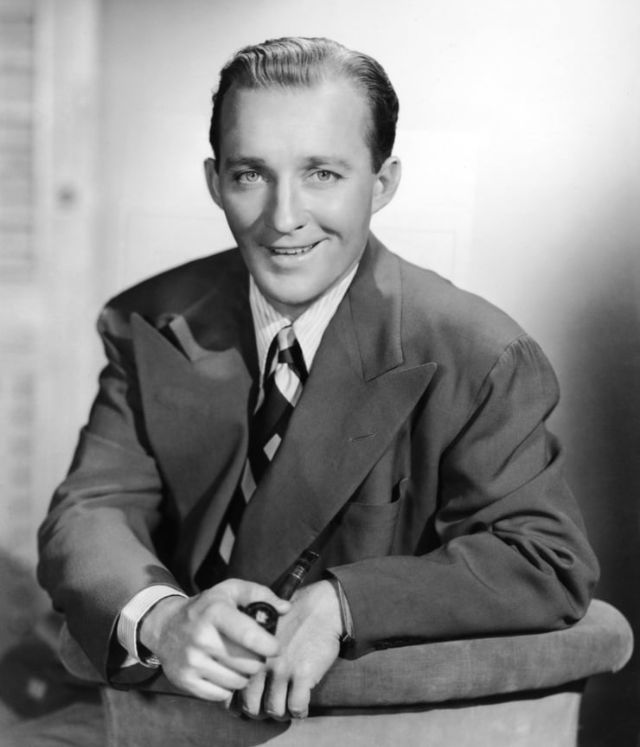
Crosby collapsed and died instantly from a massive heart attack in 1977 at the age of 74. Take a look at these vintage photos to see portrait of a young Bing Crosby in the 1930s.
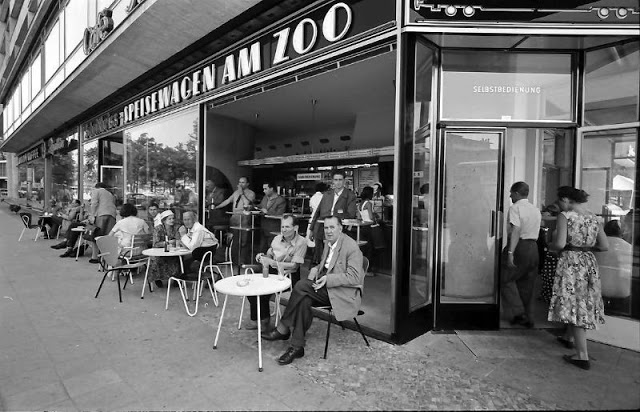
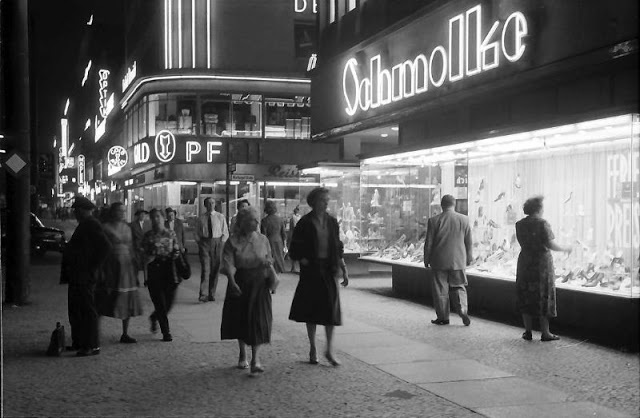
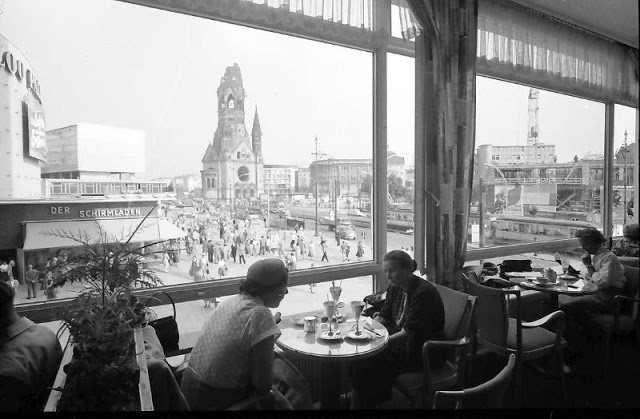
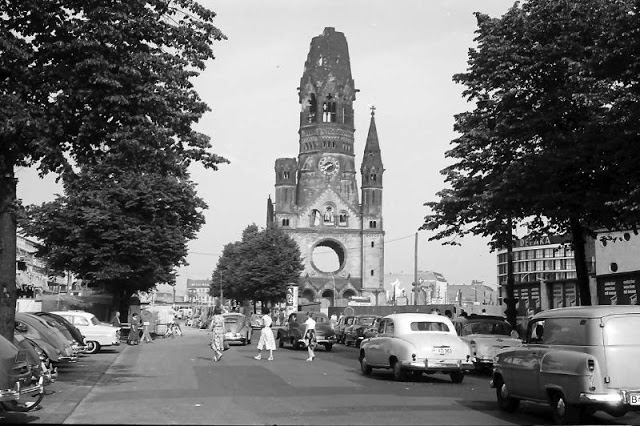
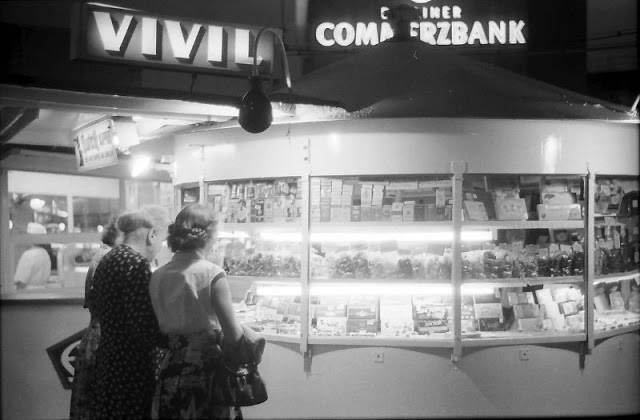
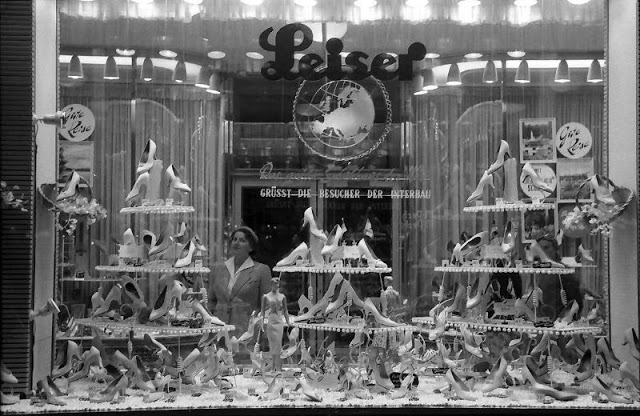
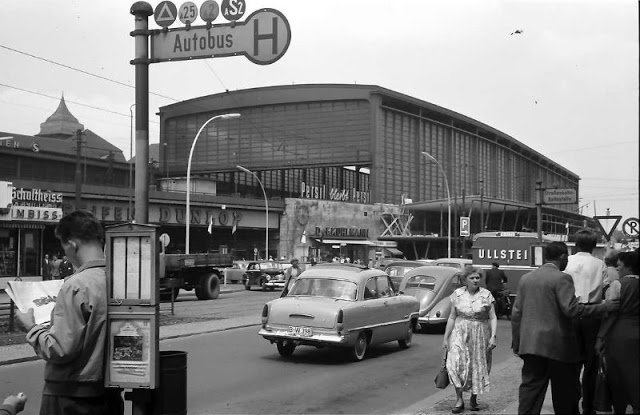
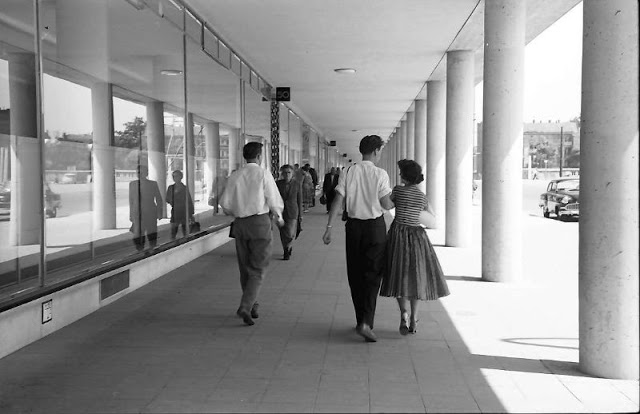
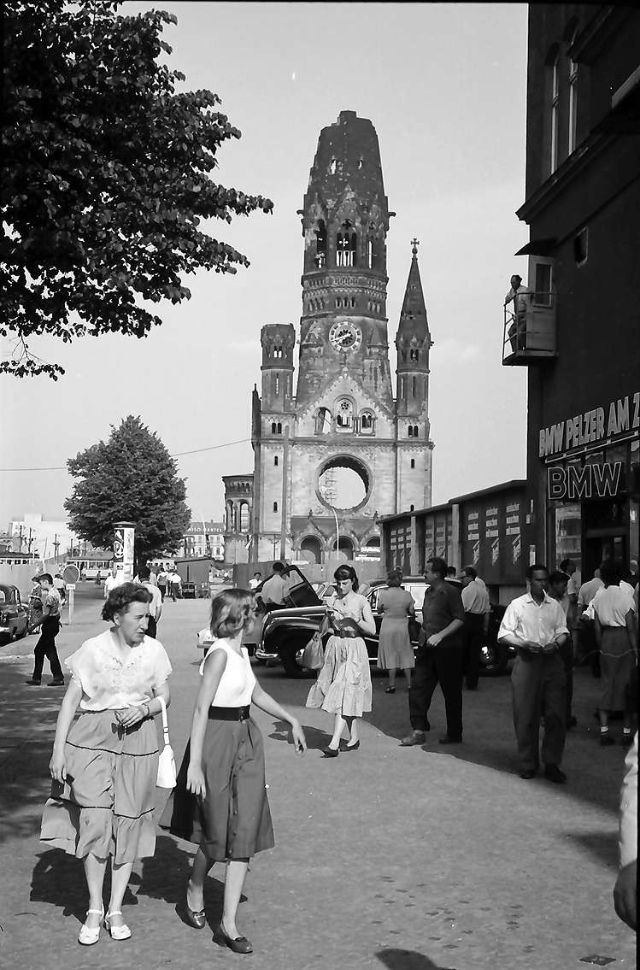
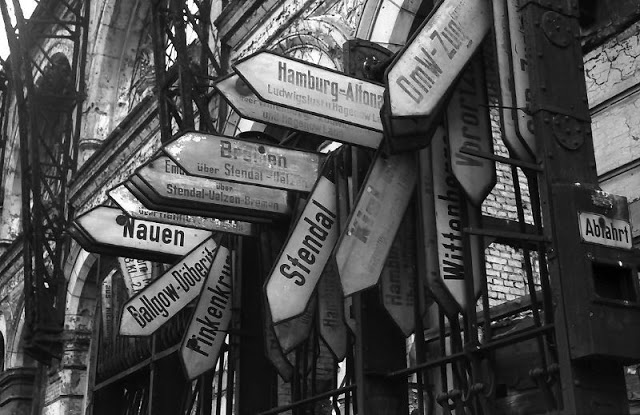
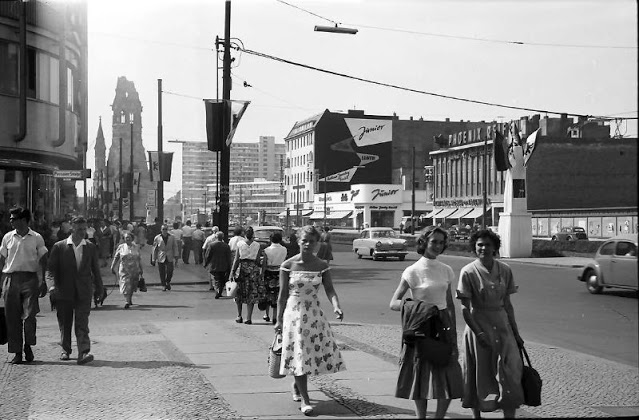
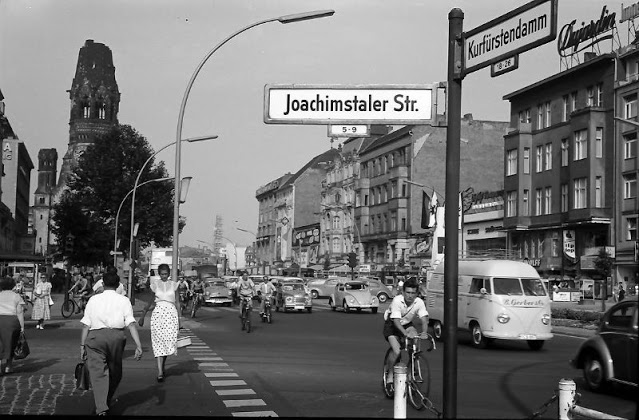
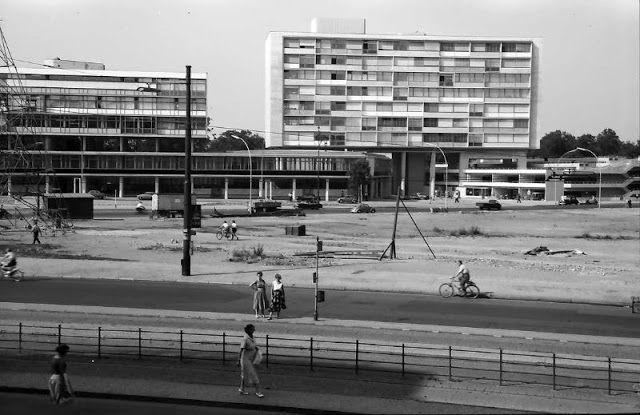
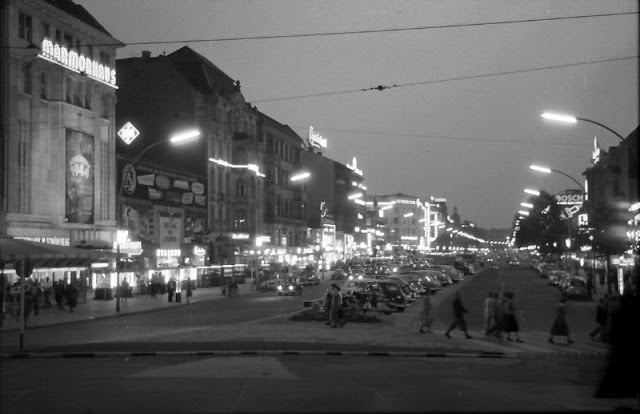
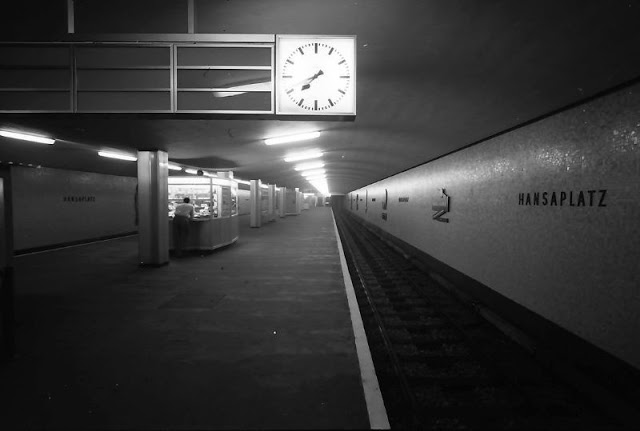
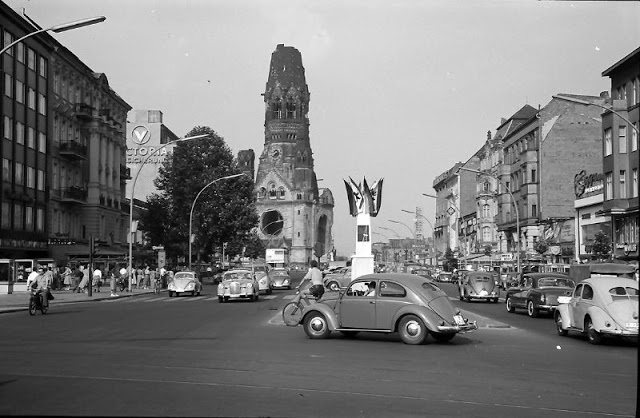
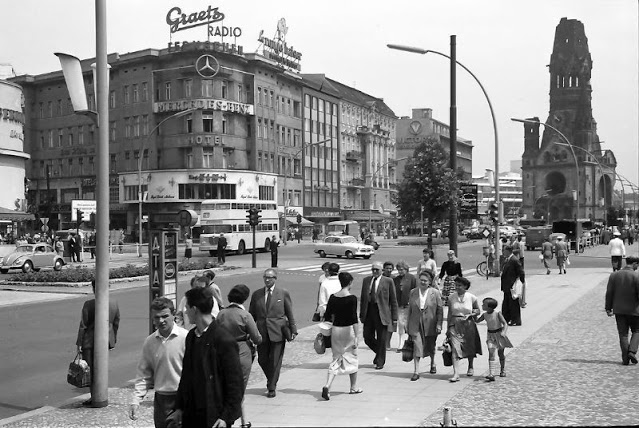
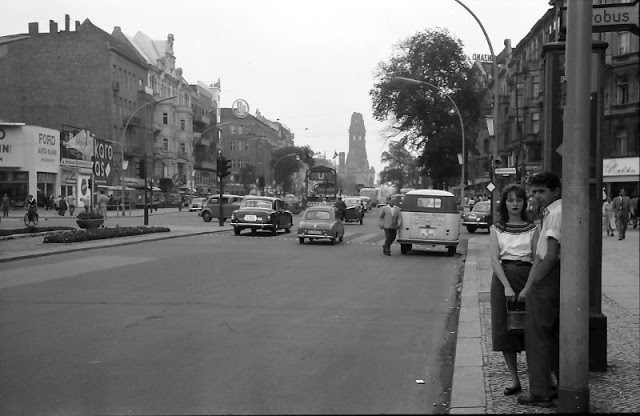
Willy Pragher (born Wilhelm Alexander Pragher) was a German photographer and photojournalist. He studied and trained at the Reimann School of Art and Design, a private art school in Berlin. From 1932, he worked as a freelance press photographer for Ullstein, Berliner Illustrierte and Badische Zeitung. In 1944, Pragher was drafted into the Volkssturm, a national militia established by Nazi Germany during the last months of World War II. From 1945 to 1949, he was a prisoner of war in Siberia.
After he was set free, Pragher returned to Germany and took numerous photographs of almost everything.
Berlin is the capital and largest city of Germany by both area and population. Its 3.7 million inhabitants make it the European Union’s most populous city, according to population within city limits. One of Germany’s sixteen constituent states, Berlin is surrounded by the State of Brandenburg and contiguous with Potsdam, Brandenburg’s capital. Berlin’s urban area, which has a population of around 4.5 million, is the second most populous urban area in Germany after the Ruhr. The Berlin-Brandenburg capital region has around 6.2 million inhabitants and is Germany’s third-largest metropolitan region after the Rhine-Ruhr and Rhine-Main regions. There was an unsuccessful attempt to unify both states in 1996, and despite remaining separate, the two states cooperate on many matters to this day.
Berlin straddles the banks of the Spree, which flows into the Havel (a tributary of the Elbe) in the western borough of Spandau. Among the city’s main topographical features are the many lakes in the western and southeastern boroughs formed by the Spree, Havel and Dahme, the largest of which is Lake Müggelsee. Due to its location in the European Plain, Berlin is influenced by a temperate seasonal climate. About one-third of the city’s area is composed of forests, parks, gardens, rivers, canals and lakes. The city lies in the Central German dialect area, the Berlin dialect being a variant of the Lusatian-New Marchian dialects.
First documented in the 13th century and at the crossing of two important historic trade routes, Berlin became the capital of the Margraviate of Brandenburg (1417–1701), the Kingdom of Prussia (1701–1918), the German Empire (1871–1918), the Weimar Republic (1919–1933), and Nazi Germany (1933–1945). Berlin in the 1920s was the third-largest municipality in the world. After World War II and its subsequent occupation by the victorious countries, the city was divided; West Berlin became a de facto exclave of West Germany, surrounded by the Berlin Wall (from August 1961 to November 1989) and East German territory. East Berlin was declared capital of East Germany, while Bonn became the West German capital. Following German reunification in 1990, Berlin once again became the capital of all of Germany.
Berlin is a world city of culture, politics, media and science. Its economy is based on high-tech firms and the service sector, encompassing a diverse range of creative industries, research facilities, media corporations and convention venues. Berlin serves as a continental hub for air and rail traffic and has a highly complex public transportation network. The metropolis is a popular tourist destination. Significant industries also include IT, pharmaceuticals, biomedical engineering, clean tech, biotechnology, construction and electronics.
Berlin is home to world-renowned universities such as the Humboldt University, the Technical University, the Free University, the University of the Arts, ESMT Berlin, the Hertie School, and Bard College Berlin. Its Zoological Garden is the most visited zoo in Europe and one of the most popular worldwide. With Babelsberg being the world’s first large-scale movie studio complex, Berlin is an increasingly popular location for international film productions. The city is well known for its festivals, diverse architecture, nightlife, contemporary arts and a very high quality of living. Since the 2000s Berlin has seen the emergence of a cosmopolitan entrepreneurial scene.
Berlin contains three World Heritage Sites: Museum Island; the Palaces and Parks of Potsdam and Berlin; and the Berlin Modernism Housing Estates. Other landmarks include the Brandenburg Gate, the Reichstag building, Potsdamer Platz, the Memorial to the Murdered Jews of Europe, the Berlin Wall Memorial, the East Side Gallery, the Berlin Victory Column, Berlin Cathedral and the Berlin Television Tower, the tallest structure in Germany. Berlin has numerous museums, galleries, libraries, orchestras, and sporting events. These include the Old National Gallery, the Bode Museum, the Pergamon Museum, the German Historical Museum, the Jewish Museum Berlin, the Natural History Museum, the Humboldt Forum, the Berlin State Library, the Berlin State Opera, the Berlin Philharmonic and the Berlin Marathon. (Wikipedia)
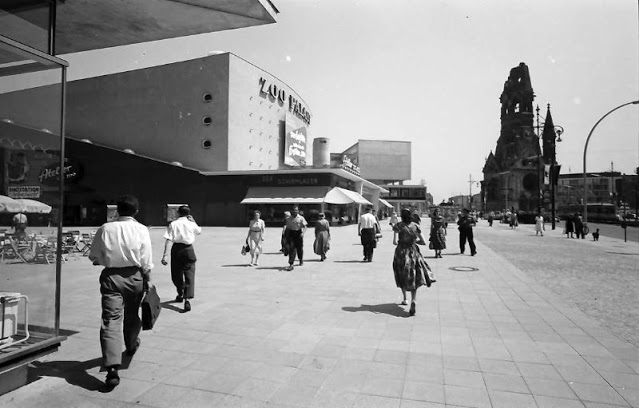
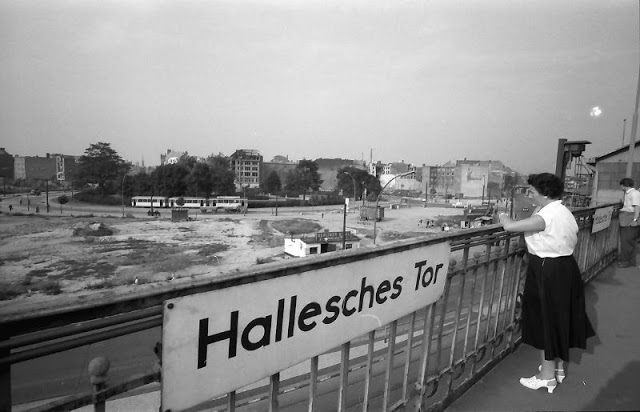
Here, we take a look at Pragher’s pictures of Berlin in the summer of 1957:
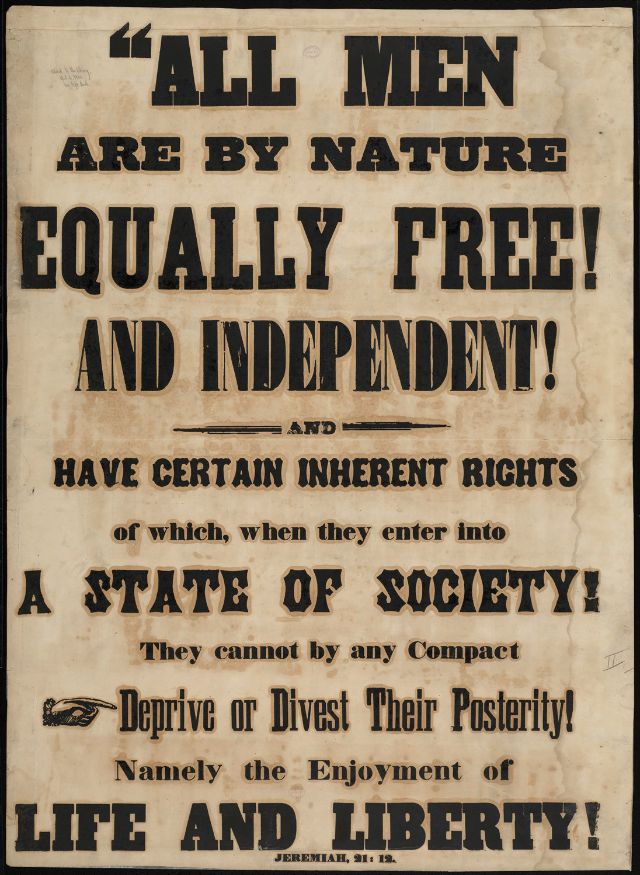
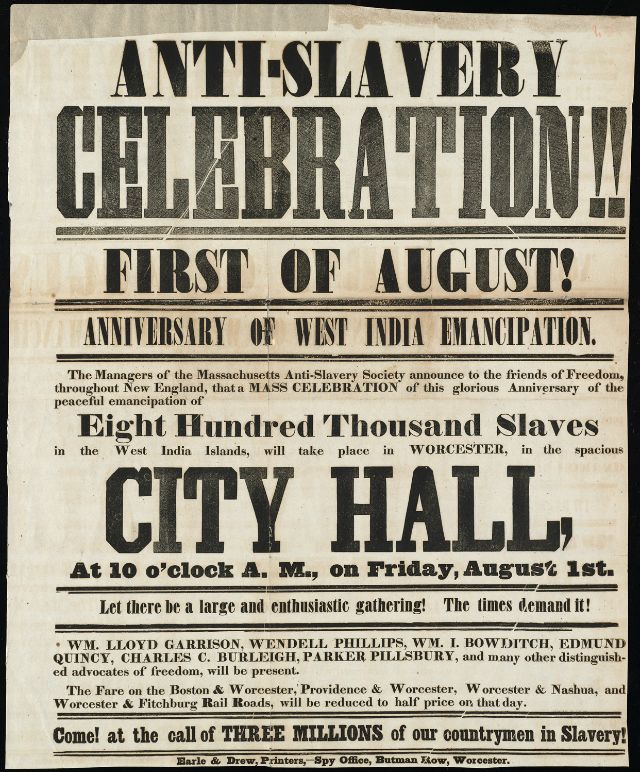
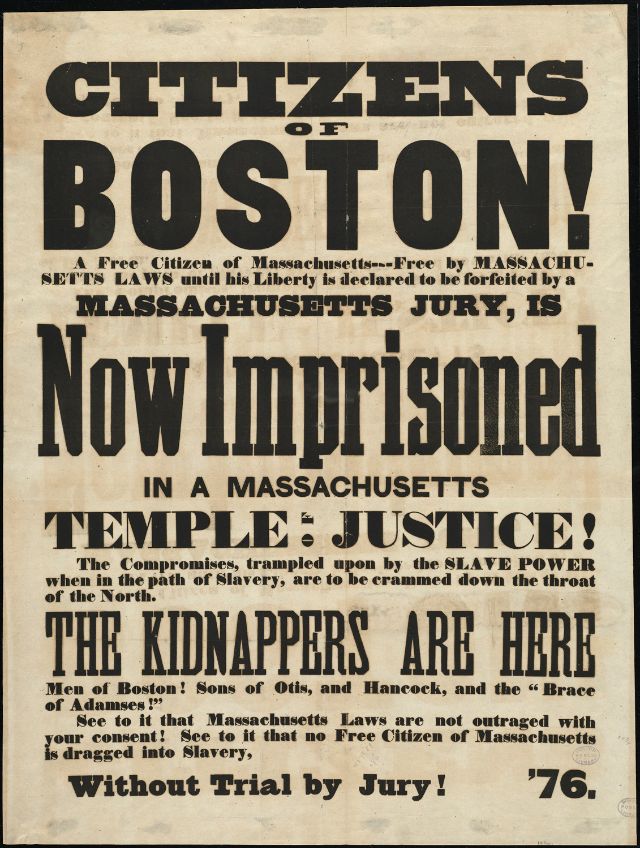
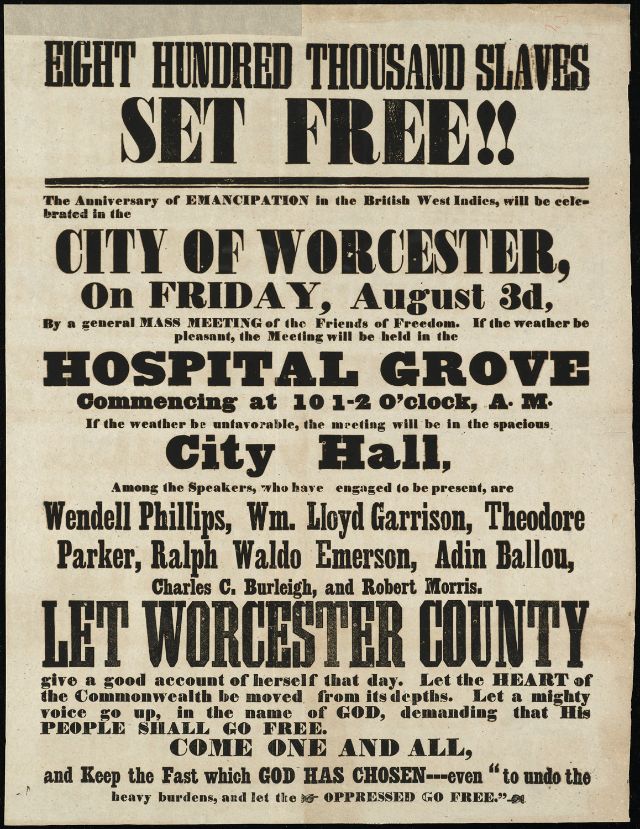
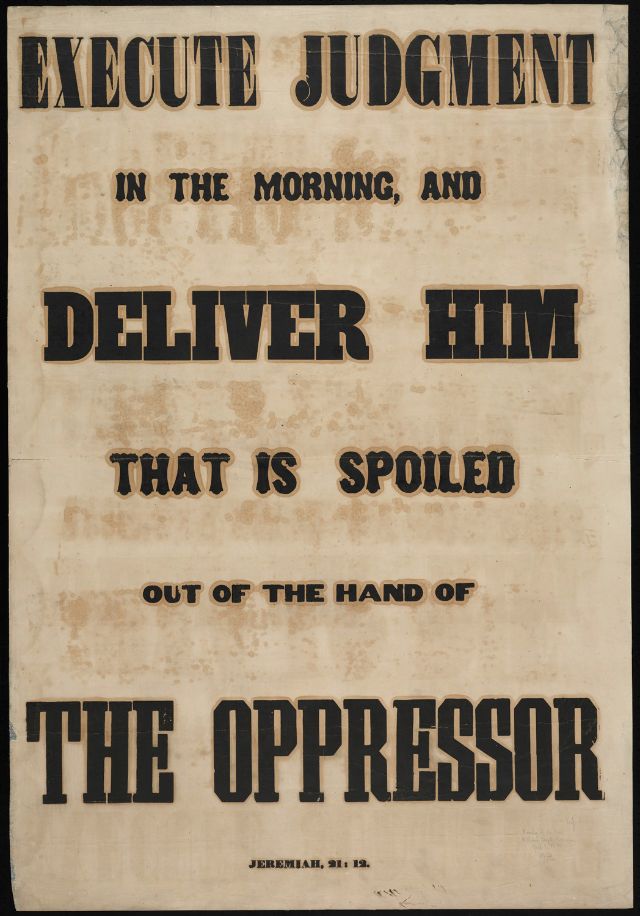
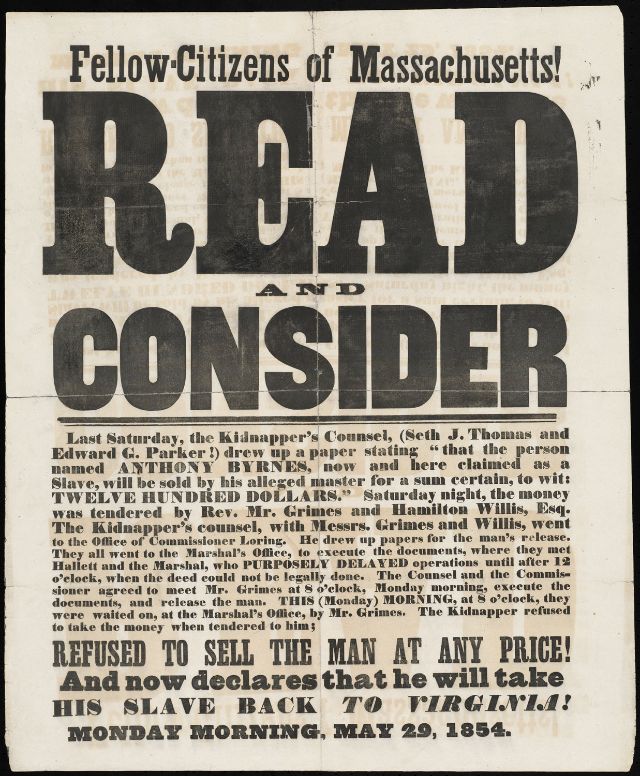
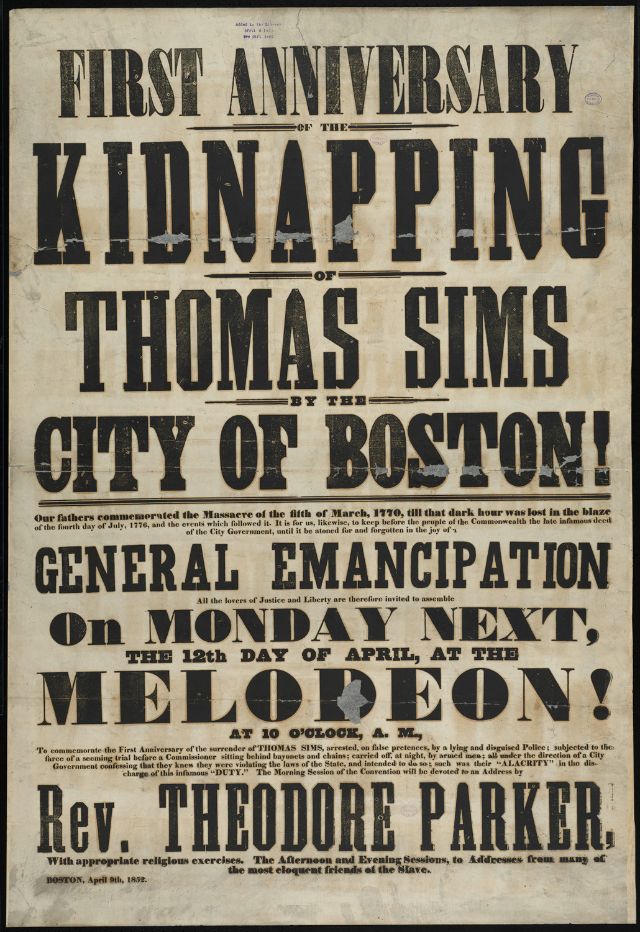
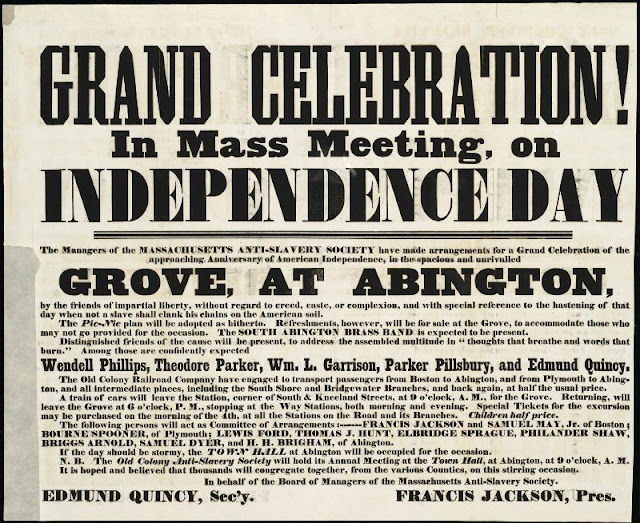
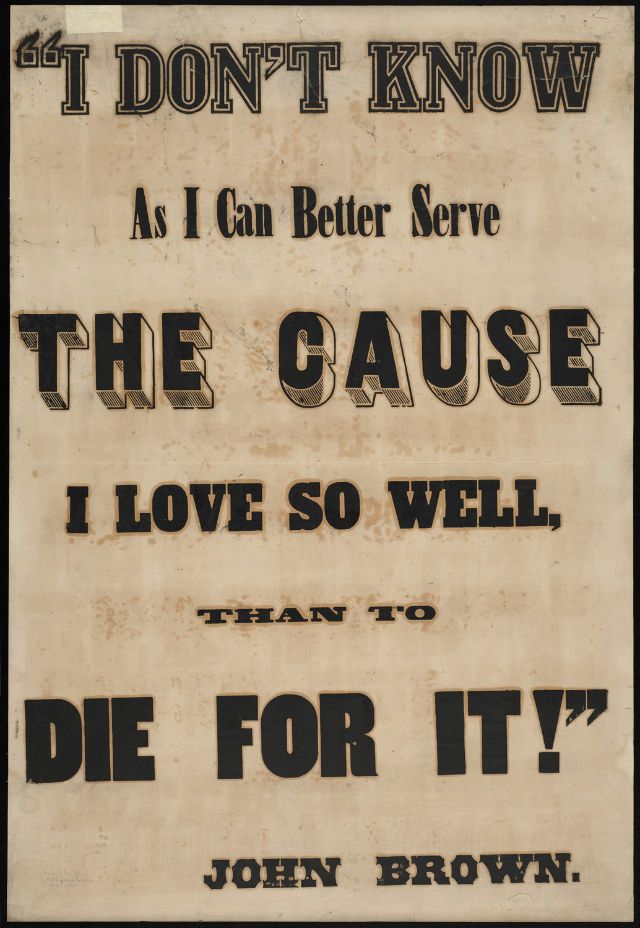
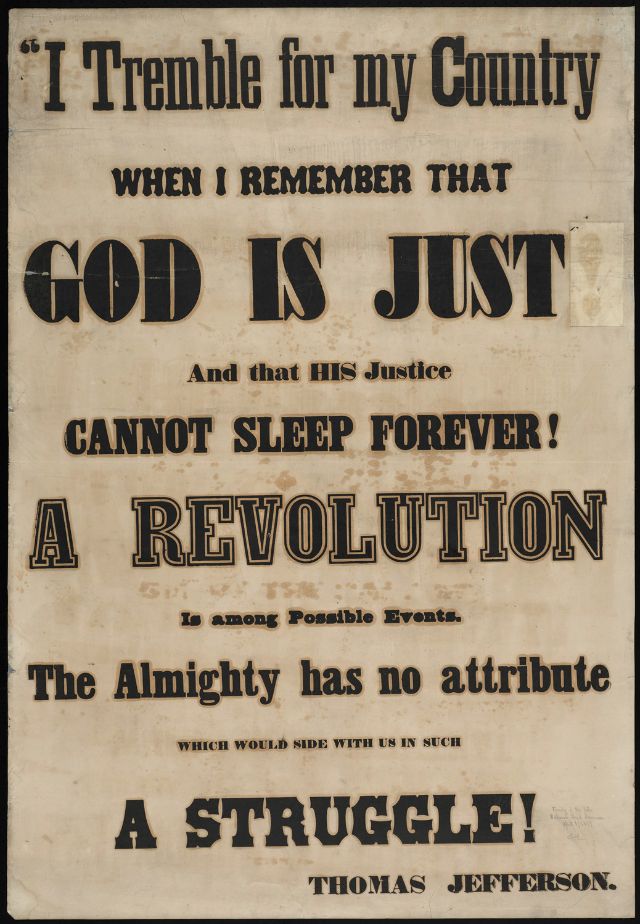
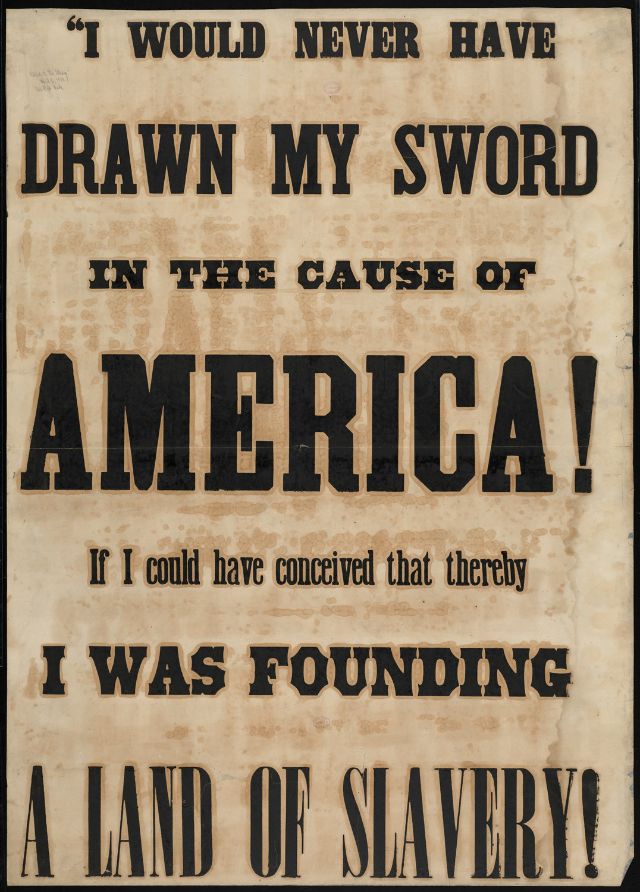
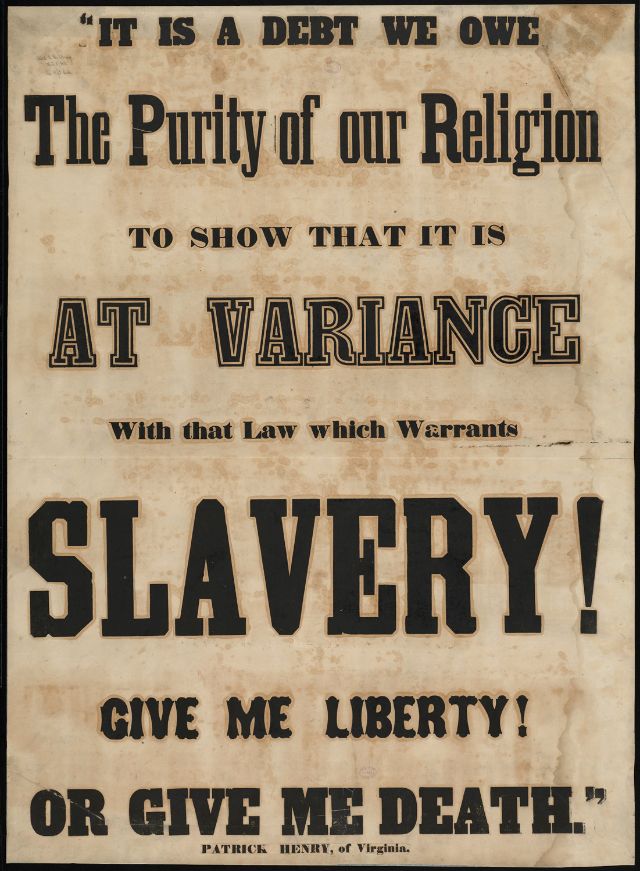
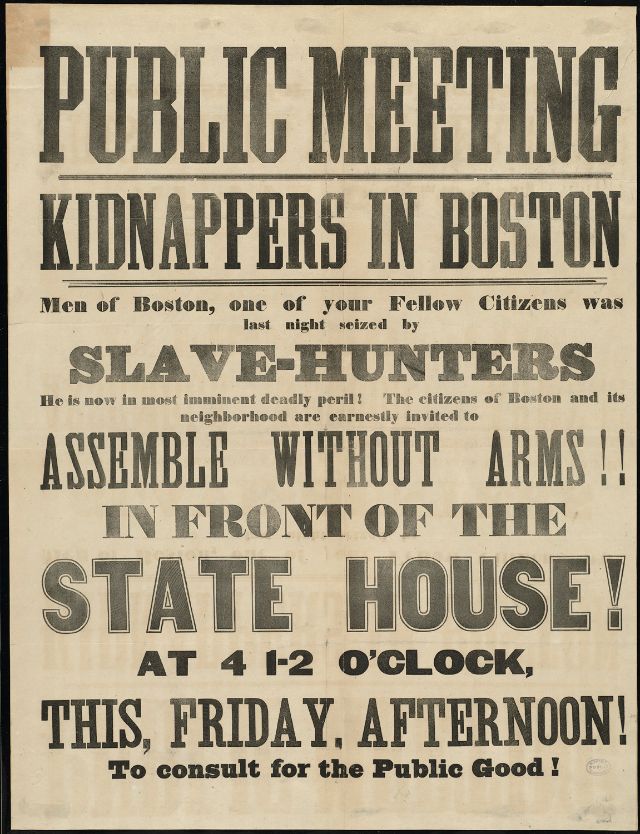
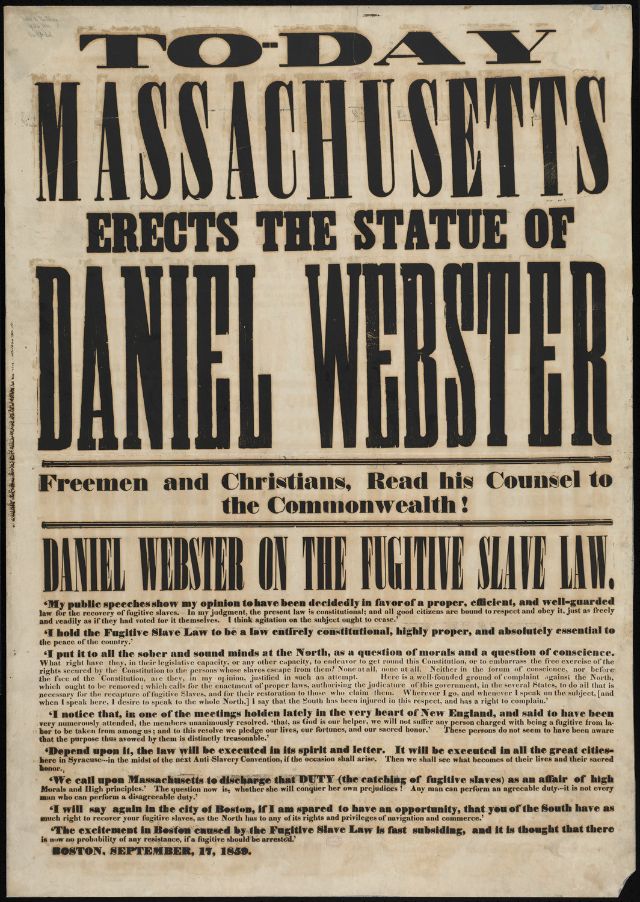
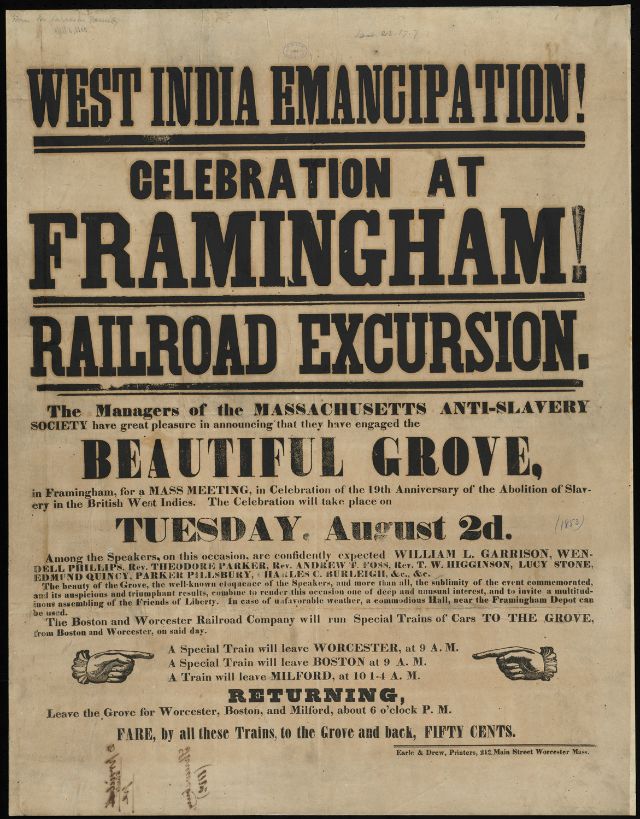
The Massachusetts Anti-Slavery Society, headquartered in Boston, was organized as an auxiliary of the American Anti-Slavery Society in 1835. Its roots were in the New England Anti-Slavery Society, organized by William Lloyd Garrison, editor of The Liberator, in 1831, after the defeat of a proposal for a college for blacks in New Haven.
In 1838, the New England Society gave up its regional jurisdiction and reorganized into the Massachusetts Anti-Slavery Society. The society took a proactive role in advocating for legislation against new slave codes and laws, particularly within Massachusetts, including publishing treatises related to proposals to outlaw or penalize those participating in the activities and formation of societies relating to abolition and anti-slavery activities.
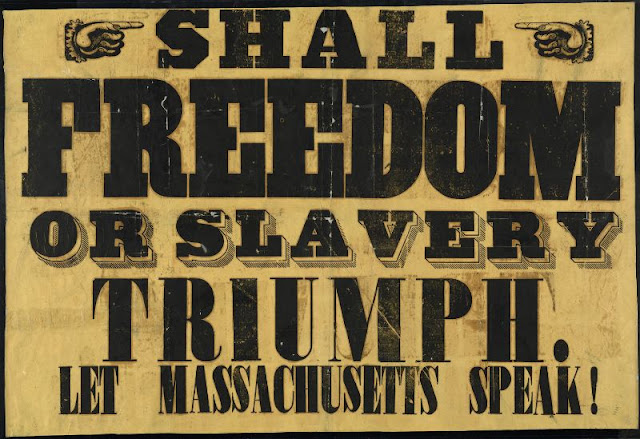
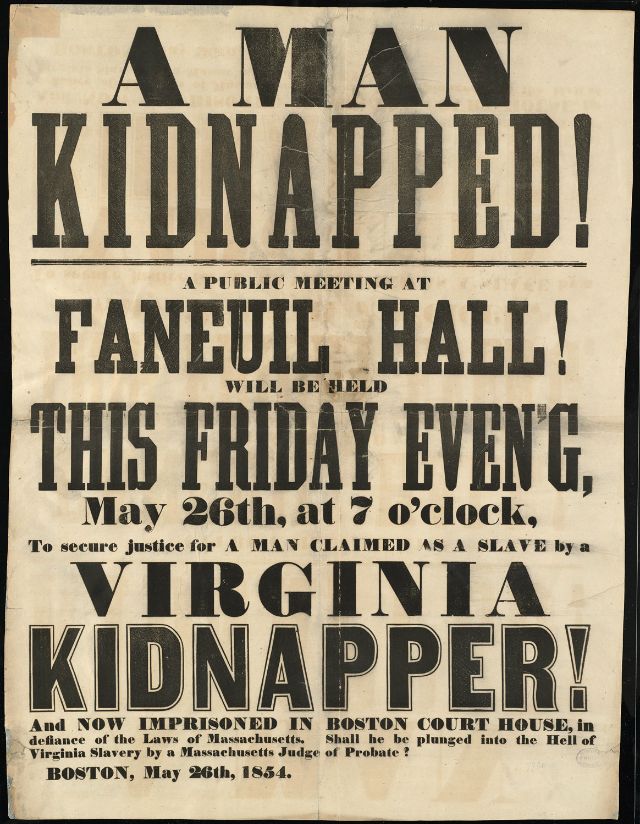
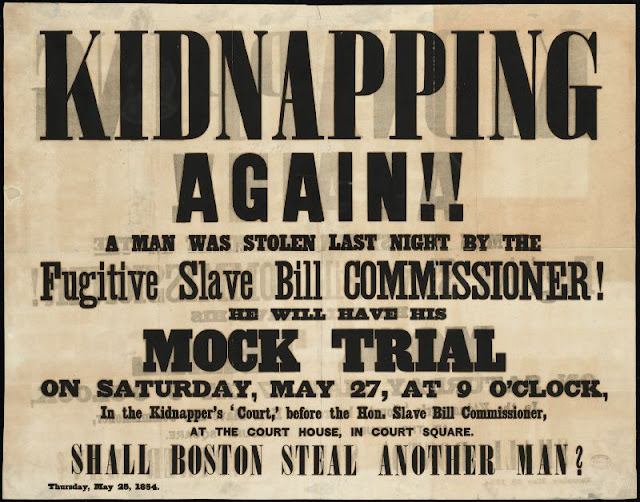
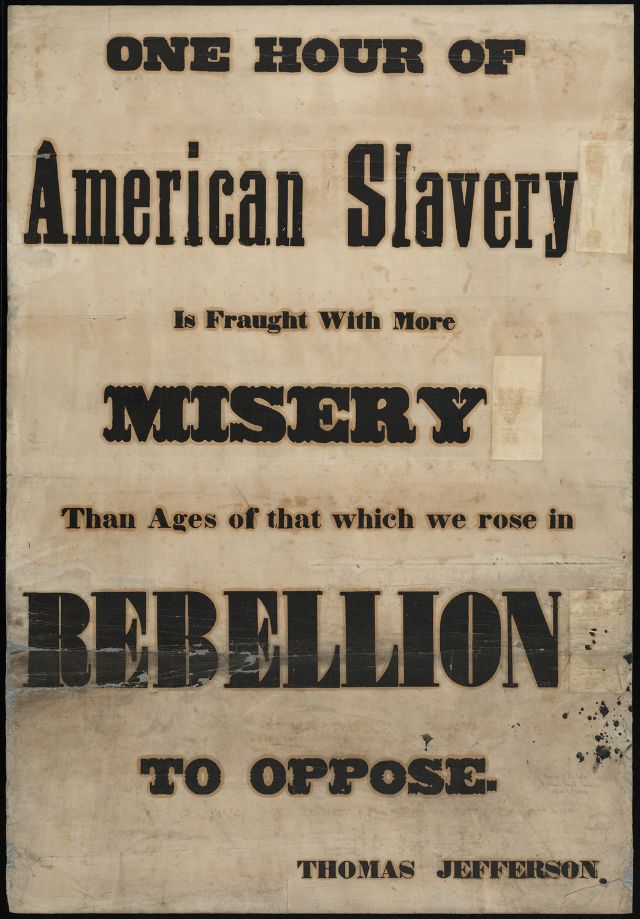
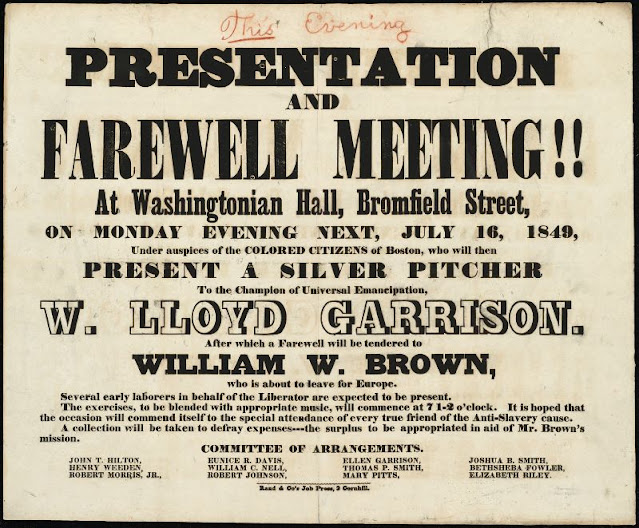
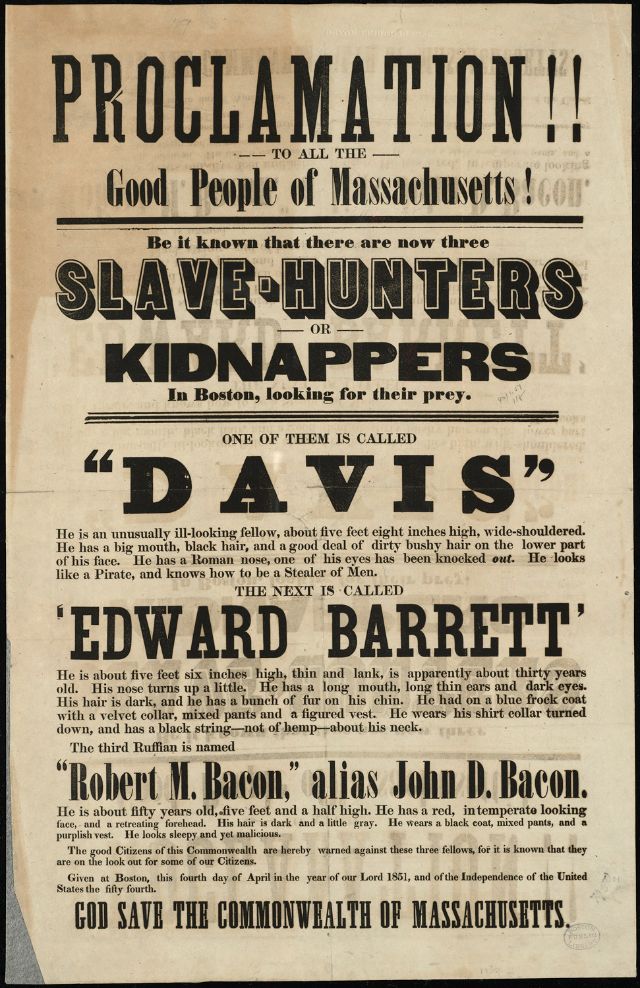
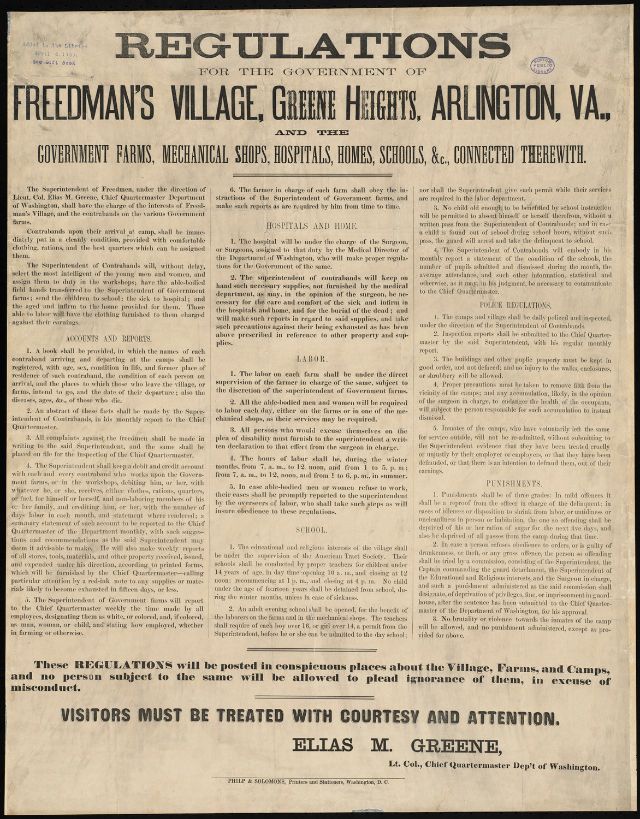
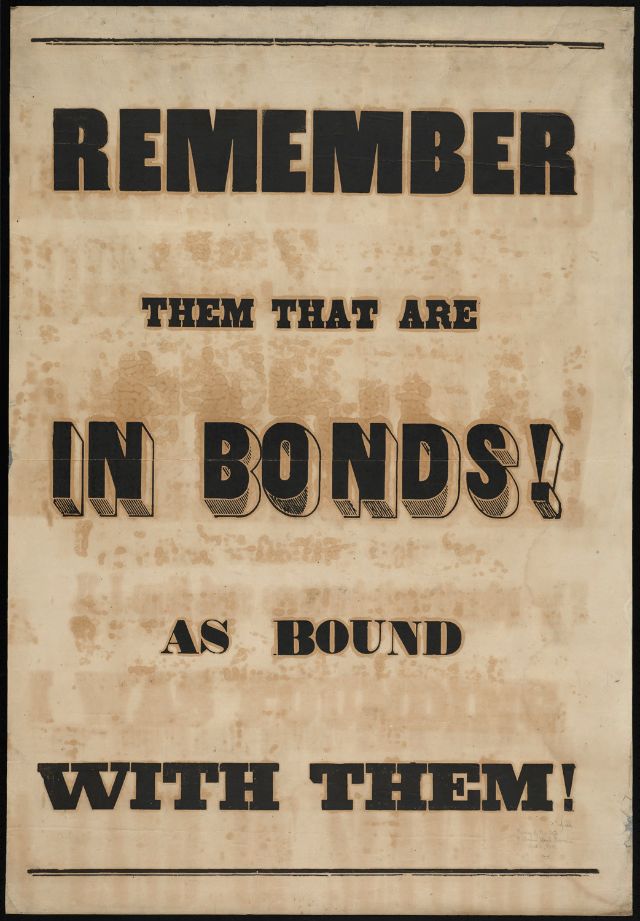
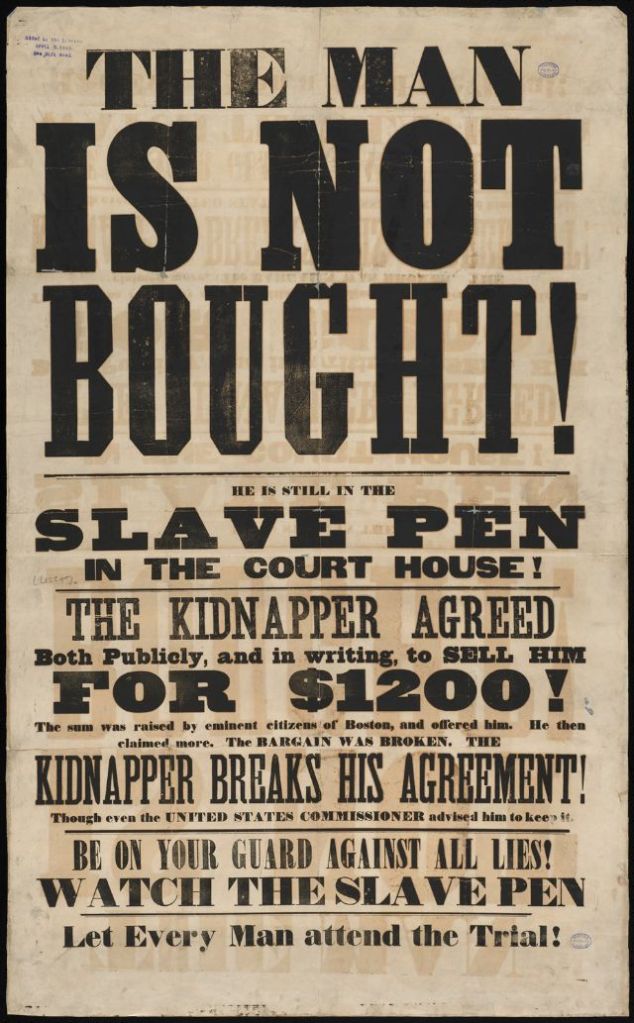
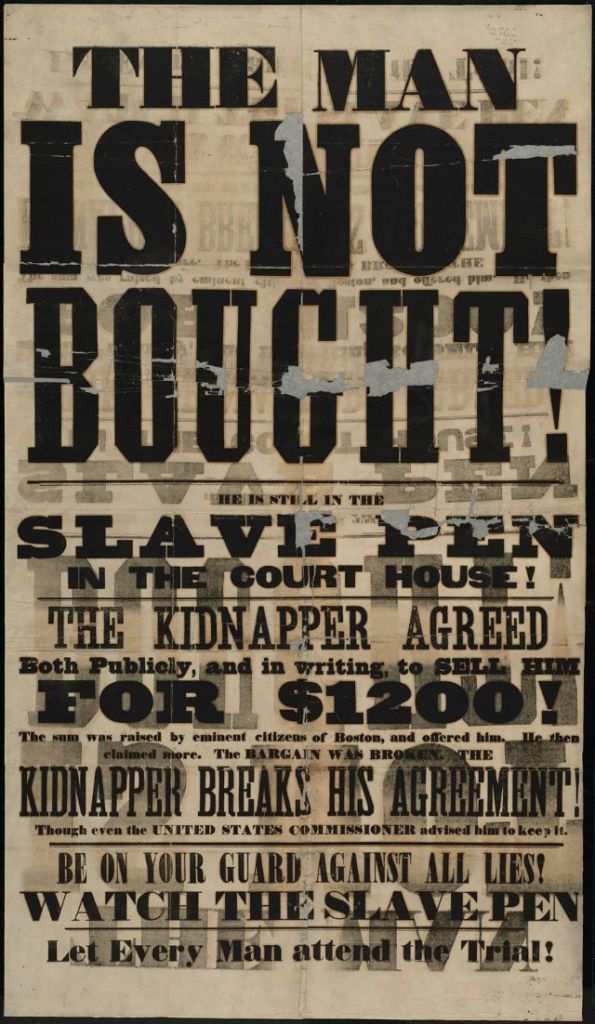
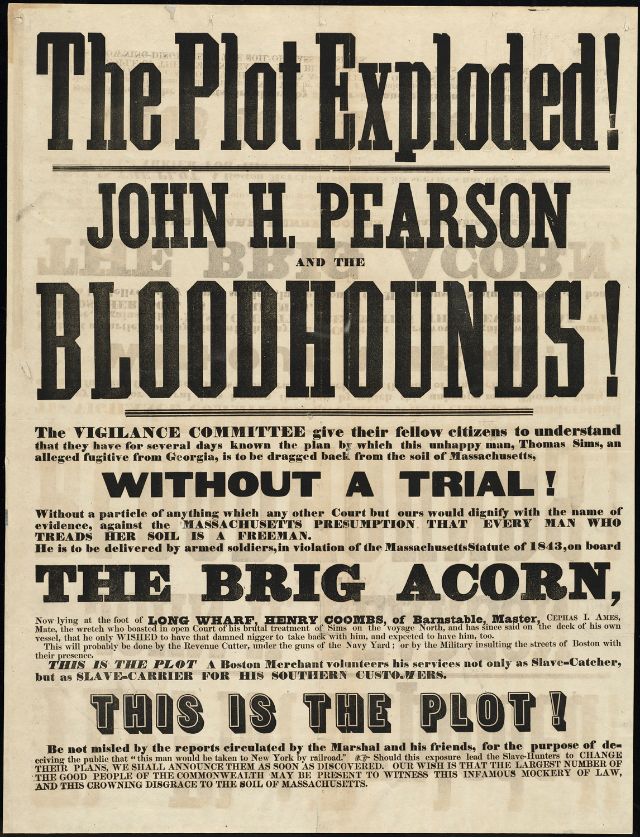
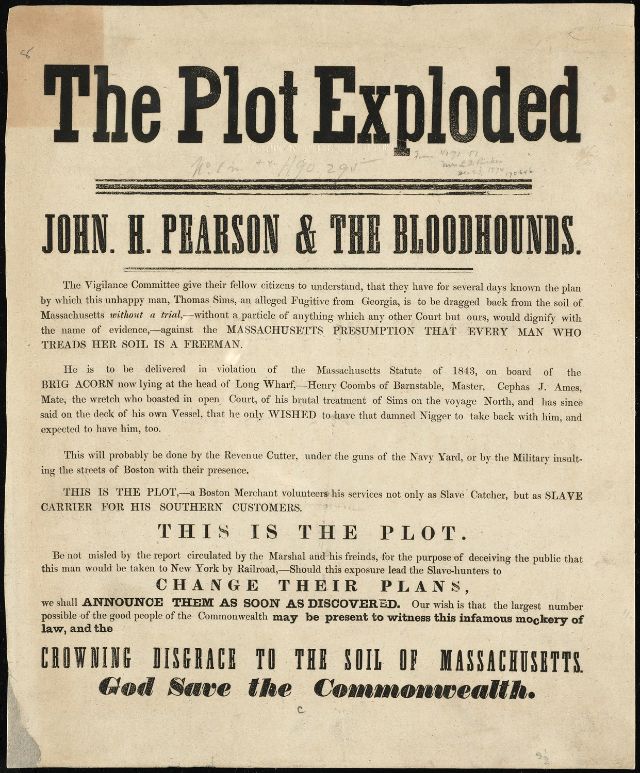
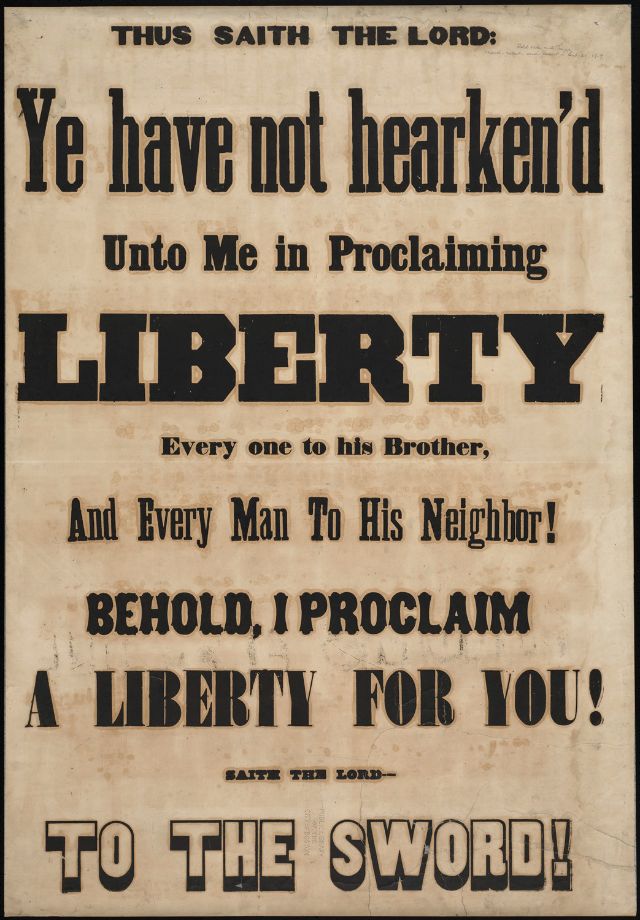
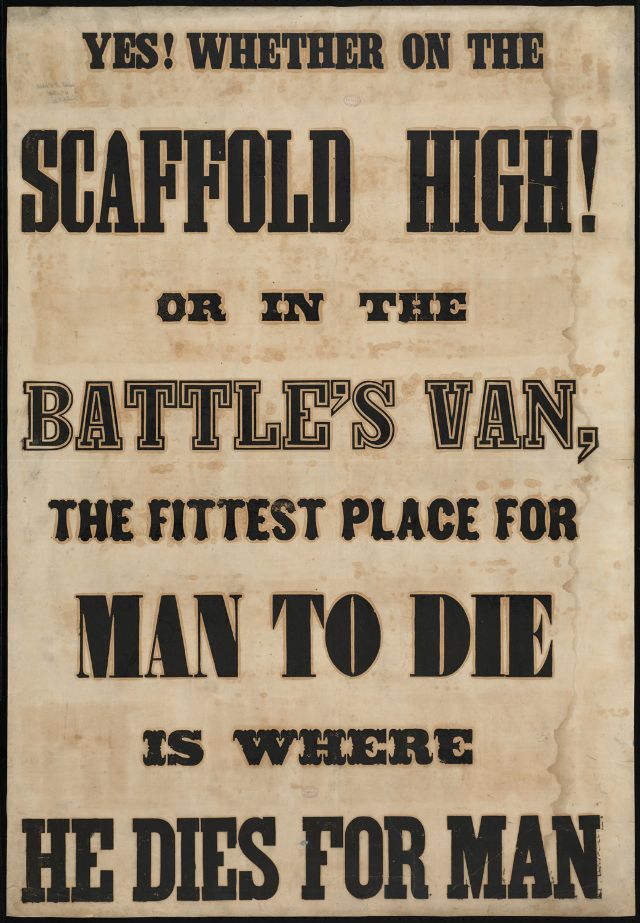
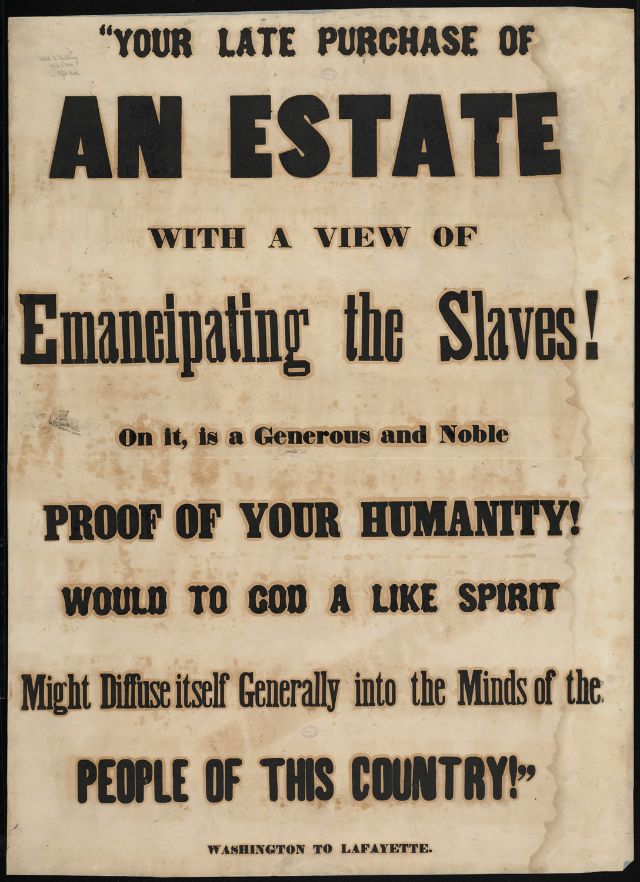
Annual meetings were held in Boston at Julien Hall, Melodeon, and Tremont Temple. Joel W. Lewis was the Chairman in 1840. These vintage photos from Boston Public Library that show anti-slavery broadsides of Massachusetts in the 19th century.
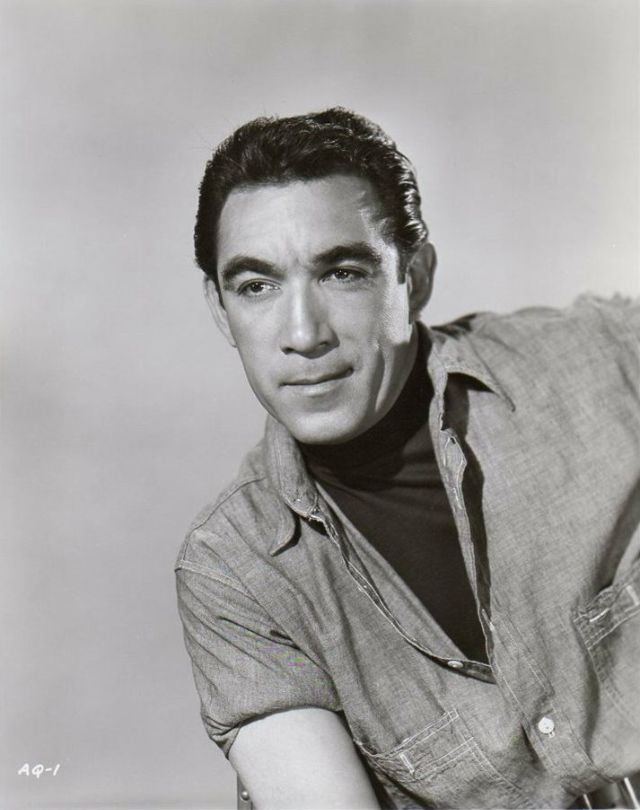
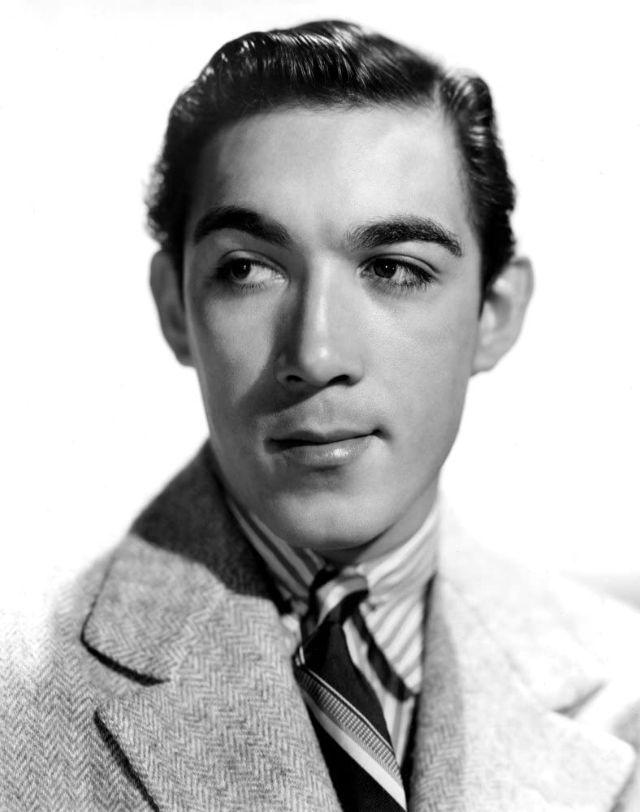
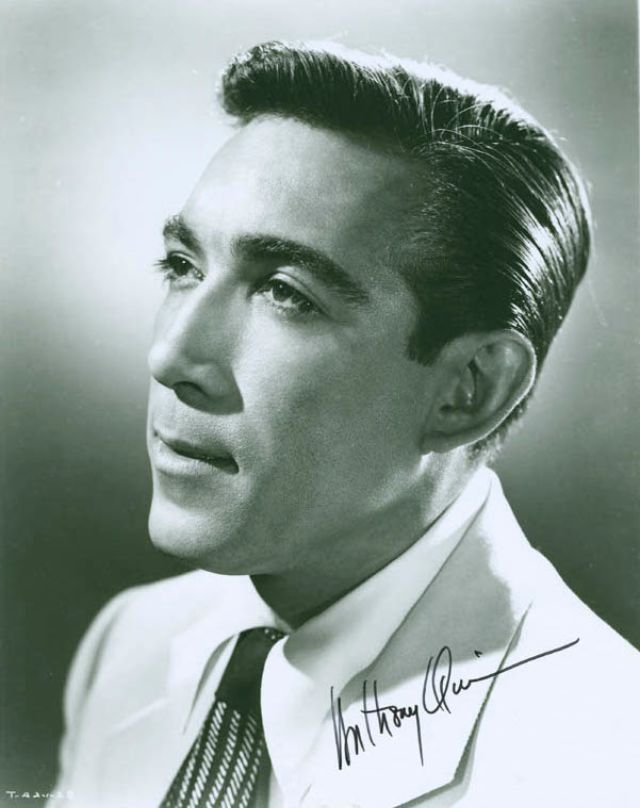
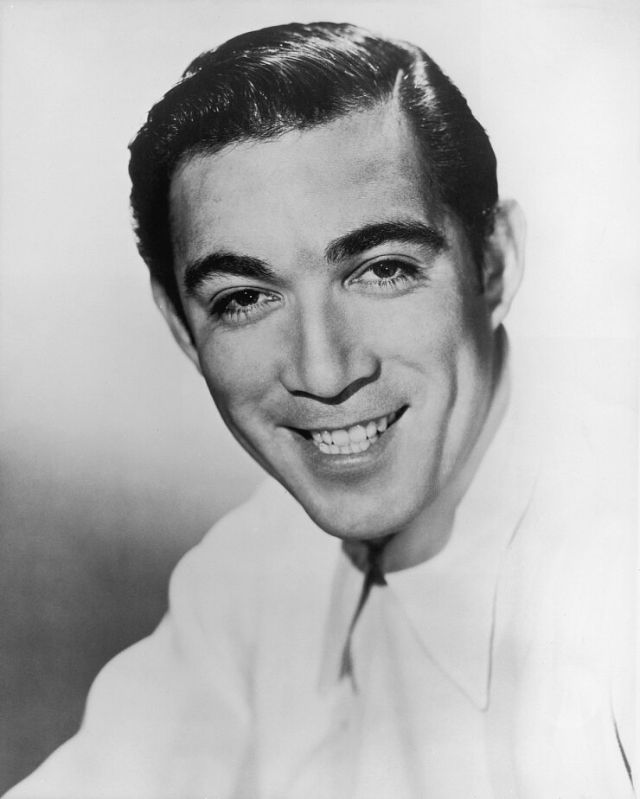
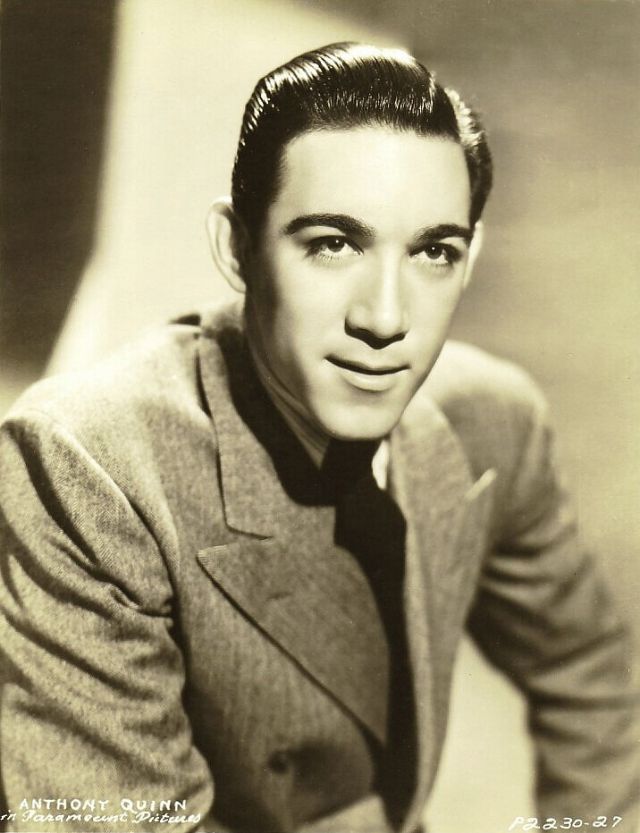
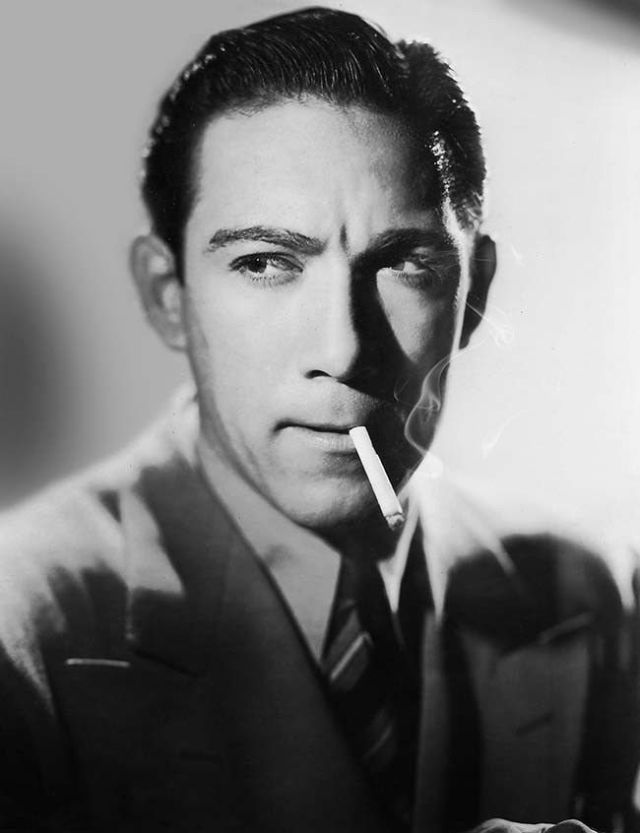
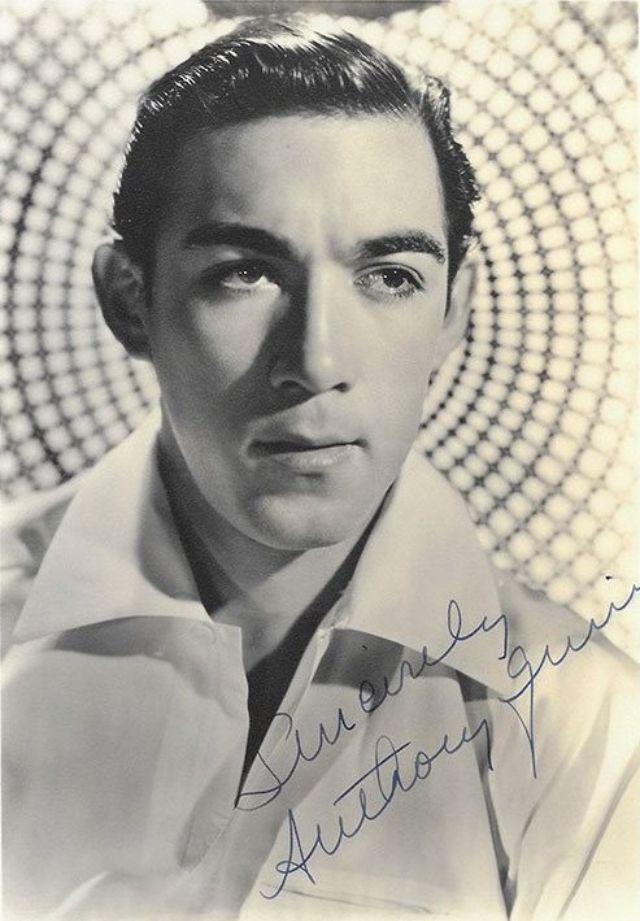
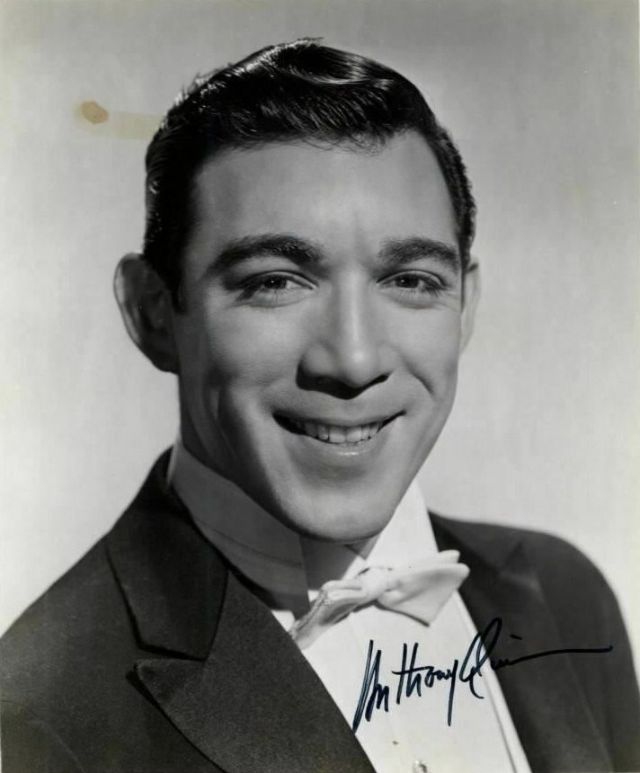
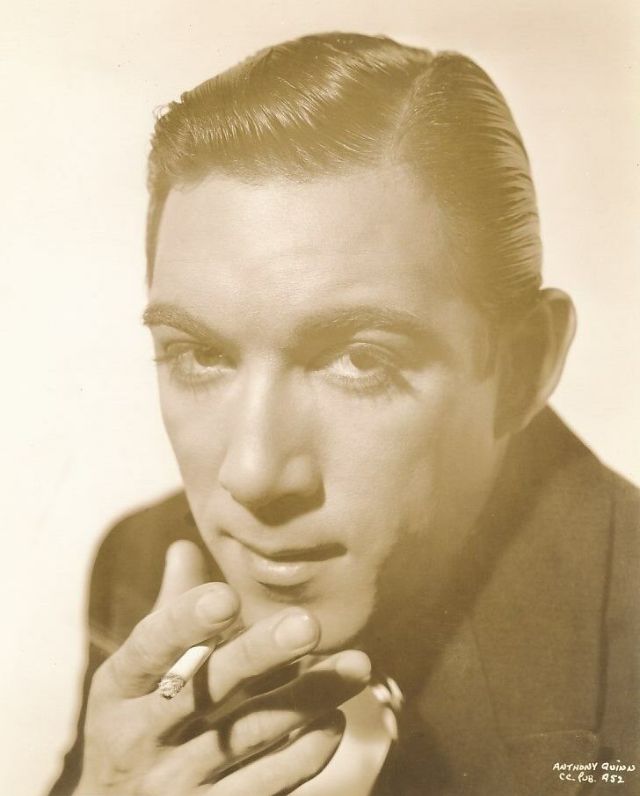
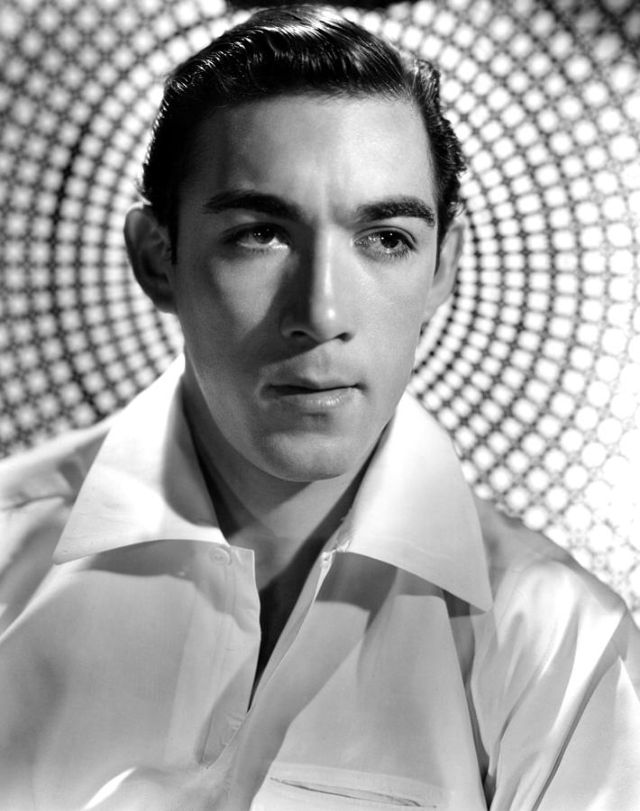
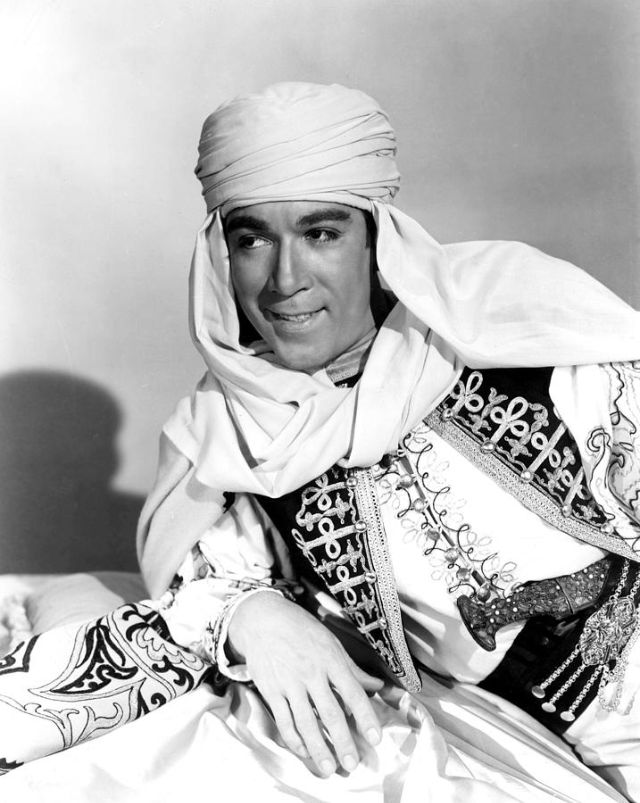
Manuel Antonio Rodolfo Quinn Oaxaca (April 21, 1915 – June 3, 2001), known professionally as Anthony Quinn, was a Mexican-American actor. He was known for his portrayal of earthy, passionate characters “marked by a brutal and elemental virility” in numerous critically acclaimed films both in Hollywood and abroad. His notable films include La Strada, The Guns of Navarone, Guns for San Sebastian, Lawrence of Arabia, The Shoes of the Fisherman, The Message, Lion of the Desert, and A Walk in the Clouds. He also had an Oscar-nominated titular role in Zorba the Greek.
Quinn won the Academy Award for Best Supporting Actor twice: for Viva Zapata! in 1952 and Lust for Life in 1956. In addition, he received two Academy Award nominations in the Best Leading Actor category, along with five Golden Globe nominations and two BAFTA Award nominations. In 1987, he was presented with the Golden Globe Cecil B. DeMille Lifetime Achievement Award. Through both his artistic endeavours and civil rights activism, he remains a seminal figure of Latin-American representation in the media of the United States.
Quinn spent his last years in Bristol, Rhode Island. He died of respiratory failure (due to complications from radiation treatment for lung cancer) on June 3, 2001, in Boston, at age 86. Quinn’s funeral was held in the First Baptist Church in America in College Hill, Providence, Rhode Island. His wife asked for the permission of Bristol authorities to bury him in his favorite spot in the backyard of his house, near an old maple tree. They had bought the property in 1995; it had a view of the Narragansett Bay. Permission was granted and he was laid to rest there. (Wikipedia)
Take a look at these vintage photos to see portrait of a young and handsome Anthony Quinn in the 1930s and 1940s.
Nazi Germany invaded the Netherlands on 10 May 1940 and took control of the country. Some Amsterdam citizens sheltered Jews, thereby exposing themselves and their families to a high risk of being imprisoned or sent to concentration camps.
More than 100,000 Dutch Jews were deported to Nazi concentration camps, of whom some 60,000 lived in Amsterdam. In response, the Dutch Communist Party organized the February strike attended by 300,000 people to protest against the raids.
At the end of the Second World War, communication with the rest of the country broke down, and food and fuel became scarce. Many citizens travelled to the countryside to forage. Dogs, cats, raw sugar beets, and tulip bulbs—cooked to a pulp—were consumed to stay alive. Many trees in Amsterdam were cut down for fuel, and wood was taken from the houses, apartments and other buildings of deported Jews.
In the spring of 1945, Canadian forces liberated Amsterdam and the rest of the Netherlands.
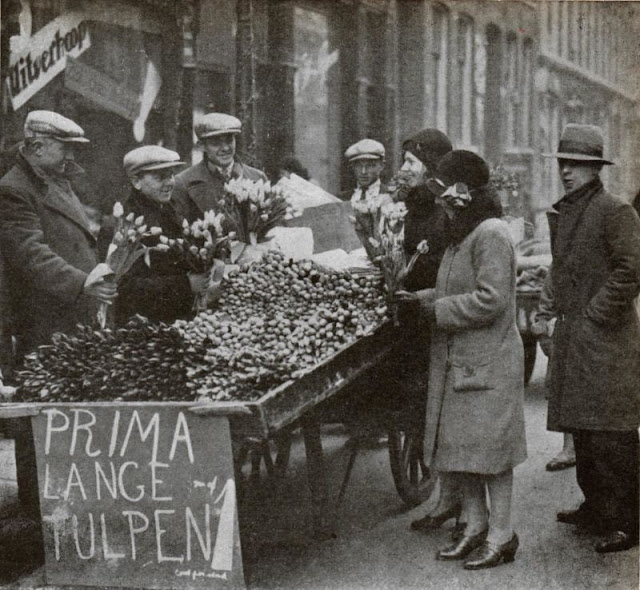
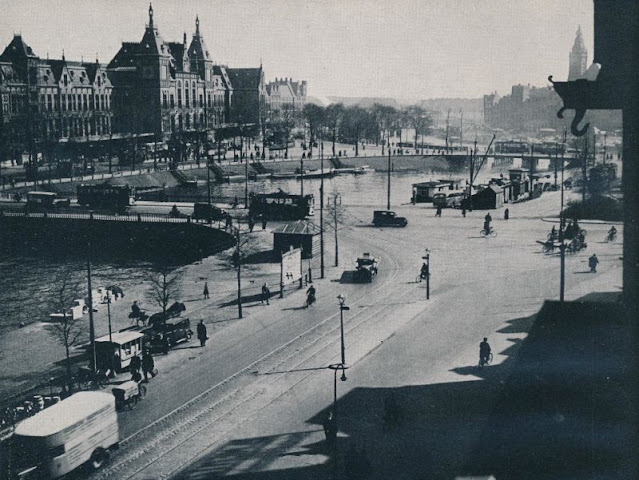
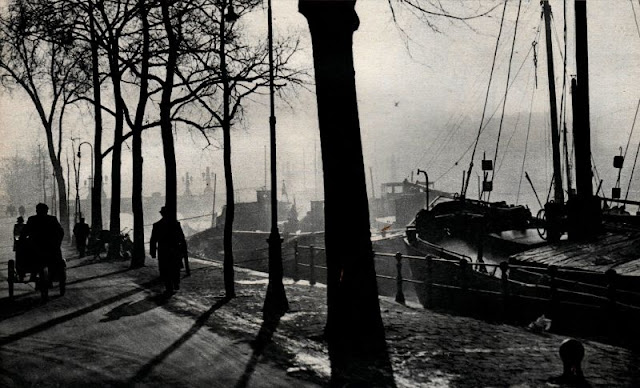
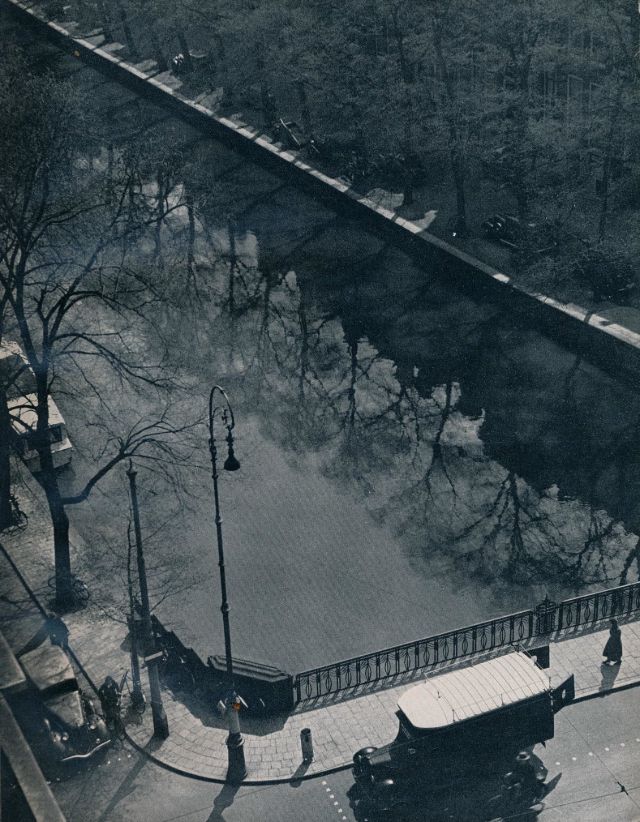
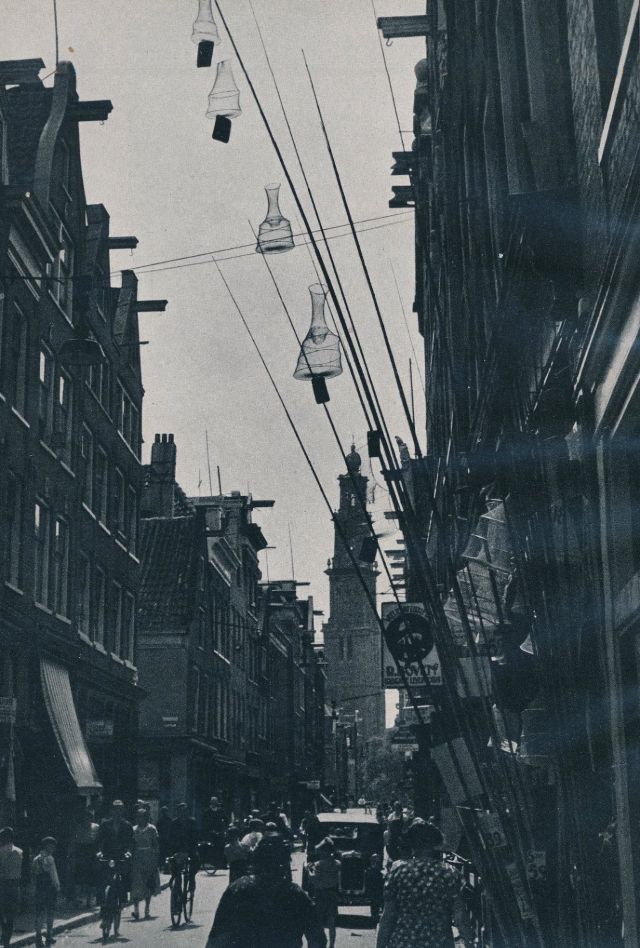
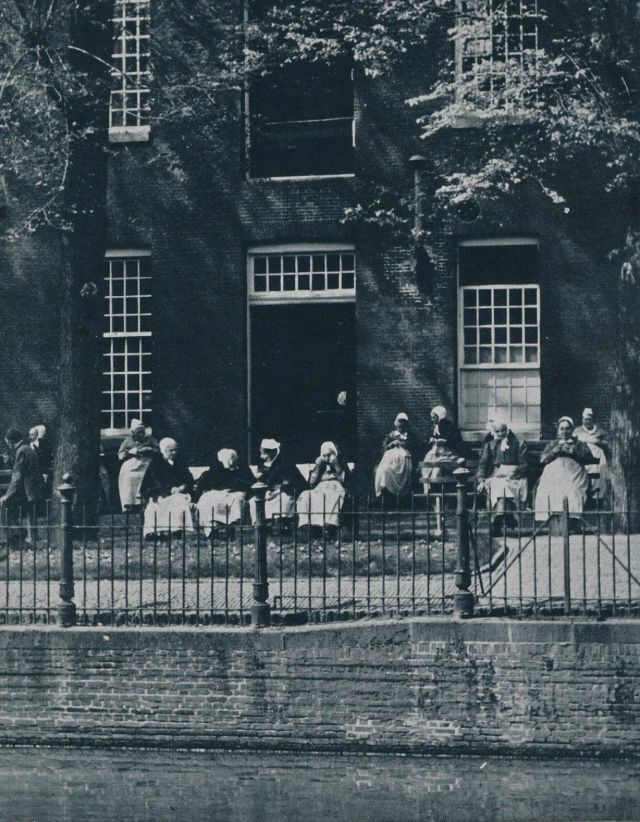
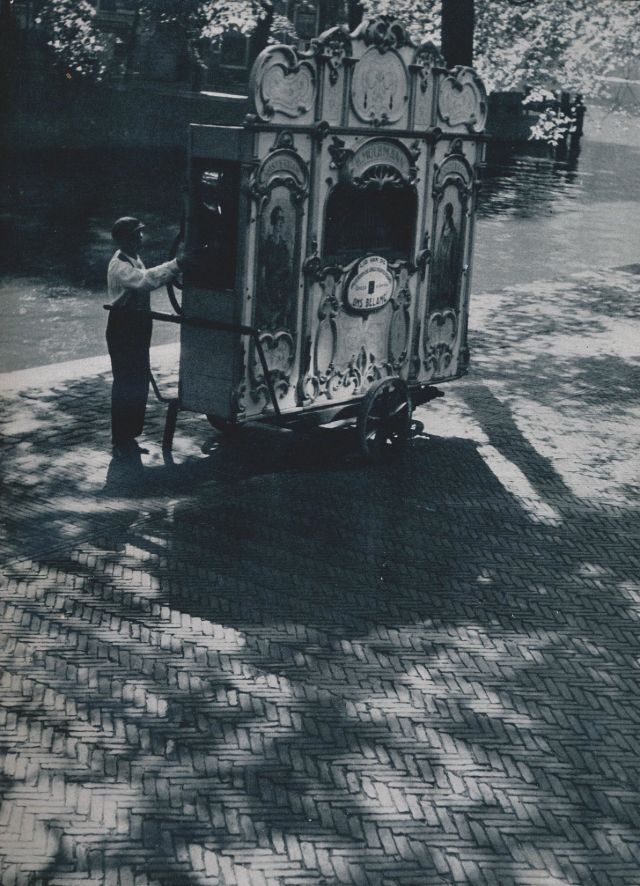
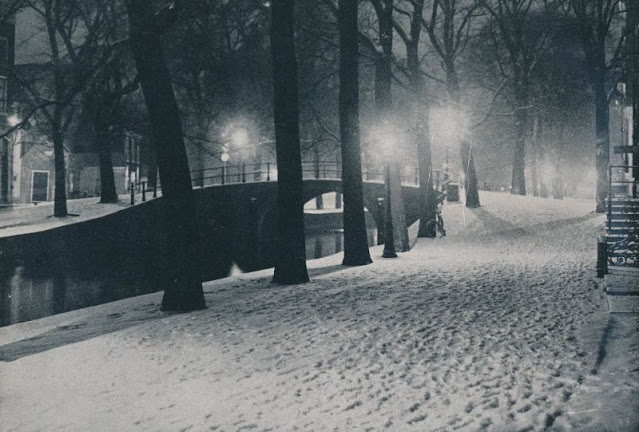
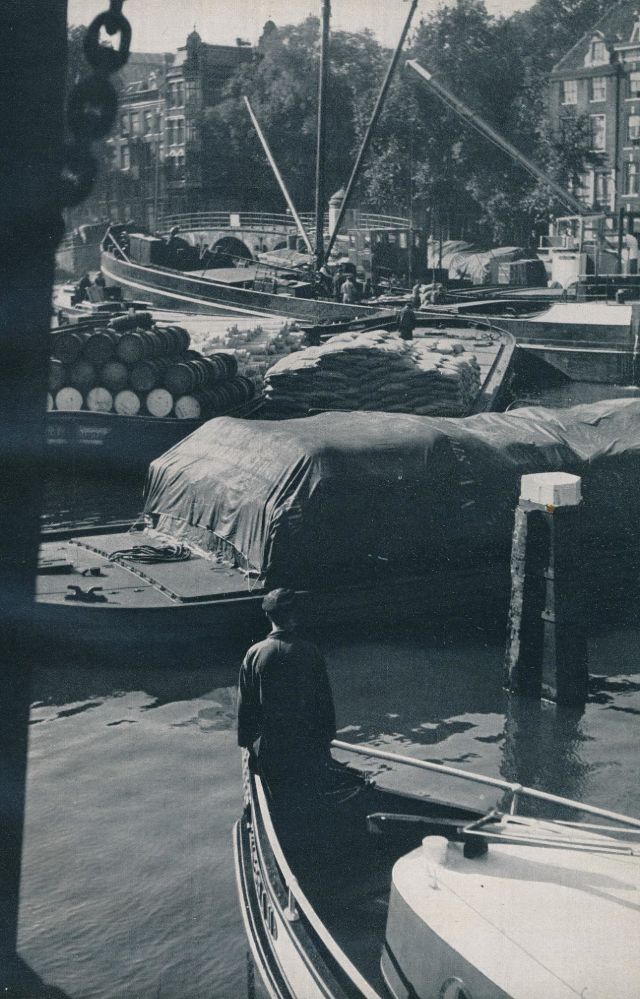
These amazing photos capture street scenes of Amsterdam in 1940 and 1941.
Amsterdam Prins Hendrikkade/Centraal Station, 1940Amsterdam Amstel near Hogesluis, 1940Amsterdam Amstel, 1940Amsterdam bridge Leidsestraat, 1940Amsterdam Damrak, 1940Amsterdam Jordaan street orchestra, 1940Amsterdam Jordaan street, 1940Amsterdam Leidsebosje, 1940Amsterdam Minervaplein, 1940Amsterdam Nieuwendijk, 1940Amsterdam Nieuwmarkt, 1940Amsterdam old women’s house, 1940Amsterdam Pierement, 1940Amsterdam pigeon keeper, 1940Amsterdam pile driving, 1940Amsterdam Prinseneiland, 1940Amsterdam Prinsengracht facades, 1940Amsterdam Prinsengracht, 1940Amsterdam Reguliersgracht at night, 1940Amsterdam Reguliersgracht during winter, 1940Amsterdam south skyscraper, 1940Amsterdam street scenes, 1940Amsterdam within Amstel, 1940Amsterdam within Amstel, 1940Amsterdam C&A, 1941Amsterdam in autumn, 1941Amsterdam peel cart, 1941Amsterdam pony taxi, 1941Amsterdam pony taxi, 1941Amsterdam tulip sale, spring 1941