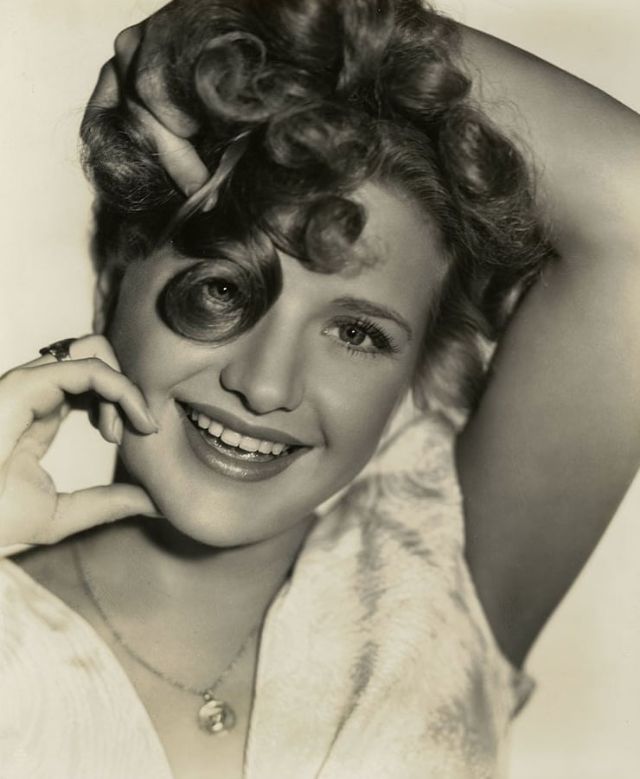
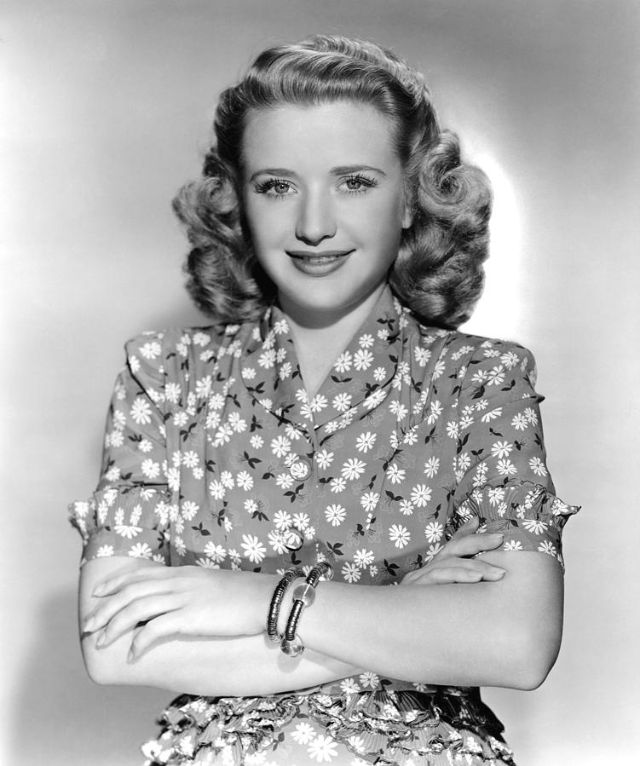
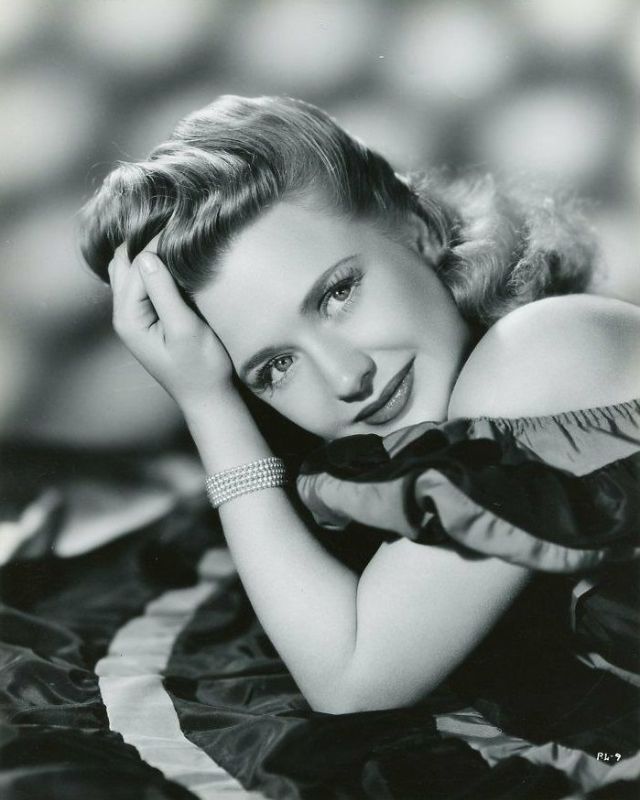
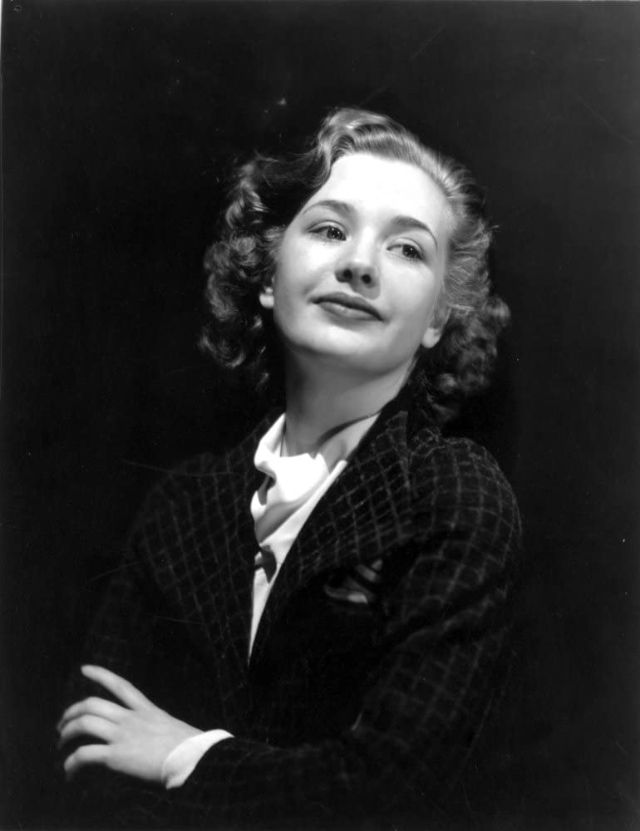
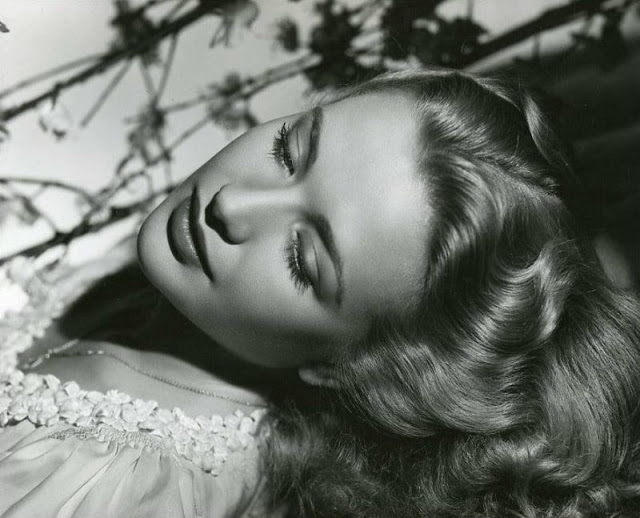
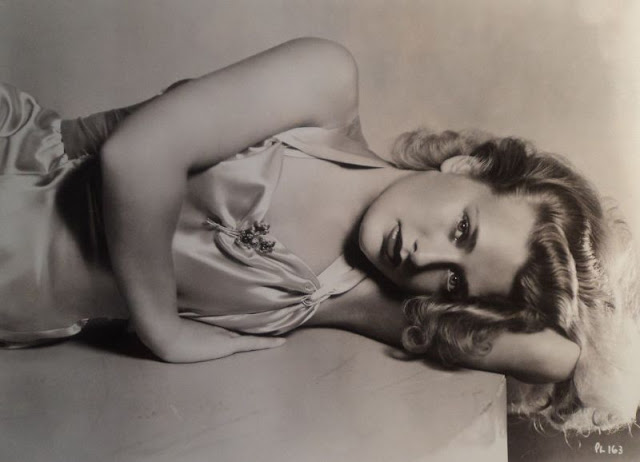
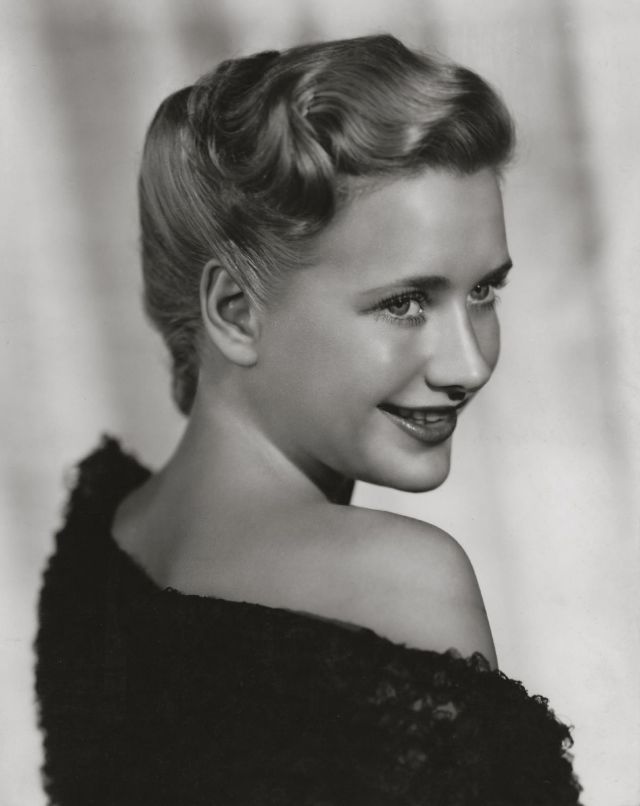
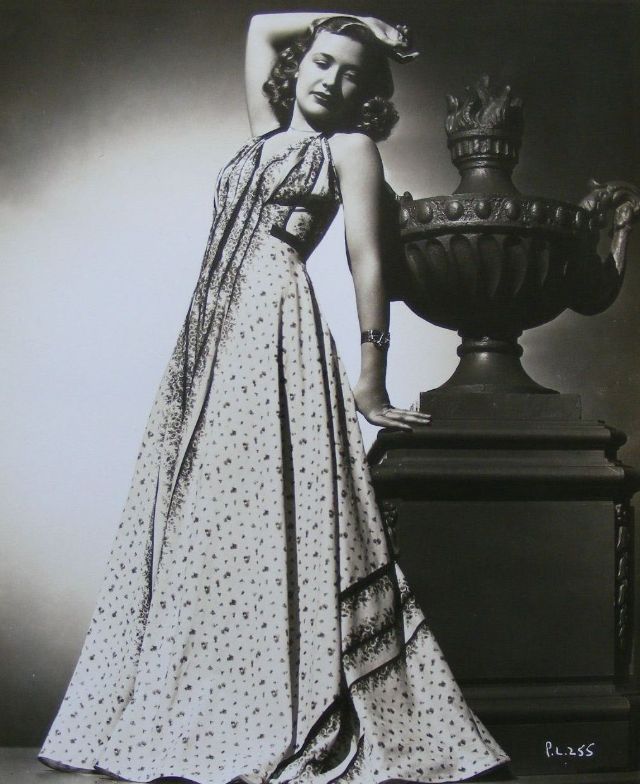
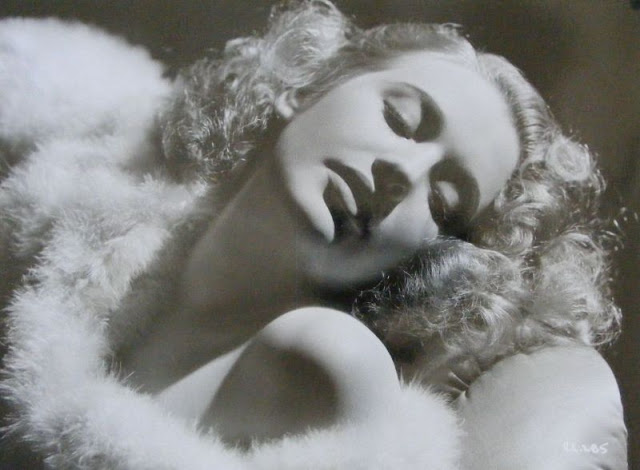
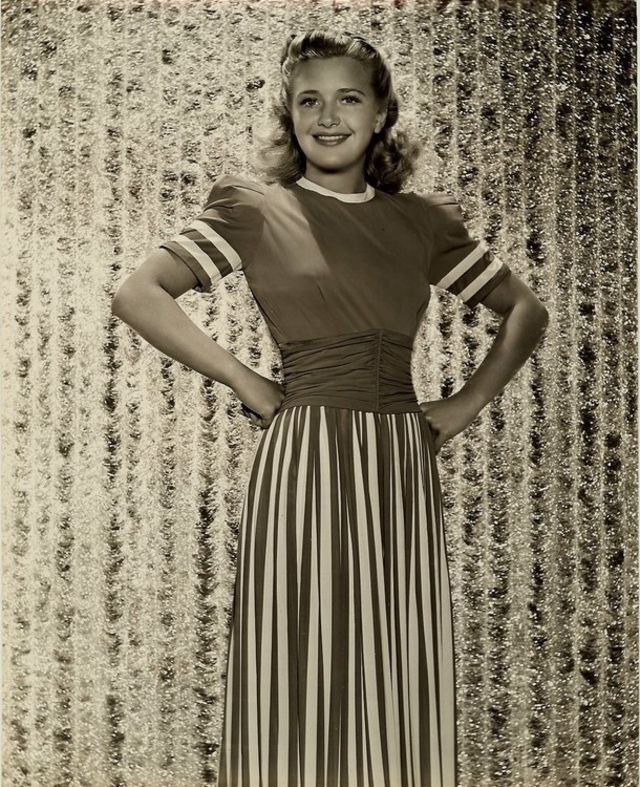
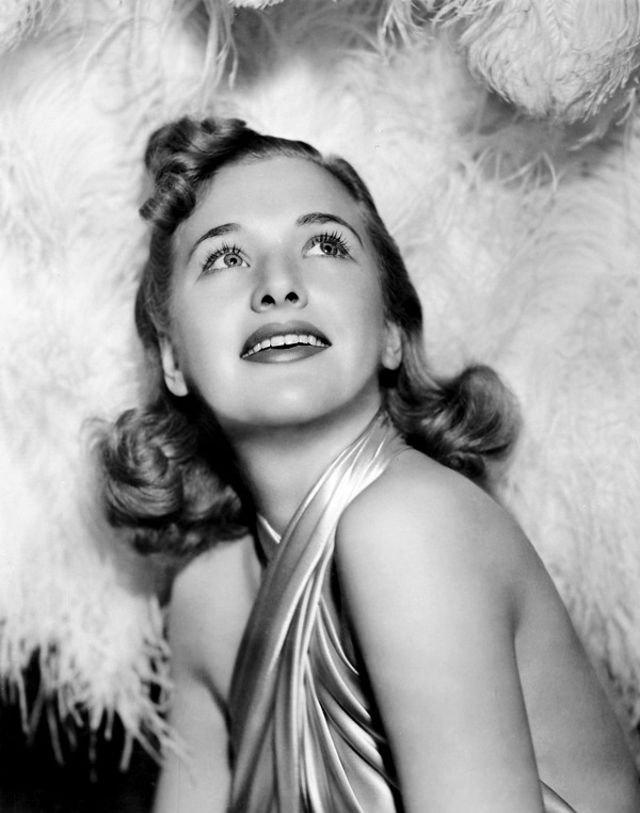
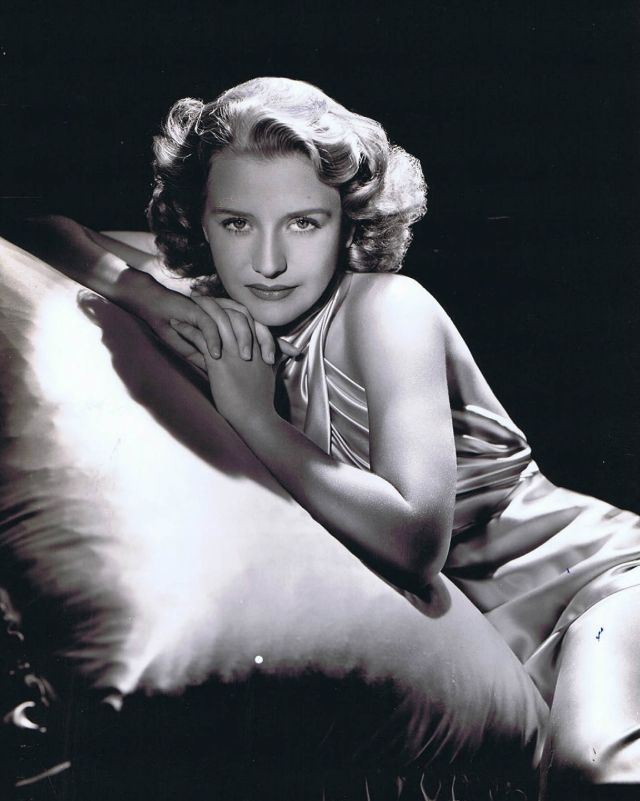
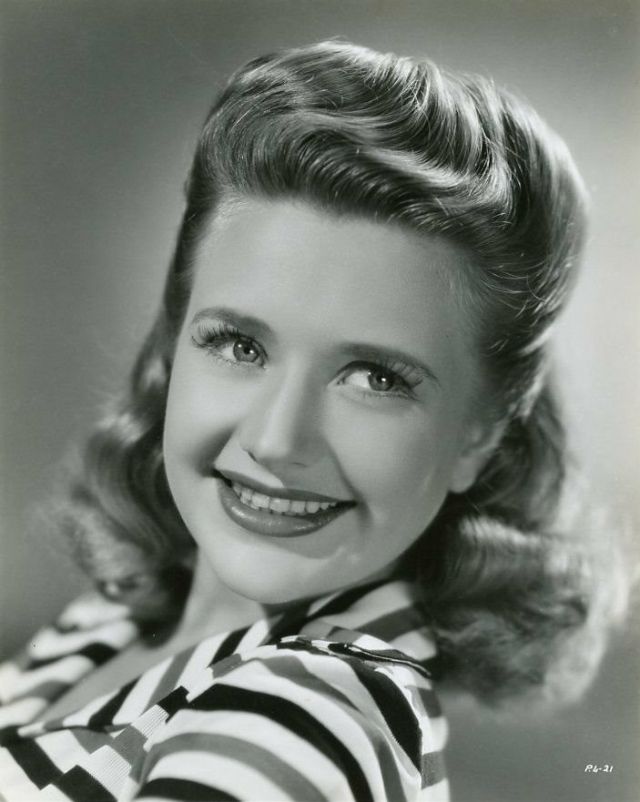
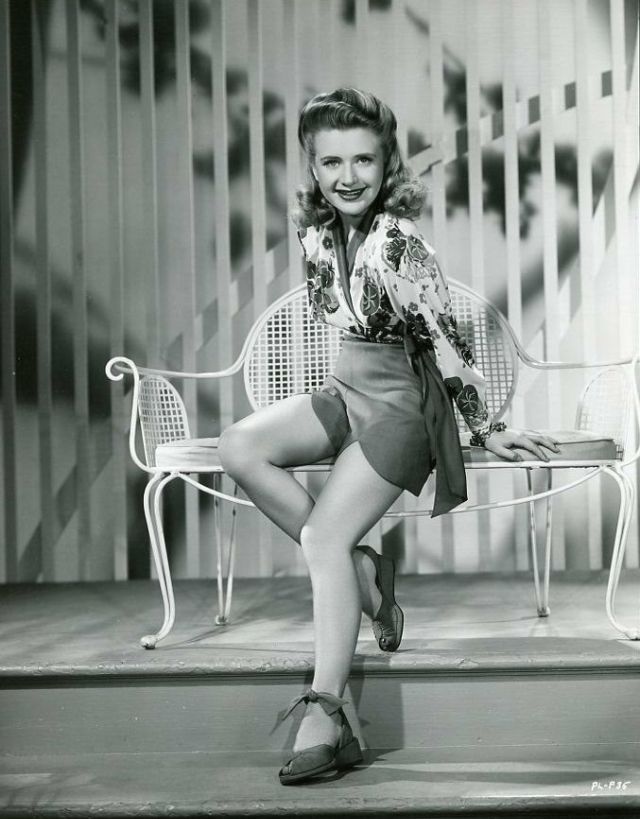
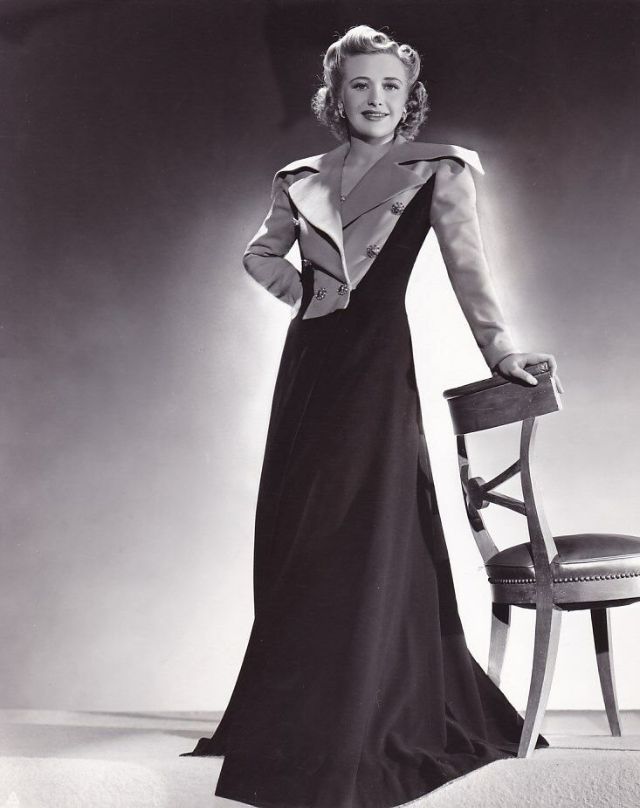
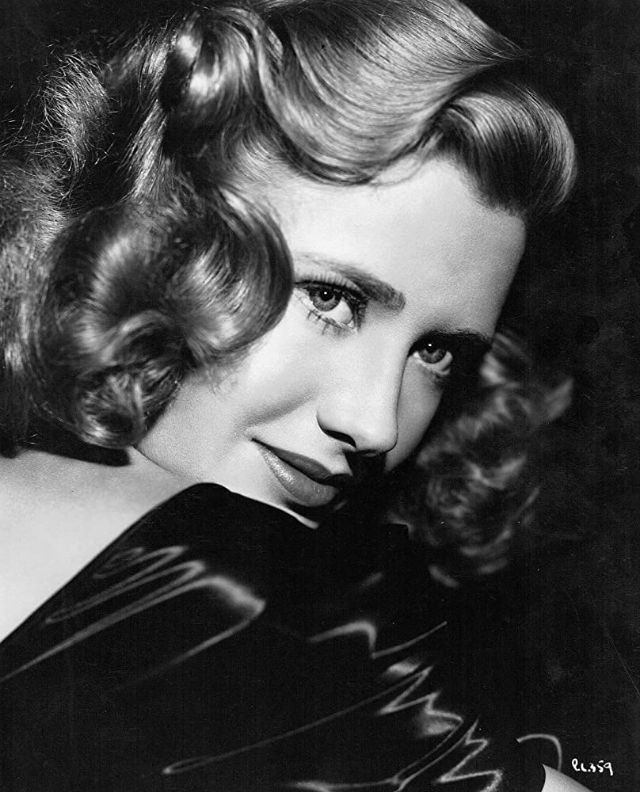
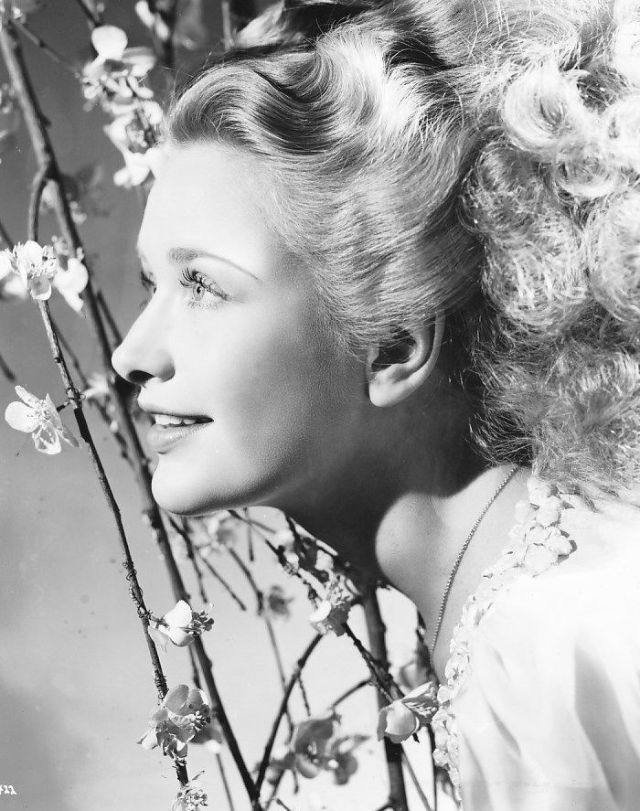
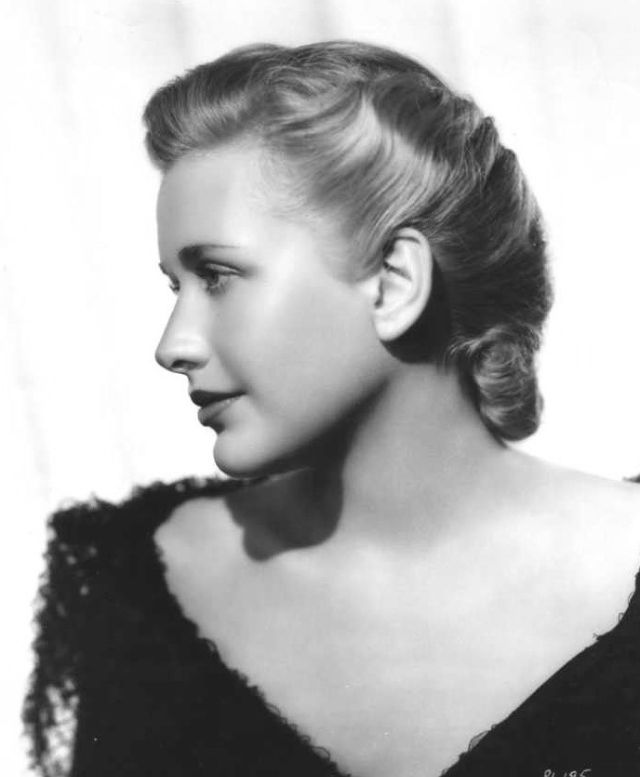
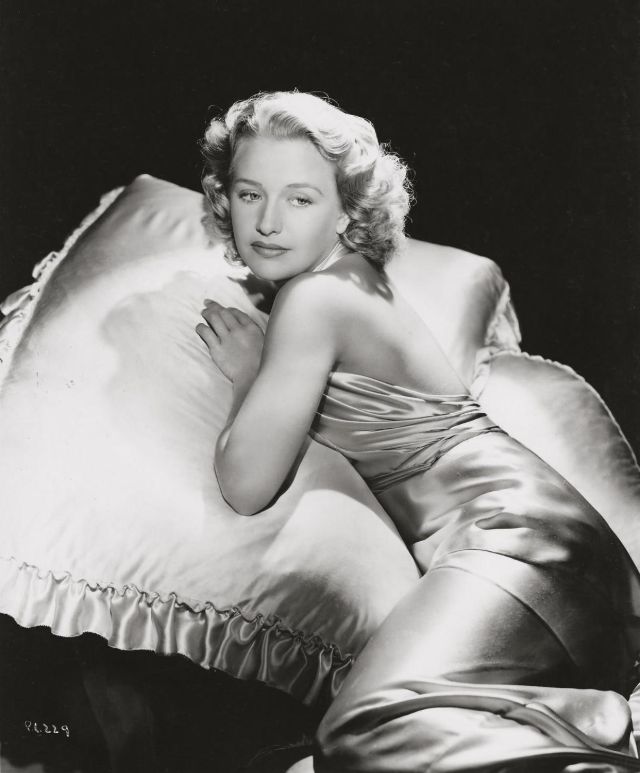
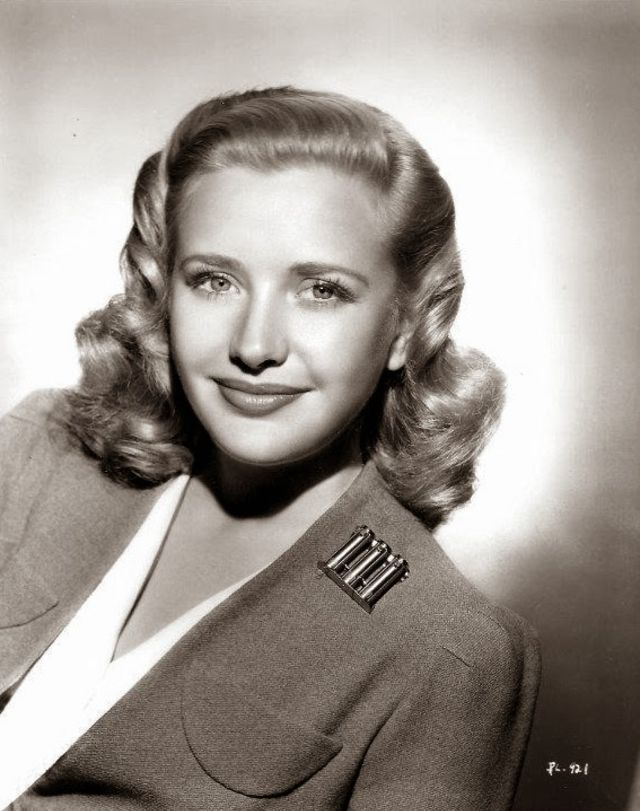
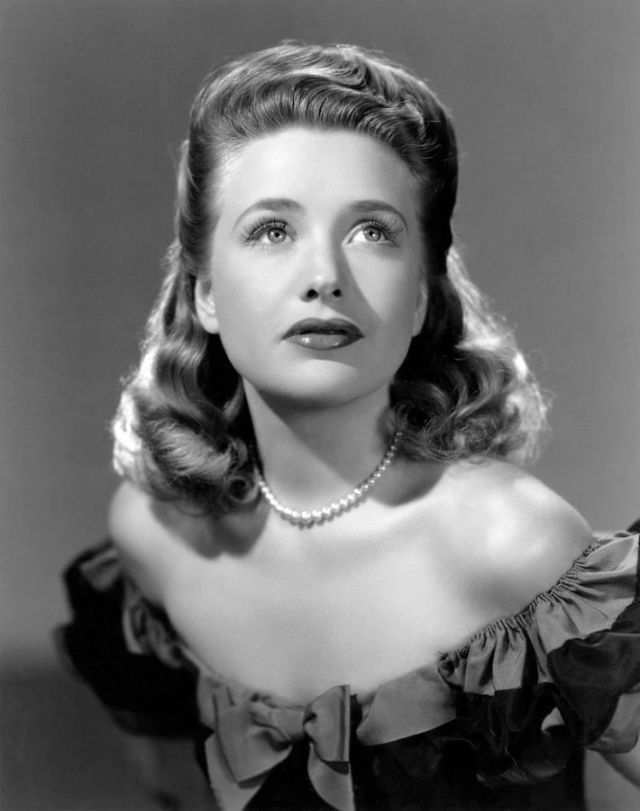
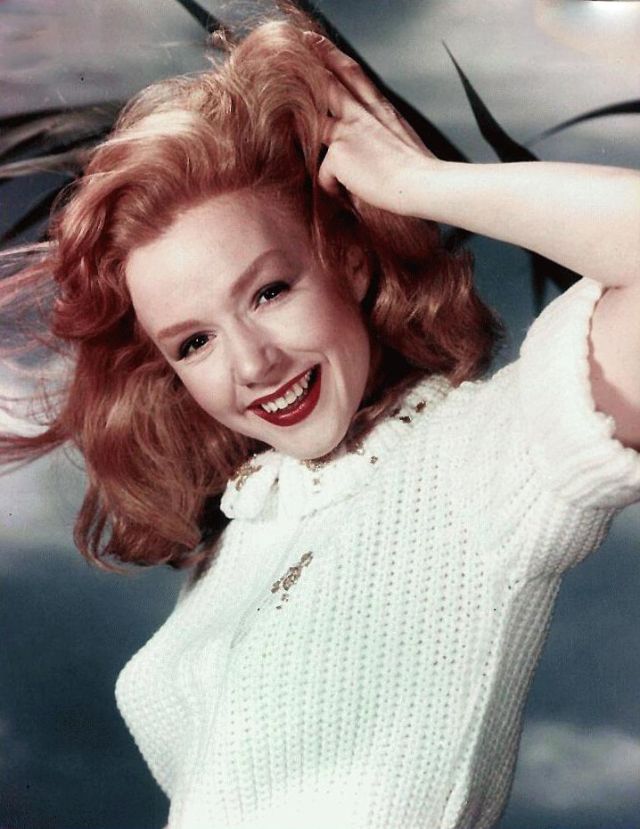
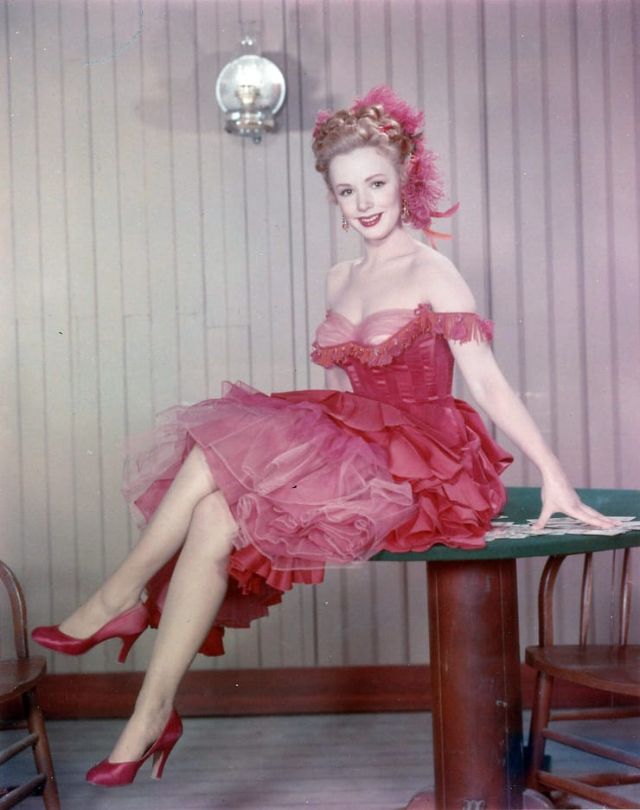
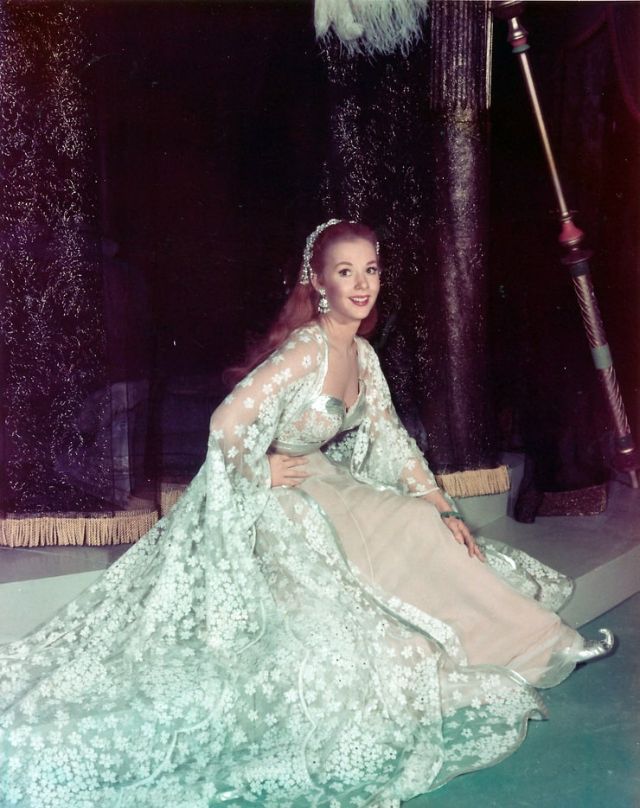
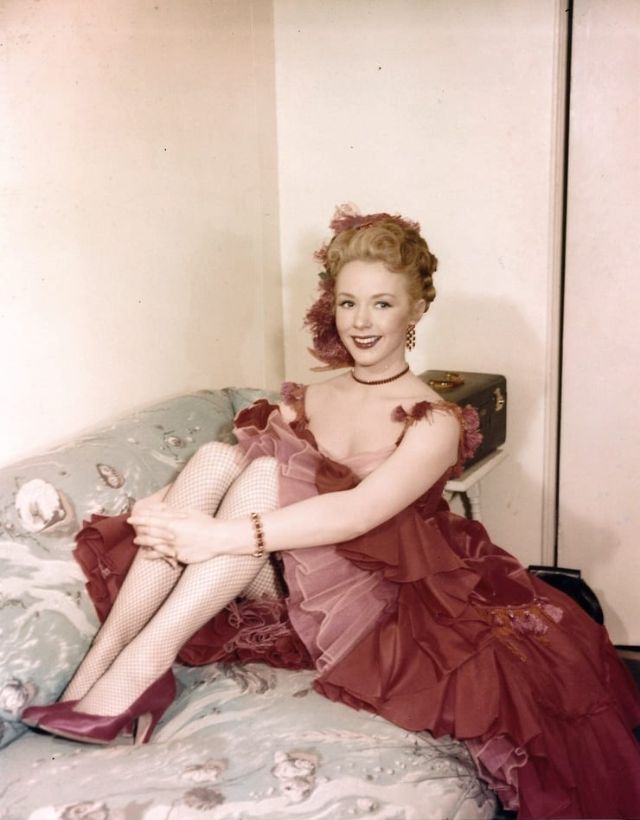
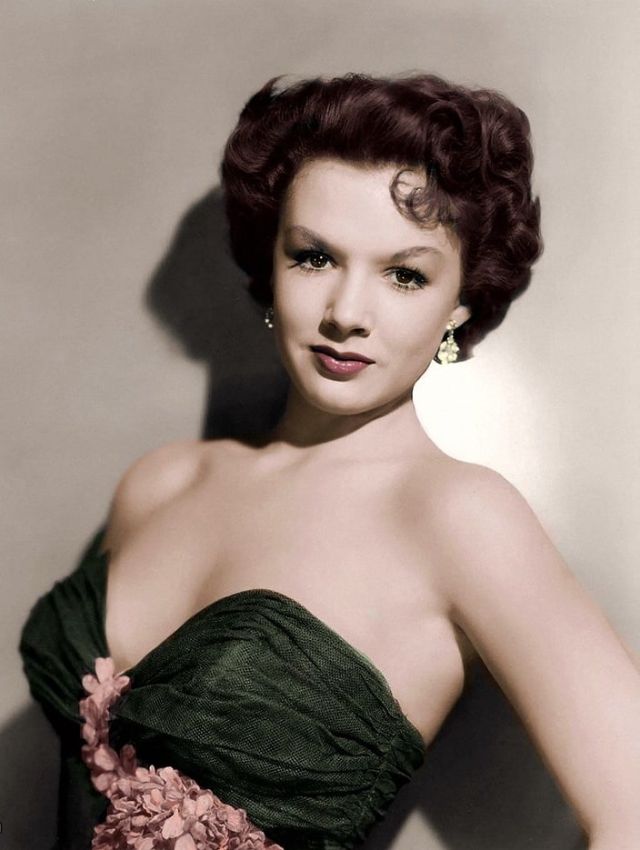
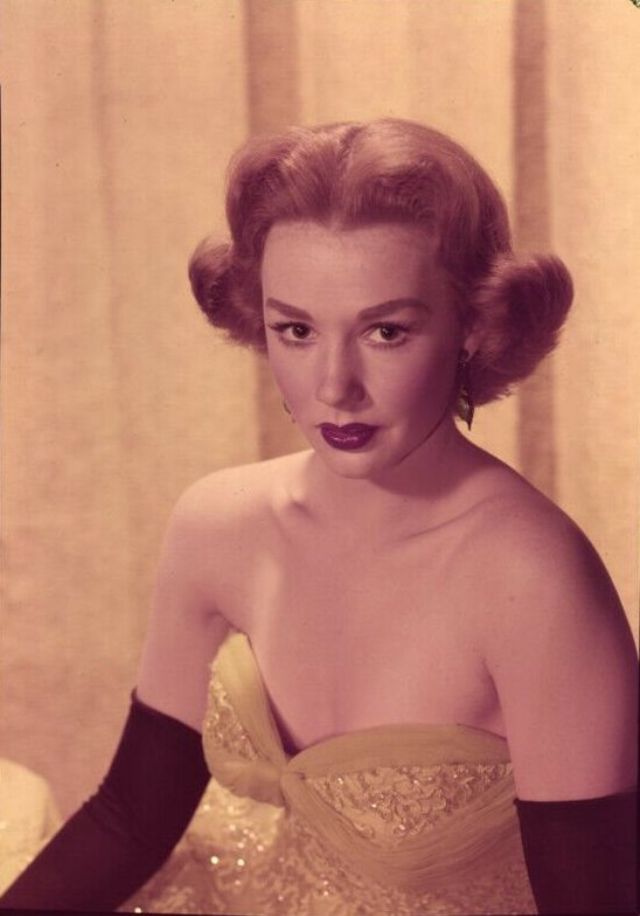
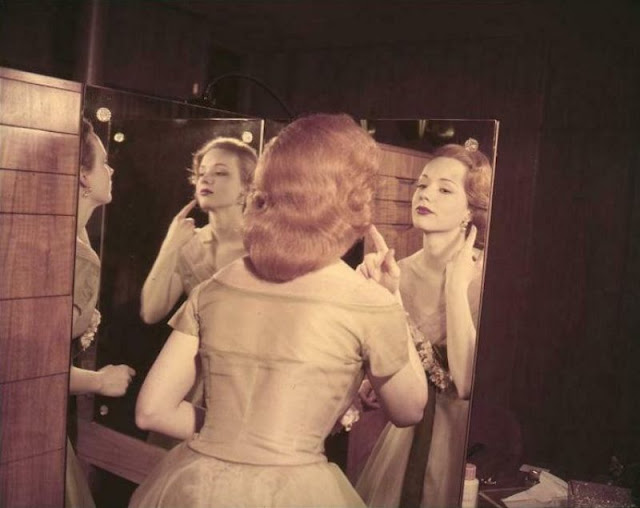
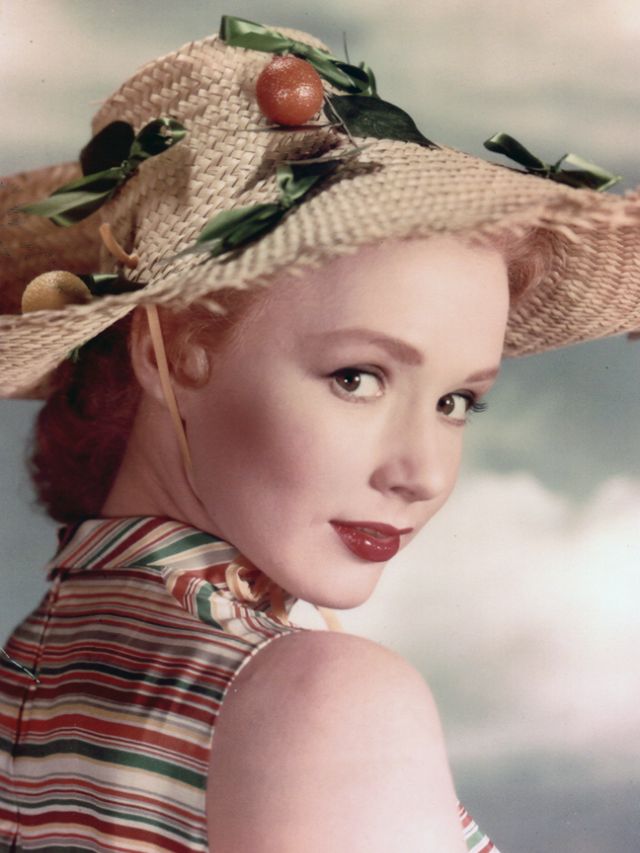
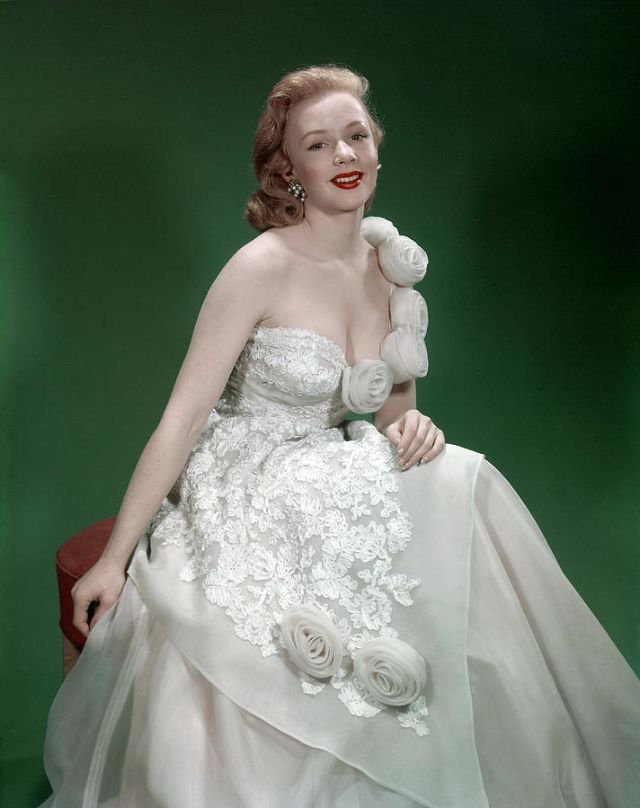
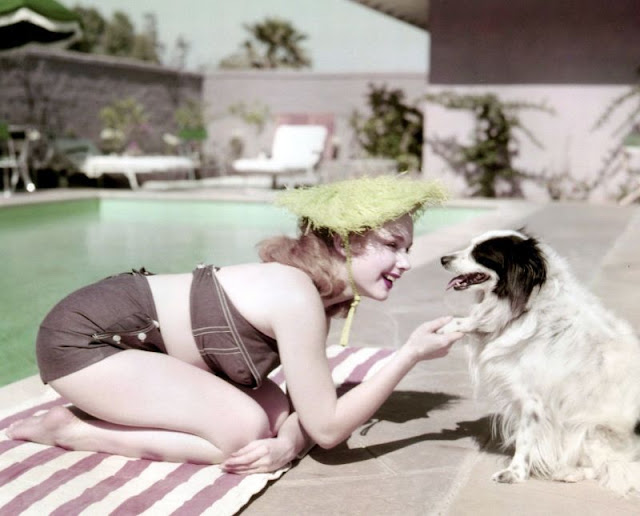
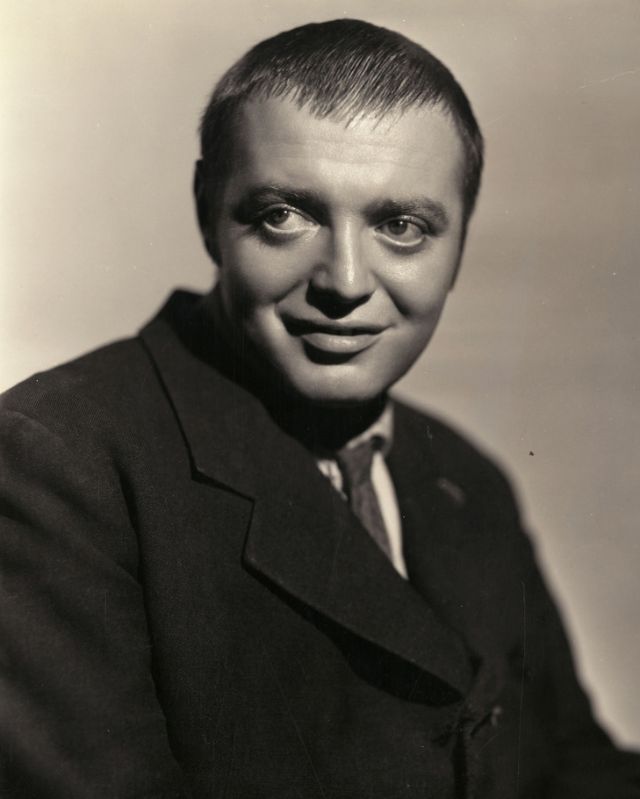
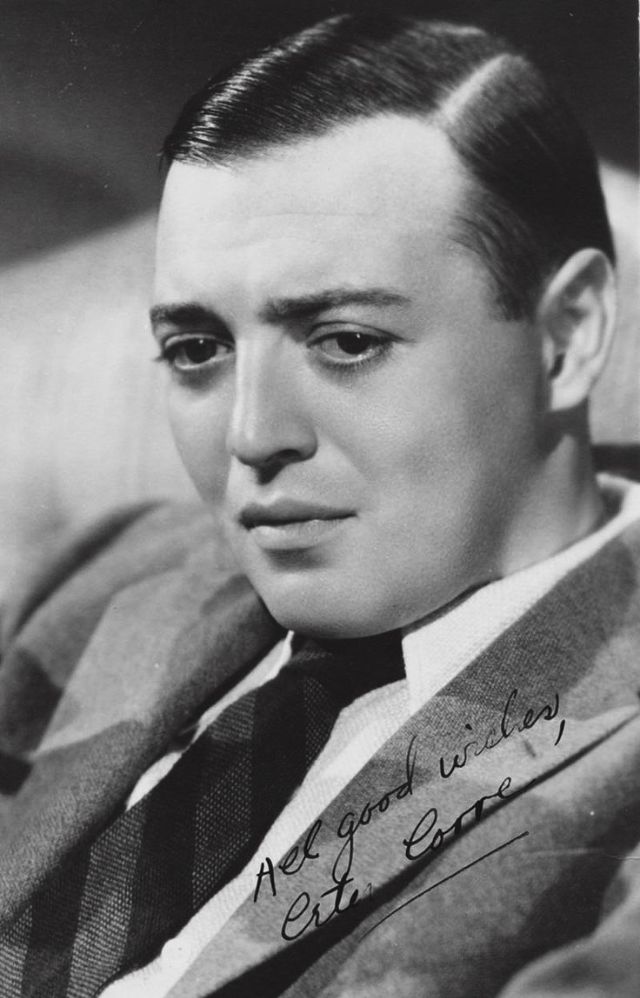
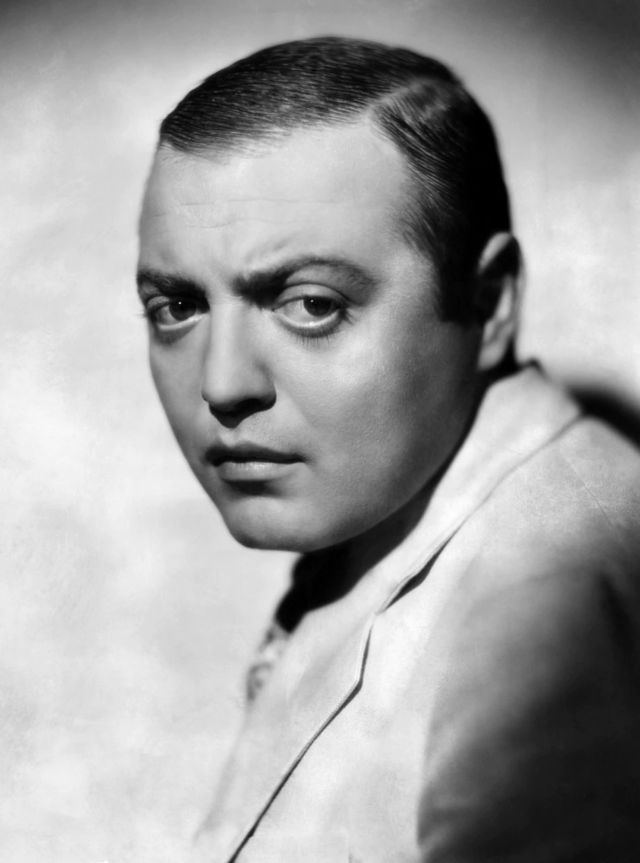
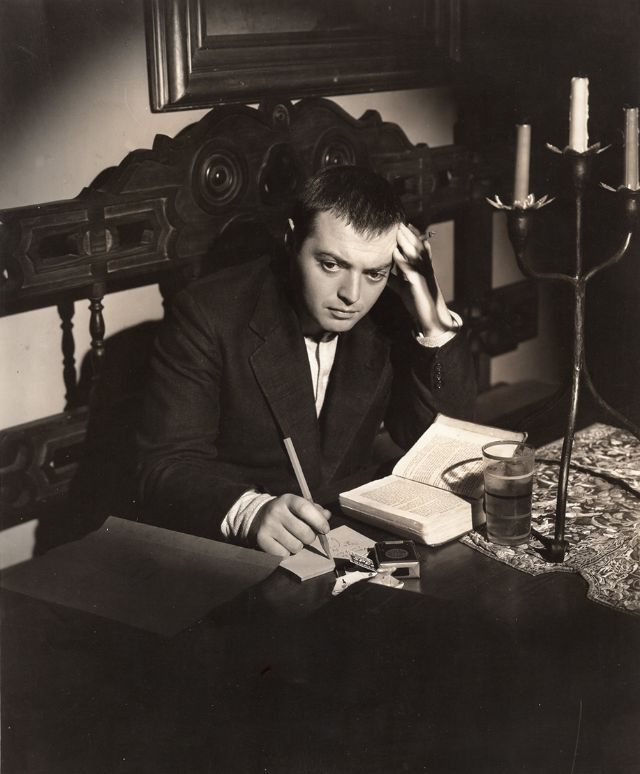
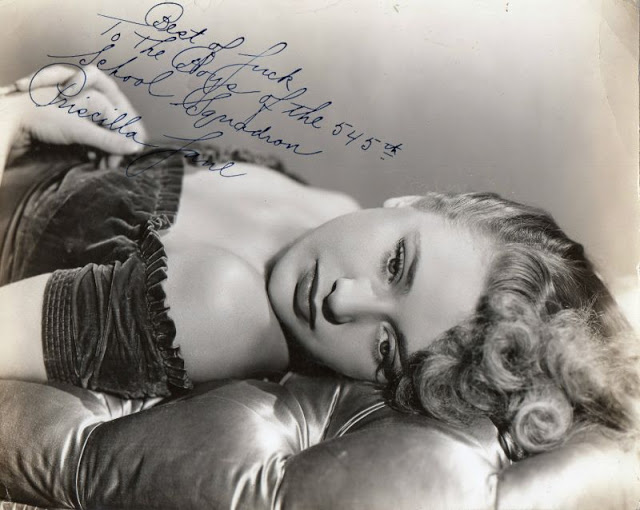
40 Gorgeous Photos of Priscilla Lane in the 1930s and 1940s

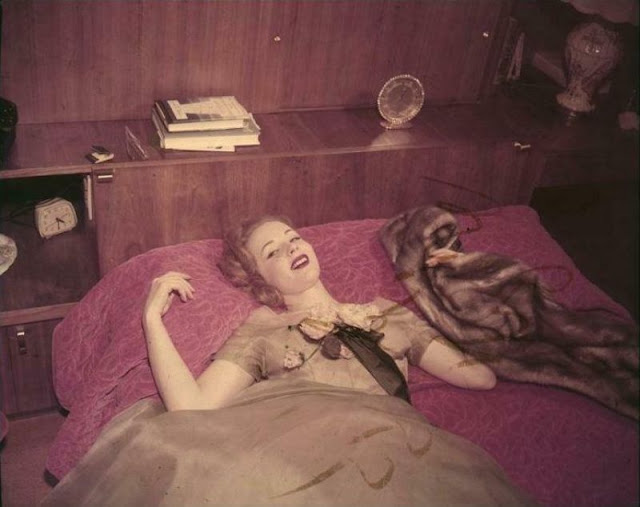
Priscilla Lane (born Priscilla Mullican, June 12, 1915 – April 4, 1995) was an American actress, and the youngest sibling in the Lane Sisters of singers and actresses. She is best remembered for her roles in the films The Roaring Twenties (1939) co-starring with James Cagney and Humphrey Bogart; Saboteur (1942), an Alfred Hitchcock film in which she plays the heroine, and Arsenic and Old Lace (1944), in which she portrays Cary Grant’s fiancée and bride.

Priscilla Mullican was born on June 12, 1915, in Indianola, Iowa, a small college town south of Des Moines. She was the youngest of five daughters of Dr. Lorenzo Mullican, DDS, and his wife, Cora Bell Hicks. Dr. Mullican had a dental practice in Indianola. The family owned a large house with 22 rooms, some of which they rented to students attending nearby Simpson College.

Priscilla and one of her sisters, Rosemary, traveled to Des Moines every weekend to study dancing with Rose Lorenz, a renowned dance teacher[3] at the time. The girls made their first professional appearance September 30, 1930, at Des Moines’ Paramount Theater. Priscilla, then 15, performed on stage as part of the entertainment accompanying the release of her sister Lola’s Hollywood movie Good News (1930).

After graduating from high school, Priscilla was permitted to travel to New York to visit a third sister, Leota (the eldest of the five Mullican sisters), then appearing in a musical revue in Manhattan. Priscilla enrolled at the nearby Fagen School of Dramatics, and Leota paid the fee. At this time, talent agent Al Altman saw Priscilla performing in one of Fagen’s school plays and invited her to screentest for MGM. She was 16 years old. Priscilla wrote to a friend in Indianola, “Leota accompanied me to a sort of theater in a New York skyscraper. Others were there being made up. One was a strange looking girl with her hair slicked back in a sort of a bun. Her name is said to be Catherine Hepburn [sic]. Not very pretty, I thought, but Mr. Altman said she has something. Margaret Sullavan, the Broadway actress, was there too!” A follow-up letter said that her test had proven unsuitable. Neither Hepburn nor Sullavan were approved, and neither received a contract from MGM at the time.

In 1932, Cora and Rosemary arrived in New York. Cora immediately went to work pushing her two young daughters into attending auditions for various prospective Broadway productions, without success. During a tryout at a music publishing office, orchestra leader and radio personality Fred Waring heard them harmonizing. He found them attractive and talented and soon signed them to a radio contract. Priscilla, who at this time adopted the surname Lane, quickly became known as the comedienne of the group. Rosemary sang the ballads, while Priscilla performed the swing numbers and wisecracked with Waring and various guests. Back in Iowa, Dr. Mullican instituted divorce proceedings against his wife on the grounds of desertion, and the divorce was granted in 1933.

Rosemary and Priscilla remained with Fred Waring for almost five years. In 1937, Waring was engaged by Warner Bros. in Hollywood to appear with his entire band in Varsity Show, a musical starring Dick Powell. Both Rosemary and Priscilla were tested and awarded feature roles in the film. Rosemary shared the romantic passages with Powell, while Priscilla played a high-spirited college girl.

Warner Bros. purchased Priscilla and Rosemary’s contract from Fred Waring and signed them to seven-year pacts.[1] Priscilla’s first film after Varsity Show was Men Are Such Fools (1938), in which she starred with Wayne Morris. This was followed by Love Honor and Behave (also 1938), another light romantic comedy with Morris, who, playing her husband, spanked her 47 times in a scene for which she declined a double, and Cowboy from Brooklyn, again teaming with Dick Powell. The publicity department at the studio suggested that Priscilla and Morris be seen together around town. They liked each other and did date for a period; however, Priscilla later said it was never serious on either side.

Also in 1938, Priscilla, Rosemary and third sister Lola Lane appeared as three of four sisters (the fourth being Gale Page) in Four Daughters, the similarly themed Daughters Courageous the following year, and two sequels to Four Daughters a few years later, Four Wives and Four Mothers.

Priscilla was next assigned the lead in Brother Rat, which had been a very successful Broadway play. Again she played opposite Wayne Morris, and among the cast were newcomers Ronald Reagan, Jane Wyman, Jane Bryan, and Eddie Albert. The film, when released in October 1938, was a big success for all the young players. At this time of professional success, the sisters were informed that Dr. Mullican had died in Iowa.

After winning her raise, Priscilla returned to work, but the films assigned to her were no better than those she had turned down. Brother Rat and a Baby (aka, Baby Be Good, 1940) was an inferior sequel and Three Cheers for the Irish (also 1940) gave her little to do.

The British Picturegoer magazine, always a supporter of the Lane Sisters, stated that all was not right with Priscilla Lane. In its June 15, 1940 issue, they wondered why “Priscilla was still knocking at the door of major stardom”. They felt Warner Bros. was casting her as stooge to such actors as John Garfield and James Cagney. They went on to say Priscilla had great charm and while not a really great dramatic actress, deserved much larger and more important roles than she was getting. The same magazine, two years later on August 22, 1942, referred to their 1940 article and once again expressed disappointment at Warners’ treatment of the star. They were unaware that she had already left the studio.

On April 28, 1941, she was heard on Lux Radio Theater with George Brent and Gail Patrick in Wife, Husband and Friend. At Warner Bros. she appeared opposite Ronald Reagan in a lighthearted comedy, Million Dollar Baby (1941) and as a night club singer in Blues in the Night (also 1941).

Frank Capra requested her for the lead opposite Cary Grant in Arsenic and Old Lace. The comedy film was completed in early 1942, but was not released until 1944; it was held up by contractual agreement not to distribute the film until the play’s long Broadway run was over. It was Priscilla’s last Warner film. Her contract was terminated by mutual agreement after five years with the studio.

She freelanced next, signing a one-picture deal with Universal Studios where she starred with Robert Cummings in Alfred Hitchcock’s Saboteur (1942). The director did not want either Cummings or Lane for their roles. Hitchcock felt Lane was too much the girl next door. Universal insisted that they play the leads, and when the film was released, her acting was praised while some criticism was focused on Hitchcock for reworking so much from his earlier films into this wartime spy drama.

She had commitments for two more films. The first was Silver Queen (1942) for producer Harry Sherman in which she co-starred with George Brent. She played the owner of a gambling house in 1870s San Francisco. The other film was a Jack Benny comedy, The Meanest Man in the World, released in January 1943. Lane then retired from films. For the duration of the war, she followed her husband across America as he moved from one military base to another. She was generous with her talents and often performed at camp shows.

While living in Van Nuys, she was offered and accepted the leading role in Fun on a Weekend (1947) for producer–director Andrew Stone, co-starring Eddie Bracken. When the film was released, Variety opined, “Miss Lane, who’s been absent from films for some time, gives a good enough performance which should ensure her work in more pictures.” However, Lane returned to domestic life. Once again she and her husband moved, this time to Studio City.

Lane accepted the offer of the lead role opposite Lawrence Tierney in a film noir, Bodyguard (1948), starring as Doris Brewster. During an interview with a Hollywood correspondent, she stated, “I didn’t realize how much I miss filming until I came back. I love this work, and I hope to make many, many more pictures.” Bodyguard would be her last picture. An expected contract with RKO Studios did not come to pass.

In January 1951, Cora Mullican died at the San Fernando Valley home her daughters had bought for her years earlier. Priscilla returned to show business briefly in 1958 with her own show on a local television station broadcasting from Boston. Titled The Priscilla Lane Show, she chatted and interviewed celebrities visiting the area. She enjoyed the television experience, but family demands proved too much, and she gave up after a year.

Personal Life

Lane dated assistant director and screenwriter Oren W. Haglund, later the production manager of eleven ABC/Warner Brothers television series of the 1950s and 1960s. Impulsively she eloped with Haglund to Yuma, Arizona, on January 14, 1939, but left him the following day. They were divorced in May 1941. On June 14, 1941, Lane’s mother announced her engagement to newspaper publisher John Barry, whom she had first met in 1939. She wrote in the November issue of Photoplay about how she looked forward to their marriage and would continue her career.

In early 1942, the engagement to Barry ended after she met Joseph Howard, a 27-year-old Army Air Corps lieutenant, at a dude ranch in the Mojave Desert. A native of Lawrence, Massachusetts, he had joined the Army Air Corps straight from college in 1939. He was scouting the area for likely sites for air bases and had taken a short vacation. The couple were married on May 22, 1942, in Las Vegas, Nevada.

At the war’s end in 1945, Lane and Howard were living in New Mexico and she was pregnant with their first child. Their son, Joseph Lawrence, was born on December 31, 1945. In 1946, after Howard’s discharge from the service, the couple moved back to California, where they resided in Victorville. Howard, who had a degree in engineering, became a building contractor. The family moved to Van Nuys in December 1945. Afterwards Howard and Lane moved to Studio City. Priscilla became pregnant again in 1949. On April 17, 1950, her daughter Hannah was born. By June 1951, the boom in the construction industry in New England had Lane and her family moving back to Howard’s native Massachusetts. Howard left the final decision to end her career to Lane, who later declared she never regretted her choice. She fell in love with New England, and the couple settled with their children in Andover, Massachusetts. Lane was busy with her family. She gave birth to a second daughter, Judith, on August 22, 1953. The Howards’ fourth and youngest child James was born December 4, 1955. During the 1952 presidential election, she, along with her sisters, all of whom were registered as Democrats, supported the campaign of Adlai Stevenson.

Outside her family, Priscilla remained busy. She was devoutly religious, having converted to Roman Catholicism, as had her elder sister Lola. The family attended church regularly, and she was involved with Catholic charities. She enjoyed tending her garden, and growing flowers and vegetables. She ran a Girl Scout troop and volunteered at local hospitals. In July 1972, Joe Howard retired from business, and he and Lane moved to their summer home at 7 Howards Grove in Derry, New Hampshire. Howard died suddenly on May 18, 1976, aged 60. He was still in the Air Force Reserve, which he had joined after his discharge from active duty in 1946. He was buried at Arlington National Cemetery with full military honors. Heartbroken, Priscilla remained afterward in Derry. She said, more than a year later in 1977, “I’m still trying to pull myself together after Joe’s death.” She busied herself with volunteer work and her garden.

Lane was diagnosed with lung cancer in 1994. She moved to a nursing home, Wingate, in Andover near her son Joe and his family. She died there at 7:30 a.m. on April 4, 1995, from lung cancer and chronic heart failure, aged 79. A funeral mass was celebrated at St. Matthew’s Church in Windham, New Hampshire. She was laid to rest beside her husband (Wikipedia)

Take a look at these beautiful photos to see portrait of young Priscilla Lane in the 1930s and 1940s.

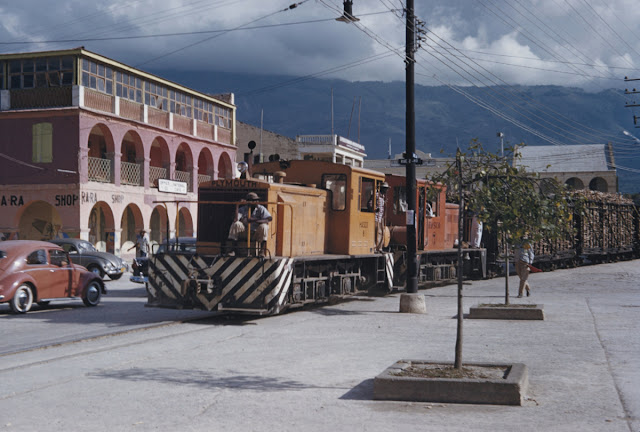
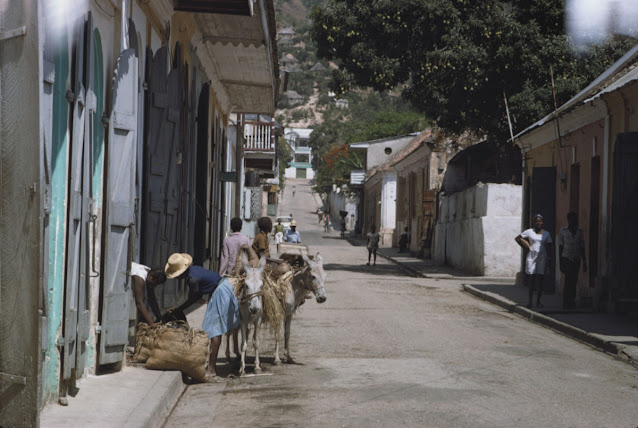
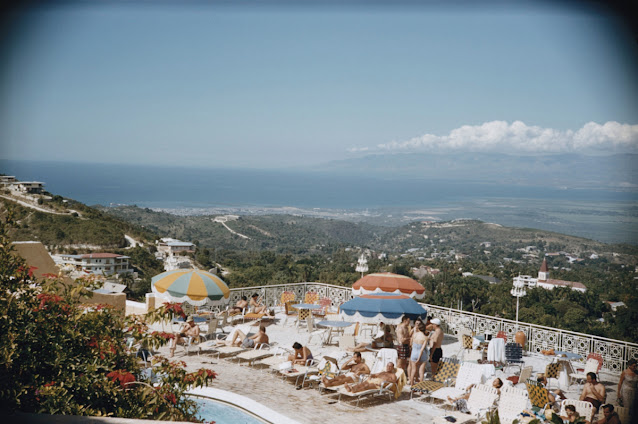
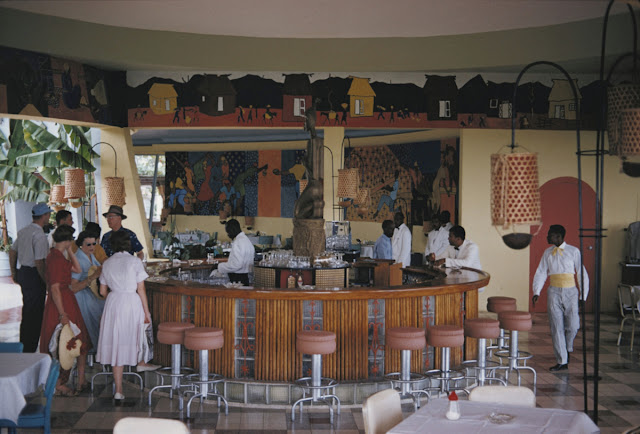
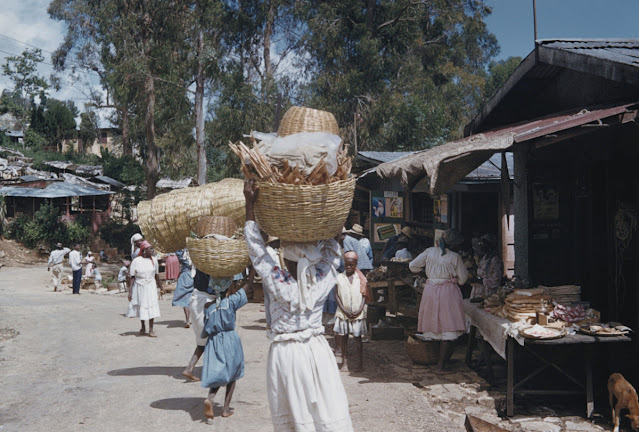
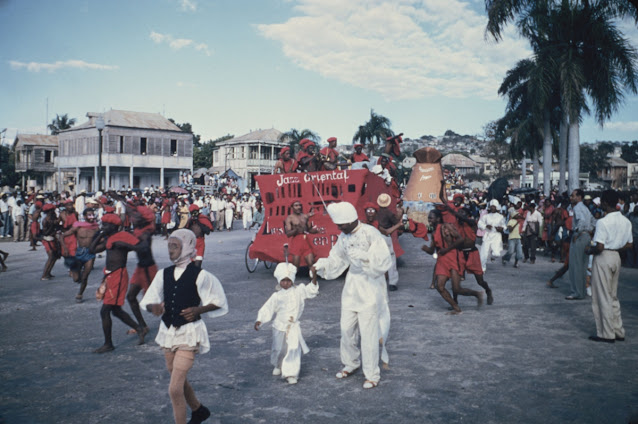
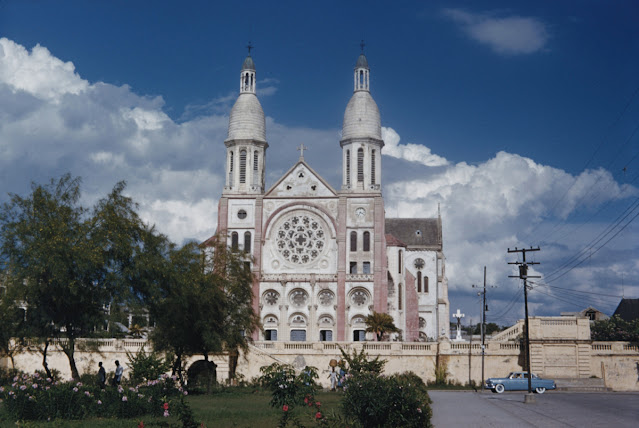
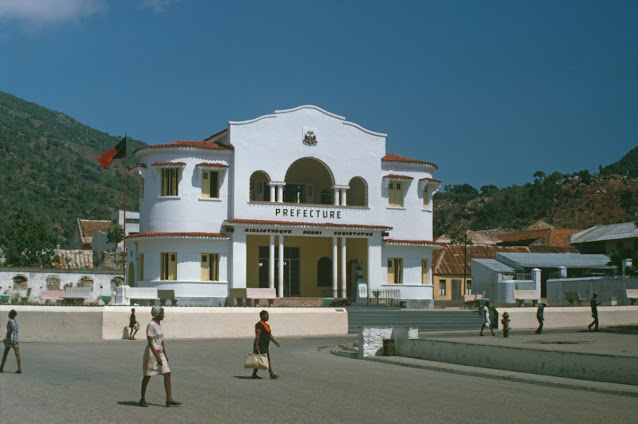
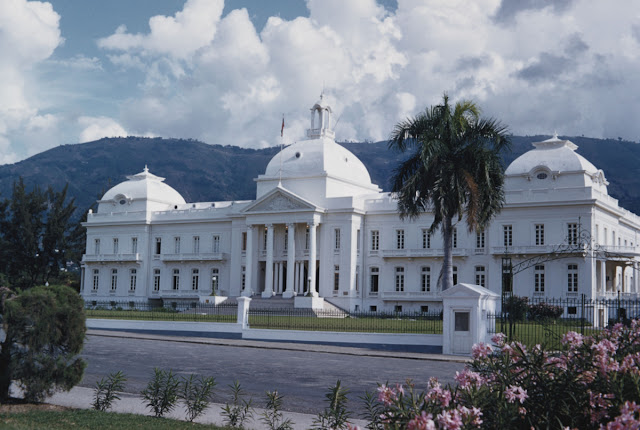
22 Wonderful Photos of Port-au-Prince, Haiti in 1975

Port-au-Prince is the capital and most populous city of Haiti. The city’s population was estimated at 987,311 in 2015 with the metropolitan area estimated at a population of 2,618,894. The metropolitan area is defined by the IHSI as including the communes of Port-au-Prince, Delmas, Cite Soleil, Tabarre, Carrefour and Pétion-Ville.

The city of Port-au-Prince is on the Gulf of Gonâve: the bay on which the city lies, which acts as a natural harbor, has sustained economic activity since the civilizations of the Taíno. It was first incorporated under French colonial rule in 1749. The city’s layout is similar to that of an amphitheater; commercial districts are near the water, while residential neighborhoods are located on the hills above. Its population is difficult to ascertain due to the rapid growth of slums in the hillsides above the city; however, recent estimates place the metropolitan area’s population at around 3.7 million, nearly half of the country’s national population. The city was catastrophically affected by a massive earthquake in 2010, with large numbers of structures damaged or destroyed. Haiti’s government estimated the death toll to be 230,000.

Prior to the arrival of Christopher Columbus, the island of Hispaniola was inhabited by the Taíno people, who arrived in approximately 2600 BC in large dugout canoes. They are believed to come primarily from what is now eastern Venezuela. By the time Columbus arrived in 1492 AD, the region was under the control of Bohechio, Taíno cacique (chief) Xaragua. He, like his predecessors, feared settling too close to the coast; such settlements would have proven to be tempting targets for the Caribs, who lived on neighboring islands. Instead, the region served as a hunting ground. The population of the region was approximately 400,000 at the time, but the Taínos were gone within 30 years of the arrival of the Spaniards.

With the arrival of the Spaniards, the Amerindians were forced to accept a protectorate, and Bohechio, childless at death, was succeeded by his sister, Anacaona, wife of the cacique Caonabo. The Spanish insisted on larger tributes. Eventually, the Spanish colonial administration decided to rule directly, and in 1503, Nicolas Ovando, then governor, set about to put an end to the régime headed by Anacaona.[citation needed] He invited her and other tribal leaders to a feast, and when the Amerindians had drunk a good deal of wine (the Spaniards did not drink on that occasion), he ordered most of the guests killed. Anacaona was spared, only to be hanged publicly some time later. Through violence, introduced diseases and murders, the Spanish settlers decimated the native population.

Direct Spanish rule over the area having been established, Ovando founded a settlement not far from the coast (west of Etang Saumâtre), ironically named Santa Maria de la Paz Verdadera, which would be abandoned several years later. Not long thereafter, Ovando founded Santa Maria del Puerto. The latter was first burned by French explorers in 1535, then again in 1592 by the English. These assaults proved to be too much for the Spanish colonial administration, and in 1606, it decided to abandon the region.

For more than 50 years, the area that is today Port-au-Prince saw its population drop off drastically, when some buccaneers began to use it as a base, and Dutch merchants began to frequent it in search of leather, as game was abundant there. Around 1650, French flibustiers, running out of room on the Île de la Tortue, began to arrive on the coast, and established a colony at Trou-Borded. As the colony grew, they set up a hospital not far from the coast, on the Turgeau heights. This led to the region being known as Hôpital.

Although there had been no real Spanish presence in Hôpital for well over 50 years, Spain retained its formal claim to the territory, and the growing presence of the French flibustiers on ostensibly Spanish lands provoked the Spanish crown to dispatch Castilian soldiers to Hôpital to retake it. The mission proved to be a disaster for the Spanish, as they were outnumbered and outgunned, and in 1697, the Spanish government signed the Treaty of Ryswick, renouncing any claims to Hôpital. Around this time, the French also established bases at Ester (part of Petite Rivière) and Gonaïves.

Ester was a rich village, inhabited by merchants, and equipped with straight streets; it was here that the governor lived. On the other hand, the surrounding region, Petite-Rivière, was quite poor. Following a great fire in 1711, Ester was abandoned. Yet the French presence in the region continued to grow, and soon afterward, a new city was founded to the south, Léogâne.

While the first French presence in Hôpital, the region later to contain Port-au-Prince was that of the flibustiers; as the region became a real French colony, the colonial administration began to worry about the continual presence of these pirates. While useful in repelling foreign pirates, they were relatively independent, unresponsive to orders from the colonial administration, and a potential threat to it. Therefore, in the winter of 1707, Choiseul-Beaupré, the governor of the region sought to get rid of what he saw as a threat. He insisted upon control of the hospital, but the flibustiers refused, considering that humiliating. They proceeded to close the hospital rather than cede control of it to the governor, and many of them became habitans (farmers) the first long-term European inhabitants in the region.

Although the elimination of the flibustiers as a group from Hôpital reinforced the authority of the colonial administration, it also made the region a more attractive target for marauding buccaneers. In order to protect the area, in 1706, a captain named de Saint-André sailed into the bay just below the hospital, in a ship named Le Prince. It is said that M. de Saint-André named the area Port-au-Prince (meaning “Port of the Prince”), but the port and the surrounding region continued to be known as Hôpital, but the islets in the bay had already been known as les îlets du Prince as early as 1680.

Pirates eventually refrained from troubling the area, and various nobles sought land grants from the French crown in Hôpital; the first noble to control Hôpital was Sieur Joseph Randot. Upon his death in 1737, Sieur Pierre Morel gained control over part of the region, with Gatien Bretton des Chapelles acquiring another portion of it.

By then, the colonial administration was convinced that a capital needed to be chosen, in order to better control the French portion of Hispaniola (Saint-Domingue). For a time, Petit-Goâve and Léogâne vied for this honor, but both were eventually ruled out for various reasons. Neither was centrally located. Petit-Goâve’s climate caused it to be too malarial, and Léogane’s topography made it difficult to defend. Thus, in 1749, a new city was built, Port-au-Prince.

In 1770, Port-au-Prince replaced Cap-Français (the modern Cap-Haïtien) as capital of the colony of Saint-Domingue.

In November 1791, it was burned in a battle between attacking black revolutionaries and defending white plantation owners.

It was captured by British troops on June 4, 1794.

In 1804, it became the capital of newly independent Haïti. When Jean-Jacques Dessalines was assassinated in 1806, Port-au-Prince became the capital of the mulatto-dominated south (Cap-Haïtien was the capital of the black-dominated north). It was re-established as the capital of all of Haiti when the country was unified again in 1820.

During the American occupation of Haiti (1915–1934), Port-au-Prince, garrisoned by American Marines and Haitian gendarmes, was attacked twice by caco rebels. The first battle, which took place in 1919, was a victory of the American and Haitian government forces, as was the second attack in 1920.

Back in the 1970s, Haiti was a tourist destination for the jet set, welcoming visitors like Richard Burton and Elizabeth Taylor. But political violence, instability and more recently the 2010 earthquake have changed the country’s image, and most of the tourism has vanished.

The 1949 World Expo held in Port-au-Prince created an opportunity for the Haitian Government, led by Dumarsais Estimé, to attract international attention to Haiti and to develop its tourism industry. Haiti tourism in the 1960s was up and down during the François Duvalier “Papa Doc” regime.

In the the 1970s and early 1980s tourism in Haiti was booming under Jean-Claude Duvalier “Baby Doc”. Although Haiti was under a dictatorial regime, they at least understood the value of tourism. Haiti was known as the Paris and pearl of the Antilles. Haiti even received tourists from nearby islands who were impressed with its numerous unspoiled beaches, mountains, exceptional coffee, rum, creole food, art, religion, history and beautiful people.

On 12 January 2010, a 7.0 earthquake struck Port-au-Prince, devastating the city. Most of the central historic area of the city was destroyed, including Haiti’s prized Cathédrale de Port-au-Prince, the capital building, Legislative Palace (the parliament building), Palace of Justice (Supreme Court building), several ministerial buildings, and at least one hospital. The second floor of the Presidential Palace was thrown into the first floor, and the domes skewed at a severe tilt. The seaport and airport were both damaged, limiting aid shipments. The seaport was severely damaged by the quake and was unable to accept aid shipments for the first week.

The airport’s control tower was damaged and the US military had to set up a new control center with generators to get the airport prepared for aid flights. Aid has been delivered to Port-au-Prince by numerous nations and voluntary groups as part of a global relief effort. On Wednesday, January 20, 2010, an aftershock rated at a magnitude of 5.9 caused additional damage. (Wikipedia)

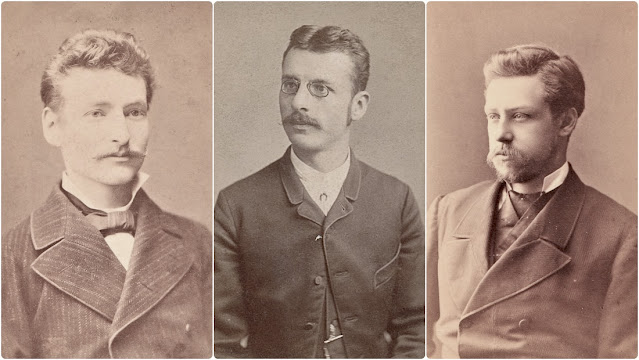
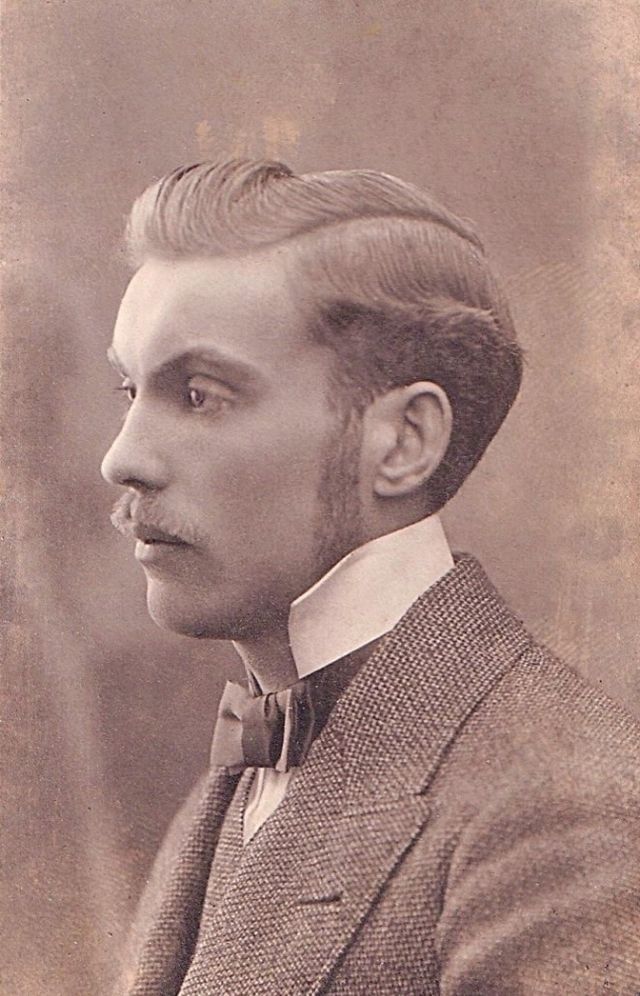
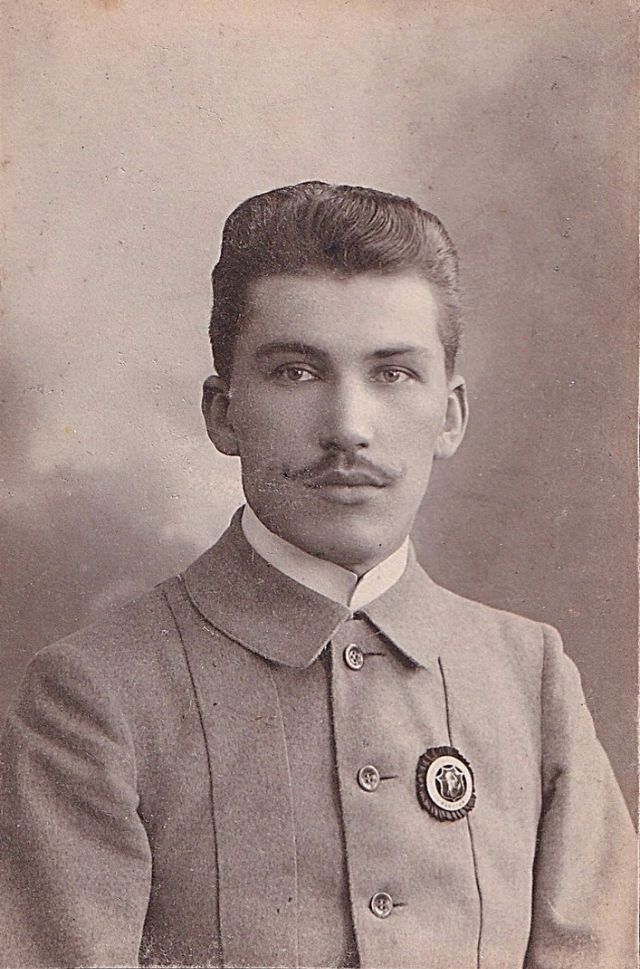
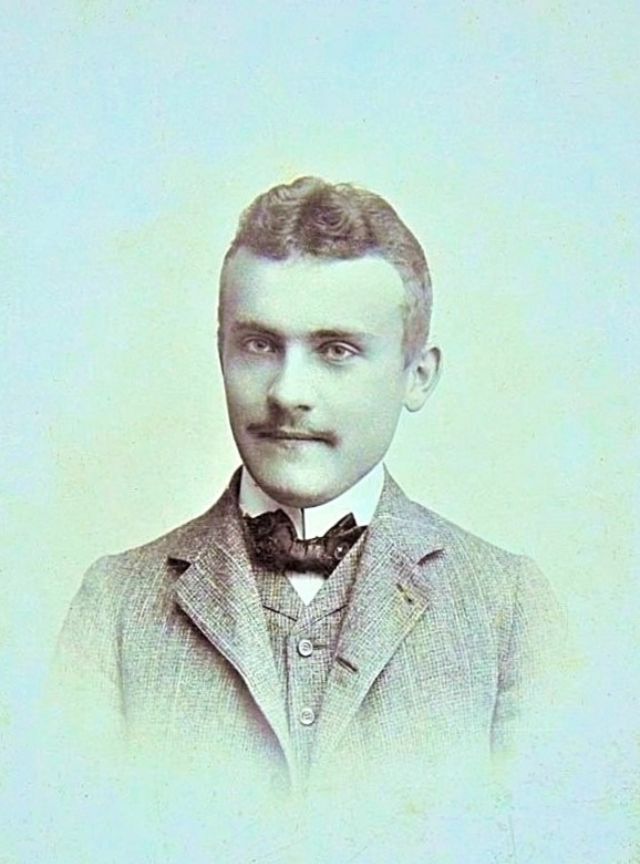
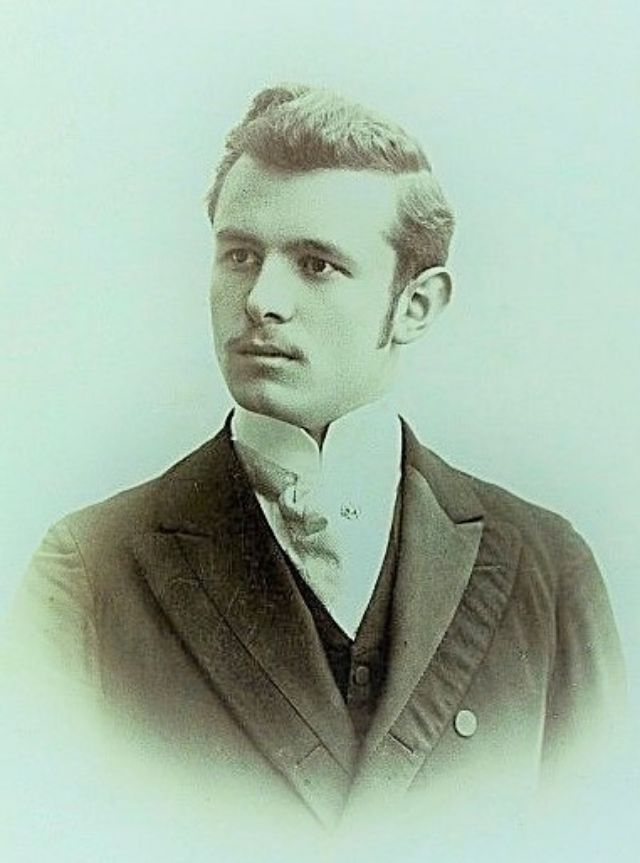
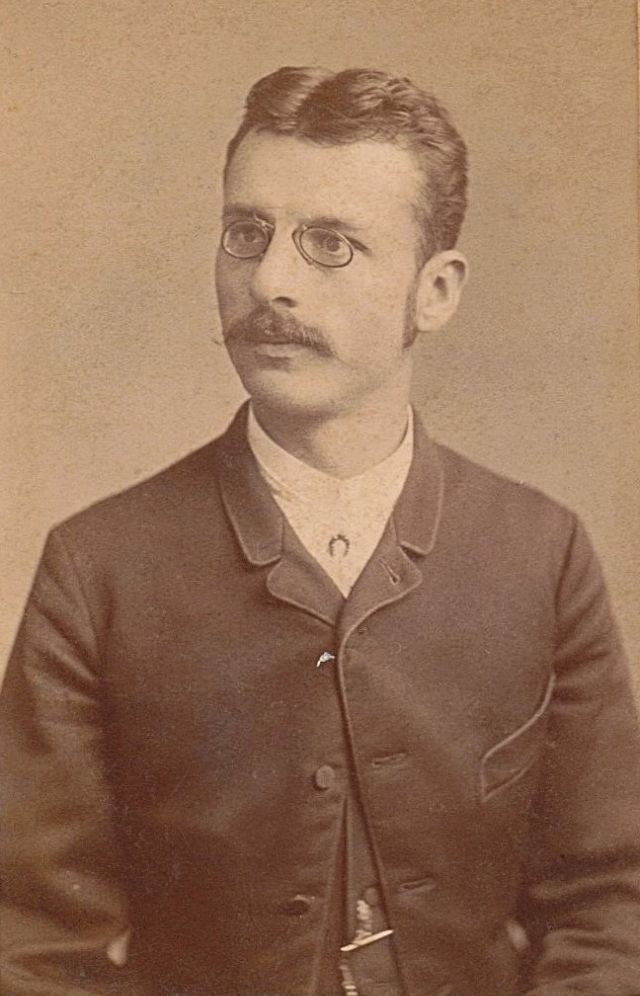
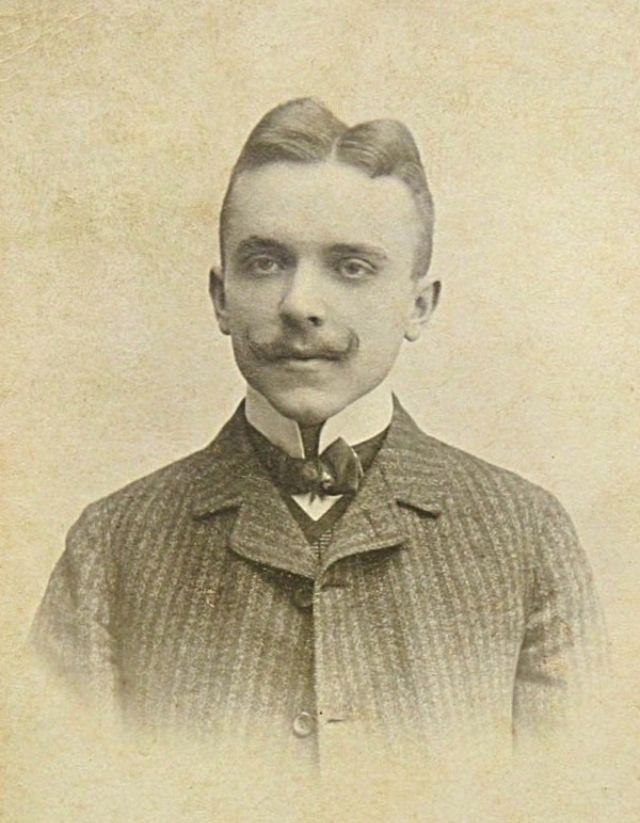
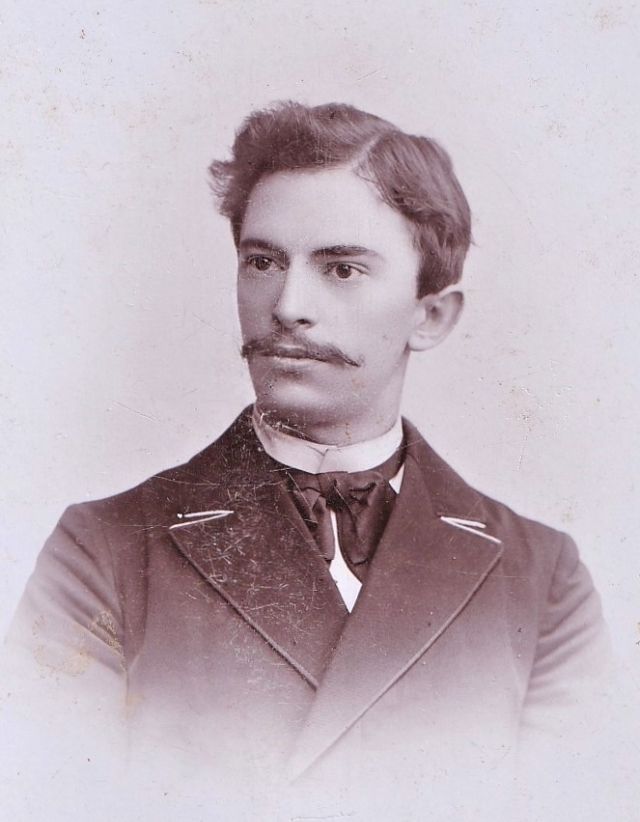
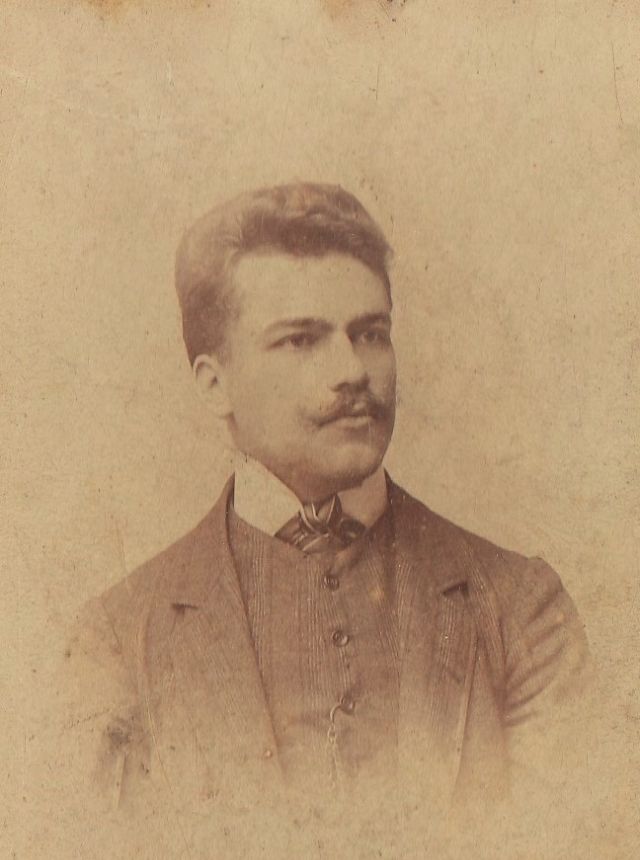
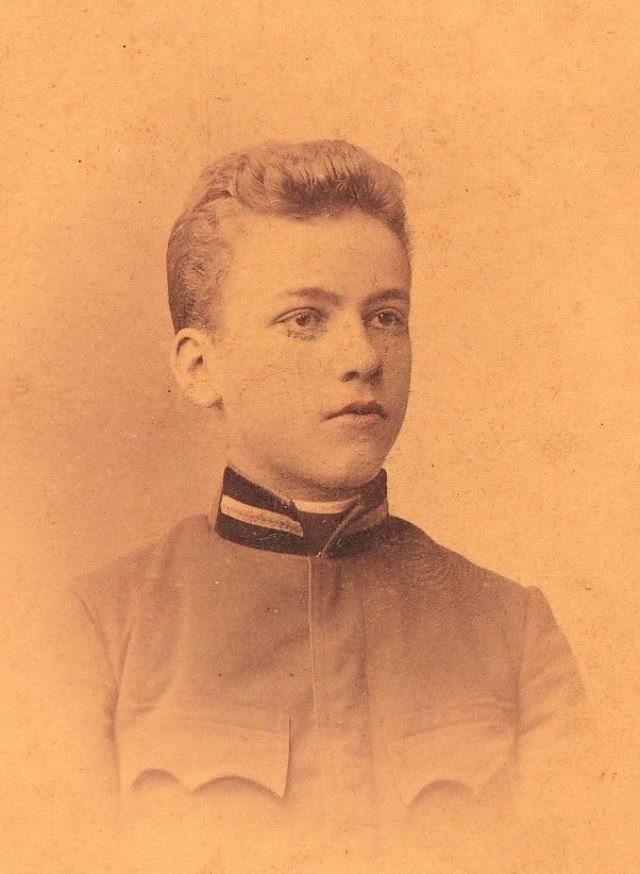
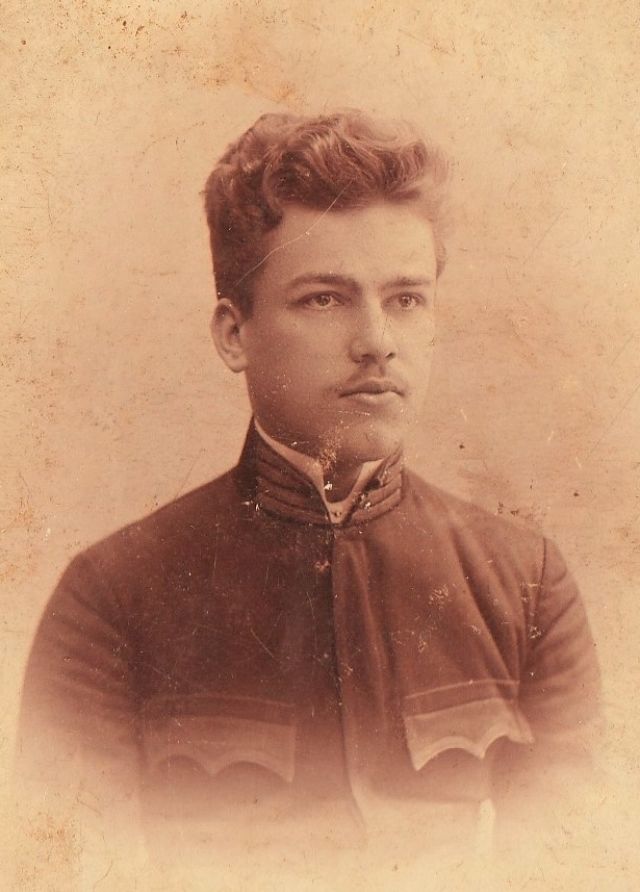
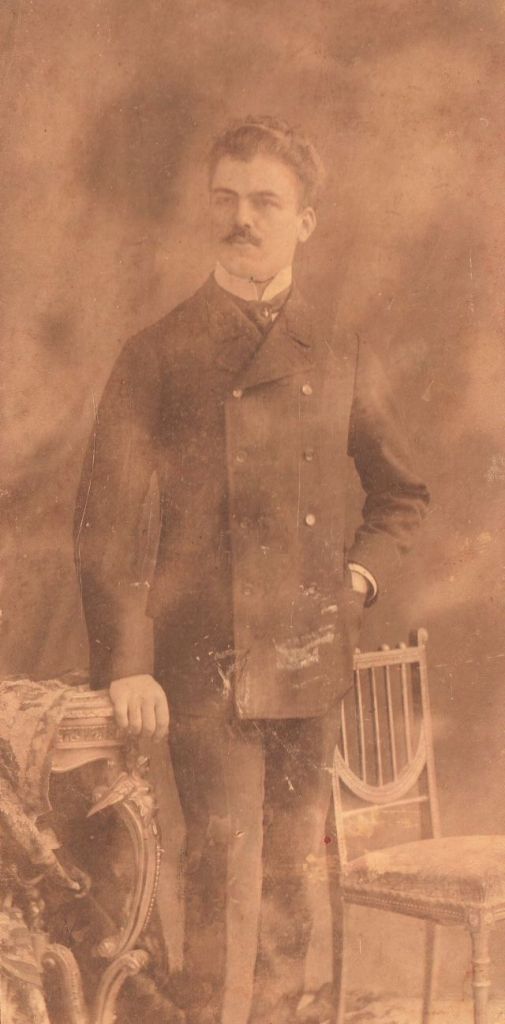
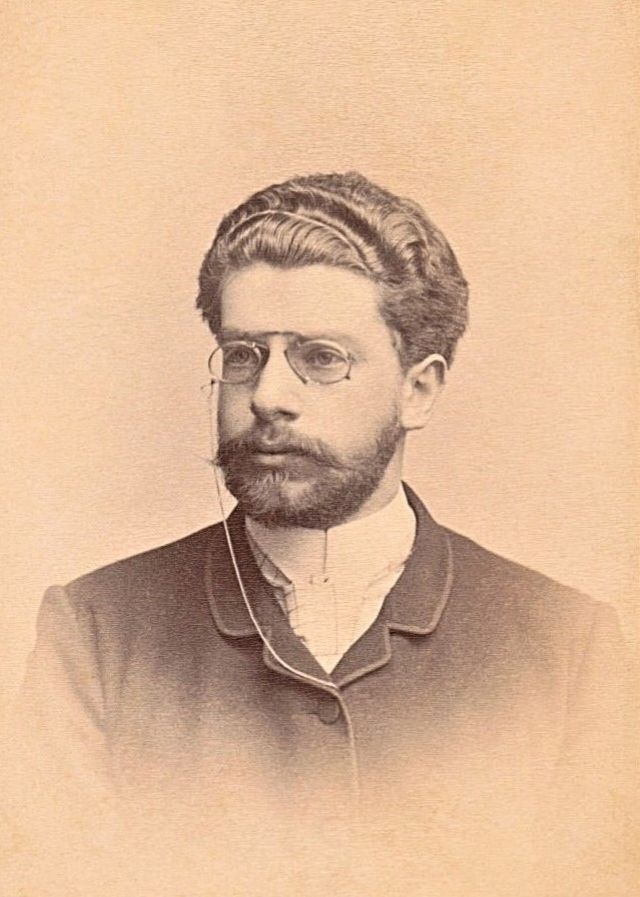
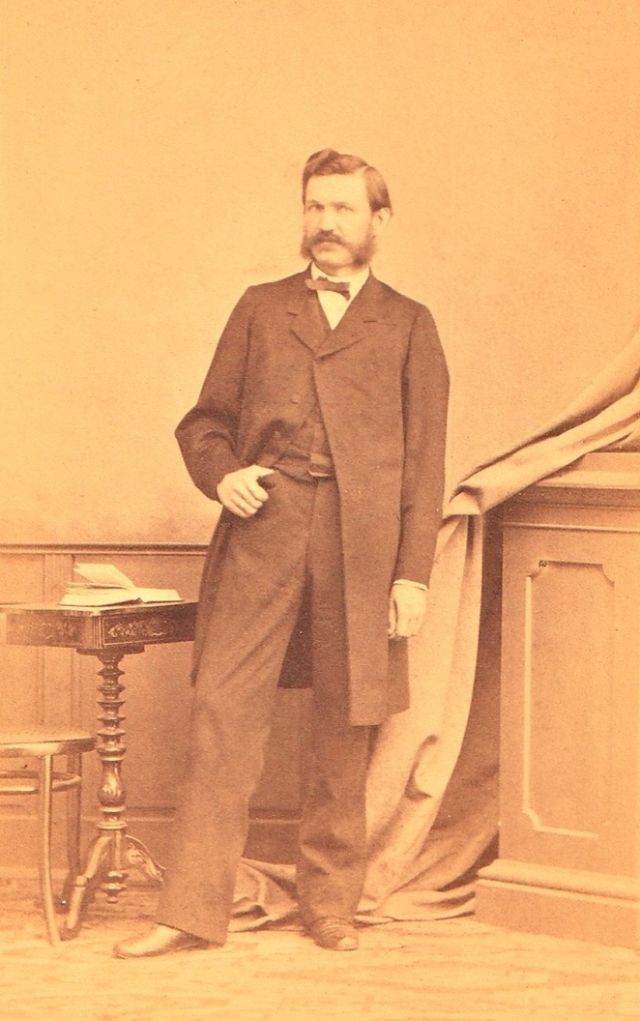
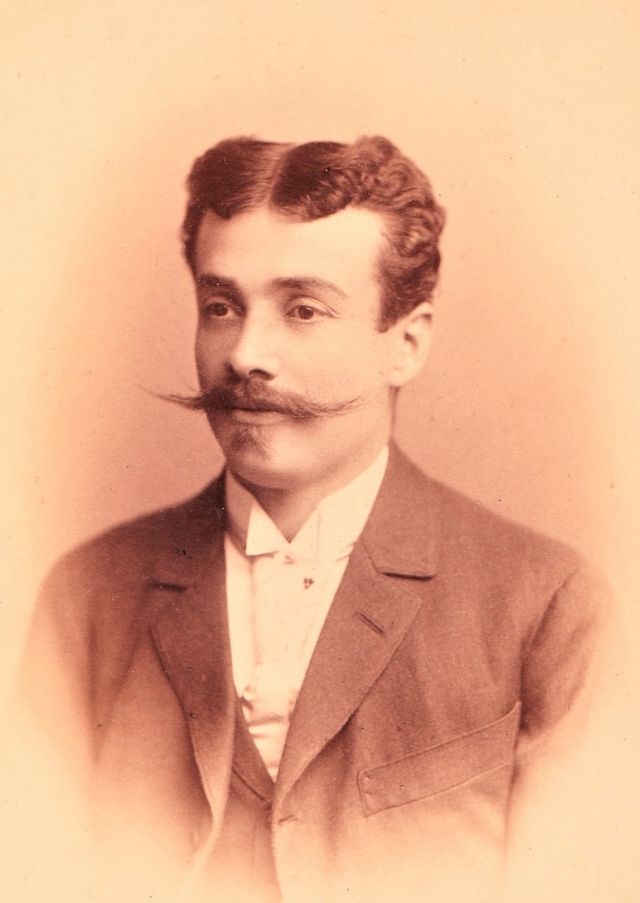
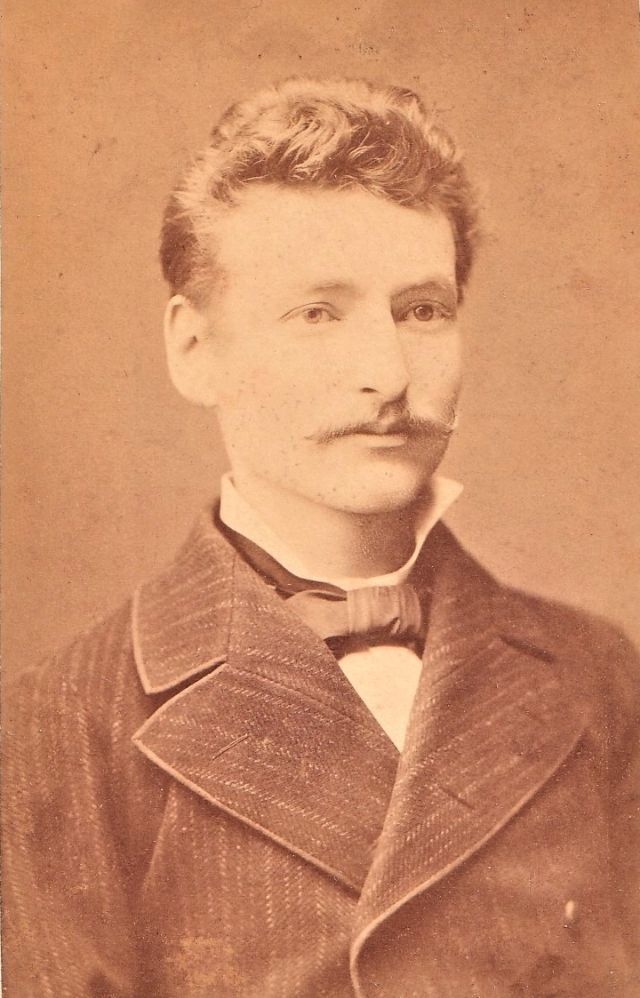
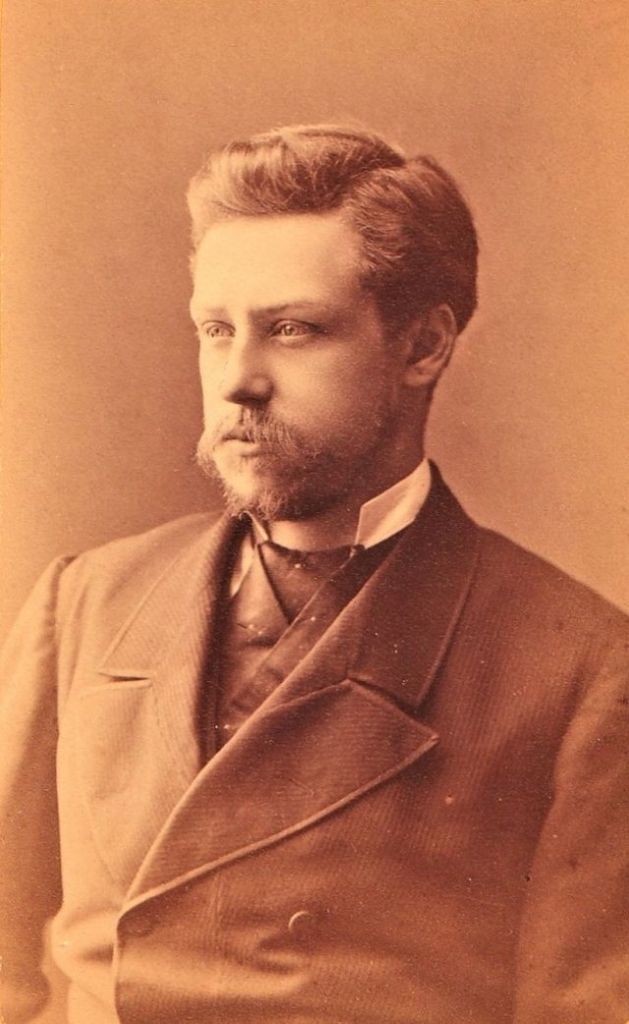
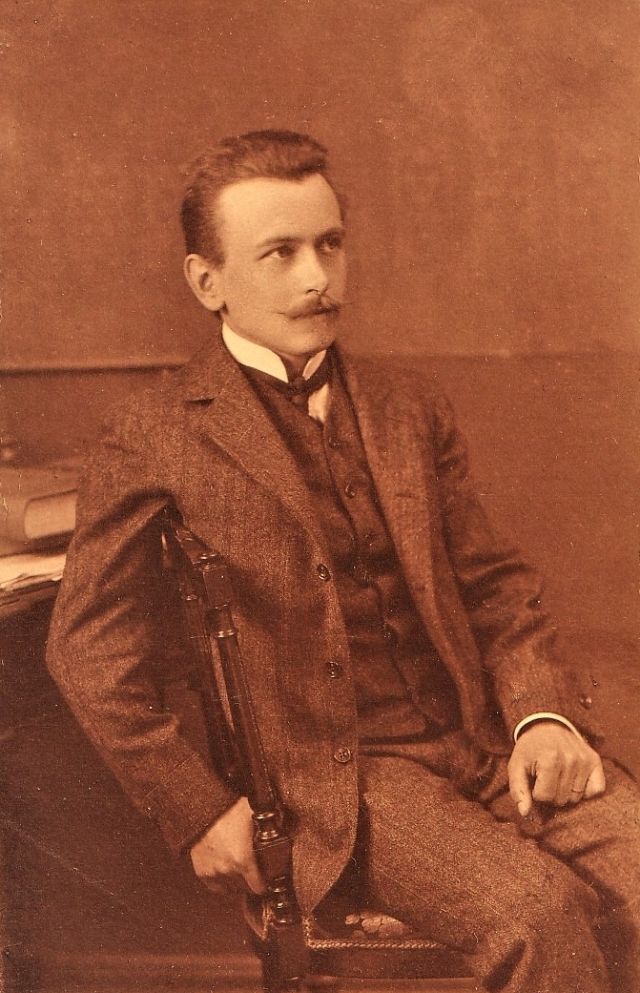
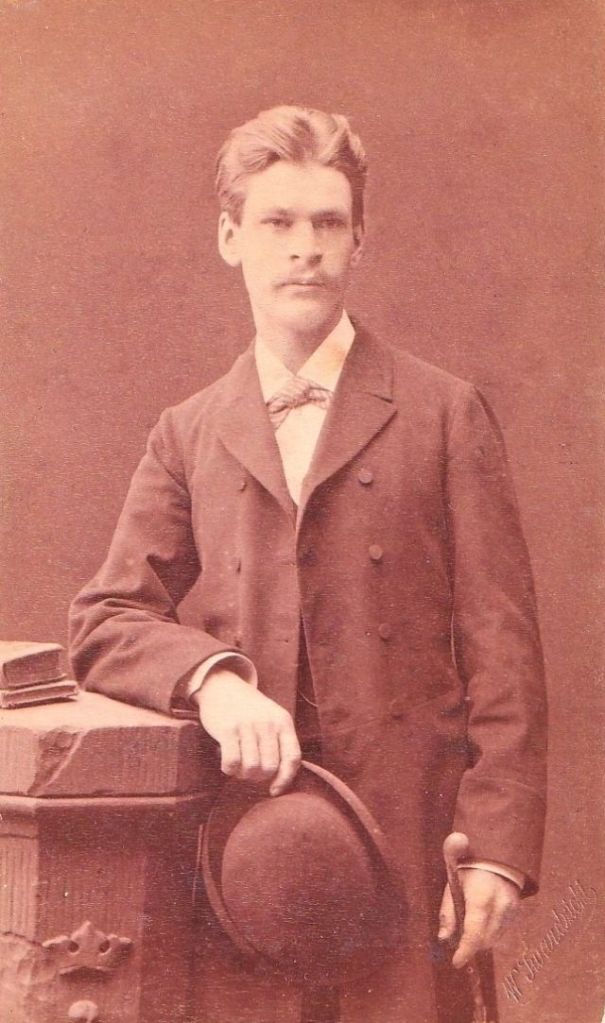
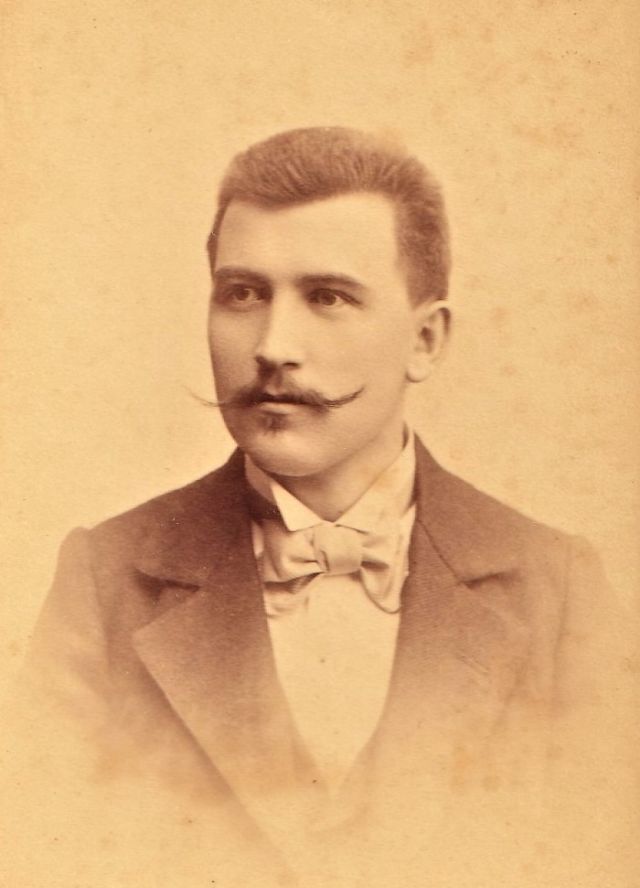
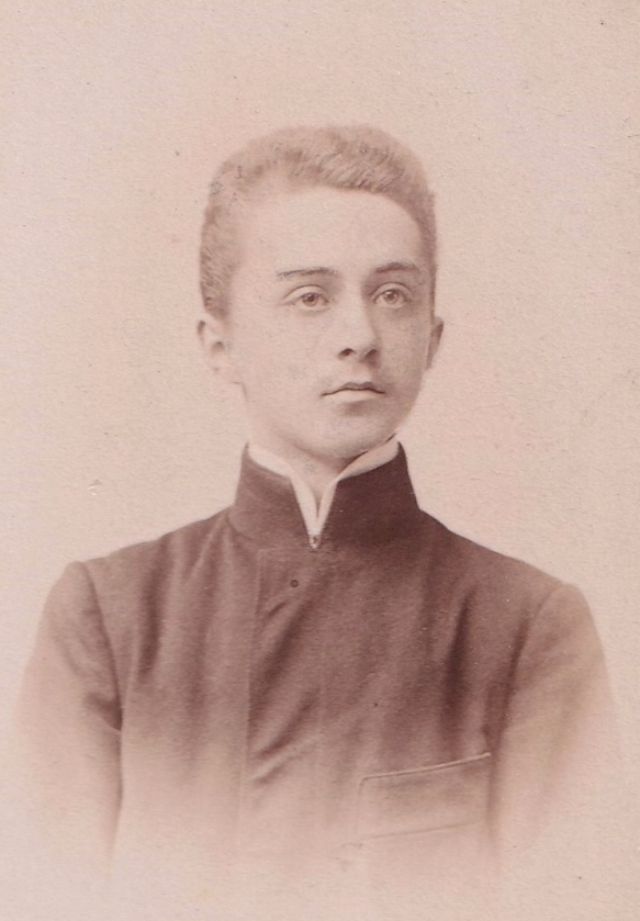
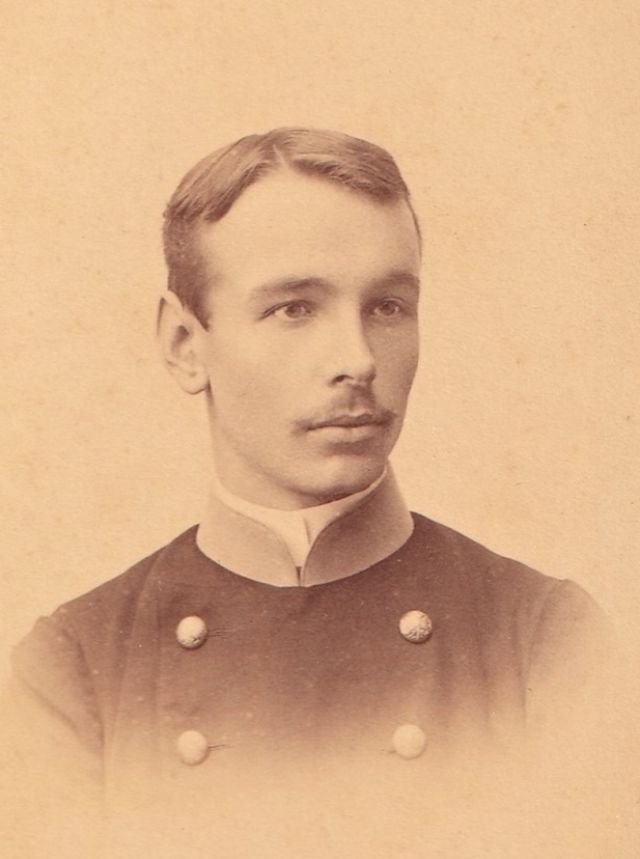
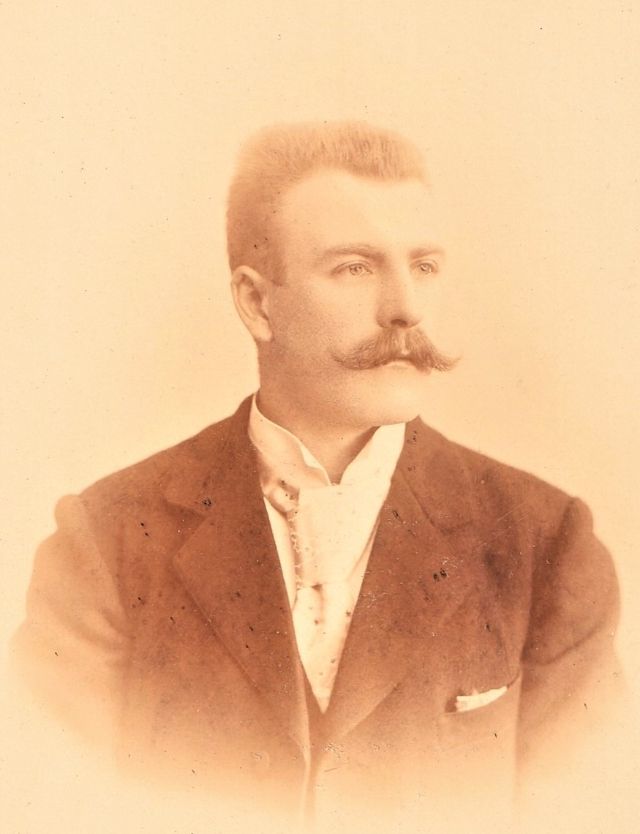
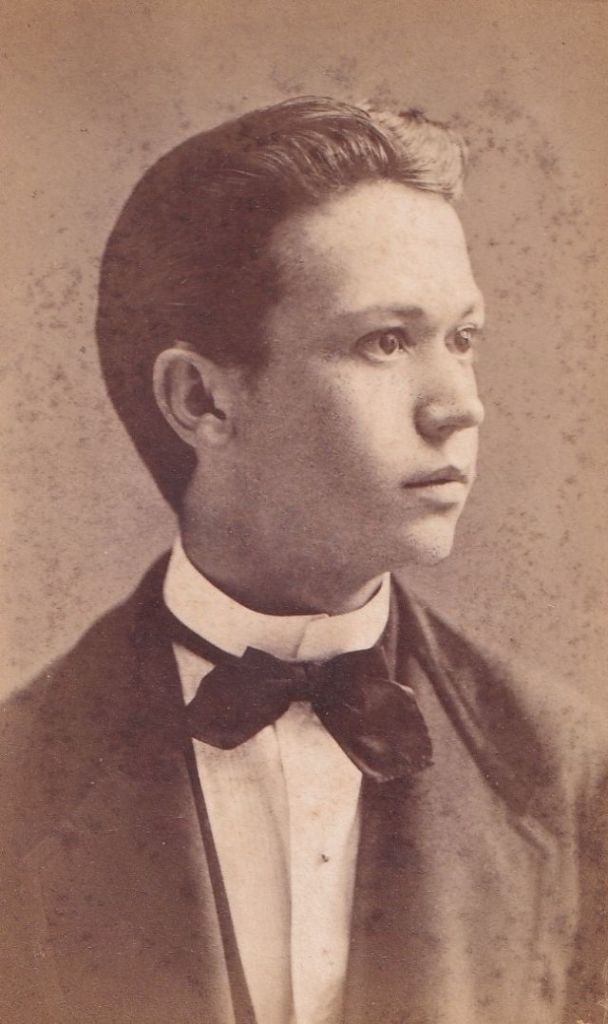
40 Amazing Vintage Portraits of Polish Men in the Late 19th Century

During the Spring of Nations (a series of revolutions which swept across Europe), Poles took up arms in the Greater Poland Uprising of 1848 to resist Prussian rule. The uprising was suppressed and the semi-autonomous Grand Duchy of Posen, created from the Prussian partition of Poland, was incorporated into Prussia.

In 1863, a new Polish uprising against Russian rule began but failed to win any major military victories. Afterwards no major uprising was witnessed in the Russian-controlled Congress Poland, and Poles resorted instead to fostering economic and cultural self-improvement. Congress Poland was rapidly industrialized towards the end of the 19th century, and successively transformed into the Empire’s wealthiest and most developed subject.

Despite the political unrest experienced during the partitions, Poland did benefit from large-scale industrialization and modernization programs, instituted by the occupying powers, which helped it develop into a more economically coherent and viable entity.

Here below is a set of amazing photos from Faces from the past that shows portraits of Polish men from between the 1870s and 1890.

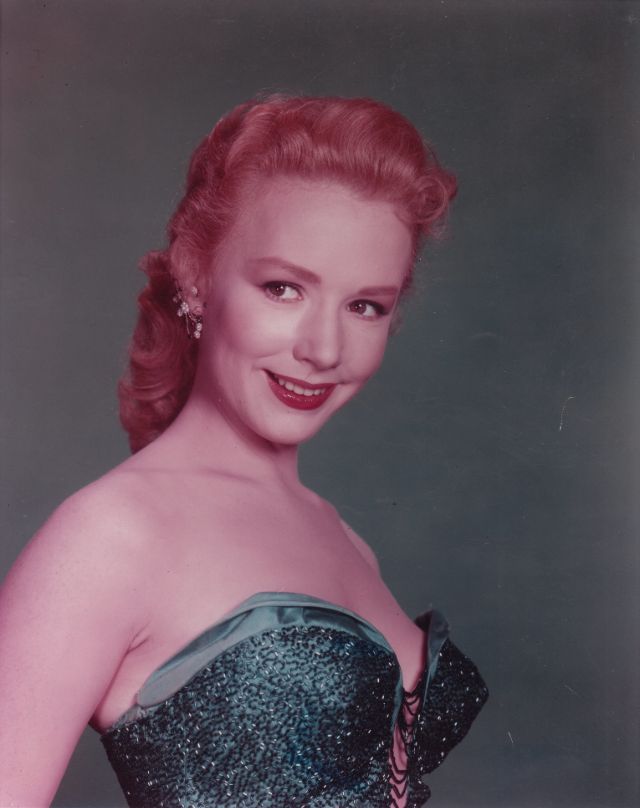
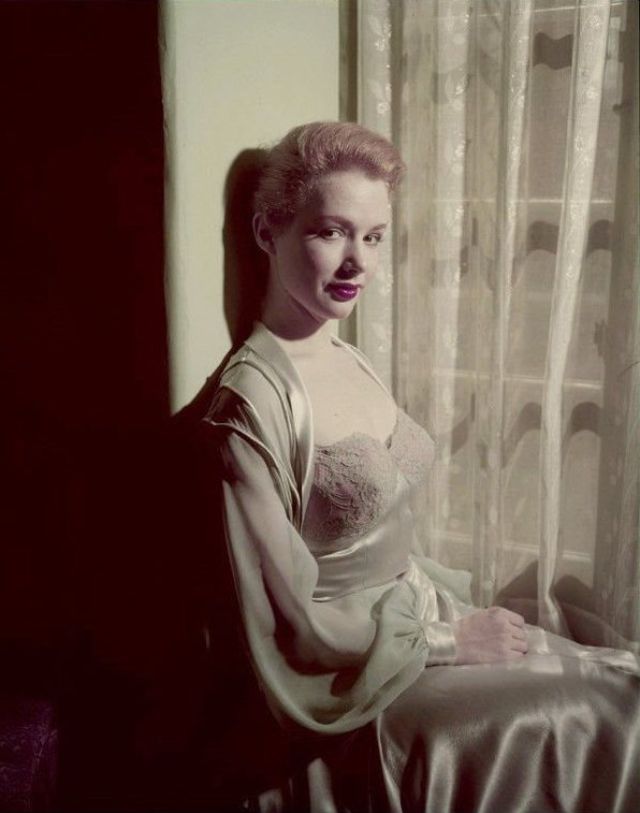
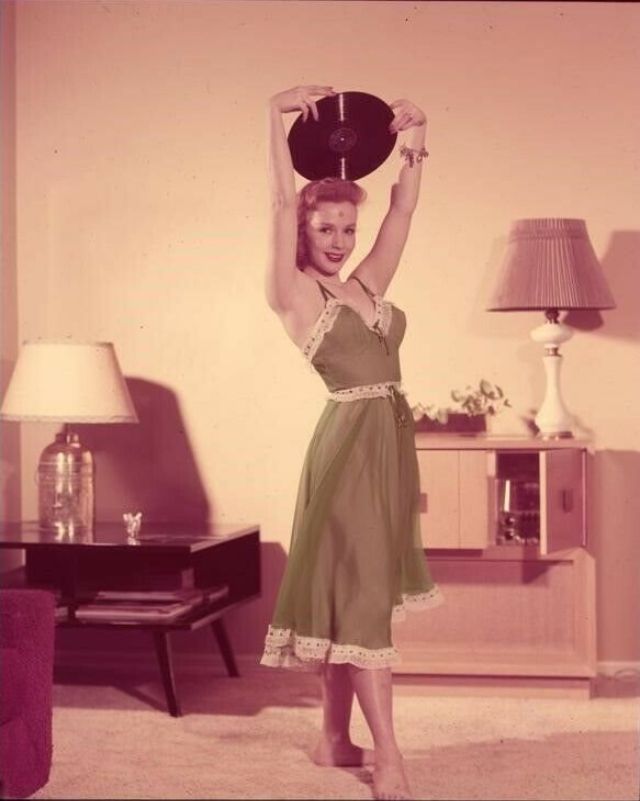
Stunning Photos of Actress Piper Laurie in the 1950s

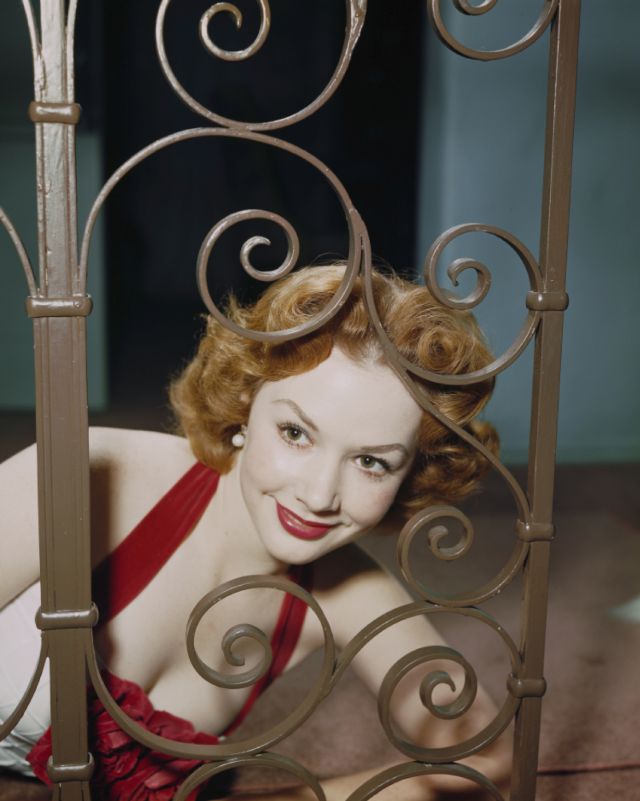
Piper Laurie (born Rosetta Jacobs on January 22, 1932) is an American actress. As of 2022, her acting career has spanned over 70 years. She is one of the last surviving stars from the Golden Age of Hollywood.

Laurie is known for her roles in the films The Hustler (1961), Carrie (1976), and Children of a Lesser God (1986), all of which brought her Academy Award nominations. She is also known for her performances as Kirsten Arnesen in the original TV production of Days of Wine and Roses, and as Catherine Martell in the cult television series Twin Peaks, for which she won a Golden Globe Award in 1991.

Piper Laurie was born Rosetta Jacobs in Detroit, Michigan. She was the younger daughter of Charlotte Sadie (née Alperin) and Alfred Jacobs, a furniture dealer.[citation needed] Her grandparents were Jewish immigrants from Poland on her father’s side and Russia on her mother’s.

She was delivered, according to her 2011 autobiography Learning to Live Out Loud, in a one-bedroom walk-up on Tyler Street in Detroit, where the family lived. Alfred Jacobs moved the family to Los Angeles, California, in 1938, where she attended Hebrew school.[citation needed] To combat her shyness, her parents provided her with weekly elocution lessons; this eventually led to minor roles at nearby Universal Studios. For much of her early childhood, her parents placed Laurie and her older sister in a children’s home, which they both despised.

In 1949, Rosetta Jacobs signed a contract with Universal Studios, and changed her screen name to Piper Laurie, which she has used since then. Among the actors she met at Universal were James Best, Julie Adams, Tony Curtis, and Rock Hudson. Her breakout role was in Louisa, with Ronald Reagan, whom she dated a few times before his marriage to Nancy Davis. In her autobiography, she claimed that she lost her virginity to him. Several other roles followed: Francis Goes to the Races (1951, co-starring Donald O’Connor); Son of Ali Baba (1951, co-starring Tony Curtis); and Ain’t Misbehavin’ (1955, co-starring Rory Calhoun).

To enhance her image, Universal Studios told gossip columnists that Laurie bathed in milk and ate flower petals to protect her luminous skin. Discouraged by the lack of substantial film roles, she moved to New York City to study acting and to seek work on the stage and in television. She appeared in Twelfth Night, produced by Hallmark Hall of Fame; in Days of Wine and Roses with Cliff Robertson, presented by Playhouse 90 on October 2, 1958 (in the film version, their roles were taken over by Jack Lemmon and Lee Remick); and in Winterset, presented by Playhouse 90 in 1959.

She was lured back to Hollywood by the offer to co-star with Paul Newman in The Hustler, released in 1961. She played Newman’s girlfriend, Sarah Packard, and for her performance, she received an Academy Award nomination for Best Actress. Substantial movie roles did not come her way after The Hustler, so she and her husband moved to New York. In 1964, she appeared in two medical dramas — as Alicia Carter in The Eleventh Hour episode “My Door Is Locked and Bolted”, and as Alice Marin in the Breaking Point episode “The Summer House”. In 1965, she starred in a Broadway revival of Tennessee Williams’s The Glass Menagerie, opposite Maureen Stapleton, Pat Hingle, and George Grizzard.

Laurie did not appear in another feature film until she accepted the role of Margaret White in the horror film Carrie (1976). She received an Oscar nomination for Best Supporting Actress for her performance, and it, along with the commercial success of the film, relaunched her career. Her co-star Sissy Spacek praised her acting skill: “She is a remarkable actress. She never does what you expect her to do—she always surprises you with her approach to a scene.”

In 1979, she appeared as Mary Horton in the Australian movie Tim opposite Mel Gibson. After her 1981 divorce, Laurie moved to California. She received a third Oscar nomination for her portrayal of Mrs. Norman in Children of a Lesser God (1986). The same year, she was awarded an Emmy for her performance in Promise, a television movie, co-starring James Garner and James Woods. She had a featured role in the Off-Broadway production of The Destiny of Me in 1992, and returned to Broadway for Lincoln Center’s acclaimed 2002 revival of Paul Osborn’s Morning’s at Seven, with Julie Hagerty, Buck Henry, Frances Sternhagen, and Estelle Parsons.

In 1990–1991, she starred as the devious Catherine Martell in David Lynch’s television series Twin Peaks. She also appeared in Other People’s Money with Gregory Peck (1991), and in horror maestro Dario Argento’s first American film Trauma (1993). She played George Clooney’s character’s mother on ER. In 1997, she appeared in the film A Christmas Memory with Patty Duke, and in 1998, she appeared in the sci-fi thriller The Faculty. She made guest appearances on television shows such as Frasier, Matlock, State of Grace, and Will & Grace. Laurie also appeared in Cold Case and in a 2001 episode of Law & Order: Special Victims Unit titled “Care”, in which she played an adoptive mother and foster grandmother who killed one of the foster granddaughters in her daughter’s charge and who abused her adoptive son and foster grandchildren.

She returned to the big screen for independent films, such as Eulogy (2004) and The Dead Girl (2006), opposite actress Toni Collette. In 2018, she had a supporting role in White Boy Rick as the grandmother of the title character.

Laurie was married to New York Herald Tribune entertainment writer and Wall Street Journal movie critic Joe Morgenstern. They met shortly after the release of The Hustler in 1961 when Morgenstern interviewed her during the film’s promotion. They soon began dating, and nine months after the interview, they were married on January 21, 1962. When no substantial roles came her way after The Hustler, She and Morgenstern moved to Woodstock, New York. In 1971, they adopted a daughter, Anne Grace Morgenstern. In 1982, the couple divorced, after which she moved to the Hollywood area and continued working in films and television. She had previously dated actor and future US president Ronald Reagan.

In 1962, she was Harvard’s Hasty Pudding Woman of the Year, and in 2000, she received the Spirit of Hope Award in Korea for her service during the Korean War. She appeared at the September 2014 Mid-Atlantic Nostalgia Convention in Hunt Valley, Maryland.

Laurie is a sculptor working in marble and clay and exhibits her work.

Laurie has been nominated for an Academy Award for her performances in three films. She won a Primetime Emmy Award for Outstanding Supporting Actress in a Miniseries or a Movie for her role in the 1986 TV movie Promise, opposite James Garner and James Woods. She also won a Golden Globe Award for Best Supporting Actress – Series, Miniseries or Television Film in 1991 for her role in Twin Peaks. In addition, she received several Emmy nominations, including one for playing Magda Goebbels, wife of Joseph Goebbels, in The Bunker, opposite Anthony Hopkins as Hitler; and for her role in the miniseries The Thorn Birds, two nominations for her work in Twin Peaks, as Catherine Martell, and a nomination for her guest appearance on Frasier. (Wikipedia)

A Newspaper Article From 1963 Predicted a Phone That You’d One Day Be Able to Put in Your Pocket

The concept of a cellphone existed long before you held one in your hand.

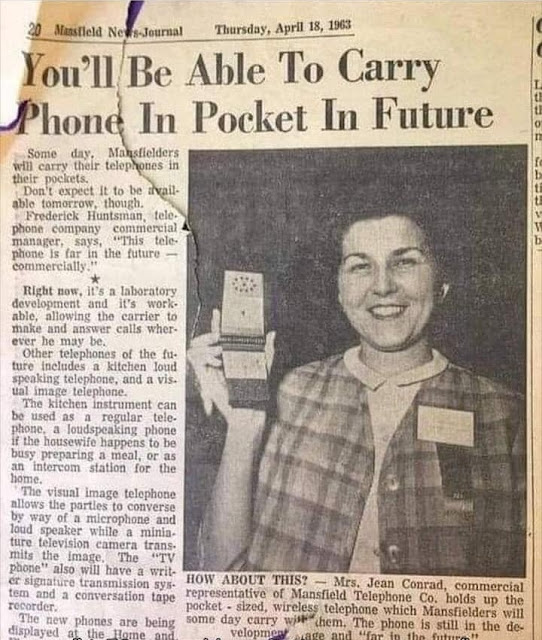
In 1963, a newspaper article from the Mansfield News-Journal accurately predicting people would be able to carry a phone in their pocket in the future. The article was published on April 18, 1963. It features a picture of a woman holding something that resembles a modern flip-phone.

The article reads:
“Some day, Mainfielders will carry their telephones in their pockets. Don’t expect it to be available tomorrow, though. Frederick Huntsman, telephone company commercial manager, says, “This telephone is far in the future – commercially.” Right now, it’s a laboratory development and it’s workable, allowing the carrier to make and answer calls wherever he may be.”
The modern mobile phone wouldn’t hit the commercial market until the 1980s, but the idea of a pocket phone had been percolating for decades. In 1953, for example, the president of the Pacific Telephone & Telegraph Co. predicted that someday in the future the phone will be “carried about by the individual, perhaps as we carry a watch today.” In 1926, inventor Nikola Tesla predicted that in the future people across the world would be able to communicate instantly with one another with devices that fit inside a vest pocket.

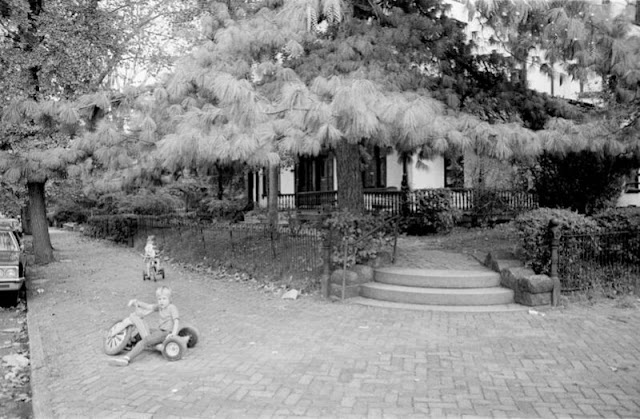
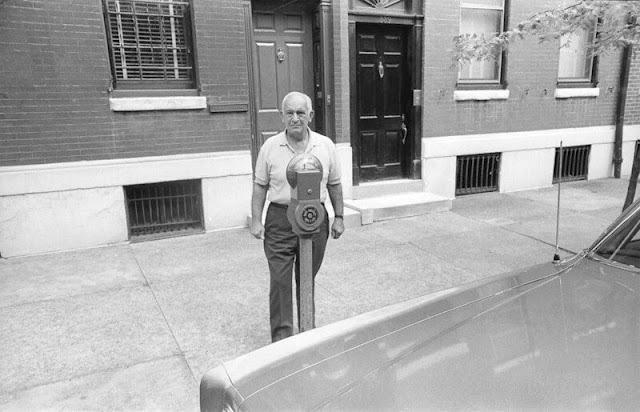
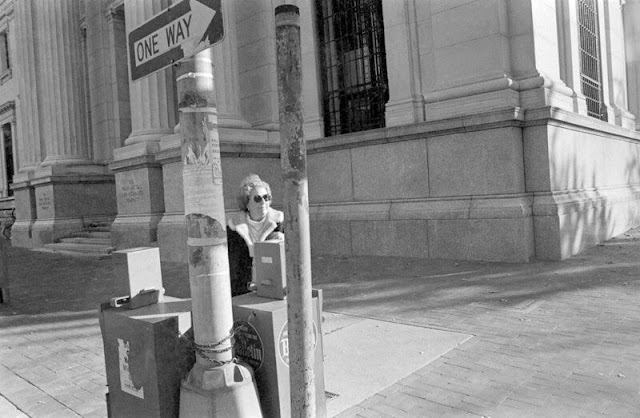
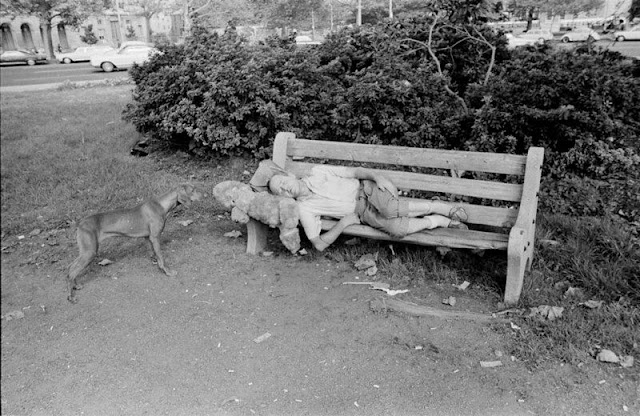
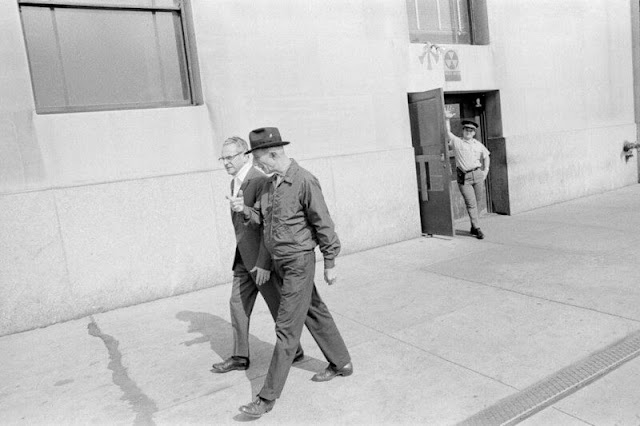
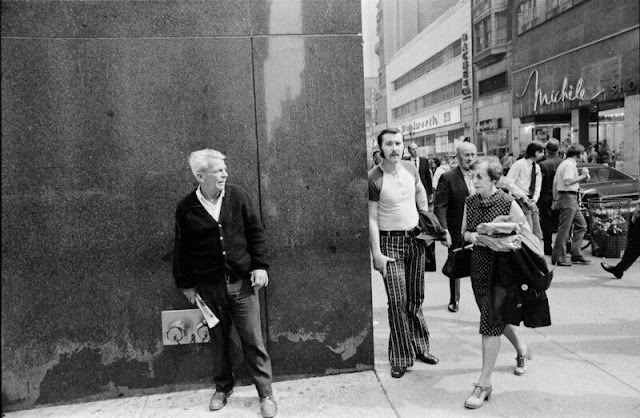
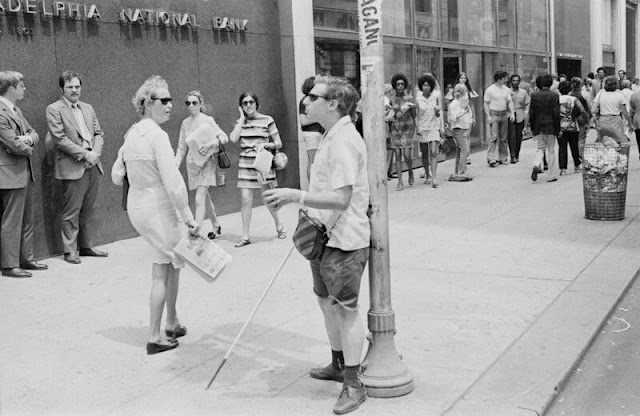
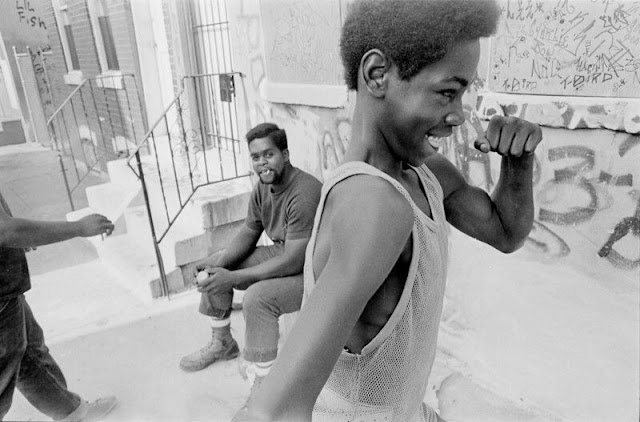
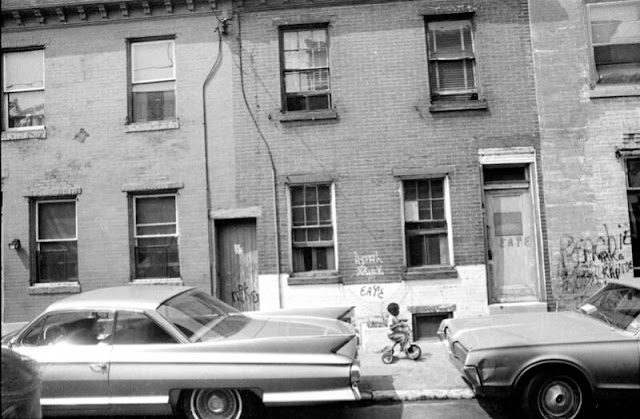
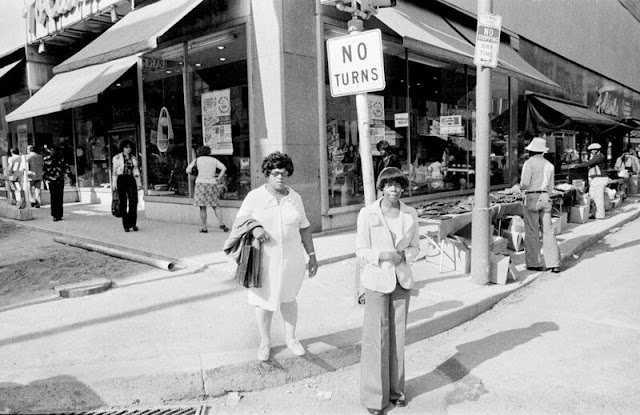
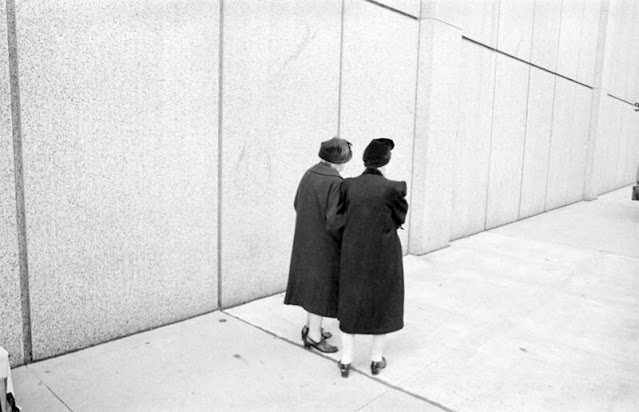
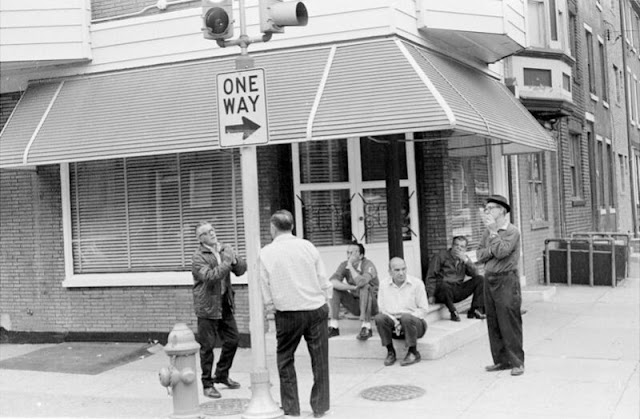
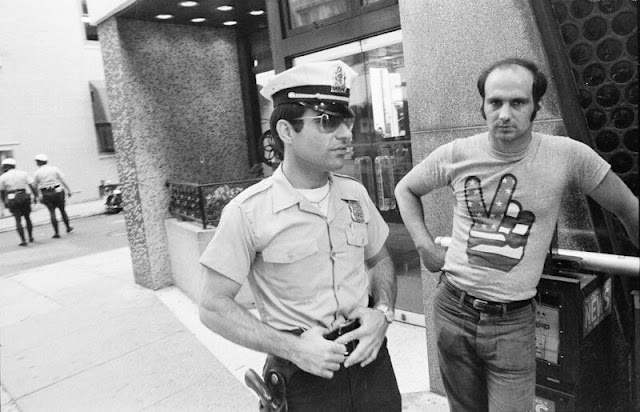
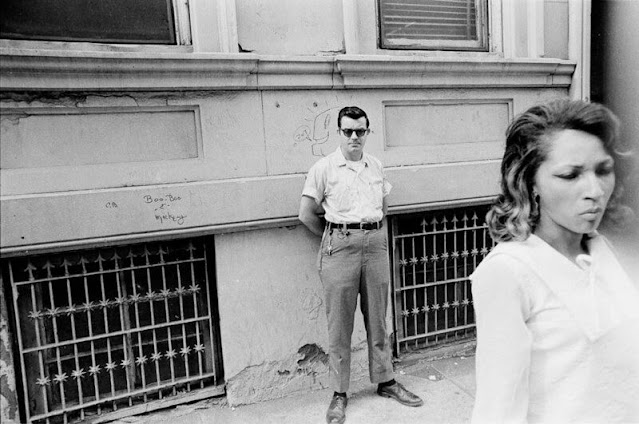
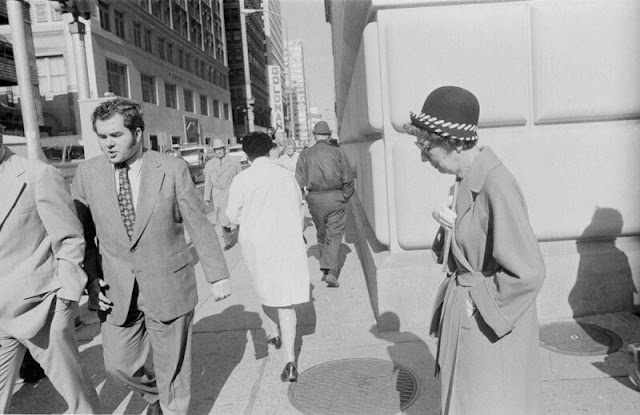
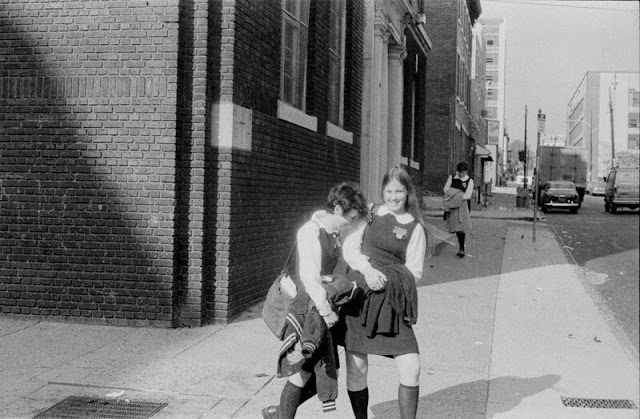
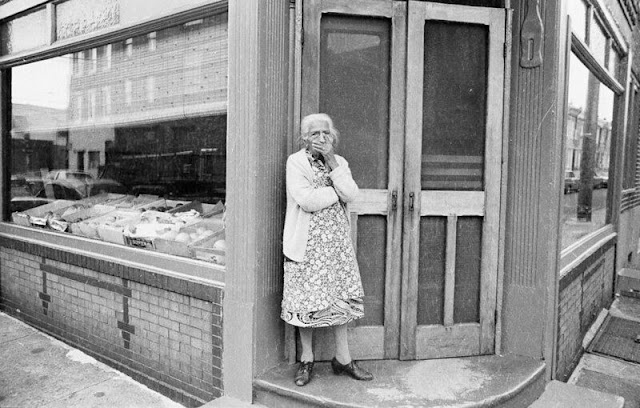
Philadelphia in 1971

Philadelphia is a city in the Commonwealth of Pennsylvania in the United States. It is the sixth-most-populous city in the United States and the most populous city in the state of Pennsylvania. It is also the second-most populous city in the Northeastern United States, behind New York City. The city is also the economic and cultural center of the greater Delaware Valley along the lower Delaware and Schuylkill rivers within the Northeast megalopolis.

Philadelphia is one of the oldest municipalities in the United States. In the 19th and 20th centuries, it became a major industrial center and a railroad hub. The city grew due to an influx of European immigrants, most of whom initially came from Ireland and Germany. In the early 20th century, Philadelphia became a prime destination for African Americans during the Great Migration after the Civil War. Puerto Ricans began moving to the city in large numbers in the period between World War I and II, and in even greater numbers in the post-war period.

The Philadelphia area’s many universities and colleges make it a top study destination. The city has more outdoor sculptures and murals than any other American city. Fairmount Park, when combined with the adjacent Wissahickon Valley Park in the same watershed, is one of the largest contiguous urban park areas in the United States.

Philadelphia is the home of many U.S. firsts, including the first library (1731), hospital (1751), medical school (1765), national capital (1774), First university in the United States (1779), stock exchange (1790), zoo (1874), and business school (1881). Philadelphia contains 67 National Historic Landmarks and the World Heritage Site of Independence Hall. The city became a member of the Organization of World Heritage Cities in 2015, as the first World Heritage City in the United States.

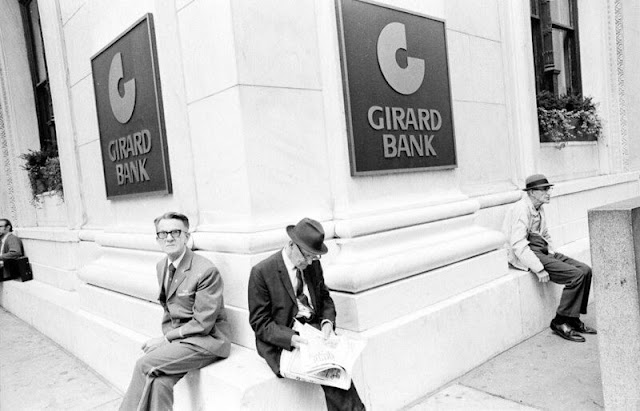
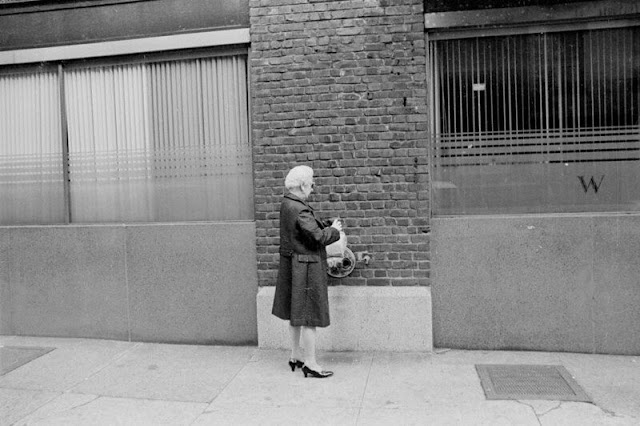
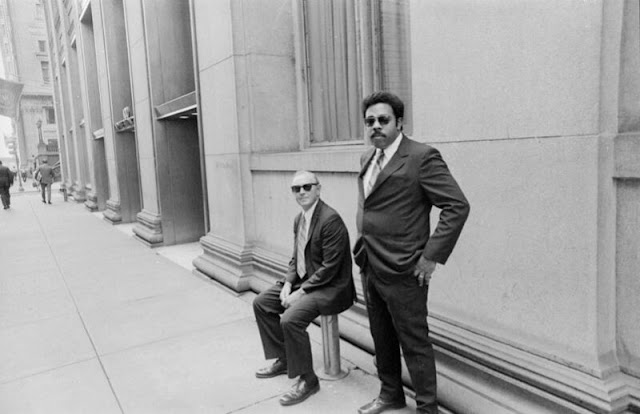
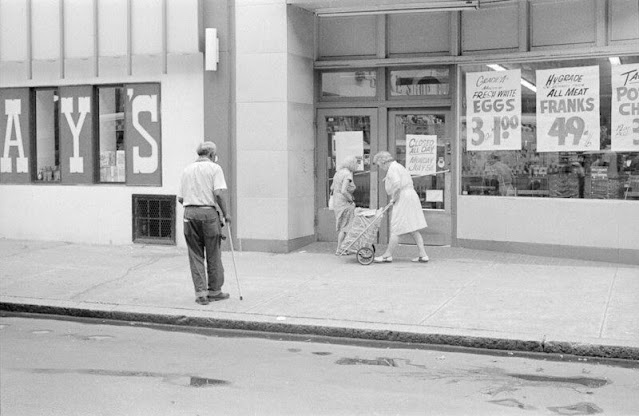
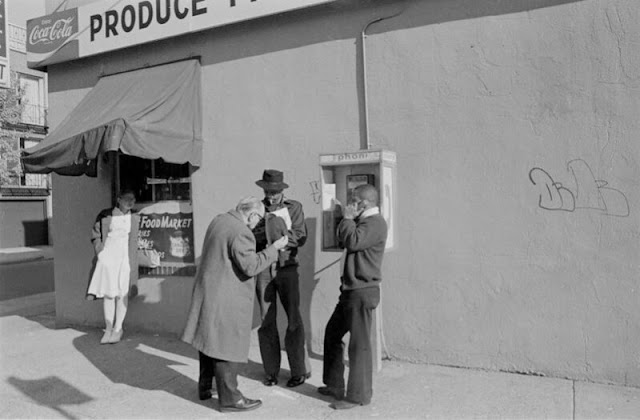
These amazing black and white photos were taken by Laurence Salzmann that show street scenes of Philadelphia in 1971.

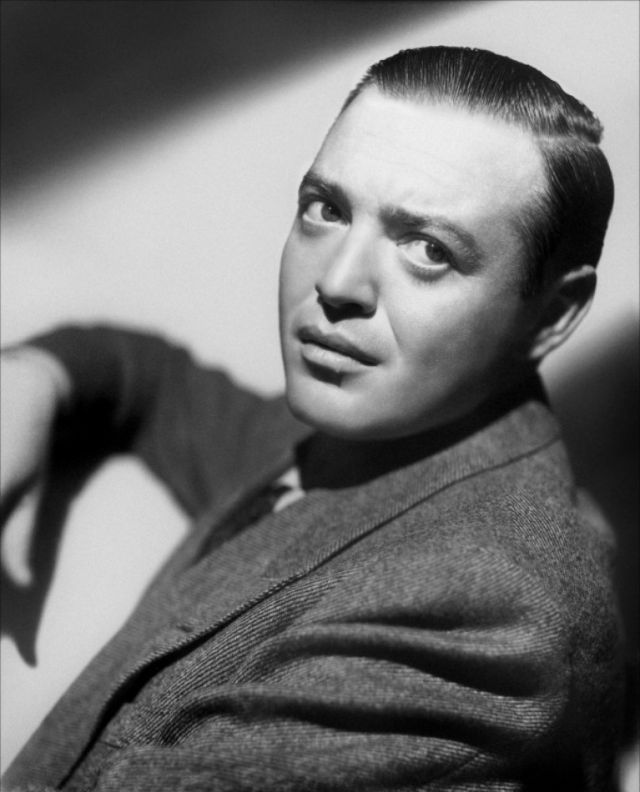
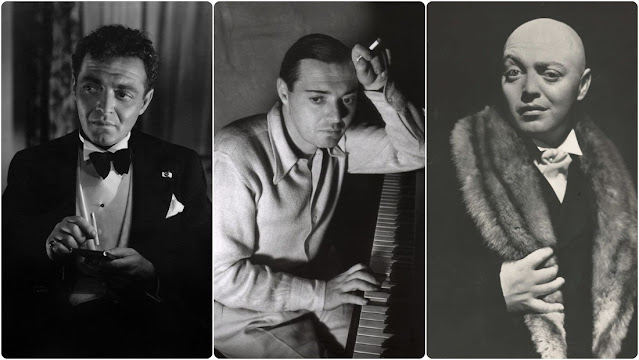
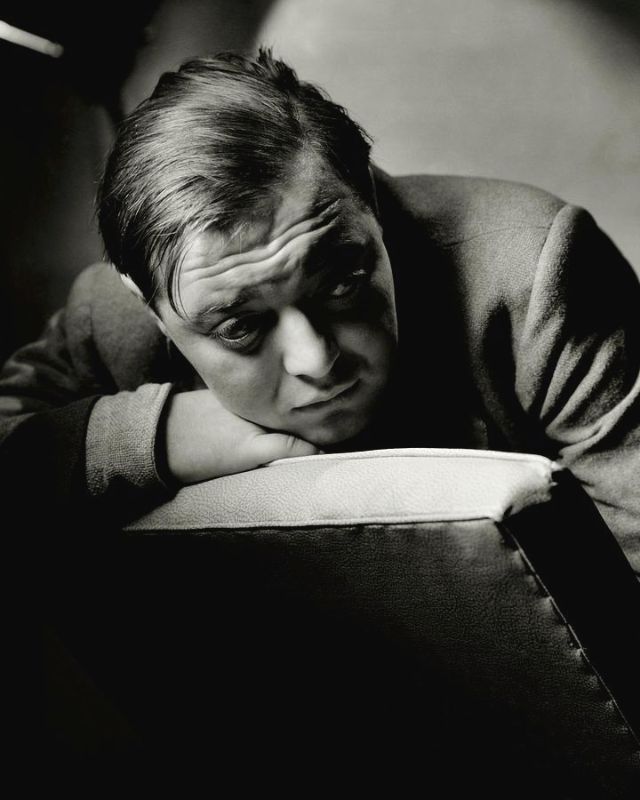
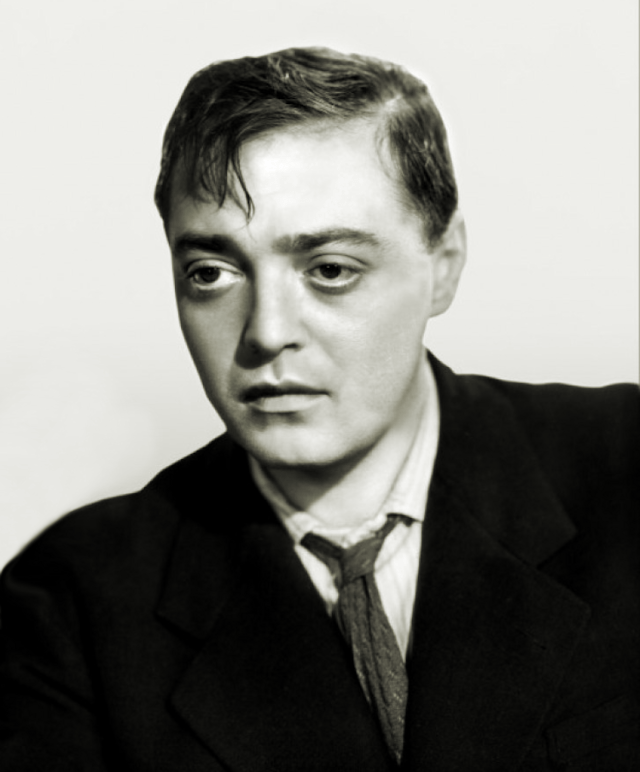
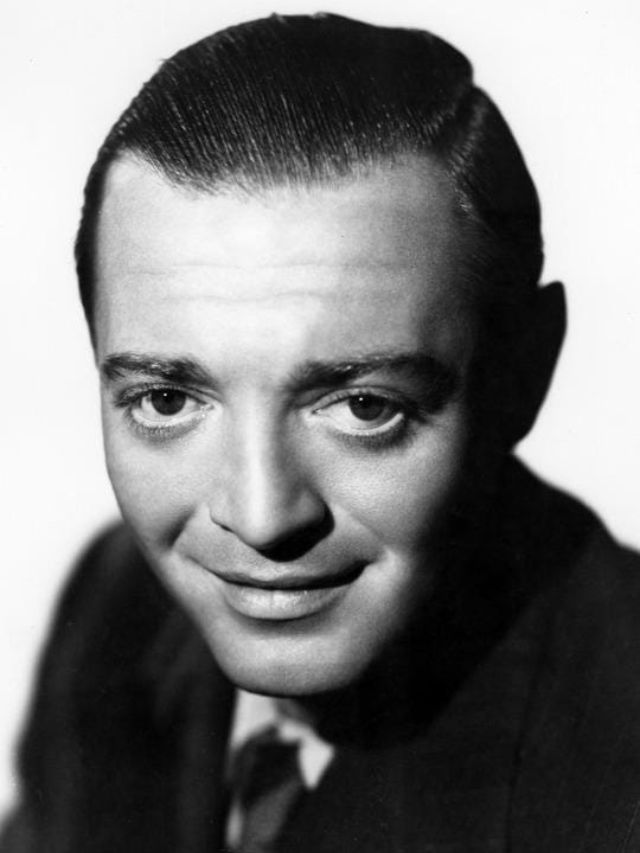
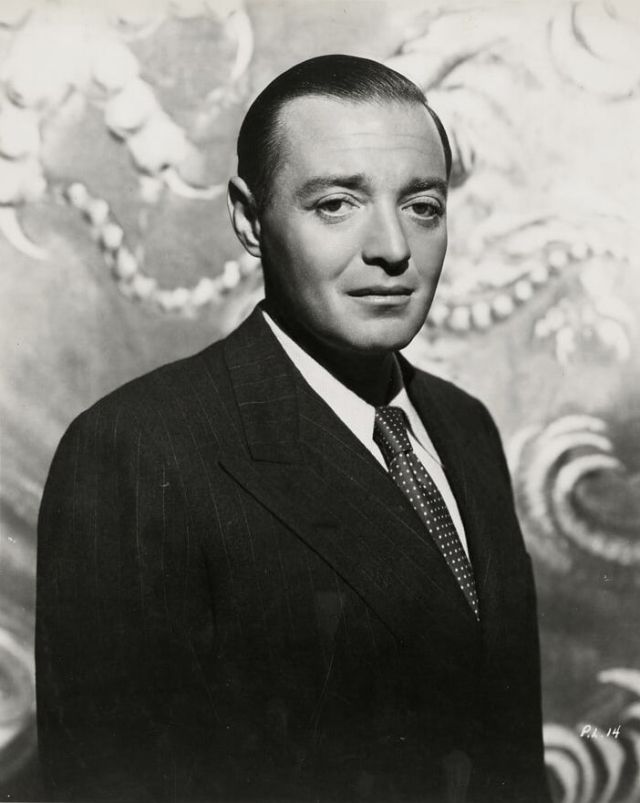
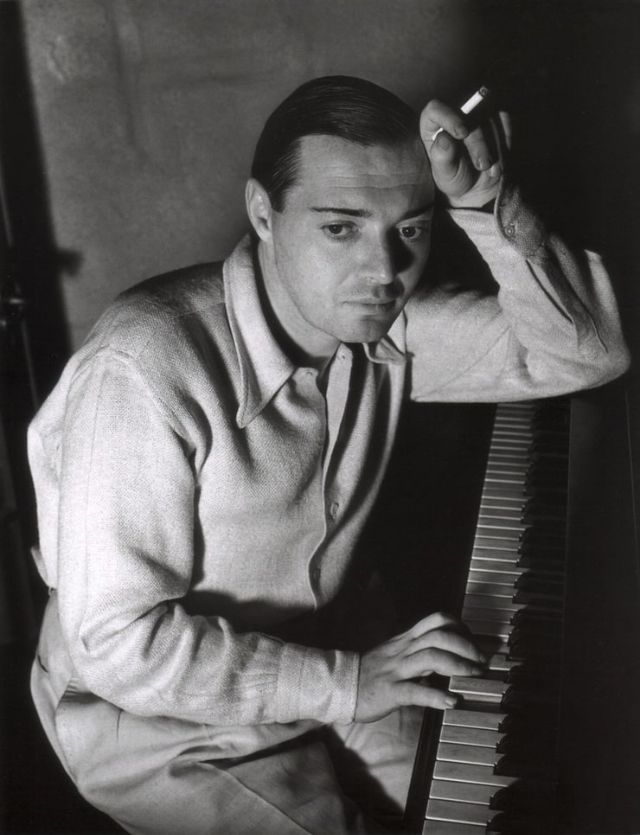
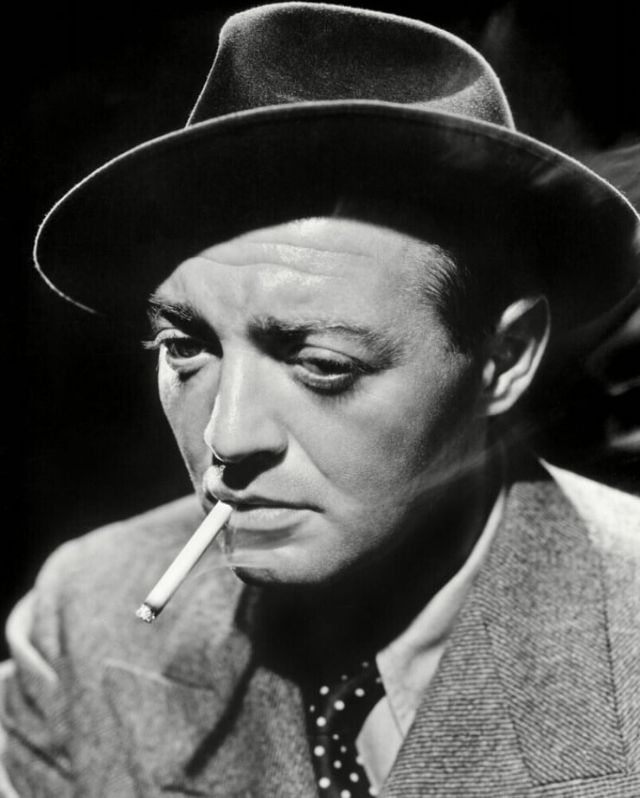
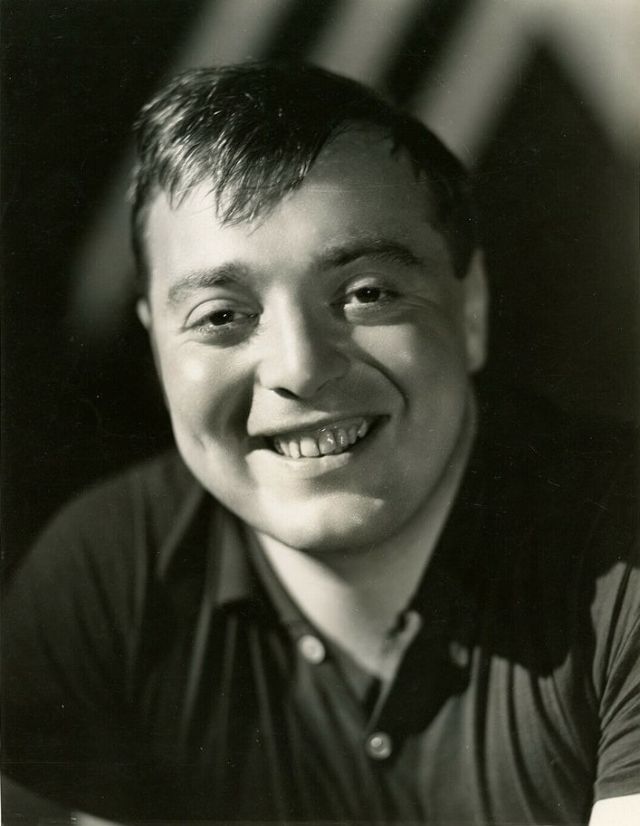
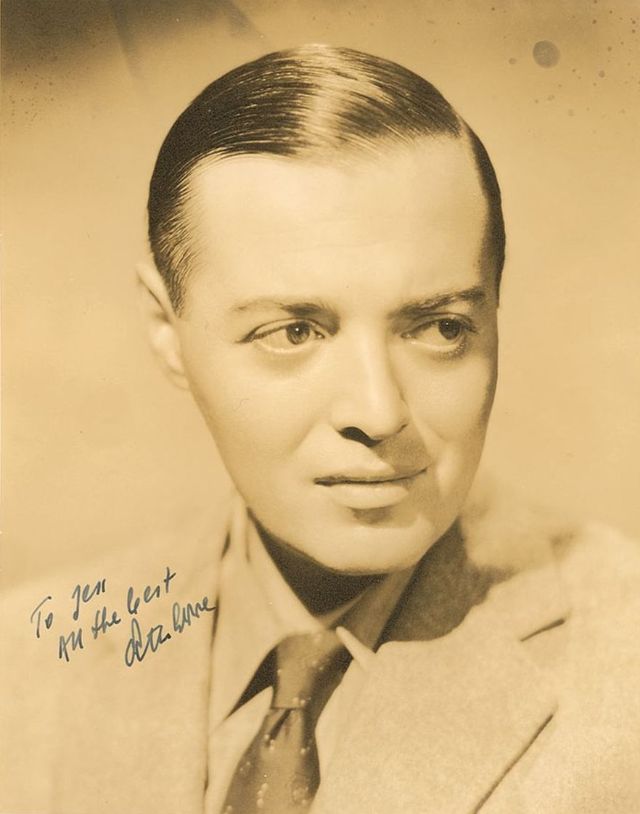
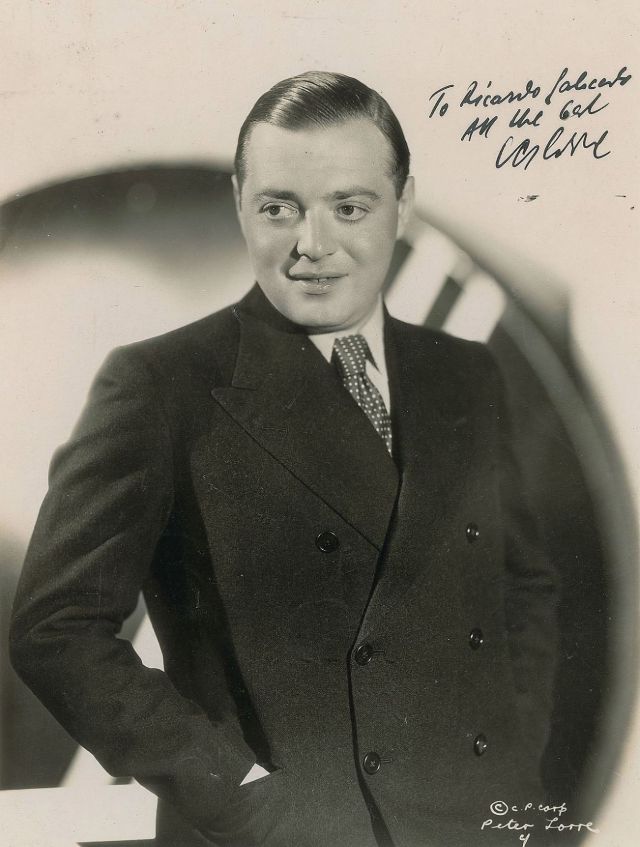
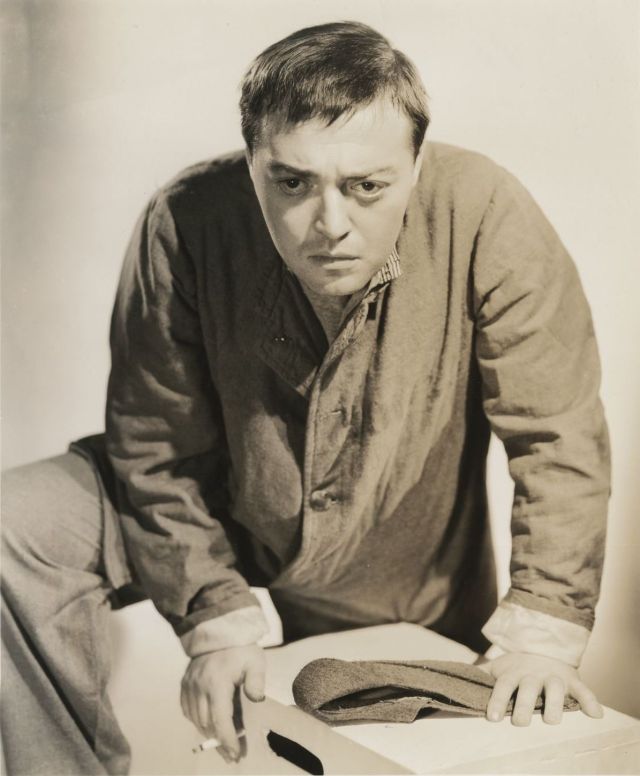
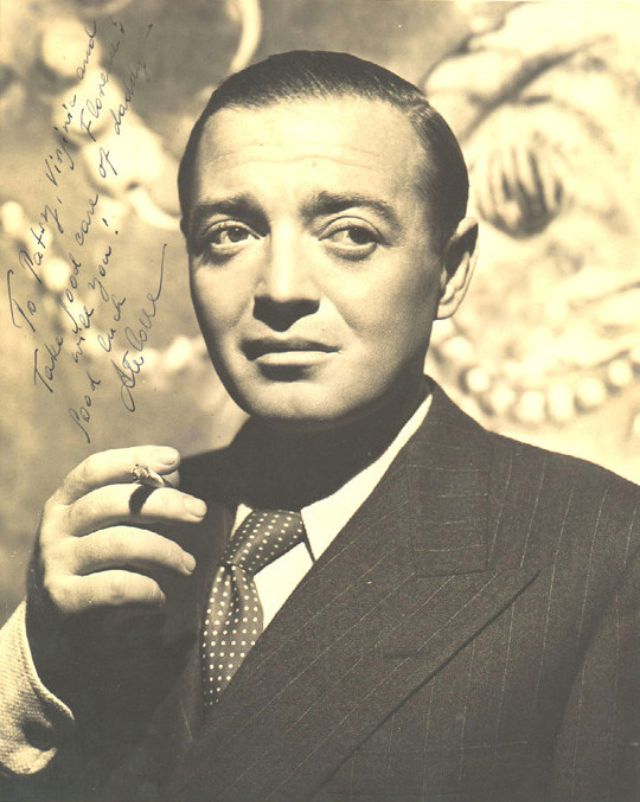
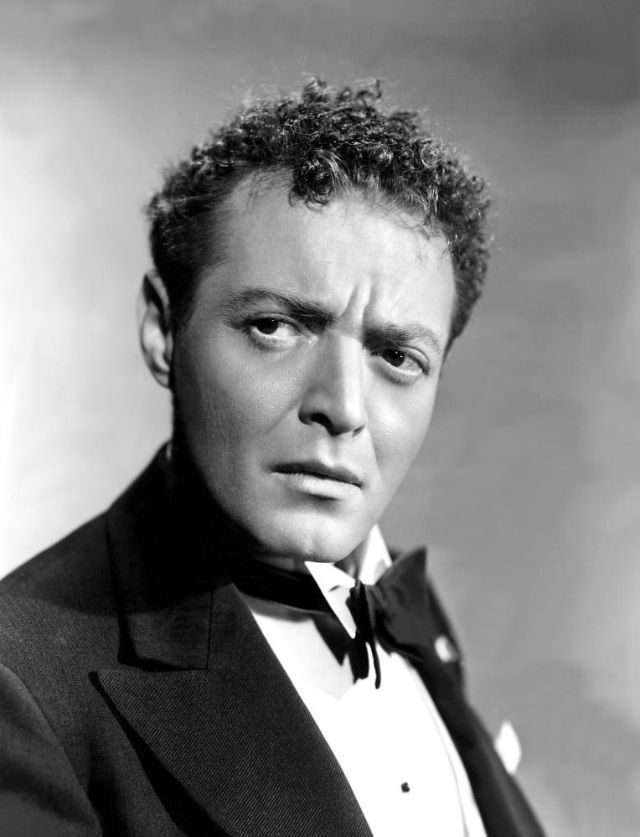
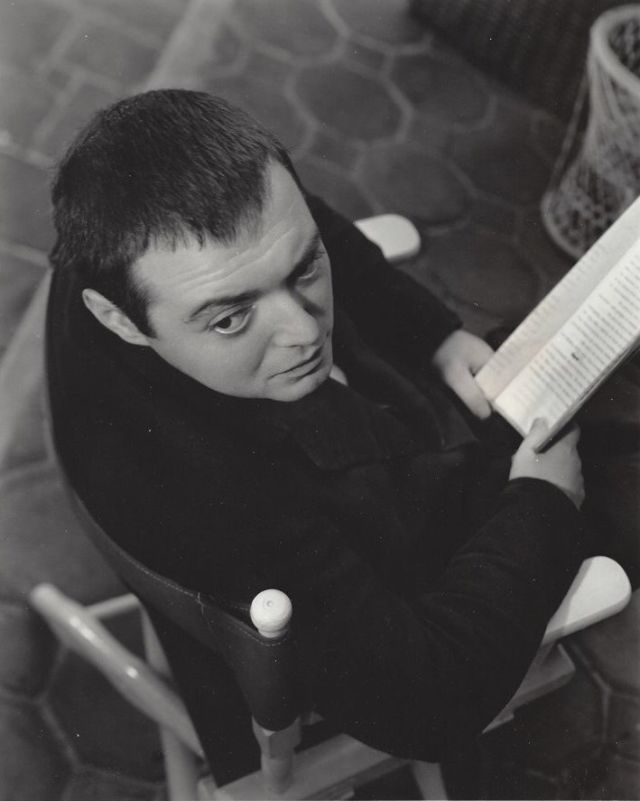
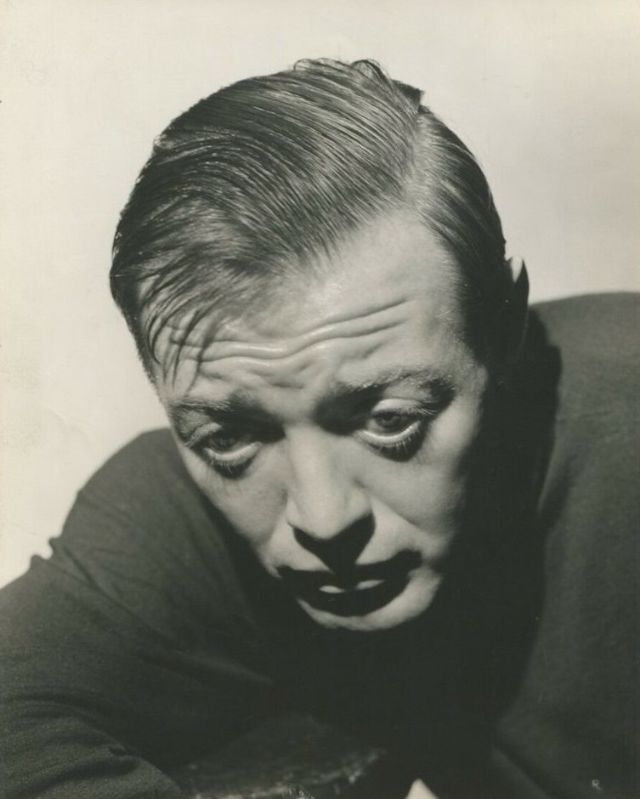
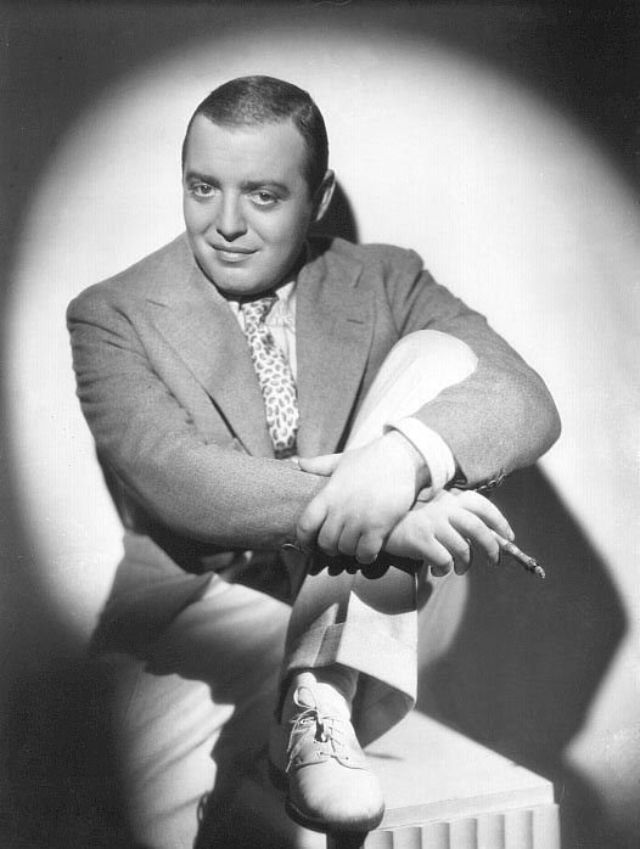
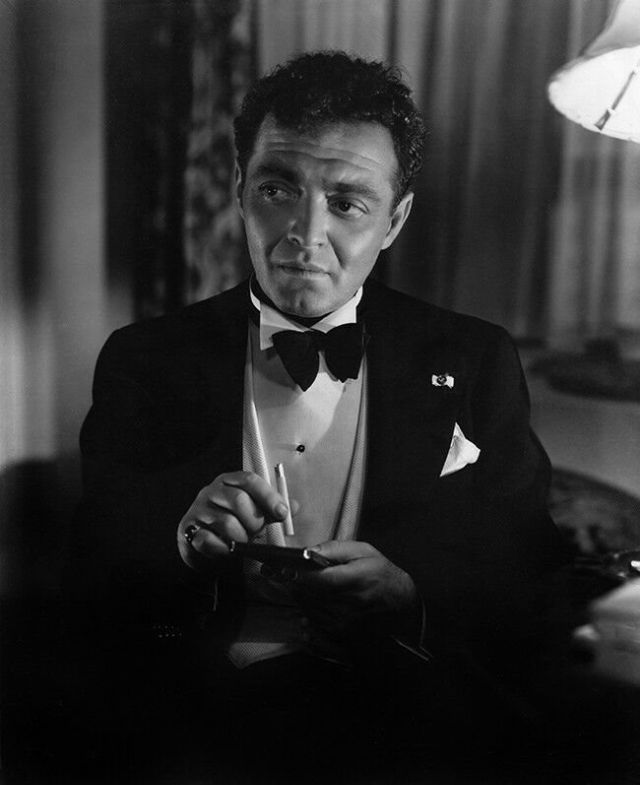
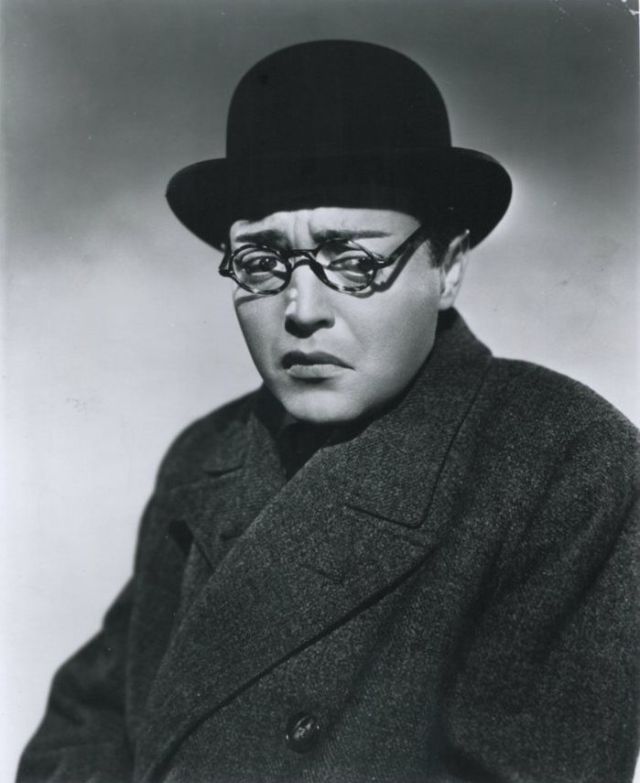
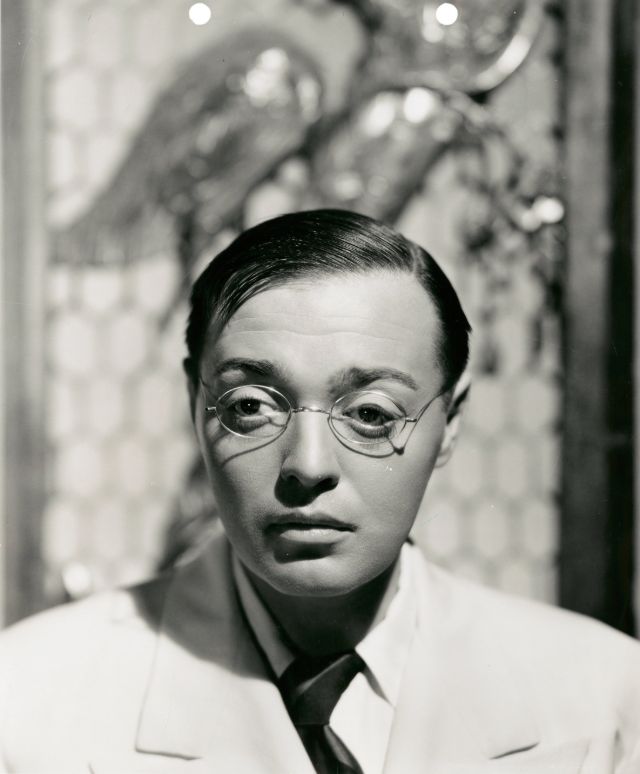
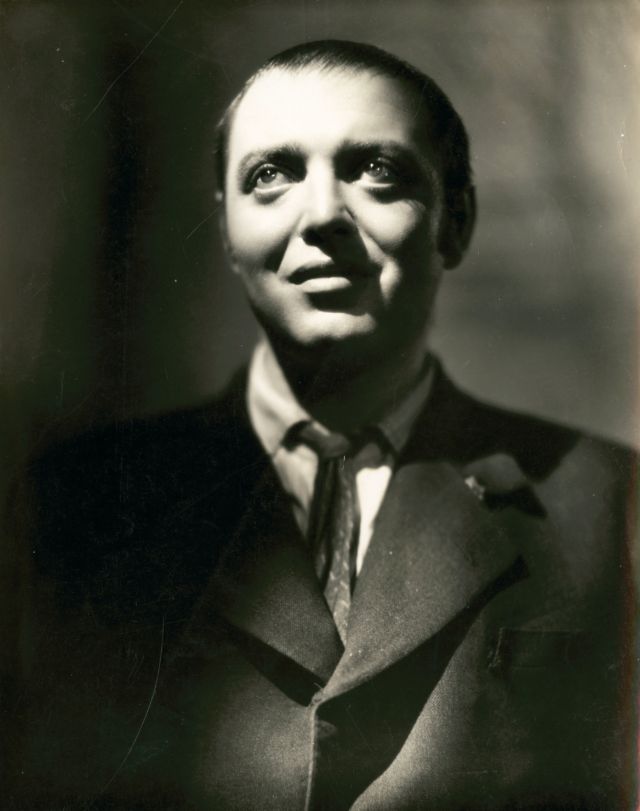
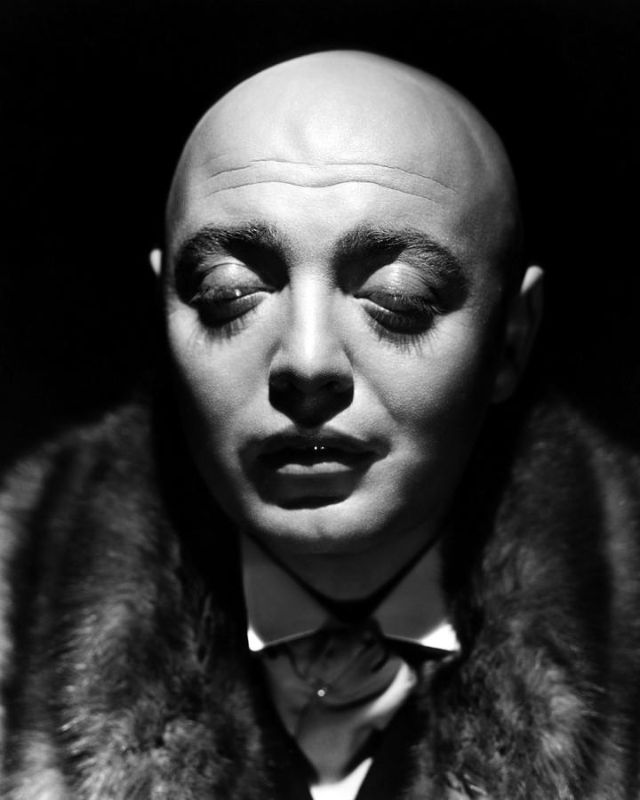
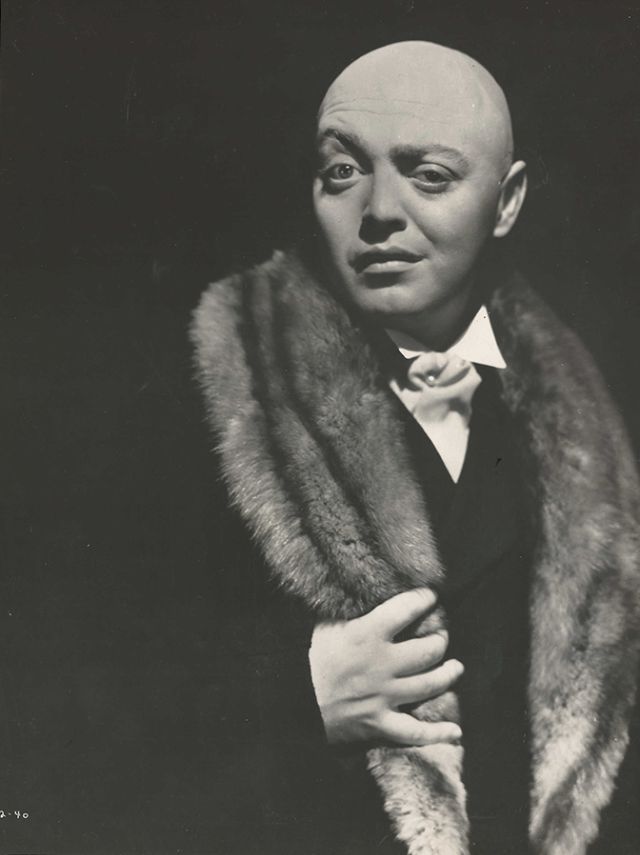
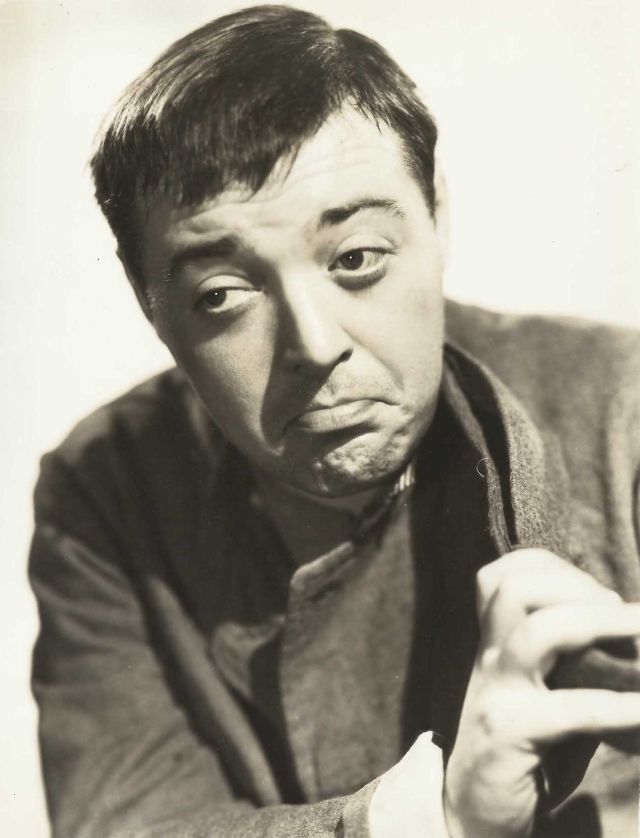
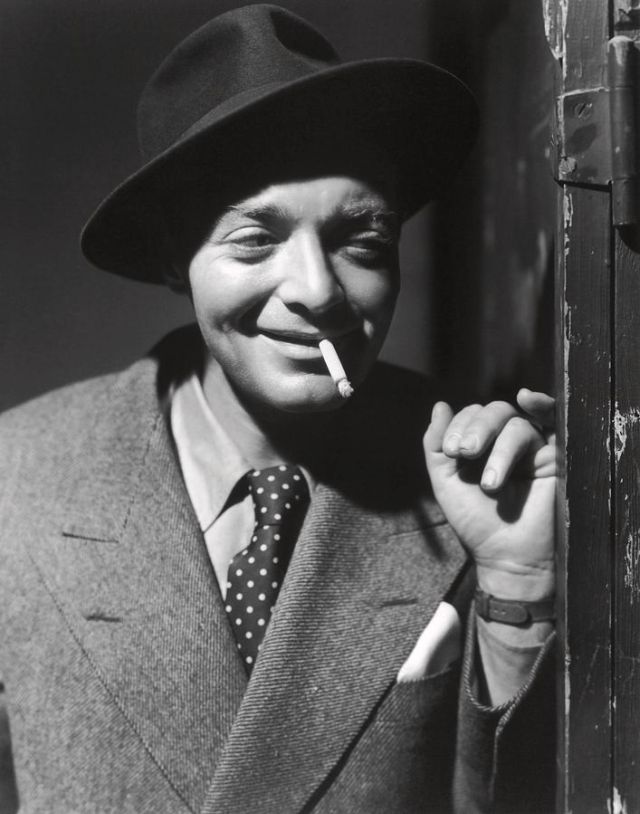
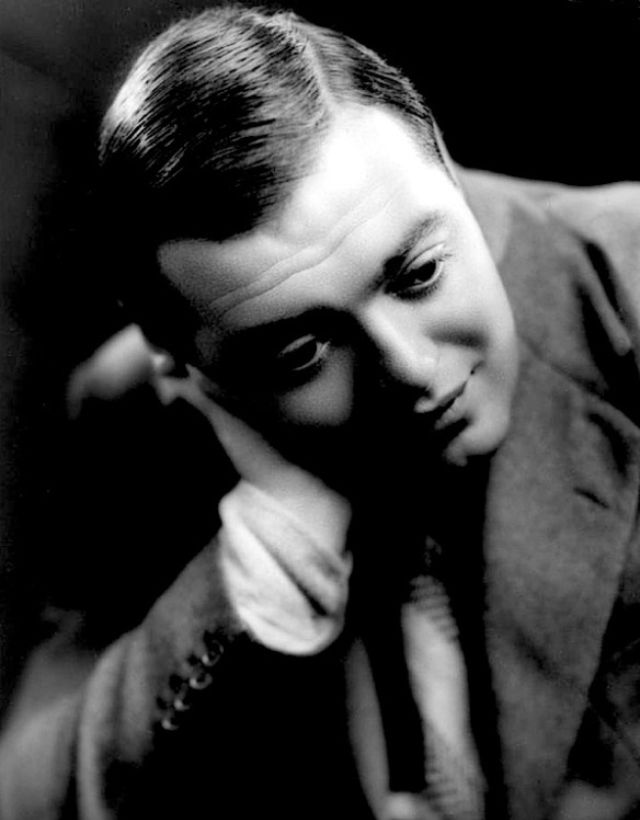
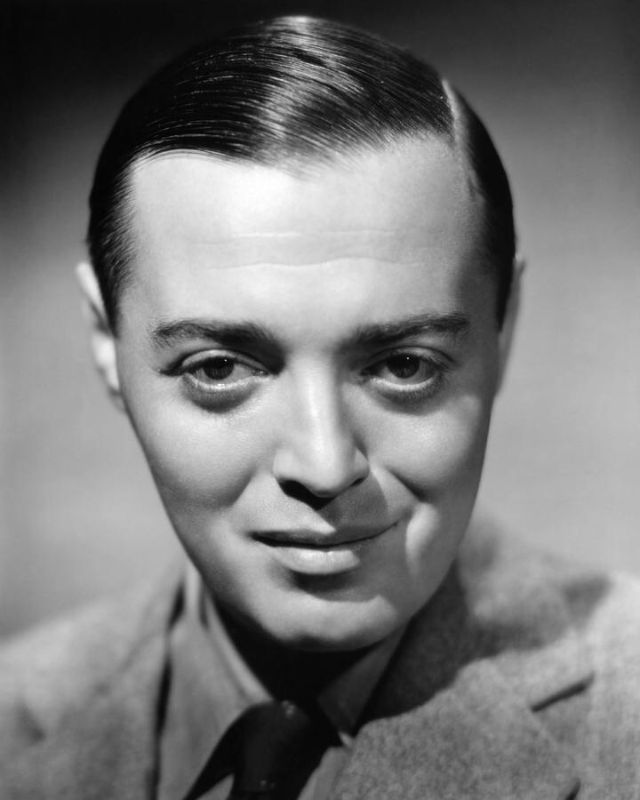
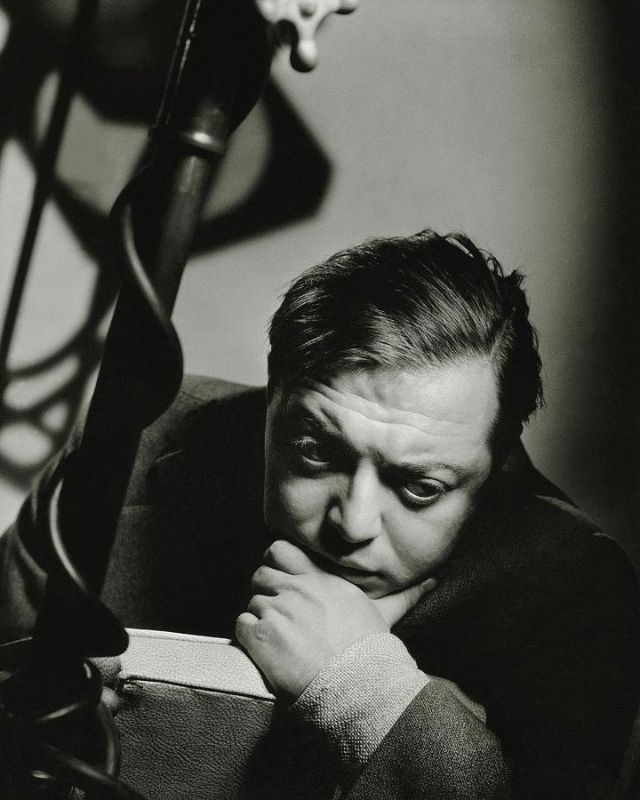
Wonderful Portrait Photos of Actor Peter Lorre From the 1930s & 1940s

Peter Lorre (born László Löwenstein; June 26, 1904 – March 23, 1964) was an Austrian-Hungarian and American actor. Lorre began his stage career in Vienna, in the Austro-Hungarian Empire, before moving to Germany where he worked first on the stage, then in film in Berlin in the late 1920s and early 1930s. Lorre caused an international sensation in the Weimar Republic-era film M (1931), directed by Fritz Lang, in which he portrayed a serial killer who preys on little girls.

Of Jewish descent, Lorre left Germany when Adolf Hitler came to power. His second English-language film, following the multiple-language version of M (1931), was Alfred Hitchcock’s The Man Who Knew Too Much (1934) made in Great Britain.[1][2] Eventually settling in Hollywood, he later became a featured player in many Hollywood crime and mystery films. In his initial American films, Mad Love and Crime and Punishment (both 1935), he continued to play murderers, but he was then cast playing Mr. Moto, the Japanese detective, in a B-picture series.

From 1941 to 1946, he mainly worked for Warner Bros. His first film at Warner was The Maltese Falcon (1941), the first of many films in which he appeared alongside actors Humphrey Bogart and Sydney Greenstreet. This was followed by Casablanca (1942), the second of the nine films in which Lorre and Greenstreet appeared together. Lorre’s other films include Frank Capra’s Arsenic and Old Lace (1944) and Disney’s 20,000 Leagues Under the Sea (1954). Frequently typecast as a sinister foreigner, his later career was erratic. Lorre was the first actor to play a James Bond villain as Le Chiffre in a TV version of Casino Royale (1954). Some of his last roles were in horror films directed by Roger Corman. (Wikipedia)

Lorre died in Los Angeles in 1964 from a stroke at the age of 59. He was inducted into the Grand Order of Water Rats, the world’s oldest theatrical fraternity, in 1942, and was honored with a star on the Hollywood Walk of Fame at 6619 Hollywood Boulevard in February 1960.

Take a look at these vintage portrait photos of a young Peter Lorre in the 1930s and 1940s.

Yesterday Today

Bringing You the Wonder of Yesterday - Today

Skip to content ↓