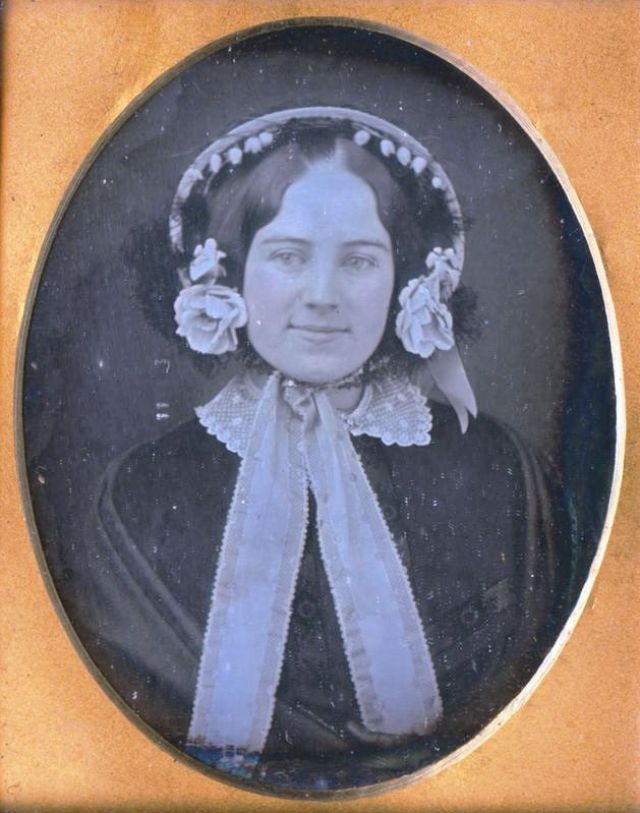
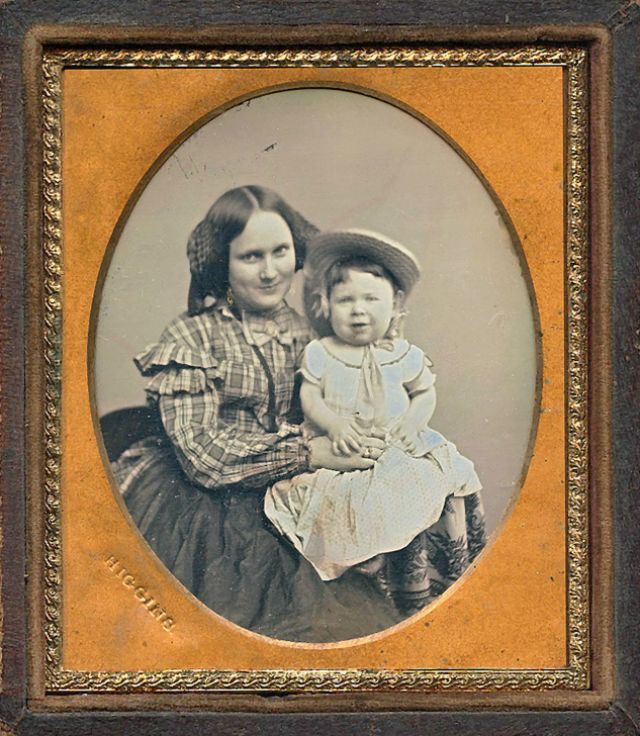
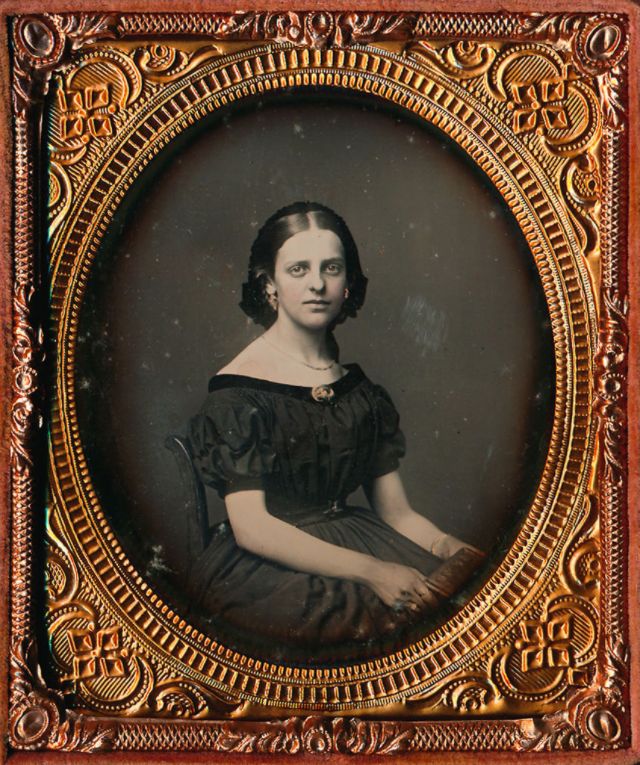
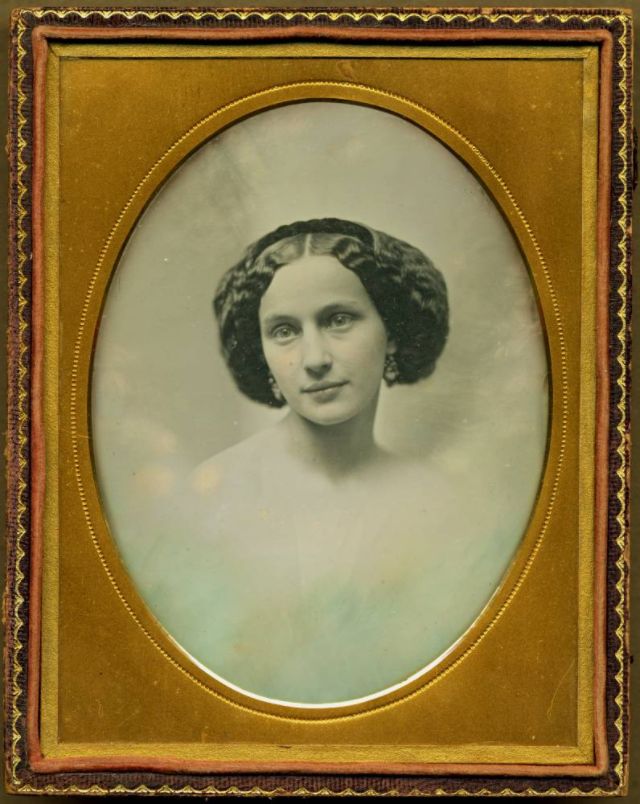
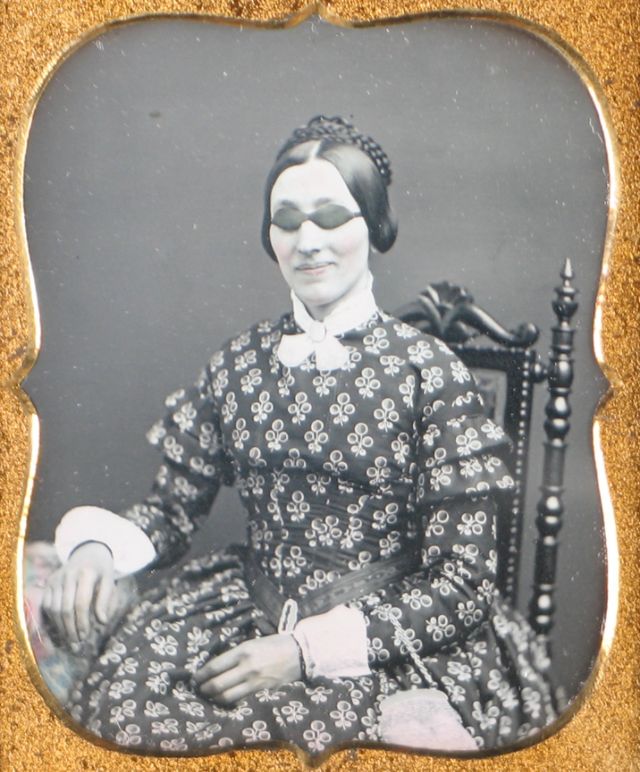
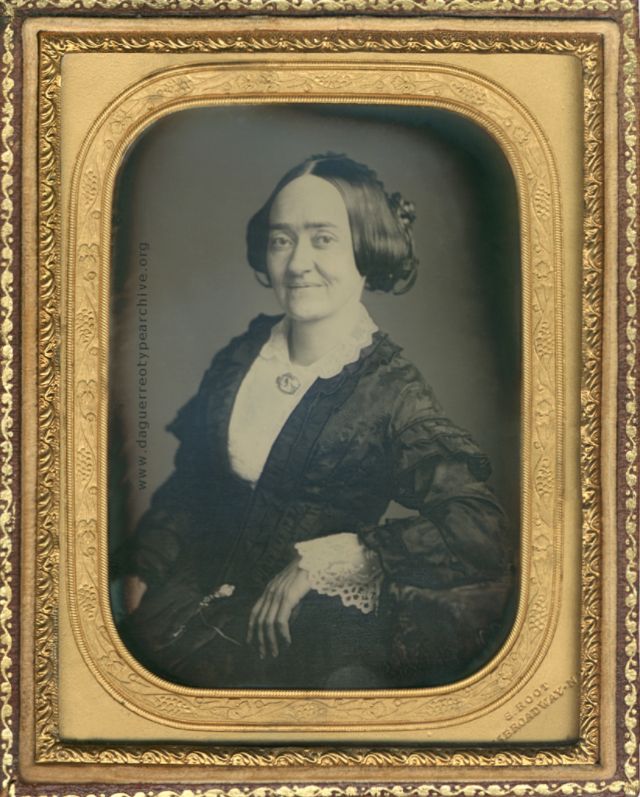
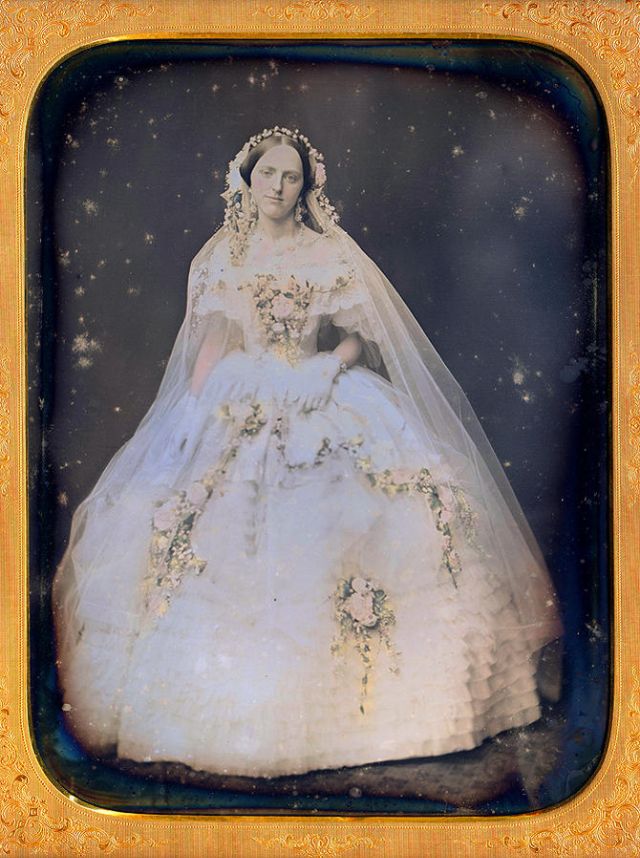
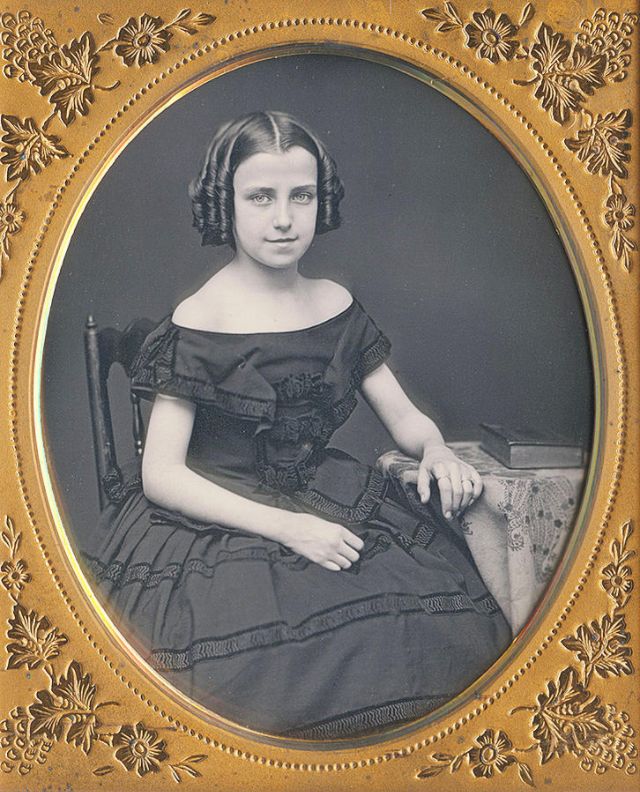
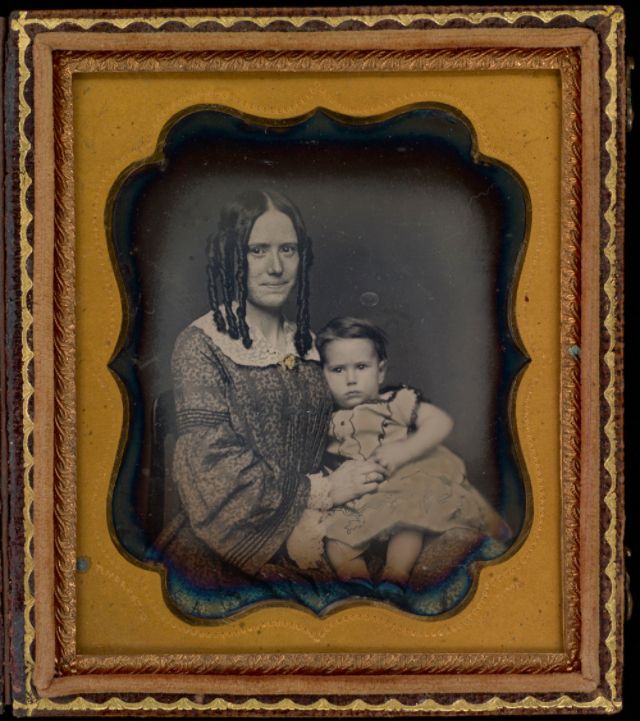
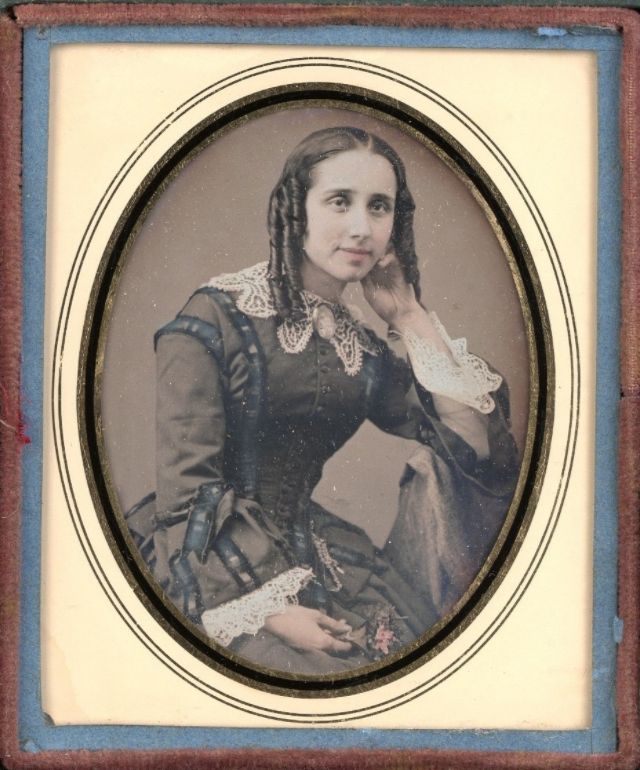
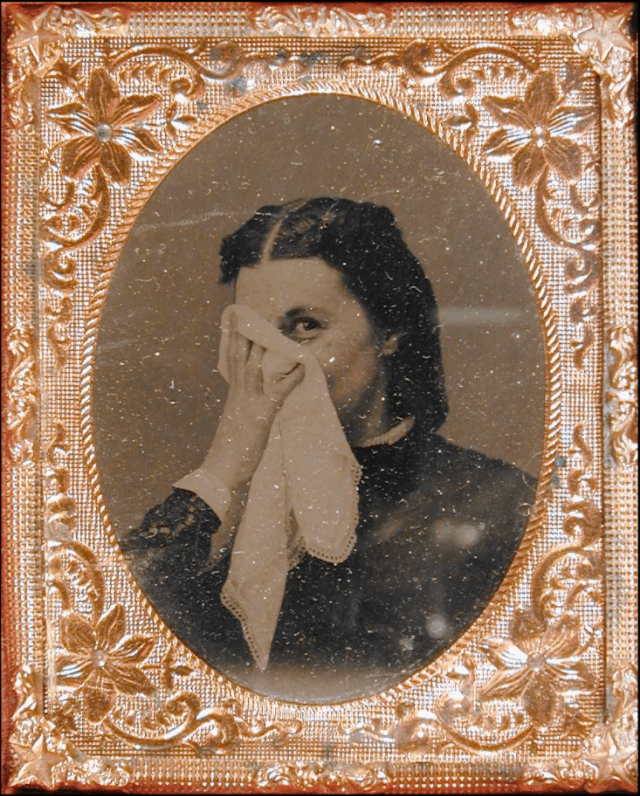
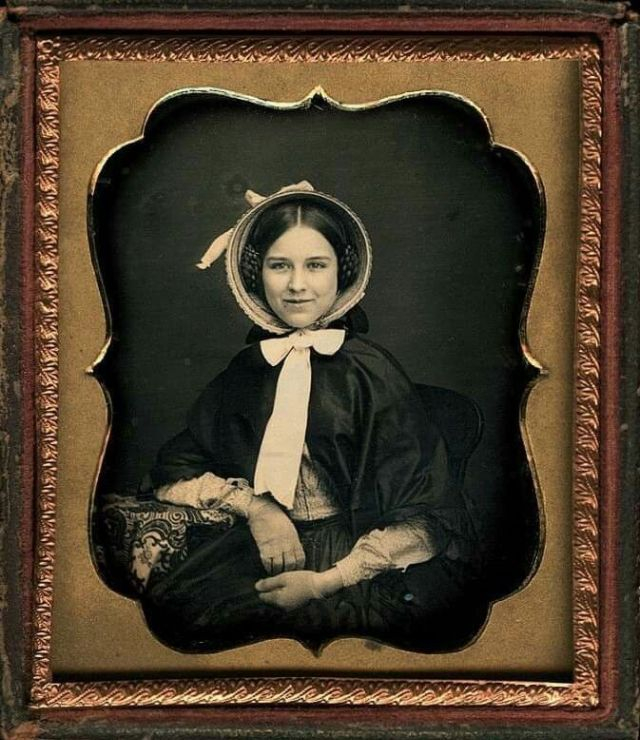
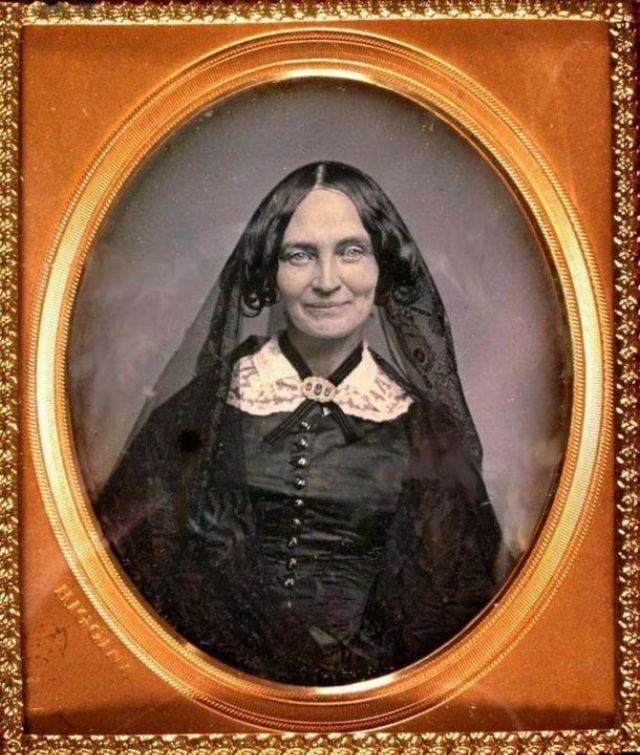
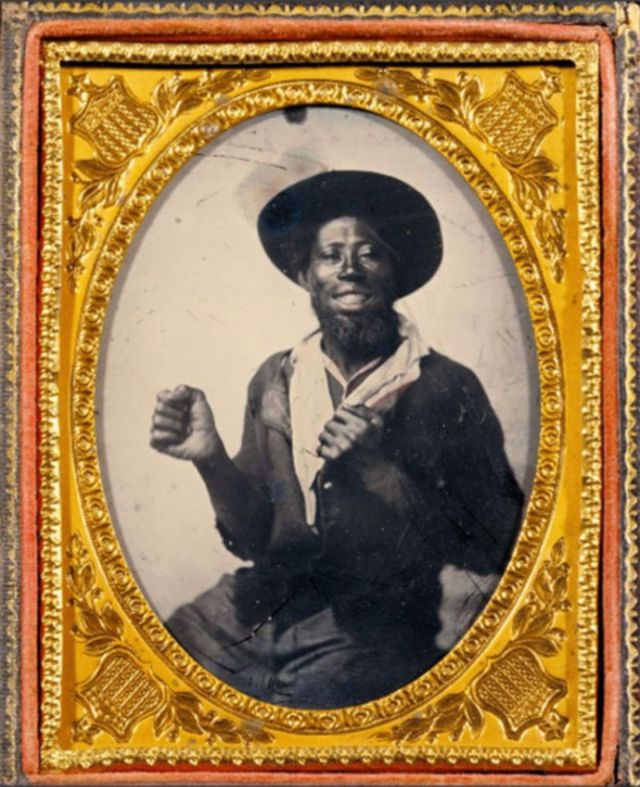
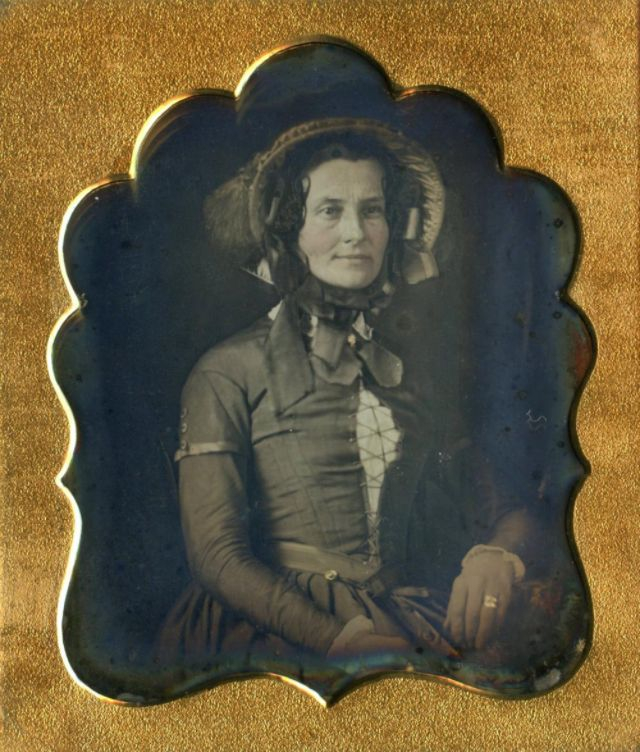
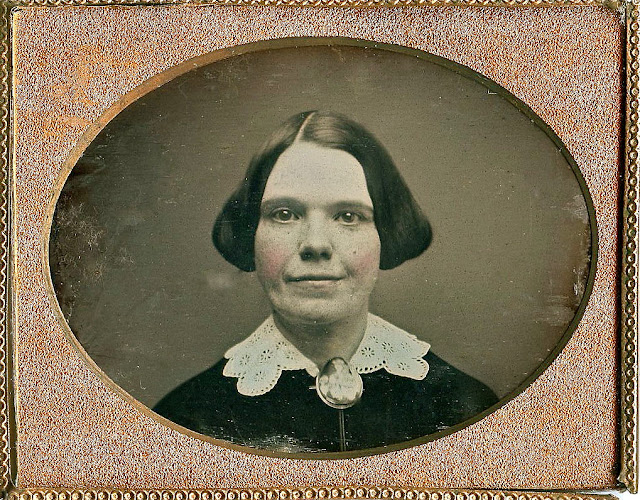
30 Rarely Seen Daguerreotype Portraits of People Smiling

The Daguerreotype, the first widely used photographic process, was invented in 1839. The exposure time in those early days was really long, sometimes lasting up to 15 minutes or so. Way too long to hold a smile.

Grinning exercises far too many muscles. People would tire out, change their expression, and ruin the daguerreotype. No wonder people in old photos look so serious. They needed to gaze blankly in order for the image to work.

By the 1840s, exposure times bobbed around 10 to 60 seconds, making personal photos much more feasible. Yet even then, heads sagged, backs slouched, and fingers fidgeted. Some professionals developed hidden neck braces that would lock the subject’s body into place.

Although it was less expensive than having your portrait painted, getting your picture taken still wasn’t cheap. Some people had just one photo snapped their whole entire life. That made the event a pretty important and formal deal.

It wasn’t until the turn of the 20th century when cameras became portable and easier to use, that pictures turned into casual snapshots, and smiles became more common.

A Daguerreotype was the first publicly available photographic process; it was widely used during the 1840s and 1850s. “Daguerreotype” also refers to an image created through this process.

Invented by Louis Daguerre and introduced worldwide in 1839, the daguerreotype was almost completely superseded by 1860 with new, less expensive processes, such as ambrotype, that yield more readily viewable images. There has been a revival of the daguerreotype since the late 20th century by a small number of photographers interested in making artistic use of early photographic processes.

To make the image, a daguerreotypist polished a sheet of silver-plated copper to a mirror finish; treated it with fumes that made its surface light sensitive; exposed it in a camera for as long as was judged to be necessary, which could be as little as a few seconds for brightly sunlit subjects or much longer with less intense lighting; made the resulting latent image on it visible by fuming it with mercury vapor; removed its sensitivity to light by liquid chemical treatment; rinsed and dried it; and then sealed the easily marred result behind glass in a protective enclosure.

The image is on a mirror-like silver surface and will appear either positive or negative, depending on the angle at which it is viewed, how it is lit and whether a light or dark background is being reflected in the metal. The darkest areas of the image are simply bare silver; lighter areas have a microscopically fine light-scattering texture. The surface is very delicate, and even the lightest wiping can permanently scuff it. Some tarnish around the edges is normal.

Several types of antique photographs, most often ambrotypes and tintypes, but sometimes even old prints on paper, are commonly misidentified as daguerreotypes, especially if they are in the small, ornamented cases in which daguerreotypes made in the US and the UK were usually housed. The name “daguerreotype” correctly refers only to one very specific image type and medium, the product of a process that was in wide use only from the early 1840s to the late 1850s. (Wikipedia)

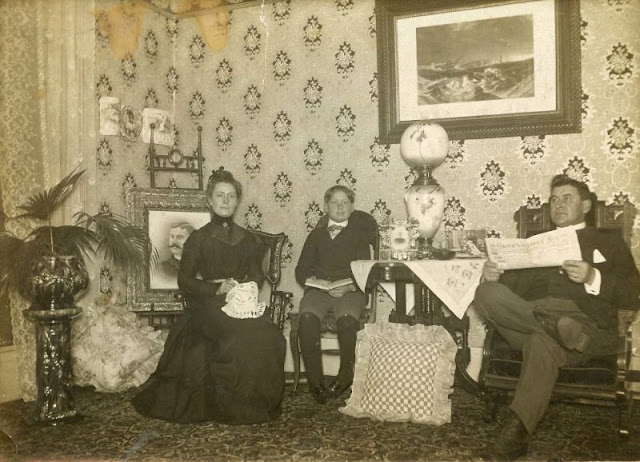
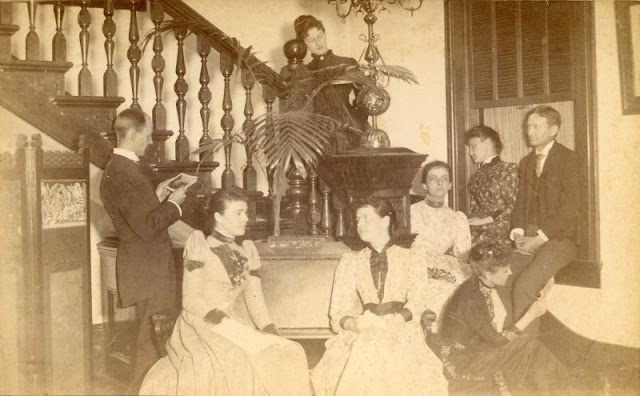
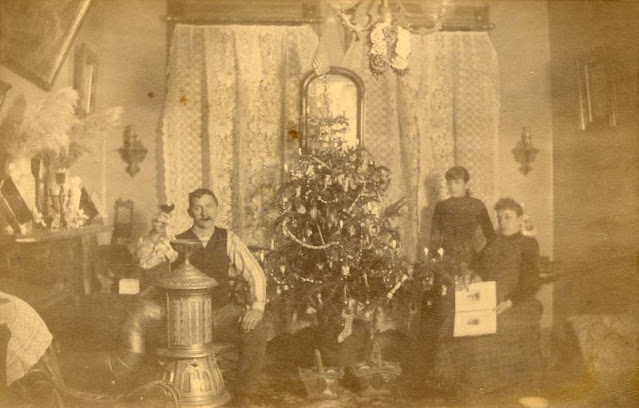
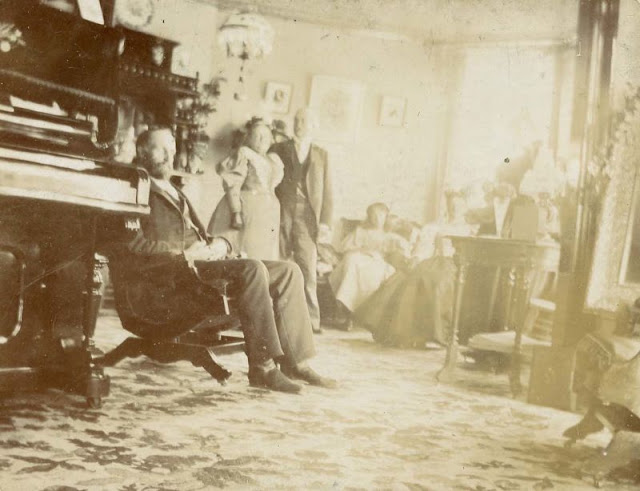
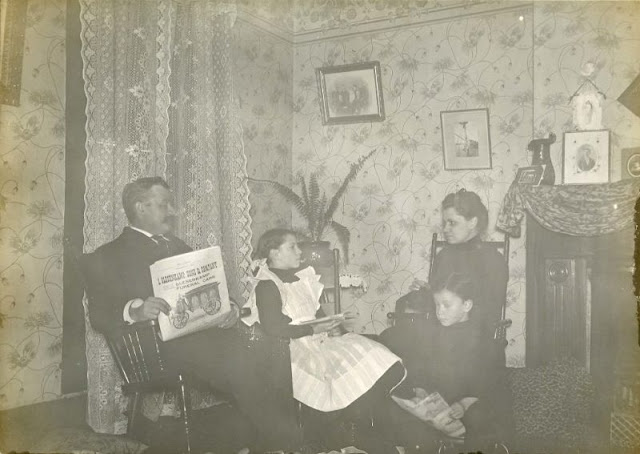
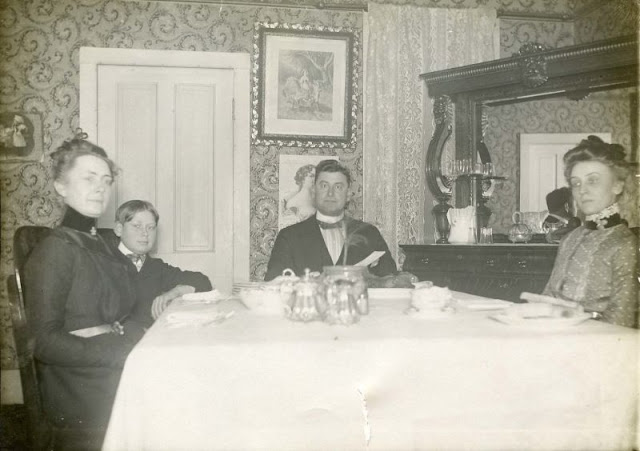
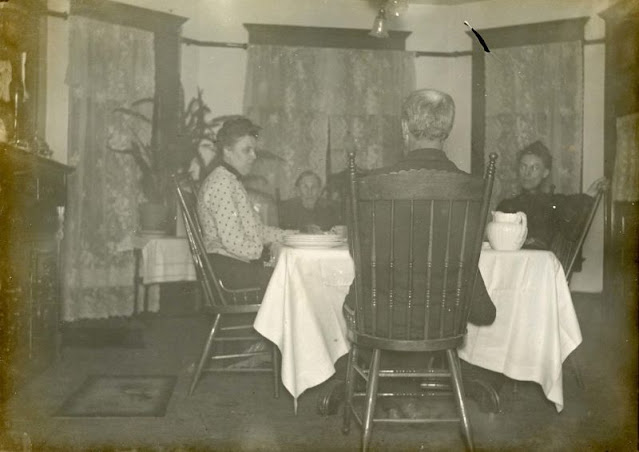
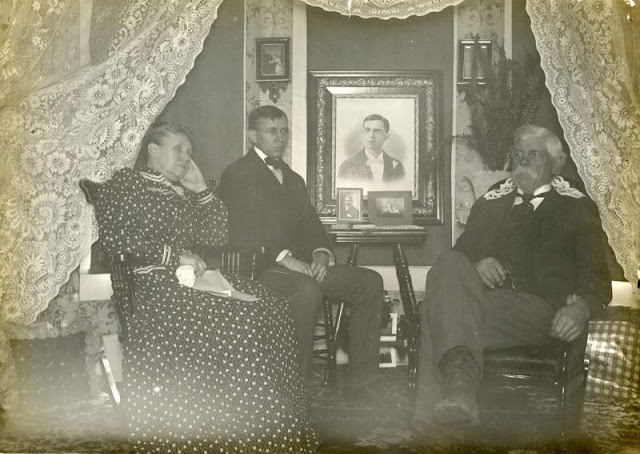
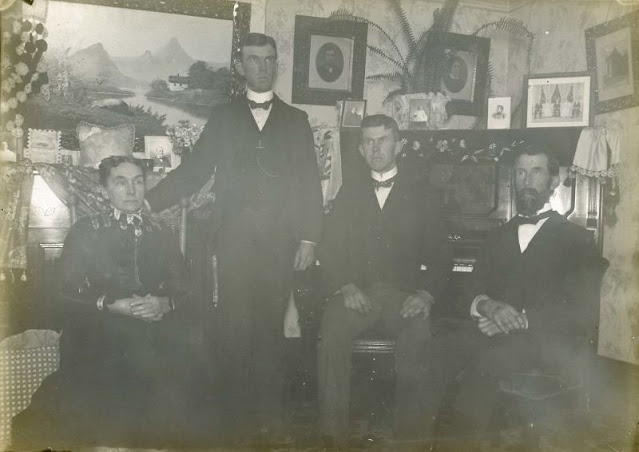
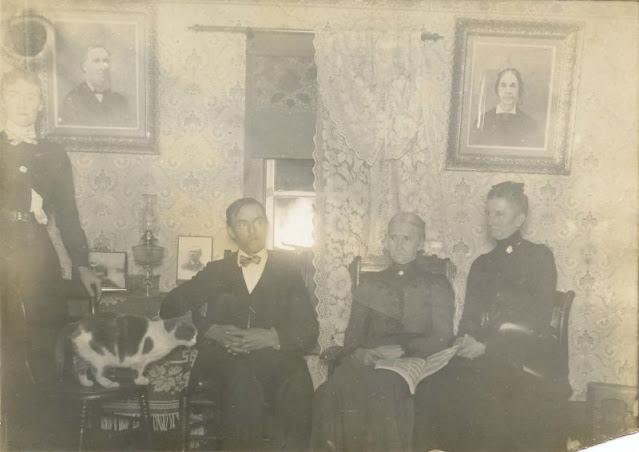
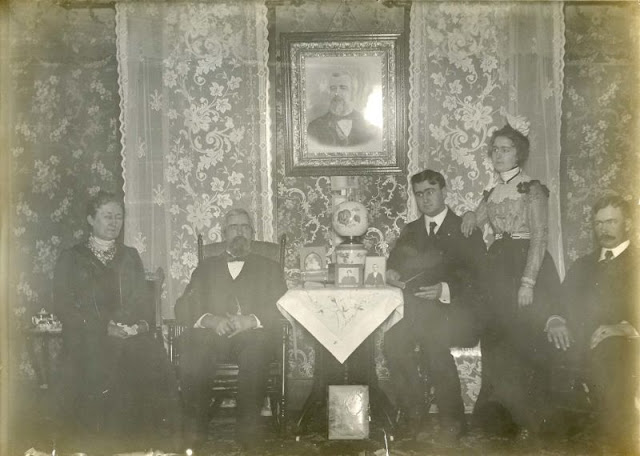
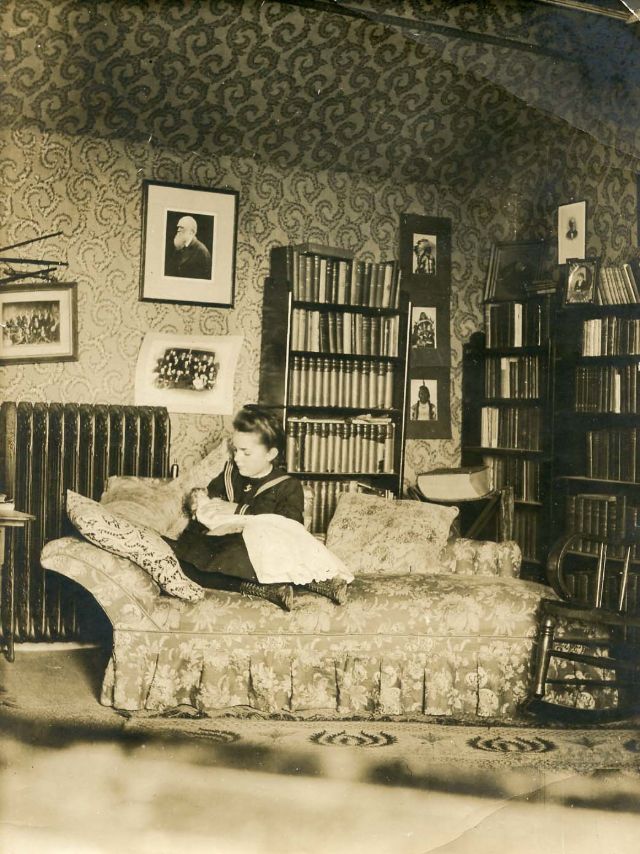
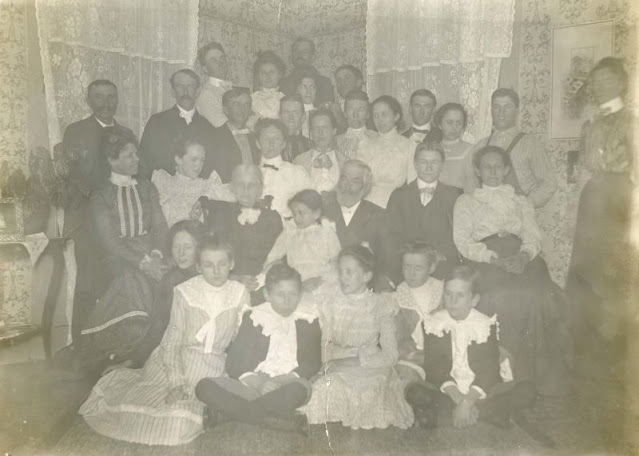
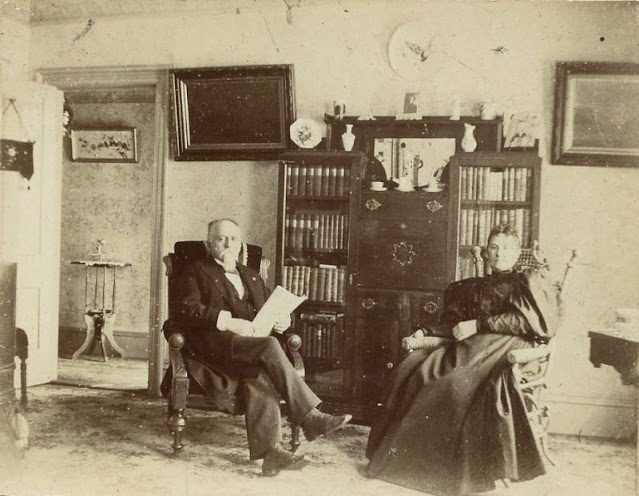
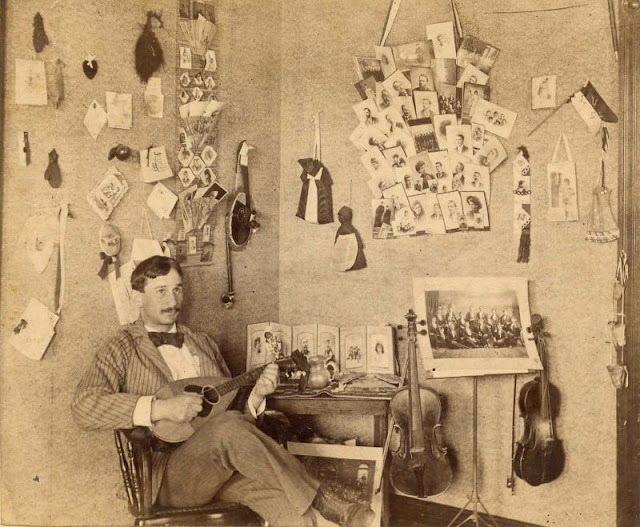
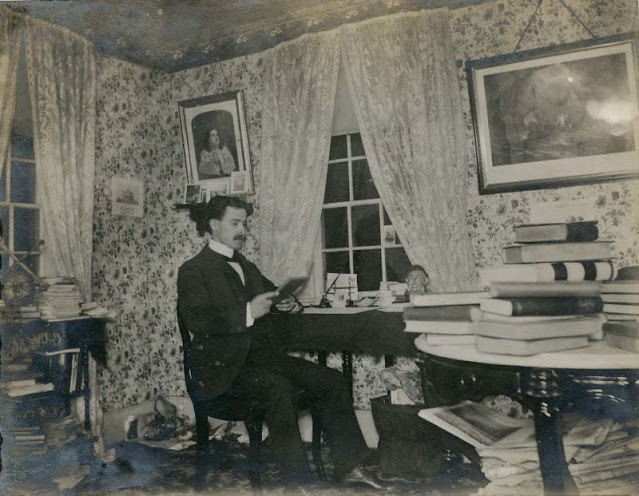
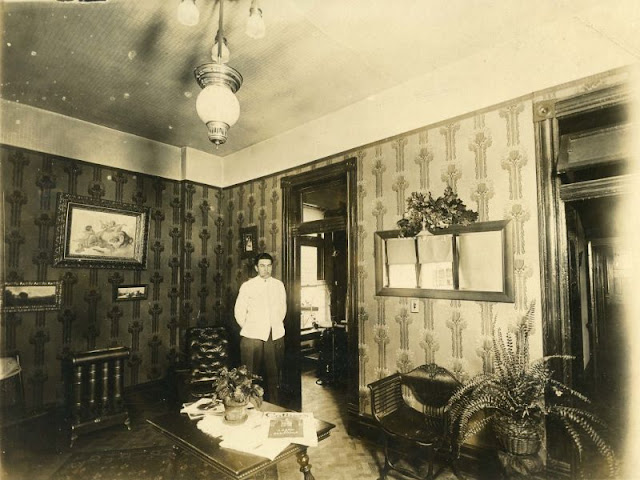
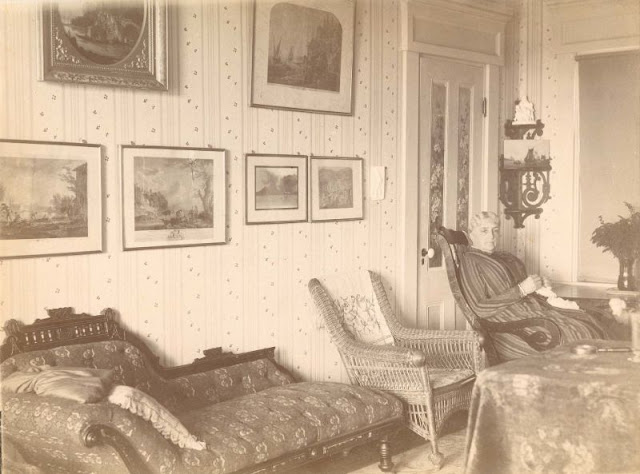
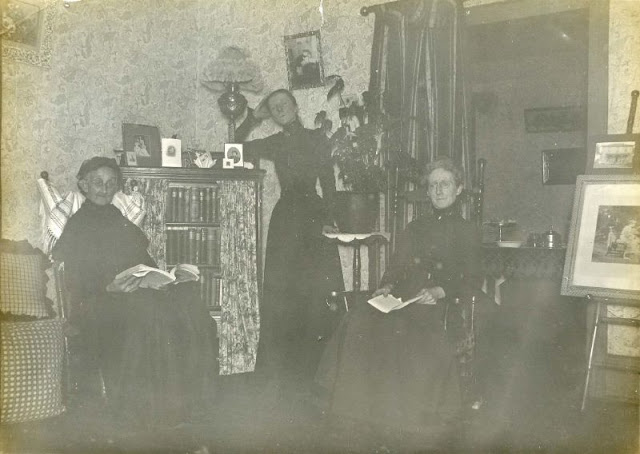
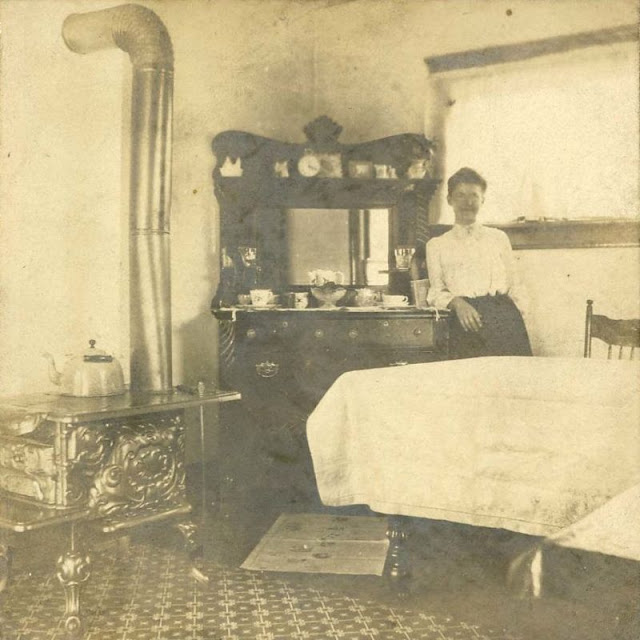
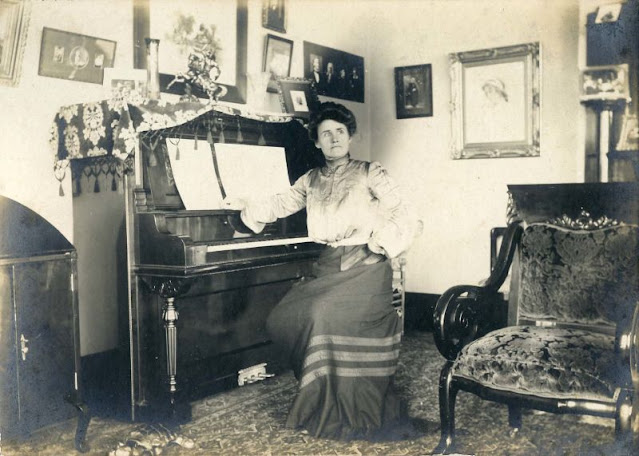
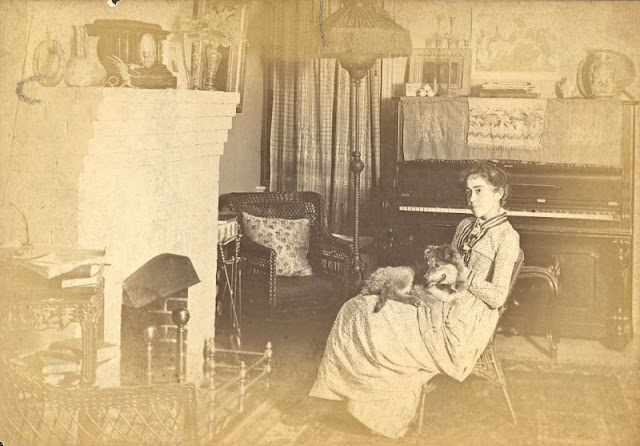
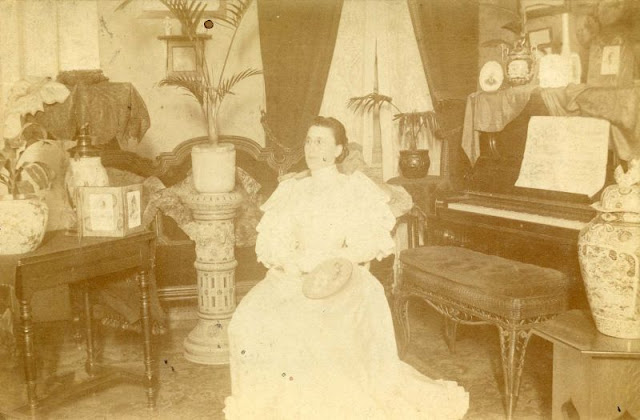
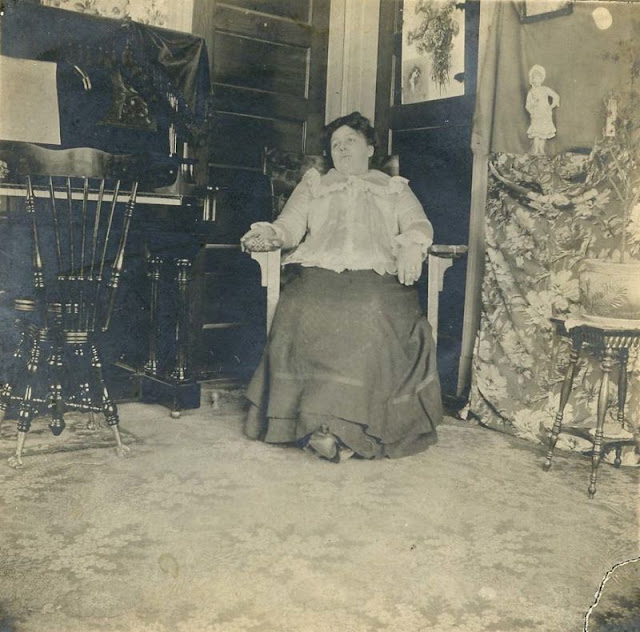
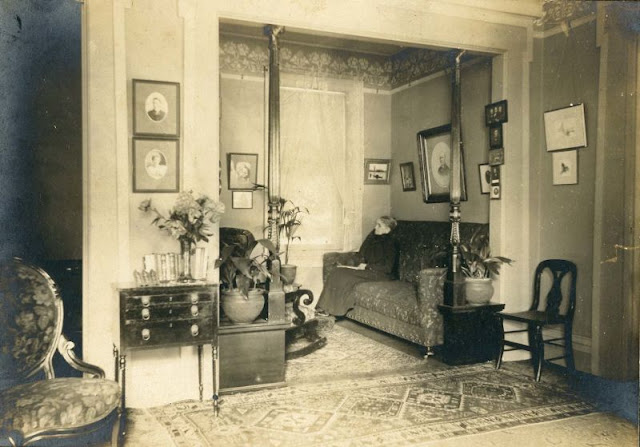
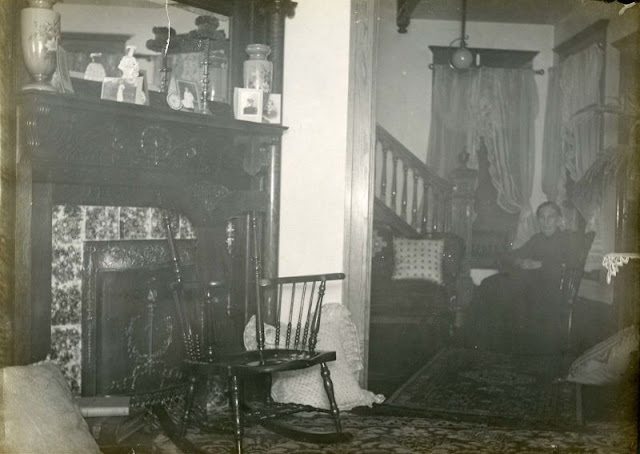
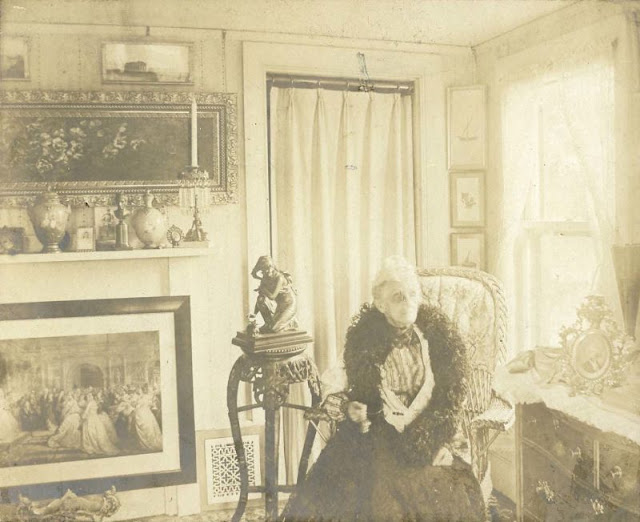
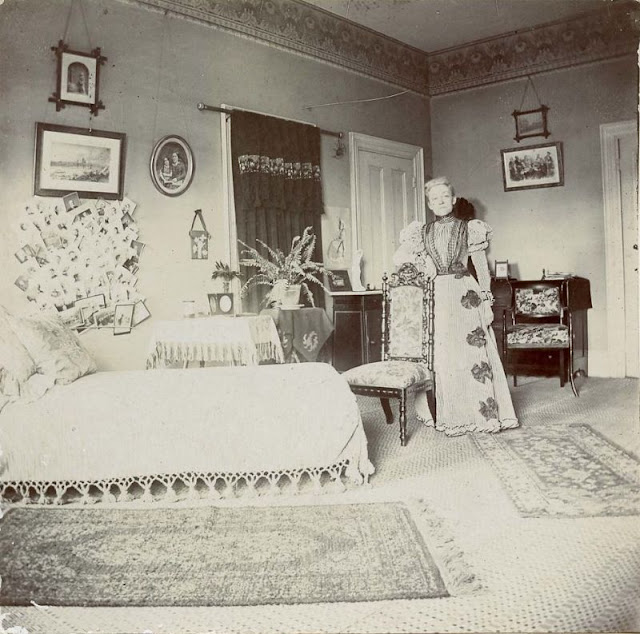
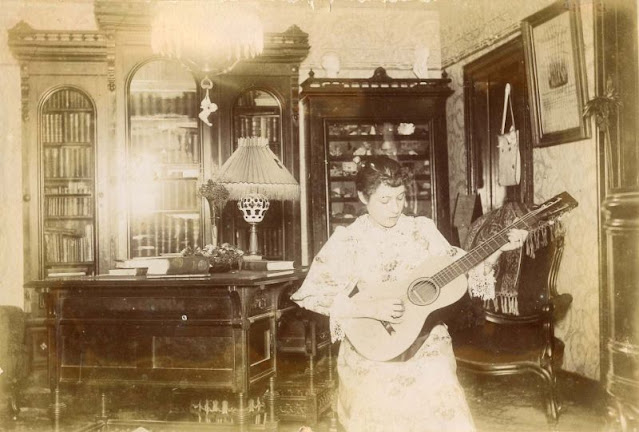
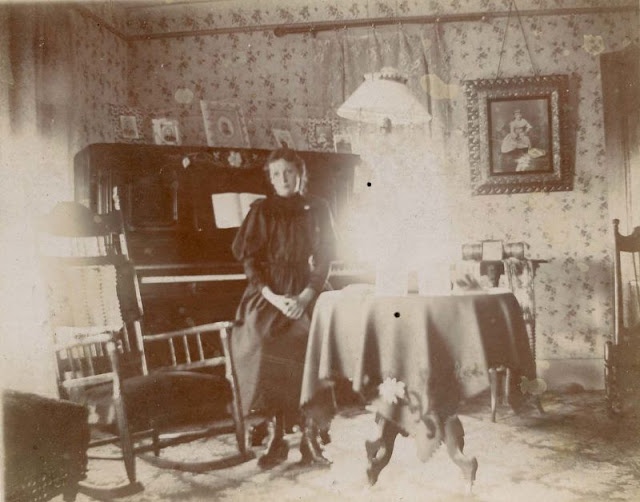
30 Amazing Photos of People at Home During the Late 1800s

Victorian decorating was the polar opposite of today’s modern styles. It was a time of heavy, ornate furnishings, oversized everything, and a penchant for knickknacks. The resulting style is romantic, complex, warm, and dramatic, dripping with opulence and excess; basically, enough to make any minimalist shudder.

Victorian furniture is often revivalist in style, in that it adopts stylistic motifs from other periods, creating huge waves of revivals with nostalgic nods to the past. Victorian furniture pieces are valued for their opulence and elegance.

There is a rich variety within Victorian furniture designs, each piece having been influenced by its individual revival. Pieces can be identified by their iconic features which make them authentic to their time.

These found photos show people at home from between the 1870s and 1890s.

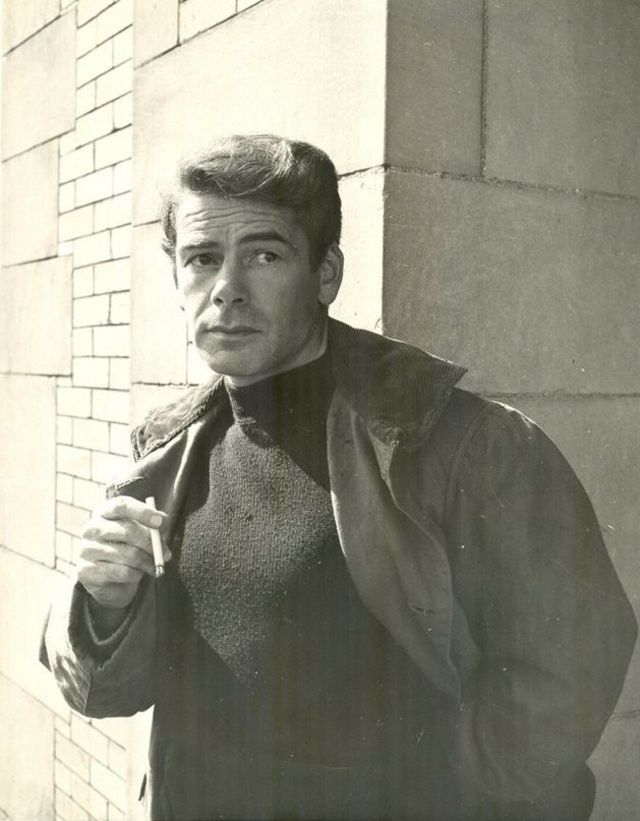
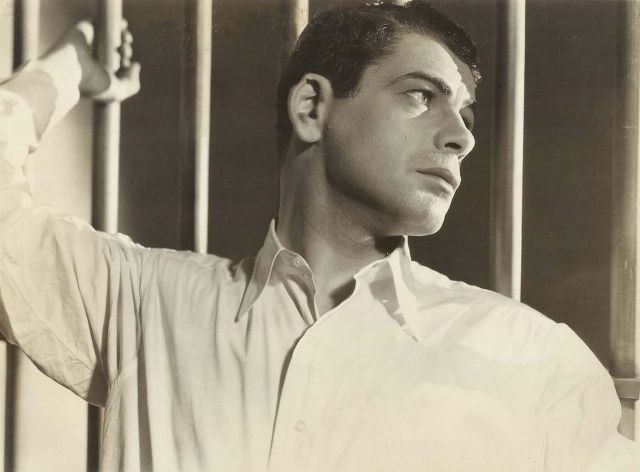
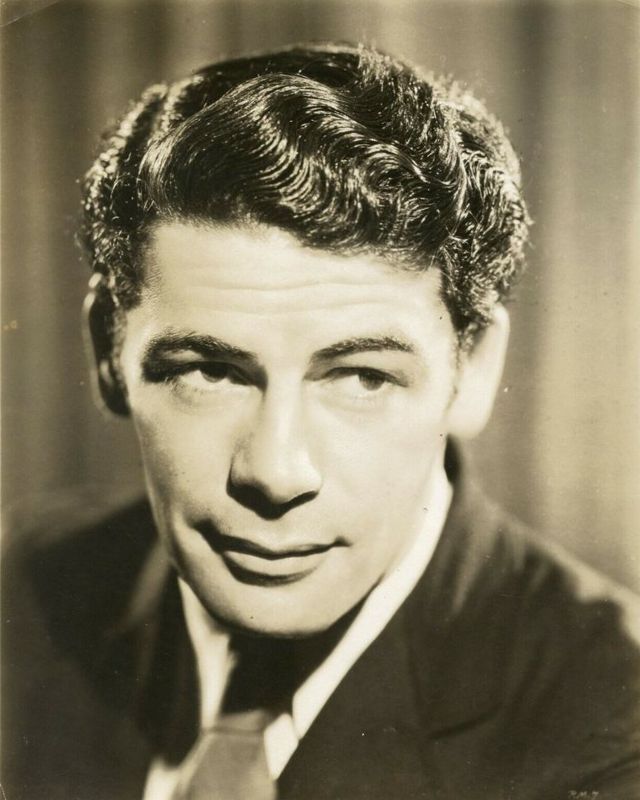
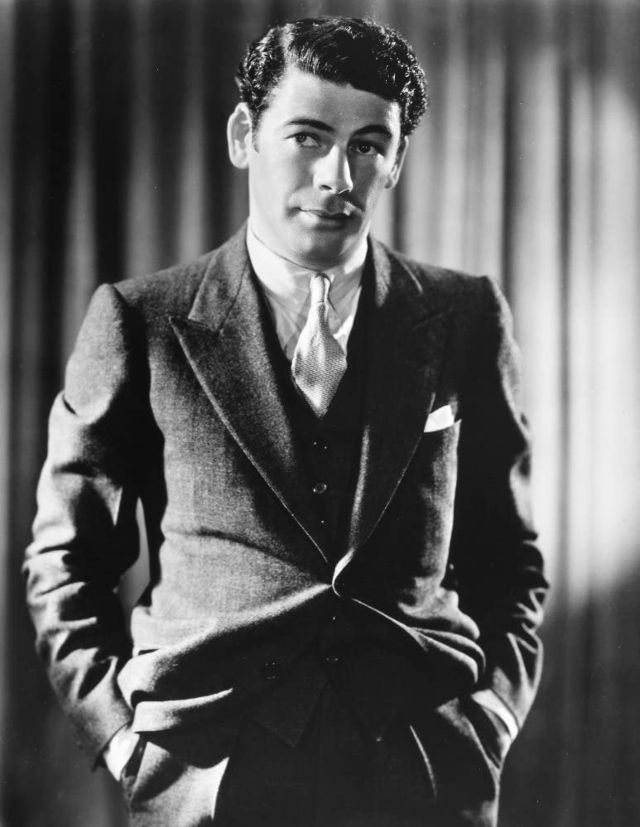
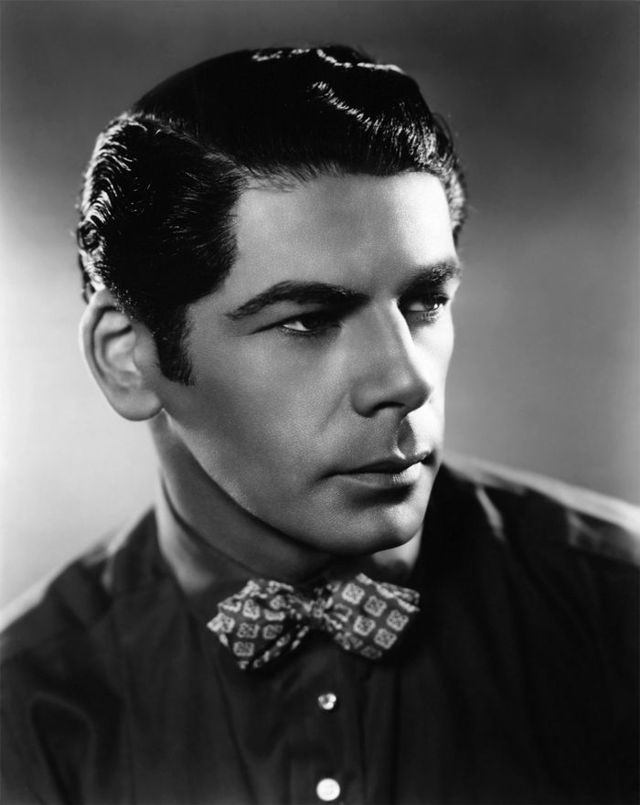
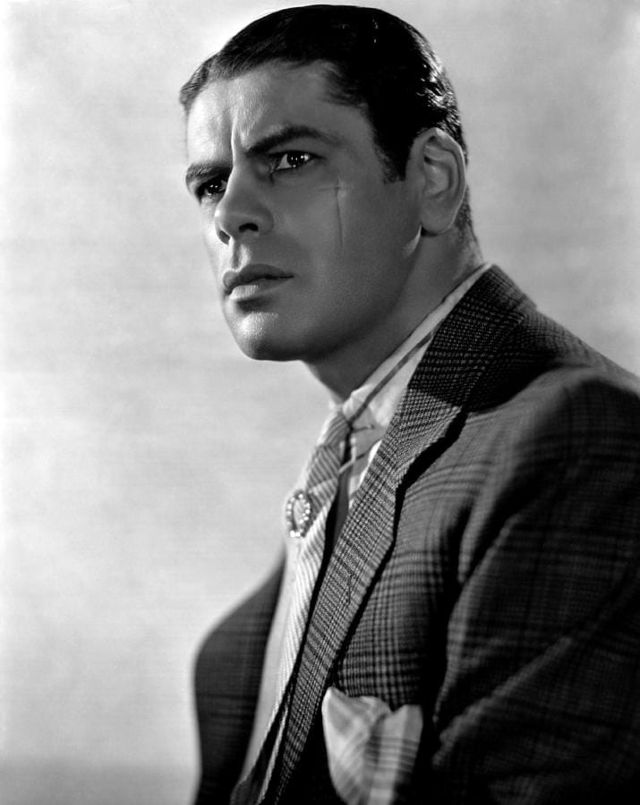
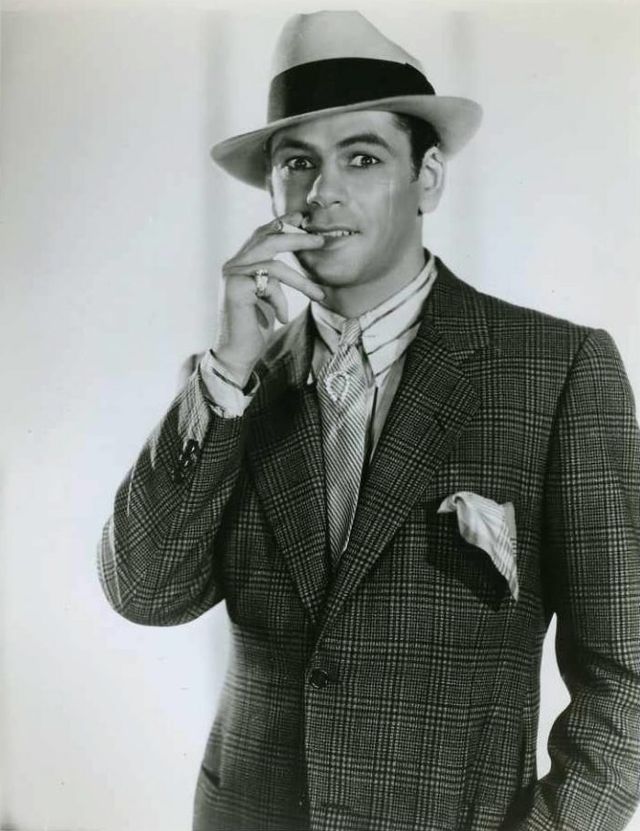
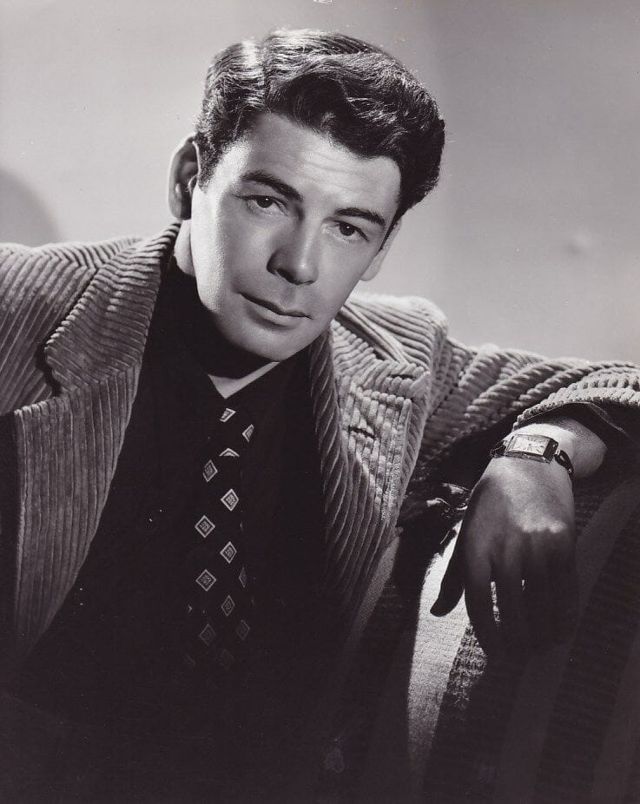
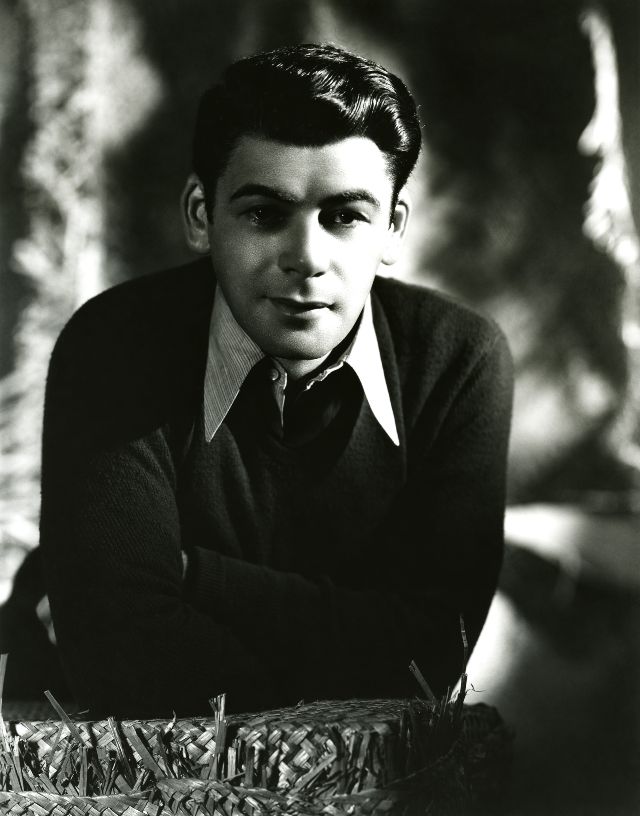
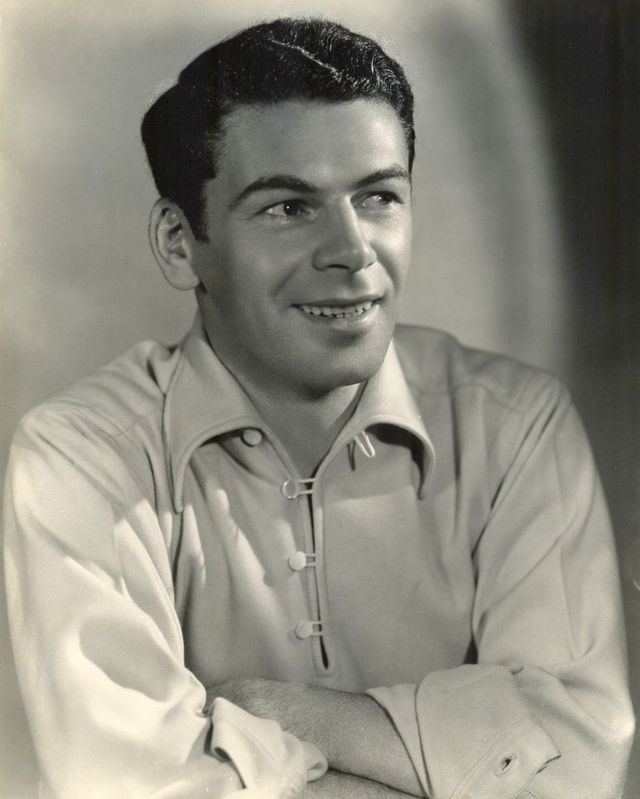
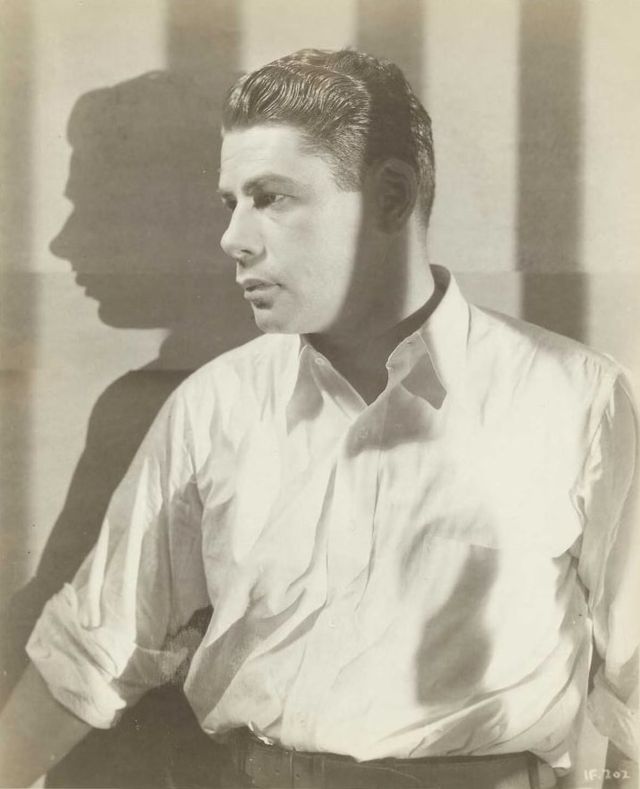
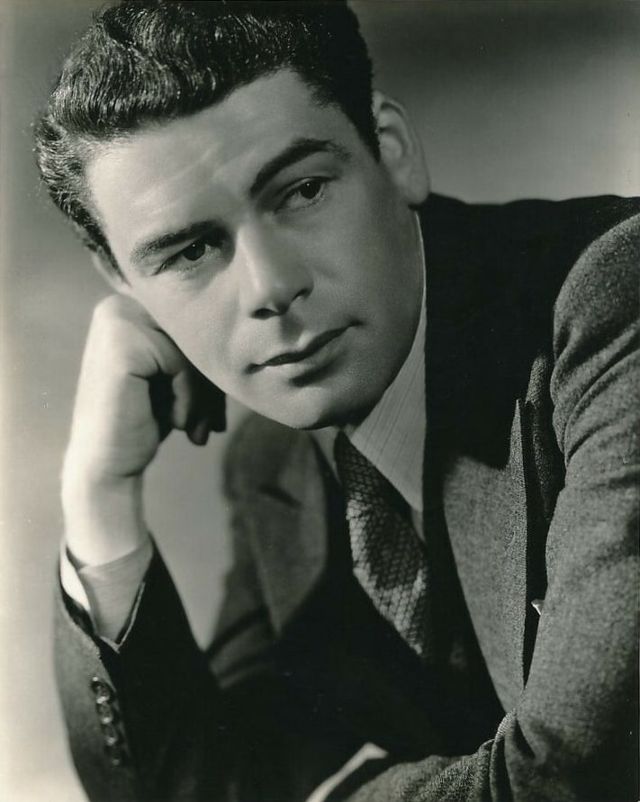
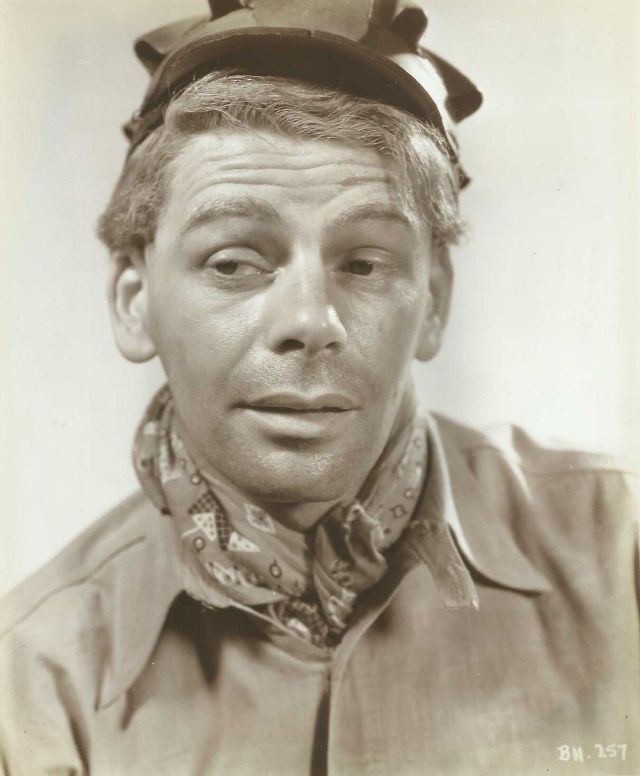
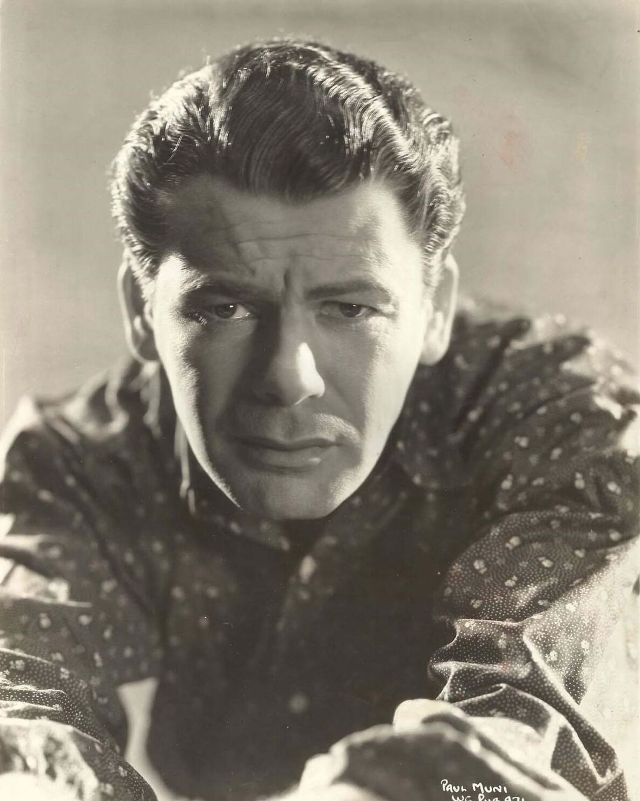
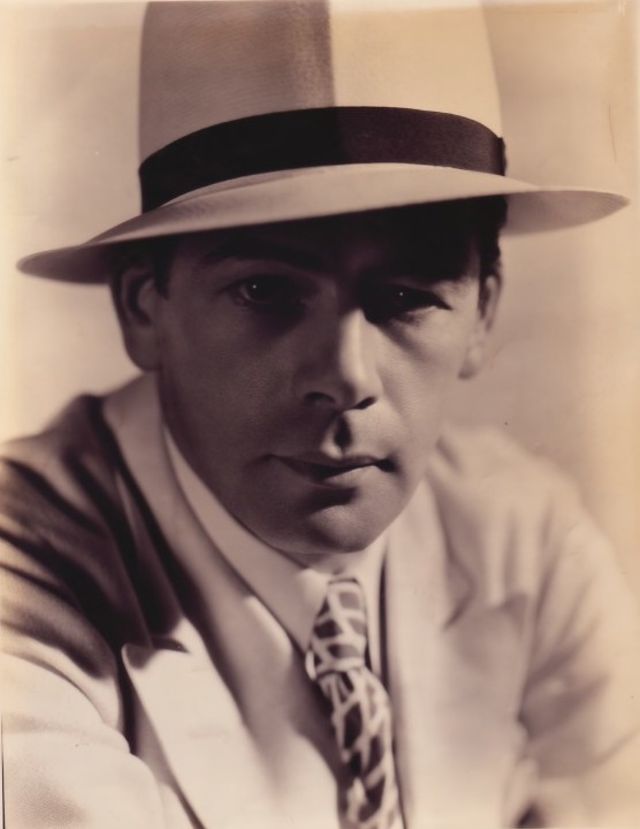
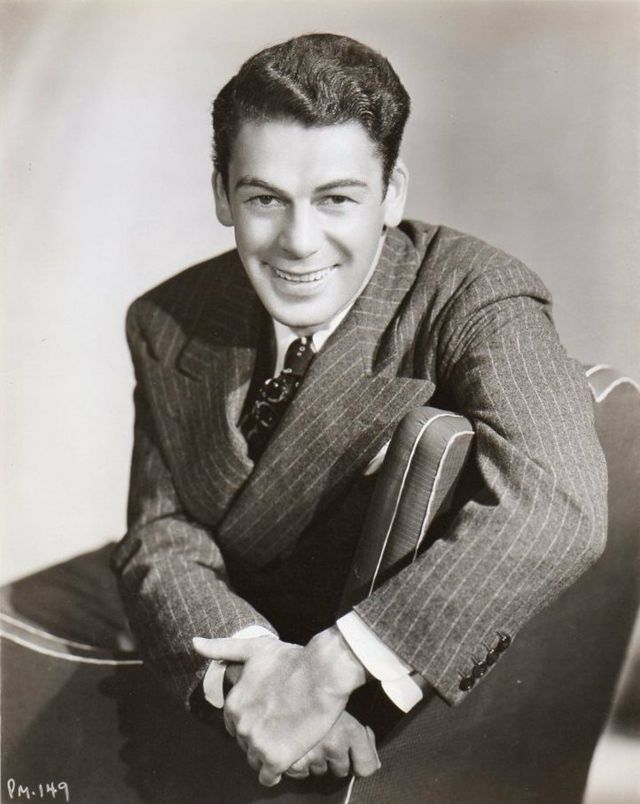
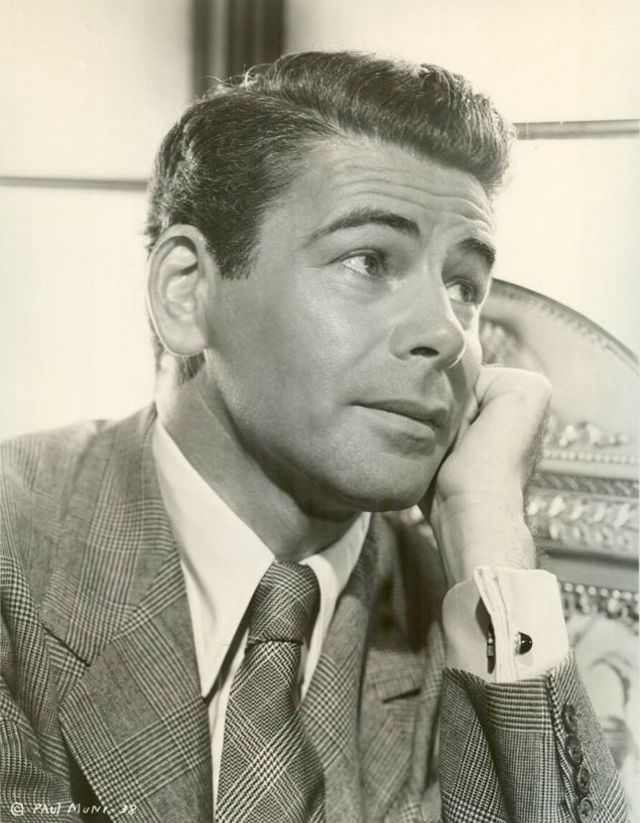
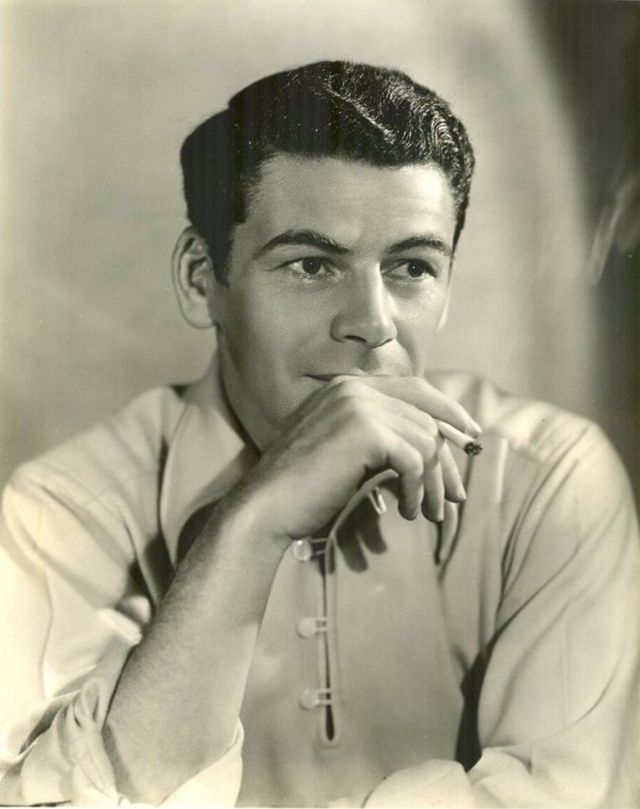
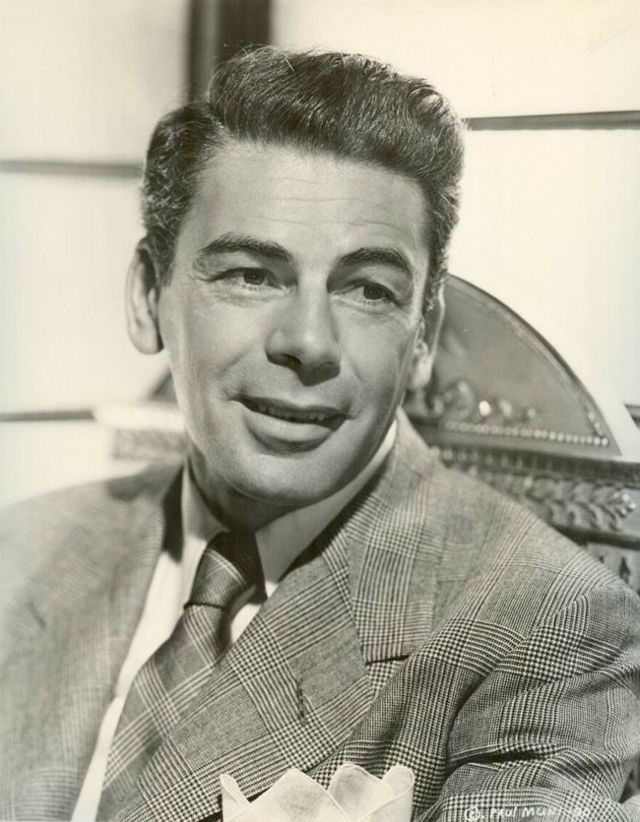
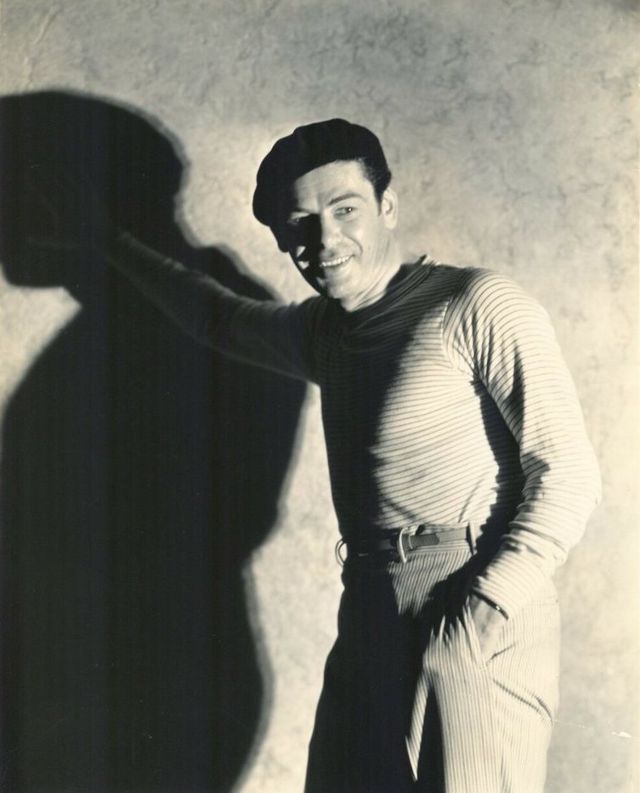
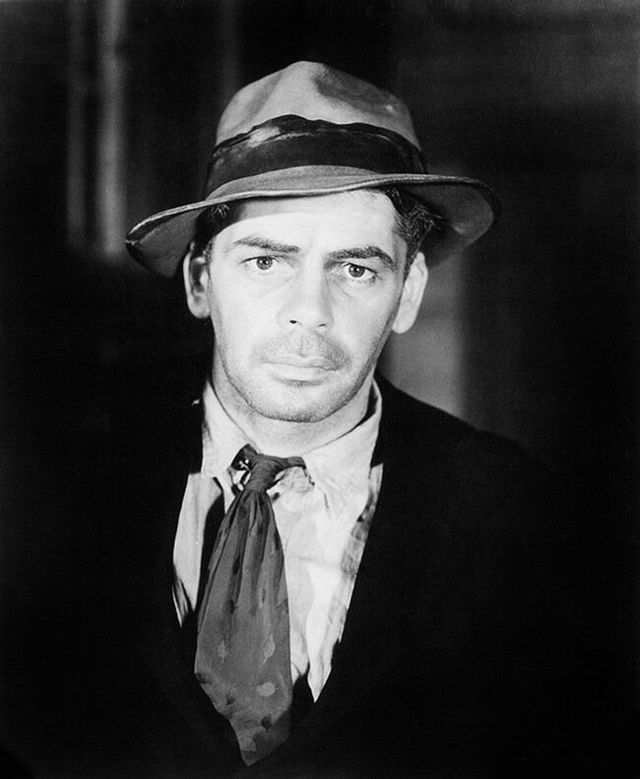
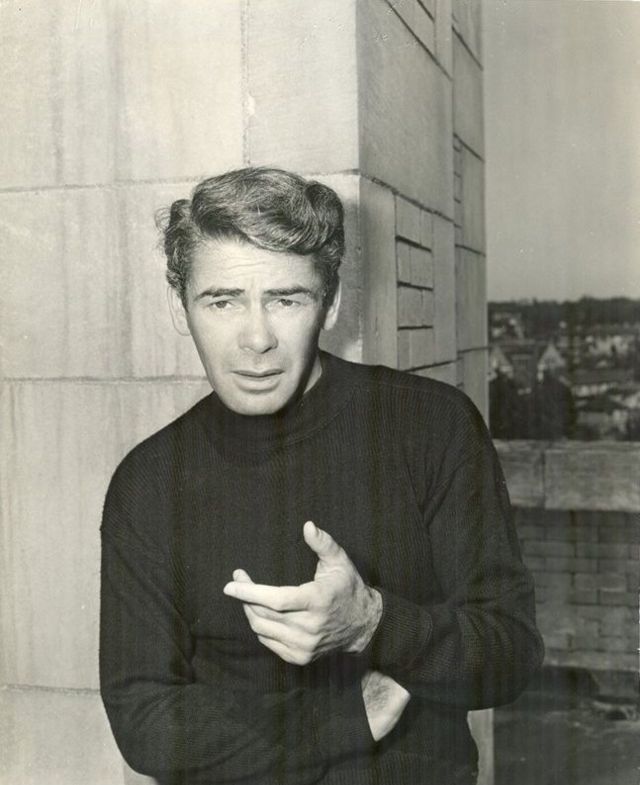
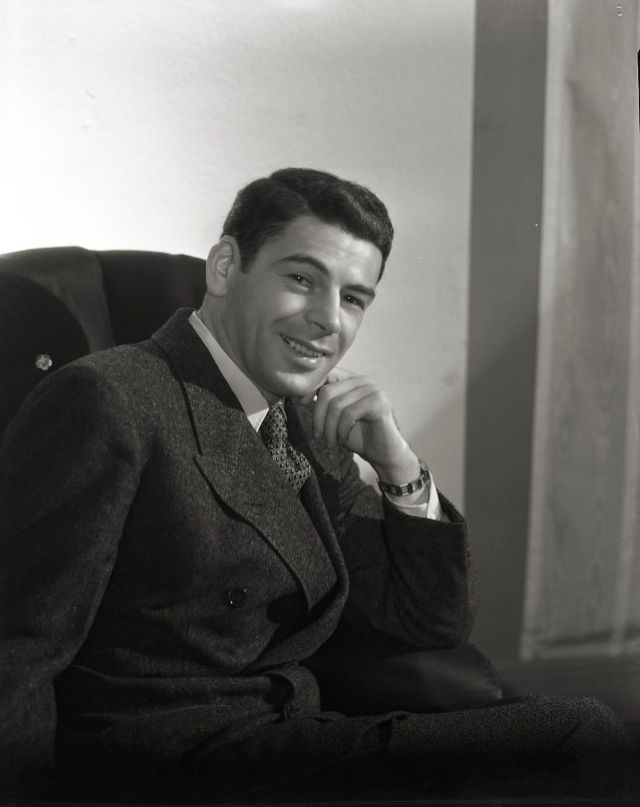
Handsome Photos of Actor Paul Muni During the 1930s

Paul Muni (born Frederich Meshilem Meier Weisenfreund; September 22, 1895[1]– August 25, 1967) was an Austro-Hungarian American stage and film actor who grew up in Chicago. Muni was a five-time Academy Award nominee, with one win. He started his acting career in the Yiddish theater. During the 1930s, he was considered one of the most prestigious actors at the Warner Bros. studio, and was given the rare privilege of choosing which parts he wanted.

His acting quality, usually playing a powerful character, such as the lead in Scarface (1932), was partly a result of his intense preparation for his parts, often immersing himself in study of the real character’s traits and mannerisms. He was also highly skilled in using makeup techniques, a talent he learned from his parents, who were also actors, and from his early years on stage with the Yiddish theater in Chicago. At the age of 12, he played the stage role of an 80-year-old man; in one of his films, Seven Faces, he played seven different characters.

He made 22 films and won the Academy Award for Best Actor for his role in the 1936 film The Story of Louis Pasteur. He also starred in numerous Broadway plays and won the Tony Award for Best Actor in a Play for his role in the 1955 production of Inherit the Wind.

Paul Muni died of a heart disorder in Montecito, California in 1967, aged 71. A star was installed in his honor on the Hollywood Walk of Fame at 6435 Hollywood Blvd.

Take a look at these vintage photos to see portrait of a young Paul Muni in the 1930s and 1940s.

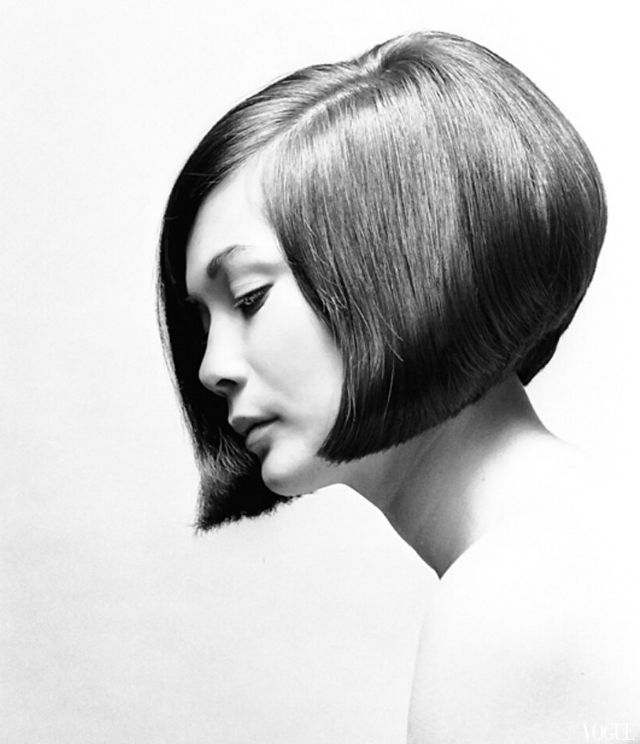
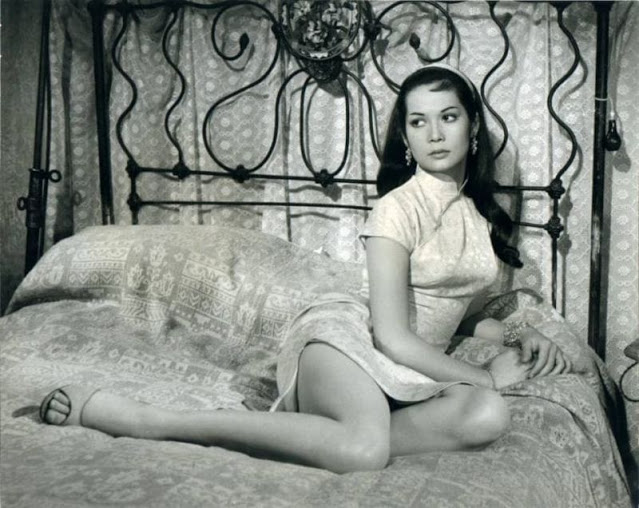
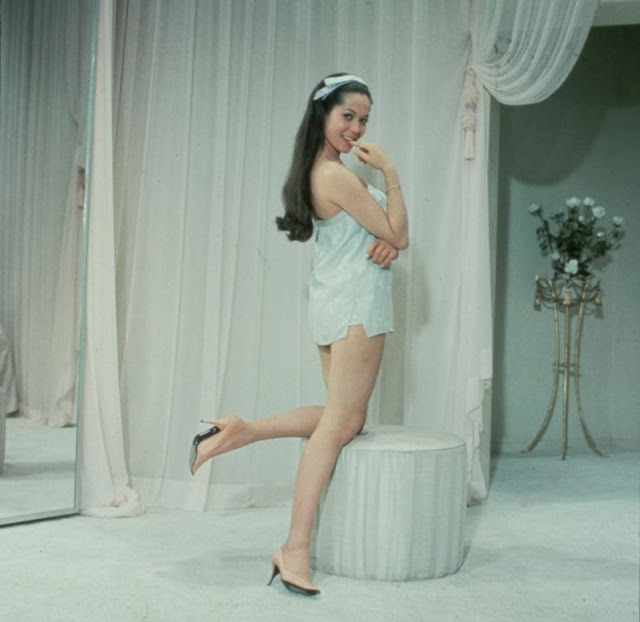
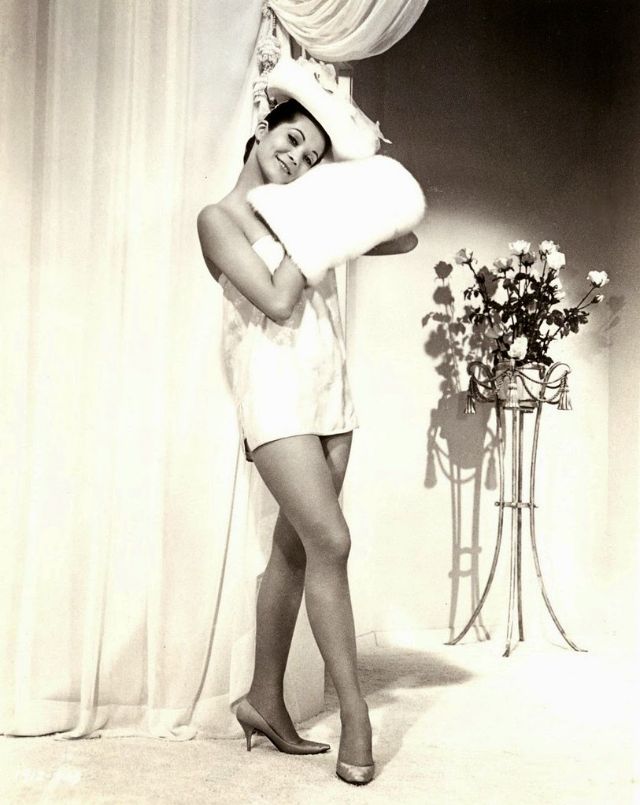
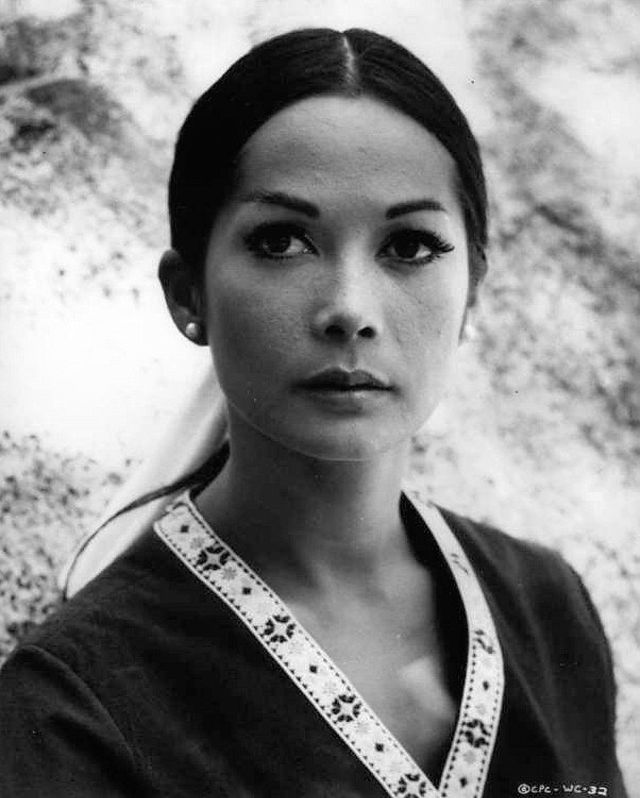
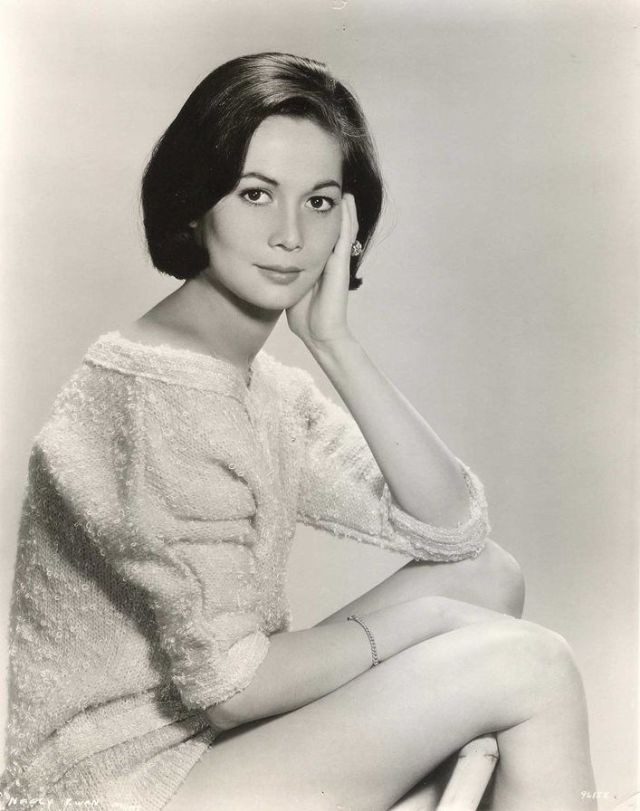
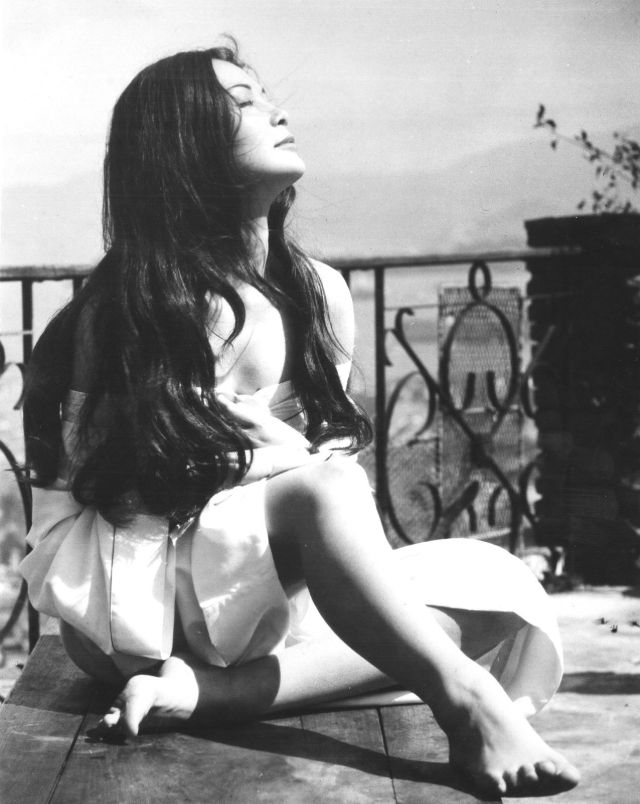
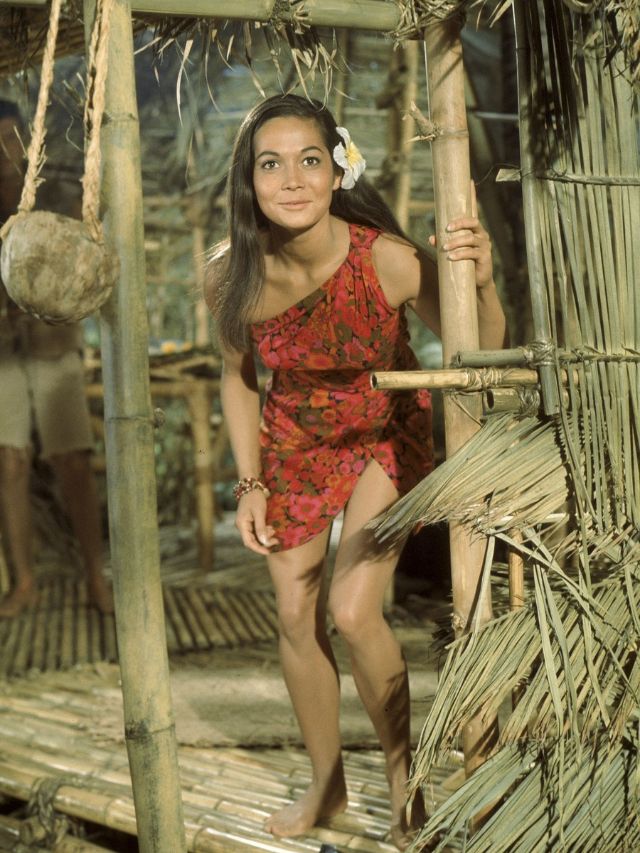
The “Chinese Bardot”: 40 Beautiful Photos of Actress Nancy Kwan During the 1960s

Born 1939 in Hong Kong, Chinese-American actress, philanthropist, and former dancer Nancy Kwan began filming the movie The World of Suzie Wong in London with co-star William Holden in 1960.

Owing to Kwan’s perceptible Eurasian appearance, the film’s make-up artists endeavored to make her look more Chinese. Gossip columnist Hedda Hopper wrote that the “scattering of freckles across her tip-tilted nose give her an Occidental flavor”.

The World of Suzie Wong was a “box-office sensation”. Critics lavished praise on Kwan for her performance. She was given the nickname “Chinese Bardot” for her unforgettable dance performance. Kwan and two other actresses, Ina Balin and Hayley Mills, were awarded the Golden Globe for the “Most Promising Newcomer–Female” in 1960.

Designed by London hairdresser Vidal Sassoon, Kwan”s bob cut in the film drew widespread media attention for the “severe geometry of her new hairstyle”. Sassoon’s signature cut of Kwan’s hair was nicknamed “the Kwan cut”, “the Kwan bob”, or was plainly known as “the Kwan”; photographs of Kwan’s new hairstyle appeared in both the American and British editions of Vogue.

Kwan’s success in her early career was not mirrored in later years, due to the cultural nature of 1960s America.

Take a look at these glamorous photos to see the beauty of young Nancy Kwan in the 1960s.

One of the Most Popular Tourist Attractions in Paris in the 19th Century was The Paris Morgue

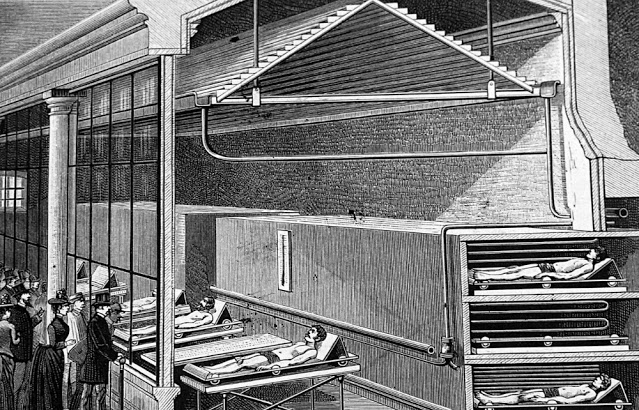
Today, Parisians and tourists from around the world flock to visit the dozens of magnificent monuments and museums housed by the capital, in search of the legend of the Eiffel Tower, the richness of the collections of the Musée d’Orsay, or the art of living of covered passages. But there are more than a century, it was a different kind of tour that attracted thousands of tourists: the Morgue of Paris.

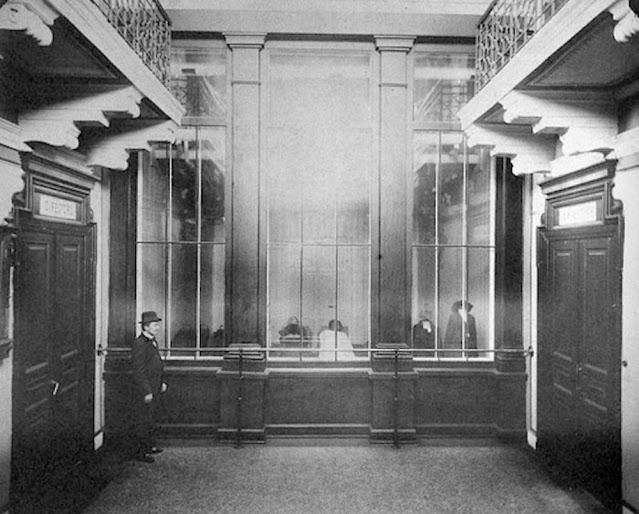
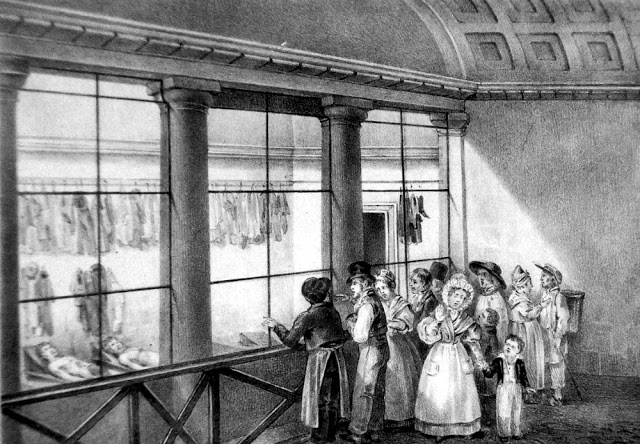
The Paris Morgue was built in 1864 on the Île de la Cité, one of the two islands in the Seine, just behind the Notre Dame de Paris, where the bodies of unidentified dead–most of them suicide cases–were displayed on marble slabs for friends or family to identify.

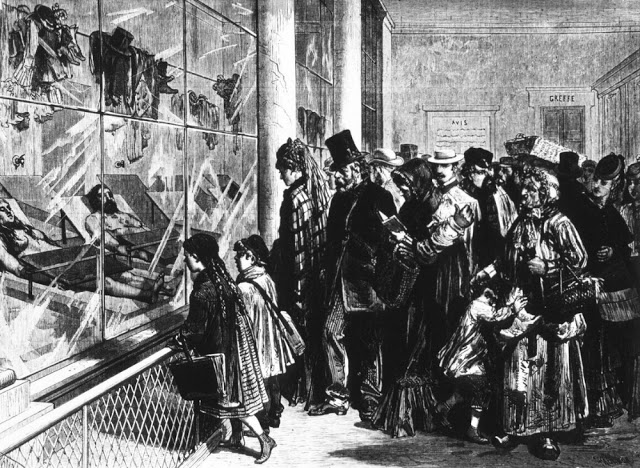
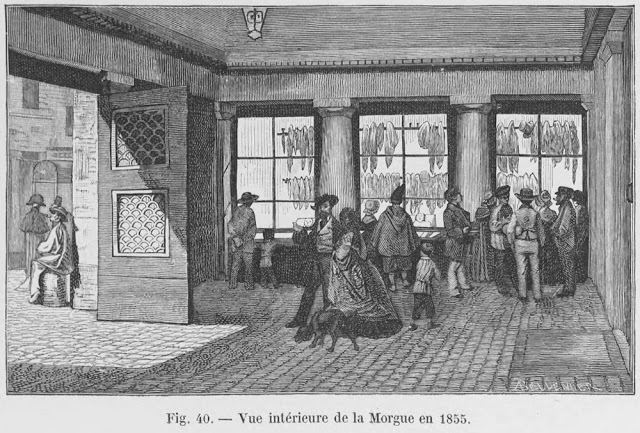
When arriving at the morgue, the bodies were first stripped, inspected, frozen and then wheeled out on black marble slabs for public display. As the morgue was not refrigerated until 1882, cold water would drip from the ceiling constantly, giving the skin of the dead a bloated and puffy appearance. Up to 50 visitors at a time would crowd around great windows overlooking the slabs, to gawk and gossip over the bodies. The dead would usually have to be removed after three days due to decomposition, at which point a photograph or a wax cast would take their place.

The spectacle continued beyond the walls of the morgue. Parisian newspapers often speculated on the identities of the dead; every guide book directed visitors to the morgue; and some of the bodies became famous, drawing up to 40,000 people in a day. Deceased young women lying naked on dissection tables became a common theme on canvas and the police would even stage public ‘confrontations’ between a suspected murderer and a corpse, drawing much of the intrigue that reality programs do today.

The morgue was finally closed to the public in March 1907 over moral concerns, drawing complaints from local businesses, street vendors and journalists.

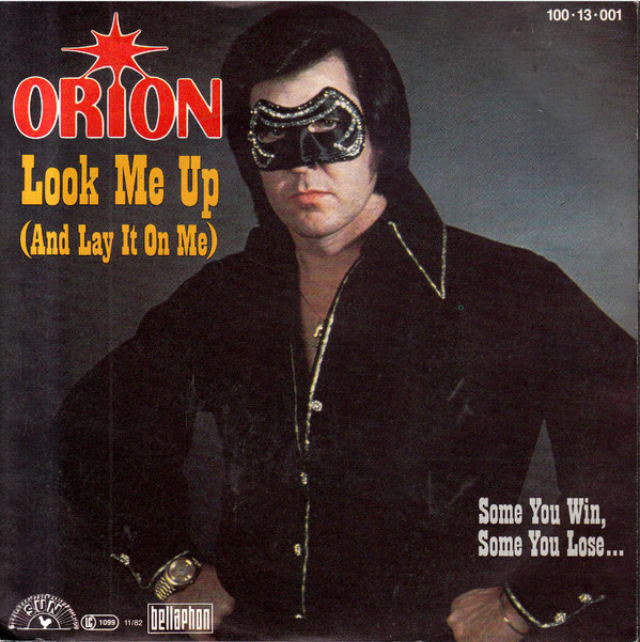
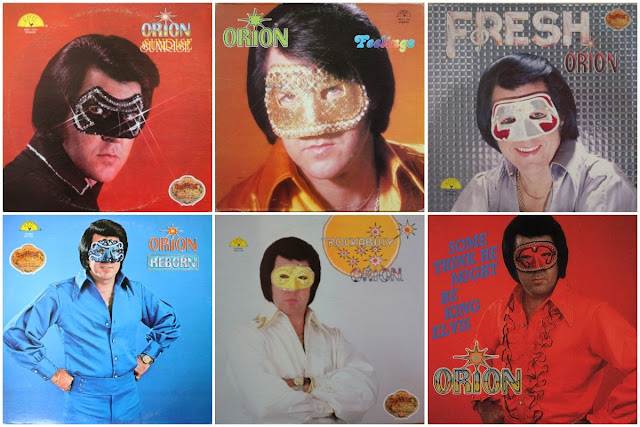
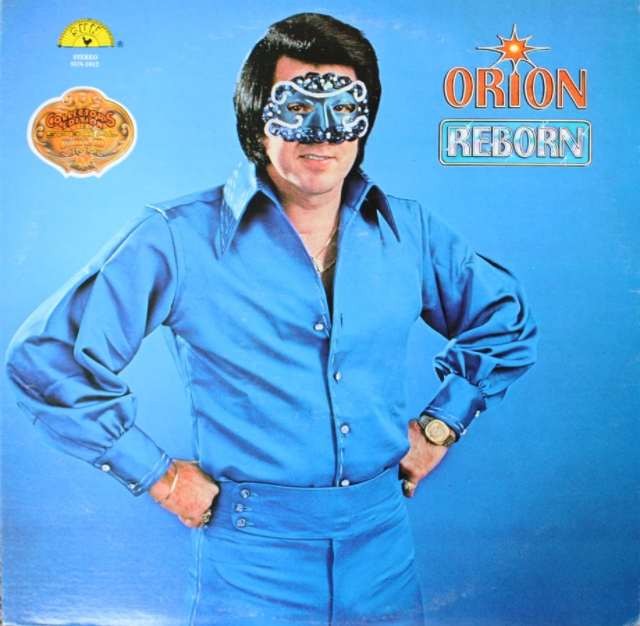
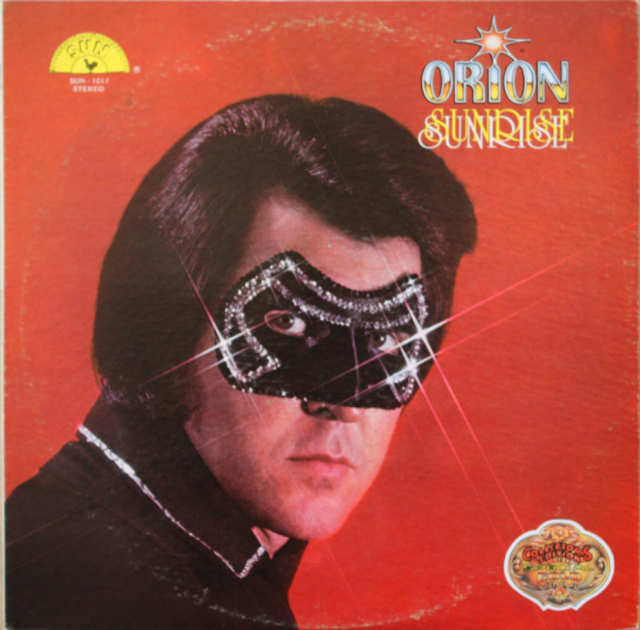
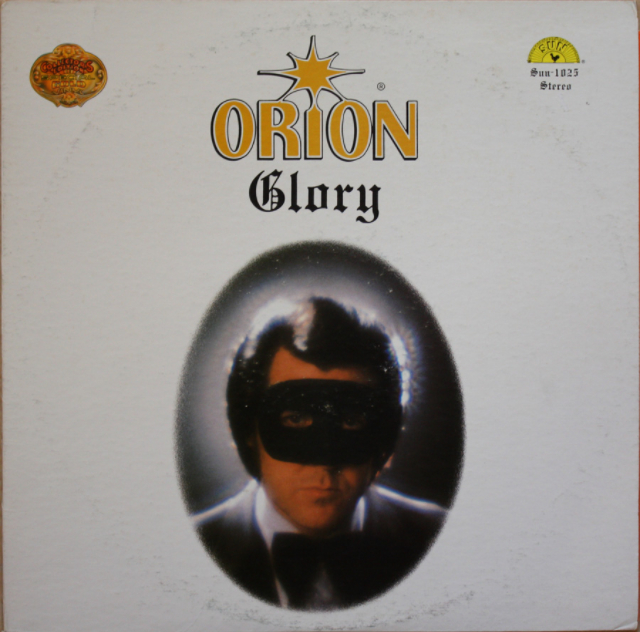
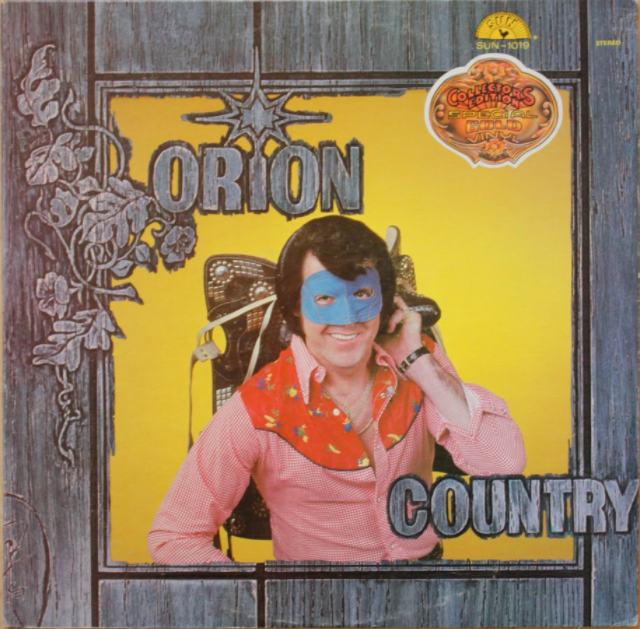
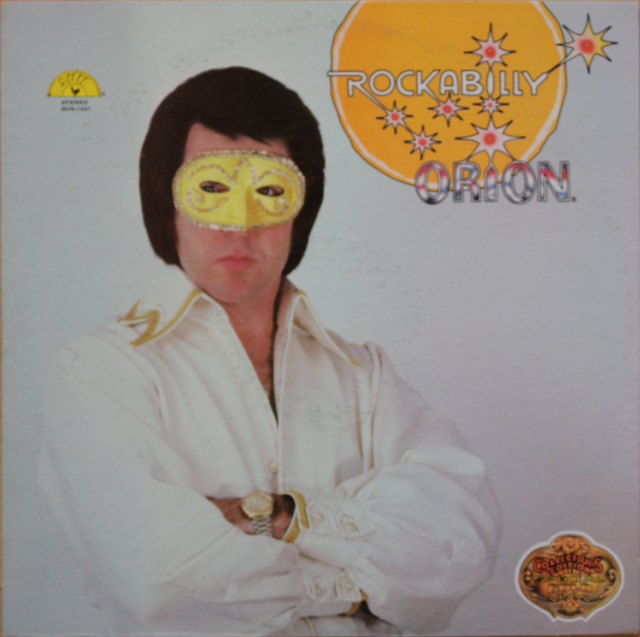
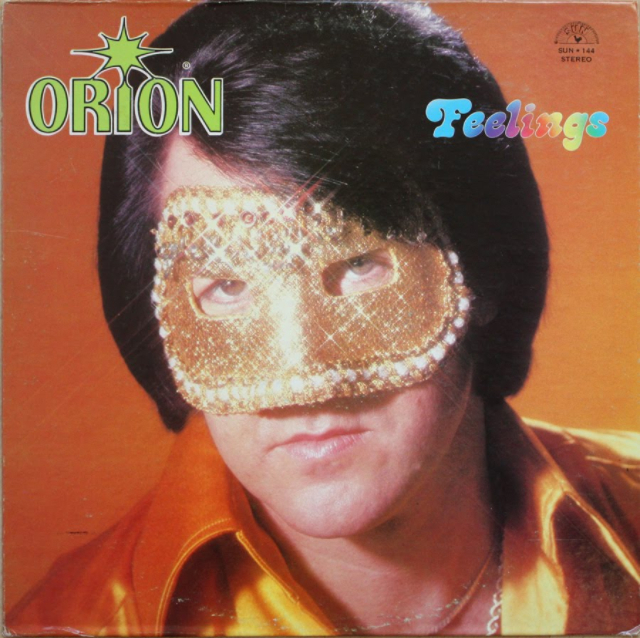
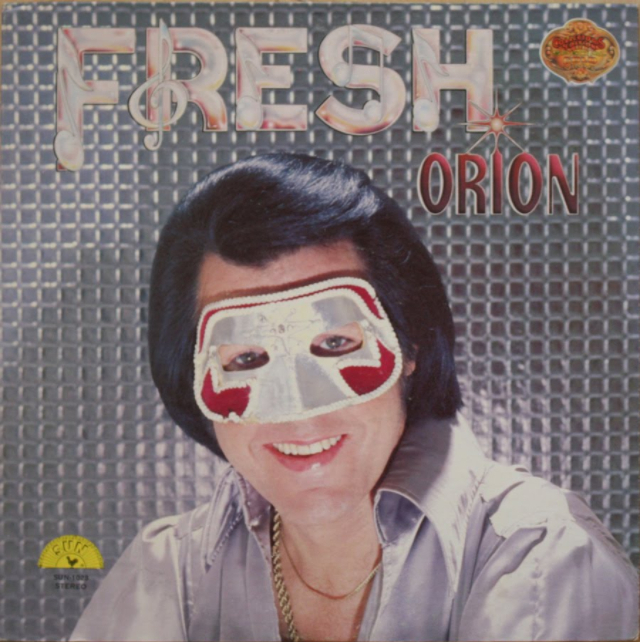
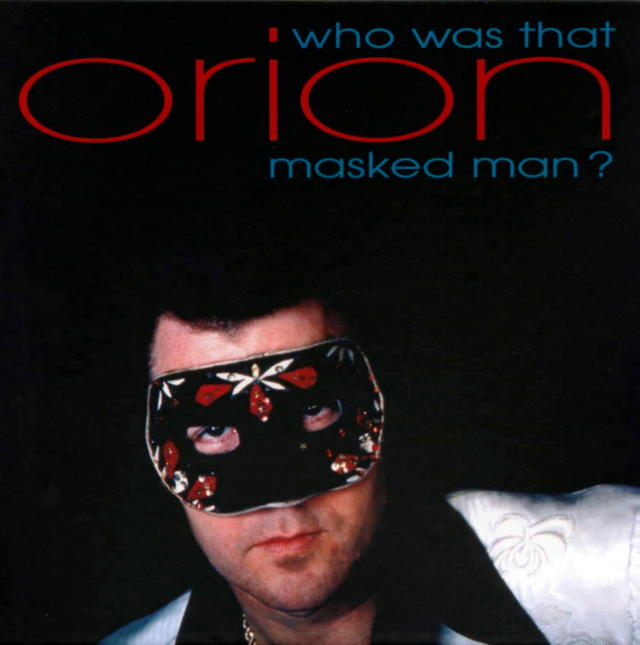
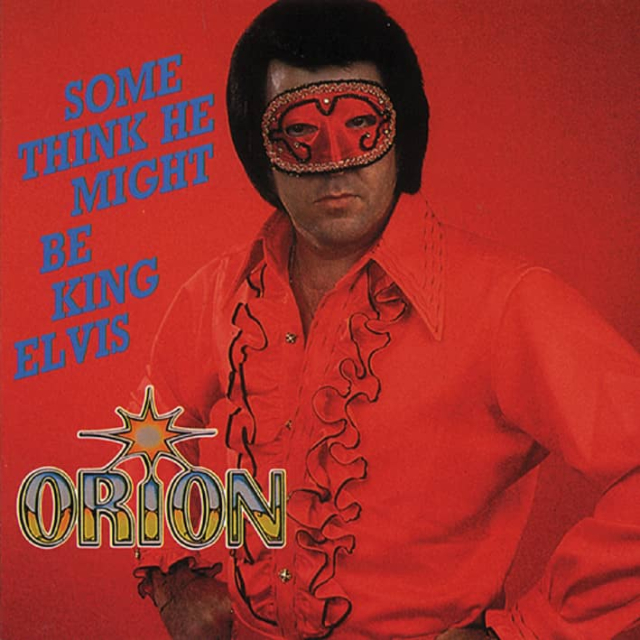
The Man Who Would Be King: Some Vintage Album Covers of Orion, Elvis Presley’s Masked Doppelganger

“If Elvis is alive, he wears a mask and goes by the name Orion.”
Ever heard of Orion? An unknown singer plucked from obscurity and thrust into the spotlight as part of a crazy scheme that had him masquerade as Elvis back from the grave.

Jimmy Ellis was born James Hughes Bell in Pascagoula, Mississippi on February 26, 1945. He began recording rockabilly songs and ballads for the Dradco label in 1964, never attaining much success as record executives and local DJ’s found he sounded too much like a “second-rate” Elvis Presley.

Things changed dramatically for Ellis in 1972 when Shelby Singleton, owner of the Sun Records catalog since buying it from Sam Phillips in 1969, heard one of Ellis’ singles. The likeness between Ellis’ voice and Elvis’ was so uncanny to Singleton that he asked that Jimmy record Presley’s career-launching “That’s Alright Mama” and “Blue Moon of Kentucky” on a single, that was subsequently released without a name credited on the label. When RCA Records, the owners of the rights to Elvis’ songs, heard the recording, they thought Singleton had unearthed lost Presley tapes and had released them without consent, very nearly suing Singleton until convinced the voice didn’t belong to Presley by running voice-print analysis.

In 1977, Ellis was preparing to release the album, Ellis Sings Elvis, when Elvis Presley passed away at his Graceland mansion. Taking advantage of the event, producer Bobby Smith rushed the product onto the market while at the same time asking Singleton if he wanted in on their project. After a meeting with both Bobby and Jimmy, Shelby began formulating the idea that would turn Ellis into “Orion,” partly based on an unpublished book he had heard about written in the early 1970s by Gail Brewer-Giorgio, which imagined the life of a rags-to-riches rock singer who eventually died after succumbing to drugs and ill-health, startlingly similar to the life of Elvis.

Singleton took the fictional character’s name of Orion Eckley Darnell and gave Ellis his new alter ego, and thereafter took steps to trade off on the public’s reluctance to believe that Elvis Presley was really gone. The resemblance between the two singers’ voices paired with Ellis’ thick black hair and Elvis-like wardrobe (the mask was devised by Singleton to hide the fact that, facially, Jimmy bore no resemblance at all to Elvis) helped to give Orion audiences of 1,000+ in his appearances in the American south during the late 1970s and into the 1980s. Orion’s reputation grew, garnering him a devout fan-base; at one point he had 15,000 members in his fan club; some fans would travel across the country to see him perform, and two fans consisting of a mother and daughter would follow Orion on tour for months at a time.

Ellis started to become at odds with his fame, some speculating because he wasn’t being recognized as himself, but merely as an Elvis imitator under a mask. Tension grew between he and Singleton over Ellis wanting to record under his real name, eventually ending up with Jimmy pulling off his mask in mid-performance during a 1981 New Year’s Eve concert; a photographer caught the unmasking and the myth of Orion was exposed, showing the fans that he looked nothing like Presley and thereby shattering the illusion. Singleton parted ways with Ellis immediately afterward.

Ellis continued to record under the Orion name, but to smaller and smaller sales and audiences alike; during the mid-to-late 1990s, he virtually retired from performing and opened several stores near a highway on land that he inherited from his parents, including a gas station and convenience store.

On December 12, 1998, Ellis was murdered during a robbery in his store, Jimmy’s Pawn Shop. Jeffrey Lee was convicted of the murder of Ellis and Ellis’ ex-wife Elaine Thompson, who was working as an employee at the store, and the attempted murder of employee Helen King. Lee was sentenced to death and his appeal against the sentence was refused on October 9, 2009.

The Story of Painless Parker, an Early 20th Century Street Dentist Who Pulled 357 Teeth in One Day

Please help us to continue our work bringing you the best in history on a daily basis. The cost of subscriptions to journals, archives and other media is expensive. We also have the added internet costs. You can help us by subscribing to this page for $5 per month or if you like you can make a one-time donation at https://www.buymeacoffee.com/YesterdayToday

Thank you for your consideration.

Yesterday Today

Subscribe to get access

Read more of this content when you subscribe today.

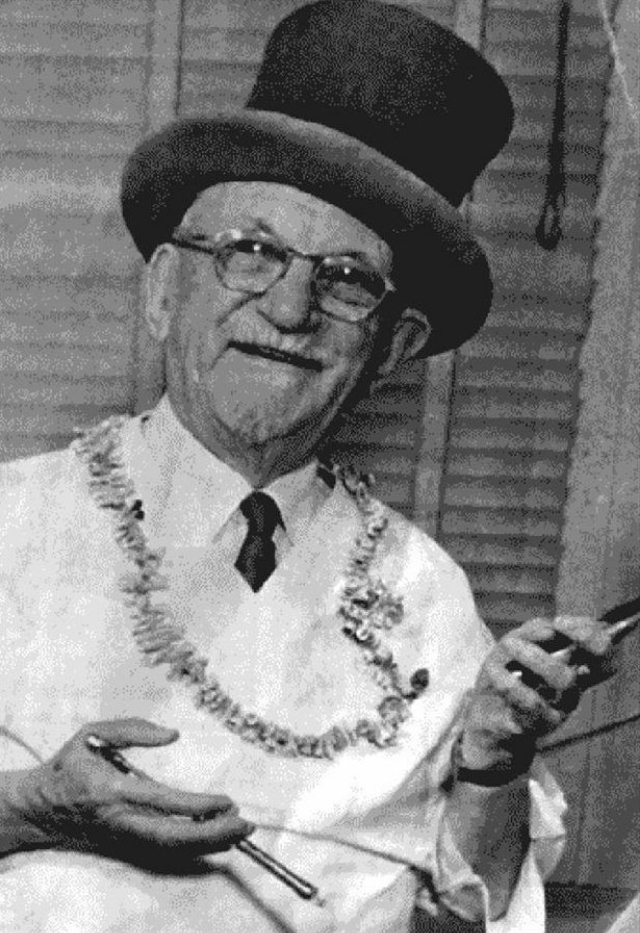
Before local anesthesia could manage the pain, one early 20th century dentist distracted his patients with showgirls and brass bands. Painless Parker found that a bit of the old razzle dazzle not only added enough commotion to keep a person from focusing too much on a tooth pulling, it drew an audience of prospective patients.

Painless Parker with his necklace of teeth; the necklace in the Dental Museum at Temple University.

Subscribe to continue reading

Become a paid subscriber to get access to the rest of this post and other exclusive content.

50 Amazing Vintage Photos From the 1940s Volume 11

The 1940s (pronounced “nineteen-forties” and commonly abbreviated as “the 40s”) was a decade that began on January 1, 1940, and ended on December 31, 1949.

Most of World War II took place in the first half of the decade, which had a profound effect on most countries and people in Europe, Asia, and elsewhere. The consequences of the war lingered well into the second half of the decade, with a war-weary Europe divided between the jostling spheres of influence of the Western world and the Soviet Union, leading to the beginning of the Cold War. To some degree internal and external tensions in the post-war era were managed by new institutions, including the United Nations, the welfare state, and the Bretton Woods system, facilitating the post–World War II economic expansion, which lasted well into the 1970s. The conditions of the post-war world encouraged decolonization and the emergence of new states and governments, with India, Pakistan, Israel, Vietnam, and others declaring independence, although rarely without bloodshed. The decade also witnessed the early beginnings of new technologies (such as computers, nuclear power, and jet propulsion), often first developed in tandem with the war effort, and later adapted and improved upon in the post-war era. (Wikipedia)

Glenn Strange and Lon Chaney, Jr. chatting behind the scenes while filming “Abbott and Costello Meet Frankenstein” in 1948.
Getting measurements for an Italian beauty pageant, 1940s.
Reading the daily newspaper on Oakdale Farm, 1948.
Hedy Lamarr starred in the romantic/comedy film, “The Heavenly Body” in 1944.
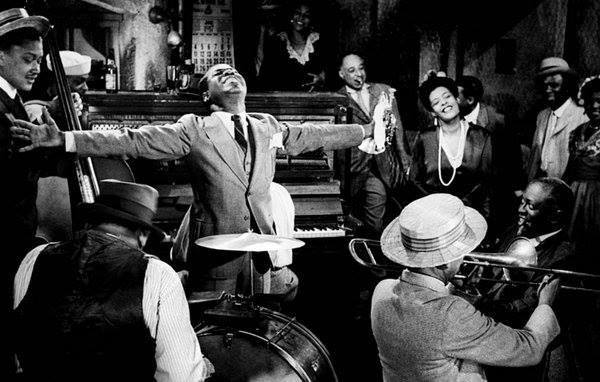
Louis Armstrong and Billy Holiday performing in 1949.
St Paul’s Cathedral survived mostly intact, after a raid on London during the Blitz. 1940
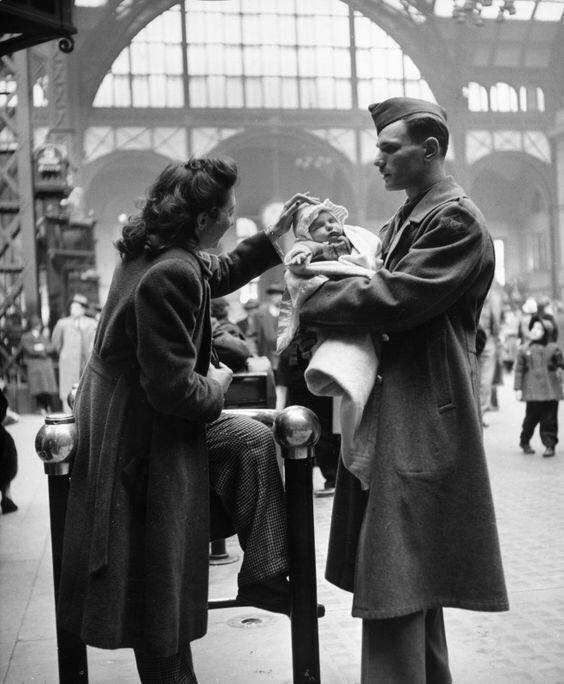
A soldier saying goodbye to his wife and infant child in Pennsylvania Station, New York City, 1943
A sargeant bandaging the wounded ear of Jasper, a mine-detecting dog in Bayeux, France, 1944
Battle between tanks near Kursk in the Soviet Union, 1943
U.S. Mail truck used in snowy mountain sections of Nevada County, California, November 1940.
The hunters, Dailey, West Virginia, December 1941.
The Mint, California, November 1940.
The ‘No Hat’ Craze, 1940
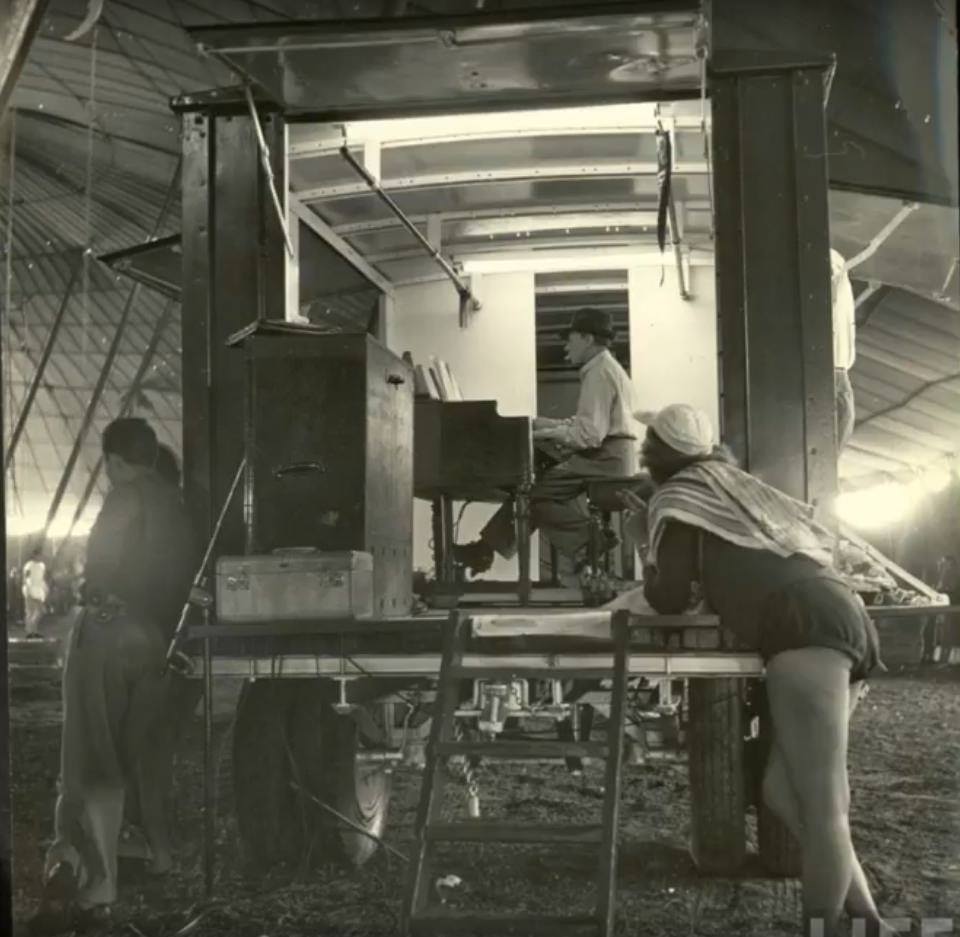
Piano man, Sarasota, Florida, 1949.
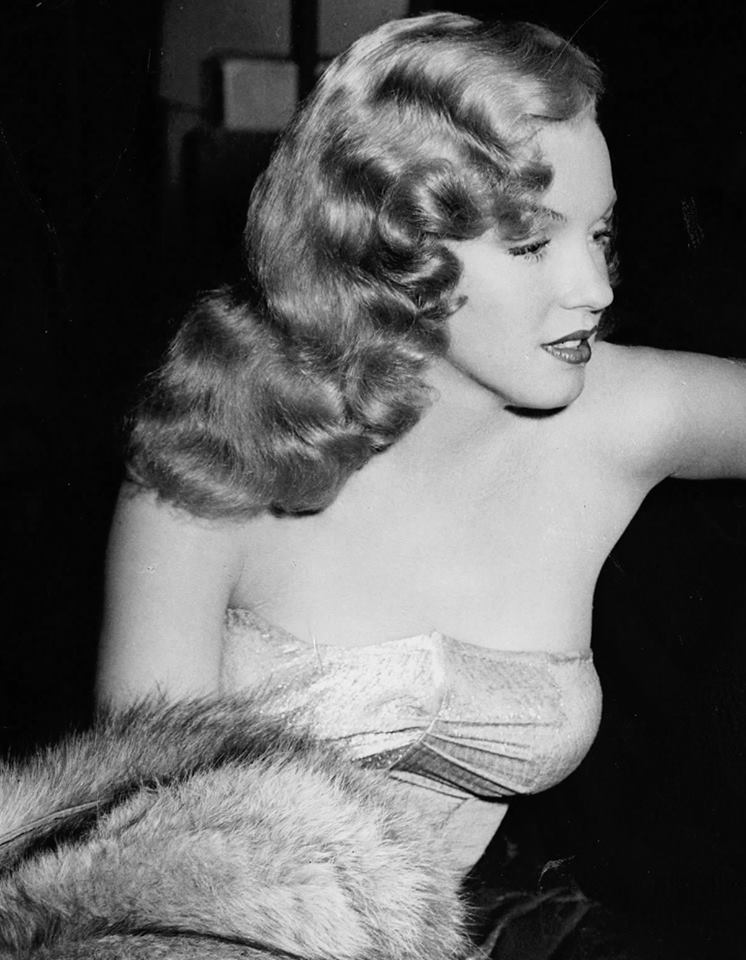
Marilyn Monroe in 1949.
Marilyn Monroe on the set of “Love Happy,” 1949.
Firefighters dampening down in King William Street, London, on the morning after a heavy, night bombing raid. Sept. 1940
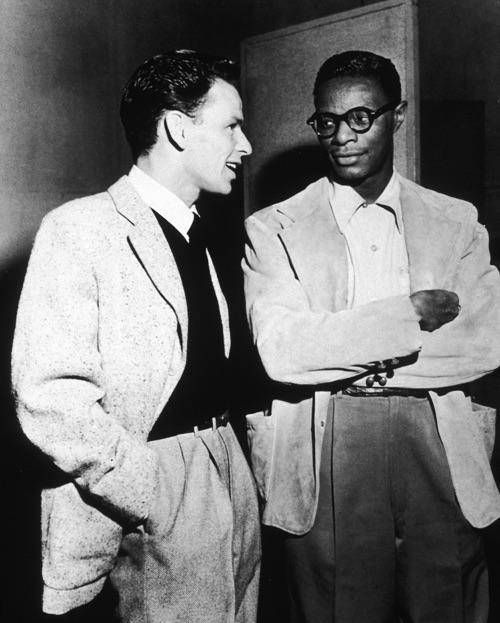
Cool crooners Frank Sinatra and Nat King Cole, 1946.
Two boys are surprised and amazed on their first elevator ride, 1948.
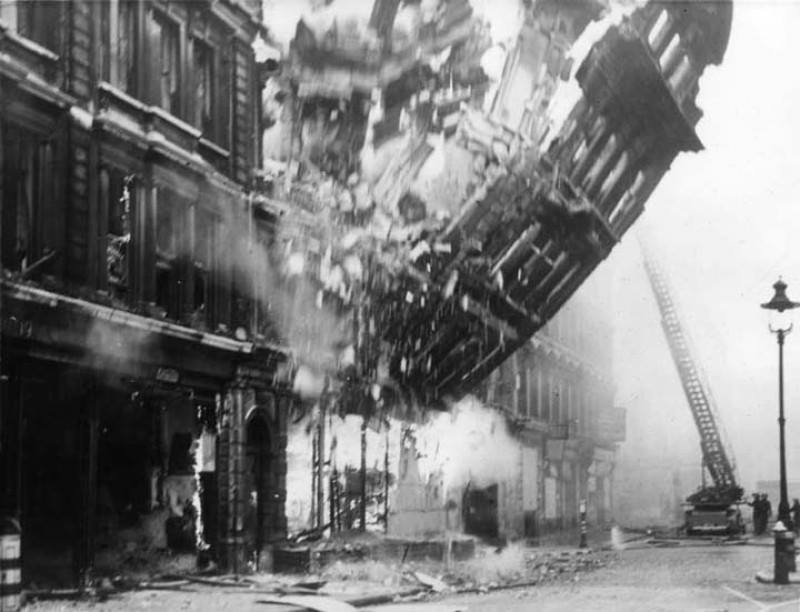
The falling building front of the Salvation Army Headquarters on Queen Victoria Street, London, 1941.
Little nurses help their patient after the Blitz in London, 1940.
Hattie McDaniel was the first African-American to win an Oscar in 1940 for her portrayal of ‘Mammy’ in “Gone With the Wind”.
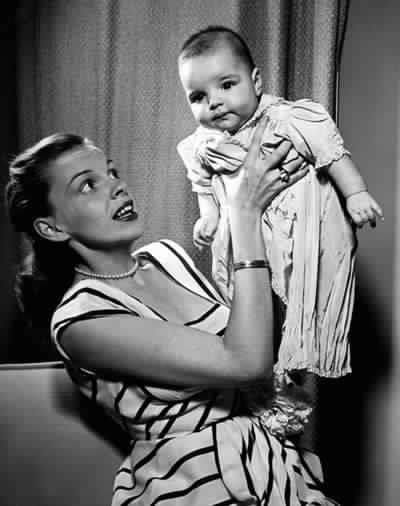
Judy Garland and Liza Minnelli, 1946.
Taking frozen long johns off the clothes line in the 1940s.
Lana Turner in 1943.
Sinclair gas station in Durham, North Carolina. 1947
Behind the scenes of “Casablanca” 1942
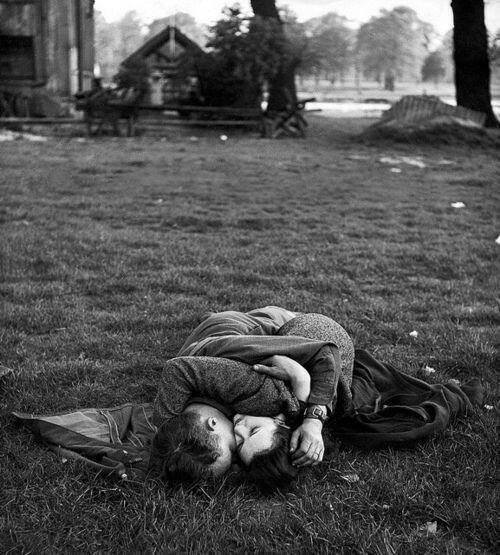
American soldier and his English girlfriend on lawn in Hyde Park, London, 1944.
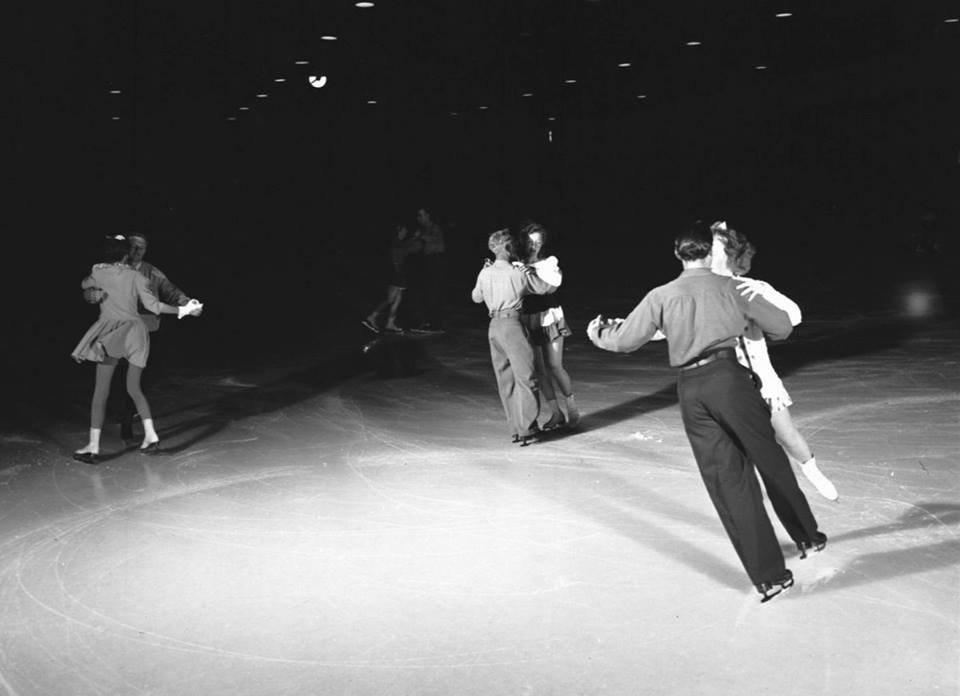
Couples ice skating at the Polar Palace in Hollywood, 1943.
A kind French women pours a hot cup of tea for a British soldier in Normandy, 1944.
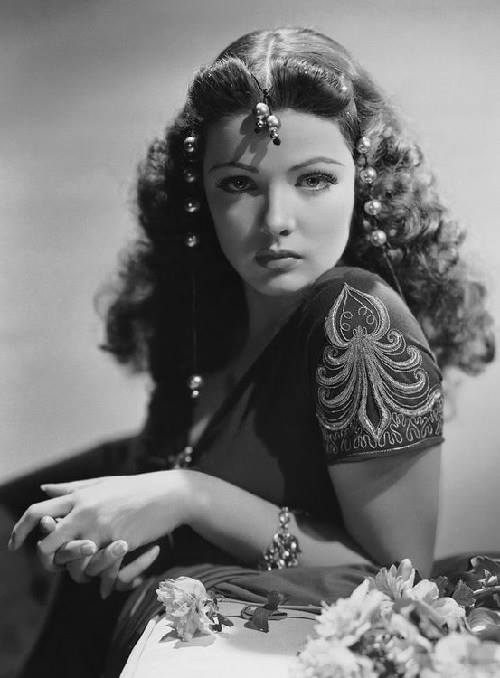
Gene Tierney as ‘Zia’ in the film, “Sundown” 1941.
Water skiers at a show at Cypress Gardens in Winter Haven, Florida. 1942
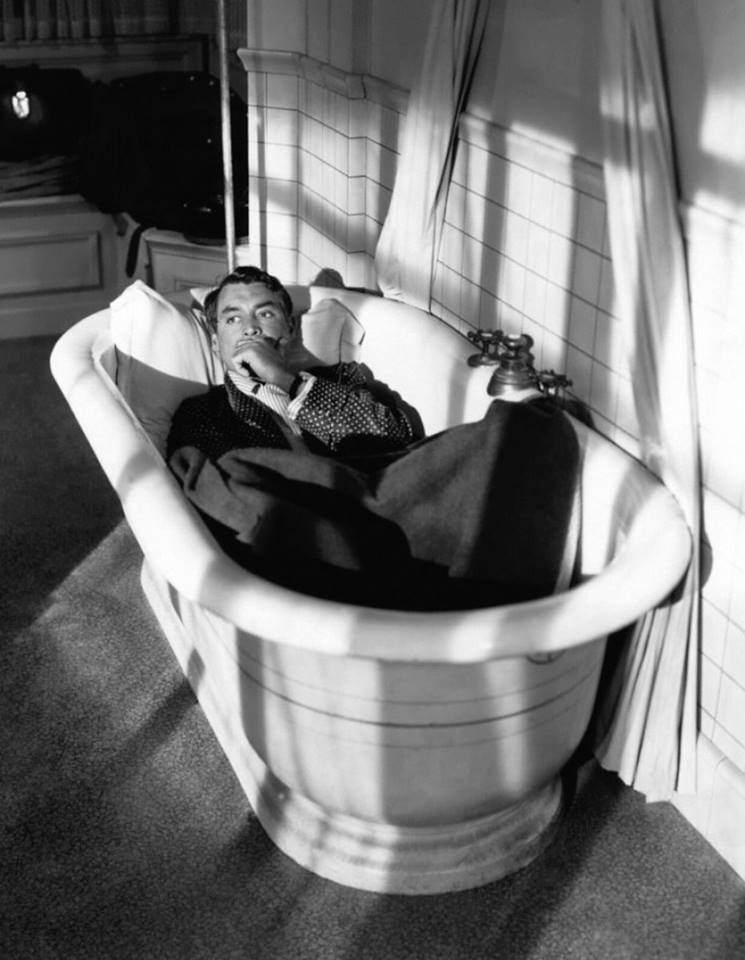
Cary Grant takes a break while filming “I Was a Male War Bride” 1949
The view from the Empire State Building, 1947.
Way before she was known as ‘Endora’ on “Bewitched” Agnes Moorehead received her first Oscar nomination for her performance as ‘Aunt Fanny Minafer’ in the 1942 Orson Welles film, “The Magnificent Ambersons.”
The stunning Vivien Leigh was hand-picked to play the lead role in “Caesar and Cleopatra” 1945.
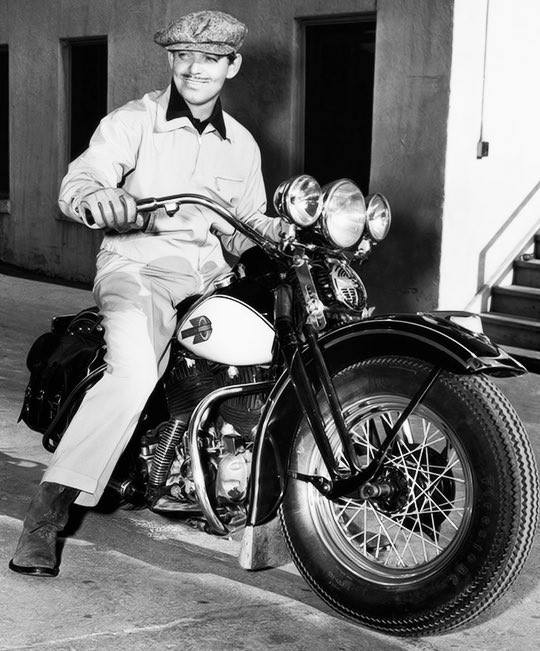
Clark Gable, 1942.
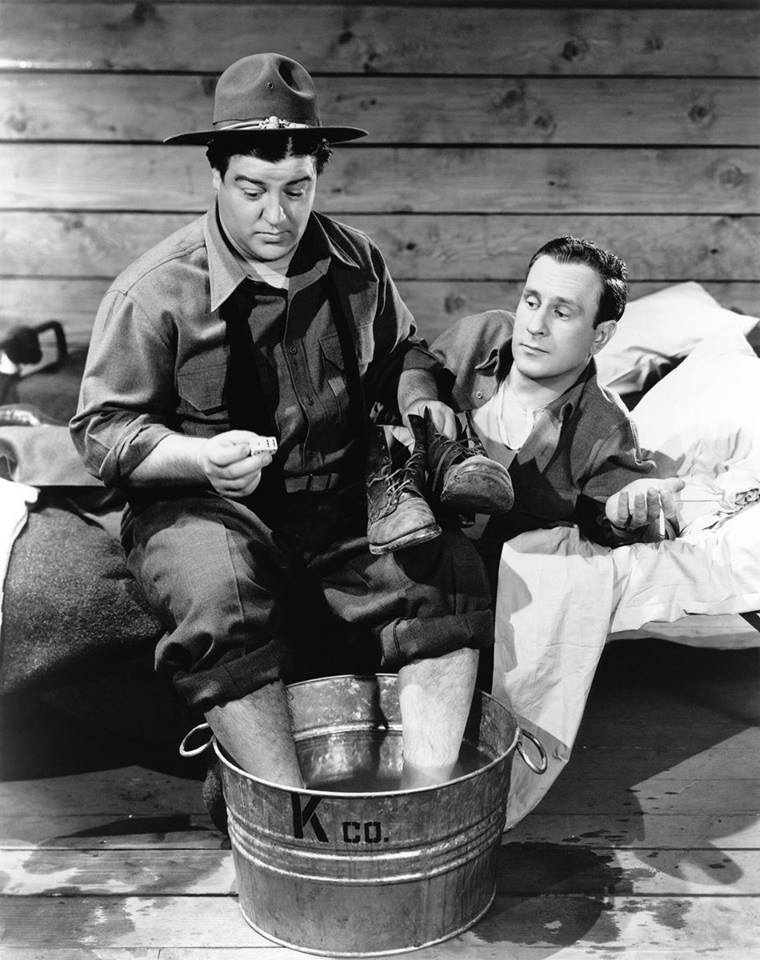
Lou Costello and Bud Abbott in a publicity photo for “Buck Privates” 1941
Humphrey Bogart and Ingrid Bergman chatting on the set of “Casablanca” 1942
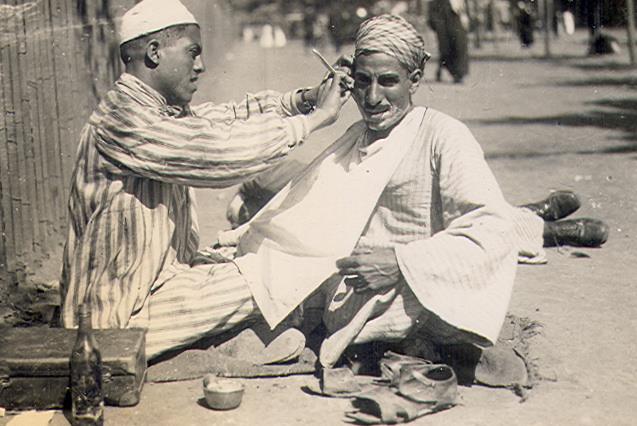
Street barber in Cairo, Egypt, 1940s.
Girls wearing extremely short skirts on the street in Japan in 1947, just after the war.
A U.S. Marine reaches through the barbed wire of a civilian containment area to give a young Japanese boy candy during the Battle of Tinian. 1944
Hillside houses overlook smoke-belching steel mills in Pittsburgh, Pennsylvania, 1949.
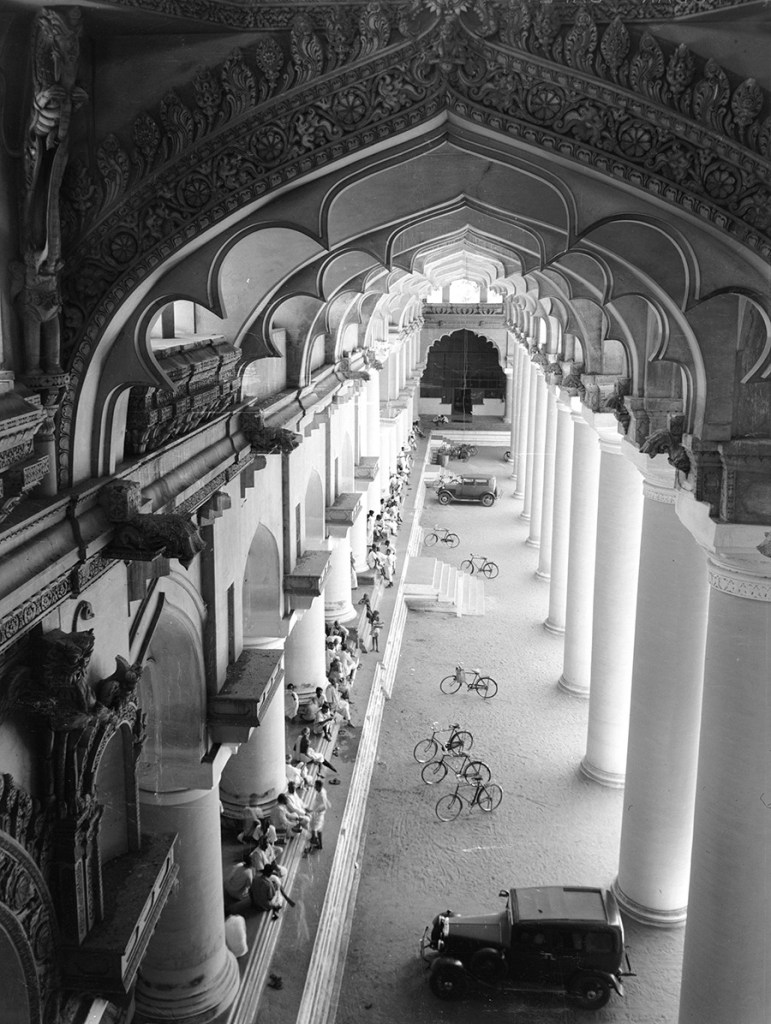
A view of the ornate art and architecture of a building in Chennai, India, 1948.
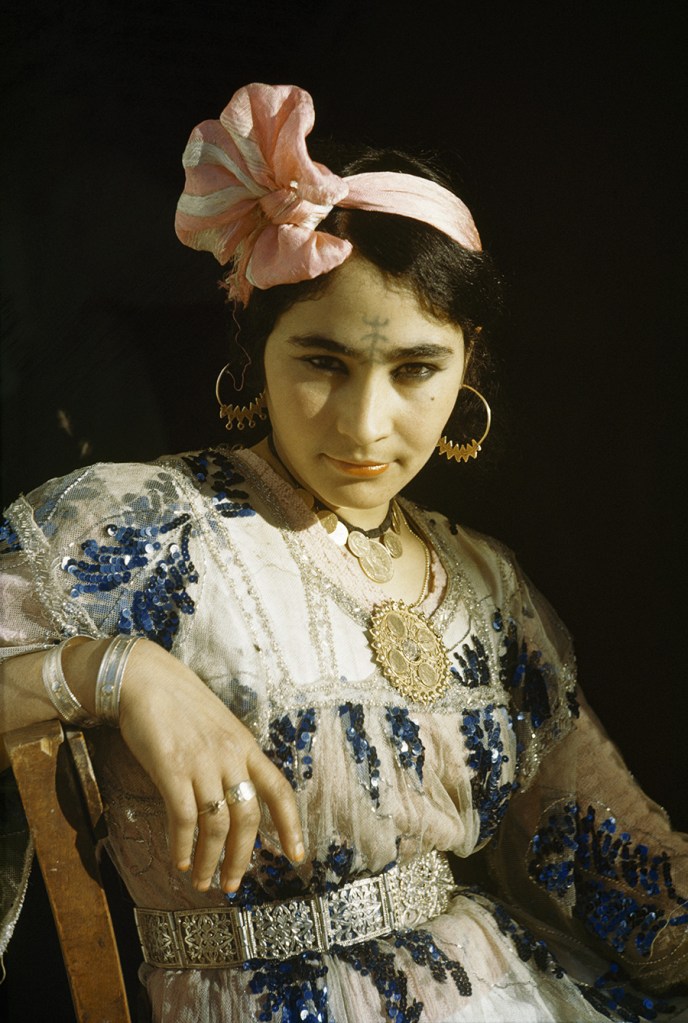
An Ouled Nail woman in Algeria wears a tattoo that is customary for dancers, 1949.
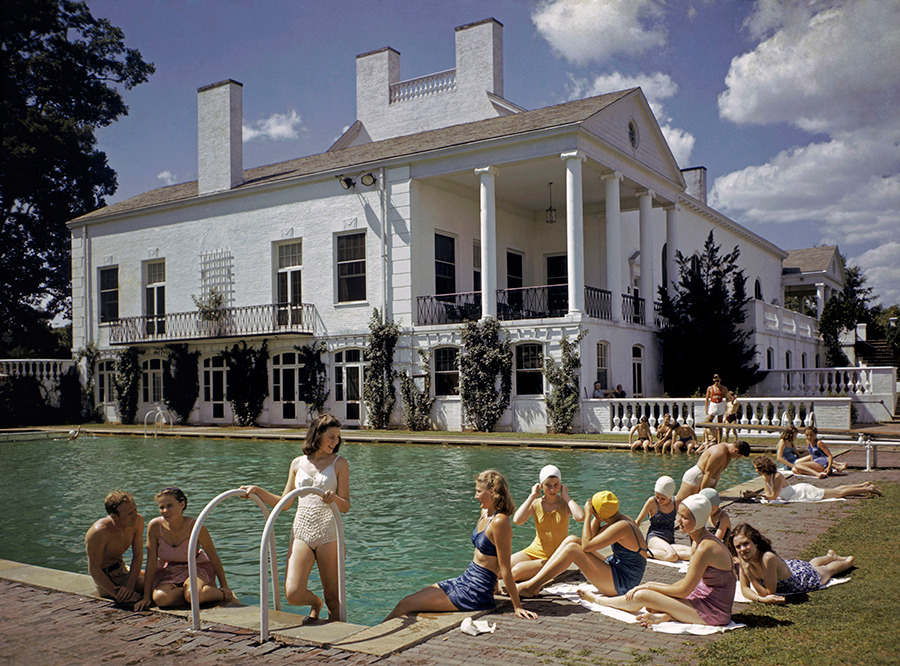
People sunbathe beside a swimming pool in Charlotte, North Carolina, 1941.
Two women on a shopping trip walk across a street in Havana, Cuba, 1947.
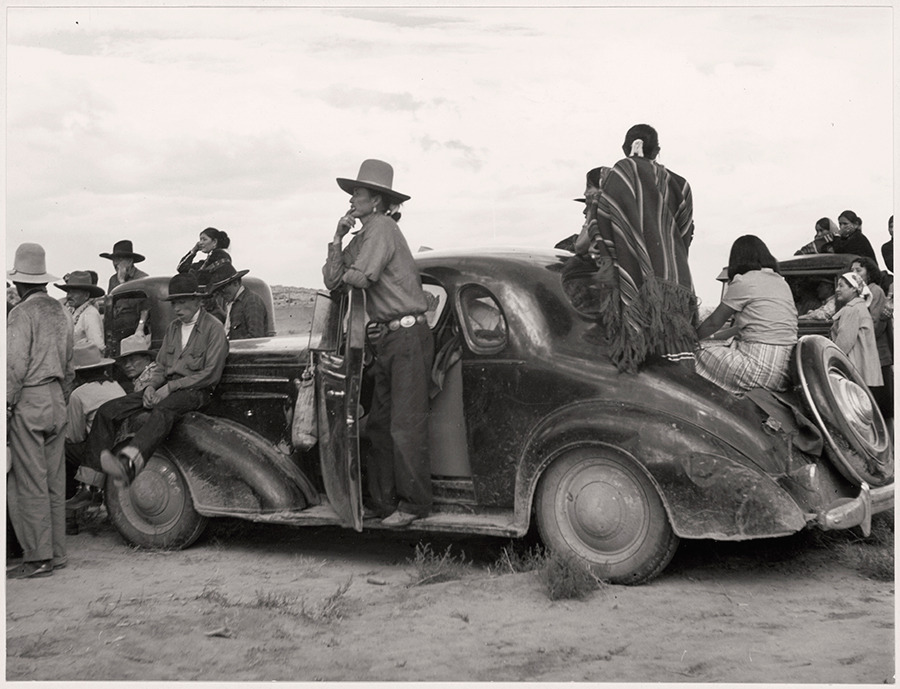
New Mexico, 1941.
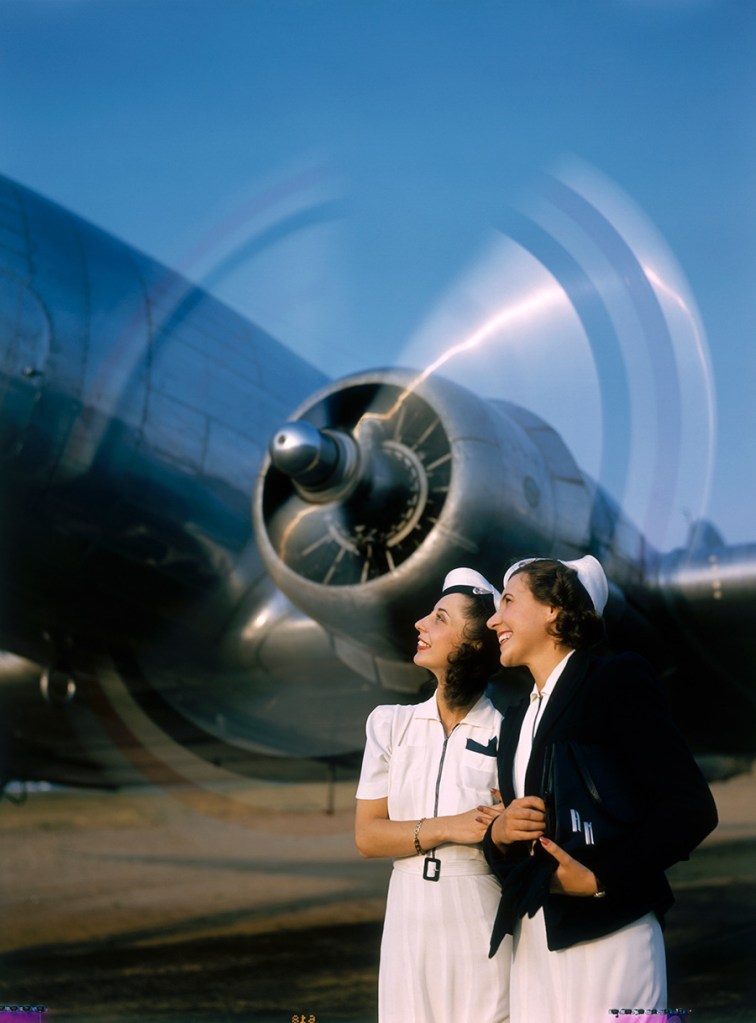
Two young women stand near a turning aircraft propeller, 1940.

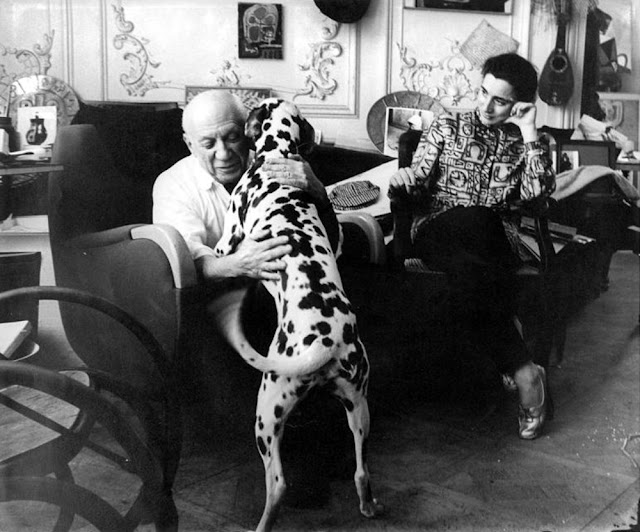
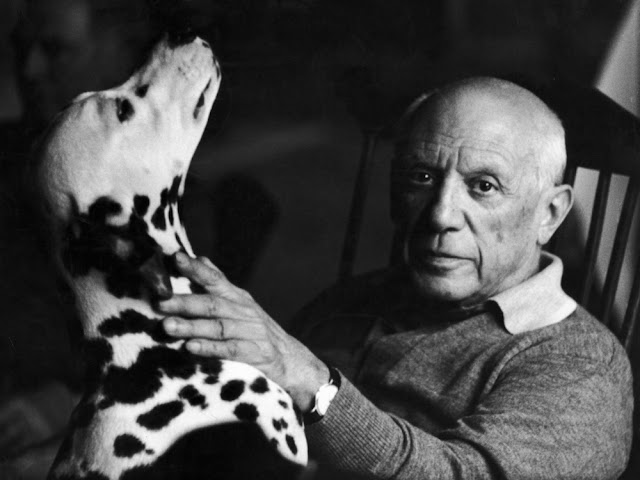
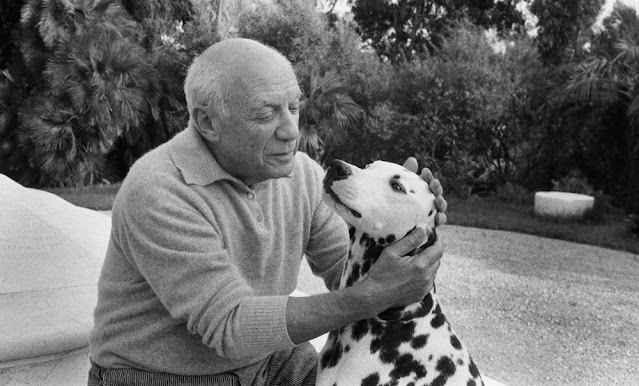
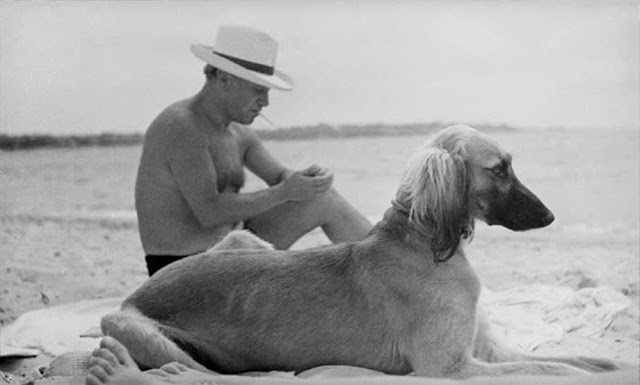
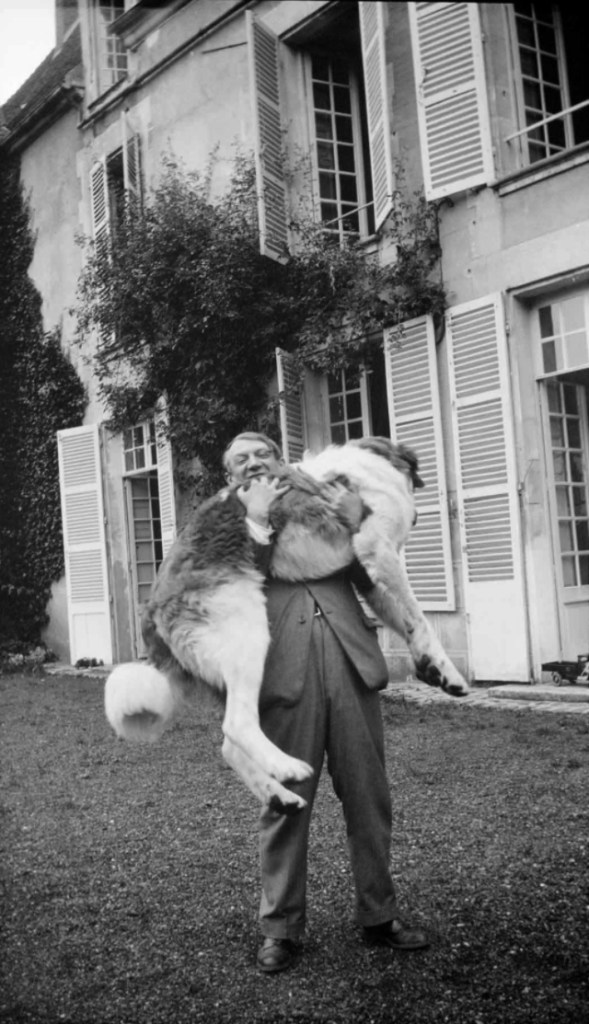
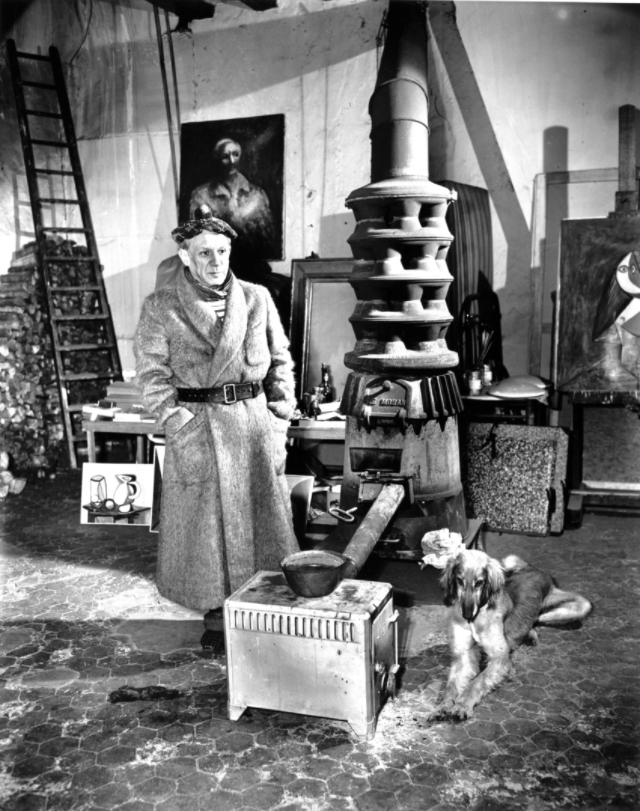
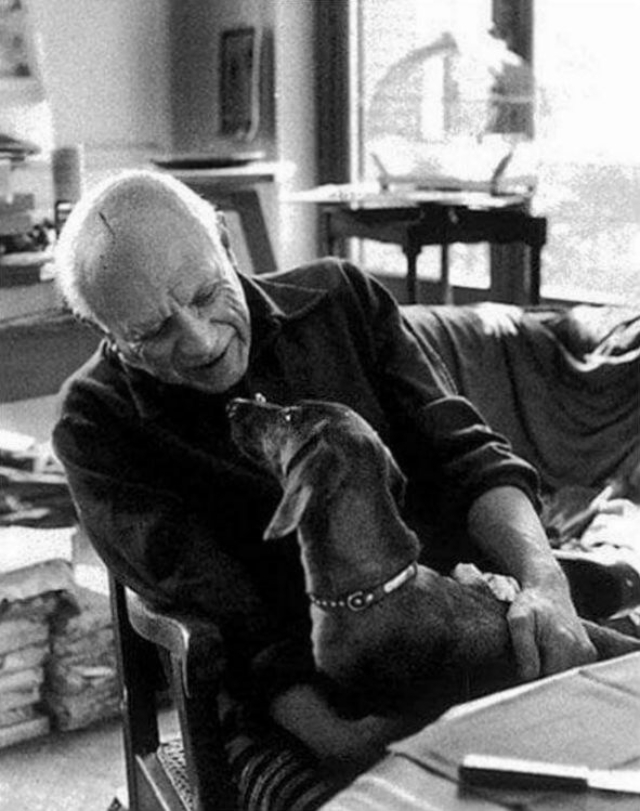
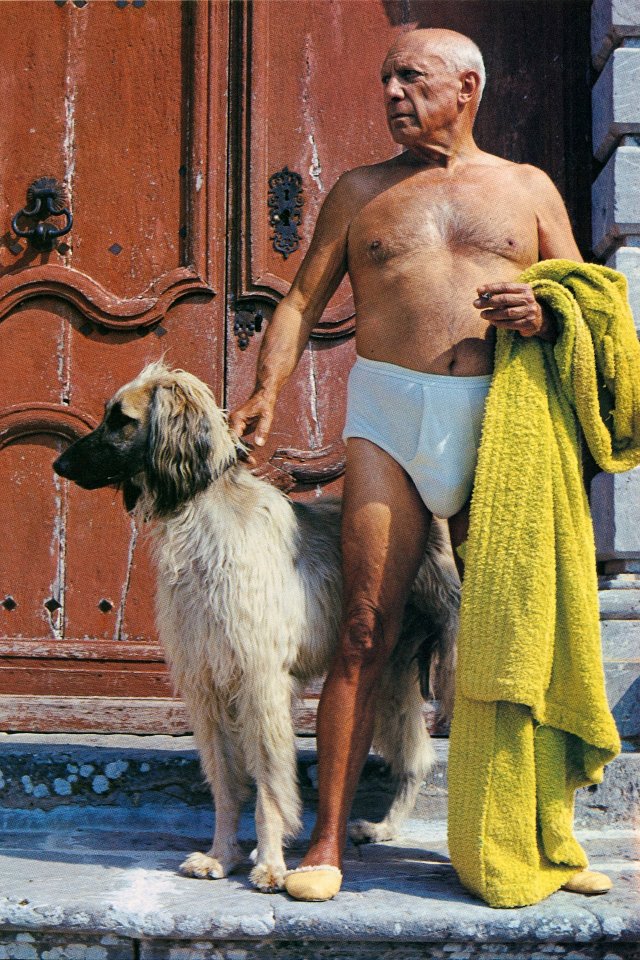
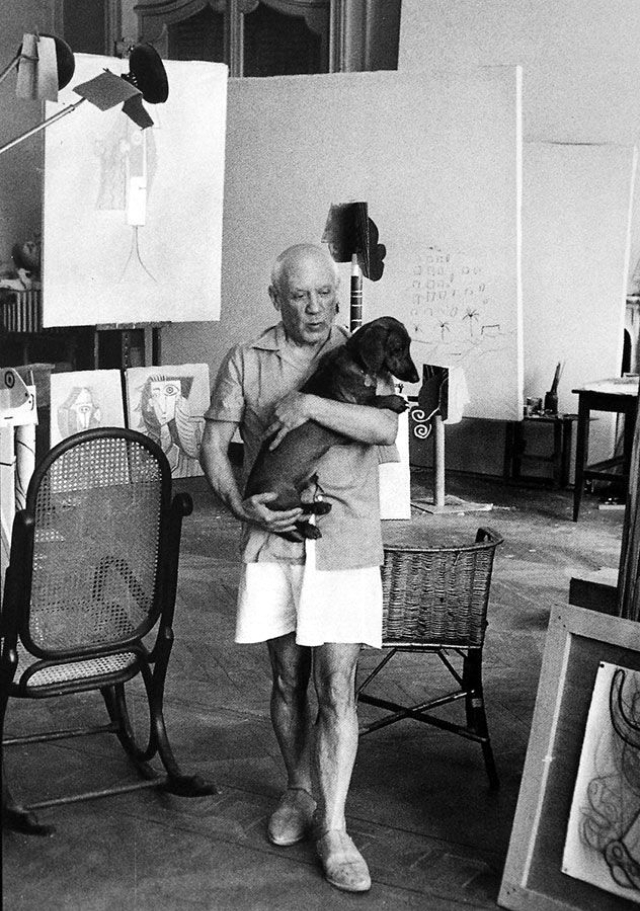
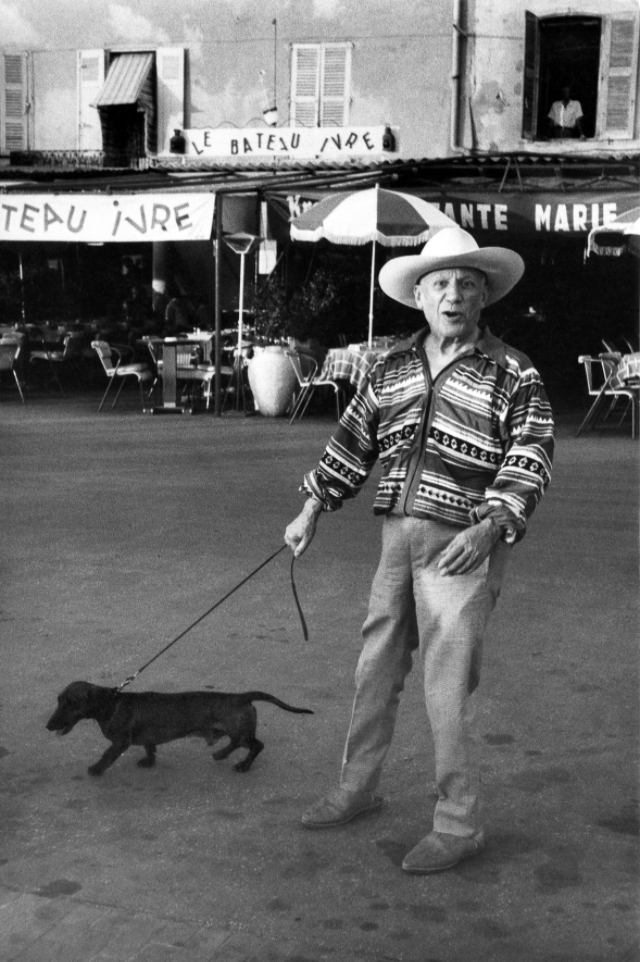
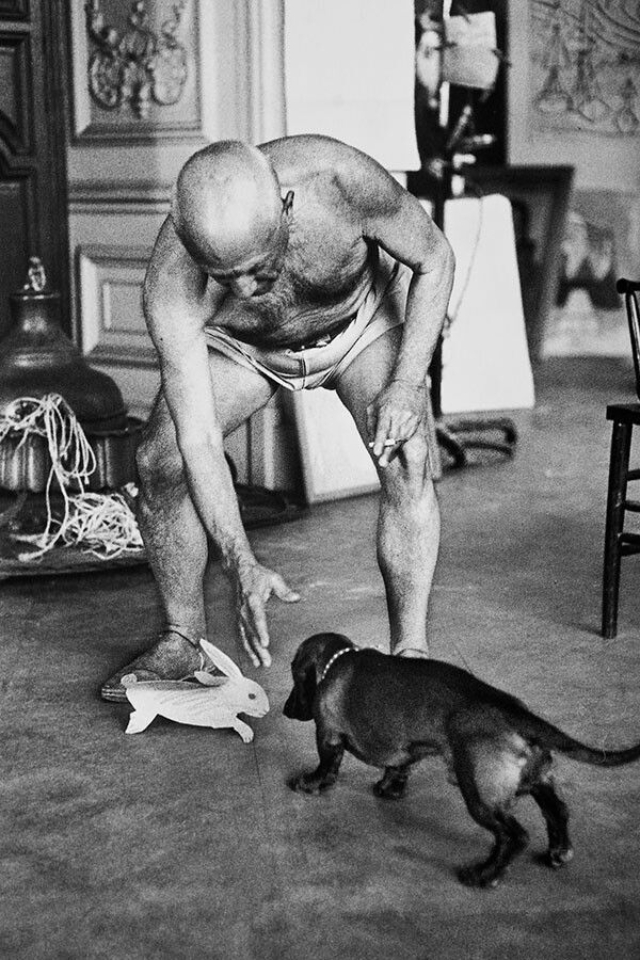
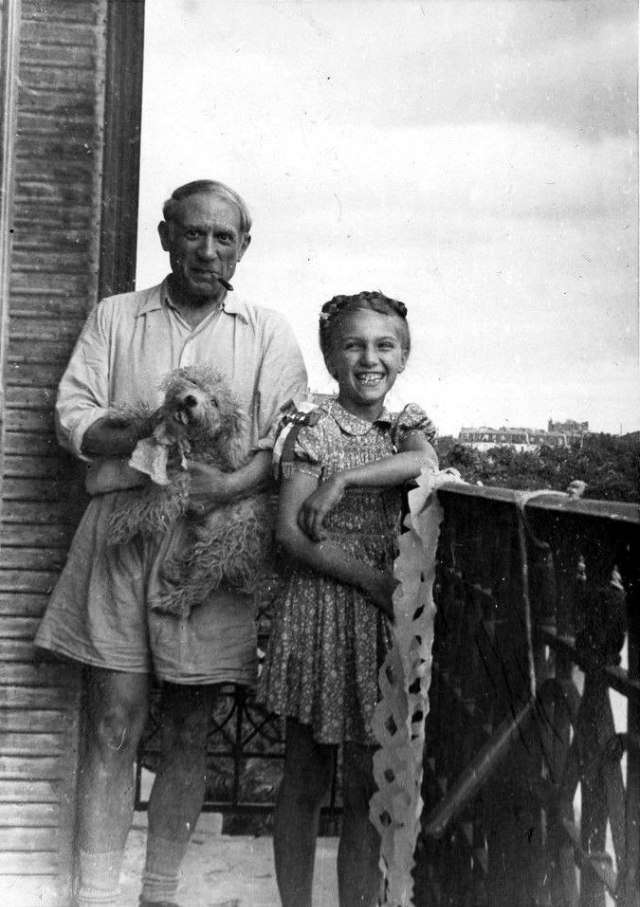
25 Snapshots of Pablo Picasso Posing With His Beloved Dogs

“Pablo loved to surround himself with birds and animals. In general they were exempt from the suspicion with which he regarded his other friends.” – Françoise Gilot

Picasso’s life, like his art, was filled with animals. His father was a breeder of pigeons and taught his son how to paint them. His love for these birds continued into later life. His drawing Dove of Peace was chosen as the emblem for the first International Peace Conference in 1949. He also named his second daughter ‘Paloma’, which is Spanish for dove.

Dogs feature across Picasso’s work and were constant companions throughout his life too. He owned many breeds over the years, including terriers, poodles, a Boxer, a Great Pyrenees, a German Shepherd and Afghan Hounds. The best known of his pet dogs is Lump the dachshund. The relationship between artist and dog was described as a ‘love affair’ and Lump appears in a number of Picasso’s paintings. He lived with Picasso until a week before the artist’s death in 1973.

Pablo Ruiz Picasso (25 October 1881 – 8 April 1973) was a Spanish painter, sculptor, printmaker, ceramicist and theatre designer who spent most of his adult life in France. Regarded as one of the most influential artists of the 20th century, he is known for co-founding the Cubist movement, the invention of constructed sculpture, the co-invention of collage, and for the wide variety of styles that he helped develop and explore. Among his most famous works are the proto-Cubist Les Demoiselles d’Avignon (1907), and the anti-war painting Guernica (1937), a dramatic portrayal of the bombing of Guernica by German and Italian air forces during the Spanish Civil War.

Picasso demonstrated extraordinary artistic talent in his early years, painting in a naturalistic manner through his childhood and adolescence. During the first decade of the 20th century, his style changed as he experimented with different theories, techniques, and ideas. After 1906, the Fauvist work of the slightly older artist Henri Matisse motivated Picasso to explore more radical styles, beginning a fruitful rivalry between the two artists, who subsequently were often paired by critics as the leaders of modern art.

Picasso’s work is often categorized into periods. While the names of many of his later periods are debated, the most commonly accepted periods in his work are the Blue Period (1901–1904), the Rose Period (1904–1906), the African-influenced Period (1907–1909), Analytic Cubism (1909–1912), and Synthetic Cubism (1912–1919), also referred to as the Crystal period. Much of Picasso’s work of the late 1910s and early 1920s is in a neoclassical style, and his work in the mid-1920s often has characteristics of Surrealism. His later work often combines elements of his earlier styles.

Exceptionally prolific throughout the course of his long life, Picasso achieved universal renown and immense fortune for his revolutionary artistic accomplishments, and became one of the best-known figures in 20th-century art. (Wikipedia)

Yesterday Today

Bringing You the Wonder of Yesterday - Today

Skip to content ↓