Medieval Toilets in Castles

The medieval toilet or latrine, then called a privy or garderobe, was a primitive affair, but in a castle, one might find a little more comfort and certainly a great deal more design effort than had been invested elsewhere. Practicality, privacy, and efficient waste disposal were all considered and, even today, one of the most prominent and easily identifiable features of ruined medieval castles is the latrines which protrude from their exterior walls. The term garderobe later came to mean wardrobe in French and its original meaning was because of space which in castle toilets was never bigger than necessary.

Toilets were usually built into the walls so that they projected out on corbels and any waste could fall below into the castle moat. Sometimes, waste went directly into a river, and some castles, instead, had latrine shafts emptying directly in the courtyard or bailey while still others hung conveniently over a cliff face.

The protruding shaft of masonry that made up the toilet was sustained from below or might nestle in the junction between a tower and wall. Some waste shafts were short while others reached almost to the ground. In the latter case, that might prove a dangerous design feature if there were a siege of the castle.

Another design was to have tiers of toilets on the outside wall where the shafts sent waste to the same collection point. There were also toilets in ground floor buildings and these had stone drainage channels to drain away waste. Waste from such collection points, or from the ditch in general, was likely collected by local farmers to be reused as fertilizer. When castles became larger and more comfortable from the 14th century C.E., the number of conveniences increased accordingly.

MINOLTA DIGITAL CAMERA

From the interior, the toilet was set back in a recess or within a mural chamber. A short narrow passageway sometimes led to a toilet, often with a right-angle turn for greater privacy. Pairs of toilets, separated by a wall, were not uncommon and these might share the same waste chute. The chamber of the castle’s lord and the castle’s priest often had a private latrine including a chamber pot if needed which was an accessory everyone had.

The toilet seat was made of a wooden bench covering the shaft hole in the masonry. The wood was usually cut with a rectangular or keyhole aperture. Hay, grass, or even moss were used as toilet paper. However, these toilets were also a dangerous place because hay might catch fire or people might fall into the shaft.
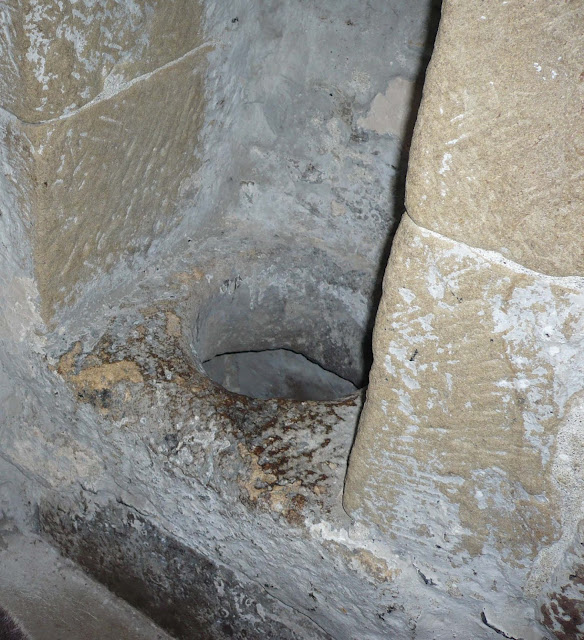
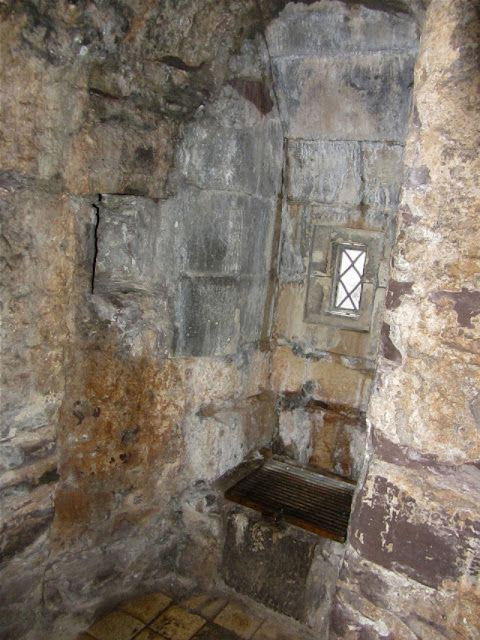
In addition, some toilets had a window to let in fresh air, which for the same reason was not shuttered like other windows of a castle. The floor might have been scattered with rushes and aromatic herbs and flowers to deter vermin and offer a more pleasant fragrance. Walls were sometimes whitewashed with a coating of lime-plaster which maximized the light coming from the small window as well as killing off bacteria.

The toilet was cleaned either by a simple bucket of water thrown down the shaft or by diverting the wastewater from the kitchen sinks. More rarely, rainwater was diverted from gutters above the latrine which might also be collected into a cistern and then periodically opened to flush the toilet shaft. Because of the stank, it wasn’t uncommon to hang clothing near latrines since ammonia fumes helped to kill mites.

Lastly, there also were urinals. They were triangular holes built into some tower walls so that defenders did not have to leave their post for very long.

Apparently, the concept of privacy and discretion came right from the noble toilets while common people used to use toilets in groups without problems, indeed, it was also an opportunity for sociability.
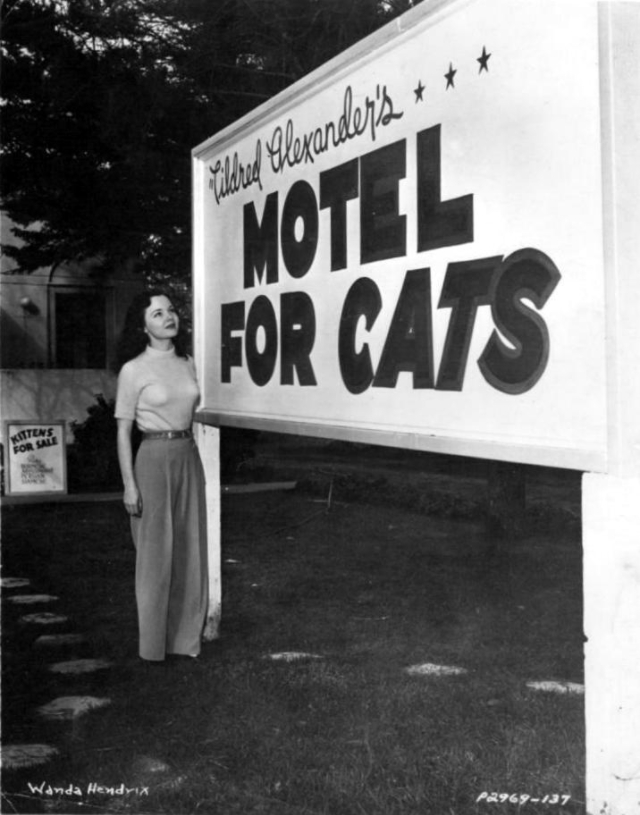
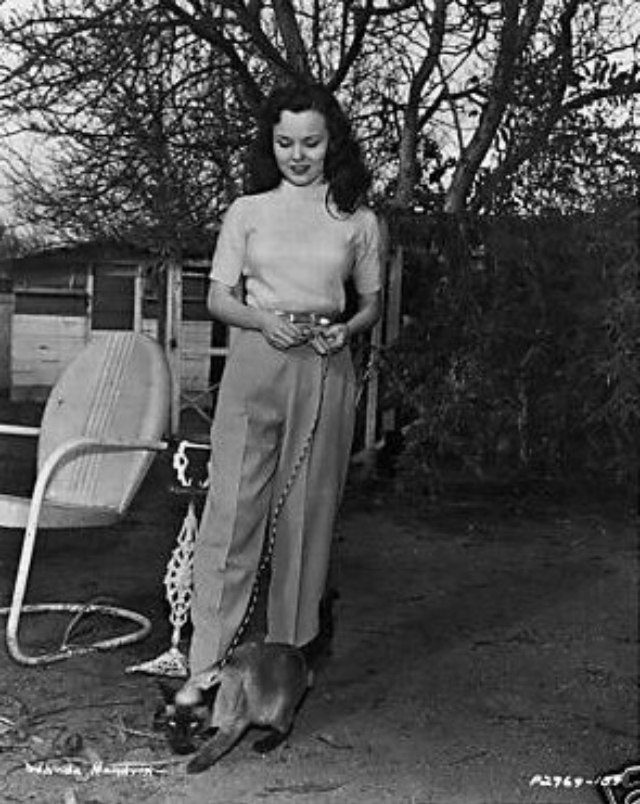
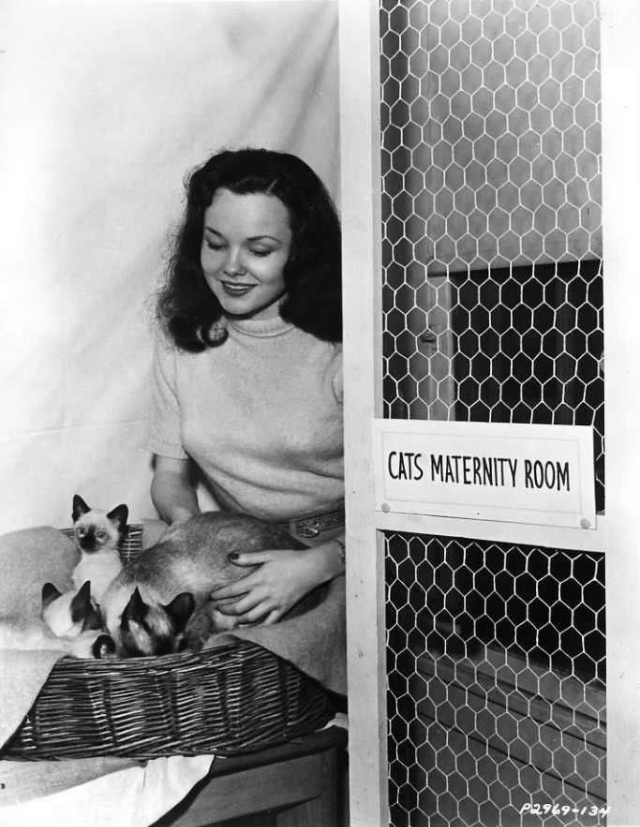
Actress Wanda Hendrix Visiting Mildred Alexander’s Motel for Cats in San Francisco, 1947

Mildred Alexander gave new meaning to the term “cathouse!” She operated a Sherman Oaks cat motel with 30 units that took up nearly an acre of ground.

Each feline was housed in a little bungalow and provided with a customized menu that might include lobster or ice water in crystal goblets. Adult cats had barrel beds while others were furnished with kitten cribs.

Each blue and white cat bungalow has its own recreation hall. The inside of the rooms will have electrical lights and will be heated in the winter. During the summer, cats will enjoy bunks with sun and breeze.

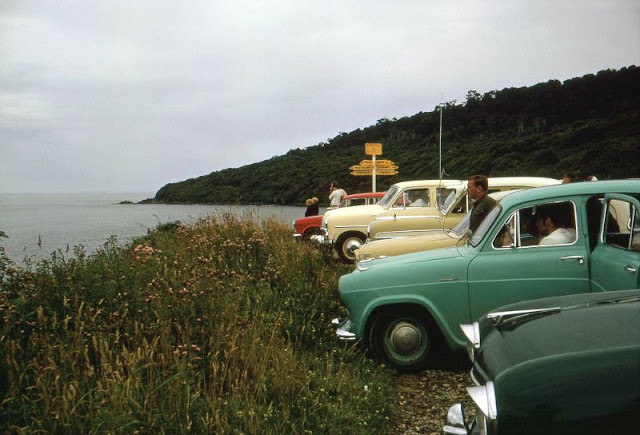
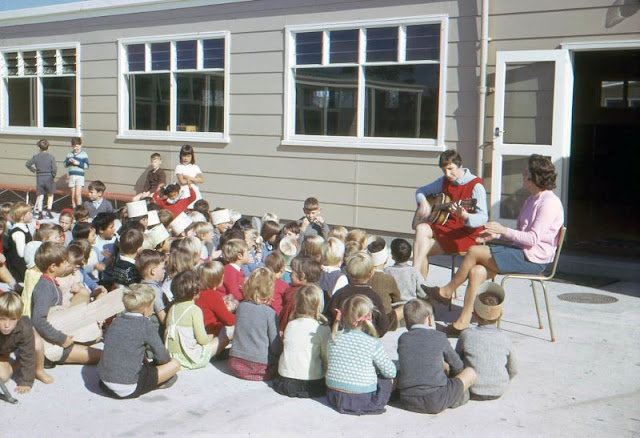
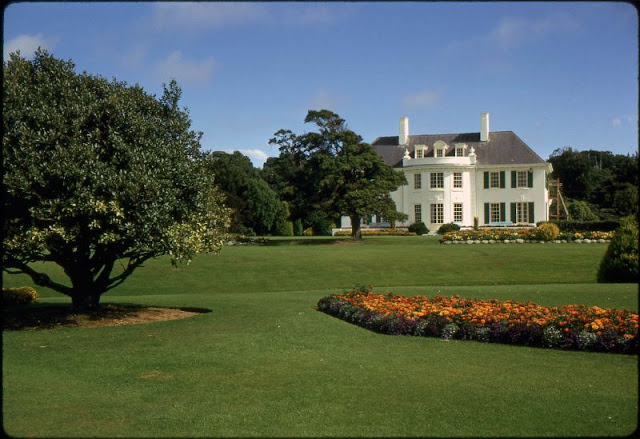
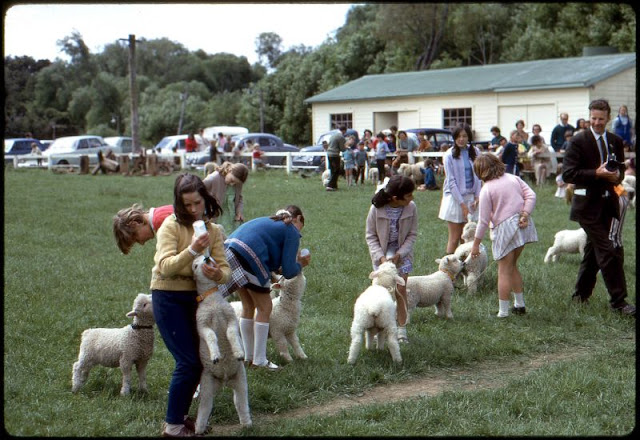
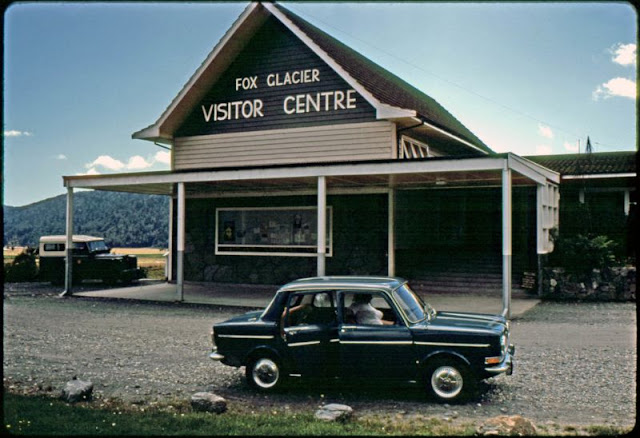
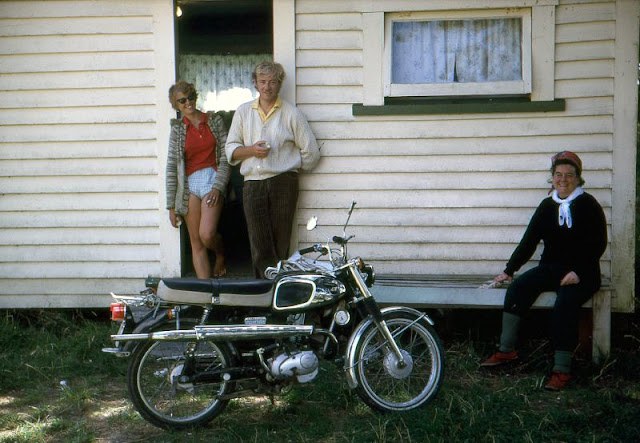
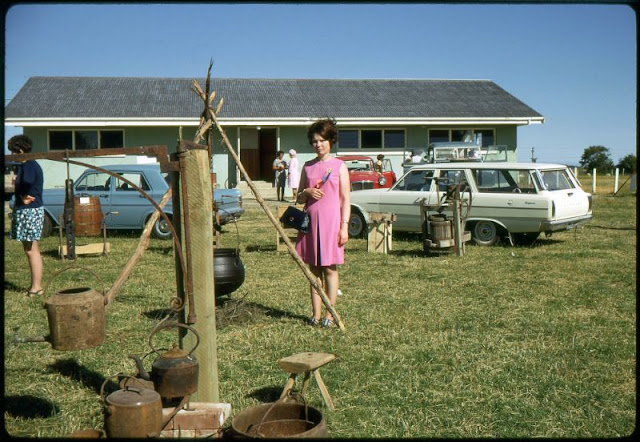
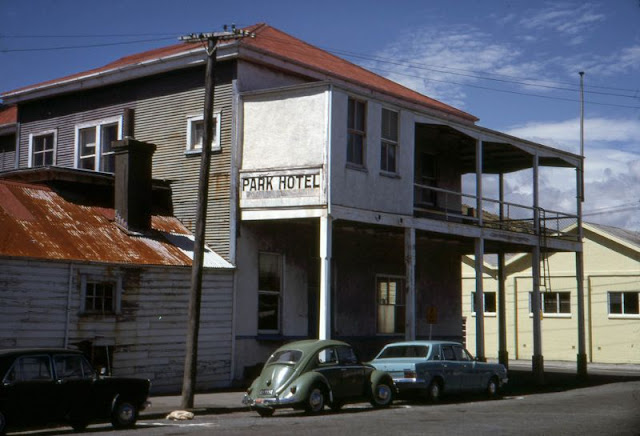
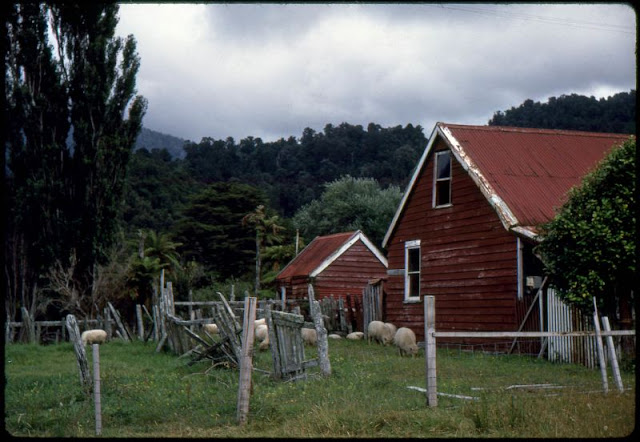
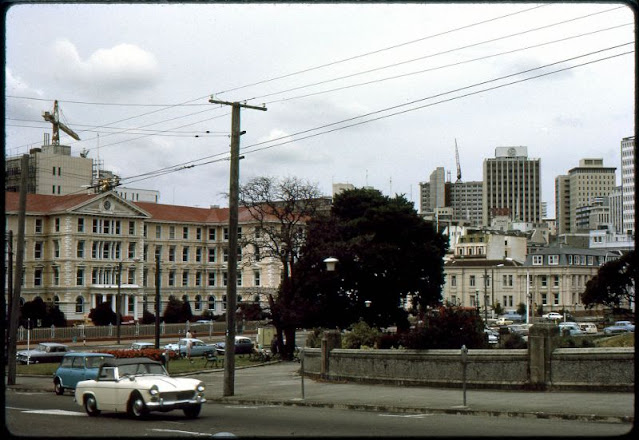
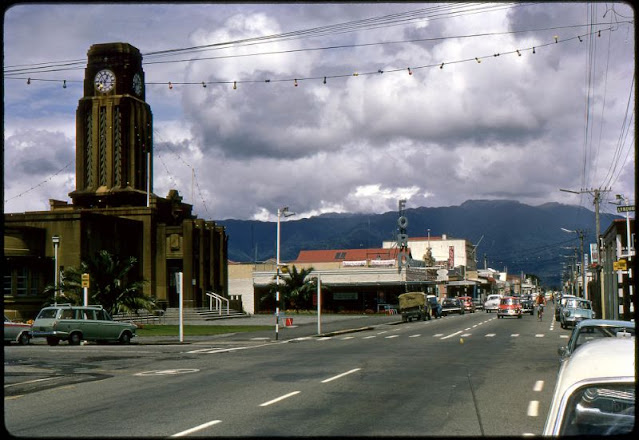
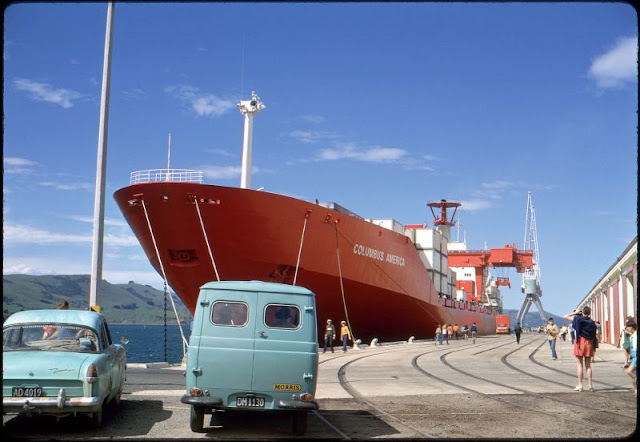
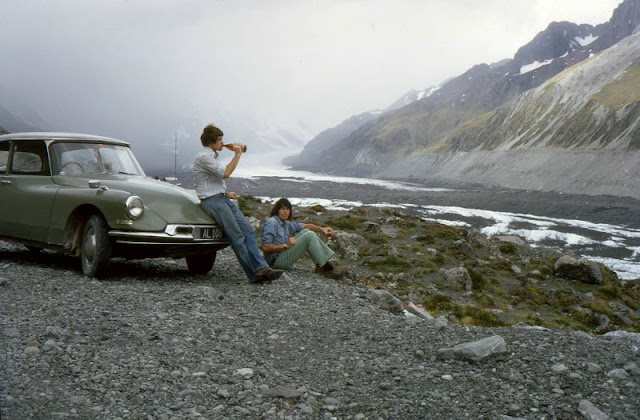
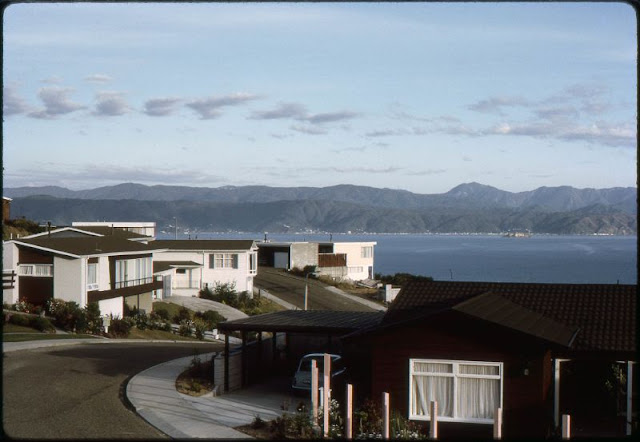
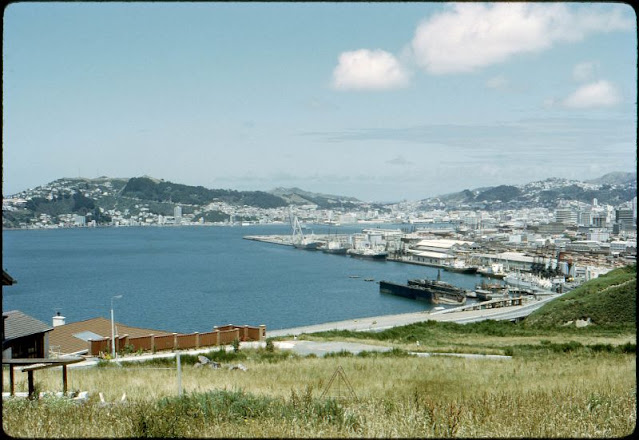
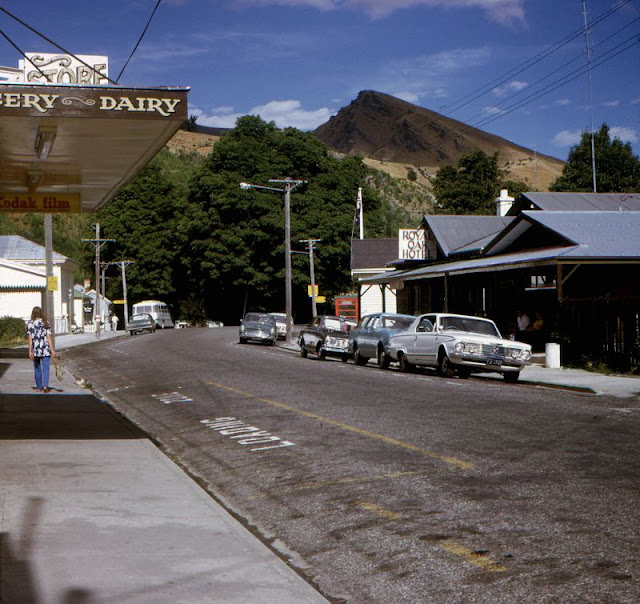
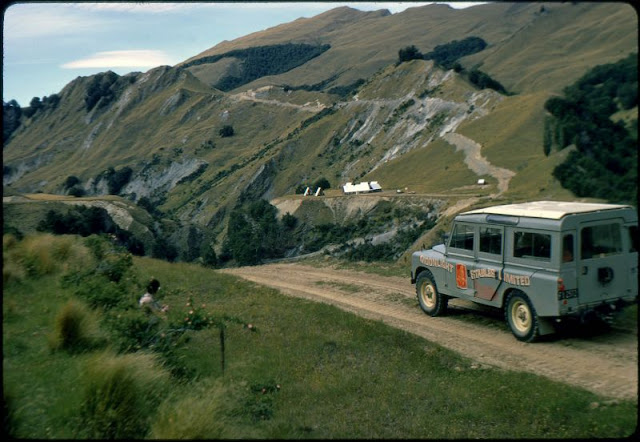
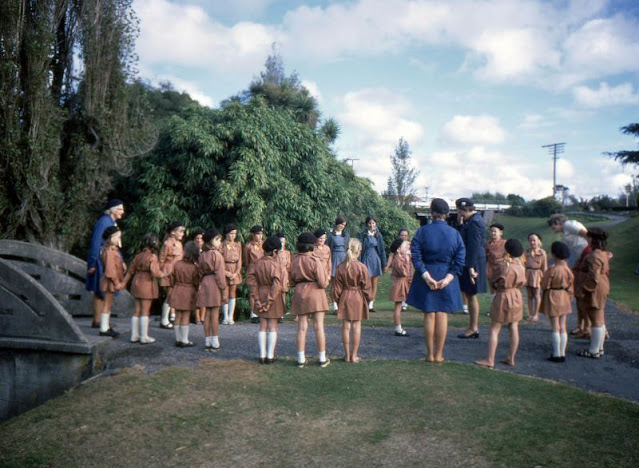
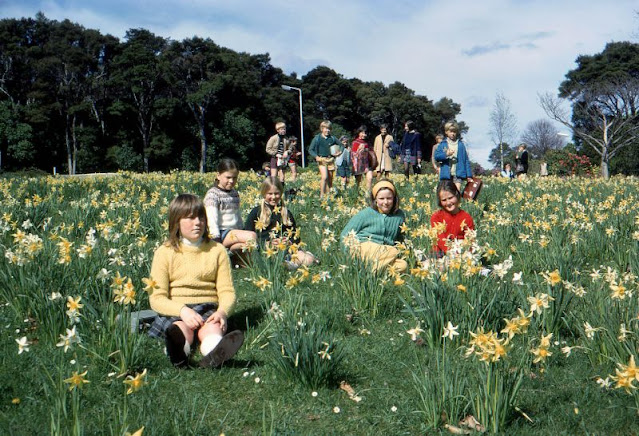
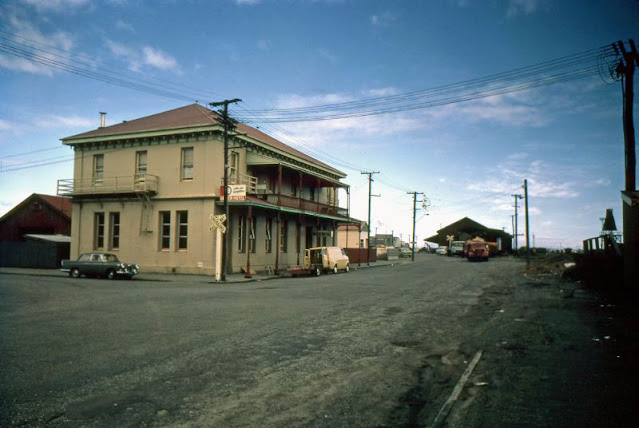
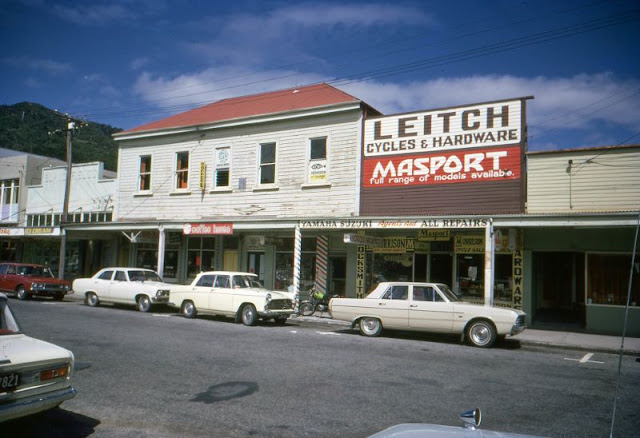
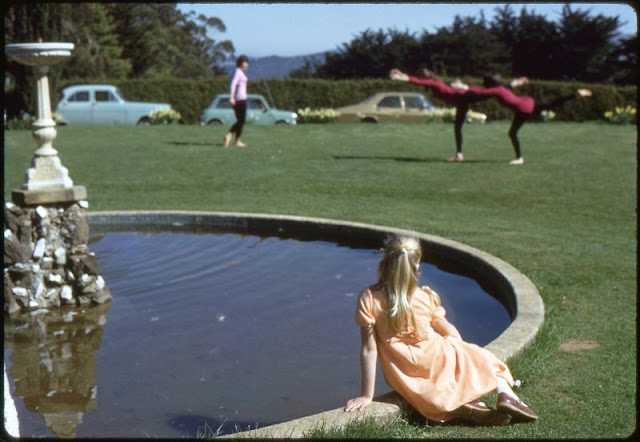
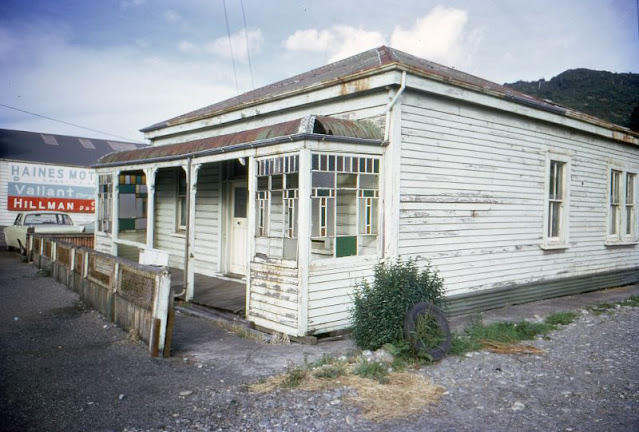
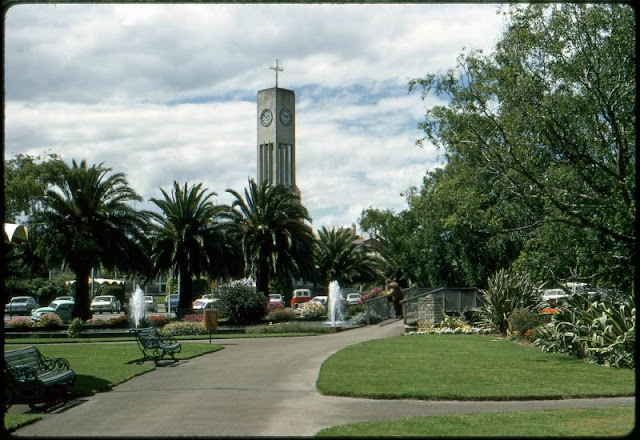
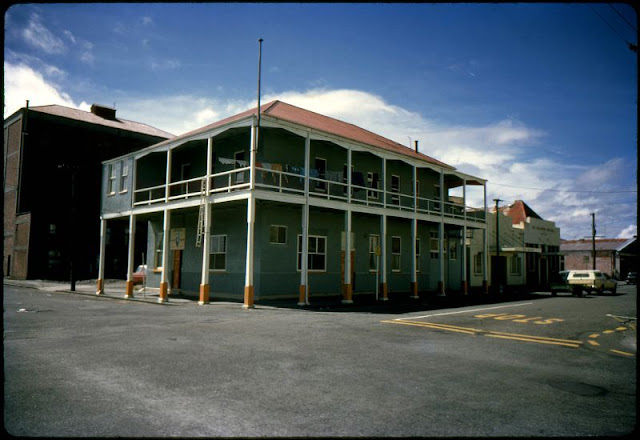
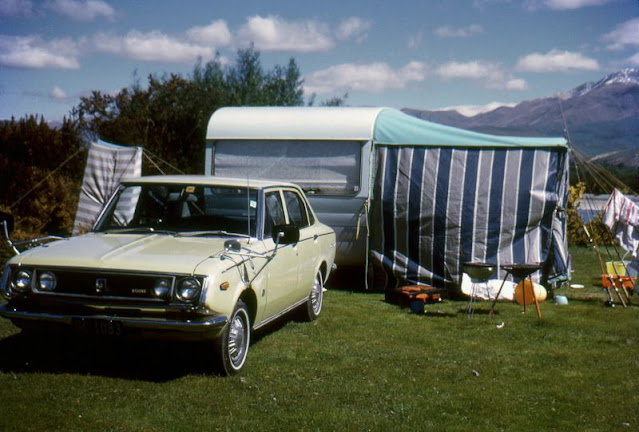
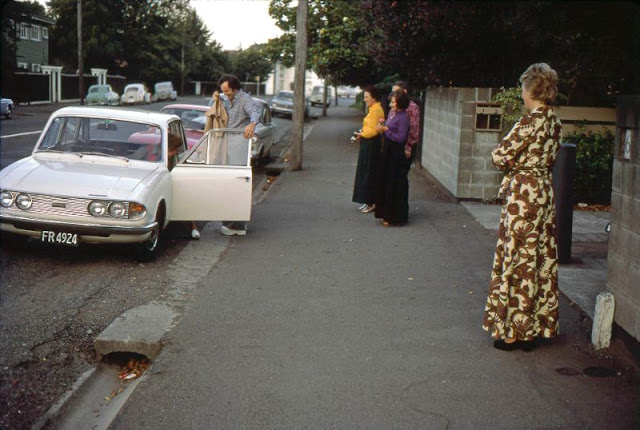
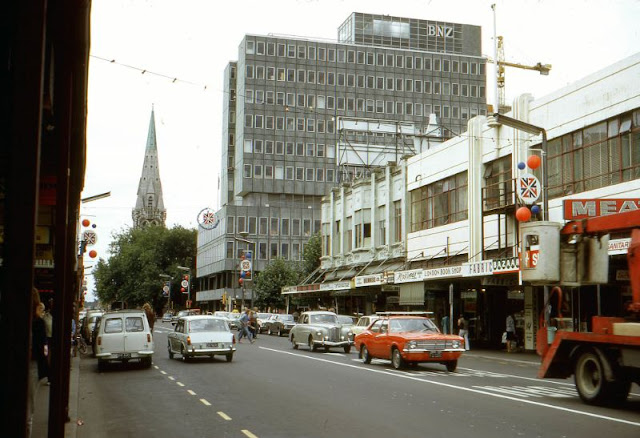
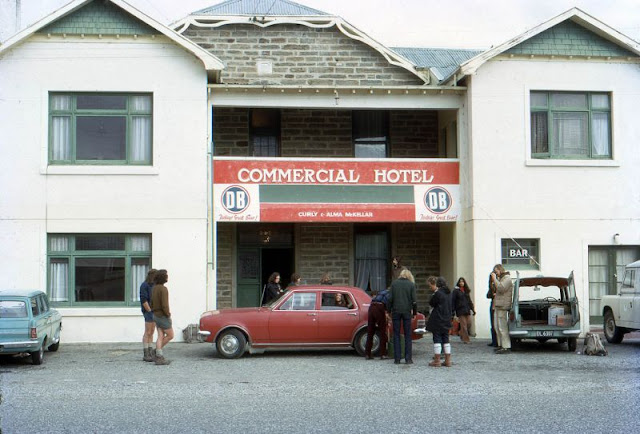
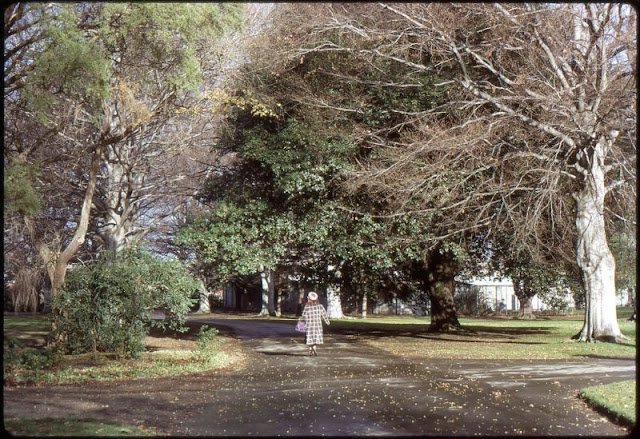
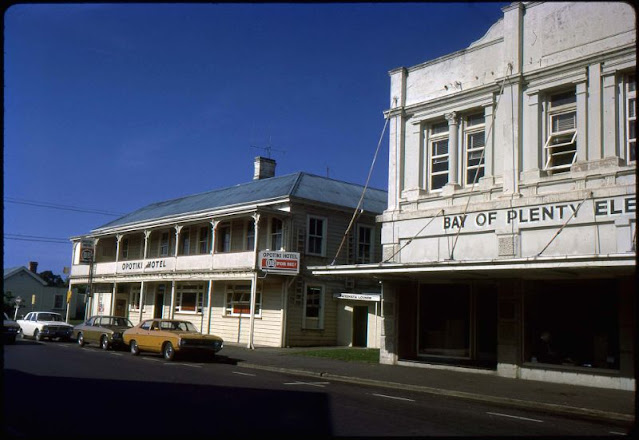
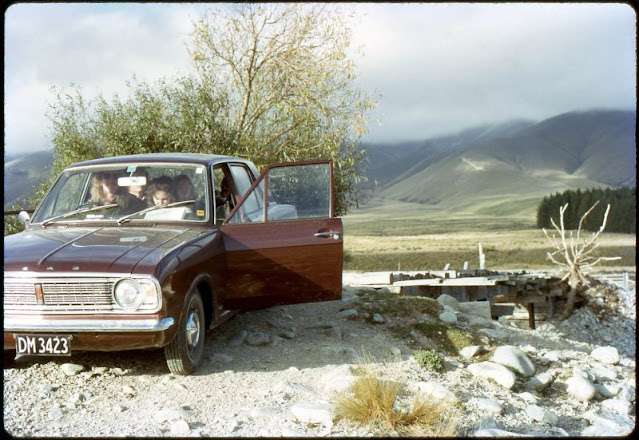
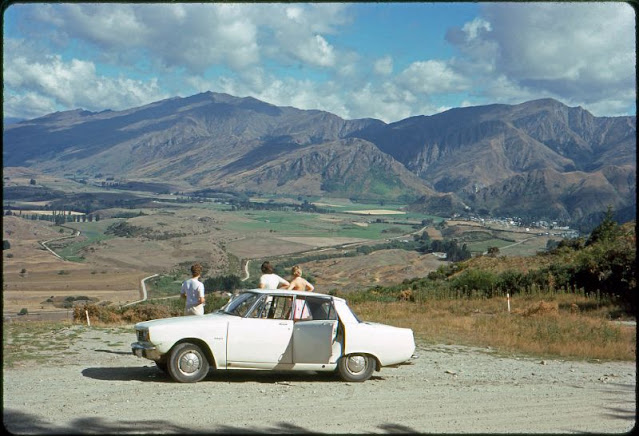
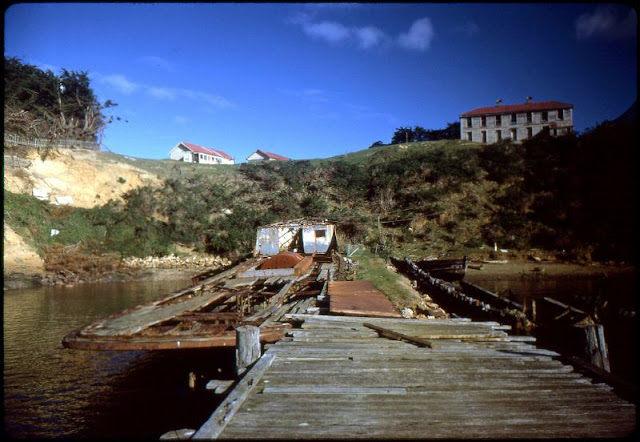
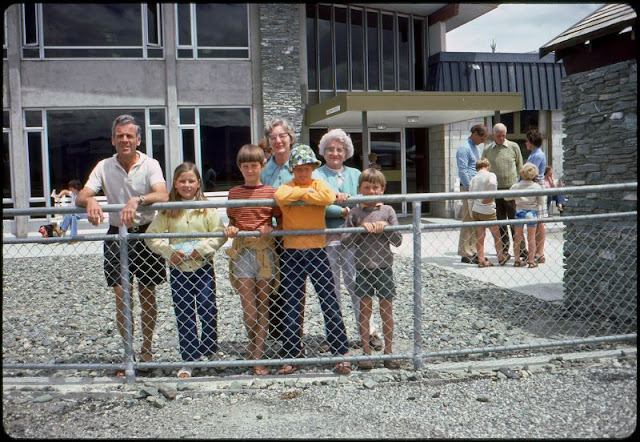
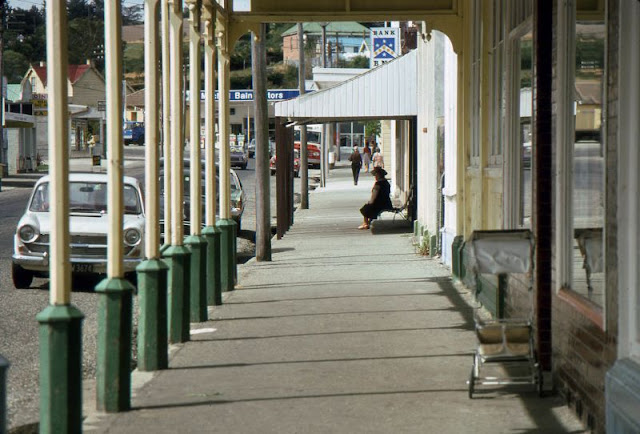
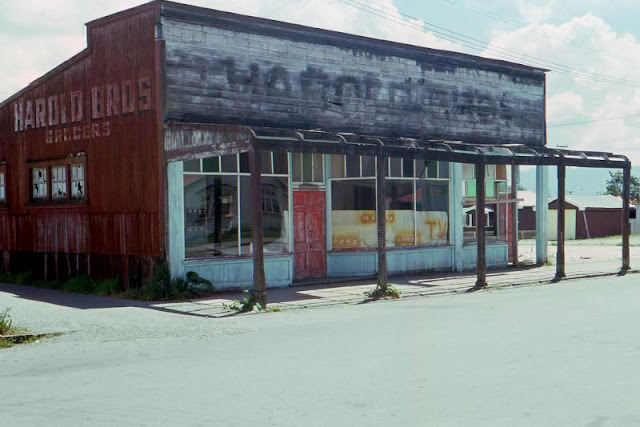
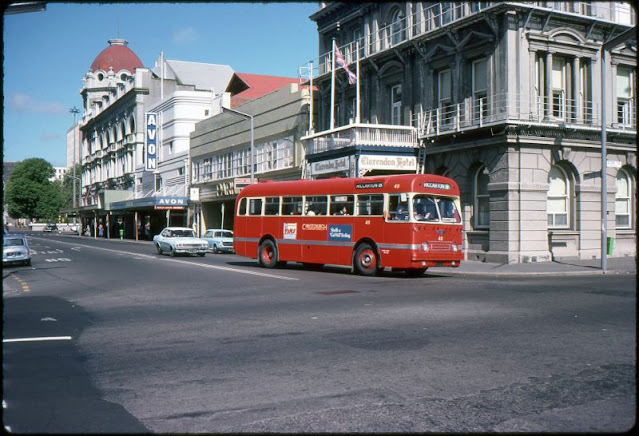
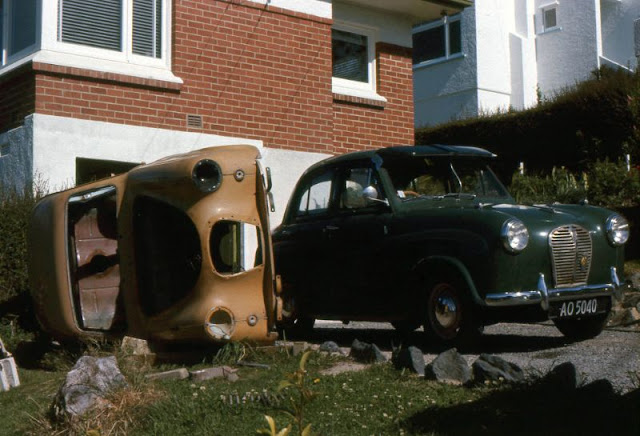
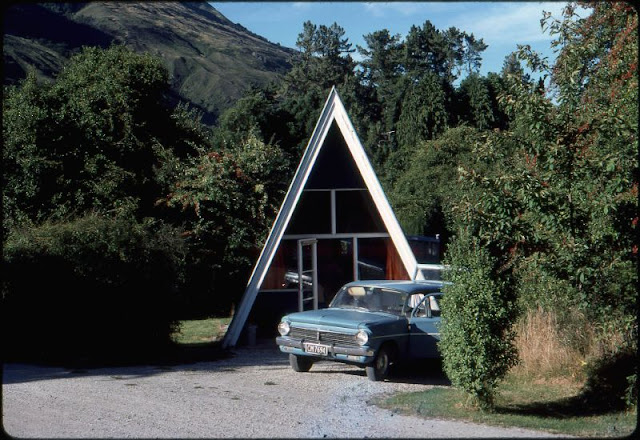
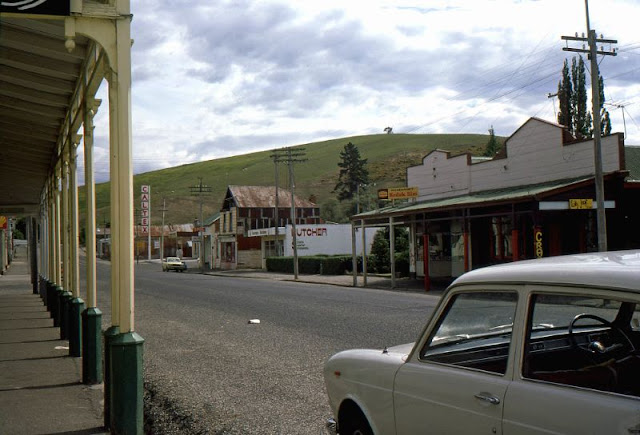
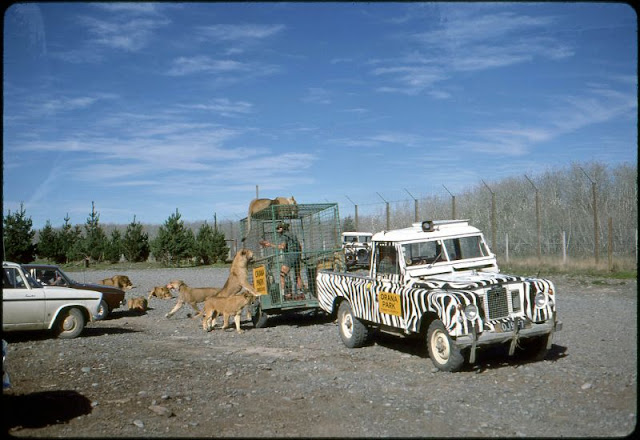
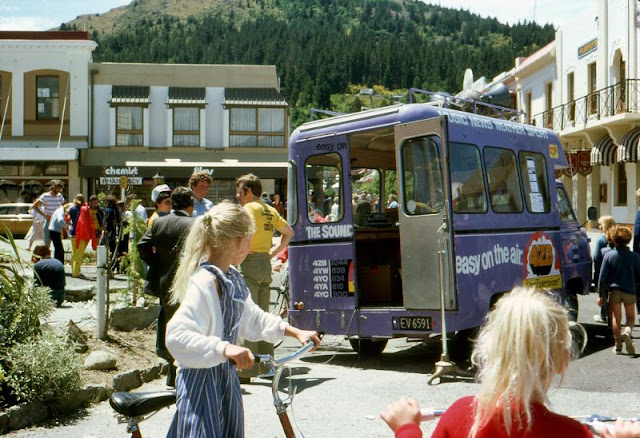
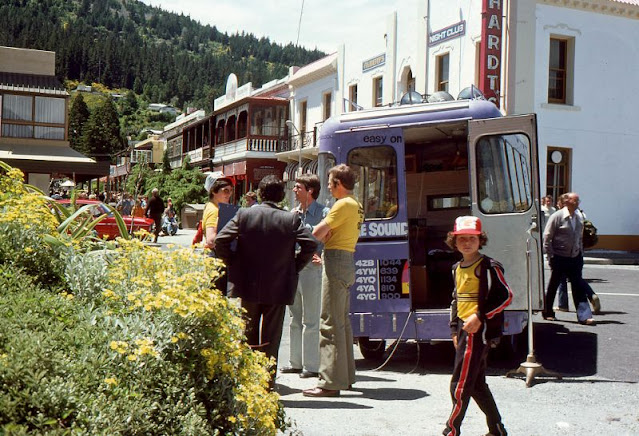
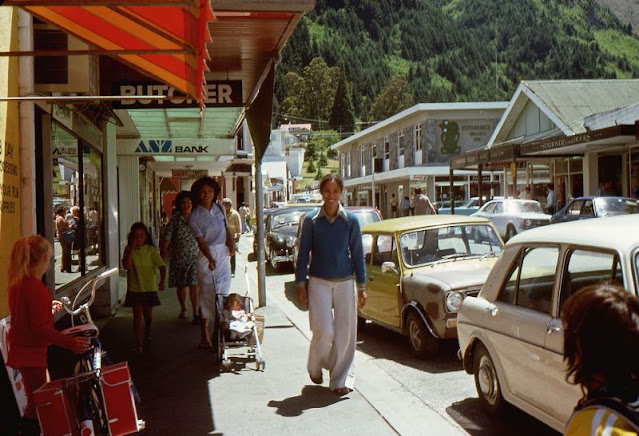
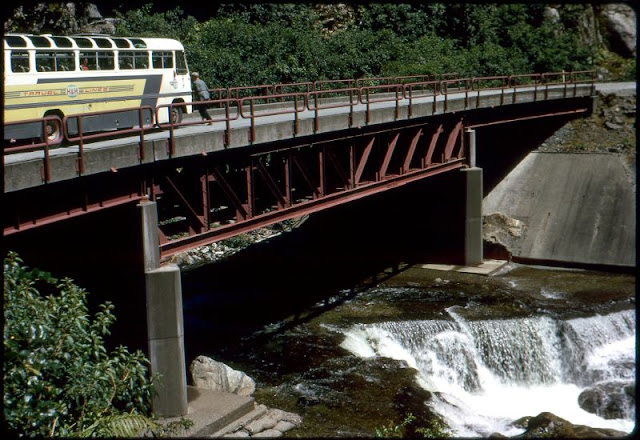
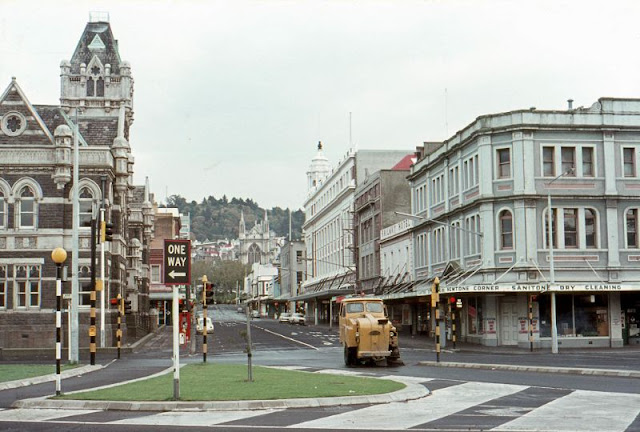
50 Amazing Photos of New Zealand in the 1970s

New Zealand’s population reached three million in late 1973. The rate of natural increase then slowed as the contraceptive pill became more widely used and an economic downturn meant that young couples were less eager to start families. There were also more emigrants and fewer immigrants. The population had only reached 3.2 million by the end of the decade.

In 1975, the average weekly wage was $95 (equivalent to $920 in 2018). This rose to $157 by 1979, but because of inflation the average Kiwi was no better off. The minimum wage for adult workers was $1.95 an hour ($11.10 in 2018) and the average hourly rate was $4.52 ($26).

In 1970 the single state-run television channel (a second began broadcasting in 1975) broadcast 65 hours of programs each week. Color television arrived in 1973, but it was expensive. In 1975 a 26-inch set would set you back around $840 (more than $8000 in 2018) and its annual license fee of $35 ($340) was almost double that for a black and white set. With advertising restricted to weekdays for much of the decade, the license fee was an important source of revenue for television broadcasting.

The women’s movement grew in strength through the decade, influencing significant legislative and social changes. United Women’s Conventions attracted thousands in the main centers. The message of women’s rights was brought to the streets in marches and protests. Key issues for women included the right to safe legal abortion, pay equity, matrimonial property rights, and legislation to outlaw discrimination against women.

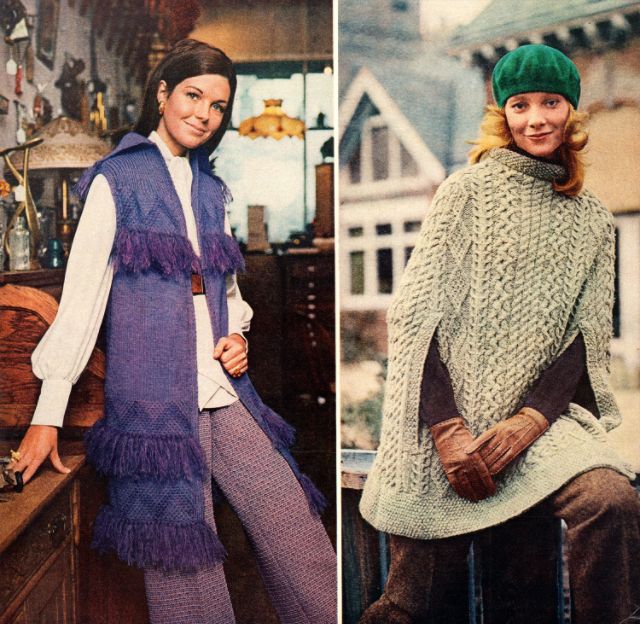
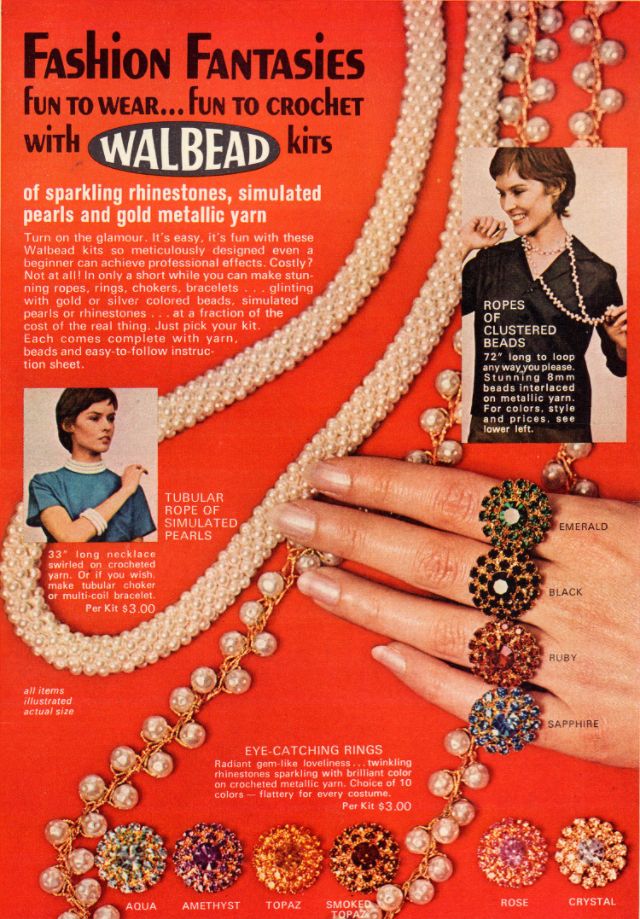
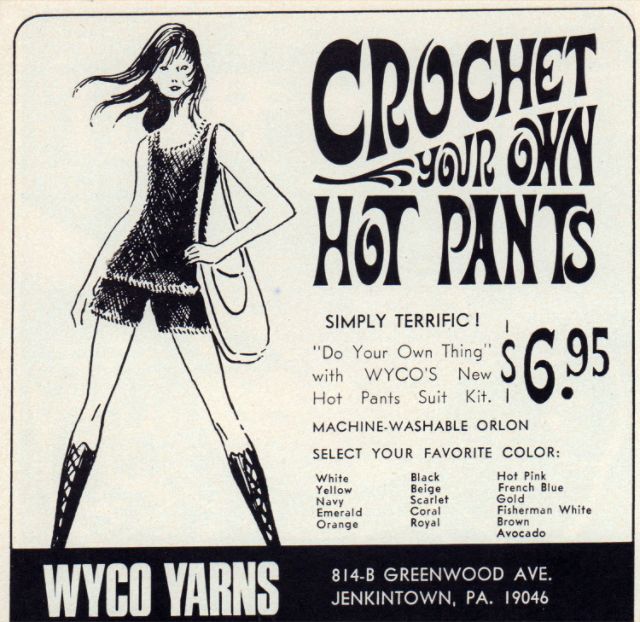
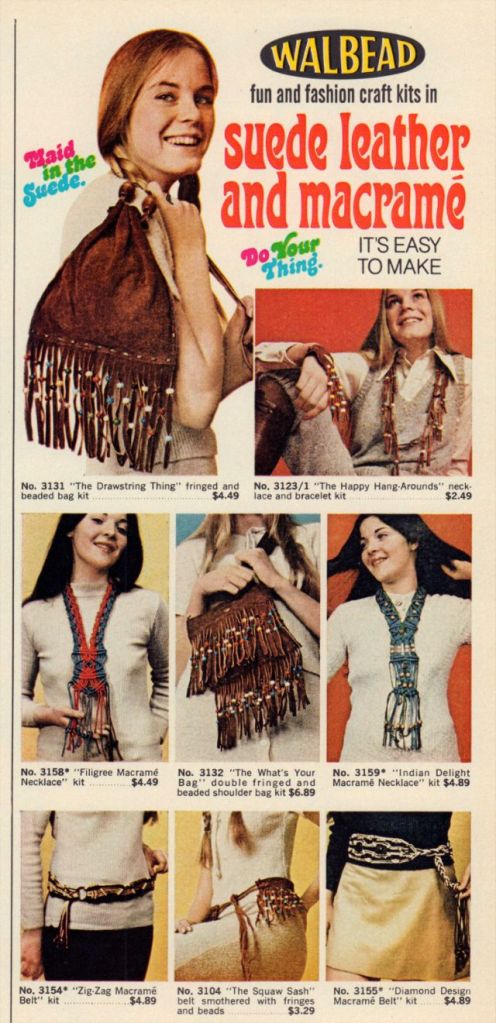
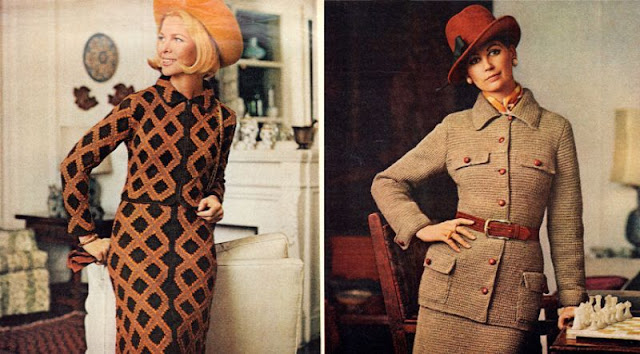
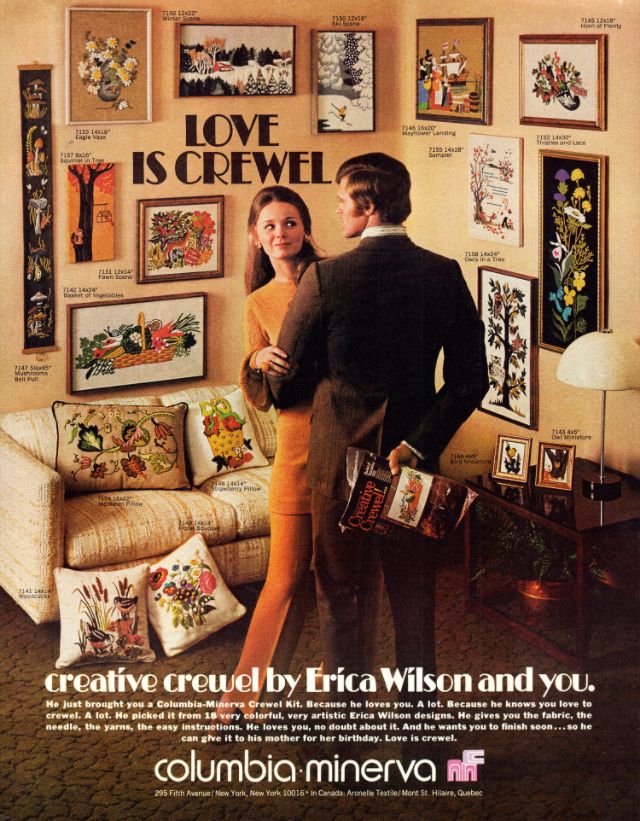
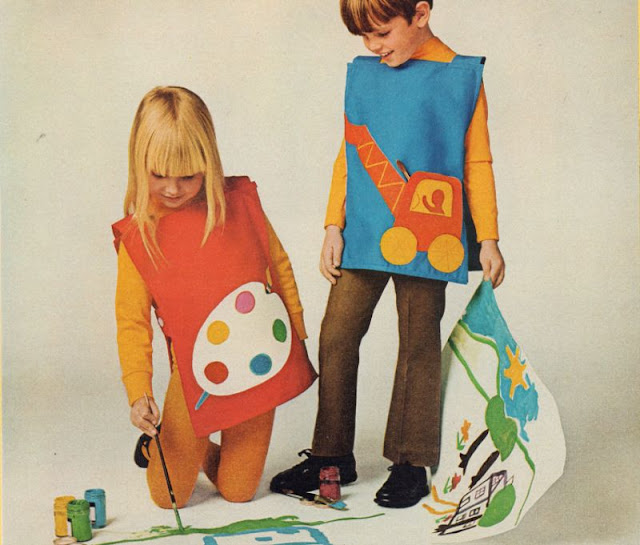
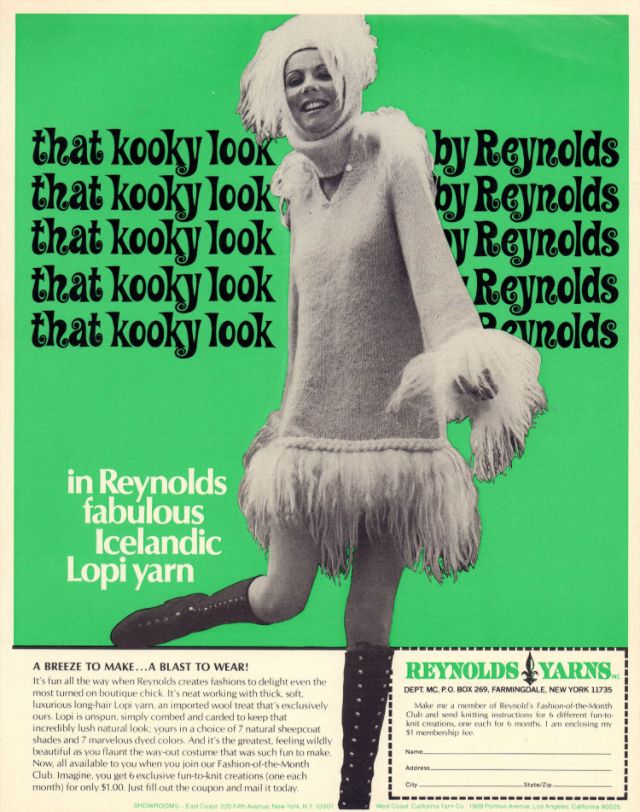
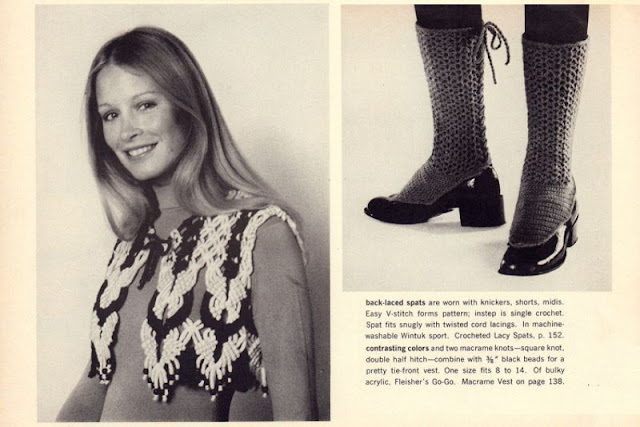
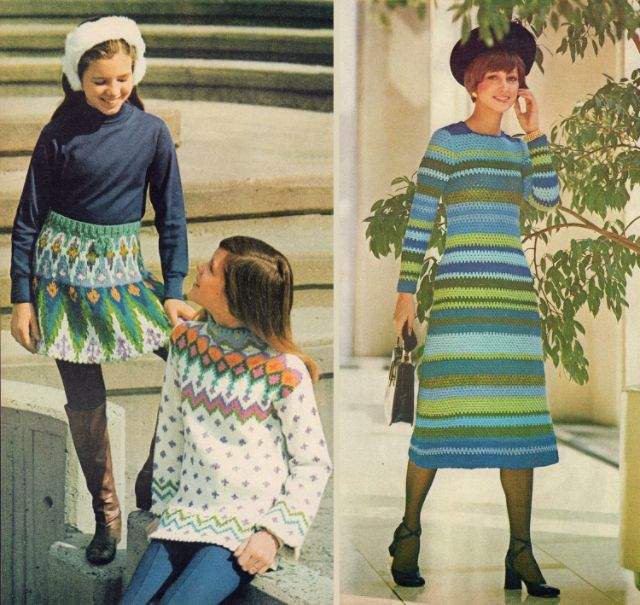
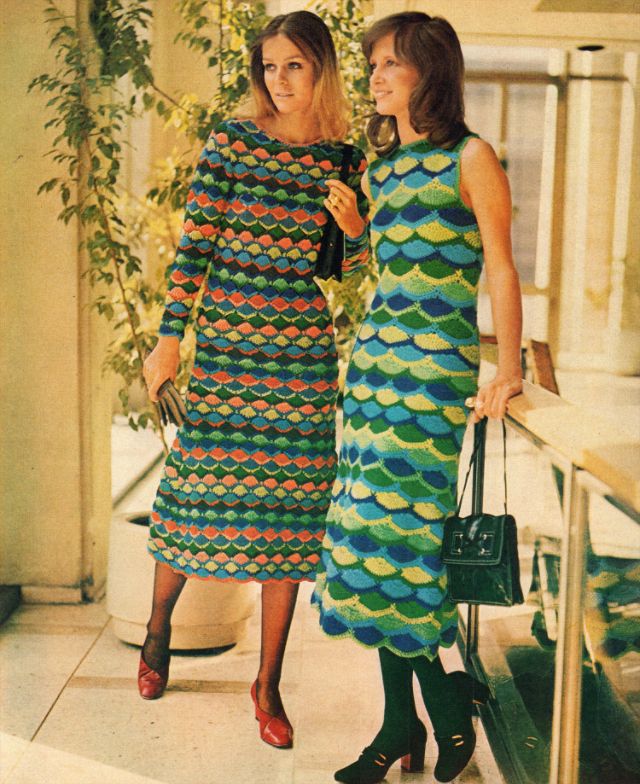
Needlework & Crafts: Do-It-Yourself Fashion From 1971 and 1972

Fashion trends come and go every year, however, nowadays consumers are challenging the fashion industry to take on more ethically sustainable practices, as fast fashion has already been a major issue in the world.

One not-so-difficult way to solve this problem is “do-it-yourself” fashion, which not only paves the way for creativity to flourish but also helps save the skill of crafting, sewing, knitting, repurposing and needlework currently on the verge of becoming lost.

Moreover, when it comes to fashion these days, lots of people do want one-of-a-kind unique pieces that they can show off.

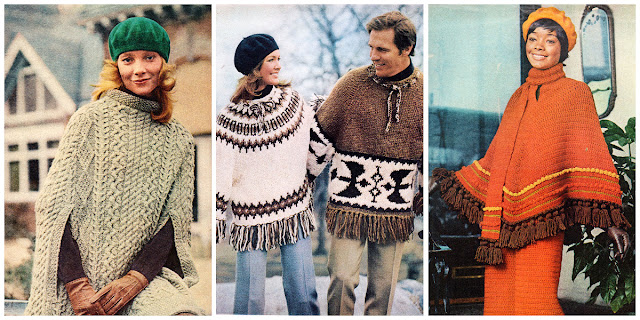
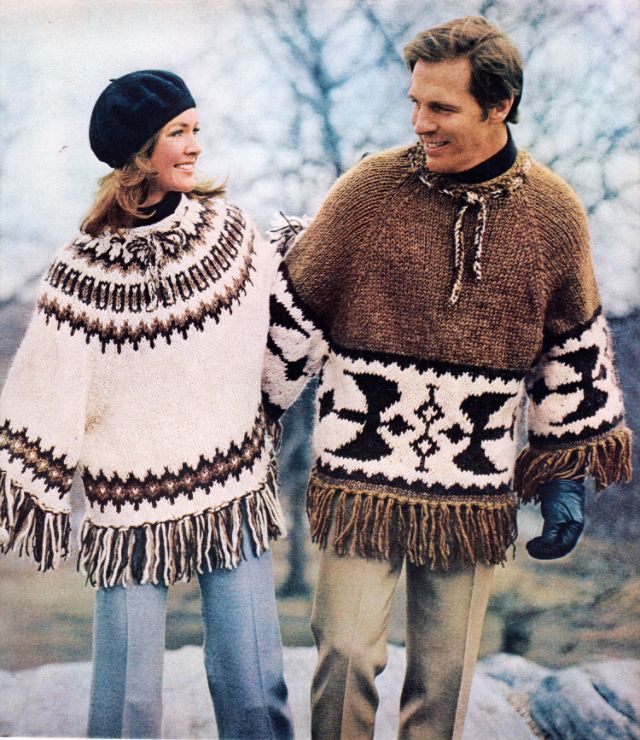
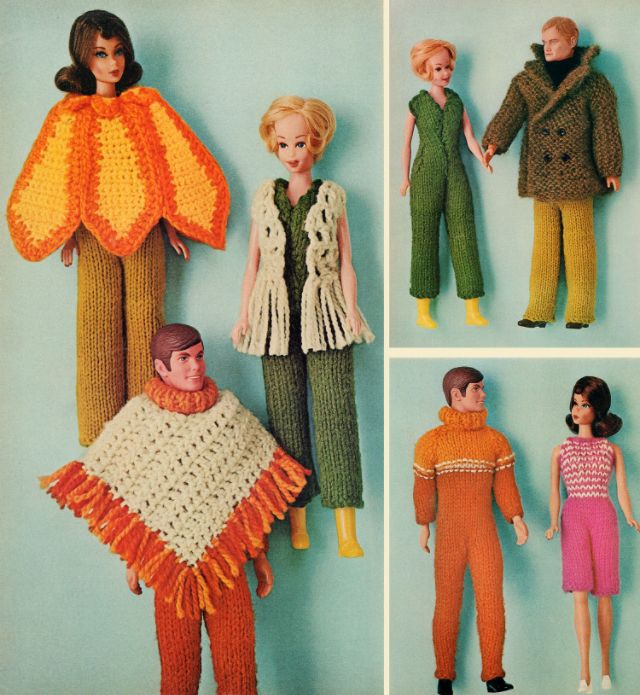
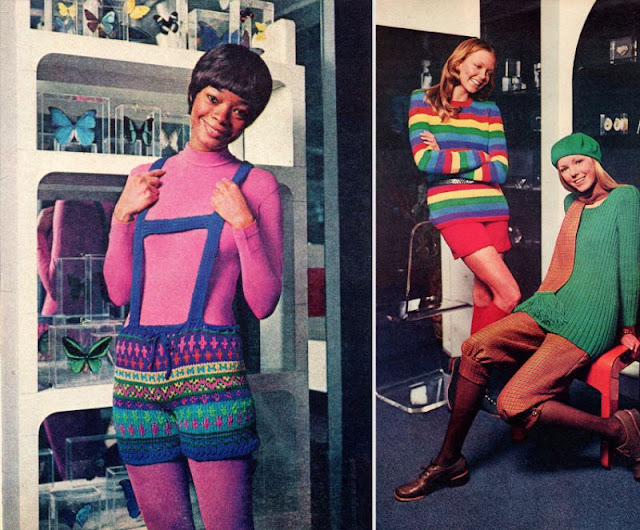
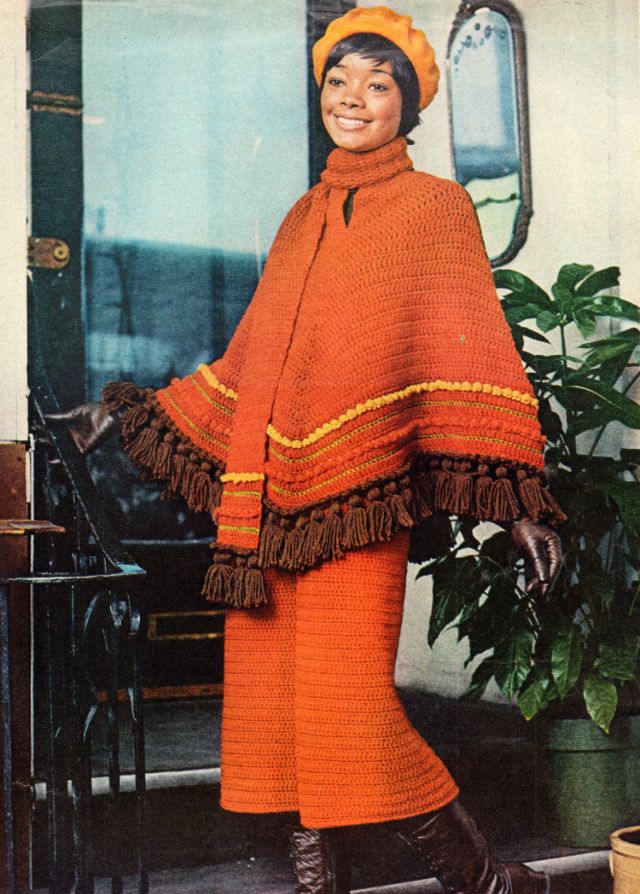
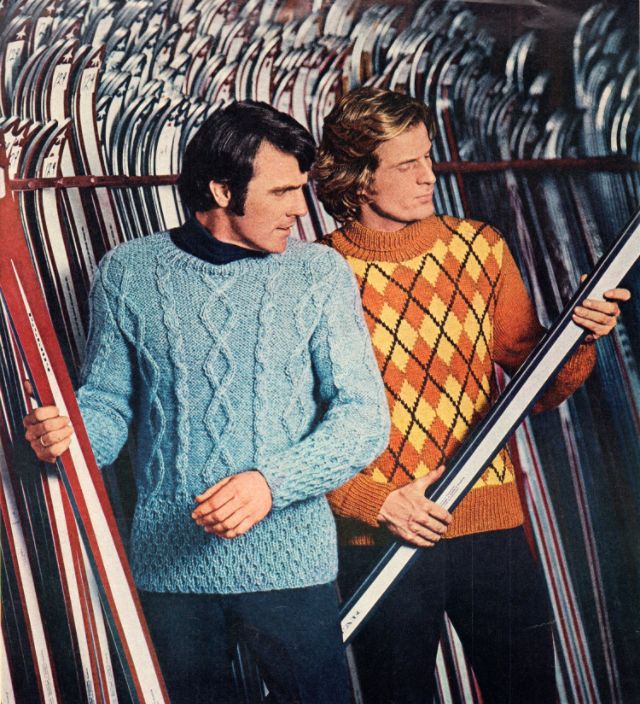
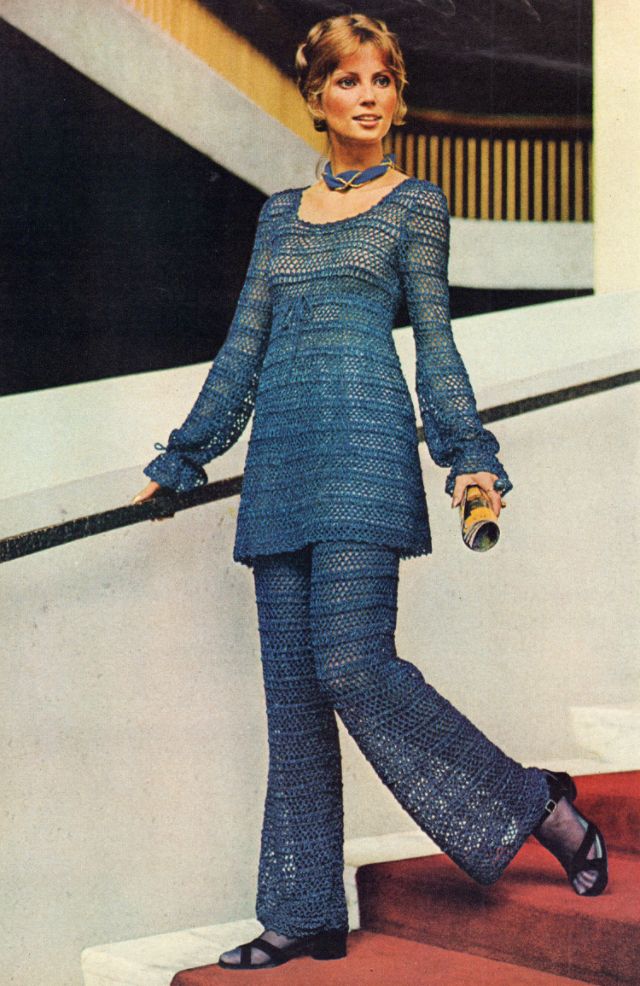
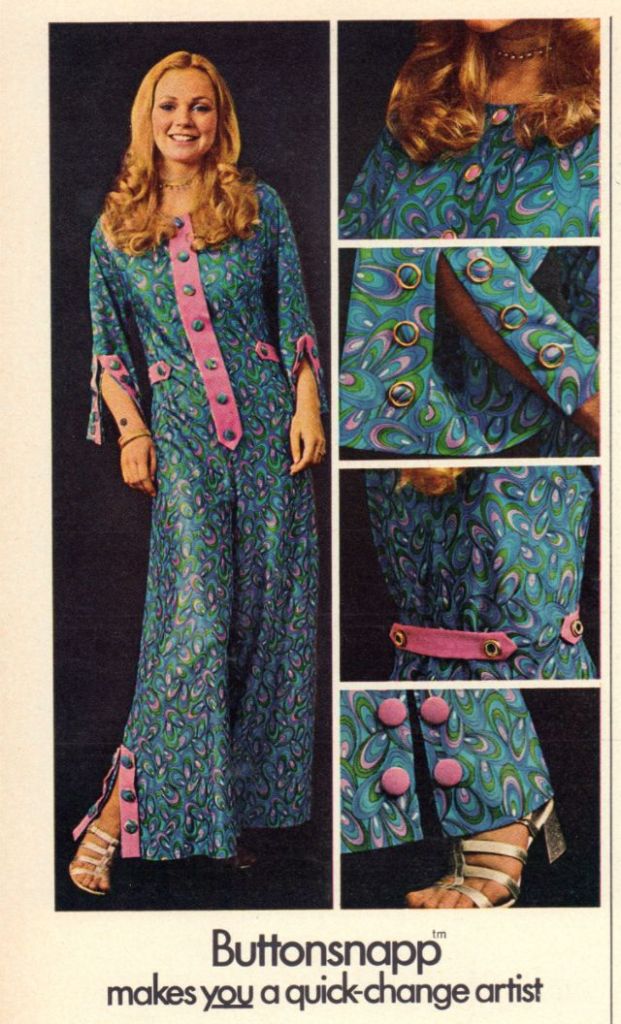
Quite the fashion time capsule is this McCall’s Needlework & Crafts Fall-Winter 1971-1972 issue, which features page after page of DIY fashion tips of the day. Enjoy this wonderful blast of the past through 25 fascinating pictures below:
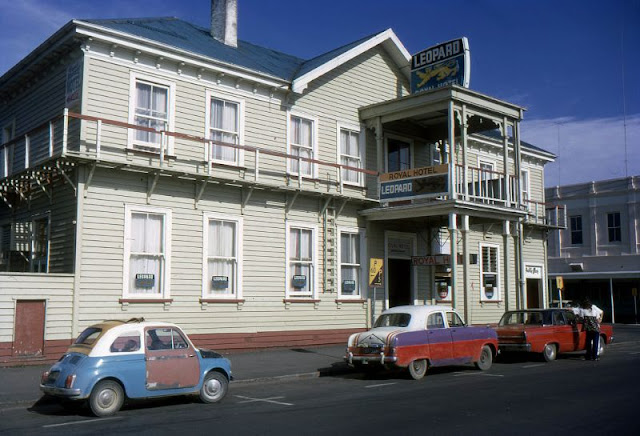
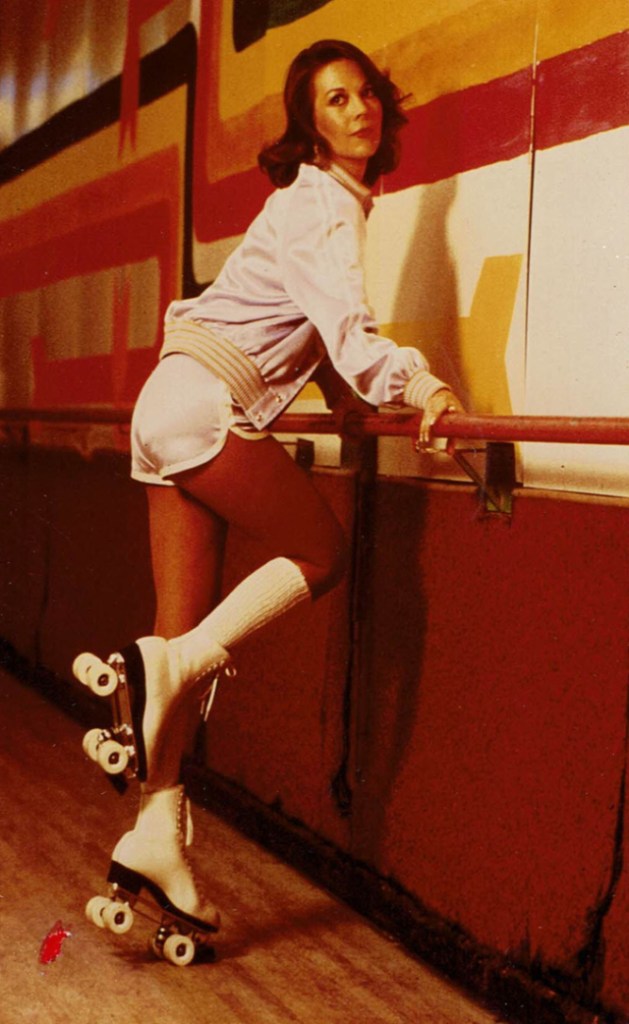
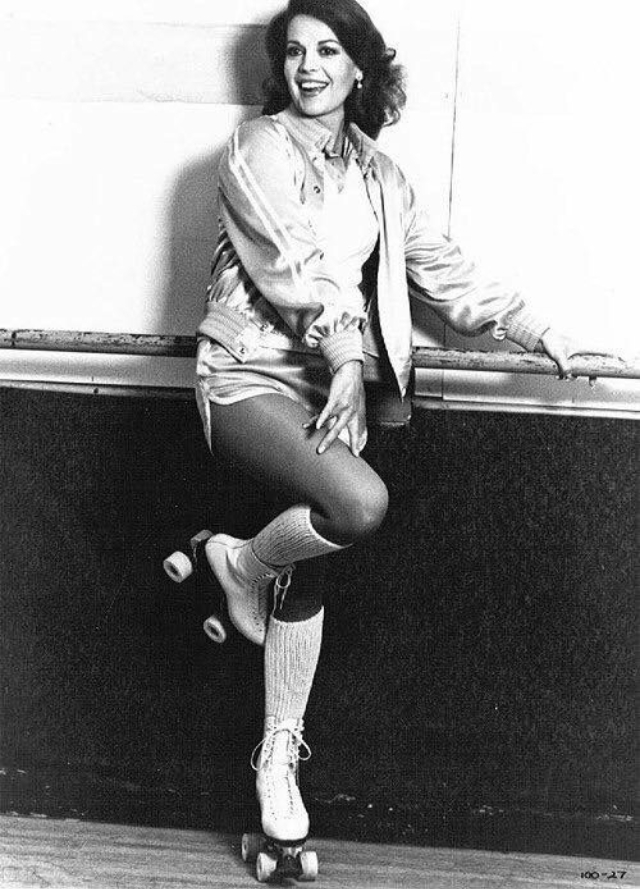
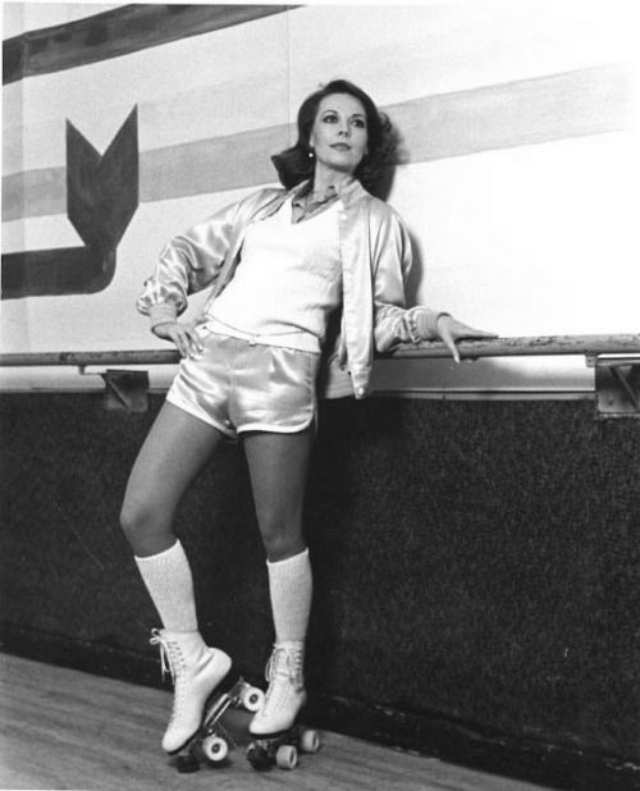
Natalie Wood Roller Skating in ‘The Last Married Couple in America’ (1980)

The Last Married Couple in America is a 1980 comedy film released in the US. It was directed by Gilbert Cates, whose most successful film Oh, God! Book II, was released in the same year.
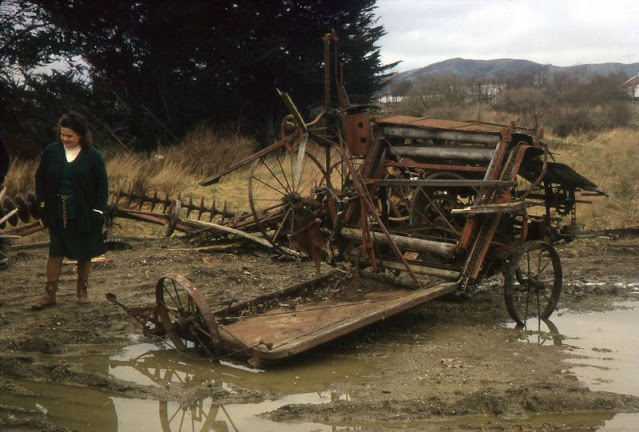
The film starred George Segal and Natalie Wood as a California couple in the late 1970s struggling to maintain their “happily married” status as all their friends begin to get divorces and seem to be caught up in the decadence of the sexual revolution and the “ME” era. This is the last completed theatrical release Natalie Wood made before her death in 1981.

Natalie Wood (born Natalie Zacharenko, July 20, 1938 – November 29, 1981) was an American actress who began her career in film as a child and successfully transitioned to young adult roles.

Born in San Francisco to Russian immigrant parents, Wood started acting at age four and was given a co-starring role at age 8 in Miracle on 34th Street (1947). As a teenager, she was nominated for an Academy Award for Best Supporting Actress for her performance in Rebel Without a Cause (1955), followed by a role in John Ford’s The Searchers (1956). Wood starred in the musical films West Side Story (1961) and Gypsy (1962), and received nominations for an Academy Award for Best Actress for her performances in Splendor in the Grass (1961) and Love with the Proper Stranger (1963). Her career continued with films such as Sex and the Single Girl (1964), Inside Daisy Clover (1965), and Bob & Carol & Ted & Alice (1969).

During the 1970s, Wood began a hiatus from film and had two daughters: one with her second husband Richard Gregson, and one with Robert Wagner, her first husband whom she married again after divorcing Gregson. She acted in only two feature films throughout the decade, but appeared slightly more often in television productions, including a remake of From Here to Eternity (1979) for which she won a Golden Globe Award. Wood’s films represented a “coming of age” for her and for Hollywood films in general. Critics have suggested that her cinematic career represents a portrait of modern American womanhood in transition, as she was one of the few to take both child roles and those of middle-aged characters.

Wood died off of the coast of Santa Catalina Island on November 29, 1981, at age 43, during a holiday break from the production of her would-be comeback film Brainstorm (1983) with Christopher Walken. The events surrounding her death have been the subject of conflicting witness statements, prompting the Los Angeles County Sheriff’s Department, under the instruction of the coroner’s office, to list her cause of death as “drowning and other undetermined factors” in 2012.

In 2018, Robert Wagner was named as a person of interest in the ongoing investigation into Wood’s death. (Wikipedia)

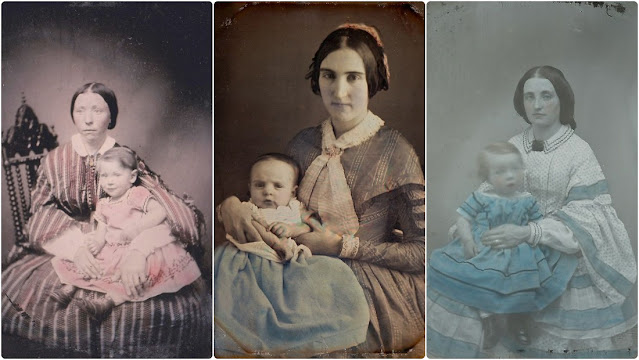
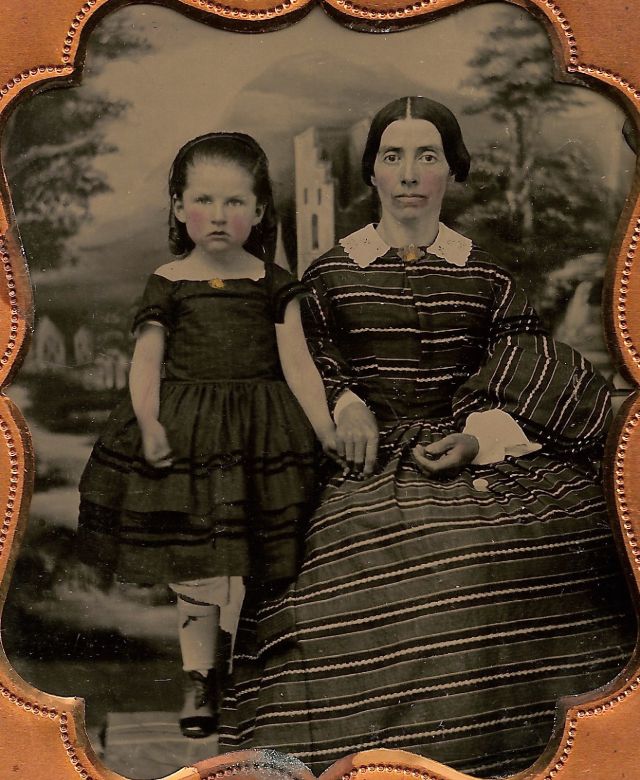
32 Daguerreotypes of Mothers Posing With Their Children From the Mid-19th Century

Subscribe to get access

Read more of this content when you subscribe today.
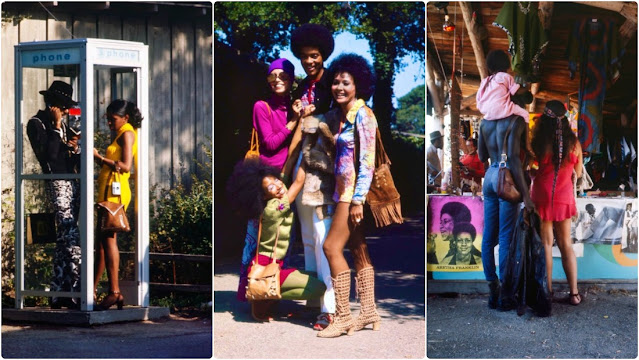
A daguerreotype is a single reversed image, made as a direct positive onto a silvered copper plate. Its reflective surface is an easy way to tell the difference between a daguerreotype and an early photograph taken using a different technique. The image is made of a combination of silver and mercury, resting on that plate. It is extremely vulnerable to damage, and can easily be brushed off, even after being ‘fixed’. Because they were so fragile, they were usually protected with a cover-glass and held in small leather-bound cases as treasured objects, in many ways similar to miniature painted portraits.

Nowadays we often refer to any old-looking, sepia-tinted photograph as a ‘daguerreotype’. But the word daguerreotype in fact refers to a specific photographic process, invented by the flamboyant Parisian inventor and entrepreneur Louis Jacques Mandé Daguerre (1787-1851).

Daguerre was the first person to publicly announce a successful method of capturing images. His invention was an immediate hit, and France was soon gripped by ‘daguerreotypomania’. Daguerre released his formula and anyone was free to use it without paying a license fee – except in Britain, where he had secured a patent.

Here below is a set of early daguerreotypes that shows portraits of mothers with their little children from between the 1840s and 1860s.

Subscribe to continue reading

Become a paid subscriber to get access to the rest of this post and other exclusive content.

Photos of Attendees at the Monterey Jazz Festival in California in 1969

Subscribe to get access

Read more of this content when you subscribe today.

The Monterey Jazz Festival is an annual music festival that takes place in Monterey, California, United States. It was founded on October 3, 1958 by jazz disc jockey Jimmy Lyons.

The festival is held annually on the 20-acre (8 ha), oak-studded Monterey County Fairgrounds, located at 2004 Fairground Road in Monterey, on the third full weekend in September, beginning on Friday. Five hundred top jazz artists perform on nine stages spread throughout the grounds, with 50 concert performances.

In addition, the Monterey Jazz Festival features jazz conversations, panel discussions, workshops, exhibitions, clinics, and an international array of food, shopping, and festivities spread throughout the fairgrounds.

These vintage photos were taken by Baron Wolman that show attendees of the Monterey Jazz Festival in California in September 1969.

Subscribe to continue reading

Become a paid subscriber to get access to the rest of this post and other exclusive content.

Handsome Photos of Actor Montgomery Clift During the Filming of ‘Red River’ (1948)

Subscribe to get access

Read more of this content when you subscribe today.

Red River is a 1948 American Western film, directed and produced by Howard Hawks and starring John Wayne and Montgomery Clift. It gives a fictional account of the first cattle drive from Texas to Kansas along the Chisholm Trail. The dramatic tension stems from a growing feud over the management of the drive, between the Texas rancher who initiated it (Wayne) and his adopted adult son (Clift).

The film’s supporting cast features Walter Brennan, Joanne Dru, Coleen Gray, Harry Carey, John Ireland, Hank Worden, Noah Beery Jr., Harry Carey Jr. and Paul Fix. Borden Chase and Charles Schnee wrote the screenplay, based on Chase’s original story (which was first serialized in The Saturday Evening Post in 1946 as “Blazing Guns on the Chisholm Trail”).

Upon its release, Red River was both a commercial and a critical success and was nominated for two Academy Awards. In 1990, Red River was selected for preservation in the United States National Film Registry by the Library of Congress as being “culturally, historically, or aesthetically significant.” Red River was selected by the American Film Institute as the 5th greatest Western of all time in the AFI’s 10 Top 10 list in 2008.

Edward Montgomery Clift (October 17, 1920 – July 23, 1966) was an American actor. A four-time Academy Award nominee, The New York Times said he was known for his portrayal of “moody, sensitive young men”.

He is best remembered for his roles in Howard Hawks’s Red River (1948), George Stevens’s A Place in the Sun (1951), Fred Zinnemann’s From Here to Eternity (1953), Stanley Kramer’s Judgment at Nuremberg (1961), and John Huston’s The Misfits (1961).

Along with Marlon Brando and James Dean, Clift was considered one of the original method actors in Hollywood (though Clift distanced himself from the term); he was one of the first actors to be invited to study in the Actors Studio with Lee Strasberg and Elia Kazan. He also executed a rare move by not signing a contract after arriving in Hollywood, only doing so after his first two films were a success. This was described as “a power differential that would go on to structure the star–studio relationship for the next 40 years”. A documentary titled Making Montgomery Clift was made by his nephew in 2018, to clarify many myths that were created about the actor.

On July 22, 1966, Clift was in his New York City townhouse, located at 217 East 61st Street. He and his private nurse, Lorenzo James, had not spoken much all day. After midnight, shortly before 1:00 a.m., James went to his own bedroom to sleep, without saying another word to Clift.

At 6:30 a.m., James woke up and went to wake Clift, but found the bedroom door closed and locked. Concerned and unable to break the door down, James ran down to the back garden and climbed up a ladder to enter through the second-floor bedroom window. Inside, he found Clift dead: he was undressed, lying in his bed still wearing his eyeglasses and with both fists clenched by his side. James then used the bedroom telephone to call some of Clift’s personal physicians and the medical examiner’s office before an ambulance arrived.

Clift’s body was taken to the city morgue about 2 miles (3.2 km) away at 520 First Avenue, and autopsied. The autopsy report cited the cause of death as a heart attack brought on by “occlusive coronary artery disease”. No evidence was found that suggested foul play or suicide.

It is commonly believed that drug addiction was responsible for Clift’s many health problems and his death. In addition to lingering effects of dysentery and chronic colitis, an underactive thyroid was later revealed during the autopsy. The condition (among other things) lowers blood pressure; it could have caused Clift to appear drunk or drugged when he was sober. Underactive thyroids also raise cholesterol, which might have contributed to his heart disease.

Following a 15-minute funeral at St. James’ Church on Madison Avenue in Manhattan, which was attended by 150 guests, including Lauren Bacall, Frank Sinatra, and Nancy Walker, Clift was buried in the Friends Quaker Cemetery, Prospect Park, Brooklyn. Elizabeth Taylor, who was in Rome, sent flowers, as did Roddy McDowall (who had recently co-starred with Clift in The Defector), Judy Garland, Myrna Loy, and Lew Wasserman. (Wikipedia)

Take a look at these vintage photos to see handsome portraits of a young Montgomery Clift during the filming of Red River in 1948.

Subscribe to continue reading

Become a paid subscriber to get access to the rest of this post and other exclusive content.

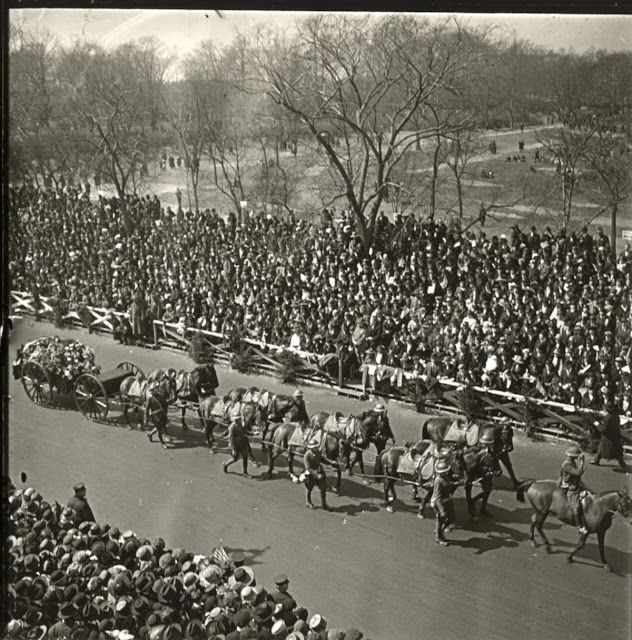
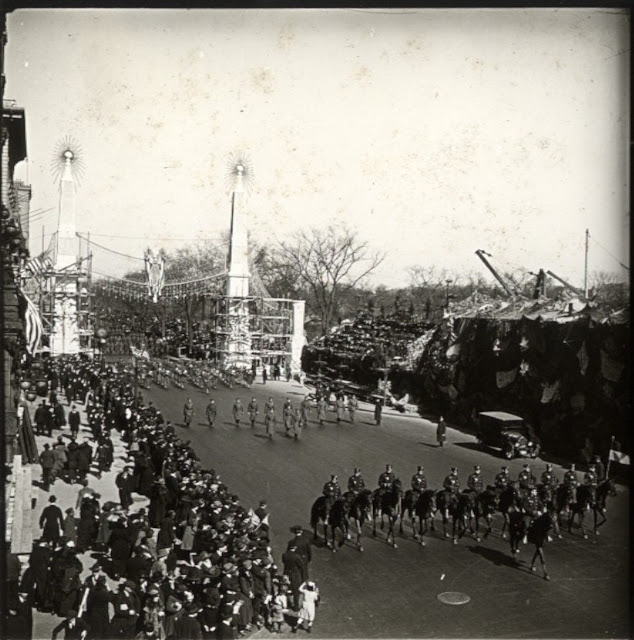
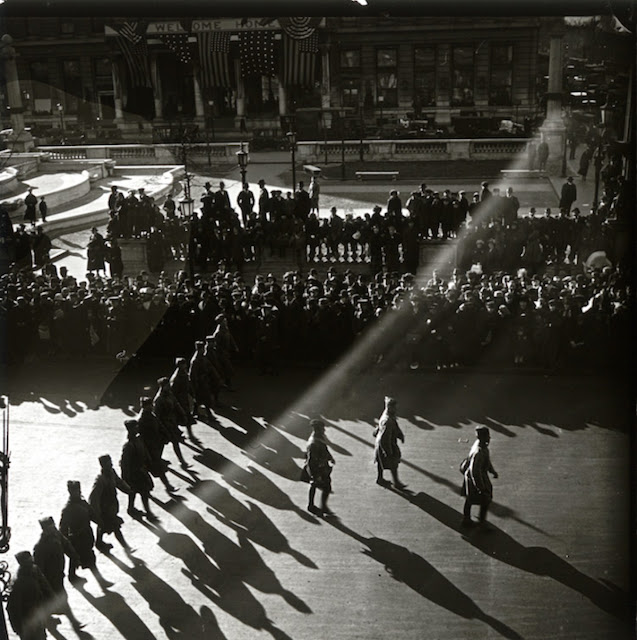
Rare Photographs of New York City’s Parade at the End of World War I

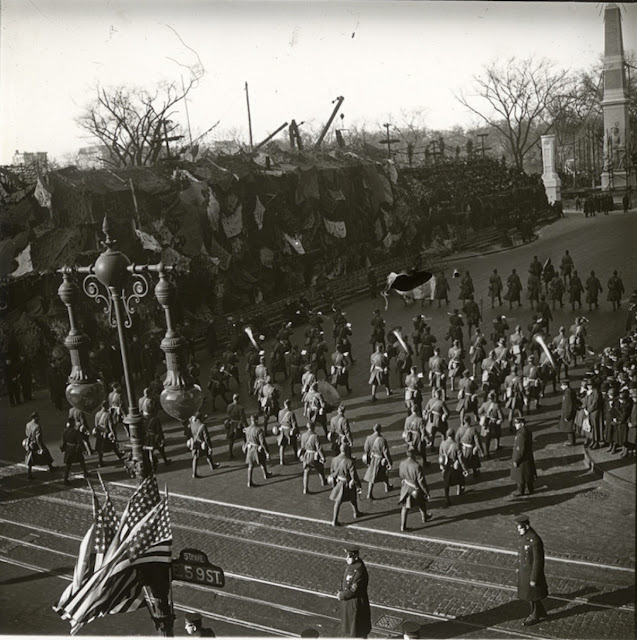
On March 25, 1919, 20,000 men of the New York National Guard’s 27th Division owned the streets of Manhattan. Two million people turned out to see the division march five miles up Fifth Avenue after they came home from World War I.

City officials estimated Manhattan’s population grew by 500,000 as people came from upstate New York and surrounding states to see the parade. There were 10,000 policemen on duty—6,000 regular cops and 4,000 reserves—to control the crowds. Five hundred plainclothes detectives were scattered throughout the crowd to watch for trouble.

There was a special grandstand for 500 Civil War veterans and another for 1,000 Spanish-American War Soldiers. And 6,820 wounded Soldiers and Sailors who had been convalescing in New York City hospitals lined the parade route.

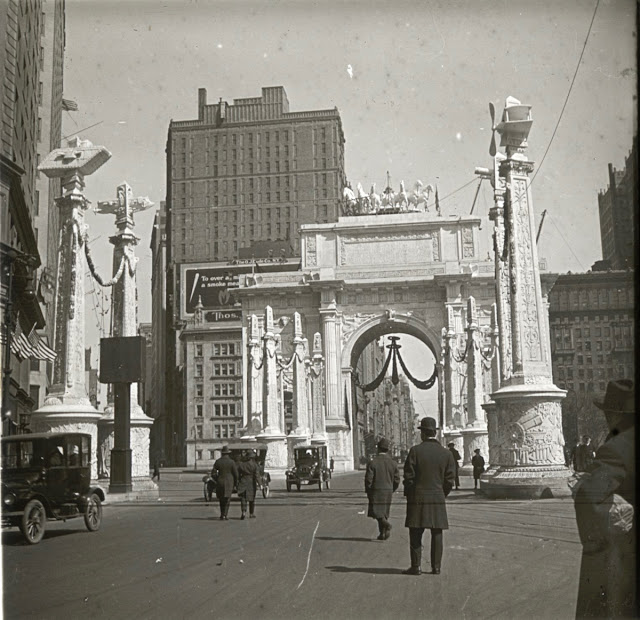
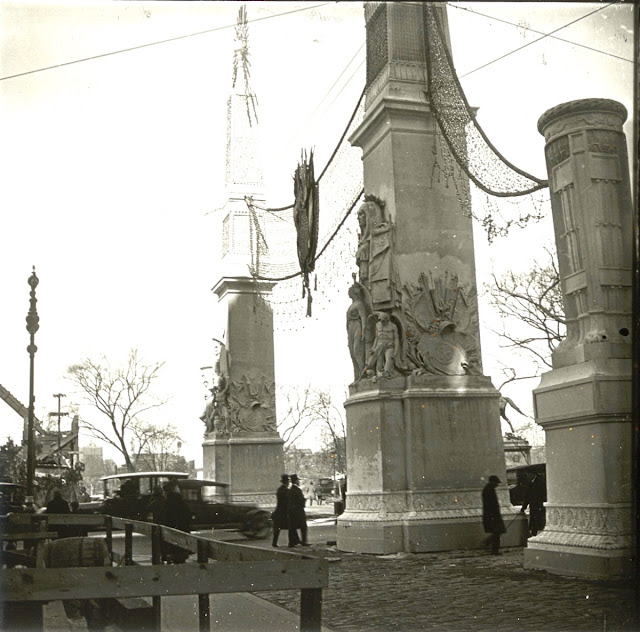
The parade route’s official start at Washington Square featured a massive white victory arch that featured four balloons floating above the road and white pillars lining the route. An arch at 60th Street was covered with crystal glass. Searchlights illuminated the structures at night.

Horses pull a carriage filled with flowers while large crowds look on.
Looking down Fifth Avenue, from 61st Street. That is the Arch of Jewels in the distance.
Late in the parade, as the sun was low in the sky. That might be, at top left, the Pulitzer Fountain in Grand Army Plaza, outside the Plaza Hotel.
Soldiers on parade, marching north on Fifth Avenue. Note the street sign on the light pole: 59th Street and 5th Avenue. A part of the Arch of Jewels is visible at top right.
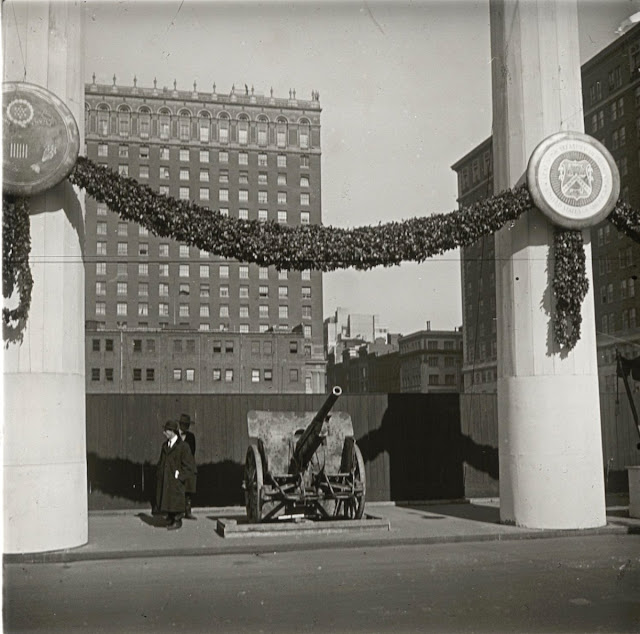
An artillery gun. This one may have been captured from the Germans.
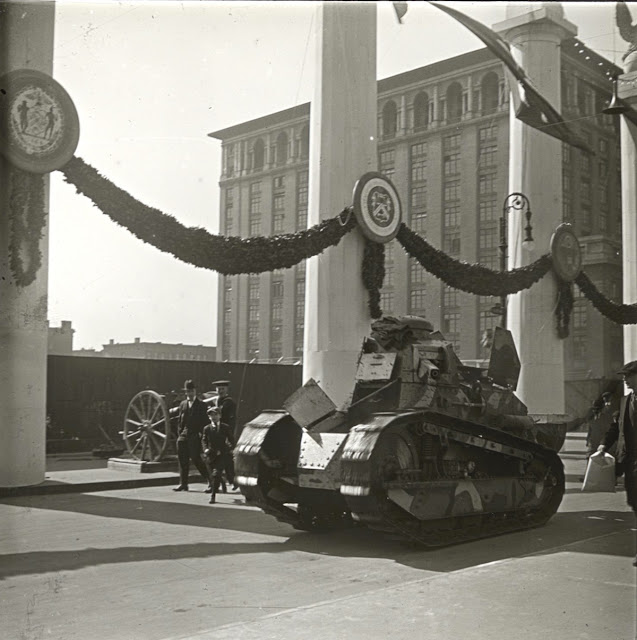
A tank on display. Tanks were used for the first time in World War I; they were particularly well-suited to getting close to and then destroying machine gun positions.
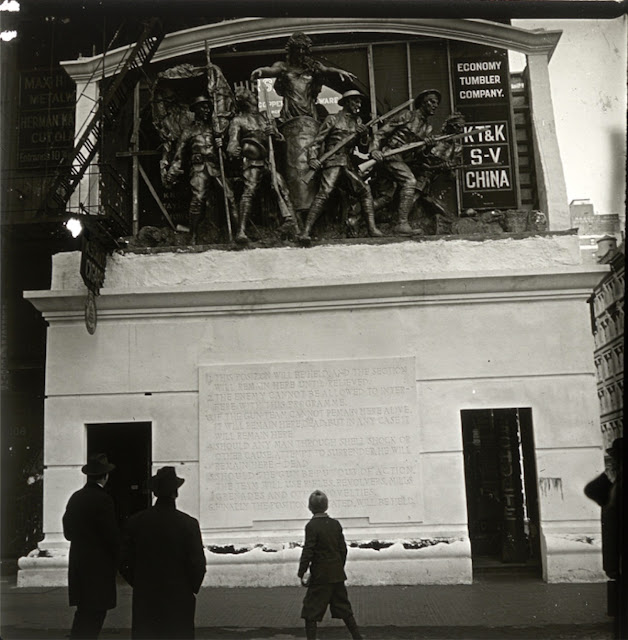
What looks like a rather impromptu placement of a sculpture, on New York’s streets.
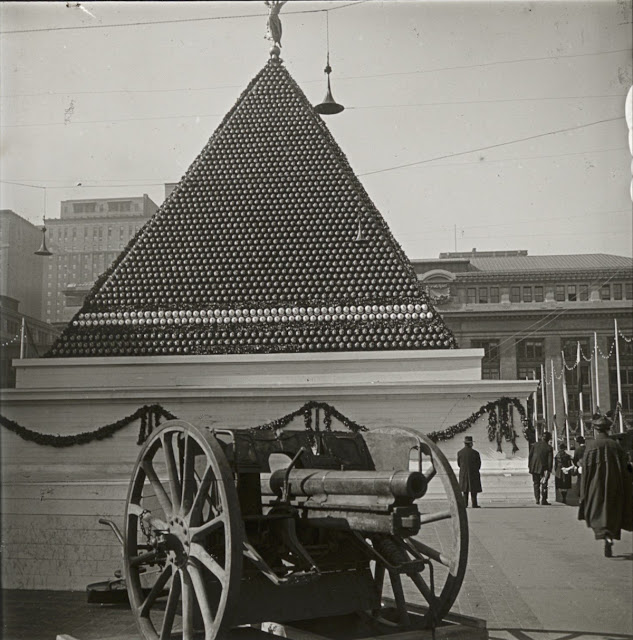
This is quite a visual–a pyramid built of what appears to be artillery shells, with a gun in the foreground.
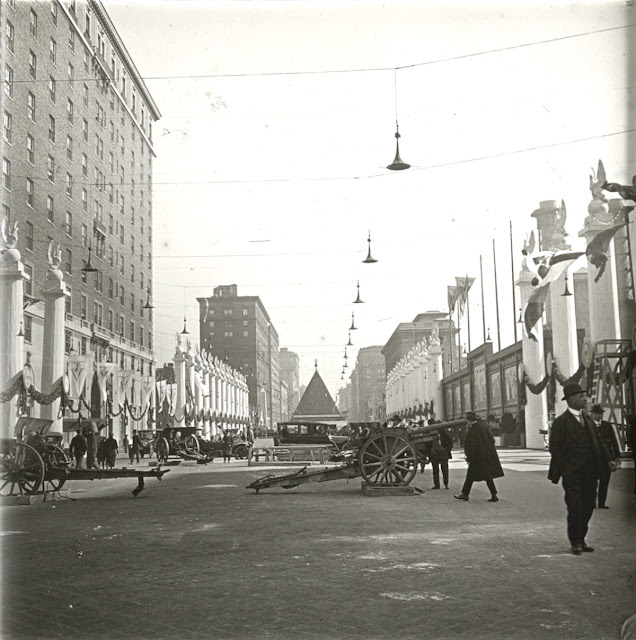
A longer view, on a Manhattan avenue, with artillery guns, columns, and murals in the mid-ground and the pyramid, surrounded by more columns, in the distance.
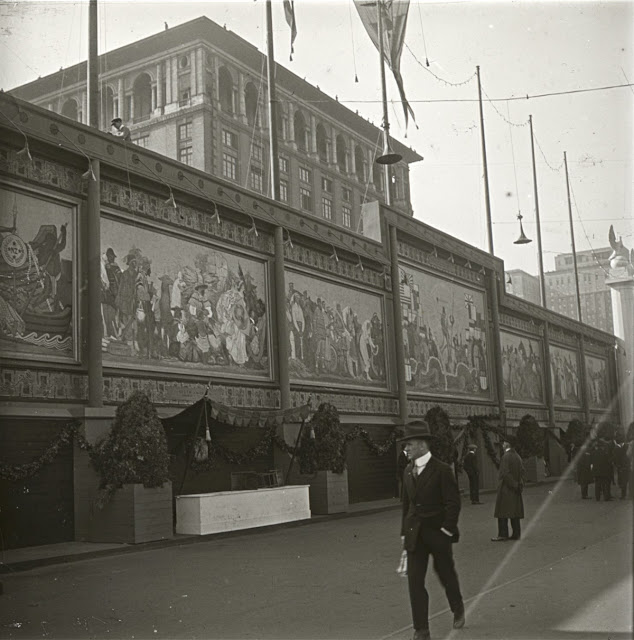
A closer look at the murals lining the avenue.
This Victory Arch, a temporary structure erected just to the west of Madison Square Park, at the intersection of Broadway and Fifth Avenue, where the crowd surged into the streets to greet the marchers. Work on the Victory Arch, designed by a team of 40 artists, was completed the night before the parade.
The temporary plaster and lath Arch of Jewels stretched across Fifth Avenue at 60th Street. The two shafts of the Arch of Jewels rose to 80 feet. They were covered with thousands of prisms; when lit up at night by beams cast by several dozen searchlights, the prisms sparkled with the colors of the rainbow.
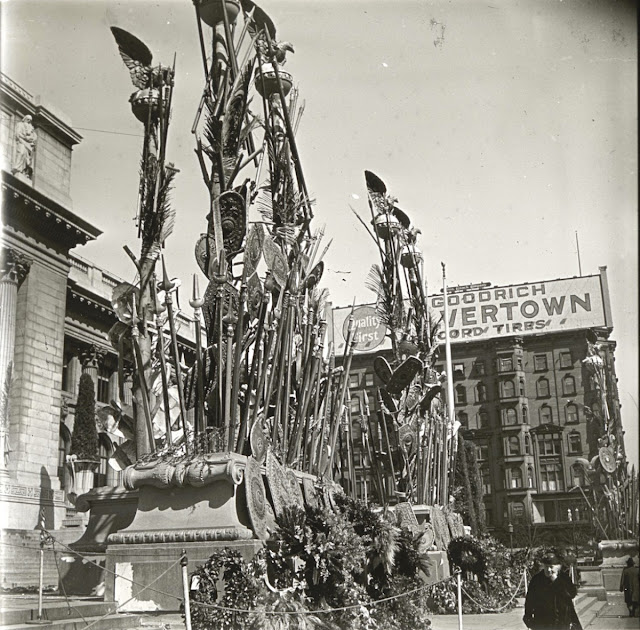
Spears and shields stood in front of the New York Public Library, at the Court of the Heroic Dead.
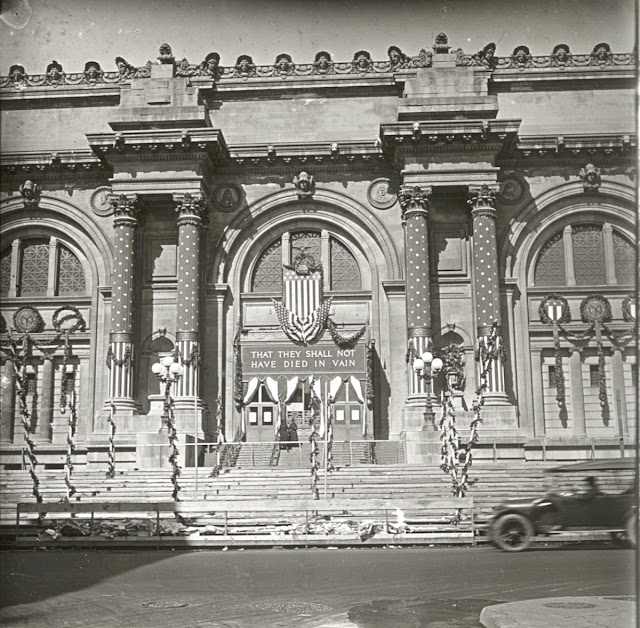
Columns wrapped and a banner above the doorway: “THAT THEY SHALL NOT HAVE DIED IN VAIN.”

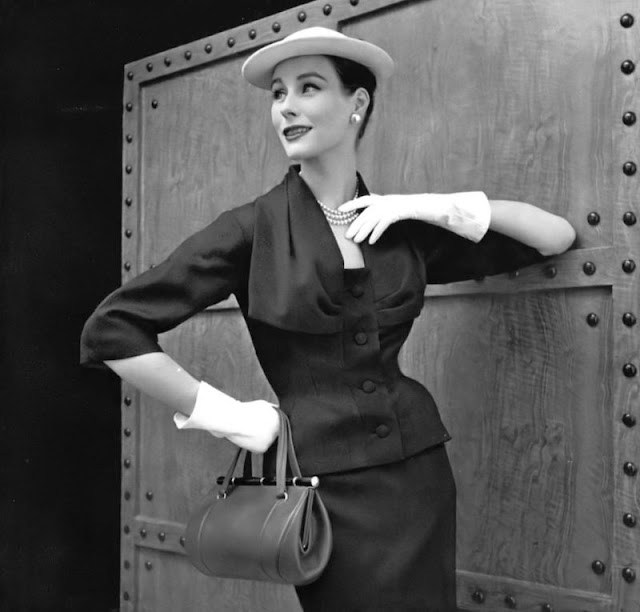
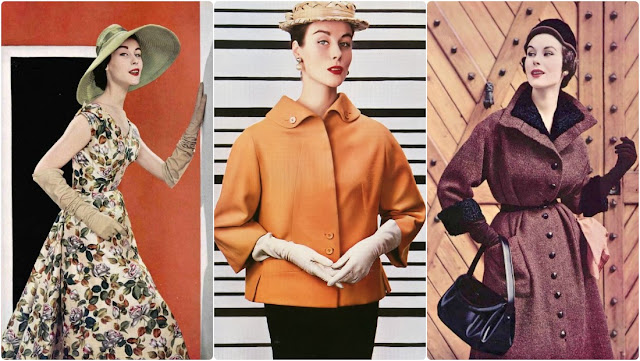
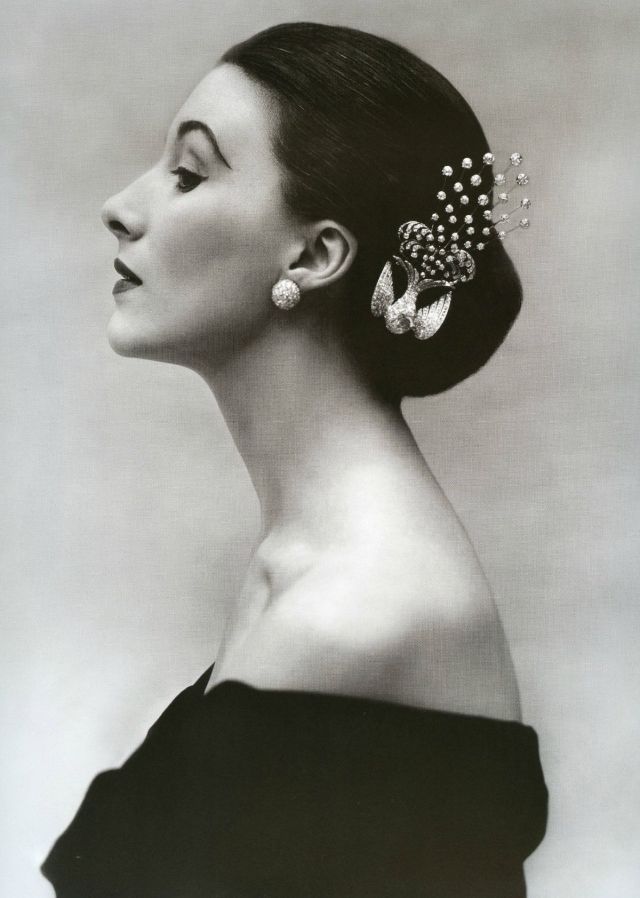
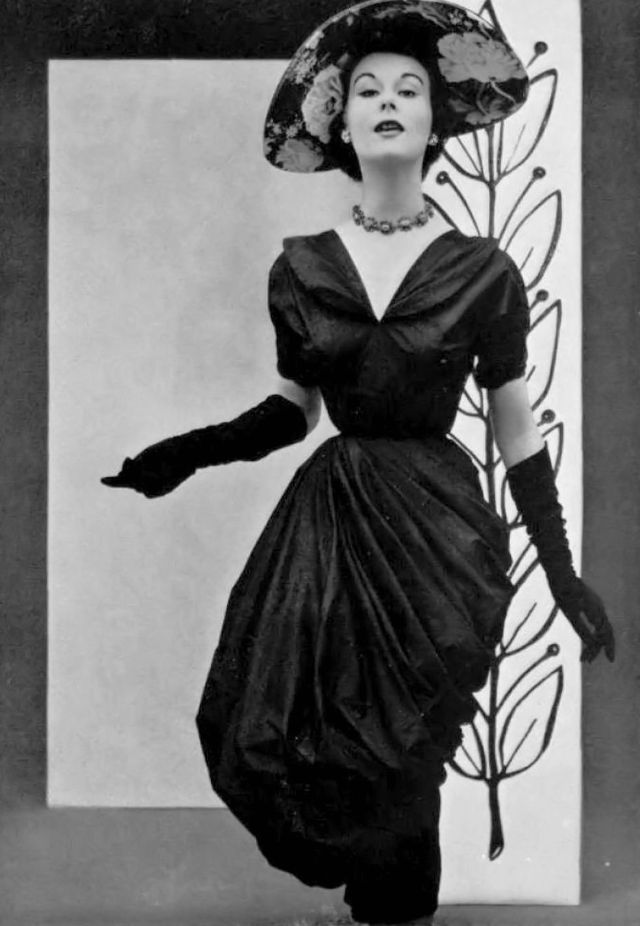
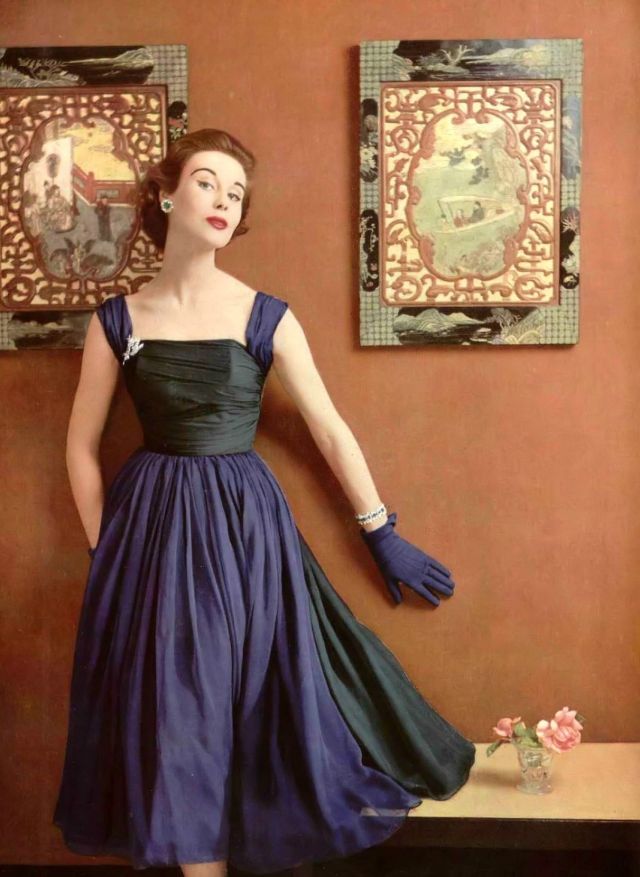
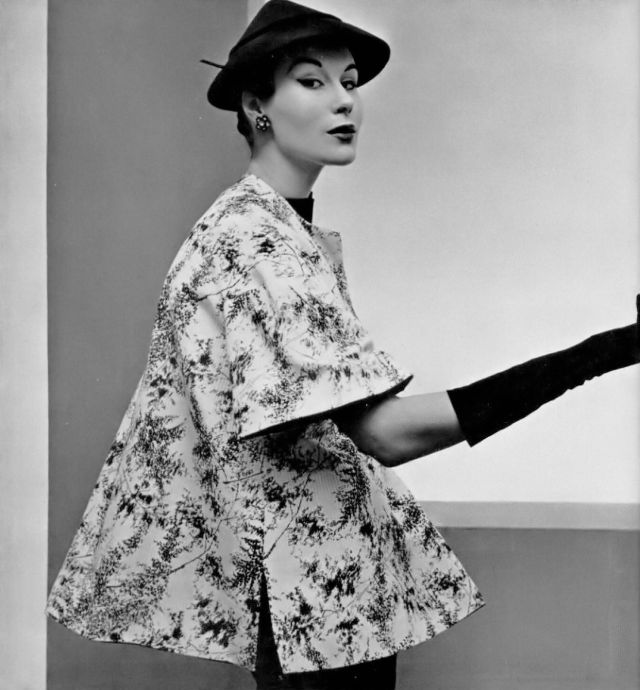
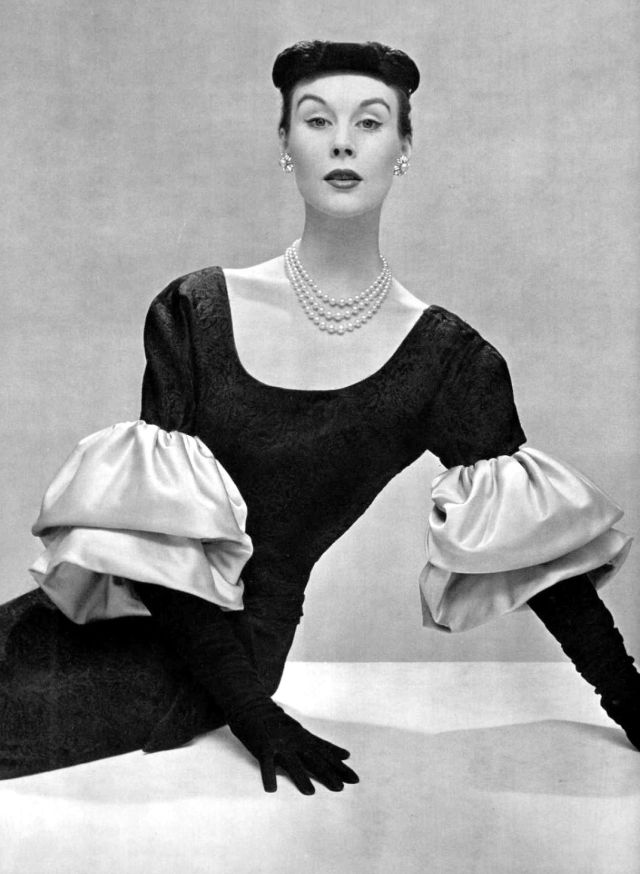
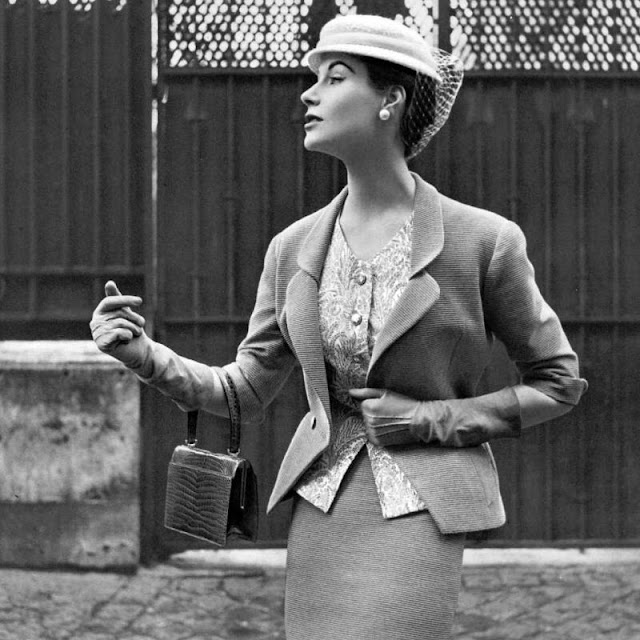
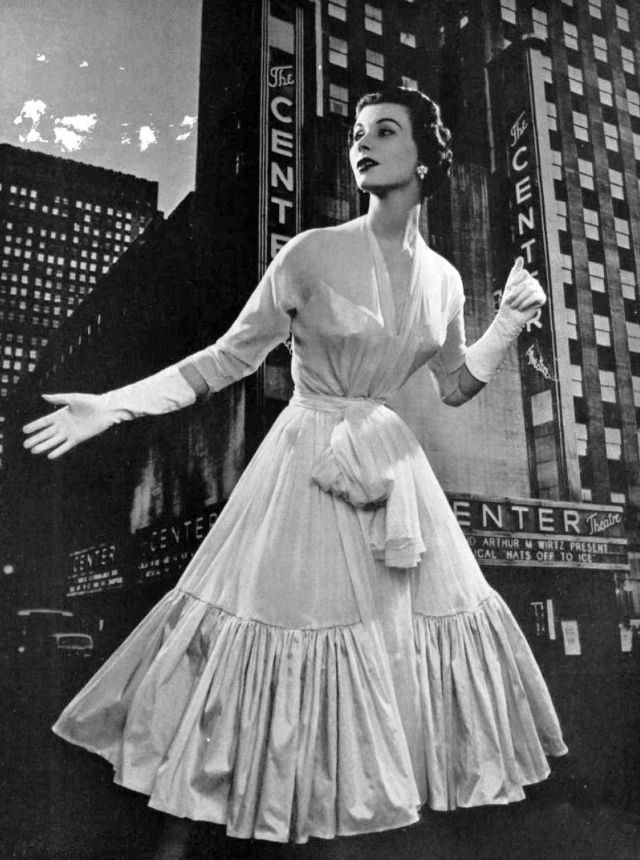
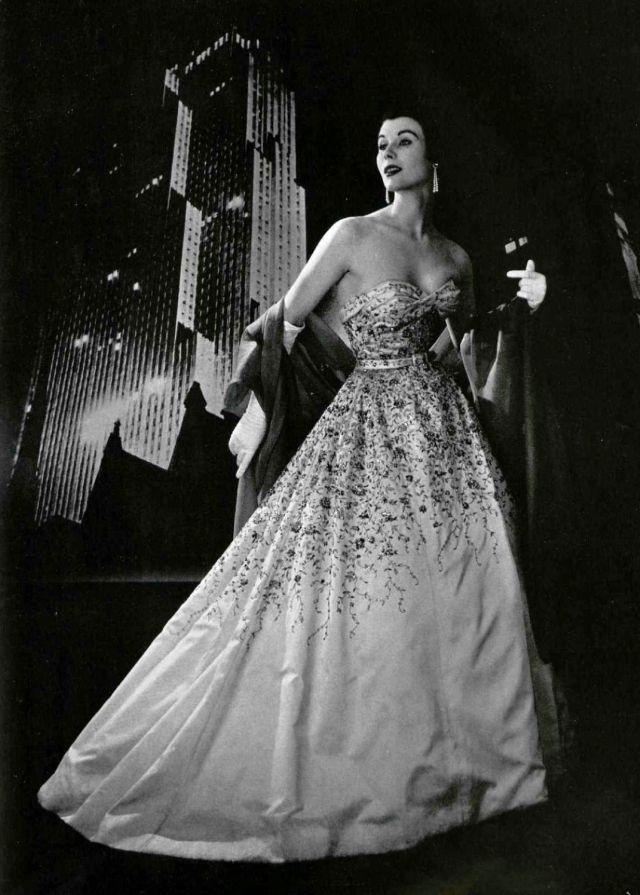
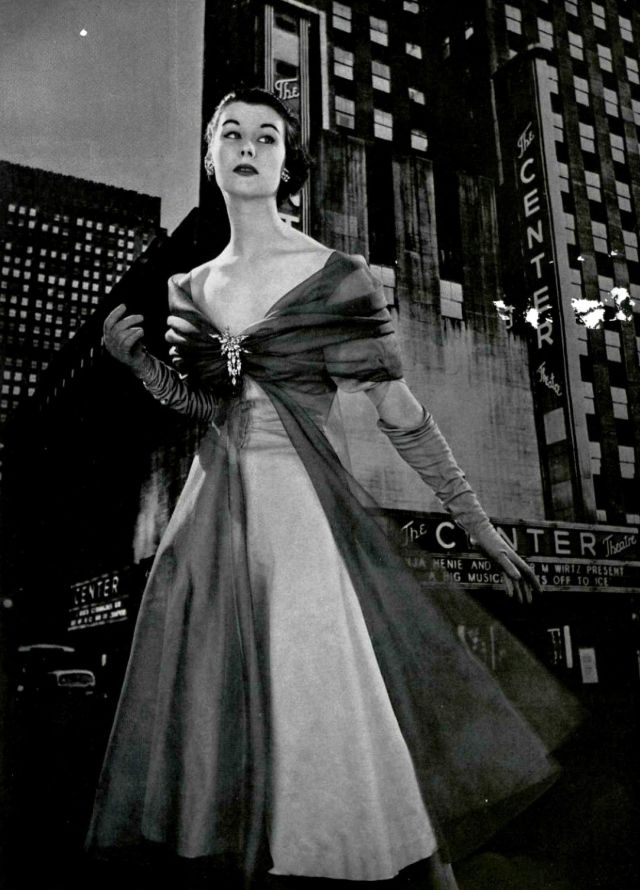
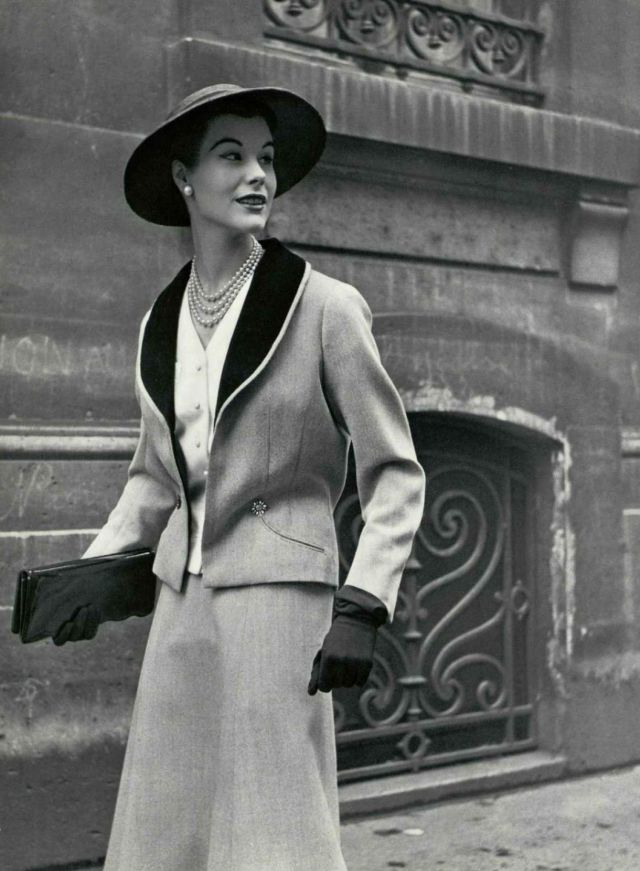
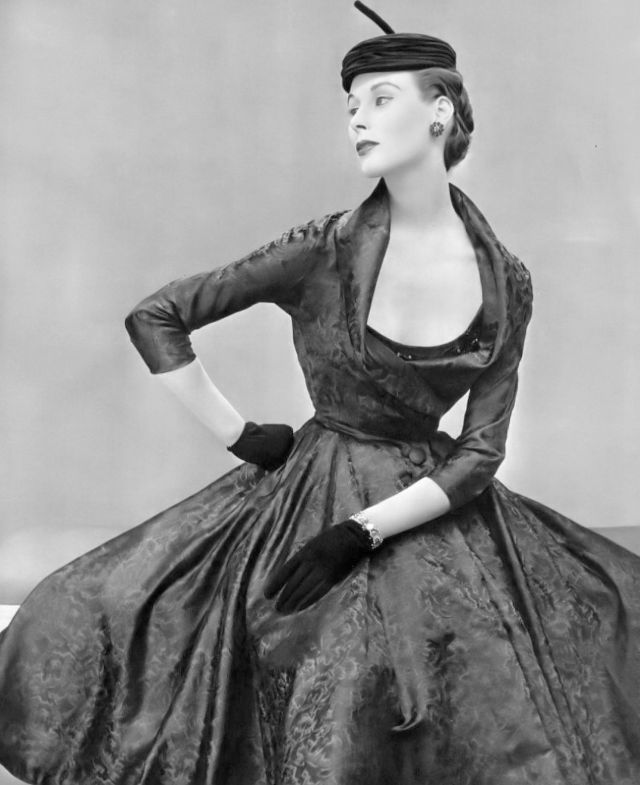
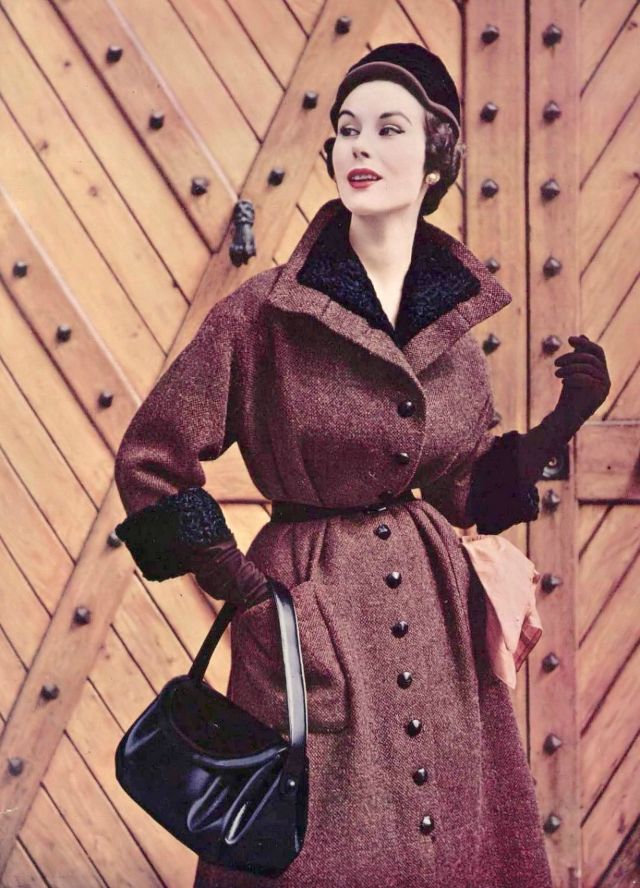
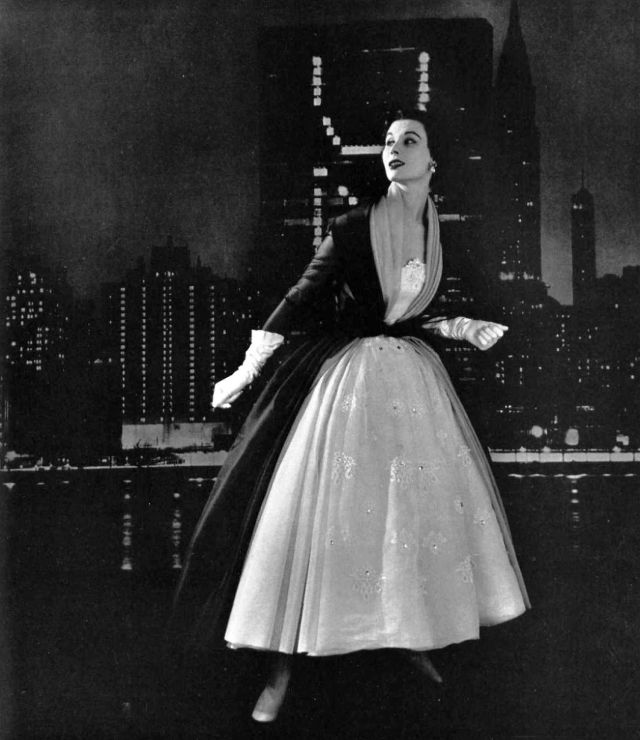
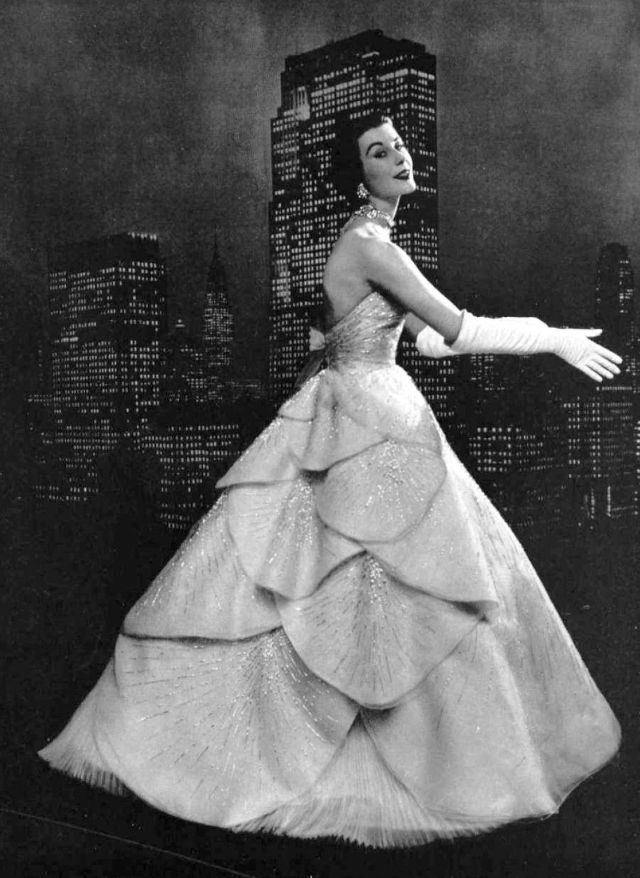
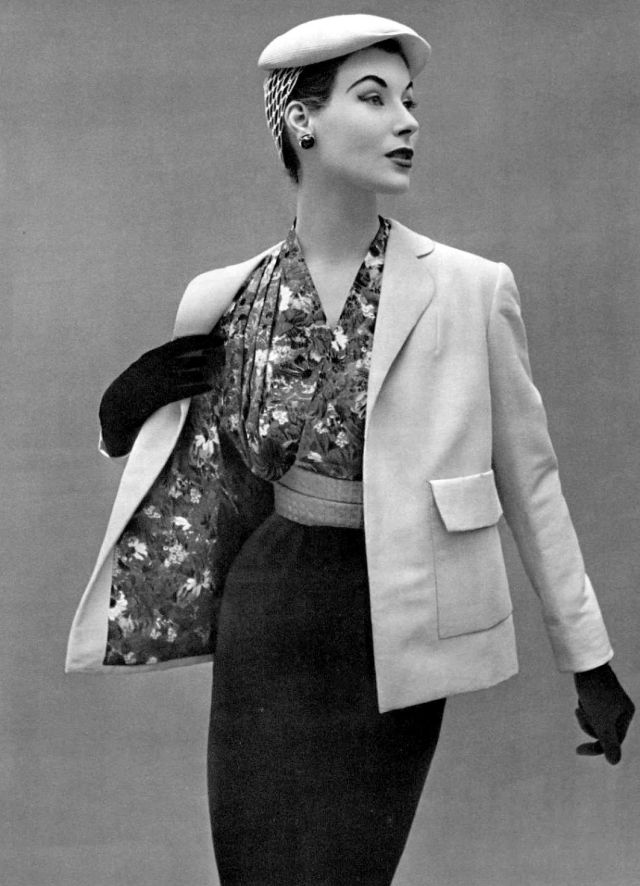
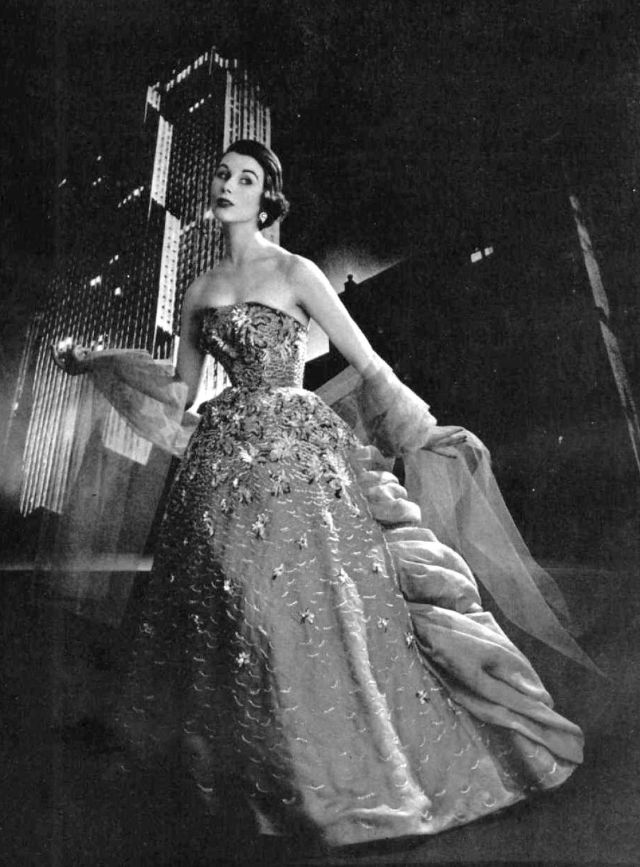
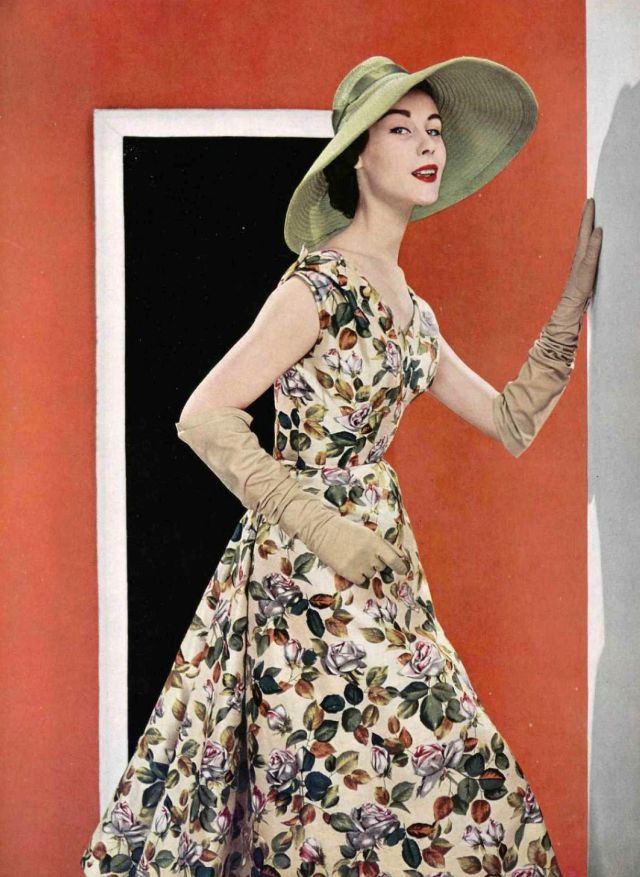
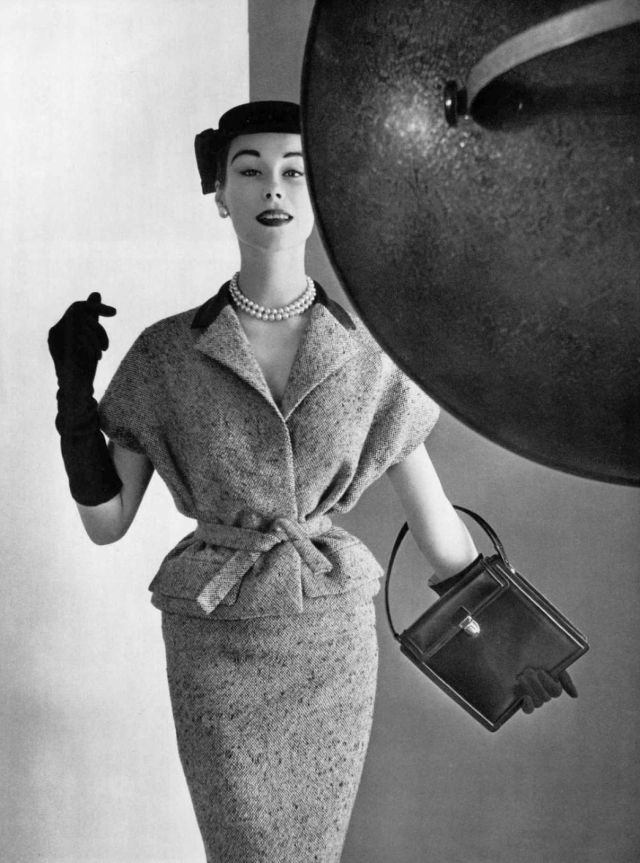
Myrtle Crawford: One of the Leading Models of the Late 1940s and Early 1950s

Born 1928 in Stirling, Scottish model Myrtle Crawford started modeling in a small way. She joined the Jean Bell modeling agency, sharing a flat with another top model of the day, Susan Abraham.

At 36-19-36, Crawford’s hourglass figure was highly fashionable in the early 1950s. She worked with many celebrated photographers of the day, including John French and Norman Parkinson. On the catwalks of Paris she also modeled for Christian Dior and other famous fashion houses.

Crawford was also one of the Aero girls, whose portraits, painted in oils by accomplished artists, were used in an eye-catching campaign to advertise Aero chocolate, the bubble-filled bars marketed in the early 1950s as “The chocolate for her”.

Crawford’s modeling career was brief but glamorous: She traveled frequently, and was well-paid, earning £5 a day at a time of post-war austerity when many were managing on £5 a month. In 1953, she married Capt John Acland and gave up her modeling career; but having trained as an architect and being a talented artist, she took up painting, studying at the Reading School of Art.

Crawford died in 2013 at the age of 85. Take a look at these fabulous photos to see the beauty of Myrtle Crawford in the early 1950s.

Yesterday Today

Bringing You the Wonder of Yesterday - Today

Skip to content ↓