




Bringing You the Wonder of Yesterday – Today

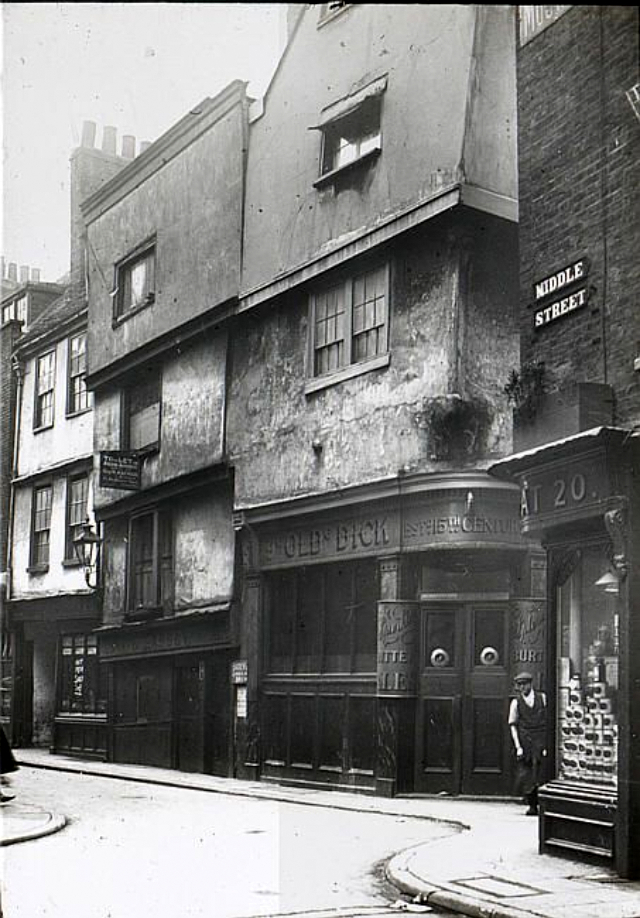
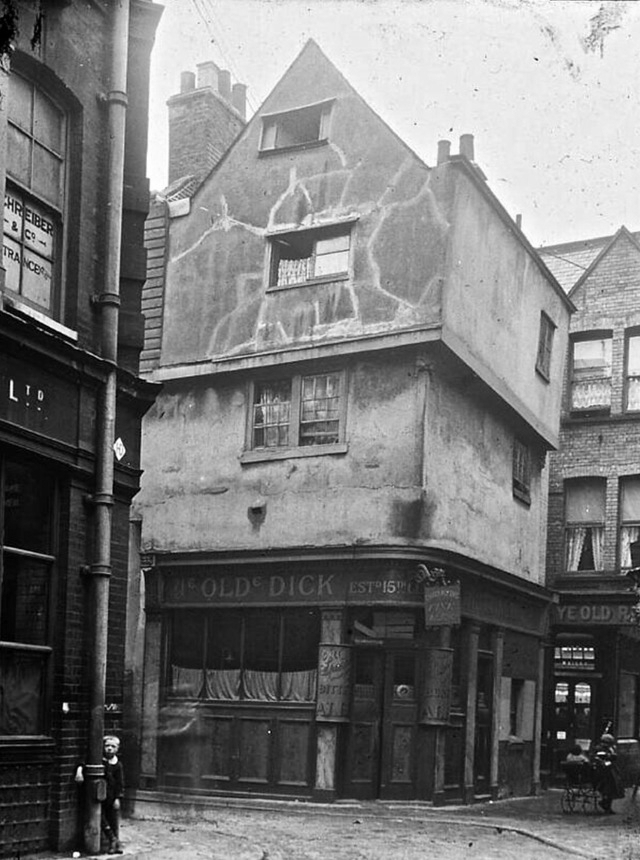
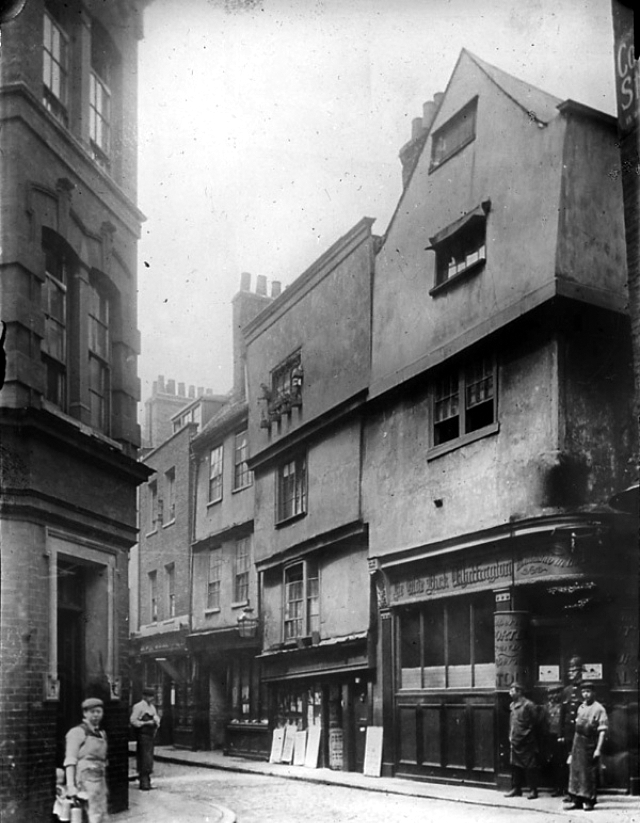
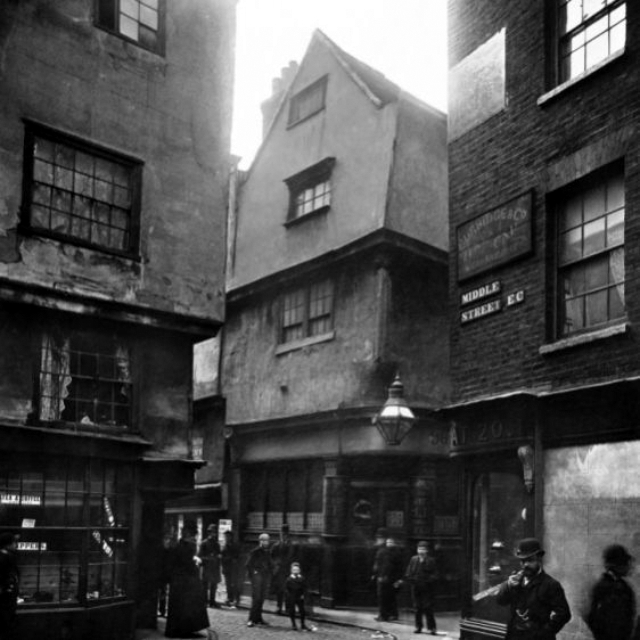
The Old Dick Whittington was situated at 24 Cloth Fair. This beerhouse opened in 1846 in a 16th century timber framed house. It was allegedly the oldest Inn in London although it was actually only given a license in 1848 and there are many pubs in London older than this, one of the oldest is believed to be the Seven Stars on Carey street Holborn.
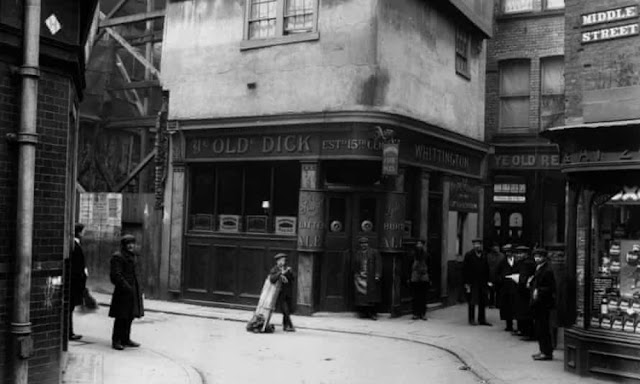
The building was acquired by the Corporation of London and along with many other medieval houses along Cloth Fair which had stood for hundreds of years they were demolished in 1916 for ‘slum clearance’. On the opposite end of the terrace there is one survivor of the slum clearance which was restored instead of demolished showing that they could all have been retained without too much effort.
Today the space is taken by a dull modern building showing that the replacement for this priceless piece of history did not even last one century.
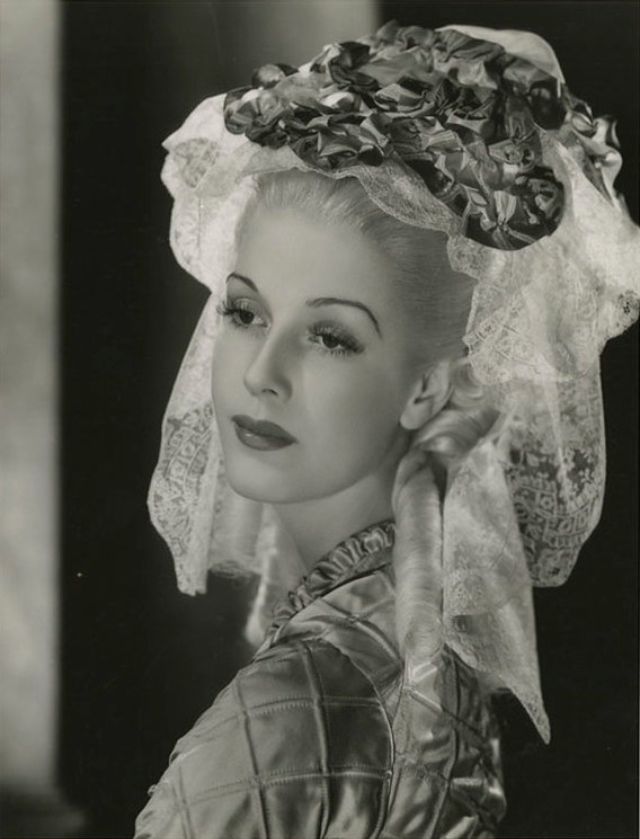
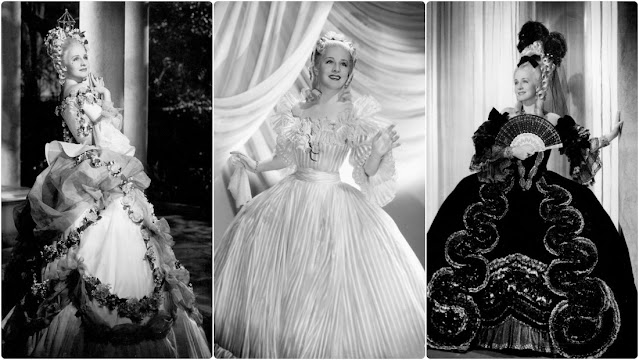
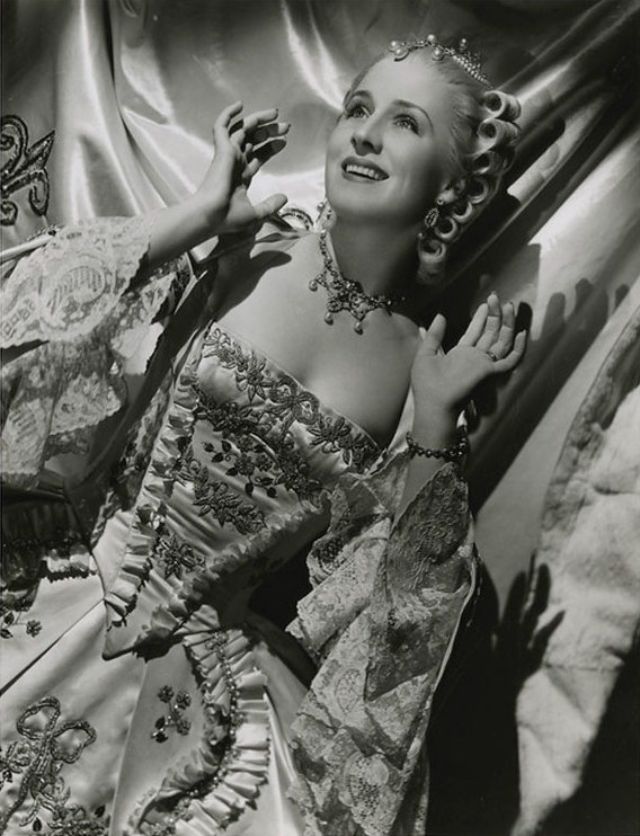
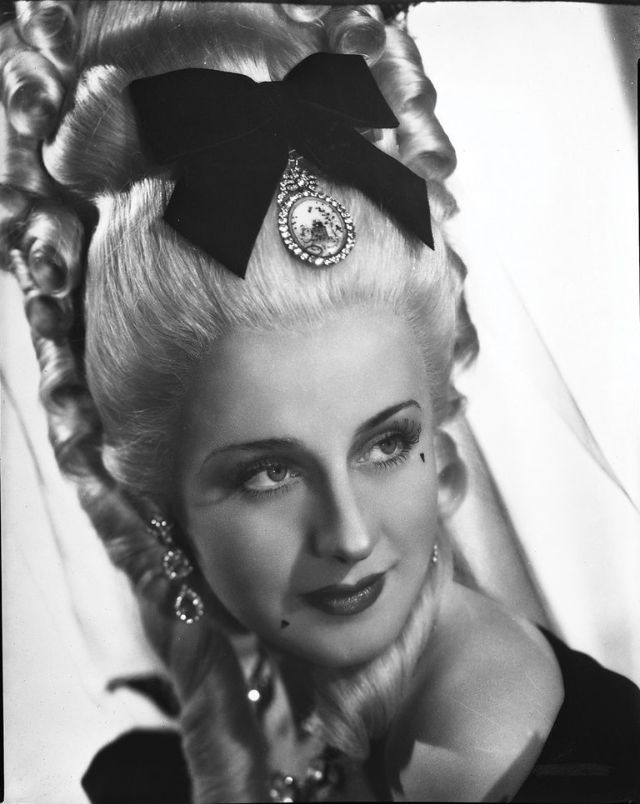
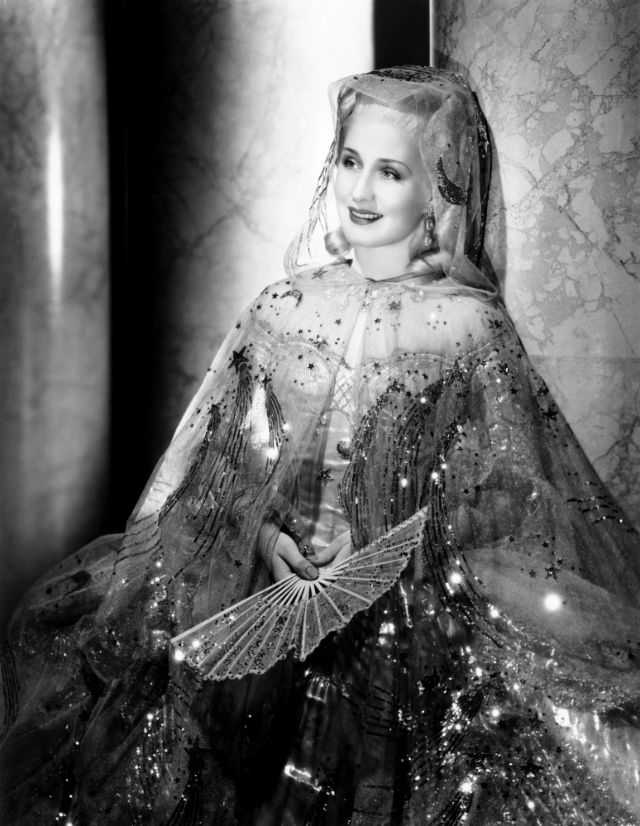
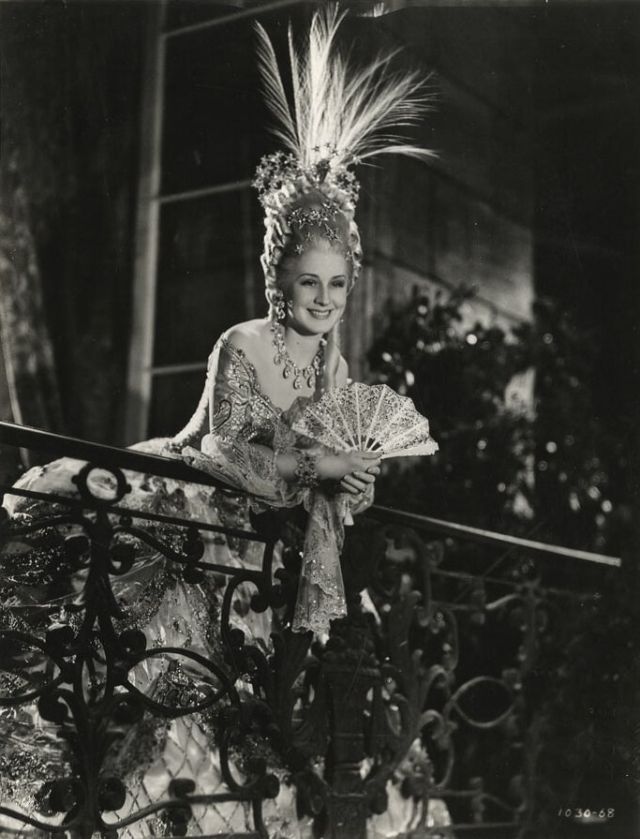
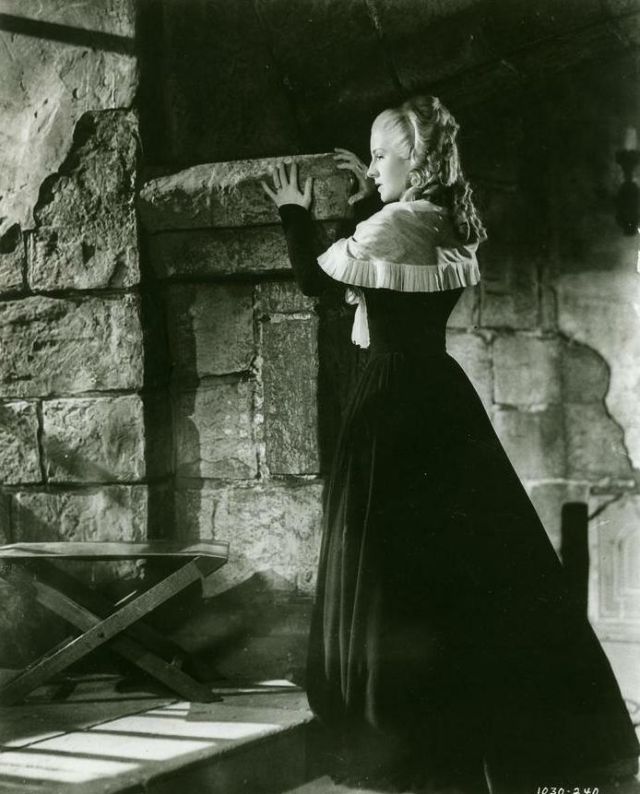
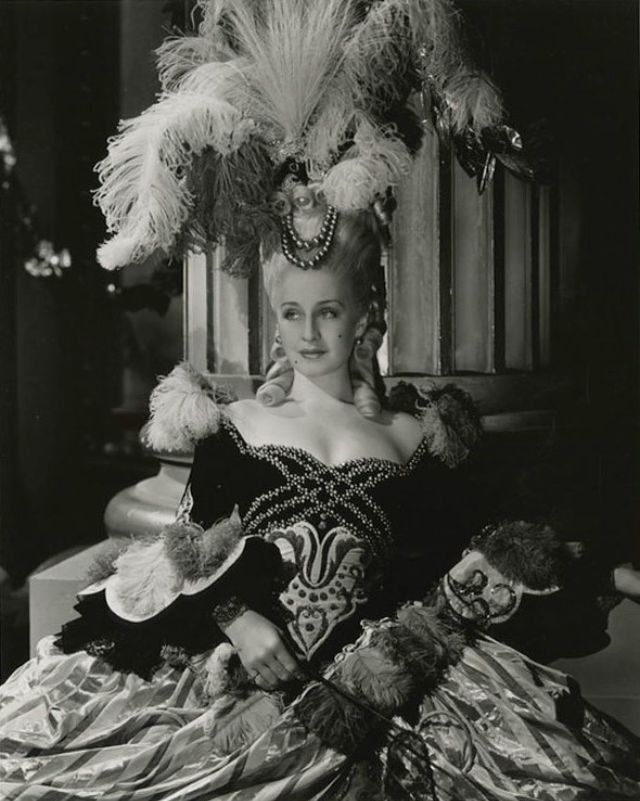
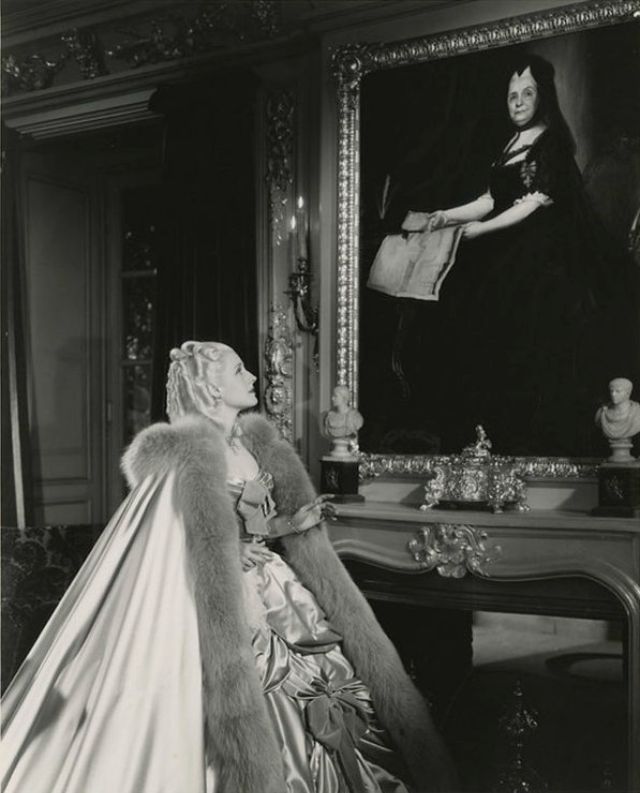
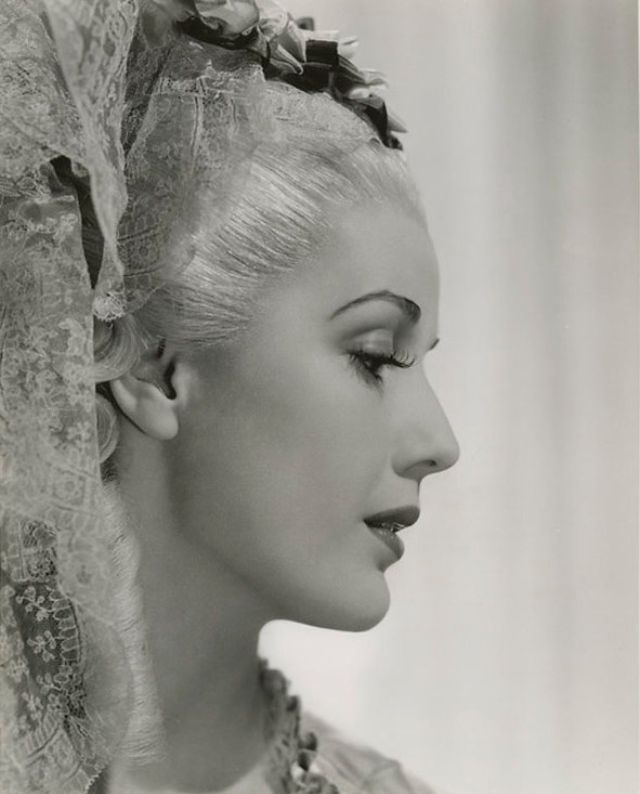
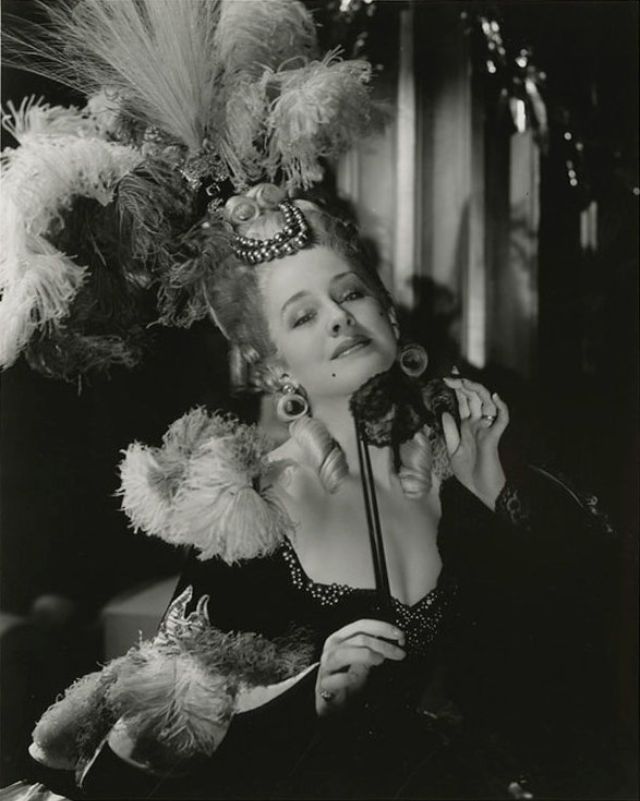
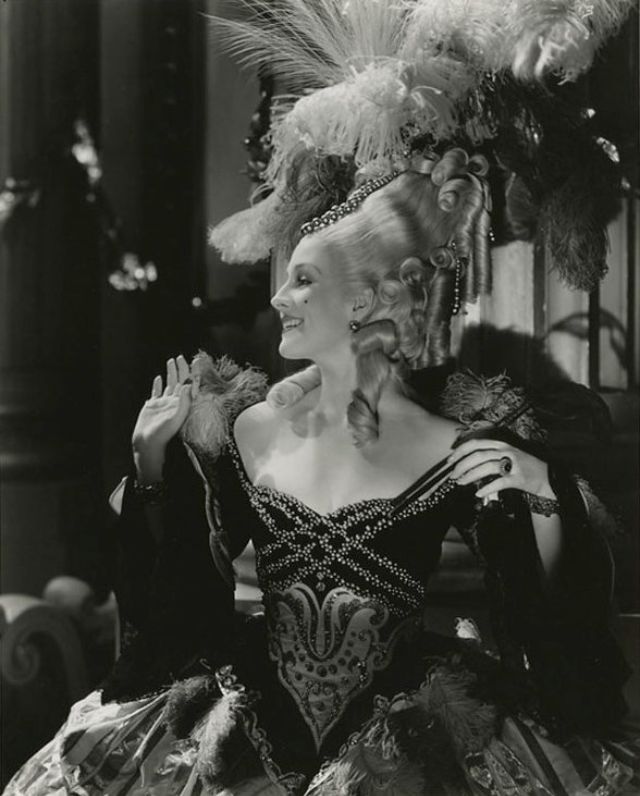
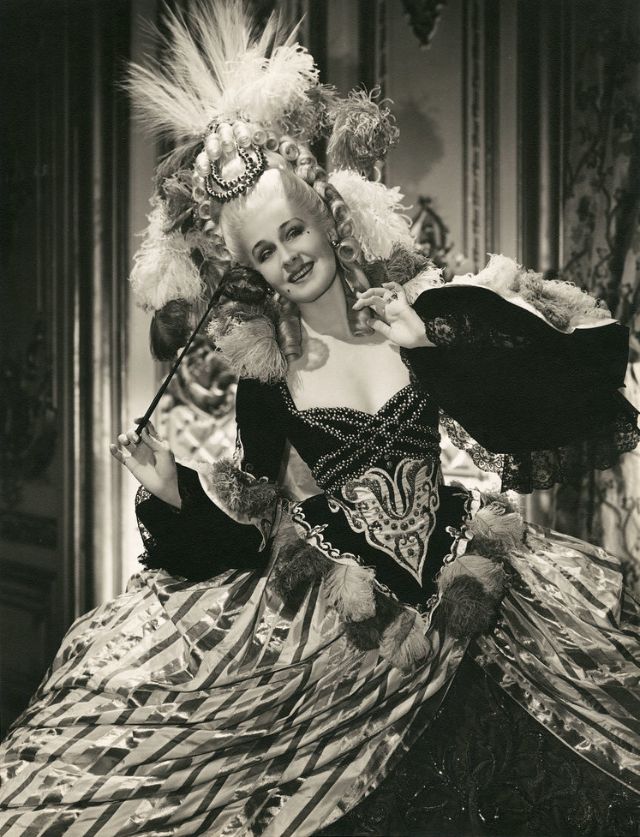
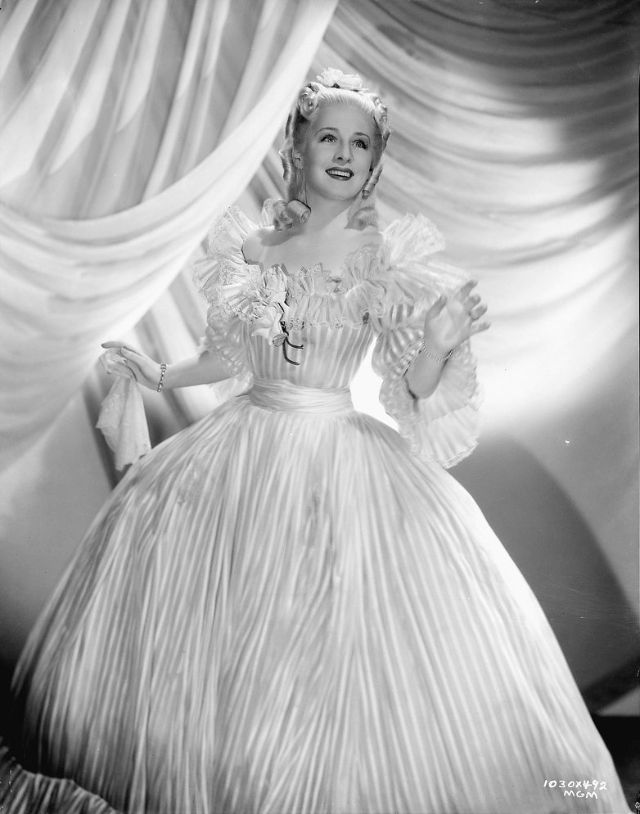
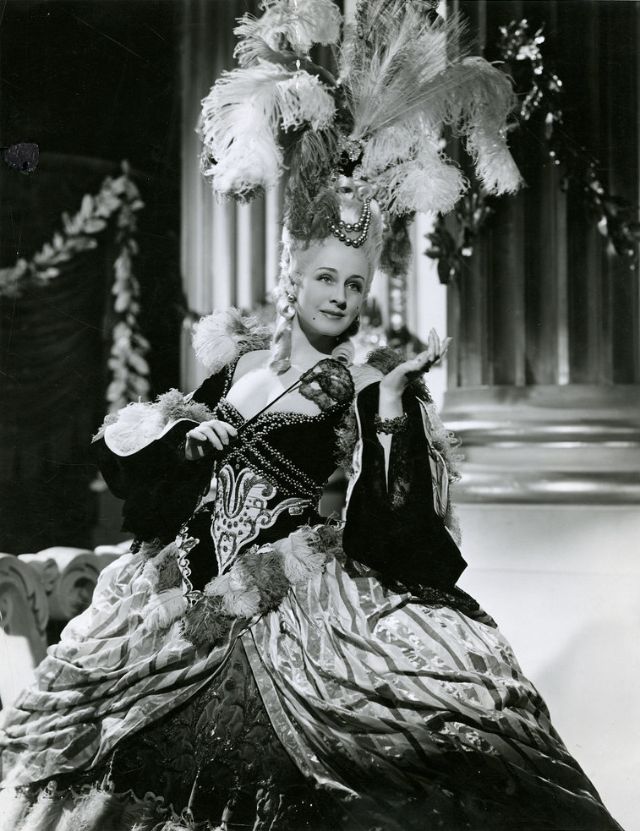
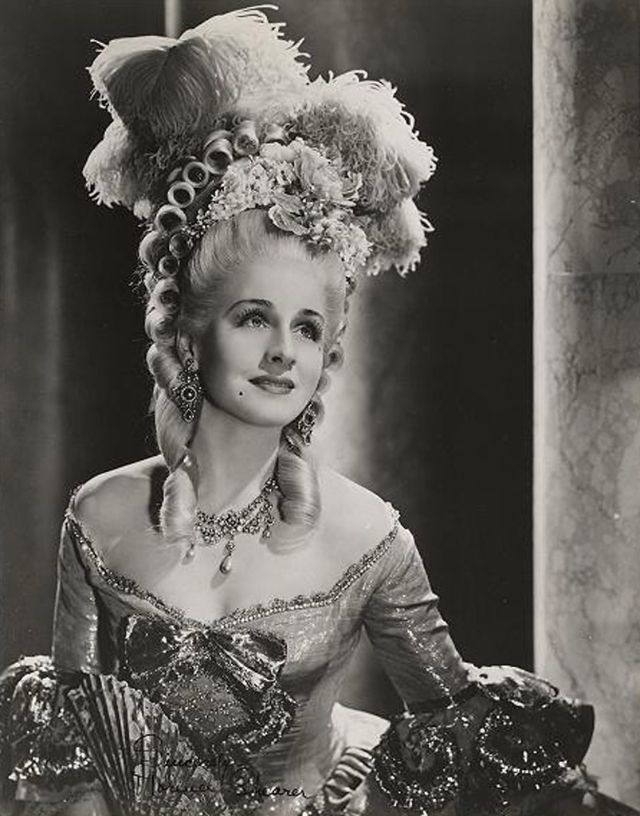
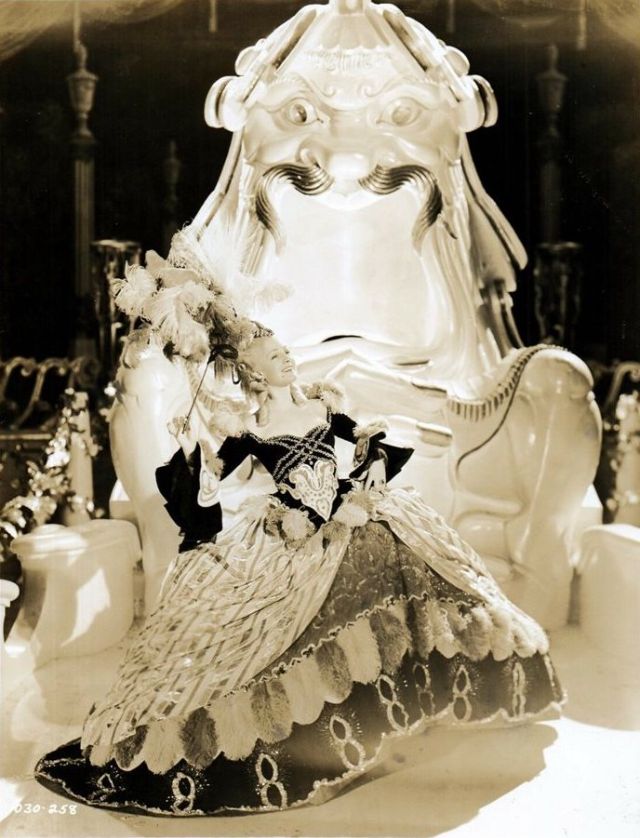
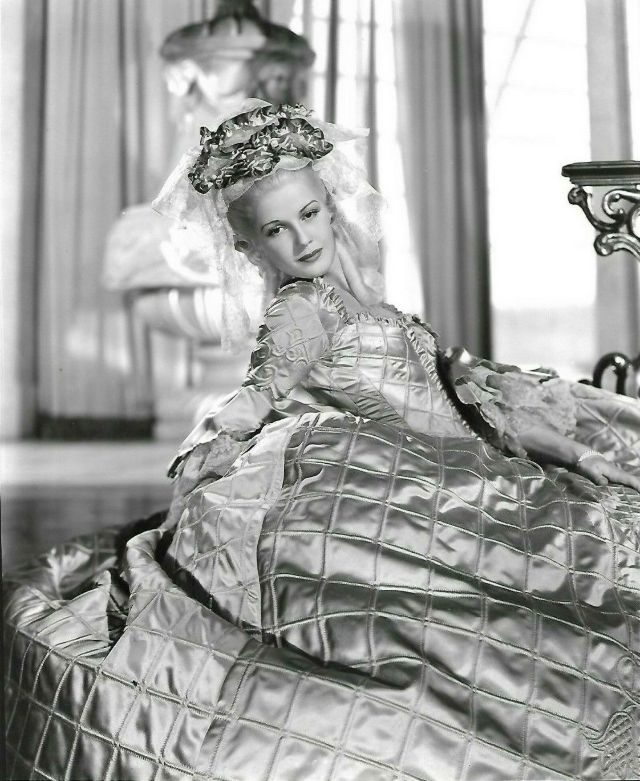
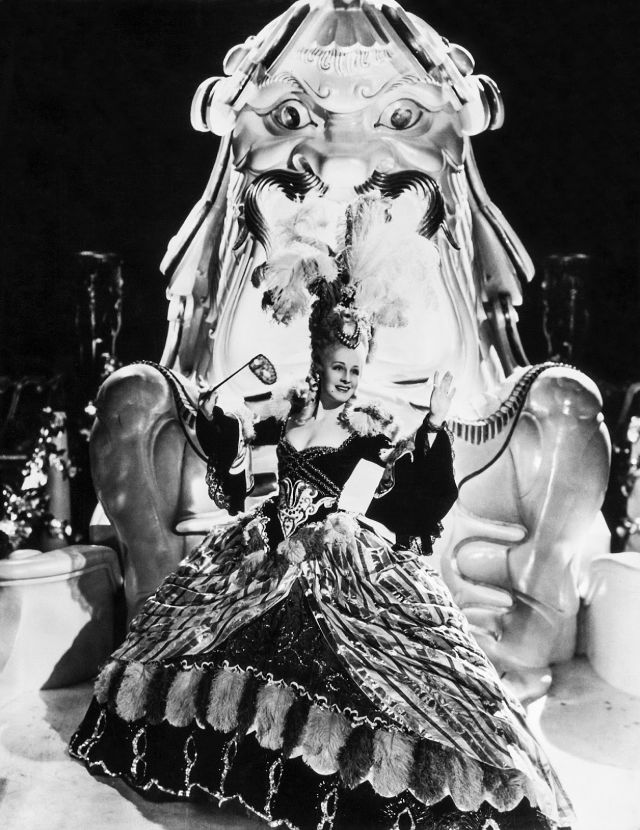
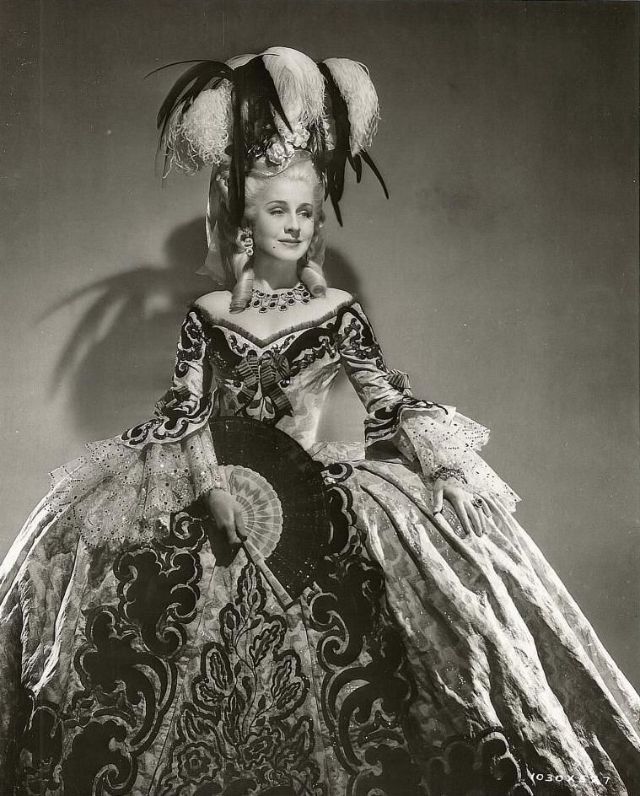
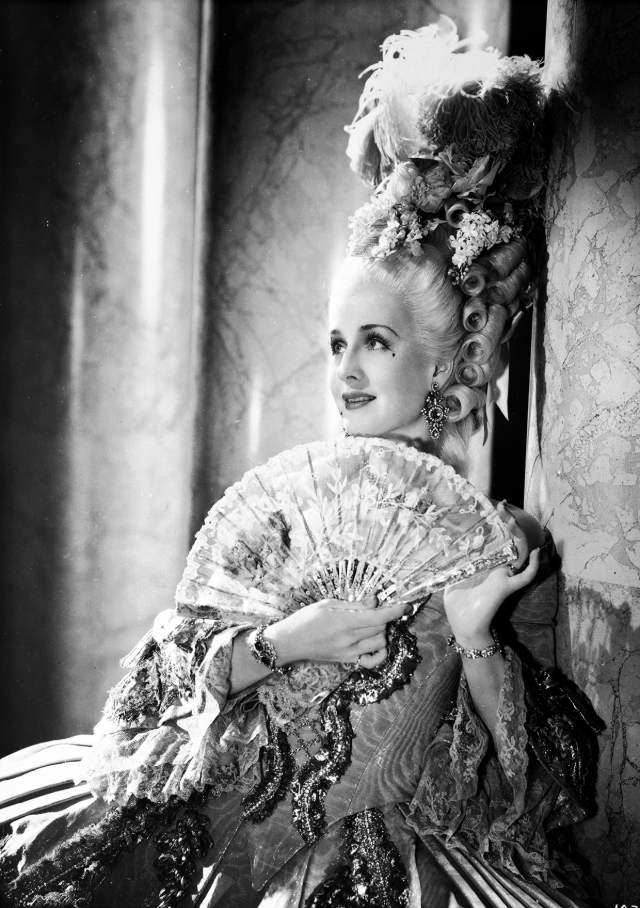
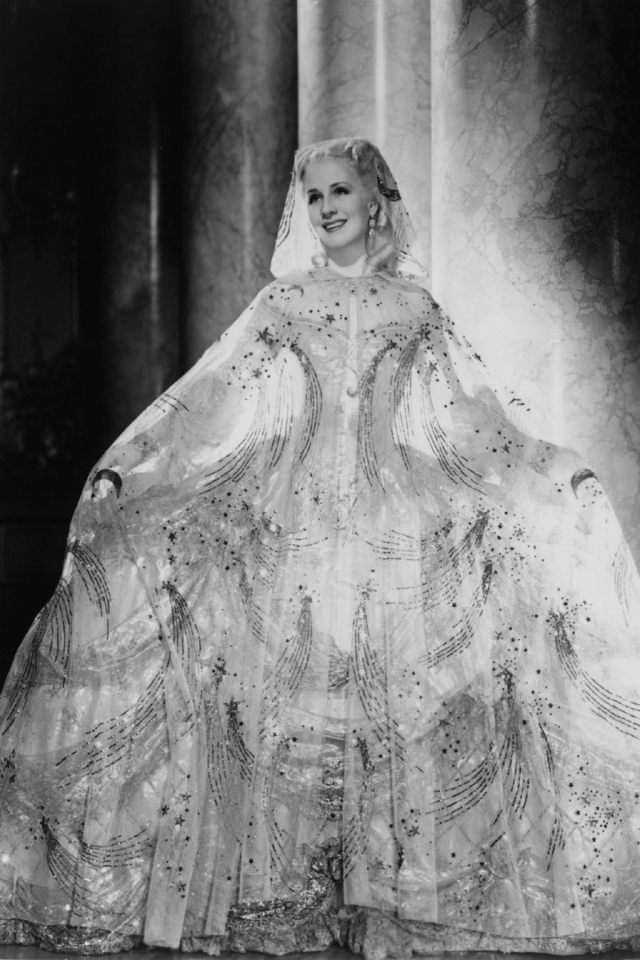
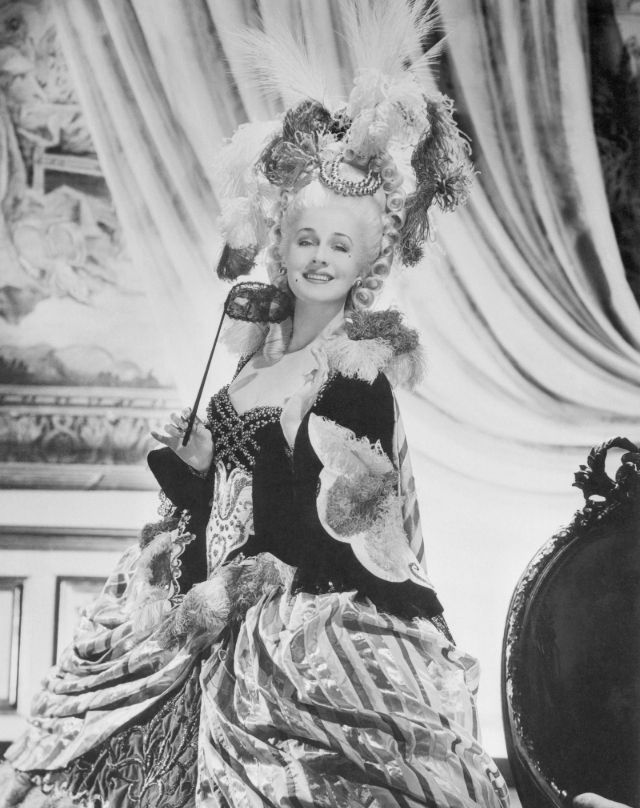
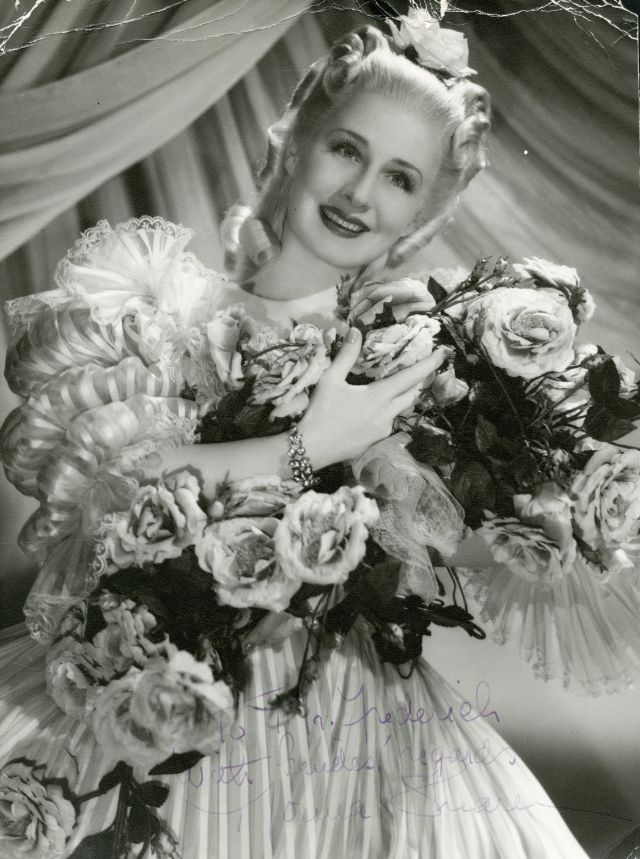
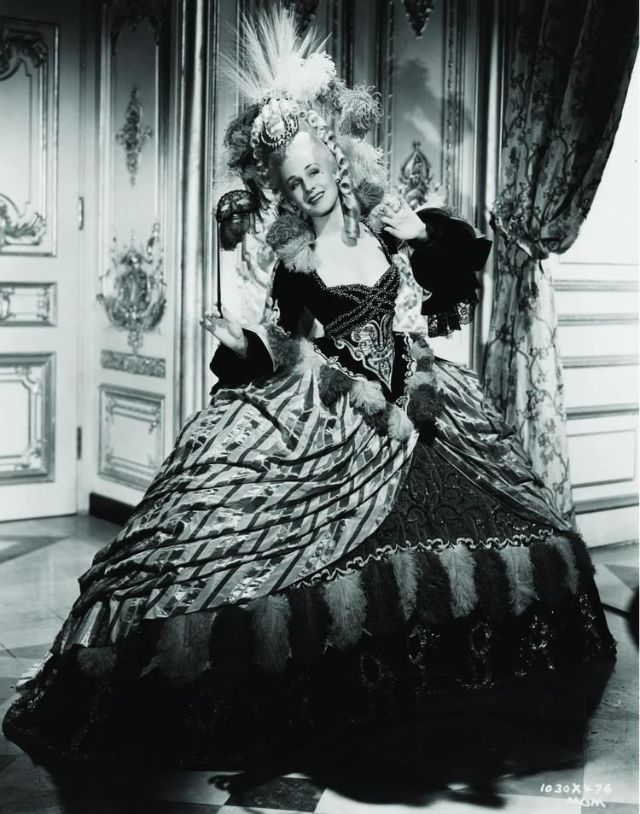
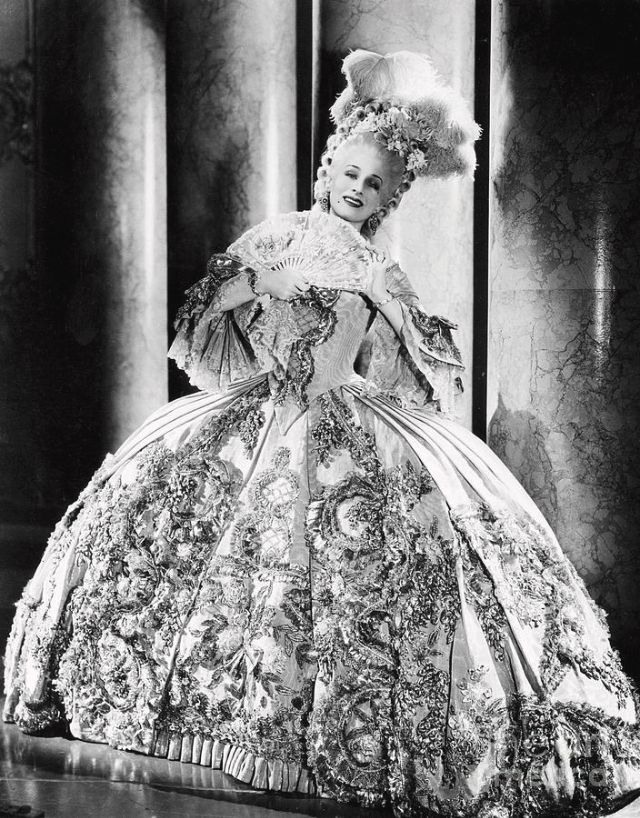
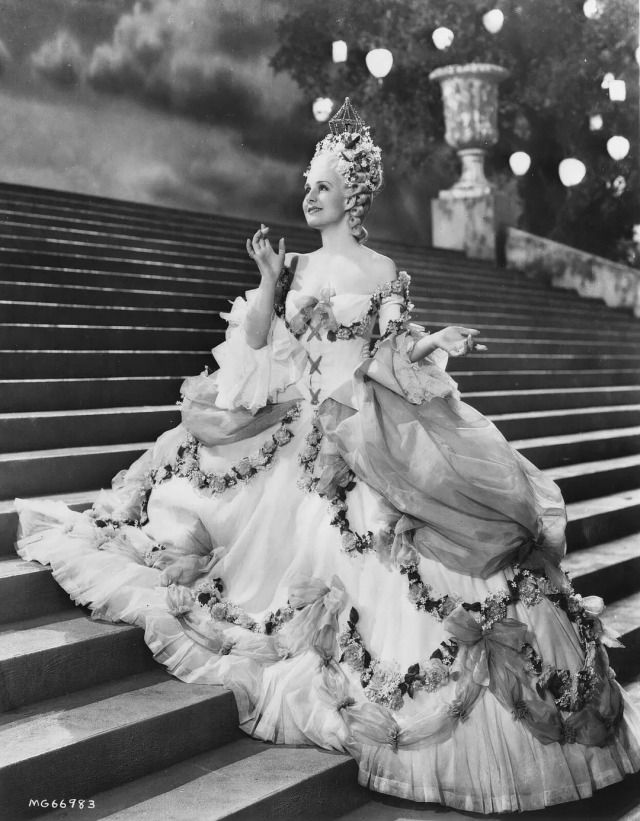
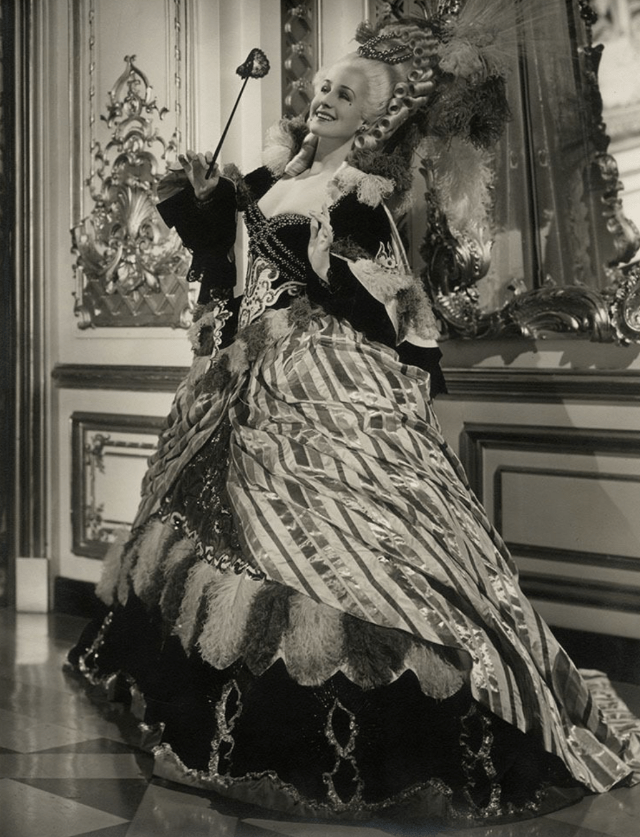
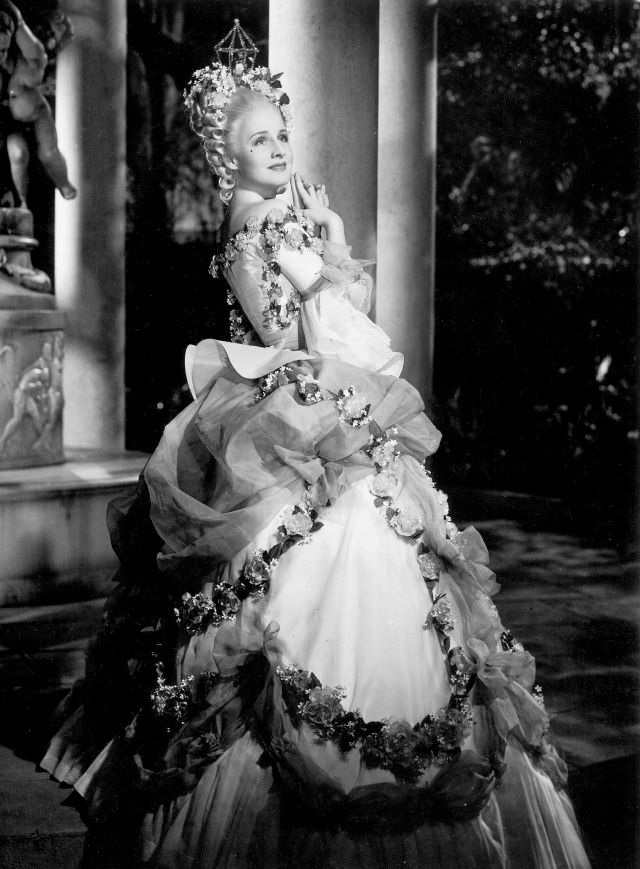
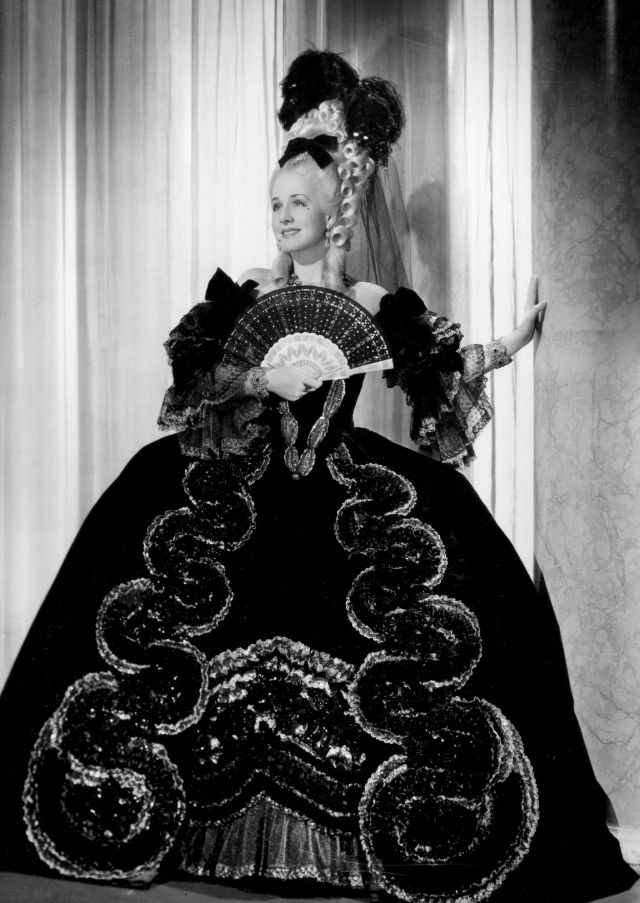
Based upon the 1932 biography of the ill-fated Queen of France by the Austrian writer Stefan Zweig, Marie Antoinette is a 1938 American historical drama film produced by Metro-Goldwyn-Mayer. It was directed by W. S. Van Dyke and starred Norma Shearer as Marie Antoinette. It had its Los Angeles premiere at the legendary Carthay Circle Theatre, where the landscaping was specially decorated for the event.
The film was the last project of Irving Thalberg who died in 1936 while it was in the planning stage. His widow Norma Shearer remained committed to the project even while her enthusiasm for her film career in general was waning following his death.
With a budget over two million dollars, it was one of the more expensive films of the 1930s, but also one of the bigger successes.
These beautiful photos captured portrait of Norma Shearer during the filming Marie Antoinette in 1938.
Edith Norma Shearer (August 10, 1902 – June 12, 1983) was a Canadian-American actress who was active on film from 1919 through 1942. Shearer often played spunky, sexually liberated ingénues. She appeared in adaptations of Noël Coward, Eugene O’Neill, and William Shakespeare, and was the first five-time Academy Award acting nominee, winning Best Actress for The Divorcee (1930).
Reviewing Shearer’s work, Mick LaSalle called her “the exemplar of sophisticated 1930s womanhood … exploring love and sex with an honesty that would be considered frank by modern standards”. He described her as a feminist pioneer, “the first American film actress to make it chic and acceptable to be single and not a virgin on screen”.
She won a beauty contest at age fourteen. In 1920 her mother, Edith Shearer, took Norma and her sister Athole Shearer (Mrs. Howard Hawks) to New York. Ziegfeld rejected her for his “Follies,” but she got work as an extra in several movies. She spent much money on eye doctor’s services trying to correct her cross-eyed stare caused by a muscle weakness. Irving Thalberg had seen her early acting efforts and, when he joined Louis B. Mayer in 1923, gave her a five year contract. He thought she should retire after their marriage, but she wanted bigger parts. In 1927, she insisted on firing the director Viktor Tourjansky because he was unsure of her cross-eyed stare. Her first talkie was in The Trial of Mary Dugan (1929); four movies later, she won an Oscar in The Divorcee (1930). She intentionally cut down film exposure during the 1930s, relying on major roles in Thalberg’s prestige projects: The Barretts of Wimpole Street (1934) and Romeo and Juliet (1936) (her fifth Oscar nomination). Thalberg died of a second heart attack in September, 1936, at age 37. Norma wanted to retire, but MGM more-or-less forced her into a six-picture contract. David O. Selznick offered her the part of Scarlett O’Hara in Gone with the Wind (1939), but public objection to her cross-eyed stare killed the deal. She starred in The Women (1939), turned down the starring role in Mrs. Miniver (1942), and retired in 1942. Later that year she married Sun Valley ski instructor Martin Arrouge, eleven years younger than she (he waived community property rights). From then on, she shunned the limelight; she was in very poor health the last decade of her life. (IMDB)


The 20th century has seen a huge upsurge in the importance placed by Western society on physical beauty, particularly for women. The fashion, cosmetics and plastic surgery industries have thrived on 20th century preoccupation with physical appearance. It is a preoccupation that affects women in every sphere, whether they choose to pander to it or not.
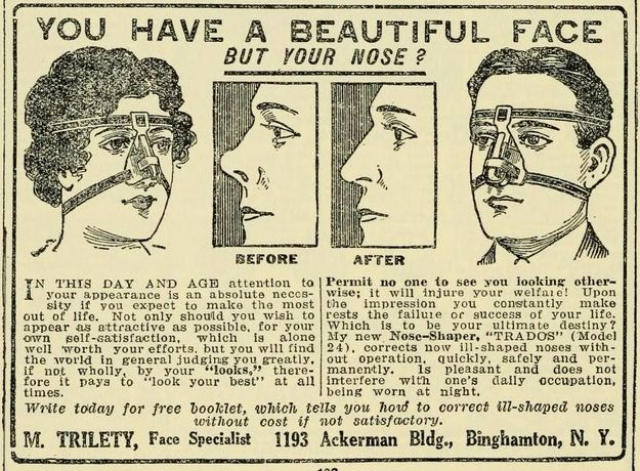
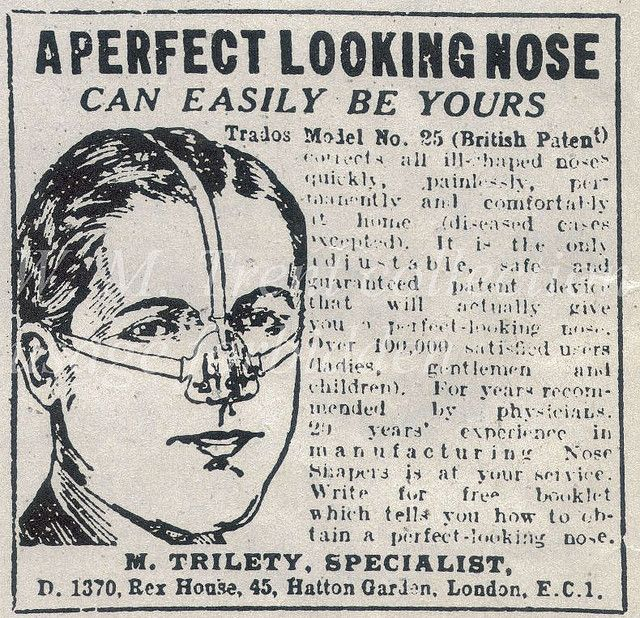
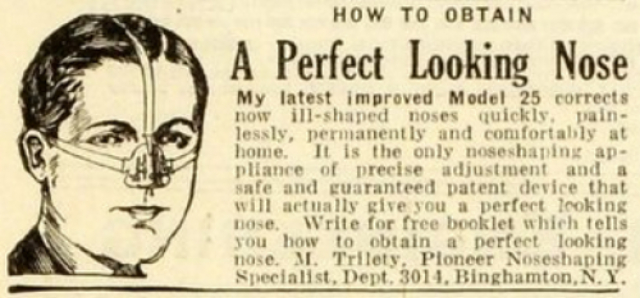
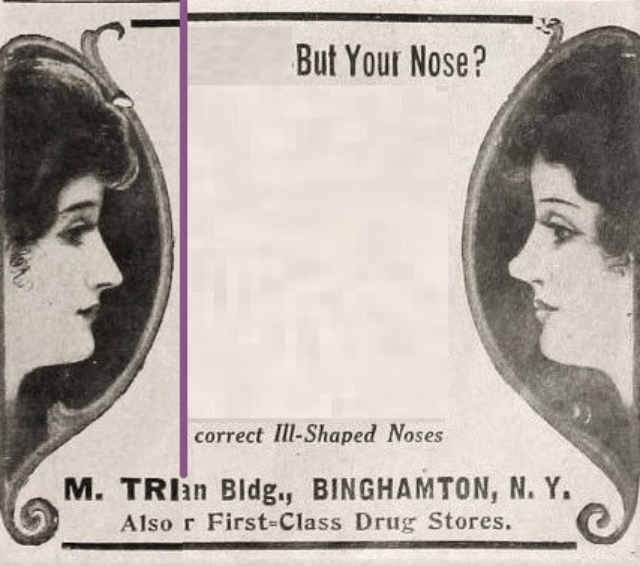
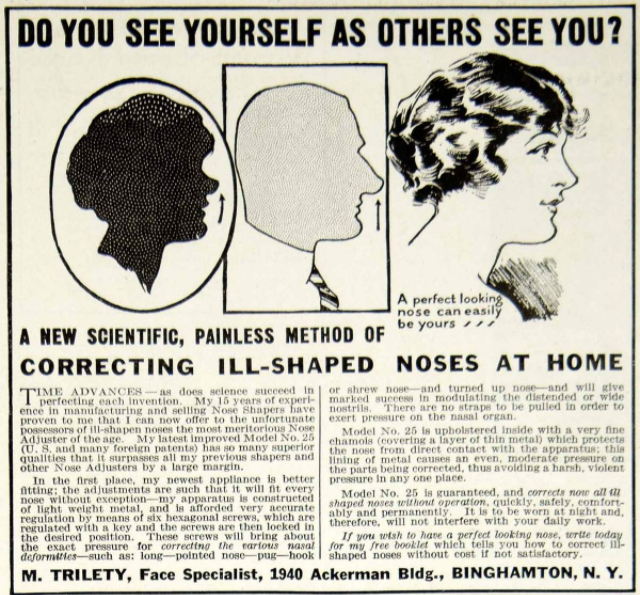
For the first two decades of the 20th century, many of the attitudes towards beauty associated with the 19th century remained. In Victorian society, it was considered a woman’s duty to make herself beautiful. In the early 20th century, this was coupled with the idea of “self-presentation” as enjoyable, expressive and creative. However, some of the more bizarre and painful “beauty aids” of the Victorian age continued to be marketed well into the 1920s. A particularly unpleasant example is “M.Trielty’s Nose Shaper,” described as a “metal object … held over the nose by straps buckled round the head and adjusted with screws.”

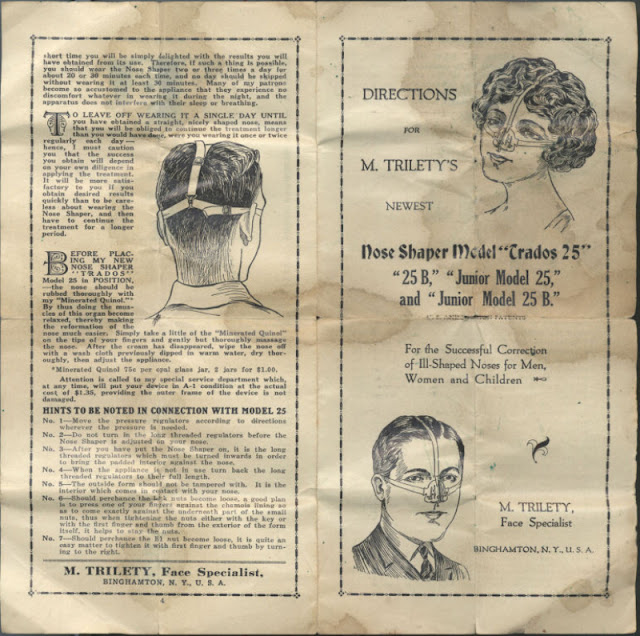
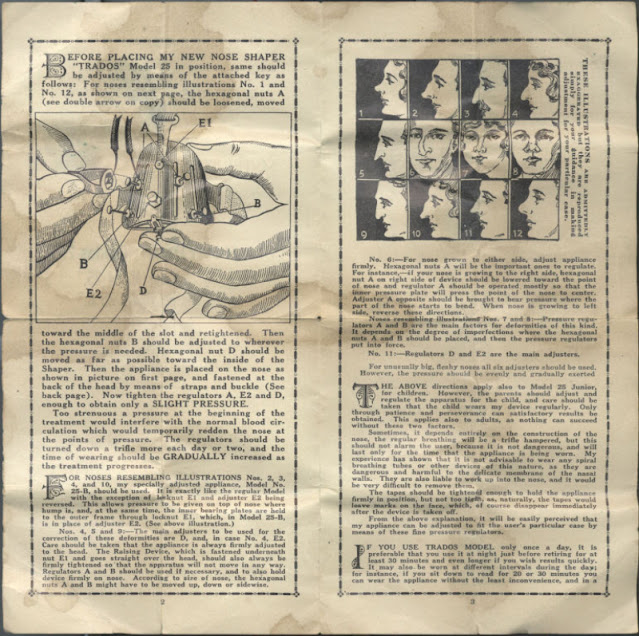
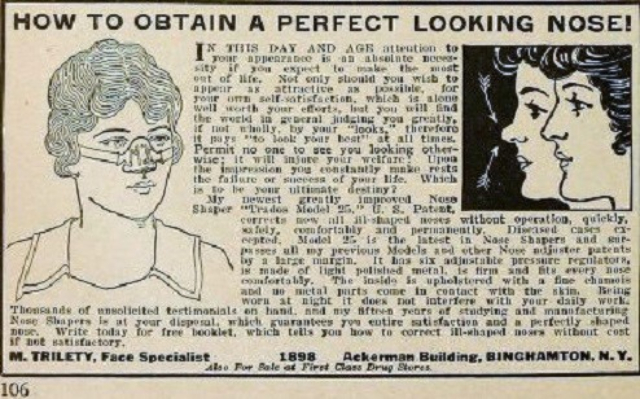
The Model 25 has “six adjustable pressure regulators, is made of light polished metal, is firm and fits every nose comfortably. The inside is upholstered with a fine chamois skin and no metal parts come in contact with the skin. Thousands of unsolicited Testimonials ….”
It’s incredible how long this company lasted, considering its offer of “your money refunded if you are not satisfied.”
Here, below are some Trilety’s ads from 1920s magazines:
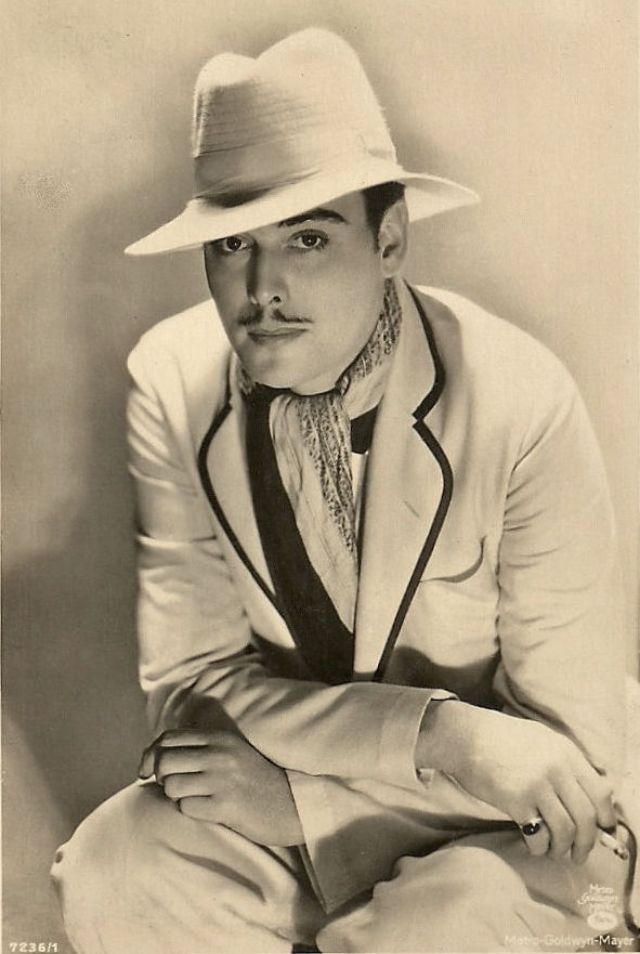
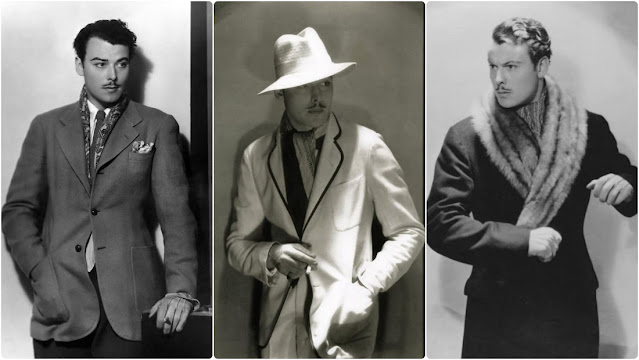
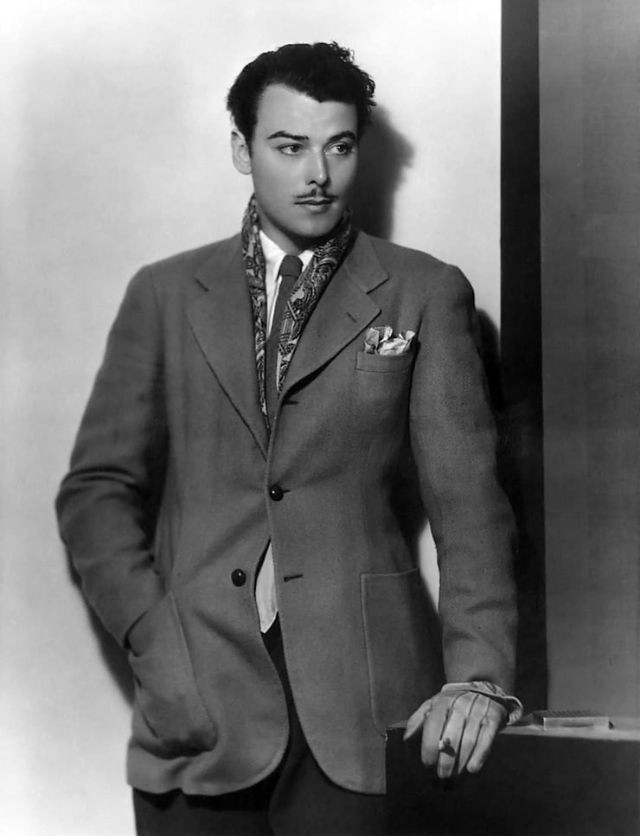
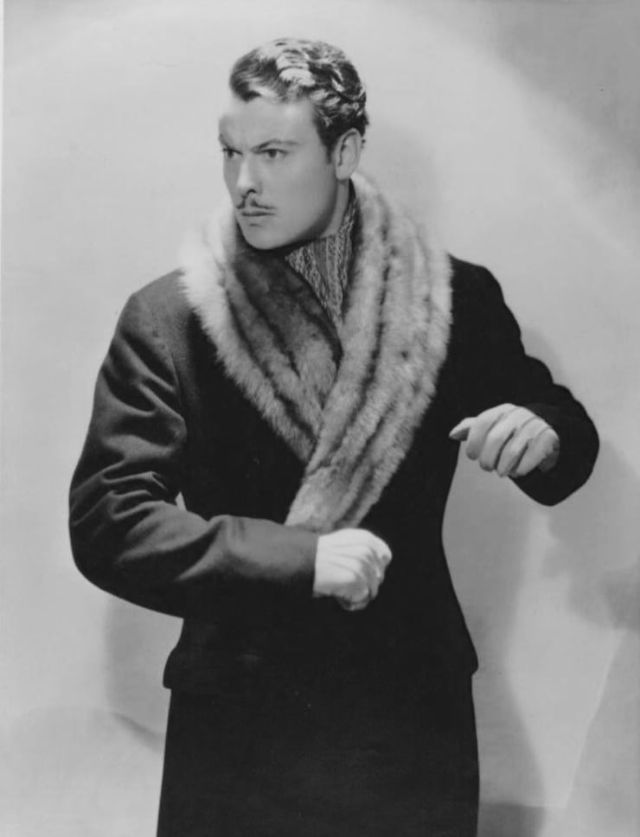
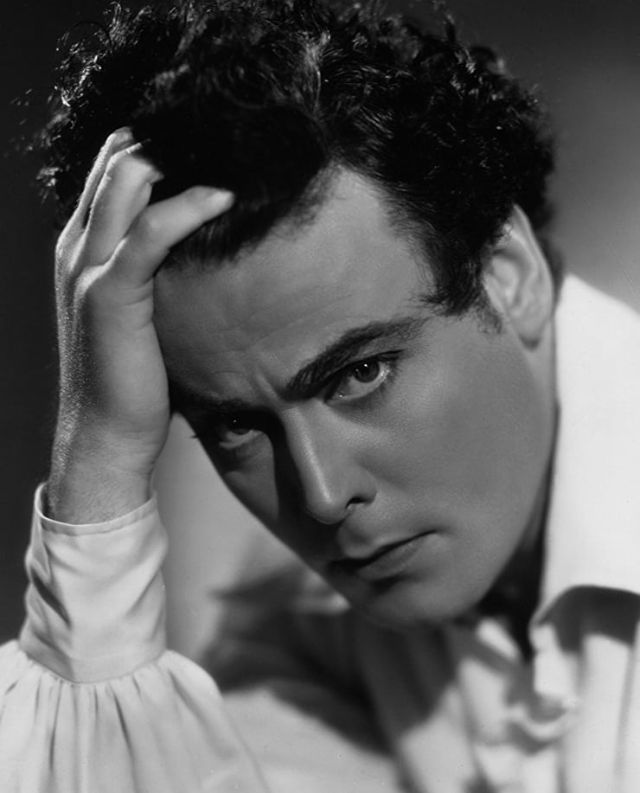
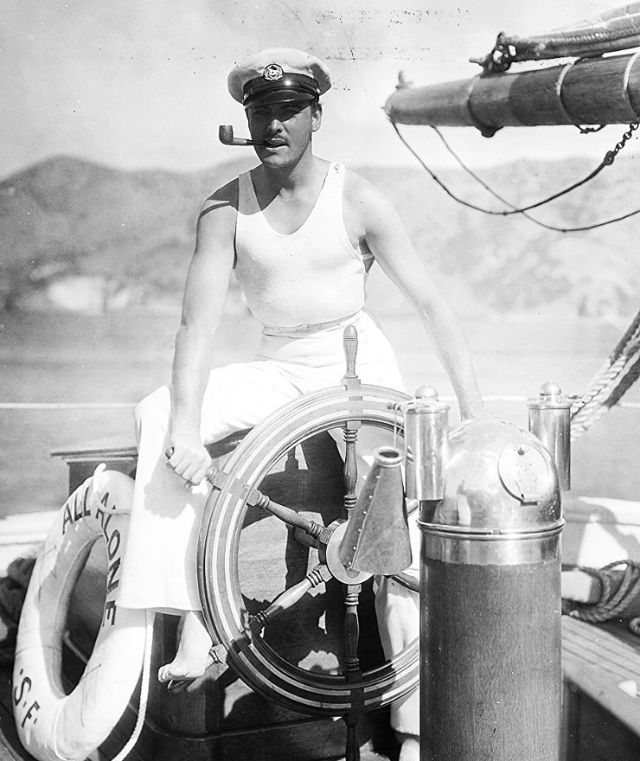
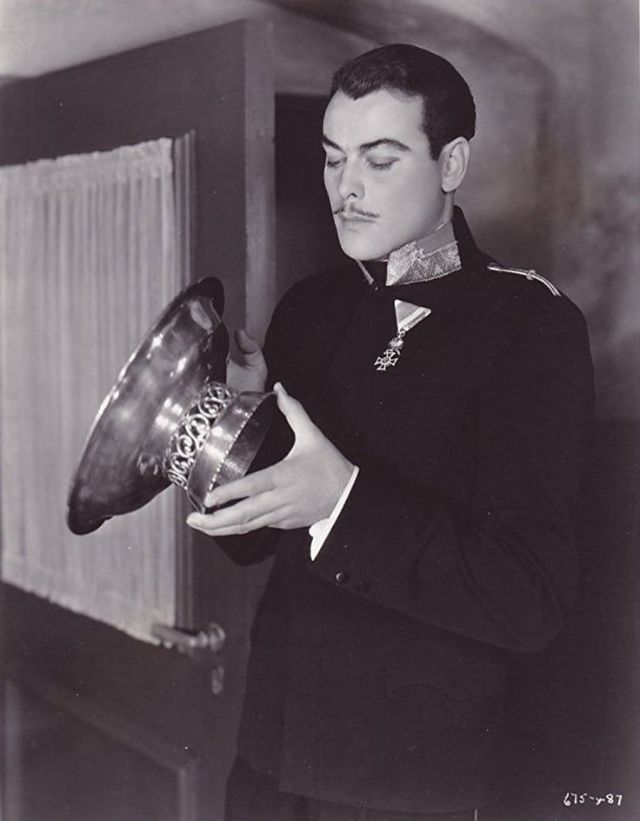
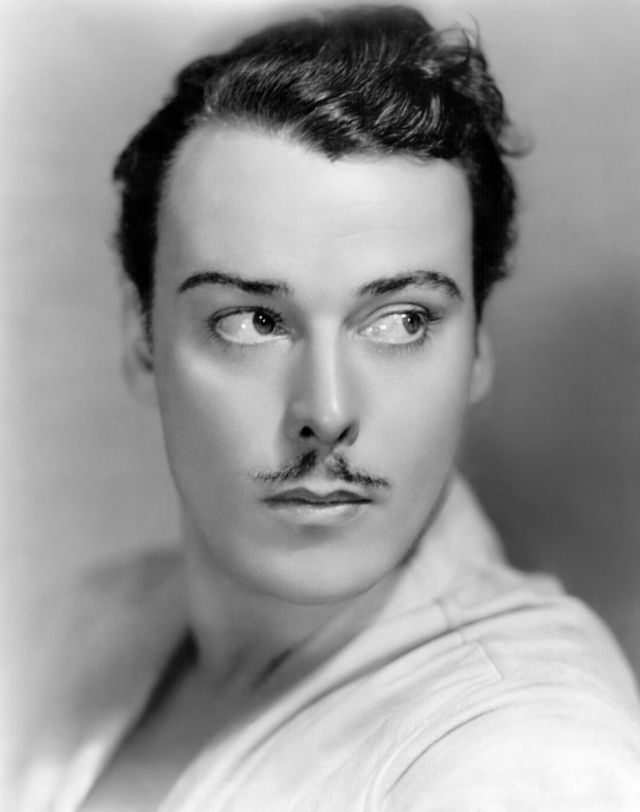
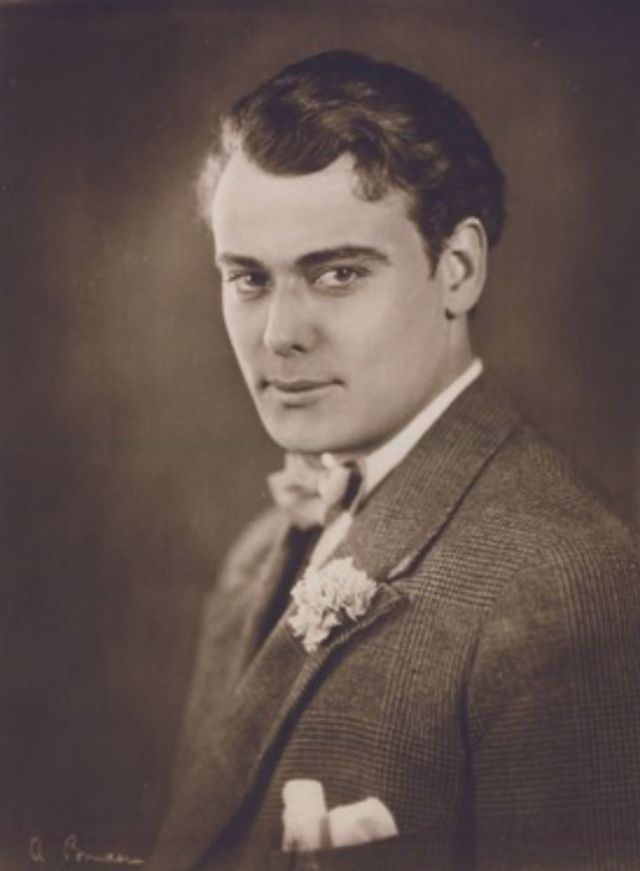
Nils Anton Alfhild Asther (17 January 1897 – 19 October 1981) was a Swedish actor active in Hollywood from 1926 to the mid-1950s, known as “the male Greta Garbo”. Between 1916 and 1963 he appeared in over seventy feature films, sixteen of which were produced in the silent era. He is mainly remembered today for two silent films – The Single Standard and Wild Orchids – he made with fellow Swede Greta Garbo, and his portrayal of the title character in the controversial pre-Code Frank Capra film The Bitter Tea of General Yen.
Asther, born Nils Anton Alfhild Asther, was the son of Swedish nationals Anton Andersson Asther (born February 21, 1865, Caroli, Malmö) and Hildegard Augusta Åkerlund (born November 3, 1869 in Södra Sallerup, Malmöhus County). Although Anton Andersson Asther had promised Hildagard Augusta Åkerlund aka Hilda Åkerlund marriage, she however was unwed when she gave birth to Nils in Sankt Matthæus parish in the Copenhagen borough of Vesterbro where she stayed very briefly. Thus, due to the marriage promise, technically, Nils was not an illegitimate child. (Also: when the parents married, a note was made of Anton´s official acknowledgement of the boy.)
He spent his first year as a foster child in Hyllie, Sweden with saddlemaker Rasmus Hellström and wife Emilia Kristina Möller. He was christened in Hyllie on February 26, 1897 before moving in with his biological parents who had married on May 29, 1898 in Malmö.
His half-brother Gunnar Anton Asther (born March 4, 1892 in Caroli, Malmö) was his father’s child from a previous marriage to Anna Paulina Olander, who had died in July 1895.
As a young man Asther moved to Stockholm, where he received acting lessons from Augusta Lindberg. It was through Lindberg that Asther received his first theatrical engagement at Lorensbergsteatern in Gothenburg, and in 1916 Mauritz Stiller cast him in The Wings (Swedish: Vingarna), a gay-themed Swedish silent film from 1916, directed by Mauritz Stiller, based on Herman Bang’s 1902 novel Mikaël. In Copenhagen, actor Aage Hertel of the Royal Danish Theatre took Asther under his wing. This soon led to a number of film roles in Sweden, Denmark and Germany between 1918 and 1926.
In 1927, Asther left for Hollywood, where his first film was Topsy and Eva. By 1928 his good looks had made him into a leading man, playing opposite such stars as Pola Negri, Marion Davies and Joan Crawford. He grew a thin mustache which amplified his suave appearance. One of his most popular films was Our Dancing Daughters, starring Joan Crawford, Johnny Mack Brown, Anita Page, and Dorothy Sebastian. Asther was cast opposite Greta Garbo in Wild Orchids as the tempting Javanese Prince De Gace. With the arrival of sound in movies, Asther took diction and voice lessons to minimize his accent, and was generally cast in roles where an accent was not a problem, such as the Chinese General Yen in The Bitter Tea of General Yen.
Between 1935 and 1940, Asther was forced to work in England after an alleged breach of contract led to a studio-based blacklist. Asther made six films there. He returned to Hollywood in 1940, and although he made another 19 films up until 1949, his career was never the same, and he appeared mostly in small supporting roles. In the early 1950s, Asther tried to restart his career in television, but managed only to secure roles in a few episodes of minor TV series. In 1958, he returned to Sweden, almost destitute. There he managed to get an engagement with a local theater and had four film roles before finally giving up on acting in 1963 and devoting his time to painting.
Asther was a homosexual in a time when it was a dangerous social stigma, both personally and professionally. He grew up in a deeply religious Lutheran home, believing homosexuality was a sin and society viewed homosexuality as a disease. In Sweden it was called “unnatural fornication”. While sexual relations between adults of the same sex were legalized in 1944, the medical classification of homosexuality as a form of mental disorder continued until 1979.
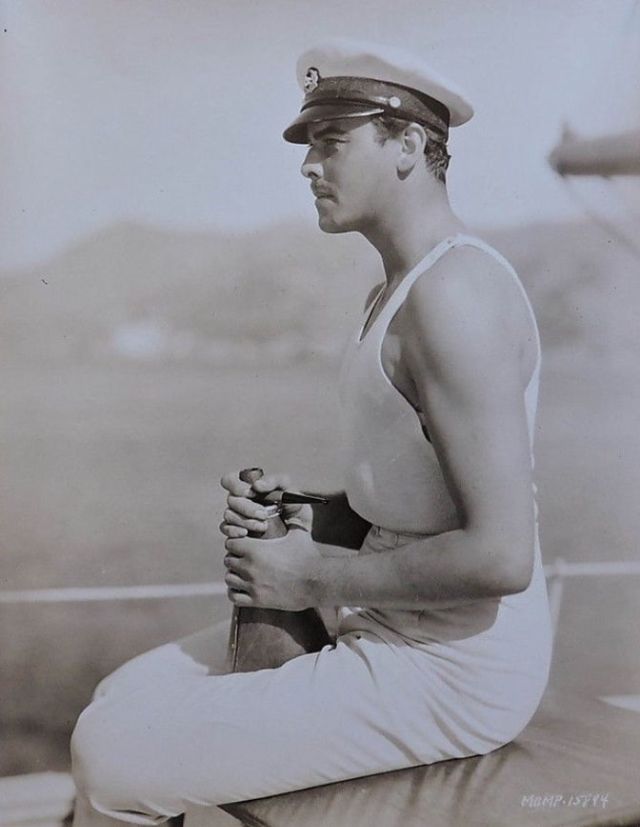
The theatrical community and the film industry in the 1920s accepted gay actors with little reservation, always provided they remained discreet about their sexual orientation and there was no public suggestion of impropriety. Asther was closeted. He proposed marriage to Greta Garbo to hide the true nature of his sexual orientation. Asther and Garbo had known each other in Sweden, and finding themselves relatively new to a foreign land they spent a great deal of time together. They often visited a friend’s ranch outside Hollywood where they could relax, ride horses, go climbing, or swim at Lake Arrowhead. “Sailor” was a favored term for Greta Garbo’s male, gay/bisexual friends. In 1929 during filming on location in Catalina The Single Standard with Nils Asther, she was overheard berating the actor for grabbing her so roughly. “I’m not one of your sailors,” she reminded him.
Rumors exist from the early 1930s that Nils had relationships with Swedish director Mauritz Stiller and Swedish writer Hjalmar Bergman and with other male colleagues. Asther mentions some of this in his memoirs.[citation needed] He had a long-term relationship with actor/stuntman and World War II Navy sailor Ken DuMain. According to Ken DuMain, he met Asther on Hollywood Boulevard in the early 1940s, and they enjoyed a long-term relationship.
In August 1930, Nils entered a lavender marriage with Vivian Duncan, one of his Topsy and Eva co-stars.[9] They had one child, Evelyn Asther Duncan, nicknamed in the media as “the international Baby” due to her Swedish father, American mother, and Bavarian birth. Their daughter’s nationality was debated, and Asther offered to apply for American citizenship if it would help the process of getting their daughter into America. Right from the start, Asther and Duncan’s marriage proved stormy and became fodder for the tabloids. They divorced in 1932.
Nils Asther died on October 13, 1981, at a hospital in Farsta, Stockholm. He is buried in Hotagen, Jämtland.
In 1960, Asther was inducted into the Hollywood Walk of Fame with a motion pictures star at 6705 Hollywood Boulevard for his contributions to the film industry. (Wikipedia)
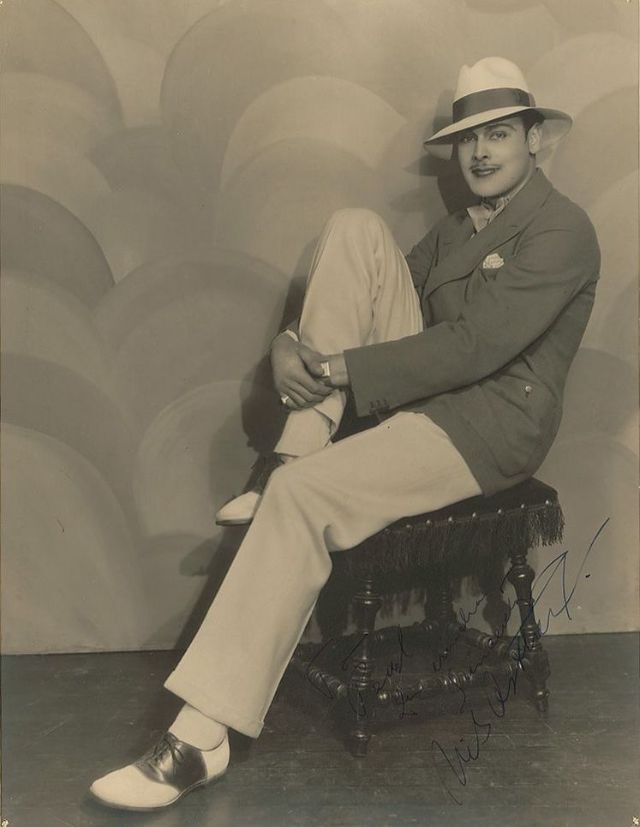
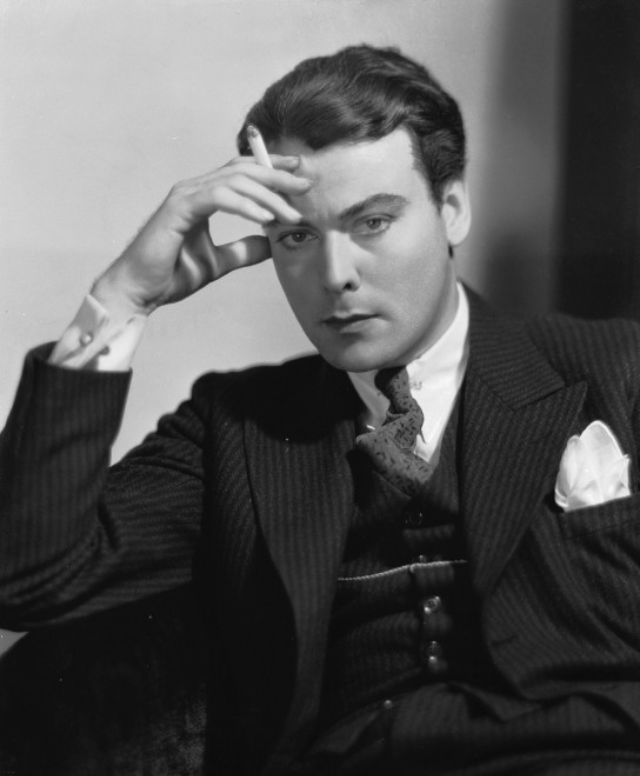
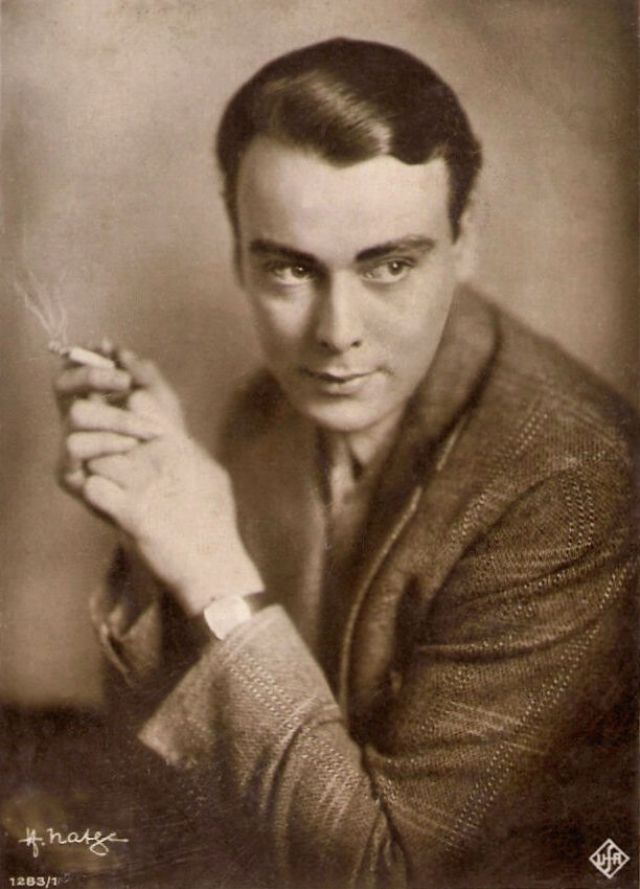
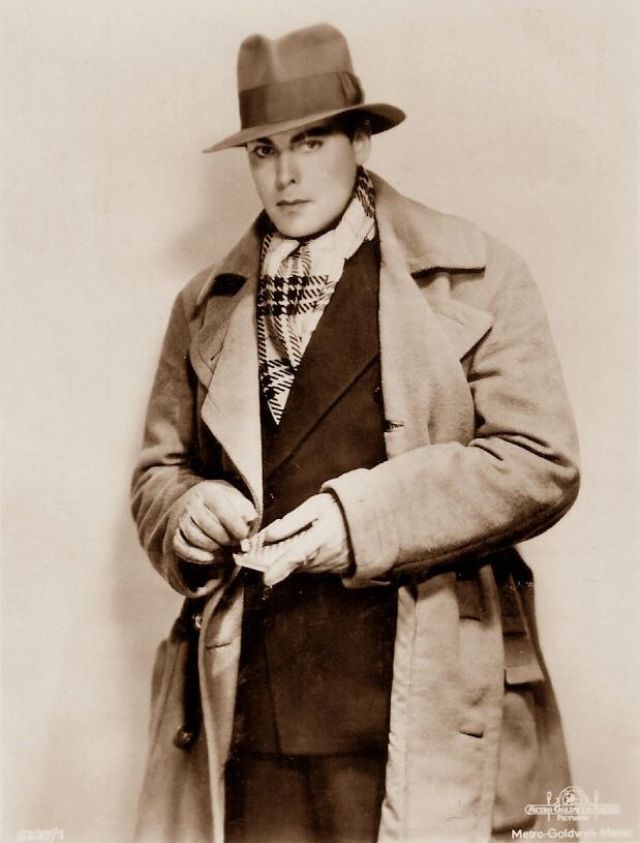
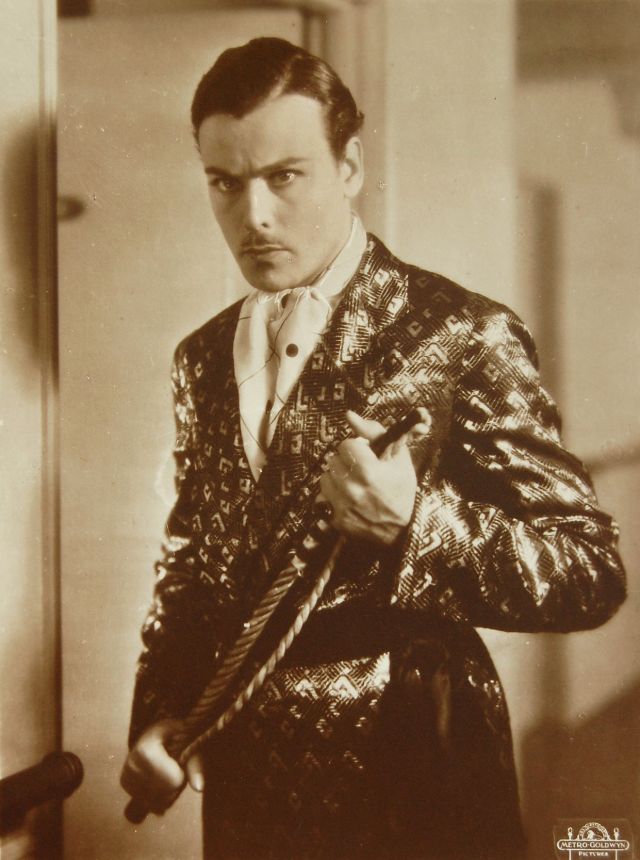
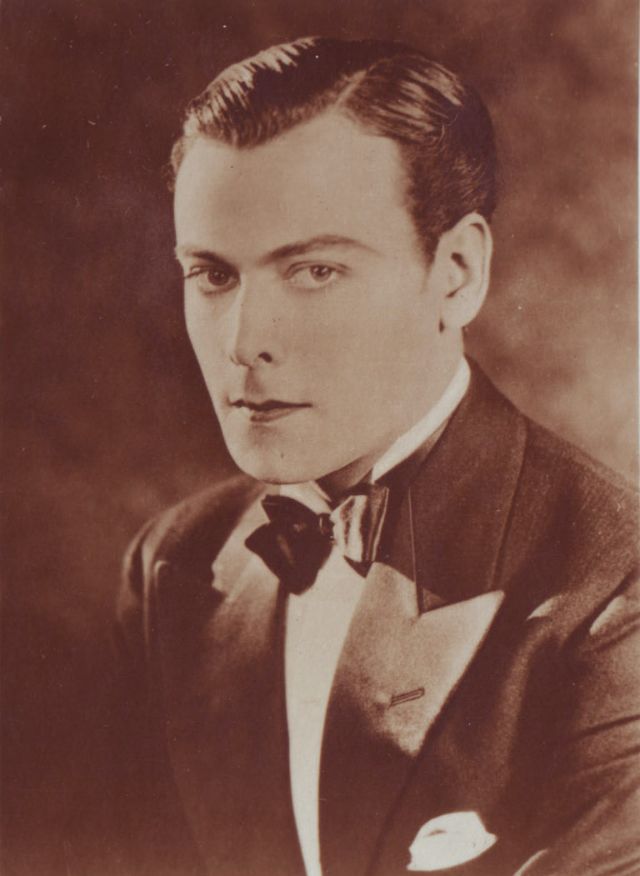
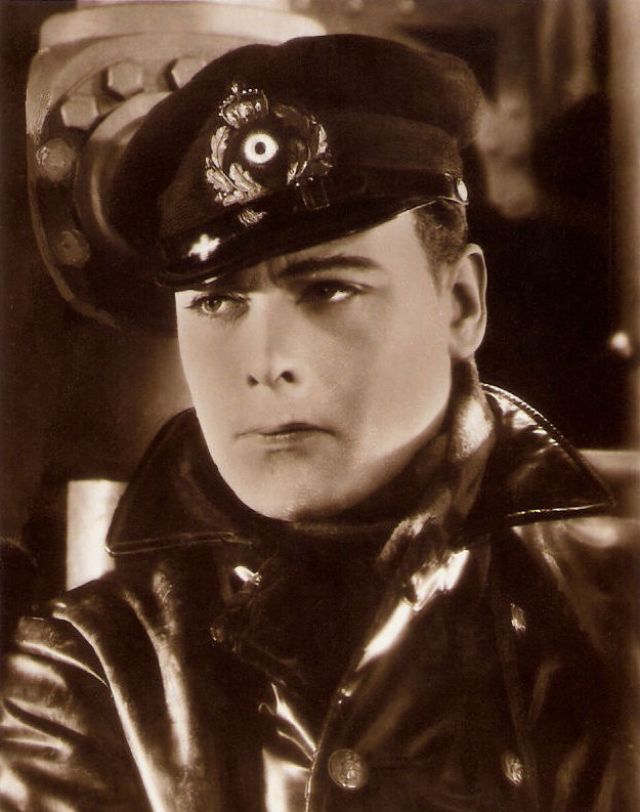
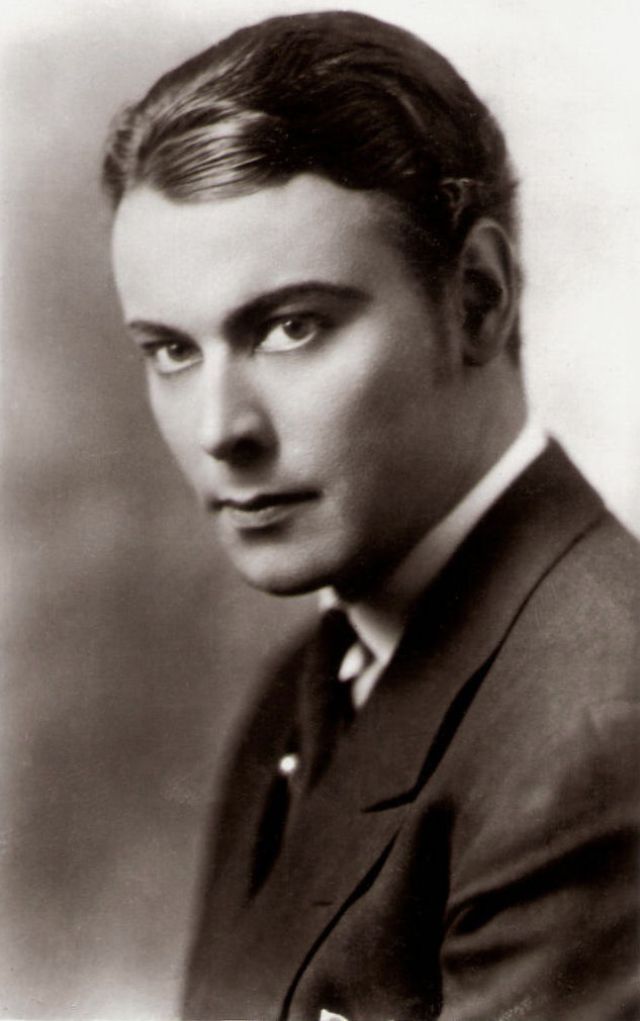
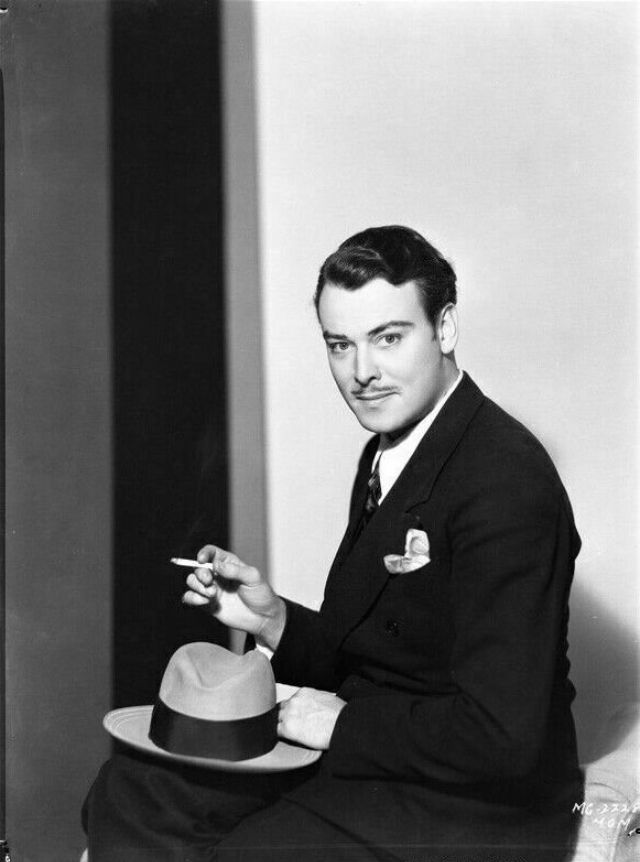
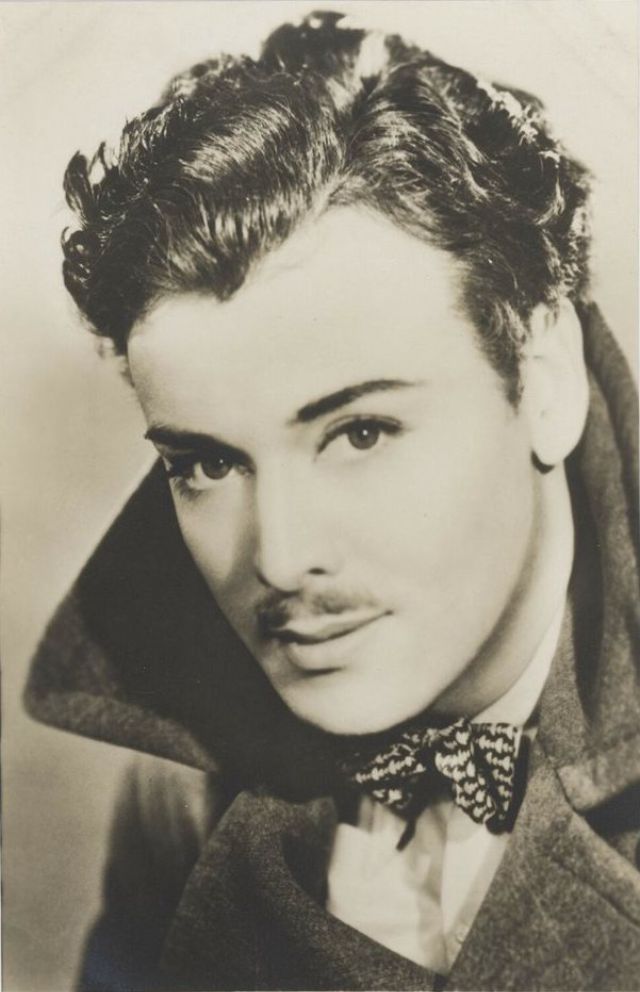
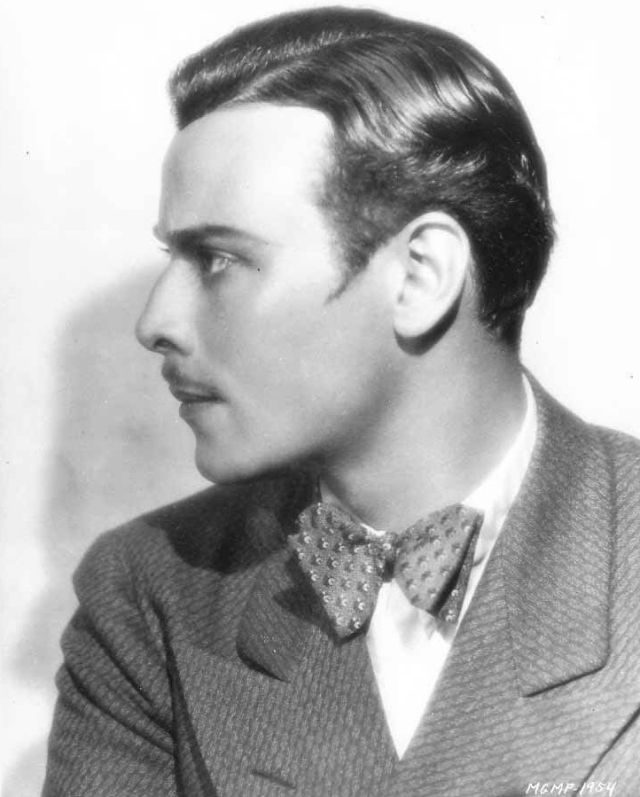
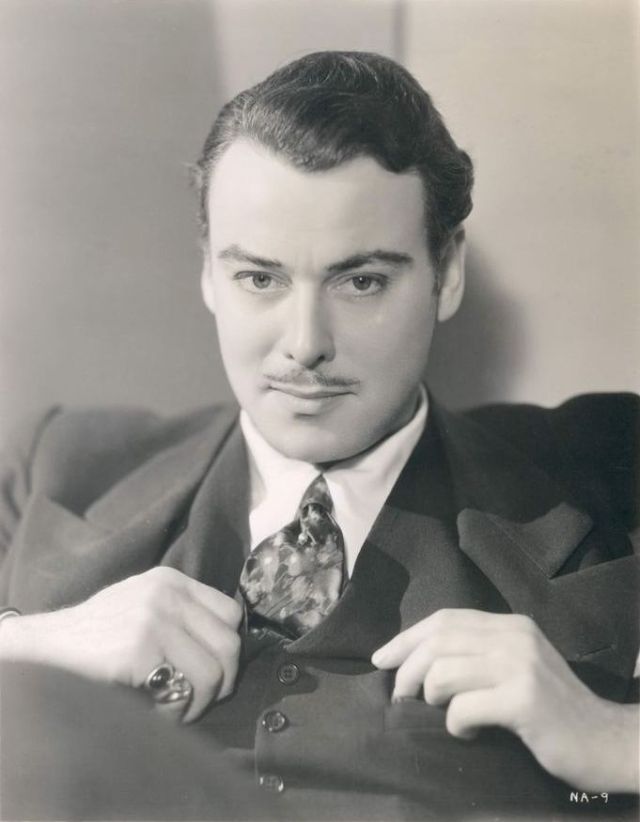
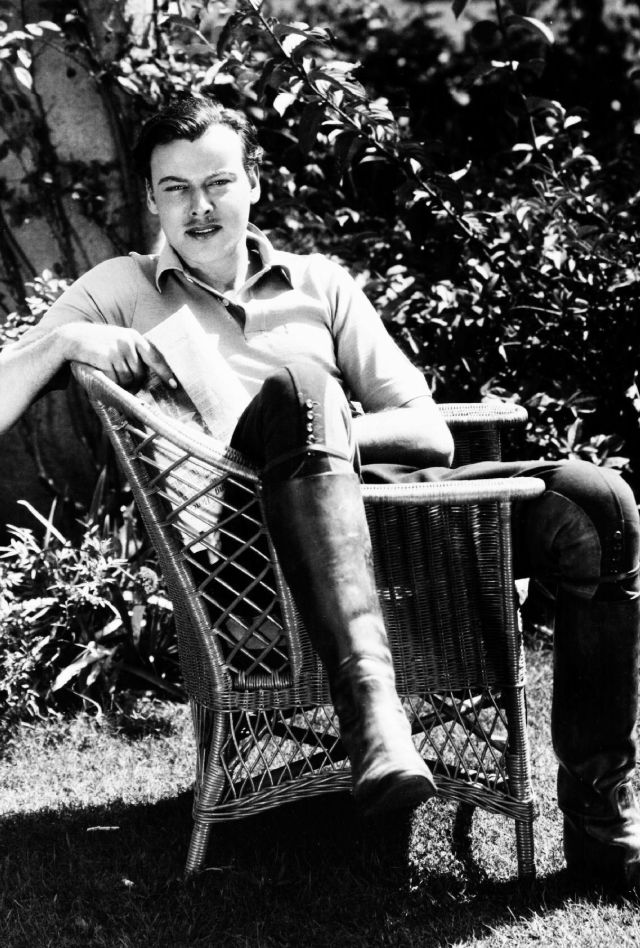
Take a look at these vintage photos to see portrait of a young and handsome Nils Asther in the 1920s and 1930s.
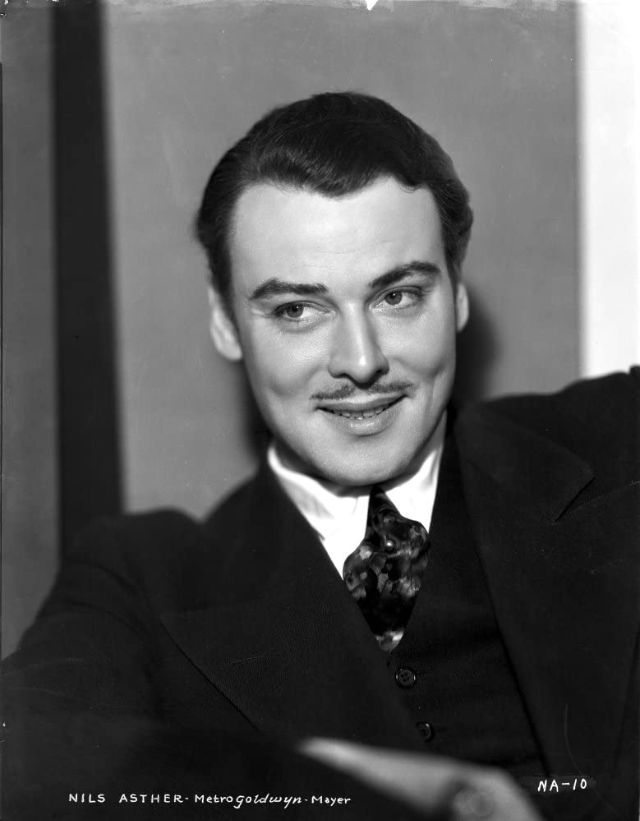

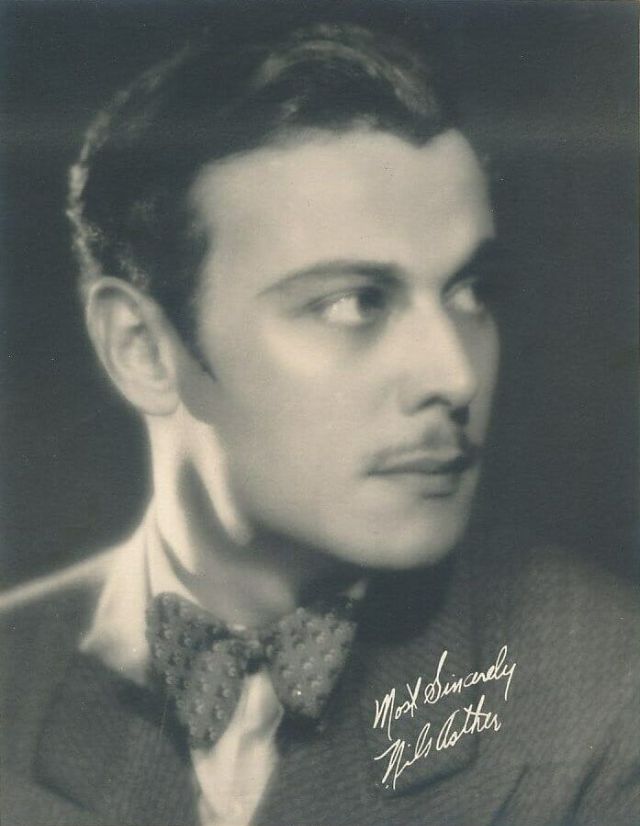









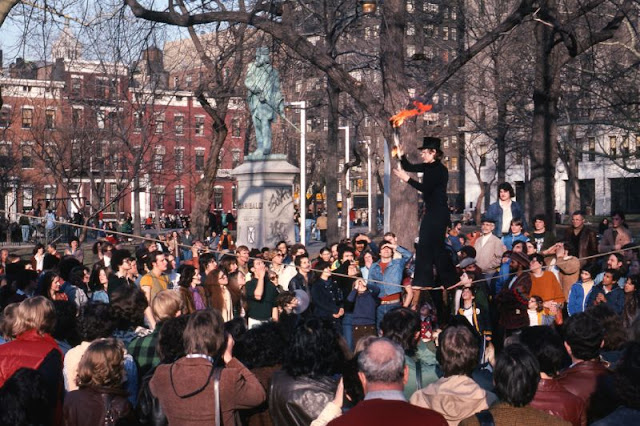
New York, often called New York City (NYC) to distinguish it from the State of New York, is the most populous city in the United States. With a 2020 population of 8,804,190 distributed over 300.46 square miles (778.2 km2), New York City is also the most densely populated major city in the United States. Located at the southern tip of the state of New York, the city is the center of the New York metropolitan area, the largest metropolitan area in the world by urban area. With over 20.1 million people in its metropolitan statistical area and 23.5 million in its combined statistical area as of 2020, New York is one of the world’s most populous megacities. New York City is a major global cultural, financial, and media center, and is a significant influence on commerce, entertainment, research, technology, education, politics, tourism, dining, art, fashion, and sports. It is the most photographed city in the world. Home to the headquarters of the United Nations, New York is an important center for international diplomacy, an established safe haven for global investors, and is sometimes described as the capital of the world.
Situated on one of the world’s largest natural harbors, with water covering 36.4% of its surface area, New York City is composed of five boroughs, each of which is coextensive with a respective county of the state of New York. The five boroughs—Brooklyn (Kings County), Queens (Queens County), Manhattan (New York County), the Bronx (Bronx County), and Staten Island (Richmond County)—were created when local governments were consolidated into a single municipal entity in 1898. The city and its metropolitan area constitute the premier gateway for legal immigration to the United States. As many as 800 languages are spoken in New York, making it the most linguistically diverse city in the world. New York is home to more than 3.2 million residents born outside the United States, the largest foreign-born population of any city in the world as of 2016. As of 2018, the New York metropolitan area is estimated to produce a gross metropolitan product (GMP) of nearly $1.8 trillion, ranking it first in the United States. If the New York metropolitan area were a sovereign state, it would have the eighth-largest economy in the world. New York is home to the highest number of billionaires of any city in the world.
New York City traces its origins to a trading post founded on the southern tip of Manhattan Island by Dutch colonists in approximately 1624. The settlement was named New Amsterdam (Dutch: Nieuw Amsterdam) in 1626 and was chartered as a city in 1653. The city came under English control in 1664 and was renamed New York after King Charles II of England granted the lands to his brother, the Duke of York. The city was regained by the Dutch in July 1673 and was renamed New Orange for one year and three months; the city has been continuously named New York since November 1674. New York City was the capital of the United States from 1785 until 1790, and has been the largest U.S. city since 1790. The Statue of Liberty greeted millions of immigrants as they came to the U.S. by ship in the late 19th and early 20th centuries, and is a symbol of the U.S. and its ideals of liberty and peace. In the 21st century, New York has emerged as a global node of creativity, entrepreneurship, and environmental sustainability, and as a symbol of freedom and cultural diversity. In 2019, New York was voted the greatest city in the world per a survey of over 30,000 people from 48 cities worldwide, citing its cultural diversity.
Many districts and monuments in New York City are major landmarks, including three of the world’s ten most visited tourist attractions in 2013. A record 66.6 million tourists visited New York City in 2019. Times Square is the brightly illuminated hub of the Broadway Theater District, one of the world’s busiest pedestrian intersections, and a major center of the world’s entertainment industry. Many of the city’s landmarks, skyscrapers, and parks are known around the world, as is the city’s fast pace, spawning the term New York minute. The Empire State Building has become the global standard of reference to describe the height and length of other structures. Manhattan’s real estate market is among the most expensive in the world. Providing continuous 24/7 service and contributing to the nickname The City That Never Sleeps, the New York City Subway is the largest single-operator rapid transit system worldwide, with 472 passenger rail stations. The city has over 120 colleges and universities, including Columbia University, New York University, and the City University of New York system, which is the largest urban public university system in the United States. Anchored by Wall Street in the Financial District of Lower Manhattan, New York City has been called both the world’s leading financial center and the most powerful city in the world, and is home to the world’s two largest stock exchanges by total market capitalization, the New York Stock Exchange and Nasdaq. (Wikipedia)
Take a look back at the city through these 35 fantastic photographs taken by Manel Armengo in 1978 below:

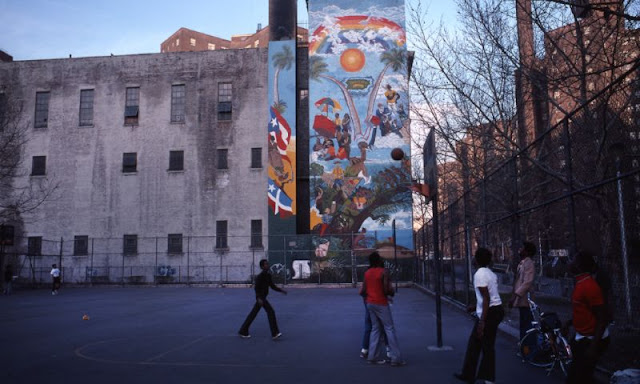
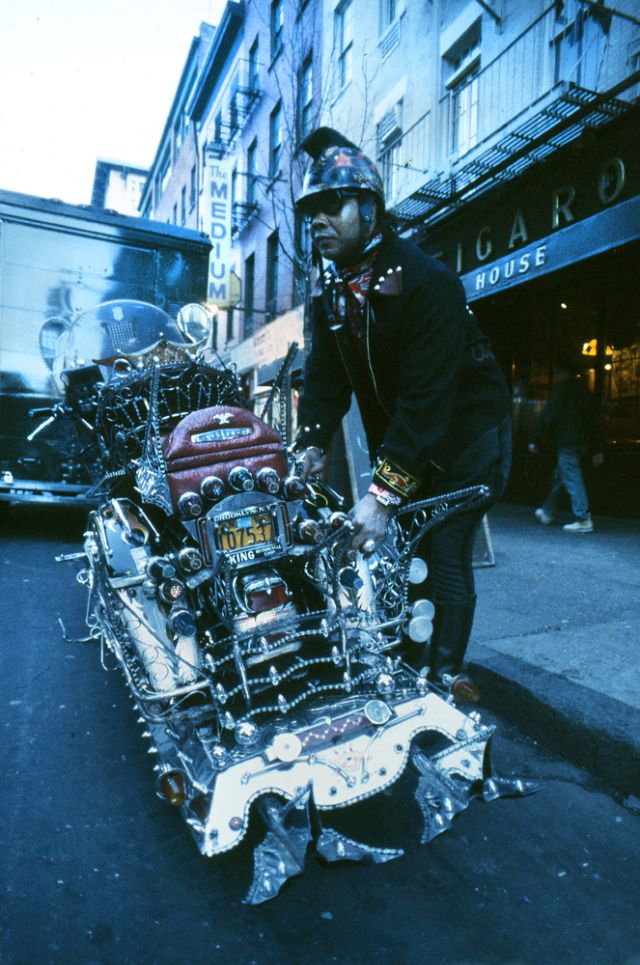
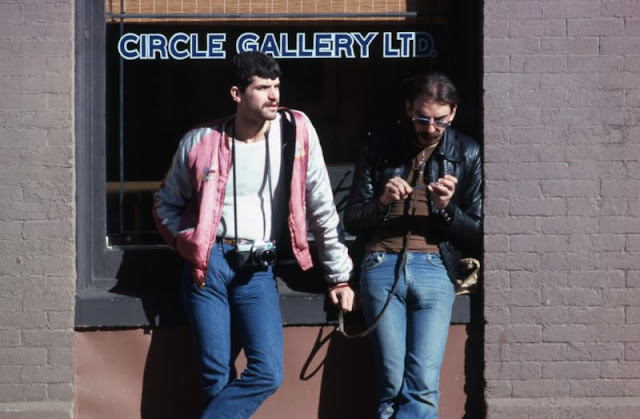



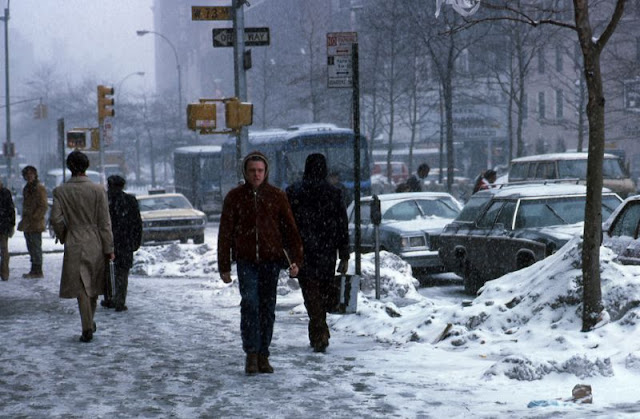
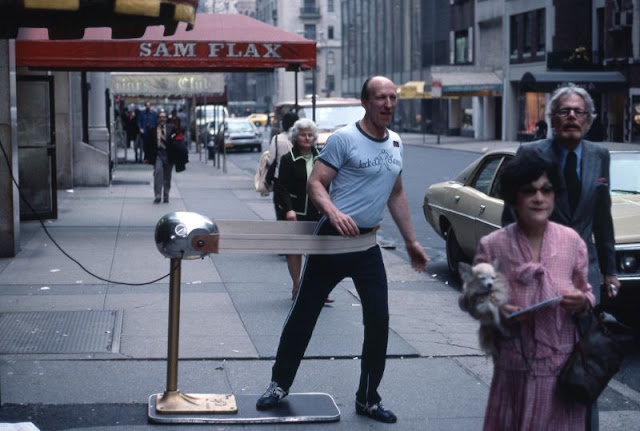



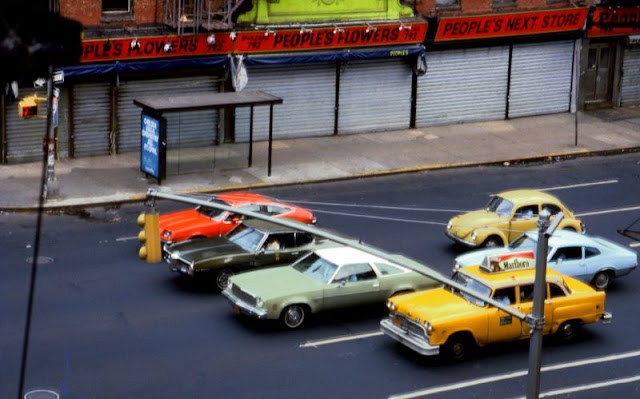
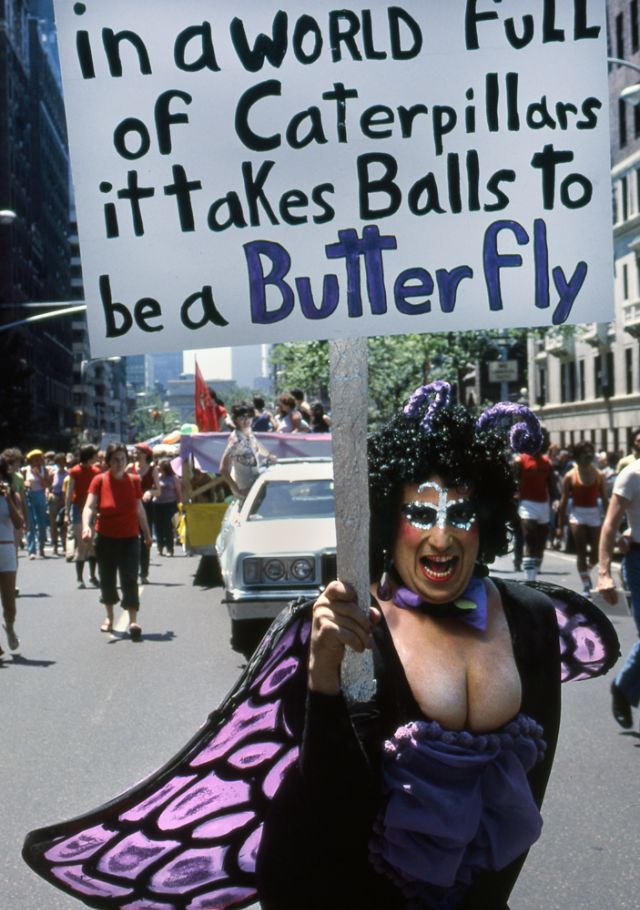
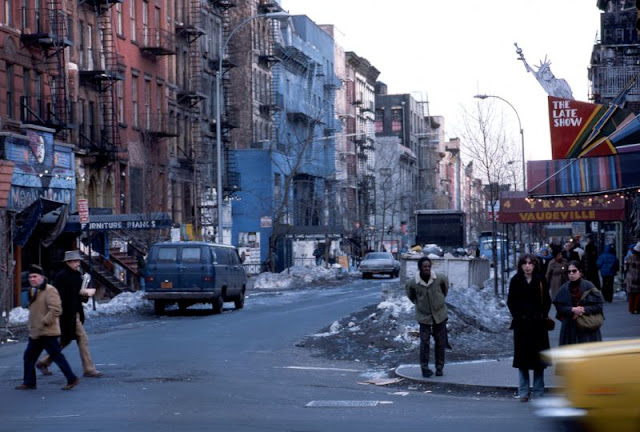
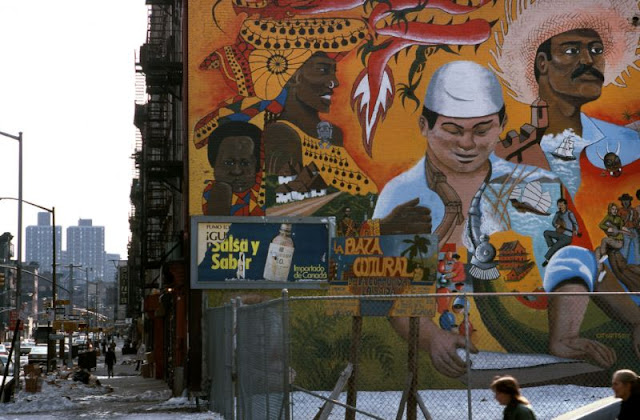
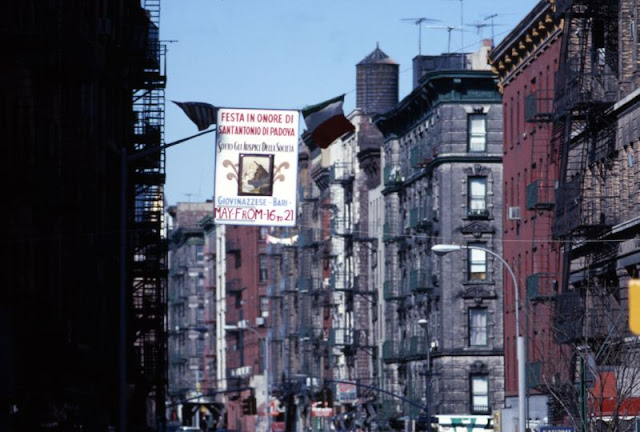
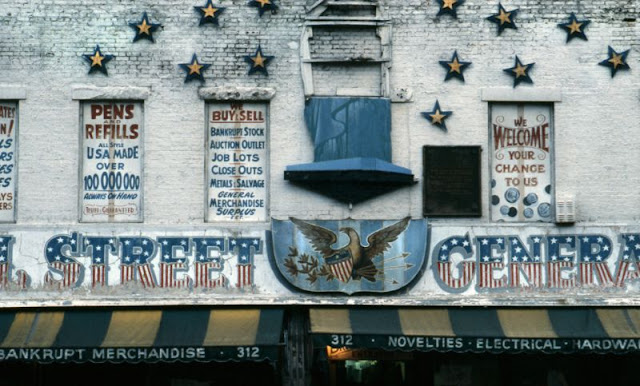

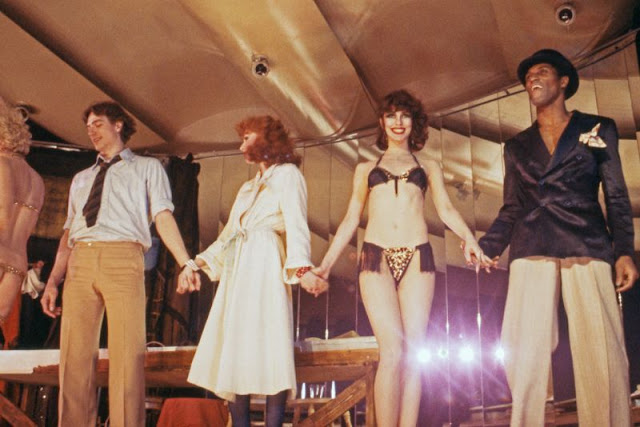
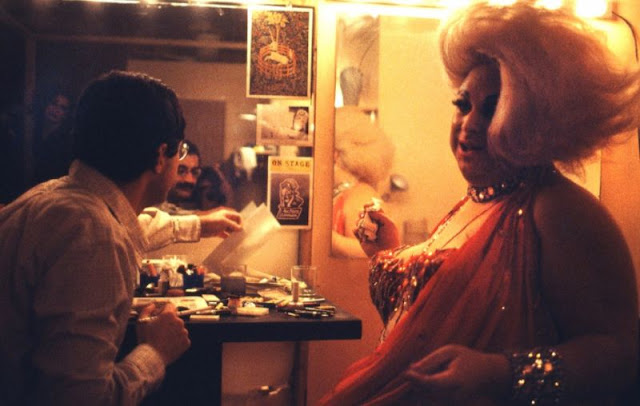
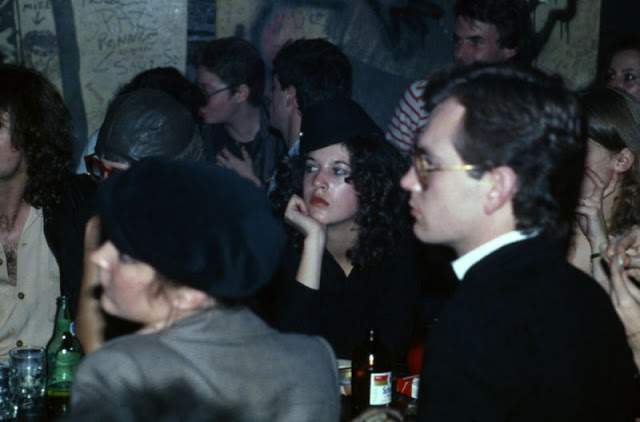













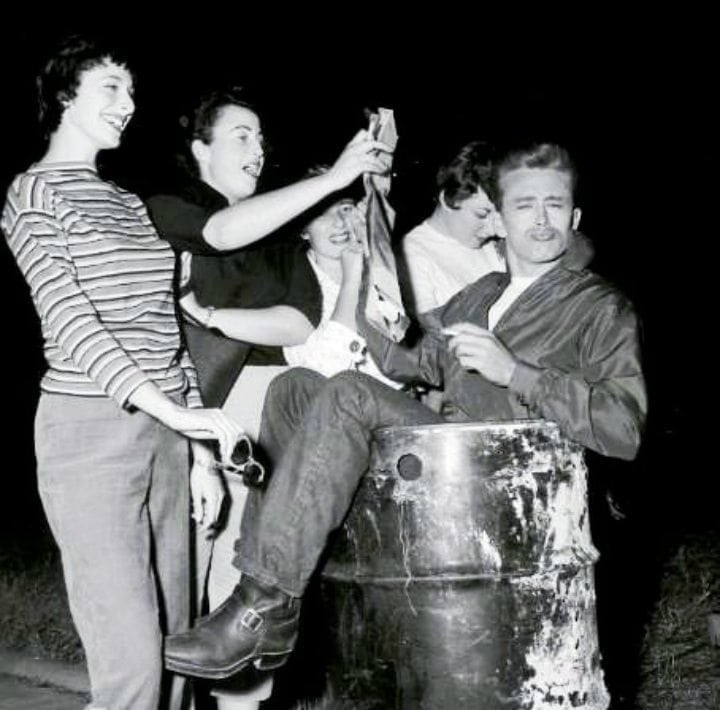
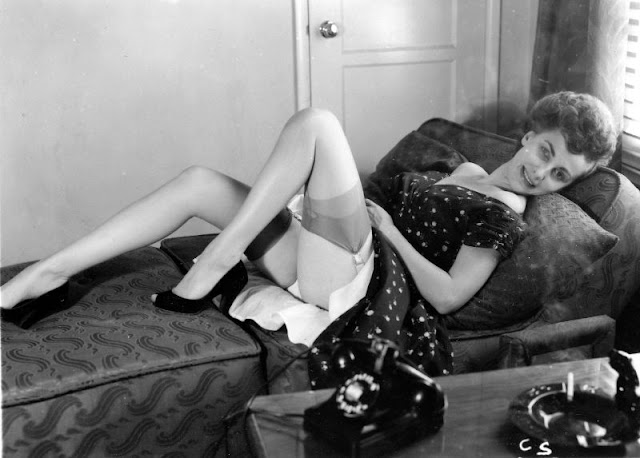
A cool photo collection that shows what naughty ladies looked like in the 1950s. They were probably funny but rebellious.




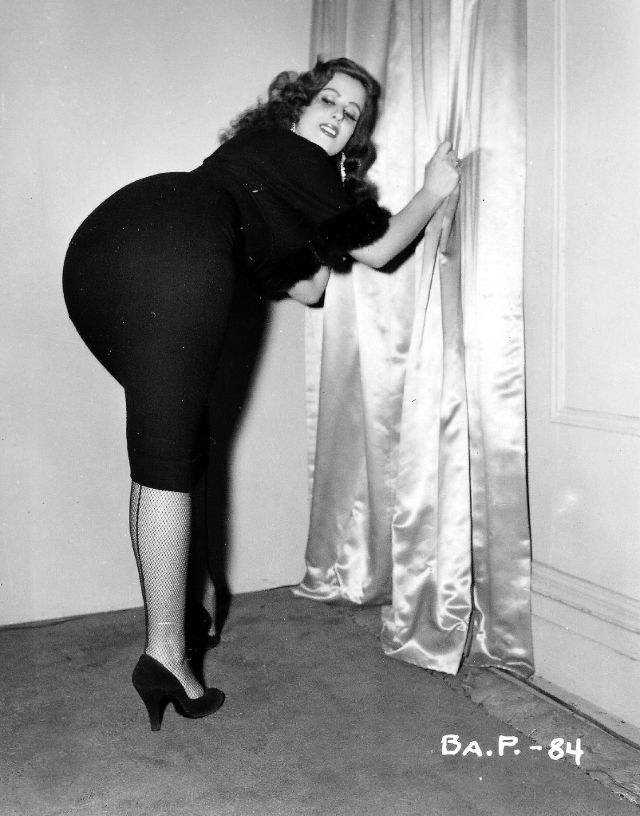








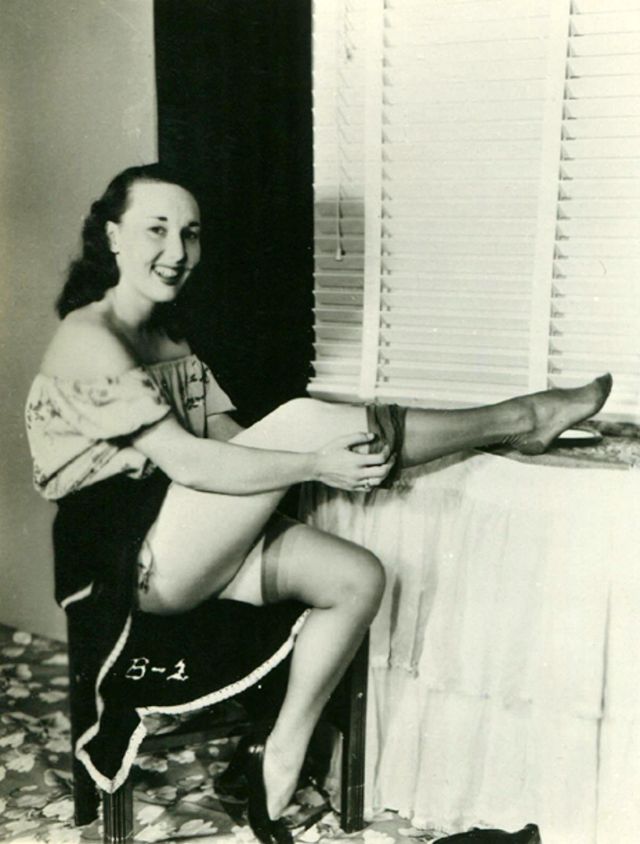
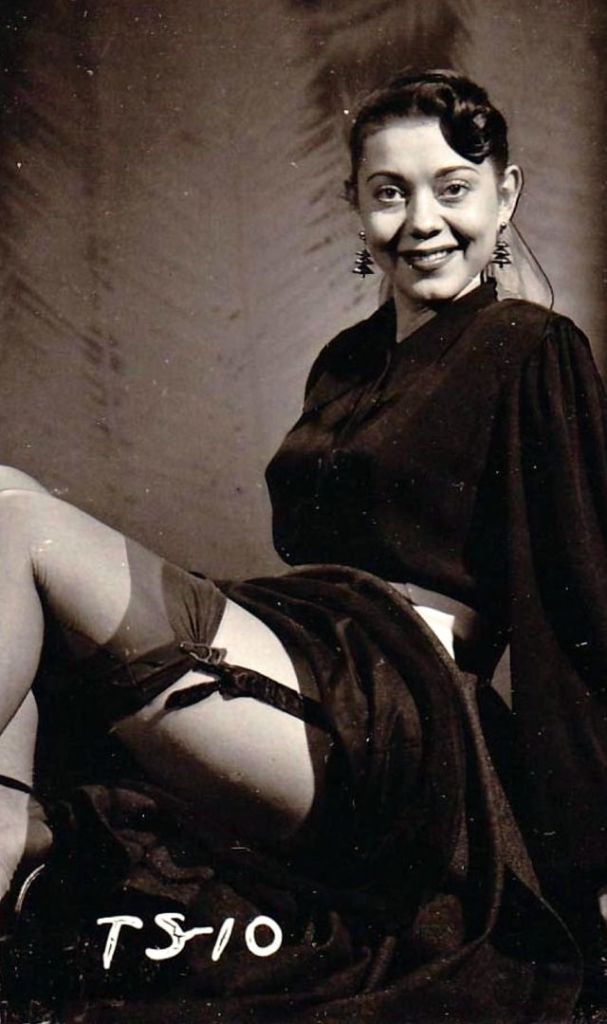


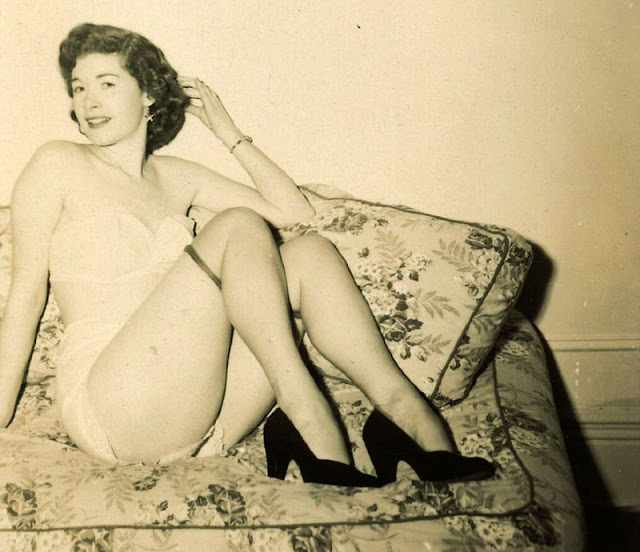







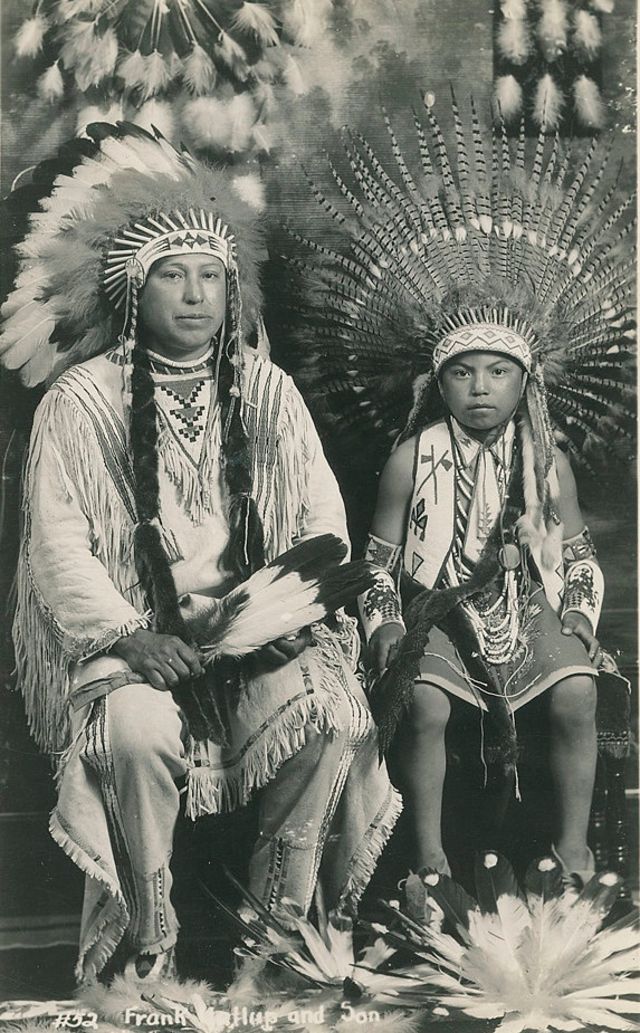
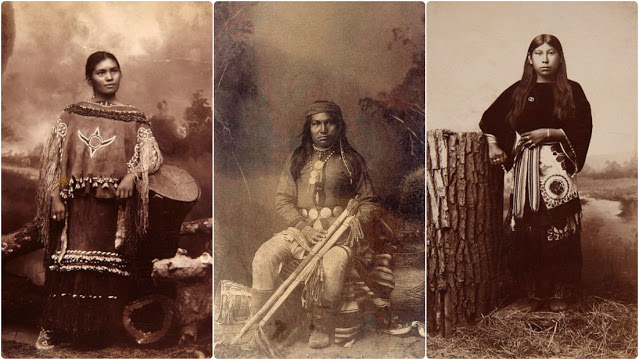
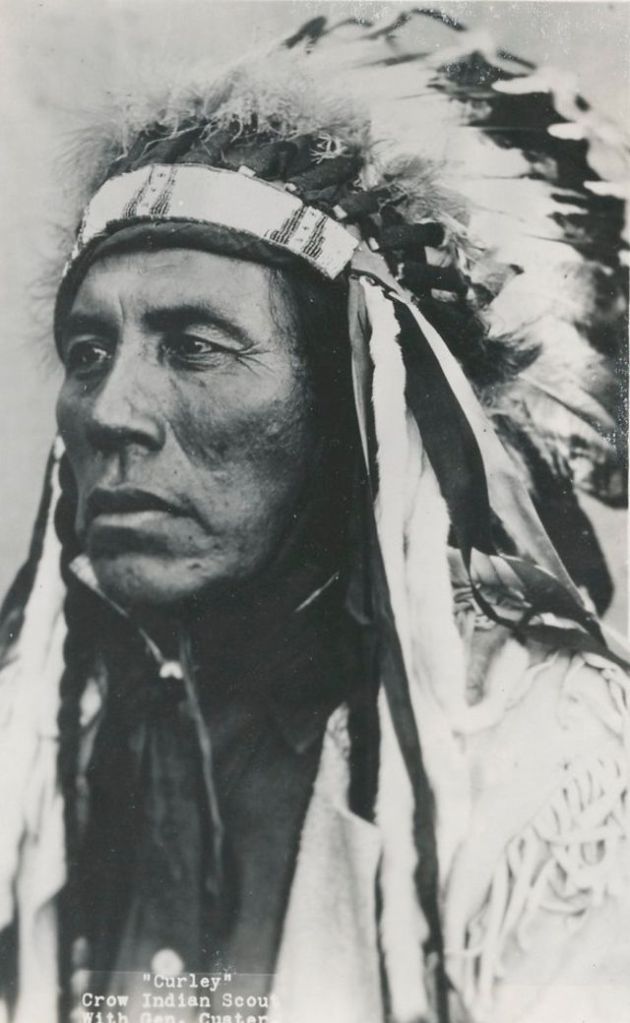
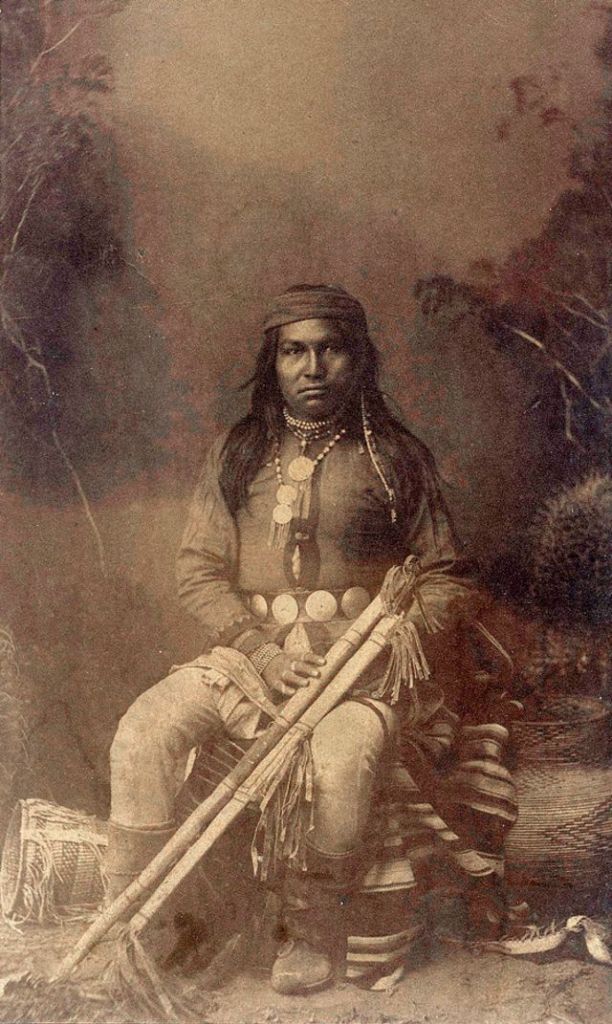
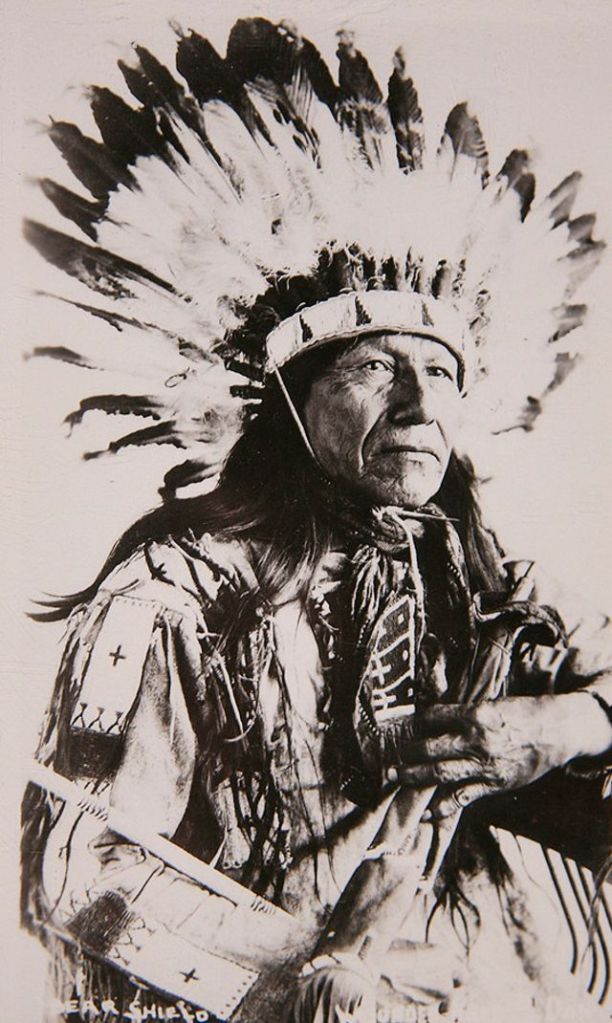
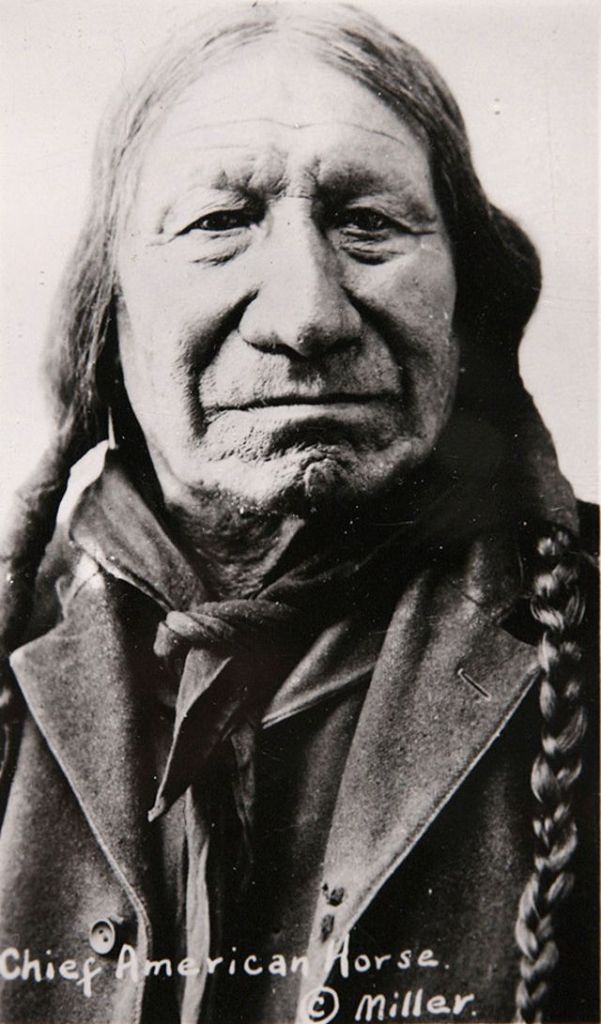
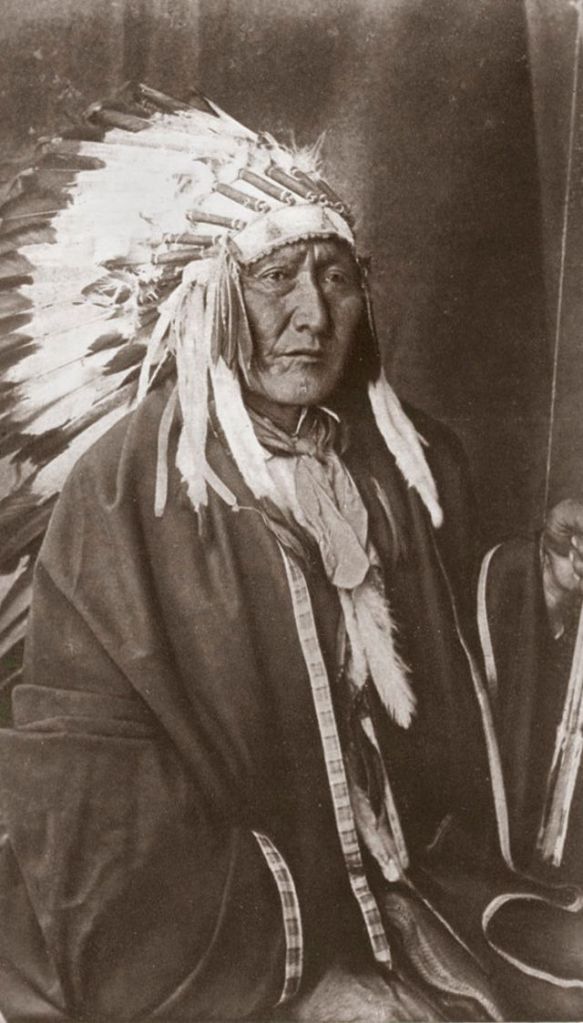
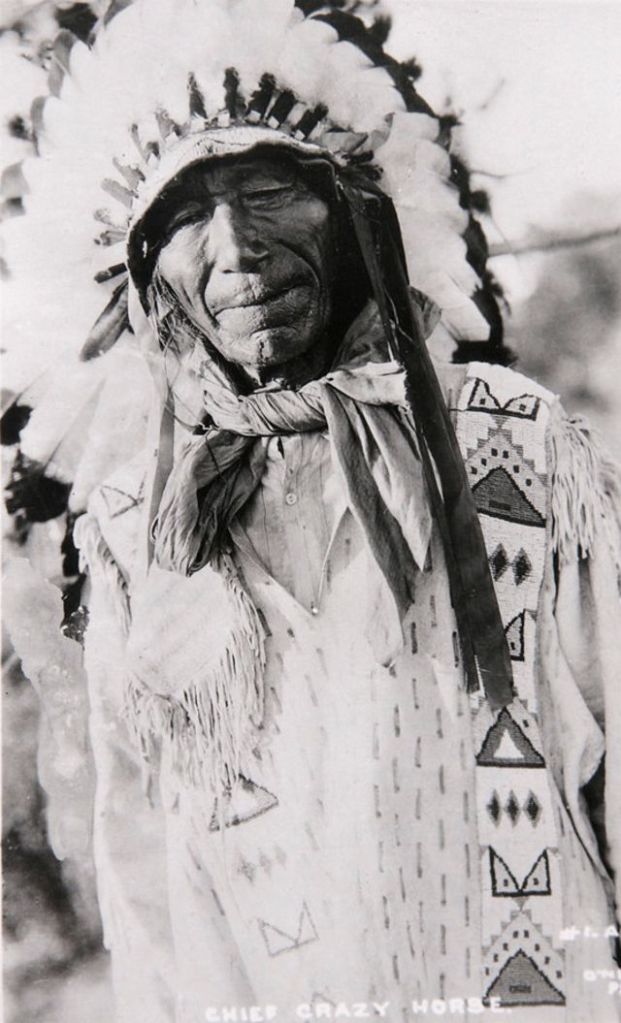
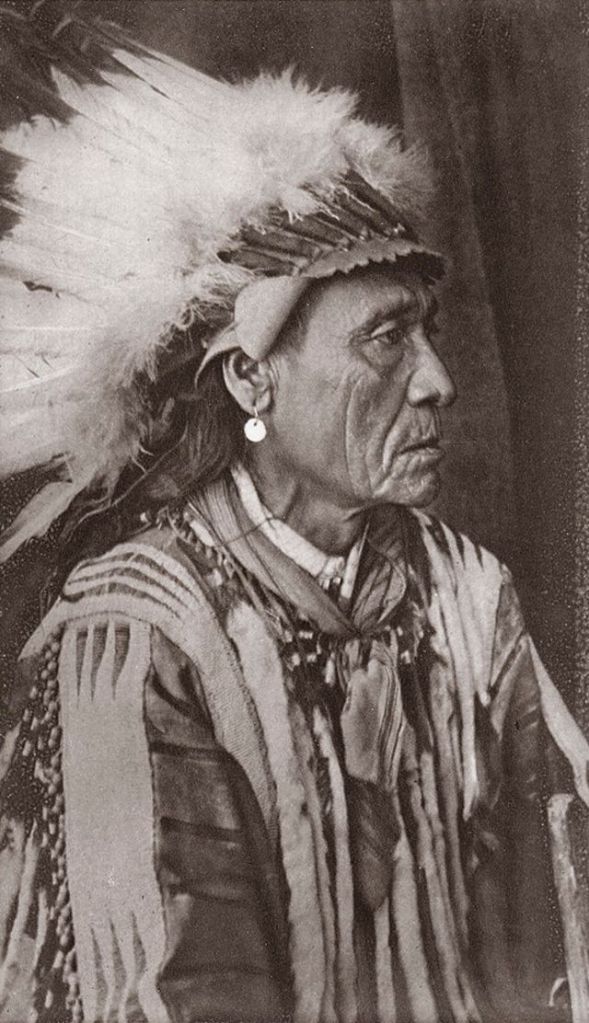
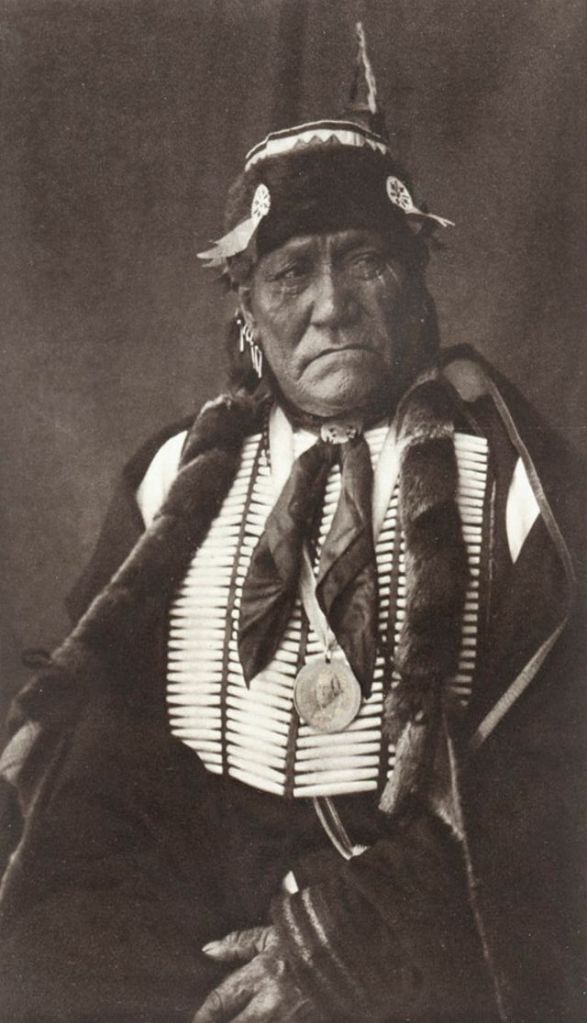
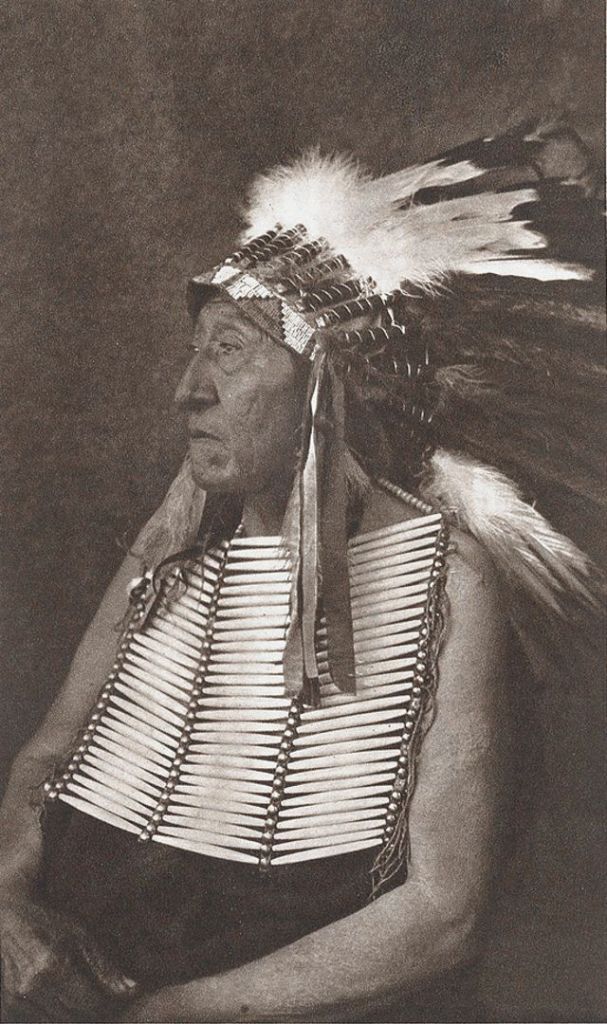
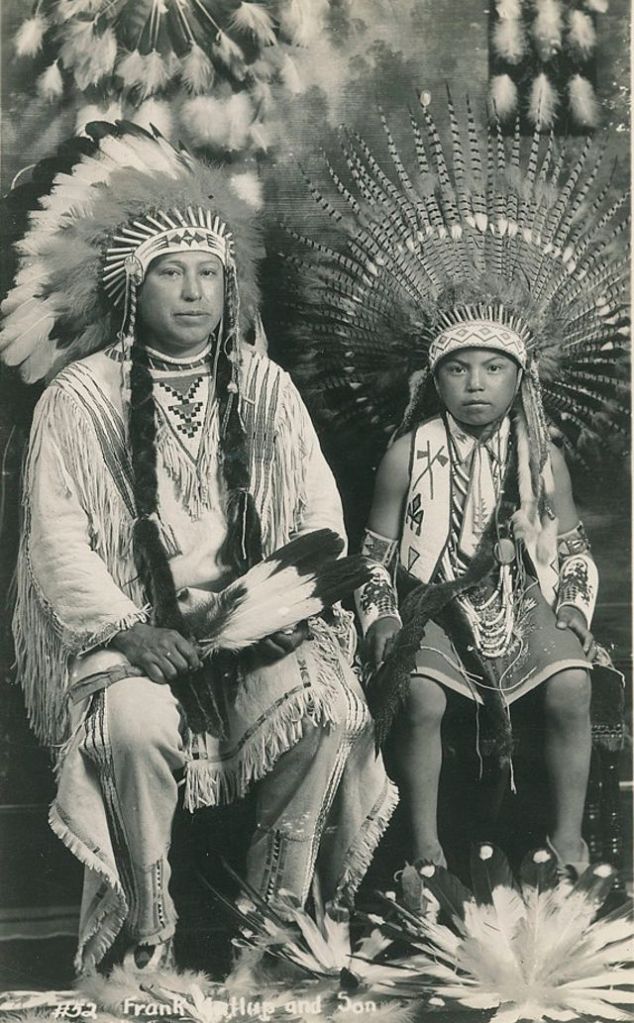
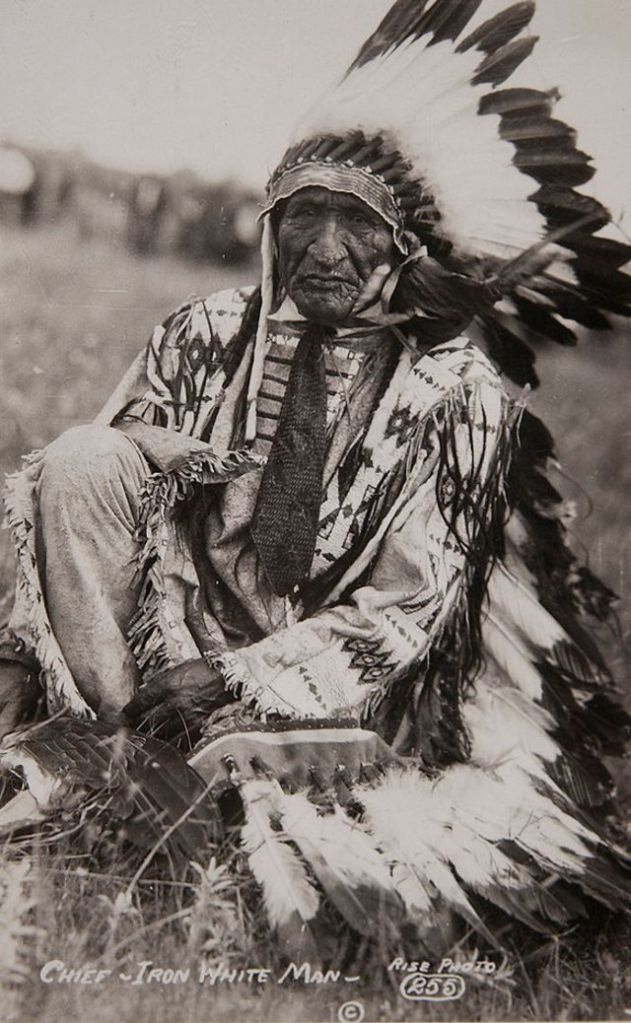
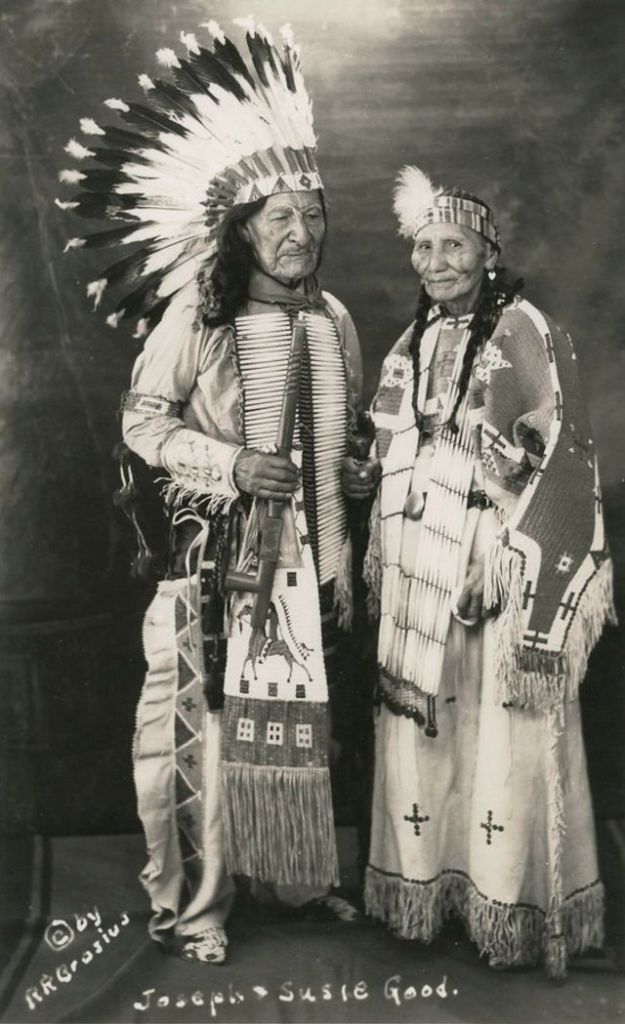
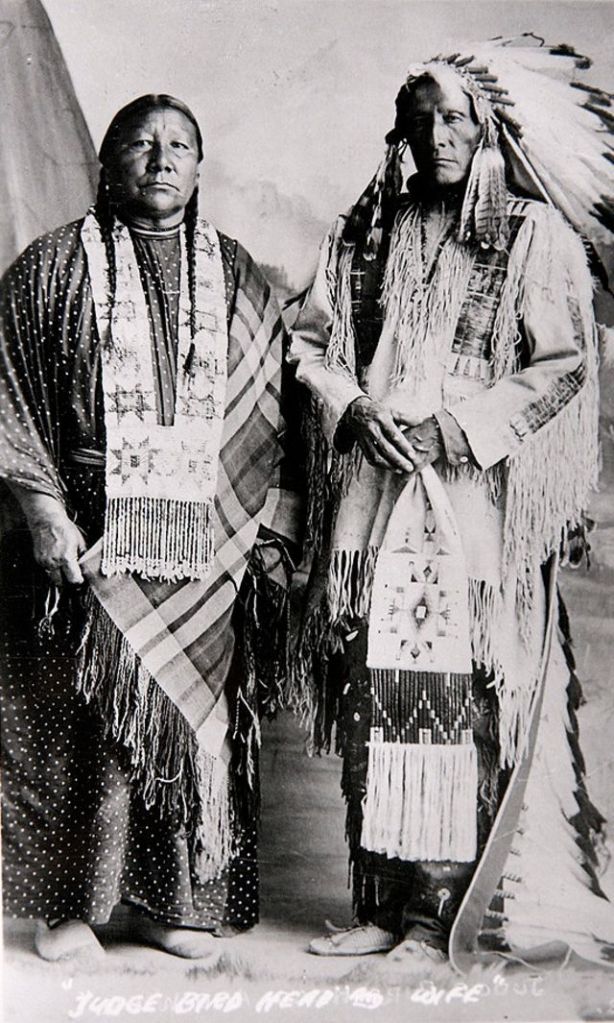
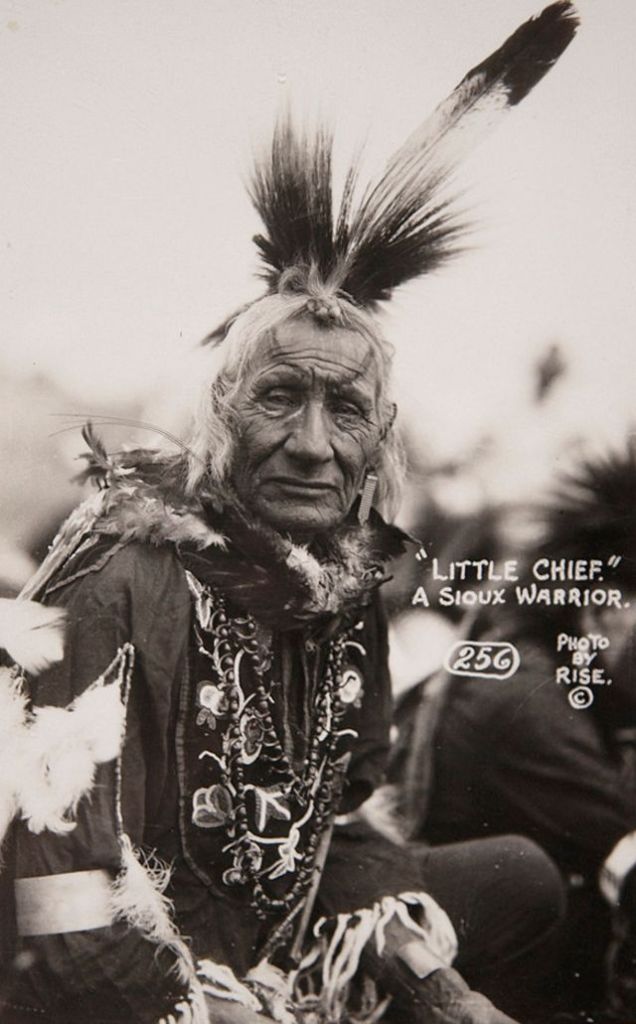
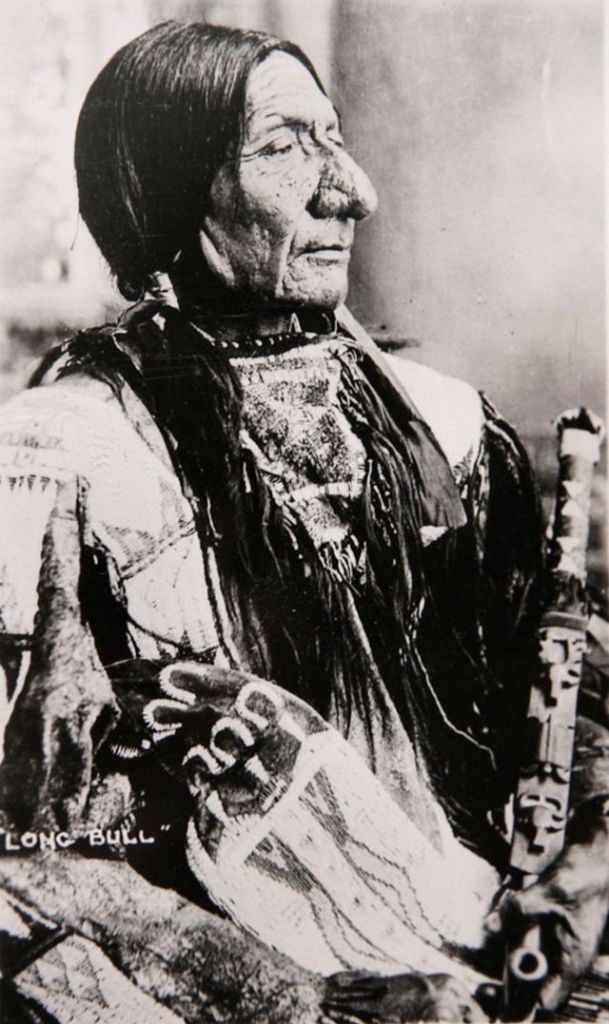
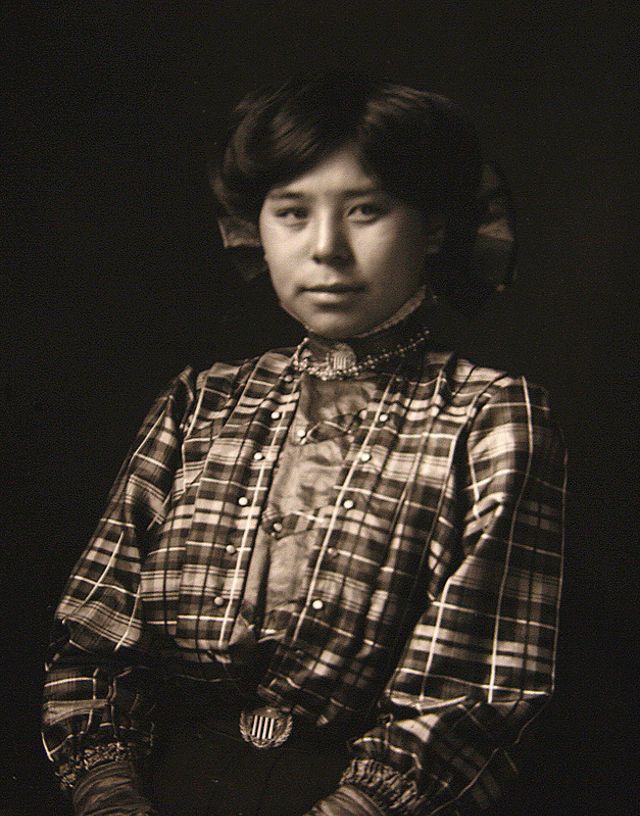
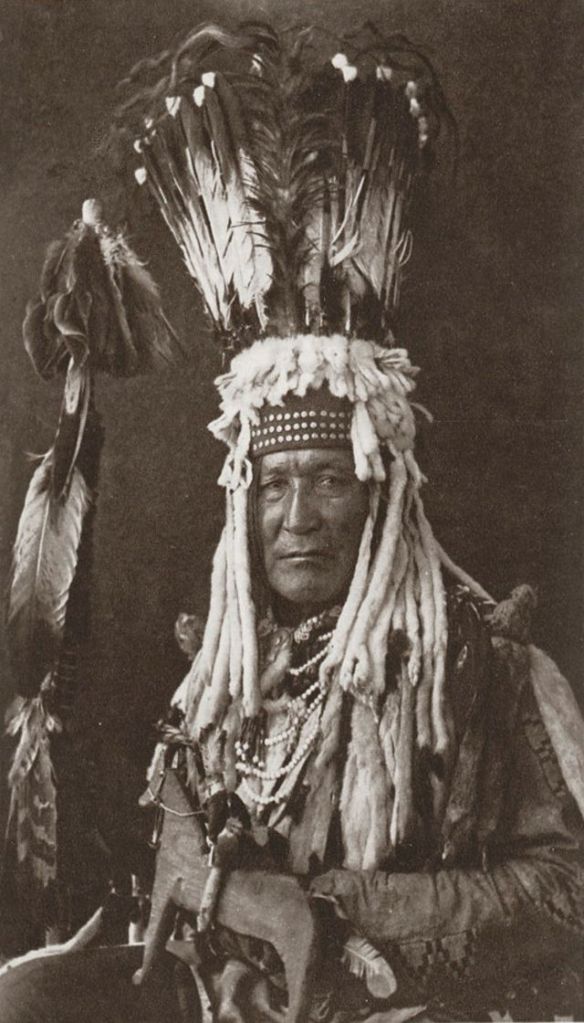
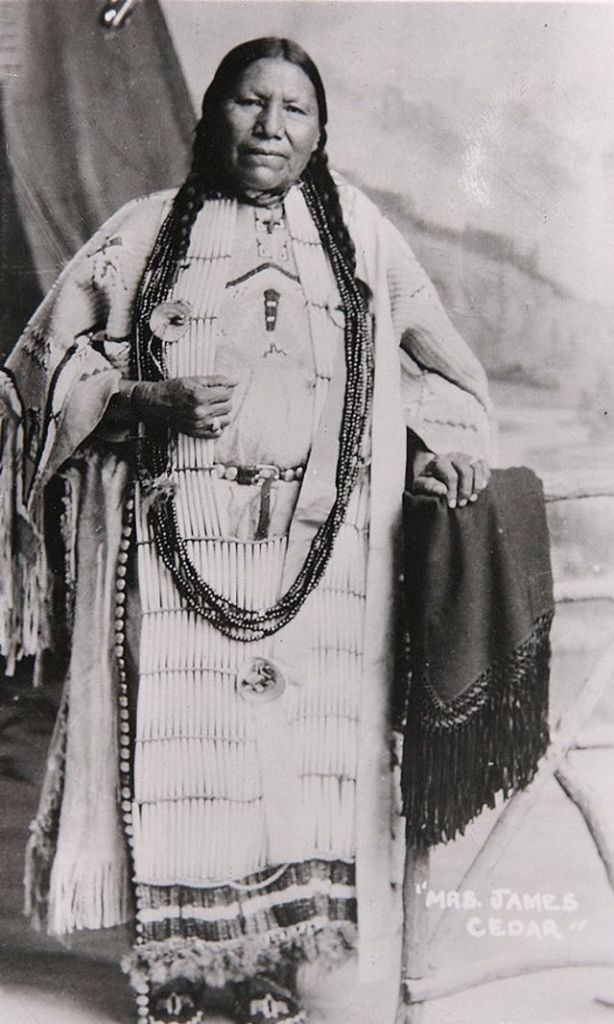
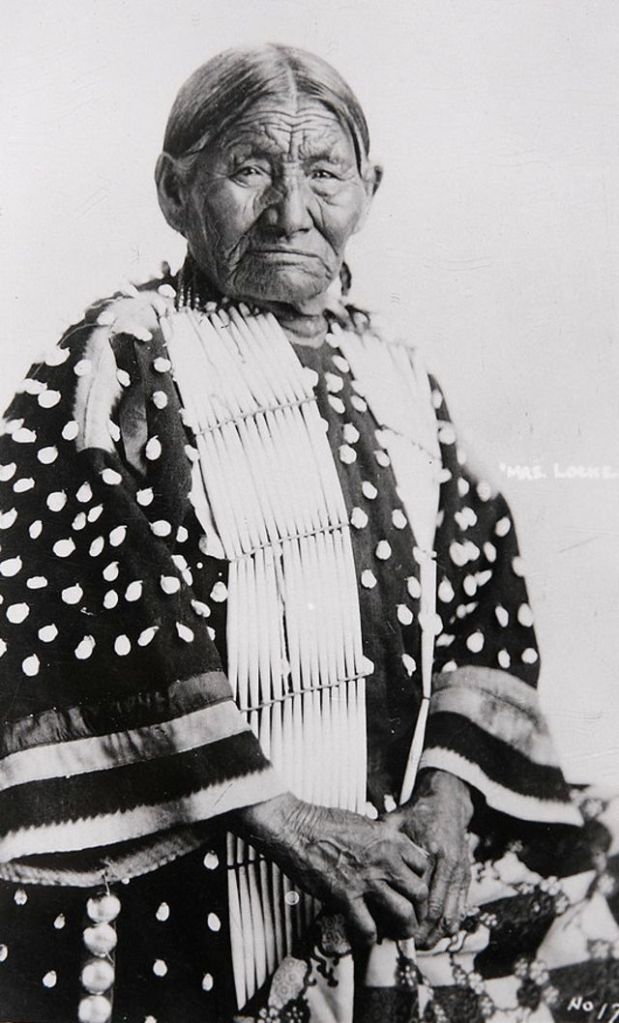
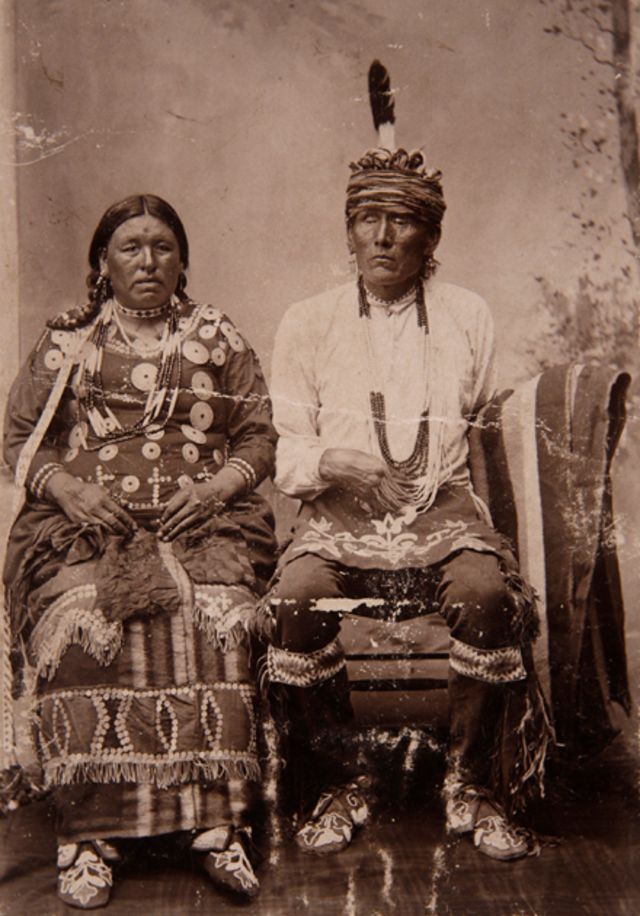
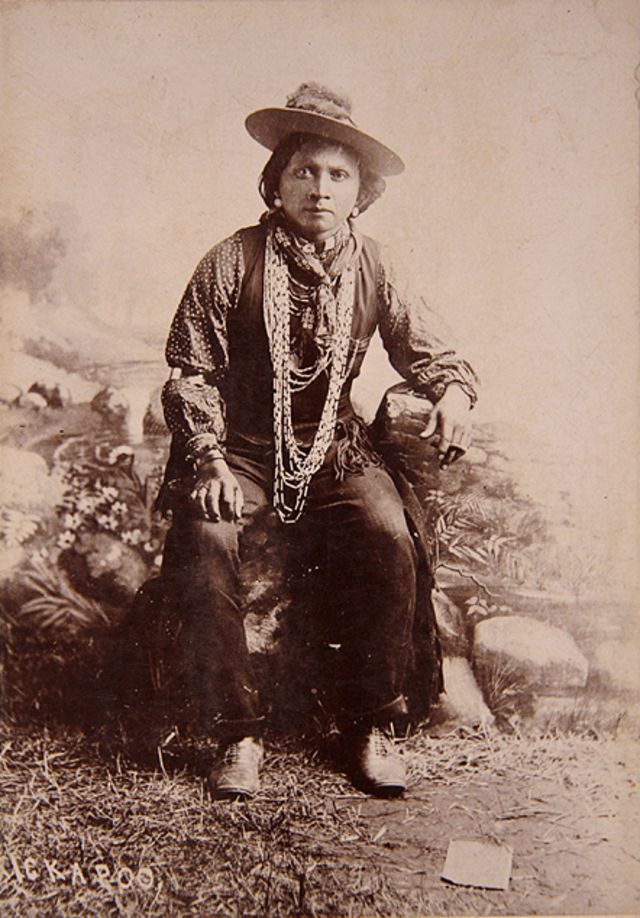
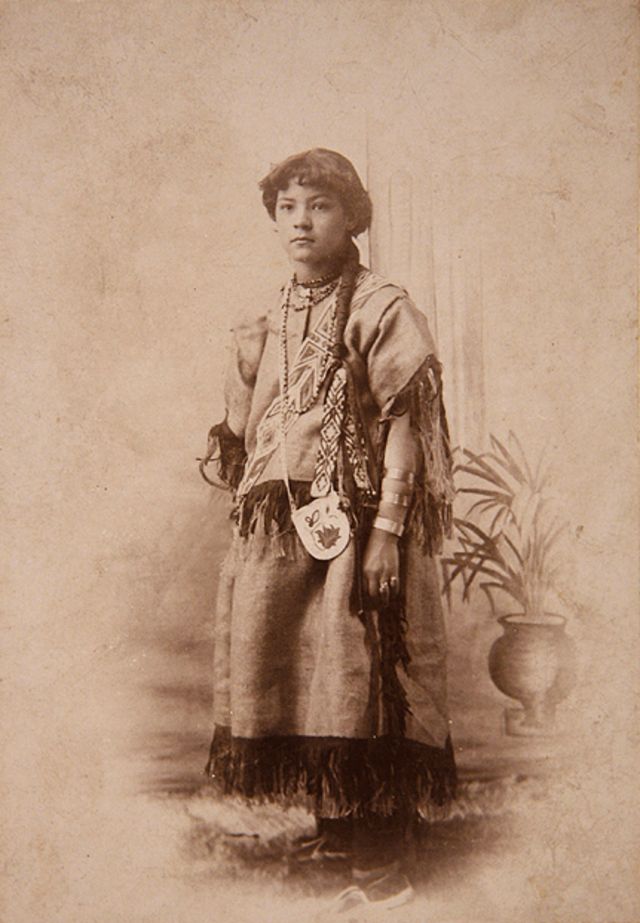
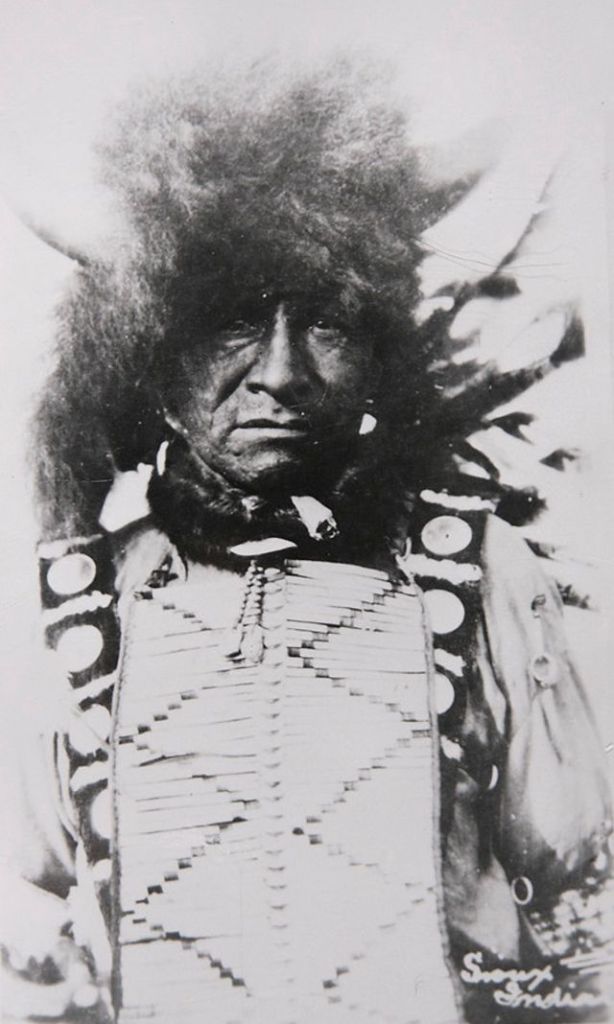
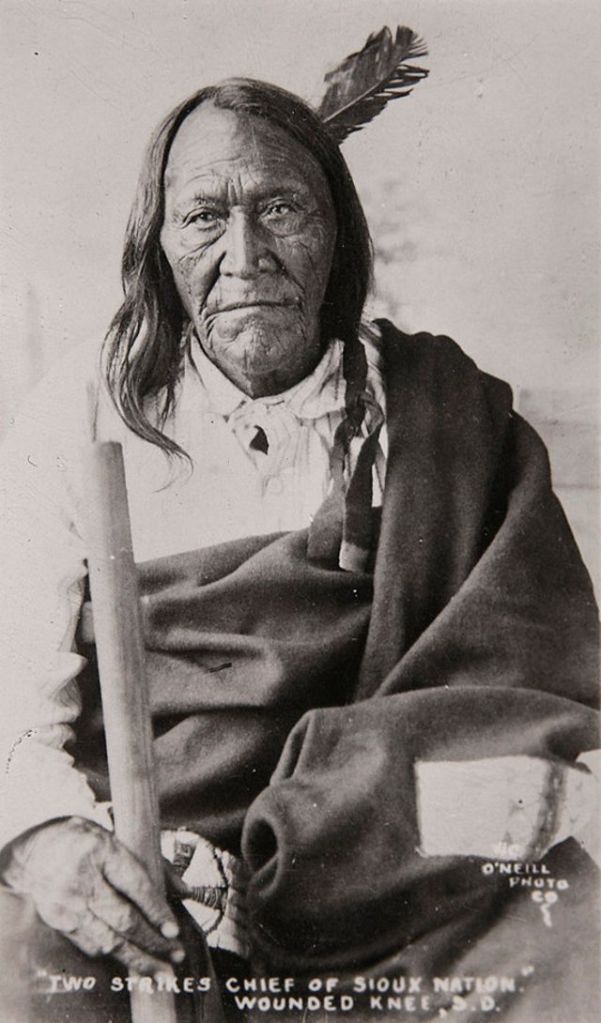
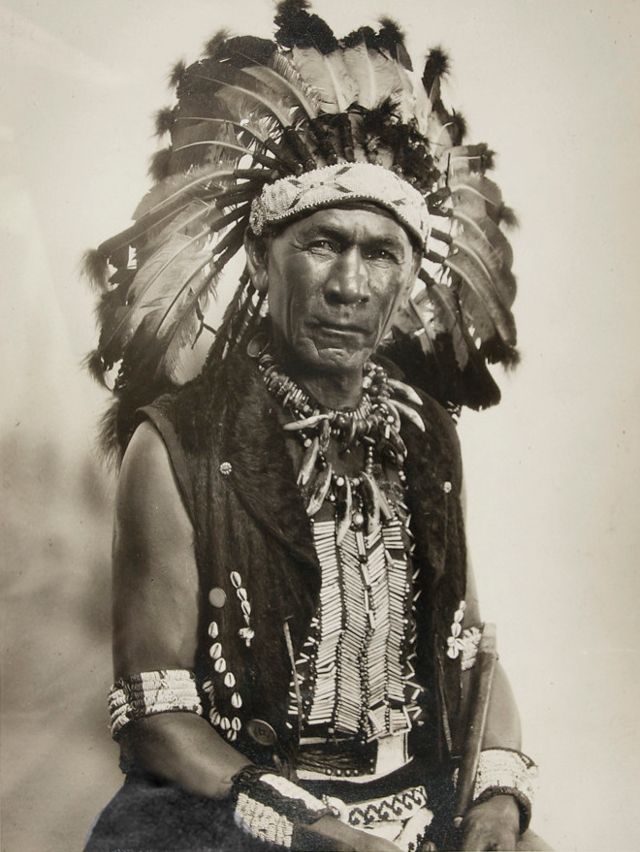
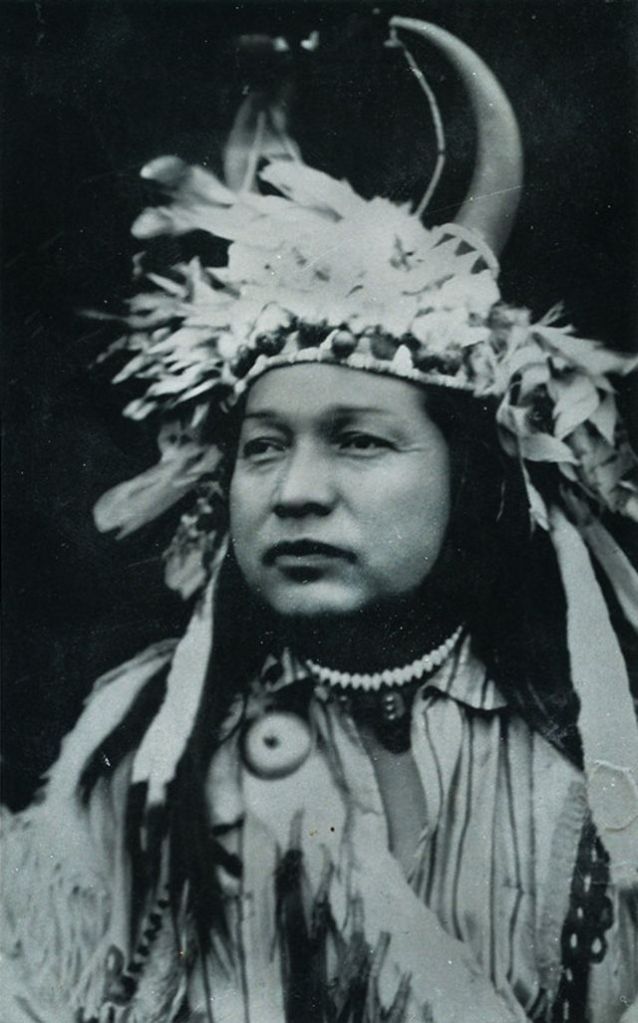
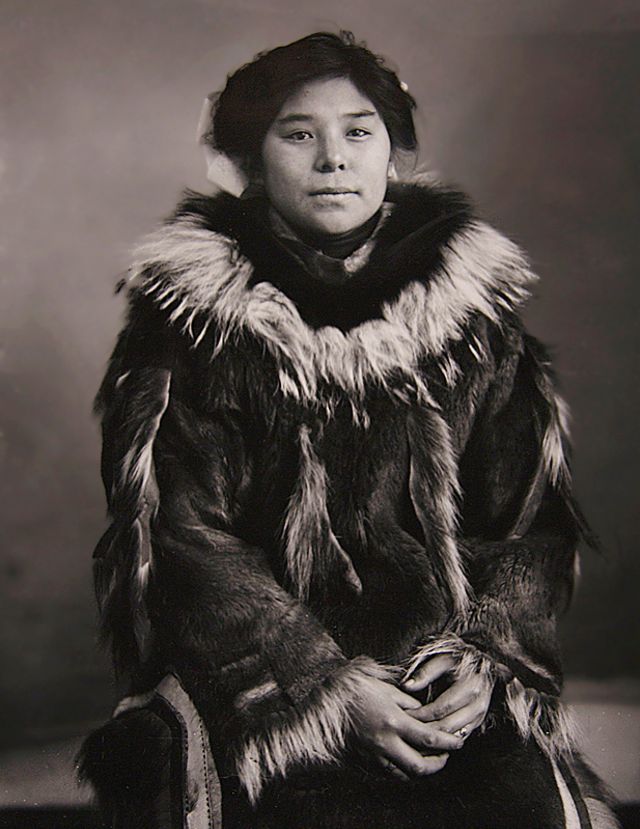
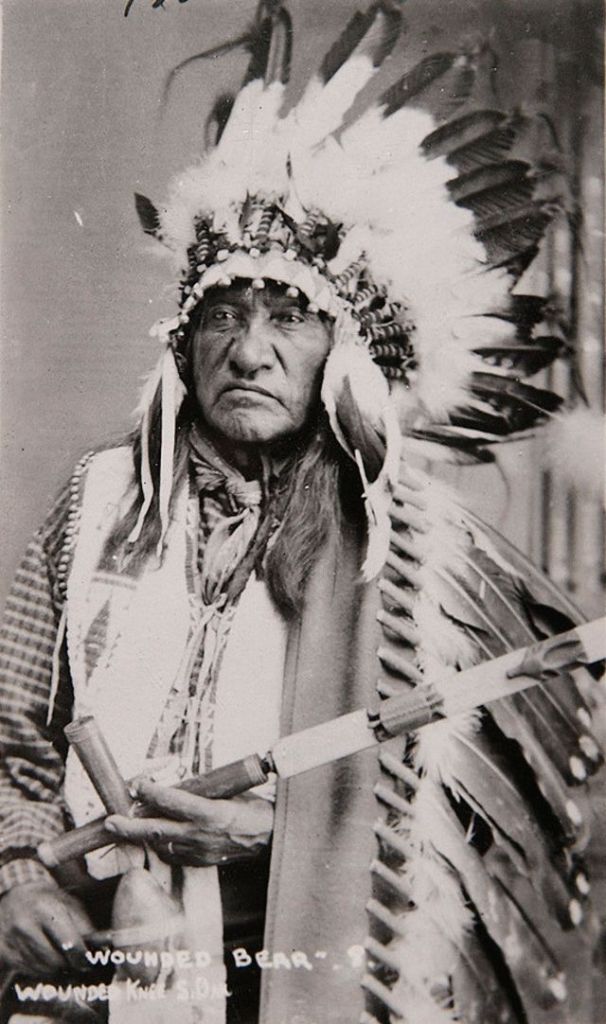
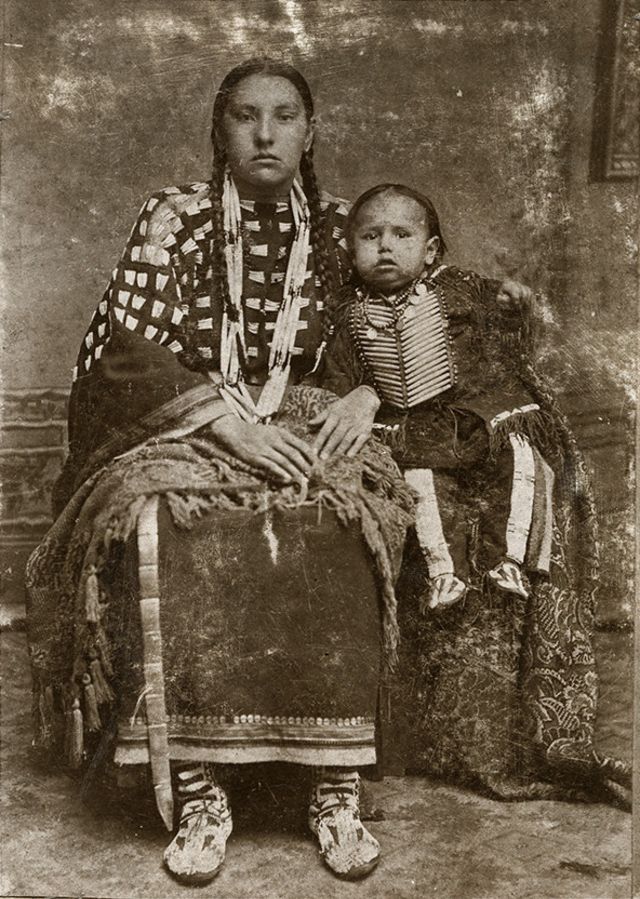
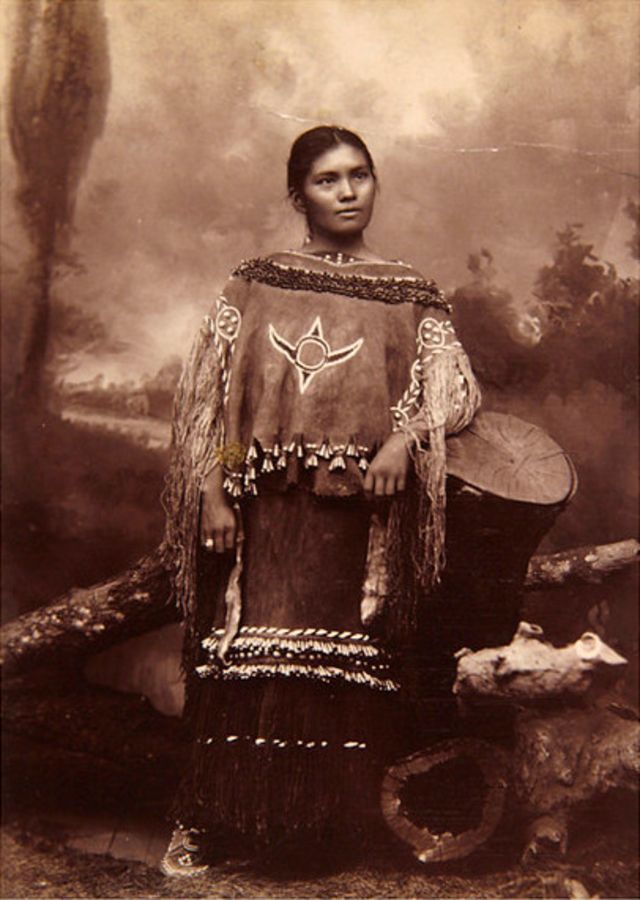
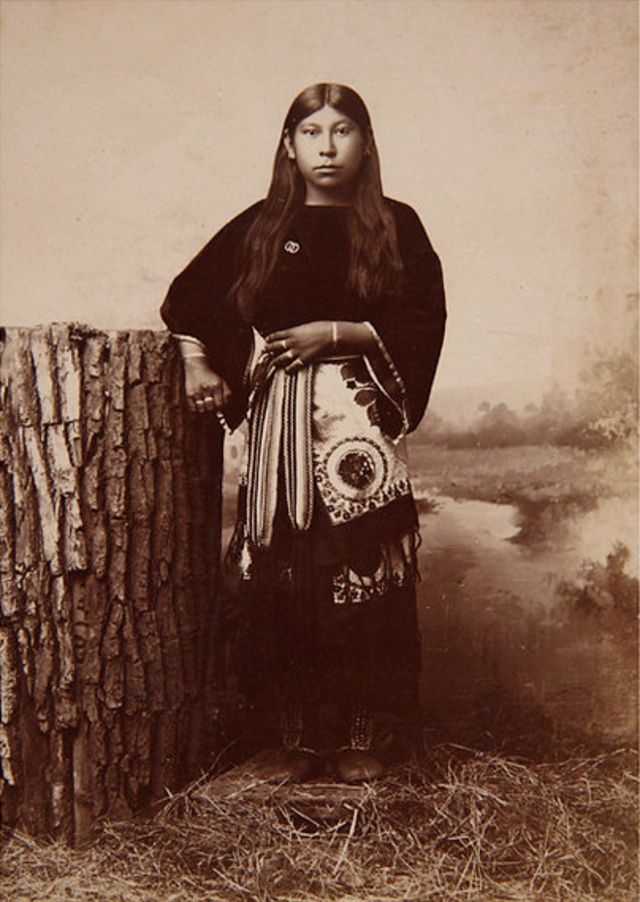
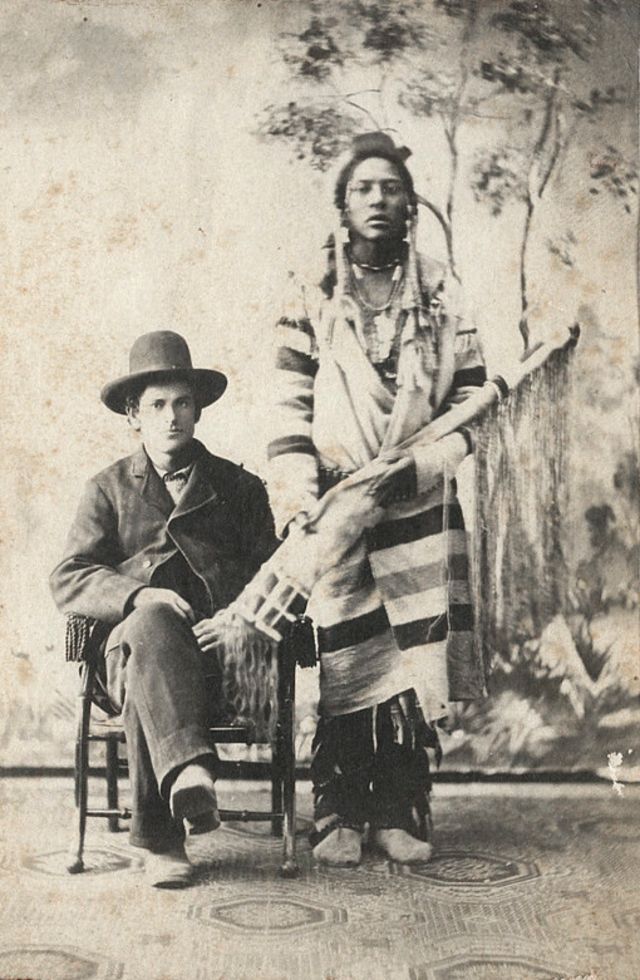
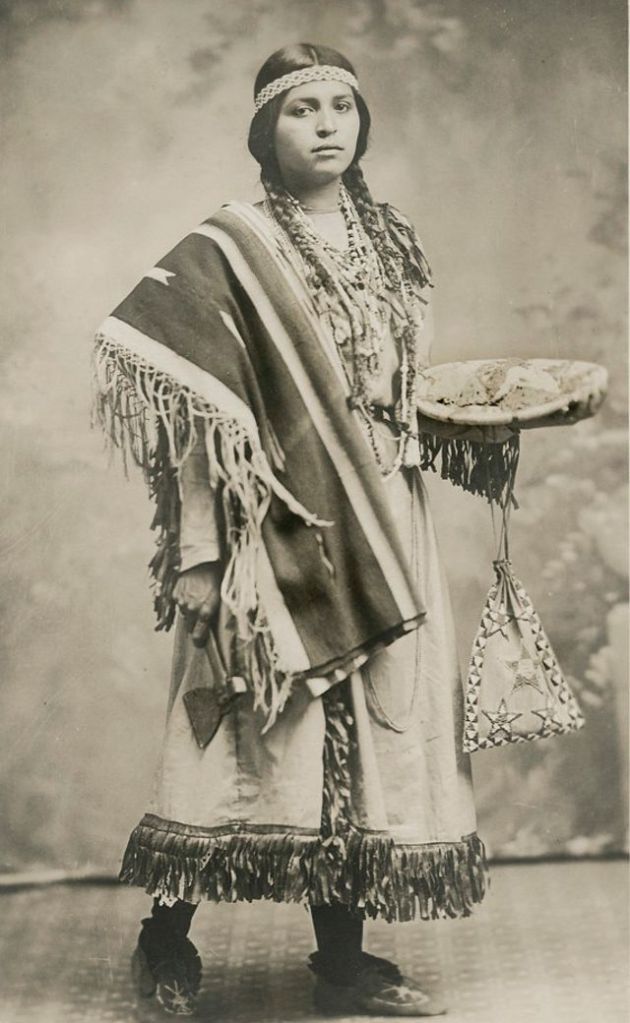
Native Americans, also known as American Indians, First Americans, Indigenous Americans and other terms, are the indigenous peoples of the United States, sometimes including Hawaii and territories of the United States and sometimes limited to the mainland.
There are 574 federally recognized tribes living within the US. “Native Americans” (as defined by the United States Census) are Indigenous tribes that are originally from the continental United States, plus Alaska Natives.
The population of California Indians was reduced by 90% during the 19th century—from more than 200,000 in the early 19th century to approximately 15,000 at the end of the century, mostly due to disease. Epidemics swept through California Indian Country, such as the 1833 malaria epidemic.
During the California Gold Rush, many natives also were killed by incoming settlers as well as by militia units financed and organized by the California government.
Since the 1960s, Native American self-determination movements have resulted in changes to the lives of Native Americans, though there are still many contemporary issues faced by Native Americans.
Today, there are over five million Native Americans in the United States, 78% of whom live outside reservations: California, Arizona and Oklahoma have the largest populations of Native Americans in the United States. Most Native Americans live in small-town or rural areas.

Nassau is the capital and largest city of The Bahamas. With a population of 274,400 as of 2016, or just over 70% of the entire population of The Bahamas, Nassau is commonly defined as a primate city, dwarfing all other towns in the country. It is the centre of commerce, education, law, administration, and media of the country.
Lynden Pindling International Airport, the major airport for the Bahamas, is located about 16 km (9.9 mi) west of the city centre of Nassau, and has daily flights to major cities in Canada, the Caribbean, the United Kingdom and the United States. The city is located on the island of New Providence.
Nassau is the site of the House of Assembly and various judicial departments and was considered historically to be a stronghold of pirates. The city was named in honour of William III of England, Prince of Orange-Nassau.
Nassau’s modern growth began in the late eighteenth century, with the influx of thousands of Loyalists and their slaves to the Bahamas following the American War of Independence. Many of them settled in Nassau and eventually came to outnumber the original inhabitants.
As the population of Nassau grew, so did its populated areas. Today the city dominates the entire island and its satellite, Paradise Island. However, until the post-Second World War era, the outer suburbs scarcely existed. Most of New Providence was uncultivated bush until Loyalists were resettled there following the American Revolutionary War; they established several plantations, such as Clifton and Tusculum. Slaves were imported as labour.
After the British abolished the international slave trade in 1807, they resettled thousands of Africans liberated from slave ships by the Royal Navy on New Providence (at Adelaide Village and Gambier Village), along with other islands such as Grand Bahama, Exuma, Abaco and Inagua. In addition, slaves freed from American ships, such as the Creole case in 1841, were allowed to settle there. The largest concentration of Africans historically lived in the “Over-the-Hill” suburbs of Grants Town and Bain Town to the south of the city of Nassau, while most of the inhabitants of European descent lived on the island’s northern coastal ridges. (Wikipedia)
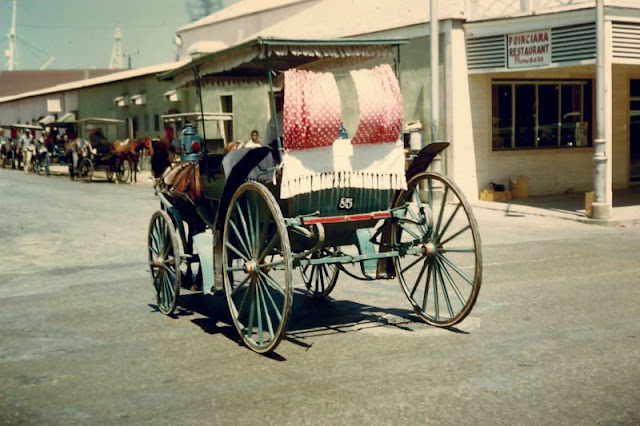
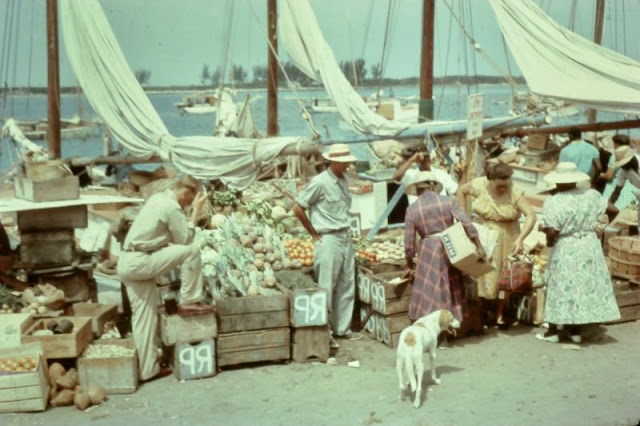
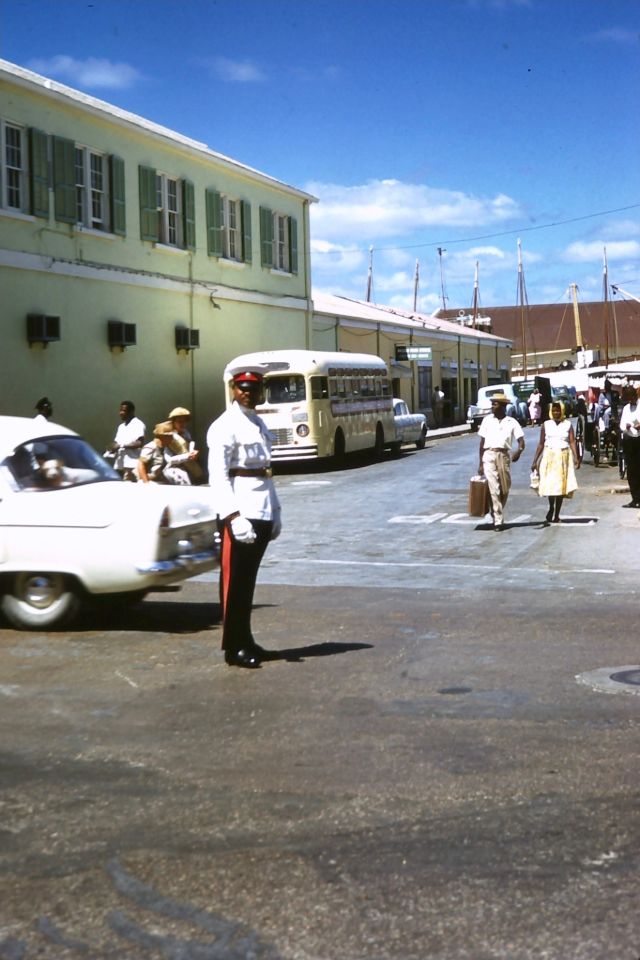
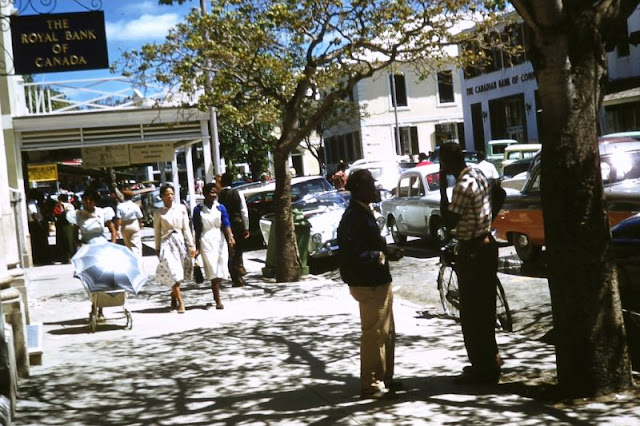
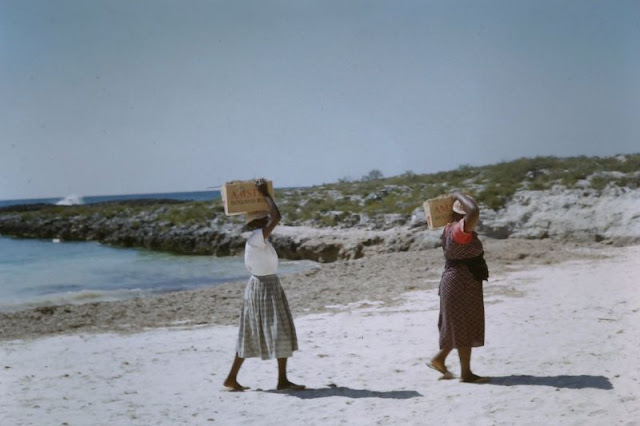
These vintage color photos capture street scenes of Nassau in 1960.




















Read more of this content when you subscribe today.
The Roaring Twenties was a golden era for criminals when rapid societal change led to the opening up of new illicit markets for entrepreneurial felons. Fast times bred new crimes creating policing challenges ranging from reckless joyriders to the emergence of the Mafia and razor gangs.
New South Wales Police Department photographers captured the zeitgeist of the era in these unexpectedly candid mug shots of cocaine sellers and addicts, sly-grog purveyors and small-time criminals, who frequented the cells of the Central Police Station in Sydney.


Become a paid subscriber to get access to the rest of this post and other exclusive content.
