A good photojournalist might count himself lucky if he gets only one of his images published in a leading newspaper. A good photo should be able to convey an entire story on its own, but sometimes the image itself might be misleading because of the time and place it was made. In this famous example, Margaret Bourke-White’s picture of a depression era food line has actually more to tell than its face value.
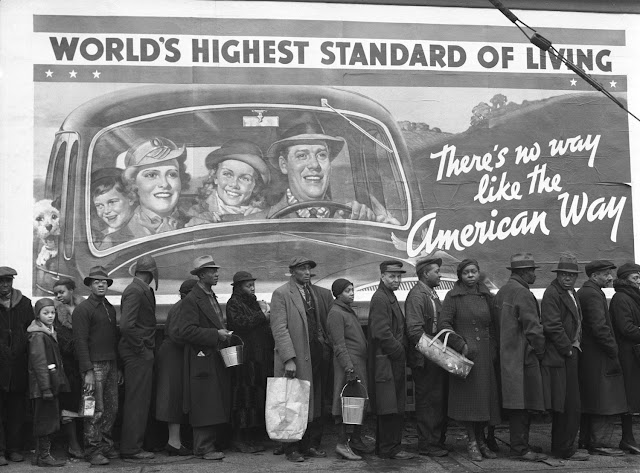
During the Great Ohio River Flood of 1937, men and women in Louisville, Kentucky, line up seeking food and clothing from a relief station, in front of a billboard proclaiming, “World’s Highest Standard of Living.”
Margaret Bourke-White’s 1937 picture of African American men, women and children huddled in line before a billboard—on which a car bearing a beaming white family (and their dog!) appears to drive confidently into the future beneath the ultimately ironic slogan, “World’s Highest Standard of Living.” The overhead picture also shows a middle-class white family, smiling in their car with the tagline, “There’s no way like the American Way.”
The juxtaposition of the poor black people and the happy white family is quite striking, which makes this photograph one of the most recognizable images of the Great Depression. However, this is misleading as the image was taken right after the Ohio River Flood of 1937. Over one million residents were left homeless after the flood, which only exacerbated the conditions of the 1930s depression. A lot of residents had to resort to charitable donations after the catastrophe, and Bourke-White entitled the photograph, “Kentucky Flood.”
African Americans in Louisville, Kentucky, seek food and clothing from a relief station in the aftermath of flooding that devastated the city in 1937. The billboard in Margaret Bourke-White’s famous “American Way” photograph is visible in the background.
While the lack of an appropriate description might mislead some into thinking that everywhere people were always in food lines around 1930s America, the photograph is still quite symbolic of the great depression.
When the First World War broke out, the era of the horse bus drew to a close. London’s largest bus operator, the London General Omnibus Company (LGOC), had replaced all its horse buses with motor buses in 1911 and 1912. A few other bus operators continued to use horses until August 1914.
These new vehicles, especially the B type bus, manufactured first by the LGOC and later by the Associated Equipment Company (AEC), were of interest to the War Department because of their reliability. They were built of interchangeable parts, which made roadside repairs much easier. In the first few months of the war, the War Department requisitioned approximately 1,000 London buses, over a third of the LGOC’s fleet.
Some of these vehicles were used for war service in Britain. Others were shipped from large commercial ports, such as Avonmouth, and travelled mainly to France and Belgium, although some went as far as Greece.
The versatility of these motor buses meant they were put to a variety of uses. Many were converted into lorries, with others serving as ambulances, mobile workshops or even mobile pigeon lofts.
However, their most familiar use was as troop carriers, transporting troops between the camps and the front lines. The troop carriers had their windows replaced with wooden planks for safety. Each bus could carry 25 soldiers, which was fewer than the 34 passengers they carried in London. Numbers were halved on the top deck to prevent the bus becoming too top heavy on uneven roads.
Subscribe to continue reading
Become a paid subscriber to get access to the rest of this post and other exclusive content.
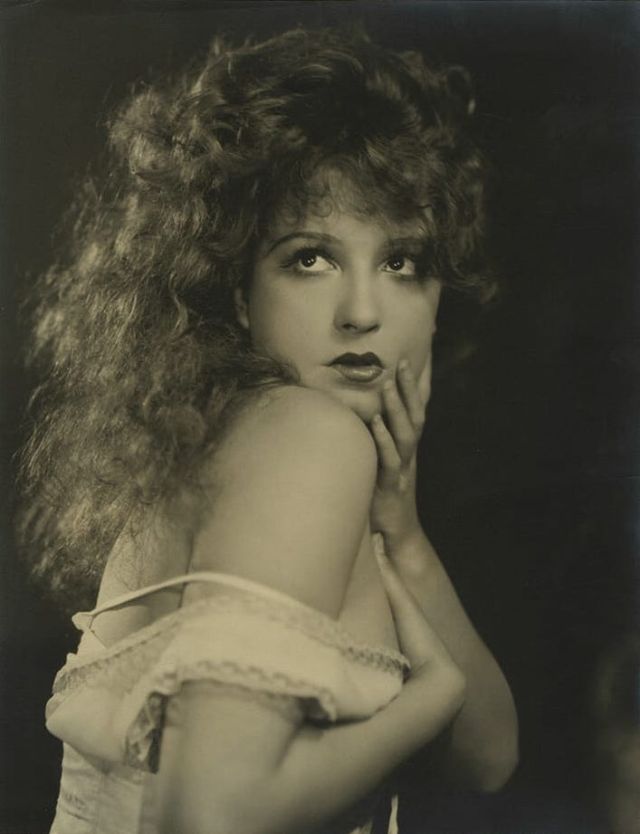
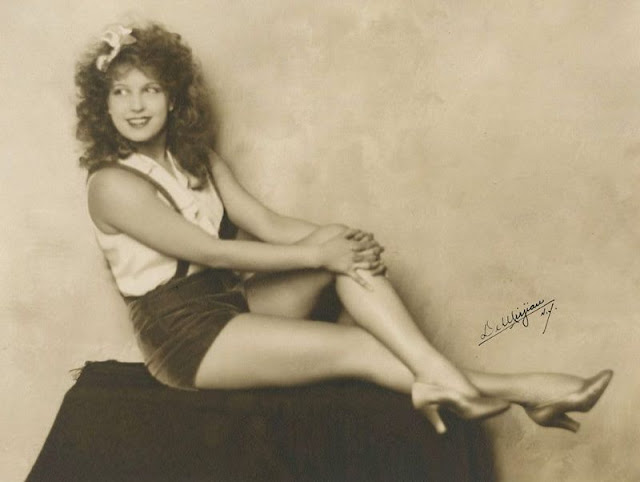
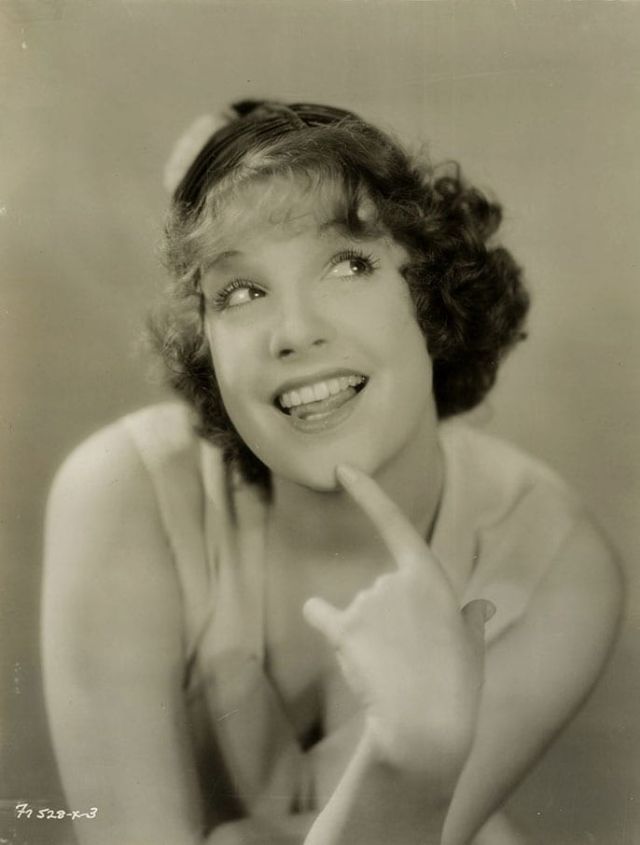
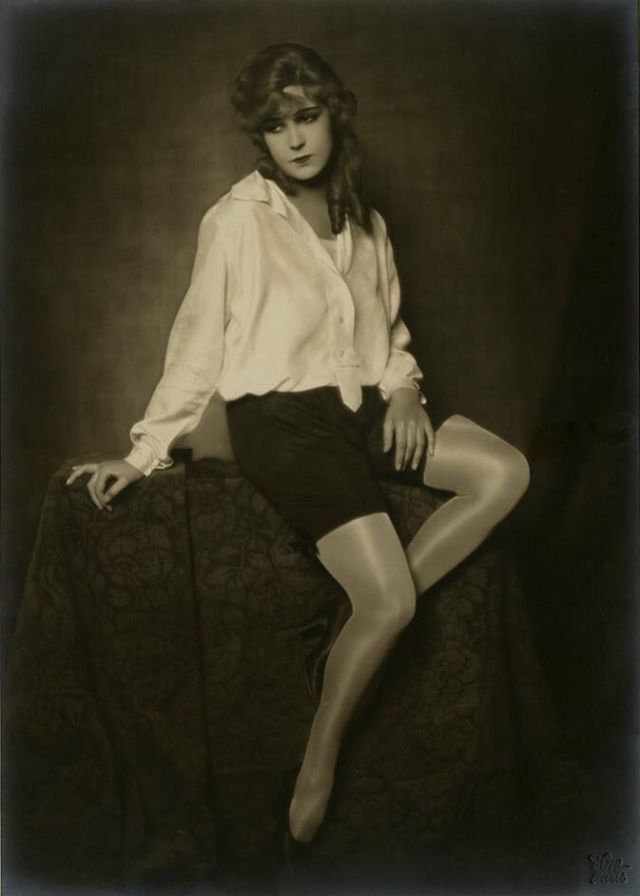
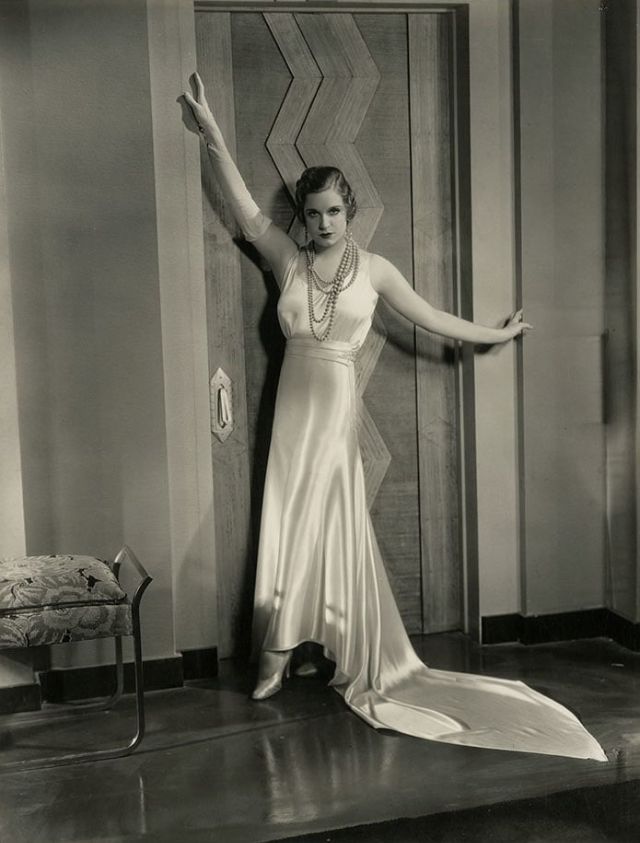
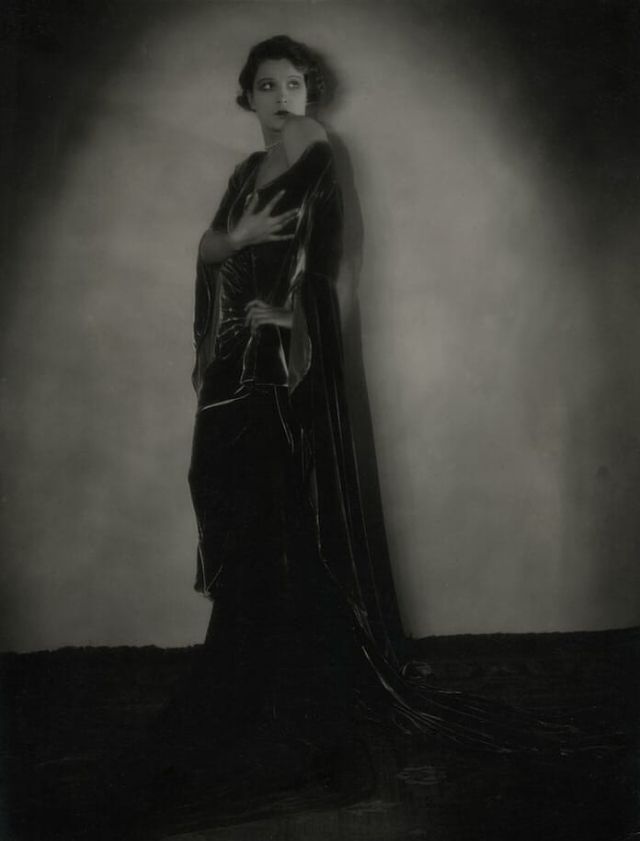
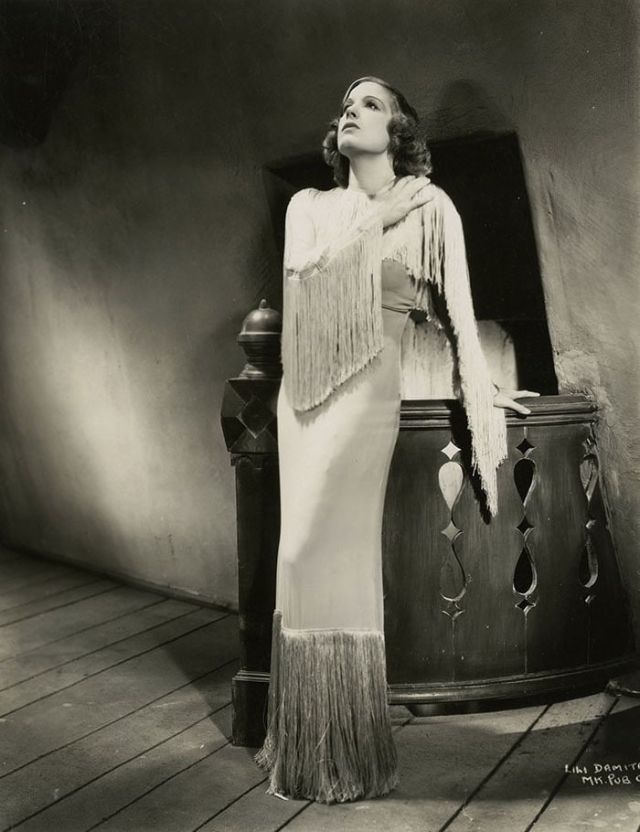
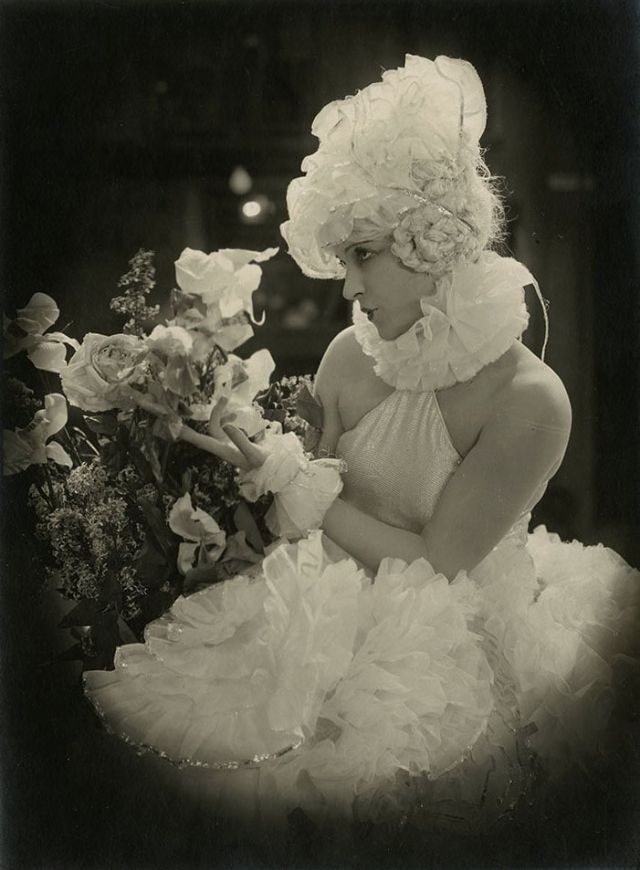
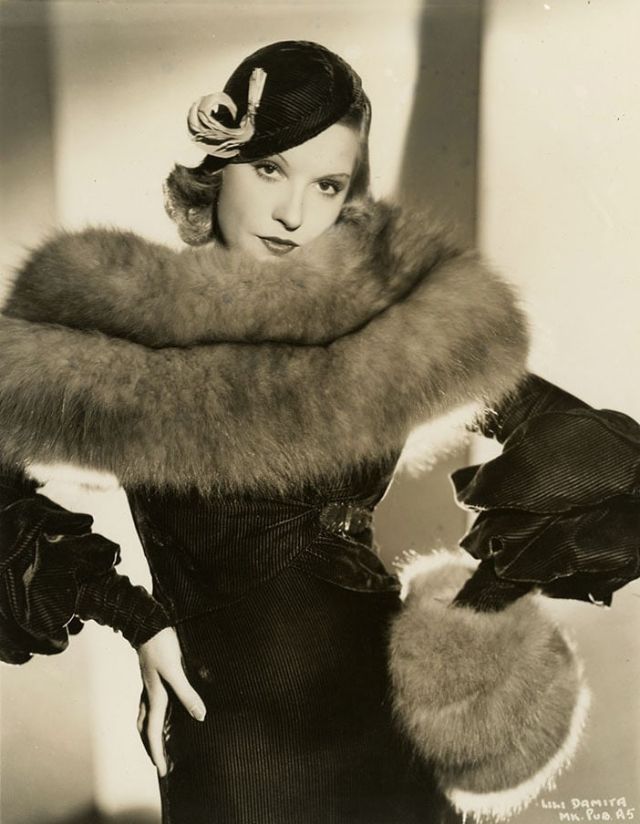
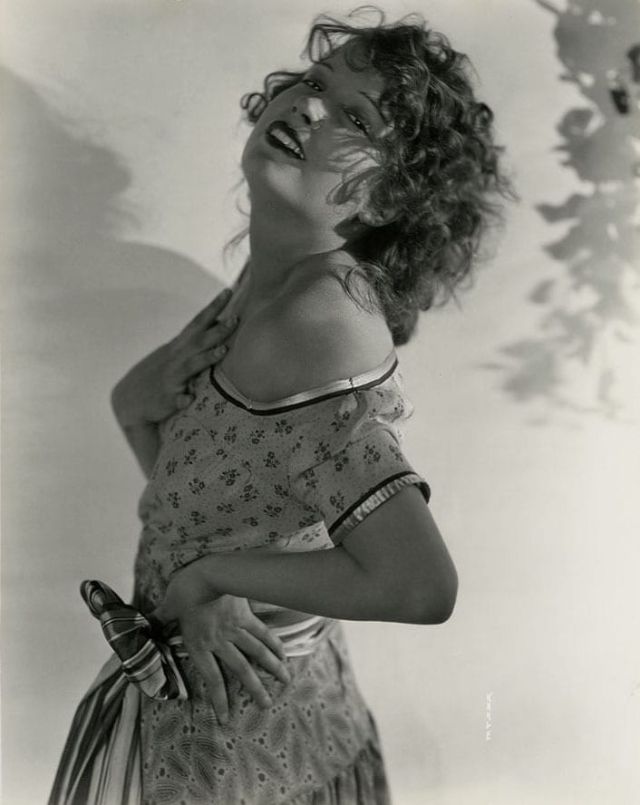
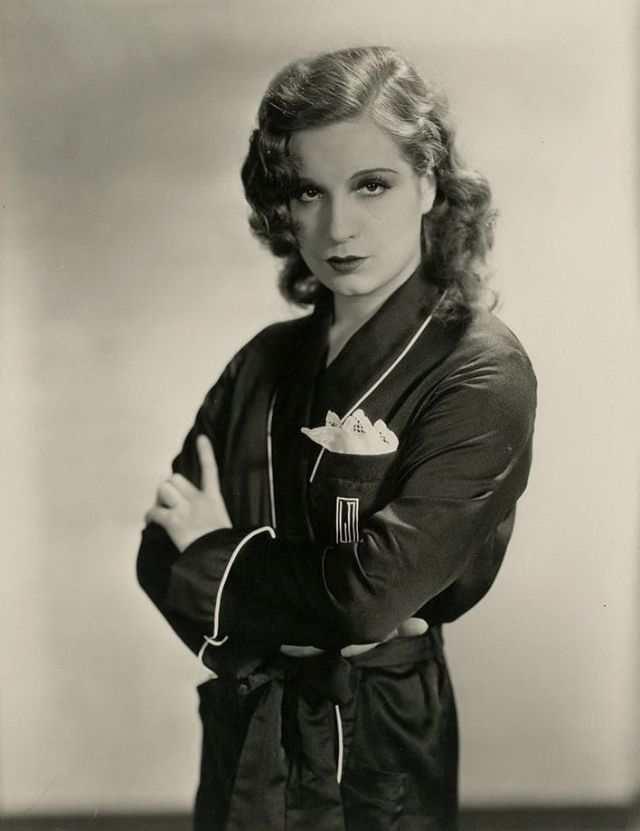
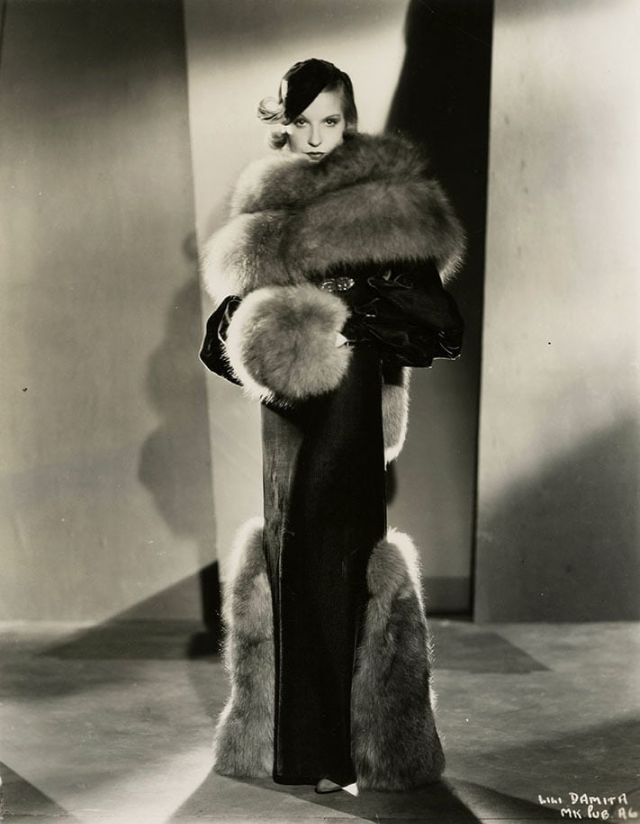
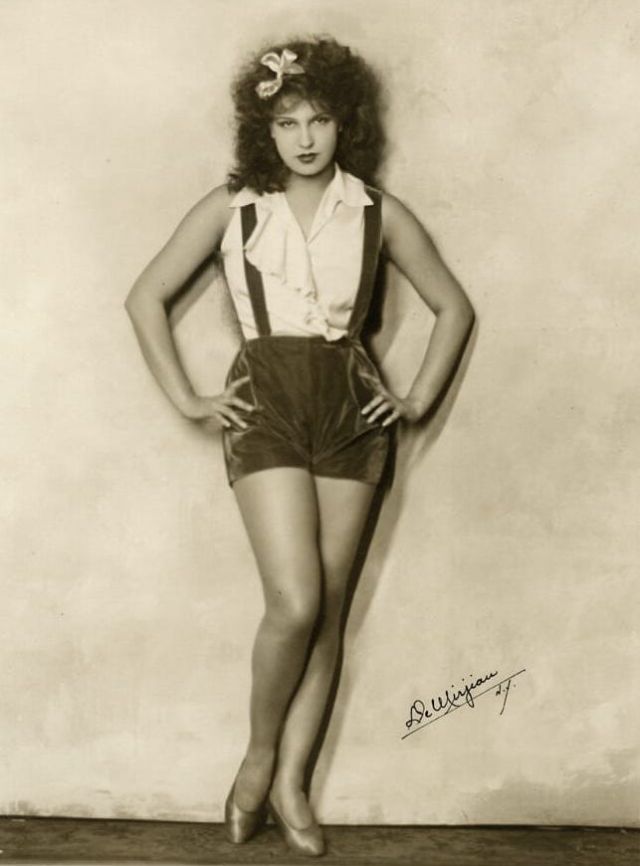
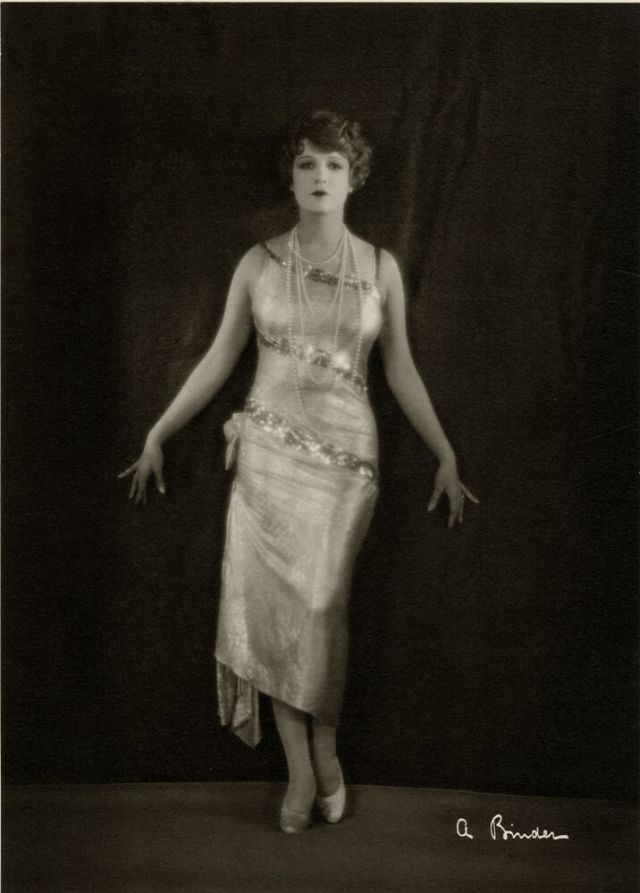
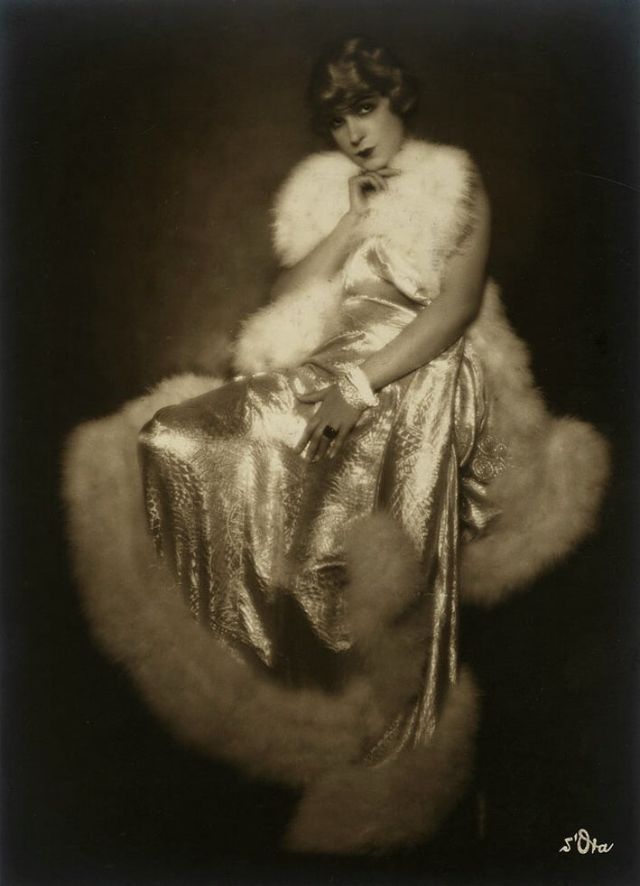
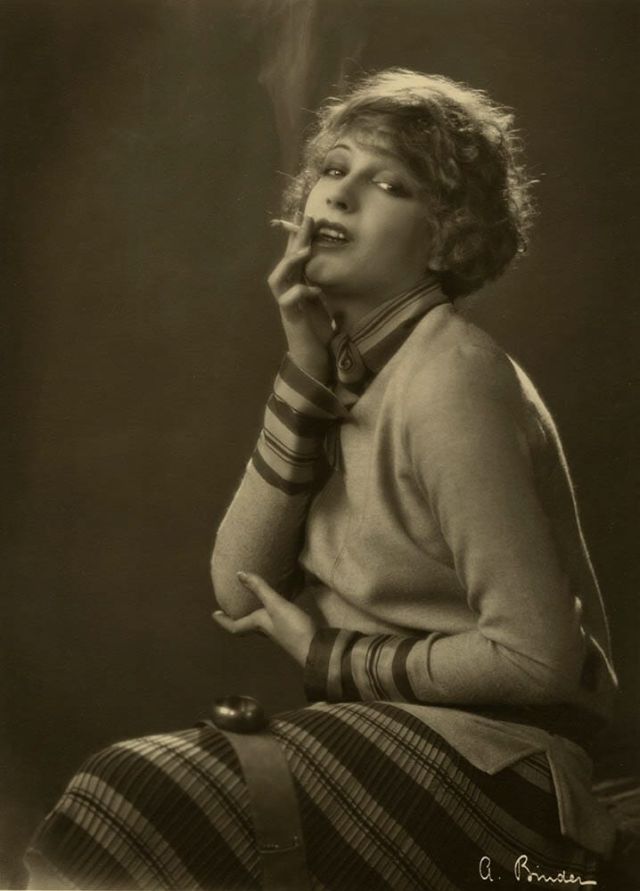
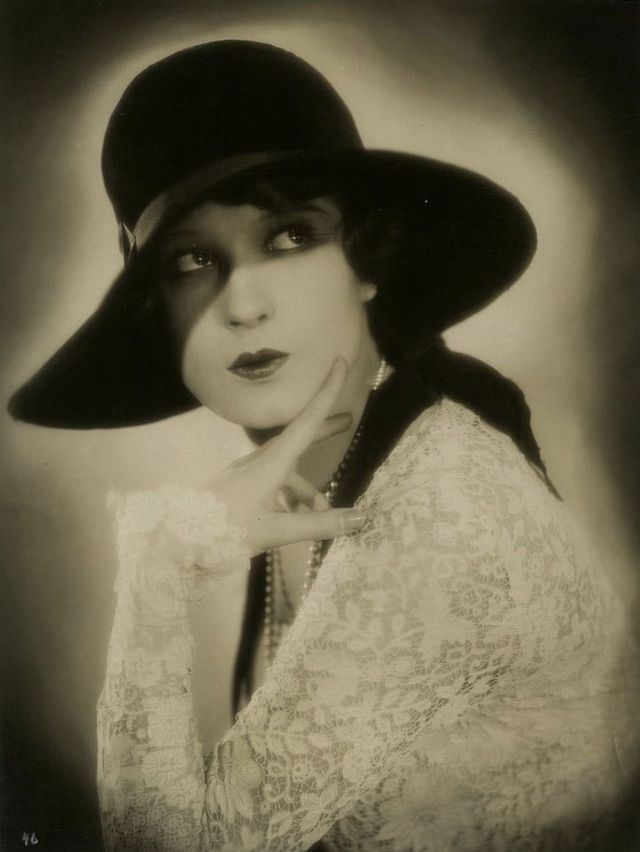
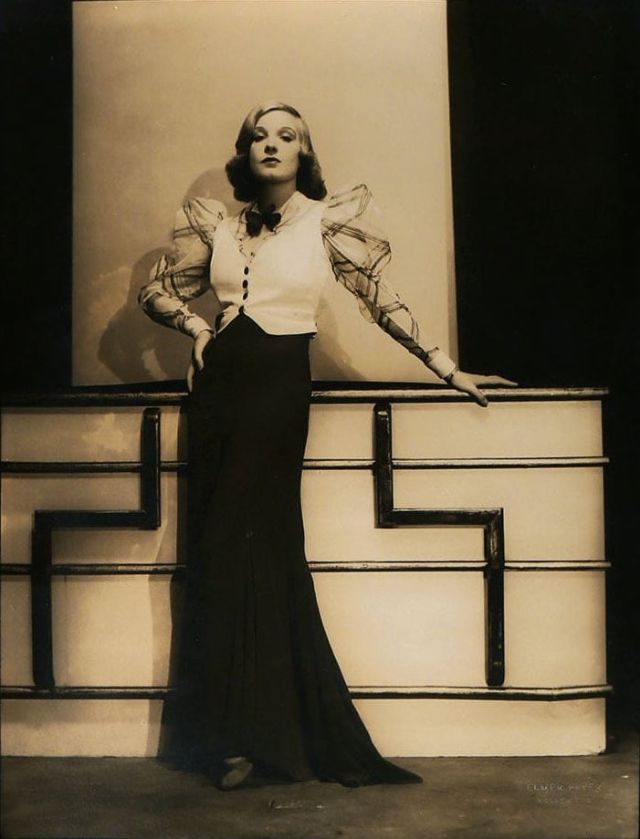
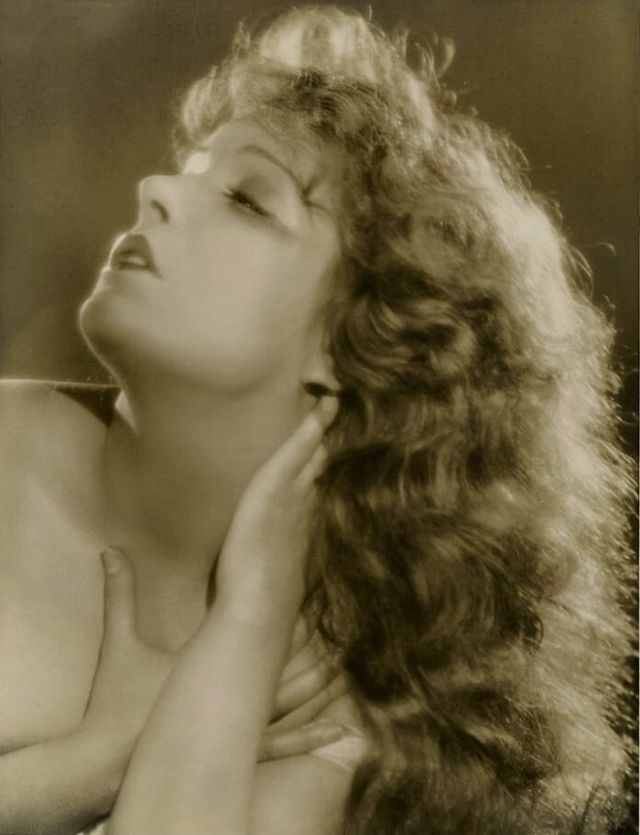
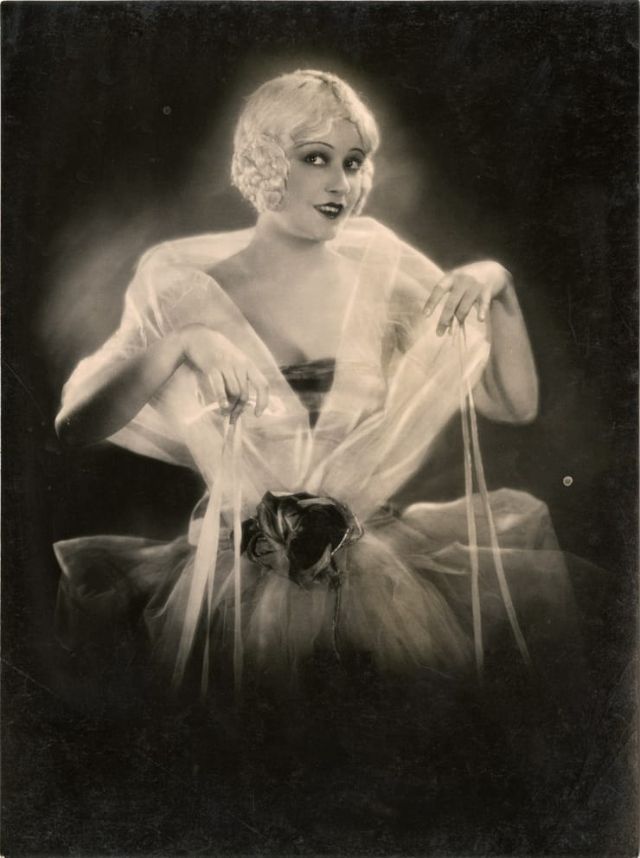
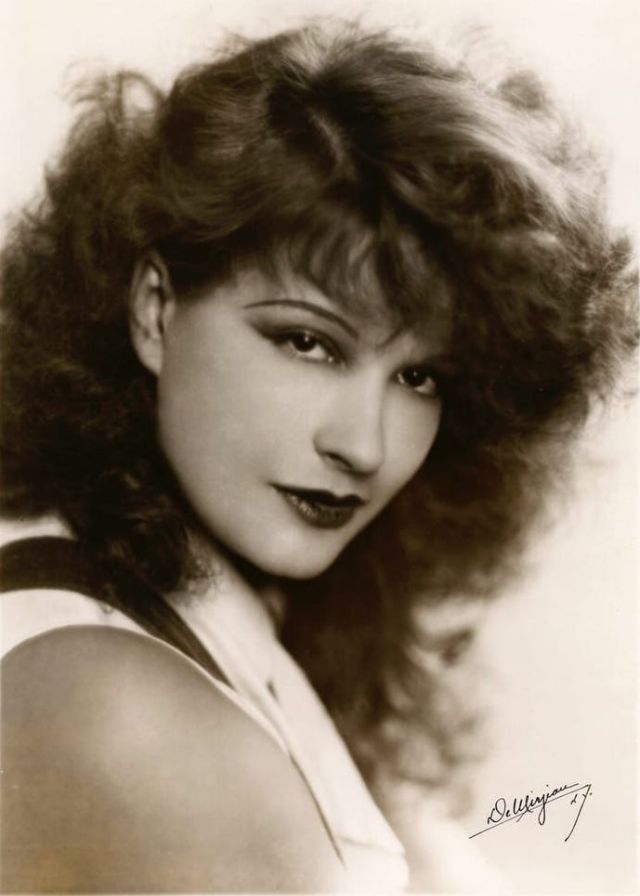
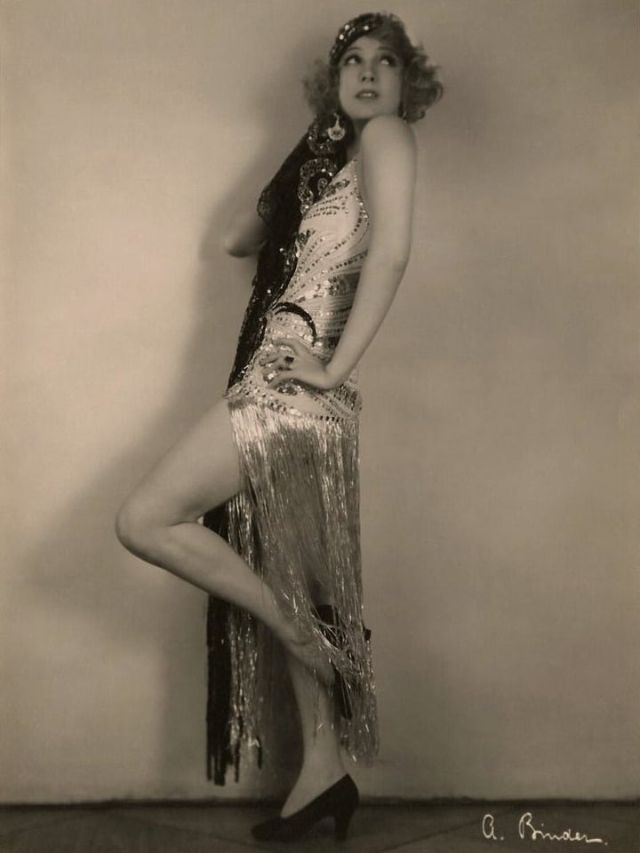
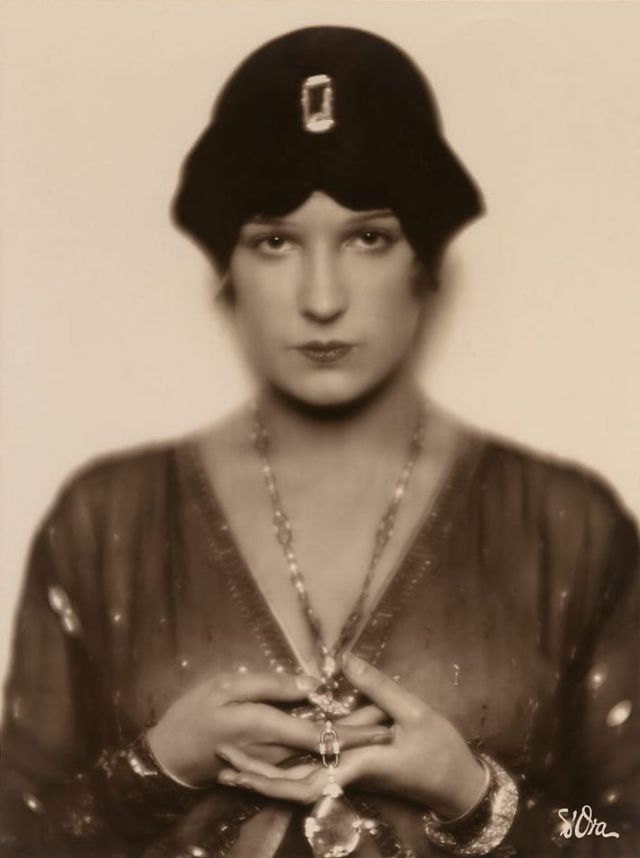
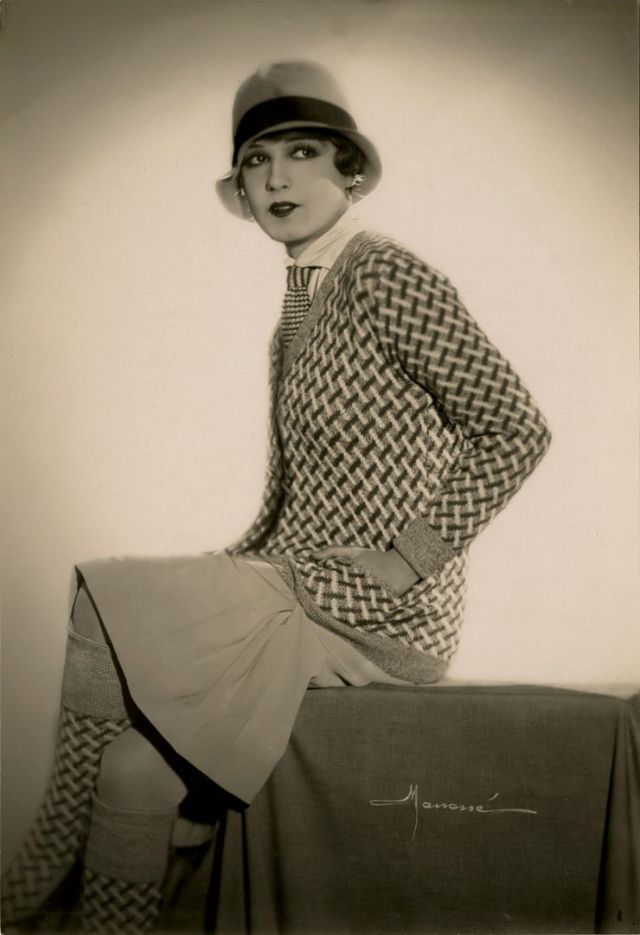
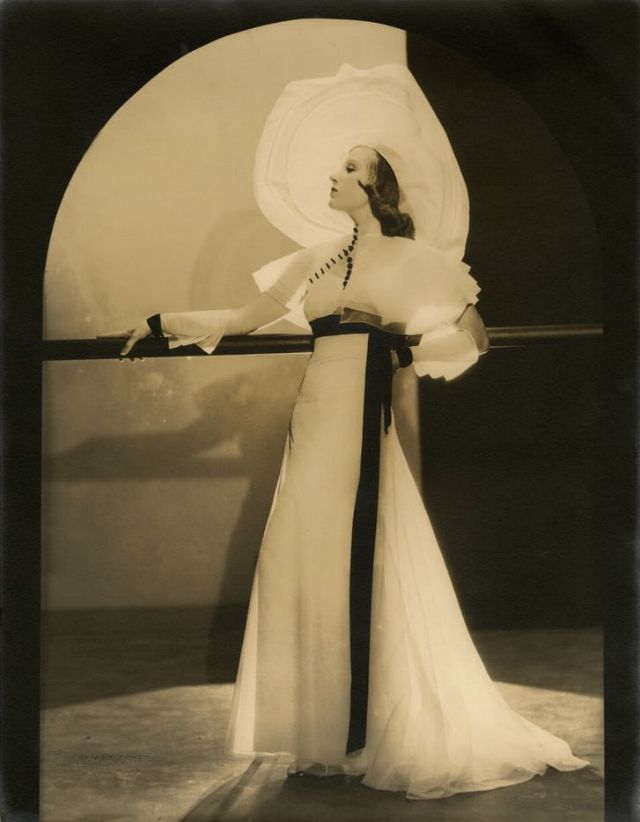
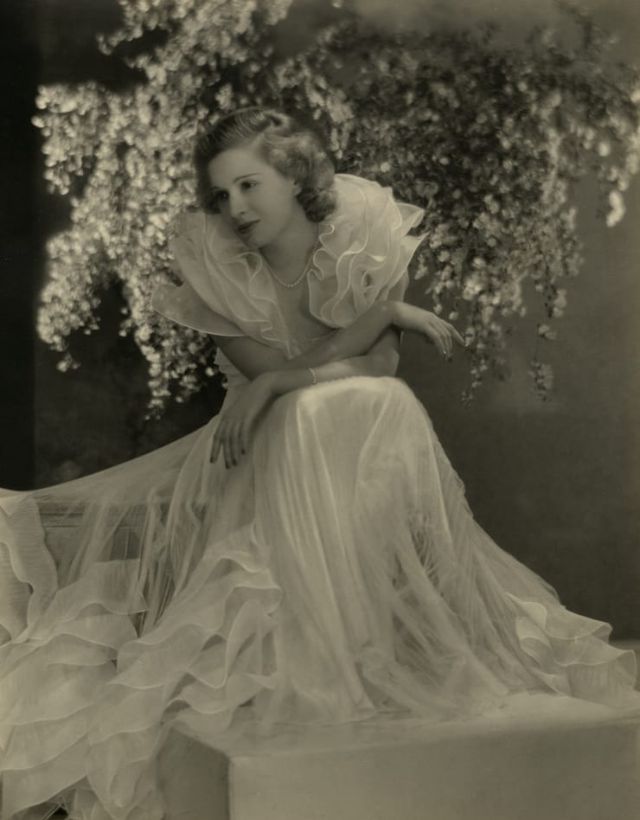
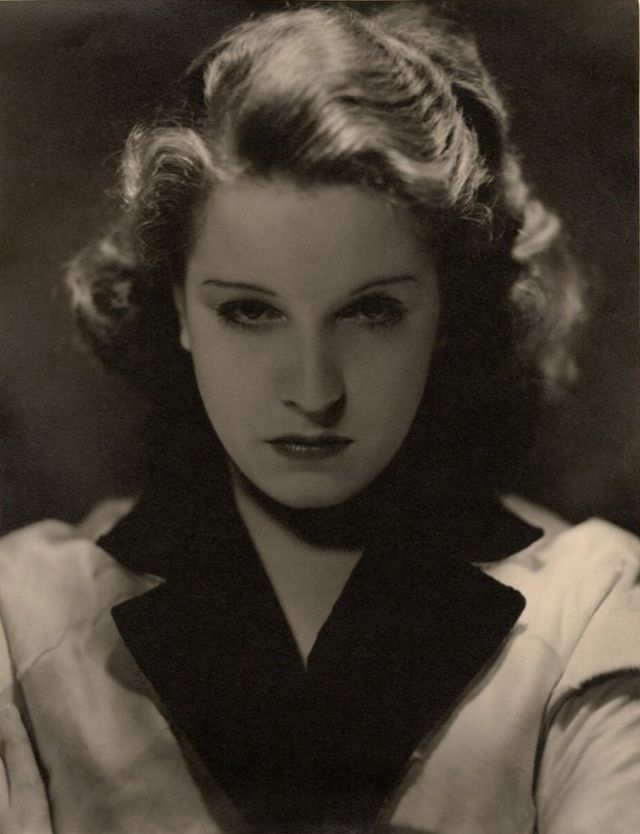
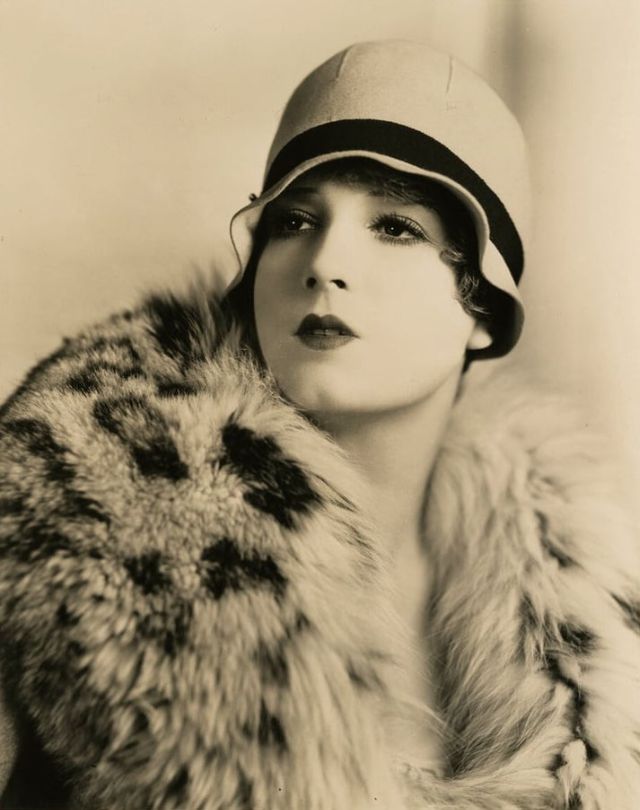
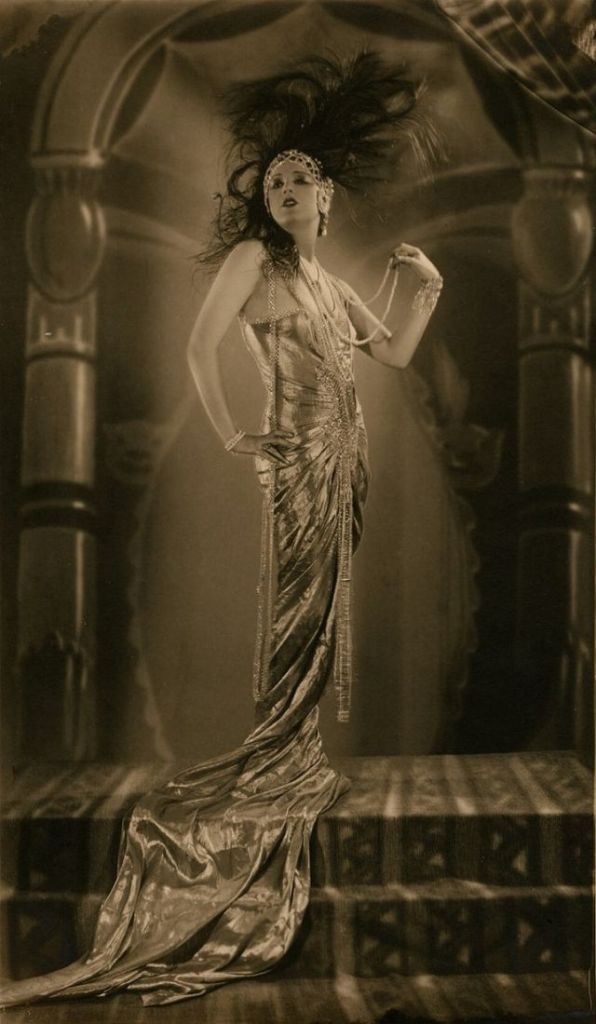
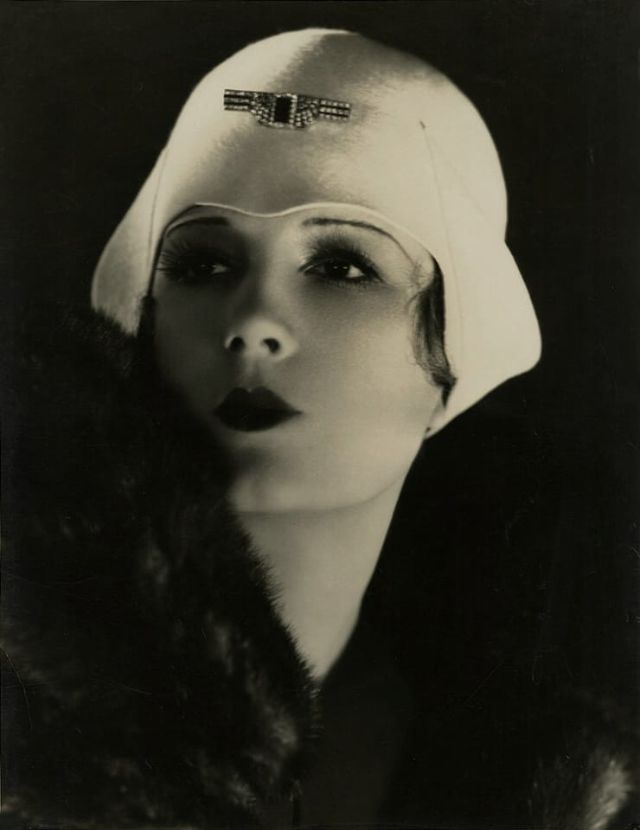
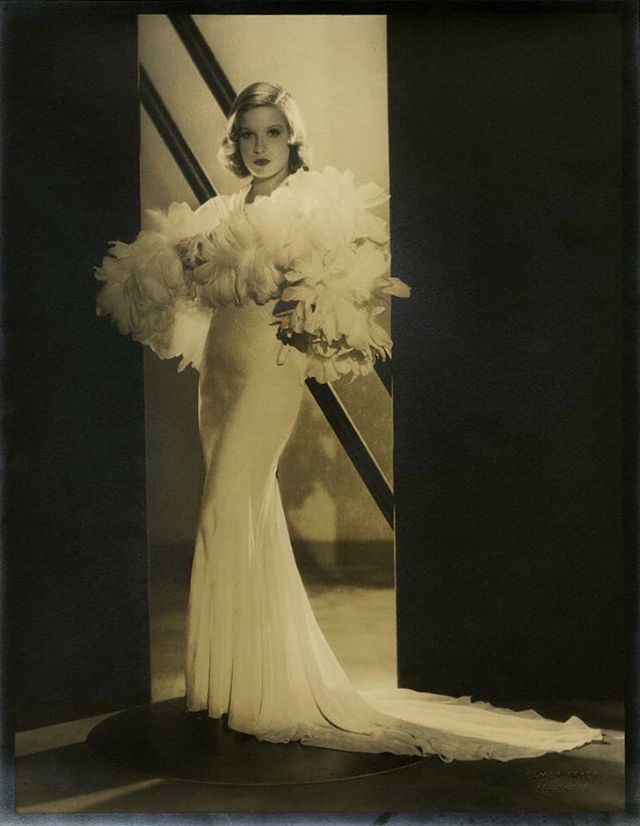
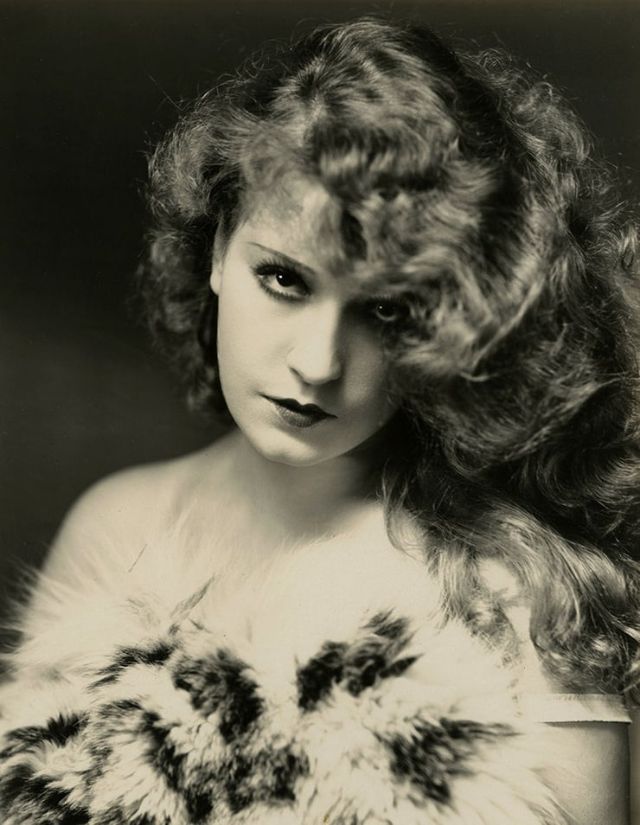
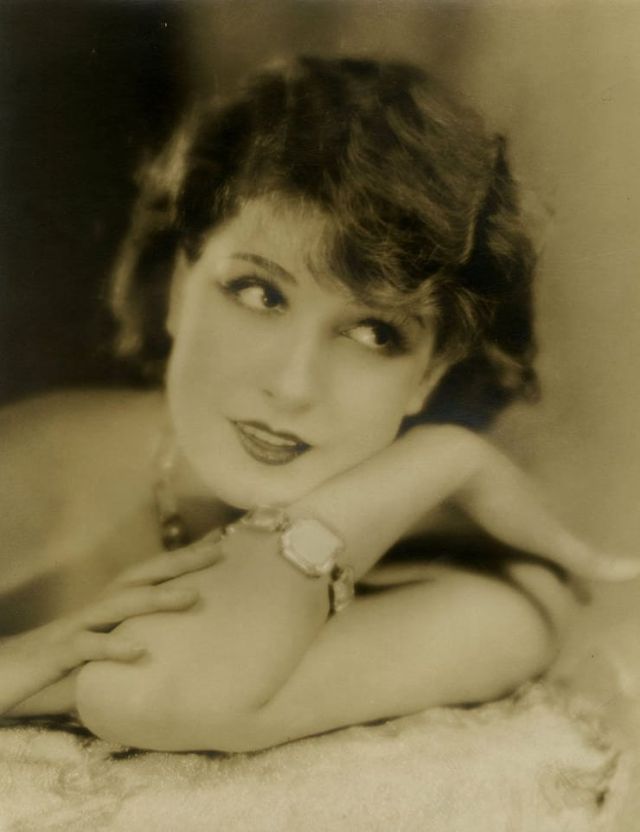
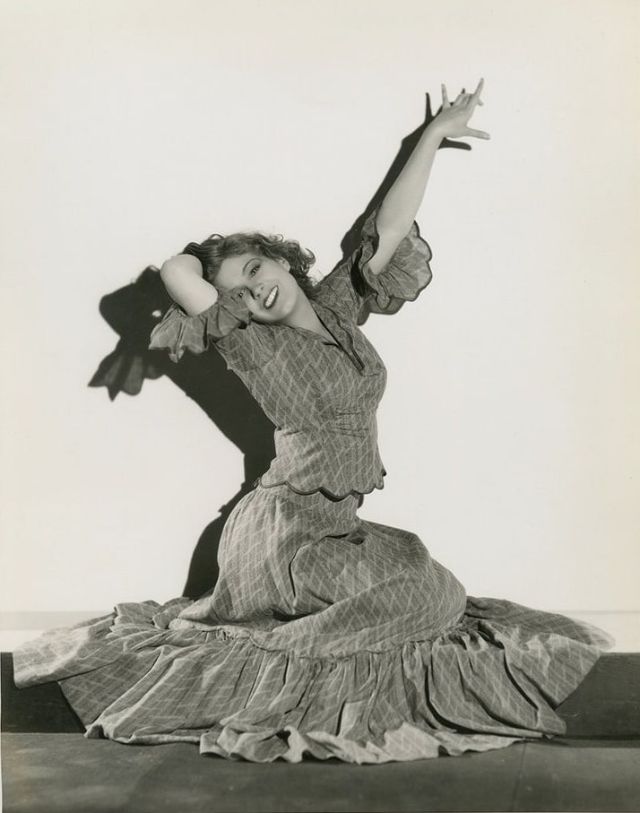
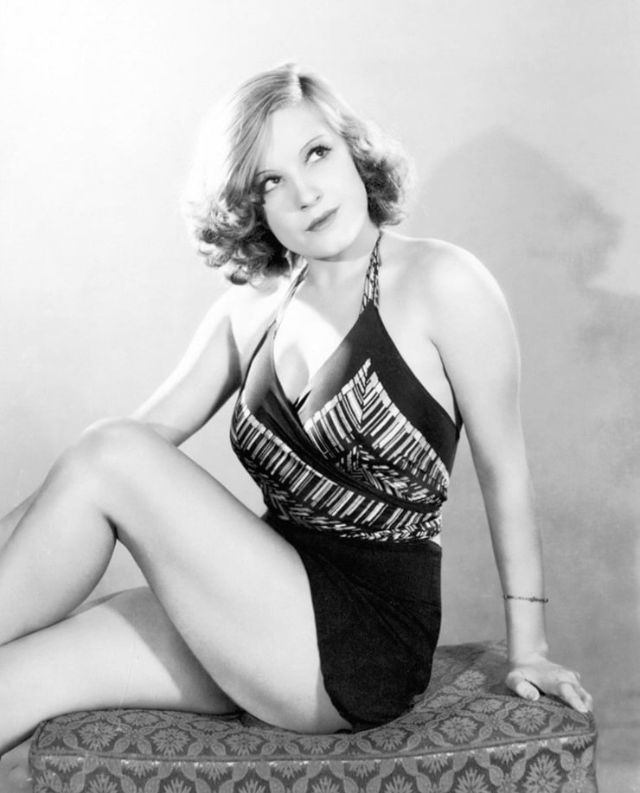
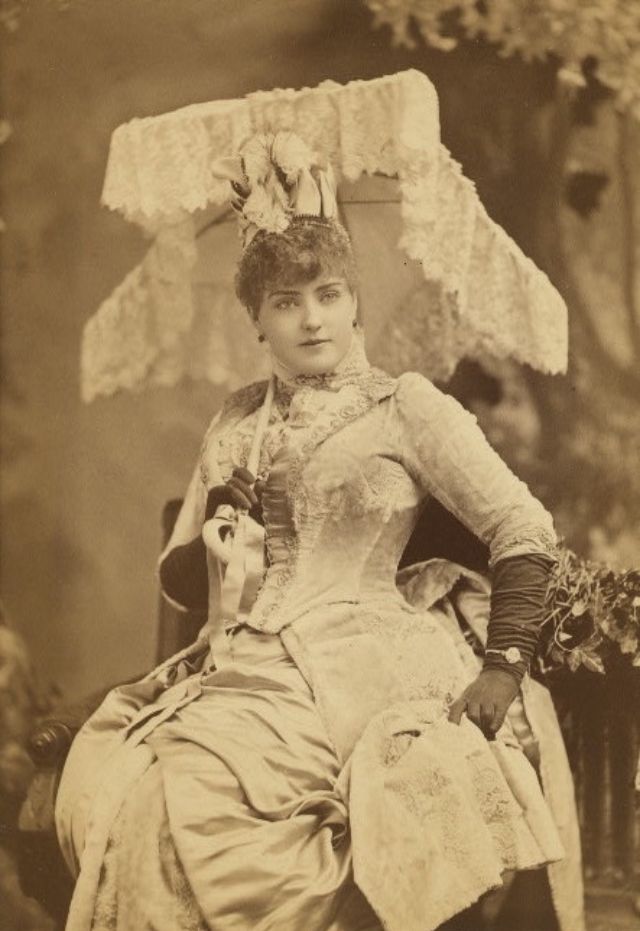
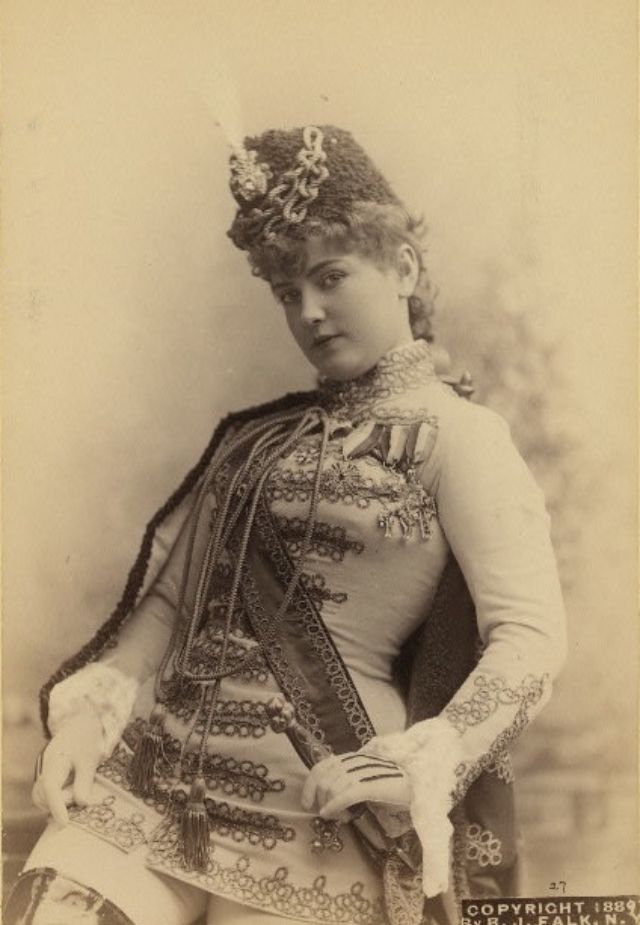
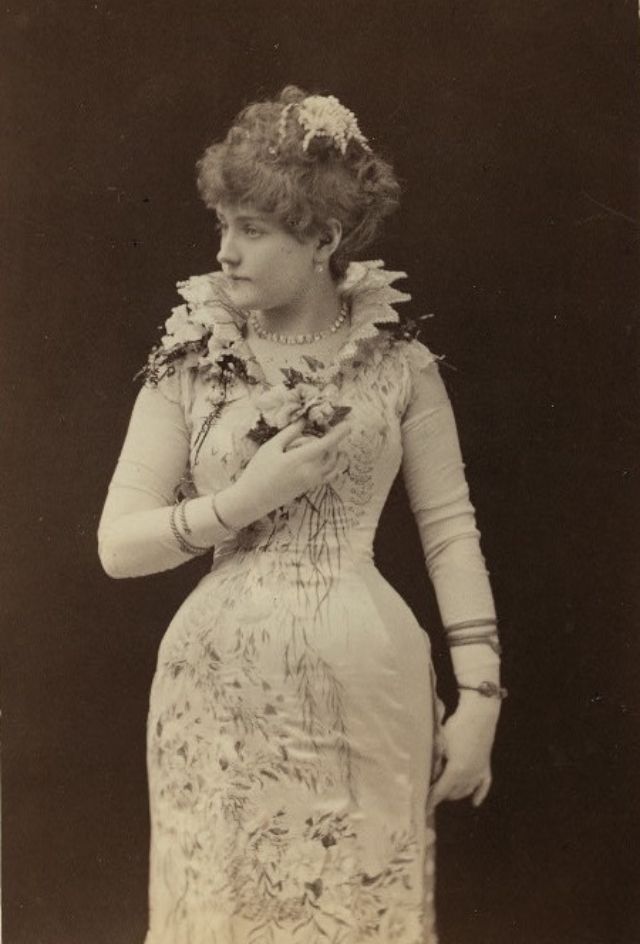
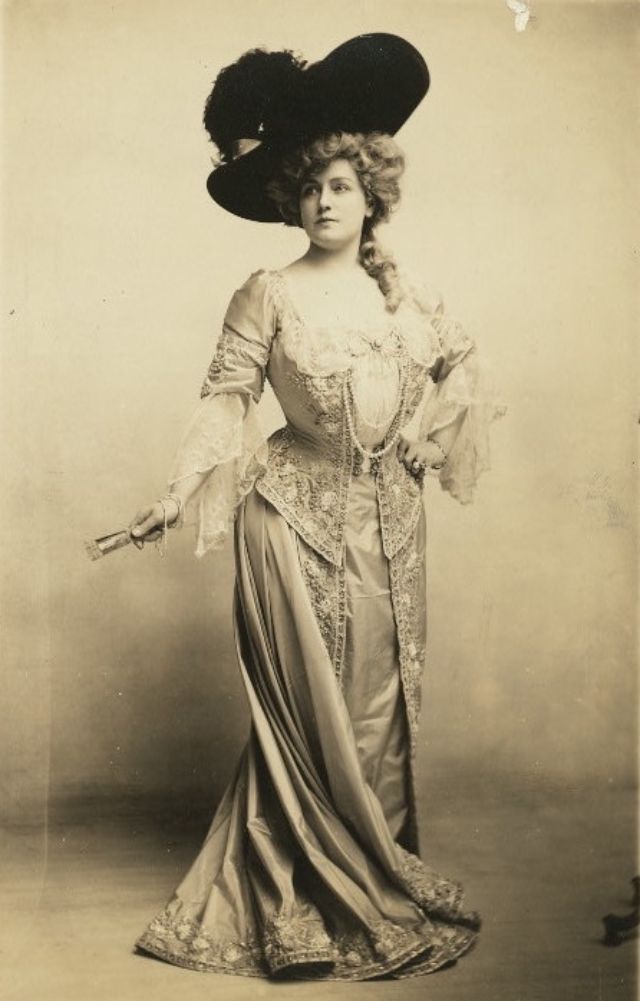
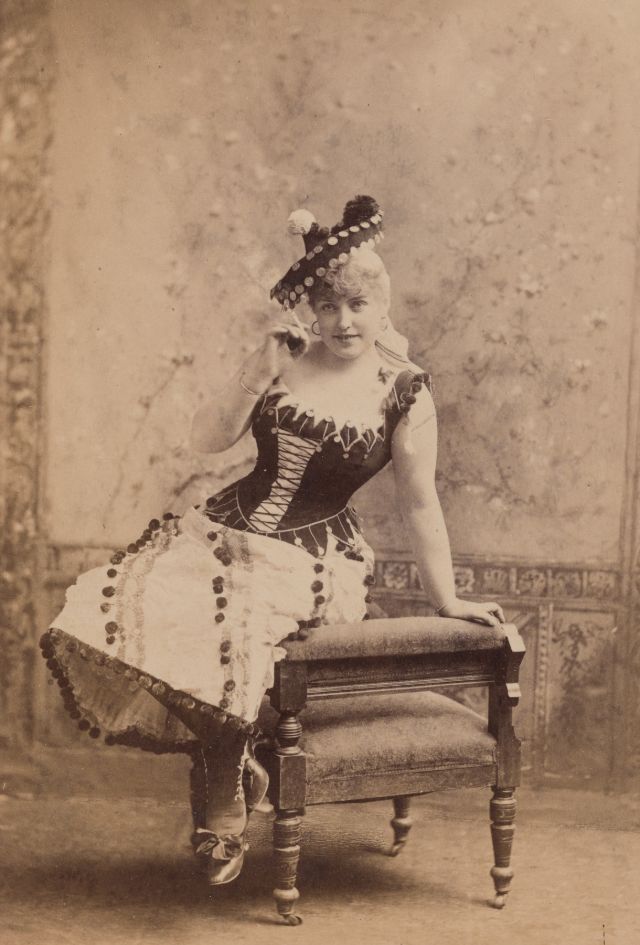
Lili Damita was born Liliane Marie Madeleine Carré on July 10, 1904, in Blaye, France. As a child she studied ballet and attended school in several different countries. By the age of sixteen she was working as a professional model and dancer. In 1921 she won a beauty contest and was offered her first acting role. She appeared in more than a dozen silent films made in Europe. Lili married Hungarian director Michael Curtiz in 1925. They divorced just a year later. Producer Samuel Goldwyn saw Lili and offered her a part in the 1928 romantic adventure The Rescue. American audiences fell in love with the exotic beauty nicknamed “Tiger Lil”. She appeared in a string of box office successes including The Cock-Eyed World and This Is The Night. Despite her thick accent she was easily able to make the transition to talkies. In 1935 Lili married actor Errol Flynn and decided to retire from the screen.
Her final role was in the 1938 French film Escadrille of Chance. Errol quickly became a superstar and Lili was now primarily known as his wife. The couple had a son in 1940, Sean, although their marriage was quite tumultuous. Errol had many affairs and Lili divorced him in 1942. They would spend years fighting over custody and child support. Lili continued to stay out of the spotlight and focused on raising her son. In 1962 she married American dairy farmer Allen R. Loomis and began living part-time in Iowa. Tragedy struck in 1970 when her son Sean went missing during a filming and journalistic trip to Cambodia during the Vietnam War, whereafter Lili spent fourteen years and millions of dollars searching for him however he was never found. Sean Flynn was declared legally dead in 1984. By this time Lili was divorced from Allen Loomis and was now suffering from Alzheimer’s disease. She died on March 21, 1994 in Palm Beach, Florida, at the age of eighty-nine. Lili was buried at Oakland Cemetery in Fort Dodge, Iowa. The epitaph on her tombstone reads “She touched so many lives, brightened so many days.” (IMDB)
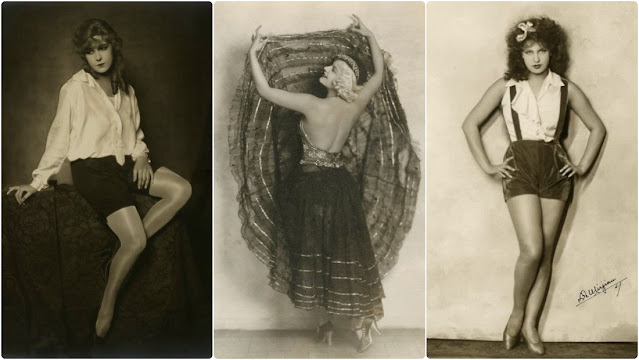
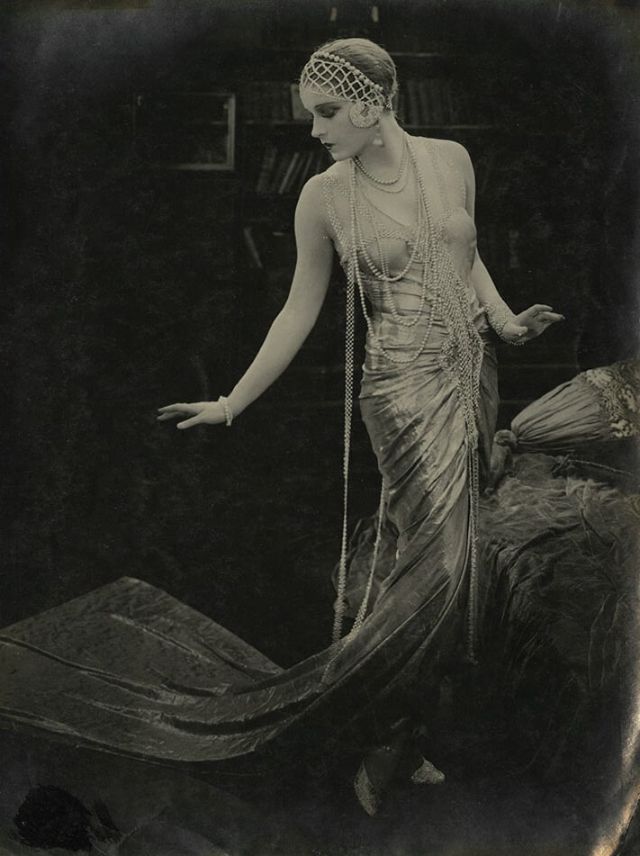
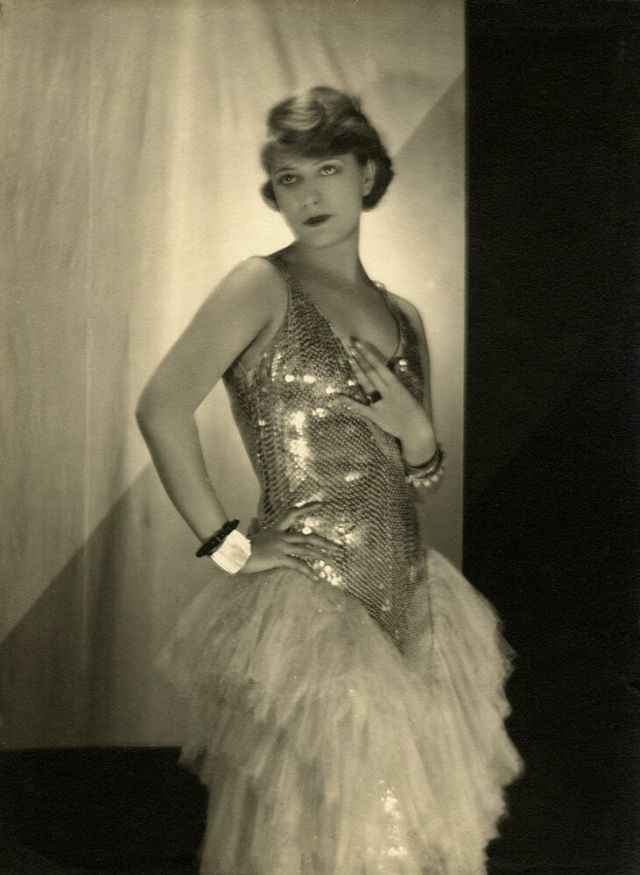
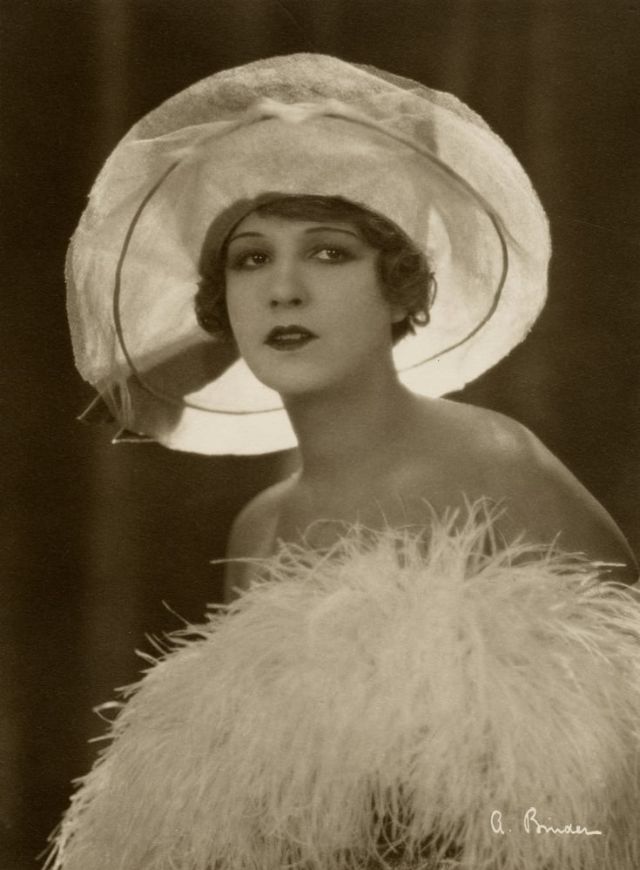
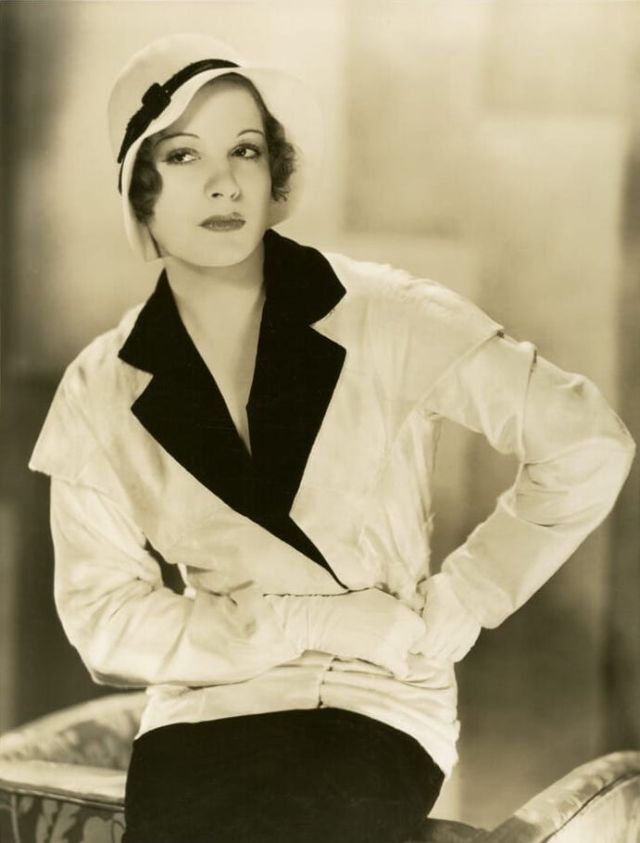
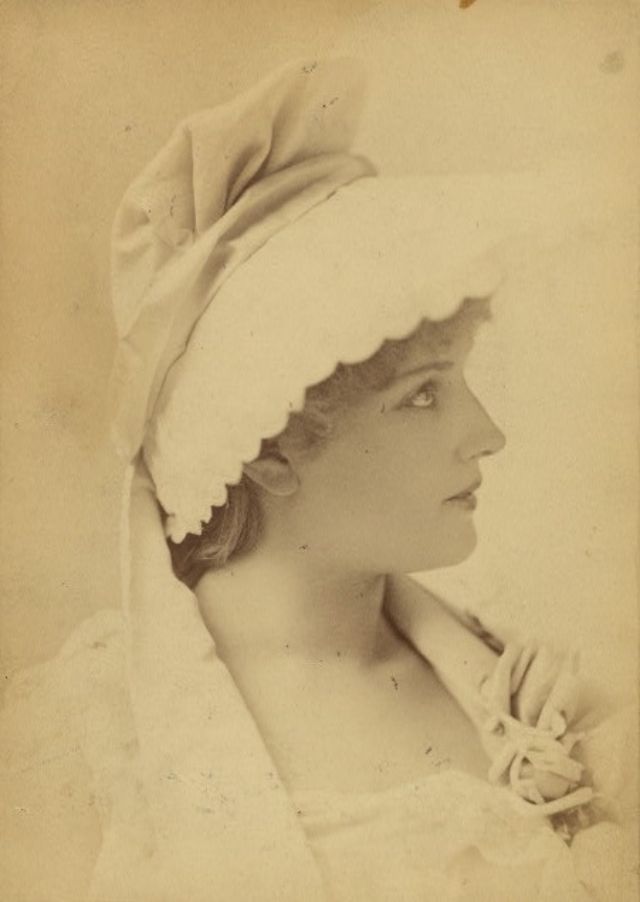
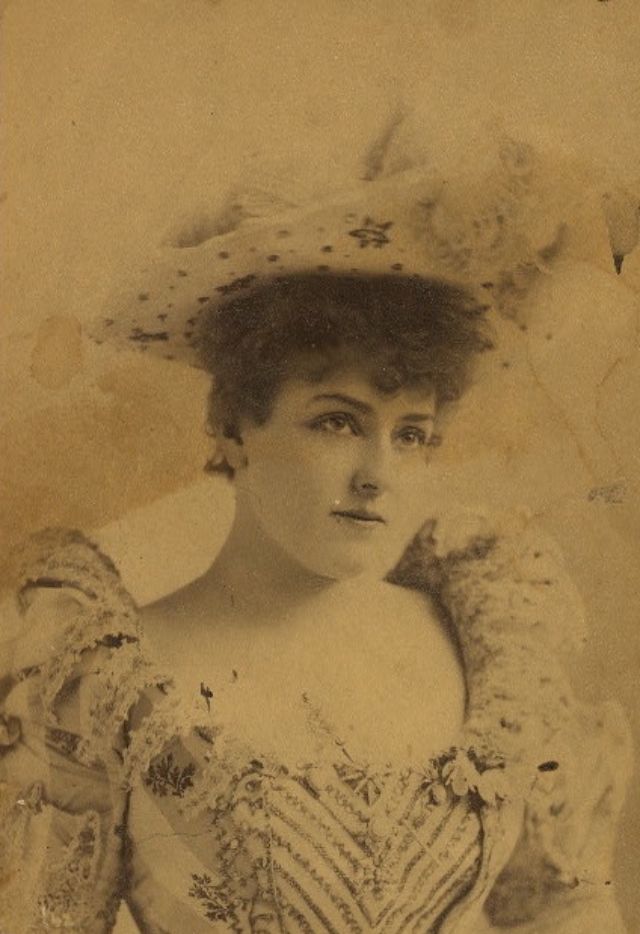
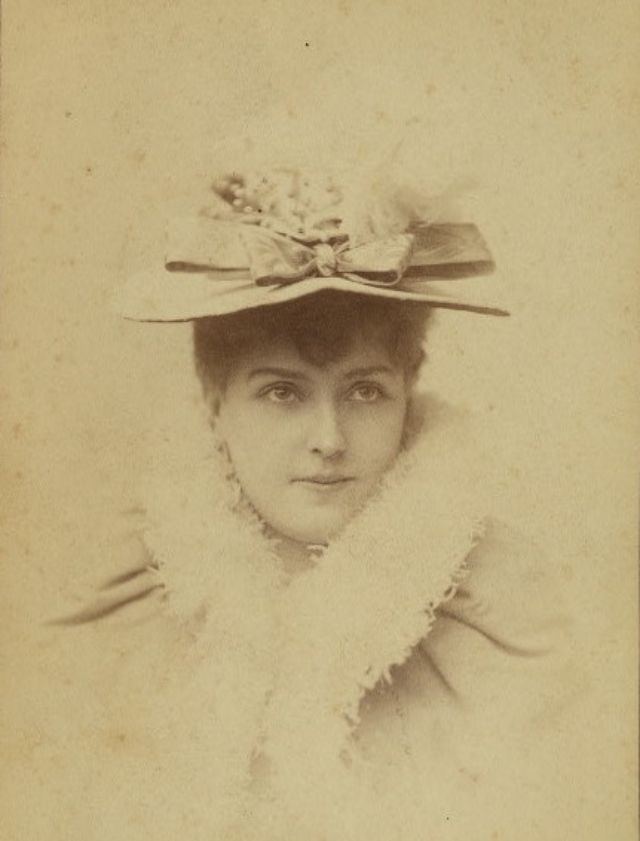
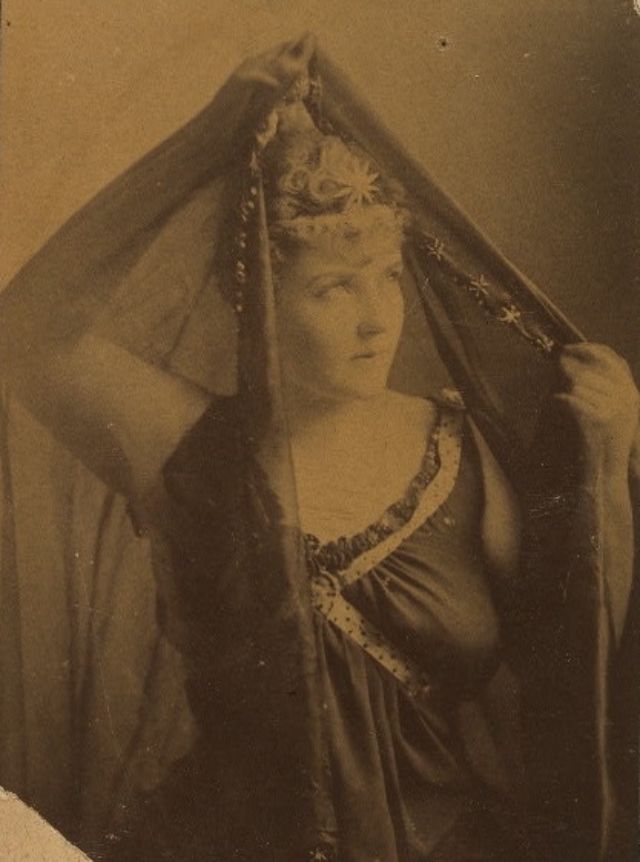
Take a look at these gorgeous photos to see the beauty of young Lili Damita in the 1920s and 1930s.
The United States of America (U.S.A. or USA), commonly known as the United States (U.S. or US) or America, is a transcontinental country primarily located in North America. It consists of 50 states, a federal district, five major unincorporated territories, 326 Indian reservations, and nine minor outlying islands. It is the third-largest country by both land and total area. The United States shares land borders with Canada to the north and with Mexico to the south as well as maritime borders with the Bahamas, Cuba, and Russia, among others. With more than 331 million people, it is the third most populous country in the world. The national capital is Washington, D.C., and the most populous city and financial center is New York City.
Paleo-Indians migrated from Siberia to the North American mainland at least 12,000 years ago, and European colonization began in the 16th century. The United States emerged from the Thirteen British Colonies established along the East Coast. Disputes with Great Britain over taxation and political representation led to the American Revolutionary War (1775–1783), which established the nation’s independence. In the late 18th century, the U.S. began expanding across North America, gradually obtaining new territories, sometimes through war, frequently displacing Native Americans, and admitting new states. This was strongly related to belief in manifest destiny, and by 1848, the United States spanned the continent from east to west. Slavery was legal in the southern United States until 1865, when the American Civil War led to its abolition. A century later, the civil rights movement led to legislation outlawing racial discrimination against African Americans. The Spanish–American War and World War I established the U.S. as a world power, and the aftermath of World War II left the United States and the Soviet Union as the world’s two superpowers. During the Cold War, both countries opposed each other in the Korean and Vietnam Wars but avoided direct military conflict. They also competed in the Space Race, which culminated in the 1969 American spaceflight that first landed humans on the Moon. The Soviet Union’s dissolution in 1991 ended the Cold War, leaving the United States as the world’s sole superpower. The September 11 attacks in 2001 resulted in the United States launching the war on terror, which included the War in Afghanistan (2001–2021) and the Iraq War (2003–2011).
The United States is a federal republic with three separate branches of government, including a bicameral legislature. It is a founding member of the United Nations, World Bank, International Monetary Fund, Organization of American States, NATO, and other international organizations. It is a permanent member of the United Nations Security Council. Considered a melting pot of cultures and ethnicities, its population has been profoundly shaped by centuries of immigration. The United States is a liberal democracy; it ranks high in international measures of economic freedom, quality of life, income and wealth, education, and human rights; and it has low levels of perceived corruption. It lacks universal health care, retains capital punishment, and has high levels of incarceration and inequality.
The United States is a highly developed country, and its economy accounts for approximately a quarter of global GDP and is the world’s largest by GDP at market exchange rates. By value, the United States is the world’s largest importer and second-largest exporter. Although it accounts for just over 4.2% of the world’s total population, the U.S. holds over 30% of the total wealth in the world, the largest share held by any country. Making up more than a third of global military spending, it is the foremost military power in the world and a leading political, cultural, and scientific force. (Wikipedia)
The 1920s (pronounced “nineteen-twenties,” often shortened to the “20s”) was a decade that began on January 1, 1920, and ended on December 31, 1929. In America, it is frequently referred to as the “Roaring Twenties” or the “Jazz Age”, while in Europe the period is sometimes referred to as the “Golden Twenties” because of the economic boom following World War I (1914-1918). French speakers refer to the period as the “Années folles” (“Crazy Years”), emphasizing the era’s social, artistic, and cultural dynamism.
The 1920s saw foreign oil companies begin operations in Venezuela, which became the world’s second-largest oil-producing nation. The devastating Wall Street Crash in October 1929 is generally viewed as a harbinger of the end of 1920s prosperity in North America and Europe. In the Soviet Union the New Economic Policy was created by the Bolsheviks in 1921, to be replaced by the first five-year plan in 1928. The 1920s saw the rise of radical political movements, with the Red Army triumphing against White movement forces in the Russian Civil War, and the emergence of far right political movements in Europe. In 1922, the fascist leader Benito Mussolini seized power in Italy. Economic problems contributed to the emergence of dictators in Eastern Europe to include Józef Pilsudski in Poland, and Peter and Alexander Karadordevic in Yugoslavia. First-wave feminism saw progress, with women gaining the right to vote in the United States (1920), Ireland (1921) and with suffrage being expanded in Britain to all women over 21 years old (1928).
In Turkey, nationalist forces defeated Greece, France, Armenia and Britain in the Turkish War of Independence, leading to the Treaty of Lausanne (July 1923), a treaty more favorable to Turkey than the earlier proposed Treaty of Sèvres. The war also led to the abolition of the Ottoman Caliphate. Nationalist revolts also occurred in Ireland (1919–1921) and Syria (1925–1927). Under Mussolini, Italy pursued a more aggressive foreign policy, leading to the Second Italo-Senussi War in Libya. In 1927, China erupted into a civil war between the Kuomintang (KMT)-led government of the Republic of China (ROC) and forces of the Chinese Communist Party (CCP). Civil wars also occurred in Paraguay (1922–1923), Ireland (1922–1923), Honduras (1924), Nicaragua (1926–1927), and Afghanistan (1928–1929). Saudi forces conquered Jabal Shammar and subsequently, Hejaz.
A severe famine occurred in Russia in 1921–1922 due to the combined effects of economic disturbance because of the Russian Revolution and the Russian Civil War, exacerbated by rail systems that could not distribute food efficiently, leading to 5 million deaths. Another severe famine occurred in China in 1928–1930, leading to 6 million deaths. The Spanish flu (1918–1920) and the 1918–1922 Russia typhus epidemic, which had begun in the previous decade, caused 25–50 million and 2–3 million deaths respectively. Major natural disasters of this decade include the 1920 Haiyuan earthquake (258,707~273,407 deaths), the 1922 Swatow typhoon (50,000–100,000 deaths), the 1923 Great Kanto earthquake (105,385–142,800 deaths), and the 1927 Gulang earthquake (40,912 deaths).
Silent films were popular in this decade, with the 1925 American silent epic adventure-drama film Ben-Hur: A Tale of the Christ being the highest-grossing film of this decade, grossing $9,386,000 worldwide. Other high-grossing films of this decade include The Big Parade and The Singing Fool. Sinclair Lewis was a popular author in the 1920s, with 2 of his books, Main Street and Elmer Gantry, becoming best-selling books in the United States in 1921 and 1927 respectively. Other best-selling books of this decade include All Quiet on the Western Front and The Private Life of Helen of Troy. Songs of this decade include “Are You Lonesome Tonight?” and “Stardust”. (Wikipedia)
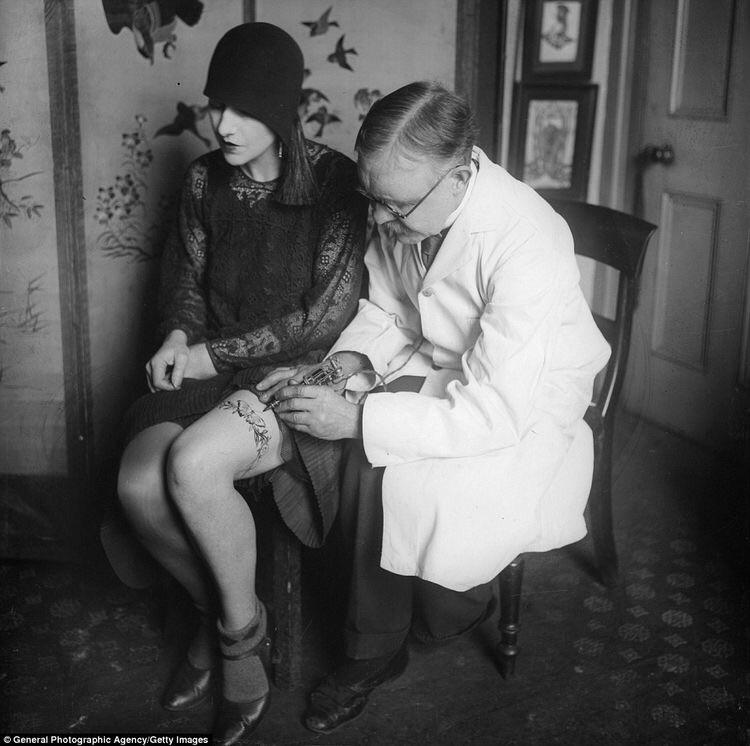
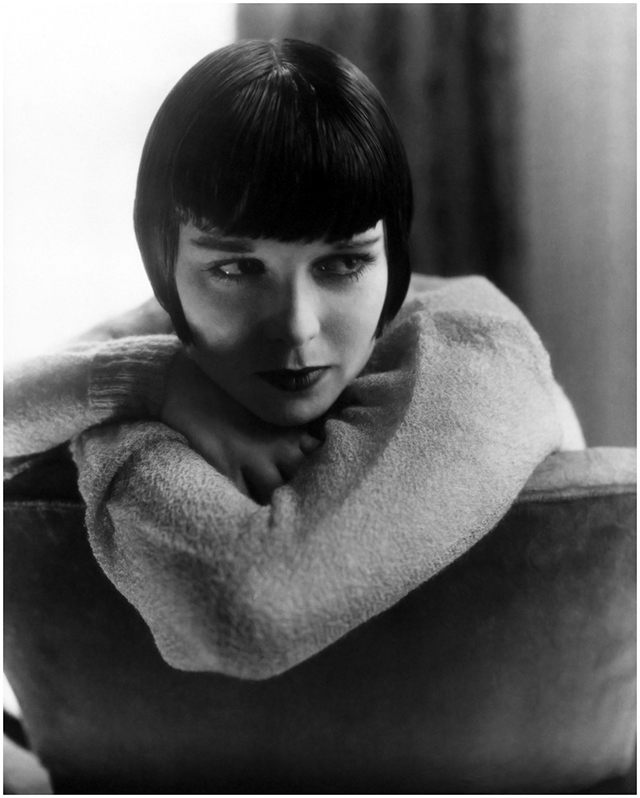
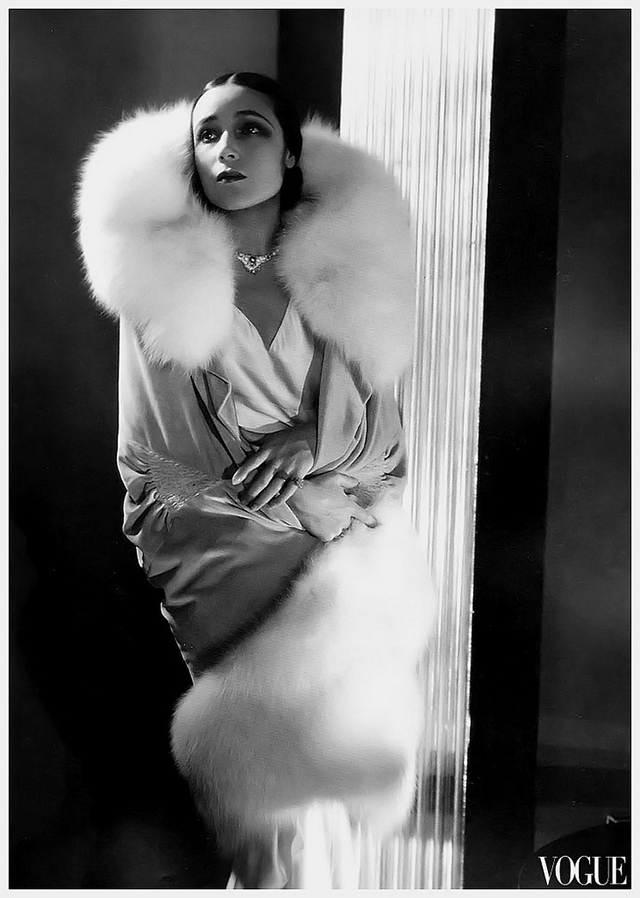
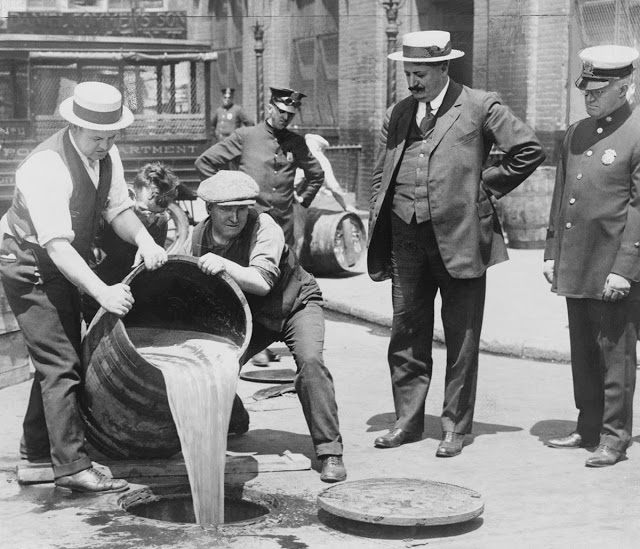
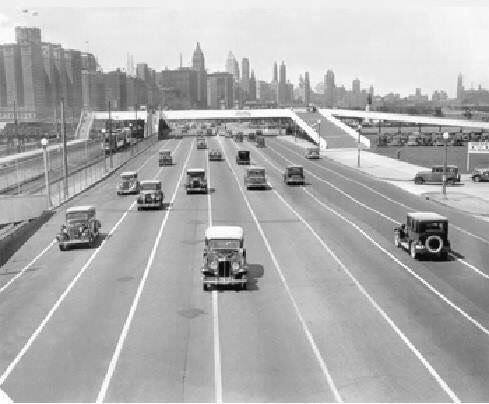
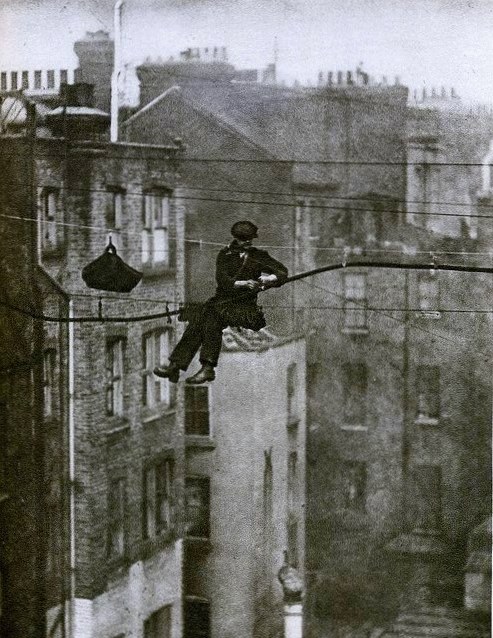
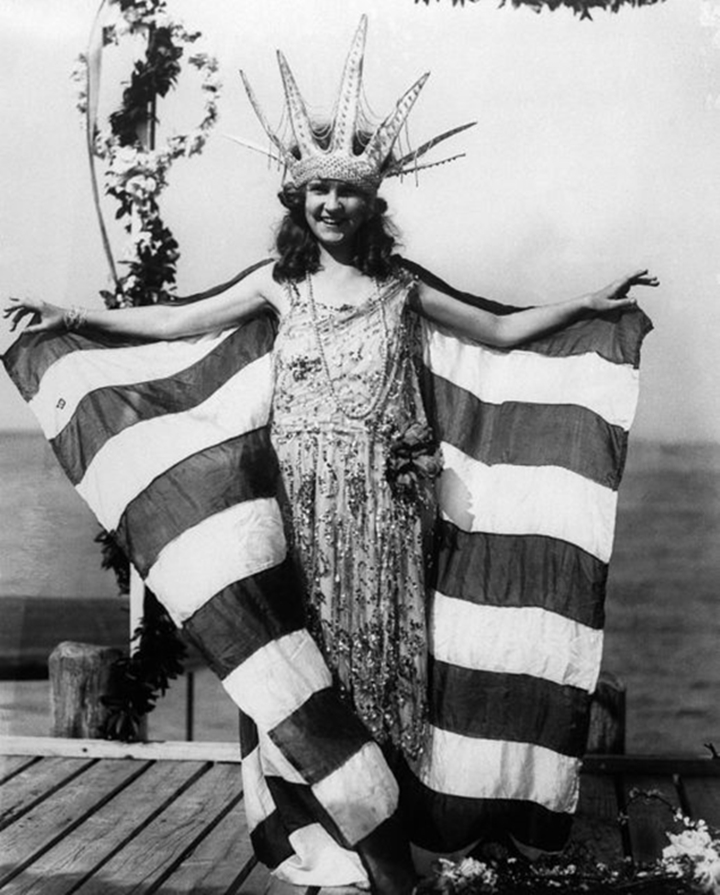
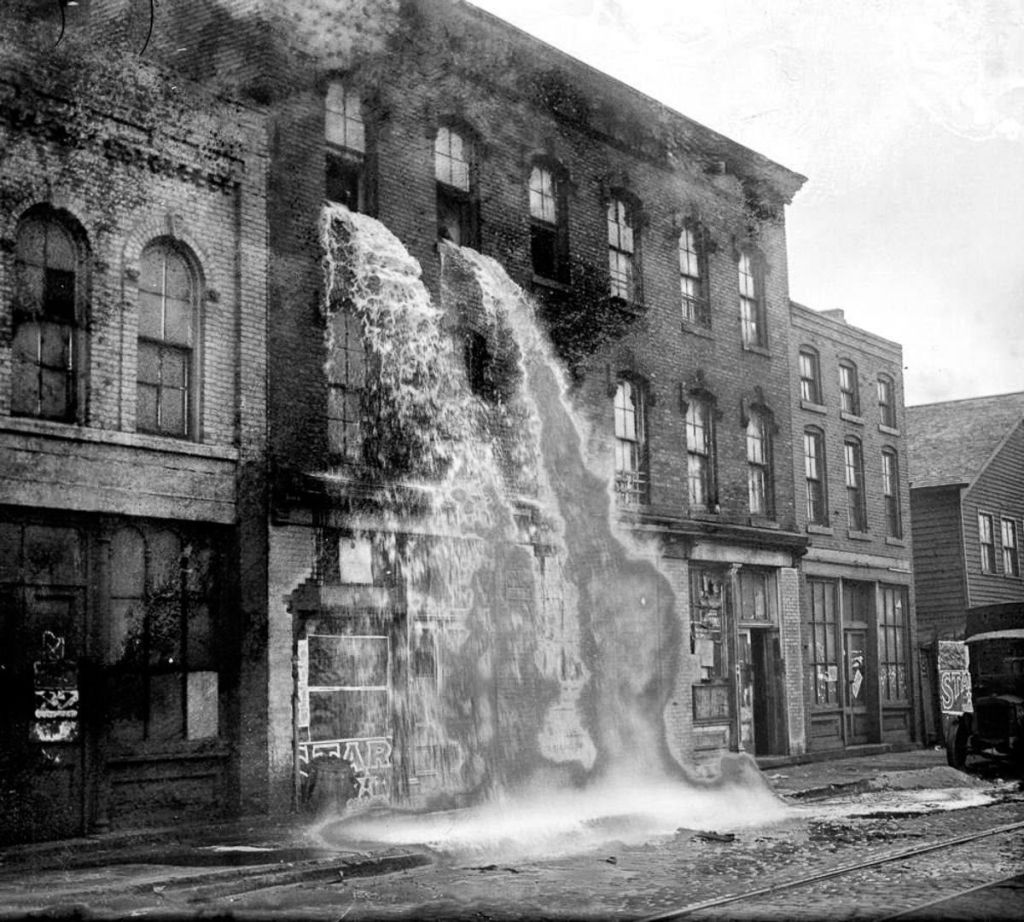
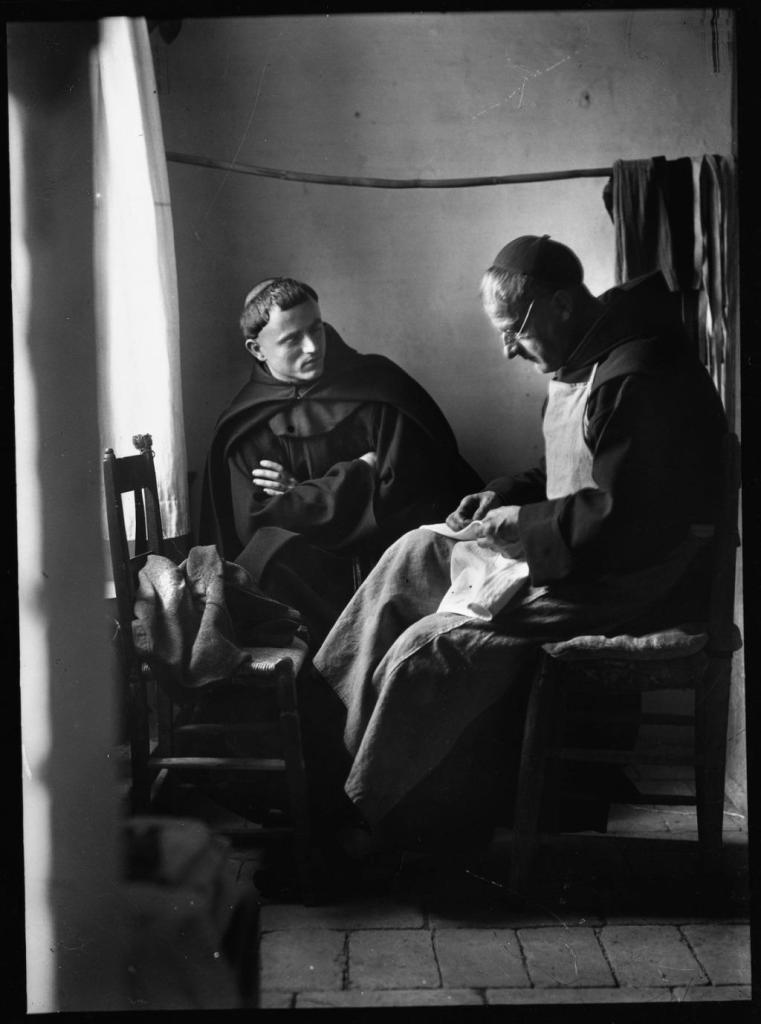
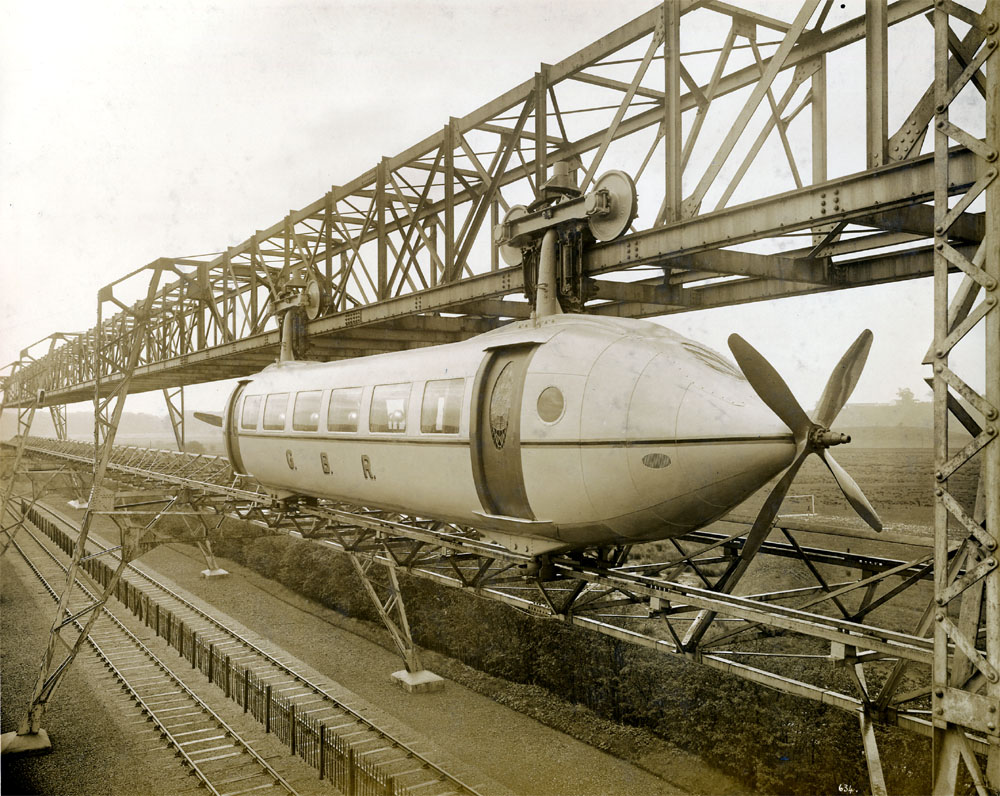
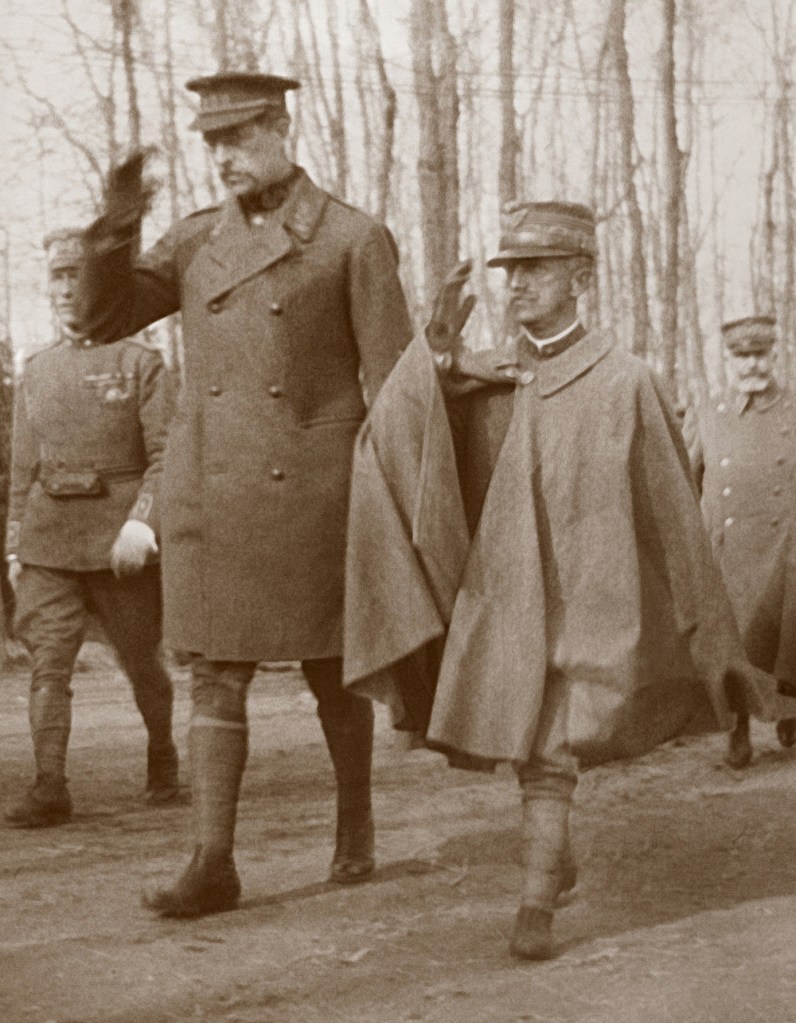
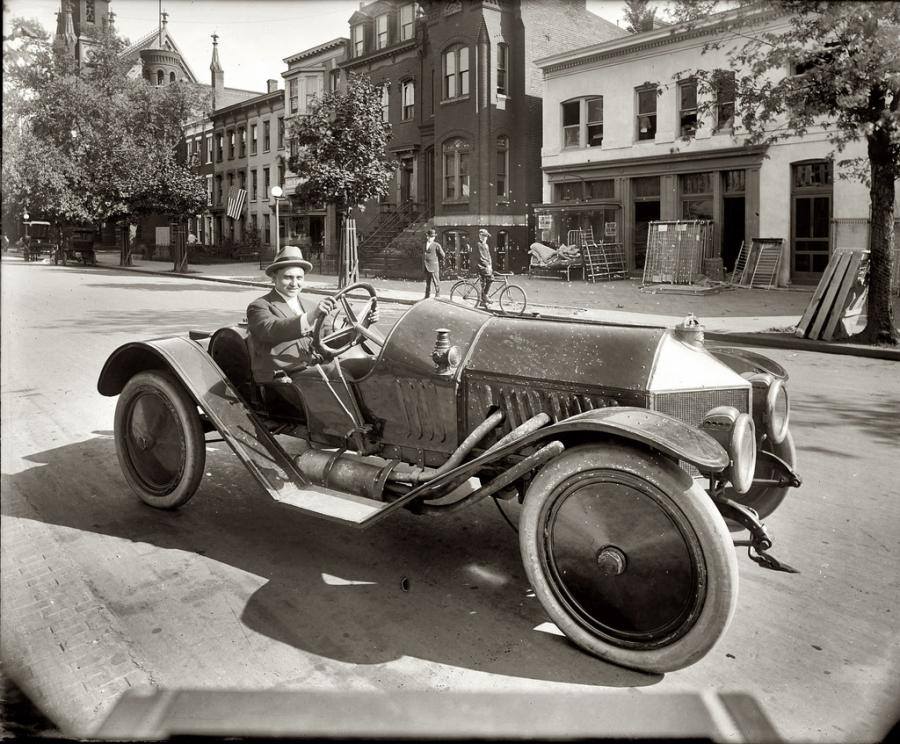
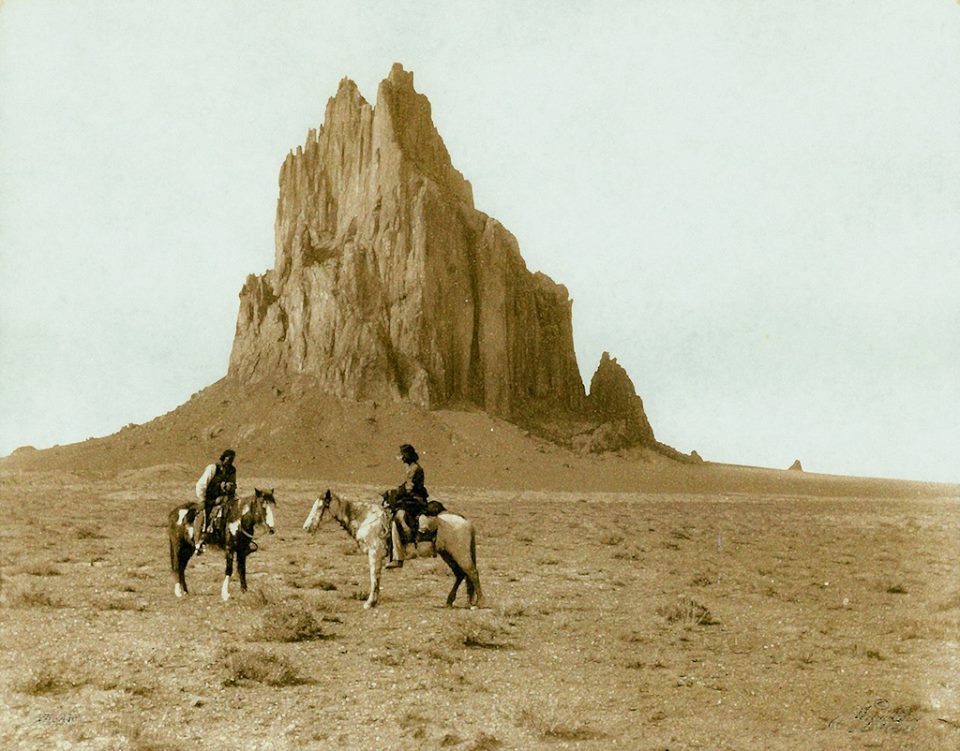
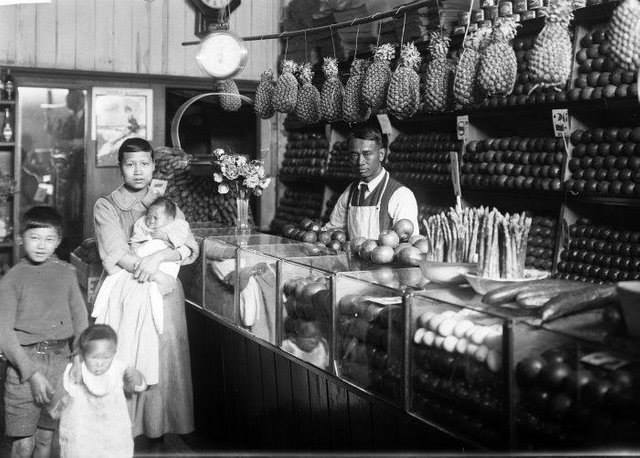
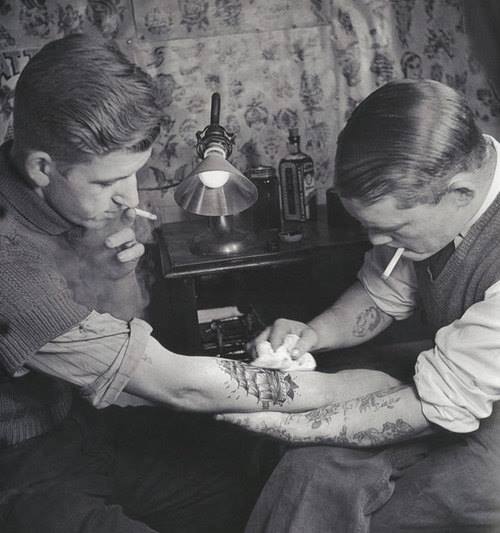
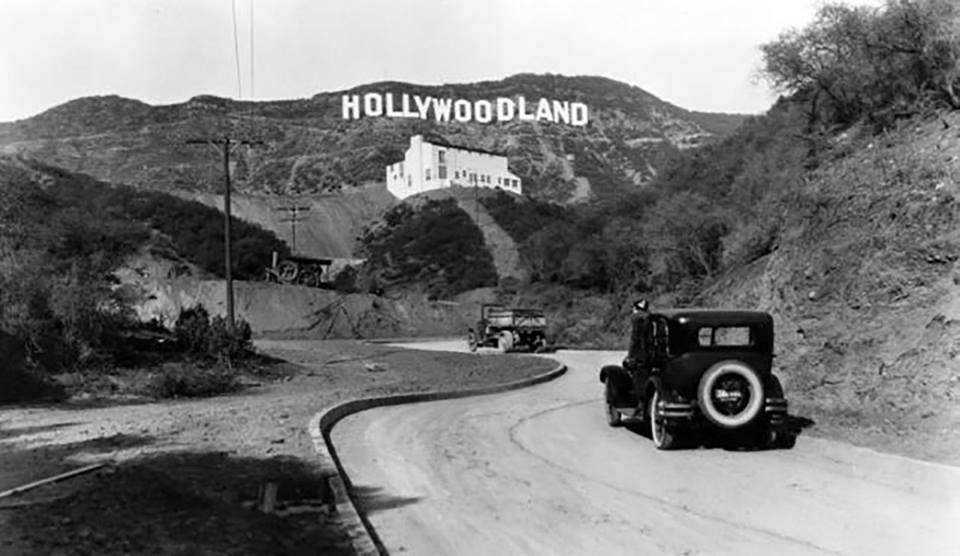
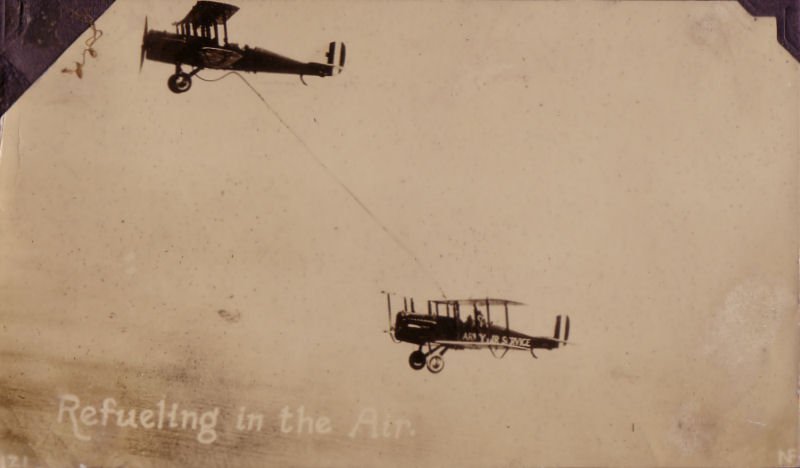
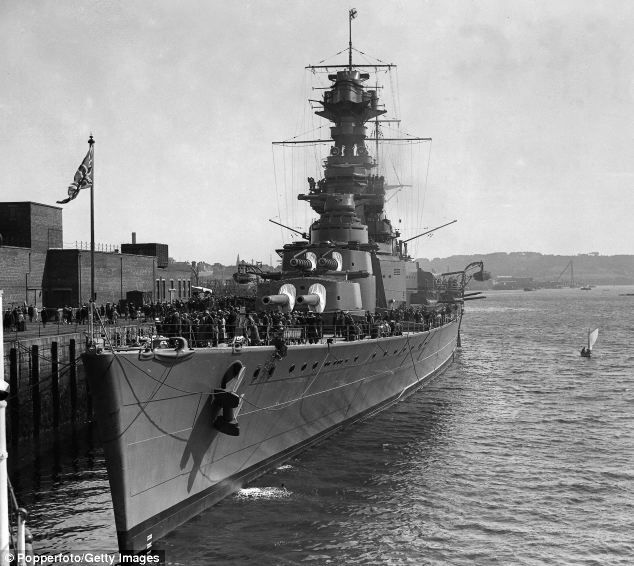
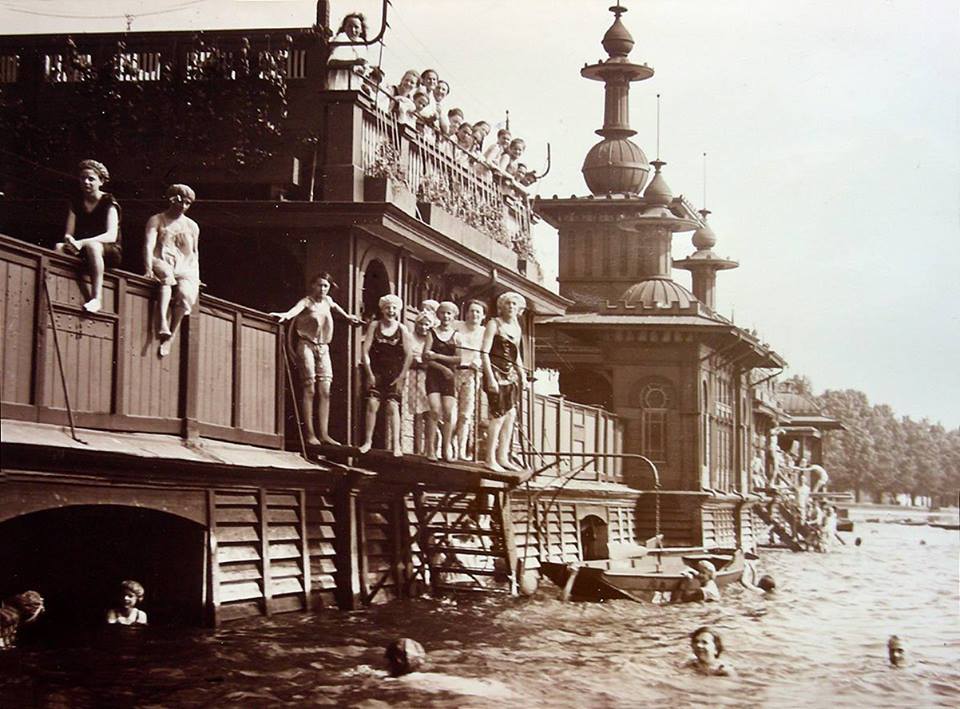
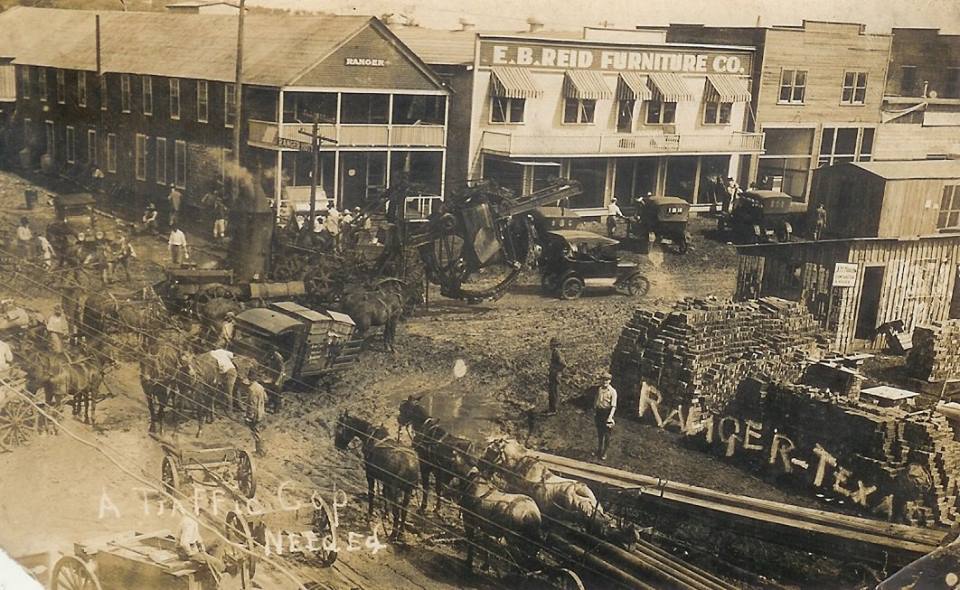
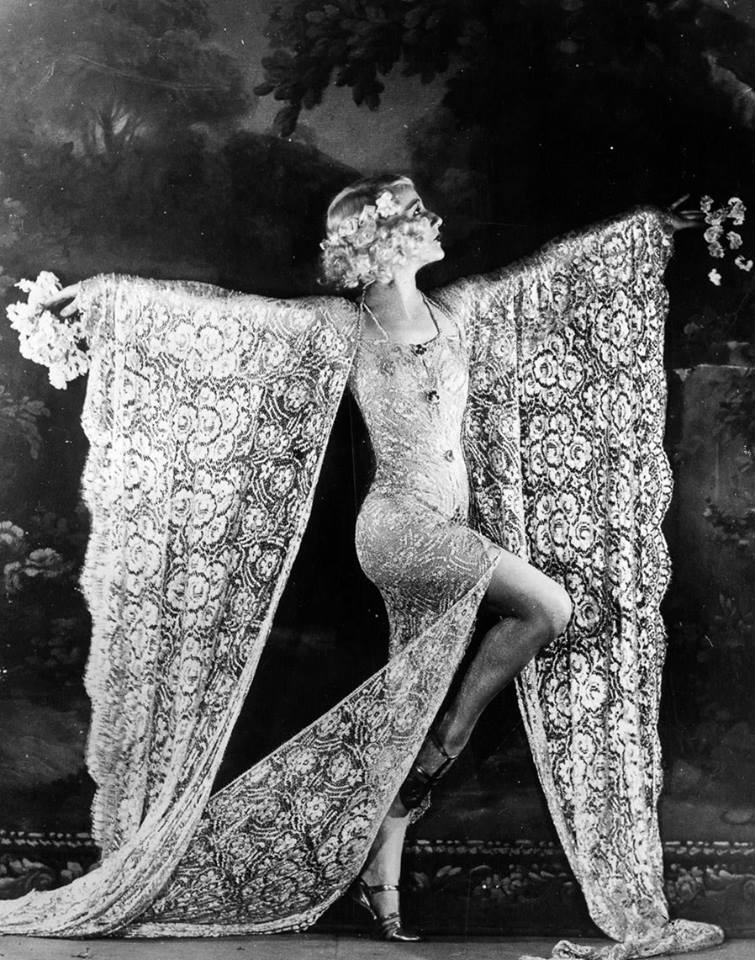
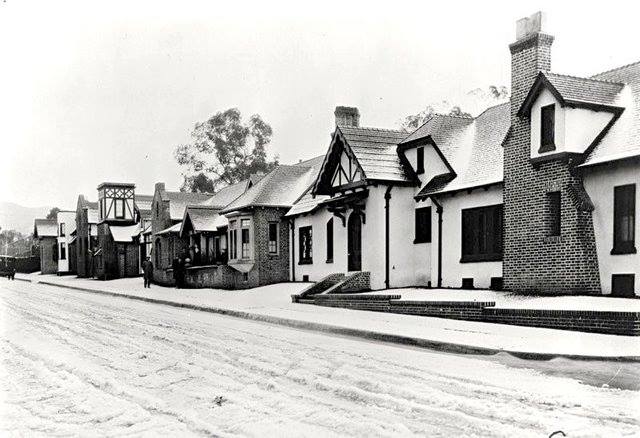
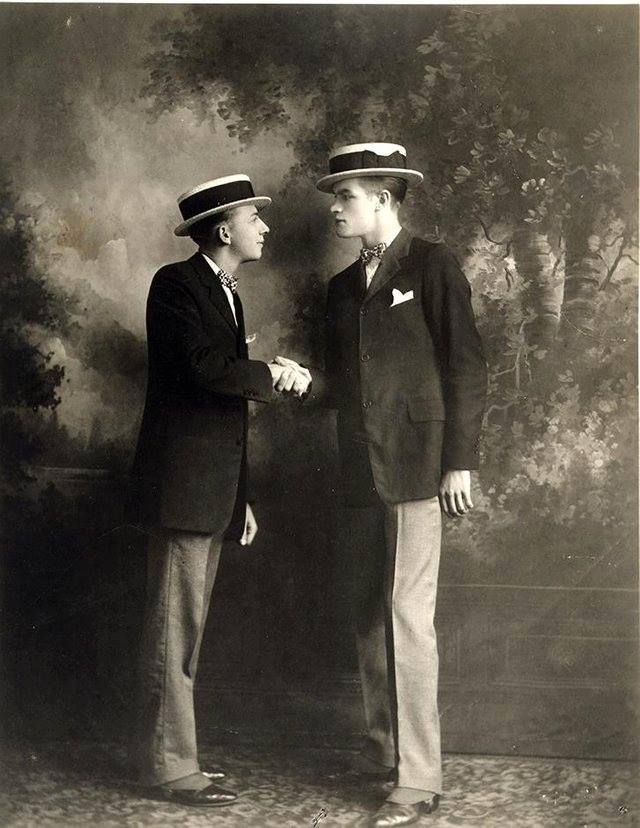
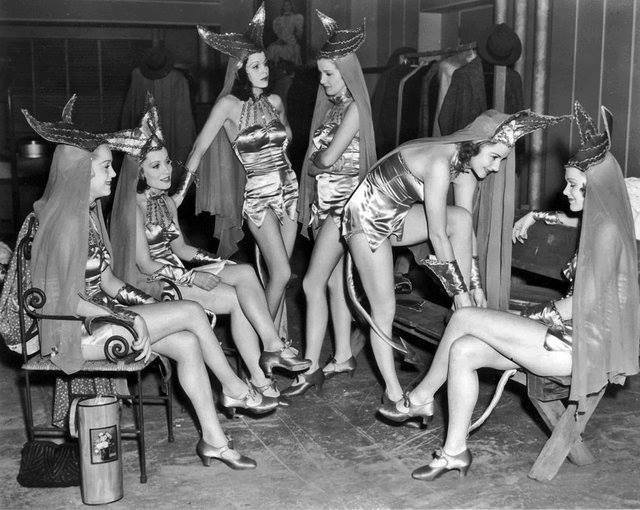
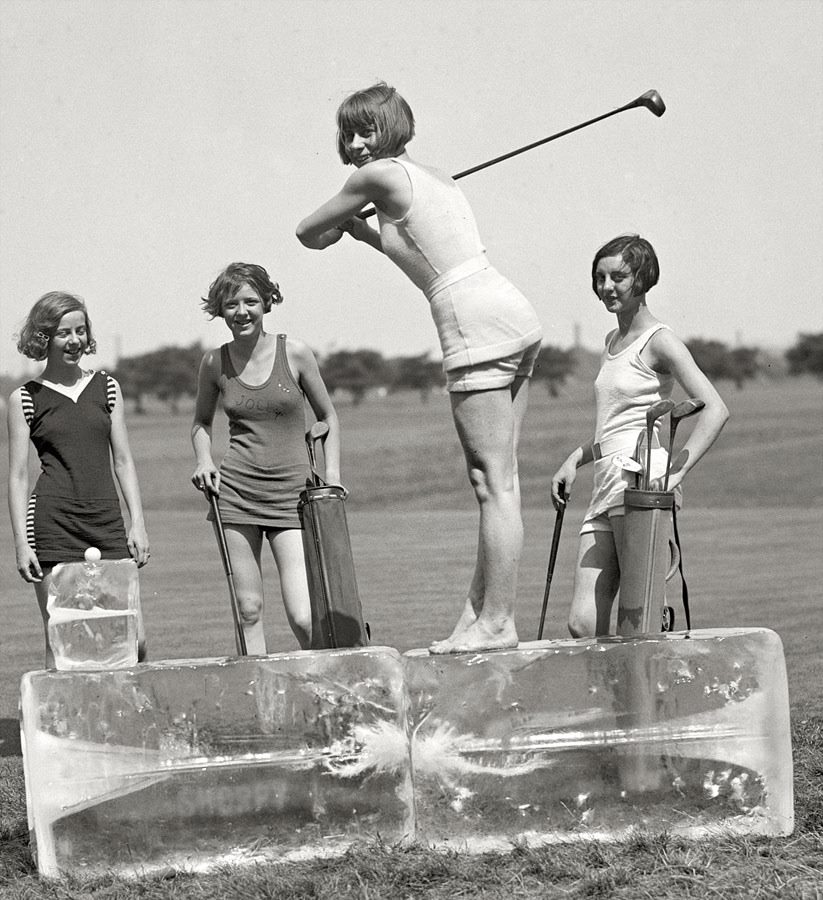
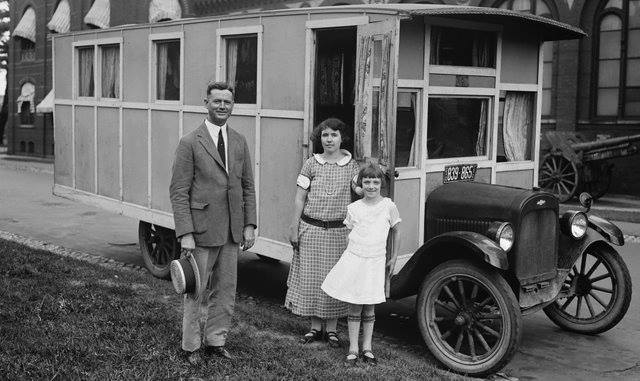
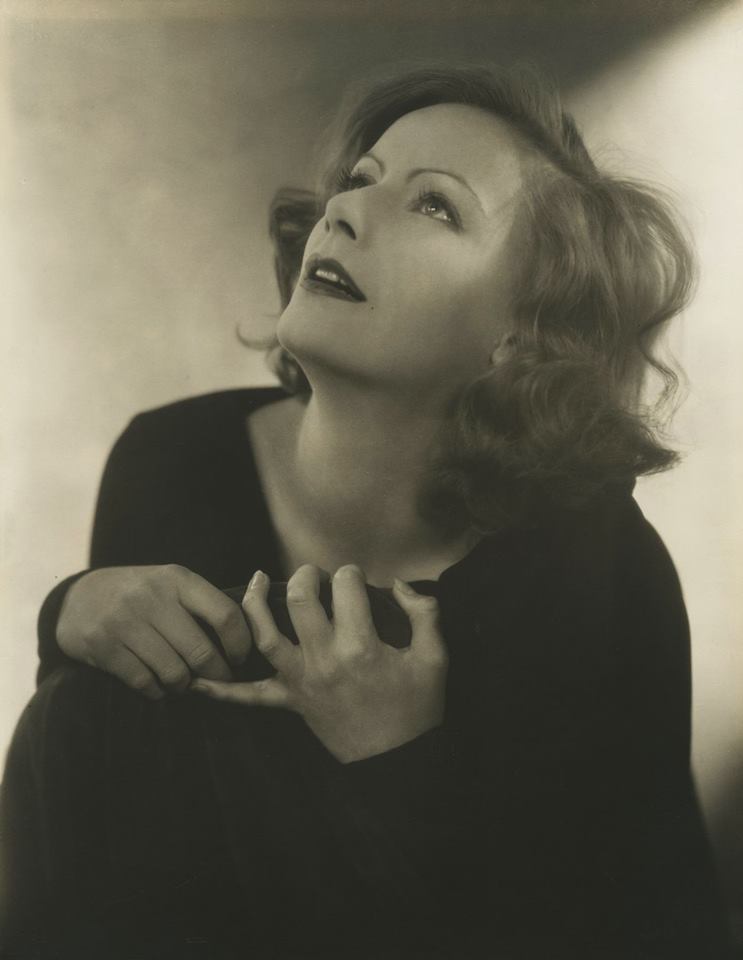
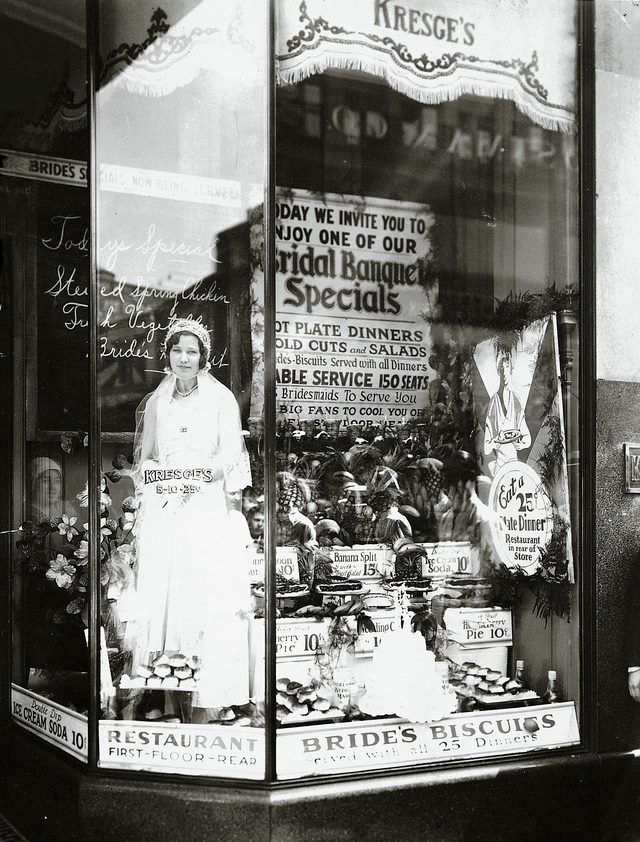
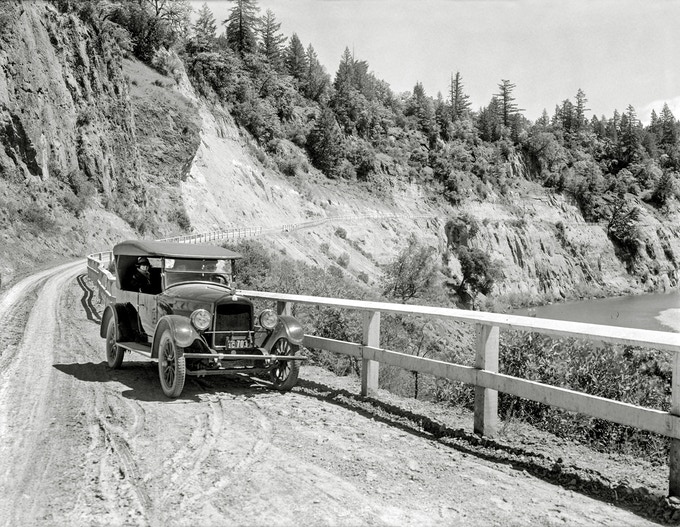
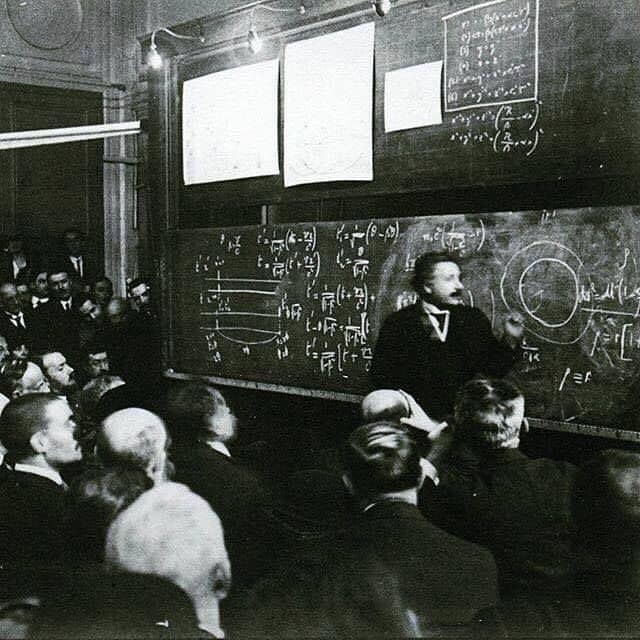
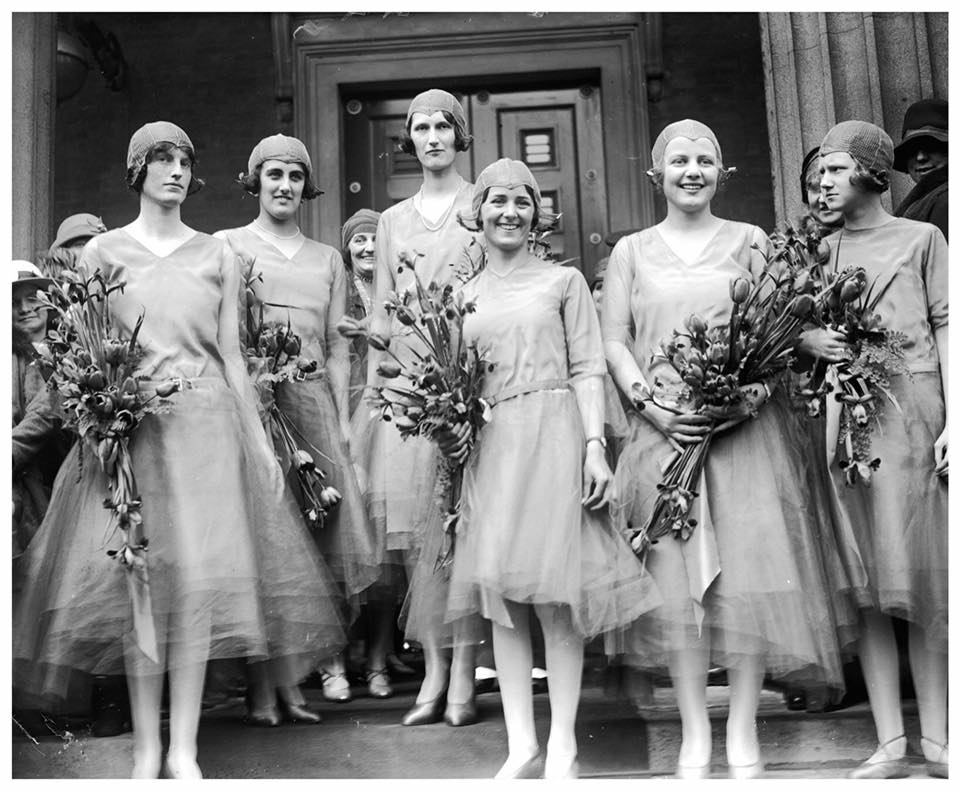
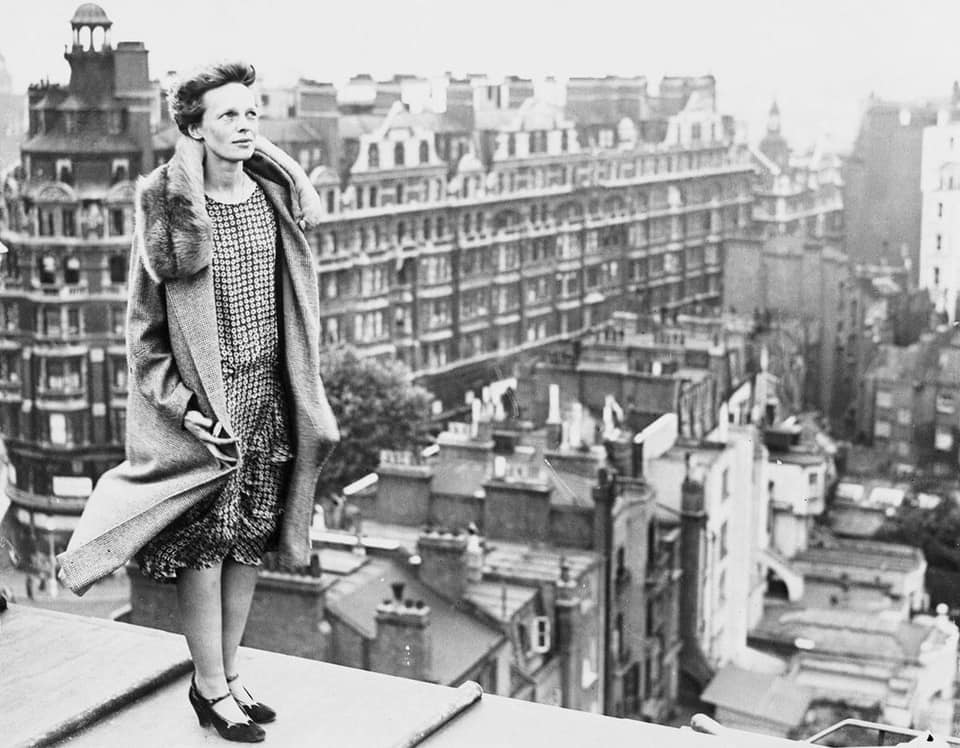
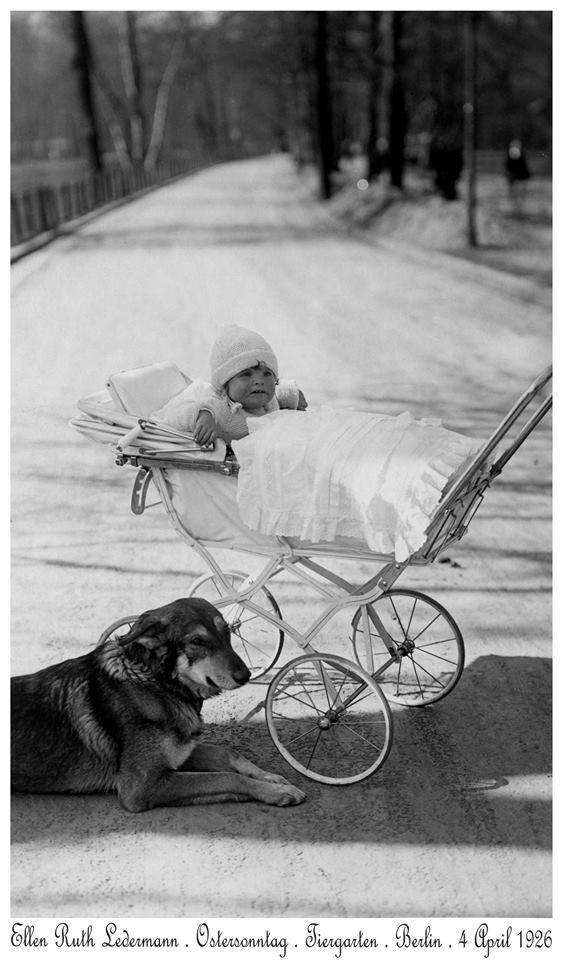
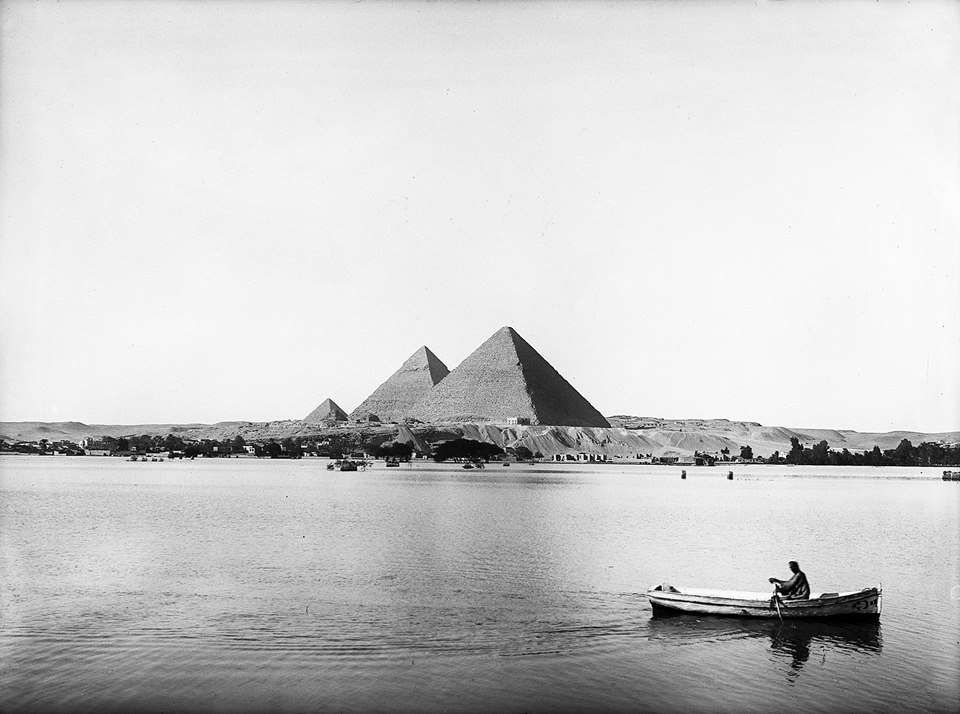
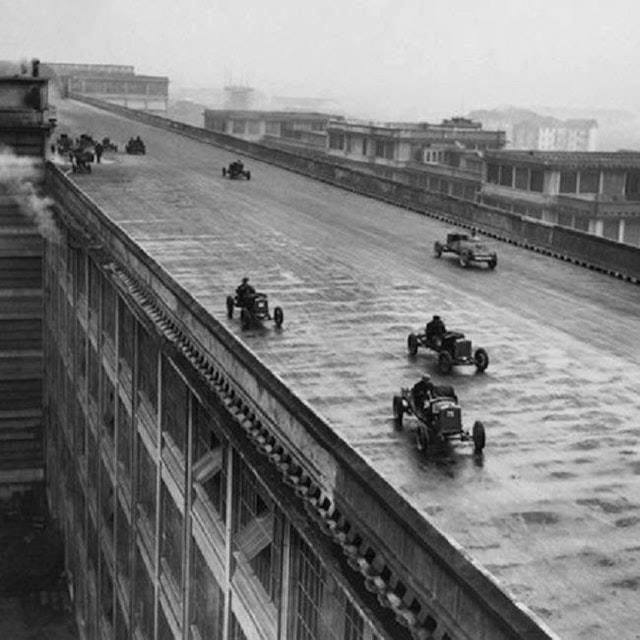
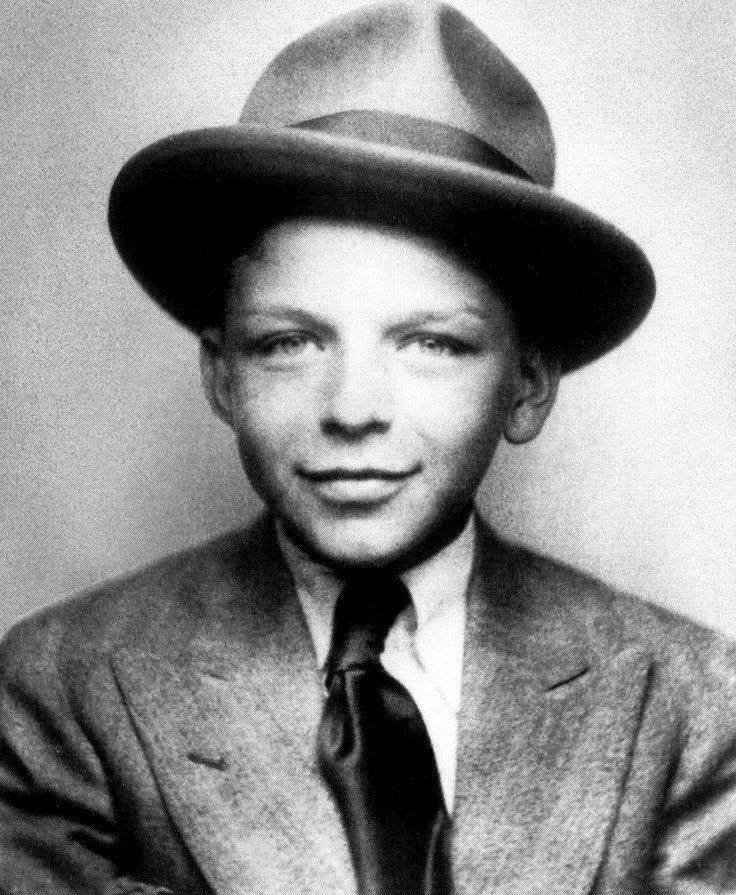
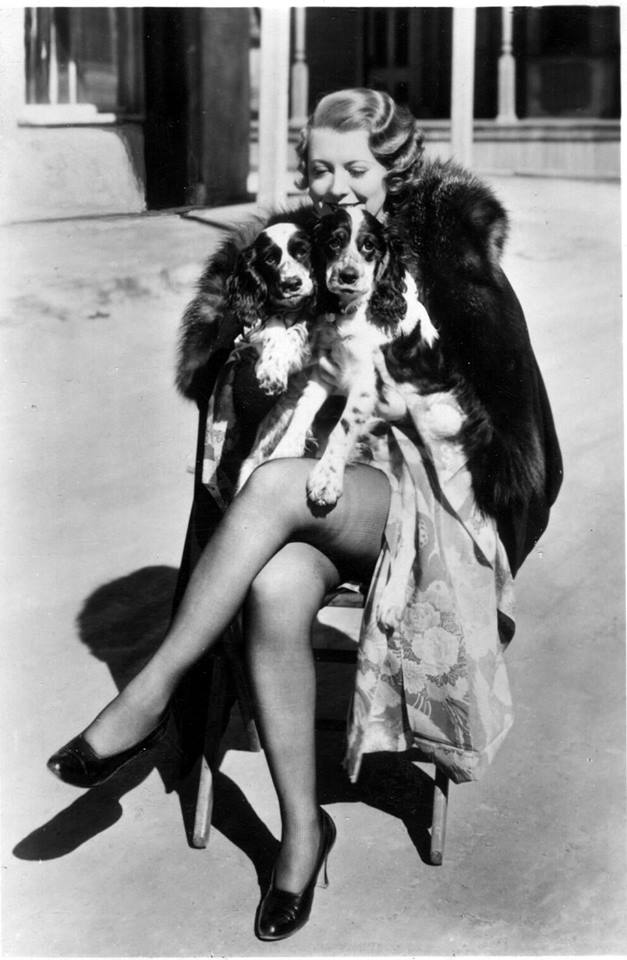
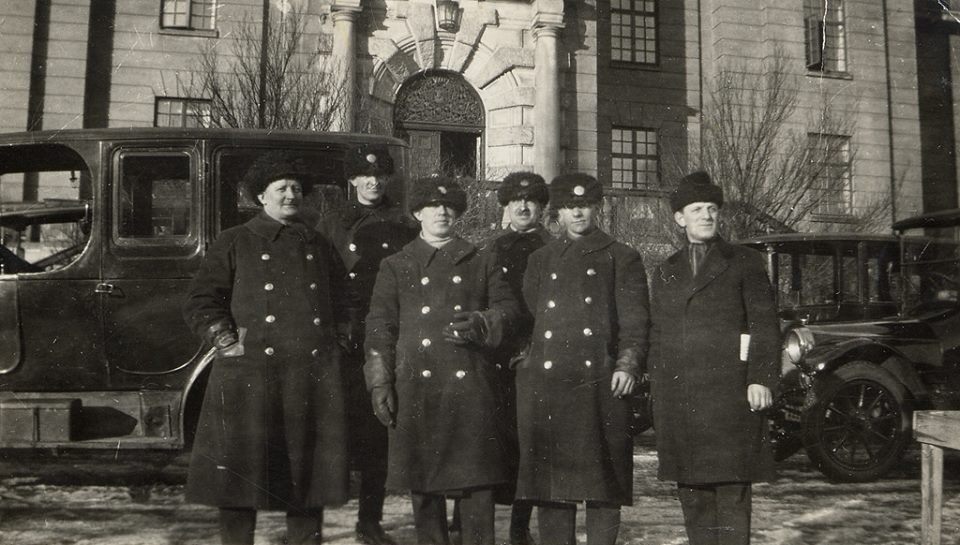
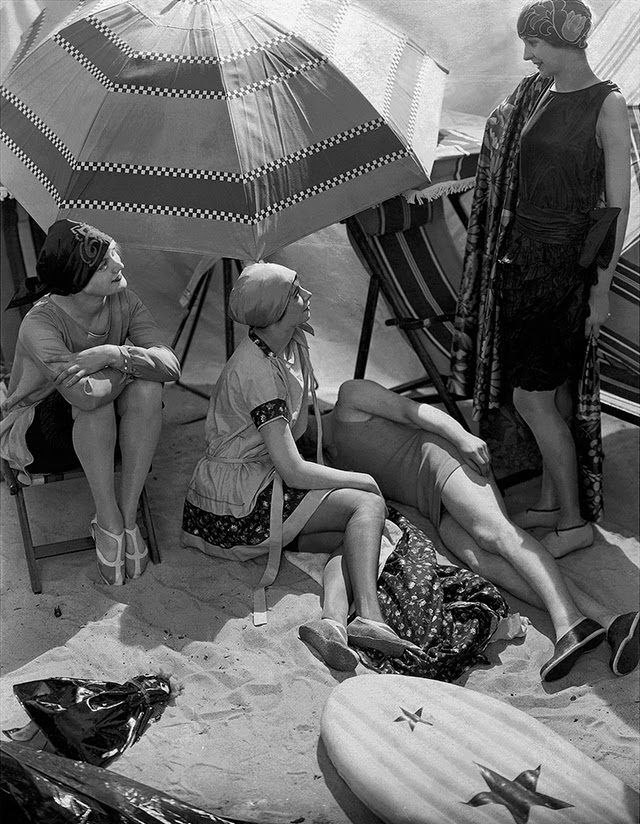
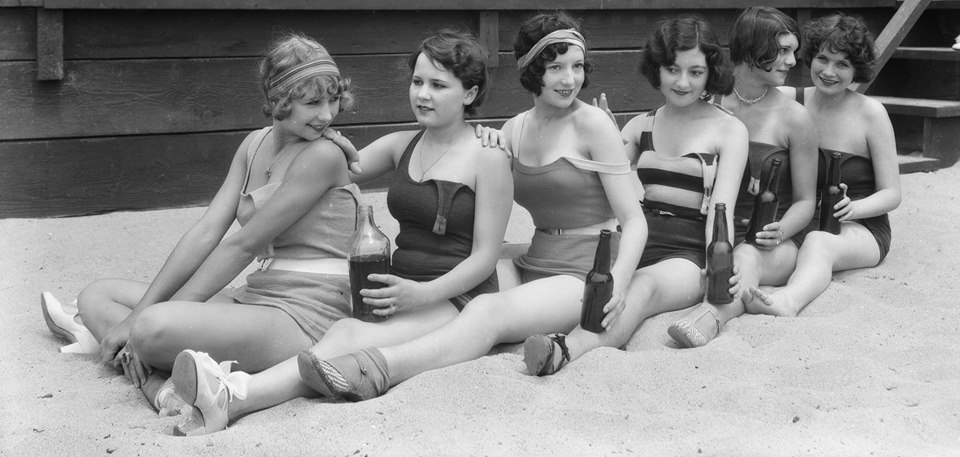
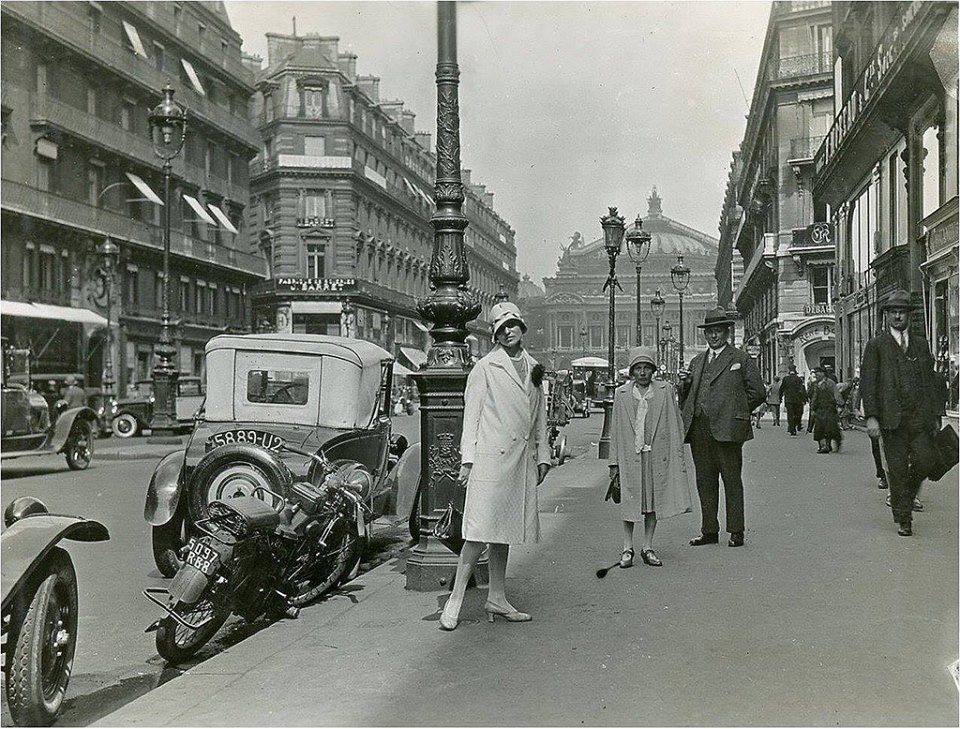
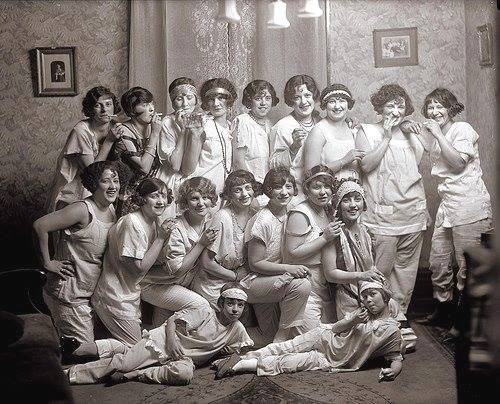
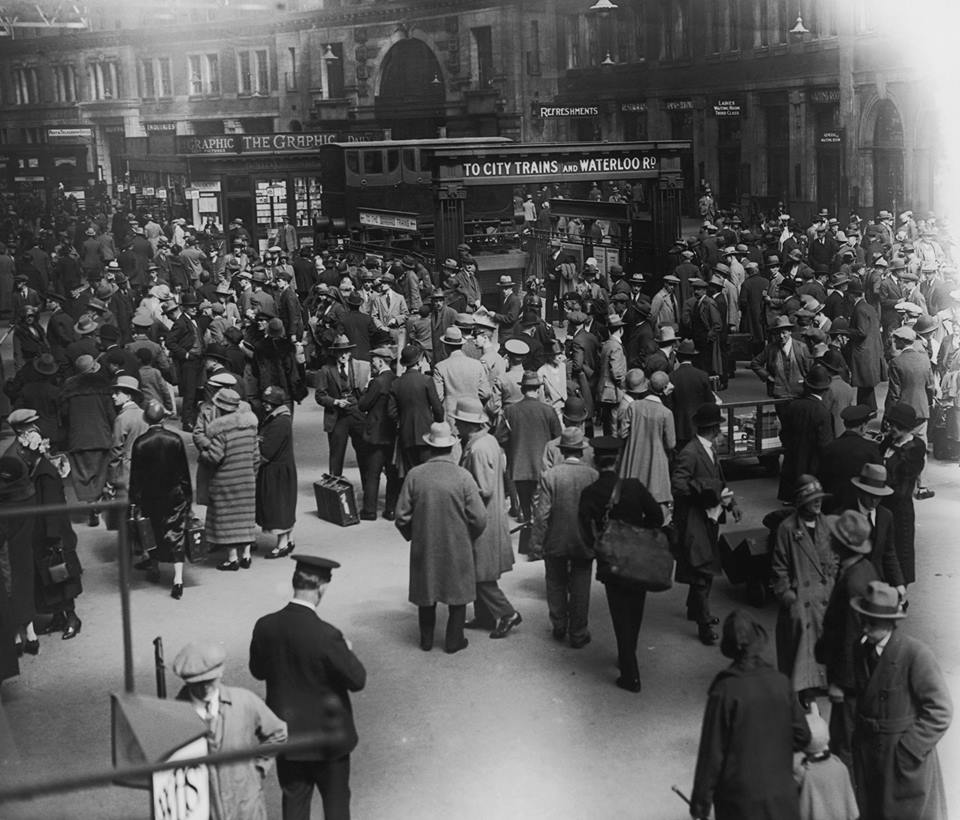
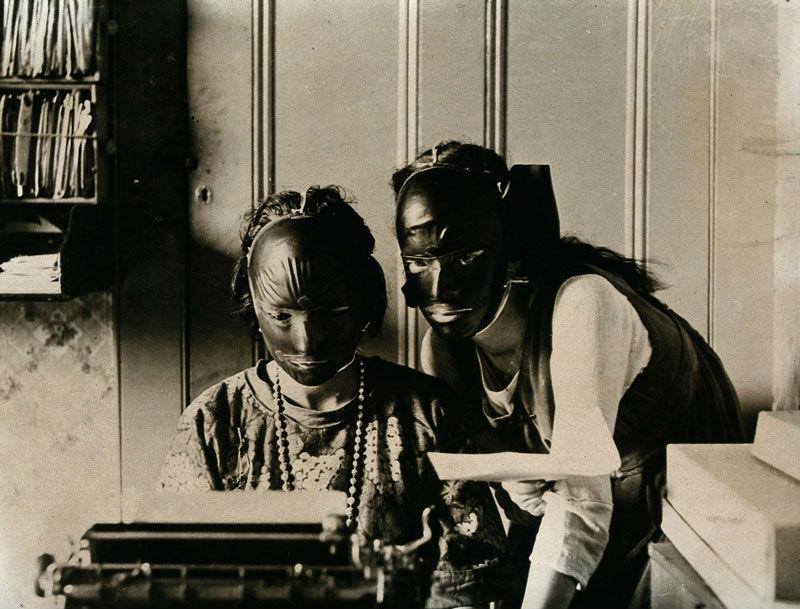
Louise Brooks, 1928Dolores Del Rio, 1929Police in New York City pour liquor from a barrel down a sewer during a 1921 raid.Washington Tidal Basin Beauty Contest winner Eva Fridell and runner-up Anna Niebel in 1922.Zip lining, 1920s-style.Chicago traffic in the 1920sAn appreciative audience for a young banjo player, 1920.Working on a telephone line in the 1920s.Margaret Gorman, the first Miss America, 1921Alcohol being dumped, after being discovered by Prohibition agents during a raid on an illegal distiller (Detroit, Dec 10, 1929).Monks in Assisi, Italy, 19231929: The ‘George Bennie Railplane System of Transport’ experimental railway in ScotlandKing Albert I of the Belgians (left) and King Victor Emmanuel II of Italy, sometime before 1930King of the Road, 1920.Navajo men on horseback, Shiprock, New Mexico, about 1920.A greengrocer’s shop in New Zealand, 1920s.Tattoo parlor in the 1920sThe brand new Hollywood sign shortly after it was built in 1923.First air-to-air refueling – June 27, 1923Visitors on board the British Admiral-class battlescruiser HMS Hood at the Devonport Dockyard, Plymouth, during Navy Week, 21st – 25th August 1928Zurich, Switzerland, 1920s.Ranger, Texas. Petroleum boomtown in the 1920s.Cabaret dancer Edmonde Guydens at the Moulin Rouge, 1926.A blanket of snow outside of the Charlie Chaplin Studios in Hollywood, 1921.Vaudeville team of Lloyd Durbin and Lester Hope in 1925. Lester later became known as Bob Hope.Chorus line dancers getting ready backstage in the 1920s.These ladies staying cool on a golf course, 1926.Will A. Harris and his family with their “auto house” 1924.Taking a ride on a penny-farthing in 1922.Greta Garbo, Vanity Fair, 1928.Live model in Kresge’s 5-10-25¢ store on Market Street in downtown Philadelphia, late 1920s.A Jewett touring car in the San Francisco area ( 1923 )Albert Einstein lecturing on the Theory of Relativity, 1922Bridesmaids after the ceremony, at the marriage of Piers Debenham and Angel Paget at St Peter’s church, Eaton Square, London. 1928Amelia Earhart – London, 1928Berlin, 1926.Fred Astaire, 1927.The Nile River and Giza Pyramids, Egypt, 1927Racing cars on the roof of the Fiat Factory in Turin, Italy 1923.10 year-old Frank Sinatra, 1925.Ruth Chatterton with her pet dogs, circa 1920s.Taxi drivers in Stockholm, 1920s.Beachwear, 1925.Drinking chorus girls, 1929.Avenue de l’Opéra, Paris, 1925.Having fun at a slumber party, 1924.Waterloo Station in London, 30th May 1925.Frankfurts Inspector – 1927Rubber beauty masks for a clearer complexion – 1921A flapper getting a garter tattoo in the 1920s.
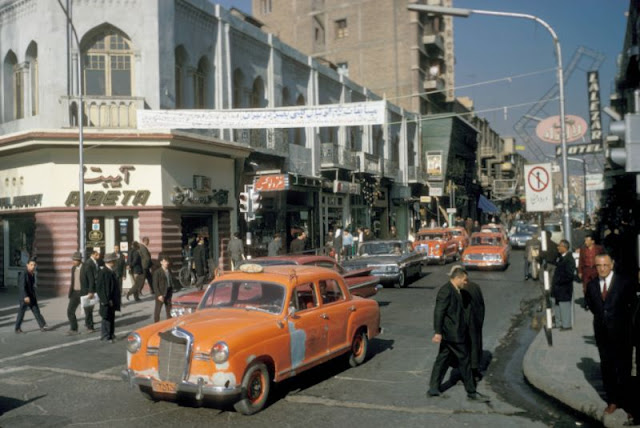
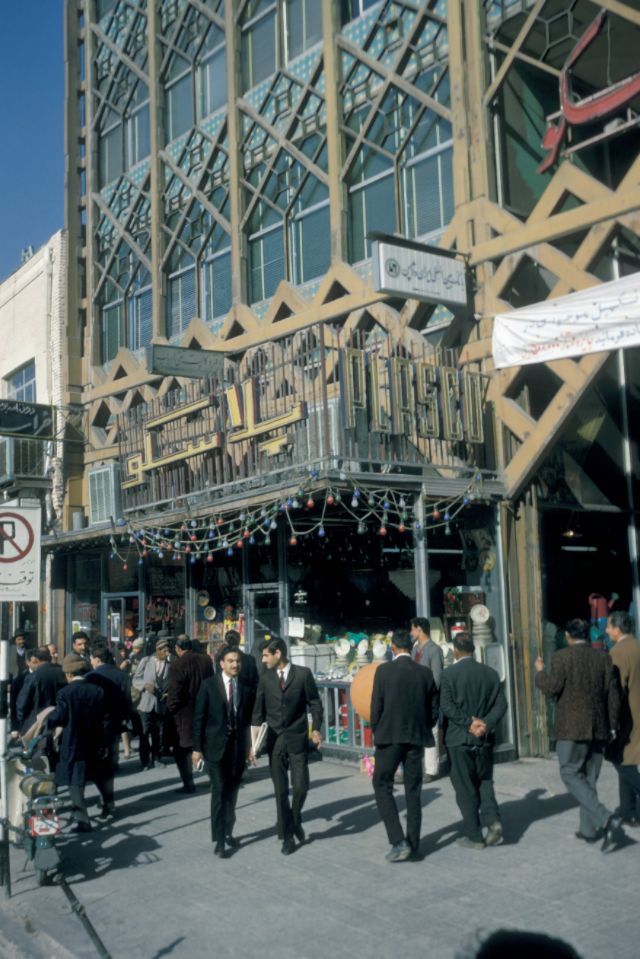
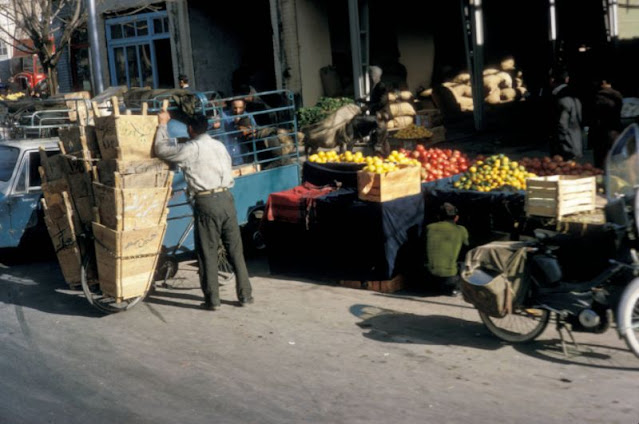
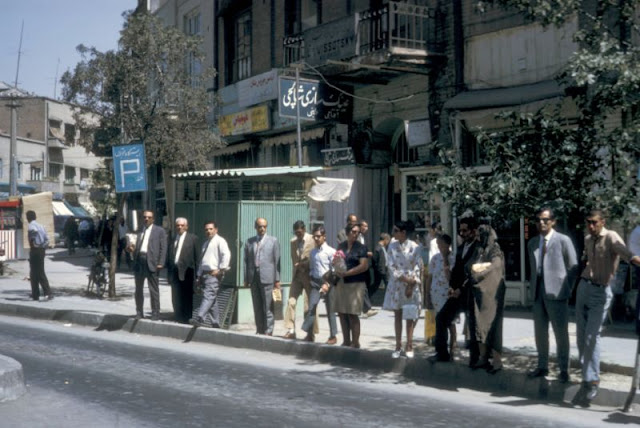
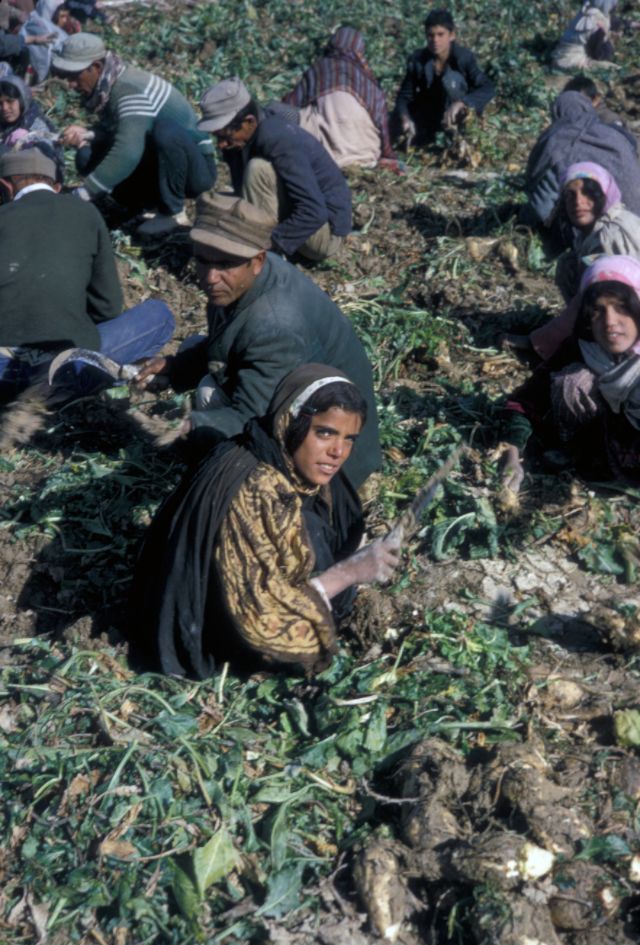
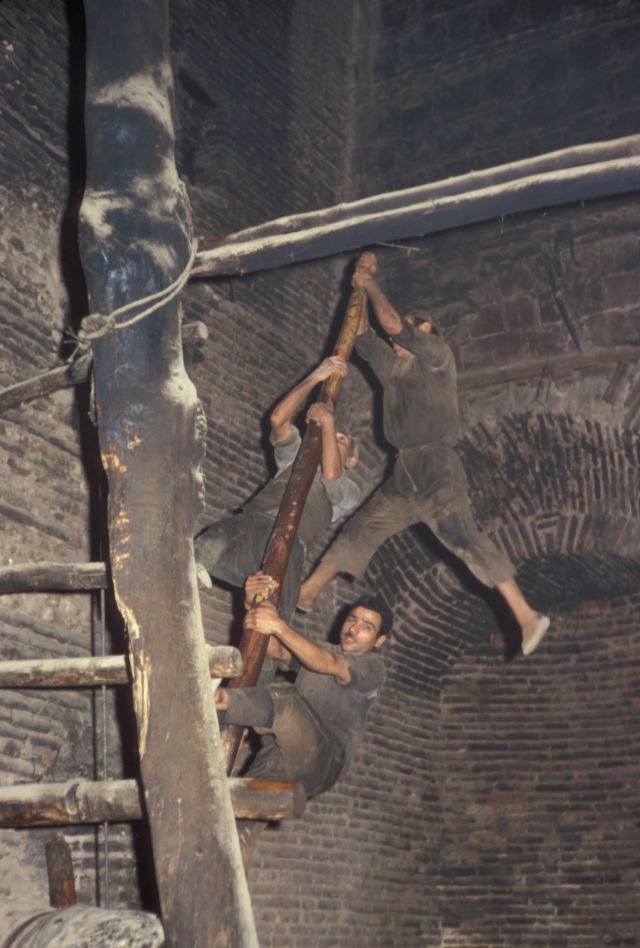
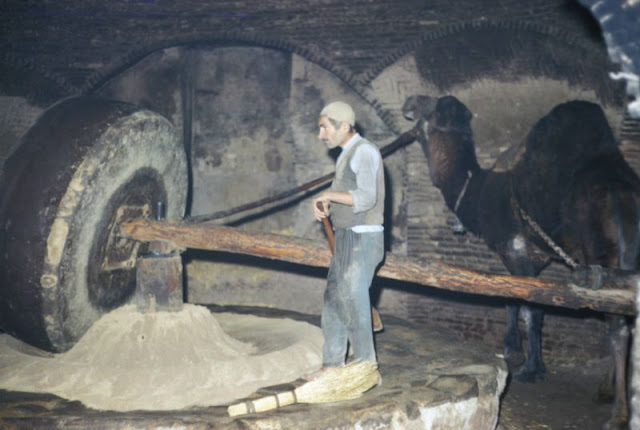
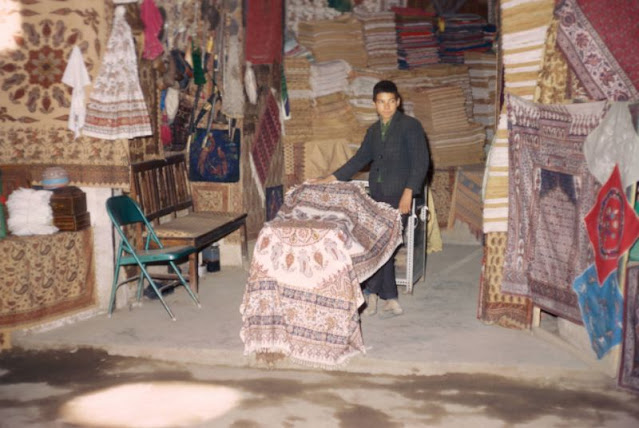
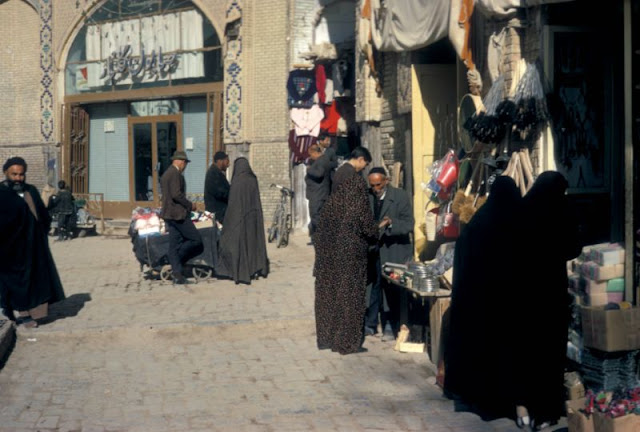
These photographs were taken in 1967 by Harrison Forman, an American photojournalist who has connections in the U.S. government department when he was in the country. These images of Tehran paint an incredibly different portrait of Iranian life.
“Until the revolution, Iran was among the most cultured, cosmopolitan countries in the region.” Notes the New York Times. “It had a progressive movement in art and literature and a sophisticated film and television industry.” For a period before the revolution in 1978, the old and the new seemed to be able to coexist in harmony.
Tehran is a city in Tehran Province and the capital (most important city) of Iran. With a population of around 8.7 million in the city and 15 million in the larger metropolitan area of Greater Tehran, Tehran is the most populous city in Iran and Western Asia, and has the second-largest metropolitan area in the Middle East, after Cairo. It is ranked 24th in the world by metropolitan area population.
In the Classical era, part of the territory of present-day Tehran was occupied by Rhages, a prominent Median city destroyed in the medieval Arab, Turkic, and Mongol invasions. Modern Ray is urban area absorbed into the metropolitan area of Greater Tehran.
Tehran was first chosen as the capital of Iran by Agha Mohammad Khan of the Qajar dynasty in 1786, because of its proximity to Iran’s territories in the Caucasus, then separated from Iran in the Russo-Iranian Wars, to avoid the vying factions of the previously ruling Iranian dynasties. The capital has been moved several times throughout history, and Tehran is the 32nd national capital of Persia. Large-scale demolition and rebuilding began in the 1920s, and Tehran has been a destination for mass migrations from all over Iran since the 20th century.
Tehran is home to many historical locations, including the royal complexes of Golestan, Sa’dabad, and Niavaran, where the two last dynasties of the former Imperial State of Iran were seated. Tehran’s most famous landmarks include the Azadi Tower, a memorial built under the reign of Mohammad Reza Shah of the Pahlavi dynasty in 1971 to mark the 2,500th anniversary of the founding of the Imperial State of Iran, and the Milad Tower, the world’s sixth-tallest self-supporting tower, completed in 2007, and the Tabiat Bridge, completed in 2014.
Most of the population are Persian, and roughly 99% of them understand and speak the Persian language, but large populations of other ethno-linguistic groups live in Tehran and speak Persian as a second language.
Tehran has an international airport (Imam Khomeini Airport), a domestic airport (Mehrabad Airport), a central railway station, a rapid transit system, Tehran Metro, a bus rapid transit system, trolleybuses, and a large network of highways.
Plans to relocate Iran’s capital from Tehran to another area, due to air pollution and earthquakes, have so far not yet received approval. A 2016 survey of 230 cities by consultant Mercer ranked Tehran 203rd for quality of life. According to the Global Destinations Cities Index in 2016, Tehran is among the top ten fastest growing destinations.
The City Council declared October 6 Tehran Day in 2016, celebrating the day in 1907 when the city officially became the capital of Iran. (Wikipedia)
Take a look at Iranian life in 1967 through these fascinating snapshots:
Street scene of TehranStreet scene of TehranStreet scene of TehranFruit market, TehranBus stop, TehranBrass workers, TehranHarvesting sugar beets in IsfahanHarvesting sugar beets in IsfahanMen hanging from oil press for leverage in IsfahanCamel powered grain grinder in IsfahanRug display at Isfahan bazaarIsfahan bazaar
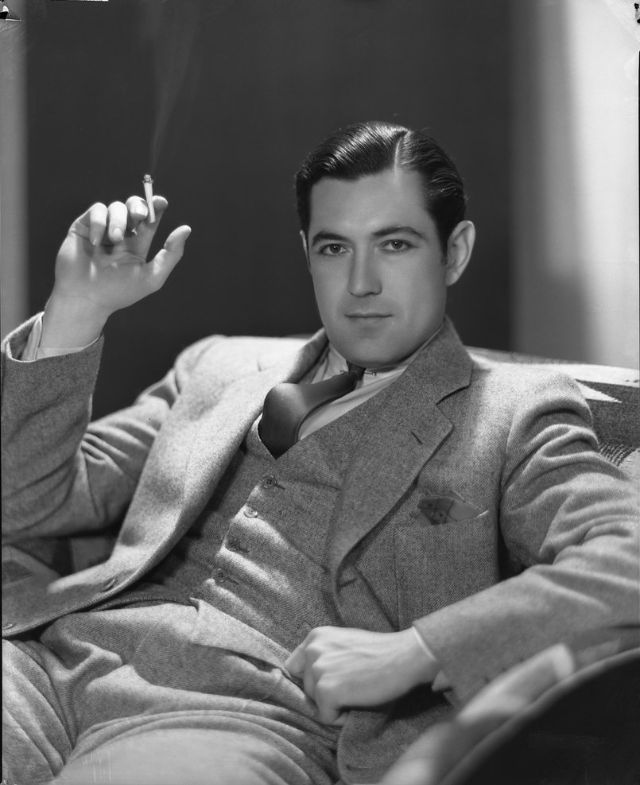
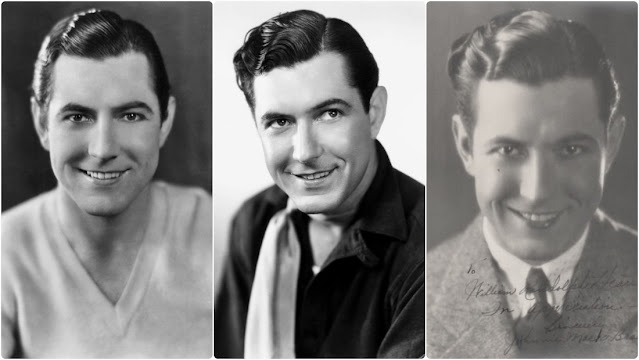
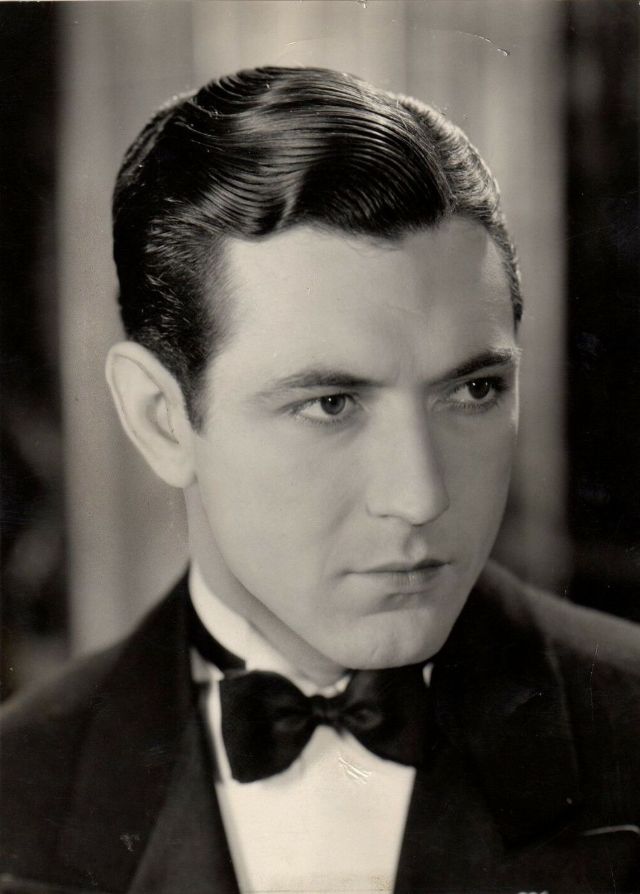
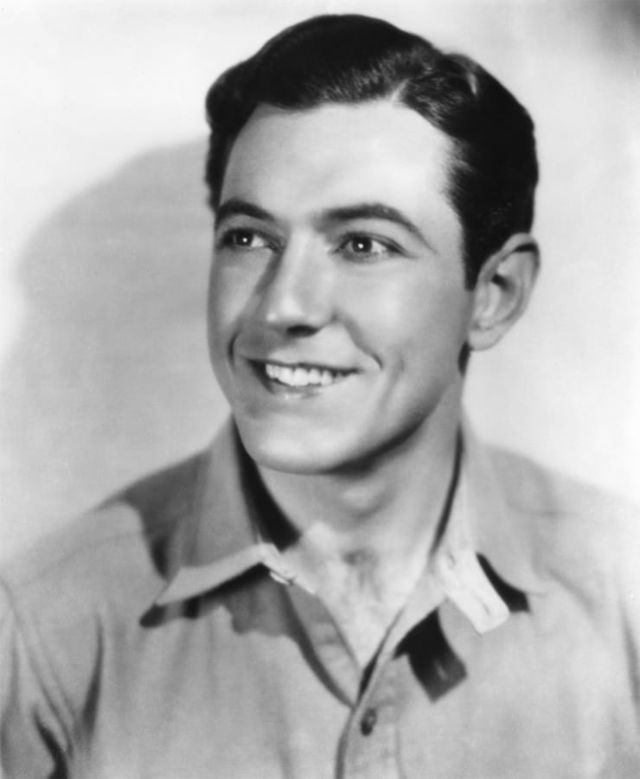
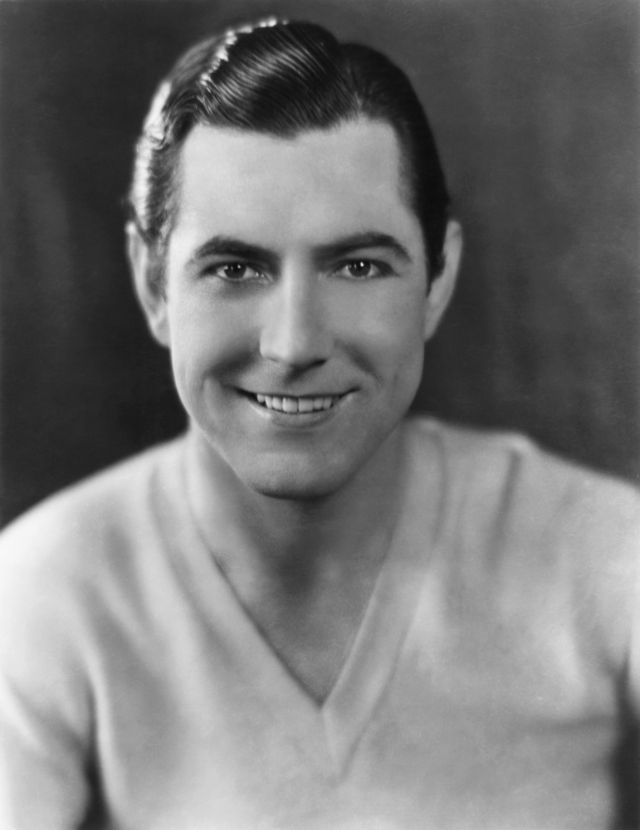
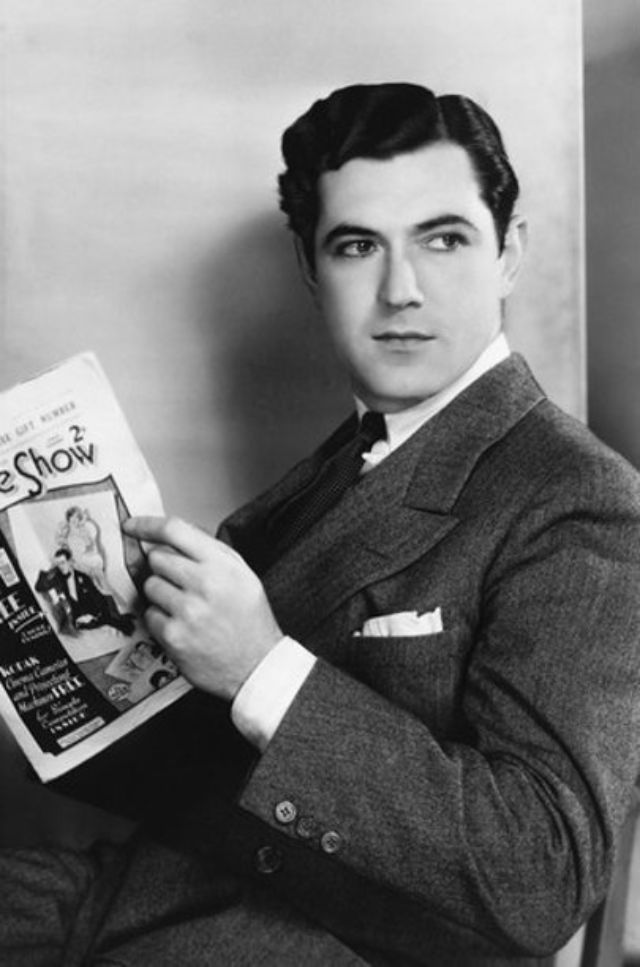
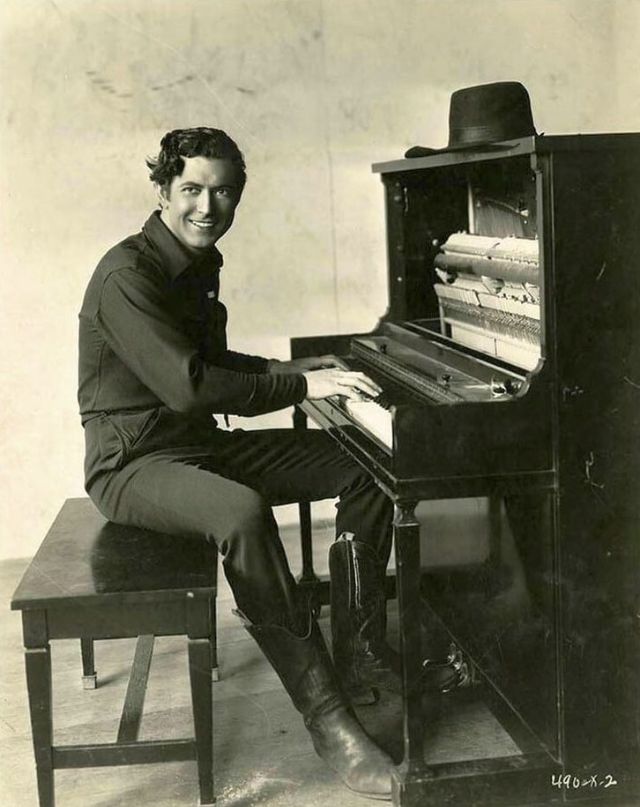
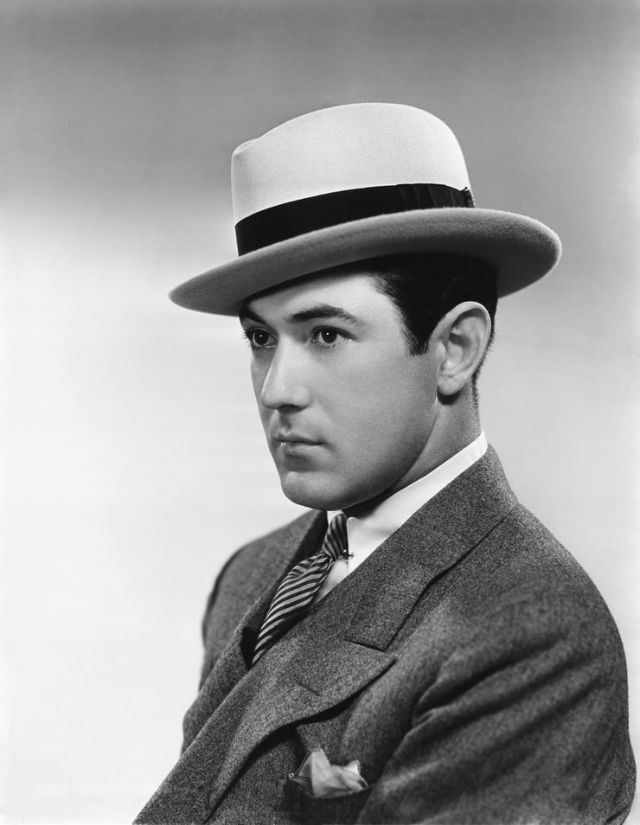
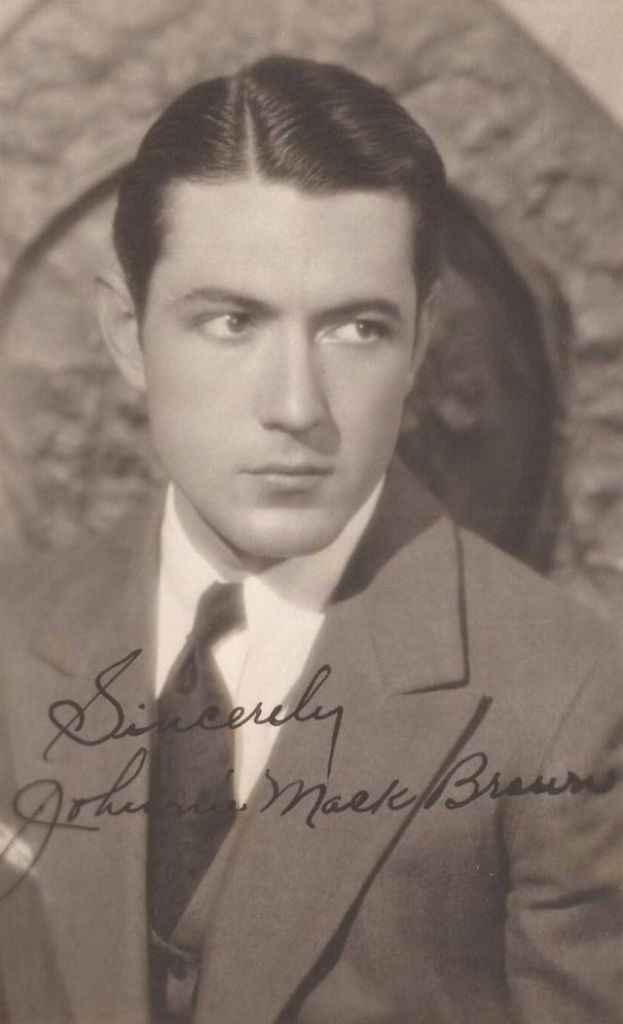
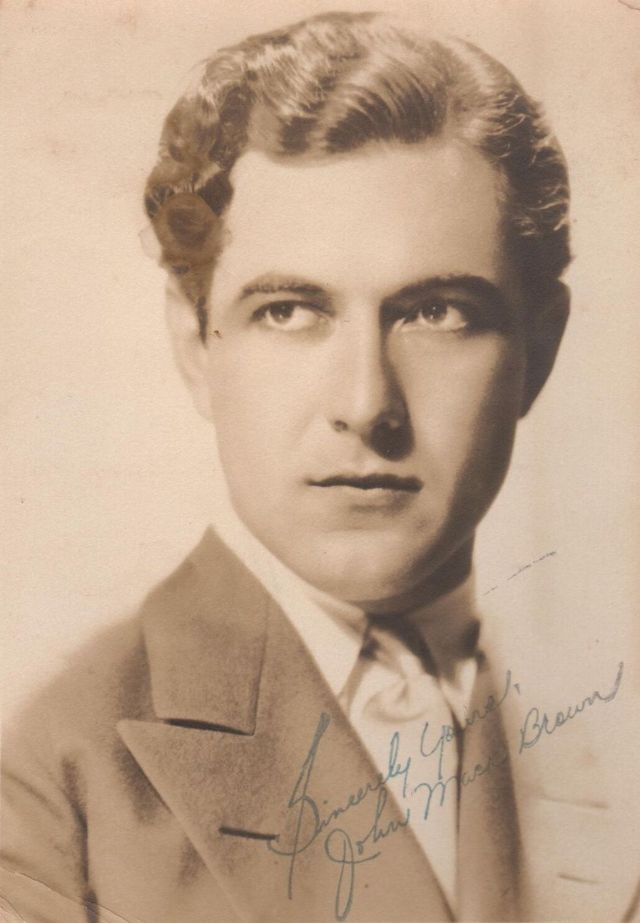
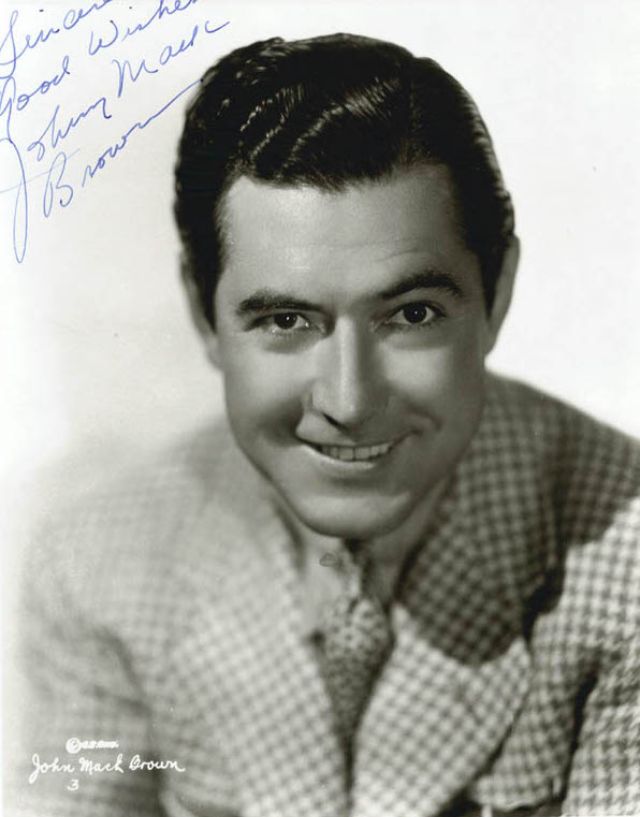
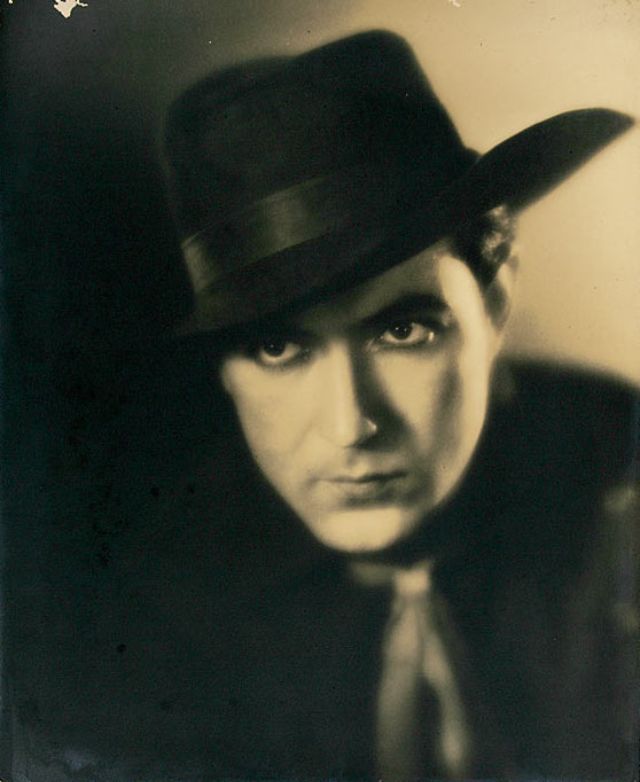
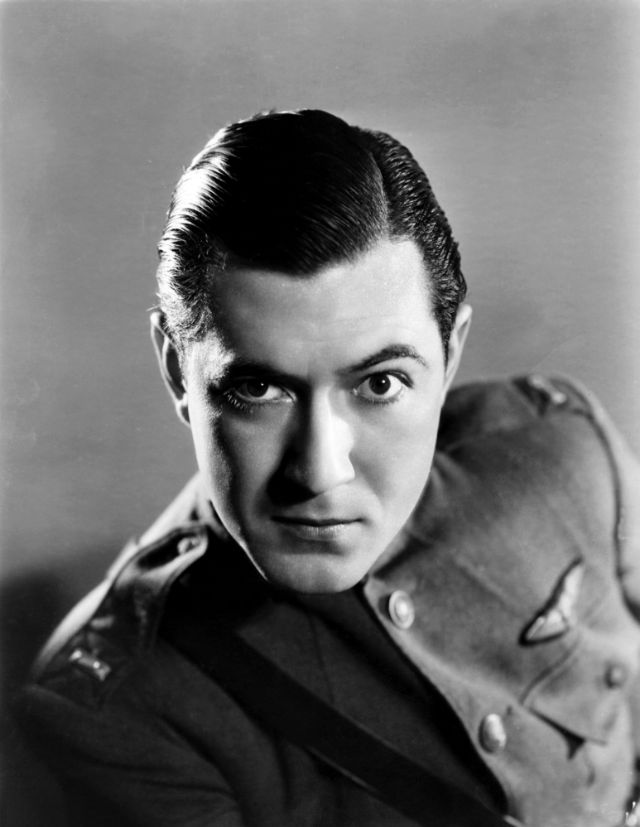
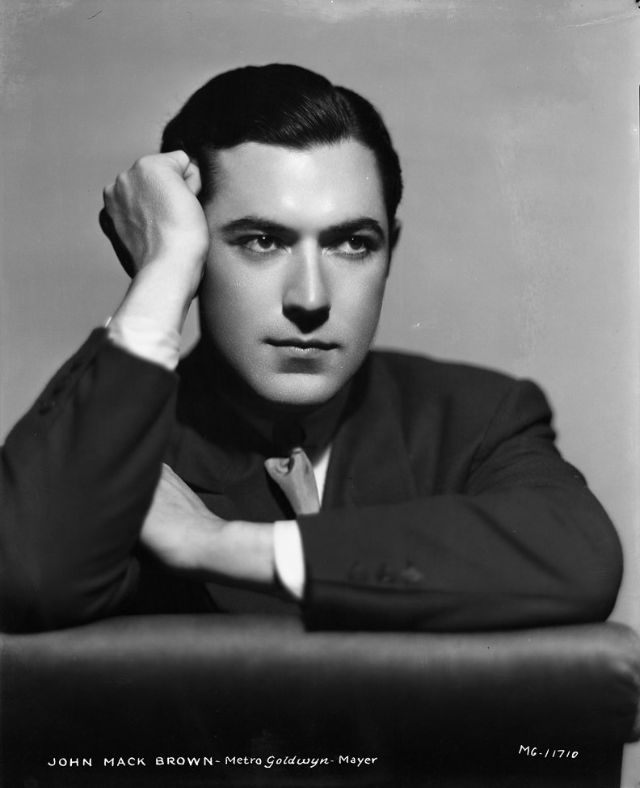
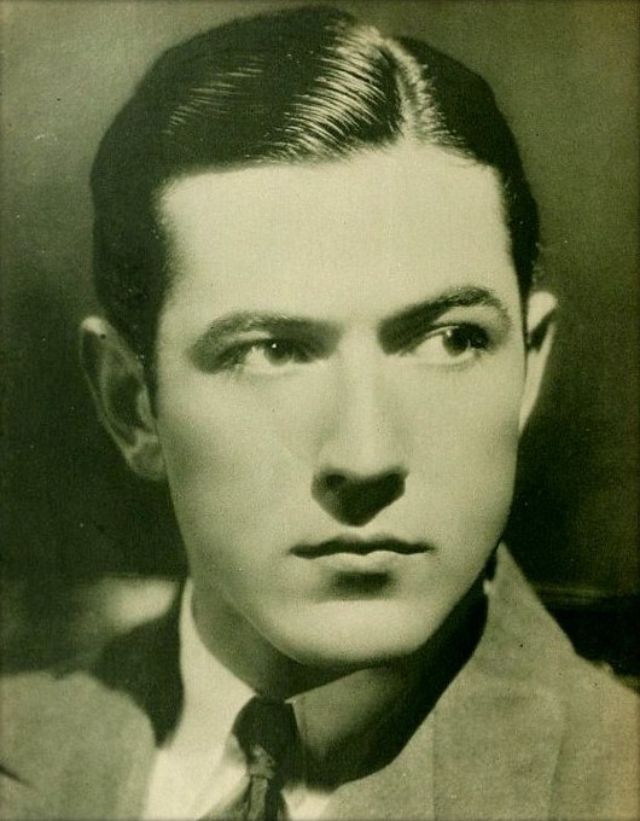
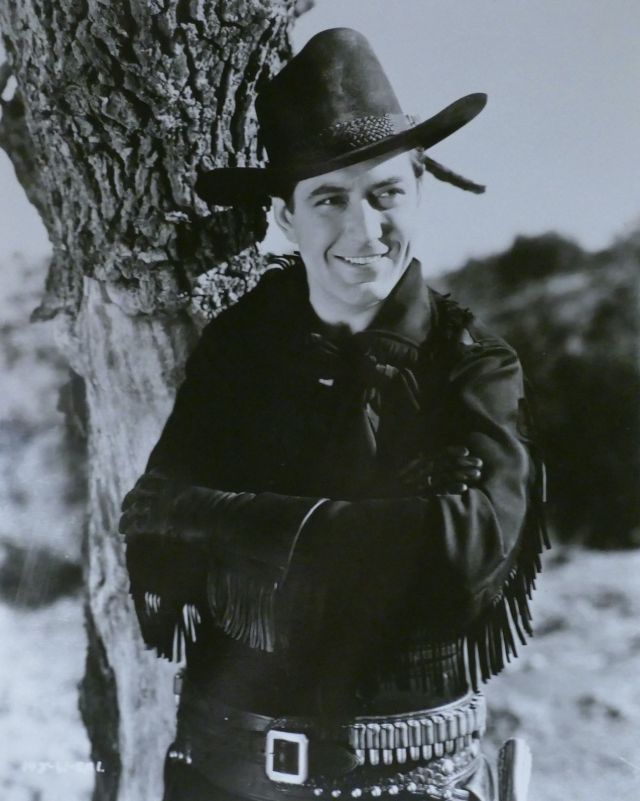
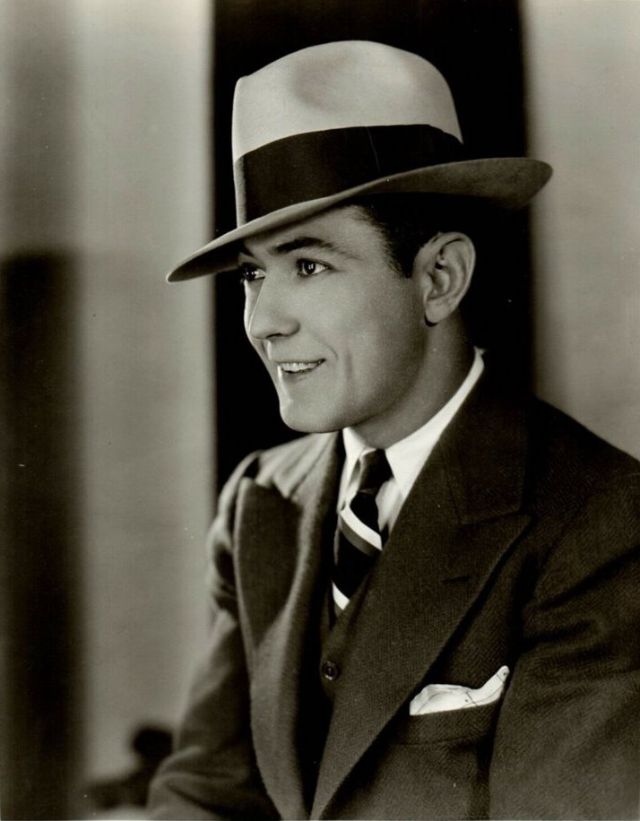
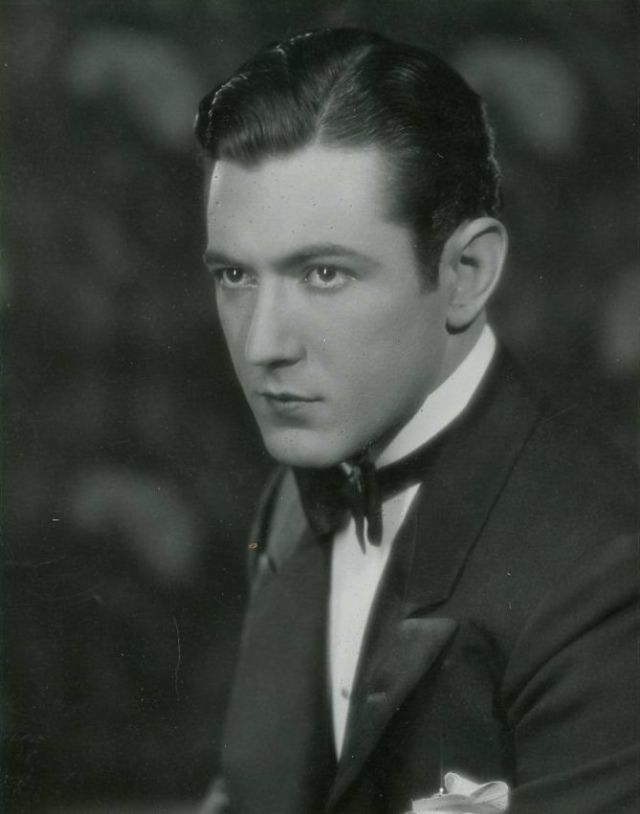
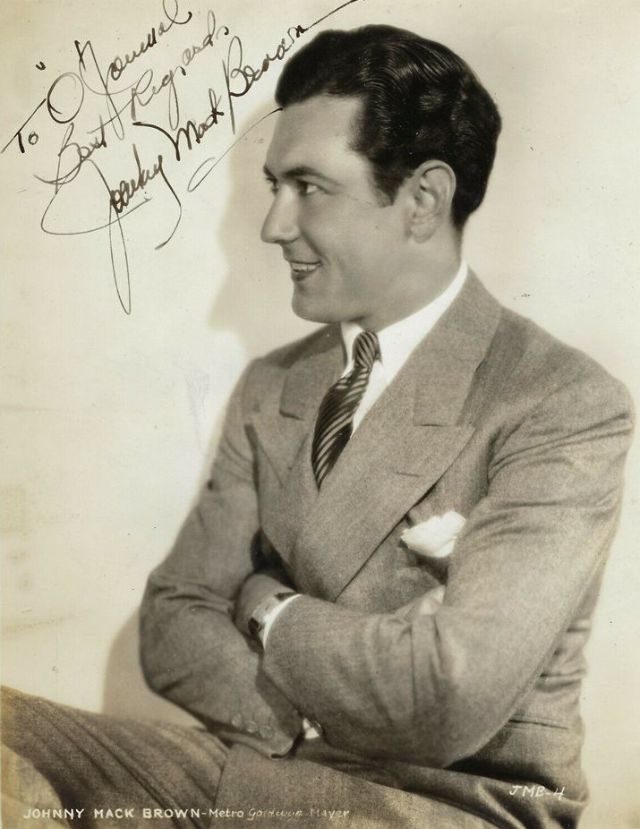
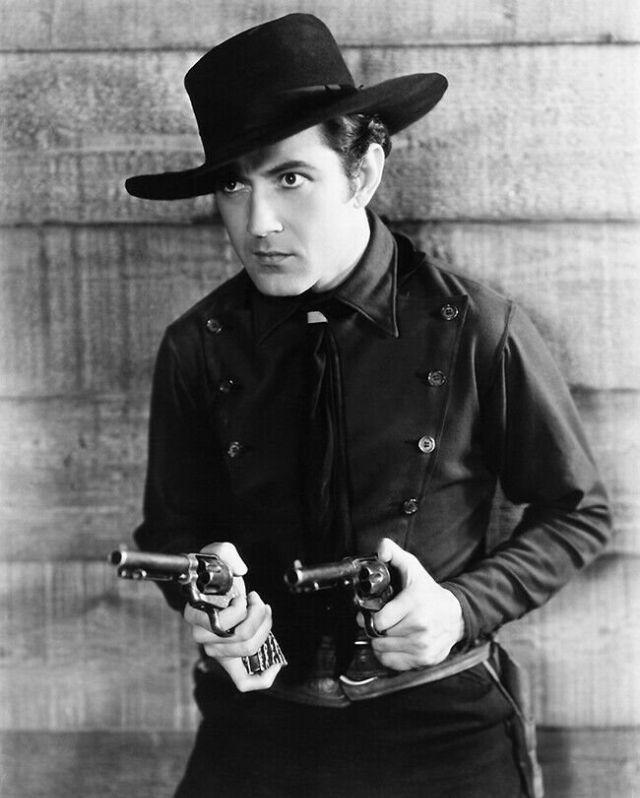
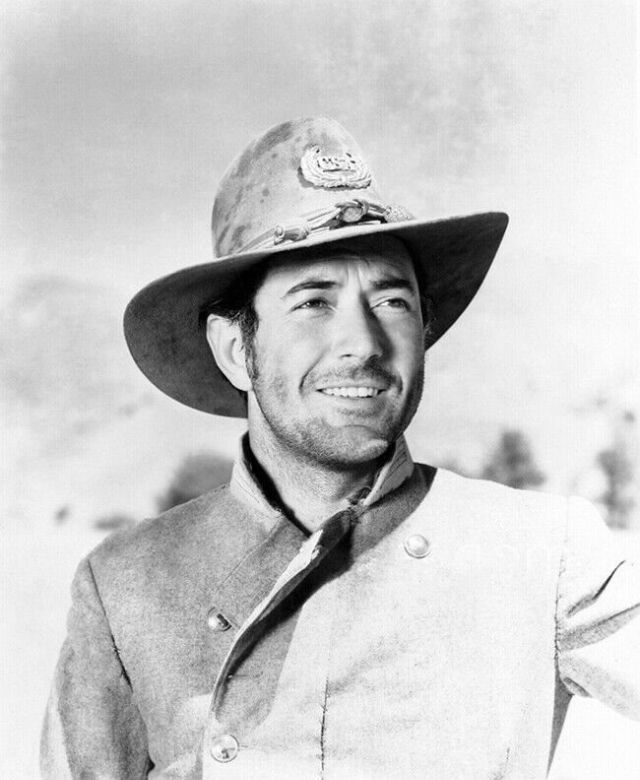
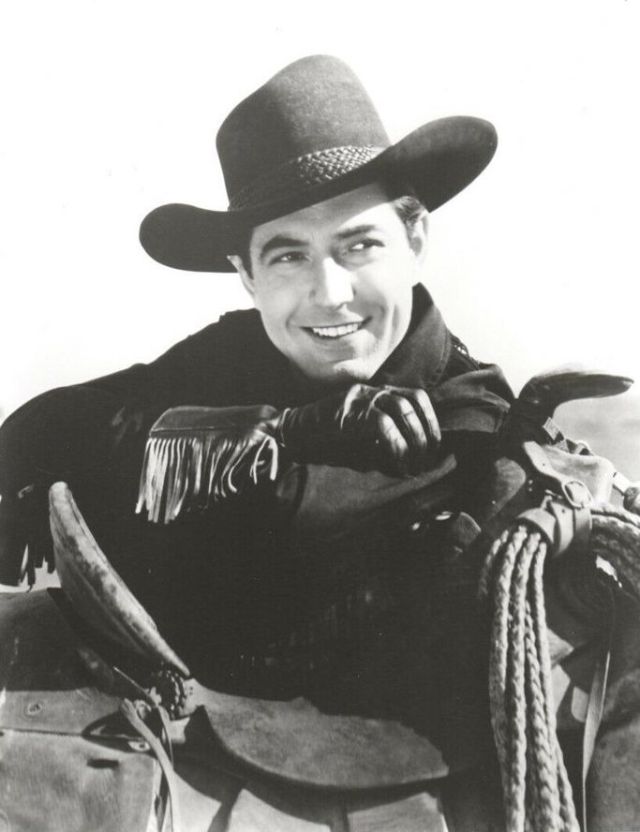
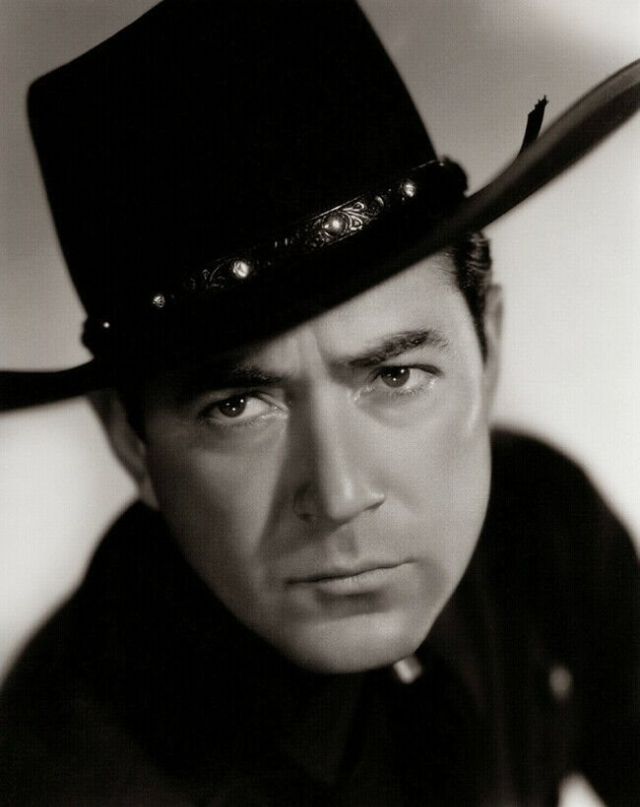
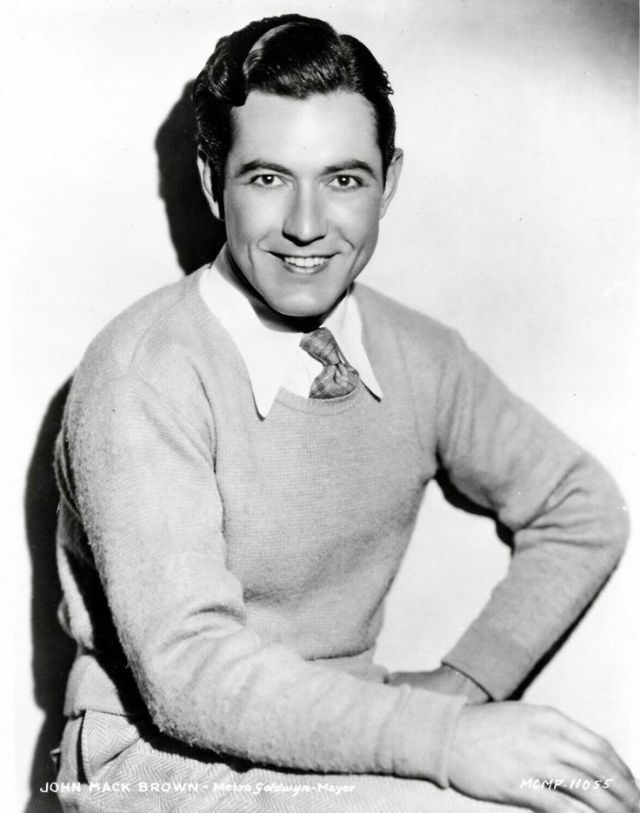
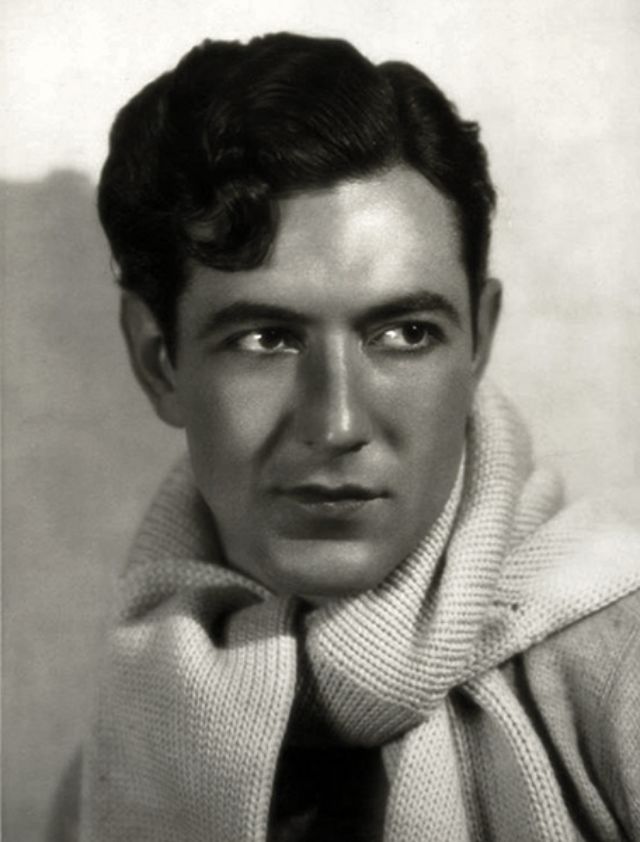
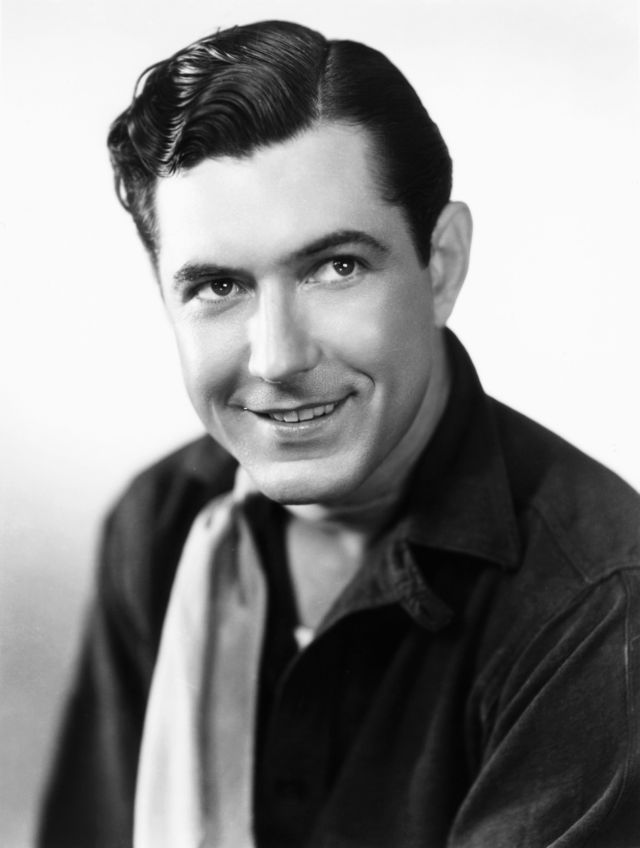
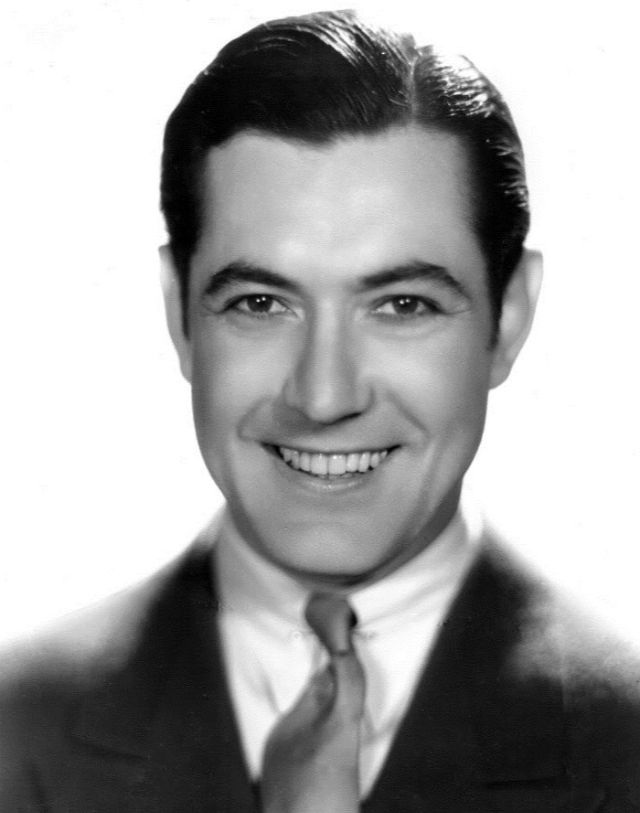
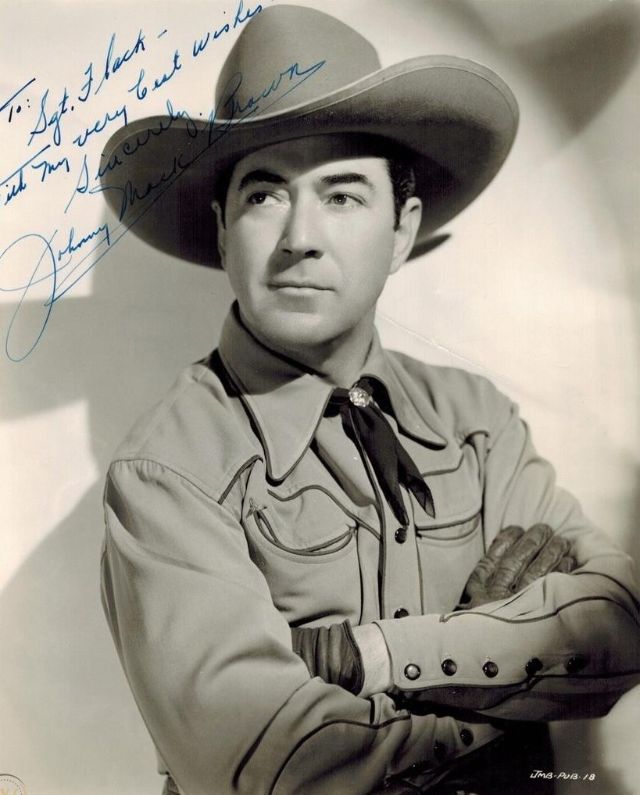
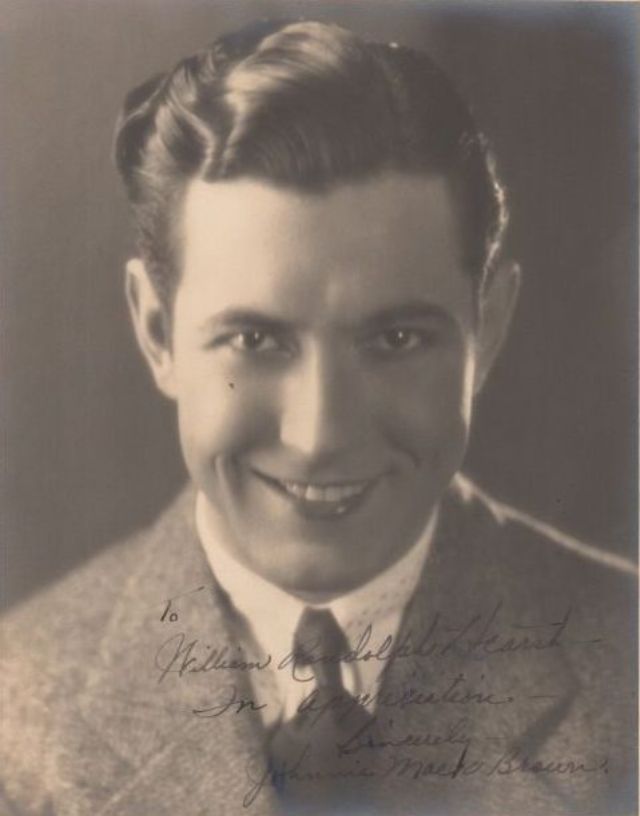
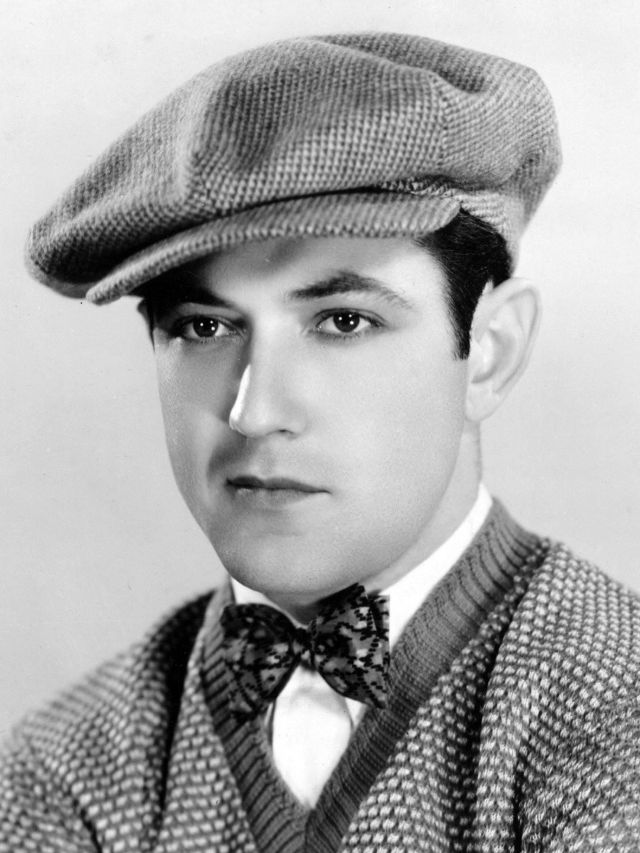
Born 1904 in Dothan, Alabama, Johnny Mack Brown was a prominent halfback on his university’s Crimson Tide football team, coached by Wallace Wade. He earned the nickname “The Dothan Antelope” and was inducted into the College Football Hall of Fame. Pop Warner called him “one of the fastest football players I’ve ever seen.”
Brown’s good looks and powerful physique saw him portrayed on Wheaties cereal boxes and in 1927, brought an offer for motion picture screen tests that resulted in a long and successful career in Hollywood. That same year, he signed a five-year contract with Metro–Goldwyn–Mayer. He played silent film star Mary Pickford’s love interest in her first talkie, Coquette (1929), for which Pickford won an Oscar.
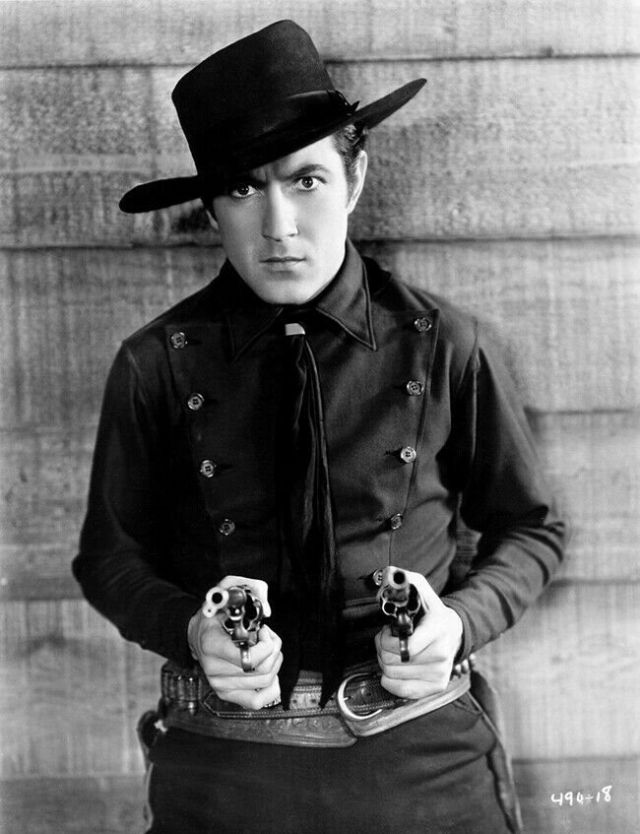
Brown was cast as the star in a Western entitled Billy the Kid (1930). Also in 1930, he played Joan Crawford’s love interest in Montana Moon. He went on to make several more top-flight movies, including The Secret Six (1931), The Last Flight (1931).
Brown acted and starred mainly in Western films. He retired from the screen in 1952, and returned more than 10 years later to appear in secondary roles in a few Western films. Altogether, Brown appeared in more than 160 movies between 1927 and 1966, as well as a smattering of television shows, in a career spanning almost 40 years.
Brown died in 1966 at the age of 70. For his contributions to the film industry, He was inducted into the Hollywood Walk of Fame in 1960 with a motion pictures star at 6101 Hollywood Boulevard. He received a posthumous Golden Boot Award in 2004 for his contributions to the Western entertainment genre. In 1969, he was inducted into the Alabama Sports Hall of Fame.
Take a look at these vintage photos to see portrait of a young Johnny Mack Brown in the 1920s and 1930s.
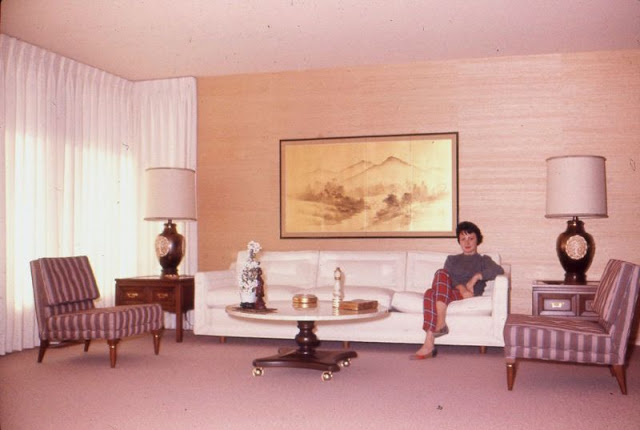
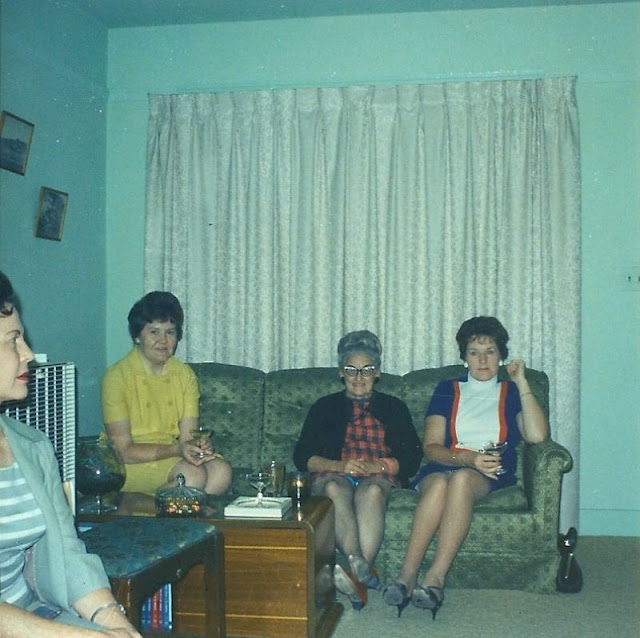
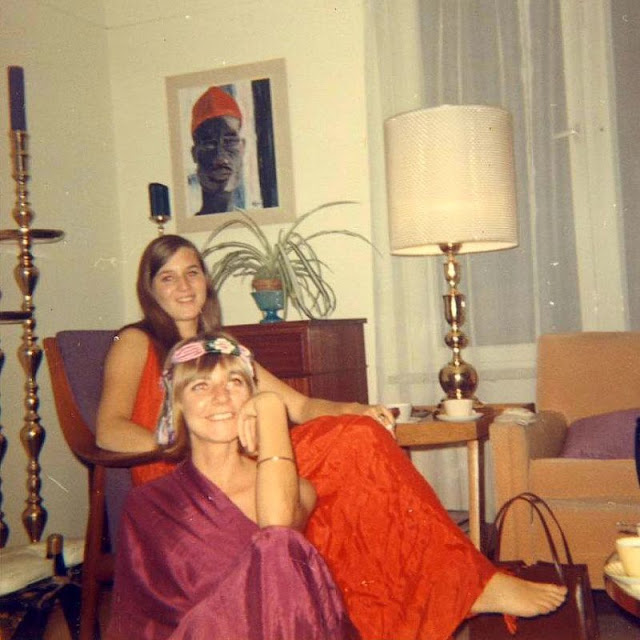
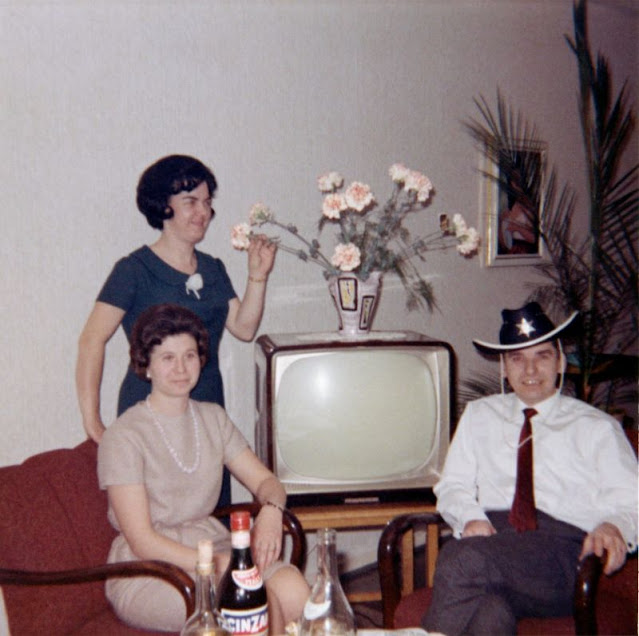
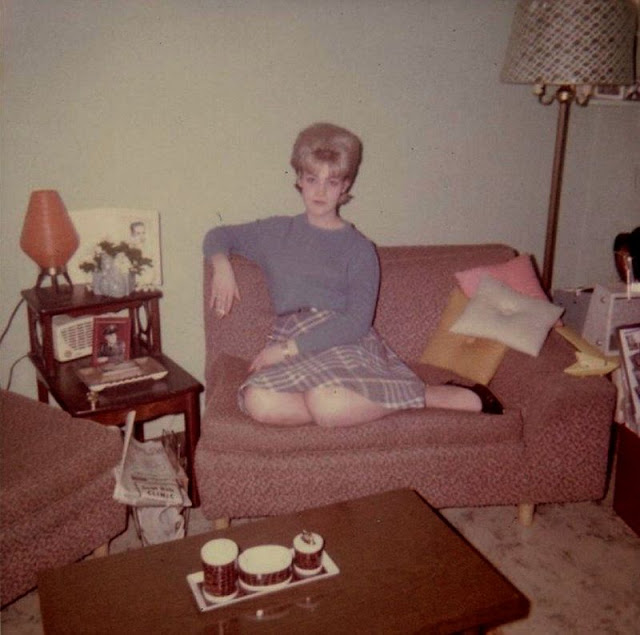
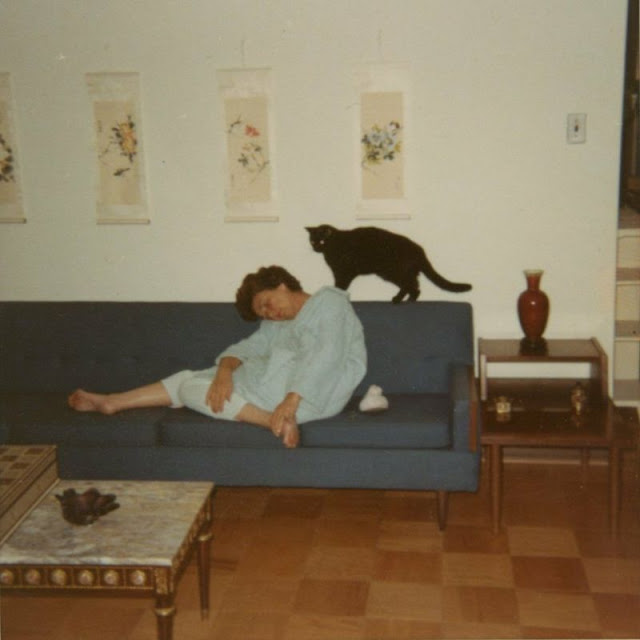
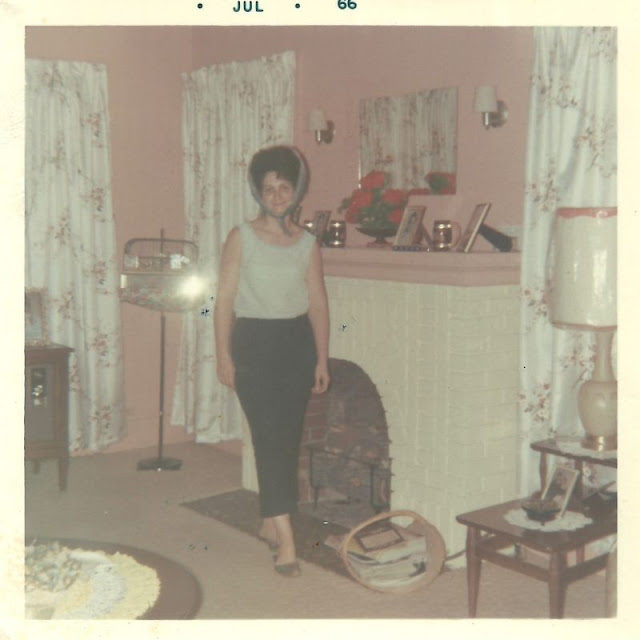
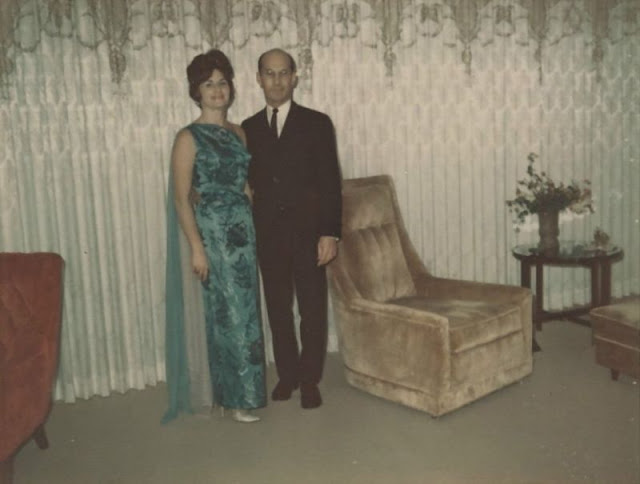
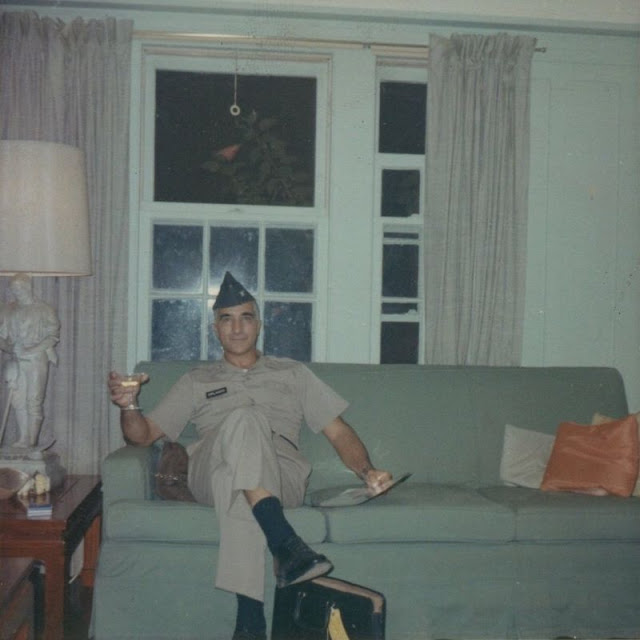
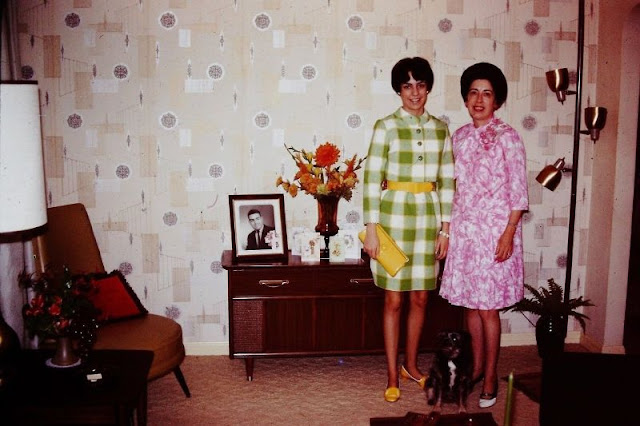
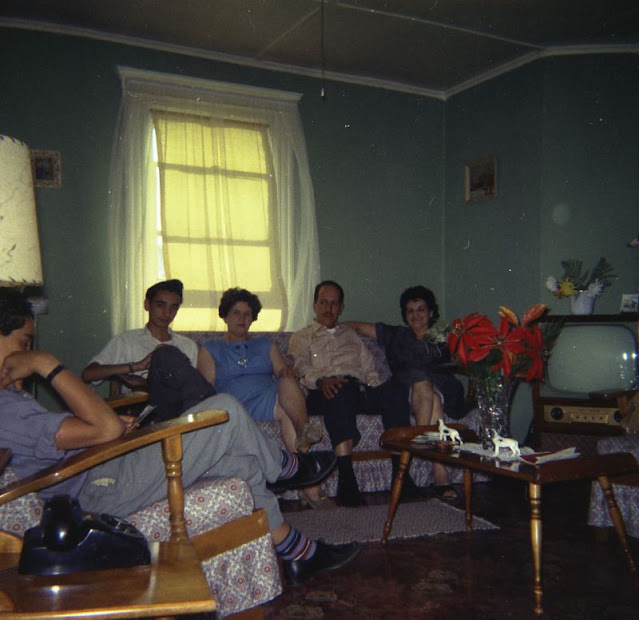
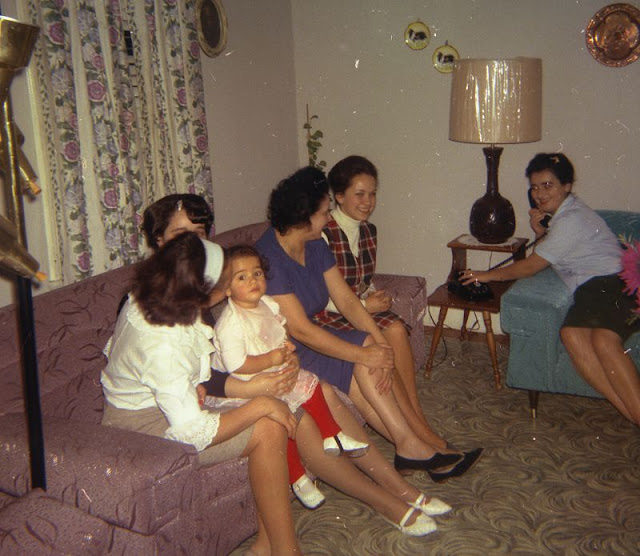
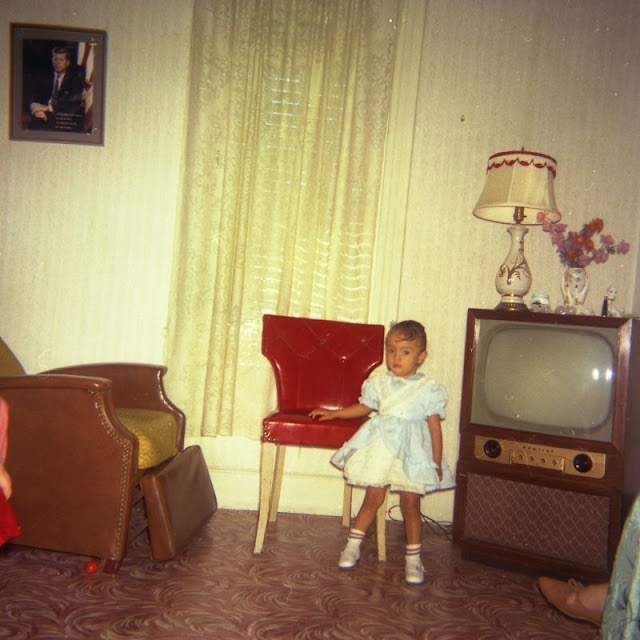
The Sixties were a time of enormous change, both technologically and socially. The space race was on and the American culture was focused on Sputnik, the Cold War and jet airplanes that were able to transport people faster than ever before.
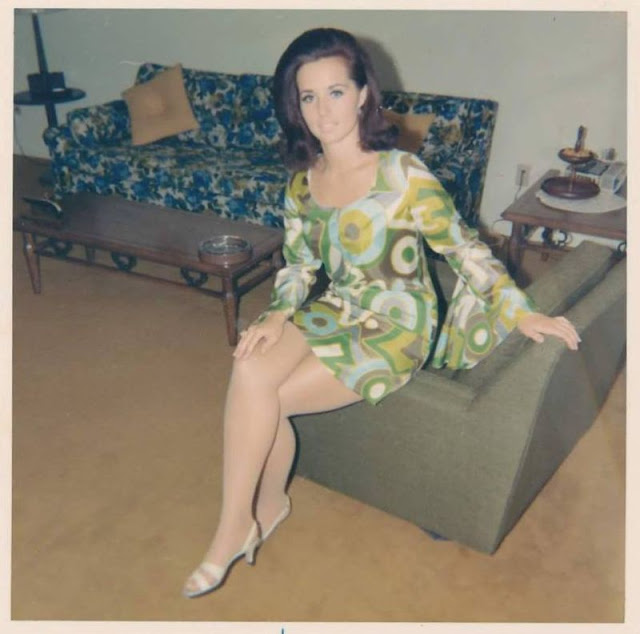
American culture was also focused on a younger generation that was busy rebelling against long-established traditions. This rebellion had a huge impact on fashion, music and home décor. Everything became more dynamic, graphic and colorful. Life in the ’60s focused on self-expression and home décor was just the place for people to make their individual statement.
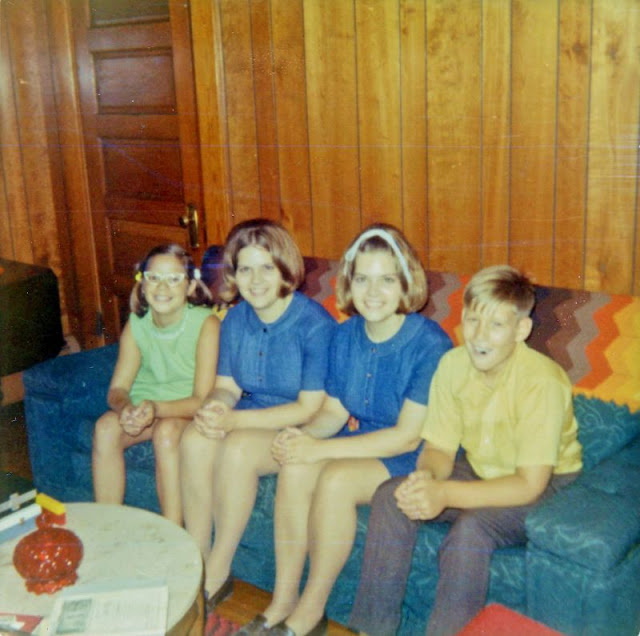
Colors were inspired by nature. Green, gold, orange and yellow were very popular and could be found on everything from clothes to home décor. Previous eras had similar popular colors, but in the ’60s they were pumped up to vibrant hues. Psychedelic colors played off one another for maximum impact. Contrasts in black-and white were also popular. The desired effect was to create maximum impact for a striking, provocative look.
Furniture was made of metal, glass, wood and PVC, and sometimes combinations of these. New technologies allowed furniture to be made from molded plastic and formed into organic or space age shapes. A lot of furniture was designed to be disposable and temporary.
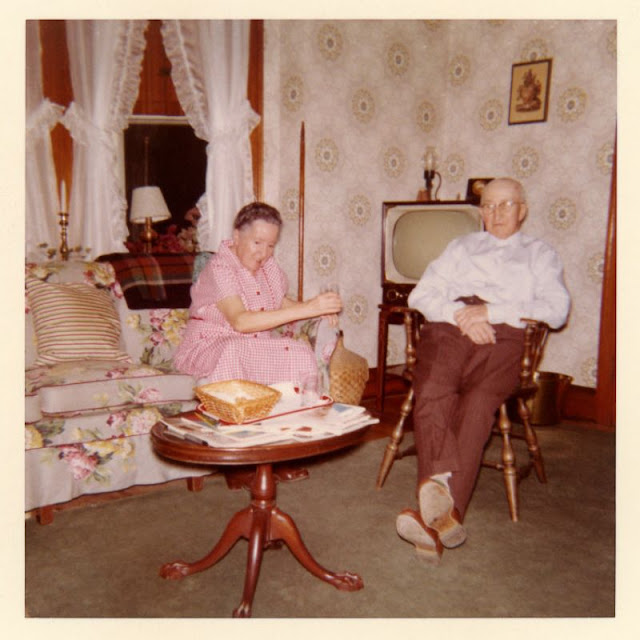
Styles were fun and witty overall. Homes were now being built with casual family rooms or dens in addition to having just a formal living room. The TV became the focal point of the family room.
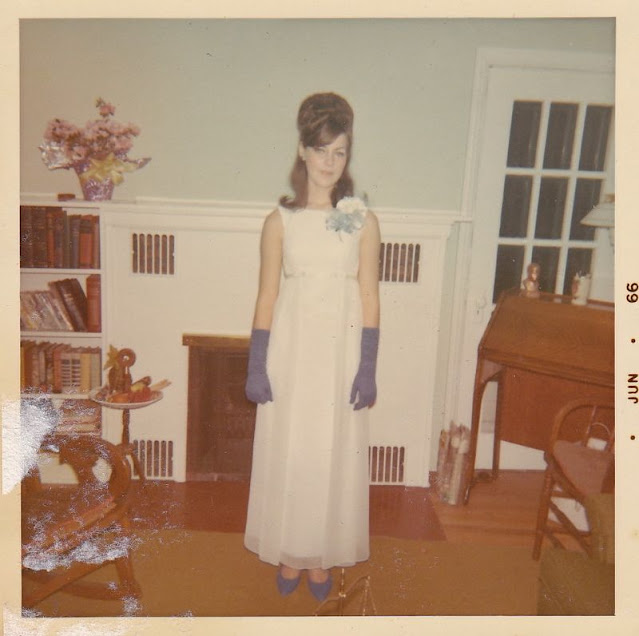
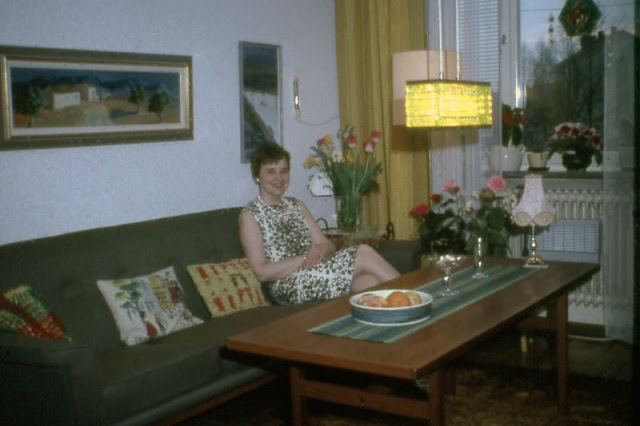
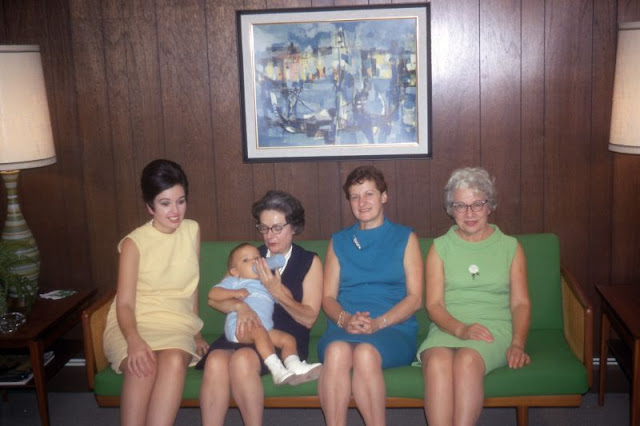
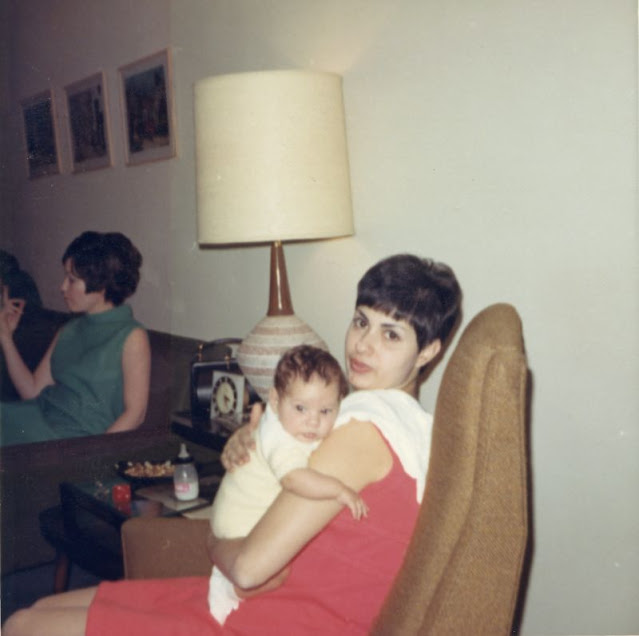
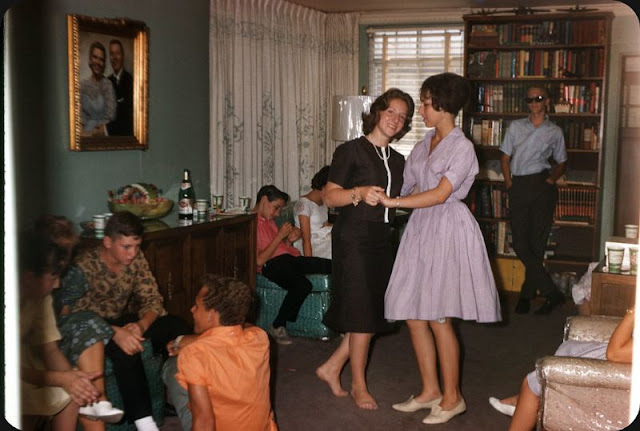
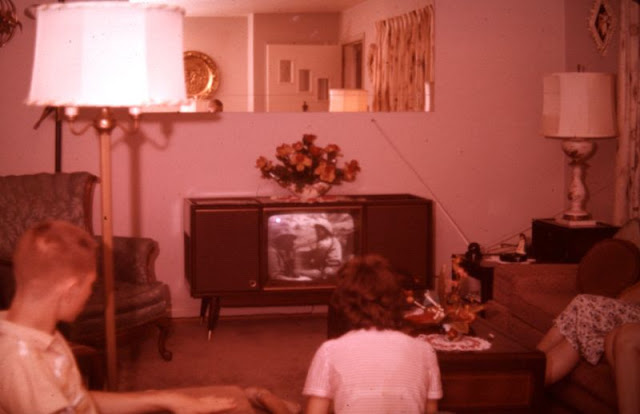
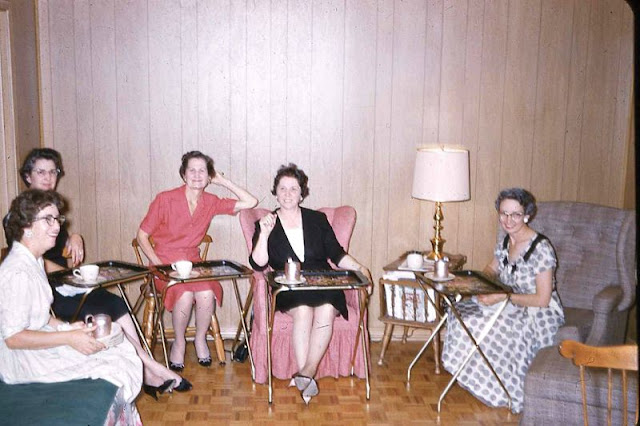
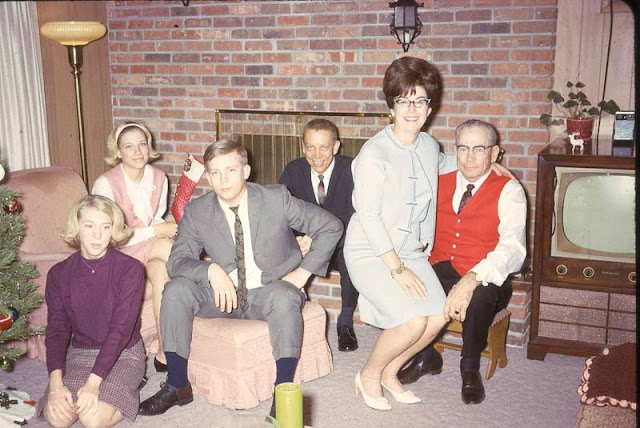
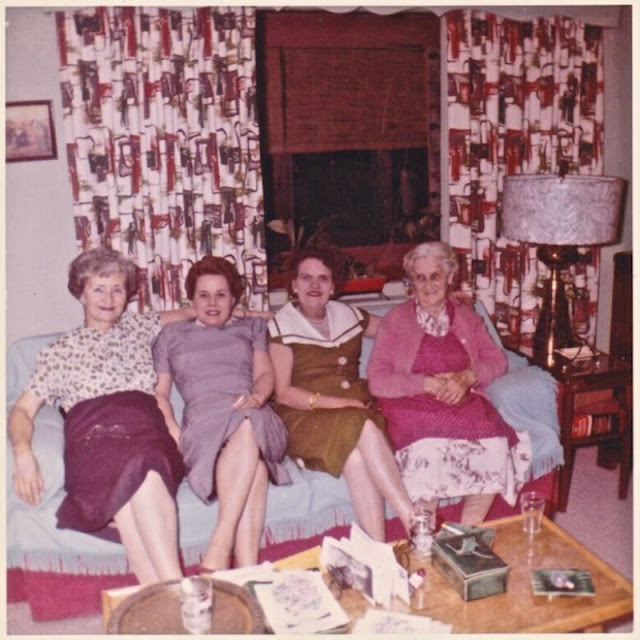
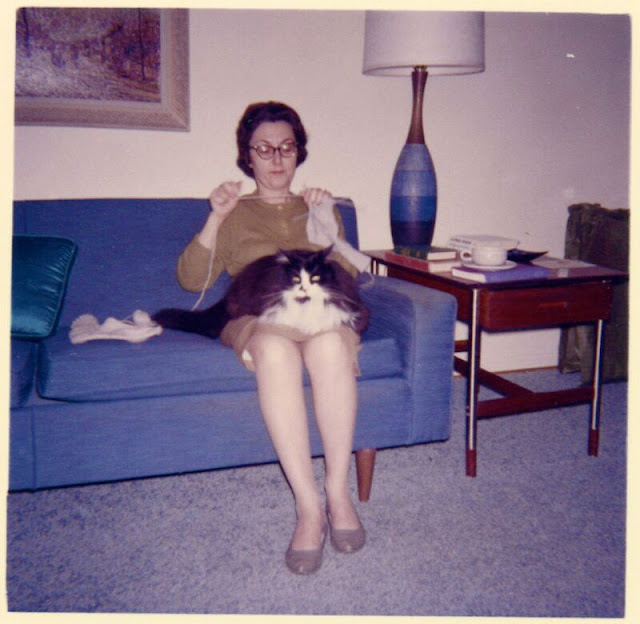
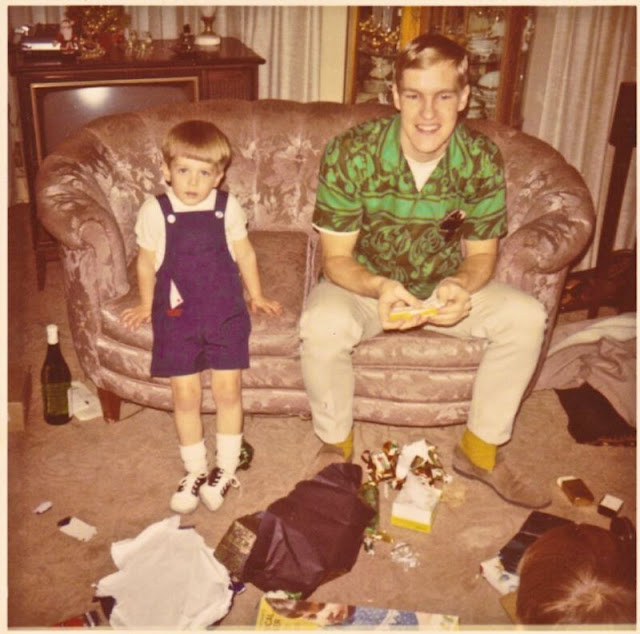
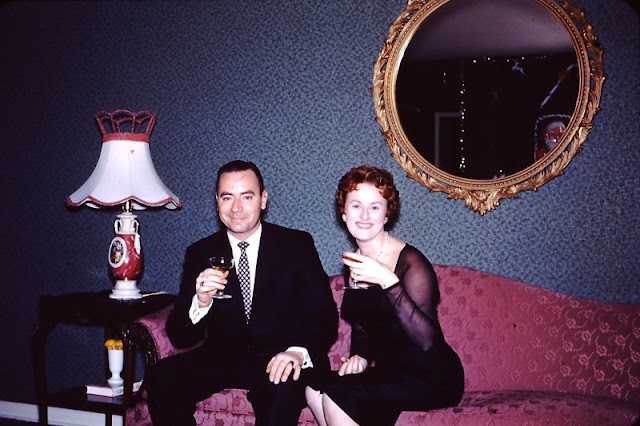
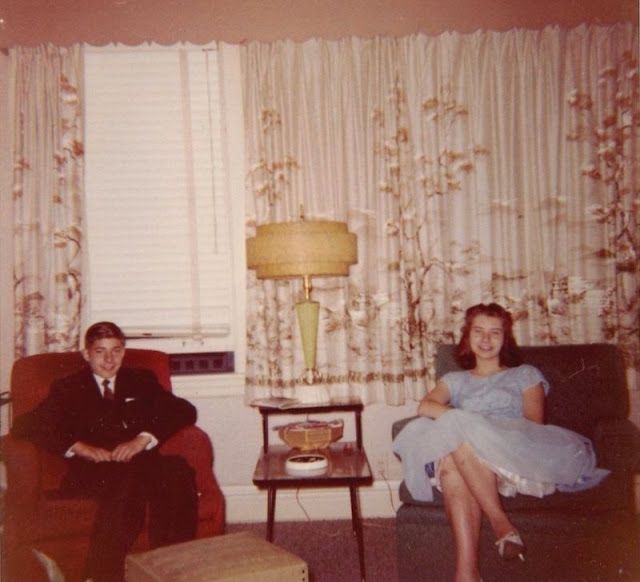
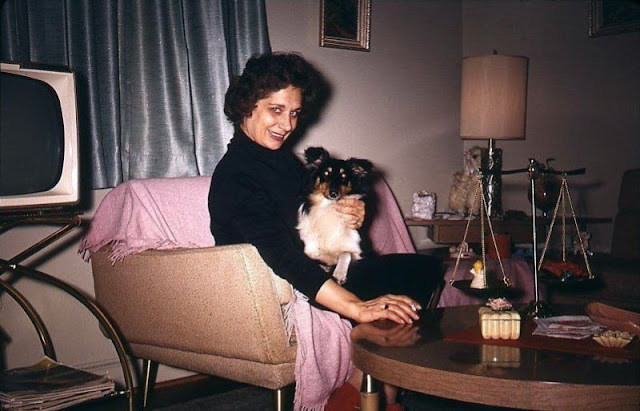
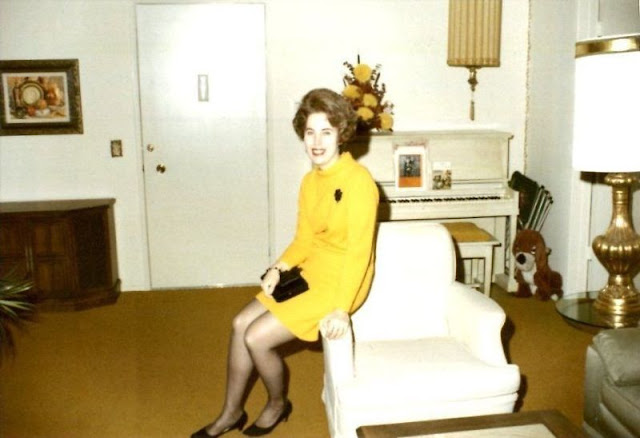
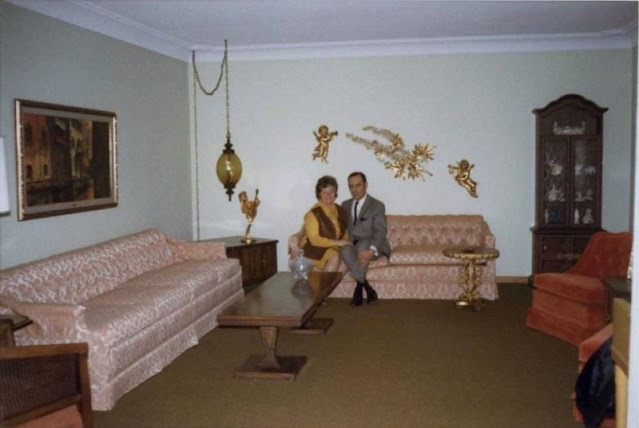
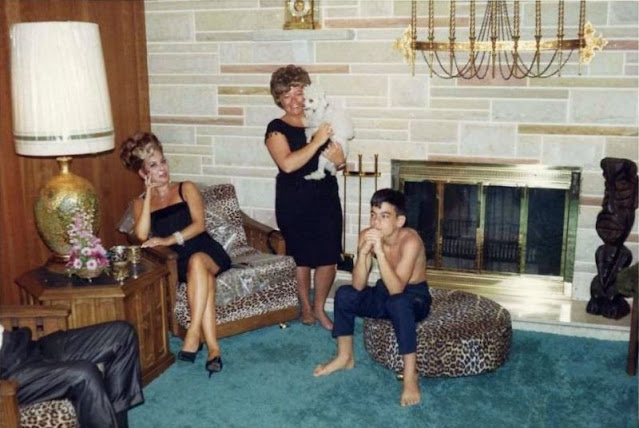
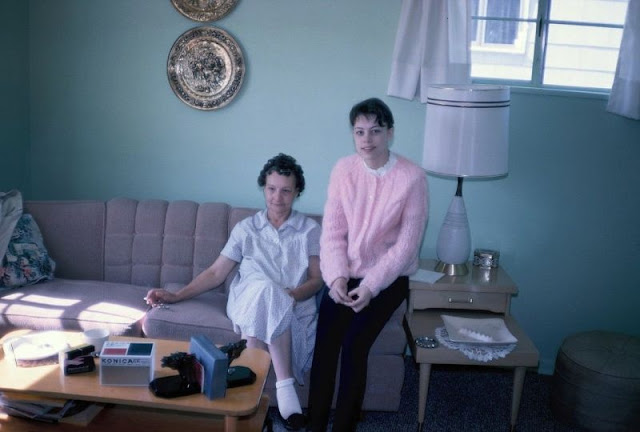
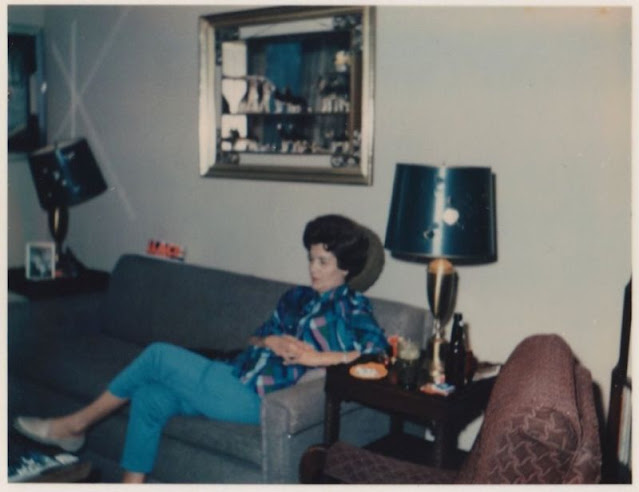
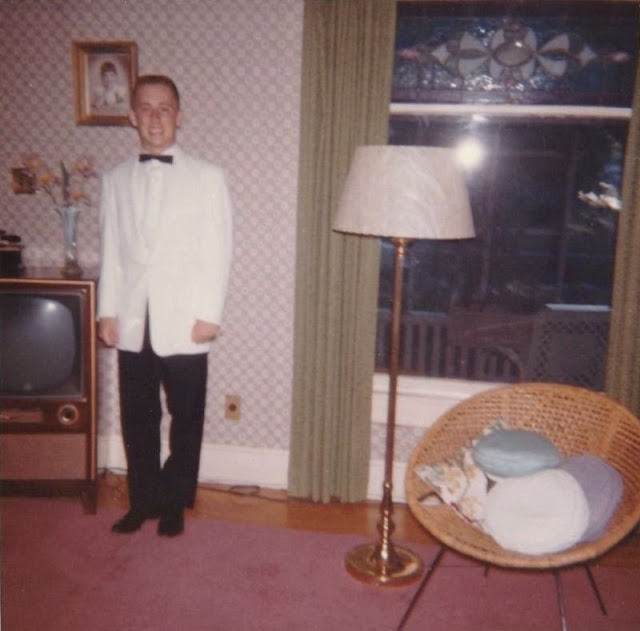
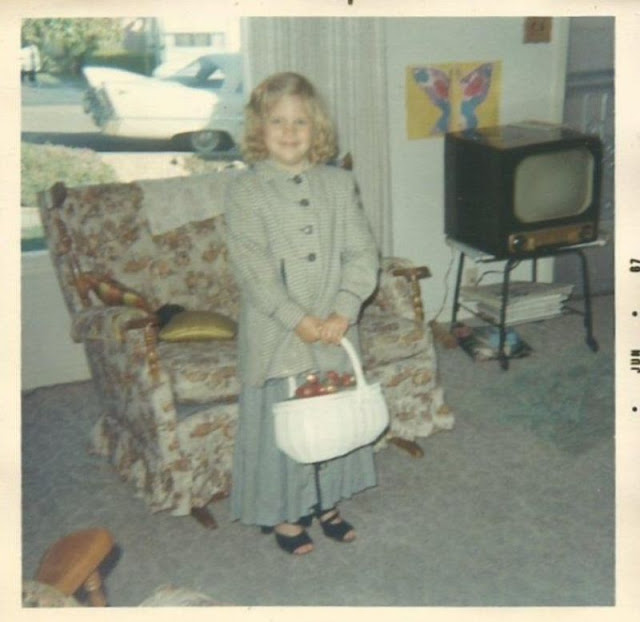
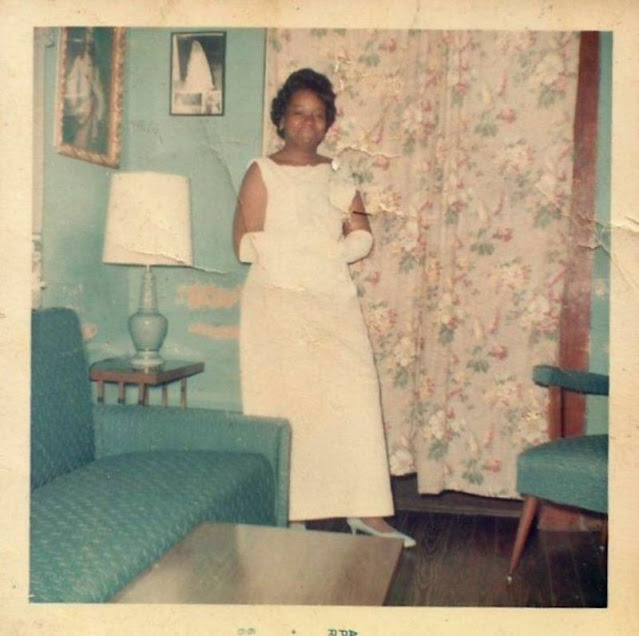
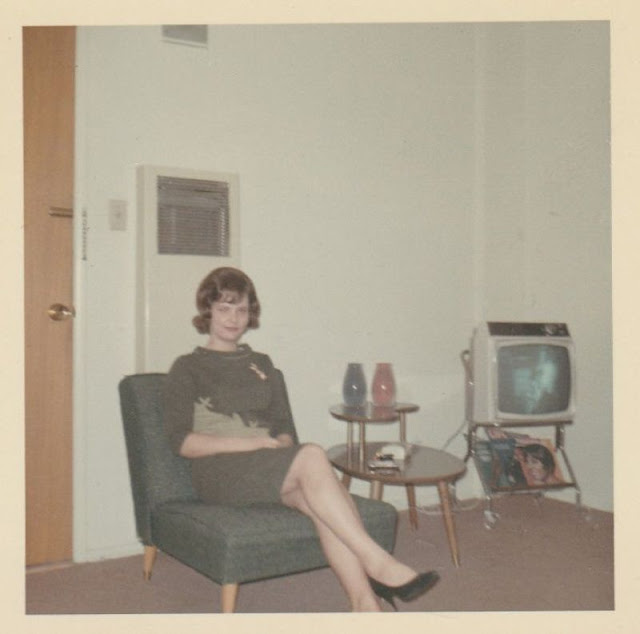
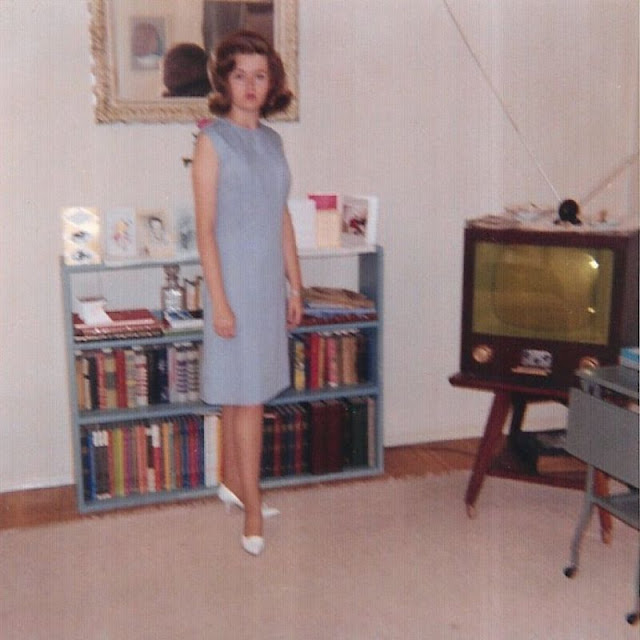
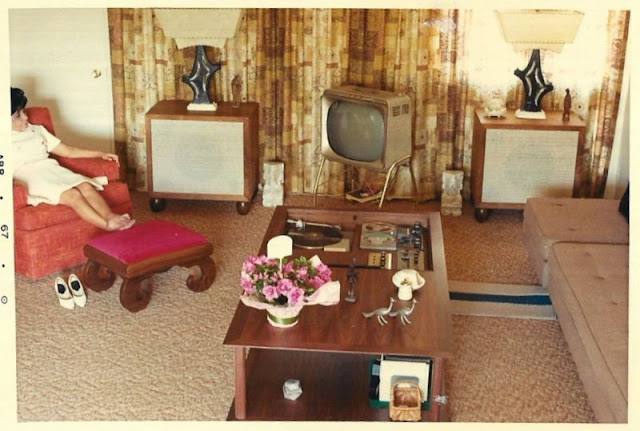
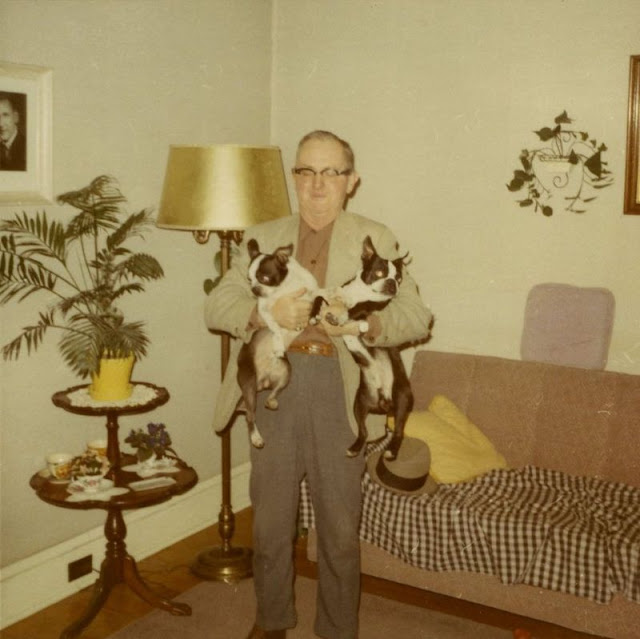
These vintage photos captured people at their living rooms in the 1960s.
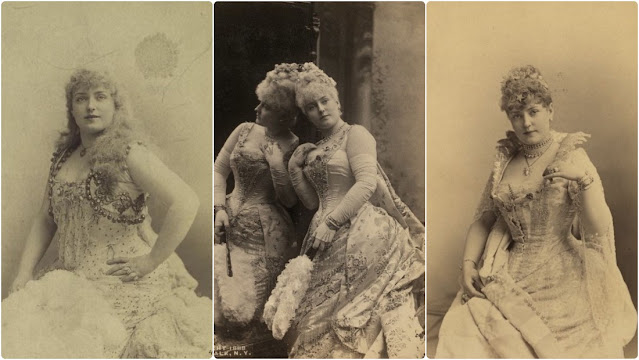
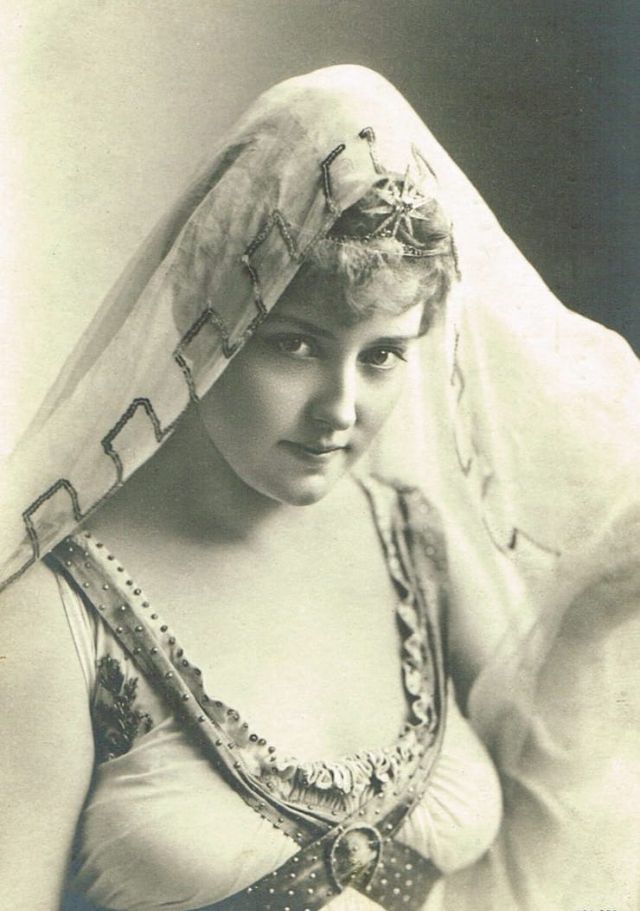
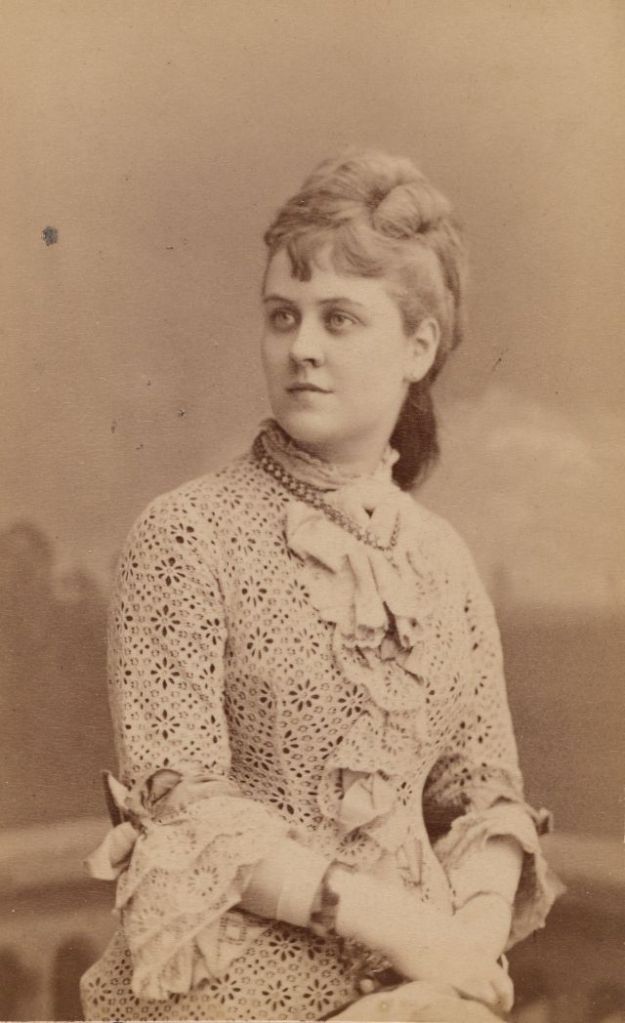
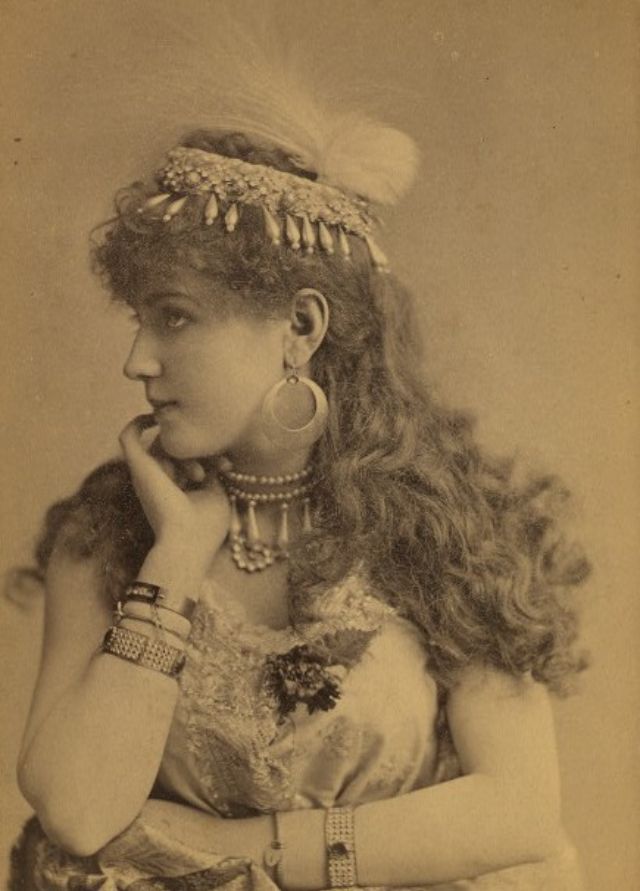
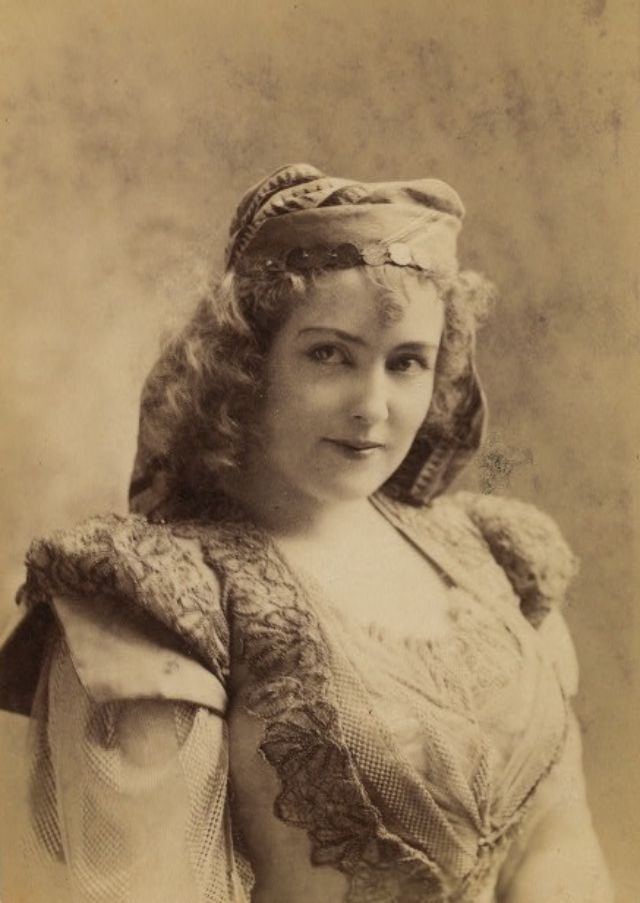
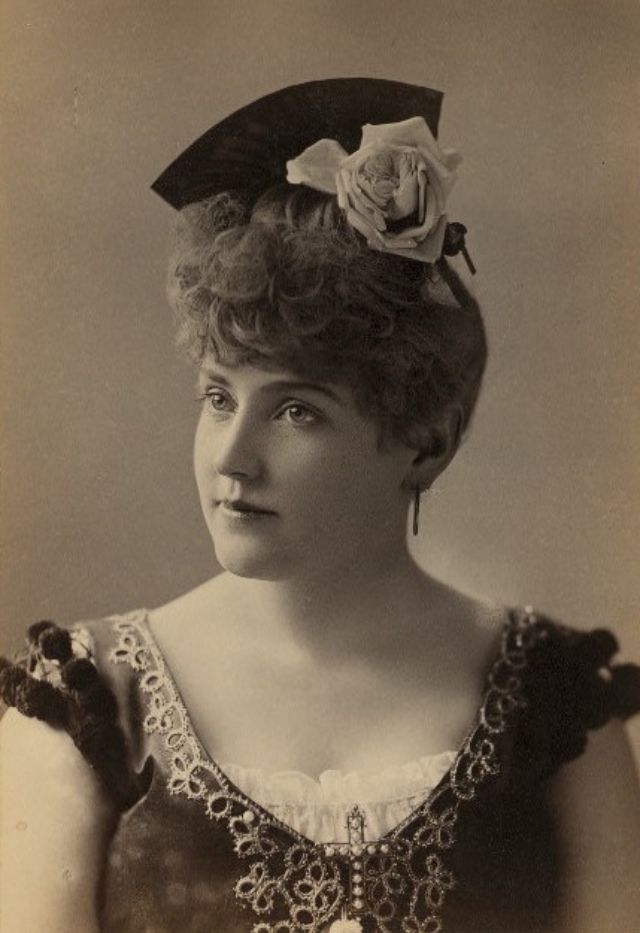
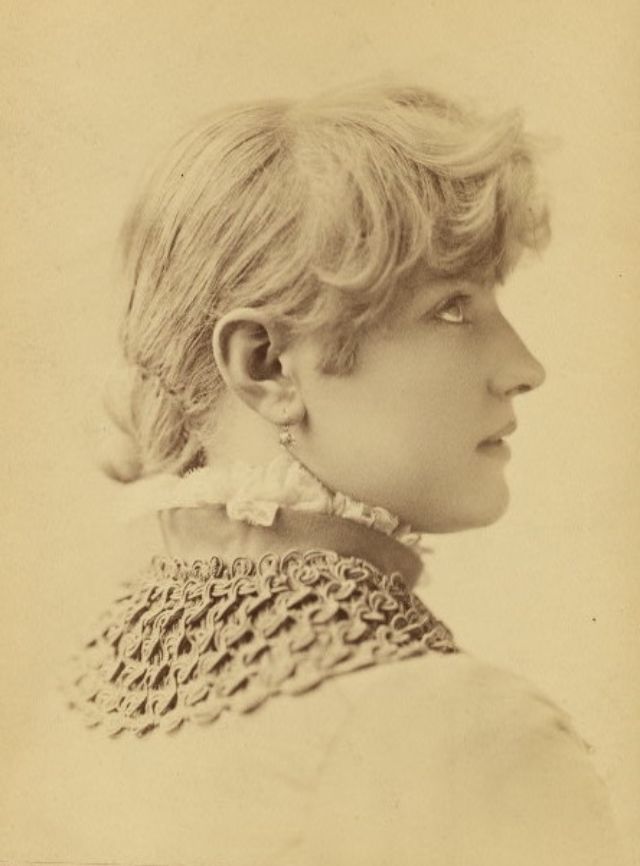
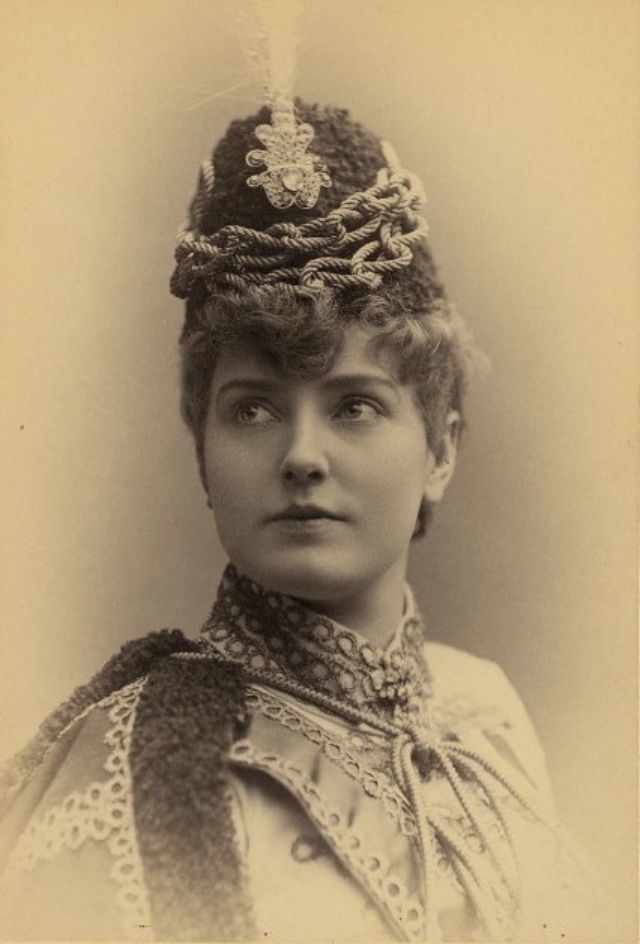
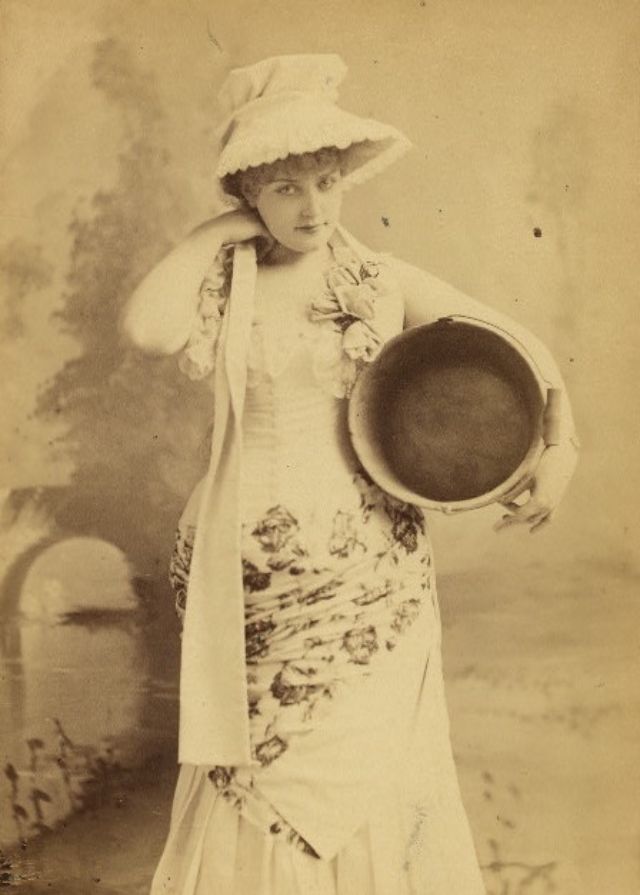
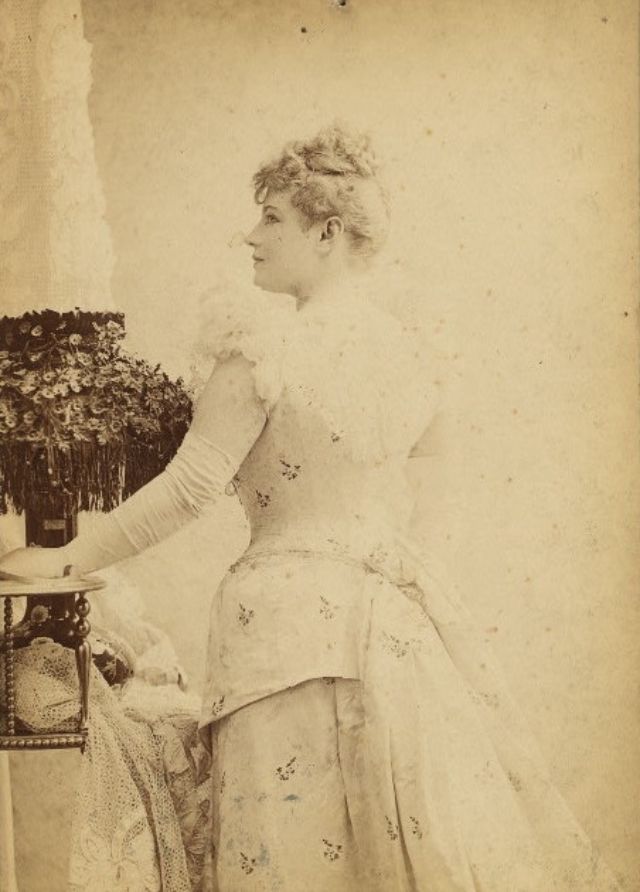
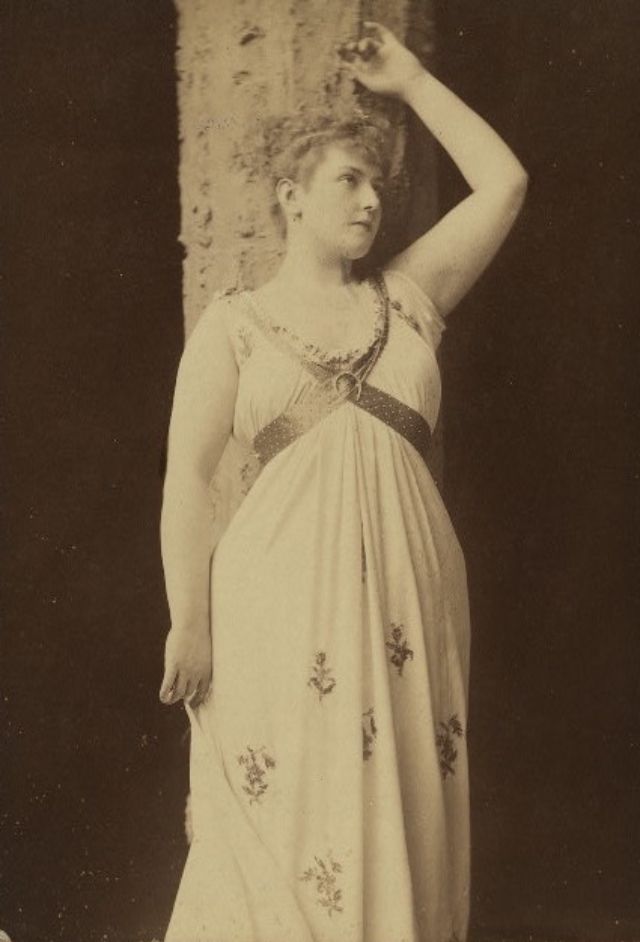
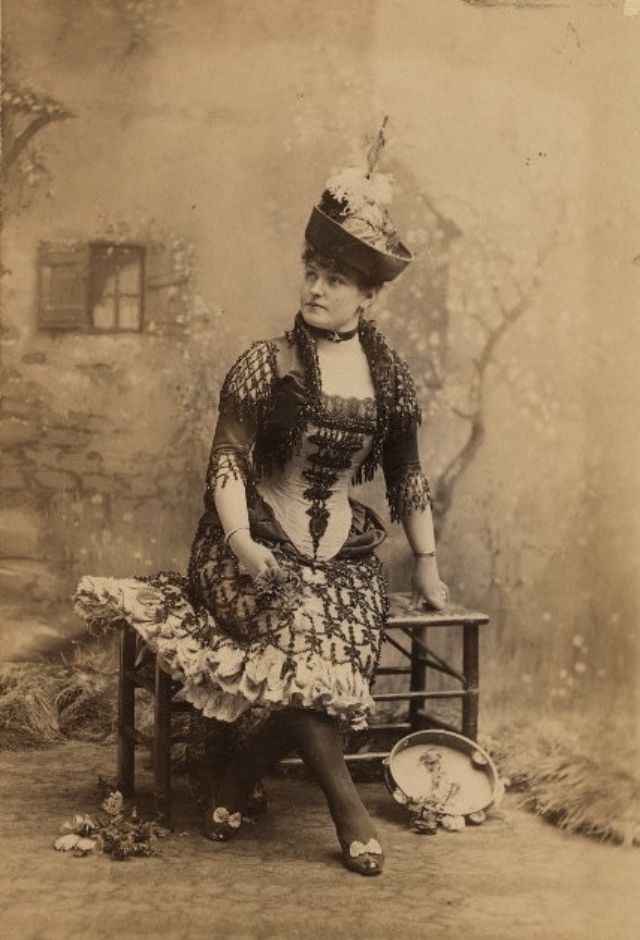
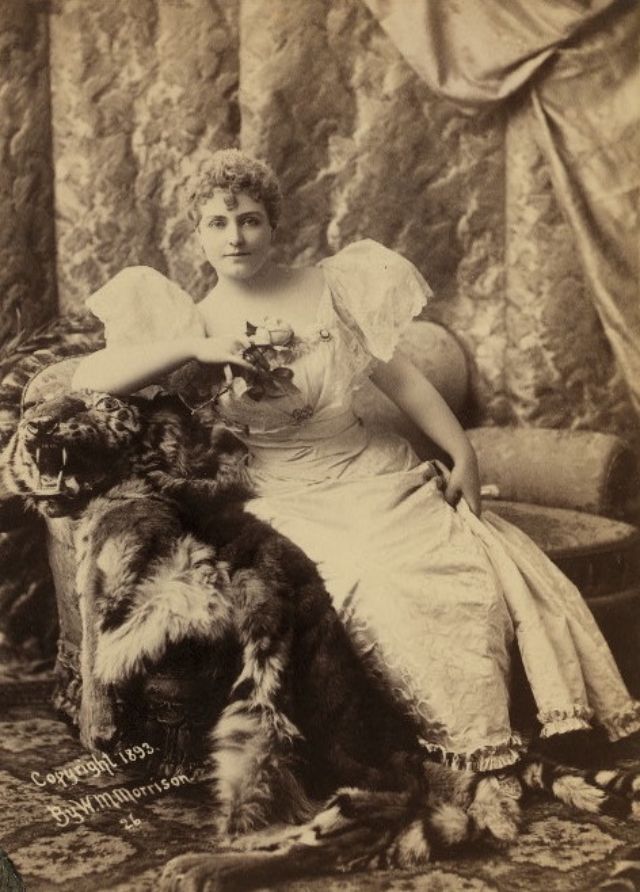
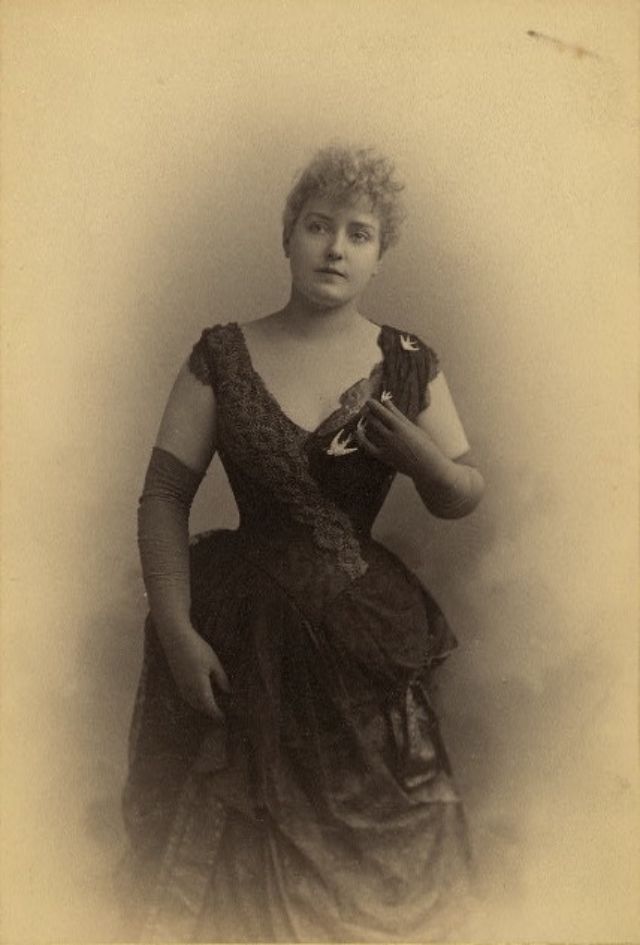
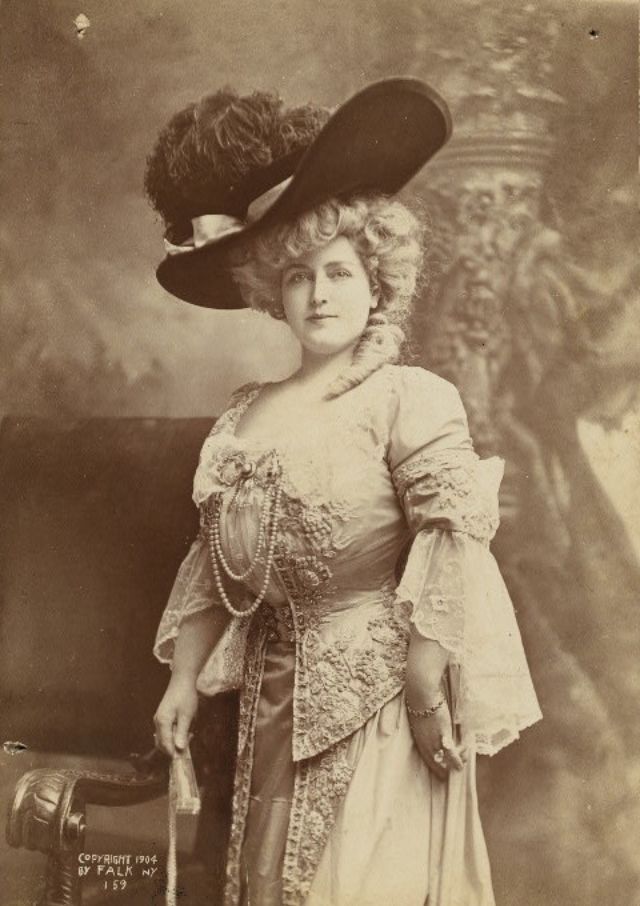
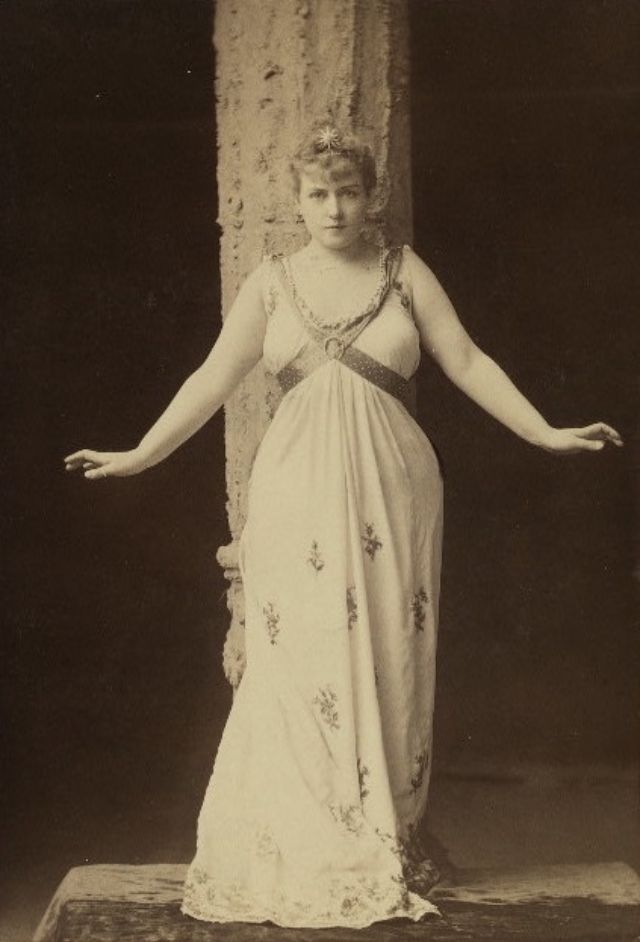
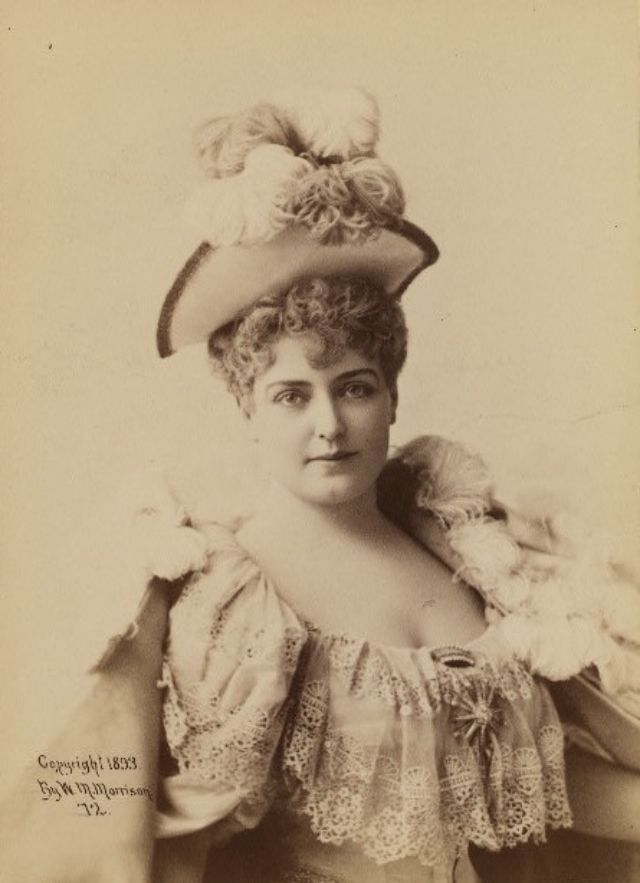
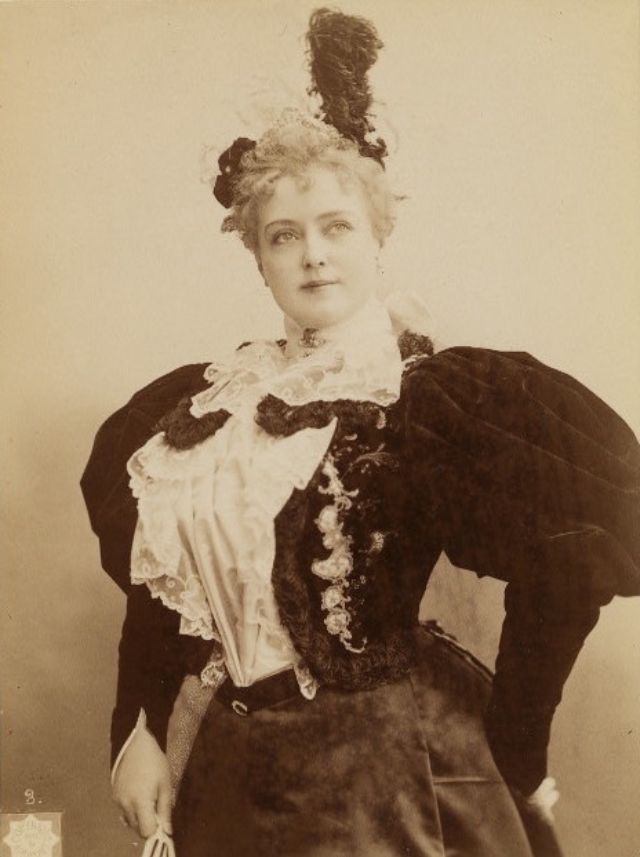
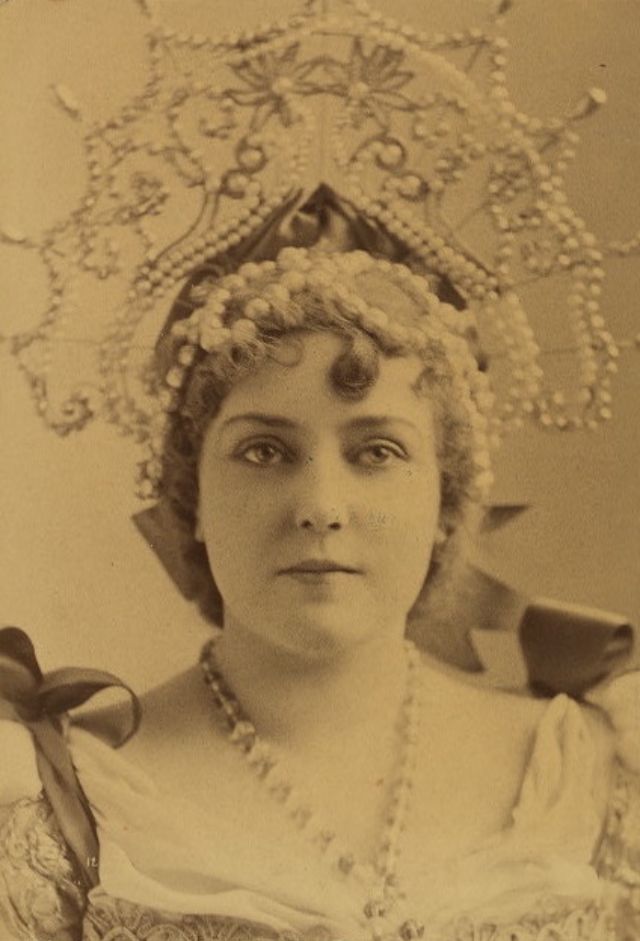
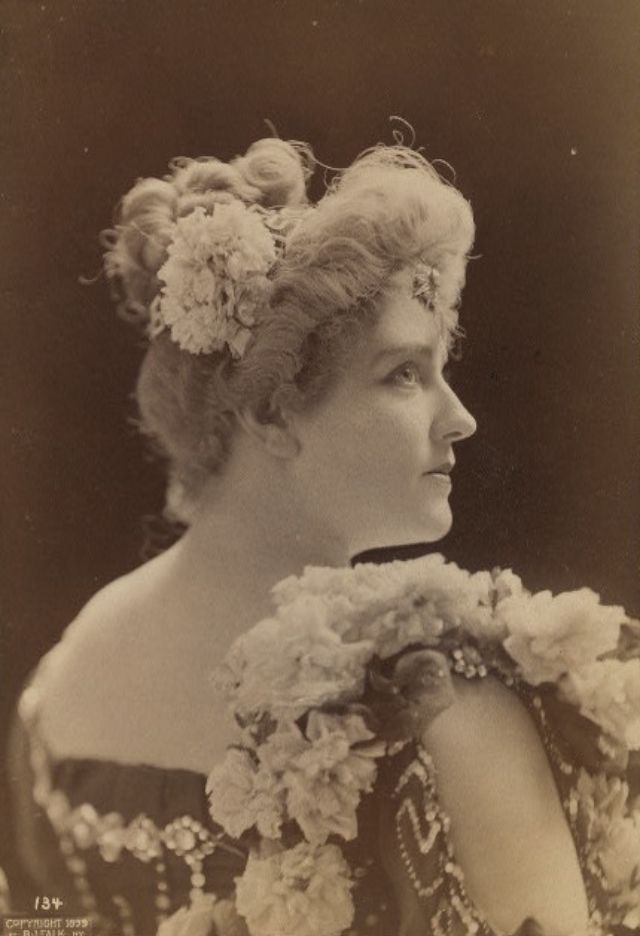
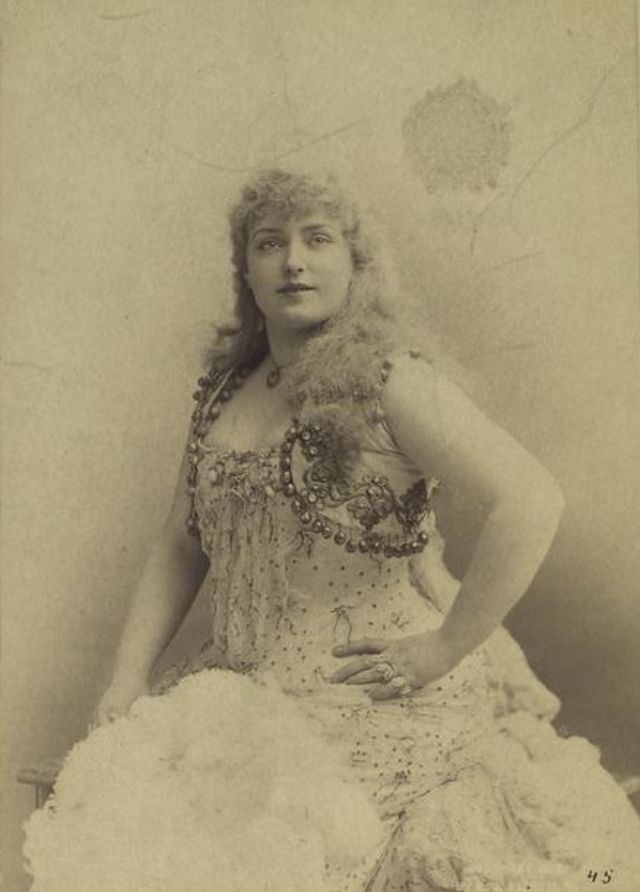
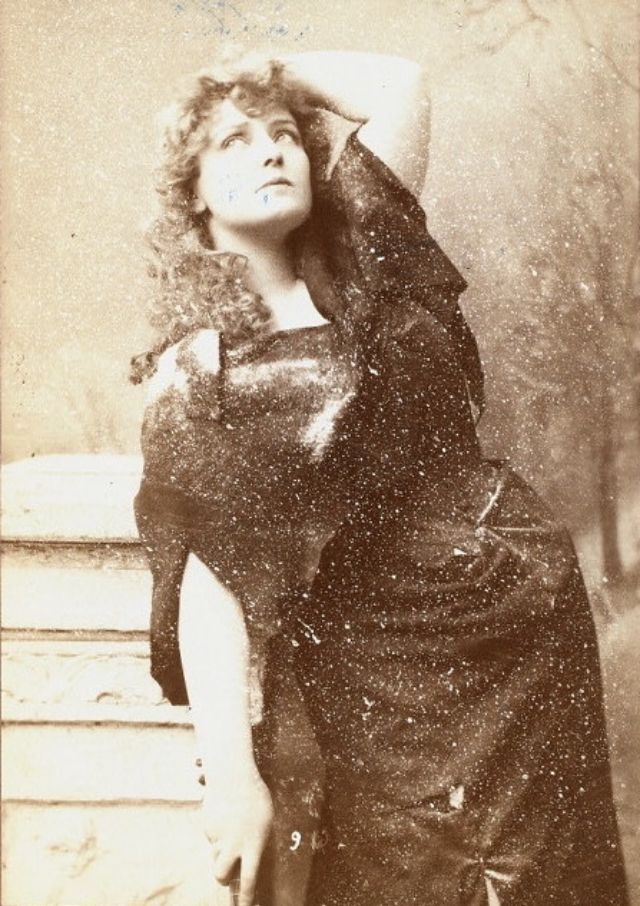
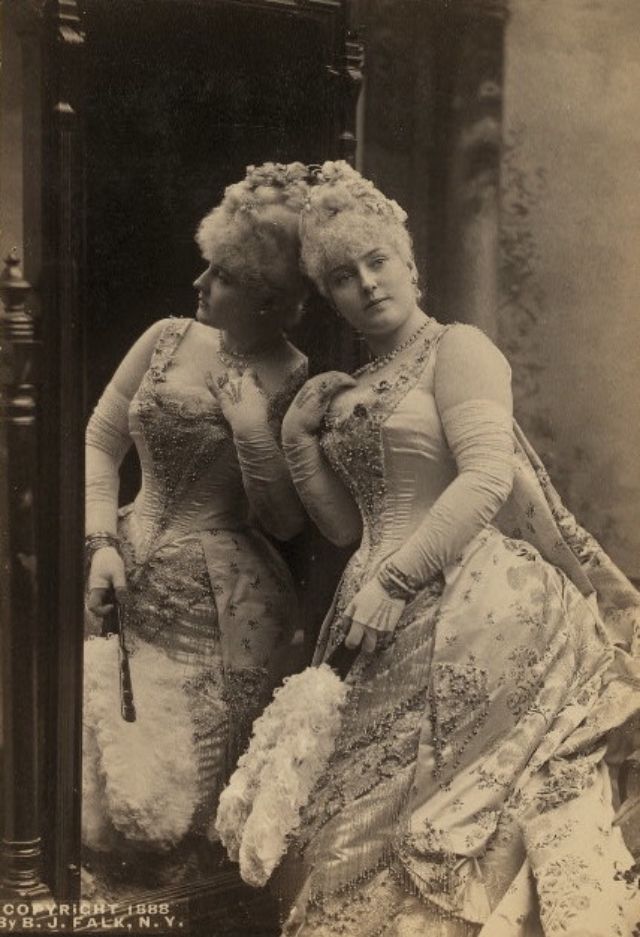
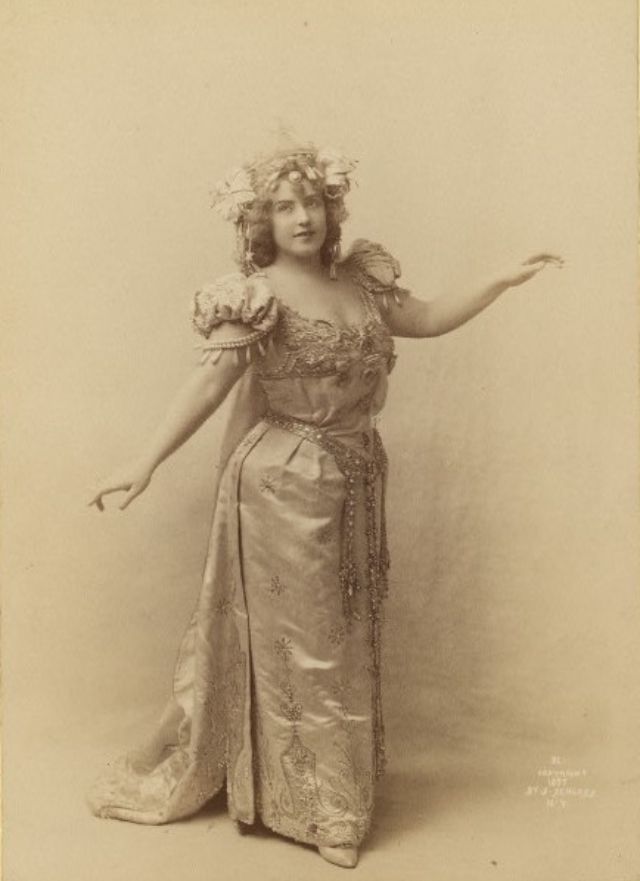
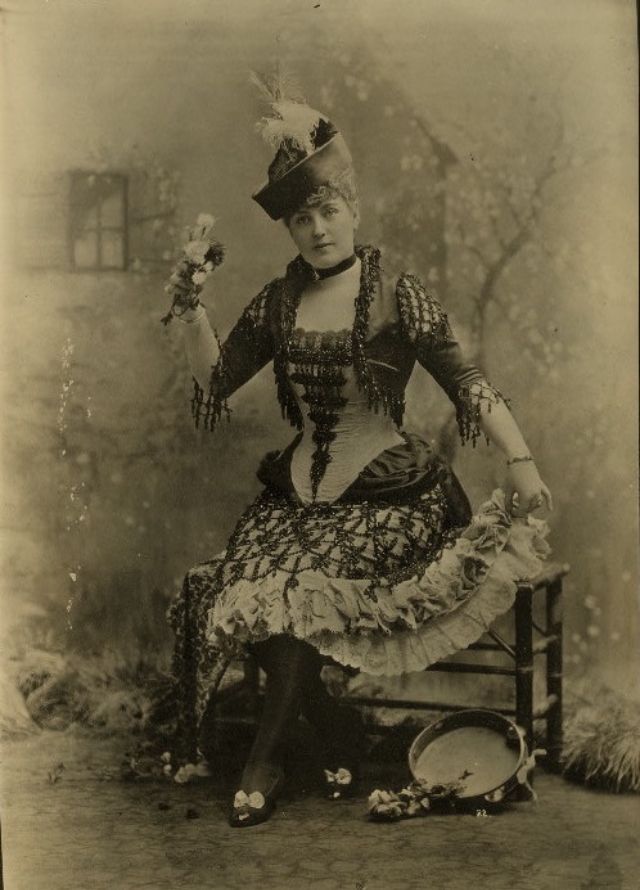
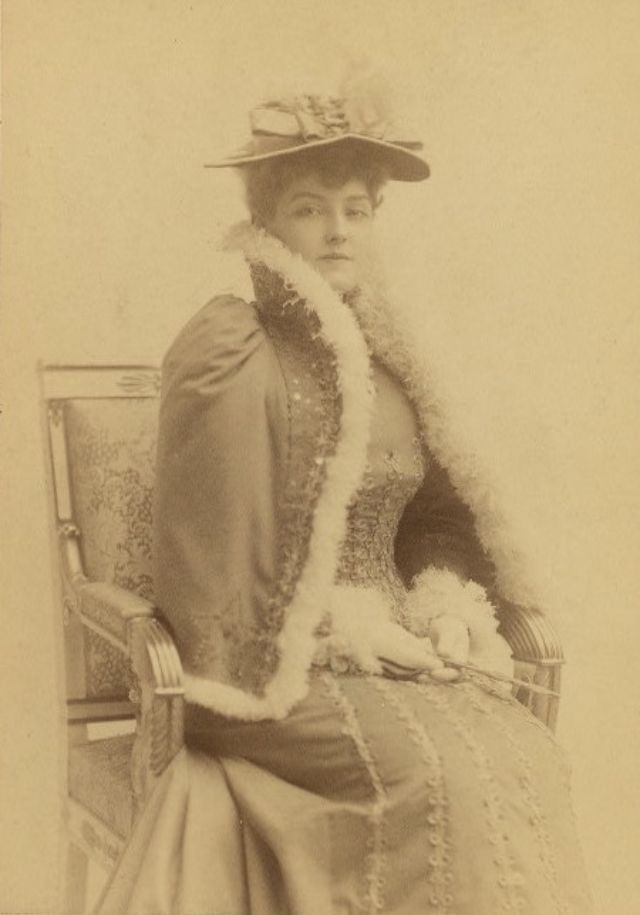
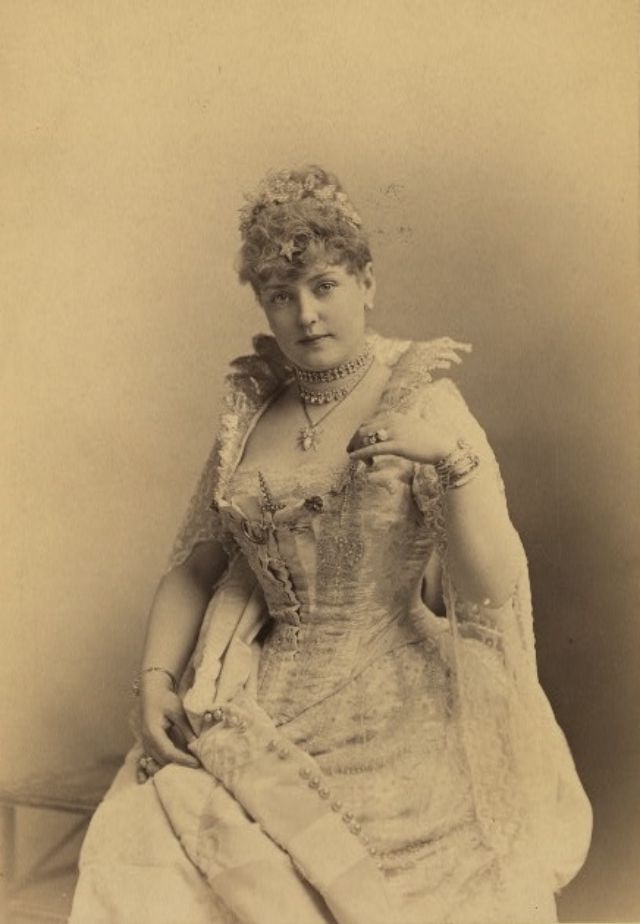
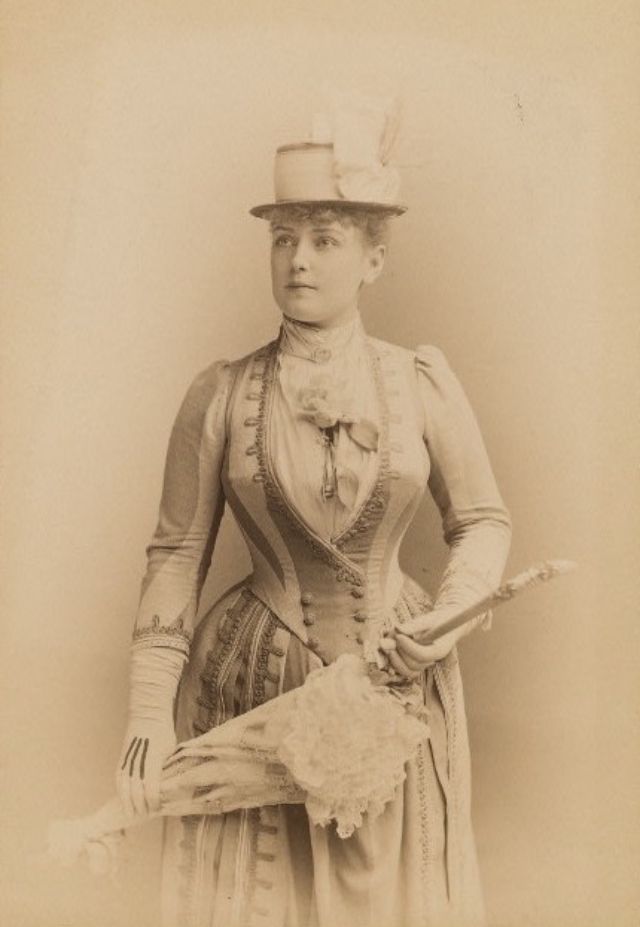
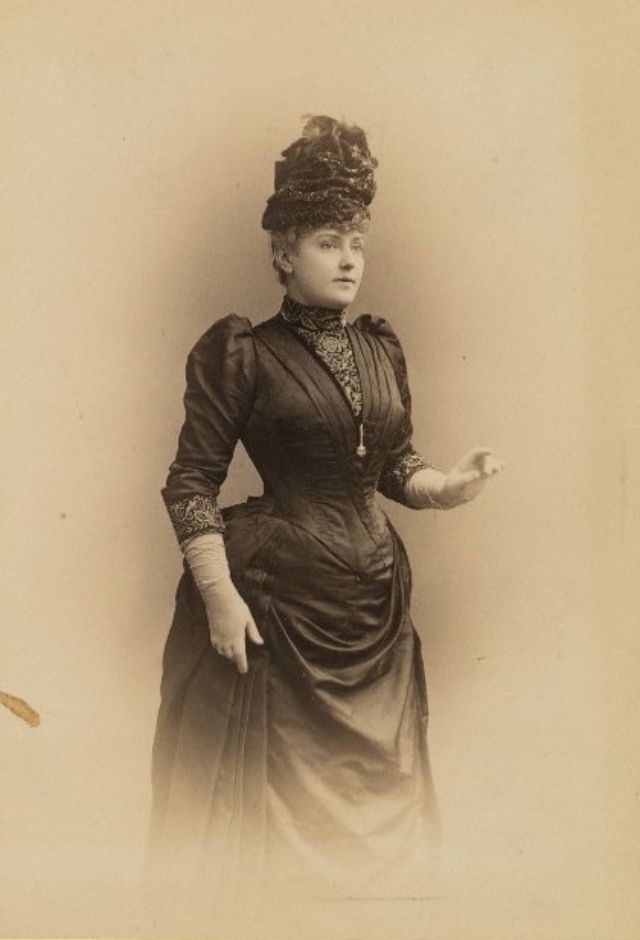
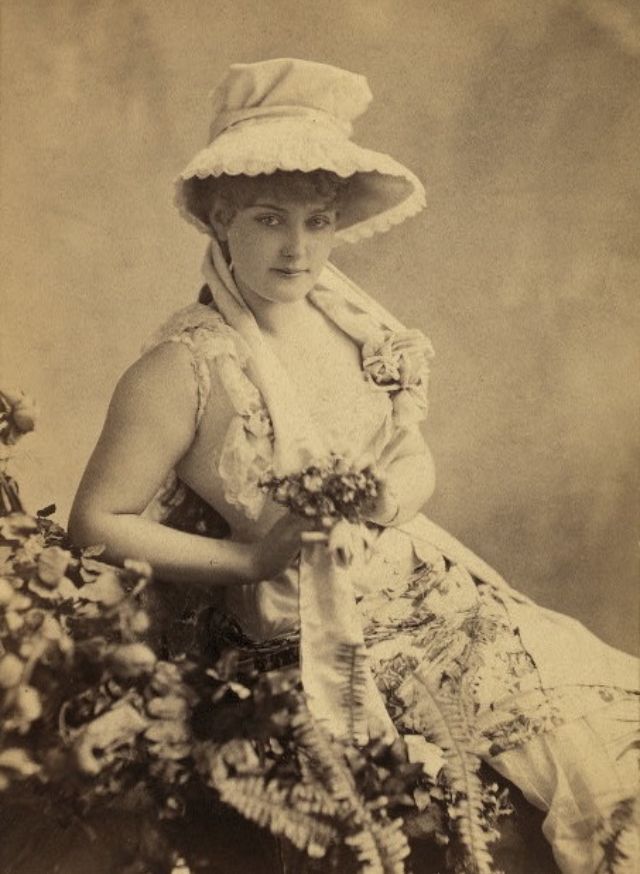
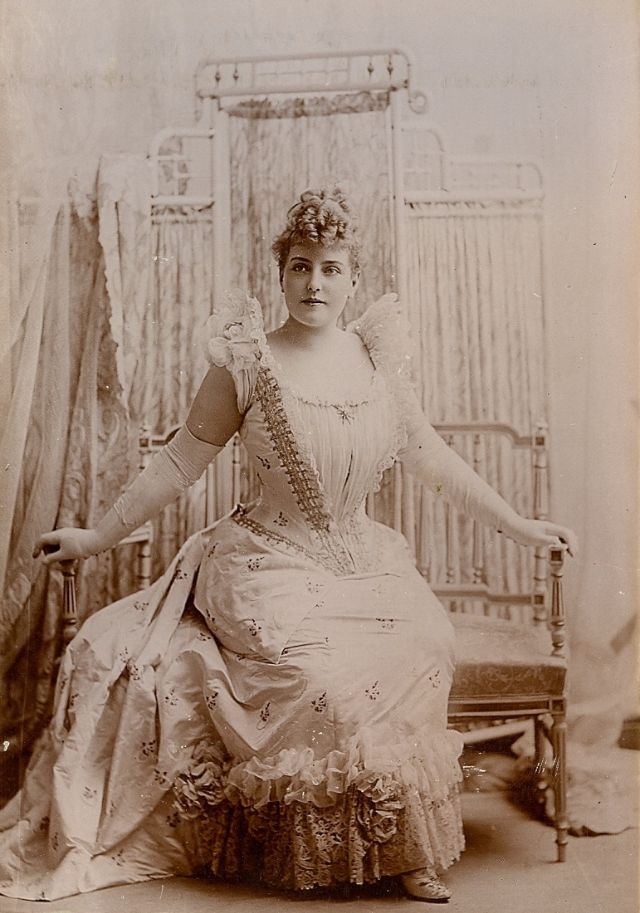
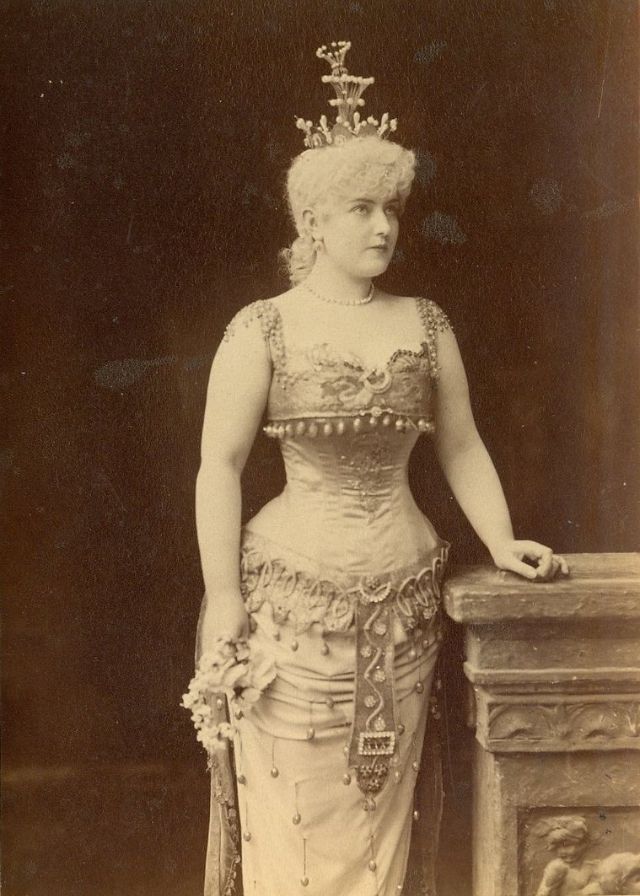
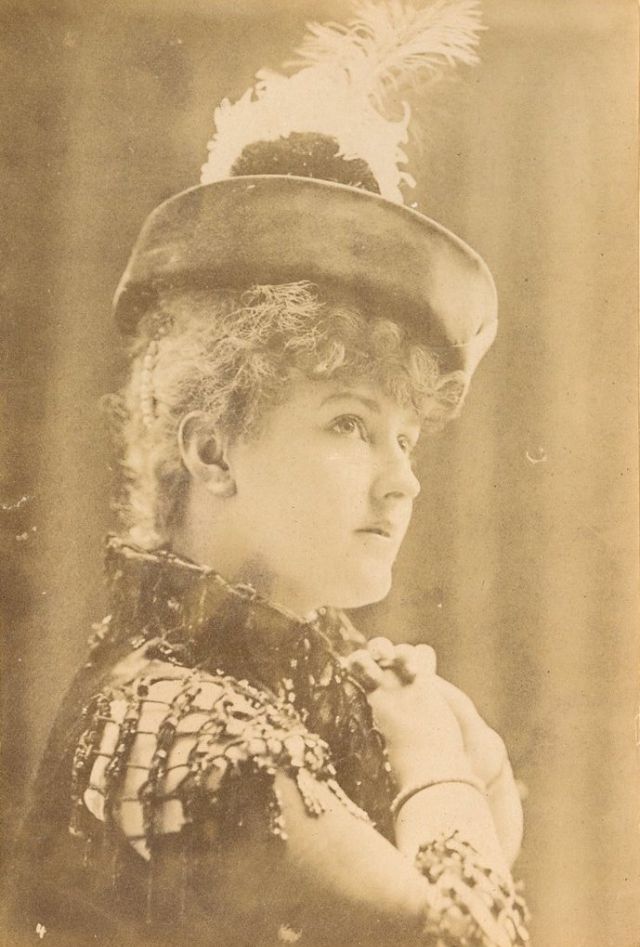
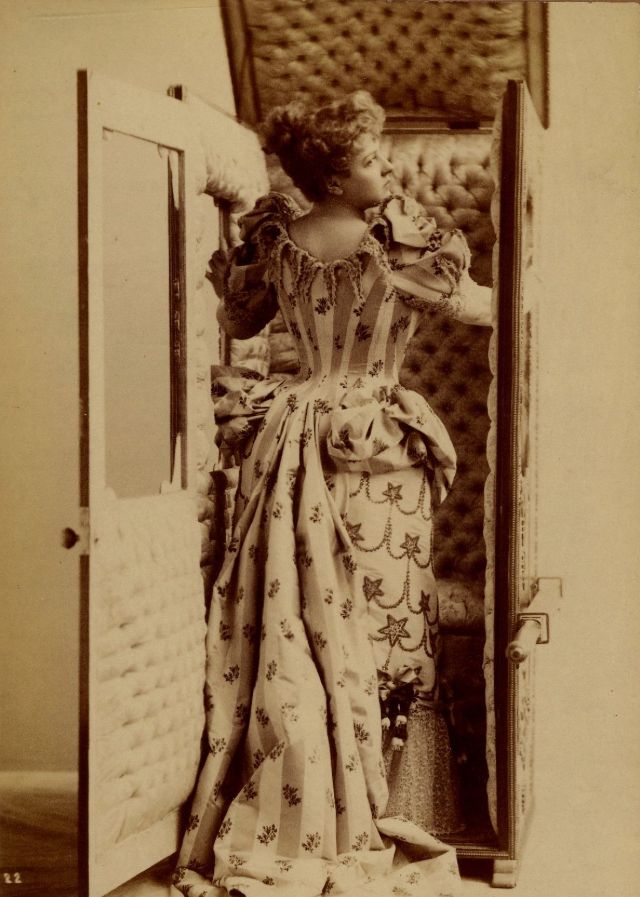
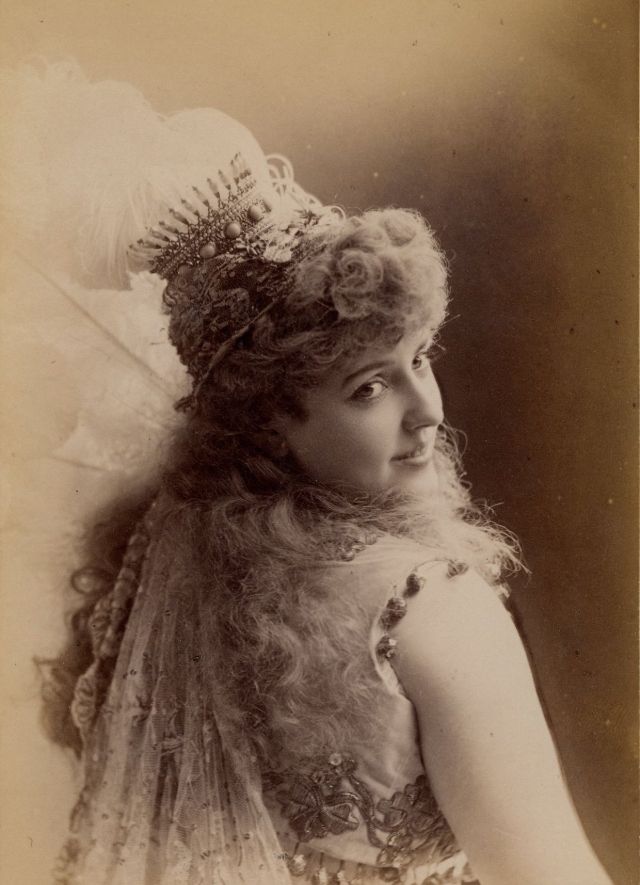
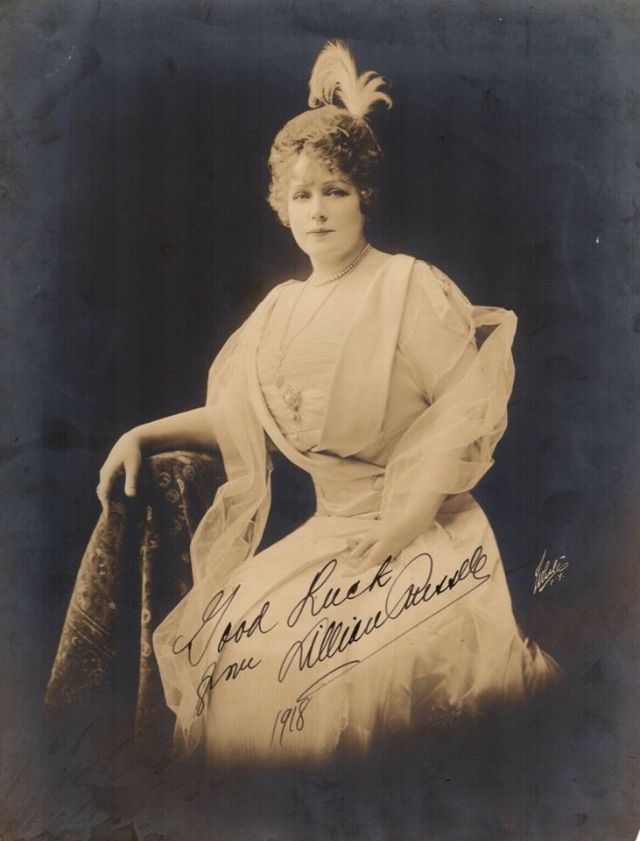
Lillian Russell was born Helen Louise Leonard in Clinton, Iowa, the fourth of five daughters of newspaper publisher Charles E. Leonard, and author and feminist Cynthia Leonard, the first woman to run for mayor of New York City. Her family moved to Chicago in 1865, where she studied at the Convent of the Sacred Heart from age 7 to 15 and then at the Park Institute. Her father became a partner in the printing firm of Knight & Leonard, and her mother became active in the women’s rights movement. Russell, called Nellie as a child, excelled at school theatricals. In her teens, she studied music privately and sang in choirs. In December 1877, she performed in an amateur production of Time Tries All at Chickering Hall in Chicago.
When Russell was 18, her parents separated, and she, her mother and her younger sister moved to New York City, where her mother did suffrage work for Susan B. Anthony. Russell studied singing under Leopold Damrosch and considered pursuing an operatic career; her very religious mother disapproved of her working in theatre, which she considered disreputable. Russell began dating Walter Sinn, whose father owned the Brooklyn Park Theatre. Walter’s mother helped Russell get a chorus job (as Nellie Leonard) with Edward E. Rice, who was touring his musical Evangeline to Boston beginning in September 1879, together with Gilbert and Sullivan’s comic opera H.M.S. Pinafore. Russell soon began seeing the orchestra leader Harry Braham and became pregnant. They married in November when the show moved to New York theatres. She gave birth to their son Harry in June 1880. In September, Braham got a prestigious job conducting at Tony Pastor’s Theatre on Broadway. Pastor, known as the father of vaudeville, was responsible for introducing many well-known performers. In November 1880, Pastor engaged Russell for his variety shows. At his suggestion, she chose a stage name, Lillian Russell, and Pastor introduced her as an “English ballad singer”. She was immediately popular with audiences and soon was acting in skits, as well as singing. In early 1881, the baby died after his nanny accidentally penetrated his stomach with a diaper pin. Braham came home to find the dying baby. The tragedy exacerbated Russell’s difficult relationship with her mother and led to her divorce from Braham.
In the summer of 1881, Russell toured with Pastor’s company. That fall, she played the leading soprano role of Mabel in a burlesque of The Pirates of Penzance at Pastor’s theatre. She next played at the Bijou Opera House on Broadway as Djenna in The Great Mogul and with the McCaull Comic Opera Company played Bathilda there in Olivette. She also played the title role in Gilbert and Sullivan’s Patience and Aline in The Sorcerer in 1882 at the Bijou.
Russell met composer Edward Solomon later in 1882 at Pastor’s New York Casino Theatre where he was the season’s musical director and she became the star. Unaware of his first marriage, she became his mistress and they sailed together to London. There she starred in several works he wrote specifically for her, including Virginia in Paul and Virginia, Phoebe in Billee Taylor, and the title roles in Polly, or the Pet of the Regiment and Pocahontas. While in London, she was engaged to create the title role in Gilbert and Sullivan’s Princess Ida (1884), but she clashed with W.S. Gilbert and was dismissed during rehearsals.
Solomon’s comic operas were not highly successful in Britain, so Russell and Solomon returned to America. They had a daughter together, Dorothy Lillian Russell, in 1884, and married in New Jersey in 1885. Russell was very well received in Solomon’s works, on tour in the U.S. for Pastor. Another Solomon success for Russell and Pastor was Pepita; or, the Girl with the Glass Eyes. Russell also played in New York theatres or on tour in Gilbert and Sullivan and in operettas. Her relationship with Solomon soured, mostly due to his poor finances, and their last show, The Maid and the Moonshiner (1886), was a flop. When creditors sued Solomon, he fled the country. In 1886, Solomon was arrested for bigamy because his previous marriage had not been dissolved. Russell obtained a divorce from Solomon in 1893.
Russell continued to star in comic opera and other musical theatre. She toured with the J.C. Duff Opera Company between other engagements for two years beginning in 1886. In 1887, she starred as Carlotta in Gasparone by Karl Millöcker in New York City at the Standard Theatre, together with Eugène Oudin and J.H. Ryley. Later the same year, she was back at the Casino Theatre in the title role of Dorothy, and over the next several years, she continued to star in operettas and musical theatre on Broadway. Her parts at this time included the title role in The Grand Duchess of Gerolstein, Fiorella in The Brigands (in a translation by W.S. Gilbert), Teresa in The Mountebanks, Marion in La Cigale, and Rosa in Princess Nicotine. In 1891, she opened at the Garden Theatre as the star of the Lillian Russell Opera Company. Giroflé-Girofla was a favorite of Russell, who played the dual lead role in Chicago, New York and on tour in the 1890s.
For many years, Russell was the foremost singer of operettas in America. Her voice, stage presence and beauty were the subject of a great deal of fanfare in the news media, and she was extremely popular with audiences. Actress Marie Dressler observed “I can still recall the rush of pure awe that marked her entrance on the stage. And then the thunderous applause that swept from orchestra to gallery, to the very roof.” When Alexander Graham Bell introduced long-distance telephone service on May 8, 1890, Russell’s voice was the first carried over the line. From New York City, Russell sang the saber song from La Grande-Duchesse de Gérolstein to audiences in Boston and Washington, D.C. She rode a bicycle custom made for her by Tiffany & Co. It was a gold-plated machine that displayed the jeweler’s art at its most opulent and unconventional – the handlebars inlaid with mother-of-pearl and the wheel spokes featuring her initials set in diamonds. She had “a cream serge leg-of-mutton sleeve cycling suit with the skirt shortened by three inches, which caused a sensation and set a trend.”
She married tenor John Haley Augustin Chatterton (known professionally as Signor Giovanni Perugini) in 1894, but they soon separated, and in 1898, they divorced. In the spring of 1894, she returned to London to play Betta in The Queen of Brilliants by Edward Jakobowski and then played the same role in the New York production at Abbey’s Theatre. She remained at Abbey’s, playing several roles, but when that theatre shut down in 1896, she played in other Broadway houses in more operettas by Offenbach (such as The Princess of Trebizonde and many others), Victor Herbert and others, such as Erminie (at the Casino Theatre) in 1899.
For 40 years, Russell was also the companion of businessman “Diamond Jim” Brady, who showered her with extravagant gifts of diamonds and gemstones and supported her extravagant lifestyle.
In 1899, Russell joined the Weber and Fields Music Hall, where she starred in their burlesques and other entertainments until 1904. Her first production there was Fiddle-dee-dee in 1899 which also featured DeWolf Hopper, Fay Templeton and David Warfield. Other favorites were Whoop-de-doo and The Big Little Princess. Before the 1902 production of Twirly-Whirly, John Stromberg, who had composed several hit songs for her, delayed giving Russell her solo for several days, saying that it was not ready. When he committed suicide a few days before the first rehearsal, sheet music for “Come Down Ma Evenin’ Star” was discovered in his coat pocket. It became Russell’s signature song and is the only one she is known to have recorded, although the recording was made after Russell’s voice had deteriorated significantly.
Leaving Weber and Fields, she next played the title role of Lady Teazle in 1904 at the Casino Theatre and then began to play in vaudeville. After 1904, Russell began to have vocal difficulties, but she did not retire from the stage. Instead, she switched to non-musical comedies, touring from 1906 to 1908 under the management of James Brooks. In 1906, she played the title role in Barbara’s Millions, and in 1908 she was Henrietta Barrington in Wildfire. The next year she was Laura Curtis in The Widow’s Might. In 1911, she toured in In Search of a Sinner. Russell then returned to singing, appearing in burlesque, variety and other entertainments.
In 1912, she married her fourth husband, Alexander Pollock Moore, owner of the Pittsburgh Leader, and mostly retired from the stage. The wedding was held in Pittsburgh at the grand Schenley Hotel, which today is a national historic landmark and the University of Pittsburgh’s student union building. Russell lived, for a time, in suite 437 of the hotel, now located in the offices of the student newspaper, The Pitt News. The same year, she made her last appearance on Broadway in Weber & Fields’ Hokey Pokey. In 1915, Russell appeared with Lionel Barrymore in the motion picture Wildfire, which was based on the 1908 play in which she had appeared. This was one of her few motion picture appearances. She appeared in vaudeville until 1919, when ill health forced her to leave the stage entirely, after a four-decade long career.
Beginning around 1912, Russell wrote a newspaper column, became active in the women’s suffrage movement (as her mother had been), and was a popular lecturer on personal relationships, health and beauty, advocating an optimistic philosophy of self-help and drawing large crowds. In 1913, she declared that she would refuse to pay her income taxes to protest “the denial of the ballot to women.” Nonetheless, she recruited for the U.S. Marine Corps during World War I and raised money for the war effort.
Russell became a wealthy woman, and during the Actors’ Equity strike of 1919, she made a major donation of money to sponsor the formation of the Chorus Equity Association by the chorus girls at the Ziegfeld Follies. In March 1922, Russell traveled aboard the RMS Aquitania from Southampton, England, to the Port of New York on the March 11–17 crossing. According to The New York Times, she “established a precedent by acting as Chairman of the ship’s concert, the first woman, so far as the records show, to preside at an entertainment on shipboard.”
In 1922, Russell undertook a fact-finding mission to Europe on behalf of President Warren Harding. The mission was to investigate the increase in immigration. She recommended a five-year moratorium on immigration and a minimum of 21 years residency before making application for naturalization. Russell stated: “only the useless in the reconstruction of their countries are seeking to come to the United States … the immigration of recent years has been from that class of people which arrests rather than aids, the development of any nation”. Her findings were instrumental in developing the content of the Immigration Act of 1924, which greatly restricted immigration of southern and eastern Europeans and banned the immigration of Asians.
Russell suffered apparently minor injuries on the return trip, which, however, led to complications, and she died after ten days of illness at her home in Pittsburgh, Pennsylvania. Thousands of people lined the route of her military funeral, attended by many actors and politicians; President Harding sent a wreath that was set atop her casket. She is interred in her family’s private mausoleum in the Allegheny Cemetery in Pittsburgh, Pennsylvania. (Wikipedia)
London is the capital and largest city of England and the United Kingdom, with a population of just over 9 million. It stands on the River Thames in south-east England at the head of a 50-mile (80 km) estuary down to the North Sea, and has been a major settlement for two millennia. The City of London, its ancient core and financial centre, was founded by the Romans as Londinium and retains boundaries close to its medieval ones. Since the 19th century, the name “London” has also referred to the metropolis around this core, historically split between the counties of Middlesex, Essex, Surrey, Kent, and Hertfordshire, which largely comprises Greater London, governed by the Greater London Authority. The City of Westminster, to the west of the City of London, has for centuries held the national government and parliament.
As one of the world’s major global cities, London exerts a strong influence on its arts, entertainment, fashion, education, commerce and finance, health care, media, science and technology, tourism, and communications. Its GDP (€801.66 billion in 2017) makes it the biggest urban economy in Europe, and it is one of the major financial centres in the world. As of 2021, London had the most millionaires of any city. With Europe’s largest concentration of higher education institutions, it includes Imperial College London in natural and applied sciences, the London School of Economics in social sciences, and the comprehensive University College London. London has the busiest city airport system in the world and is home to the most 5-star hotels of any city in the world. The London Underground is the oldest rapid transit system in the world.
London’s diverse cultures encompass over 300 languages. The mid-2018 population of Greater London of about 9 million made it Europe’s third-most populous city, accounting for 13.4% of the population of the United Kingdom and over 16% of the population of England. Greater London Built-up Area is the fourth-most populous in Europe, after Istanbul, Moscow and Paris, with about 9.8 million inhabitants at the 2011 census. The London metropolitan area is the third-most populous in Europe after Istanbul’s and Moscow’s, with about 14 million inhabitants in 2016, granting London the status of a megacity.
London has four World Heritage Sites: the Tower of London; Kew Gardens; the combined Palace of Westminster, Westminster Abbey, and St Margaret’s Church; and also the historic settlement in Greenwich, where the Royal Observatory, Greenwich defines the Prime Meridian (0° longitude) and Greenwich Mean Time. Other landmarks include Buckingham Palace, the London Eye, Piccadilly Circus, St Paul’s Cathedral, Tower Bridge, and Trafalgar Square. It has many museums, galleries, libraries and cultural venues, including the British Museum, National Gallery, Natural History Museum, Tate Modern, British Library, and numerous West End theatres. Important annual sporting events held in London include the FA Cup Final (held annually at Wembley Stadium), Wimbledon Tennis Championships and London Marathon. In 2012, London became the first city to host three Summer Olympic Games. (Wikipedia)
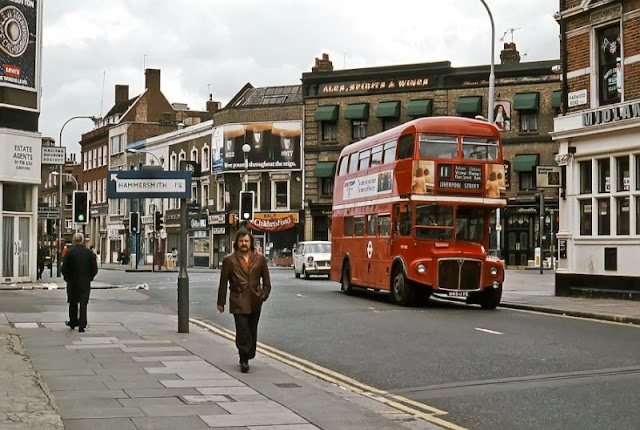
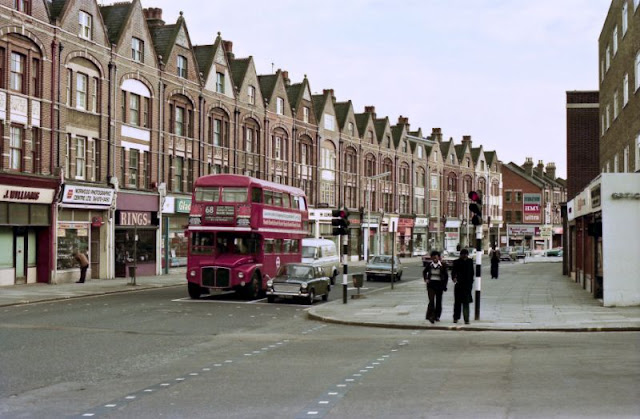
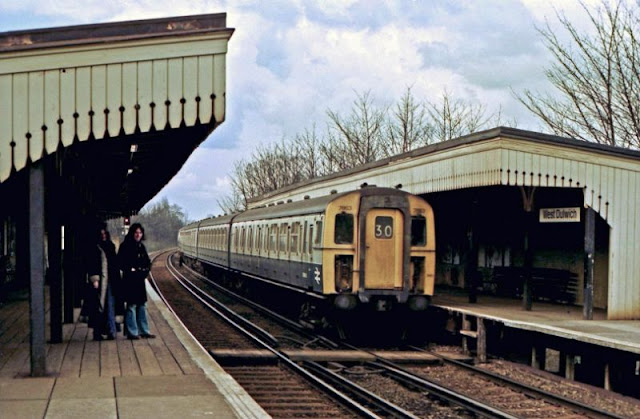
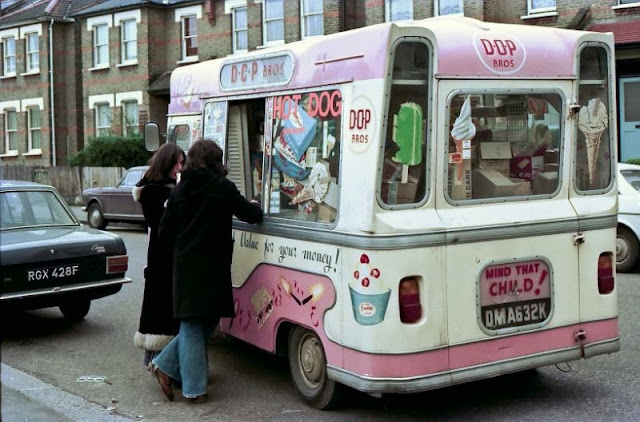
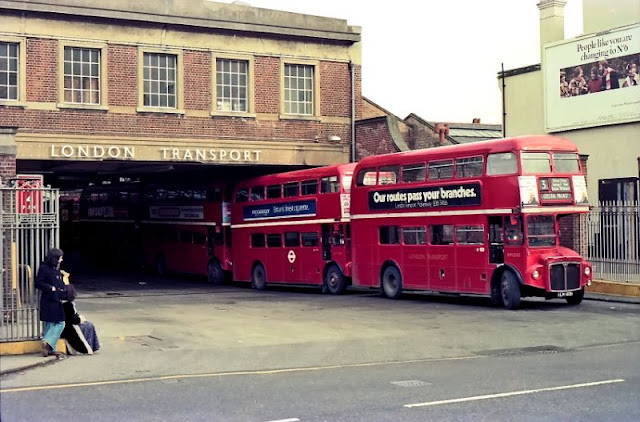
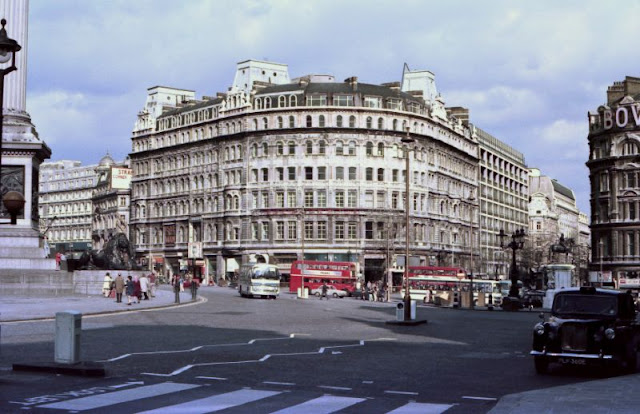
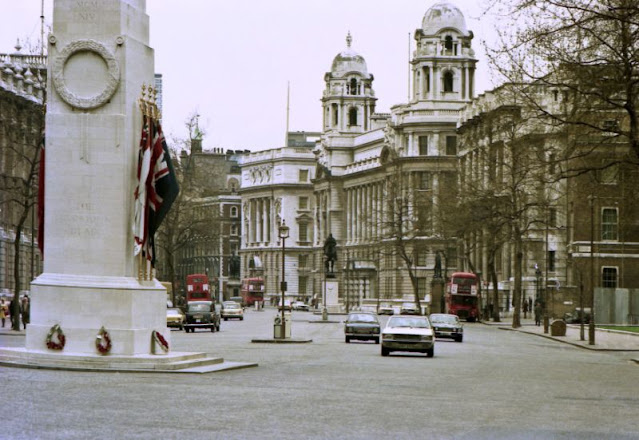
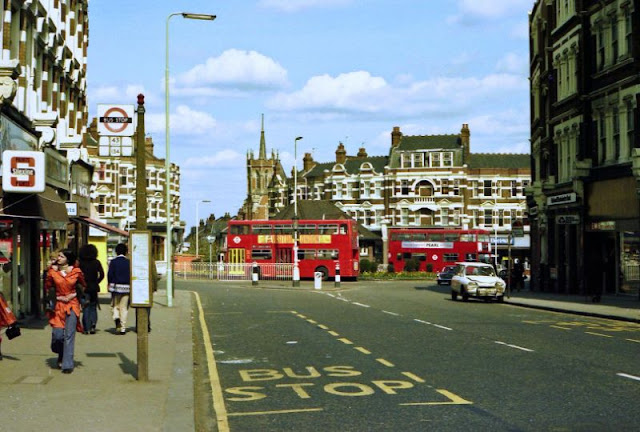
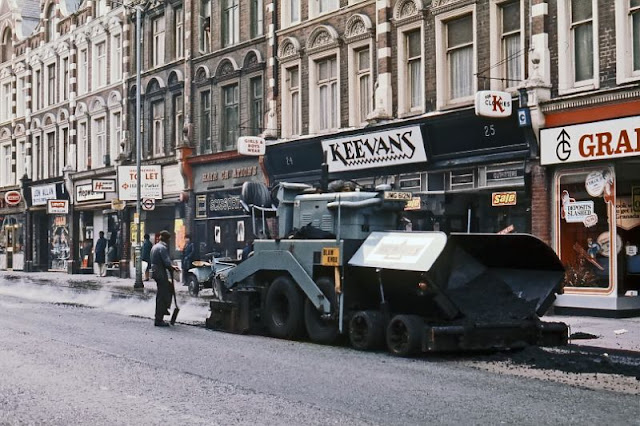
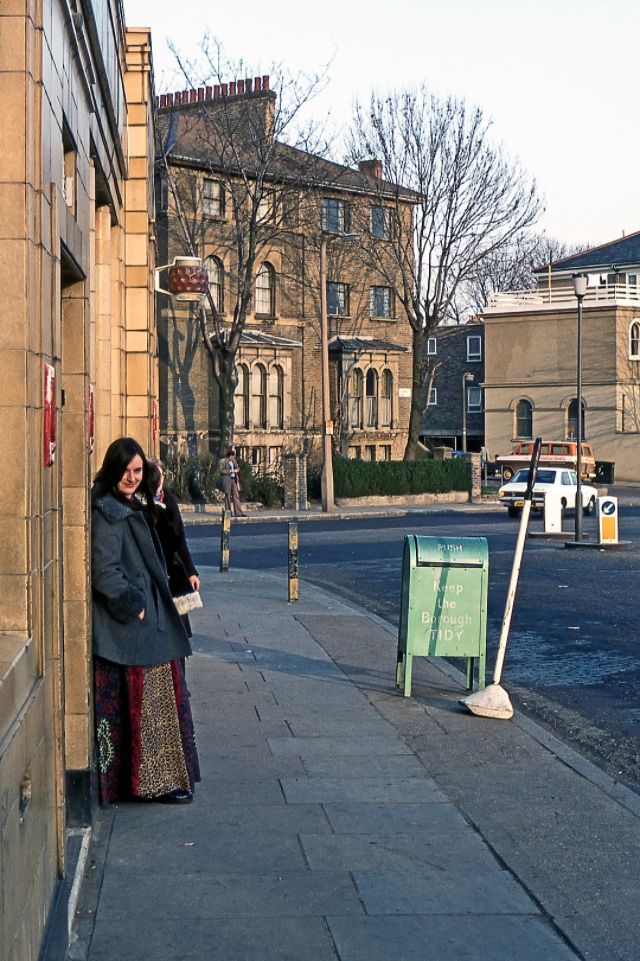
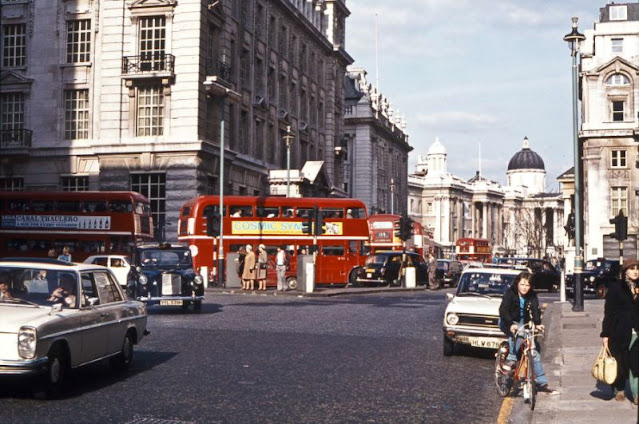
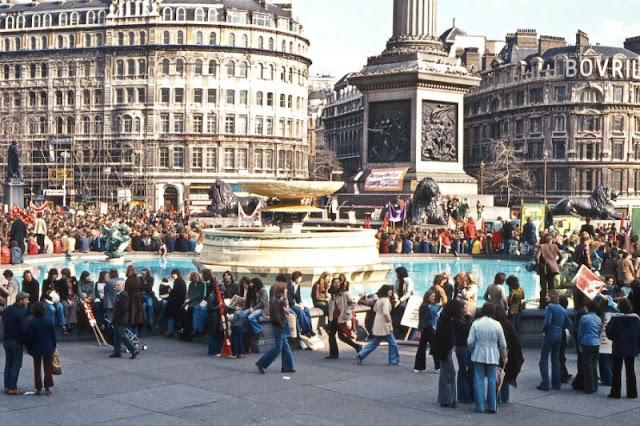
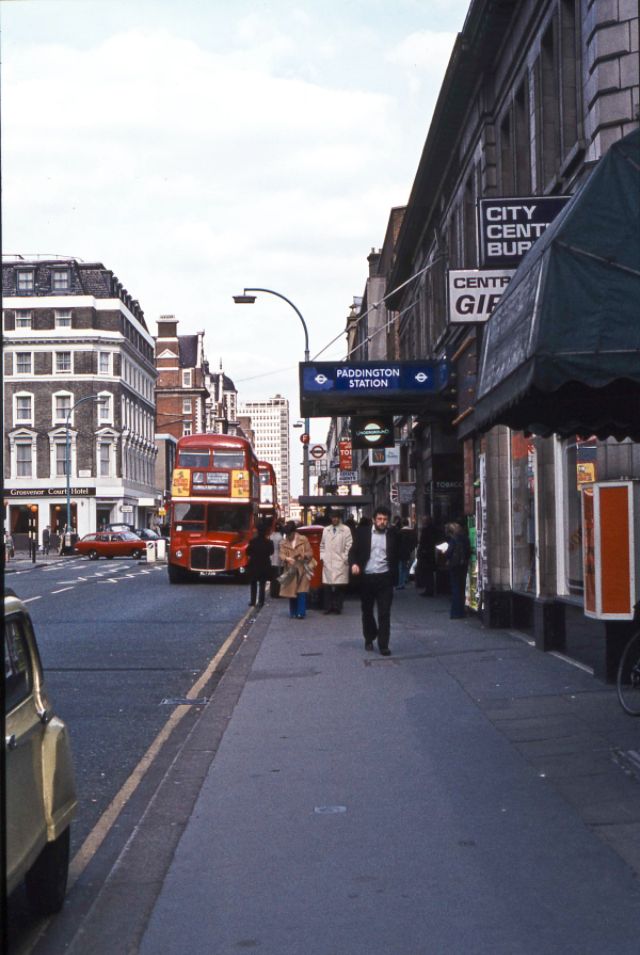
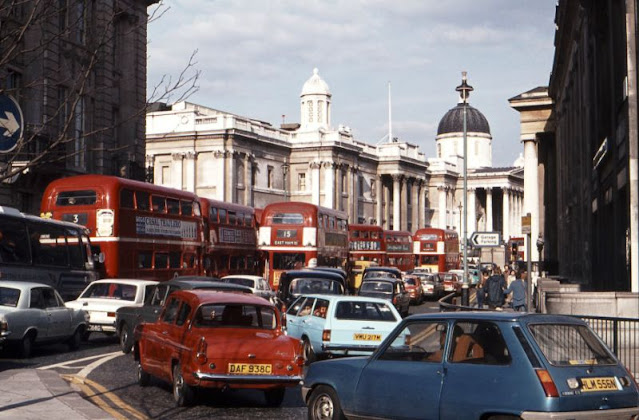
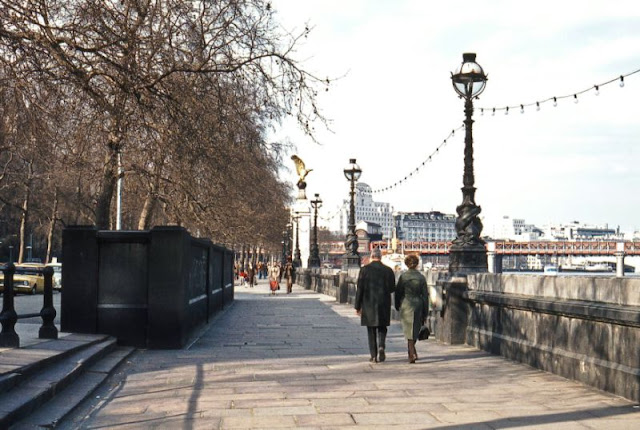
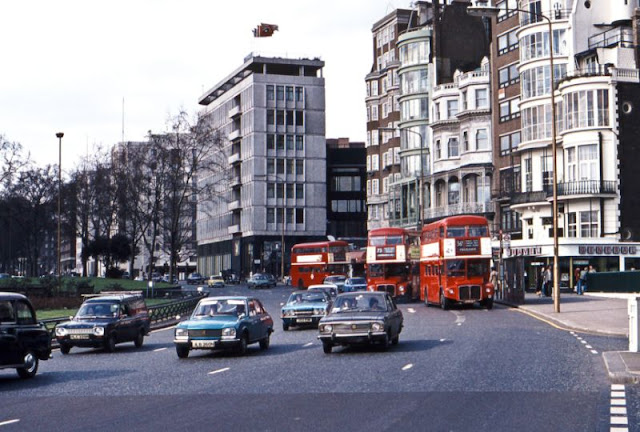
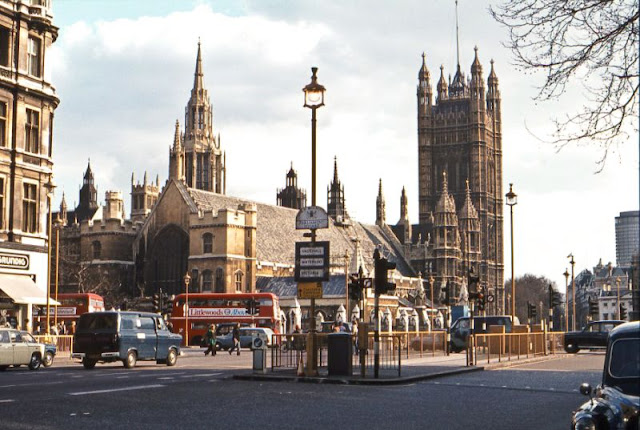
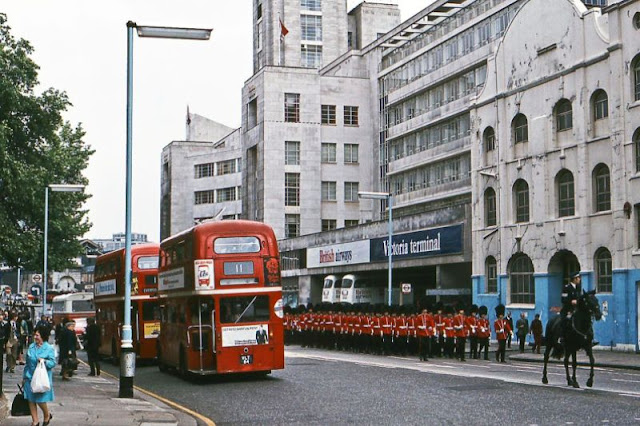
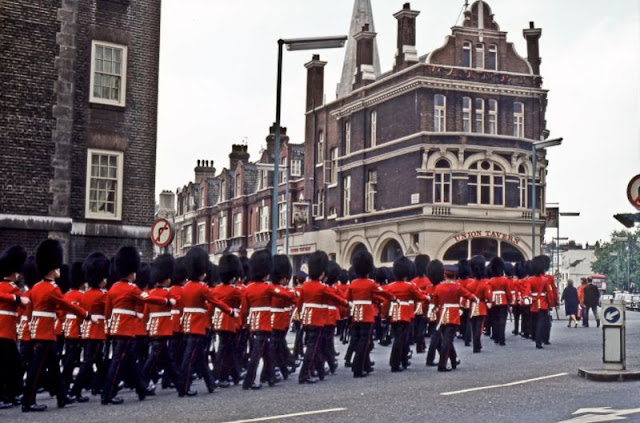
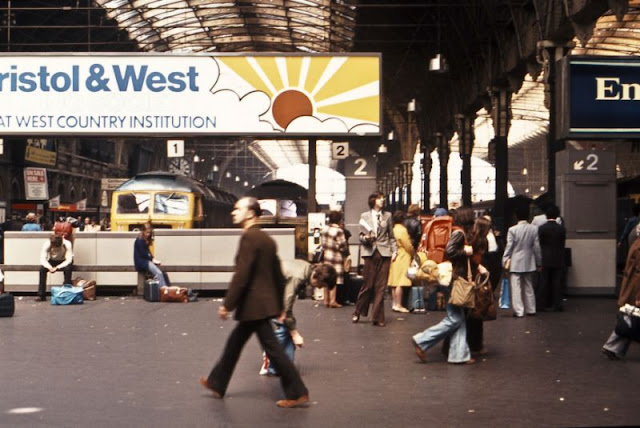
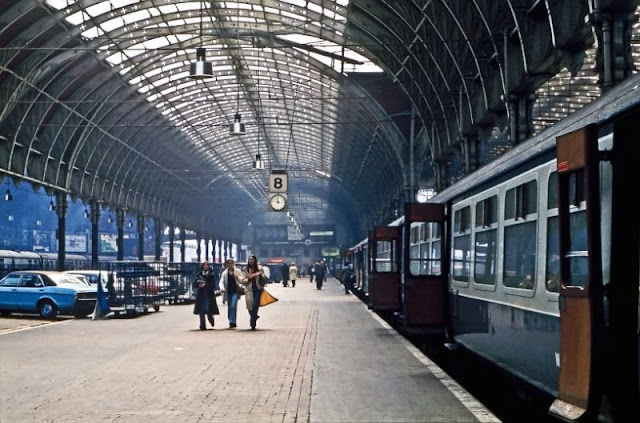
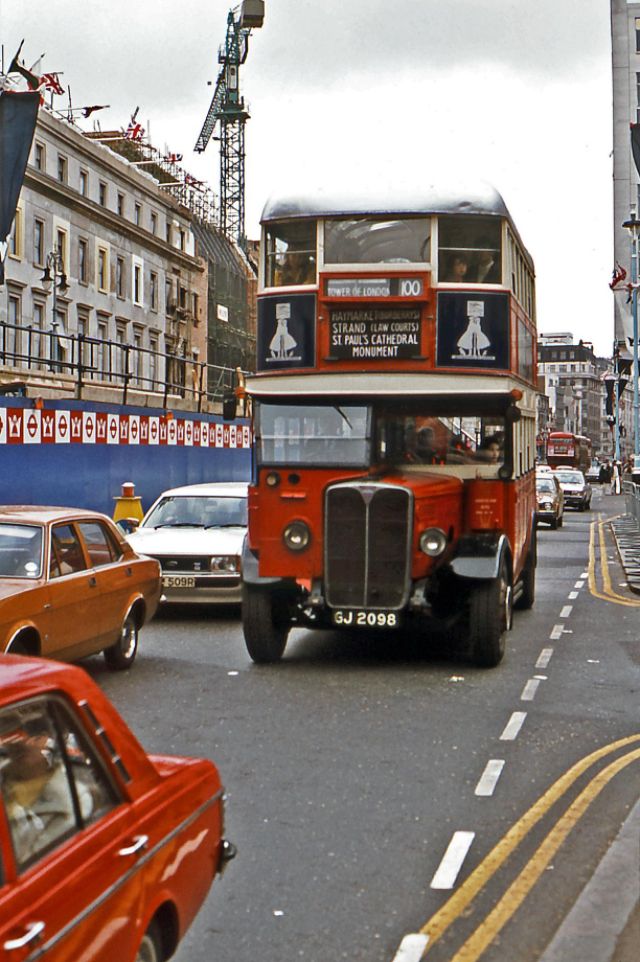
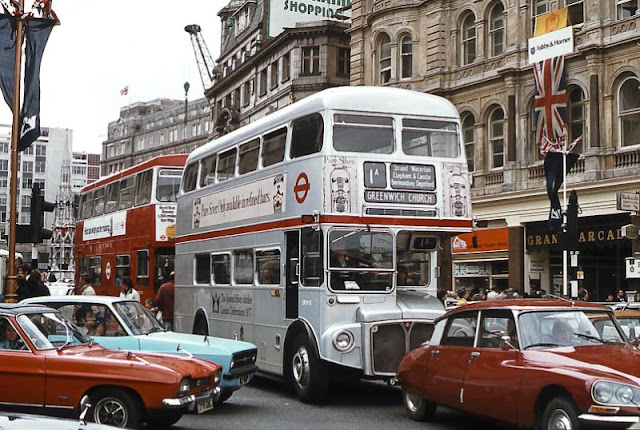
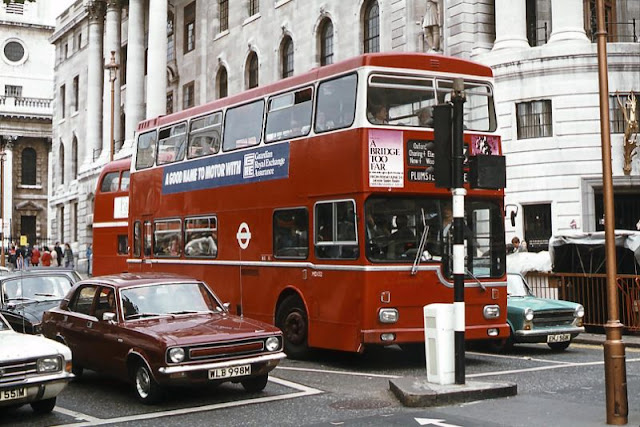
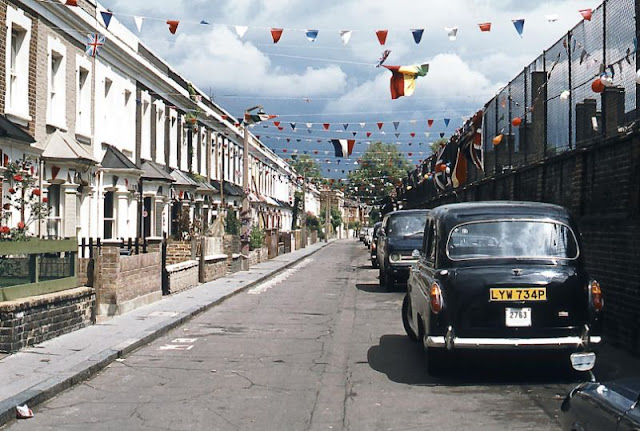
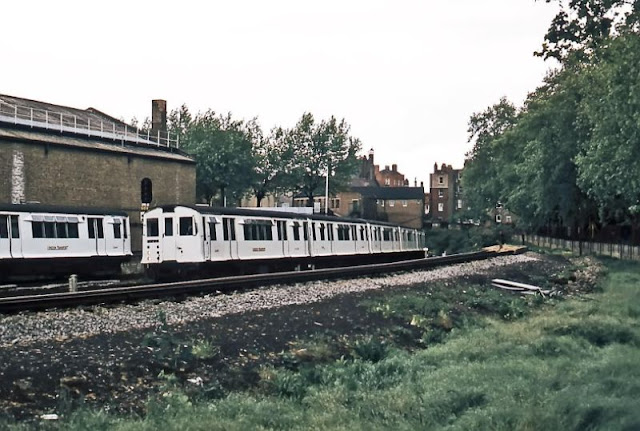
Fulham Broadway into Harwood Road, June 1977.West Norwood, March 1975.West Dulwich Station, March 1975.Ice Cream for Crow, Gypsy Hill, March 1975.Norwood Garage, March 1975.Trafalgar Square, April 1975.Whitehall and the Cenotaph, April 1975.Muswell Hill Broadway, April 1975.Blaw Knox, Crouch End, February 1976.Bus route 14, Hornsey Rise, April 1976.Haymarket into Pall Mall, April 1976.Piccadilly, April 1976.Pro-abortion rally taking place in Trafalgar Square, April 1976.RM 735, Praed Street, Paddington, April 1976.Trafalgar Square traffic jam, April 1976.Victoria Embankment, April 1976.Park Lane, April 1976.Parliament Square, April 1976.Buckingham Palace Road, May 1976.Marching guardsmen in Pimlico Road, May 1976.Paddington Station, May 1976.Platform 8 at Paddington Station, May 1976.Vintage Tilling bus, Charing Cross, June 1977.SRM13, Silver Jubilee Routemaster, June 1977.Scania Metropolitan, June 1977.Novello Street, Fulham, June 1977.LT District Line, Fulham, June 1977.