The Flagpole Sitting Trend of the 1920s Was Widely Popularized in the U.S by Alvin “Shipwreck” Kelly

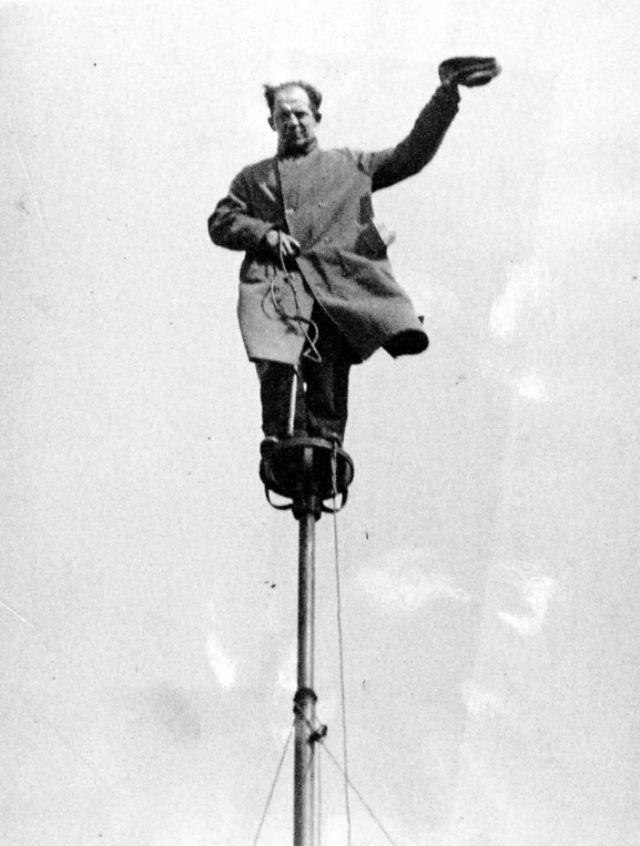
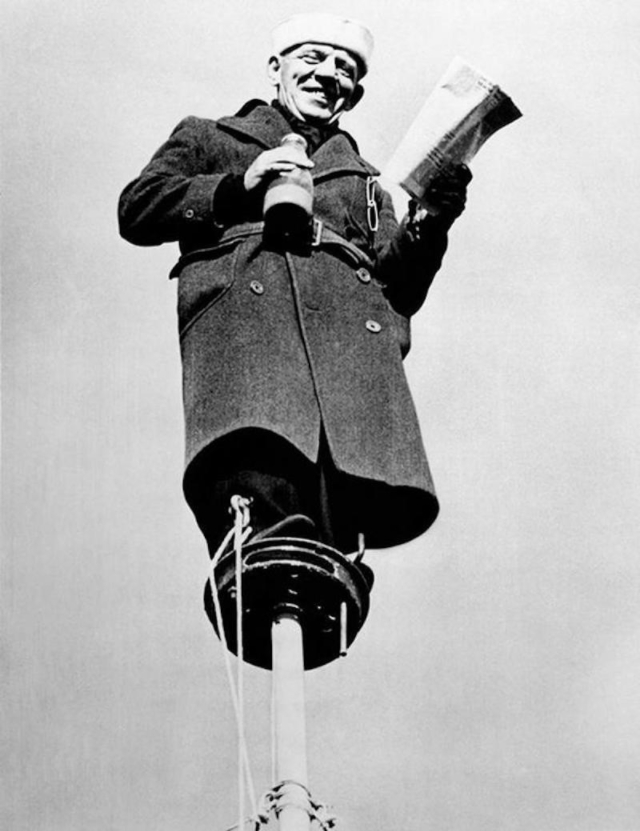
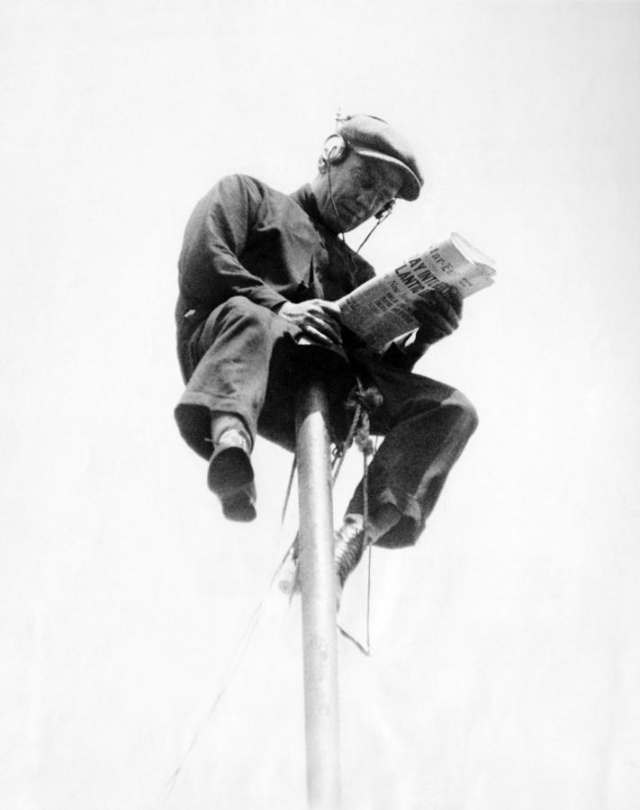
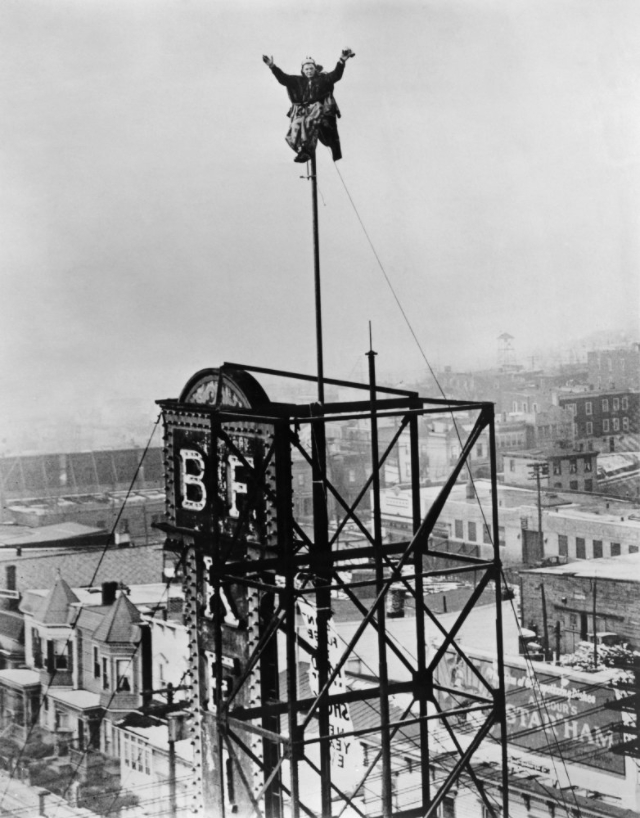
Alvin “Shipwreck” Kelly (May 11, 1893 – October 11, 1952), a prolific pole sitter who first publicized flagpole sitting in the country, attracted massive crowds and set off national adoration for the trend. Peculiar as it may seem to audiences today, the 1920s was ablaze with pole sitting fever, and the fad became especially popular among America’s youth as children competed for new records and local notoriety.

Alvin Kelly would clamber to the top of a specially-prepared flagpole and remain there on a small platform for days or even weeks, usually as a paid publicity stunt. It was par for the course in Kelly’s scattershot career: he claimed to be a survivor of the Titanic disaster (hence the nickname “Shipwreck”) and worked in shipyards, as a steeplejack and a stuntman before gaining fame for sitting on flagpoles across America.

According to one account, Kelly climbed his first pole at the age of seven, and at nine he performed a “human fly” trick, climbing up the side of a building. He is credited with popularizing the pole-sitting fad after sitting atop a flagpole in 1924, either in response to a dare from a friend or as a publicity stunt to draw customers to a Philadelphia department store. In January of that year he sat on a pole for 13 hours and 13 minutes to publicize a movie.

In 1926, Kelly set a record by sitting atop a flagpole in St. Louis, Missouri for seven days and one hour; in June 1927, he planned to beat that record by sitting for eight days in Newark, New Jersey. He would end up sitting atop the Newark pole for twelve days, and on a pole in Baltimore’s Carlin’s Park for 23 days in 1929. In 1930 he set a world record by sitting on a flagpole on top of the Steel Pier in Atlantic City, 225 feet (69 m) high, for 49 days and one hour.

At the height of his fame as a latter-day stylite, he toured 28 cities, charging admission to people who wanted to stand on roofs to see his performance stunts. He also earned an income from endorsements, personal appearances and books about his life. He called himself “the luckiest fool in the world.” He once calculated that over two decades he spent 20,613 hours sitting on flagpoles, of which 210 were in sub-freezing weather and 1400 hours in the rain. In one 1927 stunt, he climbed on a pole on a speeding biplane, sitting on a twelve-inch (30 cm) iron crossbar as the plane flew 500 feet (150 m) high. The New York Times reported that “he didn’t get around to hanging by one hand, as he promised he would.”

While pole sitting, Kelly was said to have subsisted mainly on coffee and cigarettes. He learned how to nap while sitting upright, and never was secured by more than a simple leg strap. He once claimed that he doesn’t “take as many chances as a window cleaner.” Journalist Jay Maeder wrote that “The newspapers were regularly full of pictures of Shipwreck Kelly, matter-of-factly brushing his teeth and shaving his face, hundreds of feet in the air.” He said that he was able to sleep while pole sitting by putting his thumbs in holes in the pole shafts. If he swayed, the pain in his thumbs would force him to right himself without waking him up.

His career began to decline after the Wall Street Crash of 1929, and in 1934 he was working as a gigolo at a Broadway dance hall, Roseland, then a “dime a dance” hall. Journalist H. Allen Smith found him “wearing a tail coat and silk hat, sitting on a plush divan.” By then, Kelly said, 17 people were claiming to be him, because few people knew what he looked like. In the 1930s there was less tolerance for such stunts, and police took a dim view of the disruption it caused. In 1935 he attempted to break his Atlantic City record by sitting on a pole in the Bronx, but was aloft for less than a day before he was arrested as a public nuisance. He only climbed down from the pole after police threatened to cut it down.

One of his last major public appearances was on October 13, 1939: Kelly celebrated National Donut Dunking Week by sitting on a pole atop the Chanin Building on East 42nd Street in Manhattan and eating 13 donuts dunked into a coffee cup and fed to him while he stood on his head. But by then that kind of work had pretty much dried up, he served in the United States Merchant Marine during World War II.

The Amazing Story of Alla Ilchun, the Kazakh Muse of Christian Dior

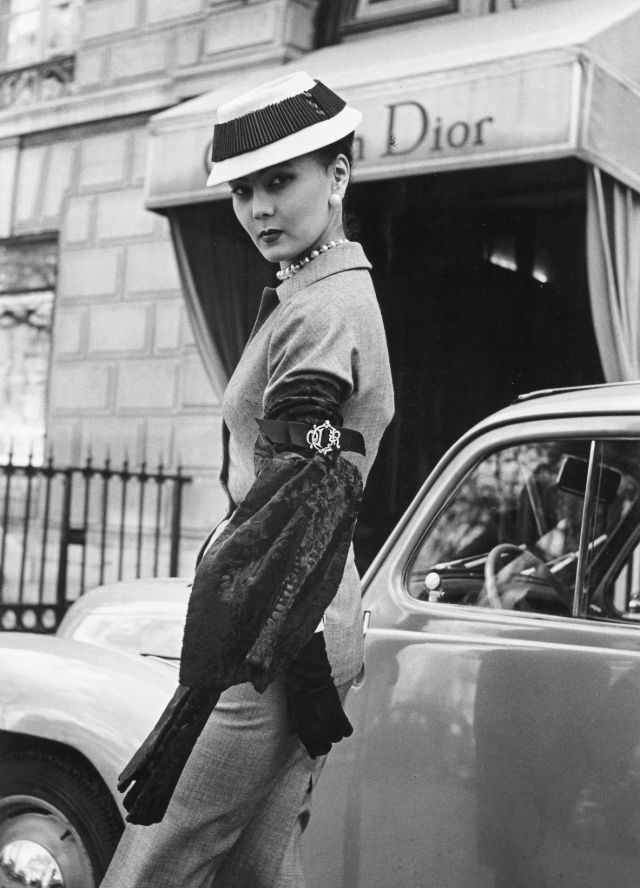
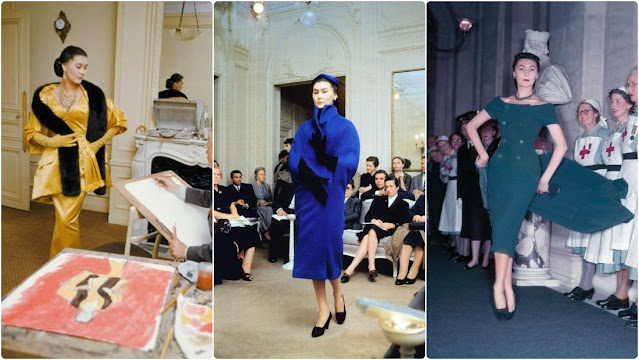
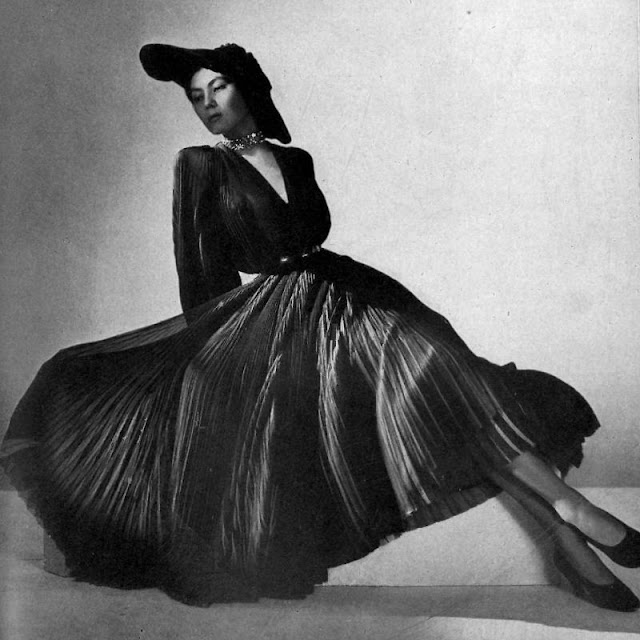
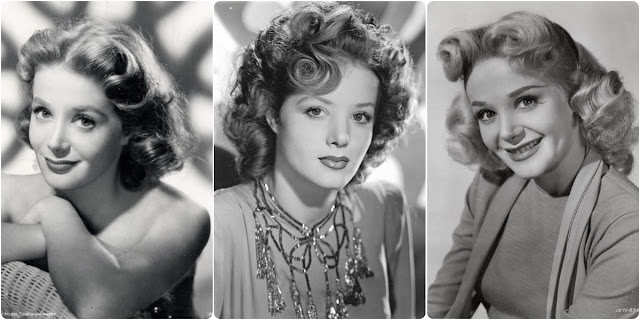
Alla Ilchun (1926 – March 8, 1989) was the first Euro-Asian model who has worked for twenty years at Dior. She was famous for her waist of 49 cm and eyeliner arrows.
Subscribe to get access

Read more of this content when you subscribe today.

Information about the family and the ancestors of Alla Ilchun is not very much preserved. Her father, Zhuanhal Ilchun, was allegedly a railway engineer. He was able to get a decent education thanks to his wealthy father, who lived in Kazakhstan. He participated in the construction of Turksib, and on the eve of the revolution was in Harbin. This city was founded as a station of the Chinese Eastern Railway; accordingly, many Russians lived in Harbin. Zhuanhal Ilchun met here the beautiful Tatyana, the opera singer. They started a family, soon their daughter Alla was born.

However, life in Harbin in the early of the twentieth century was very troubled. The Soviet, Chinese and Japanese governments tried to take the city under its influence. Harbin periodically passed from hand to hand, and the residents didn’t add peace of mind. The family decided to go in search of a better life. Russia, where the October revolution had already taken place, did not attract them, it was decided to go to France.

Tatiana arrived in Paris with her daughter. Zhuankhal Ilchun, according to Alla Ilchun’s son, was caught and sent to the GULAG. The capital of France was in no hurry to caress two foreign women who decided to find their happiness here. But they firmly decided to start life anew in Paris.

Growing up Alla began working as a dishwasher in a restaurant. She did not dream of a model career, and she was not accustomed to complaining about her fate. She just knew for sure that everything in her life would be fine.

And then the Second World War began. Alla Ilchun joined the ranks of the French resistance. She lost one of her friends, Ariadnu Scriabin, and she herself repeatedly risked her life. And only after the war, Alla finally pulled out her lucky lottery ticket.

Alla’s friend dreamed of becoming a model and was a regular participant in all sorts of castings. On that day, the girl felt unwell and asked Alla to replace her at the casting with Christian Dior, who at that time was just beginning his independent path in the fashion world. Coming to the casting, she found only a team of workers in the fashion house. The girl cheerfully chatted with them and left, deciding that her friend had clearly confused time or place.

A few days later, a phone call rang in Alla’s apartment, and the secretary of Mr. Dior informed Alla Ilchun about hiring a Christian Dior fashion house. To the girl’s remark about the failed participation in the casting, the secretary cheerfully noted: Mr. Dior was among the workers, and the oriental beauty and graceful figure of Alla conquered him at first sight.

A new and unfamiliar life has begun for Alla. Since that day she was waiting for daily fittings, numerous shows and shine spotlights. Christian Dior called Alla his personal talisman, because every show with her participation had an unprecedented success. The stars were ready to buy the dresses demonstrated by the beauty immediately after the model left behind the scene.

She was femininely fragile and possessed inimitable grace. High cheekbones and slanted eyes gave her a unique charm, women around the world began to imitate the model, trying to reproduce the long arrows that emphasize the eyes. The fashion for them remains today, just few people know that for the first time the world saw such an unusual make-up on Alla Ilchun’s face back in the 1950s. Working with a French fashion designer became happy for the model itself. At one of the many photo shoots Alla met Mike de Dülmen, Dior’s staff photographer. She subsequently married him and bore two sons.

10 years, until the death of the master, continued the cooperation of Alla and Christian Dior. However, after his departure she did not remain without work, for another decade she worked closely with Yves Saint Laurent.

Alla Ilchun decided to finish her modeling career when she began to notice signs of age on her face. She wanted to remain in the memory of the audience and fans as the young and beautiful. For twenty years of work in the fashion world, her waist has grown from 47 centimeters to only 49, but the stamp of maturity was already visible on her face and body. After retirement, she did not participate in photo shoots and led a closed lifestyle.

Here, a collection of 40 fabulous photos captured portrait of Alla Ilchun as a model in the late 1940s and 1950s:

Subscribe to continue reading

Become a paid subscriber to get access to the rest of this post and other exclusive content.

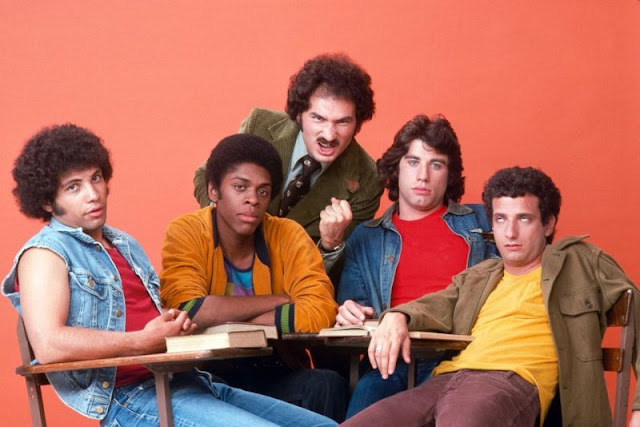
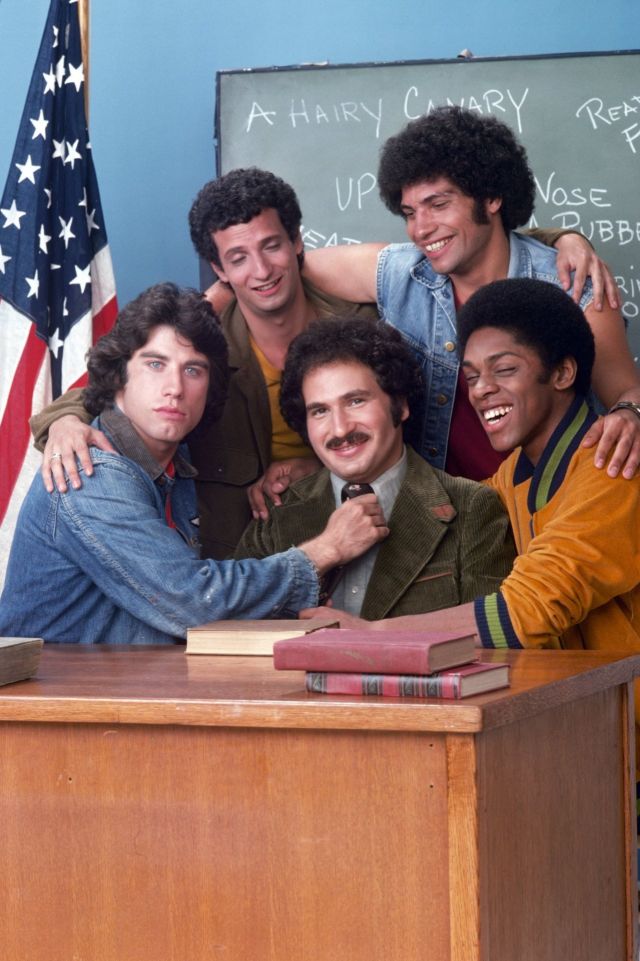
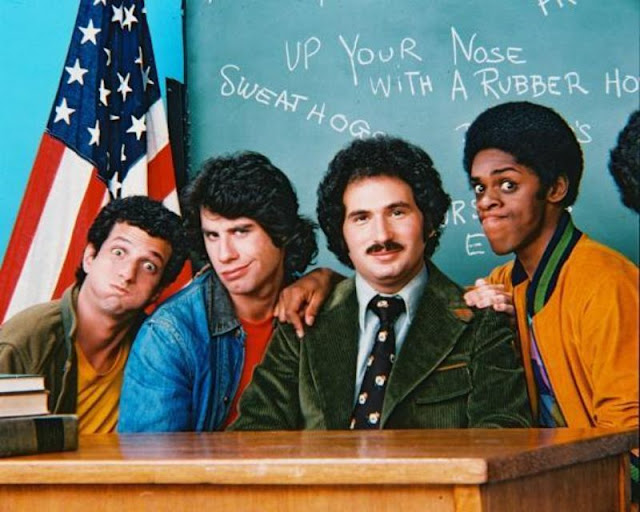
Photos of the Cast of ‘Welcome Back, Kotter’ (1975)

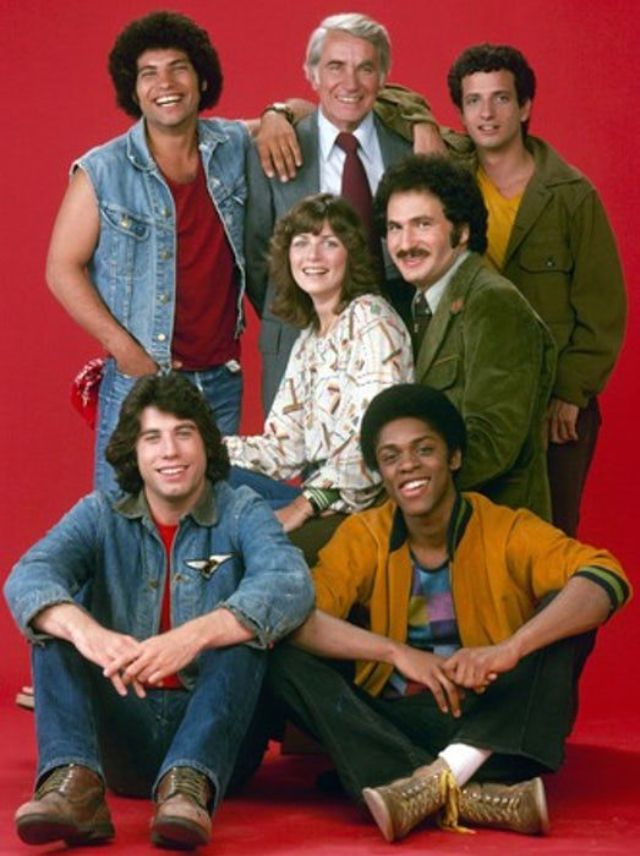
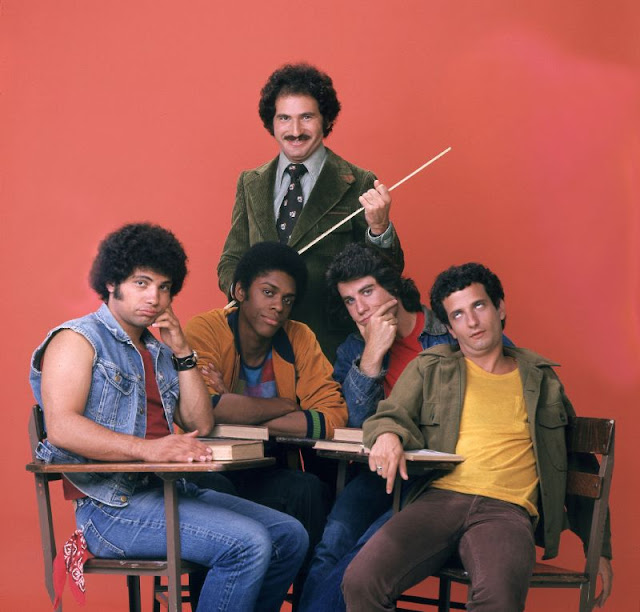
Welcome Back, Kotter is an American sitcom starring Gabe Kaplan as a high school teacher in charge of a racially and ethnically diverse remedial class called the “Sweathogs”. Recorded in front of a live studio audience, it originally aired on ABC from September 9, 1975, to May 17, 1979.

The show enjoyed ratings success during its first two seasons, spawning a host of merchandising tie-ins, including lunchboxes, dolls, trading cards, comic books, novels, and even a board game, advertised as “The ‘Up Your Nose With A Rubber Hose’ Game” in a commercial with a class full of Sweathog look-alikes featuring Steve Guttenberg as Barbarino and Thomas Carter as Boom Boom Washington.

In 2010, the cast, including Gabe Kaplan, Marcia Strassman, John Travolta, Robert Hegyes, Lawrence Hilton-Jacobs, and Ellen Travolta were honored at the TV Land Award ceremonies. Co-star Ron Palillo was not in attendance.

Here is a set of intimate photos that shows portraits of the cast of Welcome Back, Kotter.

The Story of the Cardiff Giant, the Greatest Hoax in American History

Subscribe to get access

Read more of this content when you subscribe today.

The Cardiff Giant was one of the most famous hoaxes in American history. It was a 10-foot-tall (3.0 m), 3,000 pound purported “petrified man” uncovered on October 16, 1869, by workers digging a well behind the barn of William C. “Stub” Newell in Cardiff, New York. He covered the giant with a tent and it soon became an attraction site. Both it and an unauthorized copy made by P. T. Barnum are still being displayed. The original is currently on display at The Farmers’ Museum in Cooperstown, New York.

Subscribe to continue reading

Become a paid subscriber to get access to the rest of this post and other exclusive content.

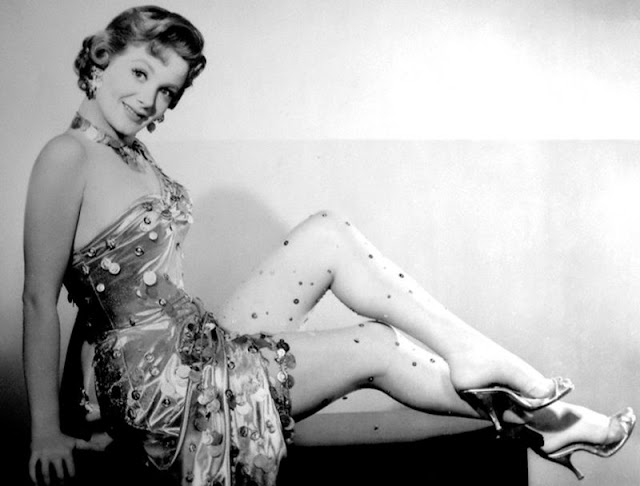
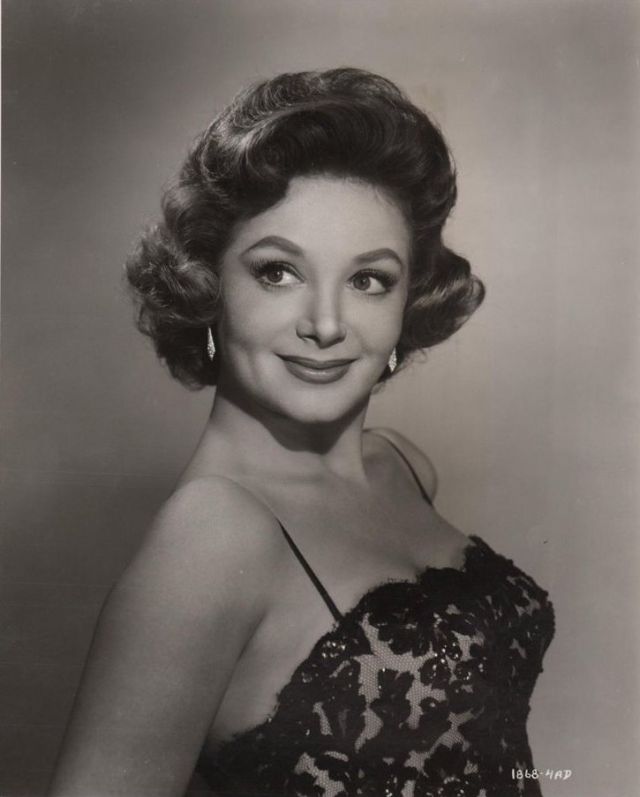
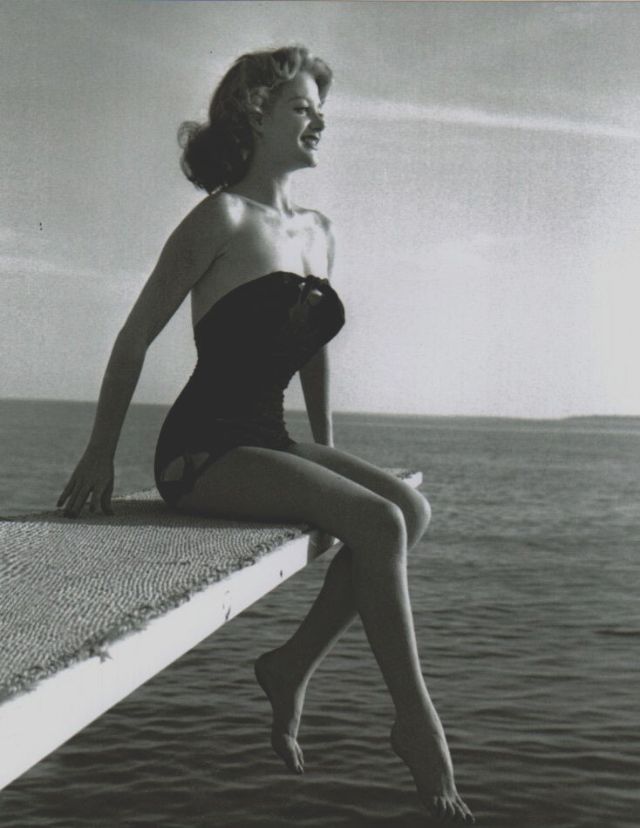
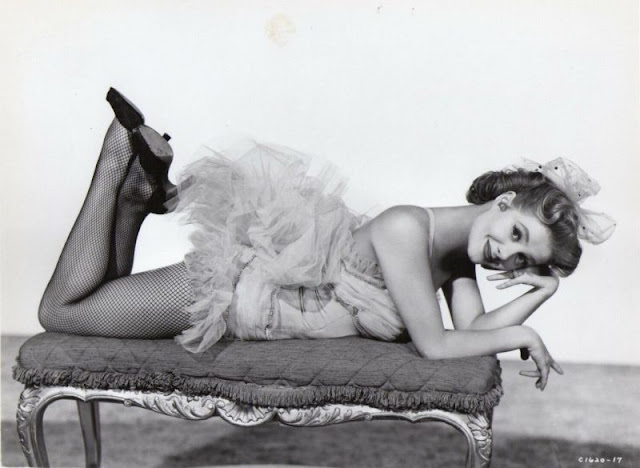
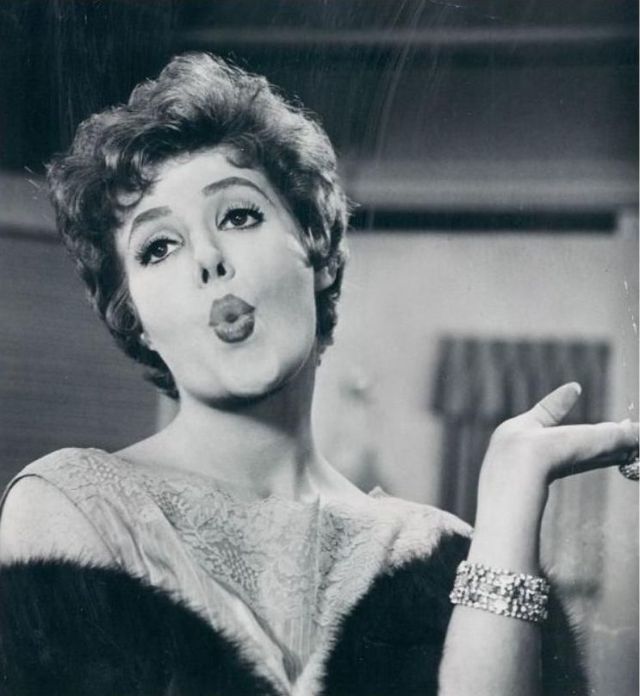
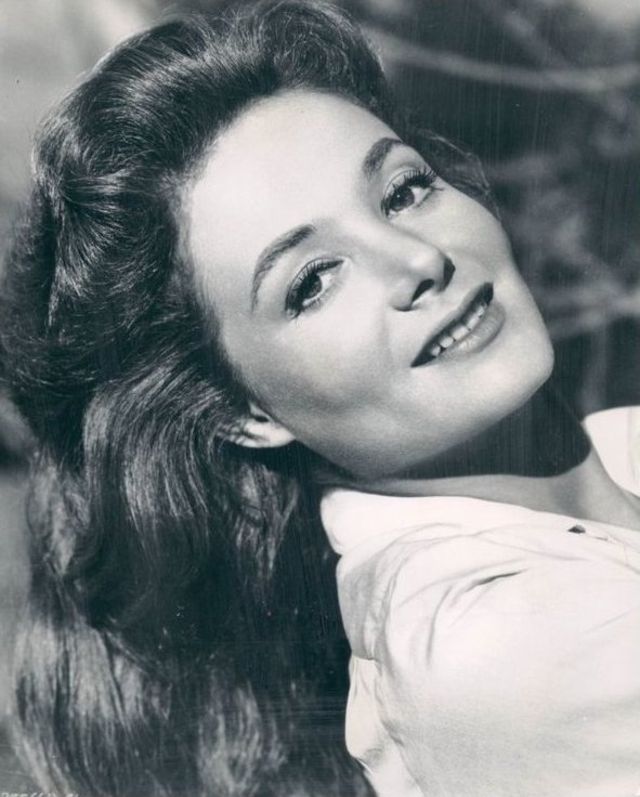
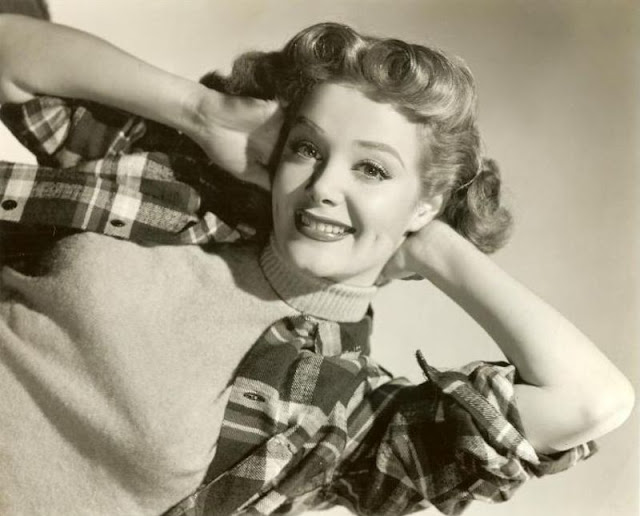
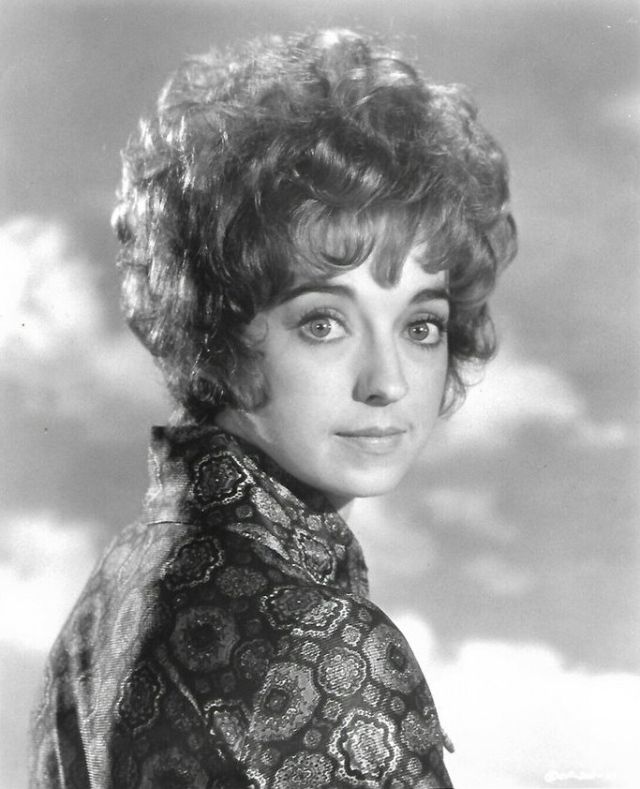
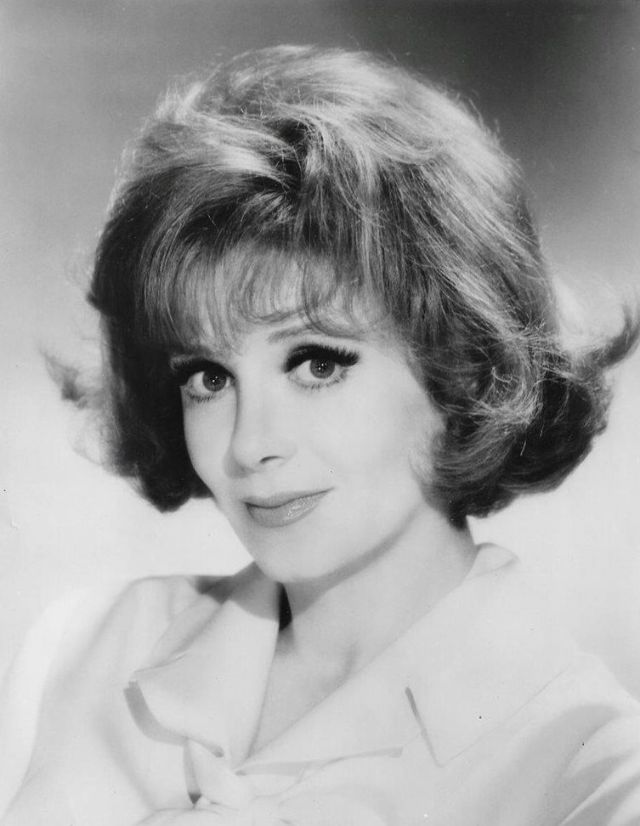
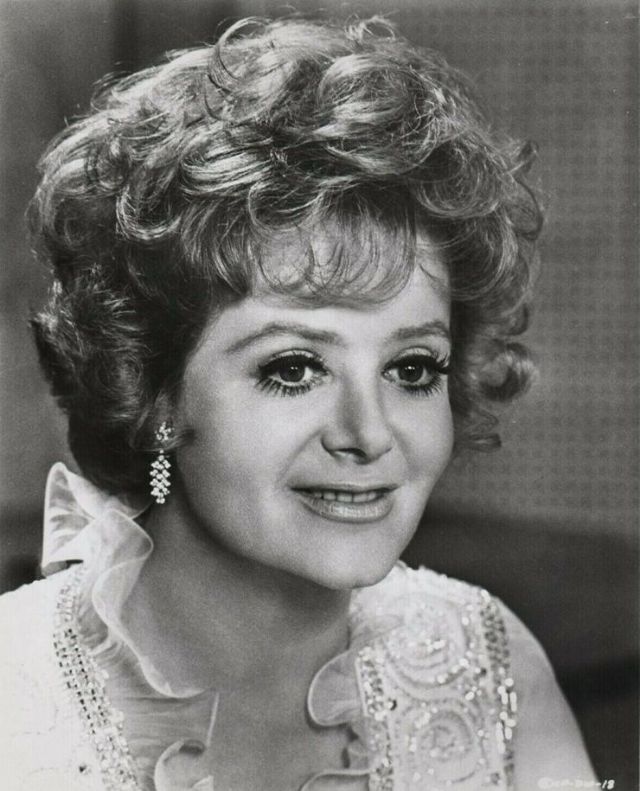
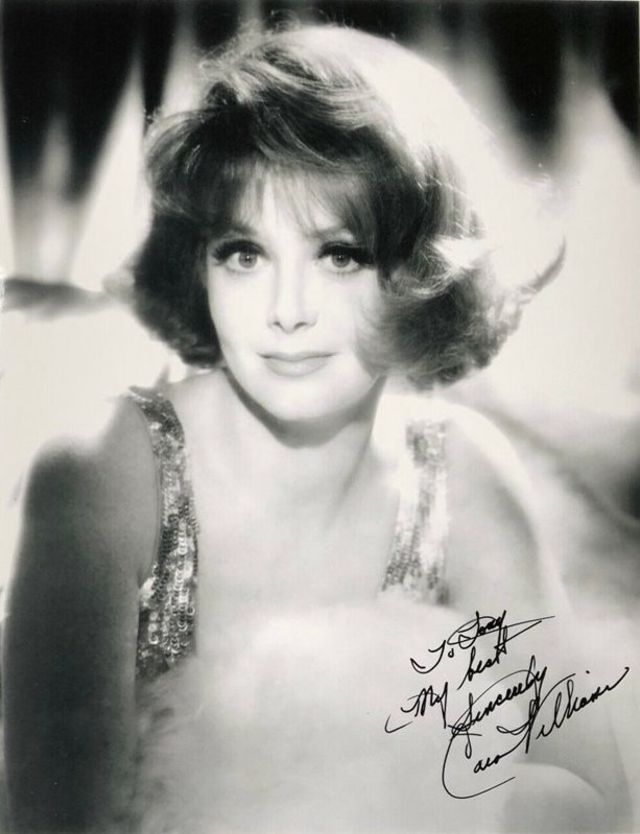
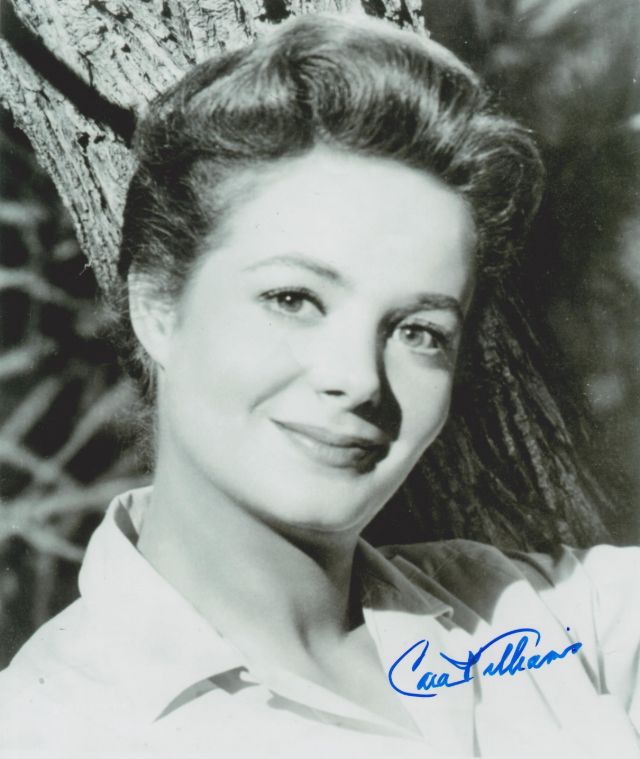
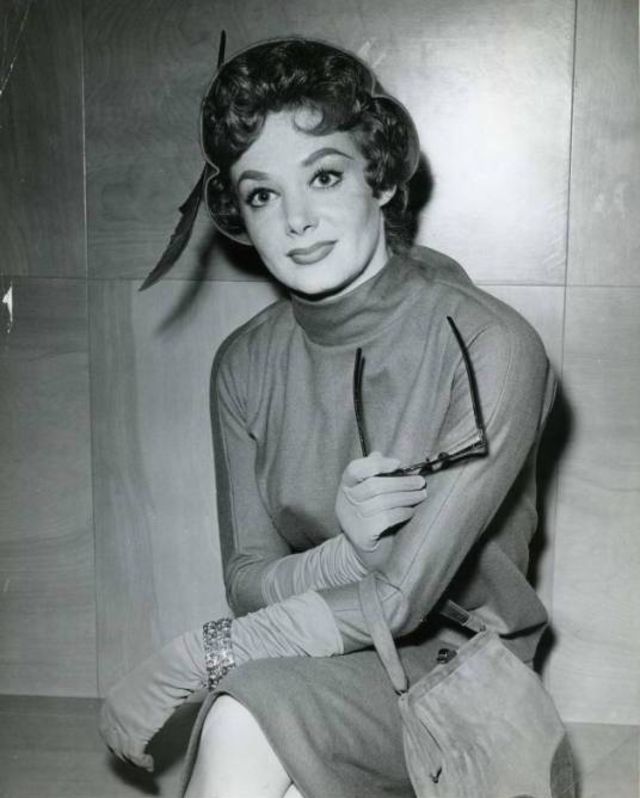
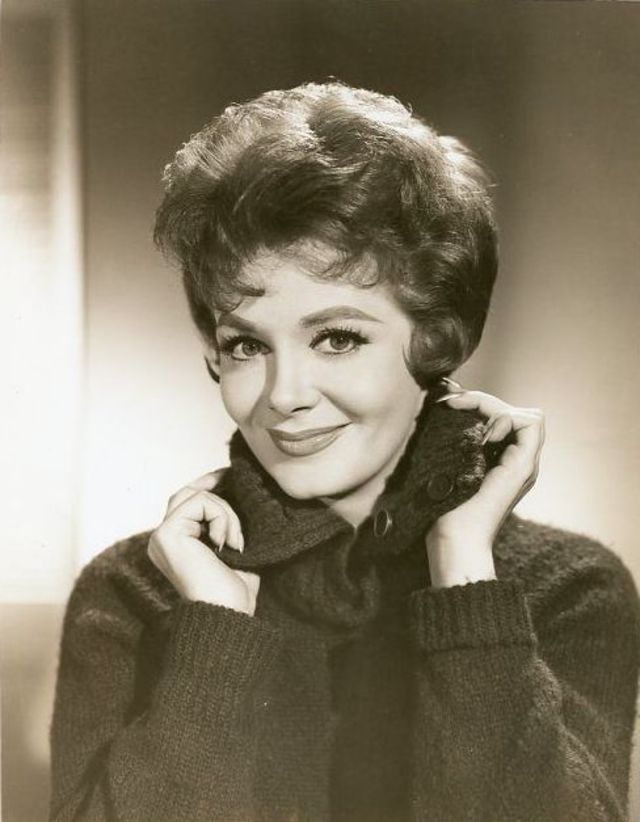
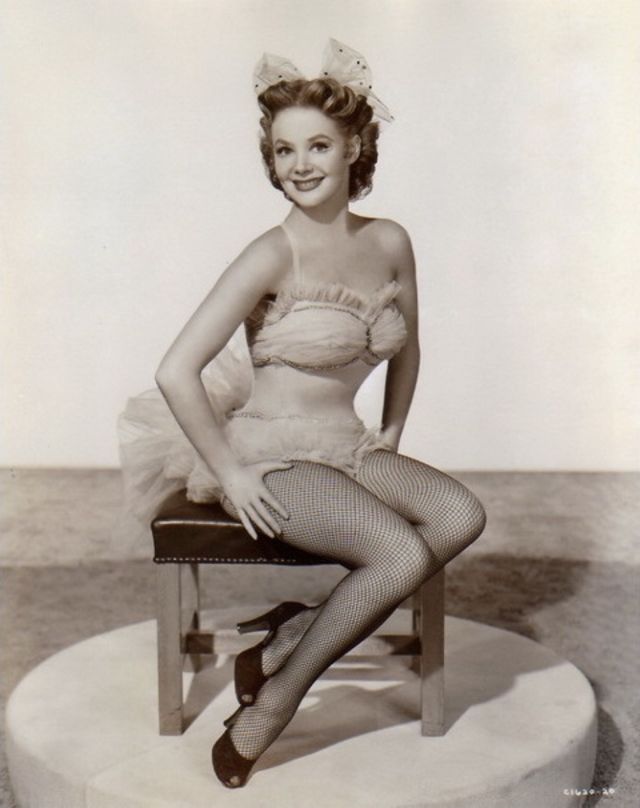
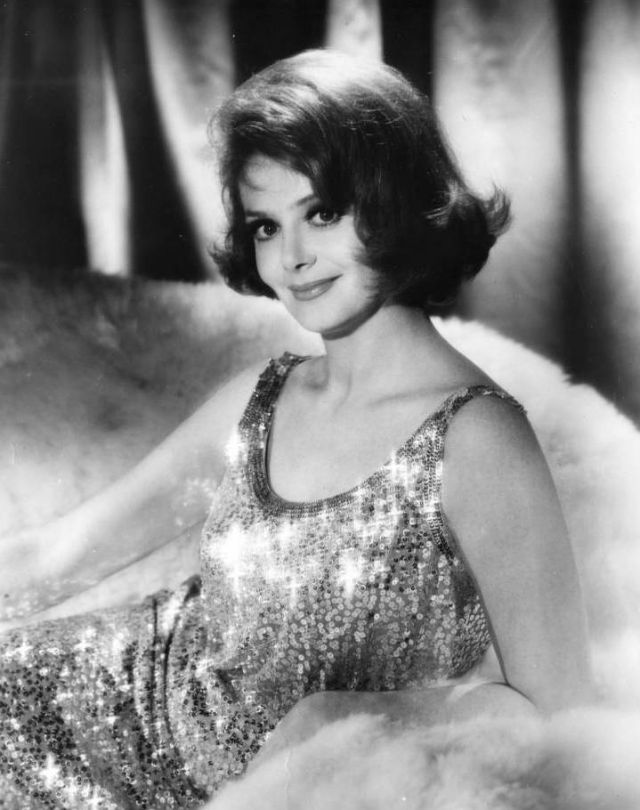
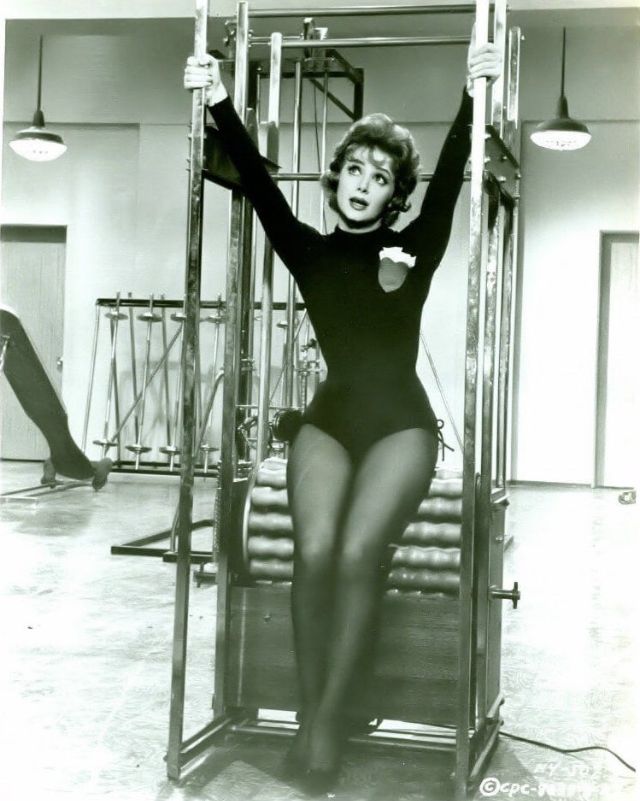
Fabulous Vintage Photos of Actress Cara Williams From the 1940s to the 1960s

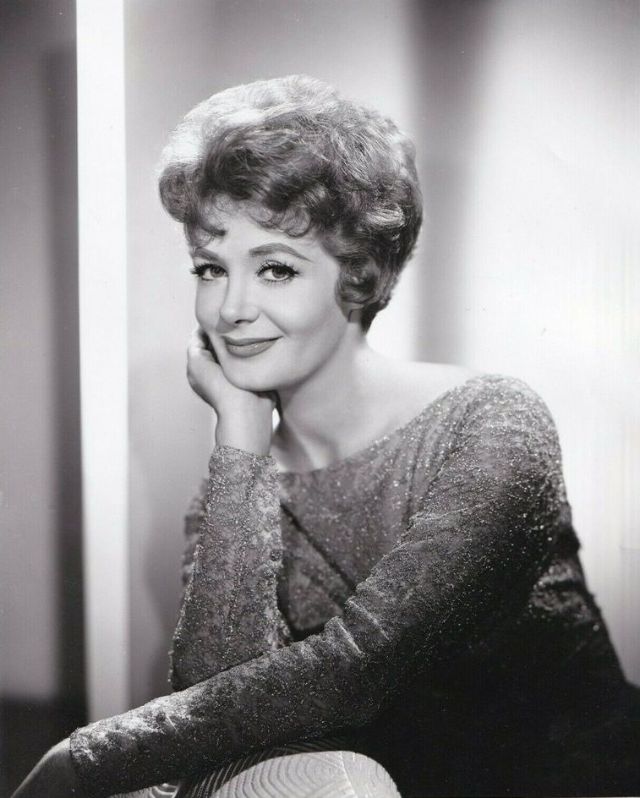
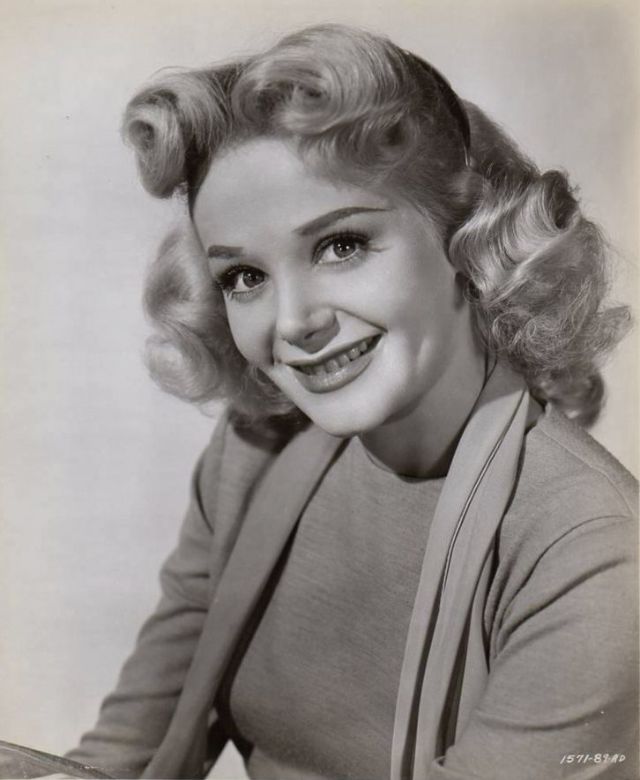
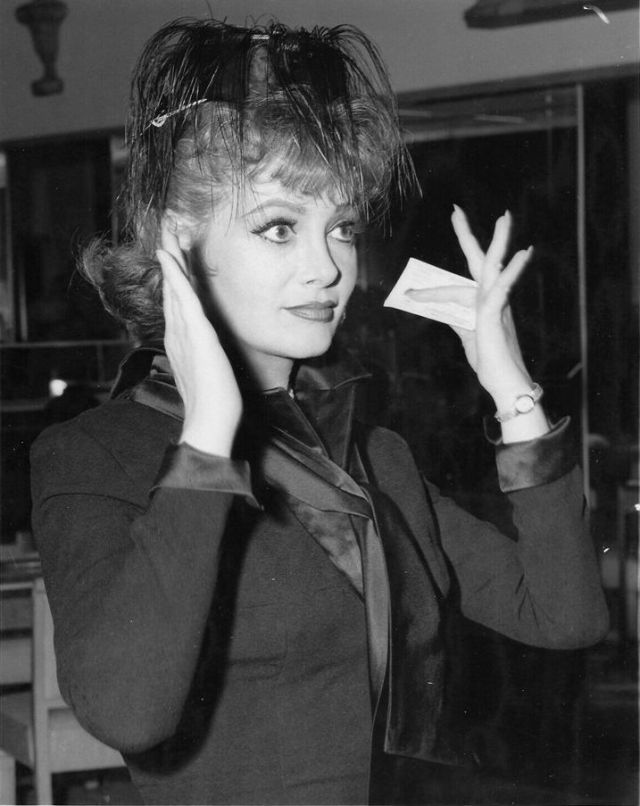
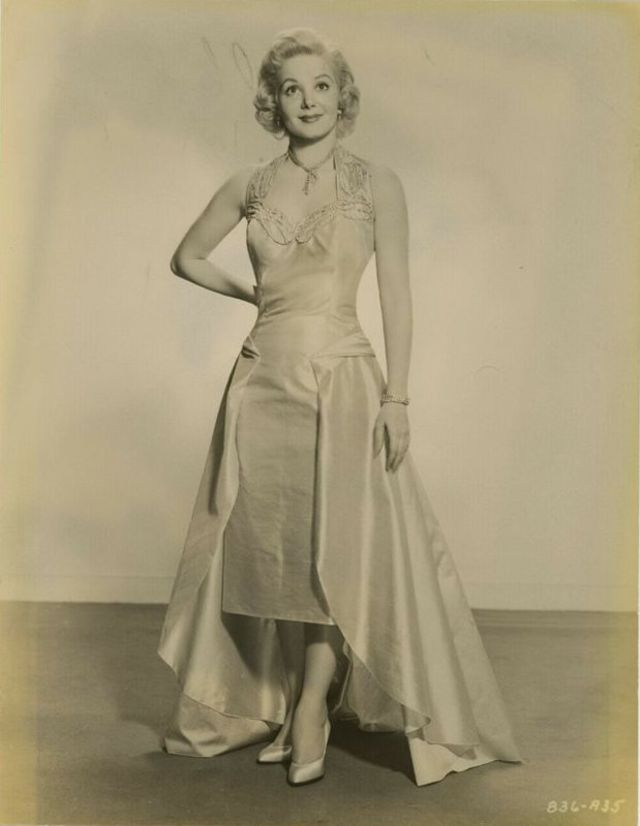
Born 1925 as Bernice Kamiat in Flatbush, Brooklyn, American actress Cara Williams had her first credited role was in the 1941 western Wide Open Town. She followed this with the dramas Girls Town (1942) and Happy Land (1943) with Don Ameche.

Williams is best known for her role as “Billy’s Mother” in The Defiant Ones (1958), for which she was nominated for the Academy Award for Best Supporting Actress, and for her role as Gladys Porter on the 1960–62 CBS television series Pete and Gladys, for which she was nominated for the Emmy Award for Best Lead Actress in a Comedy.

During the 1970s, Williams’s acting appearances became less frequent. Her last television performance was in a 1977 episode of Visions. Her last film role came in 1978 with The One Man Jury.

Williams, who died on December 9, 2021, was one of the last surviving actors from the Golden Age of Hollywood. Take a look at these vintage photos to see the beauty of a young Cara Williams.

Amazing Vintage Photos of Automobiles From Between the 1900s and 1920s

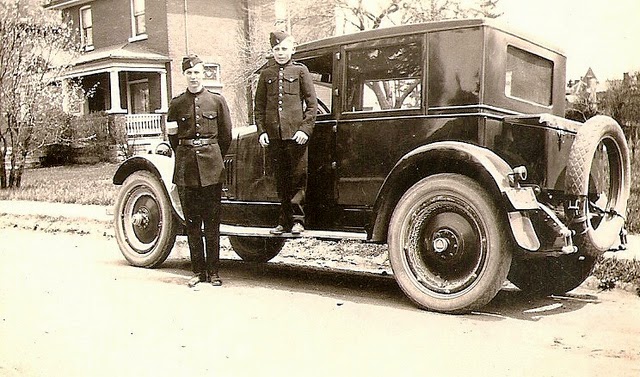
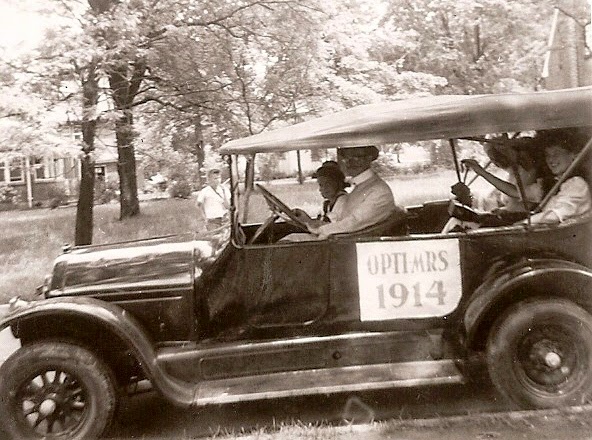
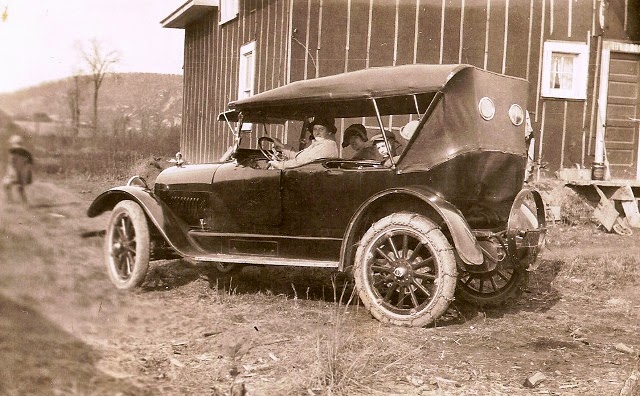
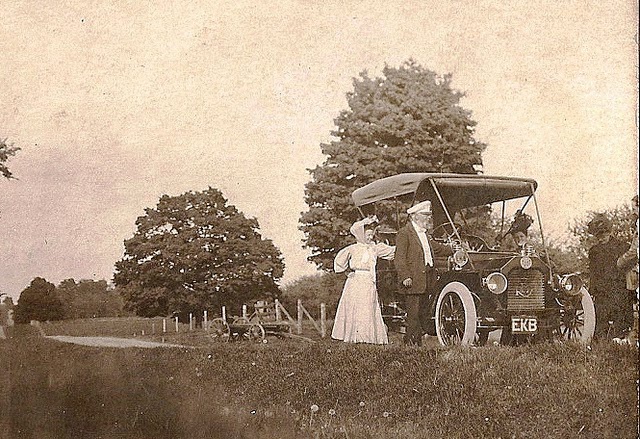
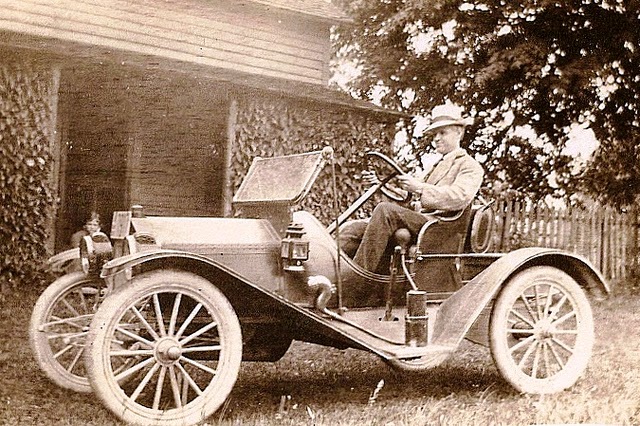
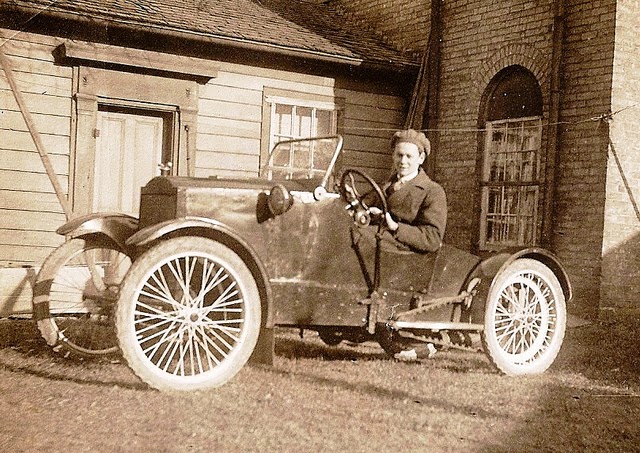
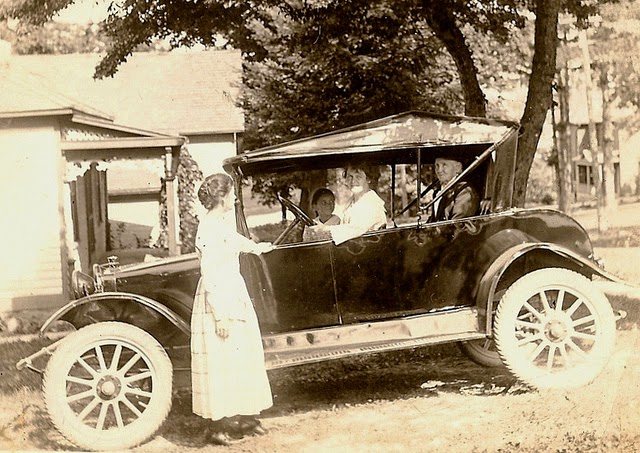
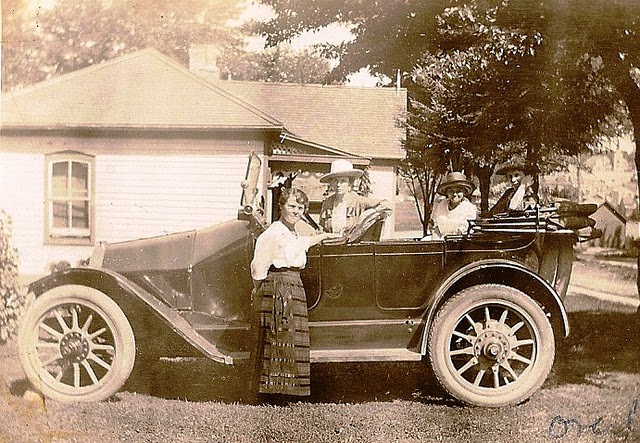
The automotive industry in the United States began in the 1890s and, as a result of the size of the domestic market and the use of mass-production, rapidly evolved into the largest in the world. The motor vehicle industry began with hundreds of manufacturers, but by the end of the 1920s it was dominated by three large companies: General Motors, Ford, and Chrysler, all based in Metro Detroit. Below is a collection of 16 vintage photographs of automobiles from between the 1900s and 1920s.

1925 Hudson Super 6 Town Coach. This photo was taken on Earl Street in Stratford Ontario, Canada c.1926. It shows the optional solid military wheels and the added accessory trunk.
1914 Overland Model 81 Touring.
1920 Chevrolet D5 V8 ” Baby Grand ” Touring. Photograph was taken in 1922 at Achigan Farm at mile 42 on the ACR railway between Sault-Ste-Marie and Hearst Ontario Canada.
1908 Reo Touring. This photo shows Dr. Baker and his wife test driving his possible purchase of a new 1908 Reo Touring on loan from the local dealer Kalbfleisch Bros. Photographed outside Stratford Ontario Canada the vehicle has a Ontario issued black rubber license plate with white lettering.
1912 Metz Model 22 Roadster Runabout drivers side view. Photographed in Brantford Ontario Canada in 1915.
1912 Metz Model 22 Roadster right side view. Photo was taken in Brantford Ontario Canada in 1915.
1920 Homemade Early Hot Rod. This photo was taken in Brantford Ontario Canada. Showing a headlight and small horn it obviously had a power source. Wire wheels, fenders and a windscreen as well as the turtle deck make it a true fore-runner for the Hot Rod not really a known name in the early 1920s.
1917 Saxon. This photo was taken in Brantford Ontario Canada.
1920 Overland. Photo taken in Brantford Ontario Canada.
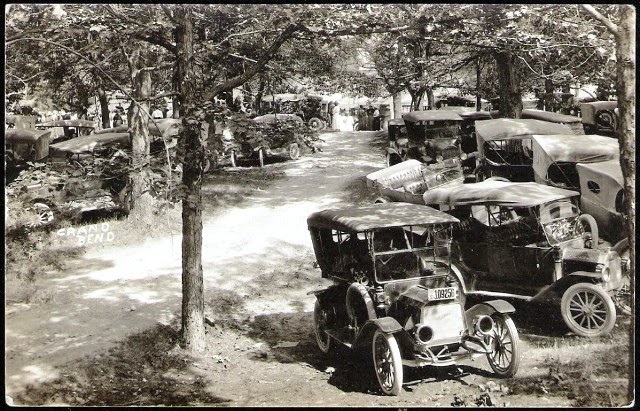
Ford Picnic Grand Bend Ontario Model T. This photo was taken circa 1920 in Grand Bend Ontario on the shore of Lake Huron. It was the first Annual Ford Picnic for Ford of Canada employees.
This photo was taken in 1923 in Brantford Ontario, Canada.
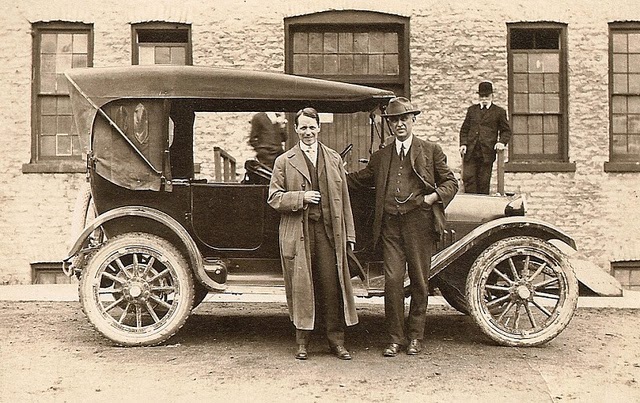
1919 Dodge Brothers Touring. Photographed in St. Marys Ontario Canada in front of the old Maxwell Plant.
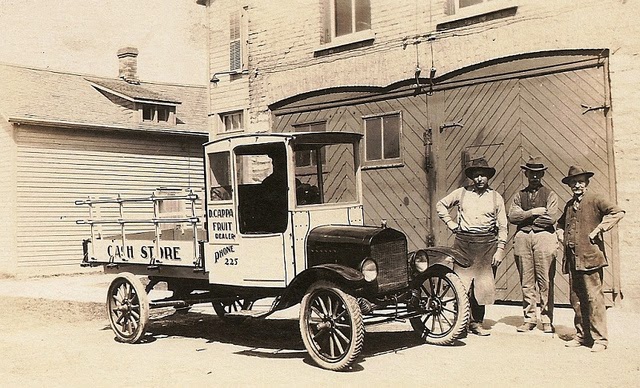
Early 1920s Ford Model T delivery truck. Canada built This Ford Model T delivery truck was owned by Dan Cappa Fruit Dealer in St. Marys Ontario Canada. Photographed in front of the original Fire Hall in the 1920s.
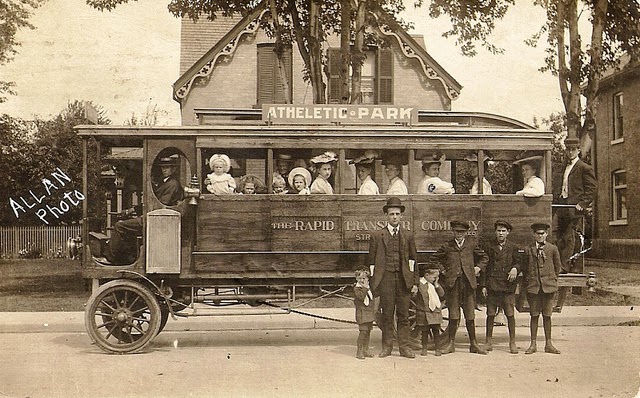
Forward Control Power Wagon Transit Motor Bus, ca. 1910. This was Stratford Ontario’s first public transportation vehicle. Operated by John Stevenson it is photographed in front of his home at 330 Ontario Street. Known as “The Rapid Transfer Company Limited”.
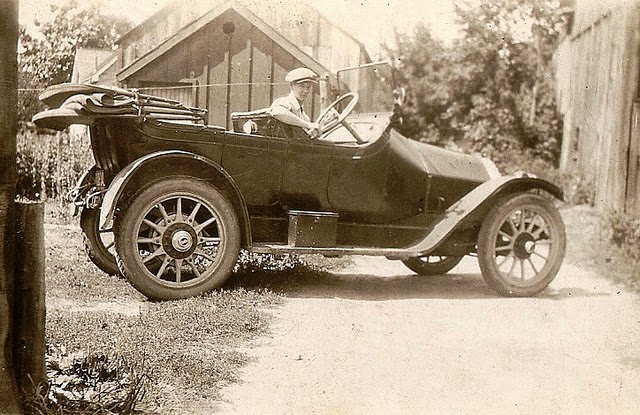
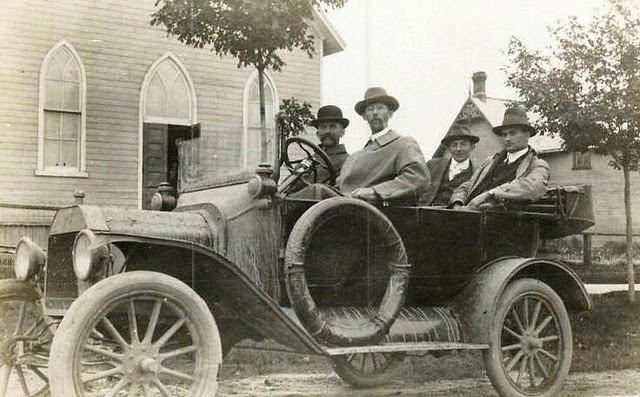
1916 Ford Model T Touring Canadian Built Photographed at Lions Head Ontario, Bruce County in 1916.
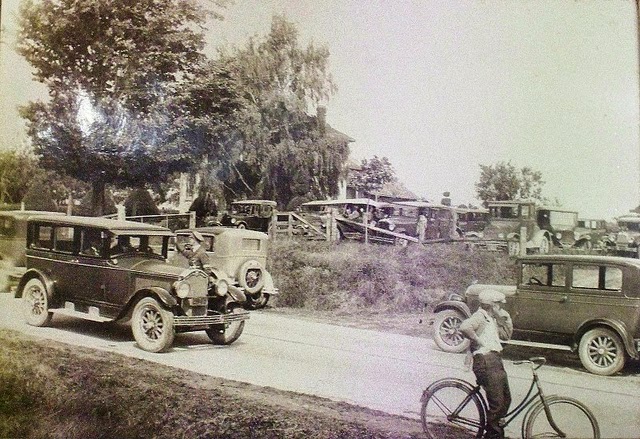
Ontario Police directing highway traffic in 1928, Chrysler 52 Buick McLaughlin Ford Model A.

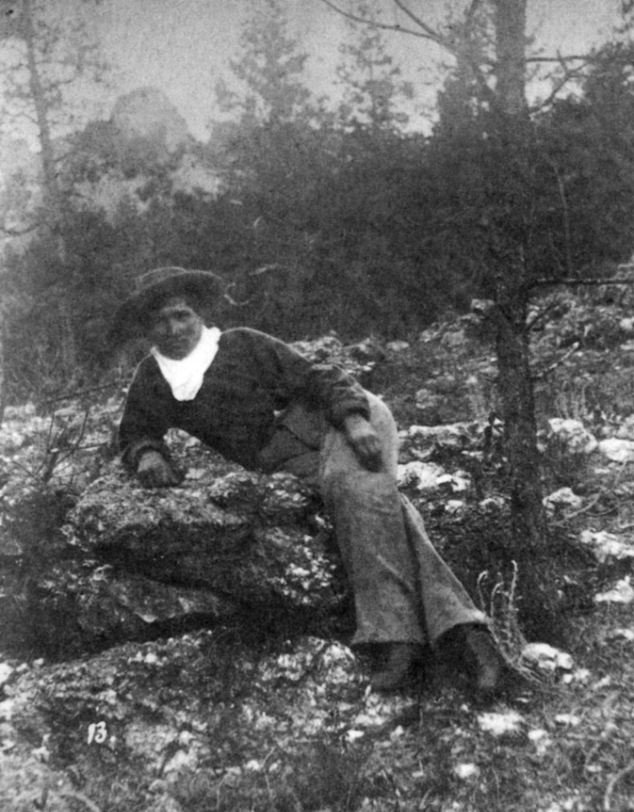
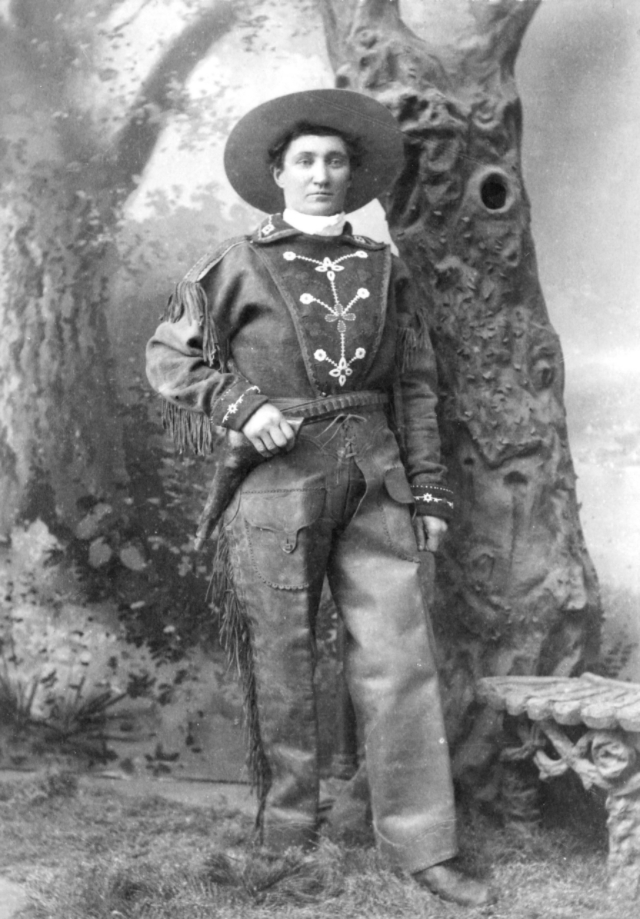
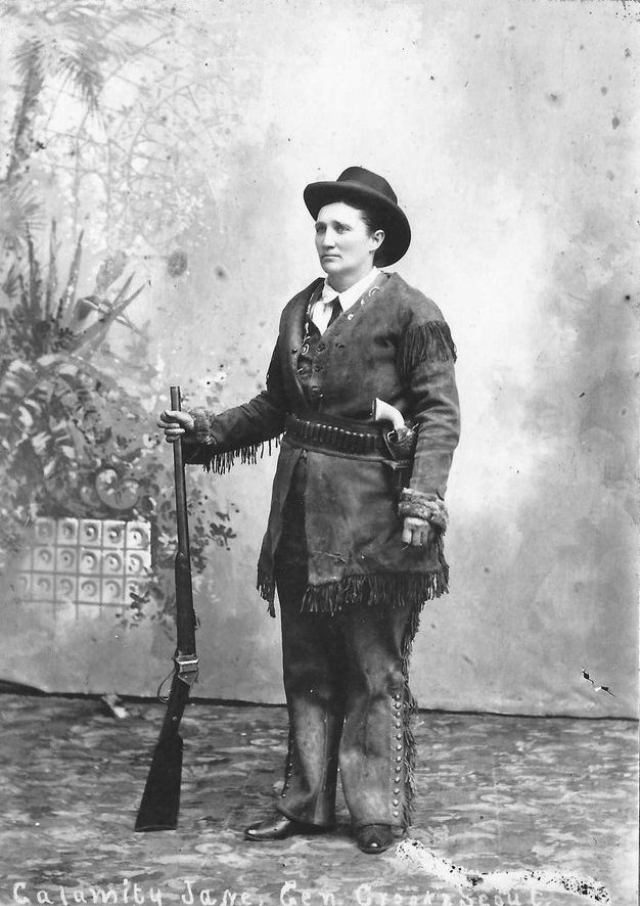
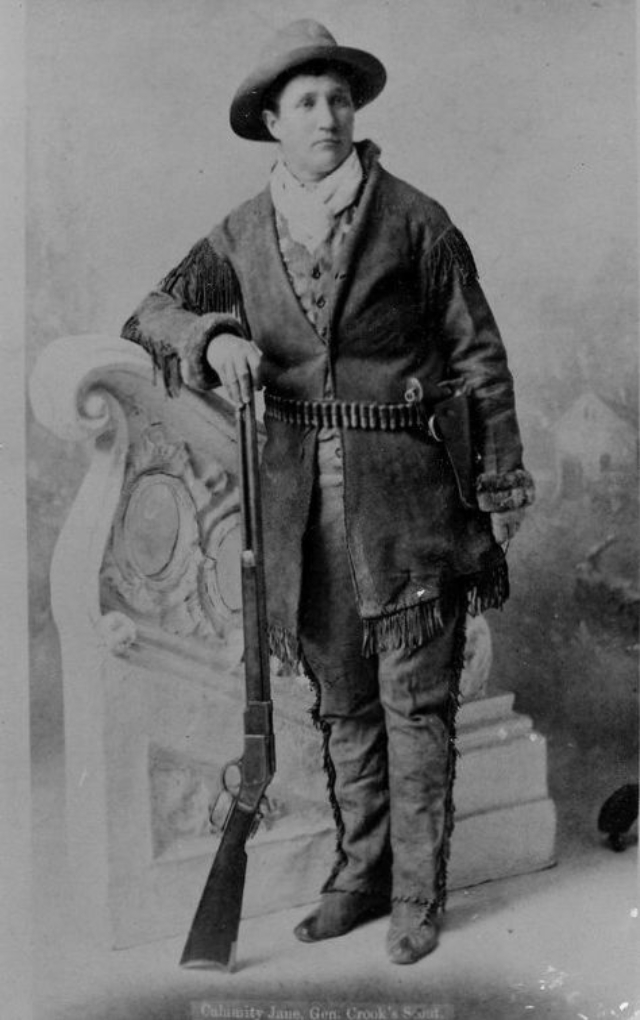
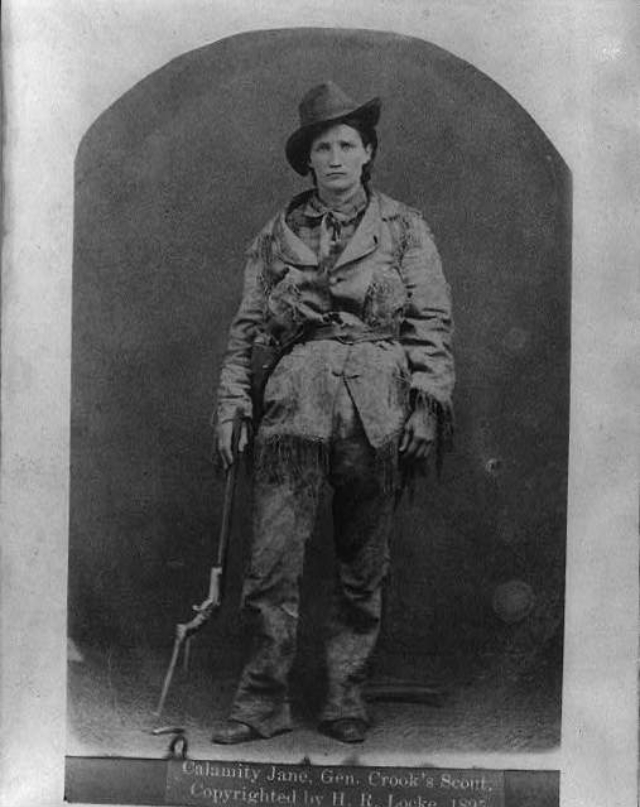
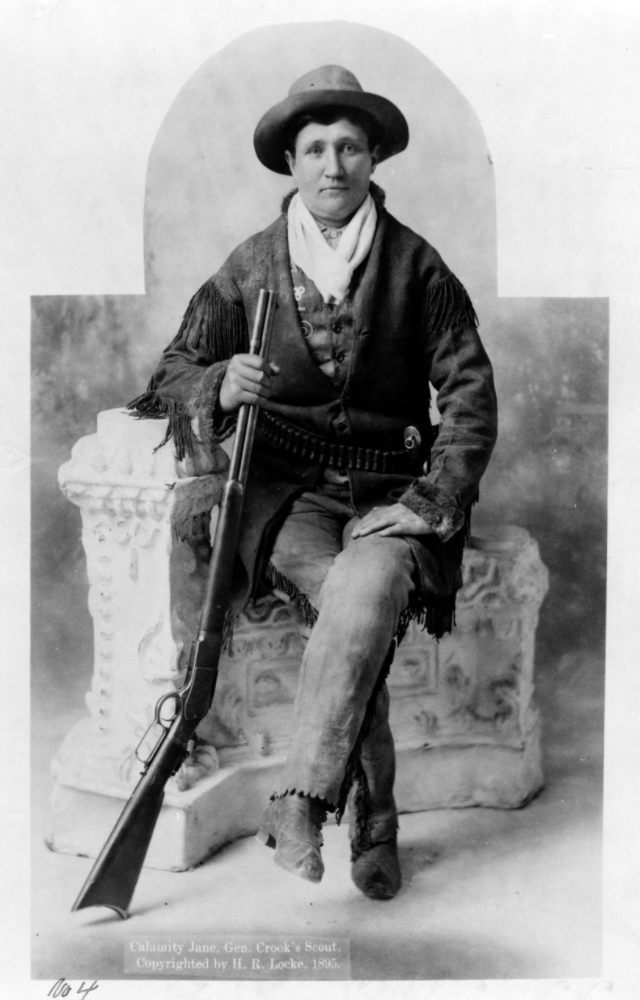
Amazing Photos of Calamity Jane in the Late 19th Century

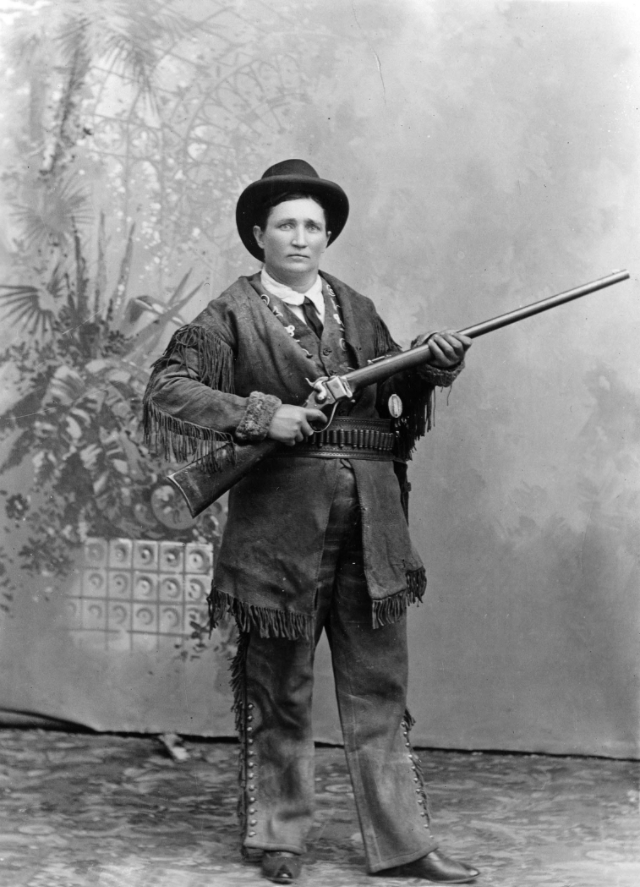
“In fact I was at all times along with the men,” Martha Cannary Burke records in her brief 1896 autobiographical pamphlet, “when there was excitement or adventure to be had.” The words are straightforward and plain, like the rest of her narrative, with little room left for rhetorical flourish. This is probably due to the fact that Burke, otherwise known as Calamity Jane, was reportedly illiterate. The transcription of her story was meant to be an advertisement for her exhibition by “museum men” to cities on the East Coast (thus bringing into question much of its veracity). Much like her acquaintance or friend, Wild Bill Hickok, Calamity Jane was a living legend at the end of the nineteenth century. She was, however, as a woman who fought alongside men in the “Wild West,” an even greater oddity.

Martha Jane Cannary, known as Calamity Jane (1852–1903), was a notorious American frontier woman in the days of the Wild West. As unconventional and wild as the territory she roamed, she has become a legend.

The most likely date of Jane Cannary’s birth is May 1, 1852, probably at Princeton, Mo. When she was 12 or 13, the family headed west along the Overland Route, reaching Virginia City, Mont., 5 months later. En route Jane learned to be a teamster and to snap 30-foot bullwhackers. Her father died in 1866 and her mother died a year later. Late in 1867 Jane was in Salt Lake City.

Until the early 1870s nothing more is known of Jane. Then she appeared at Rawlins, Wyo., where she dressed and acted like a man and hired out as a mule skinner, bullwhacker, and railroad worker. “Calamity” became part of her name; she was proud of it.

In 1875 Calamity went with Gen. George Crook’s expedition against the Sioux, probably as a bullwhacker. While swimming in the nude, her sex was discovered and she was sent back. Excitement and wild adventure lured Calamity, whether it meant joining “her boys” at the bar or fighting with Native Americans. She was adept at using a six-shooter.

In Deadwood, Dakota Territory, in 1876 Calamity found a home. It was an outlaw town, so her escapades and drinking bouts did not seem out of place. One day she accompanied Wild Bill Hickok into town; apparently they had met before. Whether they were ever married, or lovers, may never be known. Jane later did have a daughter, but that she was fathered by Hickok (as the daughter claimed in 1941) is questionable. On August 2 Jack McCall shot and killed Hickok. Calamity took no revenge, as she later claimed, and McCall was legally hanged.

Yet this flamboyant woman was kind, and many remembered only her virtues. During the 1878 Deadwood smallpox epidemic Calamity stayed in the log pesthouse and nursed the patients.

Calamity Jane left Deadwood in 1880 and drifted around the Dakotas and Montana. She next appeared in California and married E. M. Burke in 1885, and her daughter was born sometime before or after this. Alone again in the later 1880s and the 1890s, she wandered through Wyoming and Montana towns, drinking, brawling, and working, even in brothels. Her fame began to grow. In 1896 she joined the Palace Museum and toured Chicago, St. Louis, and Kansas City; she was fired for drunkenness. Calamity came back to Deadwood in 1899, searching for funds for her daughter’s education. A successful benefit was held at the Old Opera House. In 1900 Calamity appeared briefly at the Pan-American Exposition in Buffalo, N.Y., as a Western attraction, but she was homesick for the West and soon went back. In poor health, in July 1903 she arrived at the Calloway Hotel in Terry, near Deadwood, where she died on August 1 or 2. She was buried next to Wild Bill Hickok.

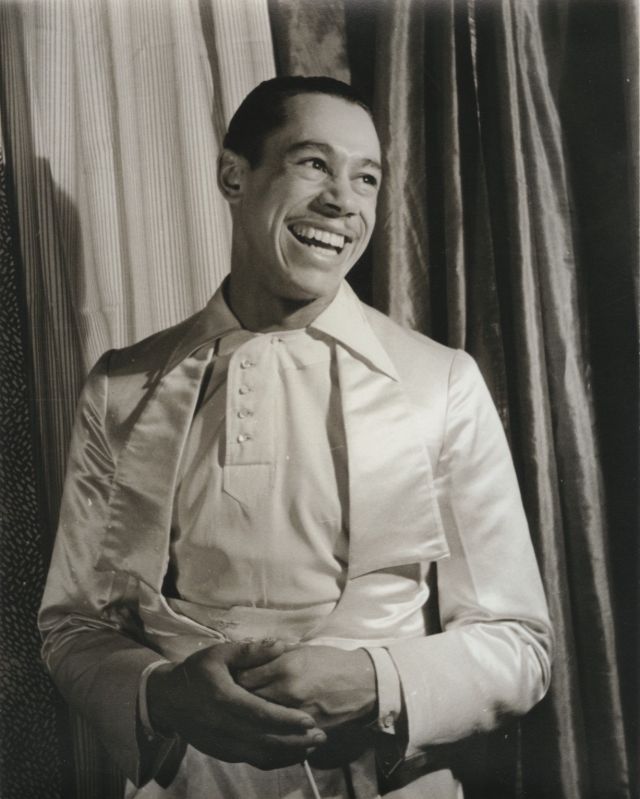
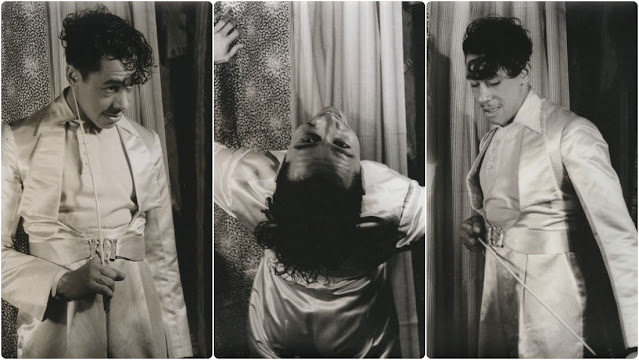
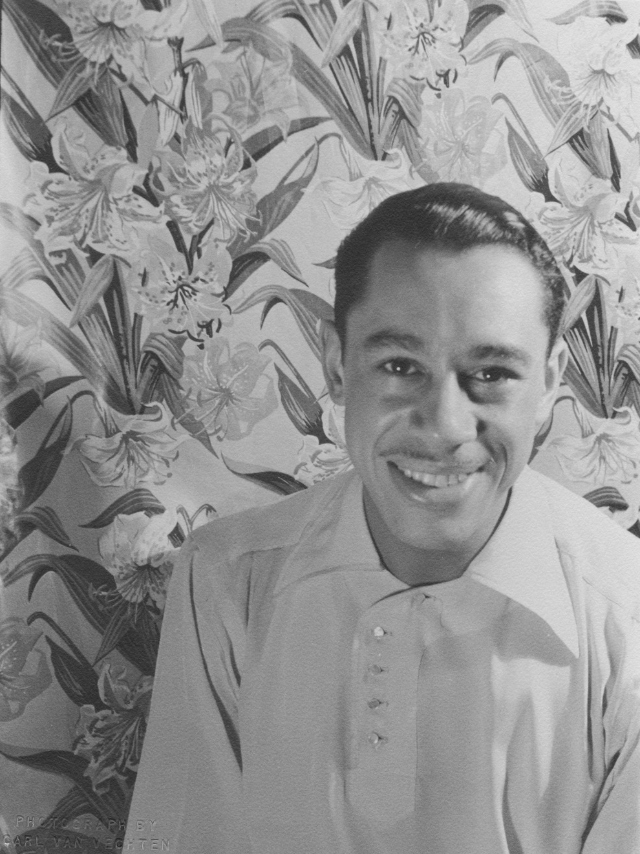
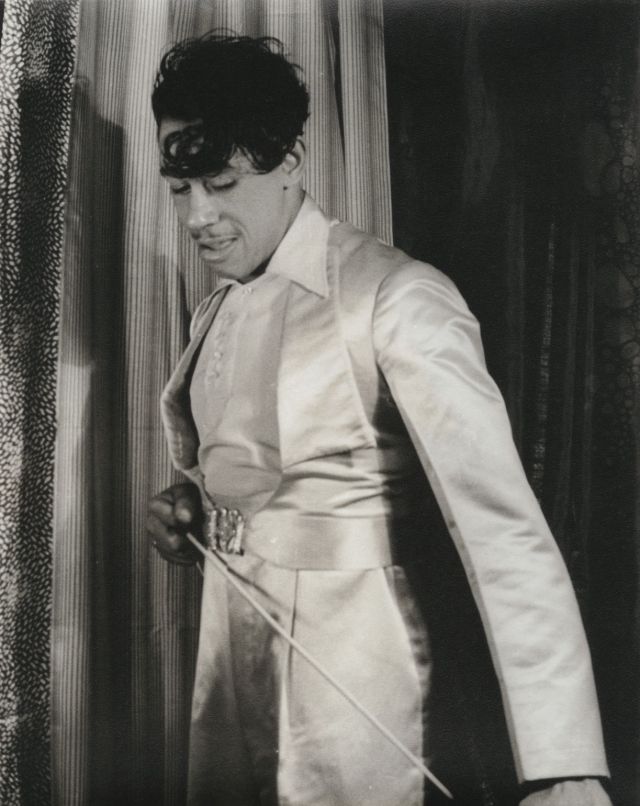
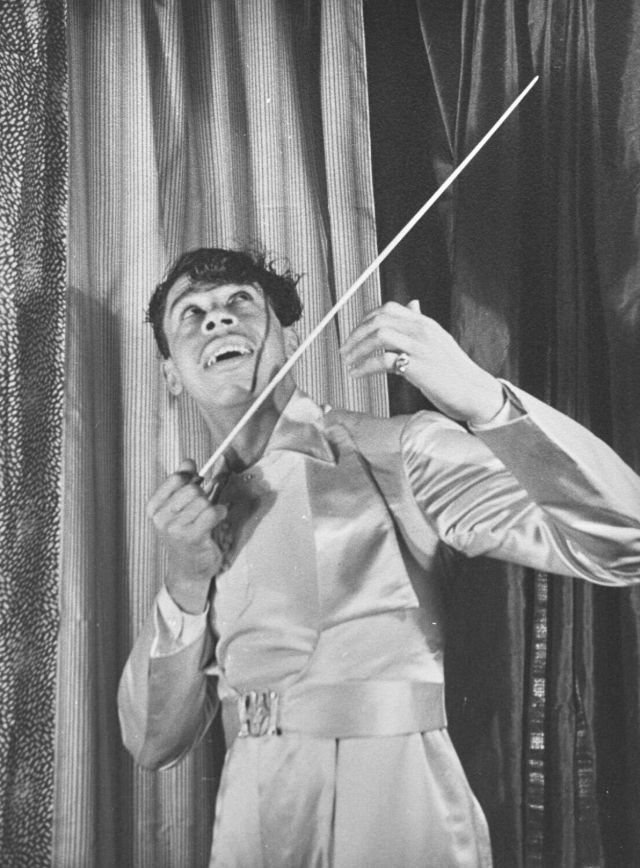
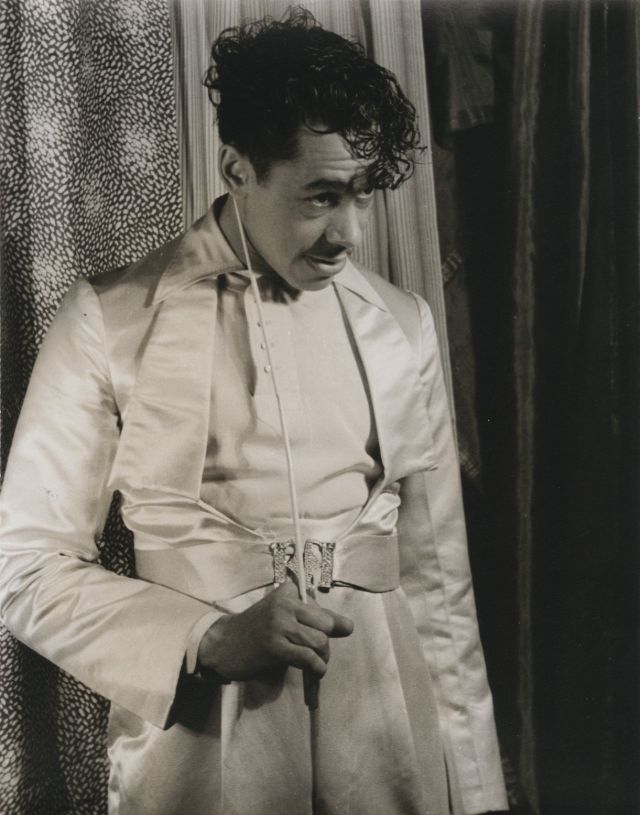
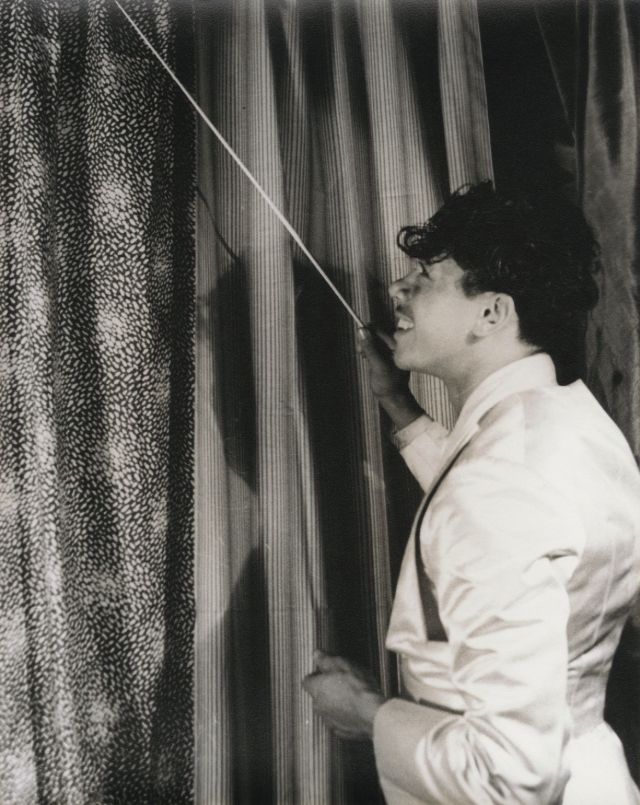
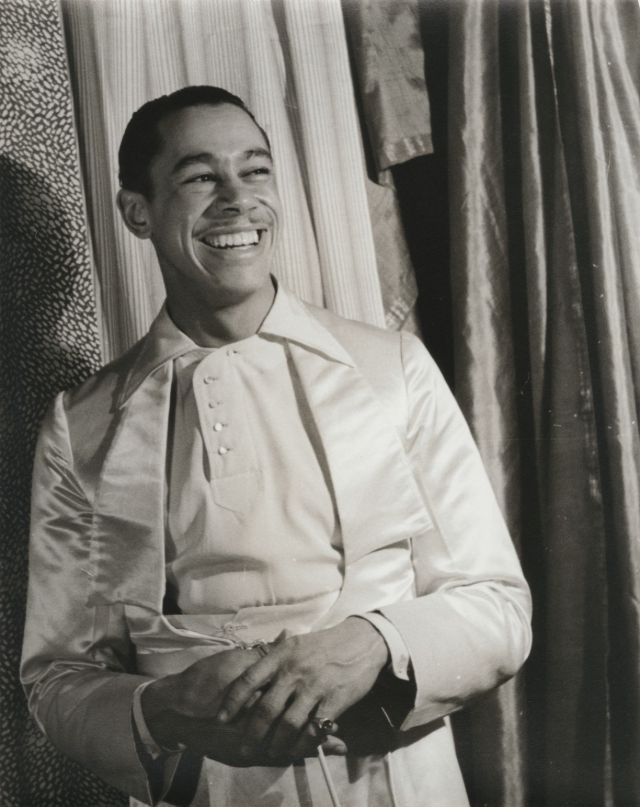
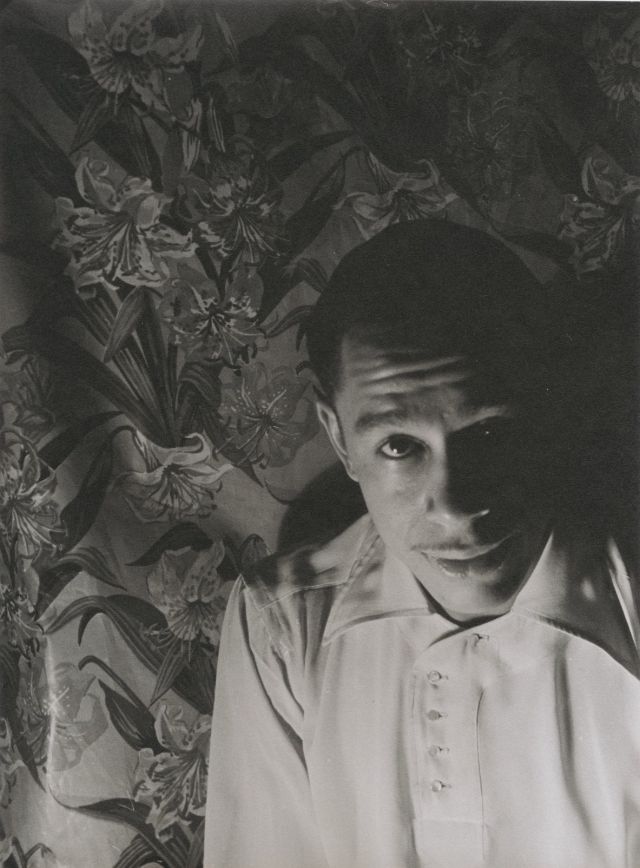
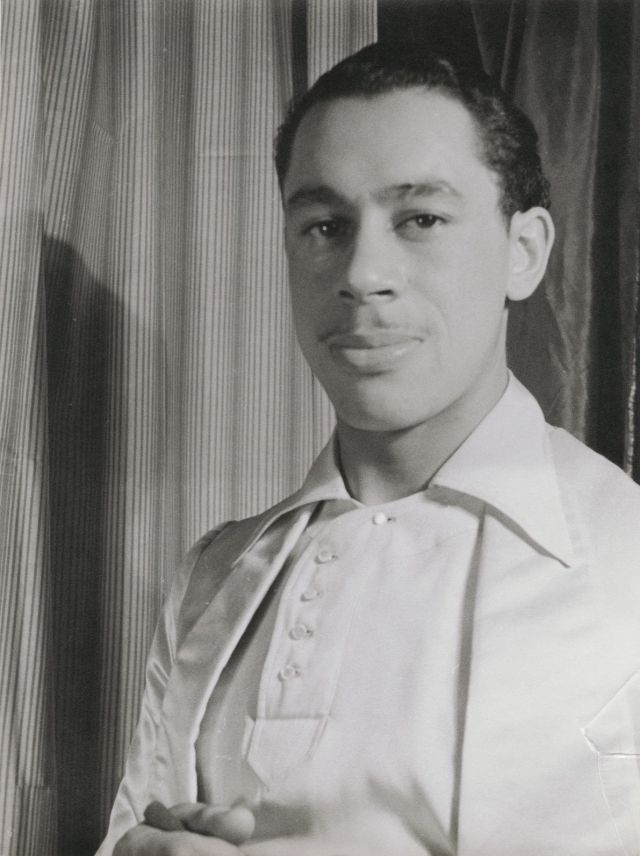
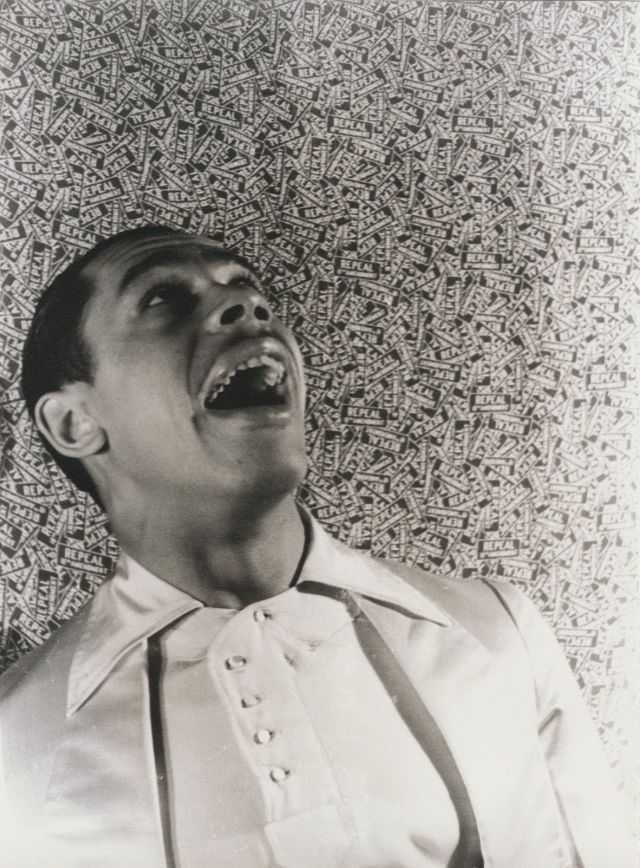
Fabulous Photos of a 25-Year-Old Cab Calloway in 1933

Born 1907 in Rochester, New York, American jazz singer, dancer and actor Cab Calloway was associated with the Cotton Club in Harlem, where he was a regular performer and became a popular vocalist of the swing era. His niche of mixing jazz and vaudeville won him acclaim during a career that spanned over 65 years.

Calloway was a master of energetic scat singing and led one of the most popular big bands in the United States from the early 1930s to the late 1940s. His band included trumpeters Dizzy Gillespie, Jonah Jones, and Adolphus “Doc” Cheatham, saxophonists Ben Webster and Leon “Chu” Berry, guitarist Danny Barker, bassist Milt Hinton, and drummer Cozy Cole.

Calloway had several hit records in the 1930s and 1940s, becoming known as the “Hi-de-ho” man of jazz for his most famous song, “Minnie the Moocher”, originally recorded in 1931. He reached the Billboard charts in five consecutive decades (1930s–1970s).

Calloway also made several stage, film, and television appearances until his death in 1994 at the age of 86. He had roles in Stormy Weather (1943), Porgy and Bess (1953), The Cincinnati Kid (1965), and Hello Dolly! (1967). His career saw renewed interest when he appeared in the 1980 film The Blues Brothers.

Calloway was the first African American musician to sell a million records from a single and to have a nationally syndicated radio show. In 1993, he received the National Medal of Arts from the United States Congress, posthumously received the Grammy Lifetime Achievement Award in 2008. His song “Minnie the Moocher” was inducted into the Grammy Hall of Fame in 1999, and added to the Library of Congress’ National Recording Registry in 2019. He is also inducted into the Big Band and Jazz Hall of Fame and the International Jazz Hall of Fame.

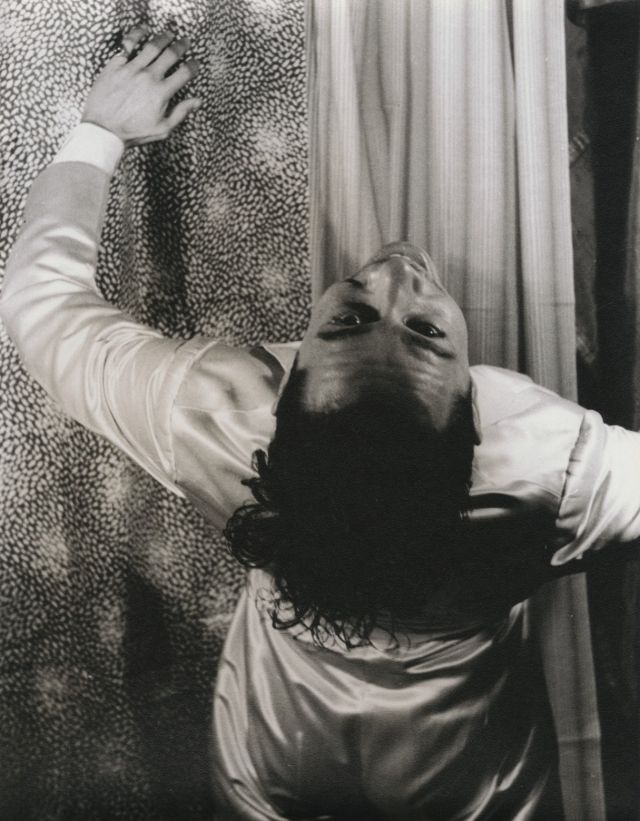
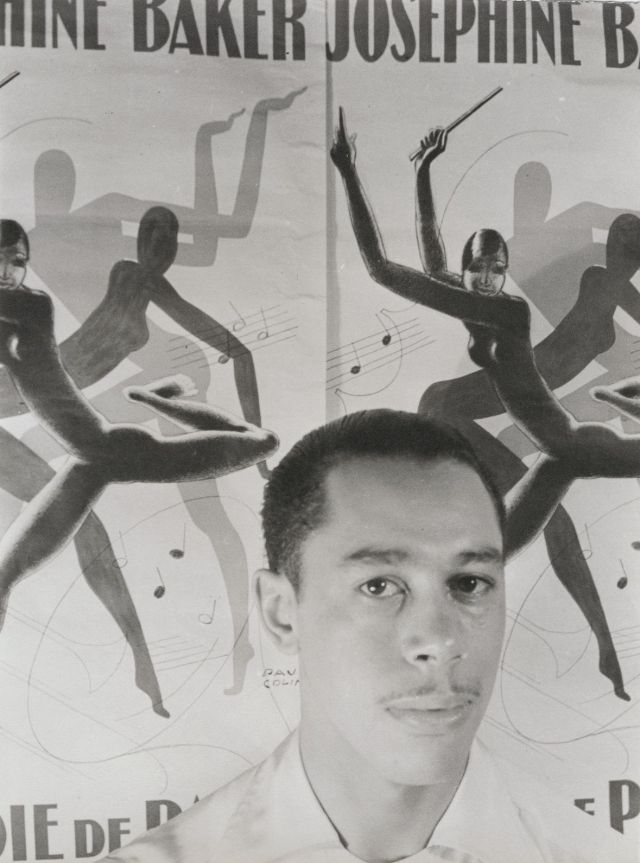
Cab Calloway suffered a stroke at his home in Westchester County, New York and died five months later from pneumonia in 1994, at age 86. These amazing photos are portrait of a 25-year-old Cab Calloway taken by Carl Van Vechten on January 12, 1933.

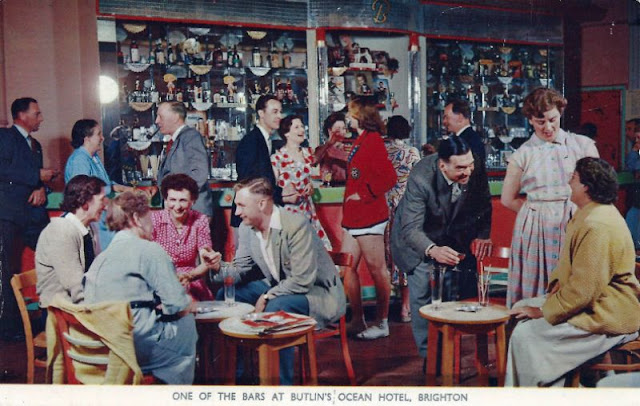
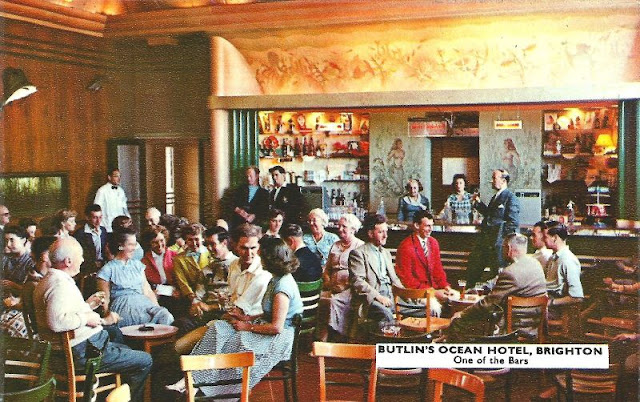
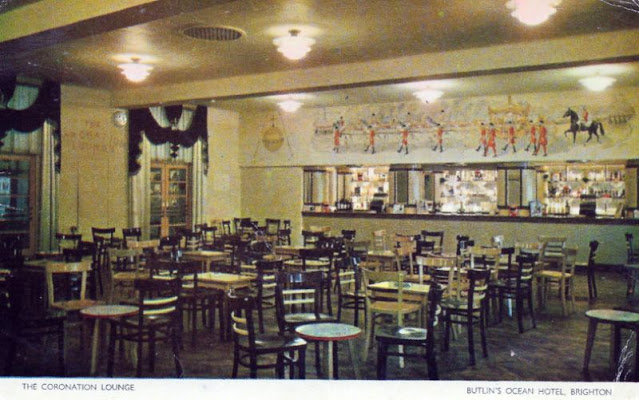
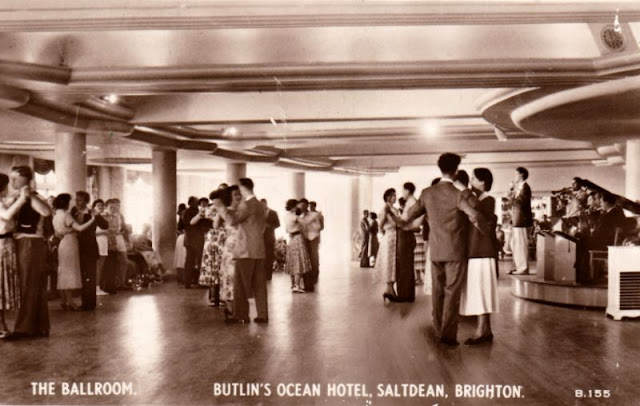
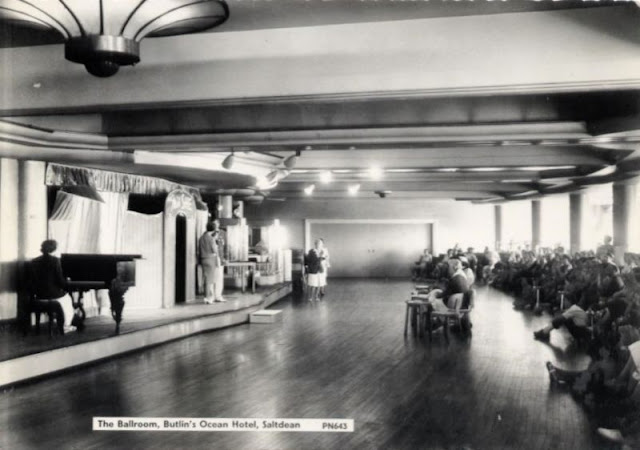
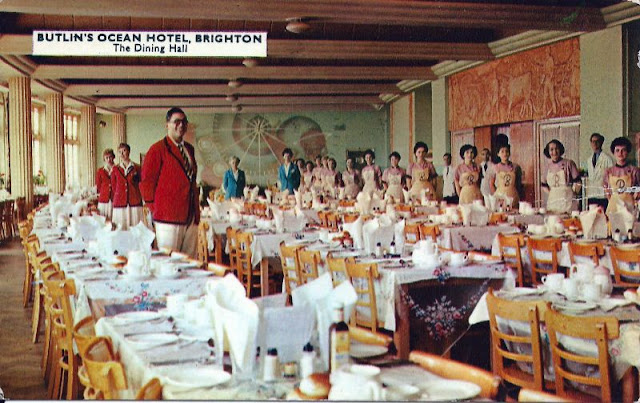
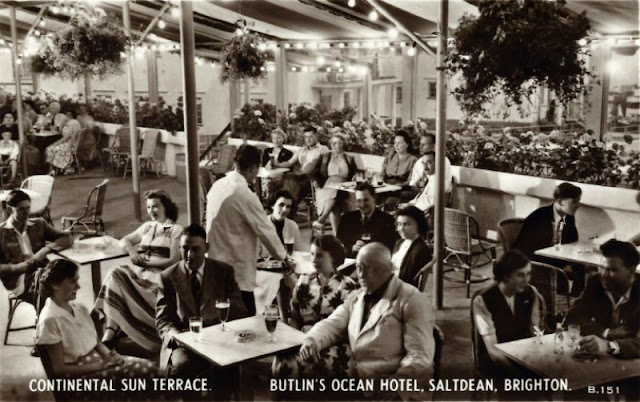
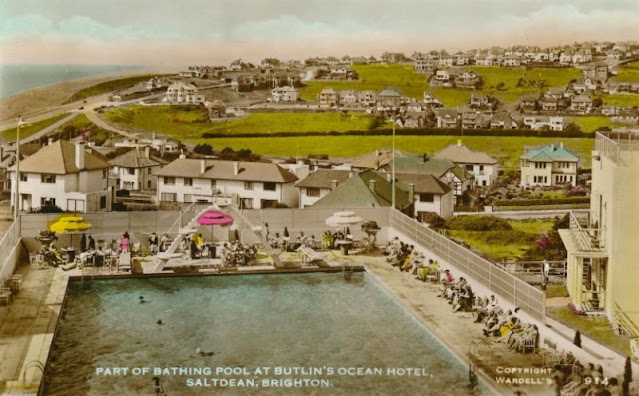
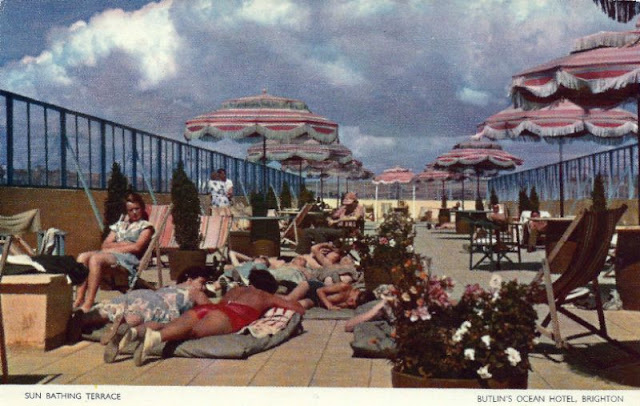
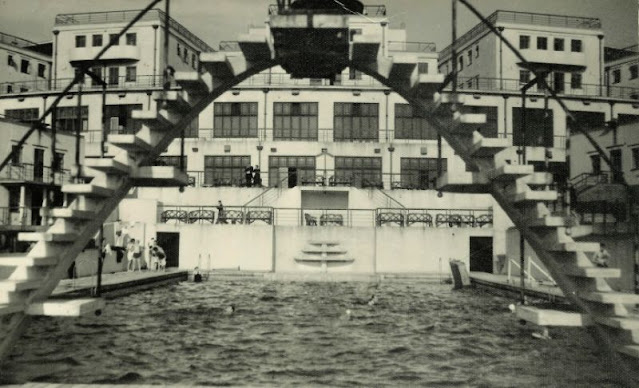
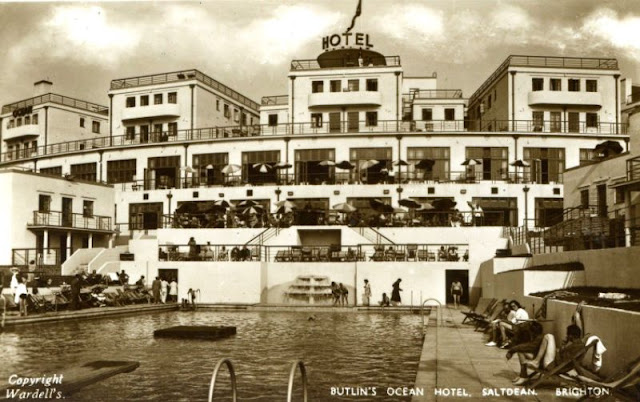
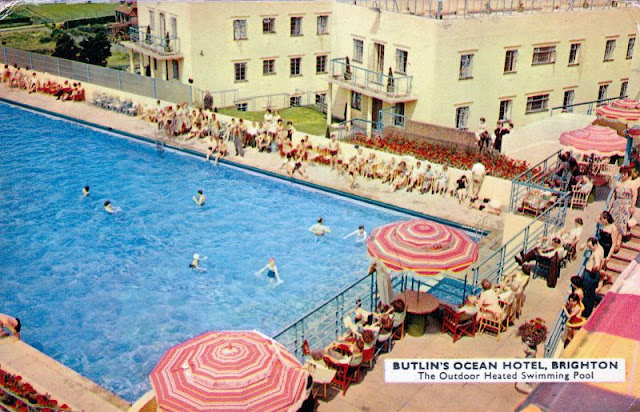
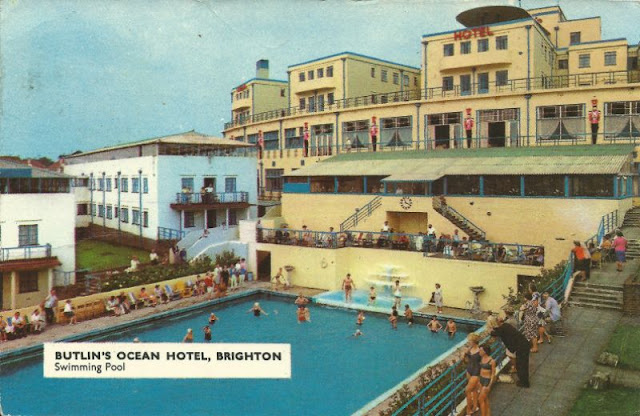
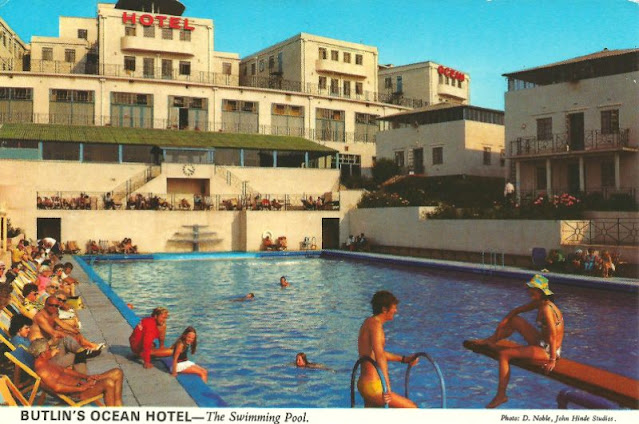
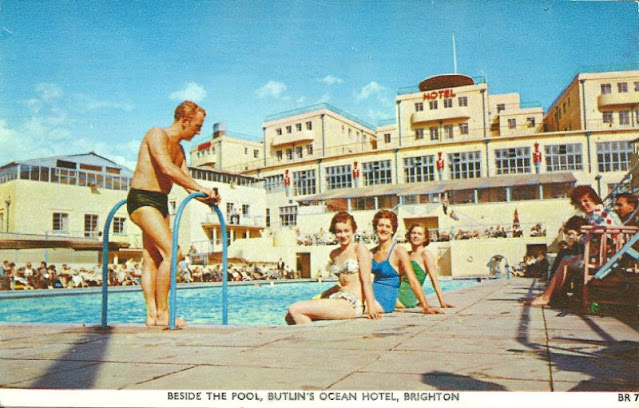
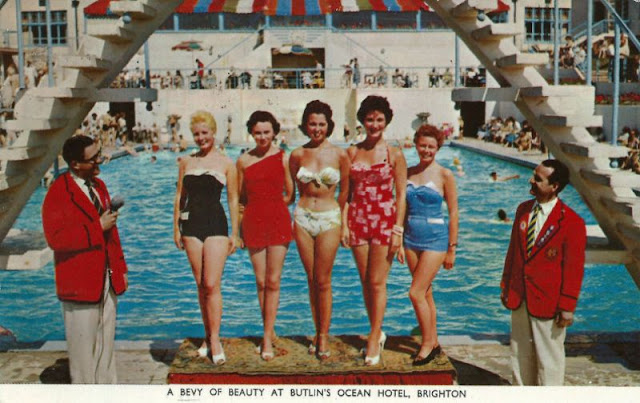
Beautiful Vintage Postcards of the Glamorous Butlin’s Ocean Hotel in Saltdean, England

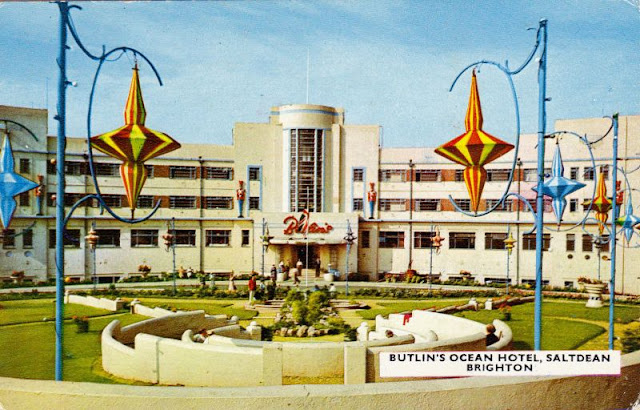
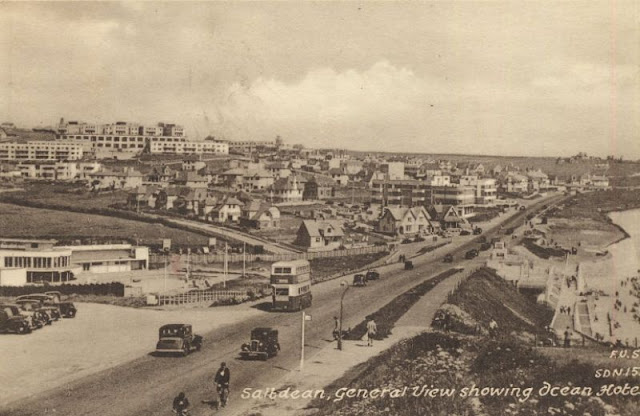
Opened in 1938 the Ocean Hotel occupied a site of around 4 acres with 344 bedrooms and a dining hall that could seat 300 people. It consisted of a main building shaped like a crescent which contained the whole of the public rooms and some of the bedrooms, and there were six other buildings which contained bedrooms and bathrooms only. The hotel was so arranged that during the winter season the six detached blocks could be closed down and the main building, with its 130 bedrooms, run as a separate hotel. An outdoor swimming pool (later enclosed) was built between the buildings.

During the war the hotel was taken over by the Auxiliary Fire Service and later became a fire service college which was officially opened by the then Home Secretary Herbert Morrision. It was used throuhgout the war and was not handed back until 1952 when the lease was acquired by Billy Butlin for £250,000. Its doors were opened as a holiday centre again on 2 May 1953, after an army of workmen had spent the previous six months restoring the near-derelict building. It soon became popular with honeymooners and Billy Butlin later said the hotel was one of the best investments he’d ever made. (by Butlins Memories)

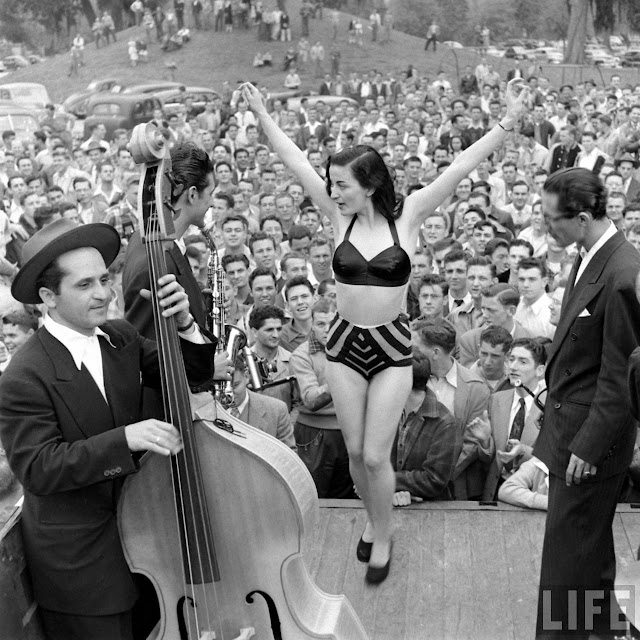
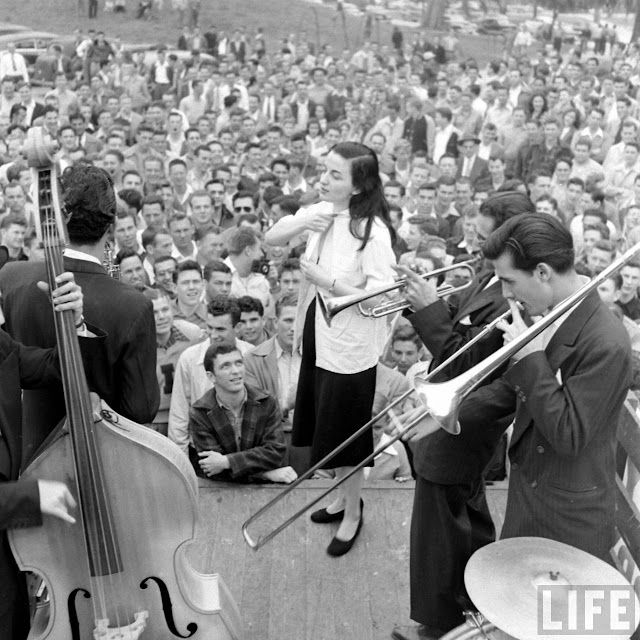
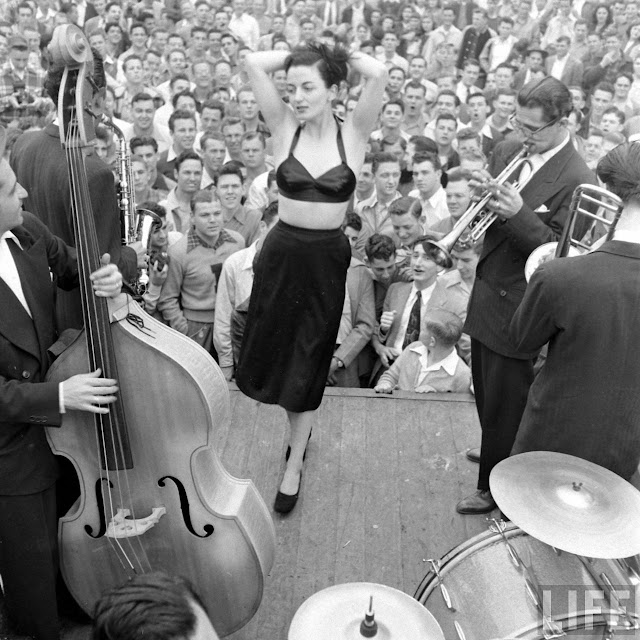
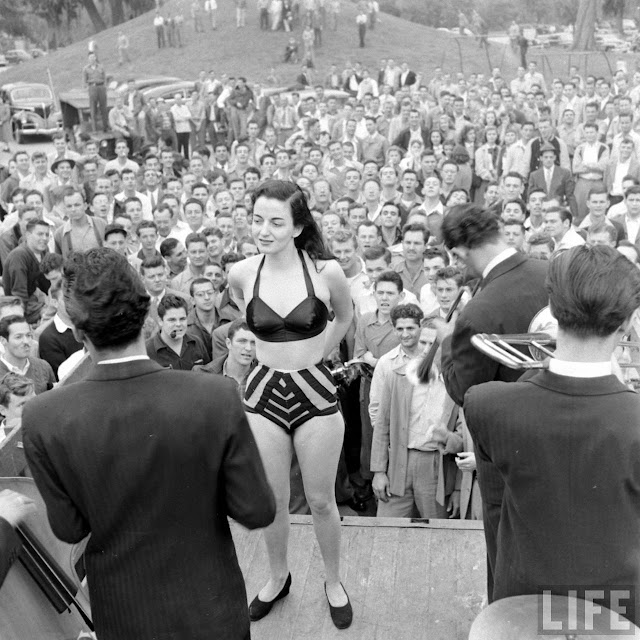
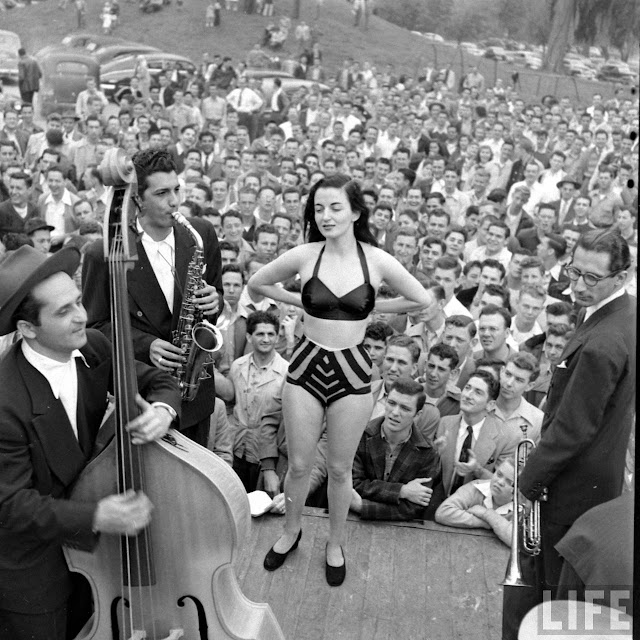
In 1948, Burlesque Dancer Stacy “Stormy” Lawrence Did a Surprise Striptease for the Students at Louisiana State University

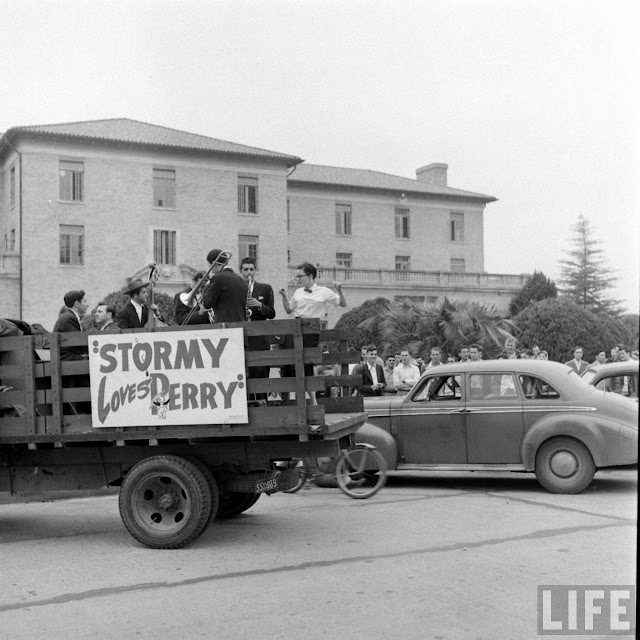
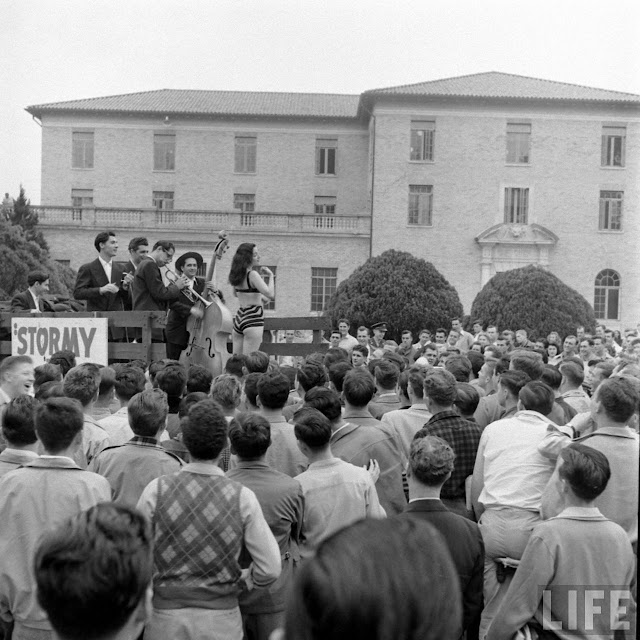
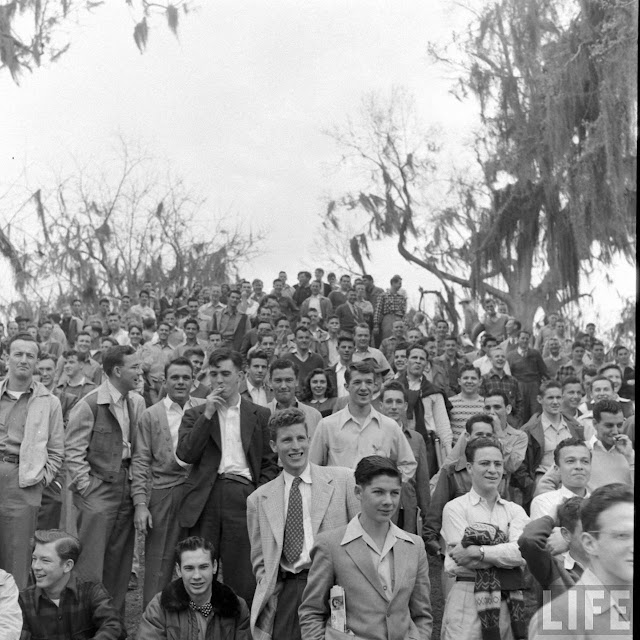
The event was actually a school run event in front of a field house on campus of Louisiana State University in Baton Rouge. One of the students came up with this stunt because he wanted to generate a campus prank story since he was running for student body president. This same student also was at the campus house to help promote a school humor magazine he was an editor at. The famous stunt had Stormy and a Dixieland band crashed the event in the back of a large truck.

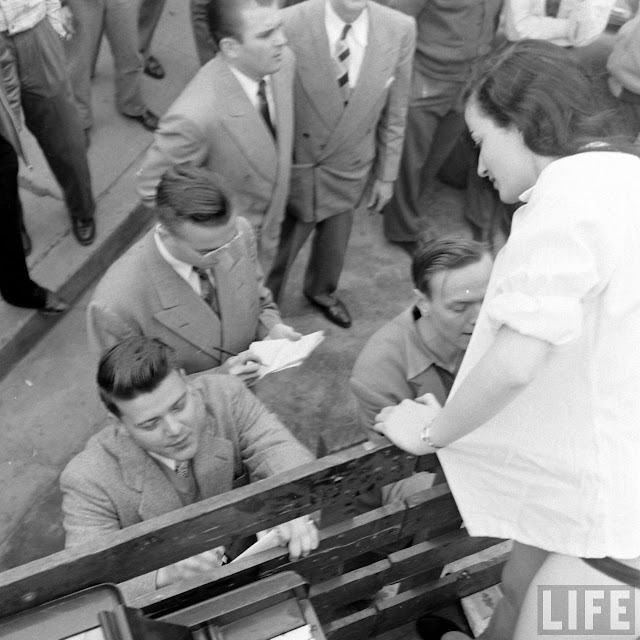
The famous Bourbon Street burlesque dancer ventured out after the truck moved in to place and began to tease the crowd with her routine while the band started playing. She began to strip, which caught most of the crowd completely off guard, and showcased her famous talents. The school officials there panicked, and the crowd actually had mixed emotions. Some, like the ones up close in the pictures, cheered and enjoyed the show.

However, others found this stunt demeaning to the school, and sought to put an end to the stunt before it went too far. Led by some LSU football players, a group of young men stormed the truck. They destroyed some of the instruments, including the drums and a piano, and chased off the band. They then had to figure out what to do with Stormy.

Apparently, even as the crowd besieged the truck, Stormy never lost her composure and even continued to engage the crowd. Once the group of students started smashing the instruments, she stopped and tried to leave. Instead, the students actually grabbed her and threw her into a lake nearby. Of that experience, she famously said “’boys will be boys.”

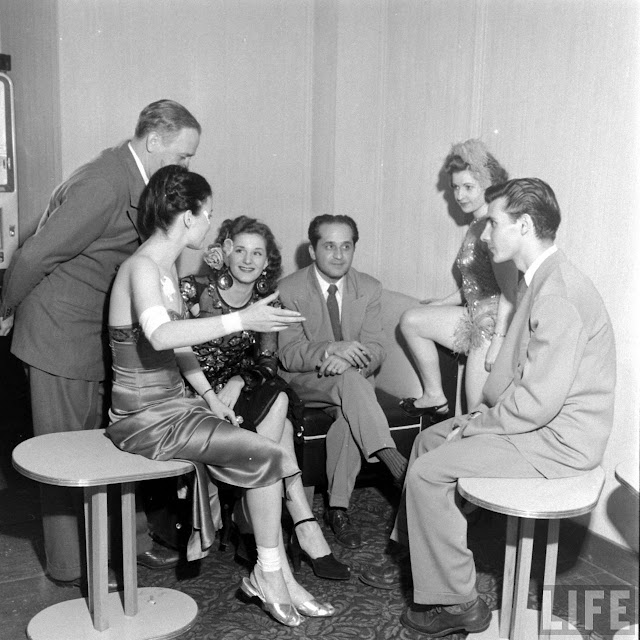
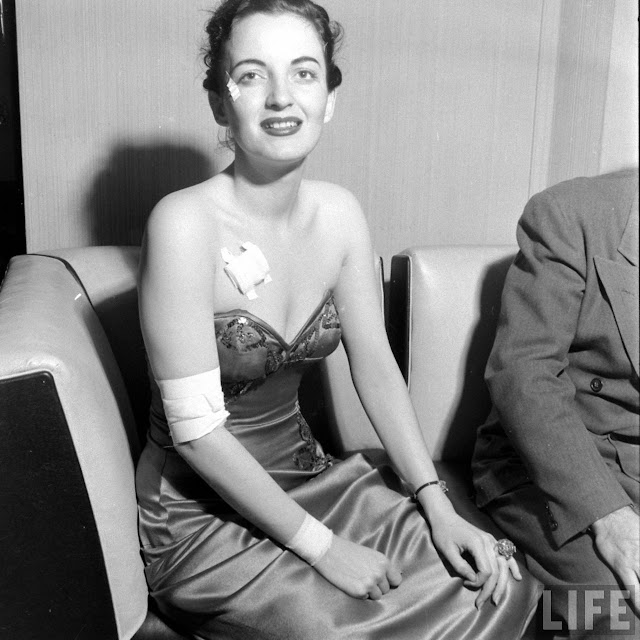
Since this was a planned event for the school, local papers and photographers were there. One of them snapped these pictures and sold them to LIFE Magazine. The event made headlines around the state at the time, but LIFE Magazine decided not to publish the pictures even after purchasing them. The papers around the area did publish some of the pictures and of course ran the story.

At the school, it became legend, and was even reprinted in the school yearbook in 1975. The results for the students involved in this event is unknown, but apparently no charges were made on anyone.

“Well, it was all a lot of fun then,” Stormy recalled years later. “I still hear from the guys who were there when it happened. I don’t harbor any ill will about it at all.”

Stormy continued to be a famous dancer in New Orleans throughout the late 1940s and 1950s. She was most famous for being the main headliner at her own club she opened, Stormy’s Casino Royale, and was also known as the “belle of Bourbon Street,” as one magazine described her. She made more headlines in another stunt in 1952, when she endorsed Alabama Gov. James “Kissin’ Jim” Folsom, who made an unsuccessful bid for the presidency on the Democratic ticket. When asked why she supported the presidential hopeful, she actually said Folsom was like “a honey pot.” Stormy died in 1982 at the age of 54, but her campus legend lives on.

Yesterday Today

Bringing You the Wonder of Yesterday - Today

Skip to content ↓