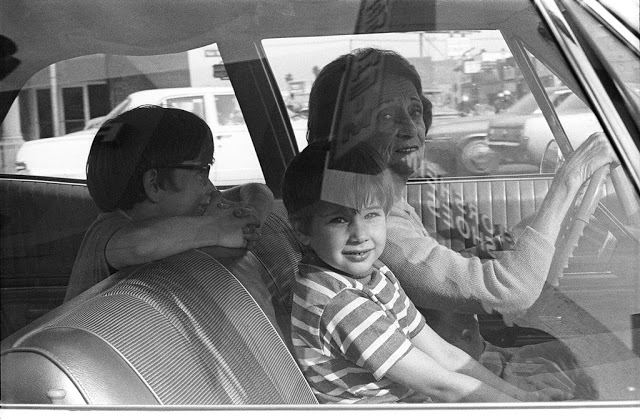
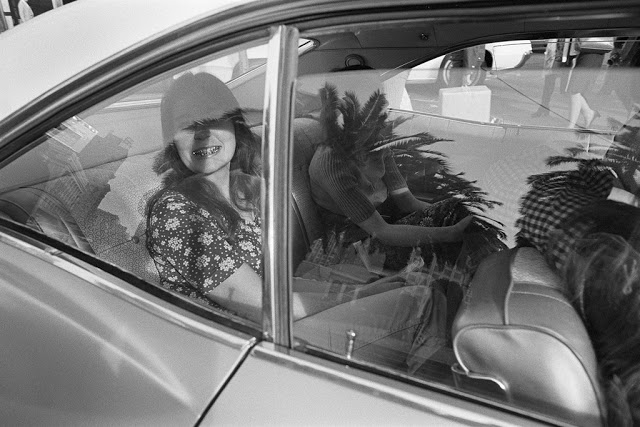
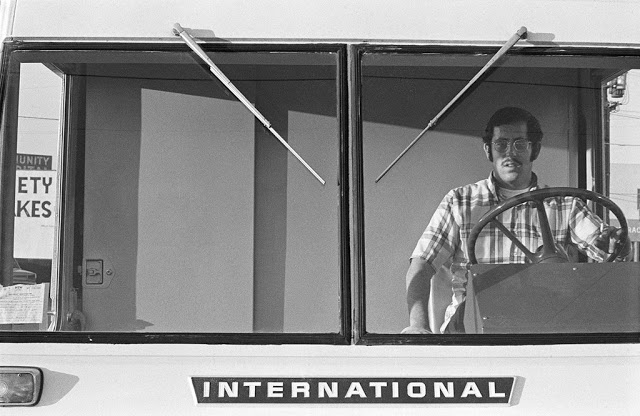
Mike Mandel grew up in the San Fernando Valley, and as an kid in the 1950s could walk just about everywhere he needed to go: to school, or later down the street to the open field to collect rocks or catch lizards. All of his friends lived on his block, so he didn’t think too much about the time he spent in a car. But by the time he reached twenty in 1970, he realized how large a role the car would play in his life, and so began to photograph the inhabitants of 1970s California in their cars.
“On a late afternoon with the light low in the west I’d regularly find my spot on the corner of Victory Blvd. and Coldwater Canyon Ave. in Van Nuys (ironically, so close to home I could easily walk there). It was a busy intersection with a wealth of cars pulling my way to make a right turn. I was using a 28mm wide angle lens on my 35mm camera, which meant that I had to get in pretty close to the window to get my shot, and when I did there would inevitably be a reaction: surprise, amusement, and on some few occasions, annoyance.”
“In contrast to how this project might play out today, it seemed then that people enjoyed being recognized by the camera and readily participated in the playfulness of the moment. It was warm outside, the car windows were open. It was the window that framed and instilled these portraits with the language of the automobile environment.” — Mike Mandel
France, officially the French Republic, is a transcontinental country spanning Western Europe and overseas regions and territories in the Americas and the Atlantic, Pacific and Indian Oceans. Its metropolitan area extends from the Rhine to the Atlantic Ocean and from the Mediterranean Sea to the English Channel and the North Sea; overseas territories include French Guiana in South America, Saint Pierre and Miquelon in the North Atlantic, the French West Indies, and many islands in Oceania and the Indian Ocean. Due to its several coastal territories, France has the largest exclusive economic zone in the world. France borders Belgium, Luxembourg, Germany, Switzerland, Monaco, Italy, Andorra, and Spain in Europe, as well as the Netherlands, Suriname, and Brazil in the Americas via its overseas territories in French Guiana and Saint Martin. Its eighteen integral regions (five of which are overseas) span a combined area of 643,801 km2 (248,573 sq mi) and over 67 million people (as of May 2021). France is a unitary semi-presidential republic with its capital in Paris, the country’s largest city and main cultural and commercial centre; other major urban areas include Marseille, Lyon, Toulouse, Lille, Bordeaux, and Nice.
Inhabited since the Palaeolithic era, the territory of Metropolitan France was settled by Celtic tribes known as Gauls during the Iron Age. Rome annexed the area in 51 BC, leading to a distinct Gallo-Roman culture that laid the foundation of the French language. The Germanic Franks formed the Kingdom of Francia, which became the heartland of the Carolingian Empire. The Treaty of Verdun of 843 partitioned the empire, with West Francia becoming the Kingdom of France in 987. In the High Middle Ages, France was a powerful but highly decentralised feudal kingdom. Philip II successfully strengthened royal power and defeated his rivals to double the size of the crown lands; by the end of his reign, France had emerged as the most powerful state in Europe. From the mid-14th to the mid-15th century, France was plunged into a series of dynastic conflicts involving England, collectively known as the Hundred Years’ War, and a distinct French identity emerged as a result. The French Renaissance saw art and culture flourish, conflict with the House of Habsburg, and the establishment of a global colonial empire, which by the 20th century would become the second-largest in the world. The second half of the 16th century was dominated by religious civil wars between Catholics and Huguenots that severely weakened the country. France again emerged as Europe’s dominant power in the 17th century under Louis XIV following the Thirty Years’ War. Inadequate economic policies, inequitable taxes and frequent wars (notably a defeat in the Seven Years’ War and costly involvement in the American War of Independence), left the kingdom in a precarious economic situation by the end of the 18th century. This precipitated the French Revolution of 1789, which overthrew the Ancien Régime and produced the Declaration of the Rights of Man, which expresses the nation’s ideals to this day.
France reached its political and military zenith in the early 19th century under Napoleon Bonaparte, subjugating much of continental Europe and establishing the First French Empire. The French Revolutionary and Napoleonic Wars shaped the course of European and world history. The collapse of the empire initiated a period of relative decline, in which France endured a tumultuous succession of governments until the founding of the French Third Republic during the Franco-Prussian War in 1870. Subsequent decades saw a period of optimism, cultural and scientific flourishing, as well as economic prosperity known as the Belle Époque. France was one of the major participants of World War I, from which it emerged victorious at great human and economic cost. It was among the Allied powers of World War II, but was soon occupied by the Axis in 1940. Following liberation in 1944, the short-lived Fourth Republic was established and later dissolved in the course of the Algerian War. The current Fifth Republic was formed in 1958 by Charles de Gaulle. Algeria and most French colonies became independent in the 1960s, with the majority retaining close economic and military ties with France.
France retains its centuries-long status as a global centre of art, science and philosophy. It hosts the fifth-largest number of UNESCO World Heritage Sites and is the world’s leading tourist destination, receiving over 89 million foreign visitors in 2018. France is a developed country with the world’s seventh-largest economy by nominal GDP and ninth-largest by PPP; in terms of aggregate household wealth, it ranks fourth in the world. France performs well in international rankings of education, health care, life expectancy and human development. It remains a great power in global affairs, being one of the five permanent members of the United Nations Security Council and an official nuclear-weapon state. France is a founding and leading member of the European Union and the Eurozone, as well as a key member of the Group of Seven, North Atlantic Treaty Organization (NATO), Organisation for Economic Co-operation and Development (OECD) and La Francophonie. (Wikipedia)
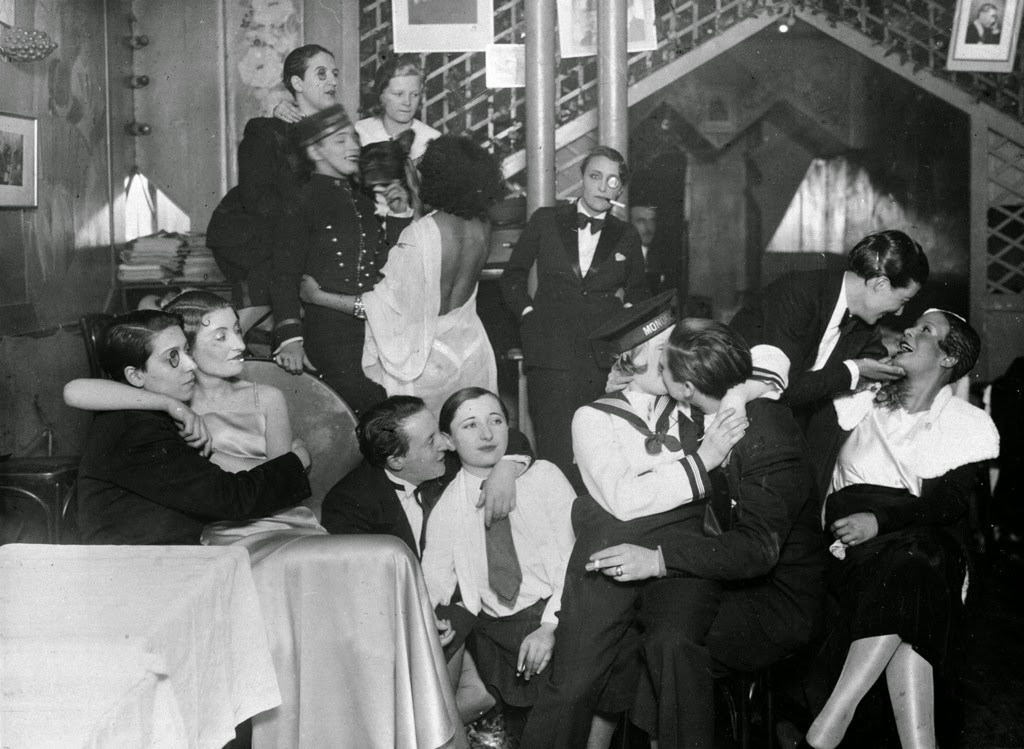
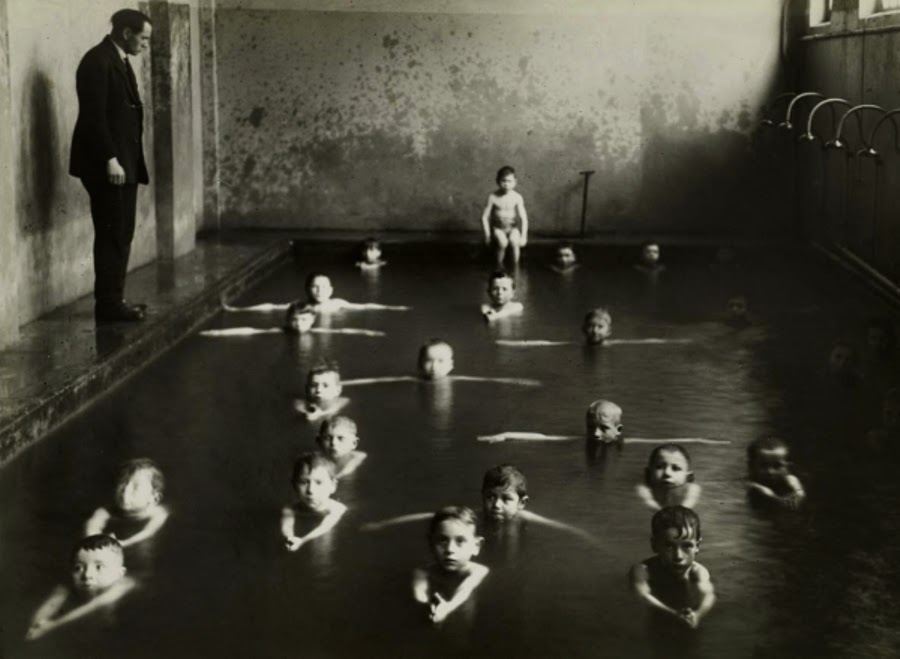
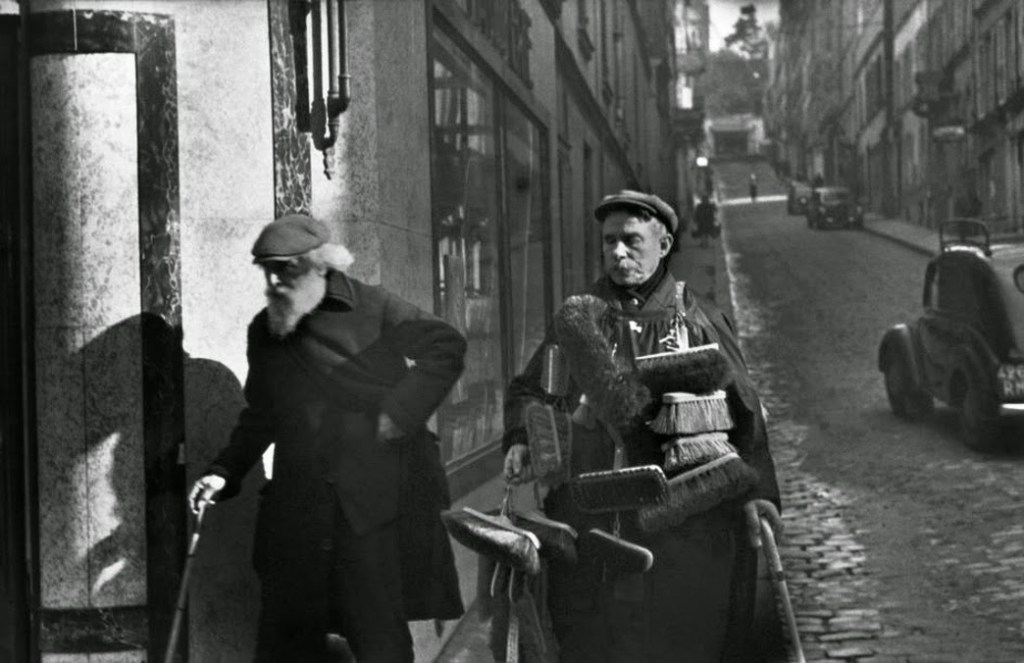
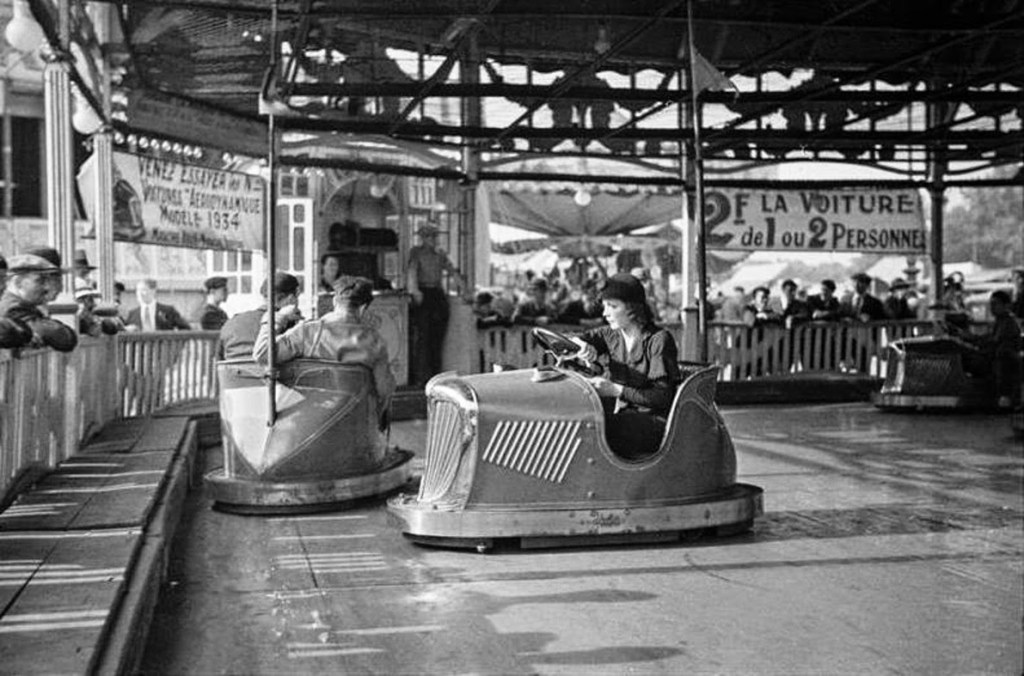
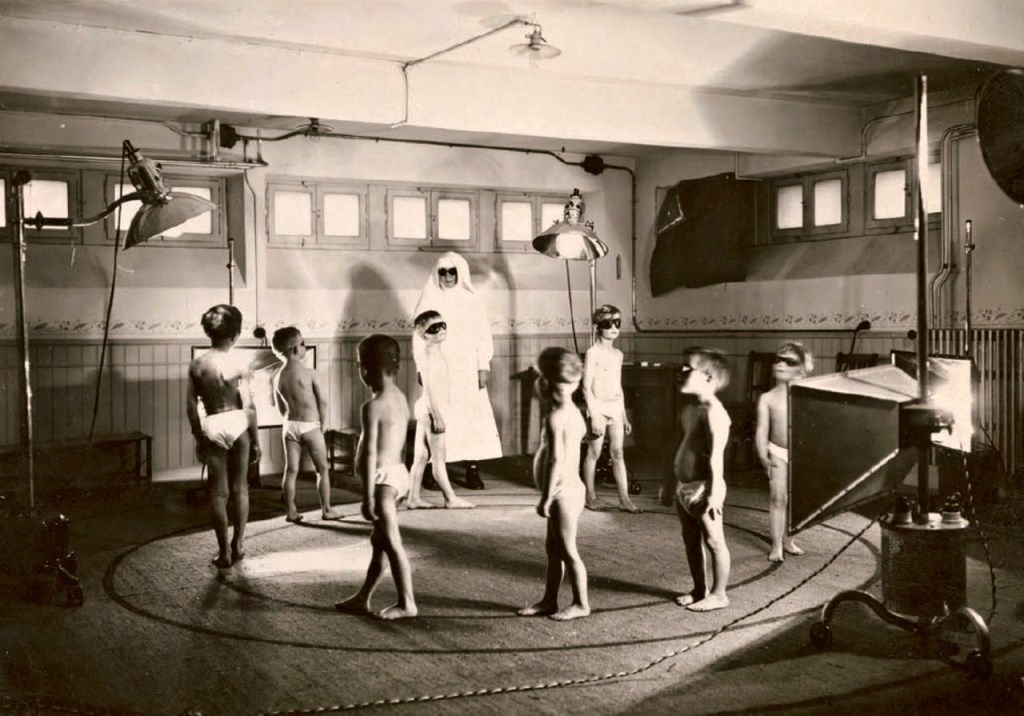
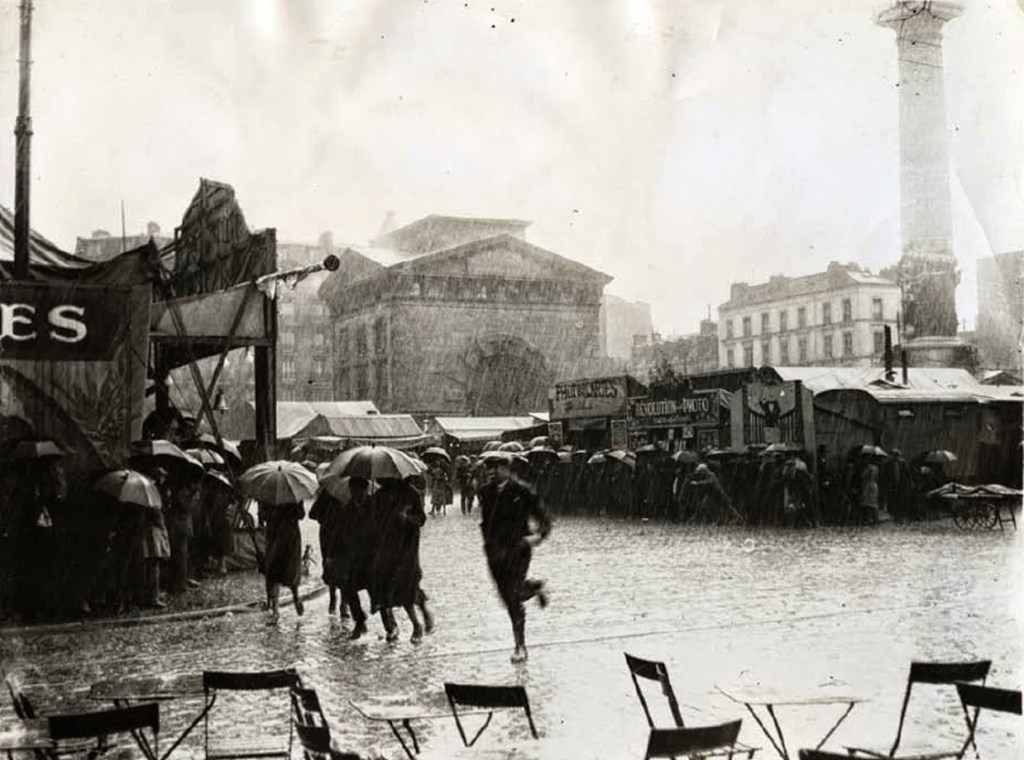
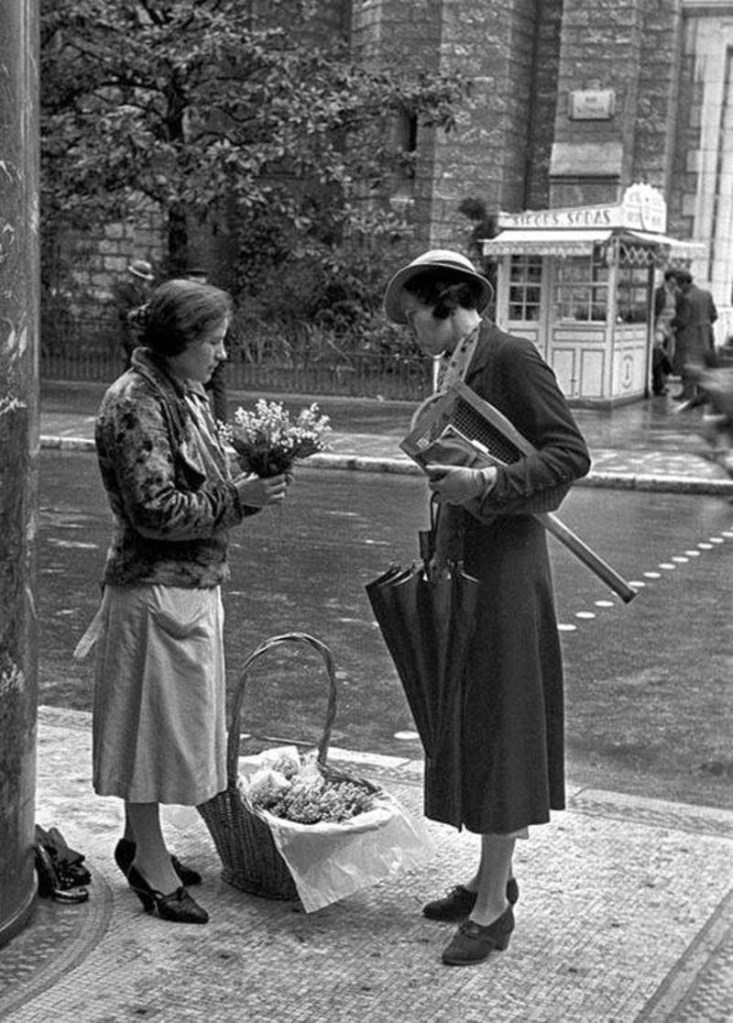
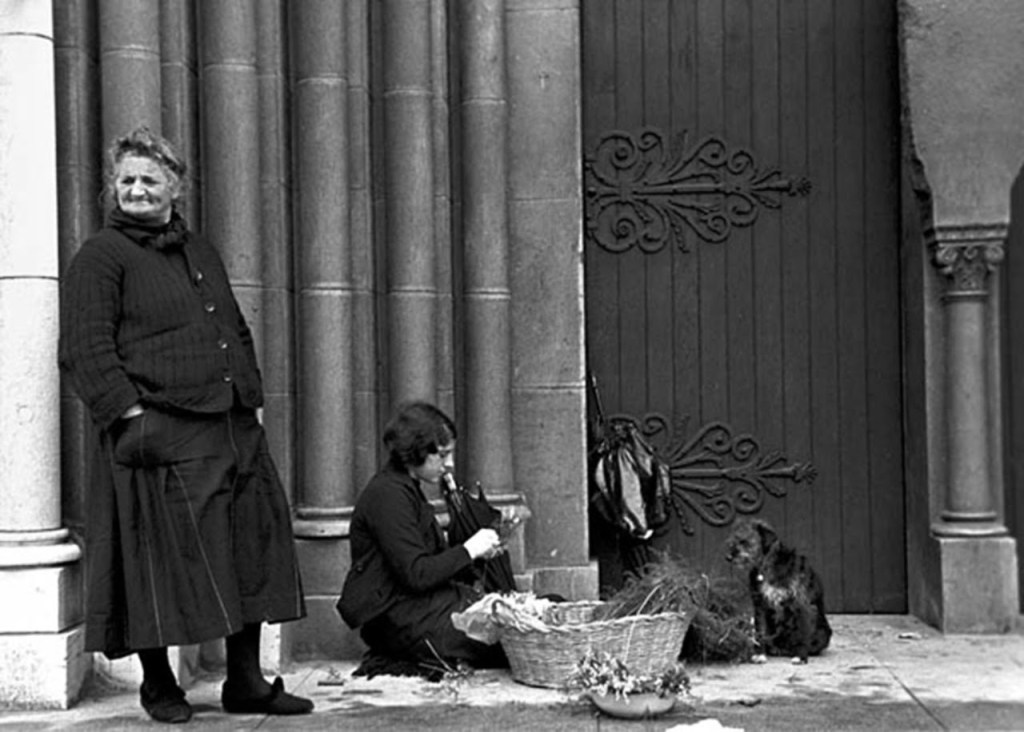
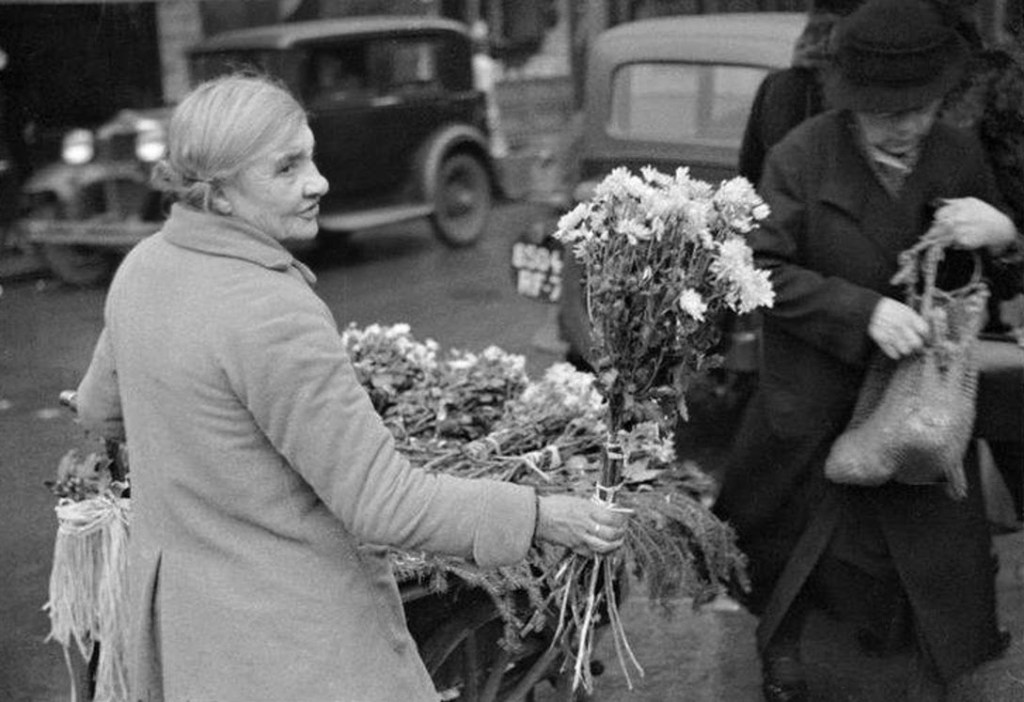
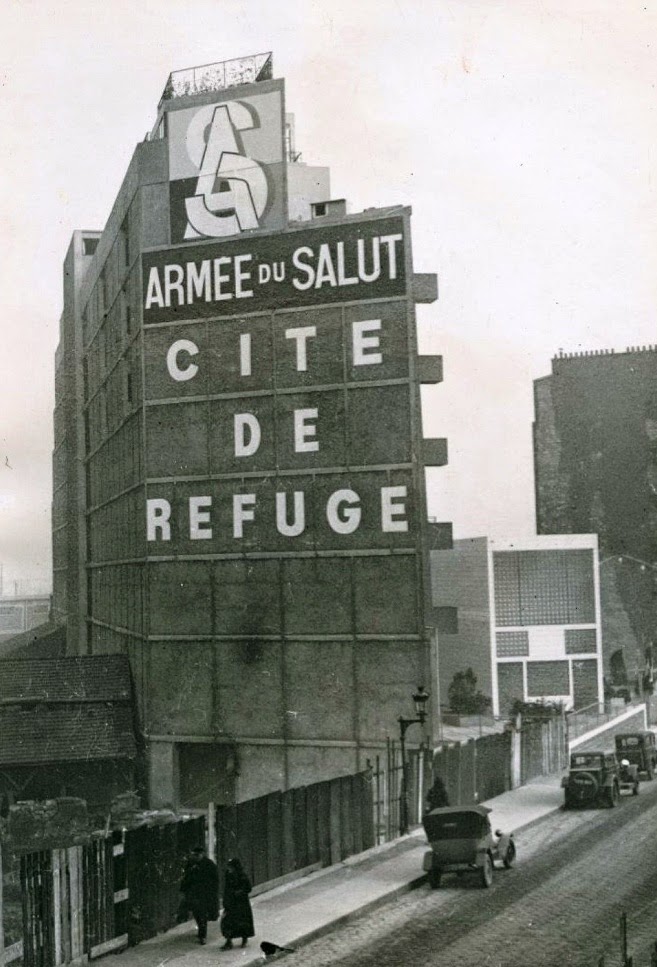
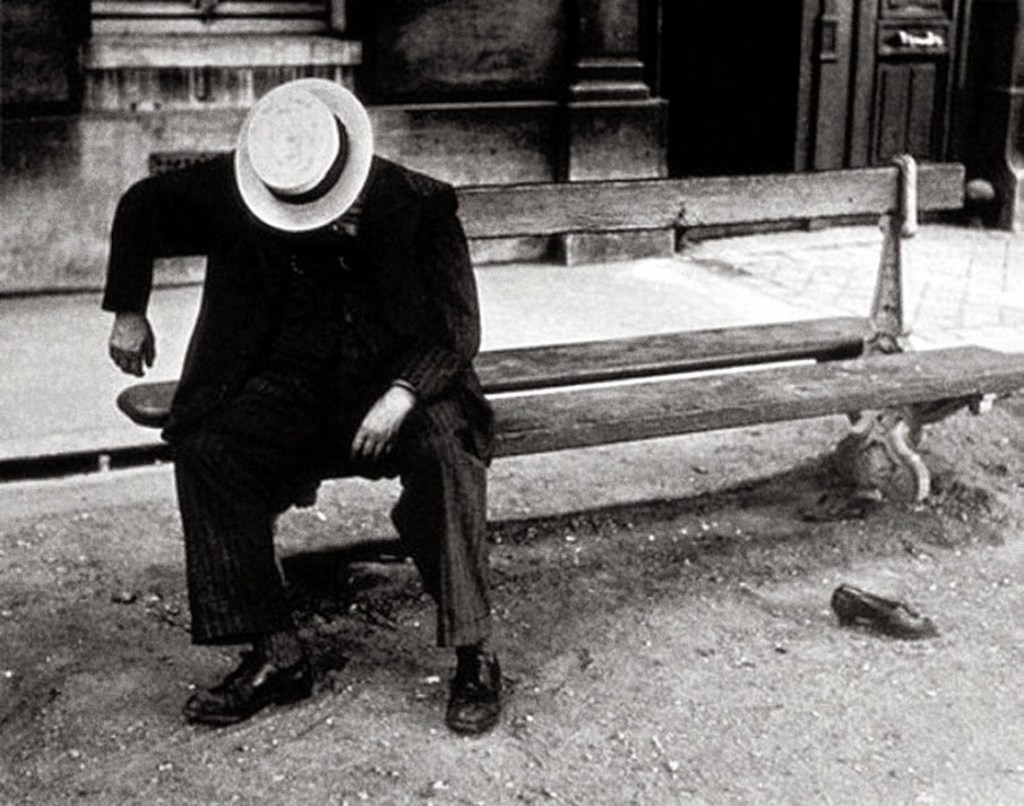
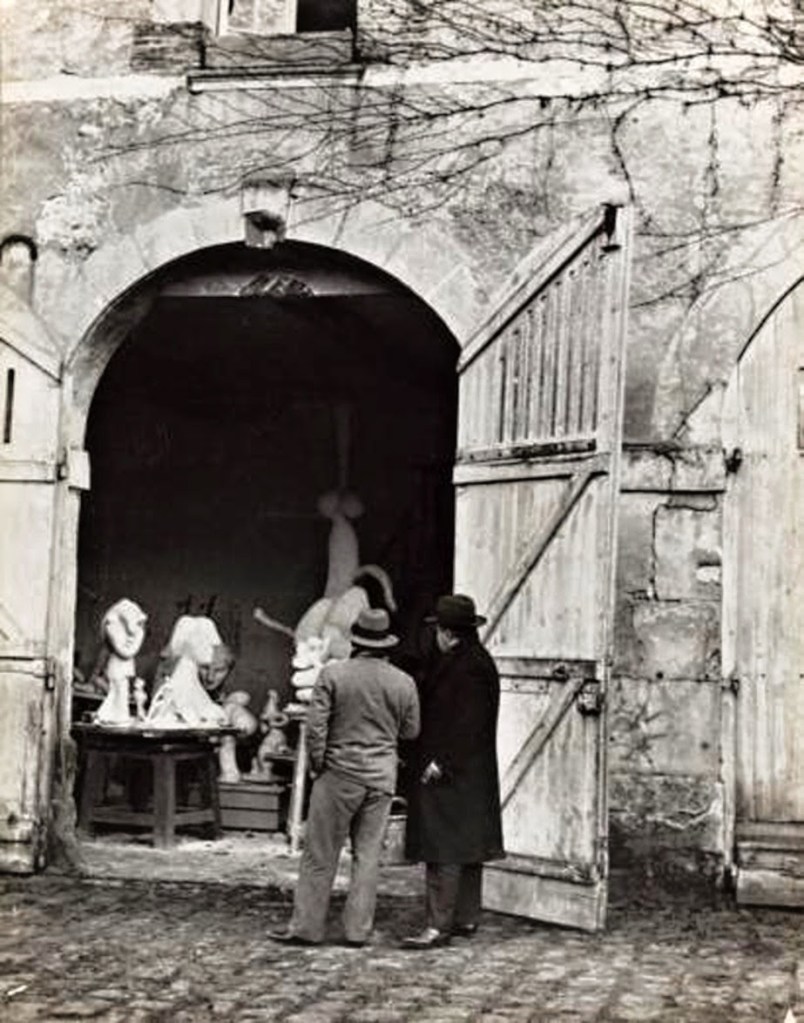
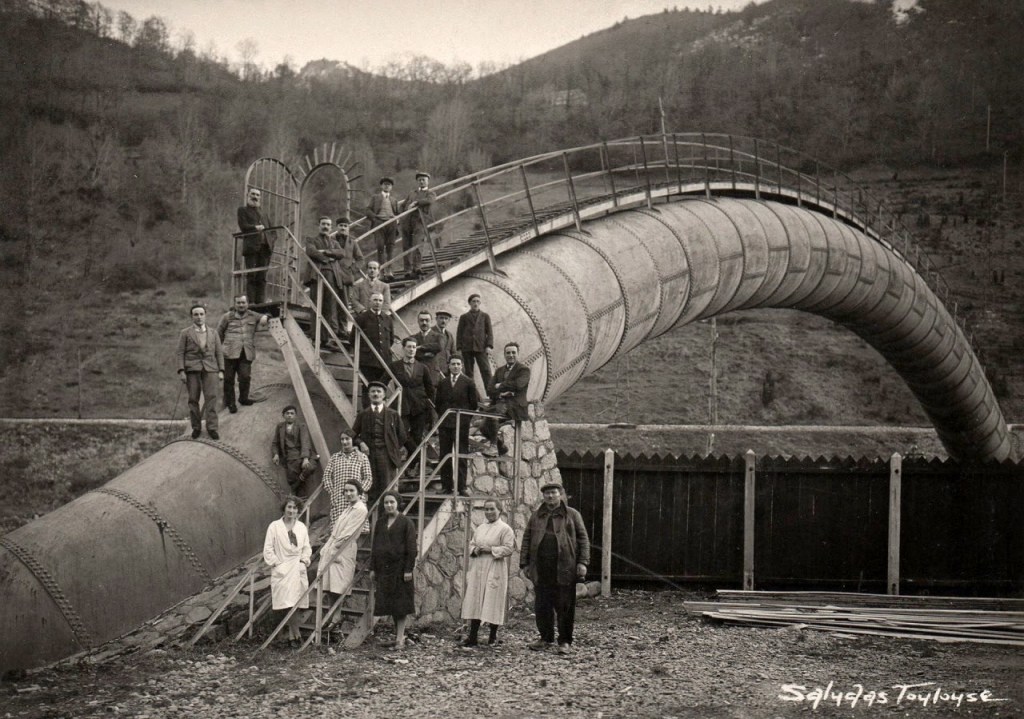
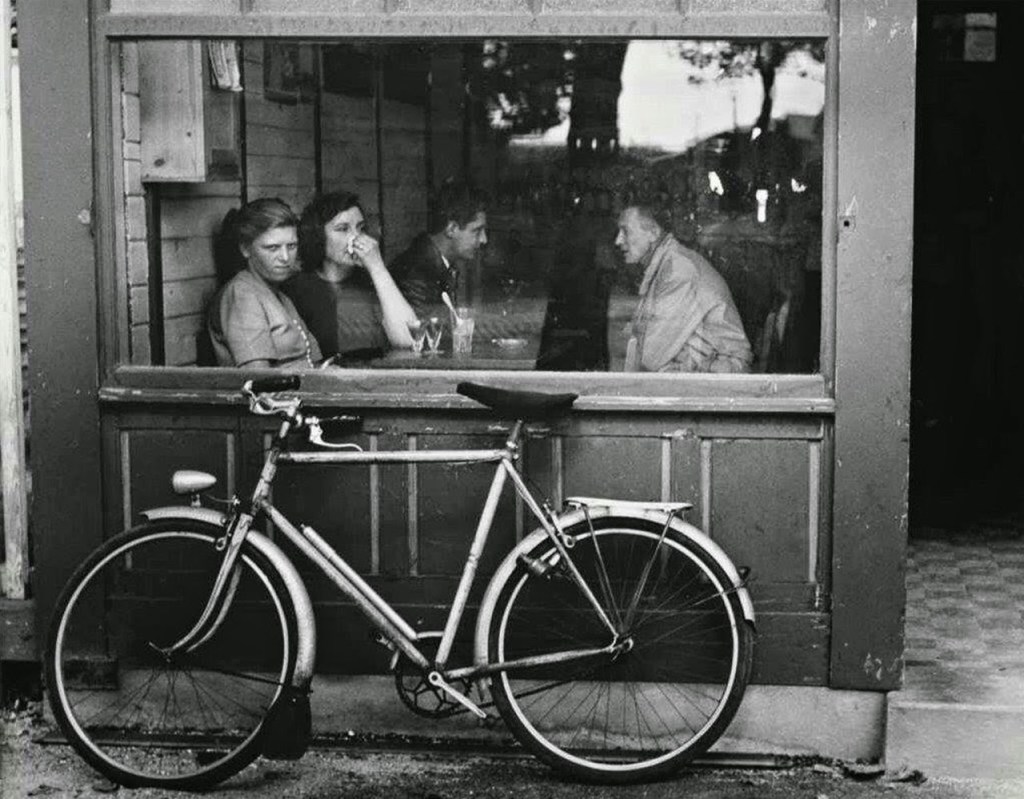
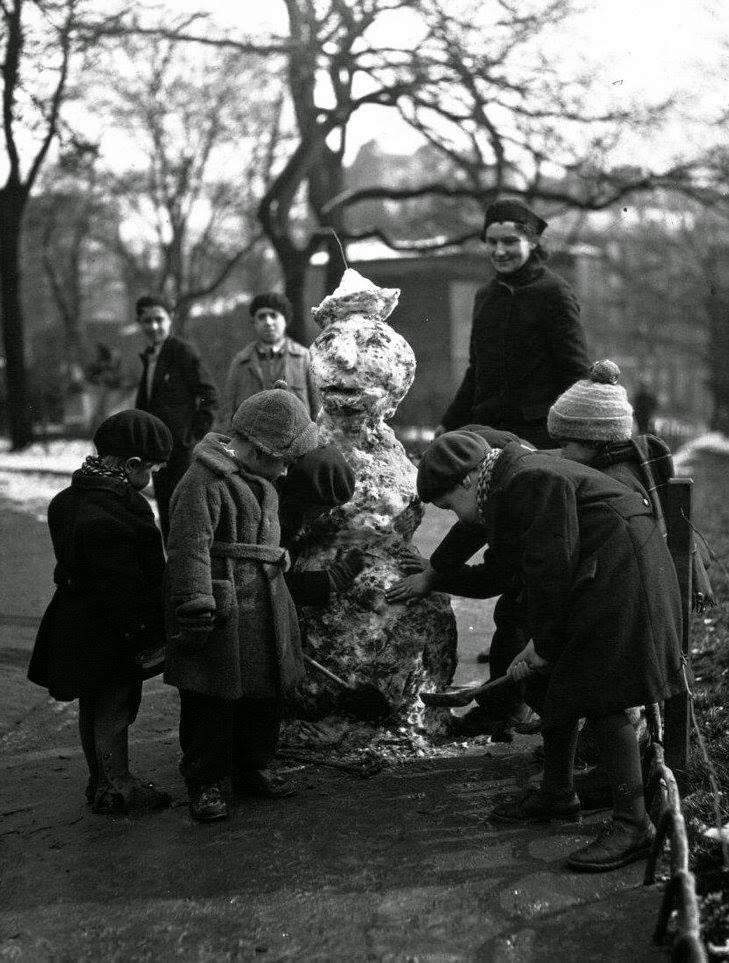
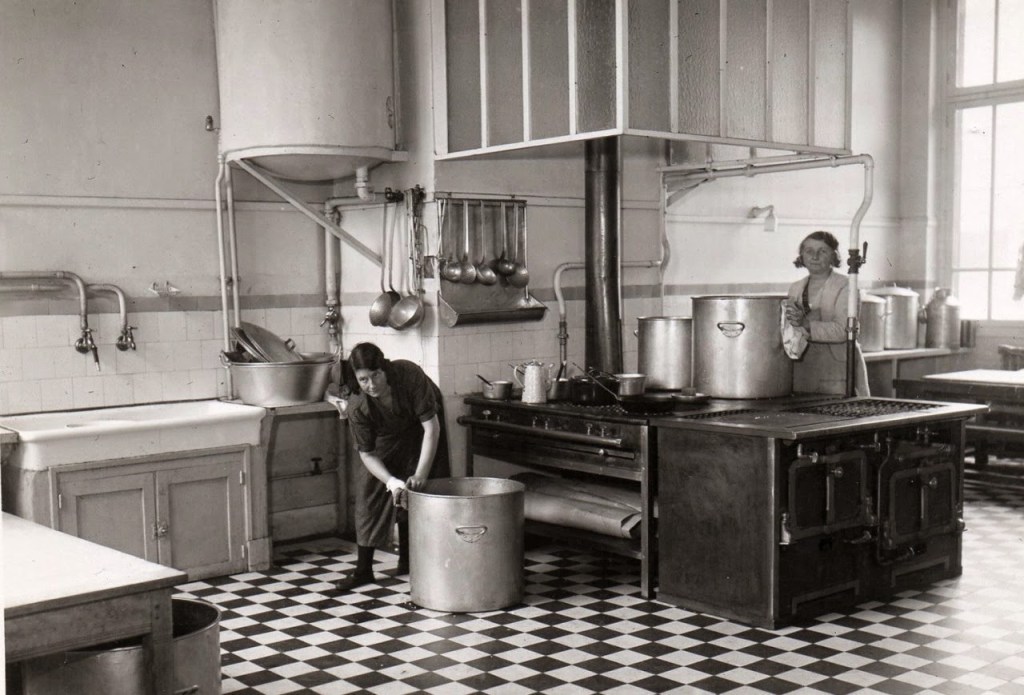
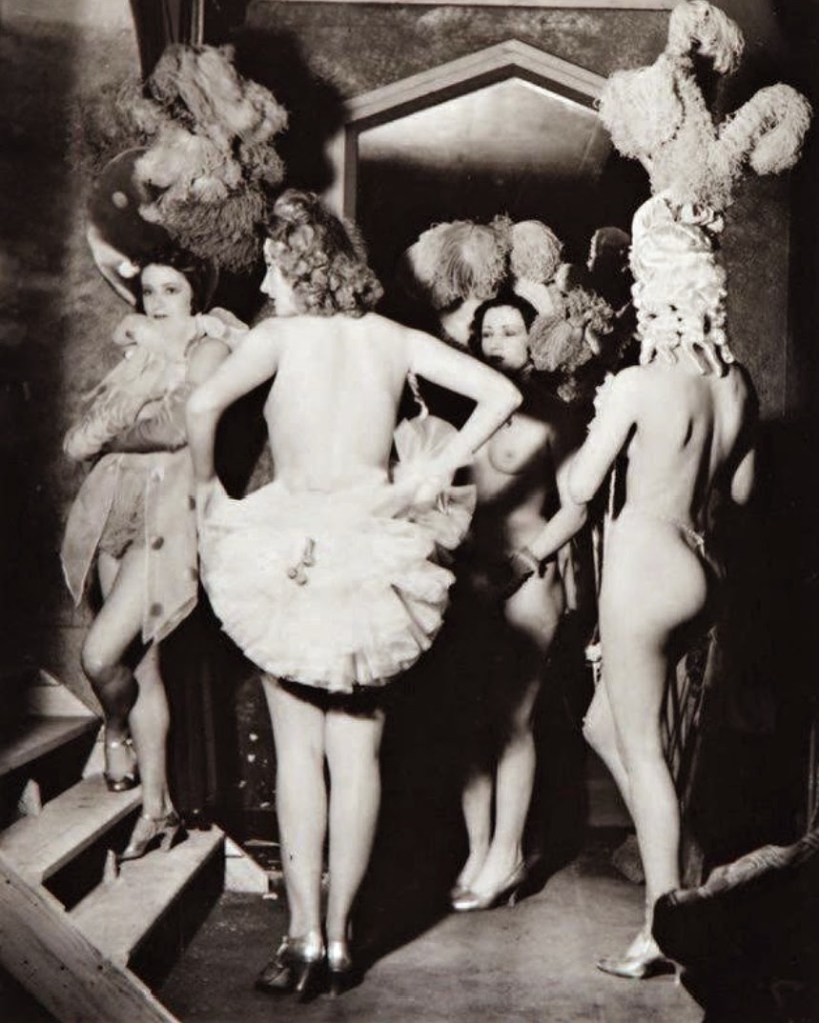
“Le Monocle” – Special lesbians cabaret in Montmartre. Paris, 1930. Photo by Albert Harlingue.Swimming lessons, 1930.The brooms seller in Montmartre, Paris, 1933.Neuilly-sur-Seine, Paris, ca. 1930.Greta Garbo Poster by Ilse Bing, Paris 1932.American boxer Jack Johnson and his second wife, Irene Pineau in Paris, 1930.The flying car, France, 1930.Frontier mine potash in Alsace in Mulhouse: the photo shows the room of ultraviolet rays for children. 1935.Place de la Nation, Paris, 1930.Cheese seller with his goats, Paris, 1930.Hawker muget, Parvis of Notre-Dame, Nice, May 1, 1936. Photo by Paul Louis.Hawker muget, Parvis of Notre-Dame, Nice, May 1, 1936.The flower seller in Paris, 1932.City de Refuge designed by Le Corbusier, Paris, 1933.The Man in the Boater, 1932.Pablo Picasso and Tériade in front of the sculpture studio at his home in Boisgeloup, 1932.Evening at the Monocle, ca. 1932.A Morris column in the fog, Avenue de l’Observatoire, Paris, 1934.Horticultural Exposition in Cours la Reine, Paris, 1932.Employees, Toulouse, 1930.Renée au Palm Beach, Cannes, 1931.Paris, ca. 1930.Edith Piaf in a Parisian cafe, ca. 1936.Bistro, Paris, 1930.Snowman in the Buttes Chaumont, February 22, 1933.Bathing suit, Trouville, ca. 1930.Kitchen, Vitry-sur-Seine, Paris, ca. 1930.Apprentices are having fun with the snow in the Buttes Chaumont, February 21, 1933.Paris in the morning, 1935.The Lido, Paris, ca. 1930.
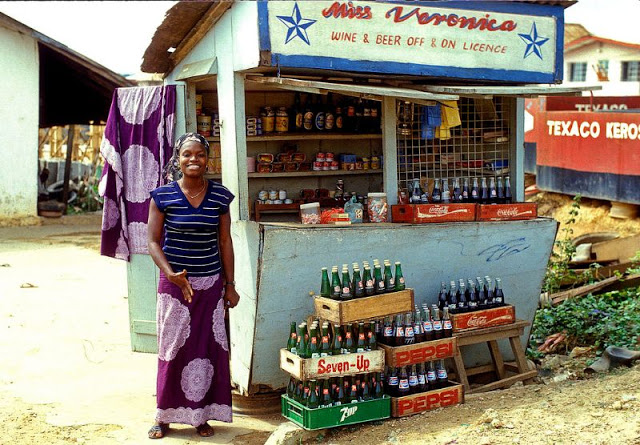
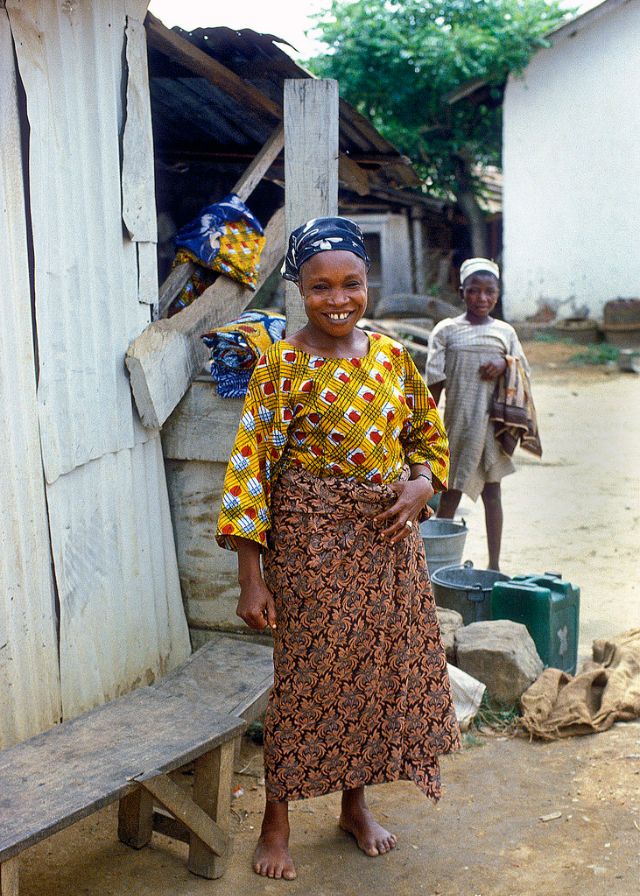
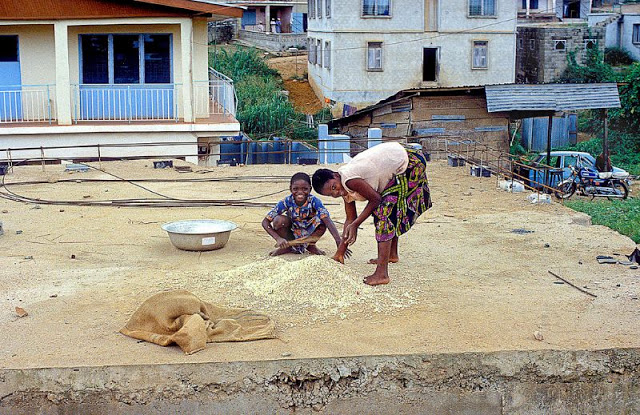
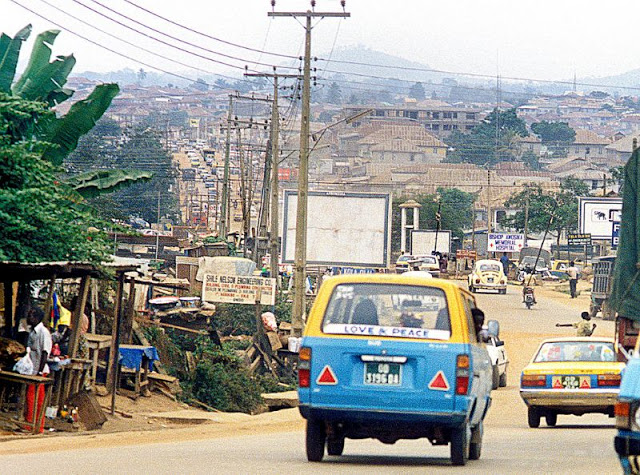
Ondo City is the second largest city in Ondo State, Nigeria. It is the trade center for the surrounding region. Yams, cassava, grain, and tobacco are grown. Cotton is also grown, and is used to weave cloth called Aso Oke fabric.
Ondo City is also the largest producer of cocoa products in the region.
The title of the king of the town, who reigns as a direct descendant of the fabled Emperor Oduduwa, is “Osemawe”. The present reigning monarch is Dr. Adesimbo Victor Kiladejo, who was crowned in September 2006 following the death of the former king, Dr. Festus Ibidapo Adesanoye.
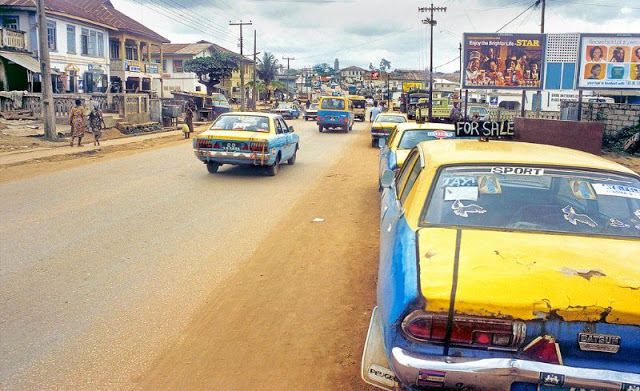
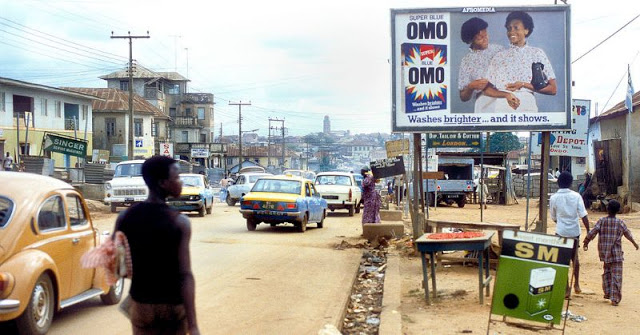
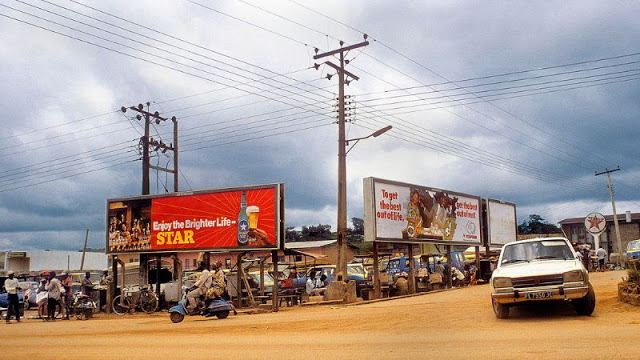
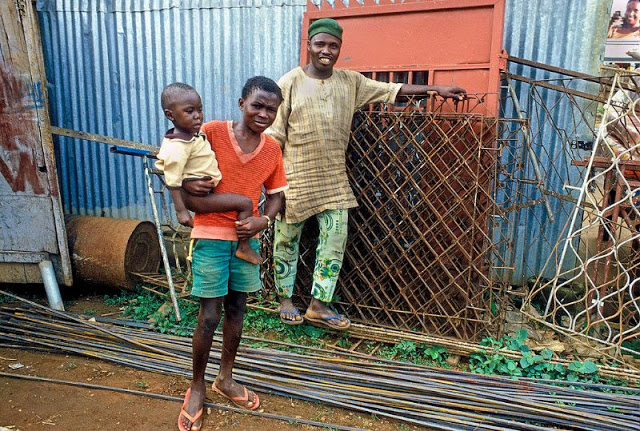
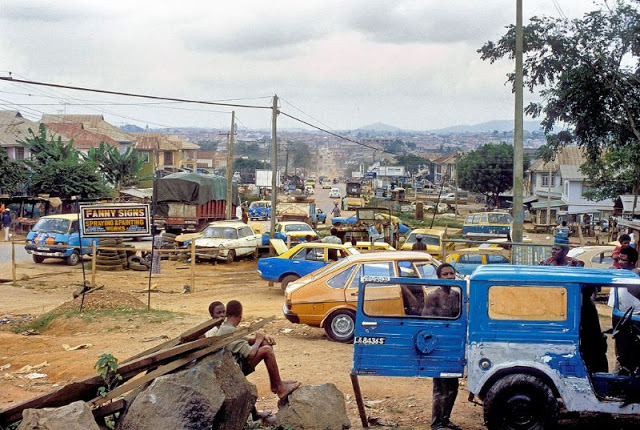
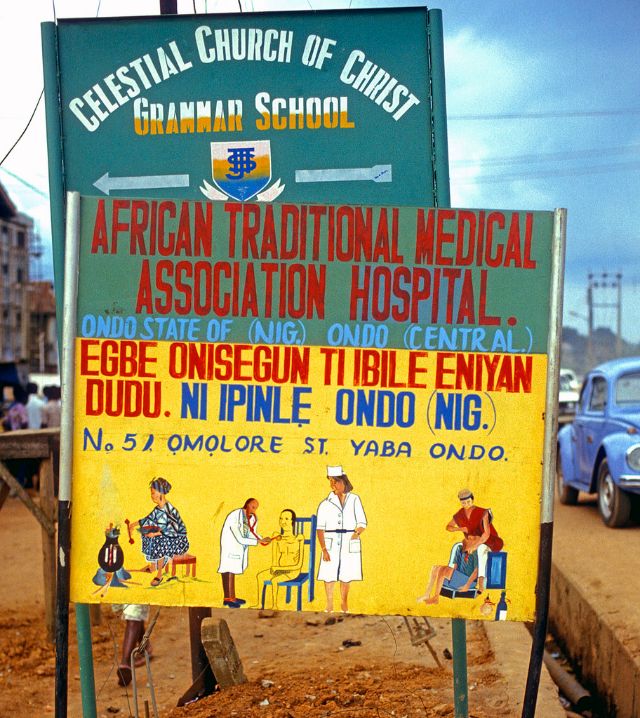
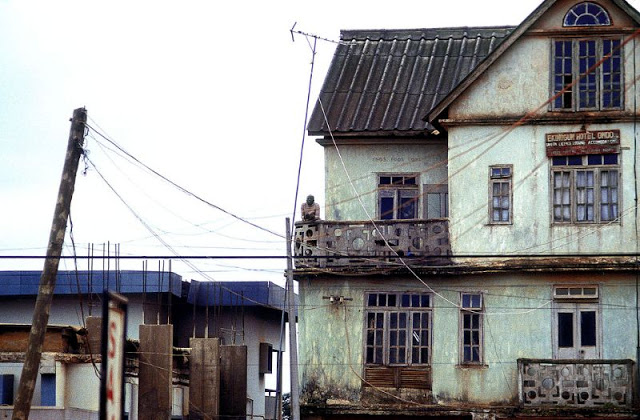
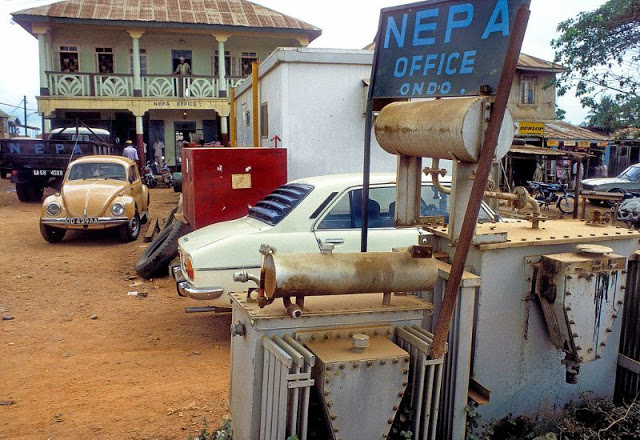
These amazing photos show everyday life at Yaba Street, Ondo, Nigeria in 1982.
From 1890 to 1930, the larger cities were the focus of national attention. The skyscrapers and tourist attractions were widely publicized. Suburbs existed, but they were largely bedroom communities for commuters to the central city. San Francisco dominated the West, Atlanta dominated the South, Boston dominated New England; Chicago, the nation’s railroad hub, dominated the Midwest United States; however, New York City dominated the entire nation in terms of communications, trade, finance, popular culture, and high culture. More than a fourth of the 300 largest corporations in 1920 were headquartered in New York City.
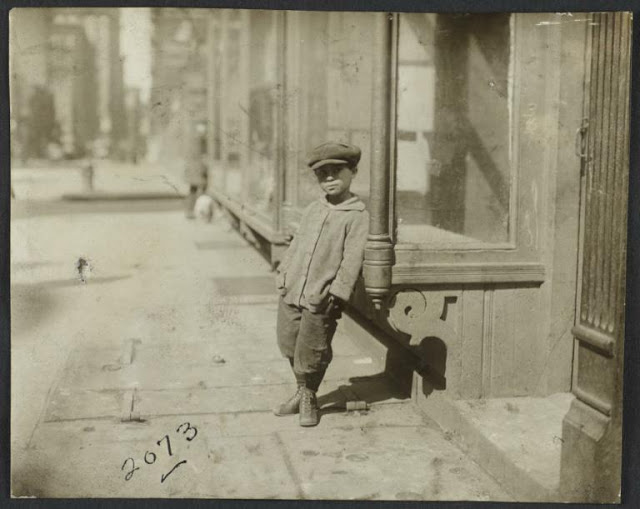
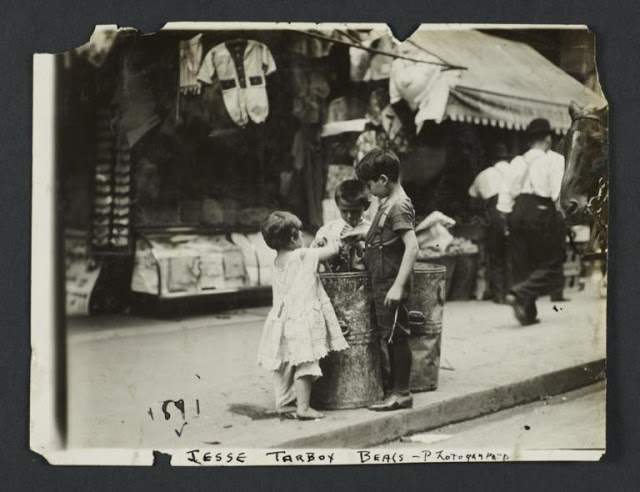
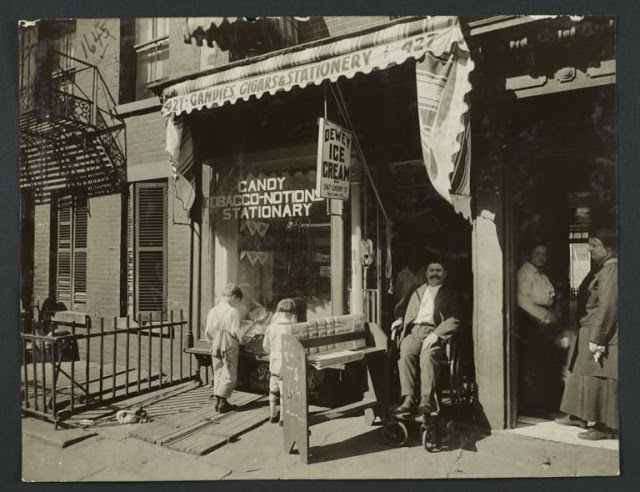
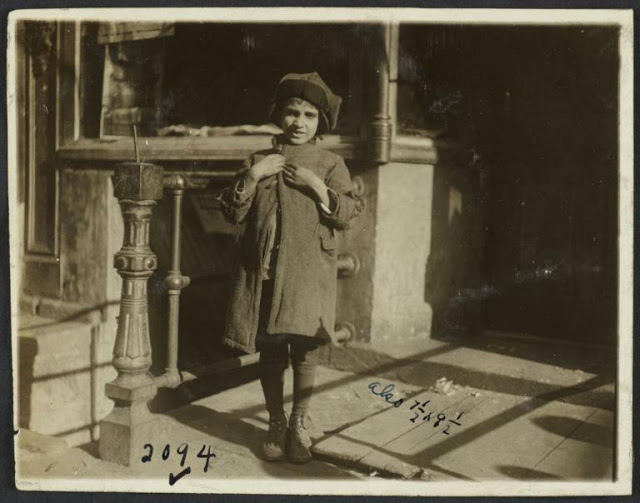
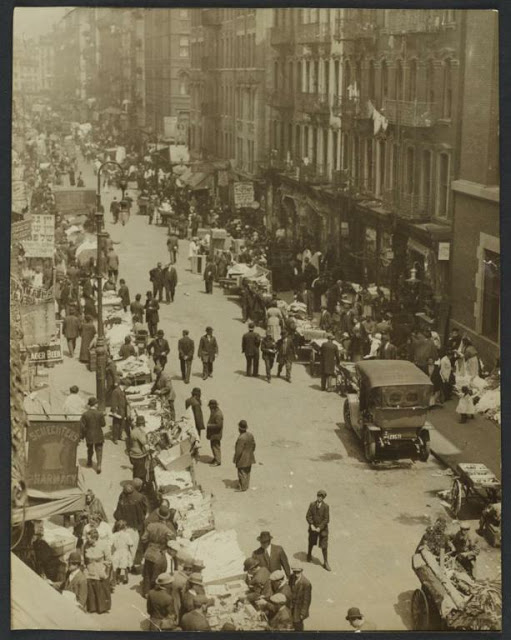
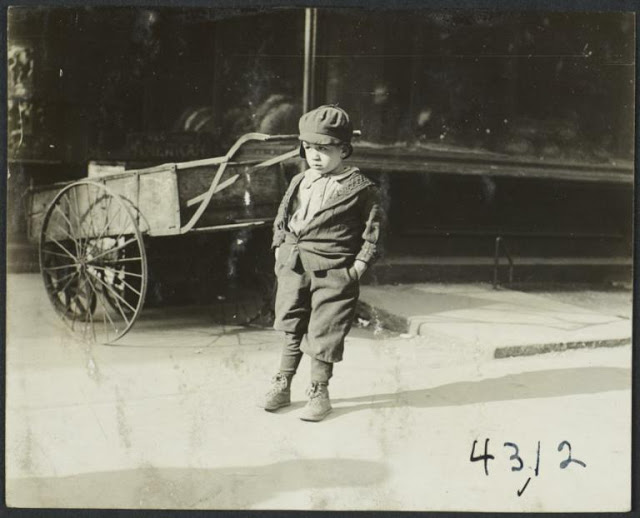
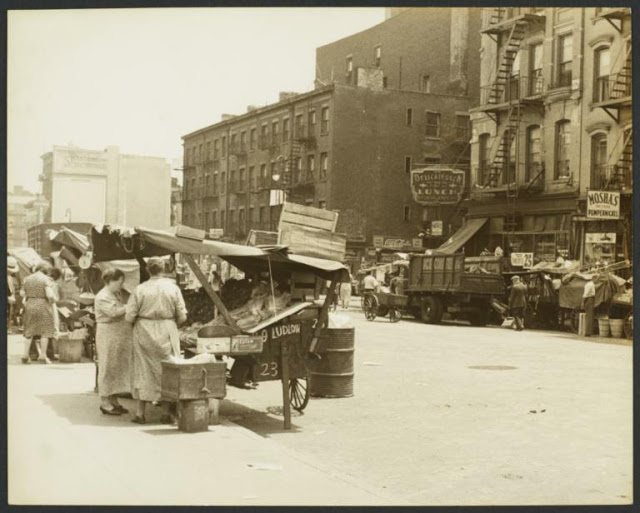
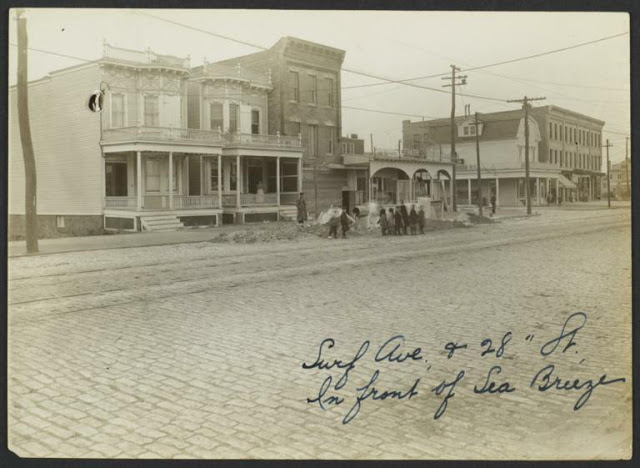
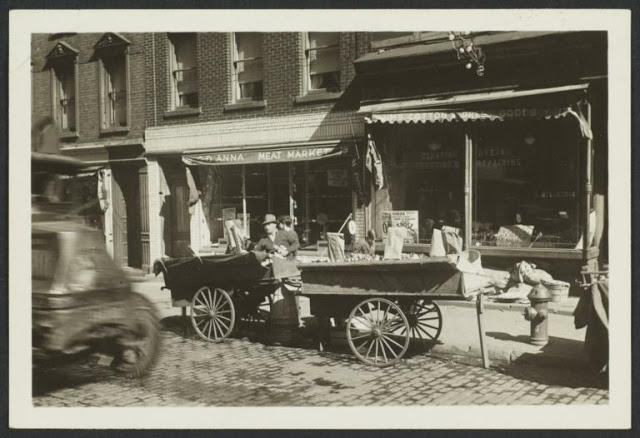
Below is a collection of 37 interesting vintage photographs afford us the opportunity to look back at New York when it was just entering the 20th century.
Children playing in garbage can, ca. 1918Candy store, ca. 1918People in front of J. Lacov Woolens, ca. 1900Fruit pushcartsPolice officer and crowd on Grand Street, ca. 1910The push-carts selling “Hot Frankfurters 3 cents and 2 for 5 cents” are parked on Broad Street, ca. 1905Maiden Lane, ca. 1905Street cleaning, ca. 1910sThree children with carriageBoy sitting on stoopBoy leaning against windowBoys and storefront windowsChild in hat and coatLooking north on Orchard Street, ca. 1909Two children near grateBoy with box near empty pushcartsBoy in hatGirl near storefront windowBoy in front of bread shopLooking North on Elizabeth Street. The crosstown street is Prince (see sign on corner building at right.) Note the street car track on Prince. Street cars crossed town West on Prince and returned East on Spring. Buses now travel the same route.Street with carriage, cat, carStreet with cars, ca. 1918Looking north on Mulberry Street from Canal. The building housing the Villa Rosa Cafe (first on left) is one of the few in the photo no longer in existence. It is now part of the site of the Rectory of the Church of the Most Precious Blood. The cornerstone of the Church (113 Baxter Street, with the property running through to Mulberry) has the date 1901, but the Mulberry Street rectory is of more recent construction.Looking north on Mulberry Street between Canal and Hester. The number on the store window at right is 126 Mulberry Street.The building has been modernized in recent years and is Vitale’s Florist Shop, F. Vitale, proprietor.High angle view of streetLooking east on East Houston. The street on the right, where the street lamp is, is Orchard, 1939.Looking north on Orchard St from DelanceyStamped Weissner Studio Corner of Elizabeth and Prince Streets, looking north on Elizabeth. The lights strung overhead along Elizabeth are in celebration of a feast day, probably that of St. Anthony of Padua which is celebrated the week of June 13th, ca. 1937.Looking north on Orchard Street between Stanton and Rivington. The light colored building on the left with the decorative balconies is 159-161 Orchard.East Houston and Orchard Street, 1939Surf Avenue in front of Sea BreezePushcart in front of meat marketMan and girl in front of shopLittle girl on sidewalk near elevated subwayPushcart Boulevard Lower East Side, 1932Typical old law tenements, 1907Open door next to storefronts
As a filmmaker, Paul Ratner is drawn to images. His first love of film came from old black and white movies by world cinema auteurs like the jarring works of Bergman, Eisenstein, Bunuel, Lang, Dreyer, Ozu and other great masters.
“For a while in college, it felt almost like cheating to watch a film made in color,” he said. “As I grew older, I accepted color and now find it hard to stick to a monochrome diet. Life seems too resplendent for just one tone.”
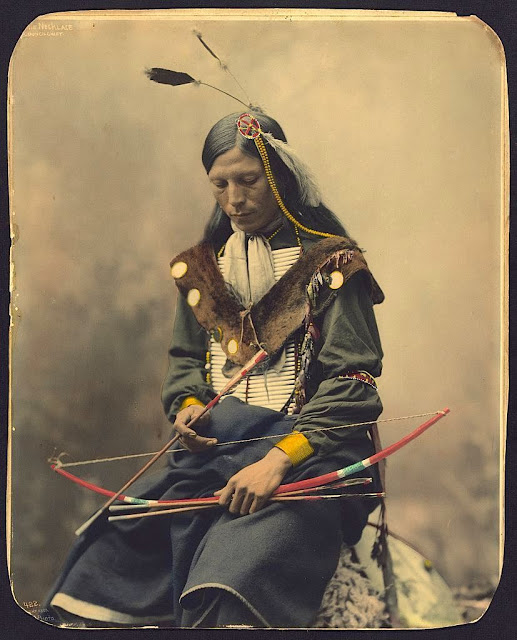
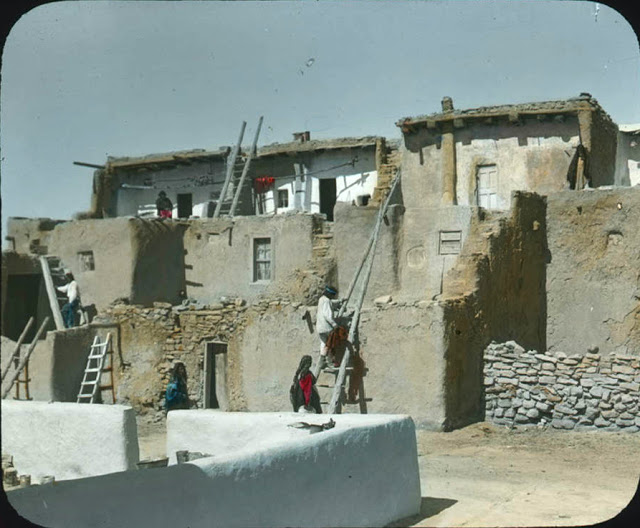
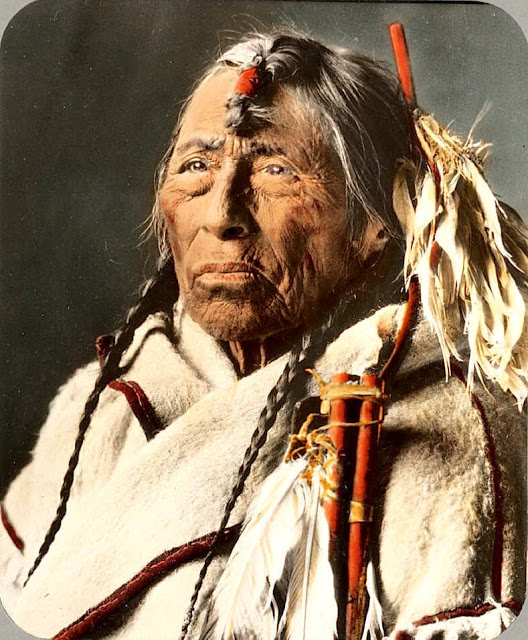
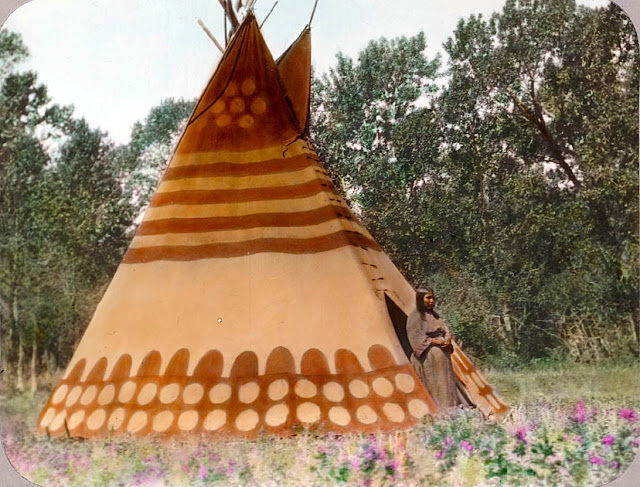
While making Moses on the Mesa, a film about a German-Jewish immigrant who fell in love with a Native-American woman and became governor of her tribe of Acoma Pueblo in New Mexico in the late 1800s, Ratner developed a passion for researching old photographs of indigenous people.
“Many of the photographs I found were colored by hand, as color film was only the domain of experimentalists until 1930s (thanks, Kodachrome!) Painting on black and white prints was an art in and of itself, and many of the colorized photos exhibit true talent which preserved for us the truer likeness of the people many a hundred years ago thought were vanishing. Of course, Native Americans have not vanished despite the harrowing efforts of so many. They are growing stronger as a people, but a way of life they left behind is often only found in these photos.”
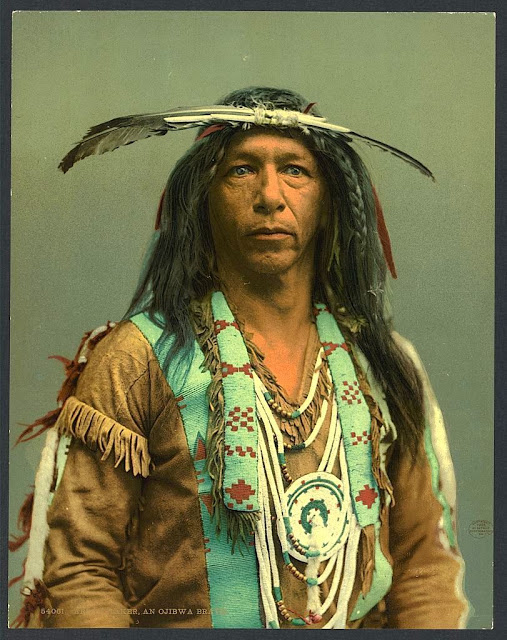
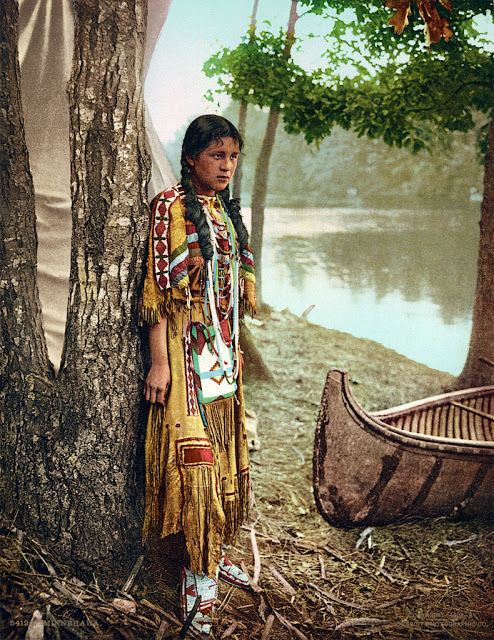
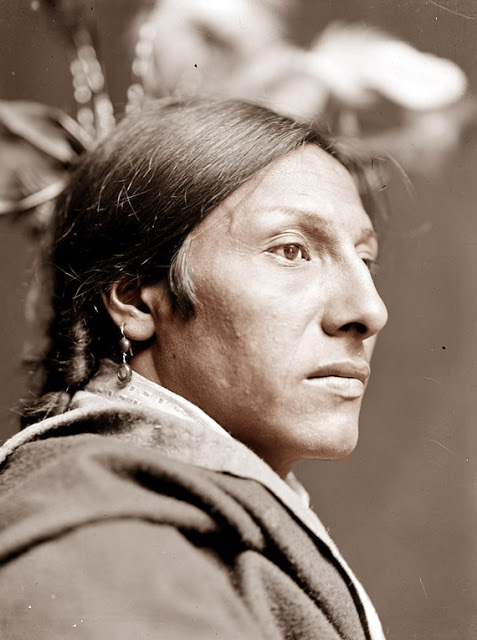
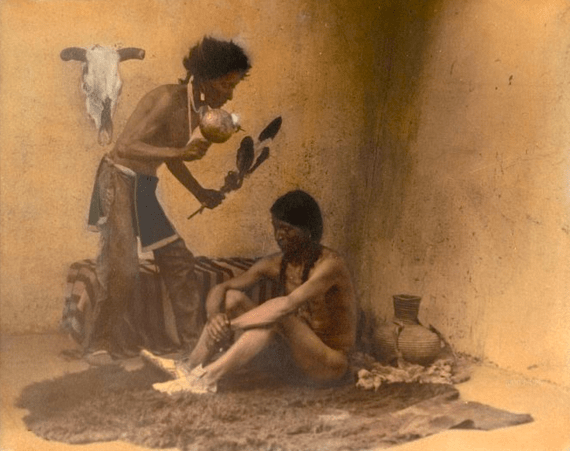
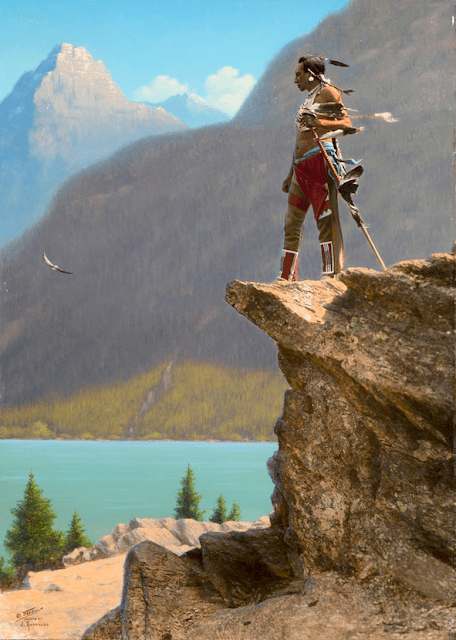
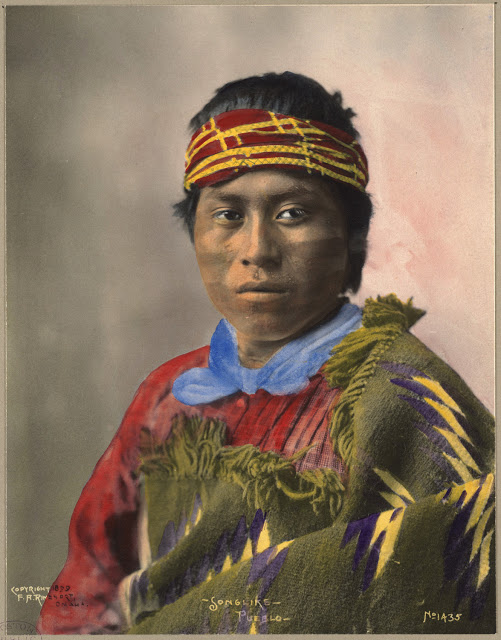
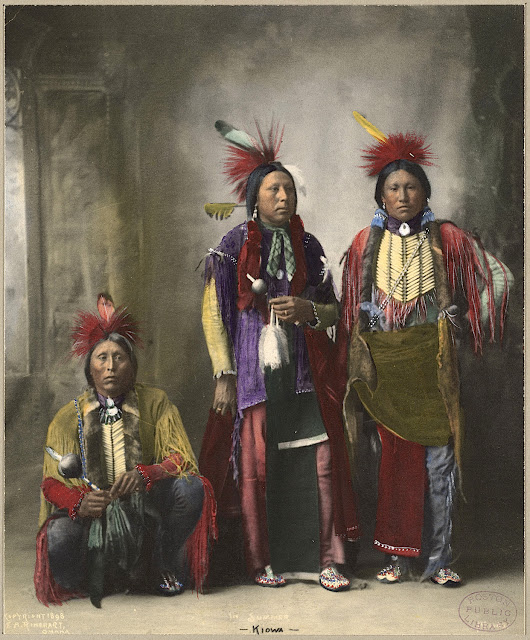
Minnehaha. 1904. Photochrom print by the Detroit Photographic Co.Amos Two Bulls. Lakota. Photo by Gertrude Kasebier. 1900.A medicine man with patient. Taos Pueblo, New Mexico. 1905.Chief James A. Garfield. Jicarilla Apache. 1899.Bone Necklace. Oglala Lakota Chief. 1899.Charles American Horse (the son of Chief American Horse). Oglala Lakota. 1901.Acoma pueblo. New Mexico. Early 1900s.Cheyenne Chief Wolf Robe. Color halftone reproduction of a painting from a F. A. Rinehart photograph. 1898.Eagle Arrow. A Siksika man. Montana. Early 1900s. Glass lantern slide by Walter McClintock.Chief Little Wound and family. Oglala Lakota. 1899.Strong Left Hand and family. Northern Cheyenne Reservation. 1906.A Crow dancer. Early 1900s.Thunder Tipi of Brings-Down-The-Sun. Blackfoot camp. Early 1900s.Handpainted print depicting five riders going downhill in Montana. Early 1900s.Old Coyote (aka Yellow Dog). Crow. Original photo circa 1879 (color tinted circa 1910).Piegan men giving prayer to the Thunderbird near a river in Montana. 1912.Arrowmaker, an Ojibwe man. 1903.Northern Plains man on an overlook. Montana. Early 1900s. Hand-colored photo by Roland W. Reed.“Songlike”, a Pueblo man, 1899.Geronimo (Goyaalé). Apache. 1898.Blackfeet tribal camp with grazing horses. Montana. Early 1900s. Glass lantern slide by Walter McClintock.Handpainted print of a young woman by the river. Early 1900s.
Creating a list with the most beautiful cars ever made is not an easy task. Especially when tastes differ, and you have to select only a handful out of dozens of incredible designs.
But here we are, with a list that could at least serve as an introduction to the vast field of automotive beauty. Part of a series that will go through almost a century of automotive art, the current list starts with the cars that saw the light of the day before World War II. And what an incredible time was this for beautiful cars!
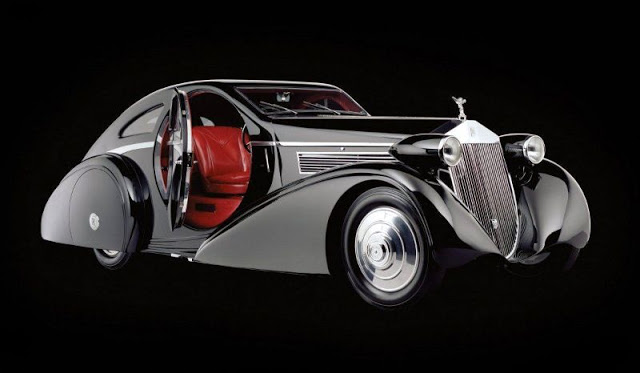
Rolls-Royce Phantom I Jonckheere Coupe (1925).
Jonckheere Carrossiers of Belgium were the unlikely choice for building a Rolls Royce Phantom I body, perhaps because they were specialized in buses and trucks, not necessarily in luxury cars. But what they did is one of the finest examples of Phantom I cars ever made. With a 7.7-liter engine under the bonnet, this Phantom I started off as a Hooper Cabriolet but was transformed by Jonckheere in an Art Deco masterpiece. It won the 1936 Prix d’Honneur at the Cannes Concours d’Elegance, but then found its way to the US, where an East Coast entrepreneur covered it in gold and displayed it in malls for the paying rednecks to enjoy. Luckily, its current black form dates back to the 2000s, when it was acquired by Peterson Automotive Museum and restored to classic beauty.
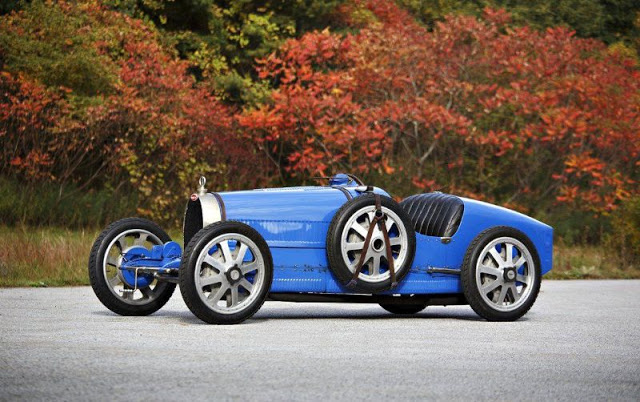
Bugatti Type 35B Grand Prix (1925).
Bugatti Type 35 is one of the most successful racing cars in history, with more than 1000 wins, from the Targa Florio to the Monaco Grand Prix. The 35B had a supercharged 2.3-liter engine that developed 138 hp. A monster for that time. Regularly sold today for more than $650,000 at auctions, it has a simple yet immortal body, as any legendary racing car should.
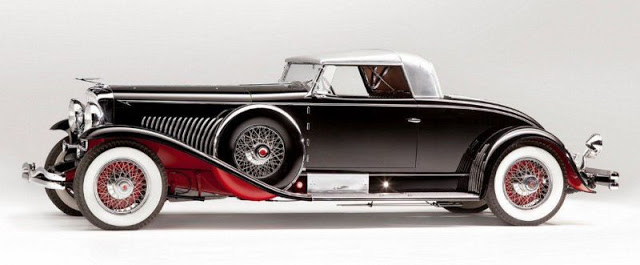
Duesenberg Model J (1928).
What can you do one year before the markets come down crashing? You create one of the most expensive and powerful luxury cars in history, of course. Bought and driven by famous people like Al Capone, Greta Garbo, Clark Gable and many (extremely) rich people, the Model J was the pinnacle of luxury cars before World War II. Its 6.9-liter straight-eight engine produced 265 hp on the normal version and 320 hp on the supercharged SJ model. With an average current sale price of $1.5 million, it can reach up to $10.3 million for some special editions like the Murphy-bodied 1931 Duesenberg Model J.
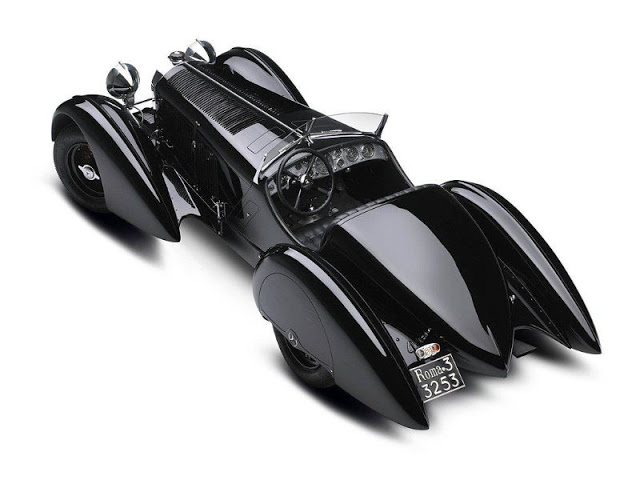
Mercedes-Benz 710 SSK Trossi Roadster (1930).
What can be said about a car that was ordered by one of the initial Ferrari investors, designed by Ferdinand Porsche and made by Daimler-Benz? Count Trossi, the future Ferrari President, loved this Super Sport Kurz (Super Sport Short) car made for hill-climbing and bought one after its competition days were over. With a body reworked by Willie White and an impressive 7.1-liter straight-6 engine under the hood developing 300 hp, the Trossi Roadster is one of the most exclusive cars in the world. Ralph Lauren really enjoys it in his collection.
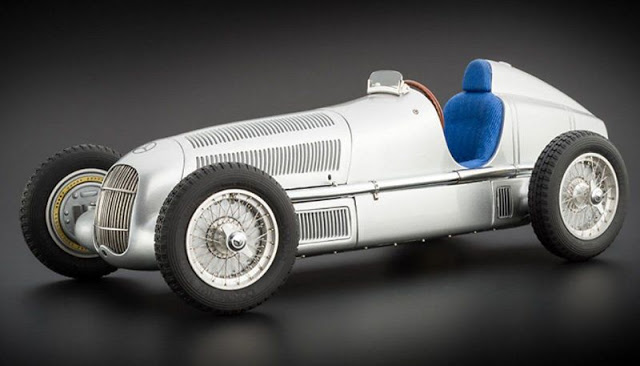
Mercedes-Benz W25 Silver Arrow (1934).
Yes, it’s the racing car that replaced the Mercedes-Benz SSK after Porsche’s departure from Daimler. It wasn’t as successful in racing as its engineers hoped for, but it still managed to take the Drivers’ Championship in 1935 with Rudolf Caracciola at the wheel. Most important, its simple and perfect shape makes it one of the most iconic cars in history.
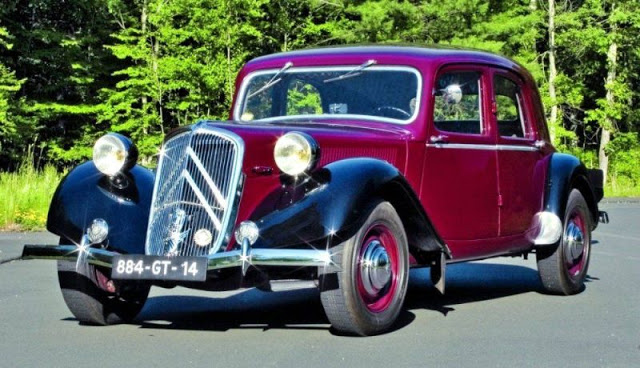
Citroën Traction Avant (1934).
The first mass-produced car to feature front-wheel drive (hence the name), four-wheel independent suspension and an unibody, the Traction Avant is also important because its design inspired a generation. Designed by André Lefèbvre and Flaminio Bertoni (the guys who gave us also the 2CV and DS), it was one of the most successful executive cars produced in Europe between 1934 and 1956 (759,111 units). We should also mention the introduction of a hydraulic self-levelling suspension in 1954, later seen on the legendary DS as well as many other luxury cars. You can really afford one, as prices hover around $30,000.
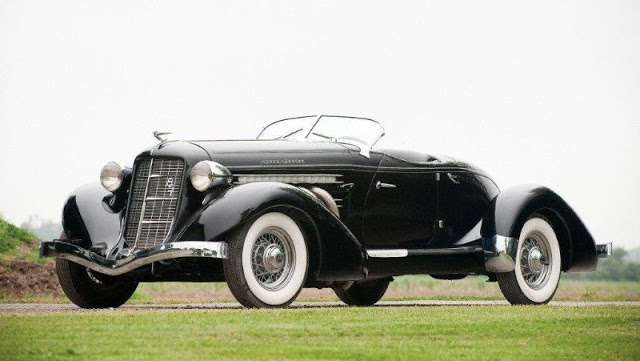
AUBURN 851 SC Boattail Speedster (1935)
The Auburn Speedster is one of the first true American sportscars. Big, supercharged and very fast in the straight lane, it was a glimpse of what would come two decades later. Its design was perfected by Gordon Buehrig from Duesenberg, with fluid and aerodynamic lines that make it look like a speeding boat. A water cooled inline-eight 4,6-liter engine developed up to 150 hp, allowing the Speedster to reach a max speed of 104 mph (167 km/h). Not on par with the European cars of its time, but still a very fast car.
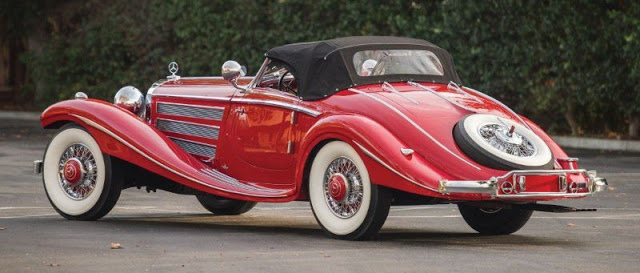
Mercedes-Benz 540K Special Roadster (1936).
Designed by Friedrich Geiger, a German designer who gave us automotive gems like the Mercedes-Benz 300SL Gullwing, Mercedes-Benz W113 “Pagoda” and Mercedes-Benz 600 limousine, the 540K Special was built in only 32 examples. If the six-seater convertible Special Saloon was built only for the Nazi commanders, the 540K roadster found its way even in the US. Sporting a supercharged 5.4-liter inline eight that developed up to 180 hp, it wasn’t some of the fastest cars available. It was, however, one of the largest, most luxurious, and most expensive cars you could buy in the ’30s. Today, you’d have to spend over $11 million to buy one.
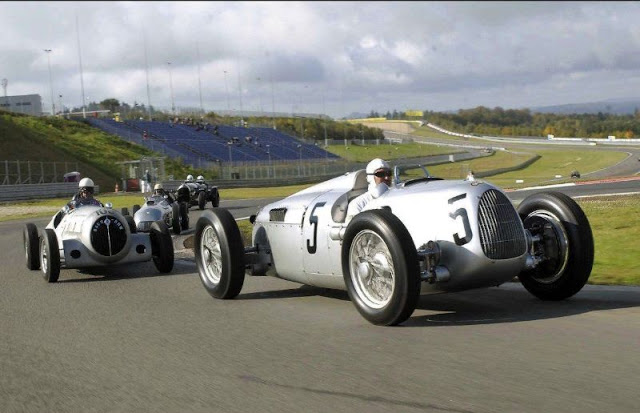
Auto Union Type C (1936).
Another iconic racing car, the Auto Union Type C was born out of Ferdinand Porsche’s dream to make a successful racing car that would beat Mercedes-Benz’ W25 Silver Arrow. Based on the P-Wagen he designed, the 520-hp mid-engined Type C was financed by Hitler’s money (as was the case with all the Silver Arrows), in a program that tried to advance Germany’s high-speed automotive industry. Competition was fierce between Germany’s two automotive titans, and the Type C managed to win the European Championship in 1936 and 1939 but was no easy match for their strong Mercedes-Benz competitors.
Talbot Lago T-150C SS Goutte d’Eau (1937).
Without a doubt one of the most beautiful cars ever made, the Talbot-Lago Teardrop Coupé was designed by Giuseppe Figoni, one of the greatest French coachbuilders before World War II. The sheer definition of Art-Deco, the T-150C SS was nicknamed Goutte d’Eau (teardrop) because of its round shape and sensual curves. Not just a pretty car, though, as the Talbots of the era won many races, including the French Grand Prix of 1937. A stock Talbot Teardrop even competed at the 1938 24 of Le Mans race, placing third overall. You can auction one of these beauties at around $4,000,000.
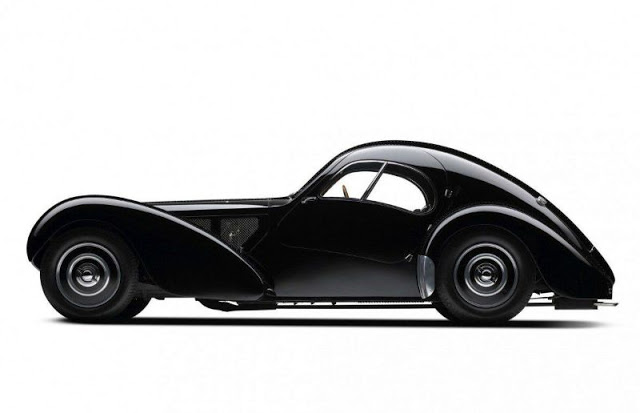
Bugatti Type 57SC Atlantic (1937).
Why is the Type 57SC Atlantic one of the most expensive cars in history, valued at more than $40 million today? Well, first of all, it’s a car that managed a top speed of 124 mph (200 km/h) in 1937 and was built in only four units, out of which only three continue to exist. Its supercharged inline-eight 3.3-liter engine developed 210 hp, and its aluminum and wood body meant the car was extremely light (953 kg), with more than 220hp per ton. Then, just look at it: it’s the pinnacle of Art Deco design, made just two years before the outbreak of World War II. Jean Bugatti outdid himself with the Type 57SC, and history will register its creation as one of the most beautiful cars ever made, popping up in every top 10 one could possibly make.
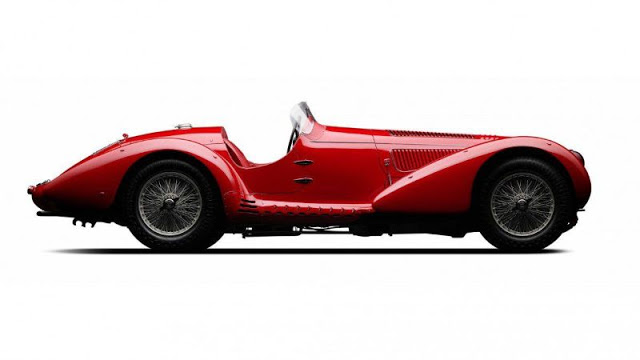
Alfa Romeo 8C 2900 B Mille Miglia (1938).
Three Alfa Romeo 8C dominated the podium at the 1938 Mille Miglia race, the first two of them being the 2900 B Spider variant of the Alfa Corse team. The 8C 2900 B was based on the legendary Alfa Romeo 8C created in 1930 by Vittorio Jano, the man behind some of the most successful engines developed for Ferrari, Alfa Romeo and Lancia. Only four Mille Miglia variants were made, with the Touring bodywork being an impressive complement to the 225-hp supercharged 2.9-liter straight-8 engine that animated the car.
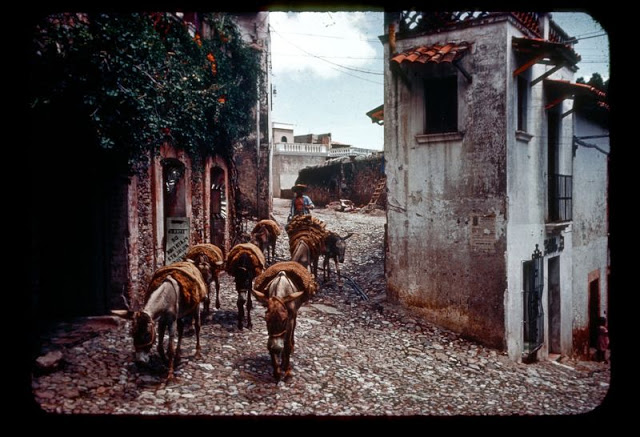
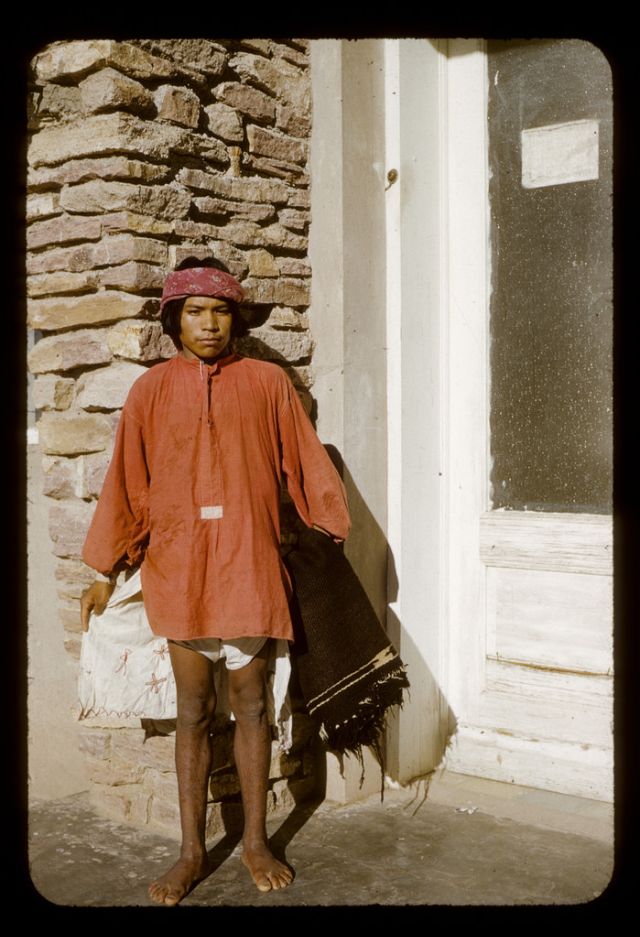
Mexico, officially the United Mexican States, is a country in the southern portion of North America. It is bordered to the north by the United States; to the south and west by the Pacific Ocean; to the southeast by Guatemala, Belize, and the Caribbean Sea; and to the east by the Gulf of Mexico. Mexico covers 1,972,550 square kilometers (761,610 sq mi), making it the world’s 13th-largest country by area; with approximately 126,014,024 inhabitants, it is the 10th-most-populous country and has the most Spanish-speakers. Mexico is organized as a federation comprising 31 states and Mexico City, its capital. The capital is not only a primate city, with a population of approximately 21 million, but also one of the world’s largest cities. Other major urban areas include Guadalajara, Monterrey, Puebla, Toluca, Tijuana, Ciudad Juárez, and León.
Pre-Columbian Mexico traces its origins to 8,000 BCE and is identified as one of the world’s six cradles of civilization. In particular, the Mesoamerican region was home to many interconnected civilizations; including the Olmec, Maya, Zapotec, Teotihuacan, and Purepecha. Last were the Aztecs, who dominated the region in the century before European contact. In 1521, the Spanish Empire and its indigenous allies conquered the Aztec Empire from its capital Tenochtitlan, now Mexico City, establishing the colony of New Spain. The image of Mexico’s prehispanic indigenous cultures has played a crucial role in the formation of a distinct Mexican identity from the colonial era onward, symbolized by the post-independence national flag with Aztec eagle. Over the three centuries after the conquest, the Spanish state and the Catholic Church, both of which were controlled by the Spanish crown, played important, intertwined institutional roles, expanding the colonial territory, enforcing Christianity, and spreading the Spanish language throughout. Spanish rule incorporated Native peoples of Mesoamerica into colonial order, initially maintaining the existing indigenous social and economic structures. Spanish rule recognized indigenous elites as nobles and they served as mediators between their communities and the Spanish ruling structures. Northern Mexico was outside of Mesoamerica; it was sparsely populated and the indigenous peoples were resistant to conquest. The huge and diverse indigenous populations, designated “Indians” (indios) under Spanish rule, were at the bottom of the legal system of racial hierarchy, with the small population of white, European Spaniards (españoles) at the top, and the small population of mixed-race castas in the middle. The discovery outside of the zone of settled indigenous populations of rich deposits of silver in Zacatecas and Guanajuato in the 1540s saw the expansion of the Spanish Empire northward, with population growth as wealth was extracted. Wealth coming from Asia and the New World flowed through the ports of Acapulco and Veracruz into Europe, which contributed to Spain’s status as a major world power for the next centuries, and brought about a price revolution in Western Europe. The colonial order came to an end in the early nineteenth century with the War of Independence against Spain, started in 1810 in the context of Napoleon’s invasion of Spain, and successfully concluded in 1821 with the alliance of mixed-race insurgents under Vicente Guerrero and previously royalist creole elites led by Agustín de Iturbide.
Mexico’s early history as an independent nation state was marked by political and socioeconomic upheaval. Liberal and conservative factions constantly changed the form of government, which transitioned many times between short-lived monarchies and republics. The country was invaded by two foreign powers during the 19th century: first, after the Texas Revolution by American settlers, which led to the Mexican–American War and huge territorial losses to the United States after defeat in 1848. Liberal reforms were enshrined in the Constitution of 1857, which sought to integrate indigenous communities and curtail the power of the military and the Catholic Church. Conservatives reacted with the war of Reform, who invited France to invade the country and install Maximilian Habsburg as emperor, against the Republican resistance led by liberal President Benito Juárez. With the end of the American Civil War and France’s withdrawal of its army for the war with Prussia, the US-backed republicans recovered the country and overthrew the emperor. The last decades of the 19th century were dominated by the dictatorship of war hero, Porfirio Díaz, who sought to modernize Mexico and restore order. The Porfiriato era (1876-1910) led to great social unrest and ended with the outbreak of the decade-long Mexican civil war (Mexican Revolution). This conflict had profound changes in Mexican society, including the proclamation of the 1917 Constitution, which remains in effect to this day.
The remaining Revolutionary generals ruled as a succession of presidents until the assassination of Alvaro Obregón in 1928, which led to the formation of the Institutional Revolutionary Party (PRI) the following year. The PRI governed Mexico for 70 years, first under a set of paternalistic developmental policies of considerable economic success, such as president Lázaro Cárdenas’ socially-oriented nationalization efforts. During World War II Mexico also played an important role for the U.S. war effort, contributing to economic growth. However, over decades the PRI rule devolved into a series of violent repressions (such as the Tlatelolco Massacre in the dawn of the 1968 Olimpic Games), electoral frauds (such as the 1988 election) and moved the country to a more US-aligned neoliberal economic policy during the late 20th century. This was cristalized with the signing of the North American Free Trade Agreement in 1994, which caused a major indigenous rebellion in the state of Chiapas. PRI lost the presidency for the first time in 2000, against the conservative party (PAN).
Mexico is a developing country, ranking 74th on the Human Development Index, but has the world’s 15th-largest economy by nominal GDP and the 11th-largest by PPP, with the United States being its largest economic partner. Its large economy and population, global cultural influence, and steady democratization make Mexico a regional and middle power; it is often identified as an emerging power but is considered a newly industrialized state by several analysts. However, the country continues to struggle with social inequality, poverty and extensive crime. It ranks poorly on the Global Peace Index, due in large part to ongoing conflict between the government and drug trafficking syndicates, which violently compete for the US drug market and trade routes. This “drug war” has led to over 120,000 deaths since 2006.
Mexico ranks first in the Americas and seventh in the world for the number of UNESCO World Heritage Sites. It is also one of the world’s 17 megadiverse countries, ranking fifth in natural biodiversity. Mexico’s rich cultural and biological heritage, as well as varied climate and geography, makes it a major tourist destination: as of 2018, it was the sixth most-visited country in the world, with 39 million international arrivals. Mexico is a member of United Nations, the G20, the Organisation for Economic Co-operation and Development (OECD), the World Trade Organization (WTO), the Asia-Pacific Economic Cooperation forum, the Organization of American States, Community of Latin American and Caribbean States, and the Organization of Ibero-American States. (Wikipedia)
Subscribe to continue reading
Become a paid subscriber to get access to the rest of this post and other exclusive content.
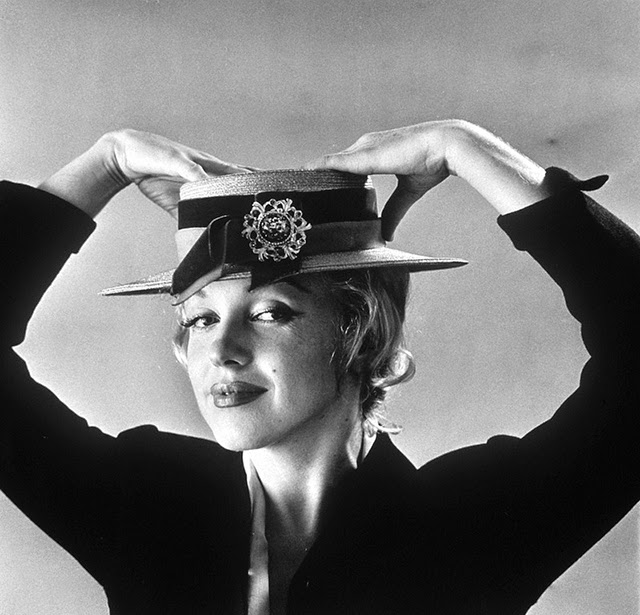
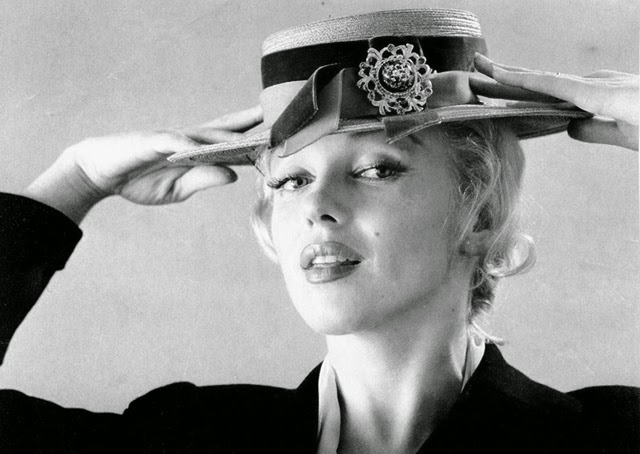
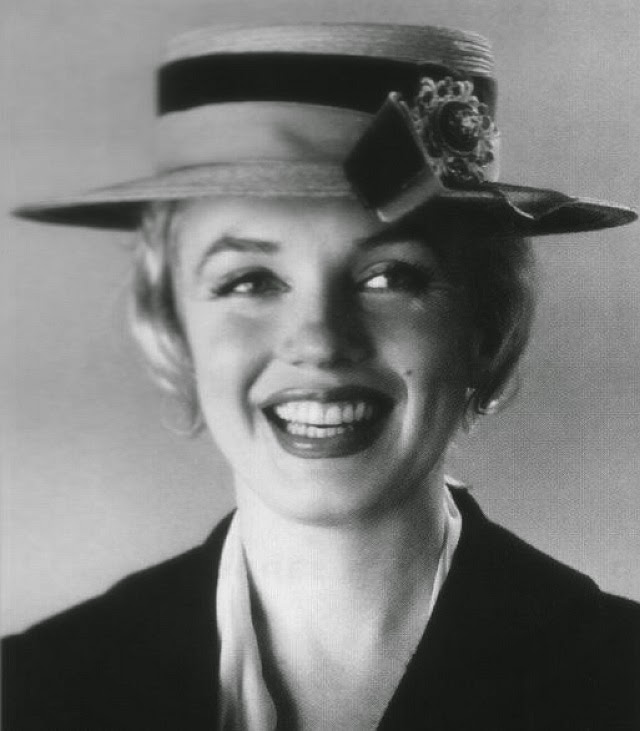
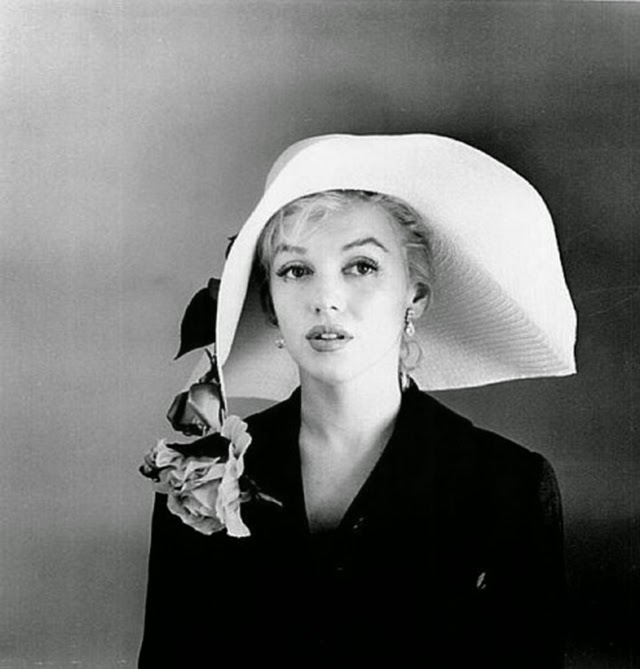
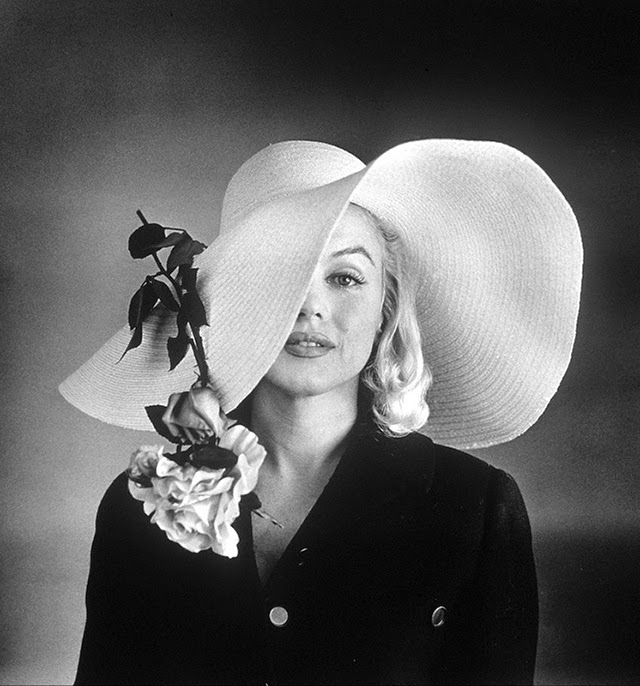
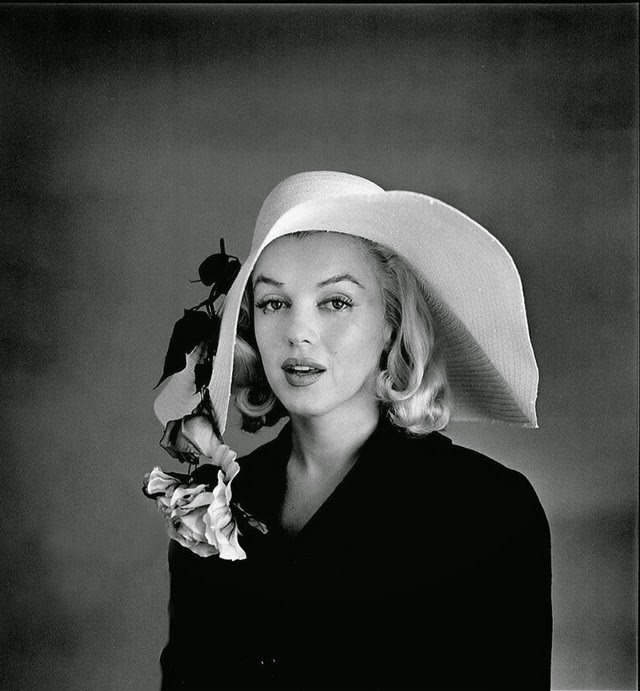
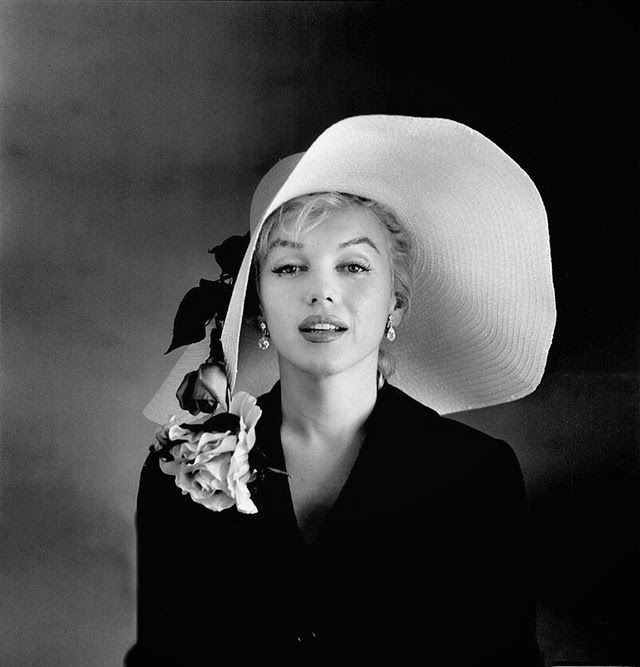
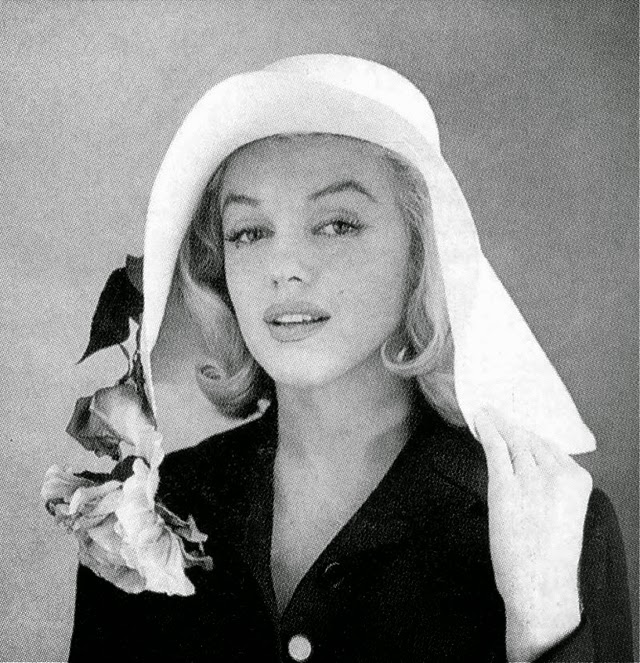
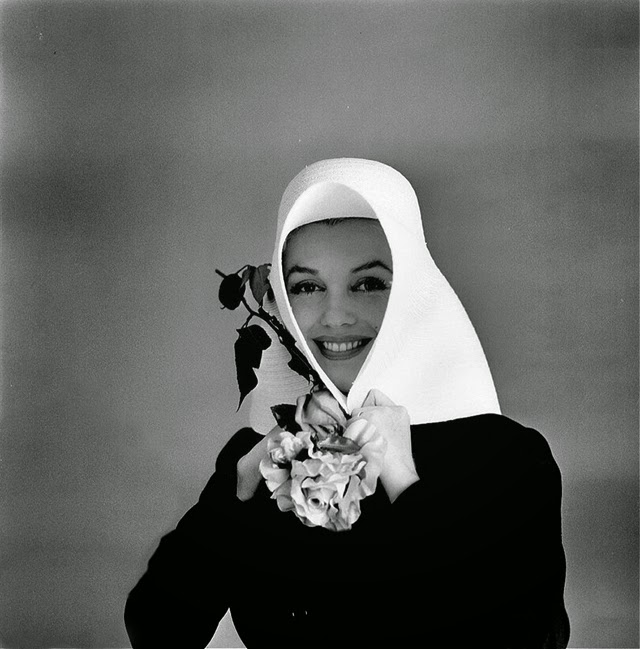
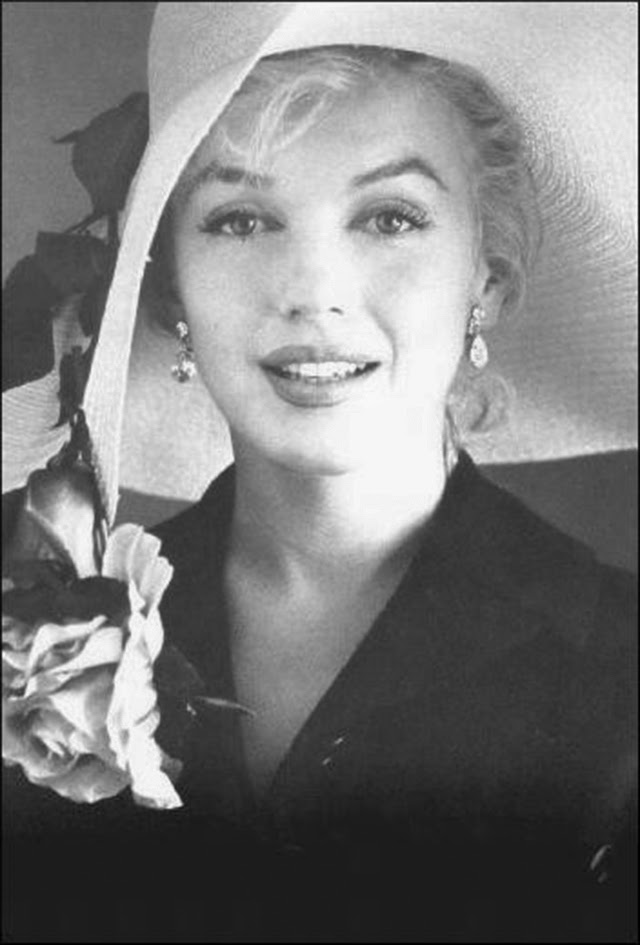
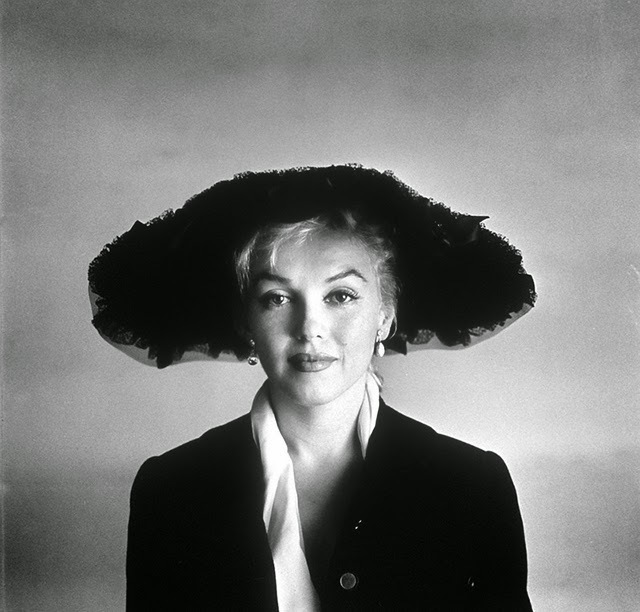
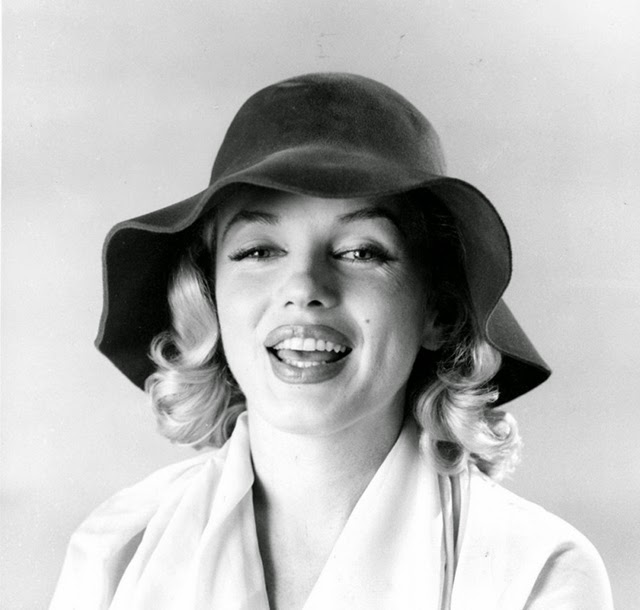
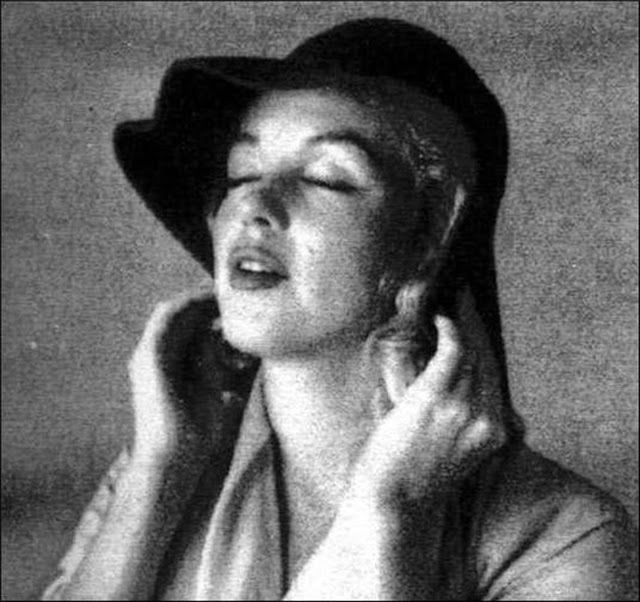
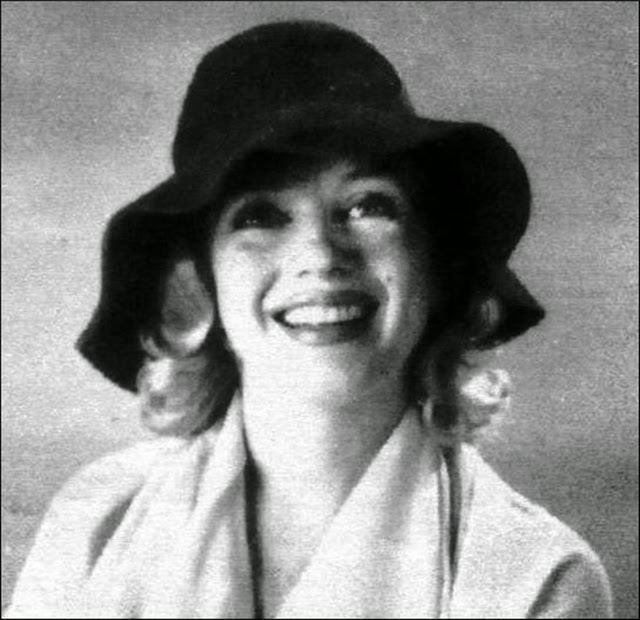
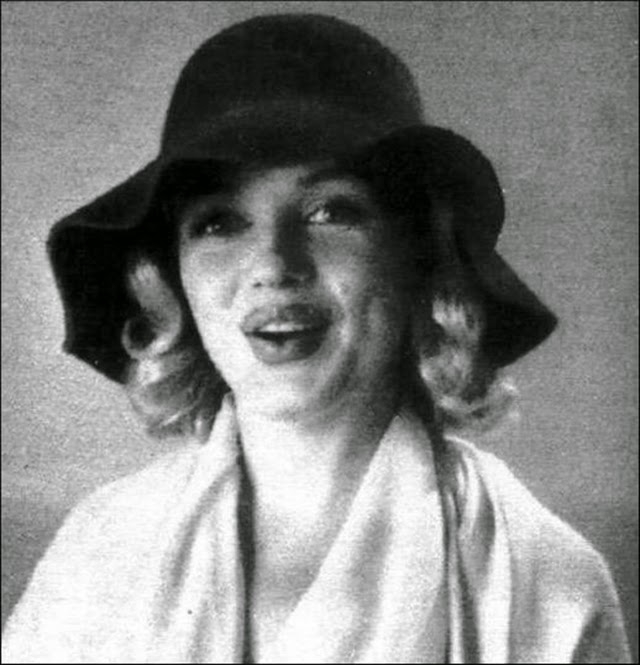
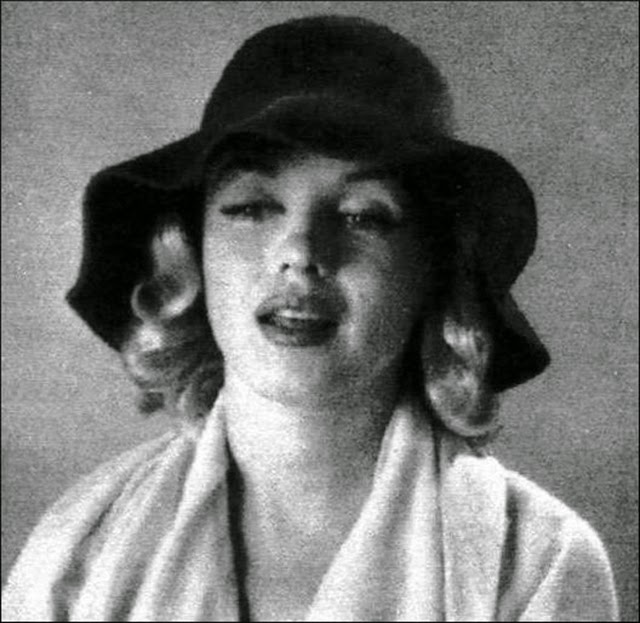
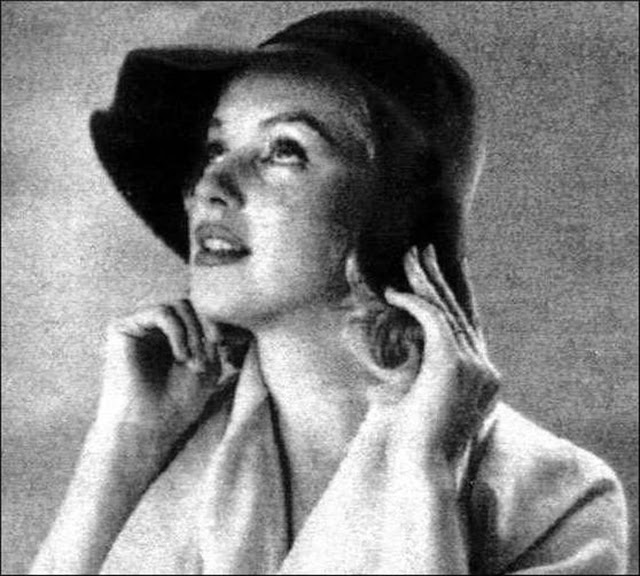
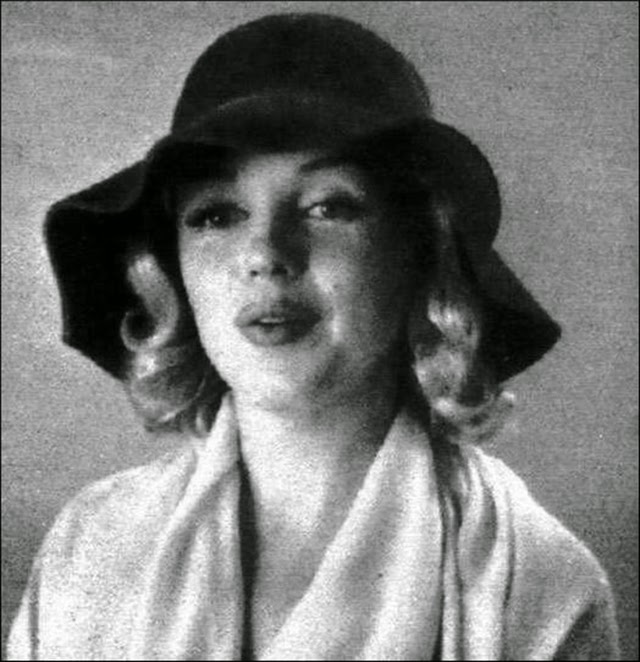
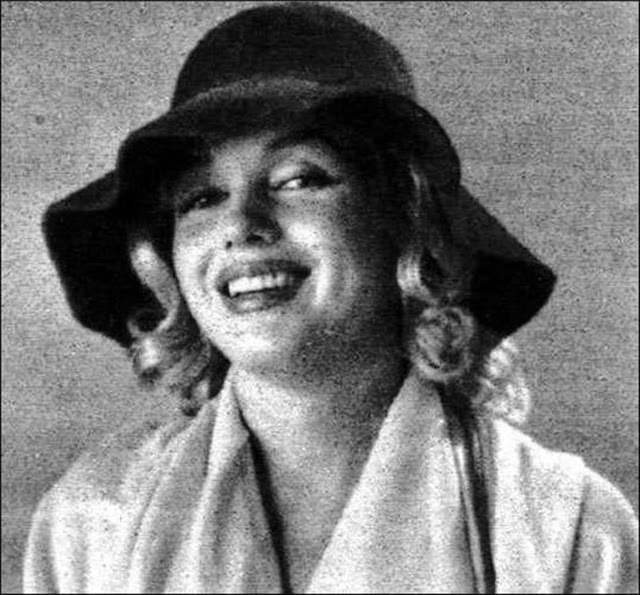
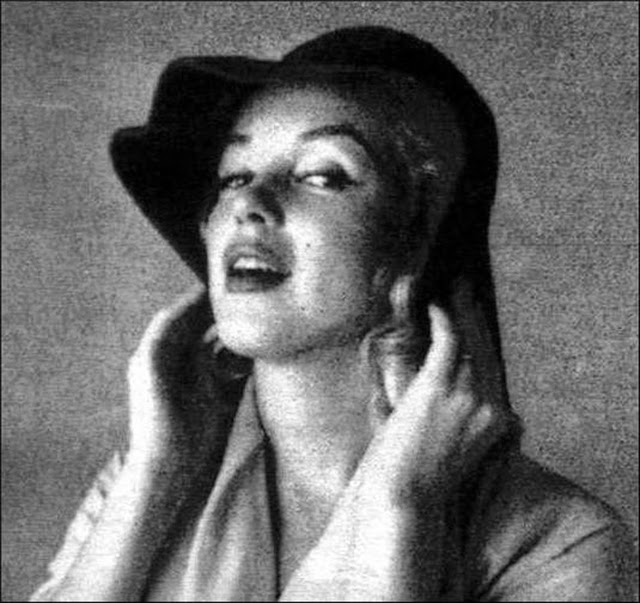
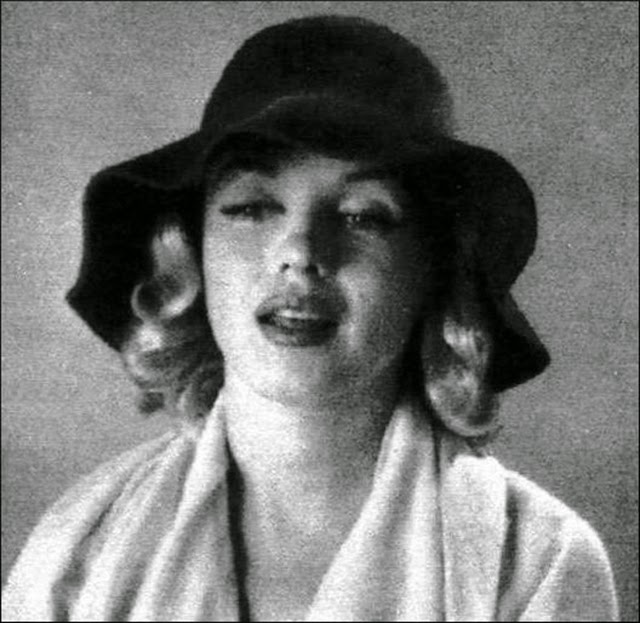
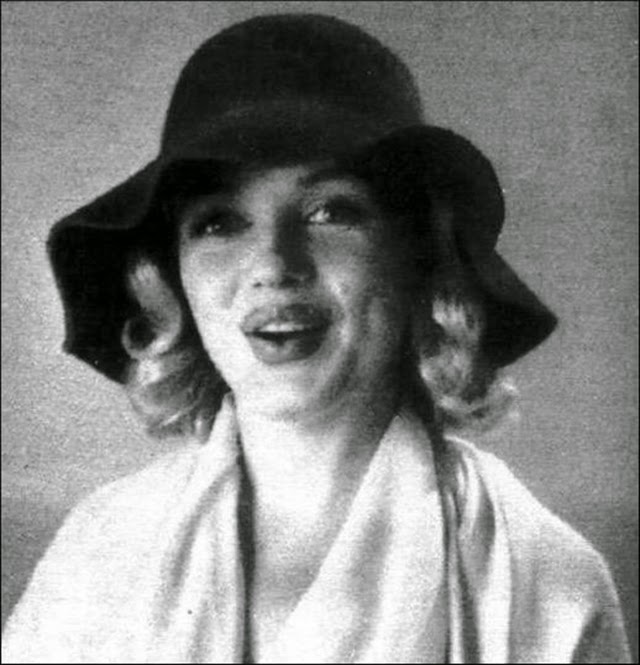
June 16th 1958 – Marilyn sits for Magnum photographer Carl Perutz in New York, shortly before flying out to Hollywood to film Some Like It Hot.
It’s worth mentioning that this photoshoot is the last time Marilyn is seen sporting her longer layered ‘1957’ hair, before it was restyled for Some Like It Hot, which she started work on, 4 August 1958.
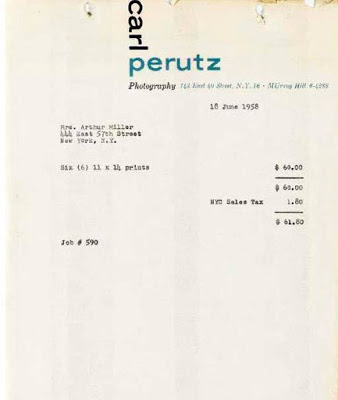
Originally taken for a magazine article that never came to fruition, a limited number of the photos from the session were published but the rest were sadly lost. Fortunately, Marilyn had purchased a number of the prints, one of which can be seen here in her New York apartment, as detailed on this invoice dated 18 June 1958.
Thankfully for all of us, the rest of Perutz’s photos were rediscovered by chance in a warehouse in New York City in early 1980 and here they are.
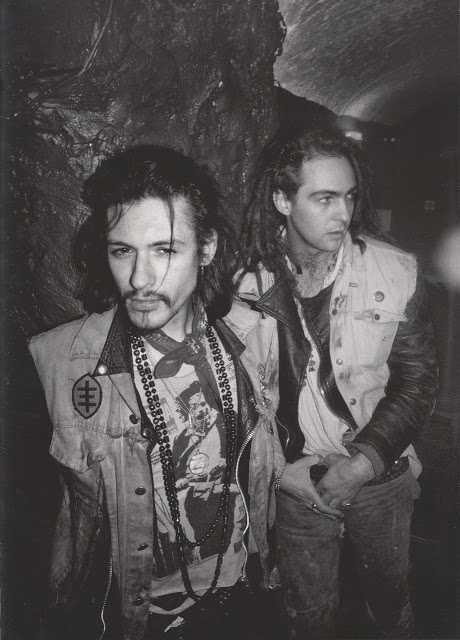
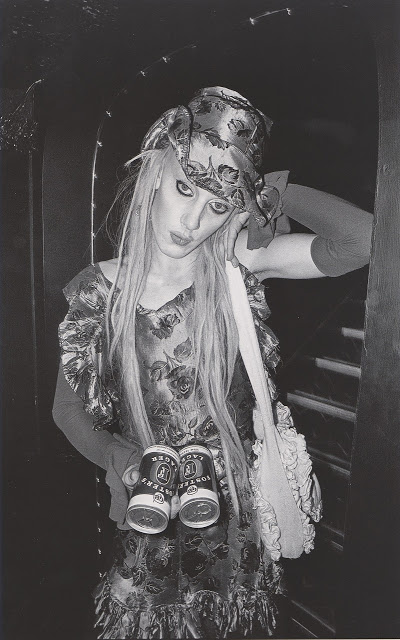
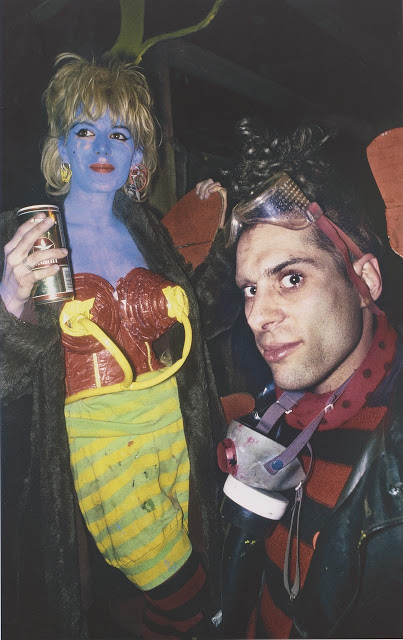
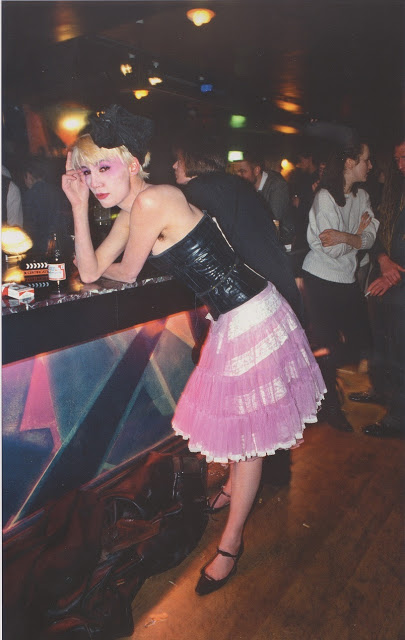
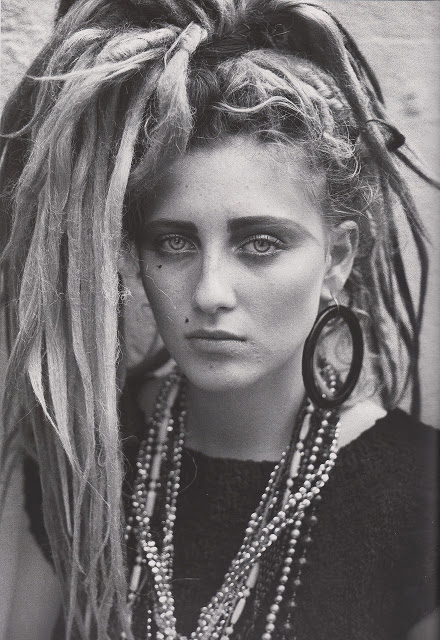
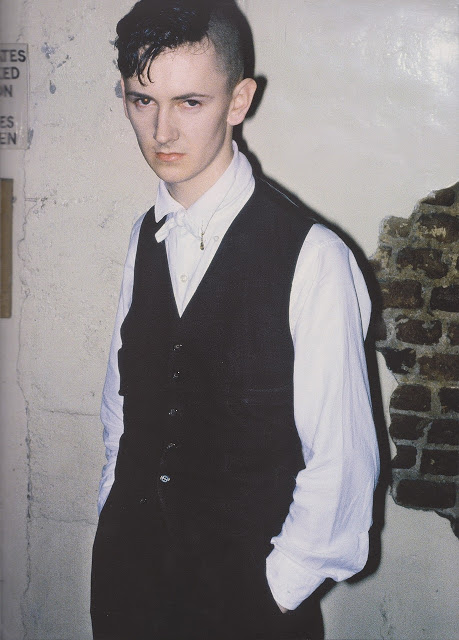
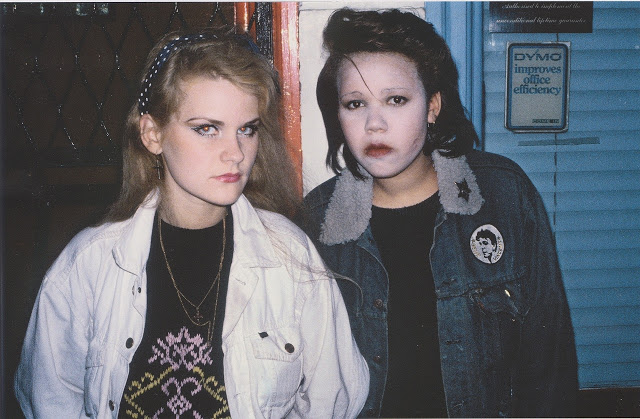
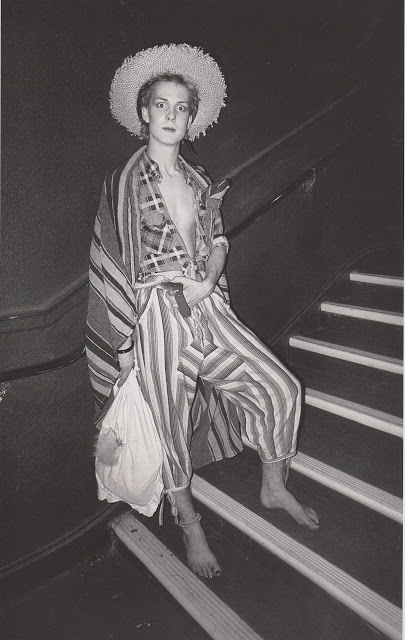
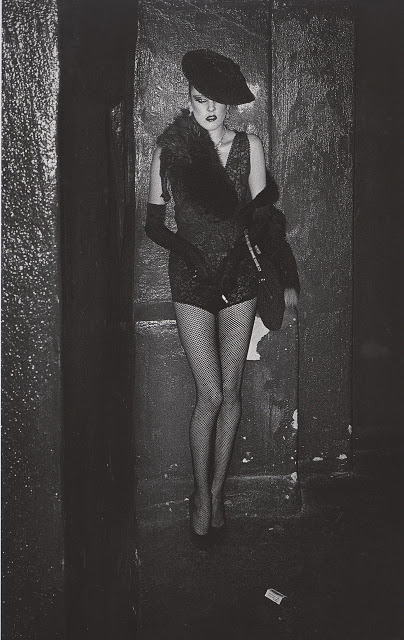
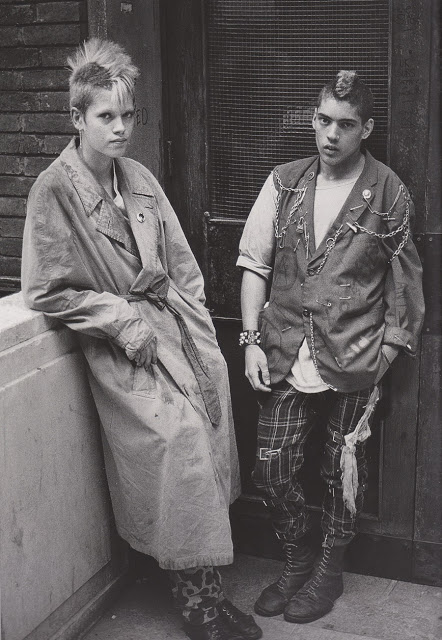
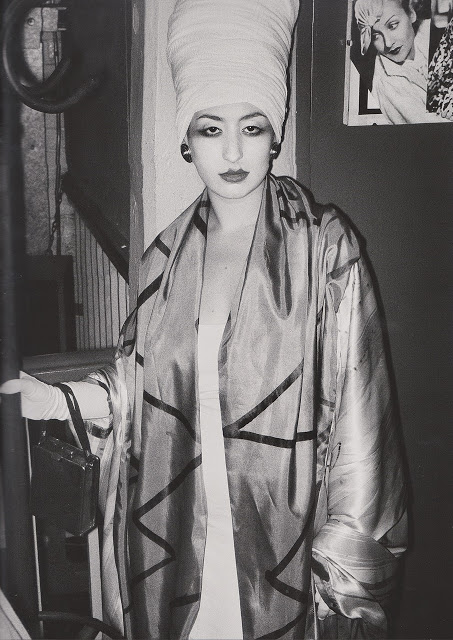
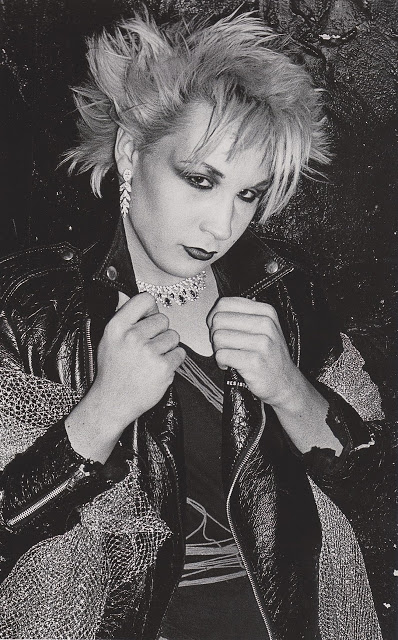
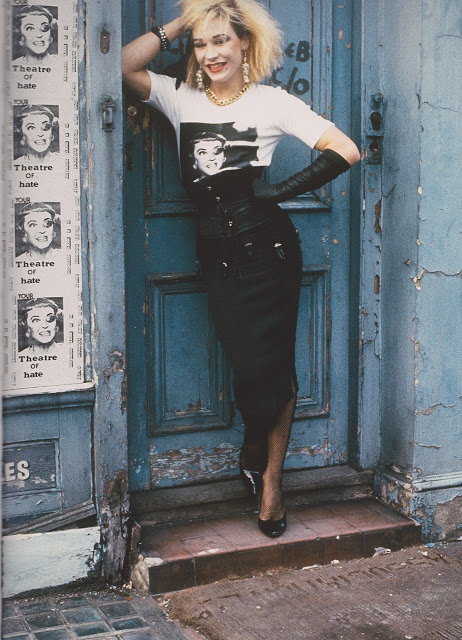
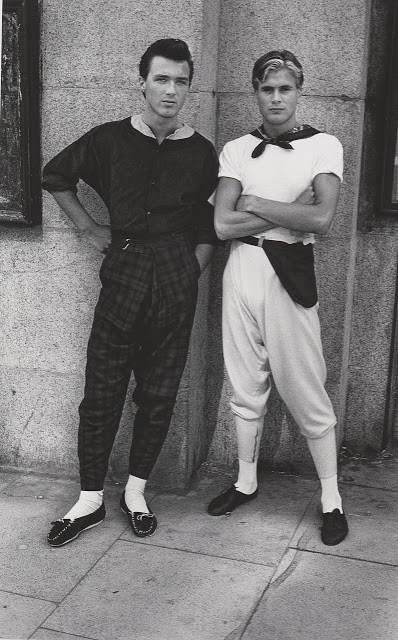
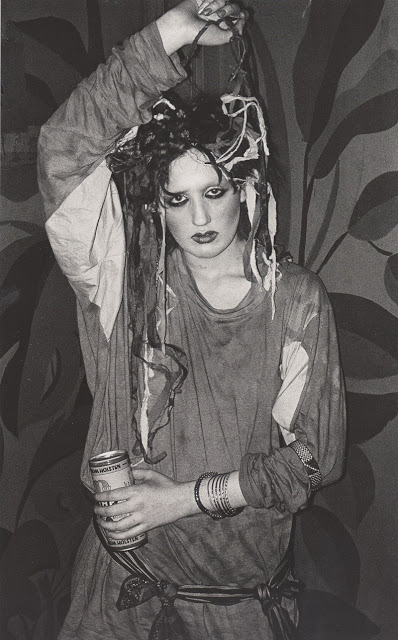
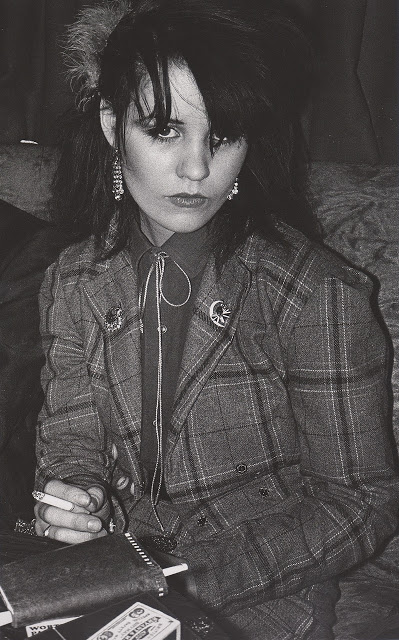
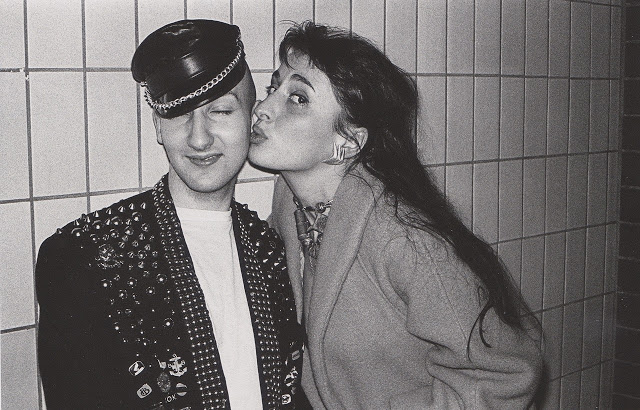
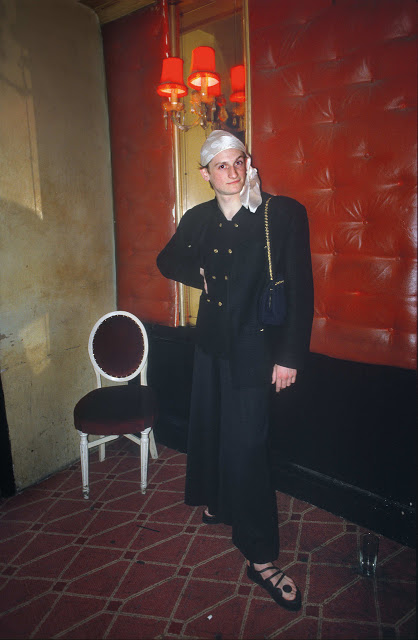
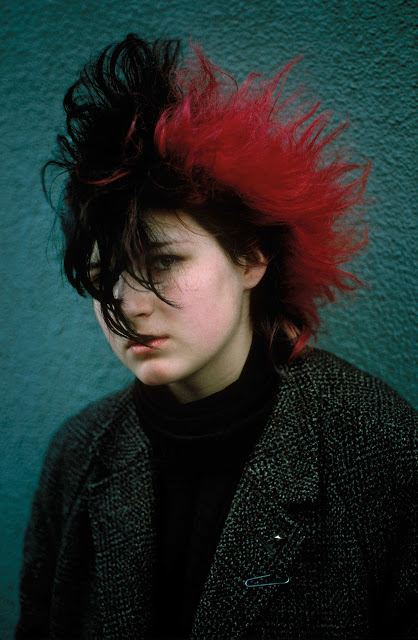
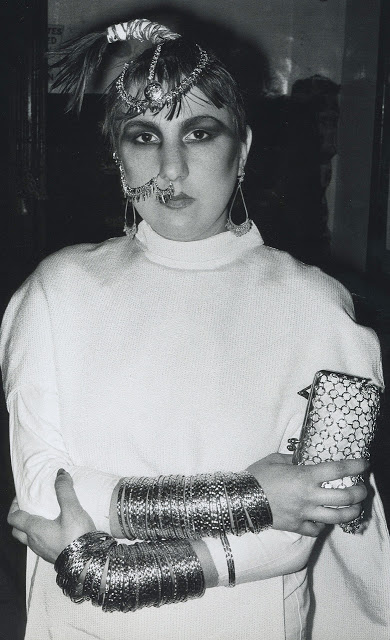
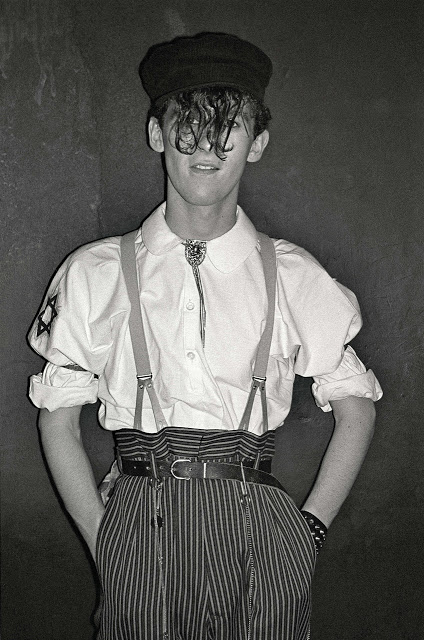
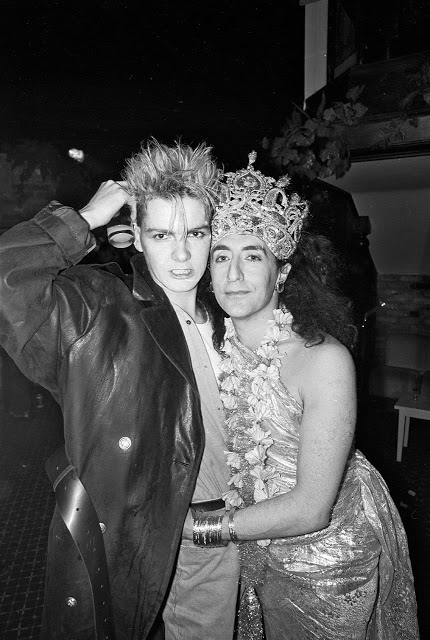
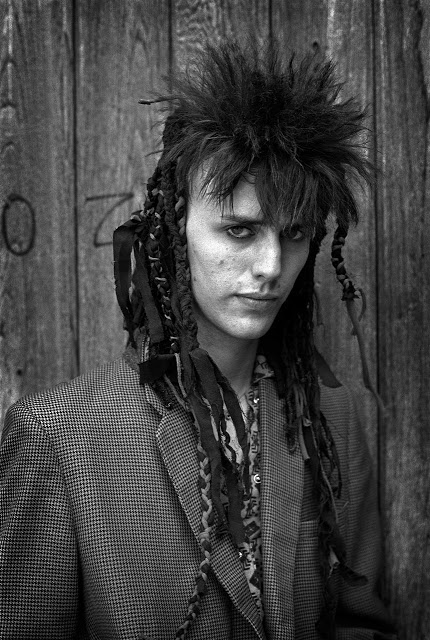
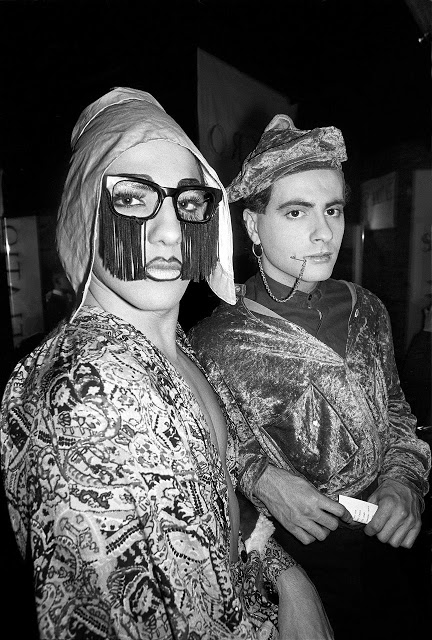
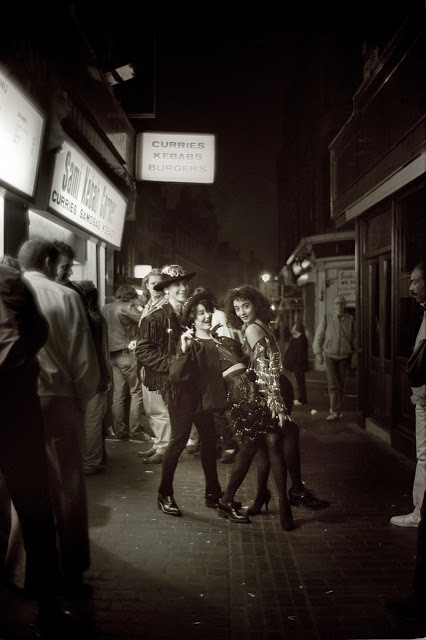
Taken in the streets, clubs, basements and bars of London between 1978 and 1987, the photographs in 78–87 London Youth celebrate the many mutations in London’s youth culture from the height of Punk to the birth of Acid House.
British photographer Derek Ridgers has documented the perennial youth ritual of dressing up and going out since he first picked up a camera in 1971, and has been drawn to virtually every subculture London has spawned, from punk to the fetish club scene of the present.
From early on his photographs attracted the attention of both cultural institutions such as London’s ICA and music and style publications such as the NME and The Face. These photographs, made over a ten-year span, capture punk’s evolution into goth, the skinhead revival and the New Romantic scene, and the eventual emergence of Acid House and the new psychedelia.
Gathered here, Ridgers’ images serve not only as a fascinating document of UK style and culture but as a testament to the creative spirit of youth; he lauds his subjects and their sartorial DIY panache. Among those portrayed are Boy George, Andrew Logan, Leigh Bowery and his boyfriend Trojan, Michael Alig, John Galliano, Hamish Bowles, Cerith Wyn Evans, Steve Strange and Martin Kemp and Steve Norman of Spandau Ballet.