
Bringing You the Wonder of Yesterday – Today

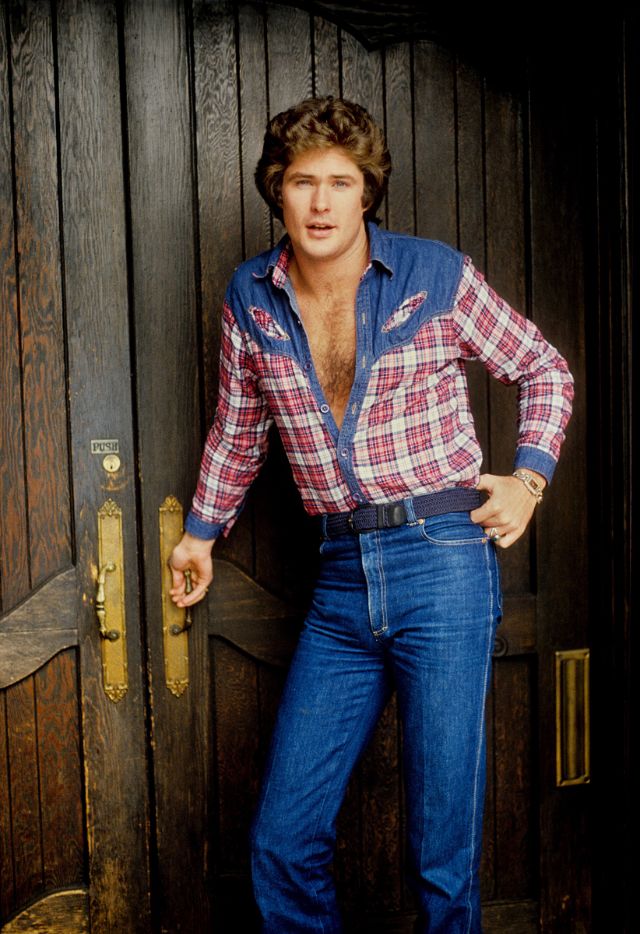
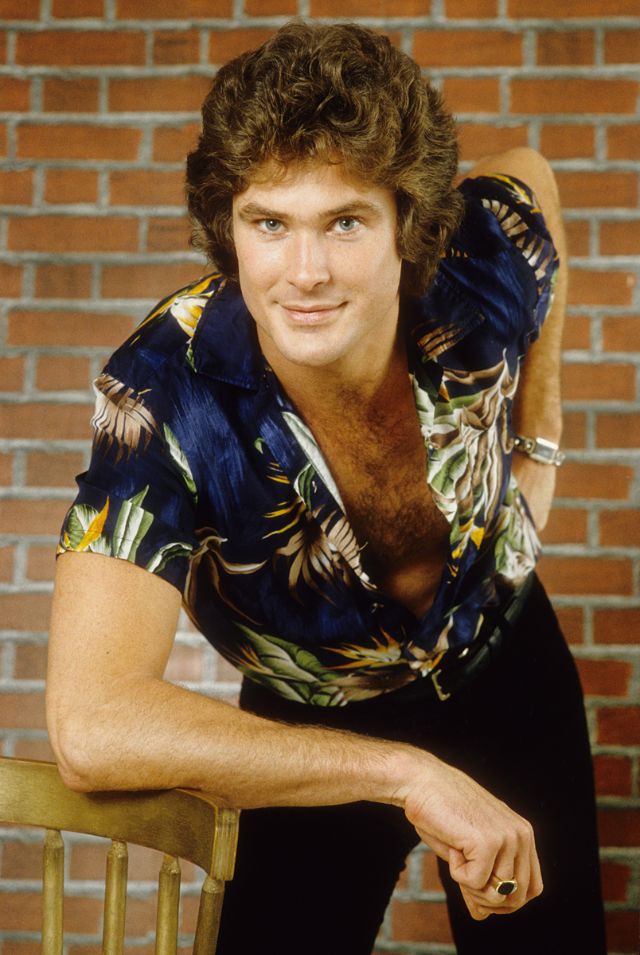
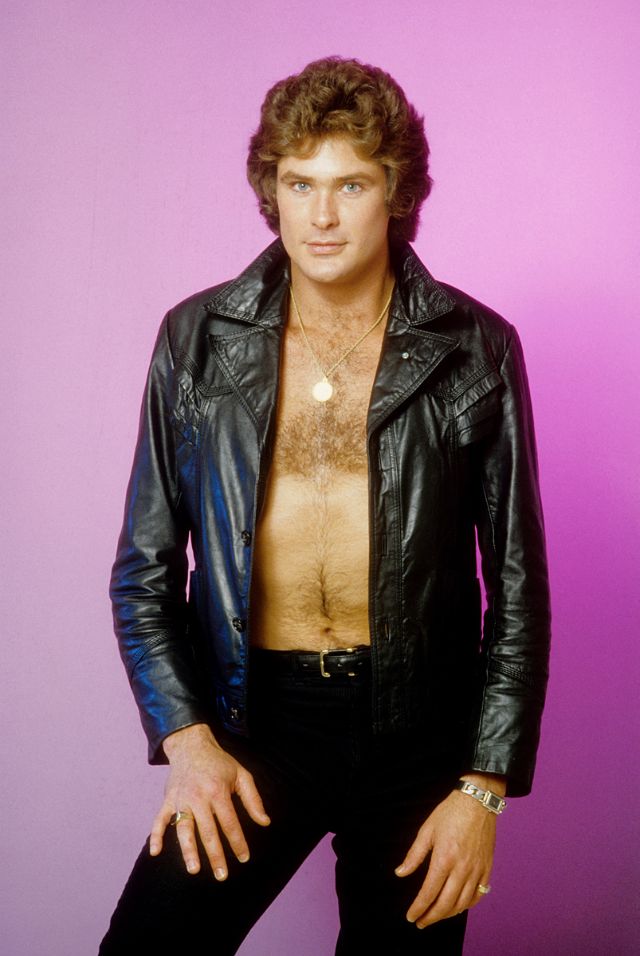
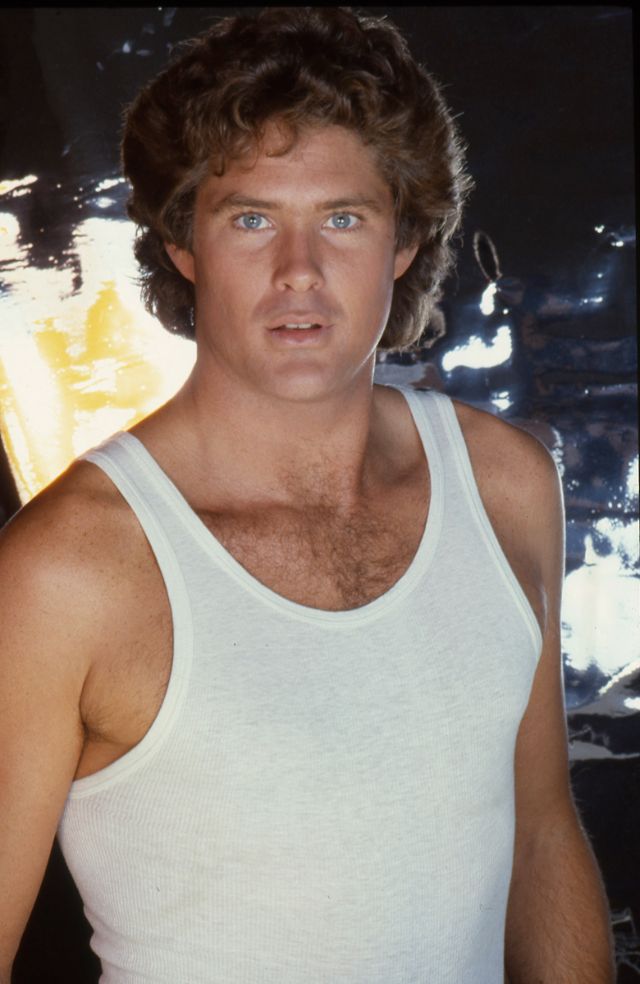
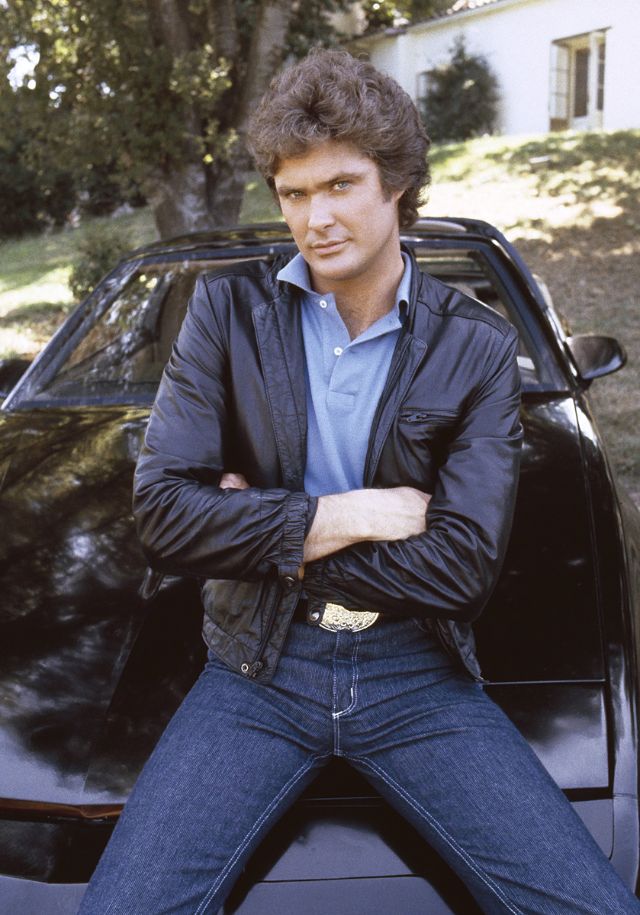
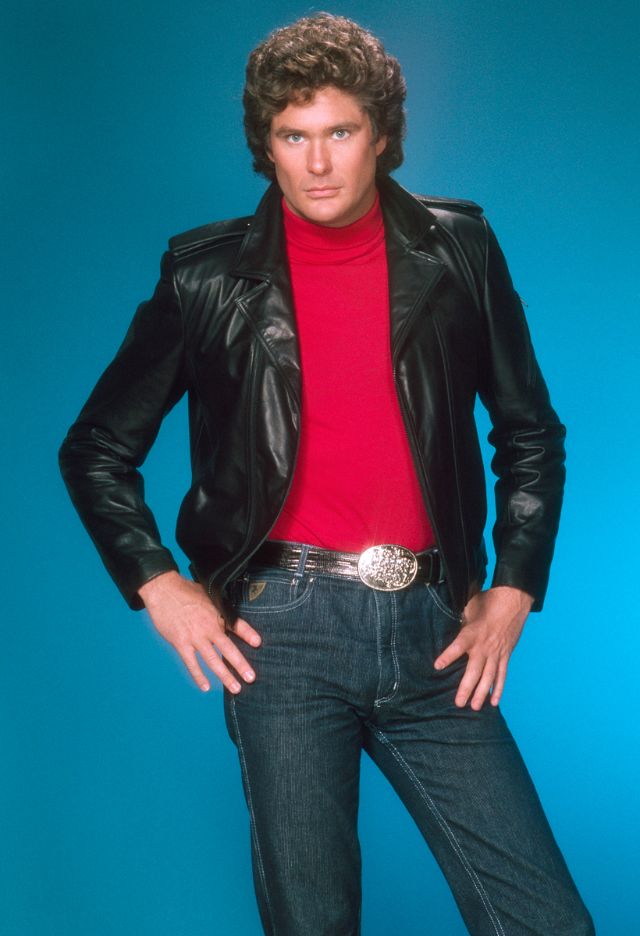
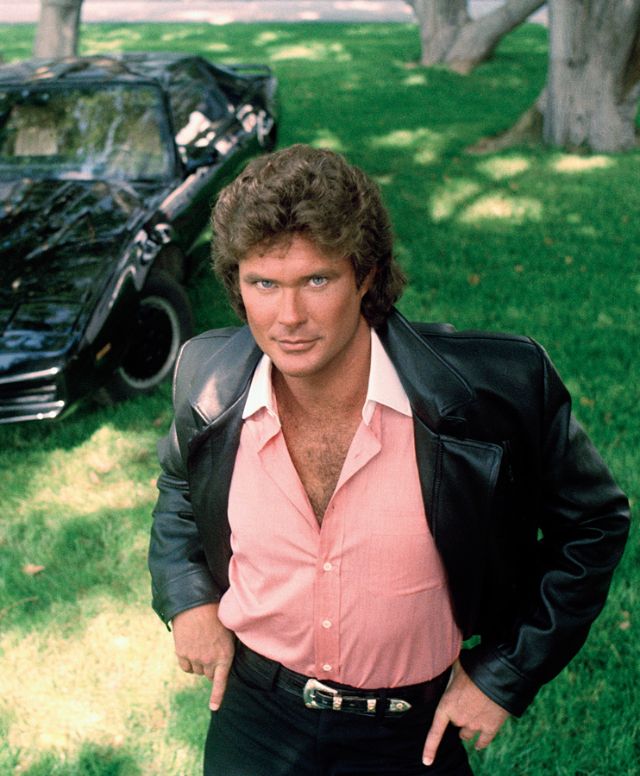
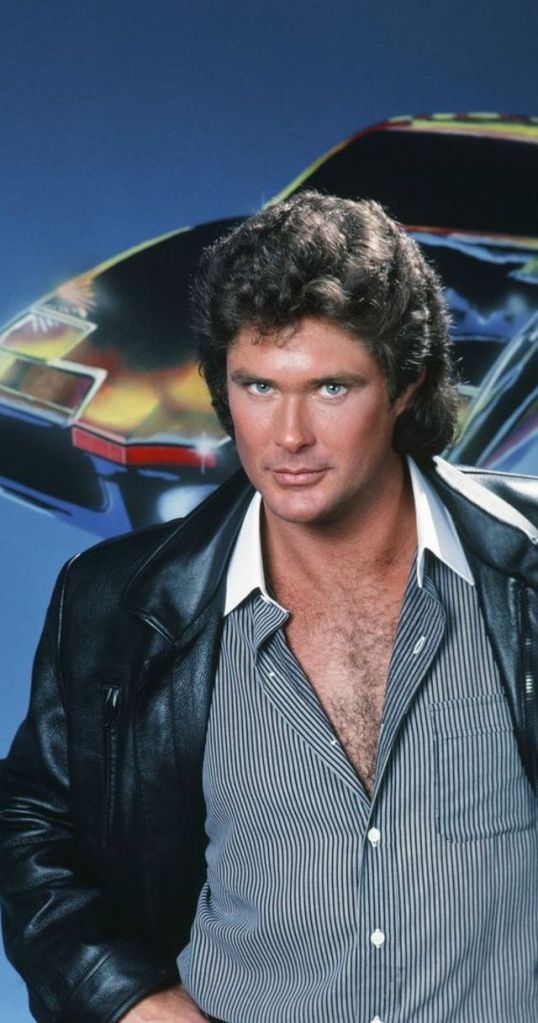
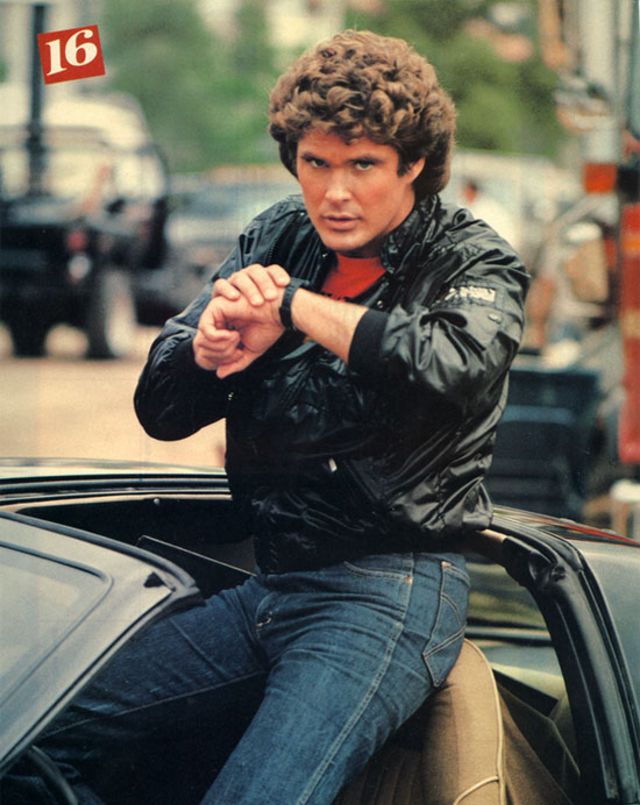
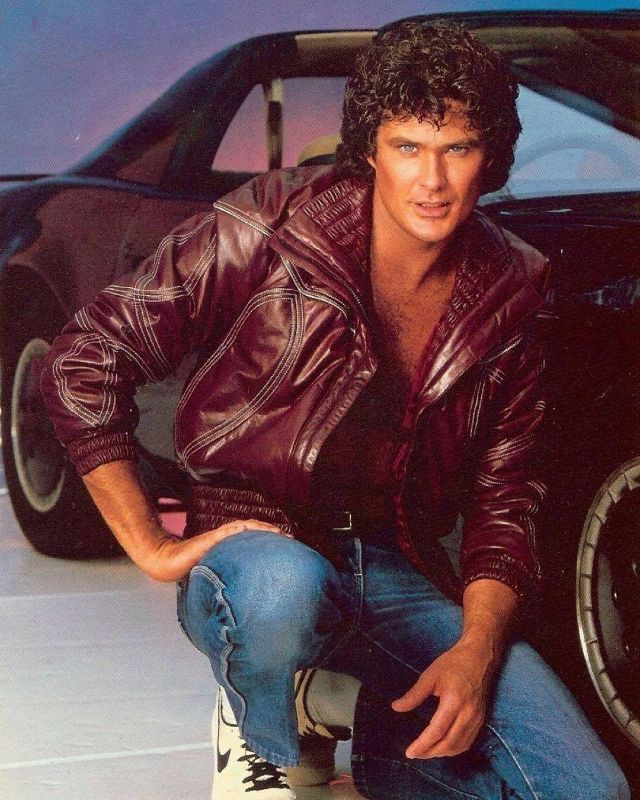
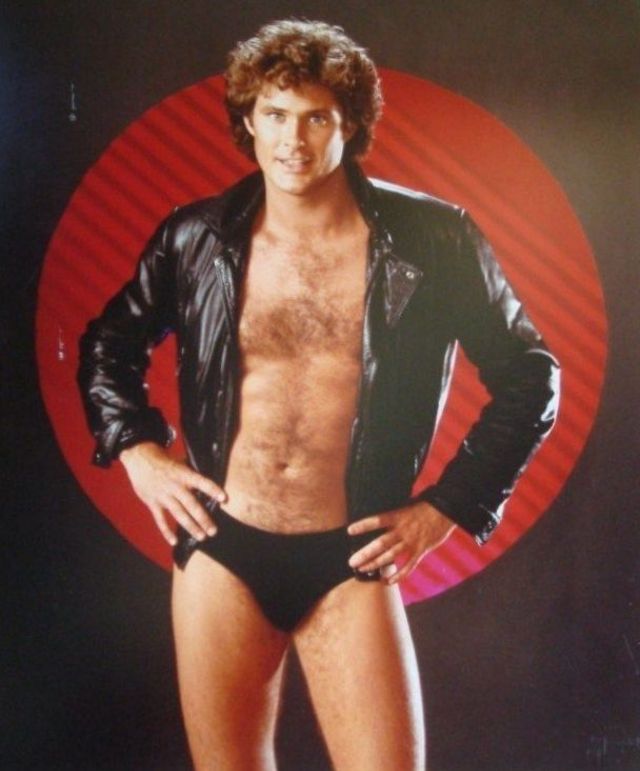
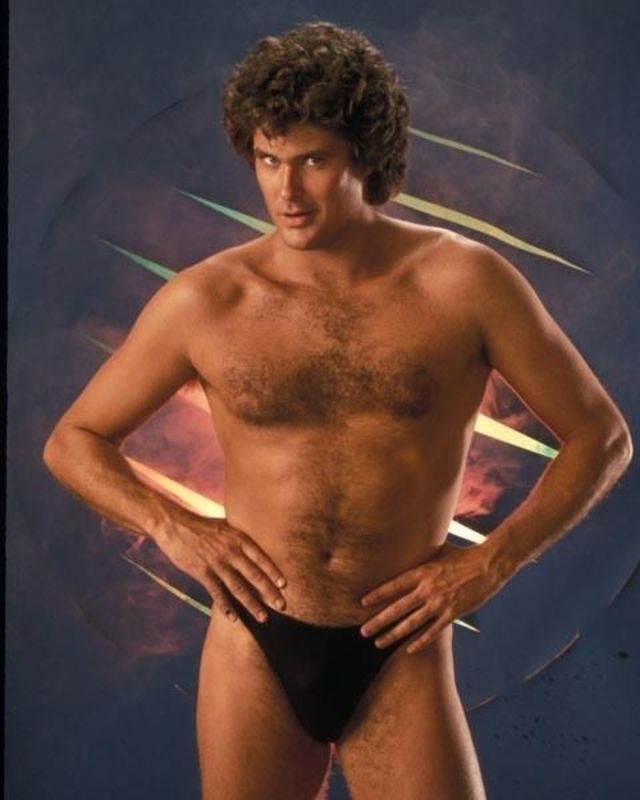
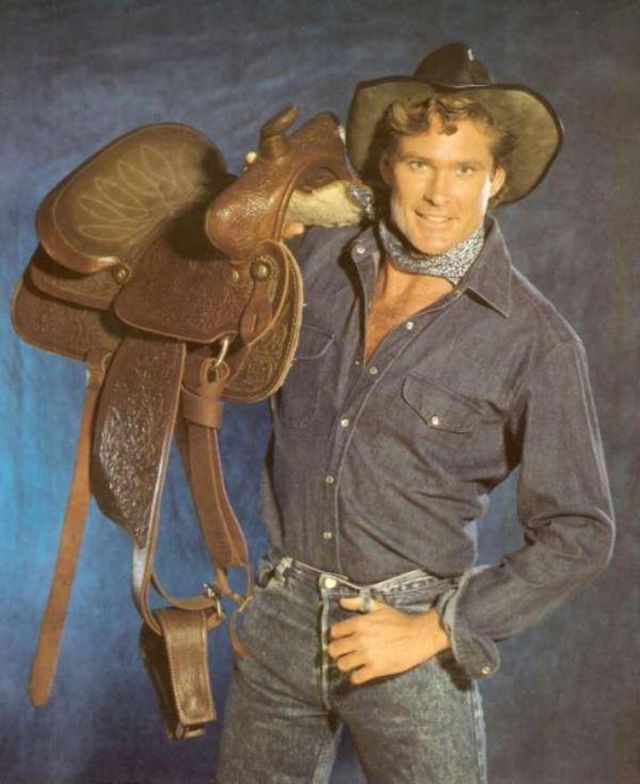
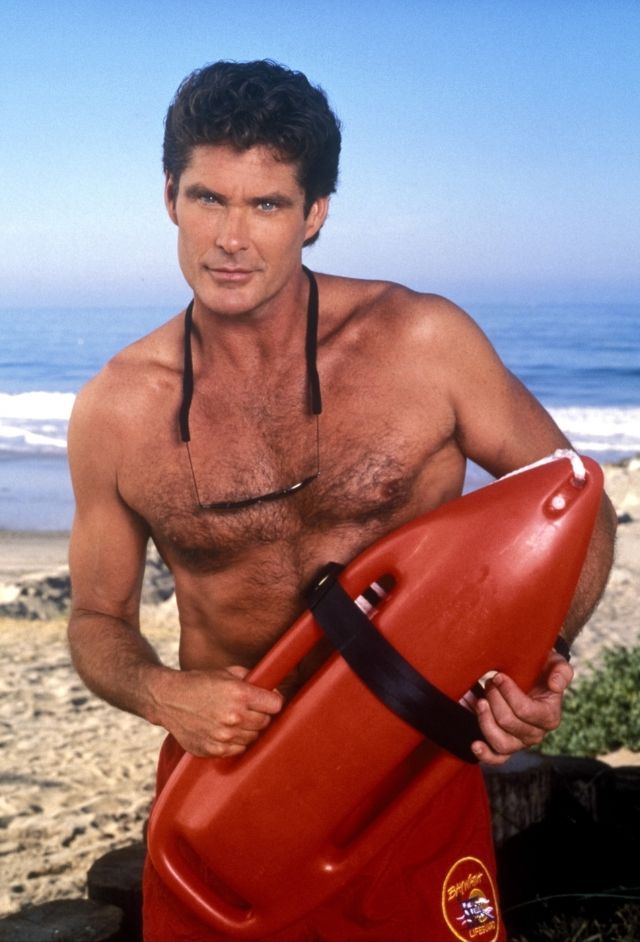
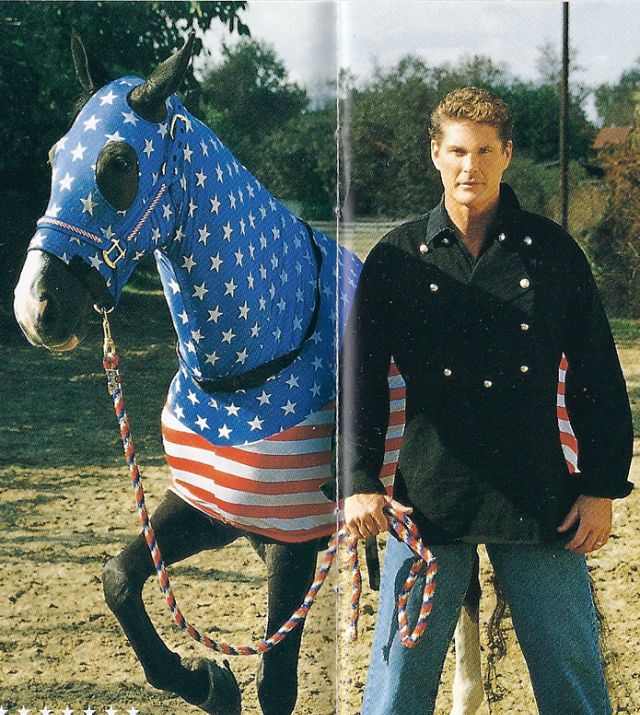
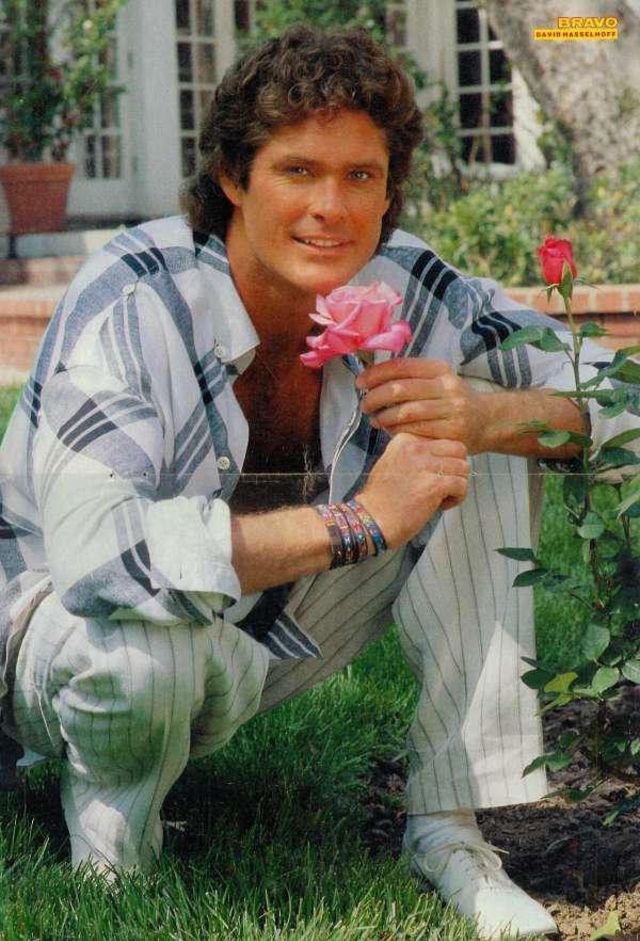
David Hasselhoff knows the score and it seems he is always winning. With those baby blue eyes, German perm and Persian rug chest hair, they don’t call him the Night Rider for nothing. The only question is… can you handle this much Hoff? Well can you?
David Hasselhoff is an American actor, singer, and producer, who set a Guinness World Record as the most watched man on TV. He first gained recognition on The Young and The Restless, playing Dr. Snapper Foster. His career continued with his leading role as Michael Knight on Knight Rider and as L.A. County Lifeguard Mitch Buchannon in the series Baywatch. Hasselhoff produced Baywatch from the 1990s until 2001 when the series ended with Baywatch Hawaii. On screen, he appeared in films including Click, Dodgeball, The SpongeBob SquarePants Movie, and Hop.
Hasselhoff was first married to actress Catherine Hickland in the 1980s, but their union ended in divorce. In 1989 he married actress Pamela Bach, with whom he had daughters Taylor and Hayley. Hasselhoff filed for divorce from Bach in January 2006, which dissolved into a bitter dispute that took some time to finalize.
The actor later began dating model Hayley Roberts. After the two announced their engagement in the spring of 2016, they were married on July 31, 2018, in Italy.
In November 2015 Hasselhoff claimed he officially changed his last name to “Hoff” via social media, but soon after, his rep clarified that the actor was only making such statements for an ad campaign.












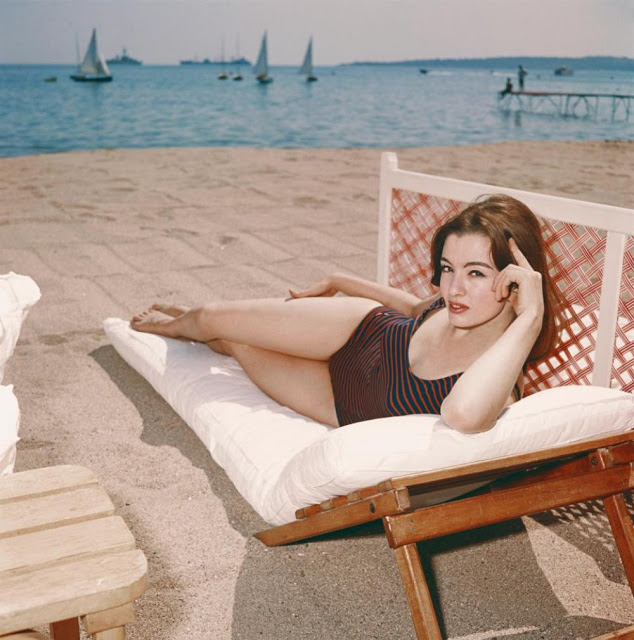
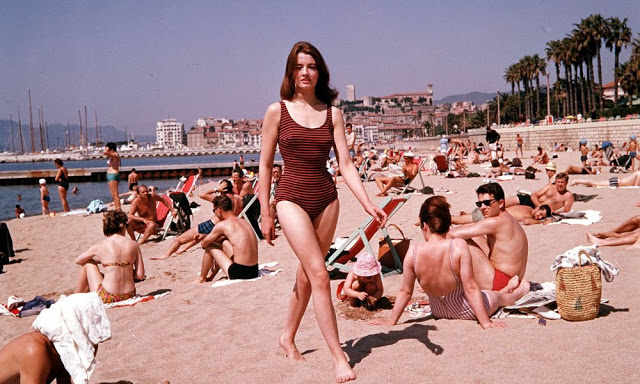
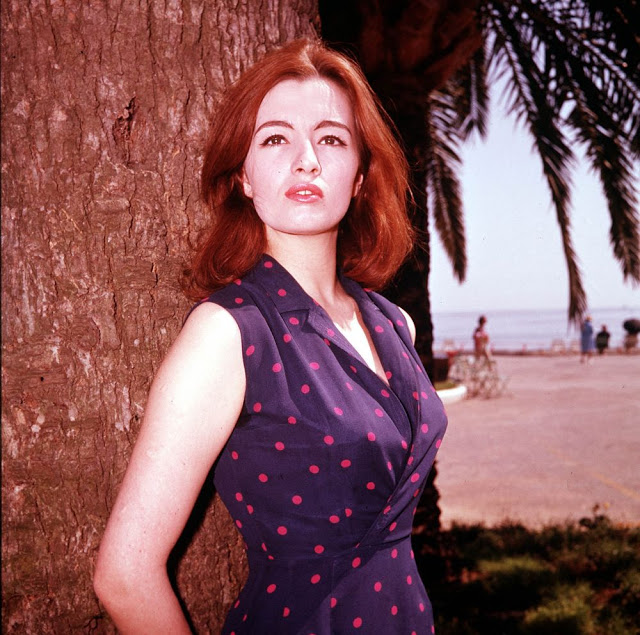
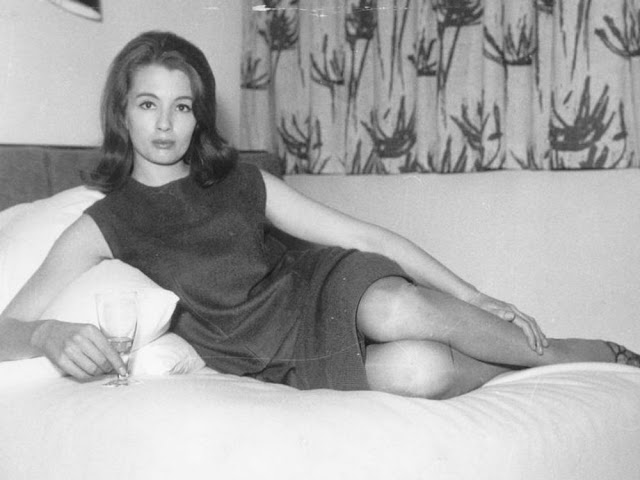
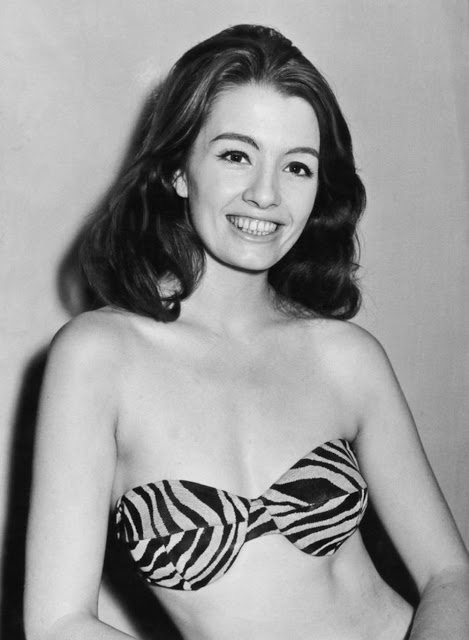
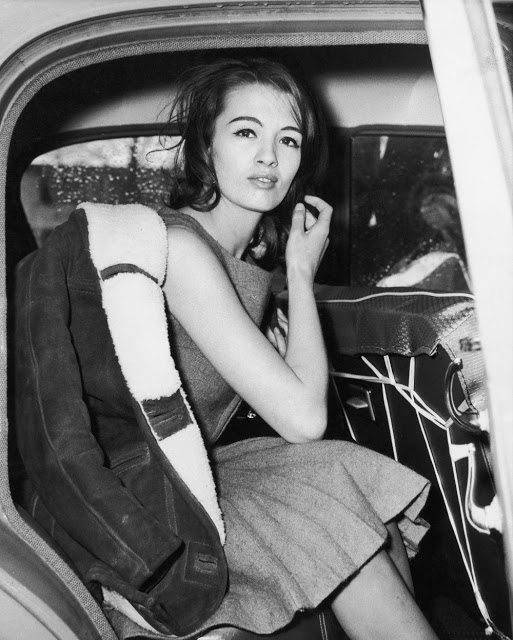
Christine Keeler (1942–2017, Orpington, Kent) was an English model who, as one of the central figures in the Profumo affair, contributed to the collapse of the Conservative government of Harold Macmillan.
At age 16, Keeler left home and moved to London to work as a fashion model. Over the next two years she took a number of different jobs, eventually becoming a dancer at a Soho gentlemen’s club that catered to the upper classes. There she met Charles Ward, a physician who was connected to some of the most politically and socially powerful families in England. Keeler moved in with Ward, and he acted as her patron, introducing her to men who moved in his circle, including Eugene Ivanov, a Russian military attaché and intelligence agent with whom Keeler became romantically involved.
In July 1961 Keeler met John Profumo, the secretary of state for war, at one of Ward’s parties, and the two began a short-lived affair. Rumours of the relationship leaked to the press, but Profumo was quick to deny them, going so far as to lie before Parliament in March 1963. Evidence of the affair quickly accumulated, however, and Profumo resigned in June 1963. Largely due to the scandal, the Macmillan government was voted out of office within a year.
At the height of the media flurry surrounding the Profumo affair, Keeler posed for a series of publicity shots with photographer Lewis Morley. The most famous of those images, featuring a nude Keeler astride a wooden chair, became one of the most iconic photographs of the 1960s. Keeler subsequently retreated to private life, emerging in 2001 with the biography The Truth at Last: My Story. The events of the Profumo affair were dramatized in the film Scandal (1989).
On 5 December 2017, Keeler’s son Seymour Platt announced that his mother “passed away last night at about 11.30 p.m.” at the Princess Royal University Hospital in Locksbottom, Greater London. She had been ill for some months, suffering from chronic obstructive pulmonary disease and was aged 75.









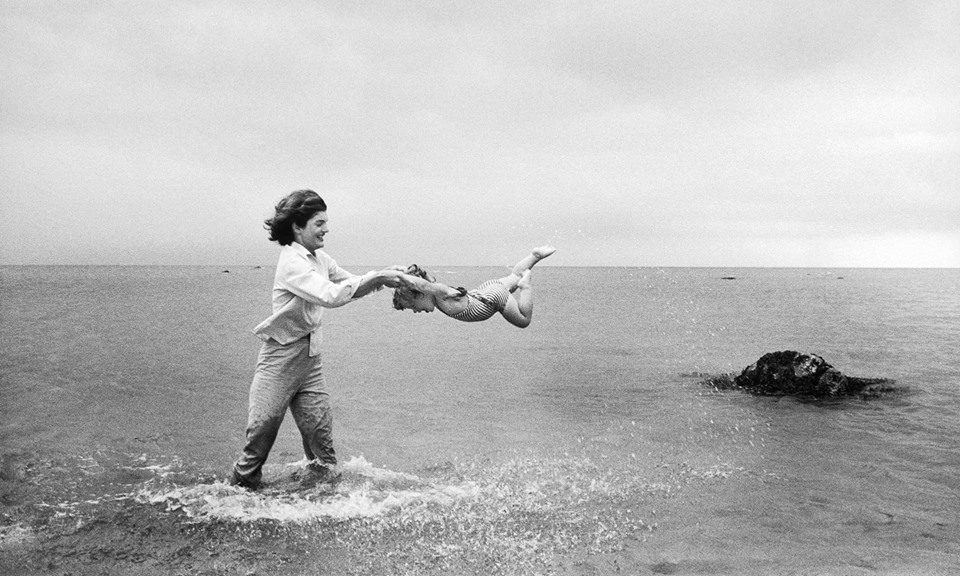
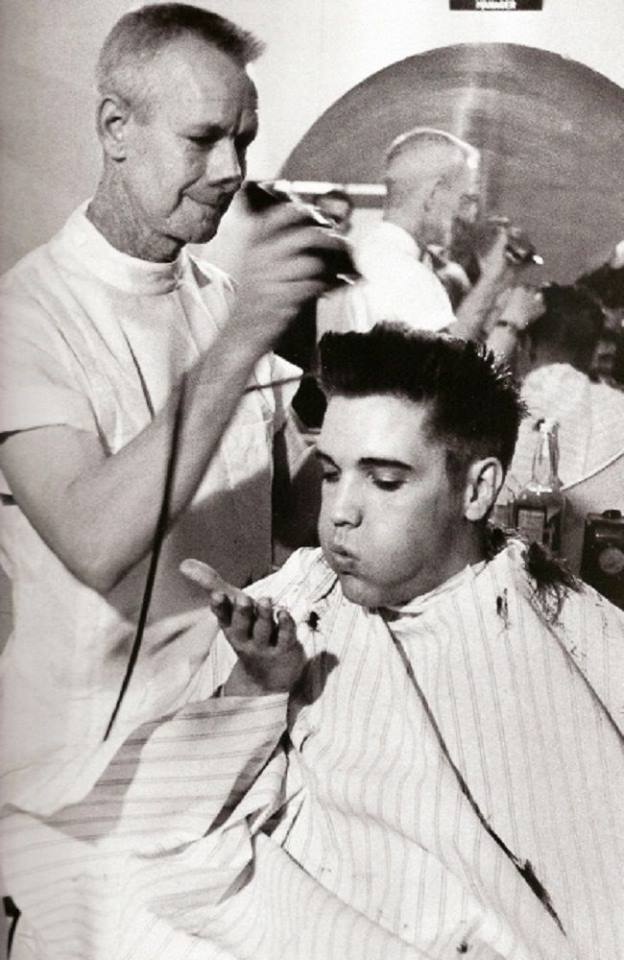
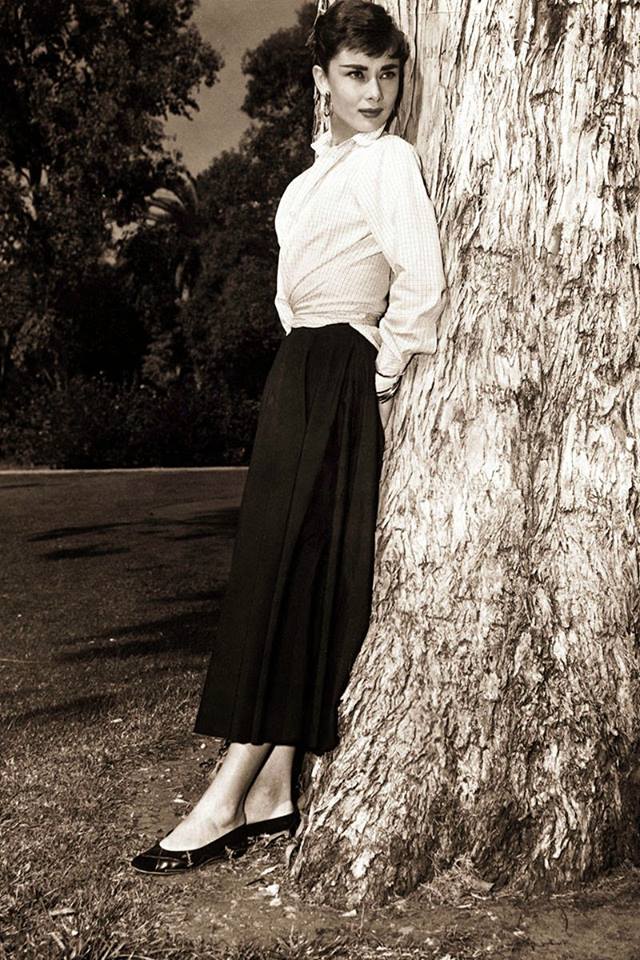
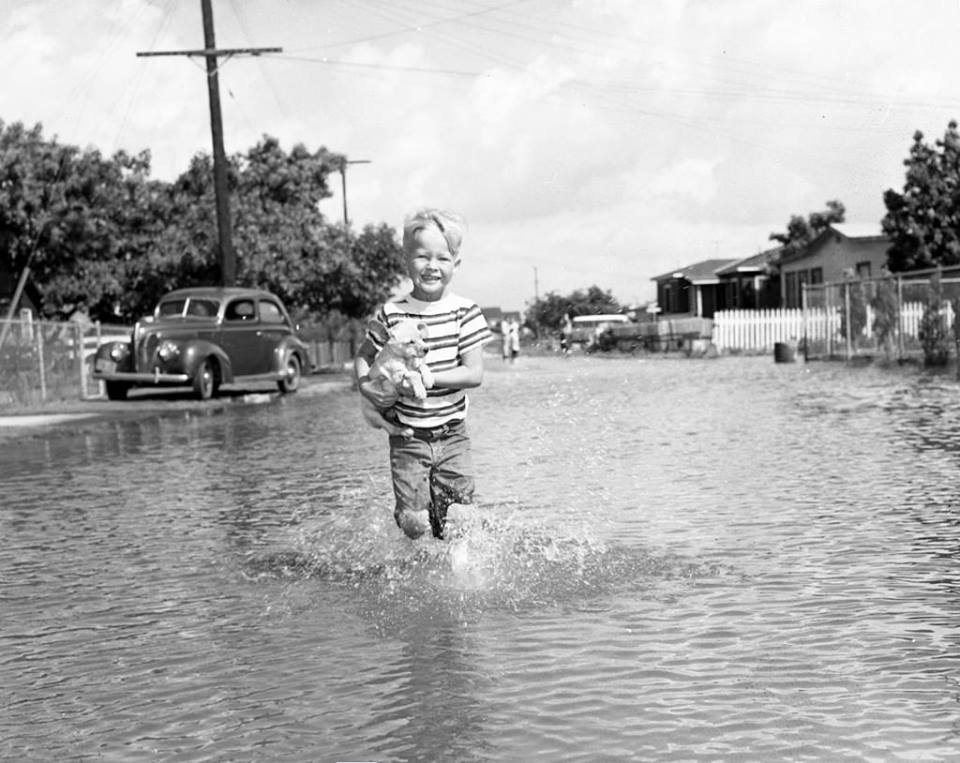

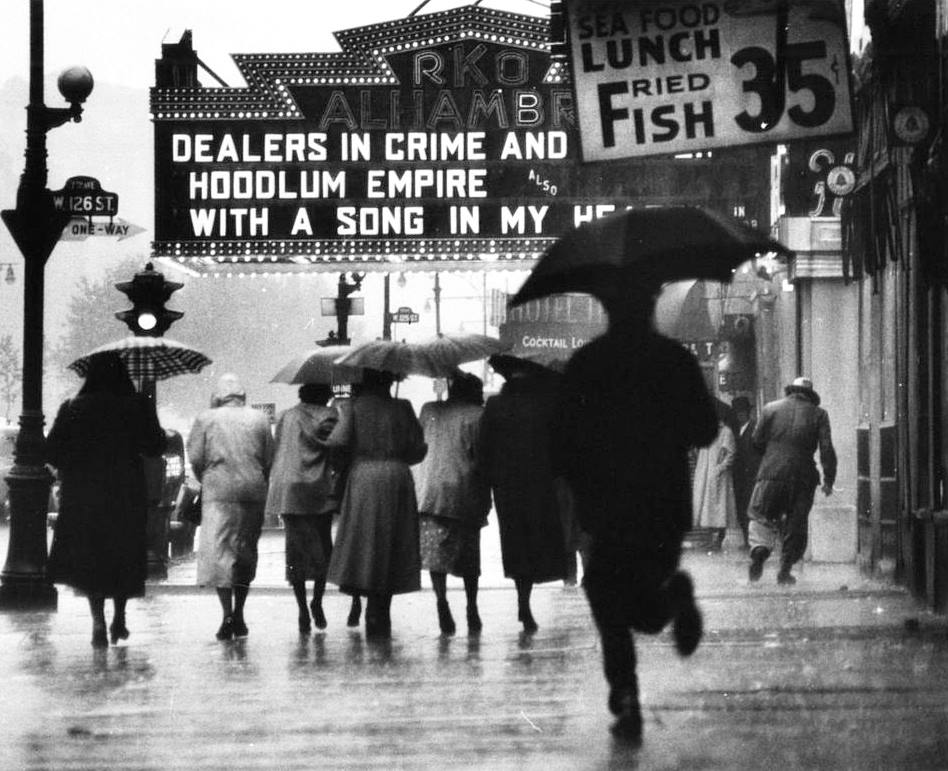
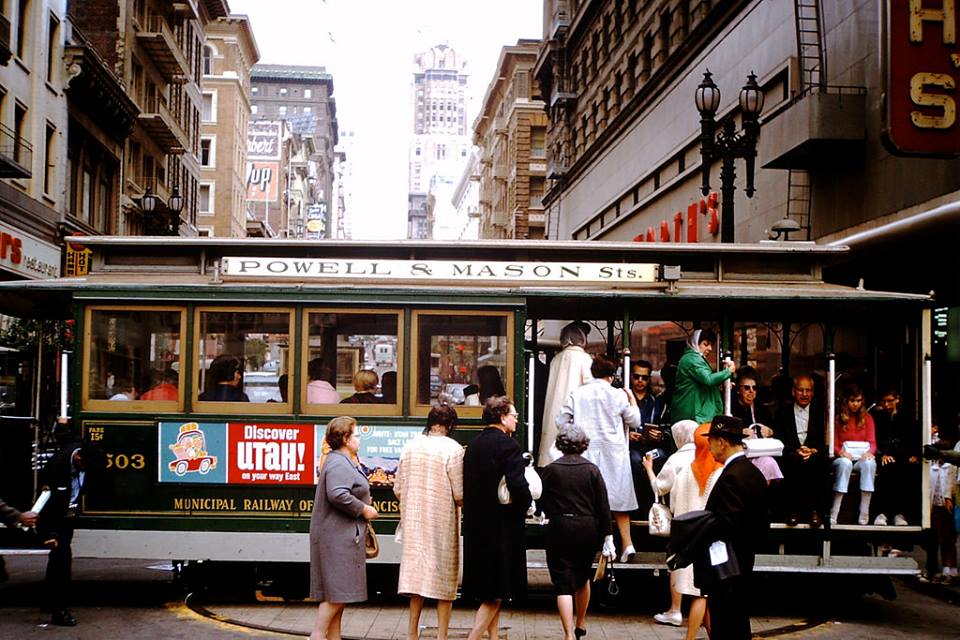
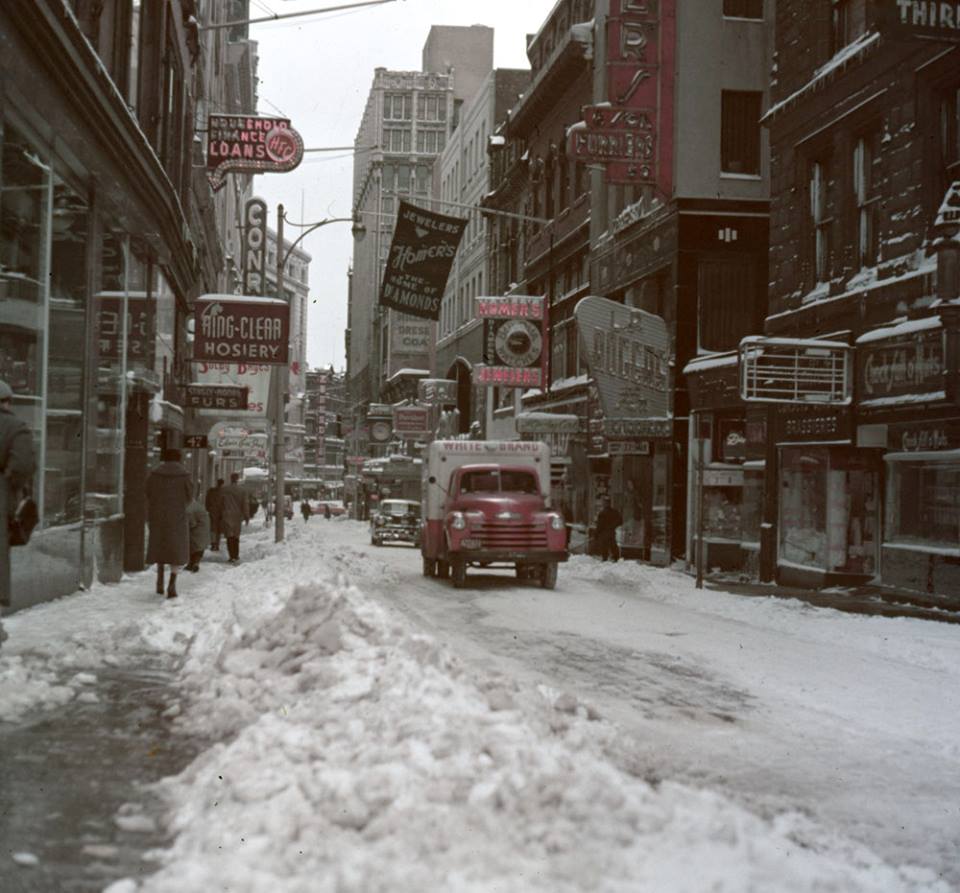

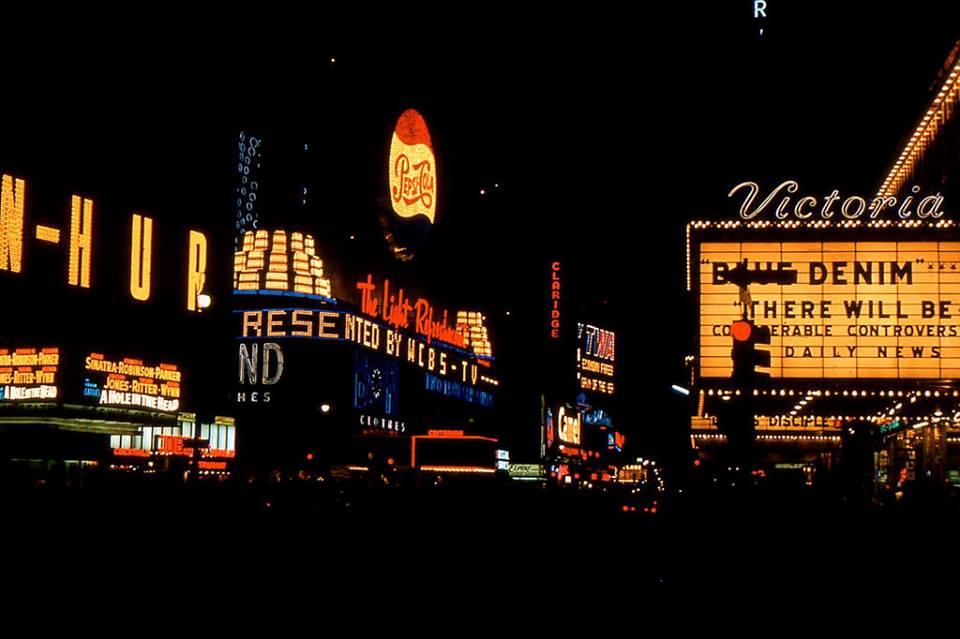
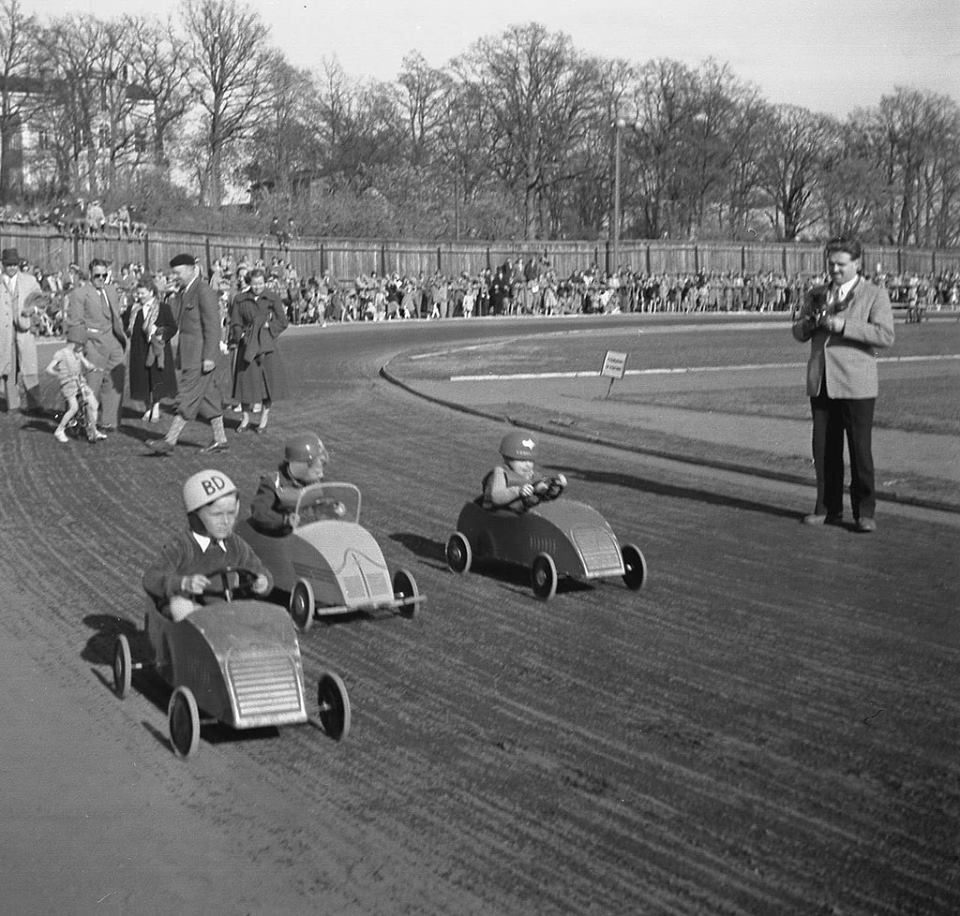



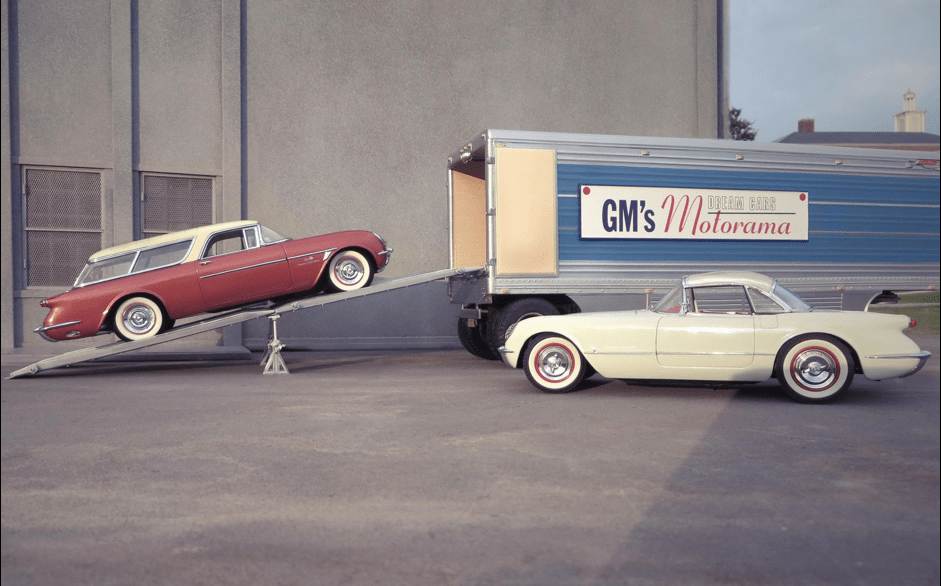



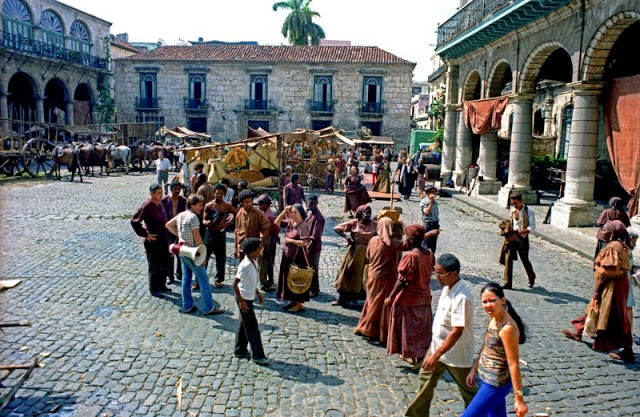
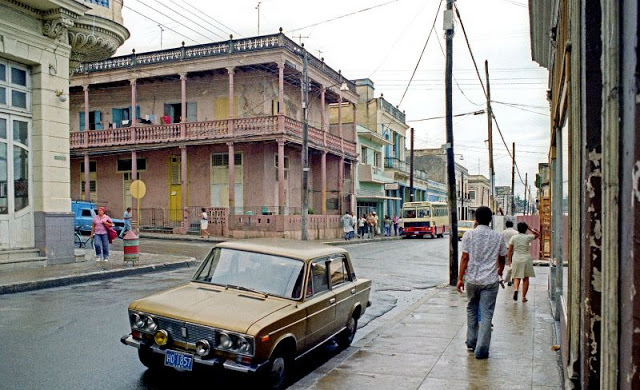
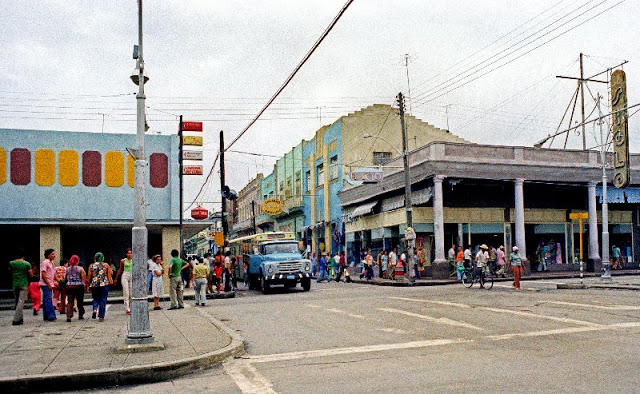
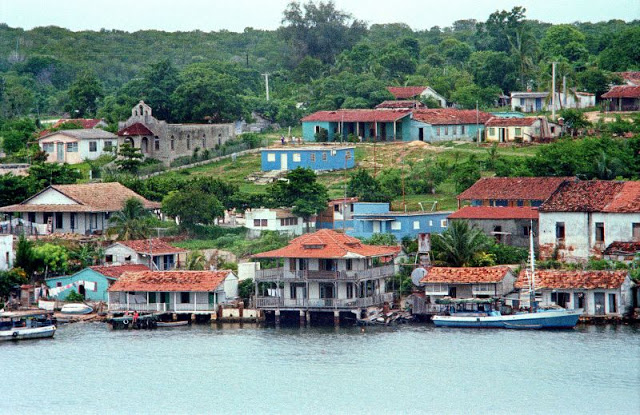
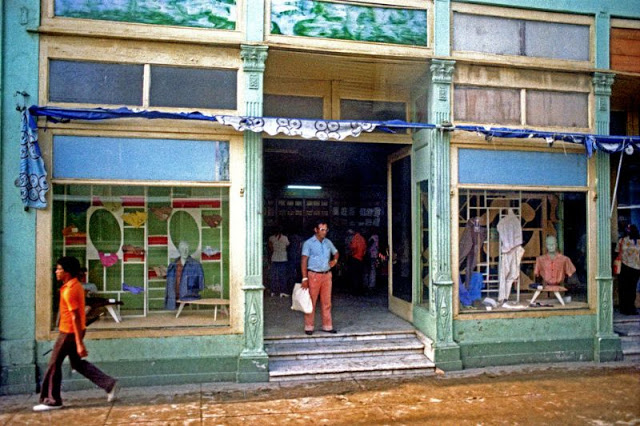
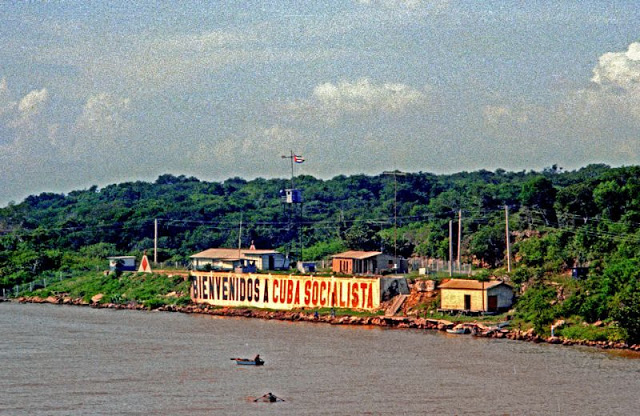
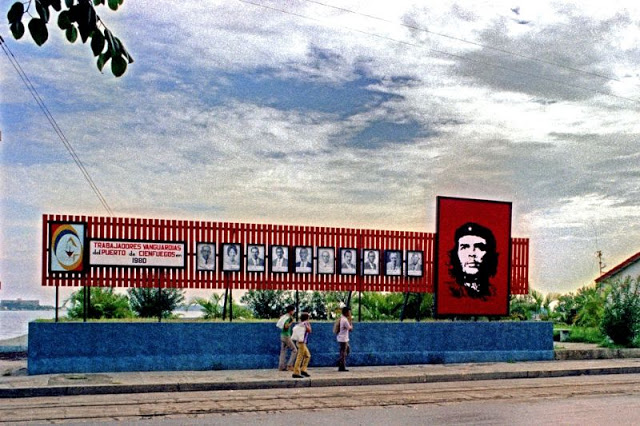
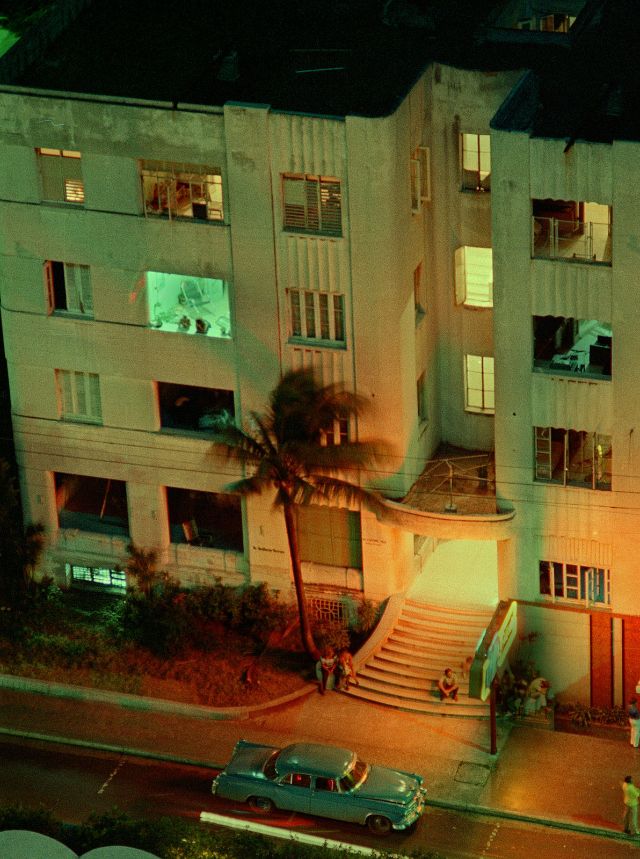
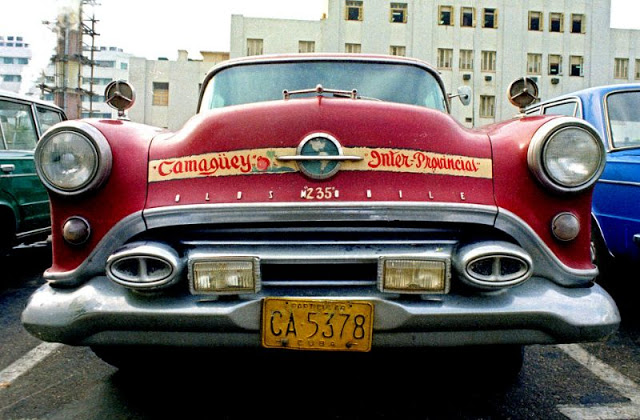
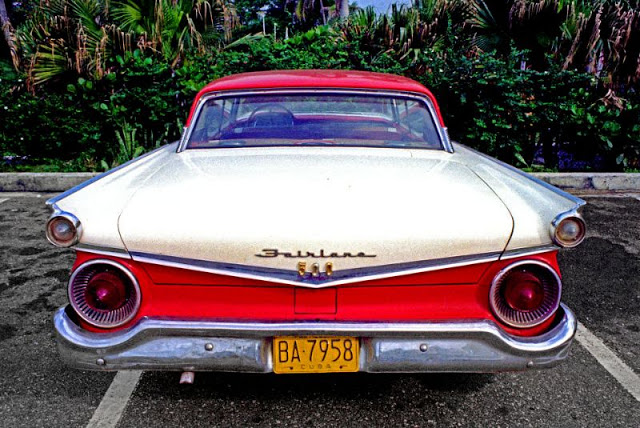
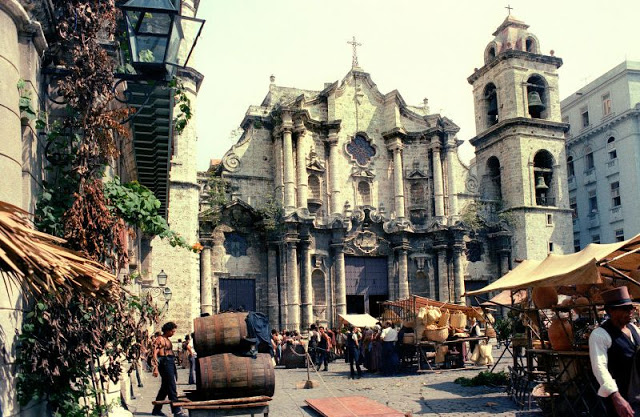
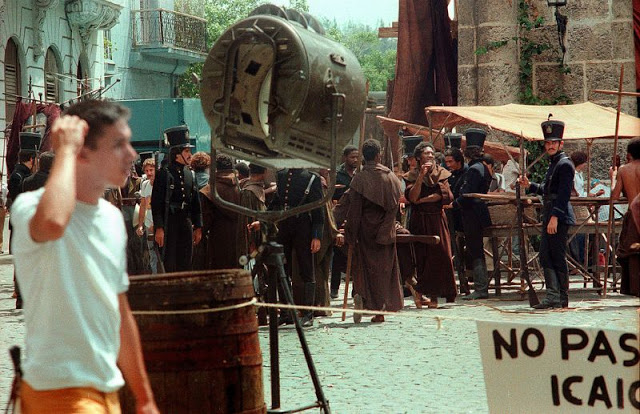
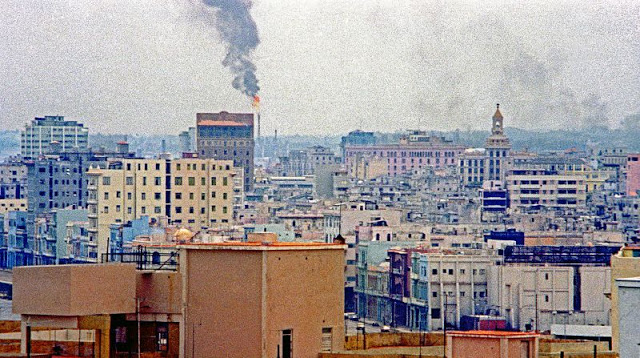
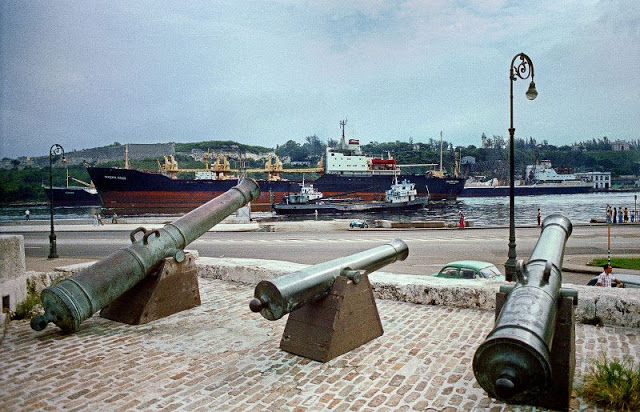
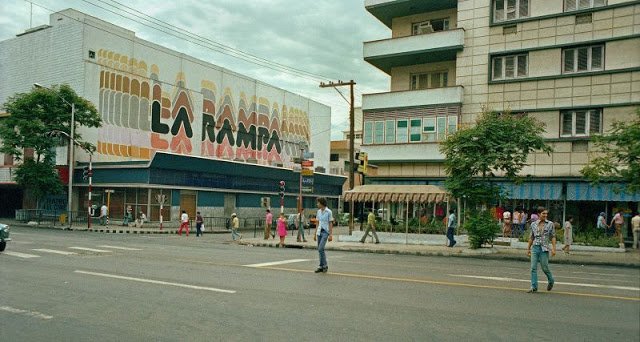
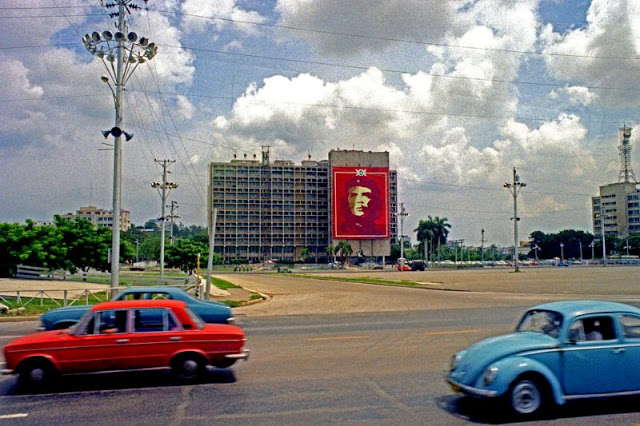
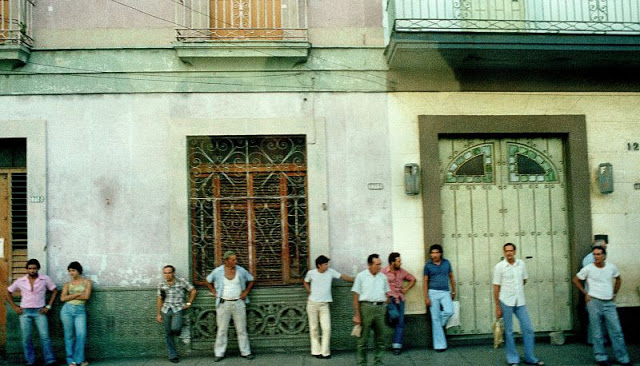
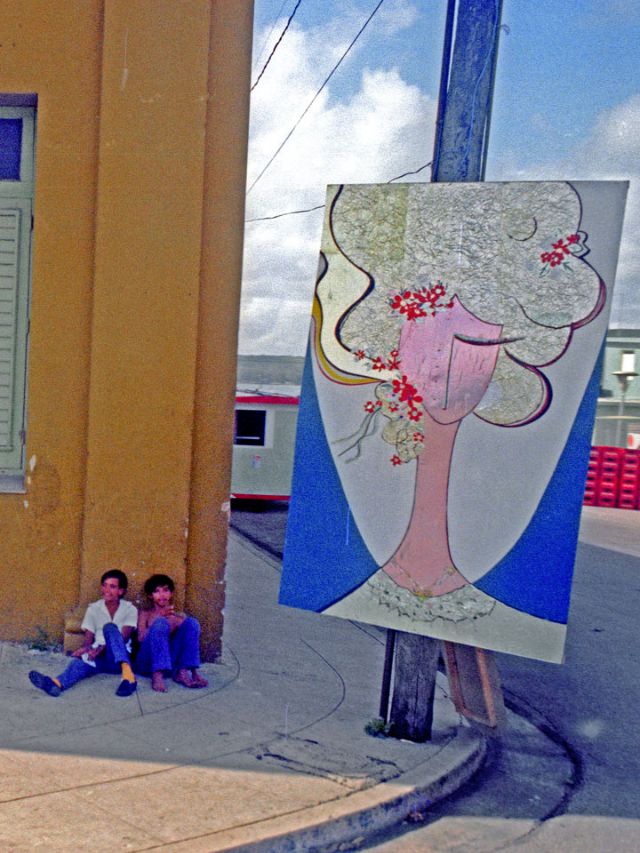
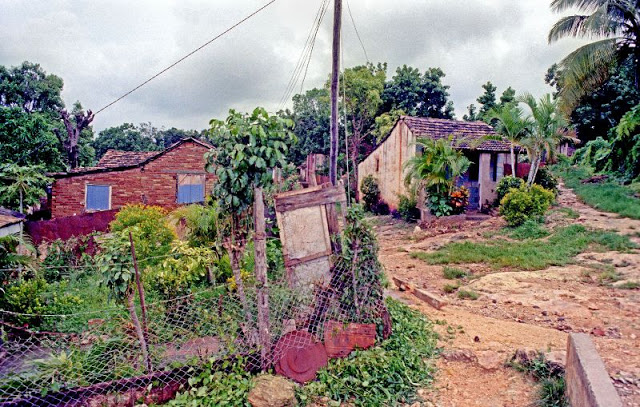
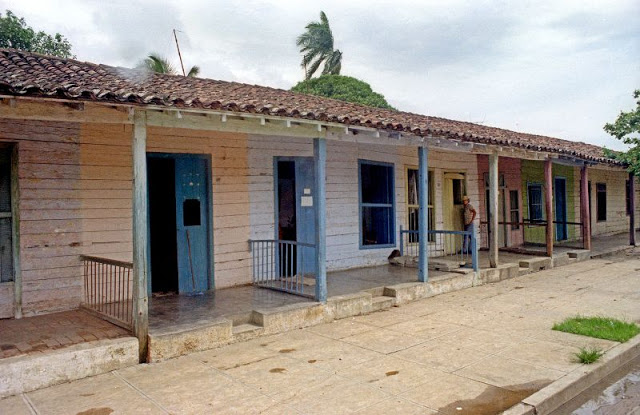
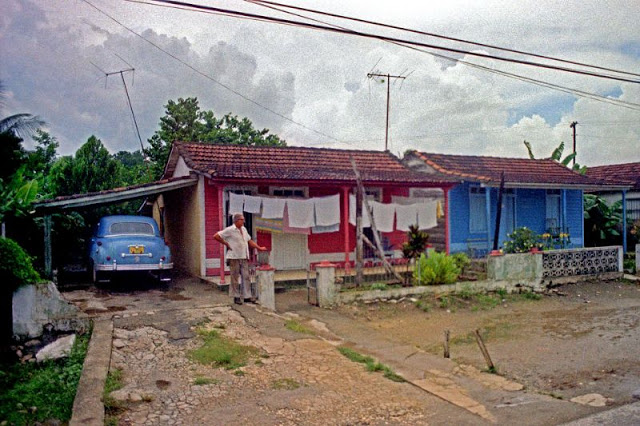
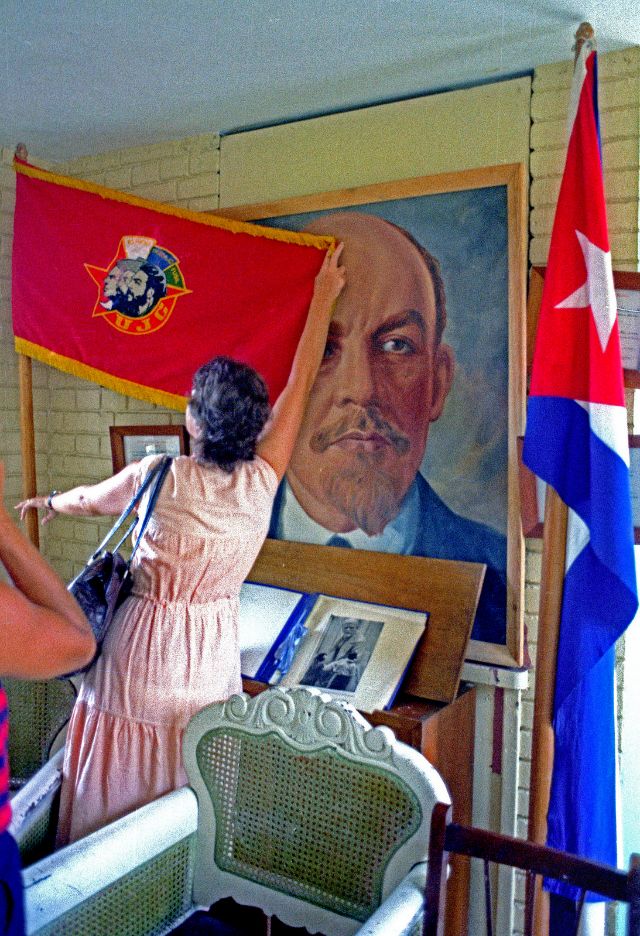
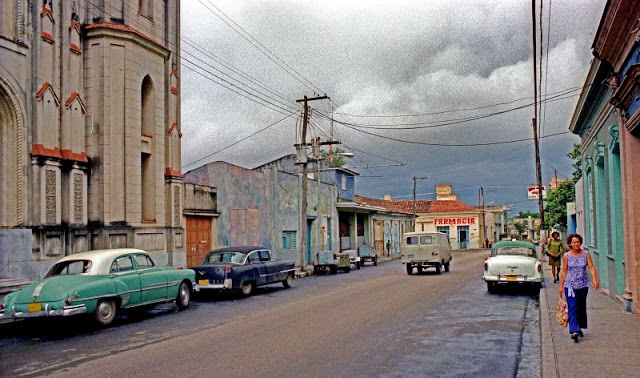
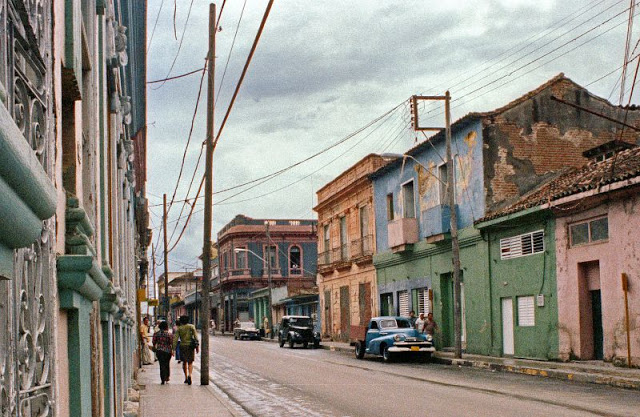
Cuba, officially the Republic of Cuba, is a country comprising the island of Cuba, as well as Isla de la Juventud and several minor archipelagos. Cuba is located where the northern Caribbean Sea, Gulf of Mexico, and Atlantic Ocean meet. Cuba is located at the east of the Yucatán Peninsula (Mexico), south of both the American state of Florida and the Bahamas, west of Hispaniola (Haiti/Dominican Republic), and north of both Jamaica and the Cayman Islands. Havana is the largest city and capital; other major cities include Santiago de Cuba and Camagüey. The official area of the Republic of Cuba is 109,884 km2 (42,426 sq mi) (without the territorial waters). The main island of Cuba is the largest island in Cuba and in the Caribbean, with an area of 104,556 km2 (40,369 sq mi). Cuba is the second-most populous country in the Caribbean after Haiti, with over 11 million inhabitants.
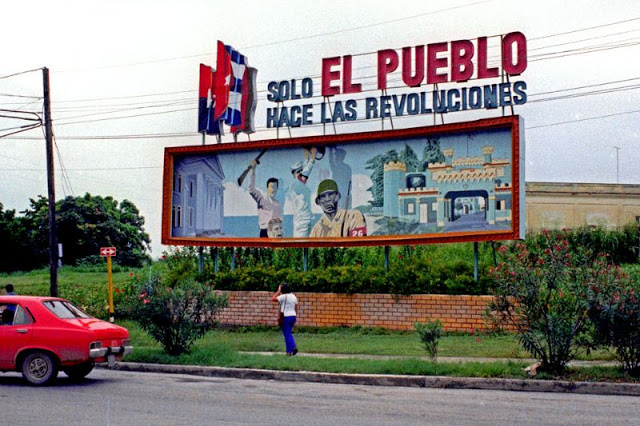
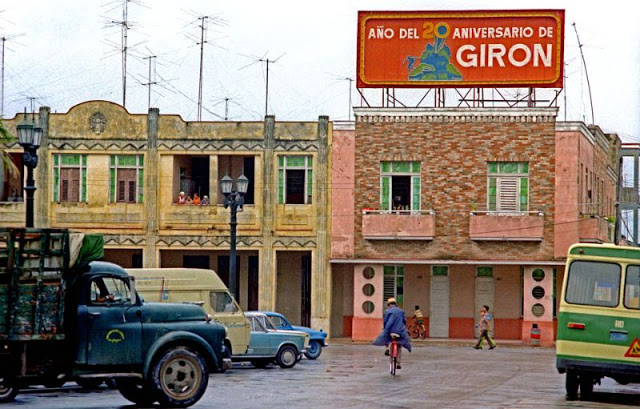
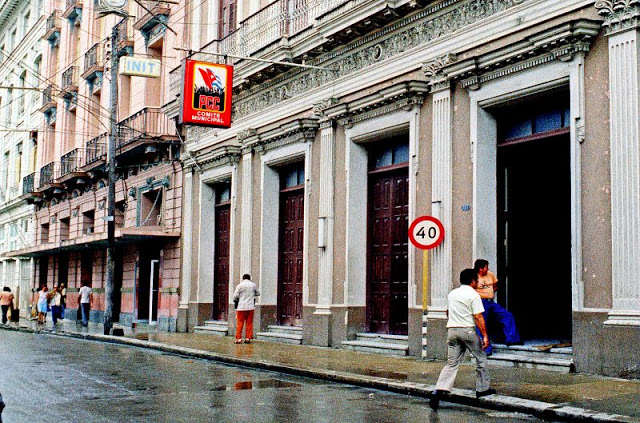
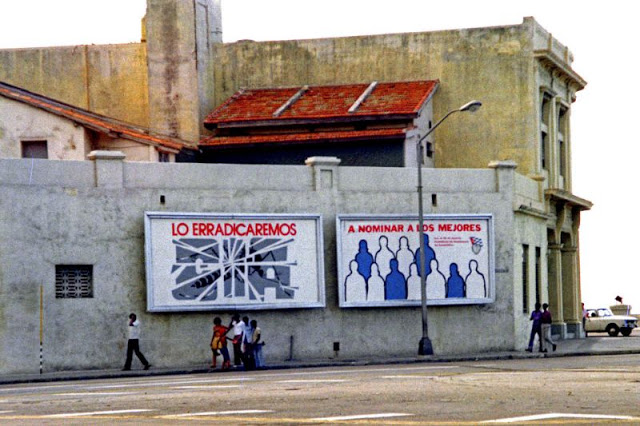
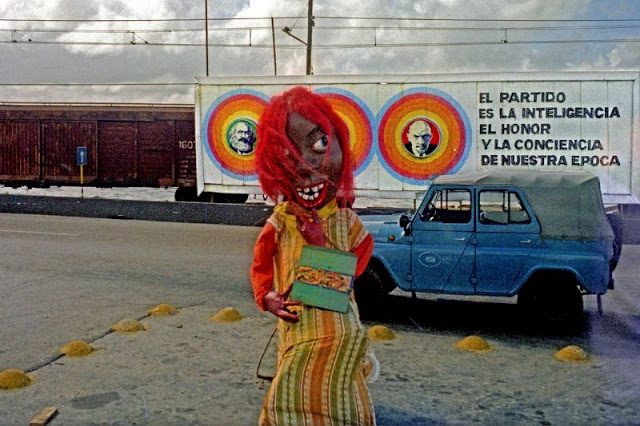
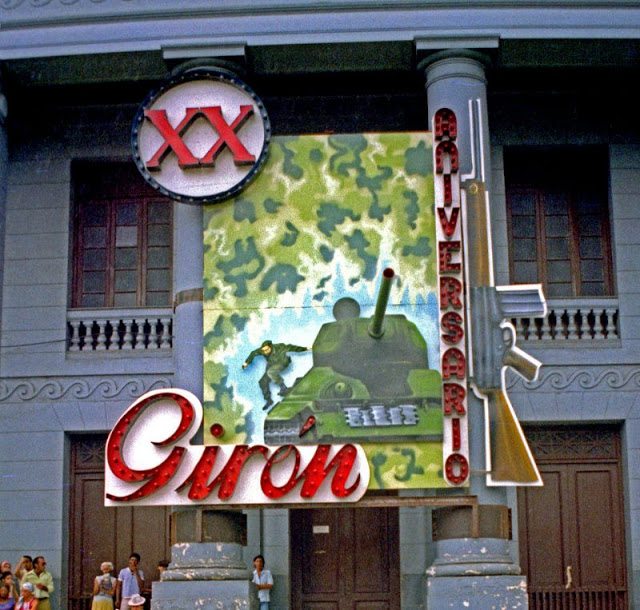
The territory that is now Cuba was inhabited by the Ciboney Taíno people from the 4th millennium BC until Spanish colonization in the 15th century. From the 15th century, it was a colony of Spain until the Spanish–American War of 1898, when Cuba was occupied by the United States and gained nominal independence as a de facto United States protectorate in 1902. As a fragile republic, in 1940 Cuba attempted to strengthen its democratic system, but mounting political radicalization and social strife culminated in a coup and subsequent dictatorship under Fulgencio Batista in 1952. Open corruption and oppression under Batista’s rule led to his ousting in January 1959 by the 26th of July Movement, which afterwards established communist rule under the leadership of Fidel Castro. Since 1965, the state has been governed by the Communist Party of Cuba. The country was a point of contention during the Cold War between the Soviet Union and the United States, and a nuclear war nearly broke out during the Cuban Missile Crisis of 1962. Cuba is one of a few extant Marxist–Leninist socialist states, where the role of the vanguard Communist Party is enshrined in the Constitution. Under Castro, Cuba was involved in a broad range of military and humanitarian activities throughout both Africa and Asia.
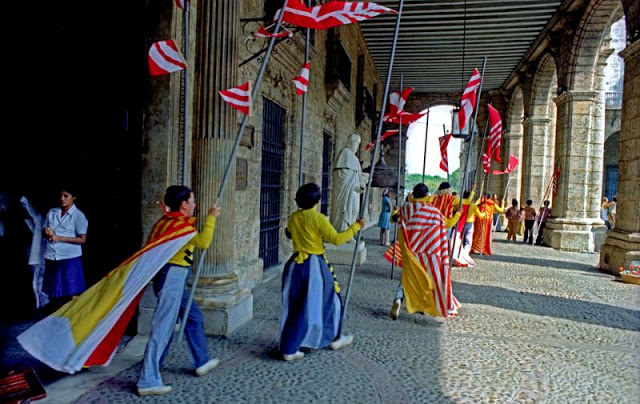
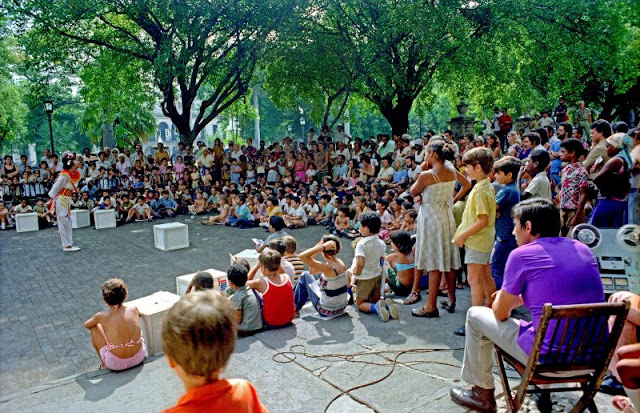
Culturally, Cuba is considered part of Latin America. It is a multiethnic country whose people, culture and customs derive from diverse origins, including the Taíno Ciboney peoples, the long period of Spanish colonialism, the introduction of enslaved Africans and a close relationship with the Soviet Union in the Cold War.
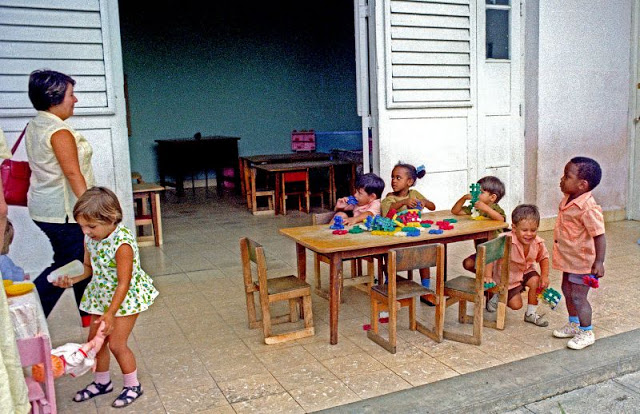
Cuba is a founding member of the United Nations, the G77, the Non-Aligned Movement, the Organisation of African, Caribbean and Pacific States, ALBA and the Organization of American States. It has currently one of the world’s only planned economies, and its economy is dominated by the tourism industry and the exports of skilled labor, sugar, tobacco, and coffee. Cuba has historically—both before and during Communist rule—performed better than other countries in the region on several socioeconomic indicators, such as literacy, infant mortality and life expectancy.
Cuba has a single-party authoritarian regime where political opposition is not permitted. There are elections in Cuba, but they are not considered democratic. Censorship of information (including limits to internet access) is extensive, and independent journalism is repressed in Cuba; Reporters Without Borders has characterized Cuba as one of the worst countries in the world for press freedom. (Wikipedia)

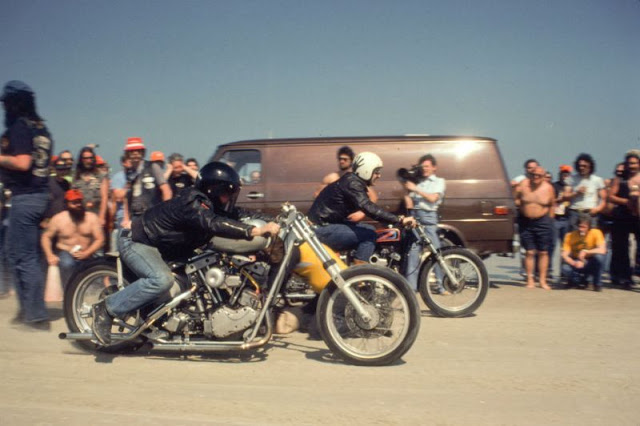
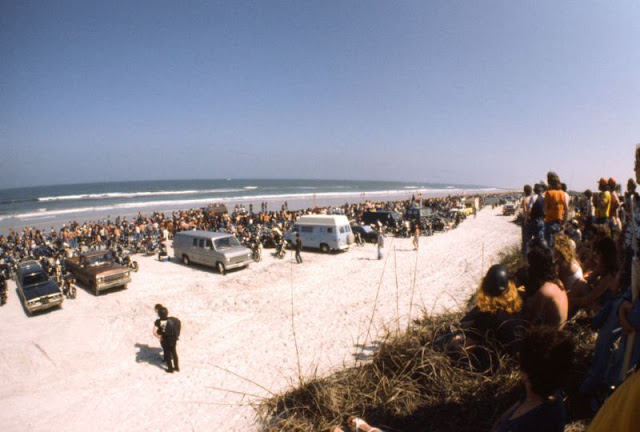
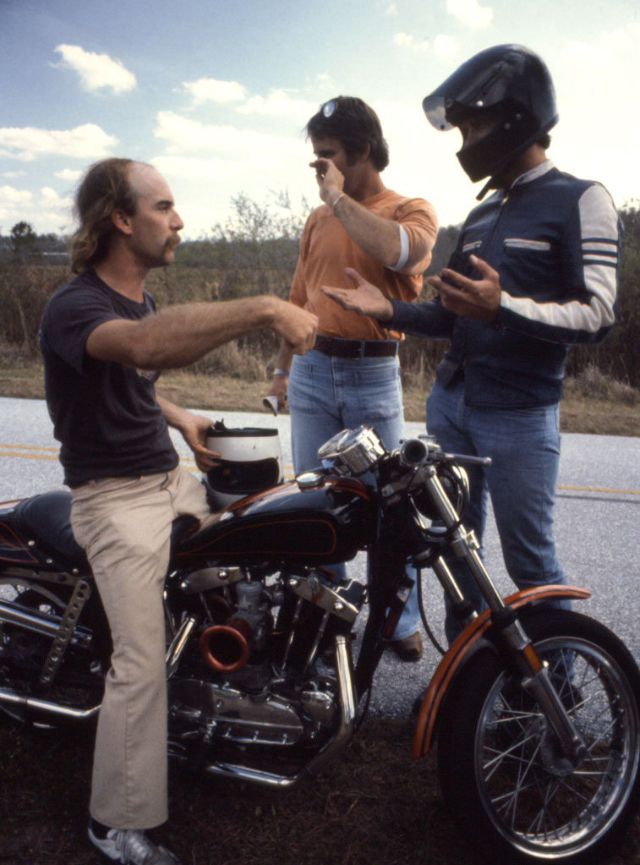
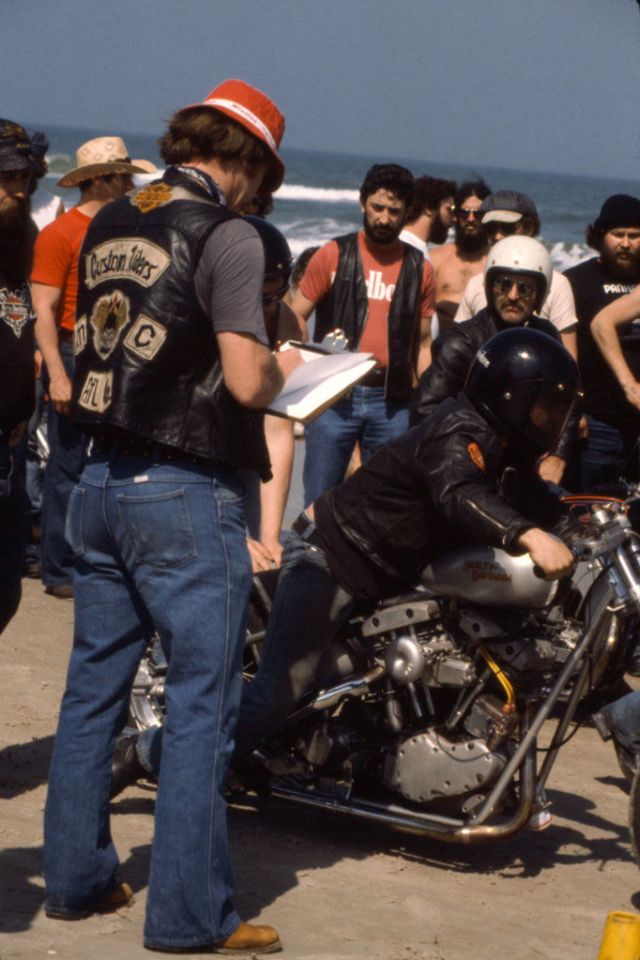
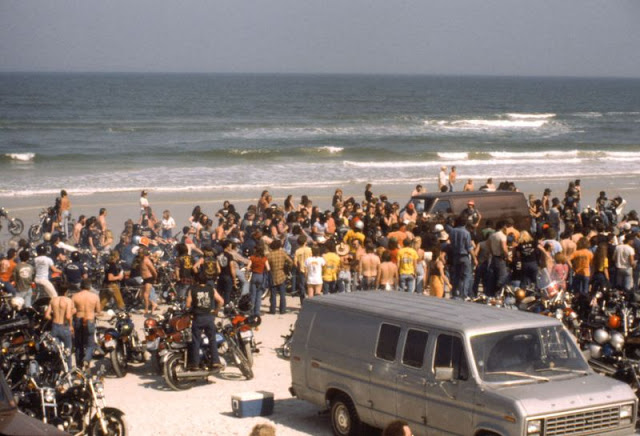
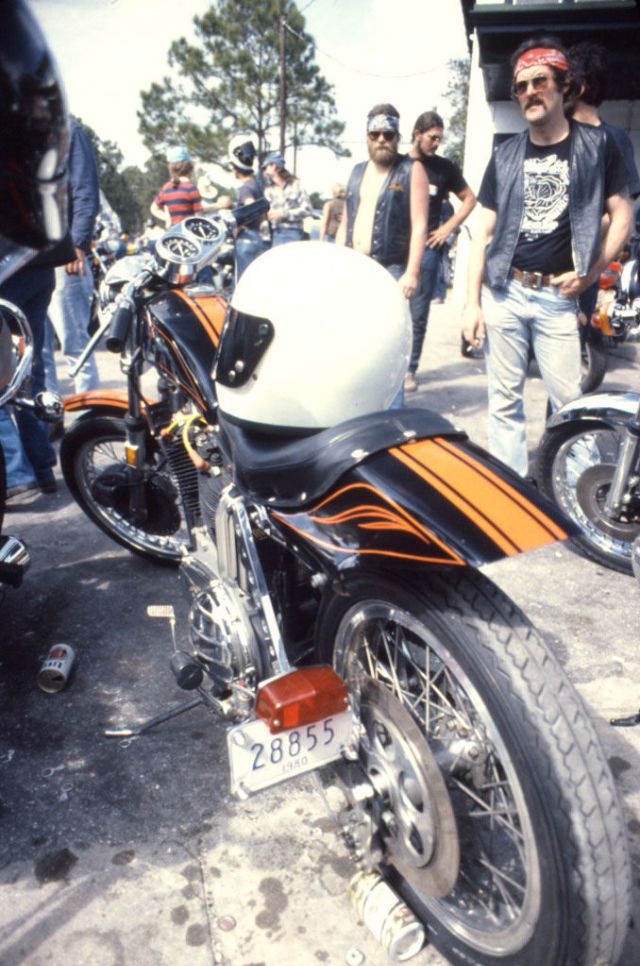
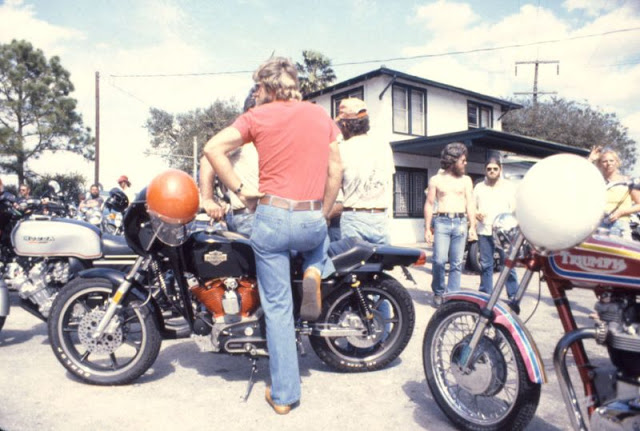
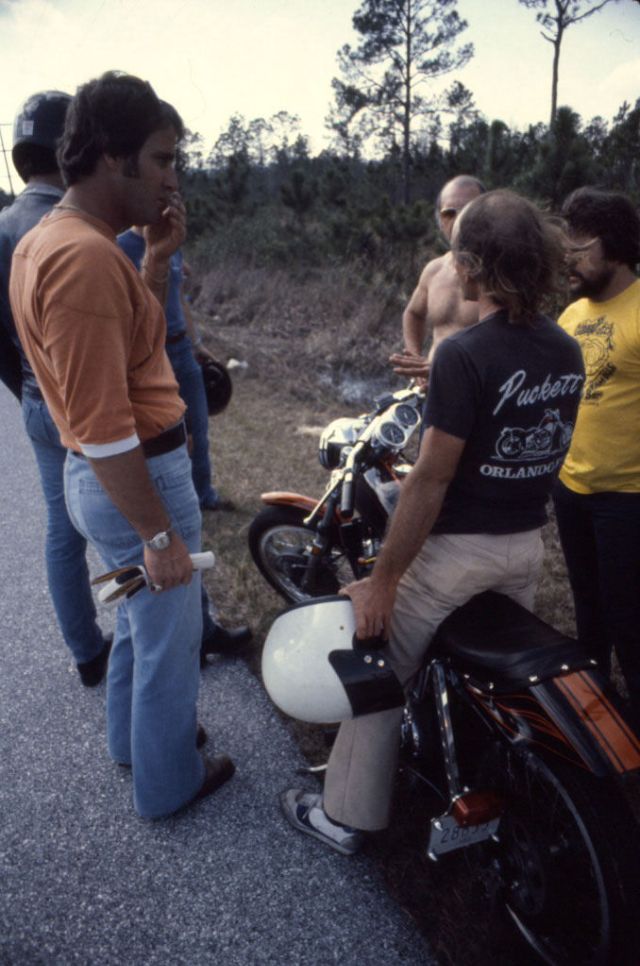
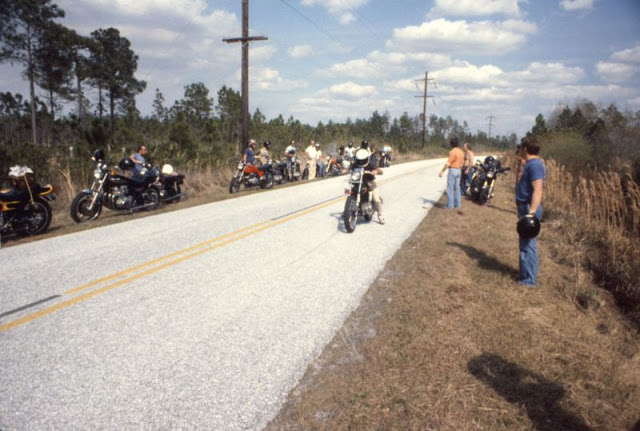
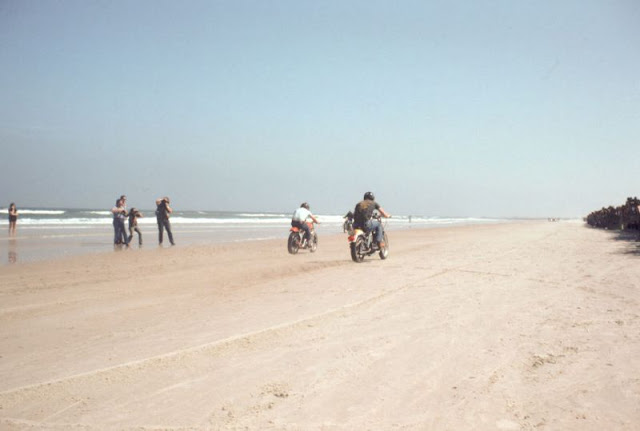
For a brief period of time before the over-commercialized vendor spectacle its now become, Daytona Bike Week included a wide variety of spectator activities that revolved around racing – any way, anytime, anywhere.
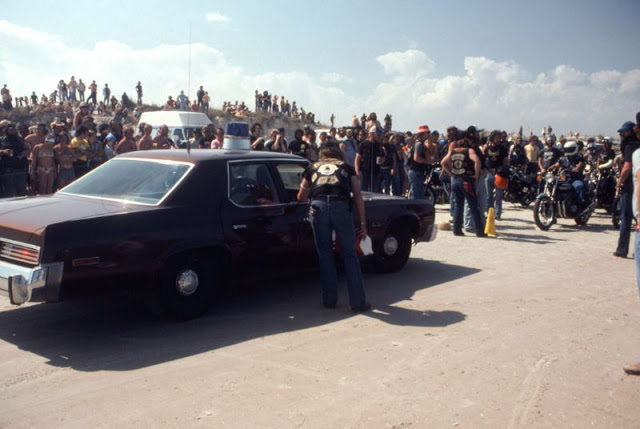
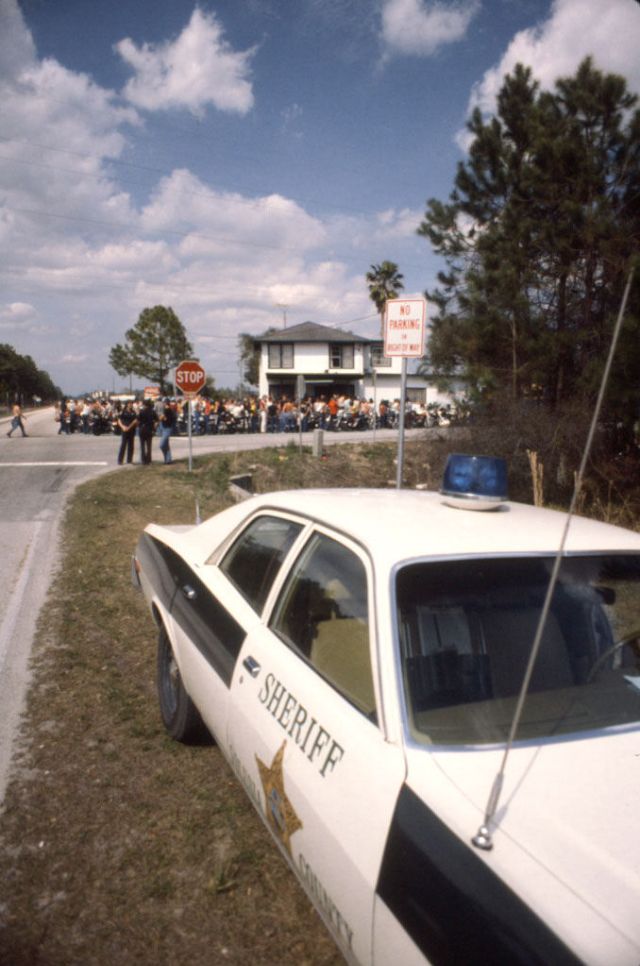
The sand drags were tolerated by the community of Daytona Shores, while at the Cabbage Patch racing for pinks was a cat and mouse game between deputies and racers.
Matches were set up, then a group of bikers would take off in one direction as a decoy. The cops would follow, while the money race slipped off as a small group to a suitable stretch of pavement for the actual face off.
These fascinating photos show the Daytona Bike Week in March 1980.











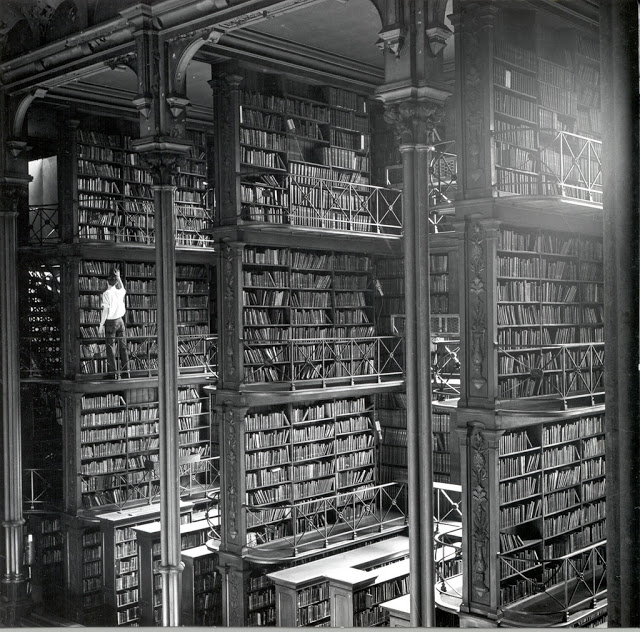
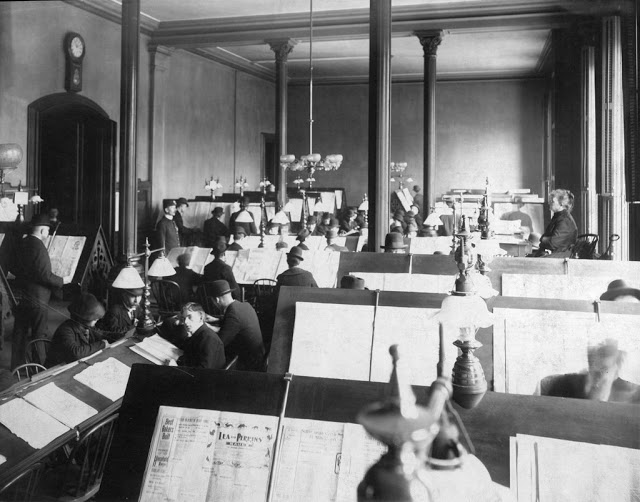
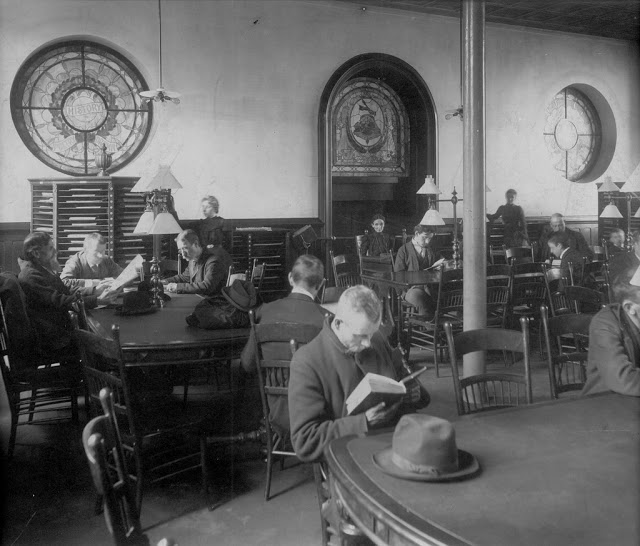
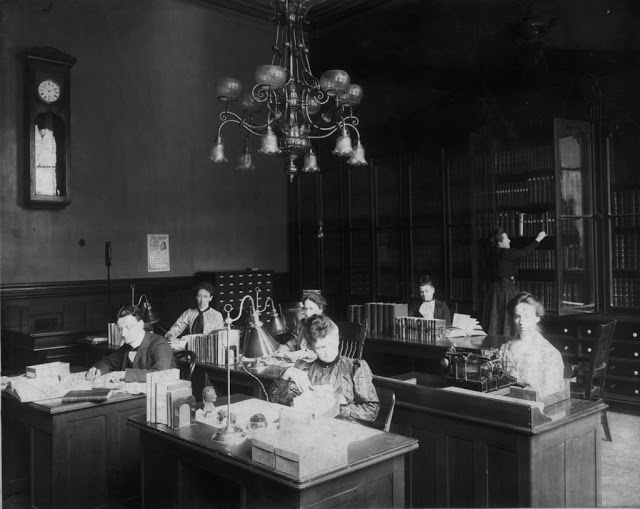
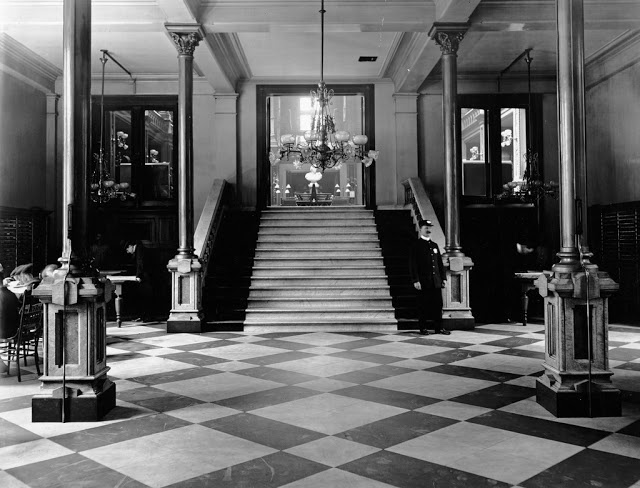
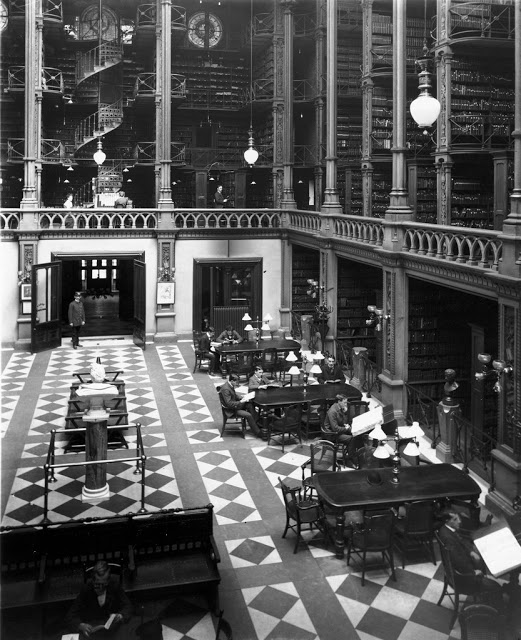
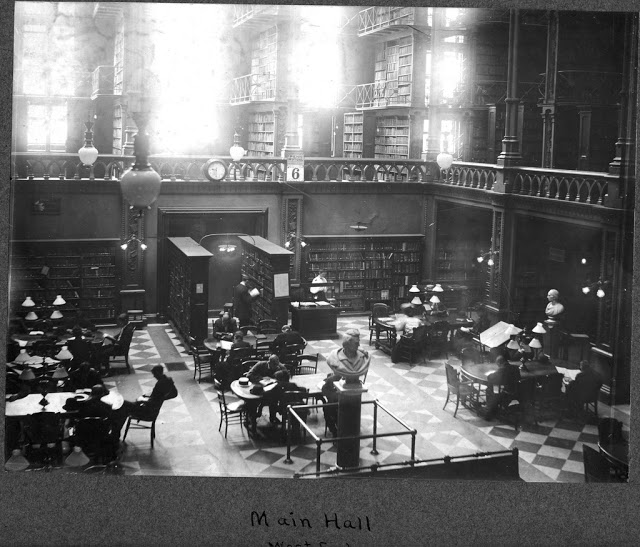
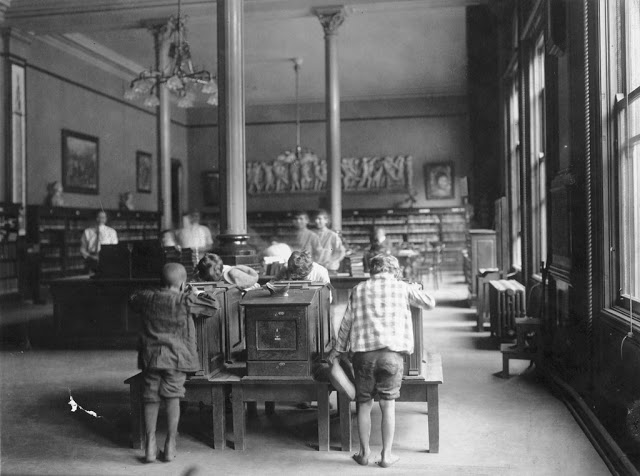
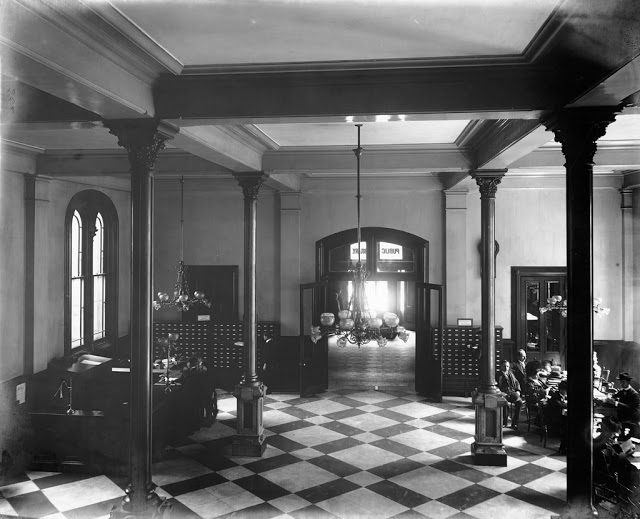
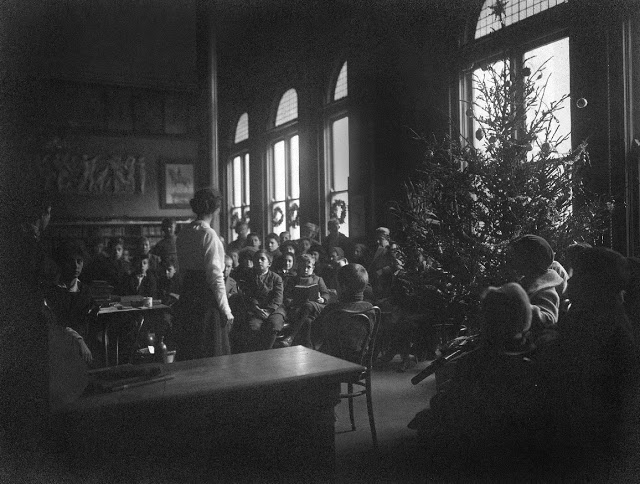
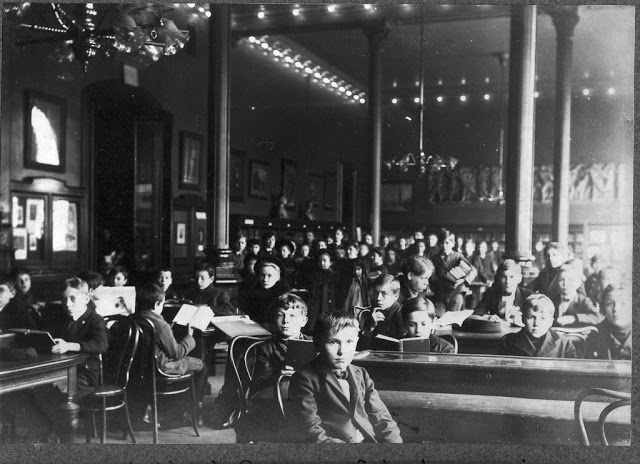
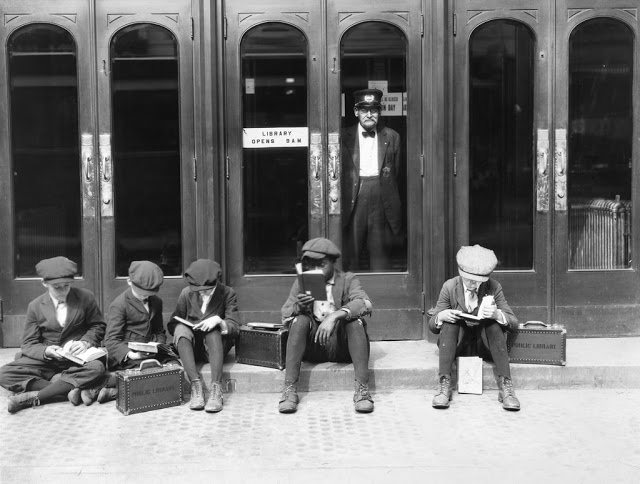
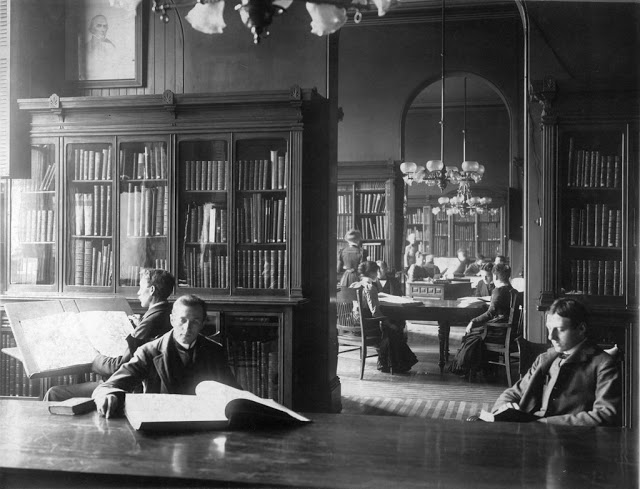
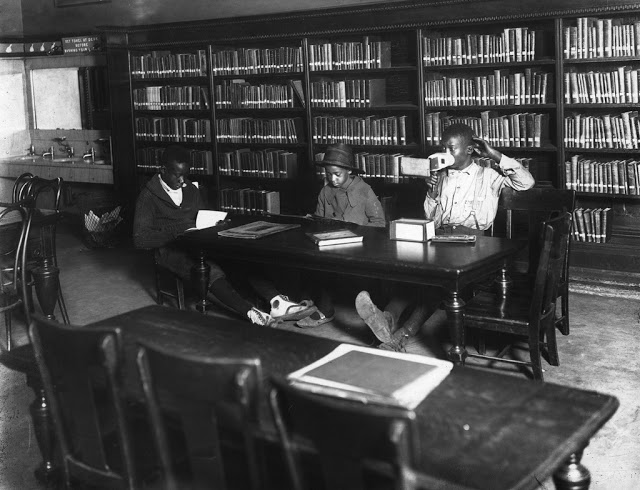
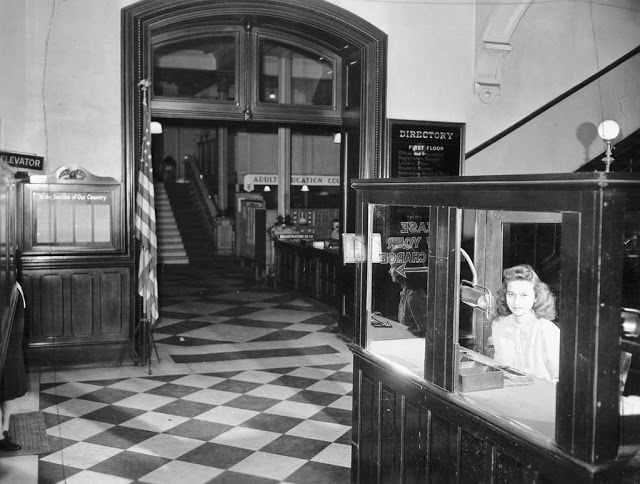
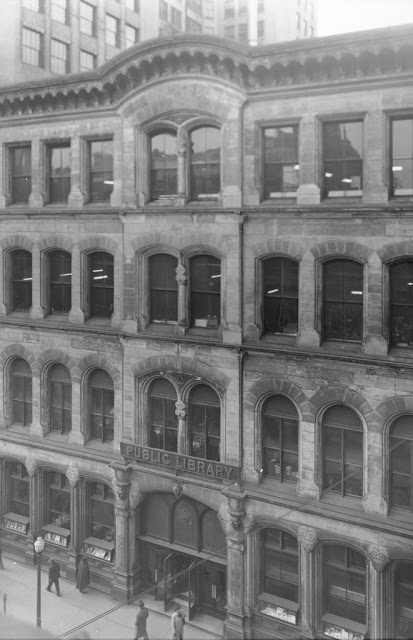
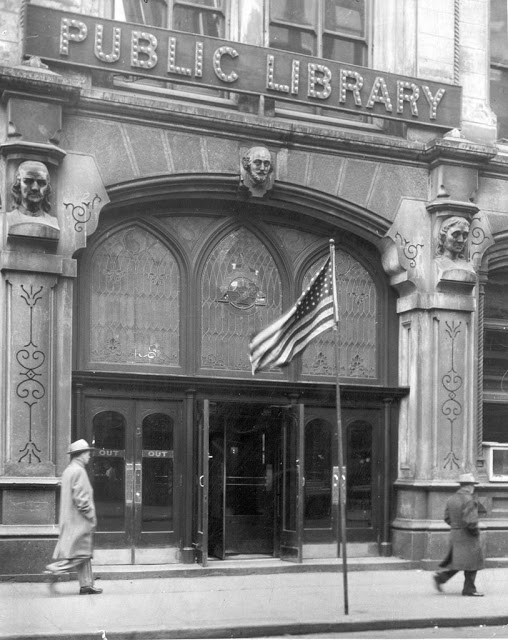
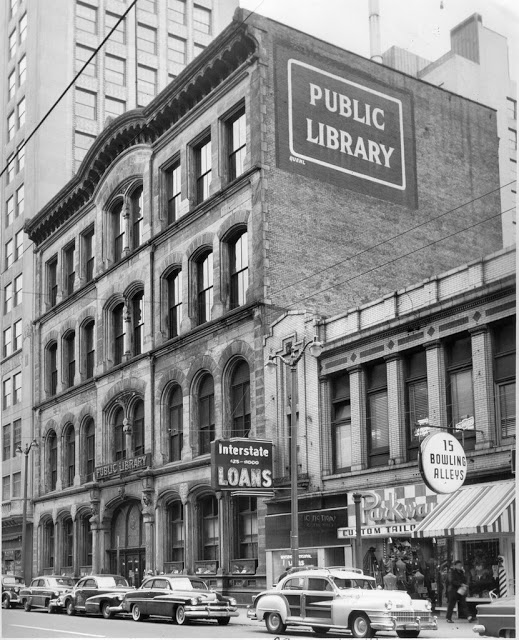
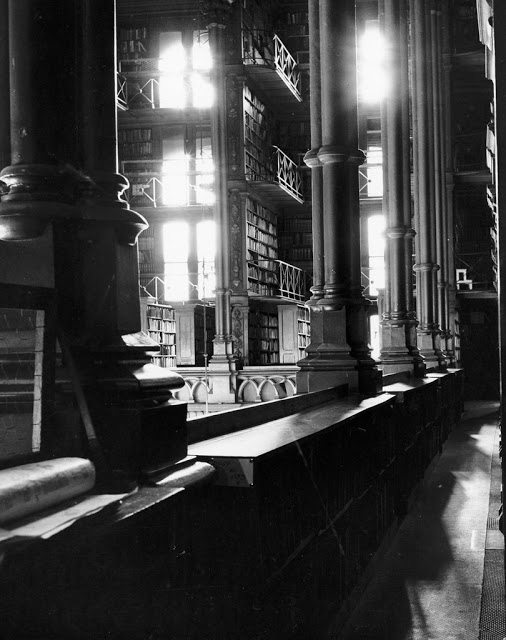
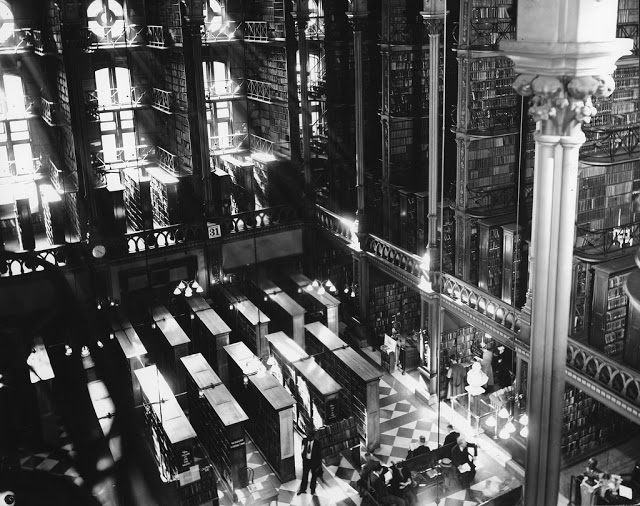
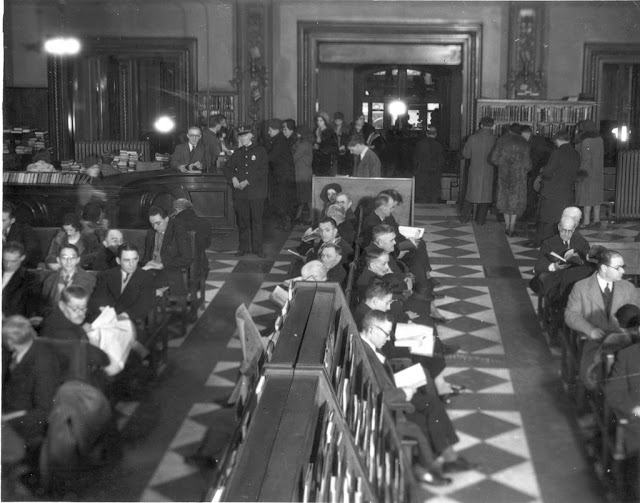
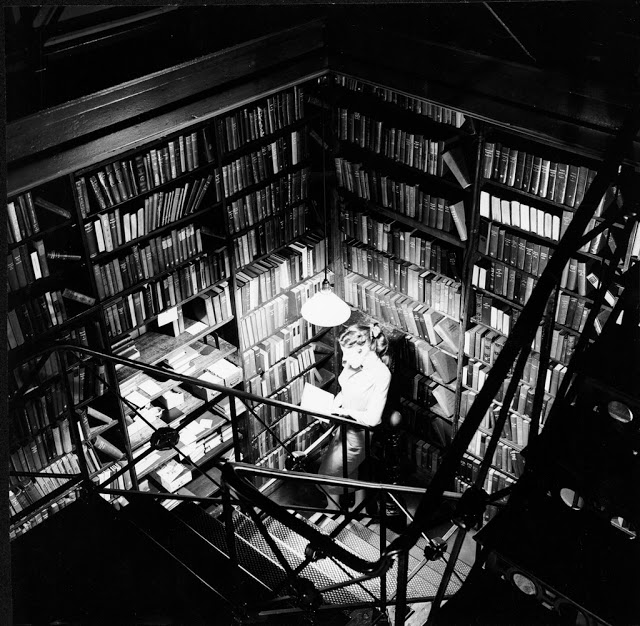
Built in 1874 on the site reserved for an opera house, the Old Main Cincinnati Library was a thing of wonder. With five levels of cast iron shelving, a fabulous foyer, checker board marble floors and an atrium lit by a skylight ceiling, the place was breathtaking.
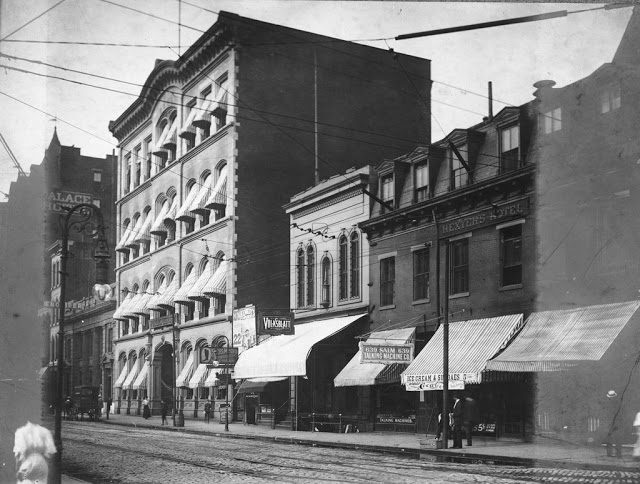
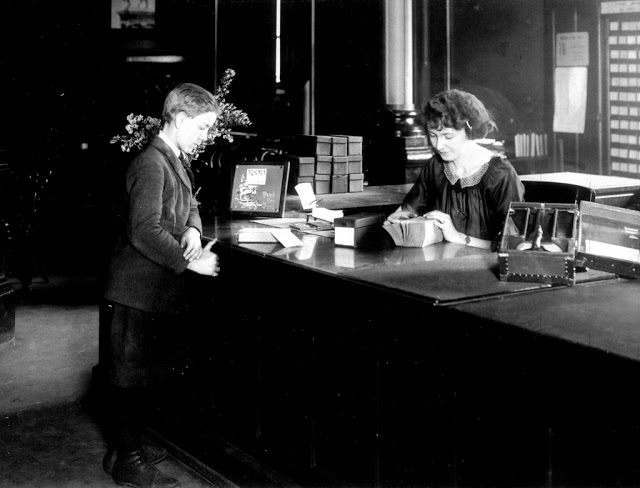
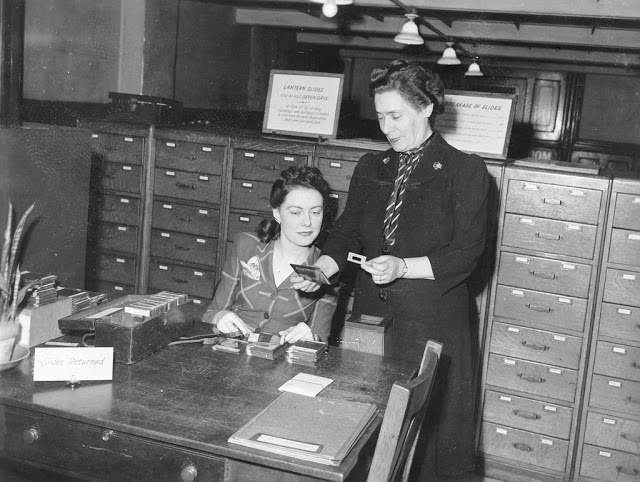
The library was once one of Cincinnati’s most stunning buildings… and one of the country’s most beautiful public libraries. Now it’s a parking garage. (The building, which was located in Downtown Cincinnati at 629 Vine St. — just a few blocks from the current Main Library — was demolished in 1955.) These photos remain, giving us a haunting glimpse into the past.

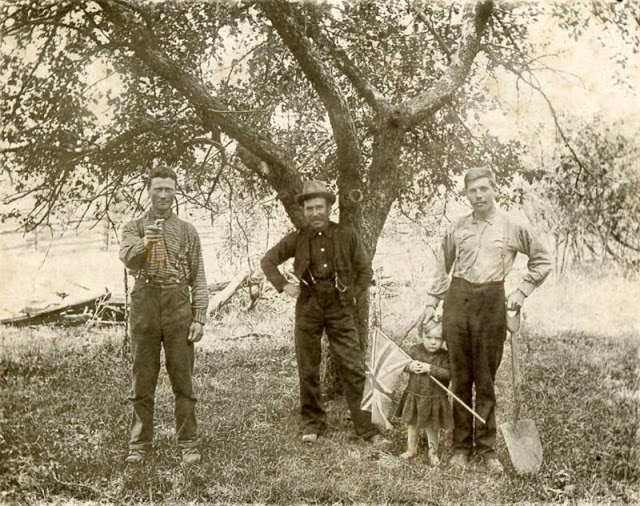
Canada is a country in North America. Its ten provinces and three territories extend from the Atlantic Ocean to the Pacific Ocean and northward into the Arctic Ocean, covering over 9.98 million square kilometres (3.85 million square miles), making it the world’s second-largest country by total area. Its southern and western border with the United States, stretching 8,891 kilometres (5,525 mi), is the world’s longest bi-national land border. Canada’s capital is Ottawa, and its three largest metropolitan areas are Toronto, Montreal, and Vancouver.
Indigenous peoples have continuously inhabited what is now Canada for thousands of years. Beginning in the 16th century, British and French expeditions explored and later settled along the Atlantic coast. As a consequence of various armed conflicts, France ceded nearly all of its colonies in North America in 1763. In 1867, with the union of three British North American colonies through Confederation, Canada was formed as a federal dominion of four provinces. This began an accretion of provinces and territories and a process of increasing autonomy from the United Kingdom. This widening autonomy was highlighted by the Statute of Westminster 1931 and culminated in the Canada Act 1982, which severed the vestiges of legal dependence on the Parliament of the United Kingdom.
Canada is a parliamentary democracy and a constitutional monarchy in the Westminster tradition. The country’s head of government is the prime minister—who holds office by virtue of their ability to command the confidence of the elected House of Commons—and is appointed by the governor general, representing the monarch, who serves as head of state. The country is a Commonwealth realm and is officially bilingual at the federal level. It ranks among the highest in international measurements of government transparency, civil liberties, quality of life, economic freedom, and education. It is one of the world’s most ethnically diverse and multicultural nations, the product of large-scale immigration from many other countries. Canada’s long and complex relationship with the United States has had a significant impact on its economy and culture.
A highly developed country, Canada has the 24th highest nominal per-capita income globally and the sixteenth-highest ranking in the Human Development Index. Its advanced economy is the eighth-largest in the world, relying chiefly upon its abundant natural resources and well-developed international trade networks. Canada is part of several major international and intergovernmental institutions or groupings including the United Nations, NATO, the G7, the Group of Ten, the G20, the Organisation for Economic Co-operation and Development (OECD), the World Trade Organization (WTO), the Commonwealth of Nations, the Arctic Council, the Organisation internationale de la Francophonie, the Asia-Pacific Economic Cooperation forum, and the Organization of American States. (Wikipedia)










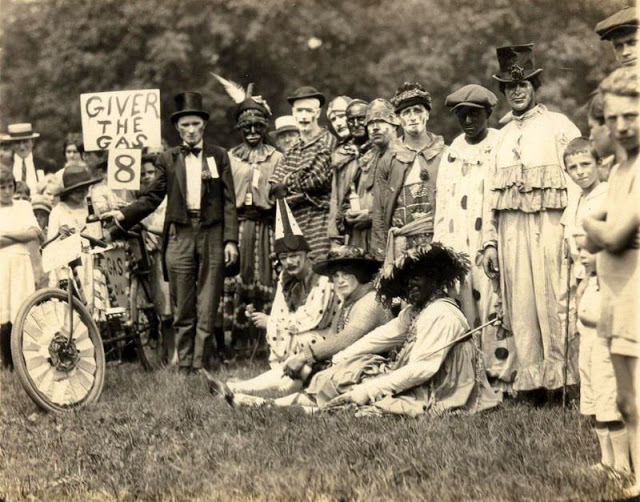


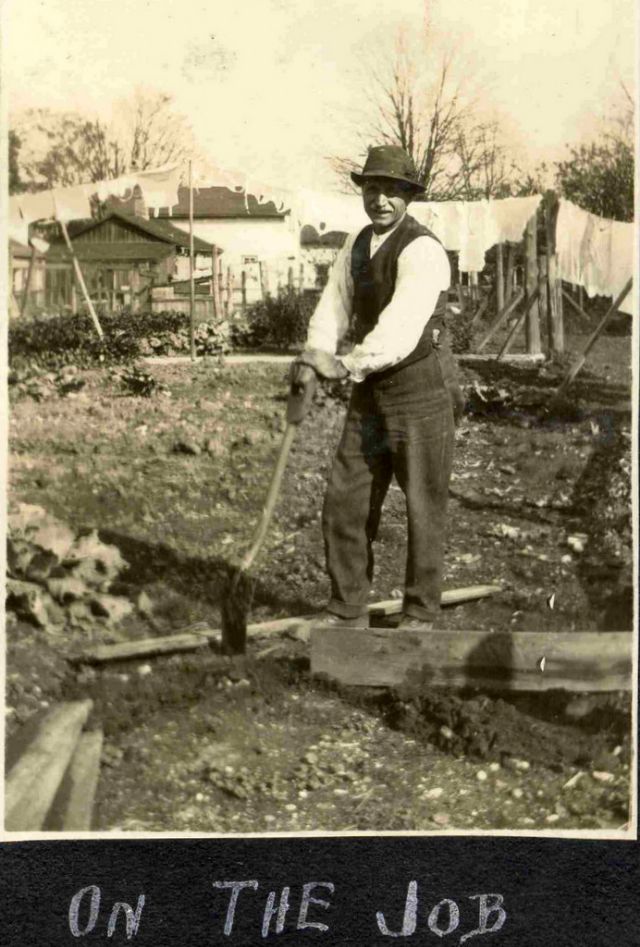

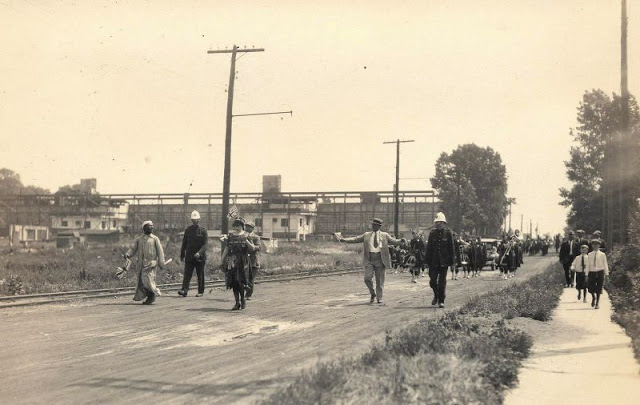
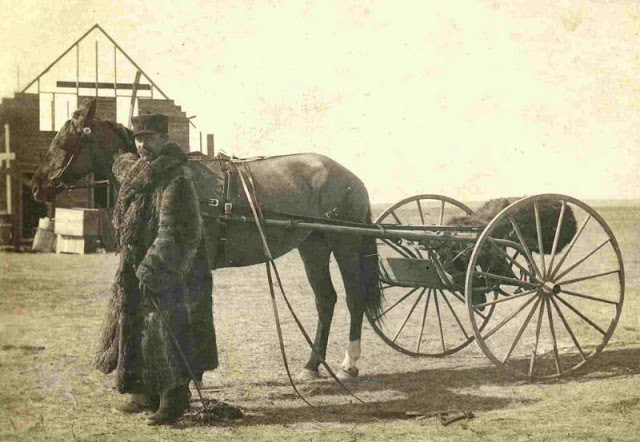




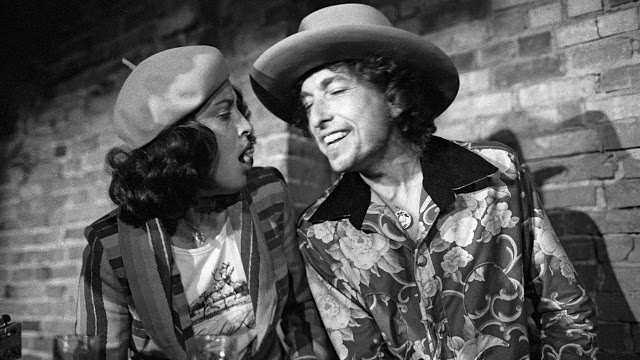
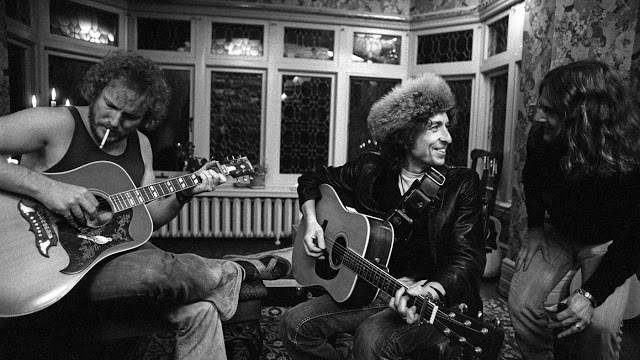
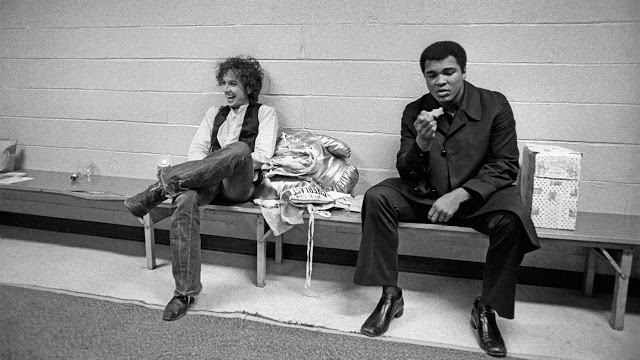
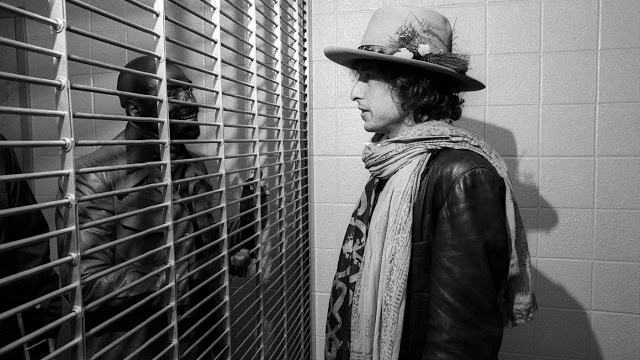
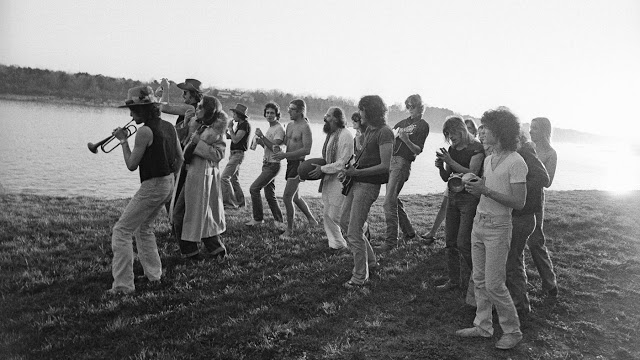
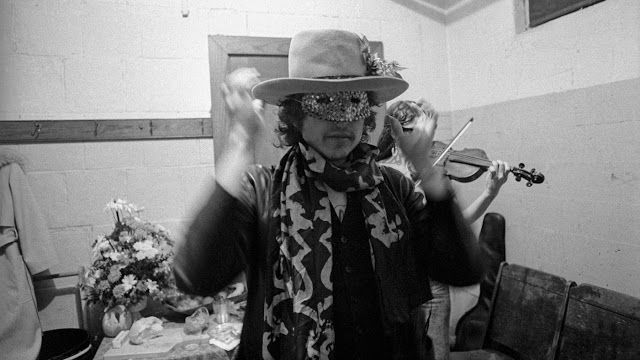
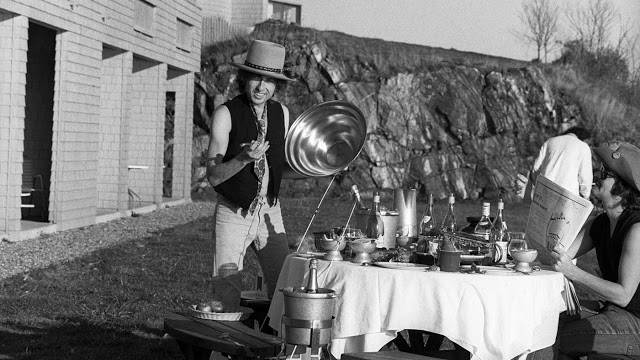
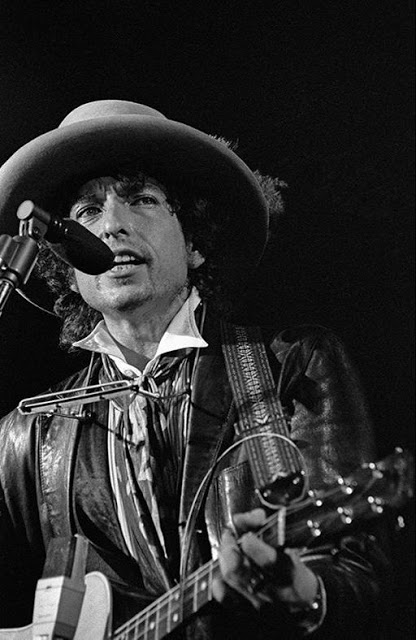
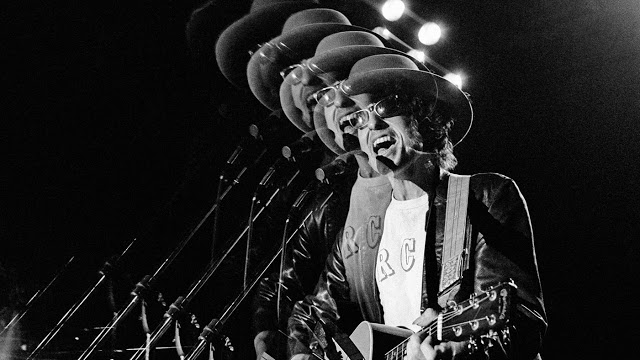
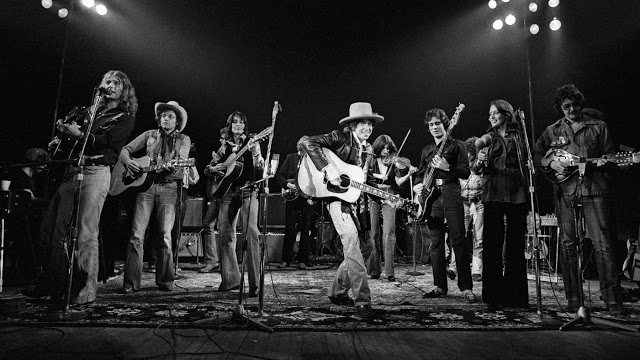
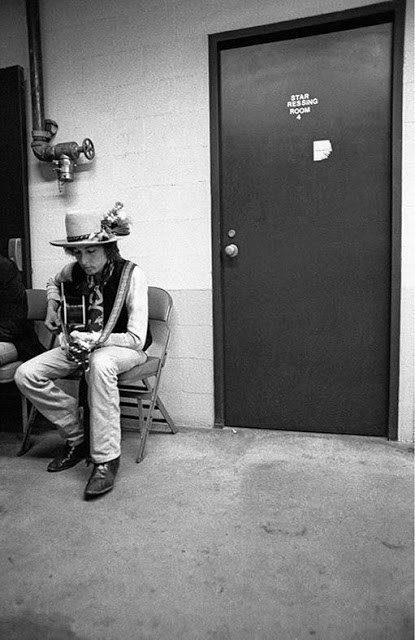
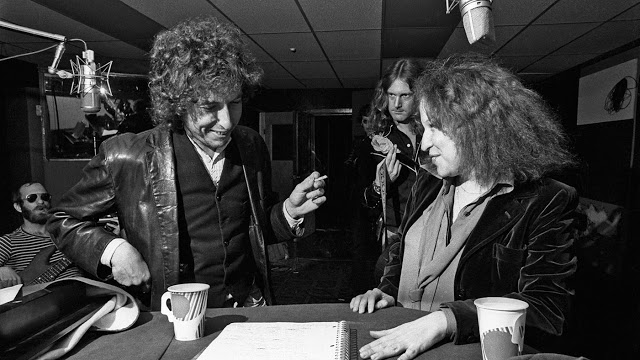
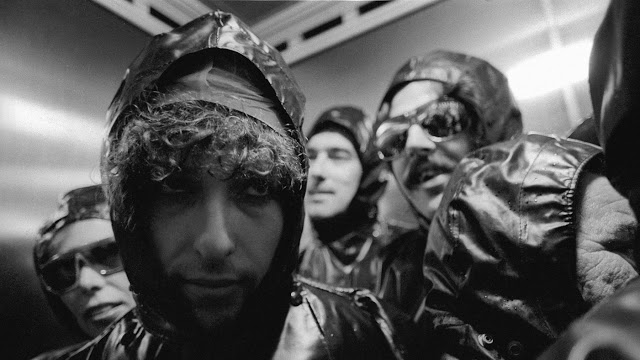
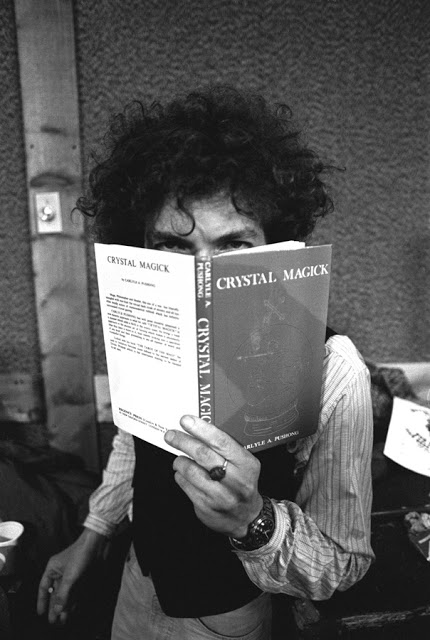
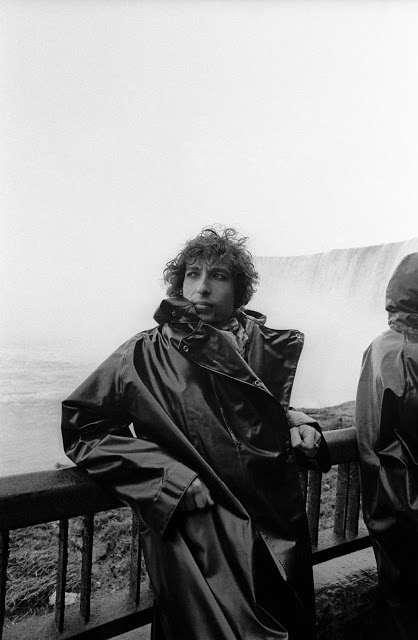
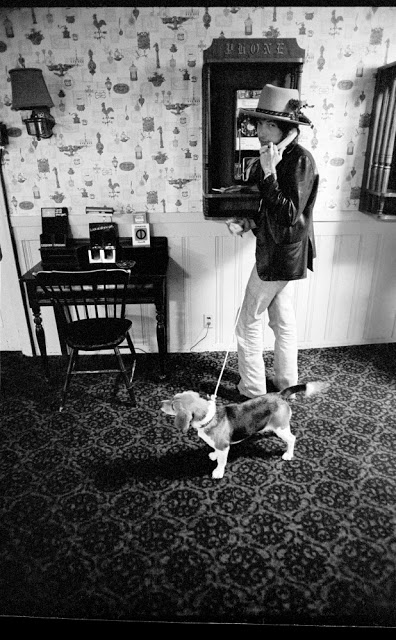
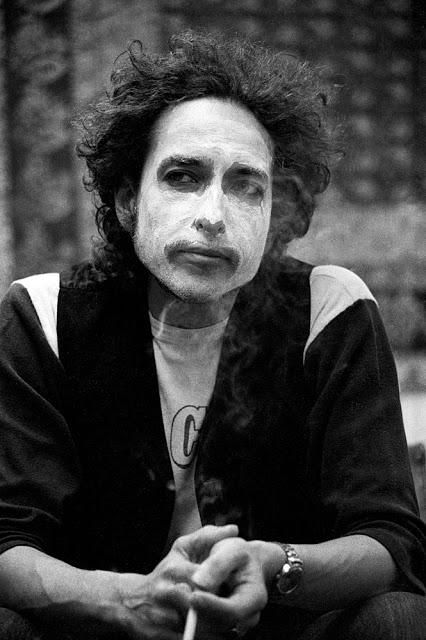
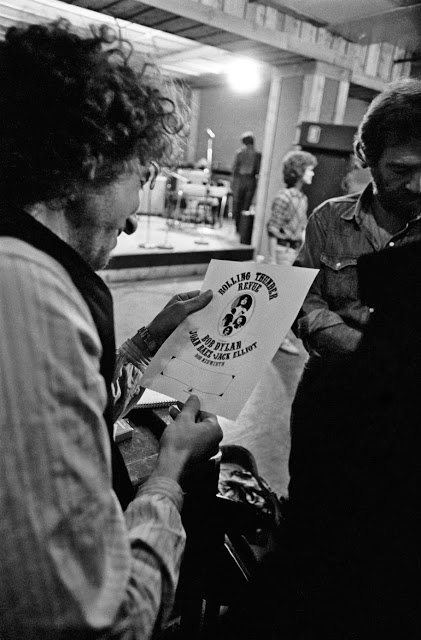
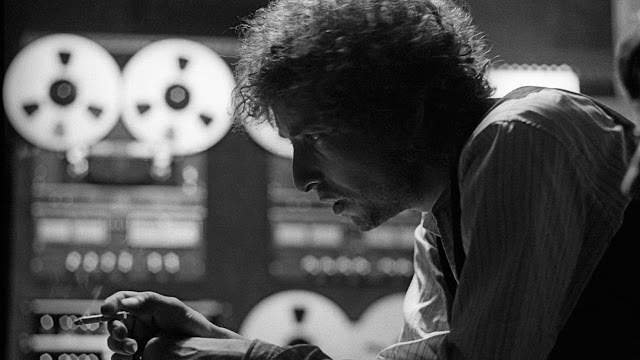
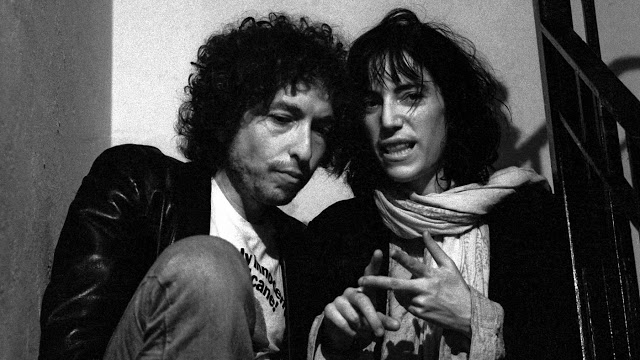
Photographer Ken Regan took almost 14,000 photographs during his time with Bob Dylan’s tour Rolling Thunder Revue. He had complete, unrestricted and exclusive access during that year of 1975.
Regan was the sole photographer on the tour, which included music greats Joan Baez, Joni Mitchell, Ramblin’ Jack Elliott and T-Bone Burnett. Poet Allen Ginsberg and actor Sam Shepard were part of the entourage.
Regan once explained, “Bob had given me free rein to shoot it all–onstage, offstage, dressing rooms, parties, trailers, whatever was going on,” with just one caveat that any photos of Dylan’s family couldn’t be released publicly.
Here’s a look at some incredible photos from Regan’s collection.
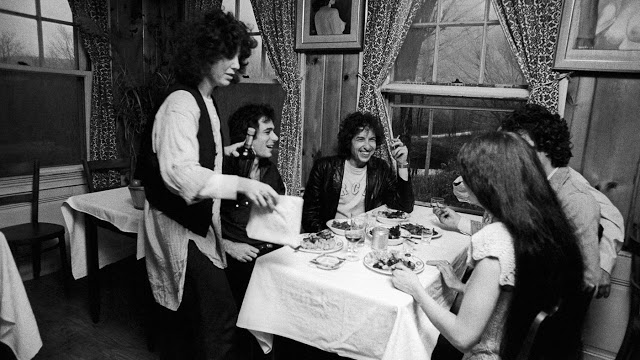



(Photos © Estate of Ken Regan/Ormond Yard Press, via Rolling Stone)
