































Bringing You the Wonder of Yesterday – Today
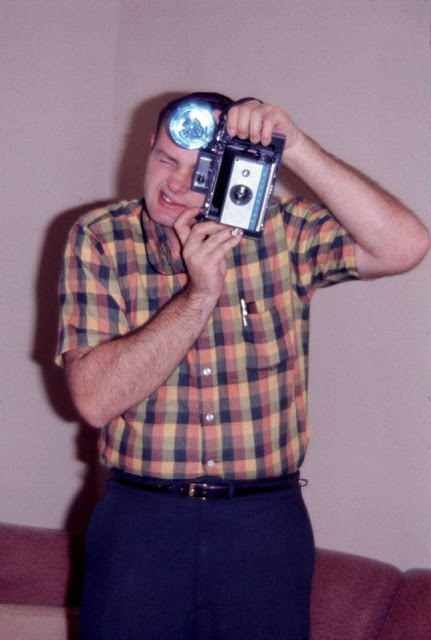
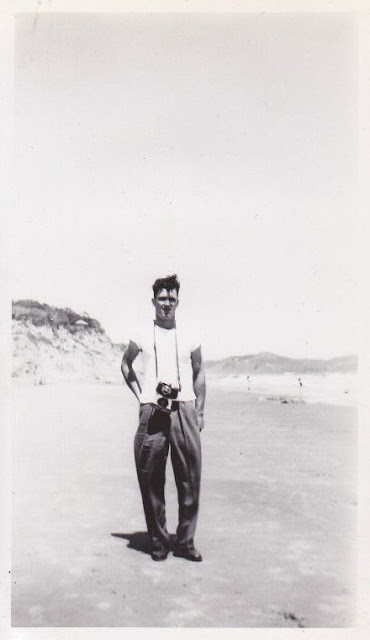
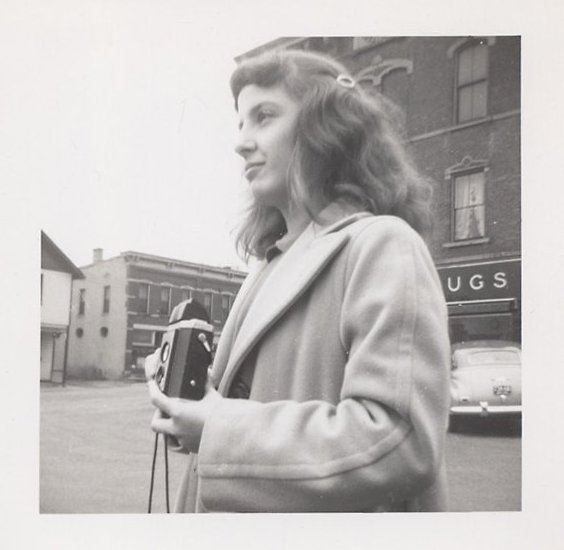
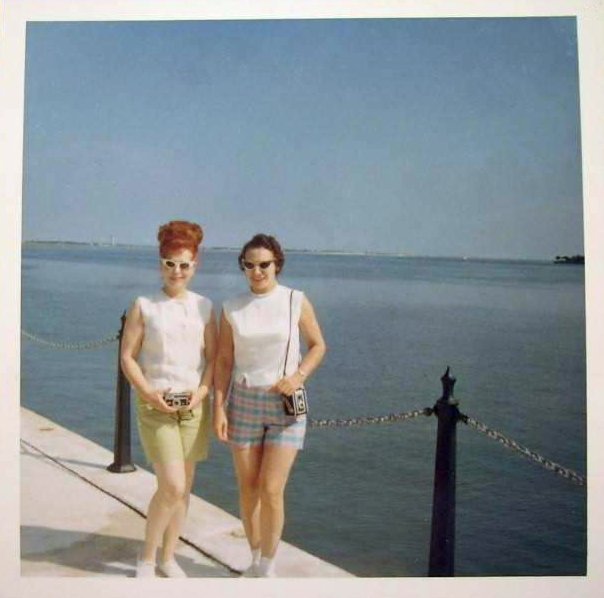
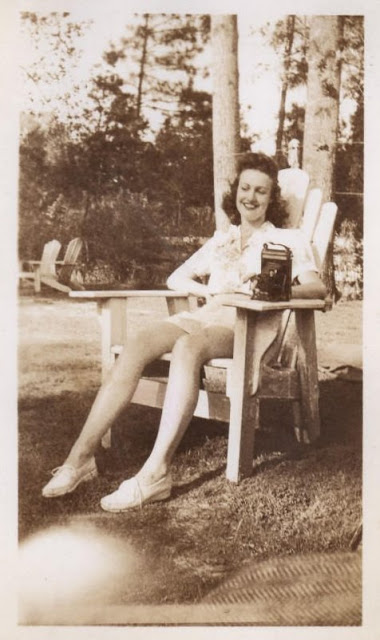
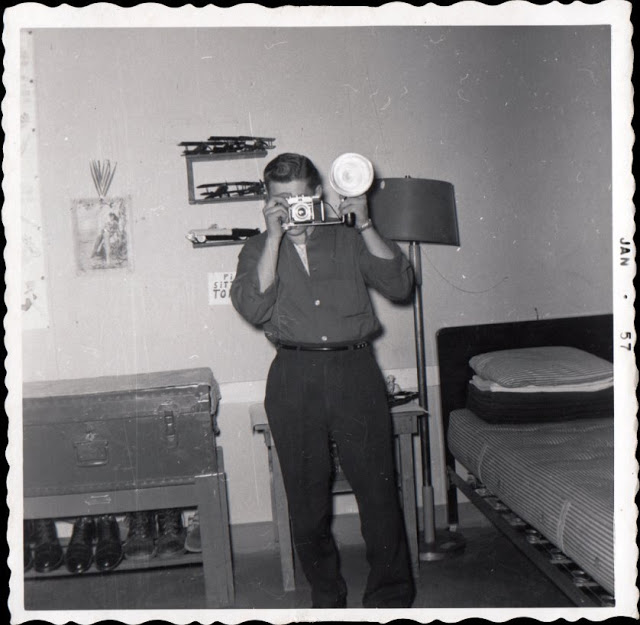
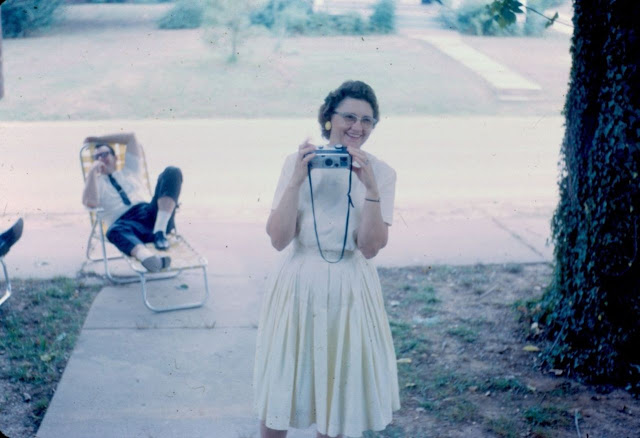
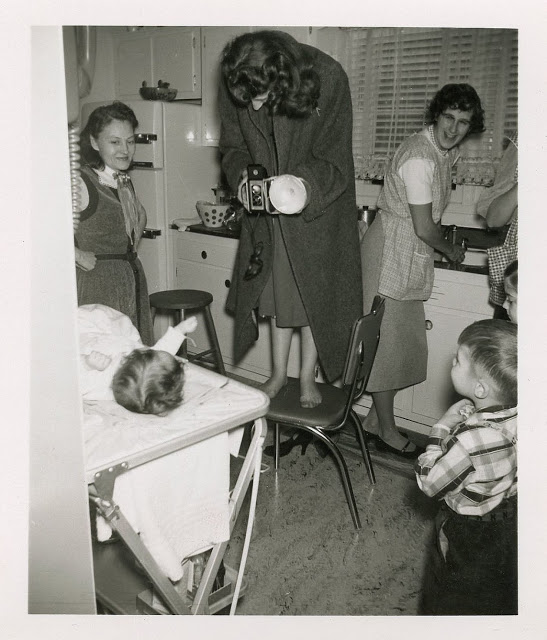
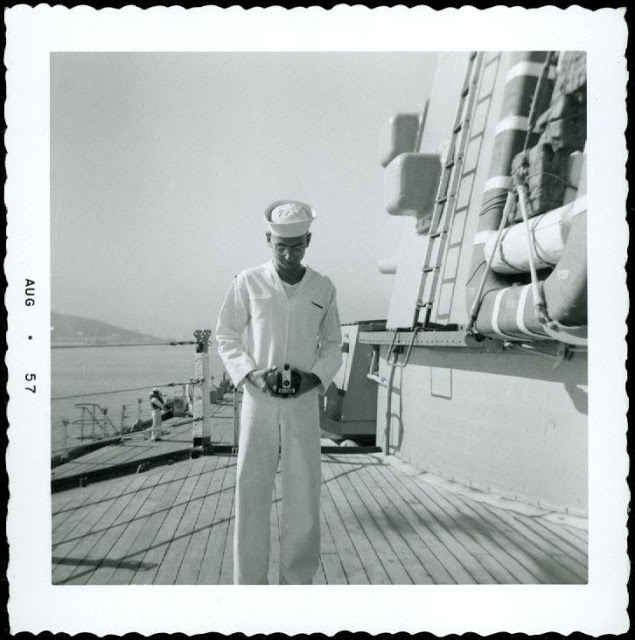
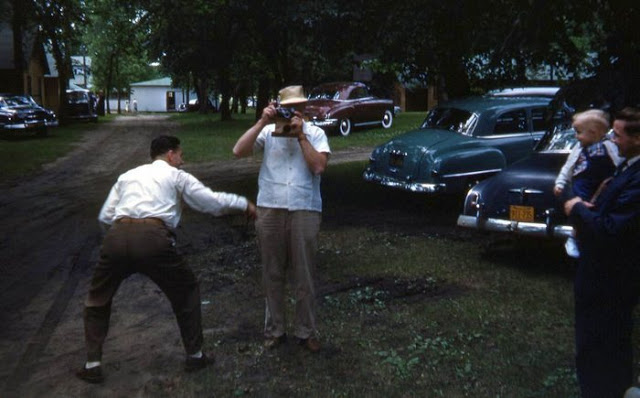
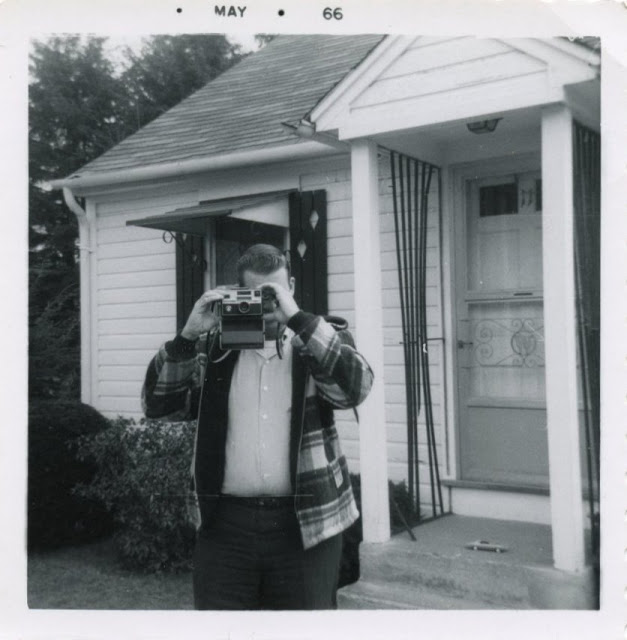
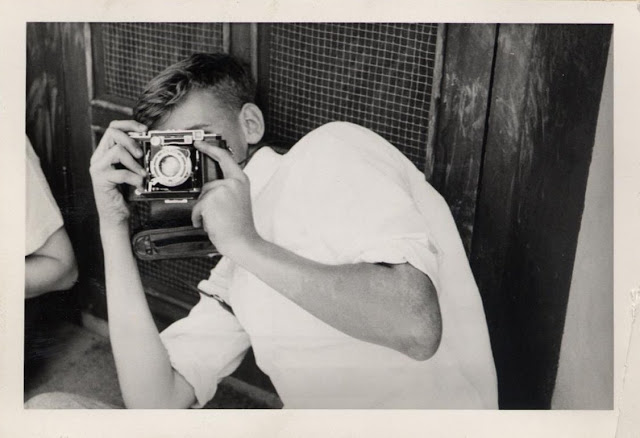
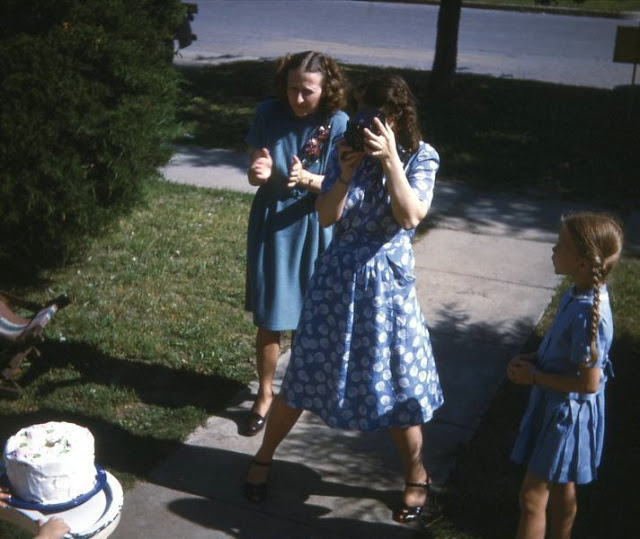
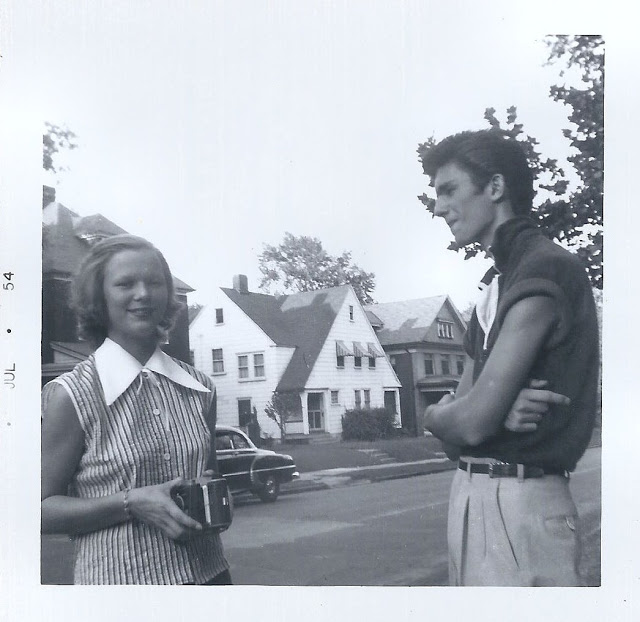
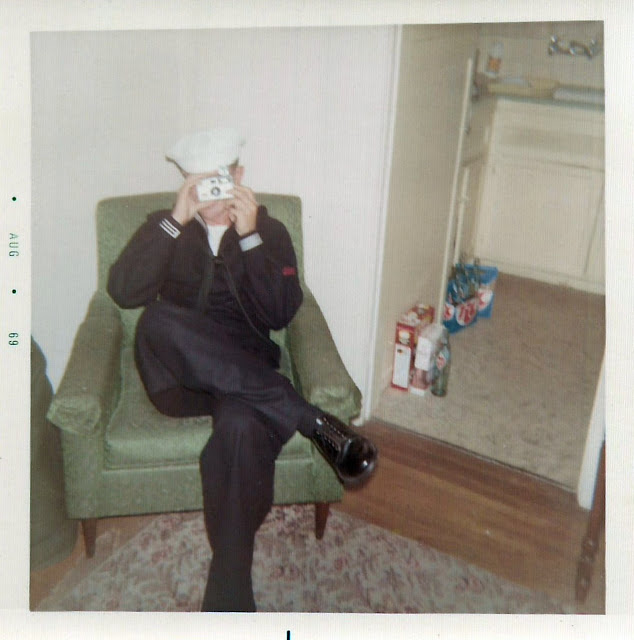
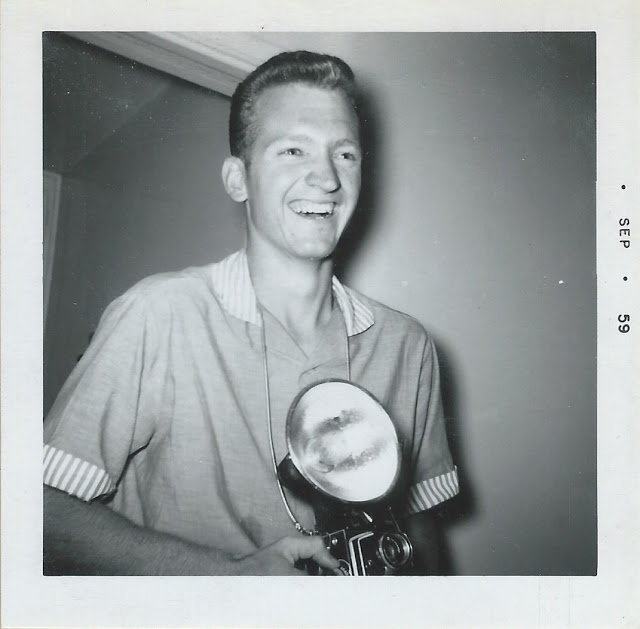
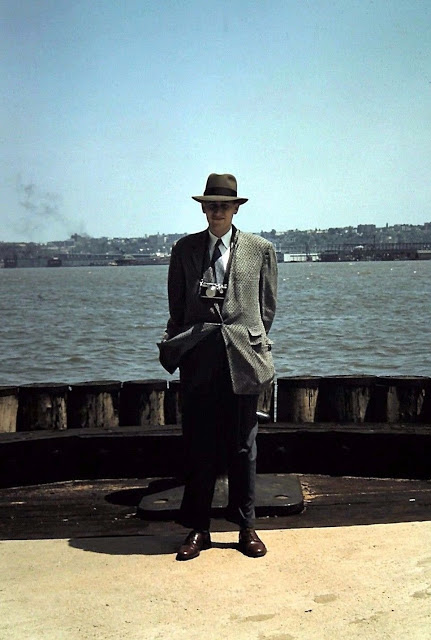
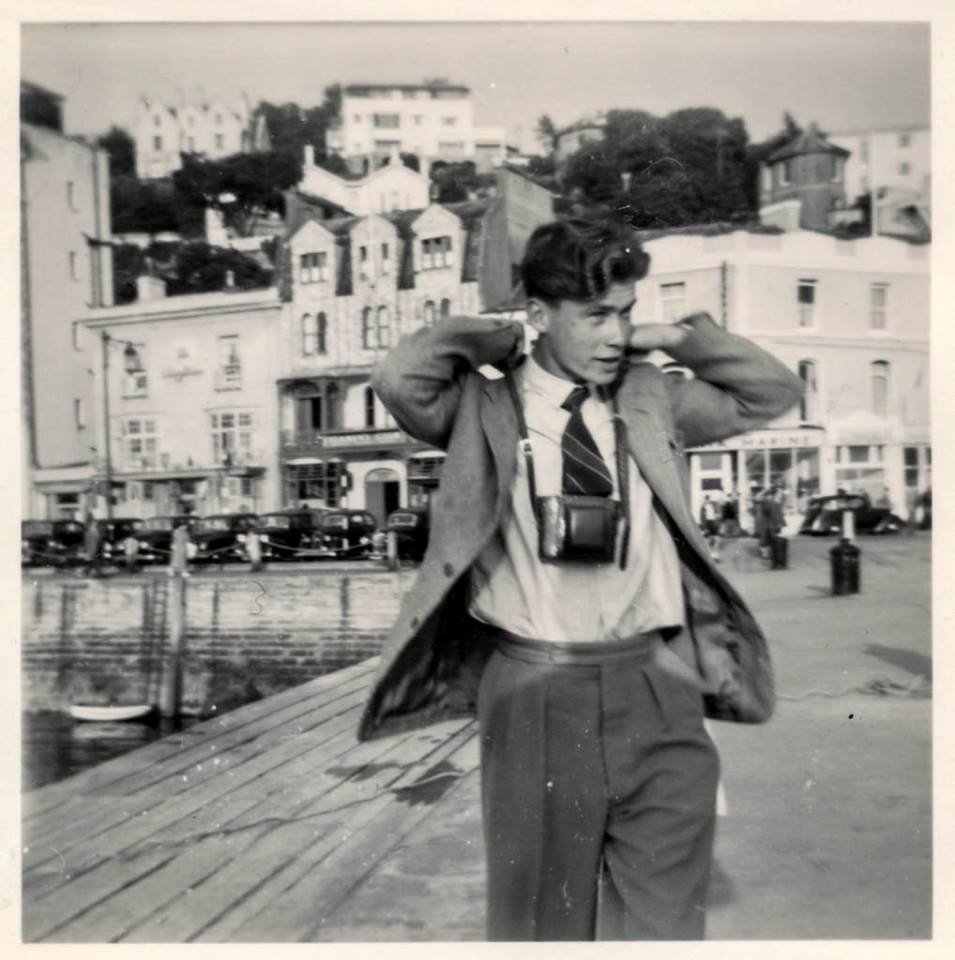
Photography was a popular hobby in the 1950s and ’60s. Many people owned a basic camera, often a box Brownie, made by Kodak with which they would take snaps of their holidays and of family events.
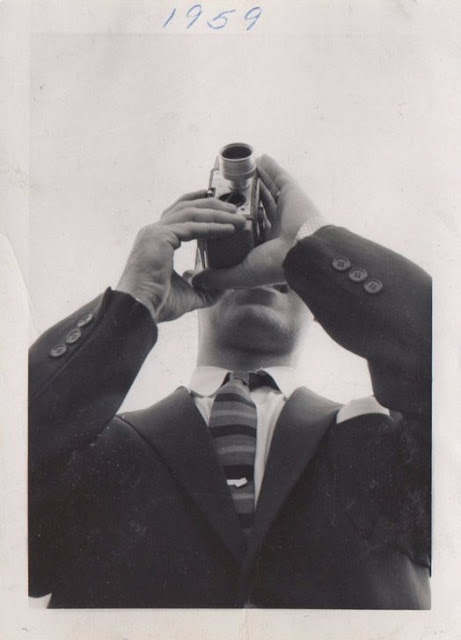
The basic snapshot camera evolved through the 1950s and ’60s. Kodak was a pioneer. Their Instamatic introduced in the early sixties freed people from fiddling with the roll film that had been the common format for the snapshot market.
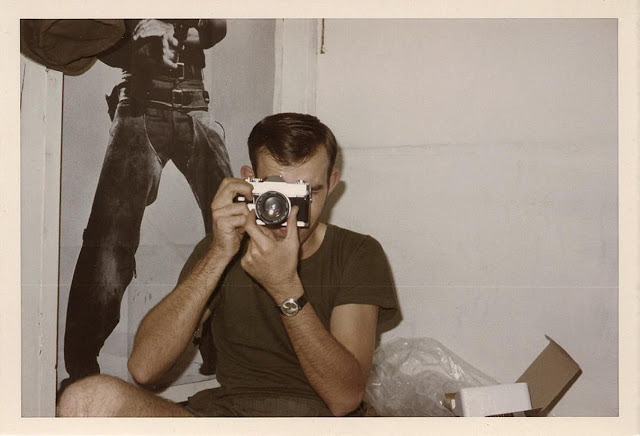
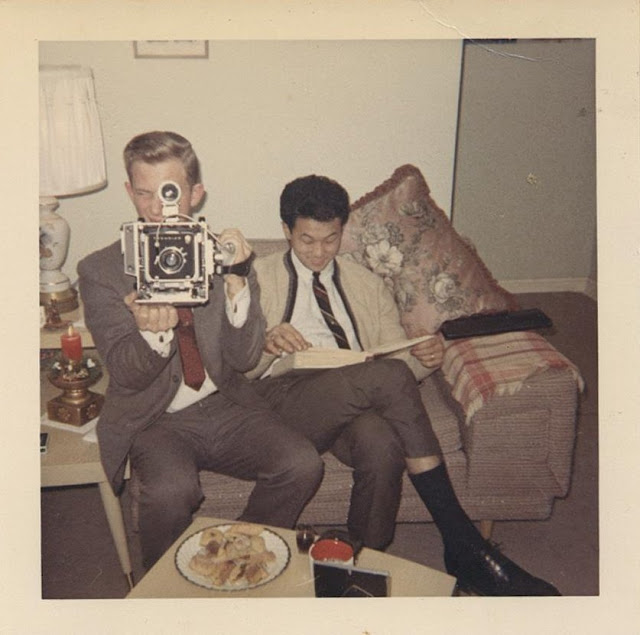
At a more advanced level the 35mm film became the first choice for professionals and serious amateurs. The Japanese SLR camera almost completely took over the professional market by the end of the 1960s.
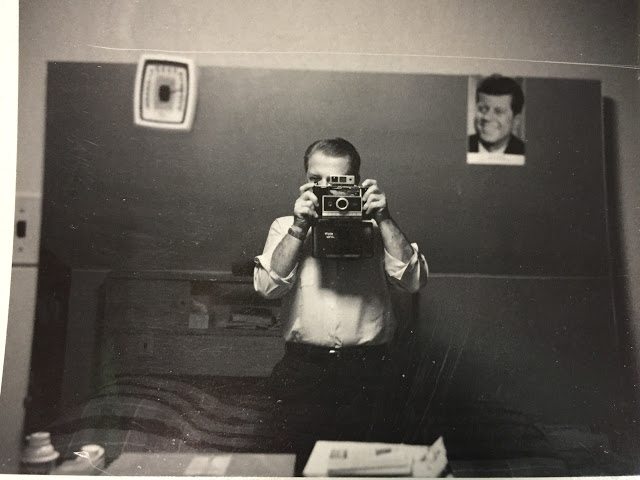
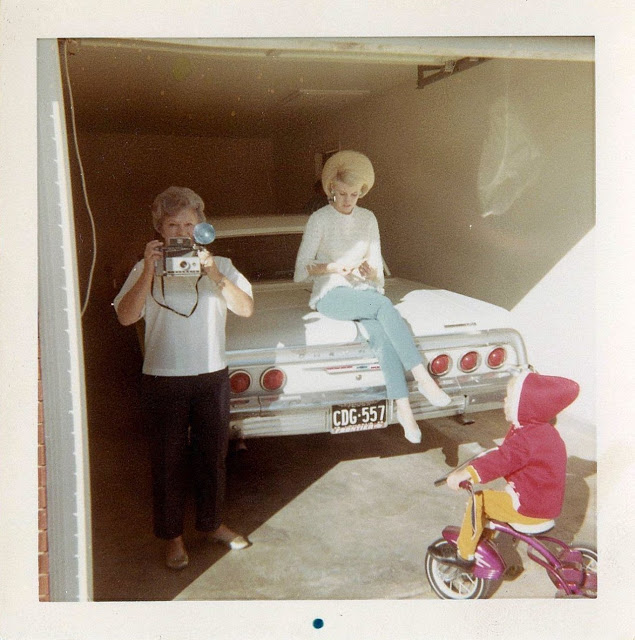
Many keen amateurs were moving from prints to 35mm slides in the ’60s. The slide show became a popular after dinner party entertainment. Another technological innovation was taking the popular market by storm at the end of the sixties – instant cameras. The Polariod Swinger became a symbol of the decade.
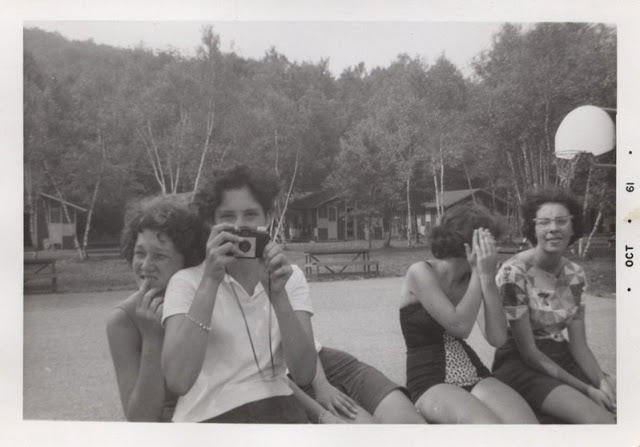
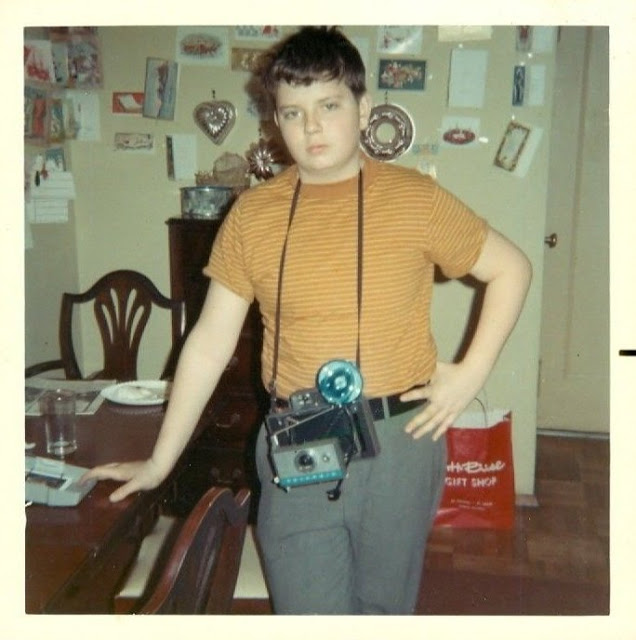
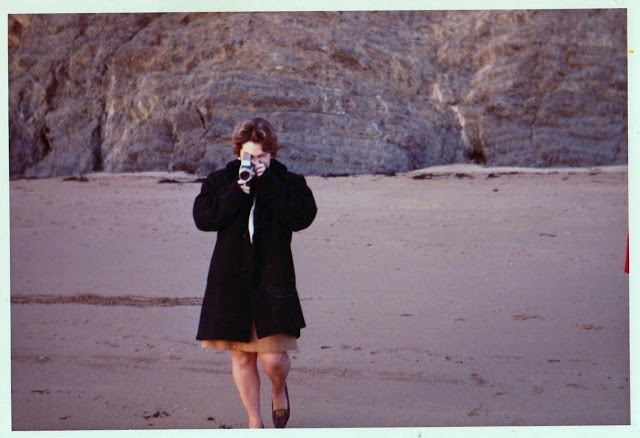
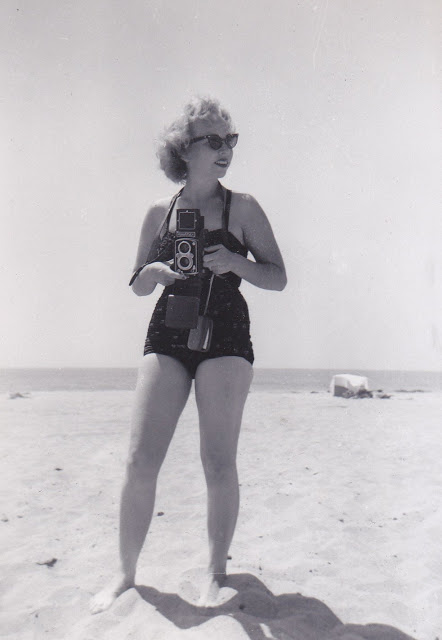

























Read more of this content when you subscribe today.
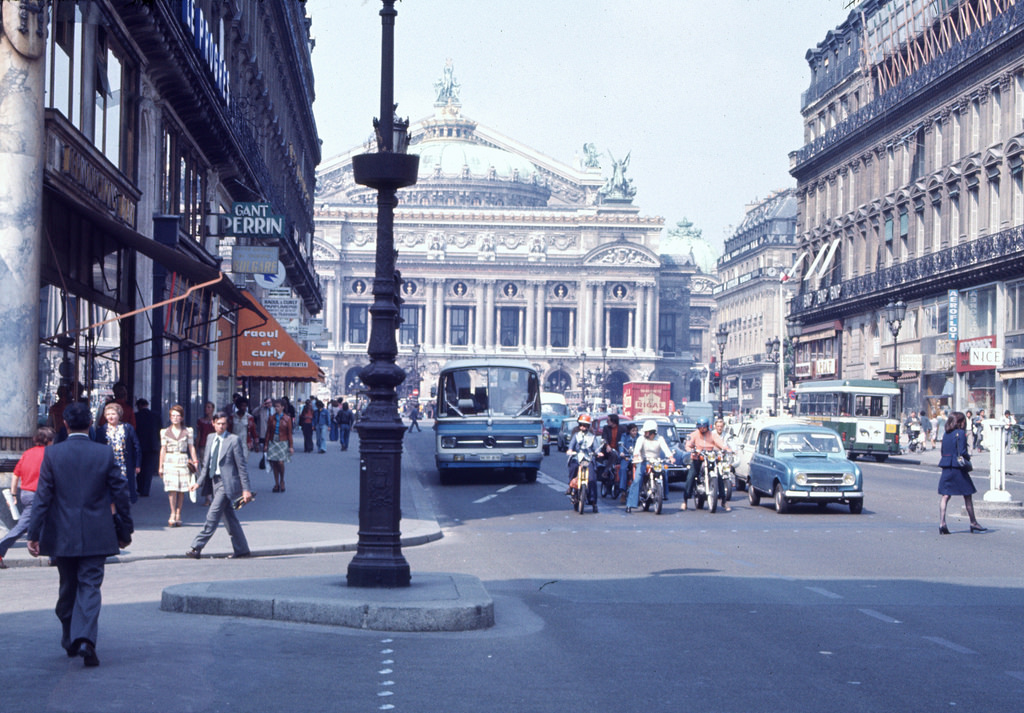
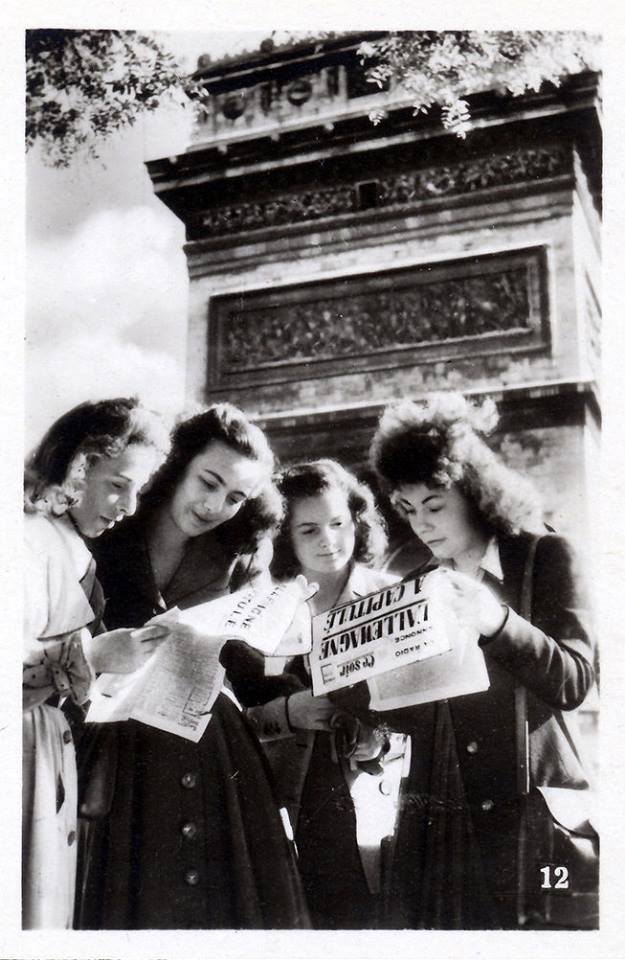
Paris is the capital and most populous city of France, with an estimated population of 2,165,423 residents in 2019 in an area of more than 105 km² (41 sq mi), making it the 34th most densely populated city in the world in 2020. Since the 17th century, Paris has been one of the world’s major centres of finance, diplomacy, commerce, fashion, gastronomy, science, and arts, and has sometimes been referred to as the capital of the world. The City of Paris is the centre and seat of government of the region and province of Île-de-France, or Paris Region, with an estimated population of 12,997,058 in 2020, or about 18% of the population of France, making it in 2020 the second largest metropolitan area in the OECD, and 14th largest in the world in 2015. The Paris Region had a GDP of €709 billion ($808 billion) in 2017. According to the Economist Intelligence Unit Worldwide Cost of Living Survey, in 2021 Paris was the city with the second-highest cost of living in the world, tied with Singapore, and after Tel Aviv.
Paris is a major railway, highway, and air-transport hub served by two international airports: Paris–Charles de Gaulle (the second-busiest airport in Europe) and Paris–Orly. Opened in 1900, the city’s subway system, the Paris Métro, serves 5.23 million passengers daily; it is the second-busiest metro system in Europe after the Moscow Metro. Gare du Nord is the 24th-busiest railway station in the world and the busiest located outside Japan, with 262 million passengers in 2015. Paris is especially known for its museums and architectural landmarks: the Louvre received 2.8 million visitors in 2021, despite the long museum closings caused by the COVID-19 virus. The Musée d’Orsay, Musée Marmottan Monet and Musée de l’Orangerie are noted for their collections of French Impressionist art. The Pompidou Centre Musée National d’Art Moderne has the largest collection of modern and contemporary art in Europe. The Musée Rodin and Musée Picasso exhibit the works of two noted Parisians. The historical district along the Seine in the city centre has been classified as a UNESCO World Heritage Site since 1991; popular landmarks there include the Cathedral of Notre Dame de Paris on the Île de la Cité, now closed for renovation after the 15 April 2019 fire. Other popular tourist sites include the Gothic royal chapel of Sainte-Chapelle, also on the Île de la Cité; the Eiffel Tower, constructed for the Paris Universal Exposition of 1889; the Grand Palais and Petit Palais, built for the Paris Universal Exposition of 1900; the Arc de Triomphe on the Champs-Élysées, and the hill of Montmartre with its artistic history and its Basilica of Sacré-Coeur.
Paris hosts several United Nations organisations: the UNESCO, the Young Engineers / Future Leaders, the World Federation of Engineering Organizations, and other international organisations such as the OECD, the OECD Development Centre, the International Bureau of Weights and Measures, the International Energy Agency, the International Federation for Human Rights, the International Organisation of La Francophonie; along with European bodies such as the European Space Agency, the European Banking Authority or the European Securities and Markets Authority. Other international organisations were founded in Paris such as the CIMAC in 1951 (International Council on Combustion Engines | Conseil International des Machines à Combustion), or the modern Olympic Games in 1894 which was then moved to Lausanne, Switzerland.
Tourism recovered in the Paris region in 2021, increasing to 22.6 million visitors, thirty percent more than in 2020, but still well below 2019 levels. The number of visitors from the United States increased by 237 percent over 2020. Museums re-opened in 2021, with limitations on the number of visitors at a time and a requirement that visitors wear masks.
The football club Paris Saint-Germain and the rugby union club Stade Français are based in Paris. The 80,000-seat Stade de France, built for the 1998 FIFA World Cup, is located just north of Paris in the neighbouring commune of Saint-Denis. Paris hosts the annual French Open Grand Slam tennis tournament on the red clay of Roland Garros. The city hosted the Olympic Games in 1900, 1924 and will host the 2024 Summer Olympics. The 1938 and 1998 FIFA World Cups, the 2007 Rugby World Cup, as well as the 1960, 1984 and 2016 UEFA European Championships were also held in the city. Every July, the Tour de France bicycle race finishes on the Avenue des Champs-Élysées in Paris. (Wikipedia)

Become a paid subscriber to get access to the rest of this post and other exclusive content.
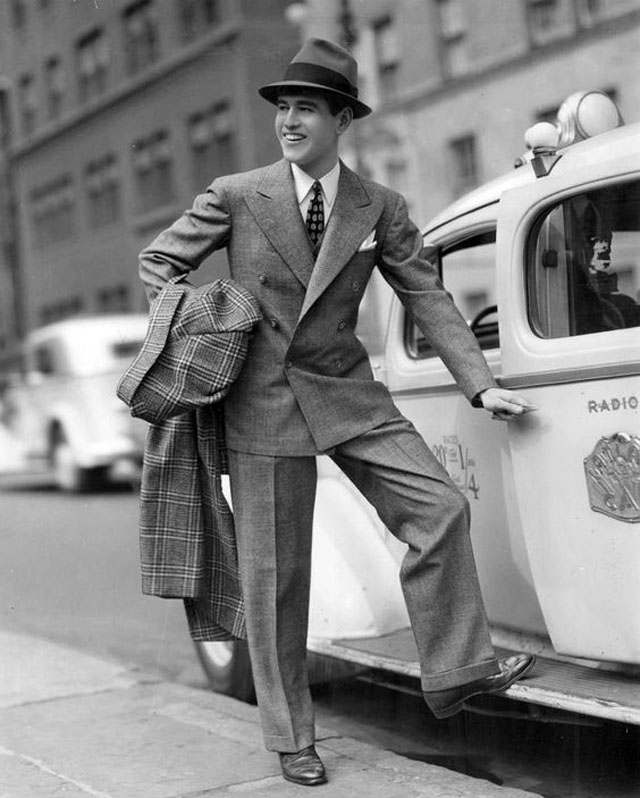
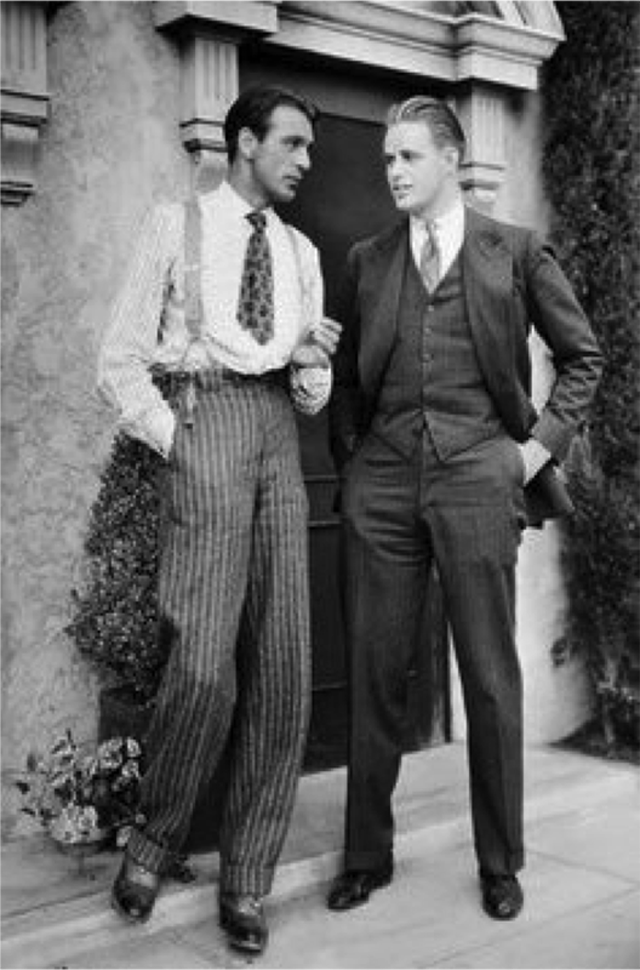
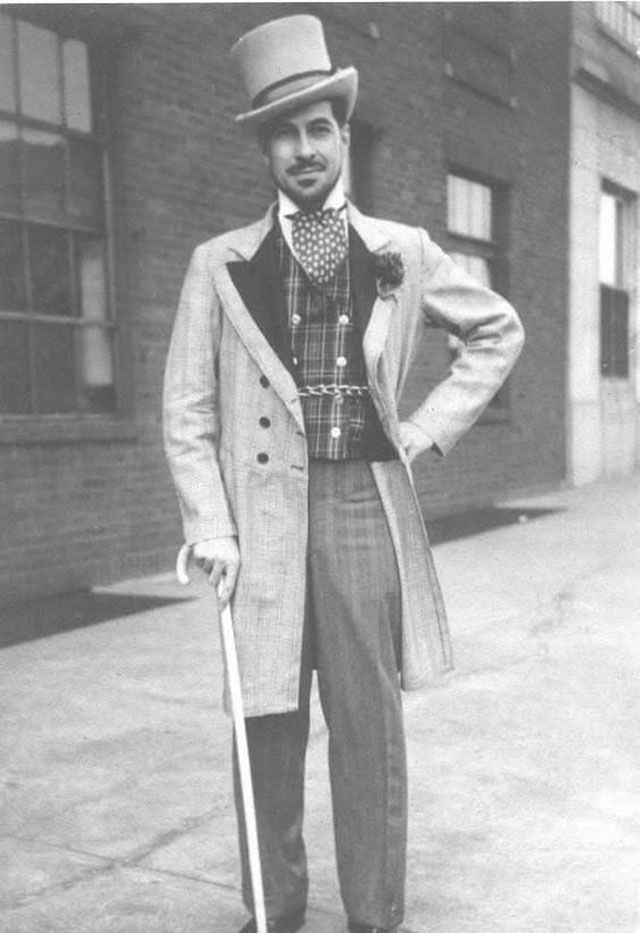
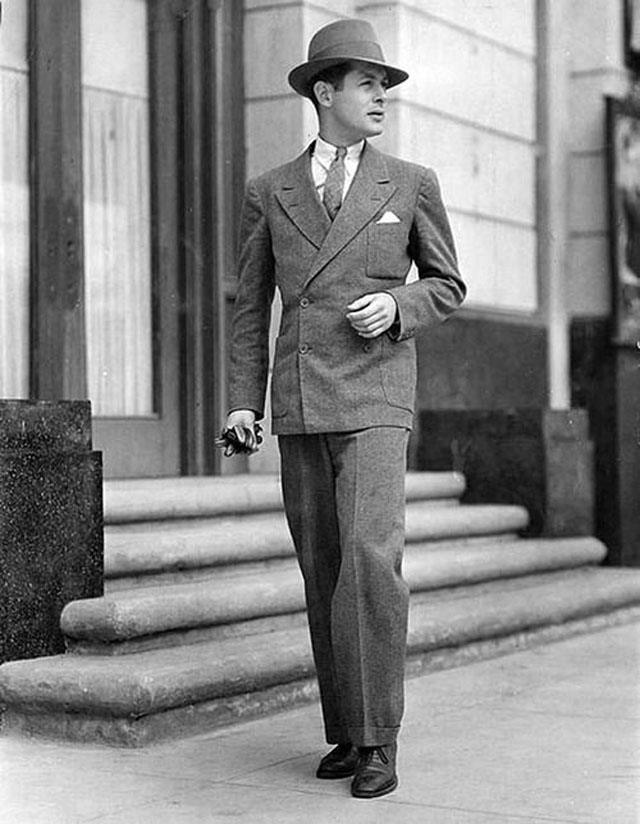
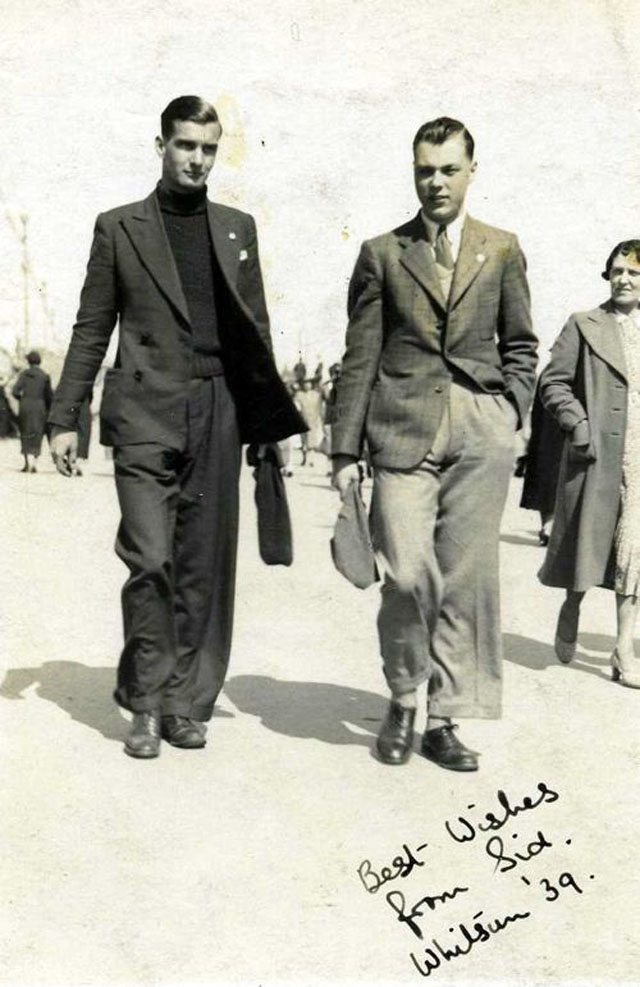
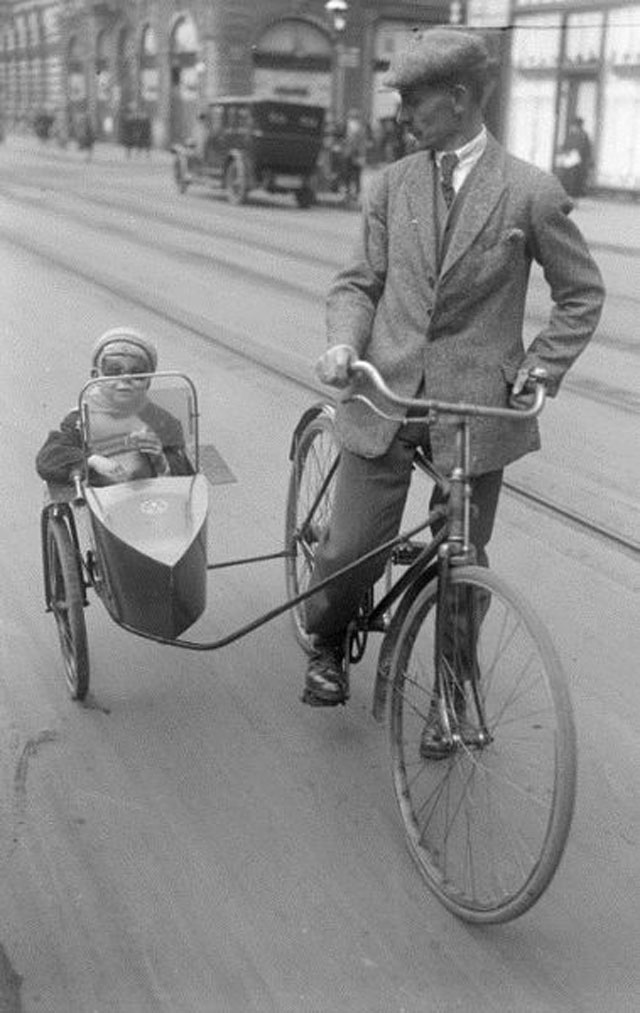
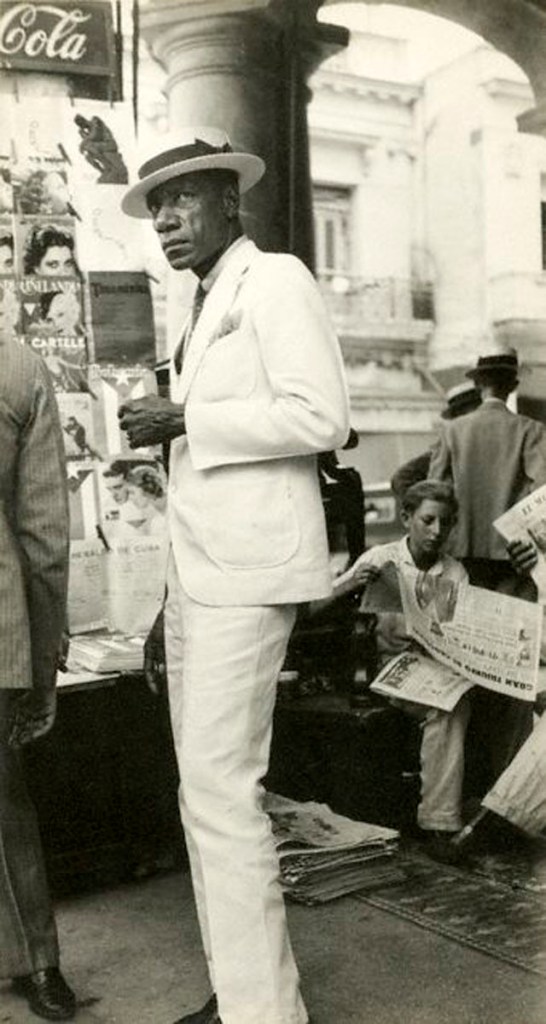
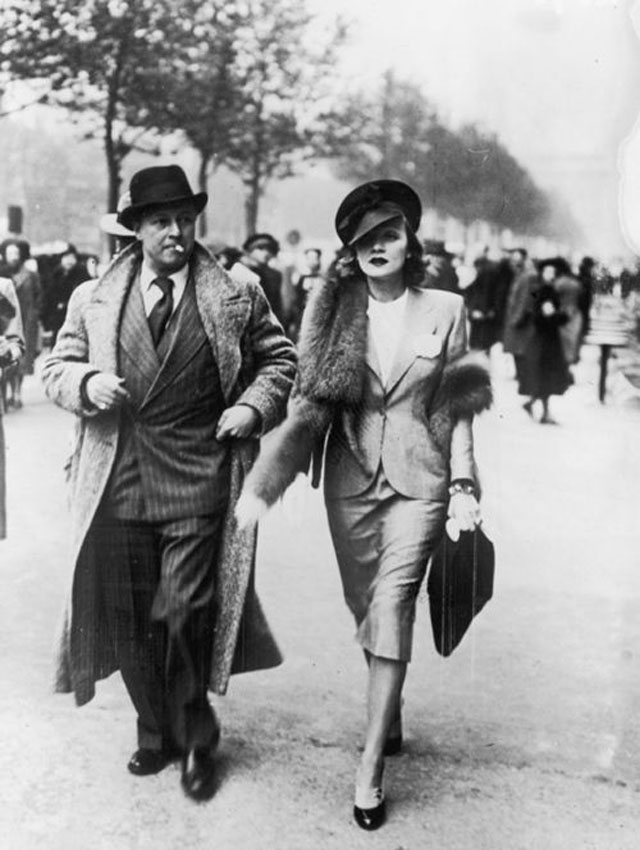
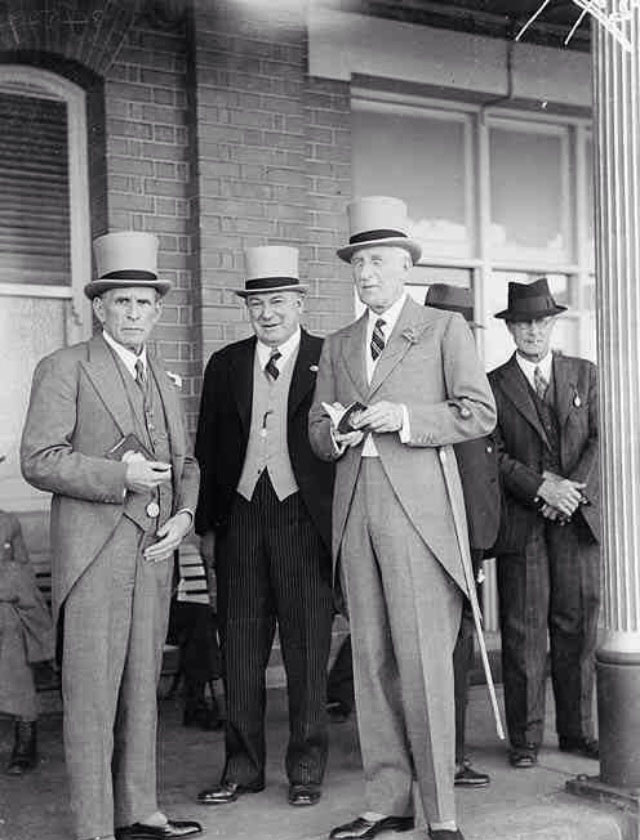
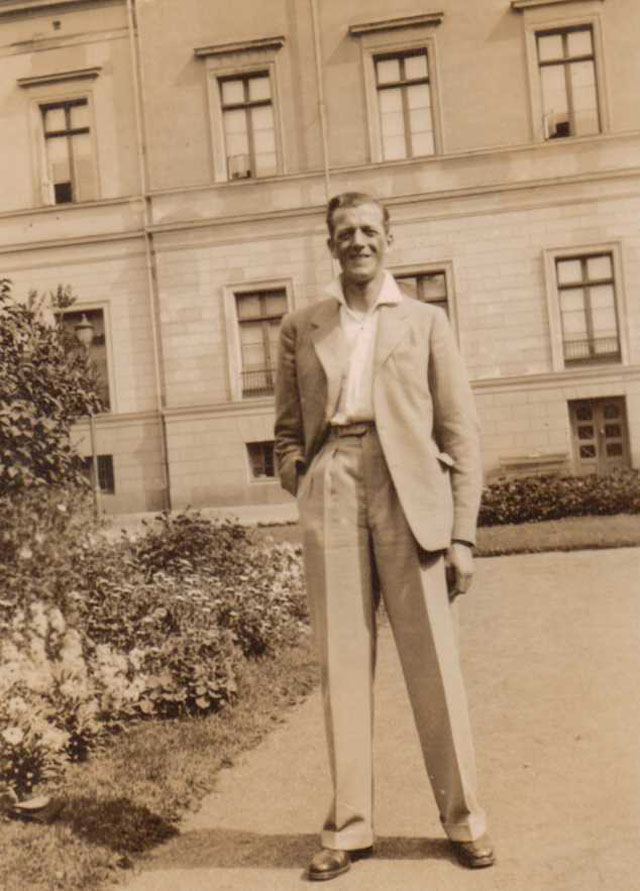
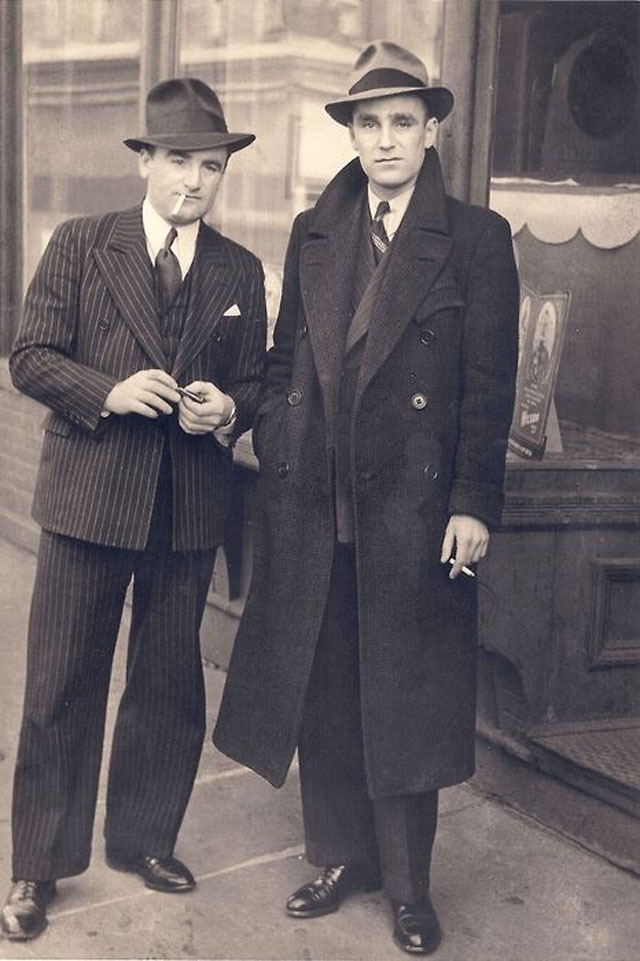
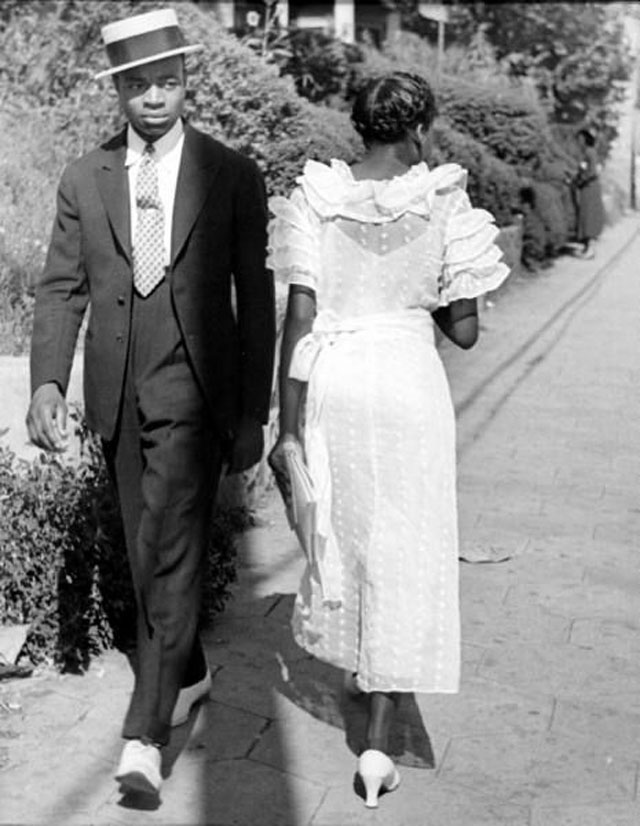
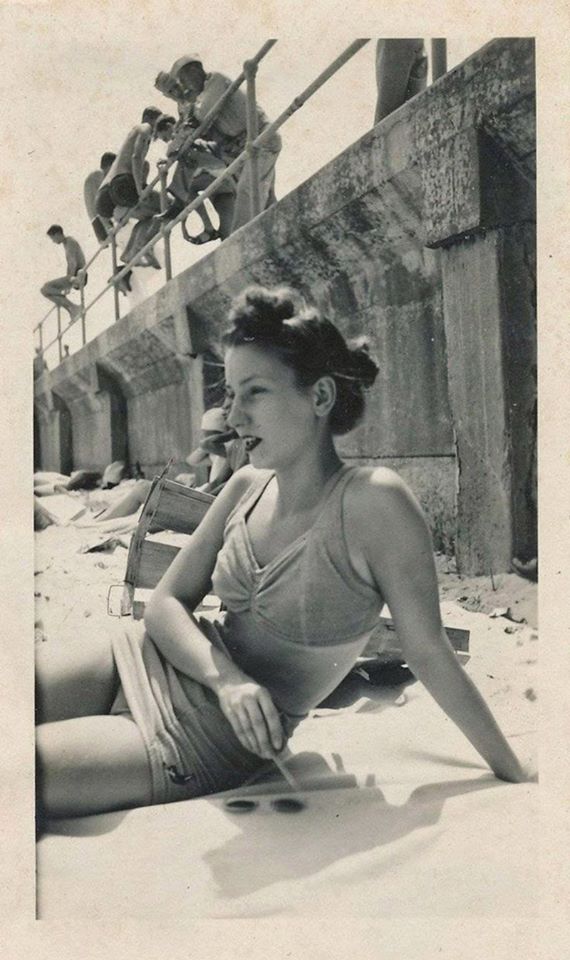
The most characteristic North American fashion trend from the 1930s to 1945 was attention at the shoulder, with butterfly sleeves and banjo sleeves, and exaggerated shoulder pads for both men and women by the 1940s. The period also saw the first widespread use of man-made fibers, especially rayon for dresses and viscose for linings and lingerie, and synthetic nylon stockings. The zipper became widely used. These essentially U.S. developments were echoed, in varying degrees, in Britain and Europe. Suntans (called at the time “sunburns”) became fashionable in the early 1930s, along with travel to the resorts along the Mediterranean, in the Bahamas, and on the east coast of Florida where one can acquire a tan, leading to new categories of clothes: white dinner jackets for men and beach pajamas, halter tops, and bare midriffs for women.[13]
Revolutionary designer and couturier Madeleine Vionnet gained popularity for her bias-cut technique, which clung, draped, and embraced the curves of the natural female body. Fashion trendsetters in the period included The Prince of Wales (King Edward VIII from January 1936 until his abdication that December) and his companion Wallis Simpson (the Duke and Duchess of Windsor from their marriage in June 1937), socialites like Nicolas de Gunzburg, Daisy Fellowes and Mona von Bismarck, and Hollywood movie stars such as Fred Astaire, Carole Lombard, and Joan Crawford.
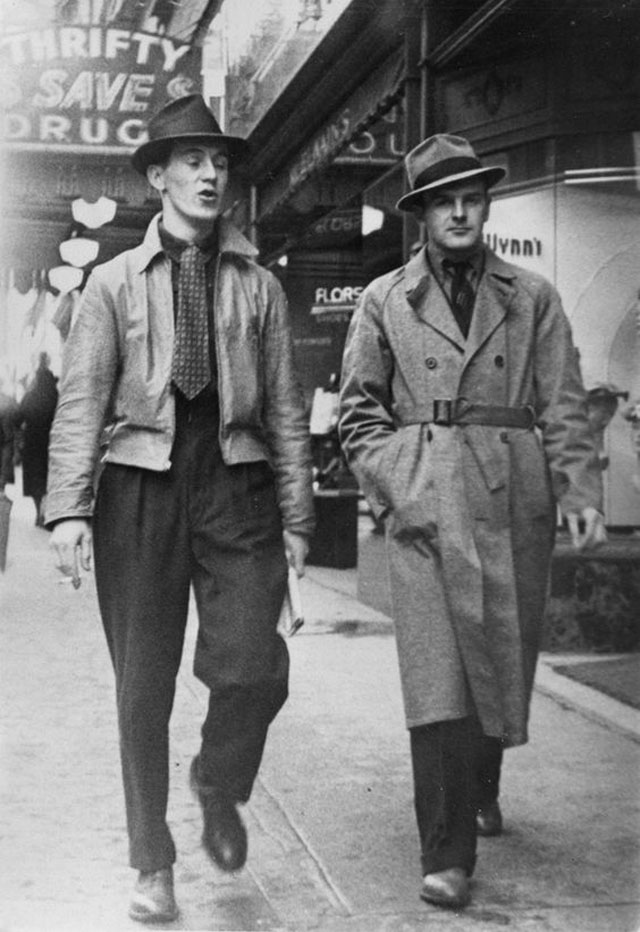
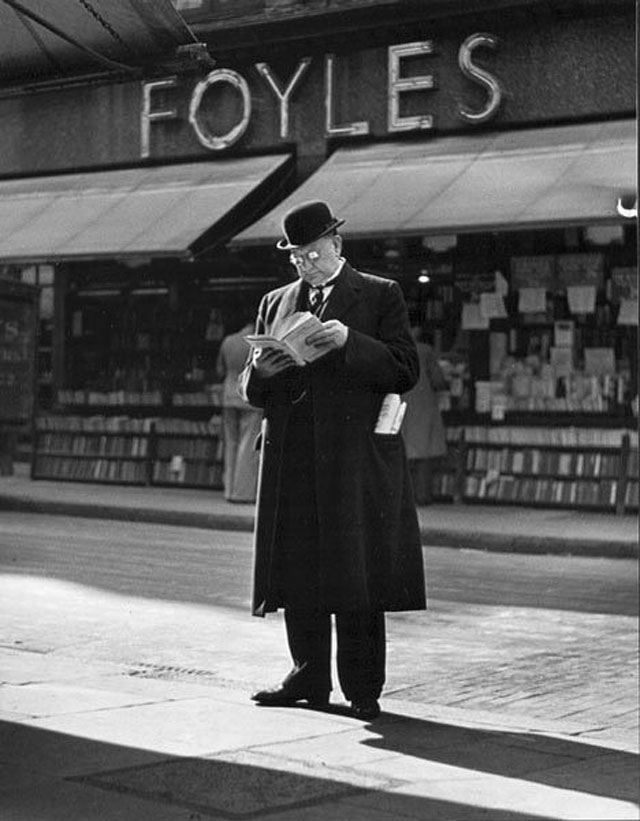
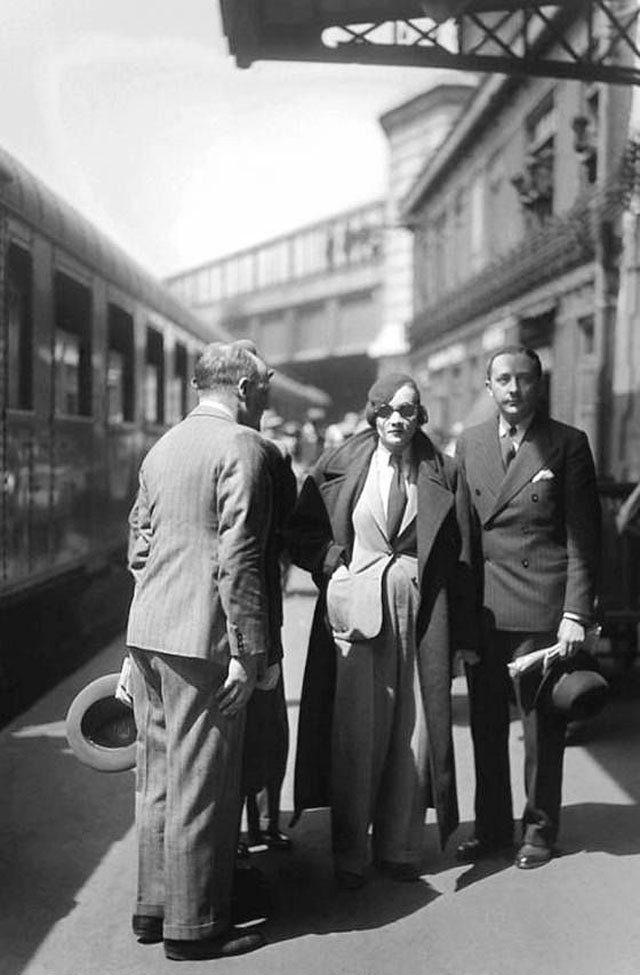
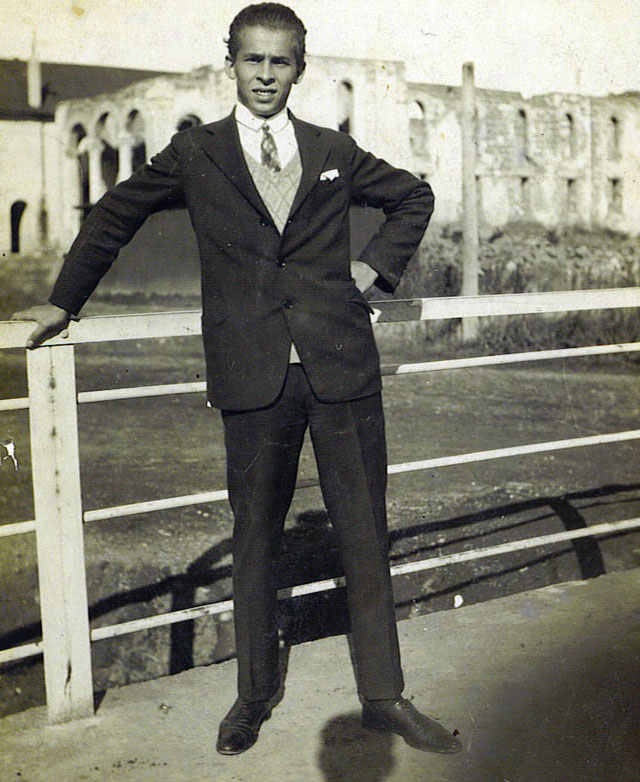
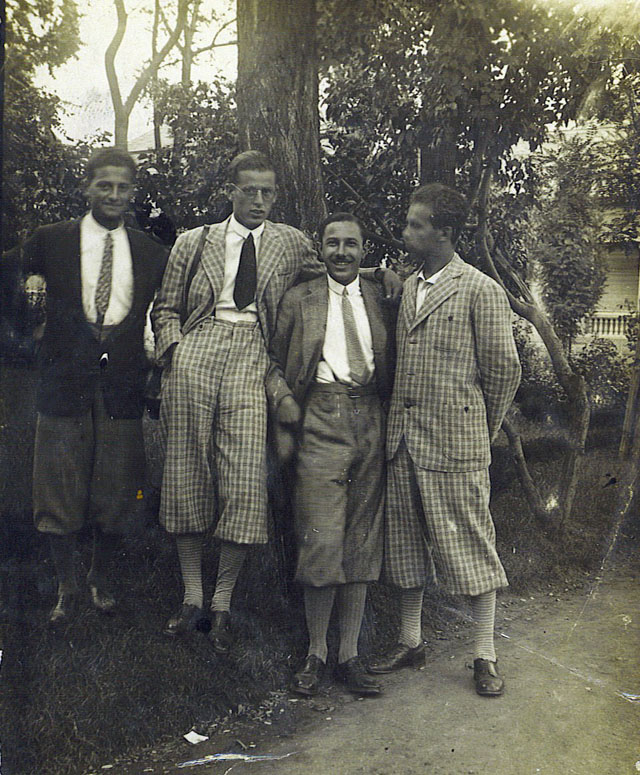

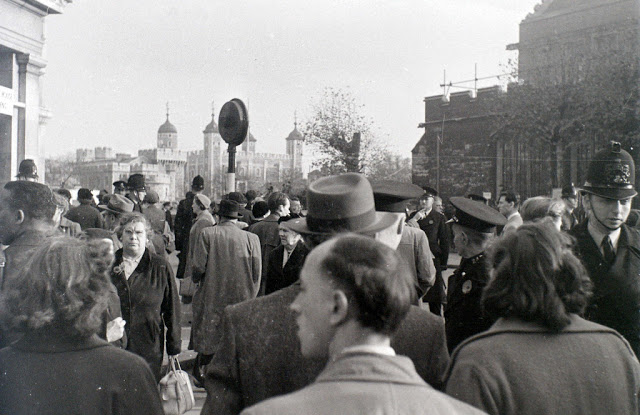
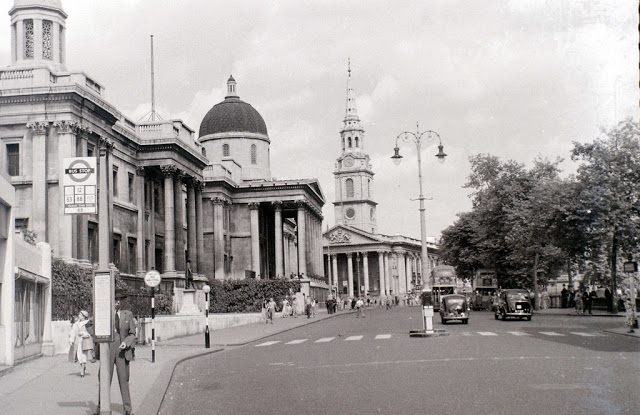
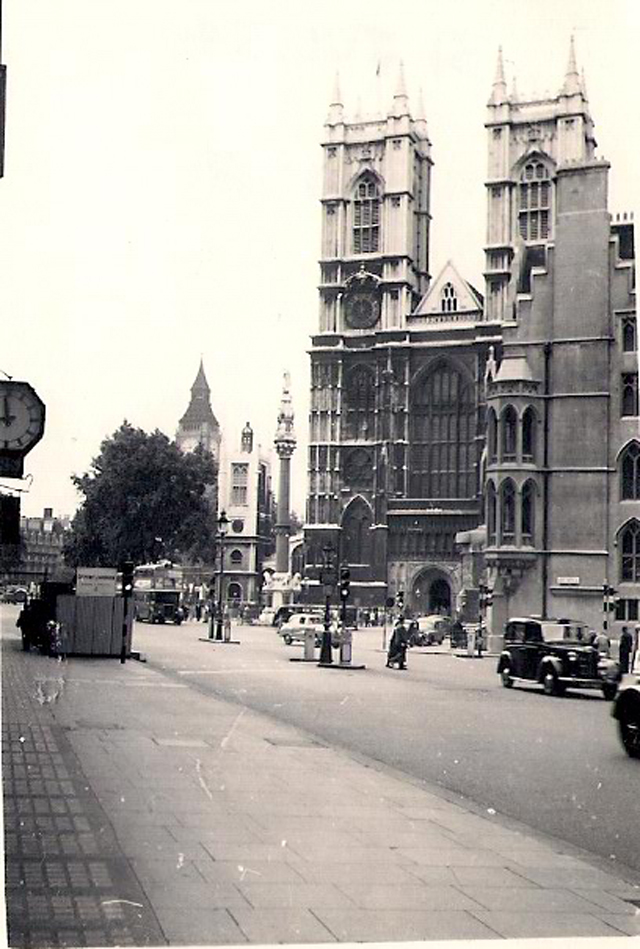
London is the capital and largest city of England and the United Kingdom with a total population of 9,002,488. It stands on the River Thames in south-east England at the head of a 50-mile (80 km) estuary down to the North Sea, and has been a major settlement for two millennia. The City of London, its ancient core and financial centre, was founded by the Romans as Londinium and retains boundaries close to its medieval ones. Since the 19th century, “London” has also referred to the metropolis around this core, historically split between the counties of Middlesex, Essex, Surrey, Kent, and Hertfordshire, which largely comprises Greater London, governed by the Greater London Authority. The City of Westminster, to the west of the City of London, has for centuries held the national government and parliament.
As one of the world’s global cities, London exerts strong influence on its arts, commerce, education, entertainment, fashion, finance, health care, media, tourism, and communications, and has previously been called the capital of the world. Its GDP (€801.66 billion in 2017) makes it the biggest urban economy in Europe, and it is one of the major financial centres in the world. In 2019 it had the second-highest number of ultra high-net-worth individuals in Europe after Paris and the second-highest number of billionaires in Europe after Moscow. As of 2021, London has the most millionaires of any city. With Europe’s largest concentration of higher education institutions, it includes Imperial College London in natural and applied sciences, the London School of Economics in social sciences, and the comprehensive University College London. The city is home to the most 5-star hotels of any city in the world. In 2012, London became the first city to host three Summer Olympic Games.
London’s diverse cultures encompass over 300 languages. The mid-2018 population of Greater London of about 9 million made it Europe’s third-most populous city, accounting for 13.4% of the population of the United Kingdom. Greater London Built-up Area is the fourth-most populous in Europe, after Istanbul, Moscow and Paris, with about 9.8 million inhabitants at the 2011 census. The London metropolitan area is the third-most populous in Europe after Istanbul’s and Moscow’s, with about 14 million inhabitants in 2016, granting London the status of a megacity.
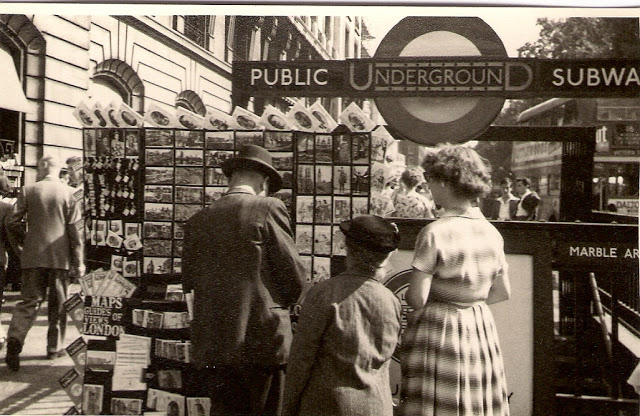
London has four World Heritage Sites: the Tower of London; Kew Gardens; the combined Palace of Westminster, Westminster Abbey, and St Margaret’s Church; and also the historic settlement in Greenwich, where the Royal Observatory, Greenwich defines the Prime Meridian (0° longitude) and Greenwich Mean Time. Other landmarks include Buckingham Palace, the London Eye, Piccadilly Circus, St Paul’s Cathedral, Tower Bridge and Trafalgar Square. It has numerous museums, galleries, libraries and sporting venues, including the British Museum, National Gallery, Natural History Museum, Tate Modern, British Library and West End theatres. The London Underground is the oldest rapid transit system in the world. (Wikipedia)
























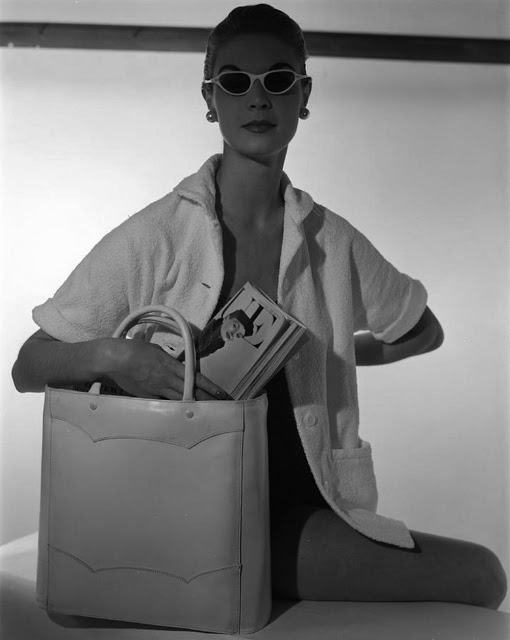
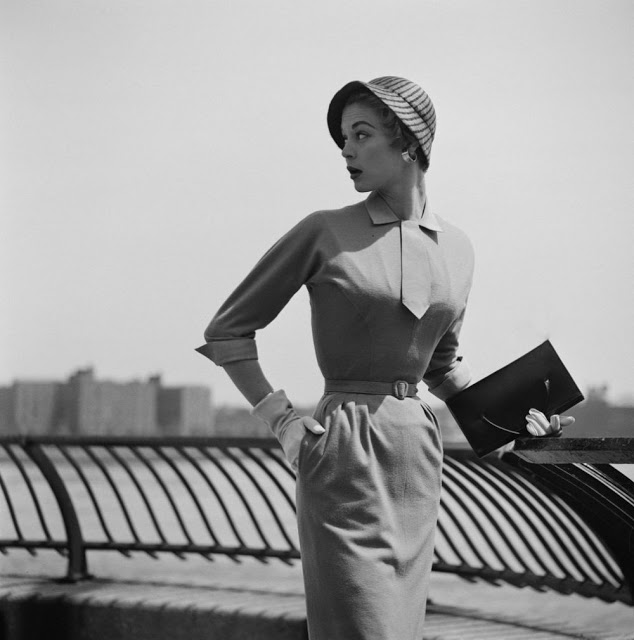
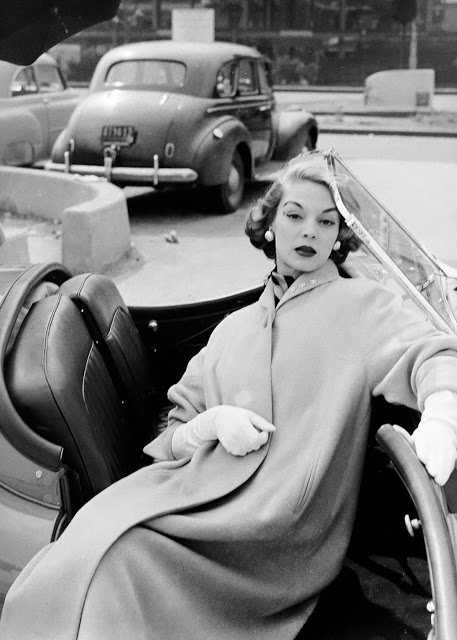
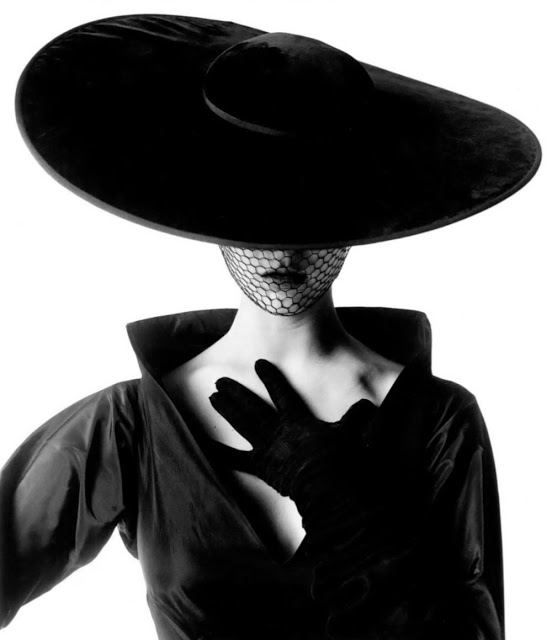
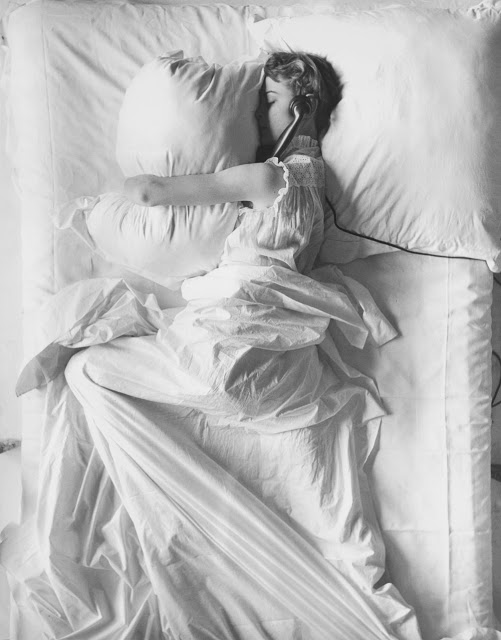
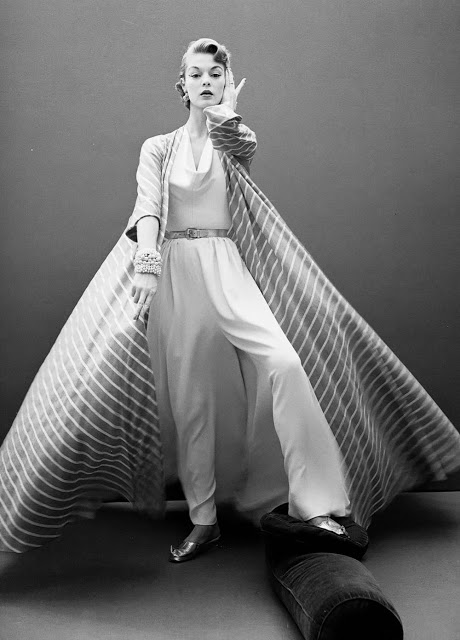
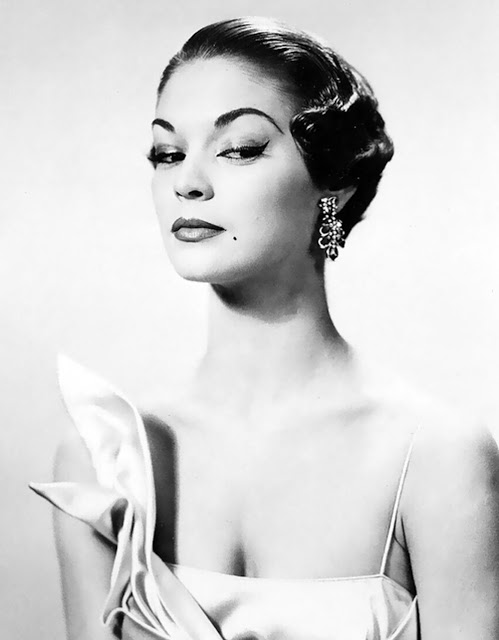
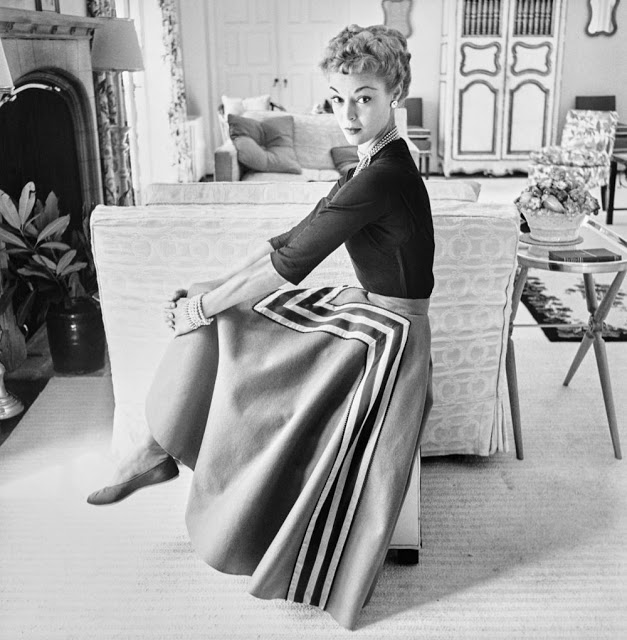
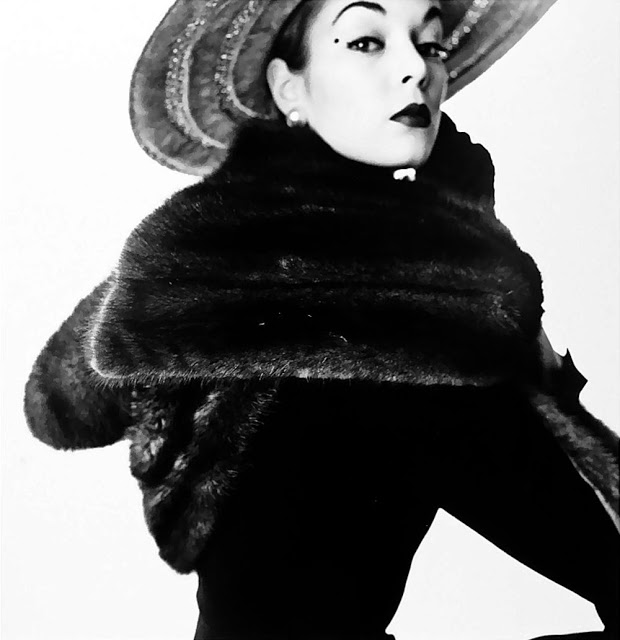
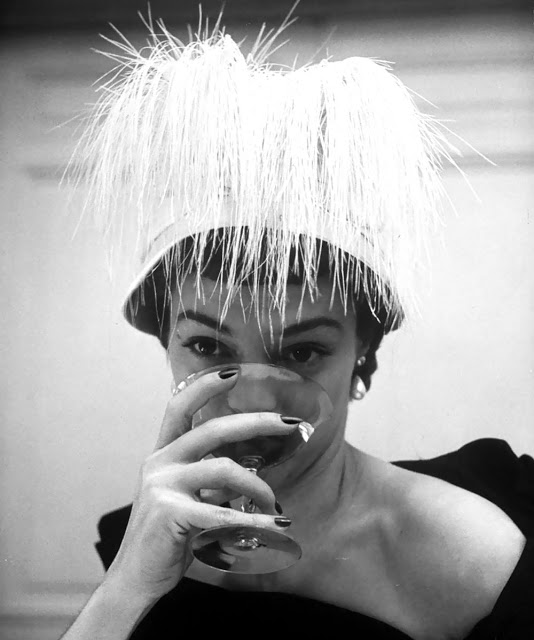
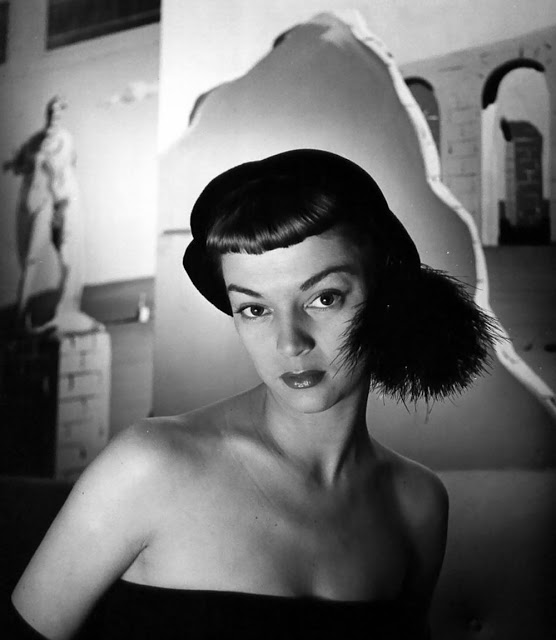
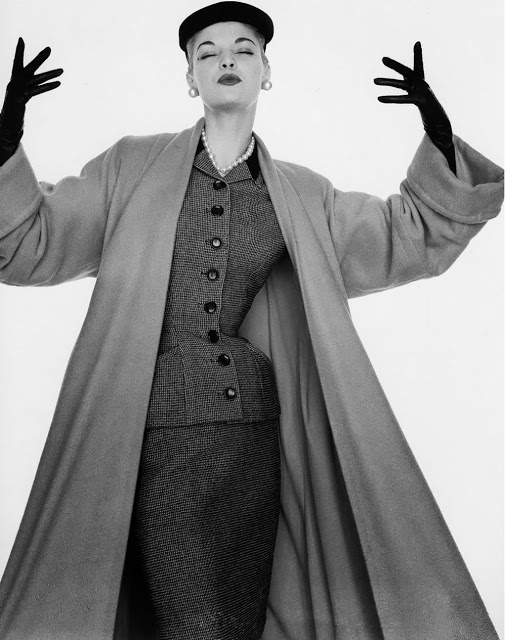
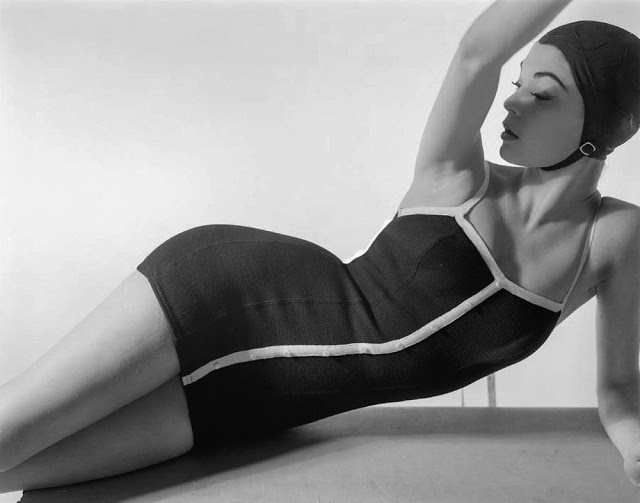
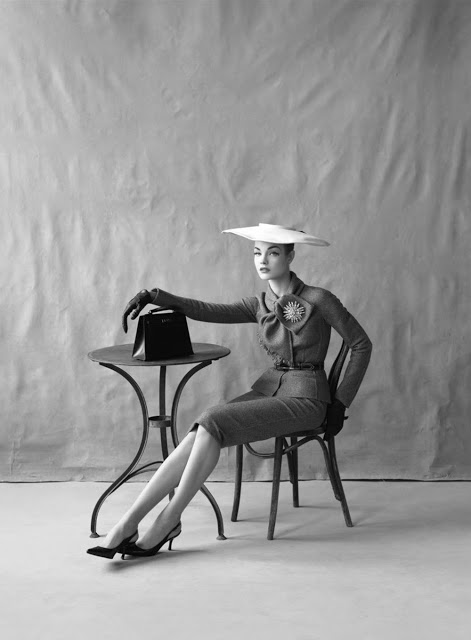
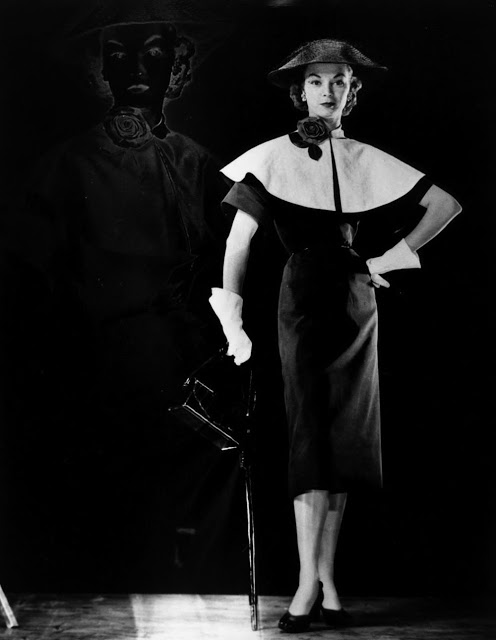
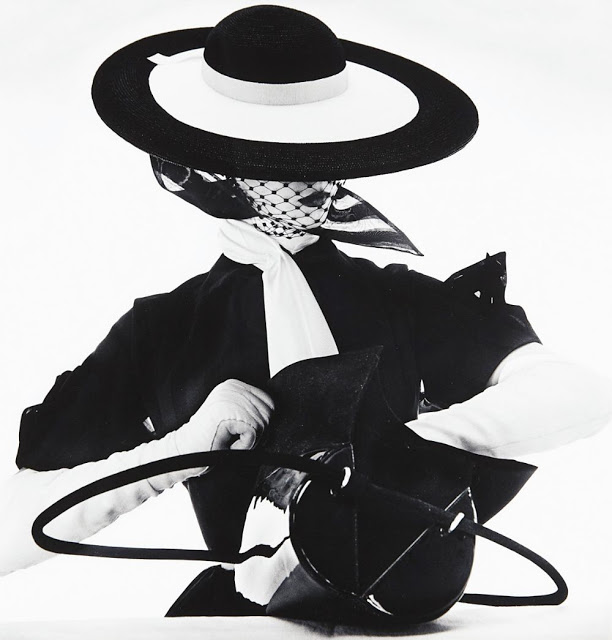
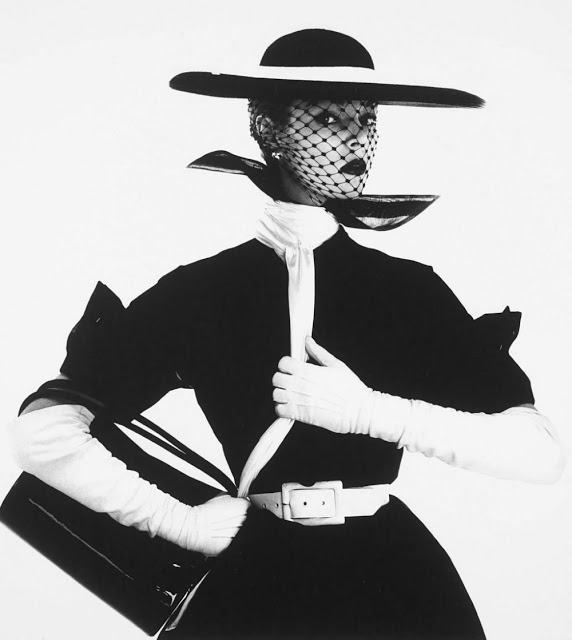
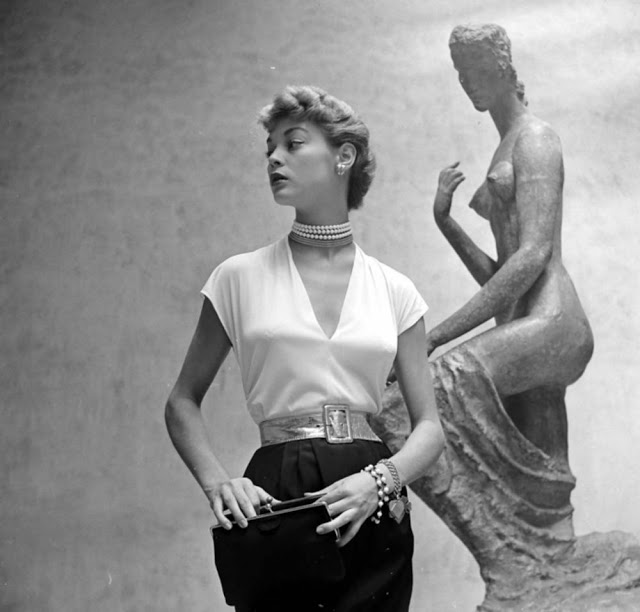
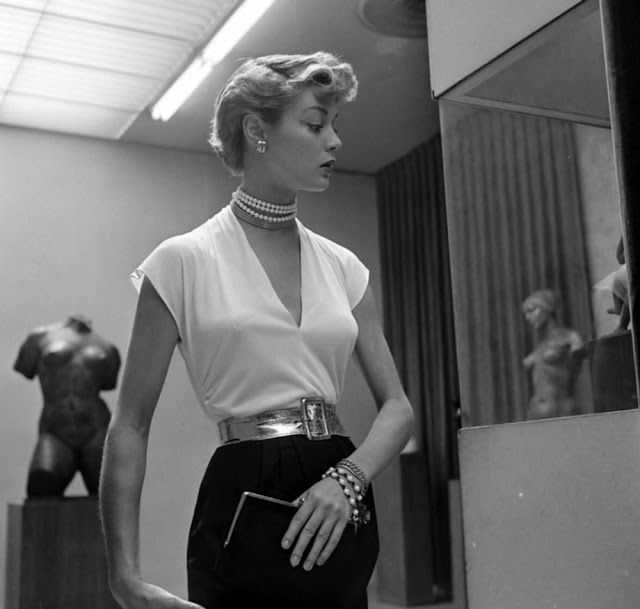
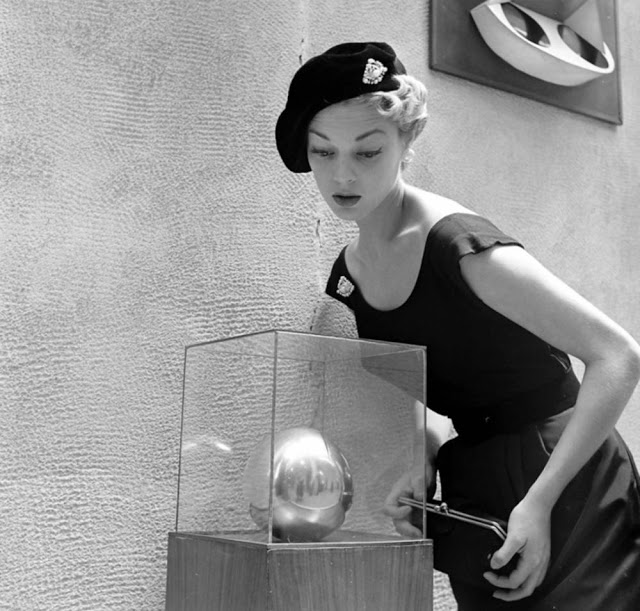
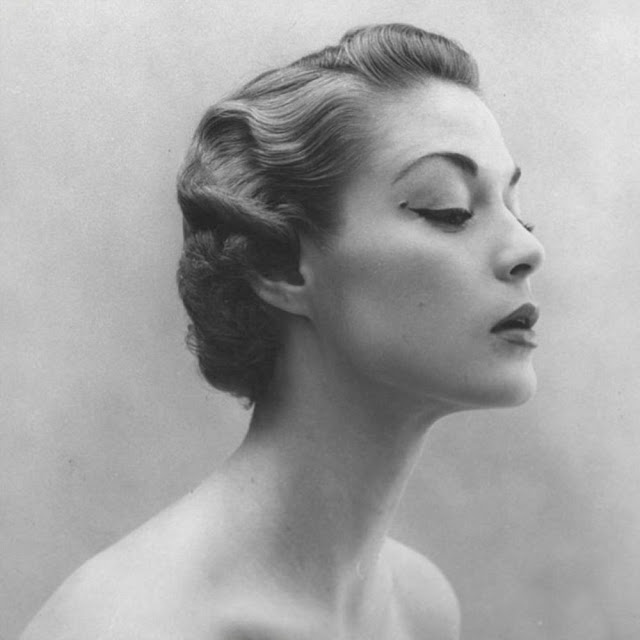
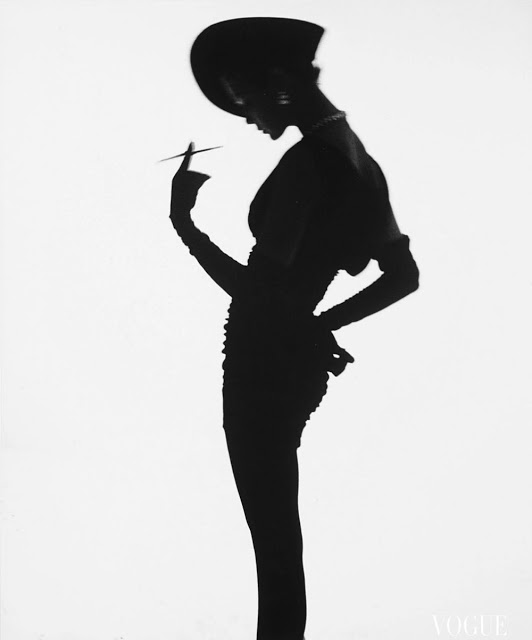
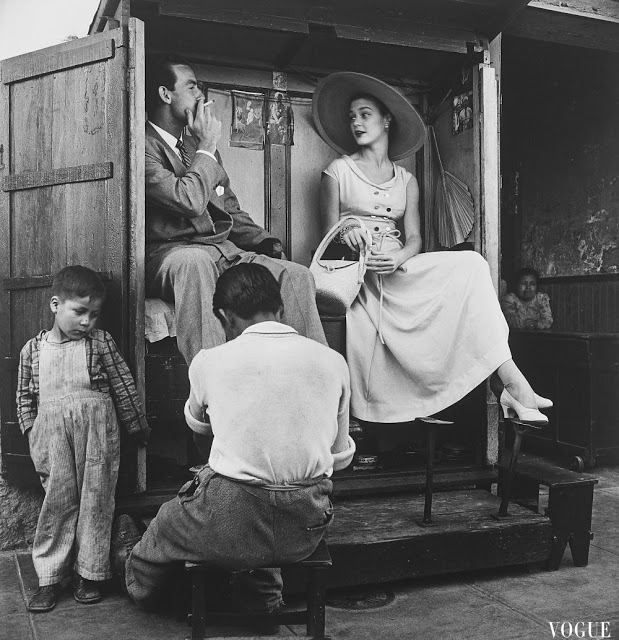
Jean Patchett (1926 – 2002) was a leading fashion model of the late 1940s, 1950s and early 1960s. She was among the best known models of that era, which included Dovima, Dorian Leigh, Suzy Parker, Evelyn Tripp and Lisa Fonssagrives.
Patchett was the subject of two of Vogue Magazine’s most famous covers, both shot in 1950 by Erwin Blumenfeld and Irving Penn. She was famous for being one of the first high-fashion models to appear remote; previously, models had appeared warm and friendly. Irving Penn described her as “a young American goddess in Paris couture”.
During her career, she appeared on over 40 magazine covers. Patchett modeled for brands including Bergdorf Goodman, Henri Bendel and Revlon.















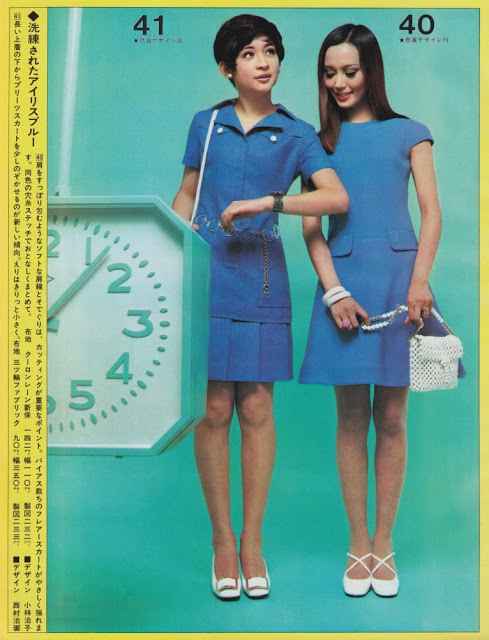
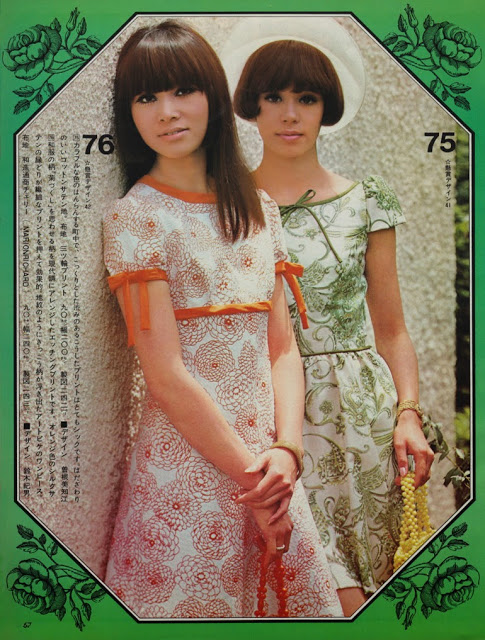
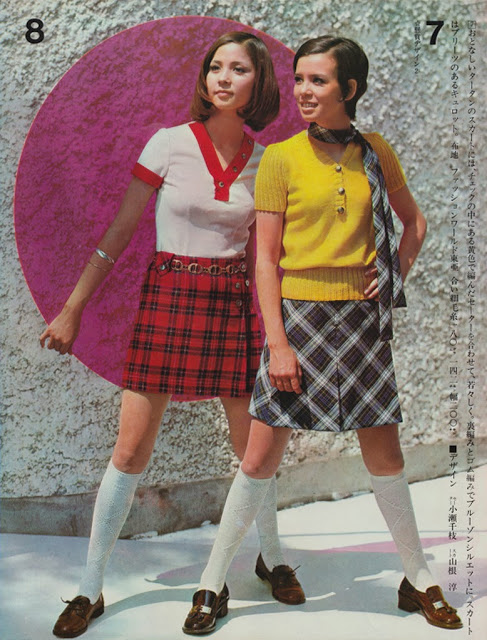
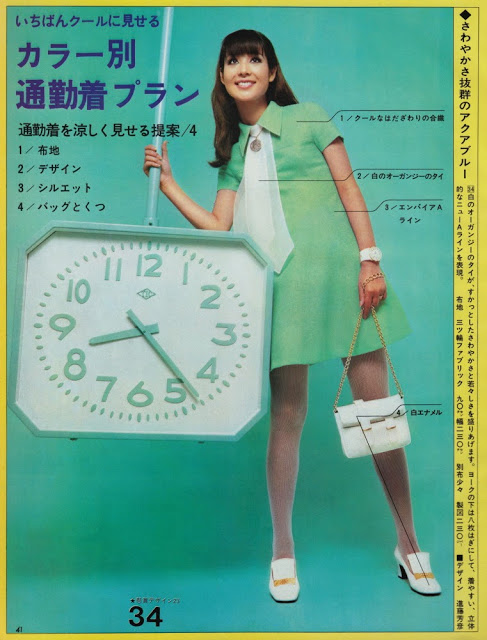
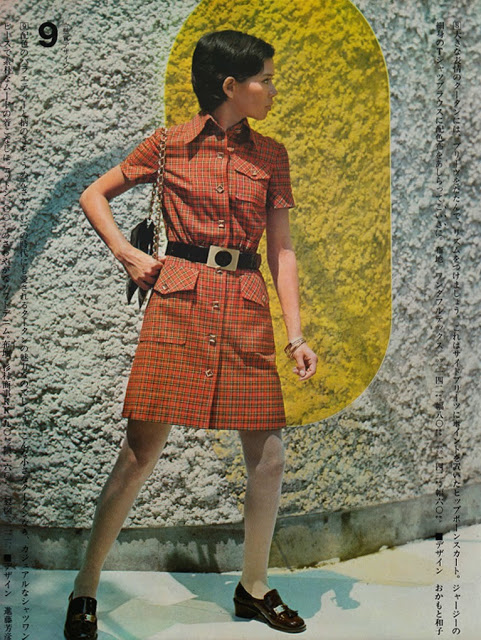
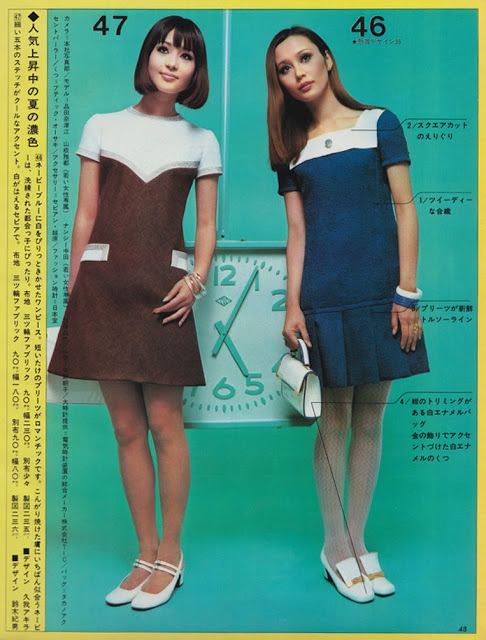
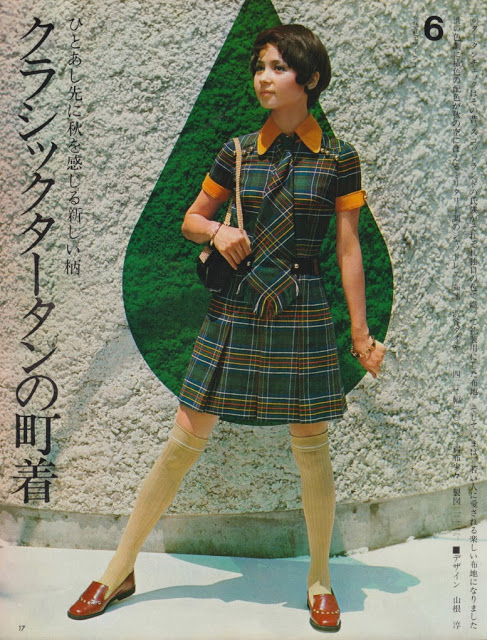
After World War II, the strong influence from the United States caused Japanese ways of dressing to undergo a major transition, and people began to more readily follow the trends from the West. Japanese women were starting to replace the loose-fitting trousers called monpe, required wear for war-related work, with Western-style skirts.
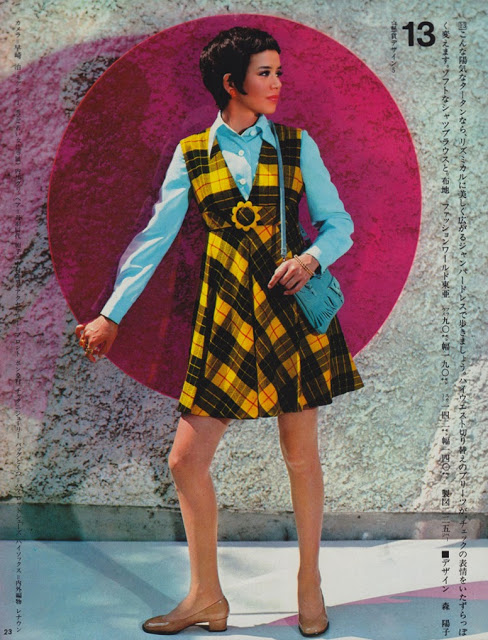
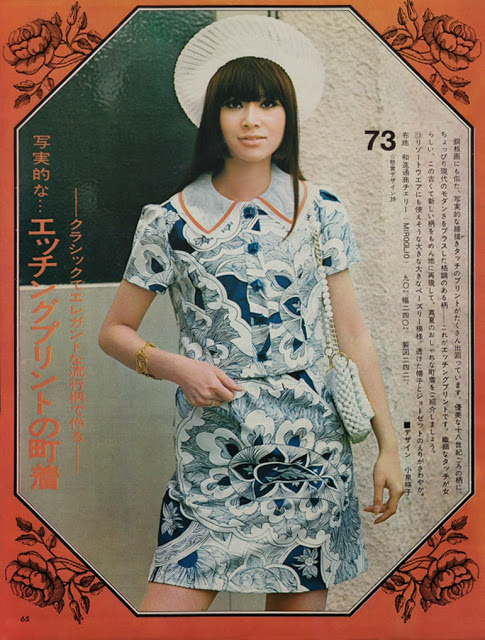
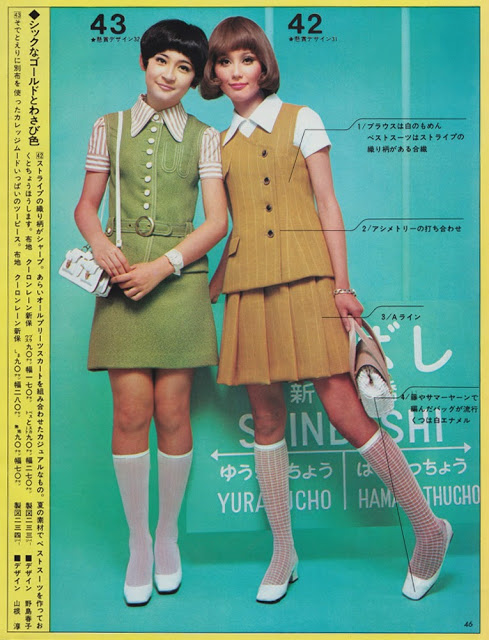
Whilst we’re by no means experts on Far-East female fashion fads from decades gone by there does seem to be a distinctly Japanese twist to these clothes and perhaps a slight lag behind the US and Europe who by ’69 were embracing the whole hippy-chic thing with a vengeance.
These almost seem to have some hippy-esque flowery elements but still focus very much on the whole Sixties A-line cut. A distinct mixture of west meeting east perhaps. But, hey, enough of our bad fashion analysis. Check out some great images from the groovy 1969 Japanese fashion magazine – Young Woman, and you’ll know exactly what we’re trying to say.
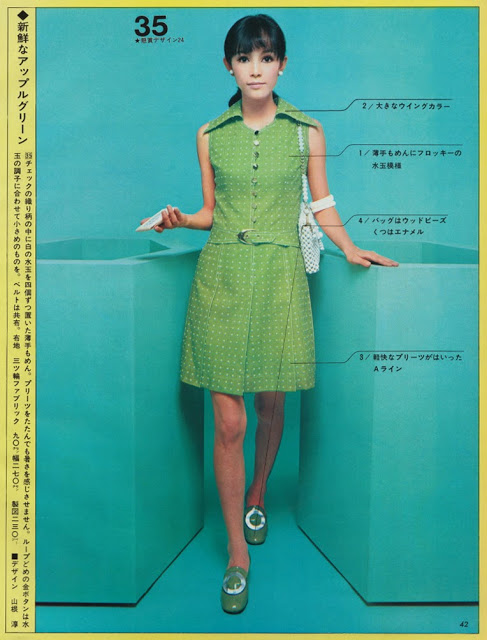
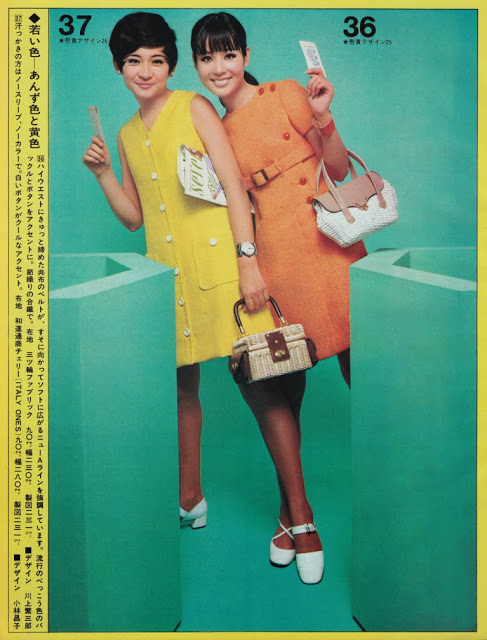
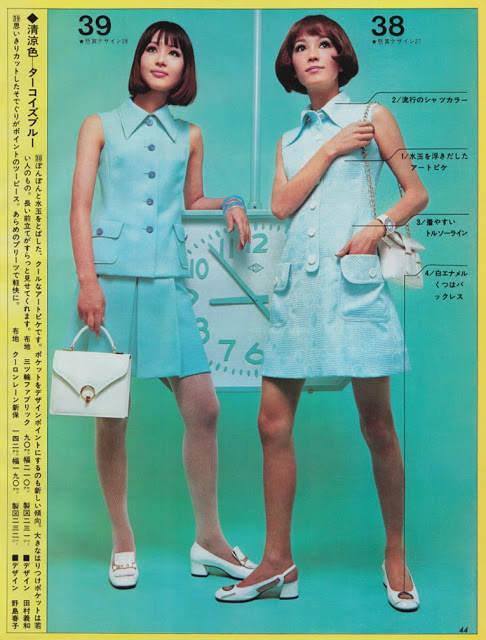
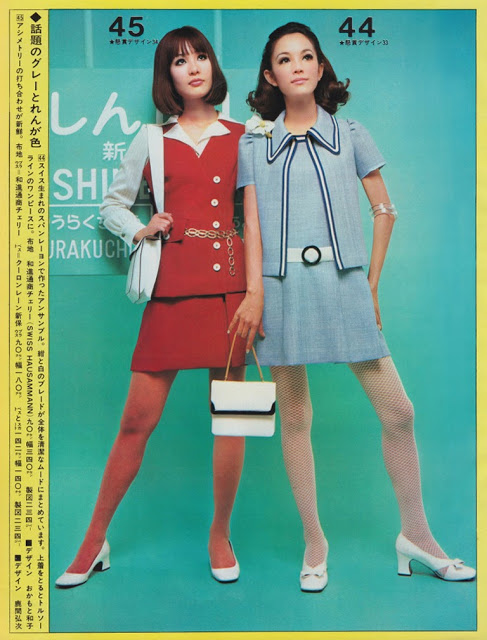













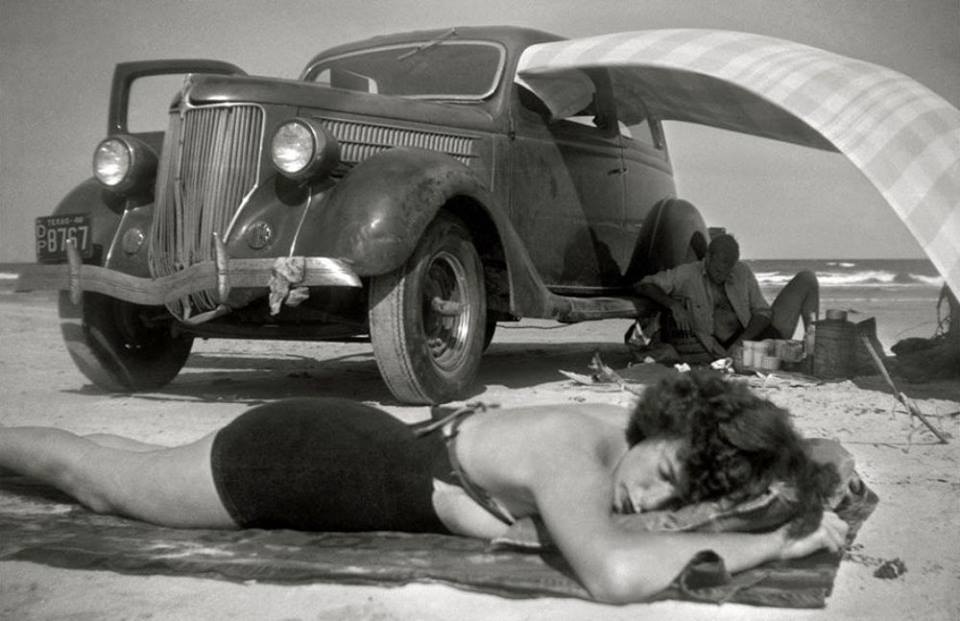
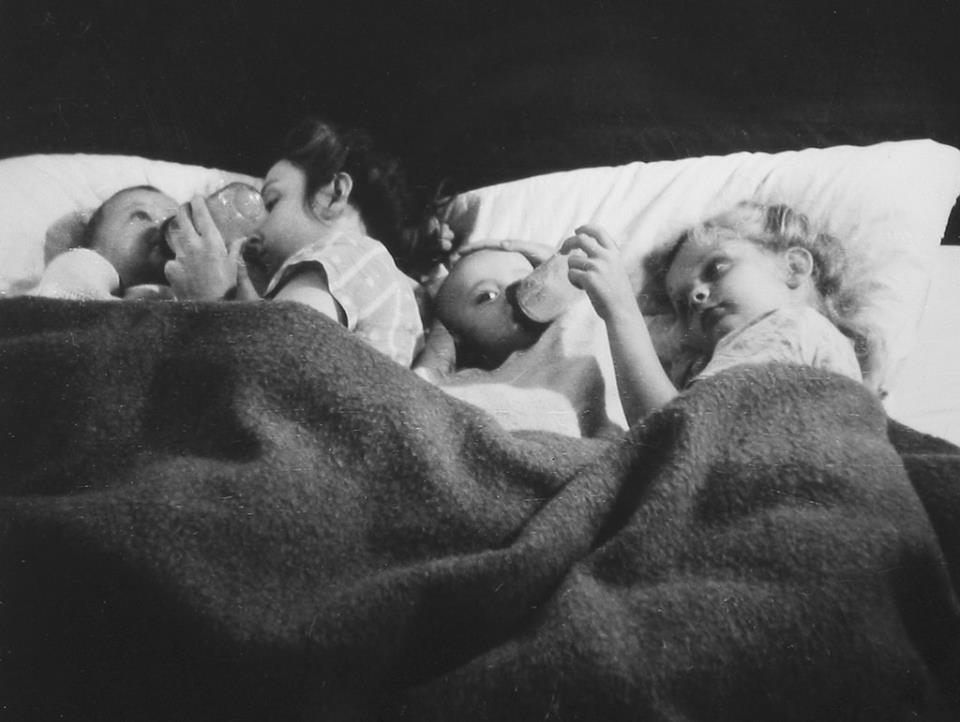


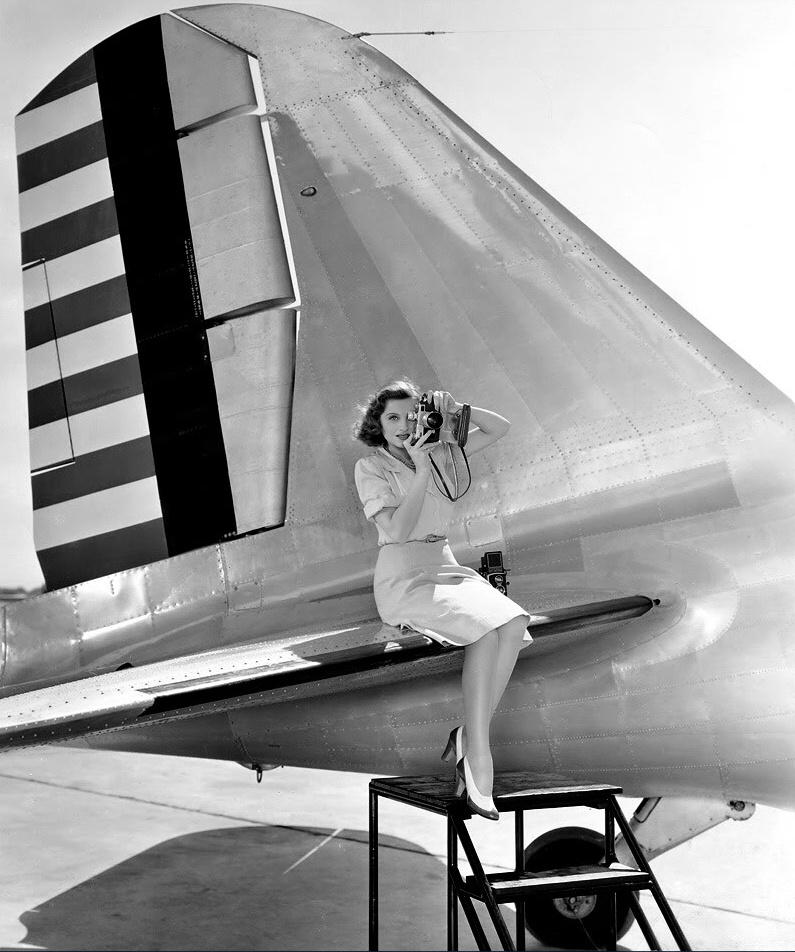
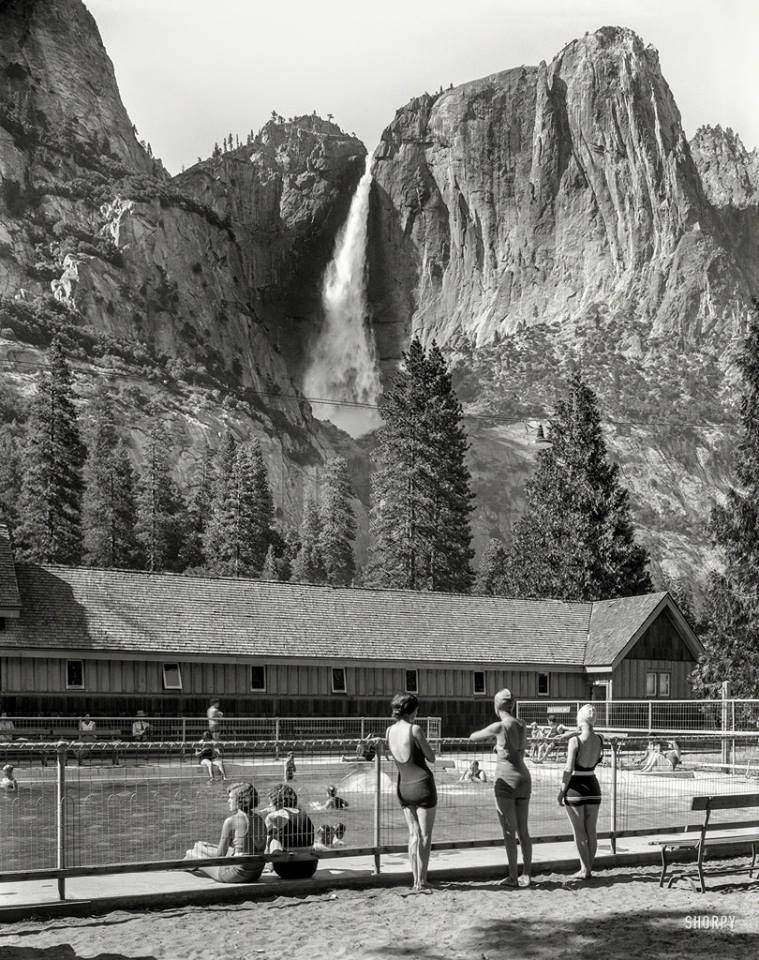


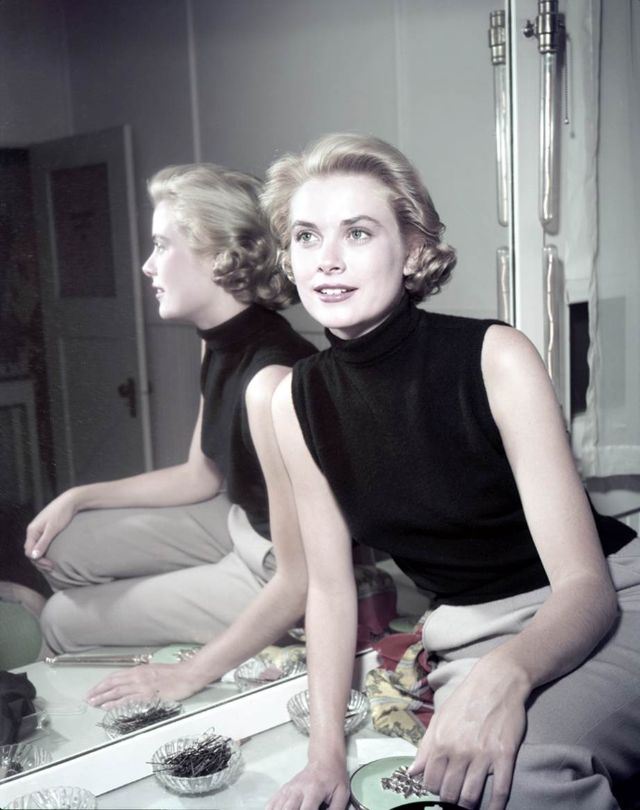
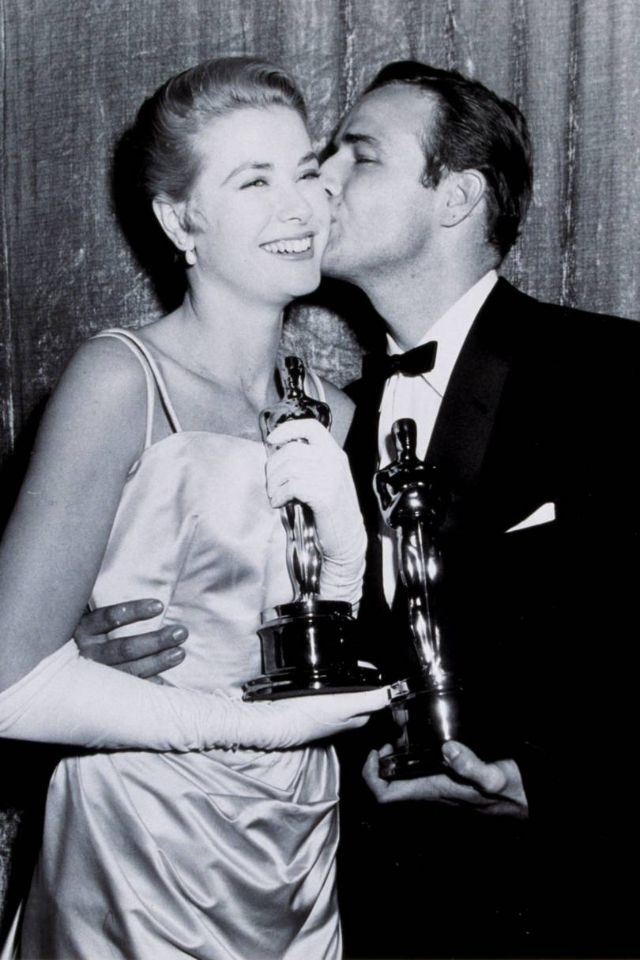
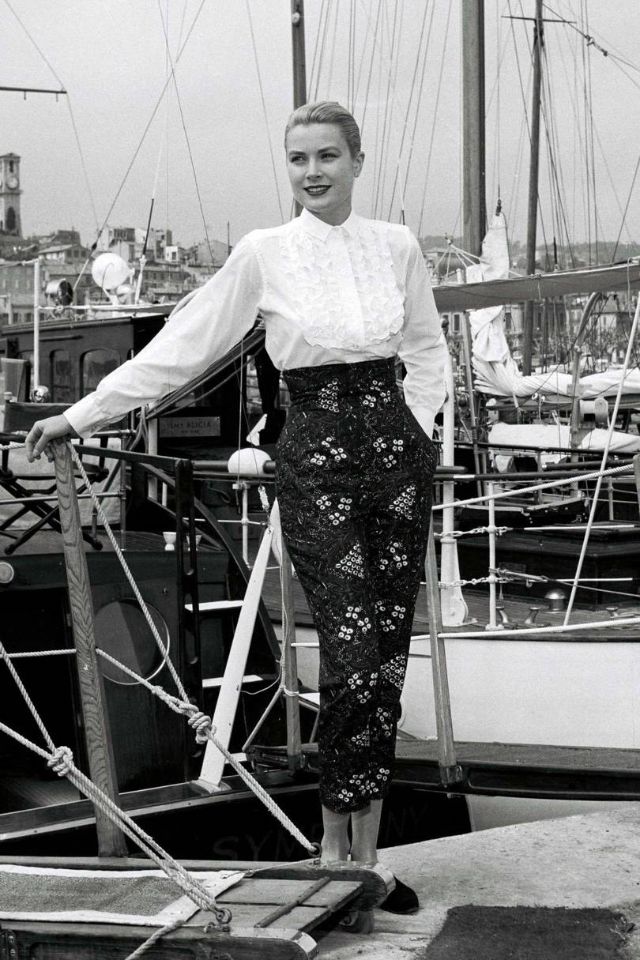
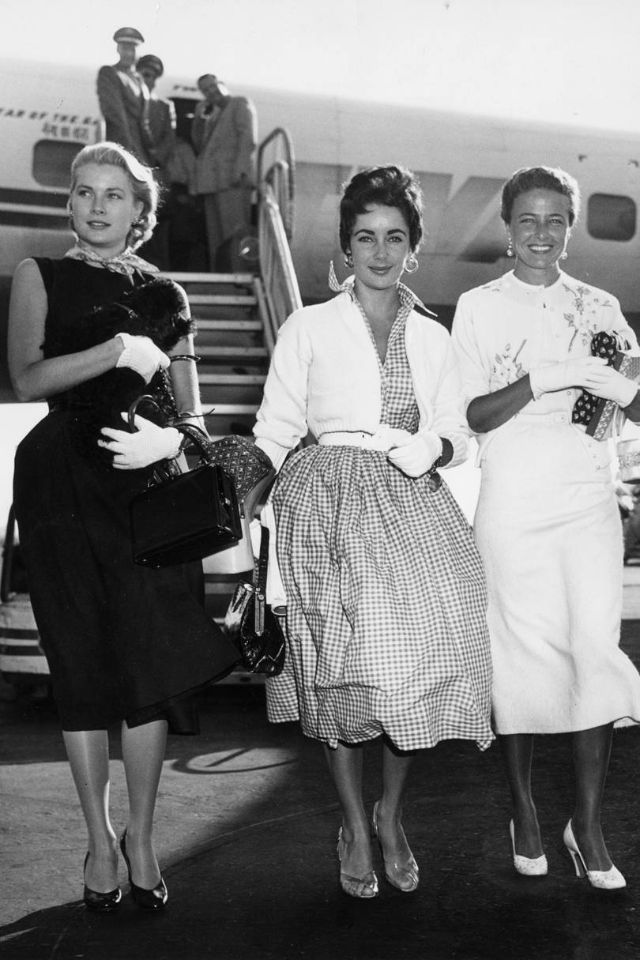
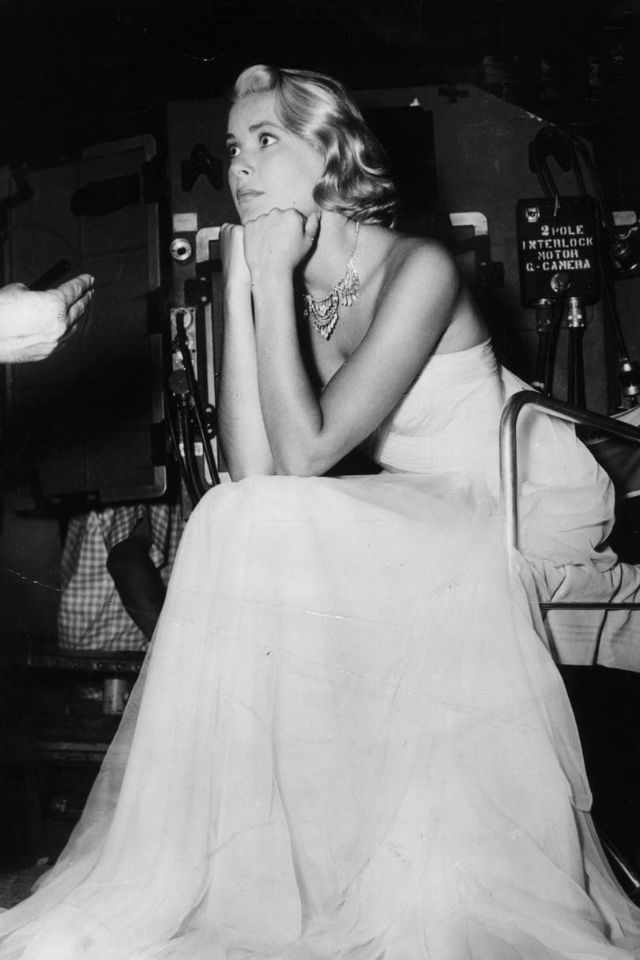
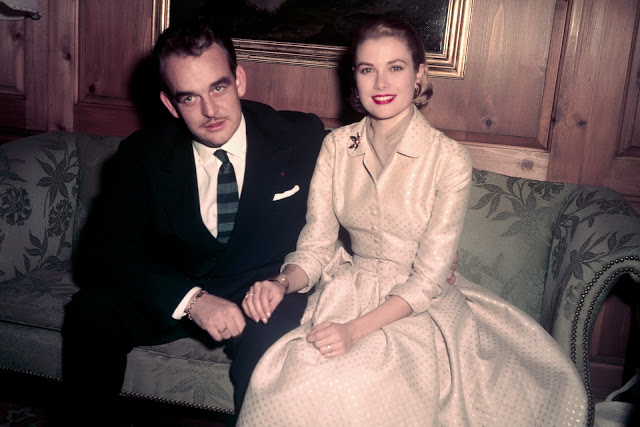
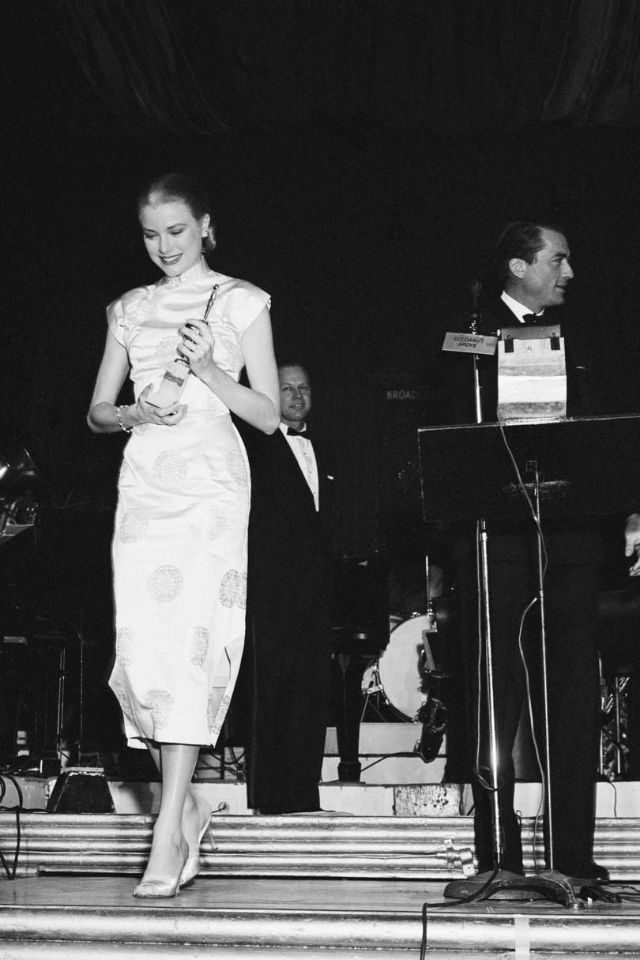
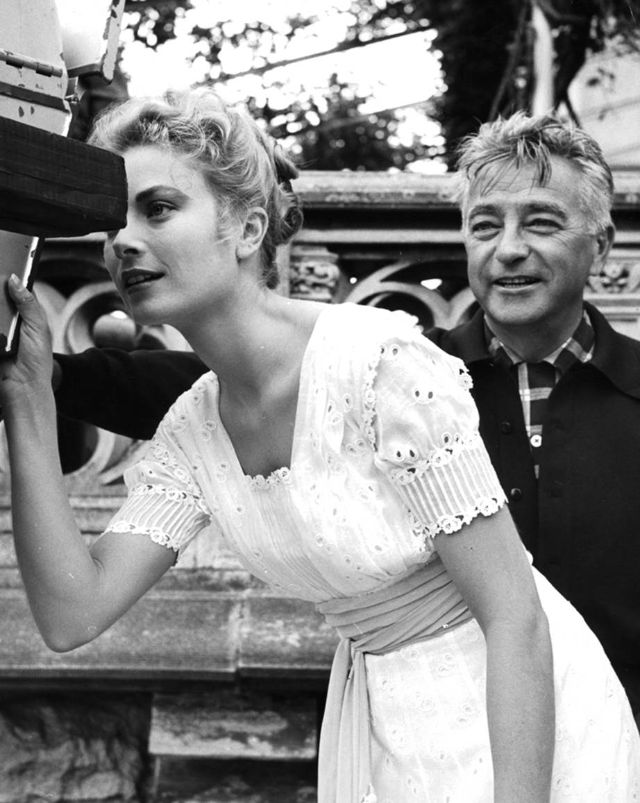
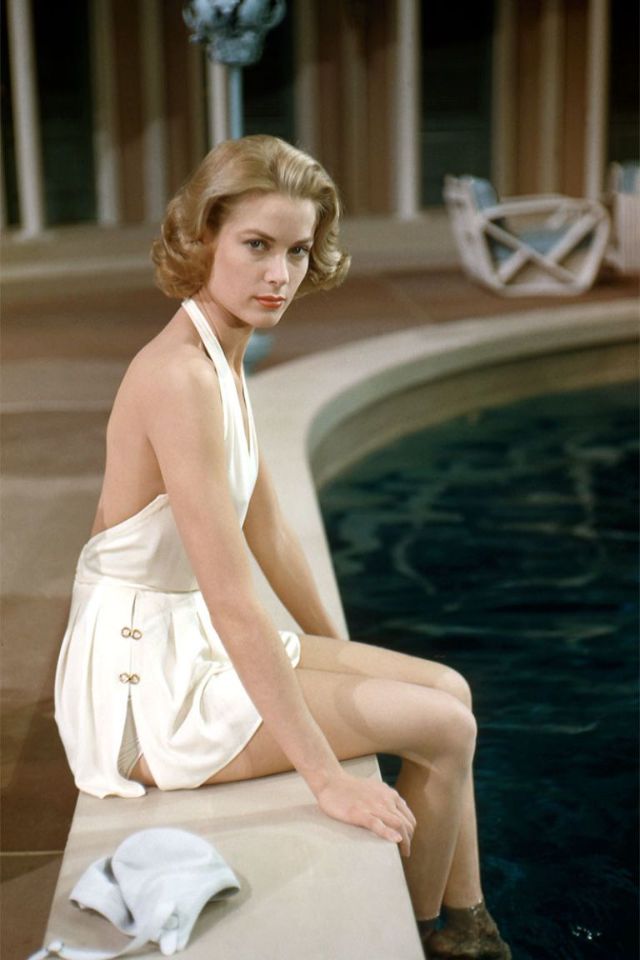
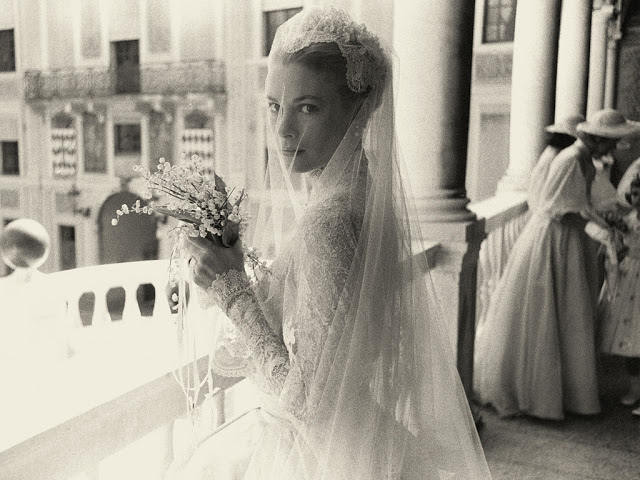
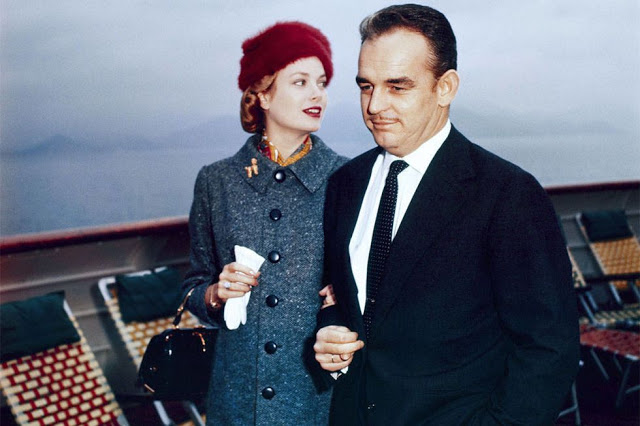
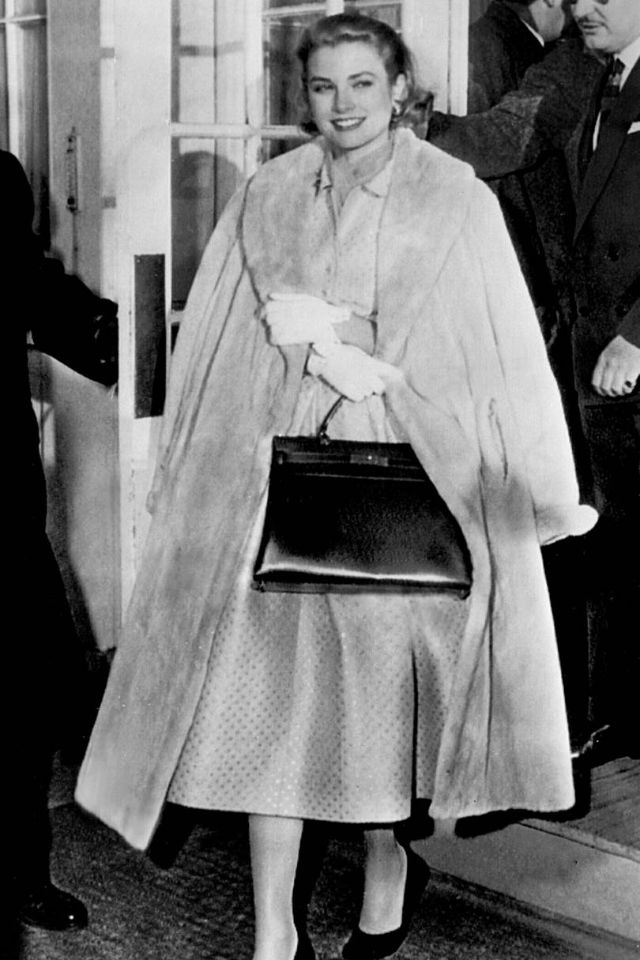
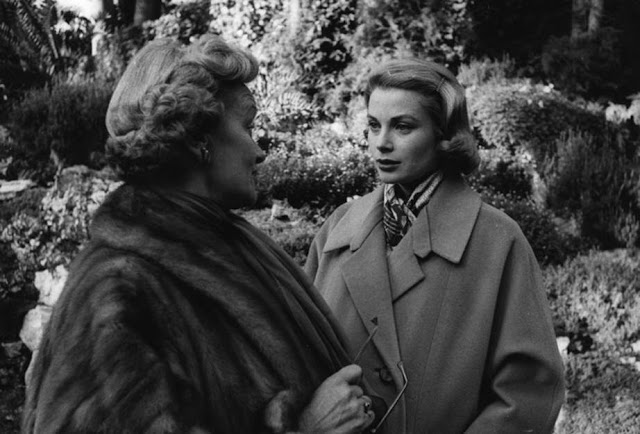
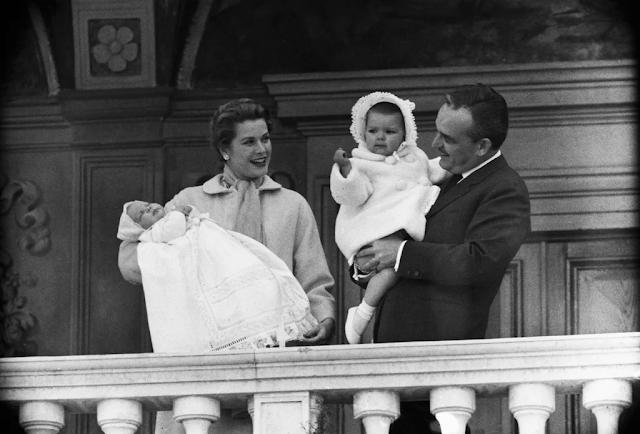
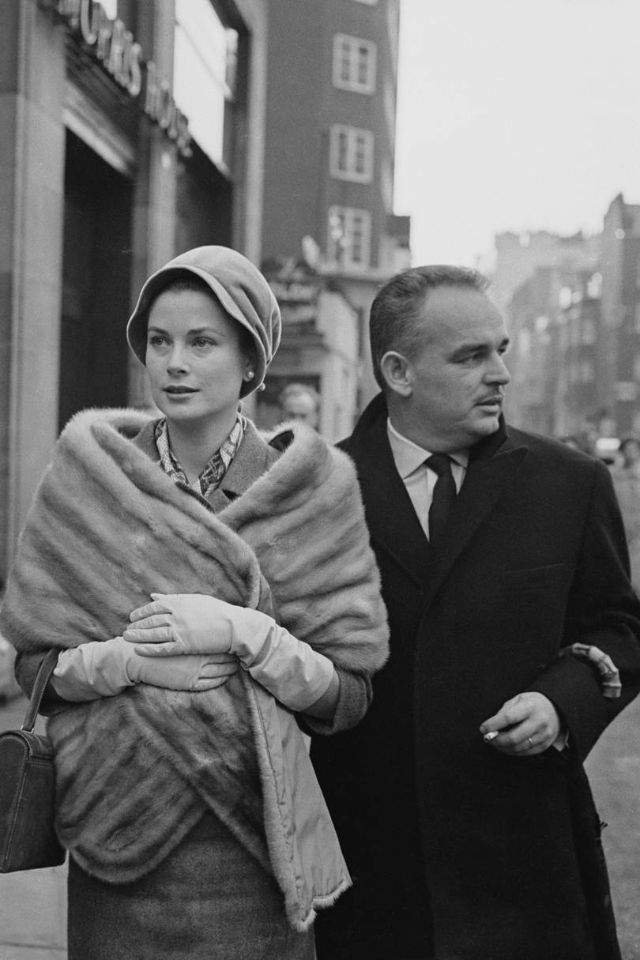
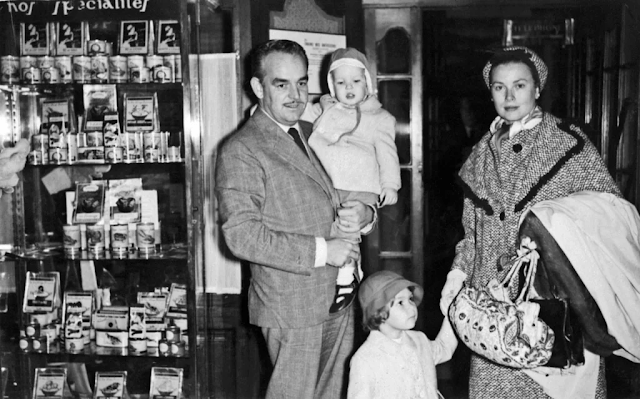
Grace Patricia Kelly (November 12, 1929 – September 14, 1982) was an American actress who, after starring in several significant films in the early to mid-1950s, became Princess of Monaco by marrying Prince Rainier III in April 1956.
Kelly was born into a well-known Catholic family of Irish and German origin in the U.S. city of Philadelphia. After graduating from the American Academy of Dramatic Arts in 1949, Kelly began appearing in New York City theatrical productions and over 40 live drama productions broadcast in early 1950s Golden Age of Television. She gained stardom from her performance in John Ford’s adventure-romance Mogambo (1953), for which she was nominated for an Academy Award for Best Supporting Actress. She won the Academy Award for Best Actress for her performance in the drama The Country Girl (1954). Other notable works include the western High Noon (1952), the romantic comedy High Society (1956), and three consecutive Alfred Hitchcock suspense thrillers: Dial M for Murder (1954), Rear Window (1954), and To Catch a Thief (1955). Kelly worked with some of the most prominent leading men of the era, including Gary Cooper, Clark Gable, Ray Milland, James Stewart, Bing Crosby, William Holden, Cary Grant, Alec Guinness, and Frank Sinatra.
Kelly retired from acting at age 26 to marry Rainier, and began her duties as Princess of Monaco. Hitchcock hoped that she would appear in more of his films that required an “icy blonde” lead actress, but he was unable to coax her out of retirement. The Prince and Princess had three children: Princess Caroline, Prince Albert, and Princess Stéphanie. Kelly retained her link to America by her dual U.S. and Monégasque citizenship. Her charity work focused on young children and the arts, establishing the Princess Grace Foundation to support local artisans in 1964. Her organization for children’s rights, AMADE Mondiale, gained consultive status within UNICEF and UNESCO. Her final film contribution was in 1977 to the documentary The Children of Theatre Street directed by Robert Dornhelm, where she served as the narrator. The documentary was nominated for an Academy Award for Best Documentary Feature.
Kelly died at the age of 52 at Monaco Hospital on September 14, 1982, from injuries sustained in a car crash the previous day. She is listed 13th among the American Film Institute’s 25 Greatest Female Stars of Classical Hollywood Cinema. Her son, Prince Albert, helped establish the Princess Grace Awards in 1984 to recognize emerging performers in film, theatre, and dance. (Wikipedia)
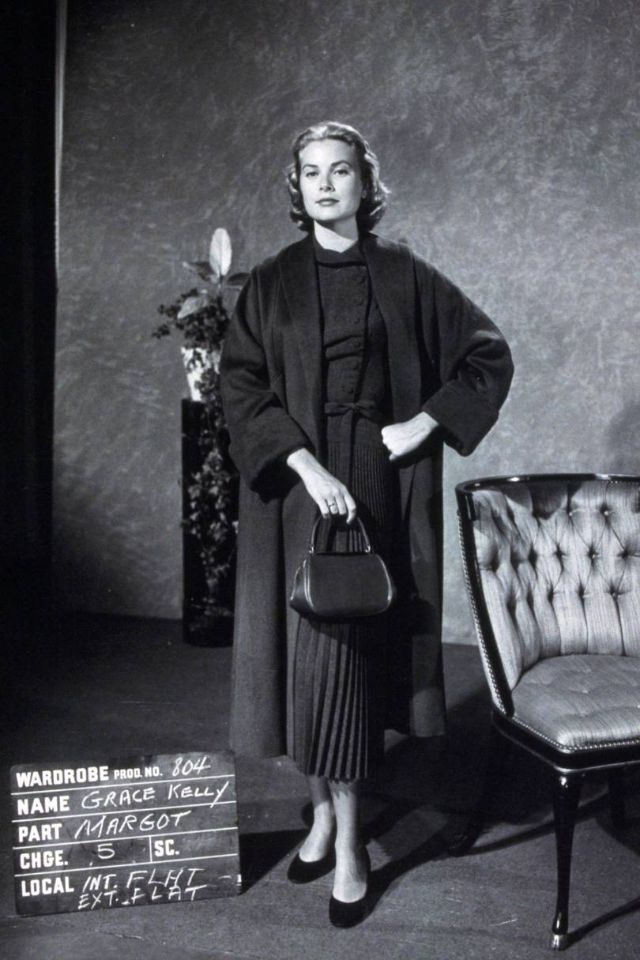
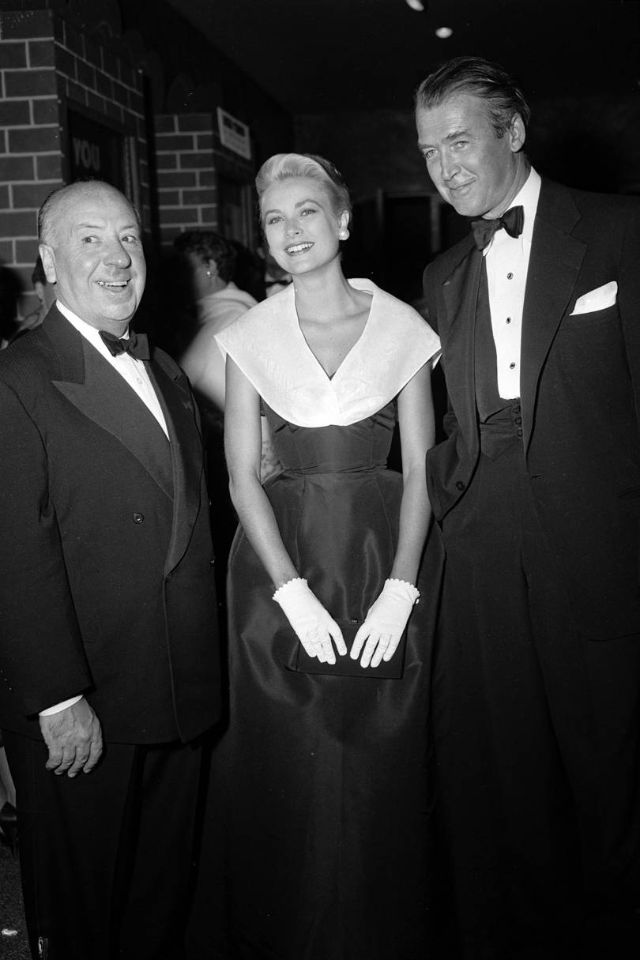
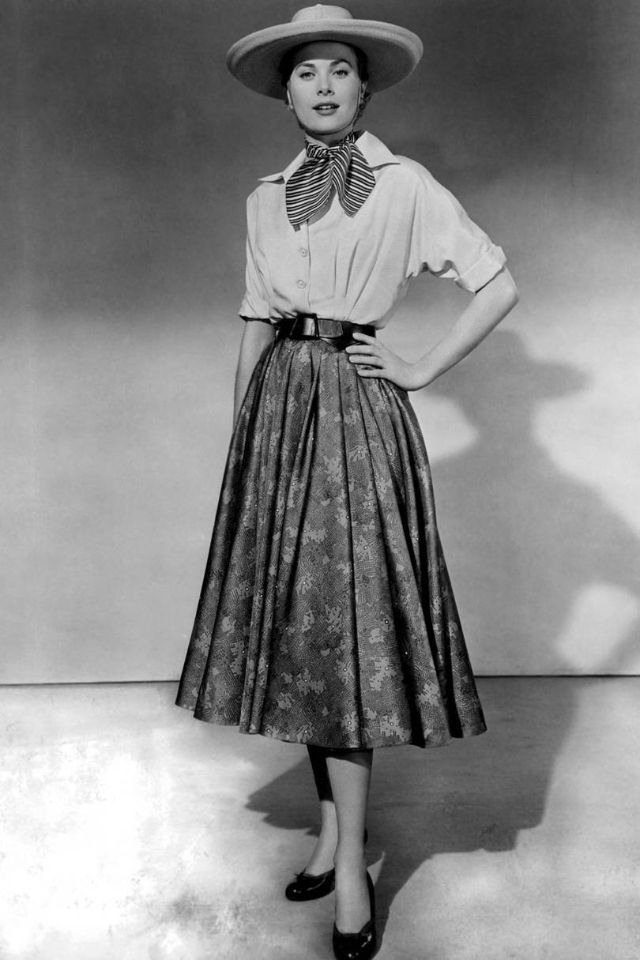
Here, we’re looking back at the life of the icon in the 1950s through 37 glamorous photos…

















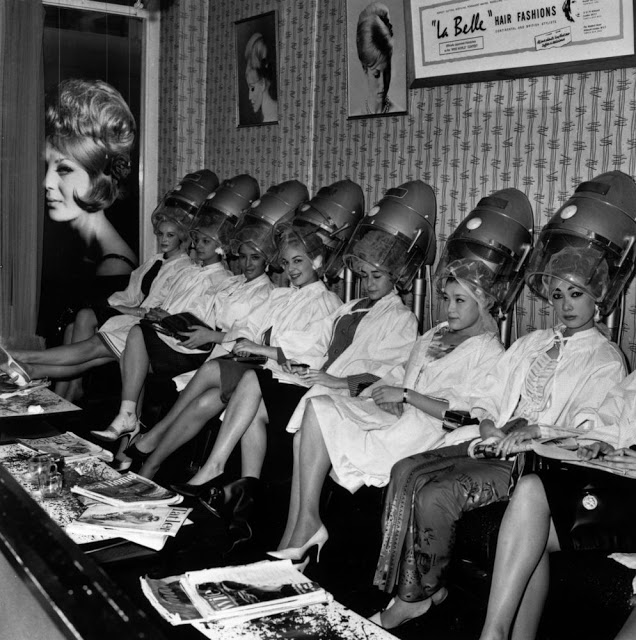
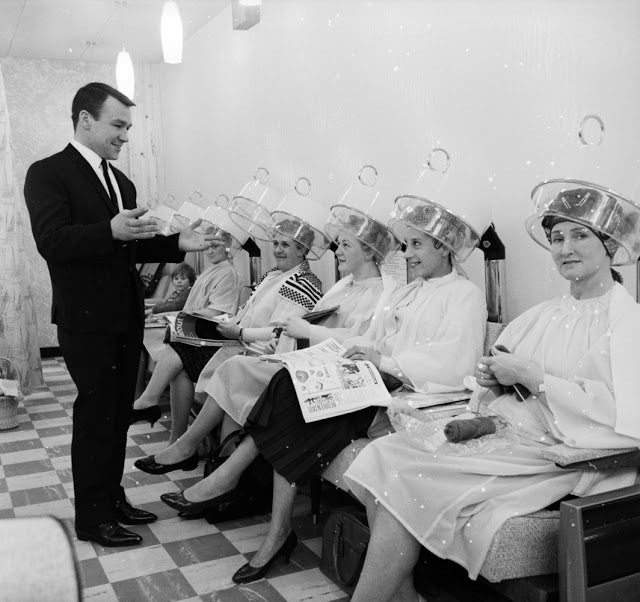
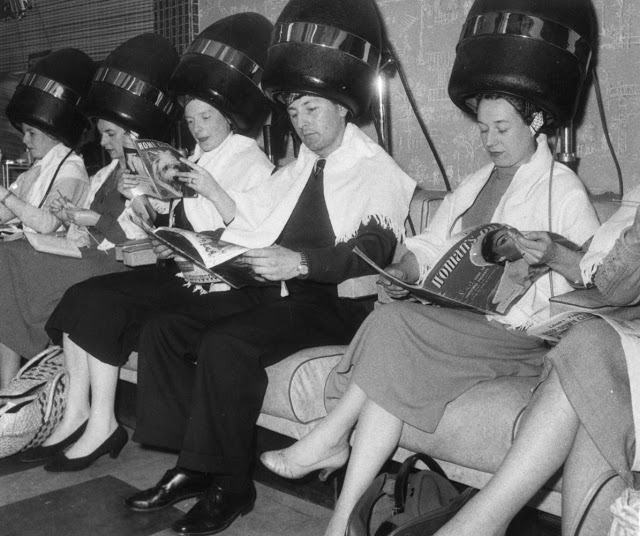
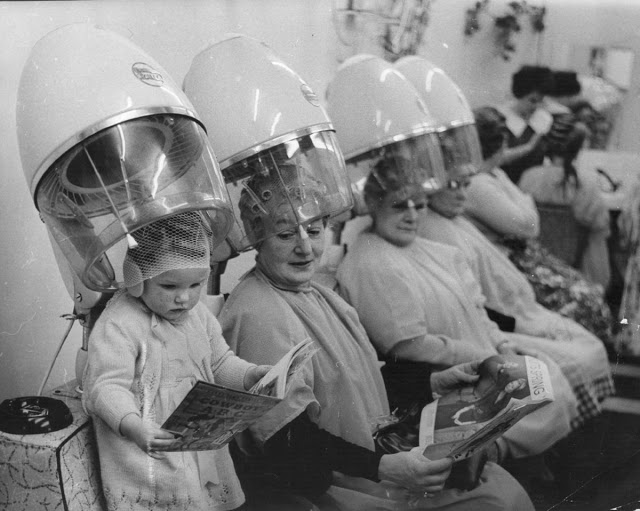
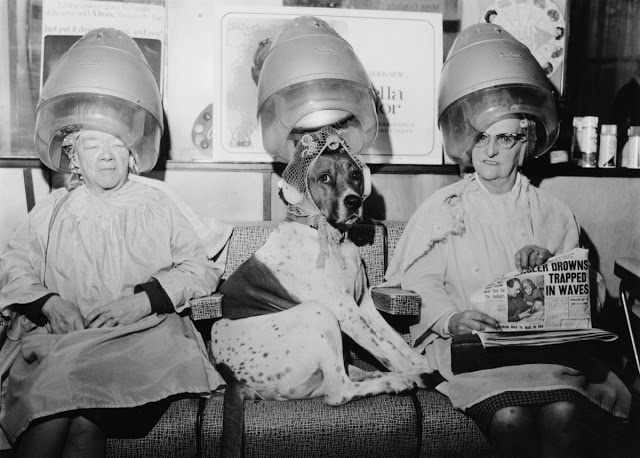
One of our biggest pet peeves about going to the hair salon is sitting under those industrial hair dryers that just seem to burn our scalps. Now, with the new dawn of DIY hair styling, the no-heat revolution and cool products like the dryer bonnet, it’s pretty easy to transform our hair in the comfort of our own homes.
But back in the day, going to the salon was like a social event that you could not miss out on. Your friends were there to fill you in on the latest gossip, and it was imperative that you got the perfect roller set. At least that’s evident in these vintage photos that show how a good of a time was had while sitting under the hood of a hair dryer.