


Bringing You the Wonder of Yesterday – Today

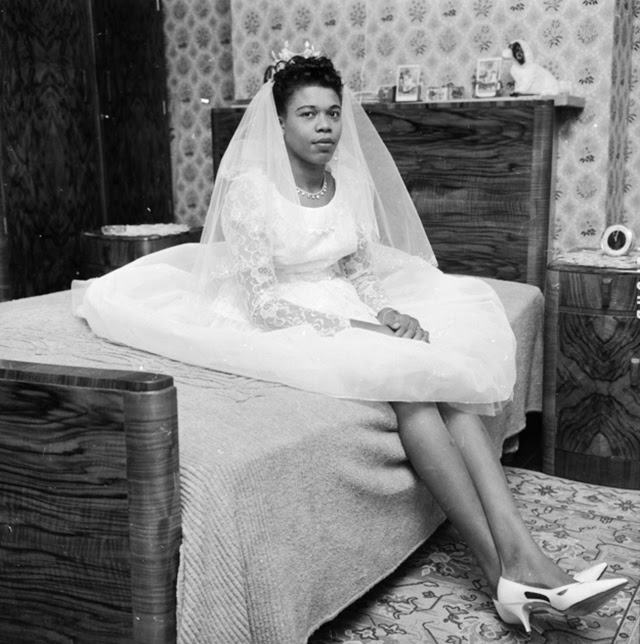
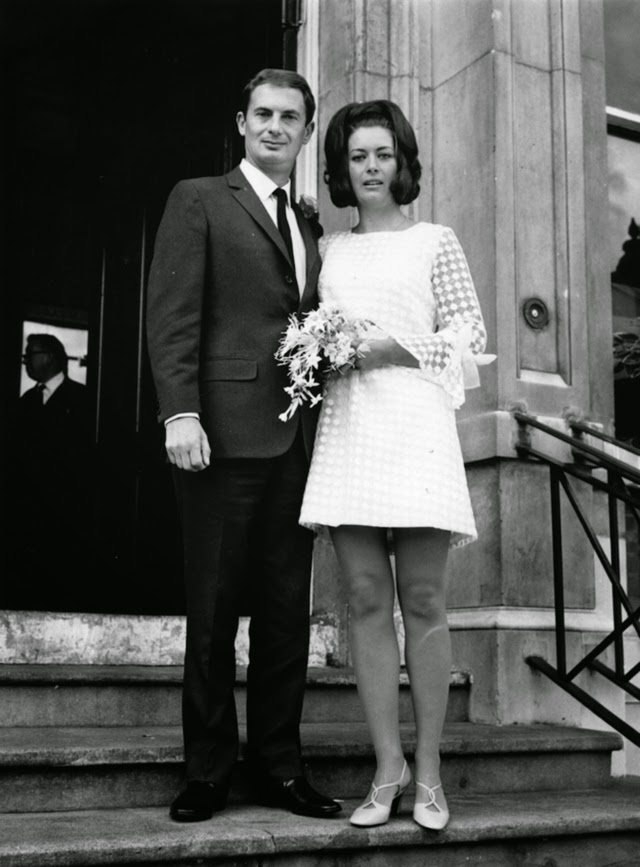
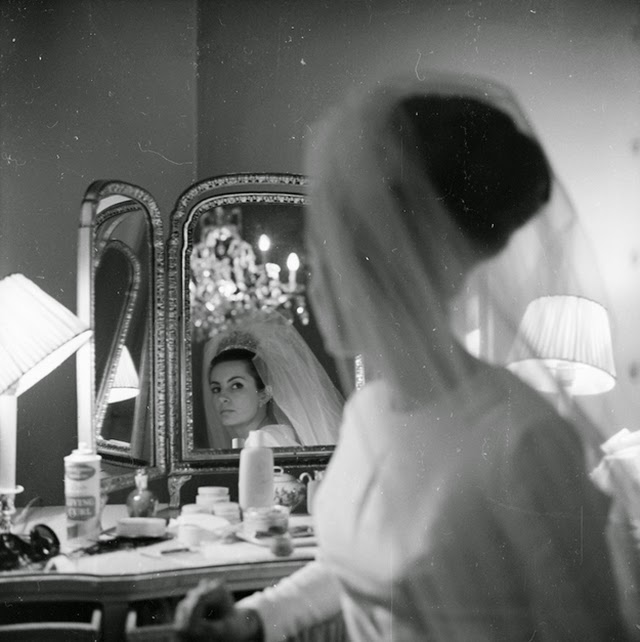
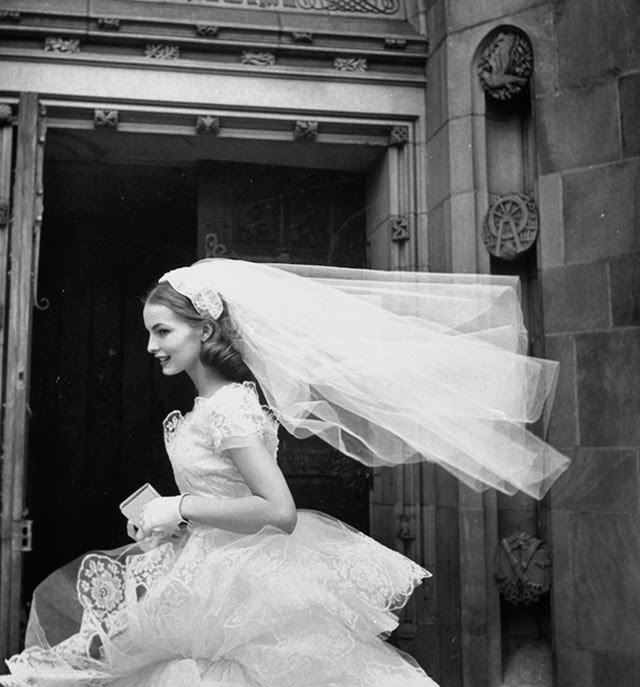
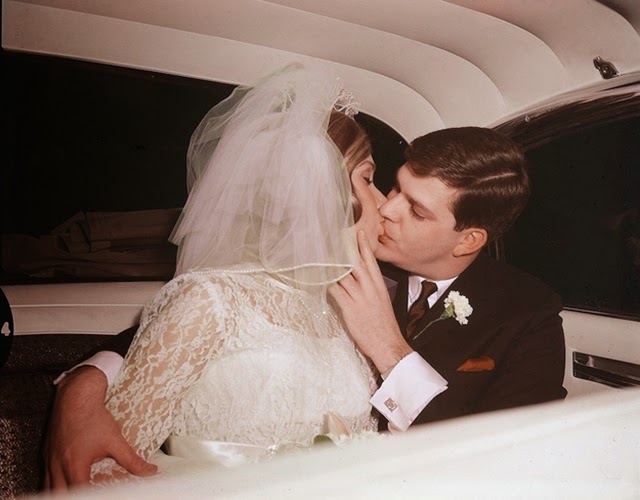
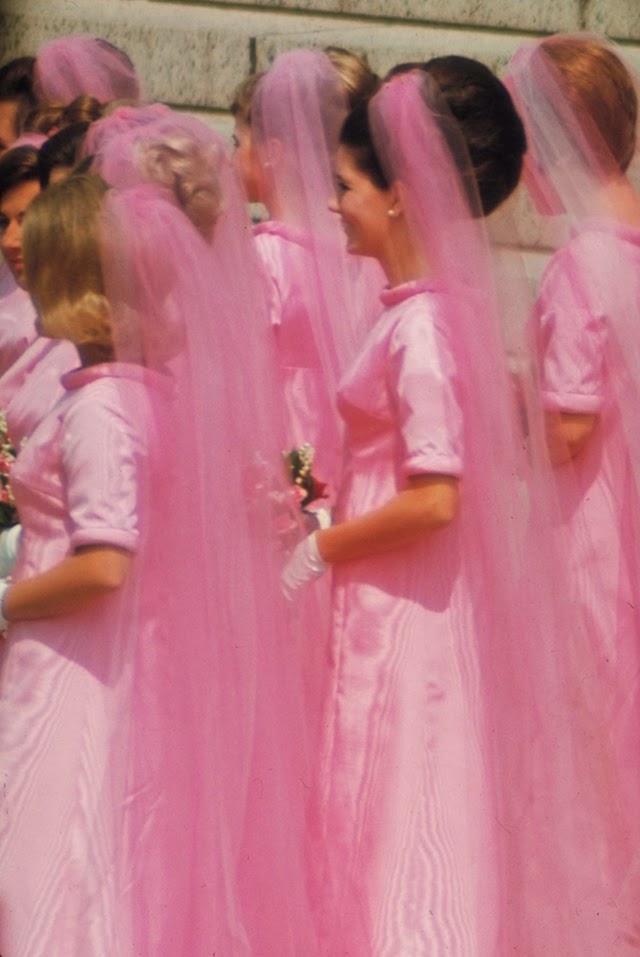
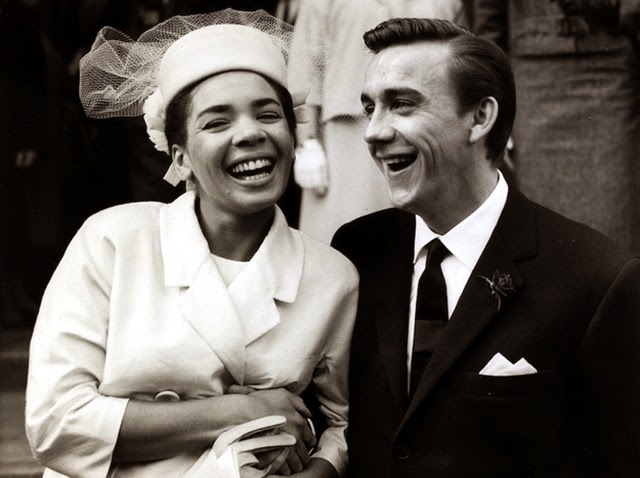
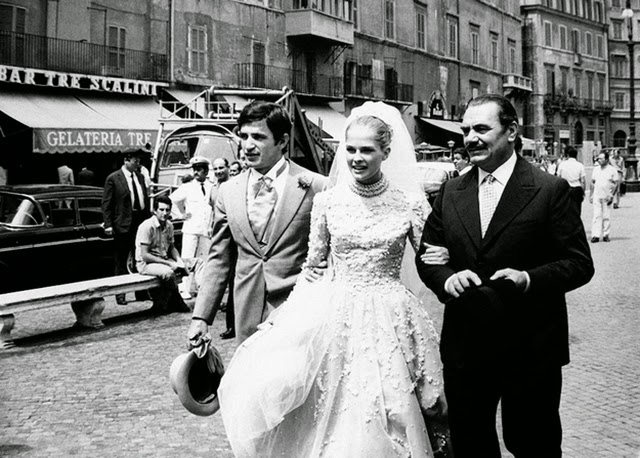
Weddings looked so cool and classic back then. These old pictures of brides in the 1960’s are even more romantic as they show beautiful brides in their classic gowns at the happiest moments of their lives. Bridal fashion has changed so much but it seems that nothing can replicate this timeless beauty.







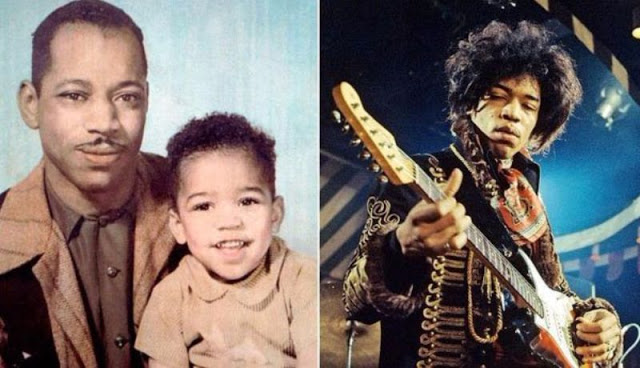
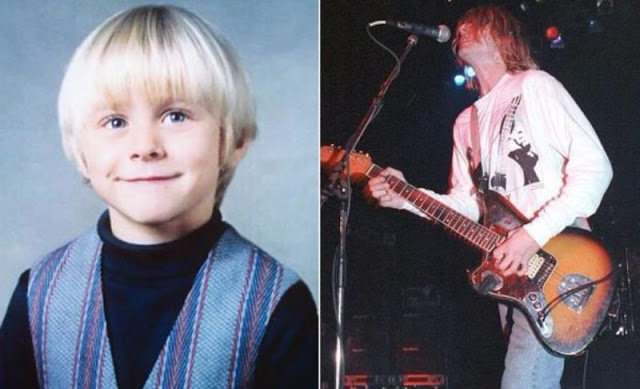
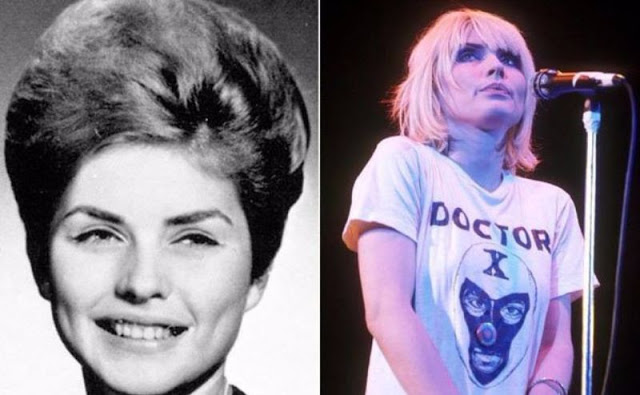
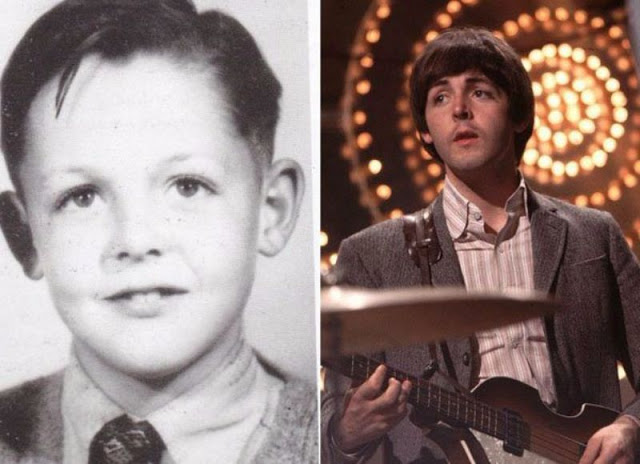
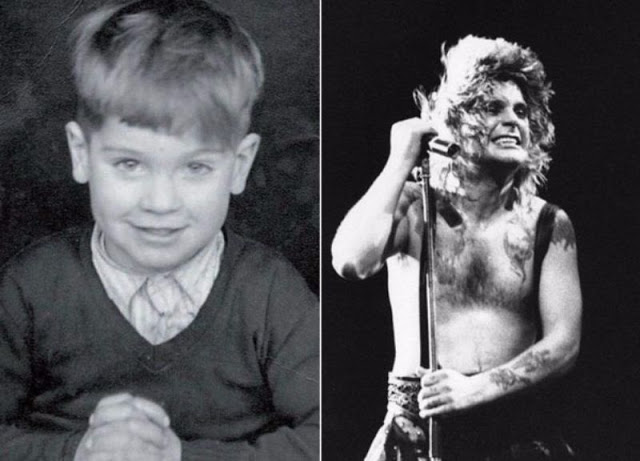
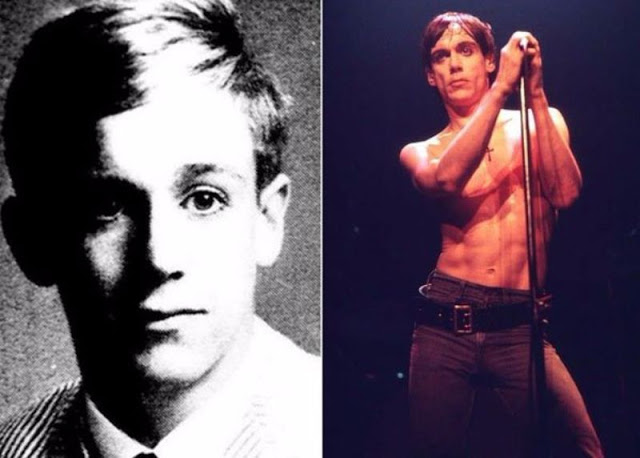
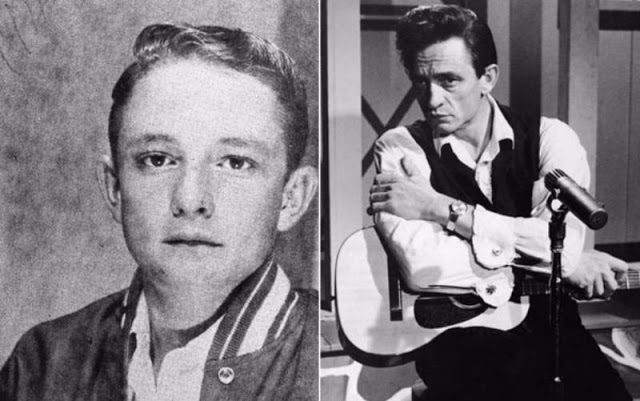
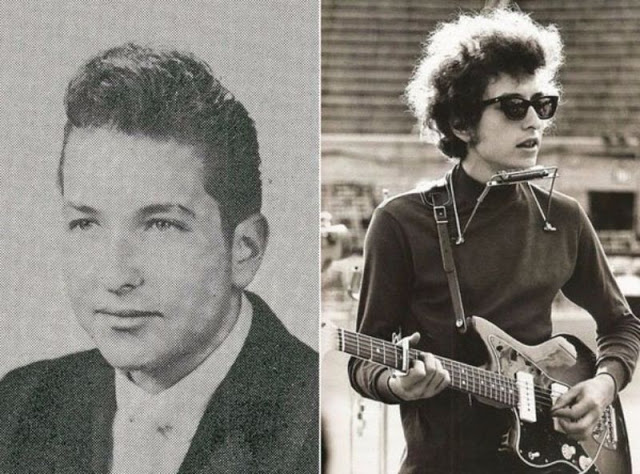
Sometimes it’s important to remember that every musician starts as an amateur. Before they hit the stage and the big time, they were young and a little bit awkward. Here’s a gallery of 18 before and after pictures of your favorite rock stars.









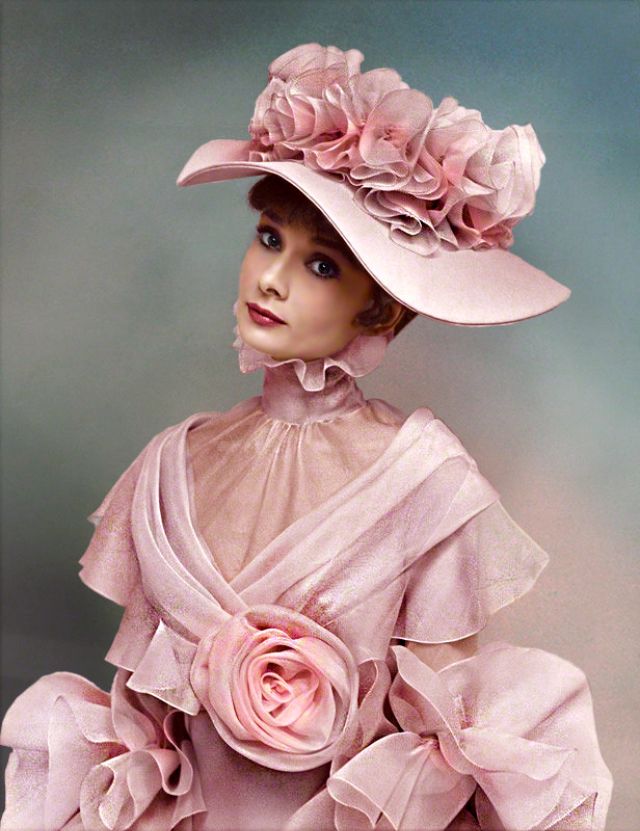
Audrey Hepburn (born Audrey Kathleen Ruston; 4 May 1929 – 20 January 1993) was a British[a] actress and humanitarian. Recognised as both a film and fashion icon, she was ranked by the American Film Institute as the third-greatest female screen legend from the Classical Hollywood cinema and was inducted into the International Best Dressed List Hall of Fame.
Born in Ixelles, Brussels to an aristocratic family, Hepburn spent parts of her childhood in Belgium, England, and the Netherlands. She studied ballet with Sonia Gaskell in Amsterdam beginning in 1945, and with Marie Rambert in London from 1948. She began performing as a chorus girl in West End musical theatre productions and then had minor appearances in several films. She rose to stardom in the romantic comedy Roman Holiday (1953) alongside Gregory Peck, for which she was the first actress to win an Oscar, a Golden Globe Award, and a BAFTA Award for a single performance. That year, she also won a Tony Award for Best Lead Actress in a Play for her performance in Ondine.
She went on to star in a number of successful films such as Sabrina (1954), in which Humphrey Bogart and William Holden compete for her affection; Funny Face (1957), a musical where she sang her own parts; the drama The Nun’s Story (1959); the romantic comedy Breakfast at Tiffany’s (1961); the thriller-romance Charade (1963), opposite Cary Grant; and the musical My Fair Lady (1964). In 1967 she starred in the thriller Wait Until Dark, receiving Academy Award, Golden Globe, and BAFTA nominations. After that, she only occasionally appeared in films, one being Robin and Marian (1976) with Sean Connery. Her last recorded performances were in the 1990 documentary television series Gardens of the World with Audrey Hepburn for which she won a Primetime Emmy Award for Outstanding Individual Achievement – Informational Programming.
Hepburn won three BAFTA Awards for Best British Actress in a Leading Role. In recognition of her film career, she received BAFTA’s Lifetime Achievement Award, the Golden Globe Cecil B. DeMille Award, the Screen Actors Guild Life Achievement Award, and the Special Tony Award. She remains one of only sixteen people who have won Academy, Emmy, Grammy, and Tony Awards. Later in life, Hepburn devoted much of her time to UNICEF, to which she had contributed since 1954. Between 1988 and 1992, she worked in some of the poorest communities of Africa, South America, and Asia. In December 1992, she received the Presidential Medal of Freedom in recognition of her work as a UNICEF Goodwill Ambassador. A month later, she died of appendiceal cancer at her home in Switzerland at the age of 63. (Wikipedia)
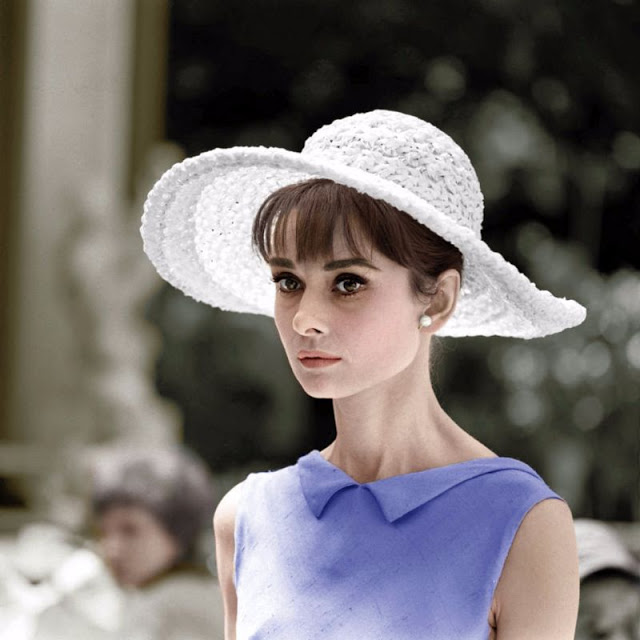
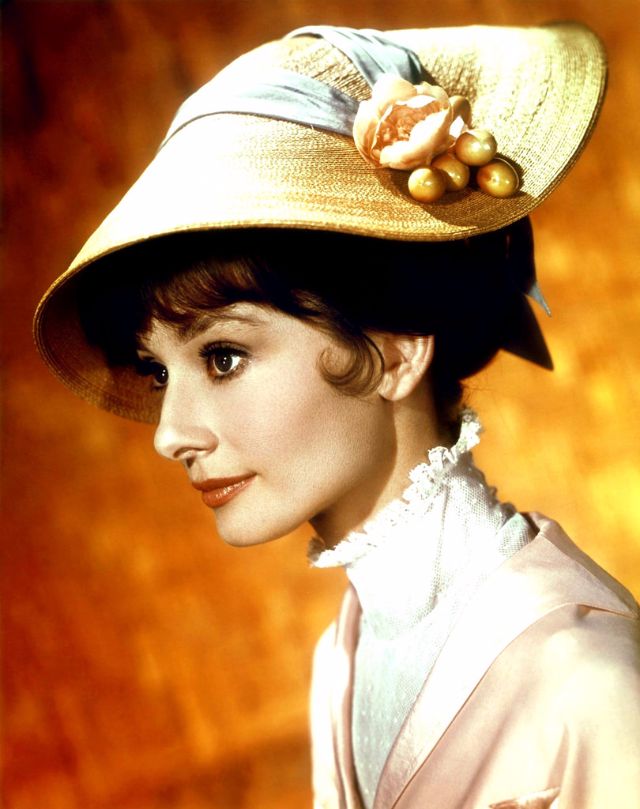
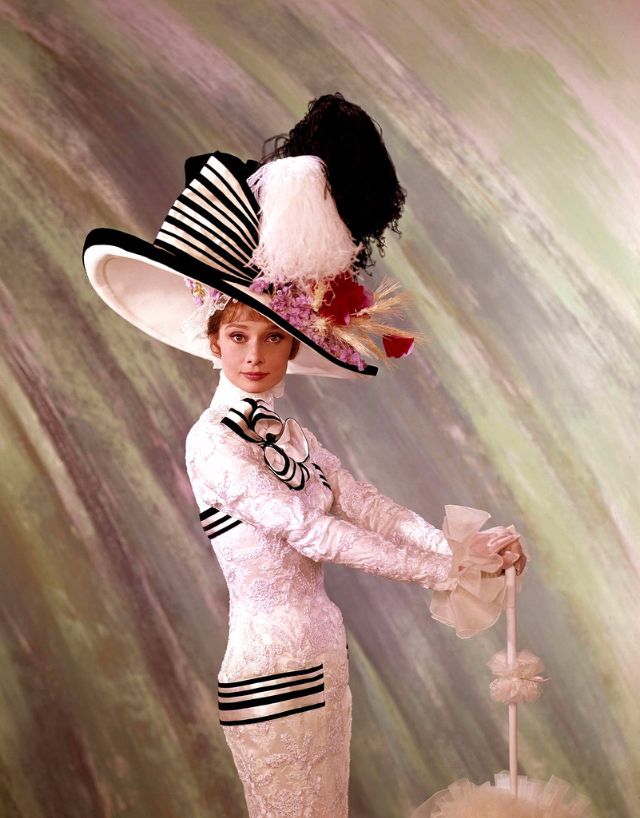
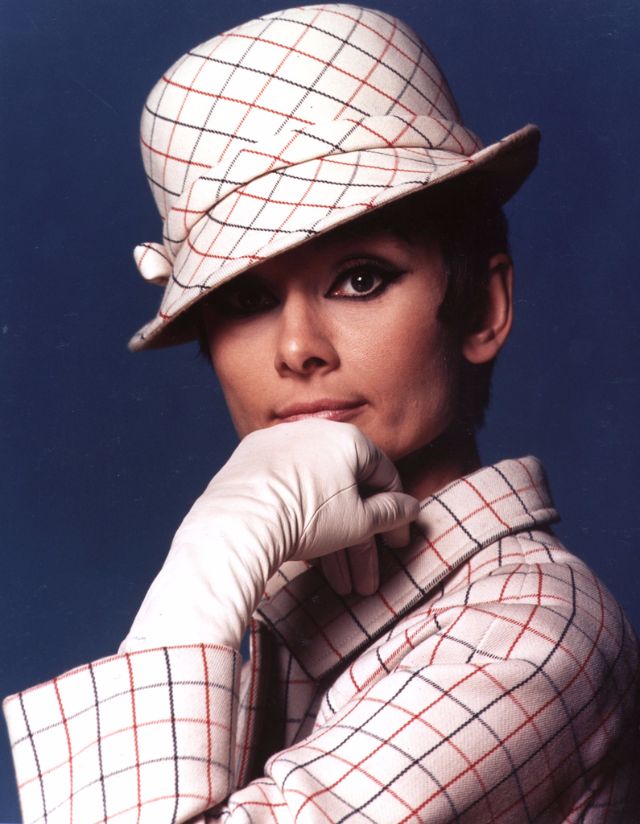
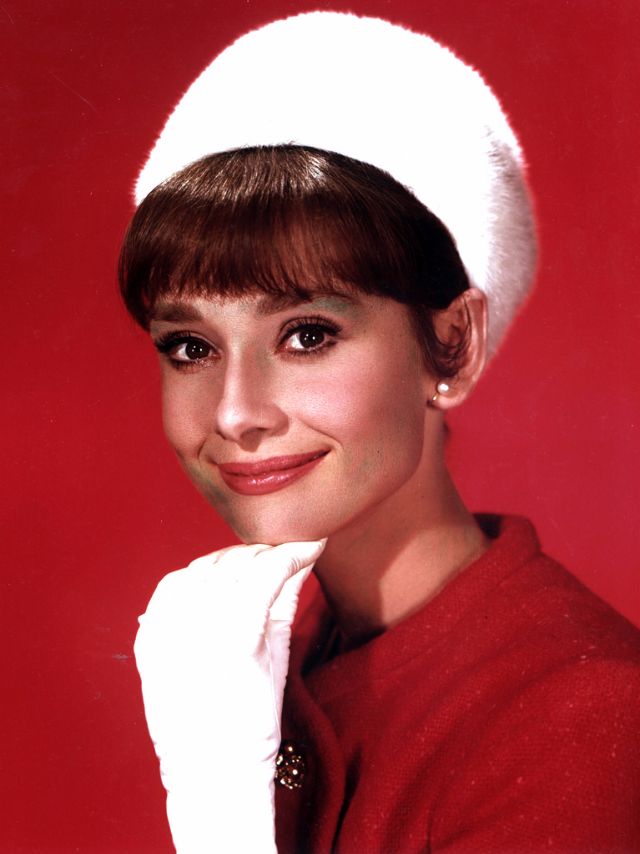
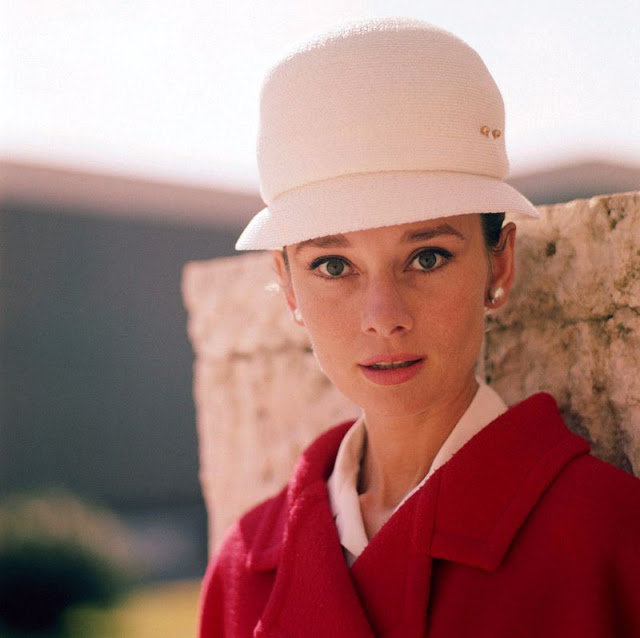
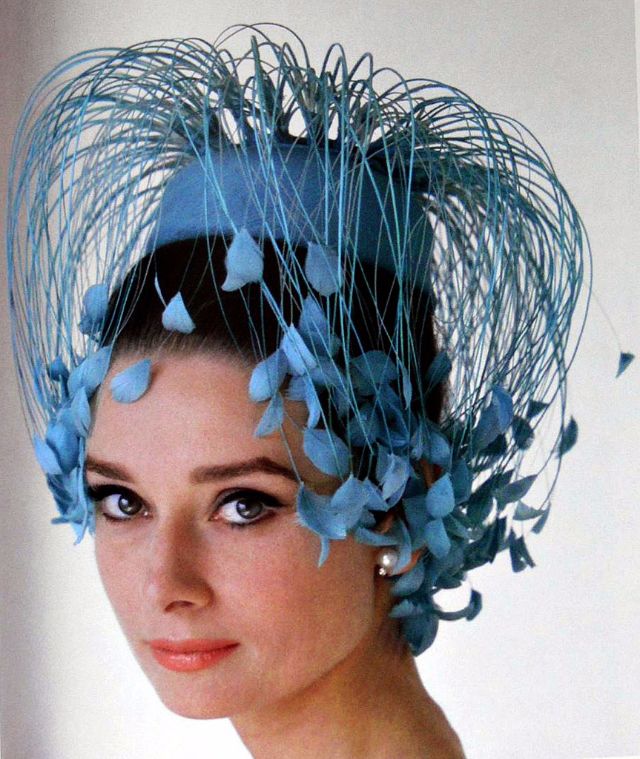
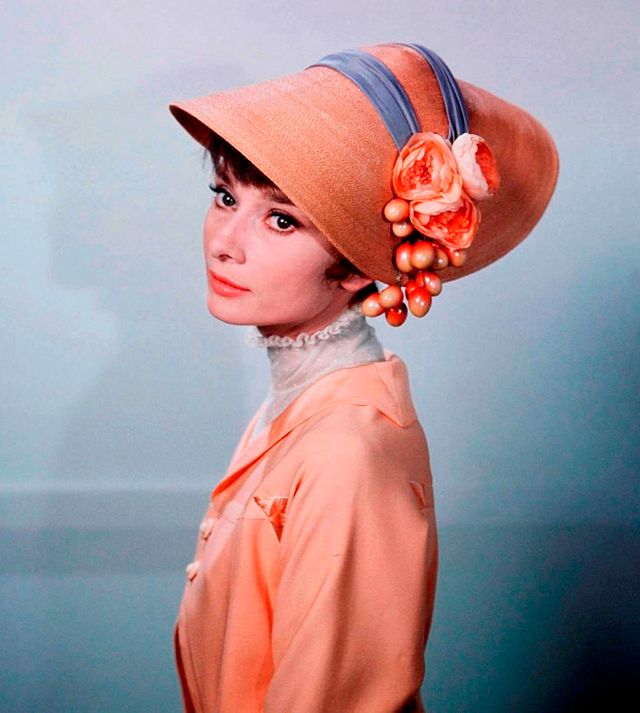
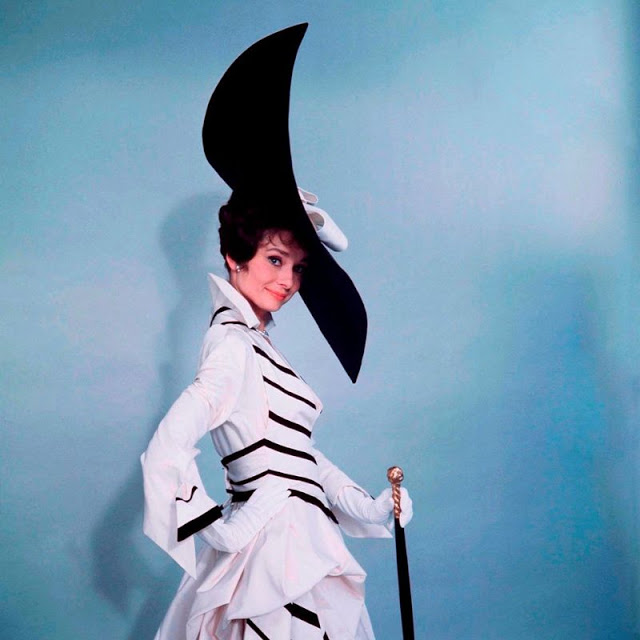
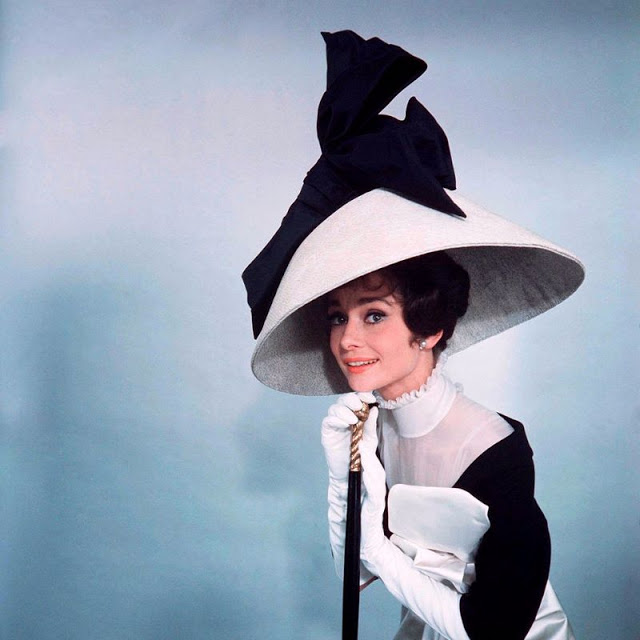
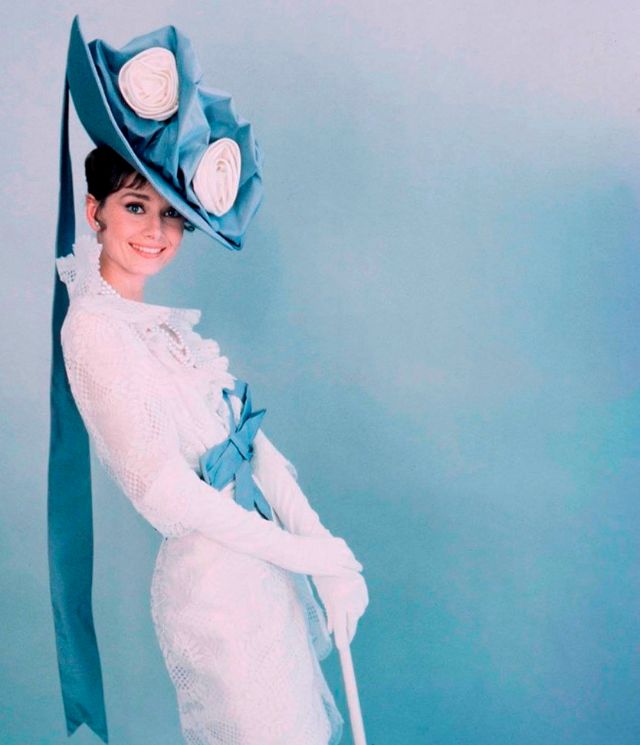
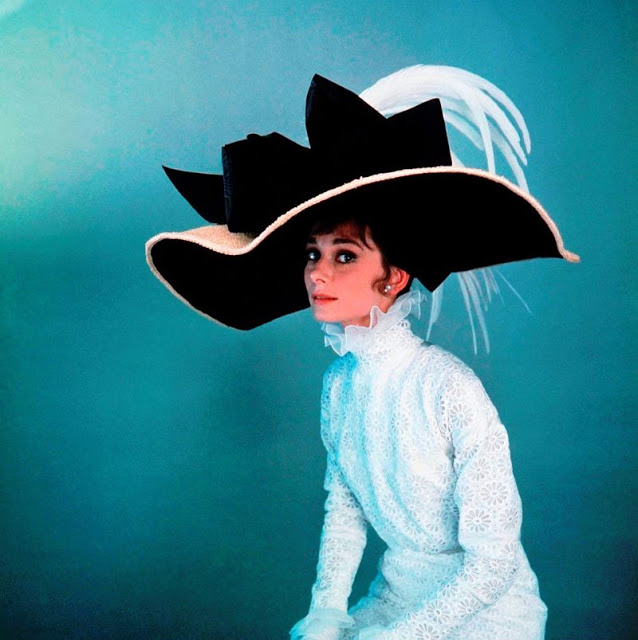
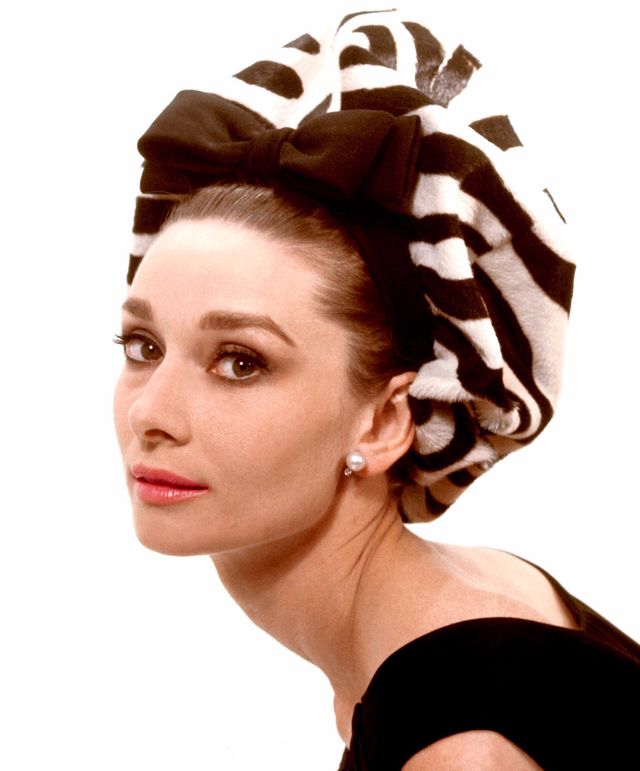
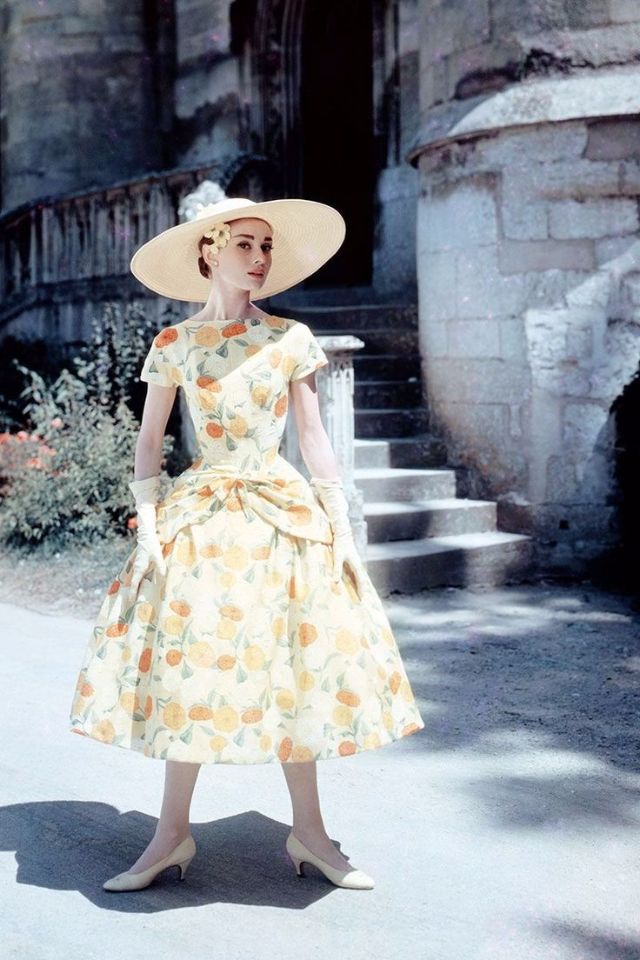
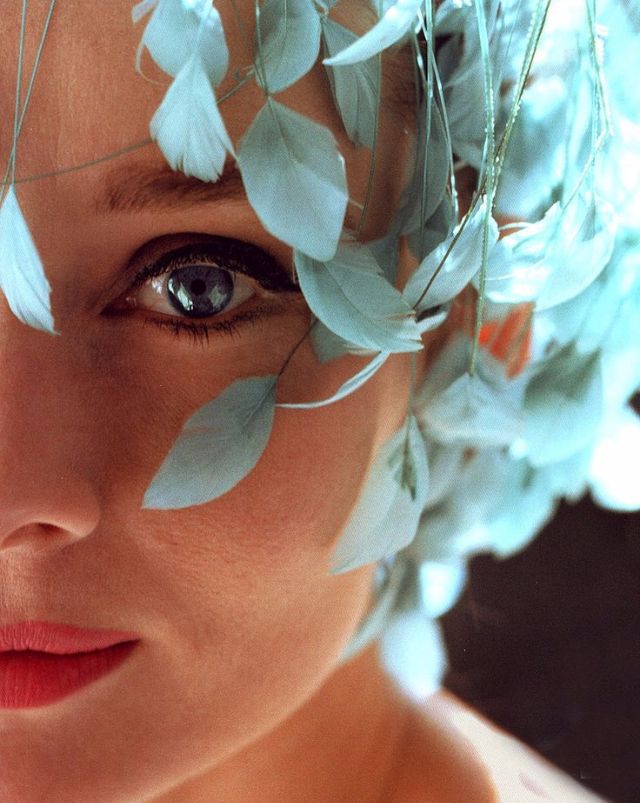
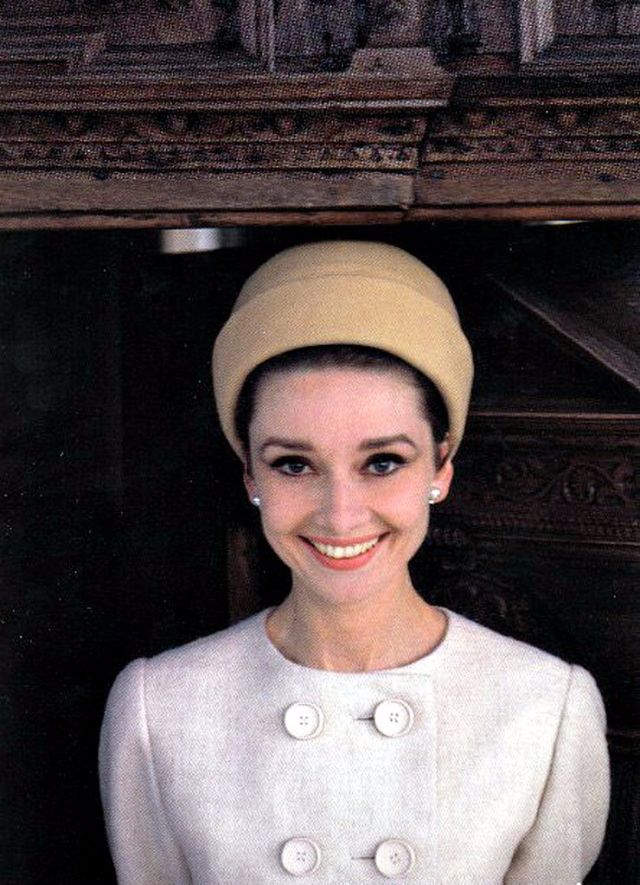
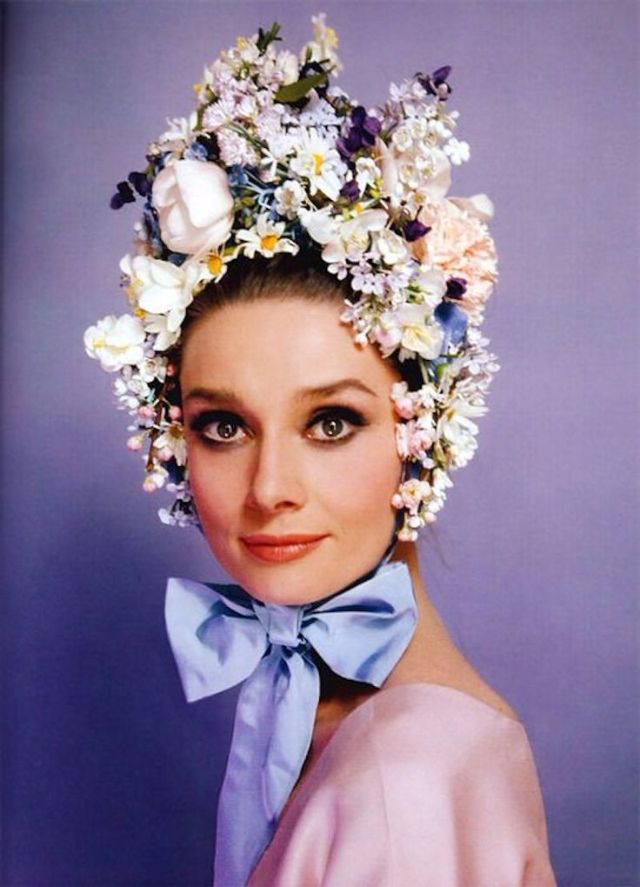
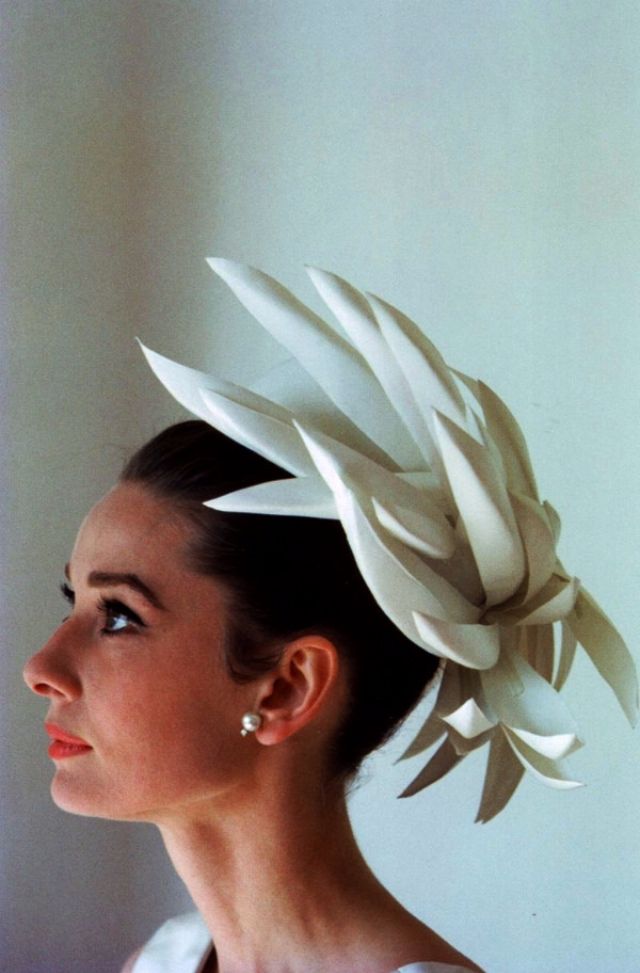
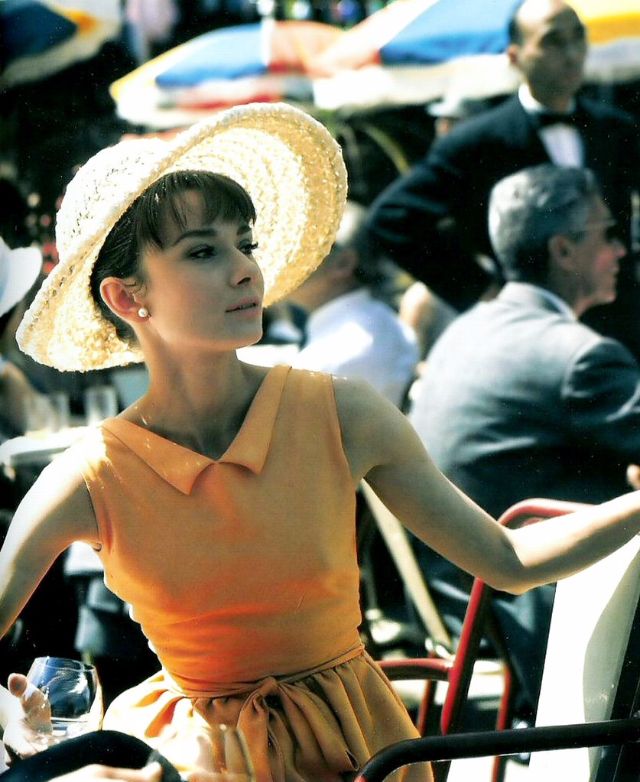
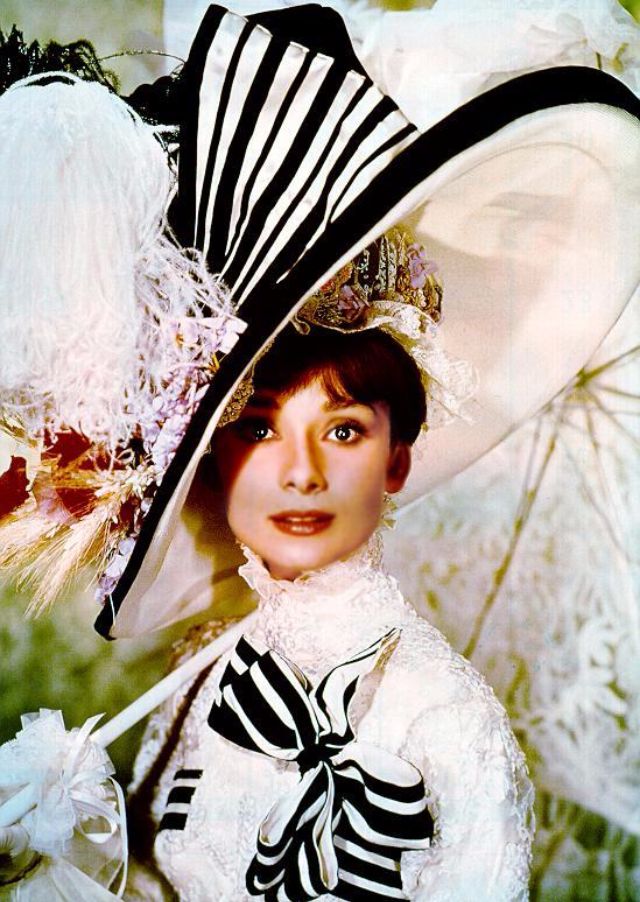
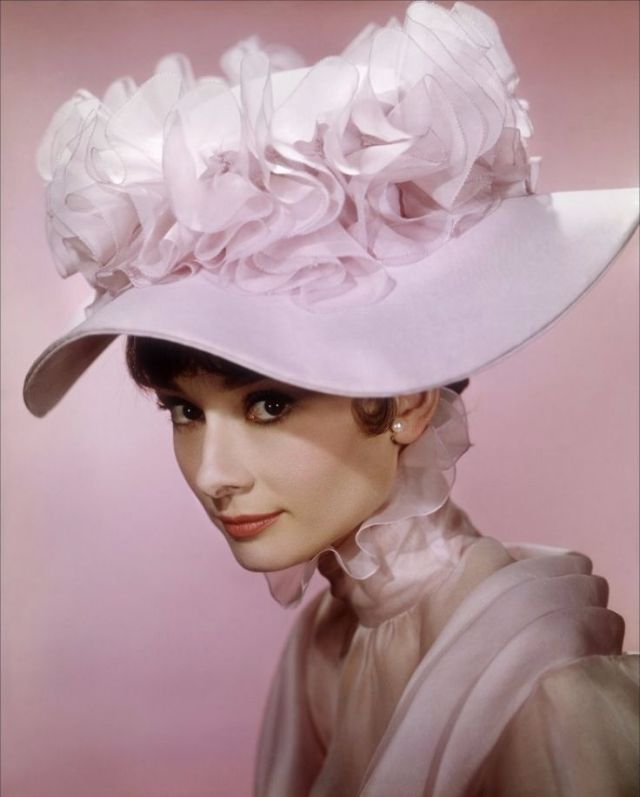
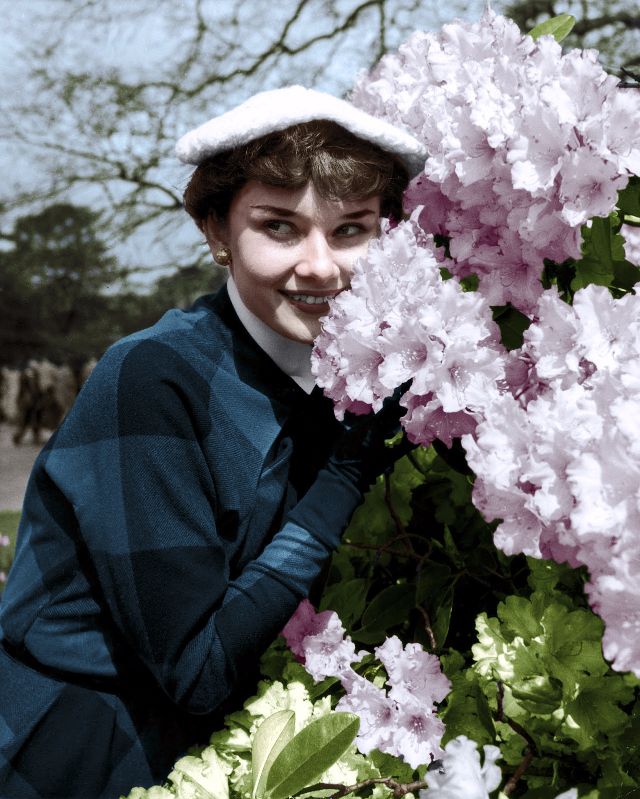
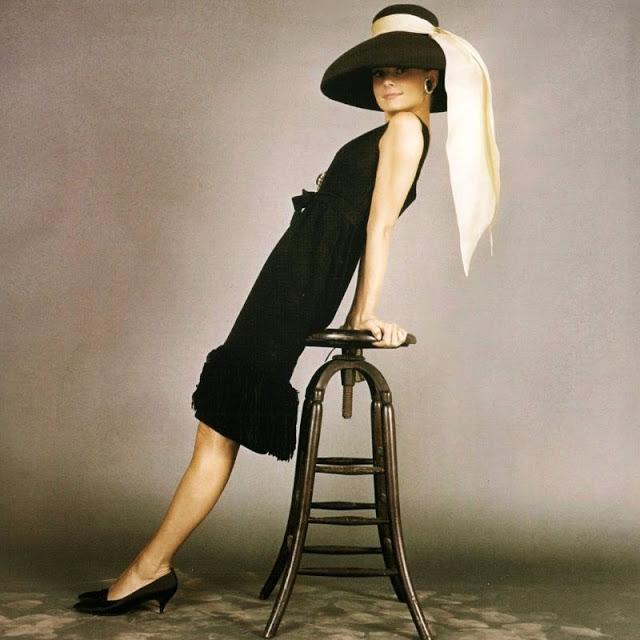
A colorful photo collection that shows hat styles Hepburn often wore from between the 1950s and 1960s.








In June 1954, LIFE magazine published an article titled “The Luckiest Generation” that, revisited 60 years later, feels like an almost perfect snapshot of a certain segment of American society at a particular moment in the nation’s history…
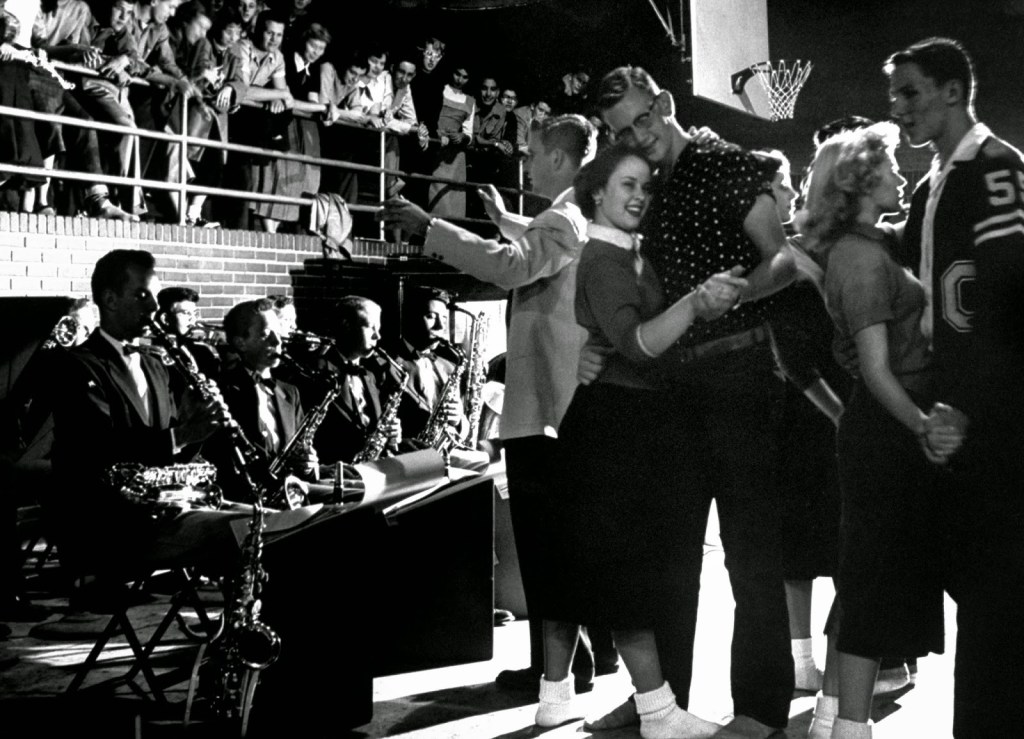
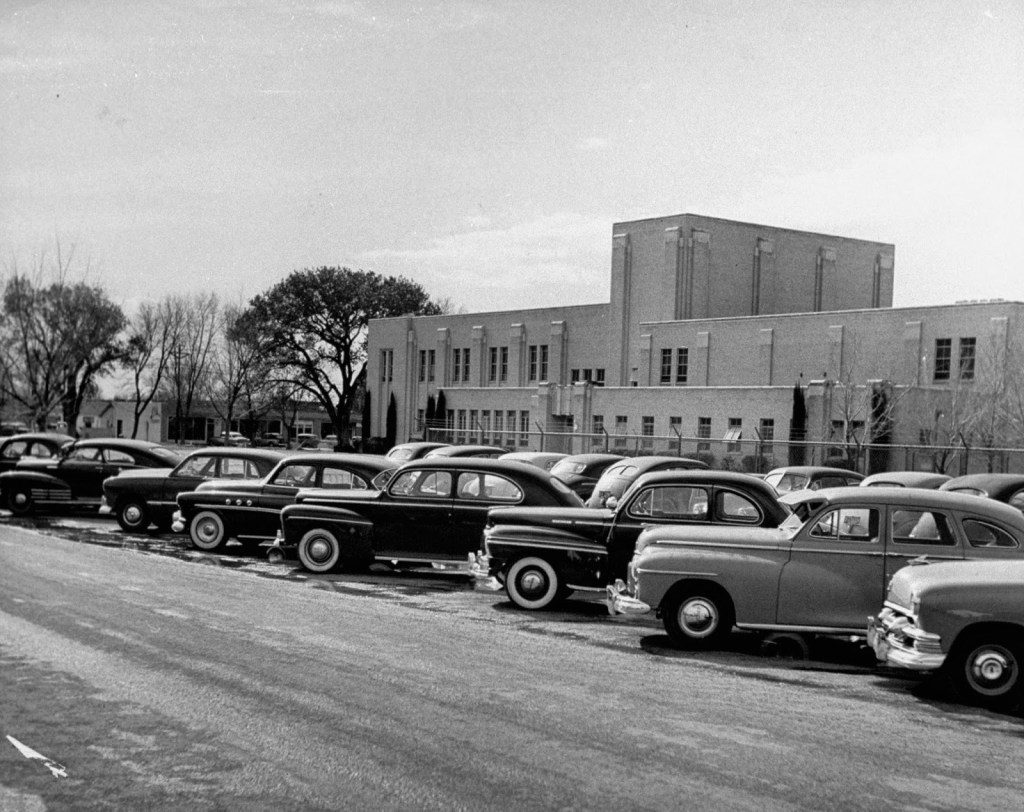

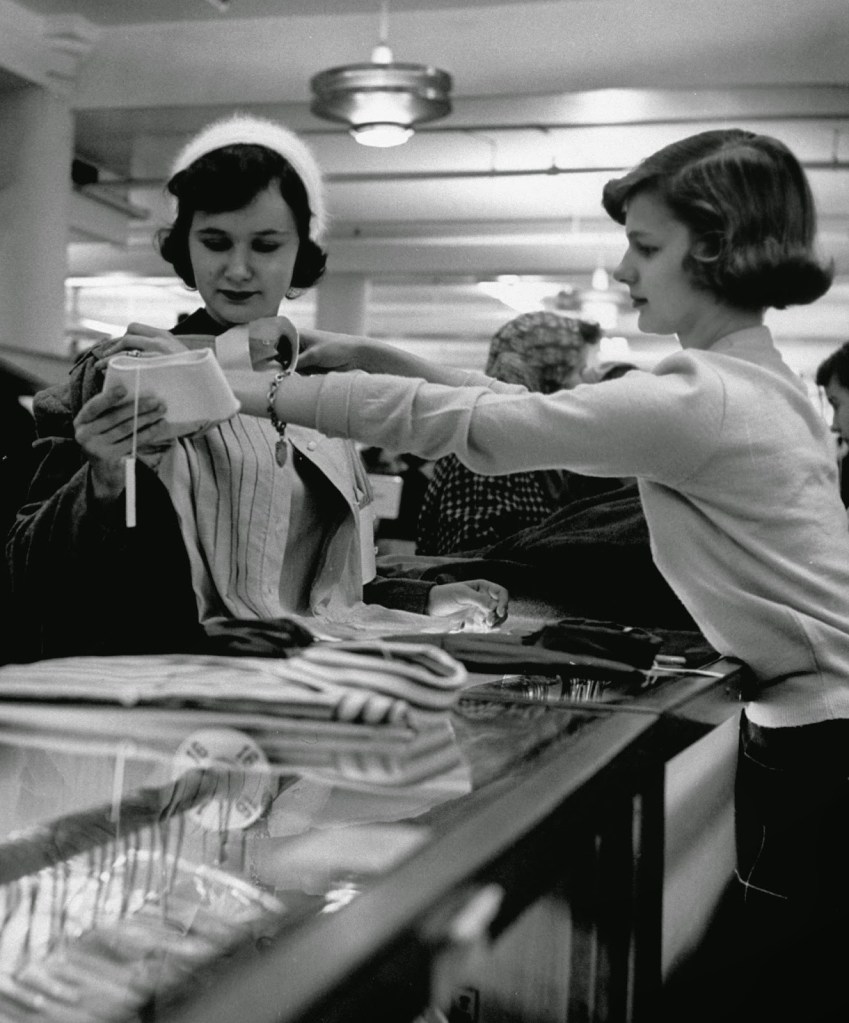

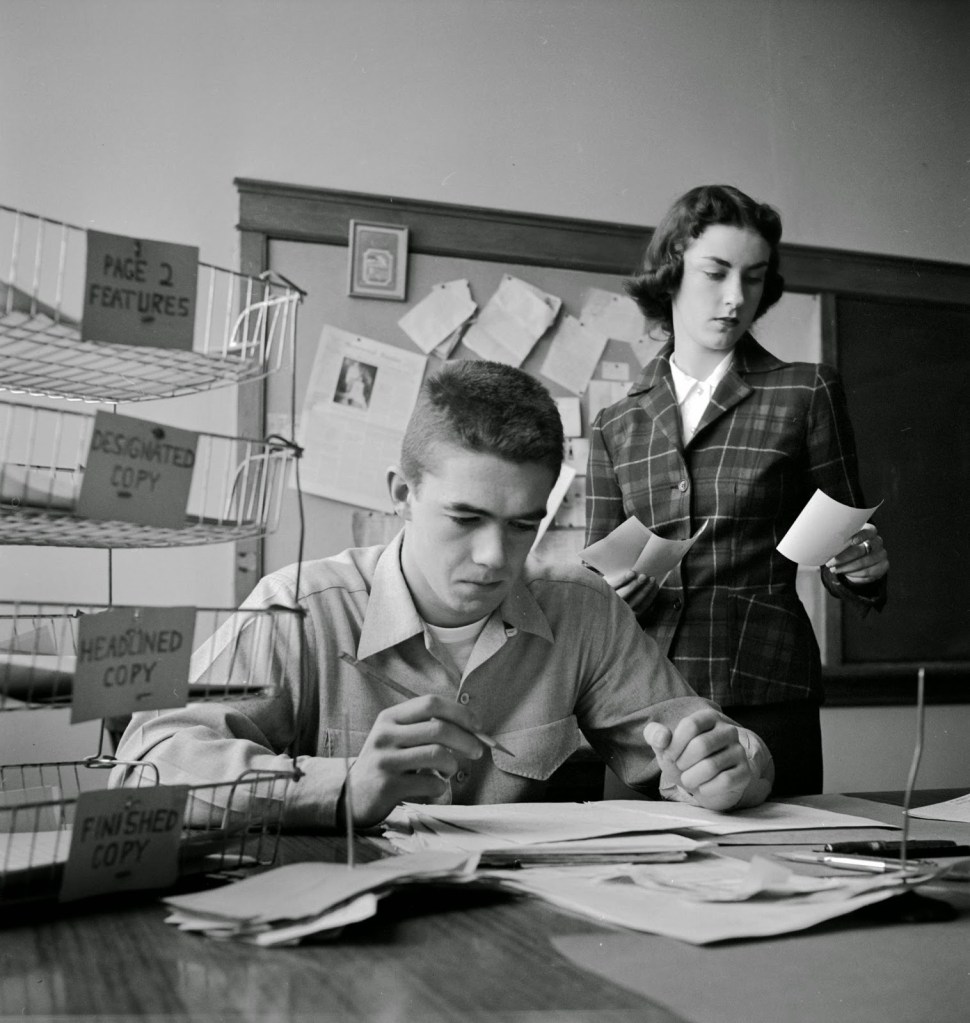
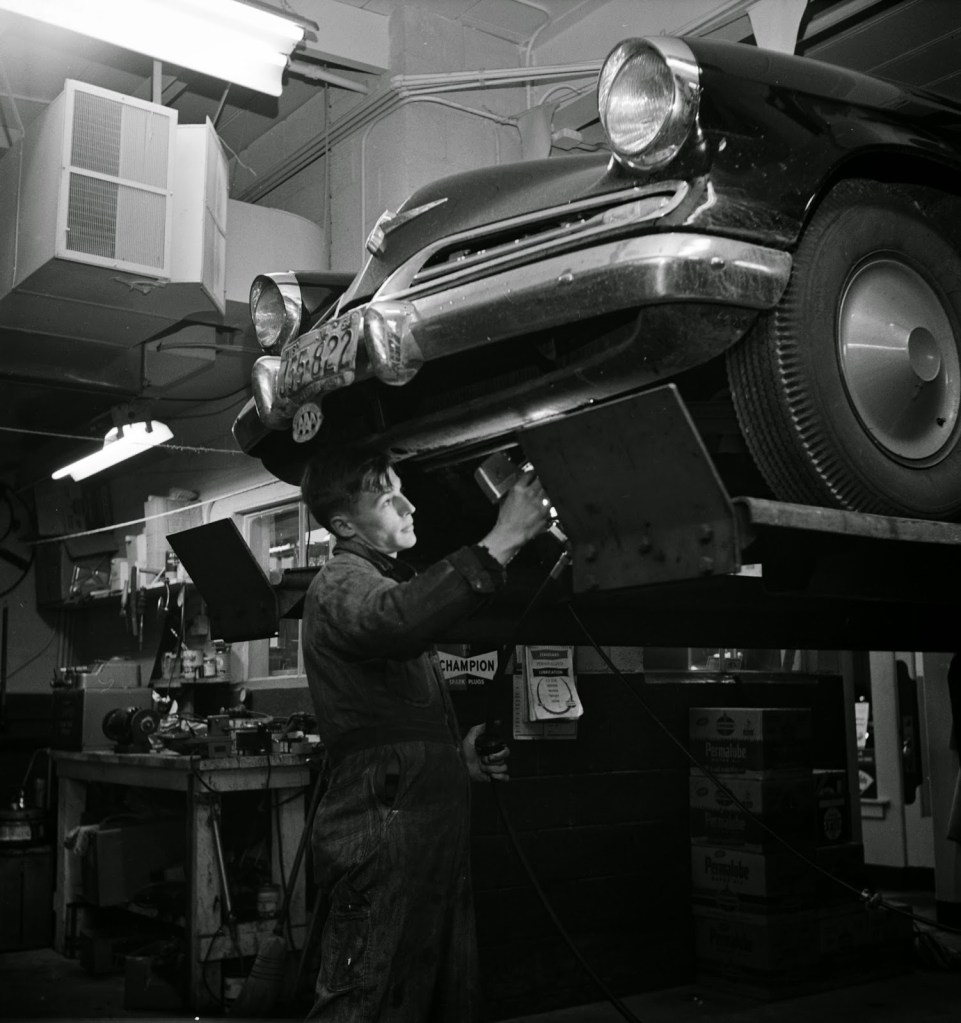
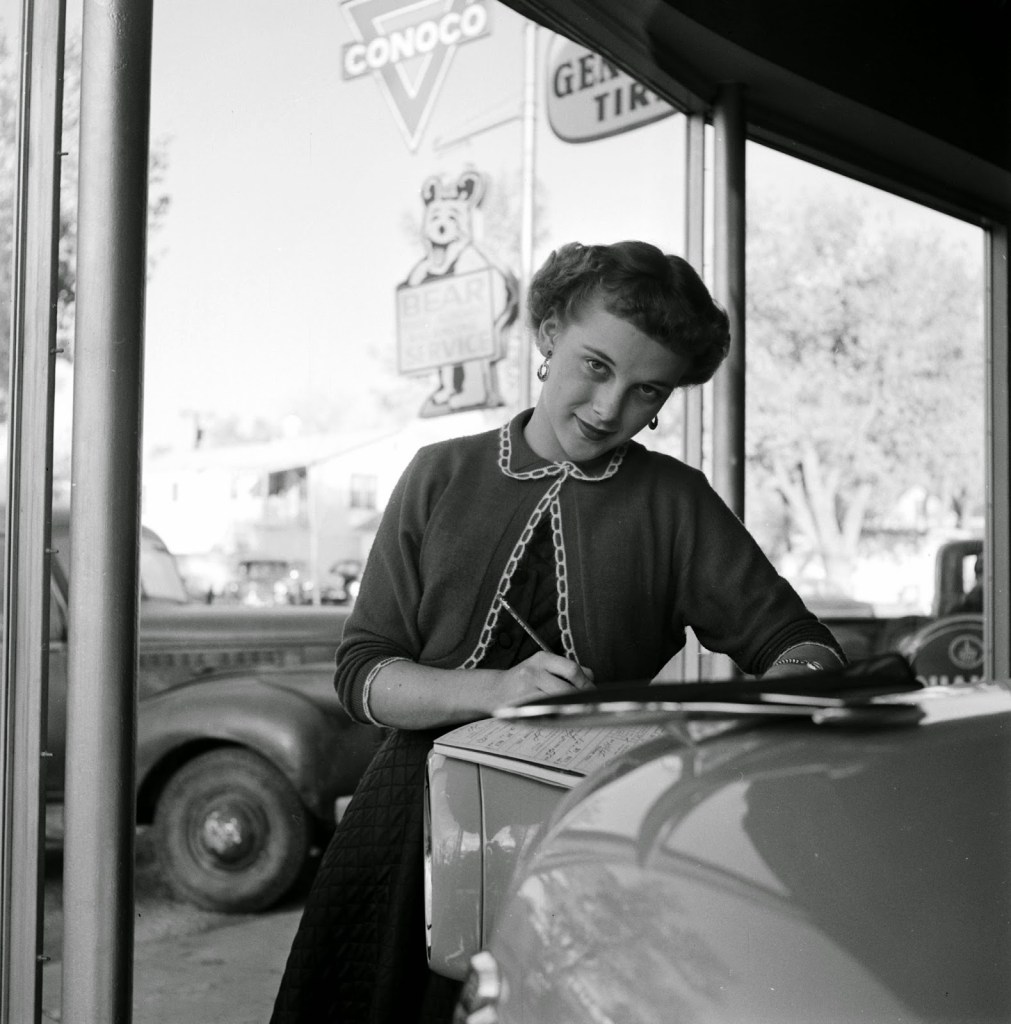

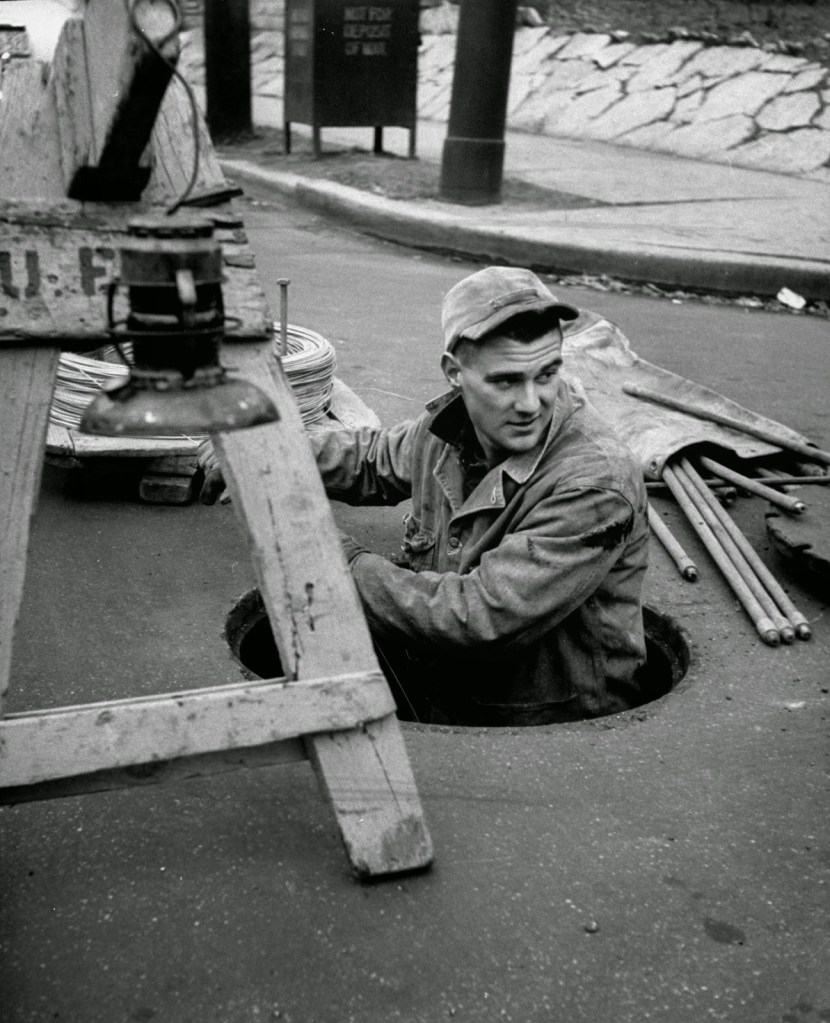
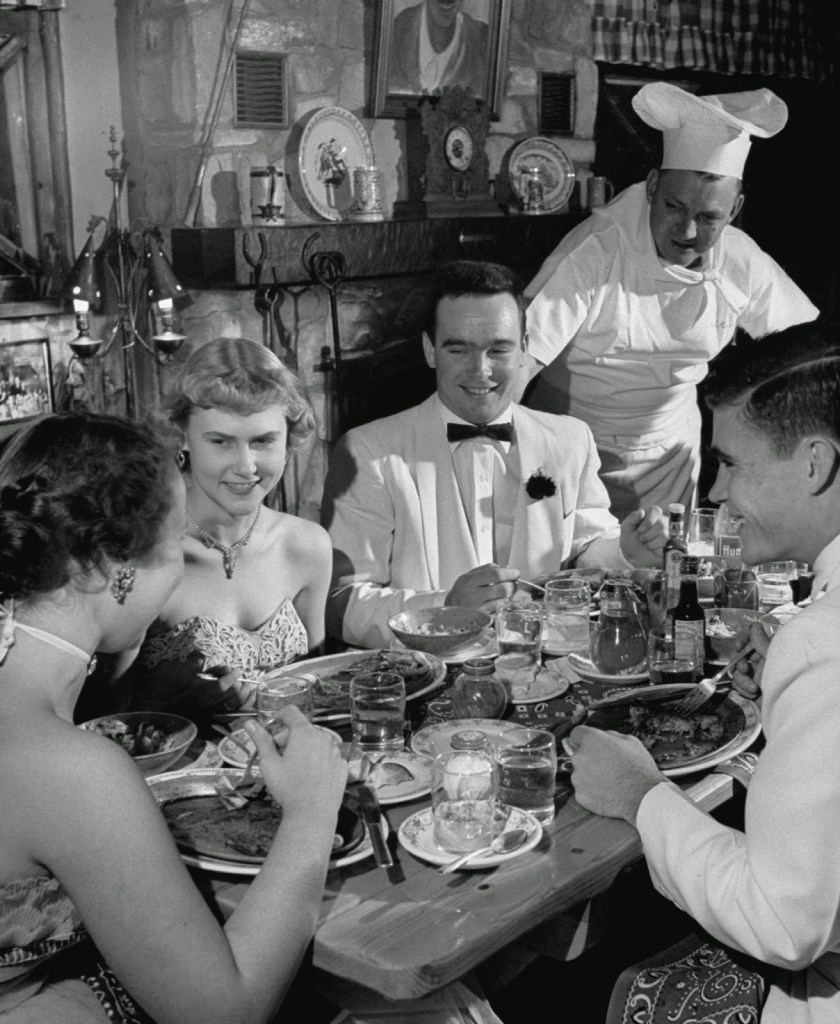
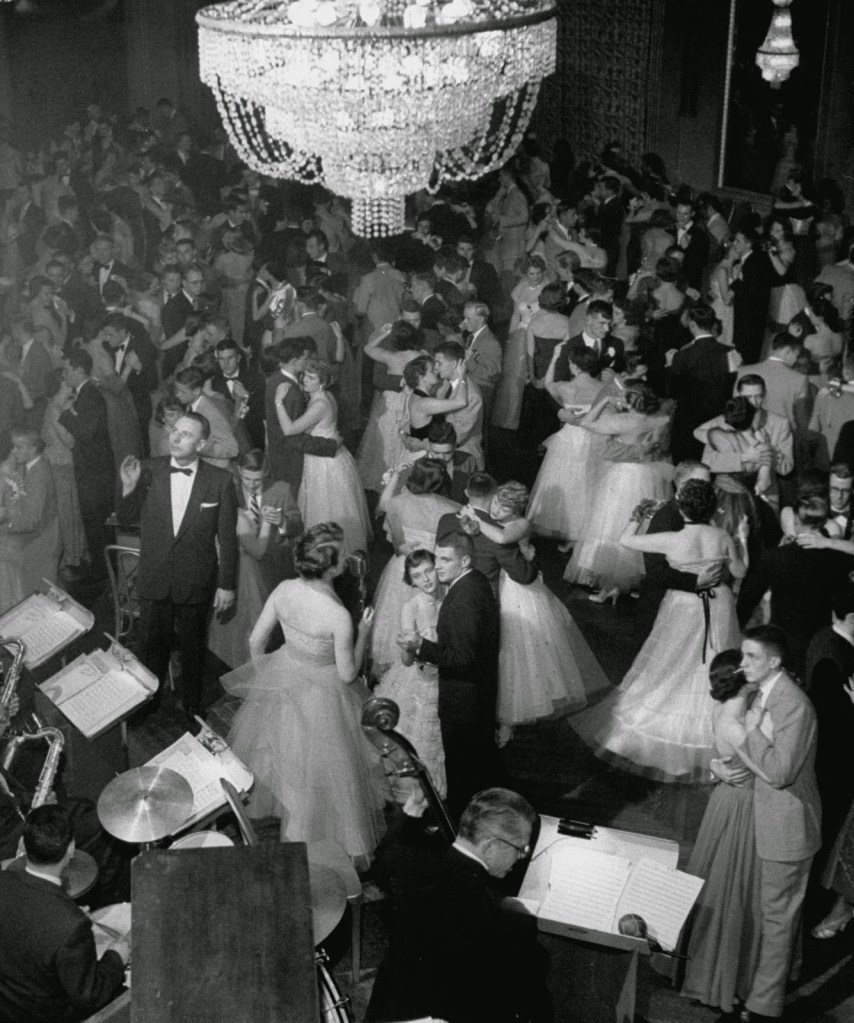
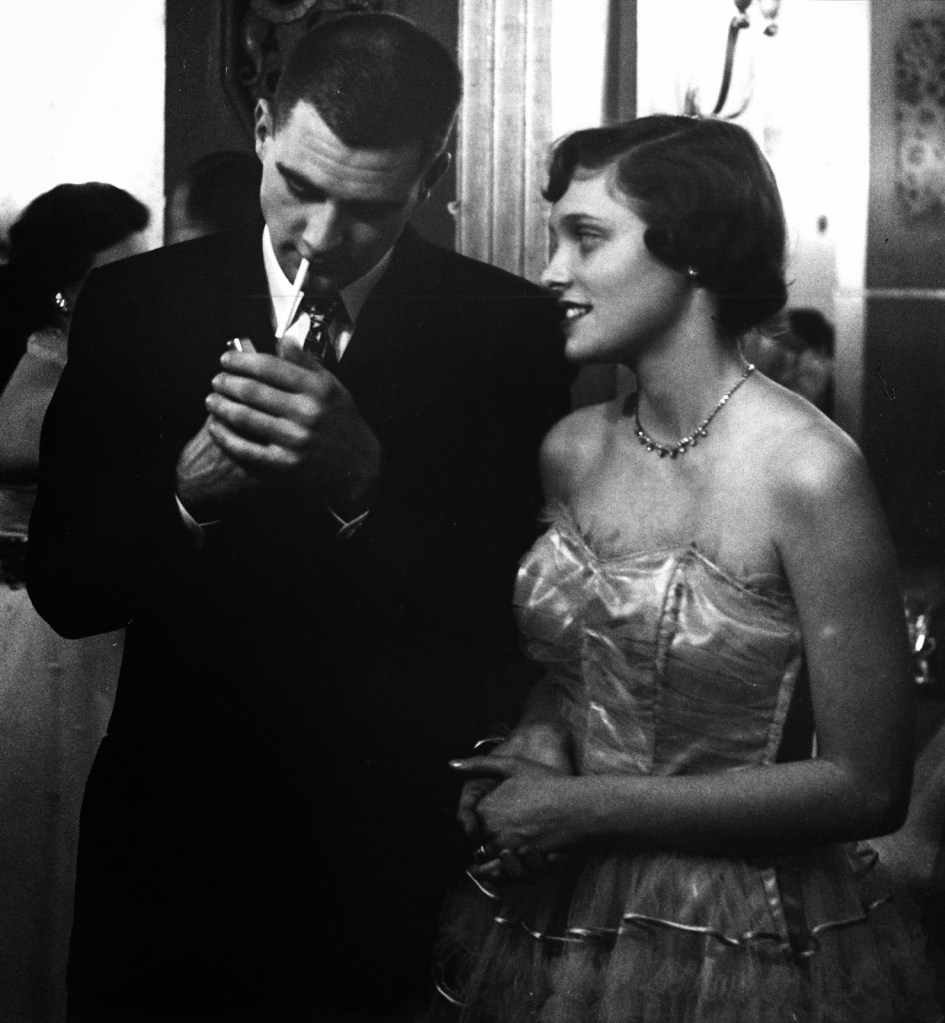
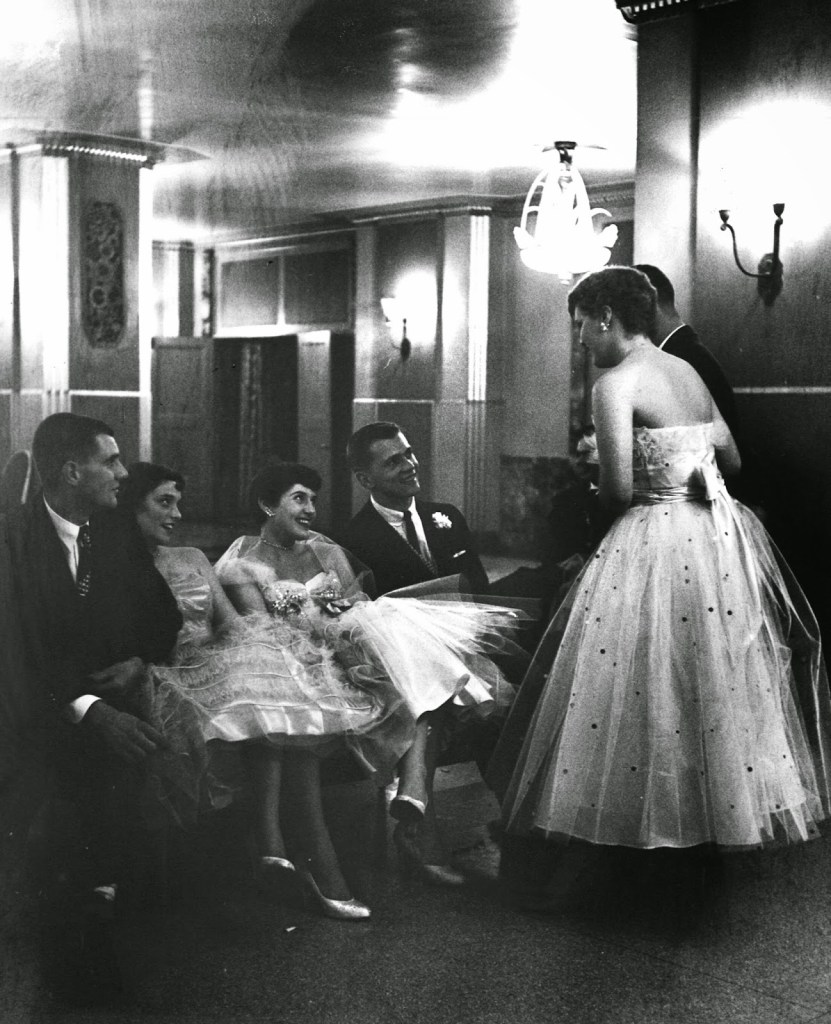

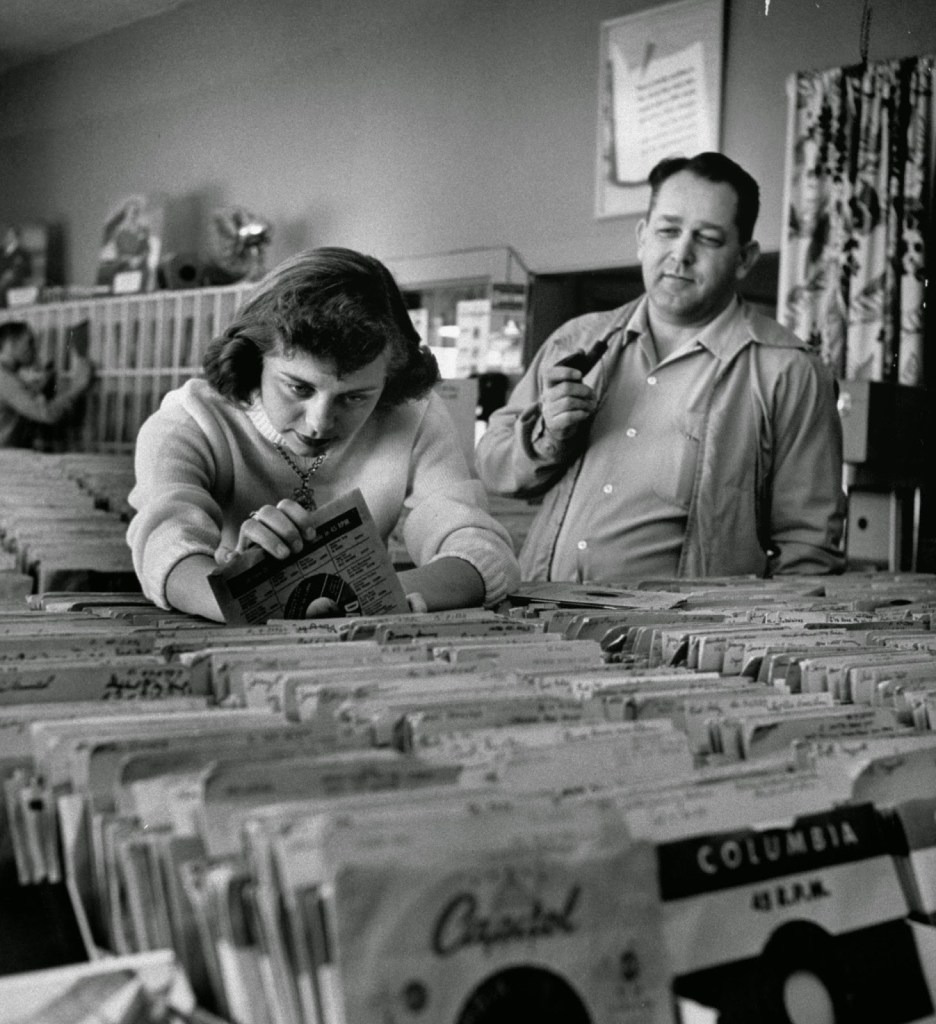
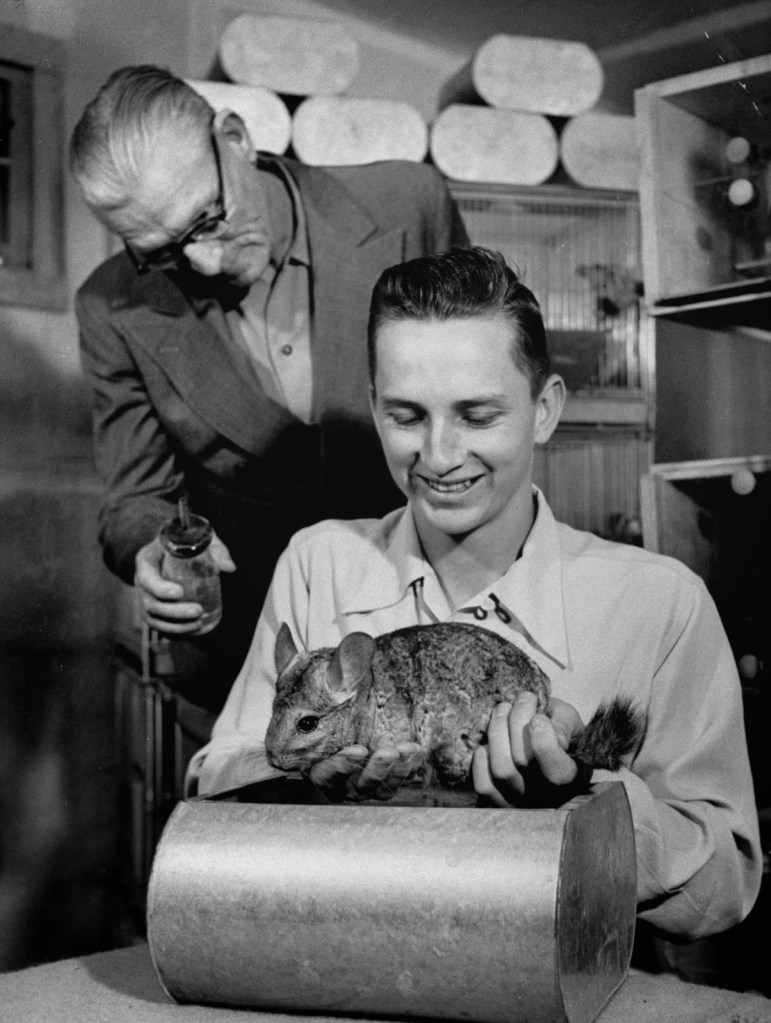
(Photos by Nina Leen—The LIFE Picture Collection/Getty Images)

Seoul, officially known as the Seoul Special City, is the capital and largest metropolis of South Korea. According to the 2020 census, Seoul has a population of 9.9 million people, and forms the heart of the Seoul Capital Area with the surrounding Incheon metropolis and Gyeonggi province. It is considered to be a global city and rated as an Alpha – City by Globalization and World Cities Research Network (GaWC), Seoul was the world’s 4th largest metropolitan economy in 2014 after Tokyo, New York City and Los Angeles. International visitors generally reach Seoul via AREX from Incheon International Airport, notable for having been rated the best airport for nine consecutive years (2005–2013) by Airports Council International. In 2015, it was rated Asia’s most livable city with the second highest quality of life globally by Arcadis, with the GDP per capita (PPP) in Seoul being around $40,000. In 2017, the cost of living in Seoul was ranked the 6th highest globally. In 2020, Seoul’s real estate market was ranked 3rd in the world for the price of apartments in the downtown center. Seoul was one of the host cities for the official tournament of the 2002 FIFA World Cup, which was co-hosted by South Korea and Japan.
With major technology hubs centered in Gangnam and Digital Media City, the Seoul Capital Area is home to the headquarters of 15 Fortune Global 500 companies, including Samsung, LG, and Hyundai. Ranked seventh in the Global Power City Index and Global Financial Centres Index, the metropolis exerts a major influence in global affairs as one of the five leading hosts of global conferences.[16] Seoul has hosted the 1986 Asian Games, 1988 Summer Olympics, and the 2010 G20 Seoul summit.
Seoul was the capital of various Korean states, including Baekje, Joseon, the Korean Empire, Goryeo (as a secondary capital), and presently South Korea. It is strategically located along the Han River, Seoul’s history stretches back over two thousand years, when it was founded in 18 BC by the people of Baekje, one of the Three Kingdoms of Korea. The city was later designated the capital of Korea under the Joseon dynasty. Seoul is surrounded by a mountainous and hilly landscape, with Bukhan Mountain located on the northern edge of the city. The Seoul Capital Area contains five UNESCO World Heritage Sites: Changdeok Palace, Hwaseong Fortress, Jongmyo Shrine, Namhansanseong and the Royal Tombs of the Joseon Dynasty. More recently, Seoul has been a major site of modern architectural construction – major modern landmarks include the N Seoul Tower, the 63 Building, the Lotte World Tower, the Dongdaemun Design Plaza, Lotte World, Trade Tower, COEX, and the IFC Seoul. Seoul was named the 2010 World Design Capital. It is the birthplace of K-pop and the Korean wave. (Wikipedia)
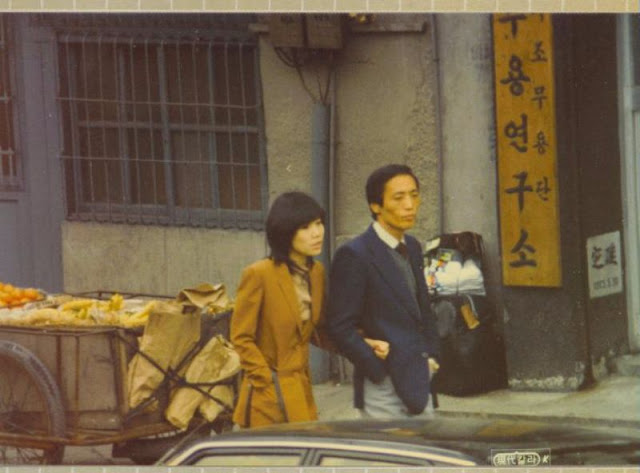
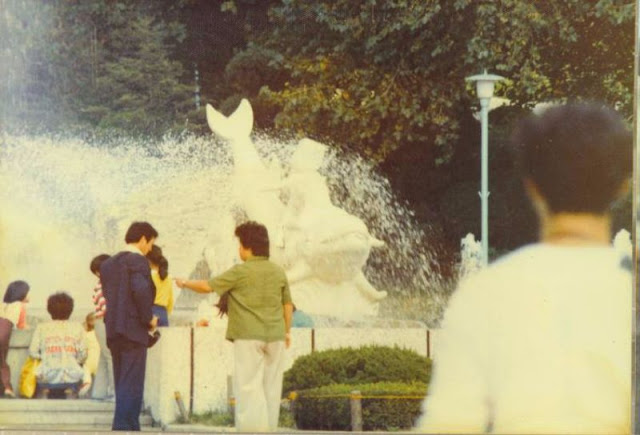
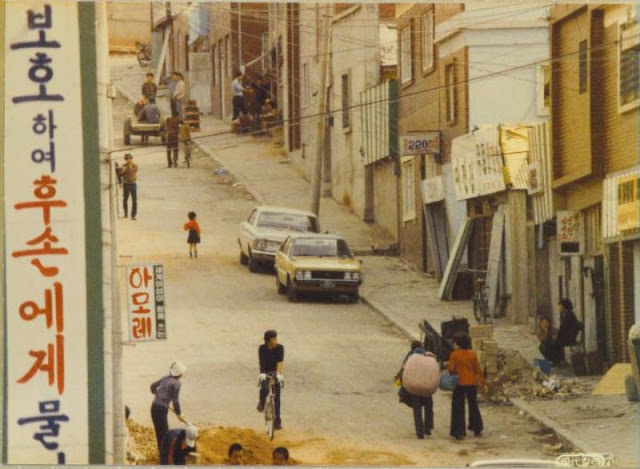
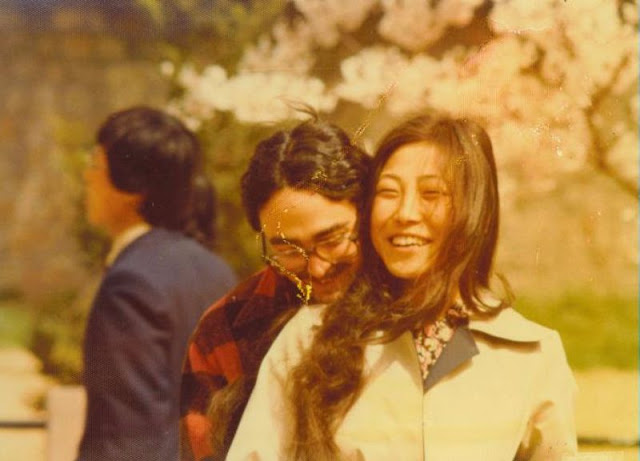
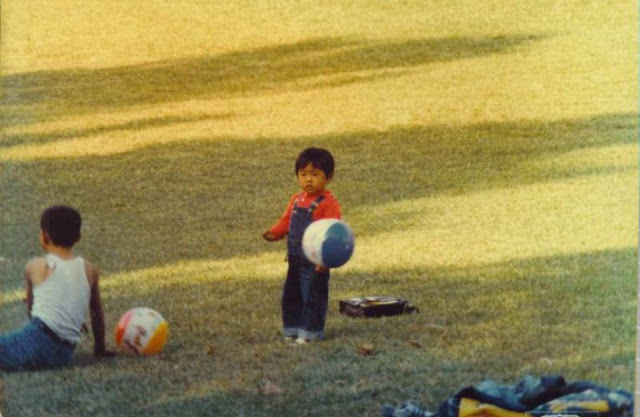
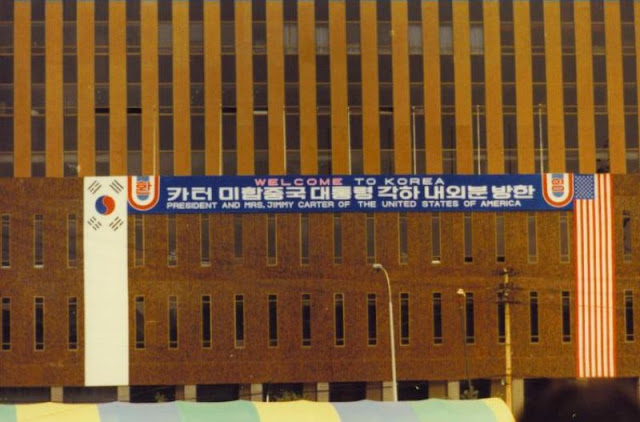
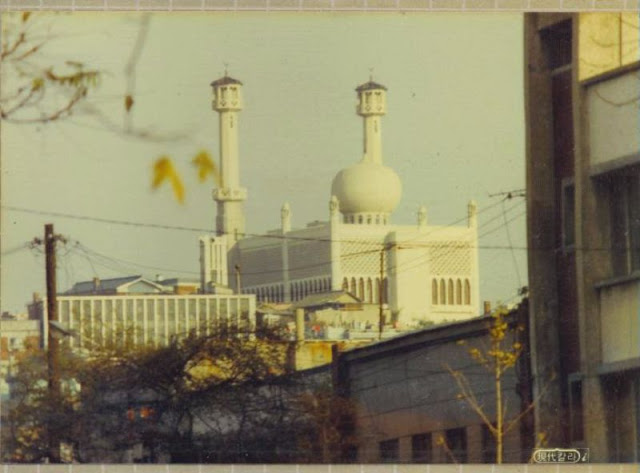
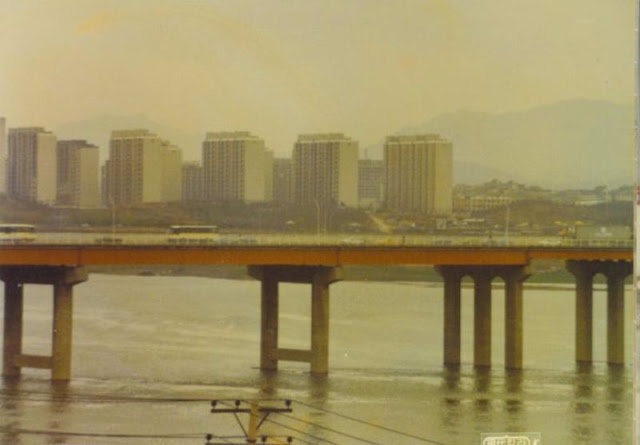
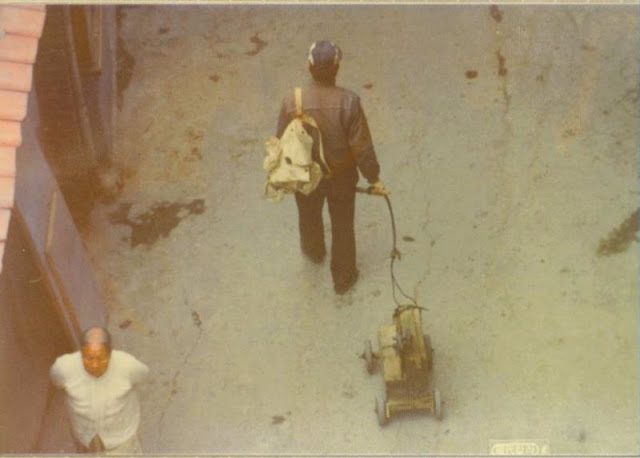
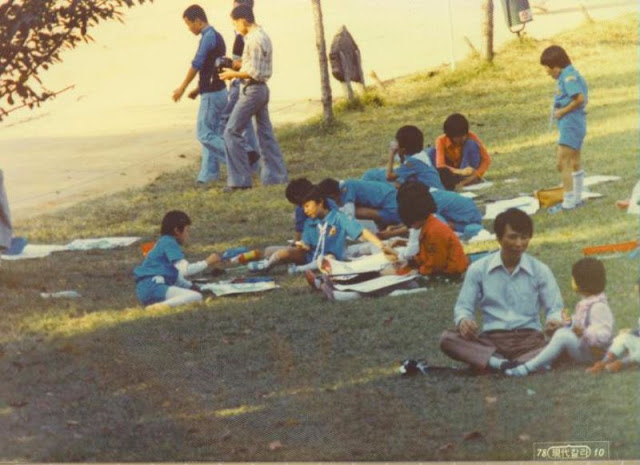
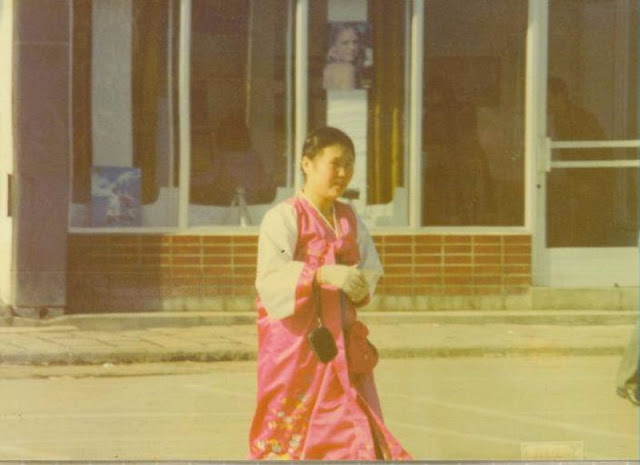
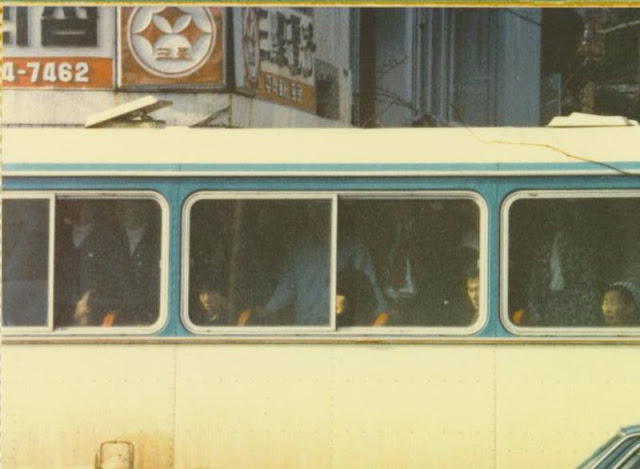
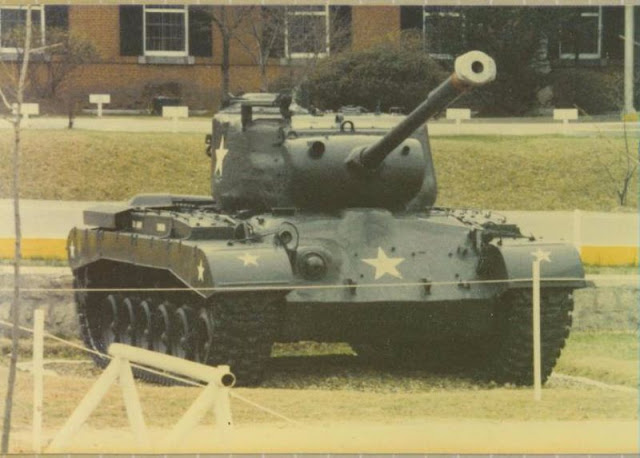
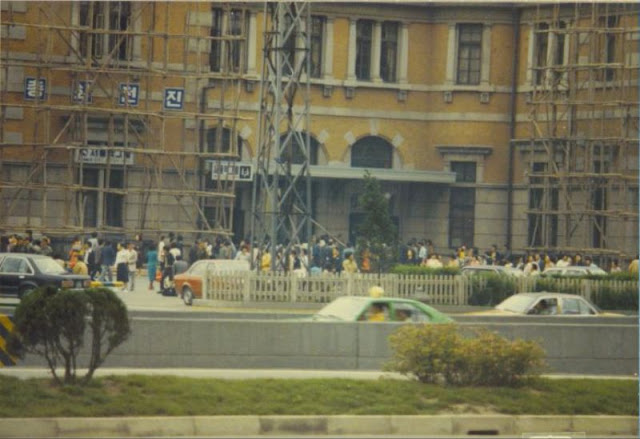
Take a look at these beautiful pictures from Bob to see what Seoul looked like around 1978 and 1979.



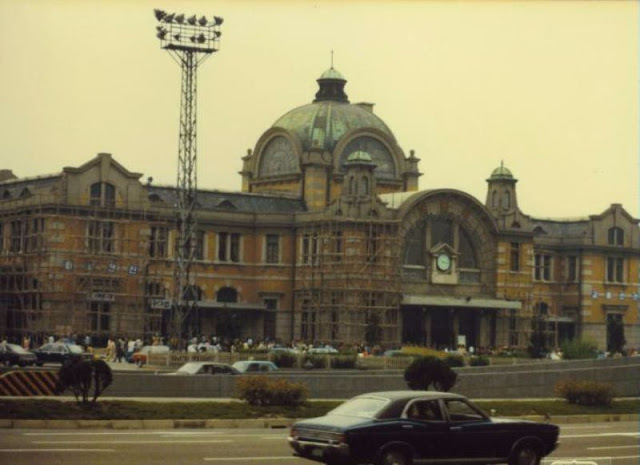

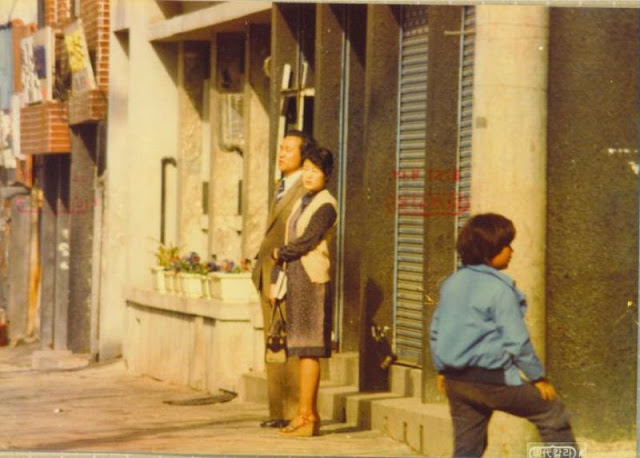
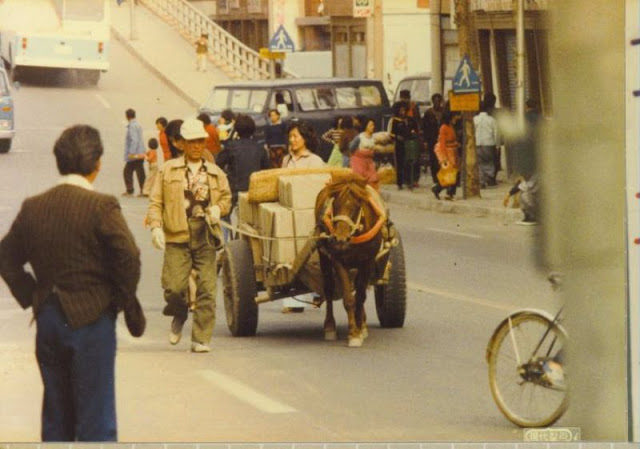
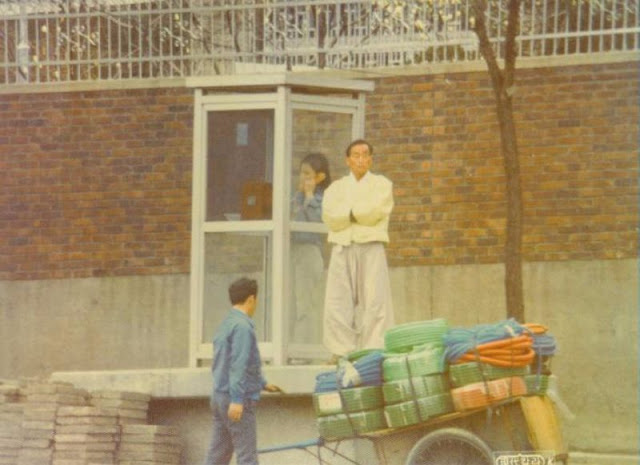





Sylvester Enzio Stallone (born Michael Sylvester Gardenzio Stallone, July 6, 1946) is an American actor and filmmaker. After his beginnings as a struggling actor for a number of years upon arriving to New York City in 1969 and later Hollywood in 1974, he won his first critical acclaim as an actor for his co-starring role as Stanley Rosiello in The Lords of Flatbush. Stallone subsequently found gradual work as an extra or side character in films with a sizable budget until he achieved his greatest critical and commercial success as an actor and screenwriter, starting in 1976 with his role as boxer Rocky Balboa, in the first film of the successful Rocky series (1976–present), for which he also wrote the screenplays. In the films, Rocky is portrayed as an underdog boxer who fights numerous brutal opponents, and wins the world heavyweight championship twice.
In 1977, Stallone was the third actor in cinema to be nominated for two Academy Awards for Best Original Screenplay and Best Actor. Stallone’s film Rocky was inducted into the National Film Registry, and had its props placed in the Smithsonian Museum. Stallone’s use of the front entrance to the Philadelphia Museum of Art in the Rocky series led the area to be nicknamed the Rocky Steps. Philadelphia has a statue of his character Rocky placed permanently near the museum, and he was voted into the International Boxing Hall of Fame.
Up until 1982, Stallone’s films were not big box office successes unless they were Rocky sequels, and none received the critical acclaim achieved with the first Rocky. This changed with the successful action film First Blood in which he portrayed the PTSD-plagued soldier John Rambo. Originally an adaptation of the eponymous novel by David Morell, First Blood’s script was significantly altered by Stallone during the film’s production. Stallone would play the role in a total of five Rambo films (1982–2019). From the mid-1980s through to the late 1990s, Stallone would go on to become one of Hollywood’s highest-paid actors of that era by appearing in a slew of commercially successful action films which were however generally panned by critics. These include Cobra, Tango and Cash, Cliffhanger, the better received Demolition Man, and The Specialist.
Stallone saw a decline in popularity in the early 2000s but rebounded back to prominence in 2006 with a sixth installment in the Rocky series and 2008 with a fourth in the Rambo series. In the 2010s, Stallone launched The Expendables films series (2010–2014), in which he played the lead as the mercenary Barney Ross. In 2013, he starred in the successful Escape Plan, and acted in its sequels. In 2015, Stallone returned to the Rocky series with Creed, that serve as spin-off films focusing on Adonis “Donnie” Creed played by Michael B. Jordan, the son of the ill-fated boxer Apollo Creed, to whom the long-retired Rocky is a mentor. Reprising the role brought Stallone praise, and his first Golden Globe award for the first Creed, as well as a third Oscar nomination, having been first nominated for the same role 40 years prior.
Stallone is the only actor in the history of American cinema to have starred in a box office number one film across six consecutive decades. He is also one of the most renowned physical culture icons in history. (Wikipedia)
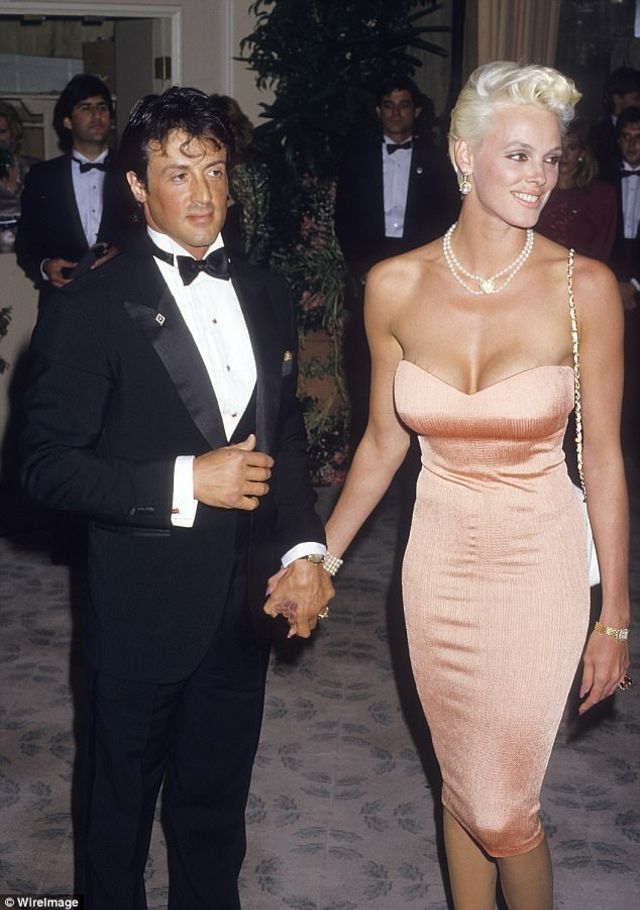
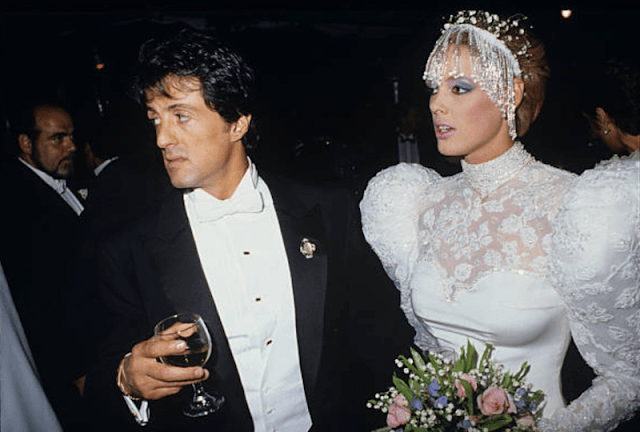
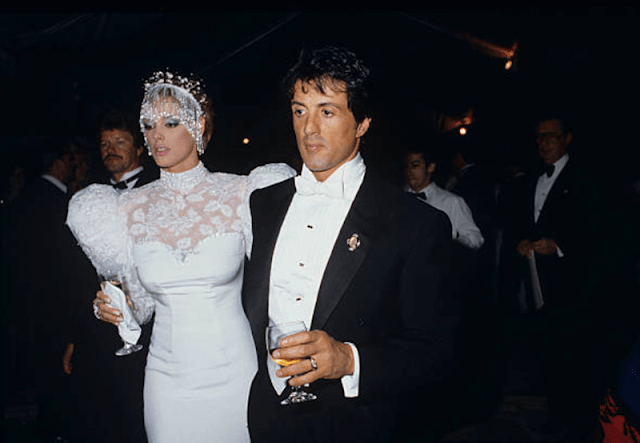
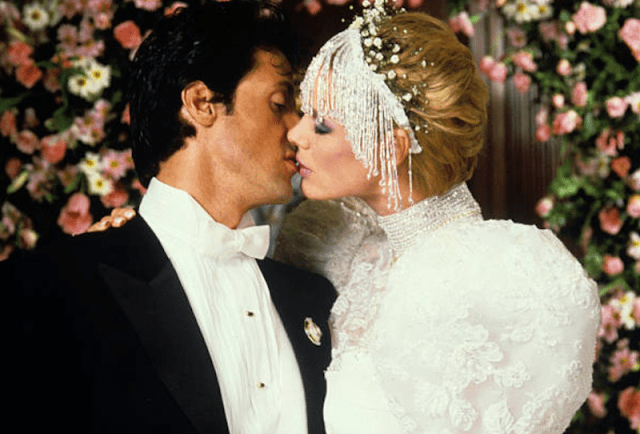
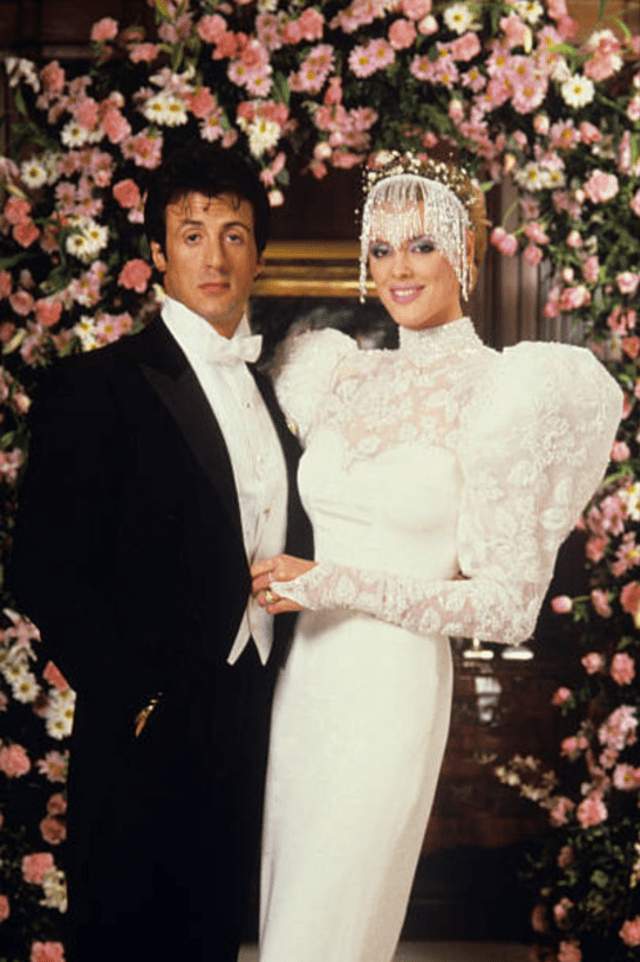
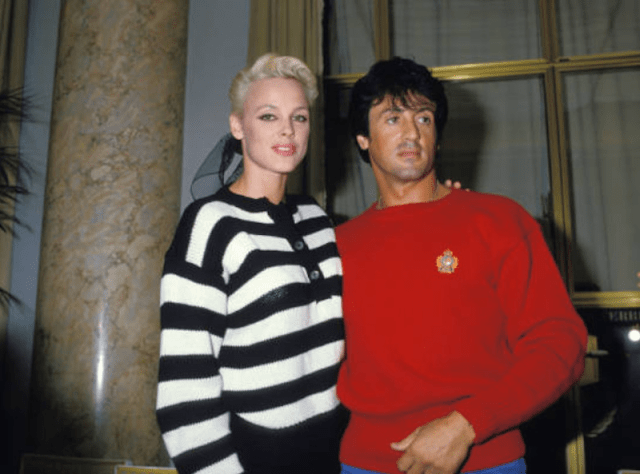
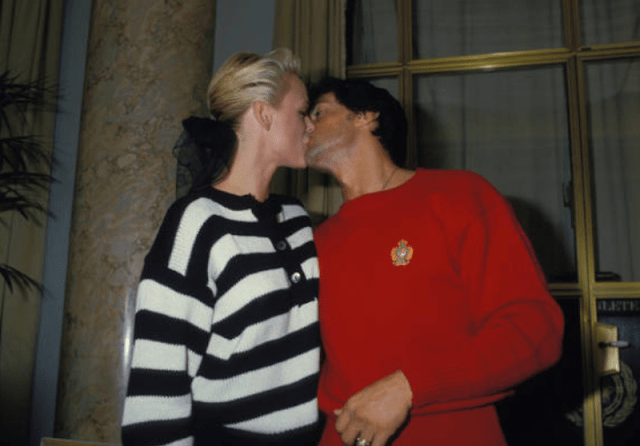
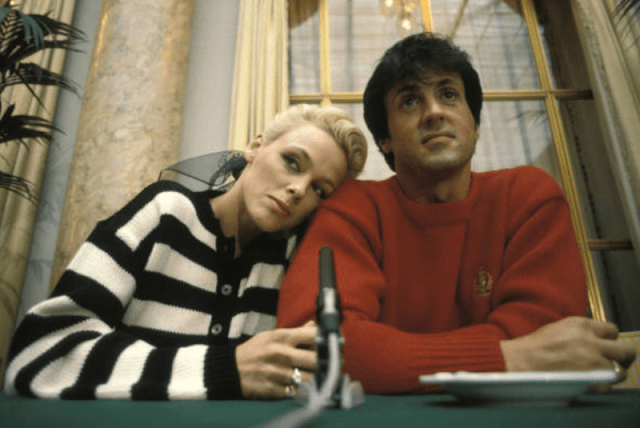
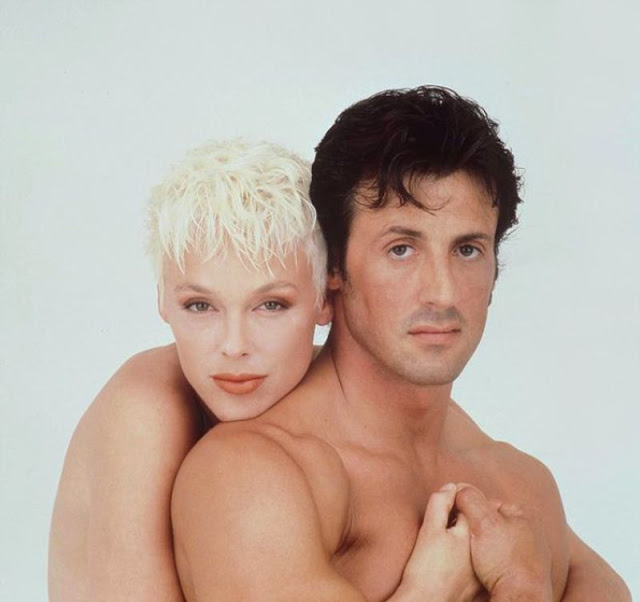
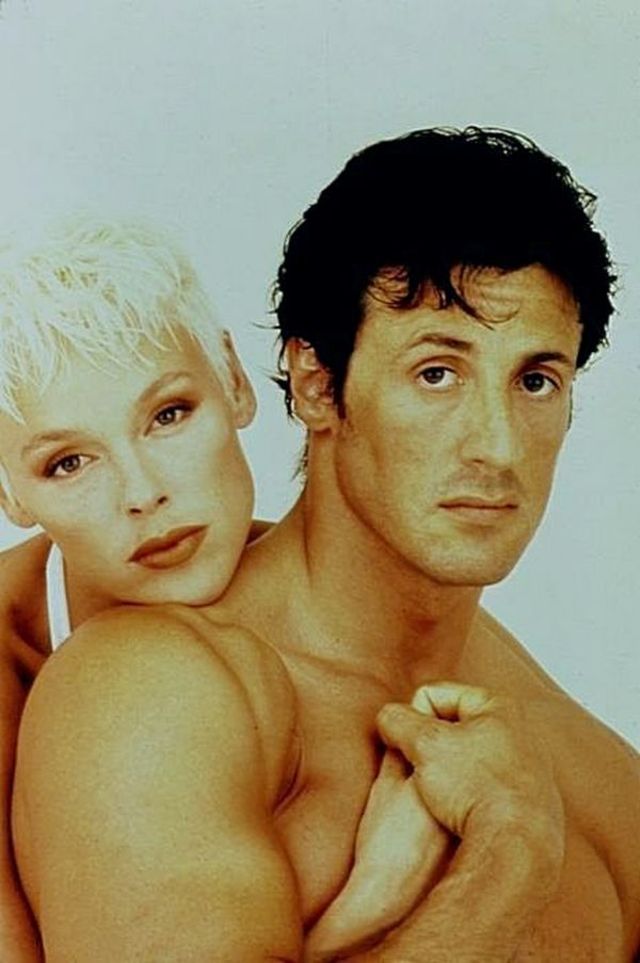
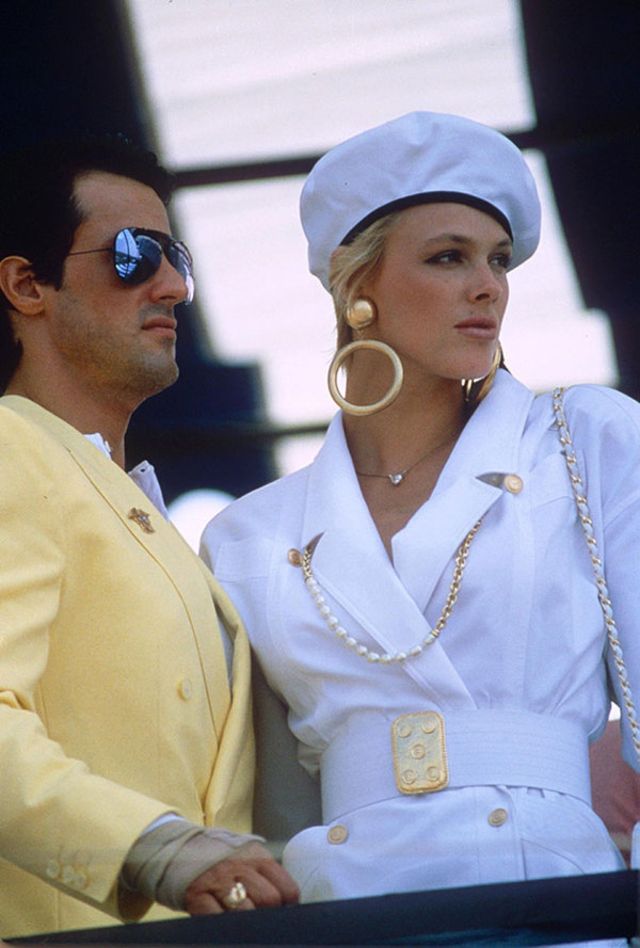
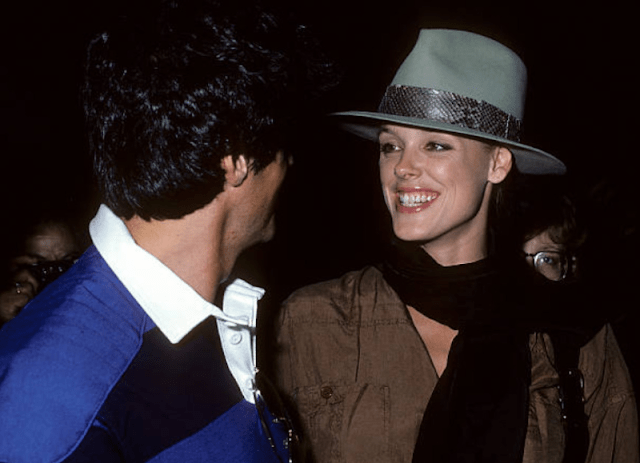
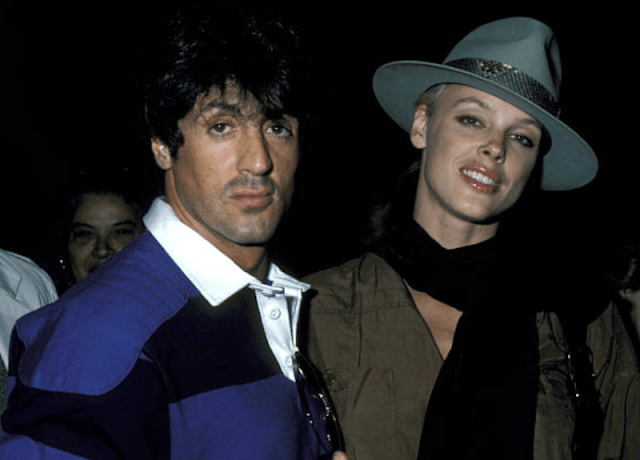
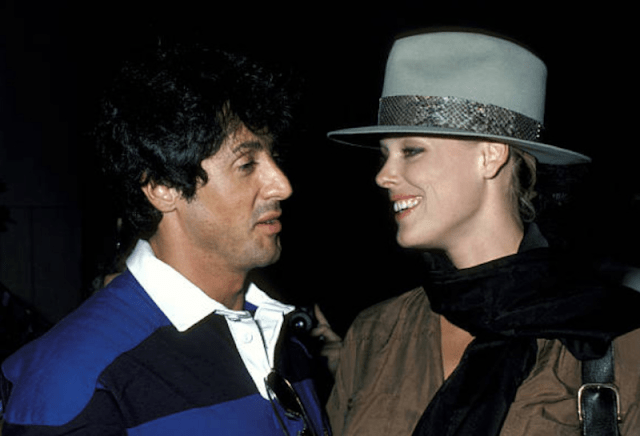
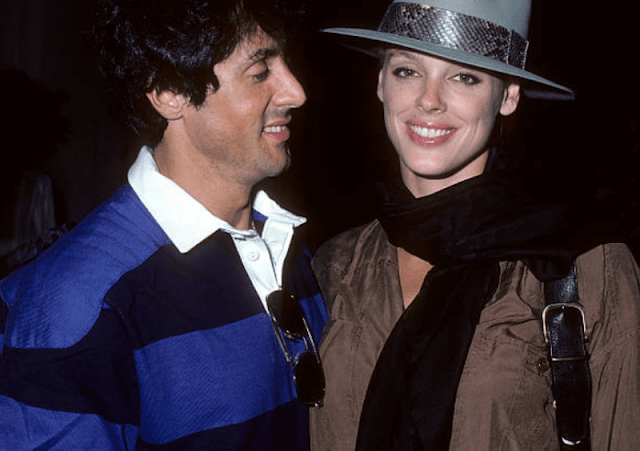
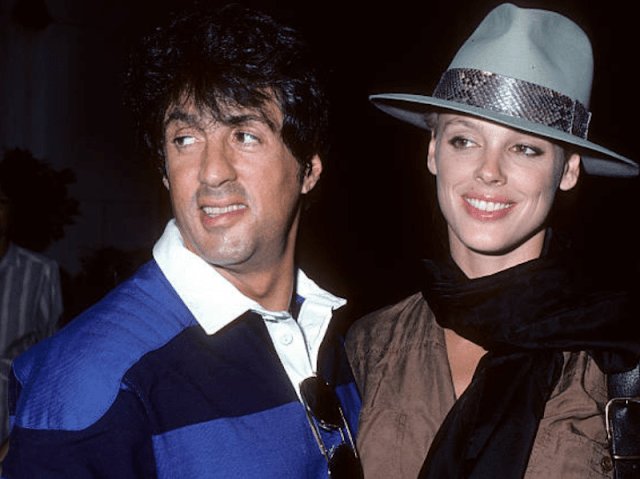
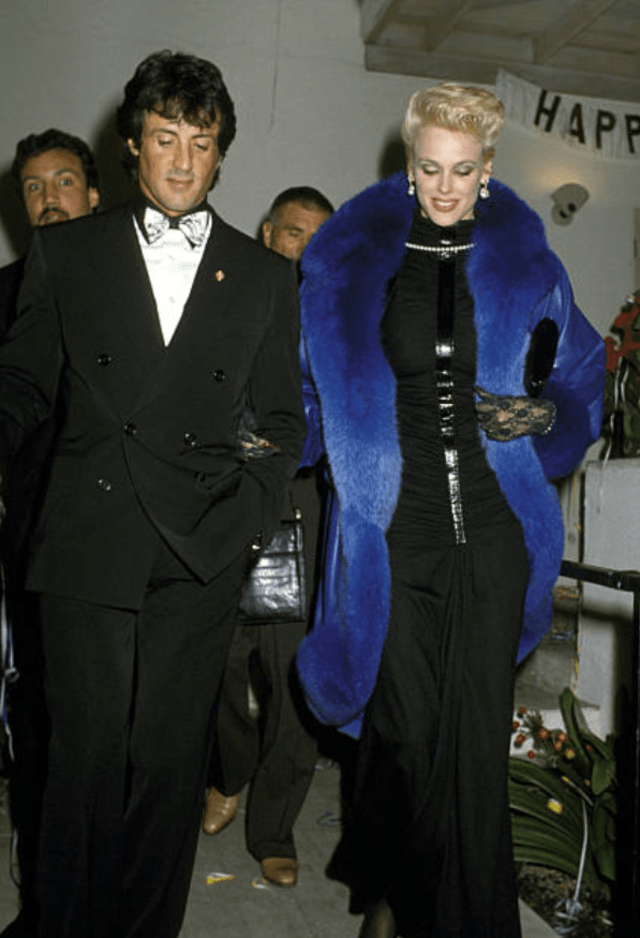
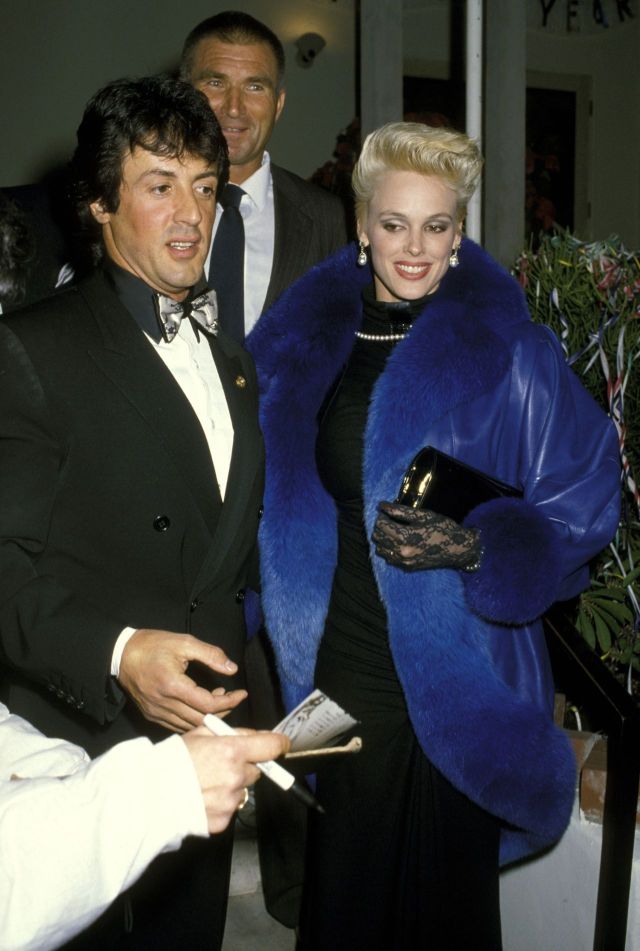
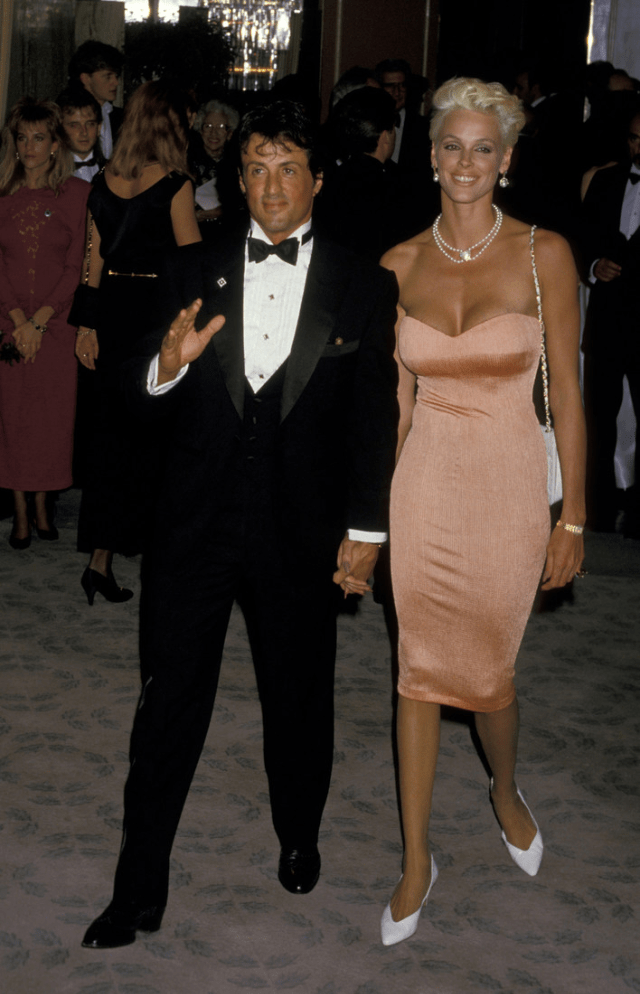
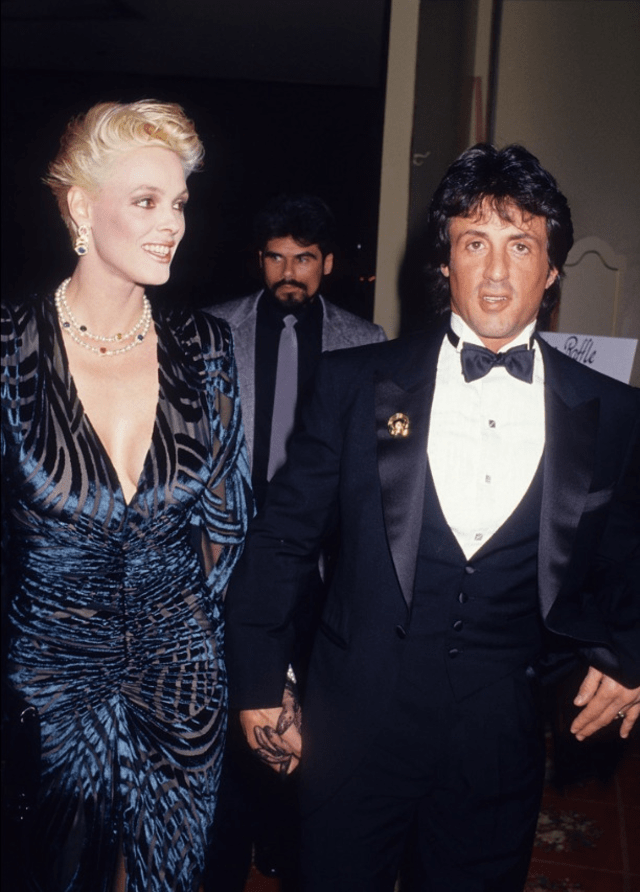
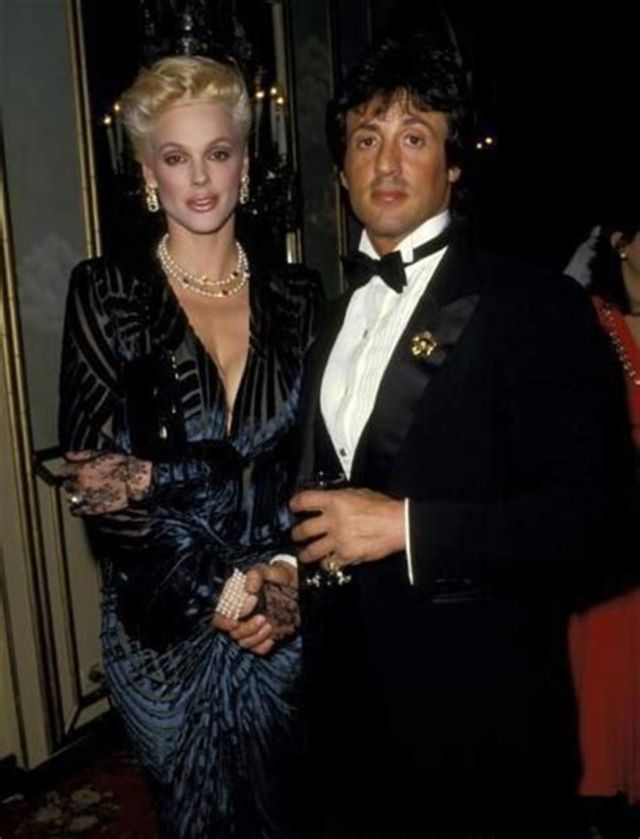
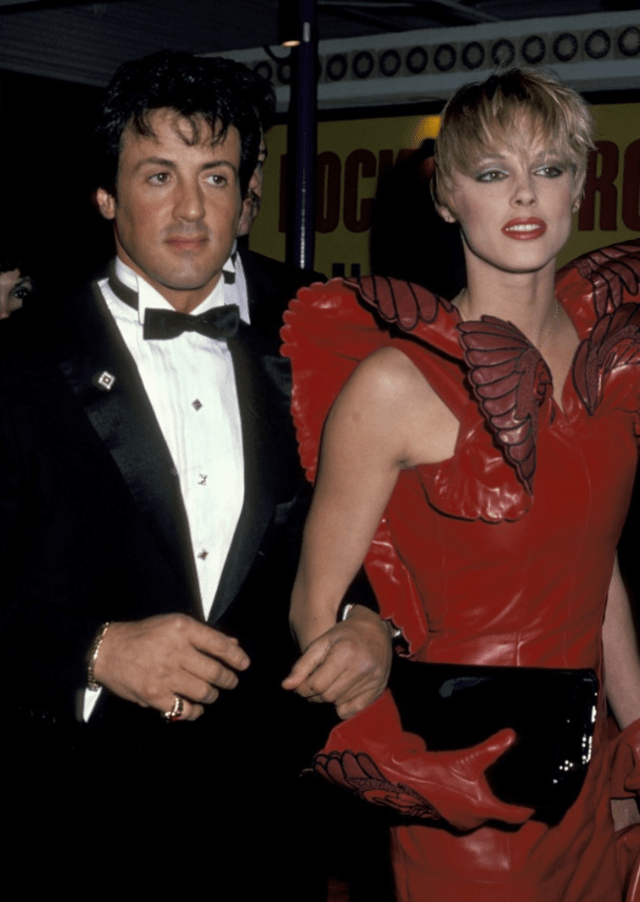
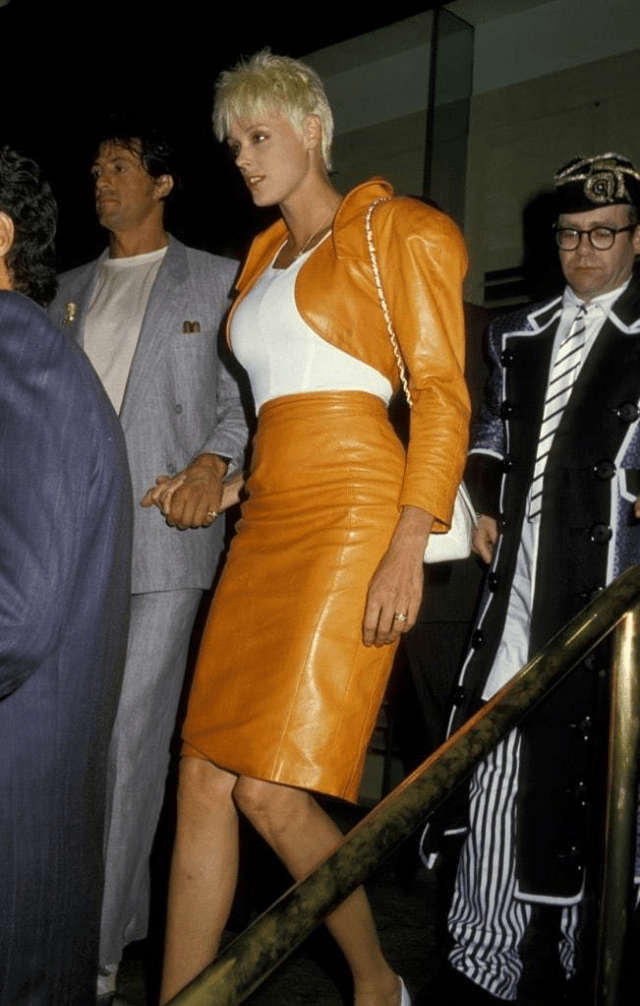
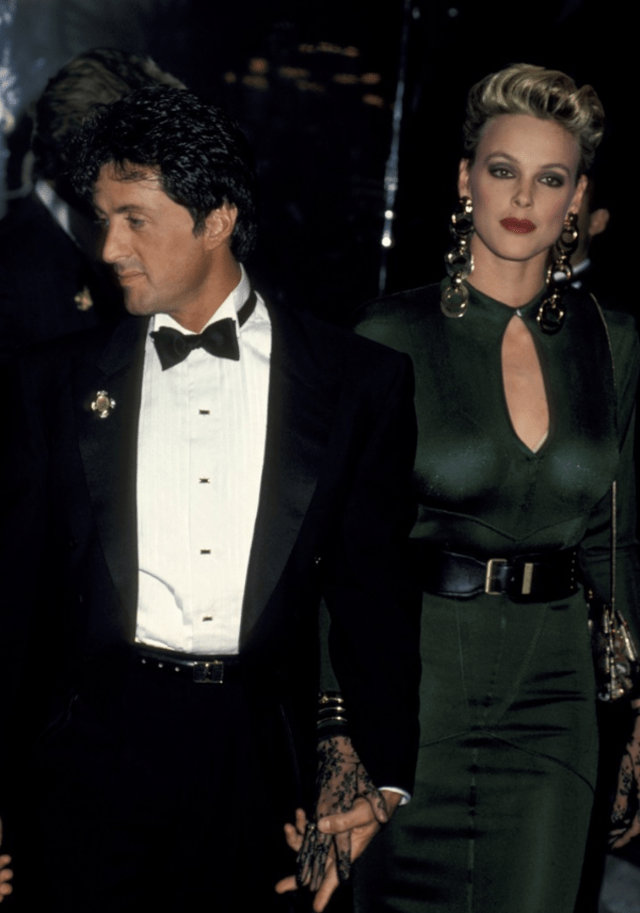
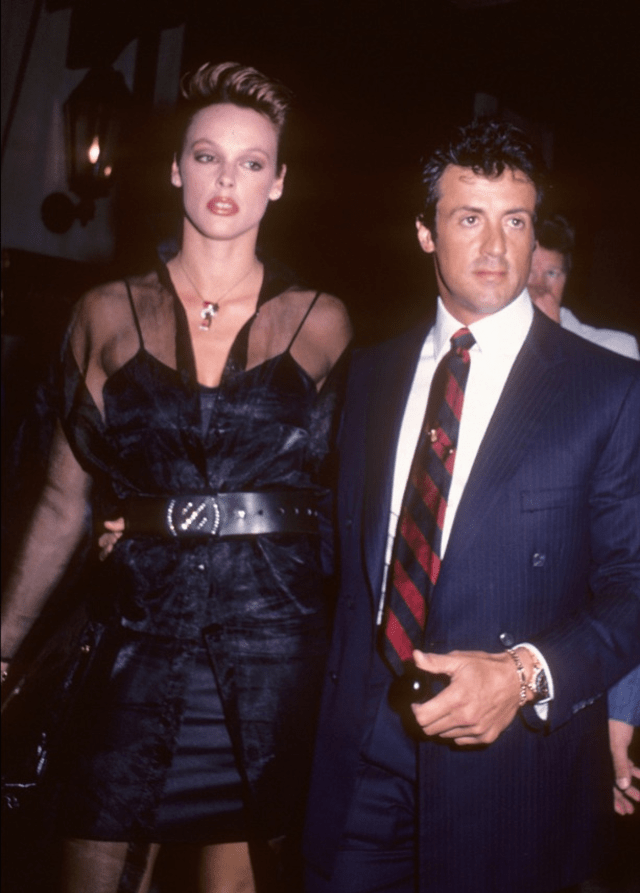
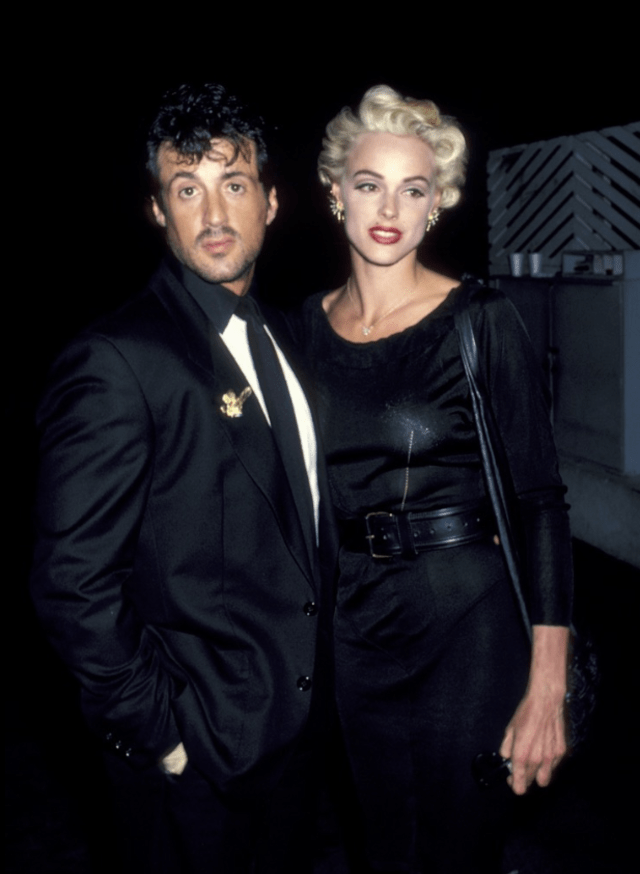
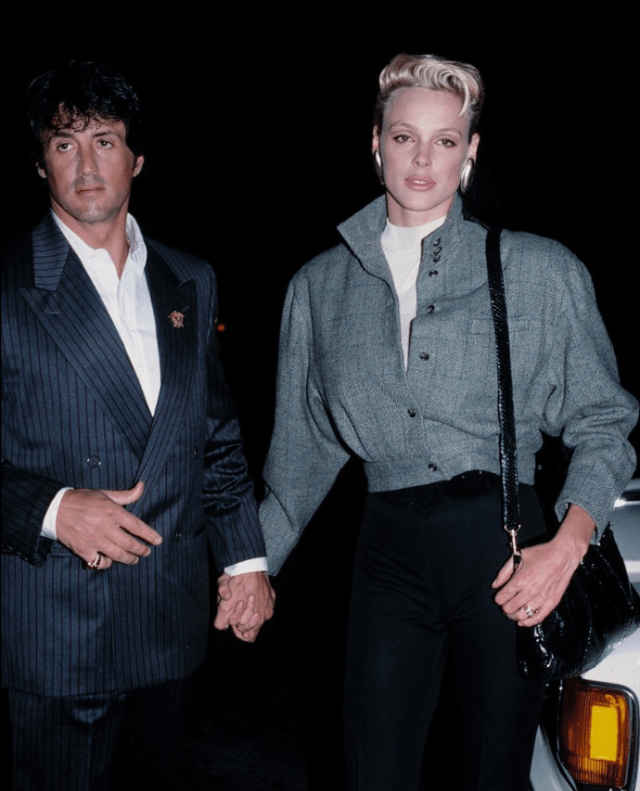
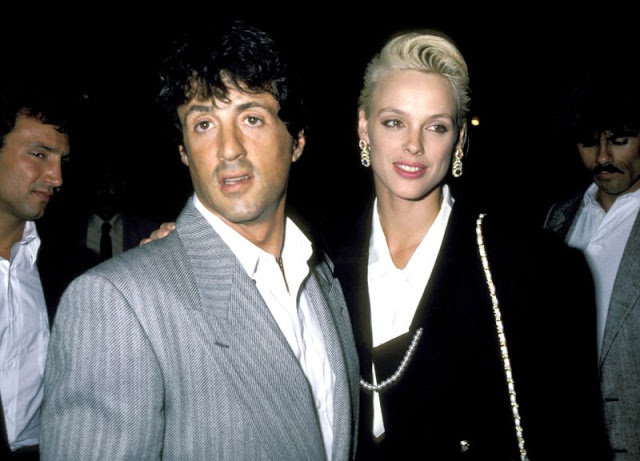
These old pics capture lovely moments of Sylvester Stallone and his wife Brigitte Nielsen during their short time together (1985-1987).

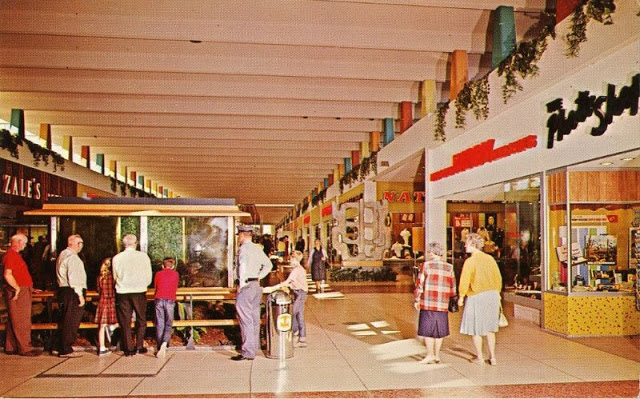
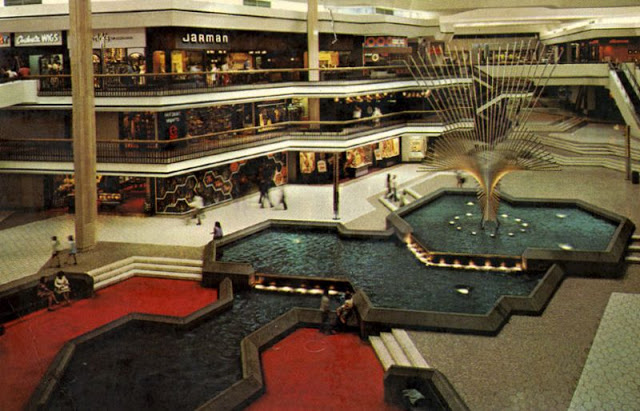
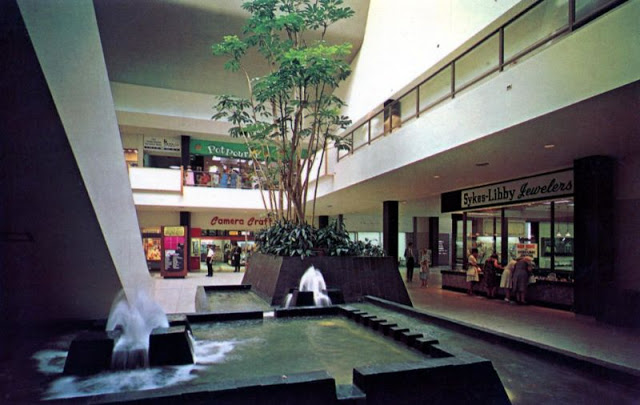
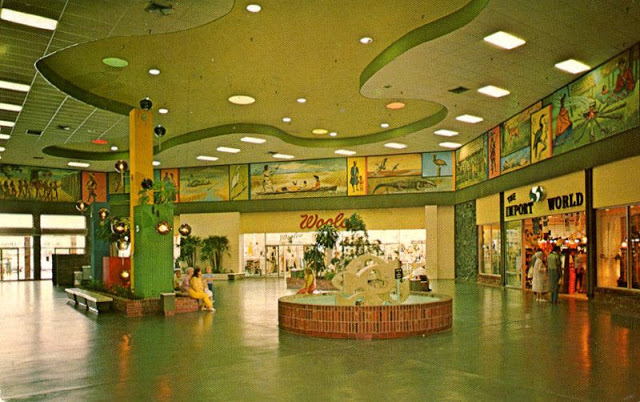
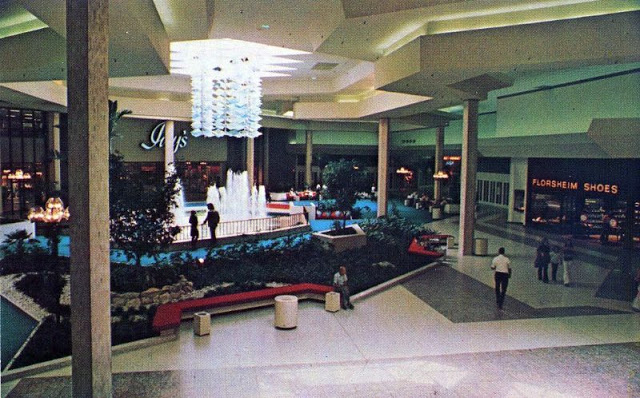
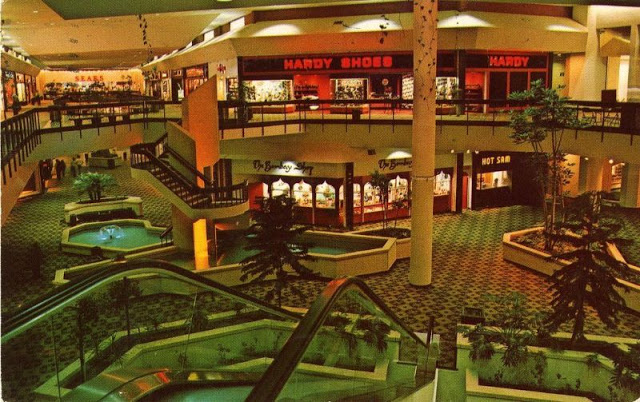
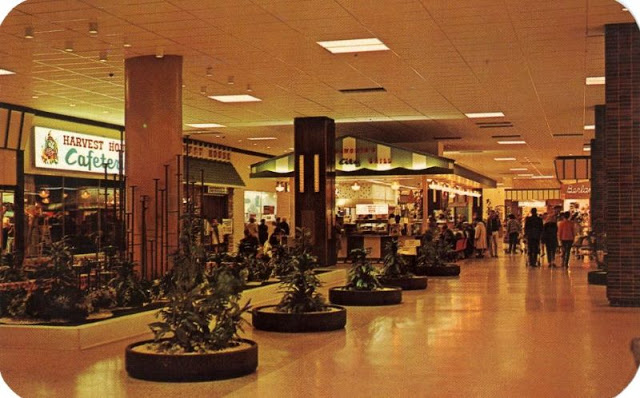
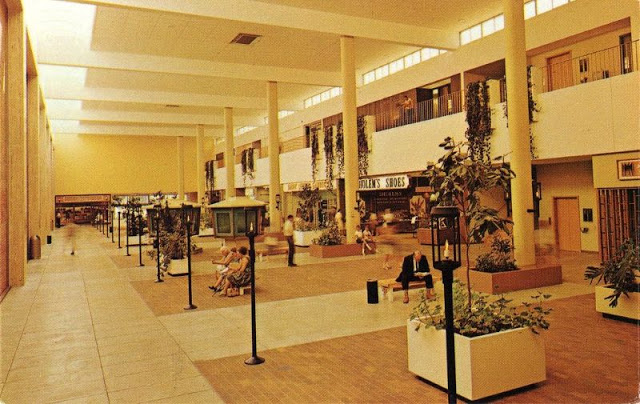
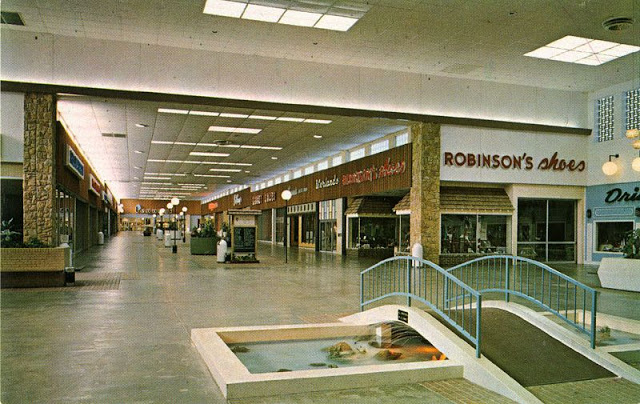
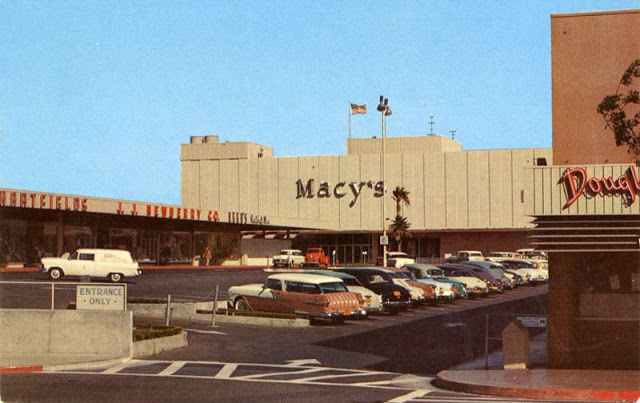
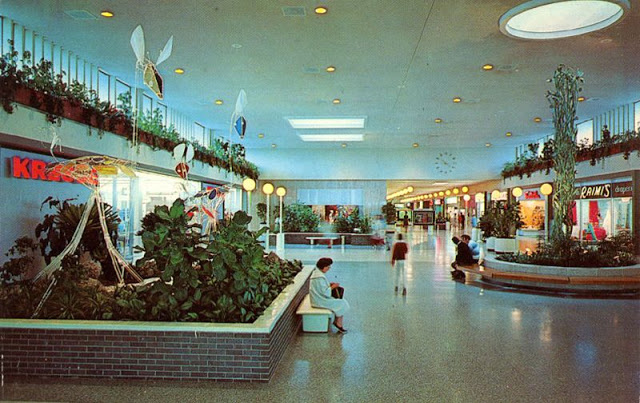
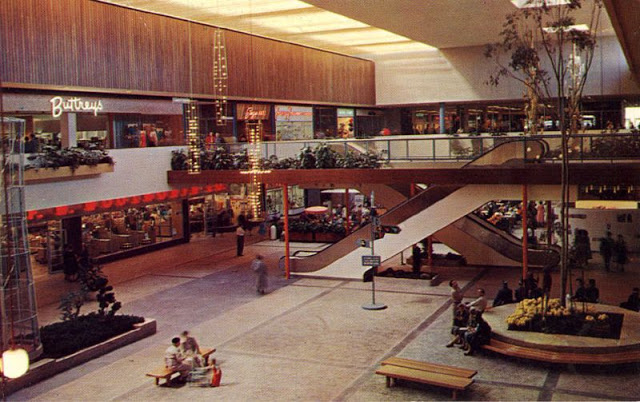
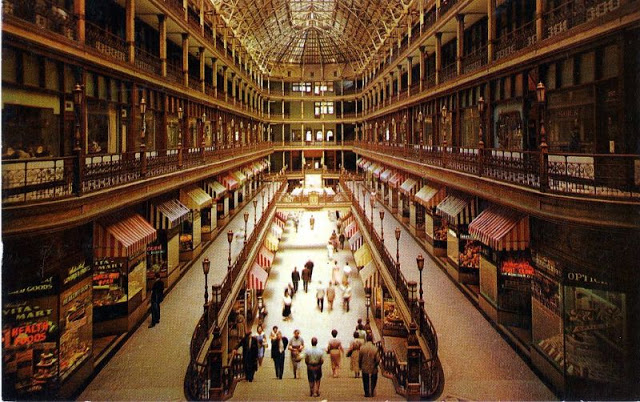
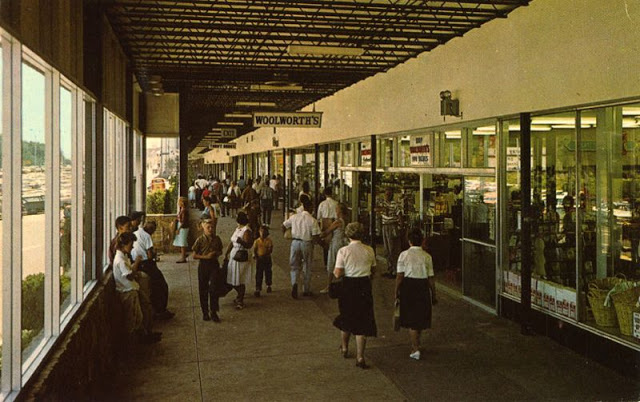
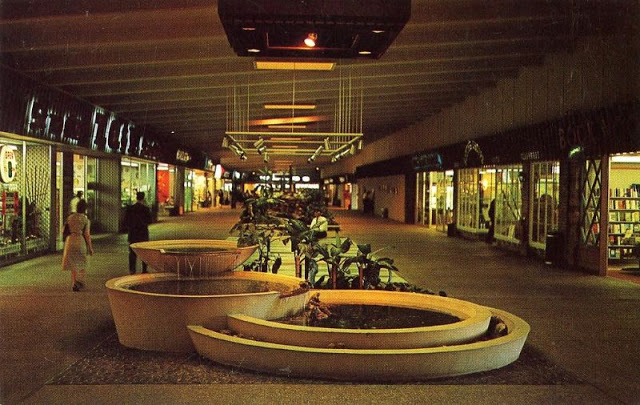
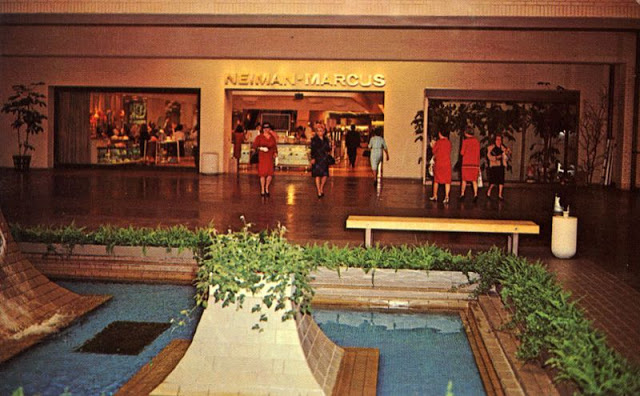
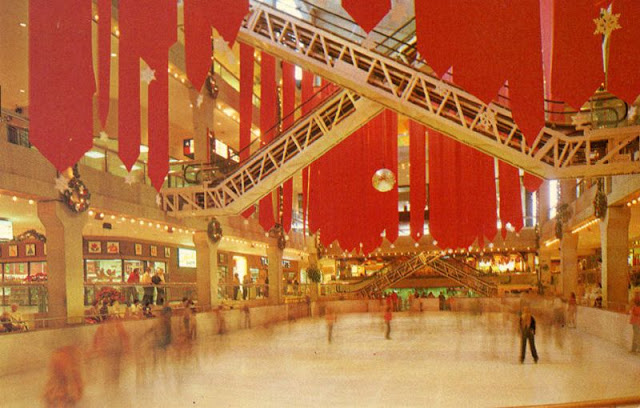
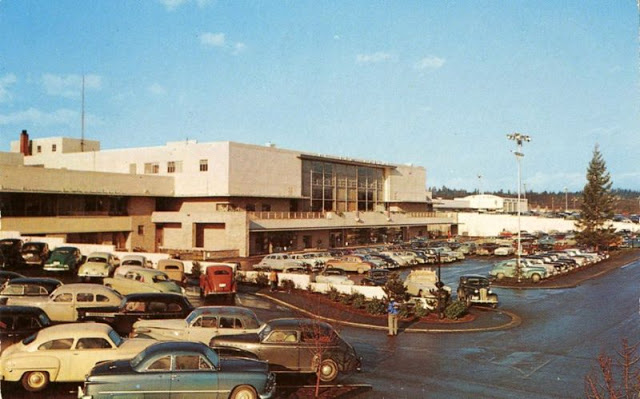
A shopping mall (or simply mall) is a North American term for a large indoor shopping center, usually anchored by department stores. The term “mall” originally meant a pedestrian promenade with shops along it (that is, the term was used to refer to the walkway itself which was merely bordered by such shops), but in the late 1960s, it began to be used as a generic term for the large enclosed shopping centers that were becoming commonplace at the time. In the U.K., such complexes are considered shopping centres (Commonwealth English: shopping centre), though “shopping center” covers many more sizes and types of centers than the North American “mall”. Other countries may follow U.S. usage (India, U.A.E., etc.) and others (Australia, etc.) follow U.K. usage. In Canadian English, and oftentimes in Australia and New Zealand, ‘mall’ may be used informally but ‘shopping centre’ or merely ‘centre’ will feature in the name of the complex (such as Toronto Eaton Centre). The term ‘mall’ is less-commonly a part of the name of the complex.
Many malls have declined considerably (especially in the United States and Canada), and some have closed and become so-called “dead malls”. Successful exceptions have added entertainment and experiential features, added big-box stores as anchors, or converted to other specialized shopping center formats such as power centers, lifestyle centers, factory outlet centers, and festival marketplaces. In Canada, shopping centres have frequently been replaced with mixed-use highrise communities. (Wikipedia)
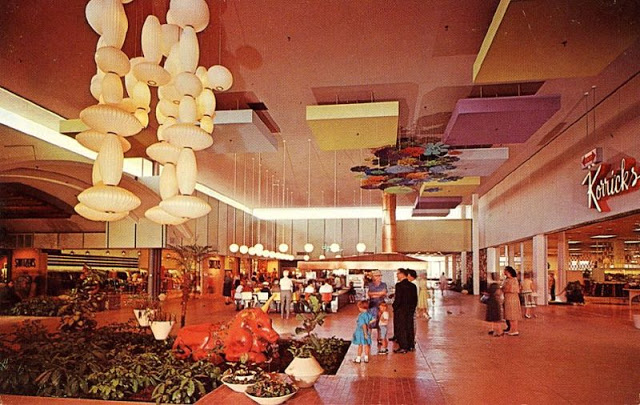
Here is an amazing photo collection that shows what American shopping malls looked like in the 1950s and 1960s.




















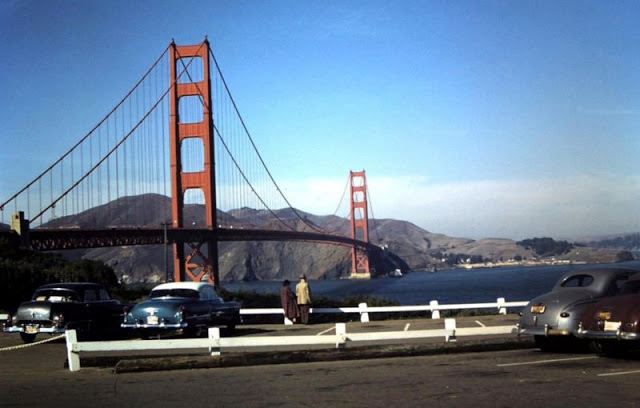
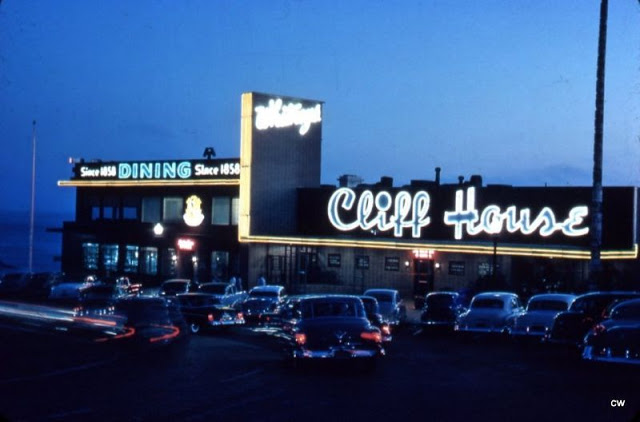
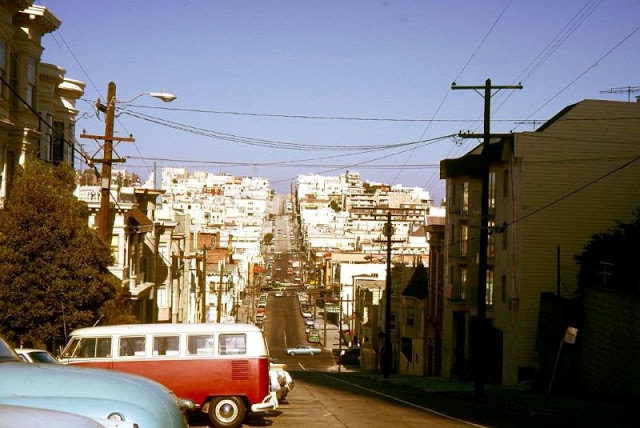
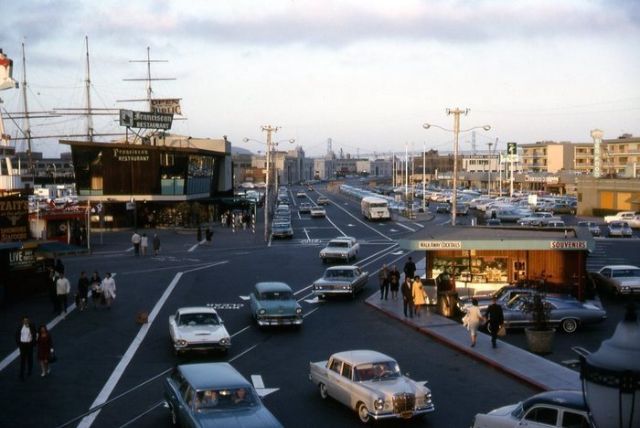
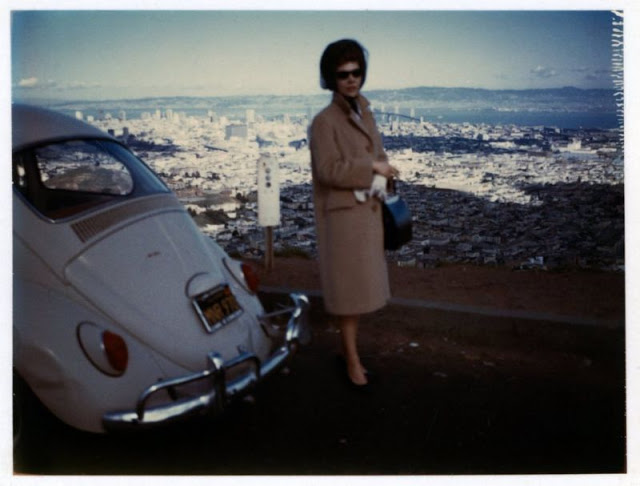
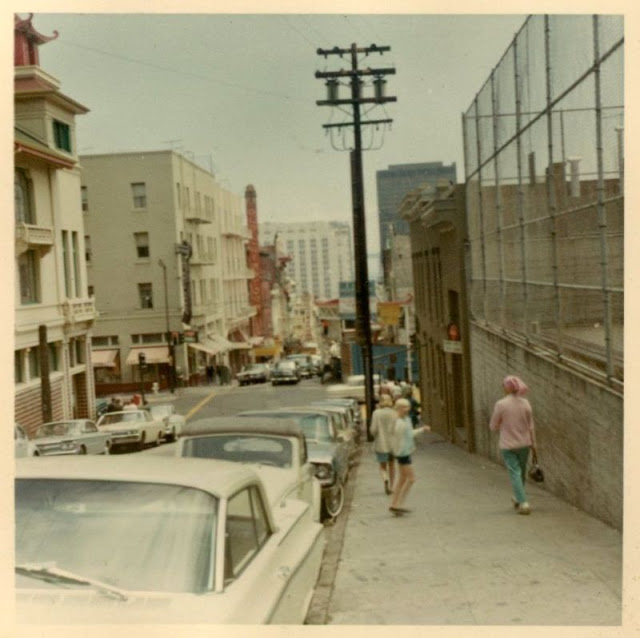
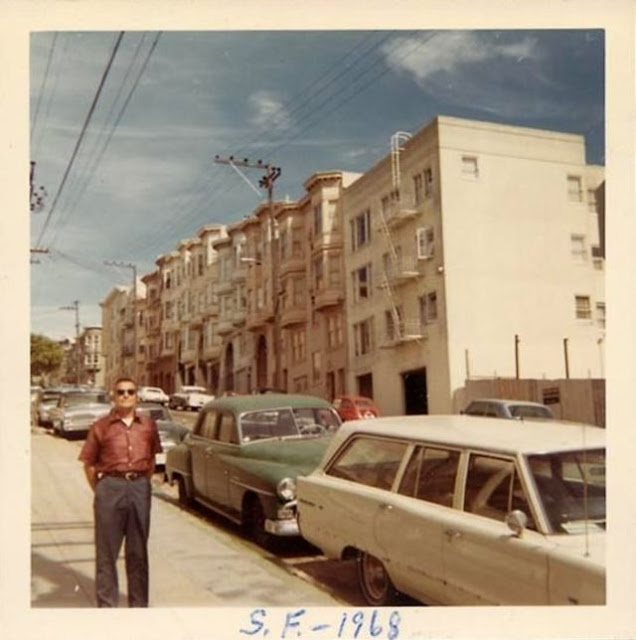
San Francisco (Spanish for “Saint Francis”), officially the City and County of San Francisco, is a cultural, commercial, and financial center in the U.S. state of California. Located in Northern California, San Francisco is the 17th most populous city proper in the United States, and the fourth most populous in California, with 873,965 residents as of 2020. It covers an area of about 46.9 square miles (121 square kilometers), mostly at the north end of the San Francisco Peninsula in the San Francisco Bay Area, making it the second most densely populated large U.S. city, and the fifth most densely populated U.S. county, behind only four of the five New York City boroughs. San Francisco is the 12th-largest metropolitan statistical area in the United States with 4.7 million residents, and the fourth-largest by economic output, with a GDP of $592 billion in 2019. With San Jose, it forms the San Jose–San Francisco–Oakland, CA Combined Statistical Area, the fifth most populous combined statistical area in the United States, with 9.6 million residents as of 2019. Colloquial nicknames for San Francisco include SF, The City, and Frisco.
In 2019, San Francisco was the county with the seventh-highest income in the United States, with a per capita income of $139,405.[24] In the same year, San Francisco proper had a GDP of $203.5 billion, and a GDP per capita of $230,829. The San Jose–San Francisco–Oakland, CA Combined Statistical Area, with a GDP of $1.09 trillion as of 2019, is the country’s third-largest economy. Of the 105 primary statistical areas in the U.S. with over 500,000 residents, this CSA had the highest GDP per capita in 2019, at $112,348. San Francisco was ranked 5th in the world and second in the United States on the Global Financial Centres Index as of September 2021.
San Francisco was founded on June 29, 1776, when colonists from Spain established the Presidio of San Francisco at the Golden Gate and Mission San Francisco de Asís a few miles away, both named for Francis of Assisi. The California Gold Rush of 1849 brought rapid growth, transforming an unimportant hamlet into a busy port making it the largest city on the West Coast at the time; between 1870 and 1900, approximately one quarter of California’s population resided in the city proper. In 1856, San Francisco became a consolidated city-county. After three-quarters of the city was destroyed by the 1906 earthquake and fire, it was quickly rebuilt, hosting the Panama-Pacific International Exposition nine years later. In World War II, it was a major port of embarkation for service members shipping out to the Pacific Theater. It then became the birthplace of the United Nations in 1945. After the war, the confluence of returning servicemen, significant immigration, liberalizing attitudes, the rise of the “beatnik” and “hippie” countercultures, the Sexual Revolution, the Peace Movement growing from opposition to United States involvement in the Vietnam War, and other factors led to the Summer of Love and the gay rights movement, cementing San Francisco as a center of liberal activism in the United States. Politically, the city votes strongly along liberal Democratic Party lines.
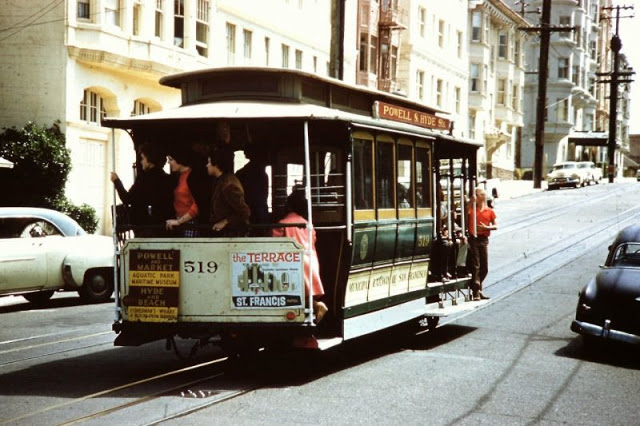
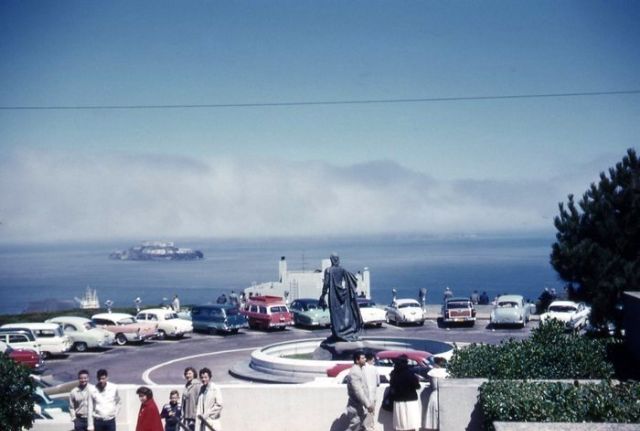
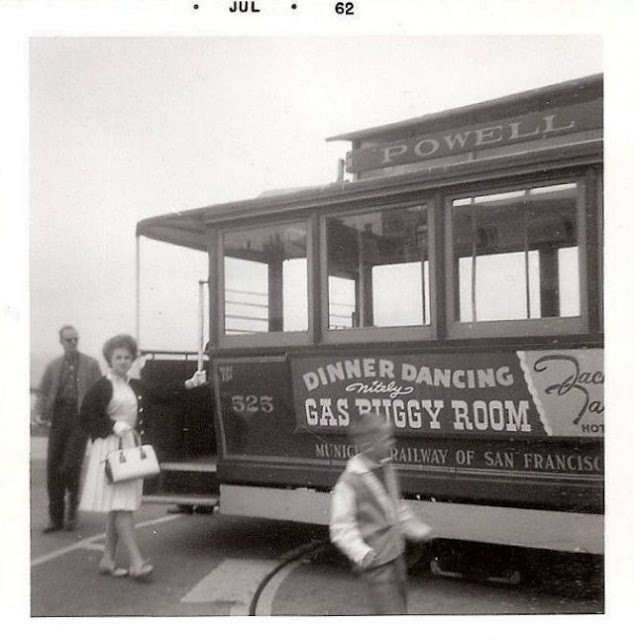
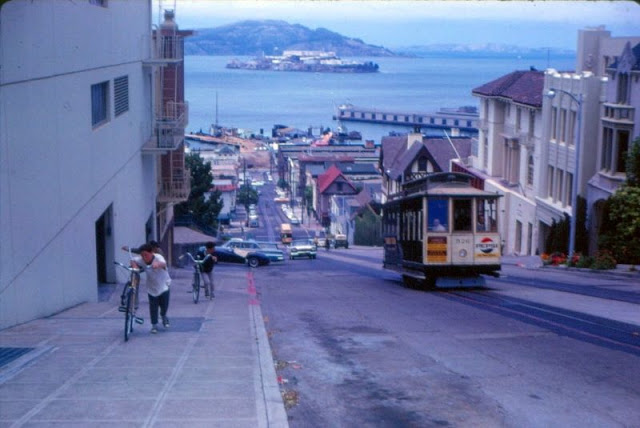
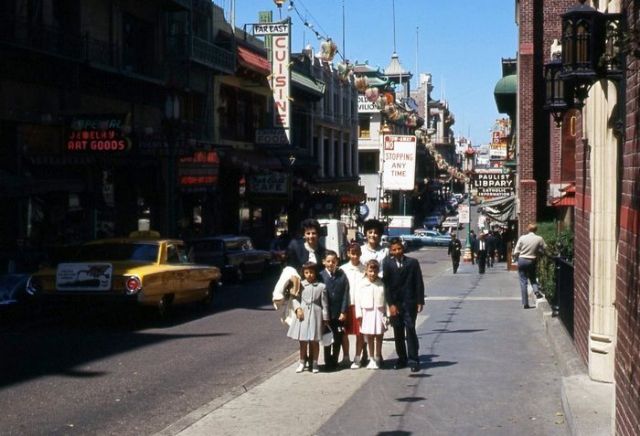
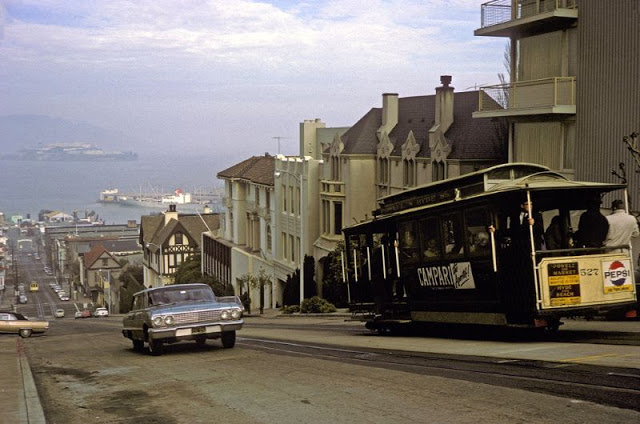
A popular tourist destination, San Francisco is known for its cool summers, fog, steep rolling hills, eclectic mix of architecture, and landmarks, including the Golden Gate Bridge, cable cars, the former Alcatraz Federal Penitentiary, Fisherman’s Wharf, and its Chinatown district. San Francisco is also the headquarters of companies such as Wells Fargo, Twitter, Block, Airbnb, Levi Strauss & Co., Gap Inc., Salesforce, Dropbox, Pacific Gas and Electric Company, Uber, Lyft and Cruise. The city, and the surrounding Bay Area, is a global center of the sciences and arts and is home to a number of educational and cultural institutions, such as the University of California, San Francisco (UCSF), the University of San Francisco (USF), San Francisco State University (SFSU), the de Young Museum, the San Francisco Museum of Modern Art, the SFJAZZ Center, the San Francisco Symphony and the California Academy of Sciences. More recently, statewide droughts in California have strained the city’s water security. (Wikipedia)
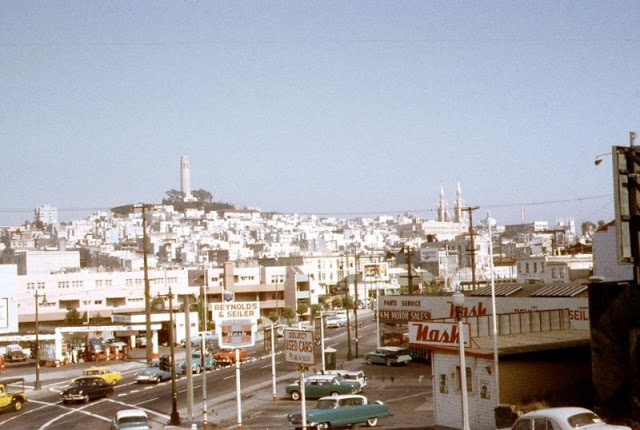
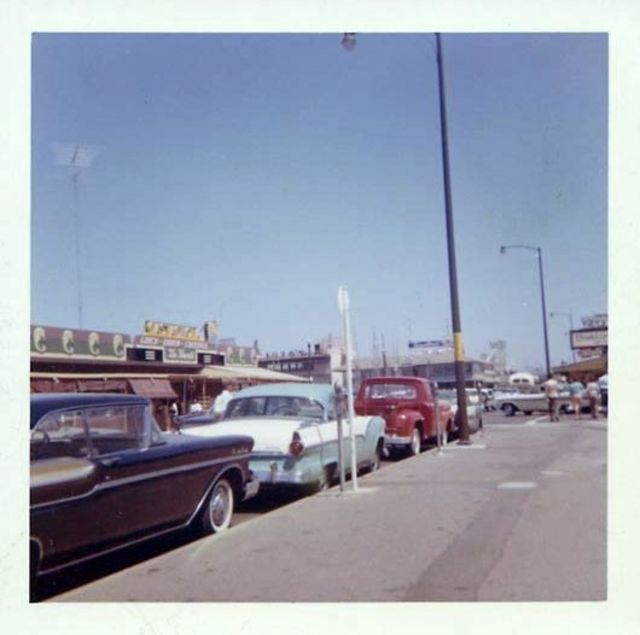
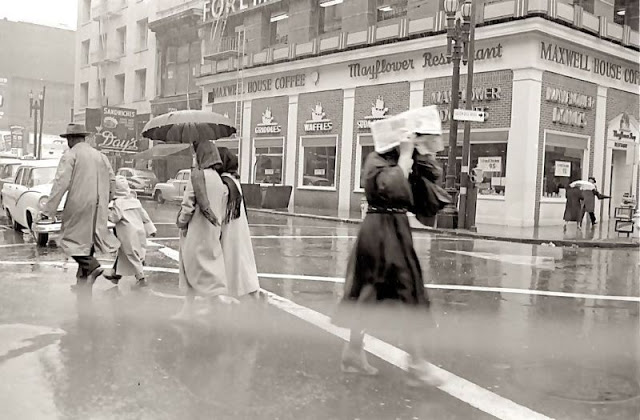
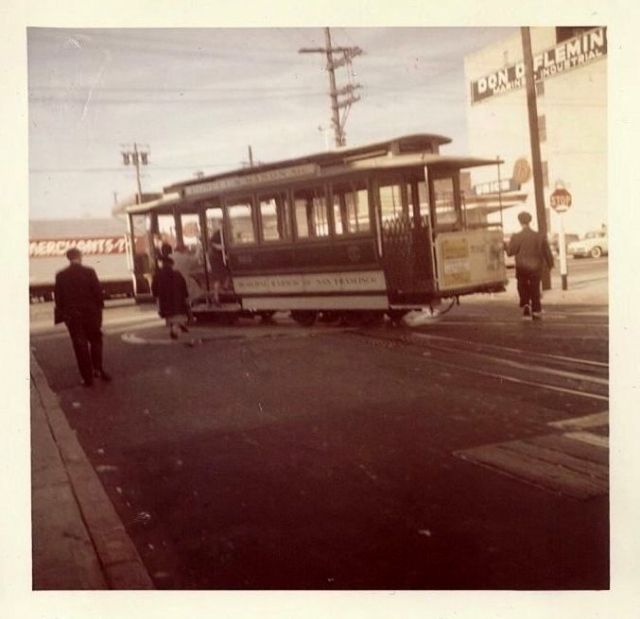
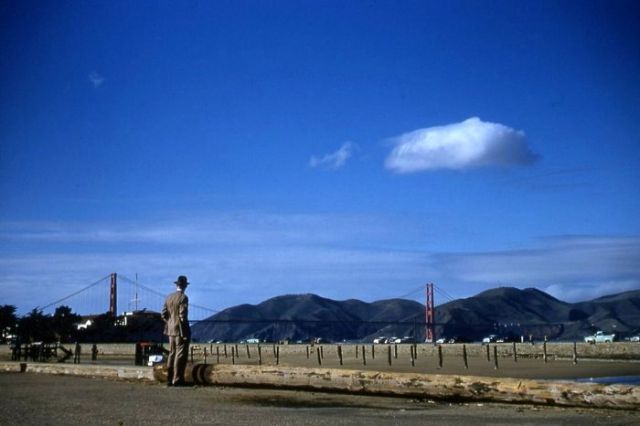
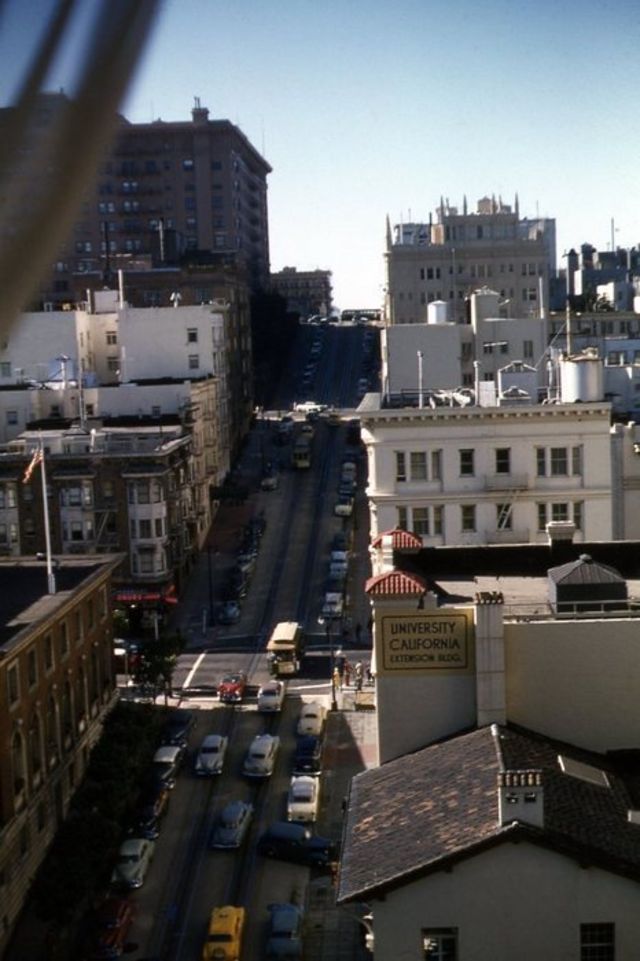
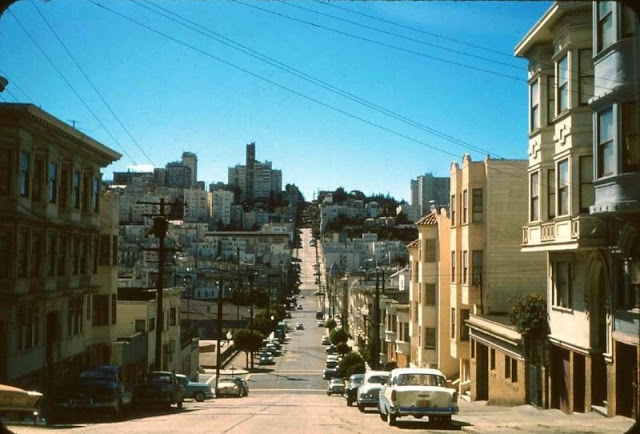
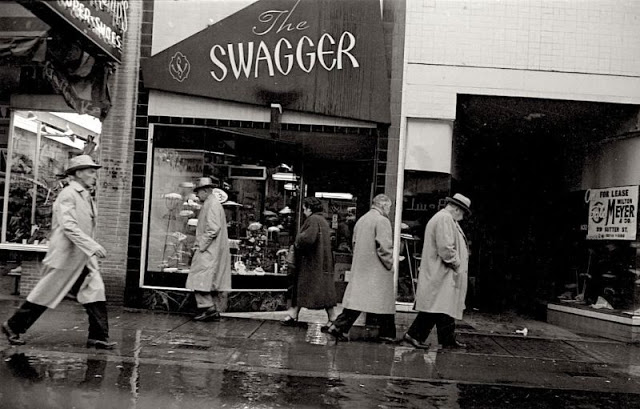
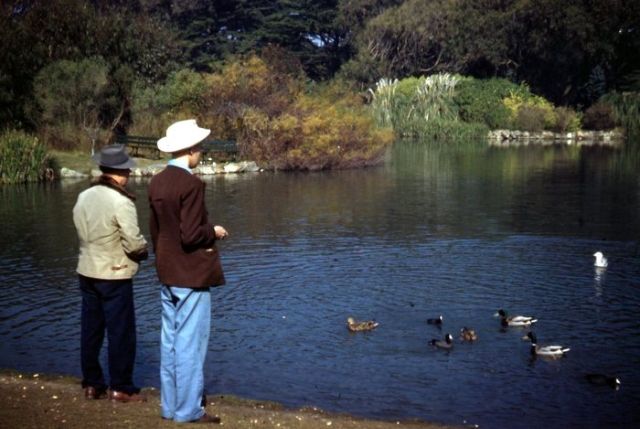
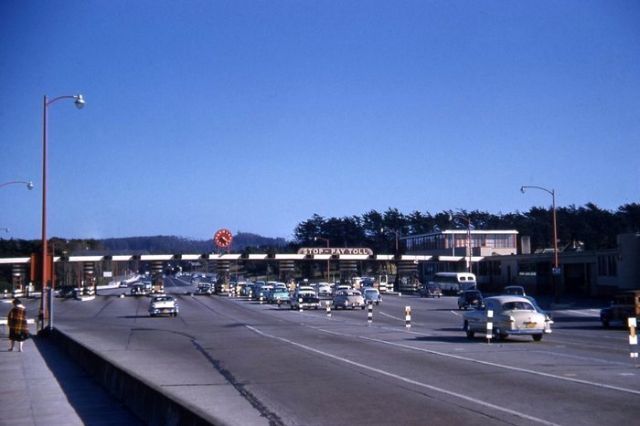
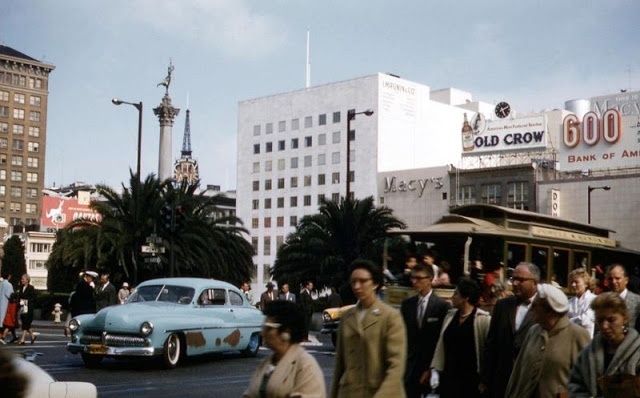
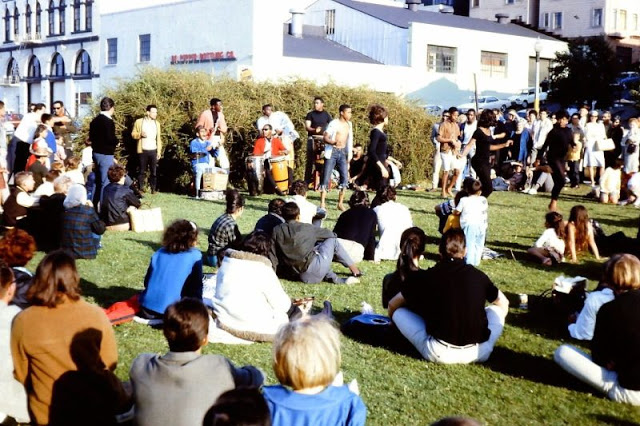
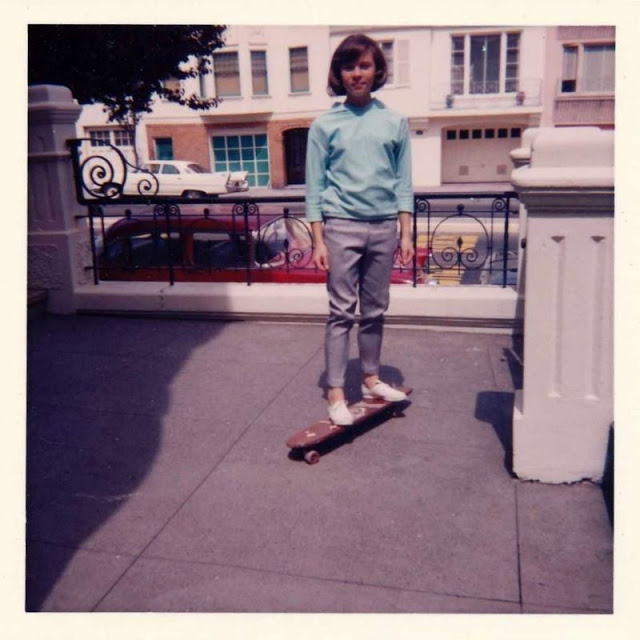
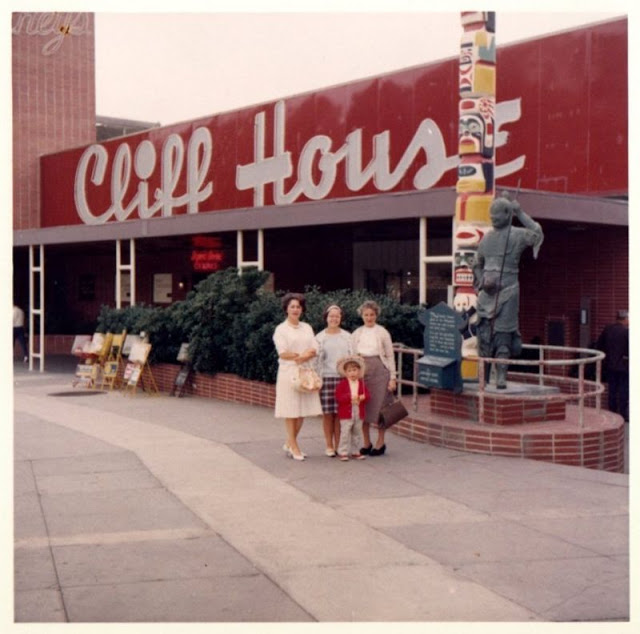
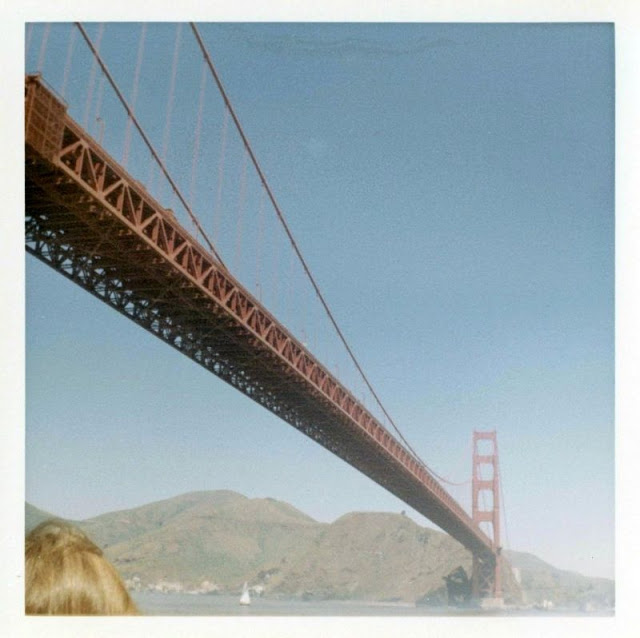
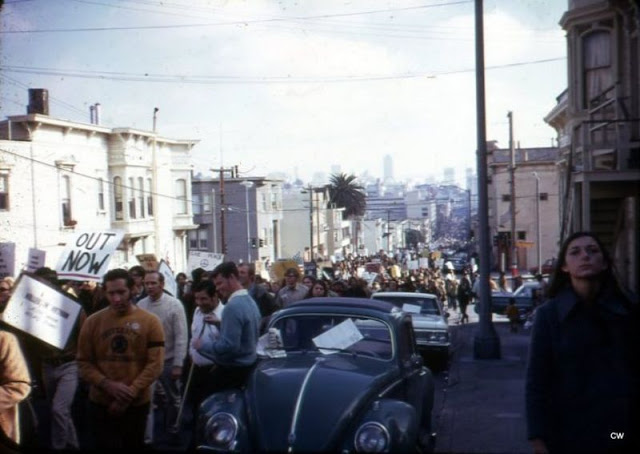
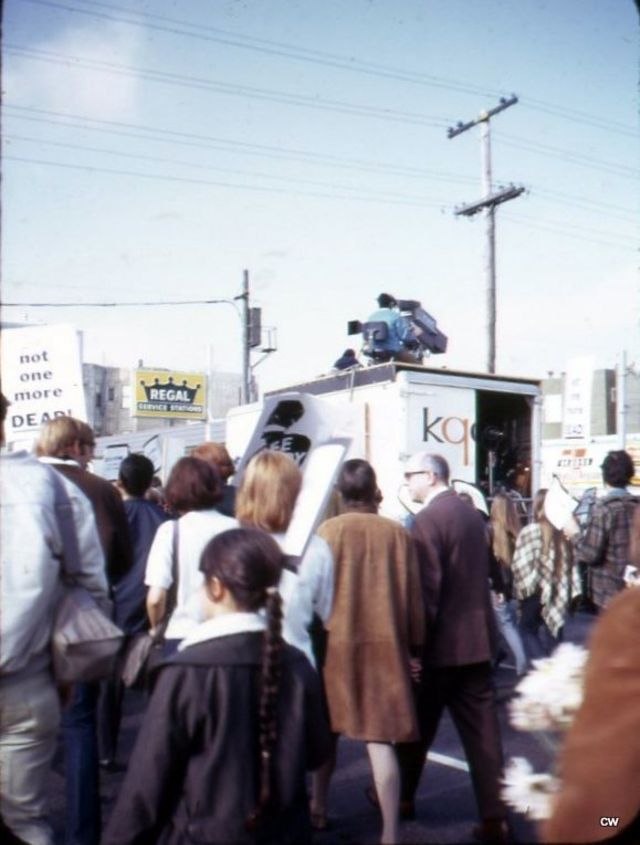
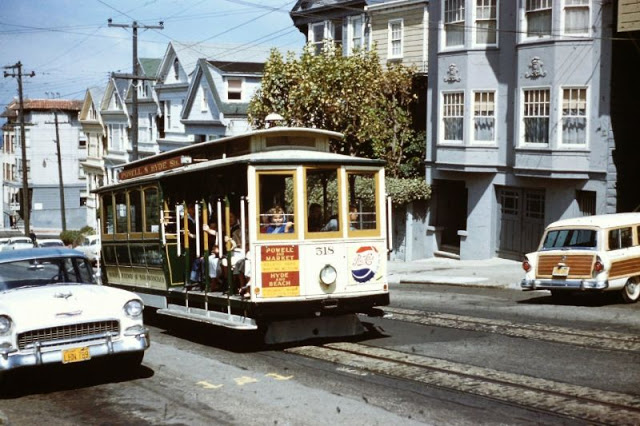
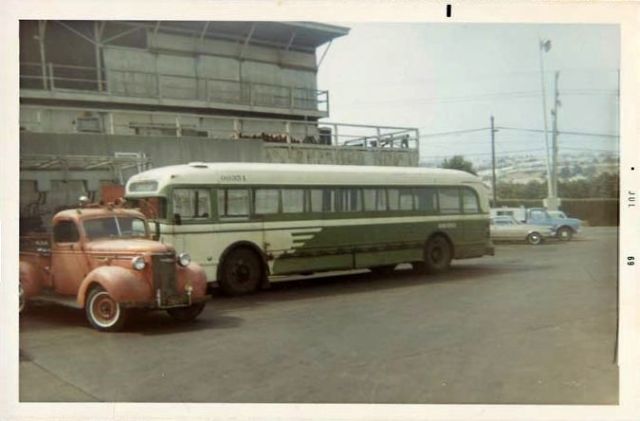
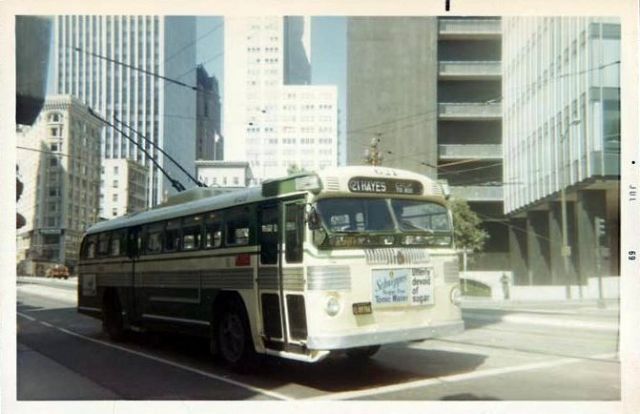
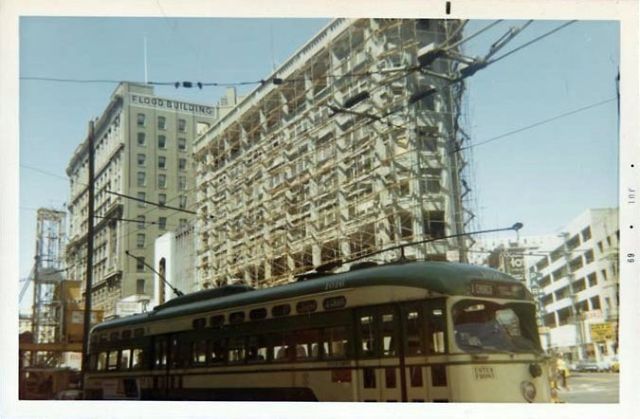
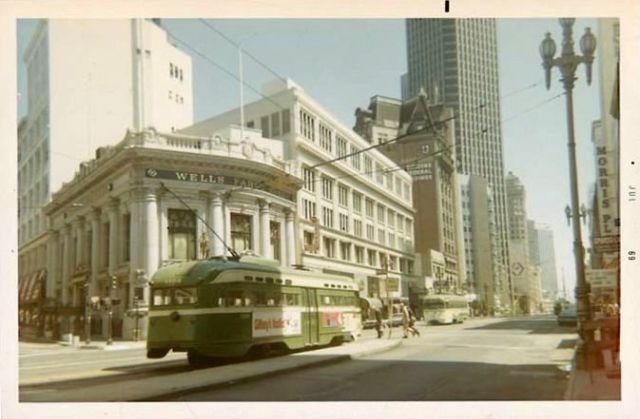
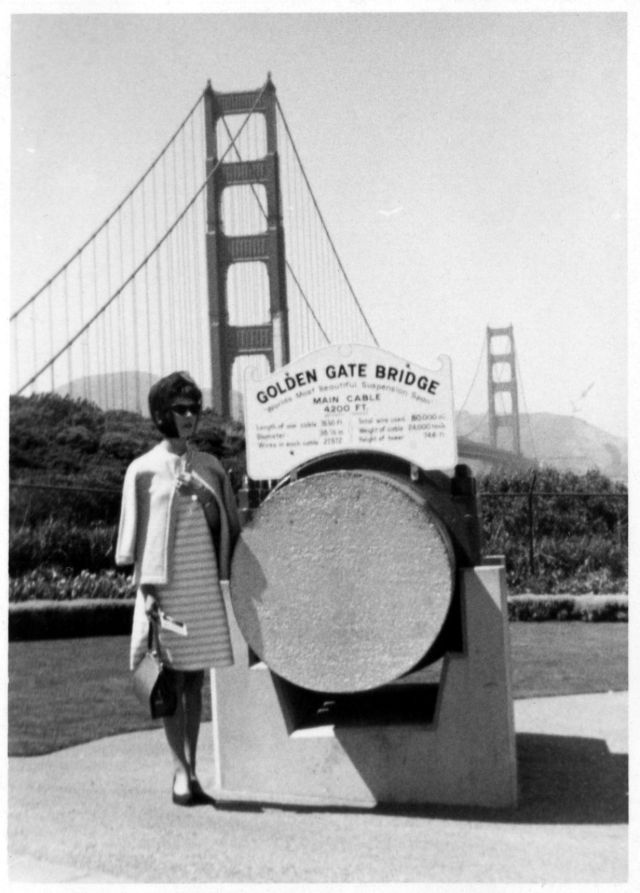
These found snaps that captured everyday life of San Francisco in the 1950s and 1960s.

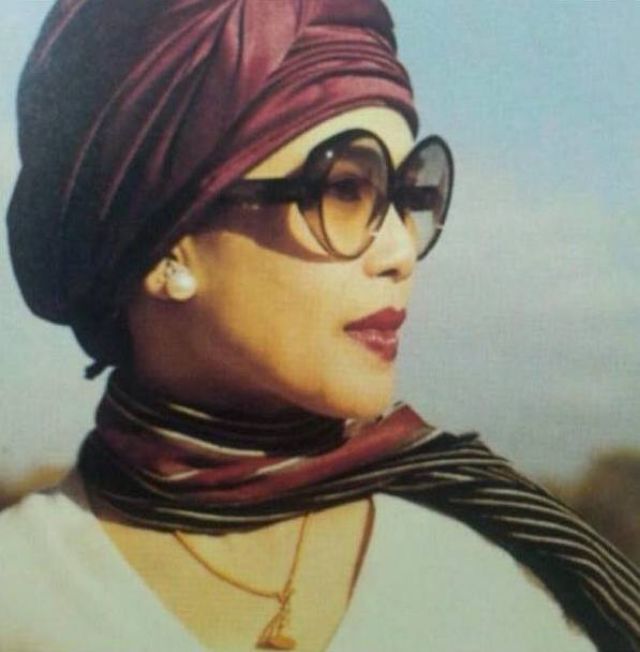
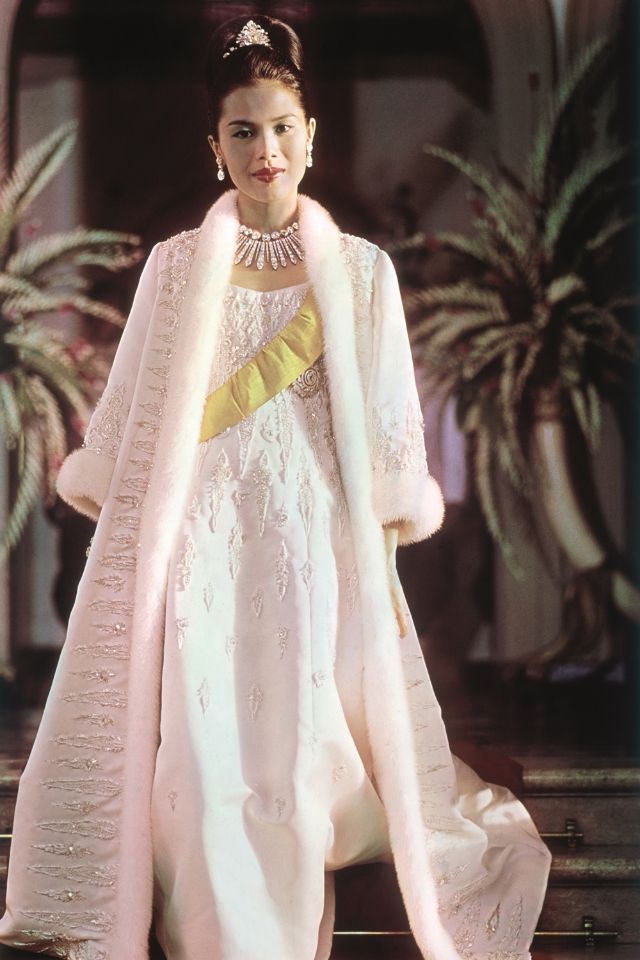
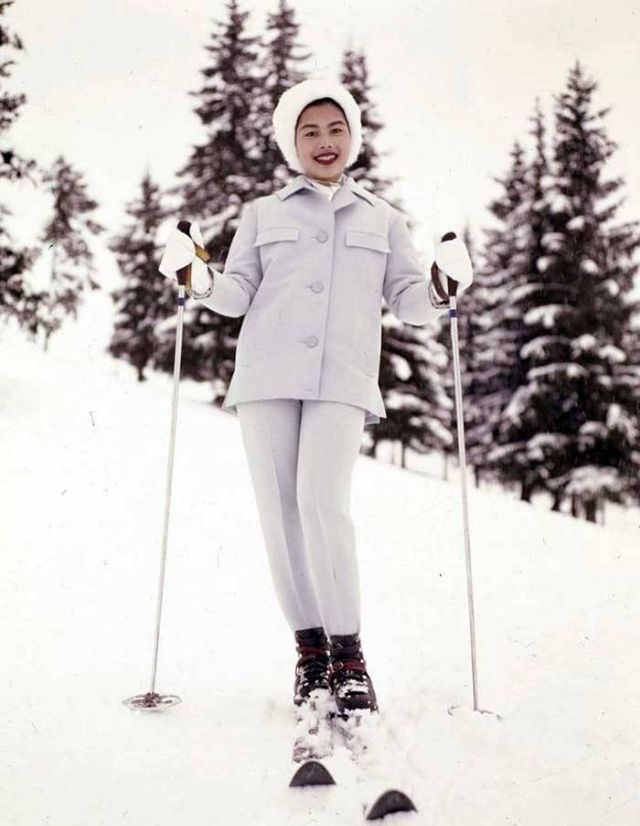
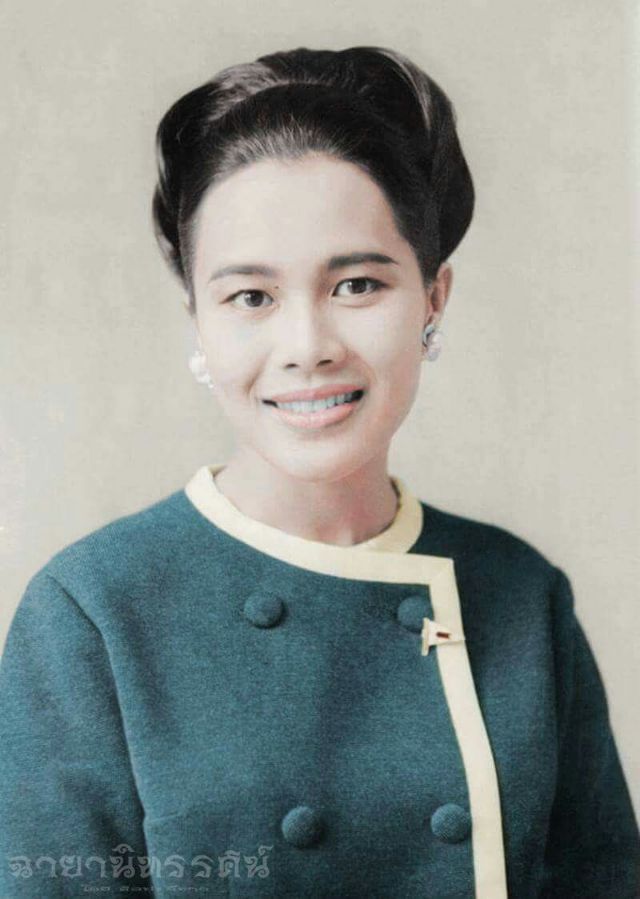
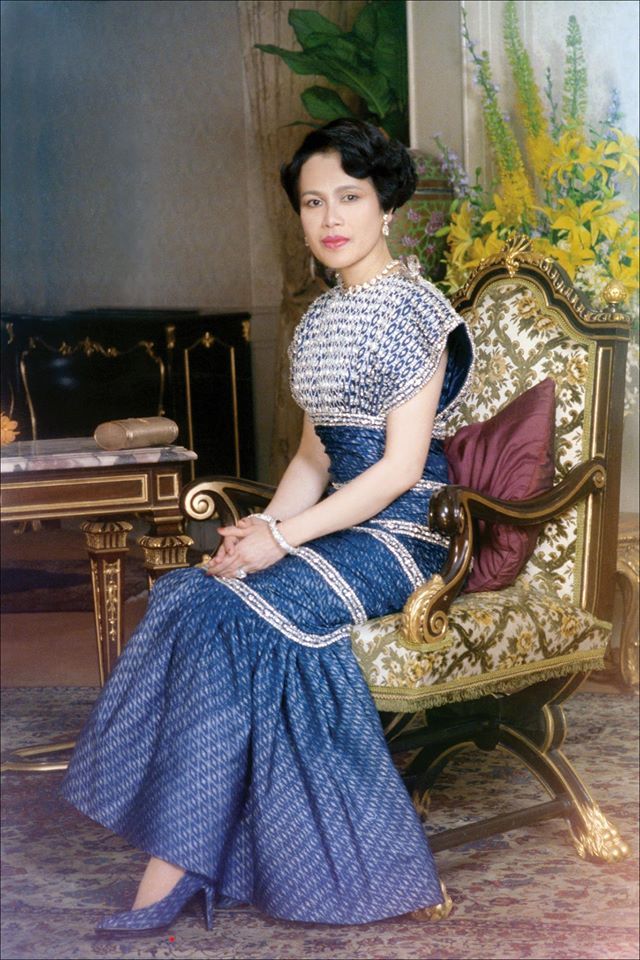
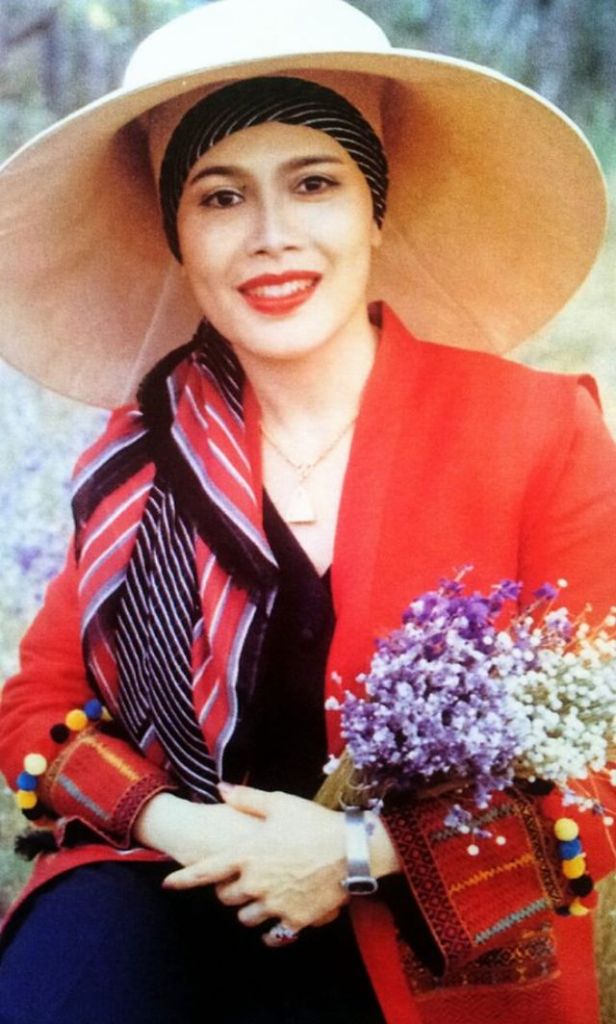
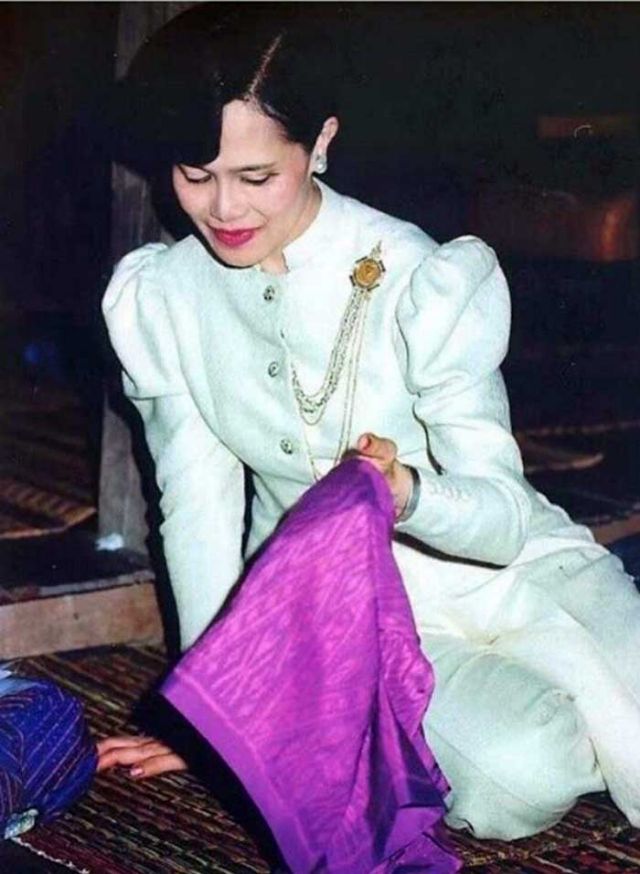
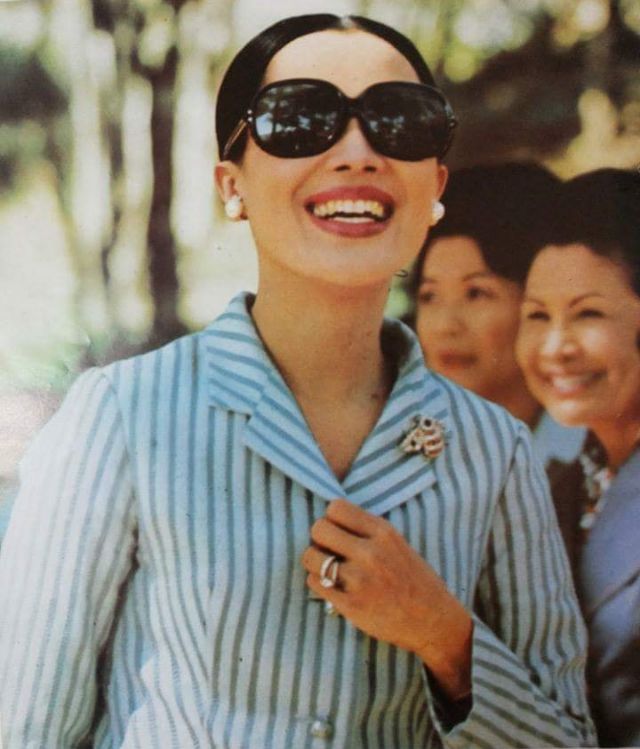
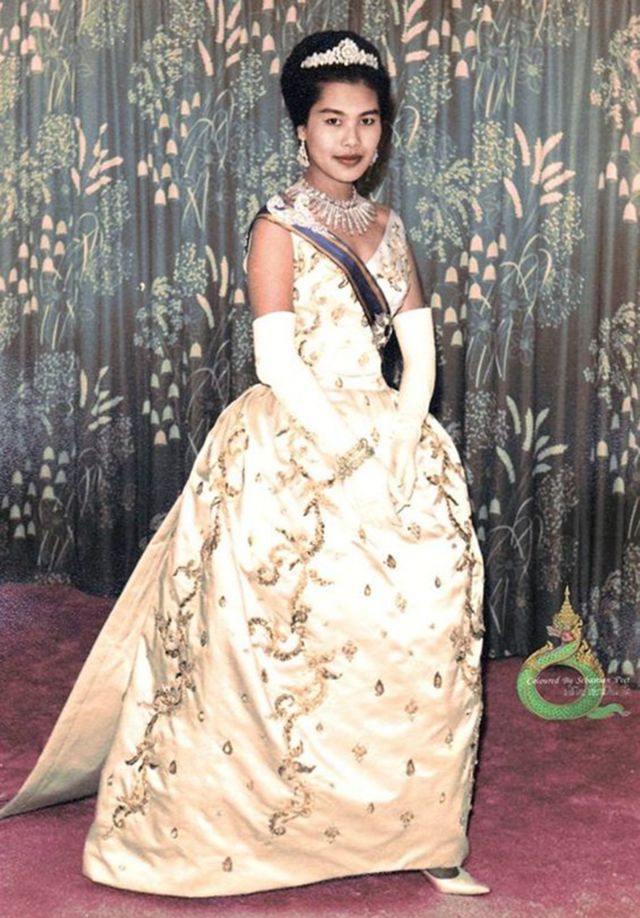
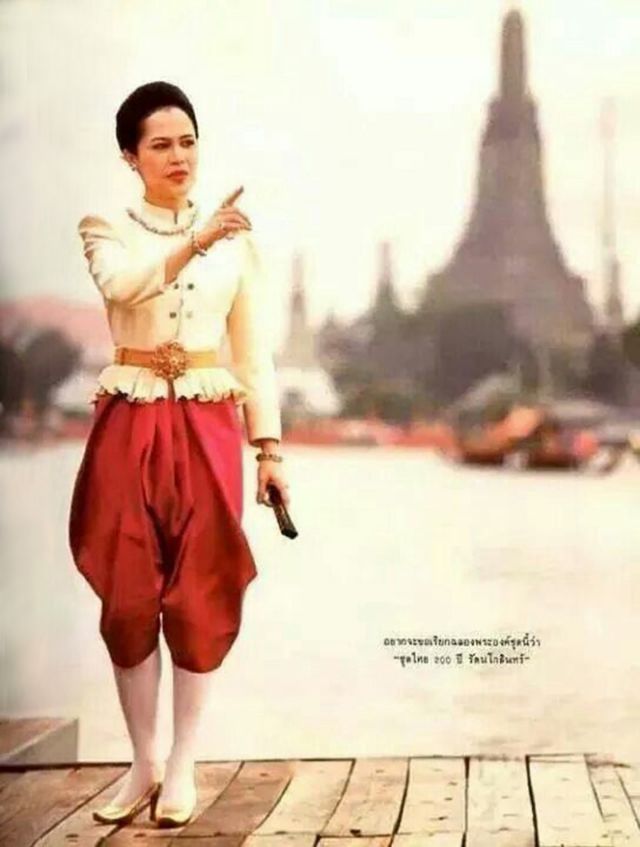
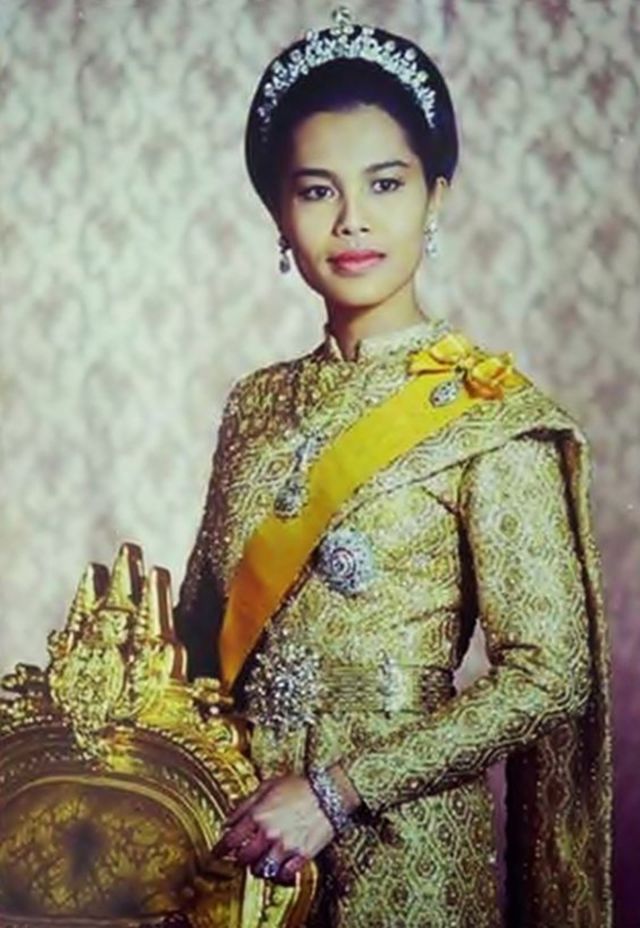
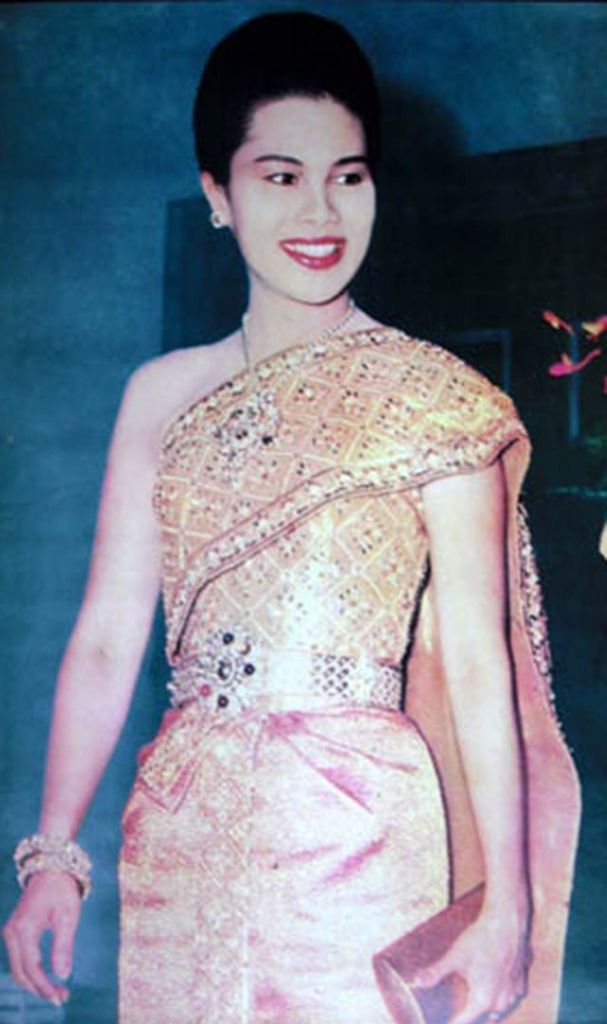
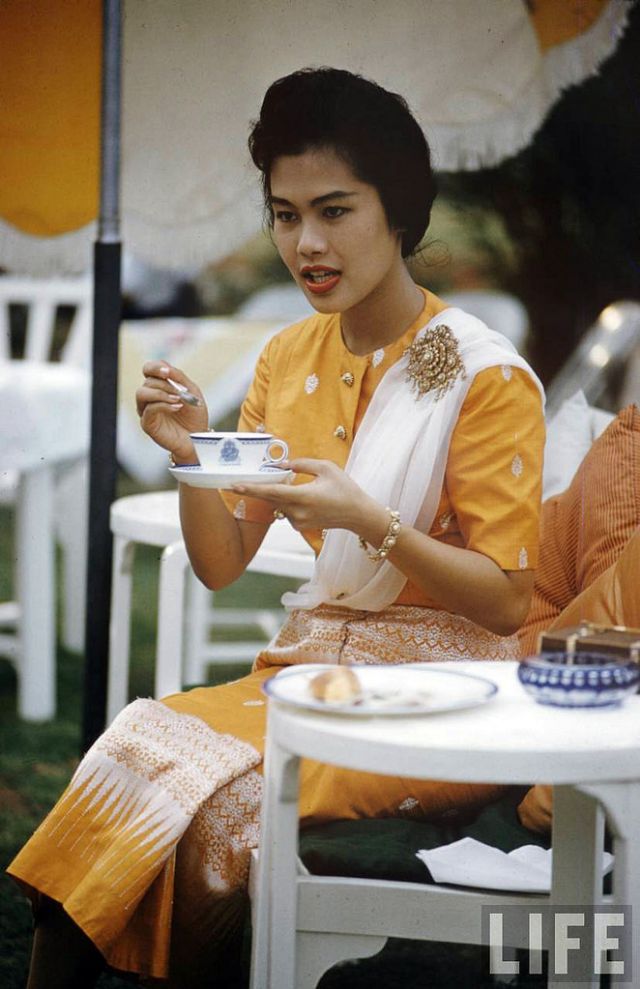
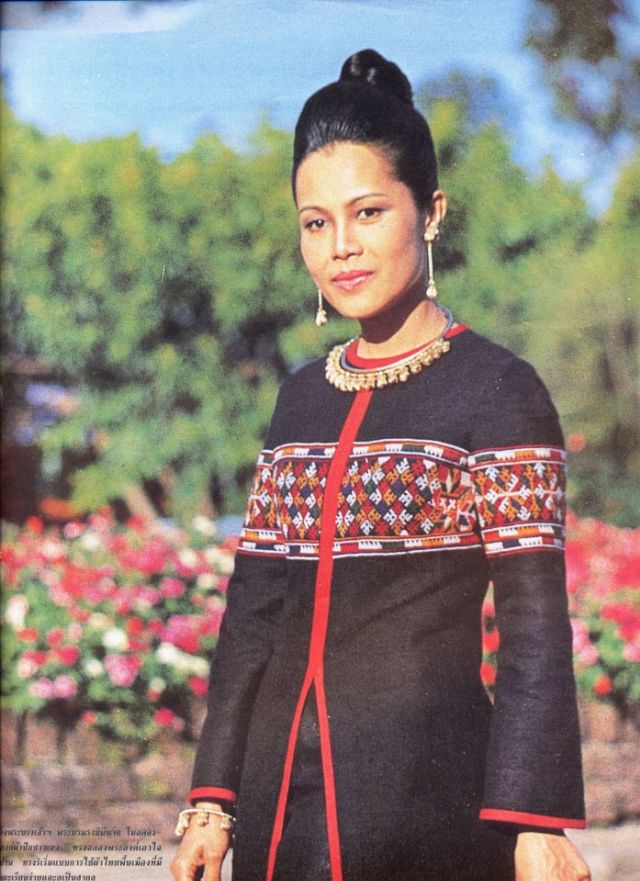
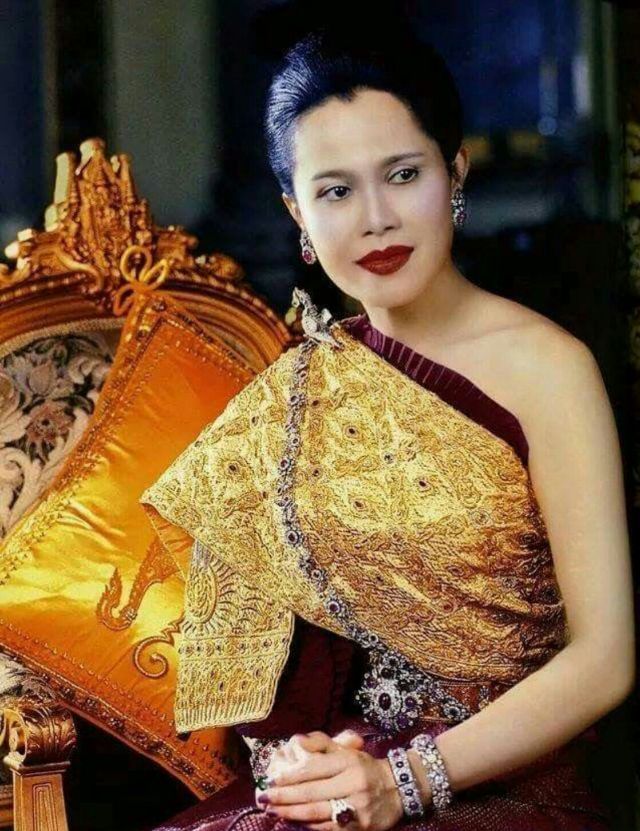
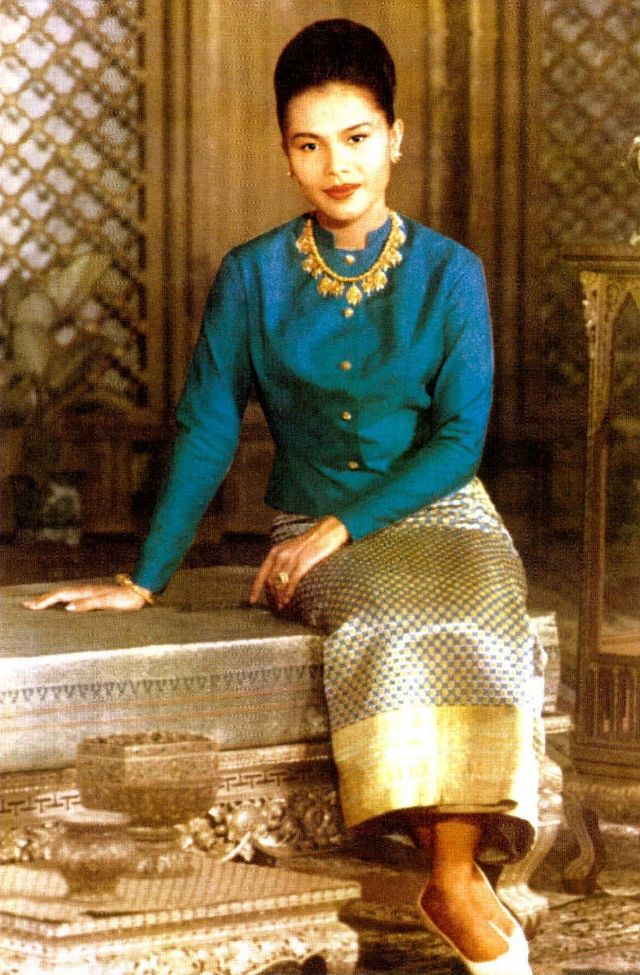
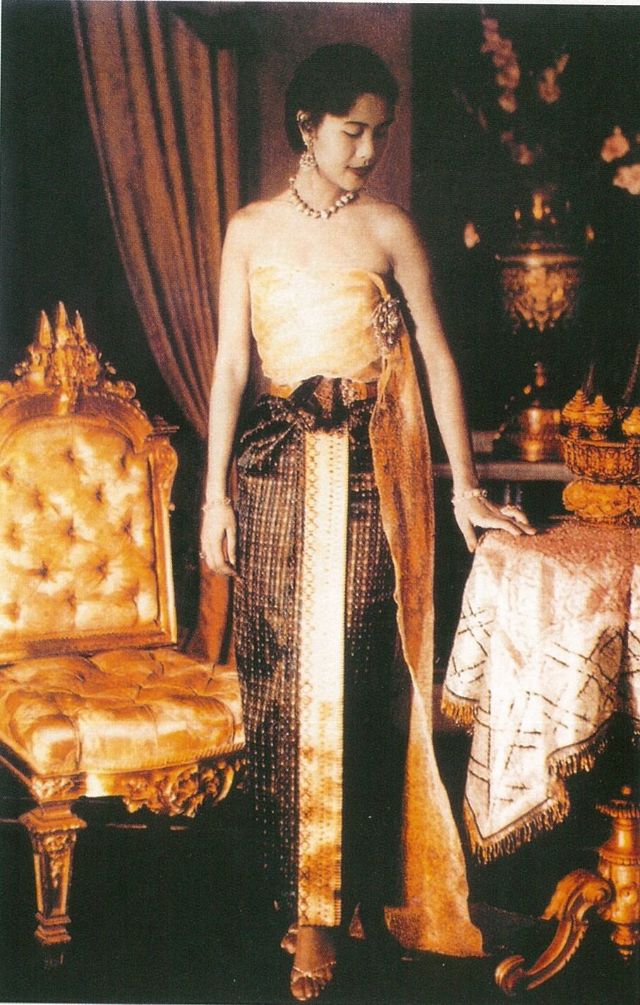
Sirikit is the queen mother of Thailand. She was the queen consort of King Bhumibol Adulyadej (or Rama IX) and is the mother of King Vajiralongkorn (or Rama X). She met Bhumibol in Paris, where her father was Thai ambassador. They married in 1950, shortly before Bhumibol’s coronation.
Sirikit was appointed queen regent in 1956, when the king entered the Buddhist monkhood for a period of time. Sirikit has one son and three daughters with the king. Consort of the monarch who was the world’s longest-reigning head of state, she was also the world’s longest-serving consort. Sirikit suffered a stroke on 21 July 2012 and has since refrained from public appearances.
What is probably less known about Sirikit is that by the time she and King Bhumibol undertook their first world tour (which was to last six months) in 1960 she had been voted one of the world’s 10 best-dressed women. She obviously had an eye for fashion as on their royal tour to England in 1960, Queen Sirikit took 150 outfits which included 80 pairs of shoes, 12 suites of matching diamond bracelets, necklaces and earrings.
During her visit to Australia in 1962 with King Bhumibol, Thai tradition was said to influence her dress choice. Therefore, by following the traditional “Thai color chart” for each day of the week, red was the color to be worn on Sunday’s, yellow on Mondays, pink on Tuesdays, green on Wednesdays, orange on Thursdays, blue for Fridays and purple on Saturdays.
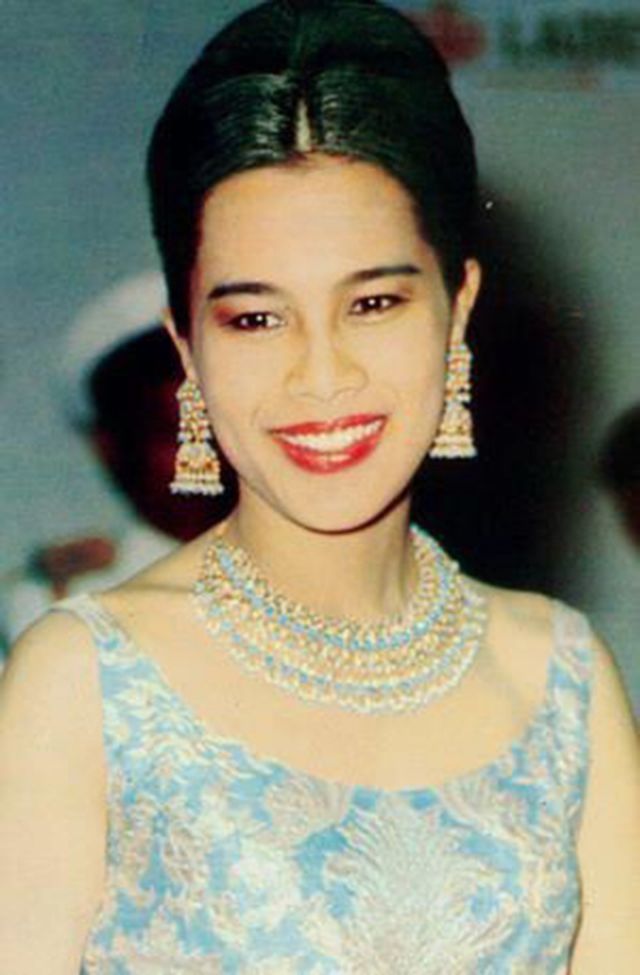
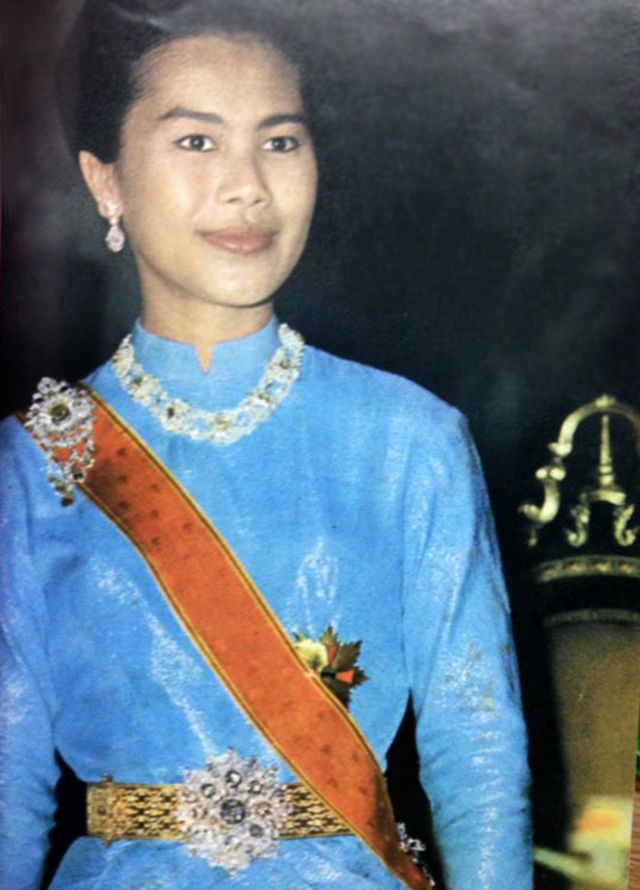
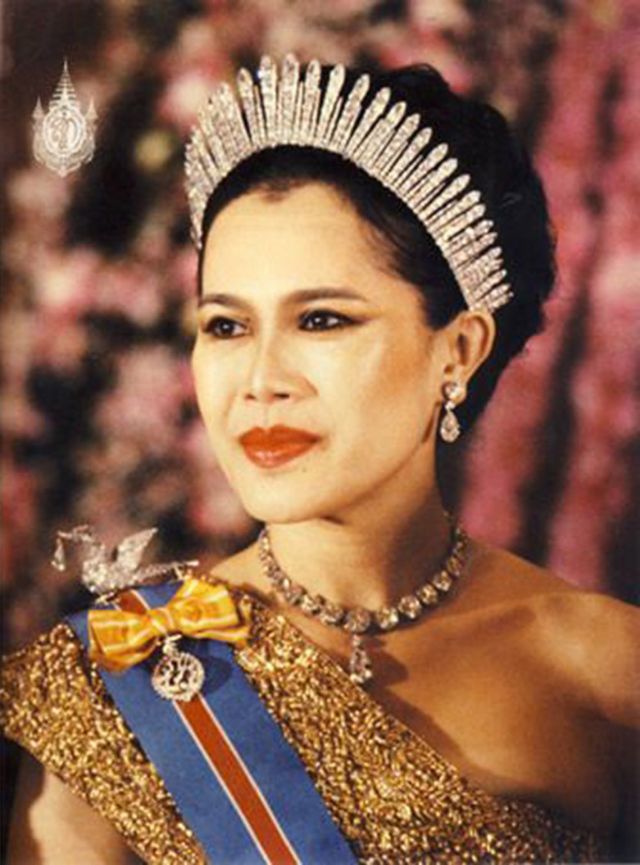
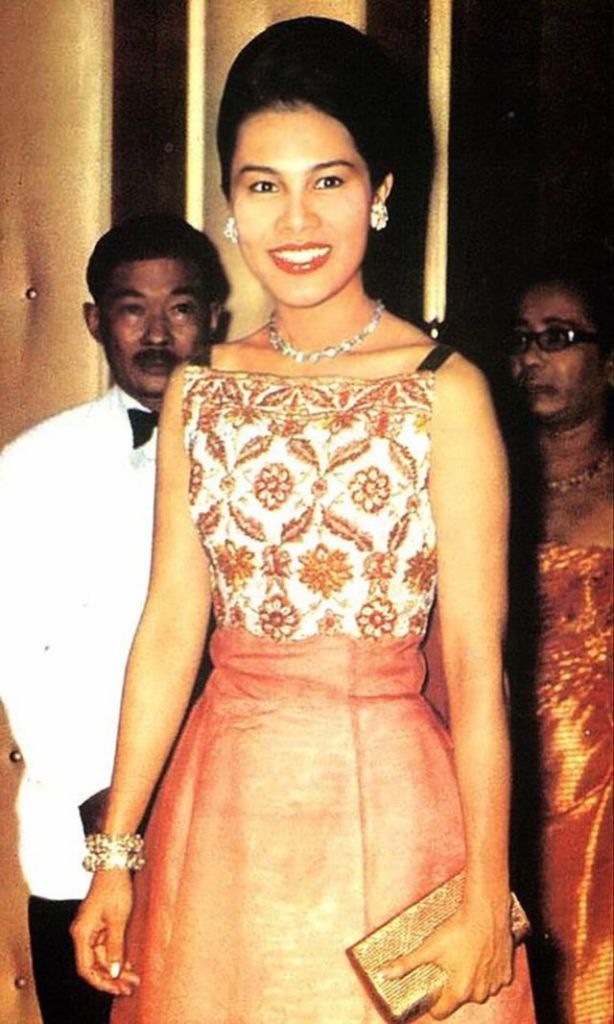
Here, below is a collection of 40 fascinating color photographs of a young Sirikit in the 1950s and 1960s.