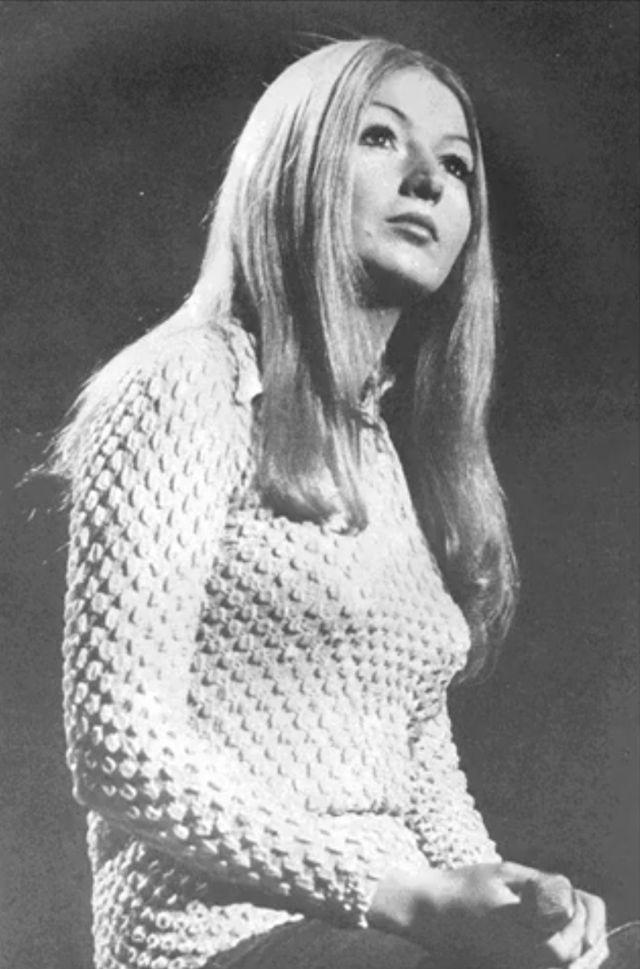
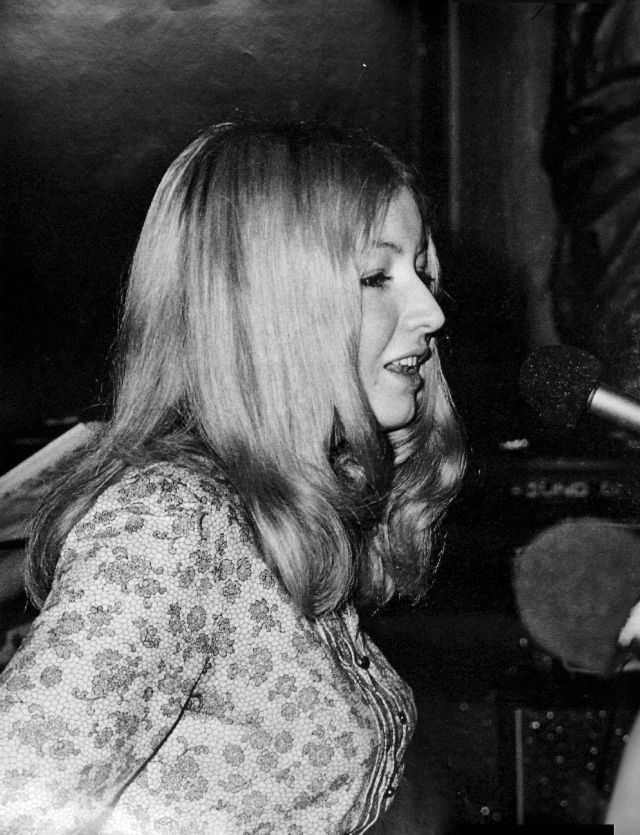
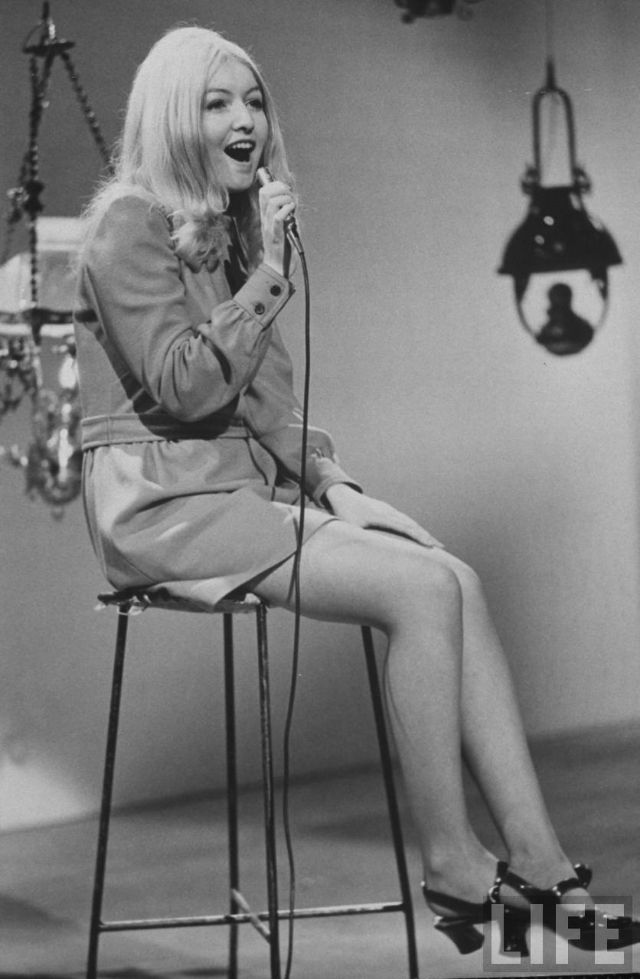
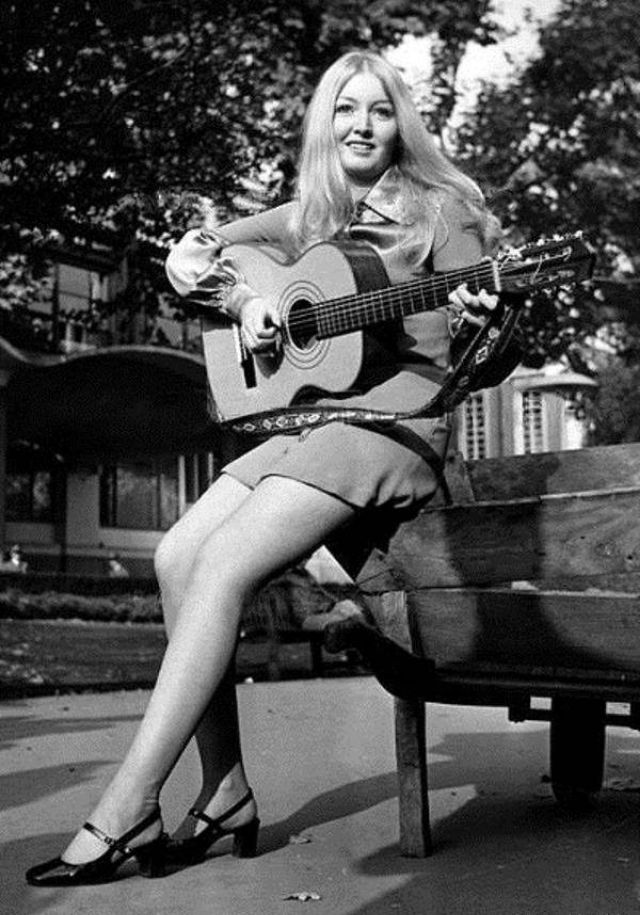
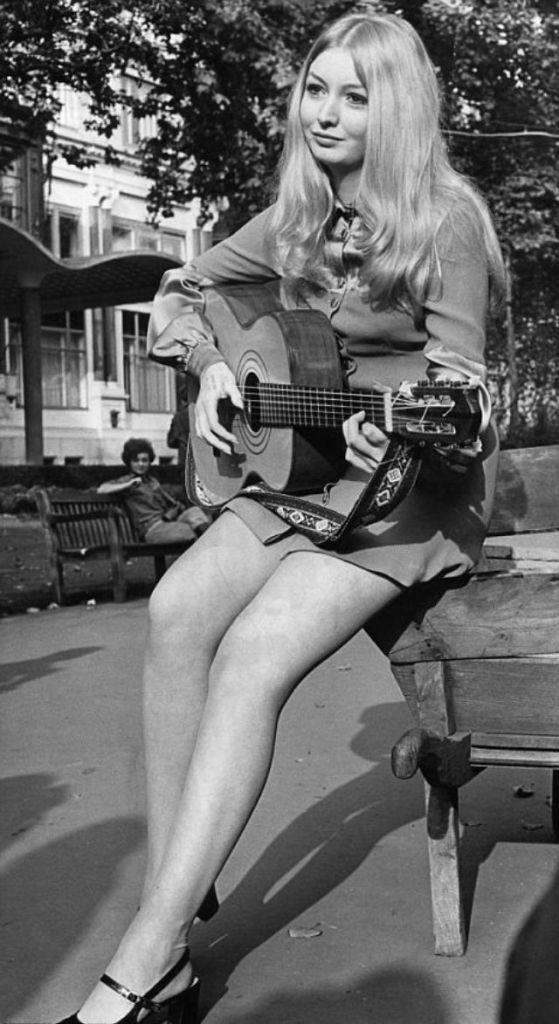
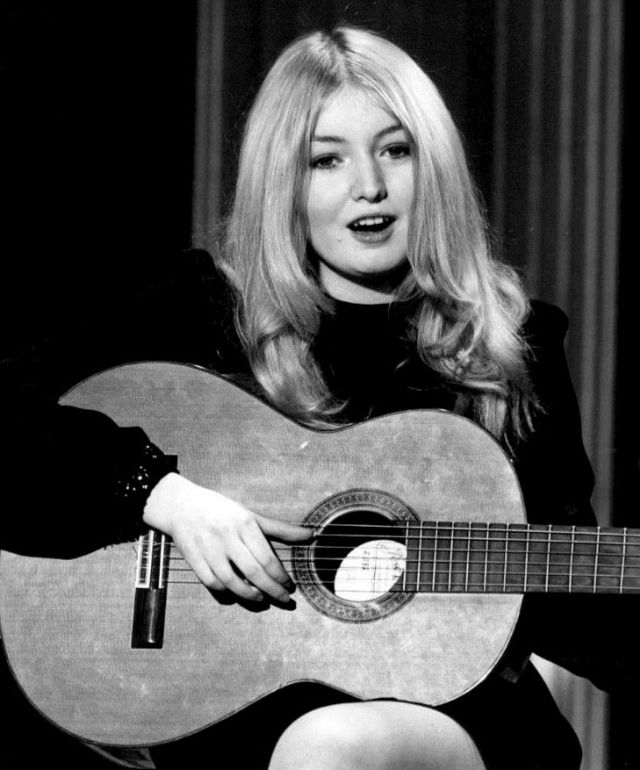
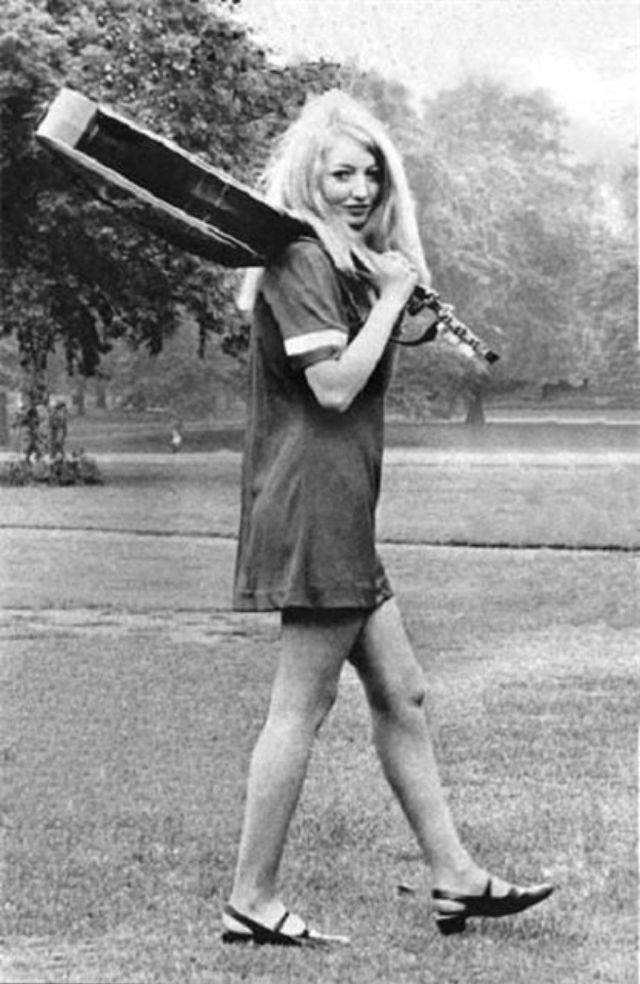
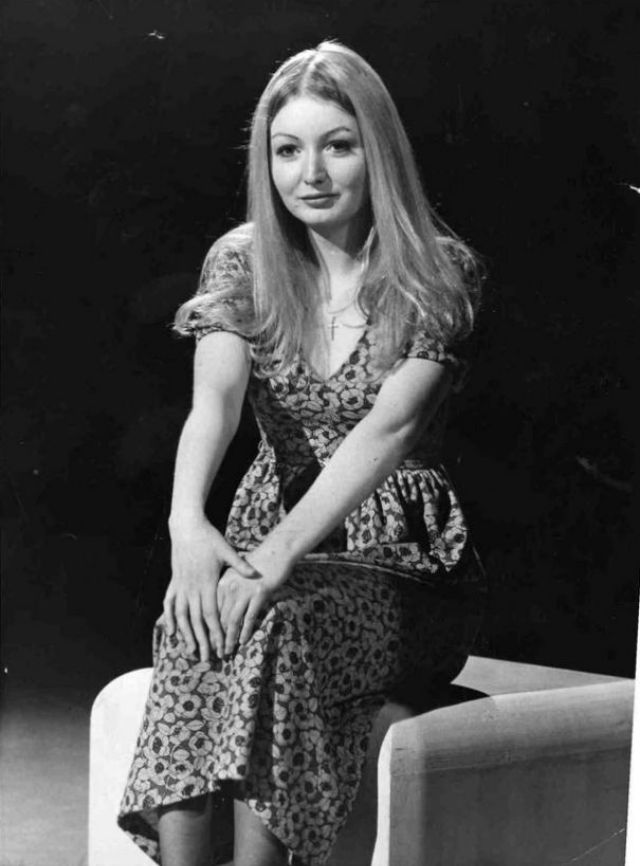
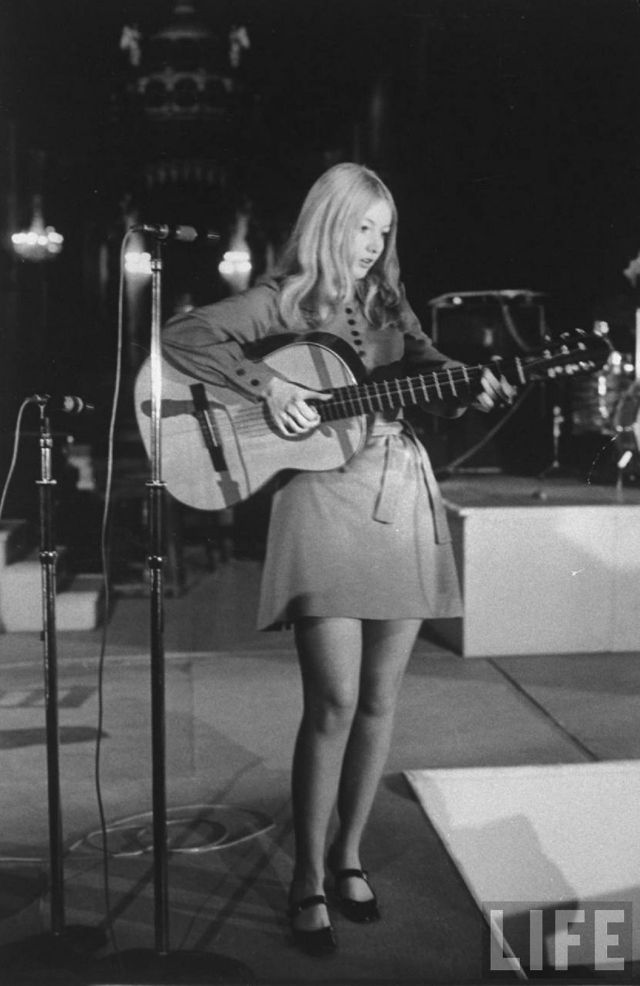
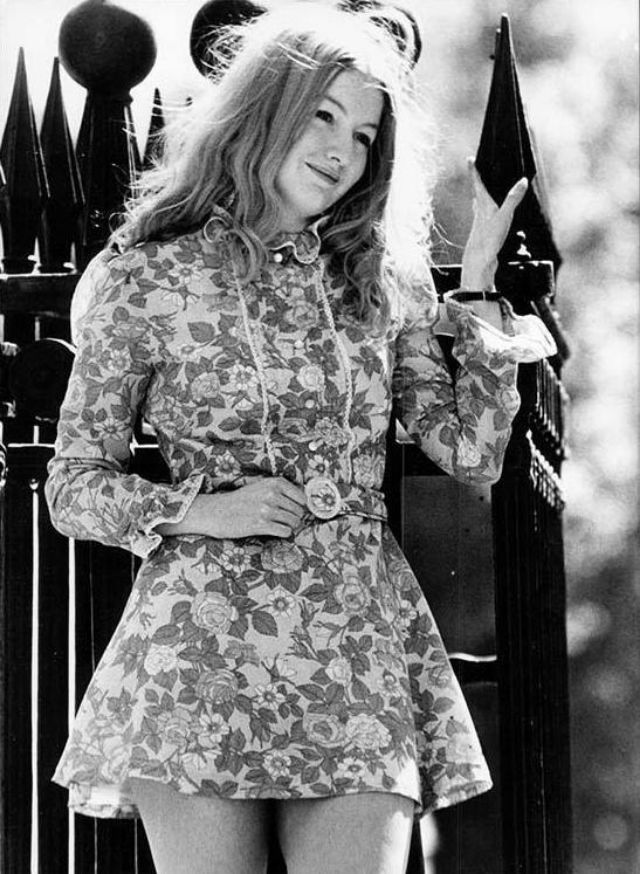
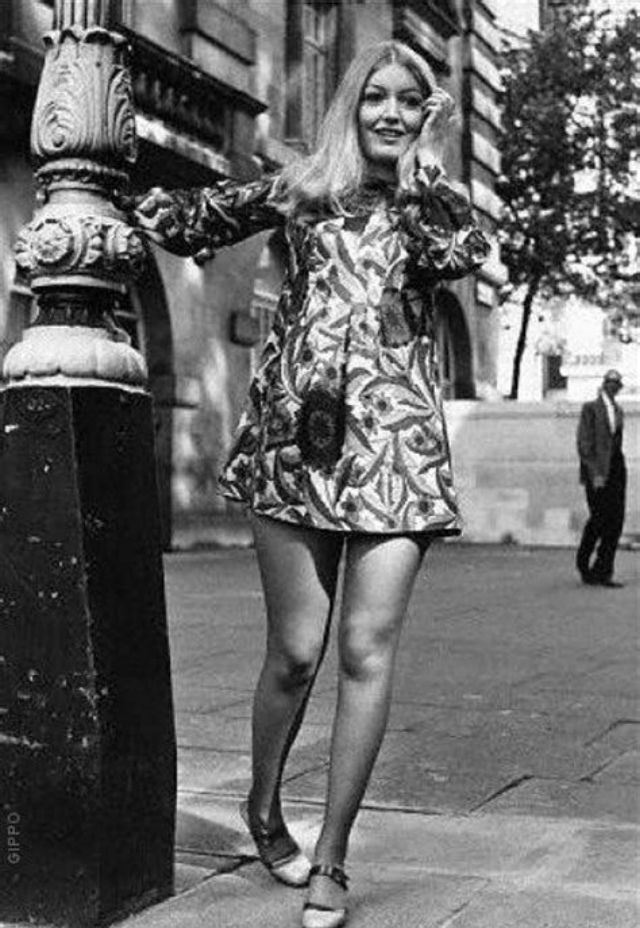
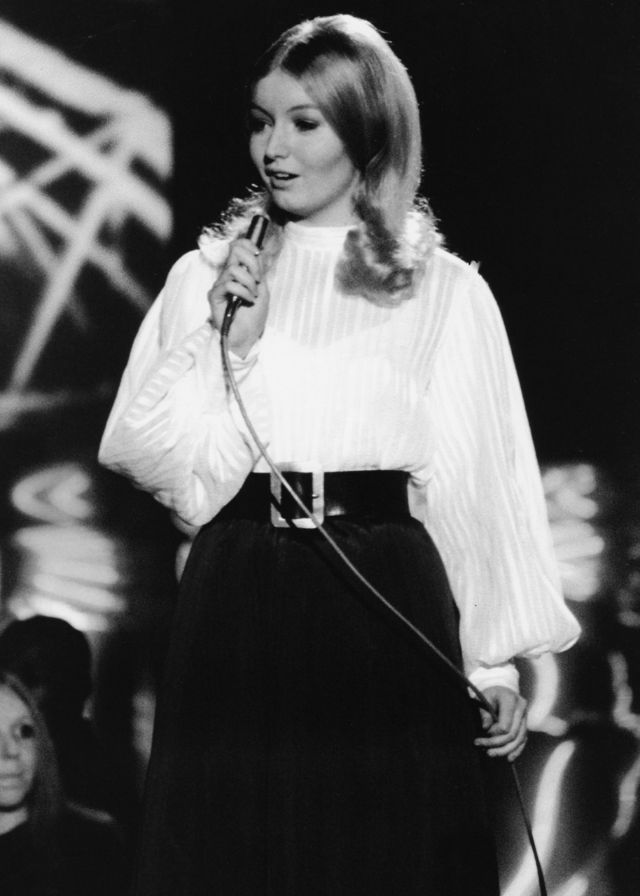
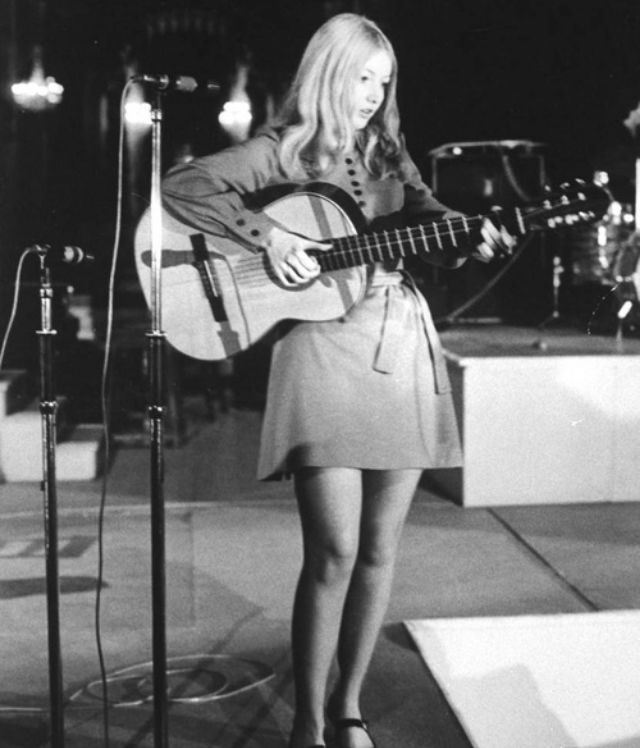
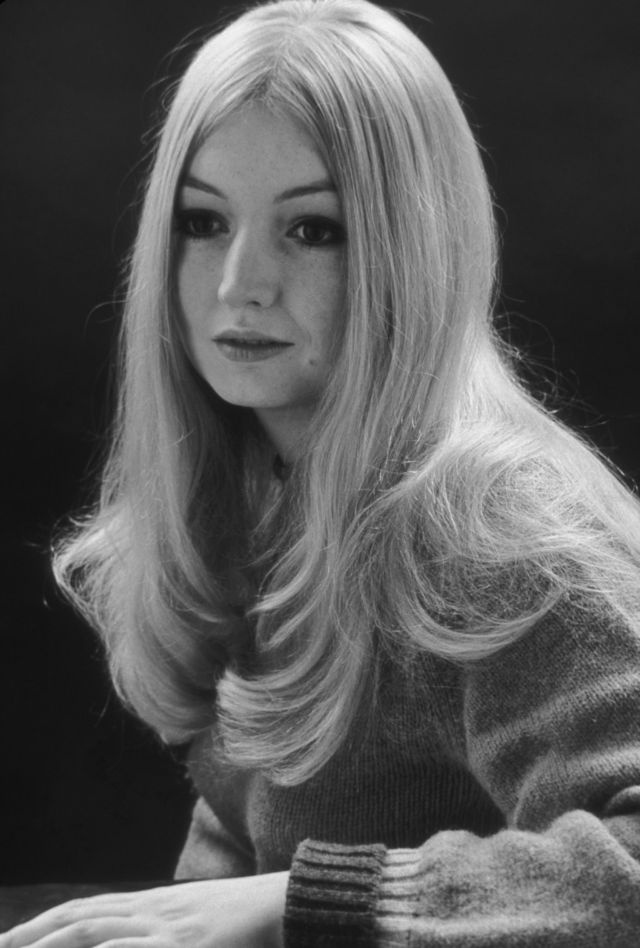
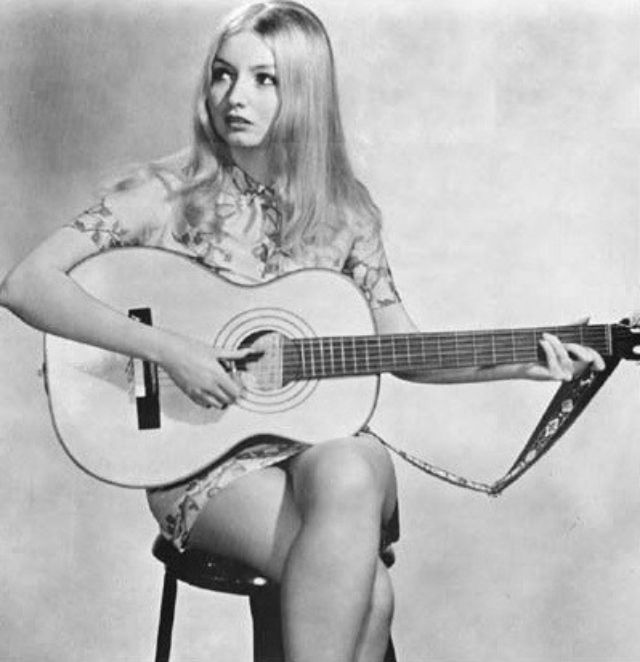
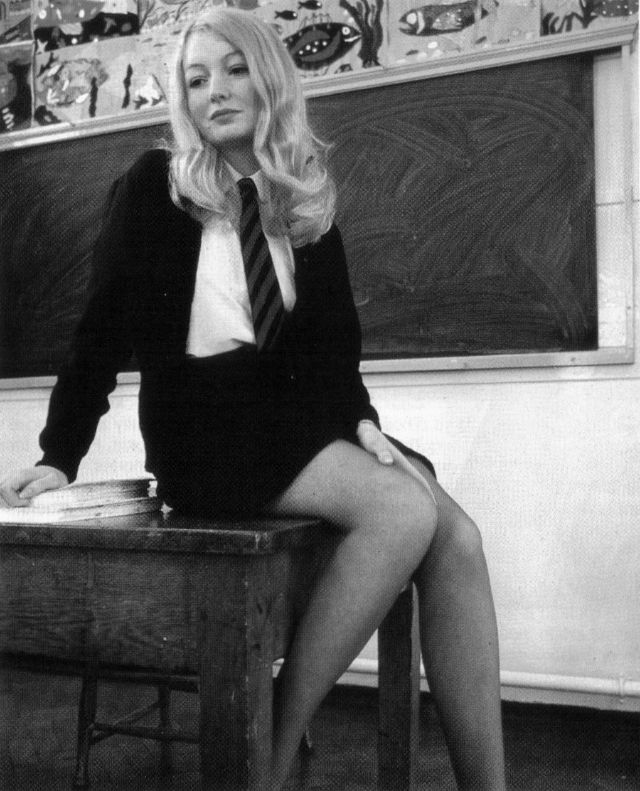
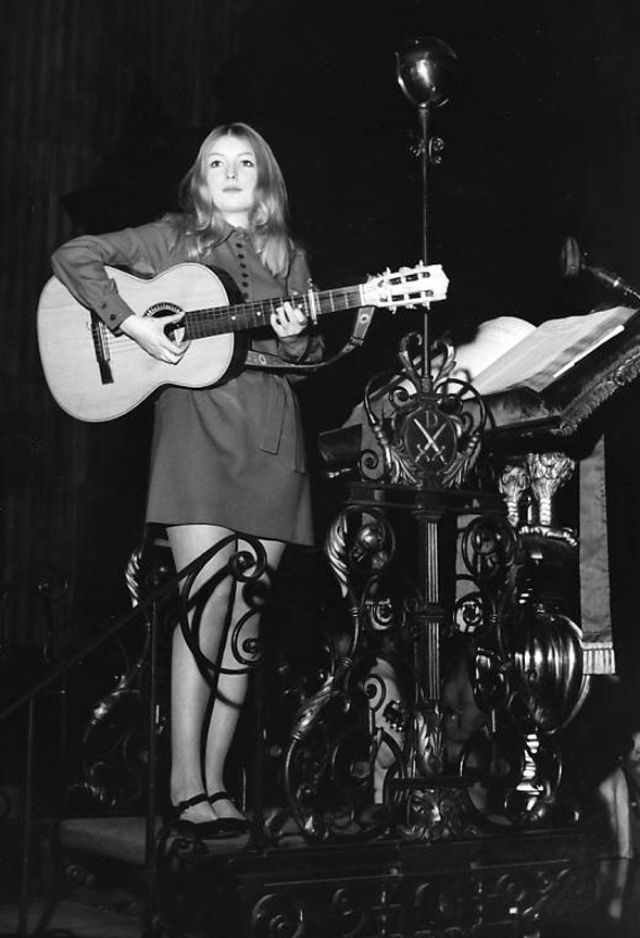
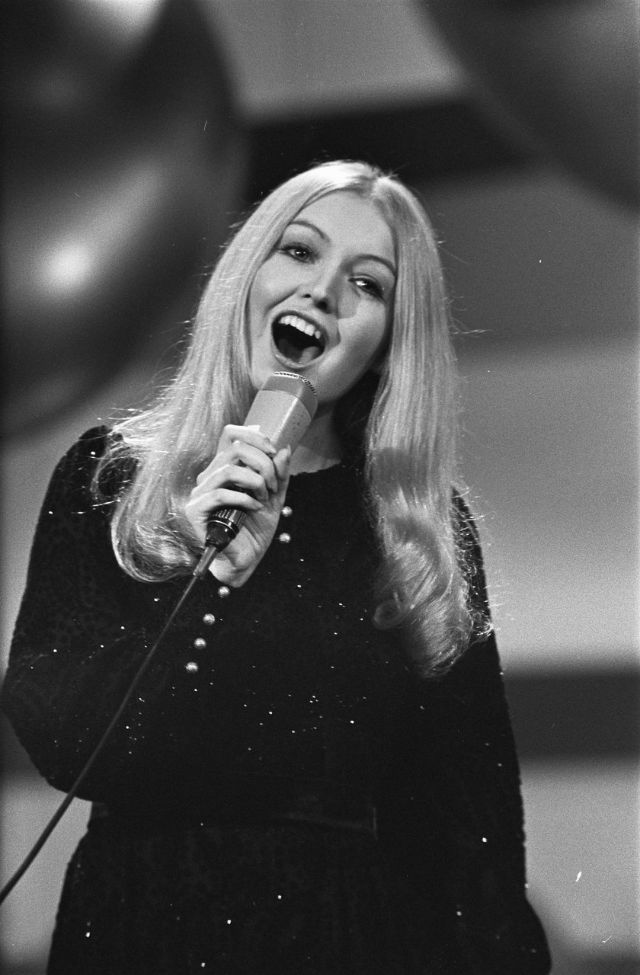
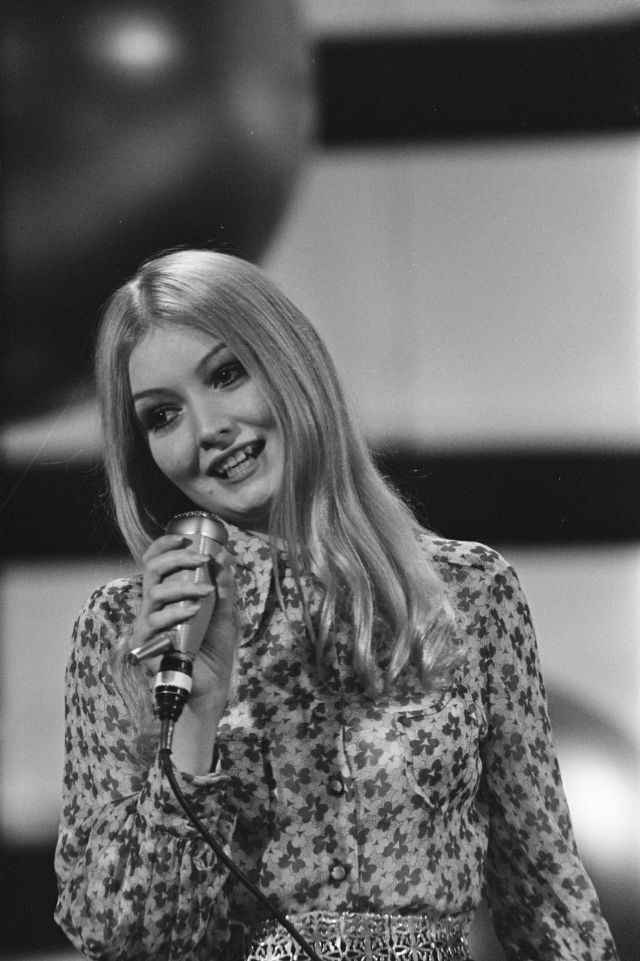
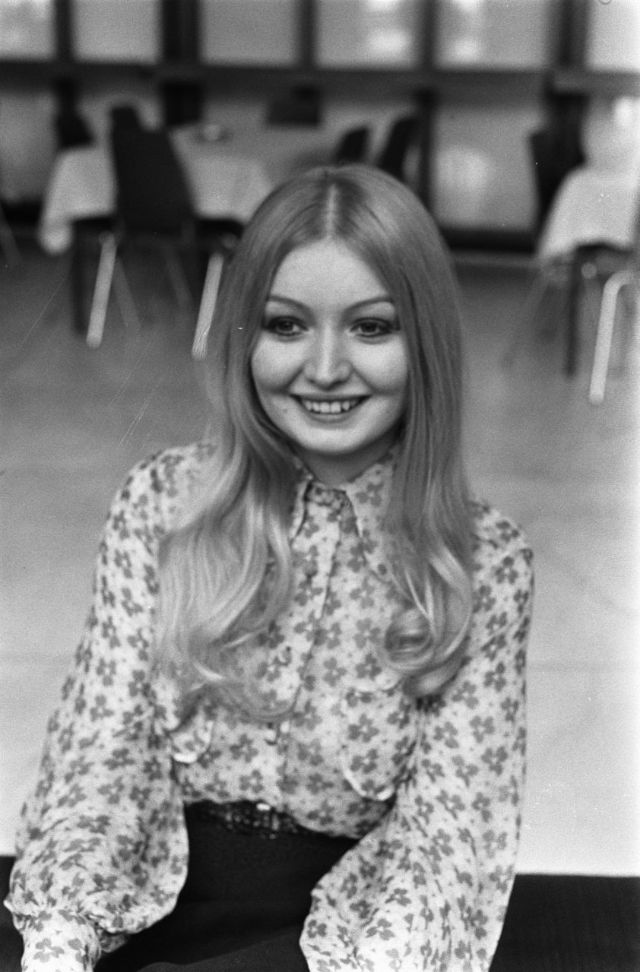
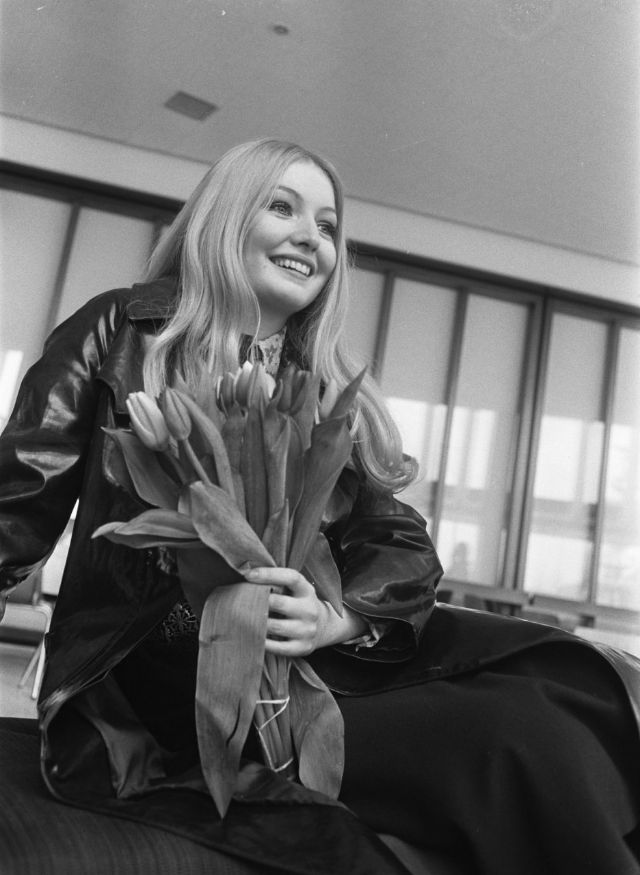
Mary Hopkin was born in Pontardawe, Wales on 3 May 1950. In her teens she made some modest success as a Welsh folk singer until one day, on 4 May, 1968, one day after her 18th birthday, she appeared on the television talent show Opportunity Knocks (1956), a show which featured talented up-and-coming show business personalities who competed with one another for audience votes. On her first appearance she was an instant success, singing the folk song “Turn Turn Turn”. What followed was one of the most meteoric rises in the history of show business.
While on the show she was spotted by Twiggy, who called Paul McCartney and urged him to audition her, something he did without even hearing her sing, and was invited by him to sign on for the Beatles newly formed Apple label. He arranged and produced her first single, “Those Were the Days”, which became an international number one hit and shot her to stardom.
In less than a year, her first LP album, Postcard, appeared. Over the next four years or so she was unmistakeably one of the great international singing stars. However, in the early seventies her stardom began to wane because of her reluctance to participate in the rock-and-roll craze of that era.
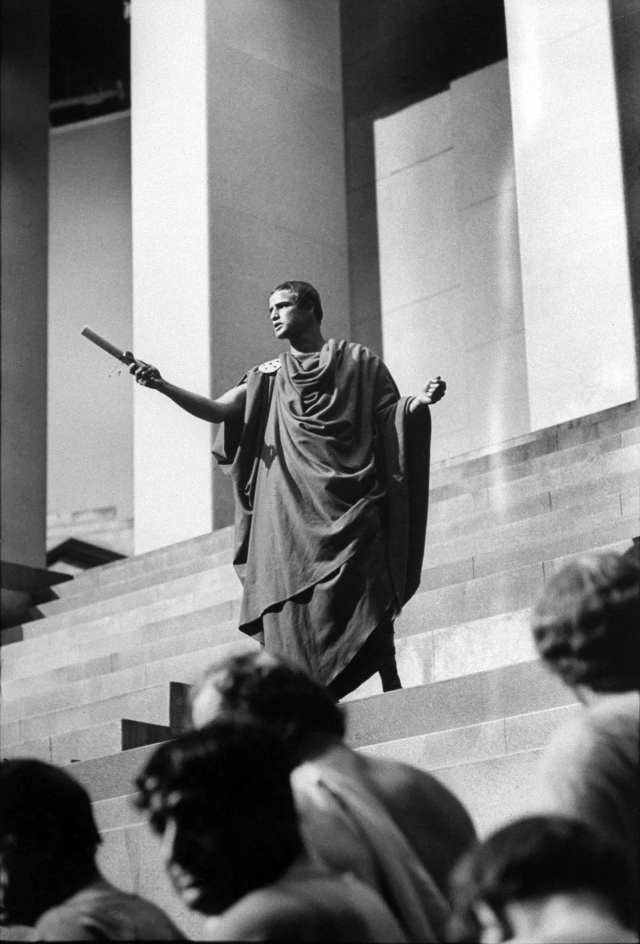
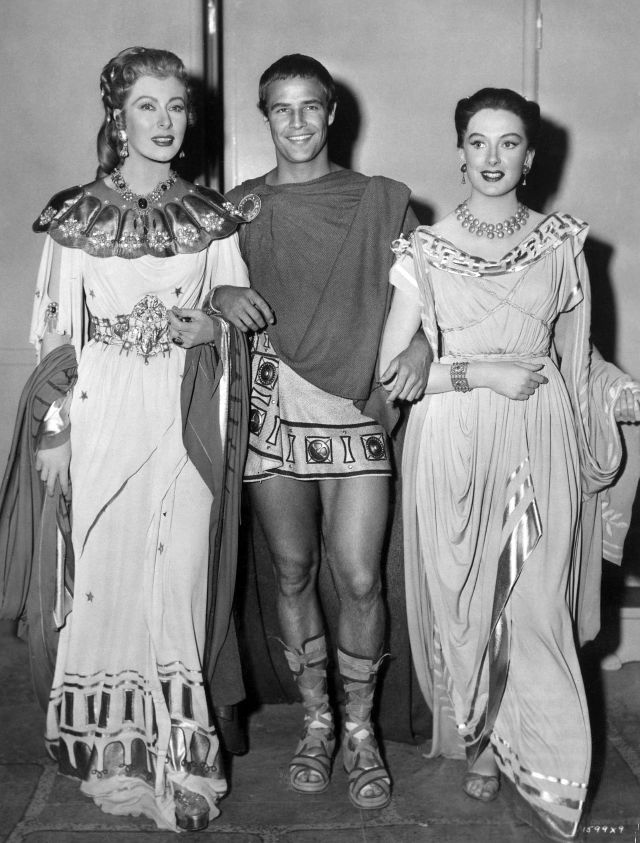
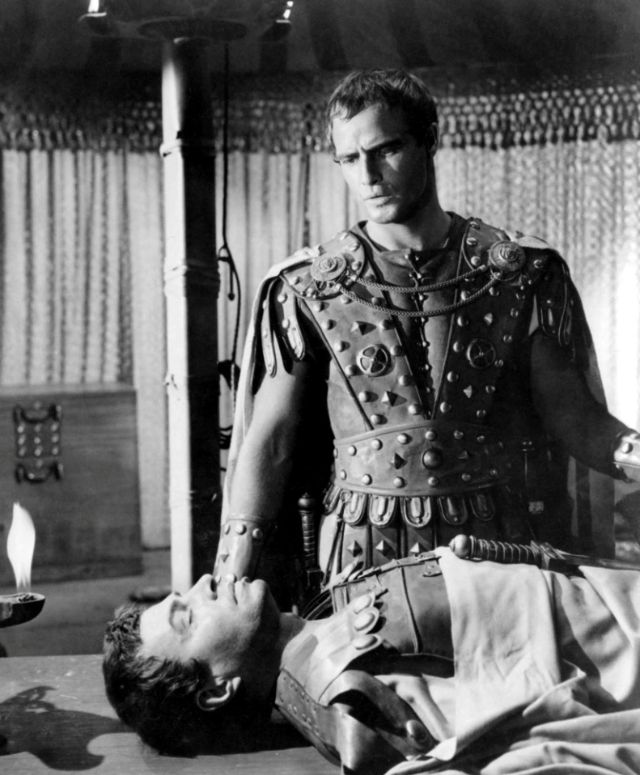
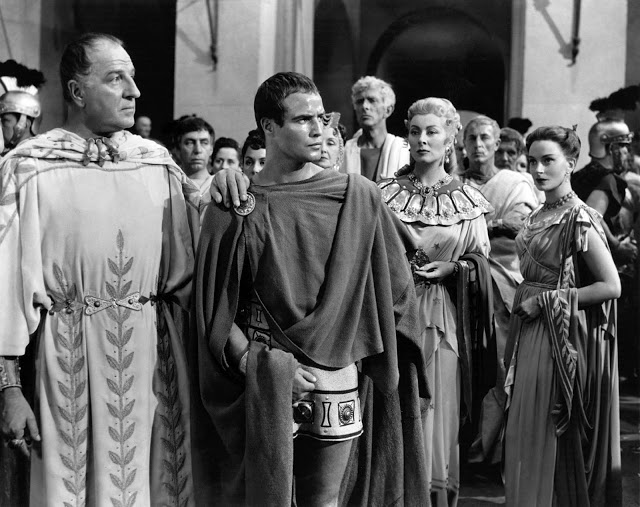
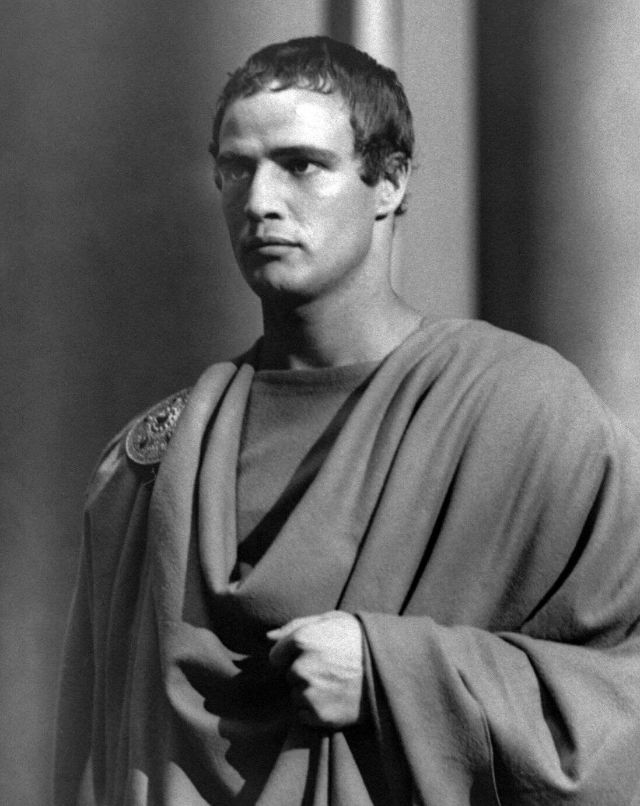
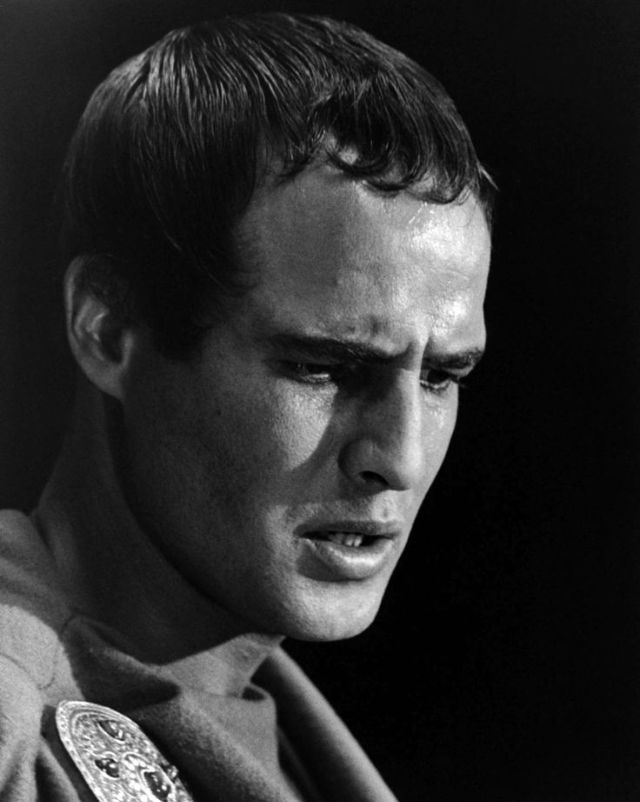
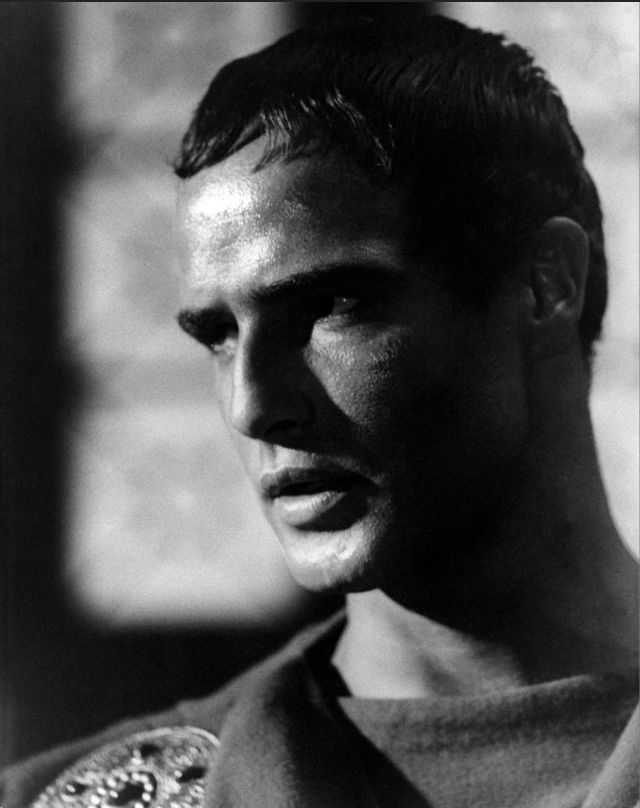
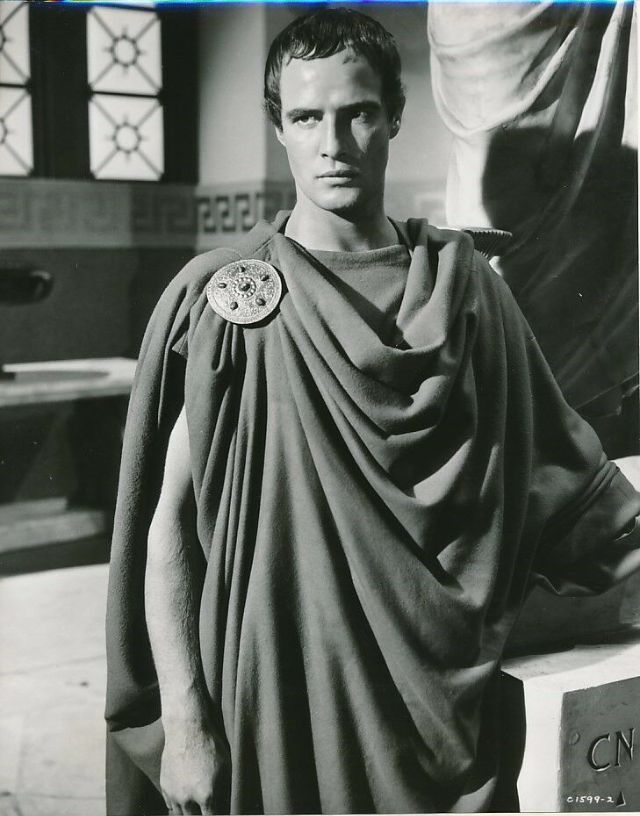
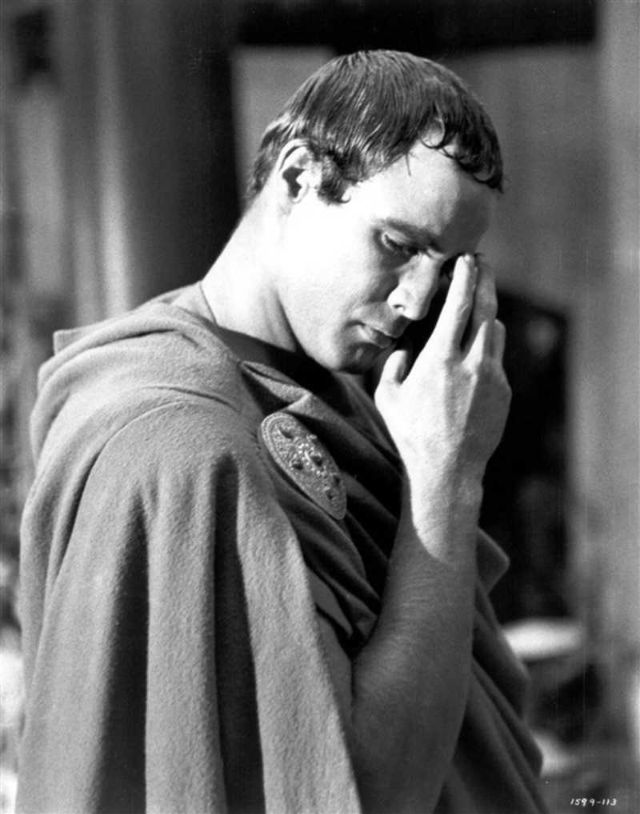
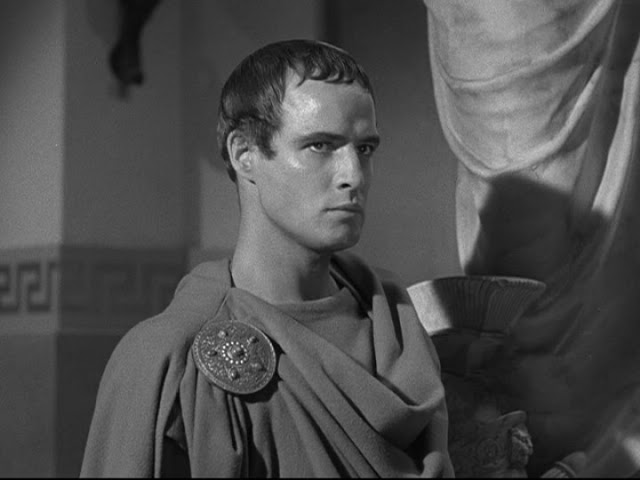
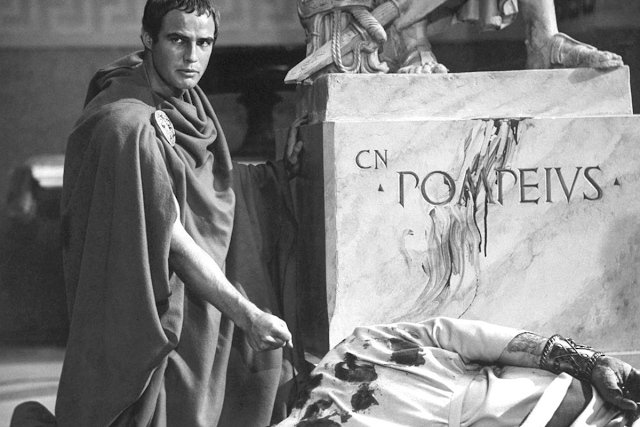
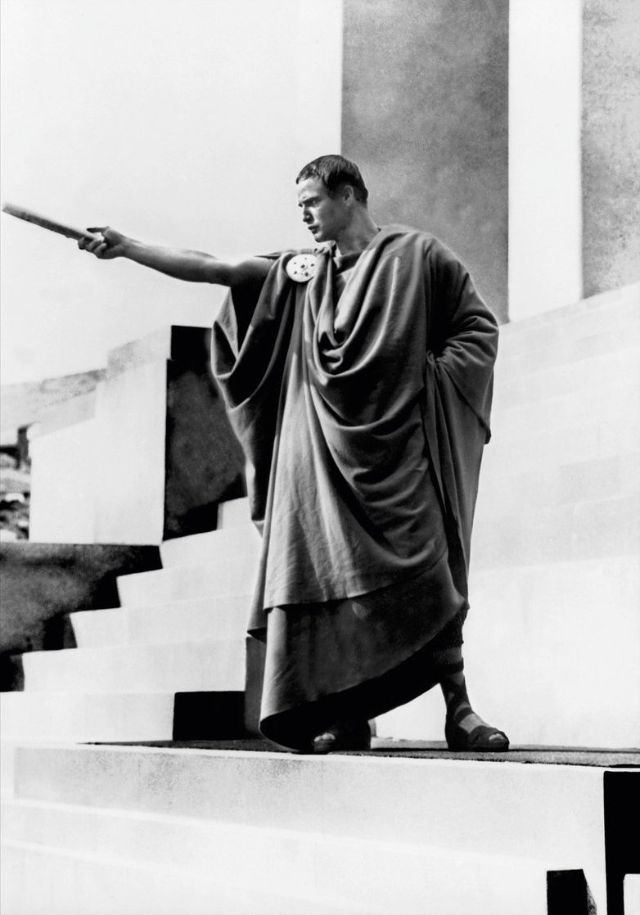
Julius Caesar is a 1953 epic adaptation of the play by Shakespeare, directed by Joseph L. Mankiewicz, produced by John Houseman by Metro-Goldwyn-Mayer. The film’s cast was a large ensemble of Oscar winners and nominees include Marlon Brando, Greer Garson, Edmond O’Brien, John Gielgud, James Mason, Louis Calhern and Deborah Kerr. It received numerous favourable reviews upon its release, plus five Oscar nominations for the 26th Academy Awards and won one for Best Art Direction-Set Decoration, Black-and-White.
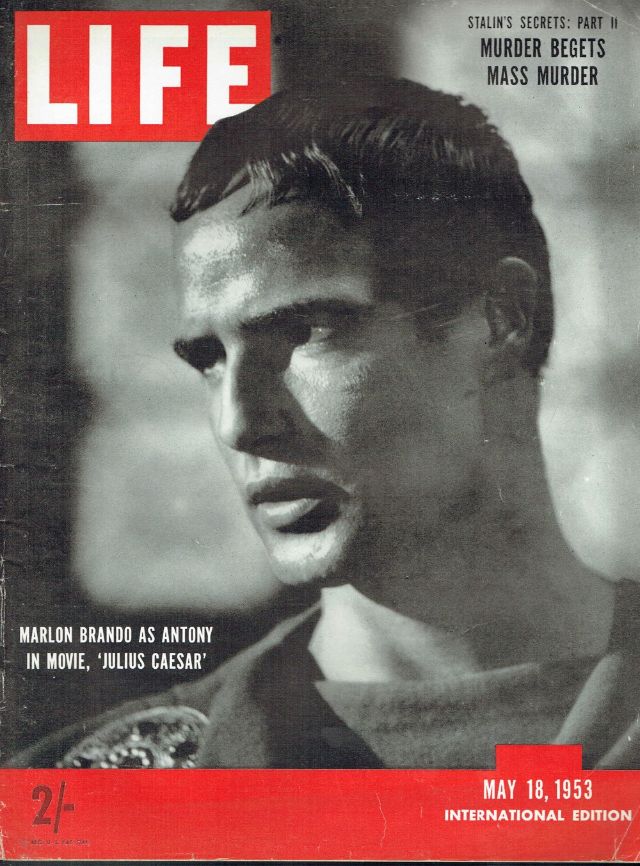
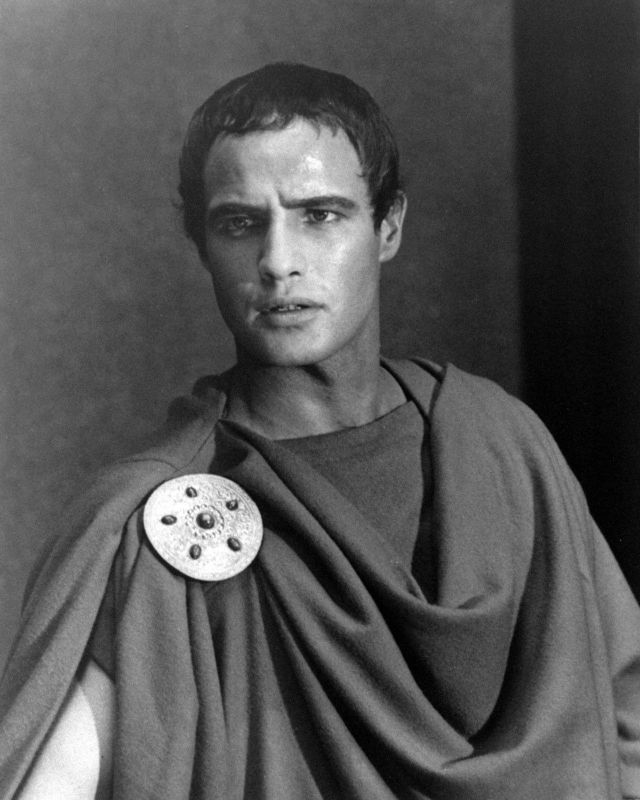
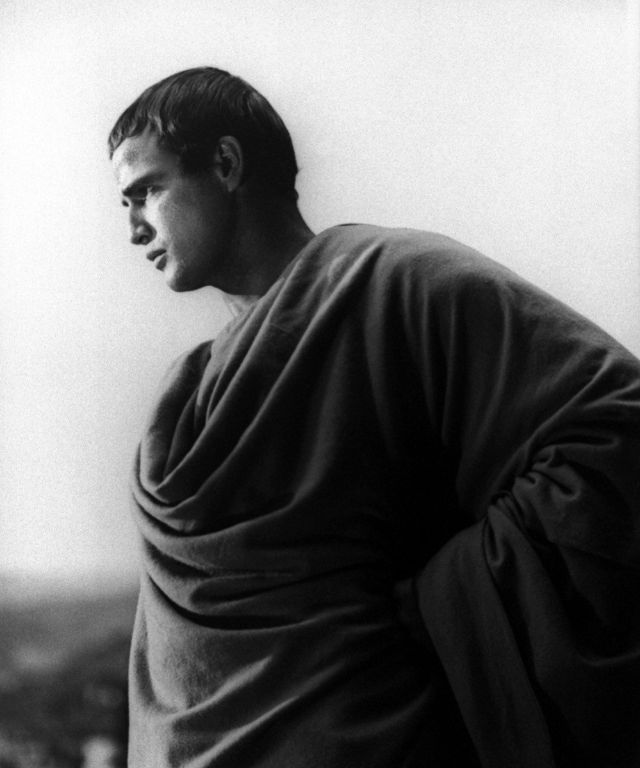
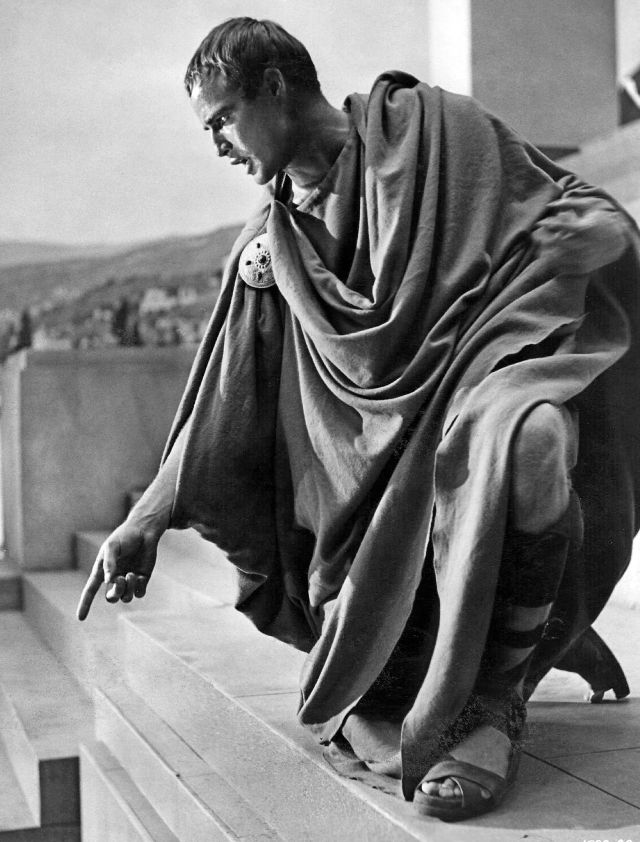
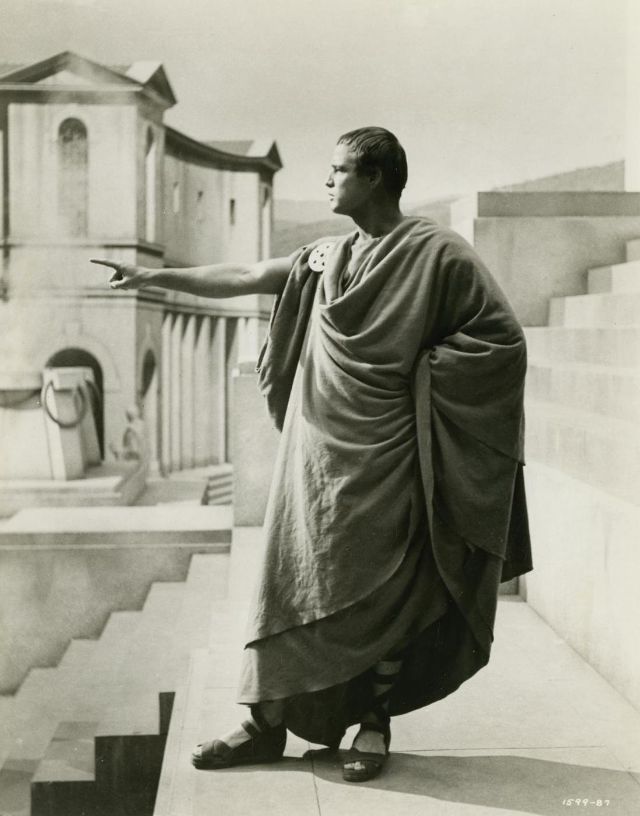
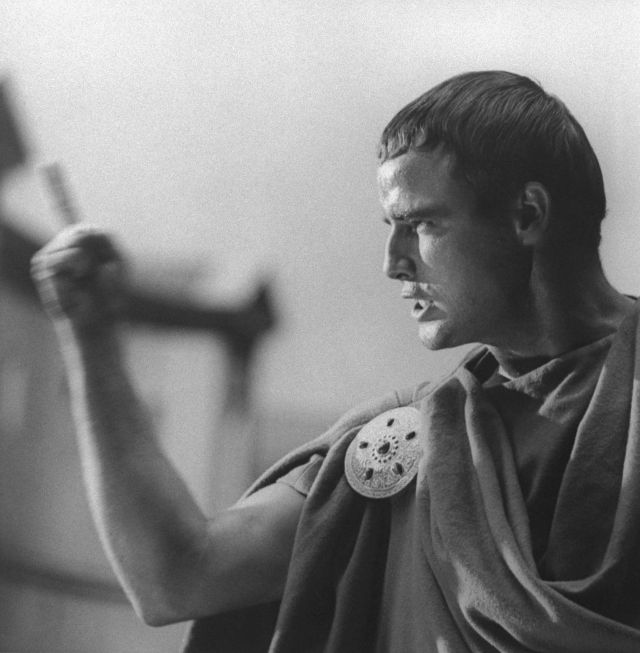
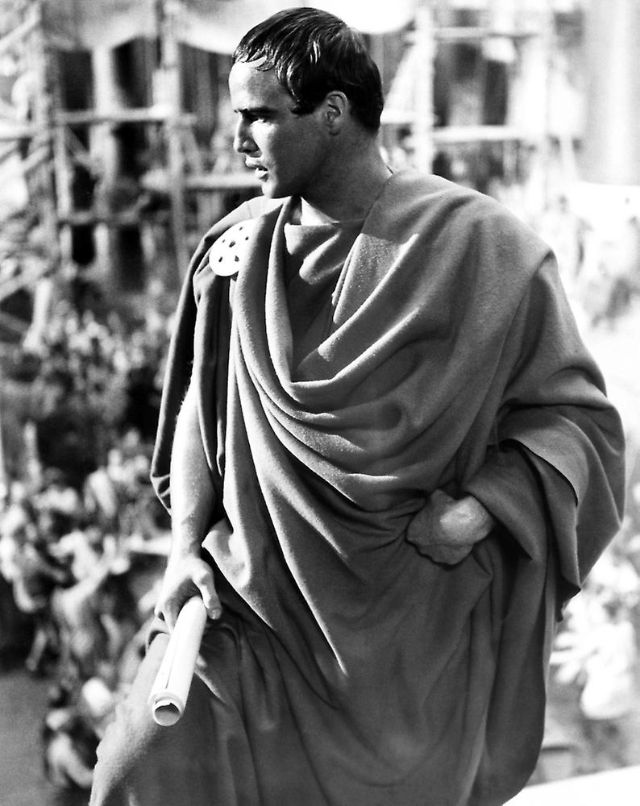
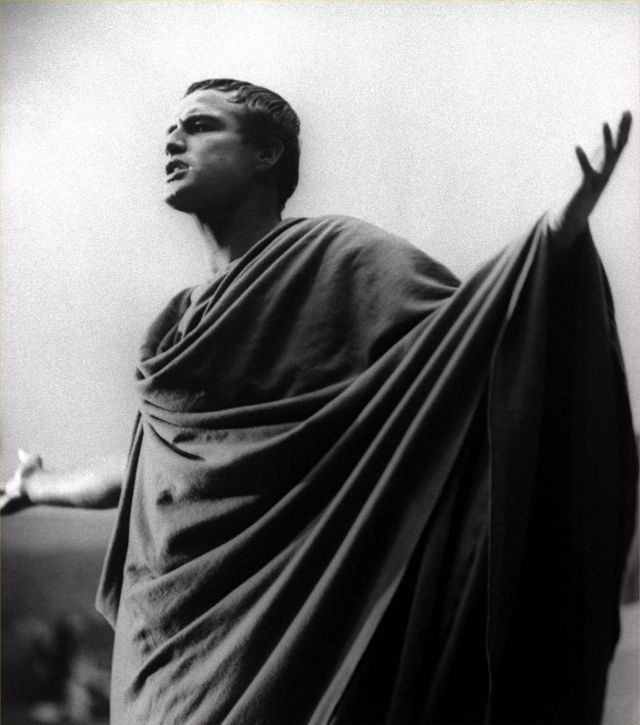
Brando played Mark Antony, the role that was considered for Paul Scofield should Brando’s screentest not work out, since his casting was initially met with skepticism following his infamous “mumbling” in A Streetcar Named Desire (1951). In order to improve his elocution, Brando adopted every recommendation in reciting Shakespeare from John Gielgud, with whom he befriended during filming. His performance turned out exceedingly well, which brought him his third consecutive Best Actor Oscar nomination after A Streetcar Named Desire and Viva Zapata! (1952), in 1955 he got the fourth one and ultimately won for On the Waterfront (1954). New York Times stated in its review of the film: “Happily, Mr. Brando’s diction, which has been guttural and slurred in previous films, is clear and precise in this instance. In him a major talent has emerged.”
The top billing was given to Brando, even though Mason’s role was more central to the plot. Brando was well aware of the strong bond between director Mankiewicz and Mason following 5 Fingers (1952), and after noticing the subsequent shift in directorial focus, he threatened to walk off the movie unless the initial attention was restored. Fortunately, production carried on with very little disturbance, as a result of “Mankiewicz’s consummate tact” according to Gielgud.
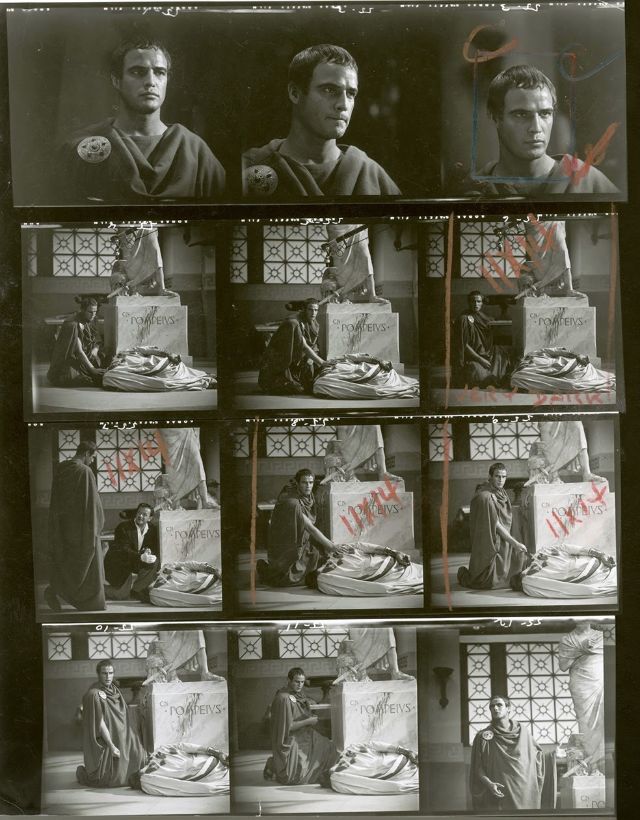
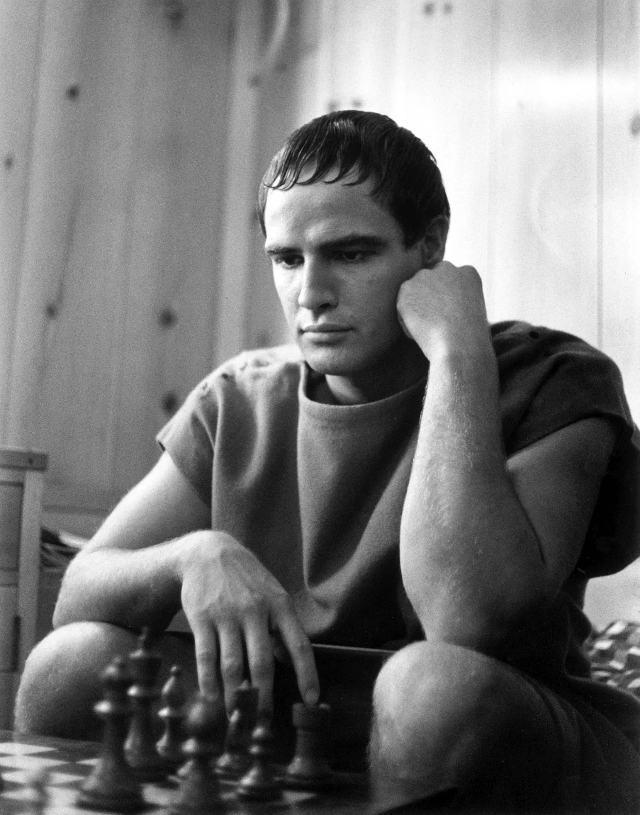
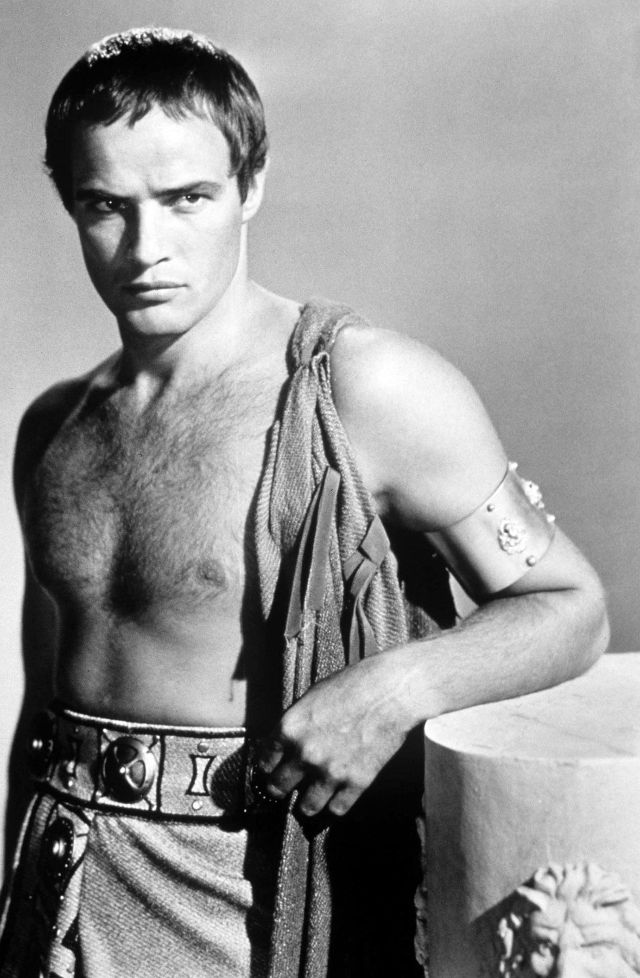
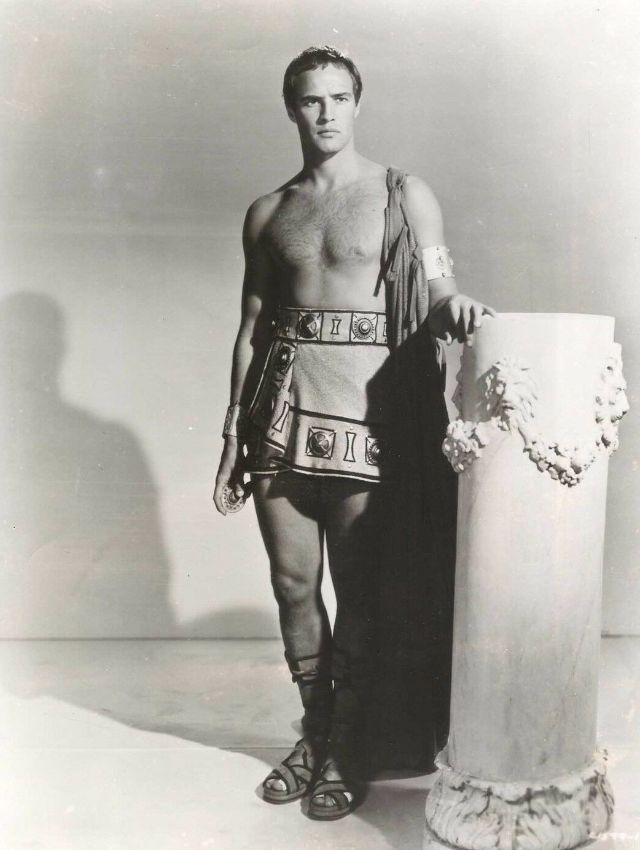
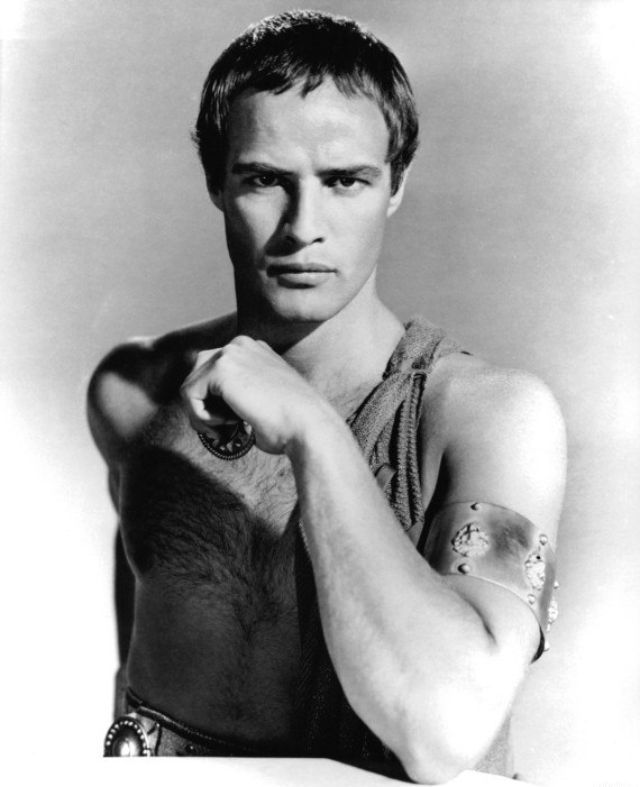
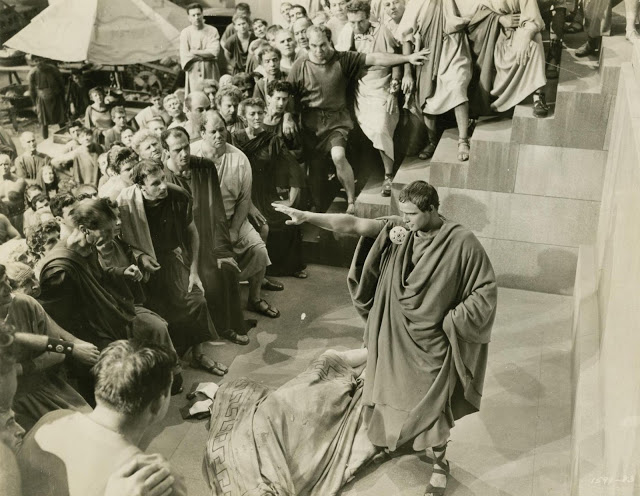
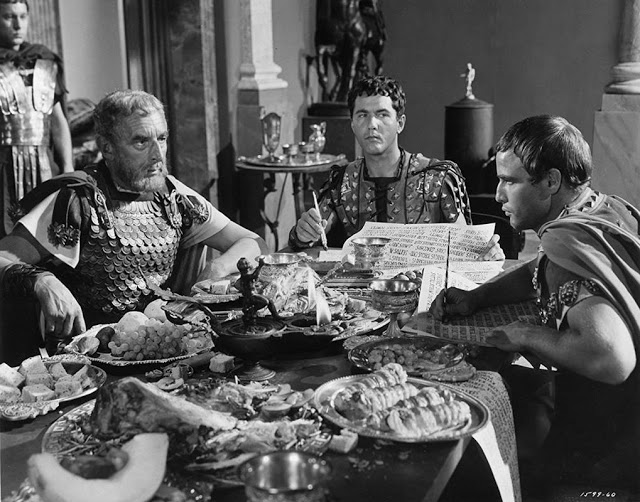
Below are 32 impressive photos and stills of Brando as Mark Antony in the film:
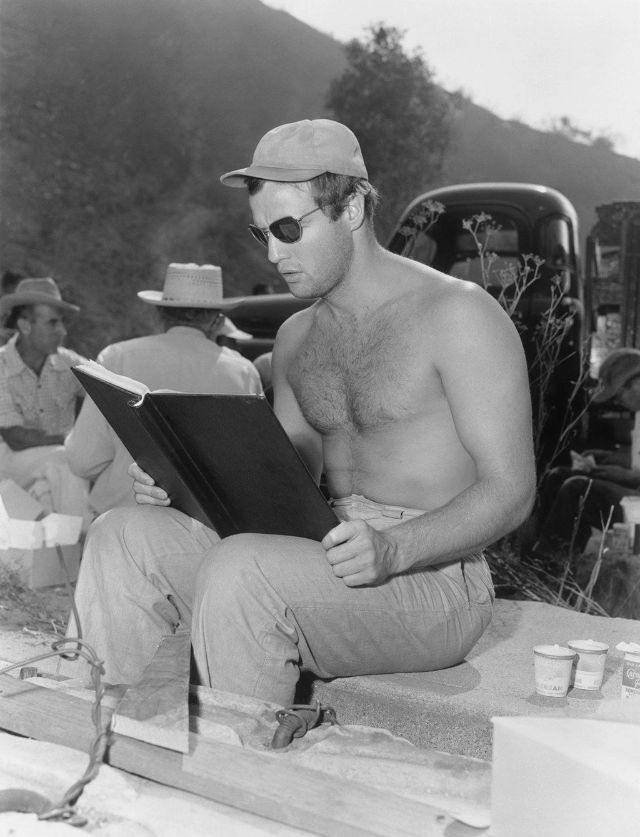
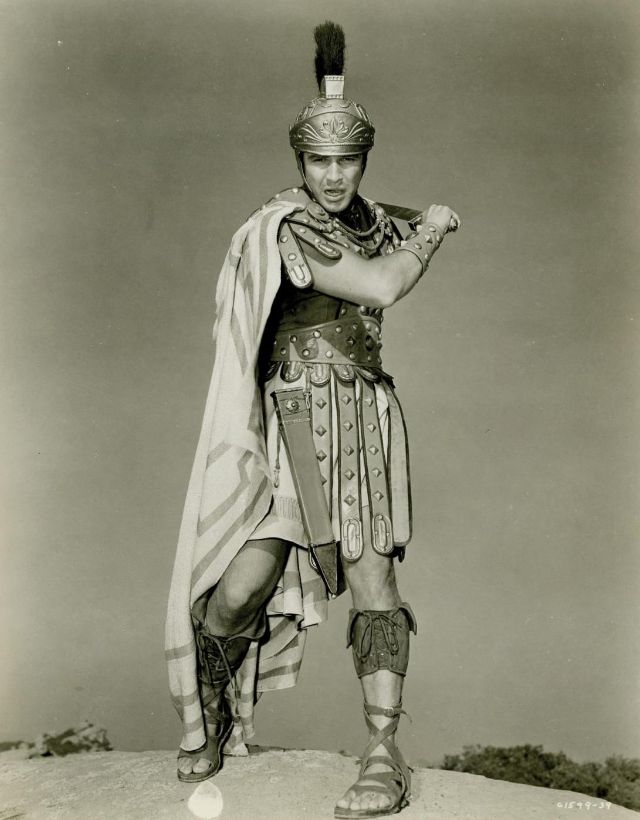
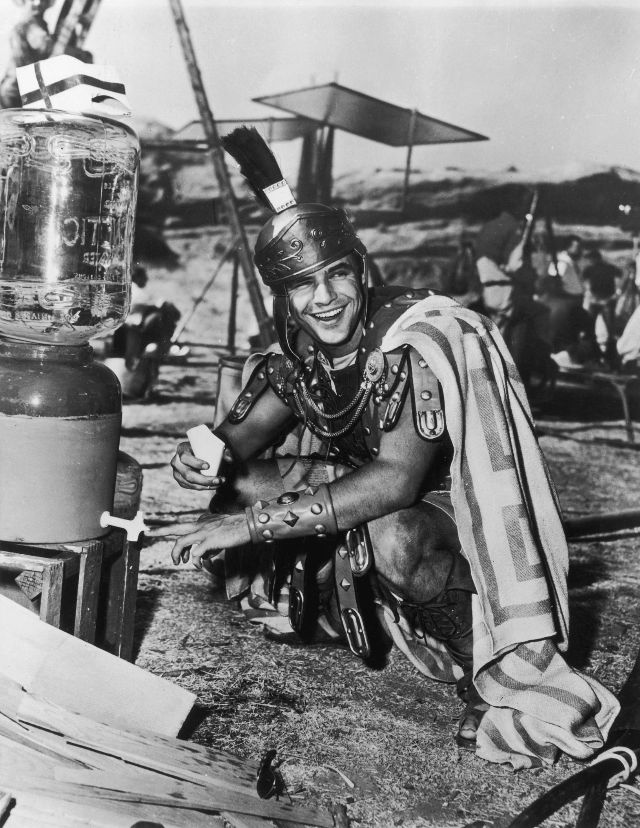
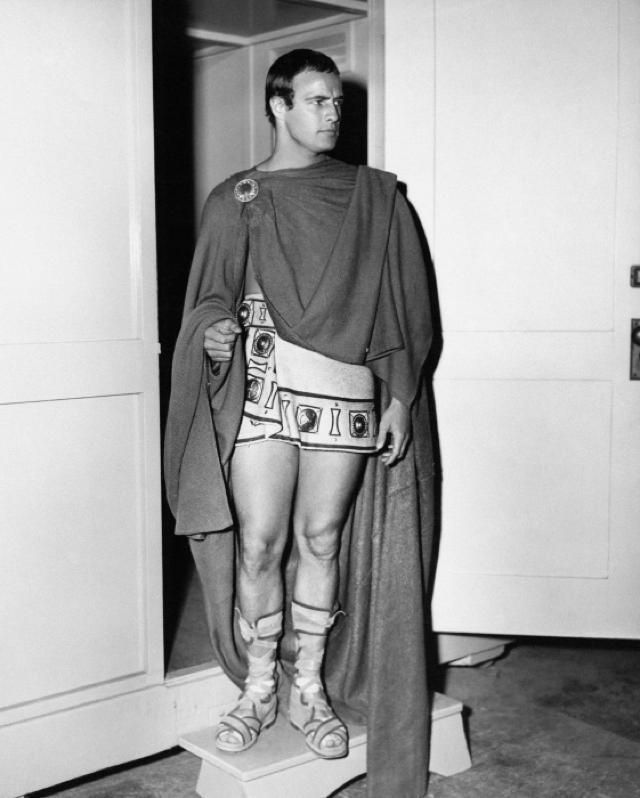
Life Magazine Cover.Contact sheet shows images of Marlon Brando in costume as Mark Antony in the fim ‘Julius Caesar.’ Photo by John Swope.Marlon Brando, barechested, seated on a block of cement and reading from a book on the outdoor set of ‘Julius Caesar.’ Marlon Brando laughs while crouching next to a water cooler with a cone-shaped paper cup in his hand on the set of ‘Julius Caesar.’Marlon Brando wearing sandals and a Roman tunic and acting in the film ‘Julius Caesar.’Marlon Brando studies a chess board between takes on the set of ‘Julius Caesar.’Greer Garson, Marlon Brando and Deborah Kerr pose for a portrait on the set of ‘Julius Caesar.’Marlon Brando and James Mason in a scene from ‘Julius Caesar.’Marlon Brando and Louis Calhern with Greer Garson and Deborah Kerr on the set of ‘Julius Caesar.’Douglass Dumbrille, Douglass Watson and Marlon Brando plan their strategies in the aftermath of Caesar’s murder in ‘Julius Caesar.’Marlon Brando showing to crowd the Julius Caesar’s will in the film ‘Julius Caesar.’
London is the capital and largest city of England and the United Kingdom with a total population of 9,002,488. It stands on the River Thames in south-east England at the head of a 50-mile (80 km) estuary down to the North Sea, and has been a major settlement for two millennia. The City of London, its ancient core and financial centre, was founded by the Romans as Londinium and retains boundaries close to its medieval ones. Since the 19th century, “London” has also referred to the metropolis around this core, historically split between the counties of Middlesex, Essex, Surrey, Kent, and Hertfordshire, which largely comprises Greater London, governed by the Greater London Authority. The City of Westminster, to the west of the City of London, has for centuries held the national government and parliament.
As one of the world’s global cities, London exerts strong influence on its arts, commerce, education, entertainment, fashion, finance, health care, media, tourism, and communications, and has previously been called the capital of the world. Its GDP (€801.66 billion in 2017) makes it the biggest urban economy in Europe, and it is one of the major financial centres in the world. In 2019 it had the second-highest number of ultra high-net-worth individuals in Europe after Paris and the second-highest number of billionaires in Europe after Moscow. As of 2021, London has the most millionaires of any city. With Europe’s largest concentration of higher education institutions, it includes Imperial College London in natural and applied sciences, the London School of Economics in social sciences, and the comprehensive University College London. The city is home to the most 5-star hotels of any city in the world. In 2012, London became the first city to host three Summer Olympic Games.
London’s diverse cultures encompass over 300 languages. The mid-2018 population of Greater London of about 9 million[5] made it Europe’s third-most populous city, accounting for 13.4% of the population of the United Kingdom. Greater London Built-up Area is the fourth-most populous in Europe, after Istanbul, Moscow and Paris, with about 9.8 million inhabitants at the 2011 census. The London metropolitan area is the third-most populous in Europe after Istanbul’s and Moscow’s, with about 14 million inhabitants in 2016, granting London the status of a megacity.
London has four World Heritage Sites: the Tower of London; Kew Gardens; the combined Palace of Westminster, Westminster Abbey, and St Margaret’s Church; and also the historic settlement in Greenwich, where the Royal Observatory, Greenwich defines the Prime Meridian (0° longitude) and Greenwich Mean Time. Other landmarks include Buckingham Palace, the London Eye, Piccadilly Circus, St Paul’s Cathedral, Tower Bridge and Trafalgar Square. It has numerous museums, galleries, libraries and sporting venues, including the British Museum, National Gallery, Natural History Museum, Tate Modern, British Library and West End theatres. The London Underground is the oldest rapid transit system in the world. (Wikipedia)
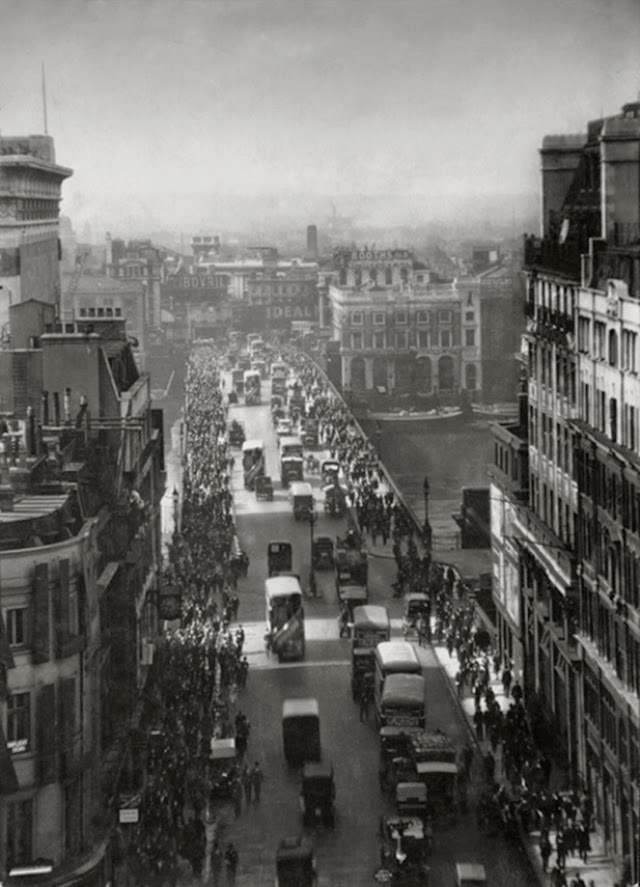
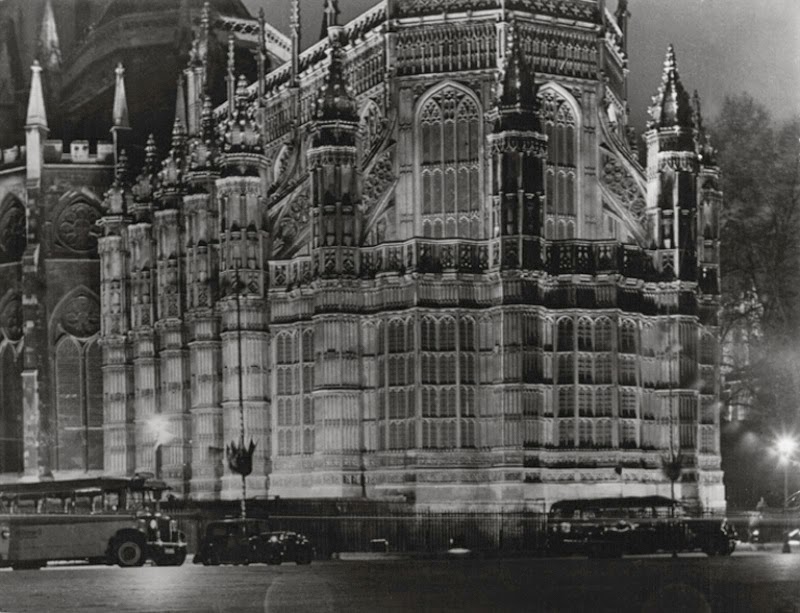
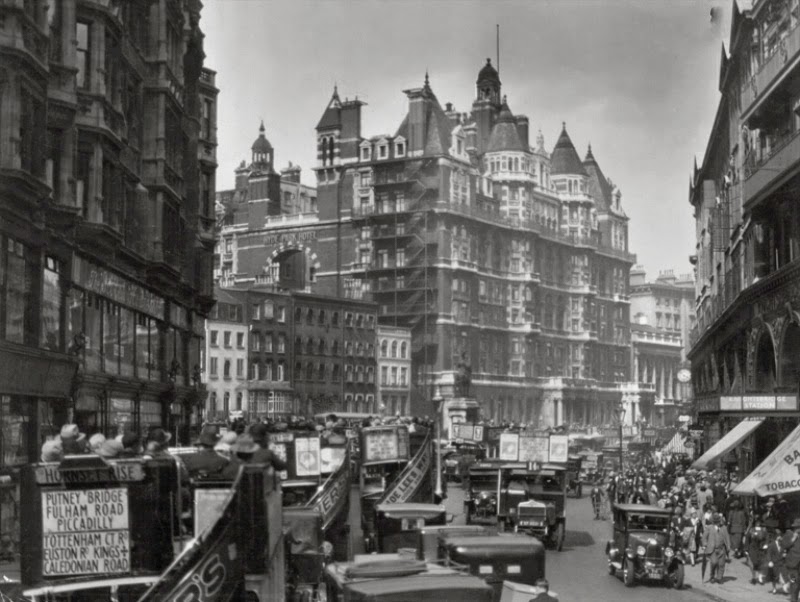
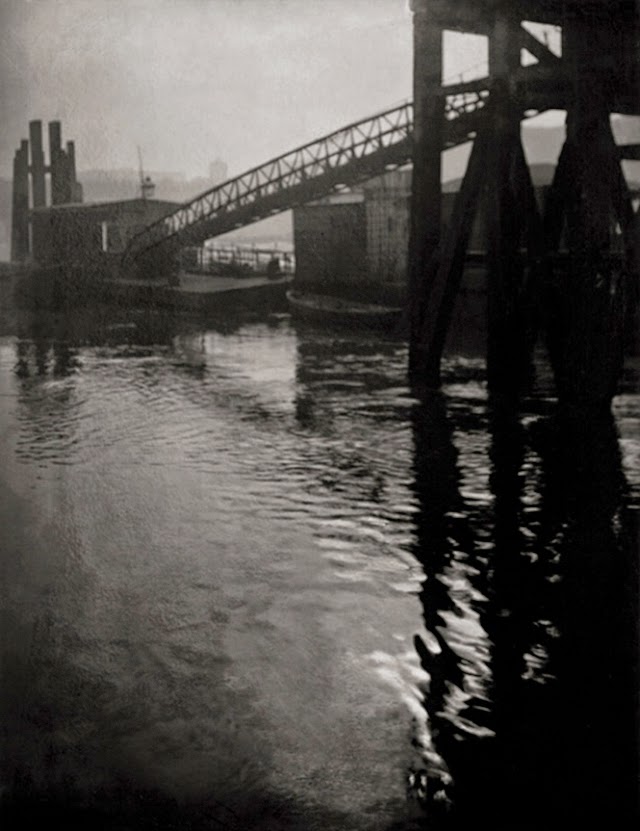
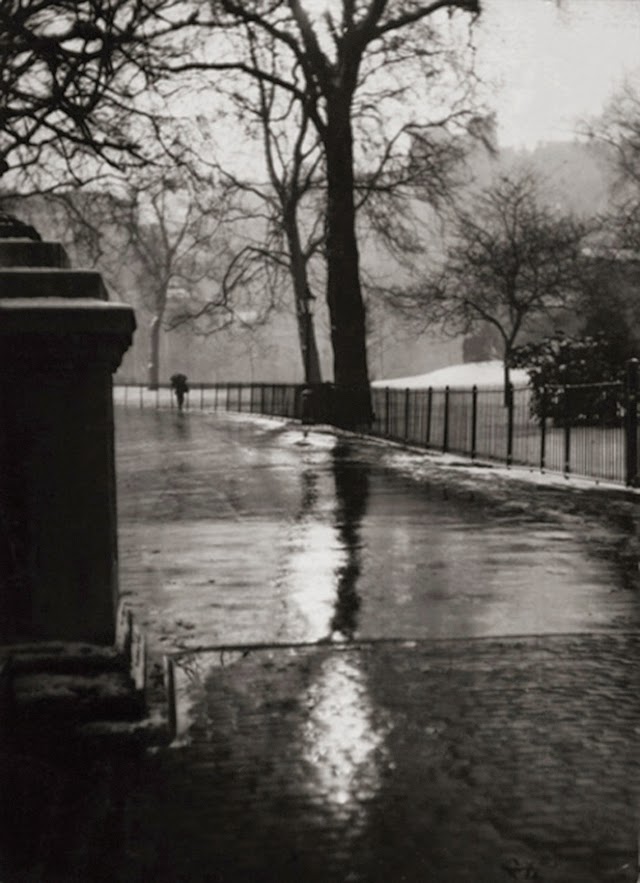
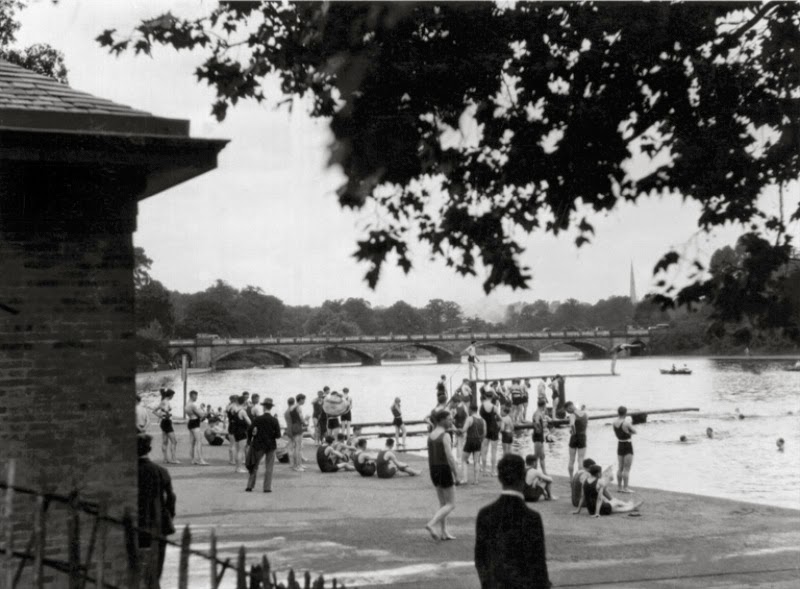
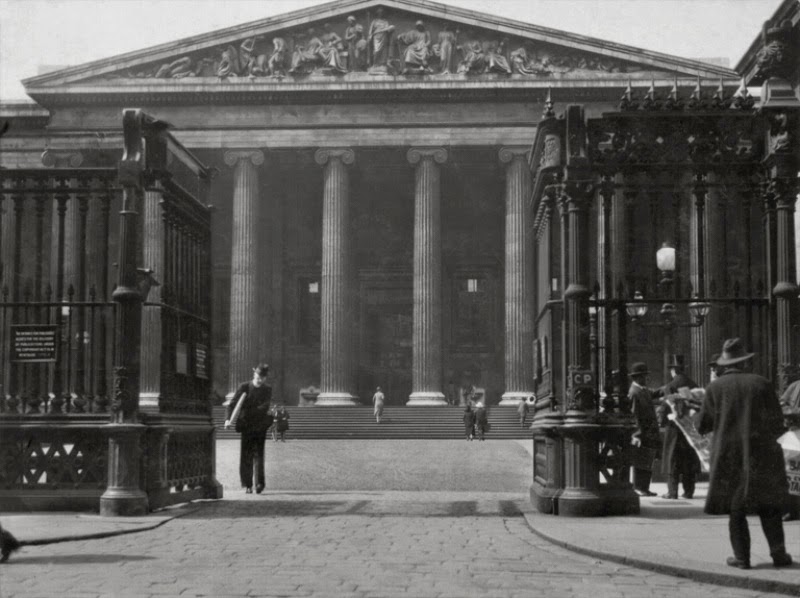
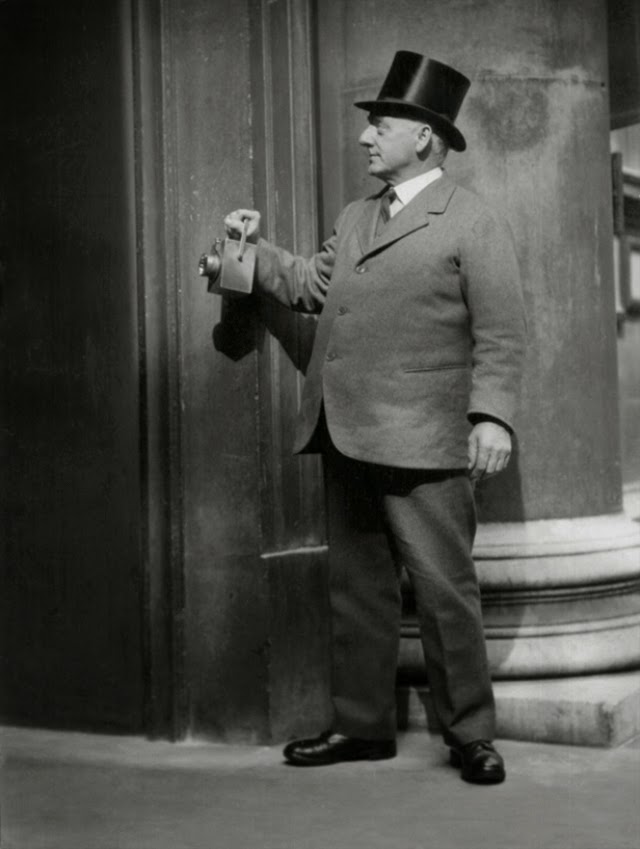
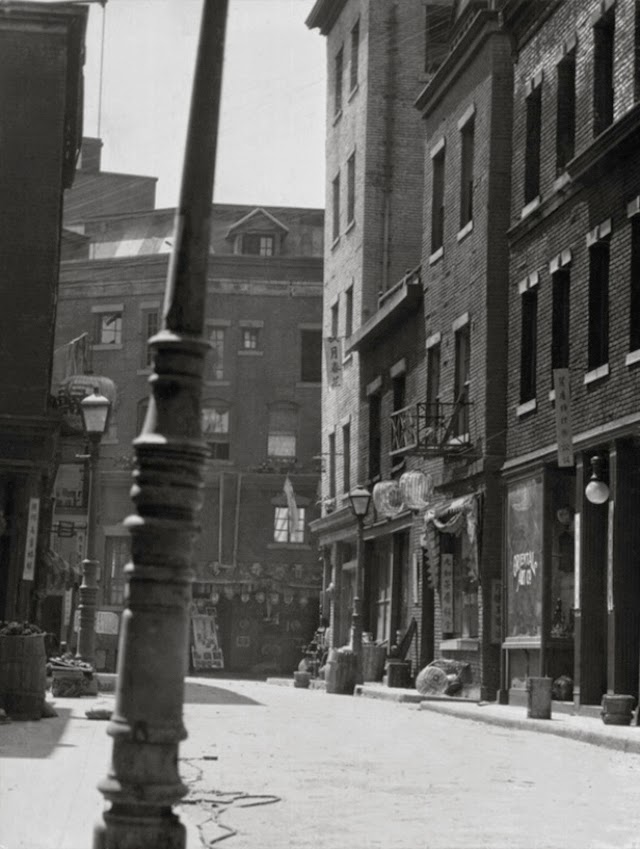
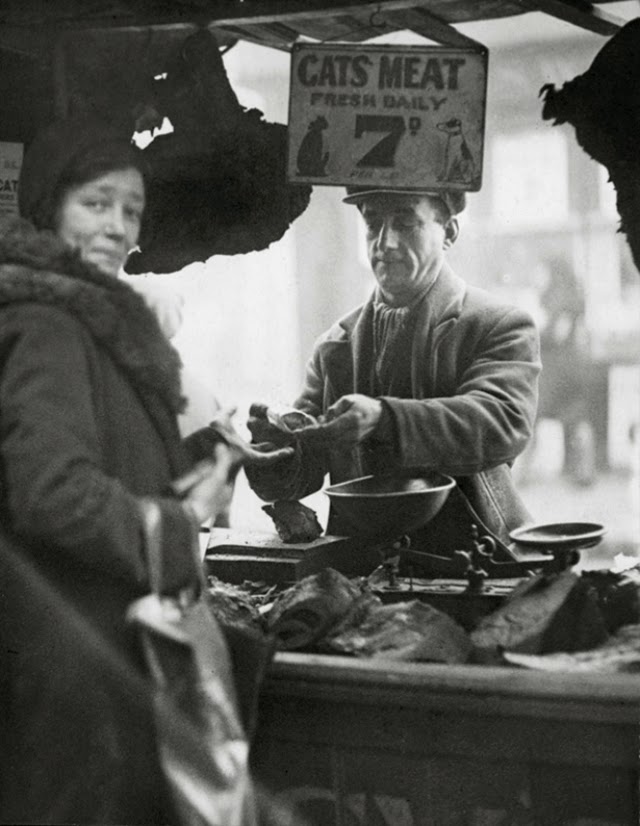
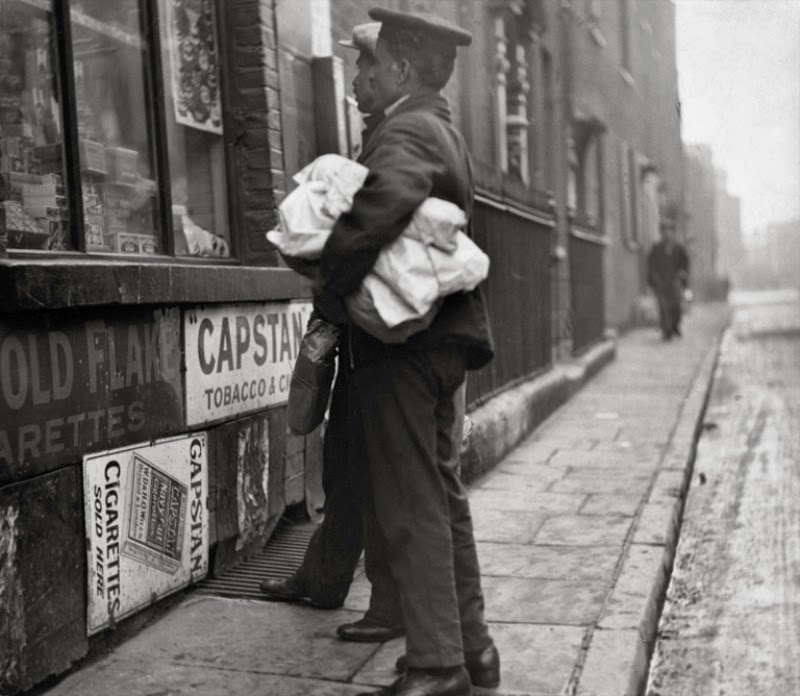
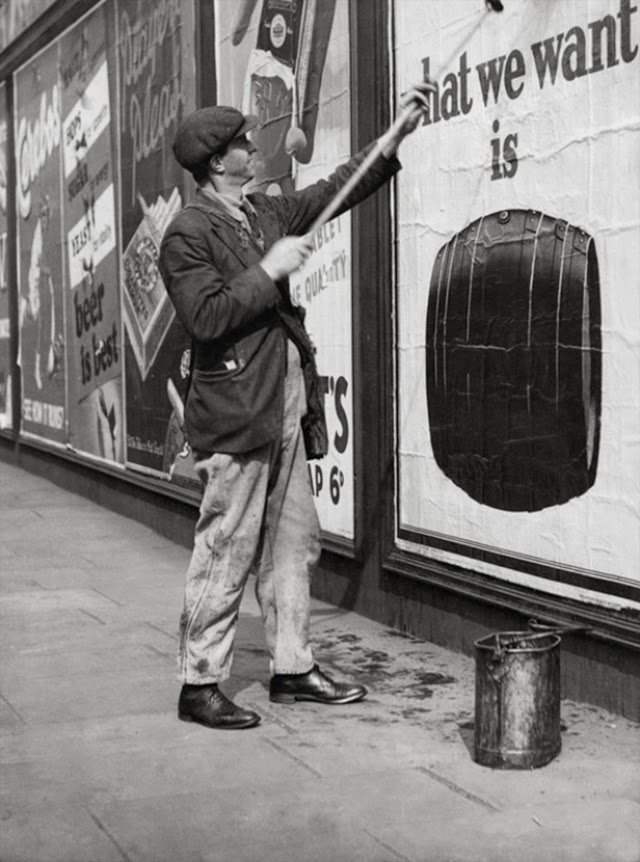
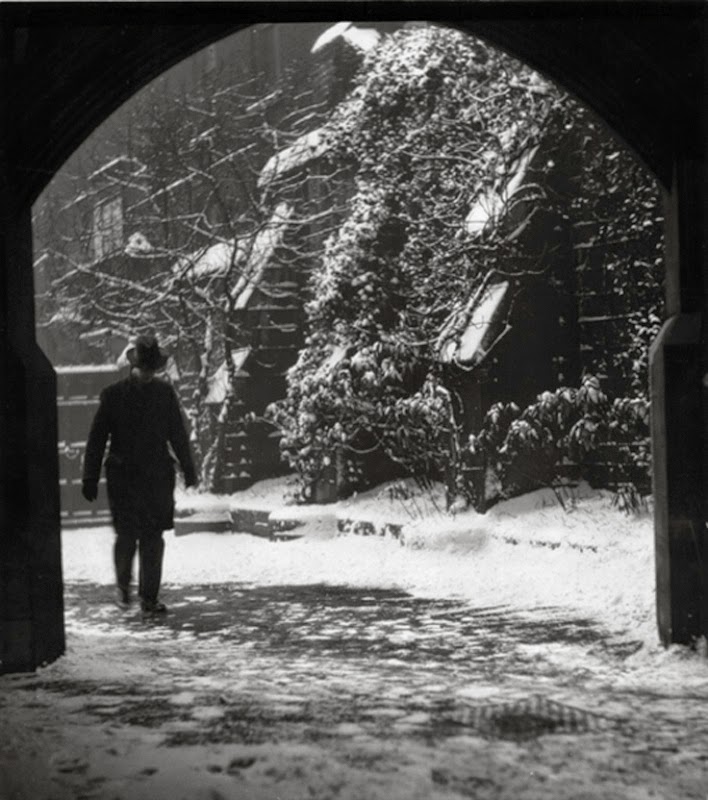
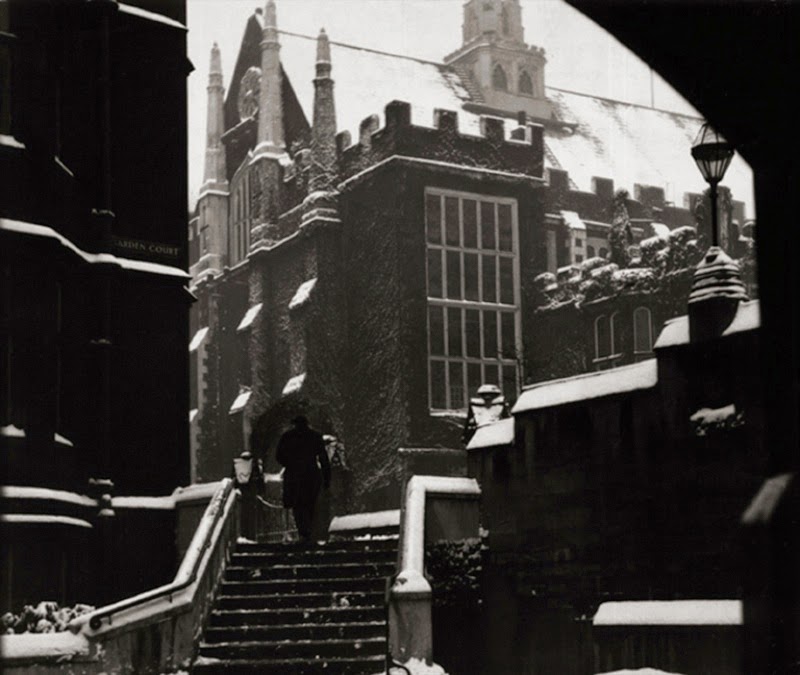
London Bridge, 1925Westminster Abbey, 1925Knightsbridge, 1925Hungerford Bridge, 1916Winter Street Scene, 1925Sphinx, 1910Hyde Park, Lido, 1929British Museum, 1929Watchman, 1925Devonshire House, 1928Chinese Quarters, 1925Chinatown, 1933Cats Meat Seller, 1933Types in Chinatown, 1933Beer Poster, 1930Modern Gasometer, 1929Winter, Temple, 1929Winter, Temple, 1929Parliament, 1934Advertisement, 1934
The 1930s (pronounced “nineteen-thirties” and commonly abbreviated as “the 30s”) was a decade that began on January 1, 1930, and ended on December 31, 1939.
The decade was defined by a global economic and political crisis that culminated in the Second World War. It saw the collapse of the international financial system, beginning with the Wall Street Crash of 1929, the largest stock market crash in American history. The subsequent economic downfall, called the Great Depression, had traumatic social effects worldwide, leading to widespread poverty and unemployment, especially in the economic superpower of the United States and in Germany, which was already struggling with the payment of reparations for the First World War. The Dust Bowl in the United States (which led to the nickname the “Dirty Thirties”) further emphasised the scarcity of wealth. U.S. President Franklin D. Roosevelt, elected in 1933, introduced a program of broad-scale social reforms and stimulus plans called the New Deal in response to the crisis.
In the wake of the Depression, the decade also saw the rapid retreat of liberal democracy as authoritarian regimes emerged in countries across Europe and South America, including Italy, Spain, and in particular Nazi Germany. With the rise of Adolf Hitler, Germany undertook a series of annexations and aggressions against neighboring territories in Central Europe, and imposed a series of laws which discriminated against Jews and other ethnic minorities. Weaker states such as Ethiopia, China, and Poland were invaded by expansionist world powers, with the last of these attacks leading to the outbreak of World War II on September 1, 1939, despite calls from the League of Nations for worldwide peace. World War II helped end the Great Depression when governments spent money for the war effort. The 1930s also saw many important developments in science and a proliferation of new technologies, especially in the fields of intercontinental aviation, radio, and film. (Wikipedia)
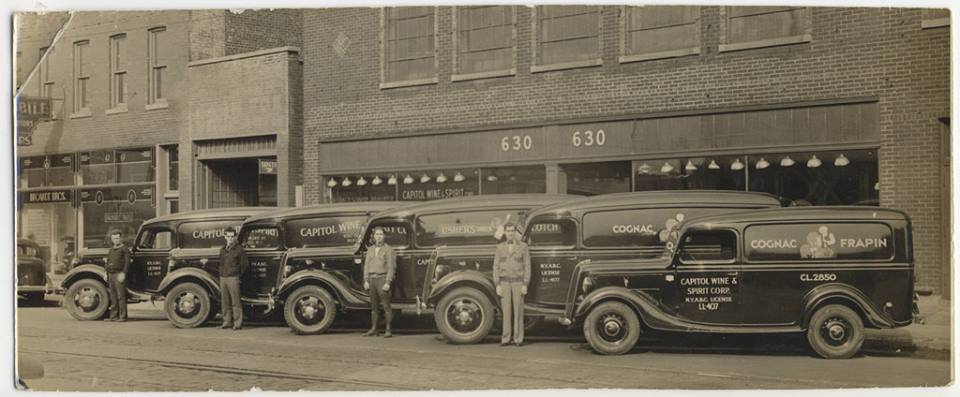
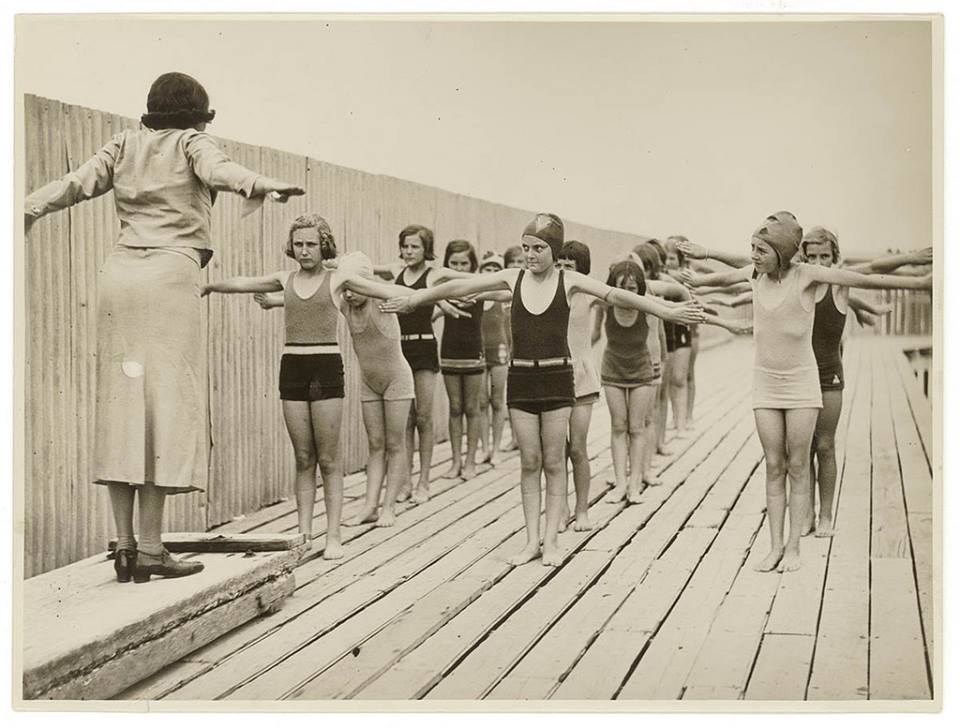
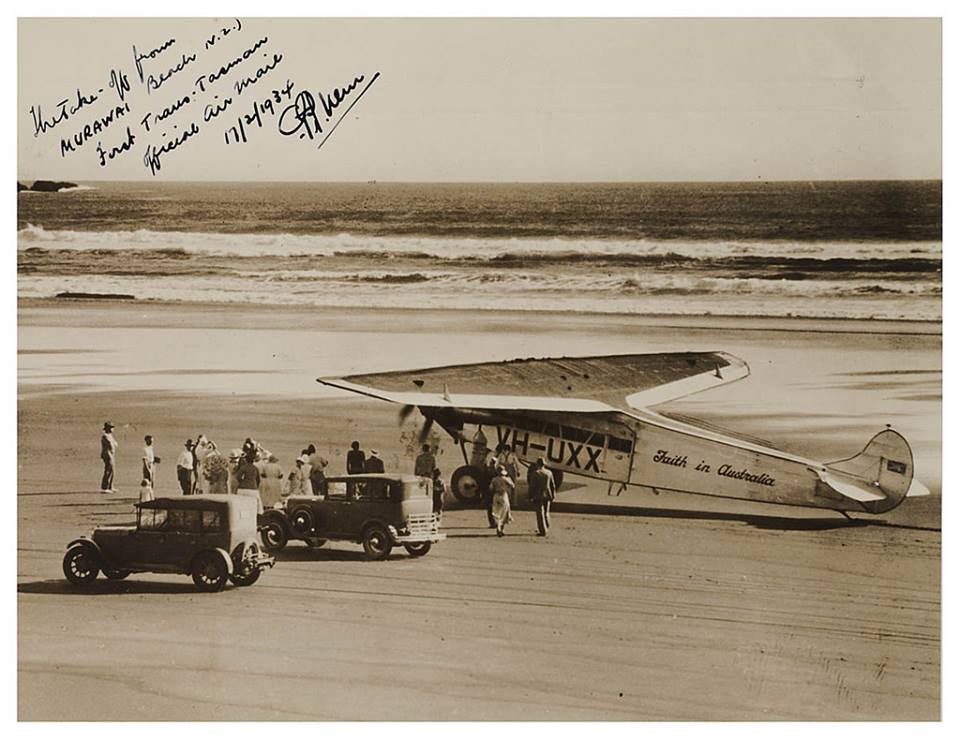
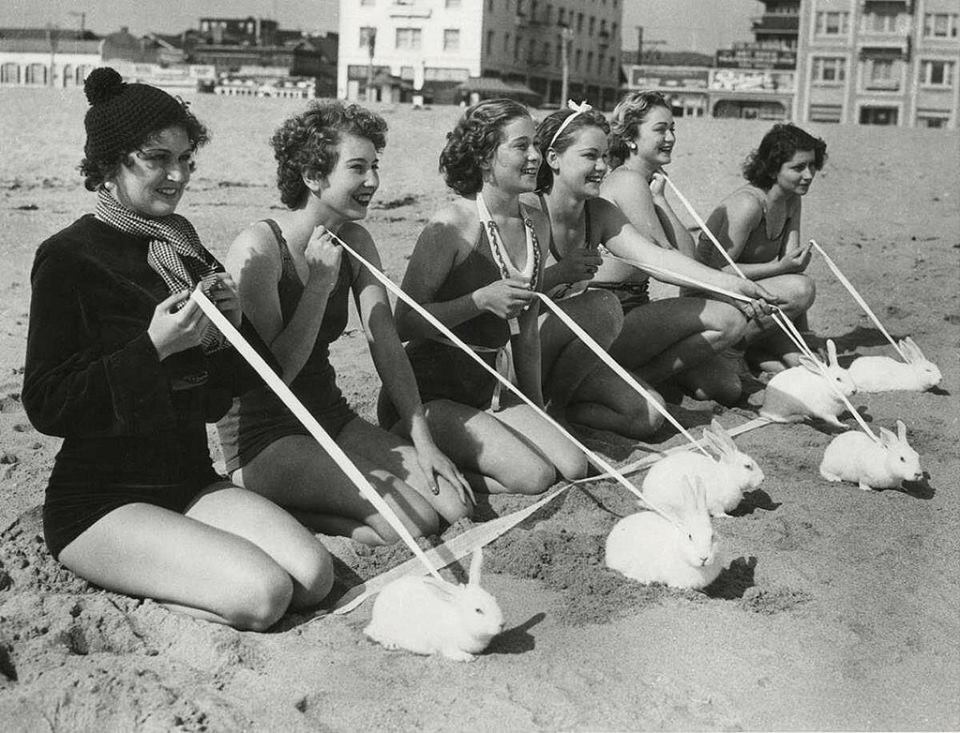
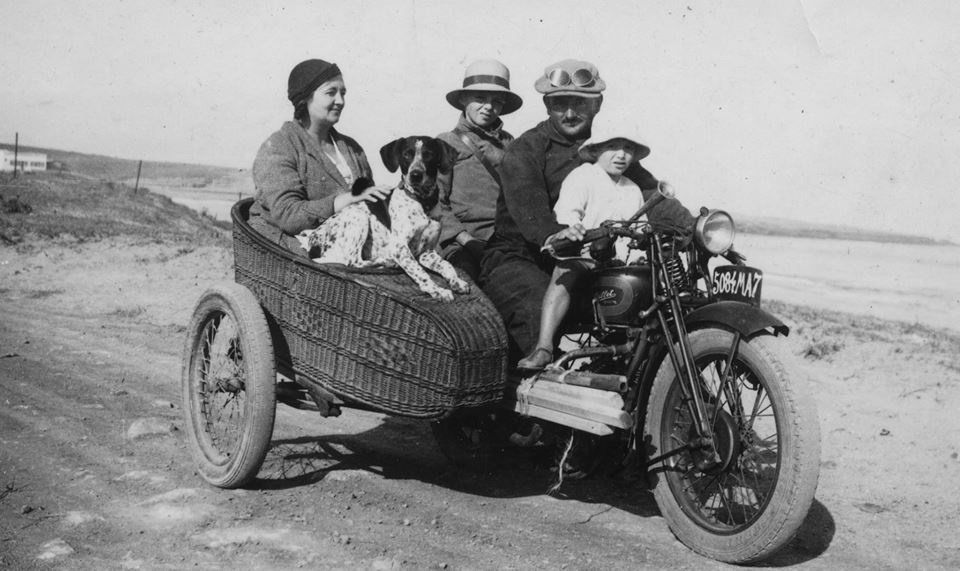
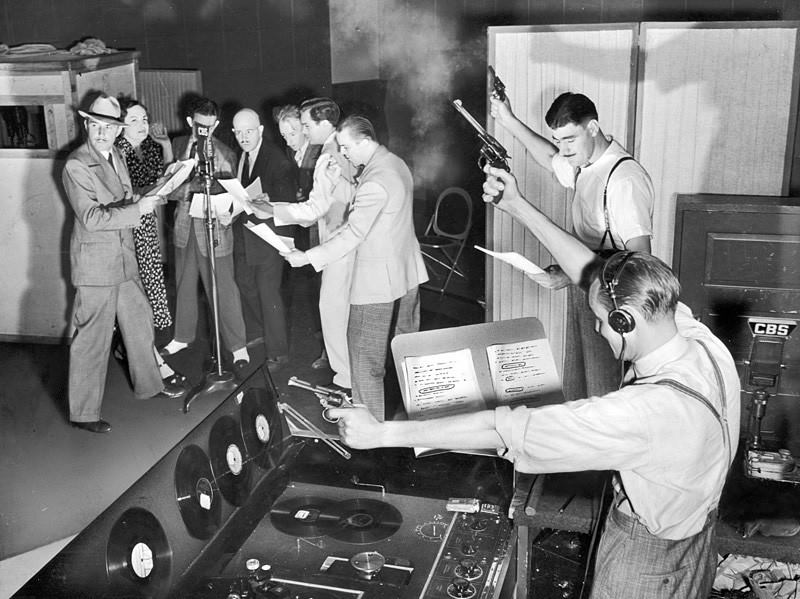
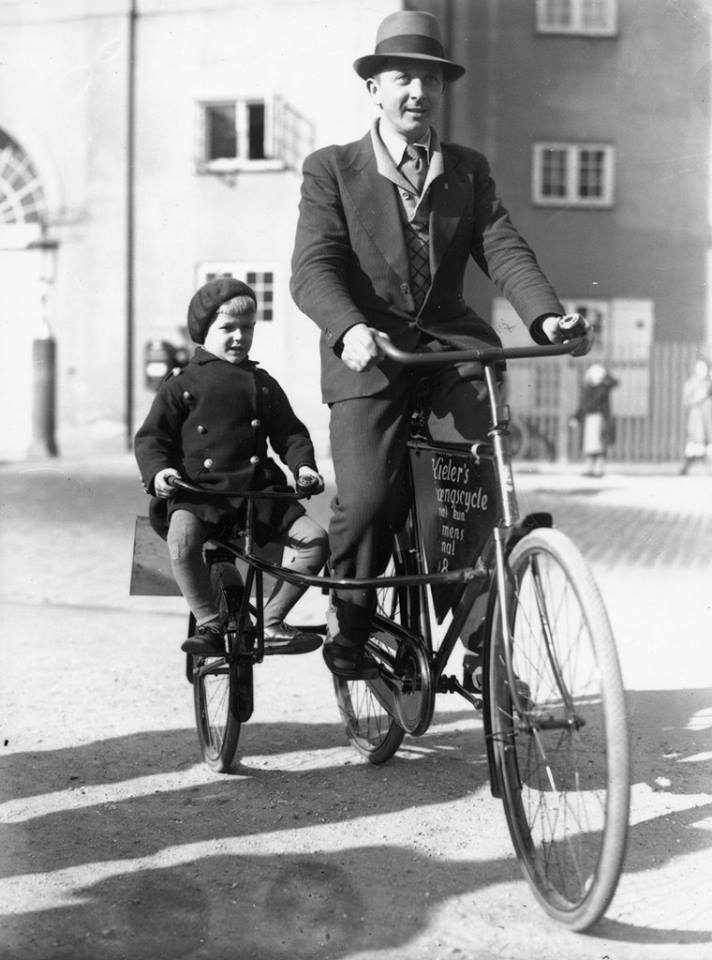
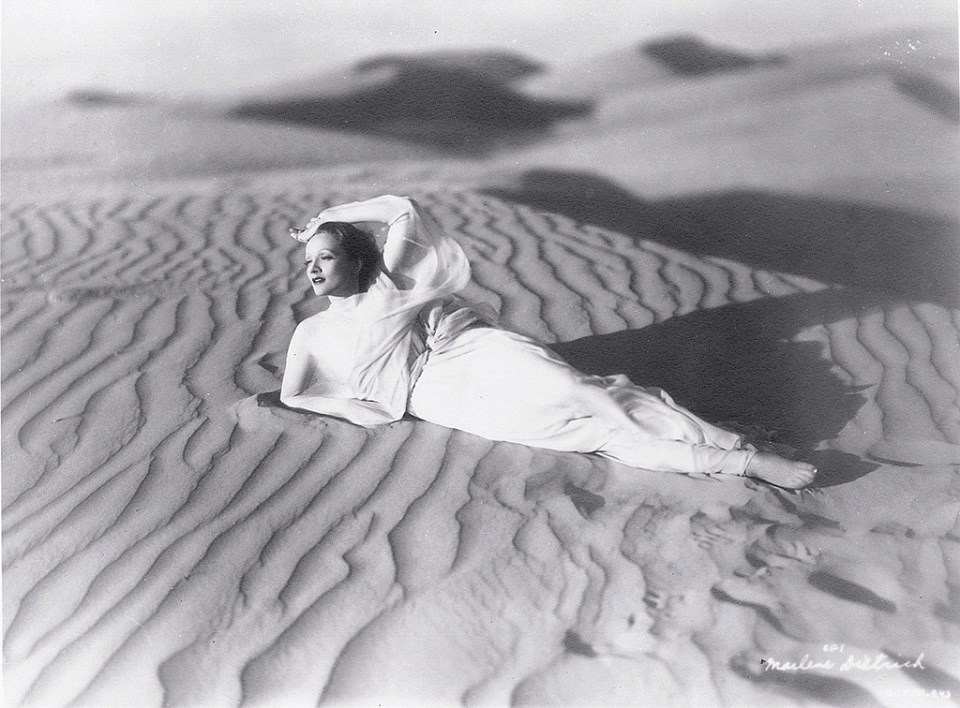
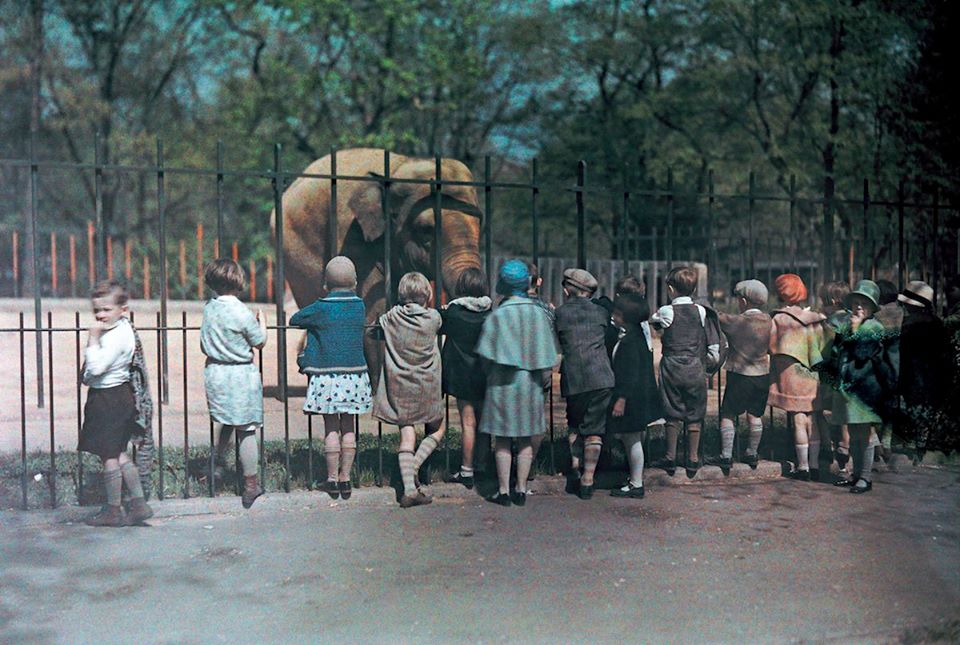
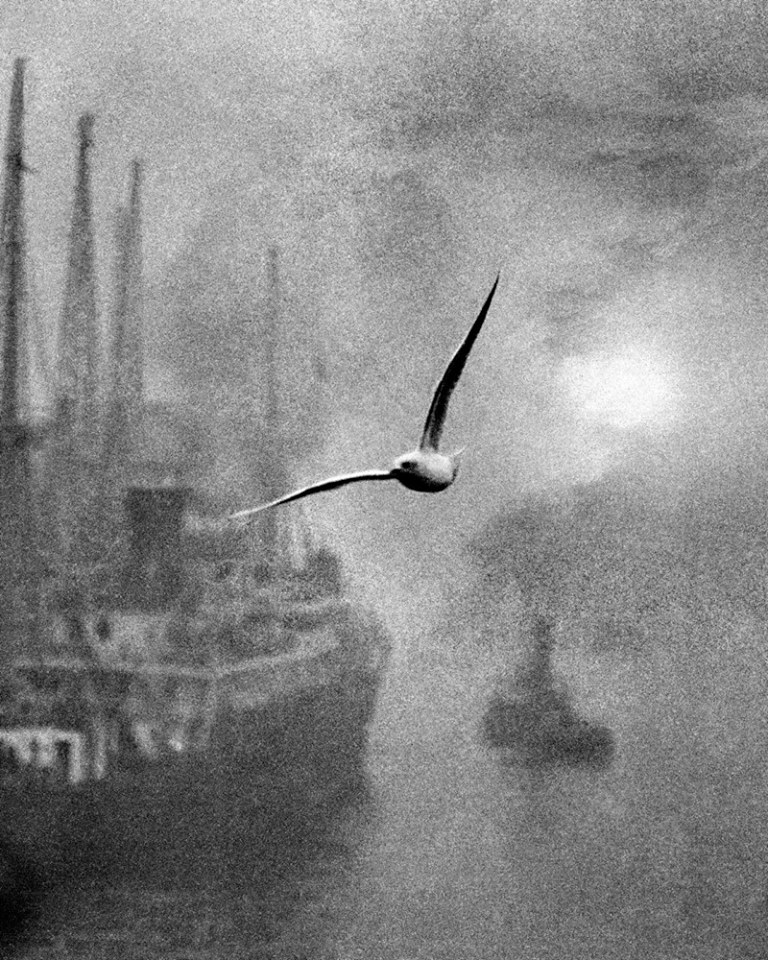
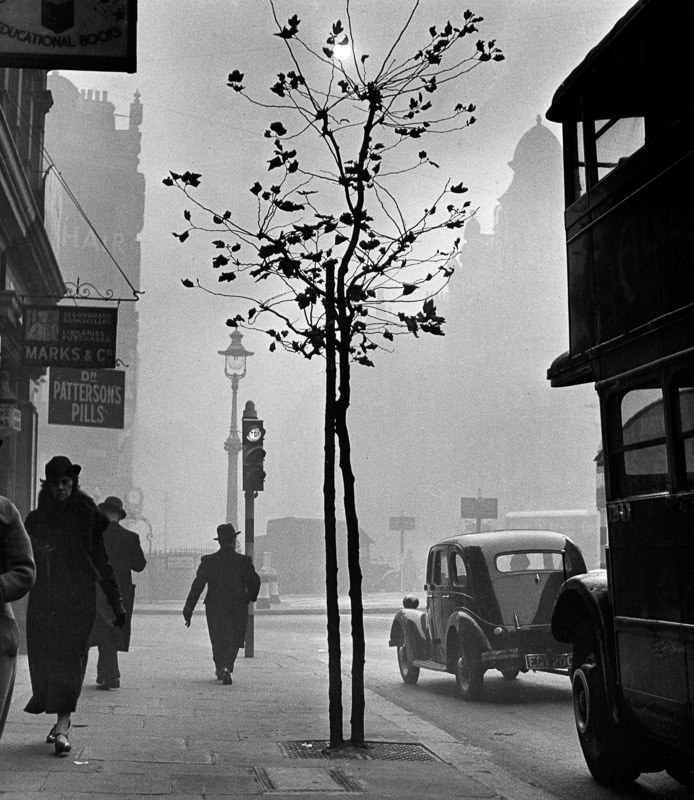
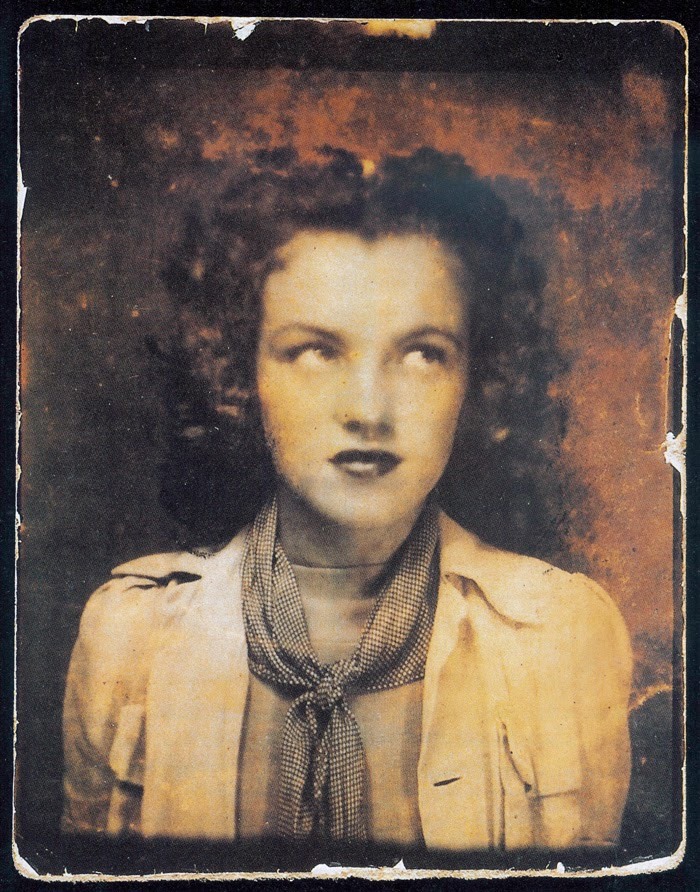
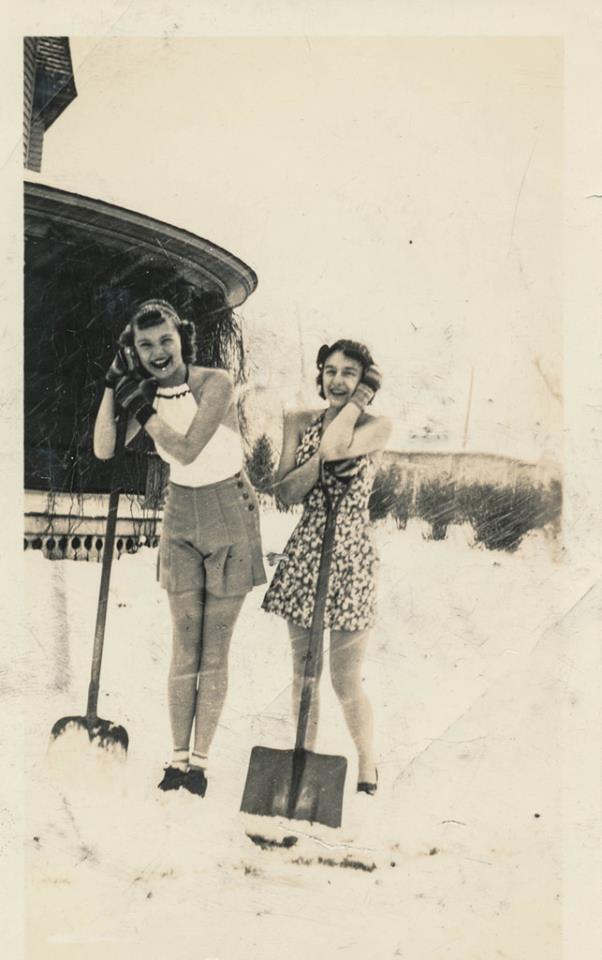
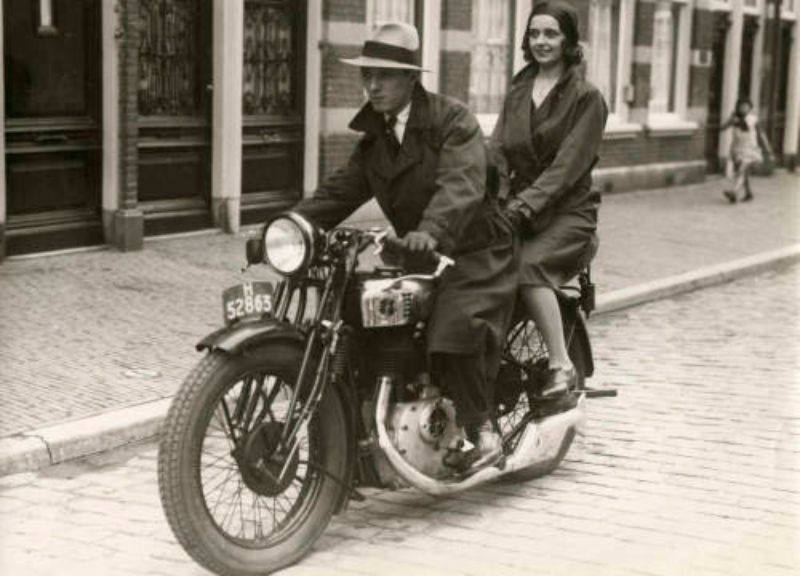
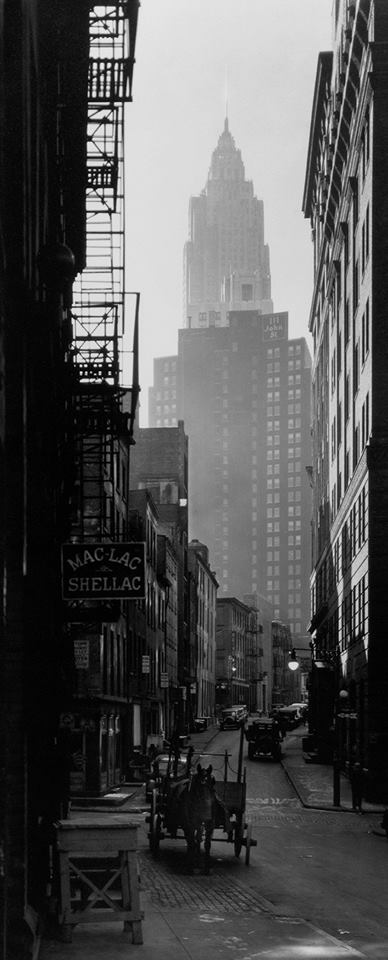
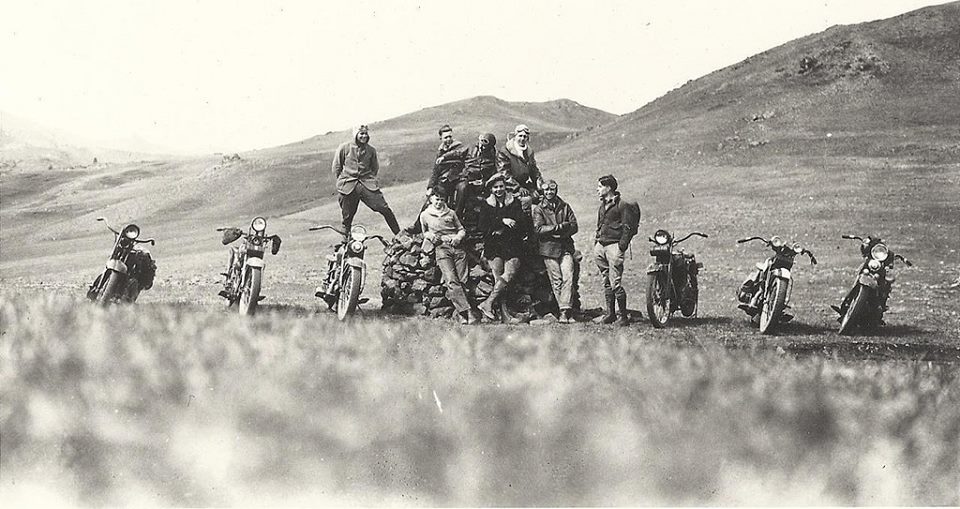
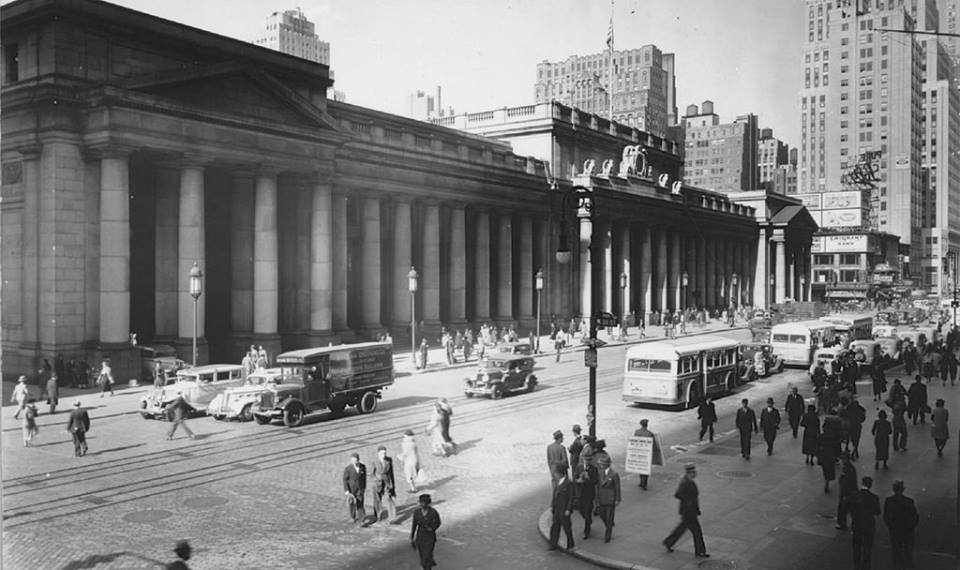
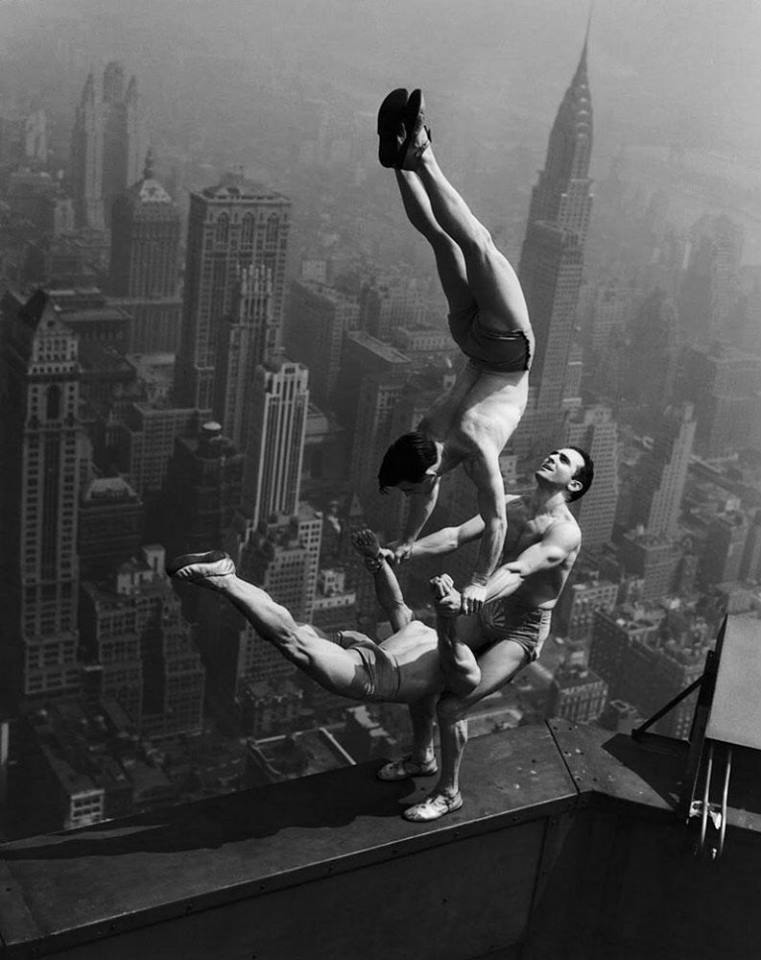
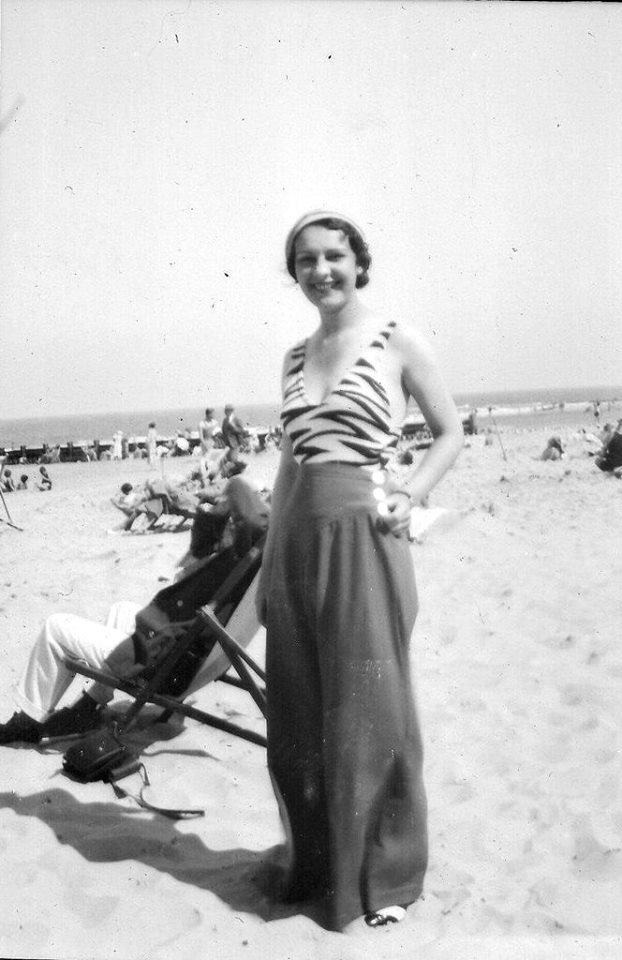
Passengers playing shuffleboard on the “Monte Rosa”, 1935.George Washington Bridge under construction, 1930Capitol Wine & Spirits, Buffalo, NY, 1930sSlot machine selling warm frankfurter on a railway station in Germany, 1931.Swimming class for girls, 1930sF Street, Washington D.C., 1935.First official air mail from New Zealand to Australia, Murawai, 1934Times Square in the 1930sRabbits race on Venice beach, California, 1935.A boy drawing on a busy traffic street, San Francisco, 1938The Eiffel Tower at twilight, 1932A family on a motorcycle with a sidecar on the beach in Morocco, 1936.Baseball on the street in San Francisco, 1934Ice cream salesman in Lisbon, 1930s.Woman walking on the street in a rainy day, Amsterdam, 1930s.Recording an episode of “Gang Busters”, true crime radio show, New York, 1930s.Girl looking at city from Fairview Park, Cincinnati, Ohio, 1939.The intersection of Beach Blvd. and Imperial Hwy. in La Habra, California, 1938.Atlantic City, New Jersey, 1930.Woman and her three kids walking on a Boston street, 1930s.Man with his kid cycling on Copenhagen streets, 1935.Girls in snow storm, 1935.Times Square, New York City, 1938Marlene Dietrich in a publicity photo for ‘Garden of Allah’, 1936.Children looking at an elephant at the National Zoo, Washington, DC, 1930.George Washington Bridge, 1933.Early morning on the River Thames, London, 1930s.Miami Beach, Florida, 1930.August 1930: A water cart man turns the water main on a group of boys to help them cool off in a street in Westminster, London during a heatwave.Prinsengracht, Amsterdam, 1934.Two couples in bathing outfits, 1934.Man on streets in Joshua Forest, Arizona, 1939.People walking in a winter snow storm, Boston, 1930s.Charing Cross Road, London, 1937.Hazel Lee posing with a biplane, 1930s.Shell, England, 1935.Workers lay bricks to pave 28th Street in Manhattan, 1930.Norma Jeane Baker (later known as Marilyn Monroe) at age 12 in 1938.Two women wearing skirts in the snow, Pennsylvania, 1937.Netherlands, 1931.Cliff and Ferry Street, Manhattan, NYC, 1935.‘Watch the Lights’, NYC, 1938.Fun in the barrel boat, Martinsdale, Montana, 1930s.Carlinville Gloves, State Champions, Illinois, 1937.Montana motorcycle club in the 1930s.Pennsylvania Station, NYC, 1936.Acrobats perform a delicate balancing act on a ledge of the Empire State Building in New York City, 1934.Downtown terminals at Sands Street station, NYC, 1936.The German Zeppelin Hindenburg flies over Manhattan, NYC, 1937.Cool girl in fashion style at beach, 1930s.
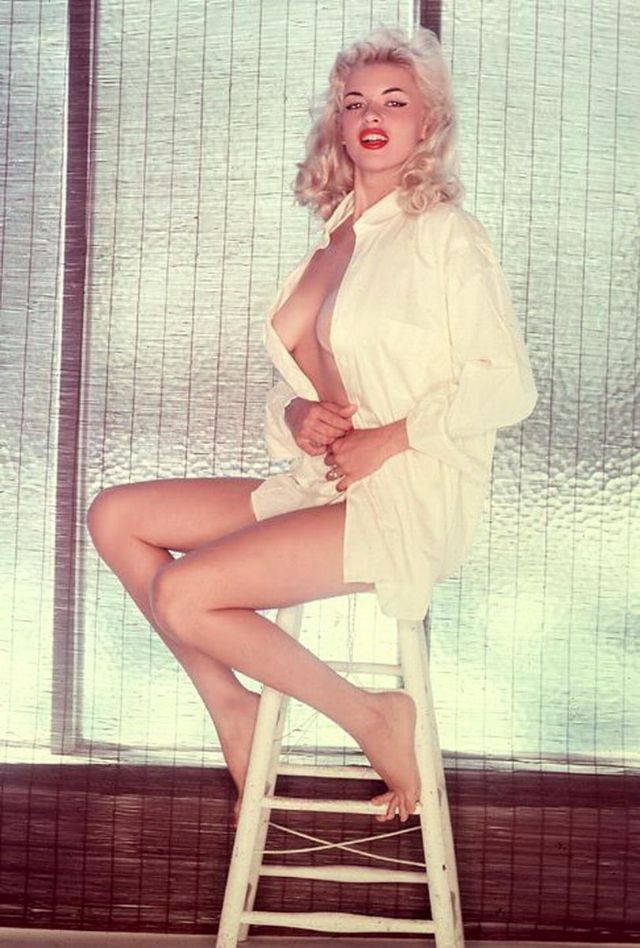
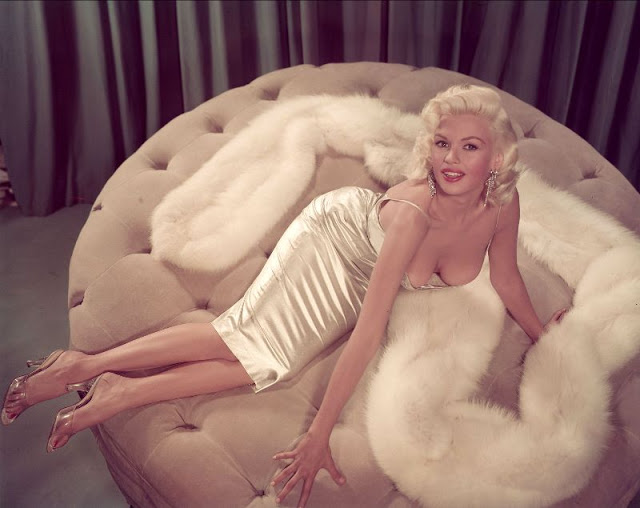
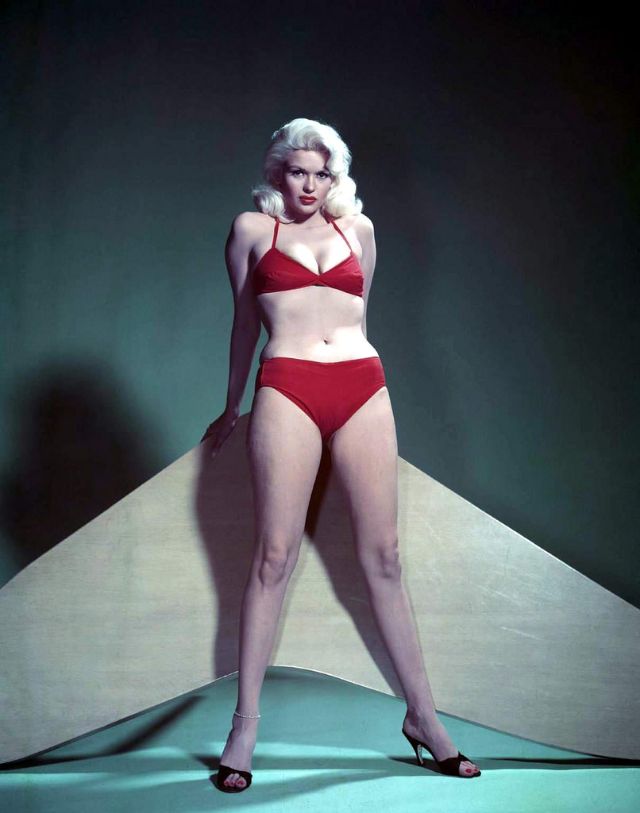
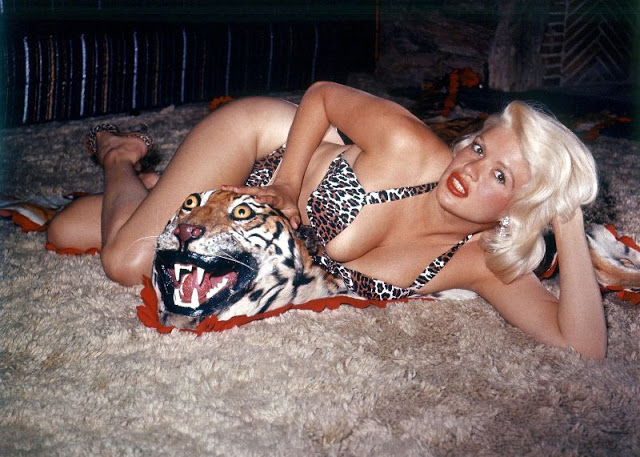
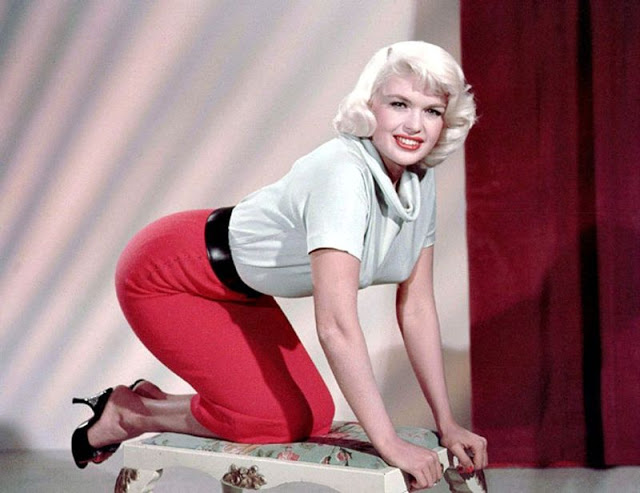
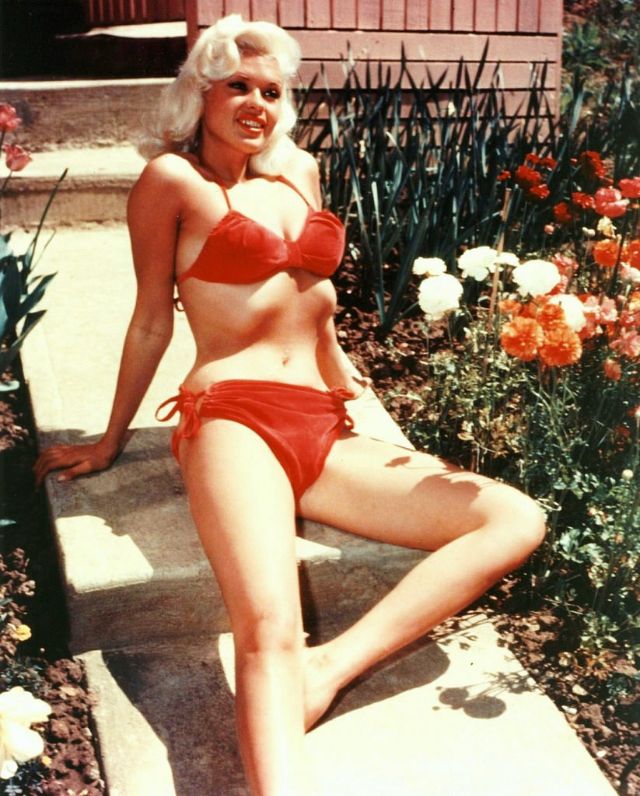
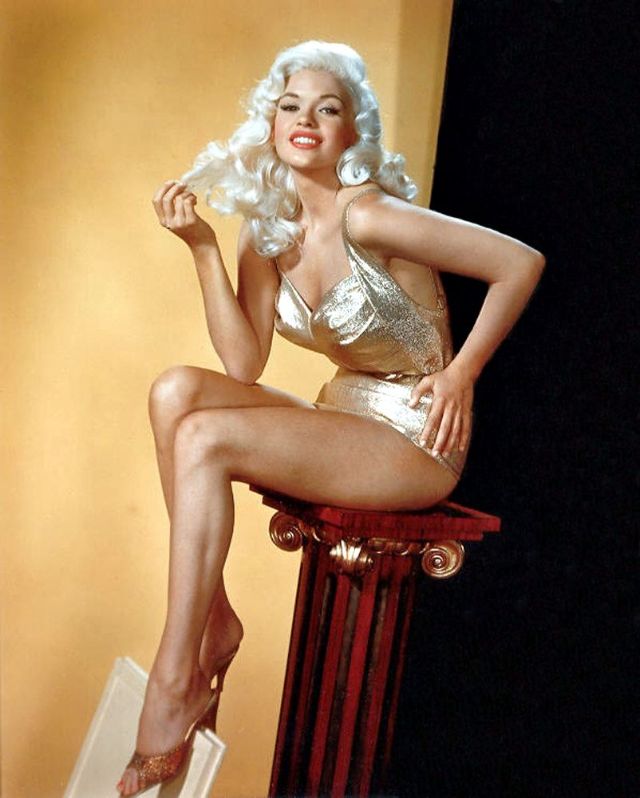
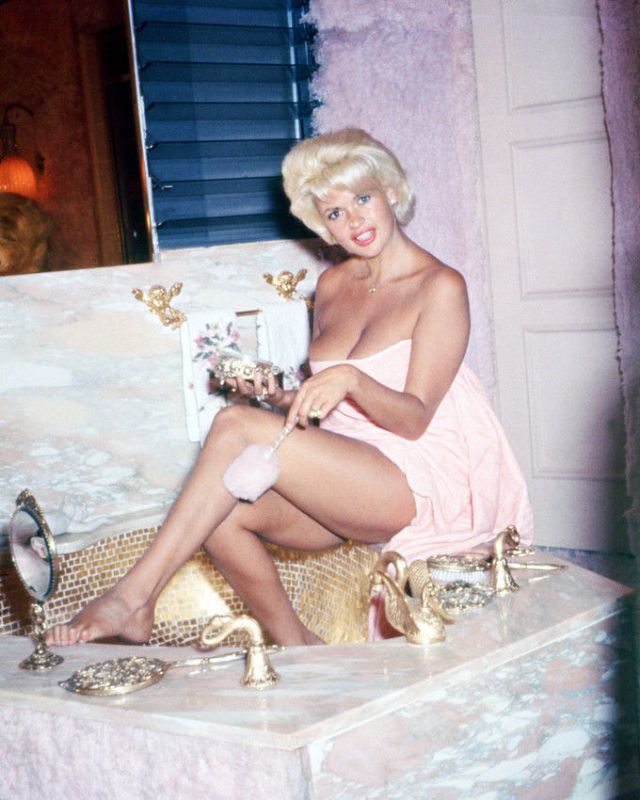
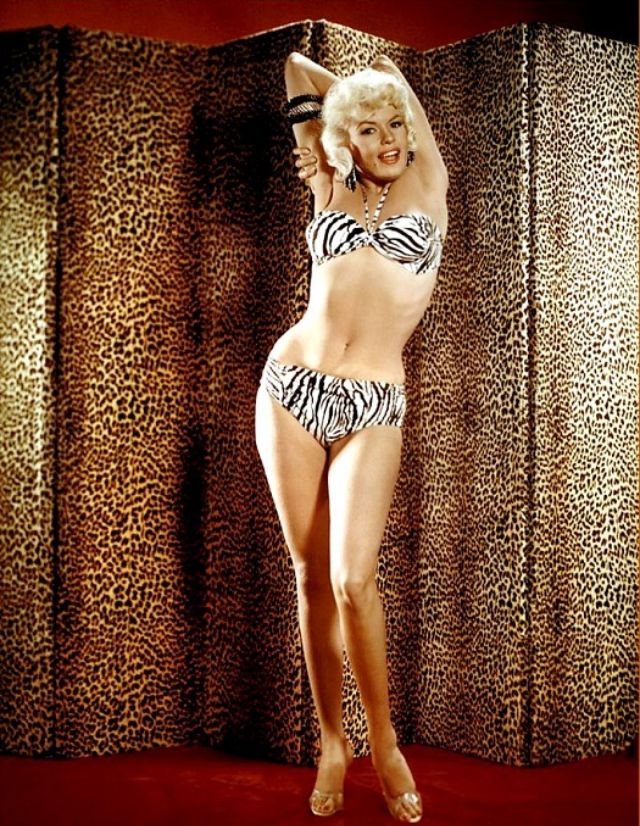
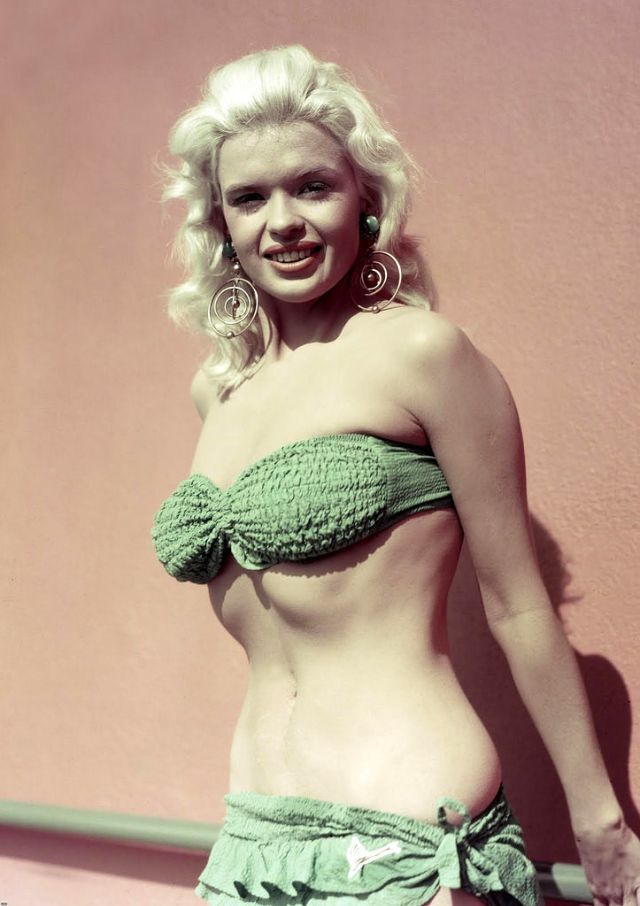
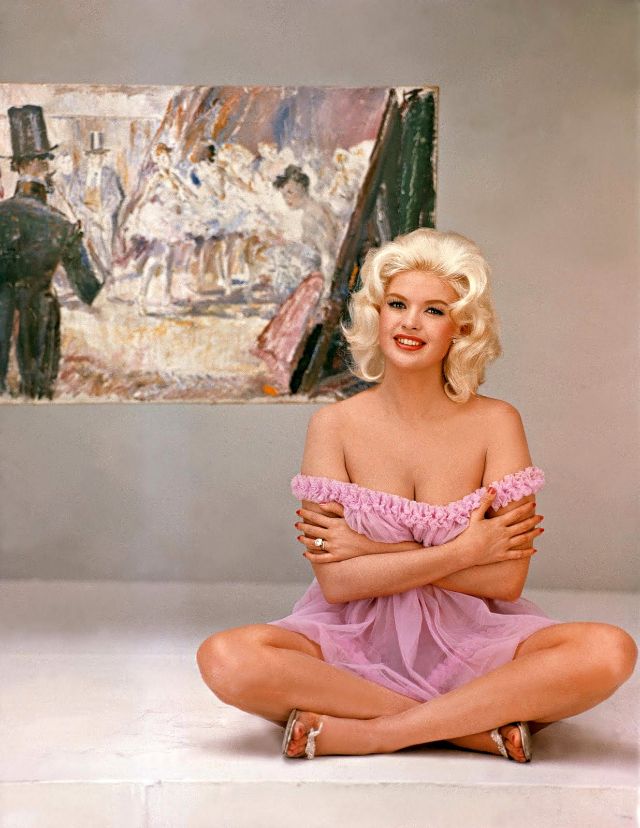
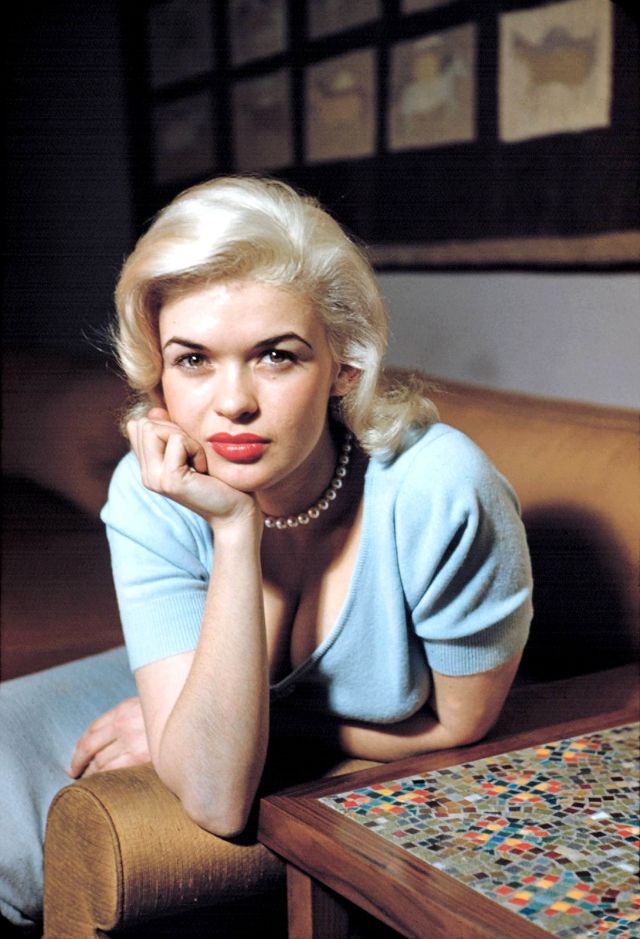
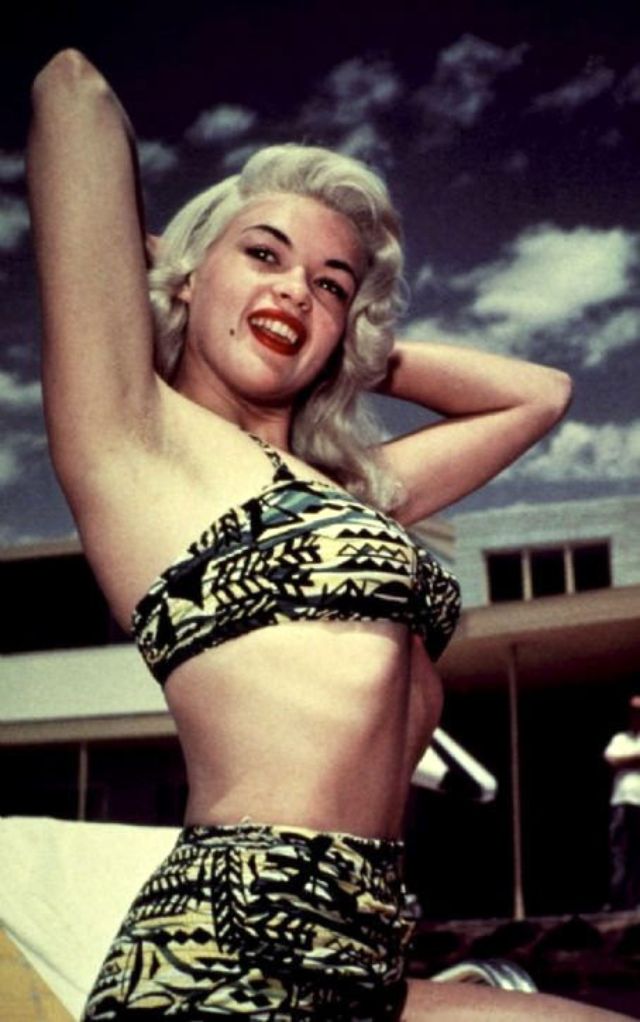
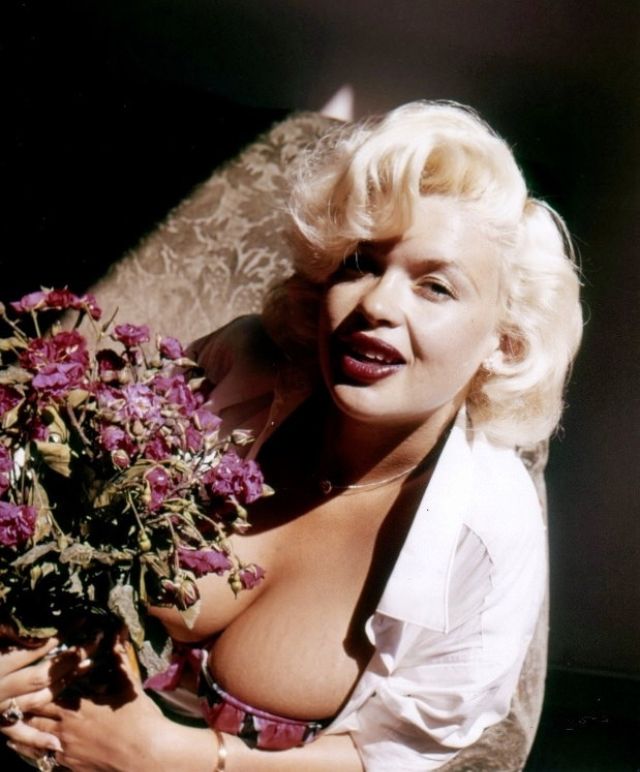
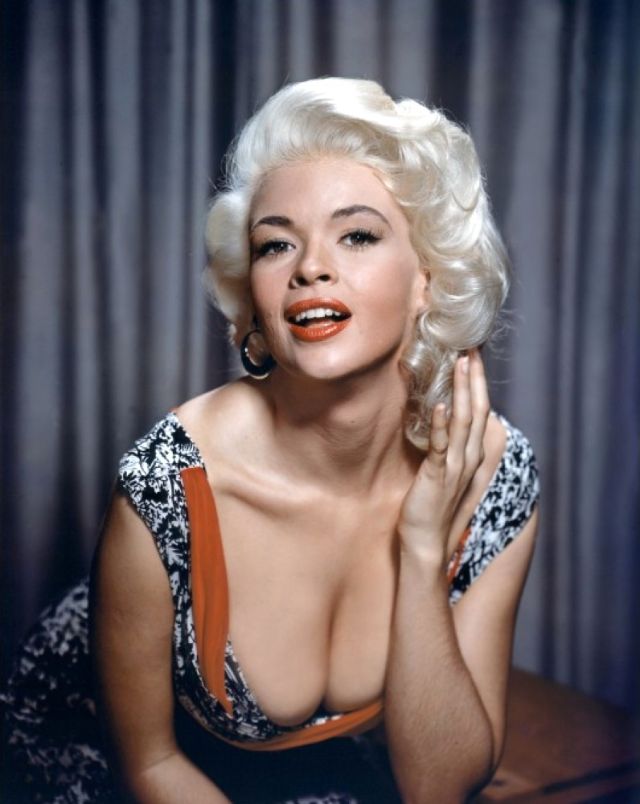
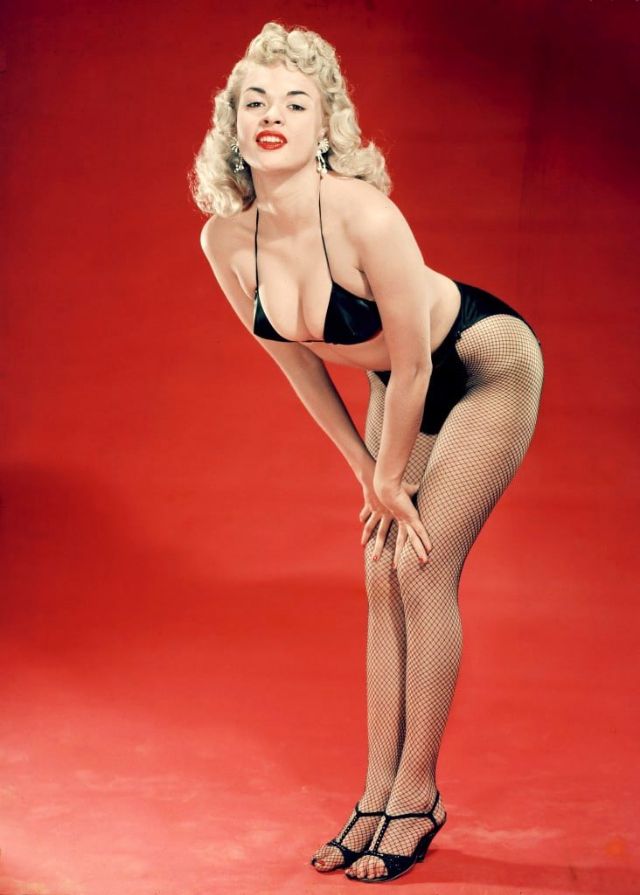
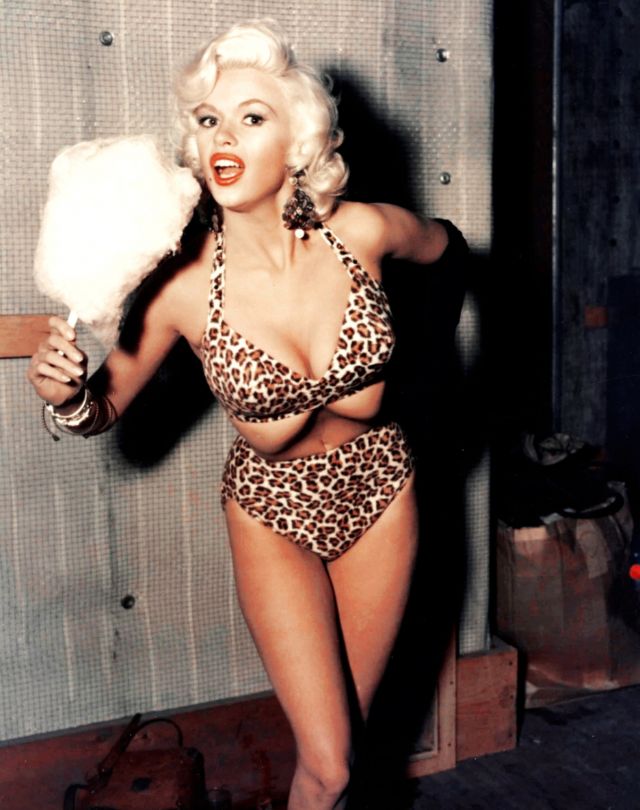
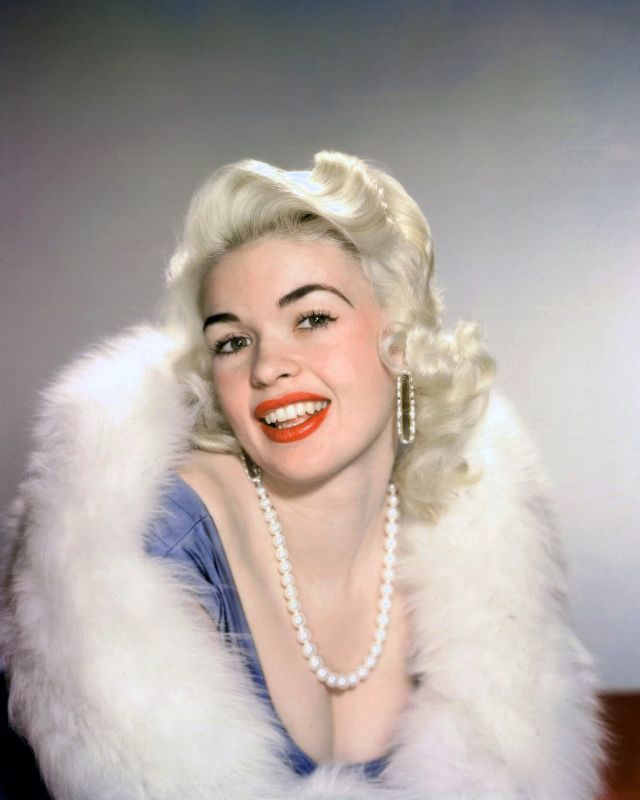
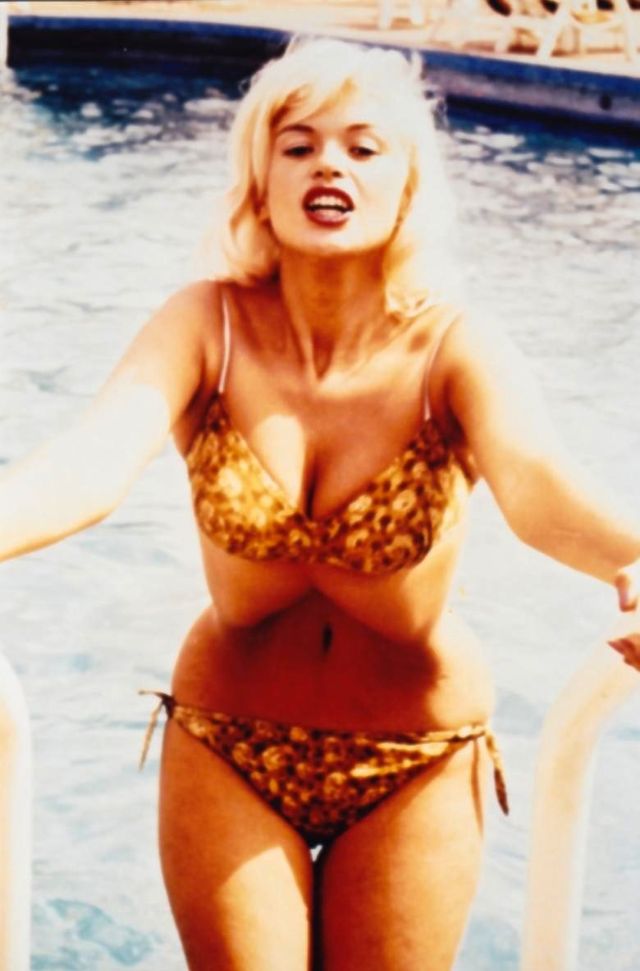
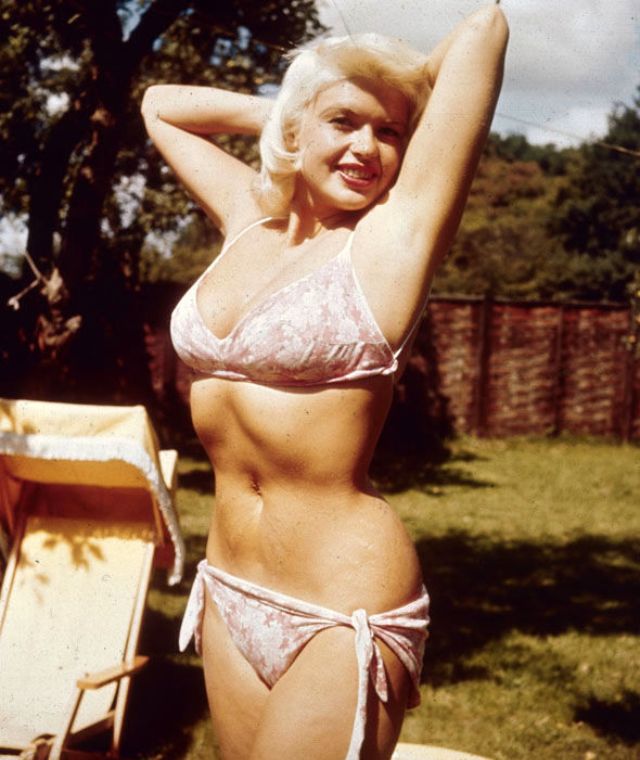
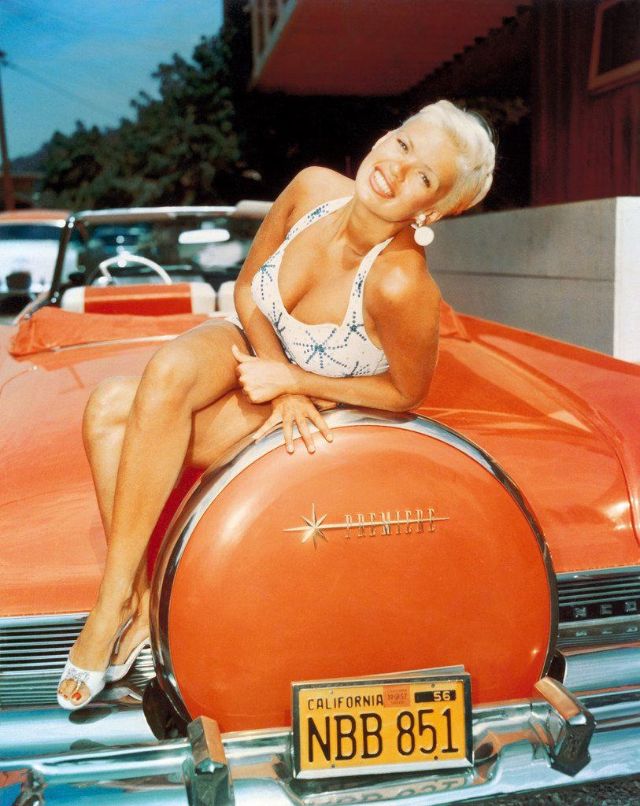
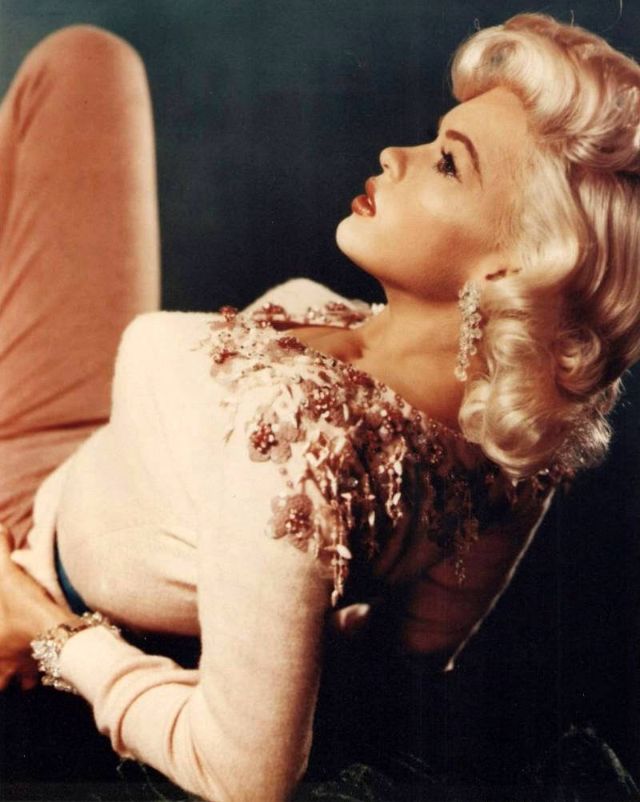
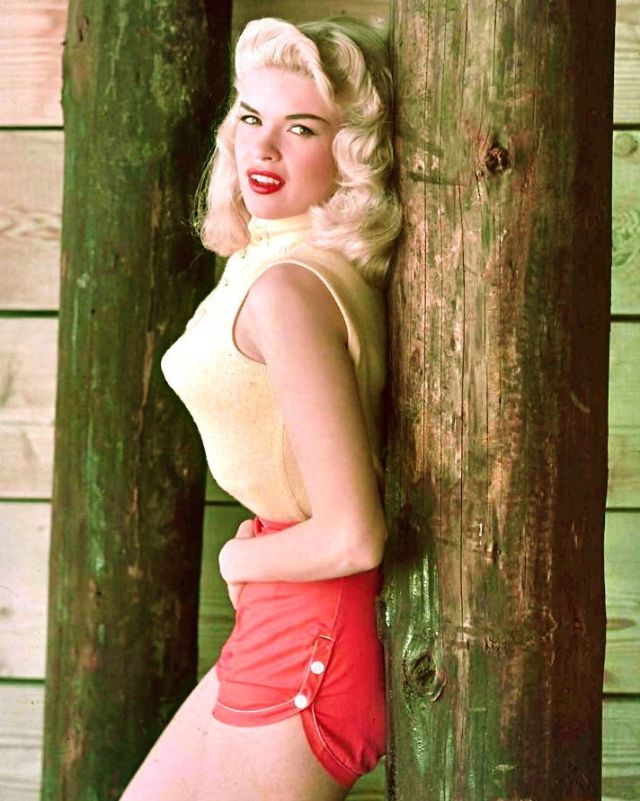
Jayne Mansfield (born Vera Jayne Palmer; April 19, 1933 – June 29, 1967) was an American actress, singer, nightclub entertainer, and Playboy Playmate. A sex symbol of the 1950s and early 1960s while under contract at 20th Century Fox, Mansfield was known for her well-publicized personal life and publicity stunts. Her film career was short-lived, but she had several box-office successes and won a Theatre World Award and a Golden Globe Award.
Mansfield enjoyed success in the role of fictional actress Rita Marlowe in the Broadway play Will Success Spoil Rock Hunter? (1955–1956), which she reprised in the film adaptation of the same name (1957). Her other film roles include the musical comedy The Girl Can’t Help It (1956), the drama The Wayward Bus (1957), the neo-noir Too Hot to Handle (1960), and the sex comedy Promises! Promises! (1963); the latter established Mansfield as the first major American actress to perform in a nude scene in a post-silent era film.
Mansfield took her professional name from her first husband, public relations professional Paul Mansfield. She married three times, all of which ended in divorce, and had five children. She was allegedly intimately involved with numerous men, including Robert and John F. Kennedy, her attorney Samuel S. Brody, and Las Vegas entertainer Nelson Sardelli. On June 29, 1967, she died in an automobile accident in Eastern New Orleans at the age of 34. (Wikipedia)
Take a look at these stunning photos to see the glamorous beauty of Jayne Mansfield in the 1950s and 1960s.
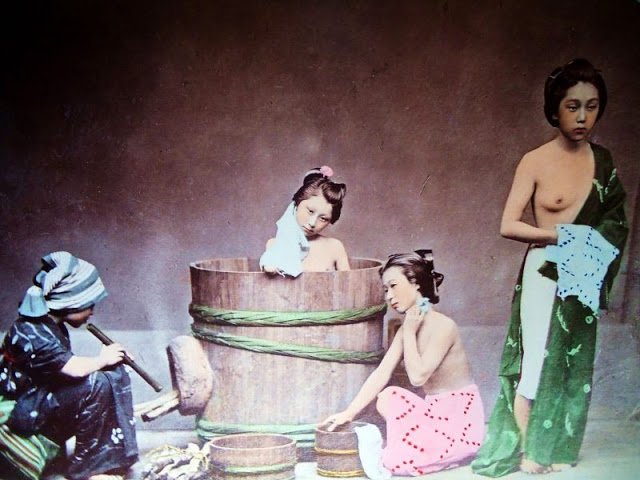
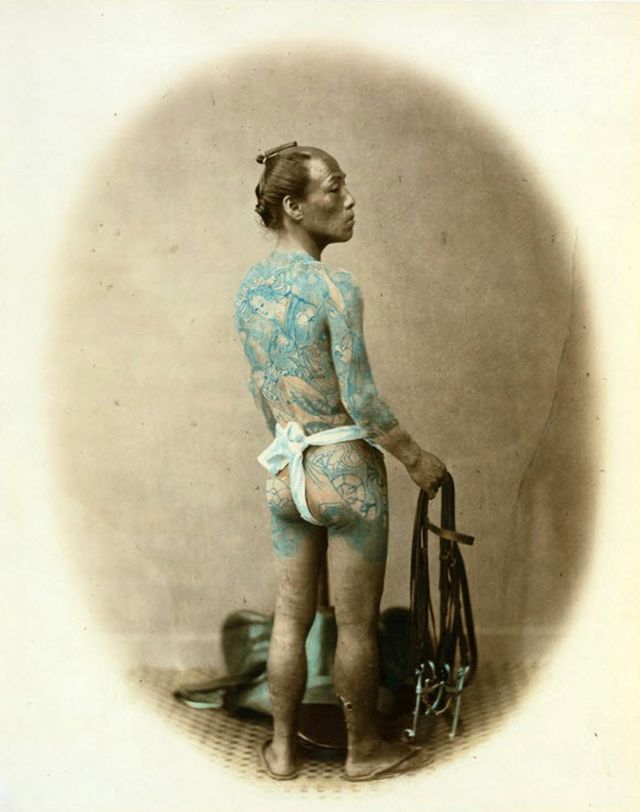
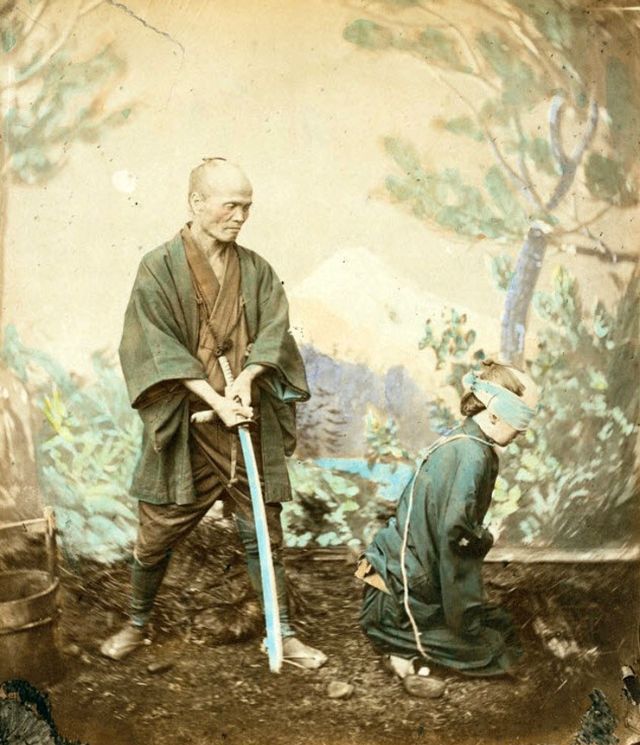
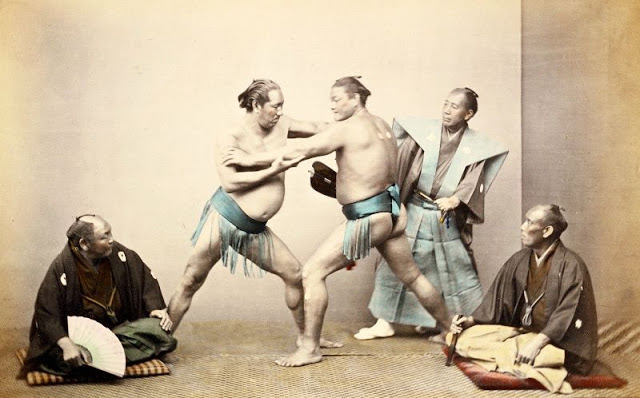
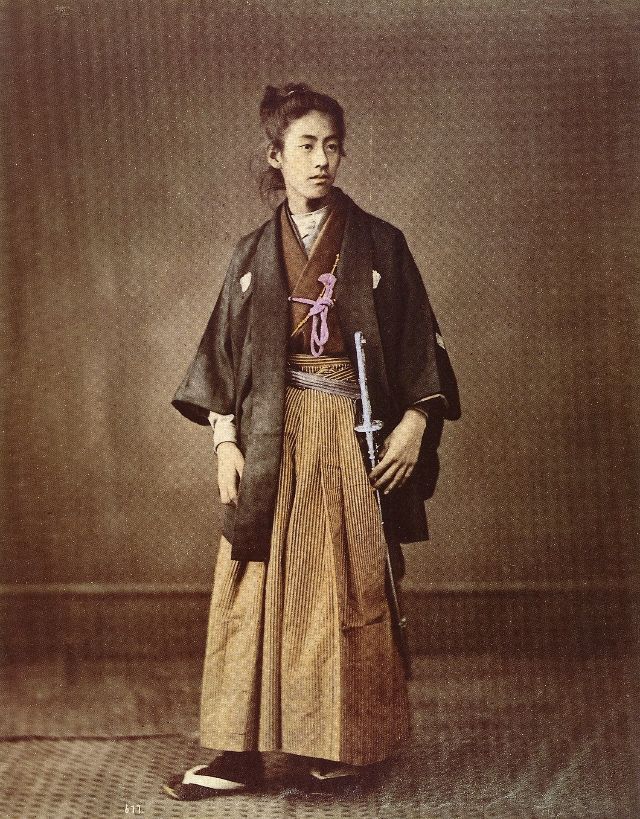
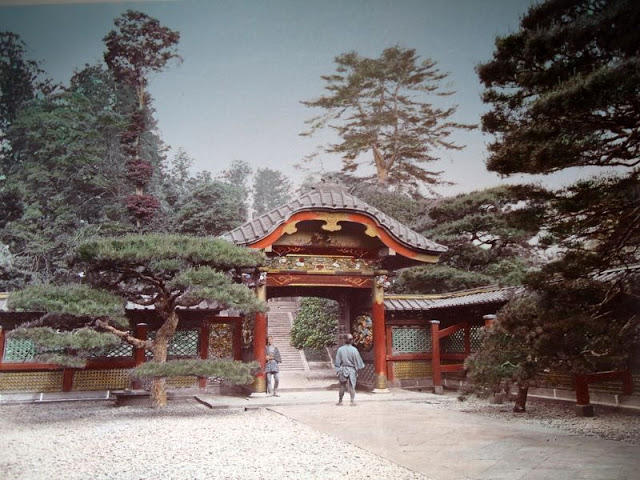
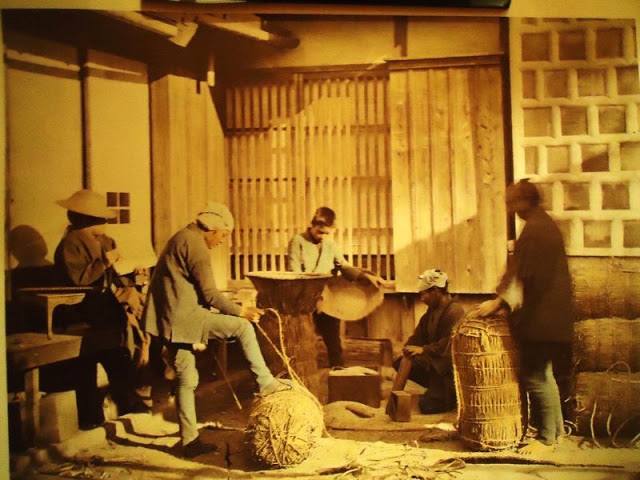
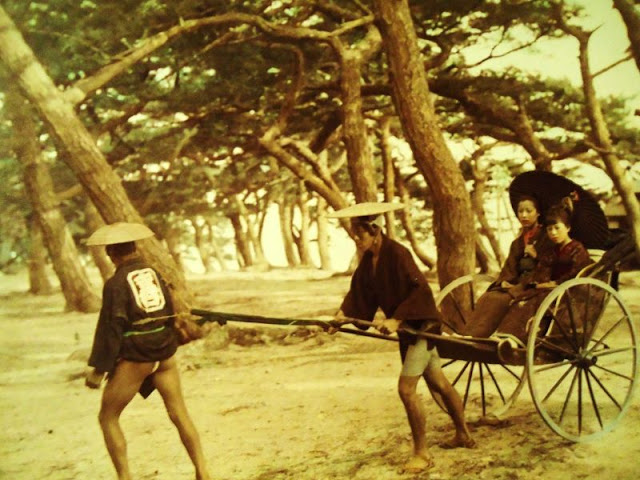
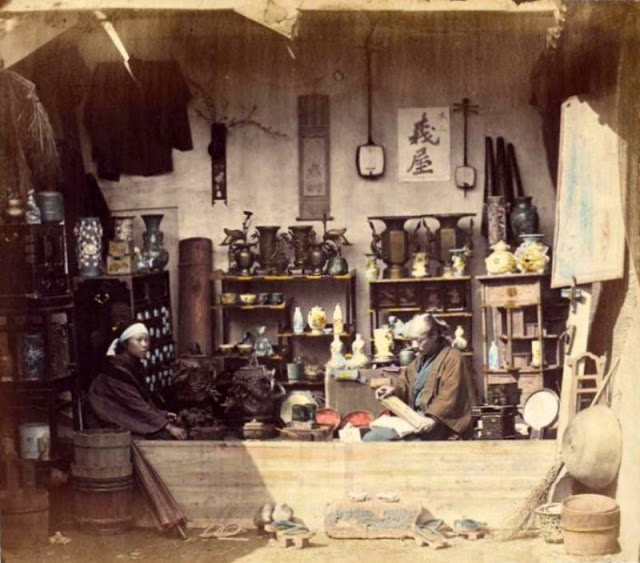
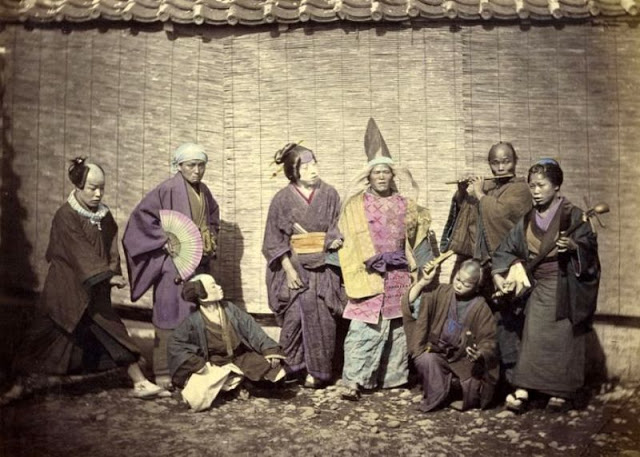
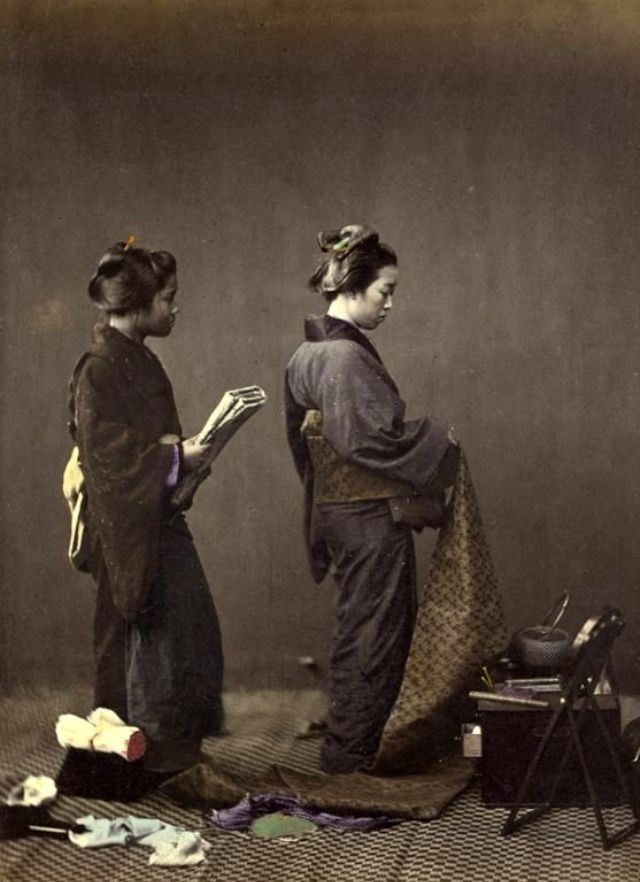
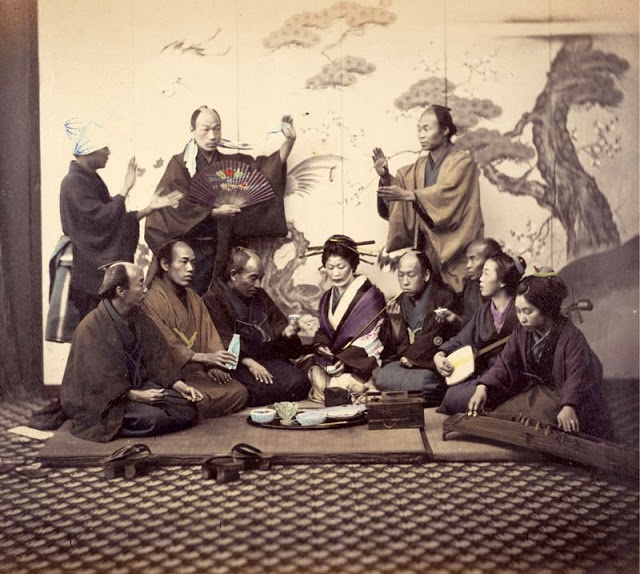
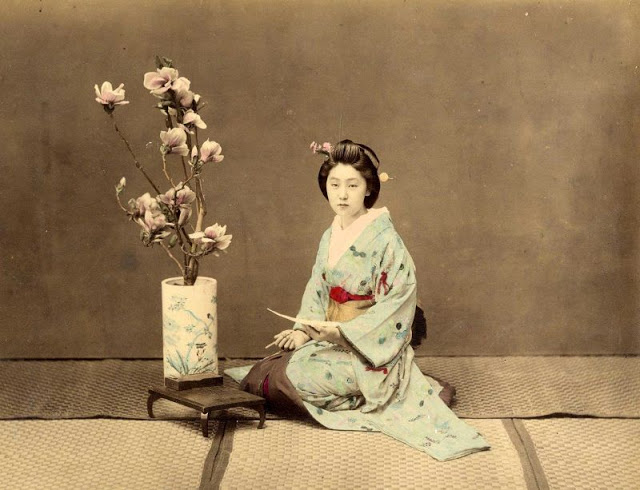
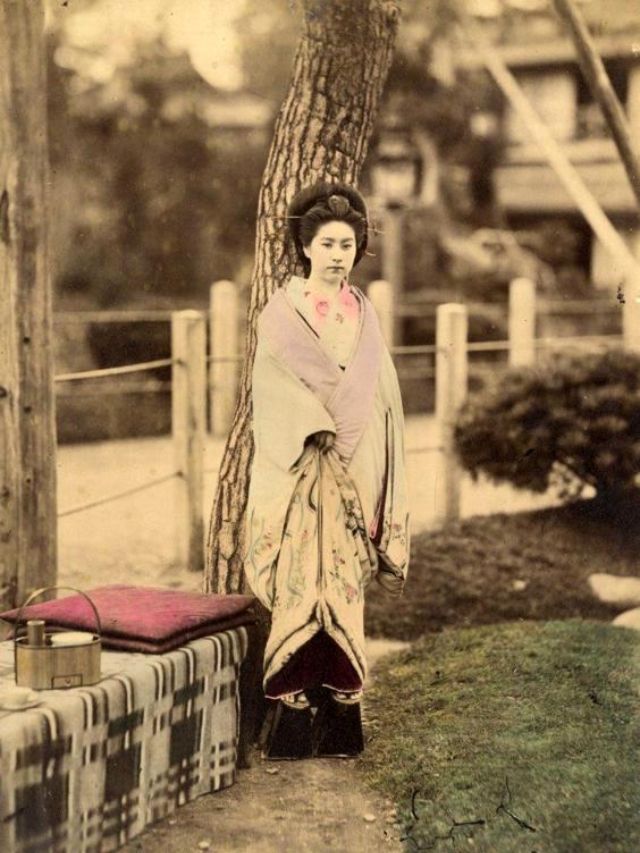
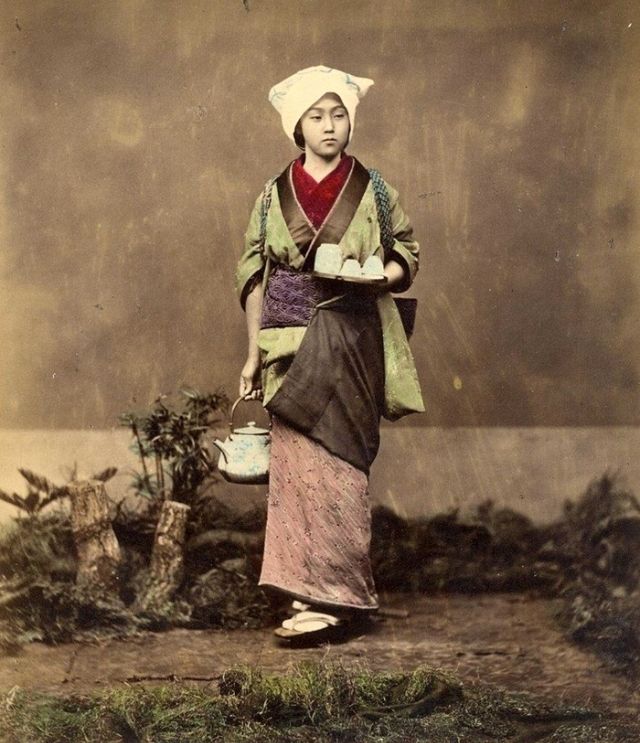
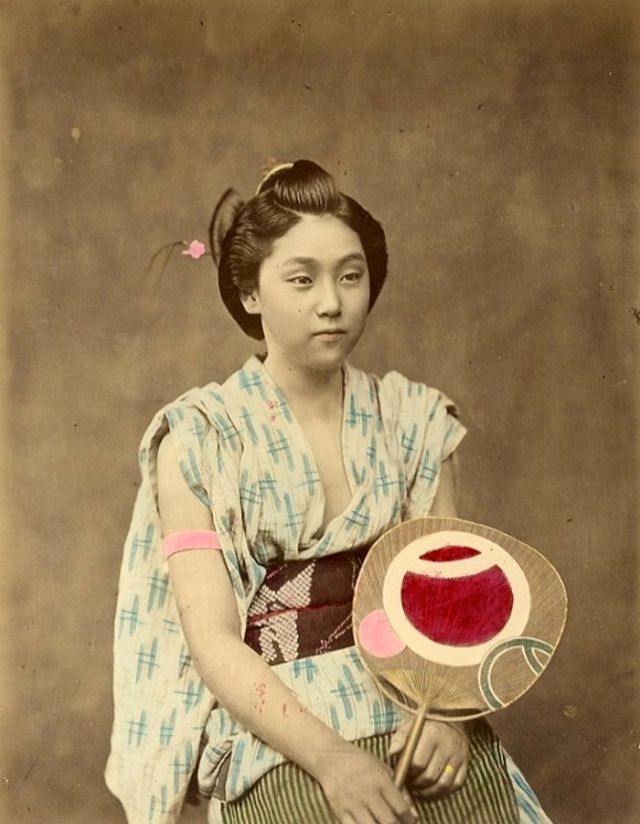
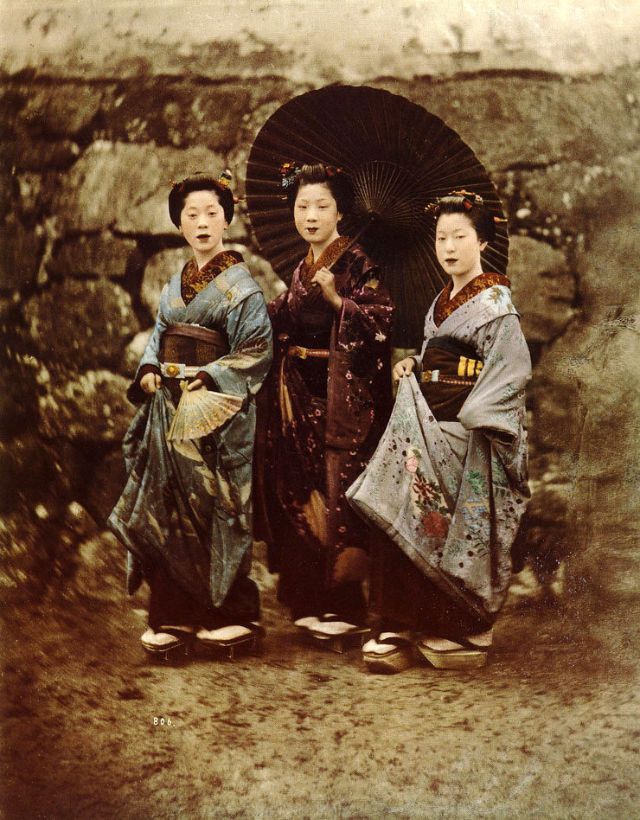
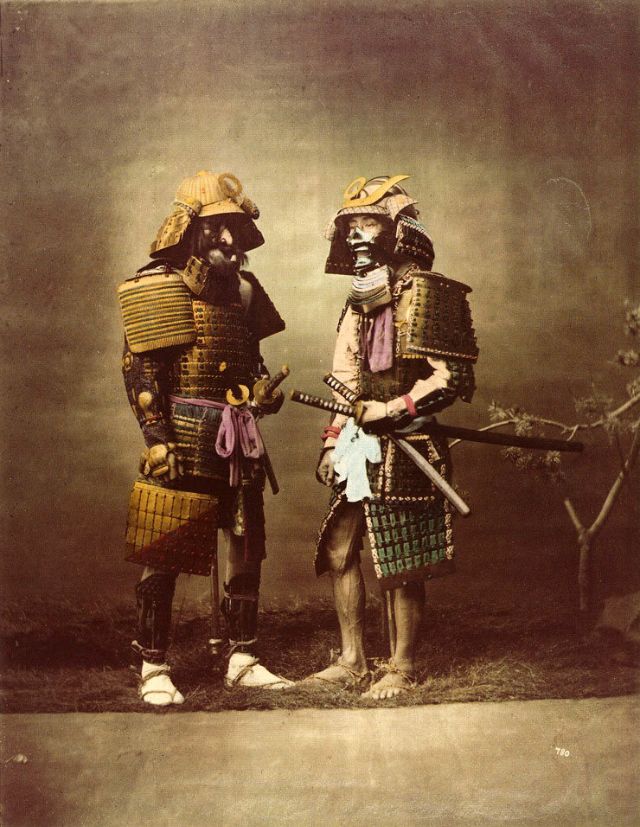
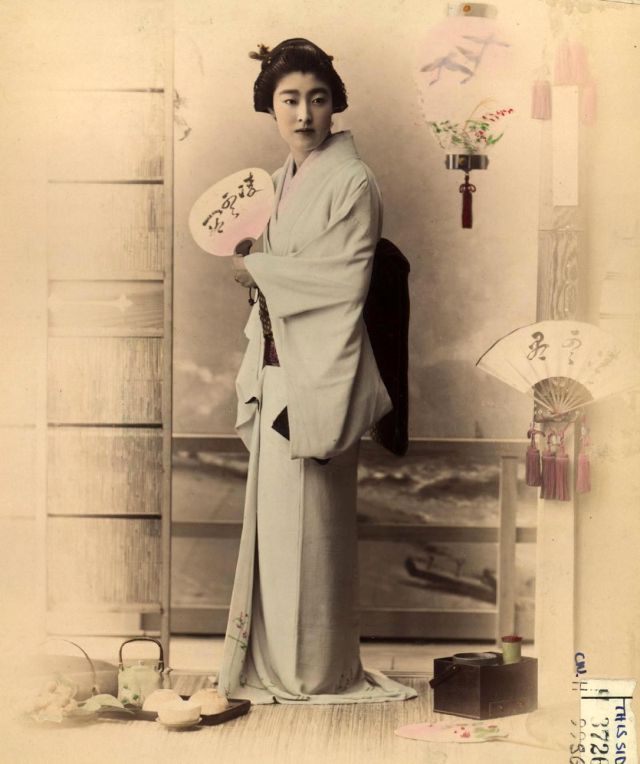
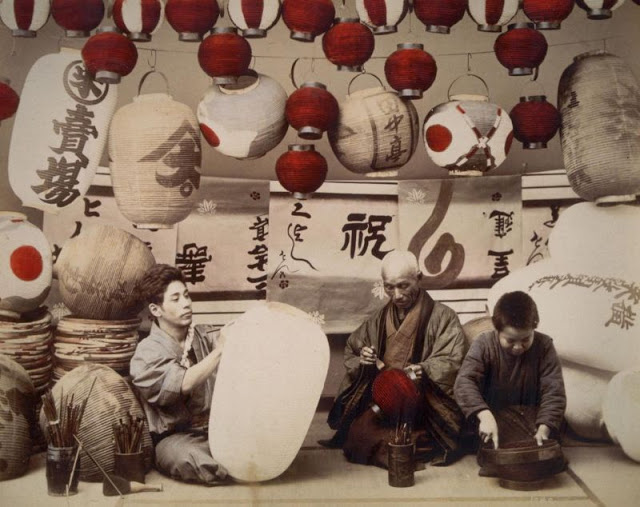
Felice Beato (1832-1909) was an Italian–British photographer. He was one of the first people to take photographs in East Asia and one of the first war photographers. He is noted for his genre works, portraits, and views and panoramas of the architecture and landscapes of Asia and the Mediterranean region.
Beato’s travels gave him the opportunity to create images of countries, people, and events that were unfamiliar and remote to most people in Europe and North America. His work provides images of such events as the Indian Rebellion of 1857 and the Second Opium War, and represents the first substantial body of photojournalism.
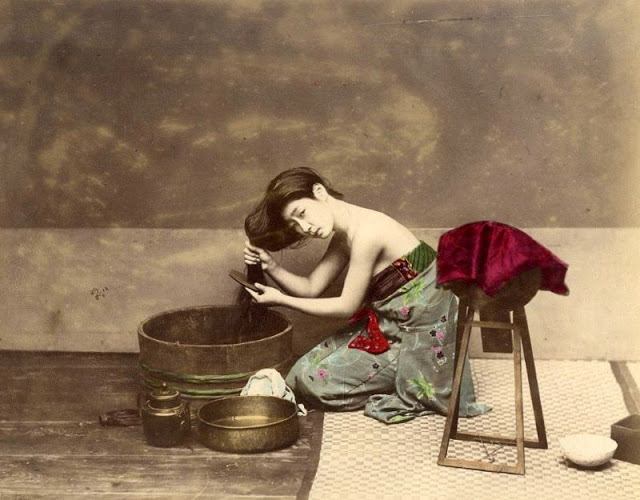
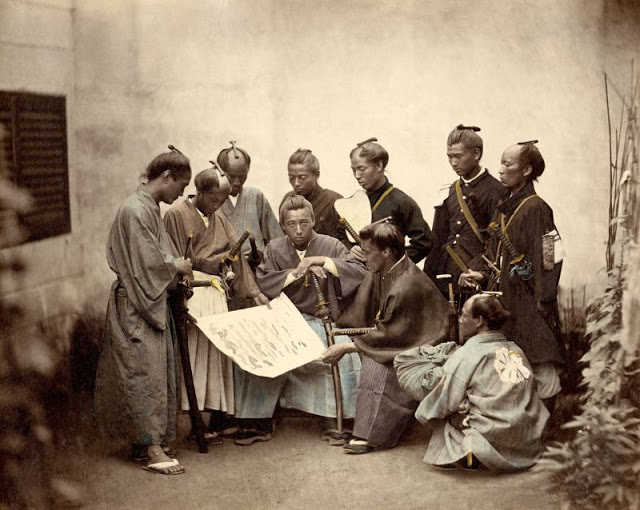
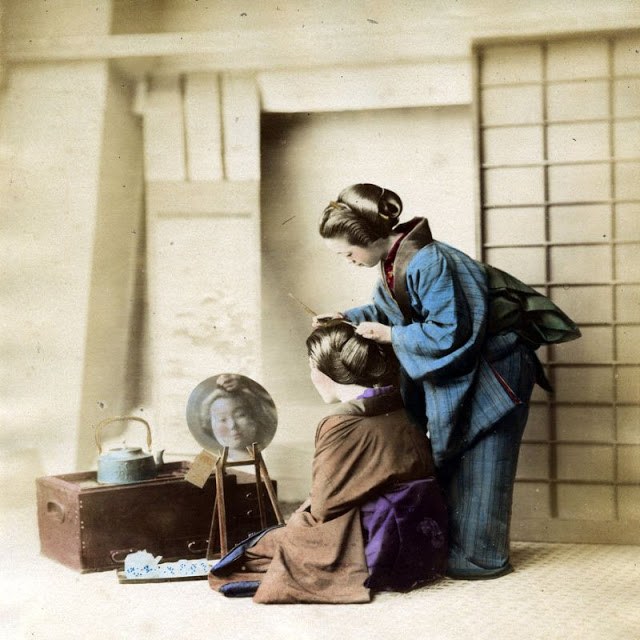
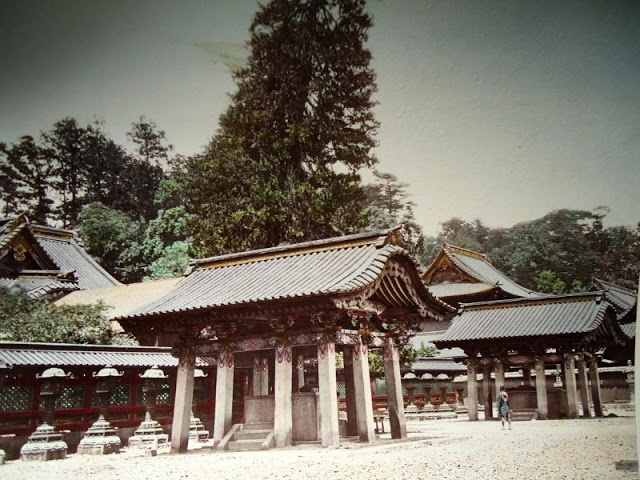
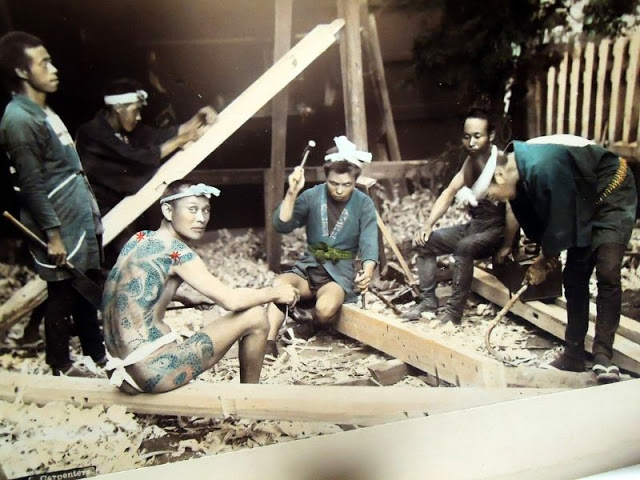
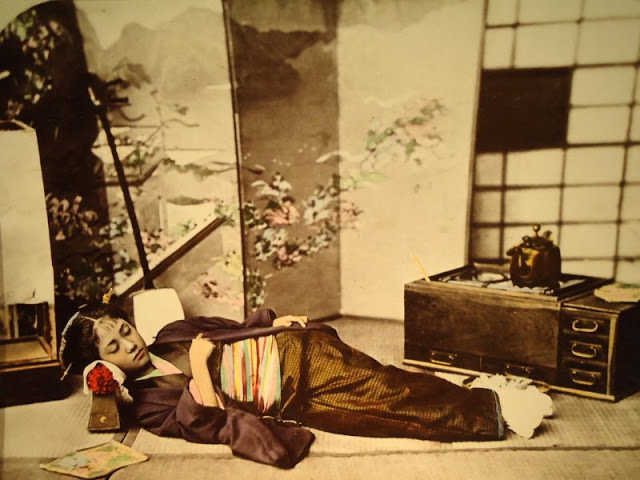
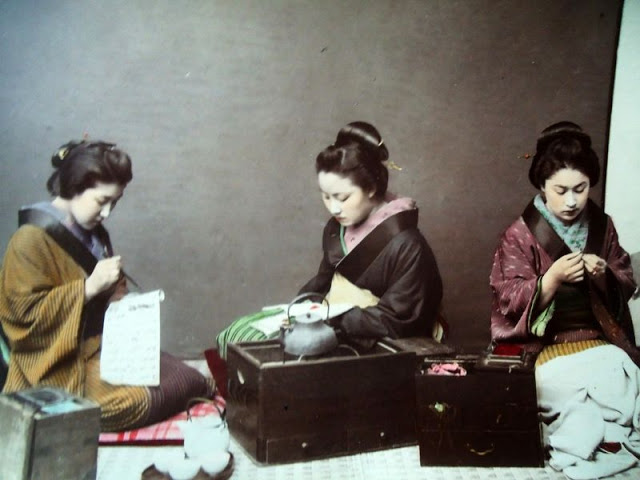
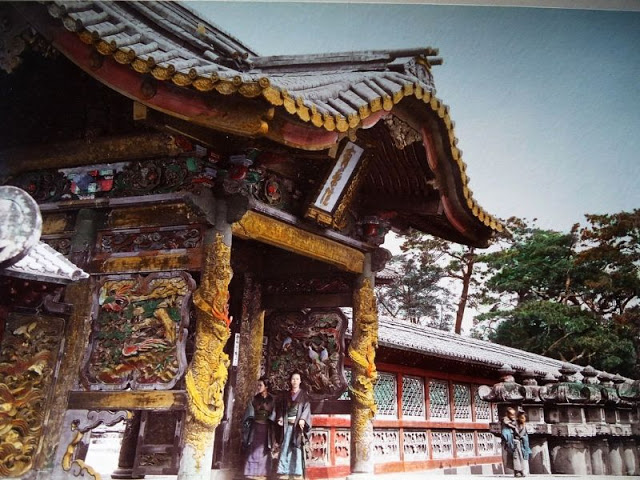
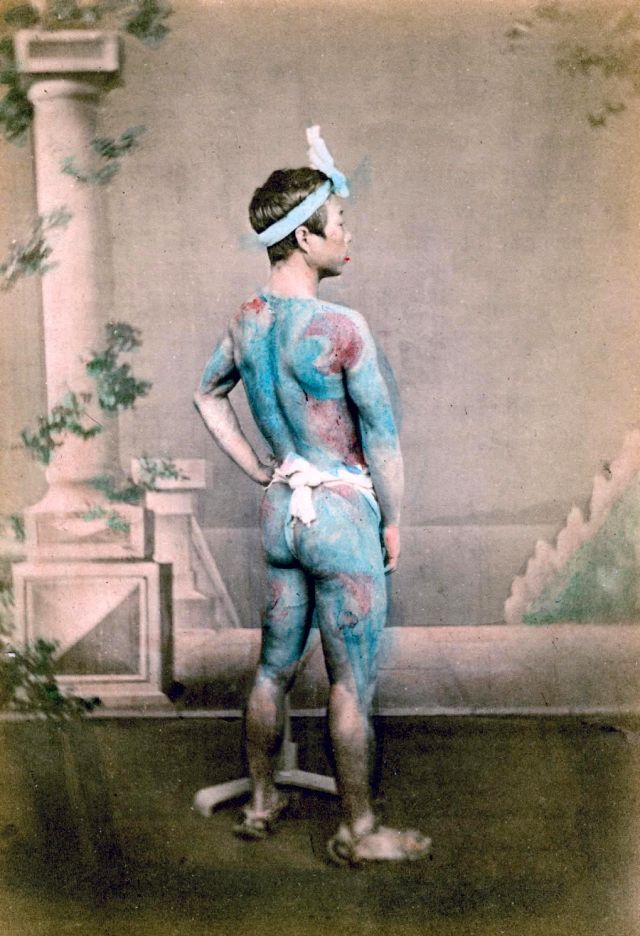
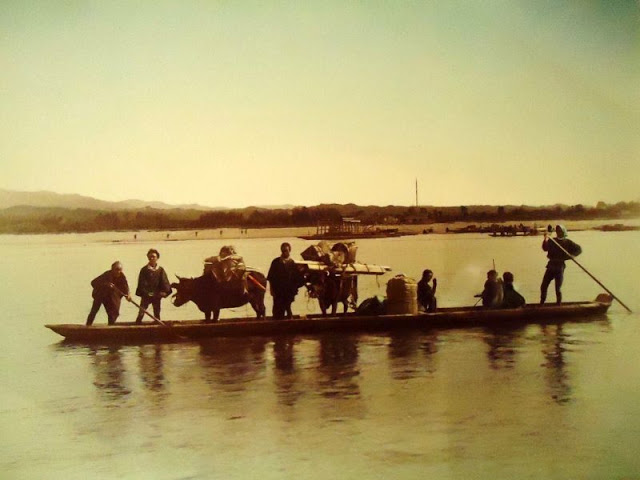
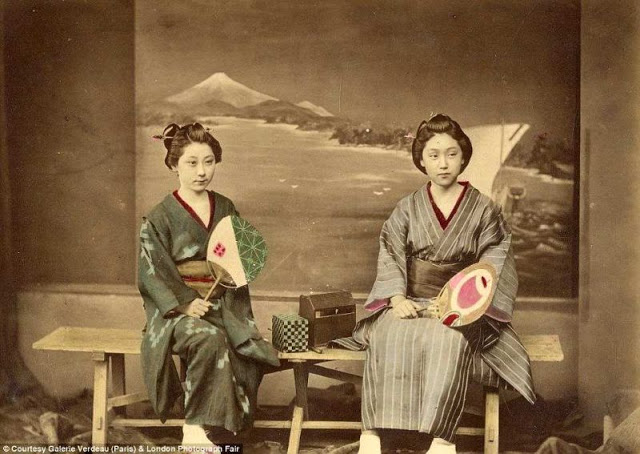
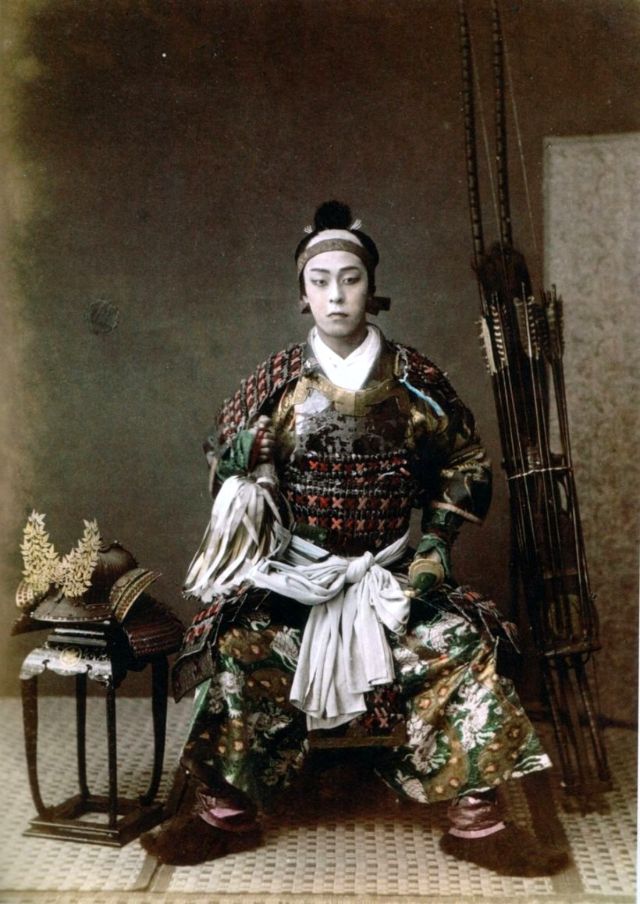
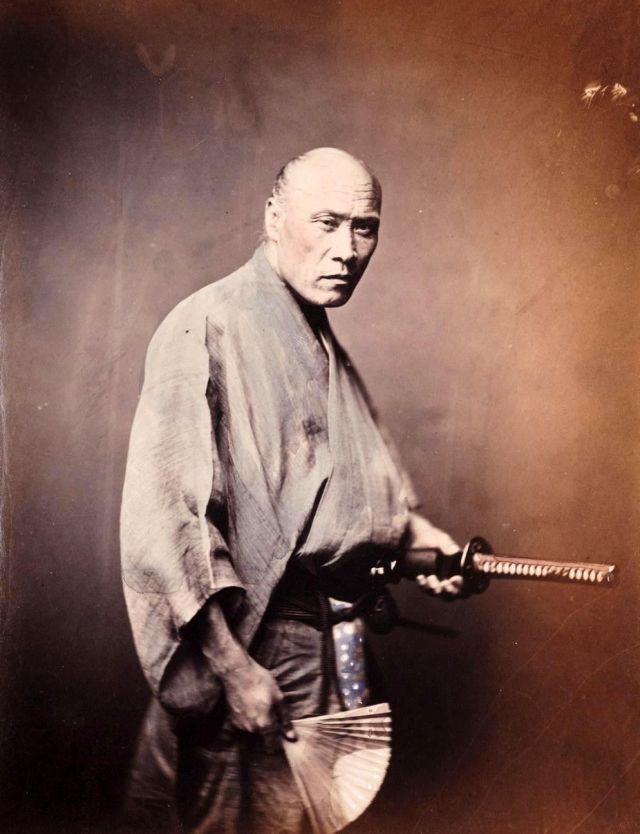
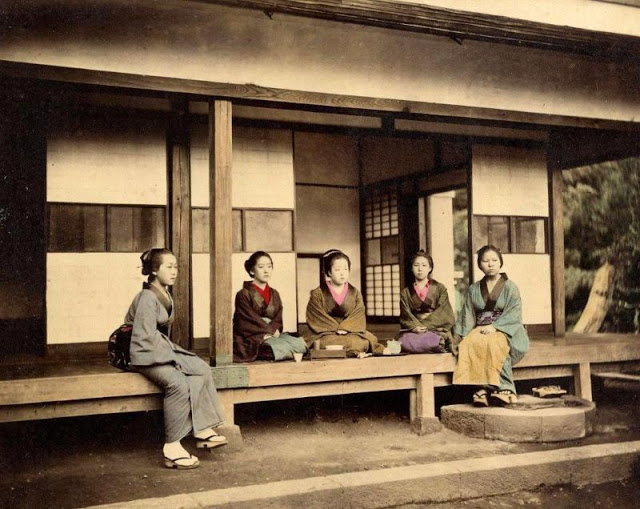
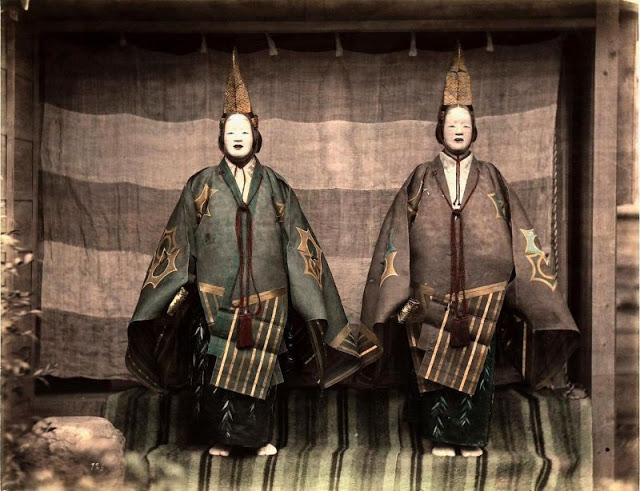
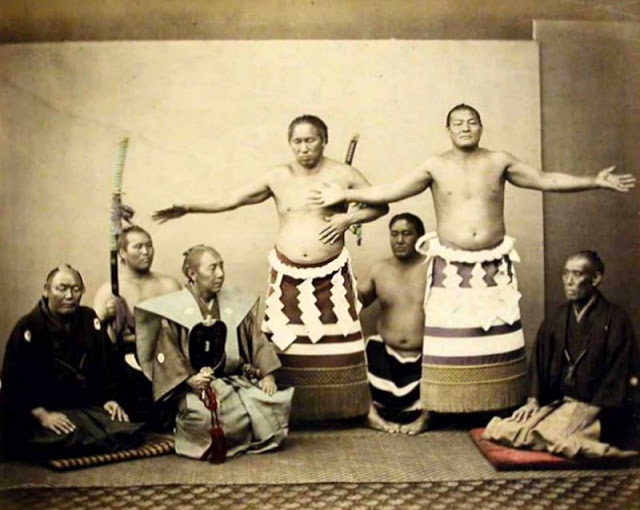
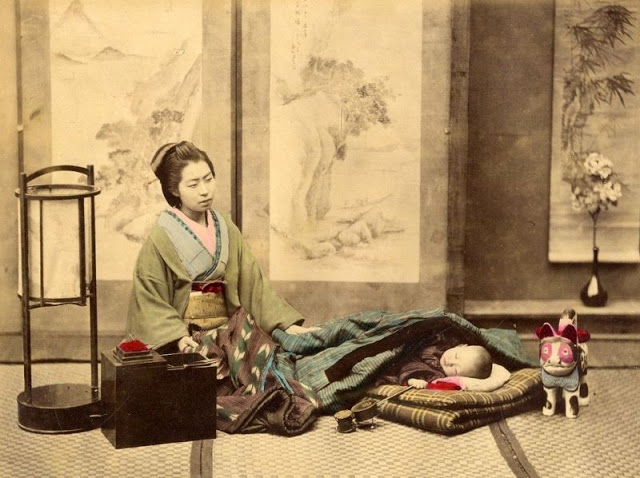
In 1863, he arrives in Yokohama, in Japan, in a country that is still closed to Westerners and lives under feudal rules. He rapidly begins to represent the country’s inhabitants and landscapes with the help of the draftsman, Charles Wirgman who teaches him aquarelle photography.
Beato influenced other photographers, and his influence in Japan, where he taught and worked with numerous other photographers and artists, was particularly deep and lasting.
Japan (Japanese: ??, Nippon or Nihon, and formally ???) is an island country in East Asia. It is situated in the northwest Pacific Ocean, and is bordered on the west by the Sea of Japan, while extending from the Sea of Okhotsk in the north toward the East China Sea and Taiwan in the south. Japan is a part of the Ring of Fire, and spans an archipelago of 6852 islands covering 377,975 square kilometers (145,937 sq mi); the five main islands are Hokkaido, Honshu (the “mainland”), Shikoku, Kyushu, and Okinawa. Tokyo is the nation’s capital and largest city; other major cities include Yokohama, Osaka, Nagoya, Sapporo, Fukuoka, Kobe, and Kyoto.
Japan is the eleventh most populous country in the world, as well as one of the most densely populated and urbanized. About three-fourths of the country’s terrain is mountainous, concentrating its population of 125.5 million on narrow coastal plains. Japan is divided into 47 administrative prefectures and eight traditional regions. The Greater Tokyo Area is the most populous metropolitan area in the world, with more than 37.4 million residents.
Japan has been inhabited since the Upper Paleolithic period (30,000 BC), though the first written mention of the archipelago appears in a Chinese chronicle (the Book of Han) finished in the 2nd century AD. Between the 4th and 9th centuries, the kingdoms of Japan became unified under an emperor and the imperial court based in Heian-kyo. Beginning in the 12th century, political power was held by a series of military dictators (shogun) and feudal lords (daimyo) and enforced by a class of warrior nobility (samurai). After a century-long period of civil war, the country was reunified in 1603 under the Tokugawa shogunate, which enacted an isolationist foreign policy. In 1854, a United States fleet forced Japan to open trade to the West, which led to the end of the shogunate and the restoration of imperial power in 1868. In the Meiji period, the Empire of Japan adopted a Western-modeled constitution and pursued a program of industrialization and modernization. Amidst a rise in militarism and overseas colonization, Japan invaded China in 1937 and entered World War II as an Axis power in 1941. After suffering defeat in the Pacific War and two atomic bombings, Japan surrendered in 1945 and came under a seven-year Allied occupation, during which it adopted a new constitution and began a military alliance with the United States. Under the 1947 constitution, Japan has maintained a unitary parliamentary constitutional monarchy with a bicameral legislature, the National Diet.
Japan is a great power and a member of numerous international organizations, including the United Nations (since 1956), OECD, G20 and Group of Seven. Although it has renounced its right to declare war, the country maintains Self-Defense Forces that rank as one of the world’s strongest militaries. After World War II, Japan experienced record growth in an economic miracle, becoming the second-largest economy in the world by 1972 but has stagnated since 1995 in what is referred to as the Lost Decades. As of 2021, the country’s economy is the third-largest by nominal GDP and the fourth-largest by PPP. Ranked “very high” on the Human Development Index, Japan has one of the world’s highest life expectancies, though it is experiencing a decline in population. A global leader in the automotive, robotics and electronics industries, Japan has made significant contributions to science and technology. The culture of Japan is well known around the world, including its art, cuisine, music, and popular culture, which encompasses prominent comic, animation and video game industries. (Wikipedia)
Here below is an amazing colorized photo collection that Beato shot when he was in japan in the second half of the 19th century.
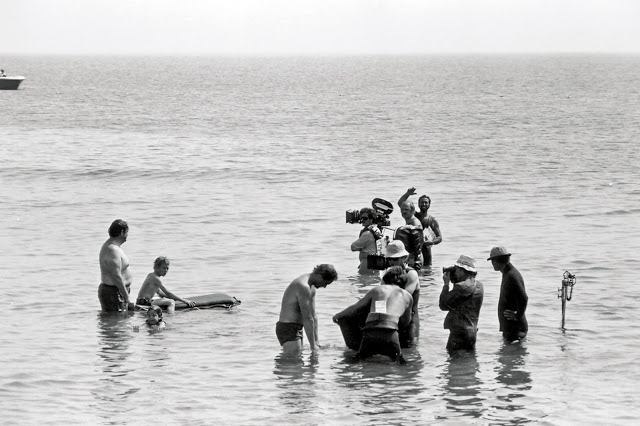
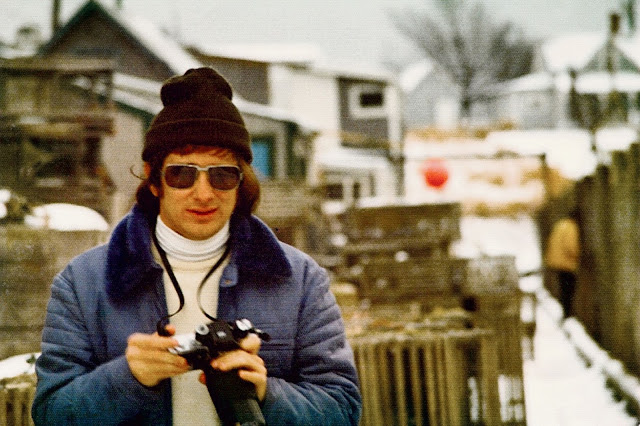
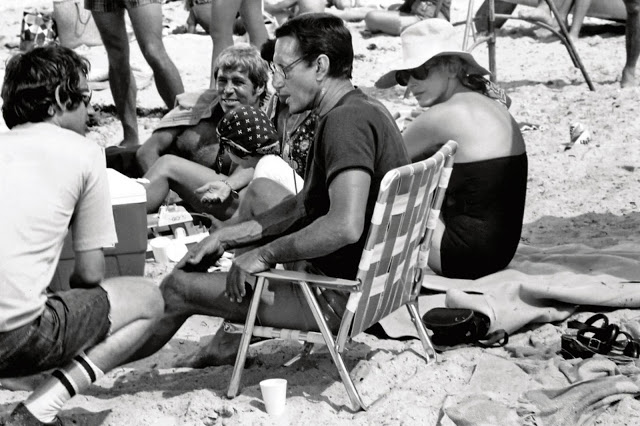
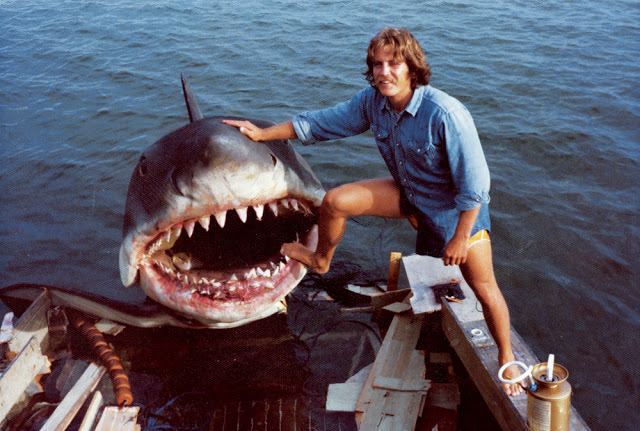
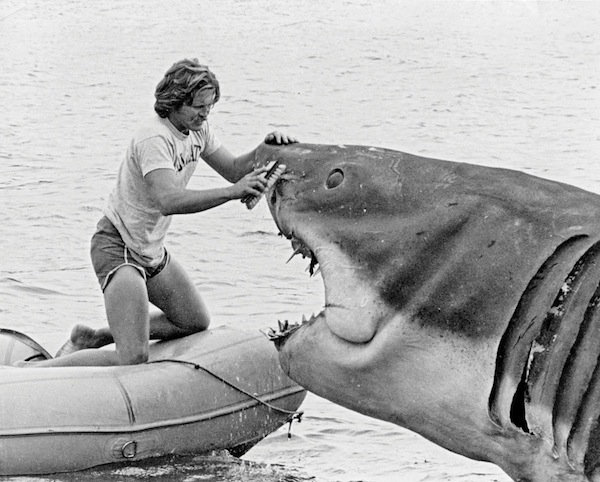
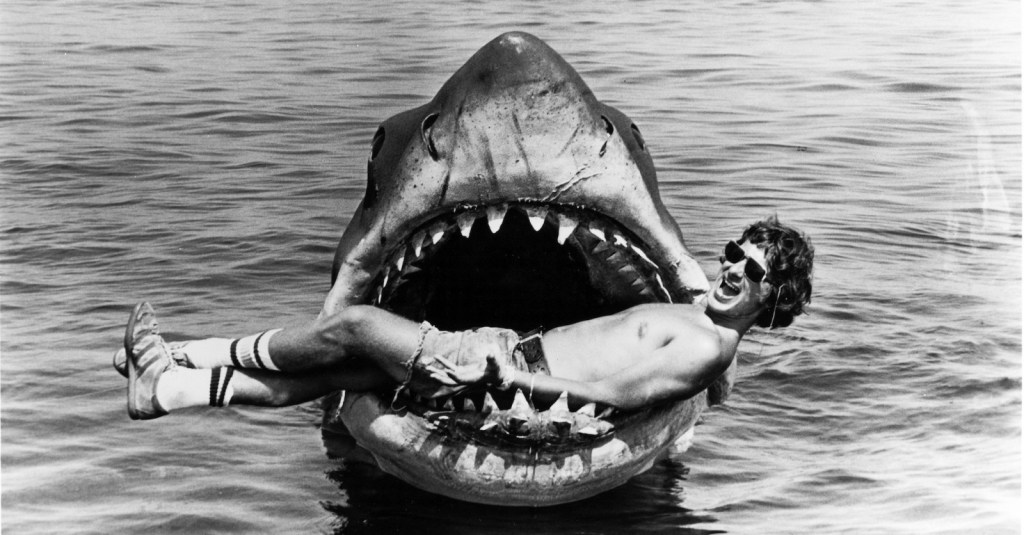
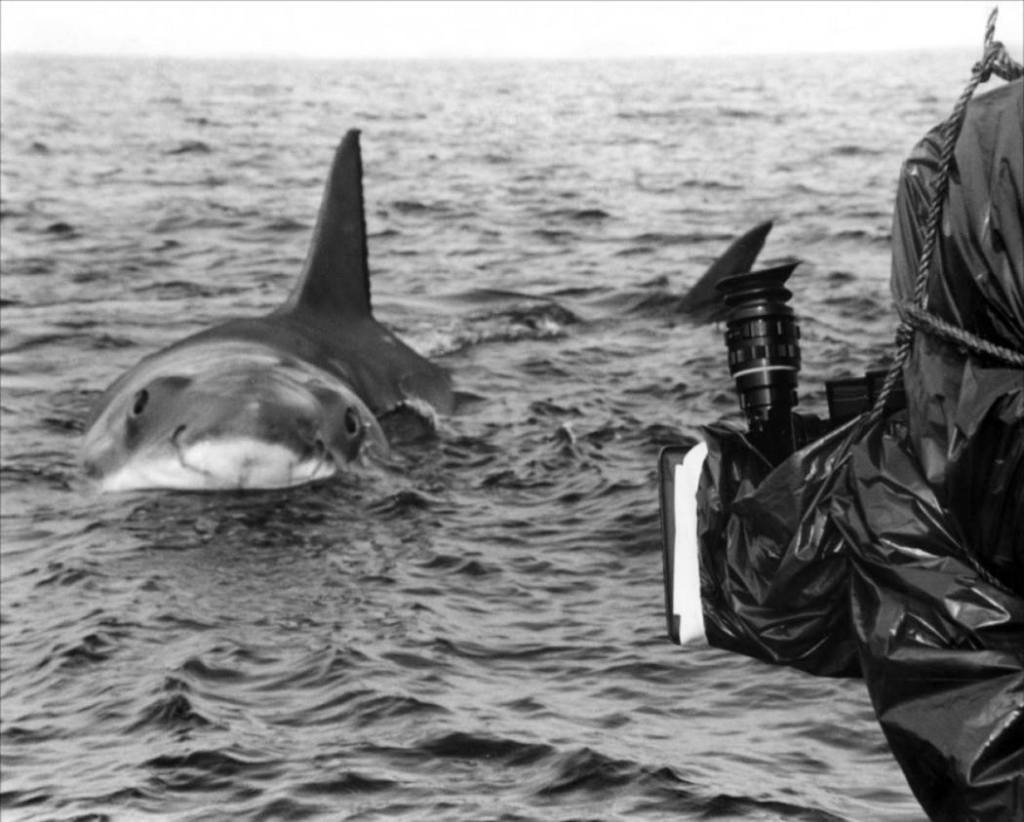
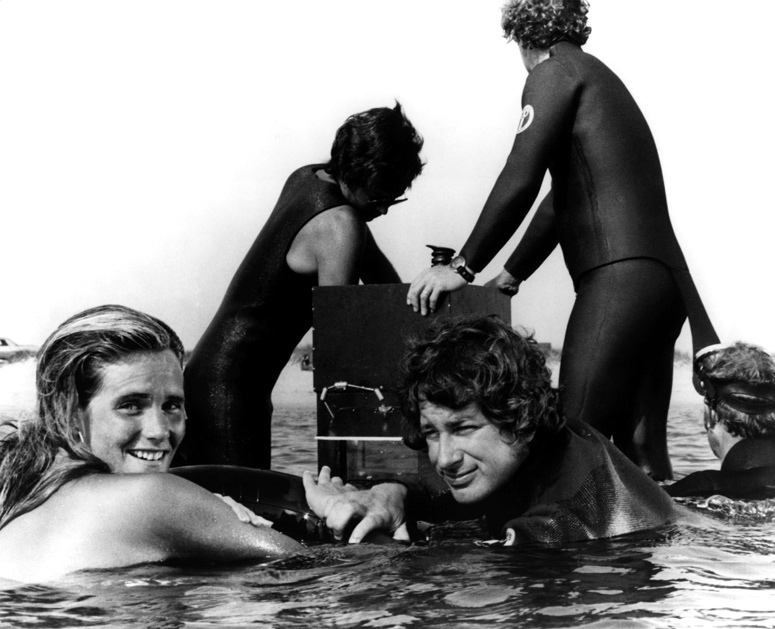
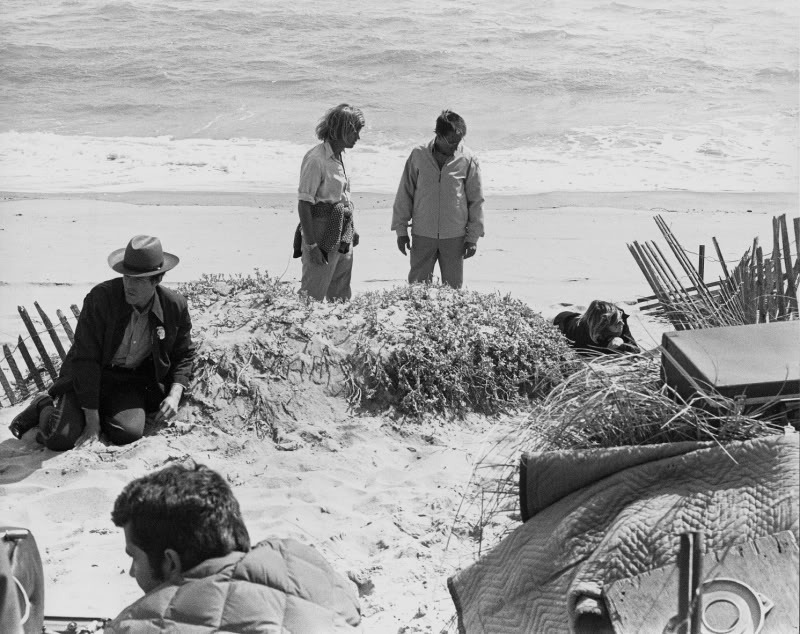
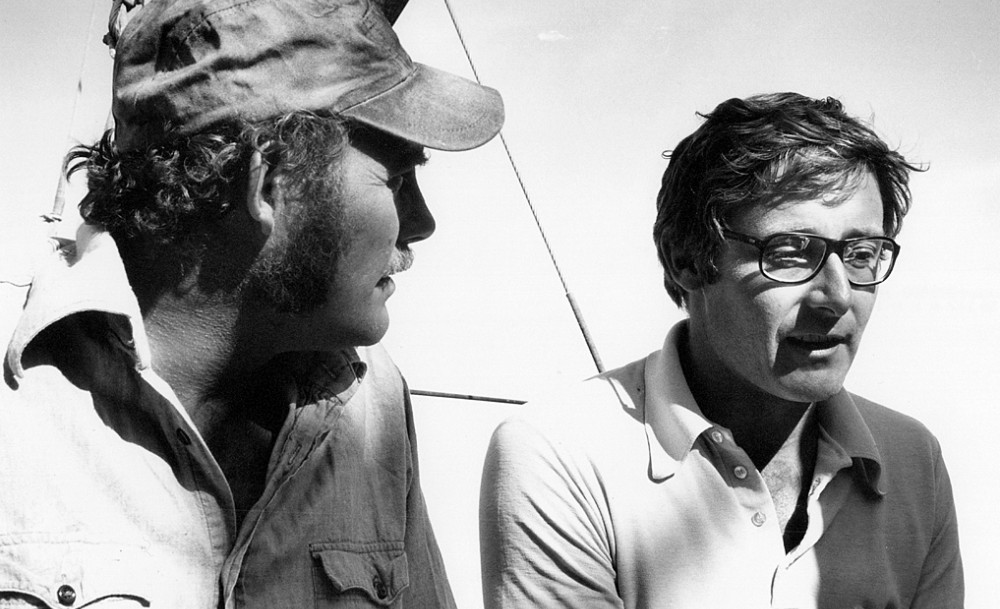
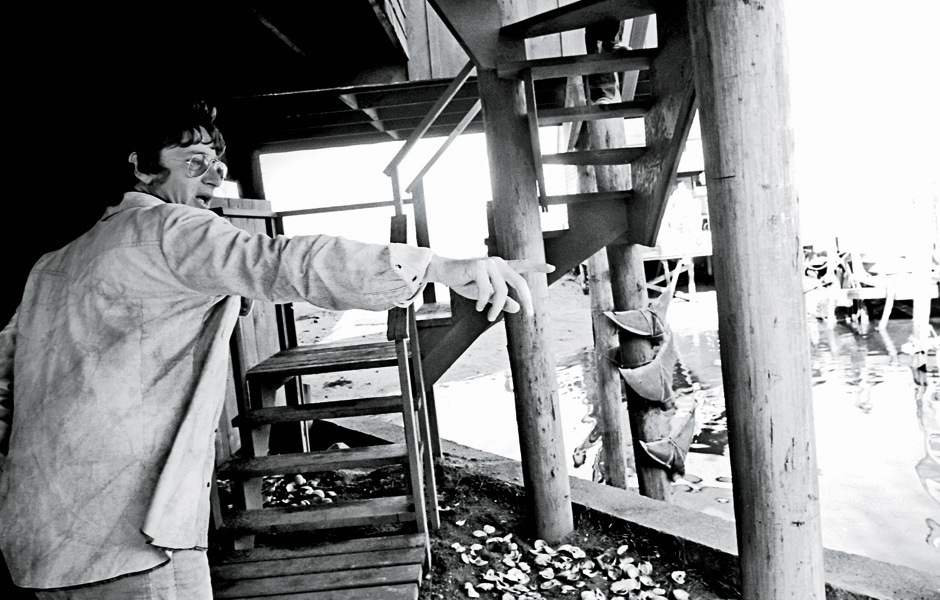
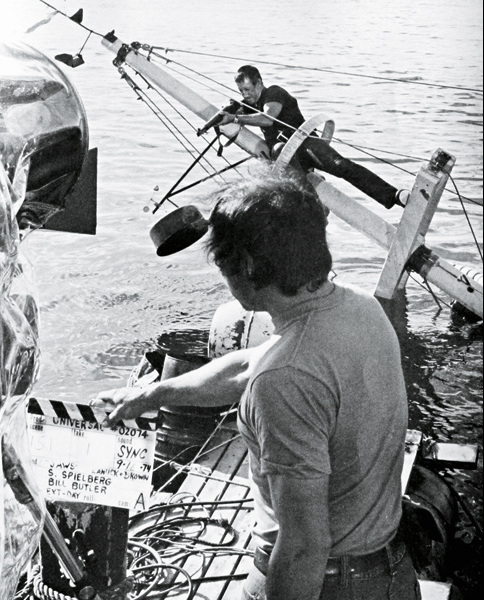
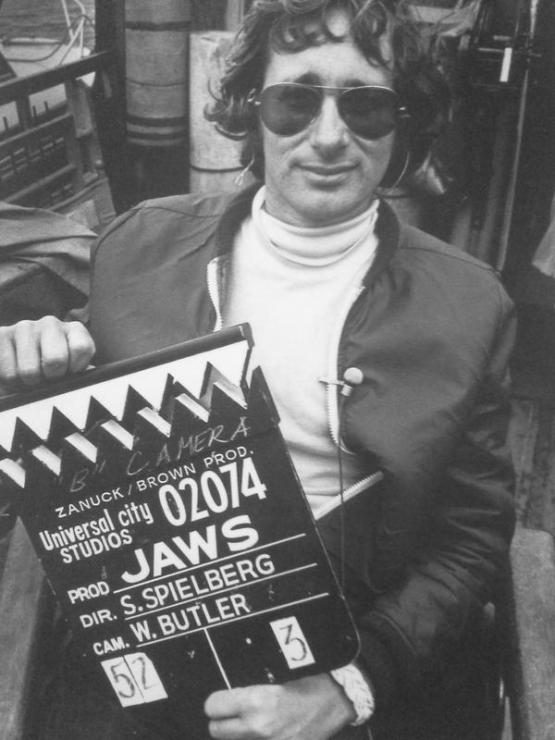
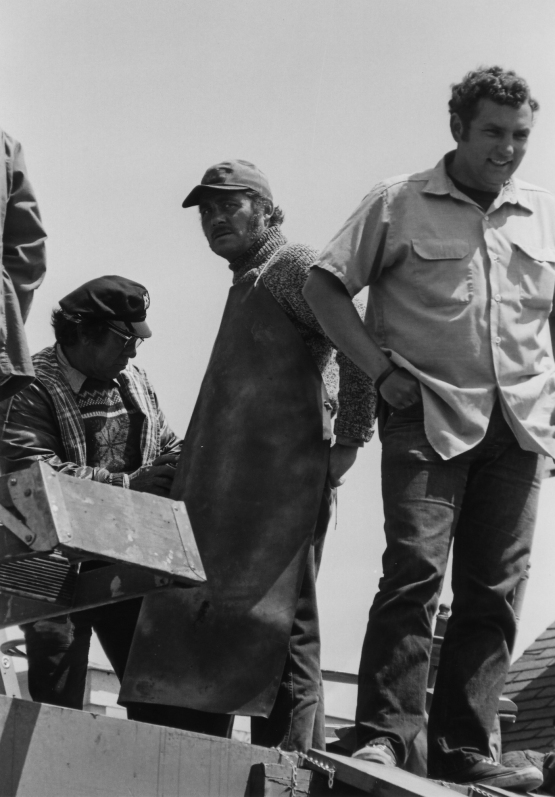
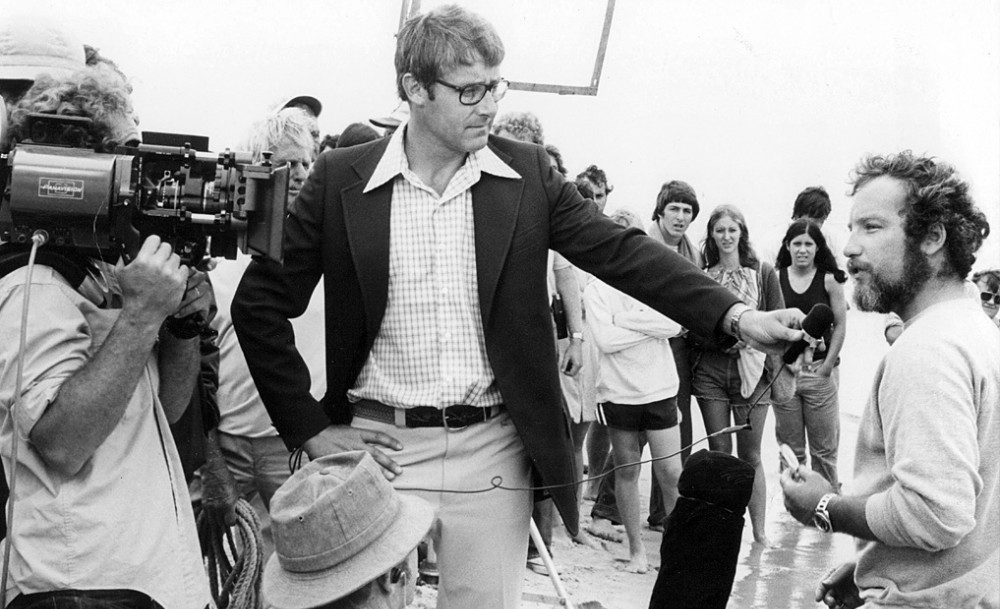
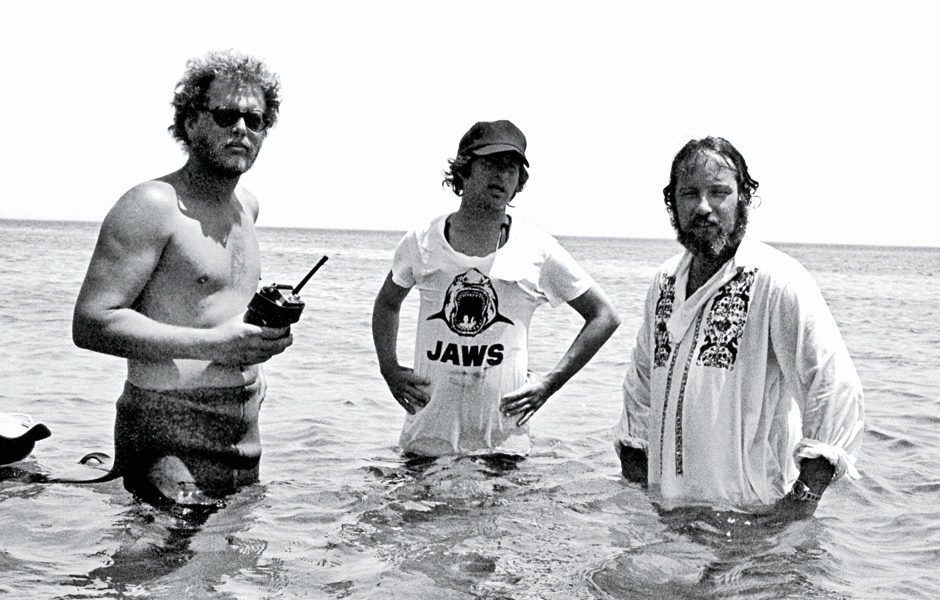
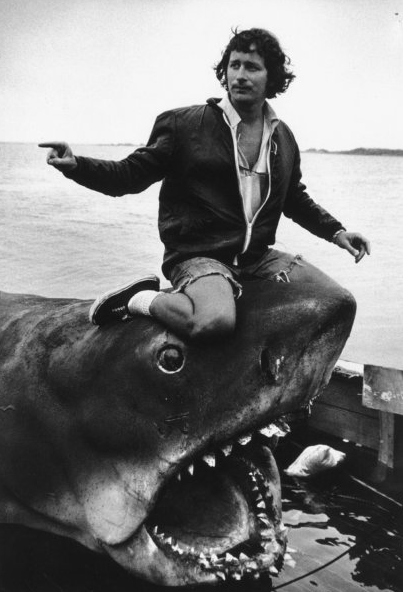
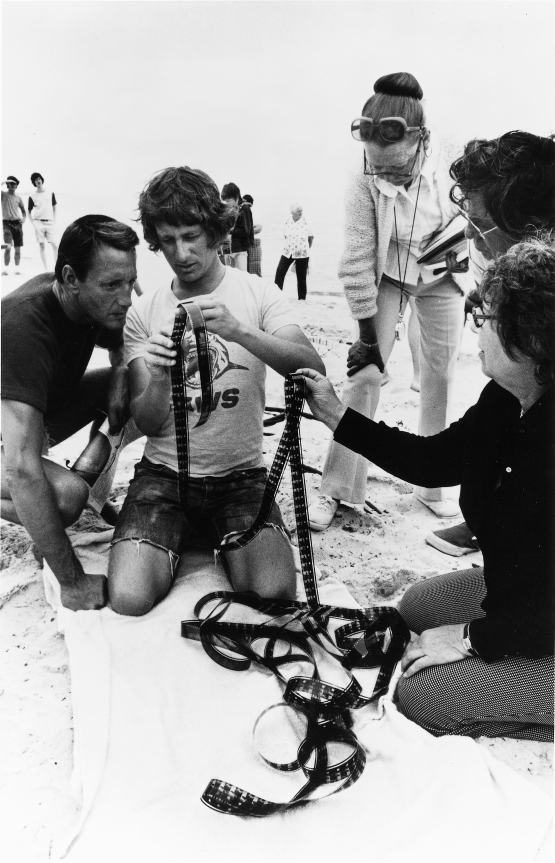
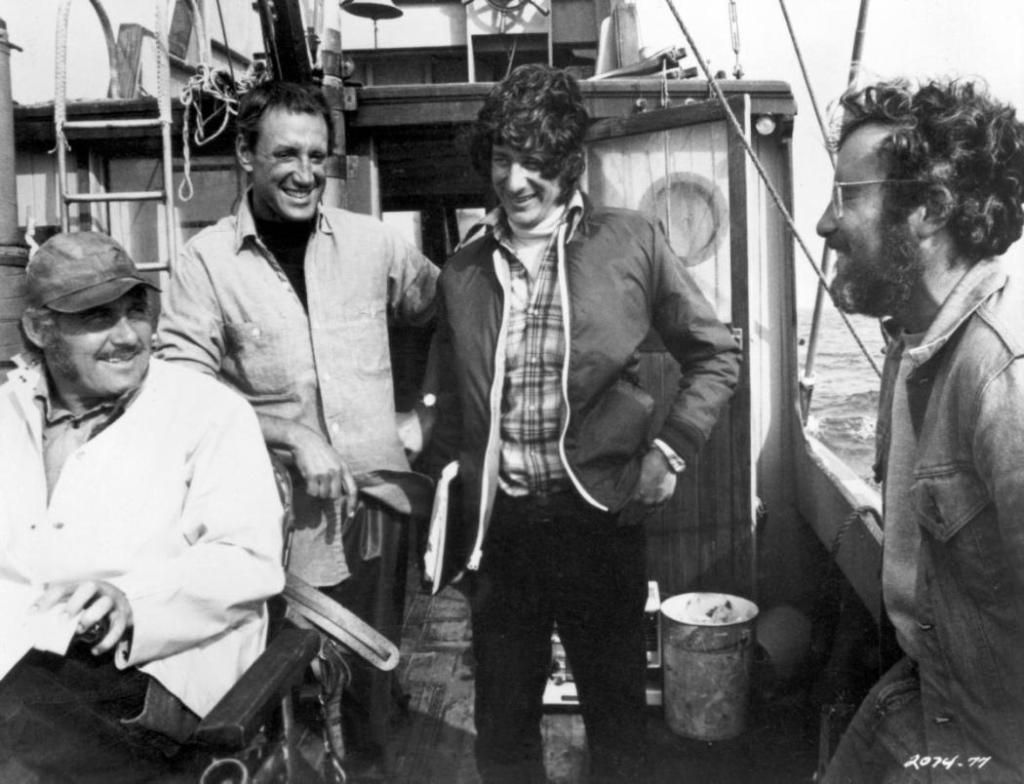
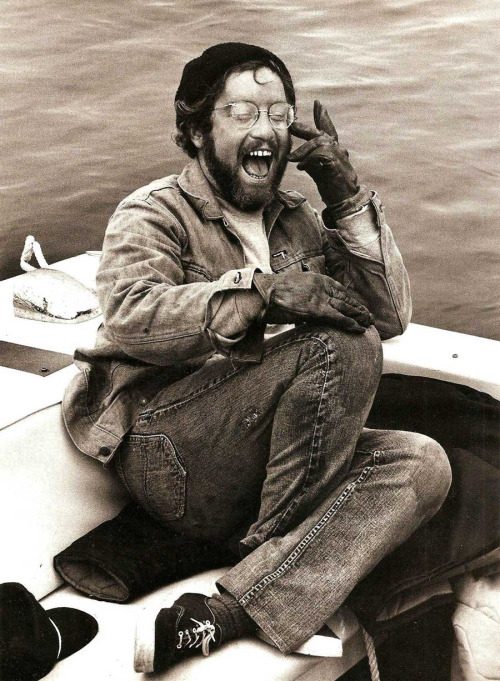
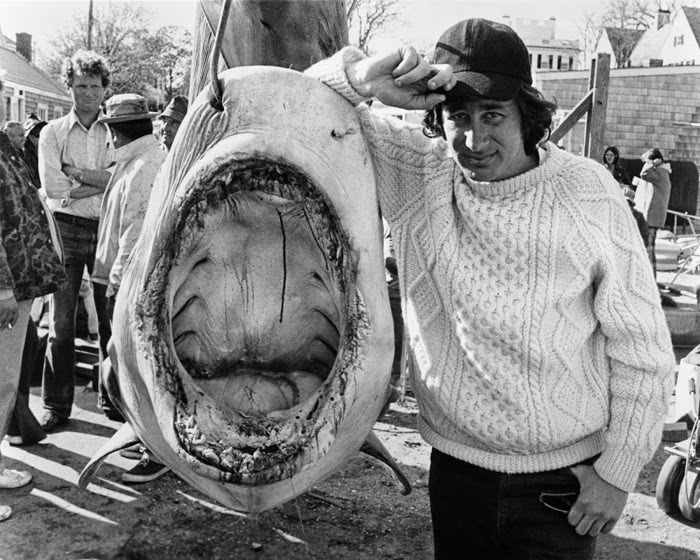
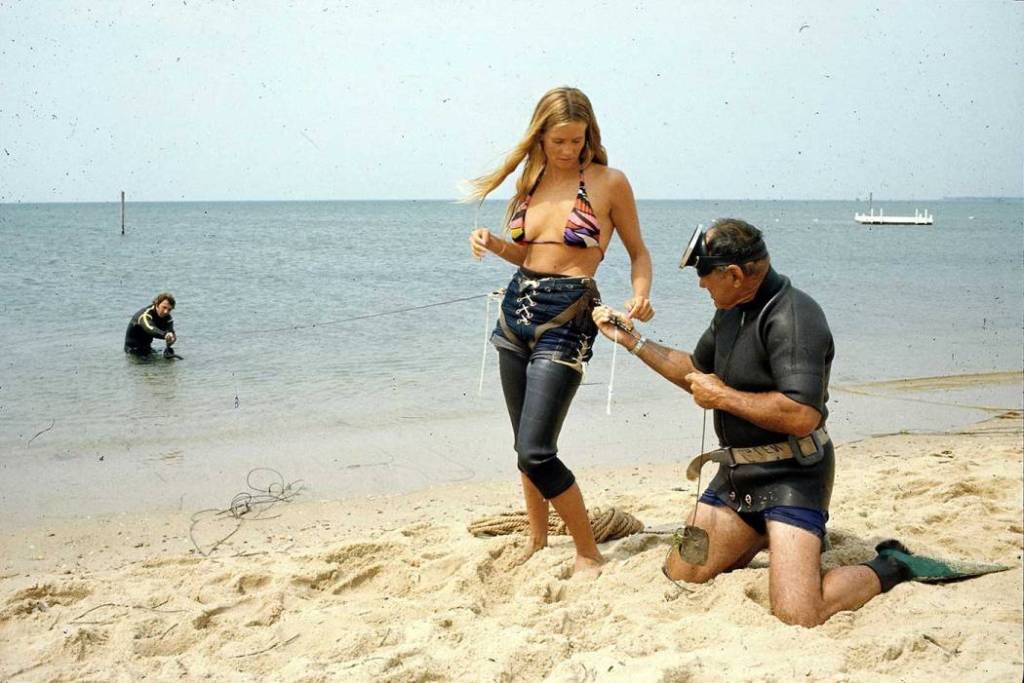
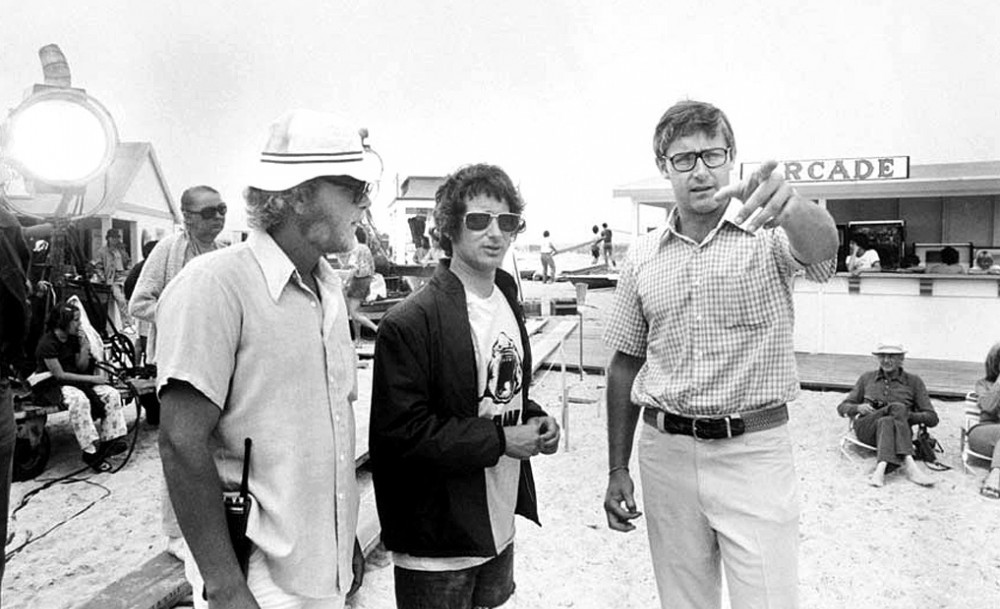
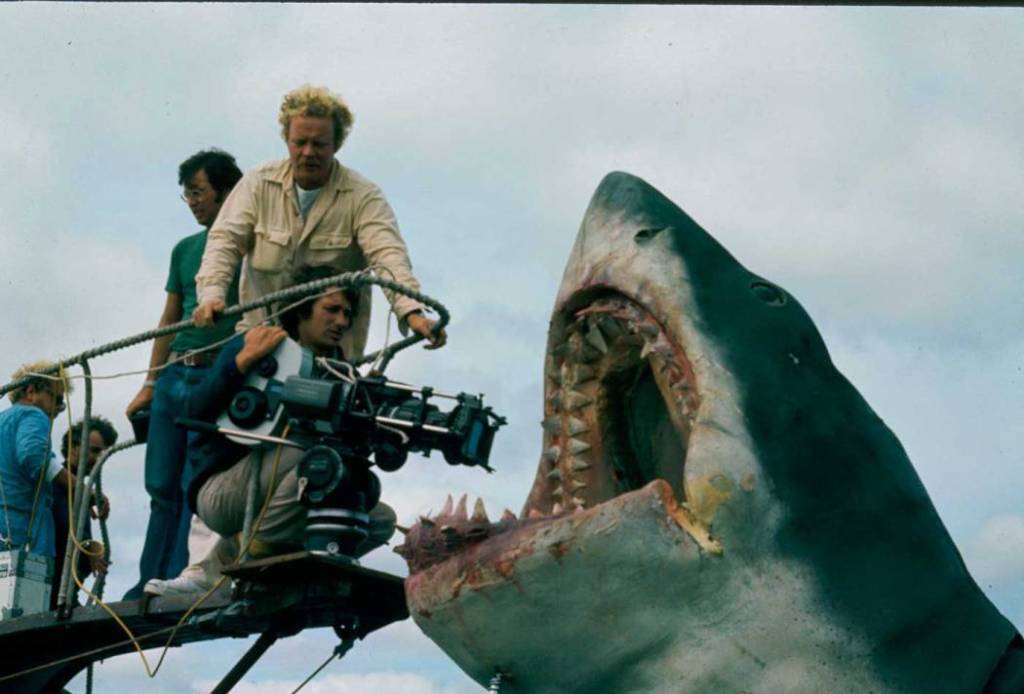
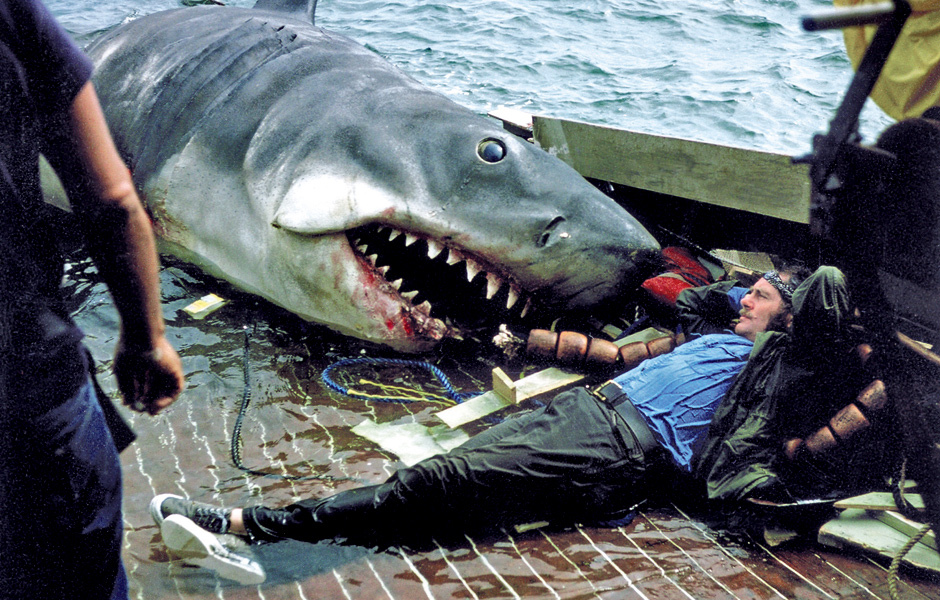
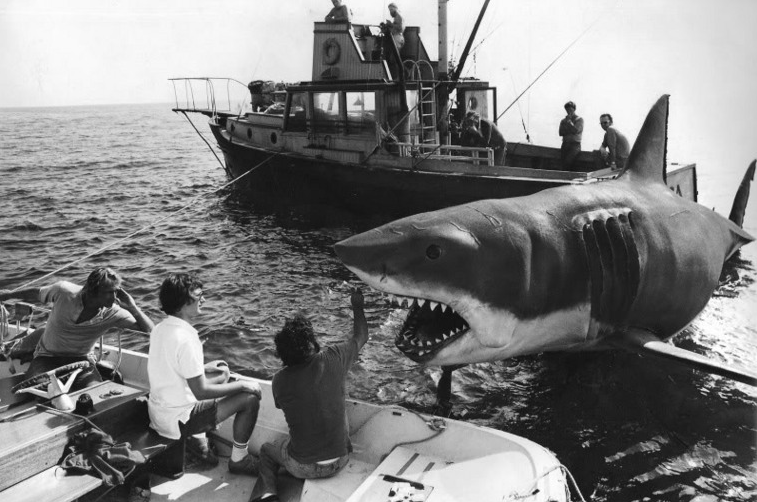
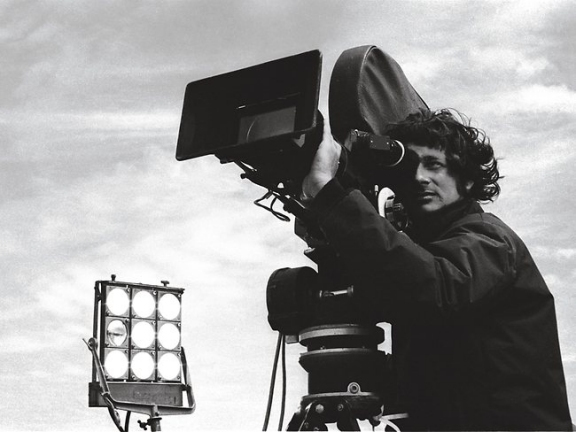
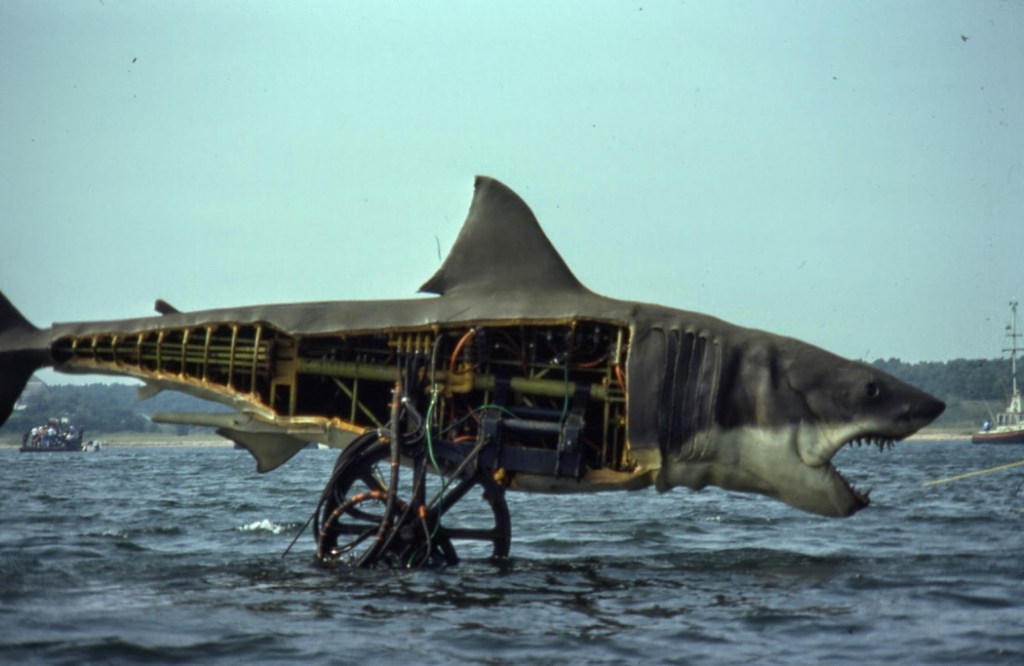
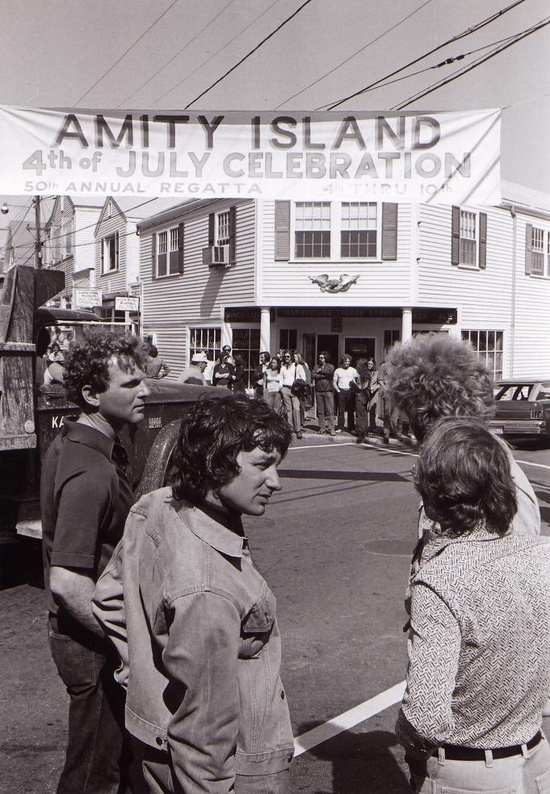
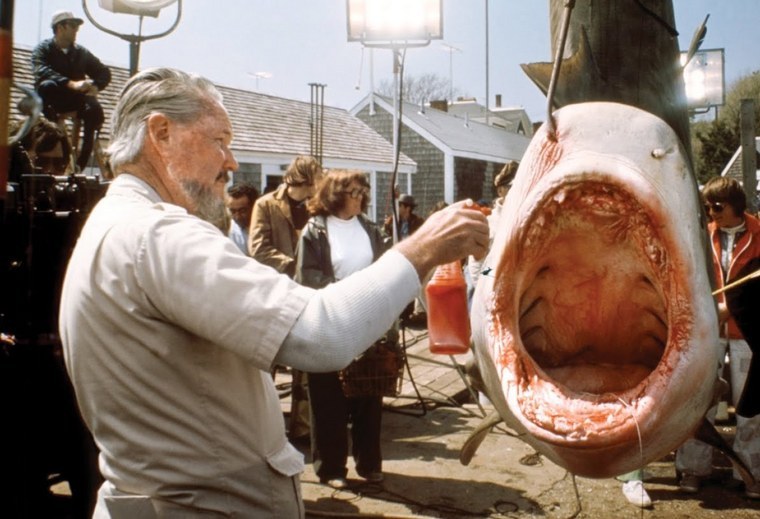
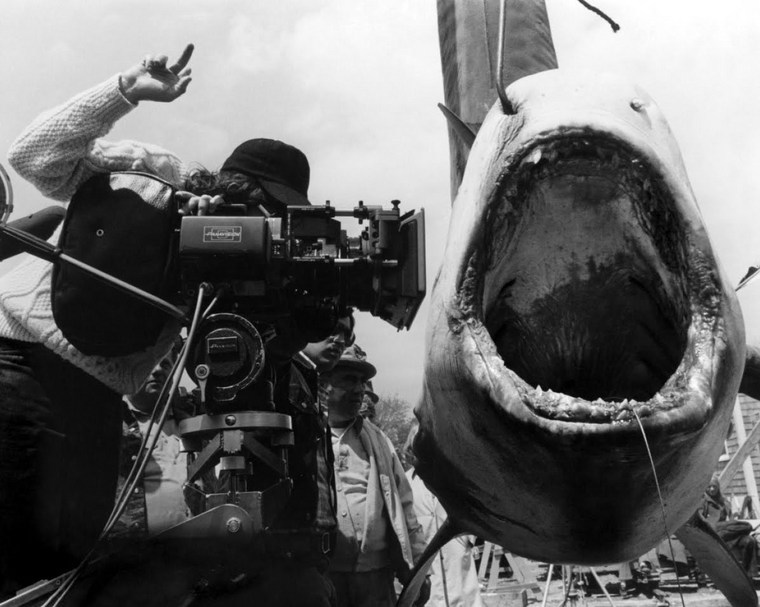
Jaws is a 1975 American thriller film directed by Steven Spielberg, based on the 1974 novel by Peter Benchley. In the film, a man-eating great white shark attacks beachgoers at a summer resort town, prompting police chief Martin Brody (Roy Scheider) to hunt it with the help of a marine biologist (Richard Dreyfuss) and a professional shark hunter (Robert Shaw). Murray Hamilton plays the mayor, and Lorraine Gary portrays Brody’s wife. The screenplay is credited to Benchley, who wrote the first drafts, and actor-writer Carl Gottlieb, who rewrote the script during principal photography.
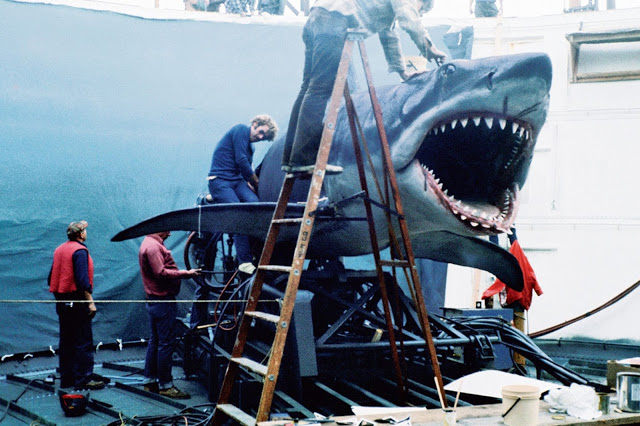
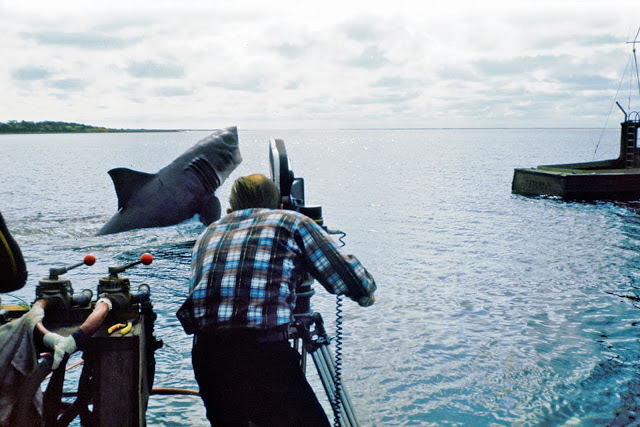
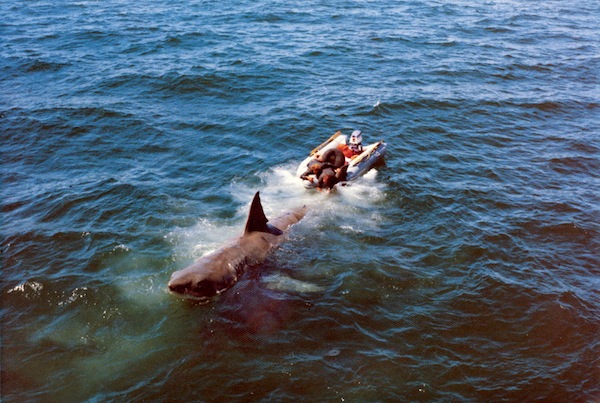
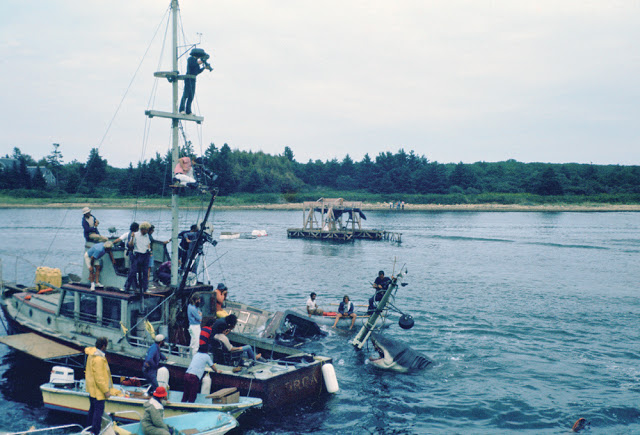
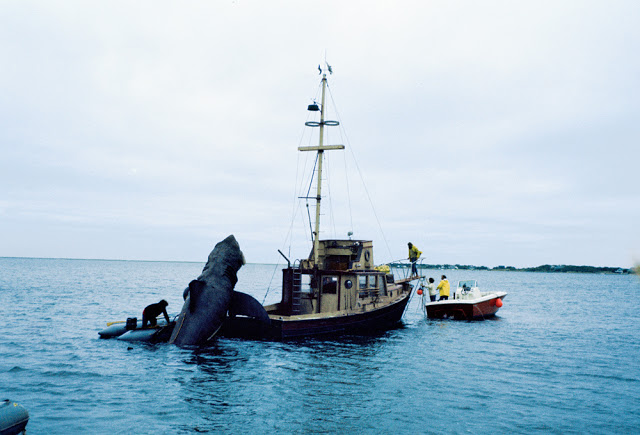
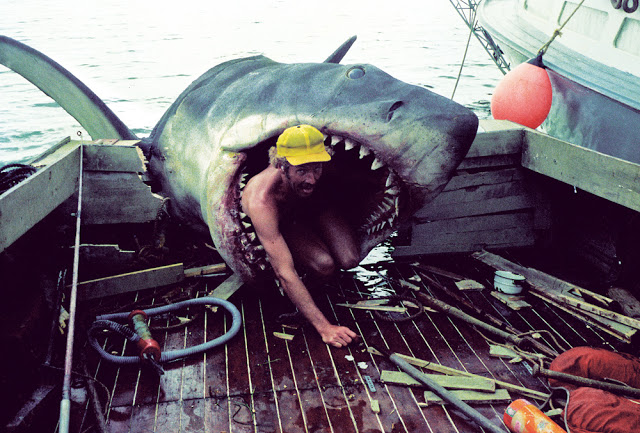
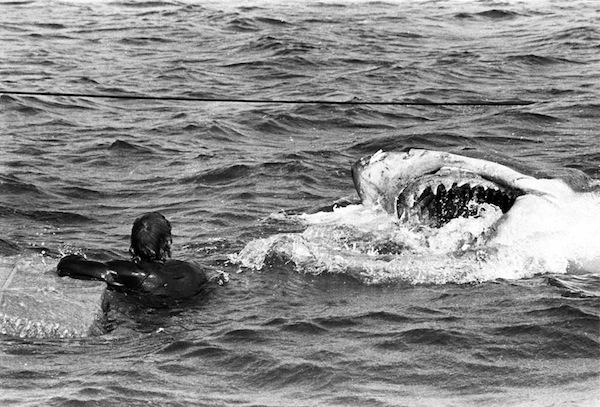
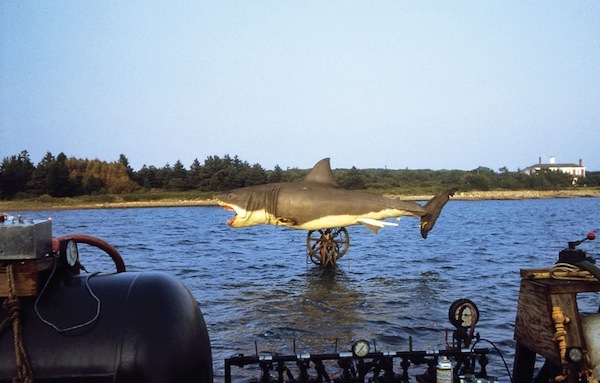
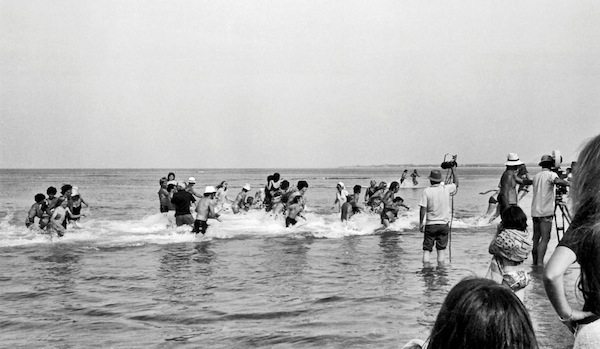
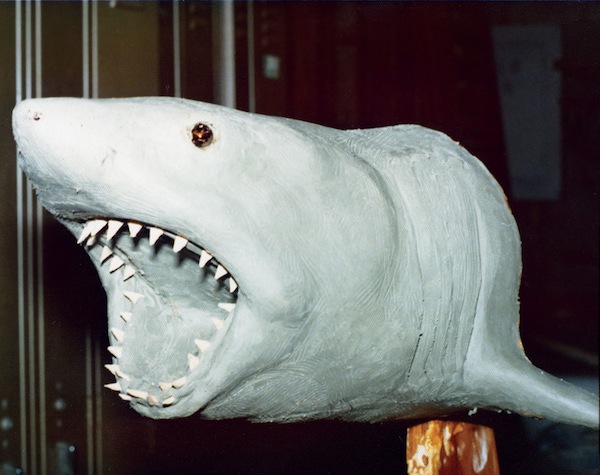
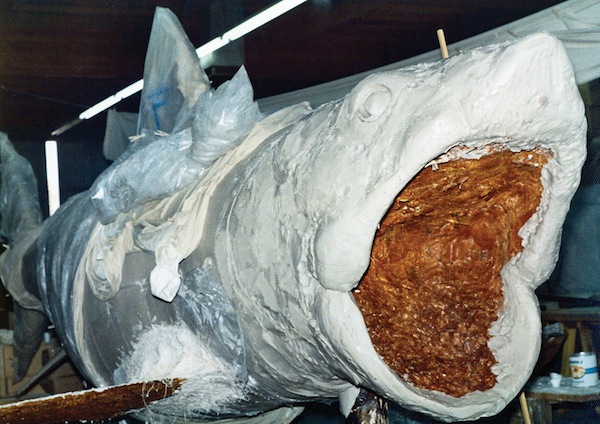
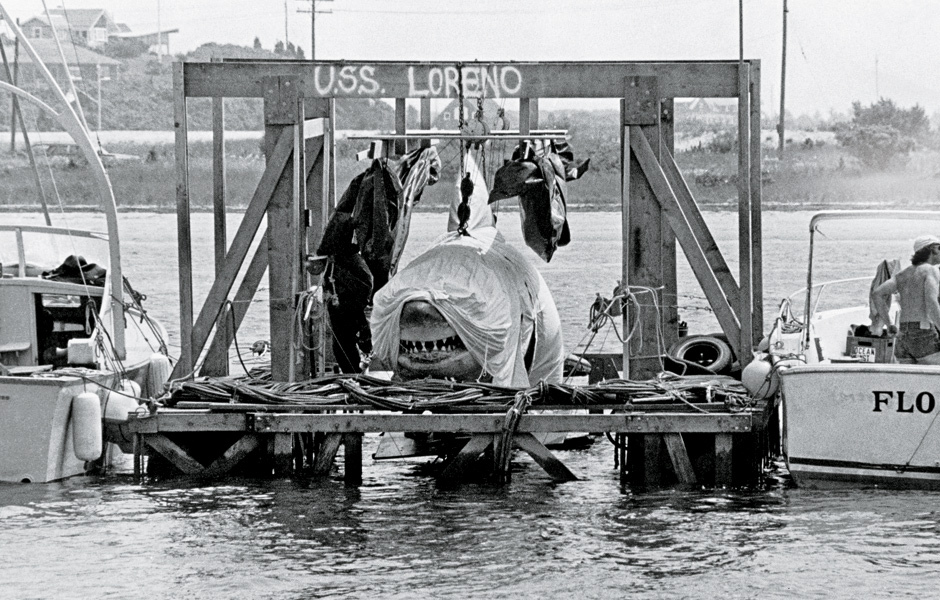
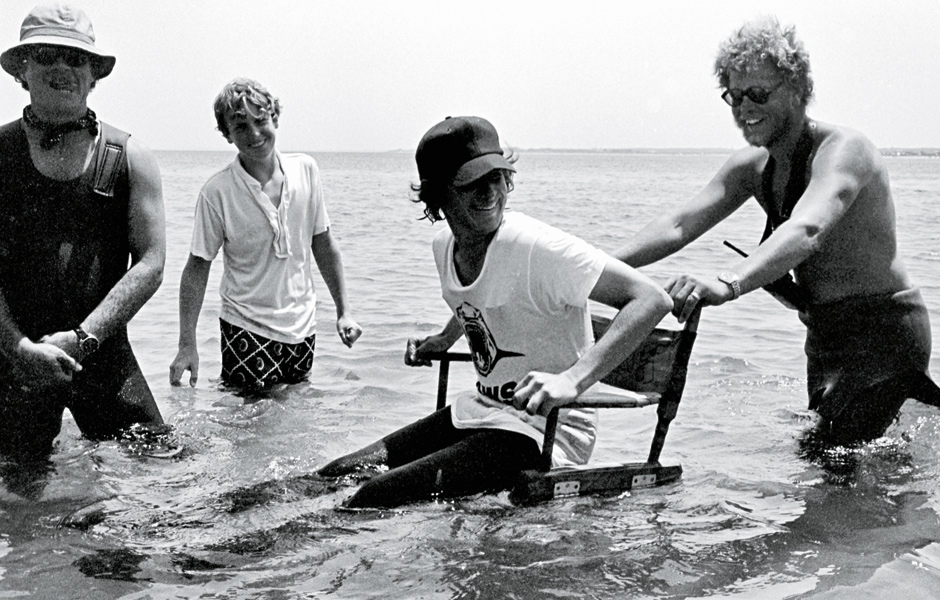
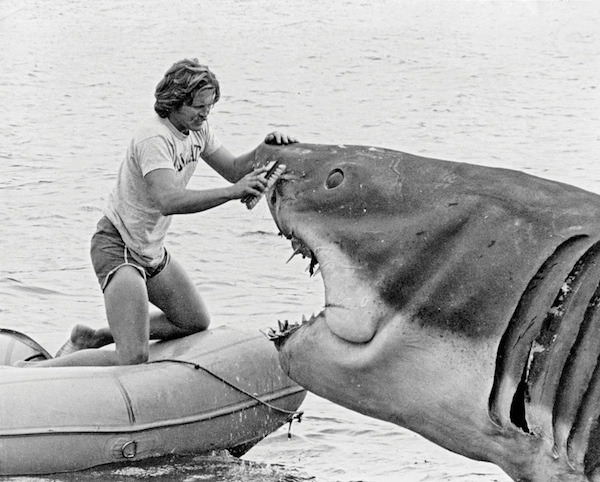
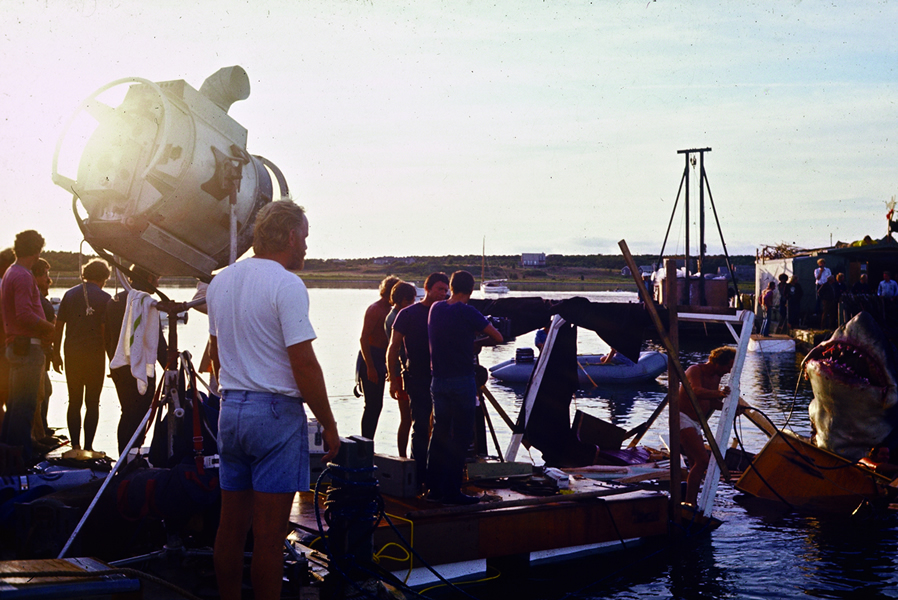
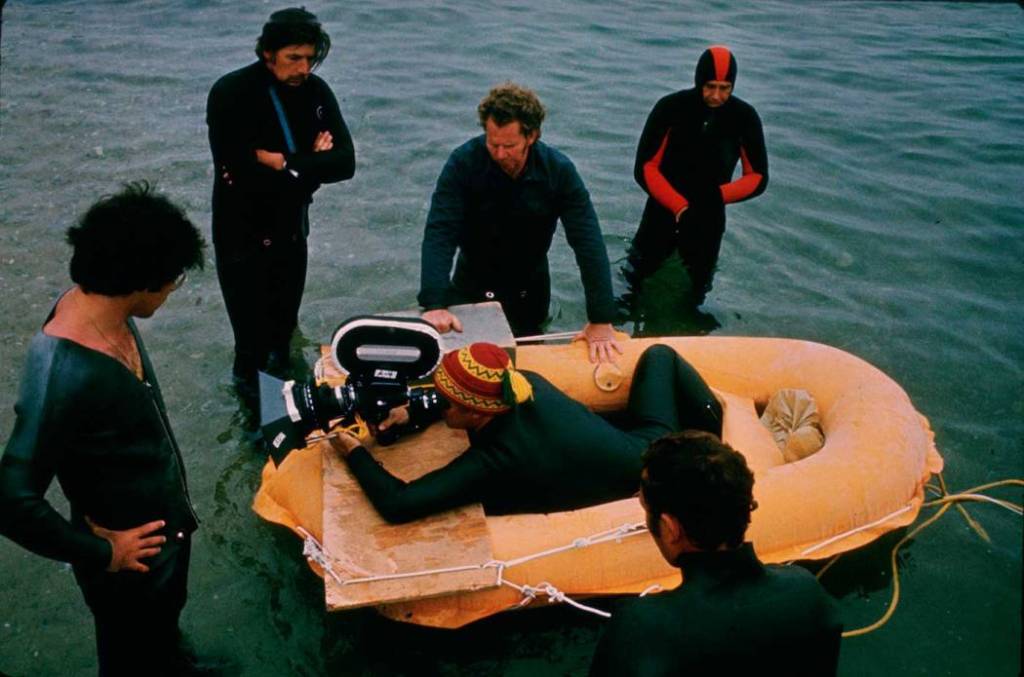
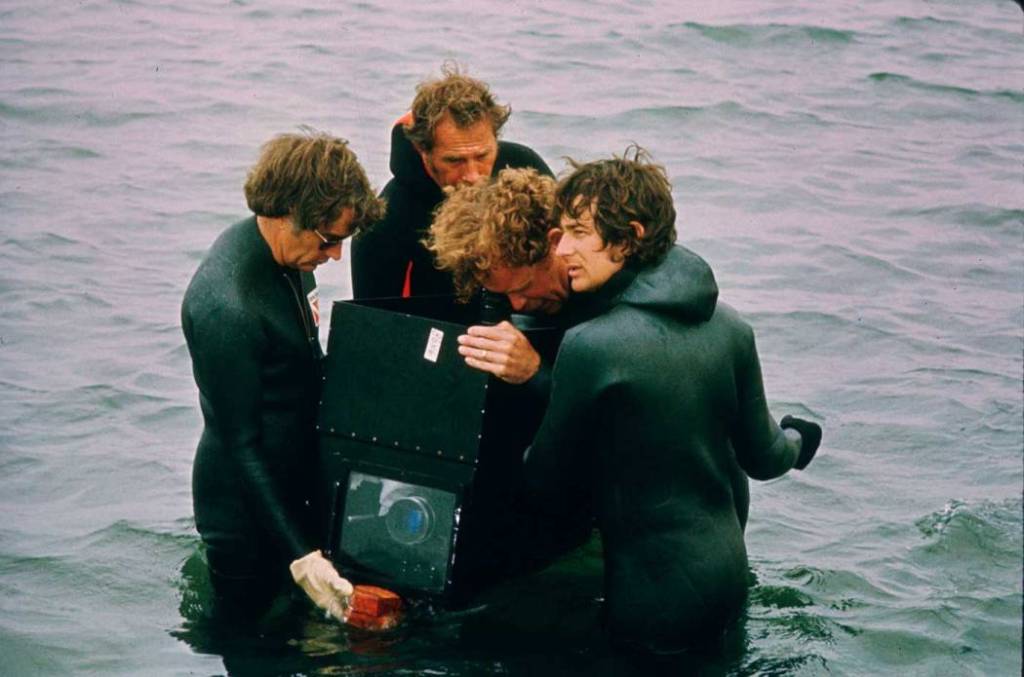
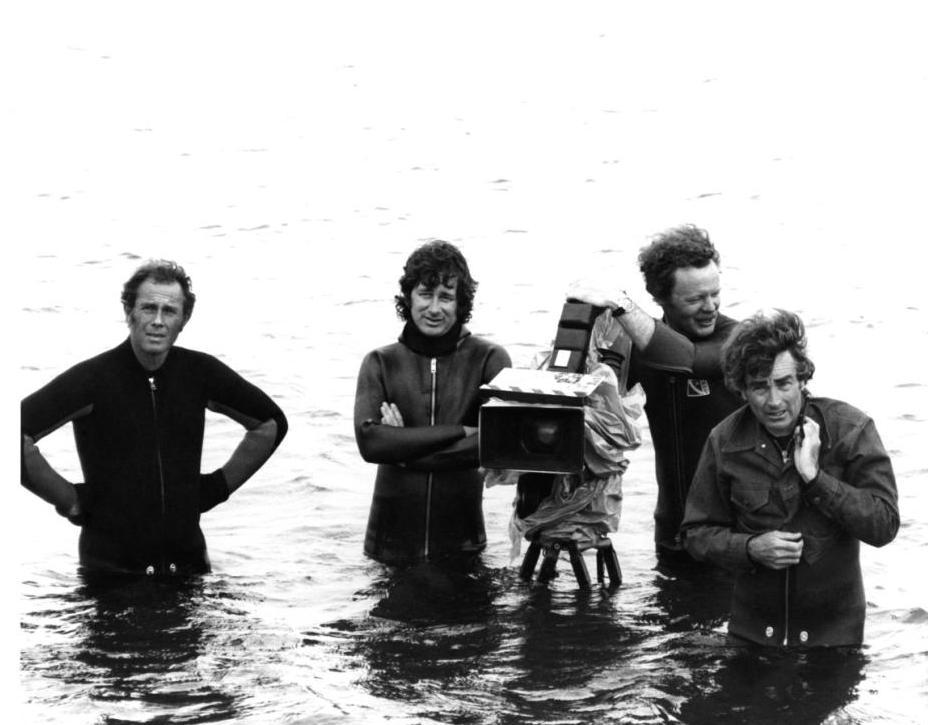
Shot mostly on location on Martha’s Vineyard in Massachusetts, Jaws was the first major motion picture to be shot on the ocean, and consequently had a troubled production, going over budget and past schedule. As the art department’s mechanical sharks often malfunctioned, Spielberg decided mostly to suggest the shark’s presence, employing an ominous and minimalist theme created by composer John Williams to indicate its impending appearances. Spielberg and others have compared this suggestive approach to that of director Alfred Hitchcock. Universal Pictures’ release of the film to over 450 screens was an exceptionally wide release for a major studio picture at the time, and it was accompanied by an extensive marketing campaign with a heavy emphasis on television spots and tie-in merchandise.
Jaws was the prototypical summer blockbuster, regarded as a watershed moment in motion picture history, and it won several awards for its music and editing. It was the highest-grossing film until the release of Star Wars in 1977. Both films were pivotal in establishing the modern Hollywood business model, which pursues high box-office returns from action and adventure films with simple high-concept premises, released during the summer in thousands of theaters and advertised heavily. Jaws was followed by three sequels (without the involvement of Spielberg or Benchley) and many imitative thrillers. In 2001, it was selected by the Library of Congress for preservation in the United States National Film Registry as “culturally, historically, or aesthetically significant”. (Wikipedia)
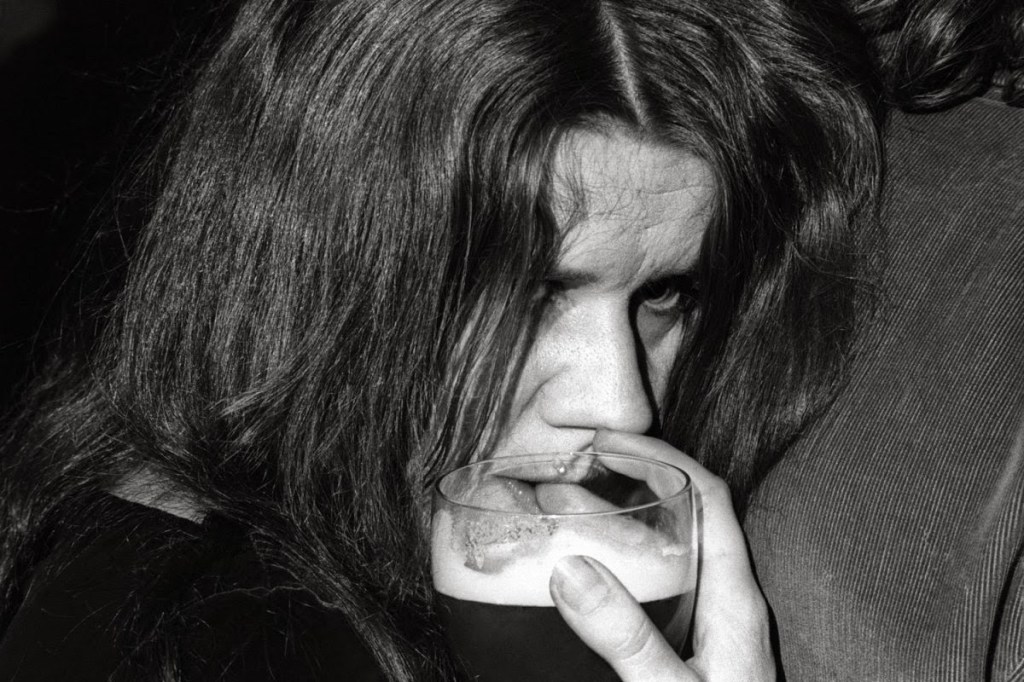
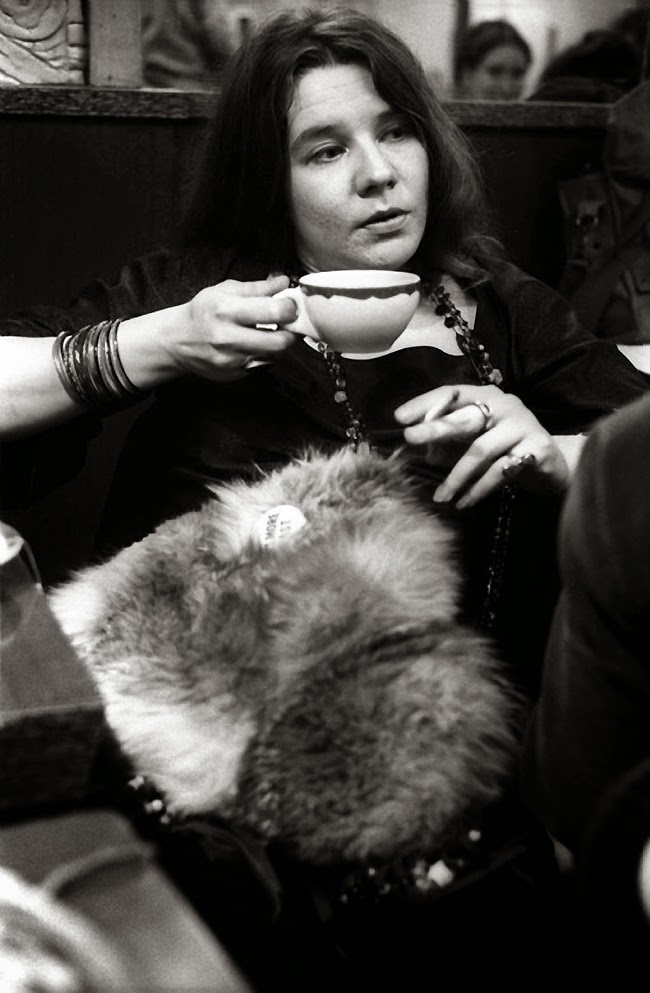
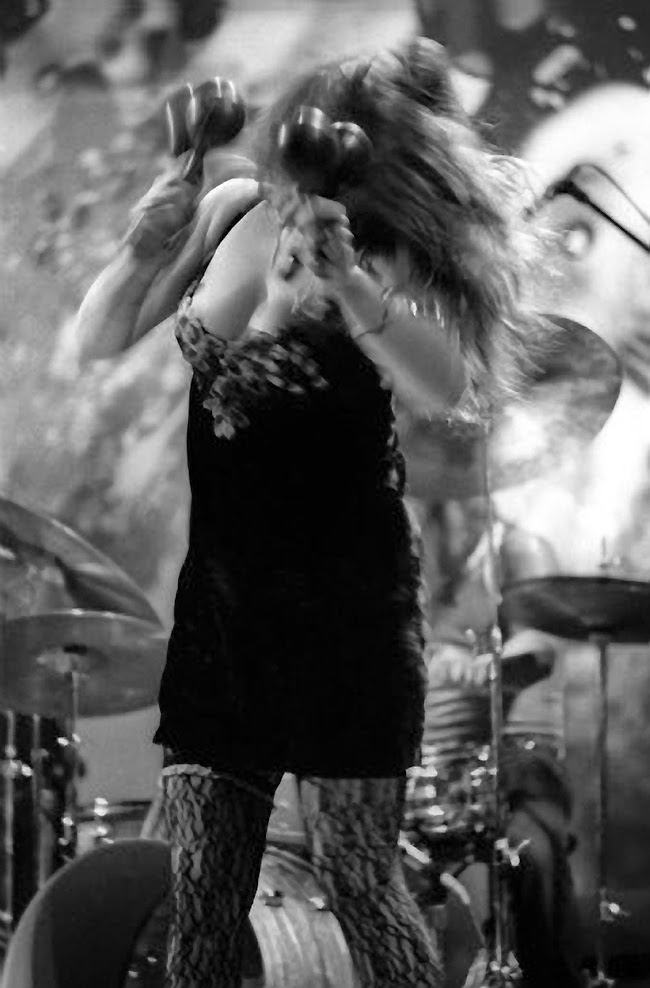
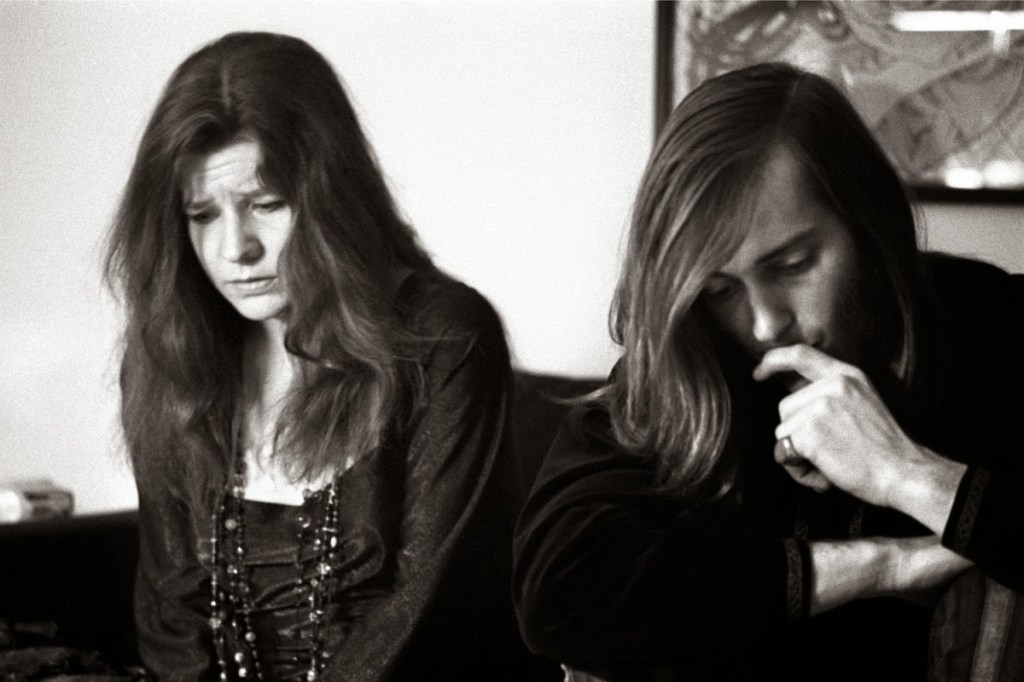
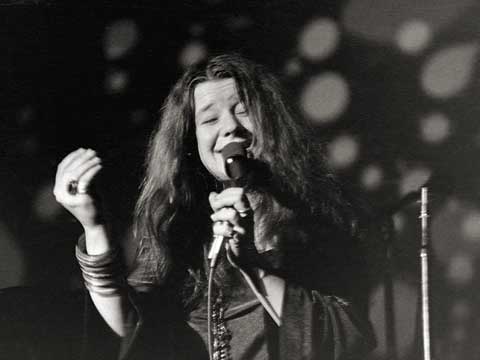
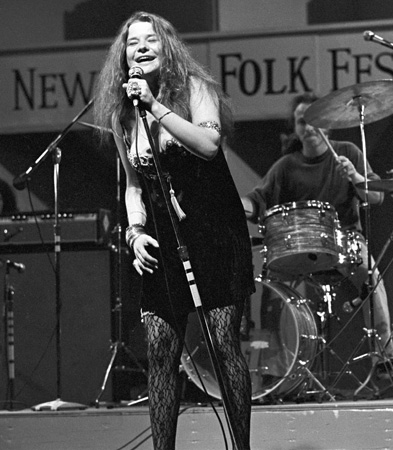
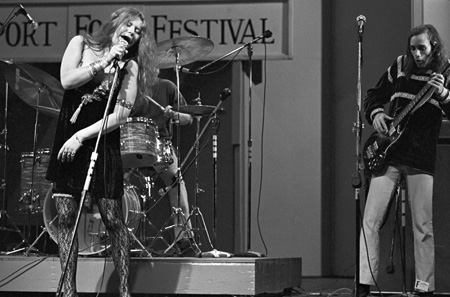
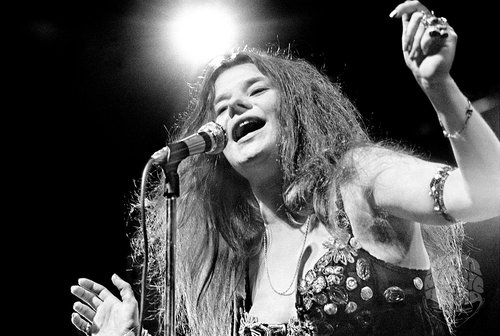
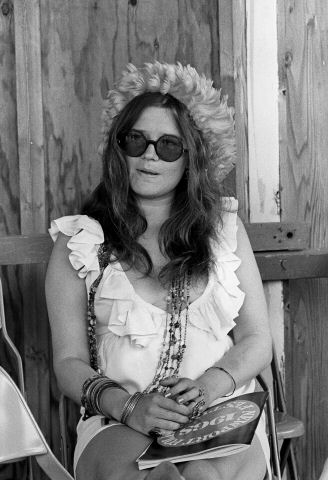
Janis Lyn Joplin (January 19, 1943 – October 4, 1970) was an American singer and songwriter. She was one of the most successful and widely known female rock stars of her era, she was noted for her powerful mezzo-soprano vocals and “electric” stage presence.
In 1967, Joplin rose to fame following an appearance at Monterey Pop Festival, where she was the lead singer of the then little-known San Francisco psychedelic rock band Big Brother and the Holding Company. After releasing two albums with the band, she left Big Brother to continue as a solo artist with her own backing groups, first the Kozmic Blues Band and then the Full Tilt Boogie Band. She appeared at the Woodstock festival and on the Festival Express train tour. Five singles by Joplin reached the Billboard Hot 100, including a cover of the Kris Kristofferson song “Me and Bobby McGee”, which reached number one in March 1971. Her most popular songs include her cover versions of “Piece of My Heart”, “Cry Baby”, “Down on Me”, “Ball and Chain”, “Summertime”, and her original song “Mercedes Benz”, her final recording.
Joplin died of a heroin overdose in 1970, at the age of 27, after releasing three albums (two with Big Brother and the Holding Company and one solo album). A second solo album, Pearl, was released in January 1971, just over three months after her death. It reached number one on the Billboard charts. She was posthumously inducted into the Rock and Roll Hall of Fame in 1995. Rolling Stone ranked Joplin number 46 on its 2004 list of the 100 Greatest Artists of All Time and number 28 on its 2008 list of 100 Greatest Singers of All Time. She remains one of the top-selling musicians in the United States, with Recording Industry Association of America certifications of 18.5 million albums sold. (Wikipedia)
The publicity concerning Joplin’s sex life and problems with alcohol and drugs made her something of a legend. In recent years, periodic attempts to recast her life and work within the context of feminism have met with mixed results. Sadly, Joplin was one of three major Sixties rock stars (the others being Jimi Hendrix and Jim Morrison) to die at the beginning of the 1970s.
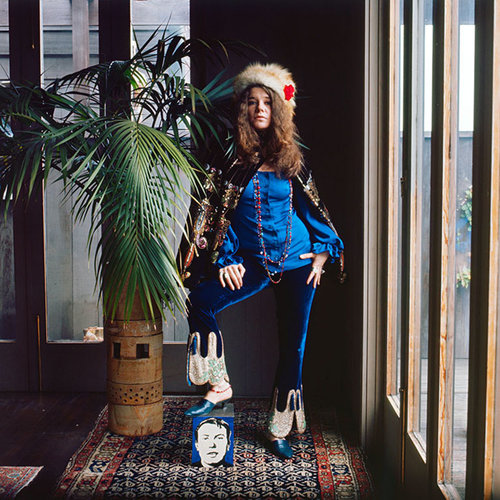
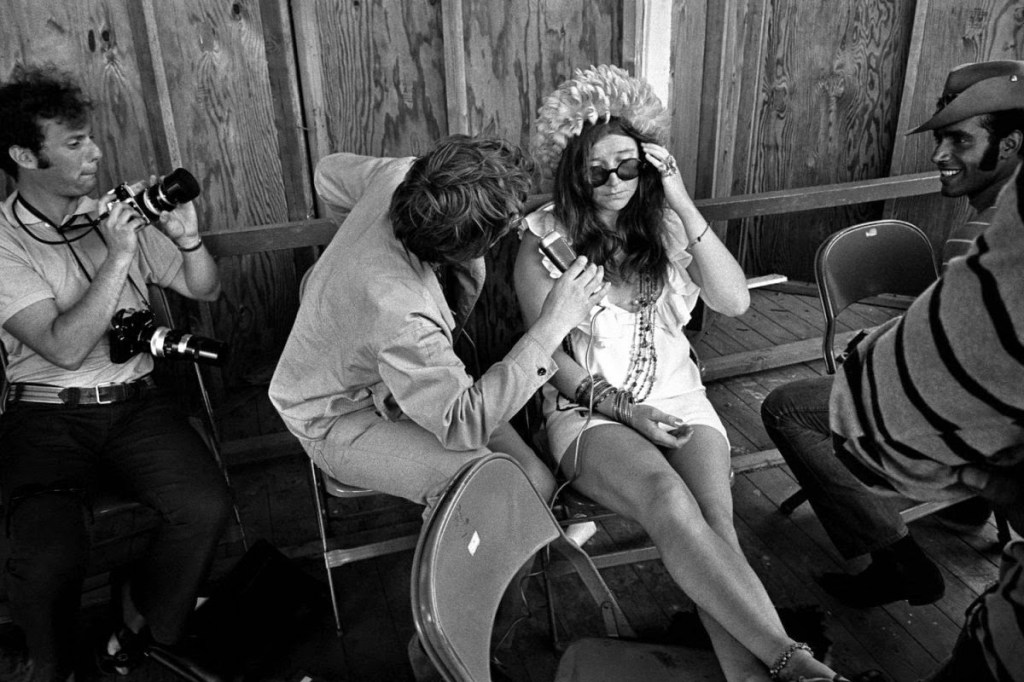
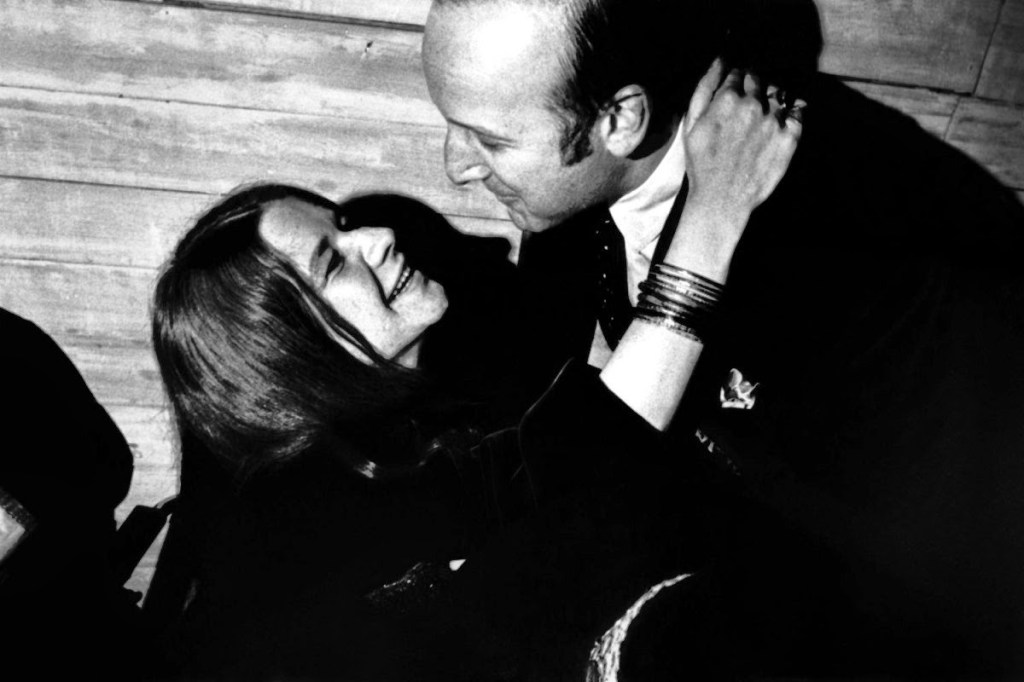
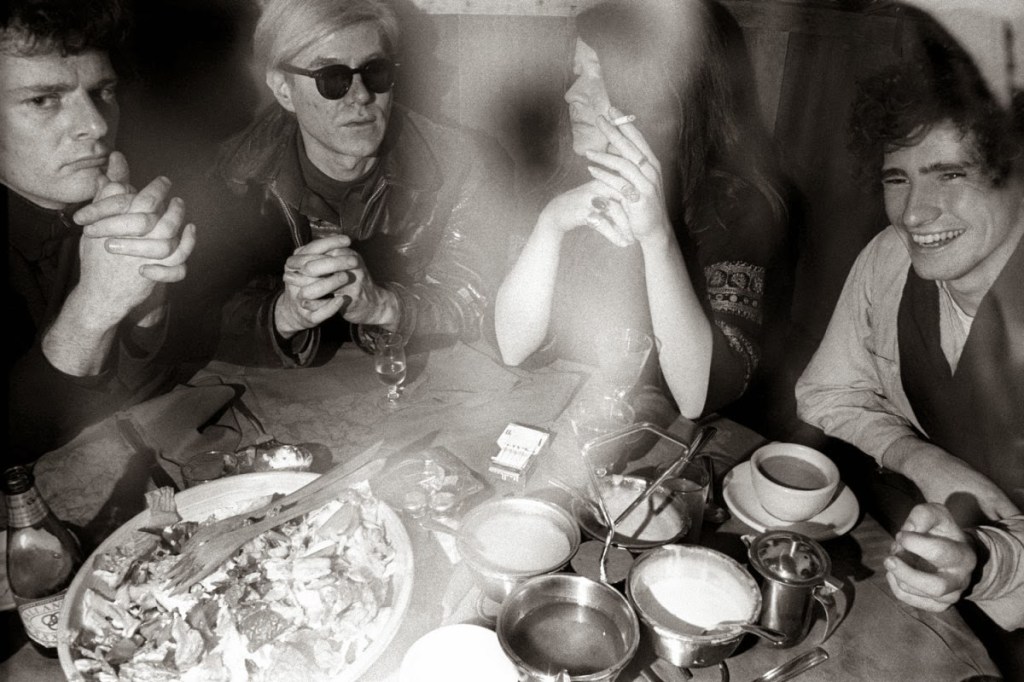
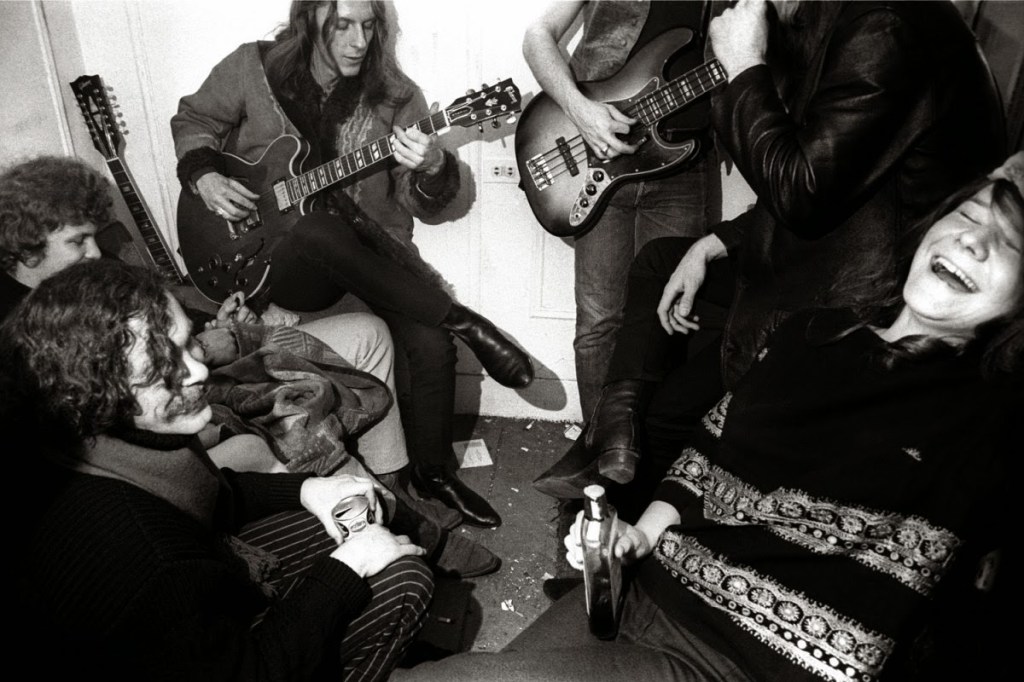
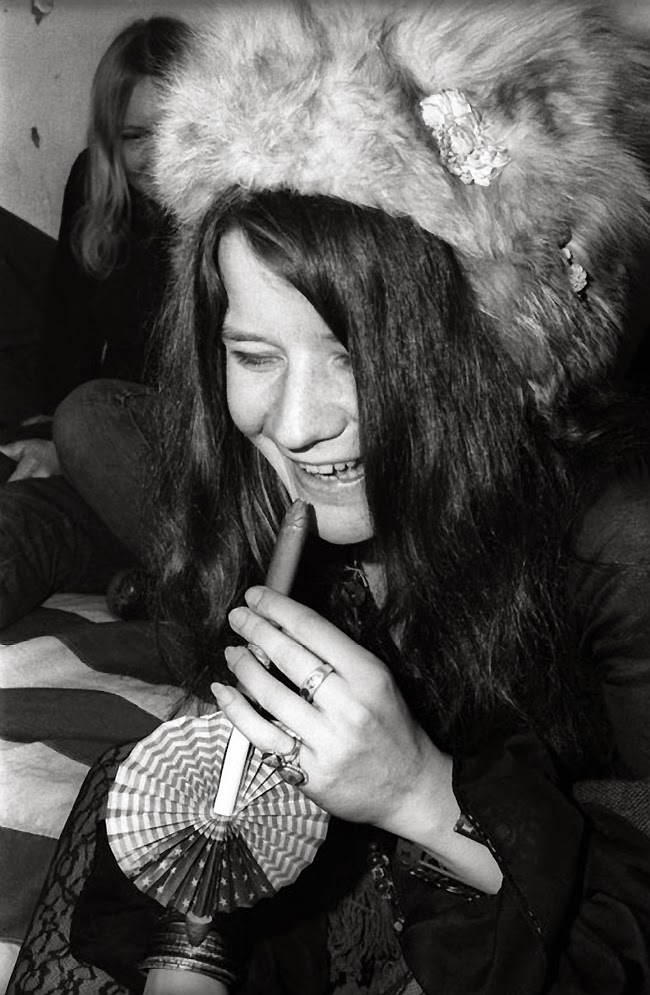
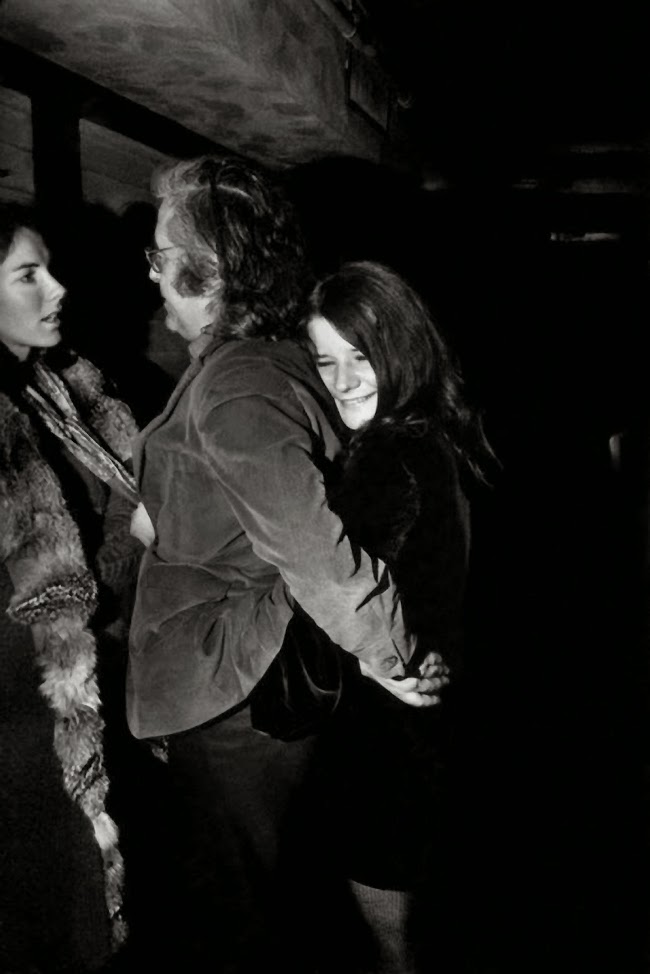
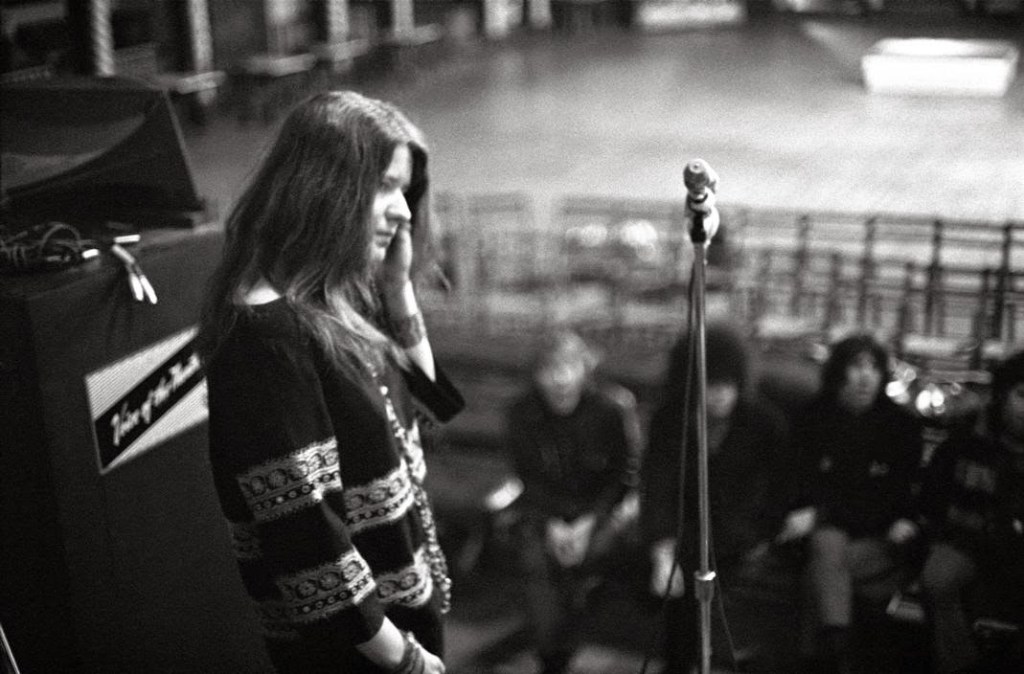
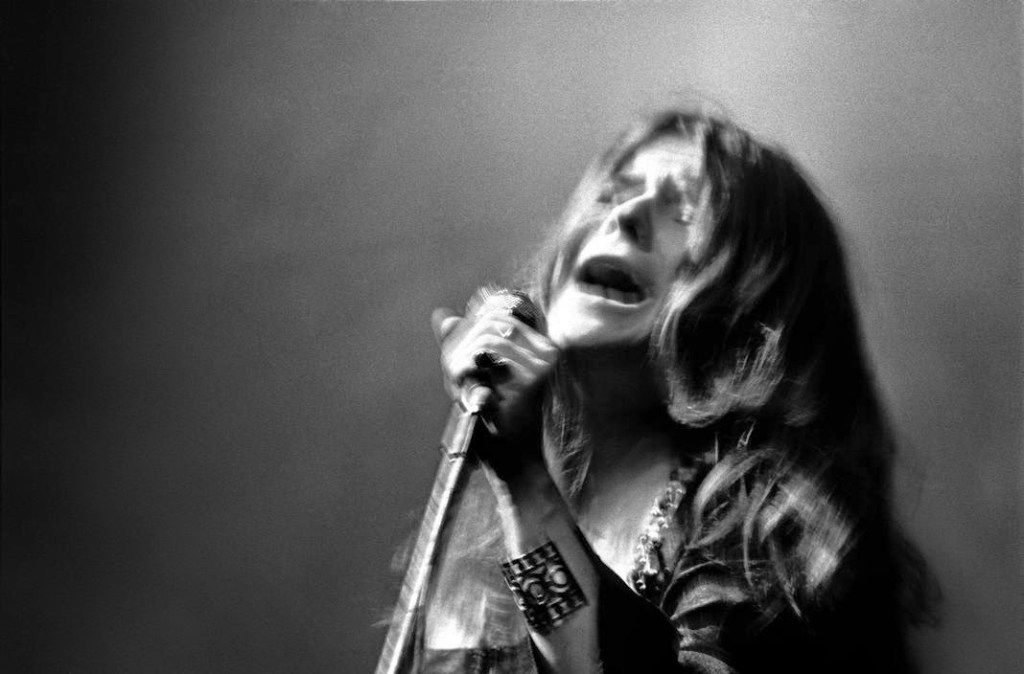
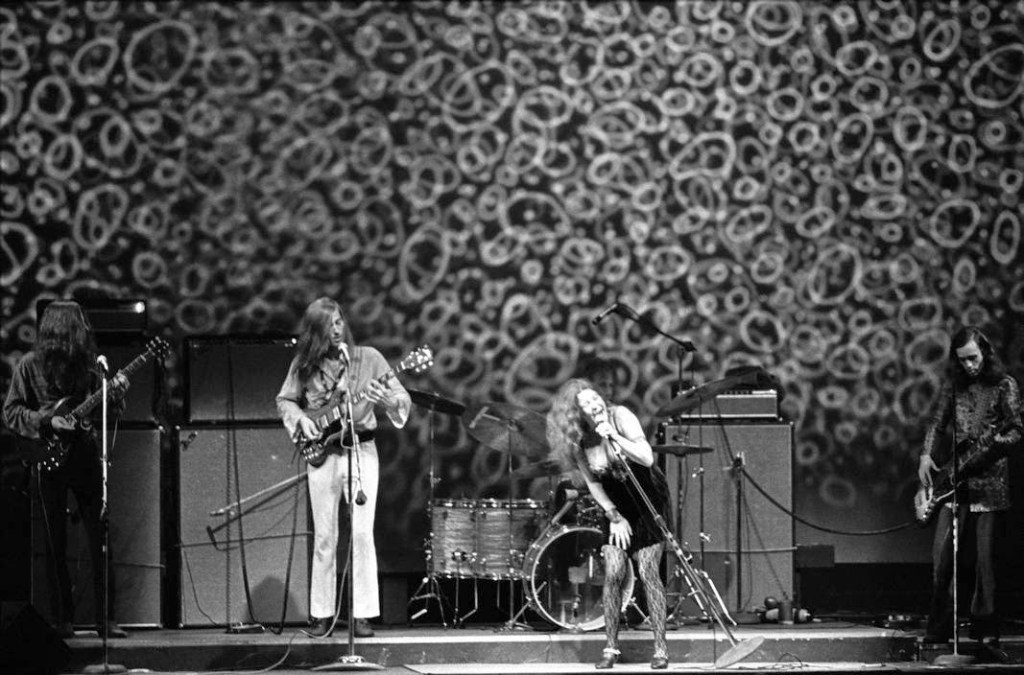
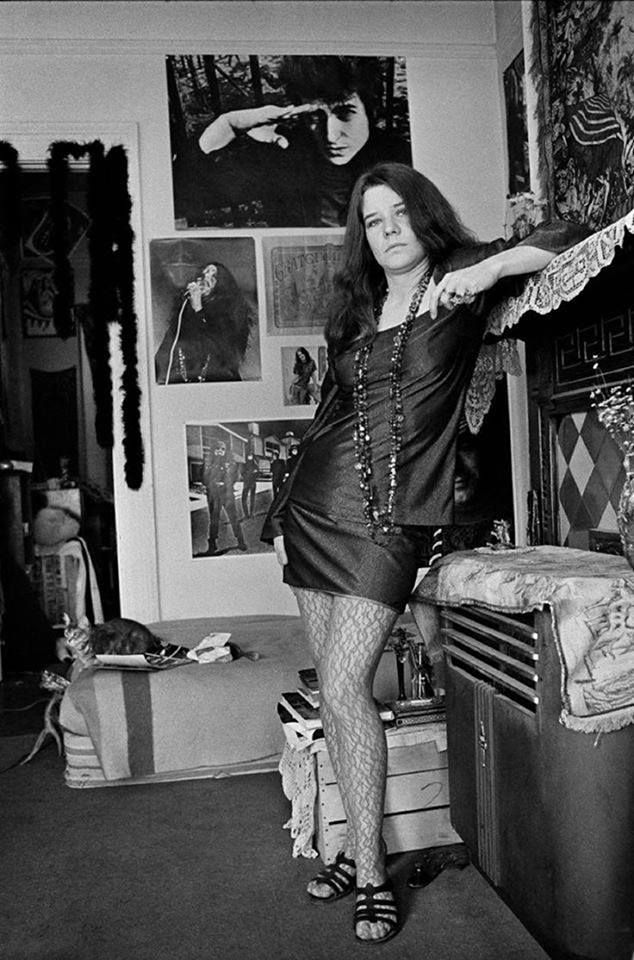
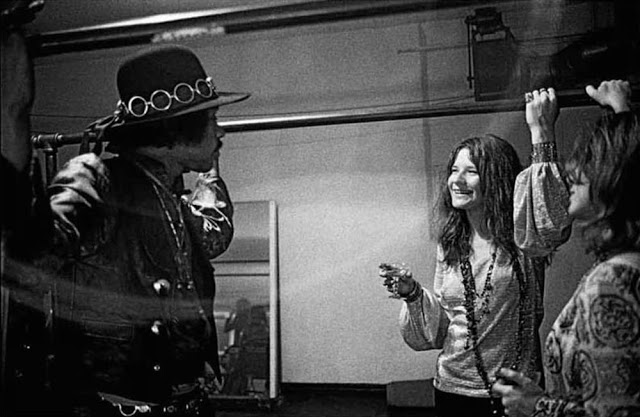
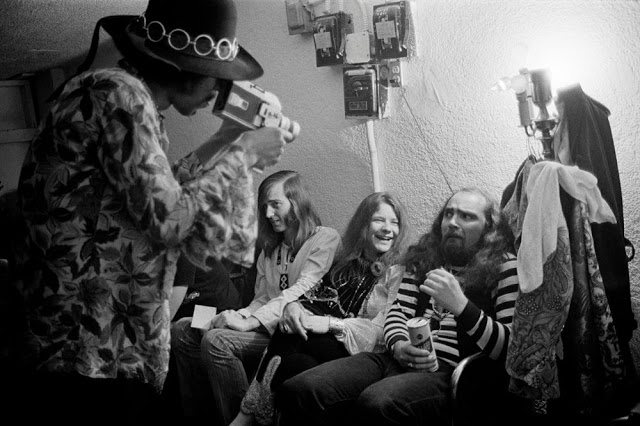
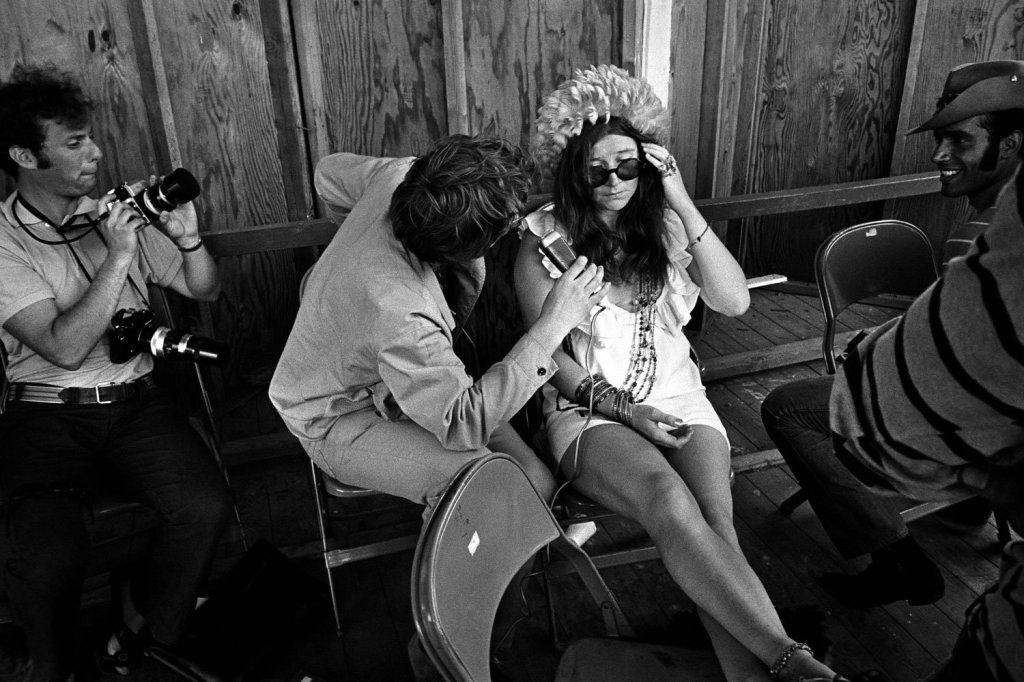
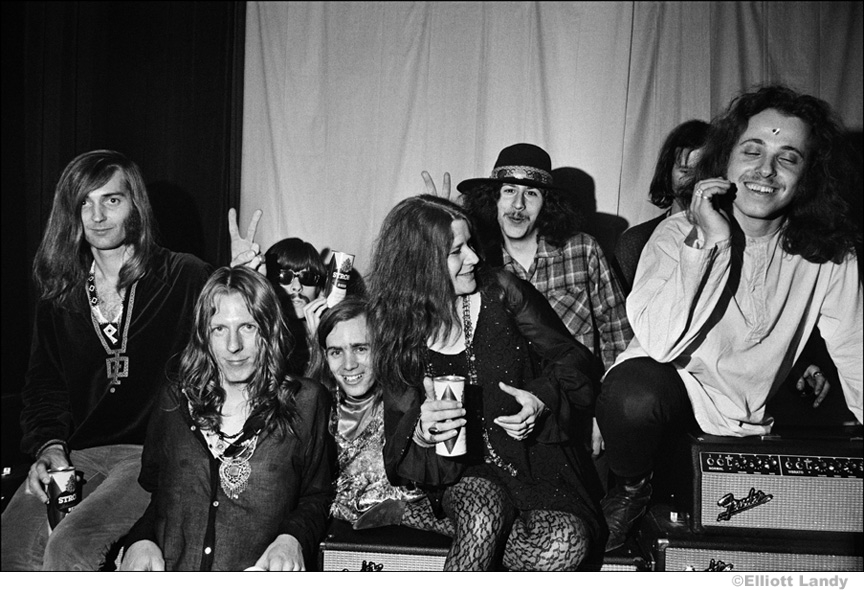
Janis Joplin at the Newport Folk Festival. Newport, R.I., 1968.Janis Joplin and Clive Davis, the President of CBS Records, at a press party in New York City, 1968.Hanging out in Max’s Kansas City restaurant in New York City. From left to right: Paul Morrissey, Andy Warhol (sunglasses), Janis Joplin and Tim Buckley.Janis Joplin backstage at the Grande Ballroom in Detroit, 1968.Ed Sanders and Janis Joplin backstage at the Andersen Theater in New York City, 1968.Janis Joplin, in MC5 commune pad in Detroit, 1968.Janis Joplin and her manager, Albert Grossman, during a press party for signing with CBS, New York City,1968.Janis leaning on Albert Grossman at a press party for signing with CBS Records, New York City, 1968.Joplin at Ratner’s Restaurant after a Fillmore East Gig in New York City, 1968.Janis Joplin during the Joshua Light Show at Fillmore East in New York City, 1968.Janis Joplin and Sam Andrew in Albert Grossman’s office in New York City, 1968.Janis Joplin, rehearsal, Grande Ballroom, Detroit 1968.Janis Joplin, Anderson theater, NYC, 1968.Janis Joplin and Big Brother & the Holding Co., opening night of the Fillmore East, NYC, 1968.Janis Joplin 1968Janis Joplin at the Straight Theater on Haight Street in San Francisco, 1968Janis Joplin at the Newport Folk Festival, Rhode Island, 27 July 1968.Janis Joplin at the Newport Folk Festival, Rhode Island, 27 July 1968.Janis Joplin at the Newport Folk Festival, Rhode Island, 27 July 1968.Janis Joplin at the Newport Folk Festival, Rhode Island, 27 July 1968.Janis Joplin and Jimi Hendrix, 1968Janis Joplin and Jimi Hendrix, 1968Janis Joplin at the Newport Folk Festival, Rhode Island, 27 July 1968.Janis Joplin with Big Brother & The Holding Company, Grande Ballroom, Detroit 1968American singer and songwriter Janis Joplin (1943-1970) at Spaulding Taylor’s house, San Francisco, January 1968.
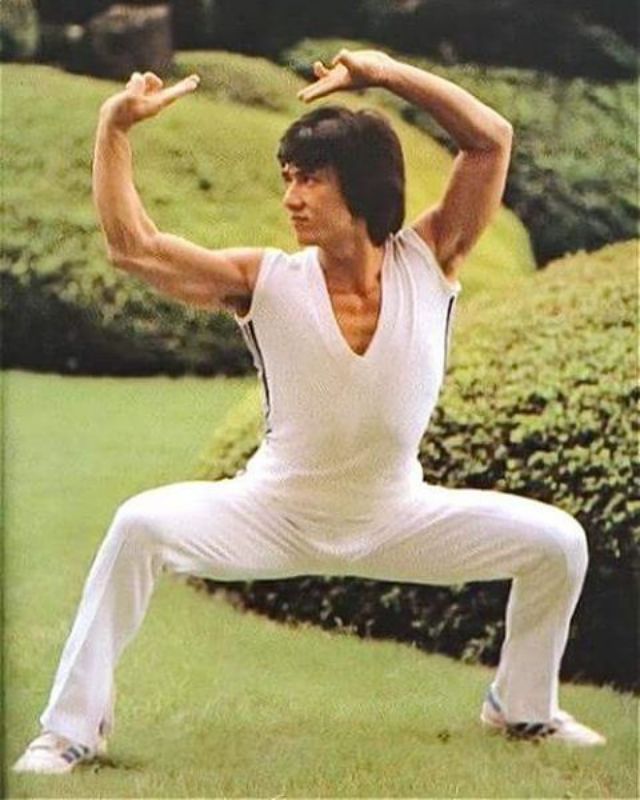
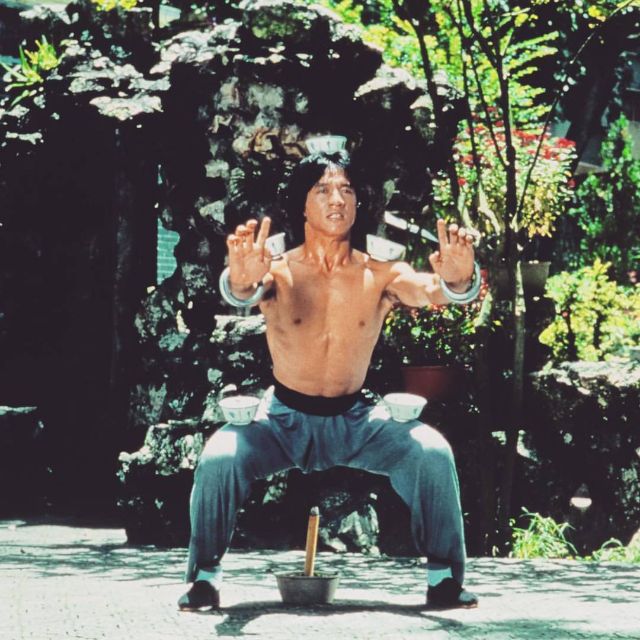
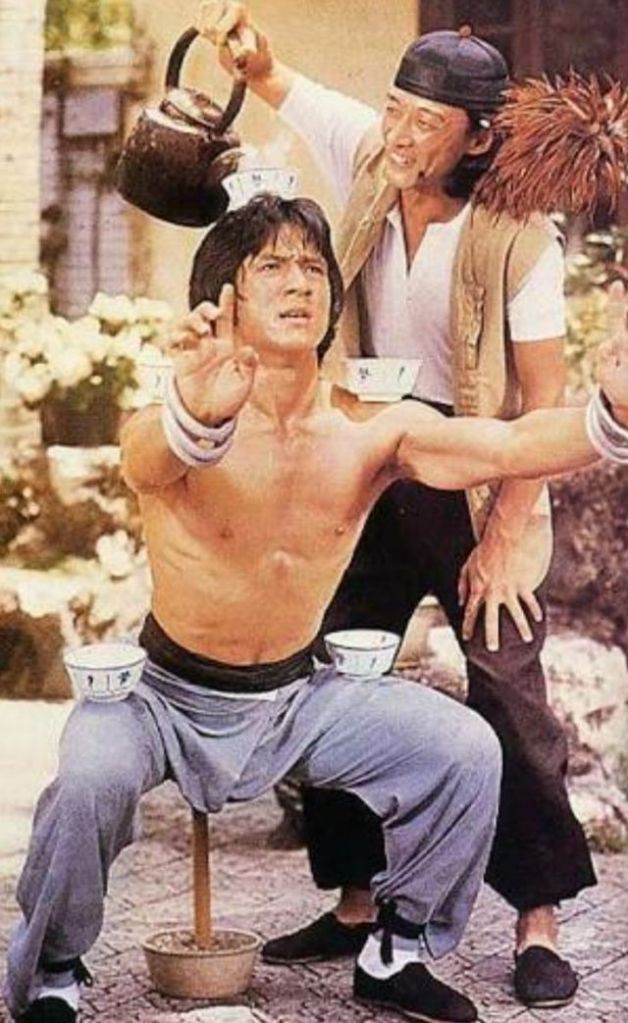
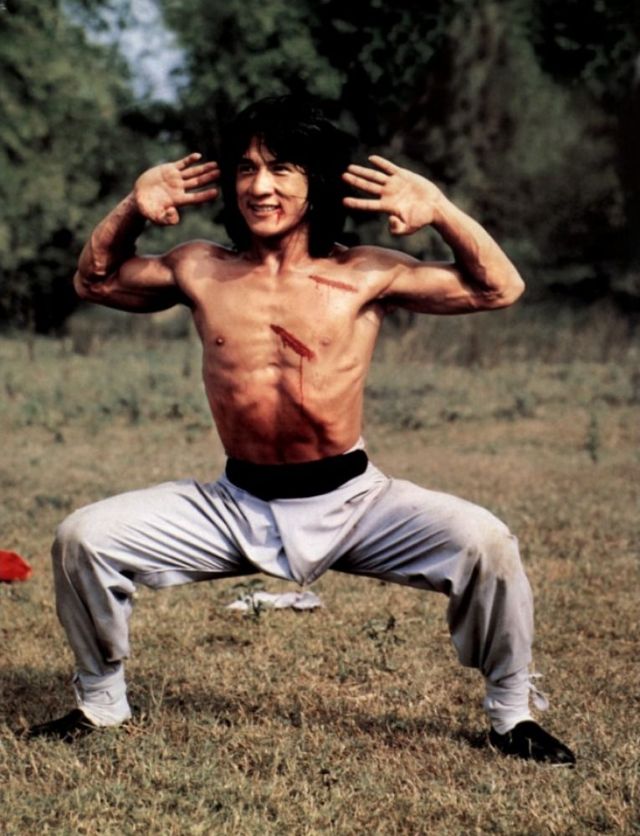
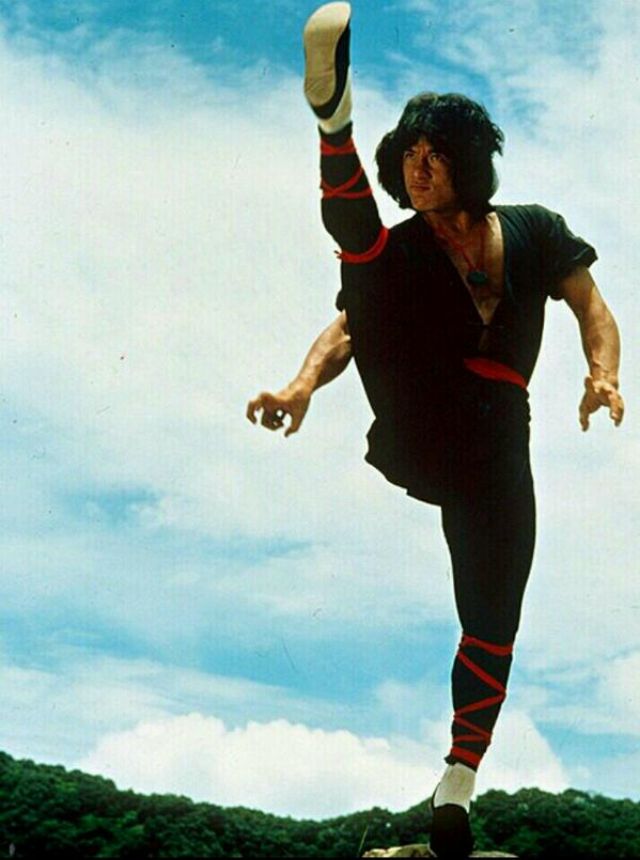
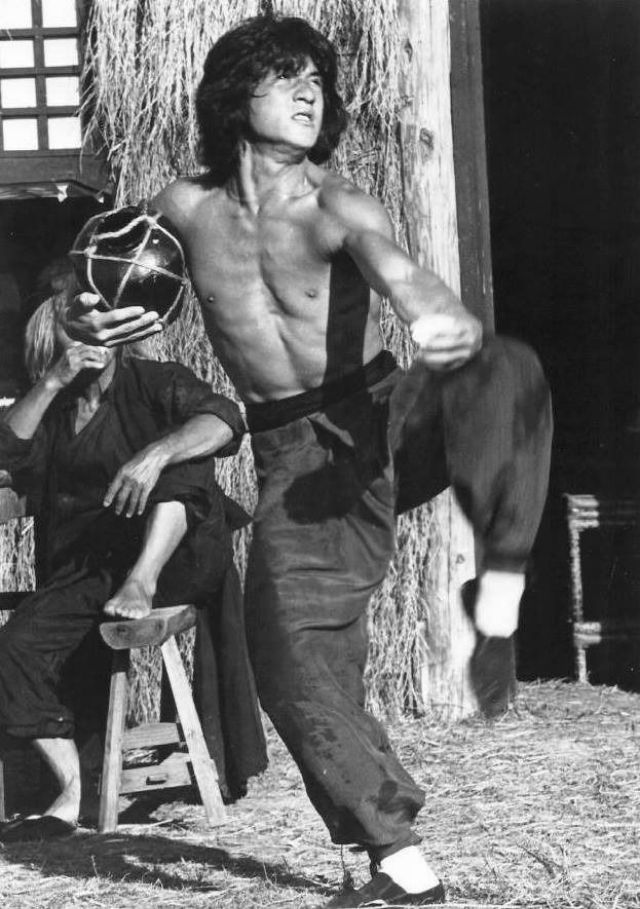
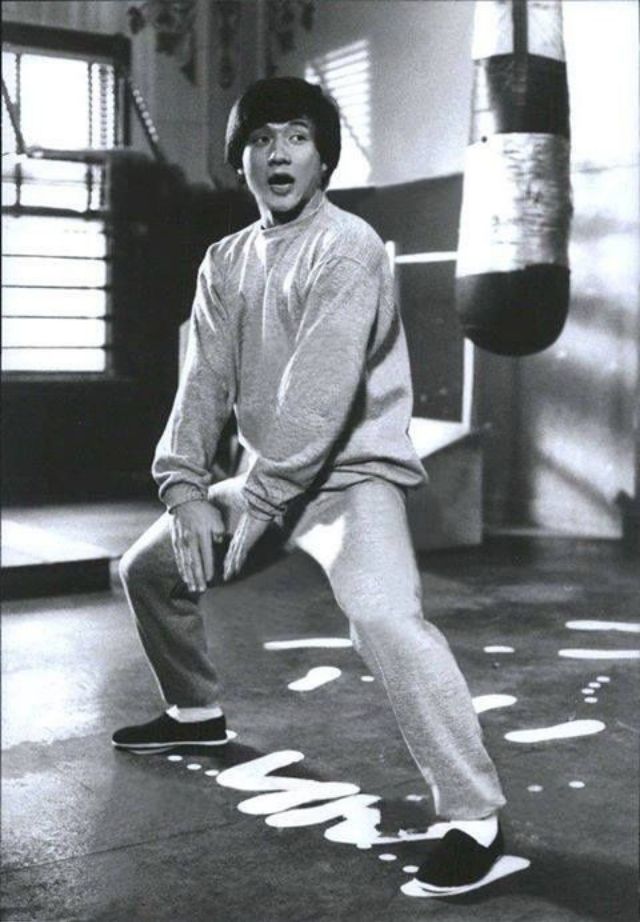
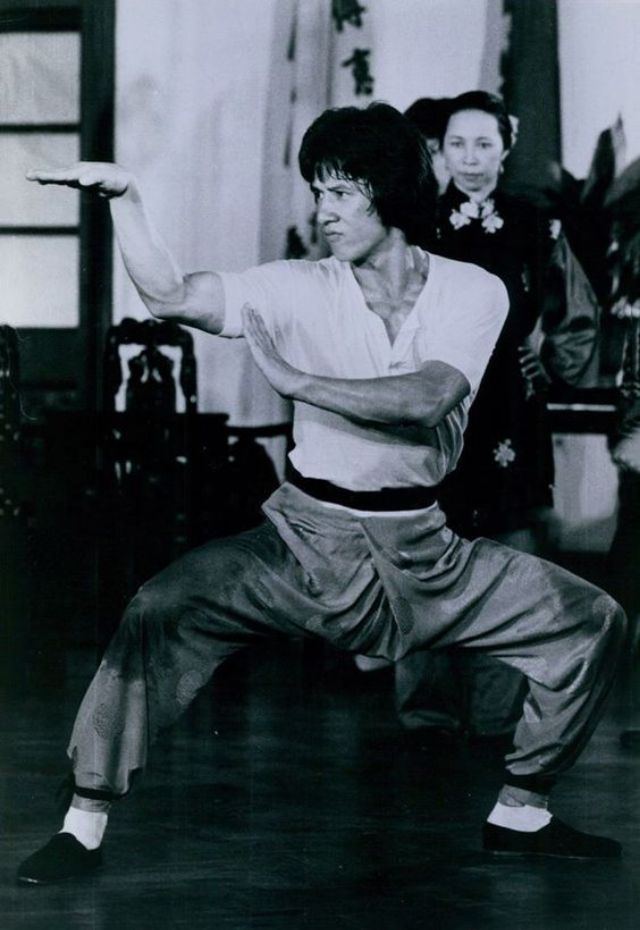
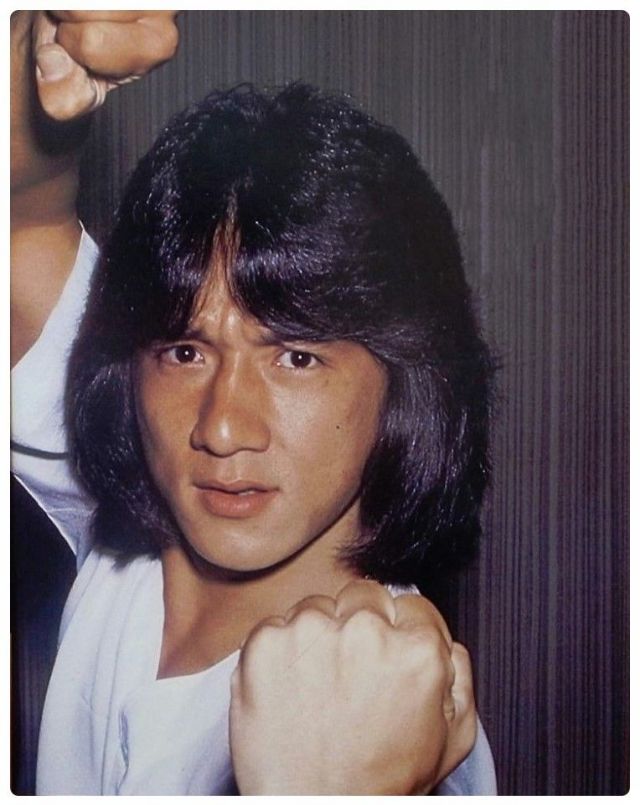
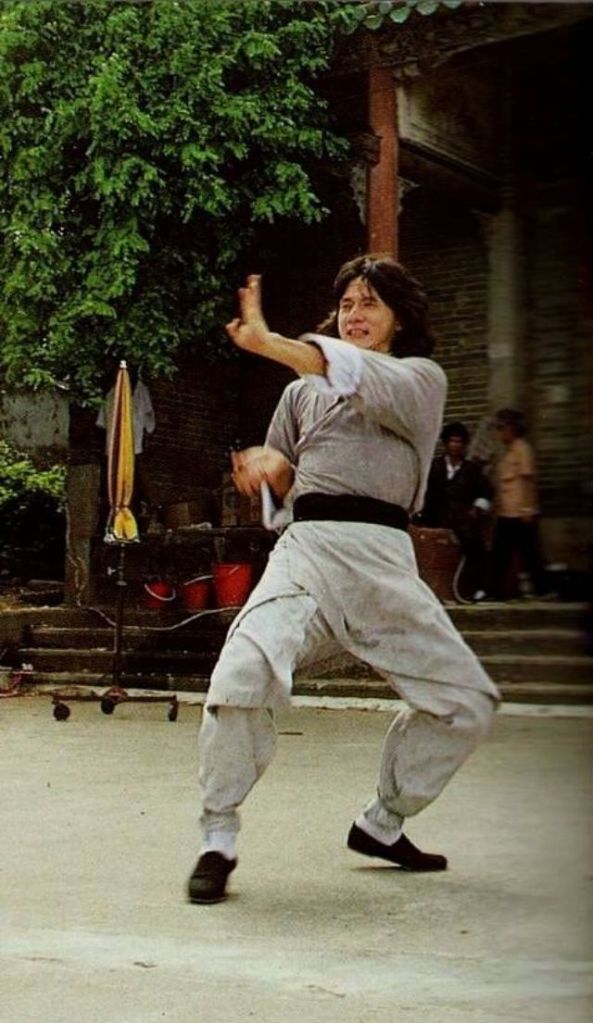
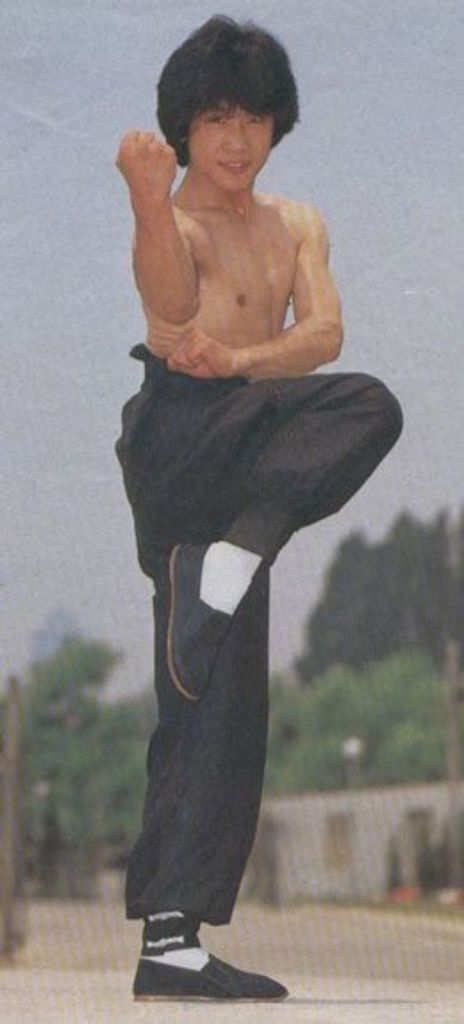
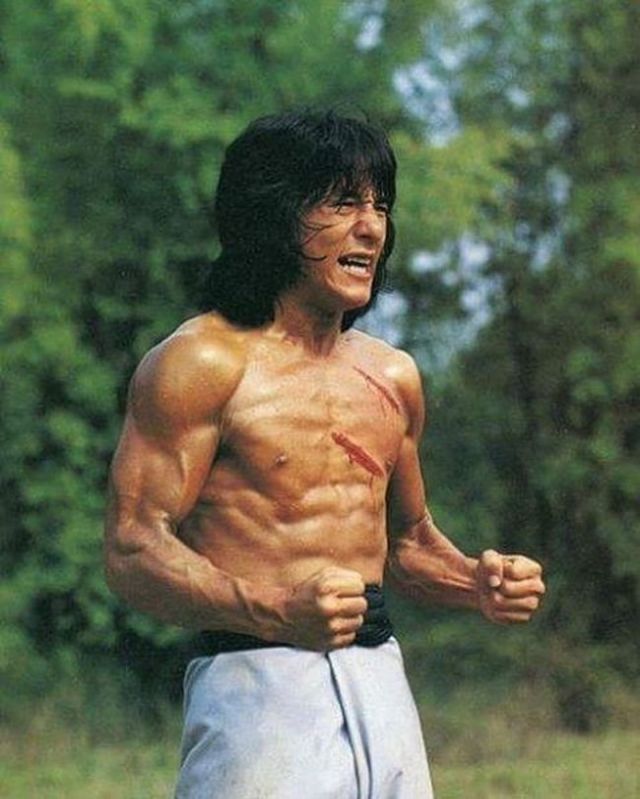
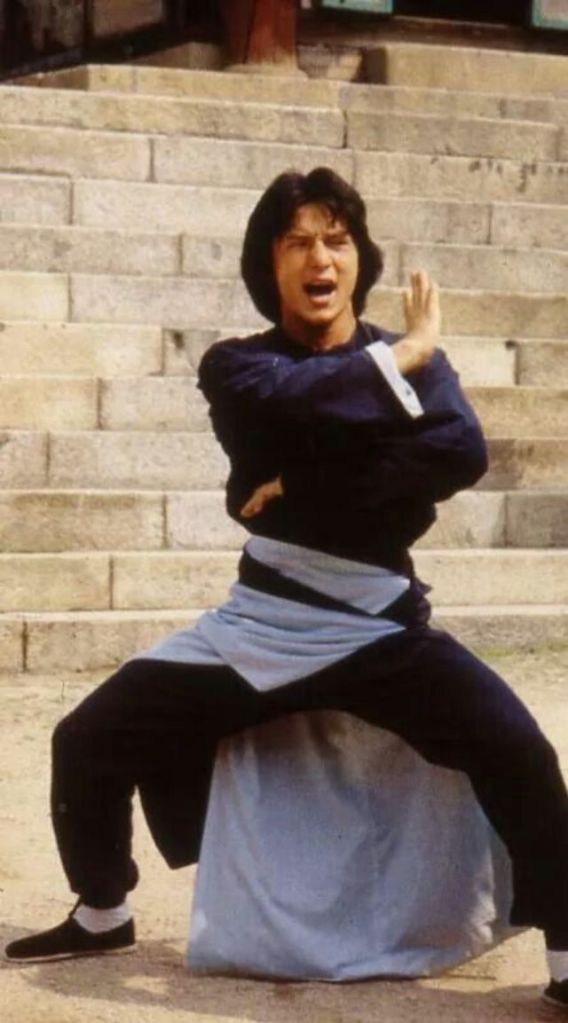
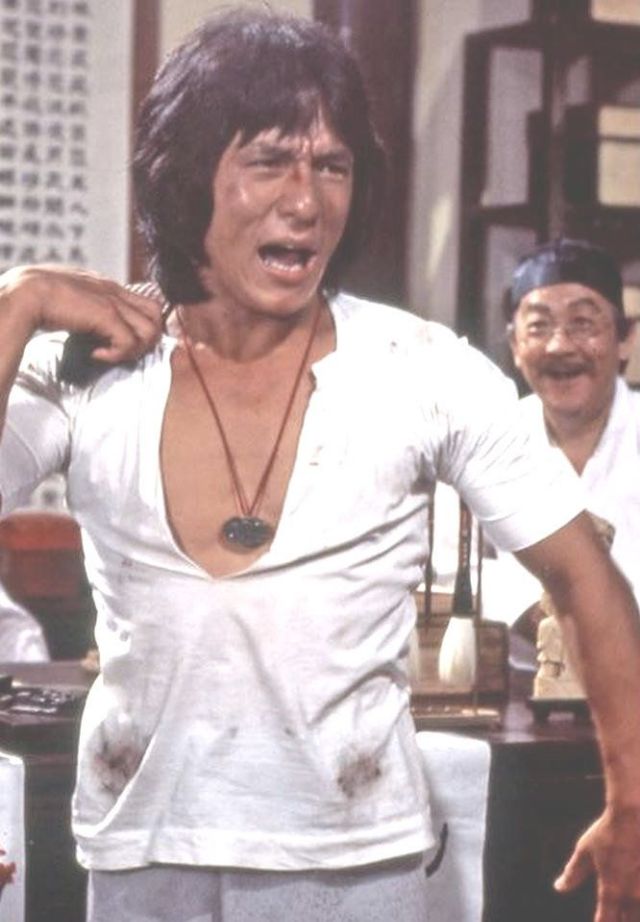
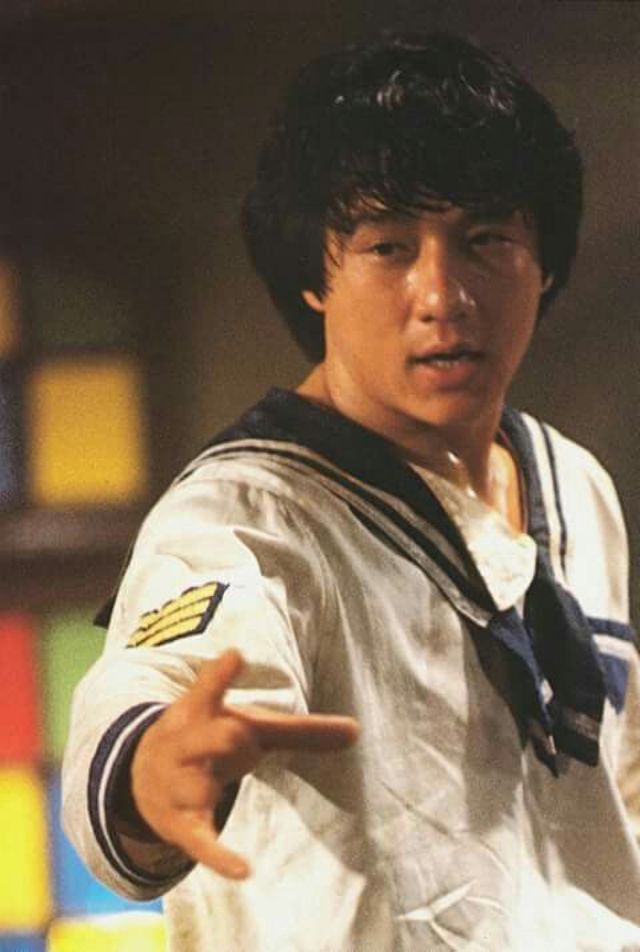
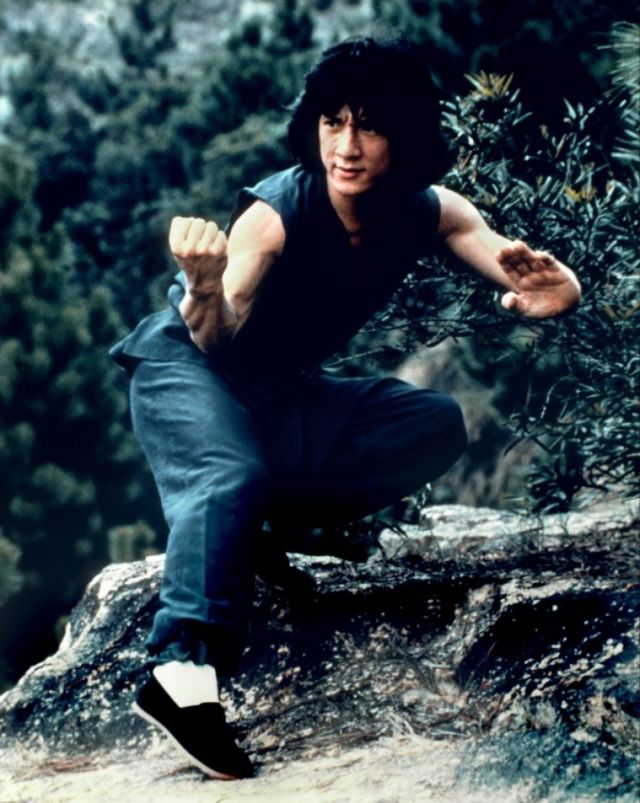
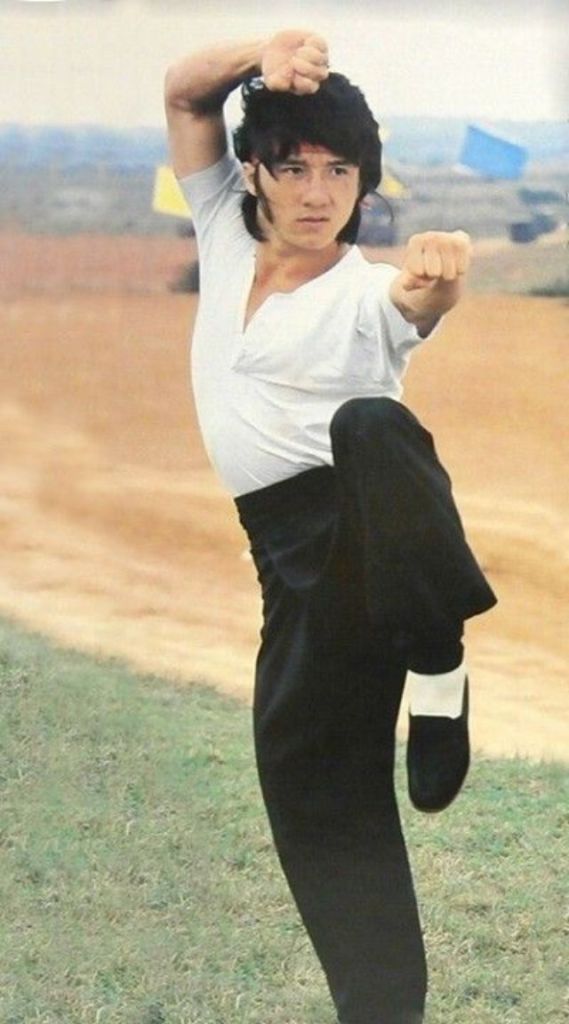
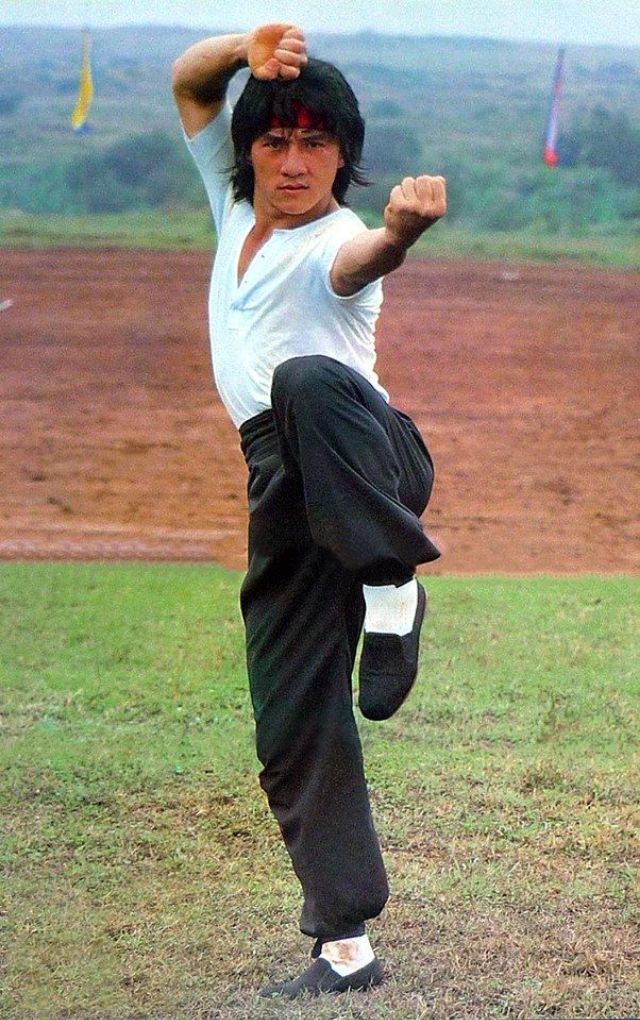
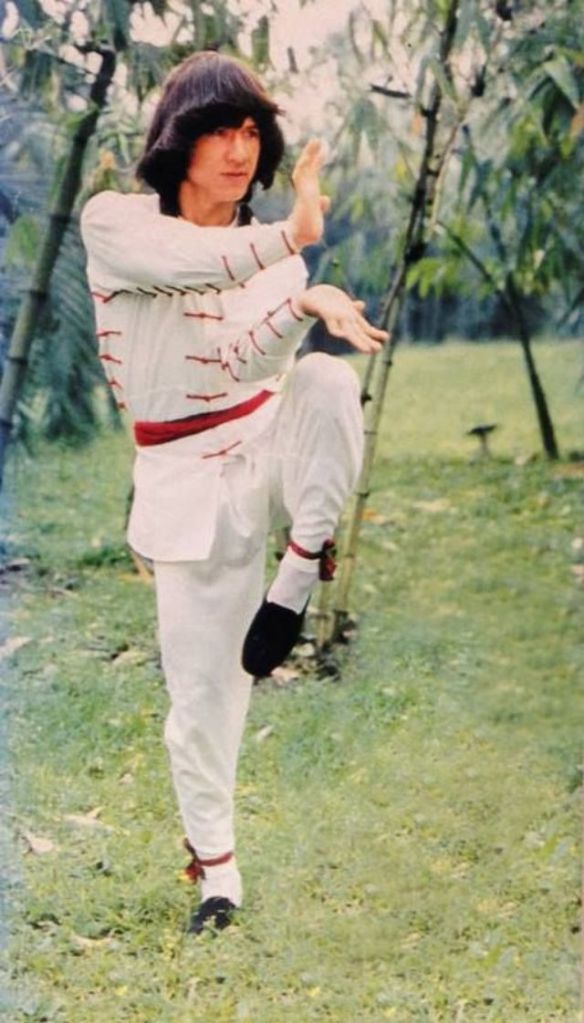
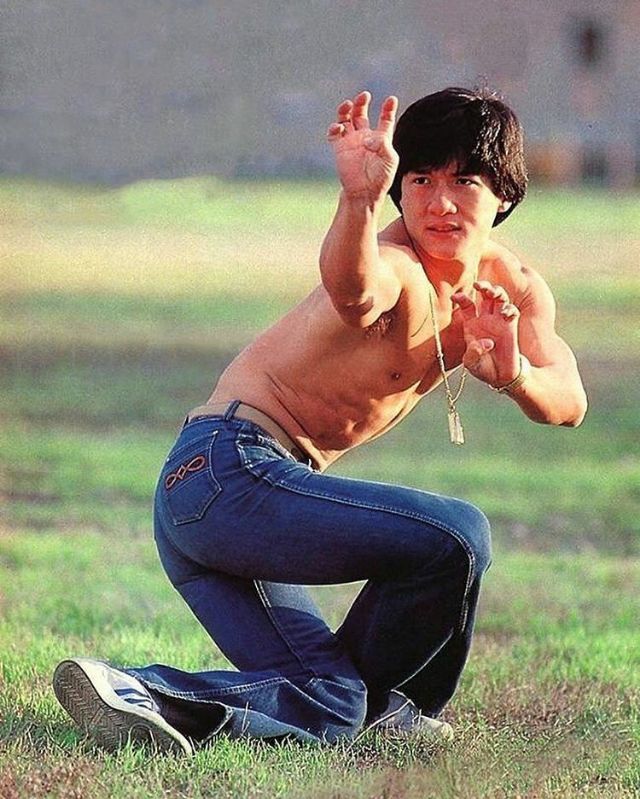
Jackie Chan played a fair few small roles and did a lot of stunts in movies before taking the lead in some of the films listed further down. He had a minuscule part in Come Drink with Me at the age of 16 and even the highly regarded A Touch of Zen (among other films), before doing stunts in Bruce Lee’s films Fist of Fury and Enter the Dragon. Jackie is a big Bruce Lee fan and did a lot of uncredited work in films during those years of his fame – in movies like Hapkido.
But it was after the death of Bruce Lee that Jackie was being given the opportunity to take on bigger roles. Although it was mainly because the big wigs wanted him to become the next Bruce Lee, they put him in films like The New Fist of Fury, a sequel to the original Bruce Lee’s film.
Of course he eventually broke through into the Kung Fu comedy scene with Snake in the Eagles Shadow and Drunken Master and became the legendary actor everyone knows today.
The 1960s were a decade of enormous change. They came in with the Kennedys and ended with Woodstock, and in between everything changed, including the hair.
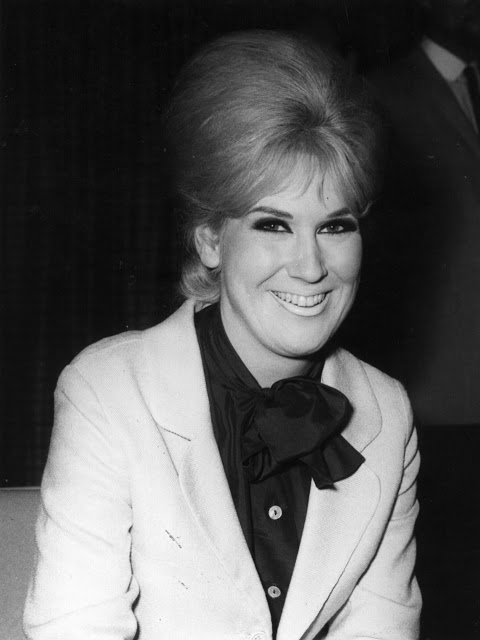
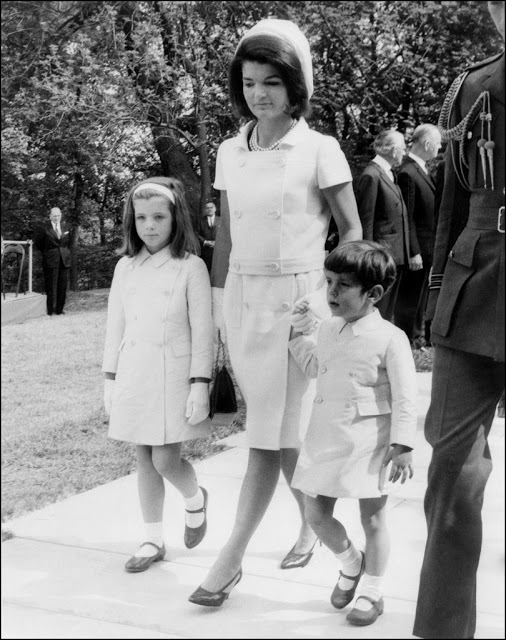
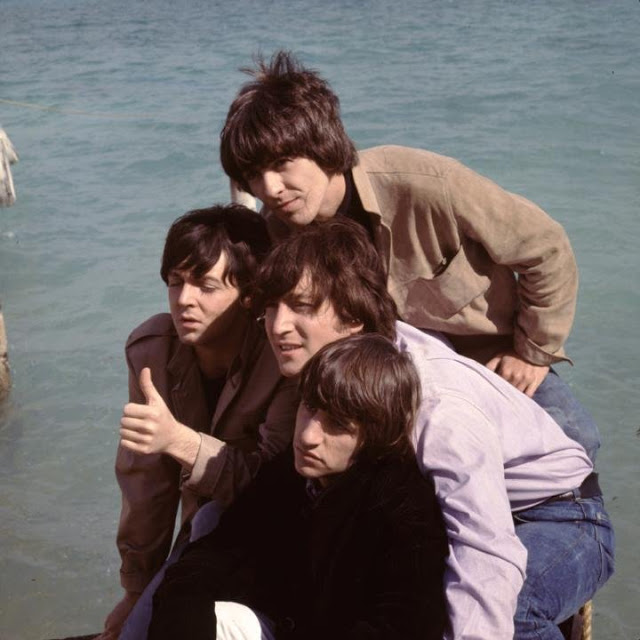
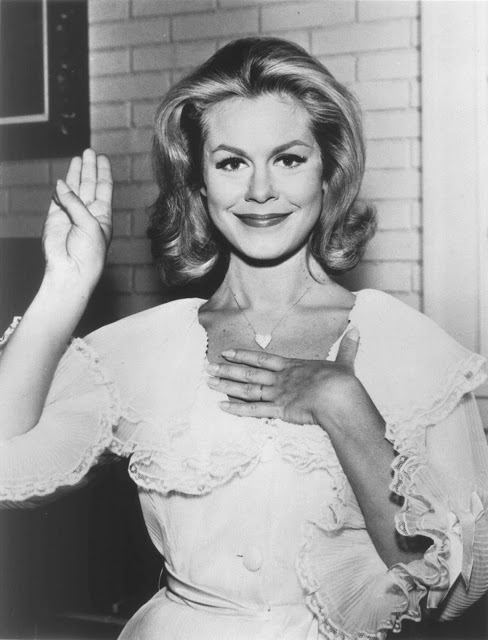
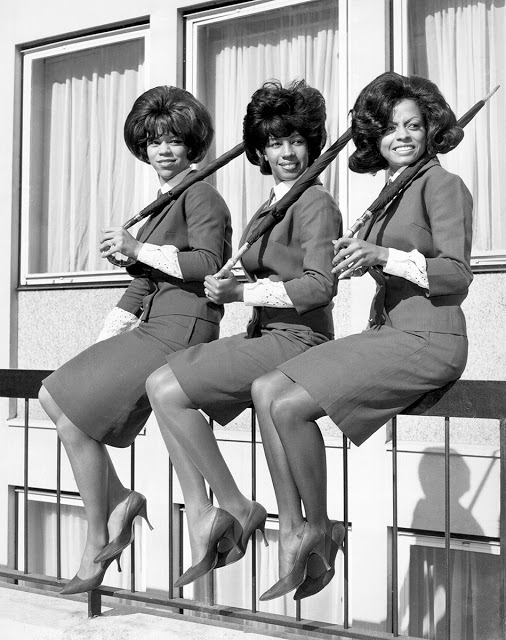
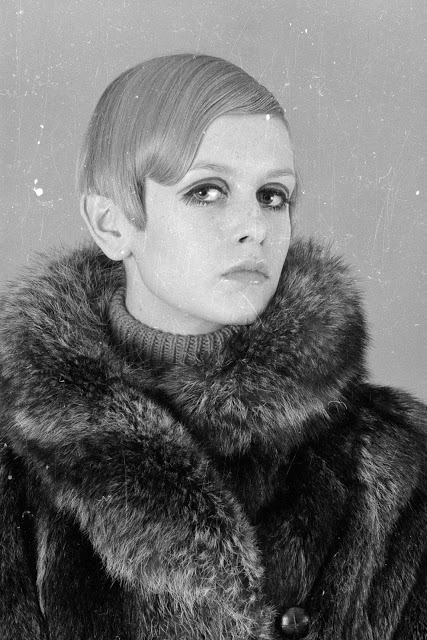
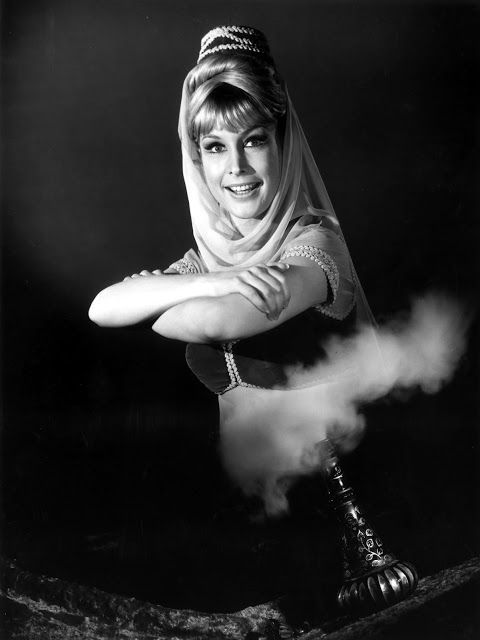
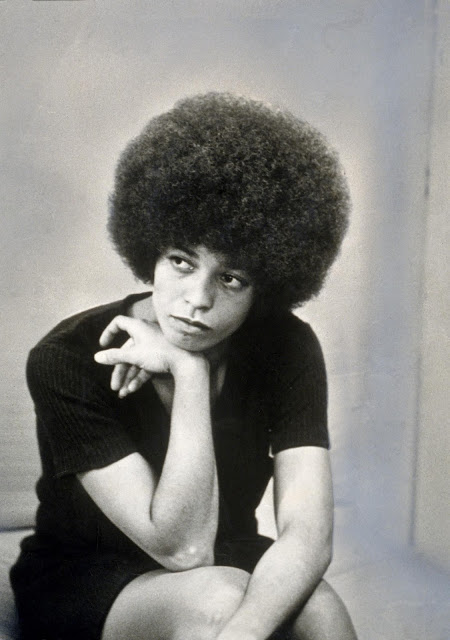
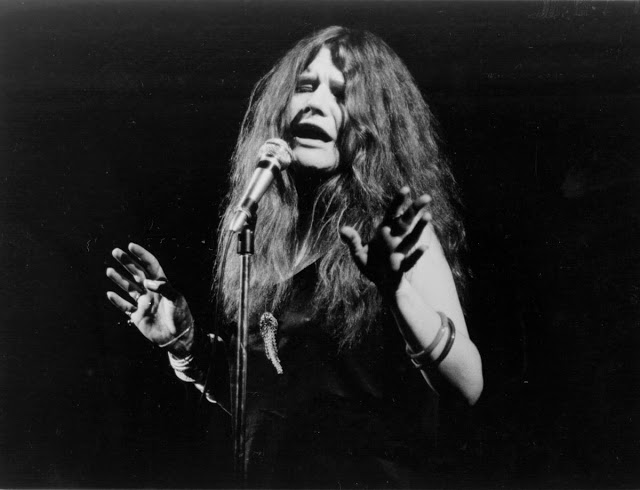
Jean Seberg’s Breathless Crop When American-born actress Jean Seberg appeared with her hair nearly shorn in Jean-Luc Godard’s 1960 film Breathless, critics and audiences alike were wowed. “La Seberg coup,” as the style was known in France, became a signature look for rebellious women of all stripes.Dusty Springfield’s Beehive The beehive was born in 1960, created by Illinois stylist Margaret Vinci Heldt. In just a few years, it had caught on across the country and was further popularized by stars like Dusty Springfield and Aretha Franklin.Jackie Kennedy’s Pillbox-Perfect Look When her husband became president in 1961, Jacqueline Kennedy brought a whole new era of elegance to the White House and inspired millions of American women to change their style. With her smooth, perfect bob and always-fashionable hats, she practically changed the entire female silhouette for the first half of the 1960s.Joan Baez’s Original Hippie Hair Folk singer Joan Baez (seen here in 1963 with then-boyfriend Bob Dylan) may be the original hippie girl. She had her first gold record in 1962 and was wearing the centre-parted, long, natural hairstyle typical of the late 1960s — almost half a decade before it caught on.The Beatles’ Mop Tops The Fab Four had their first hit with “Love Me Do” in 1962, but their mop-top hairstyles also quickly took both sides of the Atlantic by storm. At the time, their “long” hair was considered unkempt and rebellious, and young people wearing the look were actually arrested and forced to have their hair cut at police stations.The Bewitched Flip As sweet Samantha on Bewitched, the lovely Elizabeth Montgomery inspired a whole generation of American women to try the flip, a long bob that literally “flipped” out at the ends, creating a bell shape.The Supremes’ Bobs Diana Ross and the Supremes were one of the biggest female groups of the decade. Their highly styled and straightened hair had a profound influence on young American women of all ethnicities. African American fans repeatedly requested that the group wear their hair natural, but producer Berry Gordy thought that doing so would alienate the group’s white audience.The Twiggy Cut Twiggy made short hair with long, side-swept bangs the look of 1960s London, defining the entire mod era.Loretta Lynn’s Country-Fried Volume Loretta Lynn created the standard for country music hair: voluminous with big, hair-sprayed curls.The Vidal Sassoon Style Vidal Sassoon completely changed women’s hairstyling beginning in the mid-1960s. His creations ranged from the famed five-point cut seen on swinging London icons like designer Mary Quant (seen here), and thoroughly modern hairstyles for celebrities like Nancy Kwan, Mia Farrow and Twiggy.Barbara Eden’s I Dream of Jeannie Jeannie’s fantastical hairstyle has been a byword for over-the-top styling since the show debuted in 1965.Raquel Welch’s Mane Bombshell Raquel Welch hit the scene in the mid-1960s with flowing, voluminous hair that was a total rejection of the stylized, “mod” looks coming from England.Angela Davis’s Afro UCLA professor Angela Davis was unfairly fired from her post in 1969 because of her involvement with the Communist party and Black Panther party. She was even later arrested and tried as an accomplice to murder. Despite her (literal) trials, she remained unbowed and was one of the first women to popularise the afro.Goldie Hawn’s Laugh-In Pageboy In 1968, an adorable Goldie Hawn became a star on Rowan & Martin’s Laugh-In. Her sexy, just-rolled-out-of-bed pageboy cut took a style that had been popular for over a decade and gave it a fresh, modern twist.Janis Joplin’s Wild Waves At the end of the decade, rock and blues legend Janis Joplin appeared on the scene with hair that looked, to older observers, positively dirty. Ratted, wavy, voluminous, and totally natural, Janis’s style would influence rocker chic hair for decades to come.