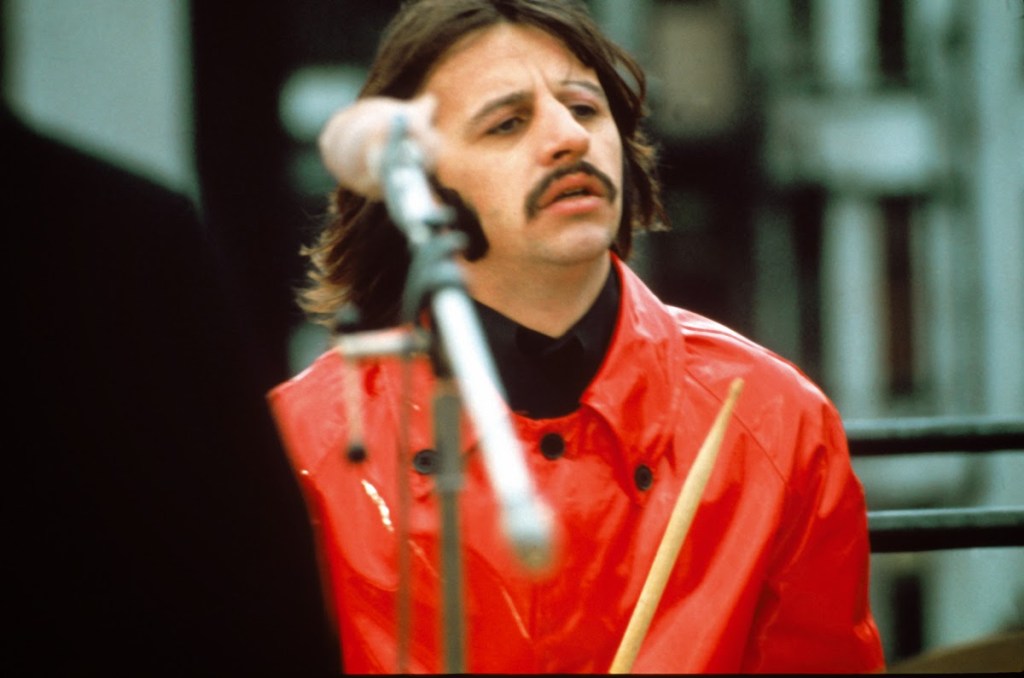
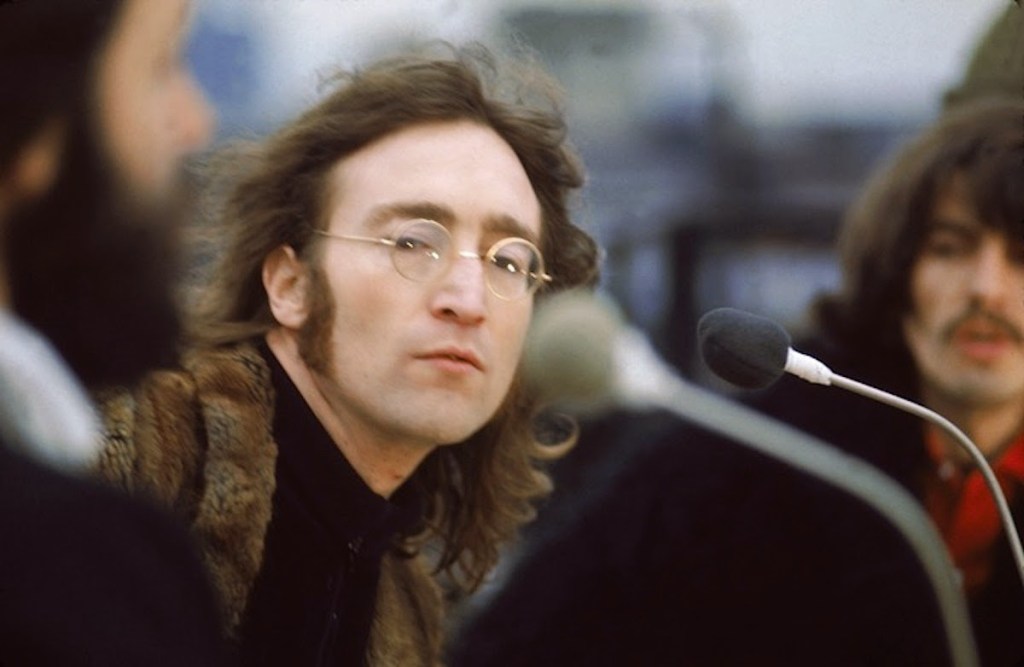
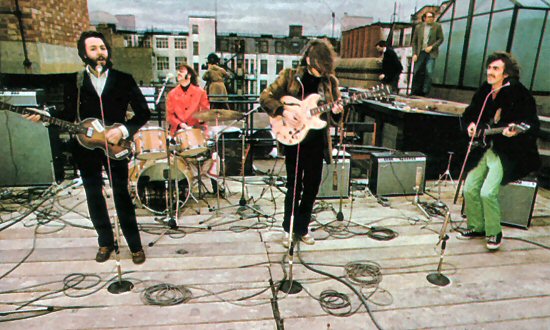
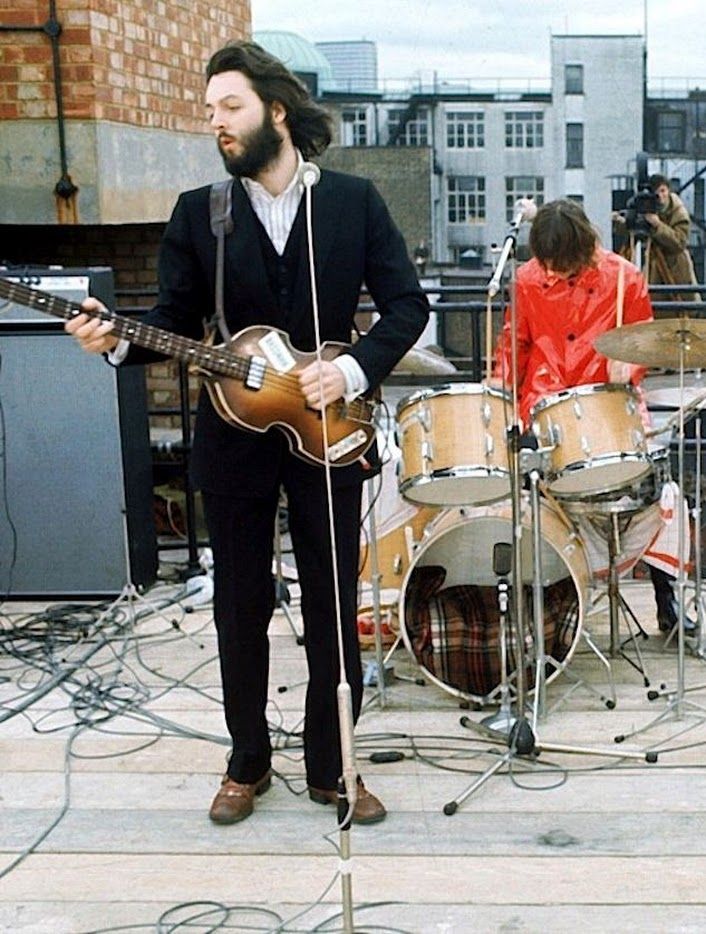
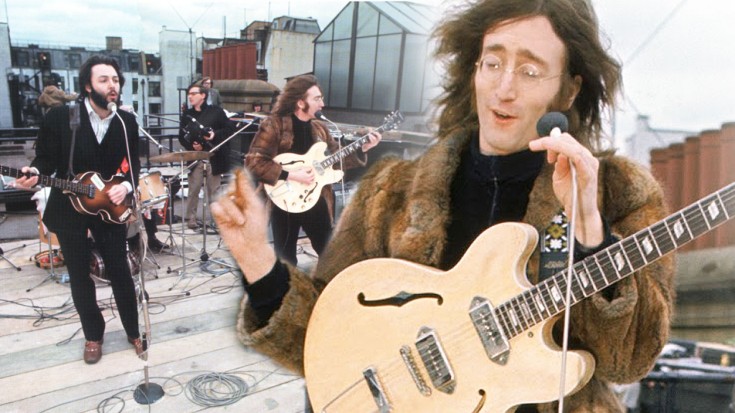
On 30 January 1969, the Beatles performed an unannounced concert from the rooftop of their Apple Corps headquarters at 3 Savile Row, within central London’s office and fashion district. Joined by keyboardist Billy Preston, the band played a 42-minute set before the Metropolitan Police asked them to reduce the volume. It was the final public performance of their career.
Although the concert was conceived just days before, the Beatles were planning a return to live performances throughout the early sessions for their album Let It Be (1970). They performed nine takes of five songs as crowds of onlookers, many of whom were on their lunch break,[citation needed] congregated in the streets and on the roofs of local buildings. The concert ended with the conclusion of “Get Back”, with John Lennon joking, “I’d like to say thank you on behalf of the group and ourselves and I hope we’ve passed the audition.”
Footage from the performance was used in the 1970 documentary film Let It Be and the 2021 documentary series The Beatles: Get Back. The first performance of “I’ve Got a Feeling” and single takes of “One After 909” and “Dig a Pony” were also featured on the accompanying album. On 28 January 2022, the audio of the full rooftop performance was released to streaming services under the title Get Back — The Rooftop Performance.
In February 2022, Disney released the entire concert sequence as presented in The Beatles: Get Back in IMAX as The Beatles: Get Back – The Rooftop Concert. It had a limited theatrical engagement.
Ringo said: “It was a memorable day for me – we were doin’ what we did best – making music. But I am still disappointed the policemen didn’t drag me off me drums!”
This was their final public performance.
30th January 1969: British rock group the Beatles performing their last live public concert on the rooftop of the Apple Organization building for director Michael Lindsey-Hogg’s film documentary, ‘Let It Be,’ on Savile Row, London, England. Drummer Ringo Starr sits behind his kit. Singer/songwriters Paul McCartney and John Lennon perform at their microphones, and guitarist George Harrison (1943 – 2001) stands behind them. Lennon’s wife Yoko Ono sits at right.
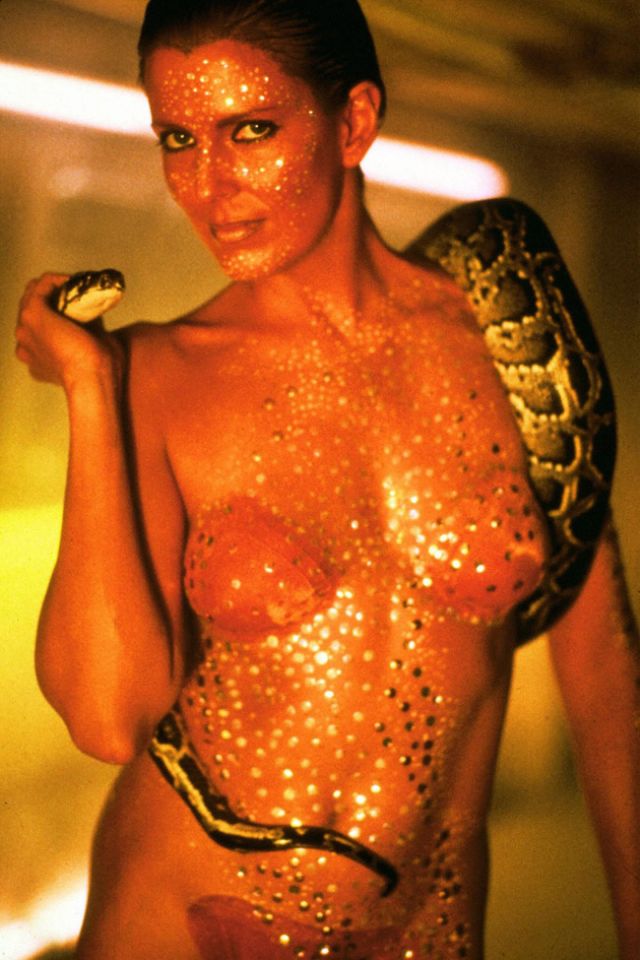
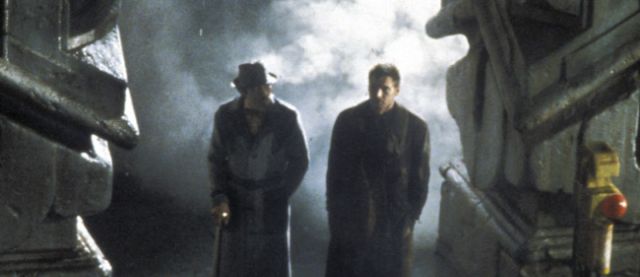
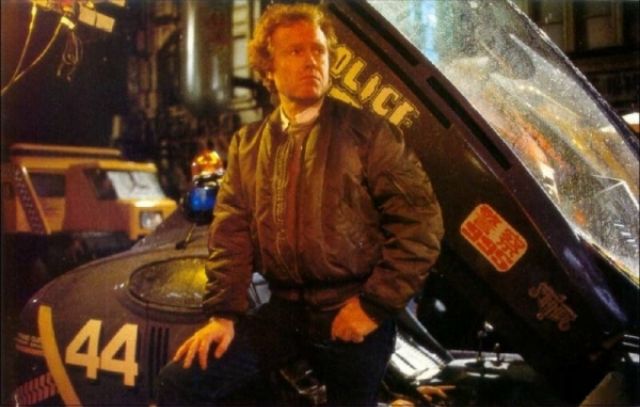
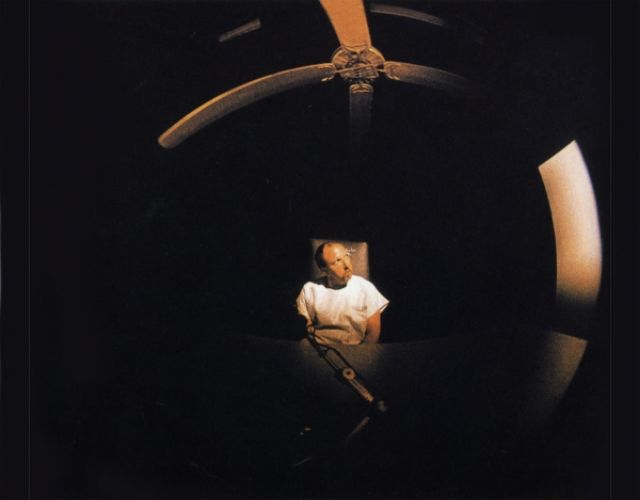
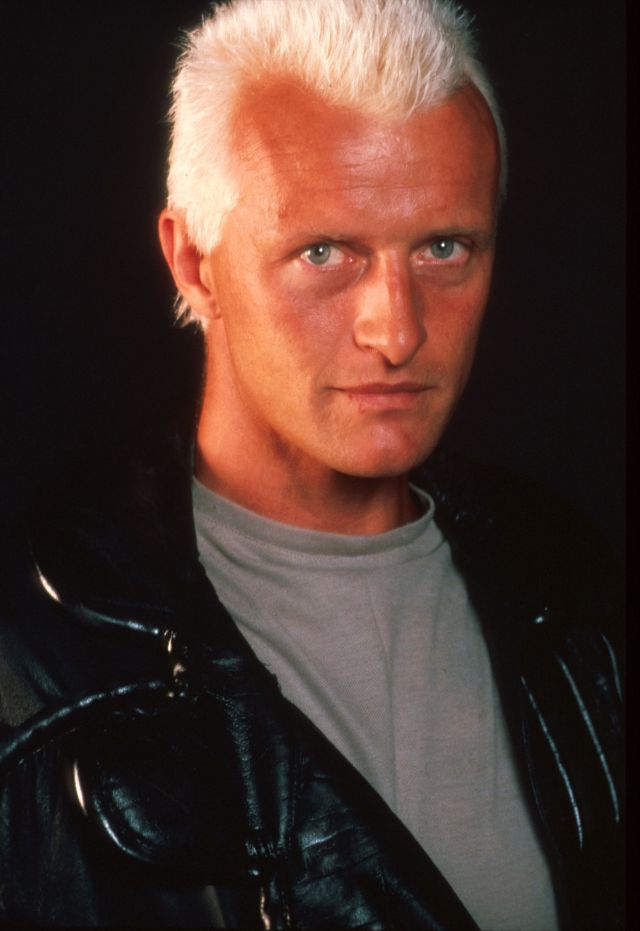
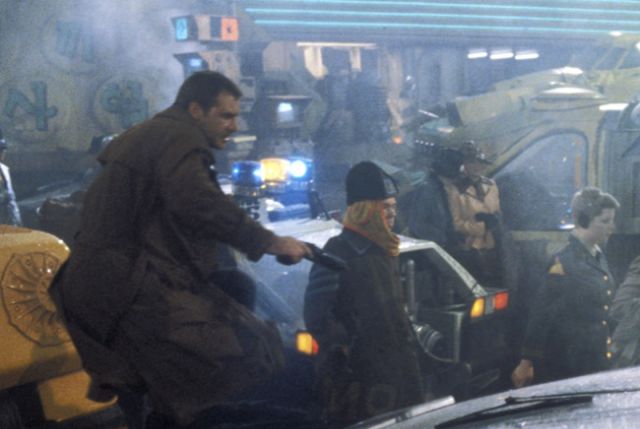
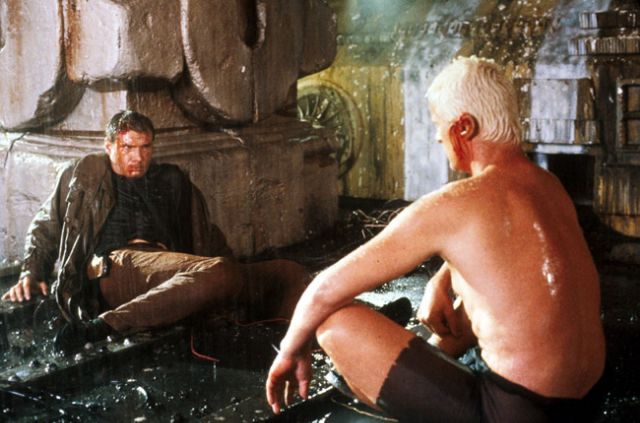
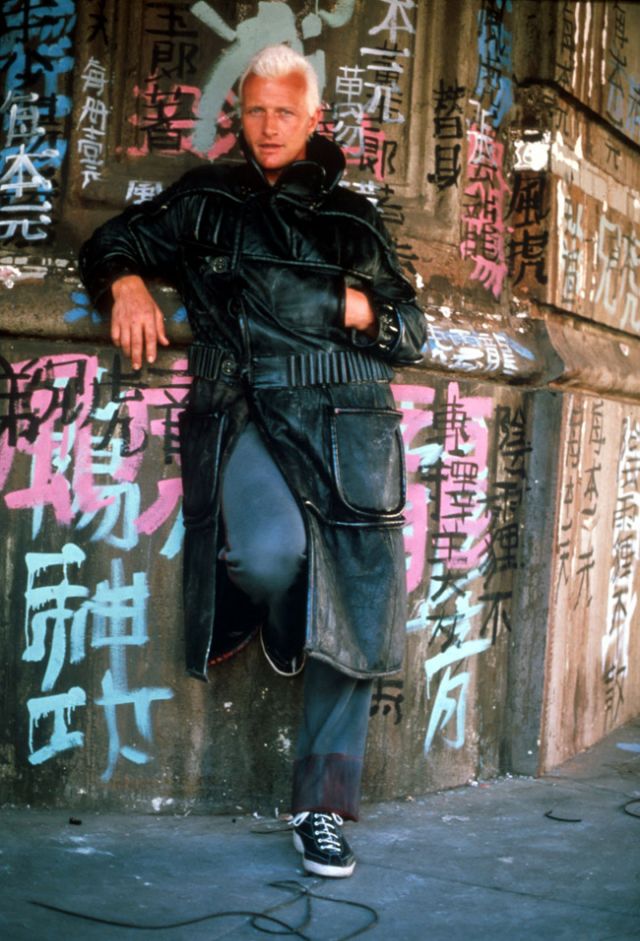
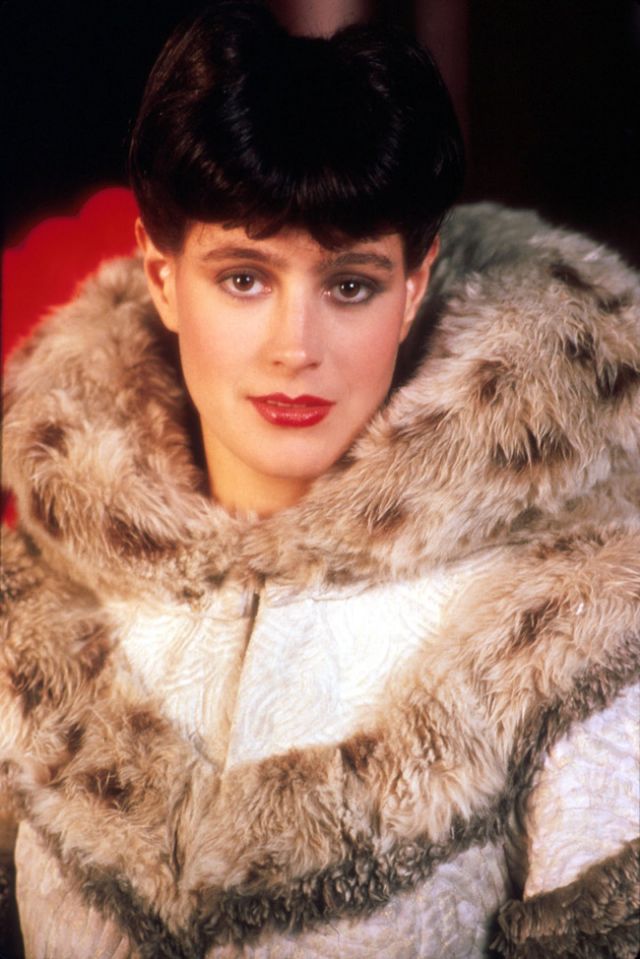
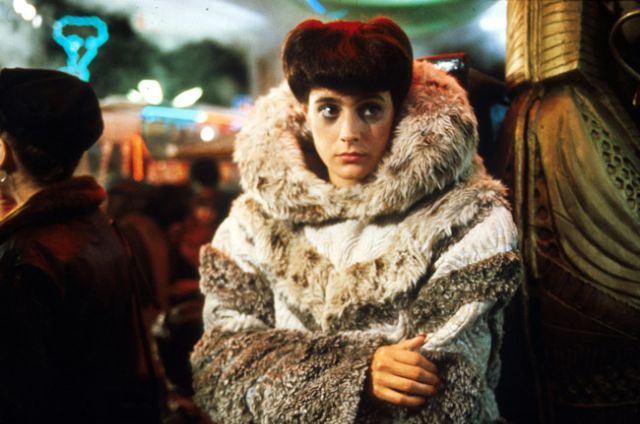
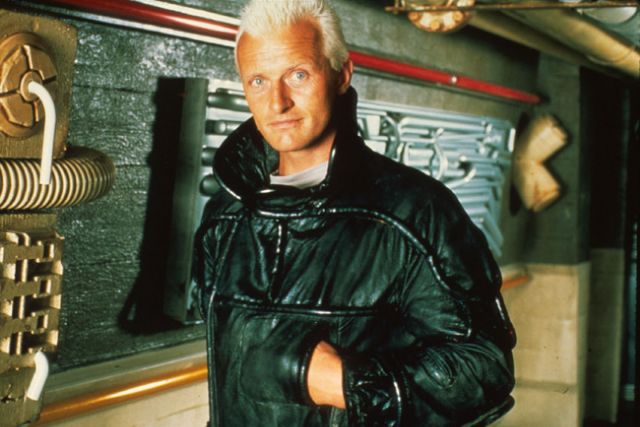
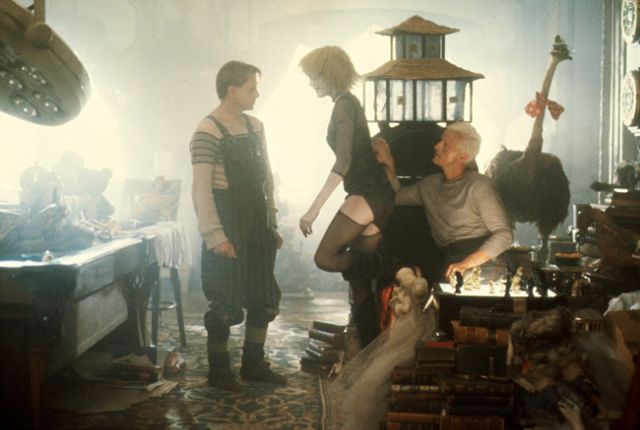
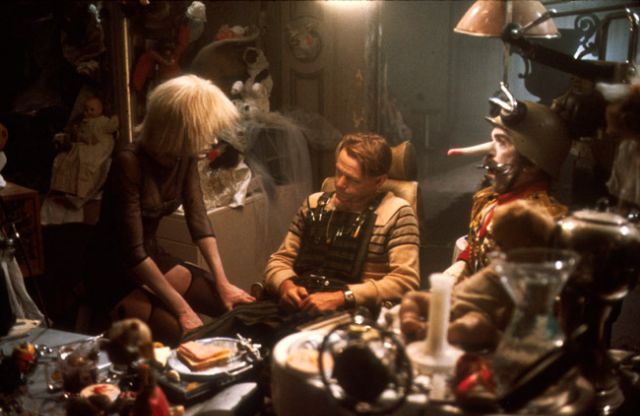
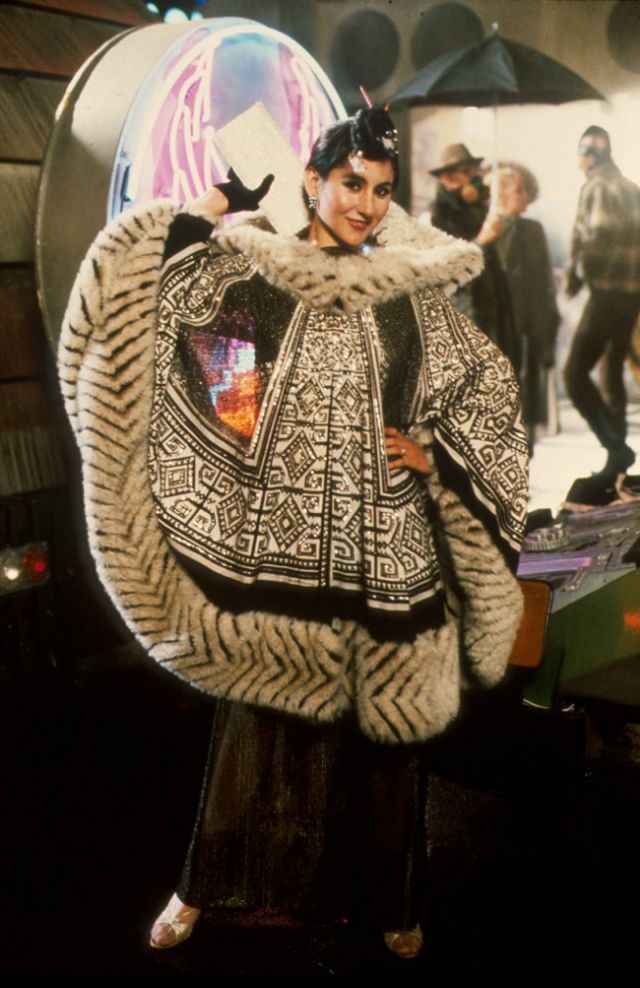
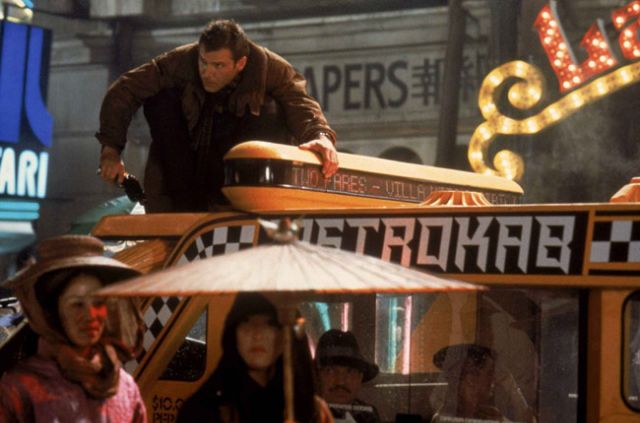
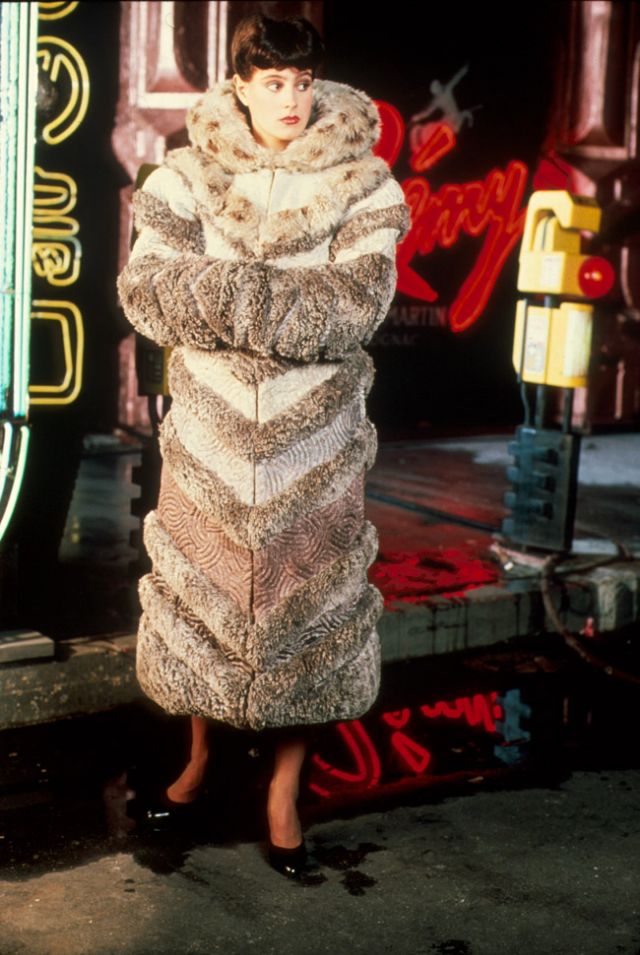
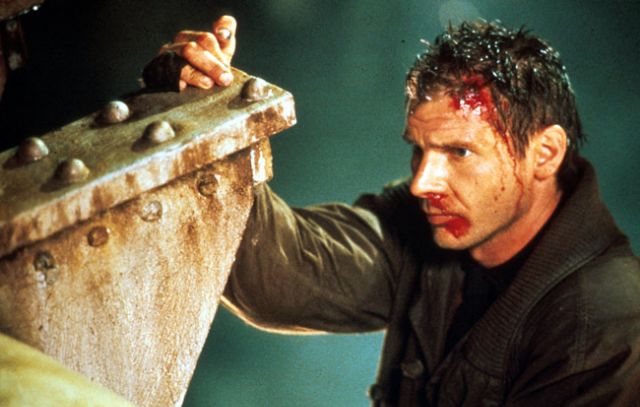
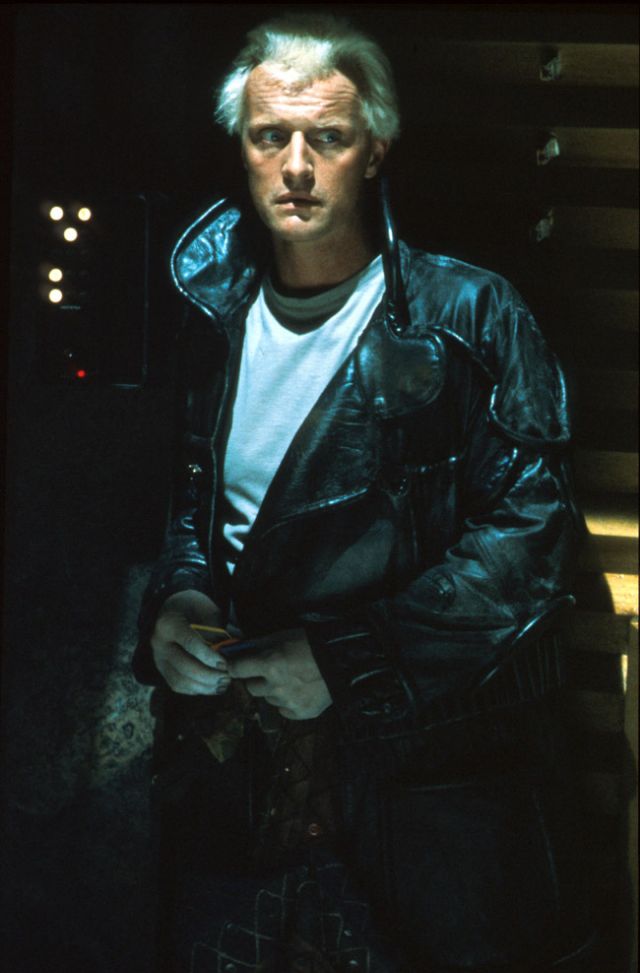
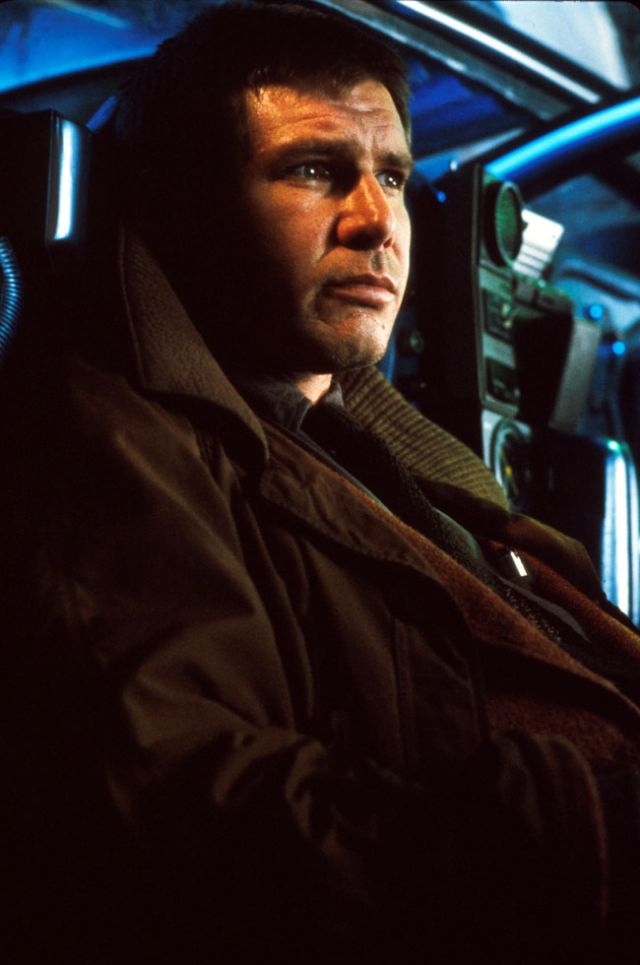
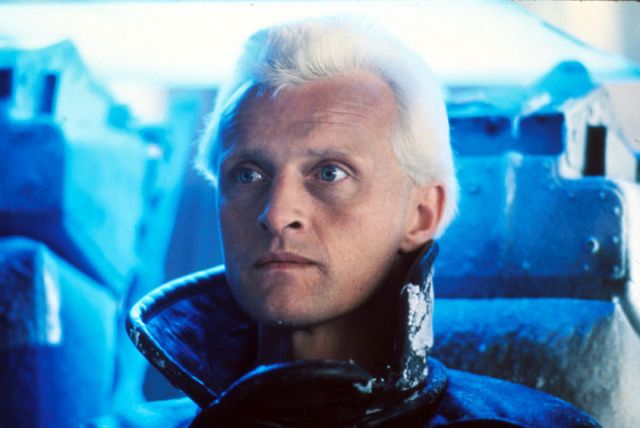
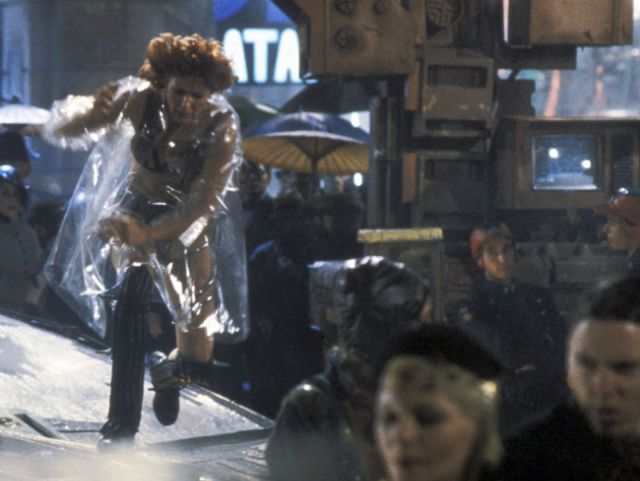
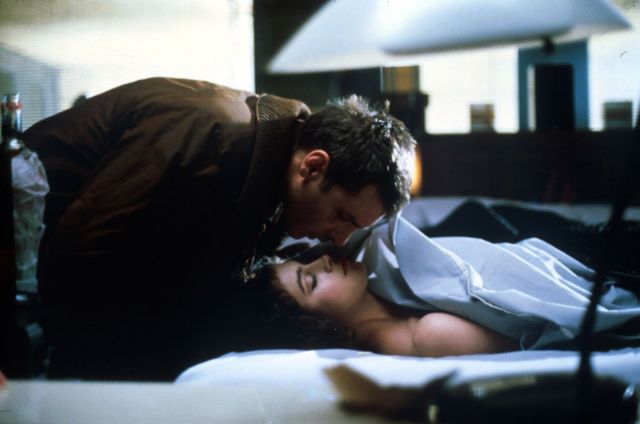
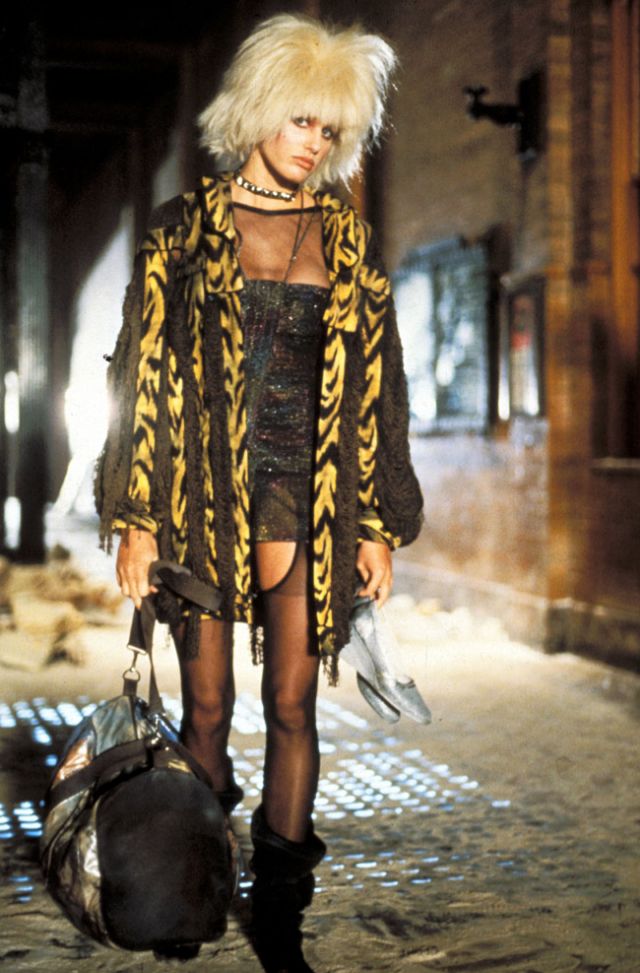
Blade Runner is a 1982 science fiction film directed by Ridley Scott, and adapted by Hampton Fancher and David Peoples. Starring Harrison Ford, Rutger Hauer, Sean Young, and Edward James Olmos, it is an adaptation of Philip K. Dick’s 1968 novel Do Androids Dream of Electric Sheep? The film is set in a dystopian future Los Angeles of 2019, in which synthetic humans known as replicants are bio-engineered by the powerful Tyrell Corporation to work on space colonies. When a fugitive group of advanced replicants led by Roy Batty (Hauer) escapes back to Earth, burnt-out cop Rick Deckard (Ford) reluctantly agrees to hunt them down.
Blade Runner initially underperformed in North American theaters and polarized critics; some praised its thematic complexity and visuals, while others critiqued its slow pacing and lack of action. It later became an acclaimed cult film regarded as one of the all-time best science fiction films. Hailed for its production design depicting a high-tech but decaying future, Blade Runner is often regarded as both a leading example of neo-noir cinema as well as a foundational work of the cyberpunk genre. The film’s soundtrack, composed by Vangelis, was nominated in 1982 for a BAFTA and a Golden Globe as best original score.
The film has influenced many science fiction films, video games, anime, and television series. It brought the work of Philip K. Dick to the attention of Hollywood, and several later big-budget films were based on his work, such as Total Recall (1990), Minority Report (2002) and A Scanner Darkly (2006). In 1993 it was selected for preservation in the U.S. National Film Registry by the Library of Congress as being “culturally, historically, or aesthetically significant”.
Seven different versions of Blade Runner exist as a result of controversial changes requested by studio executives. A director’s cut was released in 1992 after a strong response to test screenings of a workprint. This, in conjunction with the film’s popularity as a video rental, made it one of the earliest movies to be released on DVD. In 2007, Warner Bros. released The Final Cut, a 25th-anniversary digitally remastered version. This is the only version over which Scott retained artistic control.
The film is the first of the franchise of the same name. A sequel, directed by Denis Villeneuve and titled Blade Runner 2049, was released in October 2017 alongside a trilogy of short films covering the thirty-year span between the two films’ settings. The anime series Blade Runner: Black Lotus was released in 2021. (Wikipedia)
Diana Ross (born Diana Ernestine Earle Ross, March 26, 1944) is an American entertainer and actress. She rose to fame as the lead singer of the vocal group the Supremes, who became Motown’s most successful act during the 1960s and one of the world’s best-selling girl groups of all time. They remain the best-charting female group in history, with a total of twelve number-one hit singles on the US Billboard Hot 100, including “Where Did Our Love Go”, “Baby Love”, “Come See About Me”, and “Love Child”.
Following departure from the Supremes in 1970, Ross embarked on a successful solo career in music, film, television and on stage. Her eponymous debut solo album featured the U.S. number-one hit “Ain’t No Mountain High Enough” and music anthem “Reach Out and Touch (Somebody’s Hand)”. It was followed with her second solo album, Everything Is Everything, which spawned her first UK number-one single “I’m Still Waiting”. She continued her successful solo career by mounting elaborate record-setting world-wide concert tours, starring in a number of highly watched prime-time television specials, and releasing hit albums like Touch Me in the Morning (1973), Mahogany (1975), and Diana Ross (1976) as well as their number-one hit singles, “Touch Me in the Morning”, “Theme from Mahogany (Do You Know Where You’re Going To)”, and “Love Hangover”, respectively. Ross further released numerous top-ten hits into the 1970s, ’80s, and ’90s. She achieved several more global number-one singles, “Upside Down” (1980), “Endless Love” (1981), “Chain Reaction” (1986) and “When You Tell Me That You Love Me” (1991).
Ross has also acted. Her first role was her Golden Globe Award-winning and Academy Award-nominated portrayal of Billie Holiday in the film Lady Sings the Blues (1972); she also recorded its soundtrack, which became a number one hit on the U.S. album chart. She also starred in two other feature films, Mahogany (1975) and The Wiz (1978), and later appeared in the television films Out of Darkness (1994), for which she was nominated for a Golden Globe Award, and Double Platinum (1999).
Ross was named the “Female Entertainer of the Century” by Billboard in 1976. Since her solo career began in 1970, Ross has released 25 studio albums, numerous singles, and compilations that have sold more than 100 million records worldwide. She is the only female artist to have had number-one singles on the Billboard Hot 100 as a solo artist, as the other half of a duet, as a member of a trio, and as an ensemble member. In 2021, Billboard ranked her the 30th greatest Hot 100 artist of all time. Her hits as a Supreme and a solo artist combined put Ross among the Top 5 artists on the Billboard Hot 100 singles chart from 1955 to 2018. She had a top 10 UK hit in every one of the last five decades, and sang lead on a top 75 hit single at least once every year from 1964 to 1996 in the UK, a period of 33 consecutive years and a record for any performer. In 1988, Ross was inducted to the Rock and Roll Hall of Fame as a member of the Supremes. The Guinness Book of World Records recognizes her as the greatest female artist in U.S. and U.K. chart history, with a career total of 70 hit singles. She was the recipient of the Kennedy Center Honors in 2007, the Grammy Lifetime Achievement Award in 2012, and the Presidential Medal of Freedom in 2016. (Wikipedia)
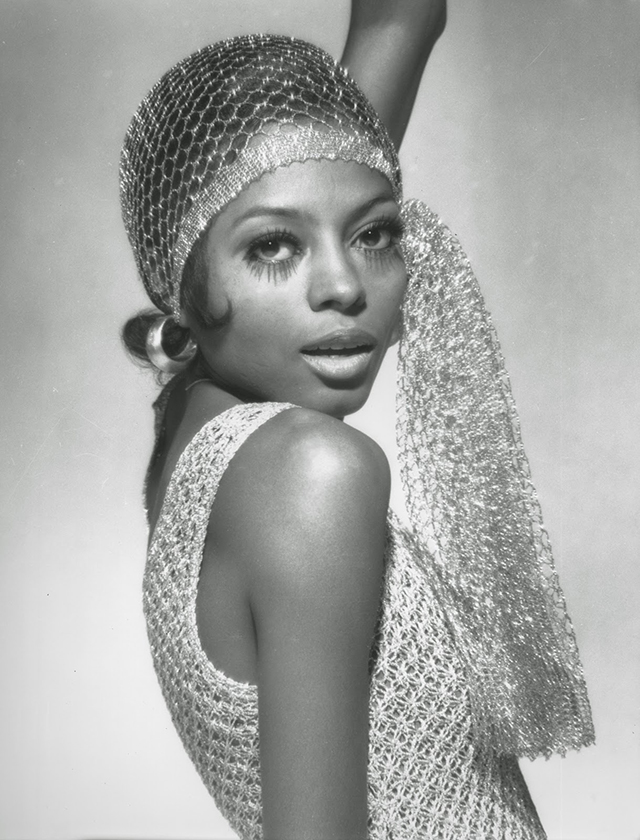
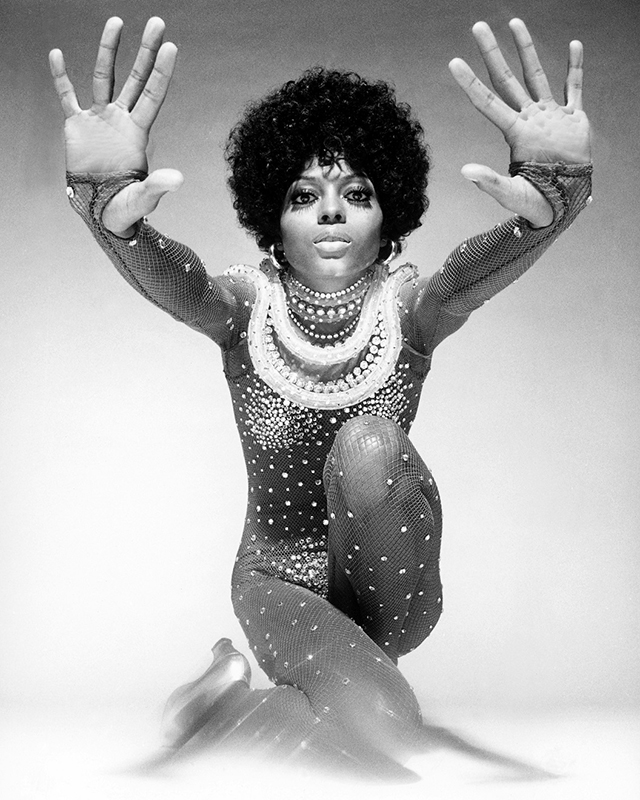
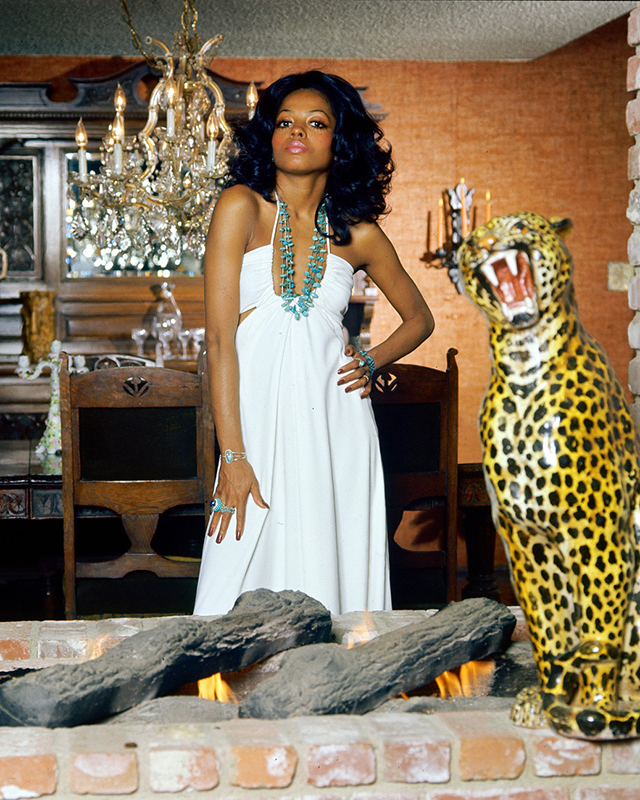
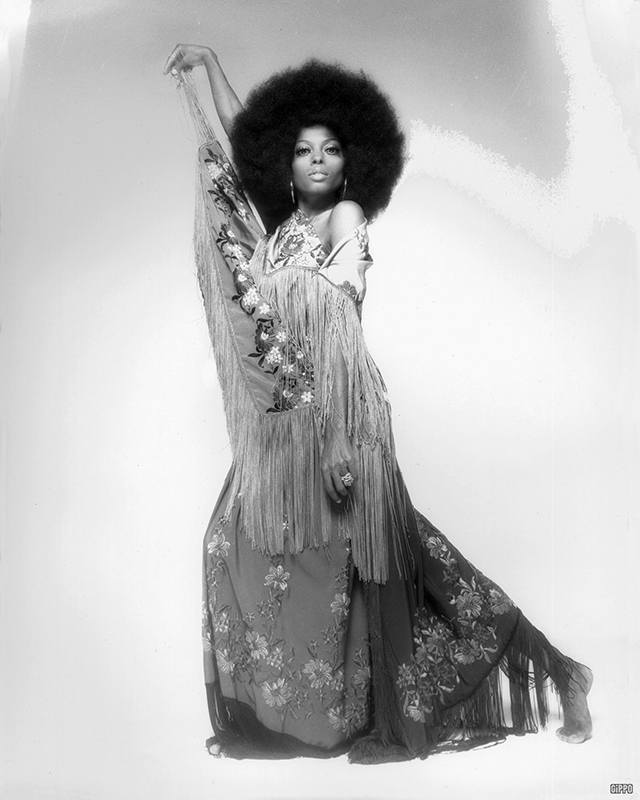
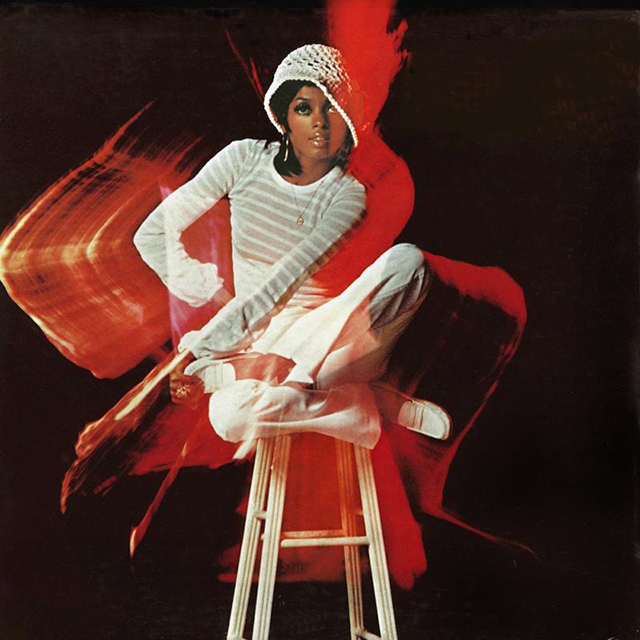
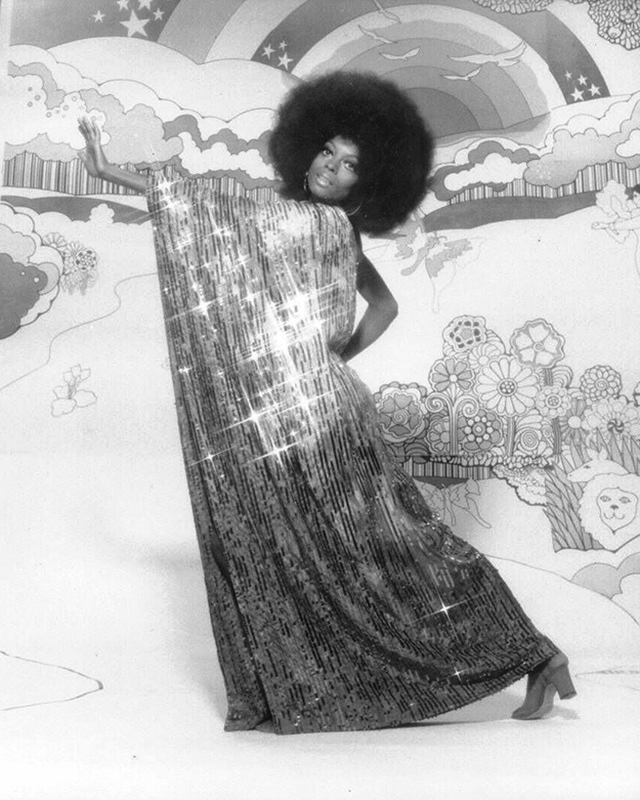
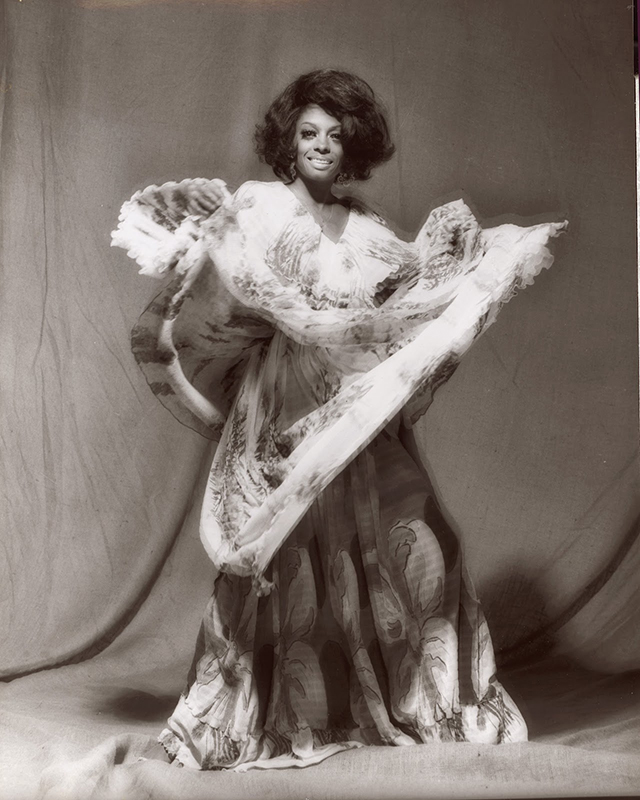
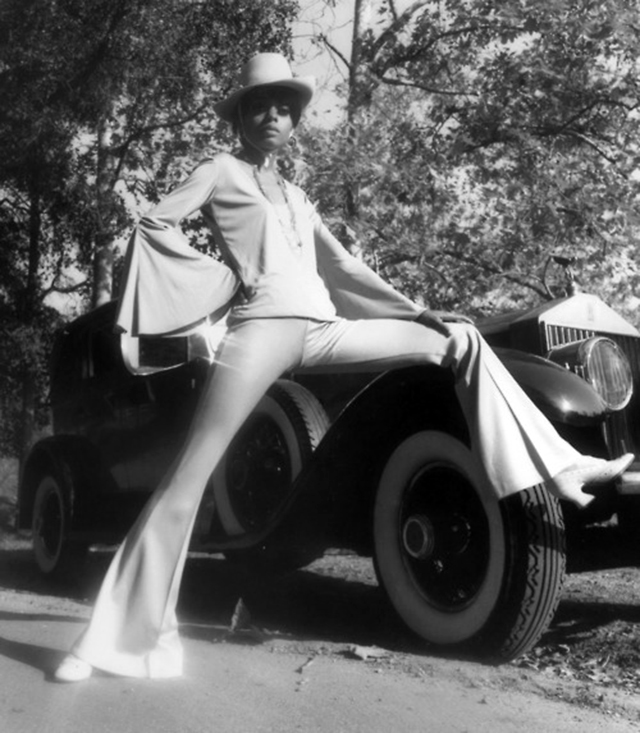
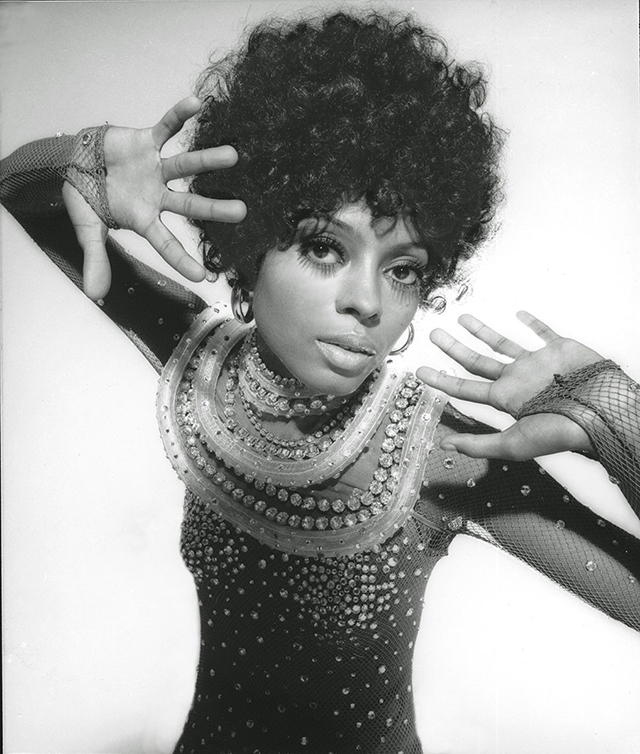
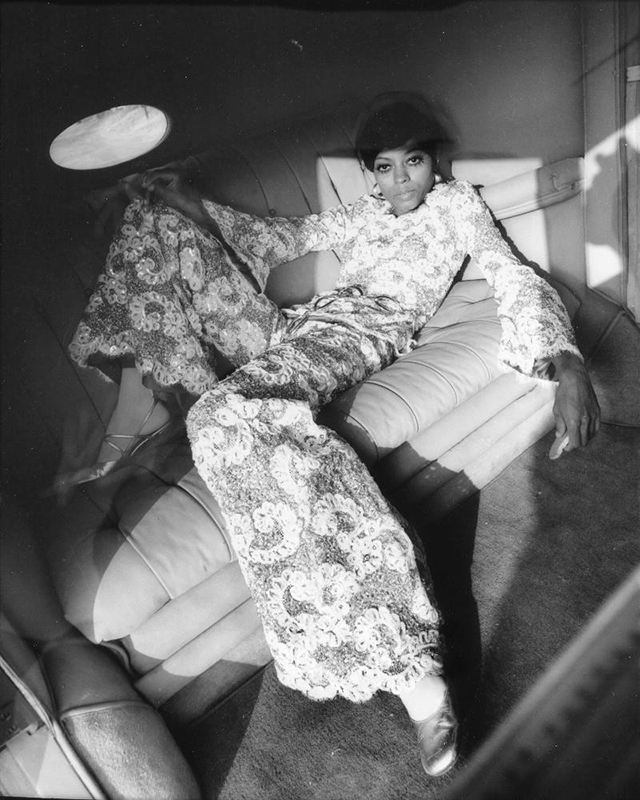
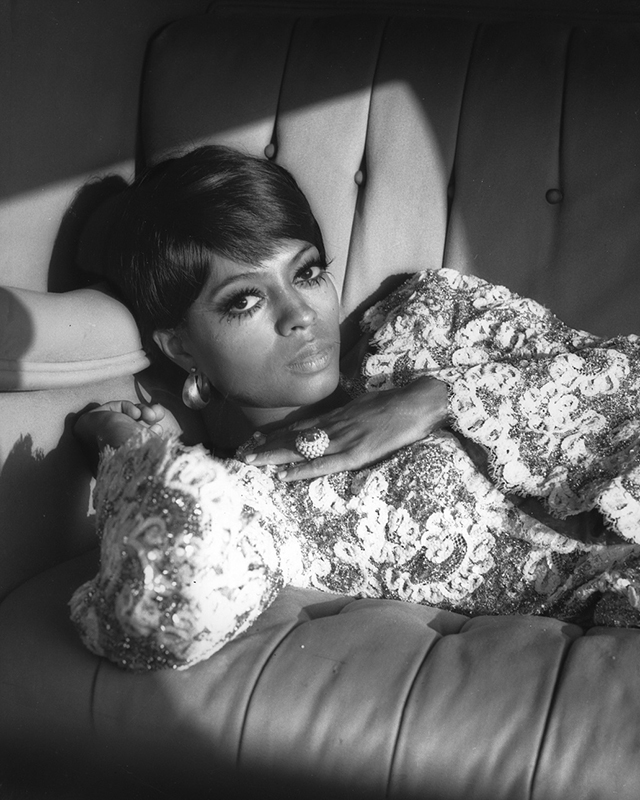
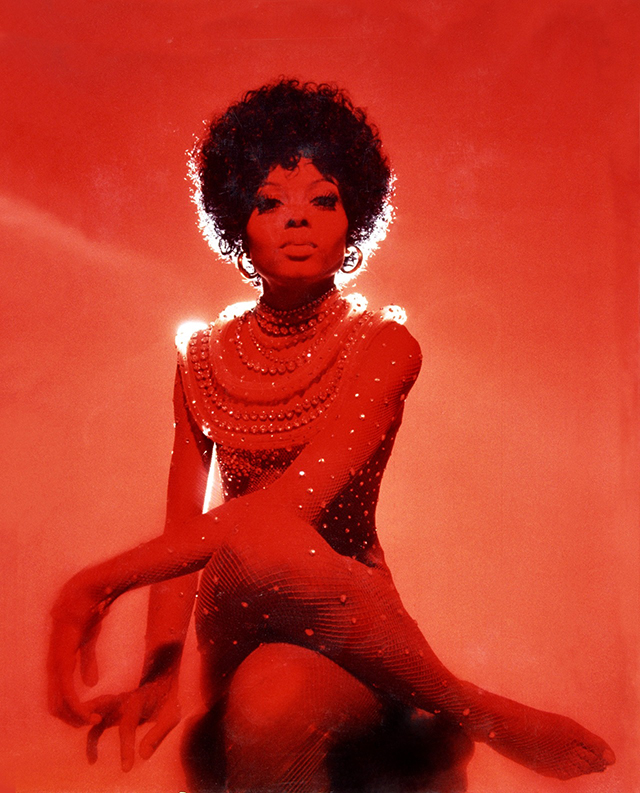
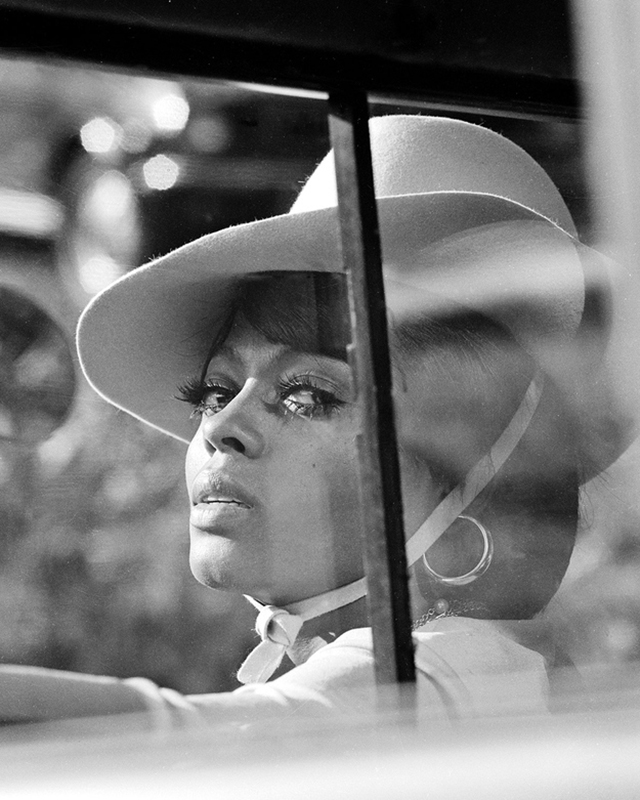
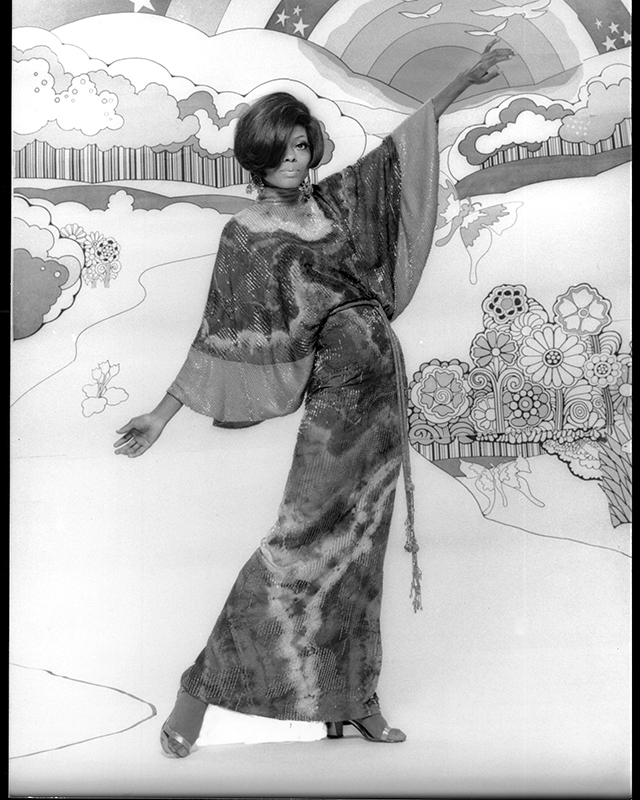
For decades the diva’s glamorous style and billowy mane influenced fashion, and her role as a designer and model in the 1970s.
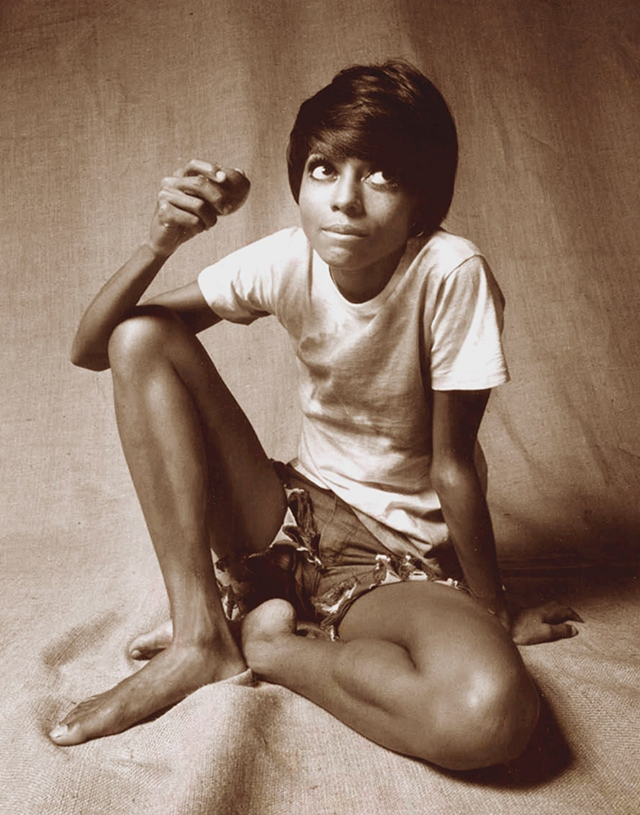
Here, we present a collection of 24 beautiful portrait photos of Diana Ross in the 1970s taken by Harry Langdon, who was responsible for taking the photographs for all of Diana’s early solo album covers, as well as for press purposes.
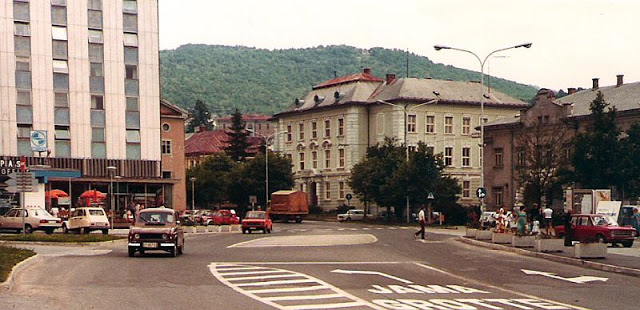
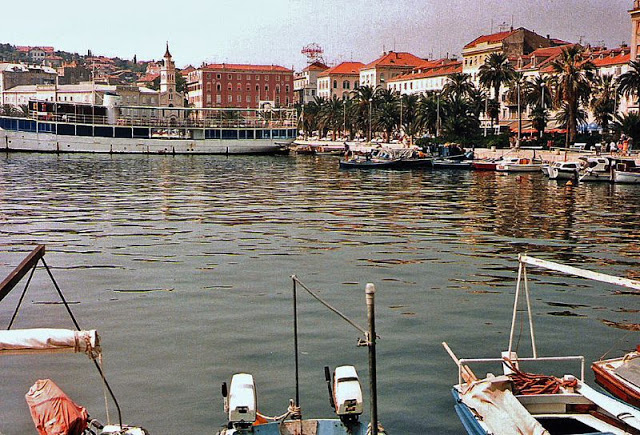
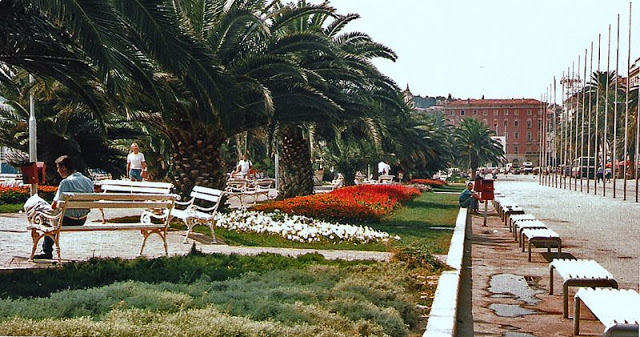
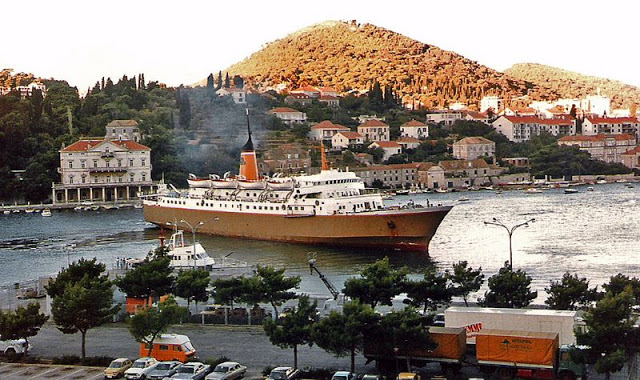
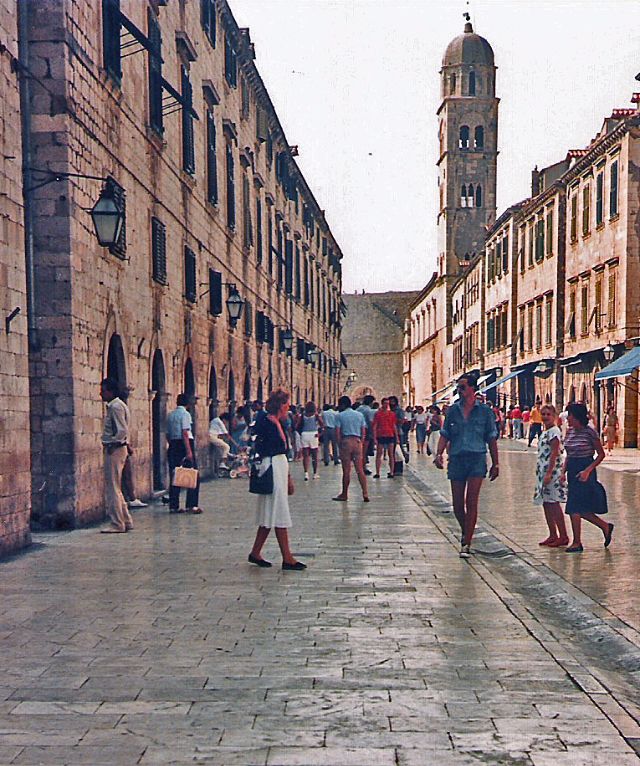
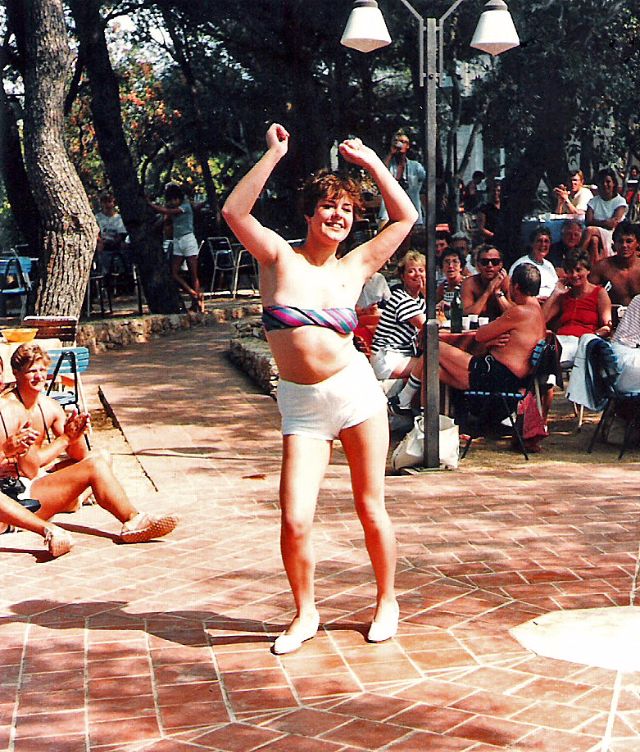
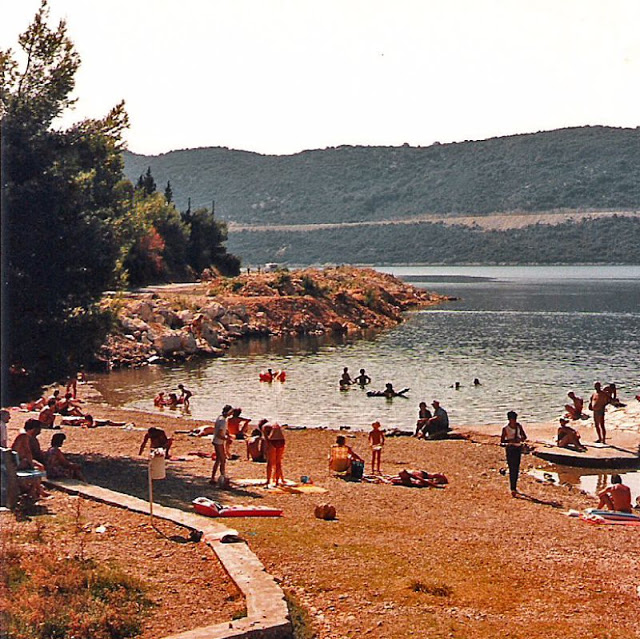
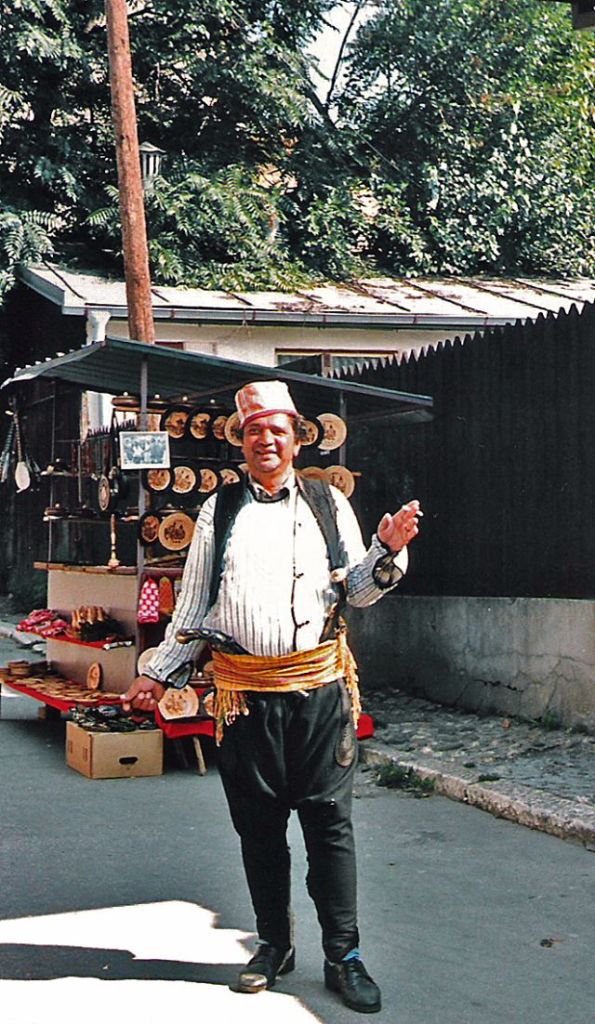
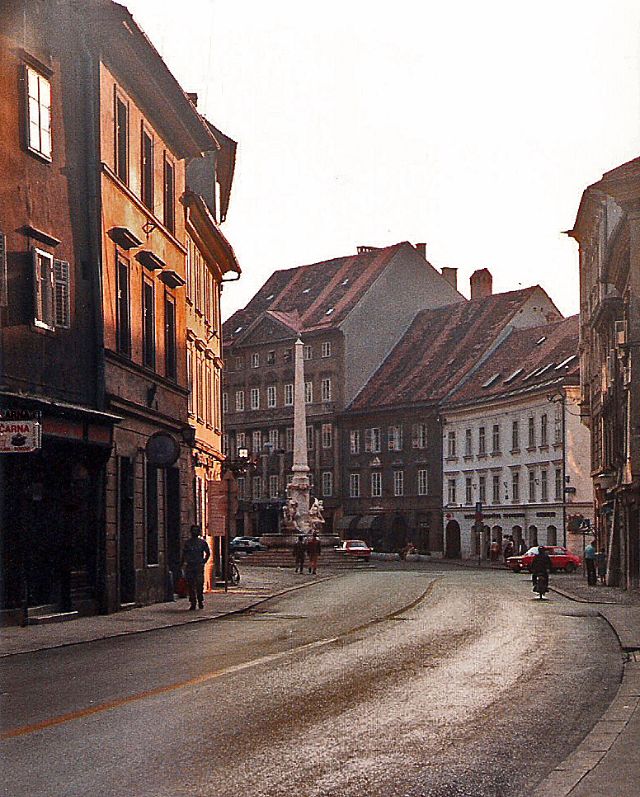
Yugoslavia was a country in Southeast Europe and Central Europe for most of the 20th century. It came into existence after World War I in 1918 under the name of the Kingdom of Serbs, Croats and Slovenes by the merger of the provisional State of Slovenes, Croats and Serbs (which was formed from territories of the former Austro-Hungarian Empire) with the Kingdom of Serbia, and constituted the first union of the South Slavic people as a sovereign state, following centuries in which the region had been part of the Ottoman Empire and Austria-Hungary. Peter I of Serbia was its first sovereign. The kingdom gained international recognition on 13 July 1922 at the Conference of Ambassadors in Paris. The official name of the state was changed to Kingdom of Yugoslavia on 3 October 1929.
Yugoslavia was invaded by the Axis powers on 6 April 1941. In 1943, a Democratic Federal Yugoslavia was proclaimed by the Partisan resistance. In 1944 King Peter II, then living in exile, recognised it as the legitimate government. The monarchy was subsequently abolished in November 1945. Yugoslavia was renamed the Federal People’s Republic of Yugoslavia in 1946, when a communist government was established. It acquired the territories of Istria, Rijeka, and Zadar from Italy. Partisan leader Josip Broz Tito ruled the country as president until his death in 1980. In 1963, the country was renamed again, as the Socialist Federal Republic of Yugoslavia (SFRY).
The six constituent republics that made up the SFRY were the SR Bosnia and Herzegovina, SR Croatia, SR Macedonia, SR Montenegro, SR Serbia, and SR Slovenia. Serbia contained two Socialist Autonomous Provinces, Vojvodina and Kosovo, which after 1974 were largely equal to the other members of the federation. After an economic and political crisis in the 1980s and the rise of nationalism, Yugoslavia broke up along its republics’ borders, at first into five countries, leading to the Yugoslav Wars. From 1993 to 2017, the International Criminal Tribunal for the former Yugoslavia tried political and military leaders from the former Yugoslavia for war crimes, genocide, and other crimes committed during those wars.
After the breakup, the republics of Montenegro and Serbia formed a reduced federative state, the Federal Republic of Yugoslavia (FRY), known from 2003 to 2006 as Serbia and Montenegro. This state aspired to the status of sole legal successor to the SFRY, but those claims were opposed by the other former republics. Eventually, it accepted the opinion of the Badinter Arbitration Committee about shared succession and in 2003 its official name was changed to Serbia and Montenegro. This state dissolved when Montenegro and Serbia each became independent states in 2006, with Kosovo having an ongoing dispute over its declaration of independence in 2008. (Wikipedia)
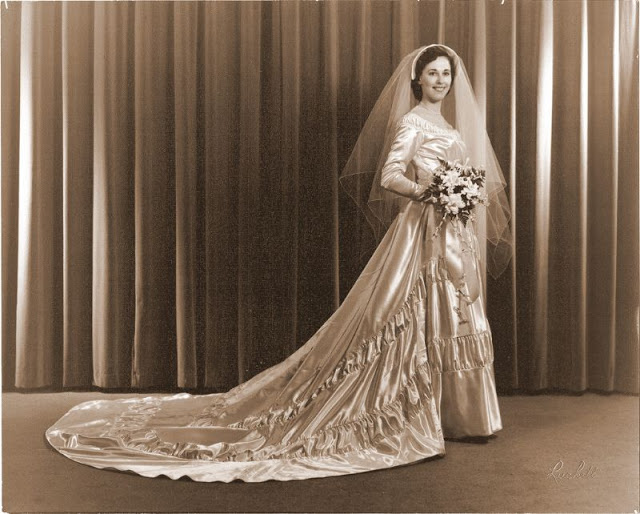
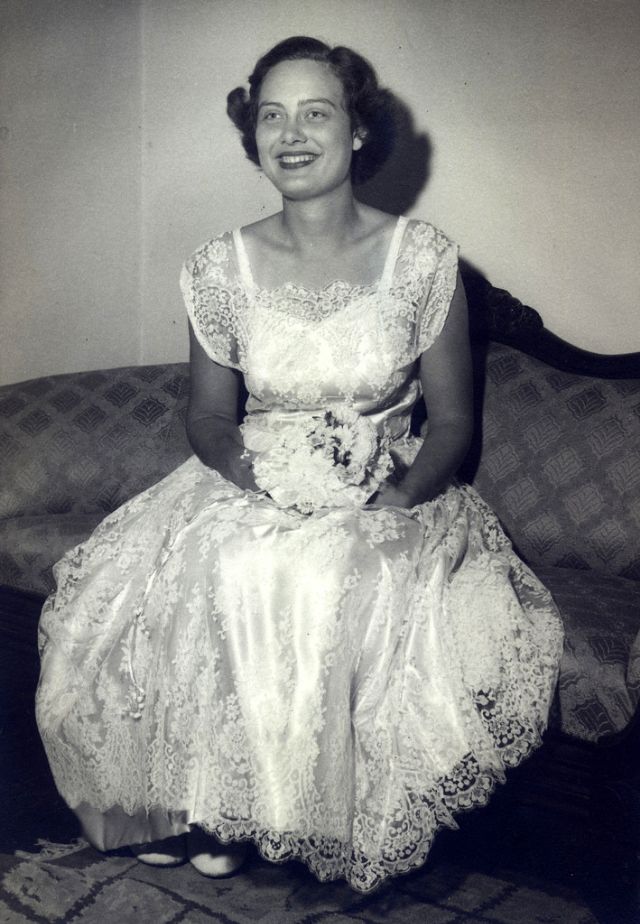
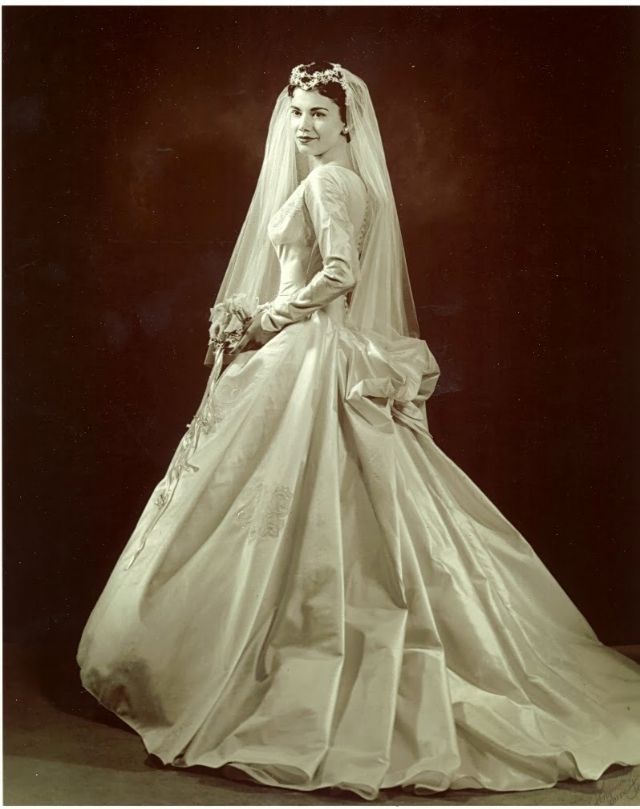
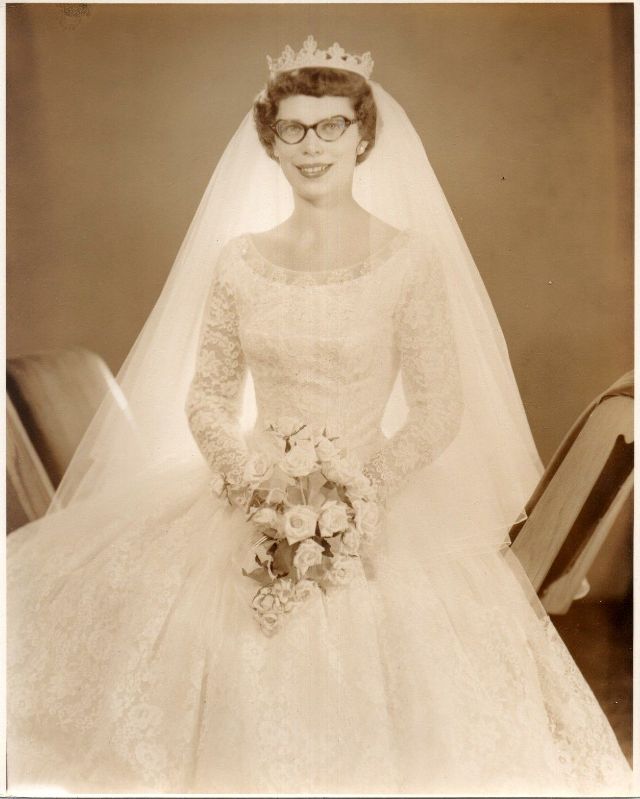
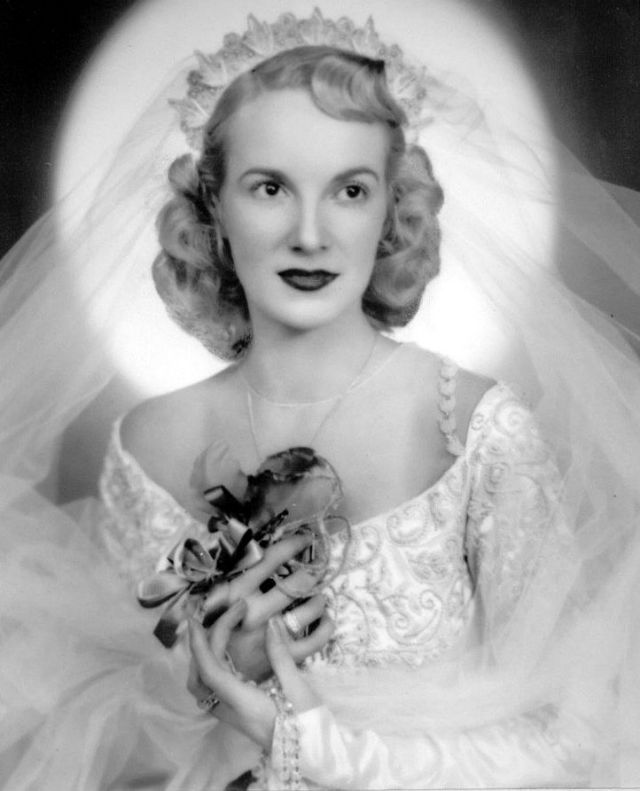
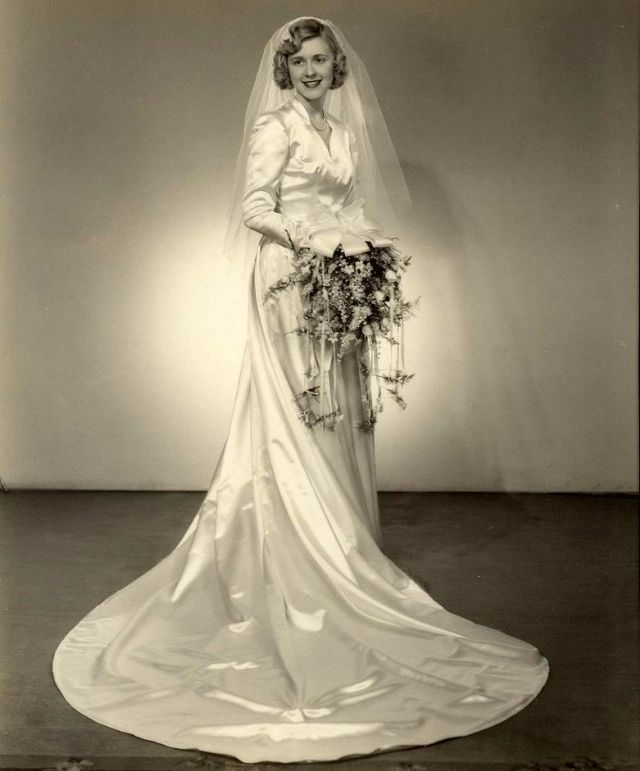
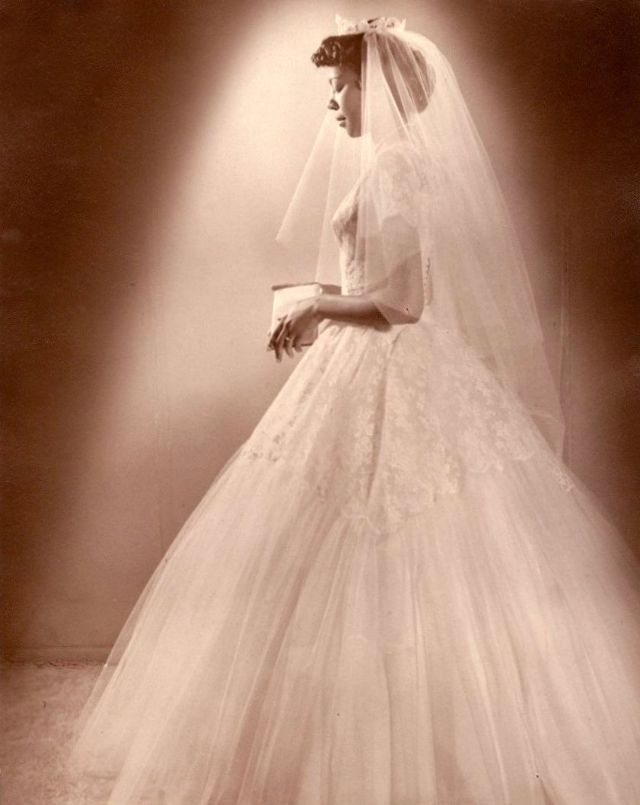
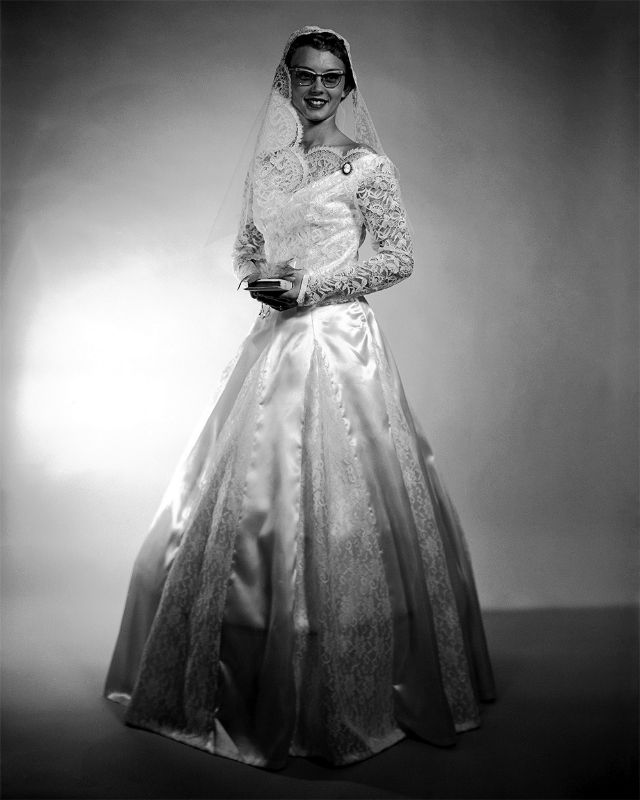
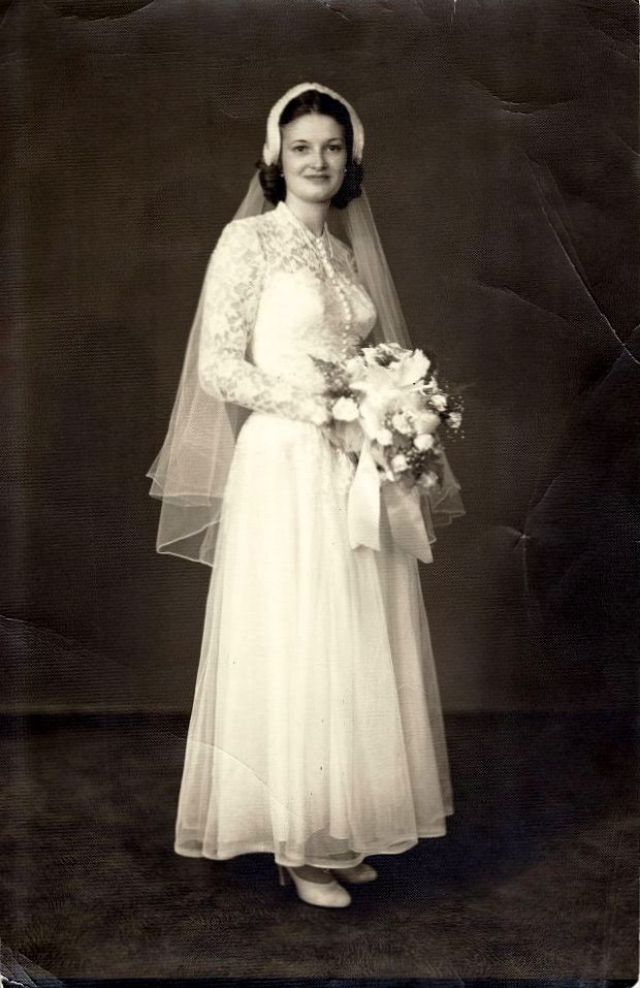
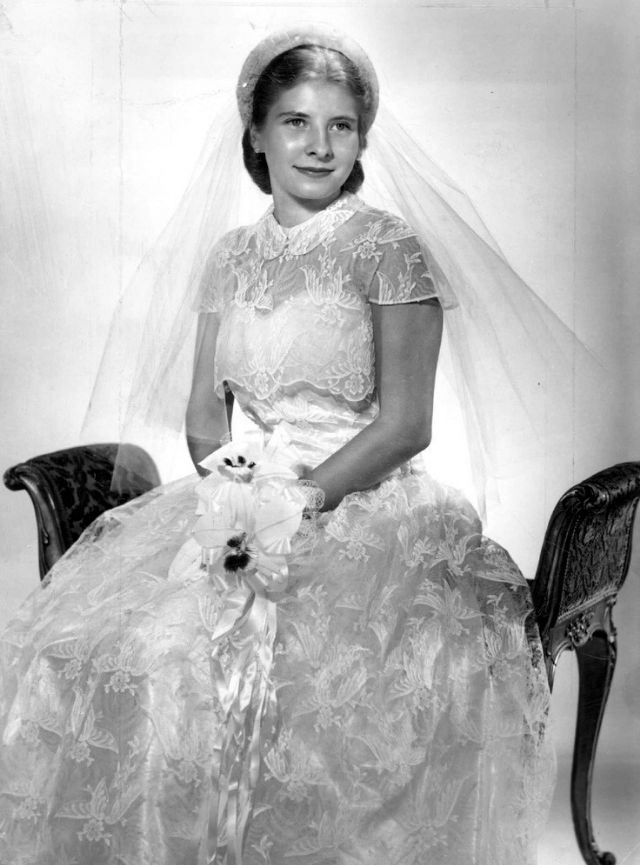
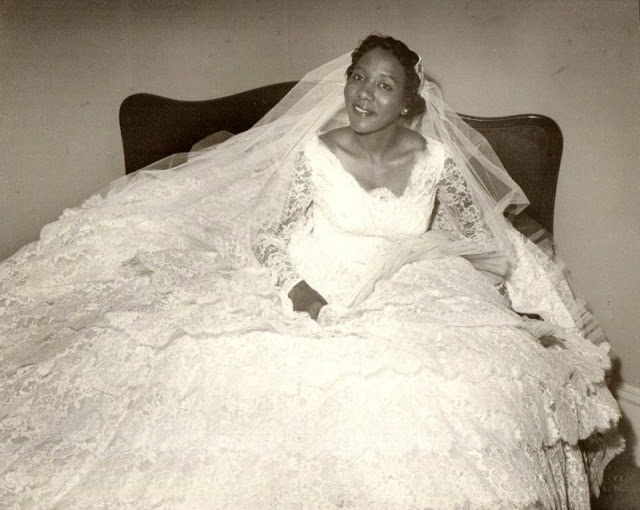
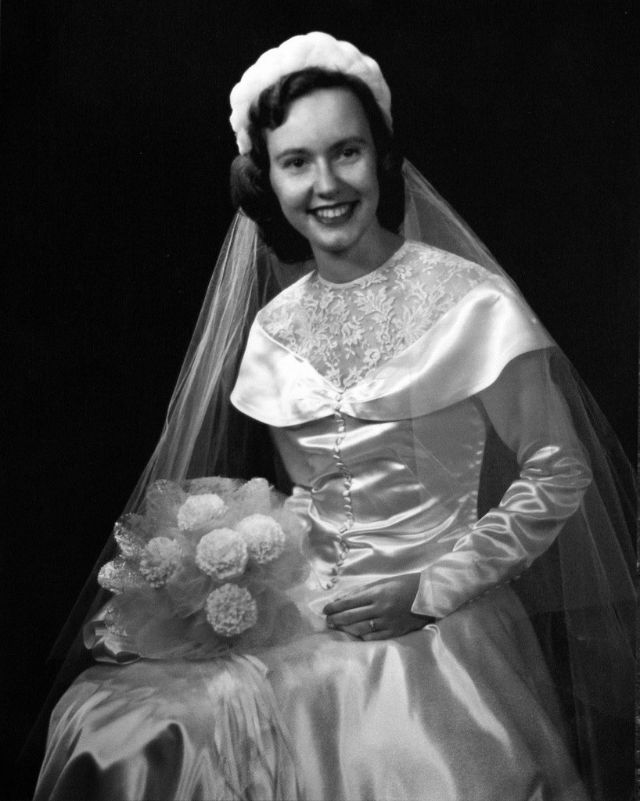
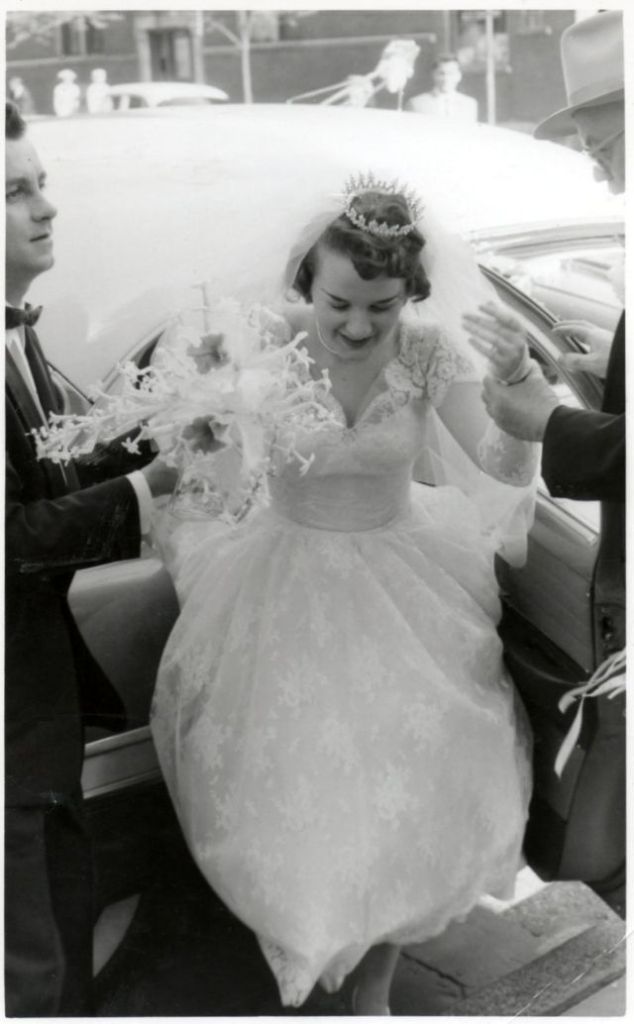
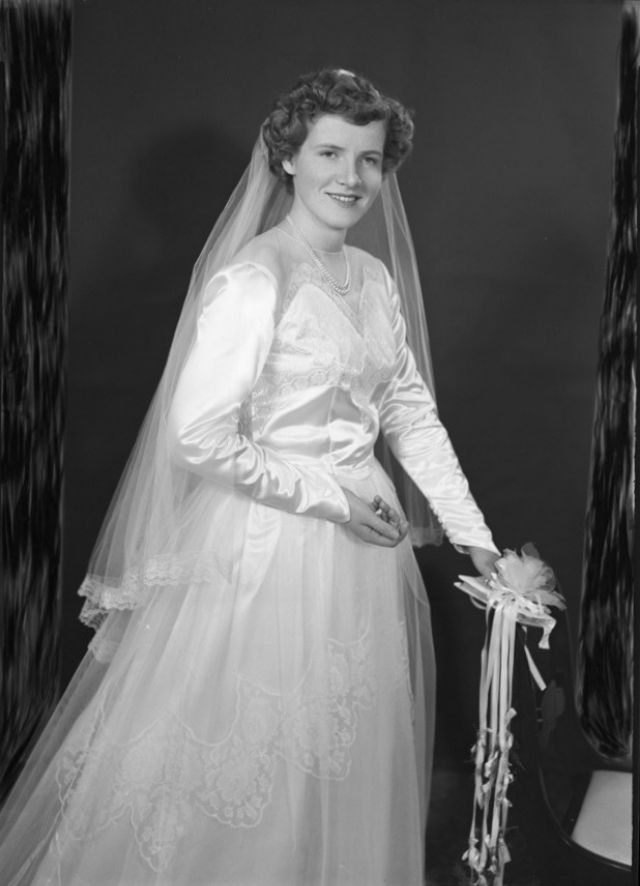
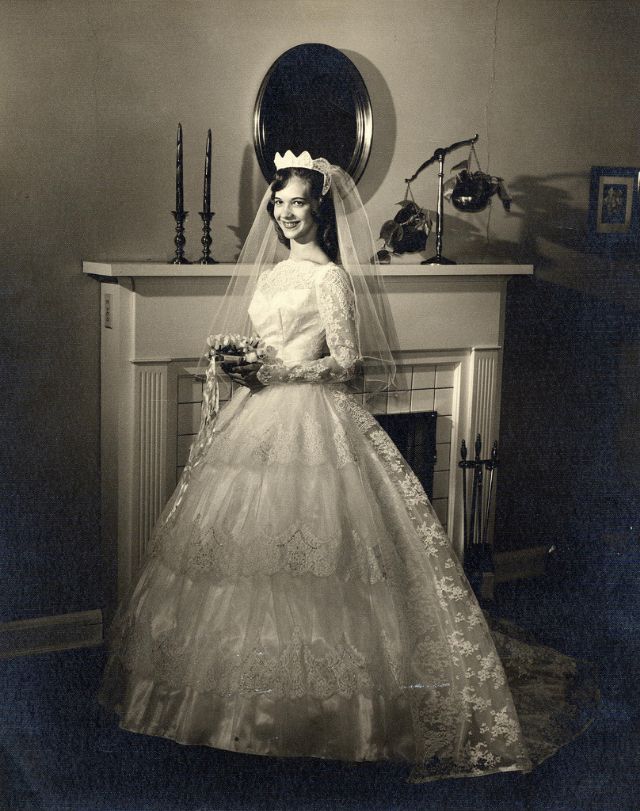
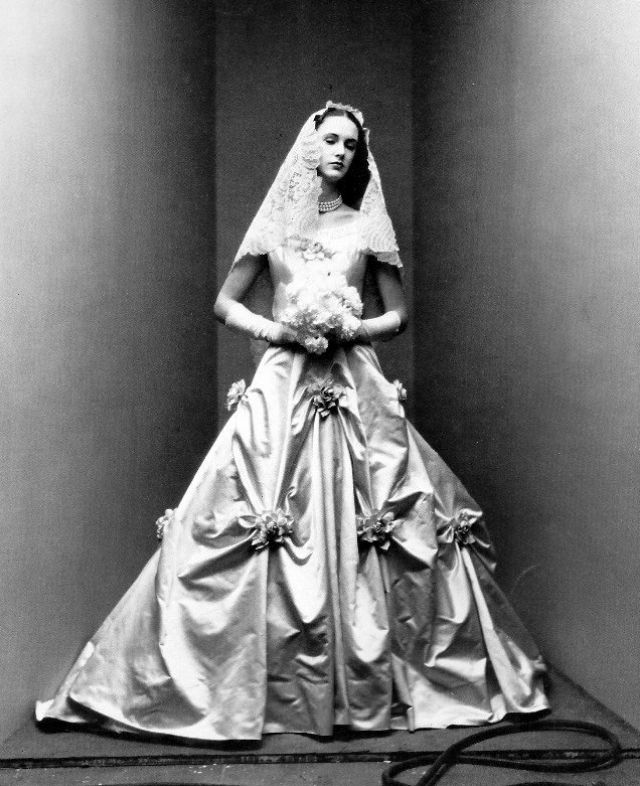
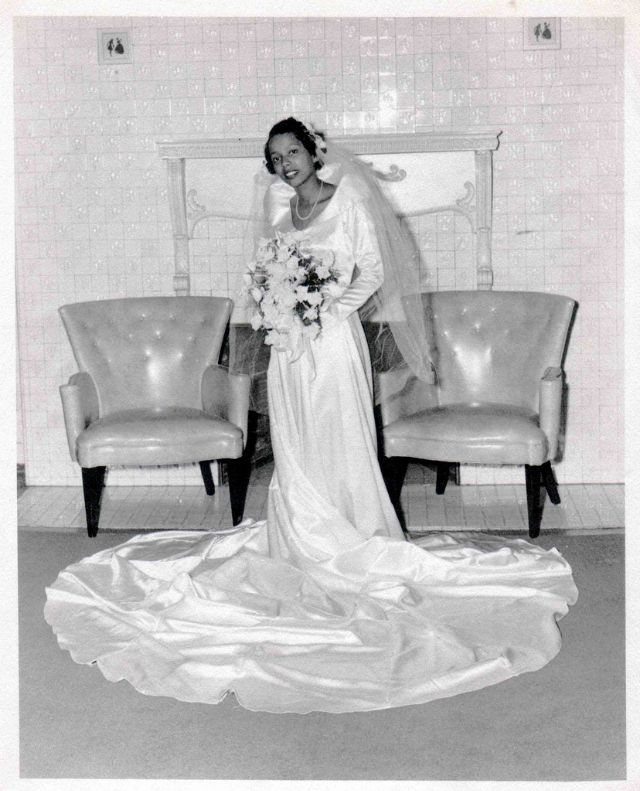
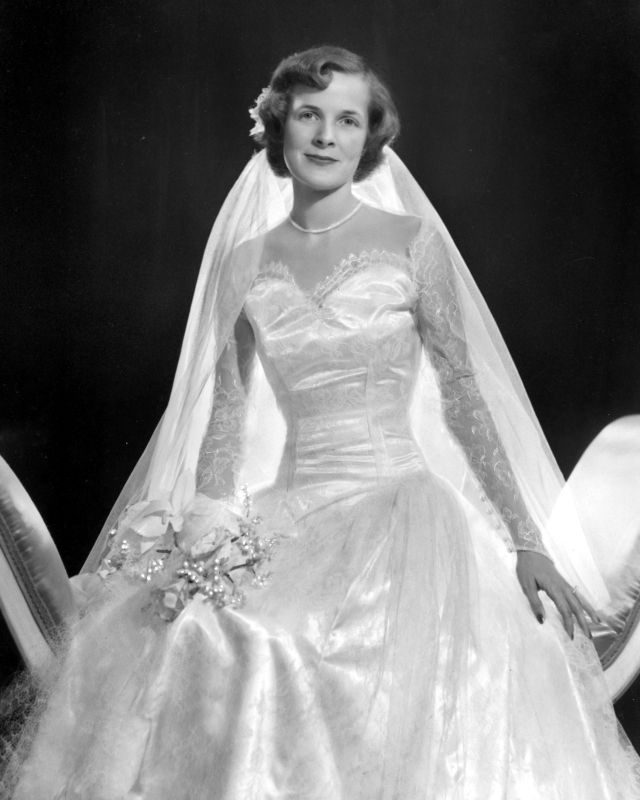
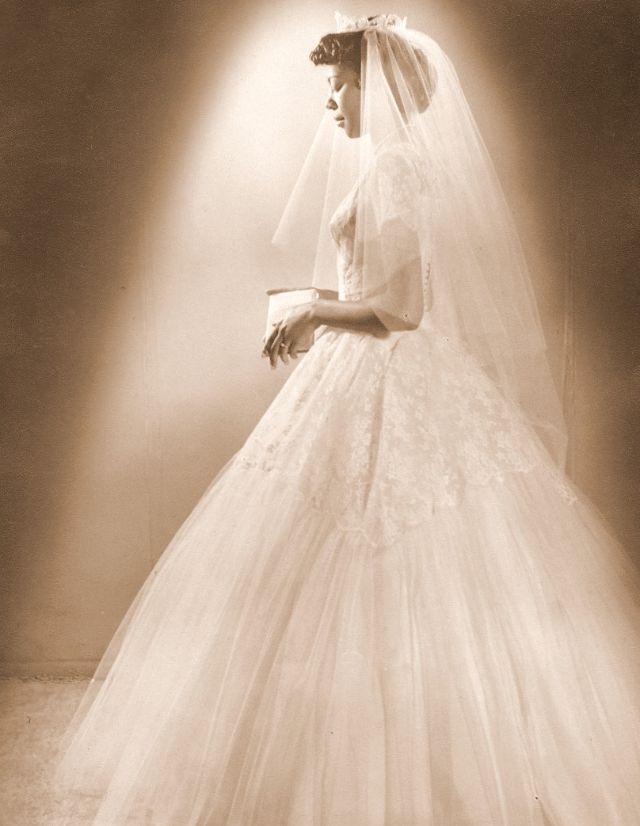
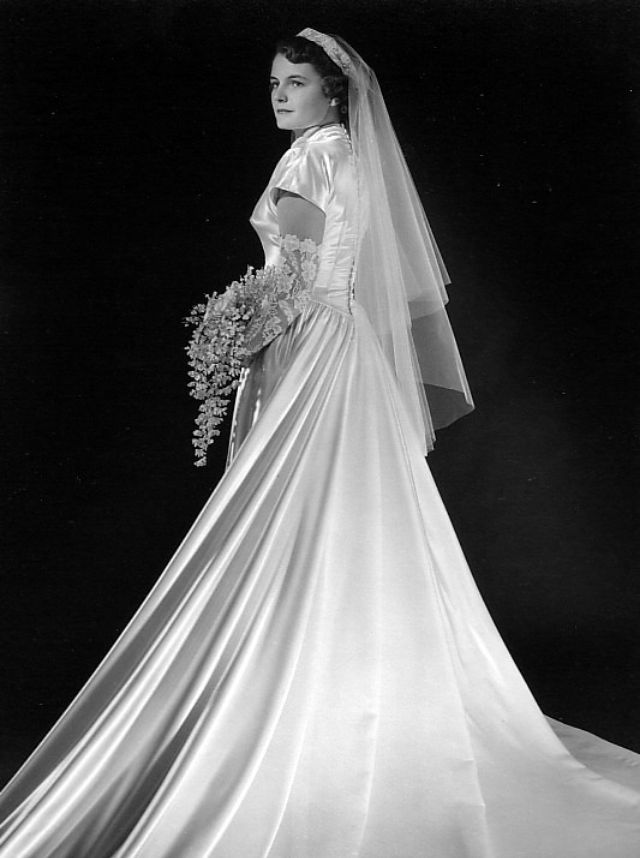
After the shortages of World War II, women were ready for a little luxury. And brides didn’t want to skimp on the lace or fabric.
In 1947, French designer Christian Dior caused a sensation when he introduced his “new look,” hour-glass dresses with long, flowing skirts – skirts made of yards and yards of cloth.
The billowing skirts and wasp-waist designs evolved in the 1950s and may have peaked around 1956. There are also many other notable designs in this period.
Check out these glamorous photos to see what brides looked like in the 1950s.
Since the early 2000s, the apparent explosion of interest in Volkswagens with original paint, rust and patina have inspired a generation of car fanatics, who couldn’t afford to restore a car to show condition but still wanted a good looking cool car. At last, you could be cool and stand out from the crowd on the tiniest of budgets.
Once looked upon as vehicles that were in need of restoration, cars with original paint, rust and patina, especially within the global Volkswagen community, have gradually become far more popular than restored cars. When walking down a line of cars at a car show, it’s easy to see why; these cars are rare, unspoiled survivors – cars that tell a story of an interesting and varied past.
The look of the Volkswagens being built in this style is often so honest, unspoiled and characterful, that it began to inspire the media; even Hollywood movie stars and celebrities. Whilst this has undoubtedly resulted in increased car values, and turned a brand of cars that had always been a cheap, honest mode of transportation into something cool with a high price tag, the generation it initially inspired have grown with the hobby, embracing the rising prices, finding ways to still be cool on a tight budget and producing a micro-industry that still manages to embrace the ‘Built not bought’ ethos.
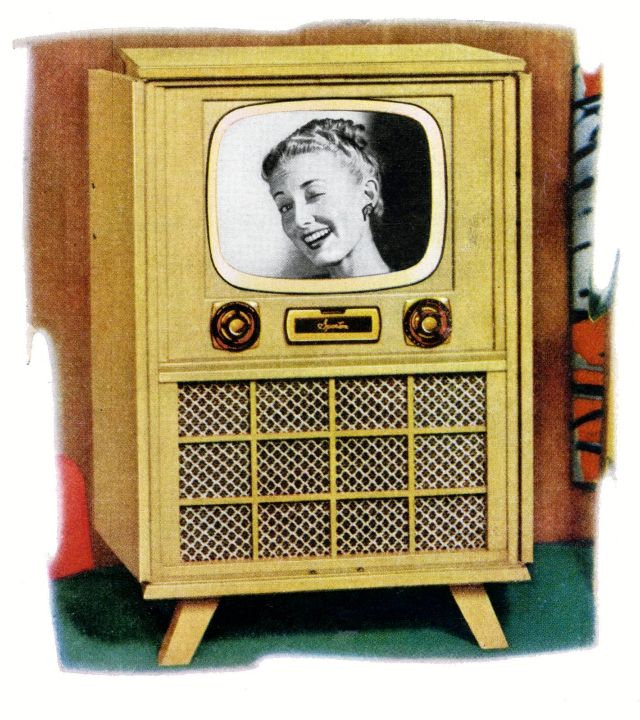
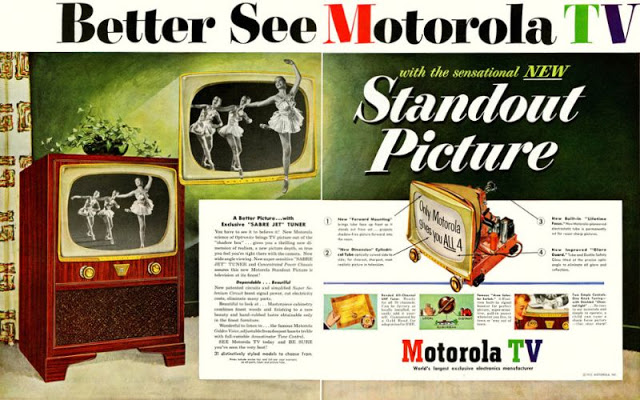
Television is the first audiovisual device that changed the way people see entertainment. It opened the realm of recreation and mass communication. It made possible for people and families to watch live events in the comforts of their drawing room. By 1950s, the aftermath of World War II had faded away. Economy was booming again and people had cash in their wallets. Prosperity was returning to America.
That’s the reason why the decade of the 1950s is also known as ‘The Golden Age of Television’. Even though, television broadcasting had been active since the 1930s, it was only in the 1950s that it actually caught people’s fancy.
It was in the 1950s, when the television started influencing the lives of the common men. Also according to a survey, approximately 3.1 million people had television sets in America in the 1950s.
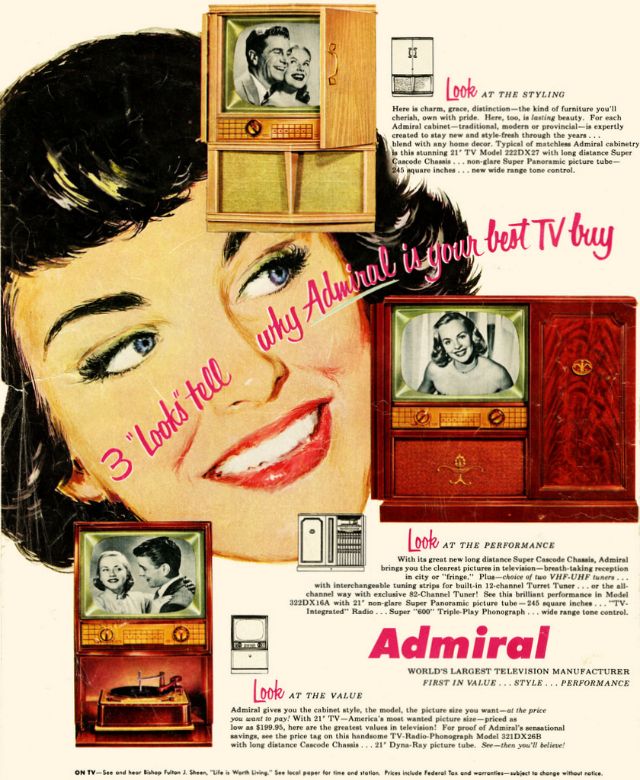
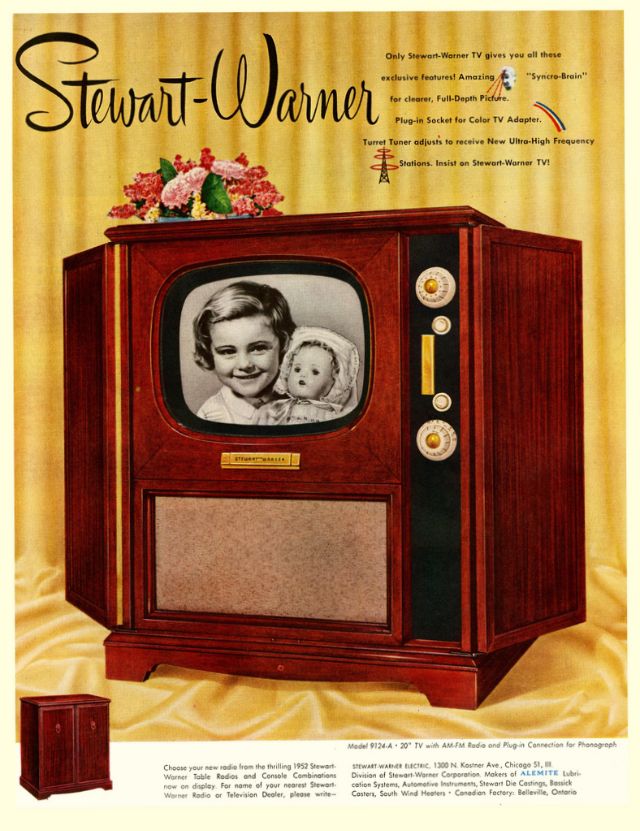
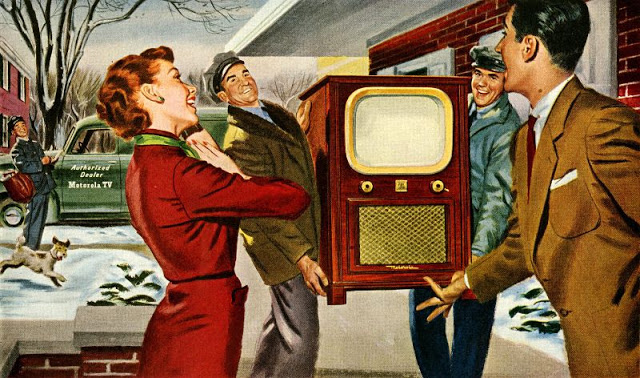
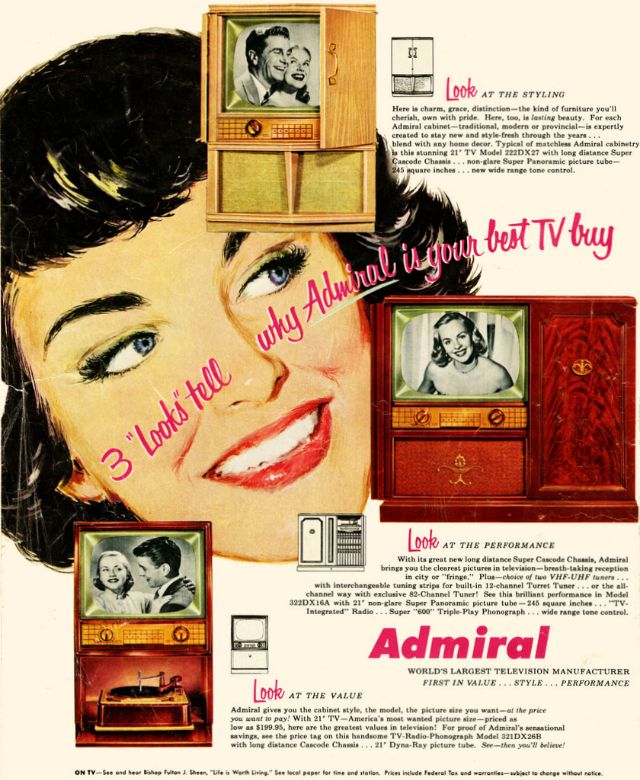
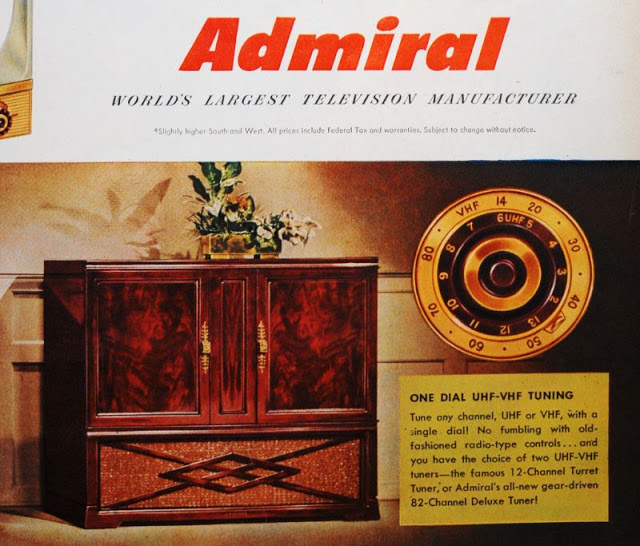
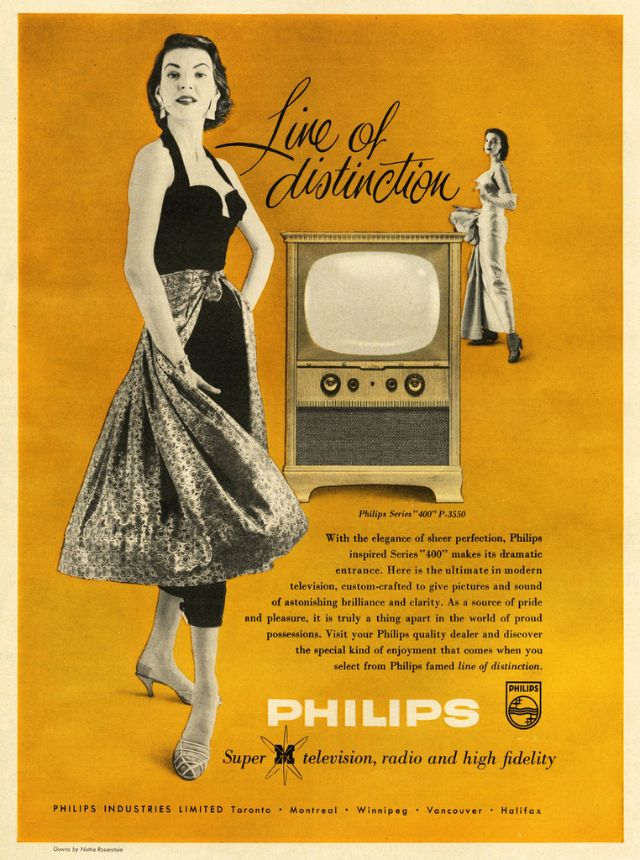
To attract buyers, there were many interesting ads that launched in this decade. And these are some of them.
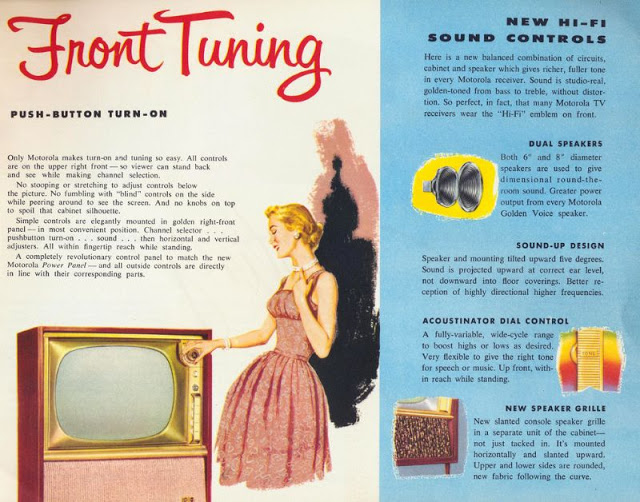
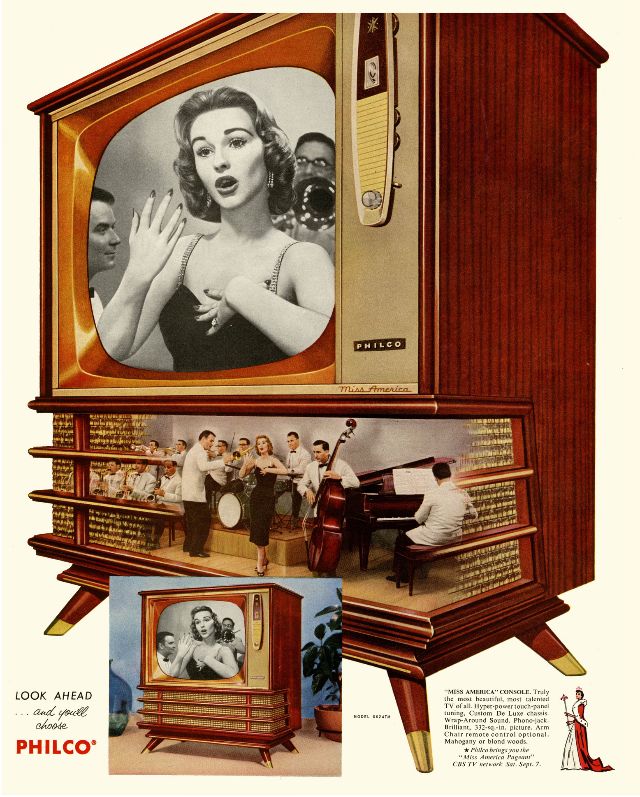
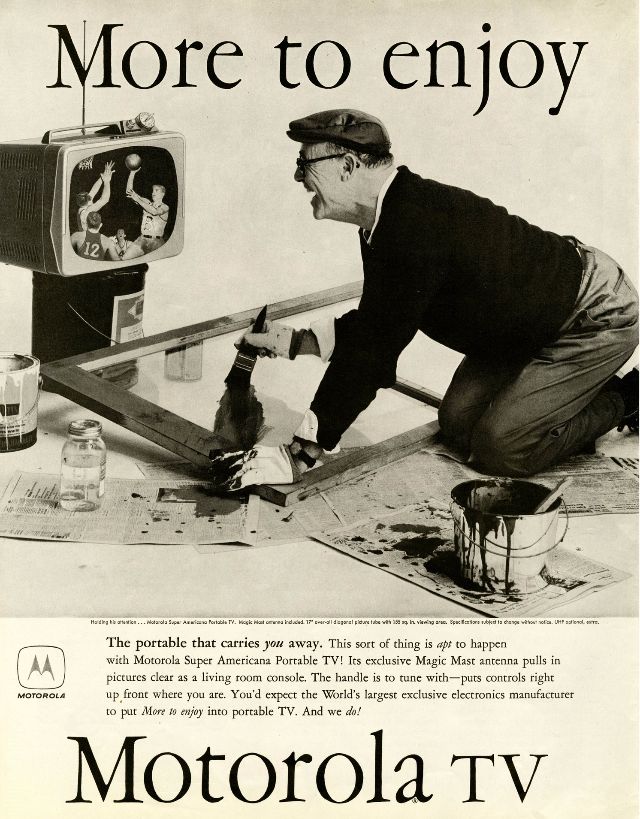
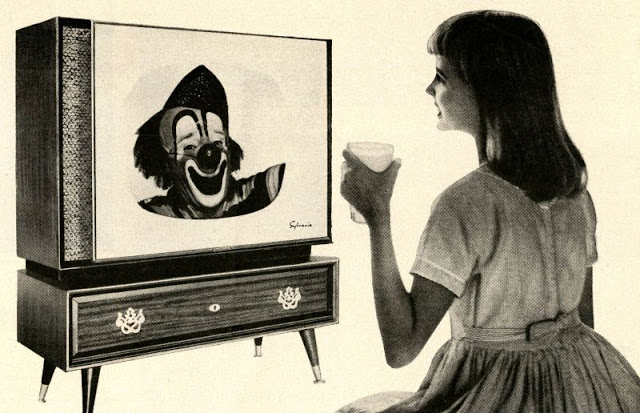
Hallicrafter’s Dynamic Tuner, 1950Capehart Television, 1950IT&T’s New Amsterdam Television, 1950Motorola Television, 1950A 1951 17-Inch Sparton Del-Mar, 1951Admiral Television, 1951Crosley Family Theatre Television, 1951Dramatic New Zenith Television, 1951Emerson TV, 1951Motorola TV, 1951Philips TV, 1951Stewart-Warner TV, 1951Zenith Black Magic Television, 1951A television brings unlimited joy to every household, Motorola TV, 1952Motorola TV, 1952New 21″ Admiral TV, 19523 “looks” tell why Admiral is your best TV buy, 1953Admiral TV series, 1953Admiral TV series, 1953Admiral TV, 1953Spartan Cosmic Eye Television, 1953 Stromberg-Carlson Television with Thrilling Panoramic Vision, 1954General Electric Television, 1955Philips Series “400” P-3550, Line Of Distinction, 1955Zenith Television, 1955Crosley Television, 1956Motorola Color TV Console, 1956Motorola Color TV with finest picture, finest sound, 1956Motorola Front Tuning, 1956The Fine New Motorola TV, 1956Miss America Philco TV, 1957Philco Announces Hyper-Power Television, 1957Philco Slender Seventeener television set, 1957Motorola TV, 1958Sylvania HaloLight Television, 1959
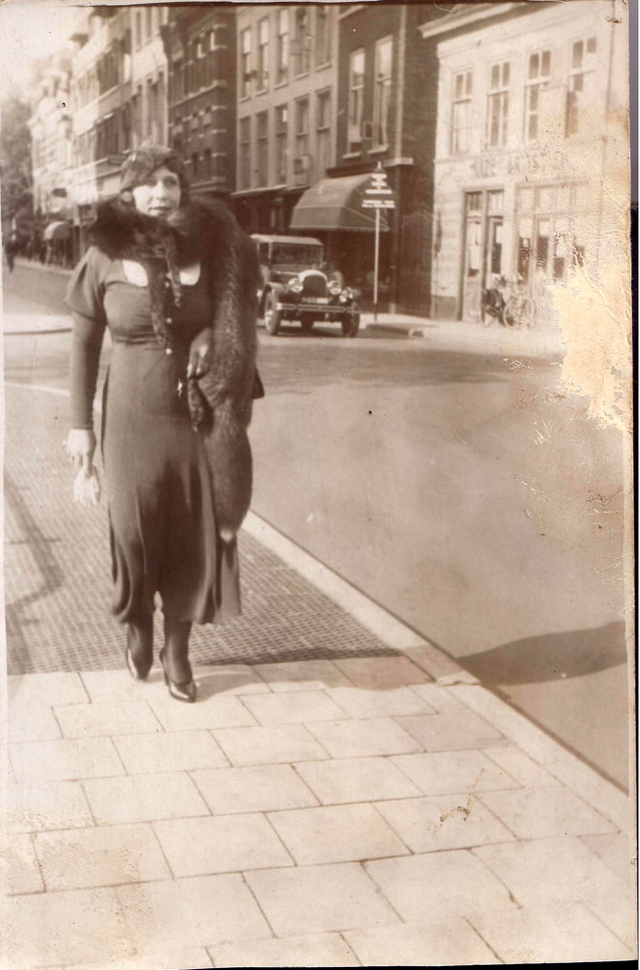
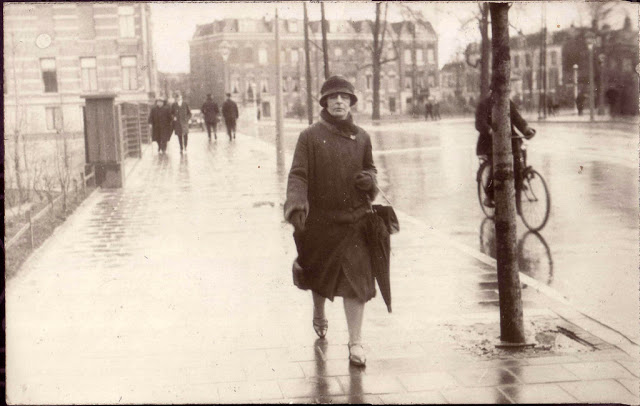
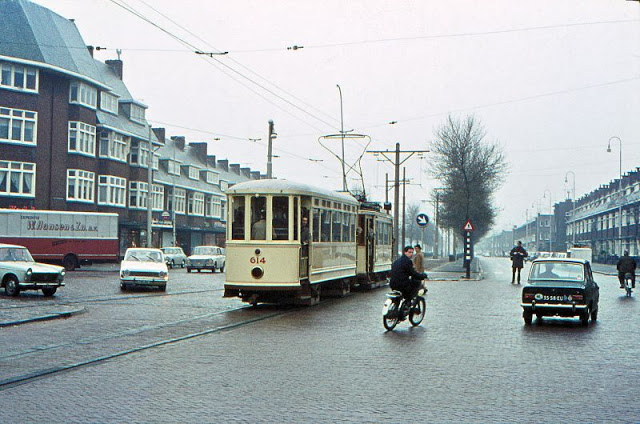
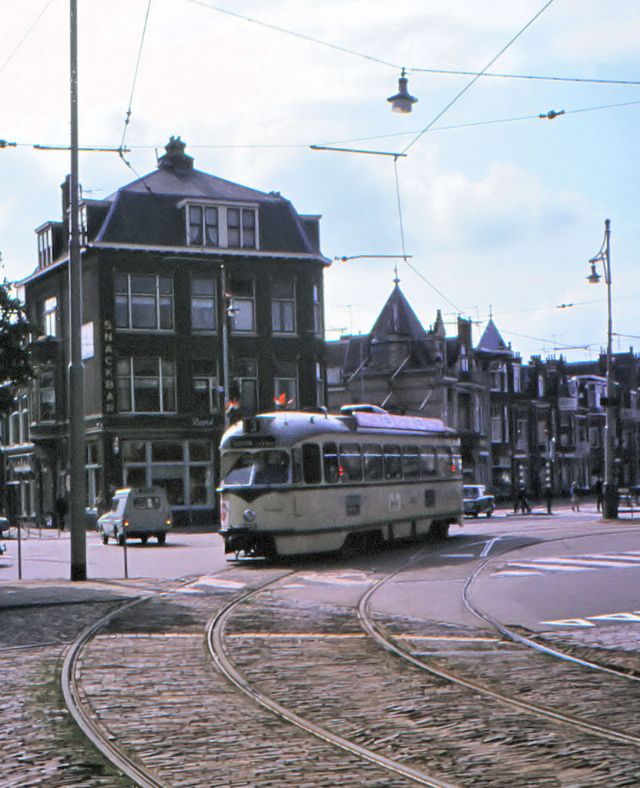
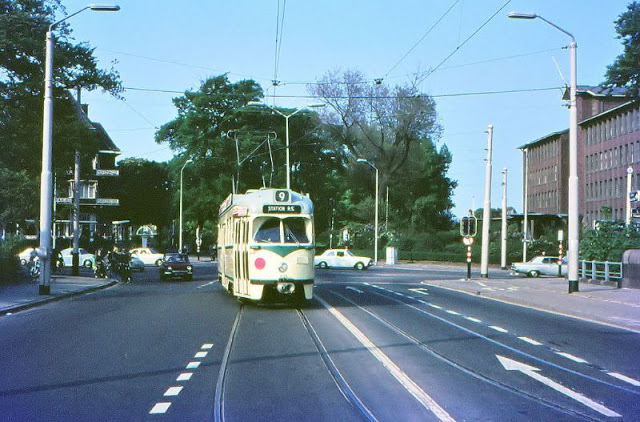
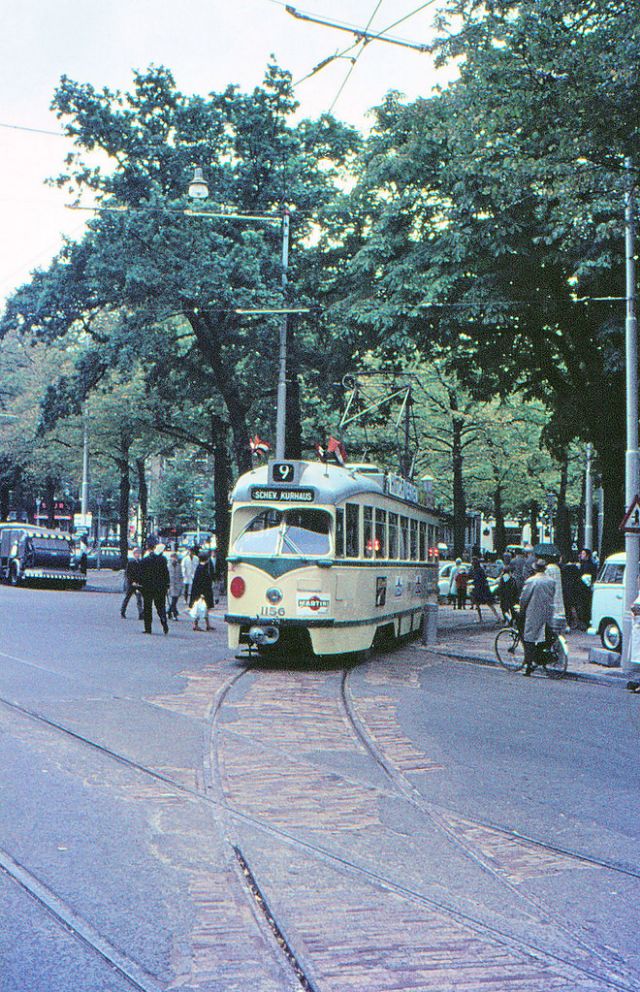
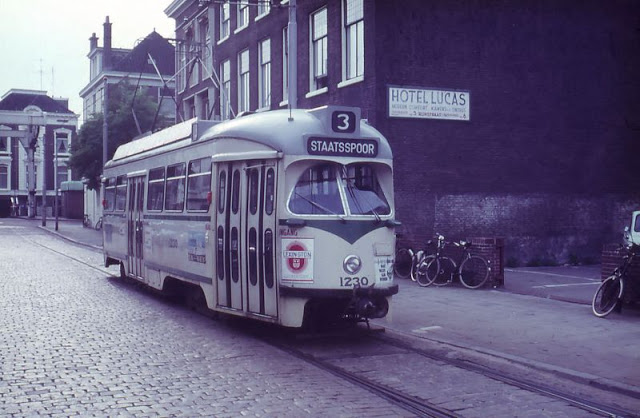
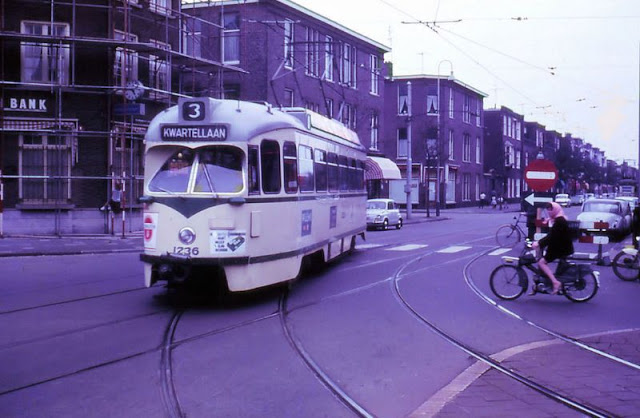
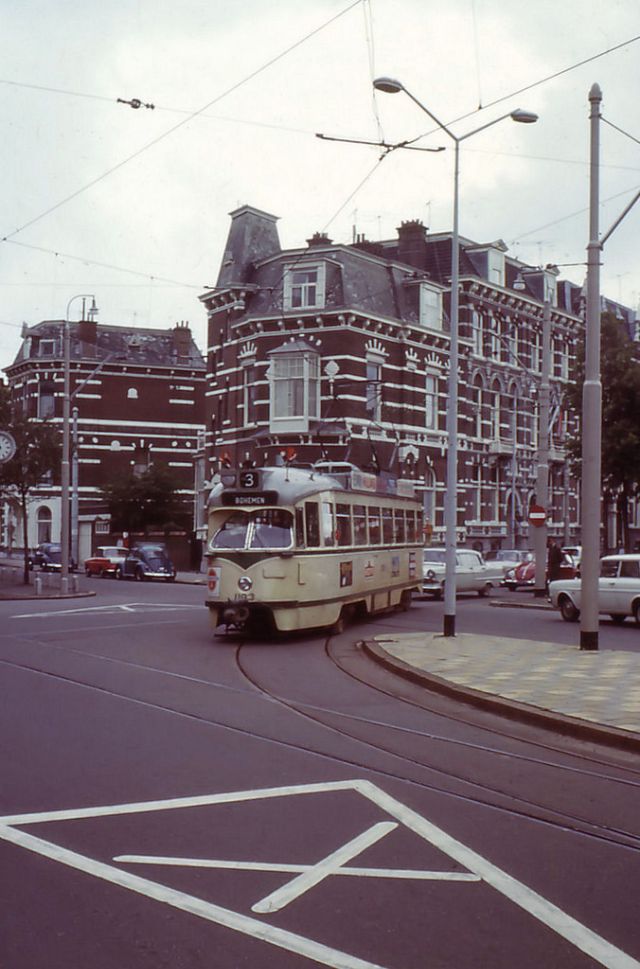
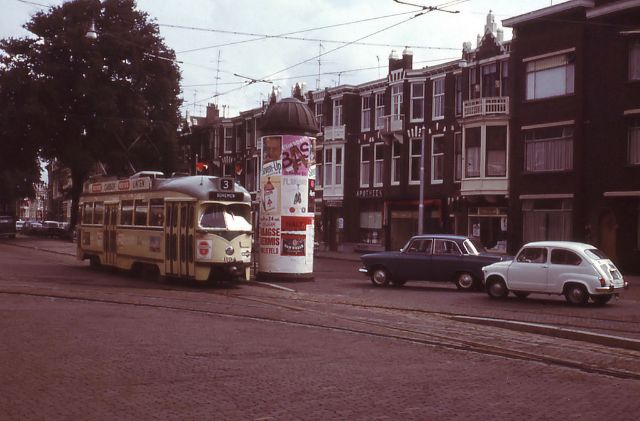
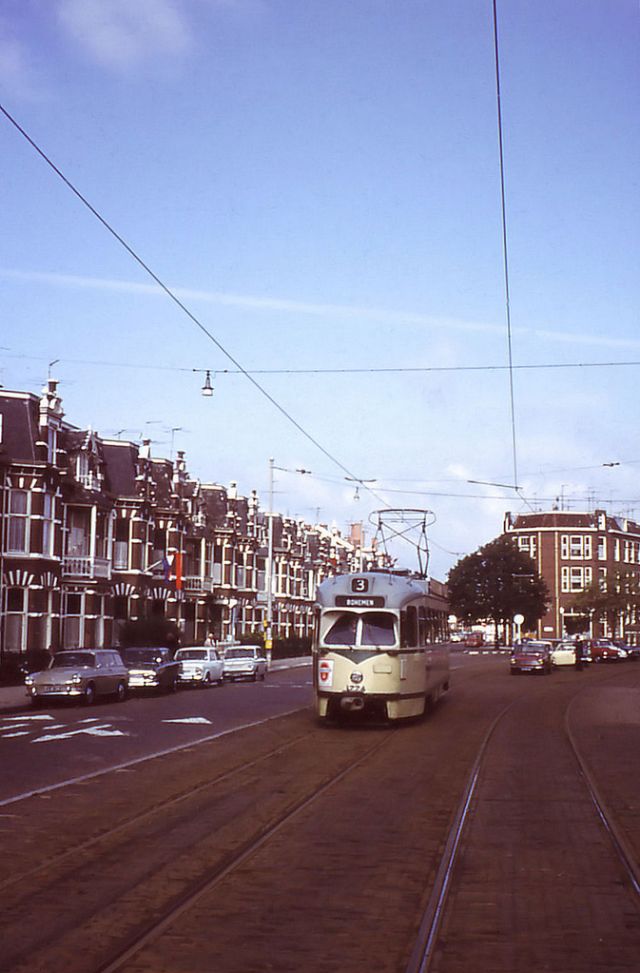
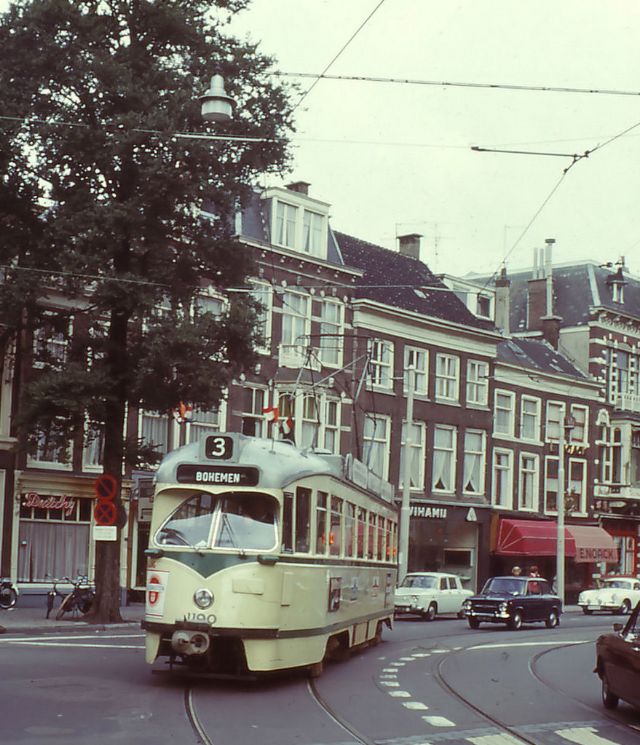
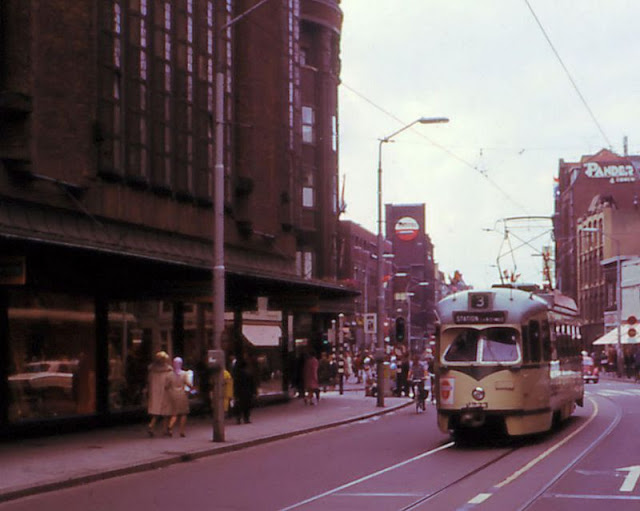
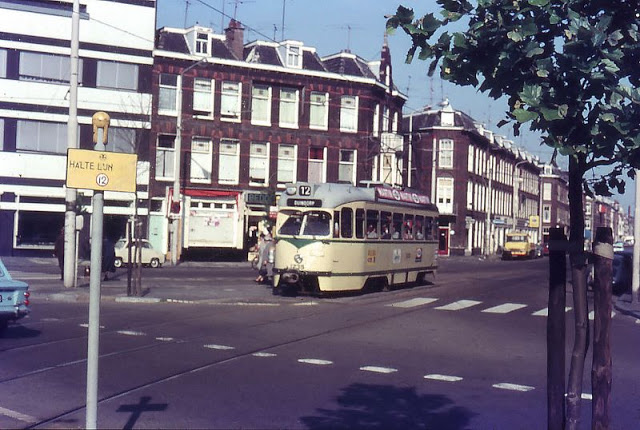
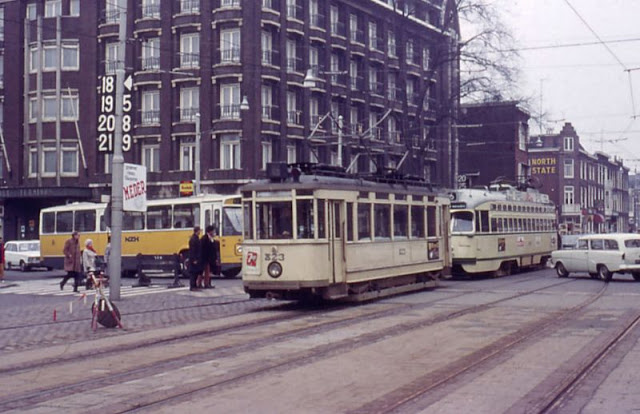
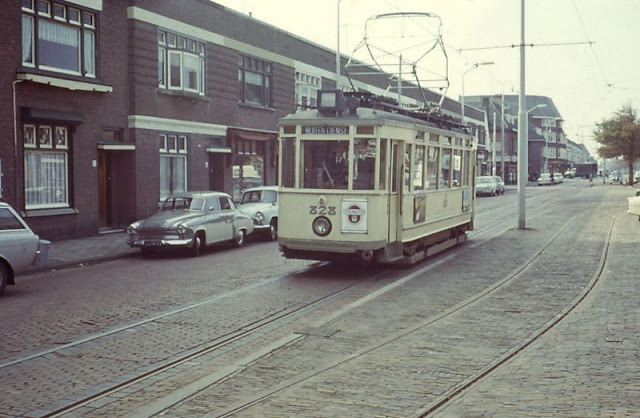
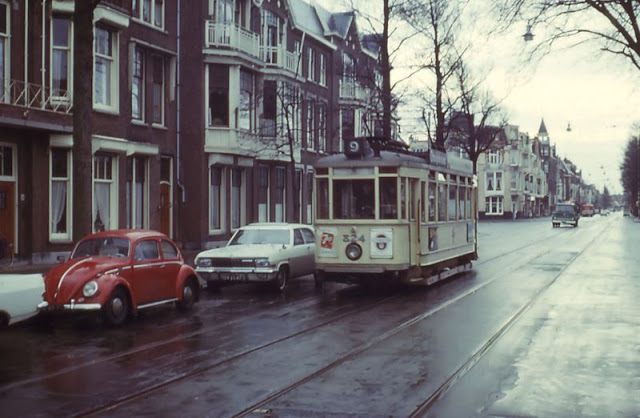
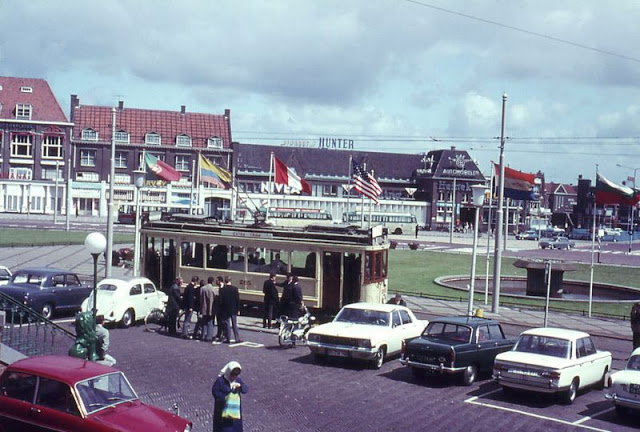
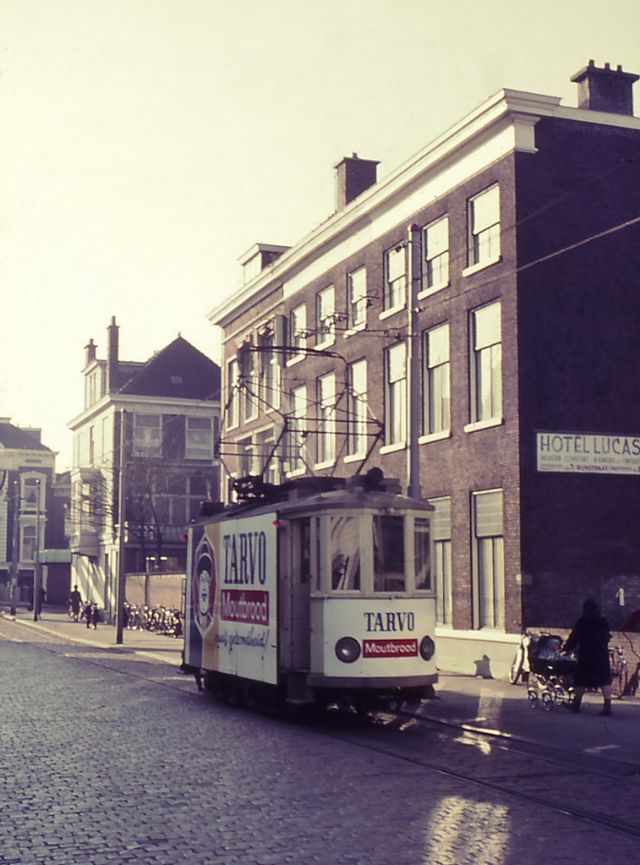
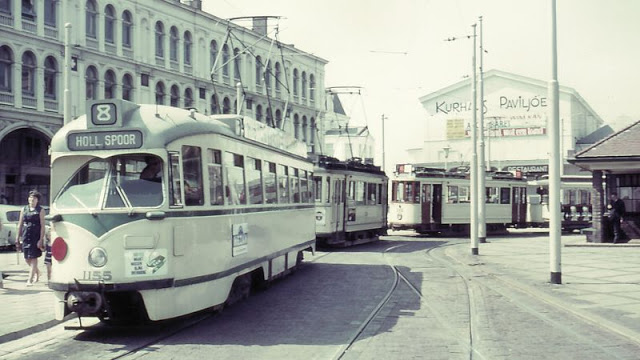
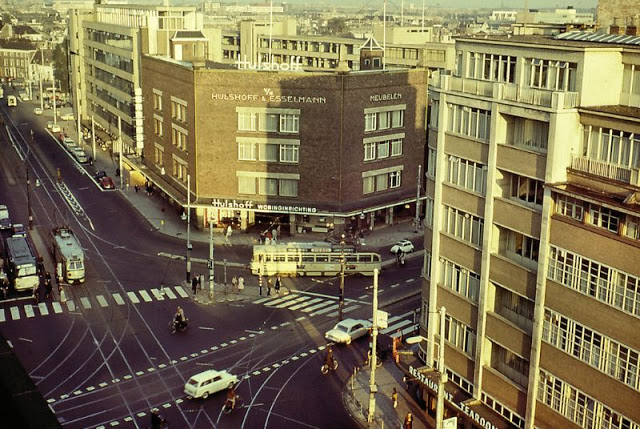
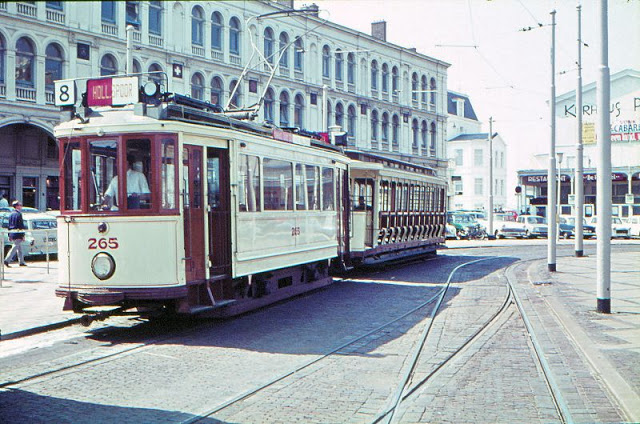
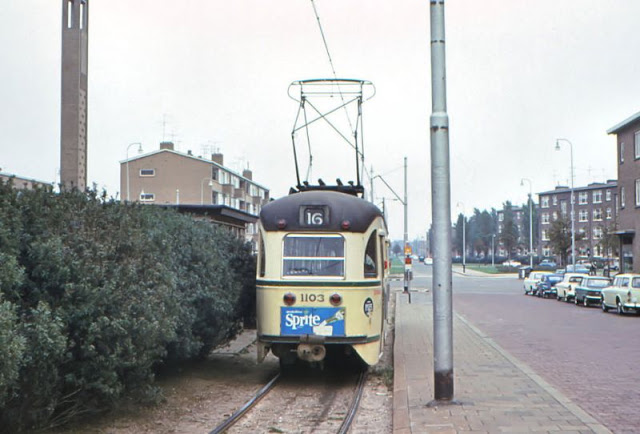
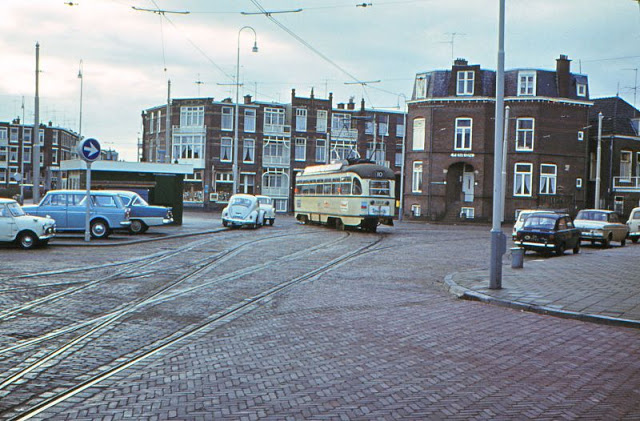
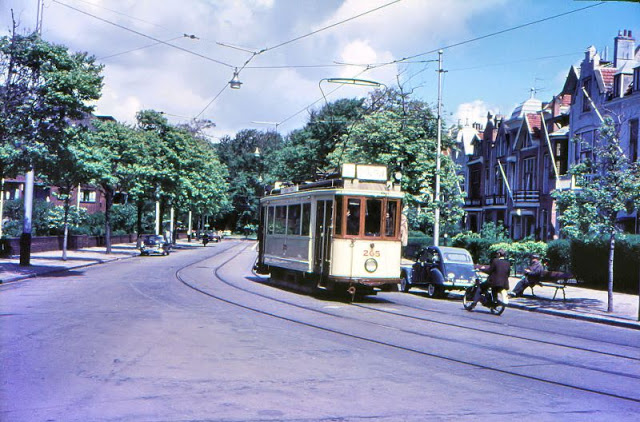
The Hague is a city and municipality of the Netherlands, situated on the western coast facing the North Sea. It is the administrative and royal capital of the Netherlands and its seat of government, as well as the capital of the province of South Holland. It hosts the International Court of Justice and International Criminal Court.
With a population of over half a million, it is the third-largest city in the Netherlands, after Amsterdam and Rotterdam. The Hague is the core municipality of the Greater The Hague urban area, which comprises the city itself and its suburban municipalities, containing over 800,000 people, making it the third-largest urban area in the Netherlands, again after the urban areas of Amsterdam and Rotterdam. The Rotterdam–The Hague metropolitan area, with a population of approximately 2.6 million, is one of the largest metropolitan areas in Europe and the most populous in the country; the area holds the Rotterdam The Hague Airport. Situated on the west coast of the Netherlands, The Hague lies at the southwest corner of the larger Randstad conurbation, one of the largest conurbations in Europe.
The Hague is the seat of the Cabinet, the States General, the Supreme Court and the Council of State of the Netherlands, but the city is not the constitutional capital, which is Amsterdam. King Willem-Alexander lives in the Huis ten Bosch and works at the Noordeinde Palace in The Hague, together with Queen Máxima. Most foreign embassies in the Netherlands are located in the city. The Hague is also home to the headquarters of many Dutch companies, with Shell plc having major offices in the city as well.
The Hague is known as the home of international law and arbitration. The International Court of Justice, the main judicial arm of the United Nations, is located in the city, as are the International Criminal Court, the Permanent Court of Arbitration, the Organisation for the Prohibition of Chemical Weapons, Europol, and approximately 200 other international governmental organizations. (Wikipedia)