From Jackie Kennedy’s Pillbox to Twiggy’s Mod Cut, See the 15 Most Iconic Hairstyles of the 1960s

The 1960s were a decade of enormous change. They came in with the Kennedys and ended with Woodstock, and in between everything changed, including the hair.

Jean Seberg’s Breathless Crop
When American-born actress Jean Seberg appeared with her hair nearly shorn in Jean-Luc Godard’s 1960 film Breathless, critics and audiences alike were wowed. “La Seberg coup,” as the style was known in France, became a signature look for rebellious women of all stripes.
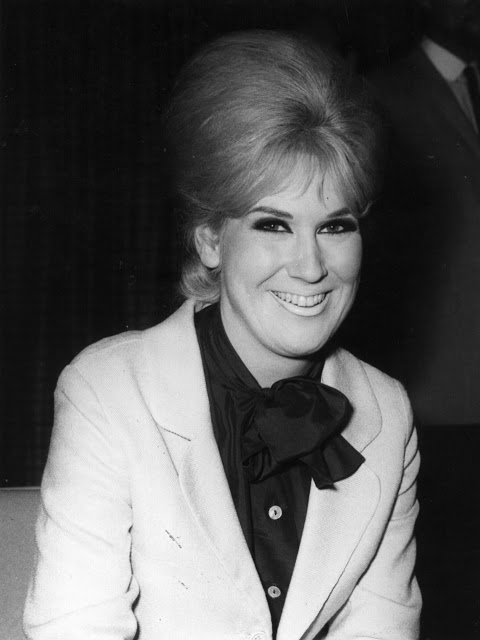
Dusty Springfield’s Beehive
The beehive was born in 1960, created by Illinois stylist Margaret Vinci Heldt. In just a few years, it had caught on across the country and was further popularized by stars like Dusty Springfield and Aretha Franklin.
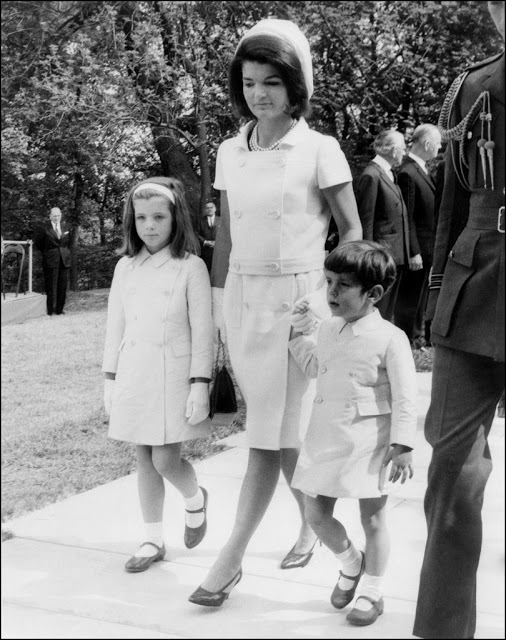
Jackie Kennedy’s Pillbox-Perfect Look
When her husband became president in 1961, Jacqueline Kennedy brought a whole new era of elegance to the White House and inspired millions of American women to change their style. With her smooth, perfect bob and always-fashionable hats, she practically changed the entire female silhouette for the first half of the 1960s.
Joan Baez’s Original Hippie Hair
Folk singer Joan Baez (seen here in 1963 with then-boyfriend Bob Dylan) may be the original hippie girl. She had her first gold record in 1962 and was wearing the centre-parted, long, natural hairstyle typical of the late 1960s — almost half a decade before it caught on.
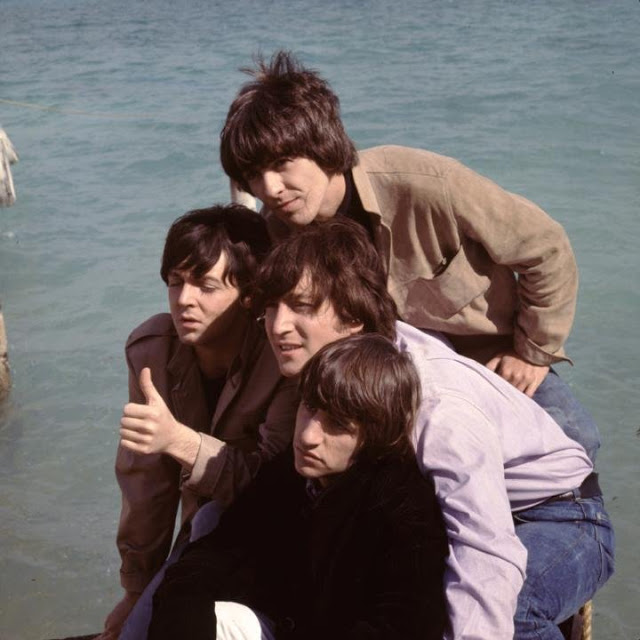
The Beatles’ Mop Tops
The Fab Four had their first hit with “Love Me Do” in 1962, but their mop-top hairstyles also quickly took both sides of the Atlantic by storm. At the time, their “long” hair was considered unkempt and rebellious, and young people wearing the look were actually arrested and forced to have their hair cut at police stations.
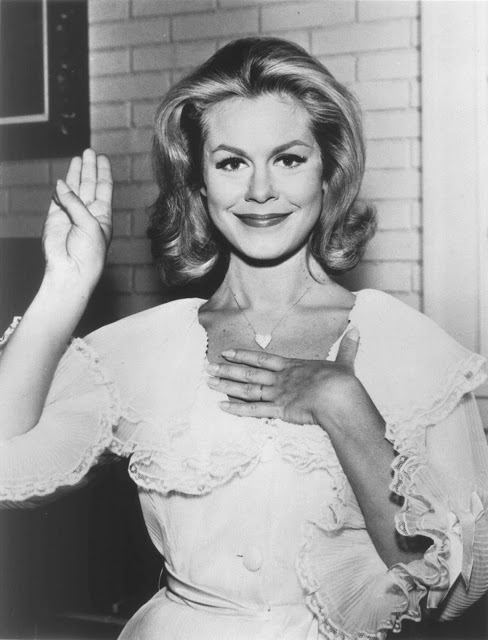
The Bewitched Flip
As sweet Samantha on Bewitched, the lovely Elizabeth Montgomery inspired a whole generation of American women to try the flip, a long bob that literally “flipped” out at the ends, creating a bell shape.
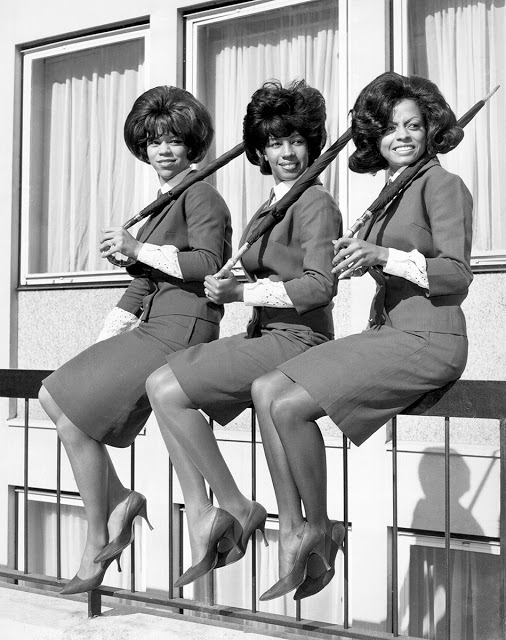
The Supremes’ Bobs
Diana Ross and the Supremes were one of the biggest female groups of the decade. Their highly styled and straightened hair had a profound influence on young American women of all ethnicities. African American fans repeatedly requested that the group wear their hair natural, but producer Berry Gordy thought that doing so would alienate the group’s white audience.
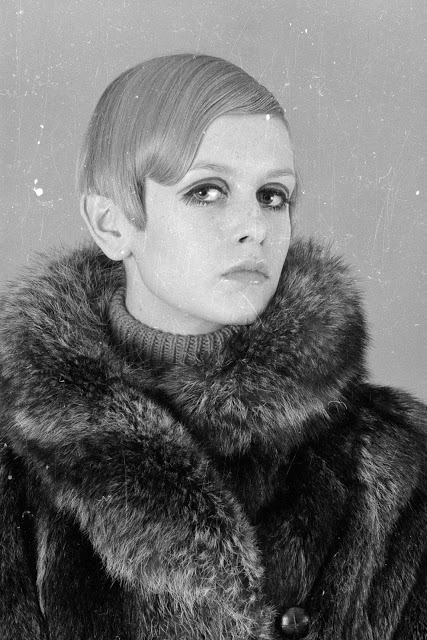
The Twiggy Cut
Twiggy made short hair with long, side-swept bangs the look of 1960s London, defining the entire mod era.
Loretta Lynn’s Country-Fried Volume
Loretta Lynn created the standard for country music hair: voluminous with big, hair-sprayed curls.
The Vidal Sassoon Style
Vidal Sassoon completely changed women’s hairstyling beginning in the mid-1960s. His creations ranged from the famed five-point cut seen on swinging London icons like designer Mary Quant (seen here), and thoroughly modern hairstyles for celebrities like Nancy Kwan, Mia Farrow and Twiggy.
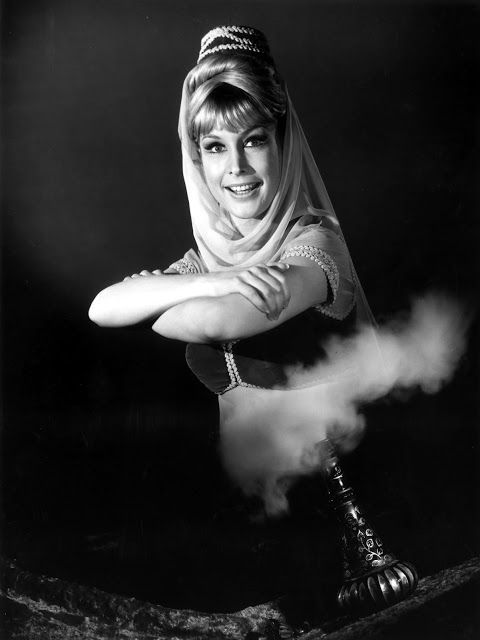
Barbara Eden’s I Dream of Jeannie
Jeannie’s fantastical hairstyle has been a byword for over-the-top styling since the show debuted in 1965.
Raquel Welch’s Mane
Bombshell Raquel Welch hit the scene in the mid-1960s with flowing, voluminous hair that was a total rejection of the stylized, “mod” looks coming from England.
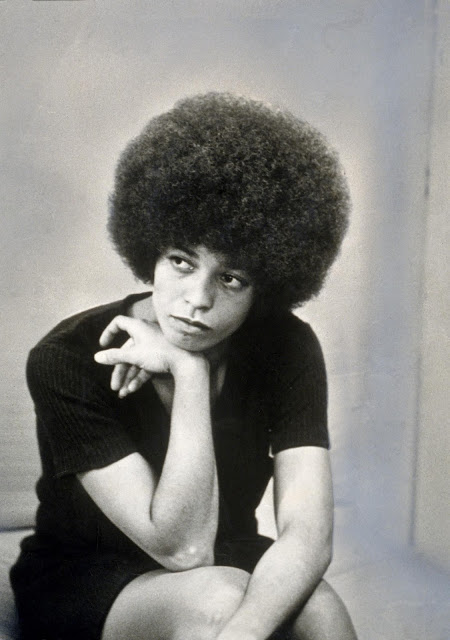
Angela Davis’s Afro
UCLA professor Angela Davis was unfairly fired from her post in 1969 because of her involvement with the Communist party and Black Panther party. She was even later arrested and tried as an accomplice to murder. Despite her (literal) trials, she remained unbowed and was one of the first women to popularise the afro.
Goldie Hawn’s Laugh-In Pageboy
In 1968, an adorable Goldie Hawn became a star on Rowan & Martin’s Laugh-In. Her sexy, just-rolled-out-of-bed pageboy cut took a style that had been popular for over a decade and gave it a fresh, modern twist.
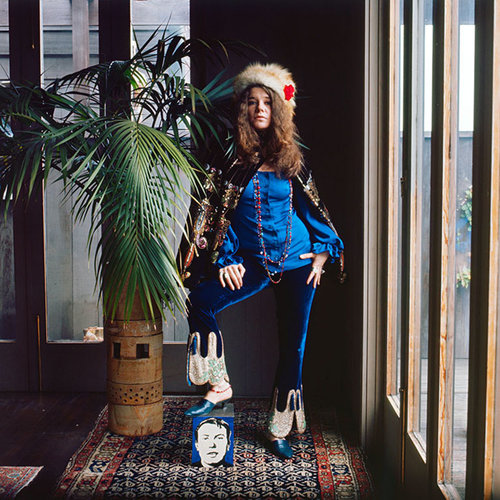
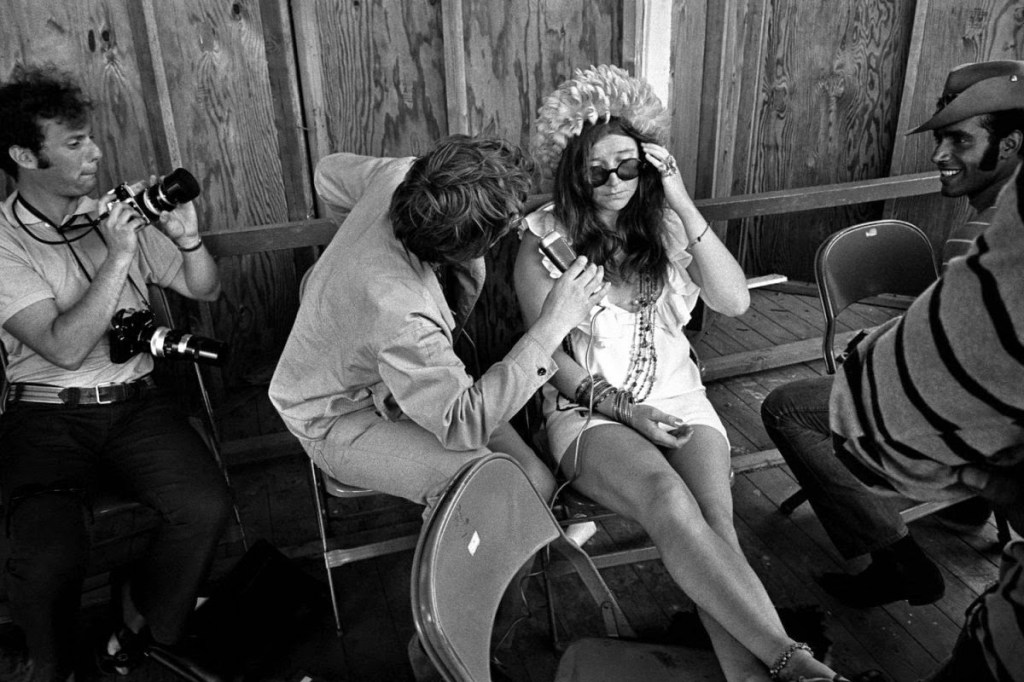
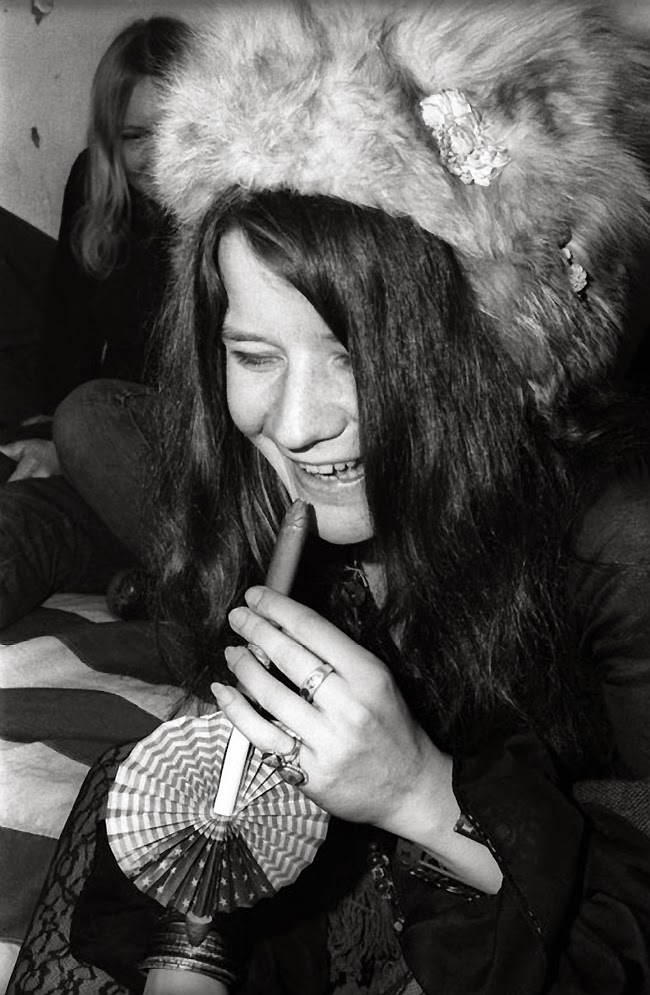
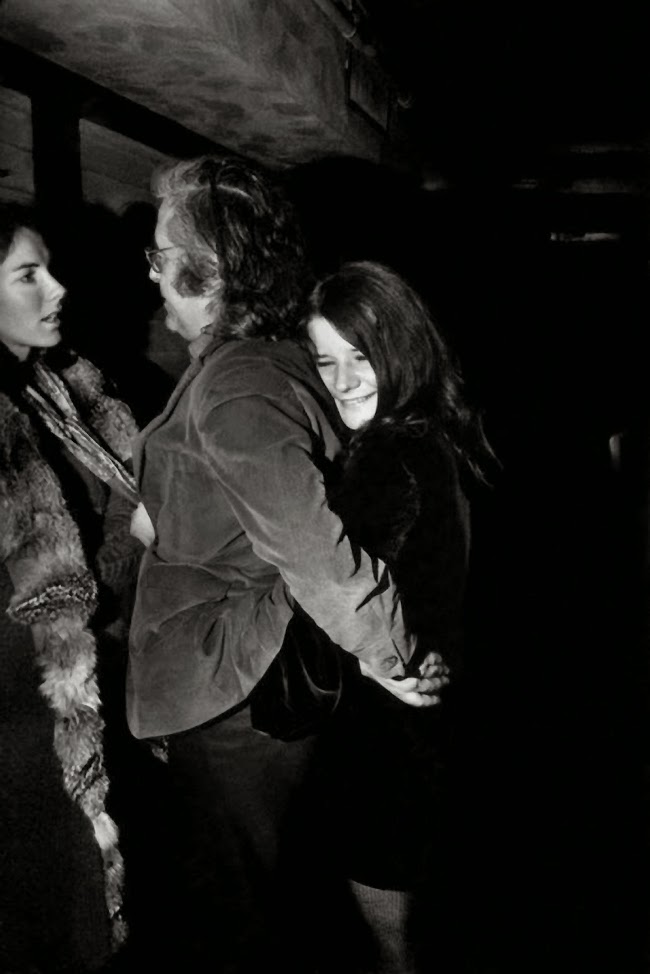
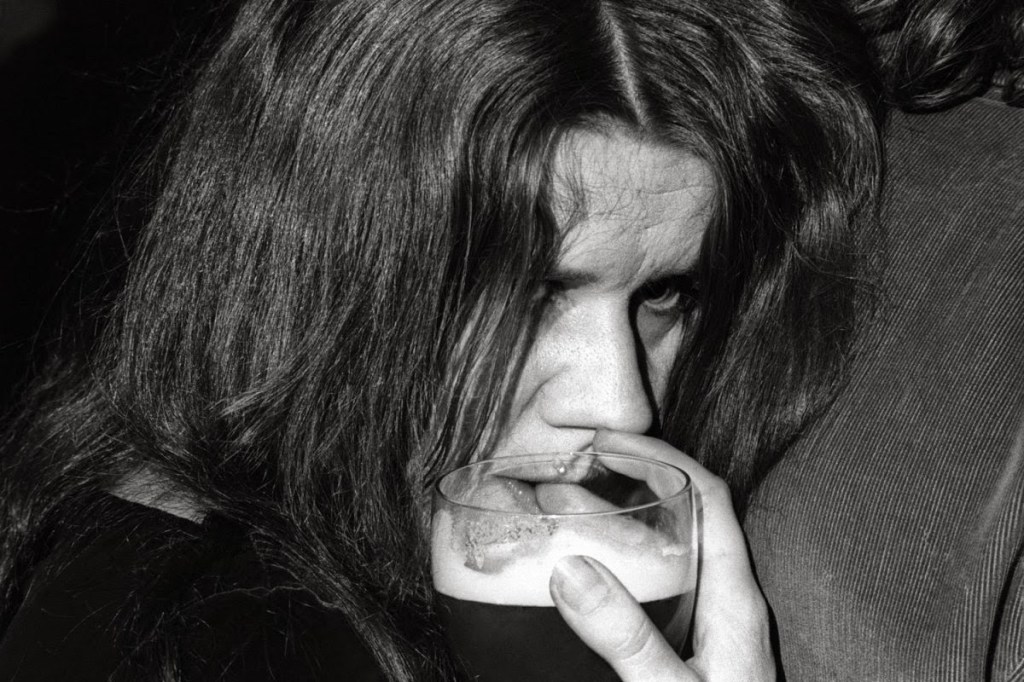
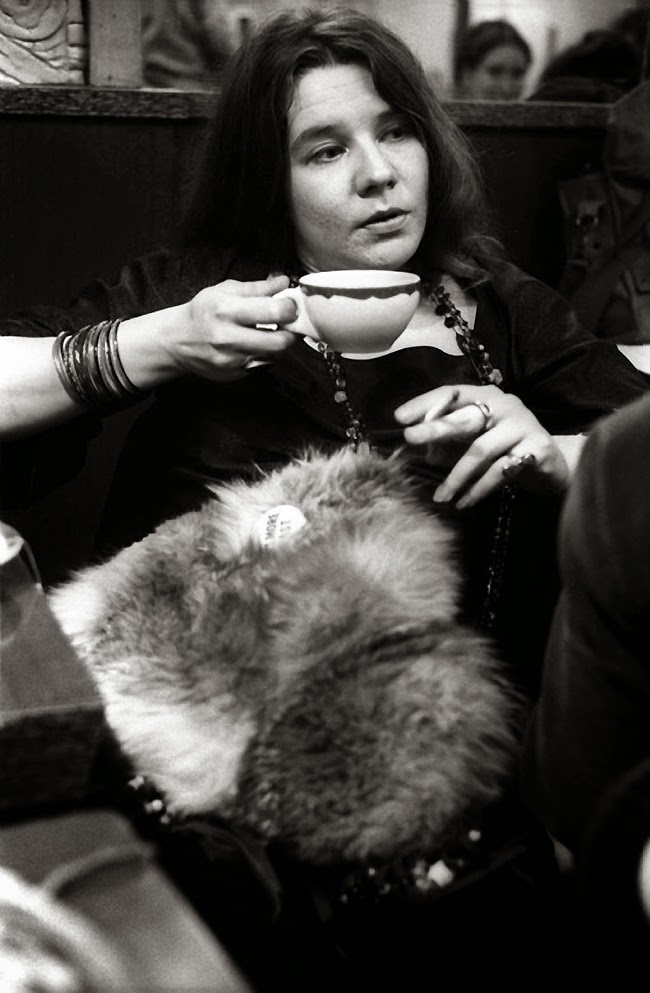
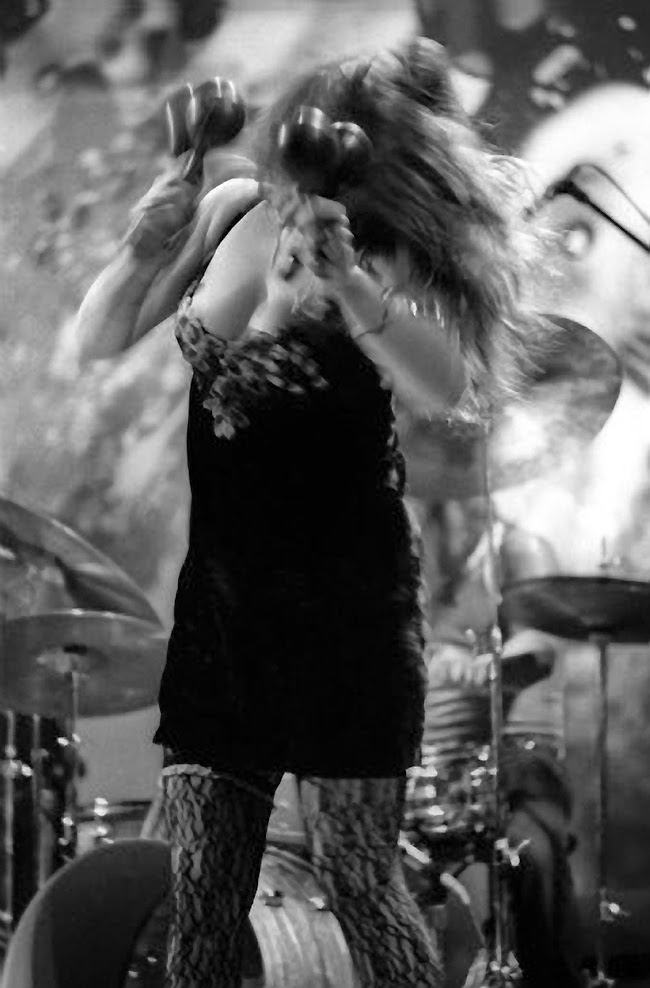
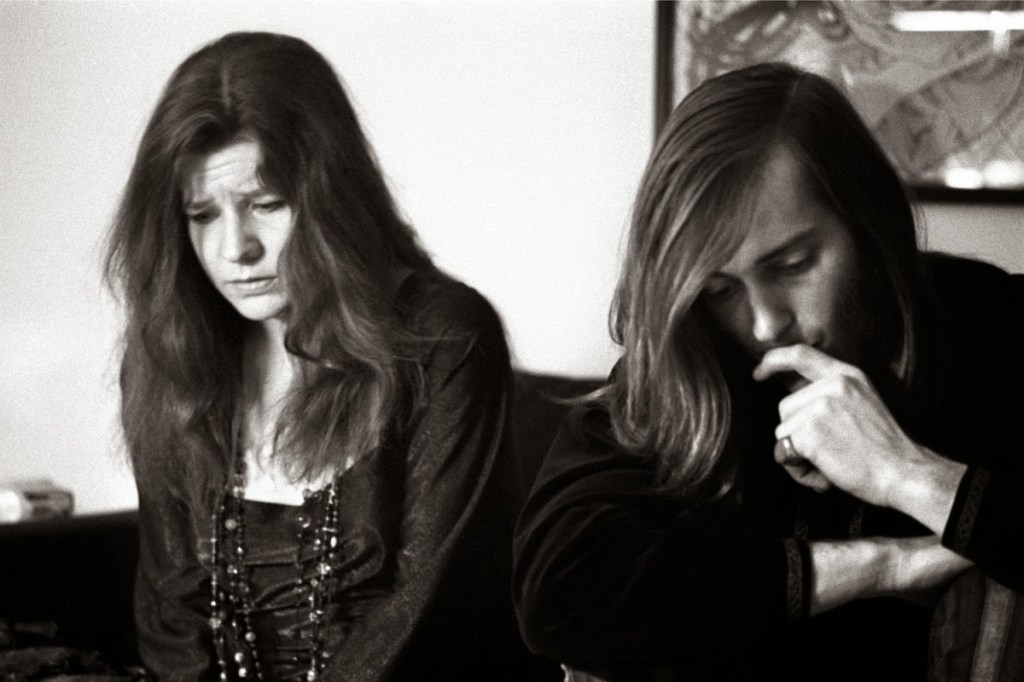
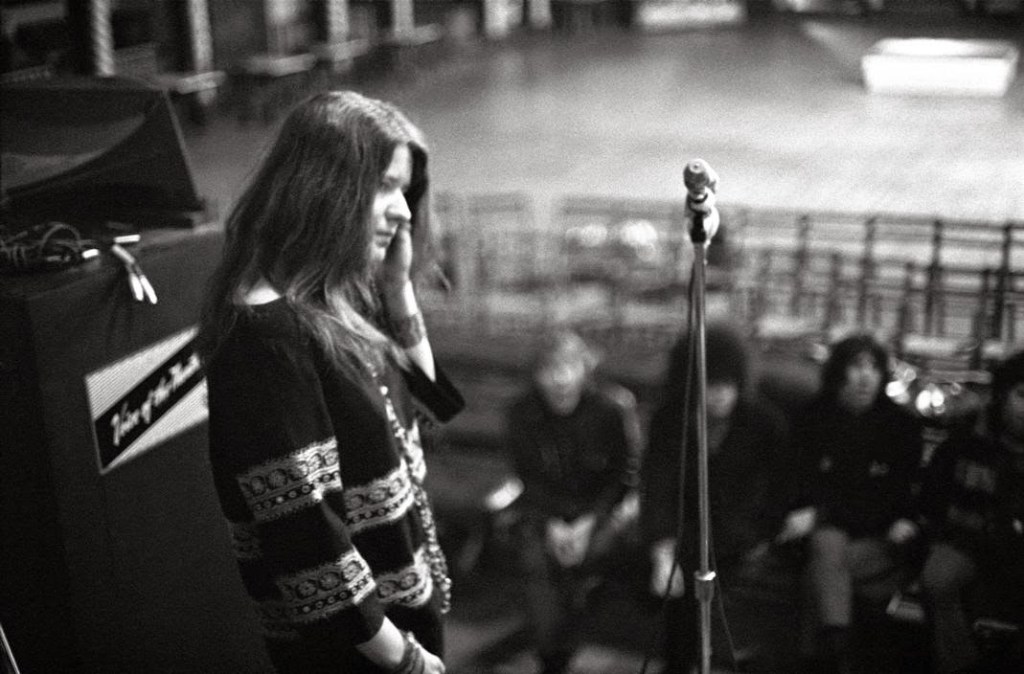
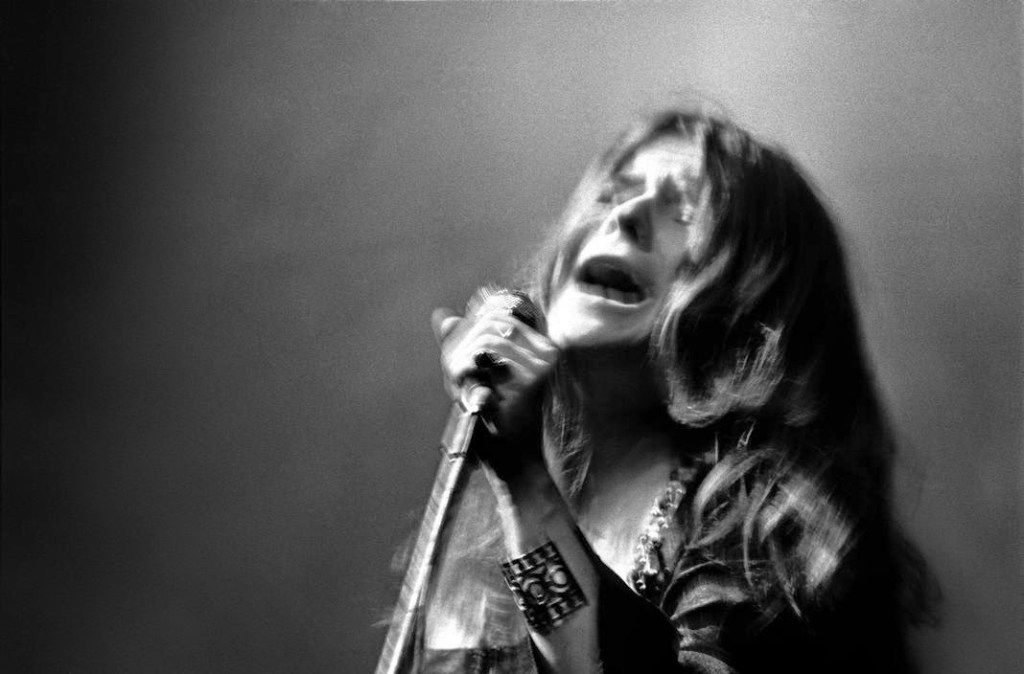
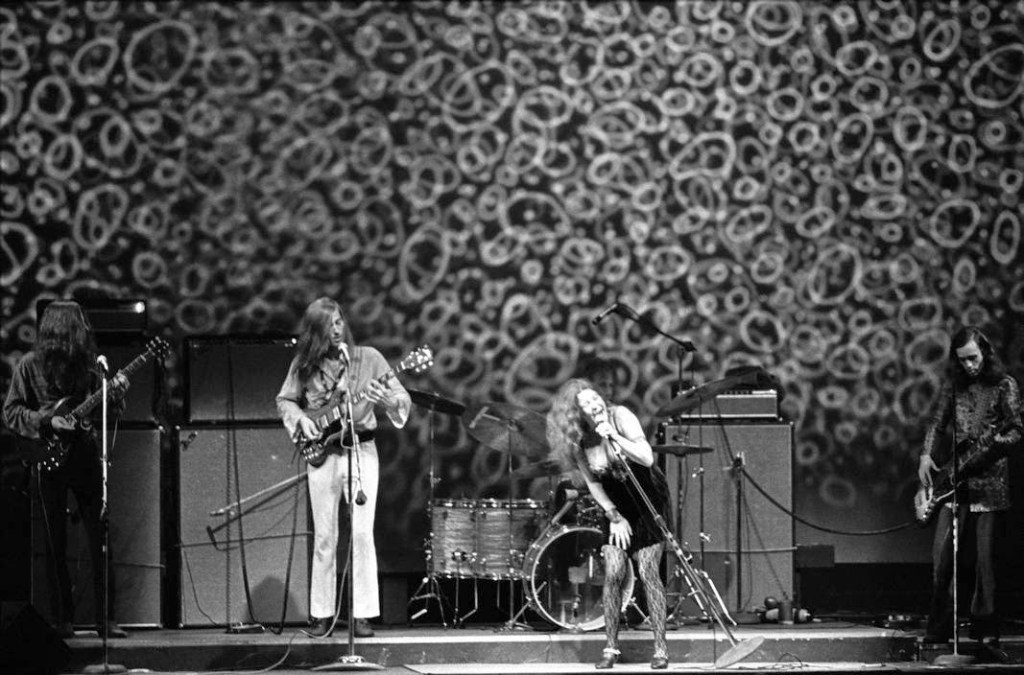
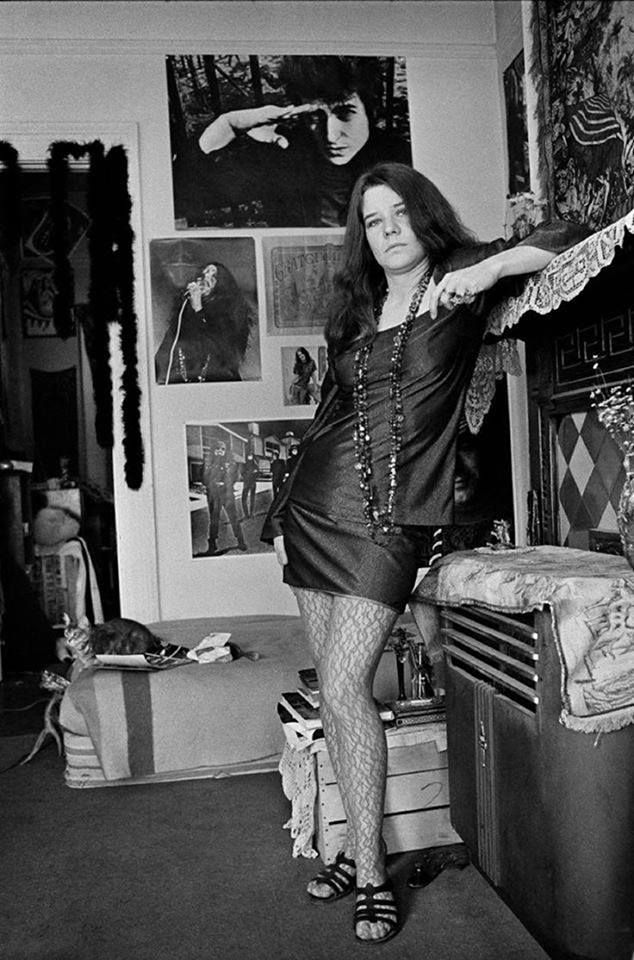
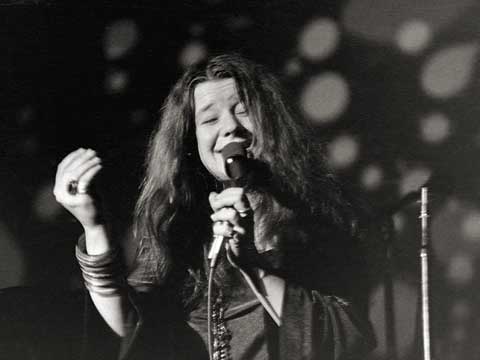
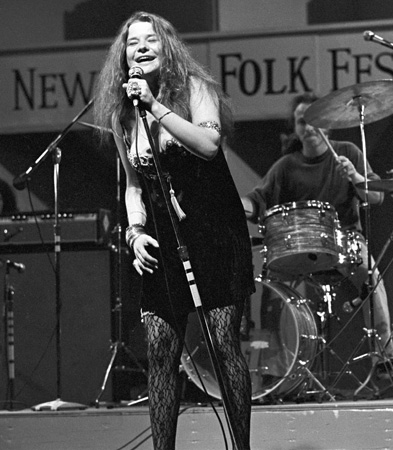
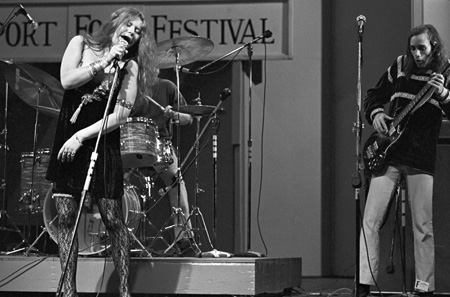
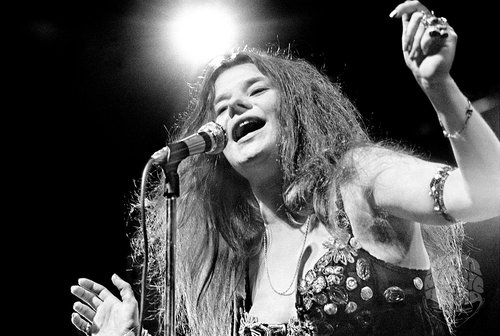
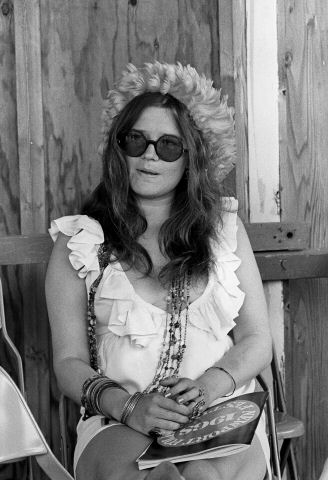
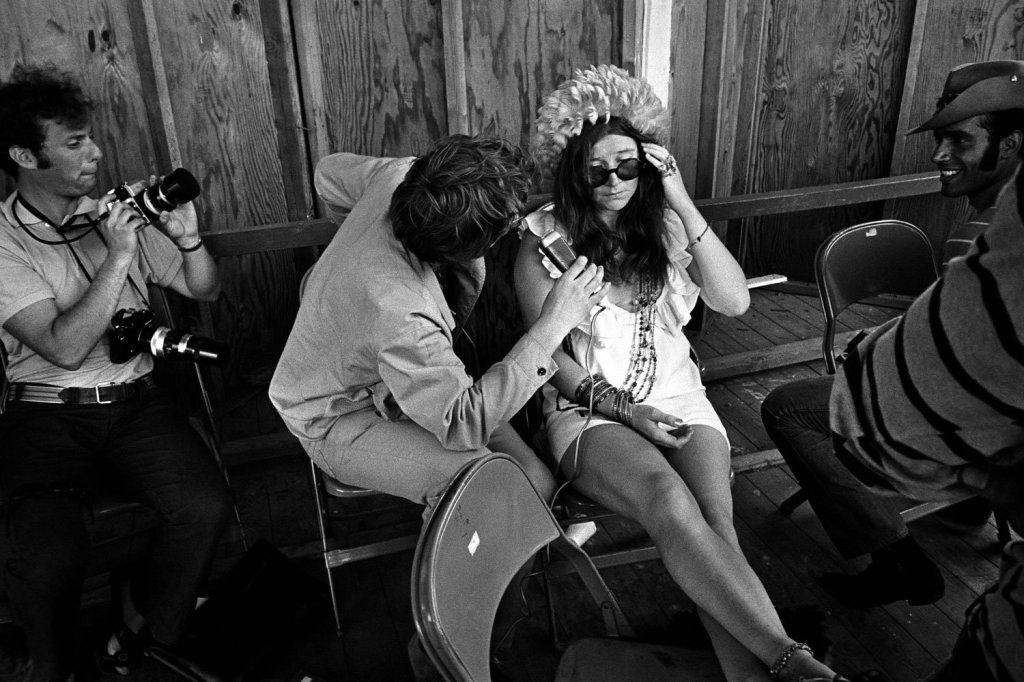
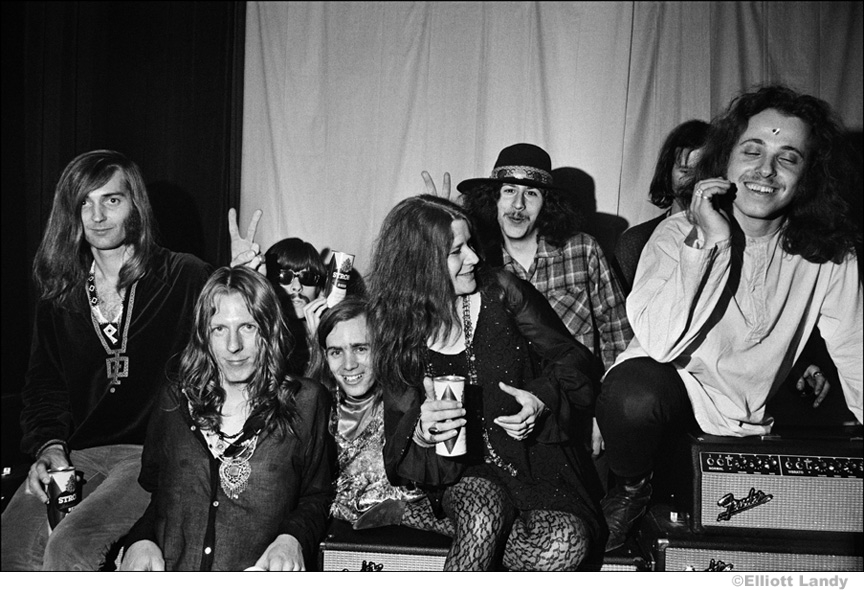
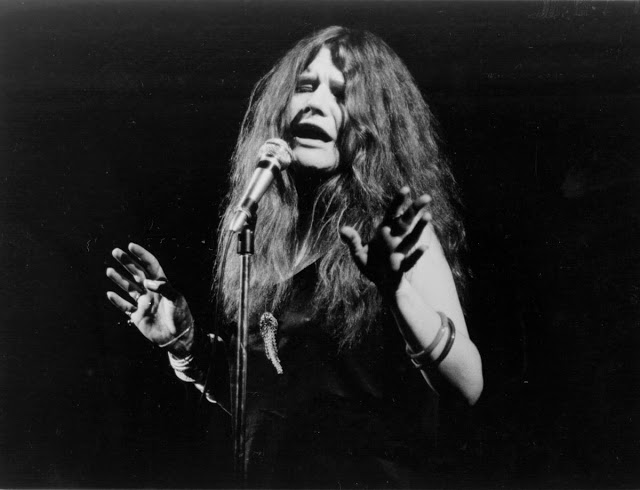
Janis Joplin’s Wild Waves
At the end of the decade, rock and blues legend Janis Joplin appeared on the scene with hair that looked, to older observers, positively dirty. Ratted, wavy, voluminous, and totally natural, Janis’s style would influence rocker chic hair for decades to come.

26 Wonderful Vintage Photos of Hollywood Stars Enjoying Summer in the 1930s & 1940s

Subscribe to get access

Read more of this content when you subscribe today.

What did Hollywood beauties look like in the 1940s during summertime? Take a look at these glamorous photos to see.

Kitty Carlisle

Subscribe to continue reading

Become a paid subscriber to get access to the rest of this post and other exclusive content.

18 Vintage Photos of Life in Havana, Cuba From the 1930s to the 1950s

Havana is the capital and largest city of Cuba. The heart of the La Habana province, Havana is the country’s main port and leading commercial center. The city has a population of 2.1 million inhabitants, and it spans a total of 781.58 km2 (301.77 sq mi) – making it the largest city by area, the most populous city, and the fourth largest metropolitan area in the Caribbean region.

The city of Havana was founded by the Spanish in the 16th century, it served as a springboard for the Spanish conquest of the Americas becoming a stopping point for Spanish galleons returning to Spain. Philip II of Spain granted Havana the title of capital in 1592. Walls as well as forts were built to protect the city.

The sinking of the U.S. battleship Maine in Havana’s harbor in 1898 was the immediate cause of the Spanish–American War. The city is the center of the Cuban government, and home to various ministries, headquarters of businesses and over 100 diplomatic offices. The governor is Reinaldo García Zapata of the Communist Party of Cuba (PCC). In 2009, the city/province had the third highest income in the country.

Contemporary Havana can essentially be described as three cities in one: Old Havana, Vedado and the newer suburban districts. The city extends mostly westward and southward from the bay, which is entered through a narrow inlet and which divides into three main harbors: Marimelena, Guanabacoa and Antares. The Almendares River traverses the city from south to north, entering the Straits of Florida a few miles west of the bay.

The city attracts over a million tourists annually; the Official Census for Havana reports that in 2010 the city was visited by 1,176,627 international tourists, a 20% increase from 2005. Old Havana was declared a UNESCO World Heritage Site in 1982. The city is also noted for its history, culture, architecture and monuments. As typical of Cuba, Havana experiences a tropical climate. (Wikipedia)

A collection of black and white photographs showing the Havana high life from between the 1930s and 1950s, before Castro and the Revolution.

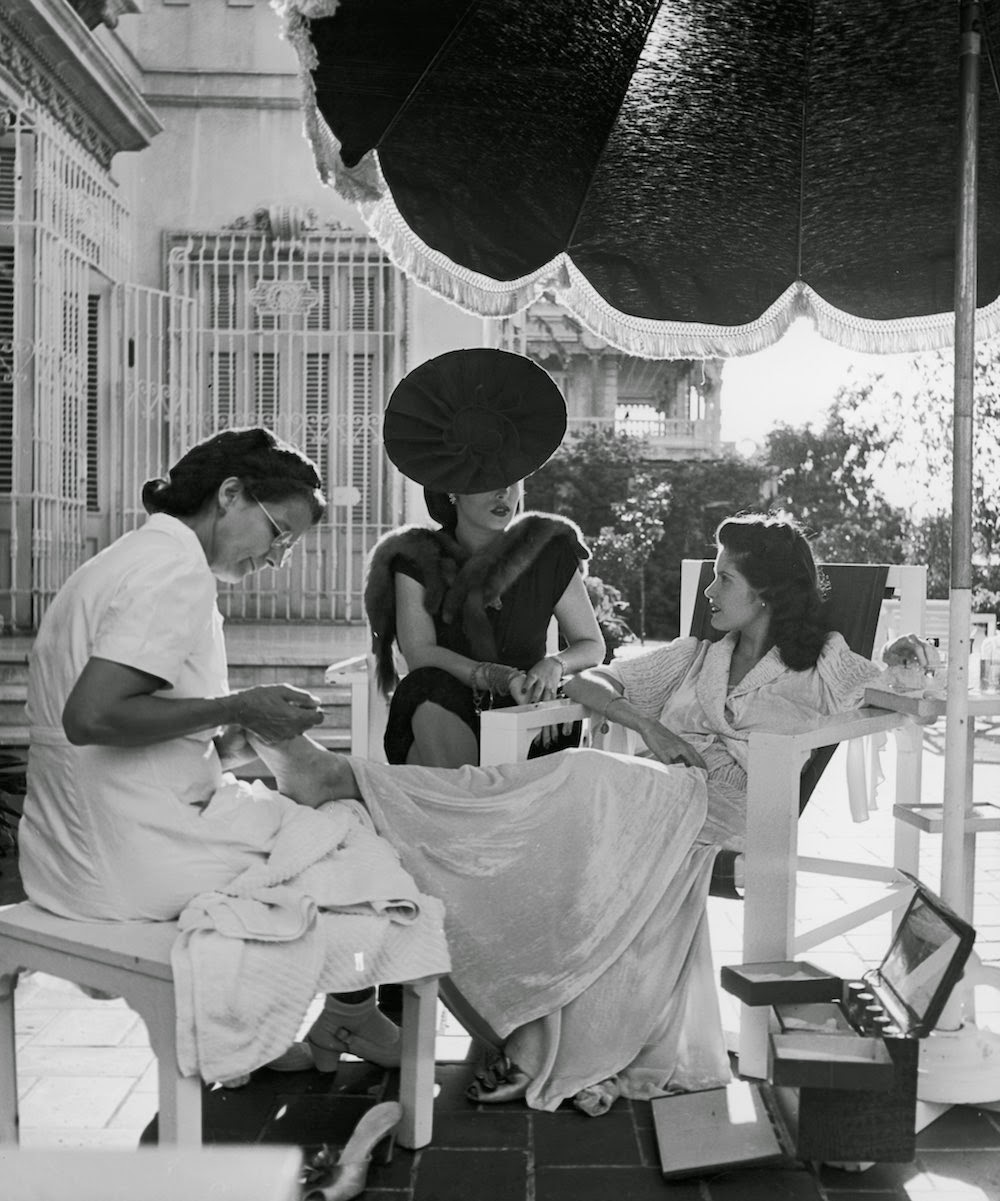
Cuban Socialite Aline Johnson and friend Nina Gomez de Freyre receiving manicures. Havana, Cuba 1946.
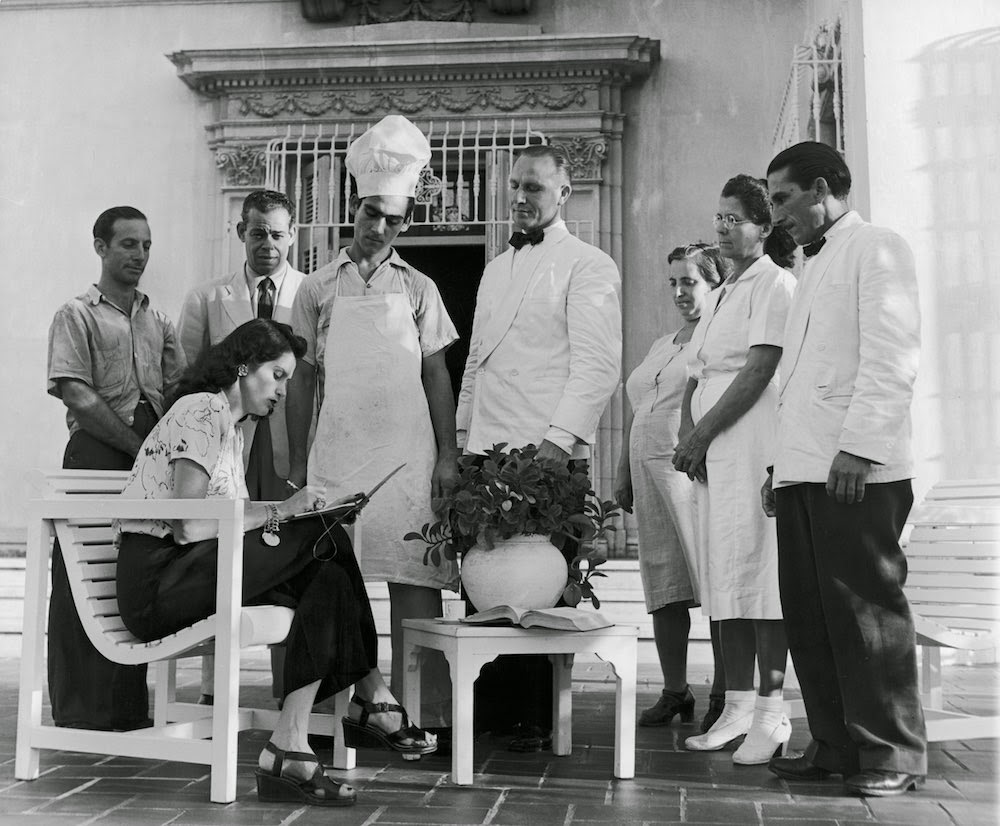
Socialite Aline Johnson de Menocal meeting with her personal staff to plan a party. Havana, Cuba 1946.
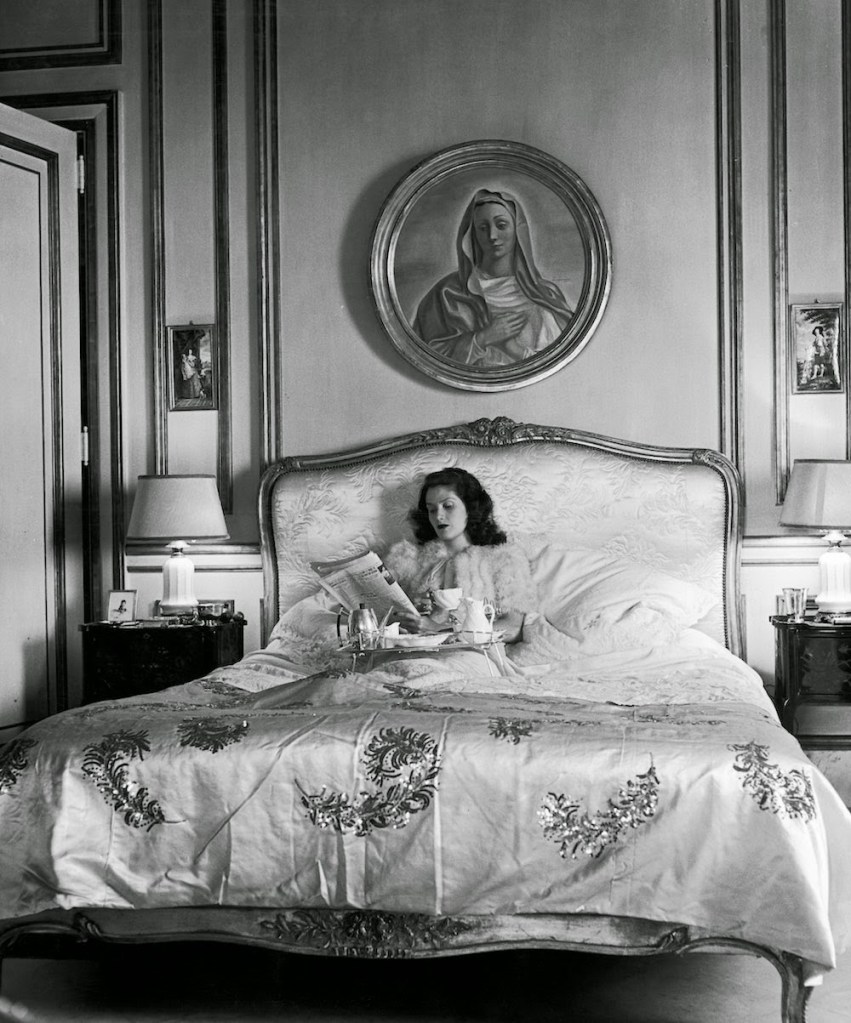
Socialite (debutante) Aileen Johnson Menocal eating breakfast in bed. Painting above her is supposedly her Mother painted as Madonna. Havana, Cuba 1946.
Outdoor party with silk canopies for socialites attending parties of Cuba’s first lady La condesa de Comargo. Havan, Cuba 1950.
Cuban Socialite party where the Mothers chaperone their unmarried daughters. Party of socialite La Condesa de Comargo. Havana, Cuba 1950.
A bartender mixes an exotic tropical cocktail at a bar in 1946 in Havana, Cuba.
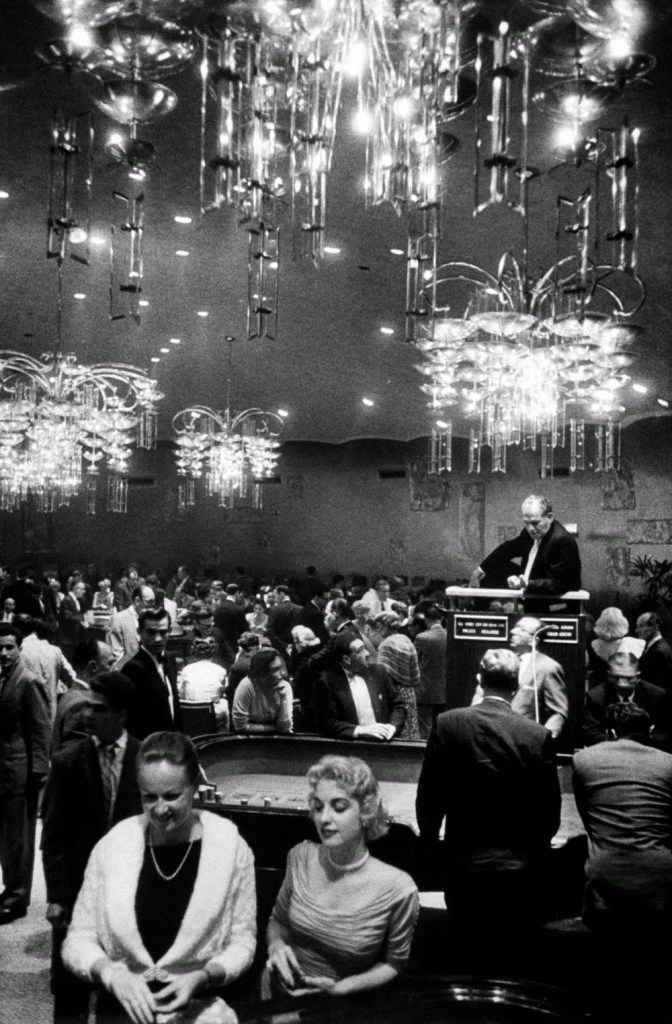
Dealer Roulette at National Casino, 1958
September 1958: American cars parked in front of President Batista’s palace at Havana.
Cheaper gambling casino in Havana, 1958
All forms of gambling such as: roulette, craps, and slot-machines at Riviera Hotel, 1958.
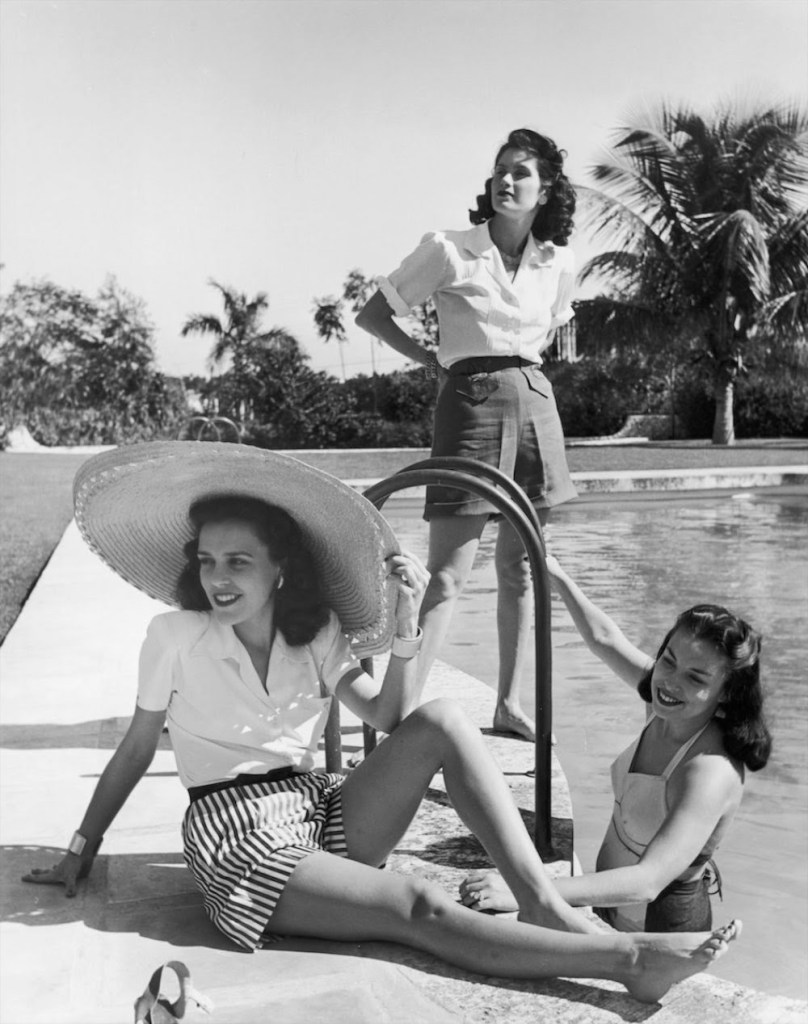
Cuban socialite Aline Johnson de Menocal with friends posing by a swimming pool. Havana, Cuba 1946.
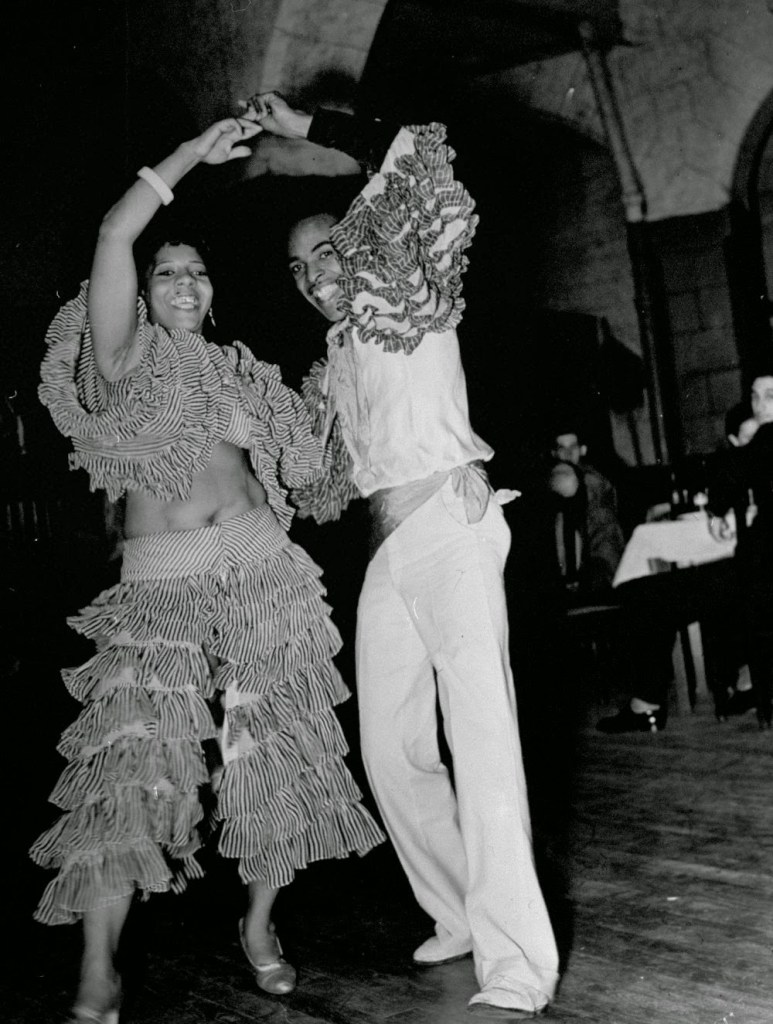
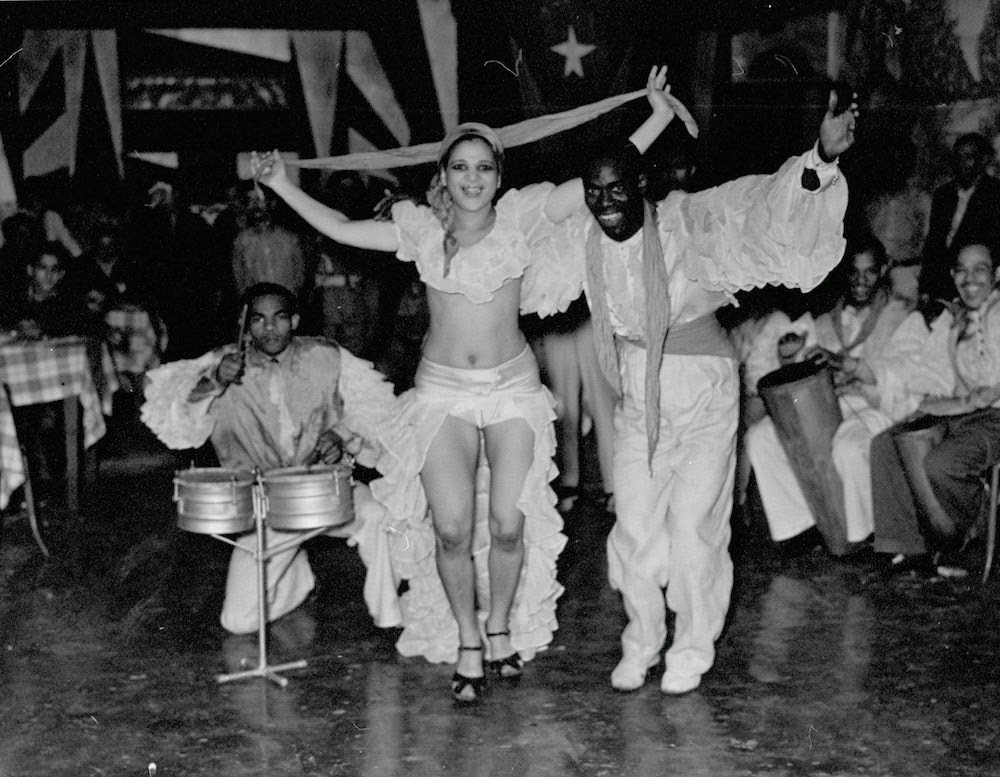
A view of people dancing at a Cuban club, 1937.
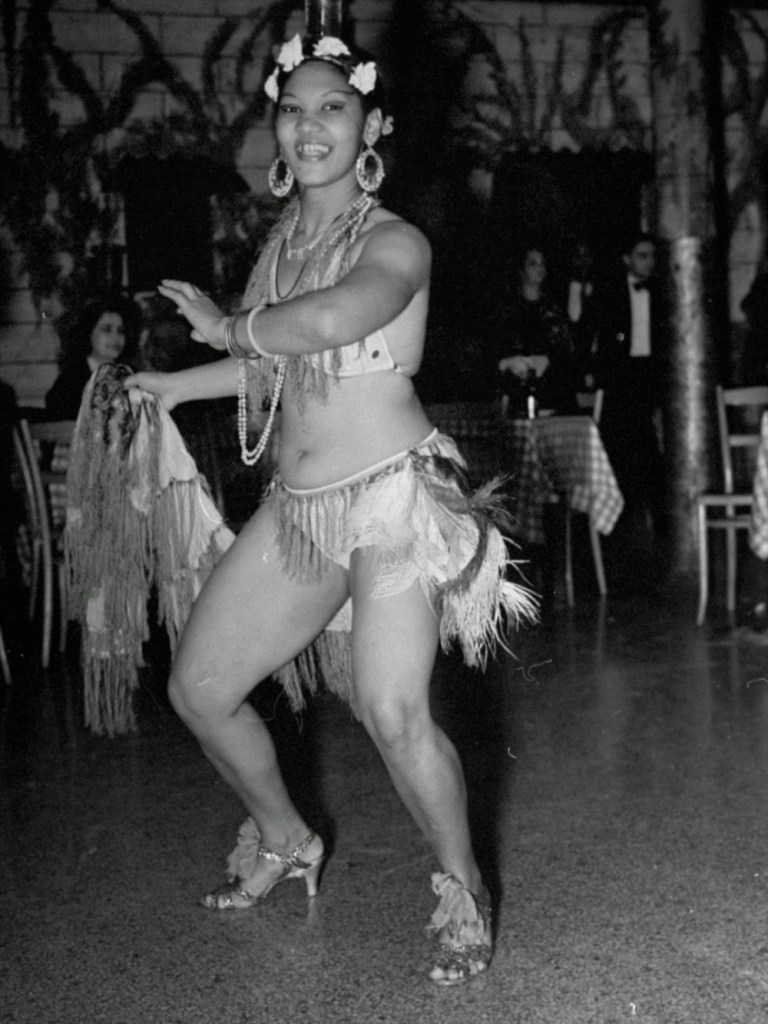
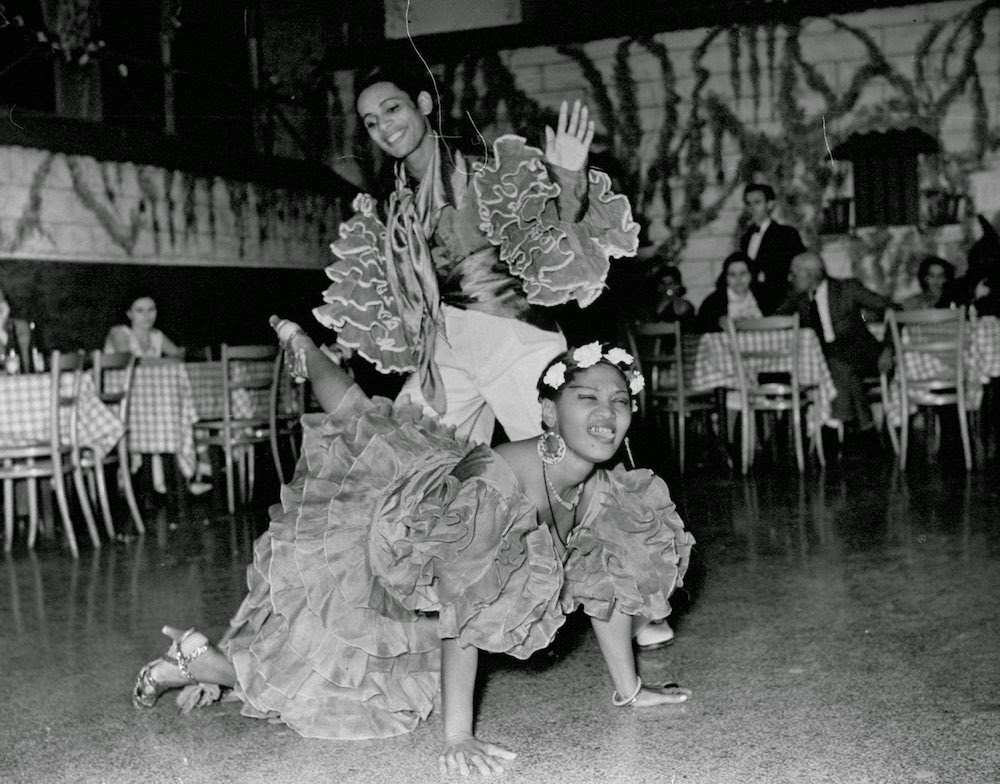
A Cuban rhumba dancer named Zulema performs on stage with a band at the Zombie Club on Zulueta Street, Havana, Cuba, February 16, 1946.
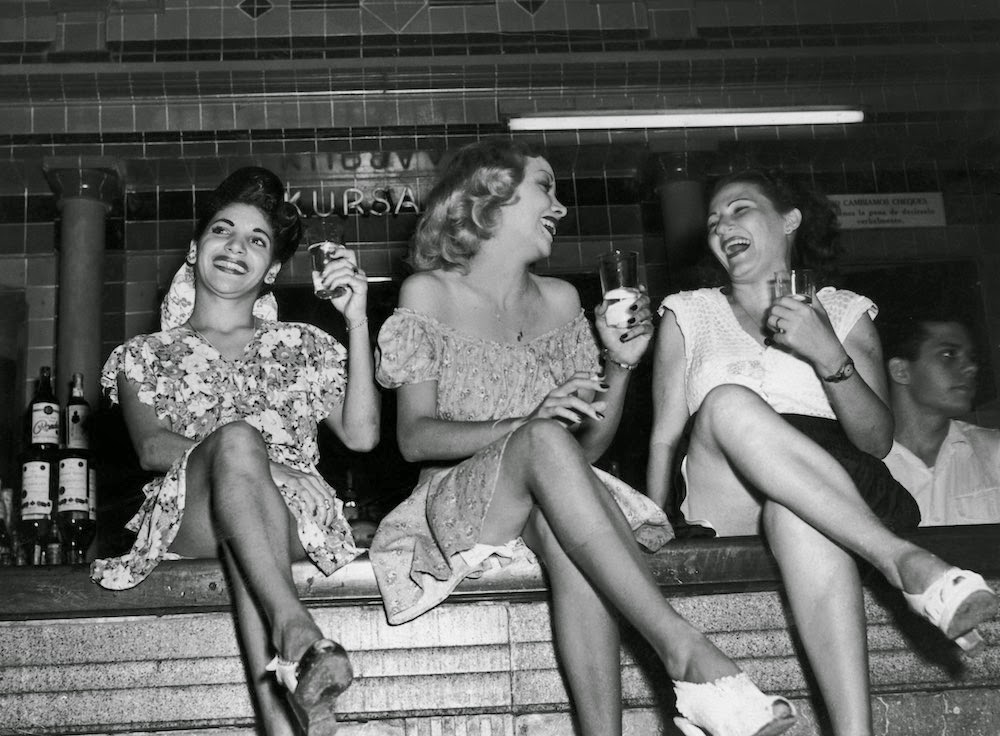
Three women perched on the bar at the Cabaret Kursal nightclub in Havana, Cuba, circa 1950.
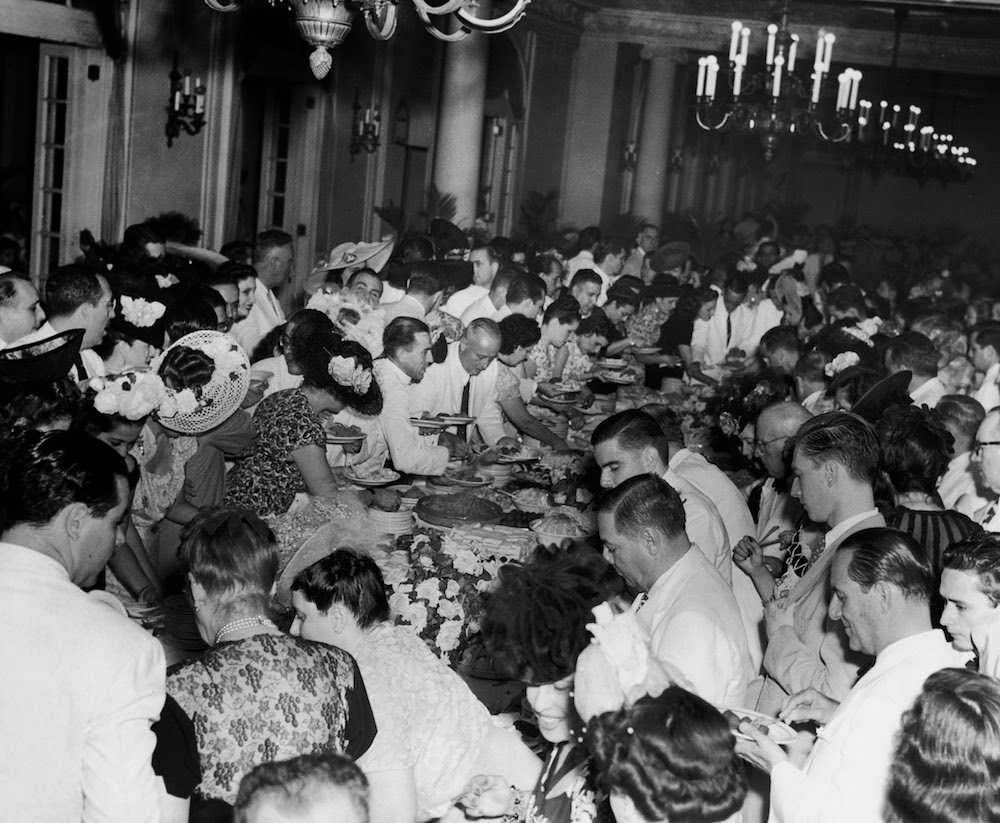
Guests enjoying a buffet supper at the Havana Yacht Club, circa 1950.

24 Wonderful Photos Showing Women’s Fashion During the 1960s

There’s no denying that the ’60s were one of the most impactful eras in fashion. Setting the tone for modern style, the decade revolutionised womenswear with bold colours, striking cuts and a rebelliously youthful attitude. So, it comes as no surprise that 50 years on, key trends from the time continue to influence designers, stylists and fashion-lovers the world over.

The swinging sixties were a time where traditions were broken, and self-expression was encouraged. Influenced by the youth of the day, the decade dished up plenty of style inspiration. Moving away from the prim and proper ’50s and into rebellious new times, ’60s fashion was revolutionary.

Key fashion styles of the decade included mod, beatnik and hippie looks, all of which captured the artful, fun and free spirit of the time.

Take a look at these fabulous photos to see what fashion trends of young women looked like in the 1960s.

Greta Garbo as the Fearless Queen Christina of Sweden, 1933

Queen Christina is a pre-Code Hollywood biographical film directed by Rouben Mamoulian, produced by Metro-Goldwyn-Mayer in 1933. It starred Greta Garbo and John Gilbert in their fourth and last film together. Upon its release, the film received numerous positive reviews. It became the box office triumph and the highest-grossing film of the year.

The film is loosely based on the life of the dominant European ruler Queen Christina of Sweden in the 17th century. As queen, she was devoted to her country and the welfare of her people. Ever since taking the throne, Christina had always rejected all sorts of serious romance and marriage. One day, when she sneaked out of town as a man in disguise to escape her royal life for a while, Christina met the Spanish envoy Antonio on his way to the capital and the two fell in love. Though able to patch up their differences after learning the true identity, their troubles kept increasing, which forced Christina to choose between her love and her duties as queen. What lay ahead of her was not a happy future.

Queen Christina became one of Garbo’s most commercially successful films, recording a profit of $632,000. It is said that Garbo herself insisted on Gilbert as her co-star in order to help to re-establish his career at the rise of talkies. The film was remembered for one of the most signature scenes of Garbo, as she silently stood at the prow of the ship in the closing shot. Amusingly, this famous final close-up had the wind blowing in two opposite directions at once, one to Garbo’s hair and one to the ship’s sails. When asked of his opinion on the shot by Garbo, director Rouben Mamoulian said, “Nothing… Absolutely nothing… I want your face to be a blank sheet of paper. I want the writing to be done by everyone in the audience.”

Here, through 26 stunning photos and stills, we look at the magnificent Garbo as the daring queen of Sweden:

23 Rare and Stunning Color Portrait Photos of French Women from the 1920s

French photographer Gustave Gain (1876-1945) was born in Cherbourg, France on June 27, 1876. As a chemist he keens on photography and related technical achievements. After the invention of the Autochrome by the Lumière brothers, Gustave is actively engaged in color photograph.

Gustave Gain loves the beach. In the summer, he spent much time with his family on the coast of the English Channel in Brittany and Normandy, where he took a lot of stunning shots of his wife, Adeline and other women.

(Photos by Gustave Gain)

15 Vintage Photos of Famous Musicians at Play

9-year-old Petula Clark attending a BBC broadcast, 1942
Waylon and Ritchie Valens, circa 1957-59
Connie Francis, May 1959
Davy Jones, circa 1960s
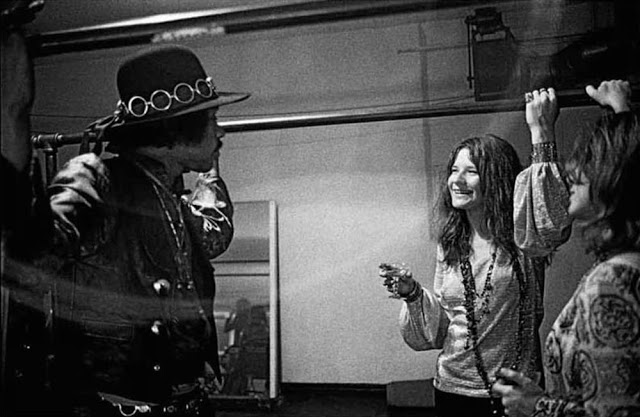
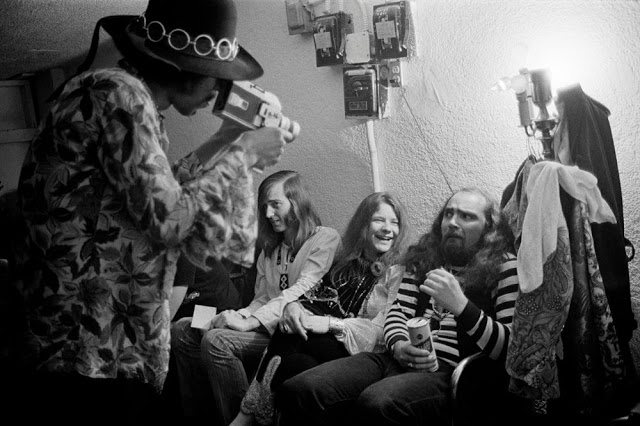
Jimi Hendrix and The Monkees. Michael Nesmith beside him, Peter Tork across from him, photo by Micky Dolenz, late 1960s
Ricky Nelson, Atlantic City, July 2, 1960
The Beatles members performing in their early days, circa 1960
Brian May, 1963
Dick Dale playing ‘The Beast’ in Burgundy-Mist, before it was re-painted in Gold-Sparkle, early 1963
Joey Heatherton, 1964
Joey Ramone at 15, 1966
The Doors at KFRC Magic Mountain Music Festival, Mt. Tamalpais, CA, June 1967
Mary Hopkin and Paul McCartney, September 1968
A very young Billy Gibbons, Dusty Hill, and Frank Beard in a photo for a Texas prom round, circa 1970
Poly Styrene from the X-Ray Spex at the Red Cow, London, 1977. (Photo by Jeremy Gibbs)

Rarely Seen Photographs of a Young David Bowie Posed for the Cover of His Debut Album

In 1967, a 20-year-old David Jones decided to change his name to avoid confusion with the lead singer of the Monkees. He decided on ‘Bowie’. By this time, Jones had been playing music for five years, appearing in and out of various bands, singing rock and roll at local youth gatherings, any pub that would have him and even a few weddings. Jones joined the band the Konrads, but then soon left them for the King Bees. After a few more stop and starts, Jones became Bowie and met Derek ‘Dek’ Fearnley.

David Bowie enlisted Fearnley to help record an album. Reportedly learning by studying the Observer Book of Music, the two young musicians practiced, wrote and hung-out at the home of Fearnley’s brother, Gerald.

“My brother always loved music” remembers Gerald Fearnley. “He’d always have people back to the house to practice or write songs. I remember waking-up in the mornings, never knowing who’d be sleeping in the front room. David was often sacked out on the couch. But he was always very polite.”

Gerald Fearnley was a working photographer in 1967. “I was a still life photographer, working on my own, in a studio right off of Oxford Street. I don’t remember how it happened, but I was enlisted to take photographs of David for the cover. I was probably the only person he knew with a studio and a camera.”

When David Bowie by David Bowie was released on June 1, 1967 – the same day as The Beatles Sgt. Pepper’s Lonely Hearts Club Band – little if anything happened. Nothing charted and the band parted ways.

Here, below is a collection of some of rare and fascinating black and white photographs from Bowie’s debut album shoot, which were released for the first time as fine art prints in 2016.

33 Vintage Photos Showing Life of Bali, Indonesia in the Early 1950s

Bali is a province of Indonesia and the westernmost of the Lesser Sunda Islands. East of Java and west of Lombok, the province includes the island of Bali and a few smaller neighbouring islands, notably Nusa Penida, Nusa Lembongan, and Nusa Ceningan. The provincial capital, Denpasar, is the most populous city in the Lesser Sunda Islands and the second-largest, after Makassar, in Eastern Indonesia. The upland town of Ubud in Greater Denpasar is considered Bali’s cultural centre. The province is Indonesia’s main tourist destination, with a significant rise in tourism since the 1980s. Tourism-related business makes up 80% of its economy.

Bali is the only Hindu-majority province in Muslim-majority Indonesia, with 86.9% of the population adhering to Balinese Hinduism. It is renowned for its highly developed arts, including traditional and modern dance, sculpture, painting, leather, metalworking, and music. The Indonesian International Film Festival is held every year in Bali. Other international events held in Bali include the Miss World 2013 and 2018 Annual Meetings of the International Monetary Fund and the World Bank Group. In March 2017, TripAdvisor named Bali as the world’s top destination in its Traveller’s Choice award, which it also earned in January 2021.

Bali is part of the Coral Triangle, the area with the highest biodiversity of marine species, especially fish and turtles. In this area alone, over 500 reef-building coral species can be found. For comparison, this is about seven times as many as in the entire Caribbean. Bali is the home of the Subak irrigation system, a UNESCO World Heritage Site. It is also home to a unified confederation of kingdoms composed of 10 traditional royal Balinese houses, each house ruling a specific geographic area. The confederation is the successor of the Bali Kingdom. The royal houses are not recognised by the government of Indonesia; however, they originated before Dutch colonisation. (Wikipedia)
These amazing color snapshots from Found Slides that captured everyday life of Bali in 1952.

Arranging New year offerings, 1952
Balinese beauty, 1952
Balinese dwelling, 1952
Balinese man of Sanur, 1952
Balinese road near Sanur, 1952
Barong-Si dance, 1952
Boatman of Sanur, 1952
Cock fighting, 1952
Coming from temple – New Year, 1952
Decorations for the Balinese New Year, 1952
Fisherman at Sanur, 1952
Haircut in Denpasar, 1952
Musicians for Barong, 1952
Net fisherman and helpers, Sanur, 1952
Net fisherman of Sanur, 1952
New Year ferris wheel, 1952
NPolak Le Mayeur, Sanur, 1952
Oxen plowing, 1952
Polishing wood carving, 1952
Procession from temple, 1952
Refreshment stand, 1952
Rice farmer, 1952
Temple offerings, 1952

Yesterday Today

Bringing You the Wonder of Yesterday - Today

Skip to content ↓