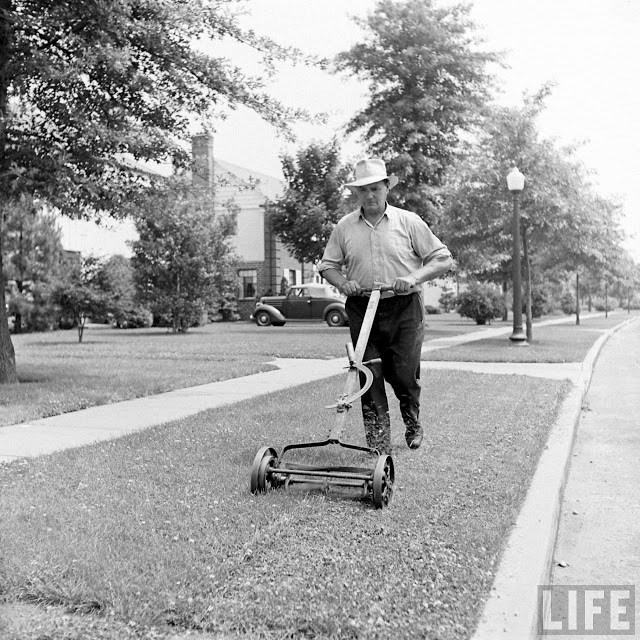
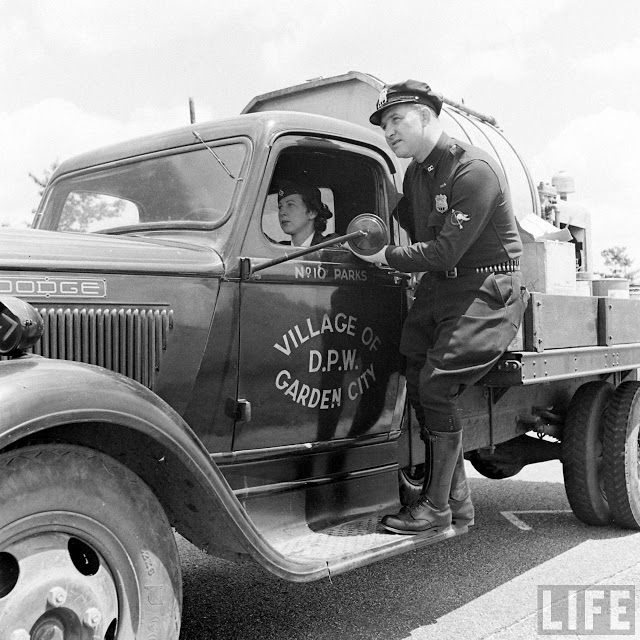
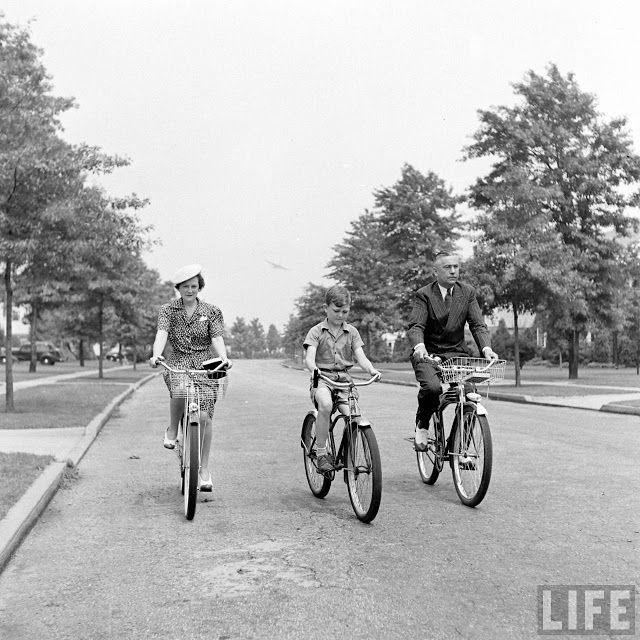
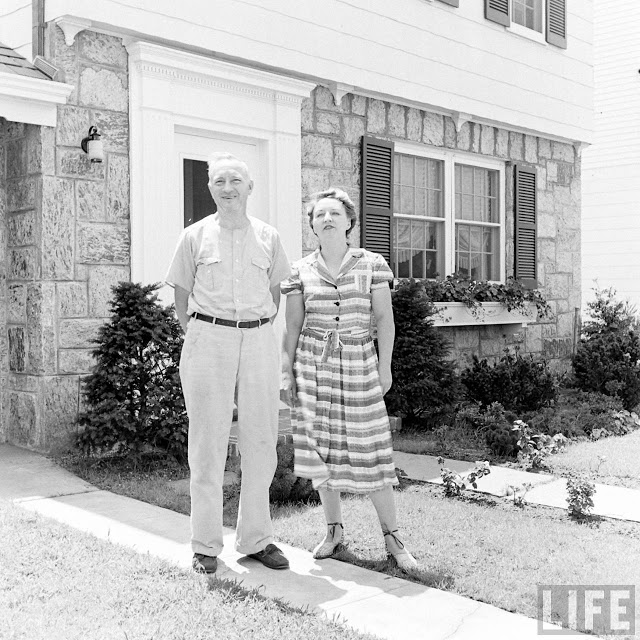
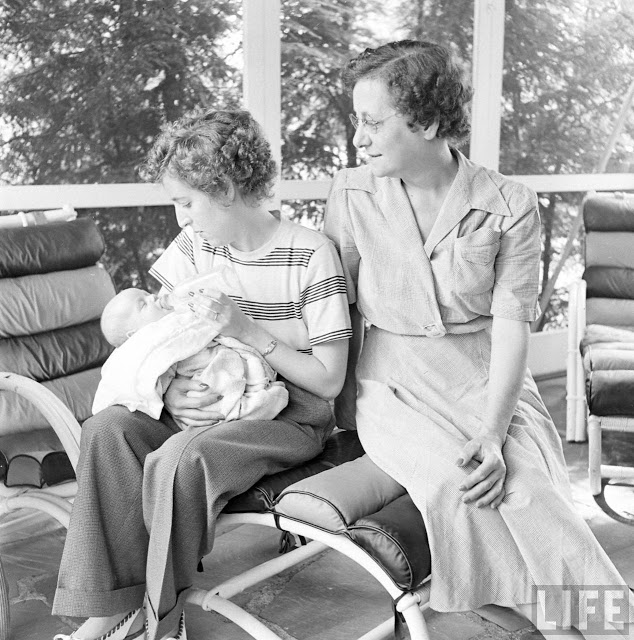
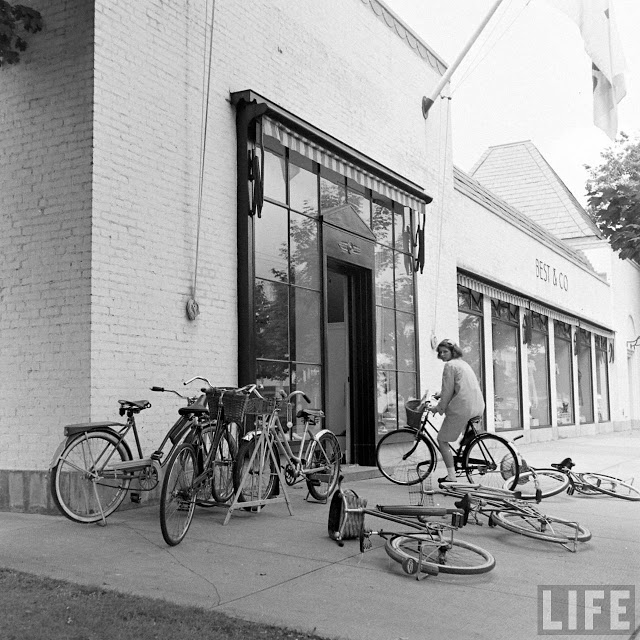
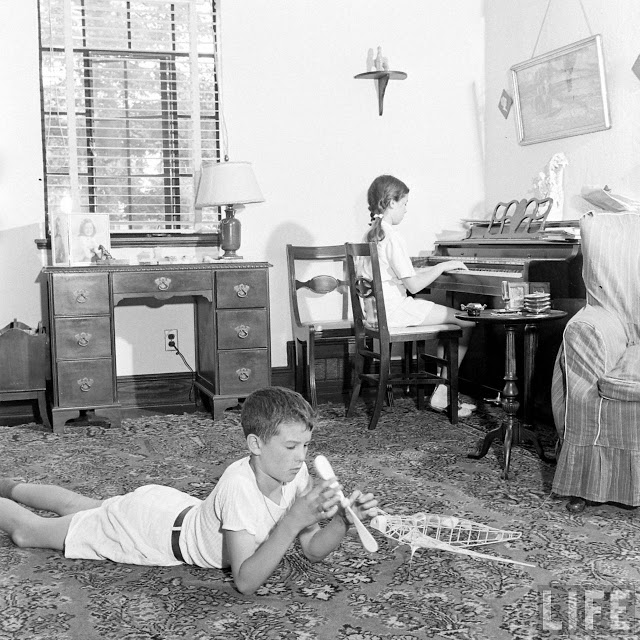
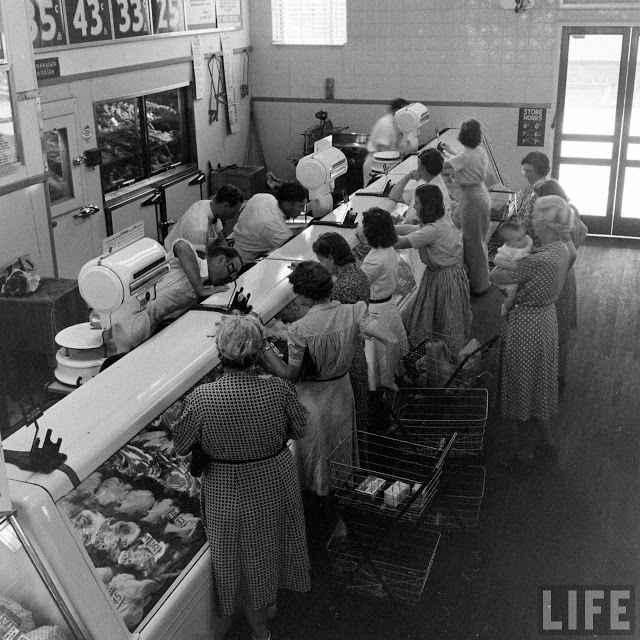
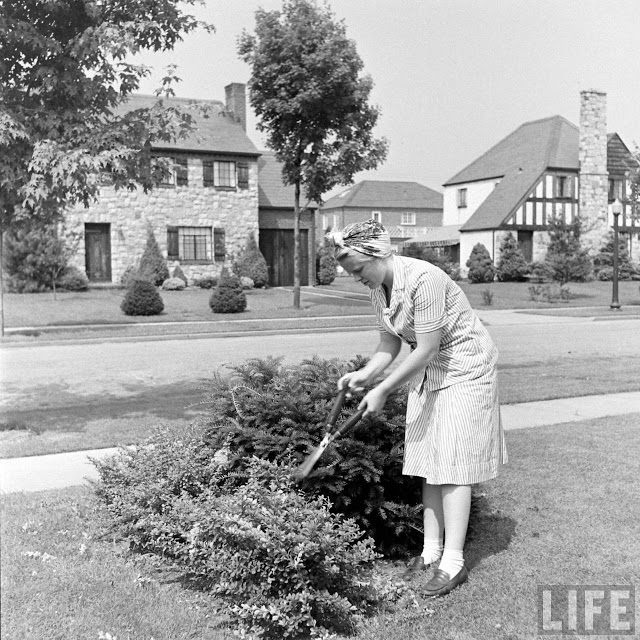
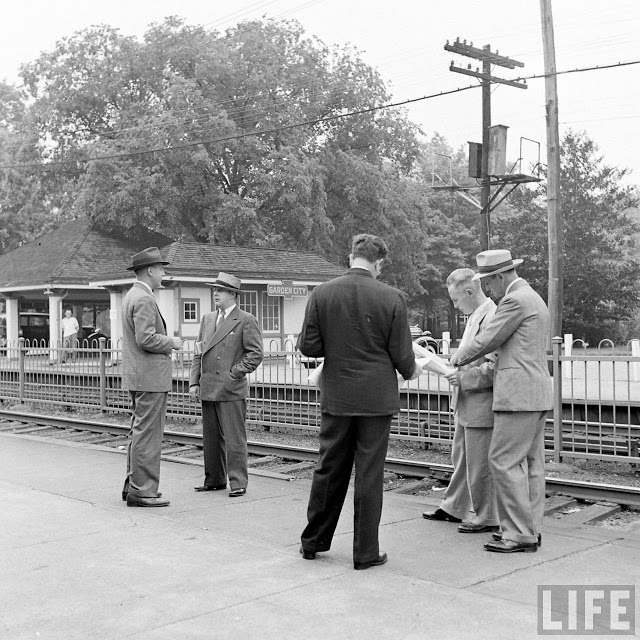
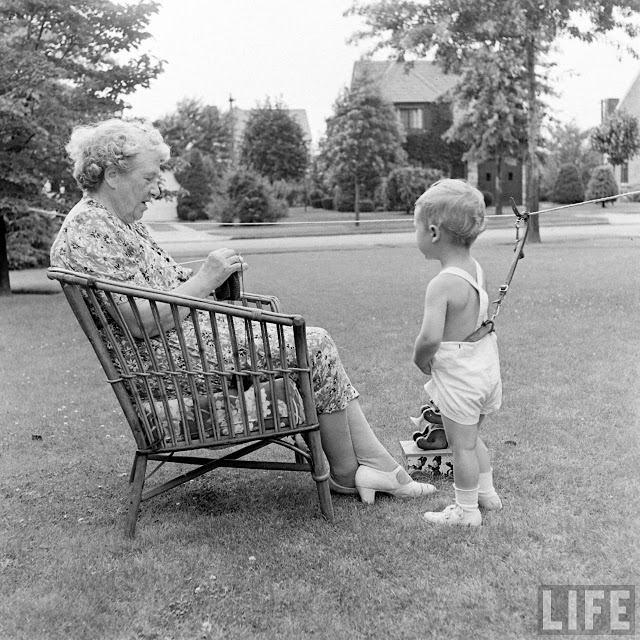
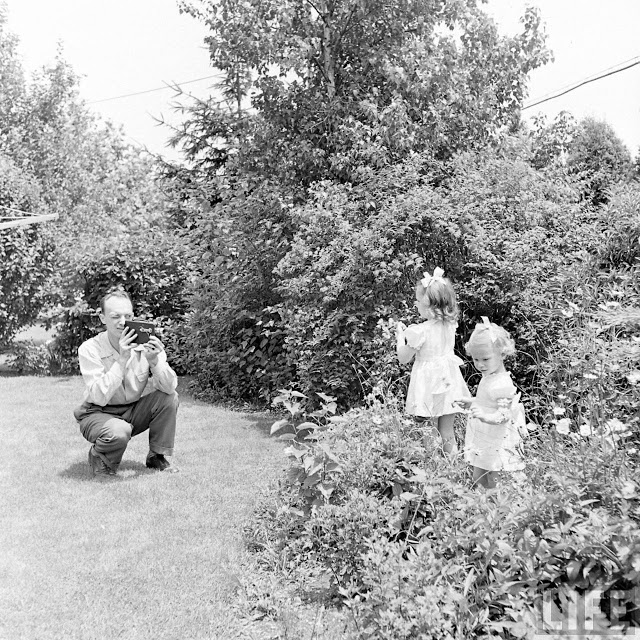
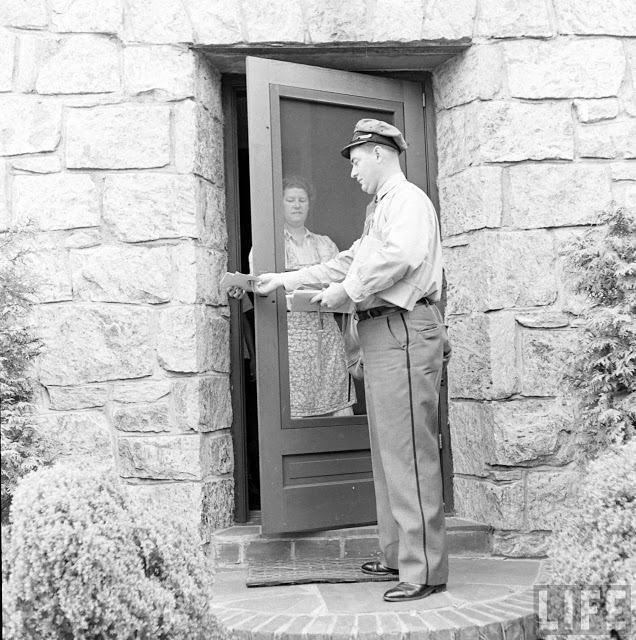
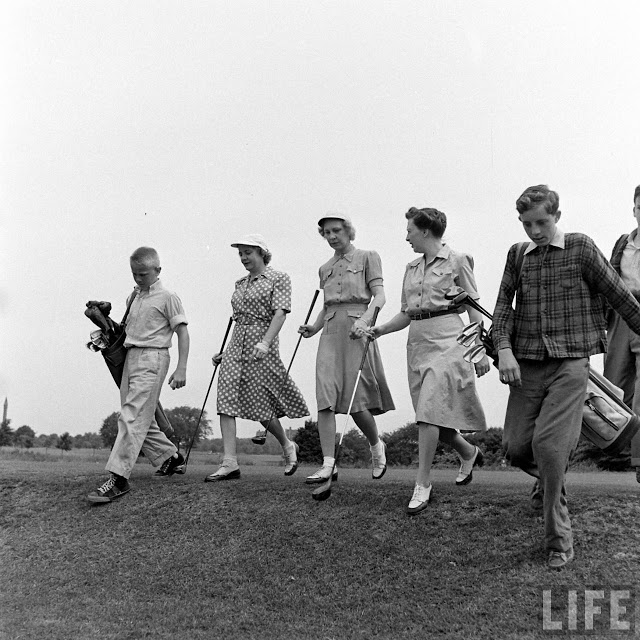
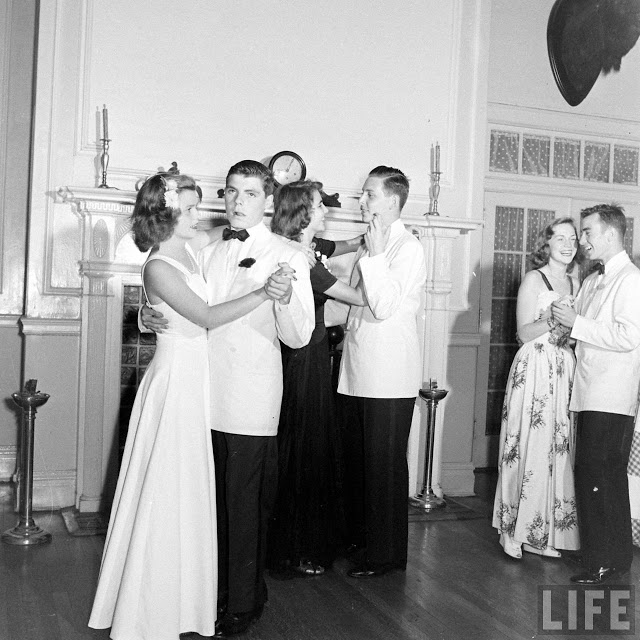
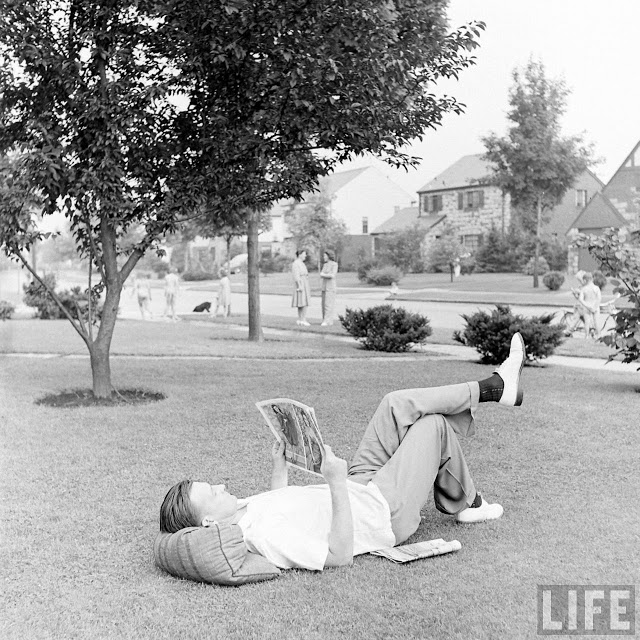
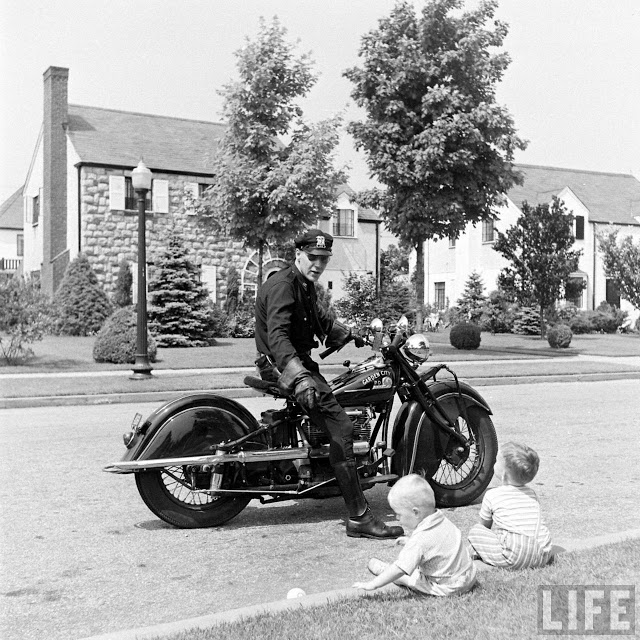
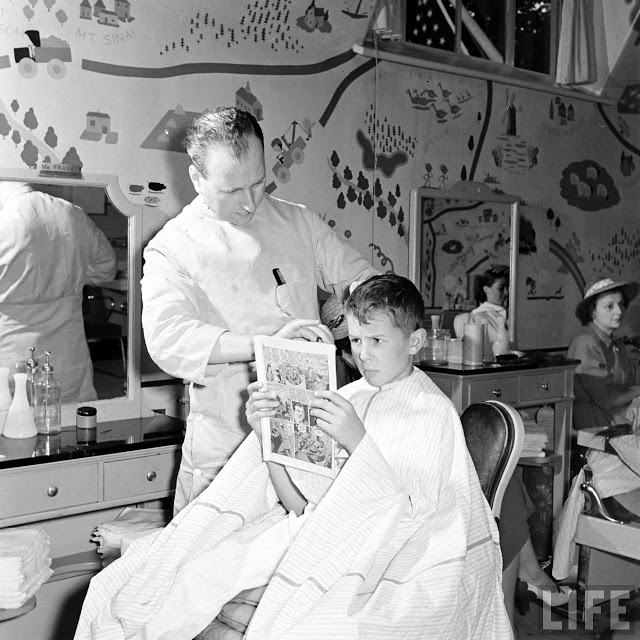
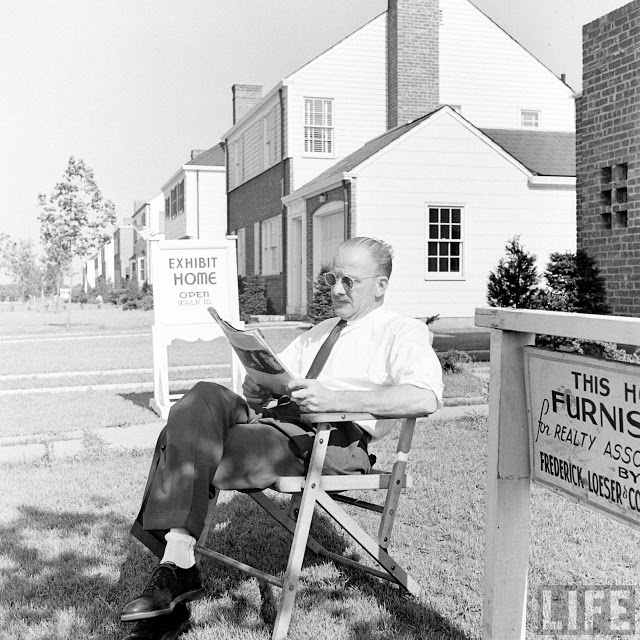
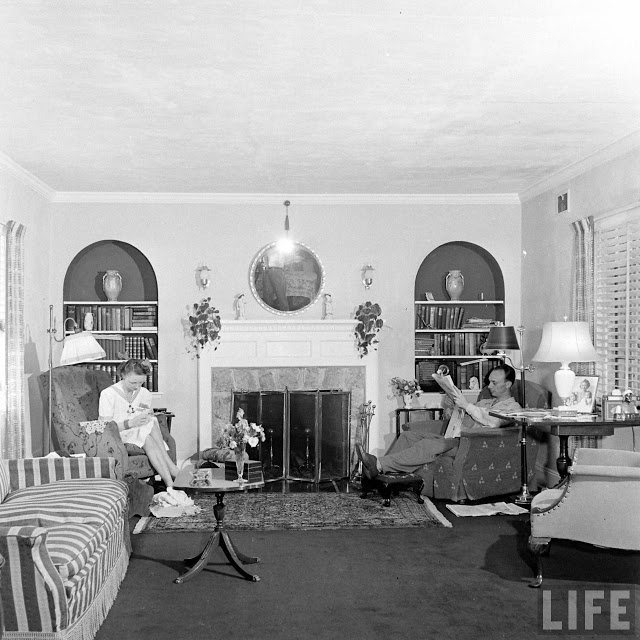
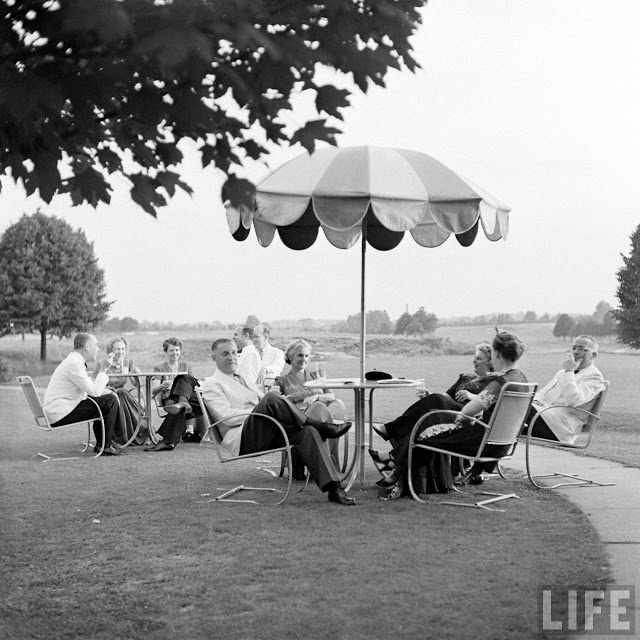
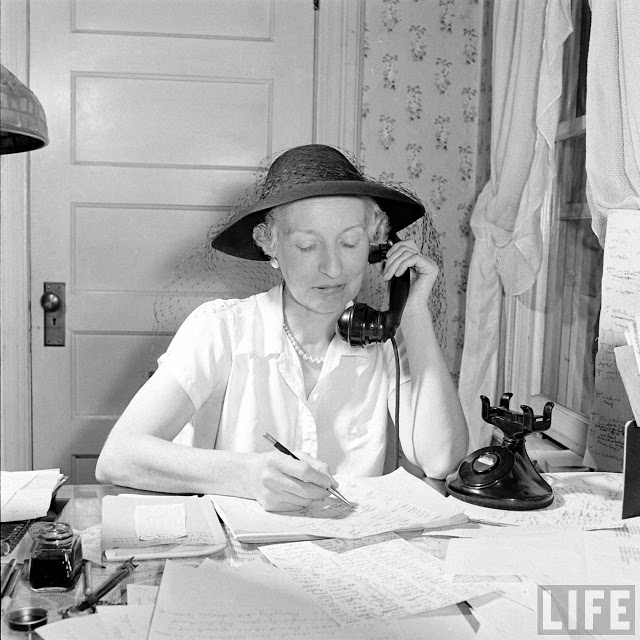
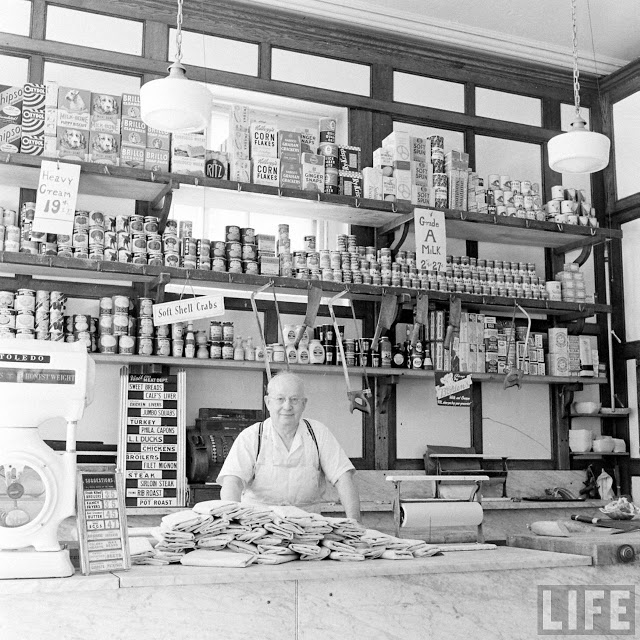
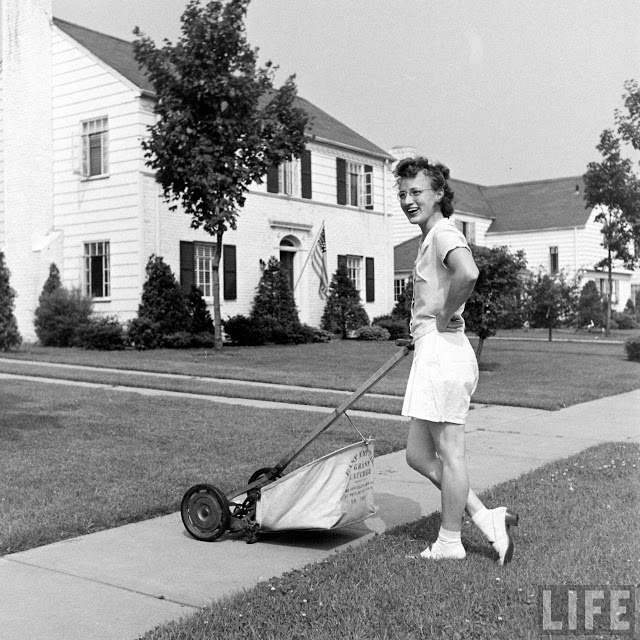
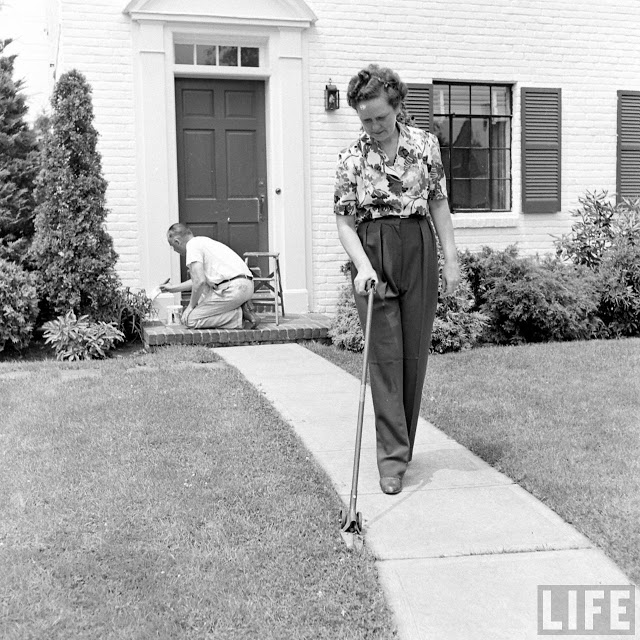
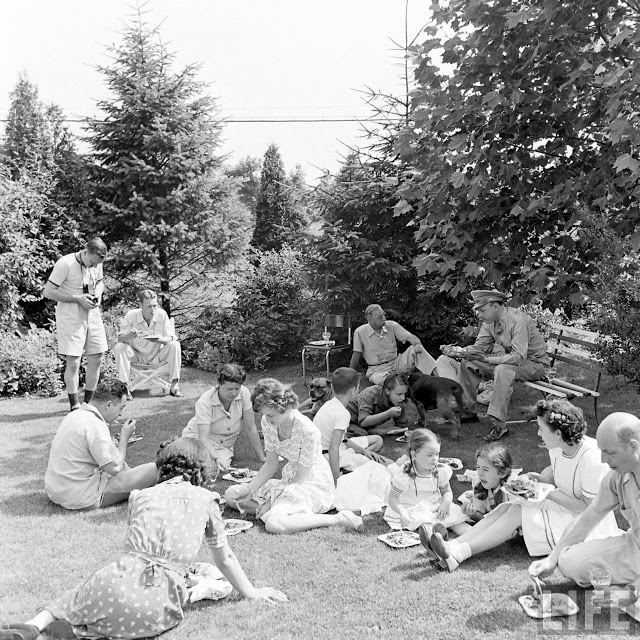
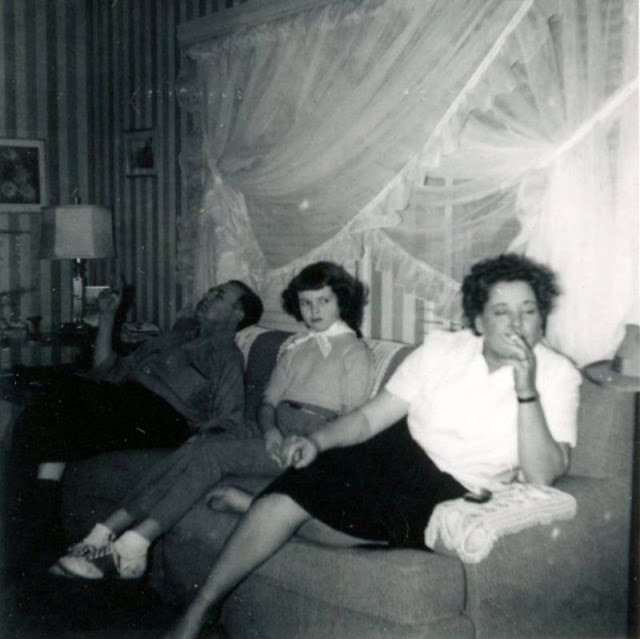
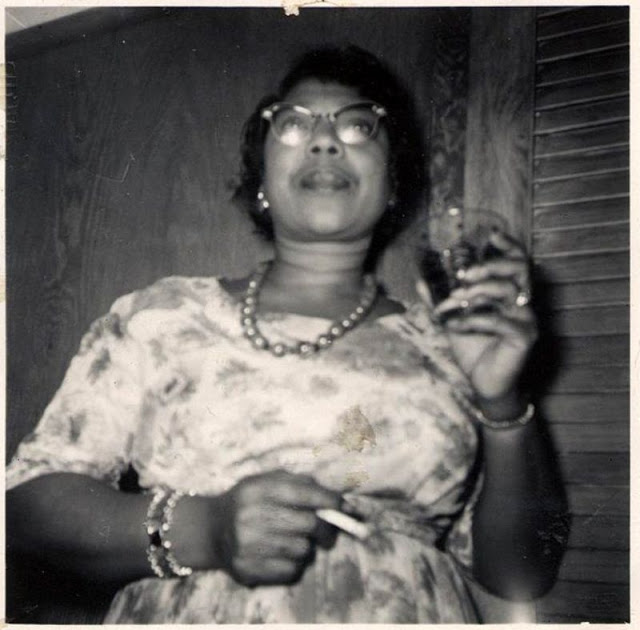
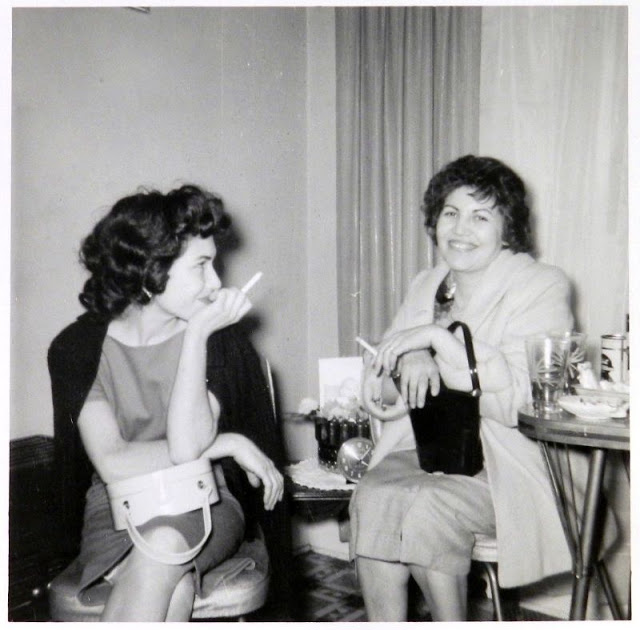
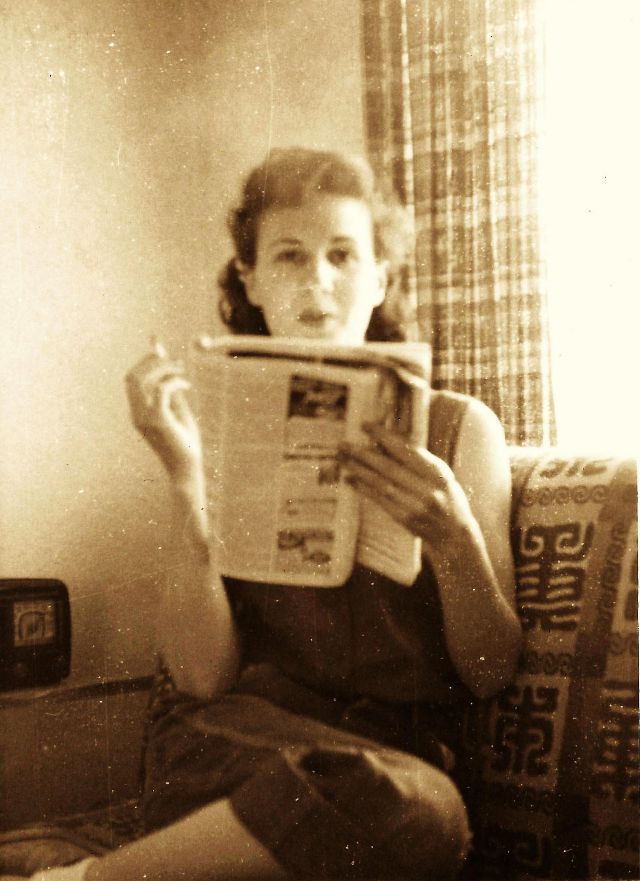
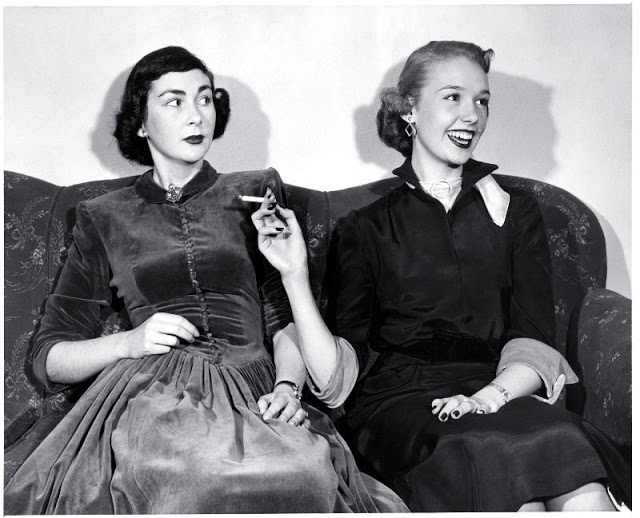
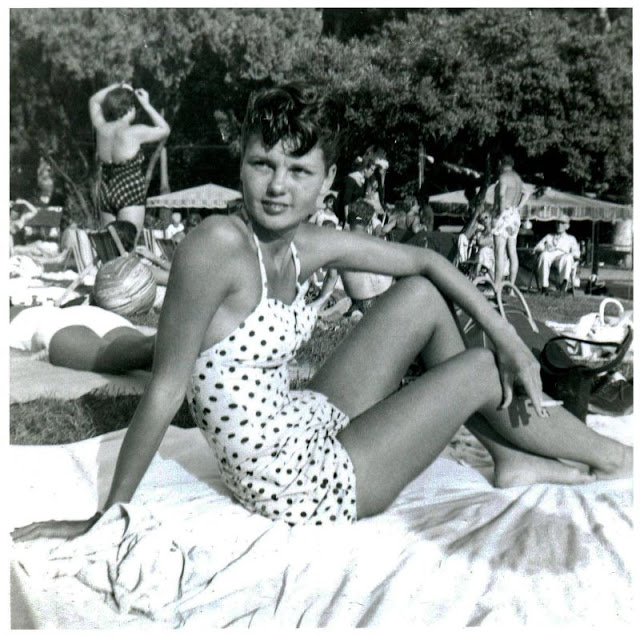
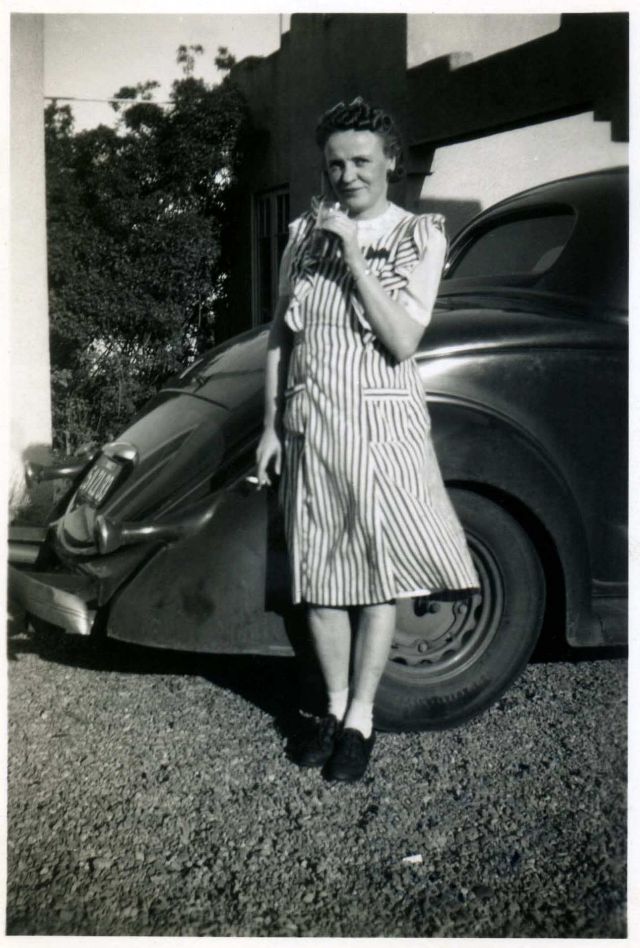
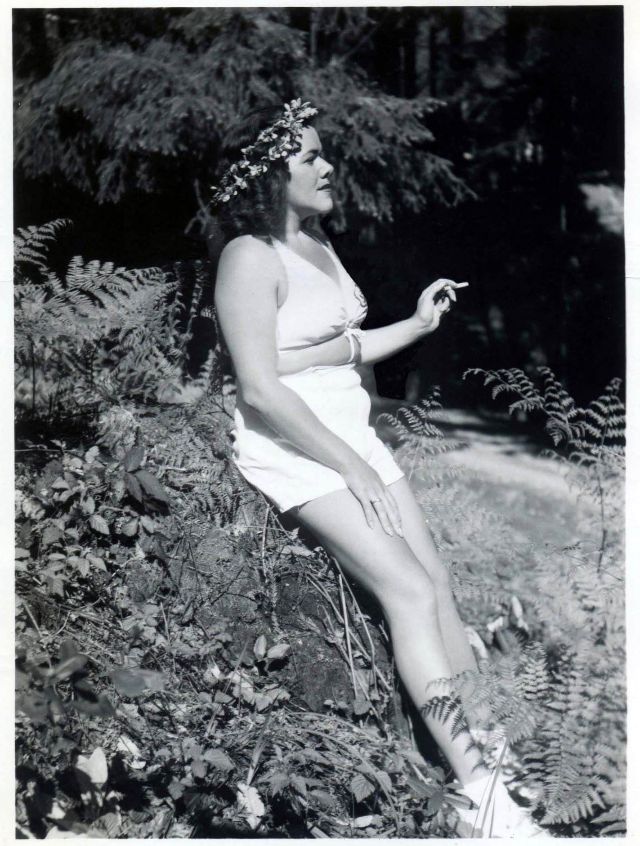
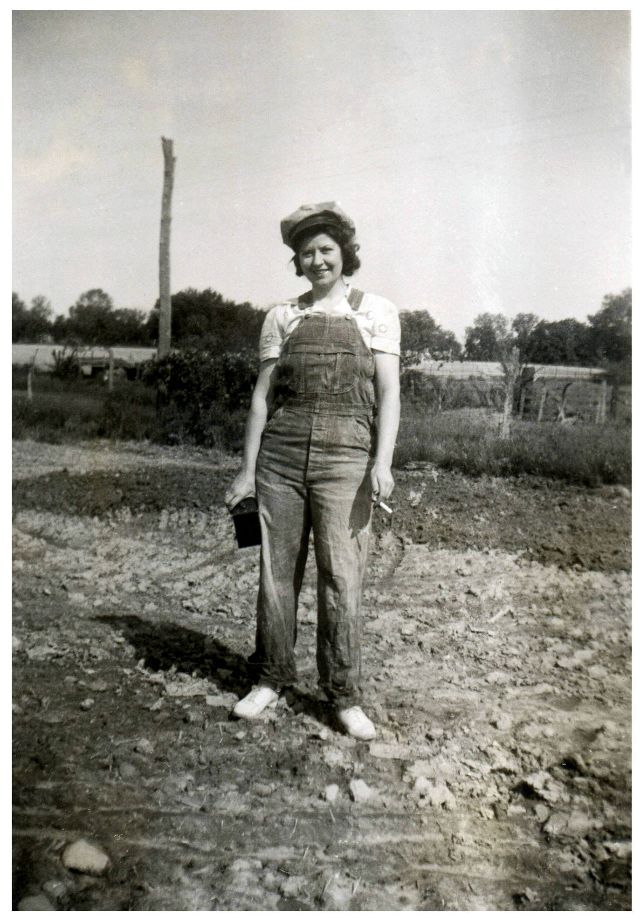
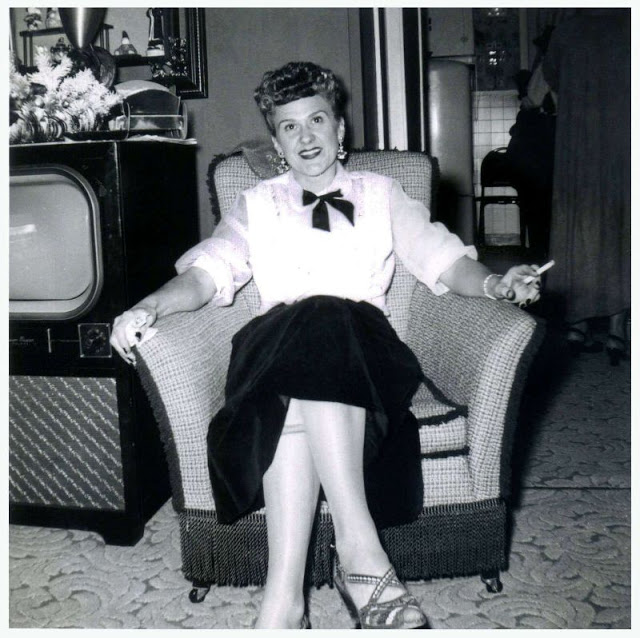
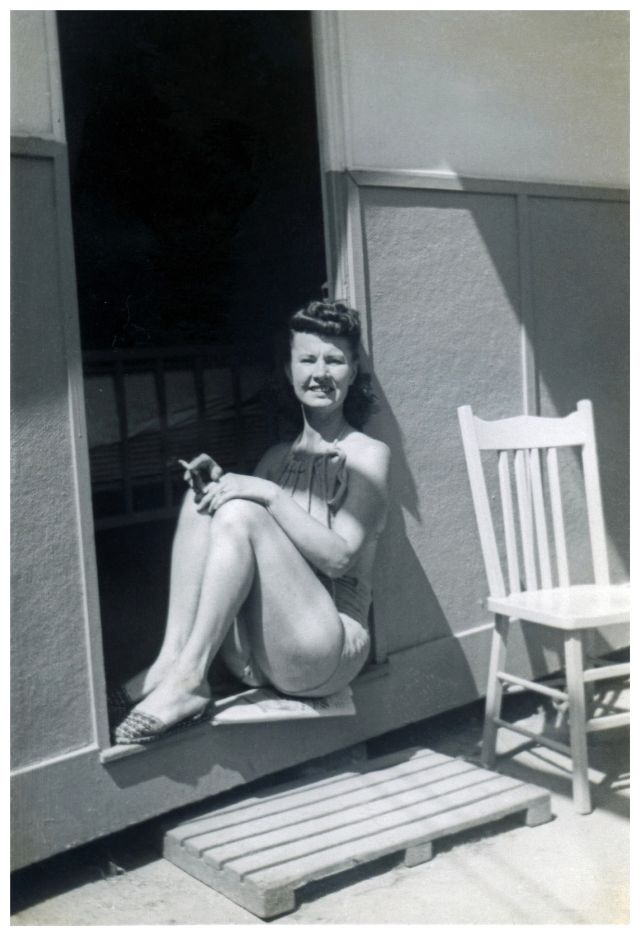
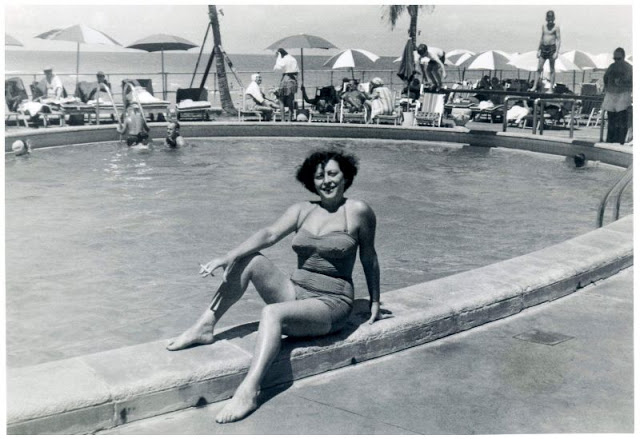
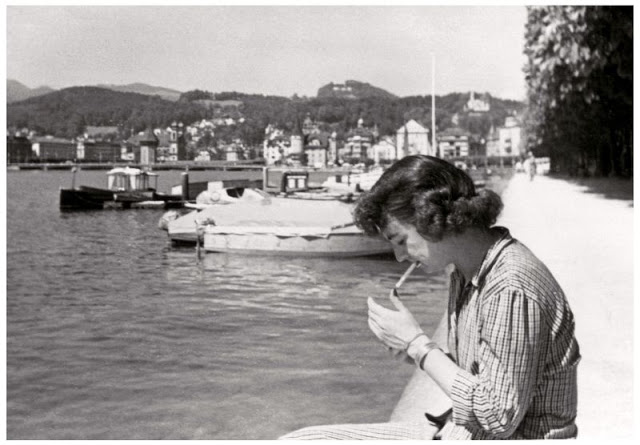
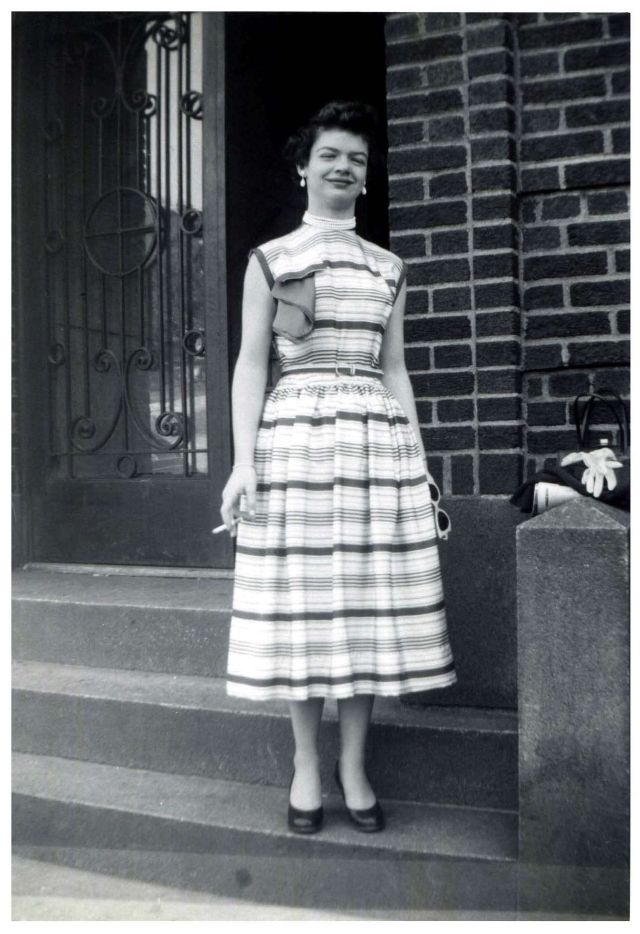
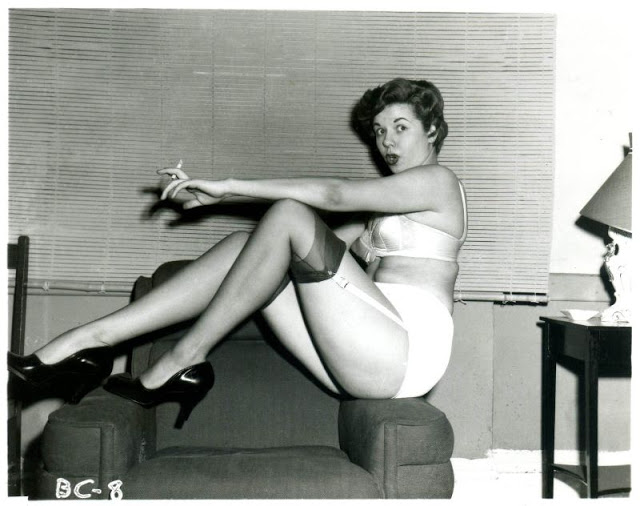
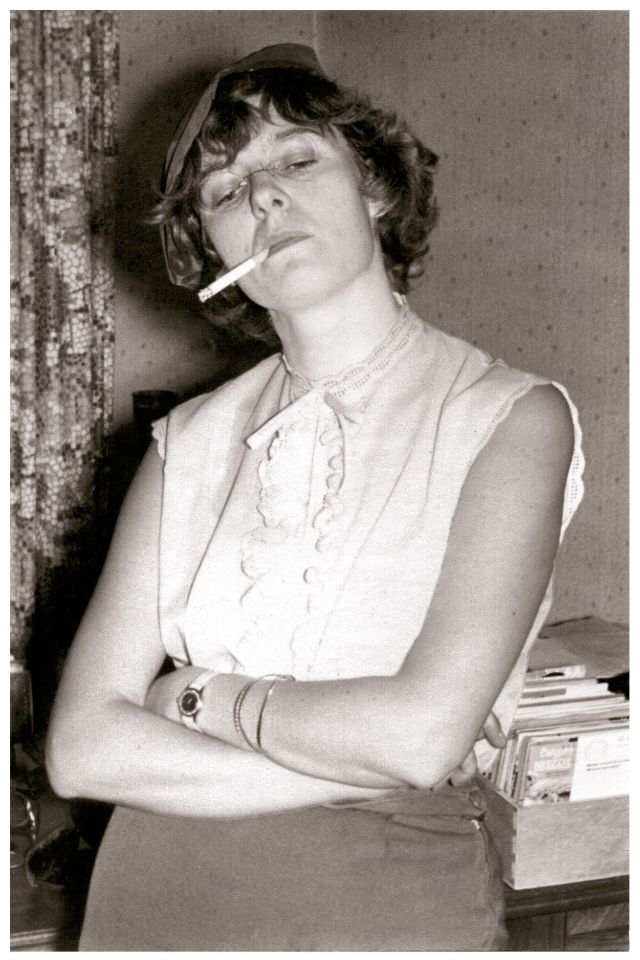
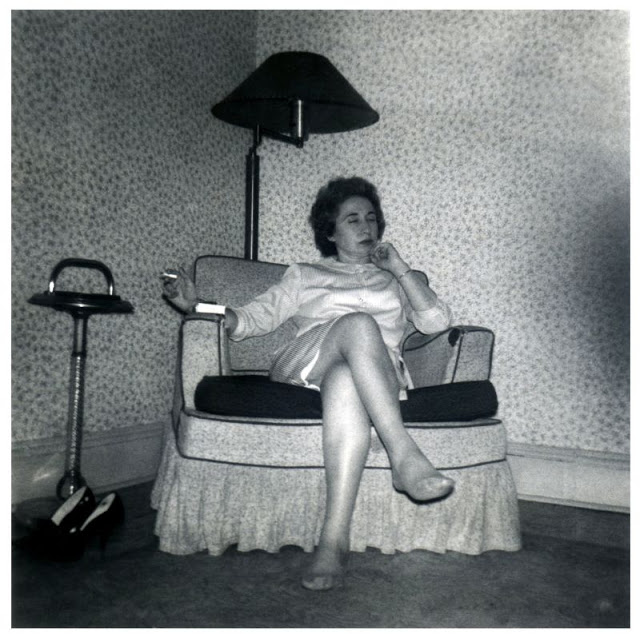
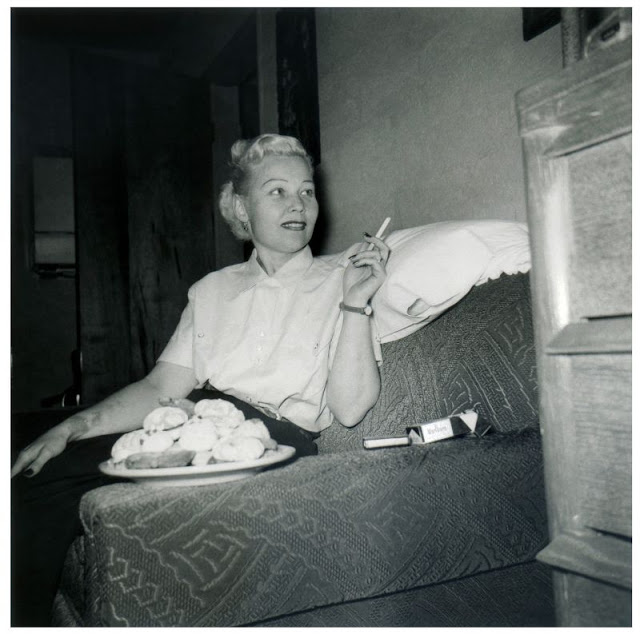
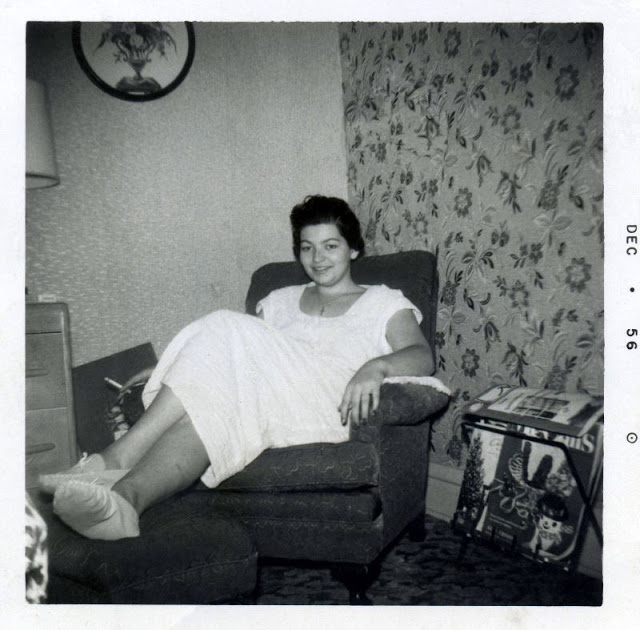
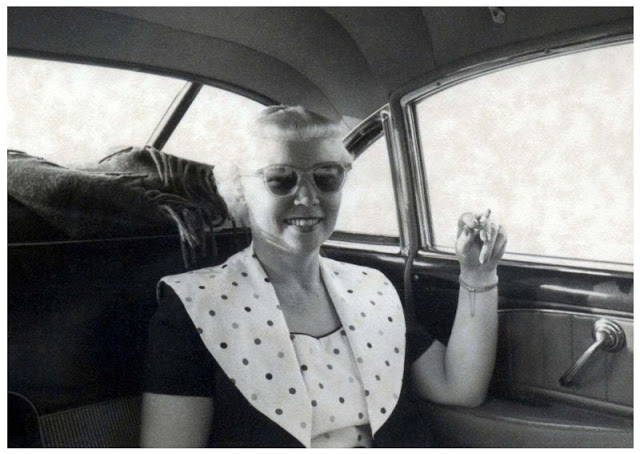
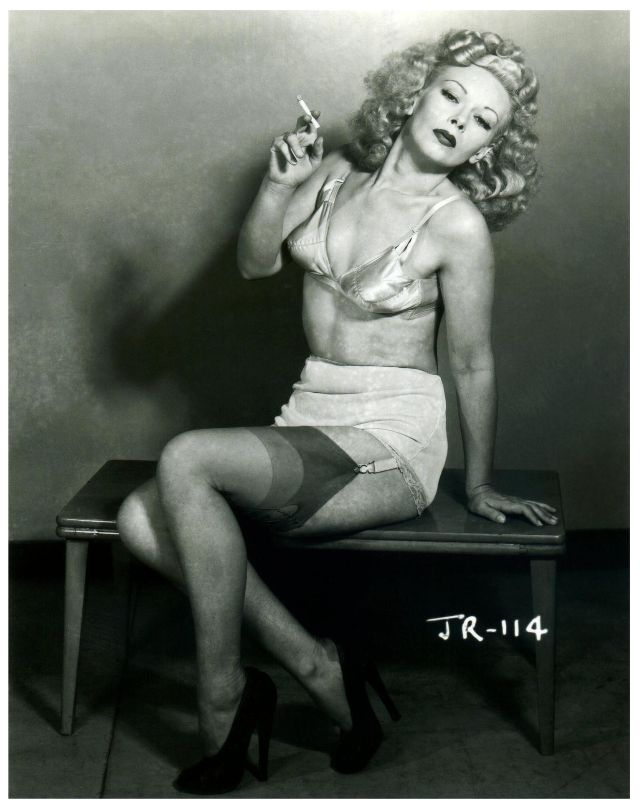
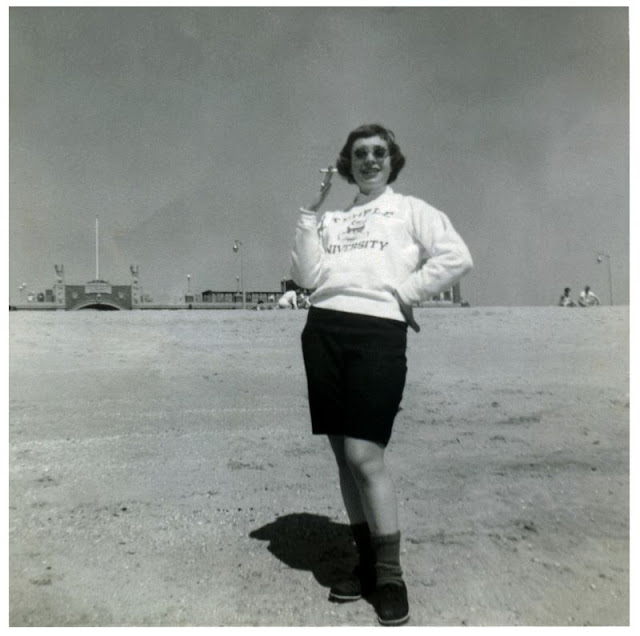
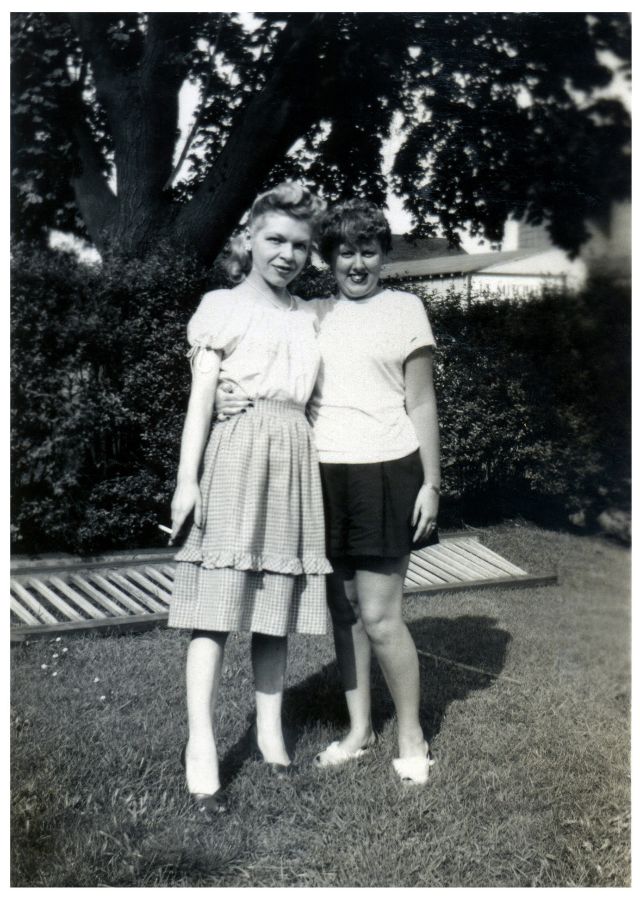
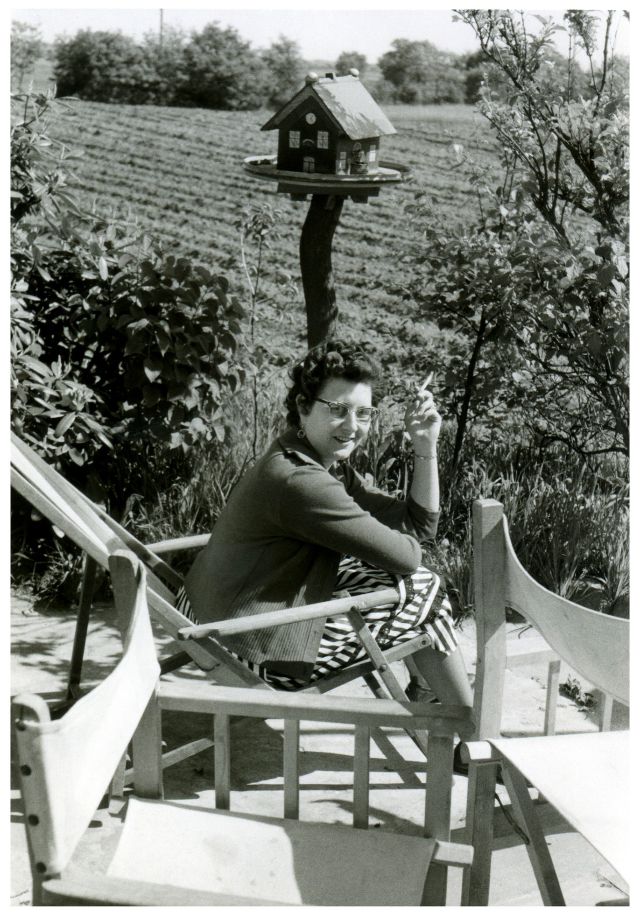
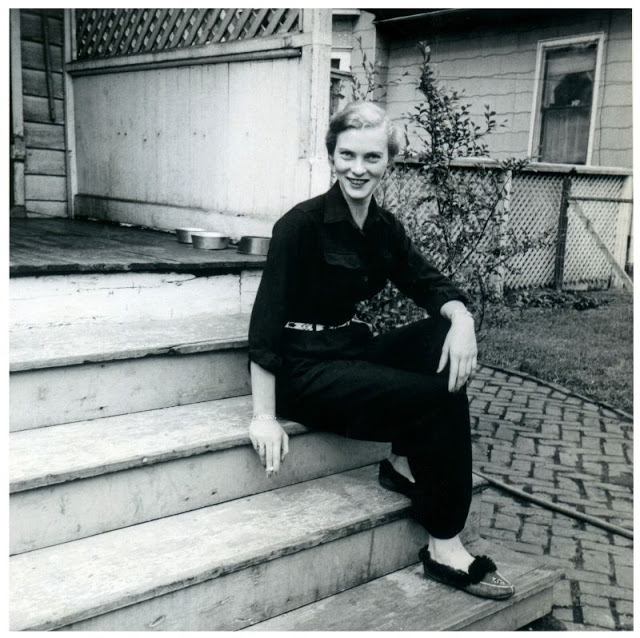
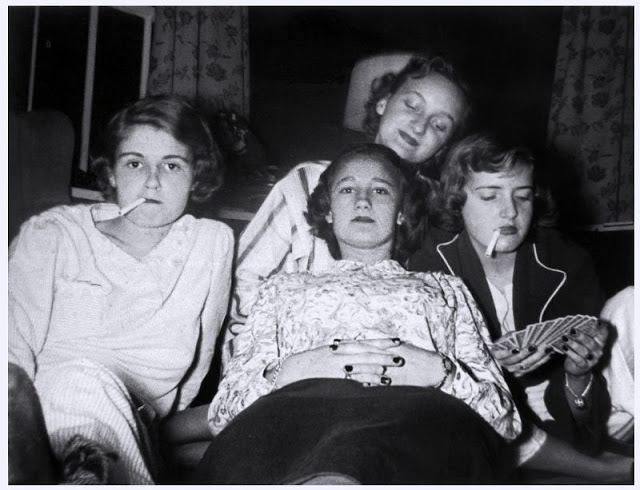
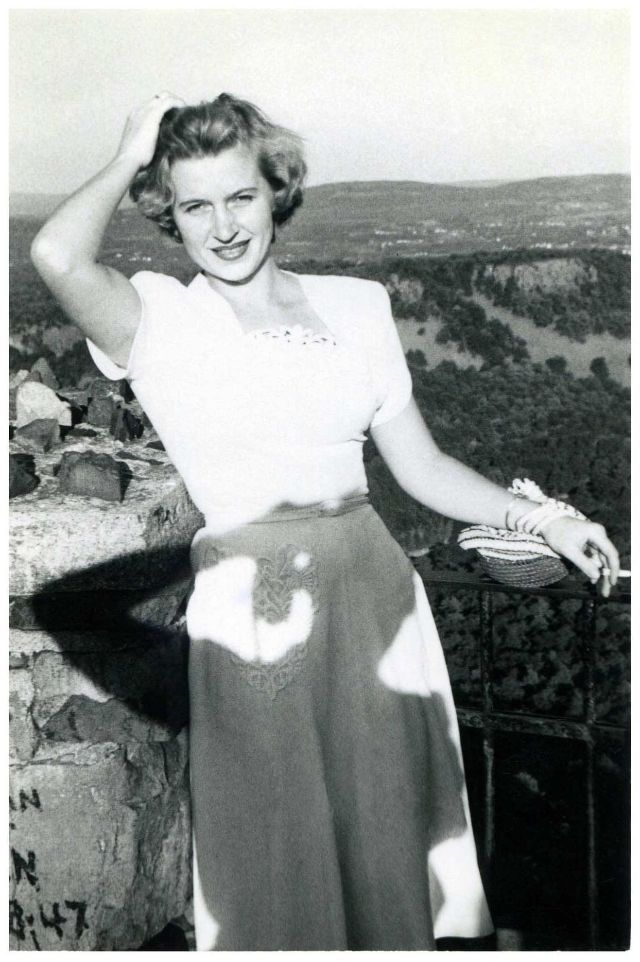
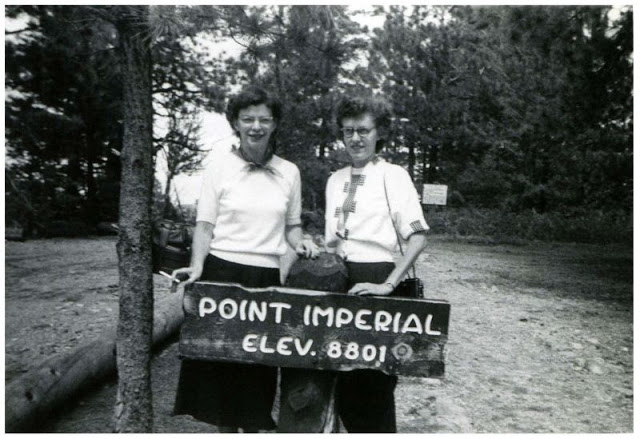
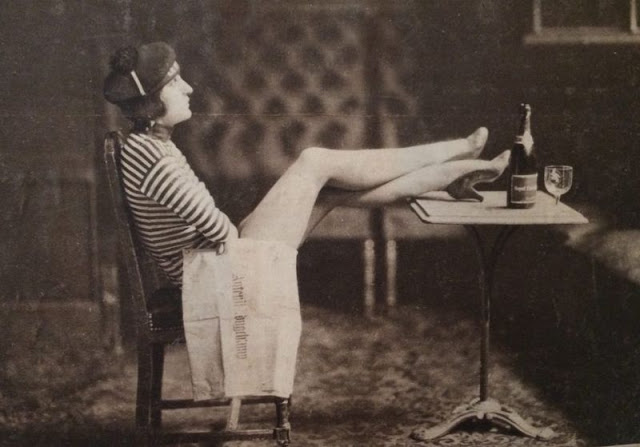
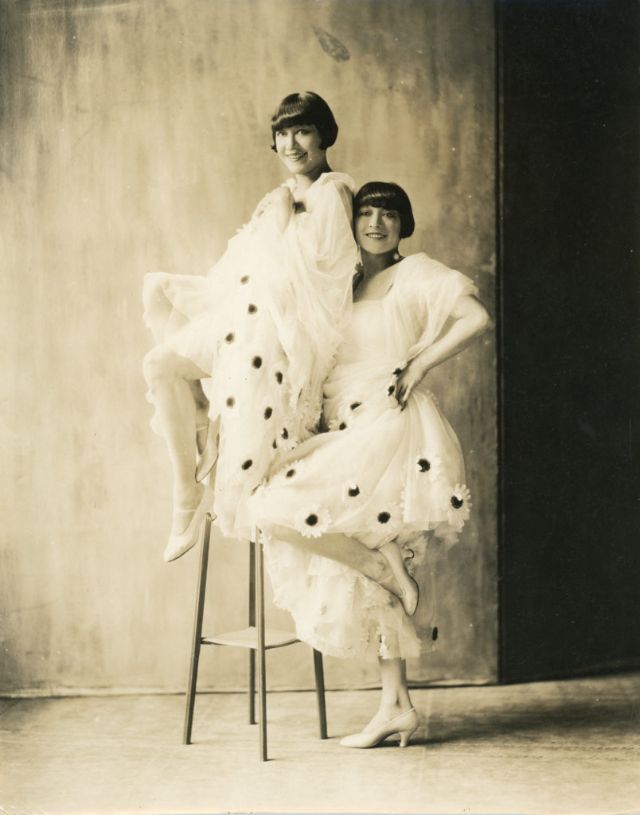
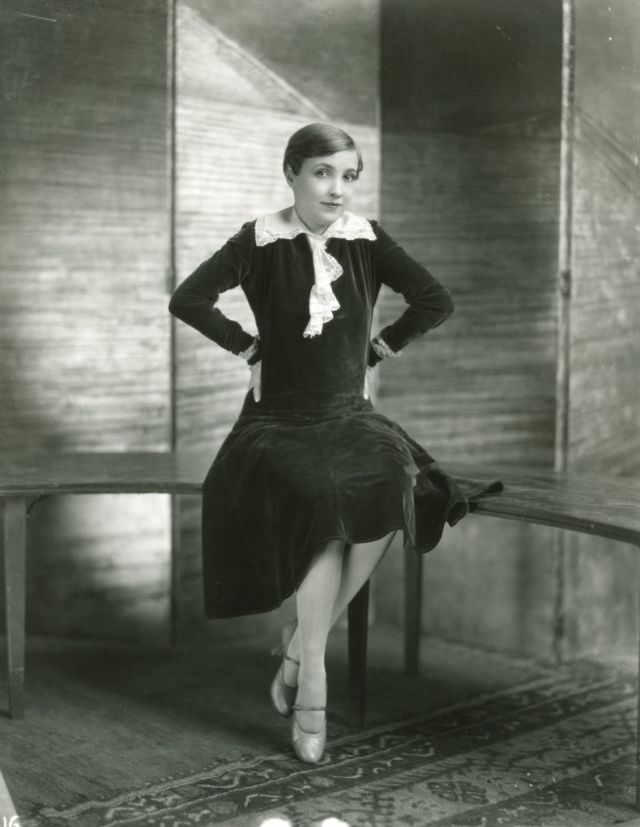
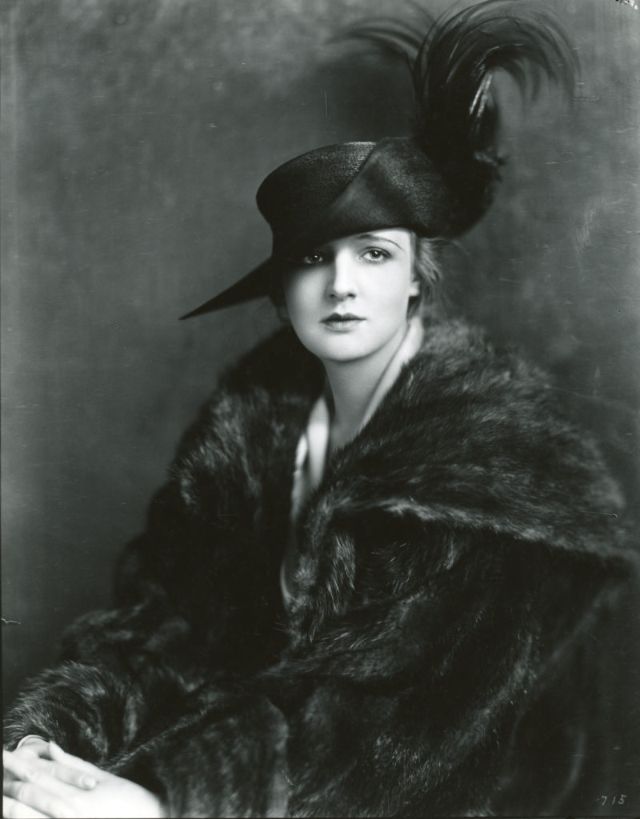
50 Vintage Photos Showing Suburban Life in New York State During the 1940s

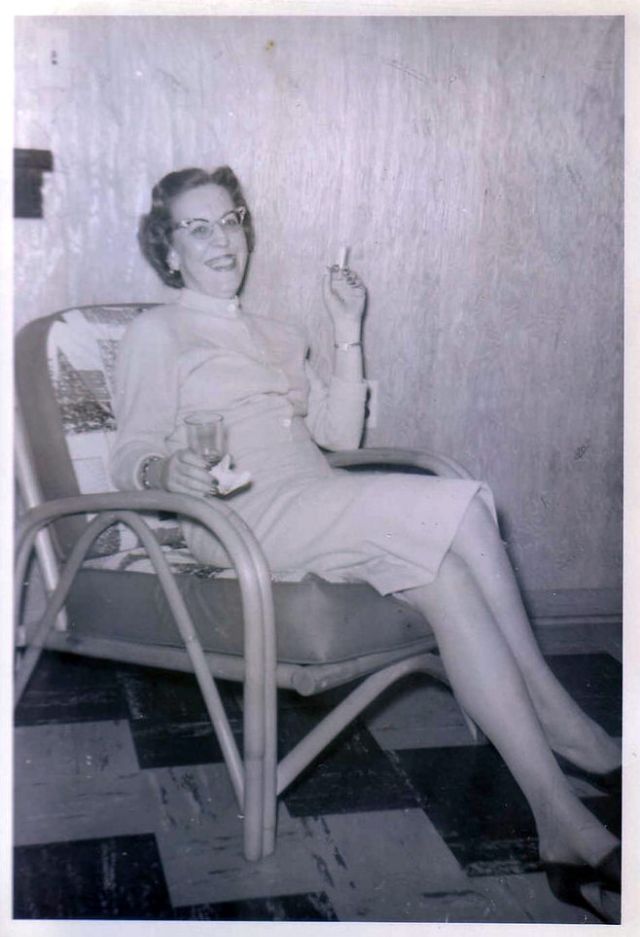
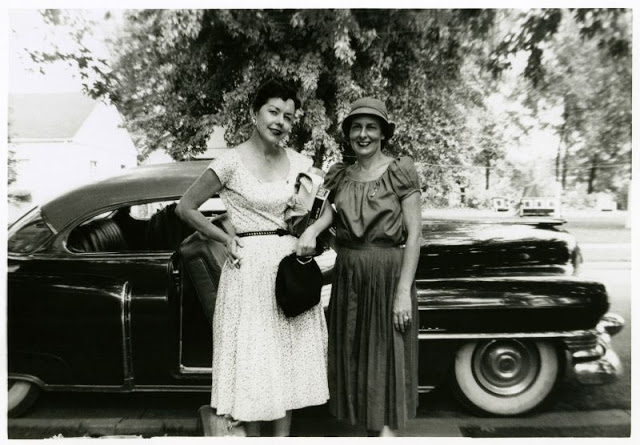
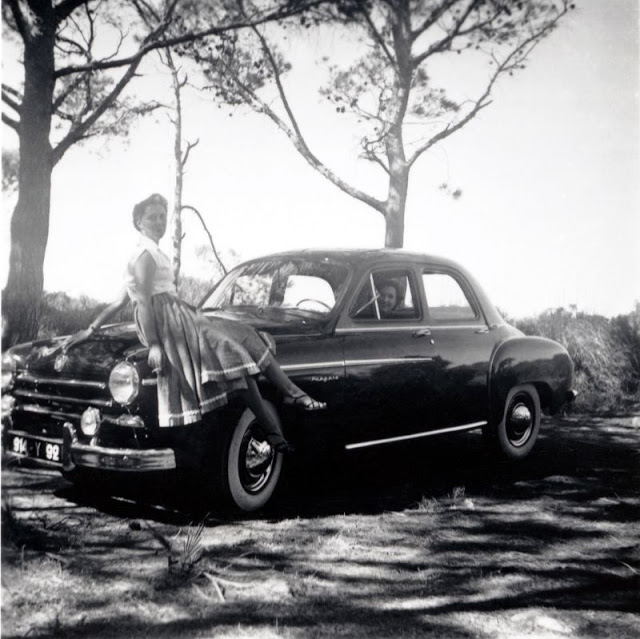
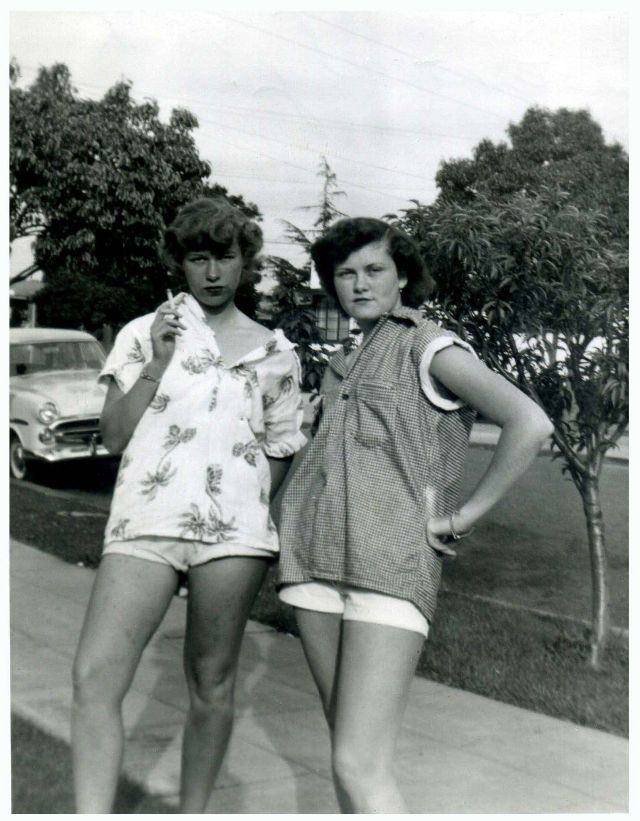
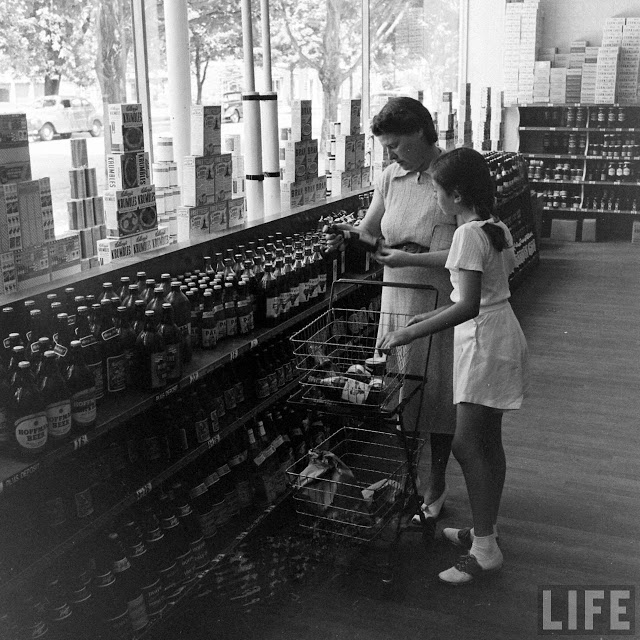
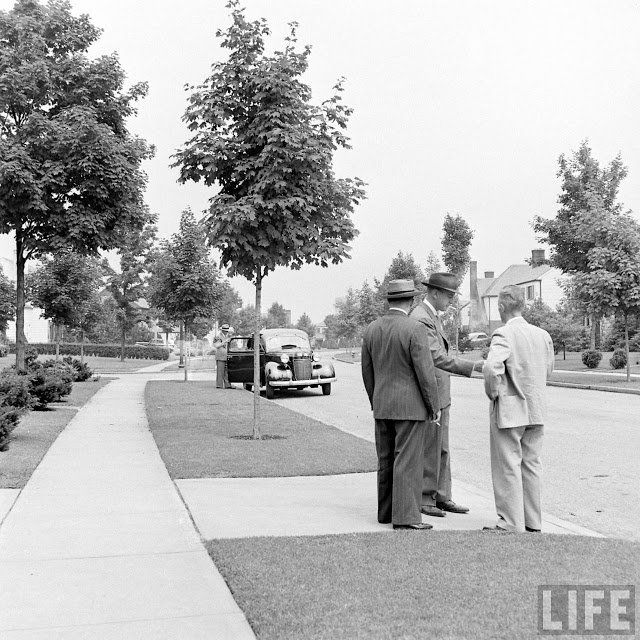
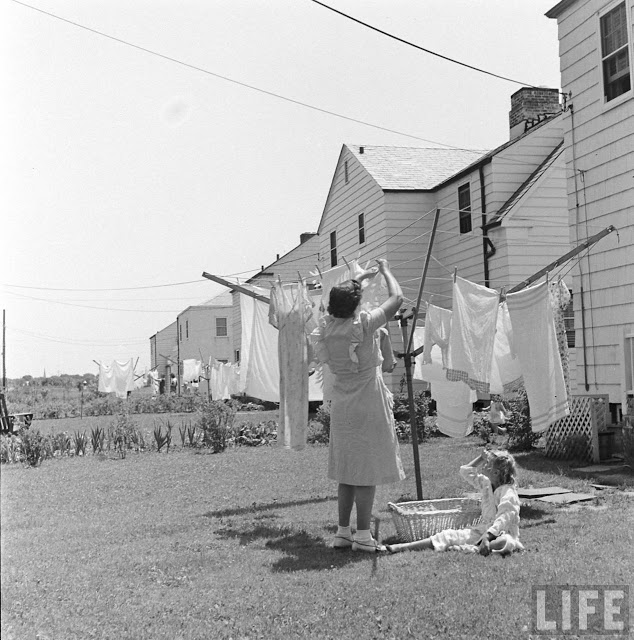
In the postwar era, many Americans moved away from cities and into suburbs, helped by GI Bill benefits that guarantied home loans. Techniques of mass production made it possible to build homes faster and cheaper than ever before.

Using an assembly-line system, the construction firm Levitt and Sons built three giant “Levittown” suburbs in New York, New Jersey, and Pennsylvania. Due to low prices and veterans’ benefits, more Americans could afford to own homes than ever before.

New York is a state in the Northeastern United States. It is sometimes called New York State to distinguish it from its largest city, New York City. With a total area of 54,556 square miles (141,300 km2), New York is the 27th largest state geographically. With 20.2 million residents, it is the fourth most populous state in the United States as of 2021, with approximately 44% living in New York City and another 14% on the remainder of Long Island. The state is bordered by New Jersey and Pennsylvania to the south, and Connecticut, Massachusetts, and Vermont to the east; it has a maritime border with Rhode Island, east of Long Island, as well as an international border with the Canadian provinces of Quebec to the north and Ontario to the northwest.

New York City (NYC) is the most populous city in the United States, and around half of the state’s population lives in the New York metropolitan area. NYC is home to the United Nations headquarters, and has been described as the cultural, financial, and media capital of the world, as well as the world’s most economically powerful city. The next five most populous cities in the state are Buffalo, Yonkers, Rochester, Syracuse, and the state capital of Albany.

New York has a diverse geography. The southeastern part of the state, the area known as Downstate, is in the Atlantic coastal plain and includes Long Island and several smaller associated islands, as well as New York City and the lower Hudson River Valley. The much larger Upstate New York area spreads from the Great Lakes to Lake Champlain and the border of Pennsylvania, and includes a diverse topography and range of regions including the Adirondack Mountains in the northeastern lobe of the state. New York also includes several ranges of the wider Appalachian Mountains. The east–west Mohawk River Valley is the primary river valley bisecting more mountainous regions, and connects into the North-South Hudson River valley in the Capital Region of New York. Western New York is part of the Great Lakes region and borders on the Great Lakes of Lake Ontario and Lake Erie, as well as Niagara Falls. Between the central part of the state and Western part of the state, New York is dominated by the Finger Lakes, a popular vacation and tourist destination.

New York was one of the original thirteen colonies forming the United States. The area of present-day New York had been inhabited by tribes of the Algonquians and the Iroquois confederacy Native Americans for several hundred years by the time the earliest Europeans arrived. French colonists and Jesuit missionaries arrived southward from Montreal for trade and proselytizing. In 1609, the region was visited by Henry Hudson sailing for the Dutch East India Company. The Dutch built Fort Nassau in 1614 at the confluence of the Hudson and Mohawk rivers, where the present-day capital of Albany later developed. The Dutch soon also settled New Amsterdam and parts of the Hudson Valley, establishing the multiethnic colony of New Netherland, a center of trade and immigration. England seized the colony from the Dutch in 1664, with the Dutch recapturing their colony in 1673 before definitively ceding it to the English as a part of the Treaty of Westminster the following year. During the American Revolutionary War (1775–1783), a group of colonists of the Province of New York attempted to take control of the British colony and eventually succeeded in establishing independence. In the early 19th century, New York’s development of its interior, beginning with the Erie Canal, gave it incomparable advantages over other regions of the east coast and built its political and cultural ascendancy.

Many landmarks in New York are well known, including four of the world’s ten most-visited tourist attractions in 2013: Times Square, Central Park, Niagara Falls, and Grand Central Terminal. New York is also home to the Statue of Liberty. In the 21st century, New York has emerged as a global node of creativity and entrepreneurship, social tolerance, and environmental sustainability. New York has approximately 200 colleges and universities, including the State University of New York. Several universities in New York have been ranked among the top 100 in the nation and world. (Wikipedia)
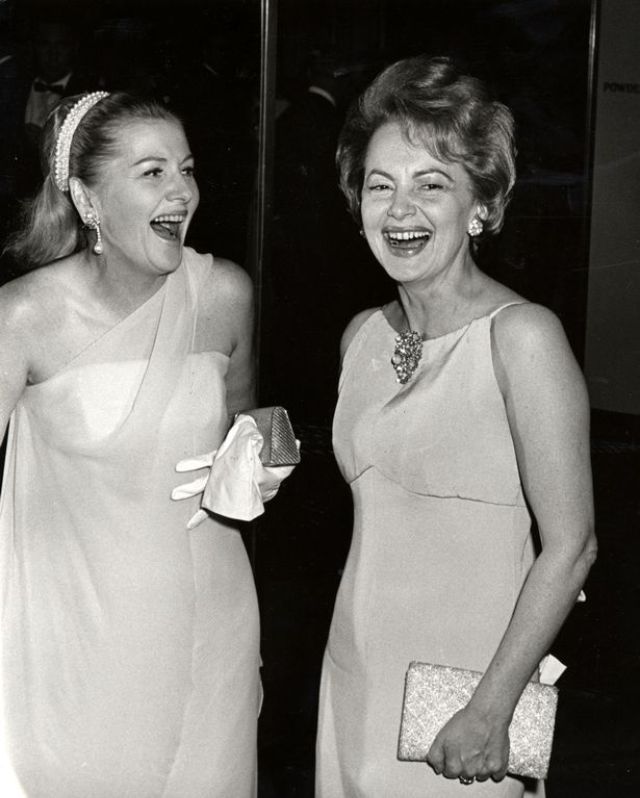
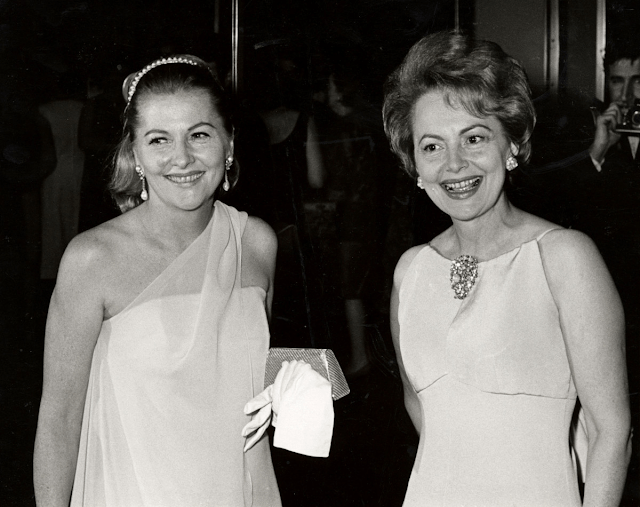
26 Vintage Photos of Sisters Olivia de Havilland and Joan Fontaine

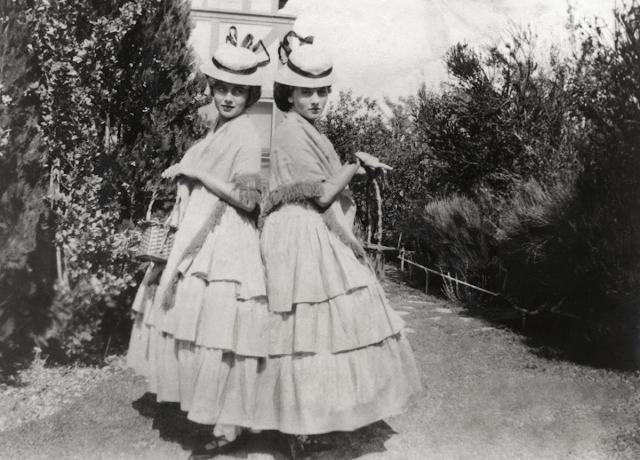
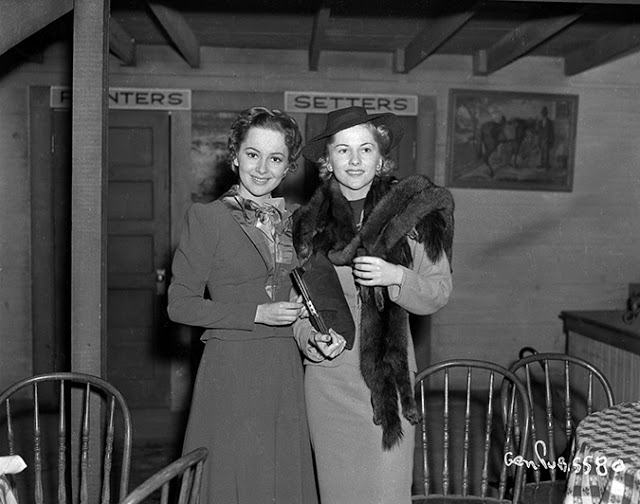
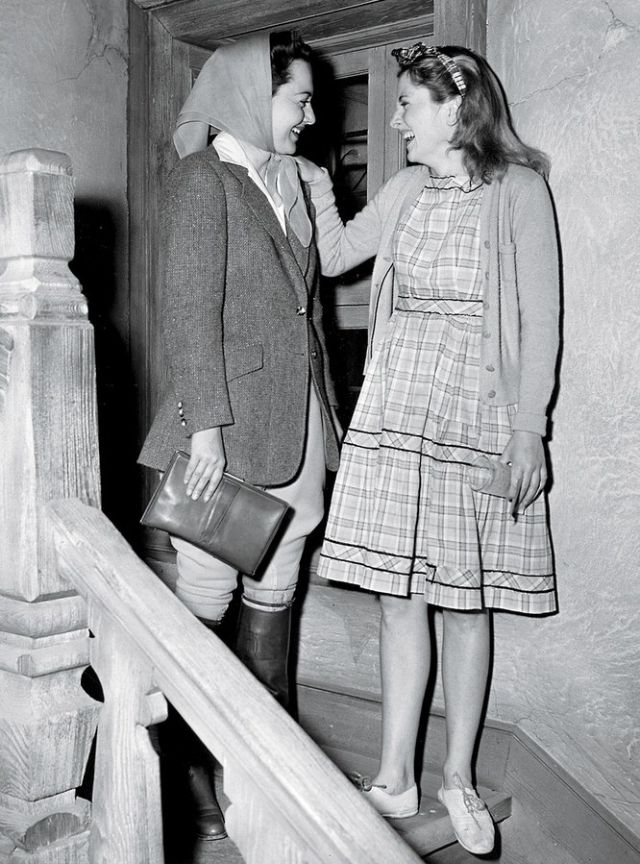
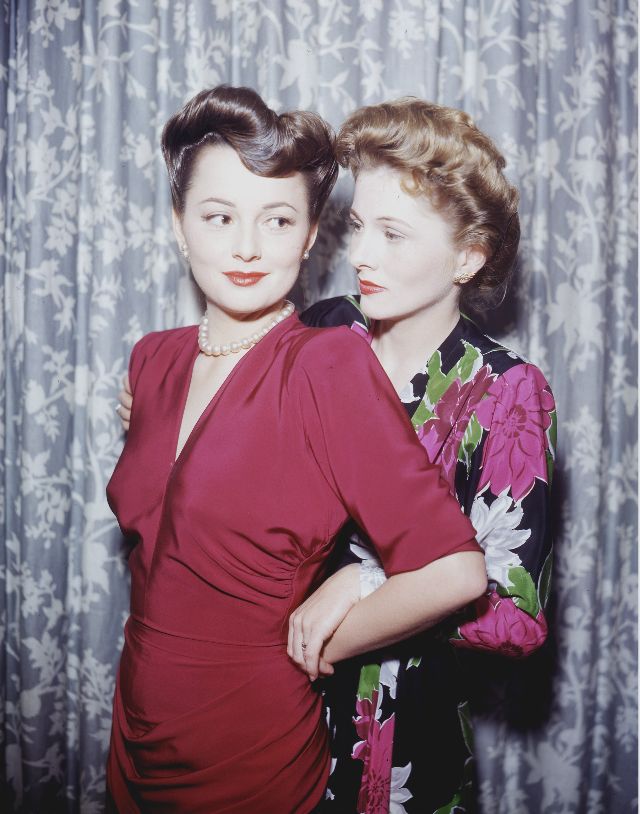
Perhaps Hollywood’s most famous sibling rivalry was the supposed one between the two sisters Olivia de Havilland and Joan Fontaine, which became the stuff for the media for decades. 15 months separated in age, the sisters pursued the same career choice, competed for the same Oscar category, even attained some of the same love interests. However, it was these similarities that further inflamed their feud from childhood to a lifetime.

As children, the sisters didn’t get along. In her 1978 autobiography No Bed of Roses, Joan indicated that part of their problems came from Olivia’s resentment at having to share the attention with a younger sibling. As they lived in the same room, their collisions frequently happened, from when Joan was still in the crib to their teenage years. The supposed bullying started with Olivia’s picking on Joan, then escalated to hair-pulling, clothes-tearing and even downright fighting, with an incident caused by Olivia that led to Joan’s collarbone fractured. Afterwards, the mistreatment turned more mental, with Olivia reportedly publishing a fake will that read “I bequeath to my sister the ability to win boy’s hearts, which she does not have at present,” as she was the editor of their high school newspaper.

In order to introduce her daughters to great works of art, the well-versed mother taught the sisters diction and elocution at a young age, which led to both of the sisters developing an interest in the arts and particularly in acting. But it was Olivia to enter the film career in Hollywood first, after fortunately getting the spotlight in the Max Reinhardt’s Hollywood Bowl production of A Midsummer Night’s Dream. She later became a marquee attraction by co-starring opposite Errol Flynn in a series of eight films for over six years – most noteworthy The Adventures of Robin Hood in 1938. Meanwhile, Joan was told by her mother to not pursue work at Warner Bros. since that was “Olivia’s studio” and forced to change her stage name to Fontaine, her stepfather’s name, because “two de Havillands on the marquee would be too many.”

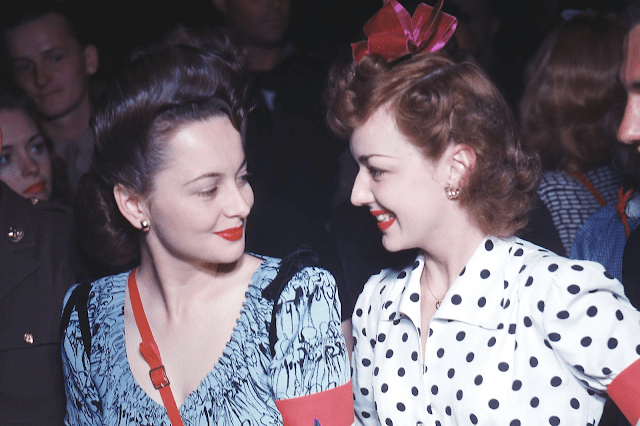
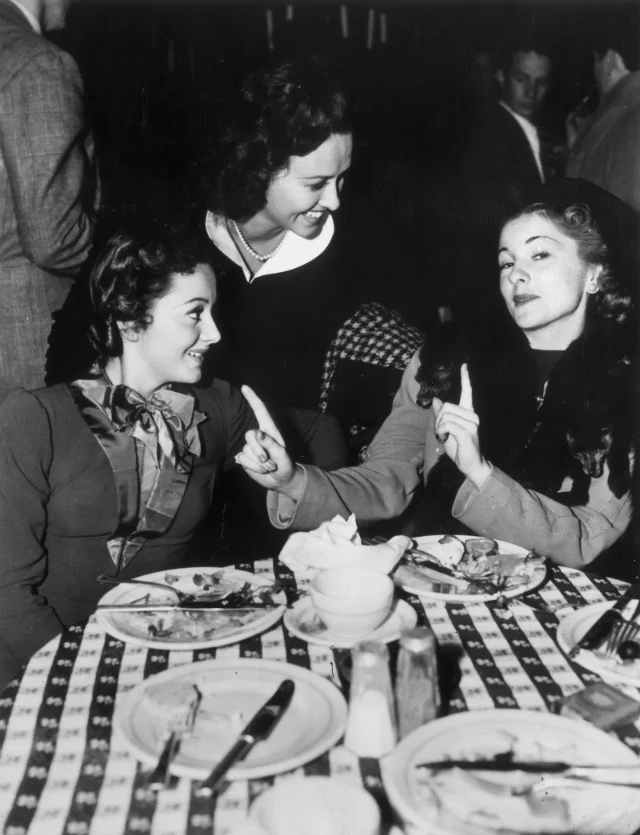
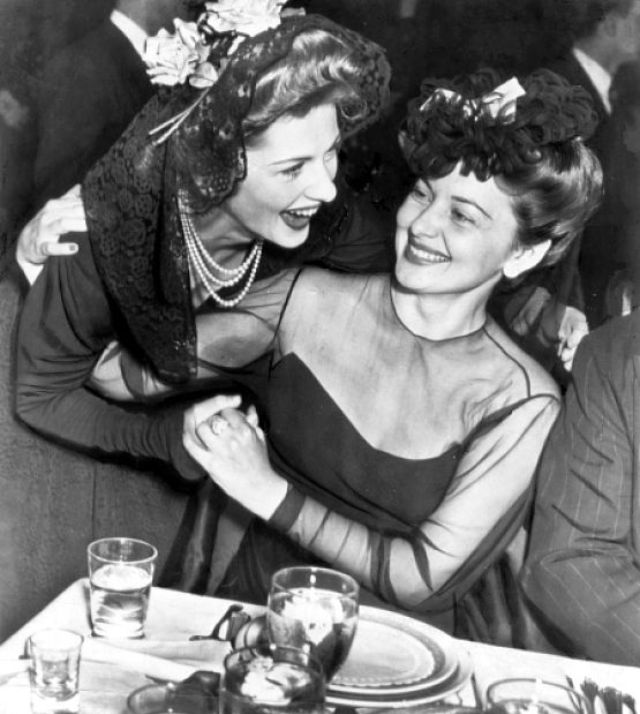
1940s. Joan Fontaine and Olivia de Havilland smiling at one another while attending an event at the Hollywood Canteen, Los Angeles, California.

Their feud reached new heights at the events of the 1939 classic Gone With the Wind, when Joan recalled that she was turned down for the role Melanie for being “too stylish,” then generously suggested her sister to George Cukor. Olivia earned her first Oscar nomination for the part and made no mention of this. The year after Gone With the Wind won the Best Picture Oscar, the statuette went to Rebecca, and Joan was nominated for Best Actress for the first time.

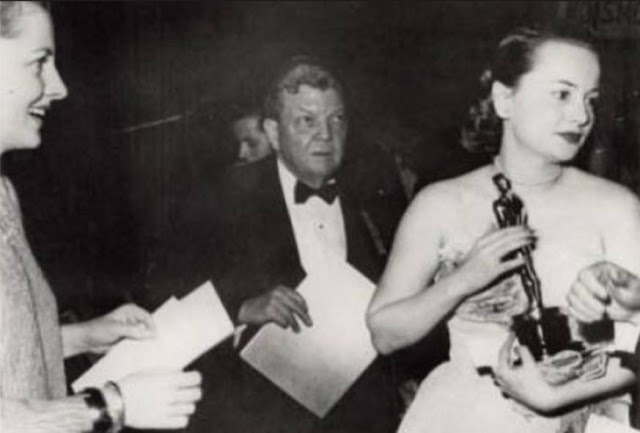
Their climactic showdown of a lifetime was brought out for the whole Hollywood to see in 1942, when Olivia and Joan were both nominated for Best Actress at the 14th Academy Awards, making them the first pair of siblings to compete for the same Oscar category. When the announcement of Joan’s winning for Suspicion was made, the attendees found themselves surprised at the scene of Olivia seizing Joan’s hand and crowing, “We’ve got it!”, for they had hopefully expected that the losing sister would fly into rage or burst into tears. Olivia’s night of triumph came in 1947, as she won the Best Actress Oscar for To Each His Own. However, when Joan advanced towards her sister to congratulate, Olivia shied away from her, leaving the other sister with a bewildered expression.

Olivia de Havilland turning away from sister Joan Fontaine.

Joan made quite a famous quip to People while she was promoting her autobiography in 1978, that “Olivia has always said I was first at everything – I got married first, got an Academy Award first, had a child first. If I die, she’ll be furious, because again I’ll have got there first!” Back in the day, a woman getting married was seen as a huge step on completing life, therefore Joan tying the knot before her older sister was considered to be something of an accomplishment – ironically, with the actor Brian Aherne, whom Olivia once dated. Their relationship became further complicated, even resulted in a years-long cold war following Joan’s mean remark upon Olivia’s newlywed husband Marcus Goodrich, that “he has had four wives and written one book. Too bad it’s not the other way around.”

Over the years, theirs seemed to be a hot and cold relationship, such as when the sisters spent Christmas together at Joan’s New York apartment in 1961, or attended a party of Marlene Dietrich in 1967. Things suddenly became much worse after the passing of their mother in 1975. Joan accused her sister of not informing her when she was out of the country, and only received an invitation to the memorial service after threatened to give the press the whole story. Joan described the occasion to People, “She scattered a handful of ashes over the grave site and then silently passed the container to me. Not one word was exchanged. I think it is so ironic that the death of this marvelous woman was responsible for our final schism.”

The nature of the talented sisters’ relationship has been reported for decades by the media that it has become firmly established in Hollywood legends. However, when Scott Feinberg from The Hollywood Reporter interviewed both of them, Joan furiously denied the rivalry. “This ‘Olivia feud’ has always irritated me because it has no basis. To this day it has no basis!” She told him. “Olivia and I have never had a quarrel. We have never had any dissatisfaction. We have never had hard words.” Whether their feud was fact, fiction or something in between, people who were not in charges will never know for sure.

Sisters Olivia de Havilland (left) and Joan Fontaine at a party in Saratoga, California.
1939, January 13. Olivia de Havilland and her sister, Joan Fontaine attending a party at Warner Bros. Studios in Burbank, California.
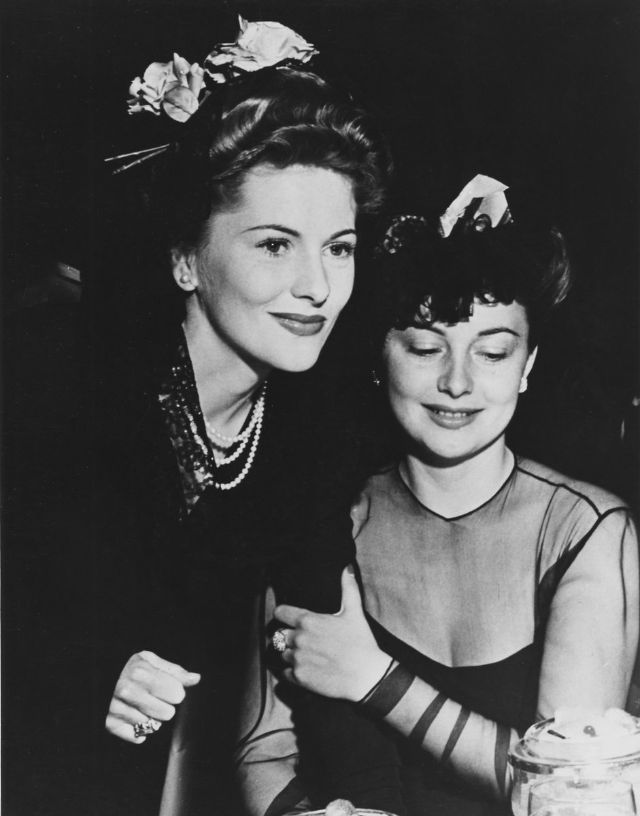
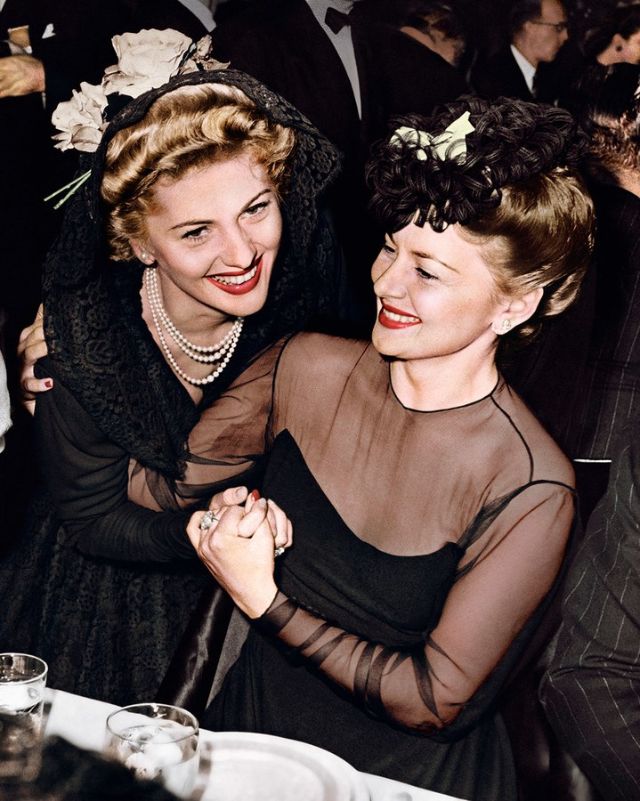
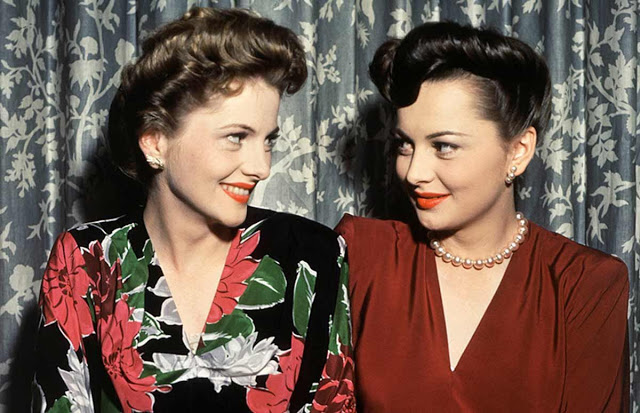
1940s. Sisters Olivia de Havilland and Joan Fontaine smiling at one another.
1940s.
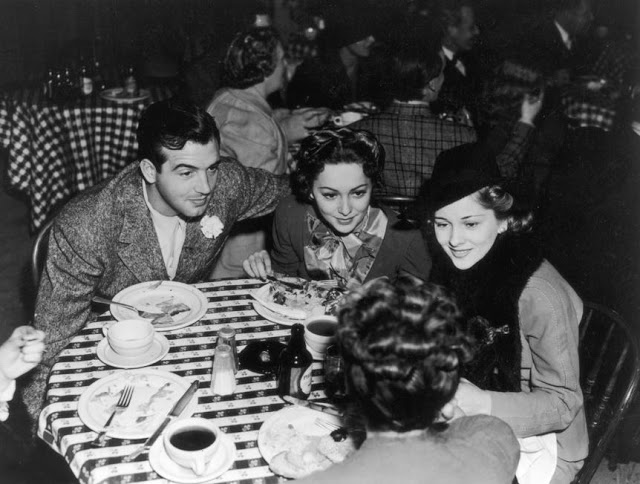
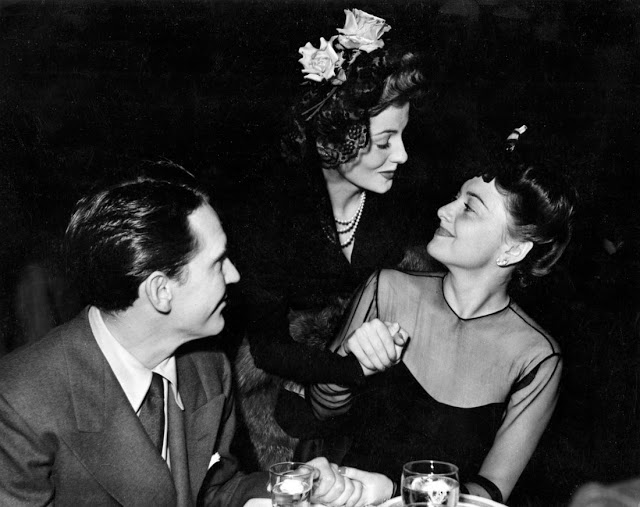
1940s. Olivia de Havilland leaning in to hear a conversation while lunching with her sister Joan Fontaine and actor John Payne.
1940s. Olivia de Havilland in a restaurant with her sister Joan Fontaine (right) and actress Margaret Lindsay.
Joan Fontaine (left) with sister Olivia de Havilland at the 14th Academy Awards.
Joan Fontaine, with Burgess Meredith and sister Olivia de Havilland at the 14th Academy Awards.
Joan Fontaine (left) with sister Olivia de Havilland at the 14th Academy Awards.
Joan Fontaine with sister Olivia de Havilland at the 14th Academy Awards.
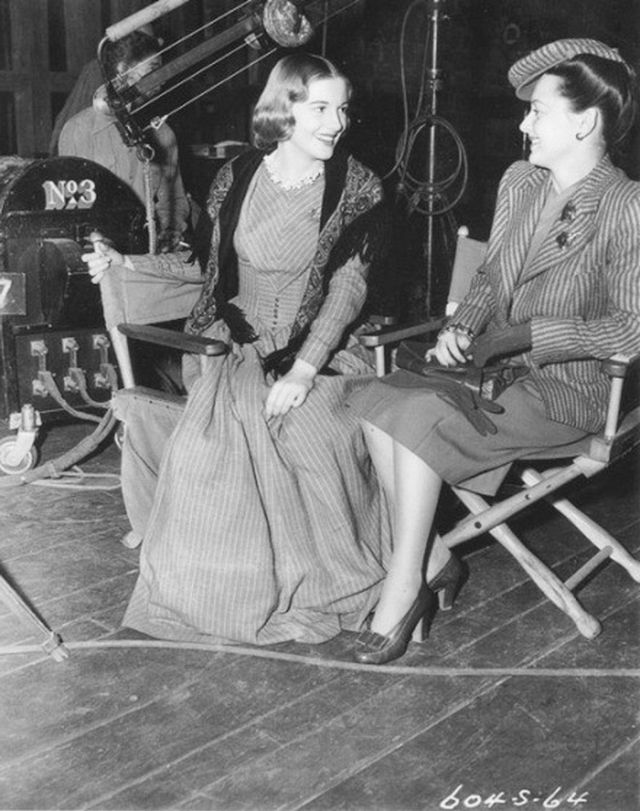
Joan Fontaine and Olivia de Havilland on the set of ‘Jane Eyre.’
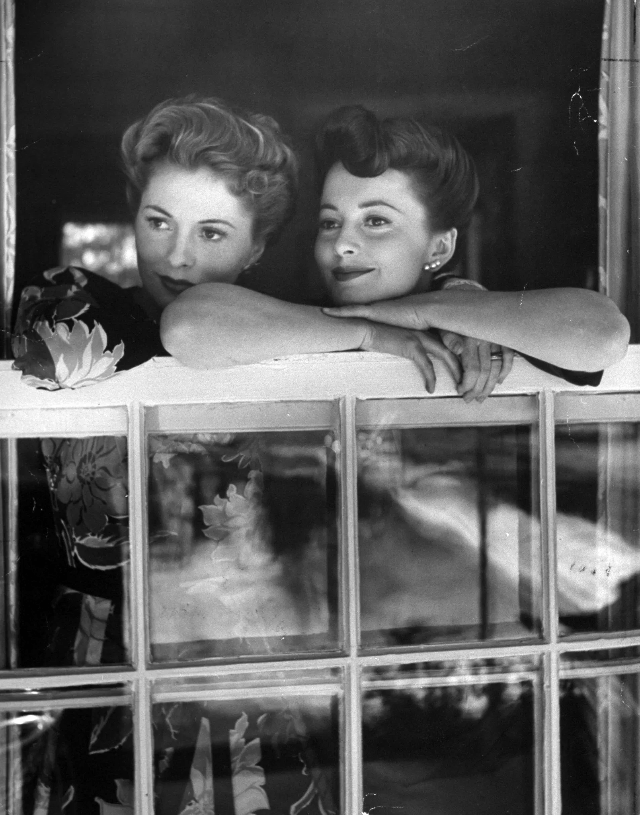
1940s. Joan Fontaine with her sister Olivia De Havilland looking out top of open window at her home. Photo by Bob Landry.
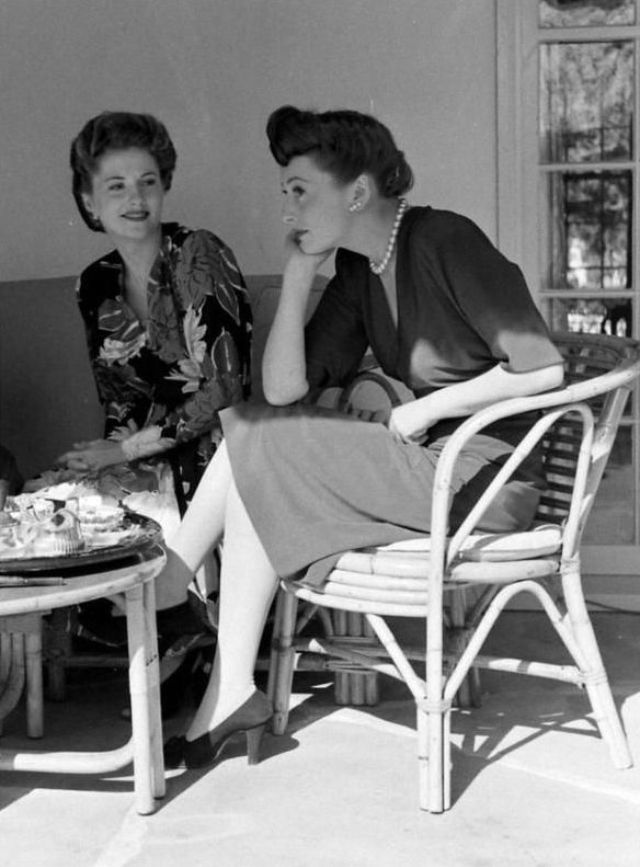
1940s. Joan Fontaine and Olivia de Havilland at Joan’s Georgian home. Photo by Bob Landry.
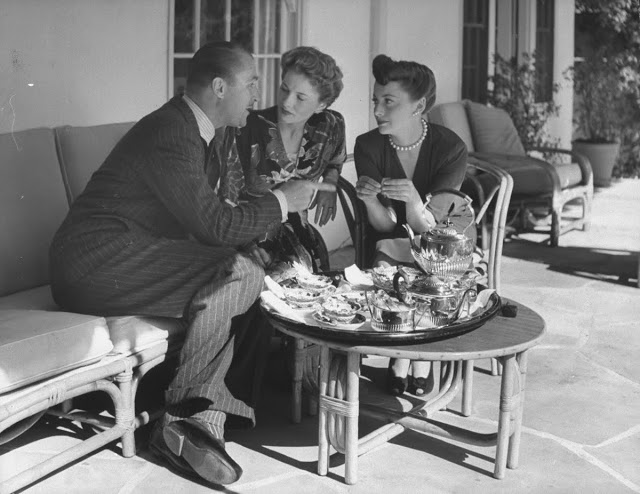
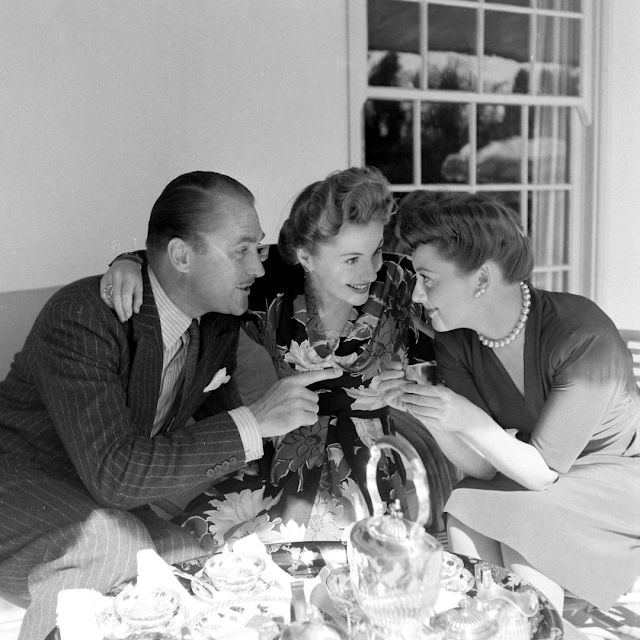
1940s. Joan Fontaine with husband Brian Aherne chatting with her sister Olivia de Havilland while having high tea on the patio of their Georgian home.
Sisters Joan Fontaine and Olivia de Havilland.
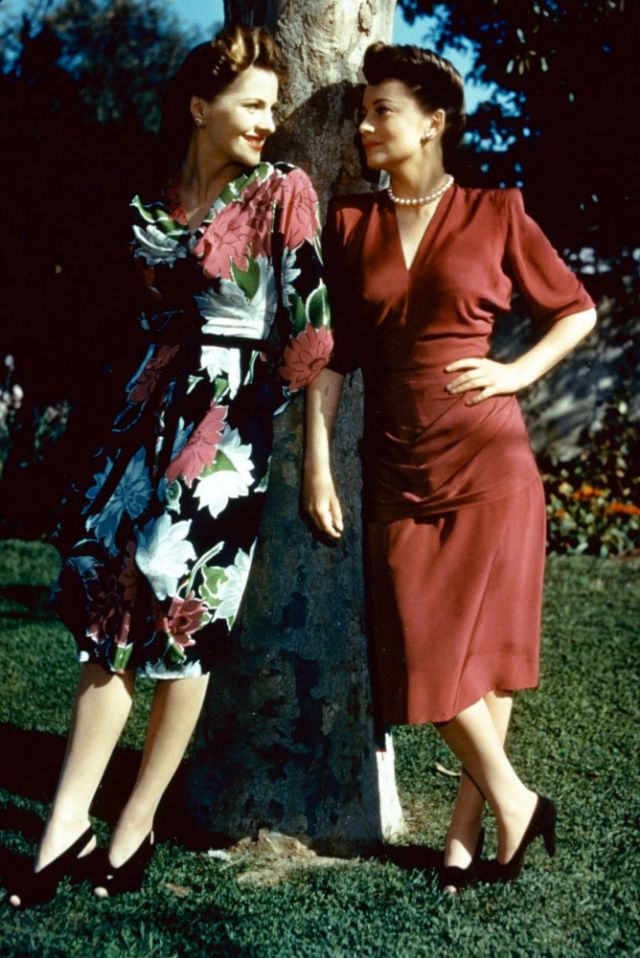
Joan Fontaine (left) and her sister, Olivia de Havilland, standing in conversation by a tree.
Olivia de Havilland (left) with her sister, Joan Fontaine.
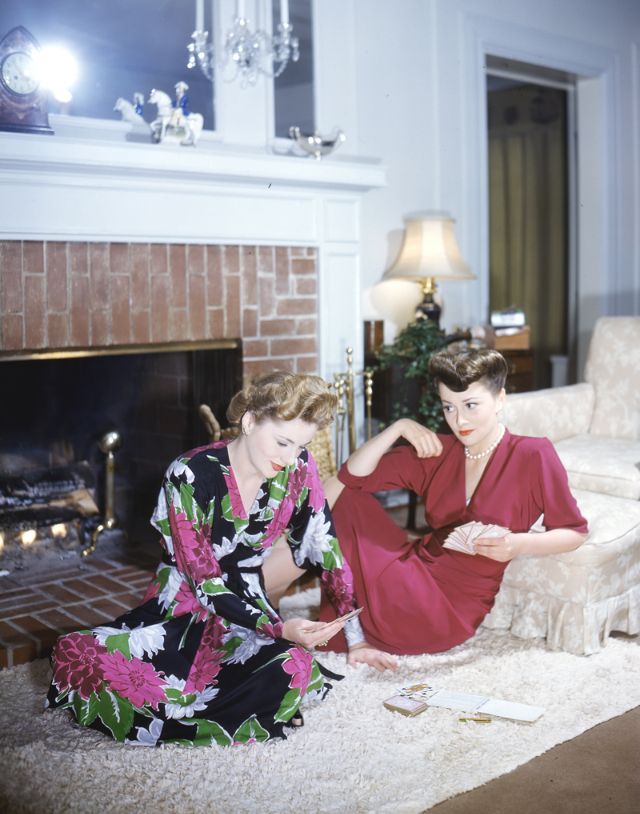
Olivia de Havilland (right) plays cards with her sister, Joan Fontaine.
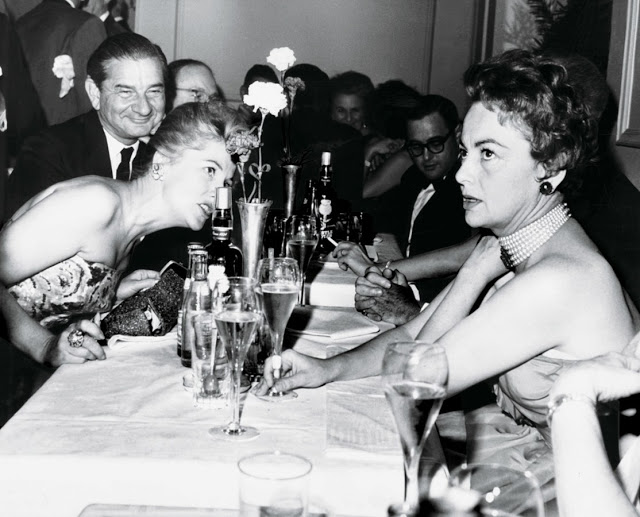
Joan Fontaine and Olivia de Havilland at a party at the Voisin restaurant in New York City.
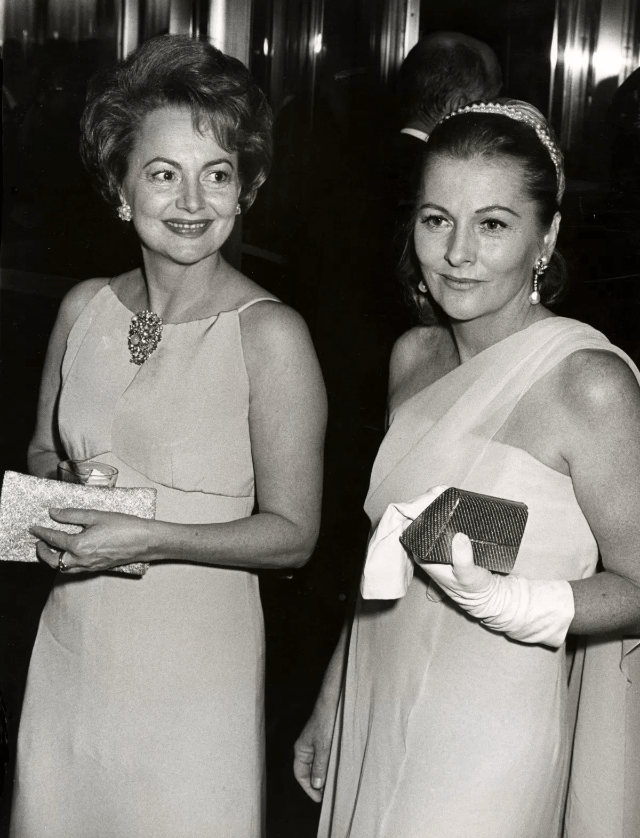
1967, September 9. Joan Fontaine and sister Olivia de Havilland during Marlene Dietrich’s Opening Party at Rainbow Room in New York City.
1967, September 9. Joan Fontaine and sister Olivia de Havilland laughing during Marlene Dietrich’s Opening Party at Rainbow Room in New York City.
1967, September 9. Joan Fontaine and sister Olivia de Havilland smiling to the press during Marlene Dietrich’s Opening Party at Rainbow Room in New York City.
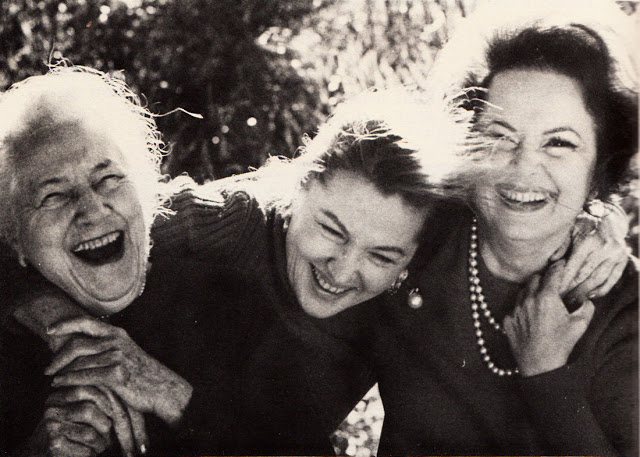
1970s. Lillian Fontaine and her daughters Joan Fontaine and Olivia de Havilland.

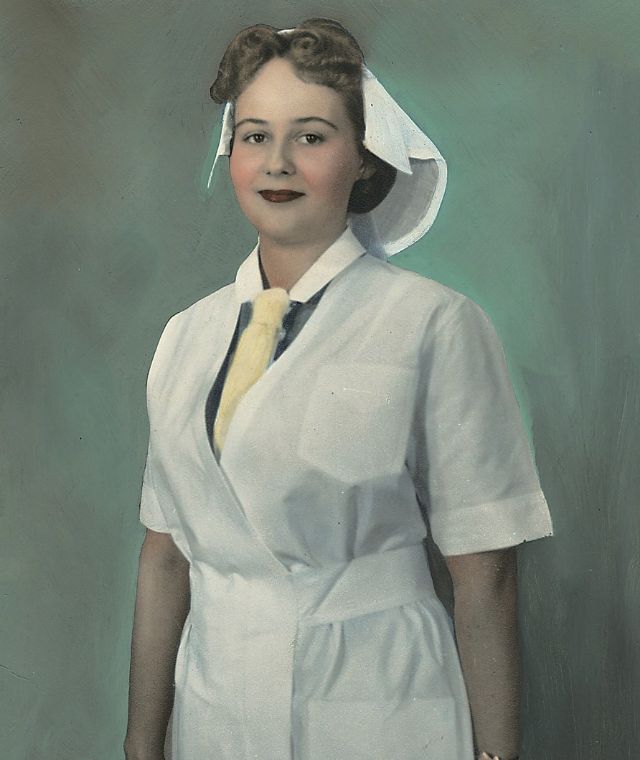
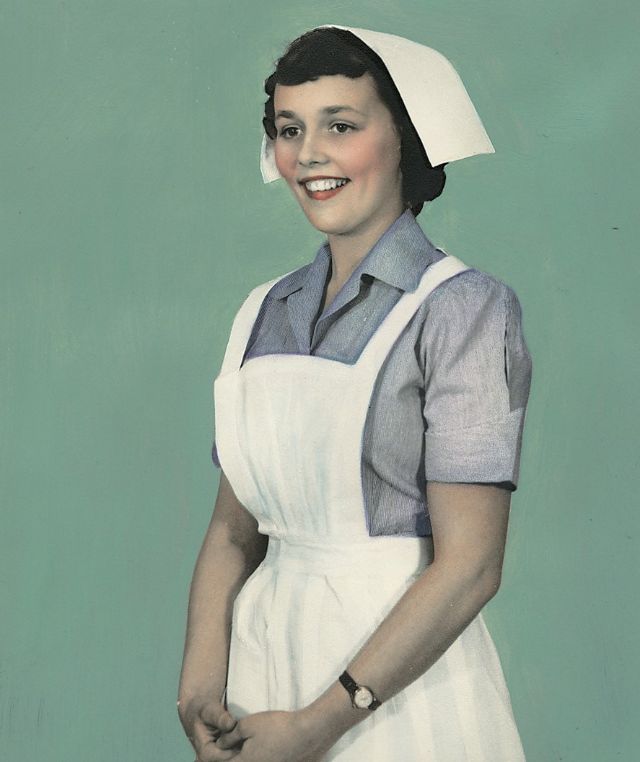
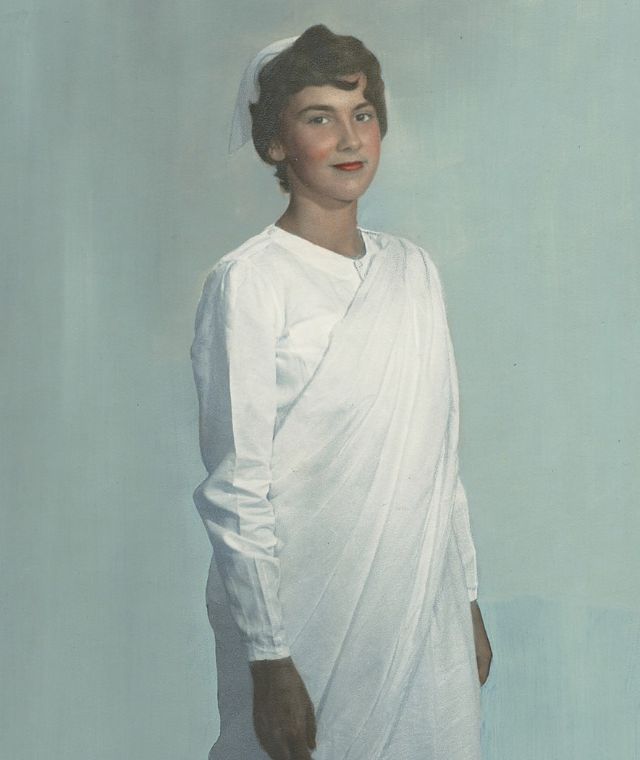
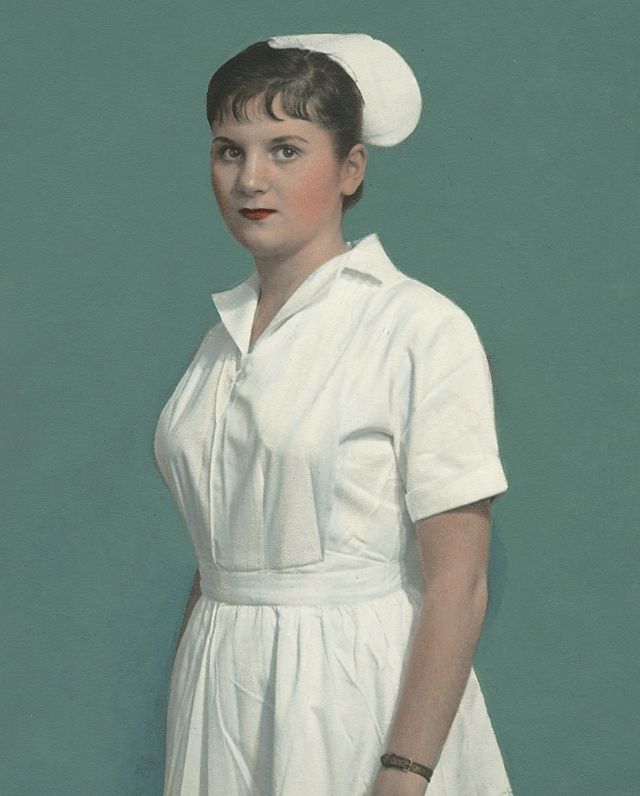
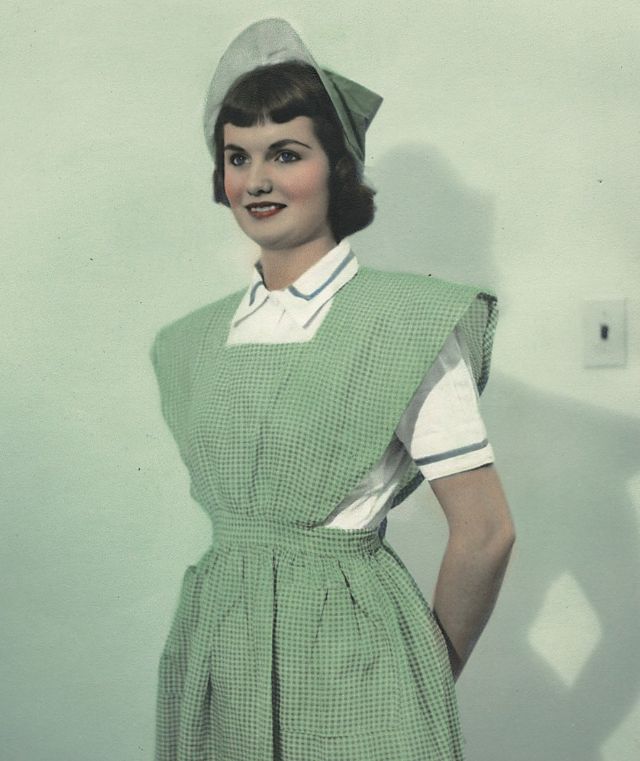
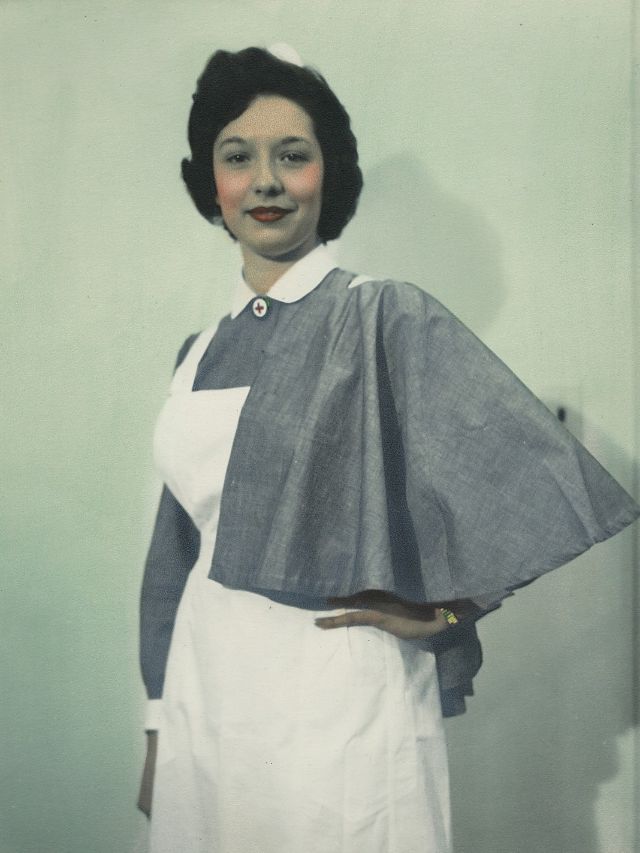
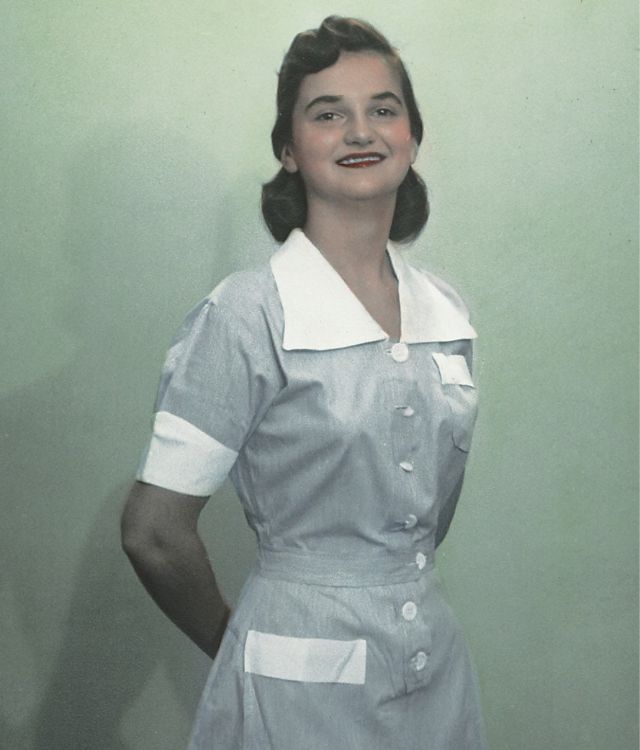
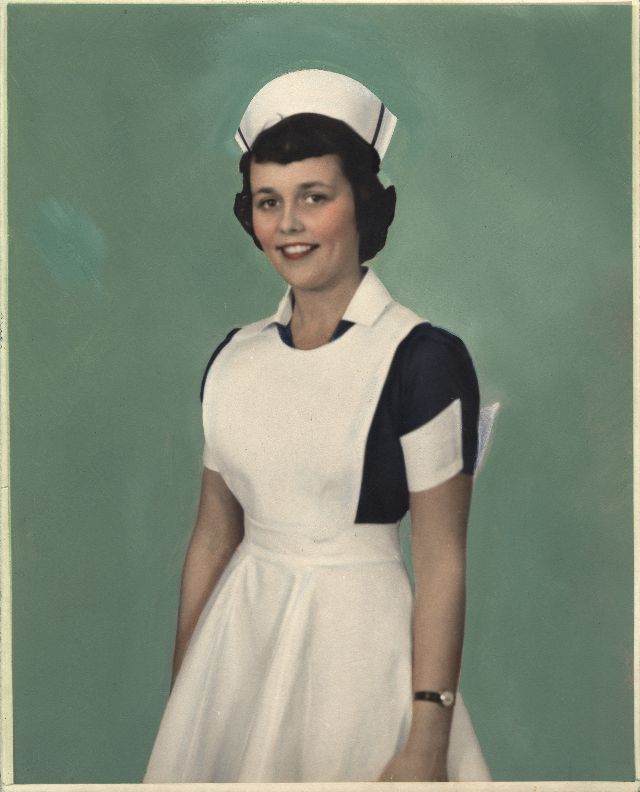
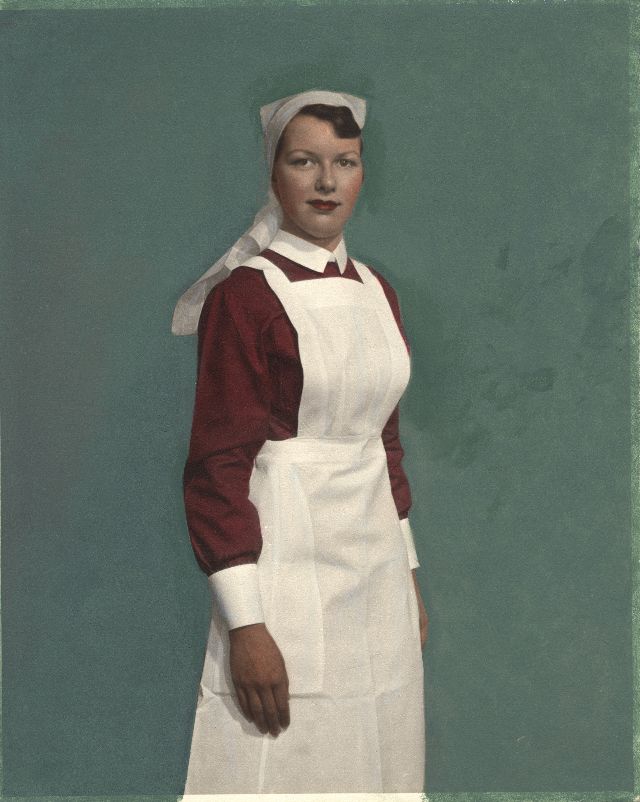
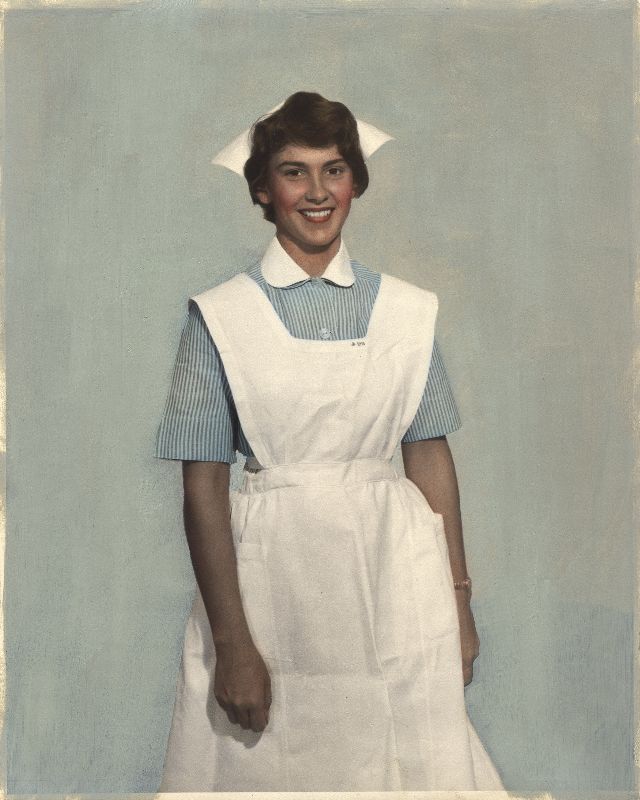
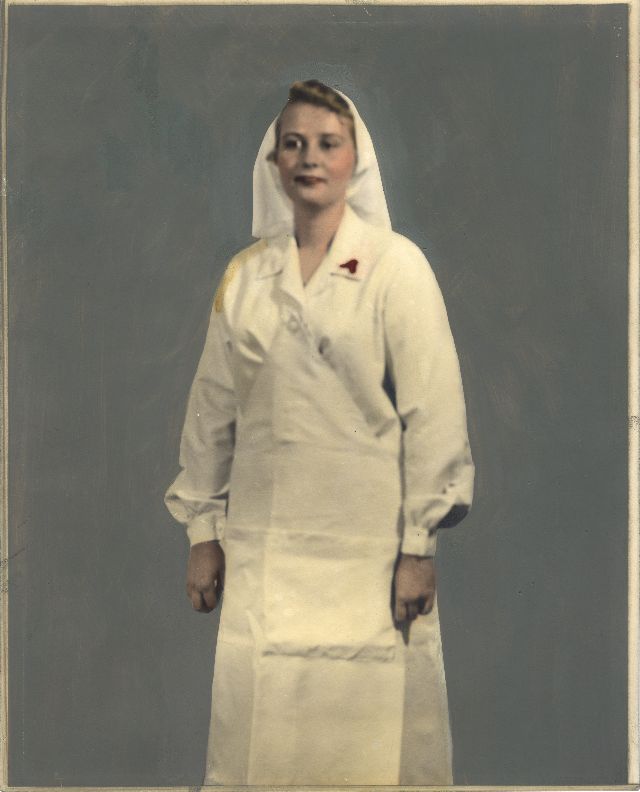
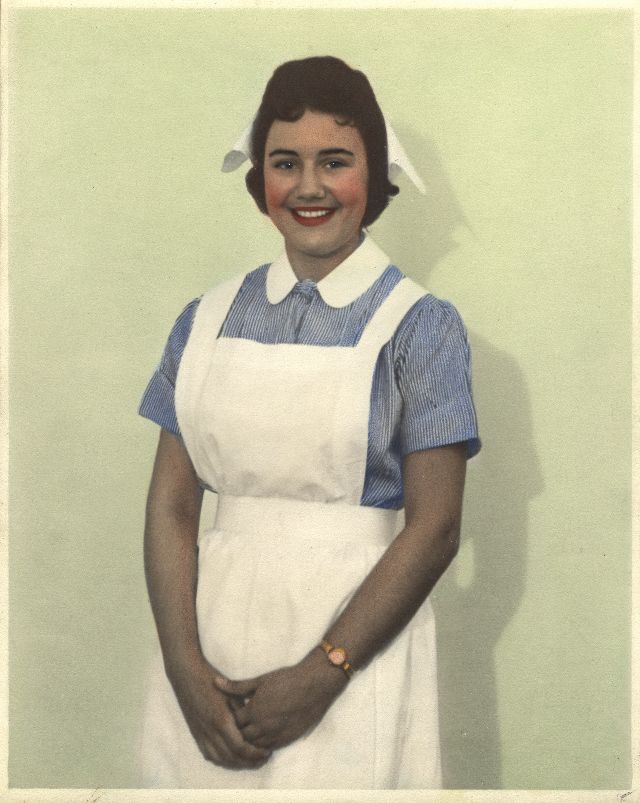
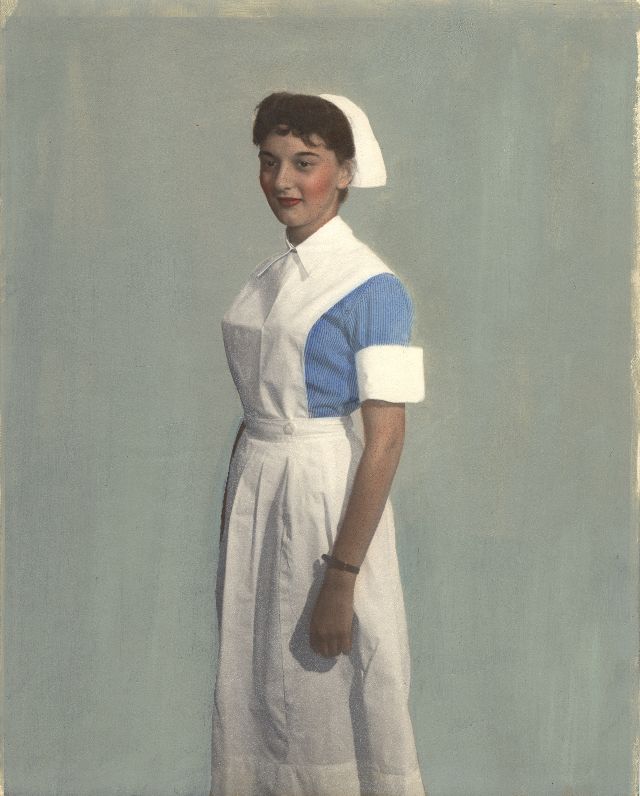
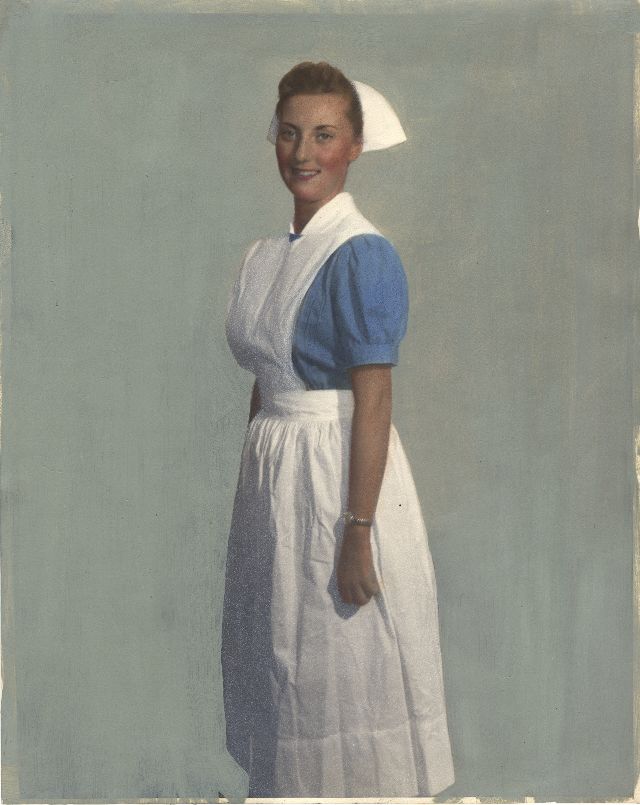
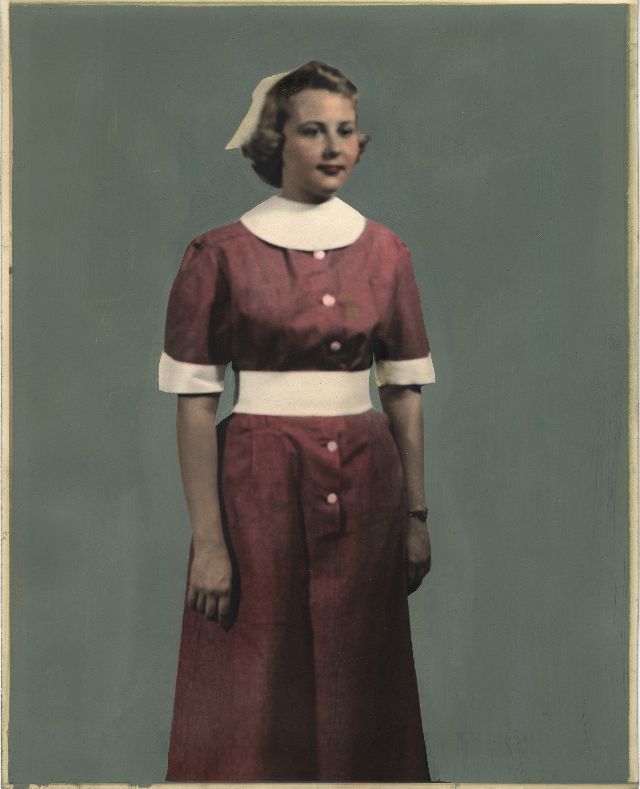
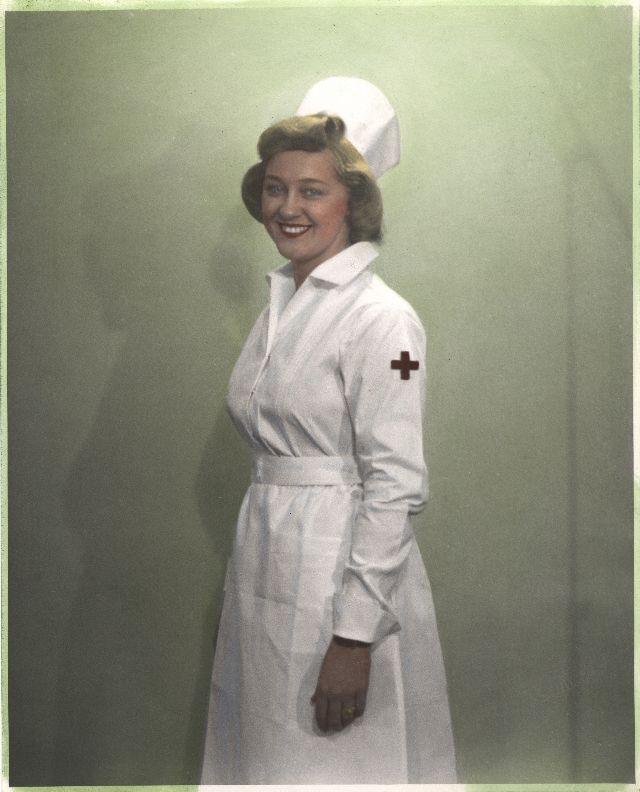
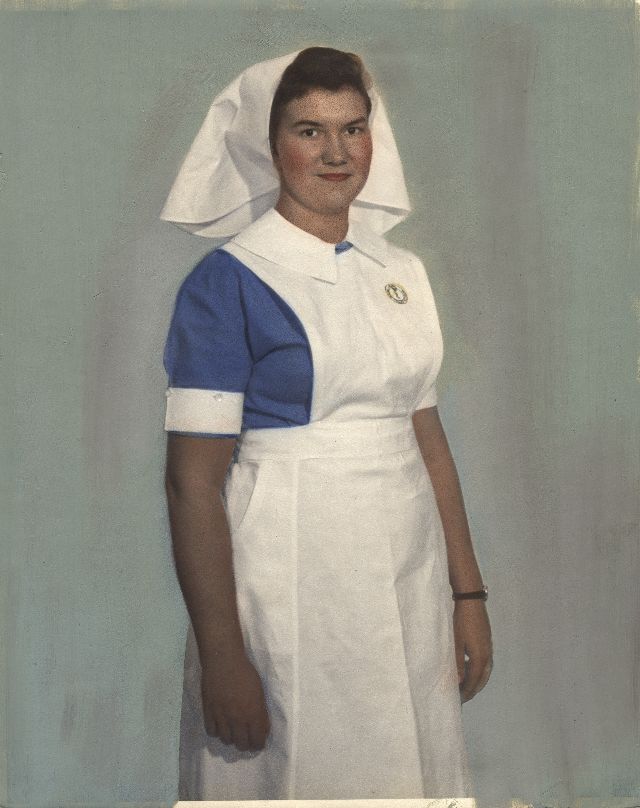
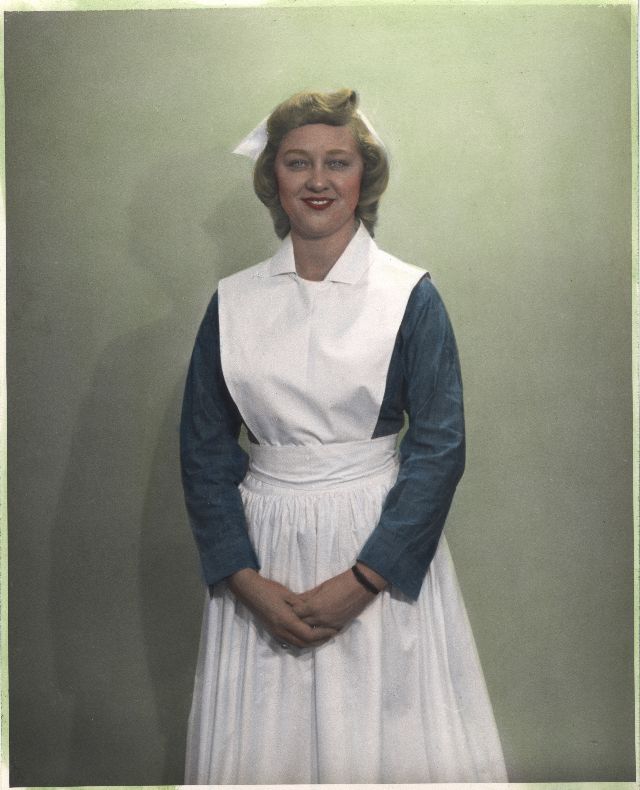
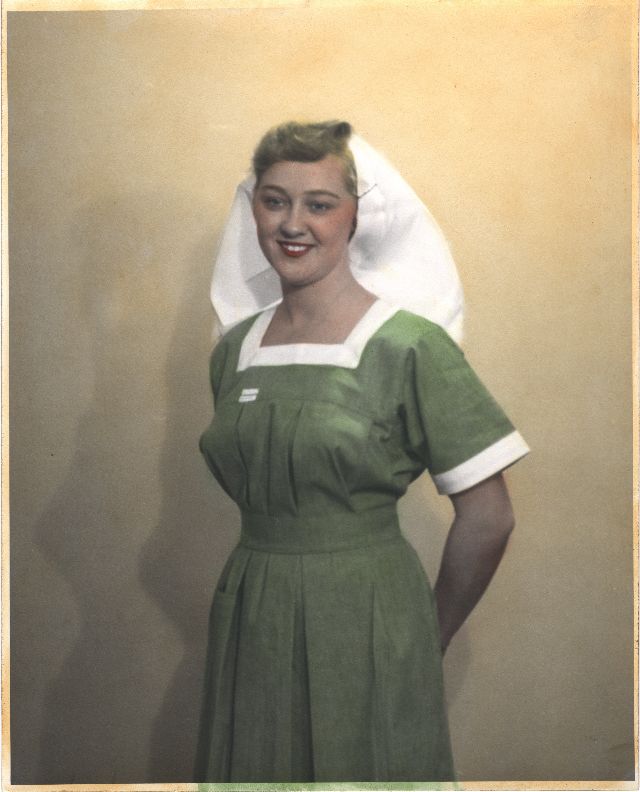
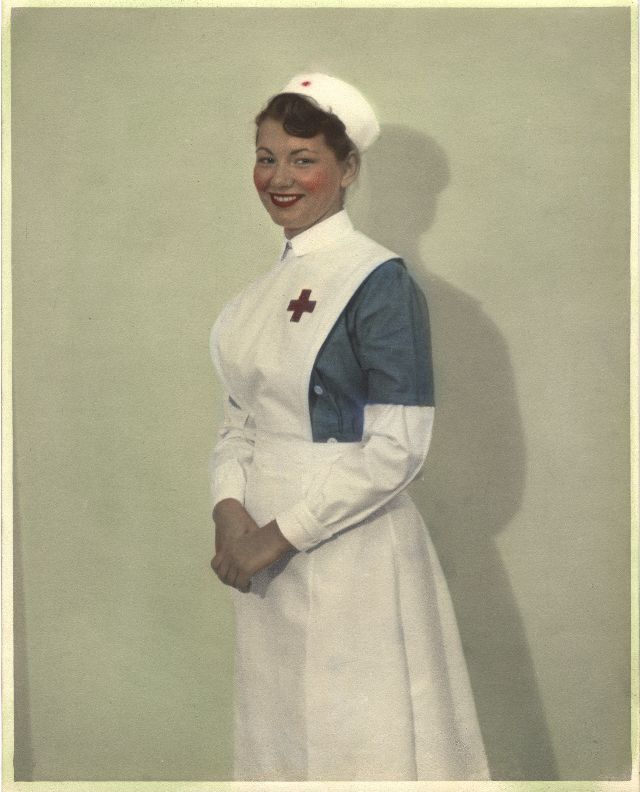
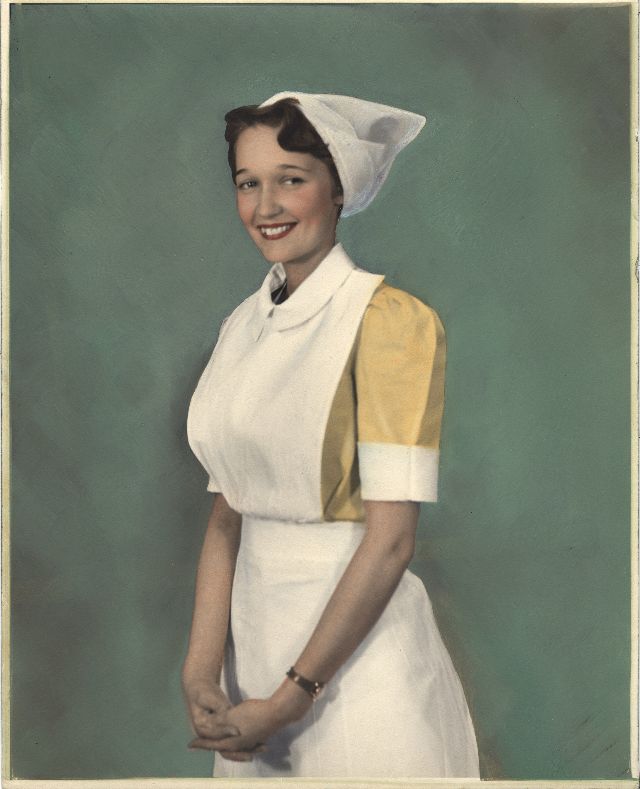
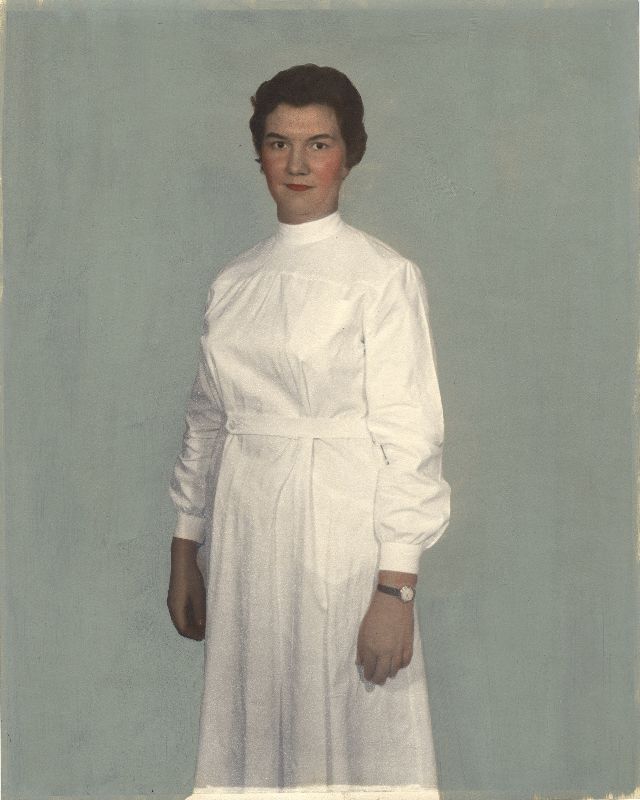
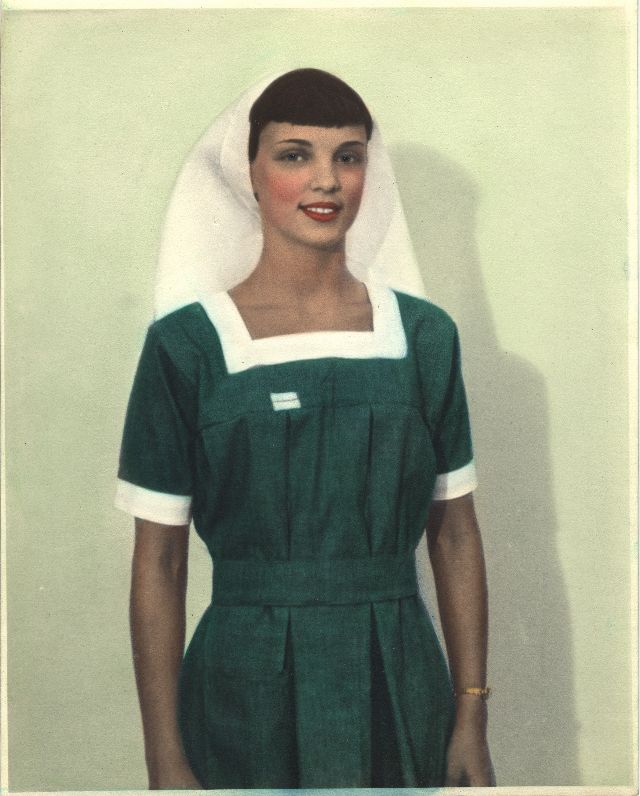
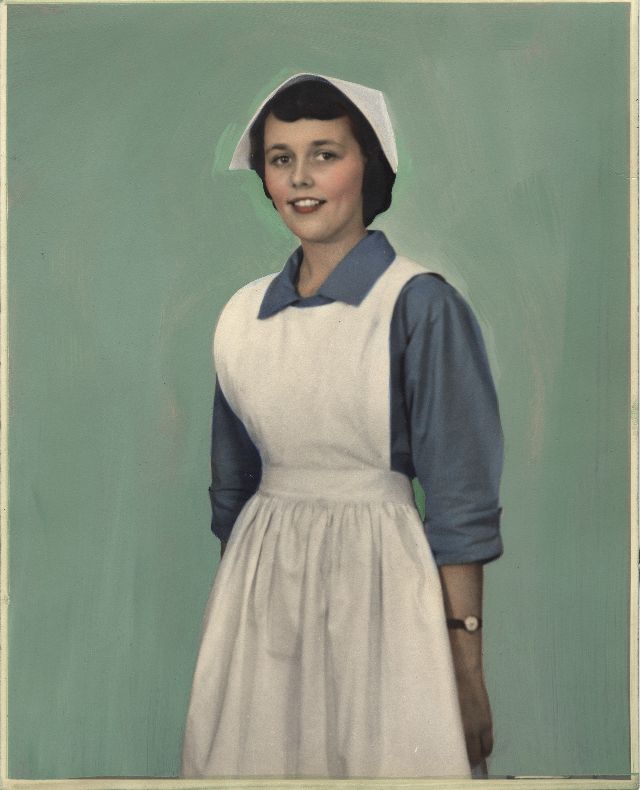
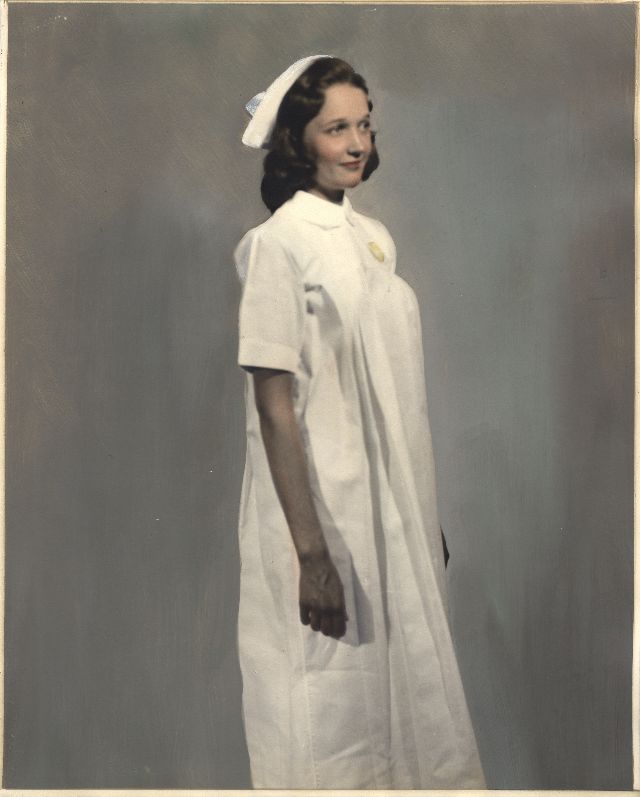
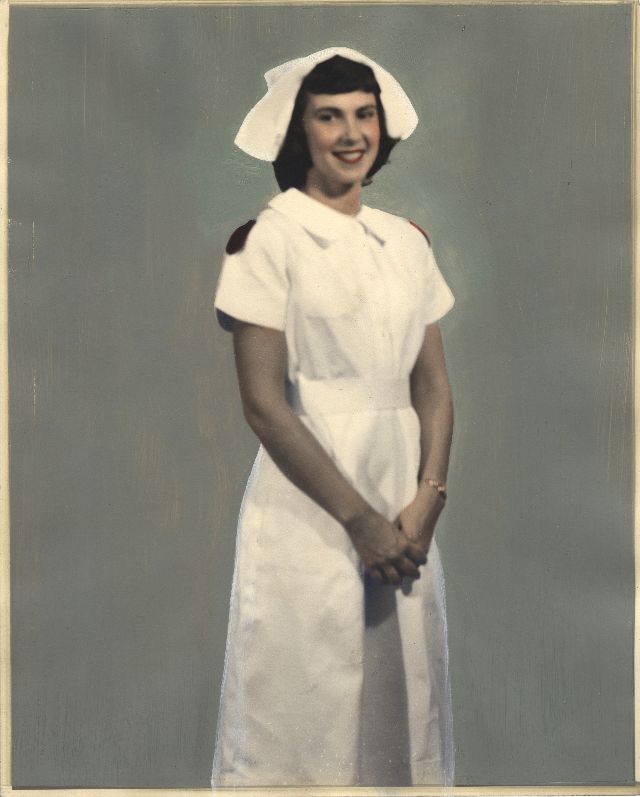
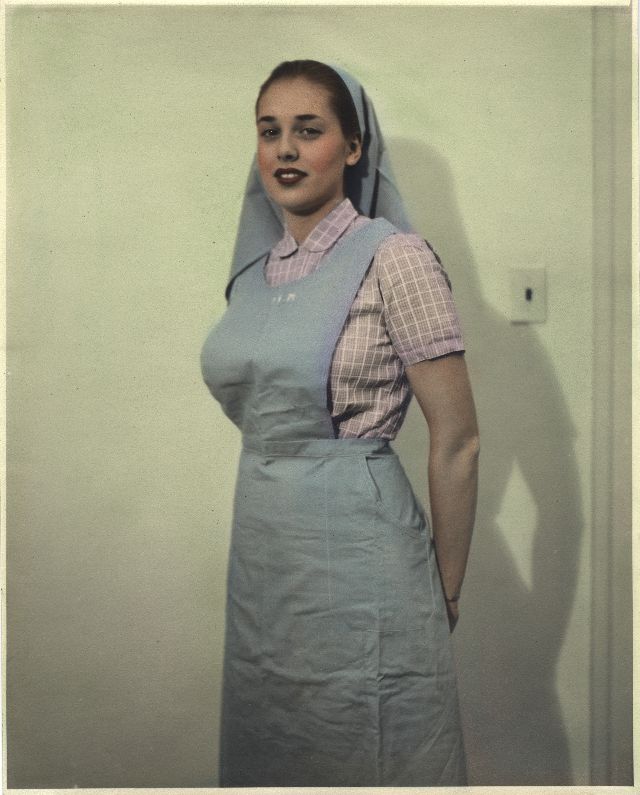
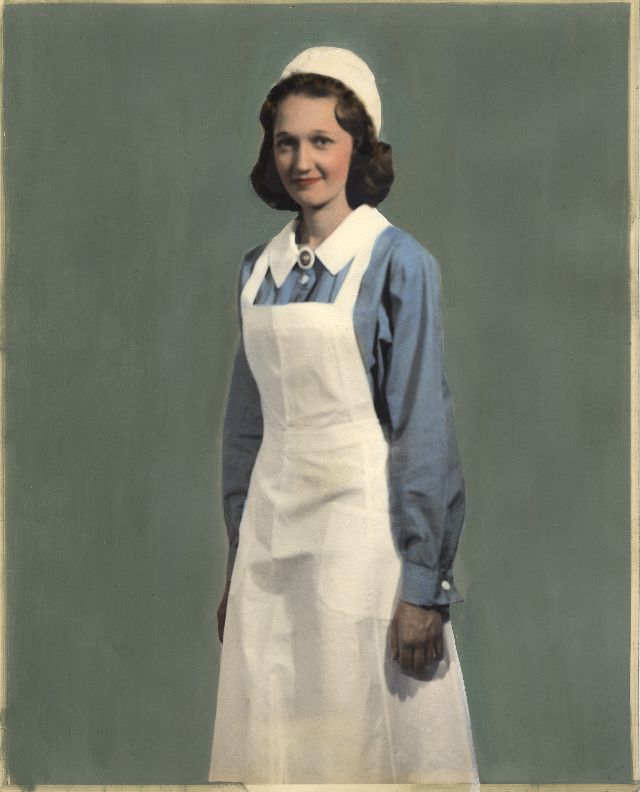
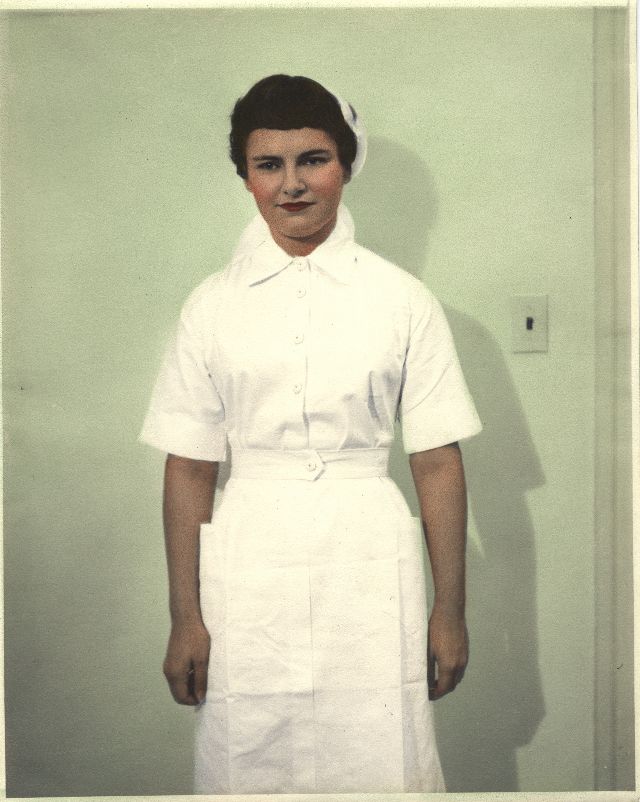
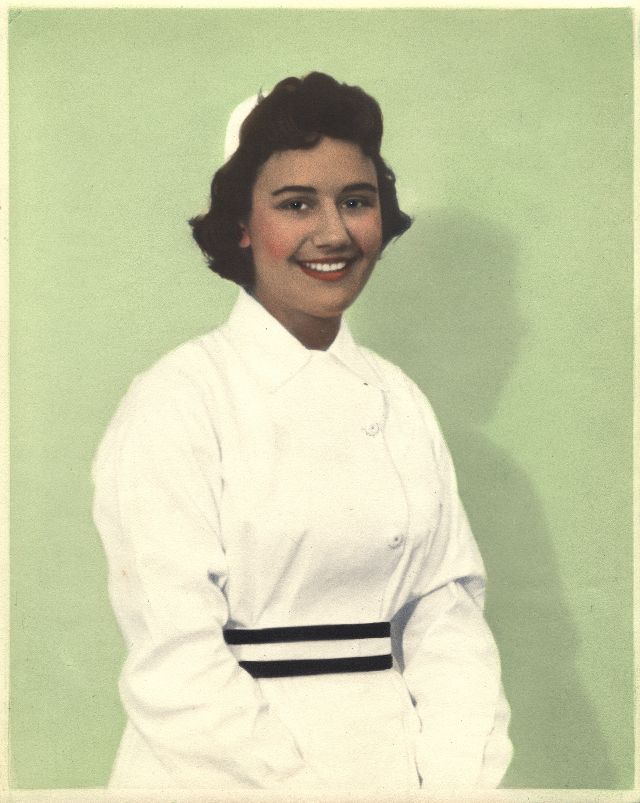
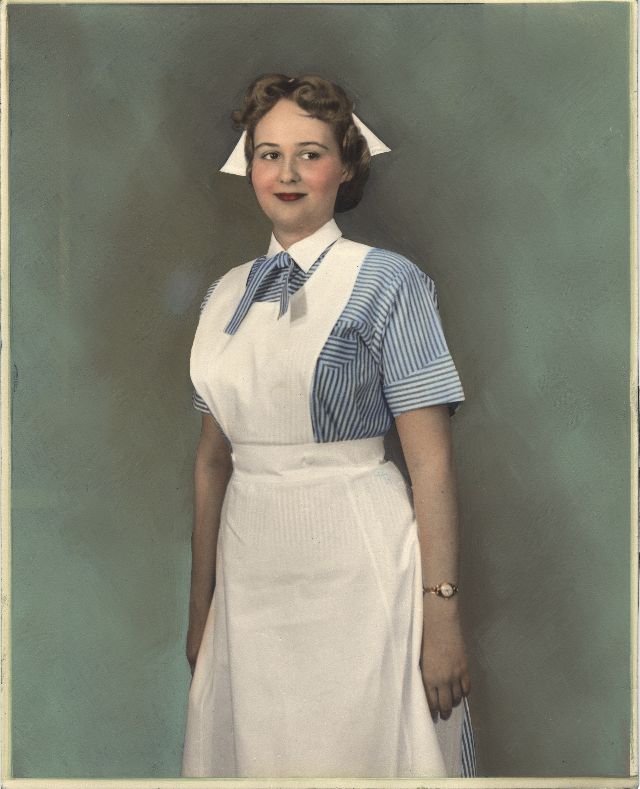
40 Stunning Hand-Colored Images Illustrating Nurse Uniforms of All Nations in the 1950s

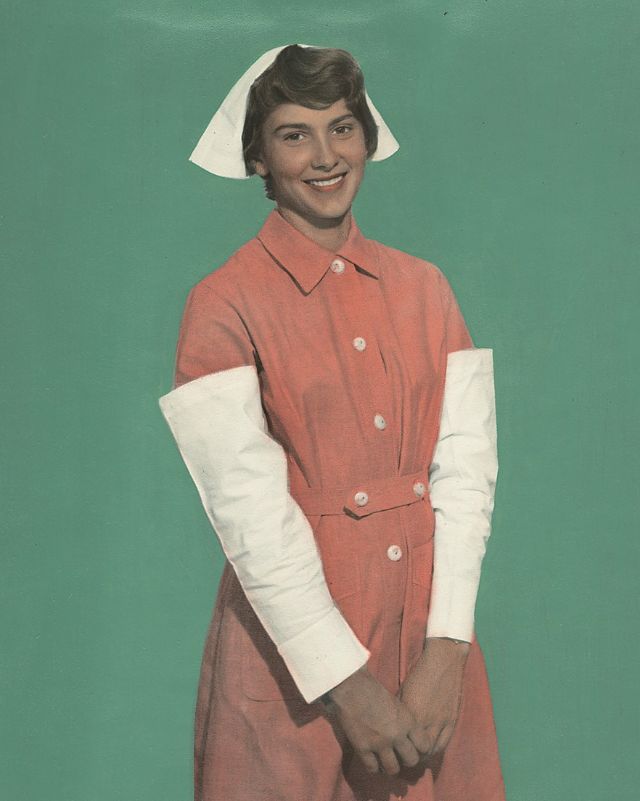
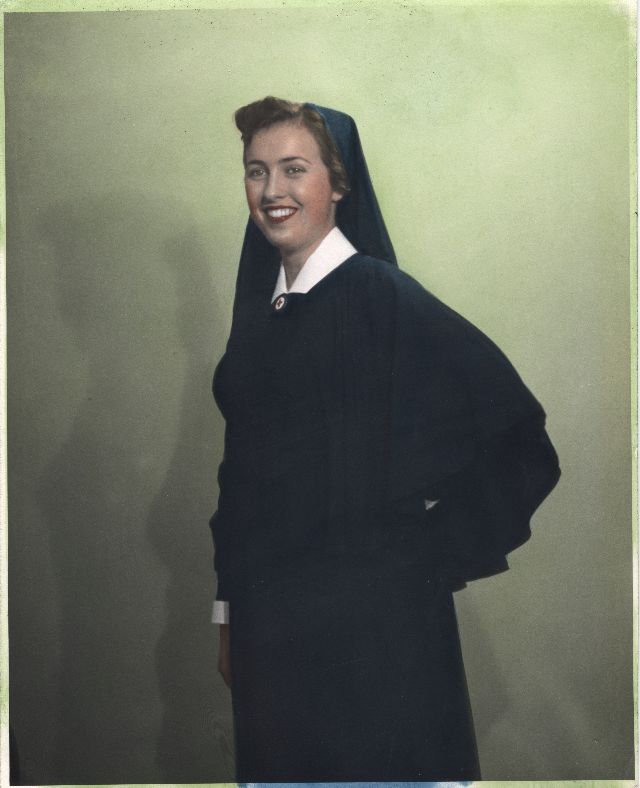
The nurse’s uniform is a universal code for professionalism, decorum, efficiency, esprit de corps, and commitment to humanitarian values. Originally introduced to distinguish the untrained traditional nurse, who dressed in the everyday women’s wear of her class, from the trained and licensed modern nurse, clad in a neat, clean, and well-fitting uniform, it was a synthesis of various influences—the parlor maid, the religious sister, and military apparel. It varied in time and place, but in every case it helped forge a common occupational and gender identity. Functioning as a sign of authority and institutional discipline for patients and lower-ranking employees, the nurse’s uniform also signified service and subordination to doctors, who were usually men and not required to wear uniforms.

In the 1940s and ’50s, the Helene Fuld Health Foundation, dedicated to the “relief of poverty, suffering, sickness and distress,” focused many of its activities on nursing and produced this set of glossy photographs of nurse uniforms, each representing a nation or region, from Afghanistan to Zanzibar. The costumes differ in detail—the cuffs, capes, hats, aprons, and collars vary—yet all are recognizable as nurses’ outfits. The starched whiteness signifies commitment to hygienic cleanliness, the apron a commitment to service, and so on. Noble traits, universal values.

In 1950 the United Nations and World Health Organization were new and hopeful institutions; internationalism was rising. After the terrible war that had just been fought, a new global order seemed to be emerging. The Fuld Foundation surely intended these photographs to contribute to that order, to promote a utopian ideal of global harmony.

At the same time the photos have the look of advertisements. In the mid-twentieth century companies began manufacturing more smartly tailored uniforms, and they used women with modern hairdos and makeup who projected a sense of female independence and self-assurance to model them. Fussy styling and accessorizing was avoided; uniform design was meant only to echo the latest fashions while maintaining the modesty of the nurse.

Today, in some settings, nurses and doctors are scarcely distinguishable: both don scrubs. But the nurse’s uniform still represents authority over the patient and continues to be an iconic symbol.

Nurse wearing uniform from Hong Kong
Nurse wearing uniform from Kenya
Nurse wearing uniform from Denmark
Nurse wearing uniform from Philippines
Nurse wearing uniform from British Honduras
Nurse wearing uniform from Nepal
Nurse wearing uniform from Madeira
Nurse wearing uniform from Colombia
Nurse wearing uniform from Germany
Nurse wearing uniform from Dominican Republic
Nurse wearing uniform from Bolivia
Nurse wearing uniform from Northern Ireland
Nurse wearing uniform from Yugoslavia
Nurse wearing uniform from France
Nurse wearing uniform from British Guiana
Nurse wearing uniform from Peru
Nurse wearing uniform from Japan
Nurse wearing uniform from Bahamas
Nurse wearing uniform from Ceylon
Nurse wearing uniform from Thailand
Nurse wearing uniform from Israel
Nurse wearing uniform from Germany
Nurse wearing uniform from Manitoba
Nurse wearing uniform from Uganda
Nurse wearing uniform from Italy
Nurse wearing uniform from England
Nurse wearing uniform from Luxembourg
Nurse wearing uniform from Uganda
Nurse wearing uniform from Ecuador
Nurse wearing uniform from China
Nurse wearing uniform from Nigeria
Nurse wearing uniform from Egypt
Nurse wearing uniform from Malaya

Nurse wearing uniform from Morocco
Nurse wearing uniform from Austria
Nurse wearing uniform from Greece
Nurse wearing uniform from Rhodesia
Nurse wearing uniform from South Africa
Nurse wearing uniform from Finland
Nurse wearing uniform from Belgium

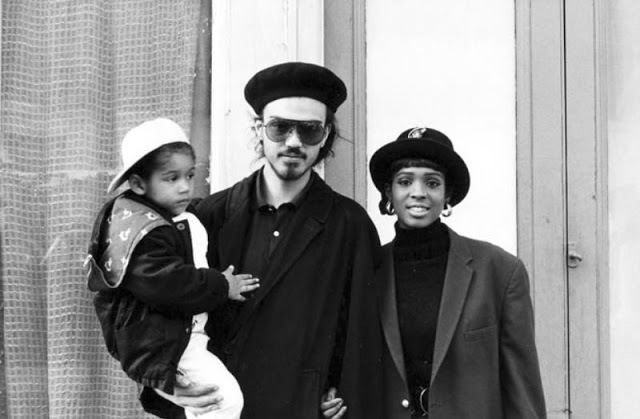
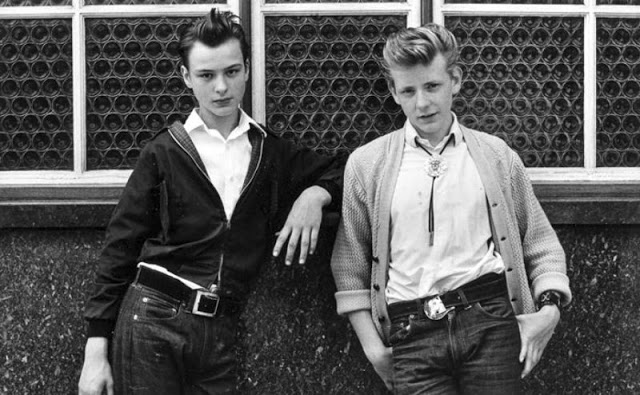
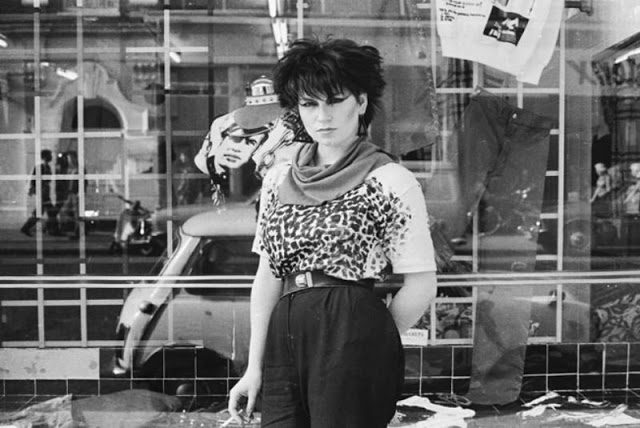
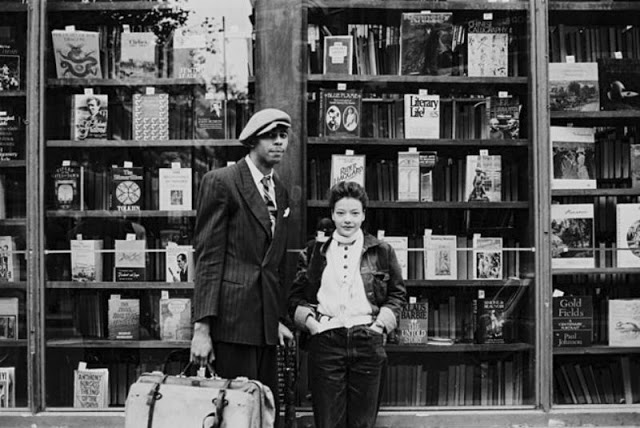
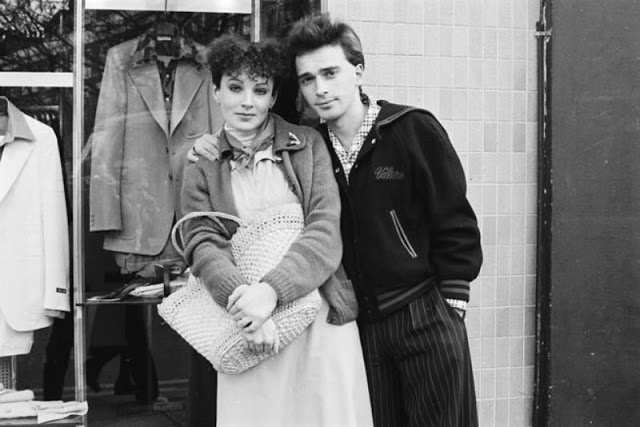
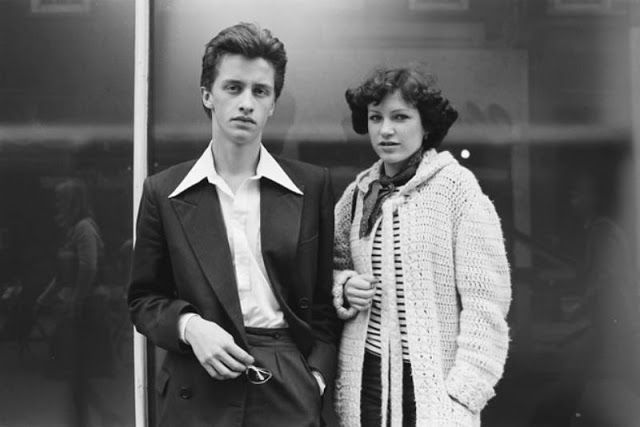
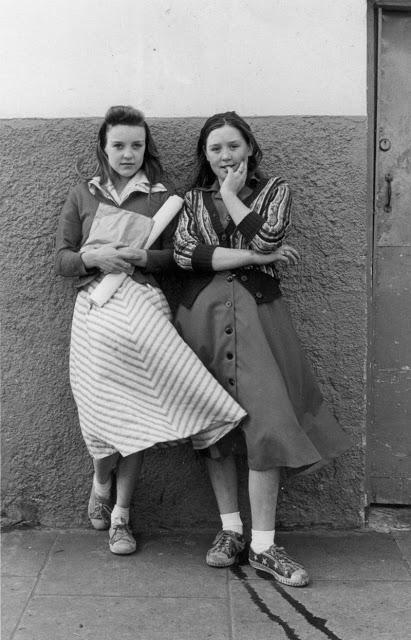
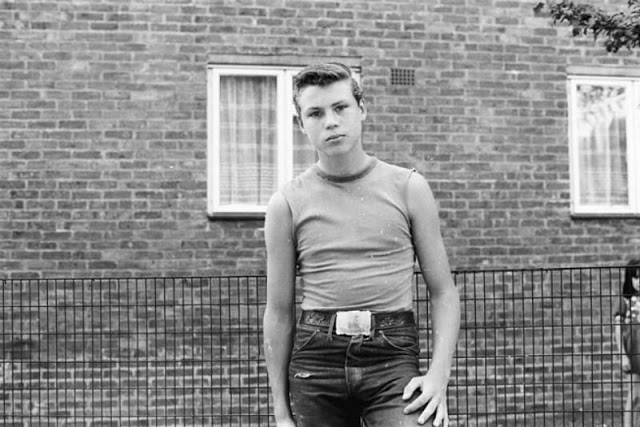
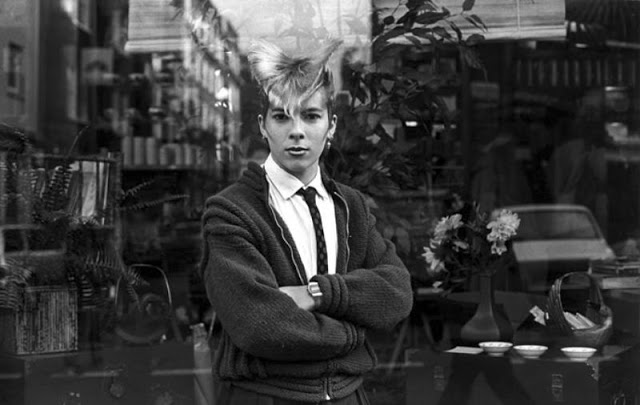
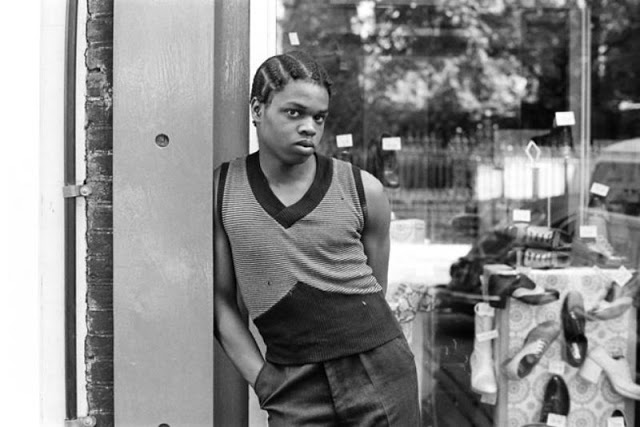
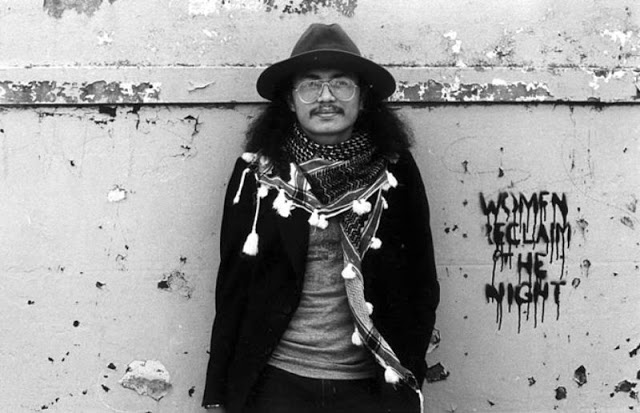
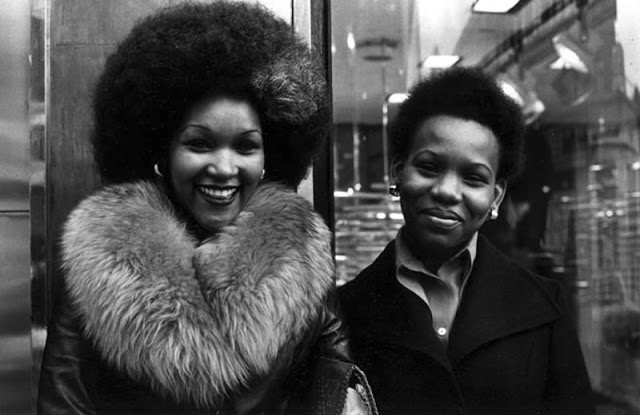
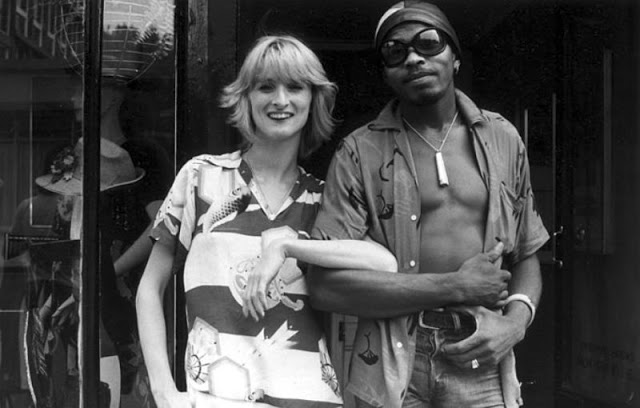
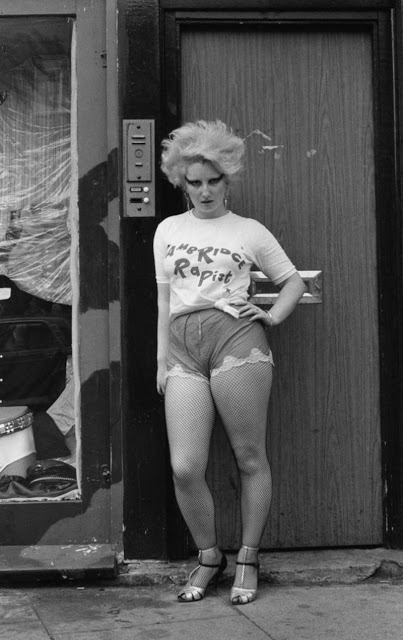
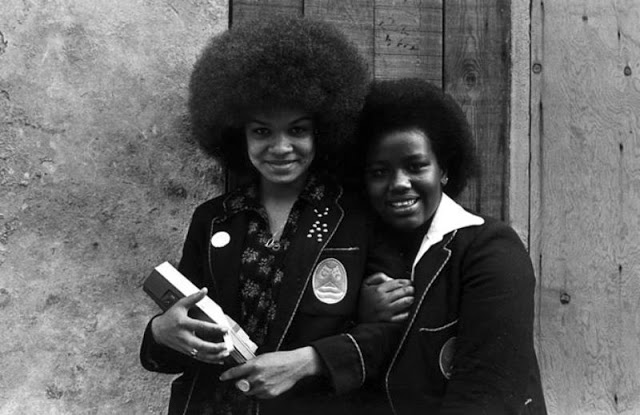
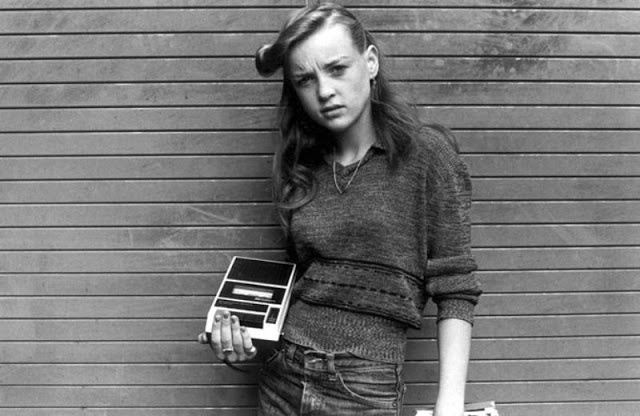
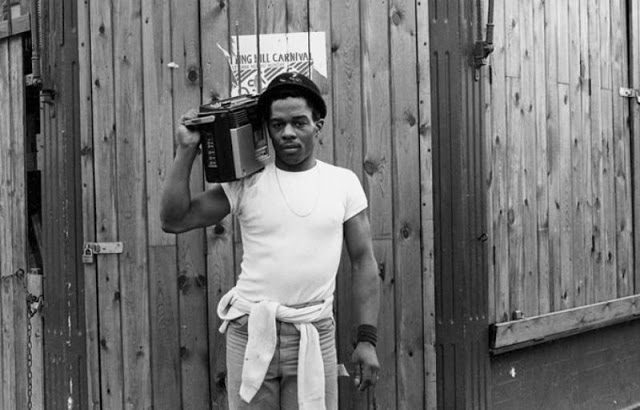
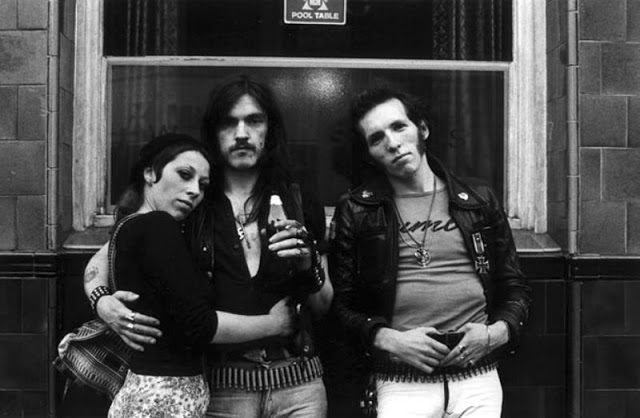
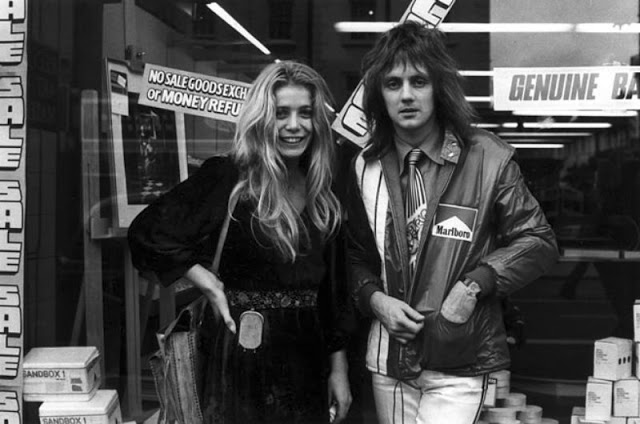
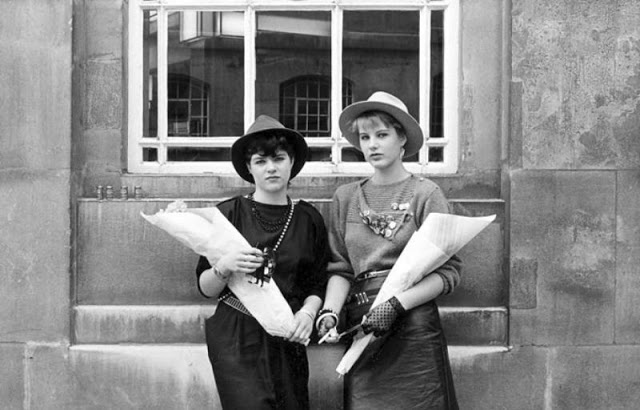
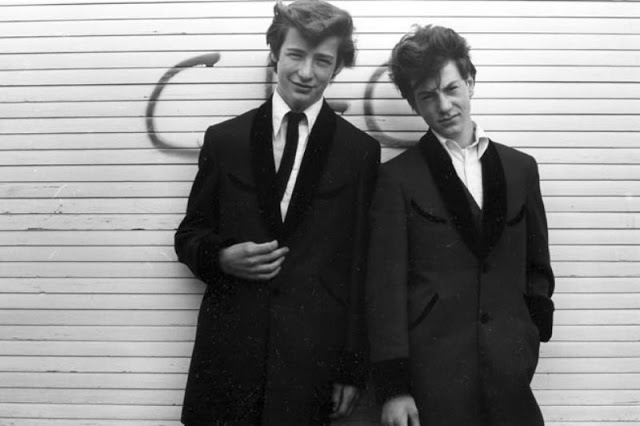
21 Vintage Photos Showing London Street Style in the 1970s and 1980s

London is the capital and largest city of England and the United Kingdom with a total population of 9,002,488. It stands on the River Thames in south-east England at the head of a 50-mile (80 km) estuary down to the North Sea, and has been a major settlement for two millennia. The City of London, its ancient core and financial centre, was founded by the Romans as Londinium and retains boundaries close to its medieval ones. Since the 19th century, “London” has also referred to the metropolis around this core, historically split between the counties of Middlesex, Essex, Surrey, Kent, and Hertfordshire, which largely comprises Greater London, governed by the Greater London Authority. The City of Westminster, to the west of the City of London, has for centuries held the national government and parliament.

As one of the world’s global cities, London exerts strong influence on its arts, commerce, education, entertainment, fashion, finance, health care, media, tourism, and communications, and has sometimes been called the capital of the world. Its GDP (€801.66 billion in 2017) makes it the biggest urban economy in Europe, and it is one of the major financial centres in the world. In 2019 it had the second-highest number of ultra high-net-worth individuals in Europe after Paris and the second-highest number of billionaires in Europe after Moscow. As of 2021, London has the most millionaires of any city. With Europe’s largest concentration of higher education institutions, it includes Imperial College London in natural and applied sciences, the London School of Economics in social sciences, and the comprehensive University College London. The city is home to the most 5-star hotels of any city in the world. In 2012, London became the first city to host three Summer Olympic Games.

London’s diverse cultures encompass over 300 languages. The mid-2018 population of Greater London of about 9 million[5] made it Europe’s third-most populous city, accounting for 13.4% of the population of the United Kingdom. Greater London Built-up Area is the fourth-most populous in Europe, after Istanbul, Moscow and Paris, with about 9.8 million inhabitants at the 2011 census. The London metropolitan area is the third-most populous in Europe after Istanbul’s and Moscow’s, with about 14 million inhabitants in 2016, granting London the status of a megacity.

London has four World Heritage Sites: the Tower of London; Kew Gardens; the combined Palace of Westminster, Westminster Abbey, and St Margaret’s Church; and also the historic settlement in Greenwich, where the Royal Observatory, Greenwich defines the Prime Meridian (0° longitude) and Greenwich Mean Time. Other landmarks include Buckingham Palace, the London Eye, Piccadilly Circus, St Paul’s Cathedral, Tower Bridge and Trafalgar Square. It has numerous museums, galleries, libraries and sporting venues, including the British Museum, National Gallery, Natural History Museum, Tate Modern, British Library and West End theatres. The London Underground is the oldest rapid transit system in the world. (Wikipedia)
50 Amazing Vintage Photos From the 1960s Volume 8

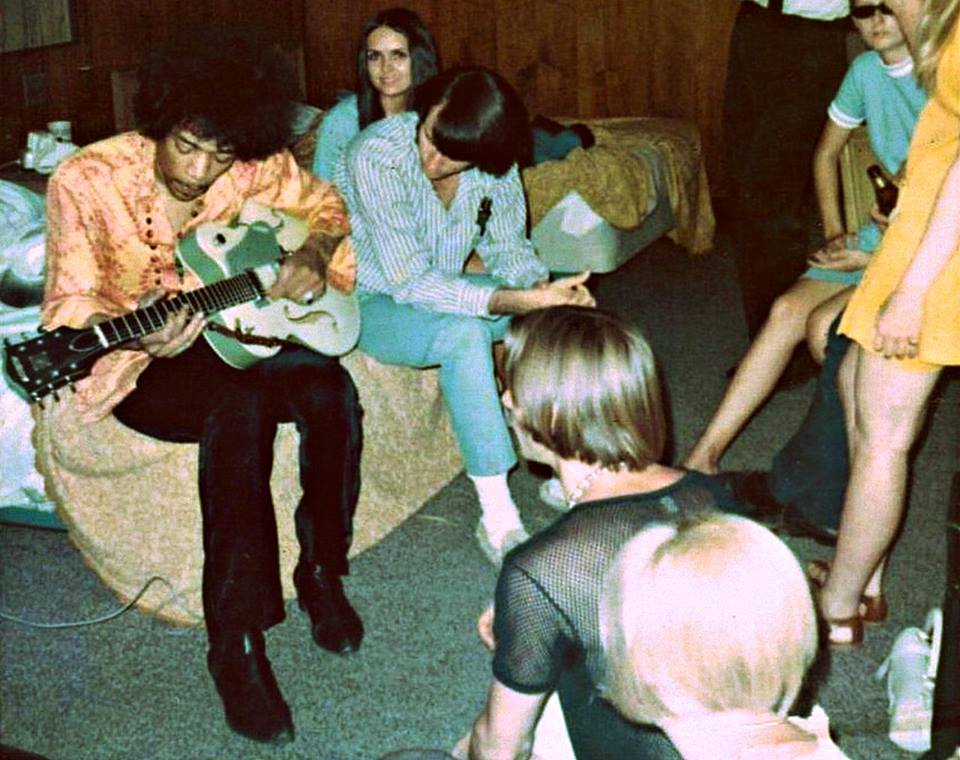
Jimi Hendrix hanging with The Monkees, 1968.
Girl looking out bus window at snowstorm, New York, 1967.
The raddest dude to ever live bombs a hill in Central Park, NYC, 1960s
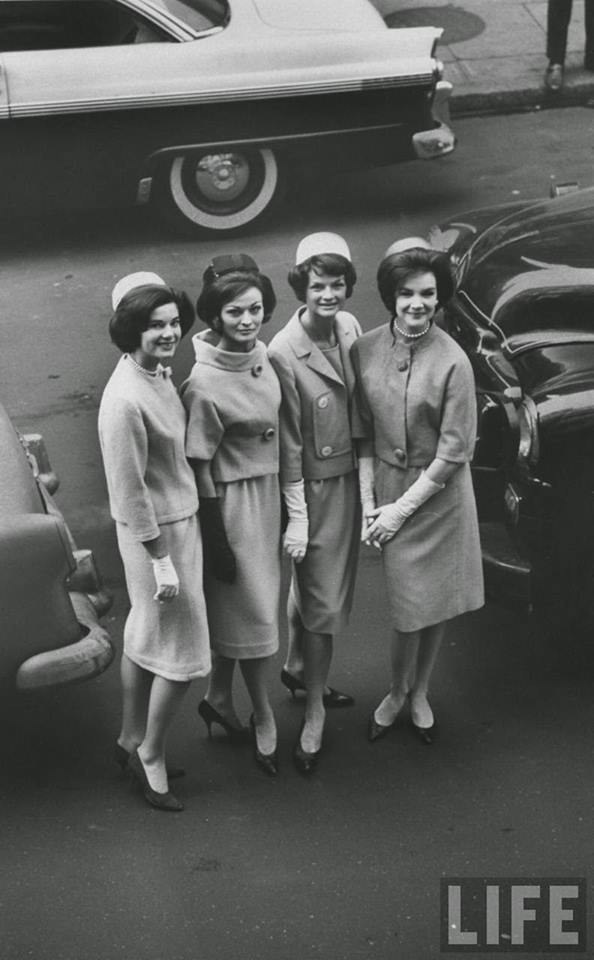
Jackie Kennedy look-alikes are wearing Oleg Cassini suits and pillbox hats, 1961.
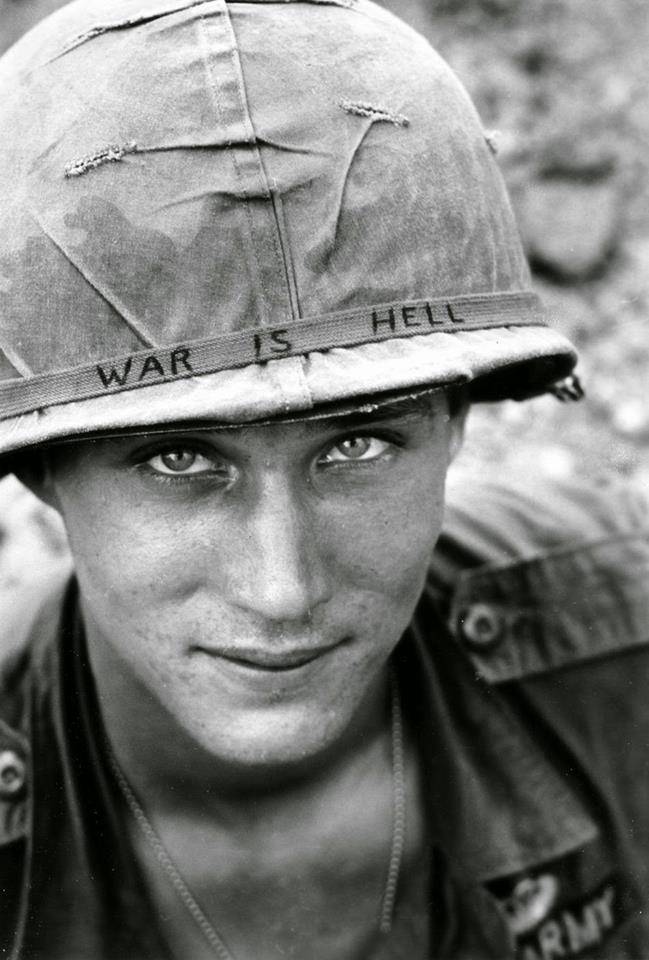
An American soldier wears a hand lettered “War Is Hell” slogan on his helmet in Vietnam, 1965.
Damrak, Amsterdam, 1962.
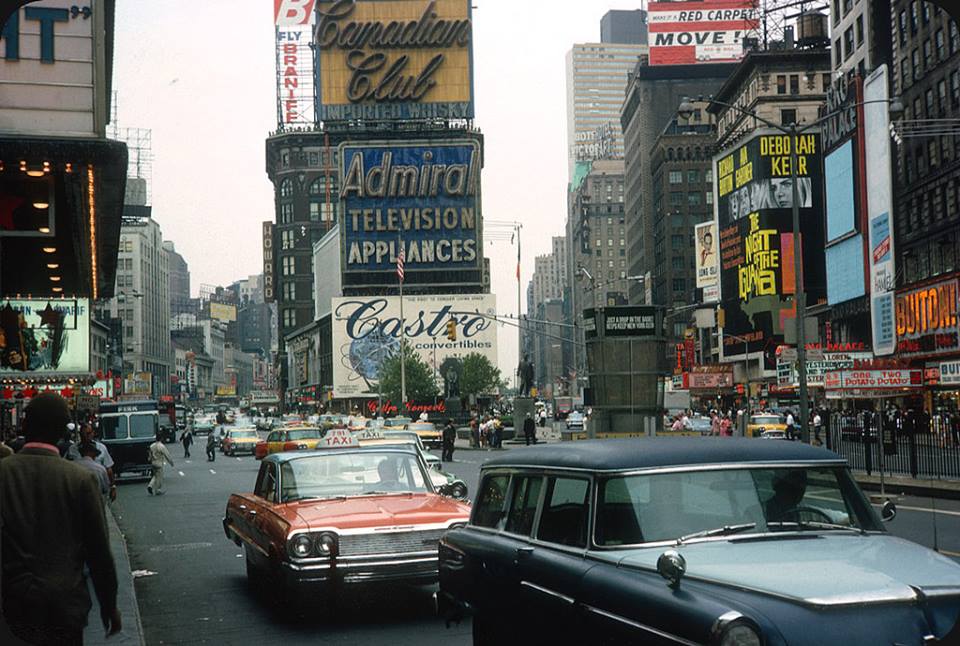
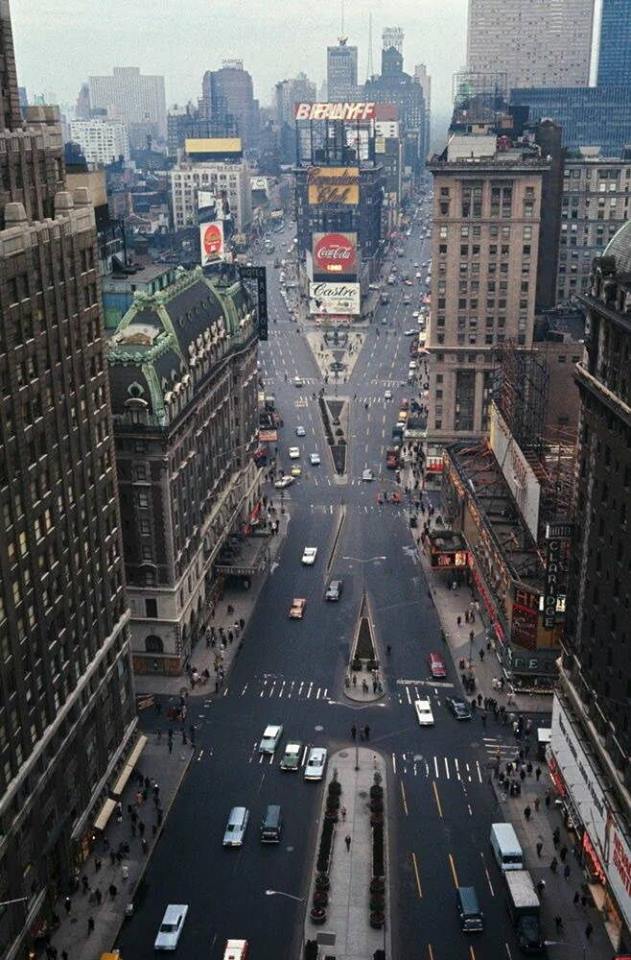
Times Square, New York City, 1964.
Four friends got together to create a band and playing Folk songs in 1965.
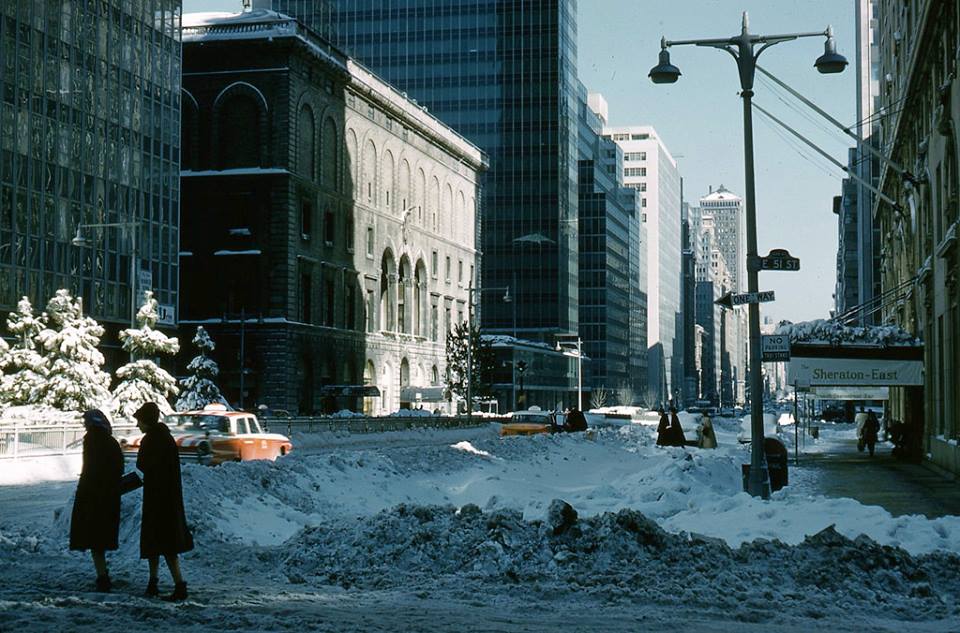
The streets outside Penn Station, NYC, 1960.
Mosque, Agra, India, 1966.
New York, 1968.
Times Square, NYC, 1960.
Audrey Hepburn with dove, St Tropez, 1967.
Times Square, NYC, 1967.
Window washers, Maryland, 1962.
San Francisco, California, 1968.
New York City in 1961.
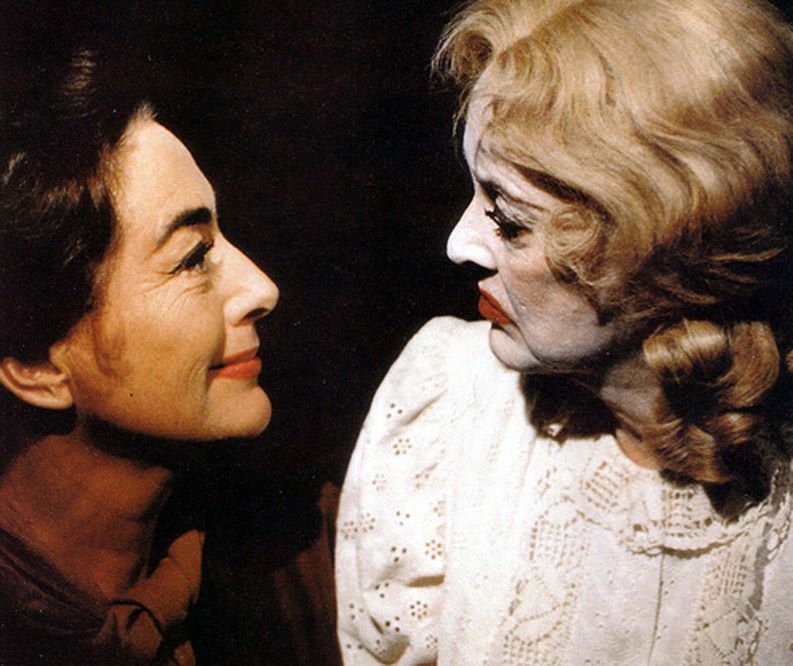
Bette Davis and Joan Crawford in ‘What Ever Happened to Baby Jane’, 1962.
Street scene in Japan, 1964.
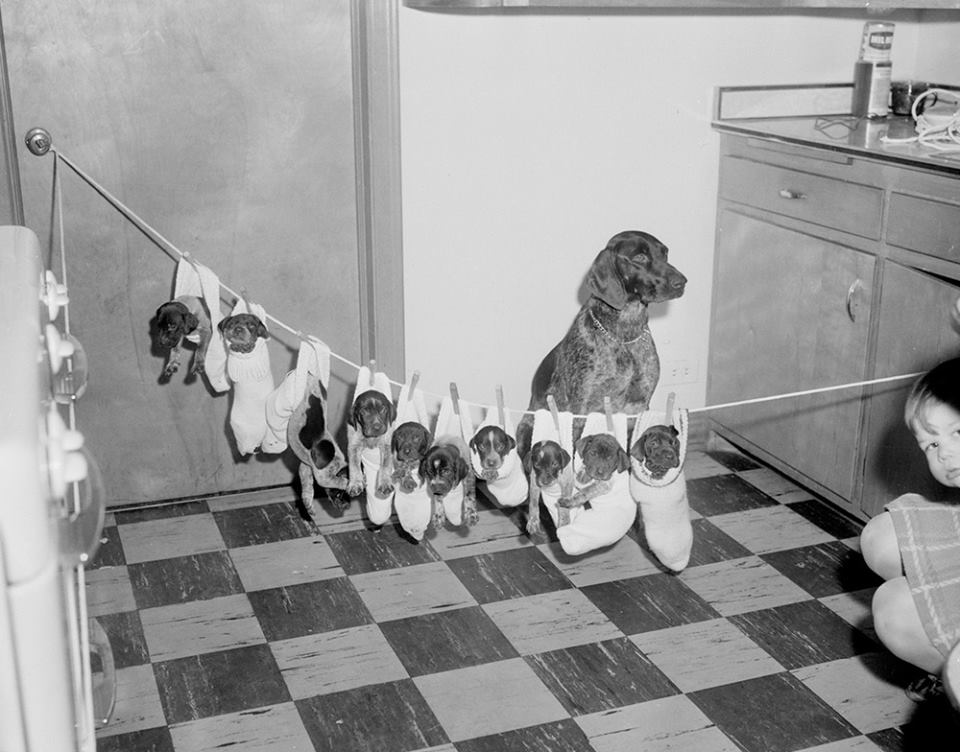
10 puppies sit in white socks on a string as mother dog looks on, 1960s.
O’Connell Street after the rain, Dublin, Ireland, 1961.
Street scene in NYC, 1968.
The octopus carriers in Portugal, 1961.
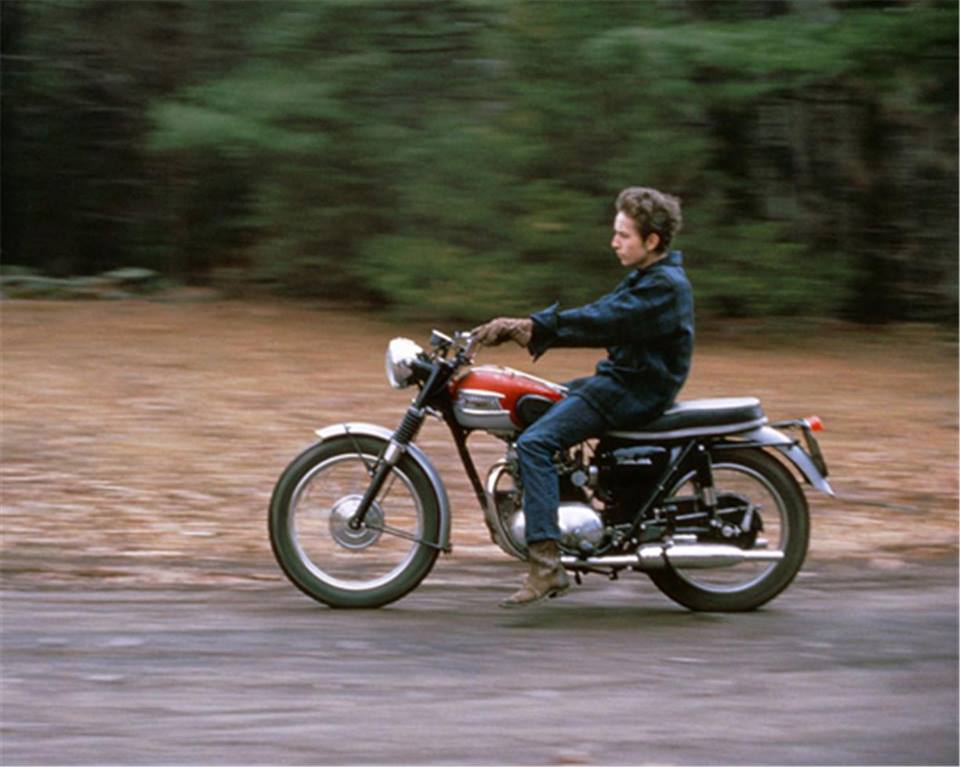
Bob Dylan riding his motorcycle, 1964.
The Supremes in January 1968.
Street in Topanga Canyon, L.A, 1965.
Young girl and soup can sized rollers, 1967
The Kennedy kids at Halloween, 1963.
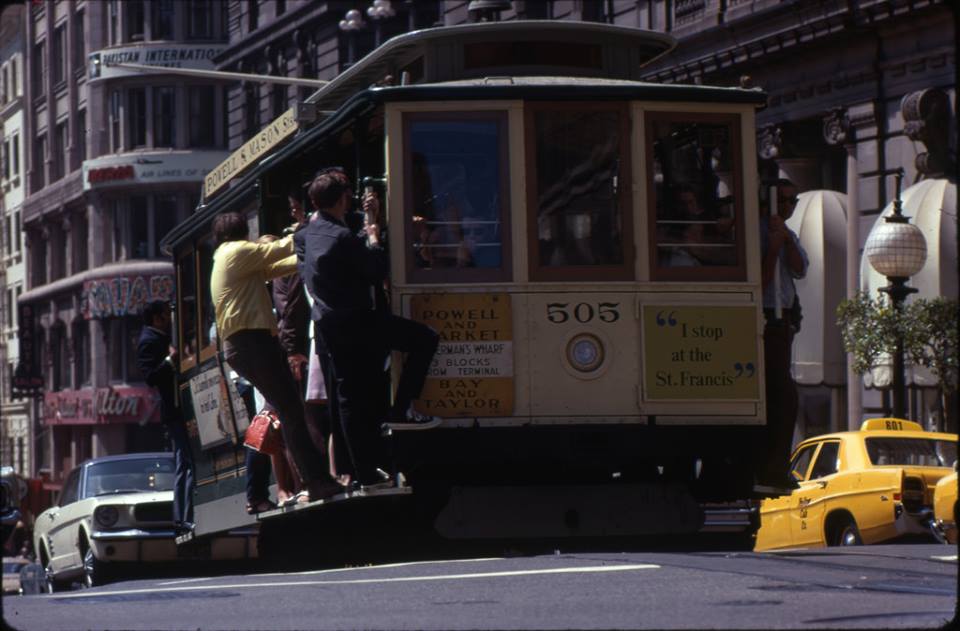
San Francisco, 1969.
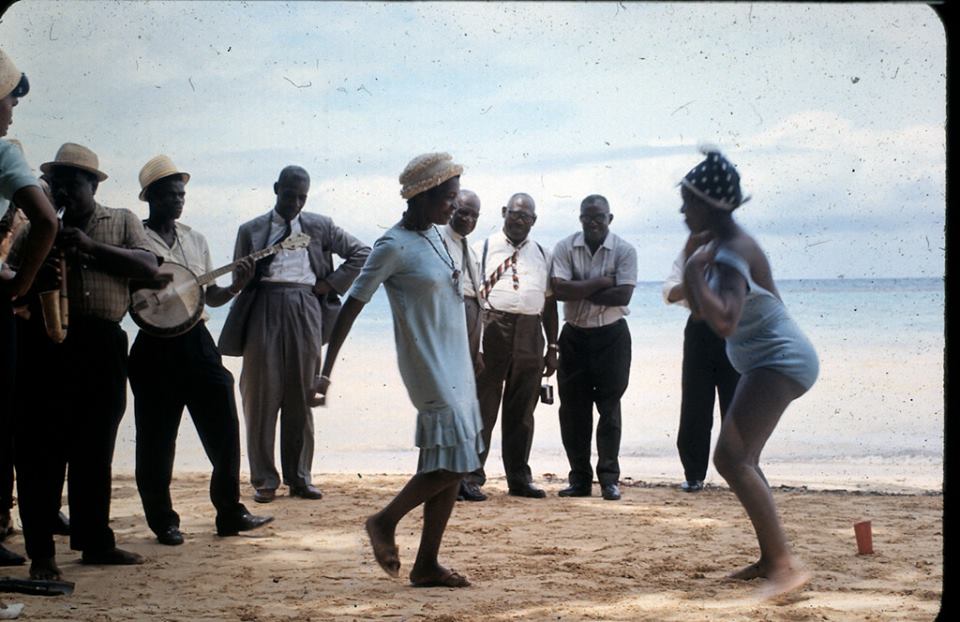
Beach party in Jamaica, 1965.
Central Park West and 72nd Street, NYC, 1965.
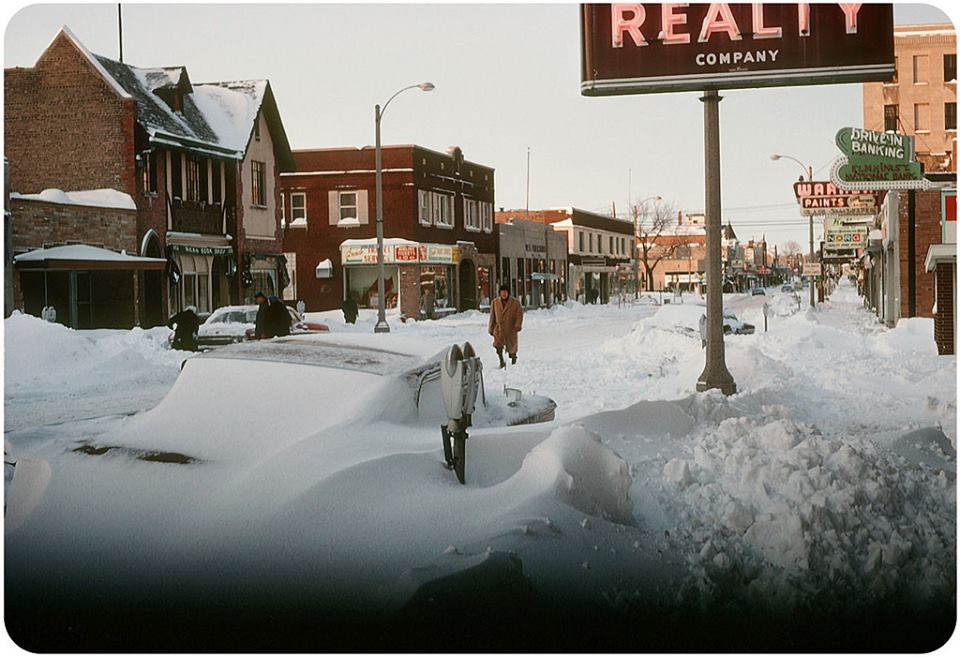
Elmhurst blizzard, Illinois, 1967.
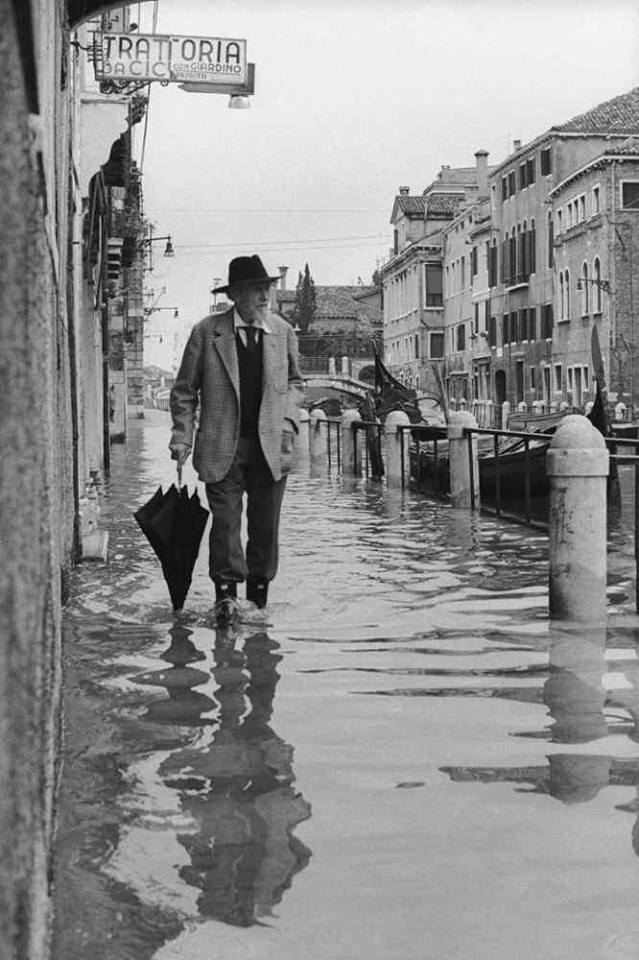
Floods in Venice, Italy, 1964.
Chester, England, 1963
Paris in 1962.
Three blondes on UK street, 1960s.
Renault 4CV as taxis in Saigon, Vietnam, 1962.
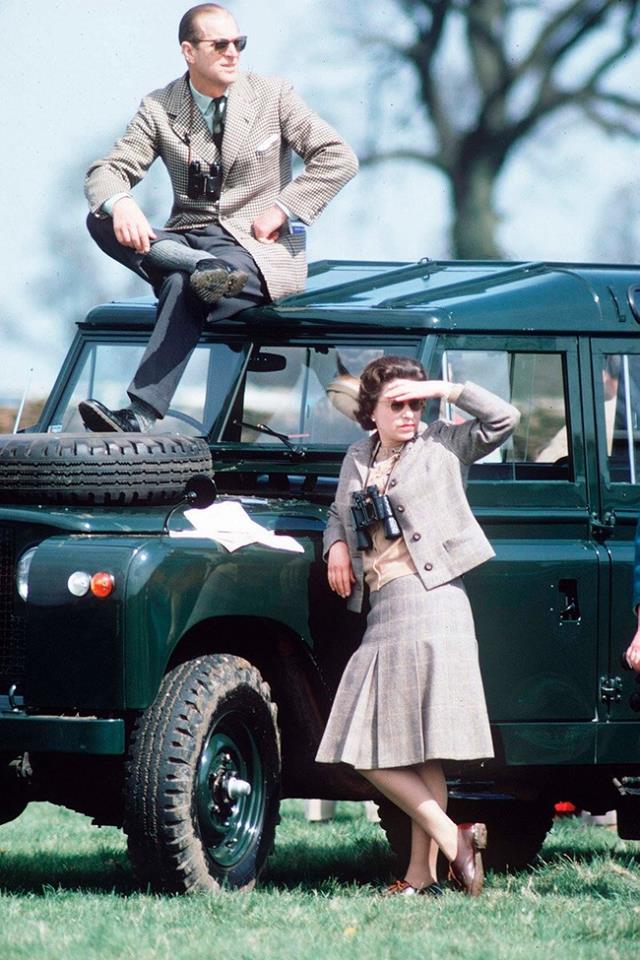
Queen Elizabeth and Prince Phillip at the horse races, 1968.
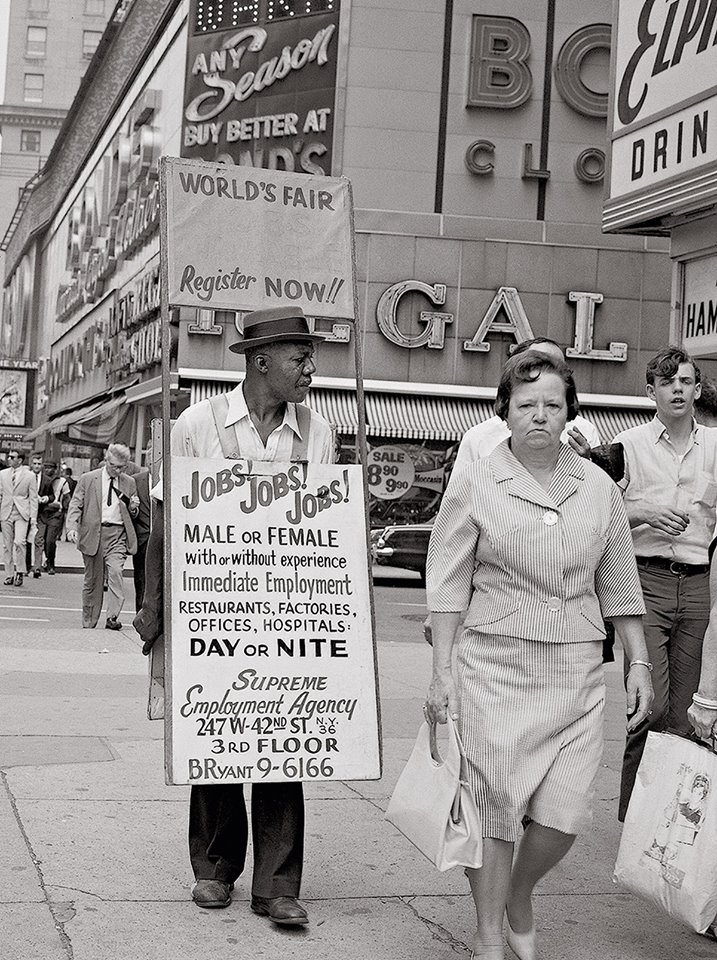
“Jobs! Jobs! Jobs!” – Theater District, New York, 1960s.
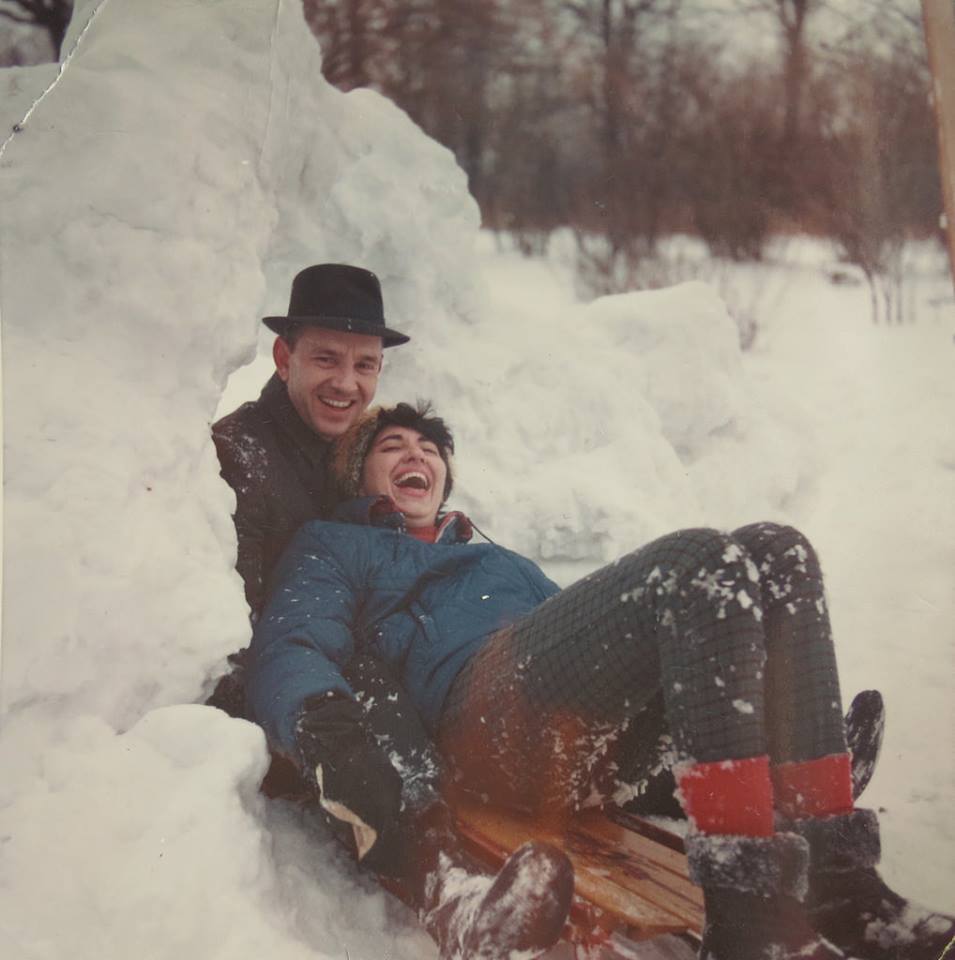
Couple in snow, Christmas 1966.
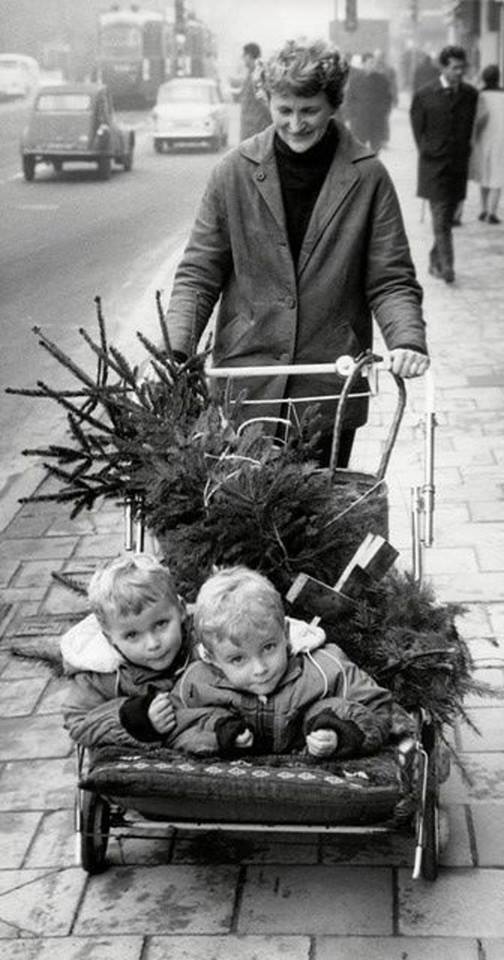
A woman with twins and a Christmas tree in a stroller, Amsterdam, 1964.
Girl on the bed in her room in the 1960s.
Kissing goodbye at the train depot in Tallahassee, Florida, 1960.
Marina Towers high-rise apartment building parking garage, Chicago, 1963.
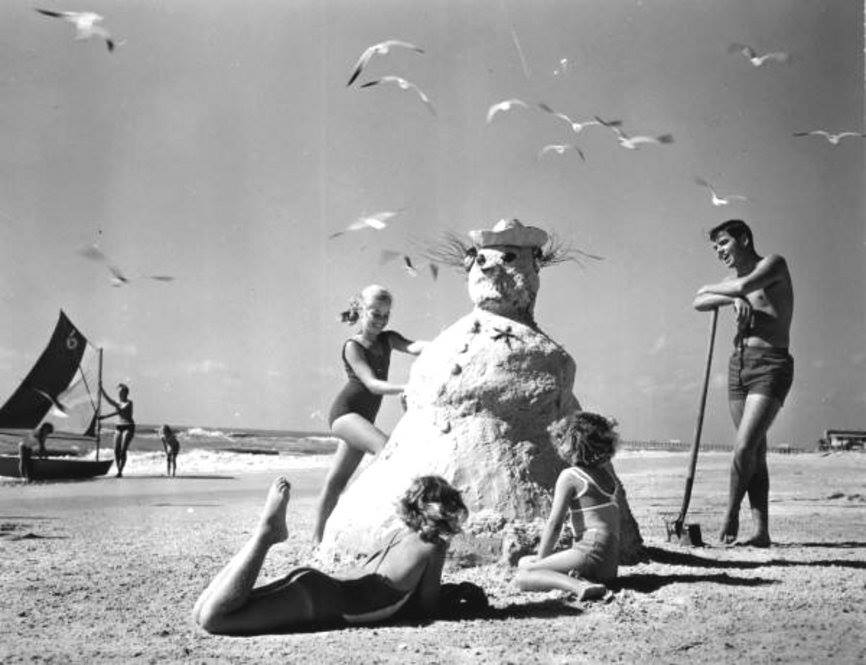
Making a ‘sandman’ at the beach, 1964.
In a hair salon from the 1960s.
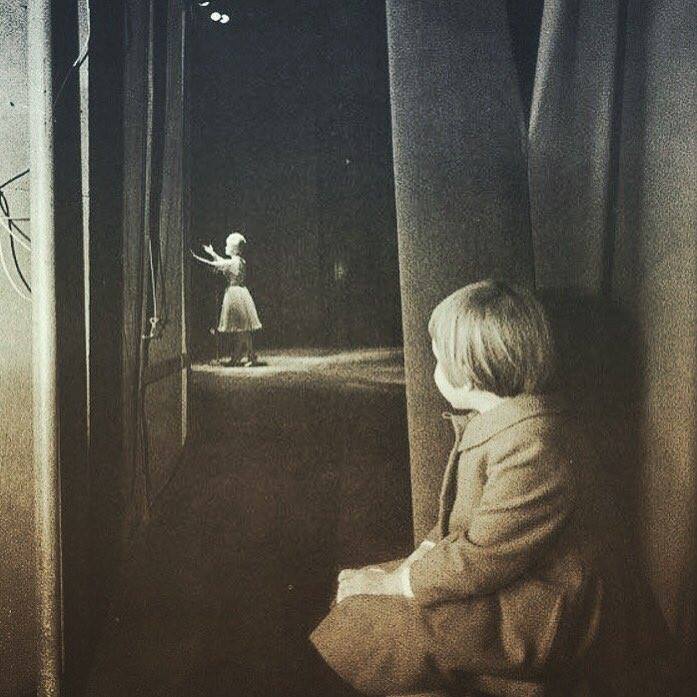
Carrie Fisher waits in the wings while her mom, Debbie Reynolds, on stage at the Riviera Hotel in Las Vegas, 1963.
A fourteen year old American girl having her hair straightened with an iron, 1964.
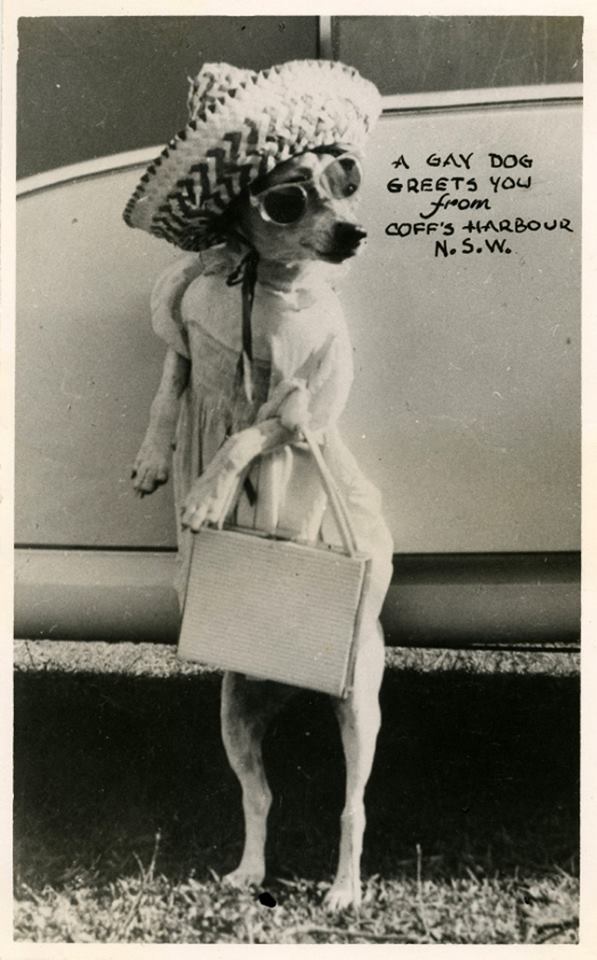
Fashionable dog from Coffs Harbour, New South Wales, Australia, 1960s.
A hippie walking with his kid in Vondelpark, Amsterdam in 1968.

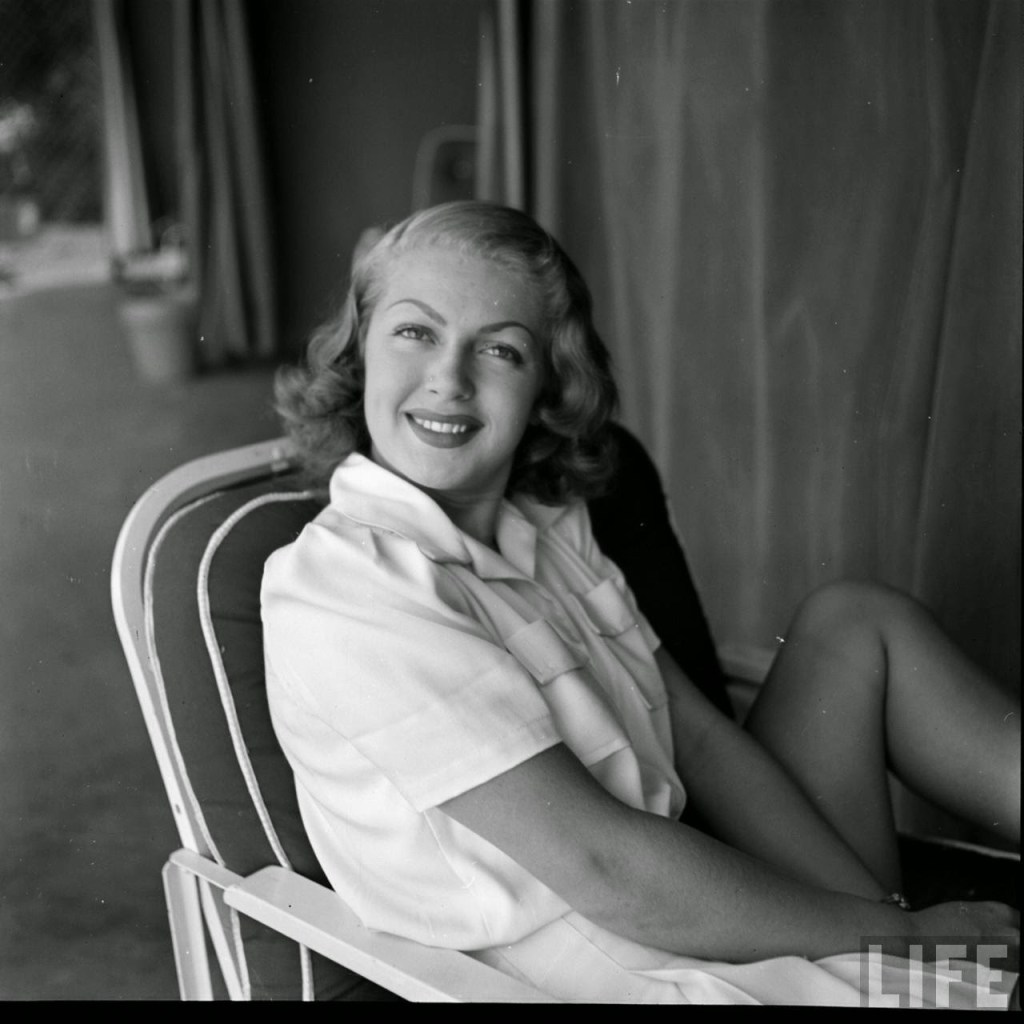
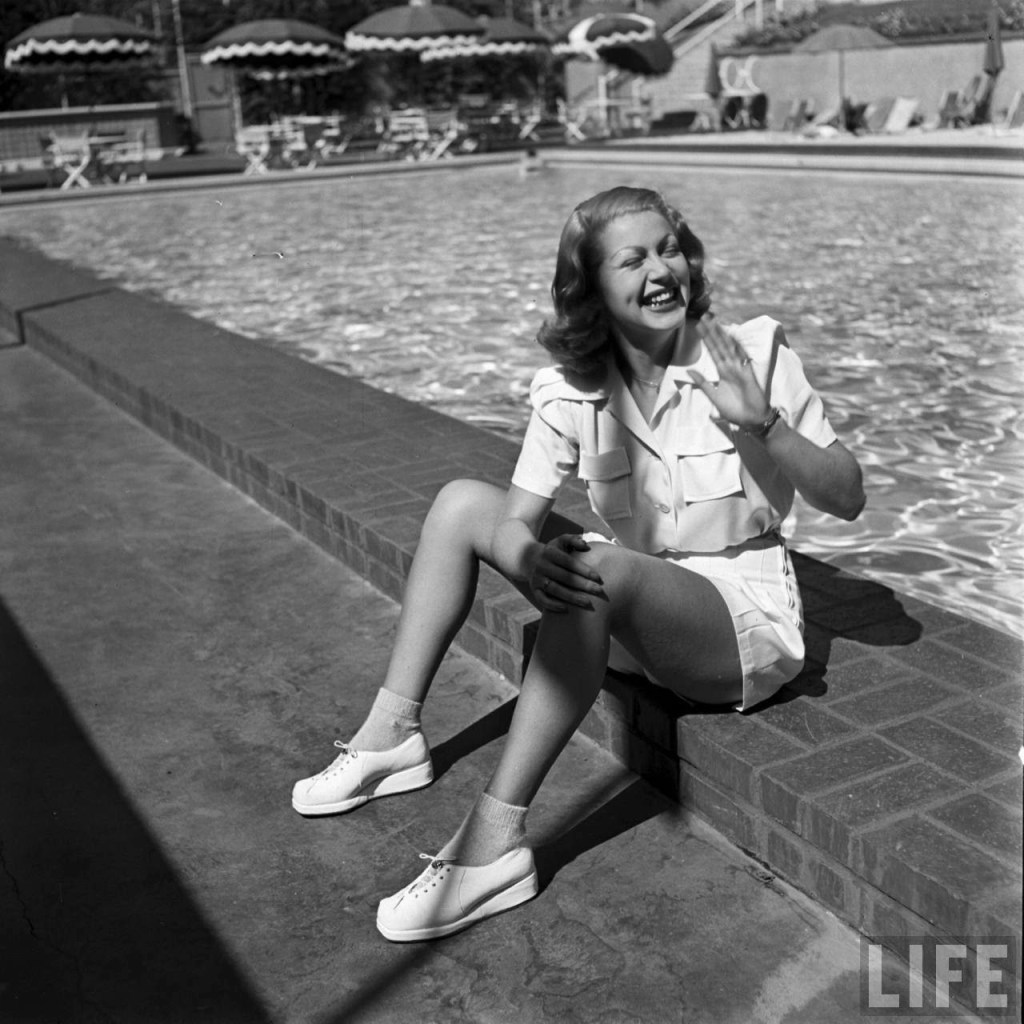
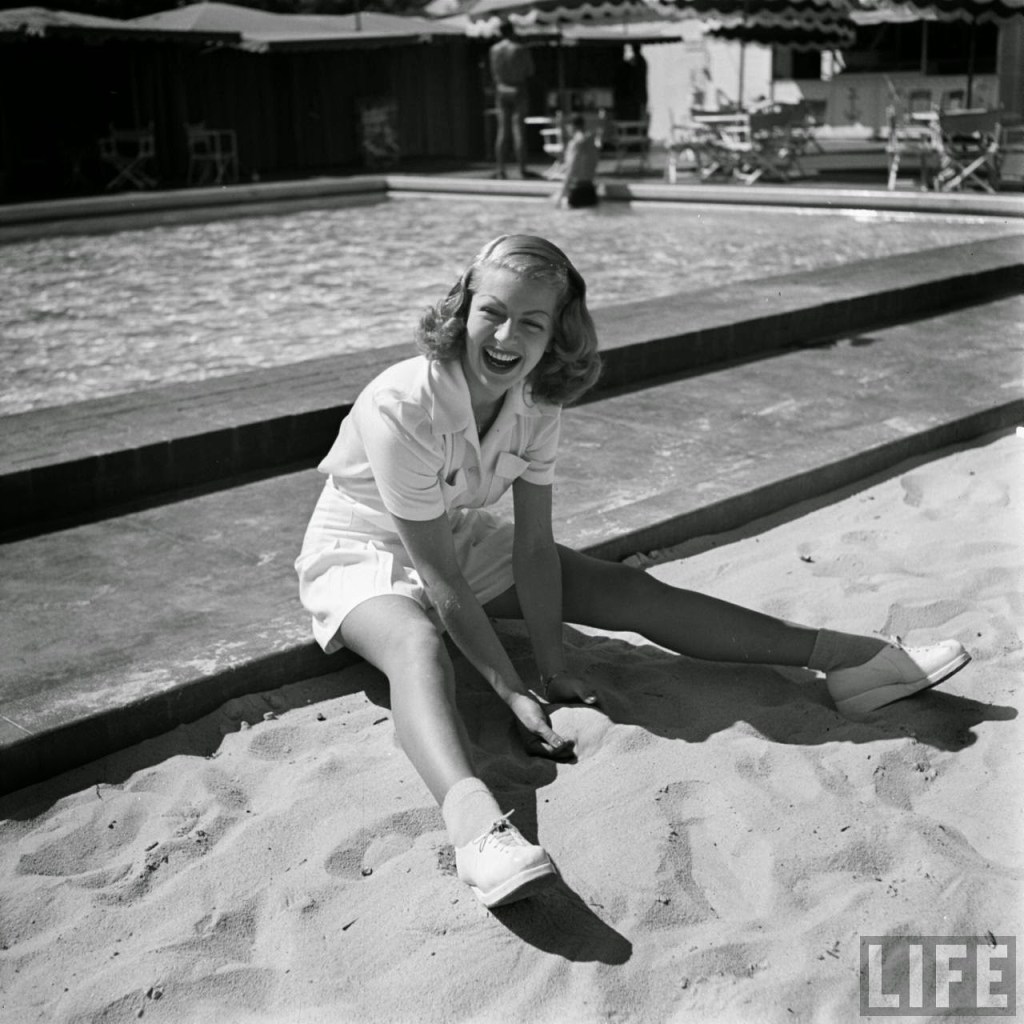
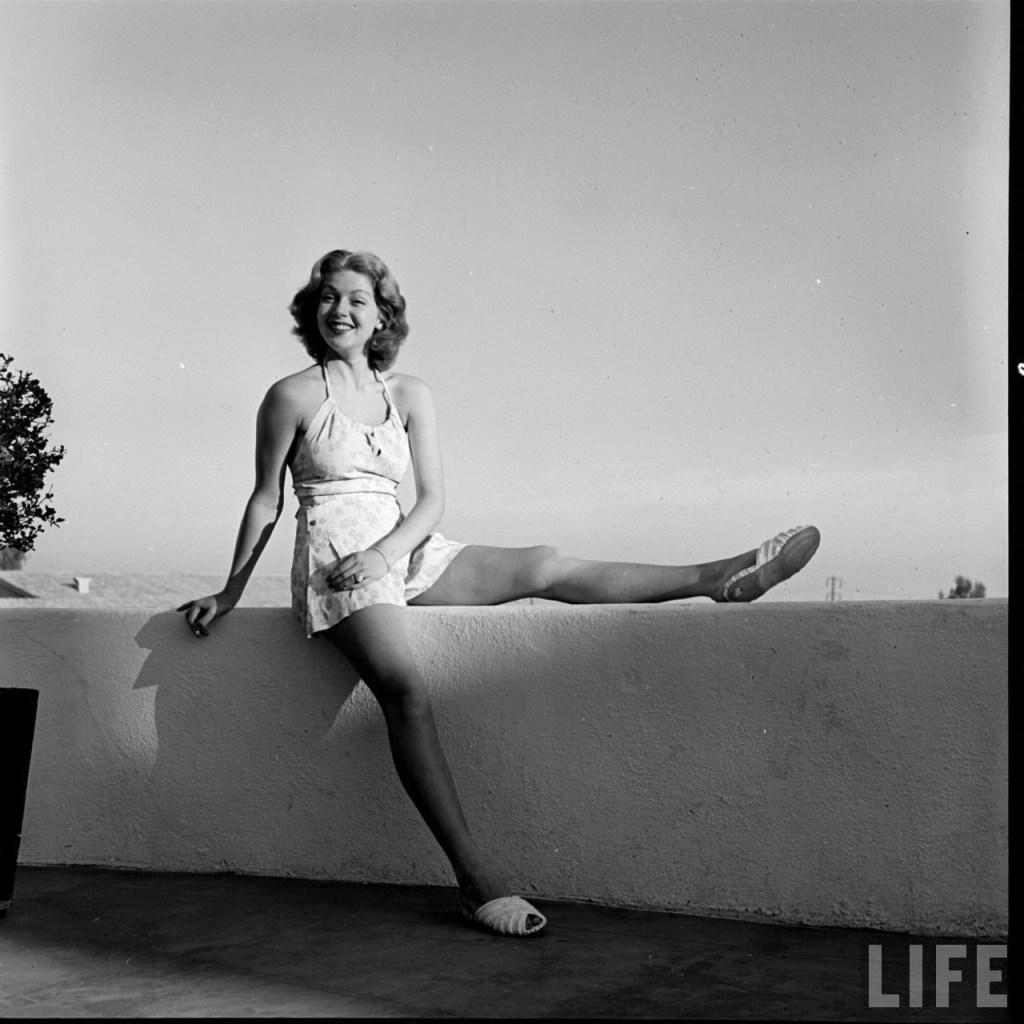
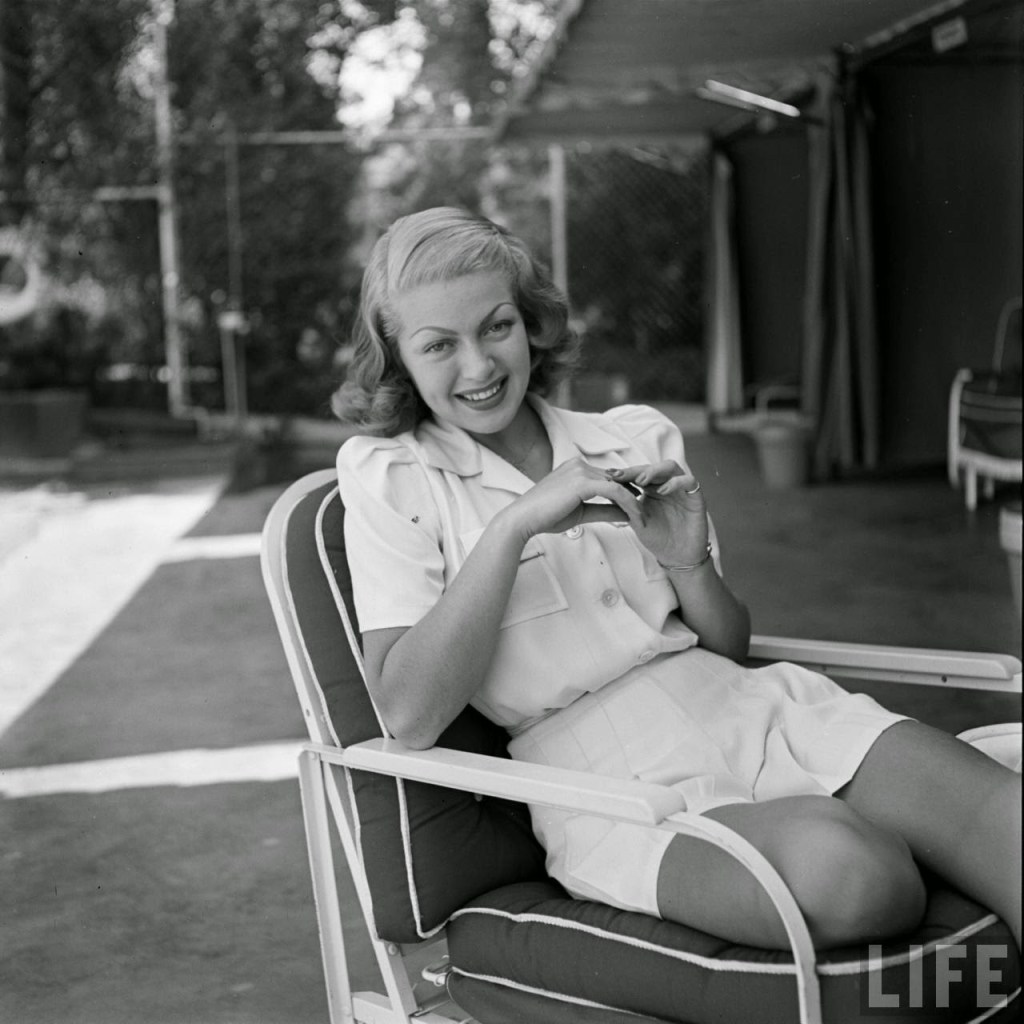
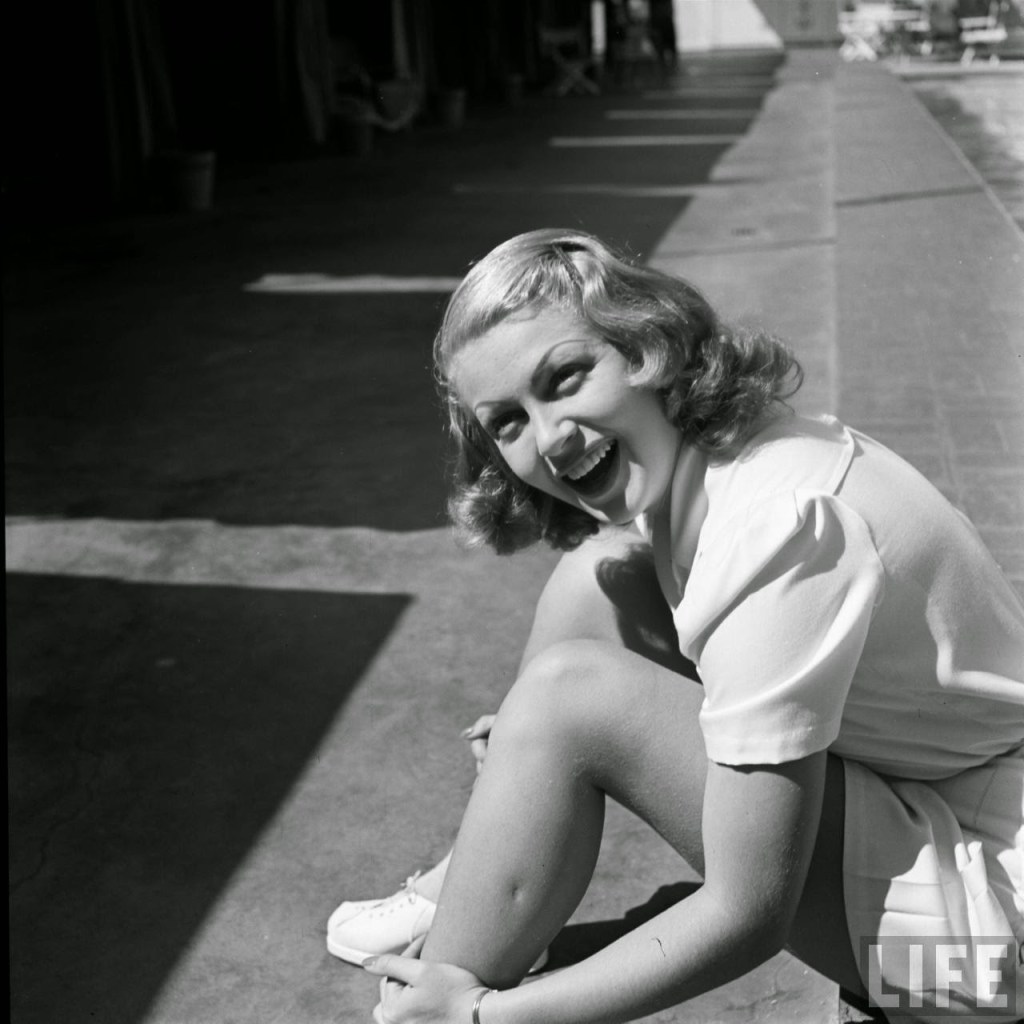
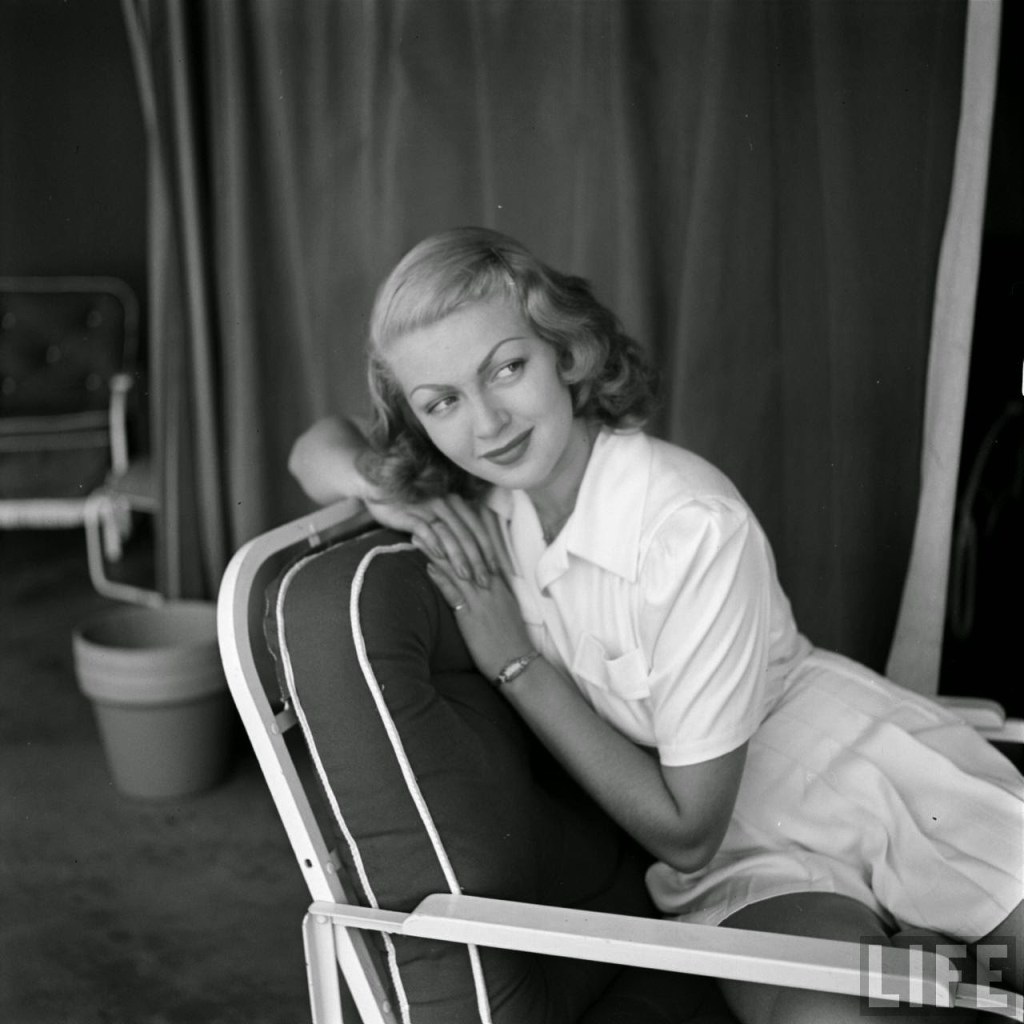
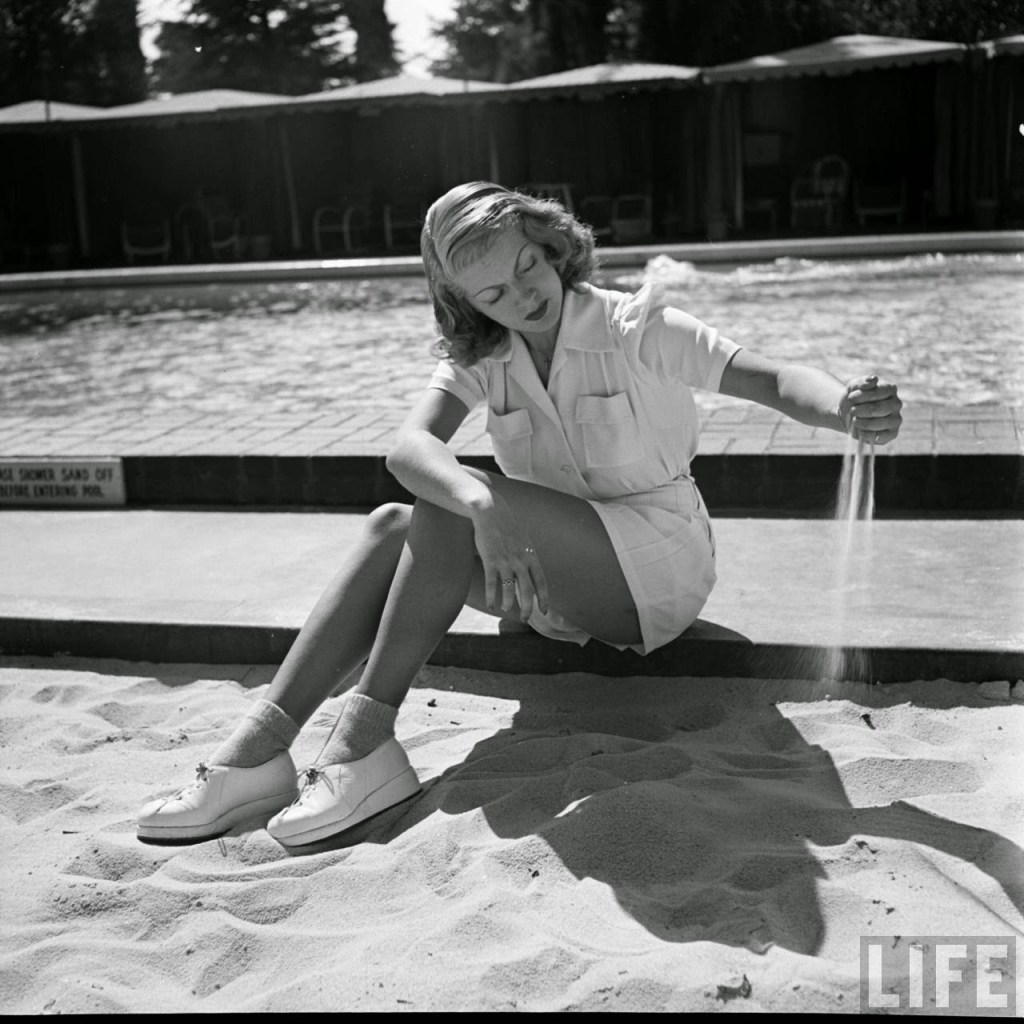
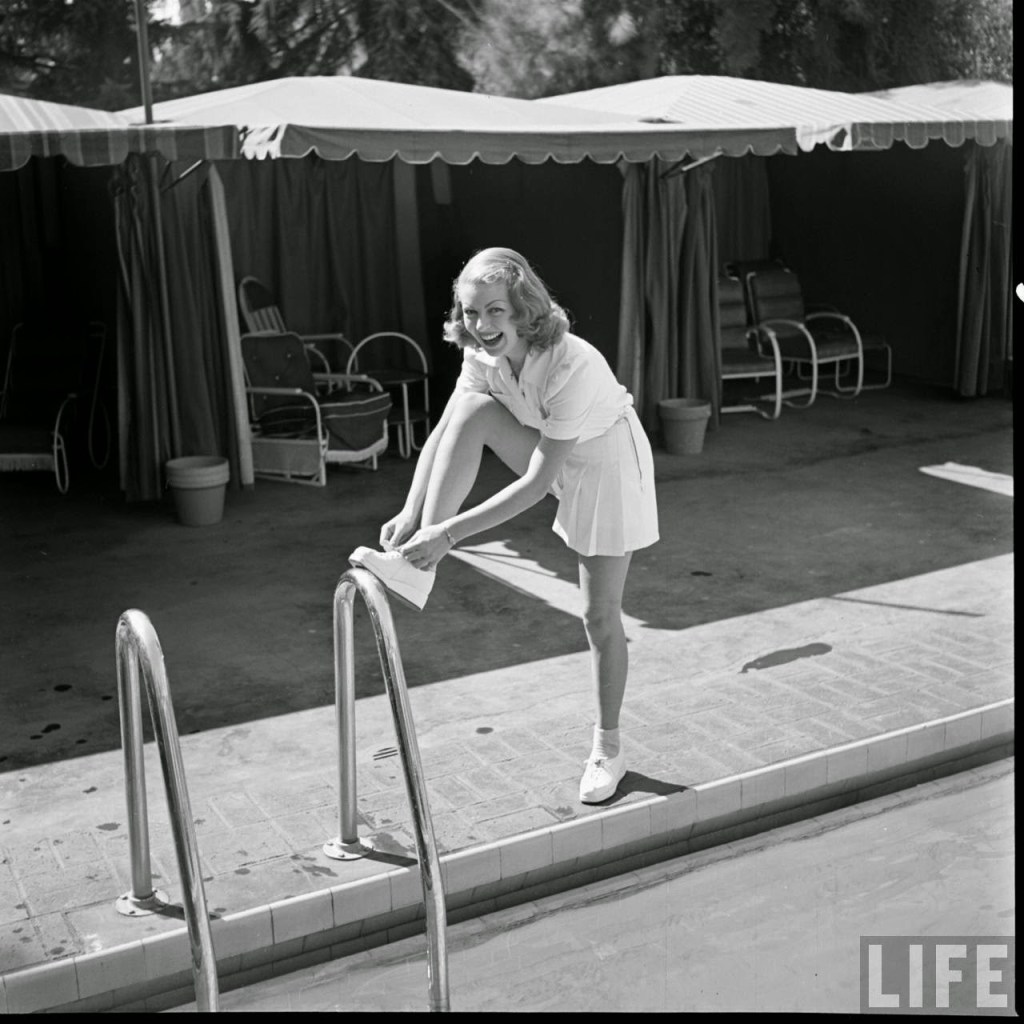
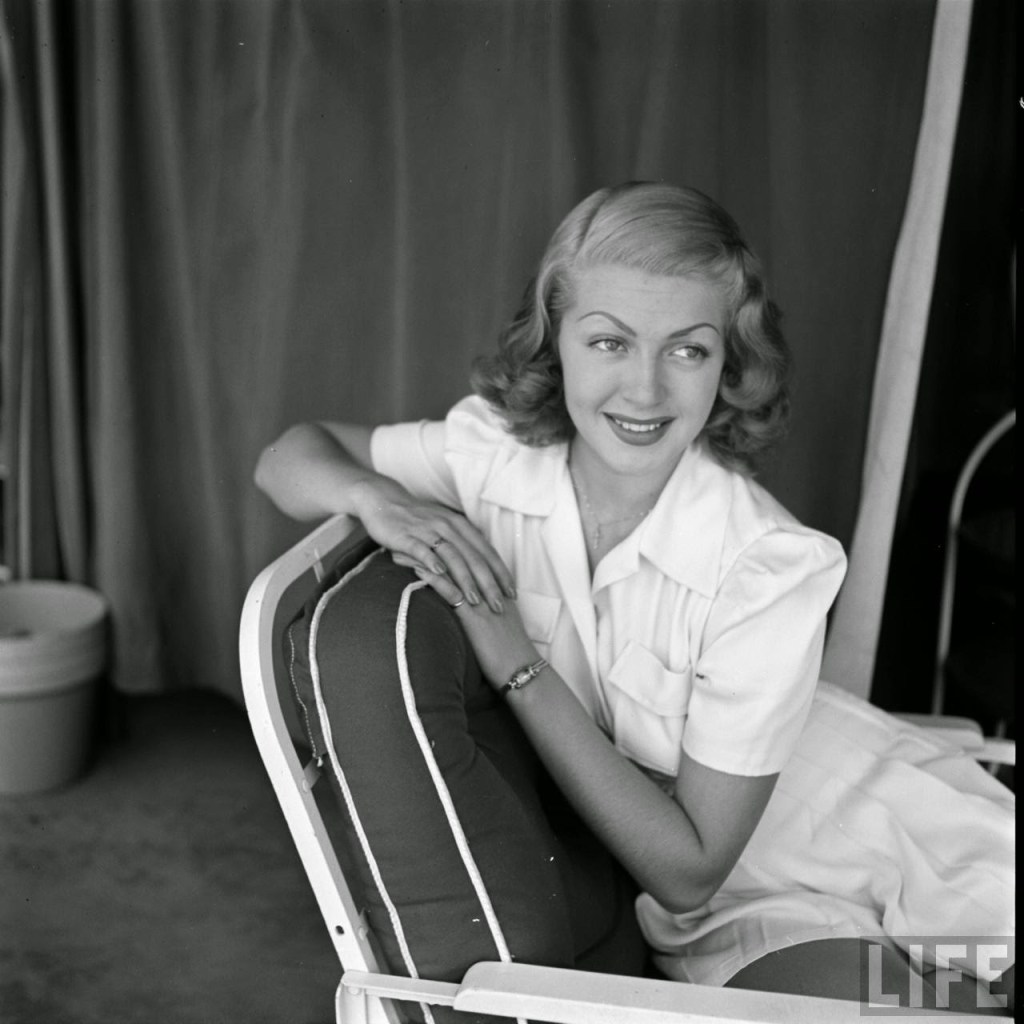
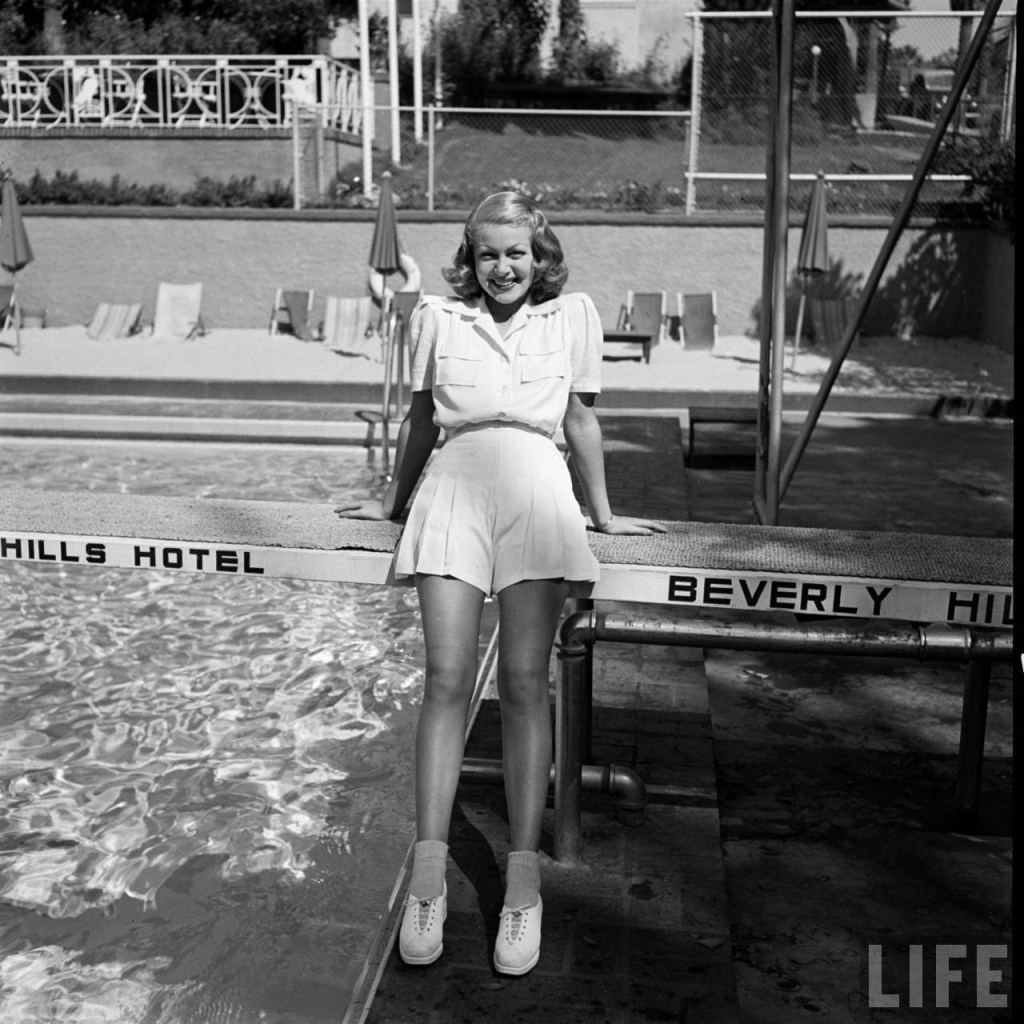
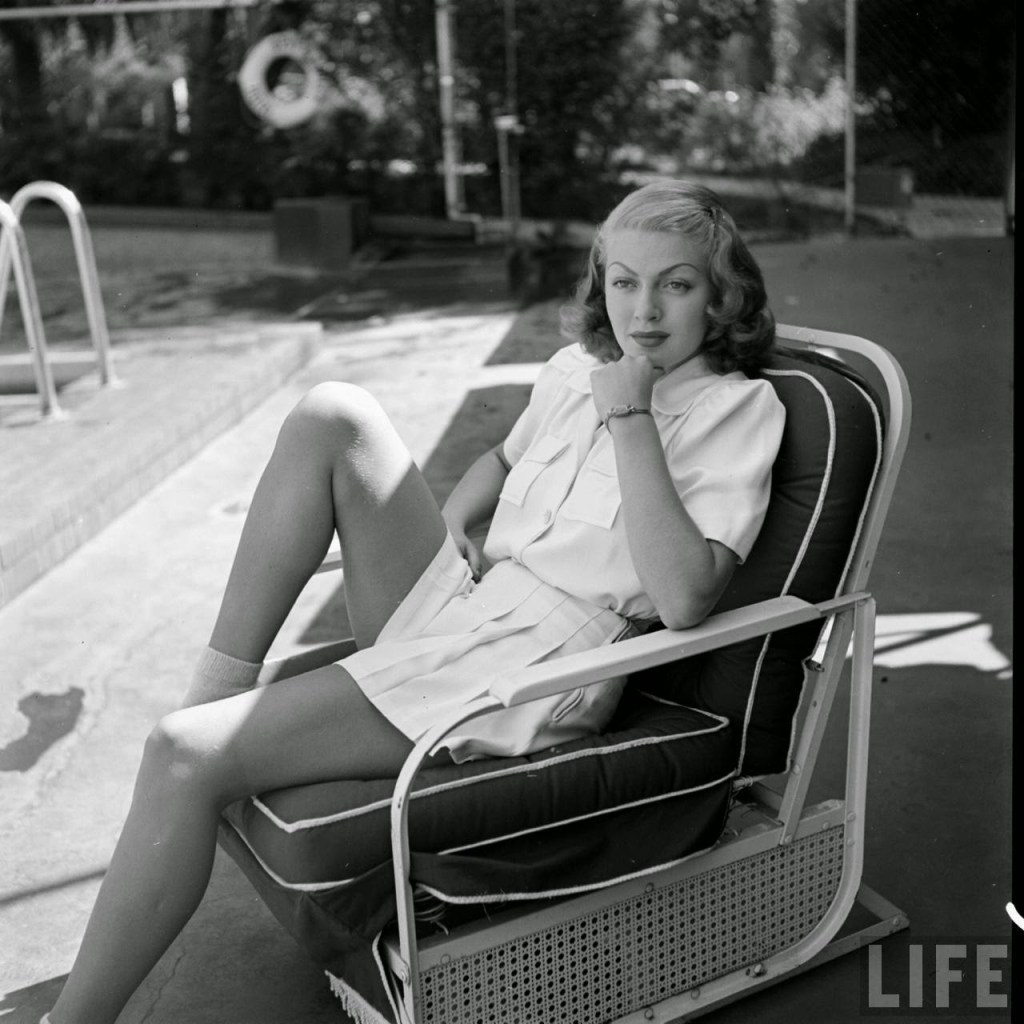
25 Stunning Photos of Lana Turner in 1940.

Lana Turner, born Julia Jean Turner; (February 8, 1921 – June 29, 1995) was an American actress. Over the course of her nearly 50-year career, she achieved fame as both a pin-up model and a film actress, as well as for her highly publicized personal life. In the mid-1940s, she was one of the highest-paid actresses in the United States, and one of Metro-Goldwyn-Mayer’s (MGM) biggest stars, with her films earning more than $50 million for the studio during her 18-year contract with them. Turner is frequently cited as a popular culture icon of Hollywood glamour and a screen legend of classical Hollywood cinema.

Born to working-class parents in northern Idaho, Turner spent her childhood there before her family relocated to San Francisco. In 1936, when Turner was 15, she was discovered while purchasing a soda at the Top Hat Malt Shop in Hollywood. At 16, she was signed to a personal contract by Warner Bros. director Mervyn LeRoy, who took her with him when he transferred to MGM in 1938. She soon attracted attention by playing the role of a murder victim in her film debut, LeRoy’s They Won’t Forget (1937), and she later moved into supporting roles, often appearing as an ingénue.

During the early 1940s, Turner established herself as a leading lady and one of MGM’s top stars, appearing in such films as the film noir Johnny Eager (1941); the musical Ziegfeld Girl (1941); the horror film Dr. Jekyll and Mr. Hyde (1941); and the romantic war drama Somewhere I’ll Find You (1942), one of several films in which she starred opposite Clark Gable. Turner’s reputation as a glamorous femme fatale was enhanced by her critically acclaimed performance in the noir The Postman Always Rings Twice (1946), a role which established her as a serious dramatic actress. Her popularity continued through the 1950s in dramas such as The Bad and the Beautiful (1952) and Peyton Place (1957), the latter for which she was nominated for an Academy Award for Best Actress.

Intense media scrutiny surrounded the actress in 1958 when her teenage daughter Cheryl Crane stabbed Turner’s lover Johnny Stompanato to death in their home during a domestic struggle. Her next film, Imitation of Life (1959), proved to be one of the greatest commercial successes of her career, and her starring role in Madame X (1966) earned her a David di Donatello Award for Best Foreign Actress. Turner spent most of the 1970s in semi-retirement, making her final film appearance in 1980. In 1982, she accepted a much-publicized and lucrative recurring guest role in the television series Falcon Crest, which afforded the series notably high ratings. In 1992, Turner was diagnosed with throat cancer and died of the disease three years later at age 74. (Wikipedia)
(Photos by Peter Stackpole, via LIFE archives)

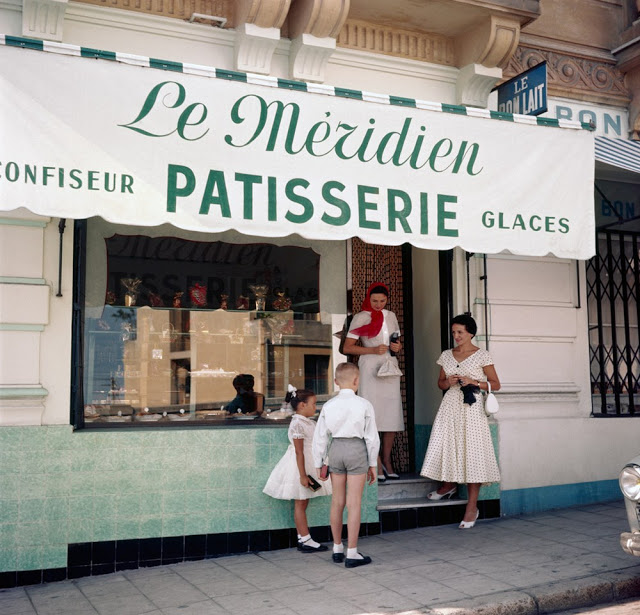
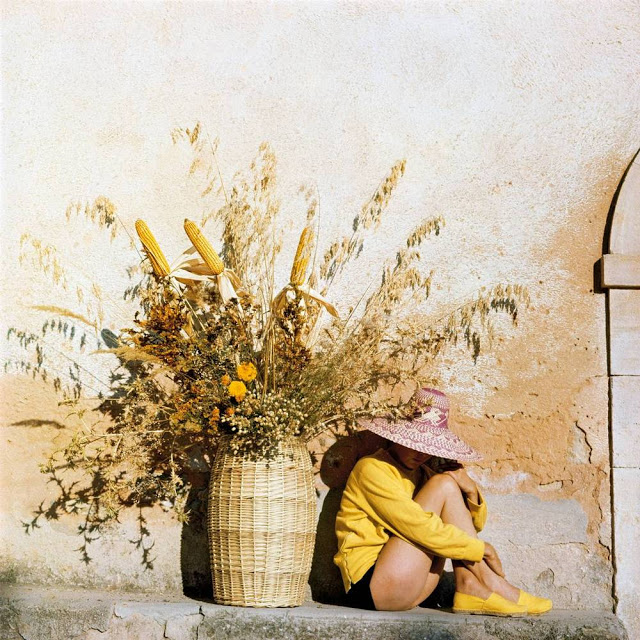
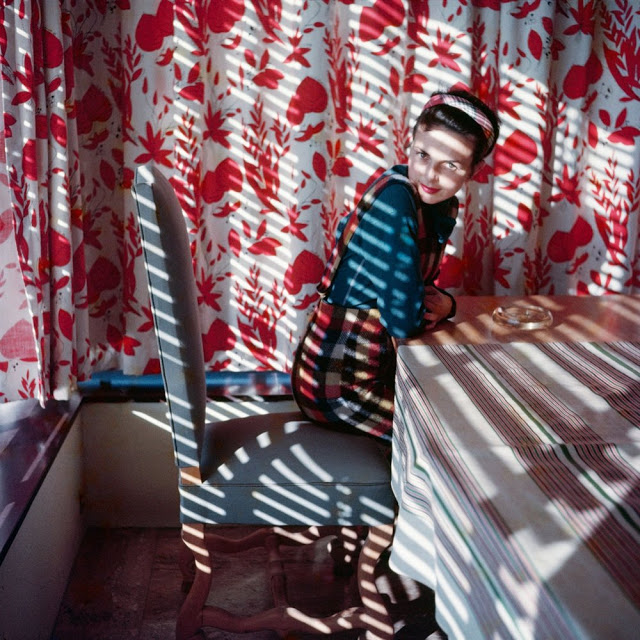
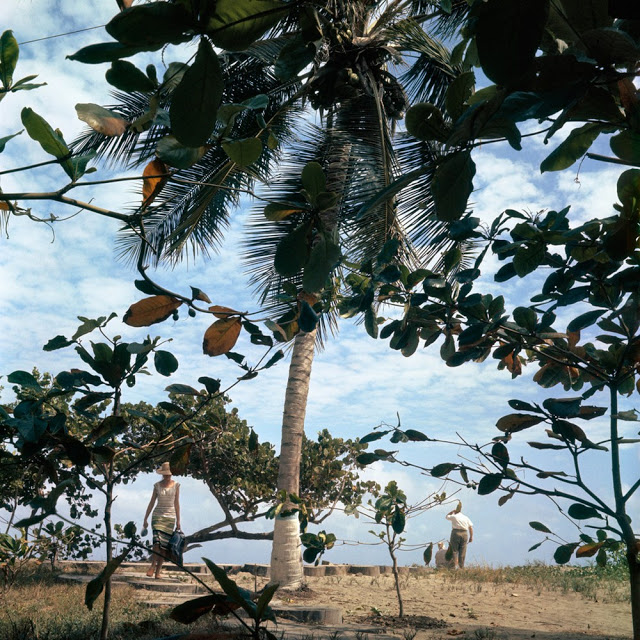
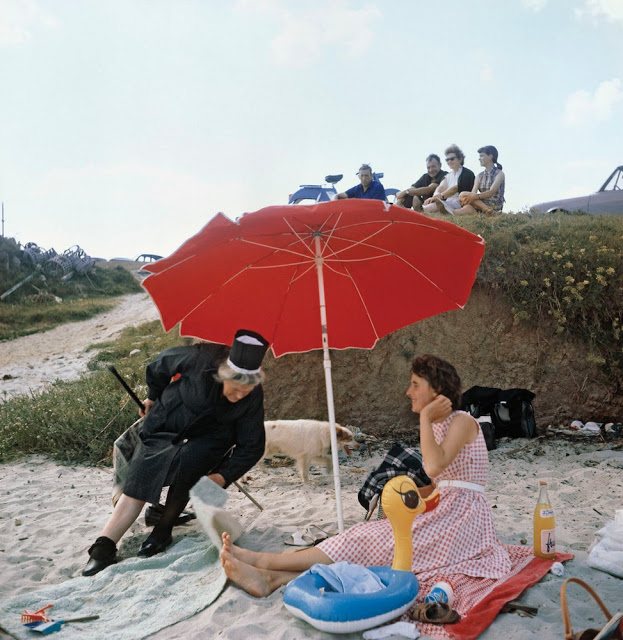
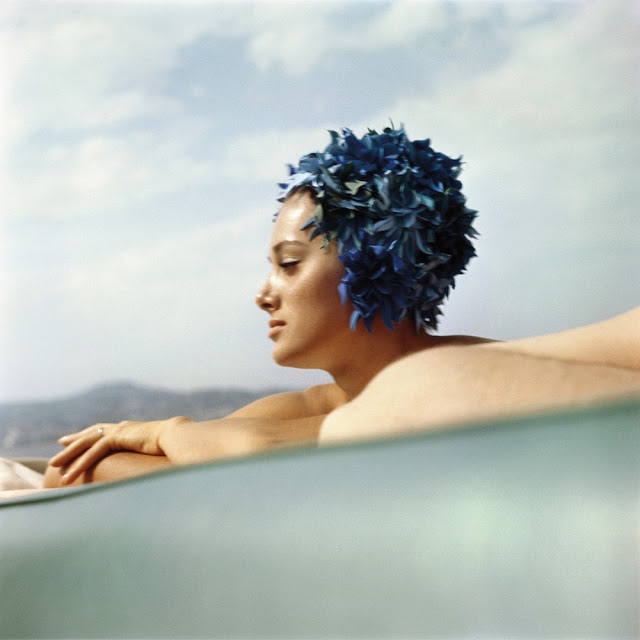
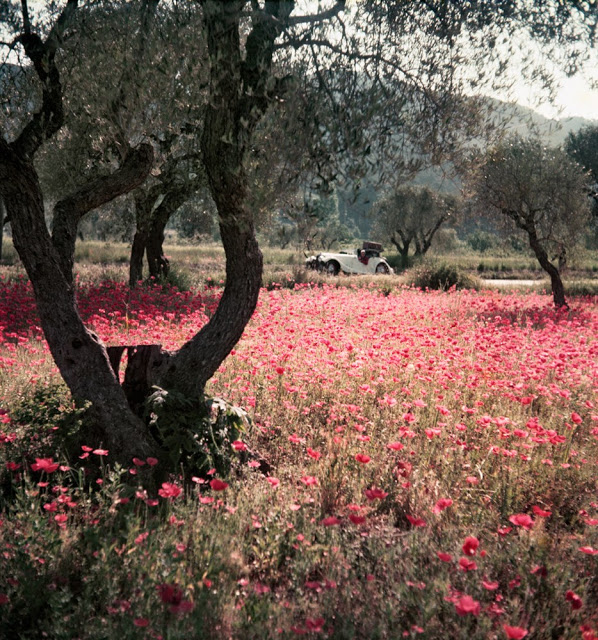
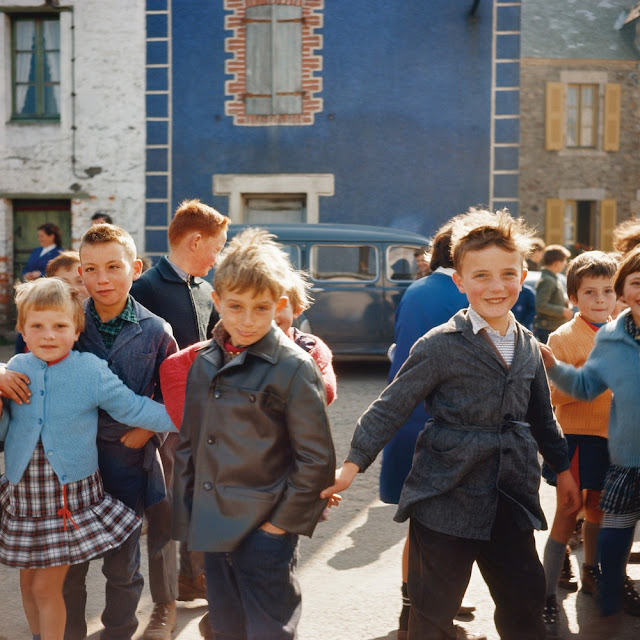
29 Wonderful Photos Showing Life in France During the 1950s & 1960s

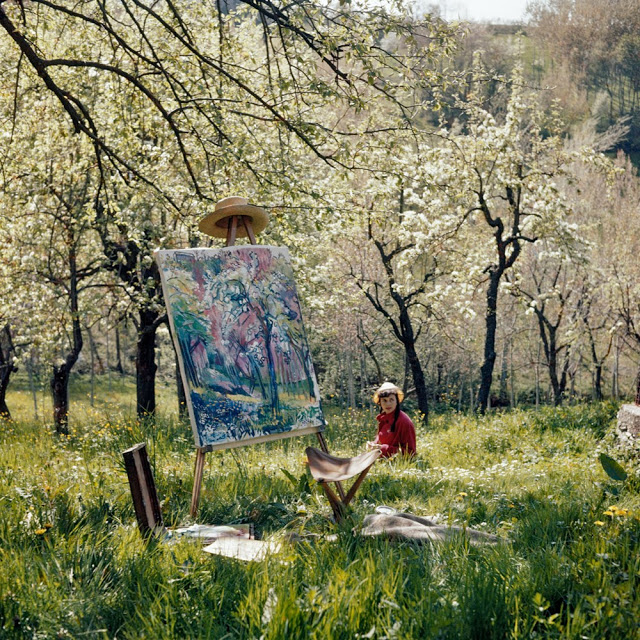
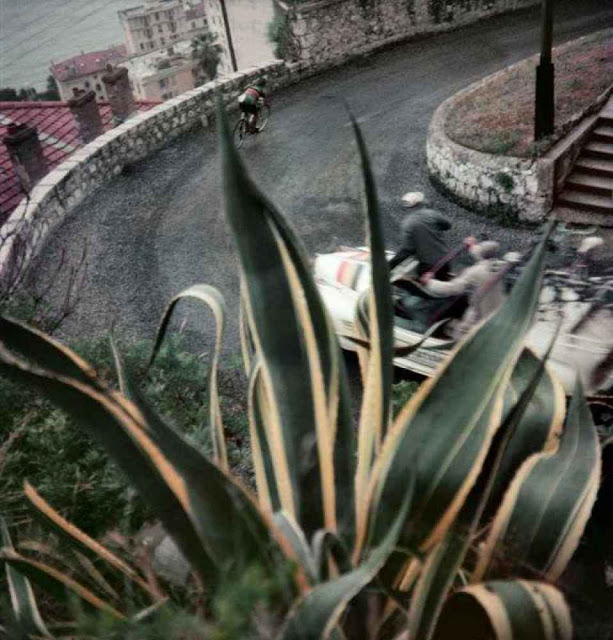
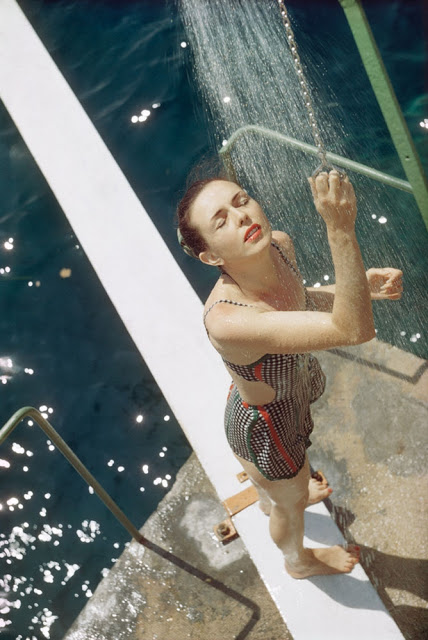
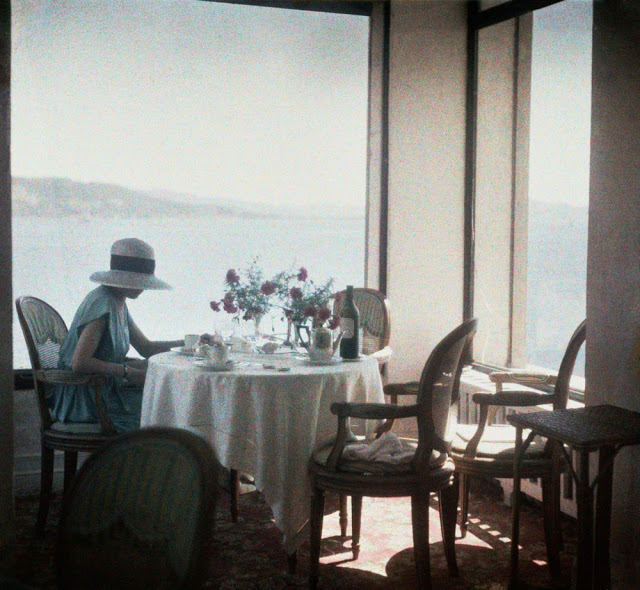
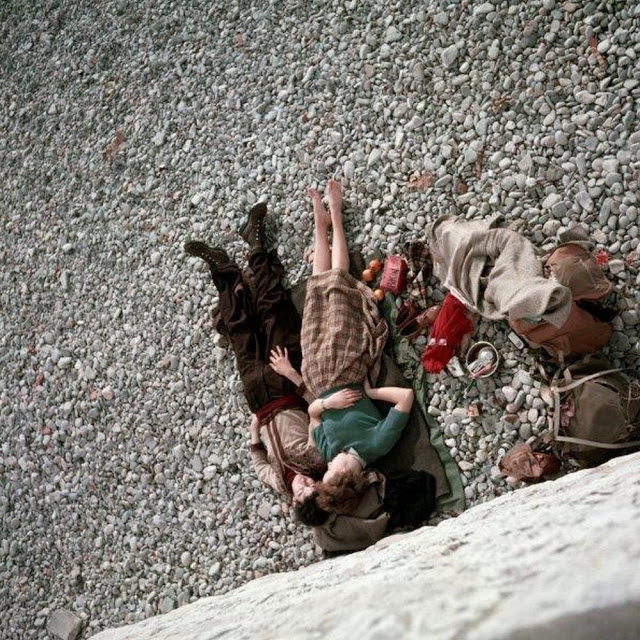
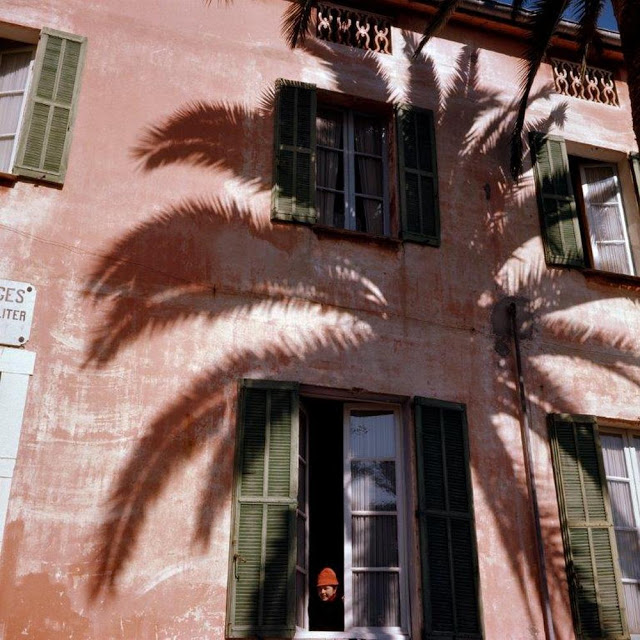
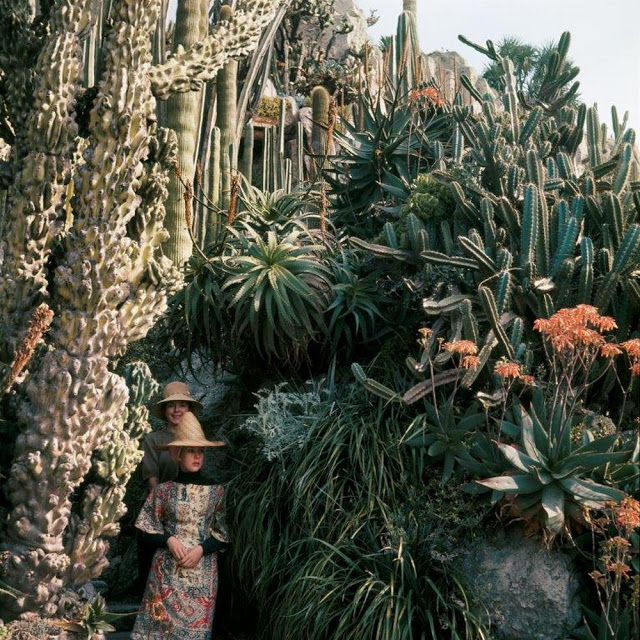
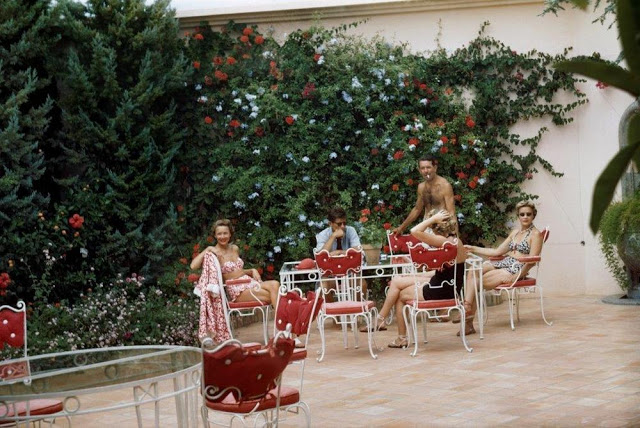
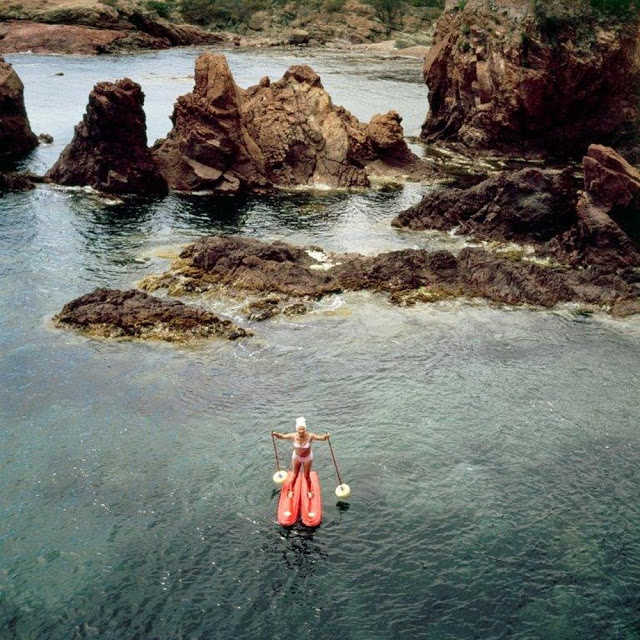
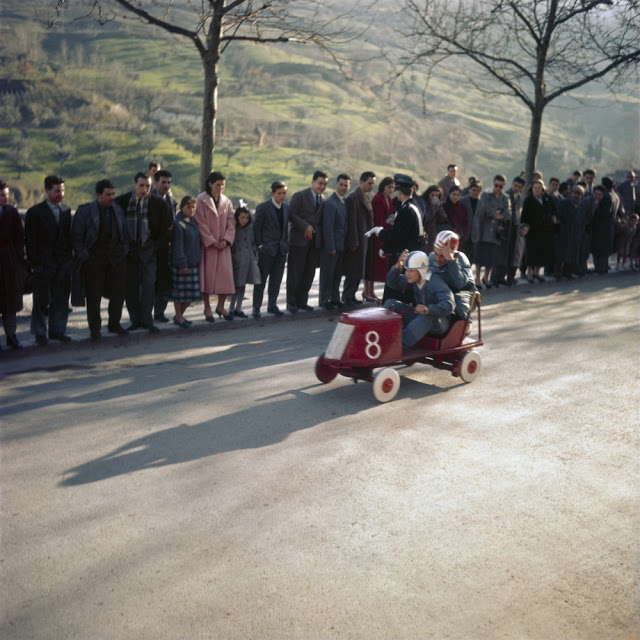
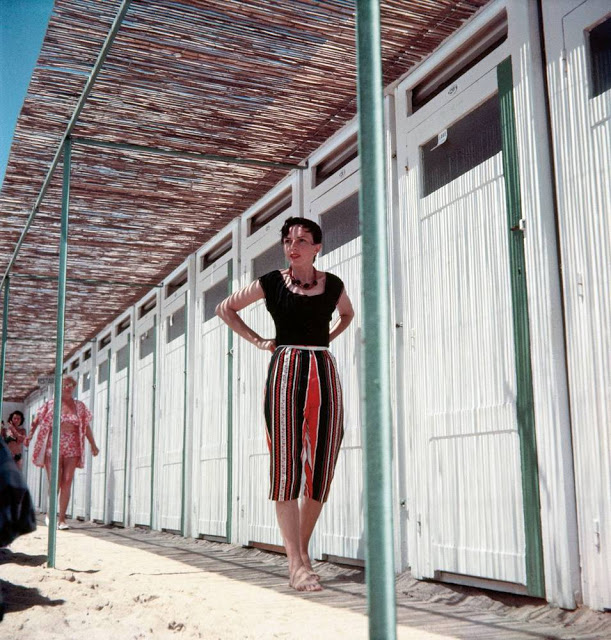
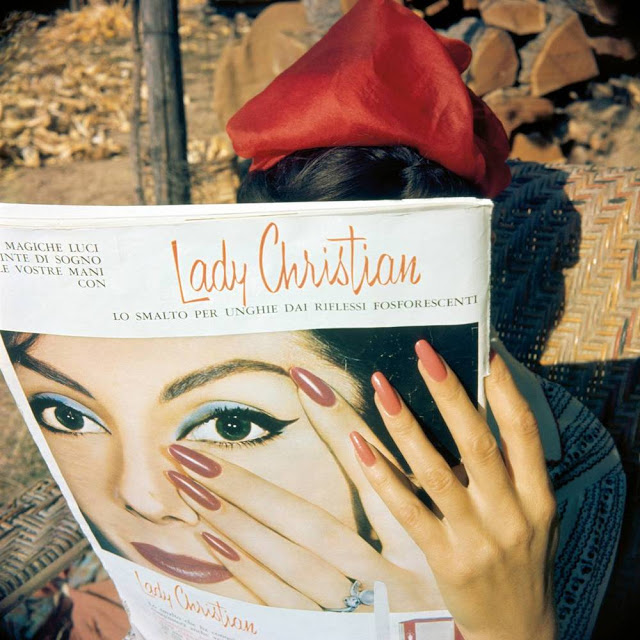
Jacques Henri Lartigue (1894–1986) was the best-known “amateur” in the history of photography, famously discovered by the art world and given an exhibi­tion at MoMA in New York when he was in his late sixties.

He began by recording the pastimes and customs of his wealthy Parisian milieu, indulging his fascination with sports and aviation, and throughout his long life he was never without his camera. His friendships extended to the superstars of French culture, but he also made thousands of photographs of his family, wives, and lovers. His work was irresistibly warm and engaging.

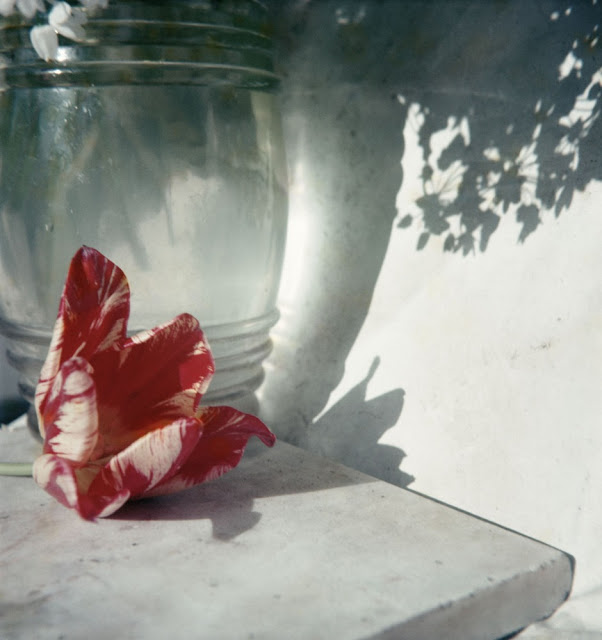
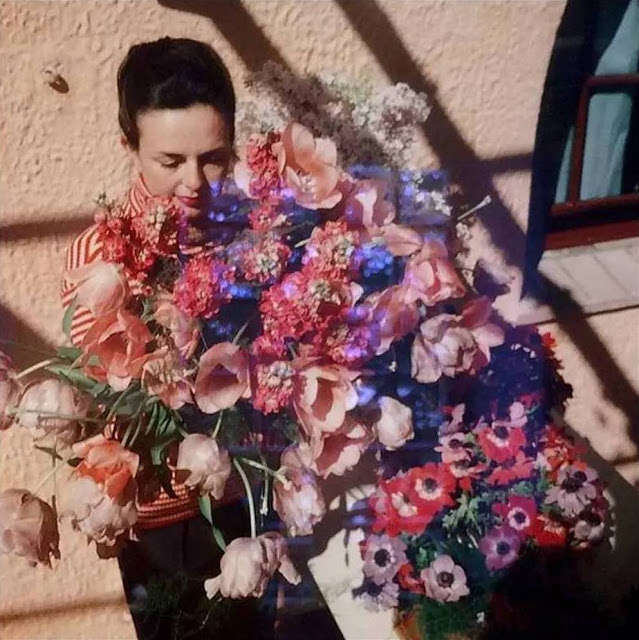
Although known for his black-and-white work, Lartigue loved color film, experimenting with the Autochrome process in the teens and twenties and embracing Ektachrome in the late 1940s. His color work, reproduced here for the first time, is astonishingly fresh: the French countryside, the women in his life, famous friends (Picasso, Fellini), and glimpses from his travels.

France, officially the French Republic (French: République française), is a transcontinental country spanning Western Europe and overseas regions and territories in the Americas and the Atlantic, Pacific and Indian Oceans. Its metropolitan area extends from the Rhine to the Atlantic Ocean and from the Mediterranean Sea to the English Channel and the North Sea; overseas territories include French Guiana in South America, Saint Pierre and Miquelon in the North Atlantic, the French West Indies, and many islands in Oceania and the Indian Ocean. Due to its several coastal territories, France has the largest exclusive economic zone in the world. France borders Belgium, Luxembourg, Germany, Switzerland, Monaco, Italy, Andorra, and Spain in Europe, as well as the Netherlands, Suriname, and Brazil in the Americas via its overseas territories in French Guiana and Saint Martin. Its eighteen integral regions (five of which are overseas) span a combined area of 643,801 km2 (248,573 sq mi) and over 67 million people (as of May 2021). France is a unitary semi-presidential republic with its capital in Paris, the country’s largest city and main cultural and commercial centre; other major urban areas include Marseille, Lyon, Toulouse, Lille, Bordeaux, and Nice.

Inhabited since the Palaeolithic era, the territory of Metropolitan France was settled by Celtic tribes known as Gauls during the Iron Age. Rome annexed the area in 51 BC, leading to a distinct Gallo-Roman culture that laid the foundation of the French language. The Germanic Franks formed the Kingdom of Francia, which became the heartland of the Carolingian Empire. The Treaty of Verdun of 843 partitioned the empire, with West Francia becoming the Kingdom of France in 987. In the High Middle Ages, France was a powerful but highly decentralised feudal kingdom. Philip II successfully strengthened royal power and defeated his rivals to double the size of the crown lands; by the end of his reign, France had emerged as the most powerful state in Europe. From the mid-14th to the mid-15th century, France was plunged into a series of dynastic conflicts involving England, collectively known as the Hundred Years’ War, and a distinct French identity emerged as a result. The French Renaissance saw art and culture flourish, conflict with the House of Habsburg, and the establishment of a global colonial empire, which by the 20th century would become the second-largest in the world. The second half of the 16th century was dominated by religious civil wars between Catholics and Huguenots that severely weakened the country. France again emerged as Europe’s dominant power in the 17th century under Louis XIV following the Thirty Years’ War. Inadequate economic policies, inequitable taxes and frequent wars (notably a defeat in the Seven Years’ War and costly involvement in the American War of Independence), left the kingdom in a precarious economic situation by the end of the 18th century. This precipitated the French Revolution of 1789, which overthrew the Ancien Régime and produced the Declaration of the Rights of Man, which expresses the nation’s ideals to this day.

France reached its political and military zenith in the early 19th century under Napoleon Bonaparte, subjugating much of continental Europe and establishing the First French Empire. The French Revolutionary and Napoleonic Wars shaped the course of European and world history. The collapse of the empire initiated a period of relative decline, in which France endured a tumultuous succession of governments until the founding of the French Third Republic during the Franco-Prussian War in 1870. Subsequent decades saw a period of optimism, cultural and scientific flourishing, as well as economic prosperity known as the Belle Époque. France was one of the major participants of World War I, from which it emerged victorious at great human and economic cost. It was among the Allied powers of World War II, but was soon occupied by the Axis in 1940. Following liberation in 1944, the short-lived Fourth Republic was established and later dissolved in the course of the Algerian War. The current Fifth Republic was formed in 1958 by Charles de Gaulle. Algeria and most French colonies became independent in the 1960s, with the majority retaining close economic and military ties with France.

France retains its centuries-long status as a global centre of art, science and philosophy. It hosts the fifth-largest number of UNESCO World Heritage Sites and is the world’s leading tourist destination, receiving over 89 million foreign visitors in 2018. France is a developed country with the world’s seventh-largest economy by nominal GDP and ninth-largest by PPP; in terms of aggregate household wealth, it ranks fourth in the world. France performs well in international rankings of education, health care, life expectancy and human development. It remains a great power in global affairs, being one of the five permanent members of the United Nations Security Council and an official nuclear-weapon state. France is a founding and leading member of the European Union and the Eurozone, as well as a key member of the Group of Seven, North Atlantic Treaty Organization (NATO), Organisation for Economic Co-operation and Development (OECD) and La Francophonie. (Wikipedia)

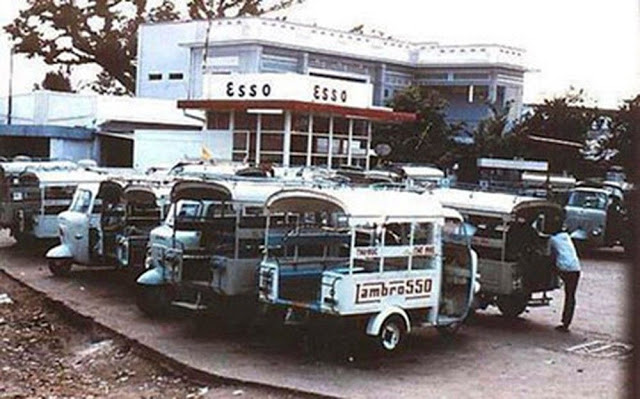
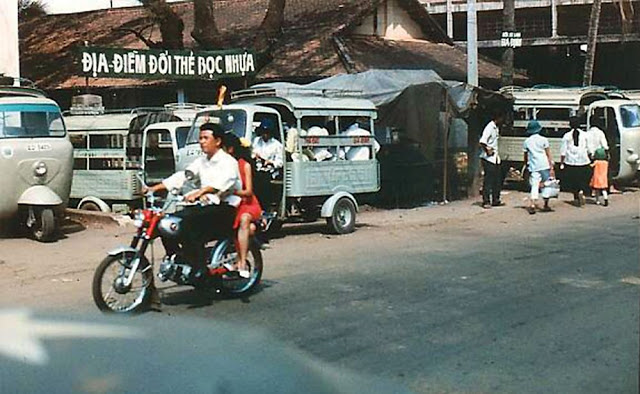
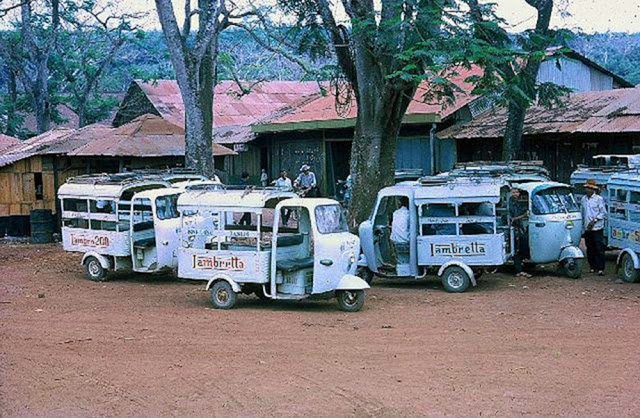
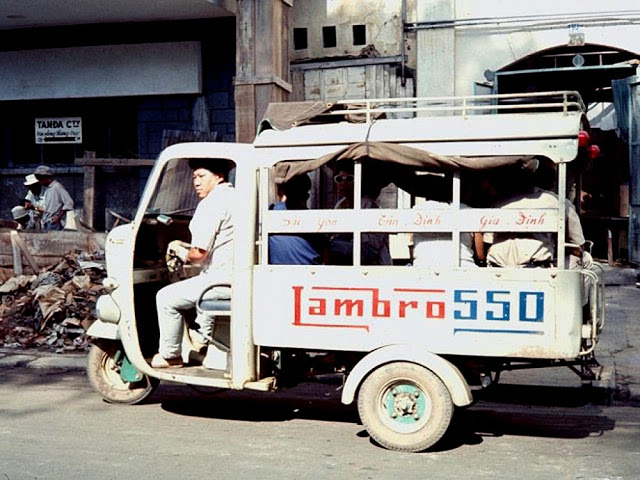
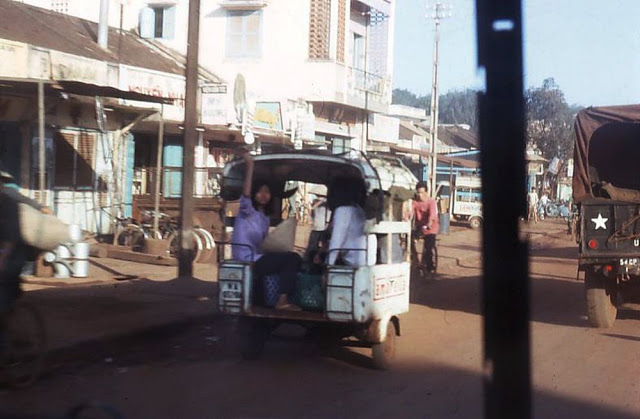
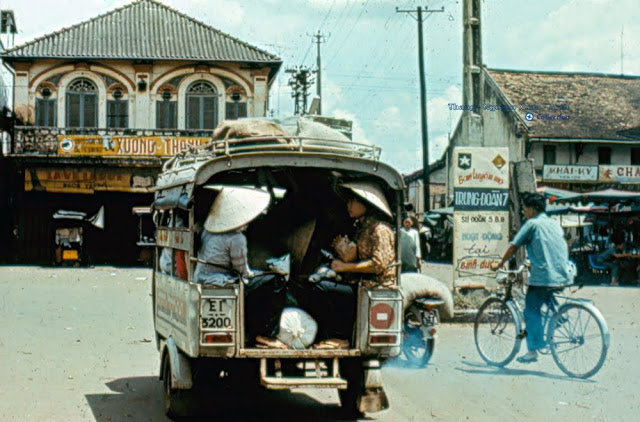
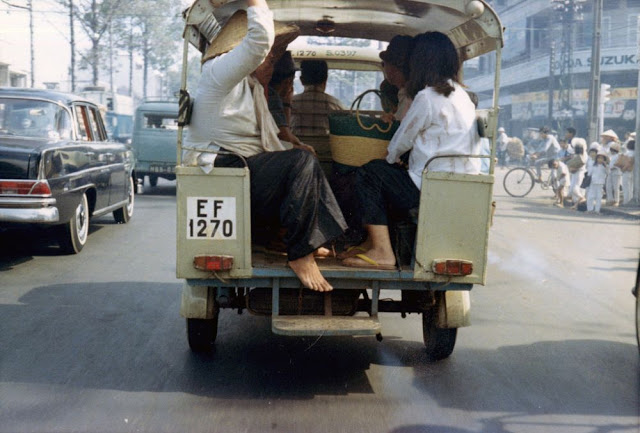
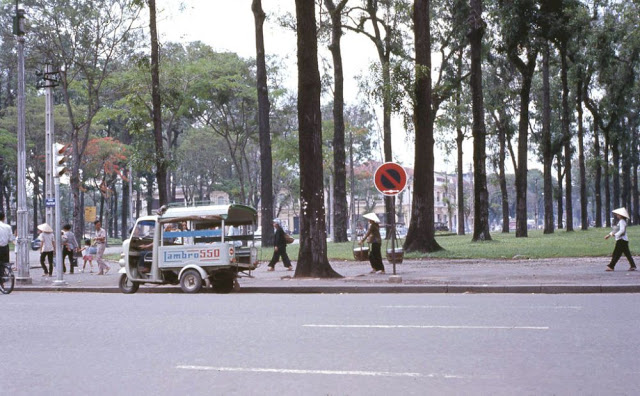
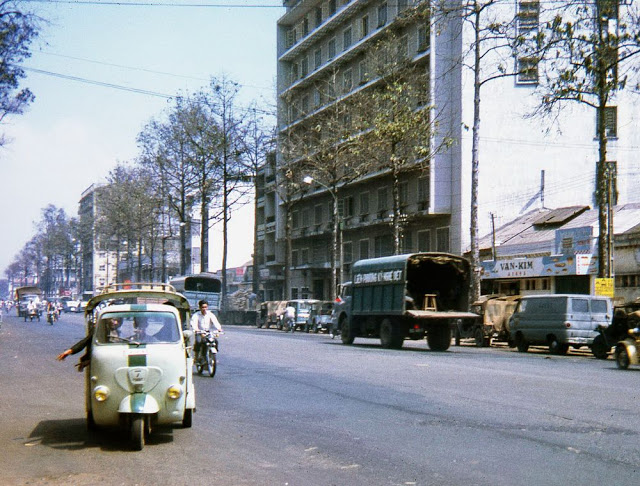
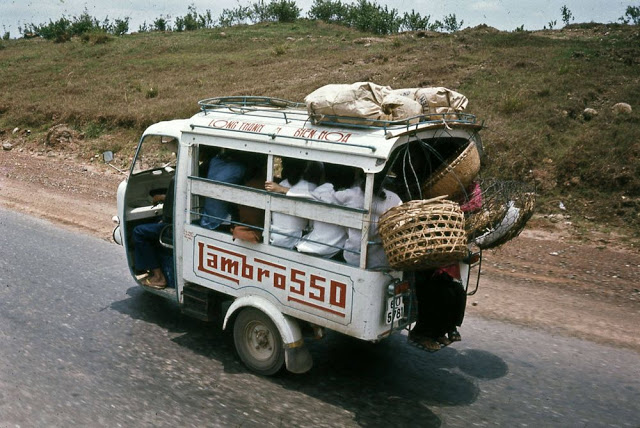
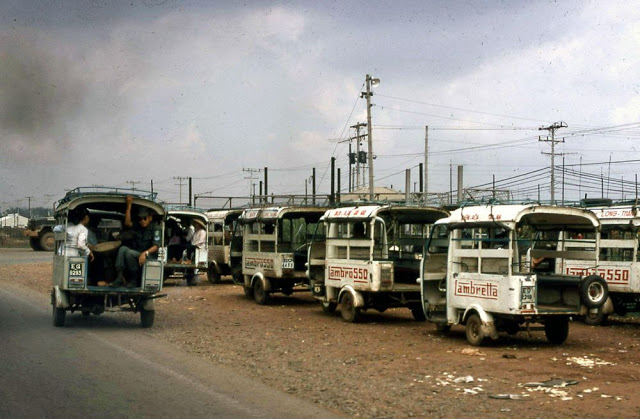
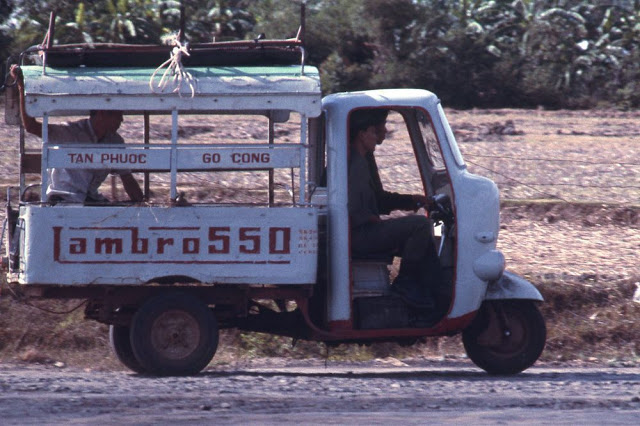
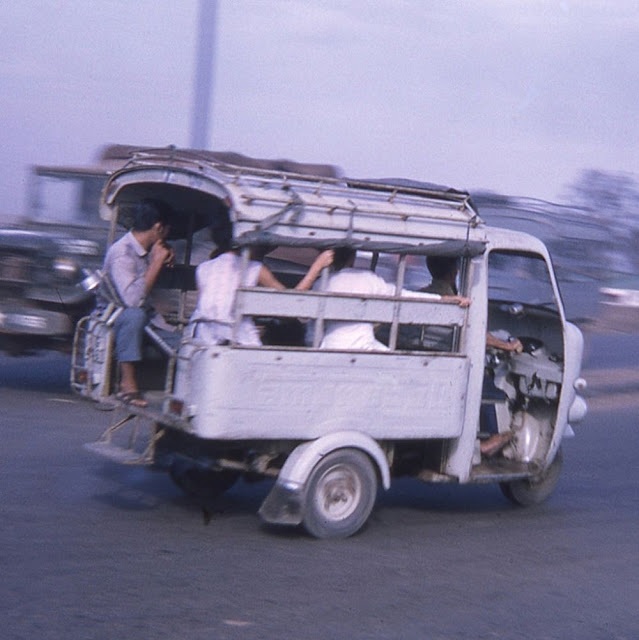
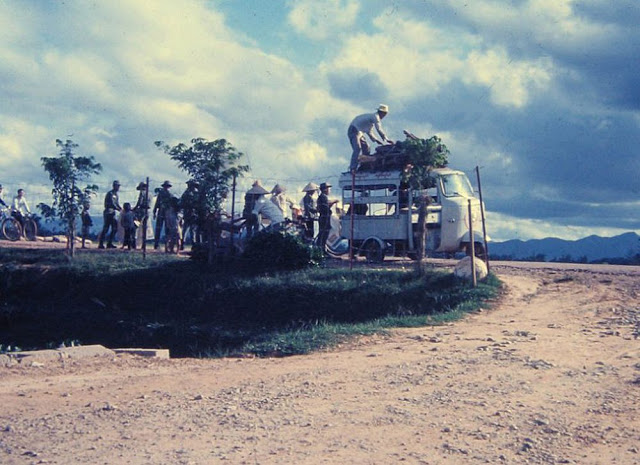
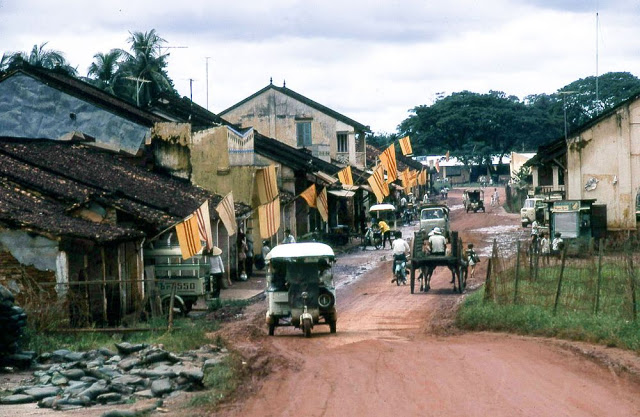
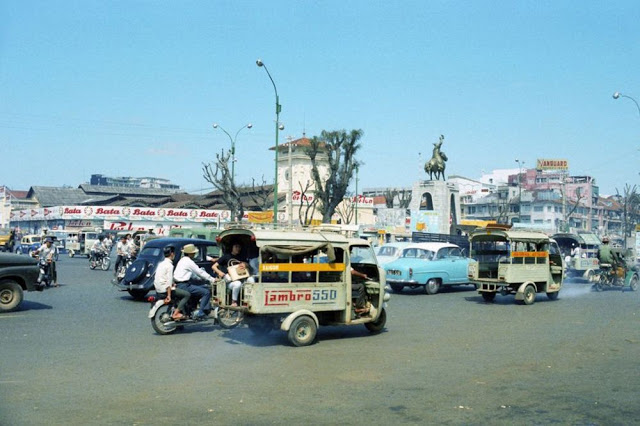
30 Vintage Photos of Lambro Cabs in Saigon During the 1960s

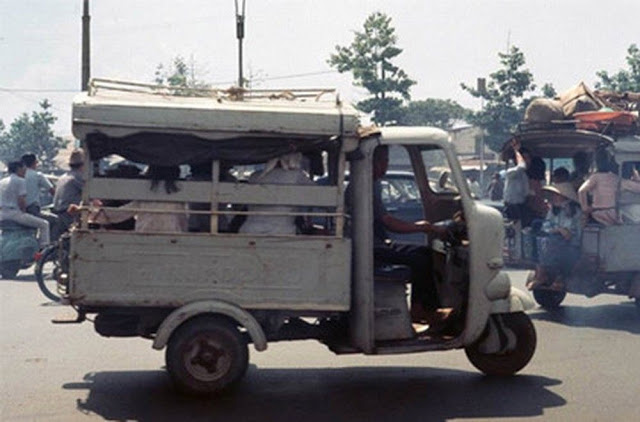
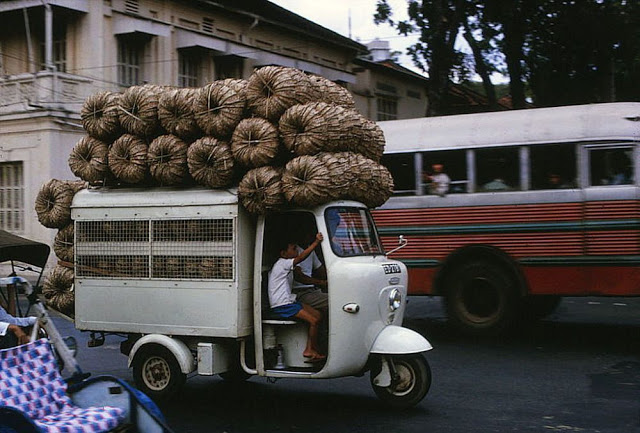
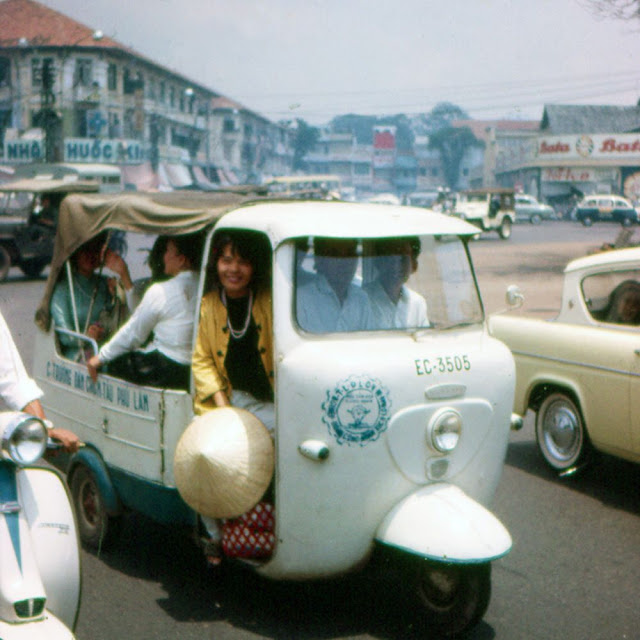
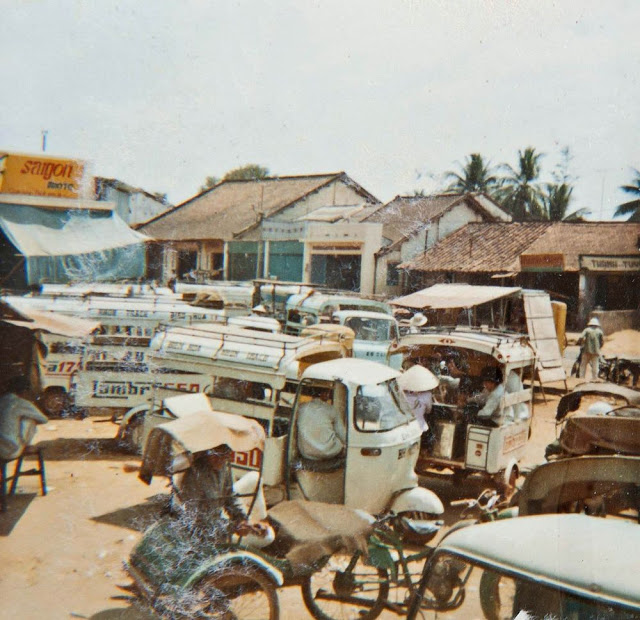
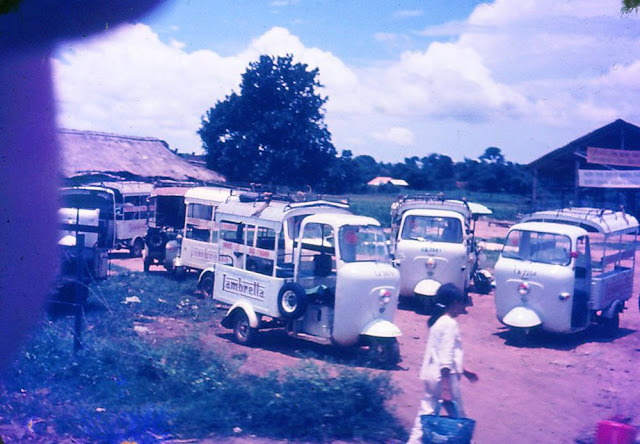
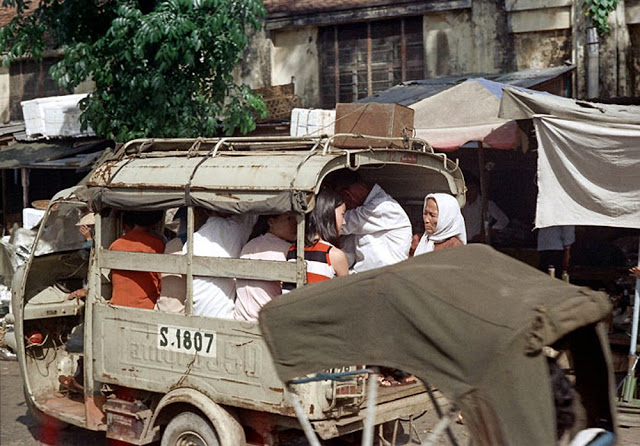
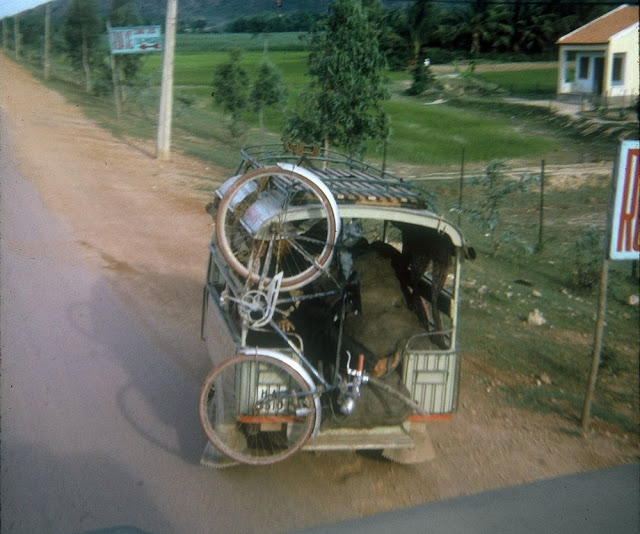
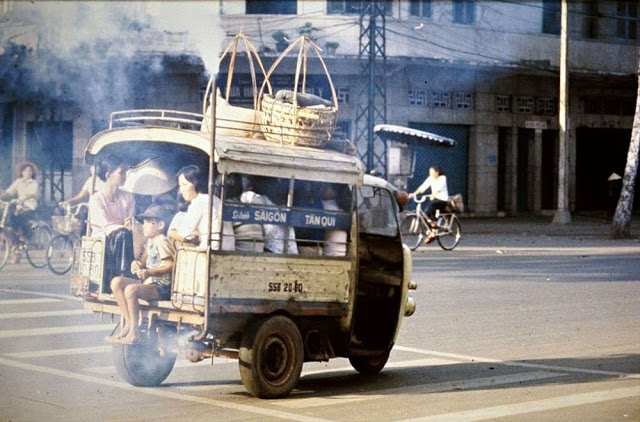
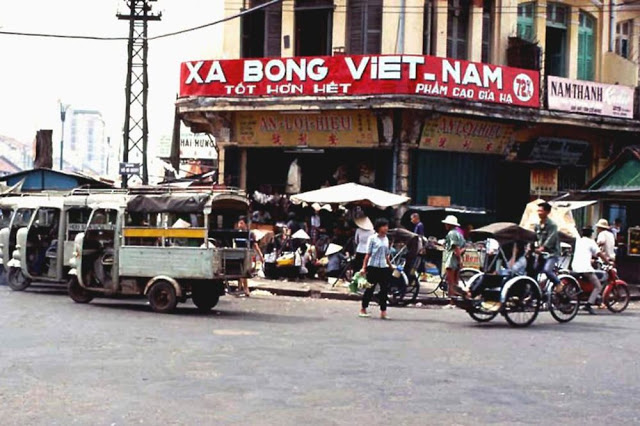
The Italian three-wheeler was not just a means of public transportation in Saigon in the old days. Before buses and taxis took over the streets, Saigon of the 1960s was dominated by three-wheeled Lambro cabs, locally known as ‘xe lam’.

Lambro was a line of scooters from the renowned Italian Lambretta. In comparison to small horse-drawn wagons that had been extensively used in the Mekong Delta in previous decades, it proved to be more convenient and comfortable for commuters.

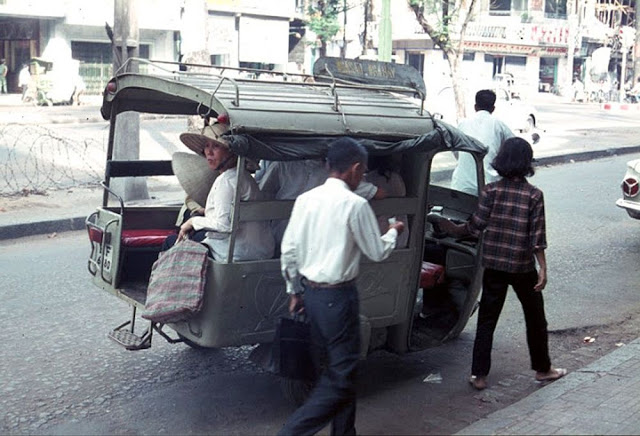
It was the main means of public transport that could carry up to 10 passengers sitting on 2 benches at the back. The driver’s cabin had a canvas top to protect them from the sun and the rain. The front seats by the driver’s side could be occupied by at least two passengers.

In its heyday, the special noise ‘xe lam’ made could be heard in every corner of the southern metropolis. There was no station in the Lambro network, locals could hail it anywhere on the street. Passengers’ belongings could be piled on the top of ‘xe lam’.

With passengers sitting face to face on two benches, ‘xe lam’ might have not been ideal for tall people, but it was believed that many had found love in the narrow space of the vehicle.

‘Xe lam’ started vanishing from the southern streets in the 1990s to be replaced later by public buses. At the time it was used mostly as a school bus. Since 2004, Lambro has been banned in big cities for traffic safety reasons.

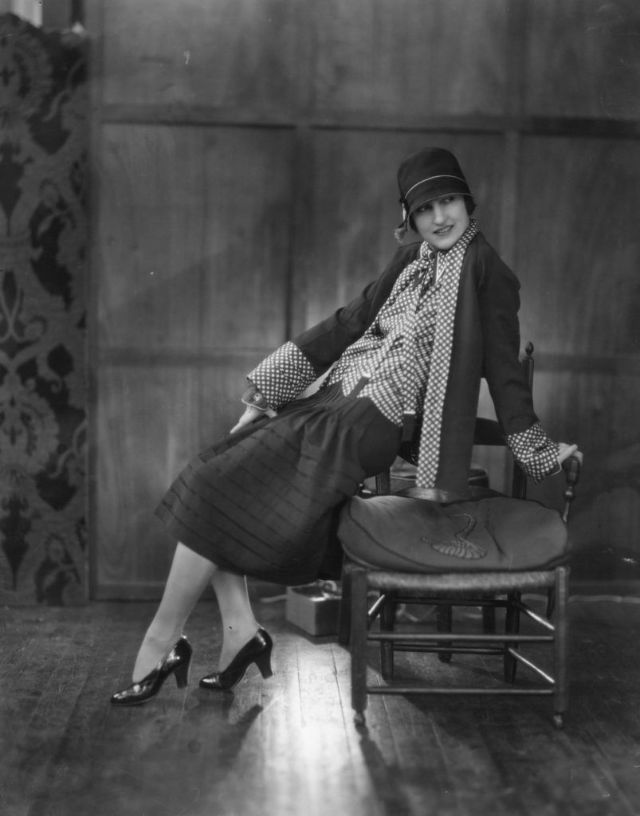
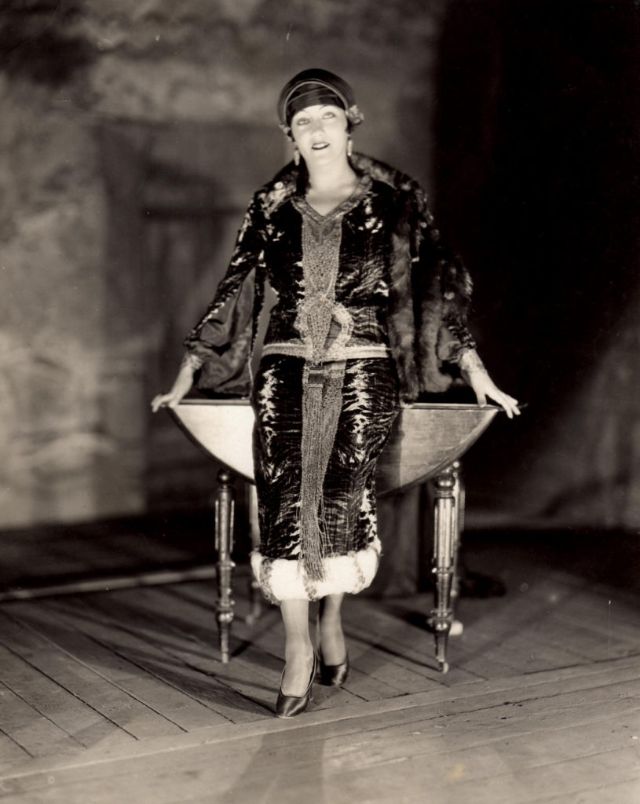
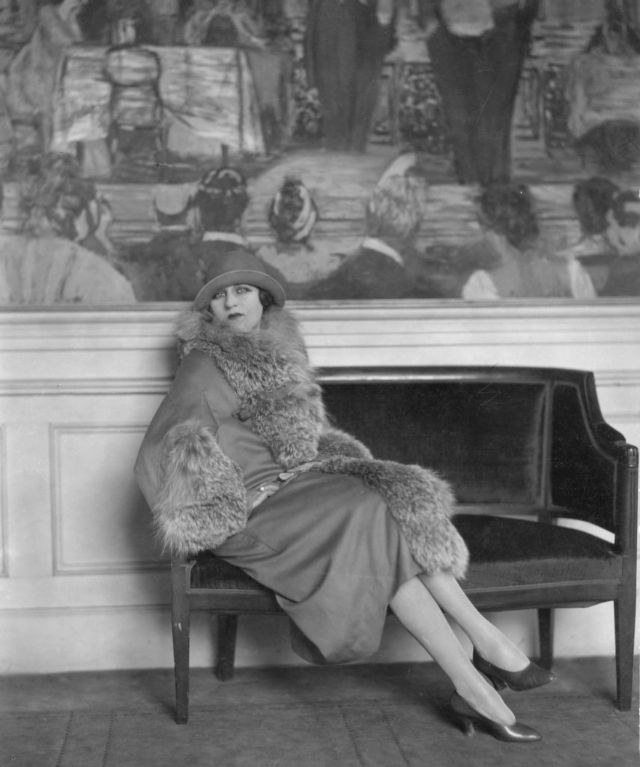
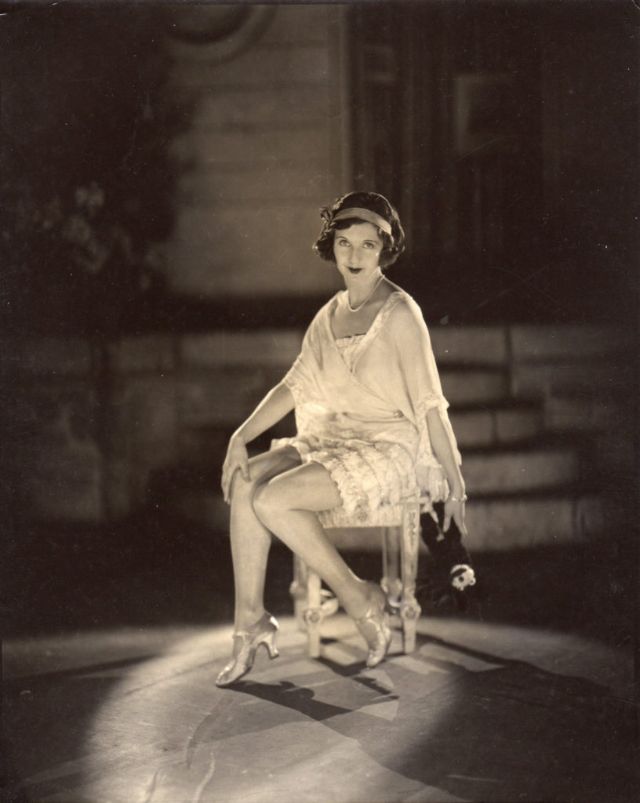
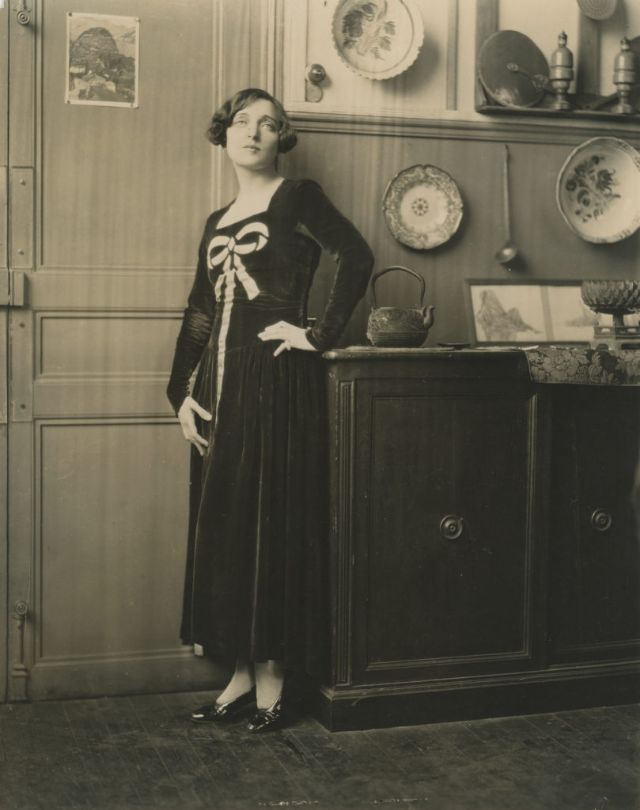
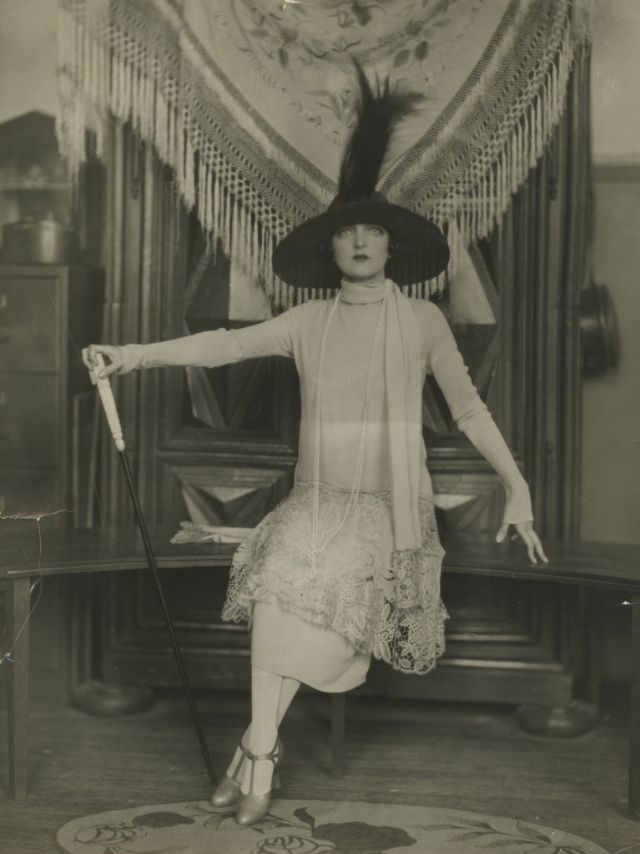
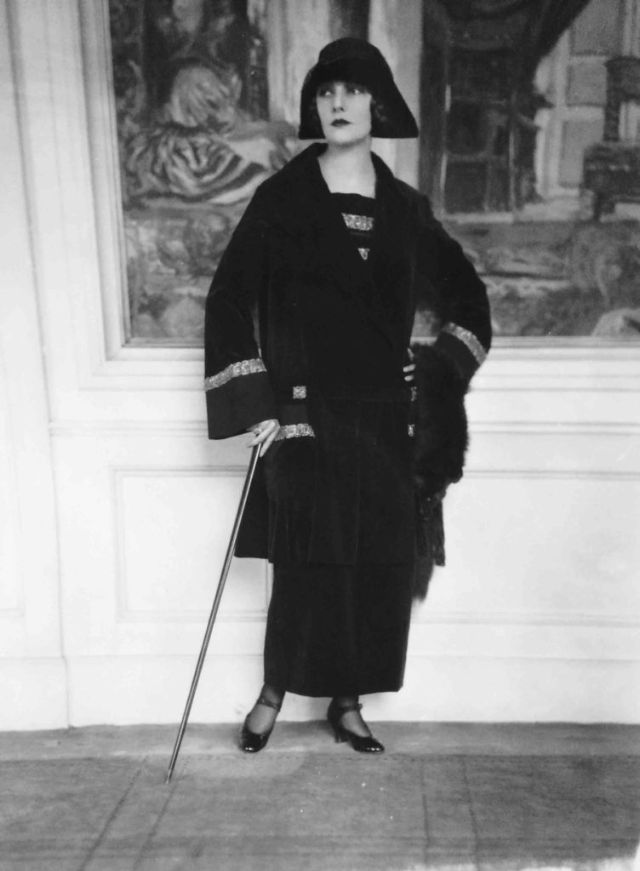
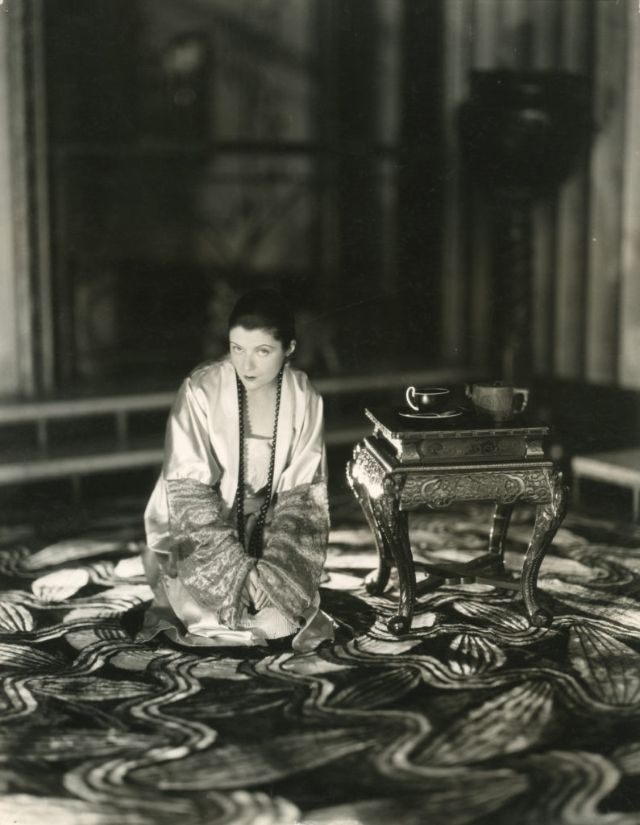
29 Amazing Jazz Age Fashion Photos by James Abbe

Born 1883 in Alfred, Maine, American photographer James Abbe became known for taking many photographs of theater and movie performers starting in 1917. In the late 1920s, he gained a reputation in news photography, and known for his fashion photography, including celebrated work for American Vogue.

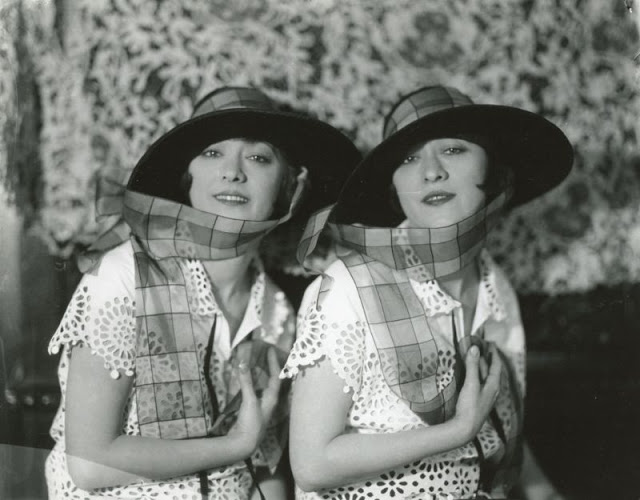
Abbe’s most celebrated portraits include his rare double portraits of silent film stars Rudolph Valentino and his wife Natasha Rambova, Lillian and Dorothy Gish, as well as dancers including the Dolly Sisters and Anna Pavlova, all taken in the 1920s.

Reflecting the changing fashions in magazines content, Abbe became one of the first photojournalist to submit his work in photo-essays to major publications, including The London Magazine, Vu and the Berliner Illustrirte Zeitung. He also took photographs during the Spanish Civil War and the Nazis’ rise in Germany.

These stunning photographs James Abbe shot classic beauties that defined the Jazz Age fashion.

Dora Duby
Dora Duby
Dorothy Dickson
Elissa Landi
Eve Curie
Gilda Gray
Gilda Gray
Gladys Cooper and Ivor Novello
Gloria Swanson
Jean Nash
Jean Nash
June Tripp
Marguerite Namara
Marguerite Namara
Mary (Ryan) Nash
Mary Pickford
Mary Pickford
Natacha Rambova
Natacha Rambova
Natacha Rambova
Selena and Josephine Royale
Spinelly
Spinelly
The Dolly Sisters
The Dolly Sisters
Ann Harding
Bessie Love
Billie Burke
Dolores Wilkinson

(Photos © James Abbe)
Yesterday Today

Bringing You the Wonder of Yesterday - Today

Skip to content ↓