23 Rare Photographs of Audrey Hepburn

Audrey Hepburn (born Audrey Kathleen Ruston; 4 May 1929 – 20 January 1993) was a British actress and humanitarian. Recognised as both a film and fashion icon, she was ranked by the American Film Institute as the third-greatest female screen legend from the Classical Hollywood cinema and was inducted into the International Best Dressed List Hall of Fame.

Born in Ixelles, Brussels to an aristocratic family, Hepburn spent parts of her childhood in Belgium, England, and the Netherlands. She studied ballet with Sonia Gaskell in Amsterdam beginning in 1945, and with Marie Rambert in London from 1948. She began performing as a chorus girl in West End musical theatre productions and then had minor appearances in several films. She rose to stardom in the romantic comedy Roman Holiday (1953) alongside Gregory Peck, for which she was the first actress to win an Oscar, a Golden Globe Award, and a BAFTA Award for a single performance. That year, she also won a Tony Award for Best Lead Actress in a Play for her performance in Ondine.

She went on to star in a number of successful films such as Sabrina (1954), in which Humphrey Bogart and William Holden compete for her affection; Funny Face (1957), a musical where she sang her own parts; the drama The Nun’s Story (1959); the romantic comedy Breakfast at Tiffany’s (1961); the thriller-romance Charade (1963), opposite Cary Grant; and the musical My Fair Lady (1964). In 1967 she starred in the thriller Wait Until Dark, receiving Academy Award, Golden Globe, and BAFTA nominations. After that, she only occasionally appeared in films, one being Robin and Marian (1976) with Sean Connery. Her last recorded performances were in the 1990 documentary television series Gardens of the World with Audrey Hepburn for which she won a Primetime Emmy Award for Outstanding Individual Achievement – Informational Programming.

Hepburn won three BAFTA Awards for Best British Actress in a Leading Role. In recognition of her film career, she received BAFTA’s Lifetime Achievement Award, the Golden Globe Cecil B. DeMille Award, the Screen Actors Guild Life Achievement Award, and the Special Tony Award. She remains one of only sixteen people who have won Academy, Emmy, Grammy, and Tony Awards. Later in life, Hepburn devoted much of her time to UNICEF, to which she had contributed since 1954. Between 1988 and 1992, she worked in some of the poorest communities of Africa, South America, and Asia. In December 1992, she received the Presidential Medal of Freedom in recognition of her work as a UNICEF Goodwill Ambassador. A month later, she died of appendiceal cancer at her home in Switzerland at the age of 63. (Wikipedia)
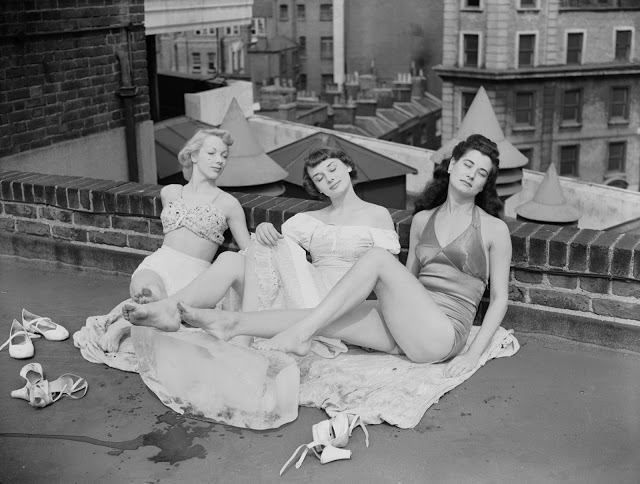
Chorus girls from the show ‘Sauce Tartare’ at the Cambridge Theatre in London, relax on the roof of the theatre, 28th June 1949. From left to right, they are Aud Johanssen of Norway, Audrey Hepburn (1929 – 1993) and Enid Smeedon. 1949
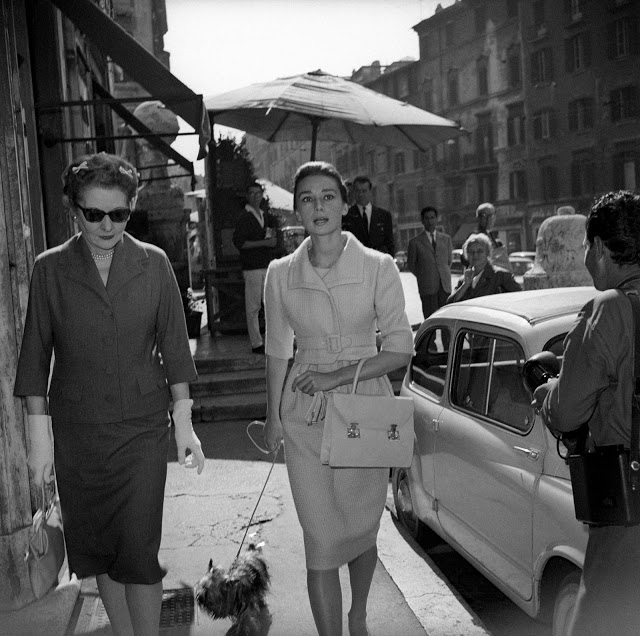
Ever wonder where Hepburn got her chic style? It was from her mother, Dutch Baroness Ella Van Heemstra. Here, the pair walk alongside one another in Rome. 1955
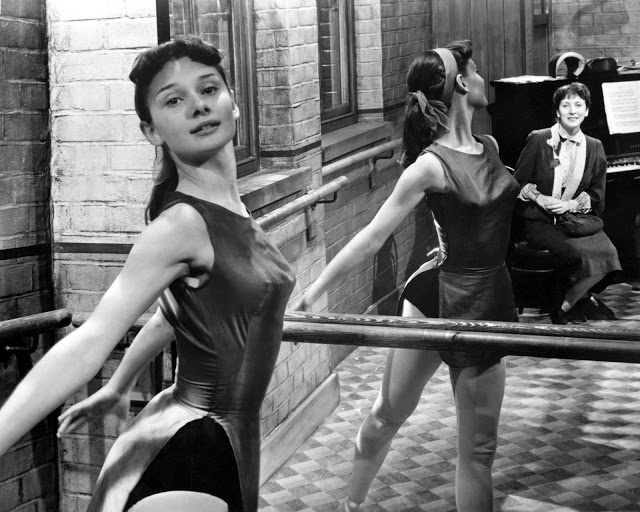
A trained ballerina, Hepburn was well-versed in the art of dance. Here, she practices at the barre. 1950
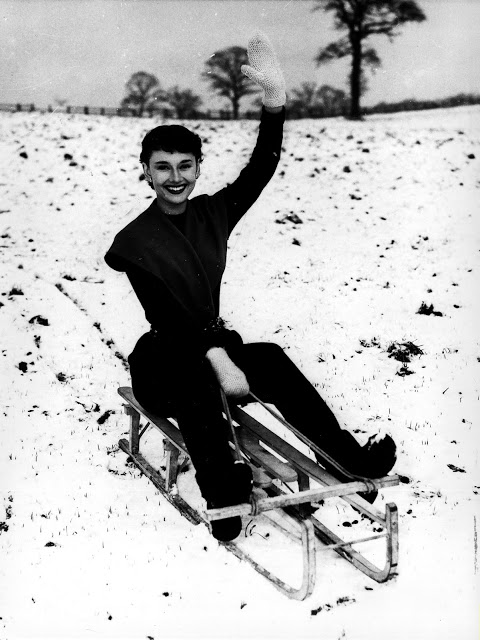
Leave it to this fun-loving lady to make even the coldest of days look like a grand ol’ time. 1950
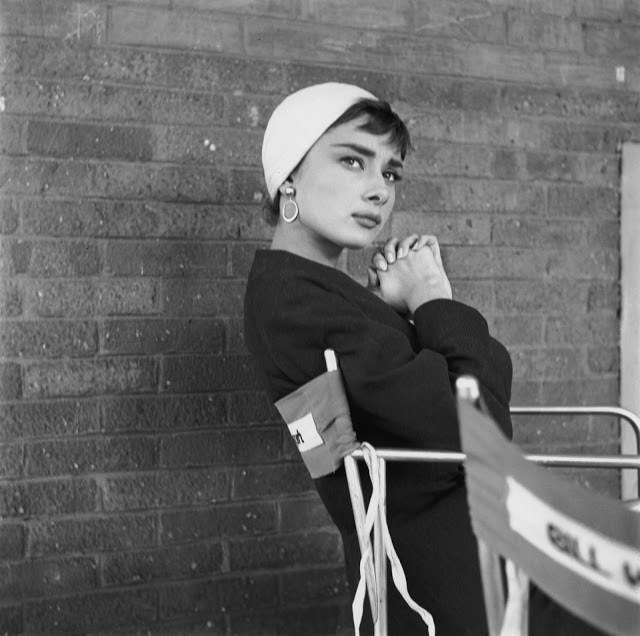
Belgian-born actress Audrey Hepburn (1929 – 1993) on the set of director Billy Wilder’s film, ‘Sabrina’ (aka ‘Sabrina Fair’), New York, October 1953. She is wearing a skirt suit and hat designed by Hubert de Givenchy. After filming Roman Holiday in New York City, Hepburn returned home to a big “welcome back” cake at the Claridge’s Hotel in London. 1953
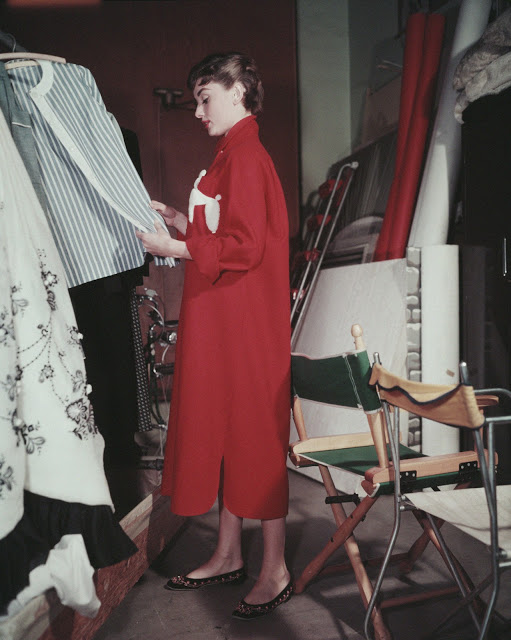
Only Hepburn could look this stunning while getting ready. 1955
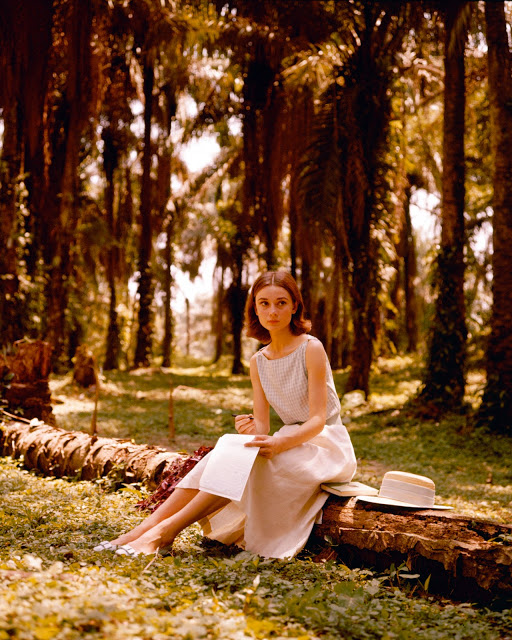
Looking ethereal and thoughtful in a stunning color photo, Hepburn writes a letter while sitting on a log. 1955
Naturally, Hepburn would be great with animals. Here, she poses holding a young deer. 1958
Mel Ferrer and Hepburn affectionately look at their son Sean Hepburn Ferrer, born in 1960.
Here, she poses with her dog while on a film set. 1960
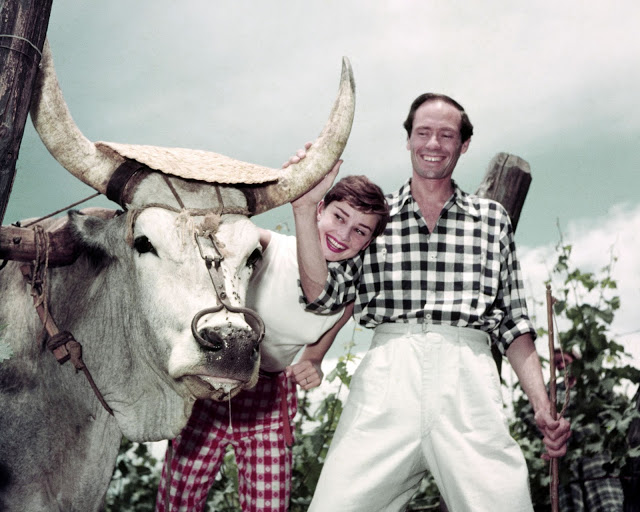
Audrey Hepburn (1929-1993), British actress, wearing red and white check trousers, and her husband, Mel Ferrer (1917-2008), US actor, wearing a black and white check shirt, smiling as they pose beside a bull, with Ferrer holding the bull by the horn, circa 1960.
That’s right, she even loved the fish! Well, this one’s not technically alive, but still, you can see the delight in her eyes. 1960
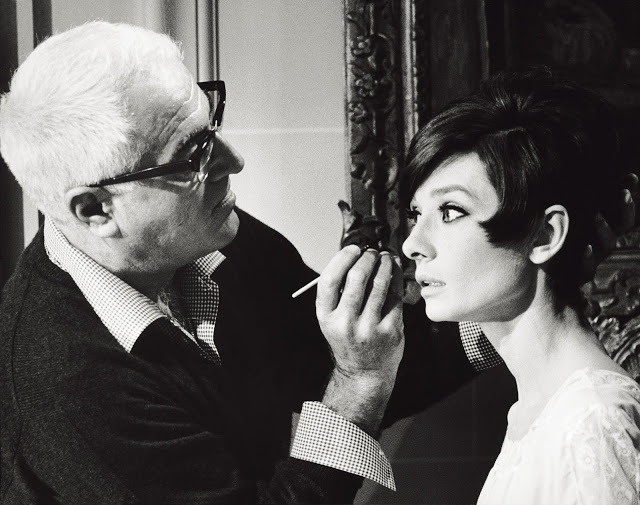
Everyone needs a touchup now and again, even Audrey Hepburn. Behind the scenes of How to Steal A Million, she sits in the makeup chair. 1965
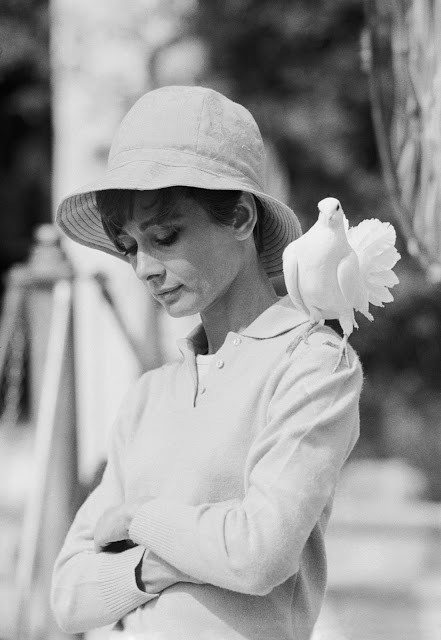
Hepburn barely looks bothered that this dove is perched right on her shoulder. 1965
Of course Hepburn looks fantastic even when drenched, swimming in the South of France while filming Two for the Road. 1966
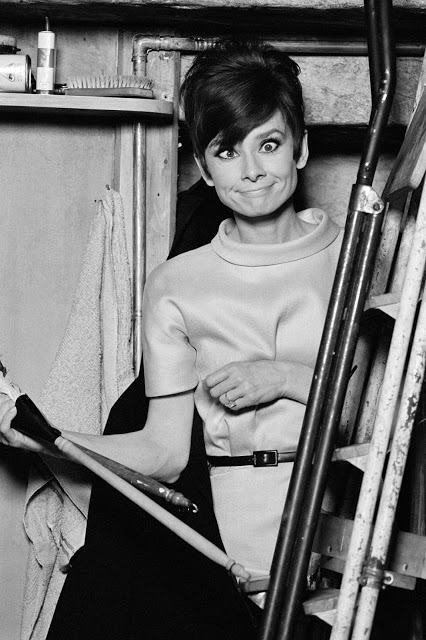
Before models made goofy facial expressions all over Instagram, Hepburn led the pack with her cute and funny faces, like this one on the set of How to Steal A Million in Paris. 1966
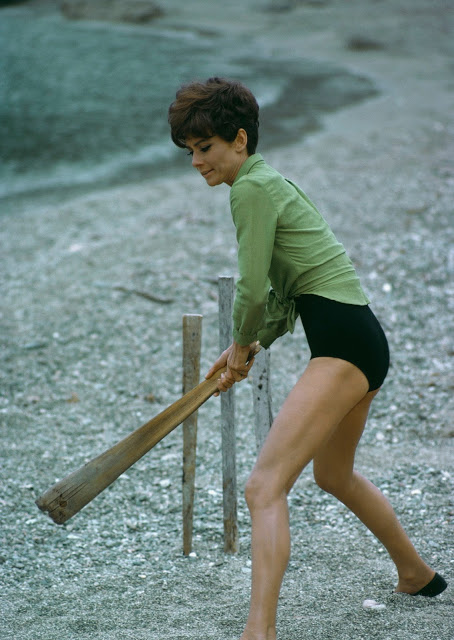
While shooting Two for the Road, Hepburn took a quick break for some cricket. 1966
Looking like an especially glamorous spy, Hepburn walks (holding an image of herself, no less) in New York wearing a camel-colored trench and cool shades. 1968
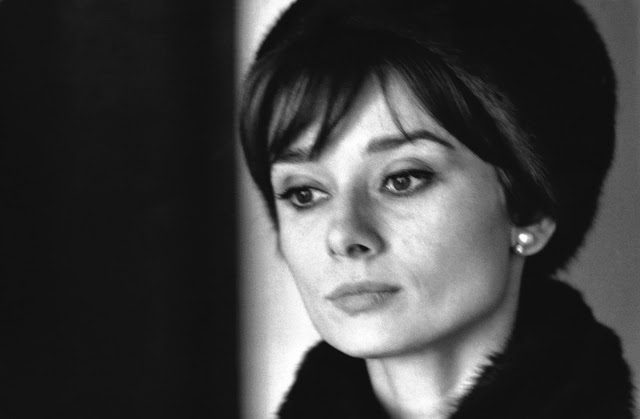
In this portrait, Hepburn has a moment to herself while wearing a chic hat and pretty pearl earrings. 1969
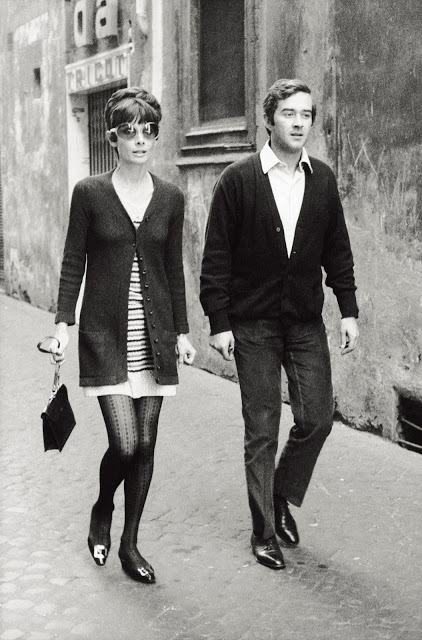
Looking every bit the cool couple, Hepburn walks alongside her husband, psychiatrist Andrea Dotti, in Rome. 1970
A big consistent in Hepburn’s career: The ability to dress perfectly for any occasion. She attended the 47th Academy Awards wearing a marvelous beaded and bow-tied design. 1975
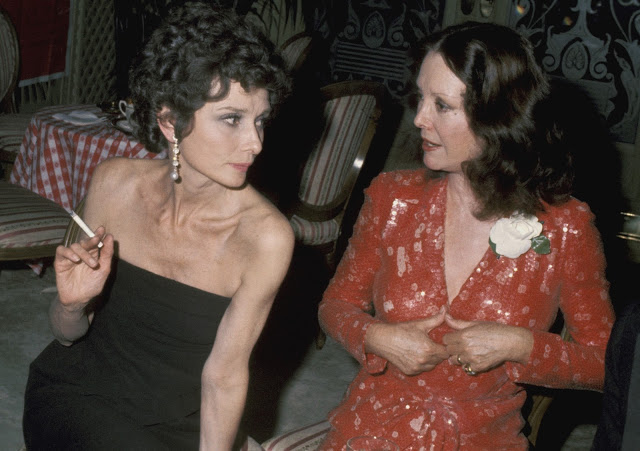
Hepburn attended plenty of soirees in her life, including Art Buchwald’s party at The Bistro in Los Angeles, a snapshot of which is seen here. 1975

22 Vintage Photos Showing Everyday Life of American Jews during the Early 20th Century

Jews have been present in what is today the United States of America since the mid-17th century. However, they were small in numbers and almost exclusively Sephardic Jewish immigrants of Spanish and Portuguese ancestry.

Jewish migration to the United States increased dramatically in the early 1880s, as a result of persecution and economic difficulties in parts of Eastern Europe. Most of these new immigrants were Yiddish-speaking Ashkenazi Jews, though most came from the poor rural populations of the Russian Empire and the Pale of Settlement, located in modern-day Poland, Lithuania, Belarus, Ukraine and Moldova.

At the beginning of the 20th century, these newly arrived Jews built support networks consisting of many small synagogues and Ashkenazi Jewish Landsmannschaften (German for “Countryman Associations”) for Jews from the same town or village. American Jewish writers of the time urged assimilation and integration into the wider American culture, and Jews quickly became part of American life.

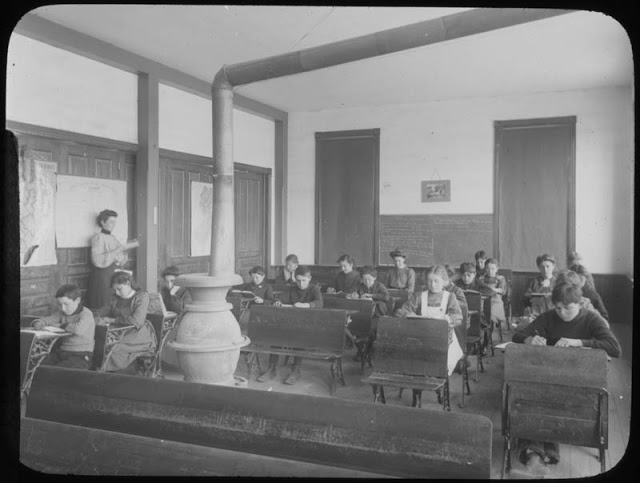
In the classroom, Woodbine School, NJ.
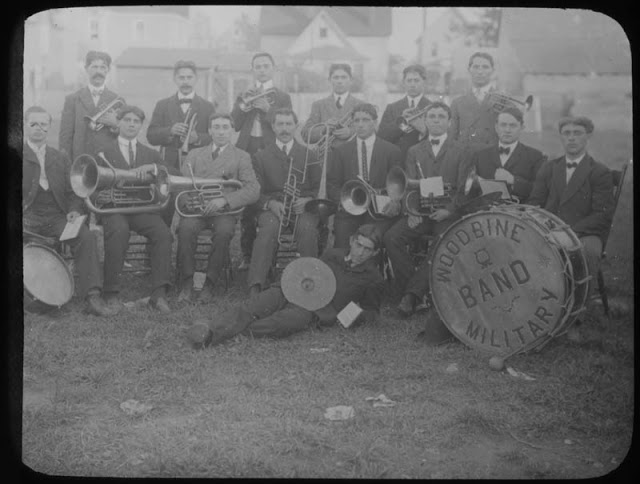
Military Band, Woodbine, New Jersey, ca. 1900.
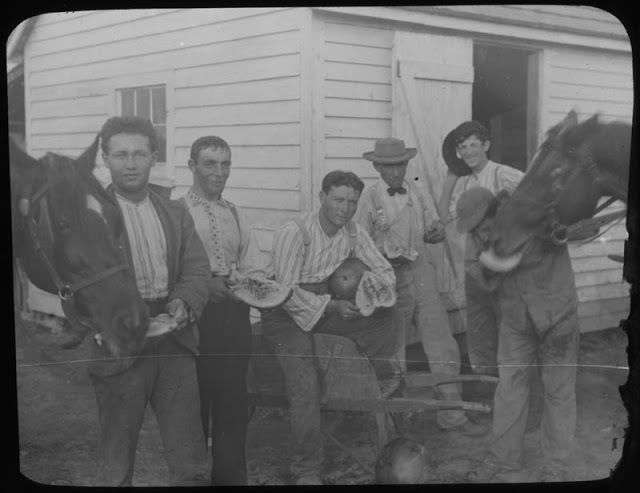
Watermelon party, Woodbine, New Jersey, ca. 1900.
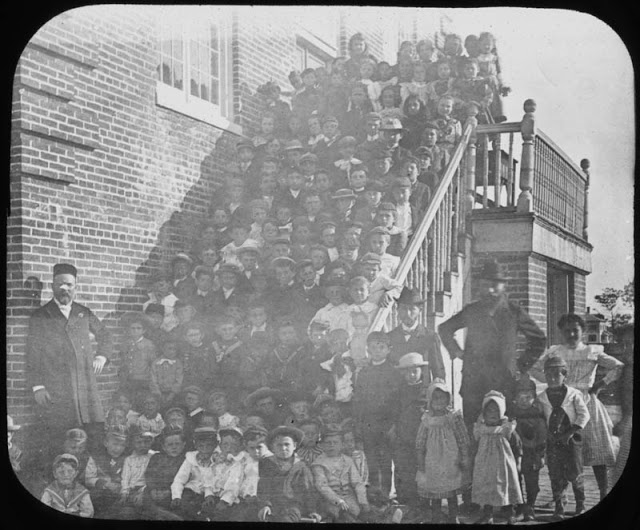
Group of young school students, Woodbine, New Jersey, ca. 1900.
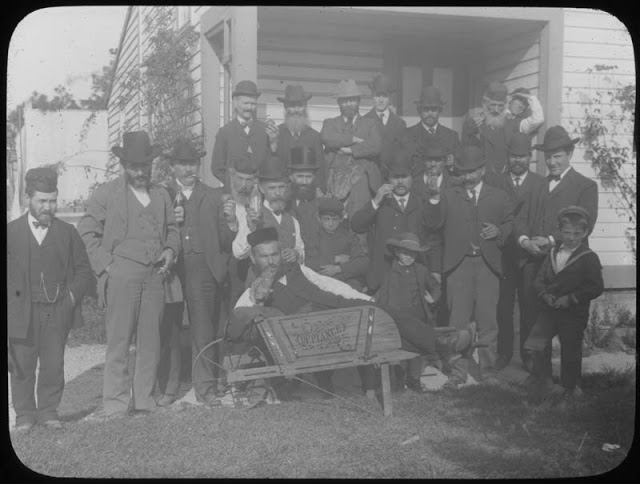
Rejoicing in the Law – Simchas Torah, ca. 1900.
Boy in corn field, Woodbine, New Jersey, ca. 1900.
Women, children and houses, South Jersey Colonies.
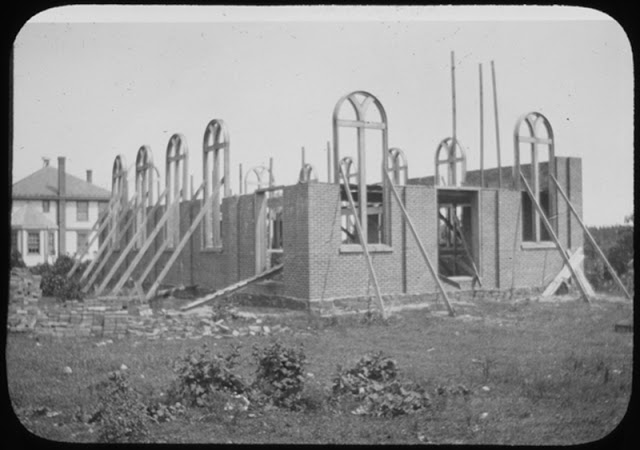
Synagogue construction, BDH Trade School, South Jersey Colonies, Carmel, New Jersey.
Workers coming from the N. Snellenburg & Company Manufactory of All Kinds of Tailor Made Clothing, South Jersey Colonies.
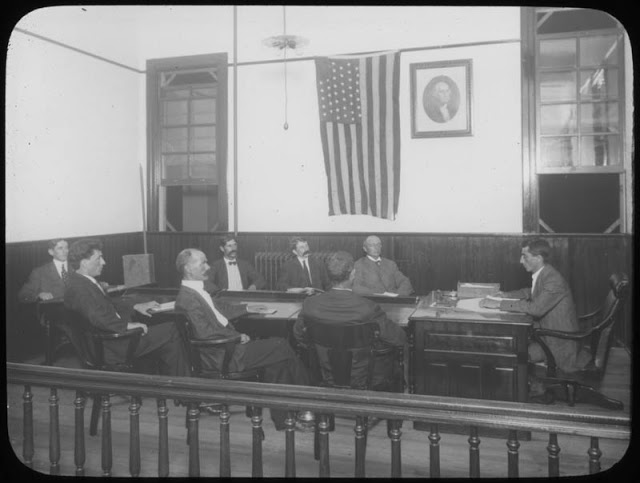
Men in meeting, Woodbine, New Jersey.
Students in the incubation room at the Woodbine Agricultural School, New Jersey, ca. 1900.
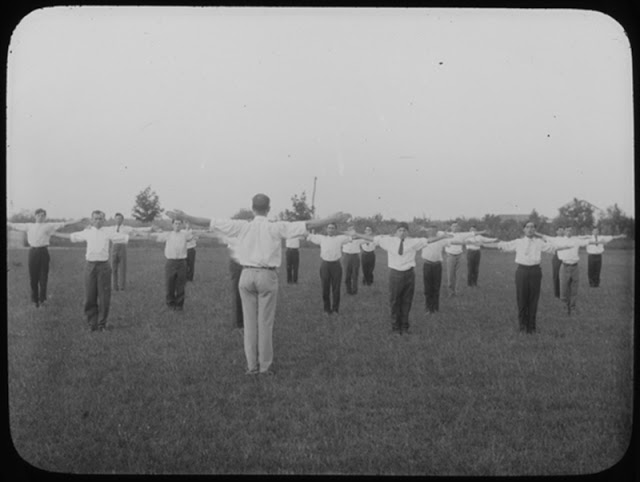
Pupils drilling (calisthenics) at the Woodbine Agricultural School, New Jersey, ca. 1900.
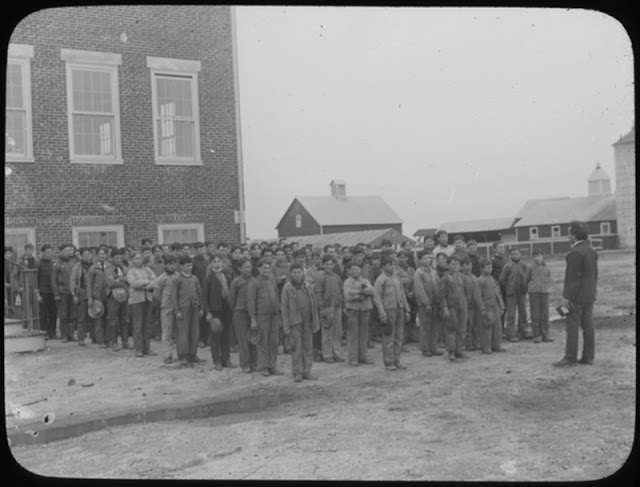
Group of Woodbine Agricultural School students, Woodbine, New Jersey, ca. 1900.
Coming from Synagogue in Brotmanville, New Jersey, ca. 1900.
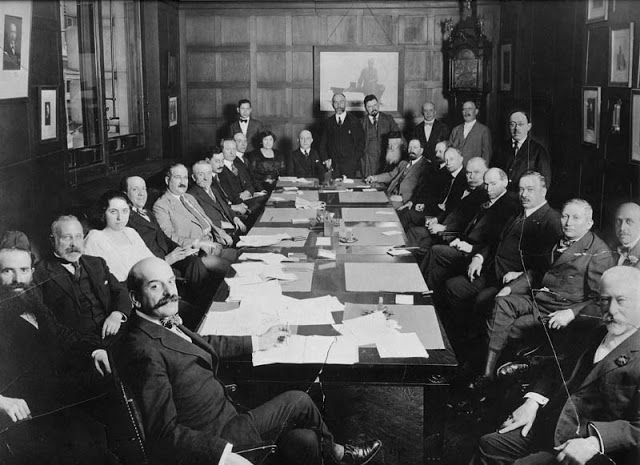
Jews of the U.S. who have distributed twelve million dollars of the relief moneys raised by American Jewry since the beginning of WWI. Jacob Schiff, philanthropist, international banker and one of the founders of the American Jewish Historical Society, appears in the lower right corner. August 16, 1918.
J.W.B. Dinner – Eighth Street Temple, Jan. 23, 1923, Washington, D.C.
Women and soldiers at an event at Camp Raritan, ca. 1920.
Trails to bungalows hidden in the hills at Ray Hill Camp, ca. 1920.
Children pledging the flag at Cedar Lake Camp, ca. 1930.
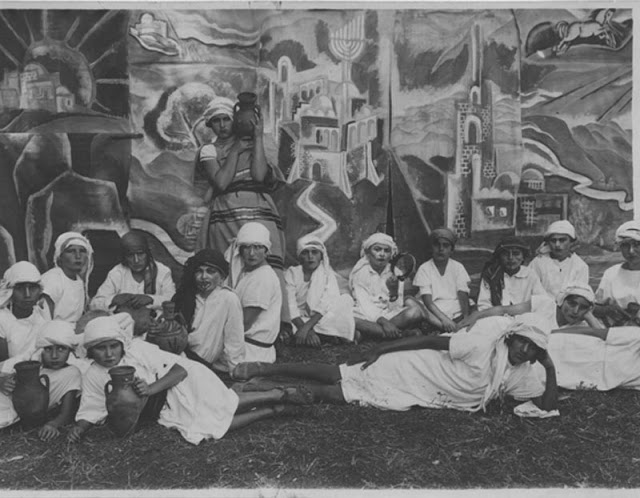
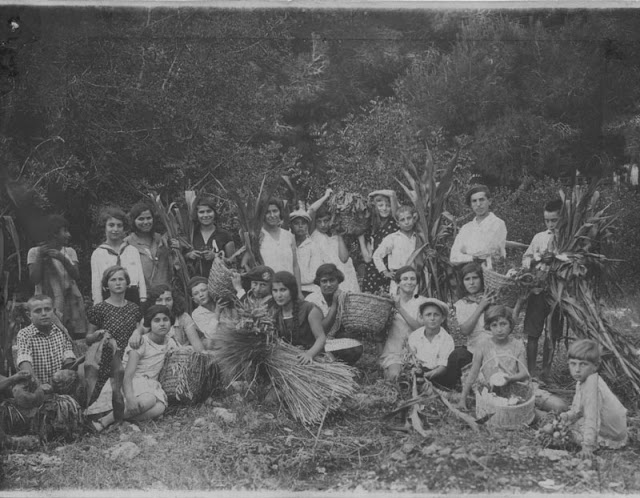
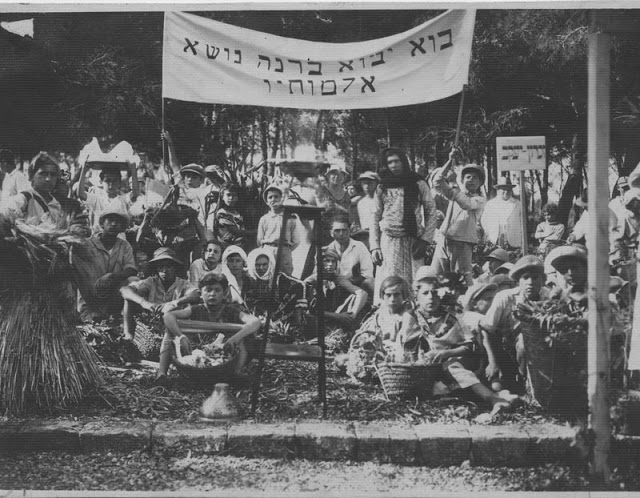
Bikurim celebration, 1930.

17 Vintage Photos of Streets in Wales during the 1910s & 1920s

Wales is a country that is part of the United Kingdom. It is bordered by England to the east, the Severn Estuary to the south-east, the Bristol Channel to the south-west and the Irish Sea to the west and north. It had an estimated population of 3,170,000 in 2020 and has a total area of 20,779 km2 (8,023 sq mi). Wales has over 1,680 miles (2,700 km) of coastline and is largely mountainous with its higher peaks in the north and central areas, including Snowdon (Yr Wyddfa), its highest summit. The country lies within the north temperate zone and has a changeable, maritime climate. The capital and largest city is Cardiff.

Welsh national identity emerged among the Celtic Britons after the Roman withdrawal from Britain in the 5th century, and Wales is regarded as one of the modern Celtic nations. Llywelyn ap Gruffudd’s death in 1282 marked the completion of Edward I of England’s conquest of Wales, though Owain Glyndŵr briefly restored independence to Wales in the early 15th century. The whole of Wales was annexed by England and incorporated within the English legal system under the Laws in Wales Acts 1535 and 1542. Distinctive Welsh politics developed in the 19th century. Welsh Liberalism, exemplified in the early 20th century by David Lloyd George, was displaced by the growth of socialism and the Labour Party. Welsh national feeling grew over the century; a nationalist party, Plaid Cymru was formed in 1925, and the Welsh Language Society in 1962. Welsh devolution gained momentum during the 20th century and following the 1997 Welsh devolution referendum, the Senedd (Welsh Parliament) was formed in 1999, and has gained further devolution since.

At the dawn of the industrial revolution in Wales, development of the mining and metallurgical industries transformed the country from an agricultural society into an industrial nation; the South Wales Coalfield’s exploitation caused a rapid expansion of Wales’ population. Two-thirds of the population live in South Wales, including Cardiff, Swansea, Newport and the nearby valleys. The eastern region of North Wales has about a sixth of the overall population with Wrexham being the largest northern town. The remaining parts of Wales are sparsely populated. Now that the country’s traditional extractive and heavy industries have gone or are in decline, the economy is based on the public sector, light and service industries, and tourism. In livestock farming, including dairy farming, Wales is a net exporter, contributing towards national agricultural self-sufficiency.

Wales closely shares aspects of political and social history with the rest of the UK, and a majority of the population in most areas speaks English as a first language, but the country has a distinct Welsh culture and identity. Both Welsh and English are official languages; Welsh is spoken by 20-30% of the population and 560,000 Welsh-speakers live in Wales. In some parts of the north and west, Welsh is spoken by a majority of the population. From the late 19th century onwards, Wales acquired its popular image as the “land of song”, in part due to the eisteddfod tradition. At many international sporting events, such as the FIFA World Cup, Rugby World Cup and the Commonwealth Games, Wales has its own national team. At the Olympic Games, Welsh athletes compete as part of Team GB. The Wales national rugby union team and the Wales national football team are both expressions of Welsh identity. National rugby games are more heavily supported whilst football enjoys more participation in Wales. (Wikipedia)
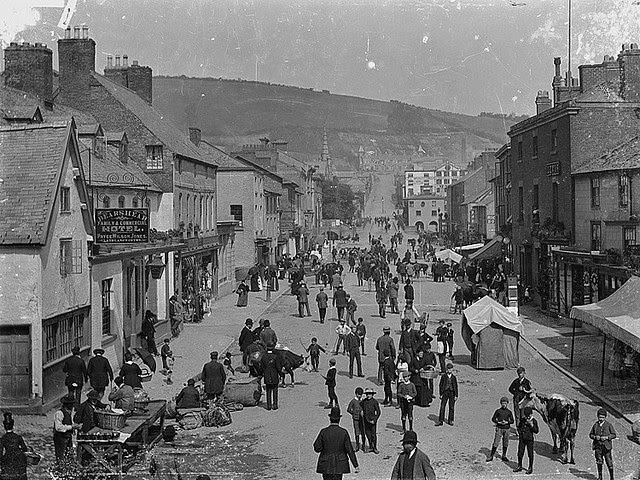
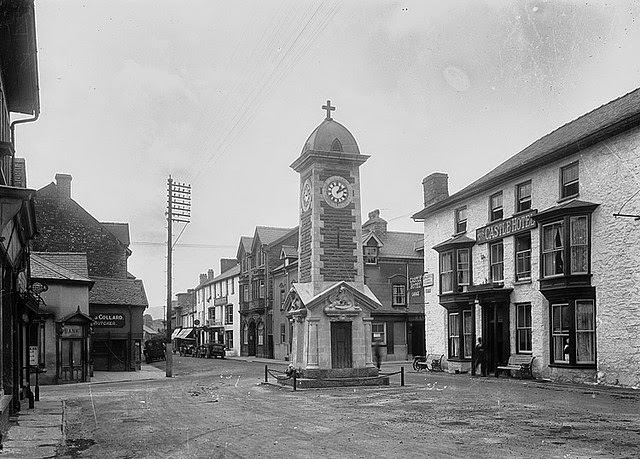
Castle Hotel Rhayader and war memorial
Talbot Hotel, New Radnor
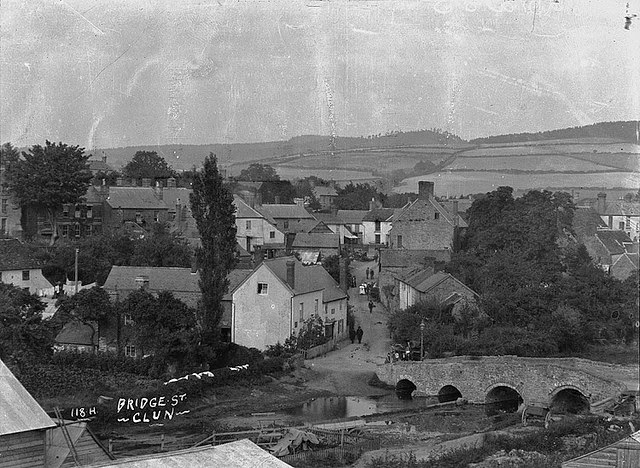
Bridge St., Clun
The Gwalia, Llandrindod Wells
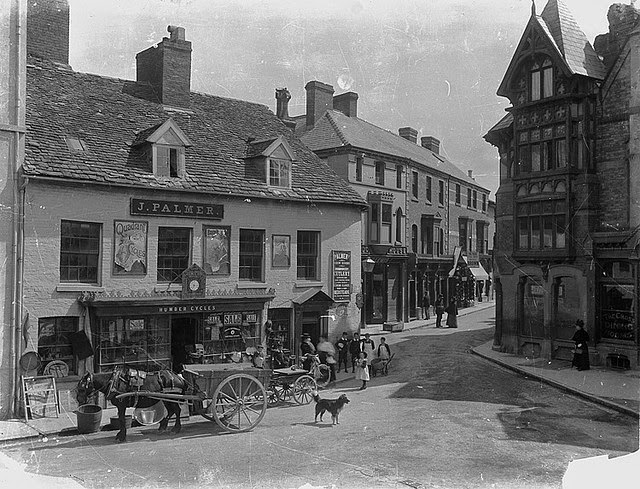
J. Palmer’s Humber cycles shop, Newtown
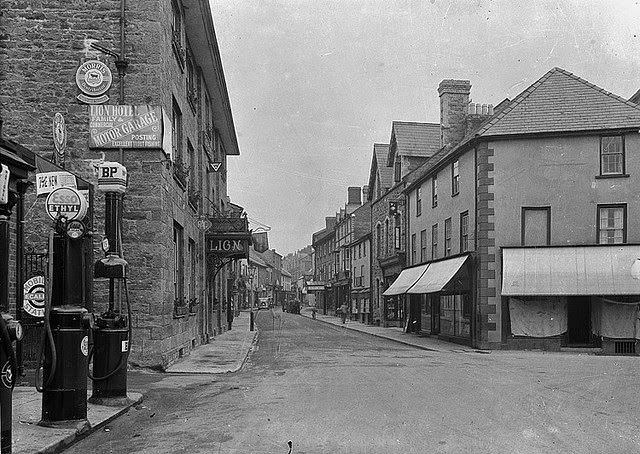
Broad street, Builth Wells
Newtown
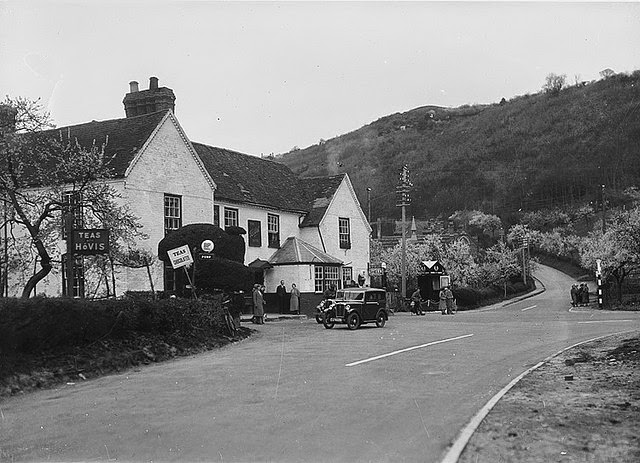
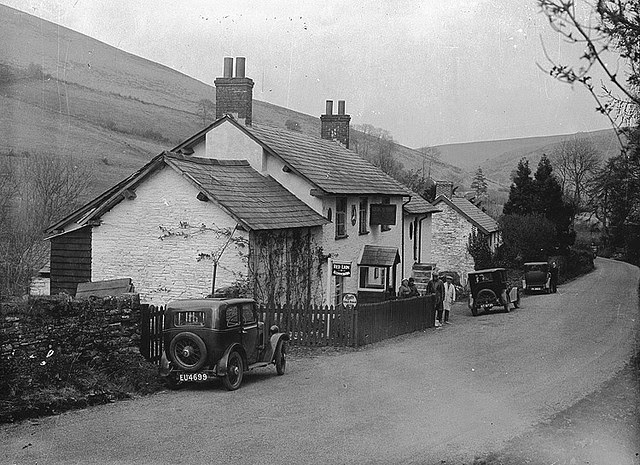
Red Lion Inn, Llanfihangel-Nant-Melan
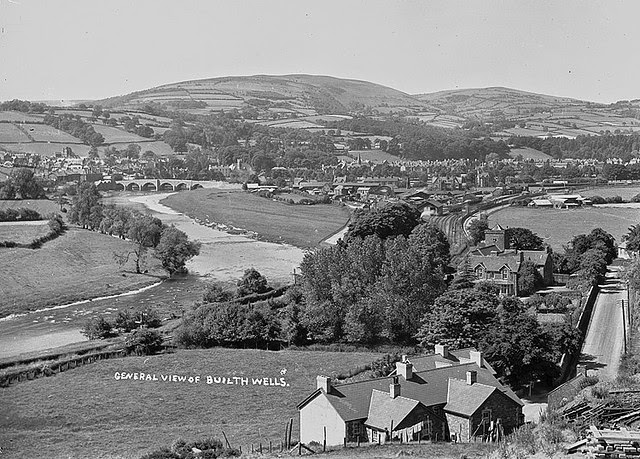
General view of Builth Wells
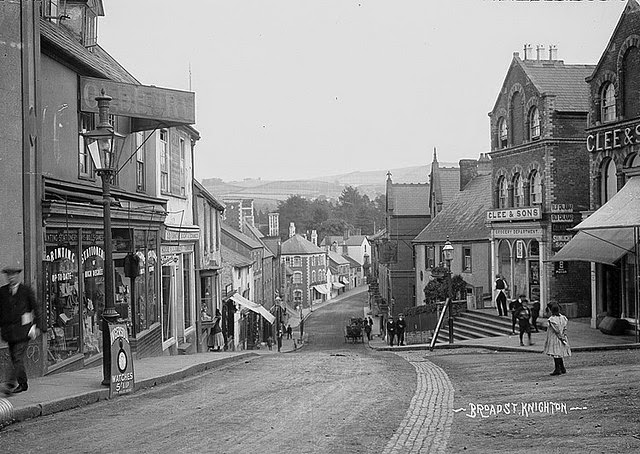
Broad St. Knighton
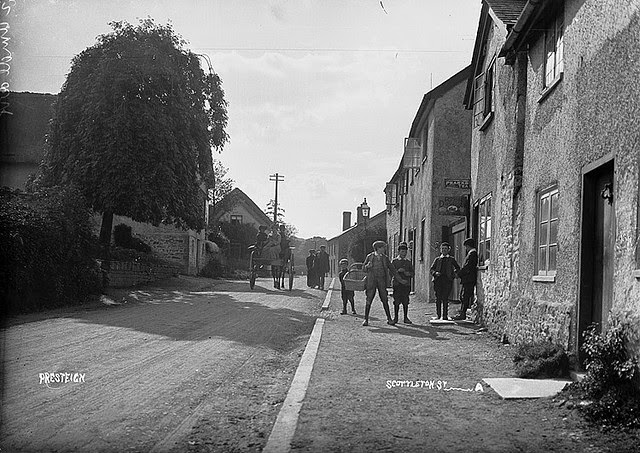
Presteign [i.e. Presteigne] Scottleton St A
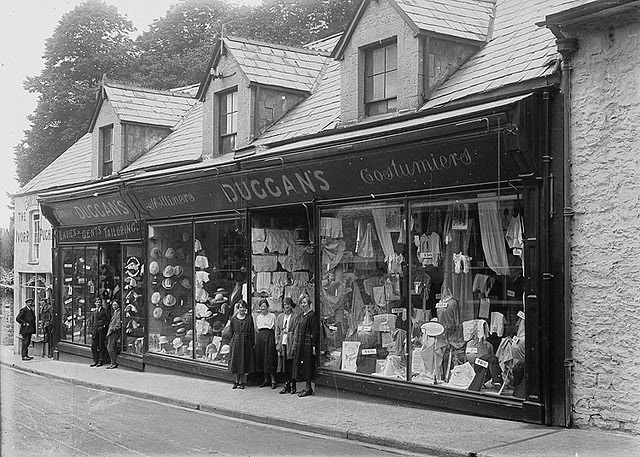
Duggans clothes shop Builth Wells
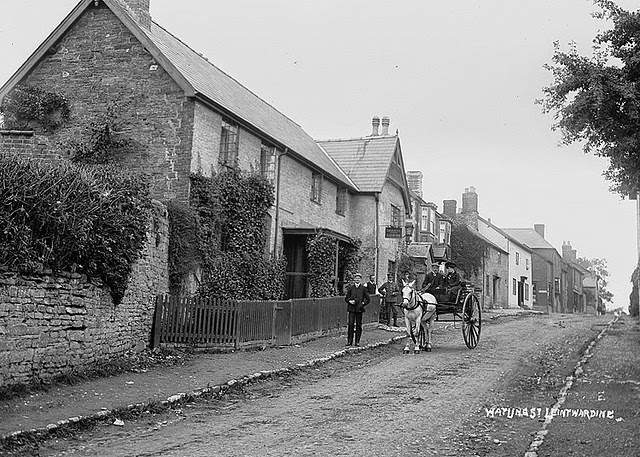
Watling St. Leintwardine
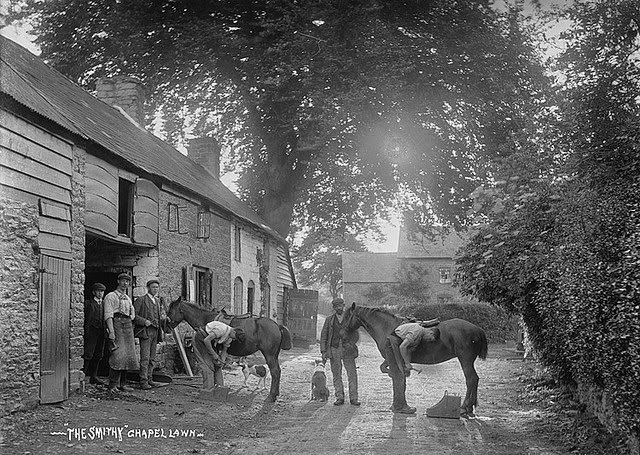
“The smithy” Chapel Lawn
Round house, Aston-on-Clun
High St Presteign [i.e. Presteigne]
Clun market place

(via The National Library of Wales)

20 Amazing Photos Showing the Interior of New York’s Waldorf-Astoria Hotel in 1903

The original Waldorf-Astoria was among America’s first big hotels. When it was built during the Victorian era, and for years thereafter, it was considered the finest hotel in the world — and it soon became the most famous, for its reputation was carried wherever civilization had spread, and even where only explorers had gone.

The Waldorf–Astoria originated as two hotels, built side-by-side by feuding relatives on Fifth Avenue in Manhattan. Built in 1893 and expanded in 1897, the Waldorf–Astoria was razed in 1929 to make way for construction of the Empire State Building. Its successor, the current Waldorf Astoria New York, was built on Park Avenue in 1931.

The original Waldorf Hotel opened on March 13, 1893, at the corner of Fifth Avenue and 33rd Street, on the site where millionaire developer William Waldorf Astor had previously built his mansion. Constructed in the German Renaissance style by Henry Janeway Hardenbergh, it stood 225 feet (69 m) high, with 15 public rooms and 450 guest rooms, and a further 100 rooms allocated to servants, with laundry facilities on the upper floors. It was heavily furnished with European antiques brought back by founding proprietor George Boldt and his wife from an 1892 visit to Europe. The Empire Room was the largest and most lavishly adorned room in the Waldorf, and soon after opening, it became one of the best restaurants in New York City, rivaling Delmonico’s and Sherry’s.

The Astoria Hotel opened in 1897 on the southwest corner of Fifth Avenue and 34th Street, next door to the Waldorf. It was also designed in the German Renaissance style by Hardenbergh, at a height of about 270 feet (82 m), with 16 stories, 25 public rooms and 550 guest rooms. The ballroom, in the Louis XIV style, has been described as the “pièce de résistance” of the hotel, with a capacity to seat 700 at banquets and 1,200 at concerts. The Astor Dining Room was faithfully reproduced from the original dining room of the mansion which once stood on the site.

Connected by the 300 meters (980 ft) long corridor, known as “Peacock Alley” after the merger in 1897, the hotel had 1,300 bedrooms, making it the largest hotel in the world at the time. It was designed specifically to cater to the needs of socially prominent “wealthy upper crust” of New York and distinguished foreign visitors to the city. It was the first hotel to offer electricity and private bathrooms throughout.

The Royal Suite – Louis Bedroom – The Astoria
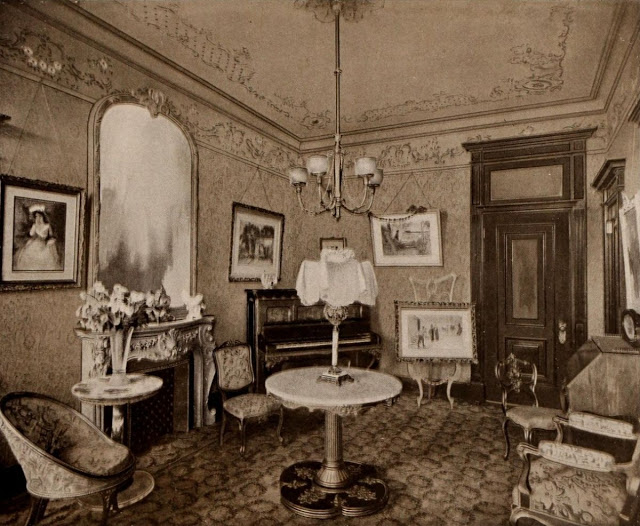
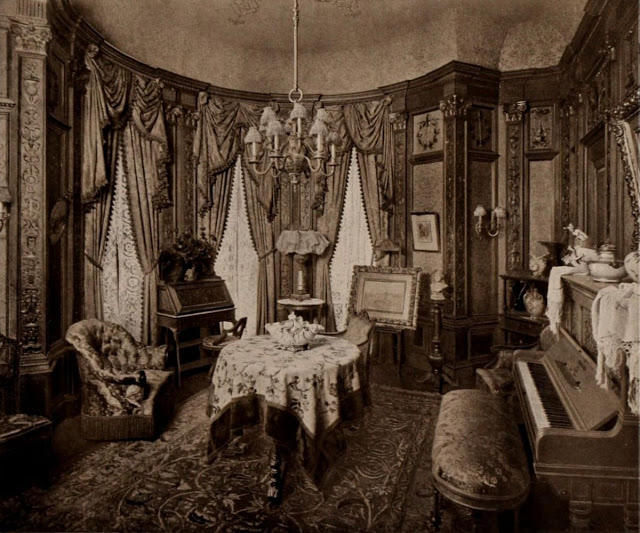
Fifth Ave Corner Suite – Drawing Room – The Astoria
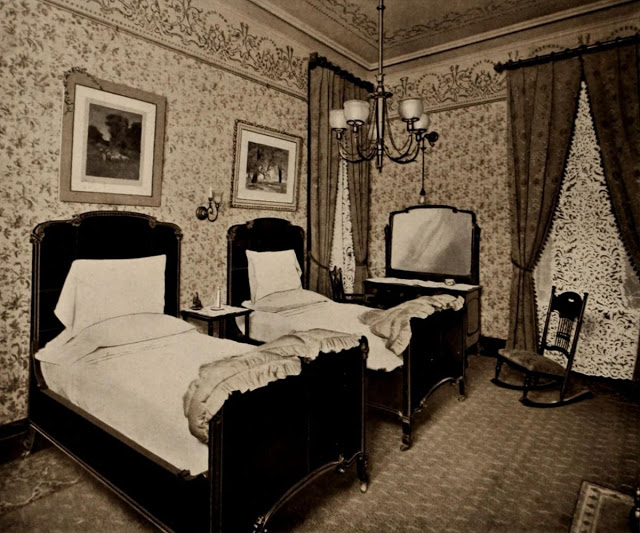
Double Bedroom – The Astoria
Bathroom
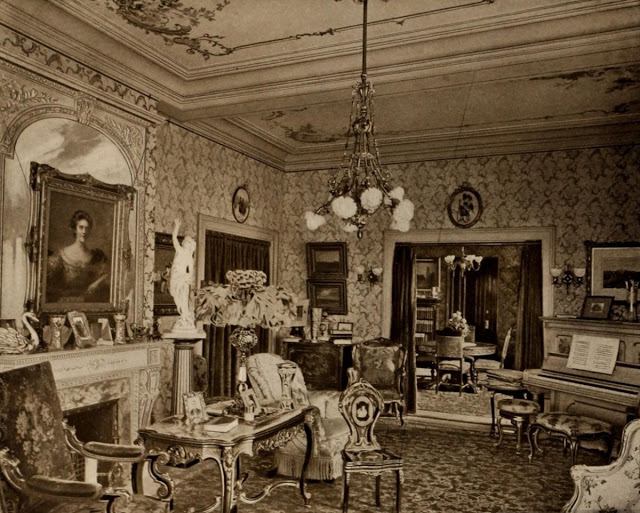
Louis XV Drawing Room – The Waldorf
Astor Dining Room – The Waldorf
Double Bedroom – The Waldorf
Empire Suite – Bedroom – The Waldorf
Empire Suite – Drawing Room – The Waldorf
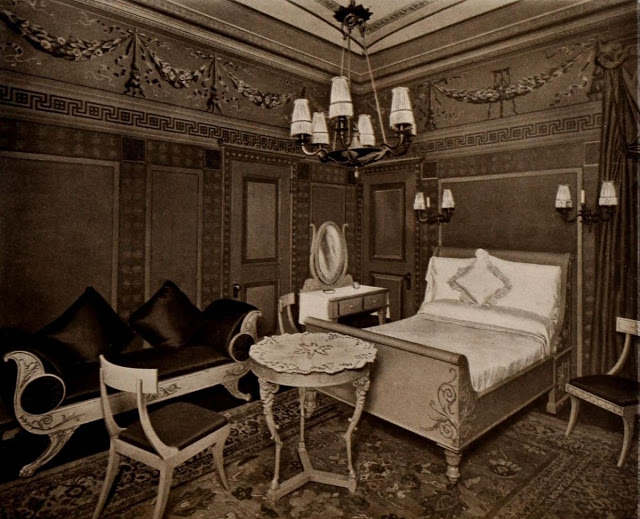
Greek Bedroom – The Waldorf
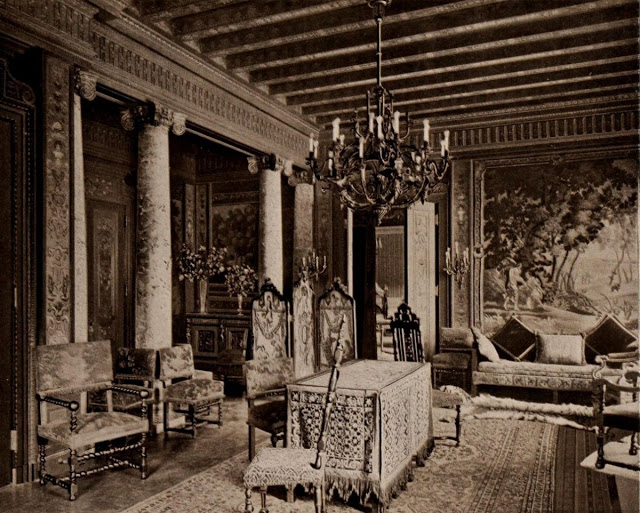
Italian Renaissance Suite – Drawing Room – The Waldorf
Louis XV Bedrooms – The Waldorf
Pompeiian Bedroom – The Waldorf
Reception Room of Astor Dining Room – The Waldorf
Single Bedroom – The Waldorf
East India Suite – Drawing Room – The Waldorf
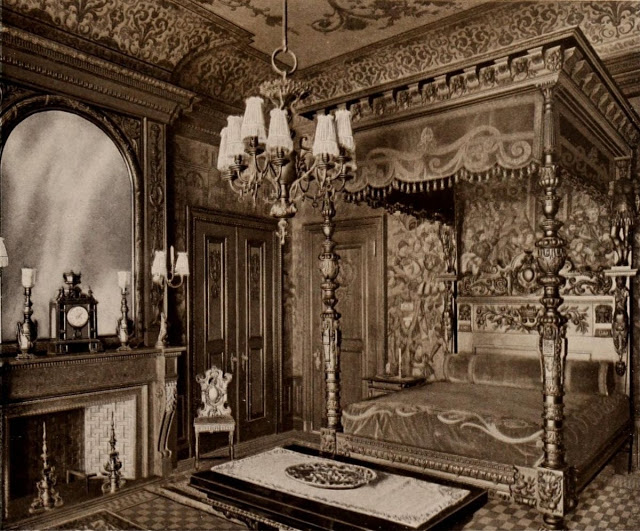
The Waldorf State Apartments – Francis I, Bedroom
The Waldorf State Apartments – Henry IV, Drawing Room
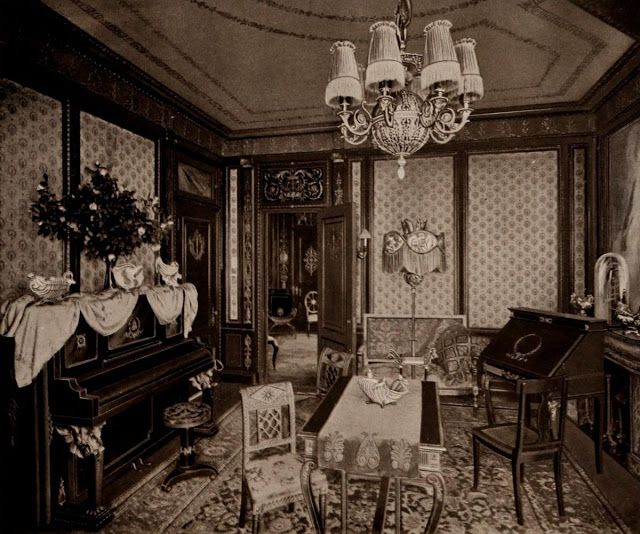
The Waldorf State Apartments – Louis XVI, Music Room
A Colonial Bedroom – The Waldorf

35 Rare Portrait Photos of Vietnamese People From the 1870s

(Photos by Émile Gsell)

Born 1838 in Sainte-Marie-aux-Mines, Haut-Rhin, French photographer Émile Gsell served in the military from 1858 to 1866, during which time he learned photography and travelled to Cochin China (now Southern Vietnam), becoming the first commercial photographer based in Saigon (now Ho Chi Minh City).

On the strength of his Cambodian photographs Gsell was awarded a medal of merit at the Vienna International Exhibition, which was held from 1 May to the 31 October 1873 and during which Gsell exhibited two albums of photographs, one of the ruins of Angkor and the other of “the mores, customs, and types of the Annamite and Cambodian populations”.

In April 1875, Gsell accompanied a mission, led by Brossard de Corbigny, to Hu?, though he was not allowed to photograph the people he met nor the Citadel. However, two of his photographs demonstrate that he was in Hanoi at the end of 1875 and from November 1876 to January 1877 Gsell was able to take many views of Tonkin (now Northern Vietnam).

Gsell’s photographs were marketed by Auguste Nicolier, who sold chemicals and photographic supplies in Saigon from 1876.

Émile Gsell died at home in Saigon on 16 October 1879.

Vietnam, officially the Socialist Republic of Vietnam, is a country in Southeast Asia. Located at the eastern edge of mainland Southeast Asia, it covers 311,699 square kilometres. With a population of over 96 million, it is the world’s fifteenth-most populous country. Vietnam borders China to the north, Laos and Cambodia to the west, and shares maritime borders with Thailand through the Gulf of Thailand, and the Philippines, Indonesia, and Malaysia through the South China Sea. Its capital is Hanoi and its largest city is Ho Chi Minh City.

Vietnam was inhabited as early as the Paleolithic age. The first known states during the first millennium BC centered on the Red River Delta, located in modern-day northern Vietnam. The Han dynasty annexed and put Northern and Central Vietnam under Chinese rule from 111 BC, until the first dynasty emerged in 939. Successive monarchical dynasties absorbed Chinese influences through Confucianism and Buddhism, and expanded southward to the Mekong Delta. The Nguy?n—the last imperial dynasty—fell to French colonisation in 1887. Following the August Revolution, the nationalist Viet Minh under the leadership of communist revolutionary Ho Chi Minh proclaimed independence from France in 1945.

Vietnam went through prolonged warfare through the 20th century. After World War II, France returned to reclaim colonial power in the First Indochina War, from which Vietnam emerged victorious in 1954. The Vietnam War began shortly after, during which the nation was divided into communist North supported by the Soviet Union and China, and anti-communist South supported by the United States. Upon North Vietnamese victory in 1975, Vietnam reunified as a unitary socialist state under the Communist Party of Vietnam in 1976. An ineffective planned economy, trade embargo by the West, and wars with Cambodia and China crippled the country. In 1986, the Communist Party initiated economic and political reforms, transforming the country to a market-oriented economy.

The reforms facilitated Vietnamese integration into global economy and politics. A developing country with a lower-middle-income economy, Vietnam is one of the fastest growing economies of the 21st century. It is part of international and intergovernmental institutions including the United Nations, the ASEAN, the APEC, the CPTPP, the Non-Aligned Movement, the OIF, and the WTO. It has assumed a seat on the United Nations Security Council twice. Contemporary issues in Vietnam include corruption and a poor human rights record. (Wikipedia)
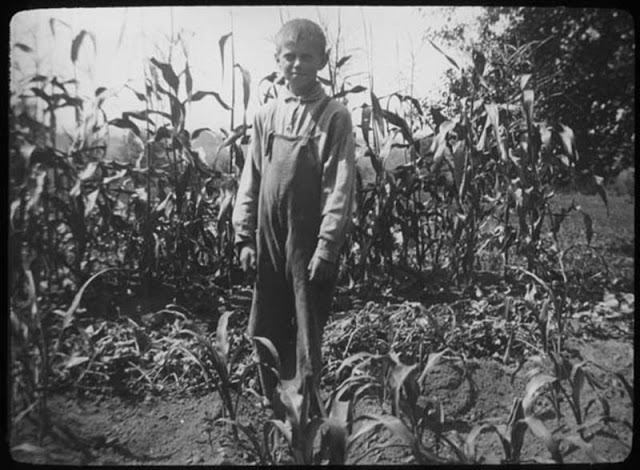
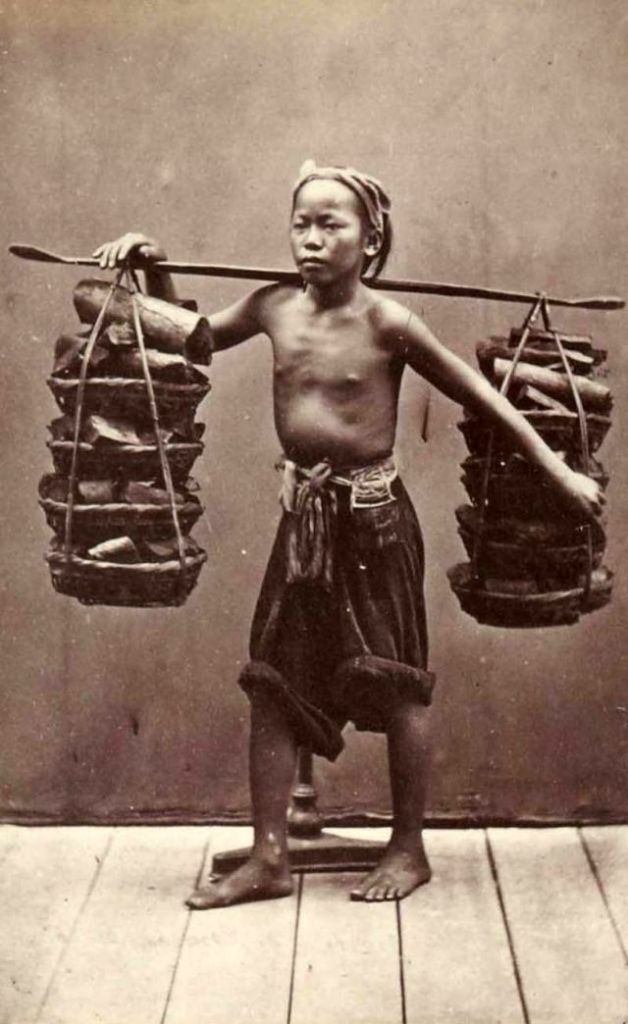
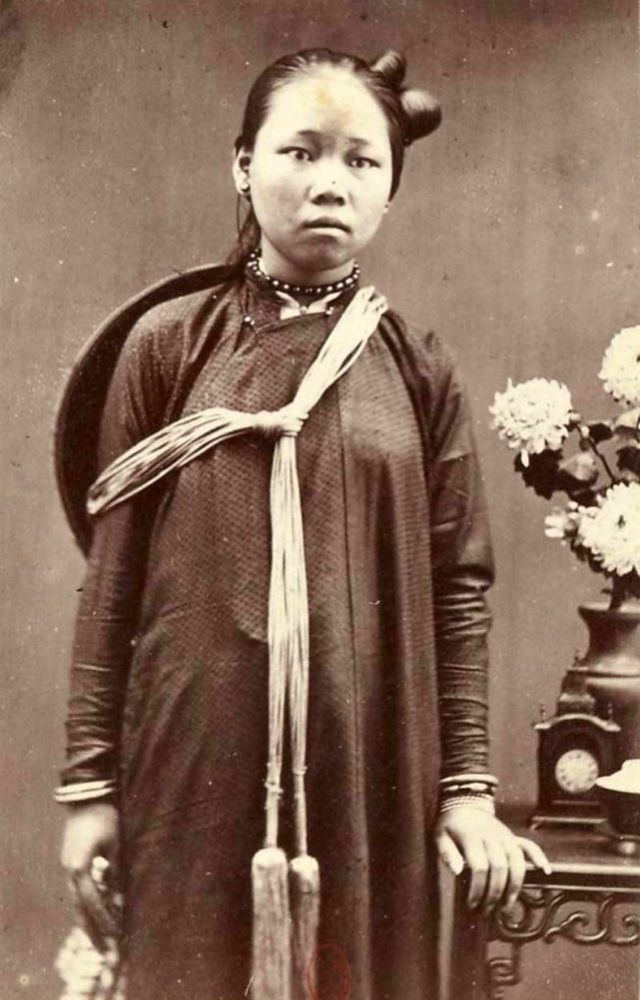
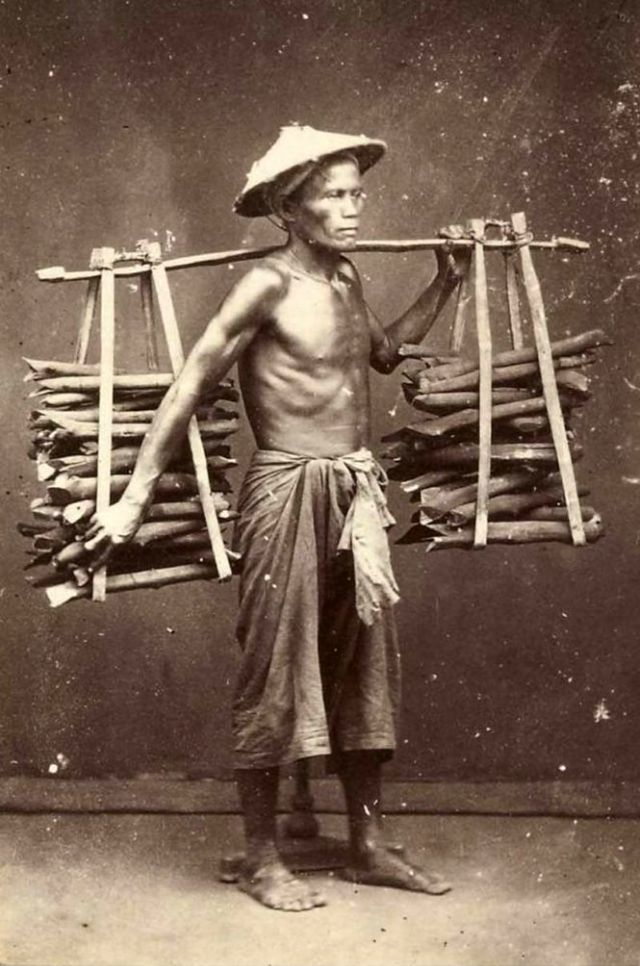
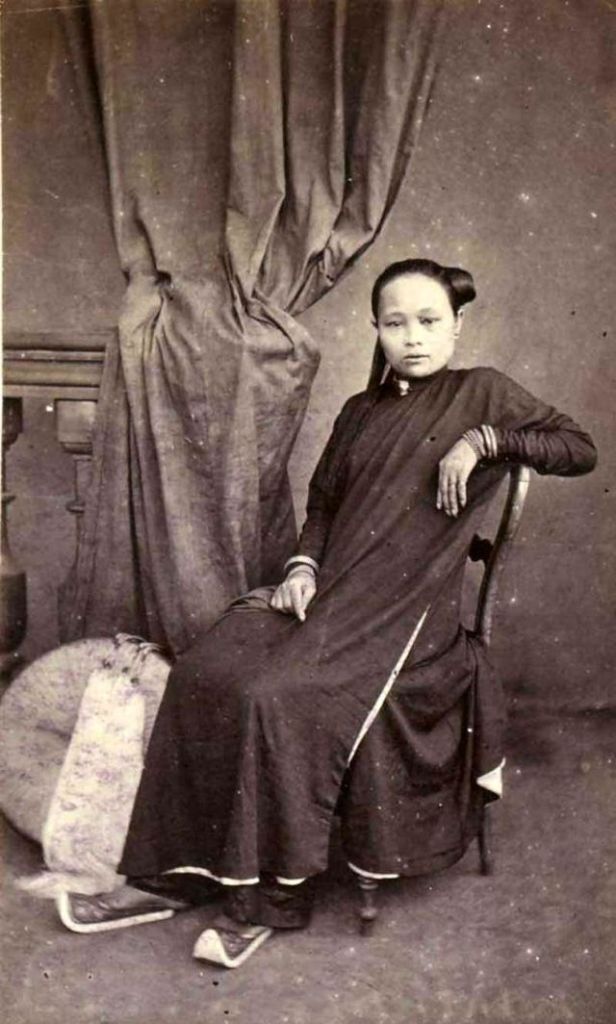
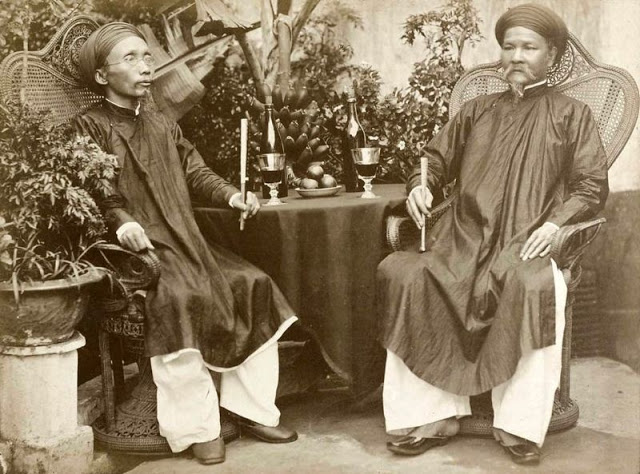
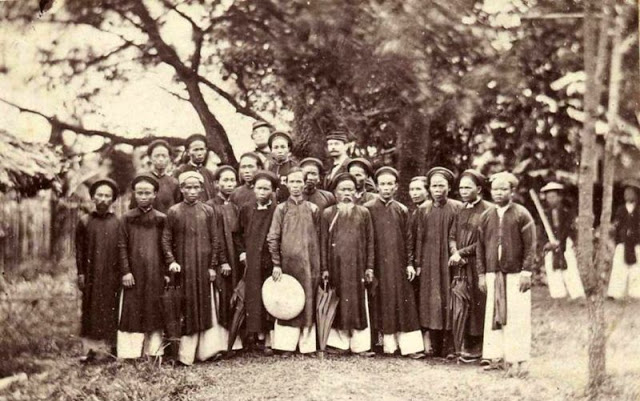
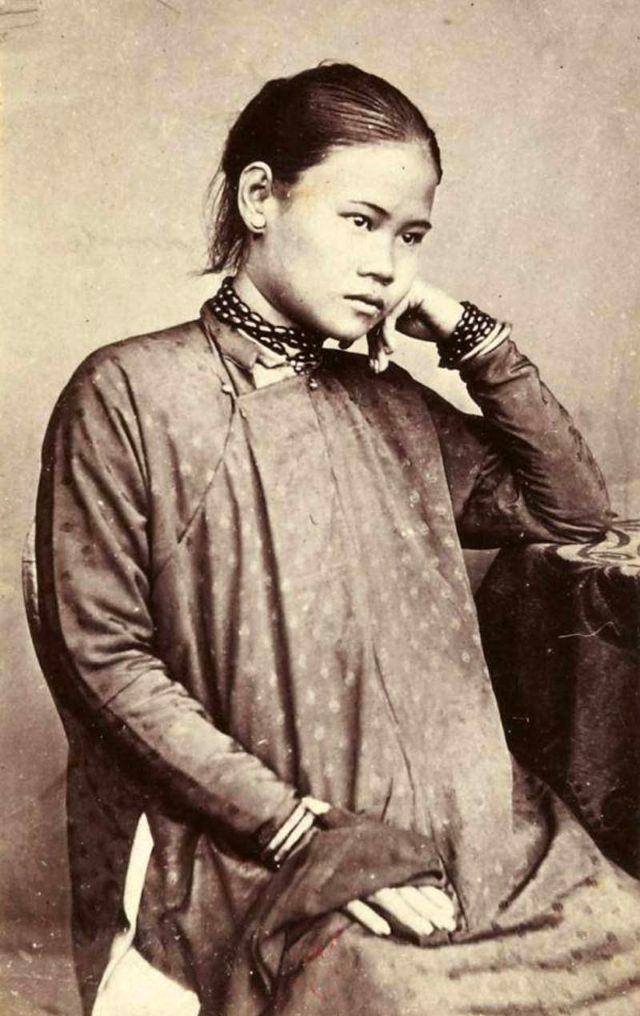
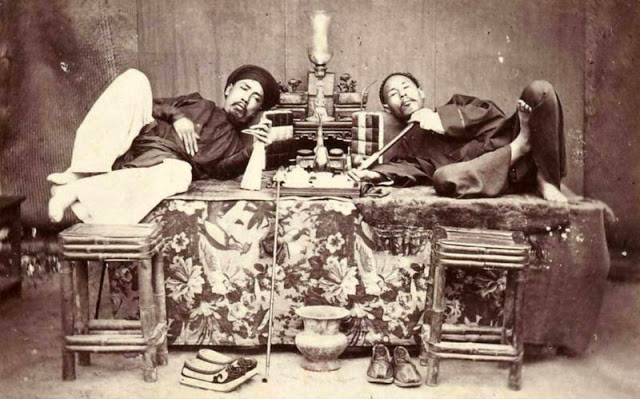
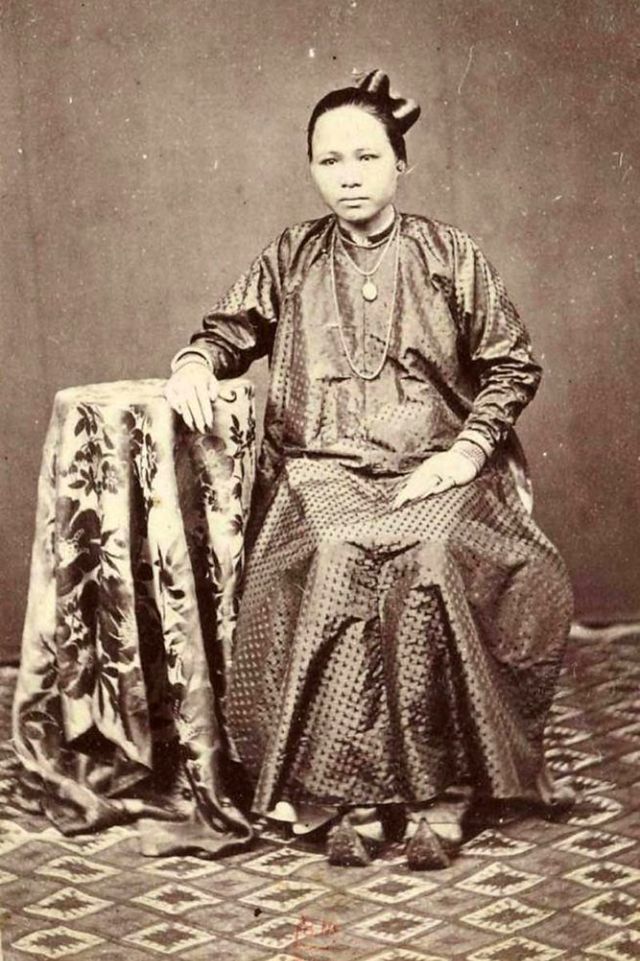
These rare and amazing photographs Gsell took portraits of Vietnamese people in the 1870s.

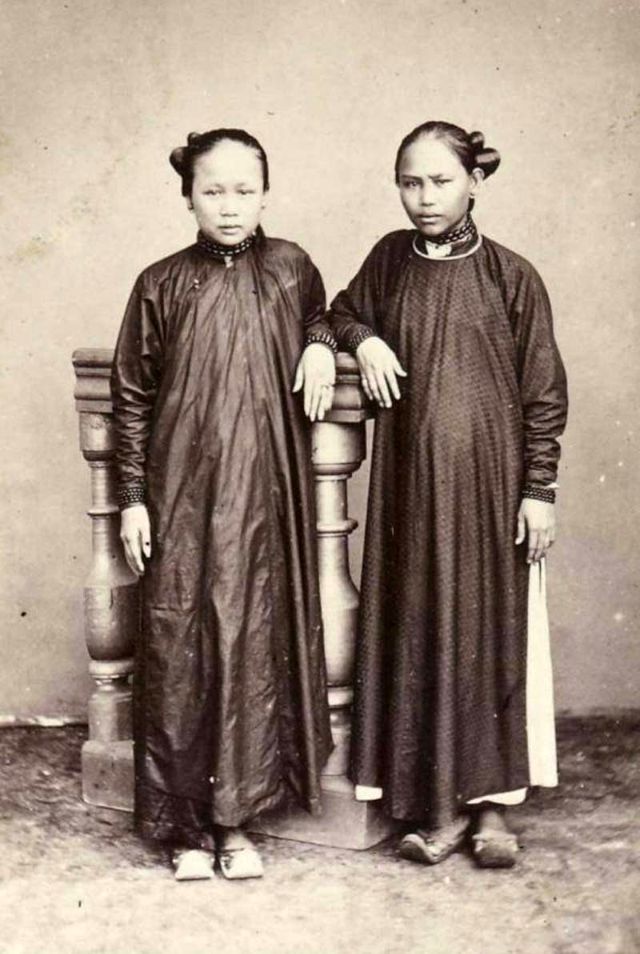
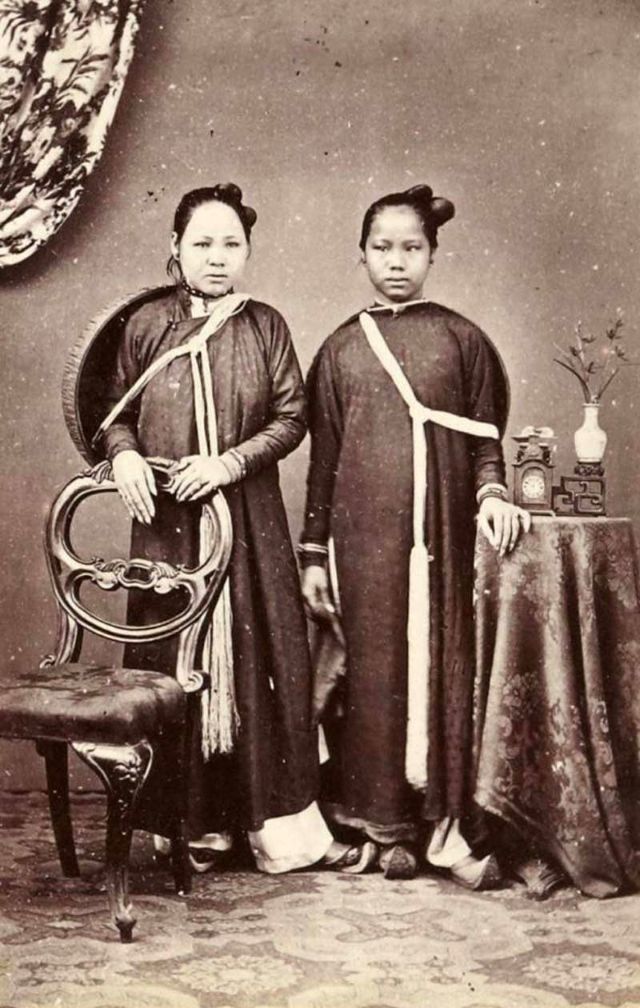
Two wealthy girls from An Nam, 1870s
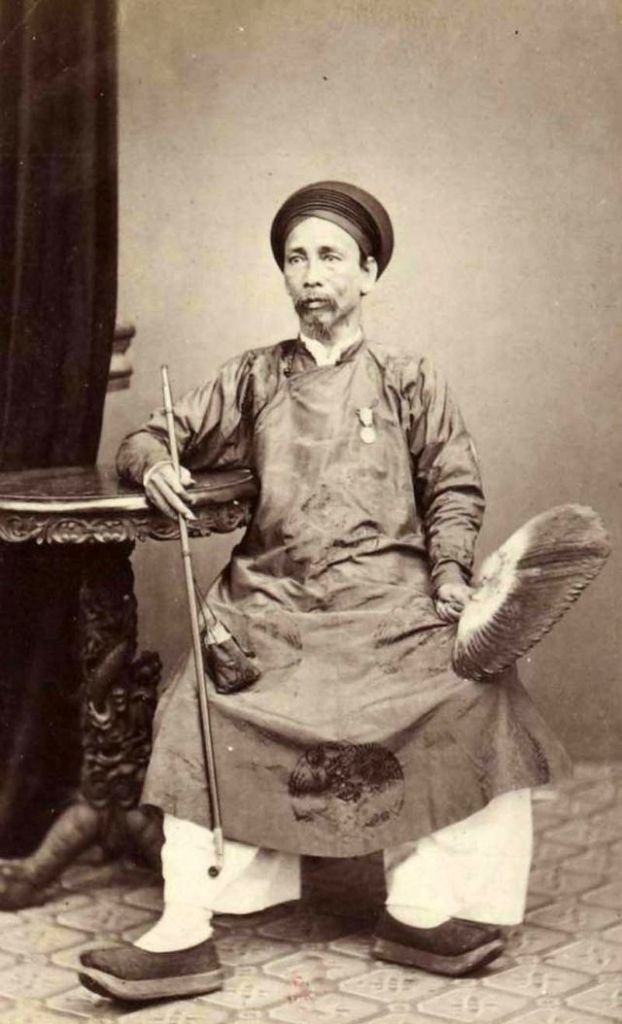
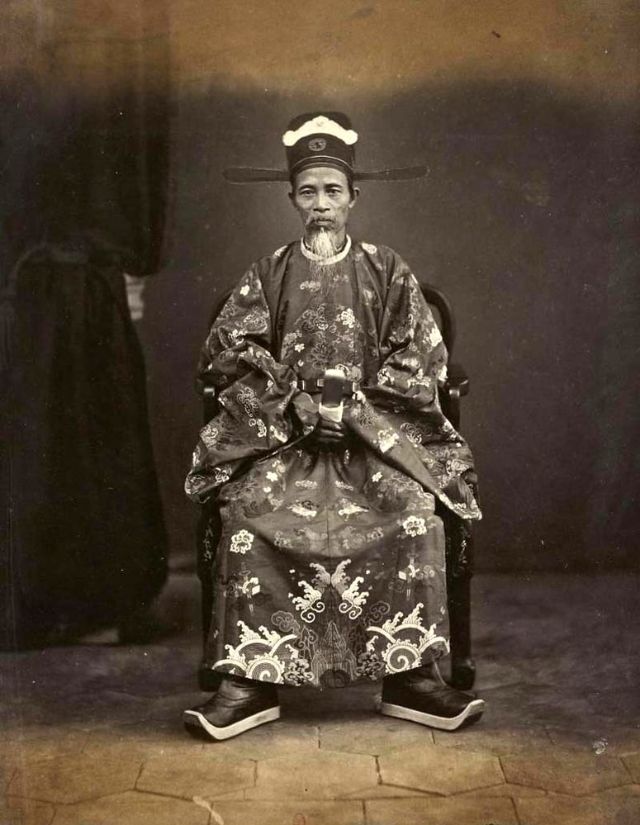
A governor in Cho Lon district, 1870s
A Saigon girl, 1870s
A wealthy Annamese woman and her daughter, 1870s
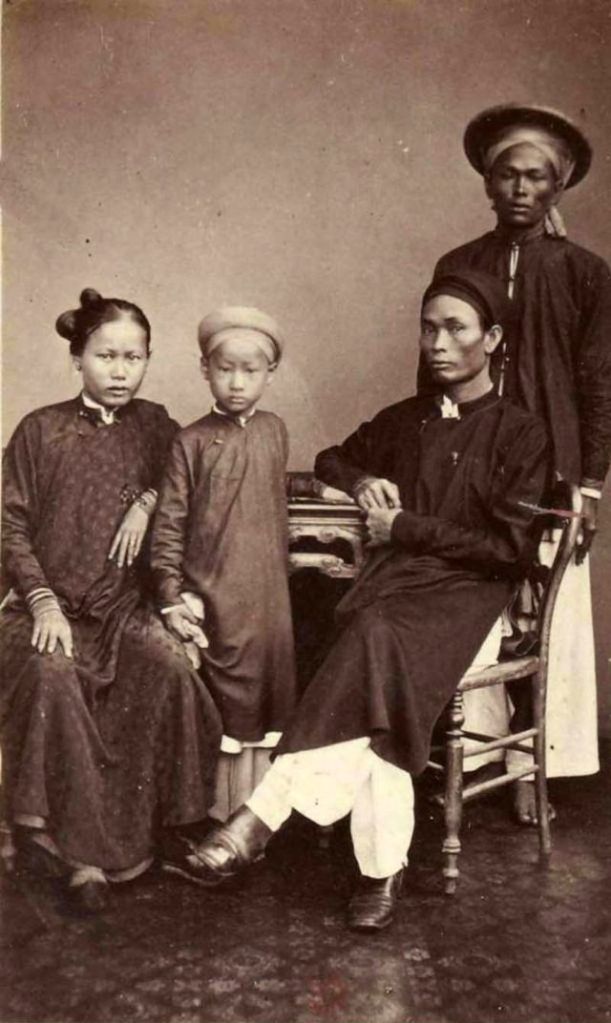
Portrait of a wealthy family with servant man behind, 1870s
A young Chinese man in Saigon, 1870s
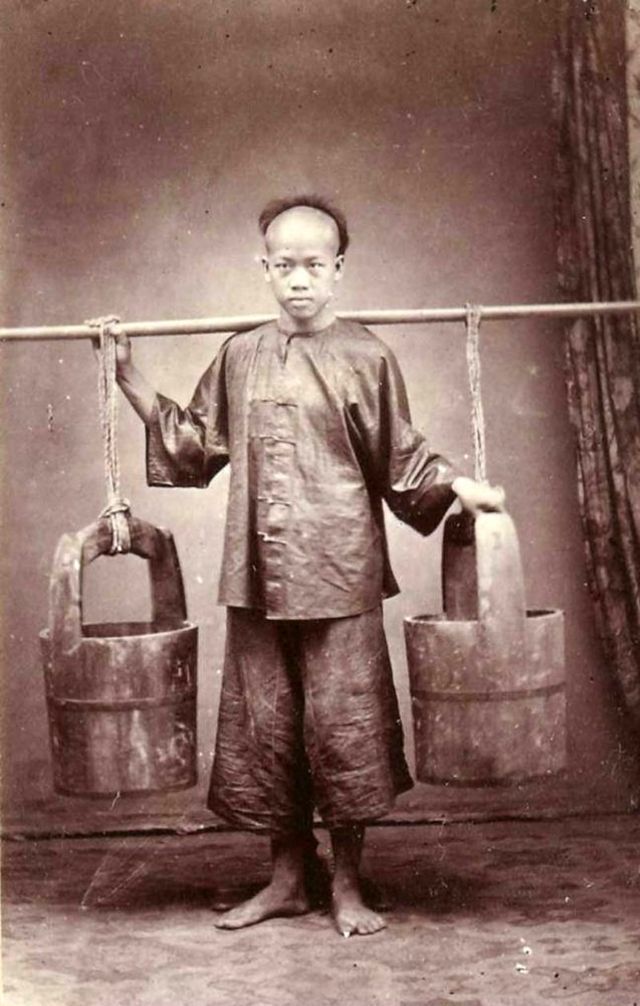
A young water-carrier in Saigon, 1870s
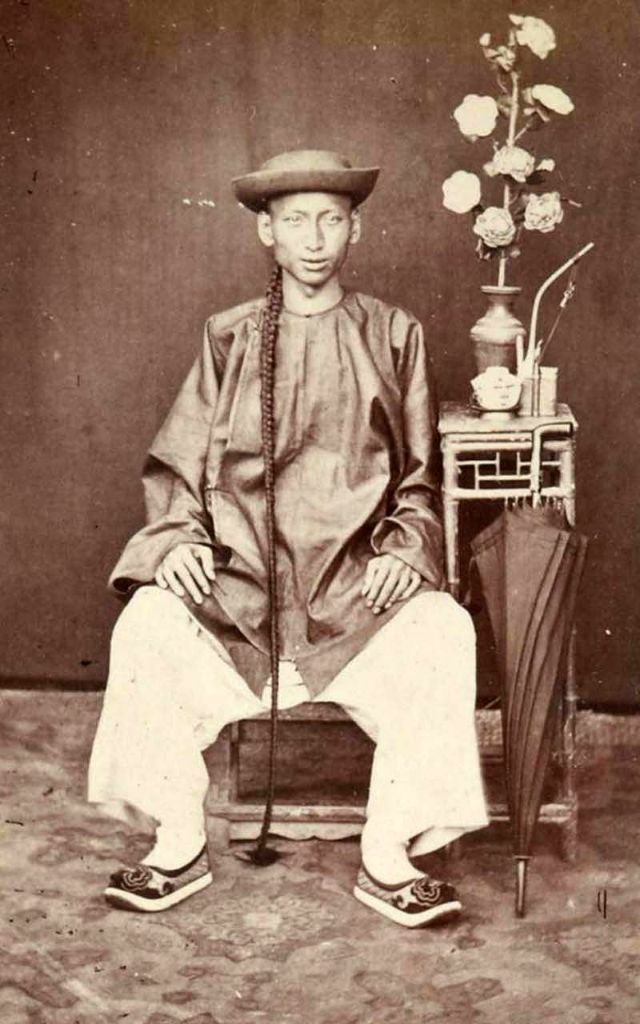
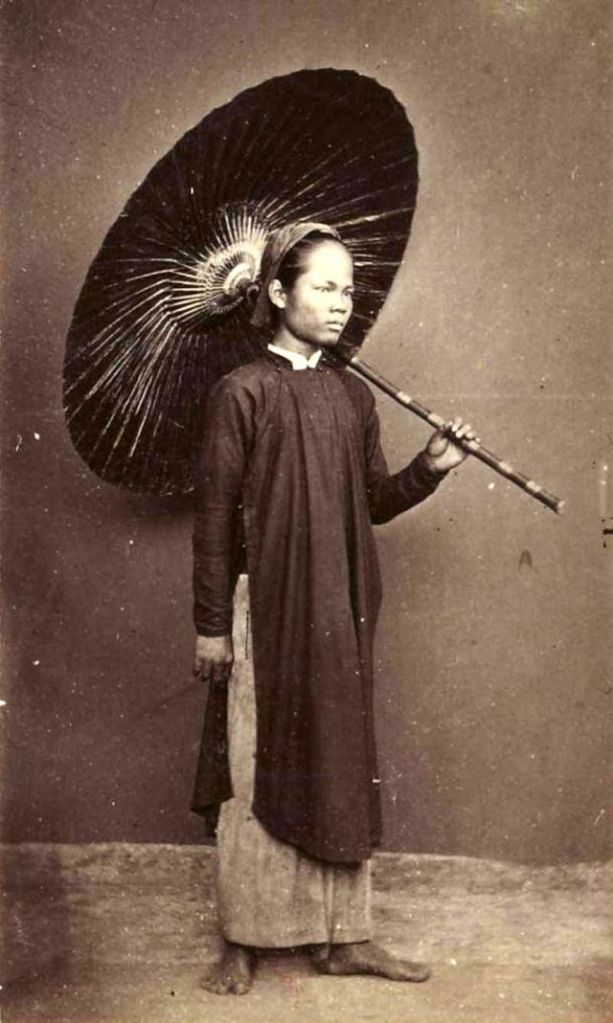
An Annamese man with his umbrella, 1870s
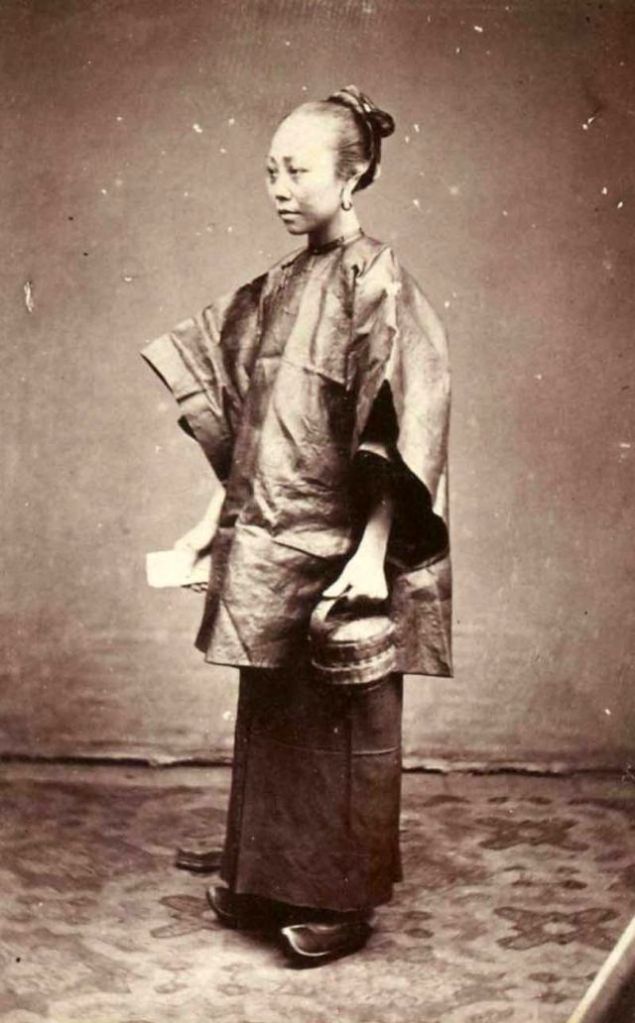
Portrait of a Chinese lady in Saigon, 1870s
Portrait of a dramatics artist, 1870s
A governor in Saigon, 1870s
An Annamese bearer, 1870s
A beautiful Annamese girl, 1870s.
Portrait of an Annamese girl, 1870s
An Annamese woodcutter, 1870s
Portrait of an Annamese young lady, 1870s
Governor of Hai Duong, 1870s
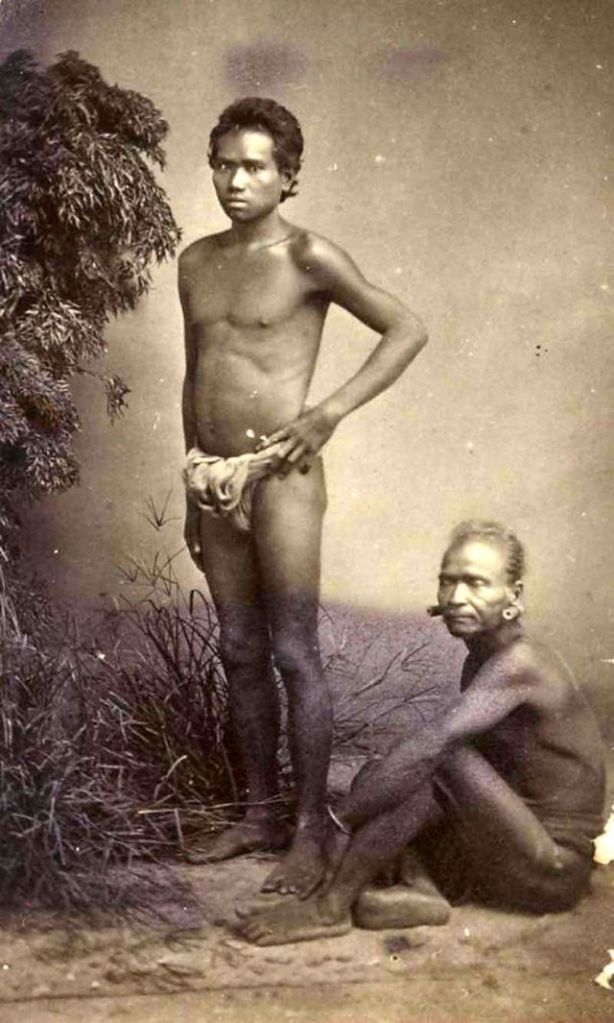
Two S’Tieng ethnic men in the Central Highlands, 1870s
A rich man in Cochinchina with his horse and servants, 1870s
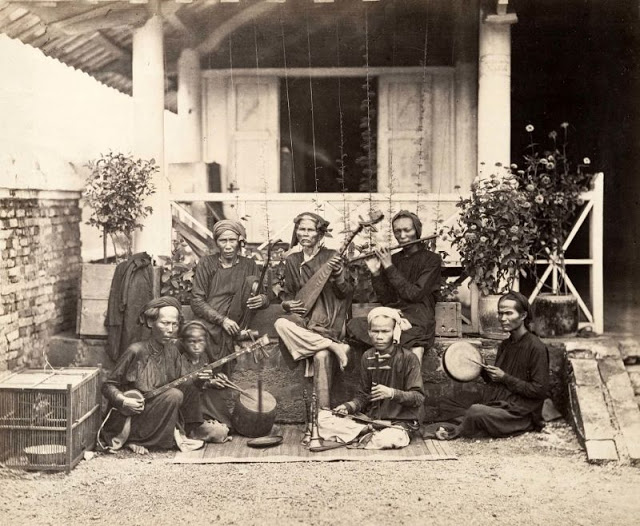
Annamese musicians in Saigon, 1870s
Fruit sellers in Saigon, 1870s
A beautiful Cochinchine woman, 1870s
Wedding in Saigon, 1870s
Portrait of two older Annamese men, 1870s
A beggar in Cochinchina in the 1870s
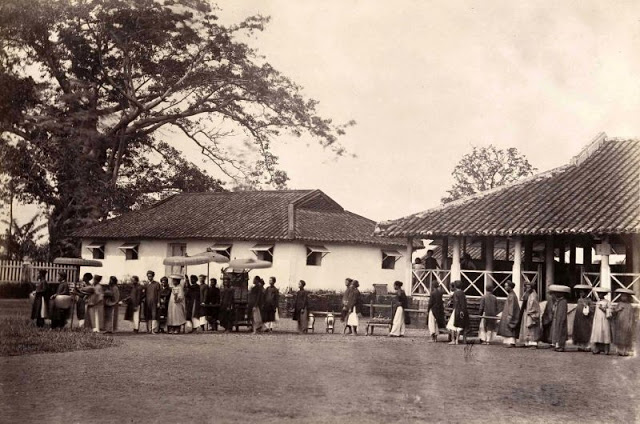
A group of Annamese upper class in the 1870s
An Annamese girl (left) and a Chinese man in the 1870s
An Annamese girl (left) standing by a Chinese girl in the 1870s
Annamese soldiers in the 1870s
Miss Annam in the 1870s
Opium smoking in Saigon in the 1870s
Portrait of a prince in the 1870s
Portrait of an Annamese aristocratic woman in the 1870s
An Annamese woman in the 1870s
Two Annamese girls in the 1870s

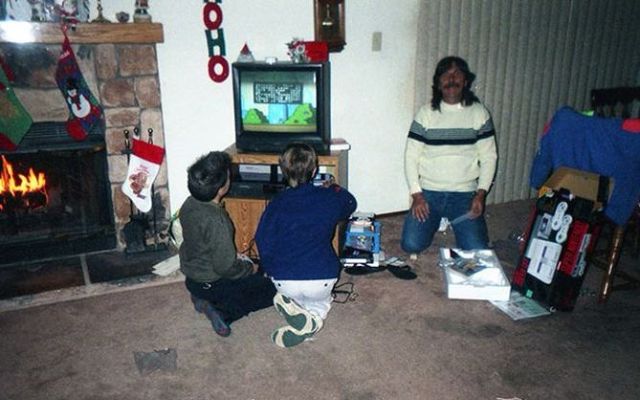
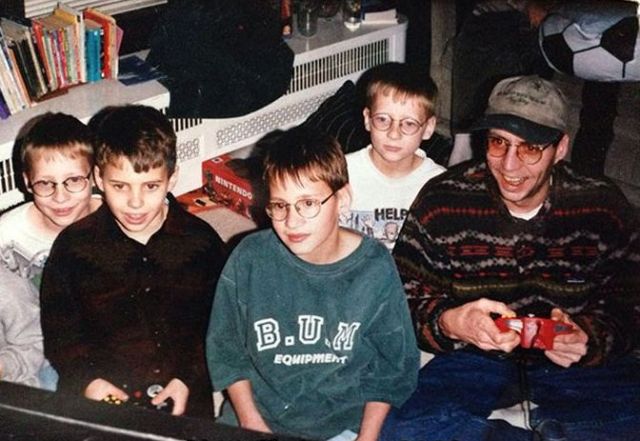
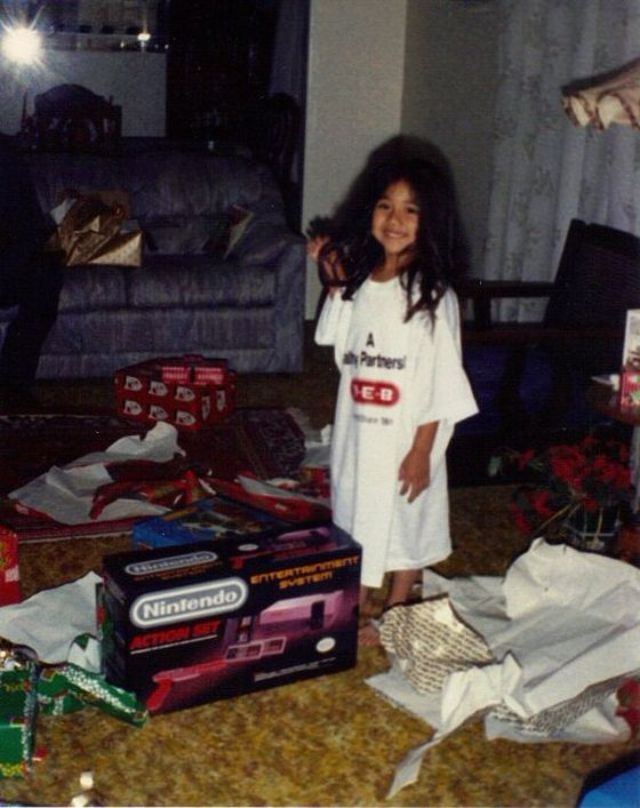
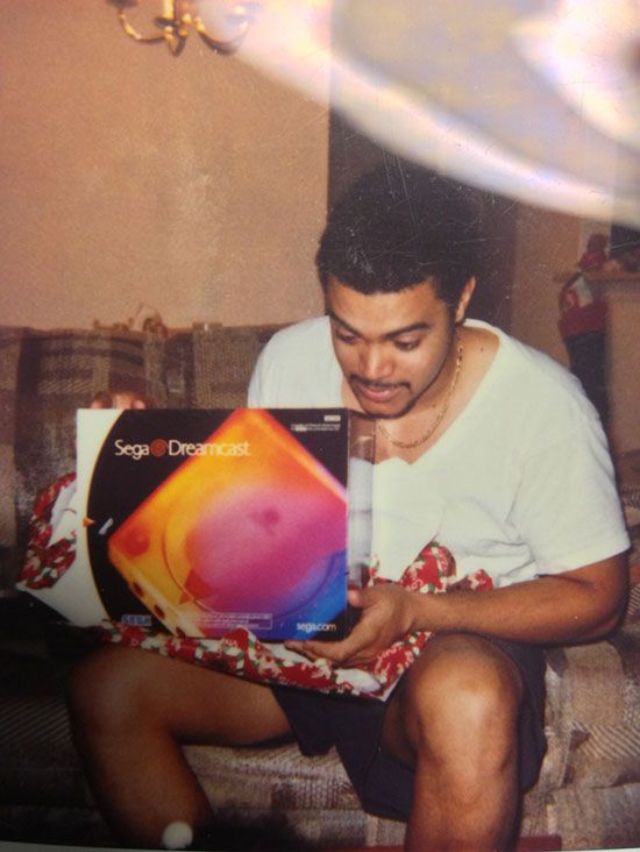
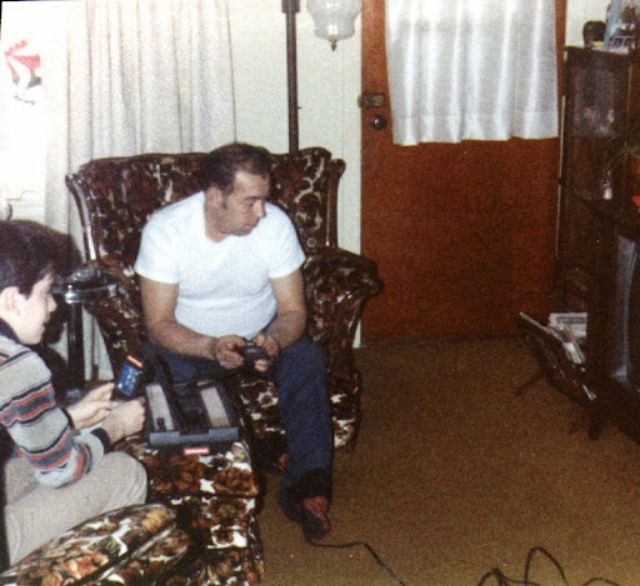
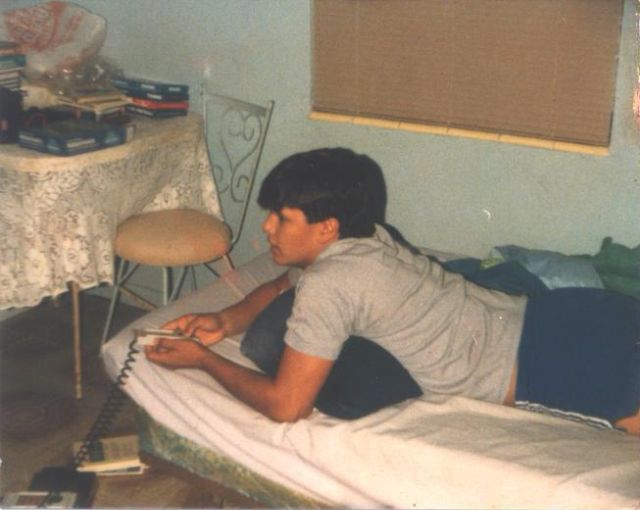
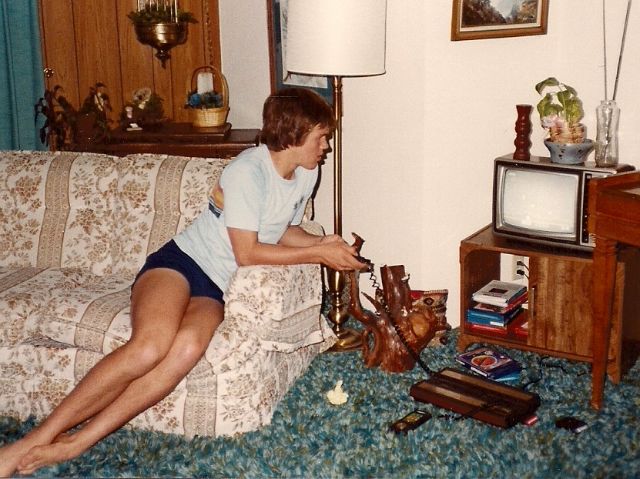
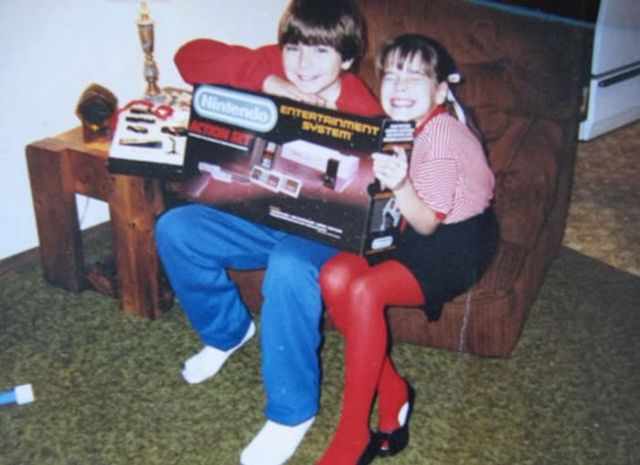
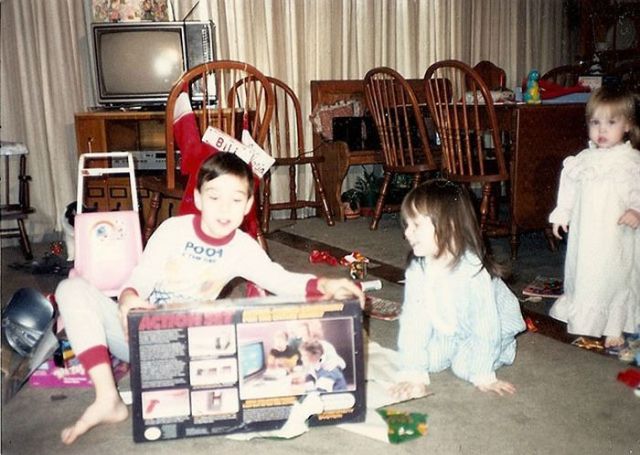
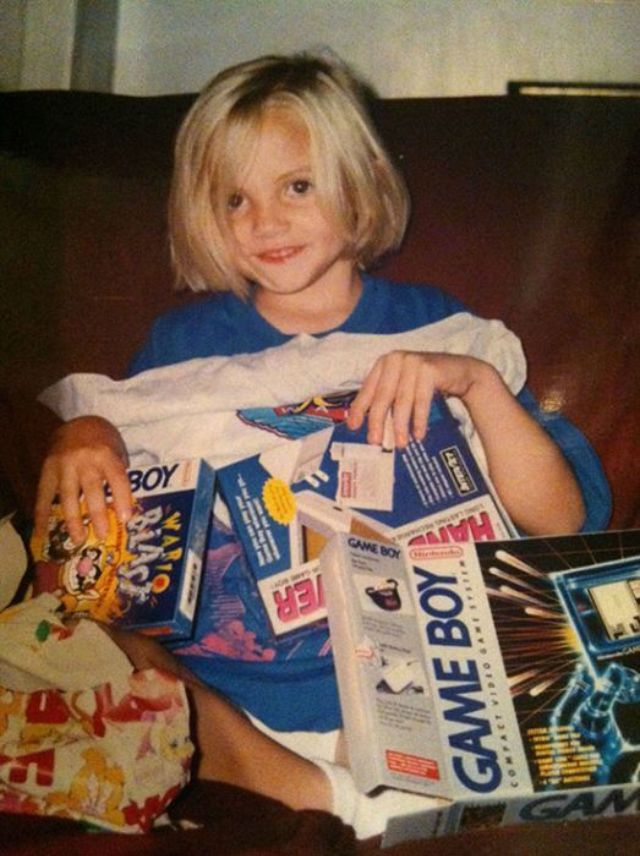
21 Amazing Photos of Videogame Consoles of the 1980s

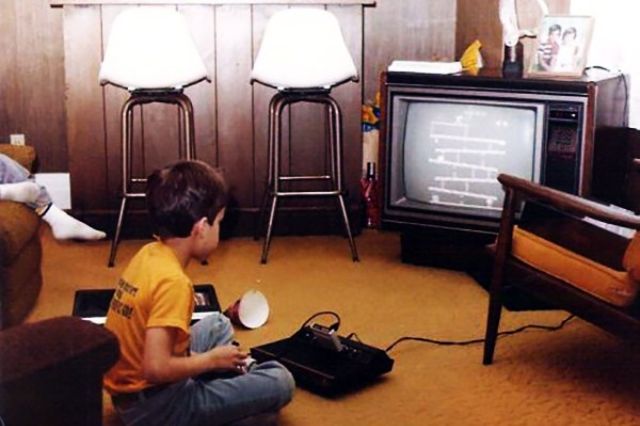
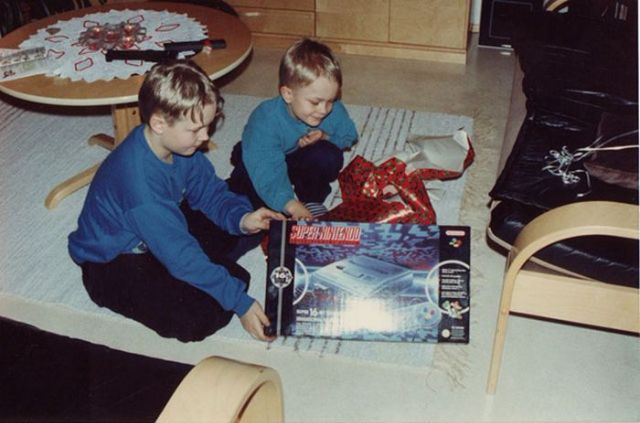
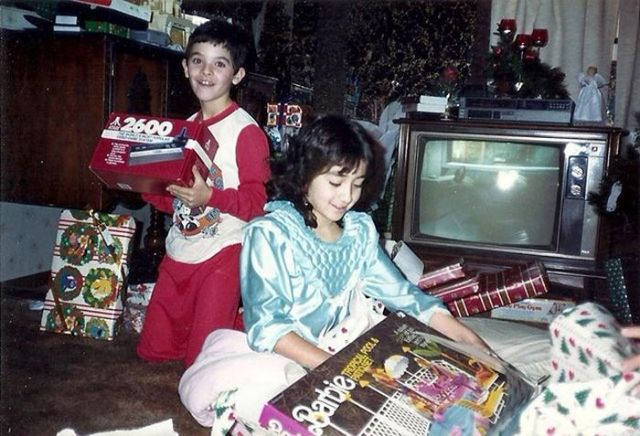
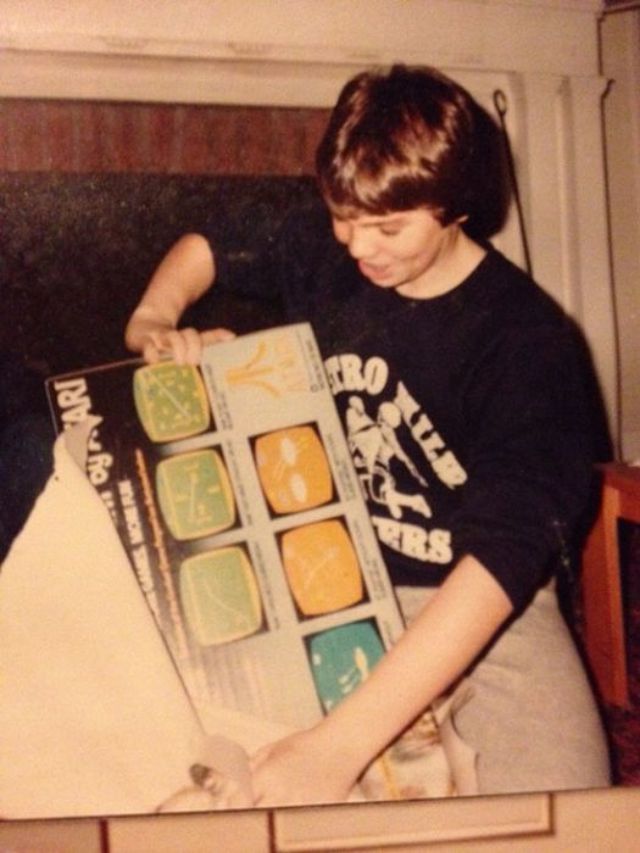
The 1970s may have been the beginning of home video gaming as we know it. However, it was the 1980s that saw the premature death of the industry and its phoenix-like rise from the ashes. People were tired of PONG and software developers were seriously getting the knack of programming cartridges. Fairchild Semiconductors walked away from what they felt was an industry “fad” and left the Atari Video Computer System (2600) as the cart-based king of the mountain. Atari would pick up the rights to arcade hits such as “Space Invaders” and would become a must have holiday gift. The year was 1980 and Atari became synonymous with home video gaming.

Video gaming, especially arcade titles, became a commercial success. You could see game characters such as Pitfall Harry, Frogger, and Q-bert become televised cartoons. There were even Pac-Man and Donkey Kong breakfast cereals. Many home consoles would rise to challenge Atari’s dominance and earn their market share.

Atari would keep the competition in check by buying licensing rights to most arcade titles and movie tie-ins. Mattel’s Intellivision brought the first real commercialized console war, and arcade clones would be used to get past licensing issues. Some clones such as Lady Bug and Mouse Trap (both Pac-Man clones) became successful in their own right. ColecoVision would pack in an amazing port of Nintendo’s arcade hit Donkey Kong. The gaming market continued to grow at a phenomenal rate and everybody wanted a piece of the action!

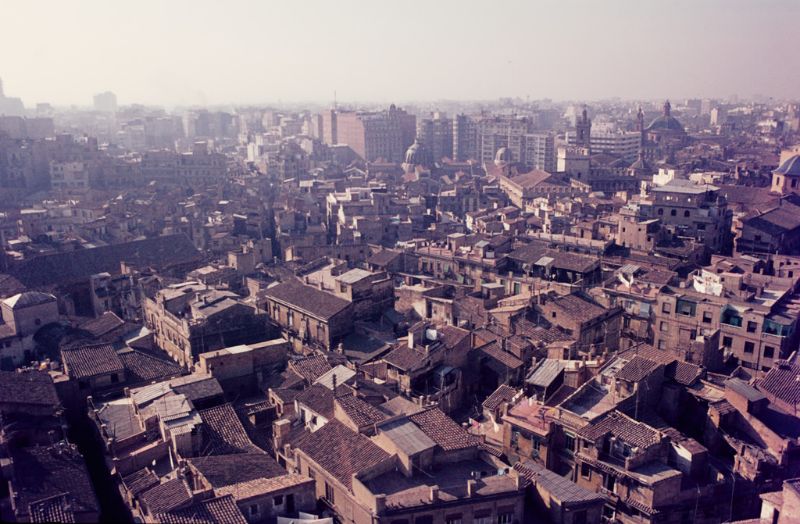
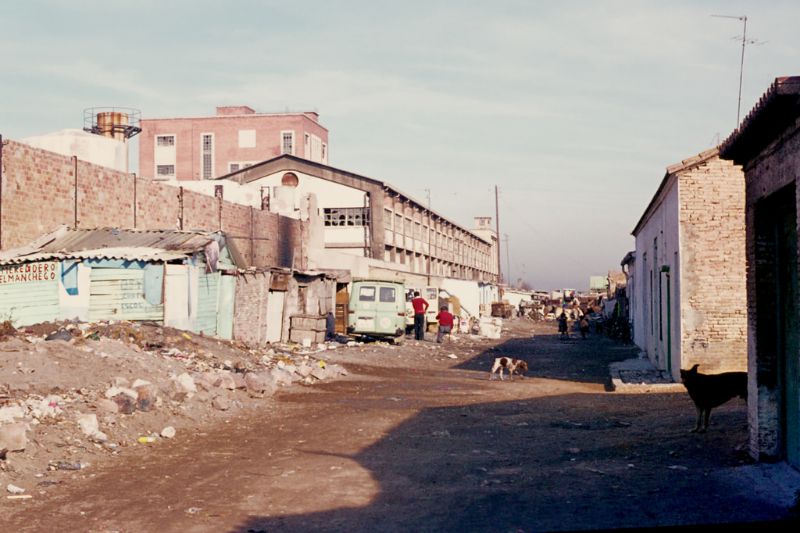
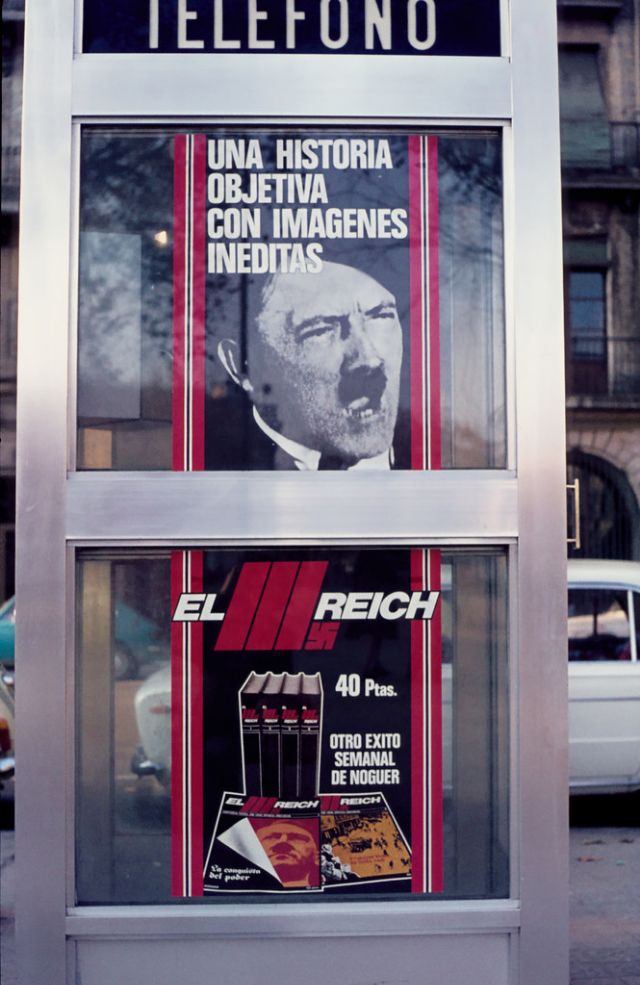
49 Vintage Photos Showing Life in Valencia, Spain in 1973

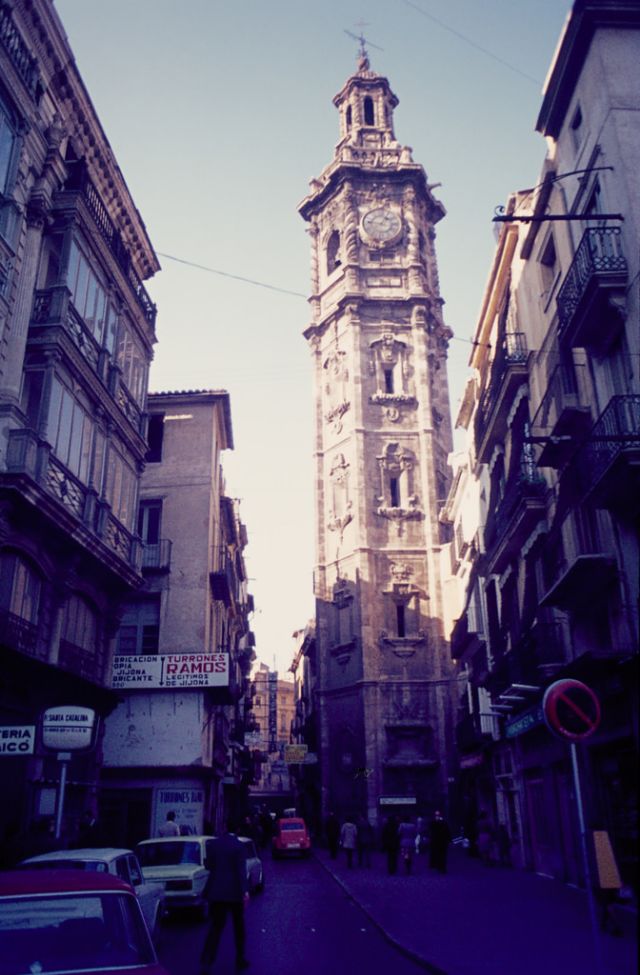
Valencia is the capital of the autonomous community of Valencia and the third-largest city in Spain after Madrid and Barcelona, with 789,744 inhabitants in the municipality. The wider urban area also comprising the neighbouring municipalities has a population of around 1.6 million. Valencia is Spain’s third-largest metropolitan area, with a population ranging from 1.7 to 2.5 million depending on how the metropolitan area is defined. The Port of Valencia is the 5th-busiest container port in Europe and the busiest container port on the Mediterranean Sea. The city is ranked as a Gamma-level global city by the Globalization and World Cities Research Network.

Valencia was founded as a Roman colony by the consul Decimus Junius Brutus Callaicus in 138 BC and called Valentia Edetanorum. In 714, Moroccan and Arab Moors occupied the city, introducing their language, religion and customs; they implemented improved irrigation systems and the cultivation of new crops as well. Valencia was the capital of the Taifa of Valencia. In 1238 the Christian king James I of Aragon conquered the city and divided the land among the nobles who helped him conquer it, as witnessed in the Llibre del Repartiment. He also created the new Kingdom of Valencia, which had its own laws (Furs), with Valencia as its main city and capital. In the 18th century Philip V of Spain abolished the privileges as punishment to the kingdom of Valencia for aligning with the Habsburg side in the War of the Spanish Succession. Valencia was the capital of Spain when Joseph Bonaparte moved the Court there in the summer of 1812. It also served as the capital between 1936 and 1937, during the Second Spanish Republic.

The city is situated on the banks of the Turia, on the east coast of the Iberian Peninsula, fronting the Gulf of Valencia on the Mediterranean Sea. Its historic centre is one of the largest in Spain, with approximately 169 ha (420 acres). Due to its long history, Valencia has numerous celebrations and traditions, such as the Falles, which were declared Fiestas of National Tourist Interest of Spain in 1965 and an intangible cultural heritage by UNESCO in November 2016. Joan Ribó from Compromís has been the mayor of the city since 2015. (Wikipedia)

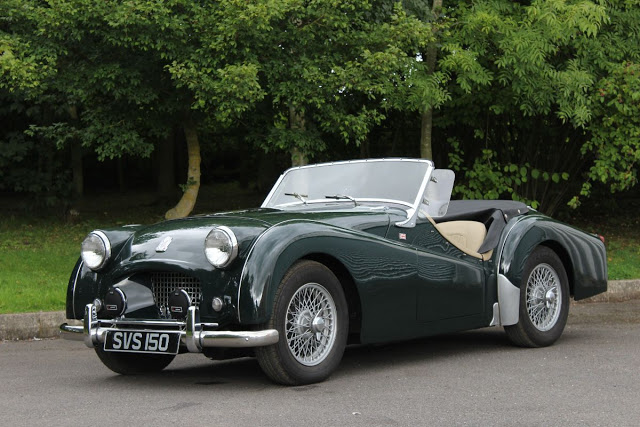
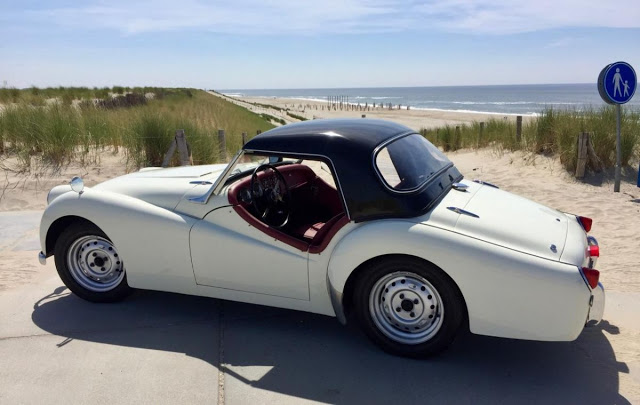
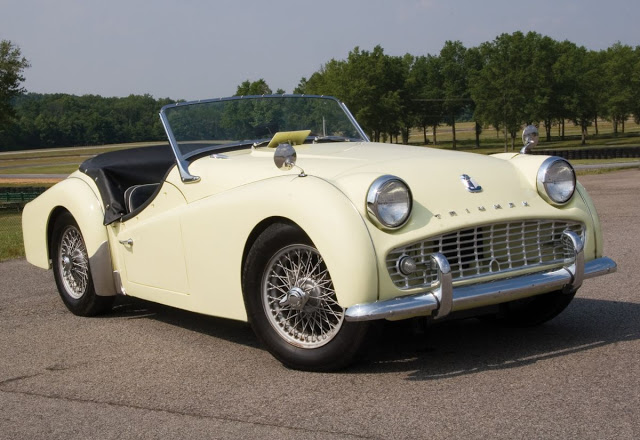
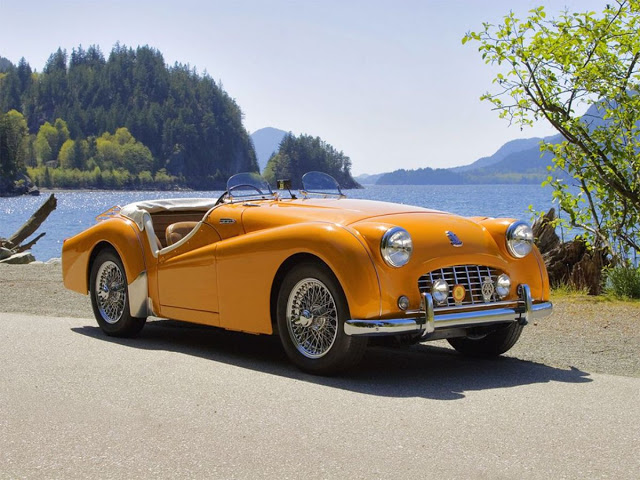
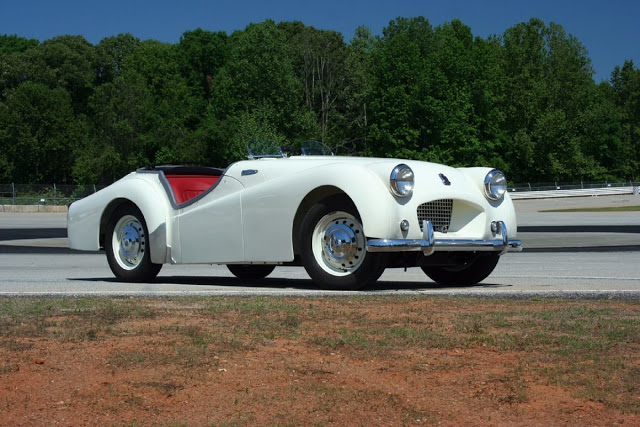
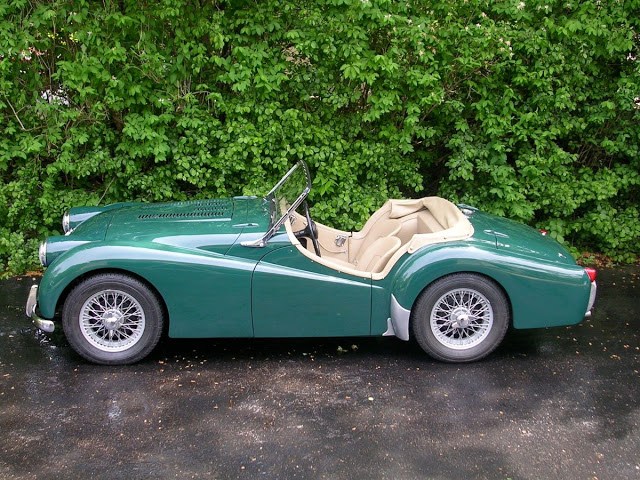
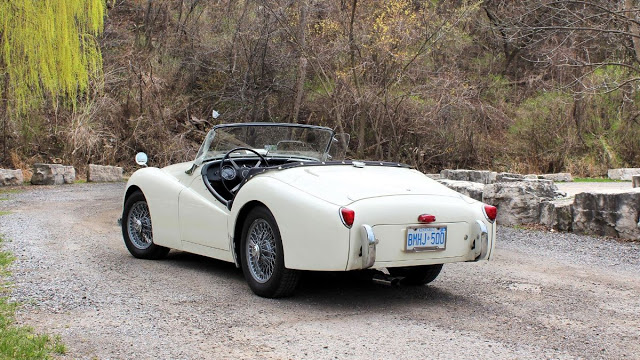
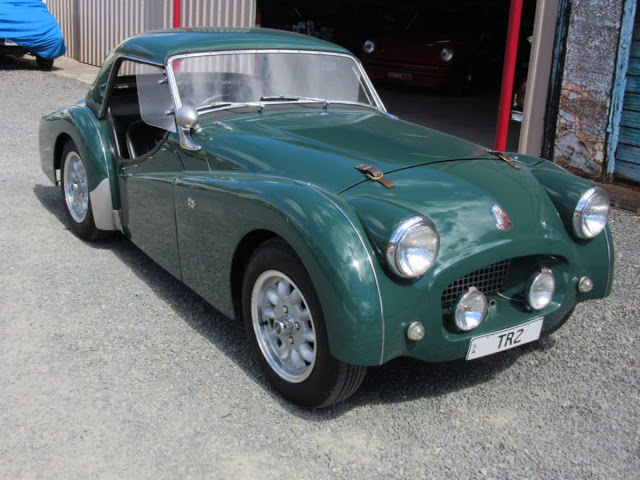
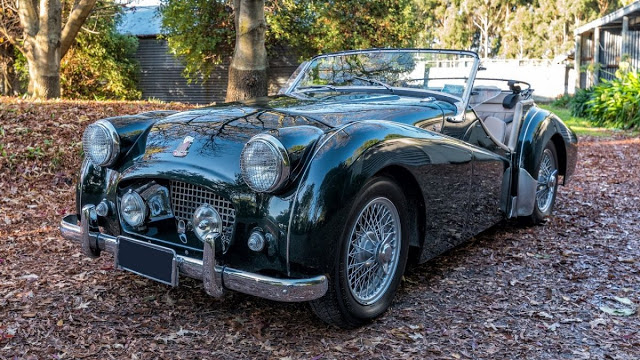
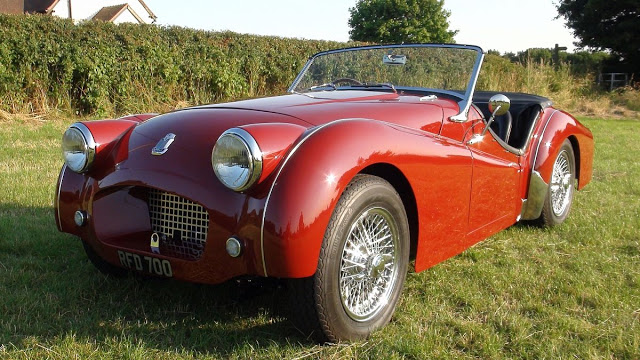
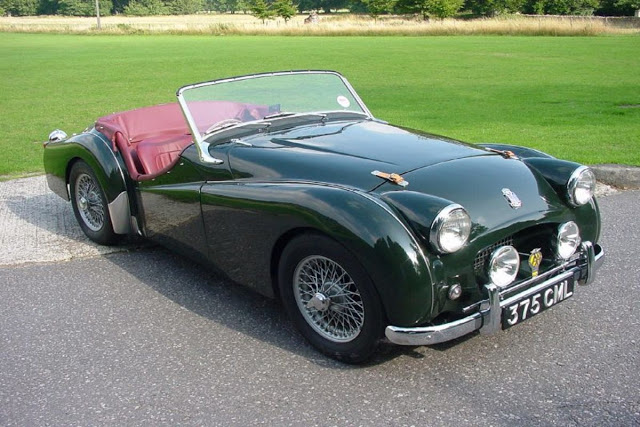
20 Incredible Photos of Triumph TR2 Cars

The first of the famous TR series of Triumph sports cars. The TR2 was developed to compete with successful sports car designs from rival manufacturers such as MG and Jaguar.

Triumph was absorbed by the Standard Motor Company in 1944. A decision was made to re-establish the marque as a sports car manufacturer. Following a failed takeover bid for Morgan, a prototype Triumph sports car called the 20TS (subsequently known as the TR1) was displayed at the 1952 Motor Show. This evolved into the TR2, launched in 1953. The TR series became a marketing success throughout in the 1950s and ’60s, selling particularly well in North America.

The car had a 121 cid (1991 cc) four-cylinder Standard wet liner inline-four engine from the Vanguard, fitted with twin H4 type SU Carburettors and tuned to increase its output to 90 bhp (67 kW). The body was mounted on a substantial separate chassis with coil-sprung independent suspension at the front and a leaf spring live axle at the rear. Either wire or disc wheels could be supplied. The transmission was a four-speed manual unit, with optional top gear overdrive. Lockheed drum brakes were fitted all round.

A total of 8,636 TR2s were produced. It was replaced by the TR3 in 1955.

50 Amazing Vintage Photos From the 1950s Volume 8

The 1950s (pronounced nineteen-fifties; commonly abbreviated as the “Fifties” or the ” ’50s”) (among other variants) was a decade that began on January 1, 1950, and ended on December 31, 1959.

Throughout the decade, the world continued its recovery from World War II, aided by the post-World War II economic expansion. The period also saw great population growth with increased birth rates and the emergence of the baby boomer generation. Despite this recovery, the Cold War developed from its modest beginnings in the late 1940s to a heated competition between the Soviet Union and the United States by the early 1960s. The ideological clash between communism and capitalism dominated the decade, especially in the Northern Hemisphere, with conflicts including the Korean War in the early 1950s, the Cuban Revolution, the beginning of the Vietnam War in French Indochina, and the beginning of the Space Race with the launch of Sputnik 1 in 1957. Along with increased testing of nuclear weapons (such as RDS-37 and Upshot–Knothole), the tense geopolitical situation created a politically conservative climate. In the United States, a wave of anti-communist sentiment known as the Second Red Scare resulted in Congressional hearings by both houses in Congress. The beginning of decolonization in Africa and Asia also took place in this decade and accelerated in the following decade. (Wikipedia)
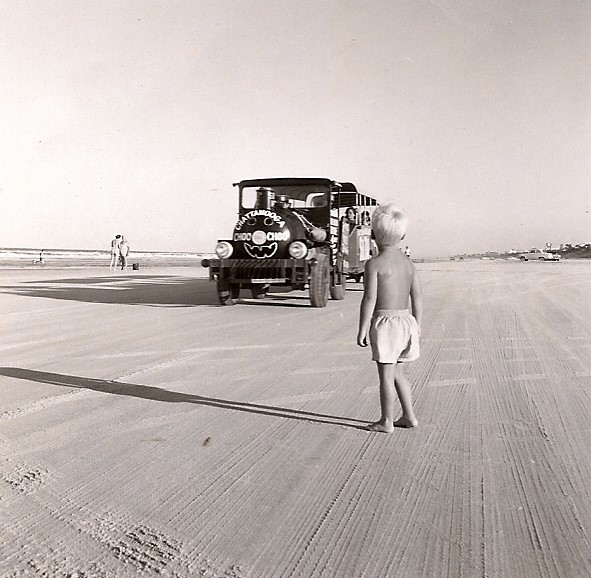
Daytona Beach, Florida, 1959
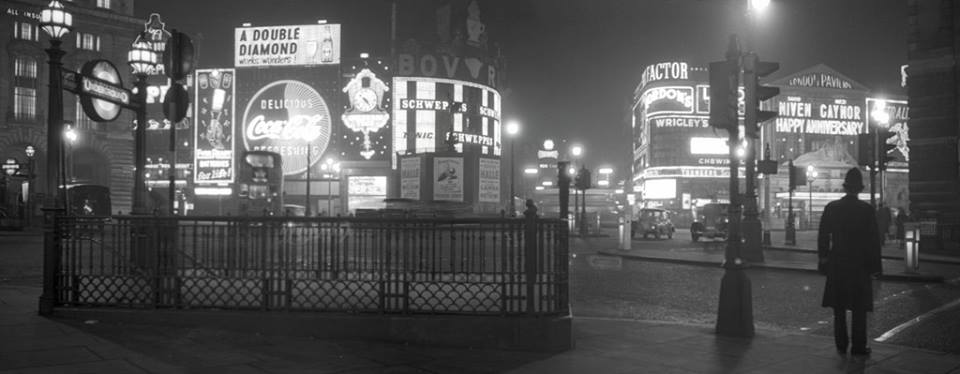
Panorama of London Piccadilly Circus at night, 1958
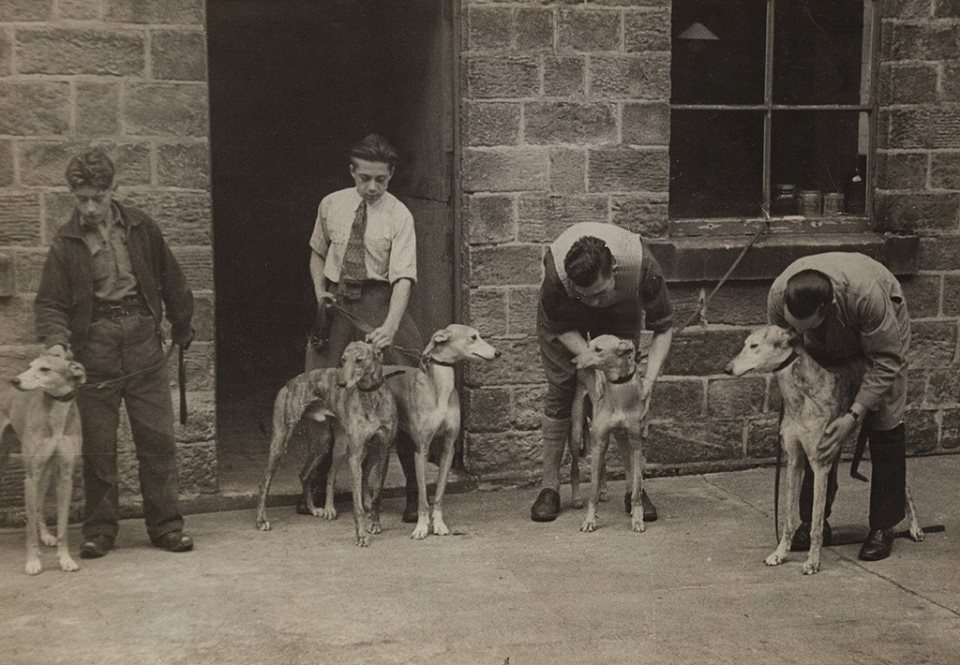
Men with five racing Greyhounds in Steeton, near Keighley, Yorkshire, 1950s
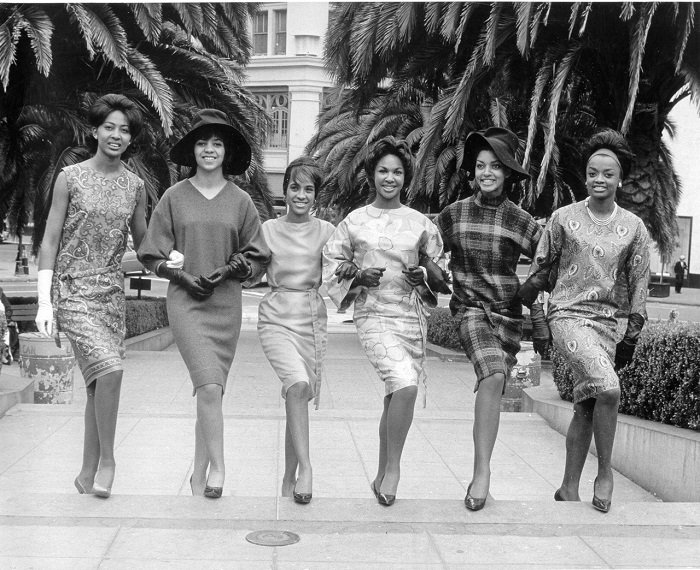
1950s fashionistas
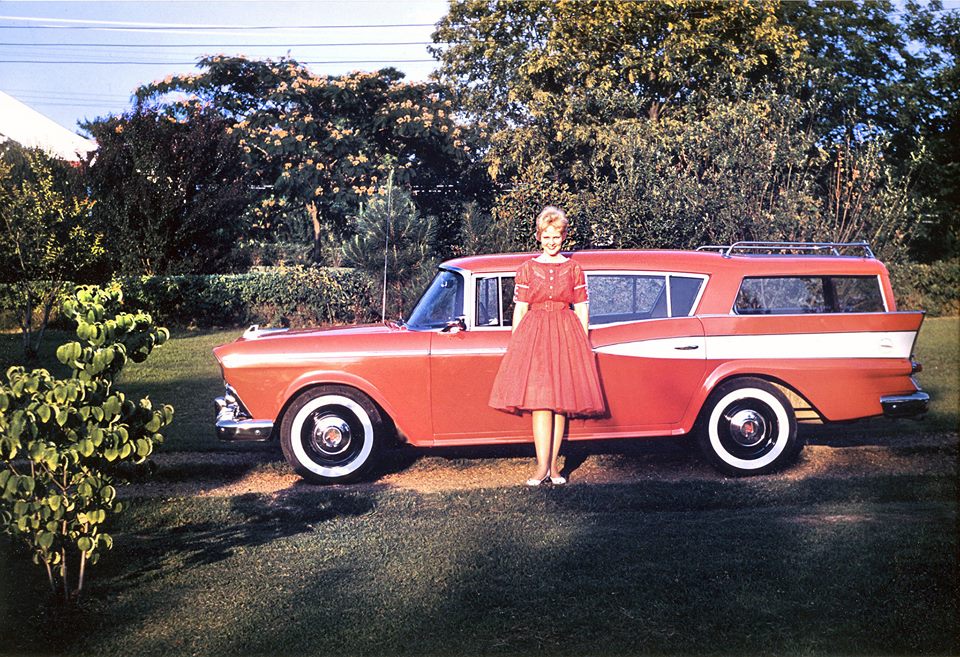
Young woman next to a 1959 Nash Rambler station wagon.
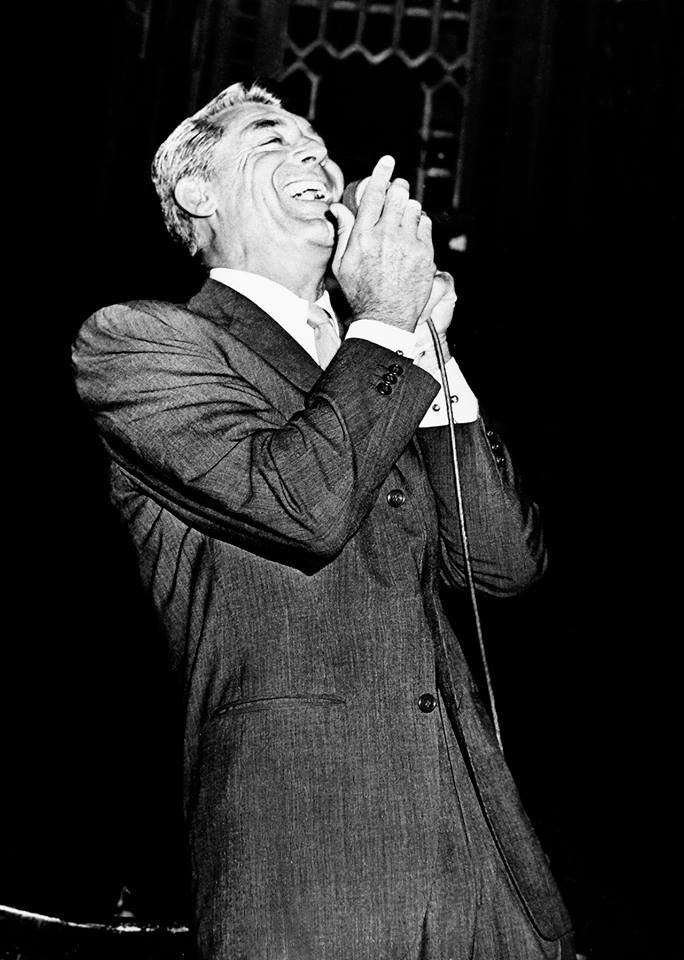
Cary Grant having fun onstage at the Regal Cinema, Glasgow, July 1958.
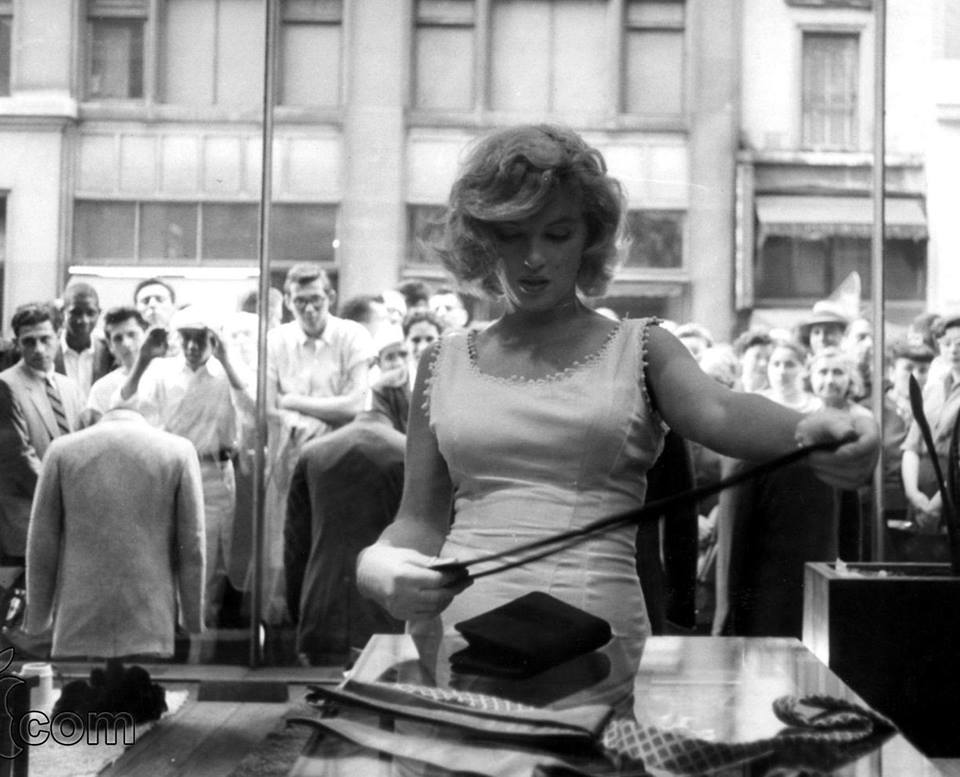
Marilyn Monroe tries to go shopping while fans and media watch, 1957.
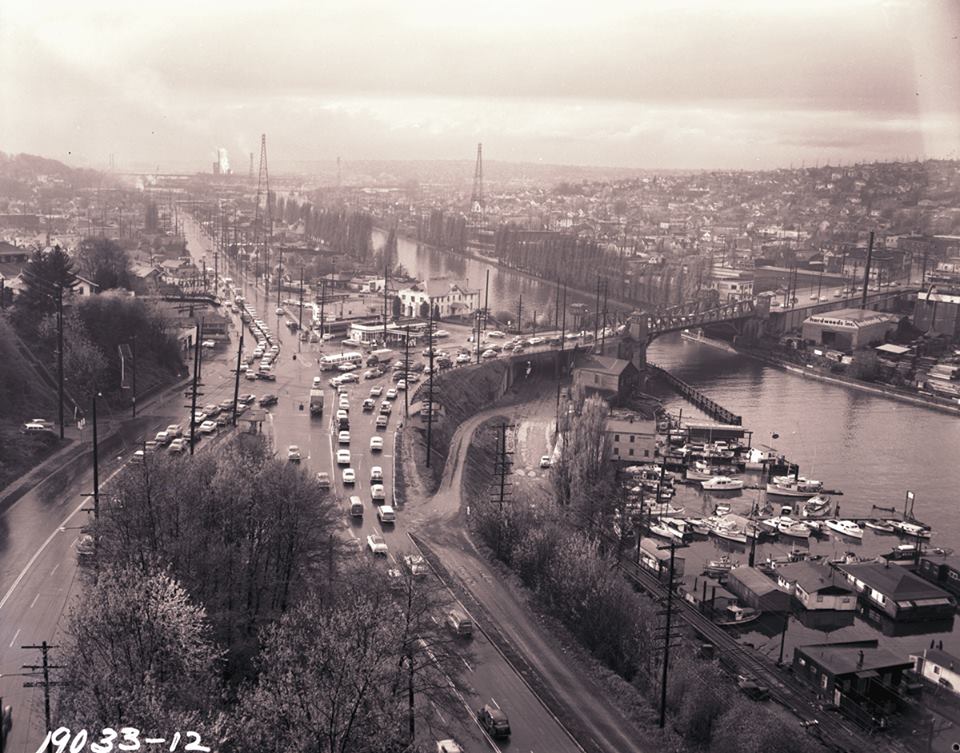
Ship canal and Fremont Bridge, Seattle, 1957
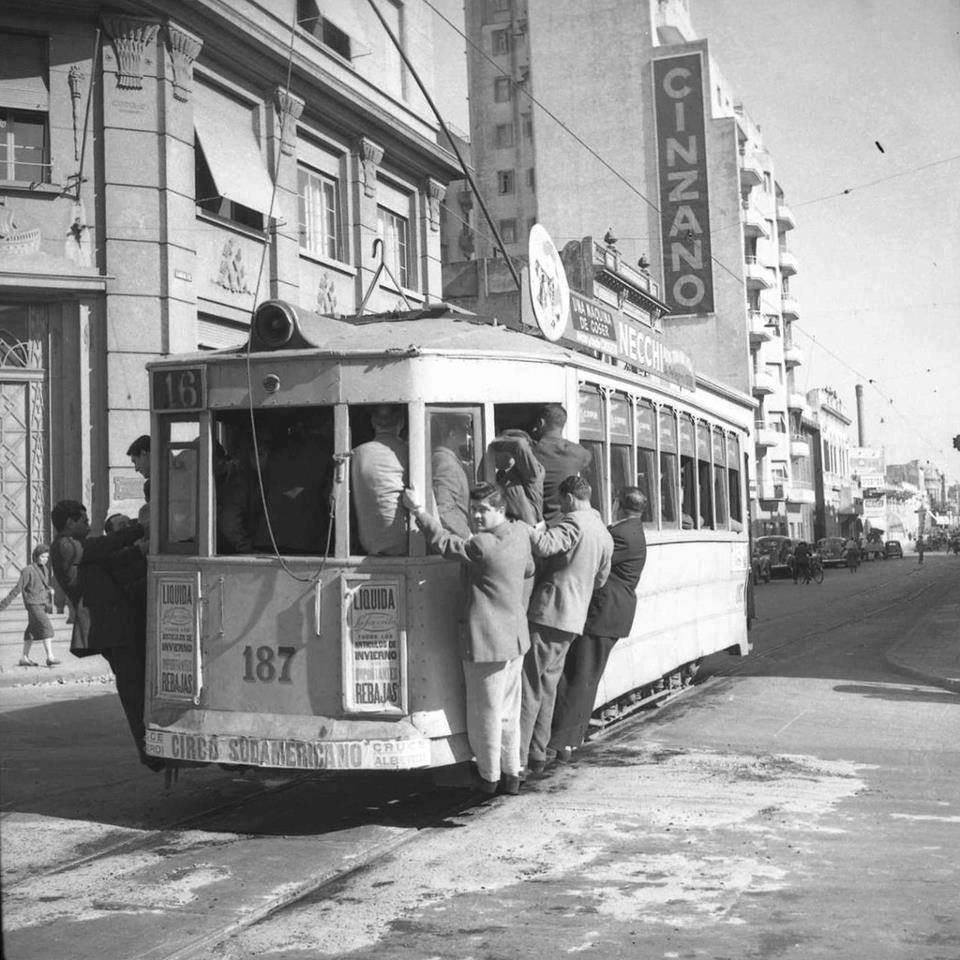
Tram number 187 on route 16 in Rosario, Santa Fe, Argentina, 1950s.
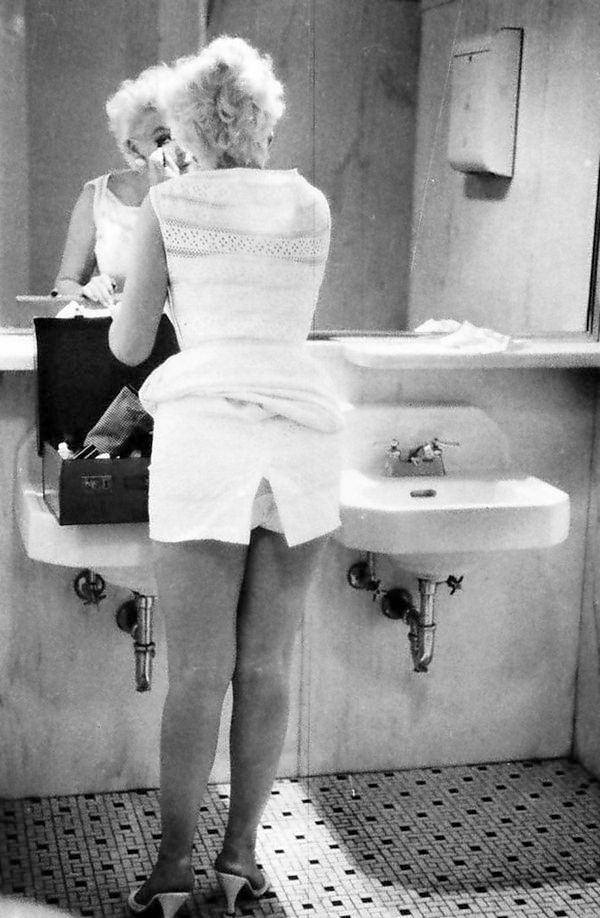
Marilyn Monroe freshens up in a public restroom in Chicago during a publicity tour, 1955.
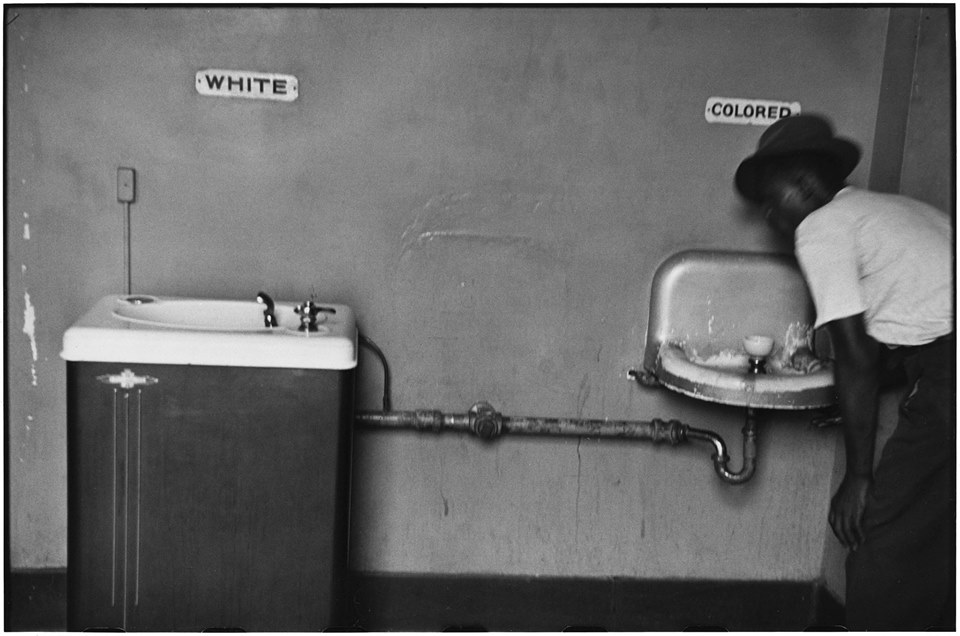
Segregated water fountains in North Carolina, 1950.
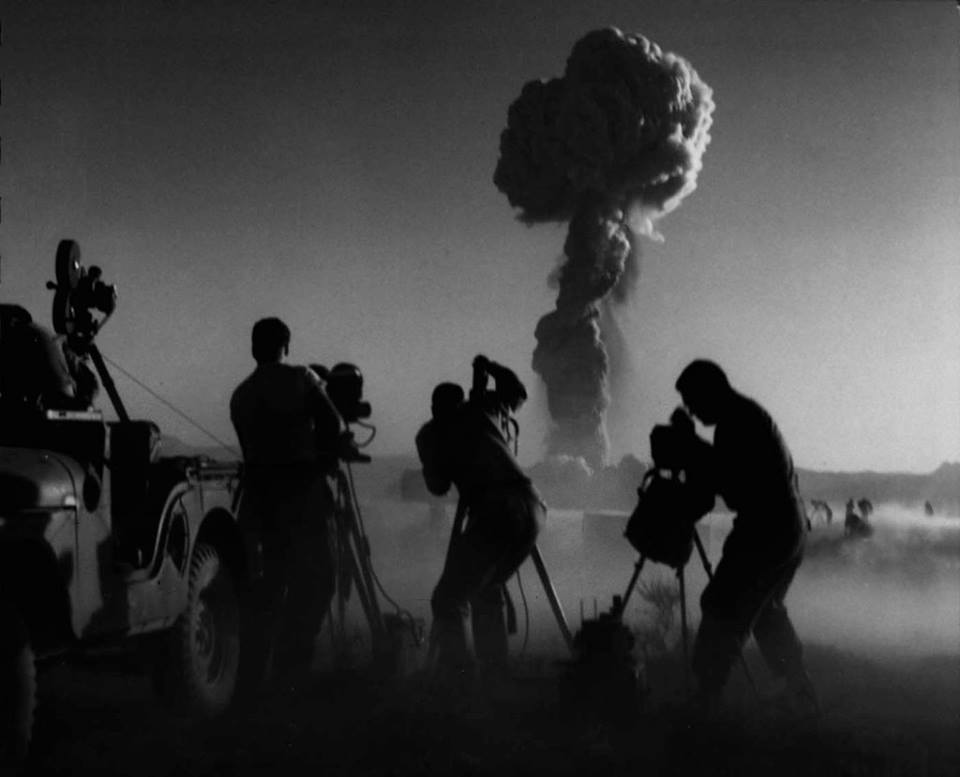
Atomic bomb testing in the Nevada desert, 1957
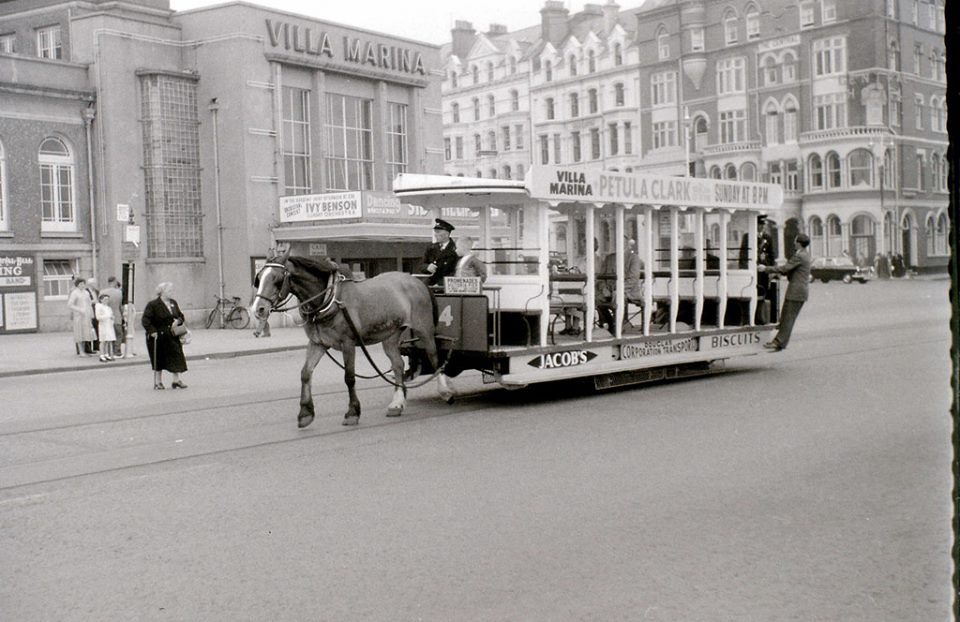
Horse tram in Douglas, Isle of Man, 1959
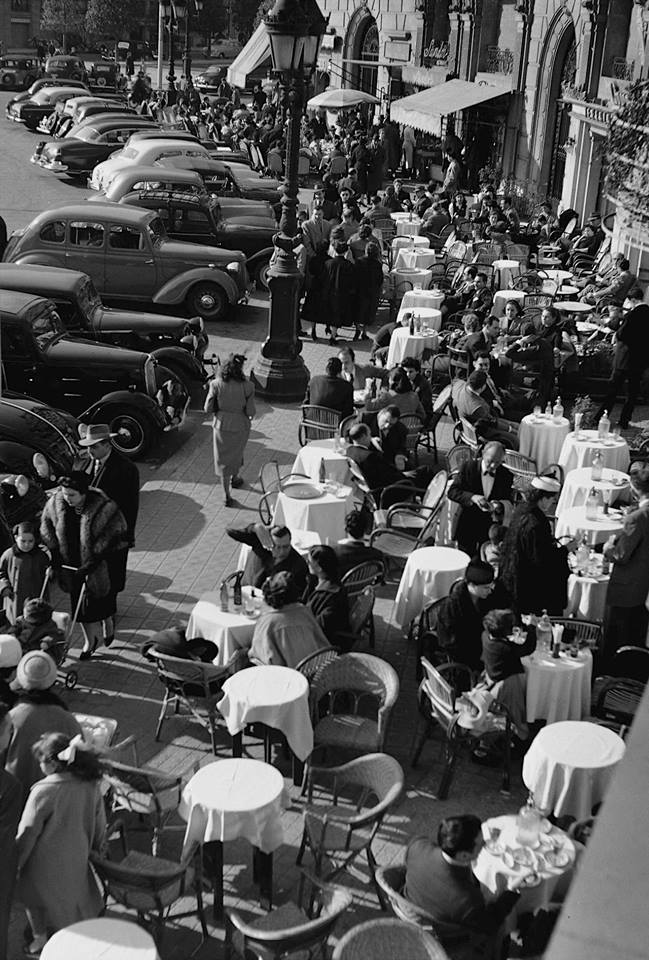
Terraces on the Diagonal, Barcelona, 1950.
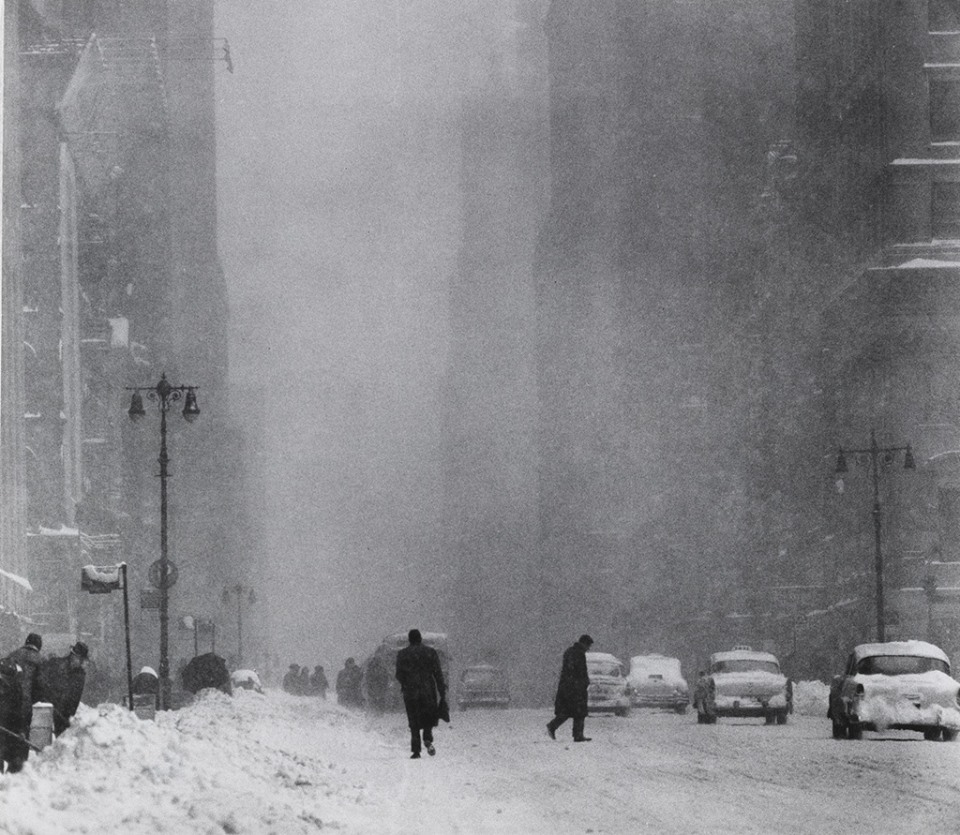
Big Snow, 42nd Street, NYC, 1956
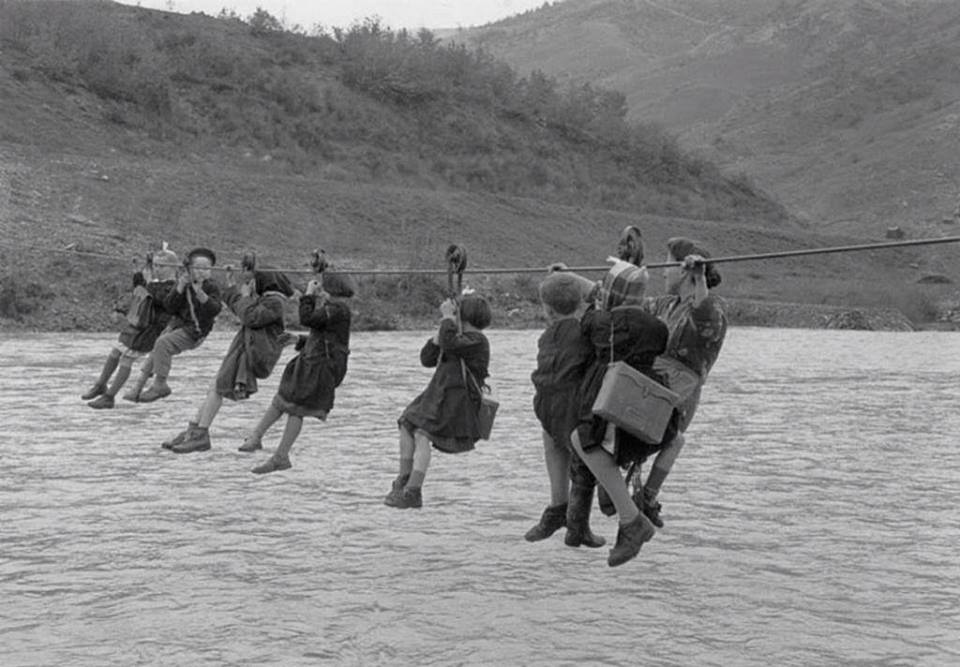
Children cross the river using pulleys on their way to school in the outskirts of Modena, Italy, 1959.
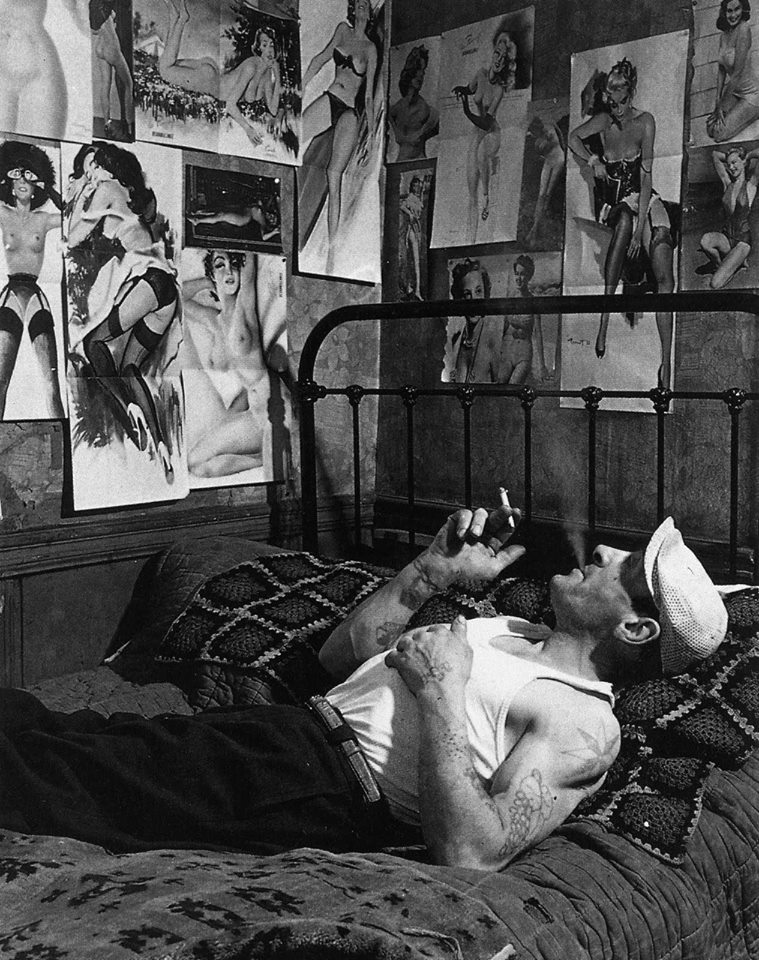
Dreaming, 1952.
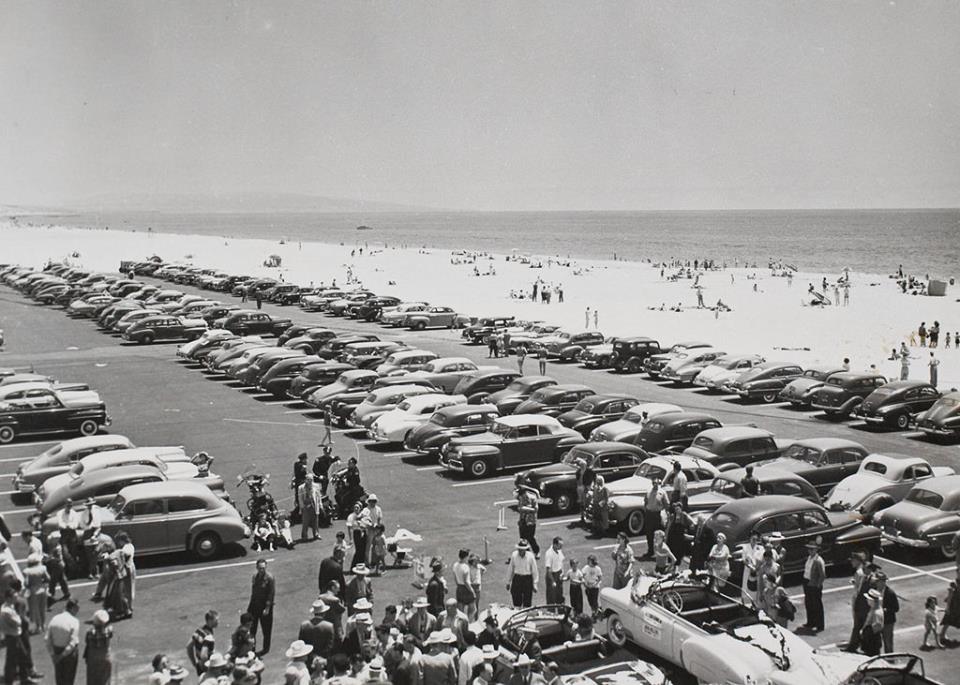
The parking lot at Venice Beach, 1952
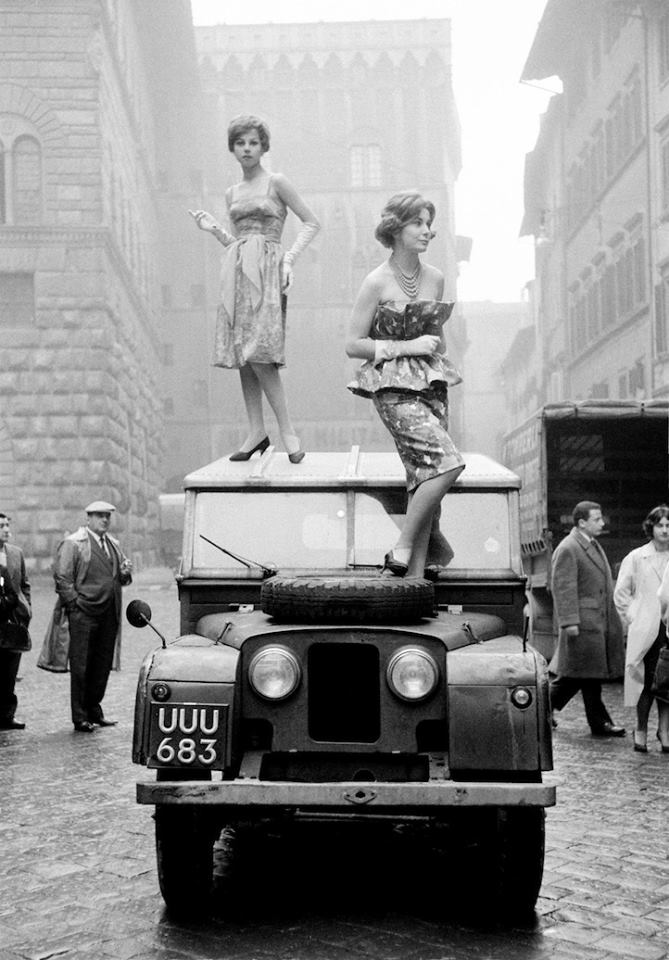
Two girl models standing on the roof of a Land Rover in Florence, Italy, 1958
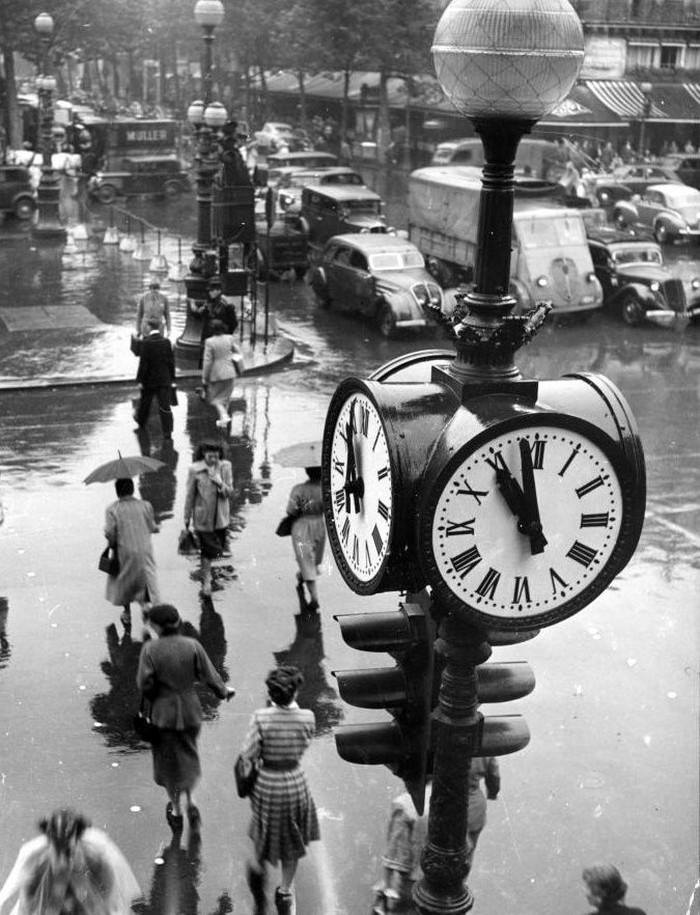
Place de l’Opéra, Paris, 1951.
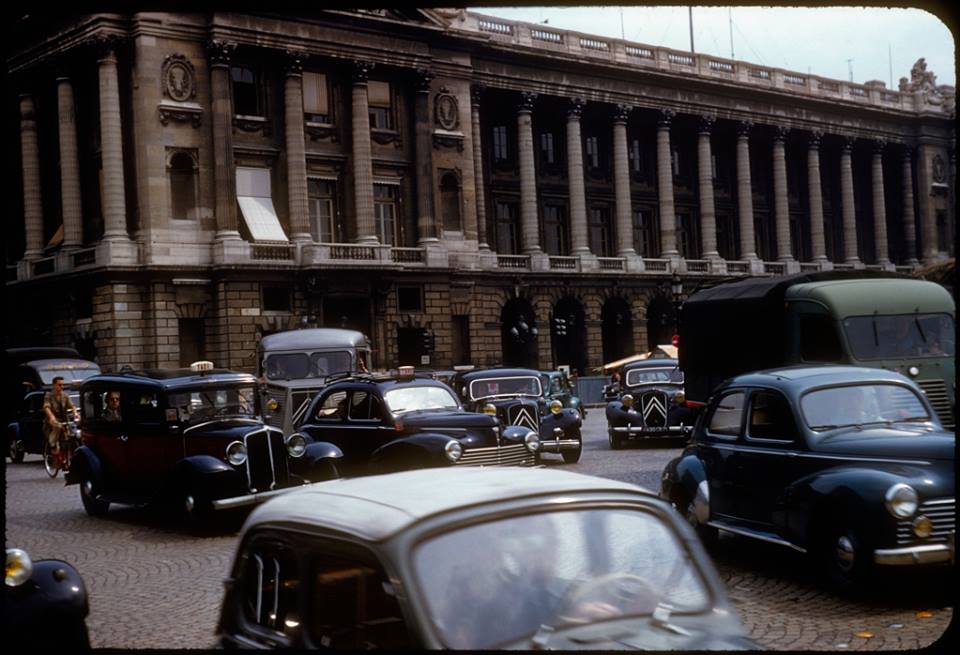
Place de la Concorde, Paris, 1955.
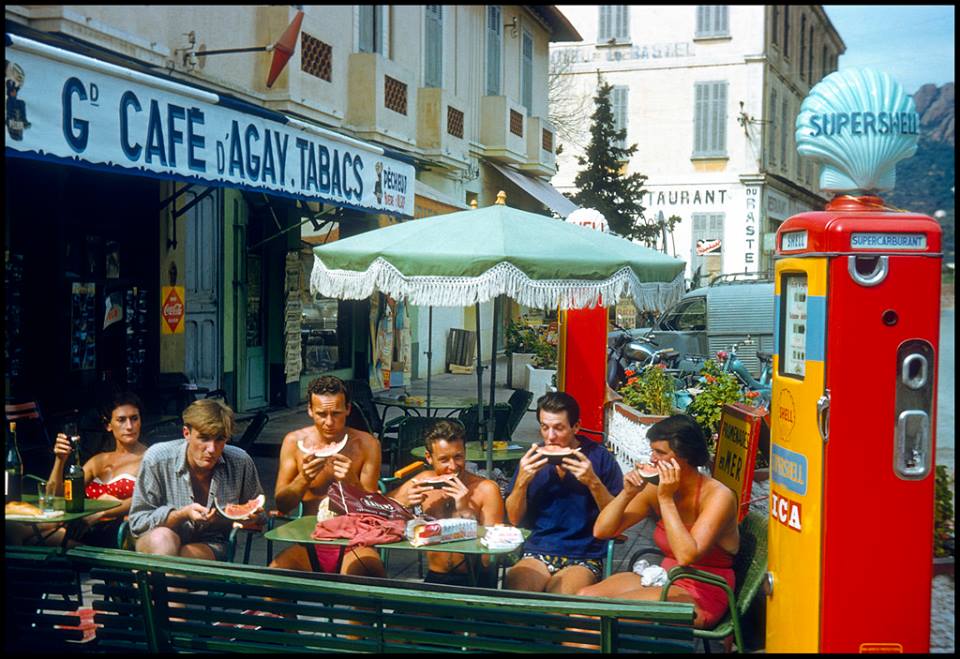
Grand café d’Agay, Saint-Raphaël, France, 1950s.
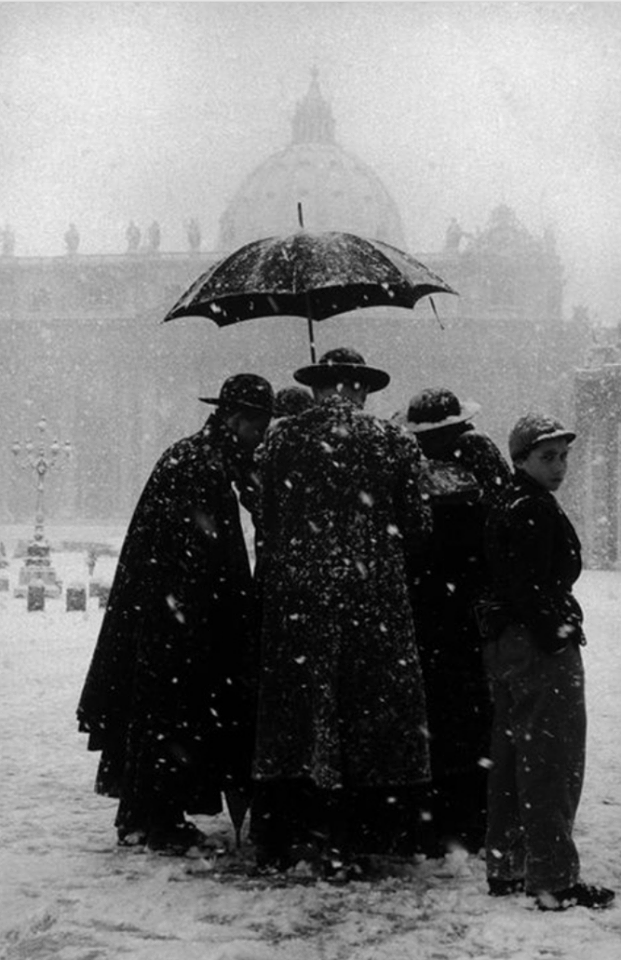
Winter at the Vatican, Rome, 1958.
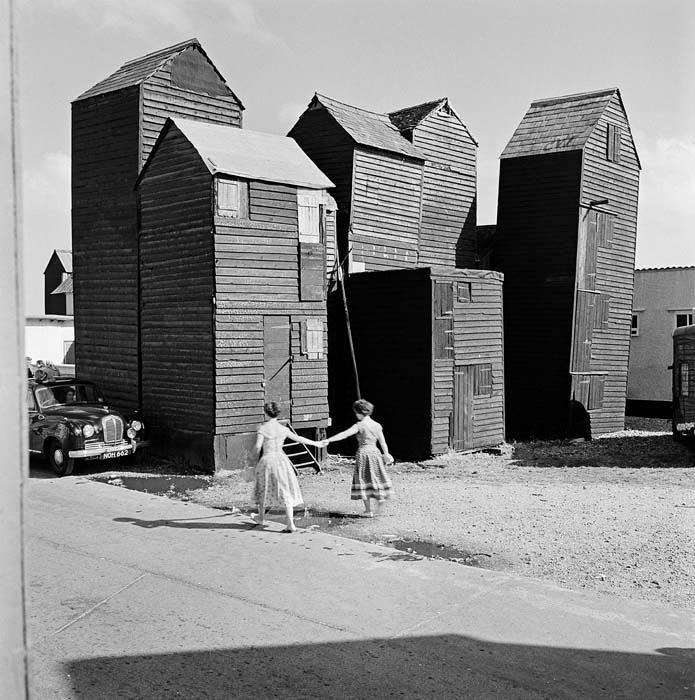
Fishermen’s stores, Hastings, East Sussex, 1956.
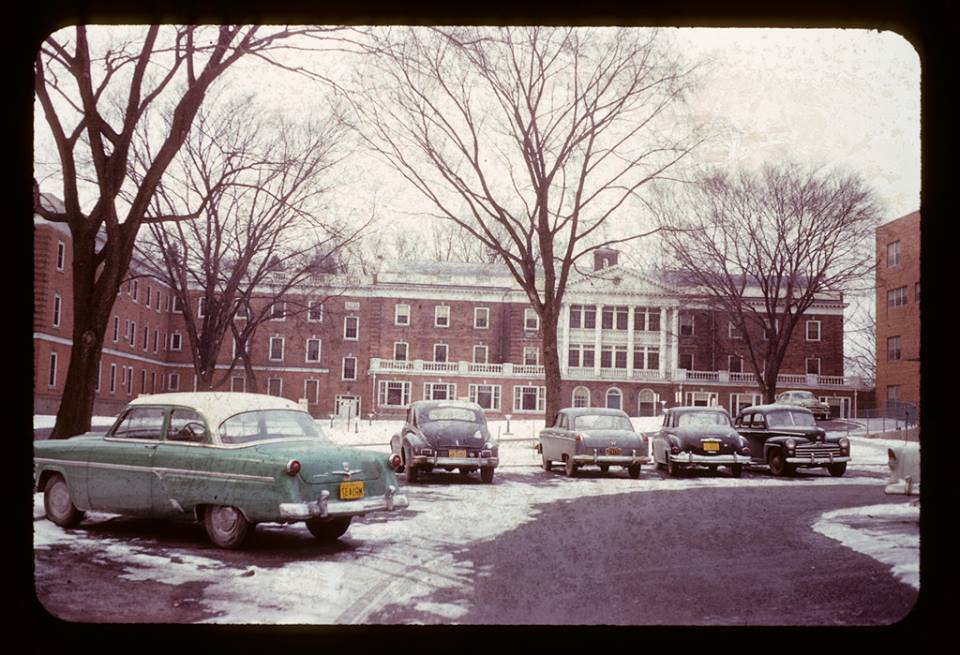
Classic cars in a building yard in Rochester, NYC, 1950s.
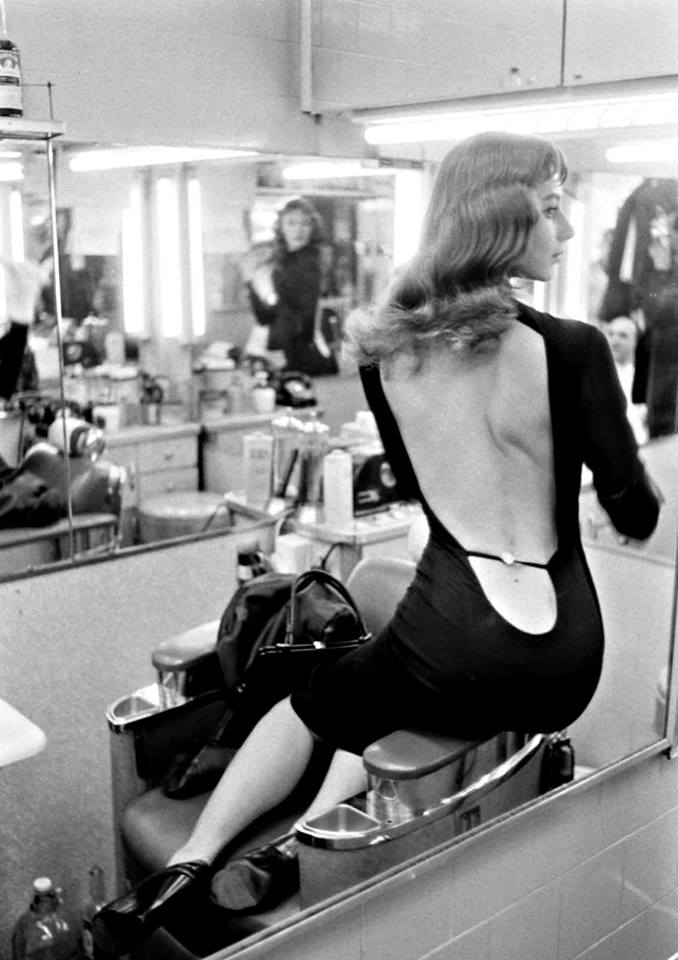
Vikki Dougan, 1953.
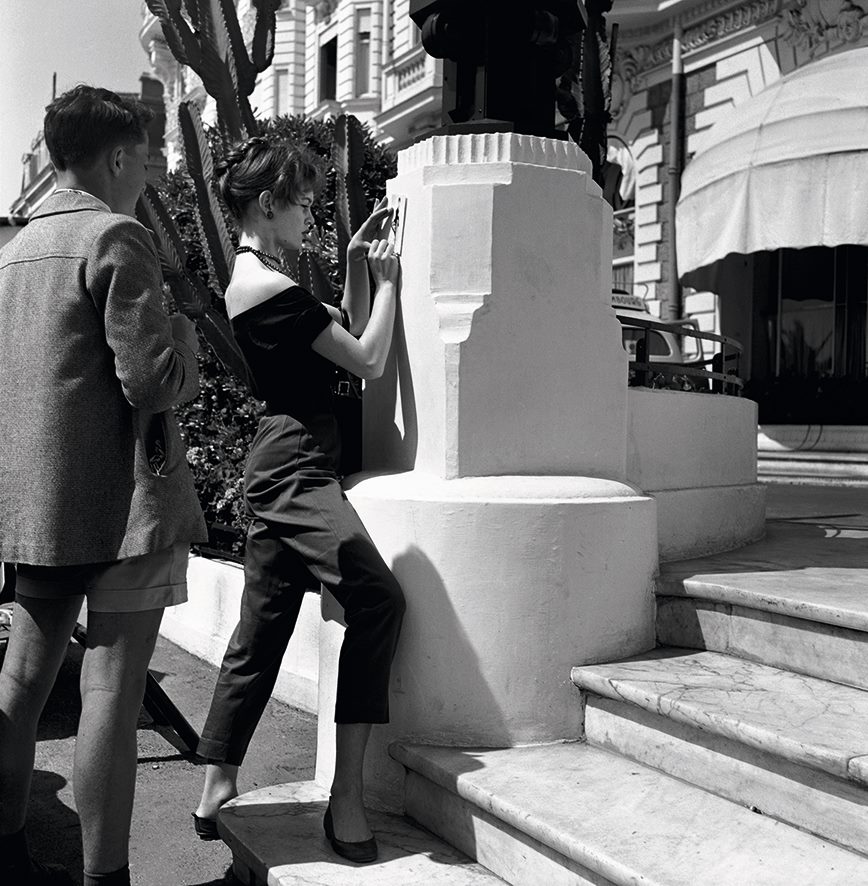
Brigitte Bardot signs her photograph for a young boy at the Cannes Film Festival in 1956.
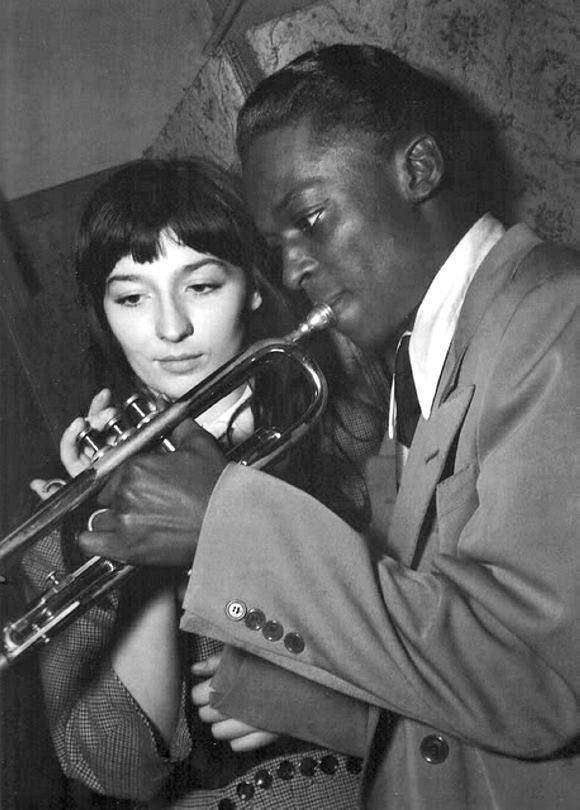
Juliette Greco assists then boy friend Miles Davis on his horn, Paris, 1954.
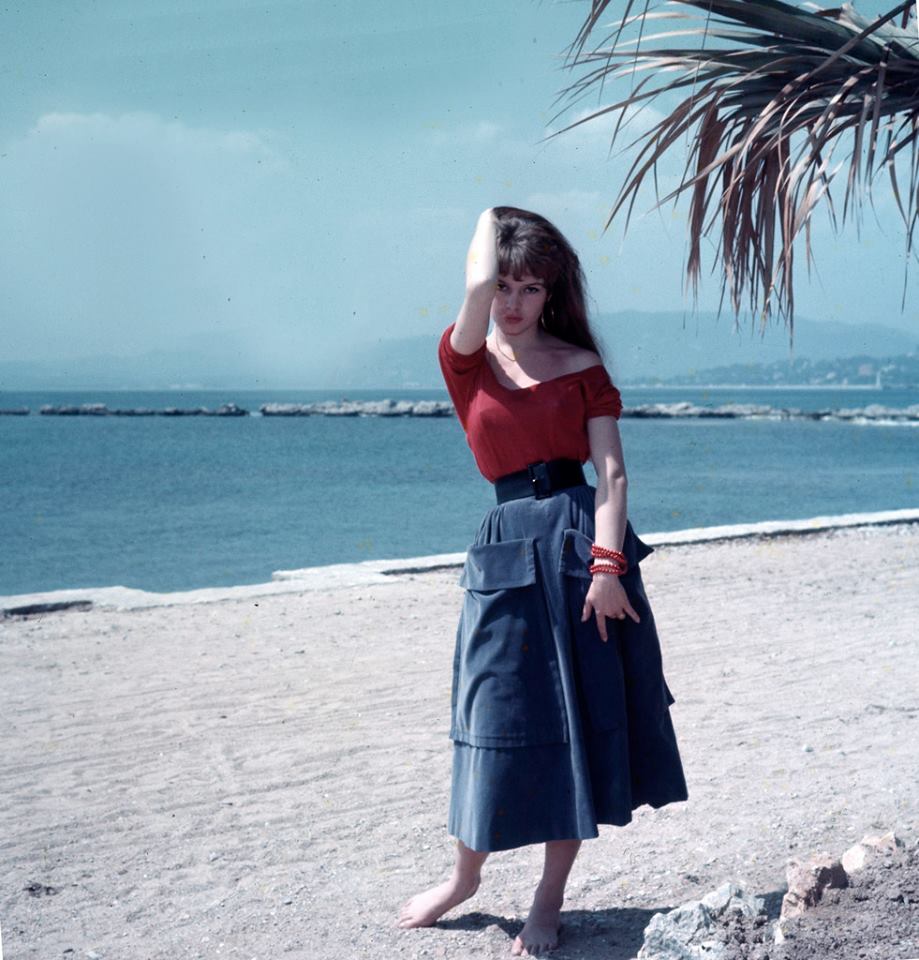
19 year-old Brigitte Bardot photographed in France at the Cannes Film Festival in 1953.
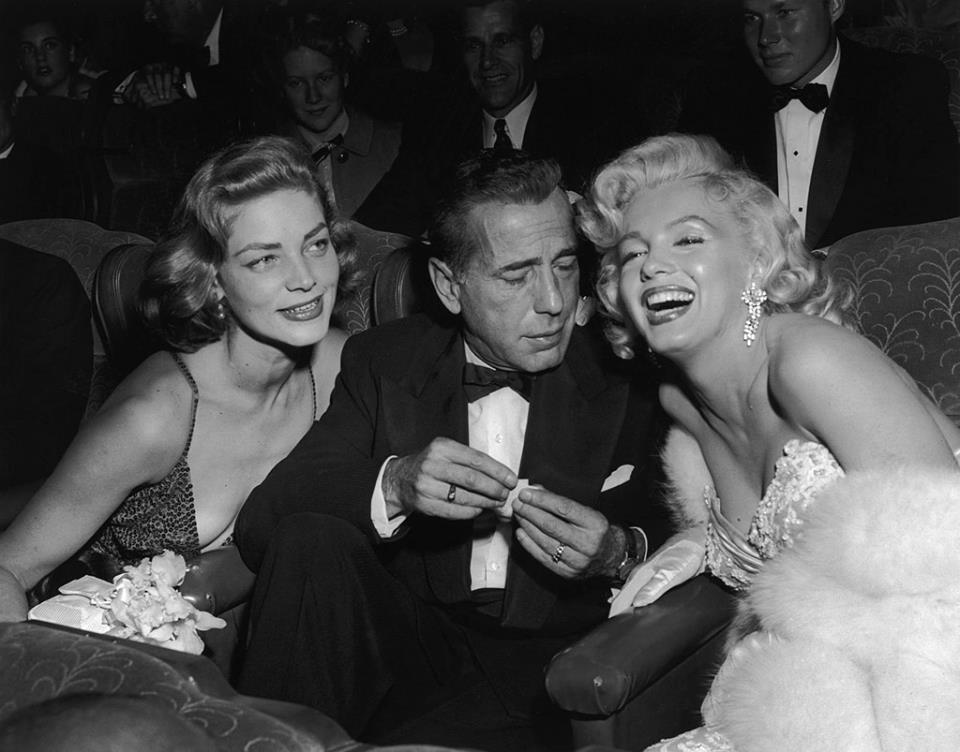
Lauren Bacall, Humphrey Bogart and Marilyn Monroe at the premiere of ‘How to Marry a Millionaire,’ 1955.
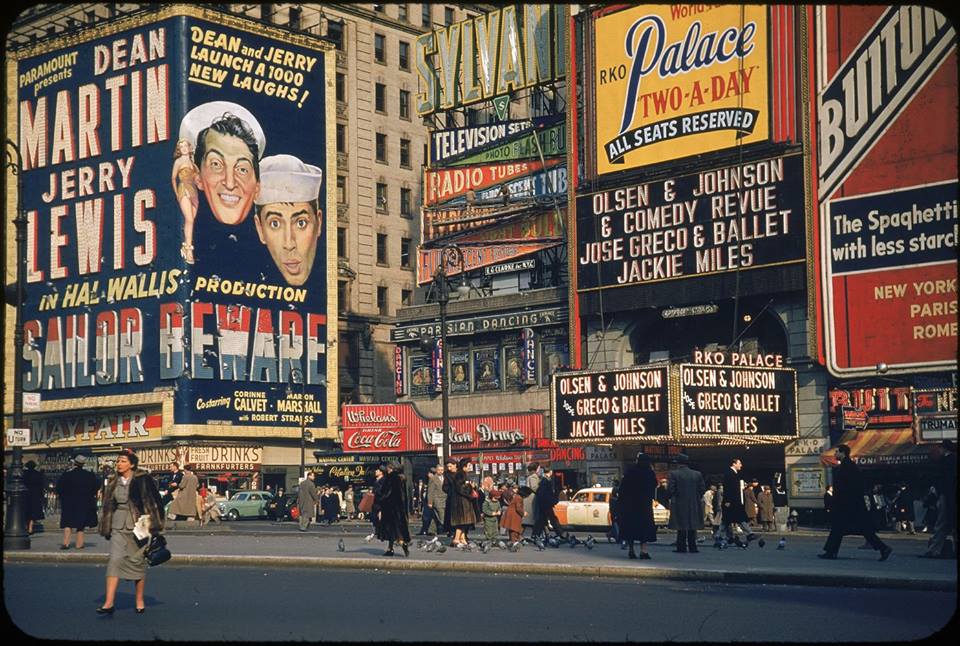
Times Square, 1952.
New York, 1955.
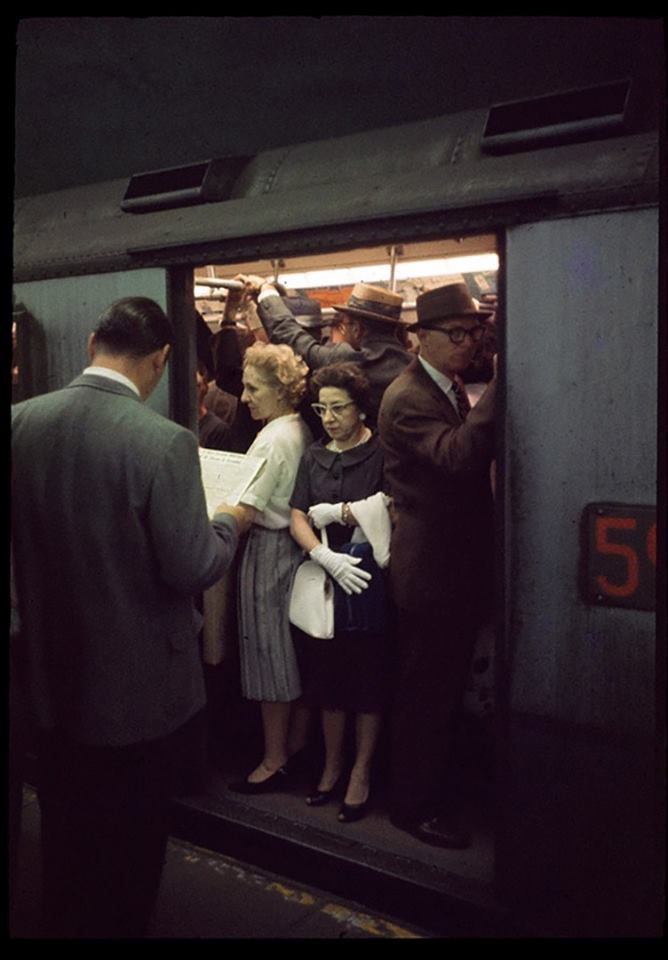
New York City subway system at rush hour, 1950s.
Boy at Llanelwedd School in Builth Wells, Wales, 1952.
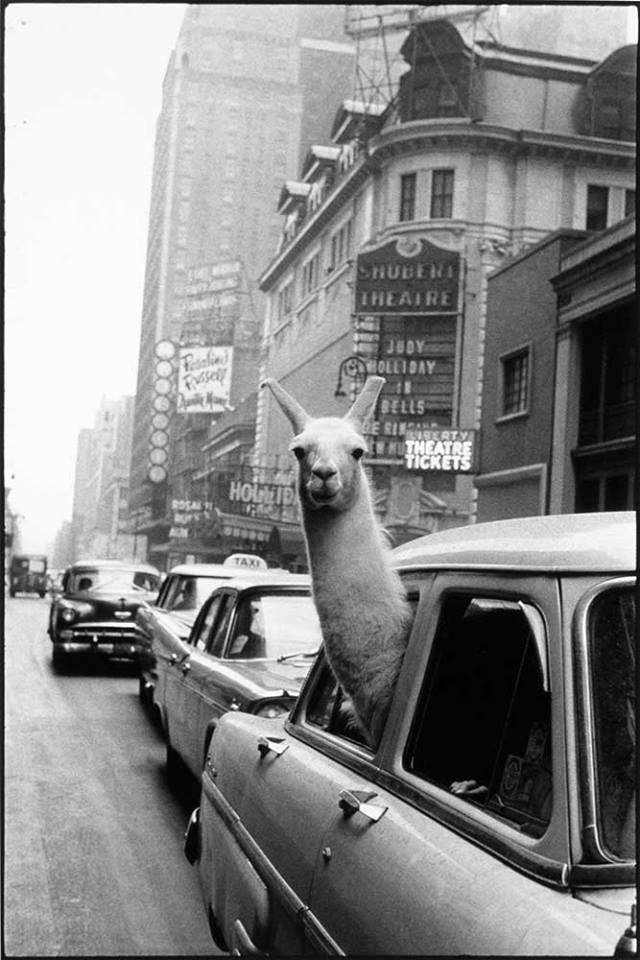
A llama in Times Square, New York City, 1957.
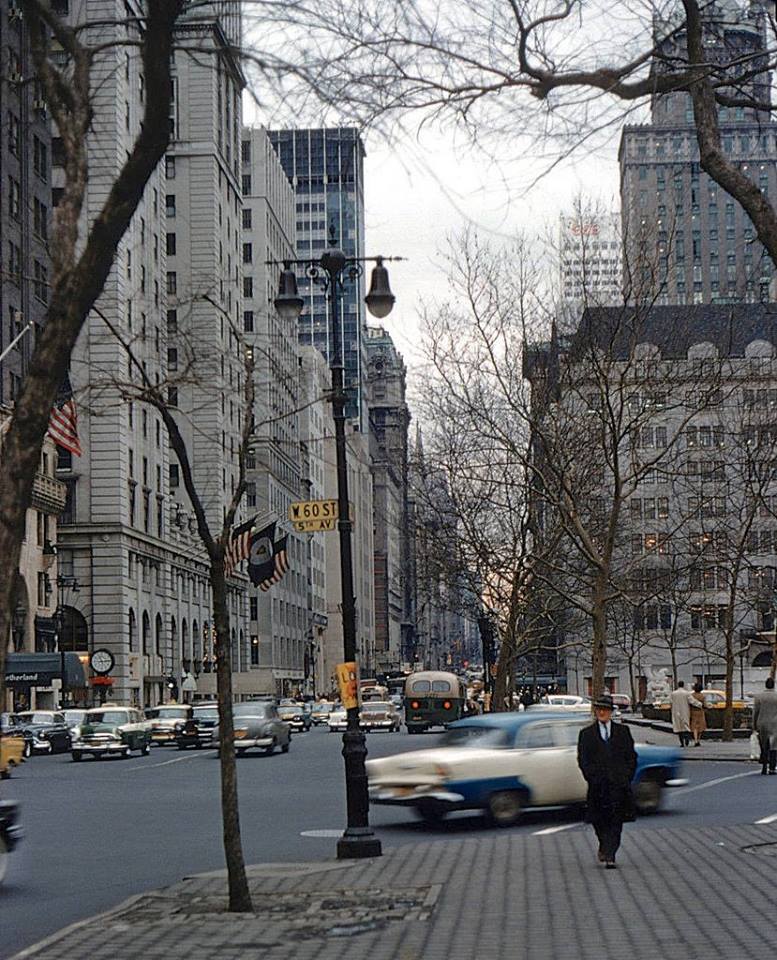
5th Avenue and 60th Street, NYC, 1958.
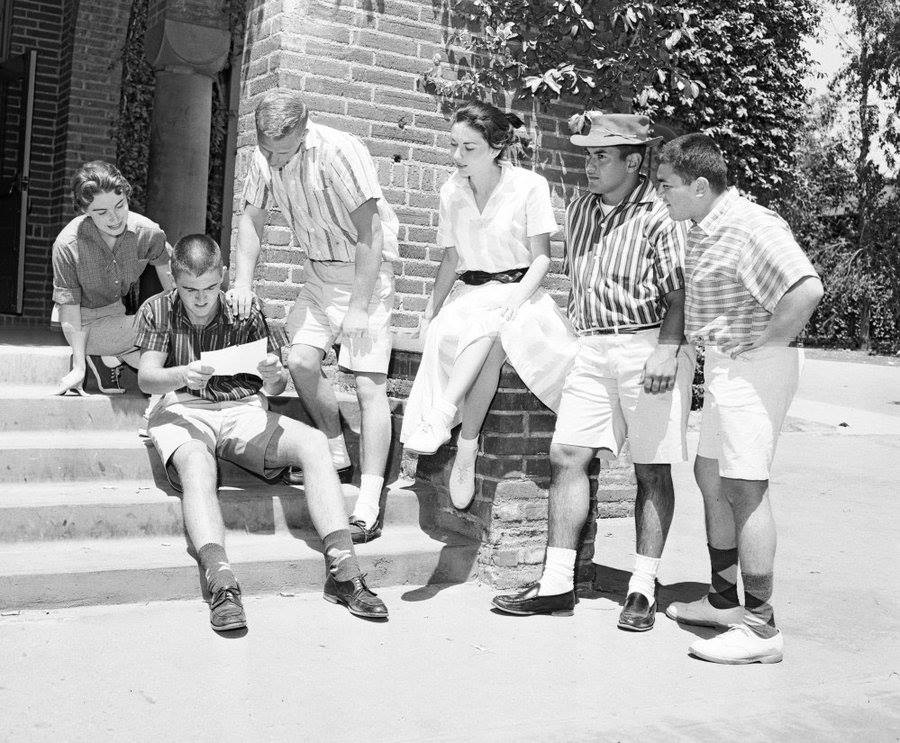
Students at Los Angeles City College gather to read about the campus ban on shorts, 1958.
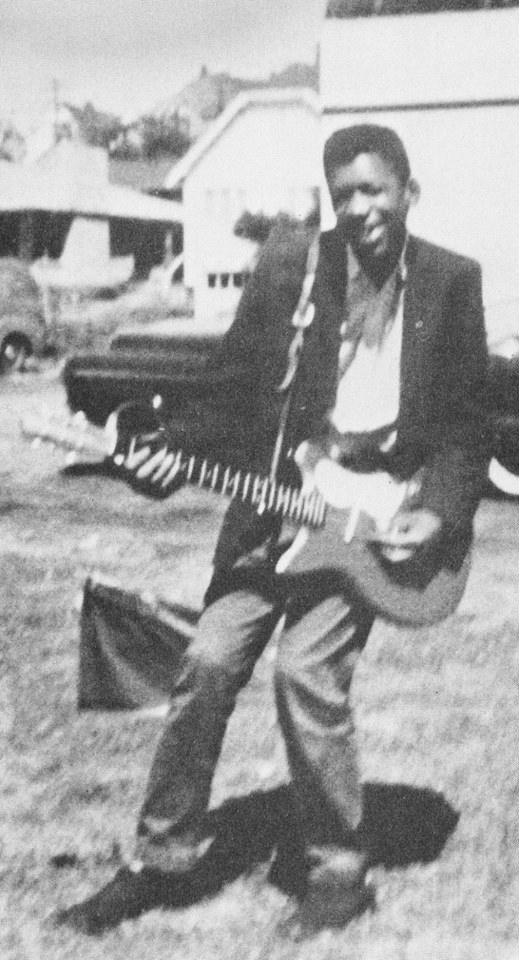
Jimi Hendrix with his first electric guitar in Seattle, 1957.
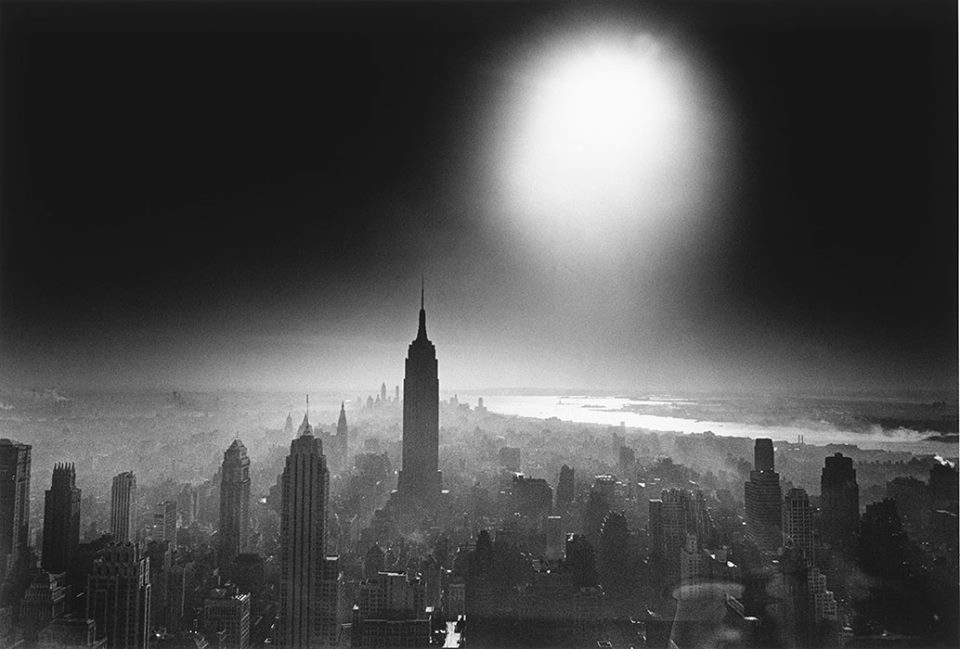
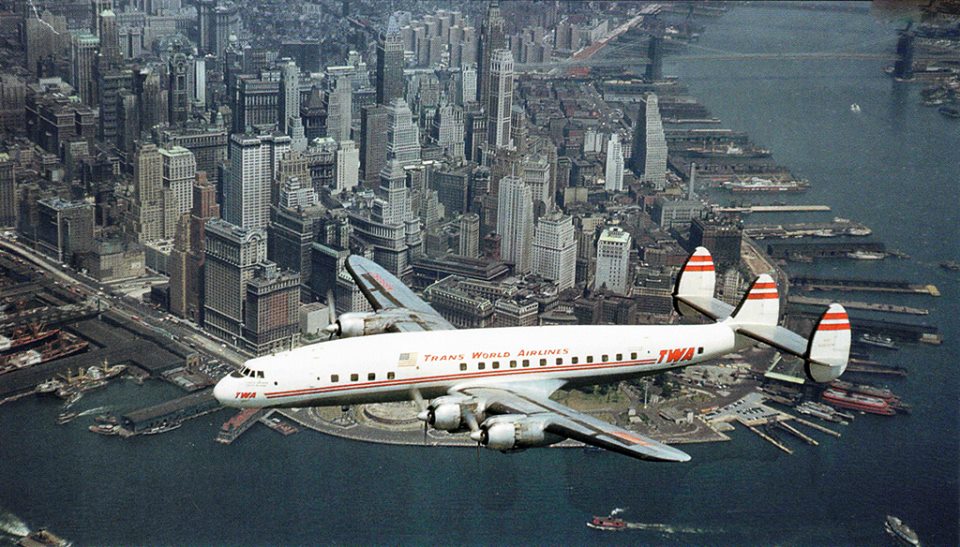
Over Lower Manhattan, NYC, 1953.
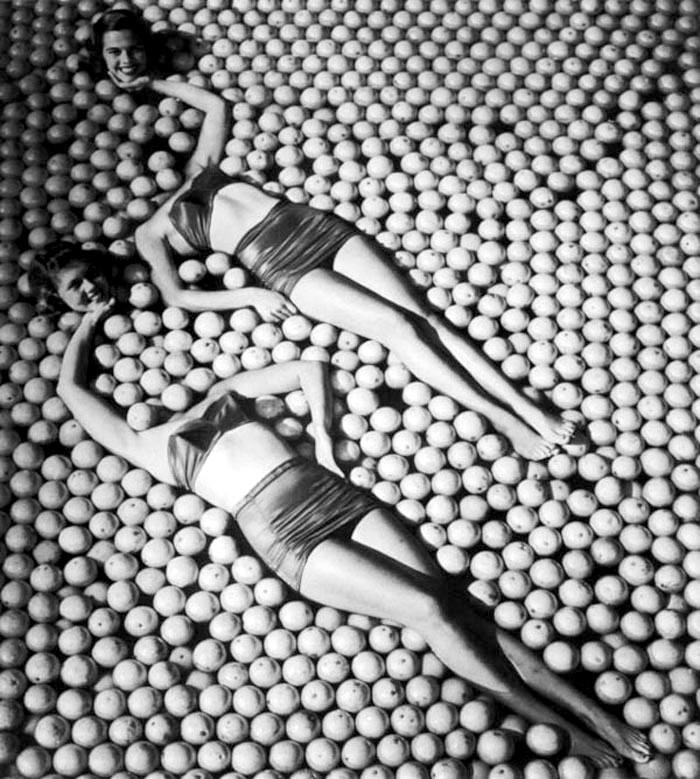
Orange Float, 1950
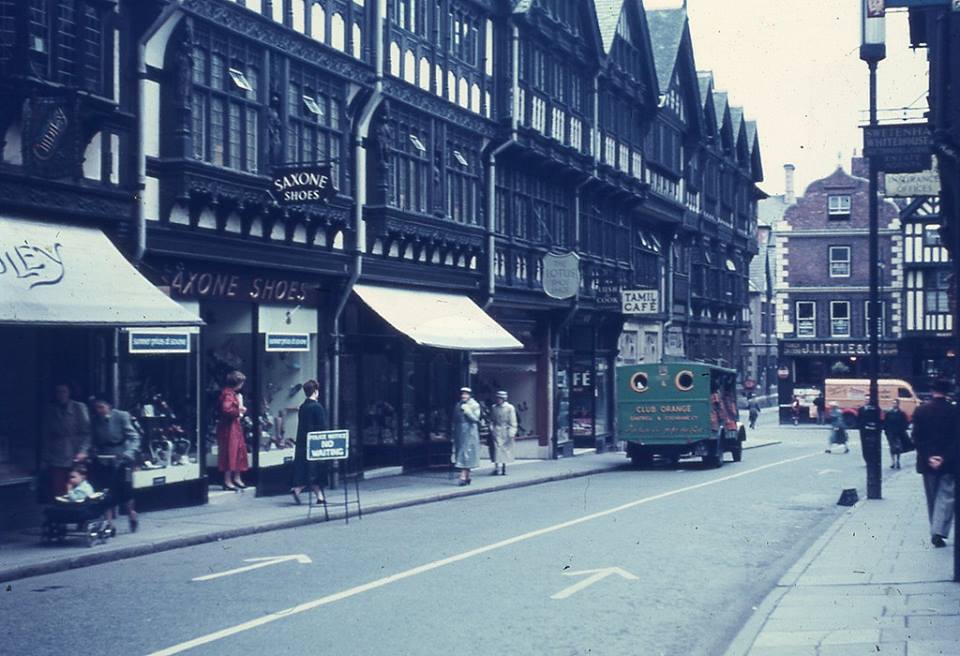
Street scene in Chester, Cheshire, England, 1950s.
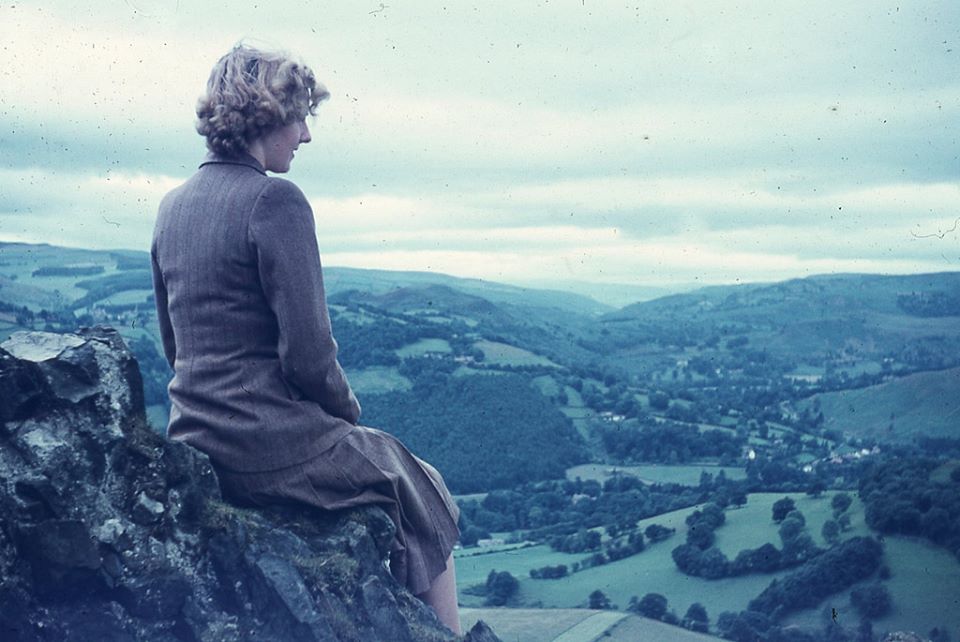
Girl looking the cityview from a hill in Bath, Somerset, England, 1950s.
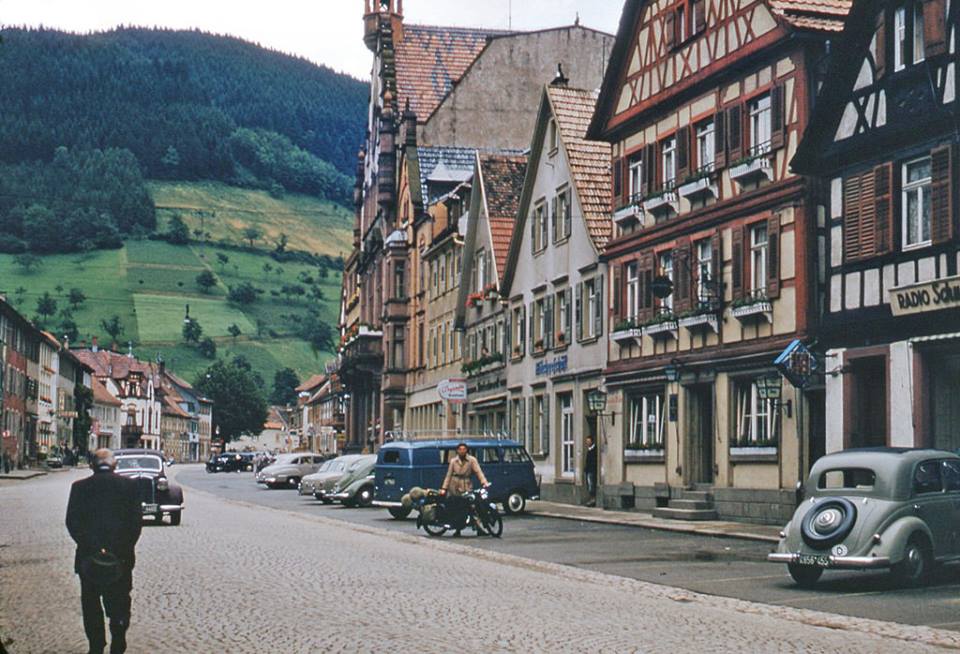
Street scene in Southern Germany, 1956.
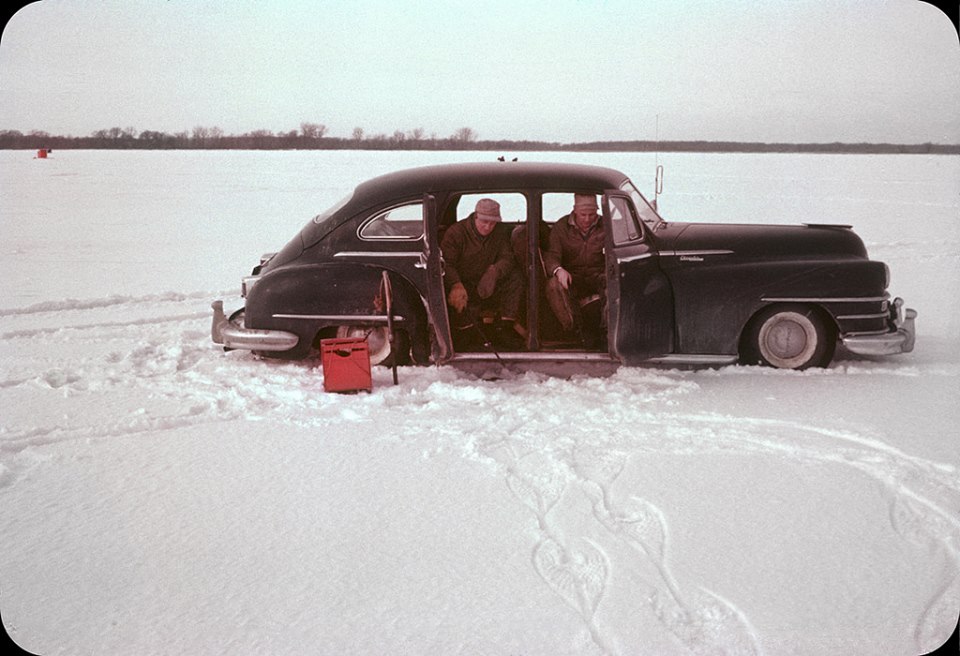
Ice Fishing from the ’46 Chrysler New Yorker, Michigan, 1955
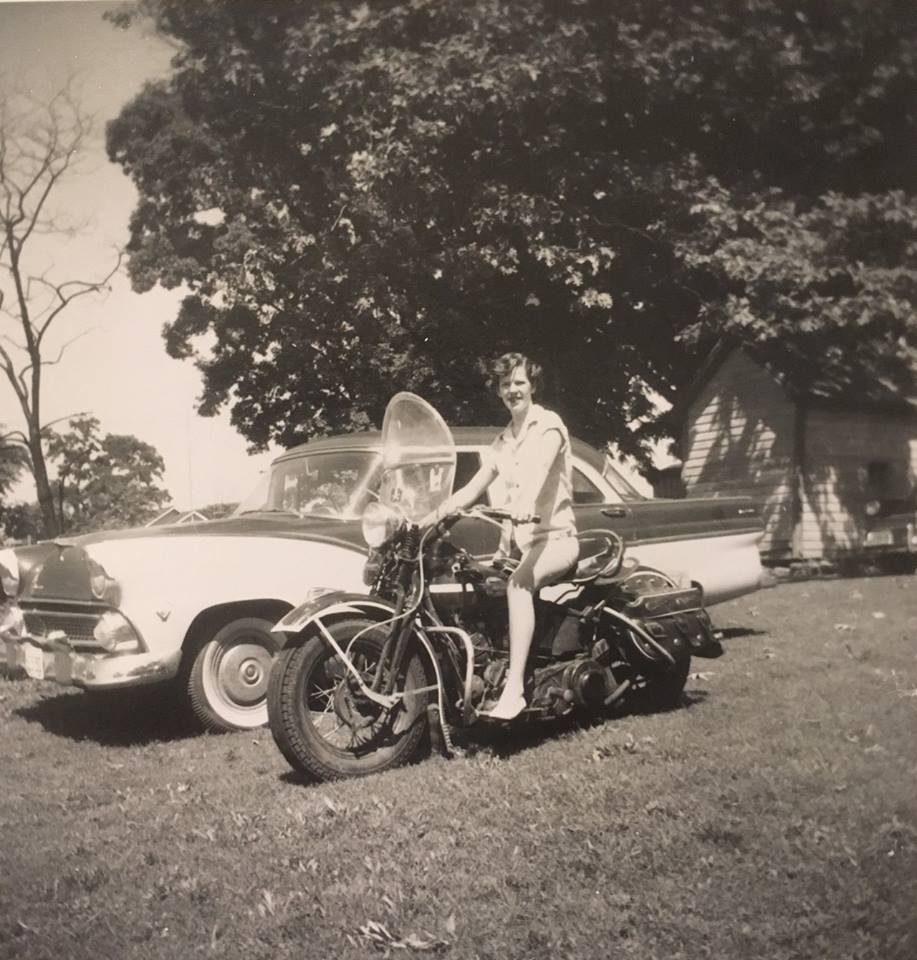
Girl rides on motorbike, 1955.
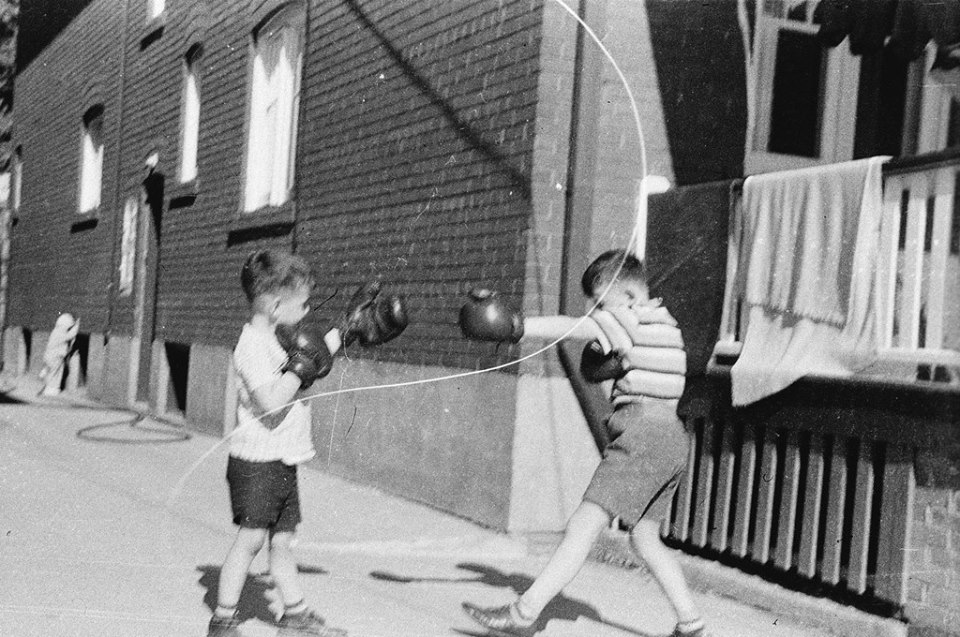
Kids playing boxing on a street in Toronto, Canada, 1950s.
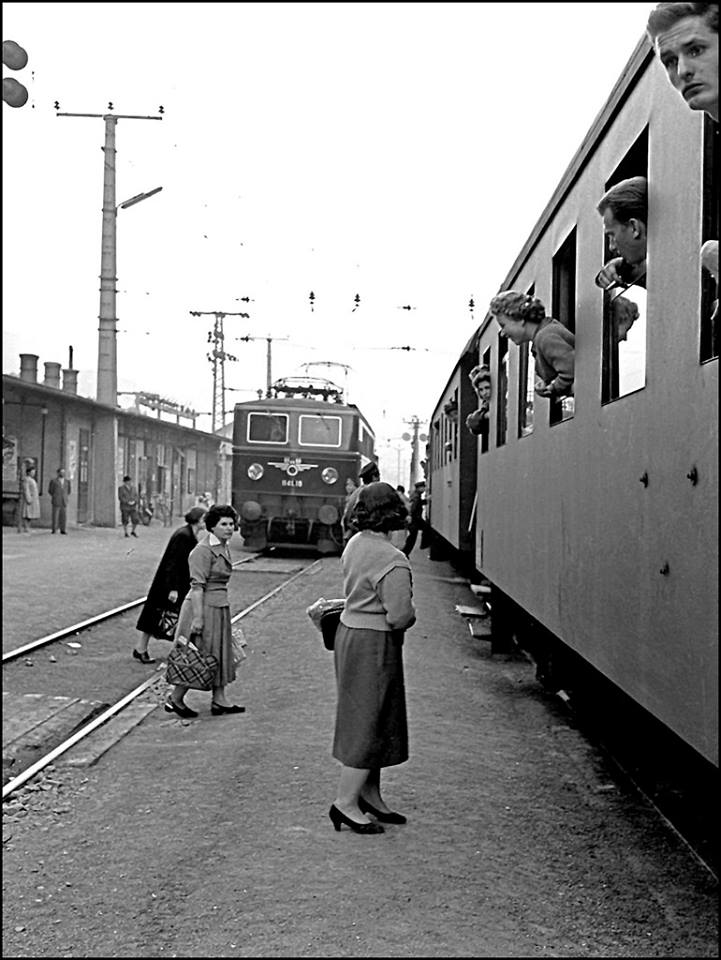
Railway station in Austria, 1958.
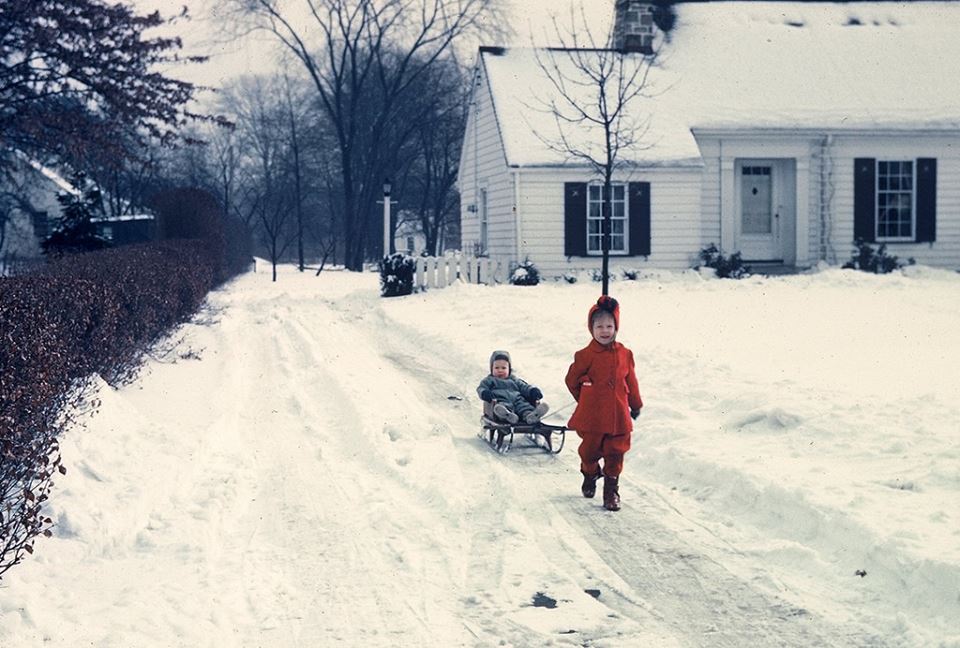
Playing in the snow in the driveway, Warren, Ohio, 1951.
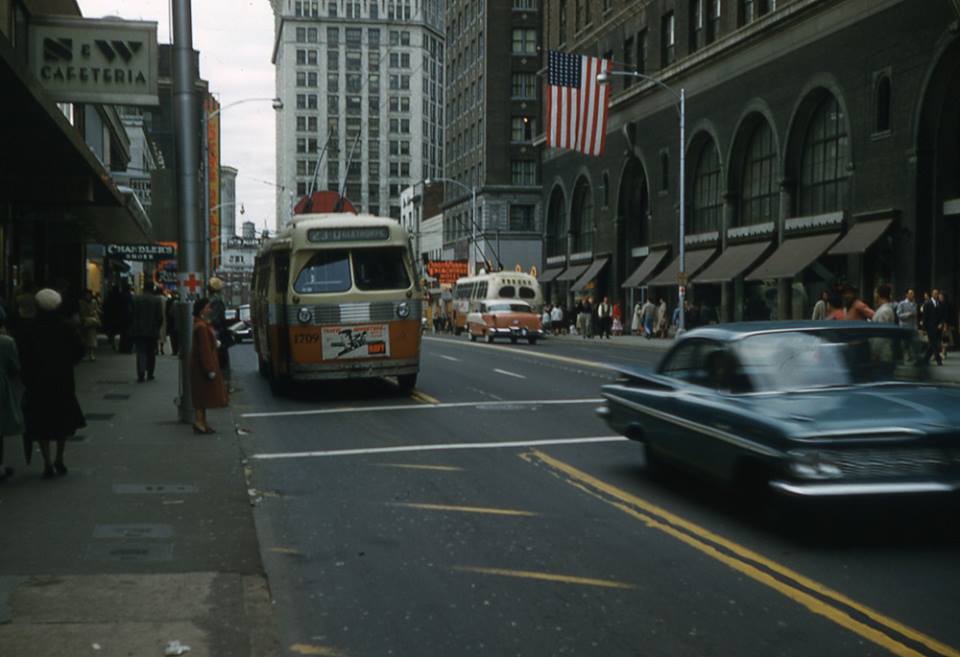
Street in Atlanta, Georgia, 1959.
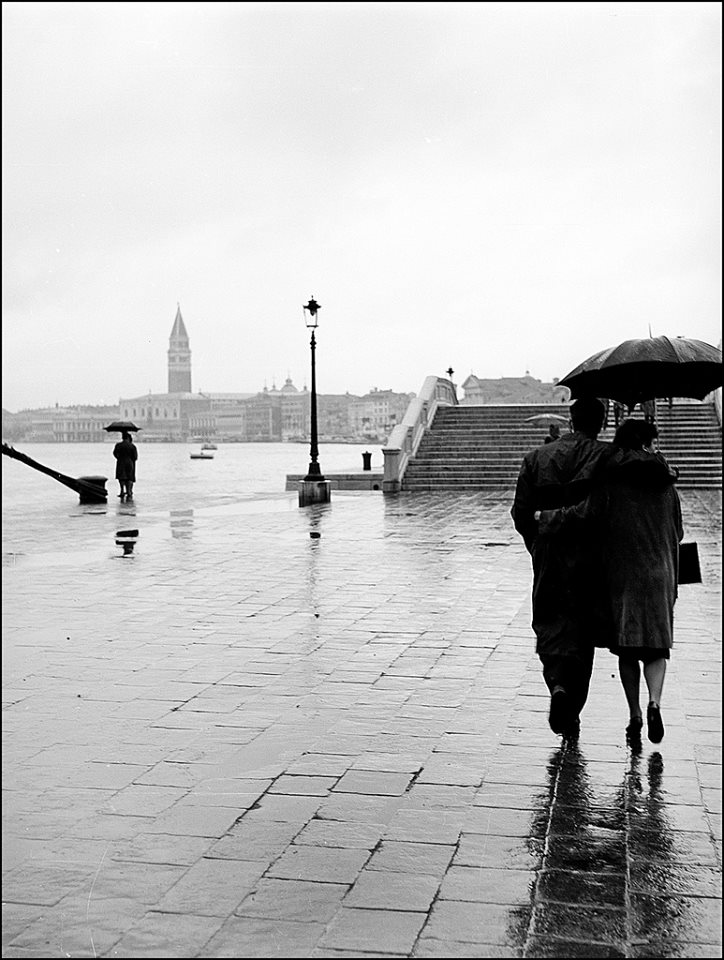
Venice in 1958.

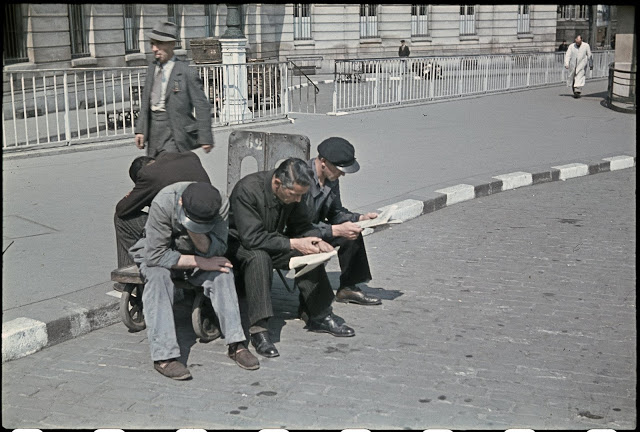
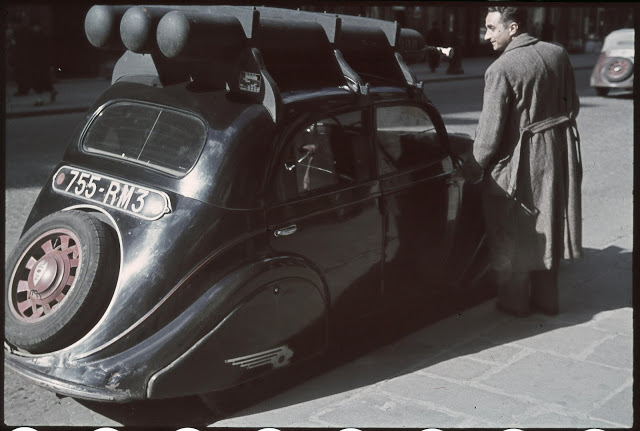
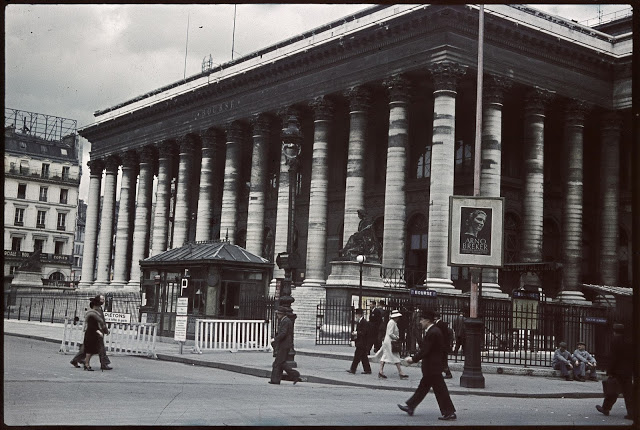
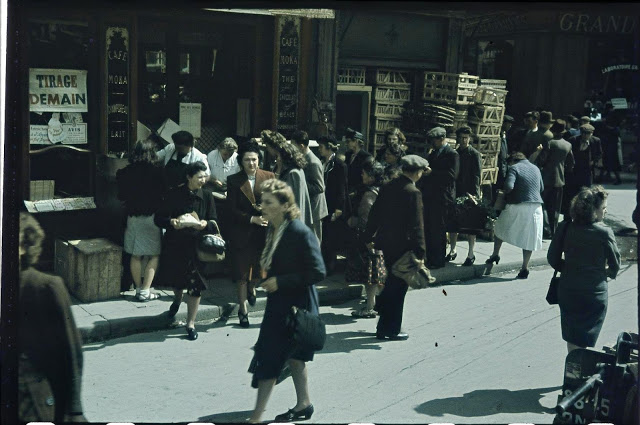
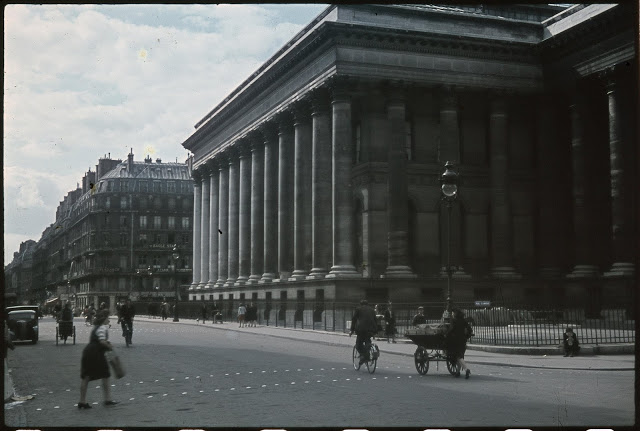
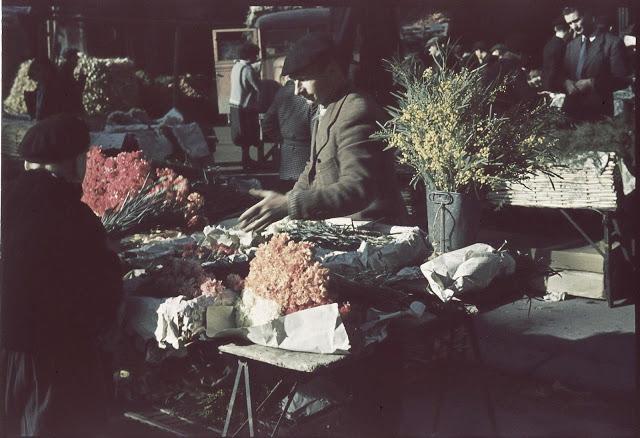
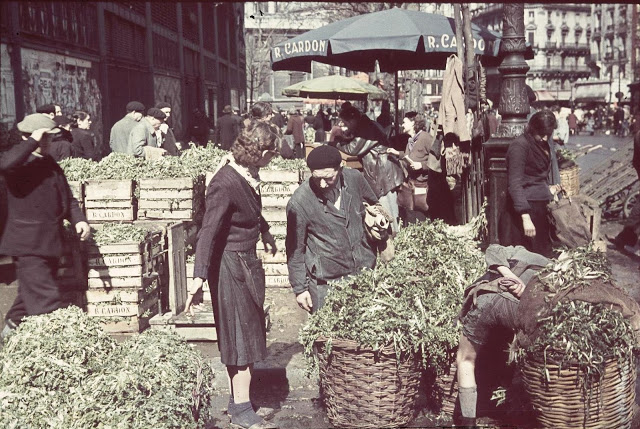
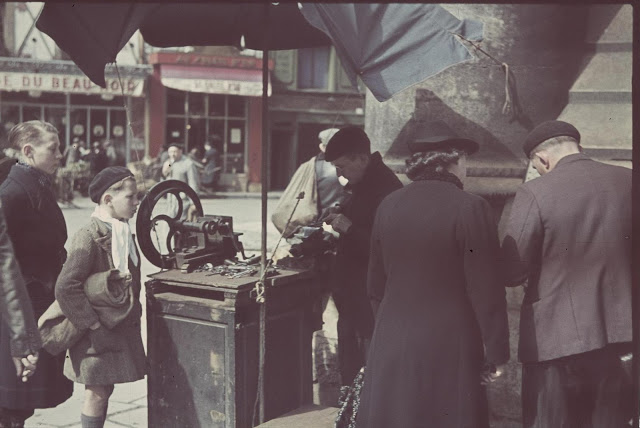
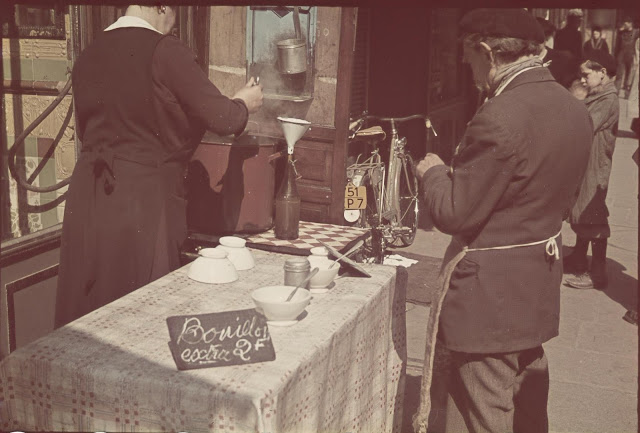
40 Interesting Photos of Paris in 1942

(Photos by André Zucca)

André Zucca was born in 1897 in Paris, the son of an Italian dressmaker. Zucca spent part of his youth in the United States before returning to France in 1915. Following the outbreak of World War I, he joined the French Army where he was wounded and decorated with the Croix de Guerre. After the war, he began a career as a photographer.

After several foreign reports from 1935 to 1937 (Italy, Greece, Yugoslavia, Japan, China, India, Morocco) alongside fellow journalist Joseph Kessel, he began work for several news publications, including L’Illustration, Paris-Soir, and Match. From September 1939 until the Fall of France in June 1940, he covered the Phony War in the press.

In 1941, he was contracted by the occupying Germans to work as a photographer and correspondent for the magazine Signal, a propaganda organ of the German Wehrmacht. His photography was used to support a positive image of the German occupation in France, as well as to encourage French men to volunteer for the Legion of French Volunteers Against Bolshevism, a collaborationist French militia serving on the Eastern Front. It is disputed whether or not Zucca’s work for the Germans was linked to any ideological sympathies with Nazism, and some have argued he was a right-wing anarchist.

Paris newsstand selling copies of Signal magazine, August 1941
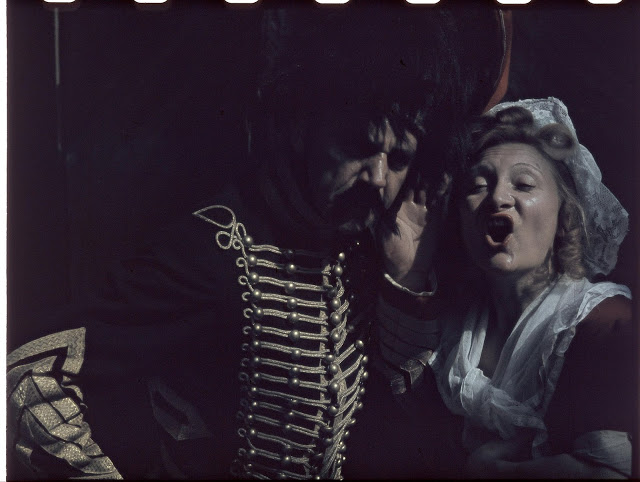
In addition to his contributions to Signal, he was one of the few photographers in occupied-Europe with access to Agfacolor film, a rare and expensive piece of color film at the time, thanks to his close relationship with the Germans. He is most well known today for his color photographs of daily life in Paris under German occupation.

His son Pierre, (fr) a film director, was born in 1943.

Following the liberation, he was placed on trial in October 1944 by the French Provisional Government in the épuration légale (legal purge), where his journalistic privileges were permanently revoked. The court ruled that no further legal action should be taken against Zucca, largely thanks to the credentials of a resistance member who spoke out on his behalf. With his journalism career in shambles, Zucca assumed the name André Piernic and settled in the French commune of Dreux, where he opened a small photo boutique, taking wedding and communion photos. He died in 1973.

His photo collections were purchased by the Bibliothèque historique de la ville de Paris in 1986, consisting primarily of his photos of occupied Paris taken during World War II. In 2008, Éditions Gallimard, a major French publishing house, worked with the city of Paris to organize an exhibition of Zucca’s wartime photographs. The exhibition attracted a great deal of controversy for its portrayal of a seemingly-carefree, wartime Paris. (Wikipedia)

Yesterday Today

Bringing You the Wonder of Yesterday - Today

Skip to content ↓