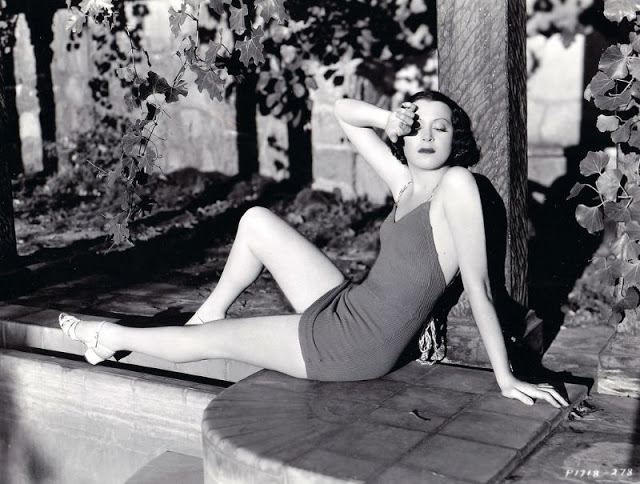
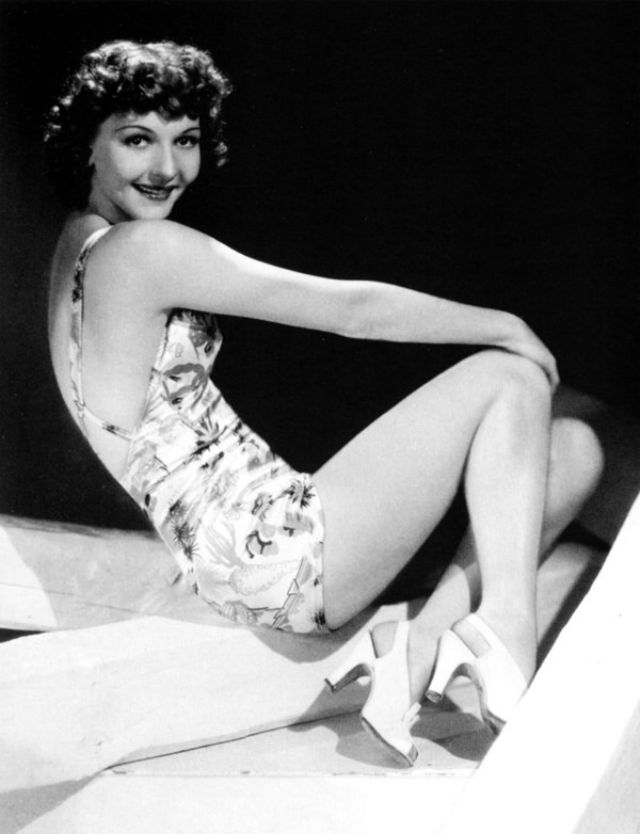
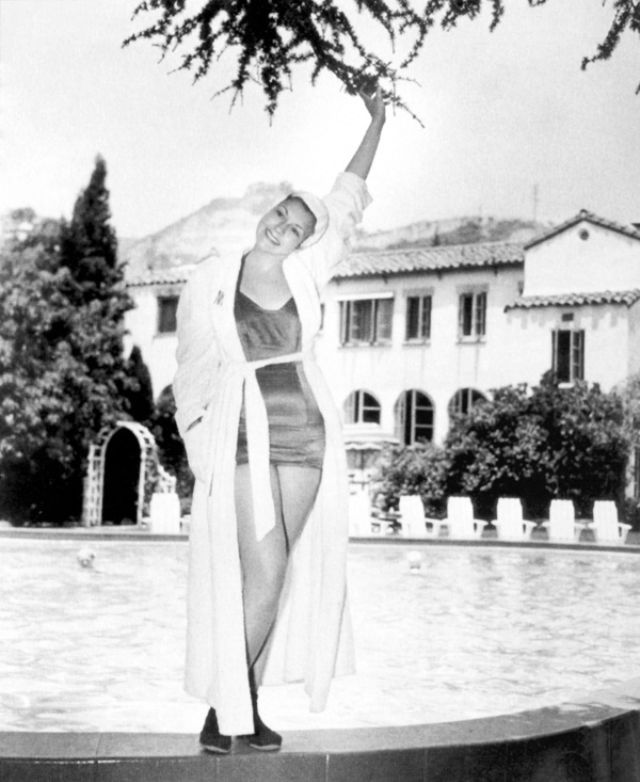
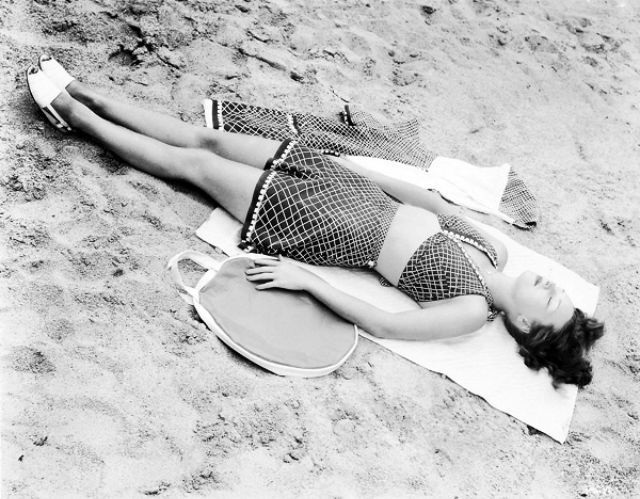
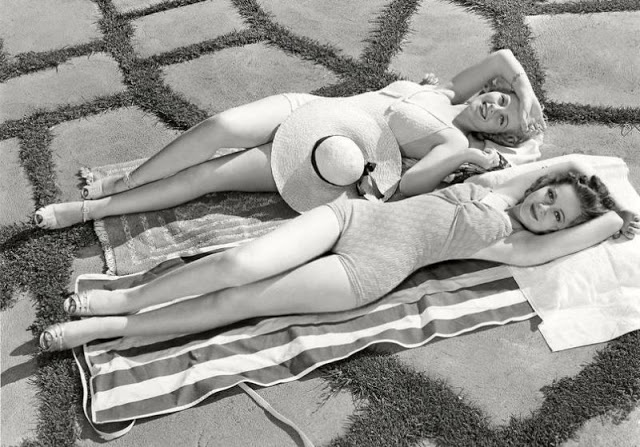
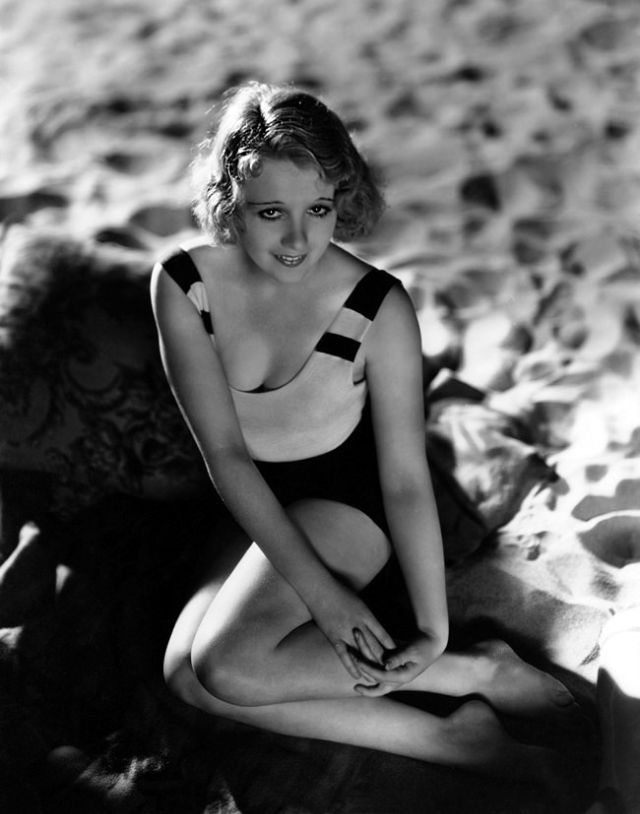
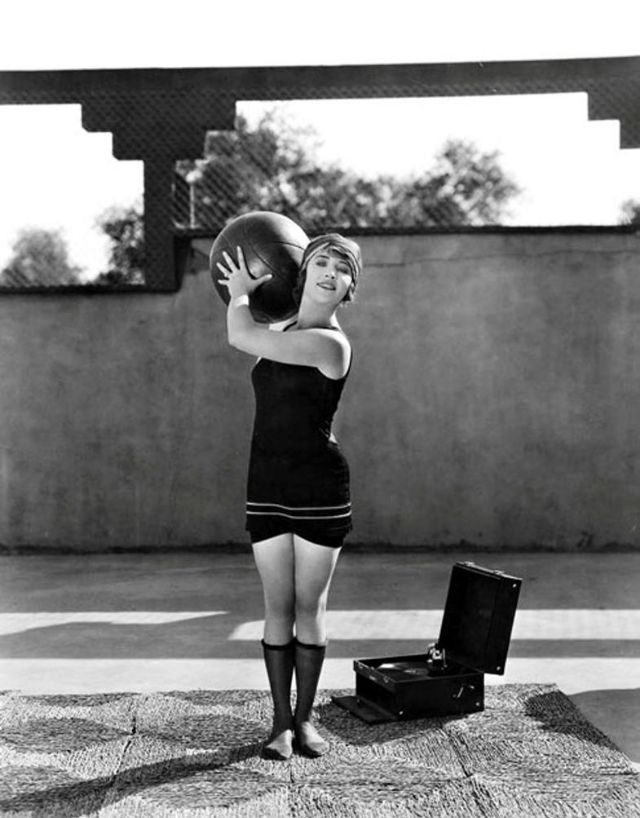
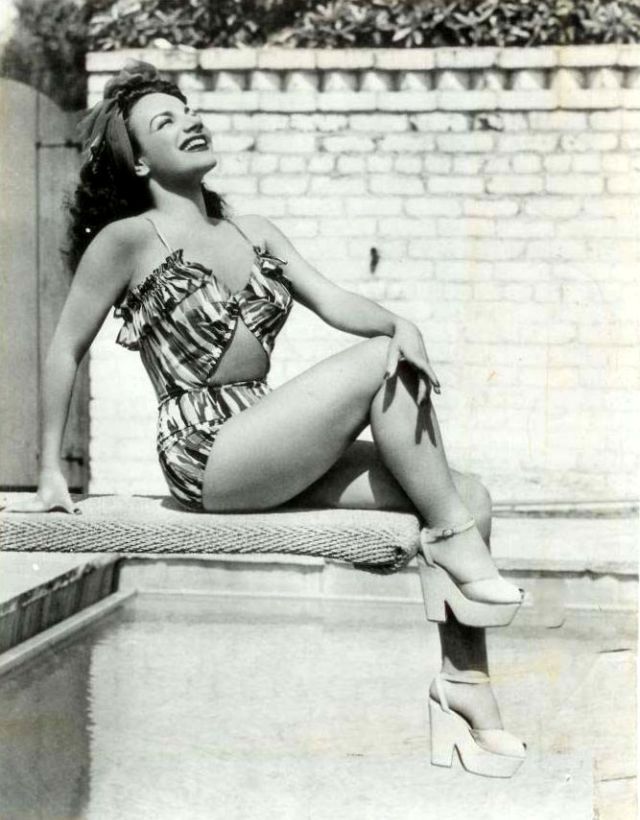
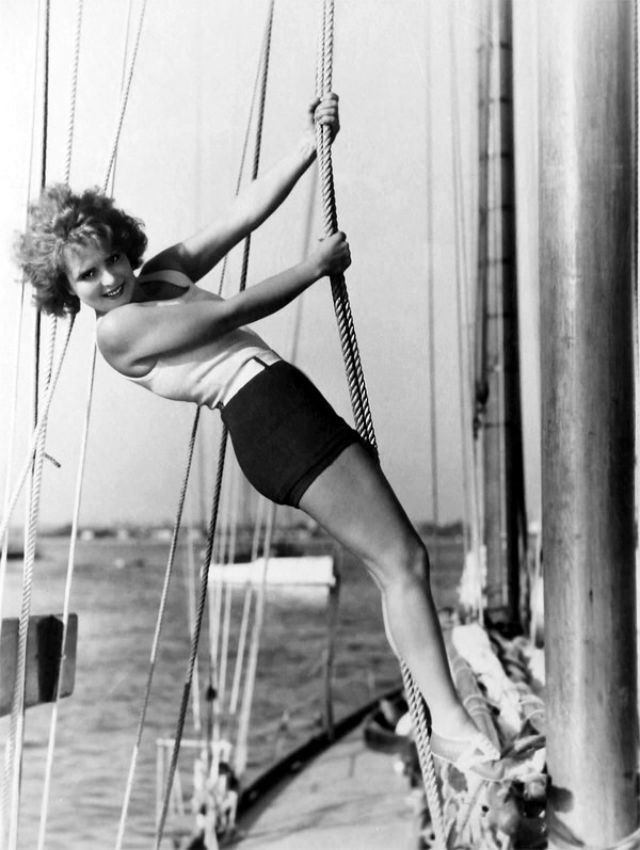
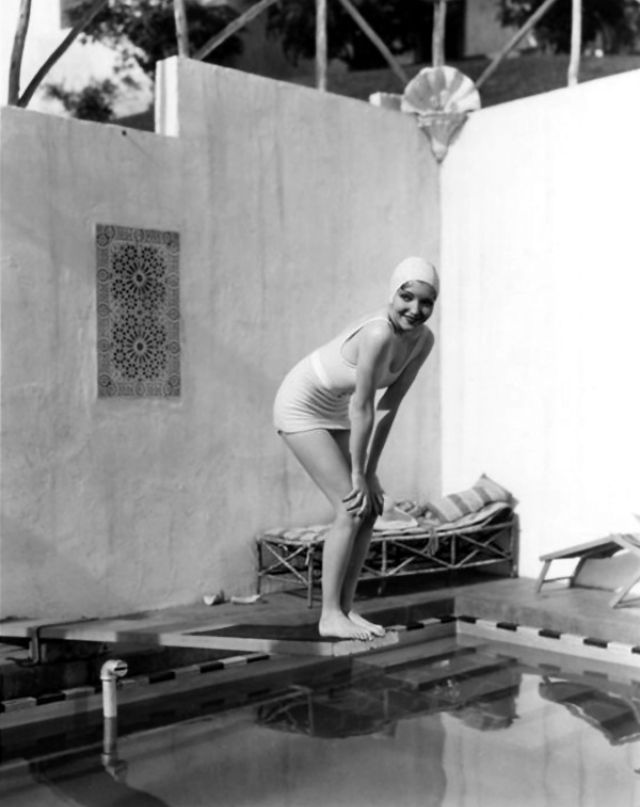
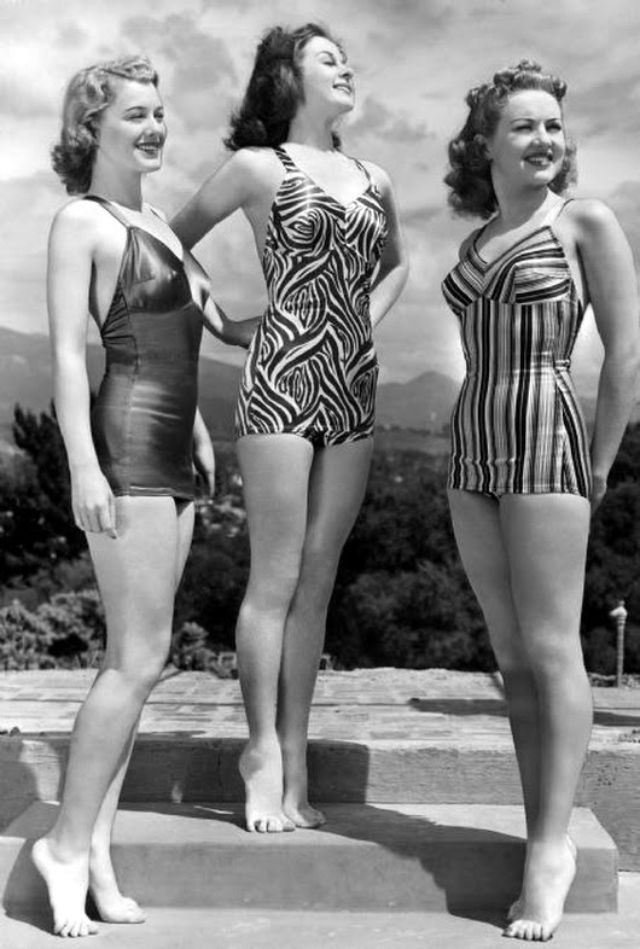
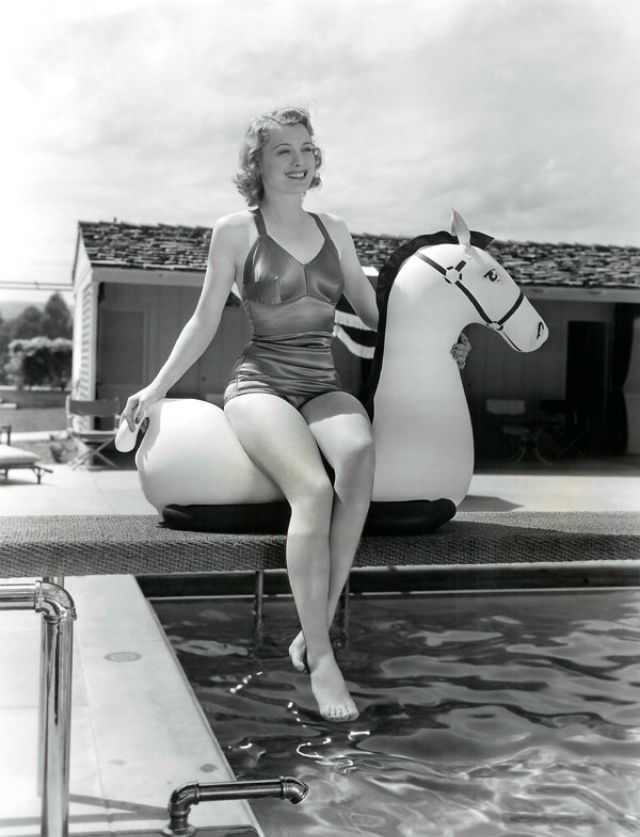
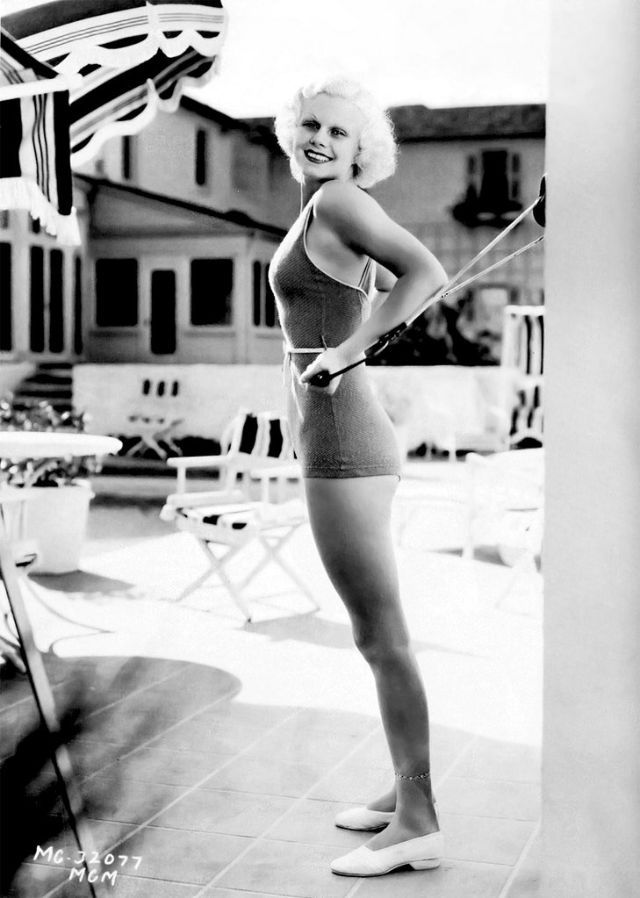
How did Hollywood beauties look like in their 1940s summertime? Take a look at these glamorous photos to see.










Bringing You the Wonder of Yesterday – Today
How did Hollywood beauties look like in their 1940s summertime? Take a look at these glamorous photos to see.

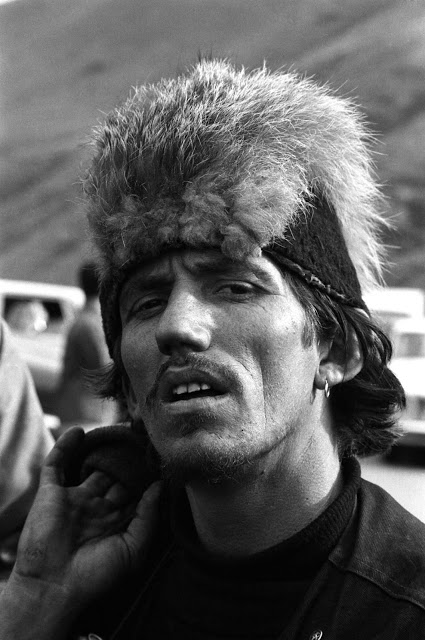
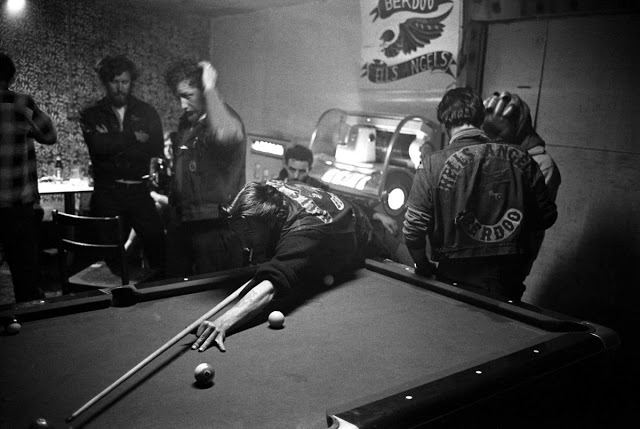
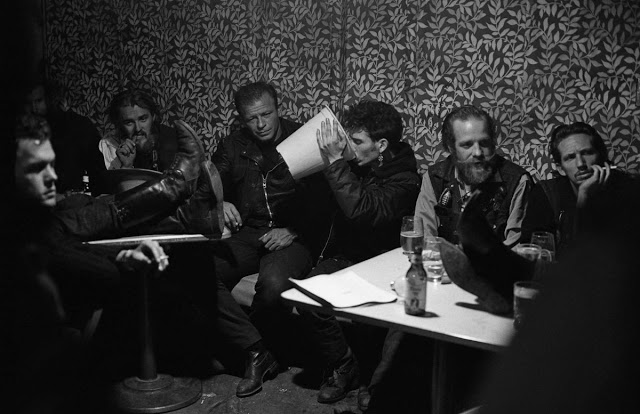
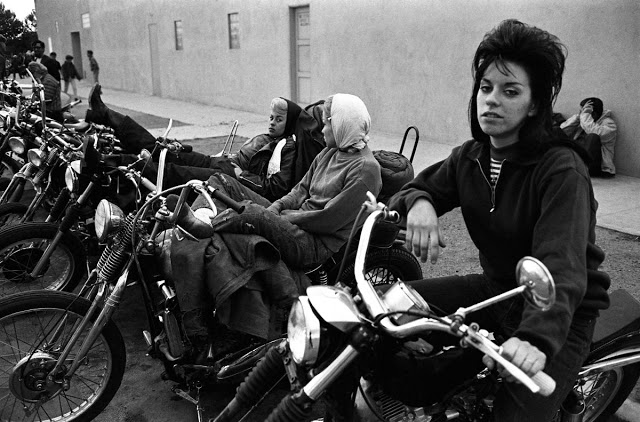
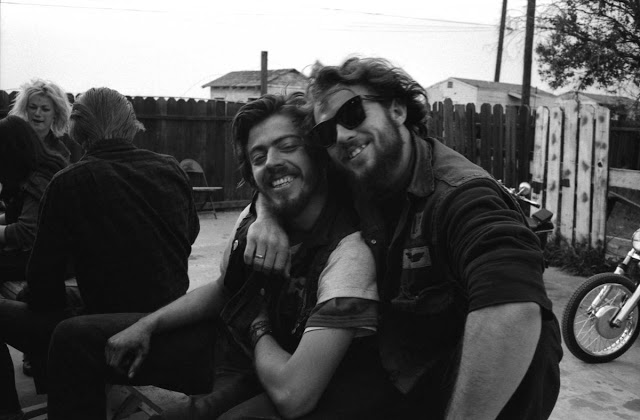
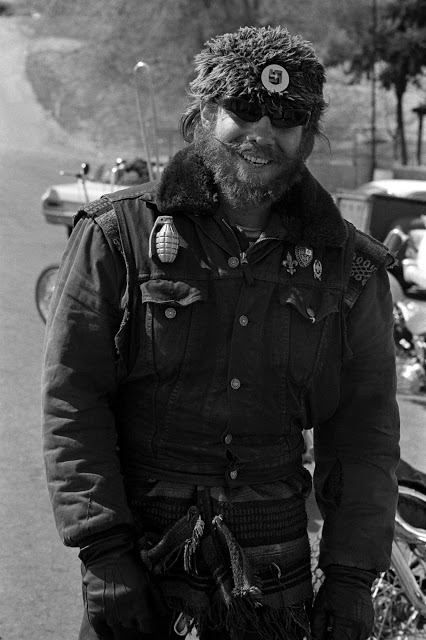
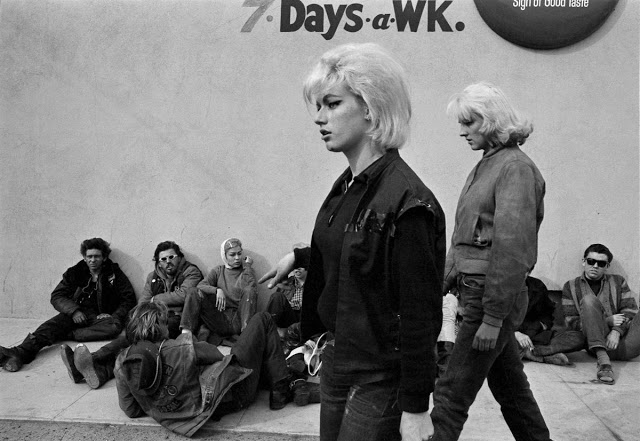
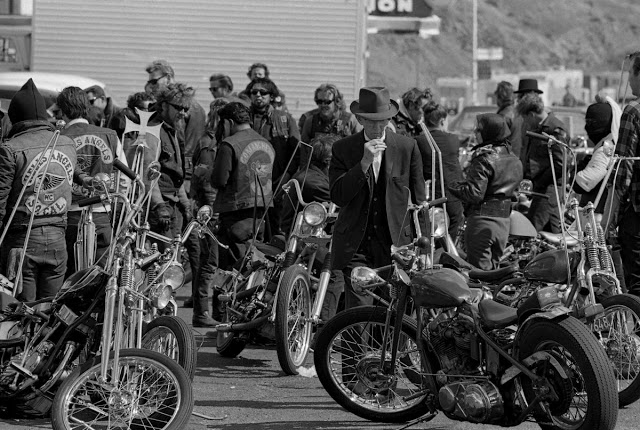
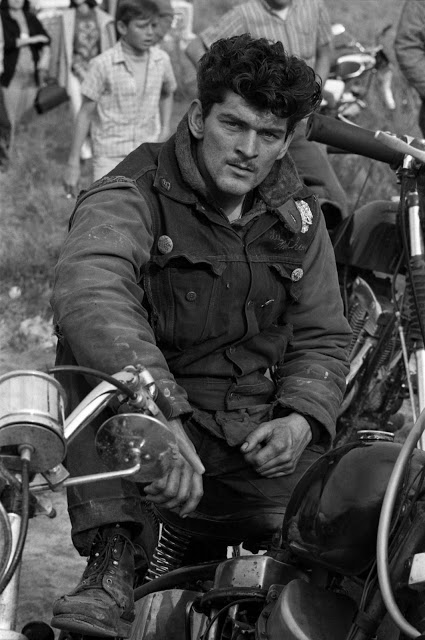
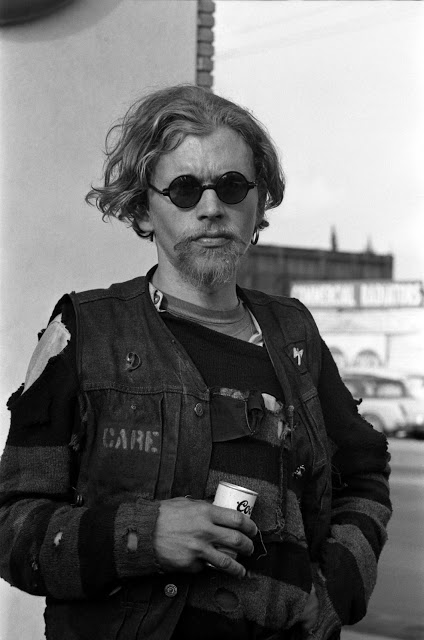
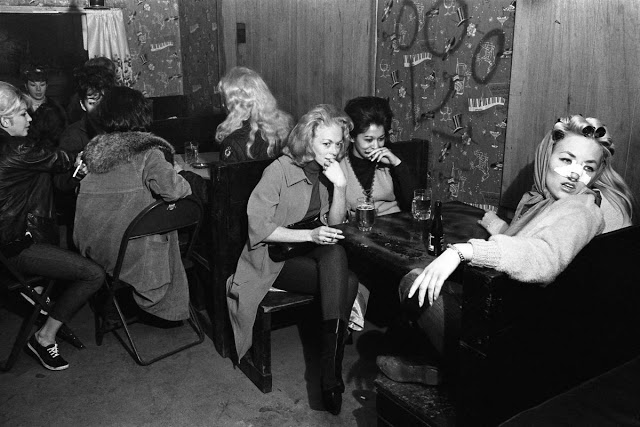
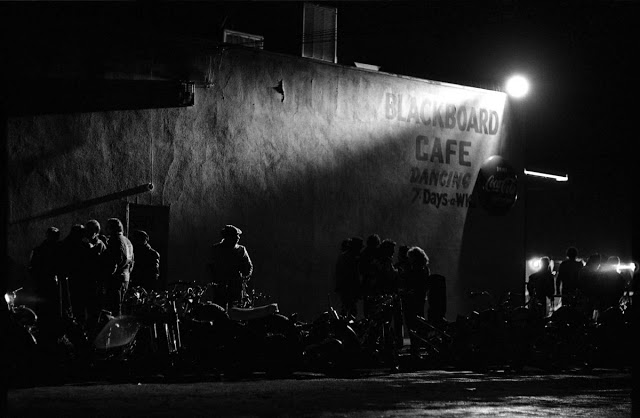
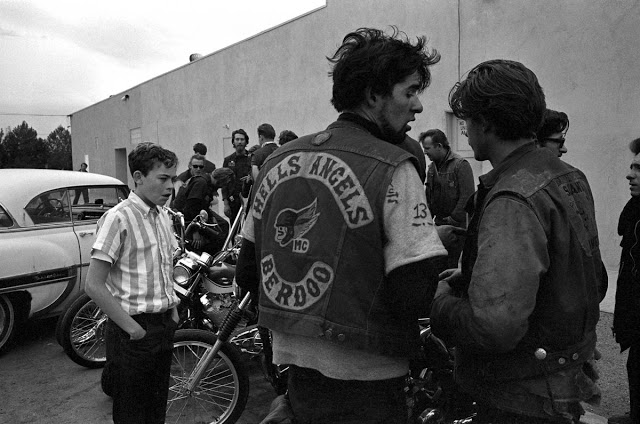
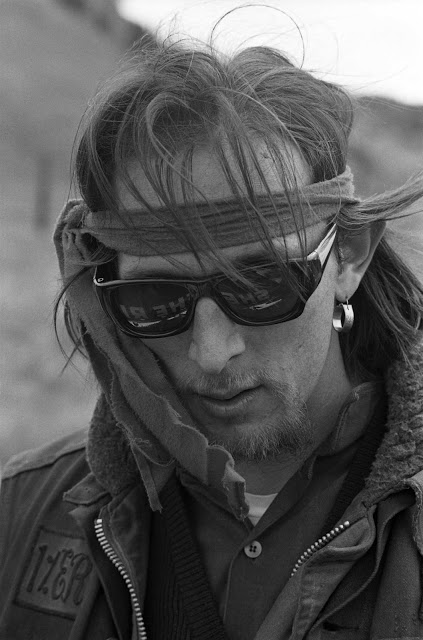
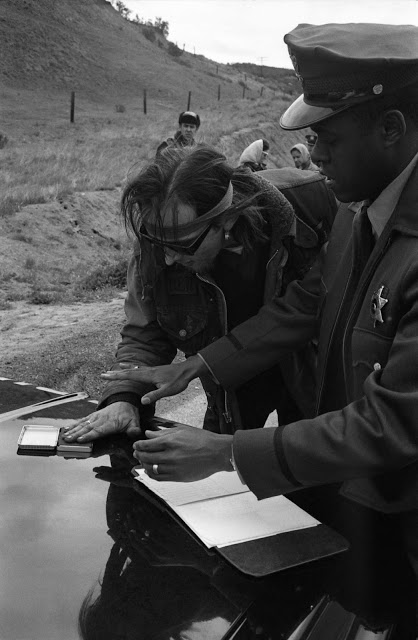
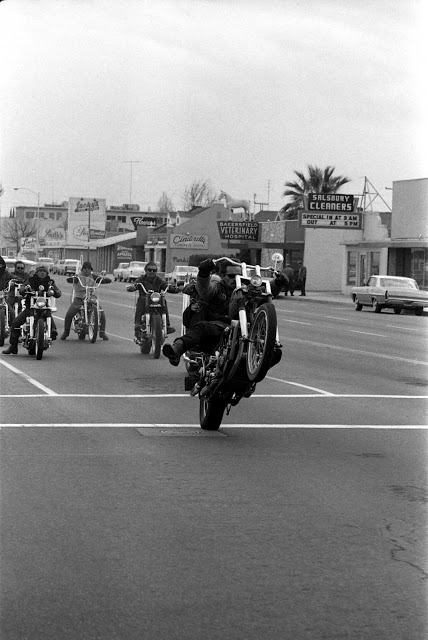
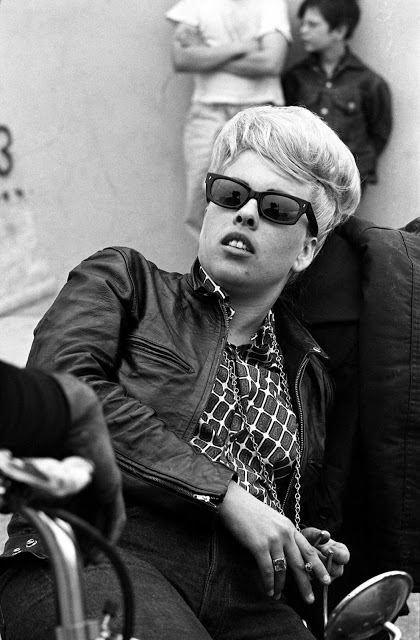
America loves its outlaws, but few of us actually dare to live the lifestyle. In 1965, the Hells Angels were little known outside the American West. LIFE photographer Bill Ray spent several weeks in Southern California, photographing and traveling with the San Bernardino chapter of a gang that would soon become notorious for its hedonistic, lawless swagger.
The motto of the Hells Angels encapsulates how society sees them. Hells Angels is a motorcycle gang associated with organized crime. They are famous for riding their Harley-Davidson motorcycles and wearing cut offs with the Hells Angels insignia.
“This was a new breed of rebel,” Ray told LIFE. “They didn’t have jobs. They absolutely despised everything that most Americans value and strive for — stability, security. They rode their bikes, hung out in bars for days at a time, fought with anyone who messed with them. They were self-contained, with their own set of rules, their own code of behavior. It was extraordinary to be around.”
Several weeks with the Hells Angels is enough to see how their daily routine. Bill Ray was able to capture these moments through his photos. Below are some photos taken by Bill Ray:













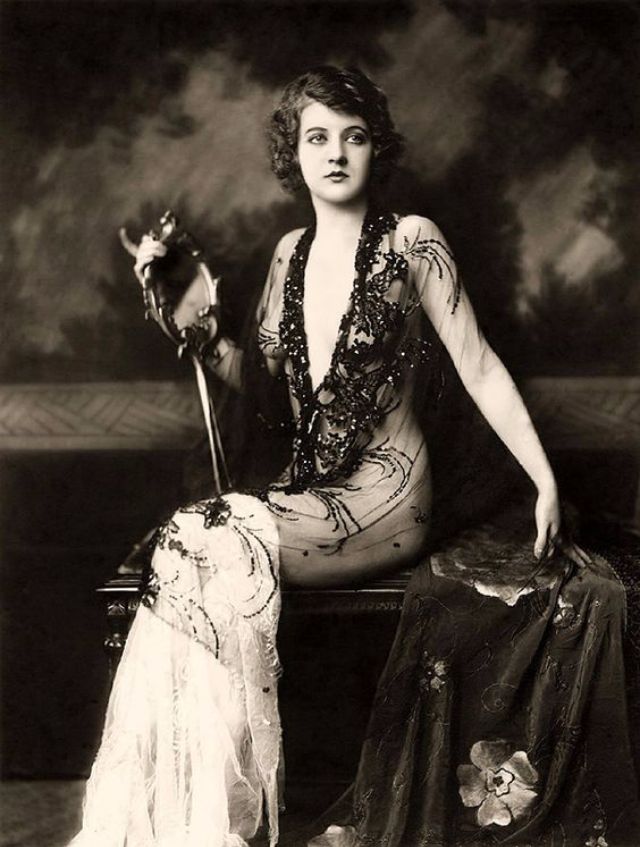
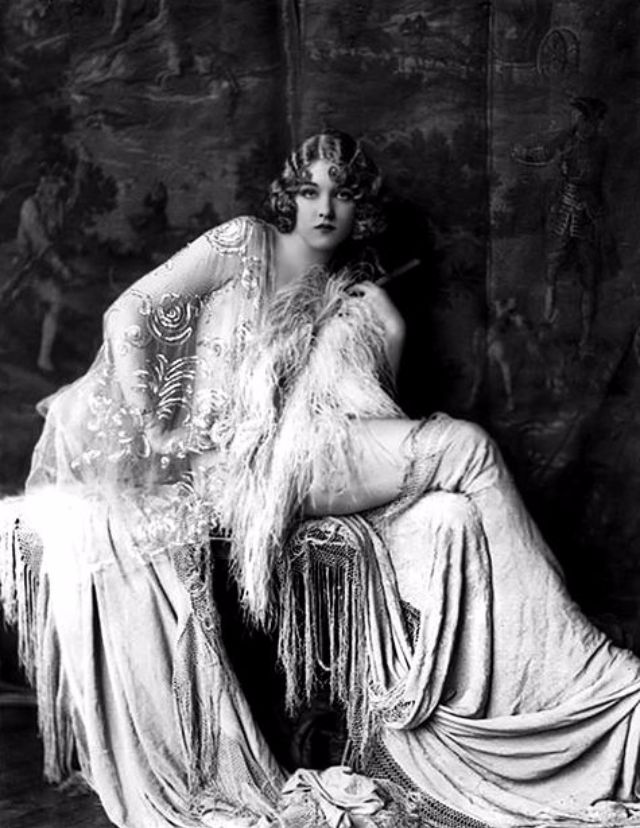
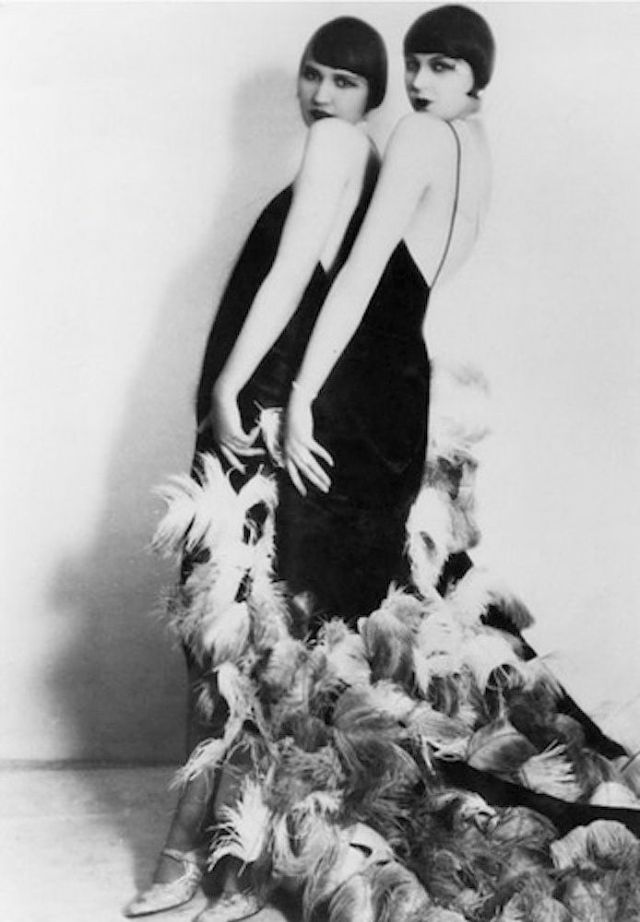
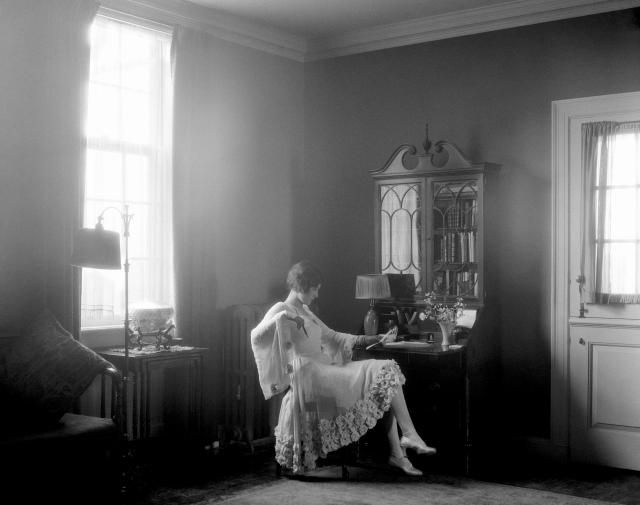
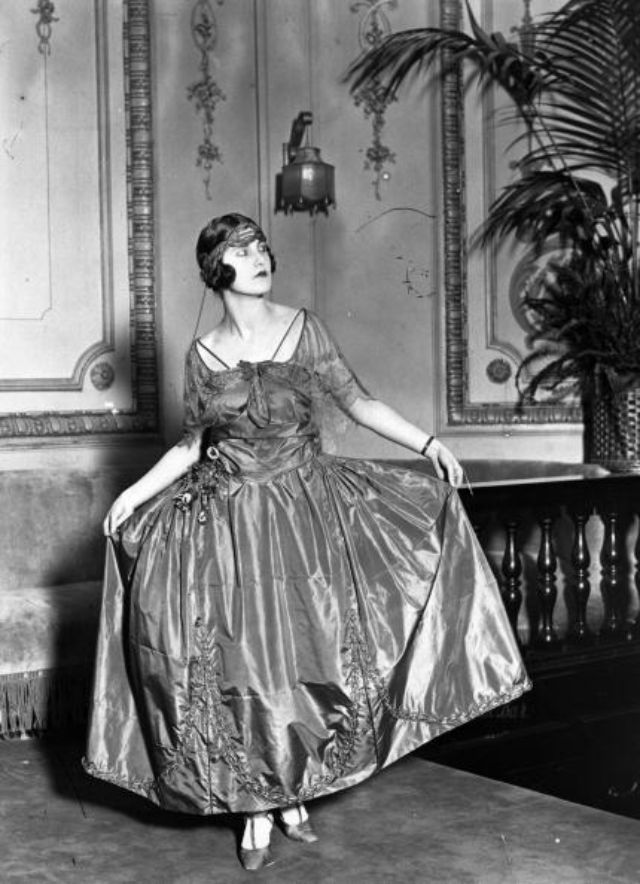
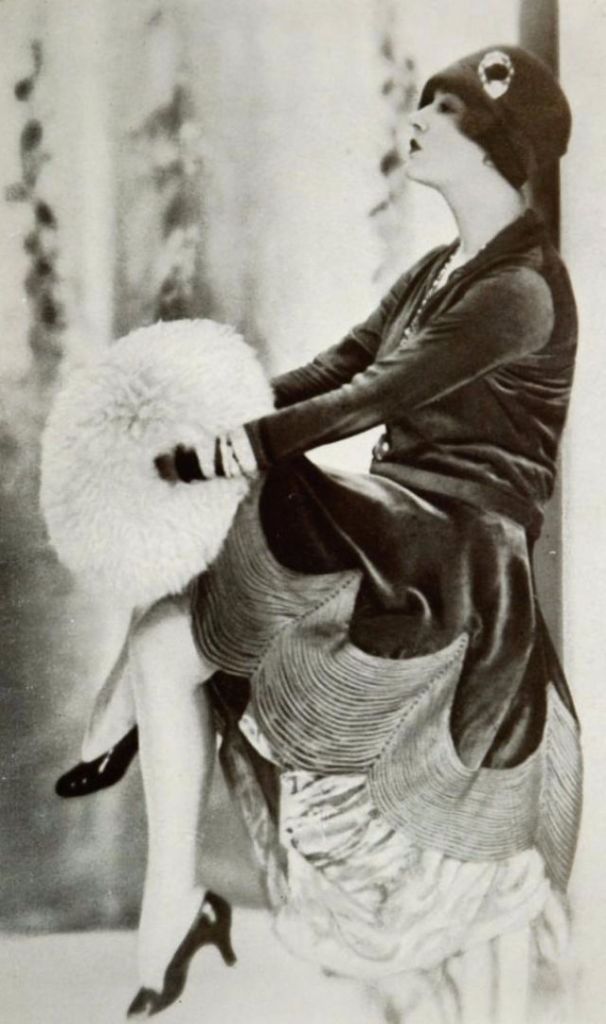
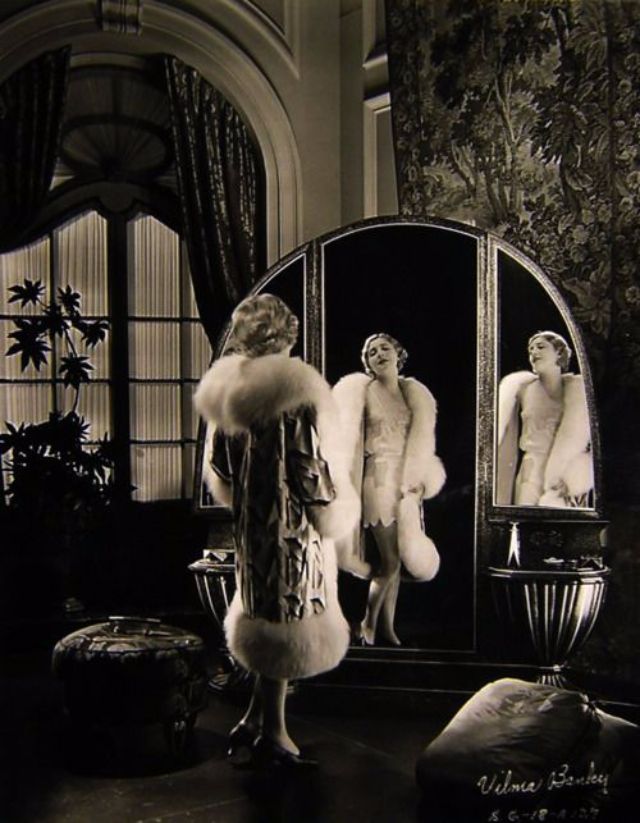
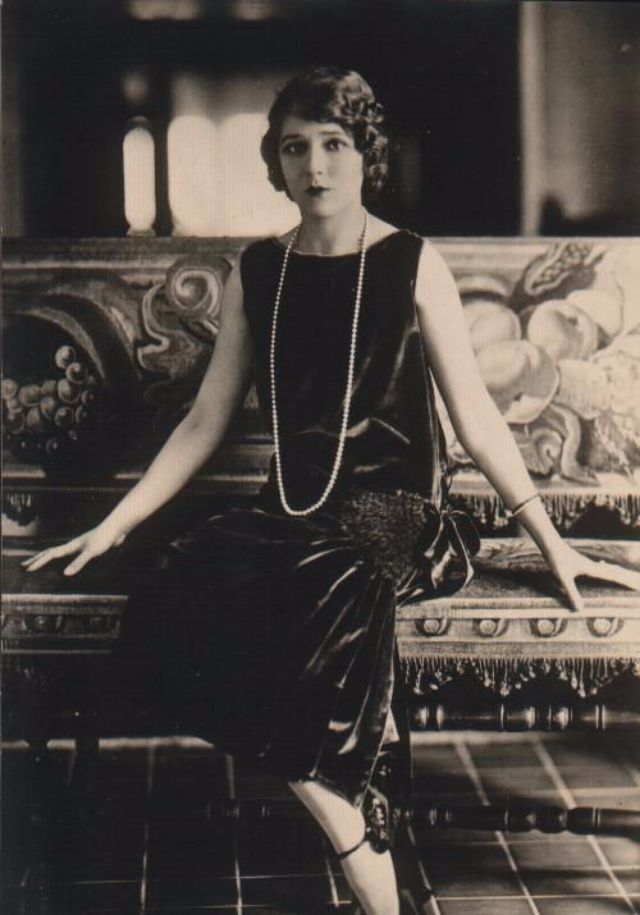
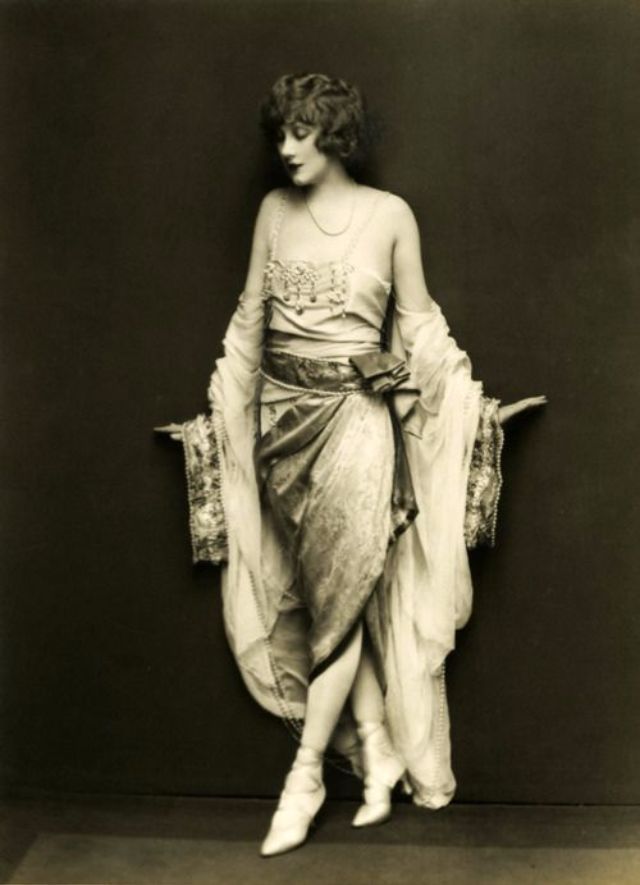
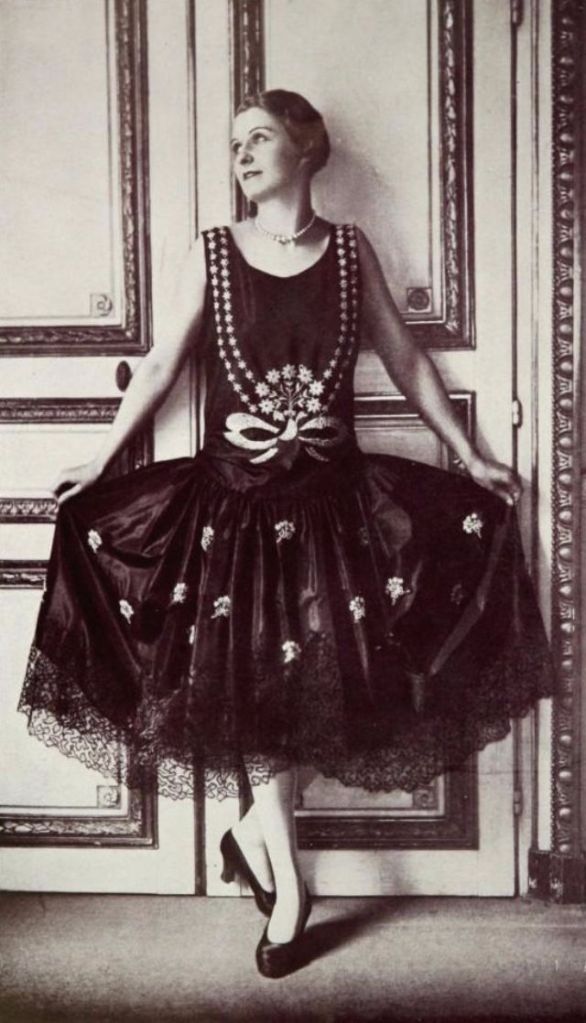
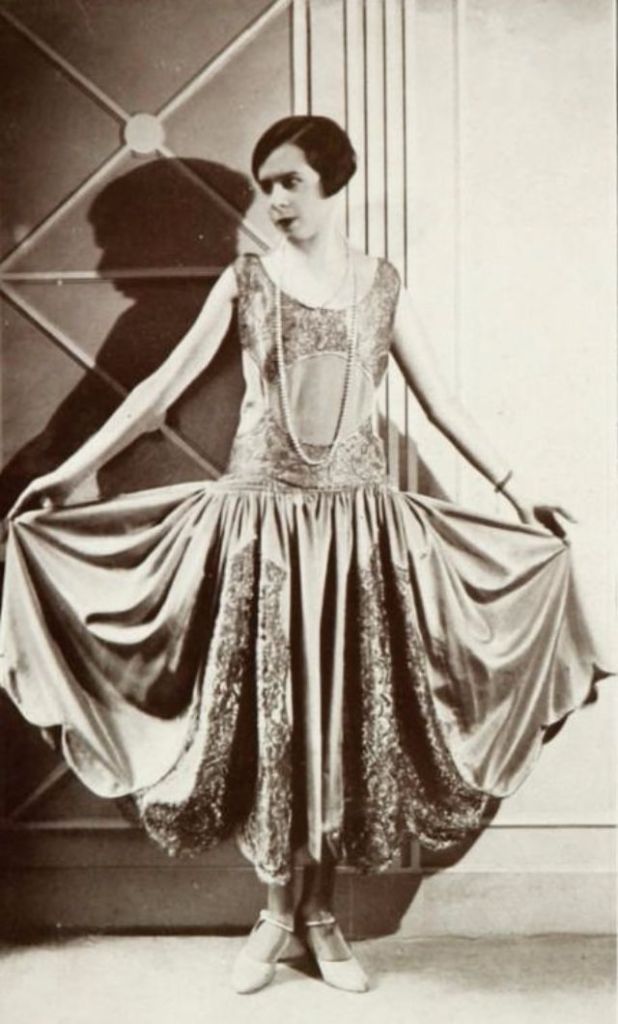
The Roaring Twenties, sometimes stylized as the Roarin’ 20s, refers to the decade of the 1920s in Western society and Western culture. It was a period of economic prosperity with a distinctive cultural edge in the United States and Europe, particularly in major cities such as Berlin, Chicago, London, Los Angeles, New York City, Paris, and Sydney. In France, the decade was known as the années folles (“crazy years”), emphasizing the era’s social, artistic and cultural dynamism. Jazz blossomed, the flapper redefined the modern look for British and American women, and Art Deco peaked. In the wake of the military mobilization of World War I and the Spanish flu, President Warren G. Harding “brought back normalcy” to the United States. This period saw the large-scale development and use of automobiles, telephones, films, radio, and electrical appliances in the lives of millions in the Western world. Aviation soon became a business. Nations saw rapid industrial and economic growth, accelerated consumer demand, and introduced significant new trends in lifestyle and culture. The media, funded by the new industry of mass-market advertising driving consumer demand, focused on celebrities, especially sports heroes and movie stars, as cities rooted for their home teams and filled the new palatial cinemas and gigantic sports stadiums. In many major democratic states, women won the right to vote.
The social and cultural features known as the Roaring Twenties began in leading metropolitan centers and spread widely in the aftermath of World War I. The United States gained dominance in world finance. Thus, when Germany could no longer afford to pay World War I reparations to the United Kingdom, France, and the other Allied Powers, the United States came up with the Dawes Plan, named after banker and later 30th Vice President Charles G. Dawes. Wall Street invested heavily in Germany, which paid its reparations to countries that, in turn, used the dollars to pay off their war debts to Washington. By the middle of the decade, prosperity was widespread, with the second half of the decade known, especially in Germany, as the “Golden Twenties”.
The spirit of the Roaring Twenties was marked by a general feeling of novelty associated with modernity and a break with tradition, through modern technology such as automobiles, moving pictures, and radio, which brought “modernity” to a large part of the population. Formal decorative frills were shed in favor of practicality in both daily life and architecture. At the same time, jazz and dancing rose in popularity, in opposition to the mood of World War I. As such, the period often is referred to as the Jazz Age.
The Wall Street Crash of 1929 ended the era, as the Great Depression brought years of hardship worldwide. (Wikipedia)














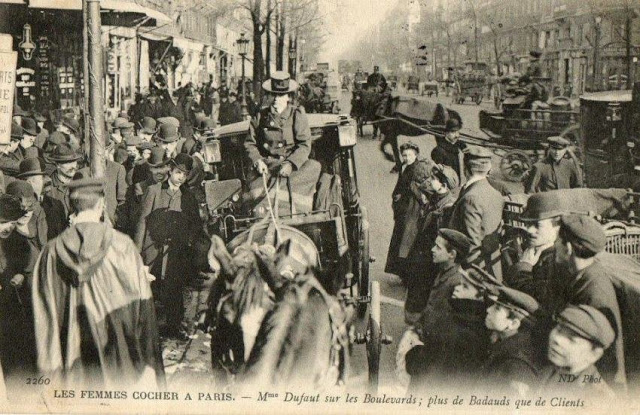
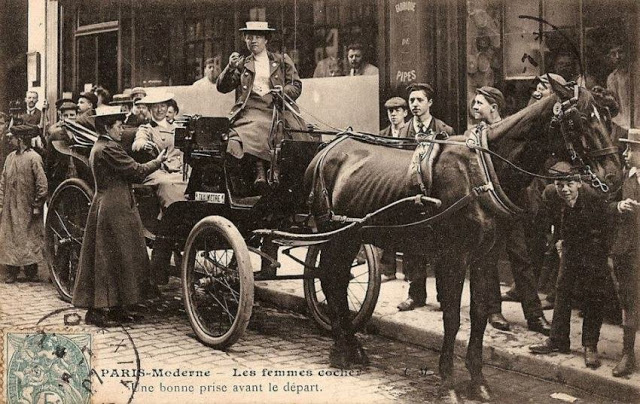
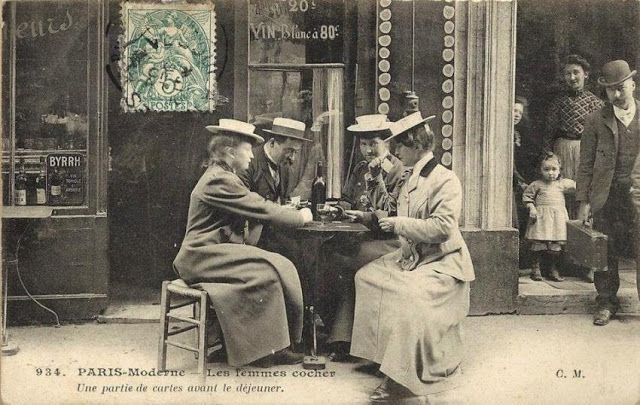
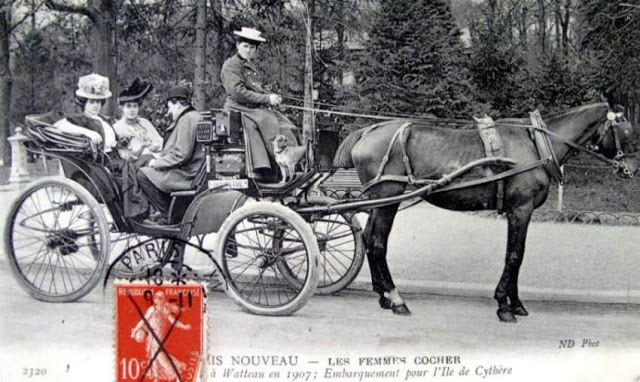
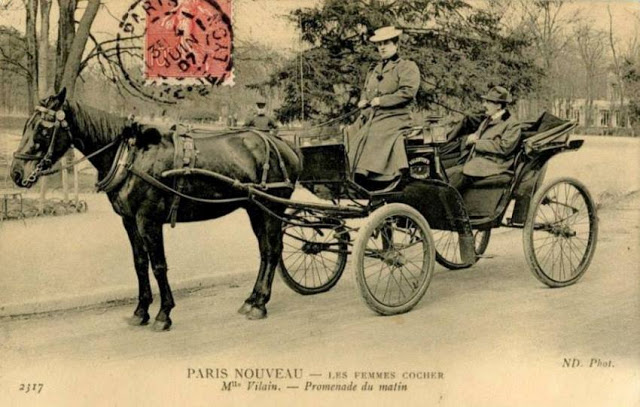
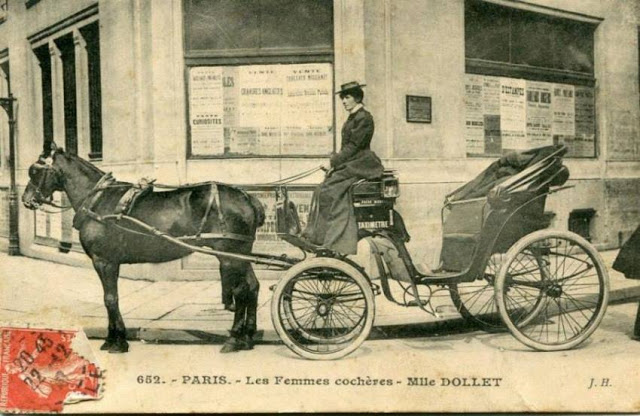
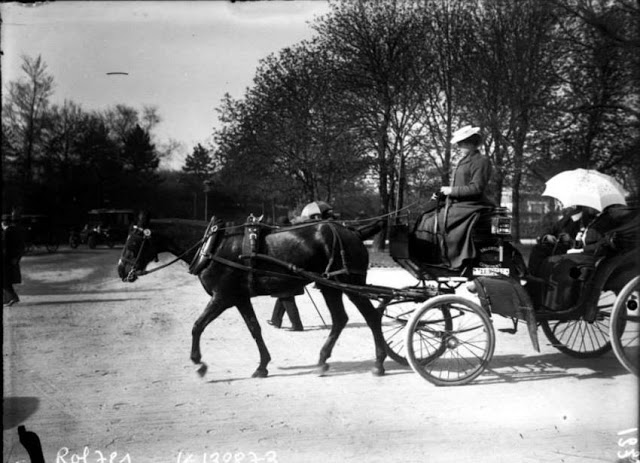
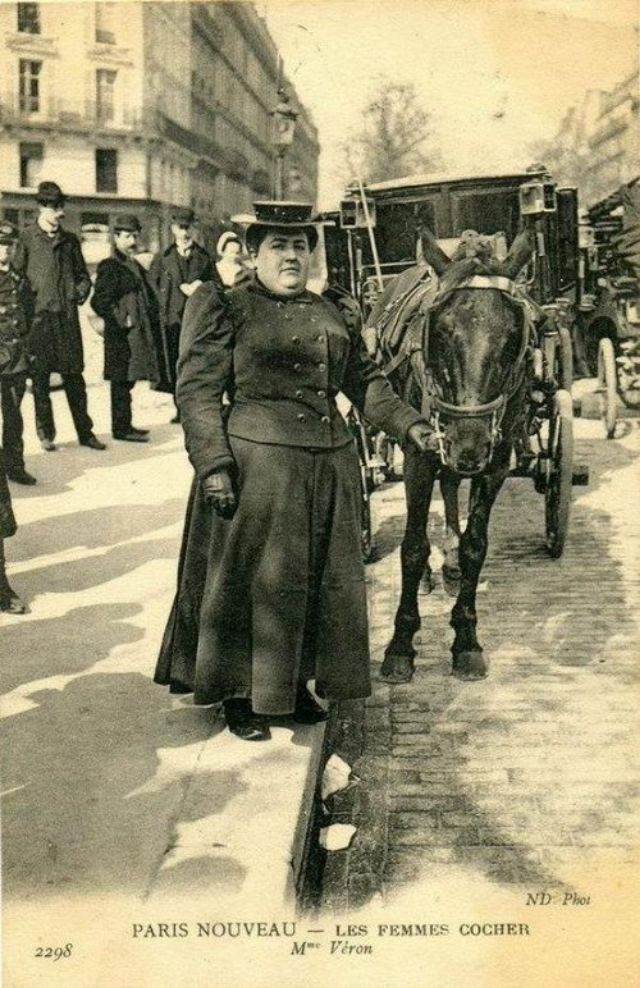
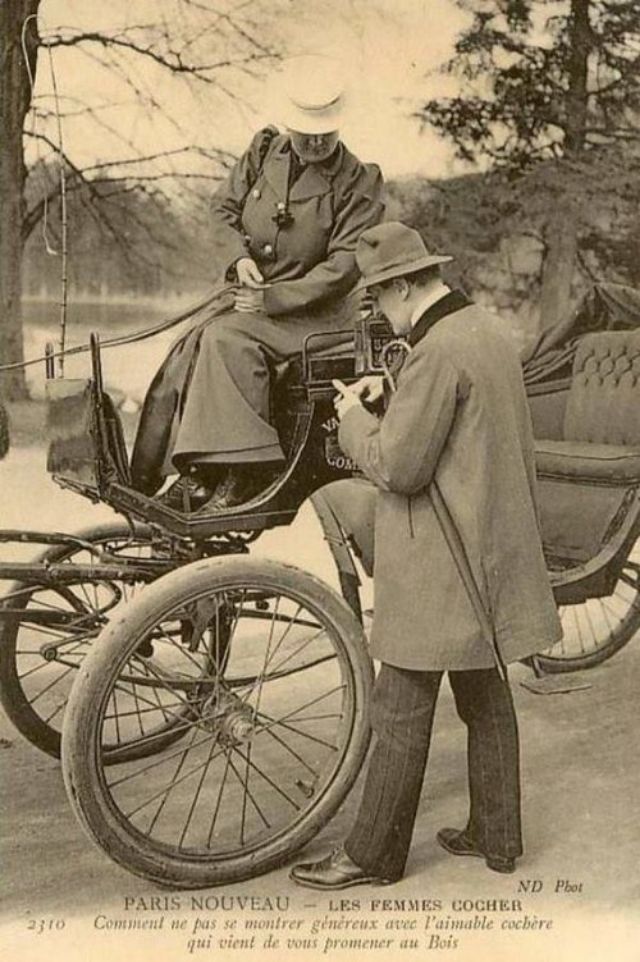
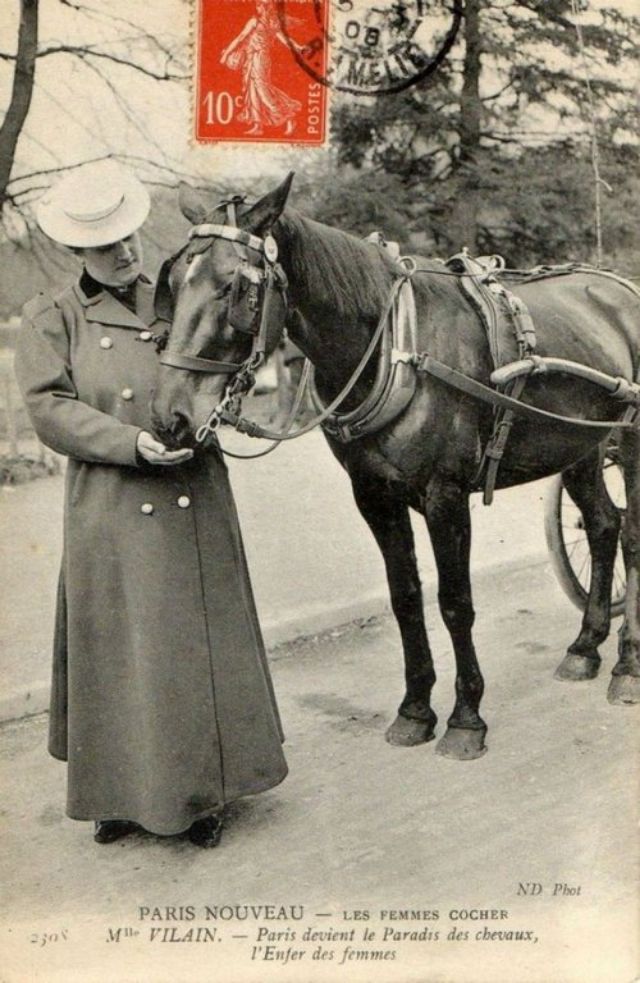
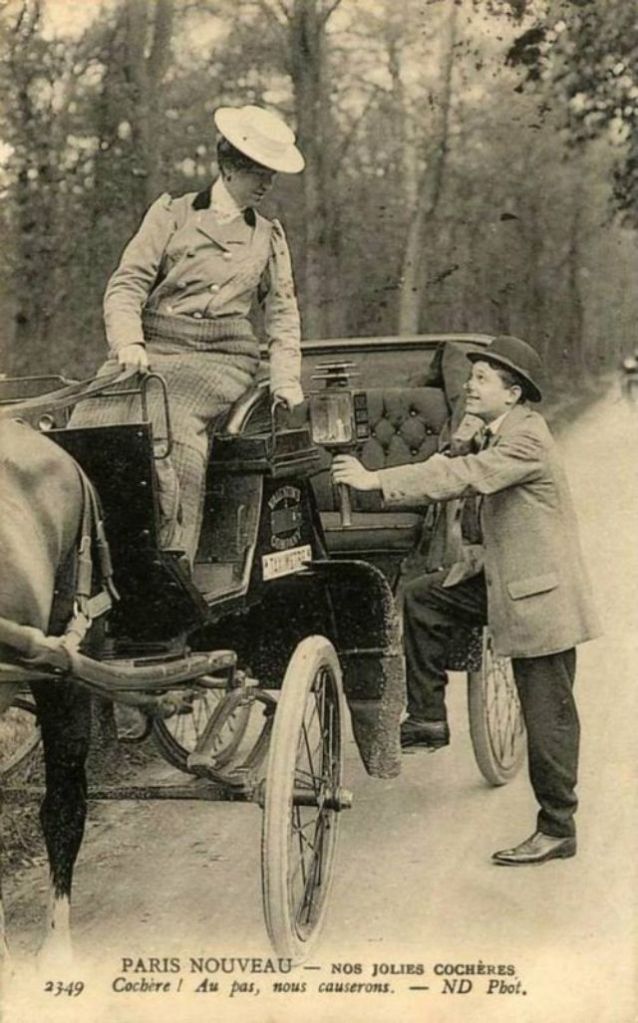
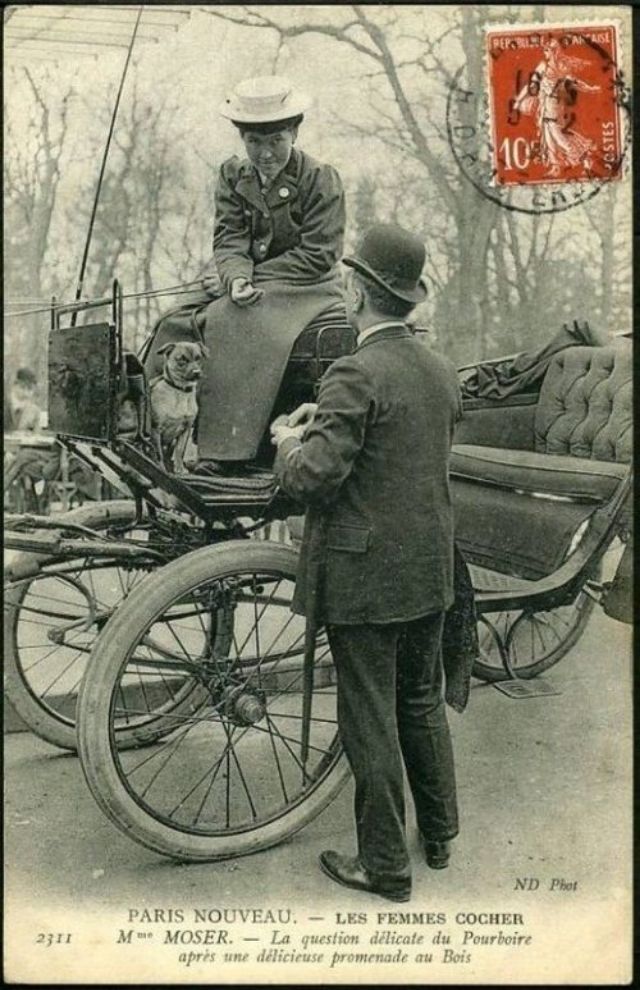
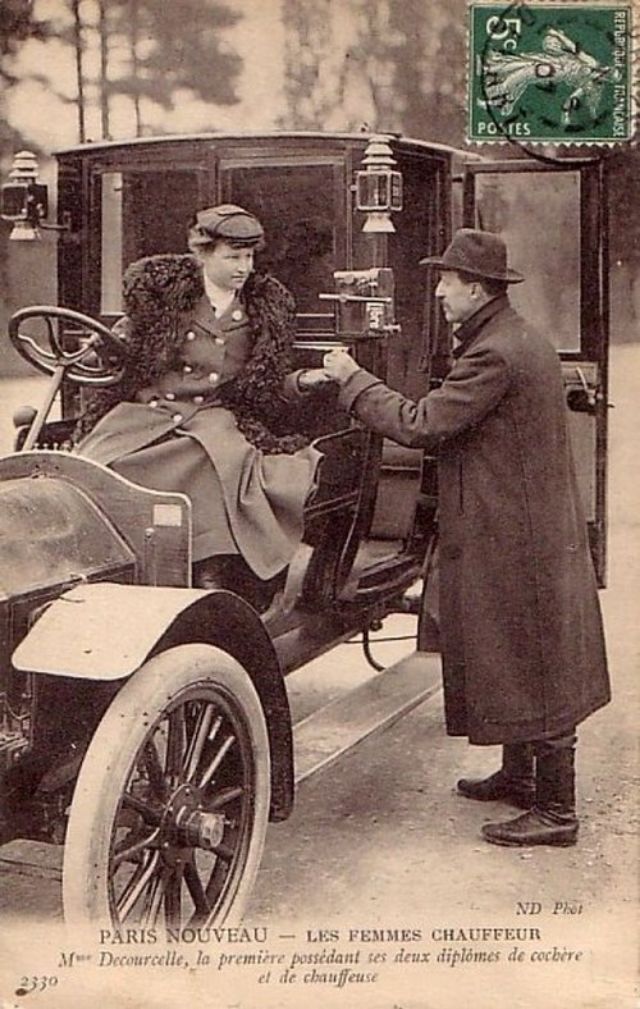
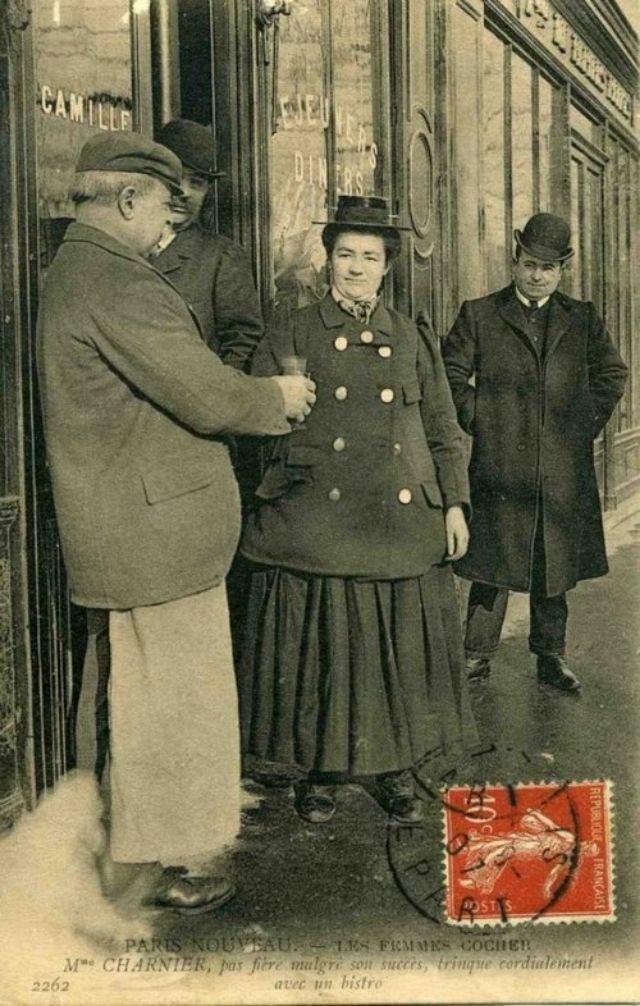
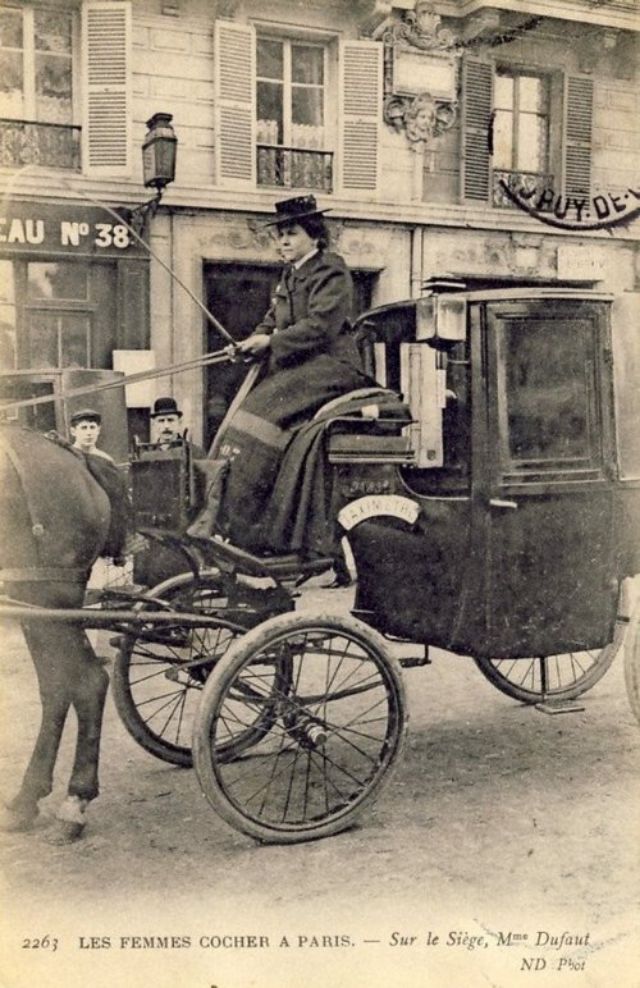
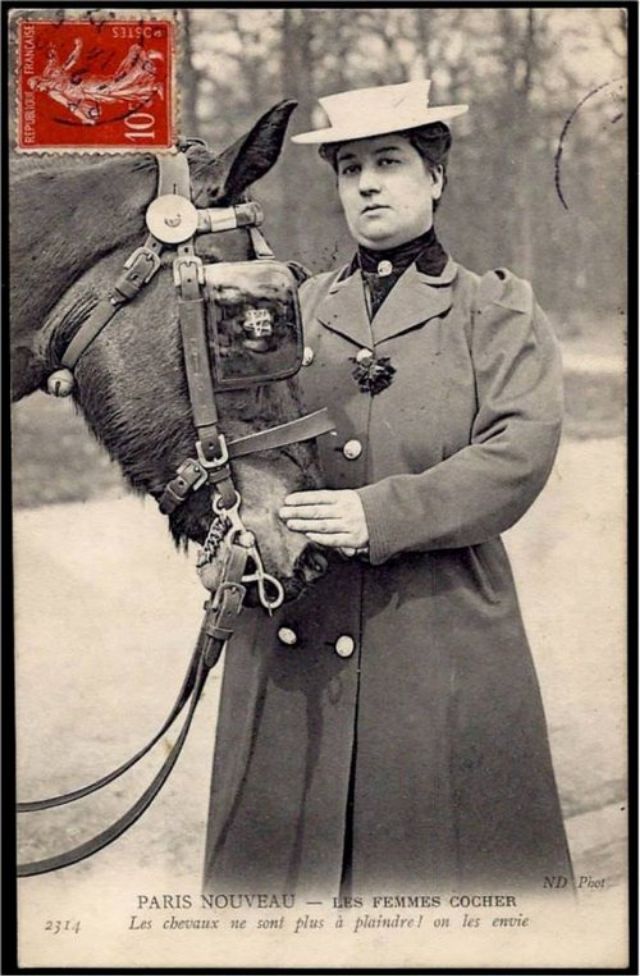
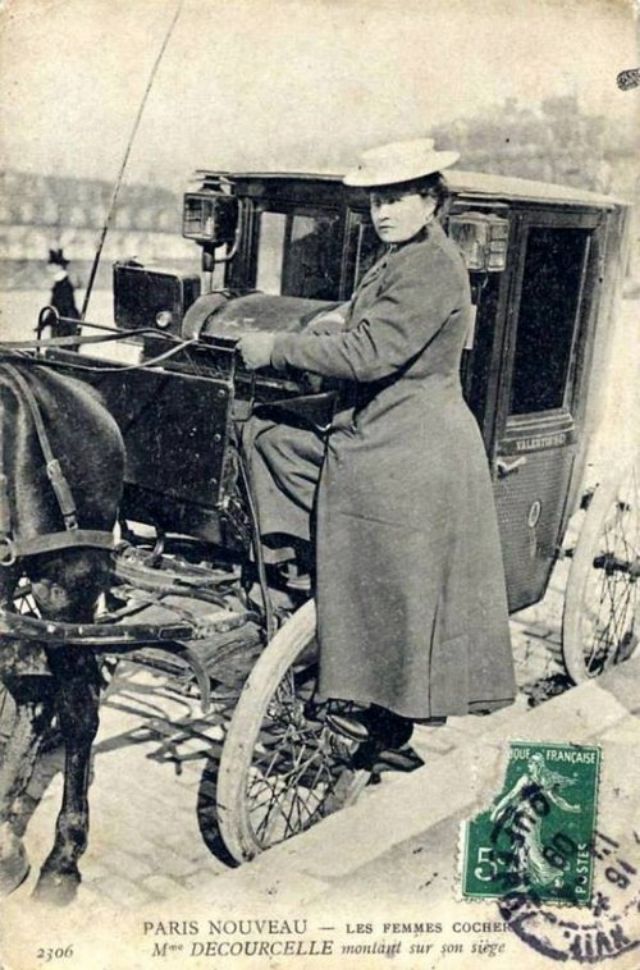
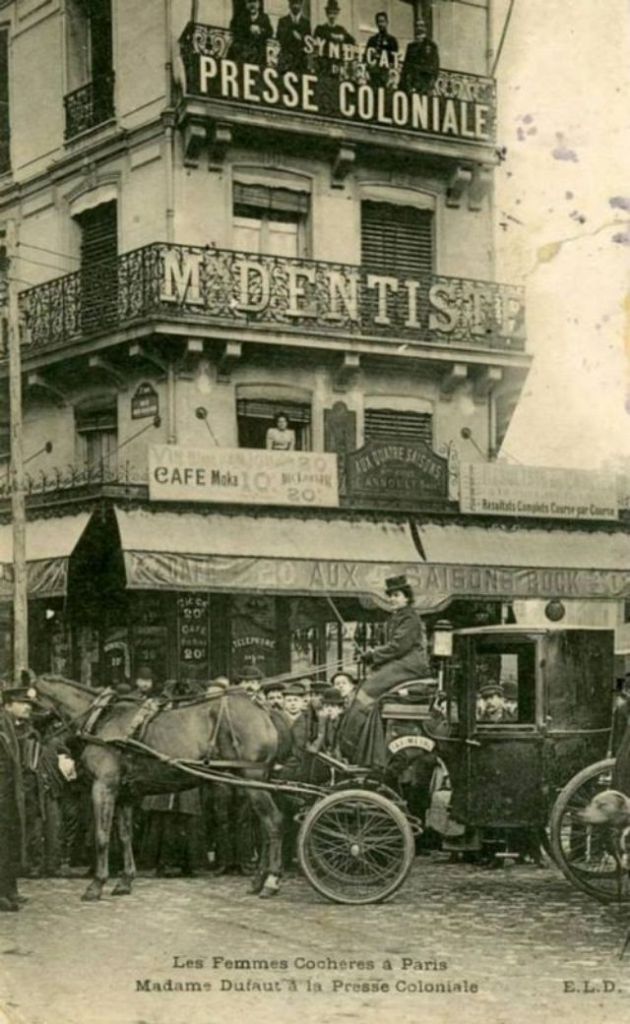
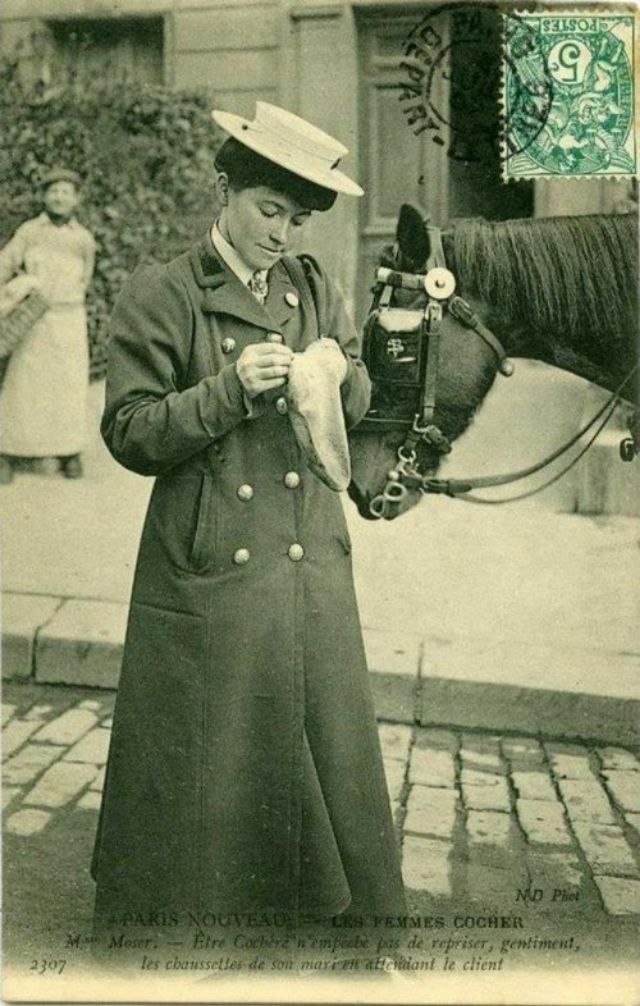
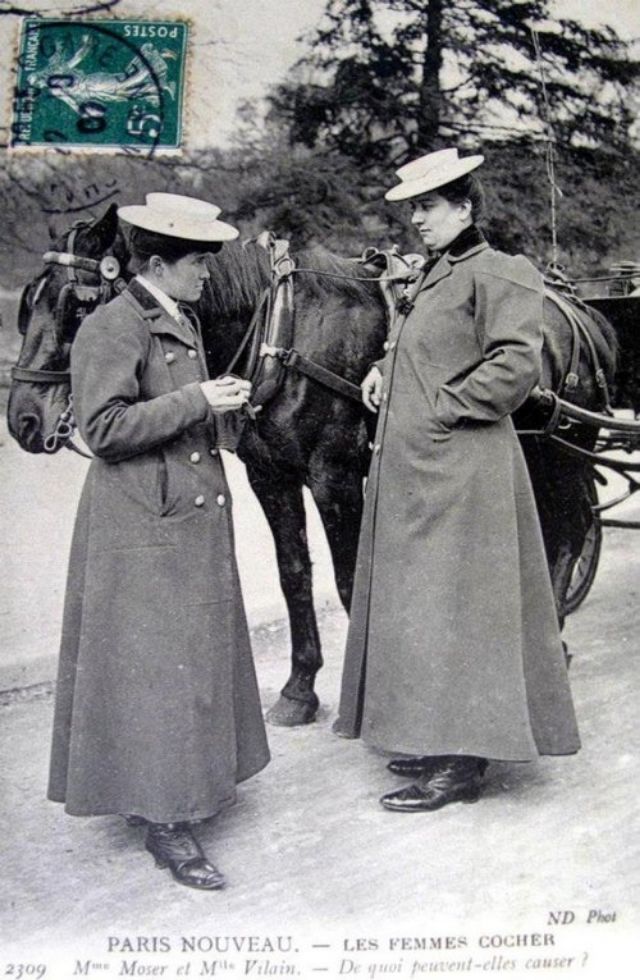
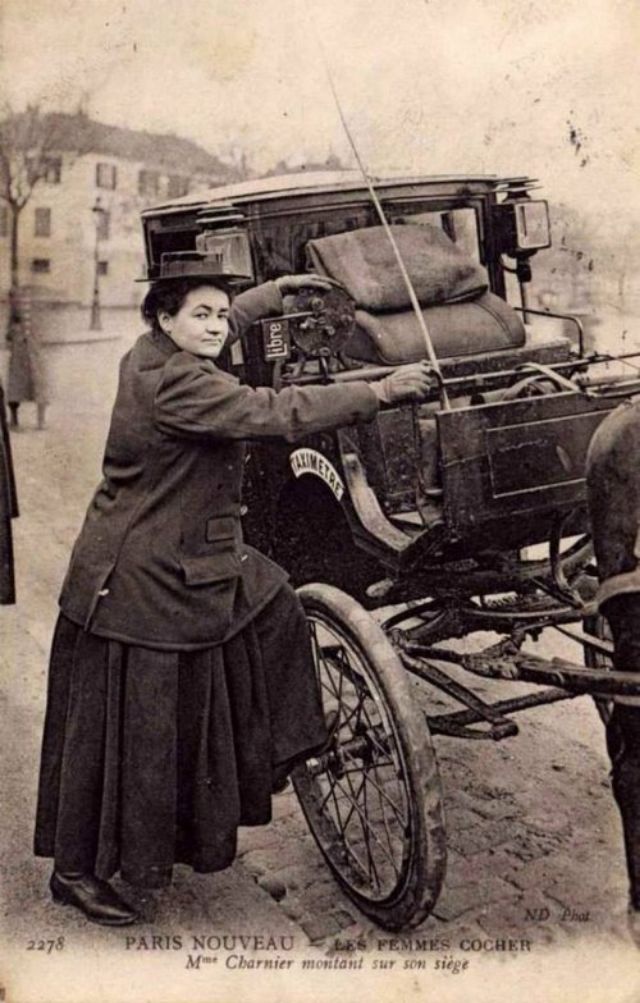
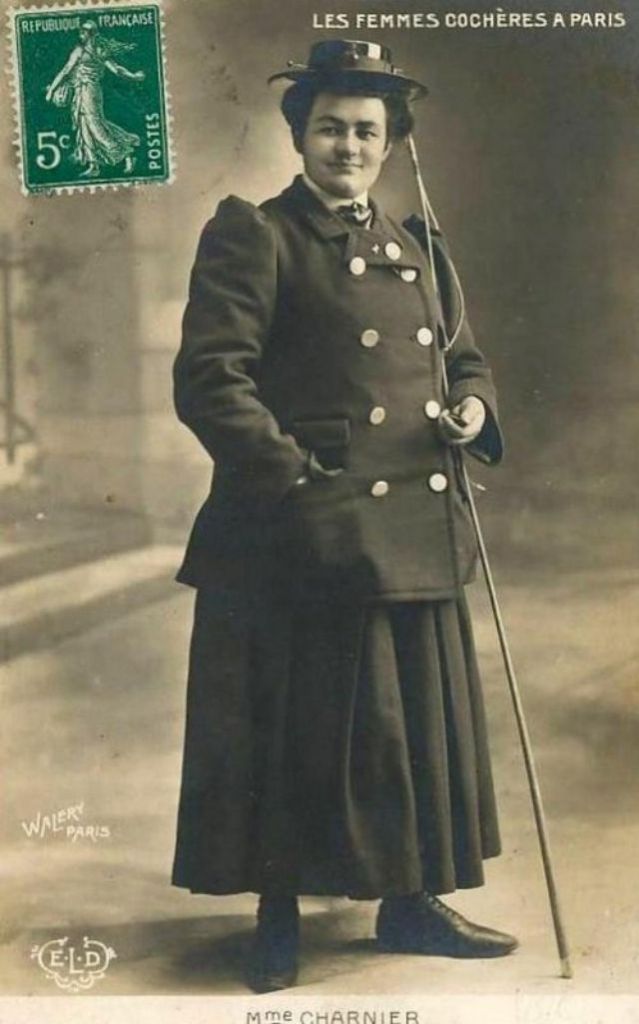
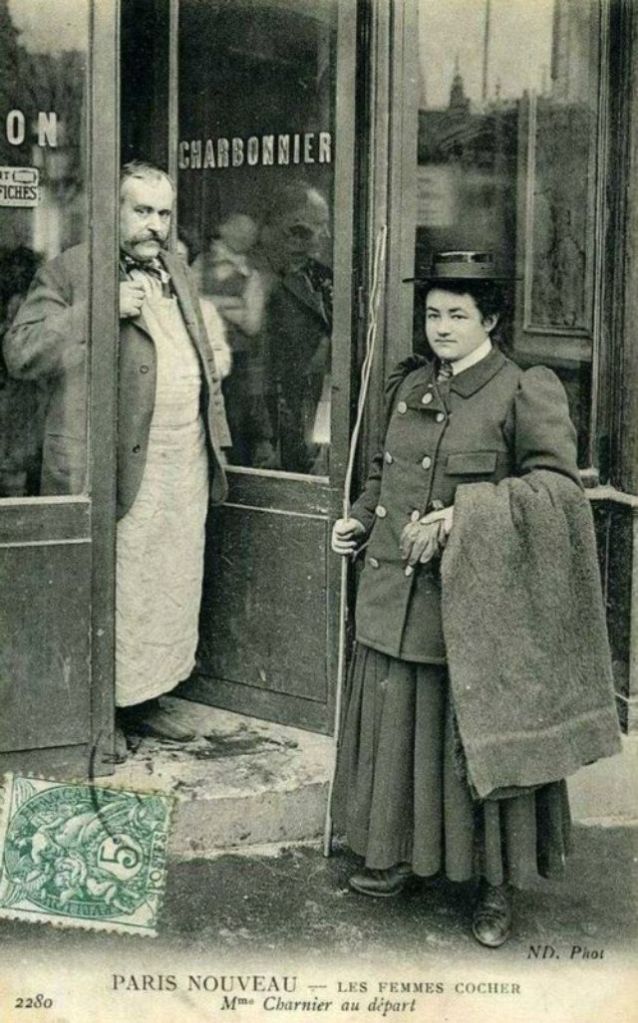
In November, 1906, three women began a month-long apprenticeship in preparation for the Prefecture of Police examination that would qualify them to drive horse cabs in Paris. Several other women were accepted into the apprenticeship program soon afterward.
The course of studies was the same one that was required for male drivers. At the end of it the candidates had to demonstrate a thorough knowledge of horse medicine, horse handling, the newly-introduced taximeters, the driving code and the geography of Paris and its suburbs.
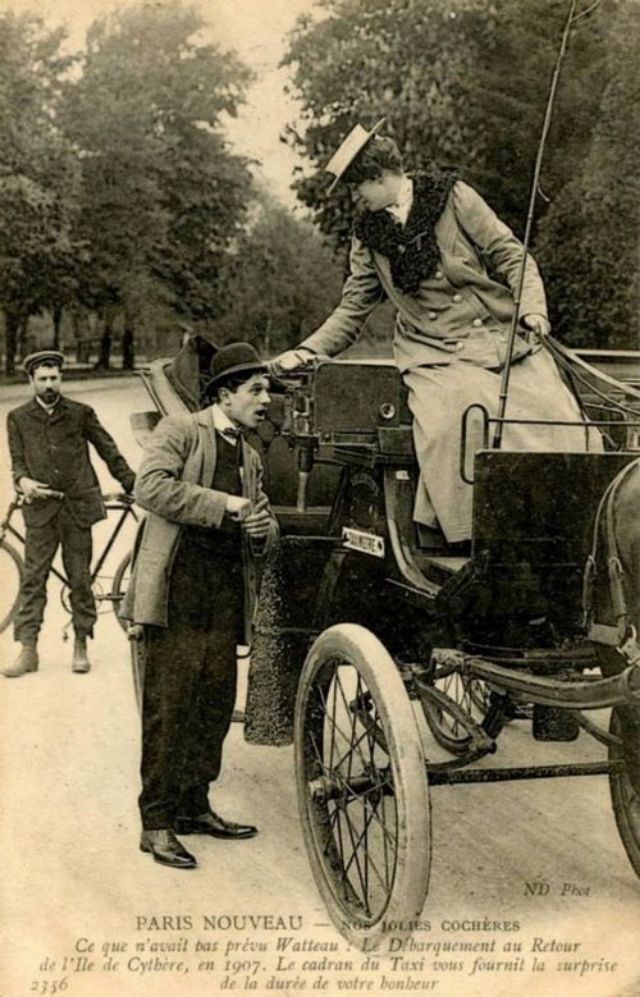
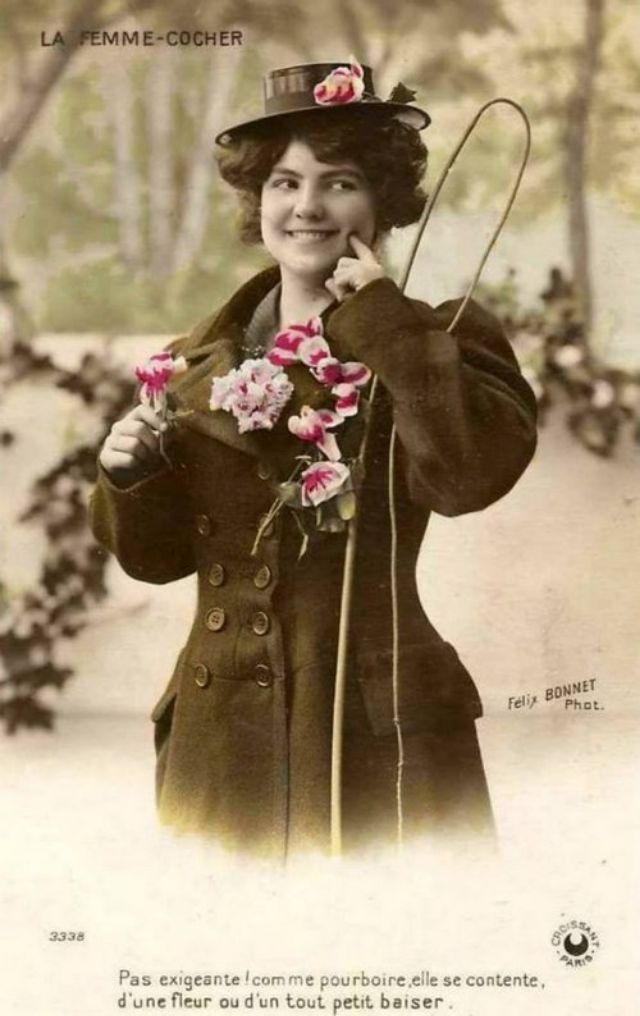
The novelty of riding in a cab driven by a woman attracted so many customers that it was rumoured that male drivers were dressing up as women to cash in on the fad. The women inspired topical jokes and music hall sketches and there was even a short movie made about them.
Depending on grammatical preference, the women were referred to as “femmes cocher”, “femmes cochers”, “femmes cochères” or simply “cochères”.
Luckily for us, the femmes cocher phenomenon coincided with an international postcard mania which reached its height between 1900 and 1918. The mania reflected an insatiable public hunger for pictures, a hunger which illustrated magazines and newspapers did not yet monopolize.
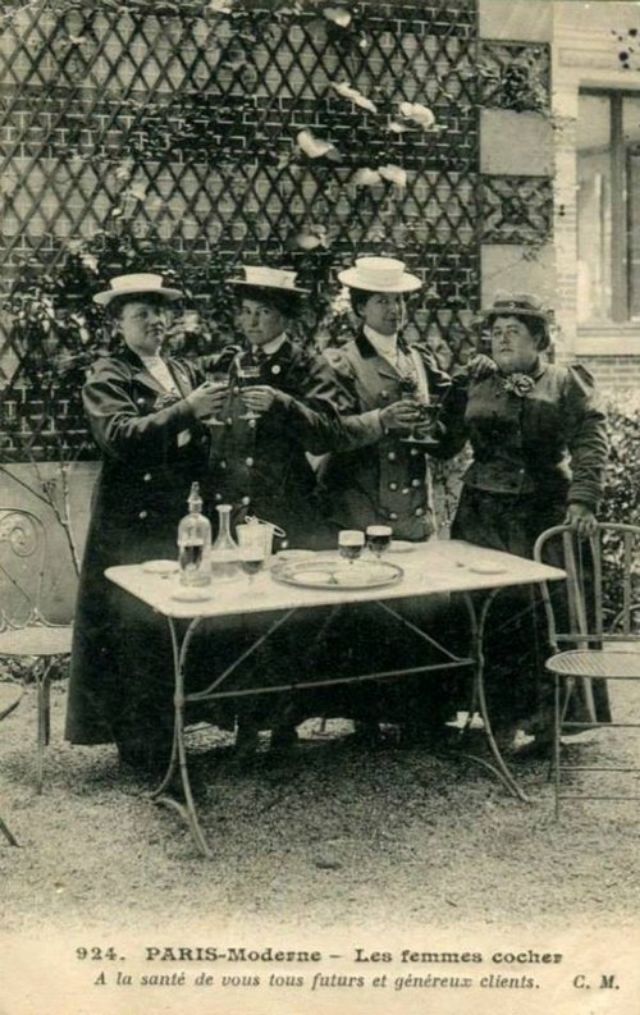
Probably 200 or more femmes cocher postcards were published. Most carried photos of the first women drivers to appear on the streets, but there were also cartoons and other humorous cards on the femmes cocher theme.
The publicity generated by the first femmes cocher attracted more women to the cab trade and by the summer of 1907 there were estimated to be forty women driving cabs in Paris with another twenty applicants accepted into the apprenticeship program.
However, many of the women quickly dropped out of horse-cab driving. By the end of 1908 there were only twenty women driving cabs and only two women enrolled as apprentices.
One of the women, the aristocratic Mme. Lutgen, was pressured by her scandalized family into giving up her job. Another chose to quit driving at the insistence of her fiance and a third abandoned her driving career when she inherited a small fortune.
But most of the women who left the horse-cab trade were reportedly discouraged by accidents, by disputes with police and customers and by the hostility of male drivers.
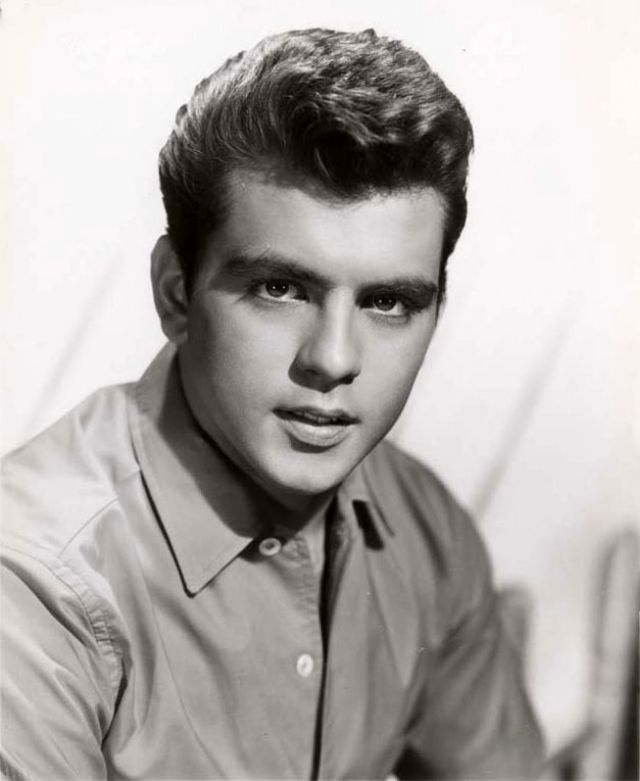
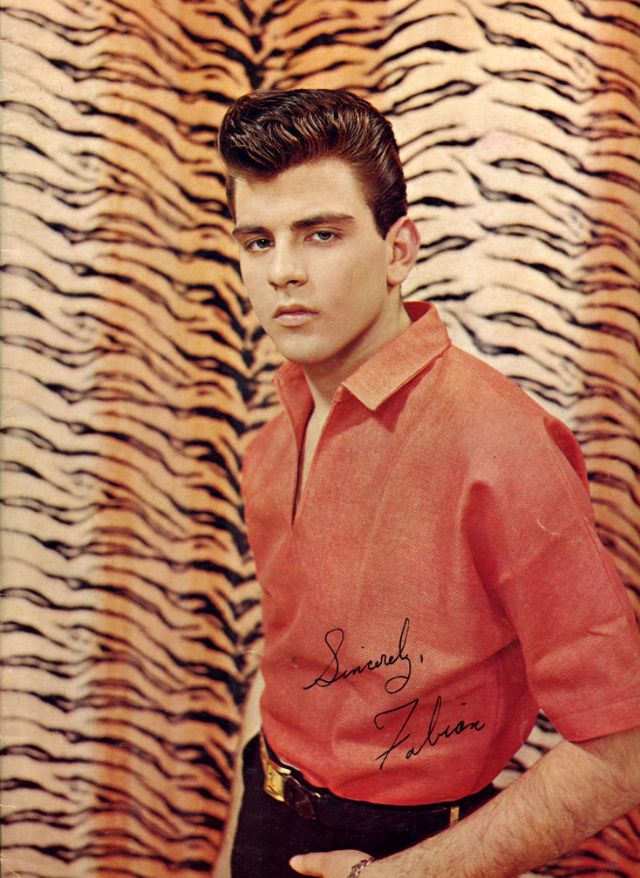
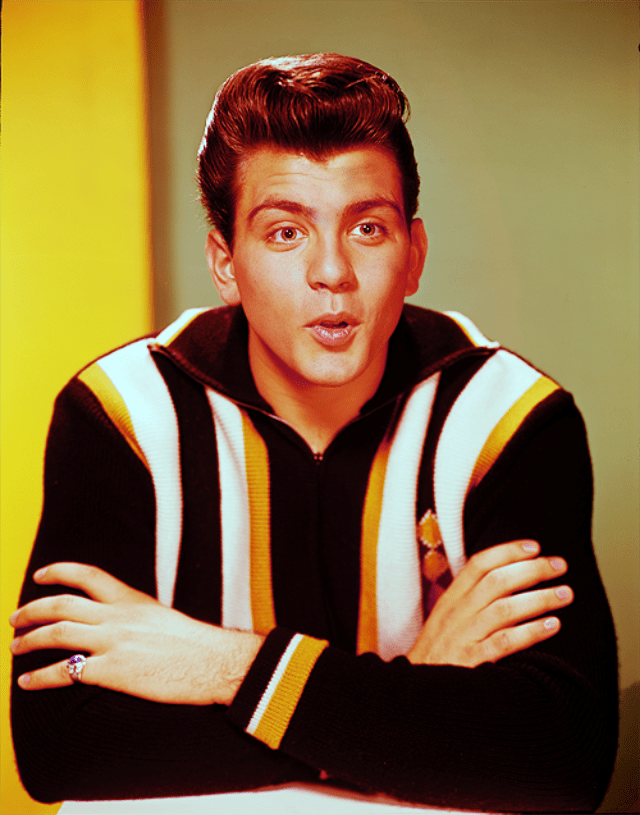
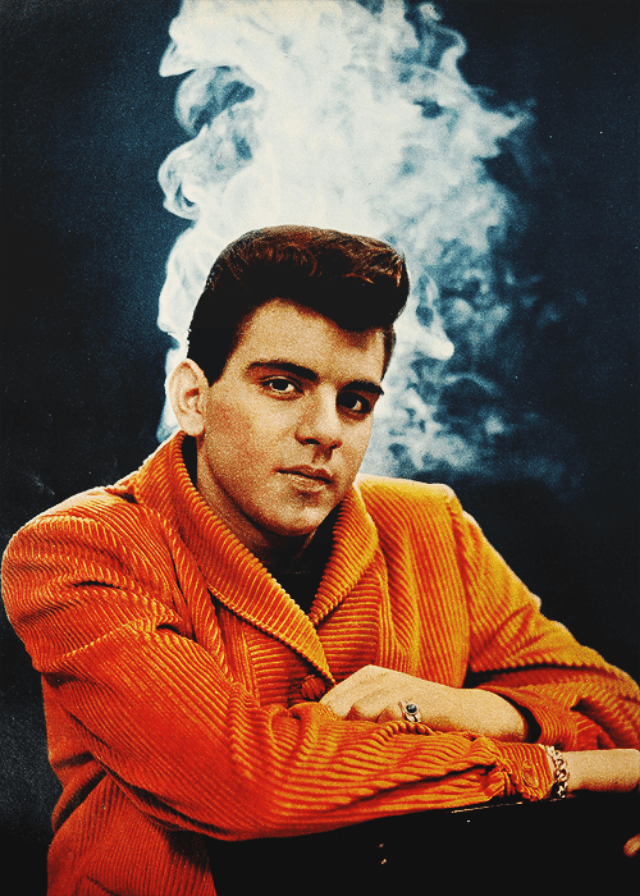
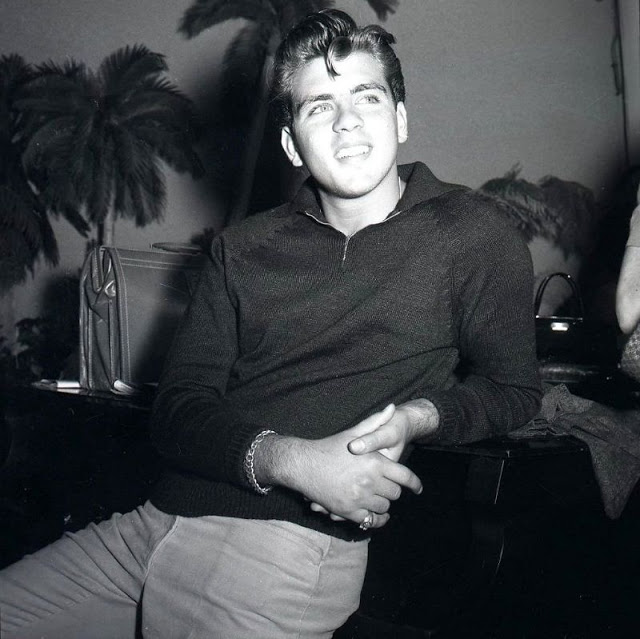
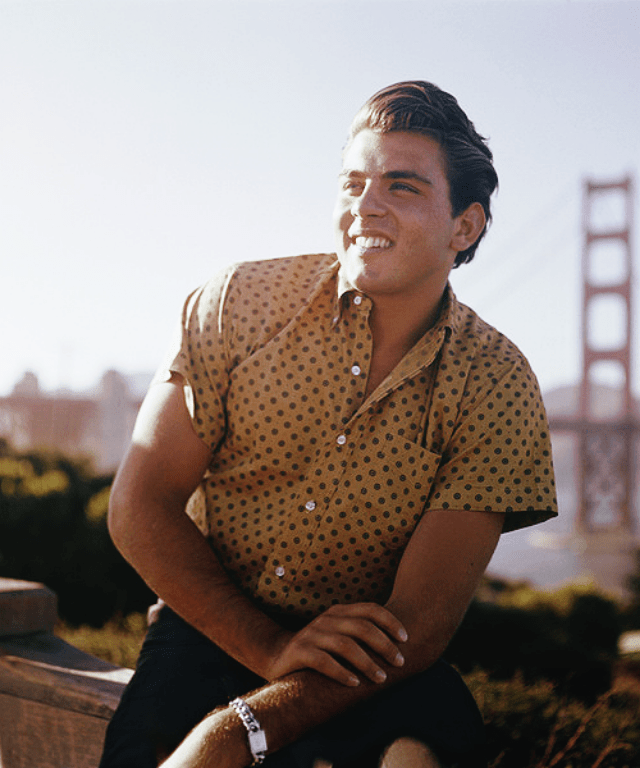
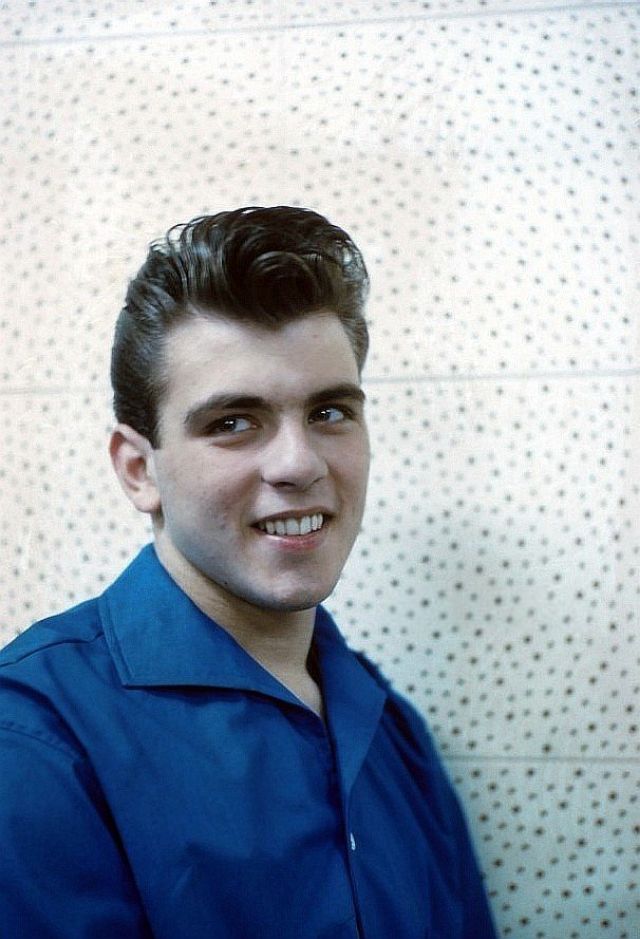
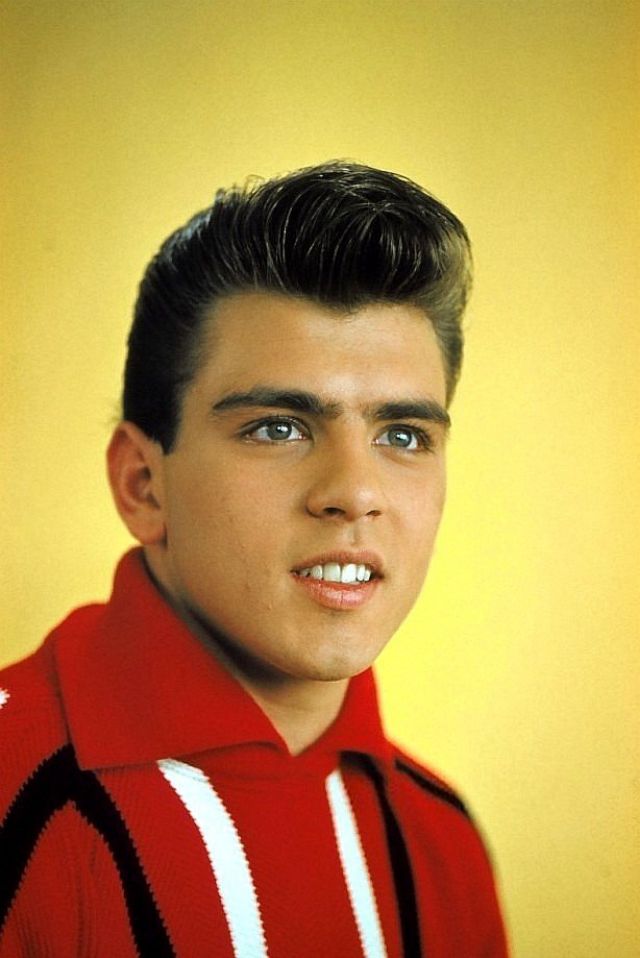
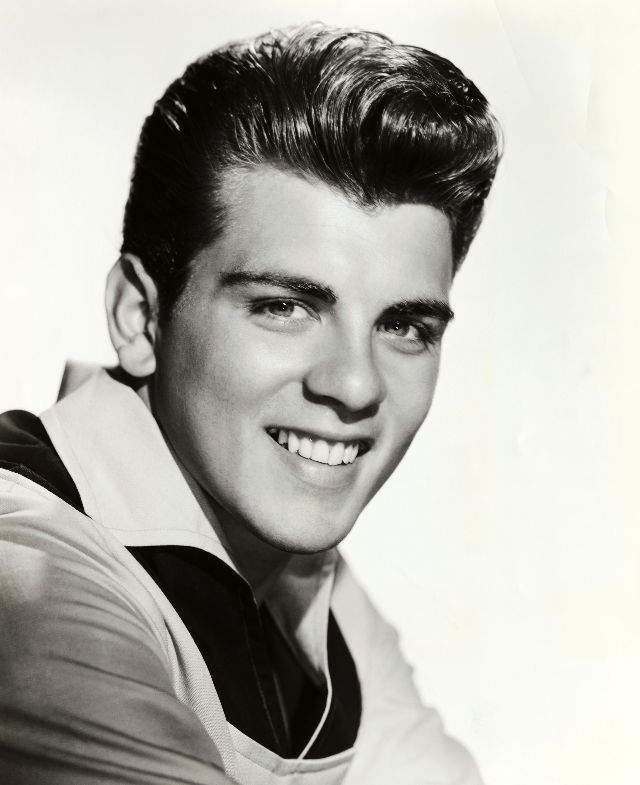
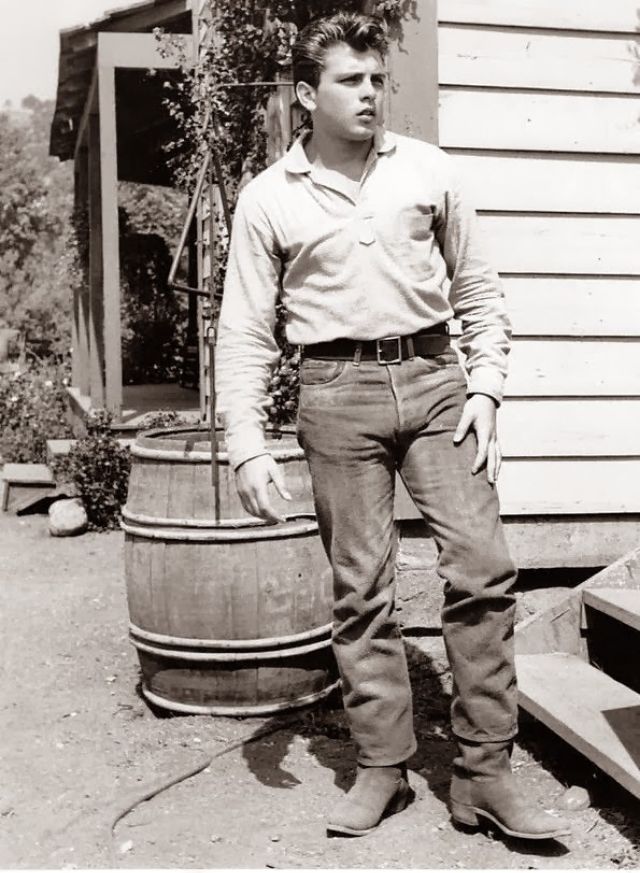
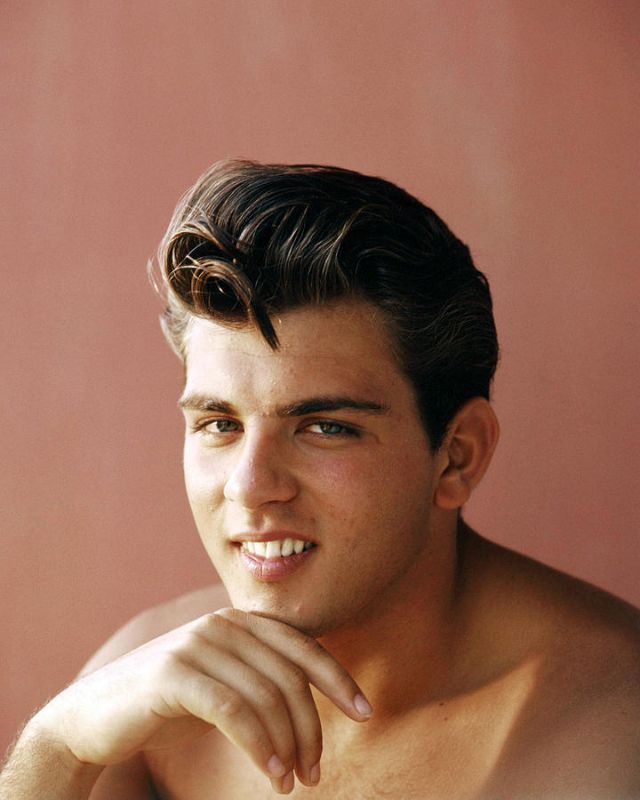
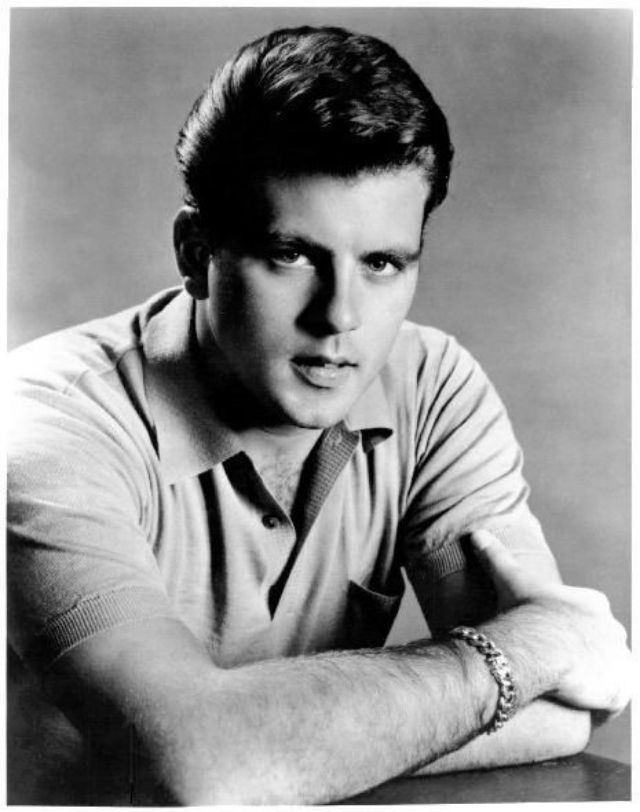
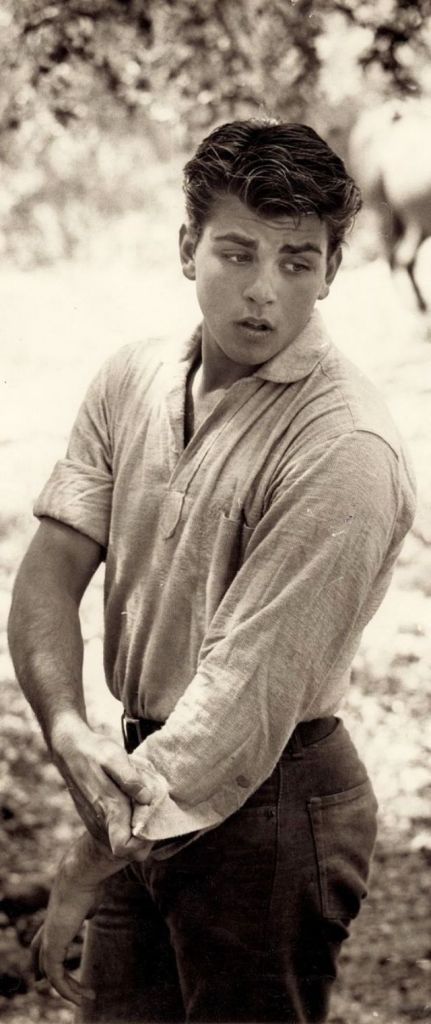
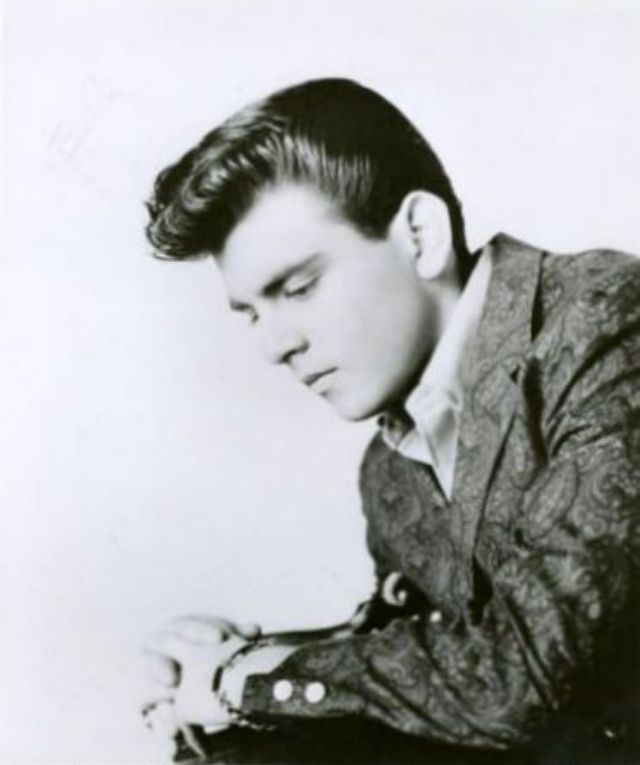
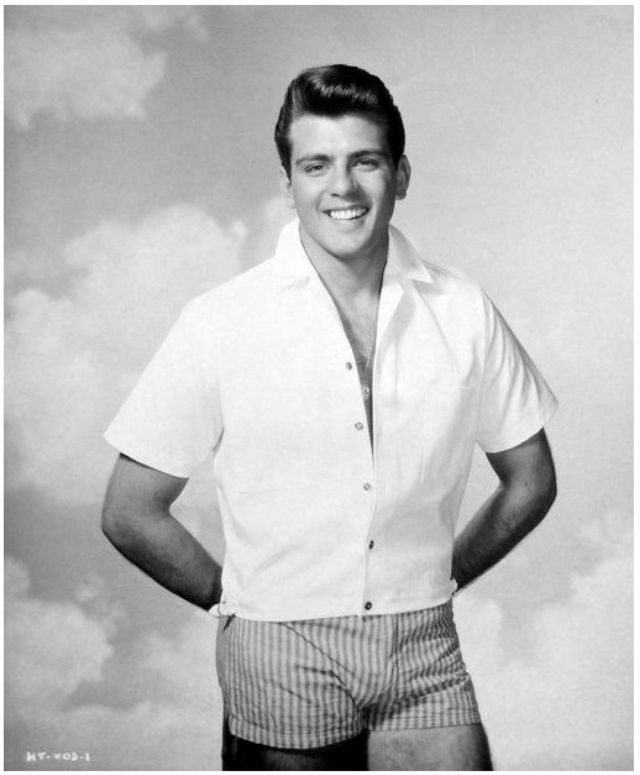
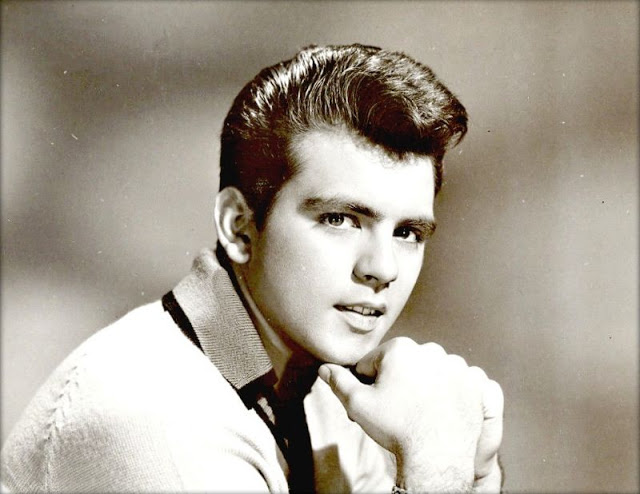
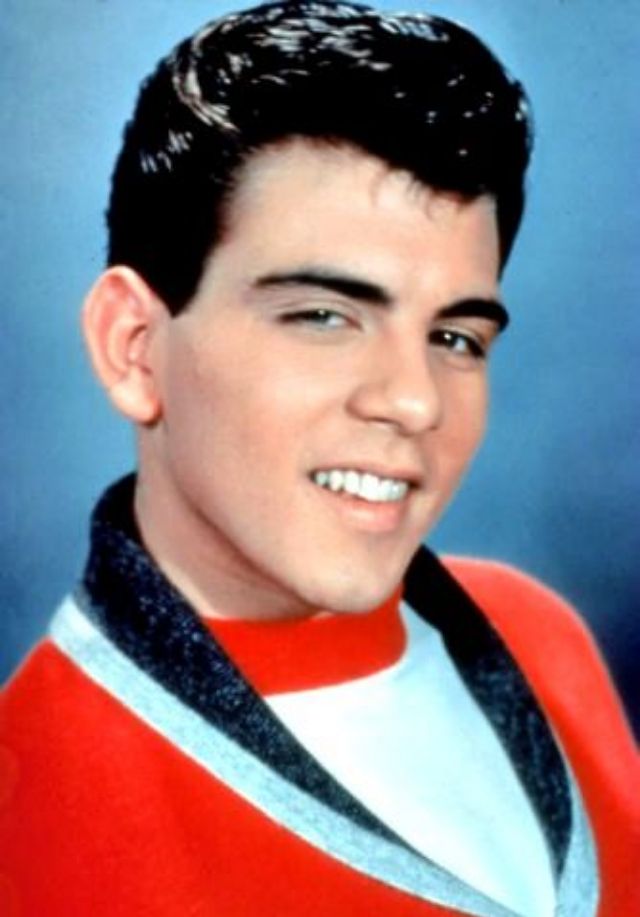
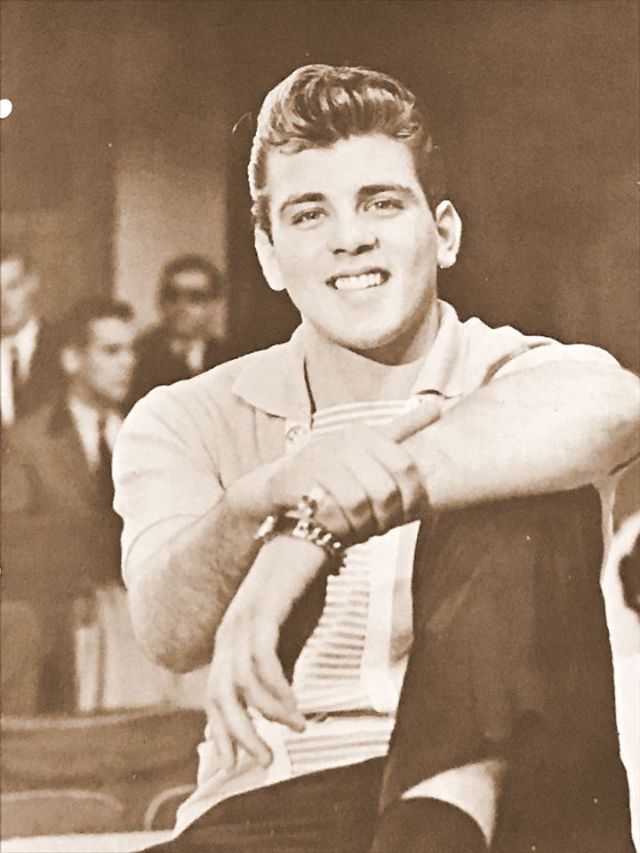
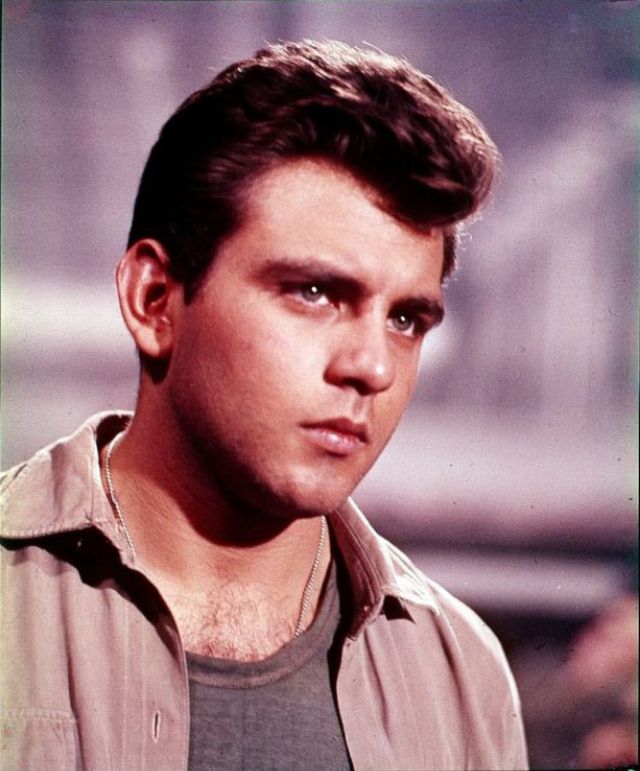
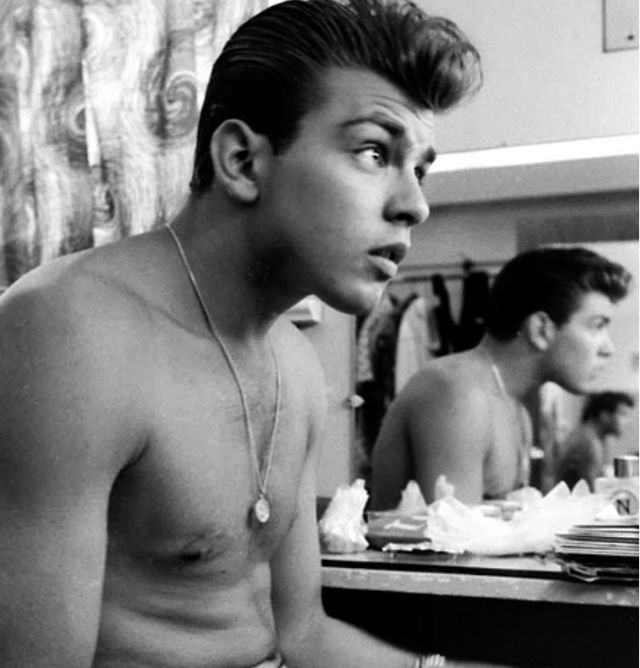
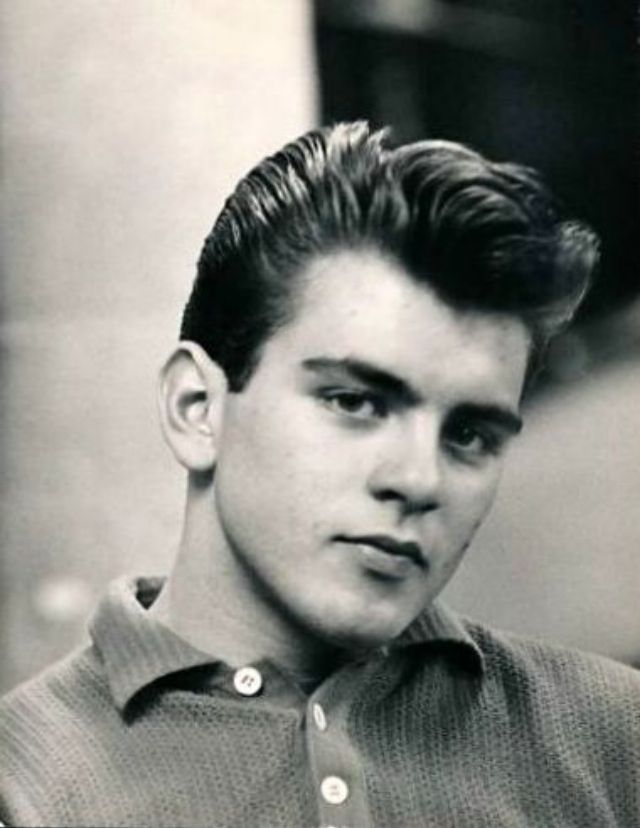
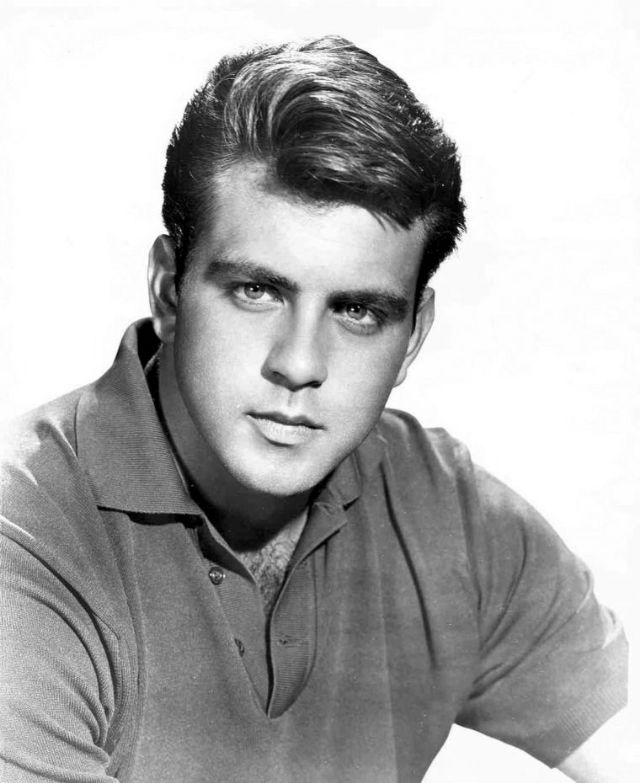
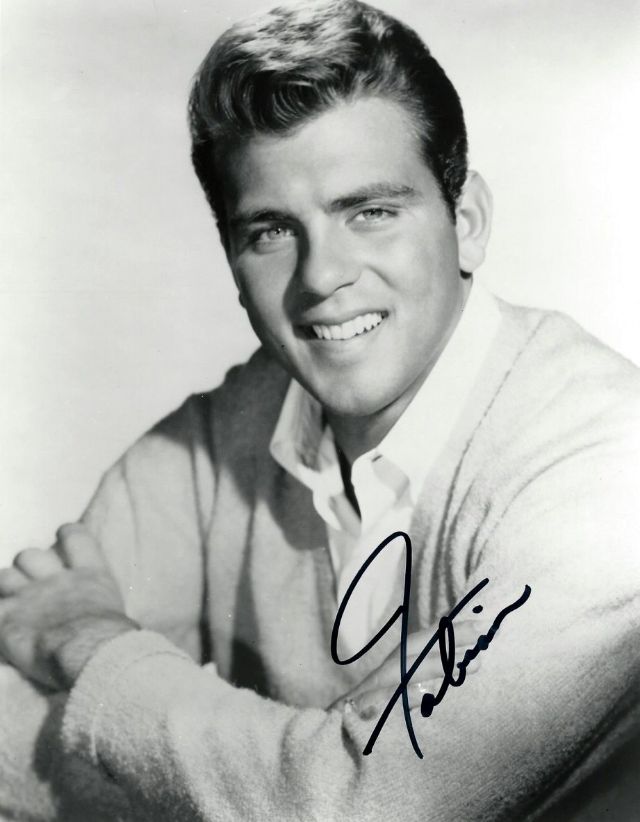
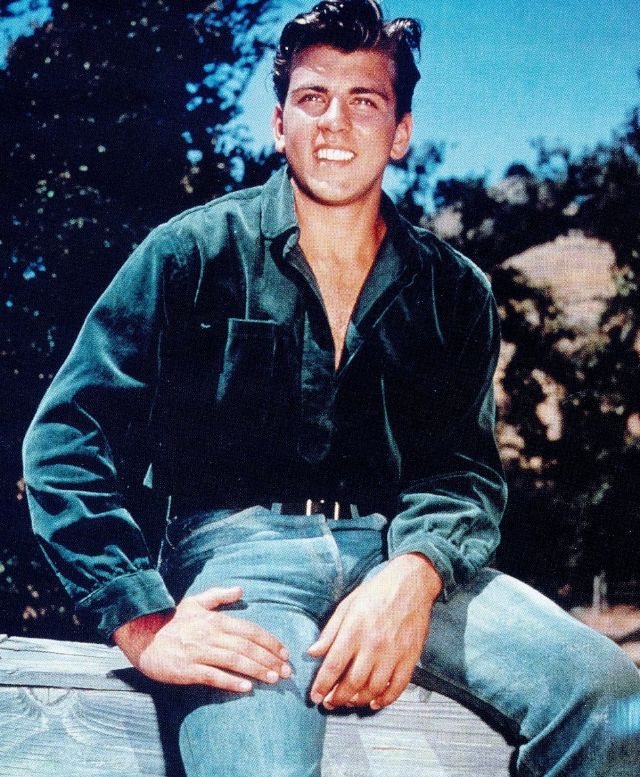
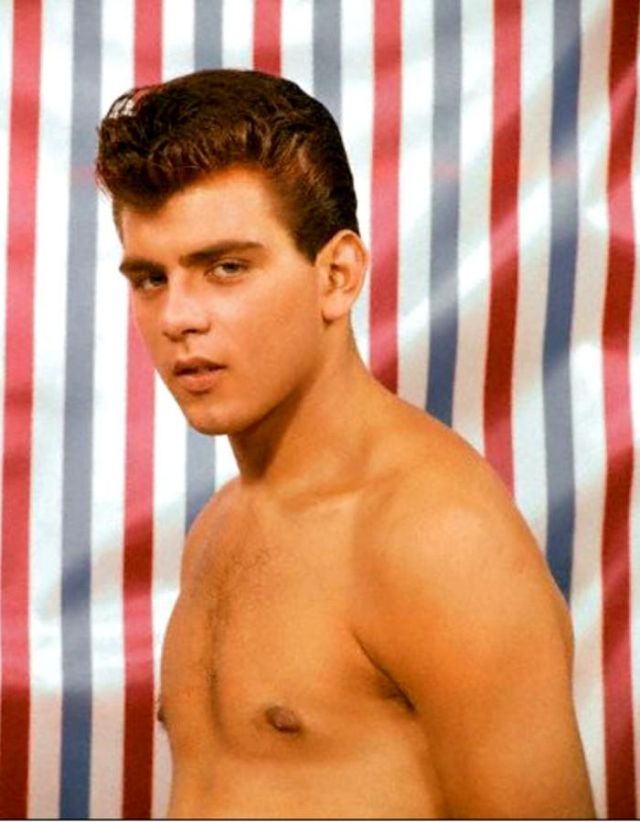
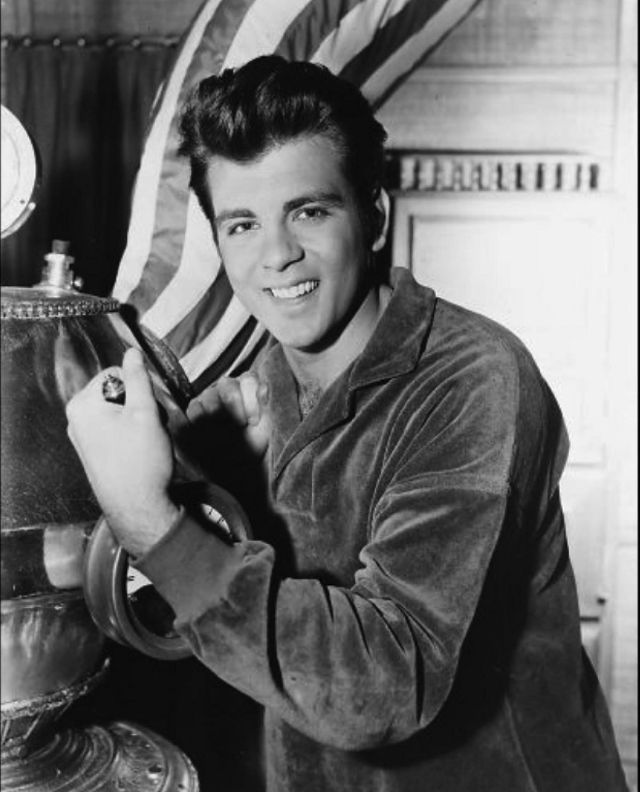
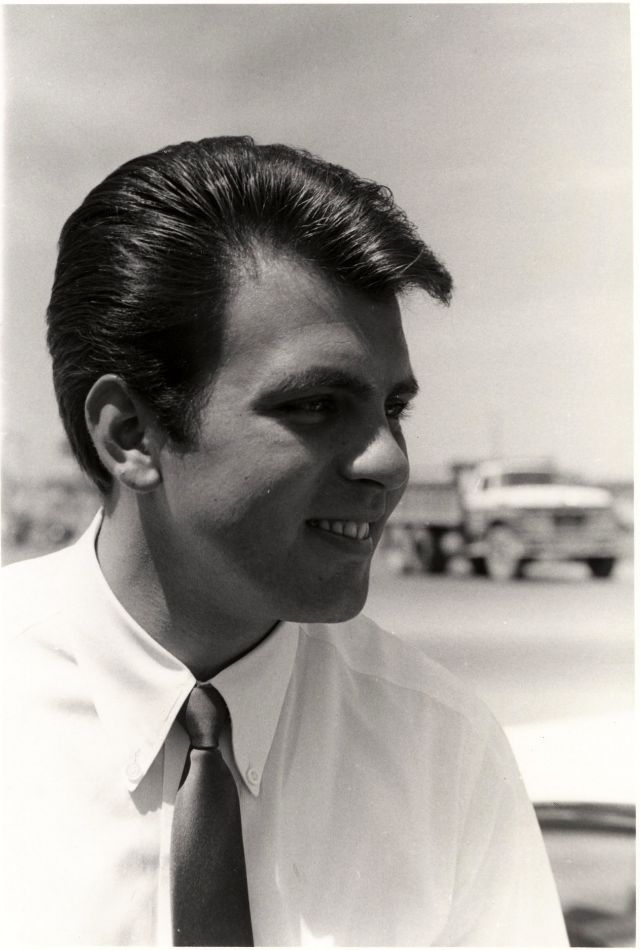
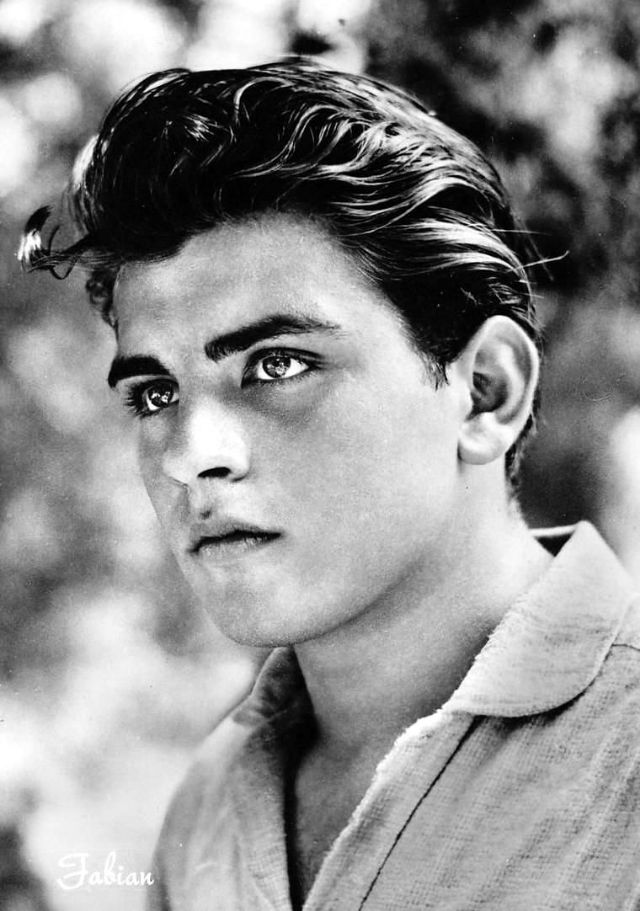
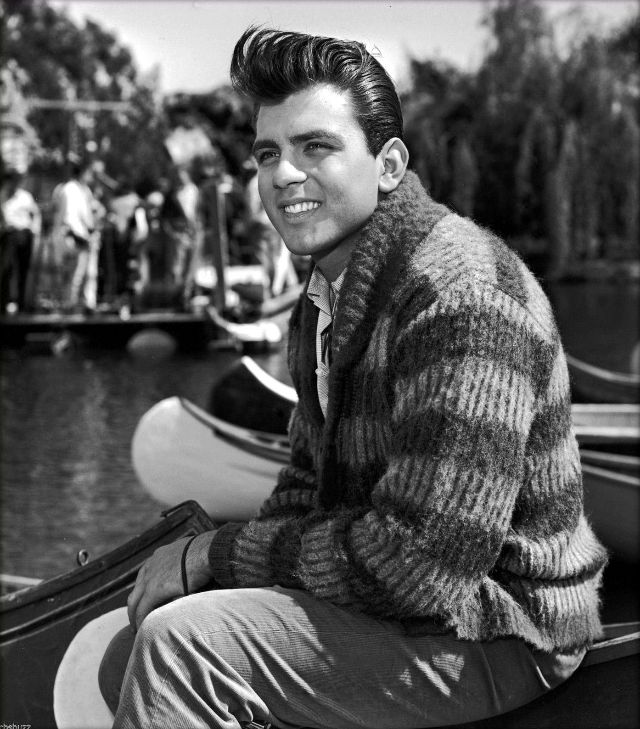
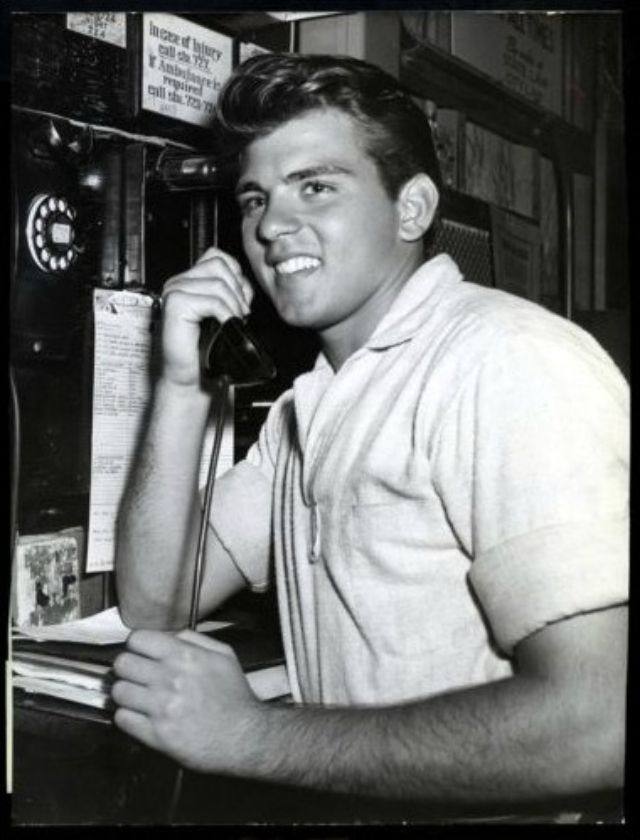
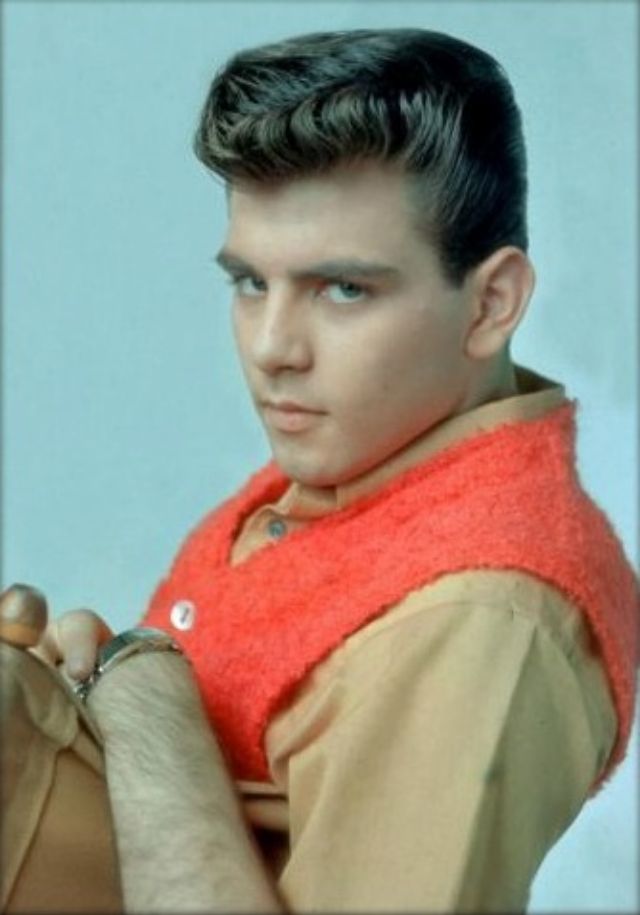
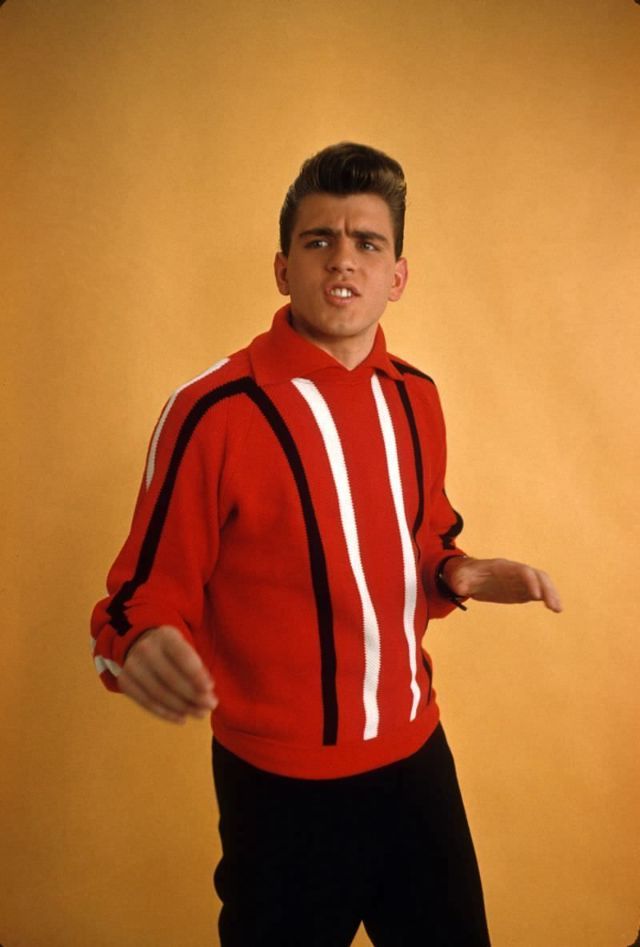
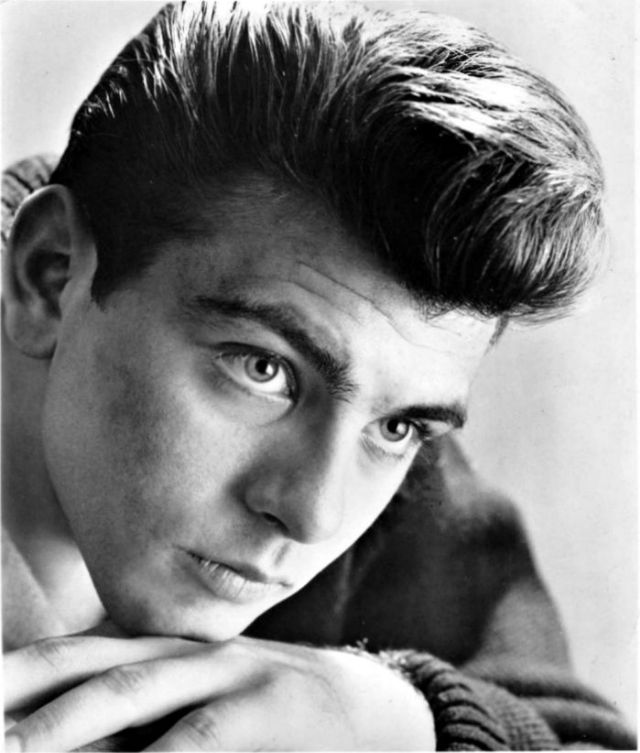
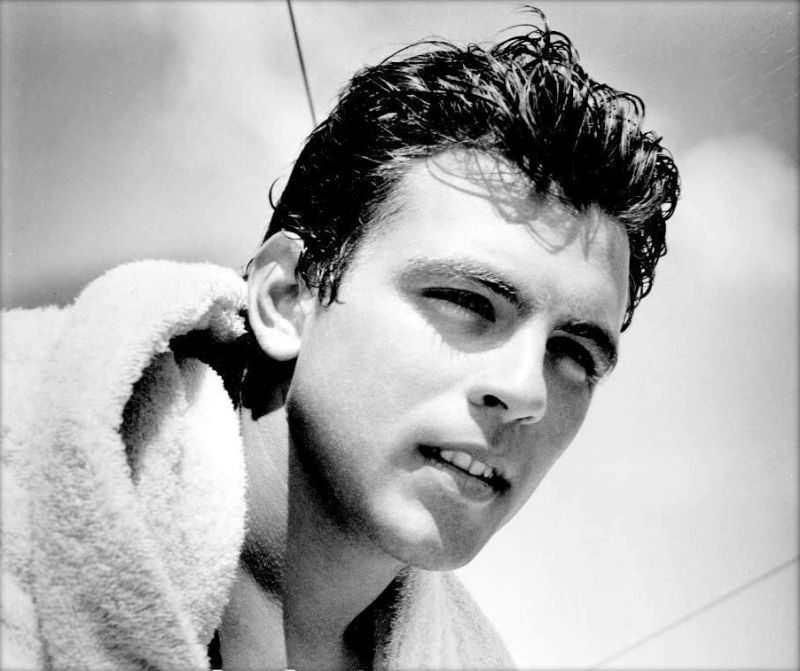
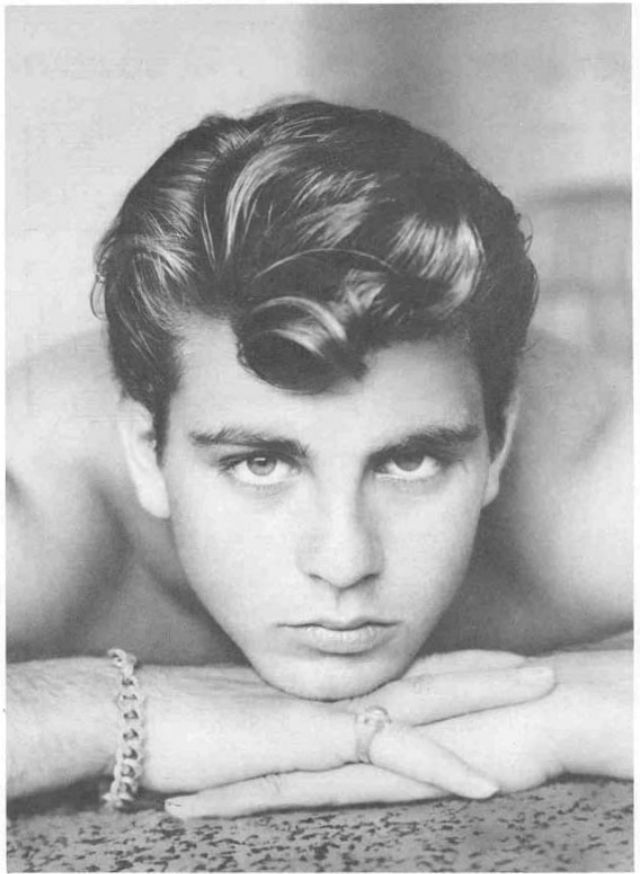
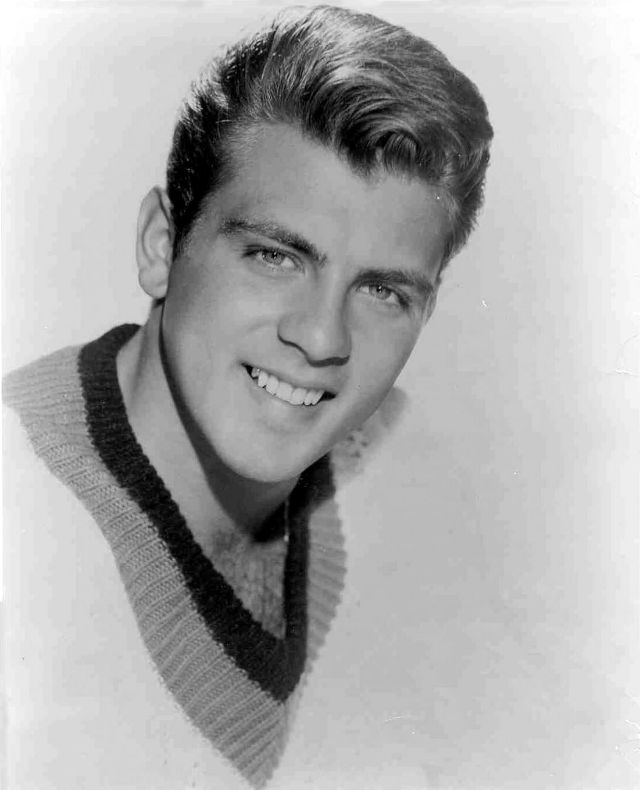
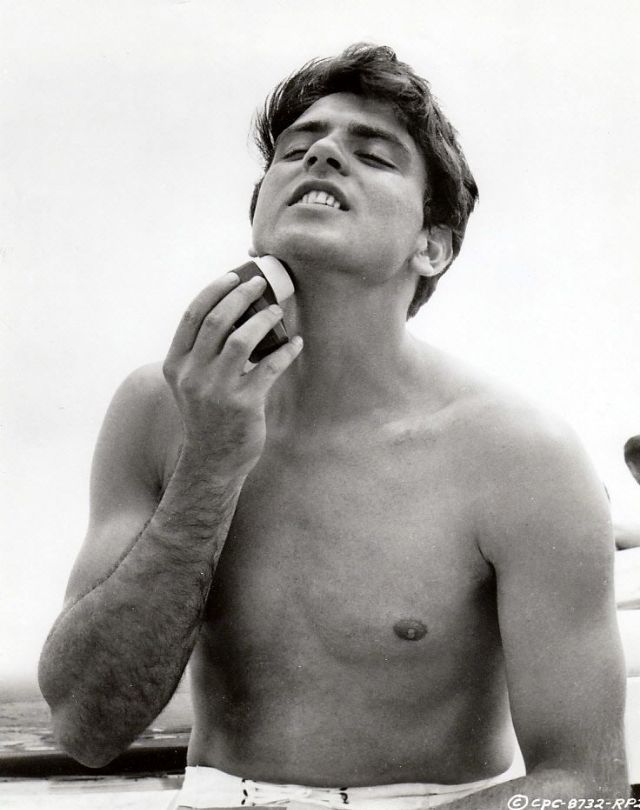
Born 1943 in Philadelphia, Pennsylvania, American singer and actor Fabiano Anthony Forte, better known to his fans as Fabian, rose to national prominence after performing several times on American Bandstand.
Forte became a teen idol of the late 1950s and early 1960s. Eleven of his songs reached the Billboard Hot 100 listing.
These cool photos that capture portrait of teenager Fabian from the late 1950s and early 1960s.
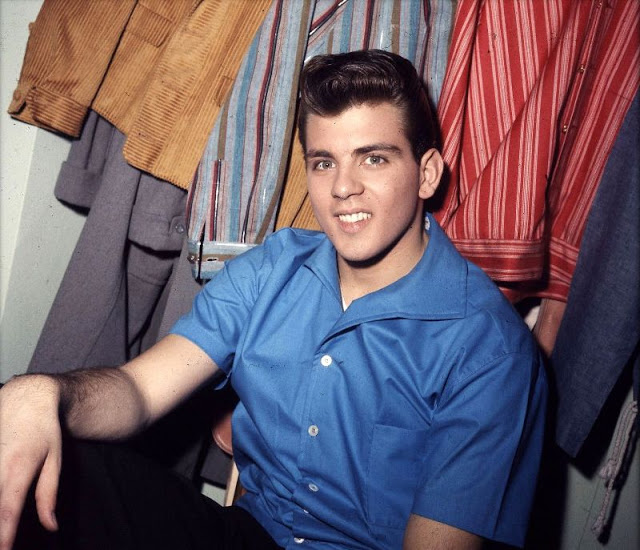
















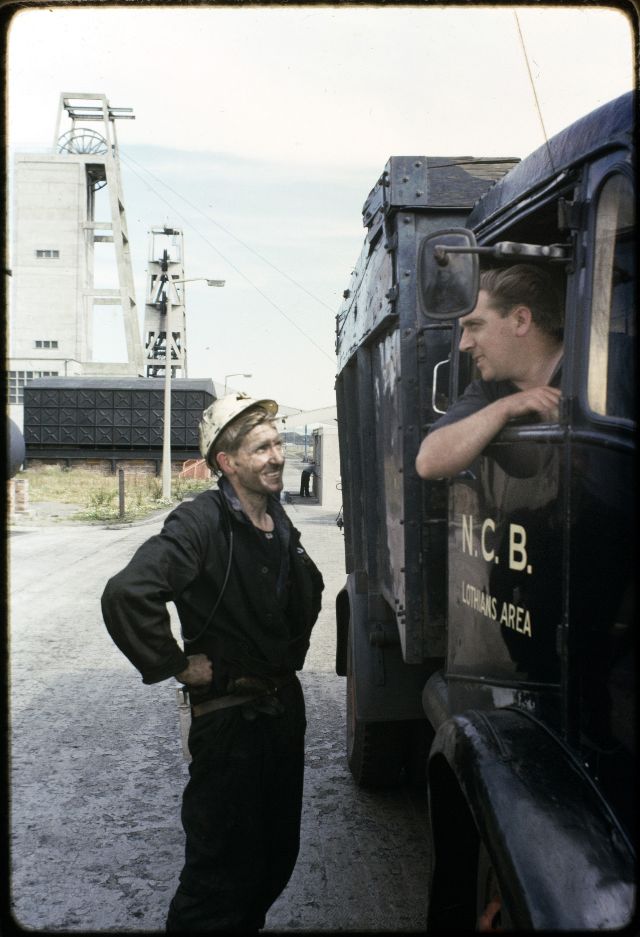
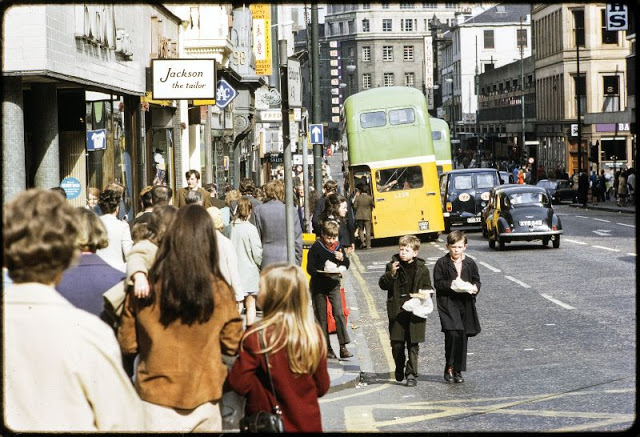
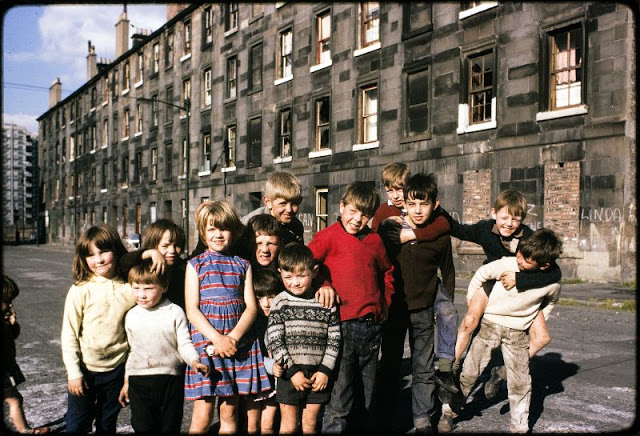
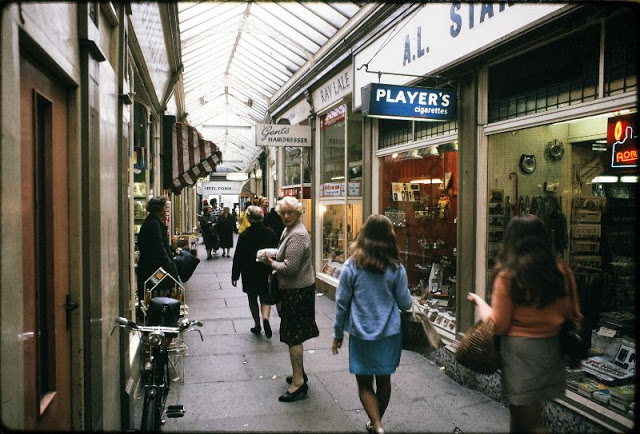
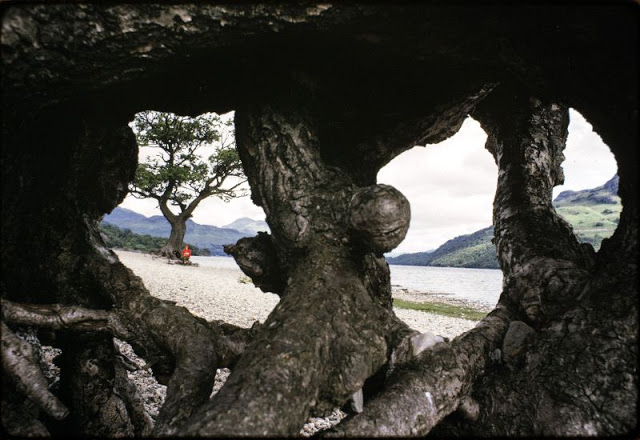
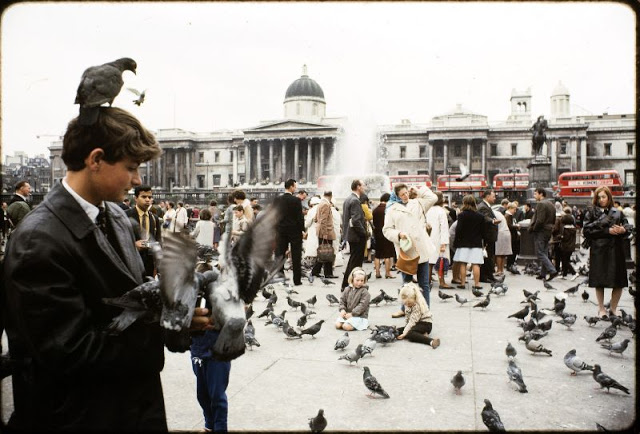
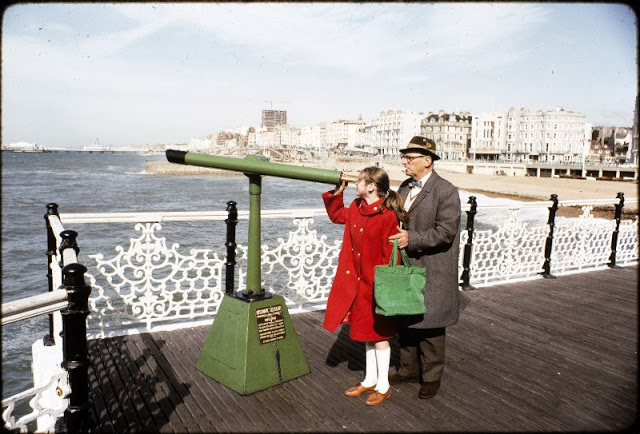
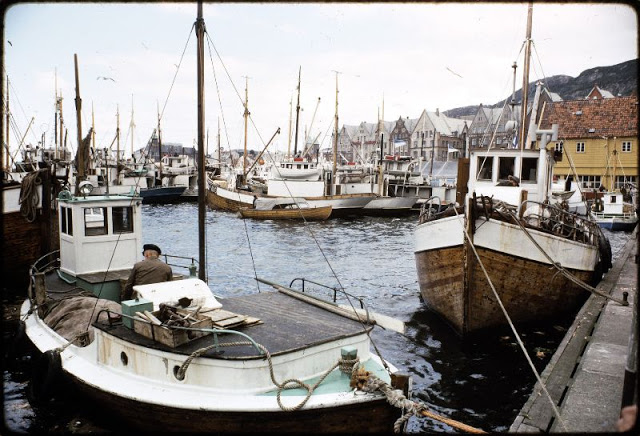
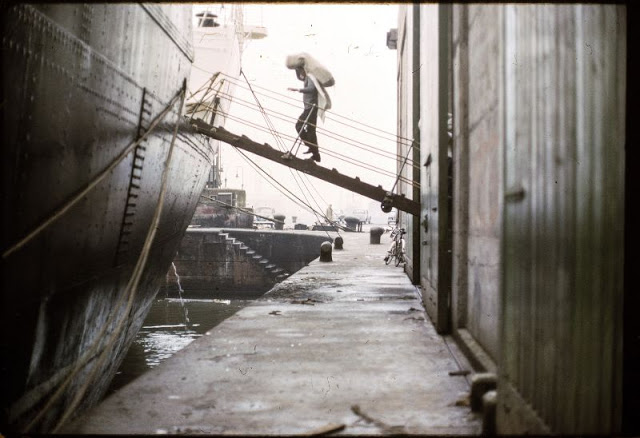
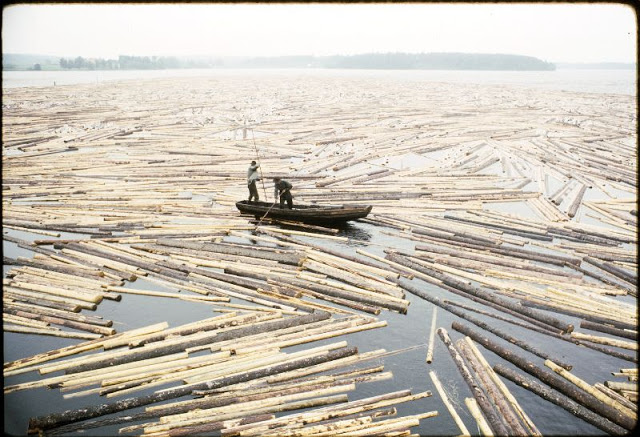
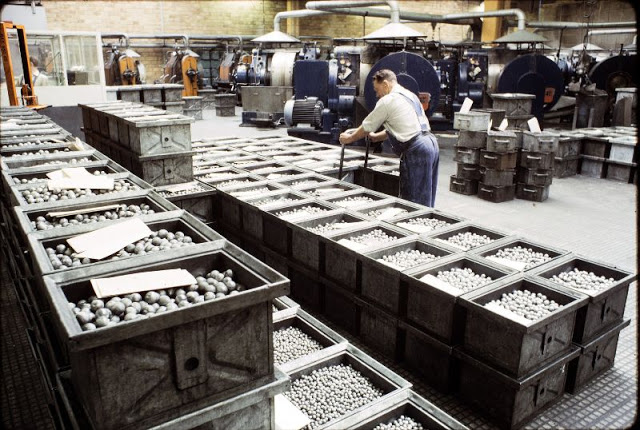
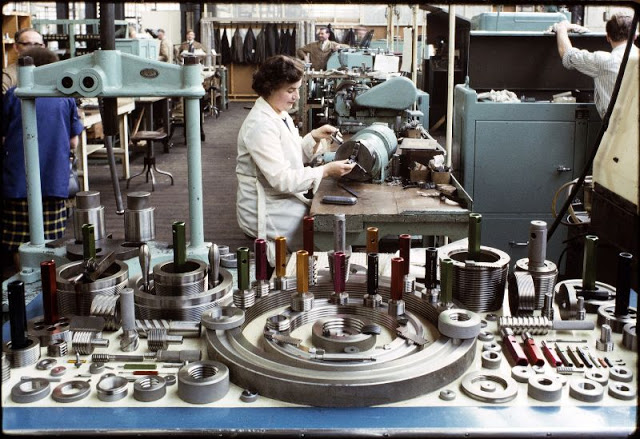
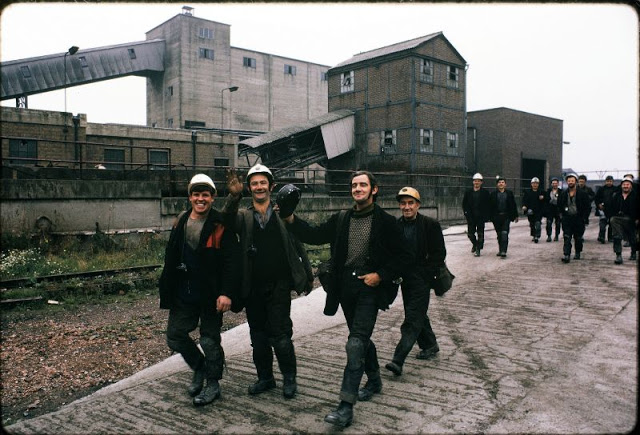
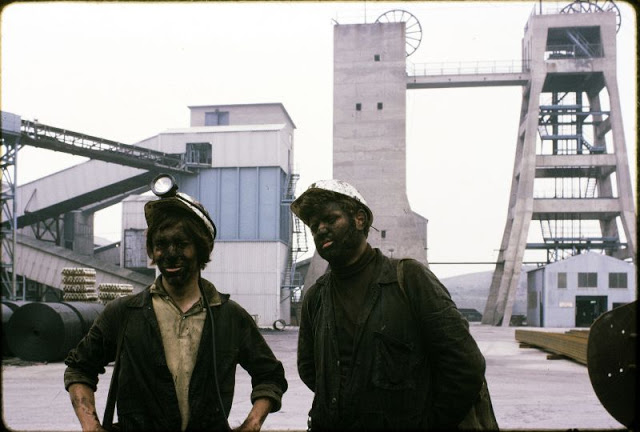
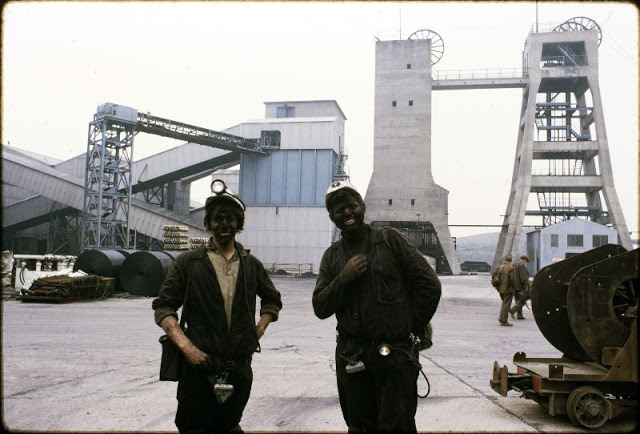
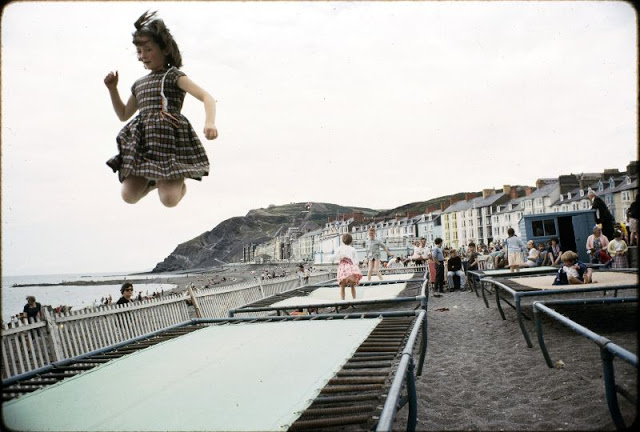
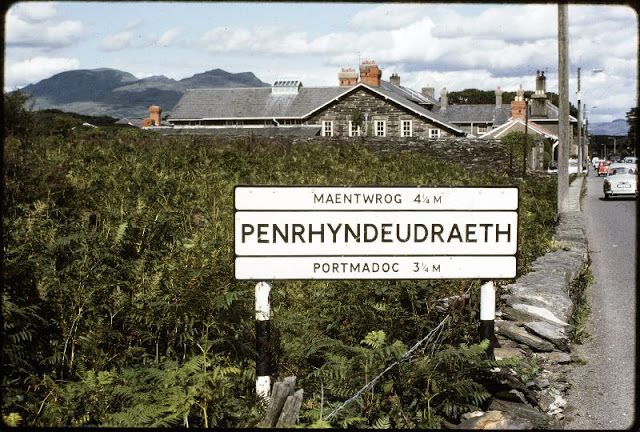
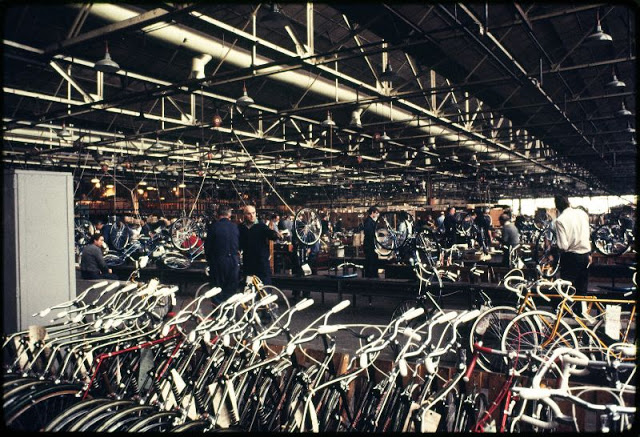
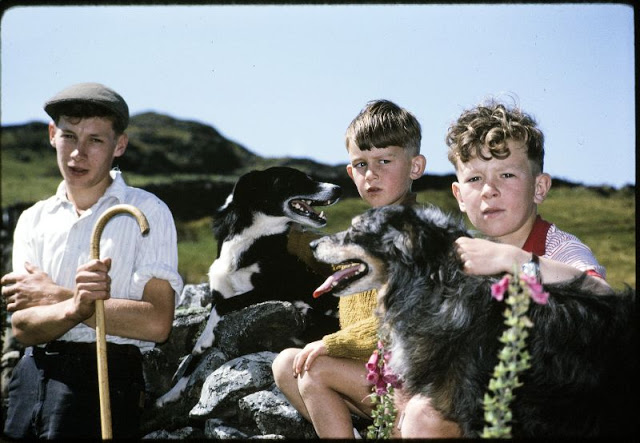
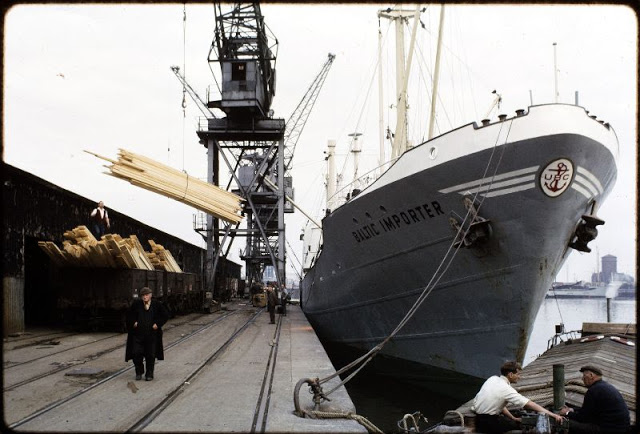
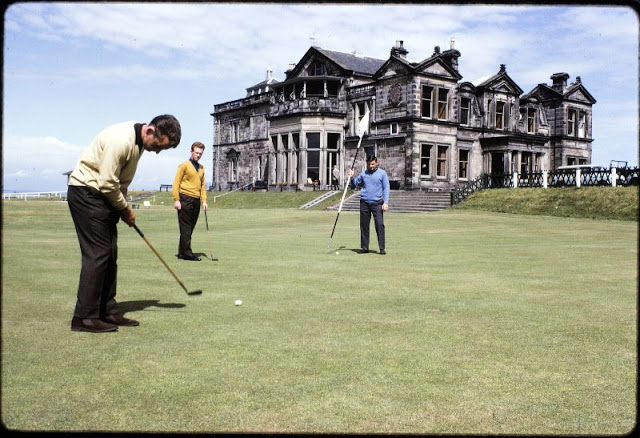
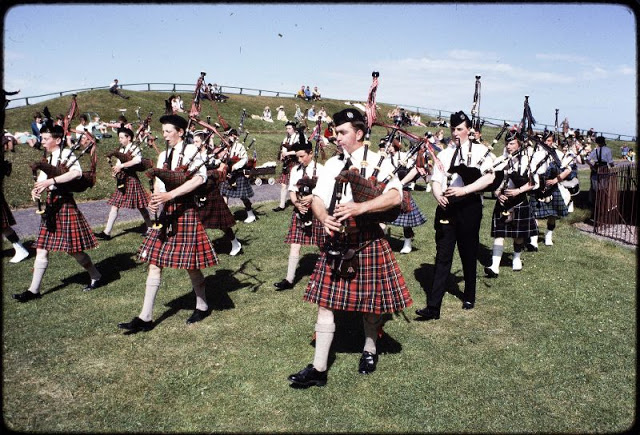
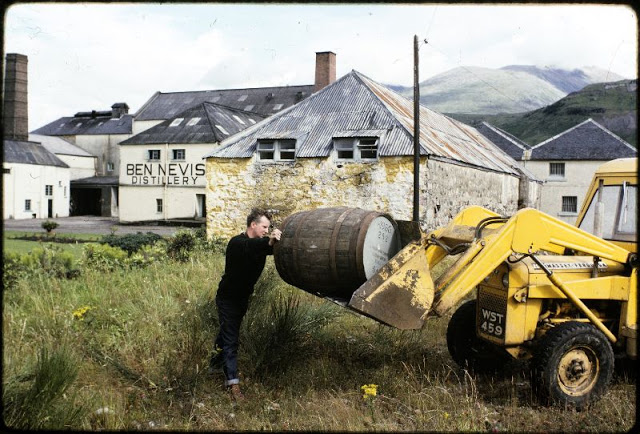
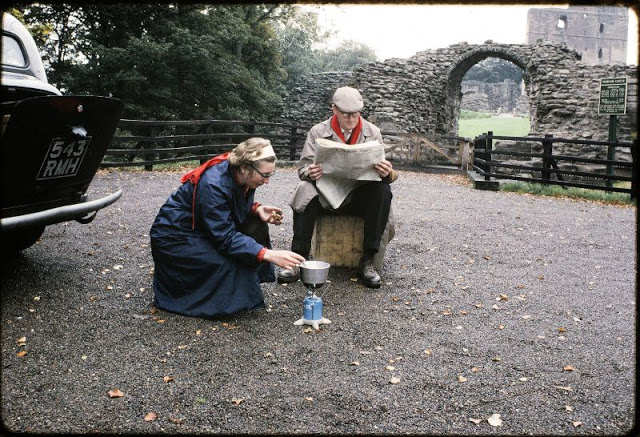
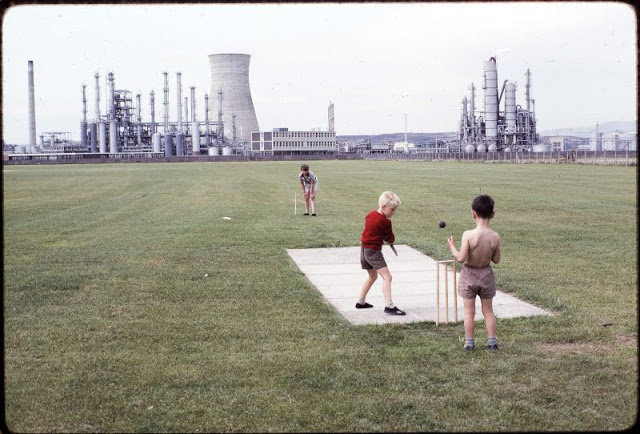
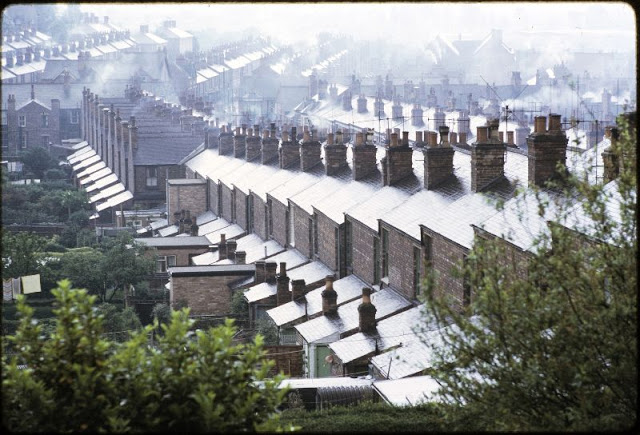
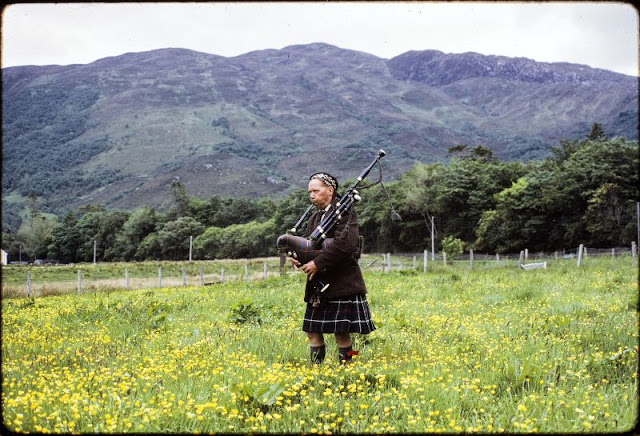
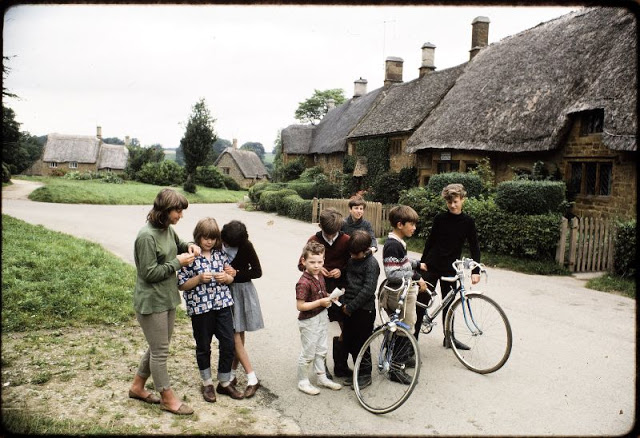
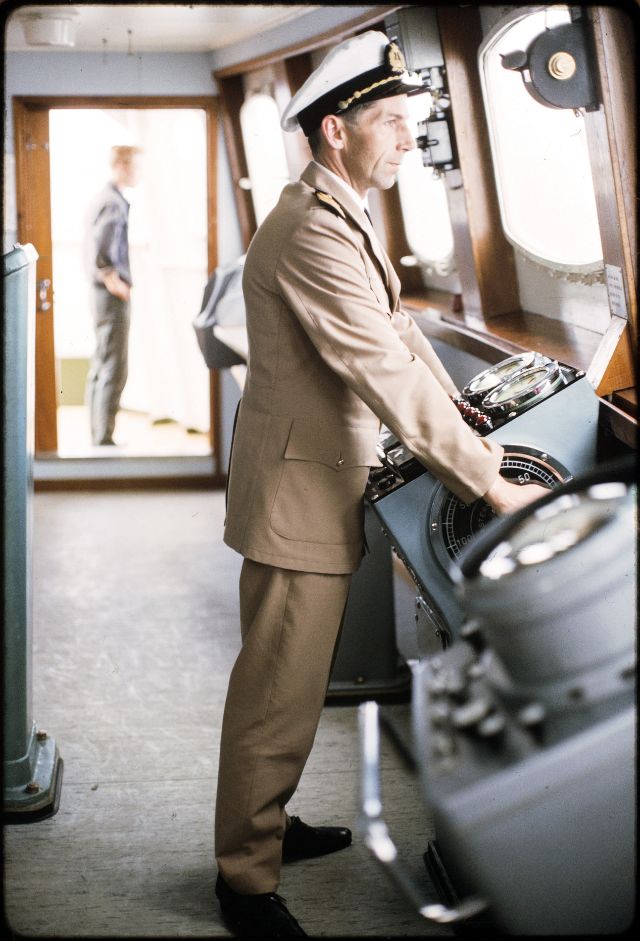
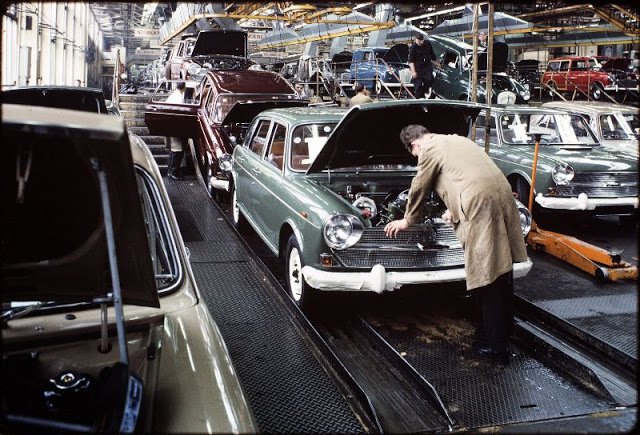
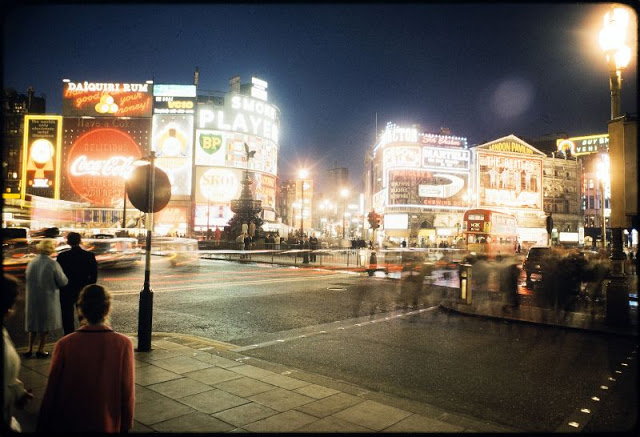
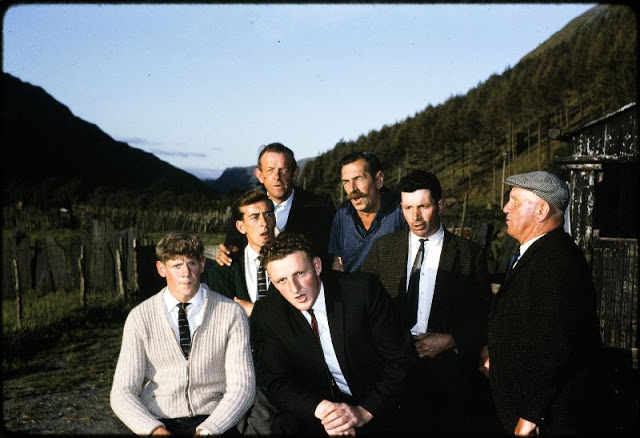
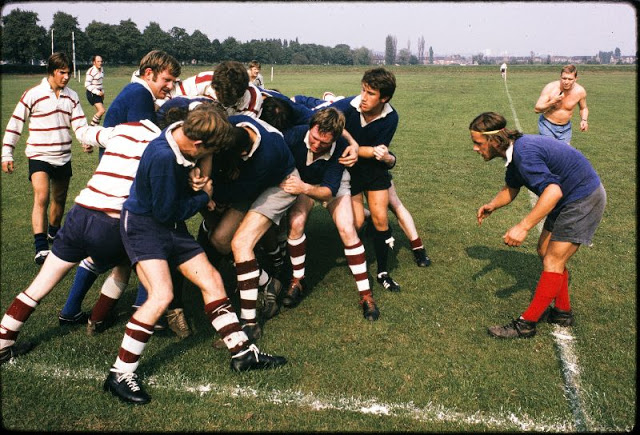
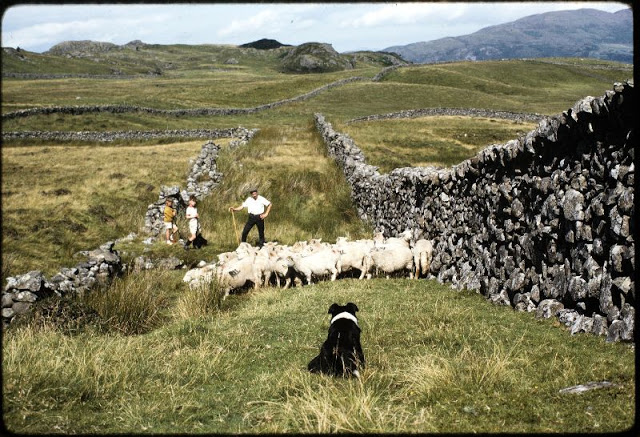
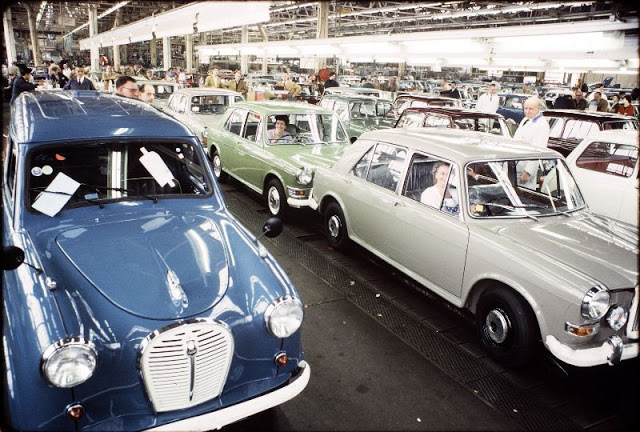
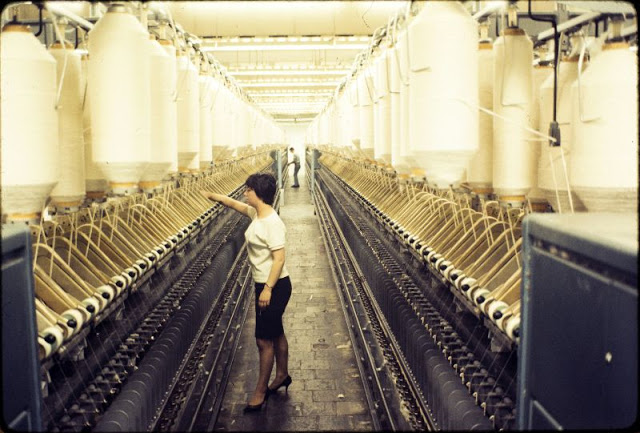
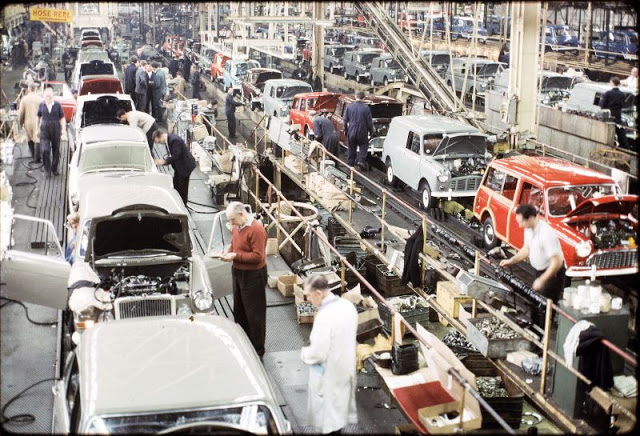
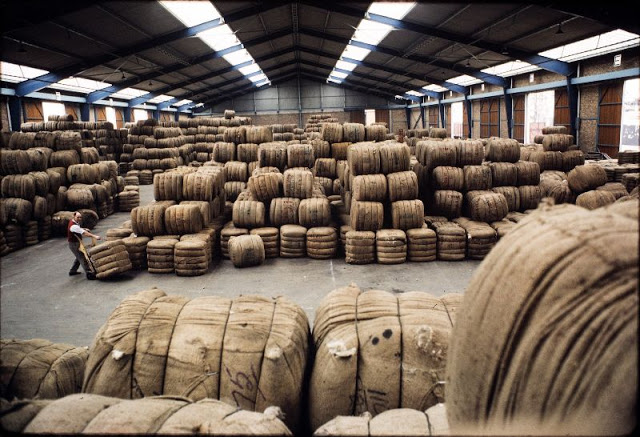
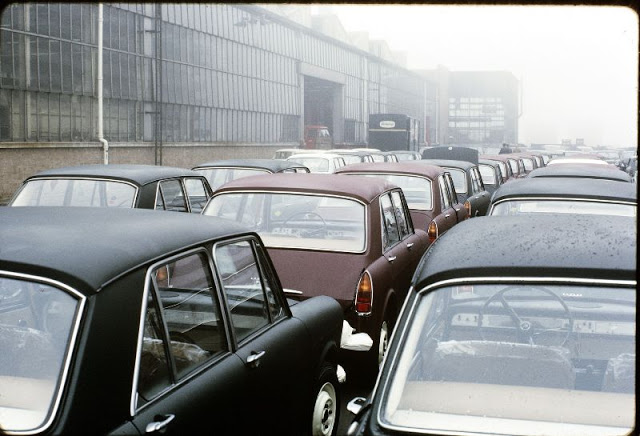
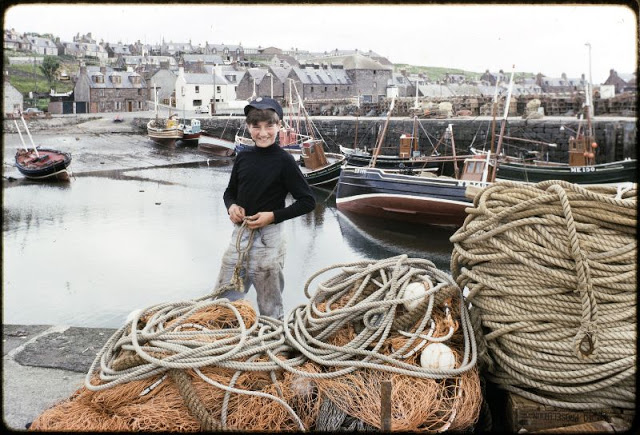
These recovered Kodachrome and Ektachrome slides were taken by noted photographer William P. Gottlieb in Britain and Scandinavia, 1965-1966.
These Kodachrome and Ektachrome slides were recovered from a dumpster, where they had been discard by my neighbor, a retired professional photographer. Labels on the boxes, and their source, indicate that they were taken by William P. Gottlieb, best known for his 1930s and 1940s portraits of Jazz greats such as Louis Armstrong, Duke Ellington, Billie Holiday, Benny Goodman and Ella Fitzgerald. These slides were taken in 1964-66, primarily in England, with a few images form Scotland, Wales, Sweden and Norway.






















Coca-Cola, or Coke, is a carbonated soft drink manufactured by the Coca-Cola Company. Originally marketed as a temperance drink and intended as a patent medicine, it was invented in the late 19th century by John Stith Pemberton in Atlanta, Georgia. In 1888 Pemberton sold Coca-Cola’s ownership rights to Asa Griggs Candler, a businessman, whose marketing tactics led Coca-Cola to its dominance of the global soft-drink market throughout the 20th and 21st century. The drink’s name refers to two of its original ingredients: coca leaves, and kola nuts (a source of caffeine). The current formula of Coca-Cola remains a closely guarded trade secret; however, a variety of reported recipes and experimental recreations have been published. The secrecy around the formula has been used by Coca-Cola in its marketing as only a handful of anonymous employees know the formula. The drink has inspired imitators and created a whole classification of soft drink: colas.
The Coca-Cola Company produces concentrate, which is then sold to licensed Coca-Cola bottlers throughout the world. The bottlers, who hold exclusive territory contracts with the company, produce the finished product in cans and bottles from the concentrate, in combination with filtered water and sweeteners. A typical 12-US-fluid-ounce (350 ml) can contains 38 grams (1.3 oz) of sugar (usually in the form of high-fructose corn syrup in North America). The bottlers then sell, distribute, and merchandise Coca-Cola to retail stores, restaurants, and vending machines throughout the world. The Coca-Cola Company also sells concentrate for soda fountains of major restaurants and foodservice distributors.
The Coca-Cola Company has on occasion introduced other cola drinks under the Coke name. The most common of these is Diet Coke, along with others including Caffeine-Free Coca-Cola, Diet Coke Caffeine-Free, Coca-Cola Zero Sugar, Coca-Cola Cherry, Coca-Cola Vanilla, and special versions with lemon, lime, and coffee. Coca-Cola was called Coca-Cola Classic from July 1985 to 2009, to distinguish it from “New Coke”. Based on Interbrand’s “best global brand” study of 2020, Coca-Cola was the world’s sixth most valuable brand. In 2013, Coke products were sold in over 200 countries worldwide, with consumers drinking more than 1.8 billion company beverage servings each day. Coca-Cola ranked No. 87 in the 2018 Fortune 500 list of the largest United States corporations by total revenue. (Wikipedia)
According to TIME, during the 1930s, the company had begun to set up bottling plants in other countries. The photos here depict not just the way Coke began to blend into international surroundings, but also the wide array of American locales and subcultures the brand was penetrating.
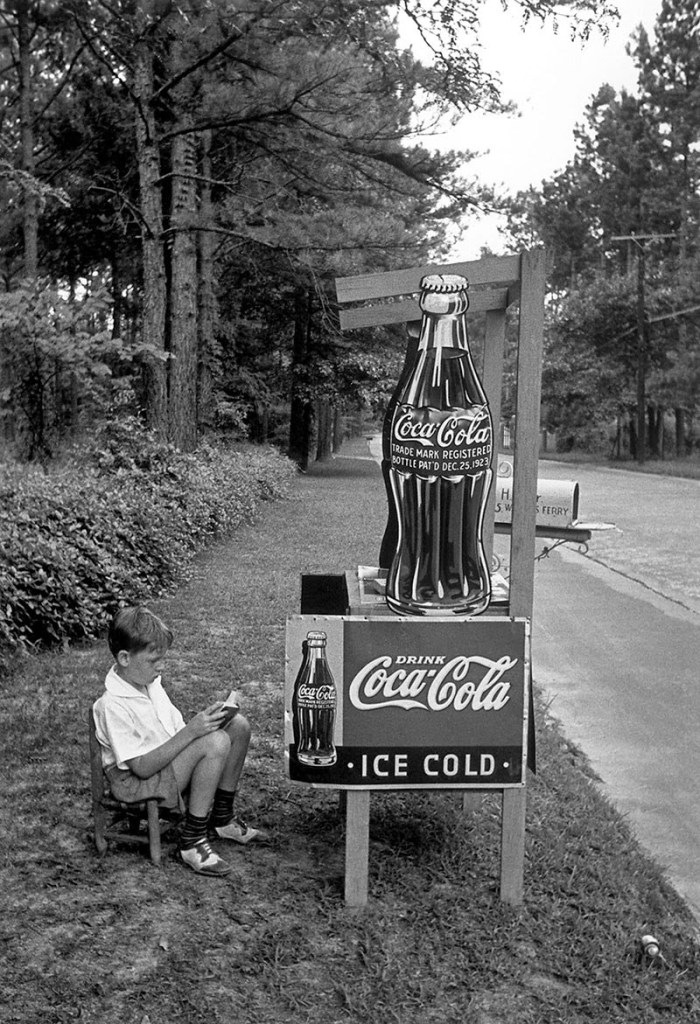


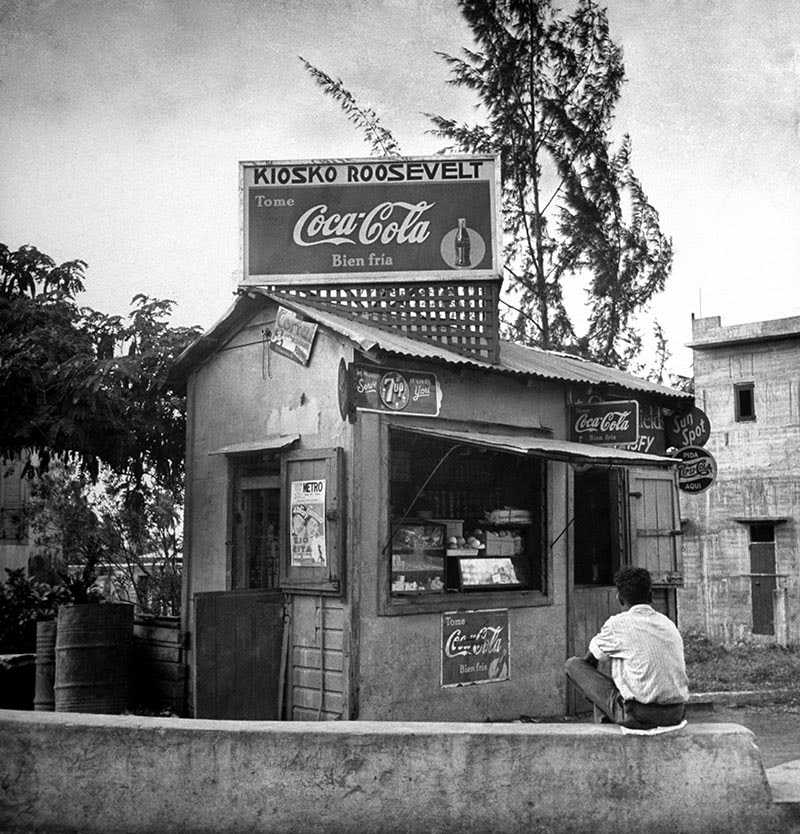
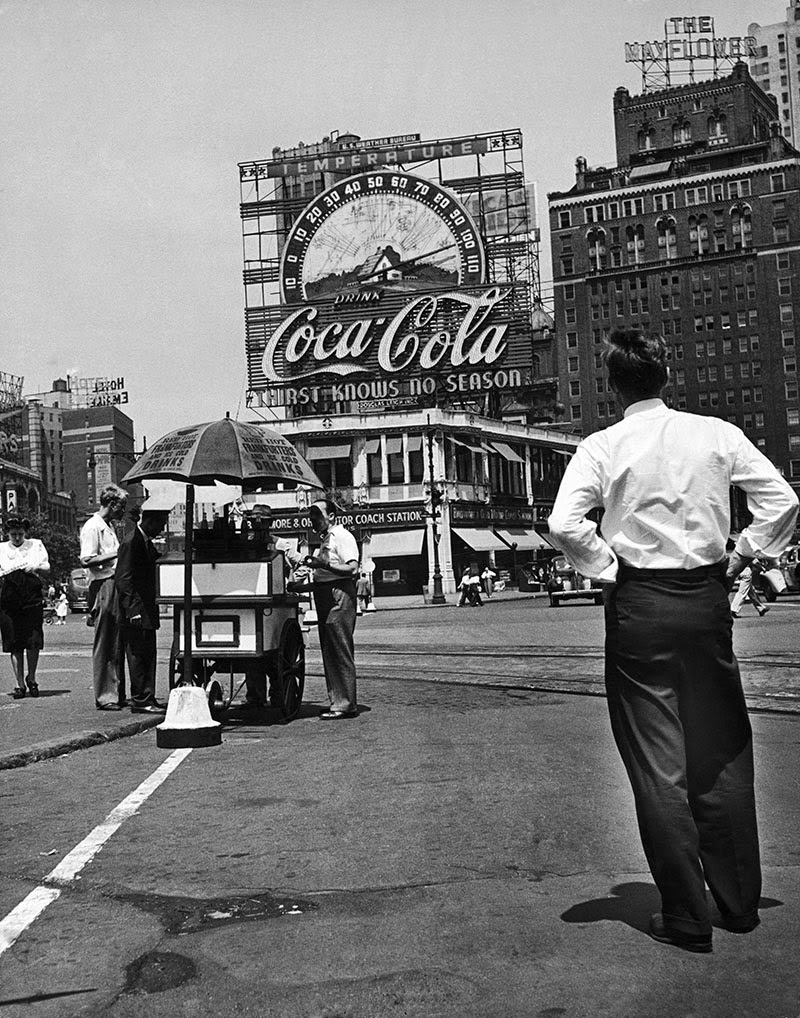
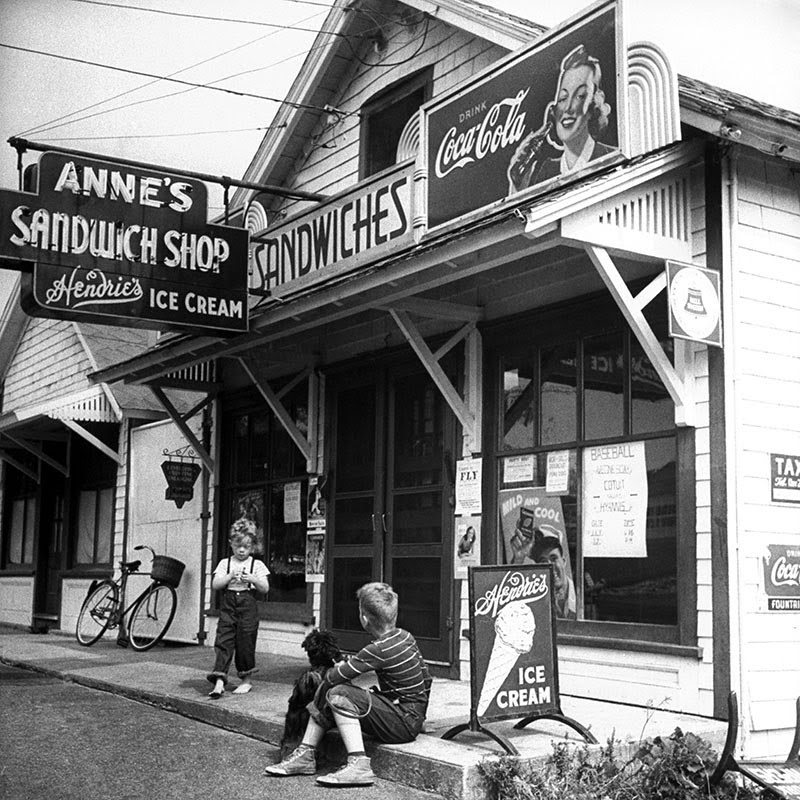


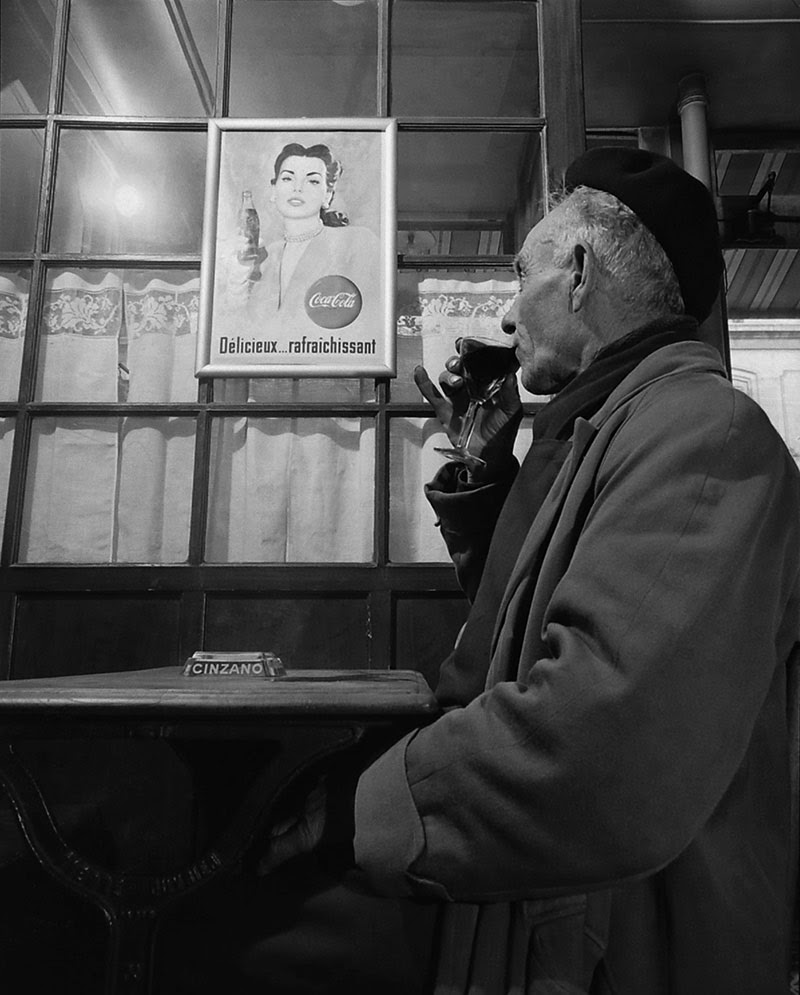
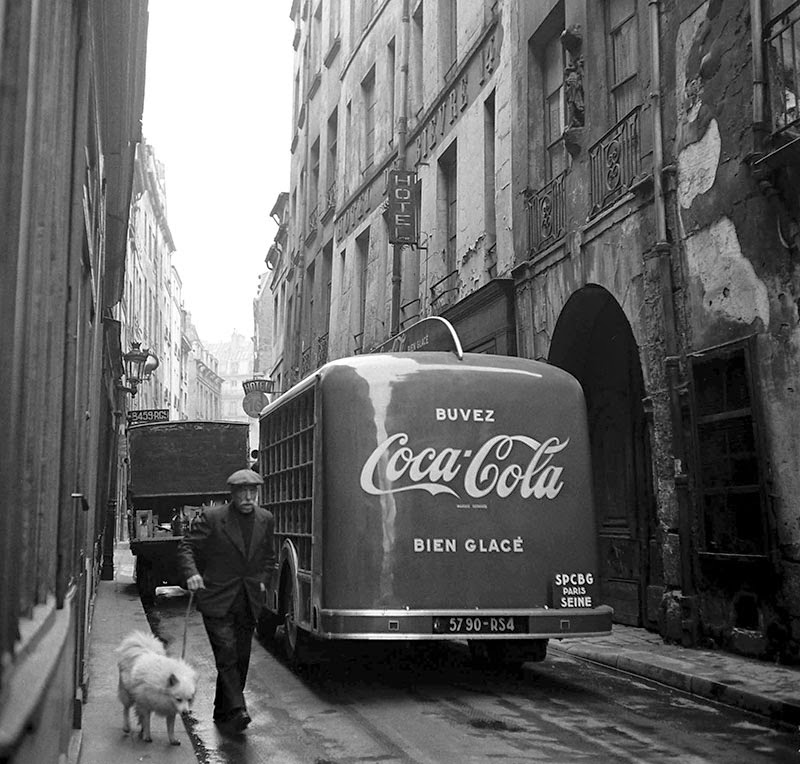
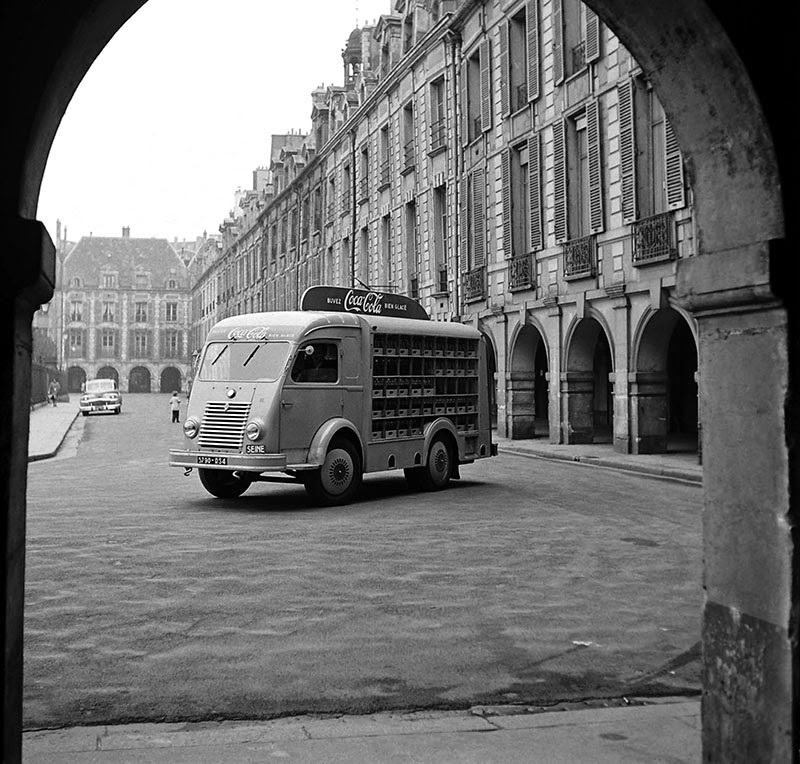
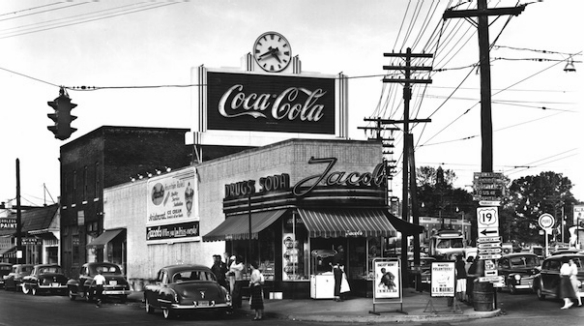
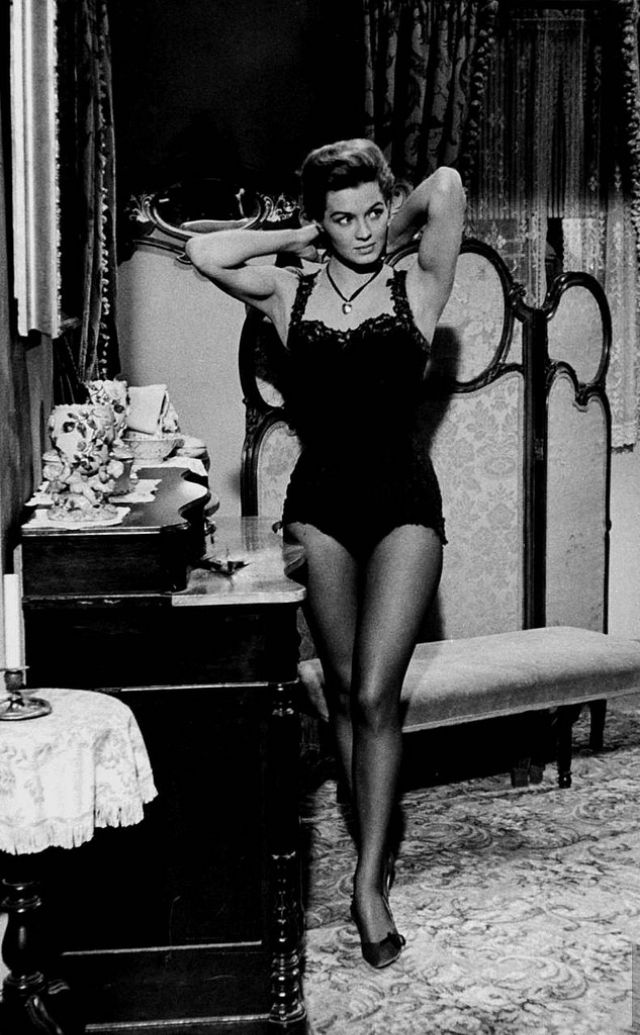
Born in New York City, American photojournalist Allan Grant (1919-2008) was introduced to photography as a teenager, when he traded a model airplane for a camera. One of his early jobs was in a photo laboratory, where he printed photos by noted photographers such as Alfred Eisenstaedt and Robert Capa.
Grant began working for Life in 1945 on a freelance basis. The magazine hired him full-time in 1946, after a photo he took at a Connecticut sailing school made the cover of an issue. He also had the last photo shoot with actress Marilyn Monroe and took the first photos of Marina Oswald, Lee Harvey Oswald’s wife, following U.S. President John F. Kennedy’s assassination.
Grant left Life magazine in the late 1960s and began producing educational documentaries.

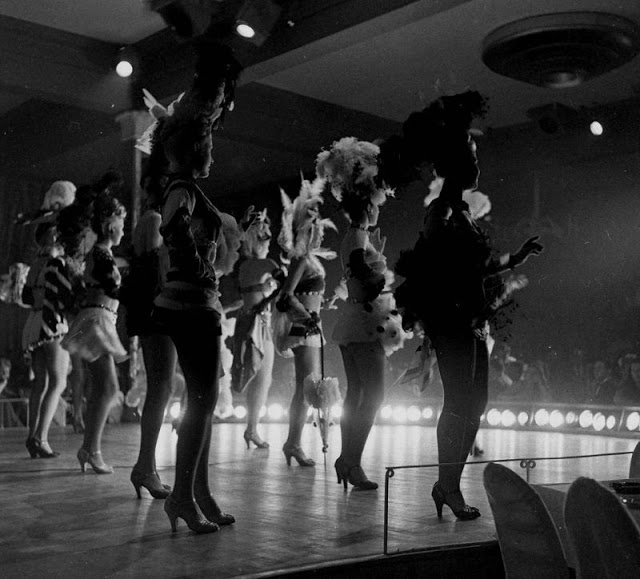
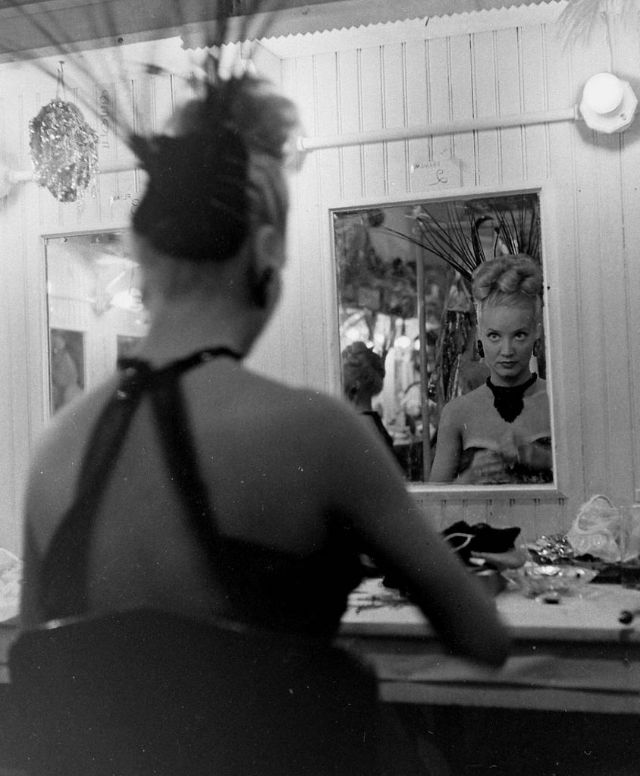


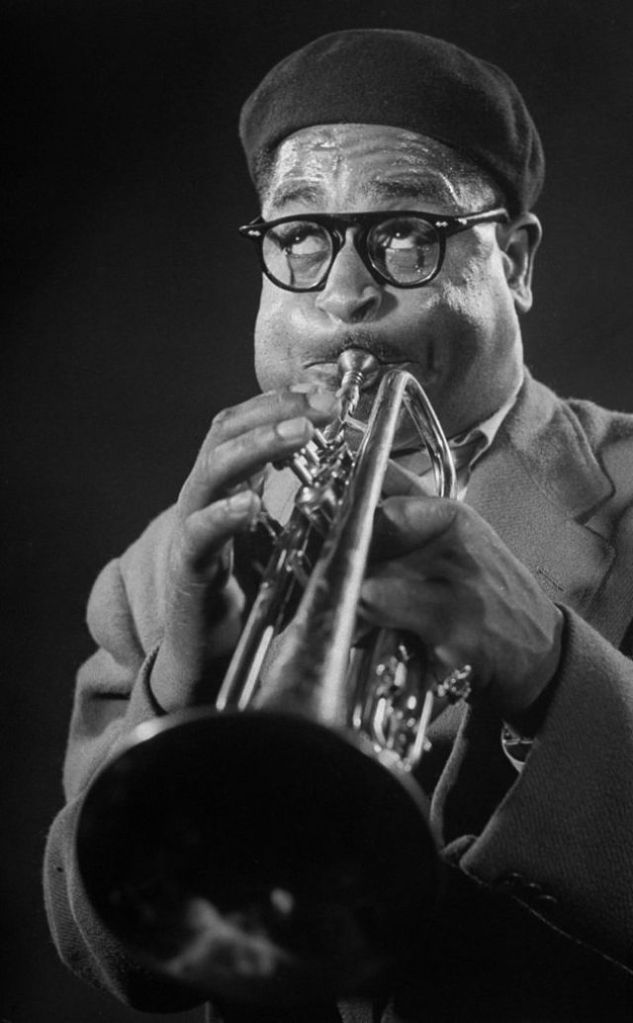











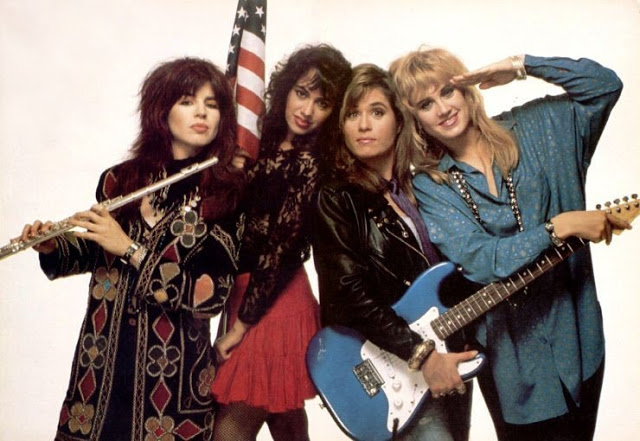
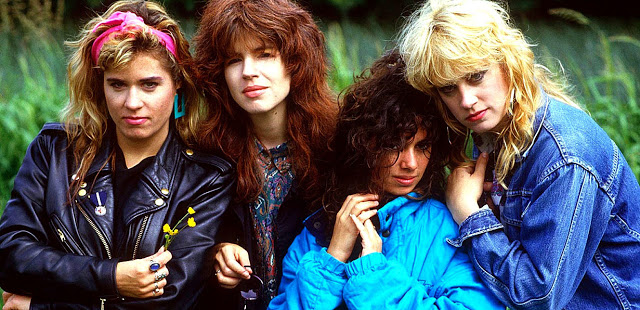
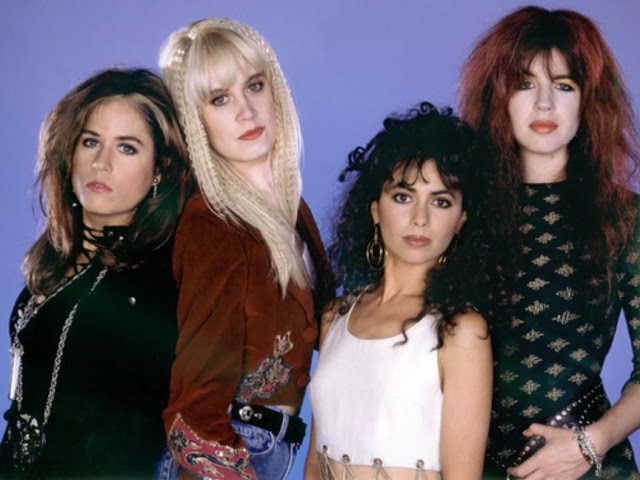
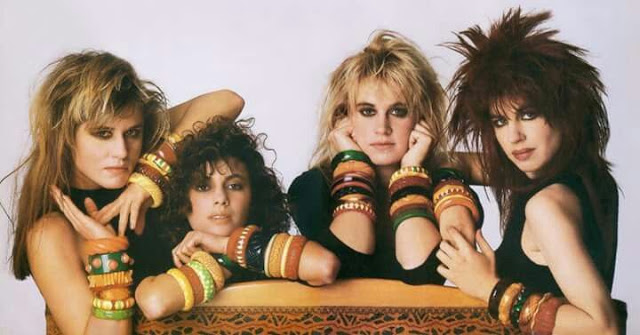
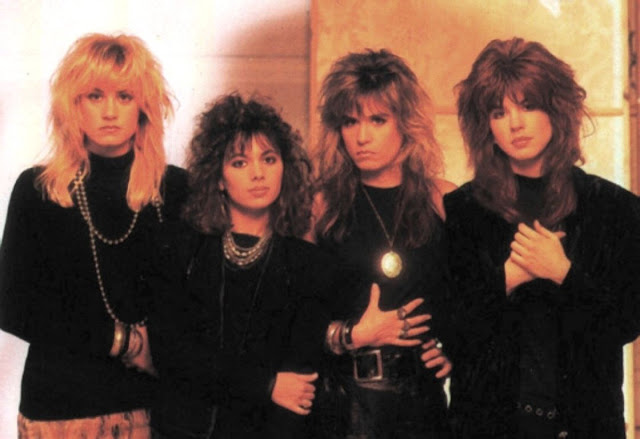
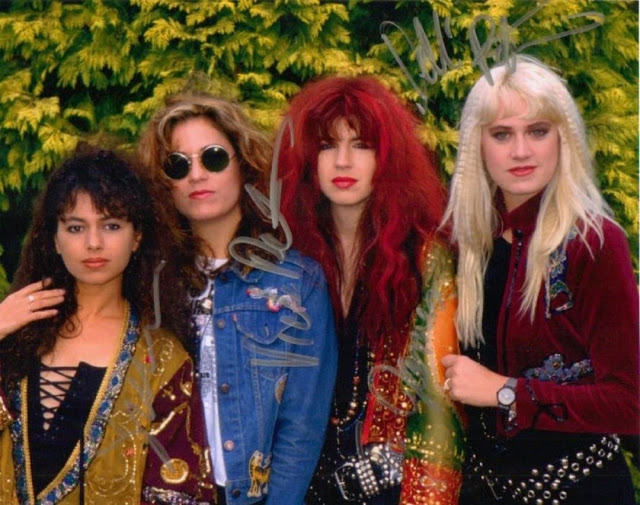
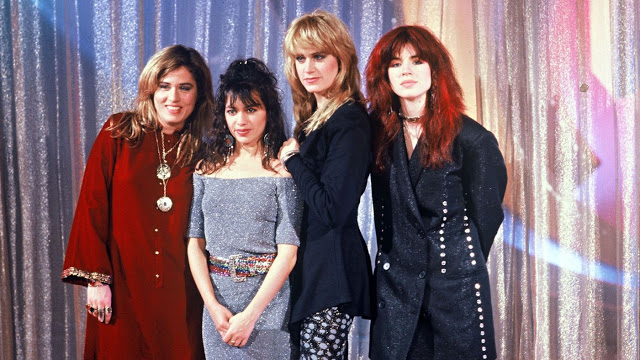
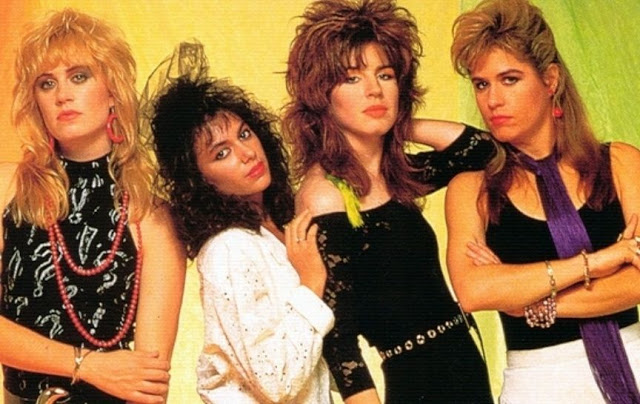
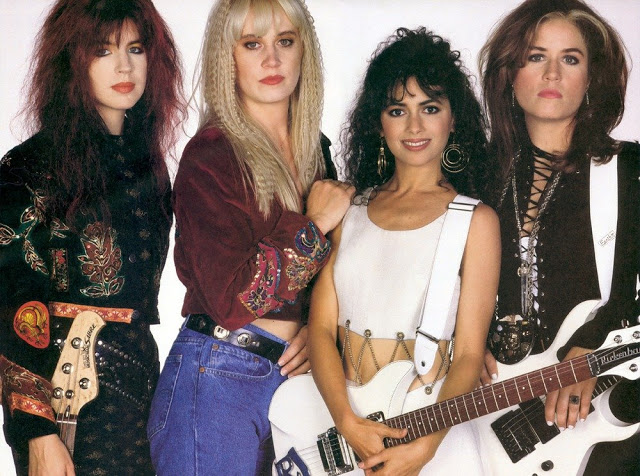
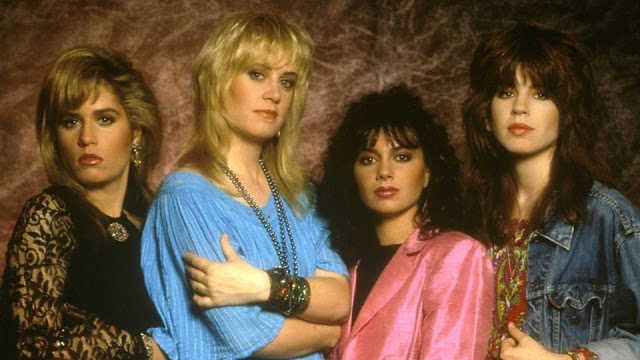
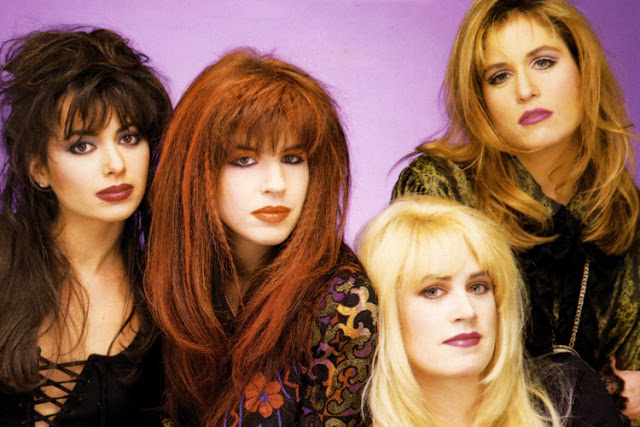
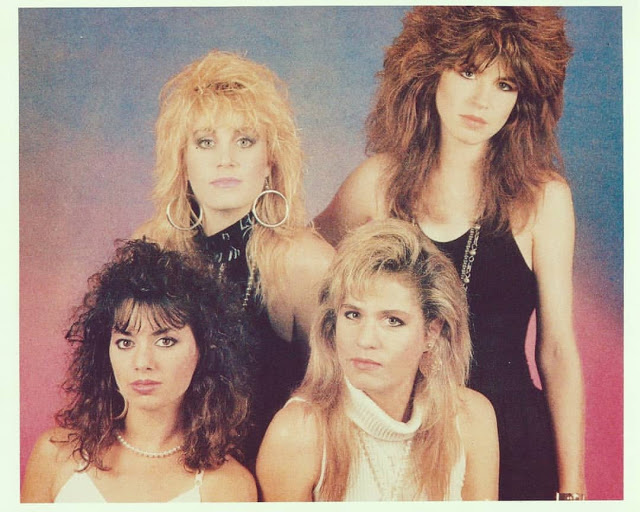
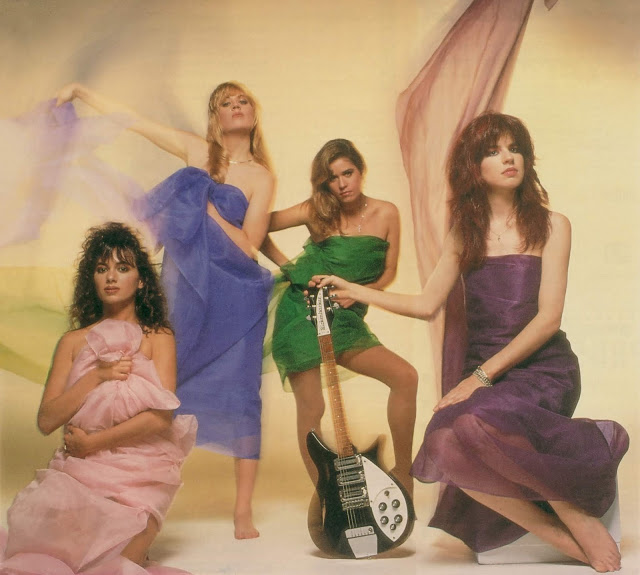
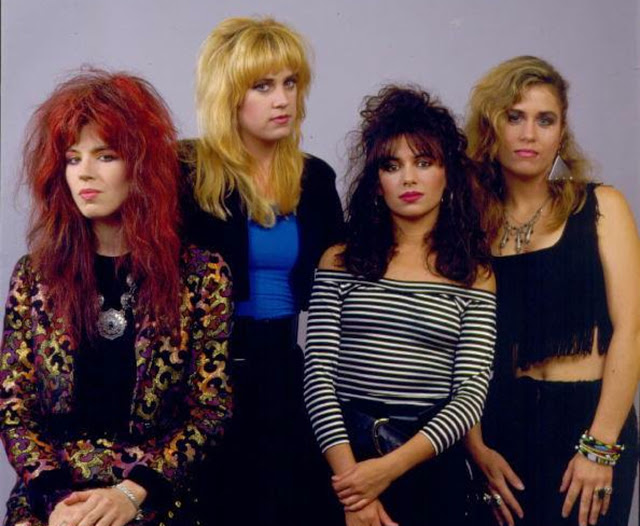
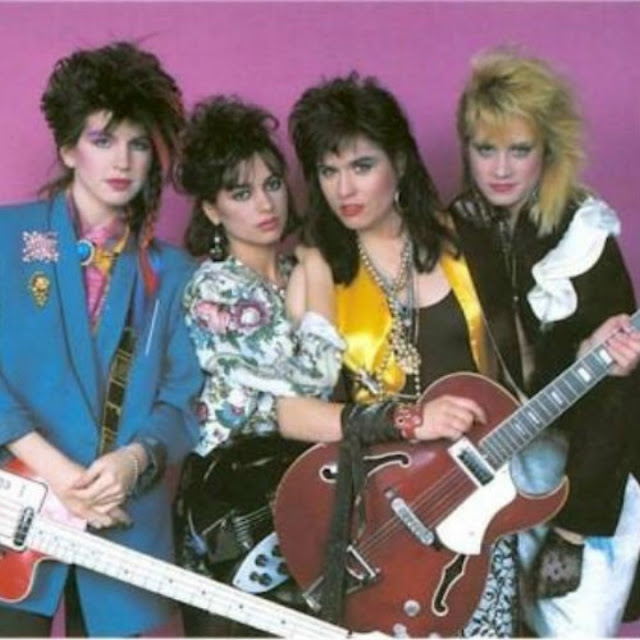
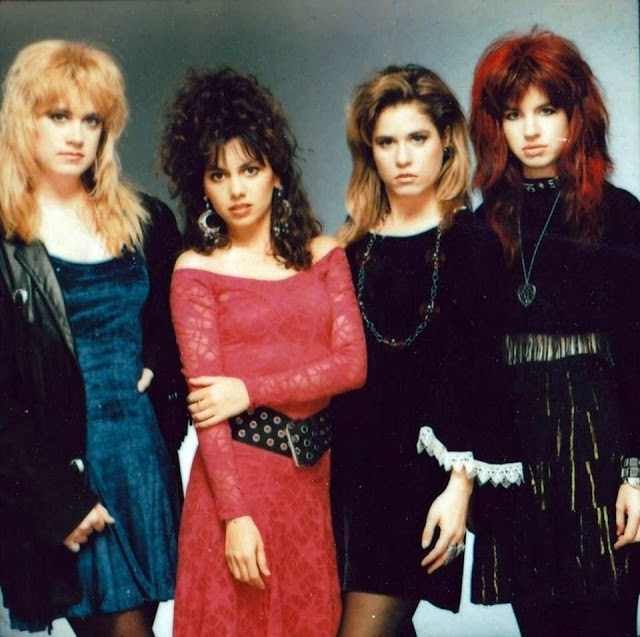
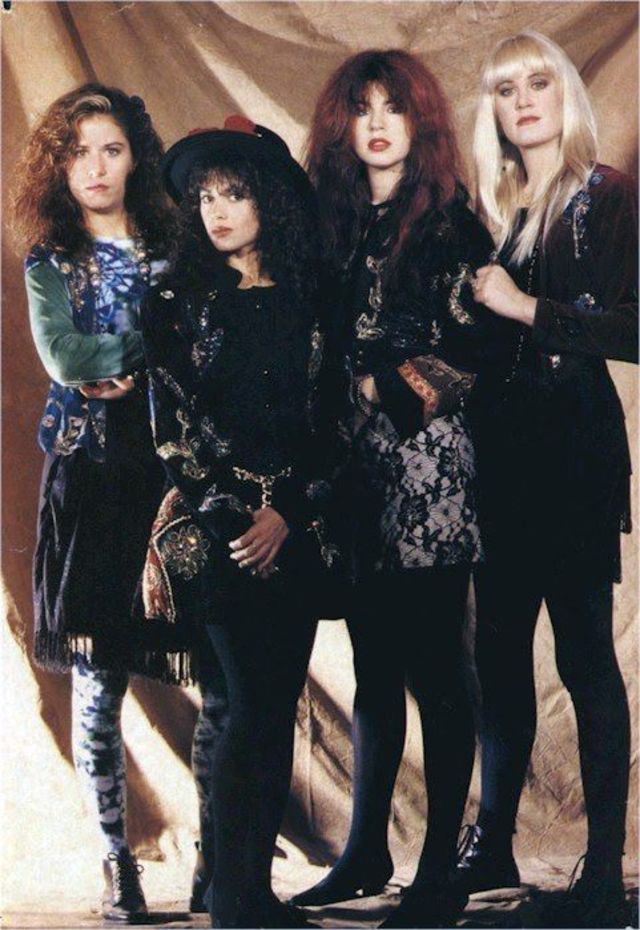
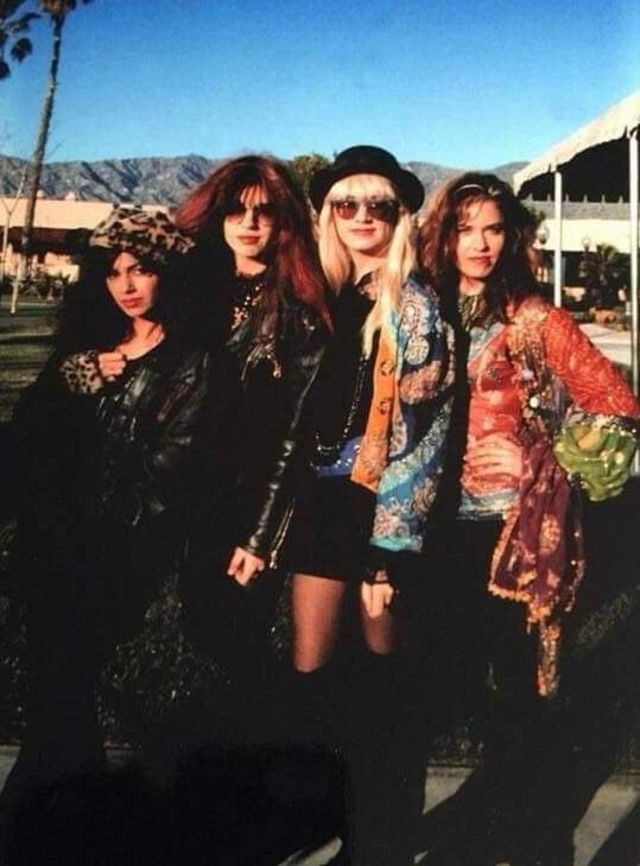
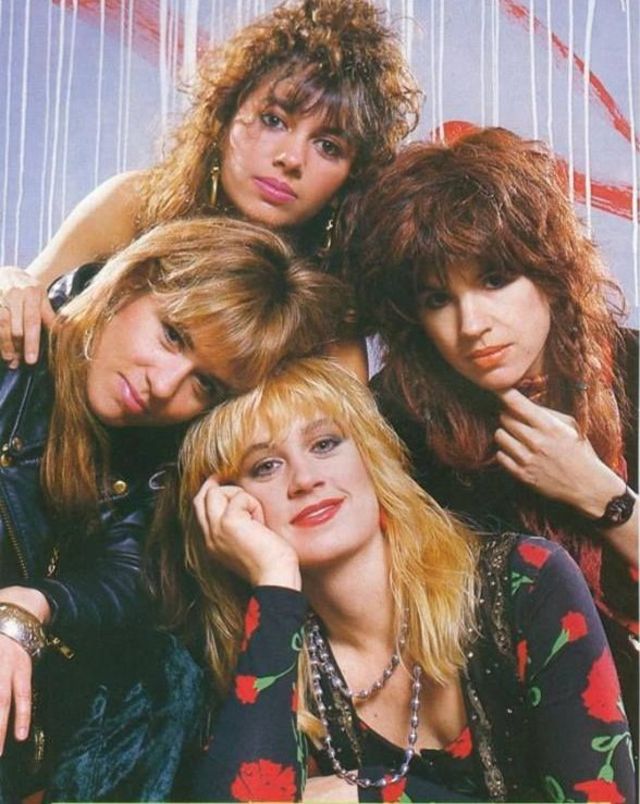
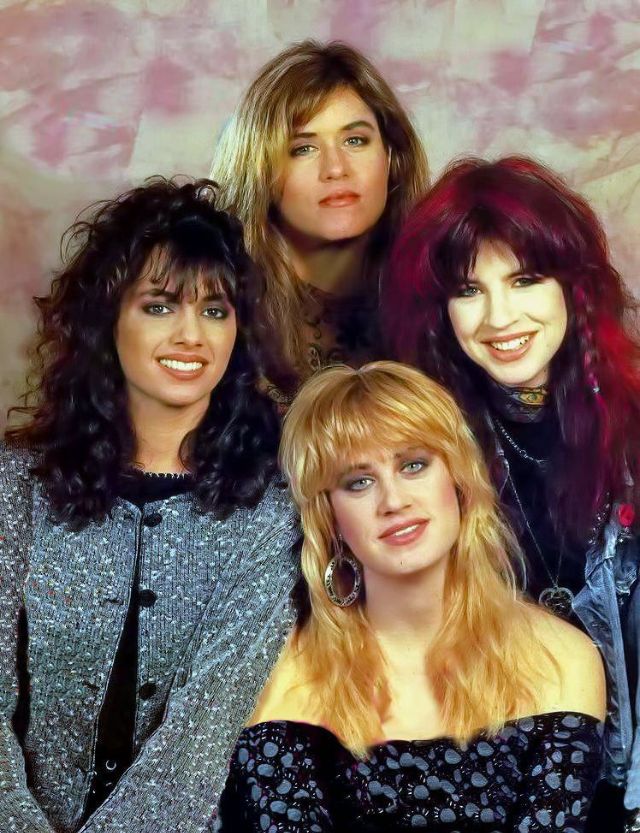
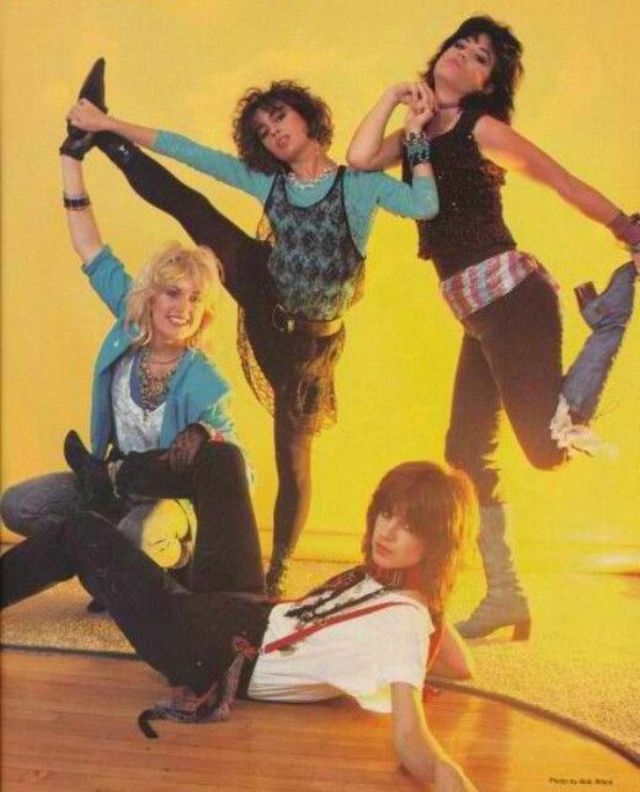
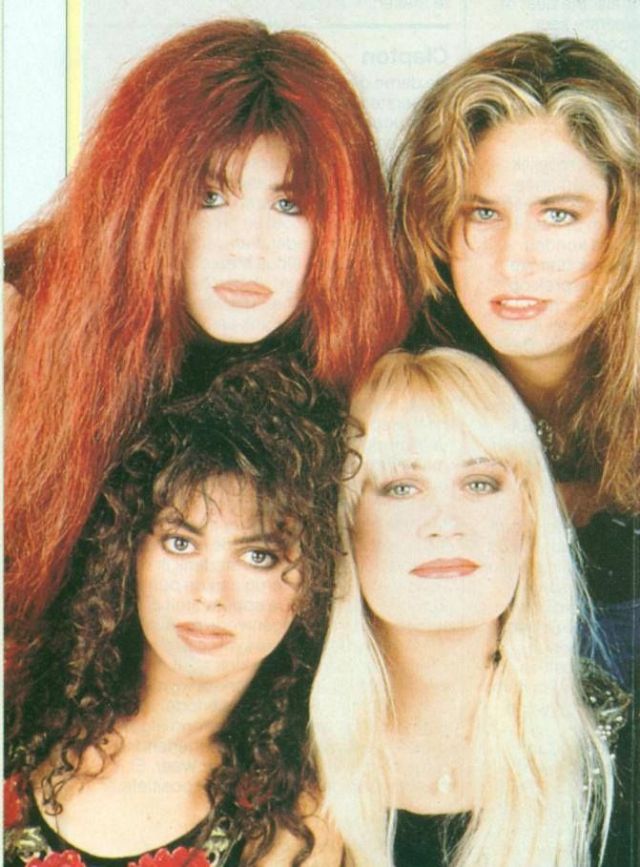
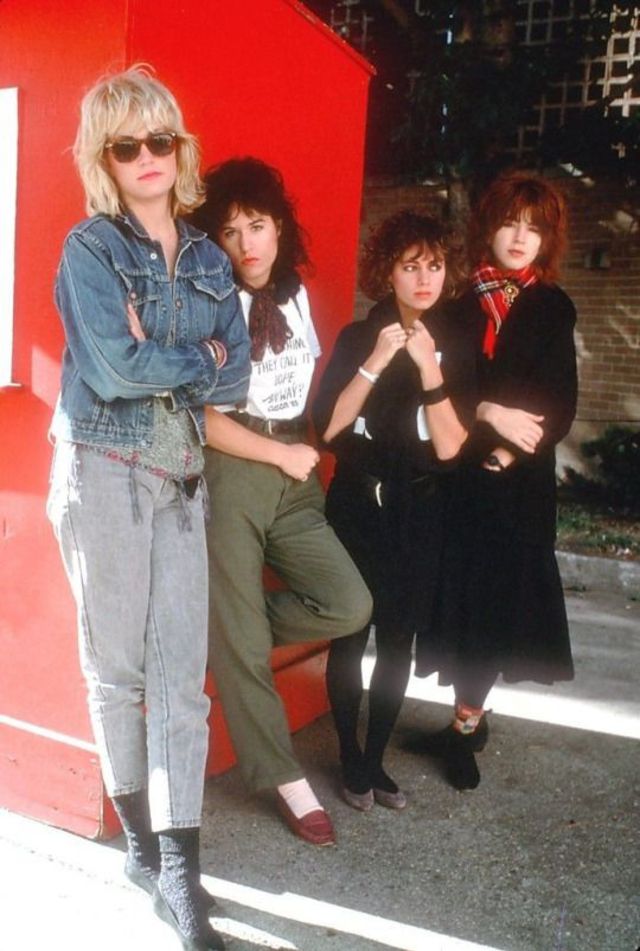
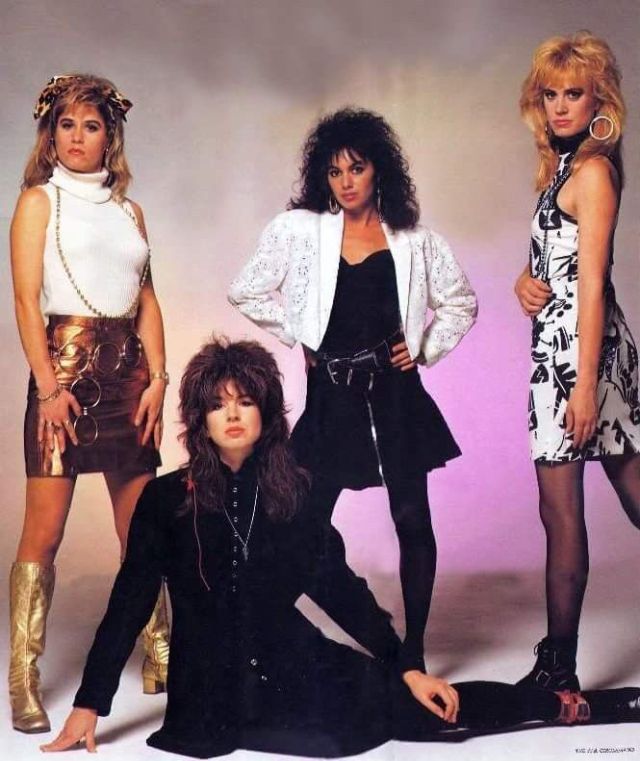
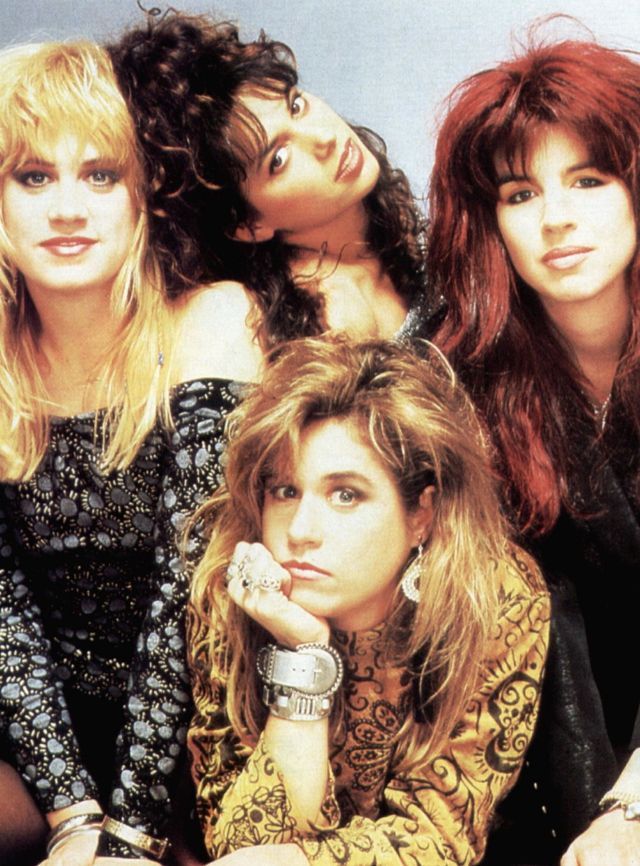
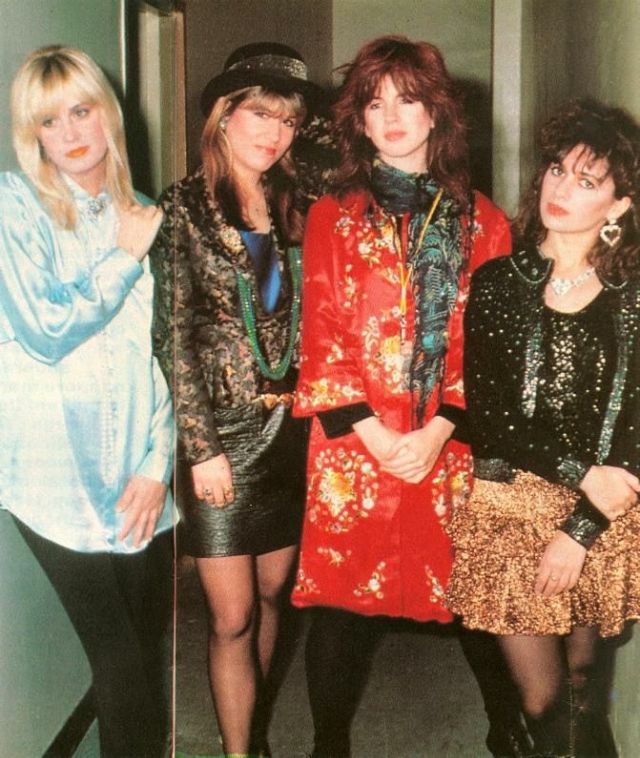
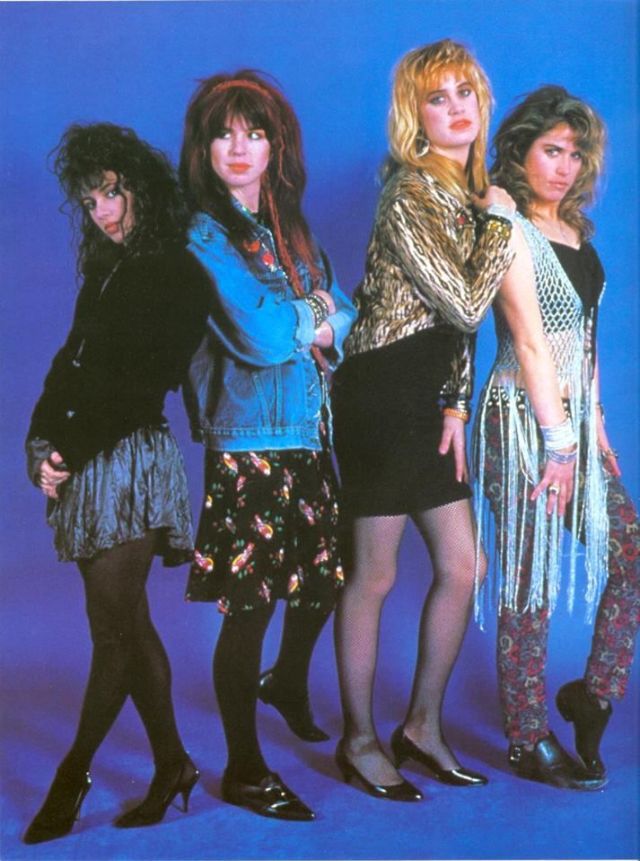
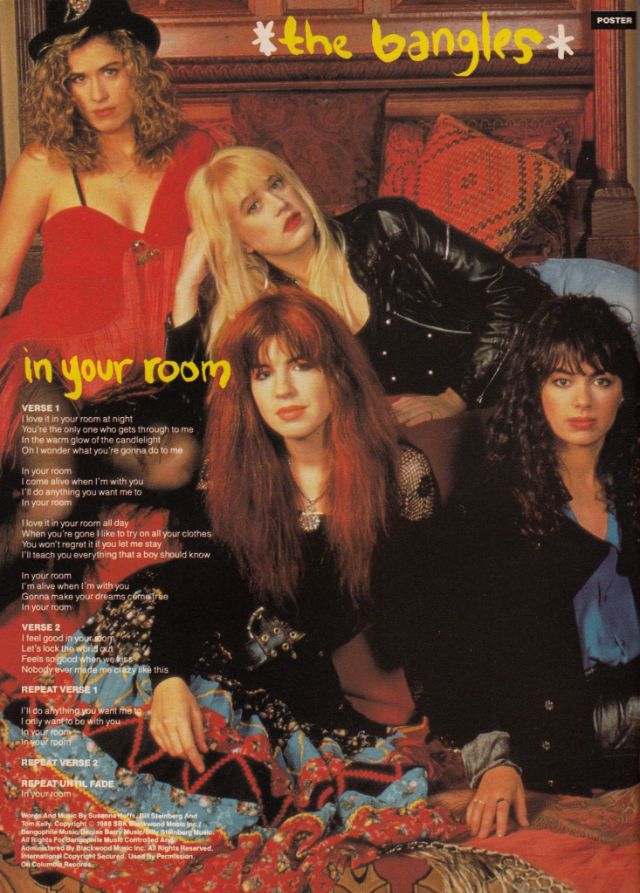
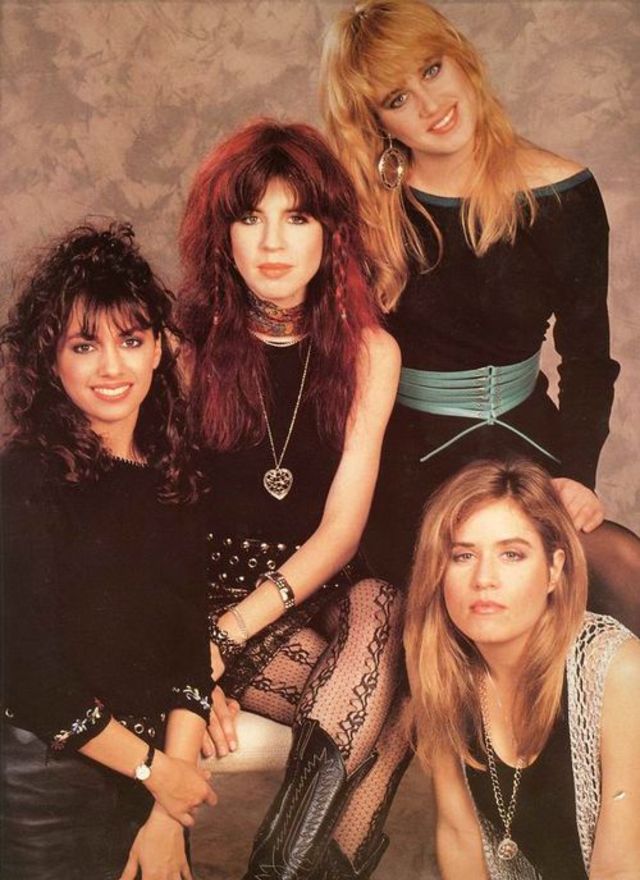
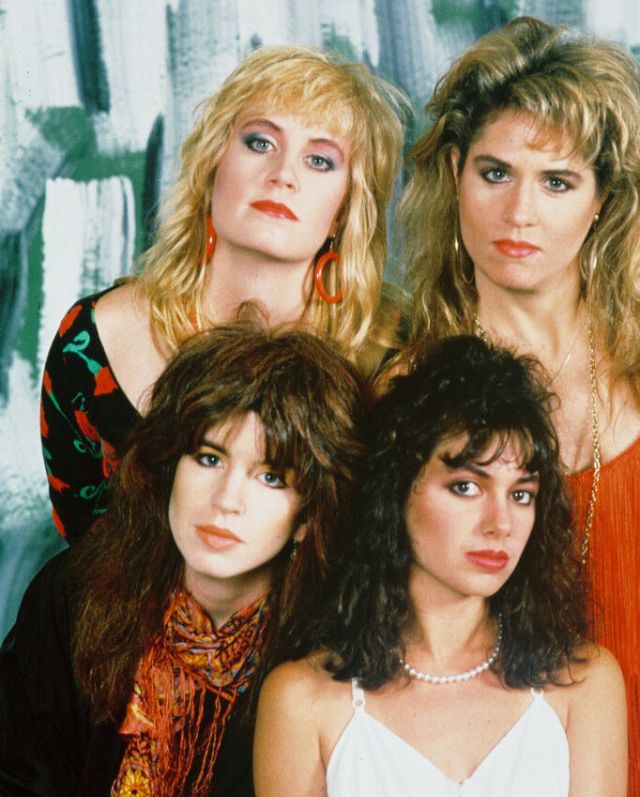
The Bangles are an American pop rock band formed in Los Angeles in 1981. They scored several hit singles during the 1980s. The band’s hits include Walk Like an Egyptian, Billboard magazine’s number-one single of 1987; two number-two hits, Manic Monday and A Hazy Shade of Winter; and their 1989 number-one single Eternal Flame.
Their classic line-up consisted of Michael Steele on bass and vocals, founding members Susanna Hoffs on vocals and rhythm guitar, Debbi Peterson on drums and vocals, and Vicki Peterson on lead guitar and vocals. The band currently consists of Hoffs, Debbi Peterson and Vicki Peterson, and Annette Zilinskas.
Here’s a gallery of 30 vintage photographs of The Bangles in their heydays during the 1980s.
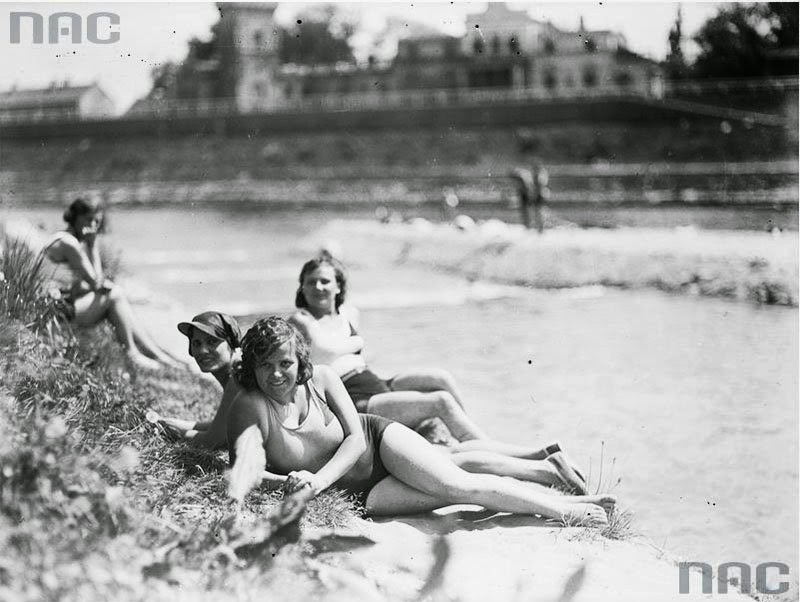
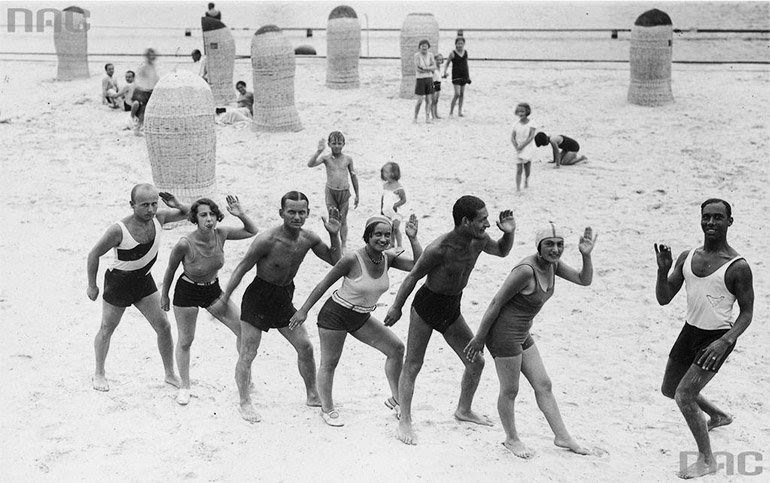
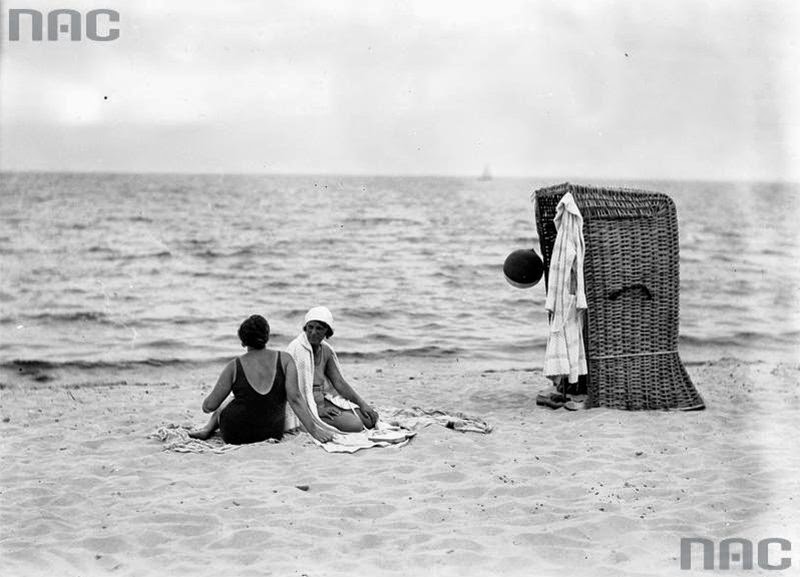
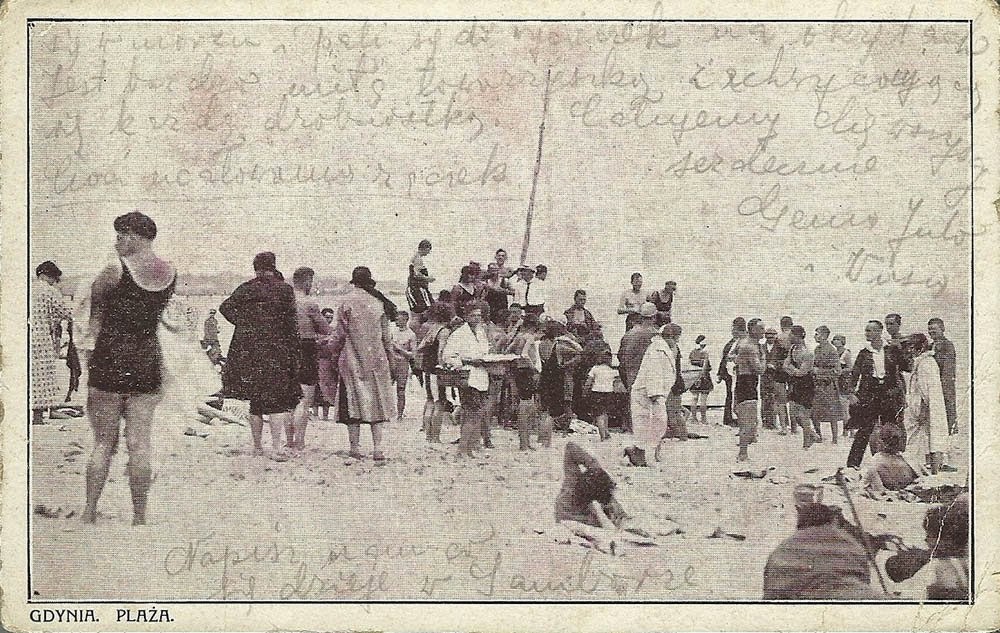
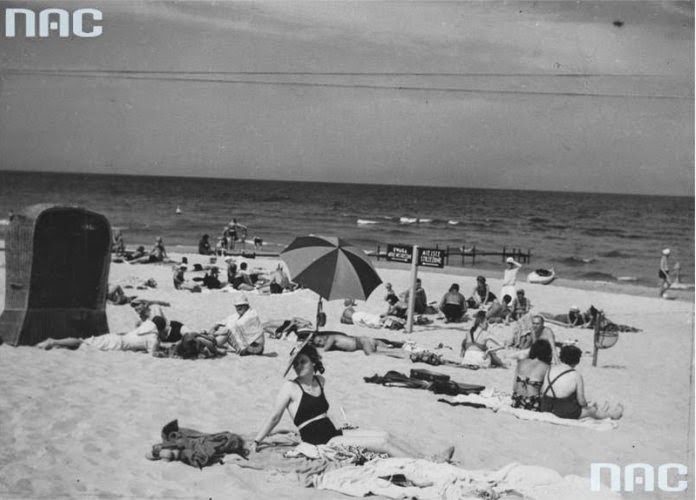
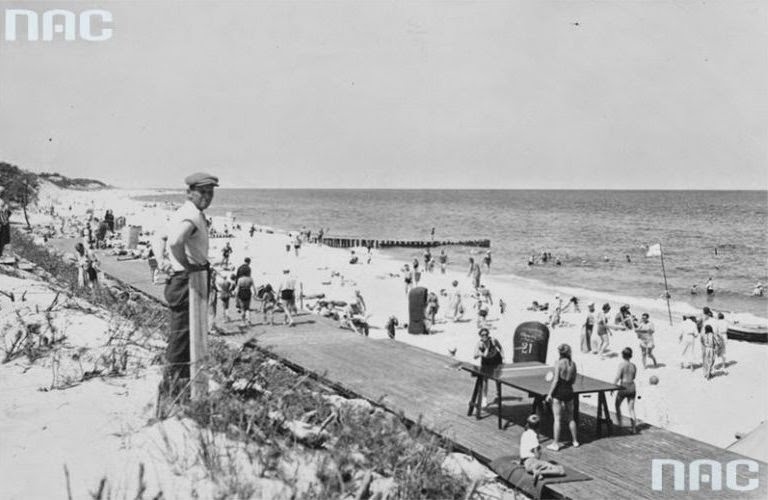
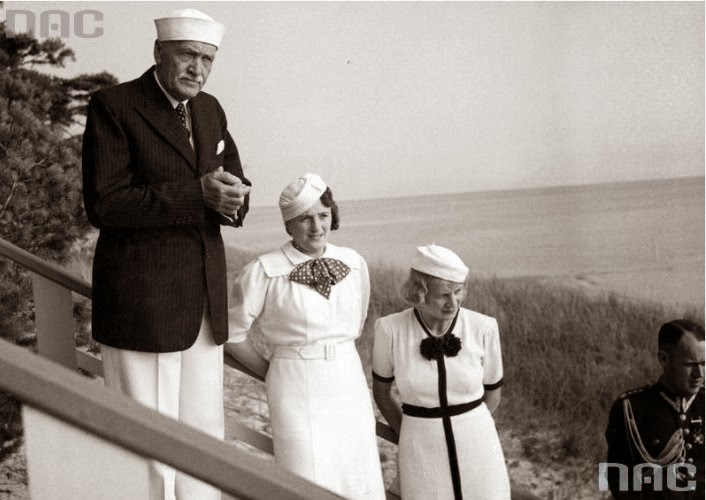
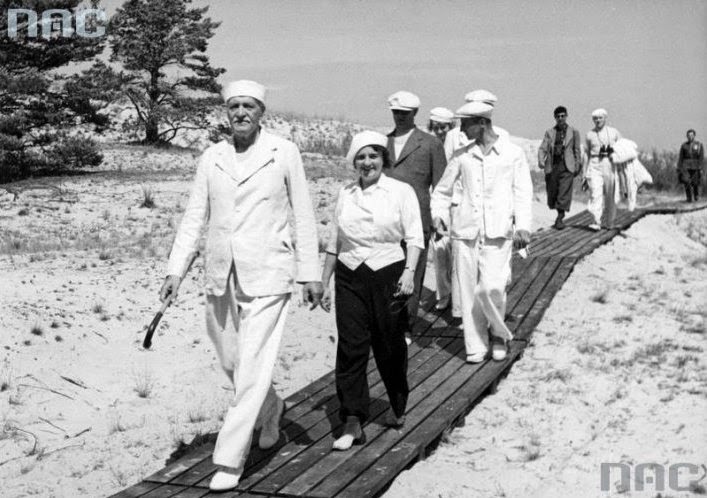
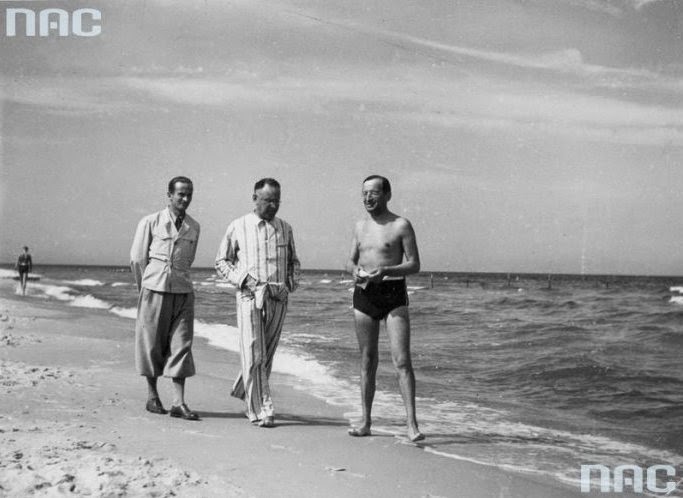
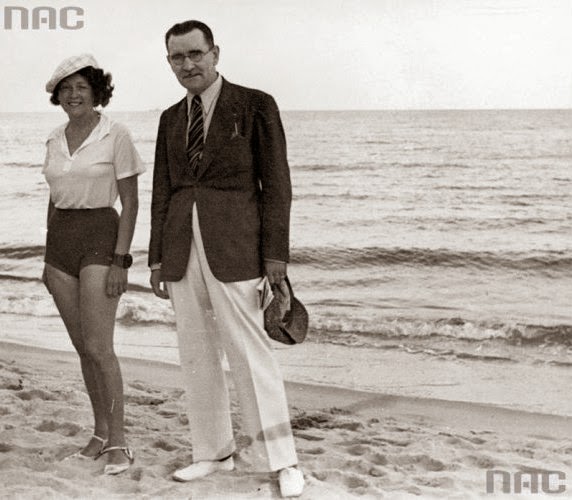
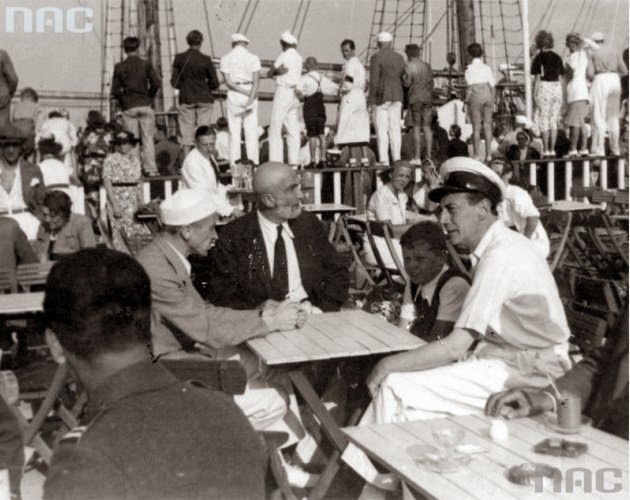
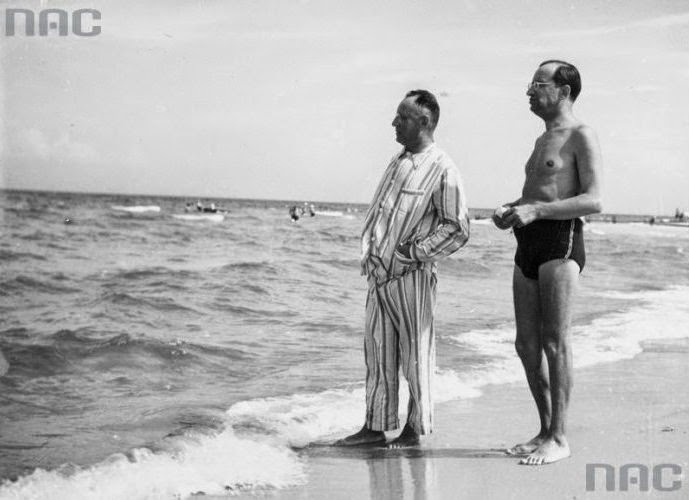
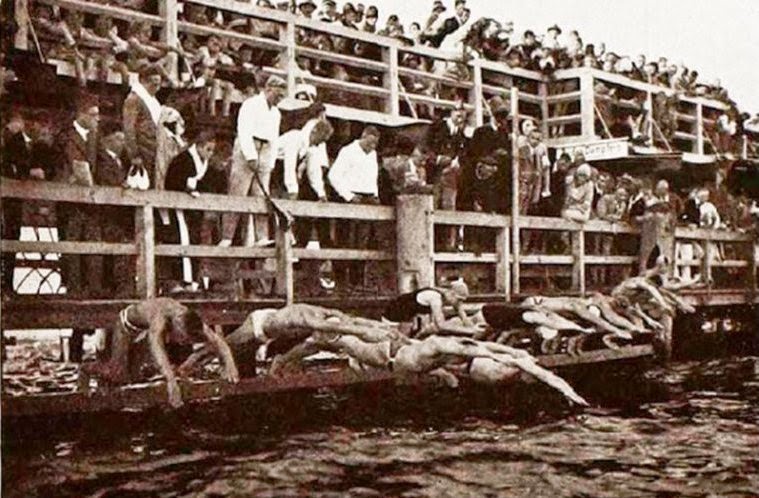
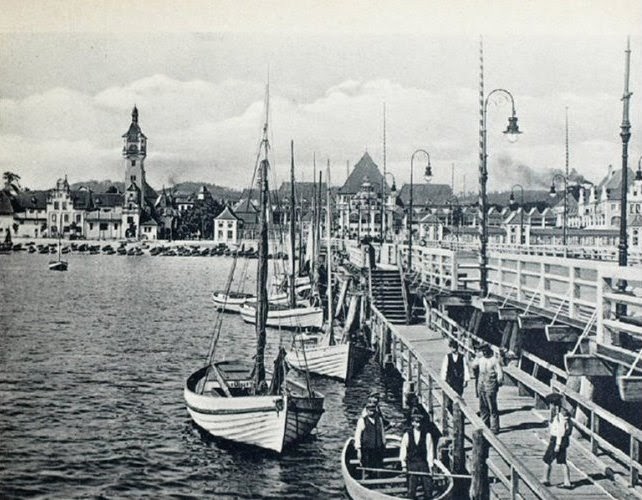
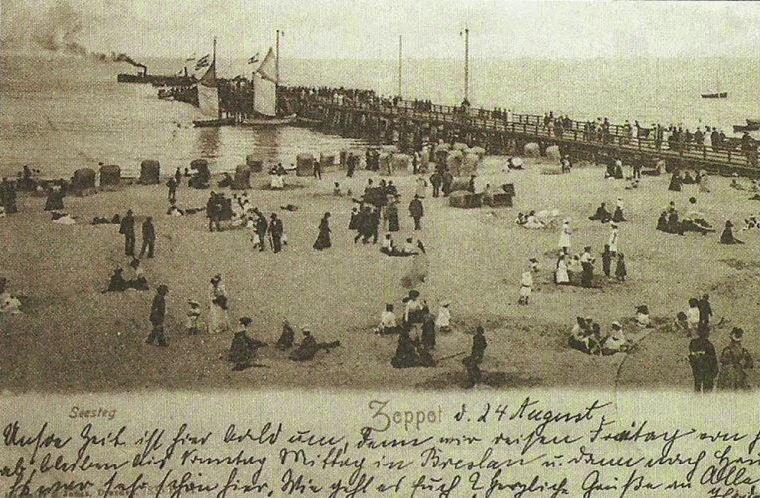
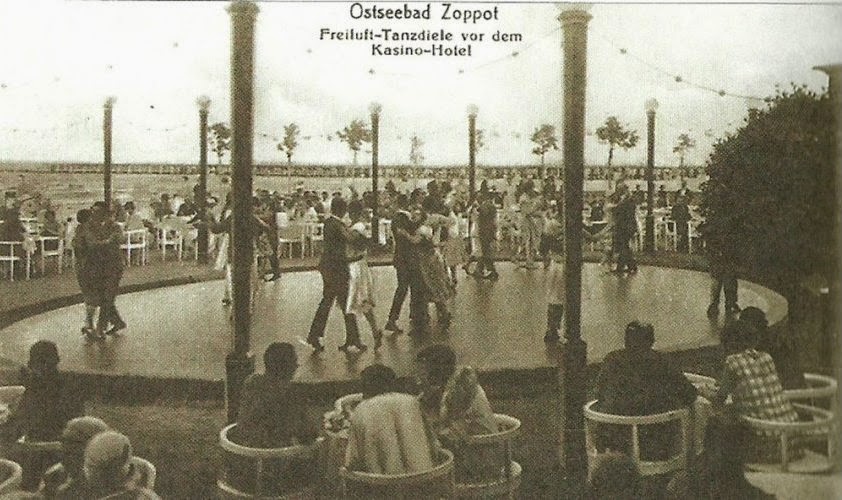
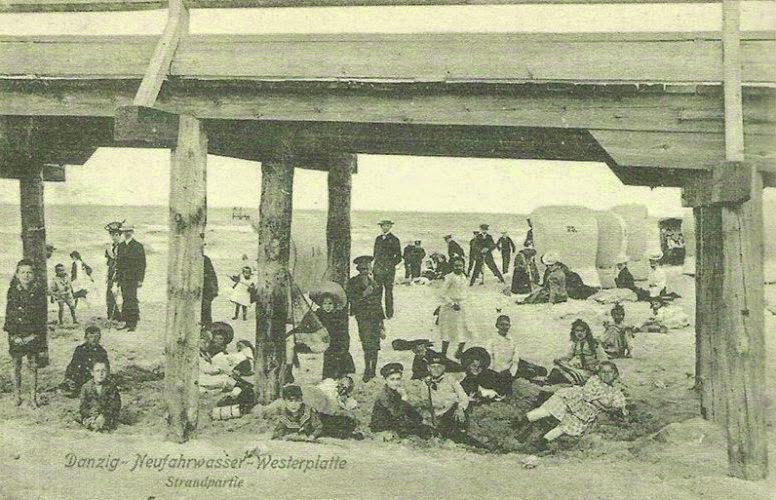
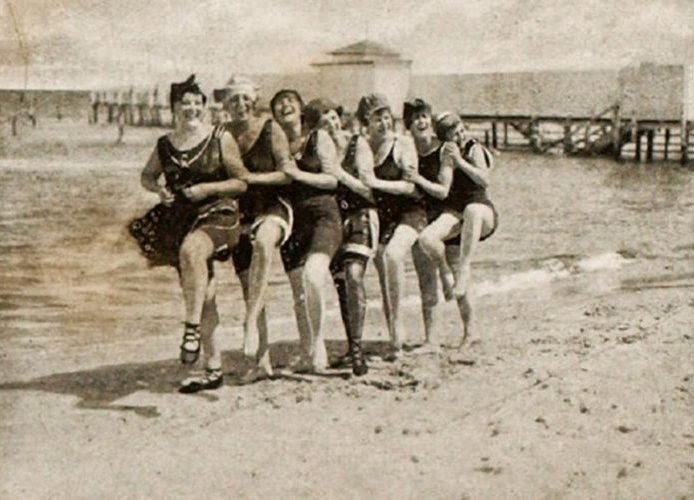
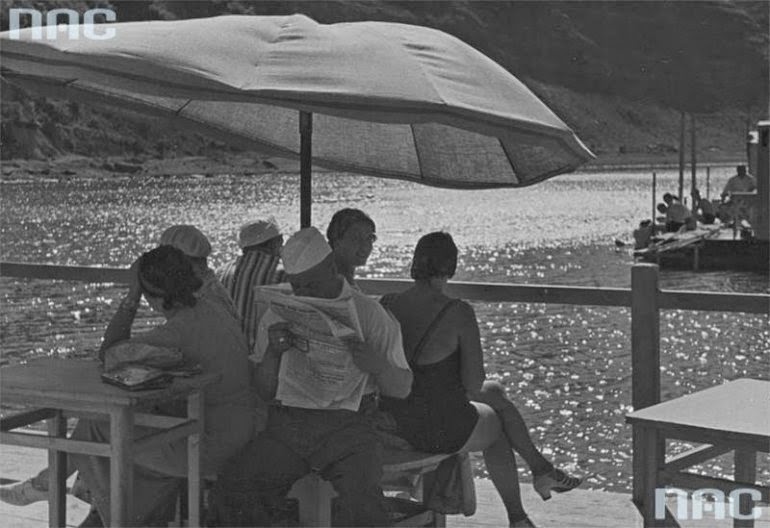
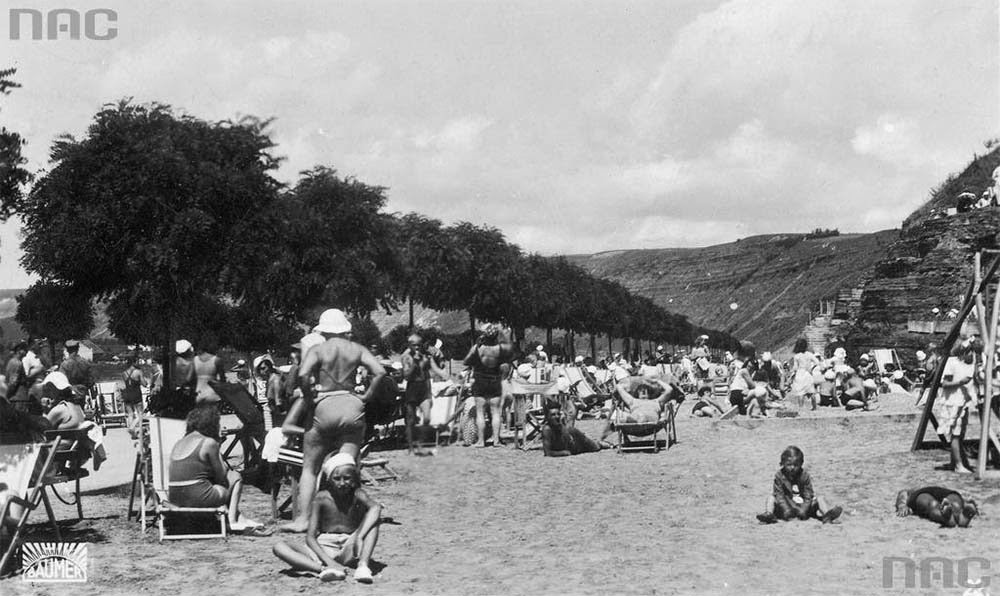
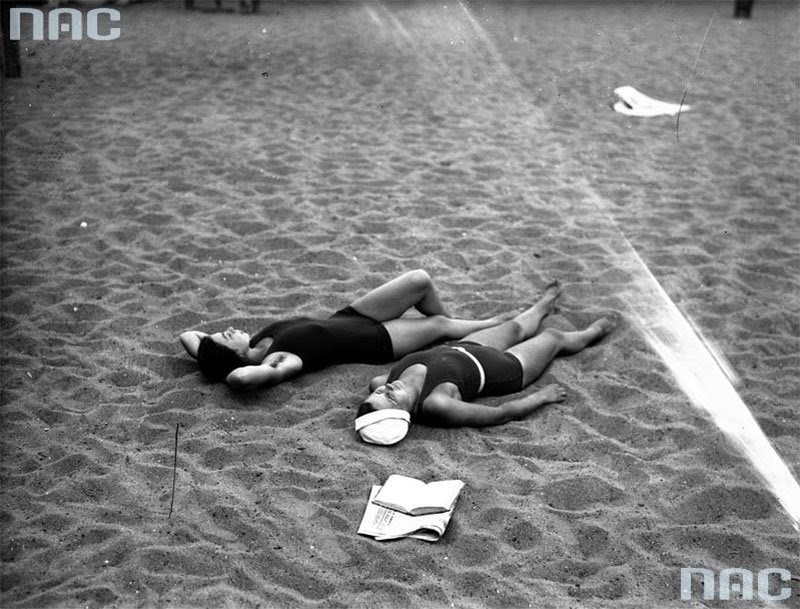
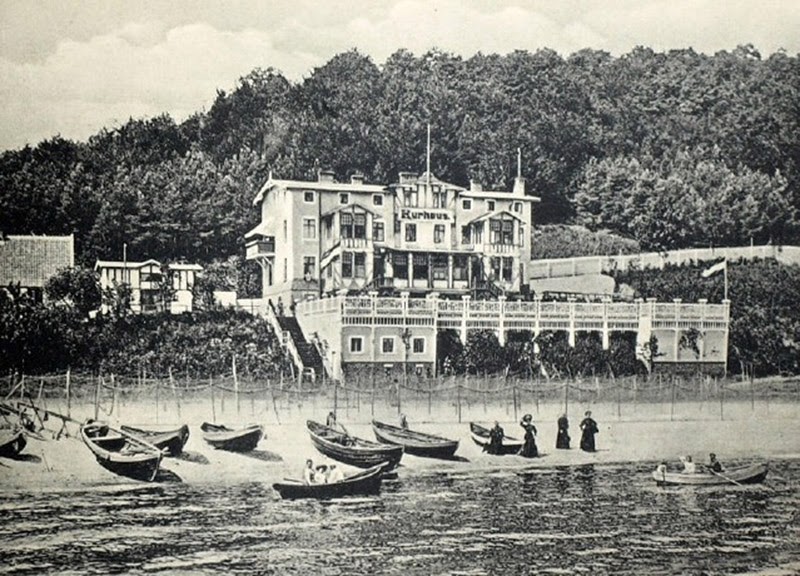
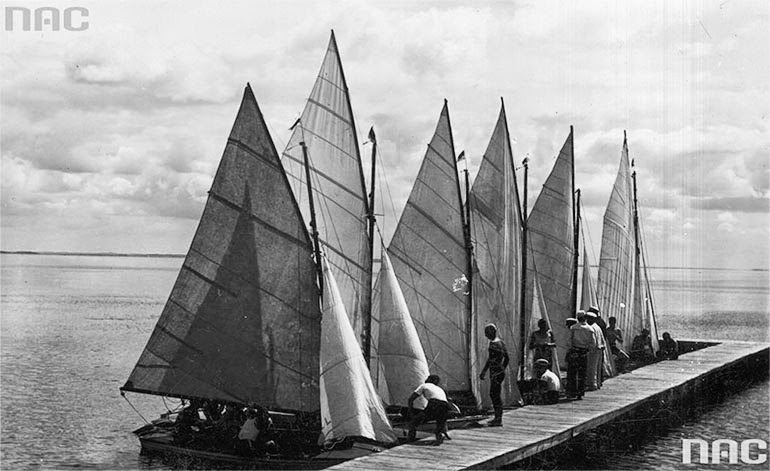
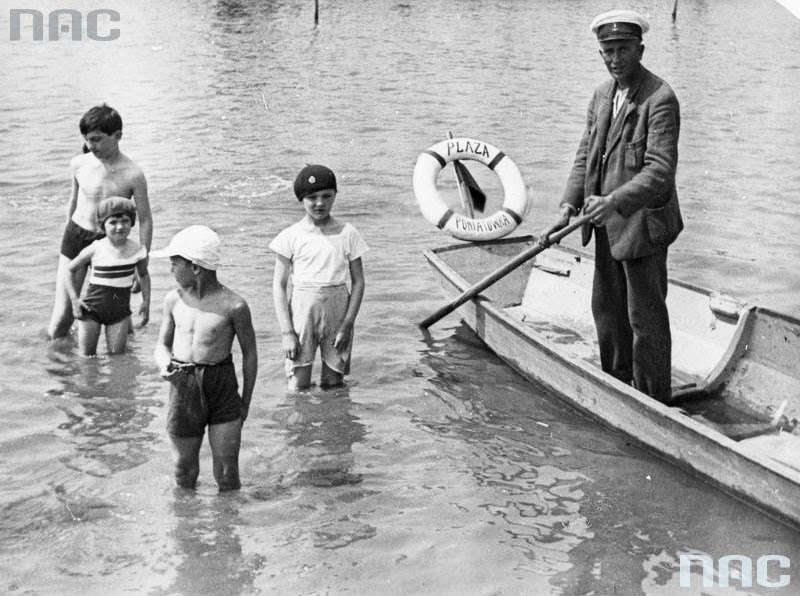
Before the war, Polish beaches hosted royal families and emperors, as well as the era’s icons of dance and cinema. Kings, emperors, Mata Hari, Marlena Dietrich, and Poland’s own stars of the artistic and political scenes all took to the sandy coast of the Baltic sea, as well as the wilder cliffs of the Dniester river.
Poland, officially the Republic of Poland, is a country in Central Europe. It is divided into 16 administrative provinces called voivodeships, covering an area of 312,696 km2 (120,733 sq mi). Poland has a population of over 38 million and is the fifth-most populous member state of the European Union. Warsaw is the nation’s capital and largest metropolis. Other major cities include Kraków, Lódz, Wroclaw, Poznan, Gdansk, and Szczecin.
Poland’s territory extends from the Baltic Sea in the north to the Sudeten and Carpathian Mountains in the south. The country is bordered by Lithuania and Russia to the northeast, Belarus and Ukraine to the east, Slovakia and the Czech Republic to the south, and Germany to the west. Poland also shares maritime boundaries with Denmark and Sweden.
The history of human activity on Polish soil spans thousands of years. Throughout the late antiquity period it became extensively diverse, with various cultures and tribes settling on the vast Central European Plain. However, it was the Polans who dominated the region and gave Poland its name. The establishment of Polish statehood can be traced to 966, when the pagan ruler of a realm coextensive with the territory of present-day Poland embraced Christianity and converted to Catholicism. The Kingdom of Poland was founded in 1025 and in 1569 cemented its longstanding political association with Lithuania by signing the Union of Lublin. The latter led to the forming of the Polish–Lithuanian Commonwealth, one of the largest and most populous nations of 16th and 17th-century Europe, with a uniquely liberal political system that adopted Europe’s first modern constitution, the Constitution of 3 May 1791.
With the end of the prosperous Polish Golden Age, the country was partitioned by neighbouring states at the end of the 18th century. It regained its independence in 1918 with the Treaty of Versailles and restored its position as a key player in European politics. In September 1939, the German-Soviet invasion of Poland marked the beginning of World War II, which resulted in the Holocaust and millions of Polish casualties. As a member of the Eastern Bloc, the Polish People’s Republic proclaimed forthwith was a chief signatory of the Warsaw Pact amidst global Cold War tensions. In the wake of the 1989 events, notably through the emergence and contributions of the Solidarity movement, the communist government was dissolved and Poland re-established itself as a democratic republic.
Poland is a developed market and a middle power; it has the sixth largest economy in the European Union by nominal GDP and the fifth largest by GDP (PPP). It provides very high standards of living, safety and economic freedom, as well as free university education and a universal health care system. The country has 17 UNESCO World Heritage Sites, 15 of which are cultural. Poland is a founding member state of the United Nations, as well as a member of the World Trade Organization, NATO, and the European Union (including the Schengen Area). (Wikipedia)
Here’s a series of images that capture the most beautiful beaches and summer resort destinations of the past of a Pre-War Poland.